Chatham Manor and George Washington’s Childhood House, Fredericksburg, Virginia, USA
Chatham Manor, a 1771 estate turned Civil War hospital, overlooks Fredericksburg, and Ferry Farm is where George Washington spent his boyhood. 1123
George Washington's Ferry Farm: George Washington's Ferry Farm
Date Picture Taken: July 2025
After exploring Fredericksburg National Military Park and its downtown, I crossed the Rappahannock River to visit Chatham Manor and George Washington’s childhood home.
William Fitzhugh was a wealthy Virginia planter and politician who built Chatham Manor in 1771.
He belonged to one of Virginia’s most prominent families, owning large tracts of land and hundreds of enslaved people. Fitzhugh named the estate “Chatham” after William Pitt, the Earl of Chatham, a British leader admired by many American colonists before the Revolution.
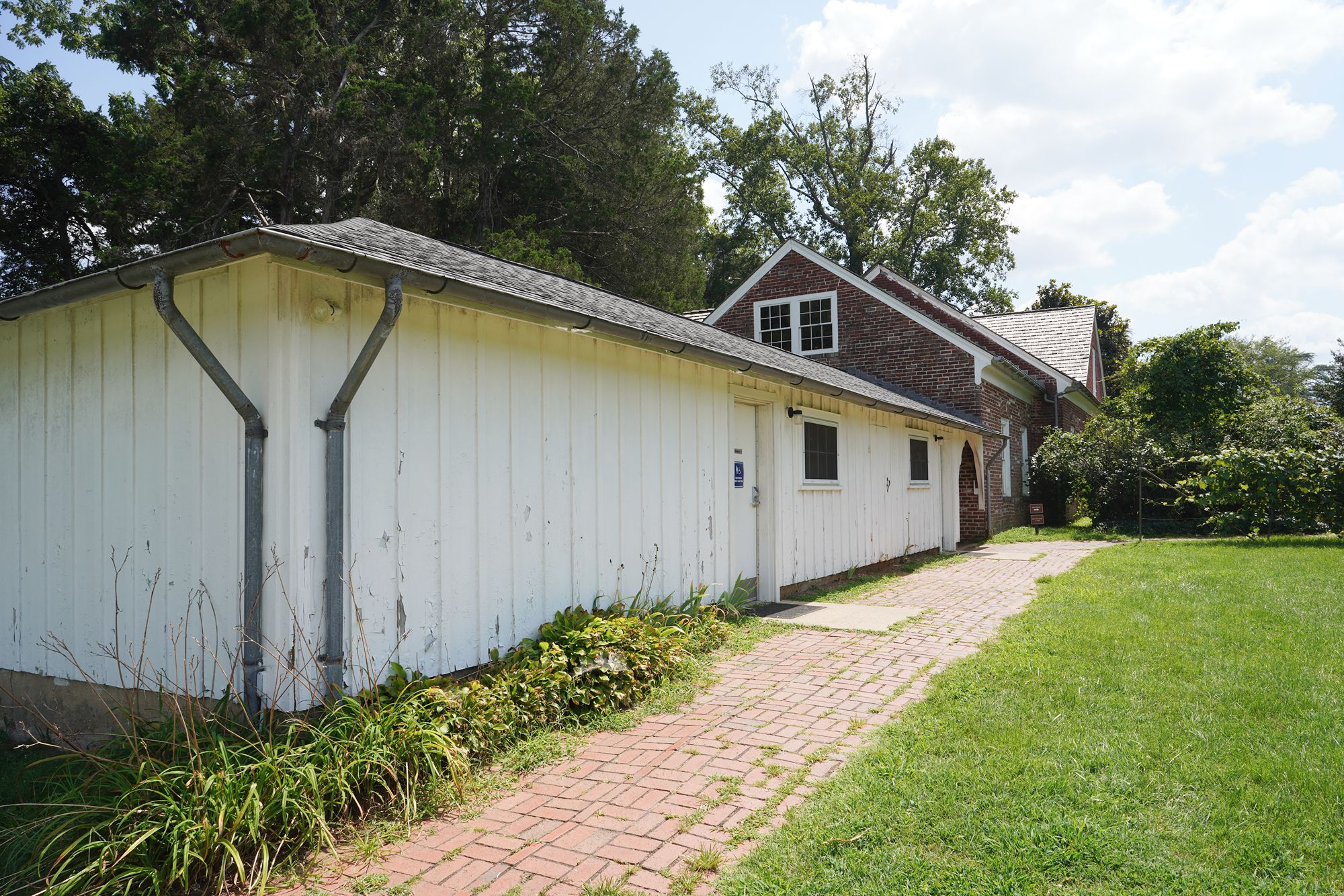
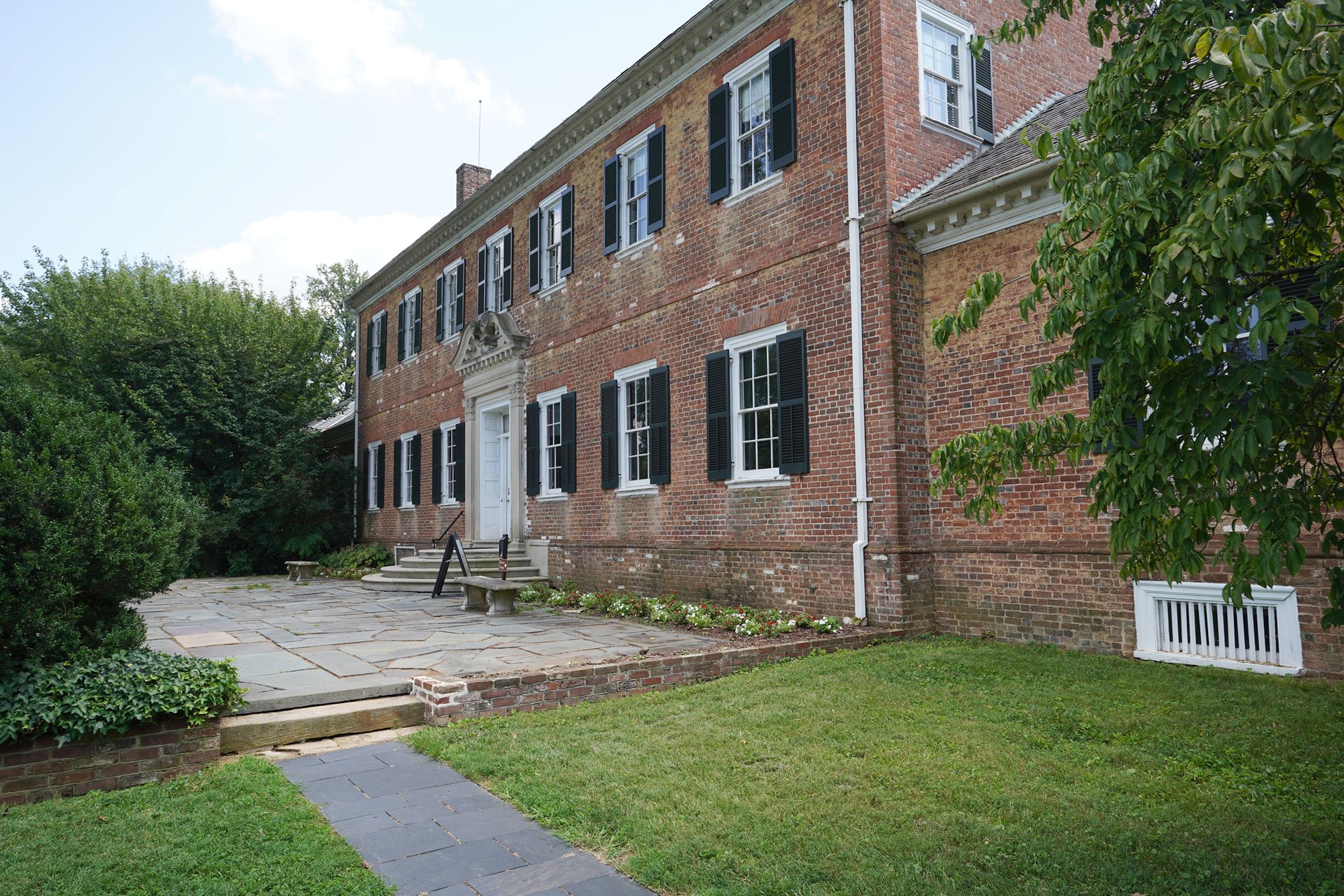
Built in 1771 by William Fitzhugh, Chatham Manor is a grand Georgian-style mansion that has witnessed nearly every major period of American history. From its hilltop, it once symbolized wealth and privilege; later, it became a hospital and Union headquarters during the Civil War Battle of Fredericksburg (1862).
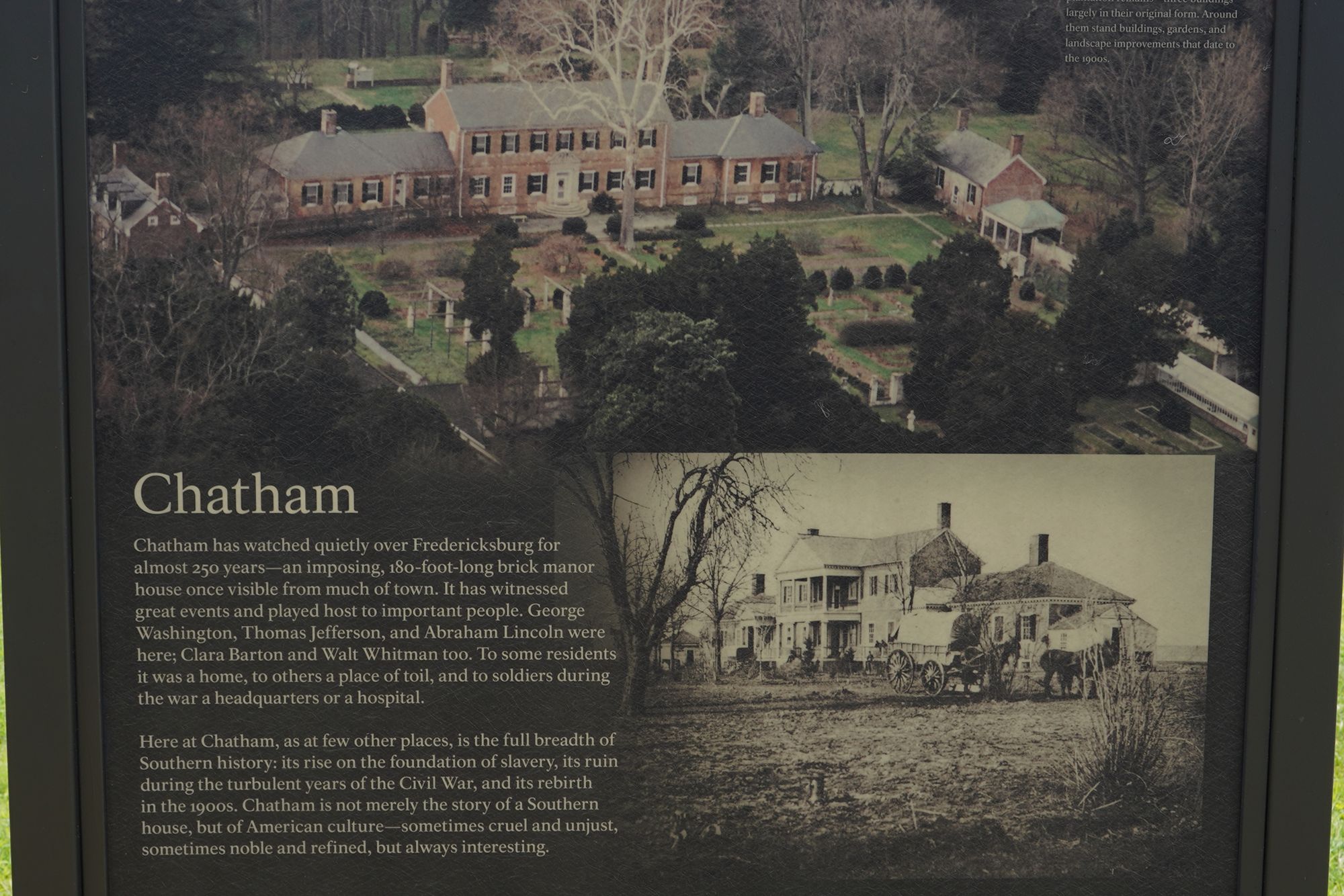
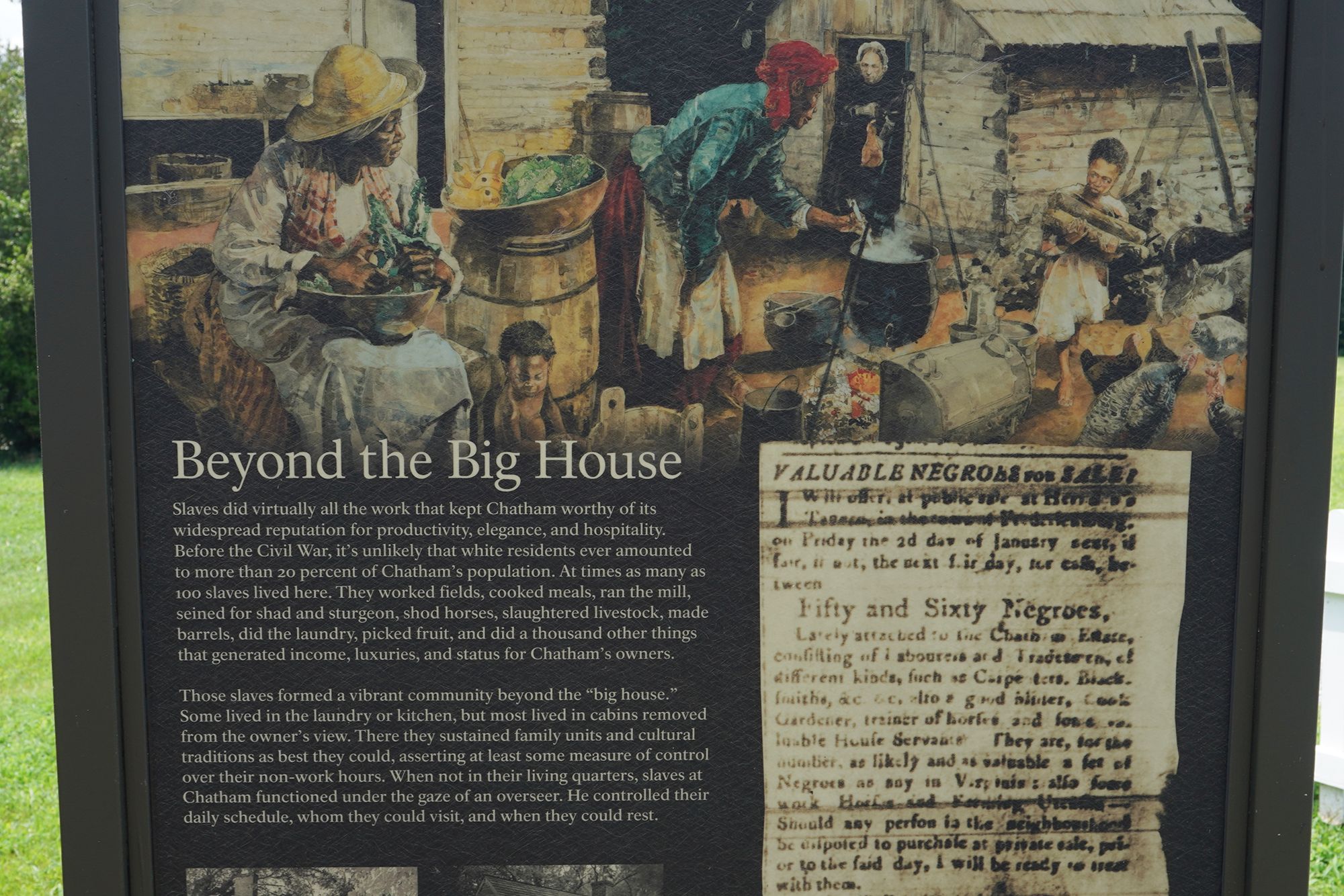
Chatham Manor was built and maintained by enslaved laborers who worked in the house, fields, and workshops; their labor supported the wealth of the Fitzhugh family and left a lasting mark on the estate’s history.
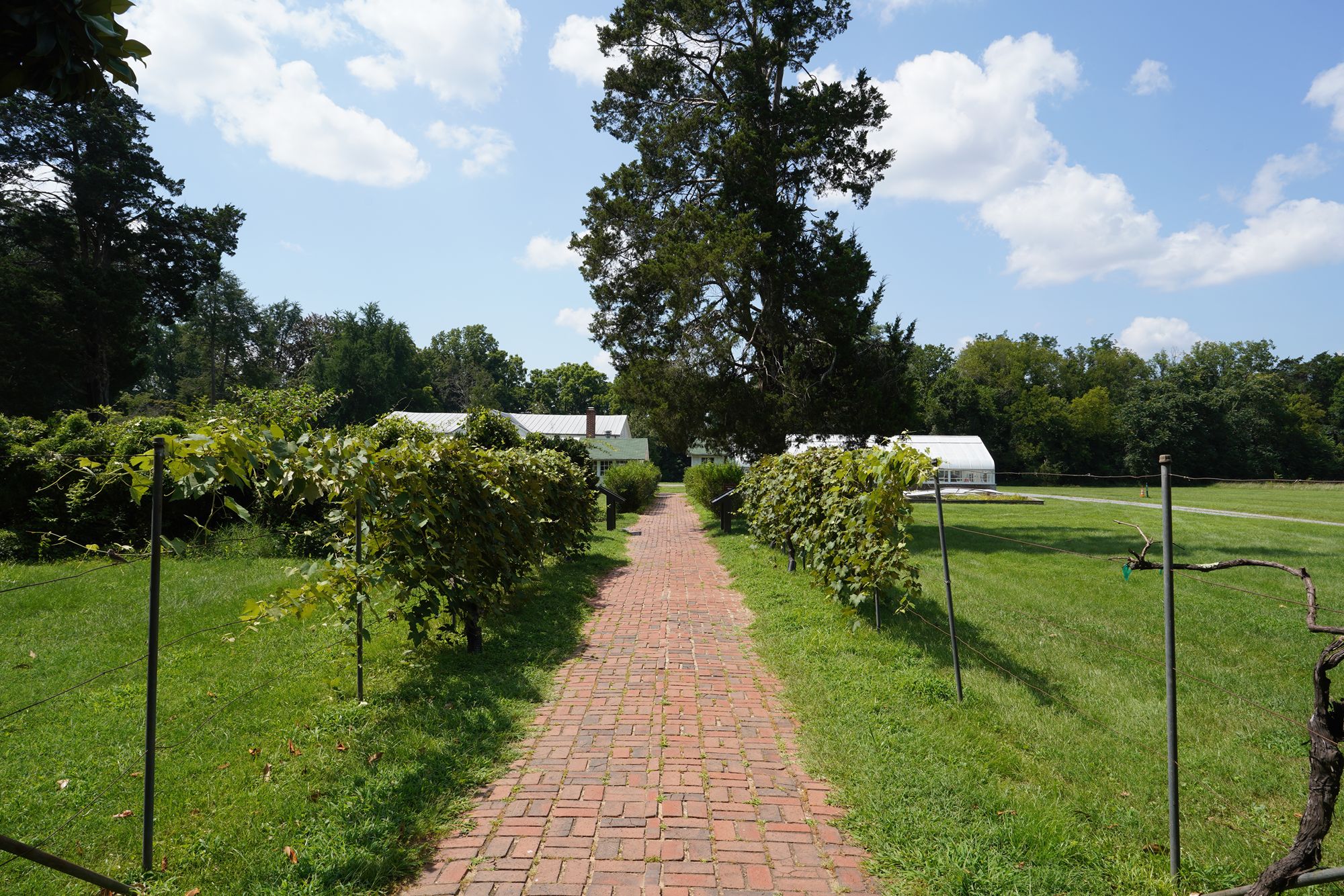
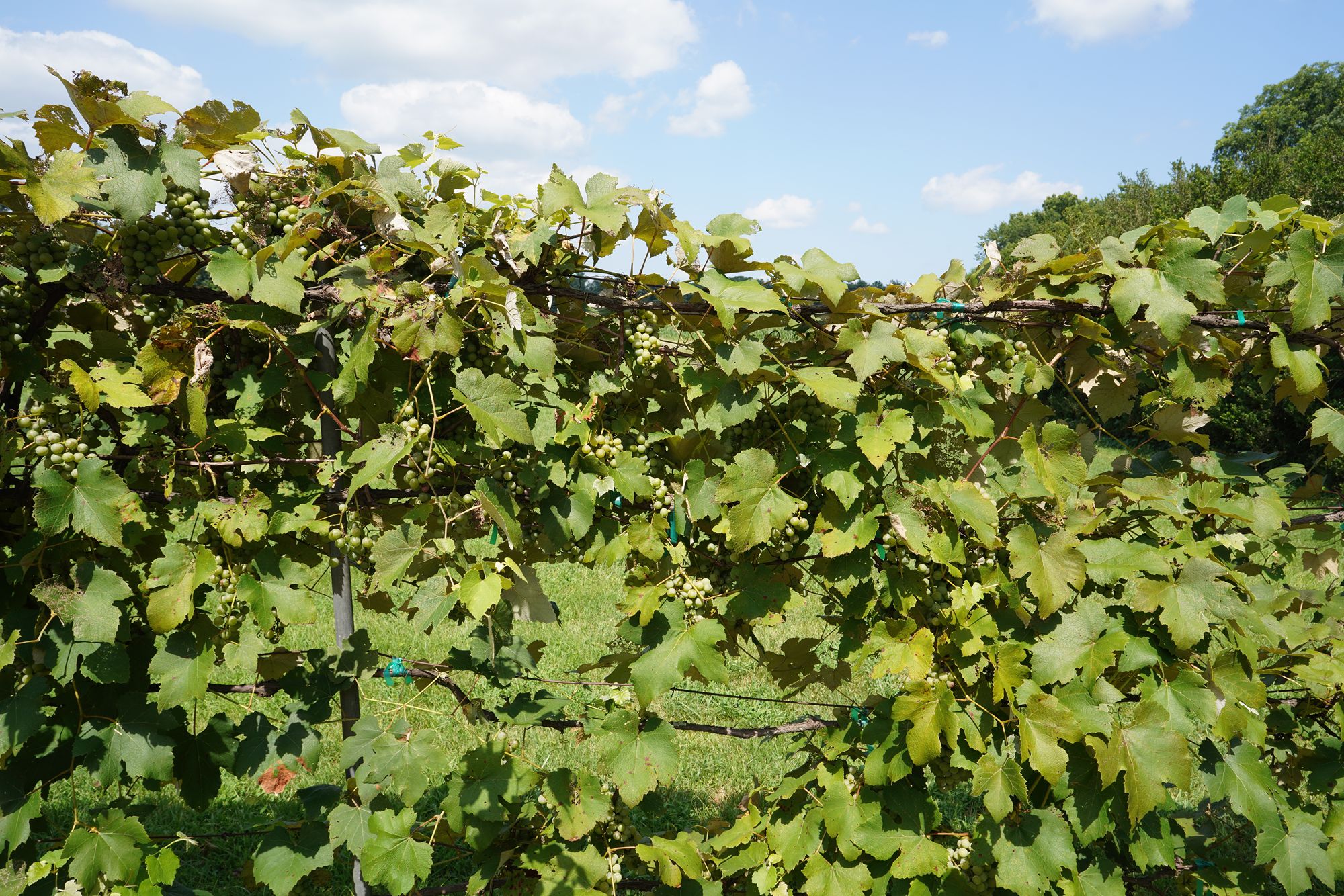
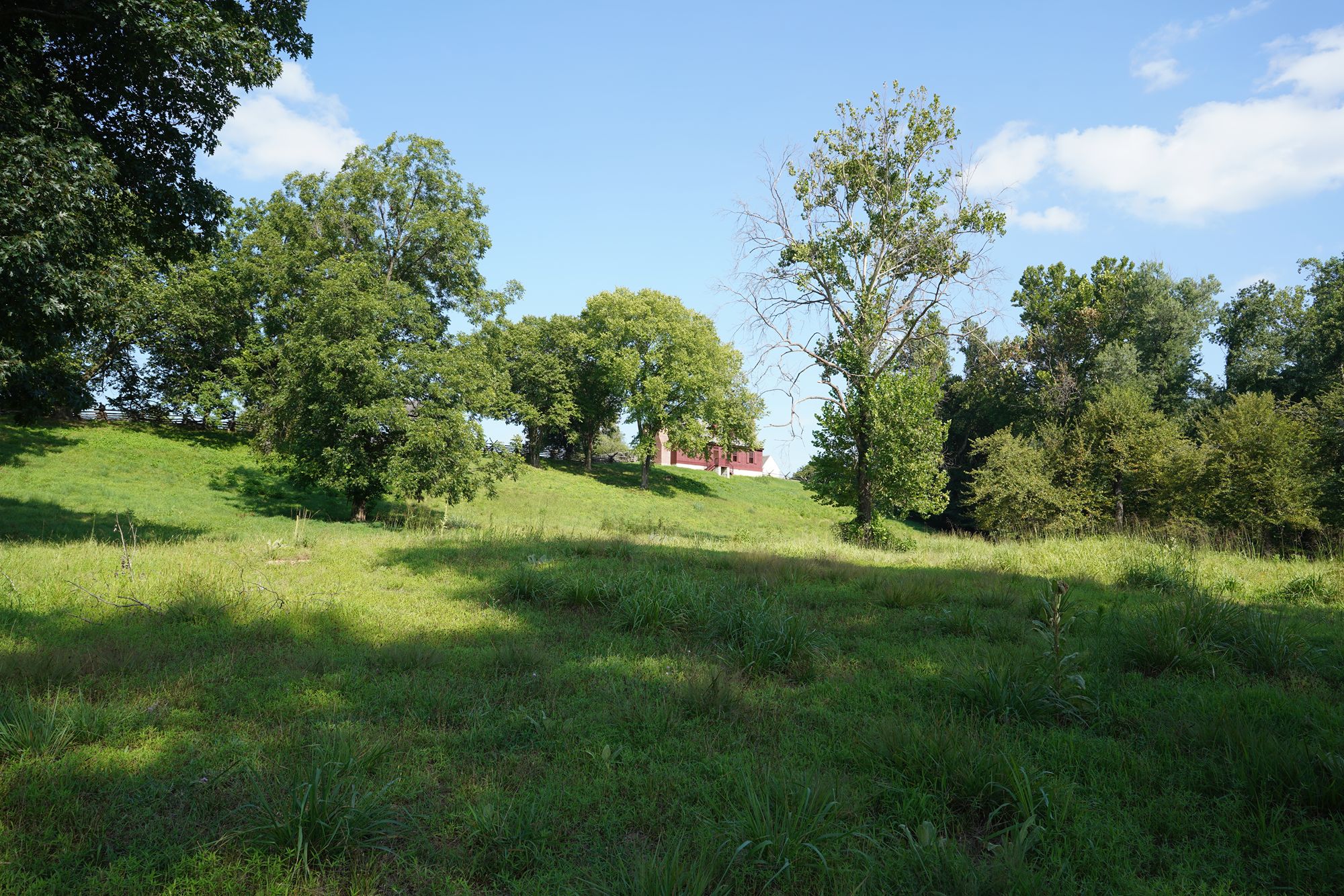
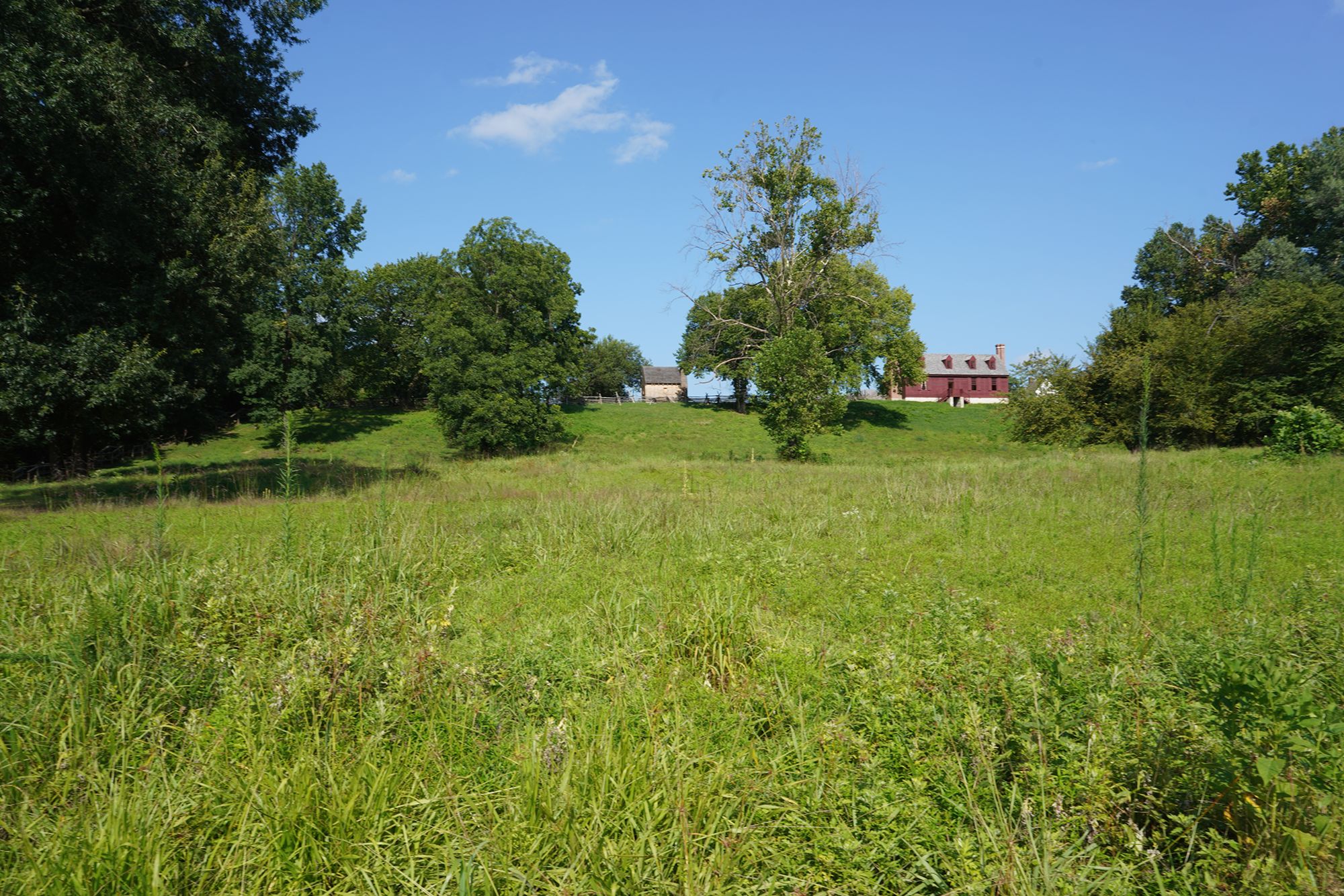
In front of the Chatham Manor is a farm field.
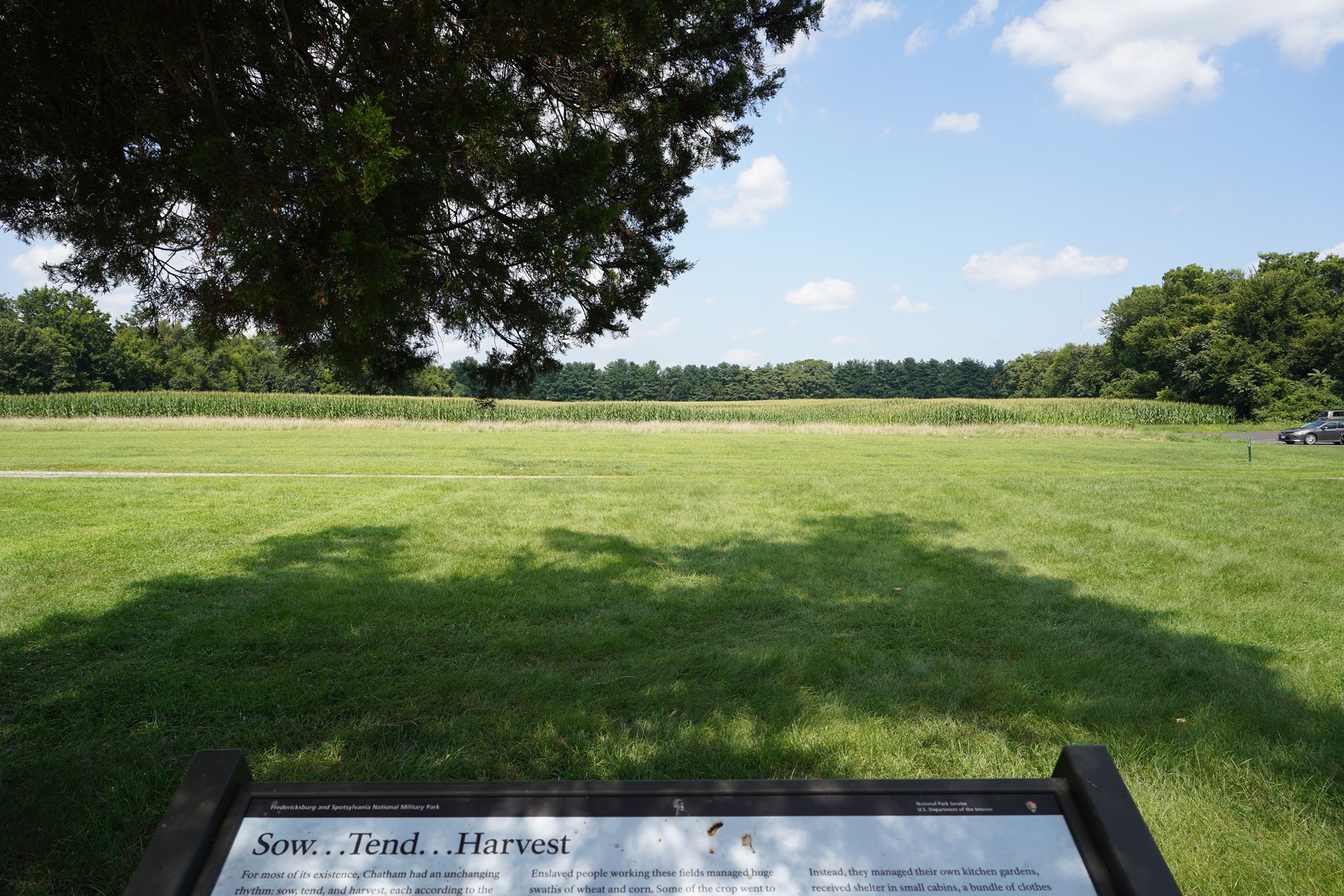
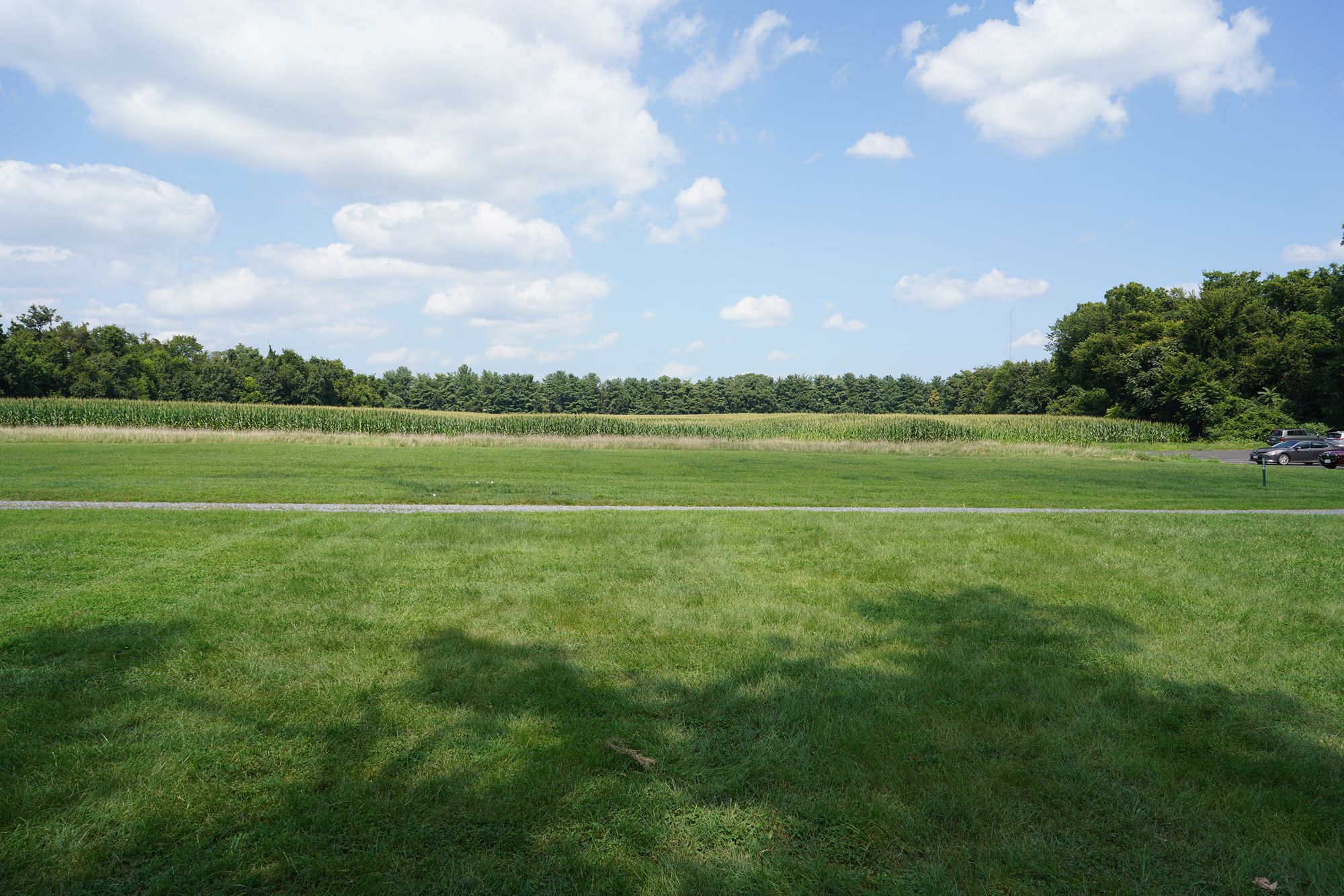
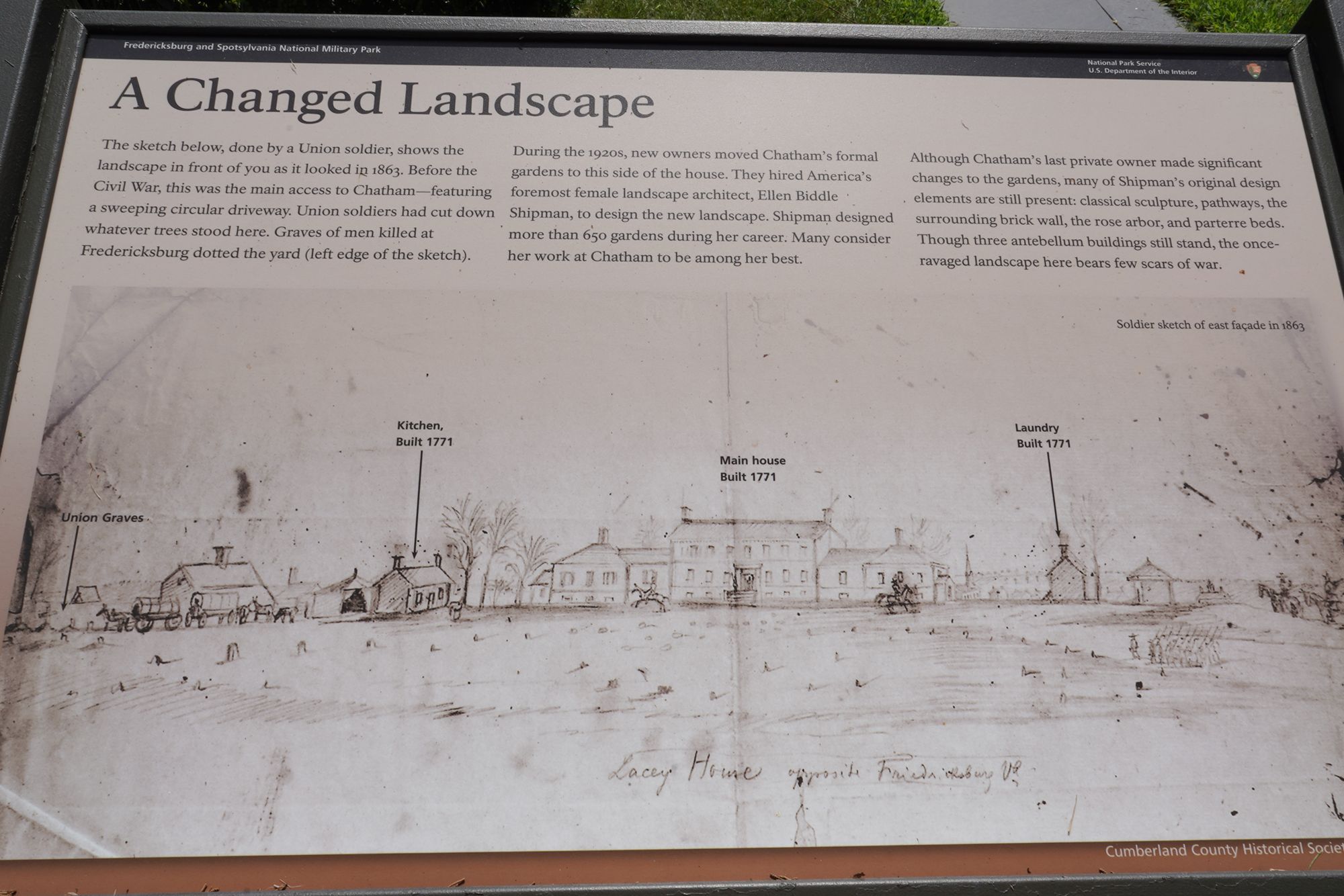
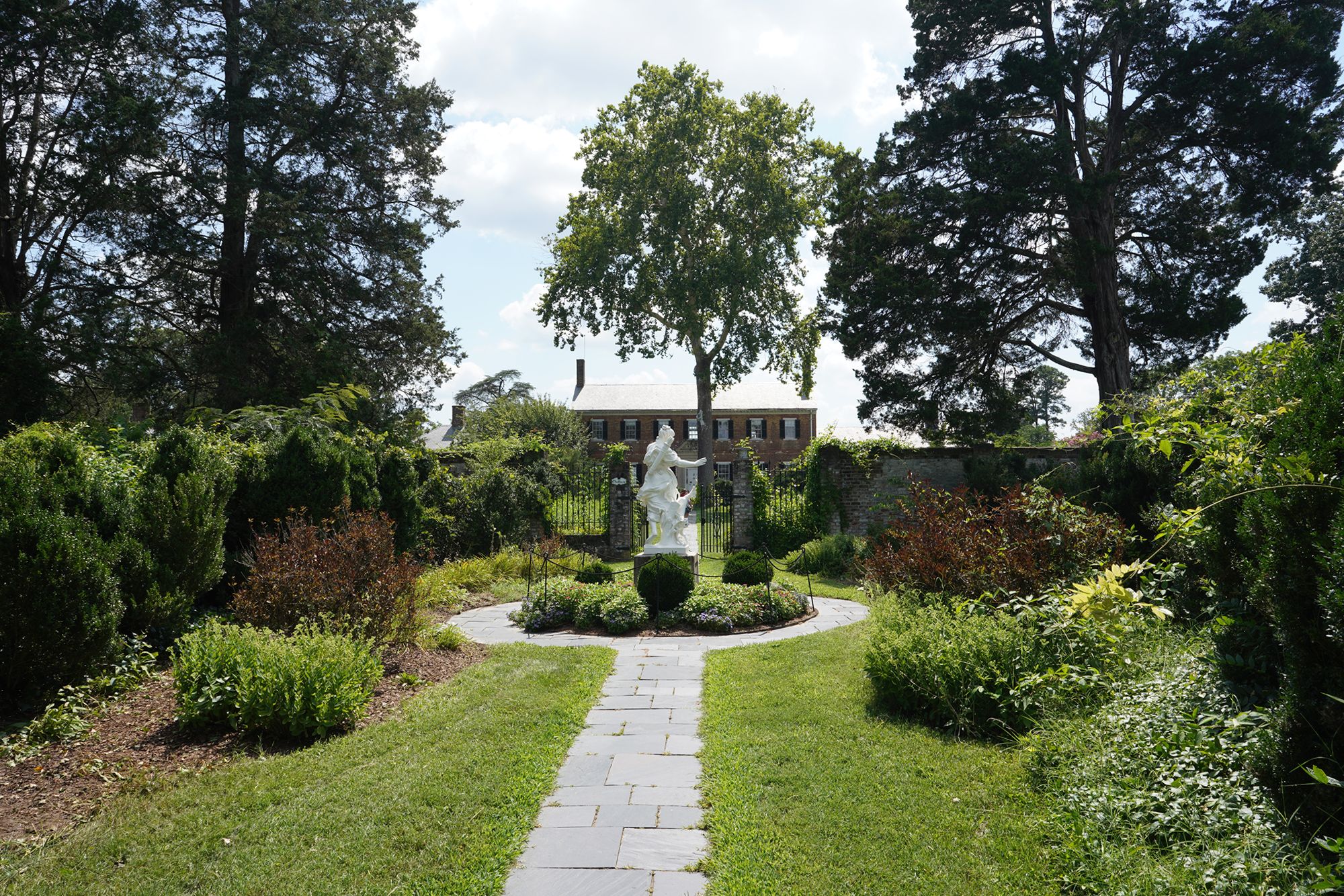
The Chatham Manor
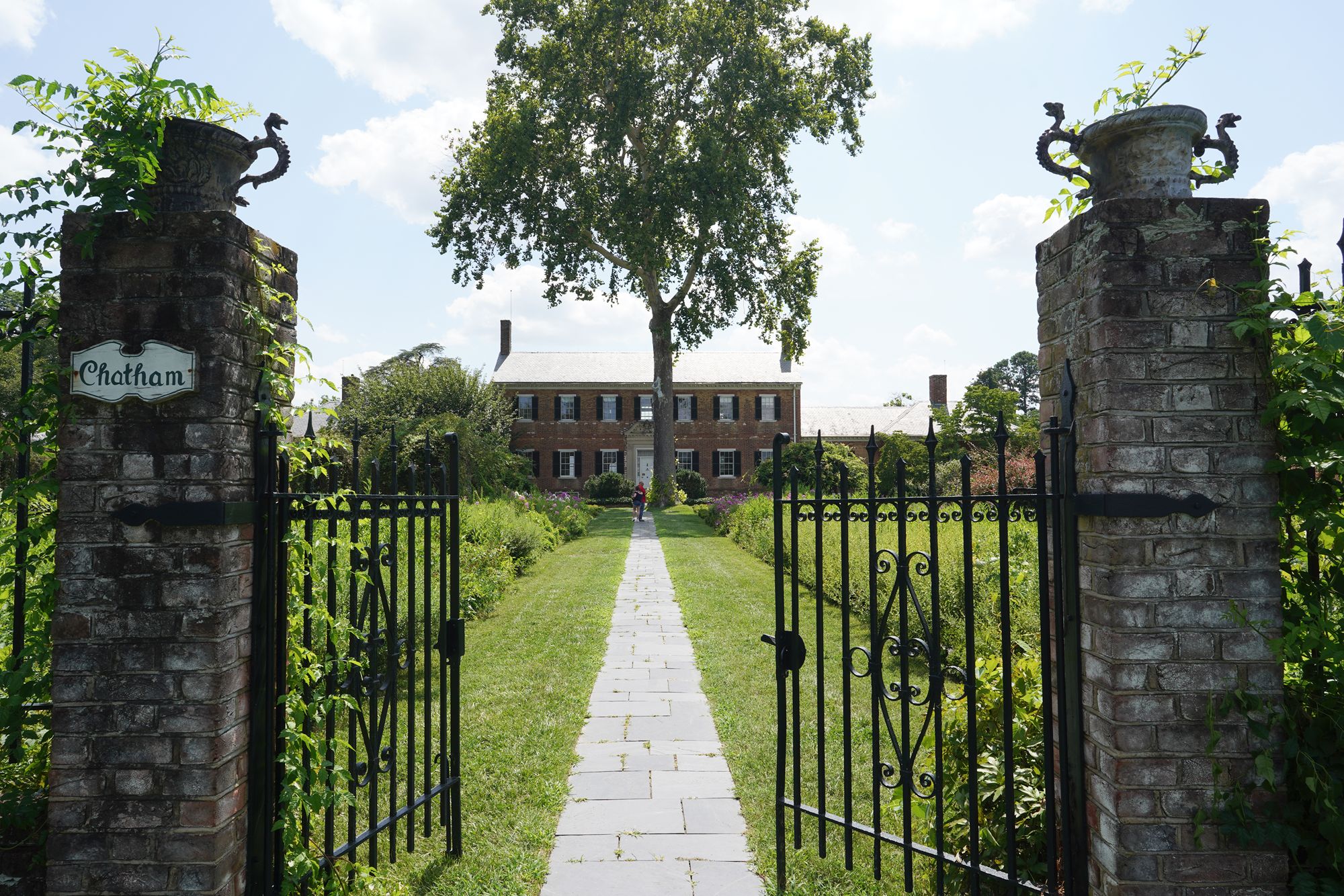
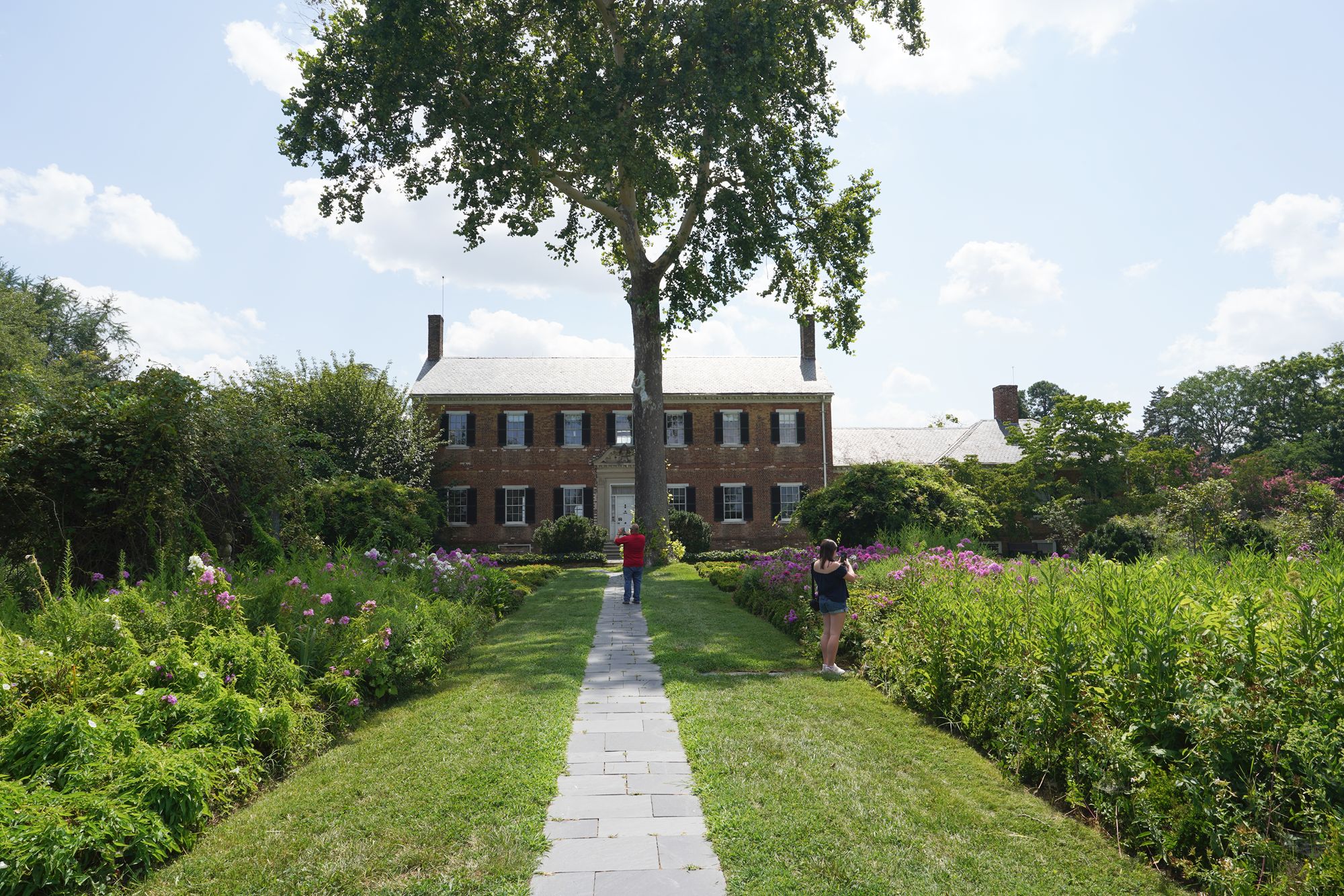
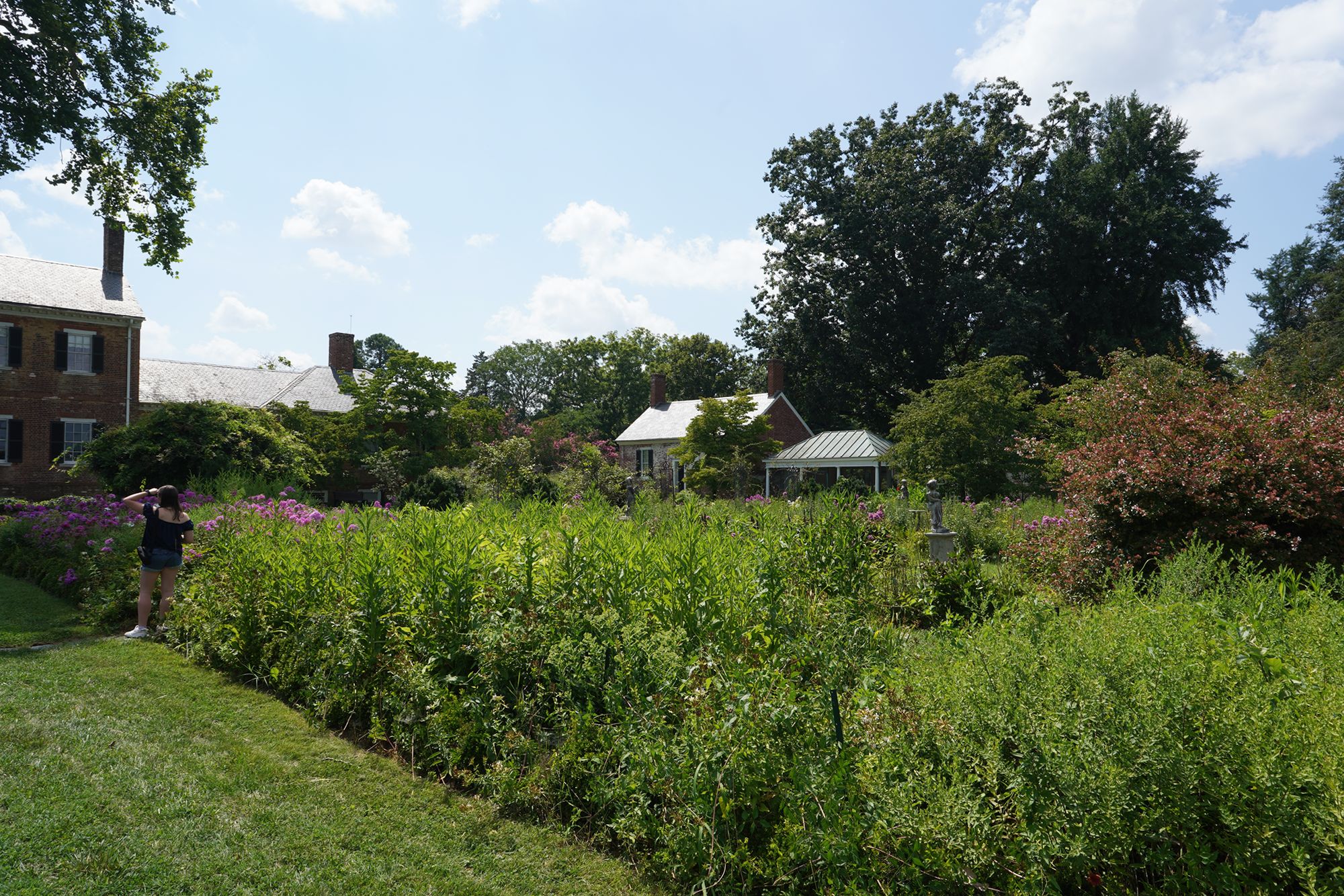
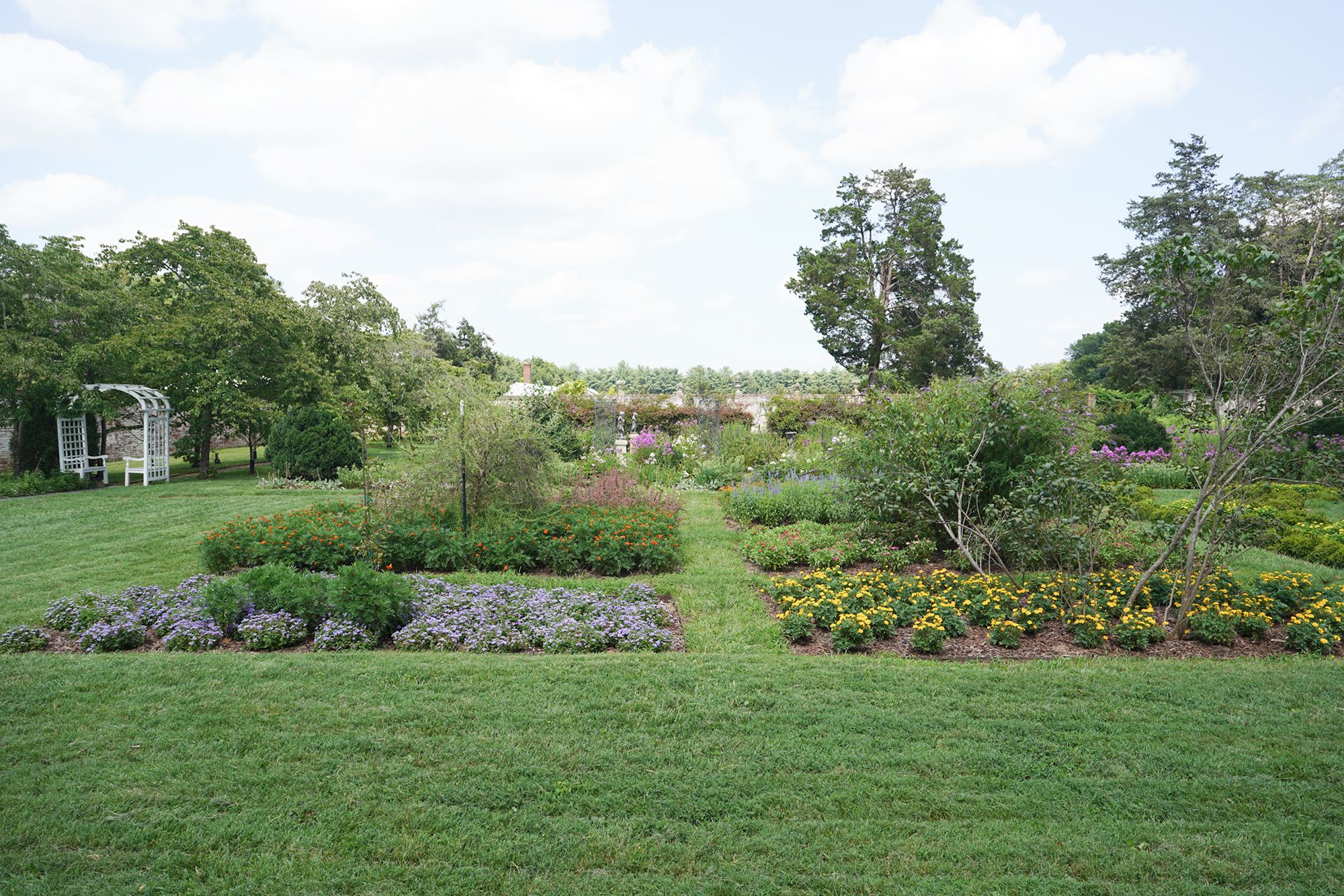
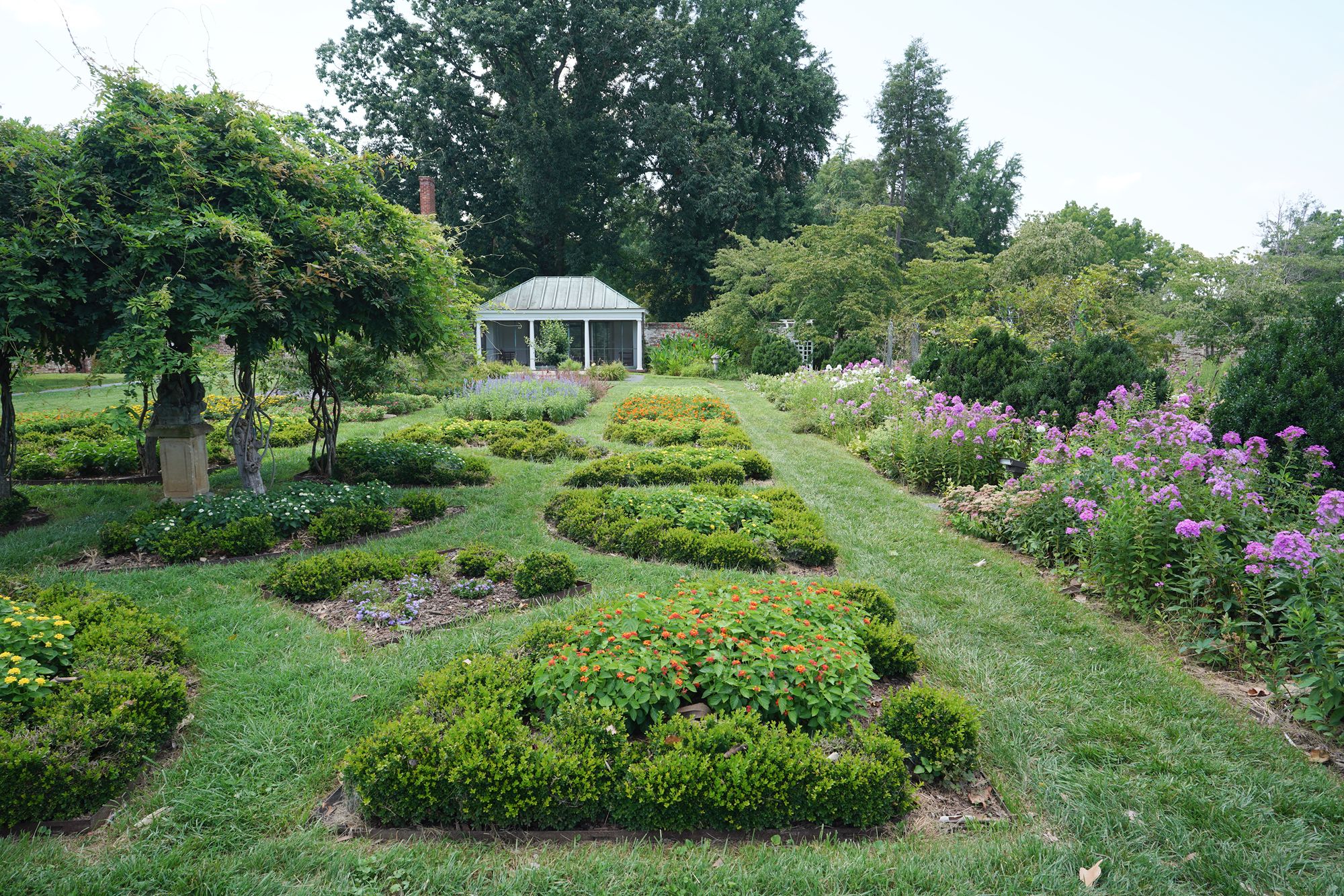
It has a beautiful garden in front of the manor
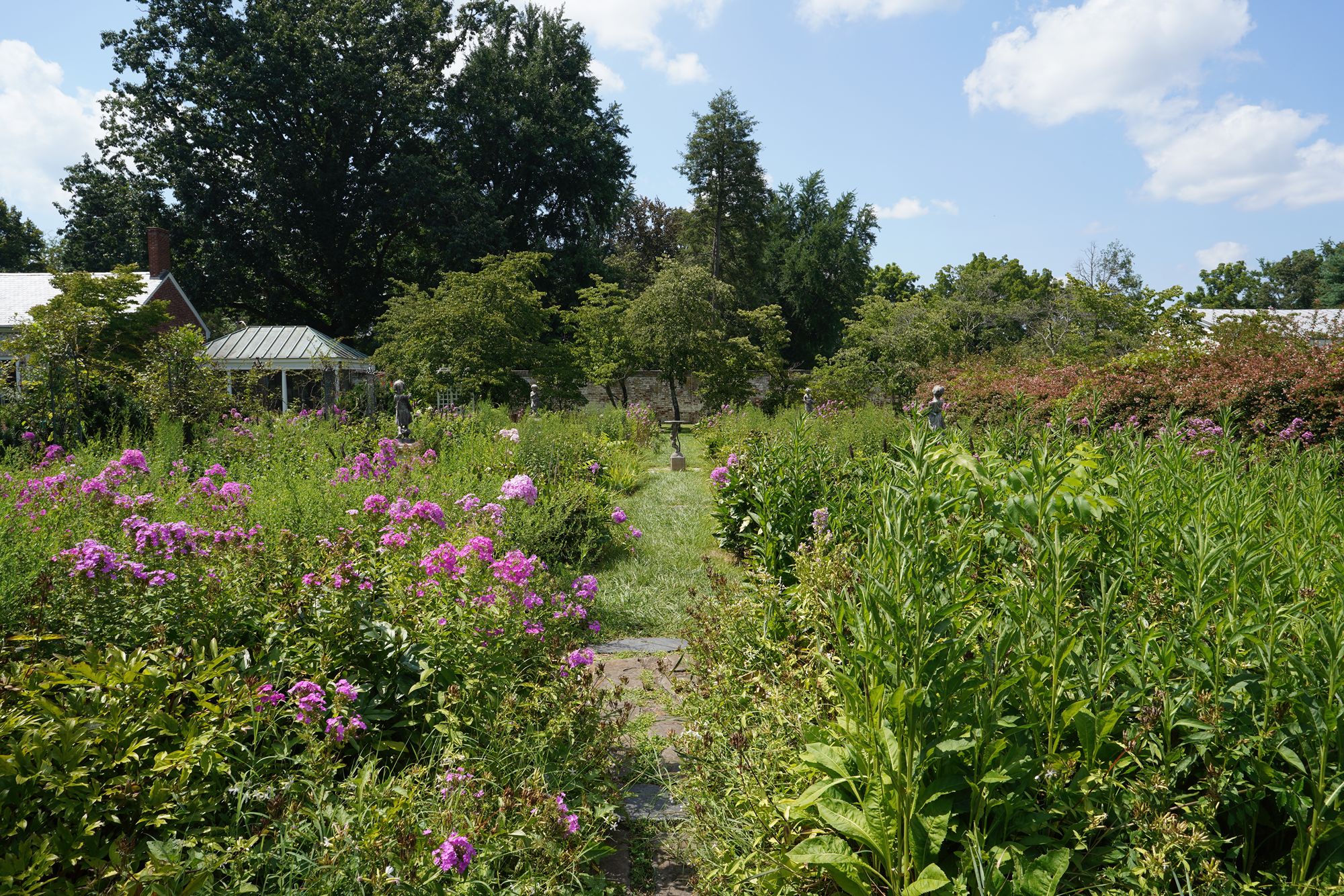
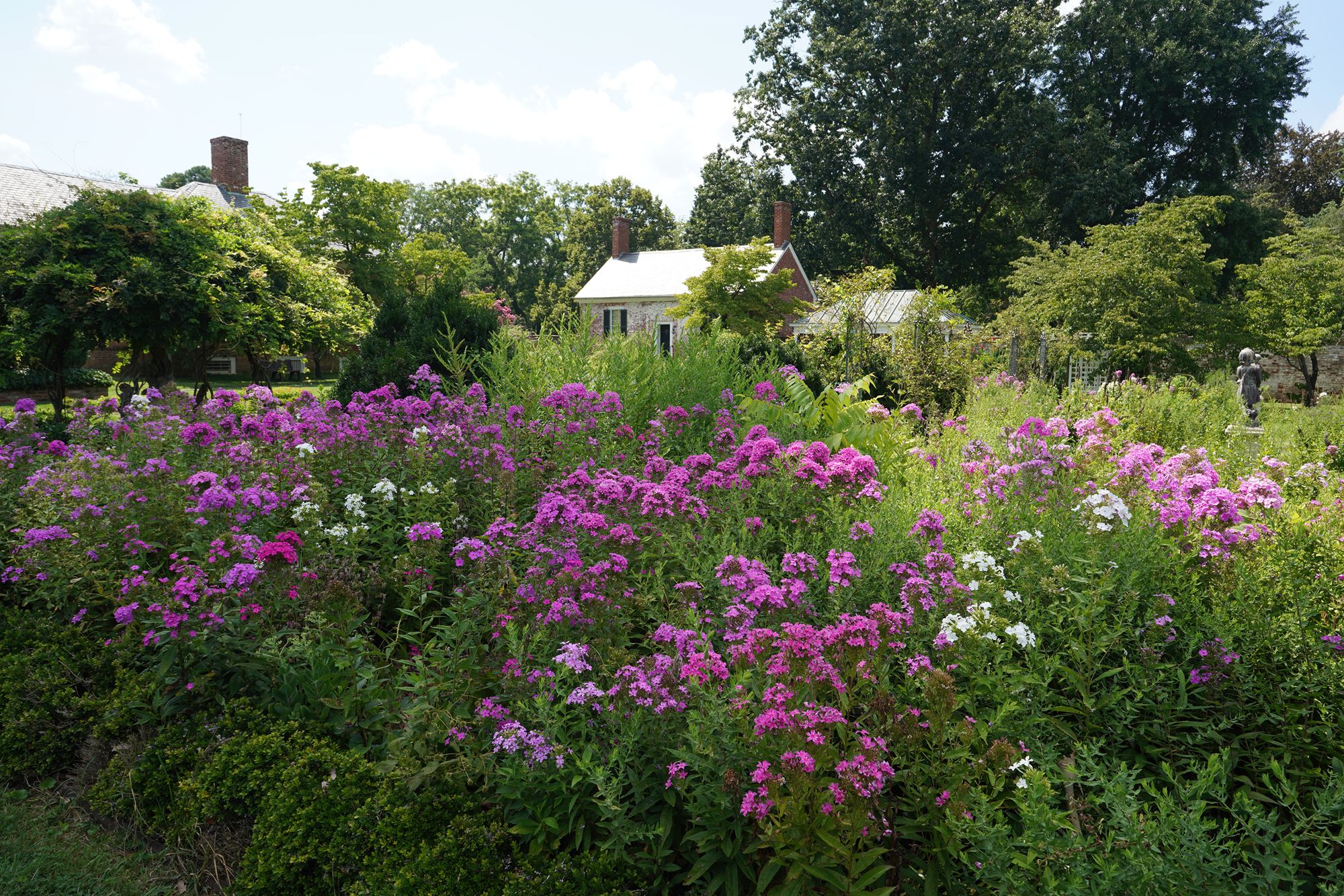
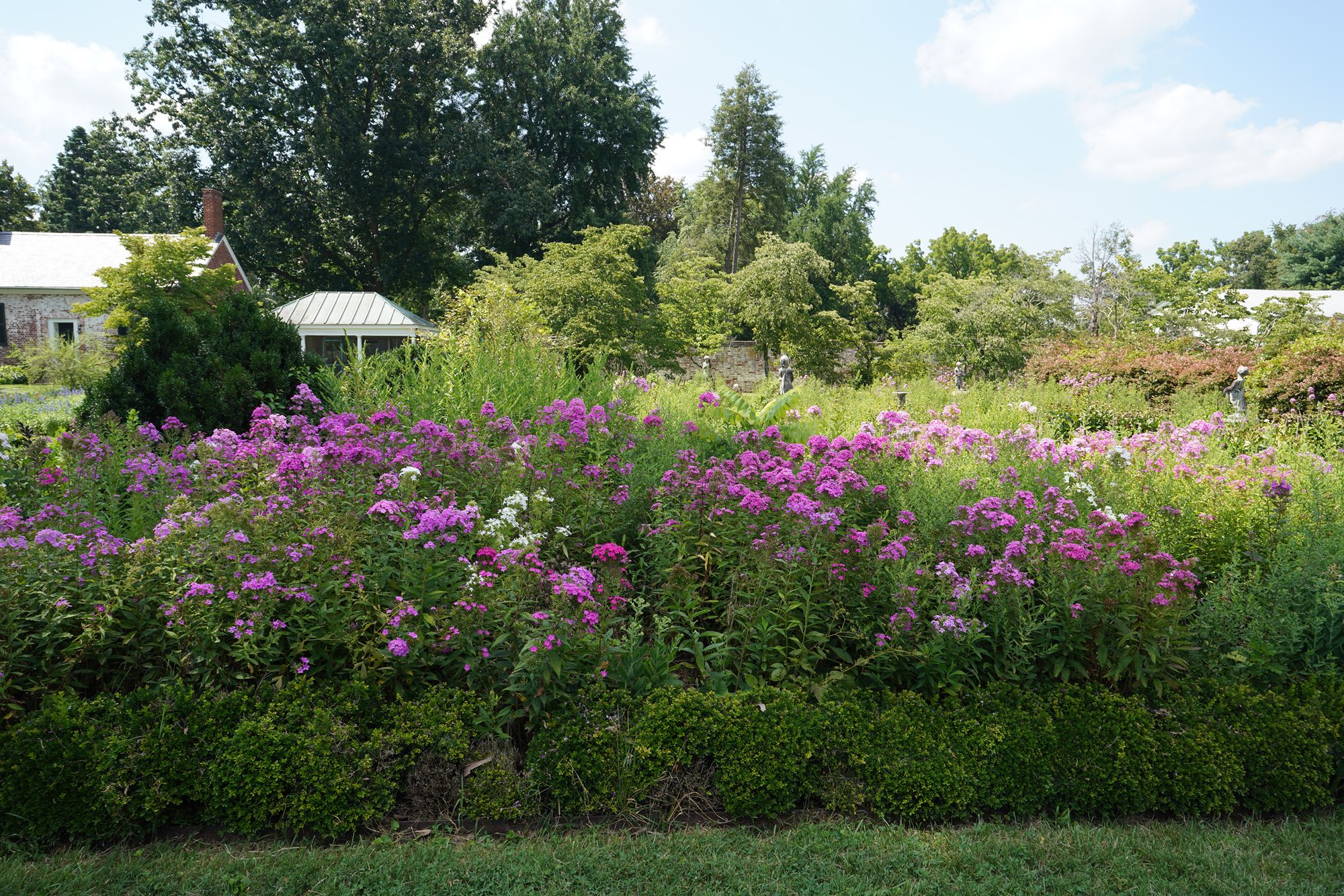
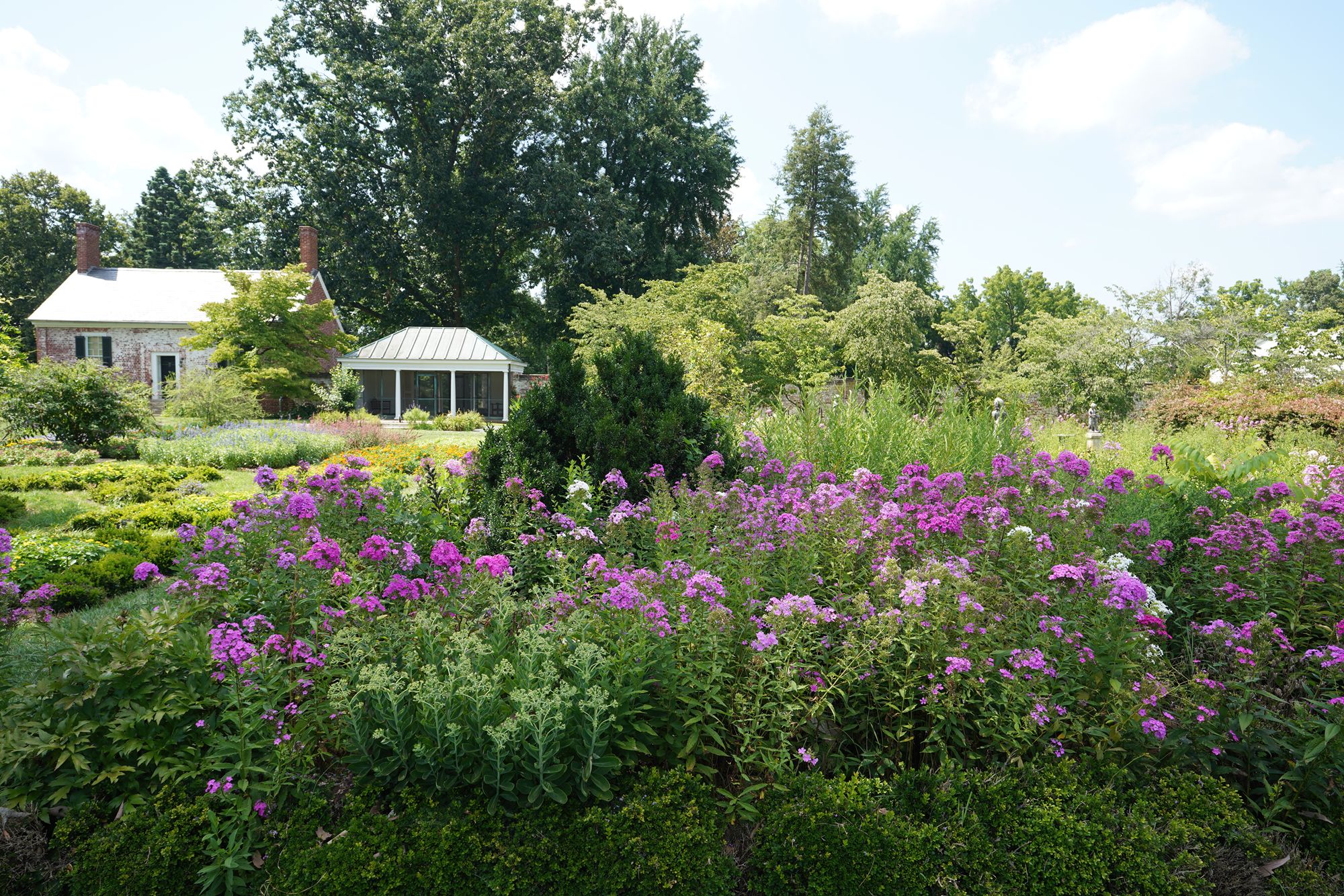
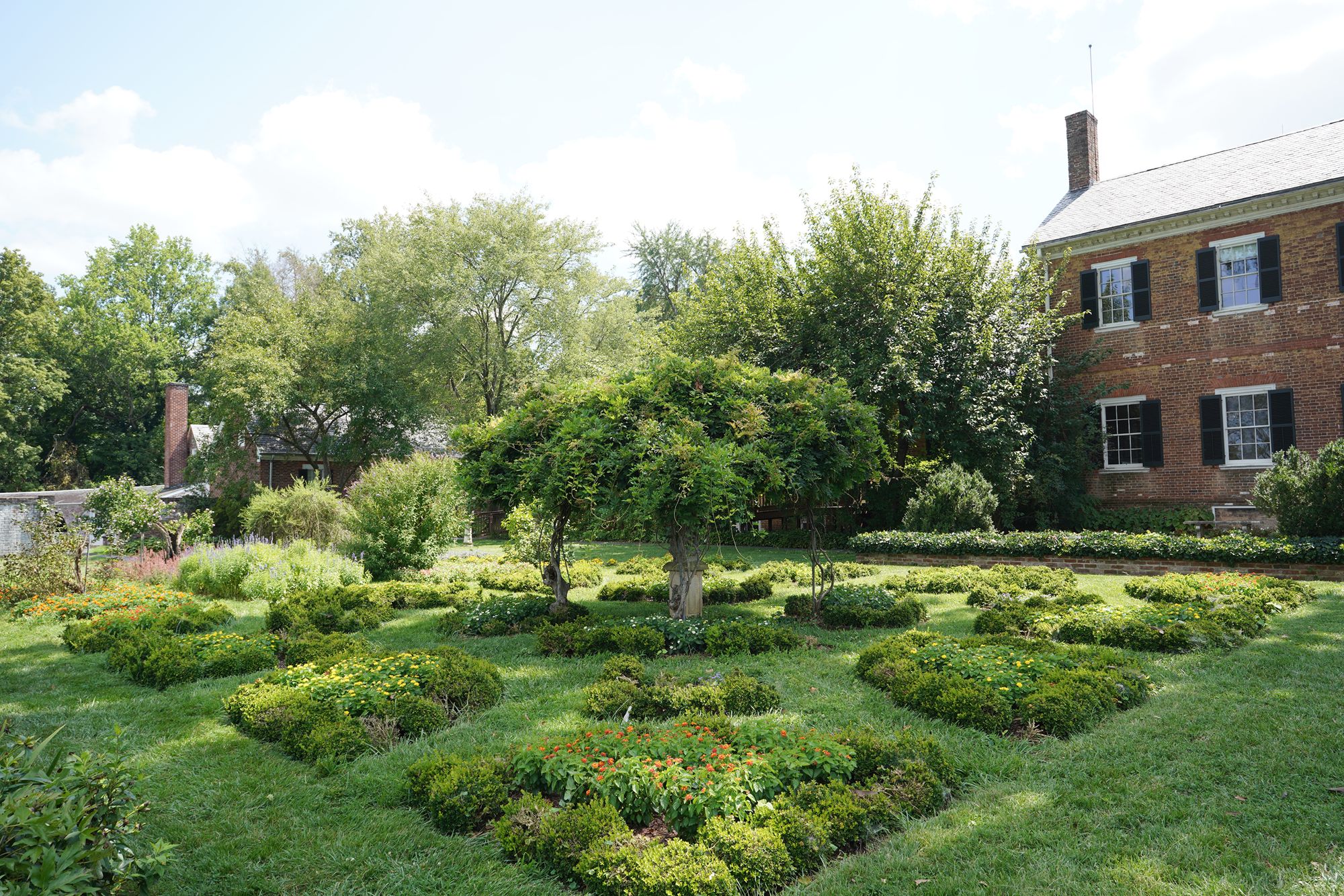
During the Revolutionary Era, Chatham Manor was a hub for many notable figures, including George Washington, Thomas Jefferson, and James Monroe.
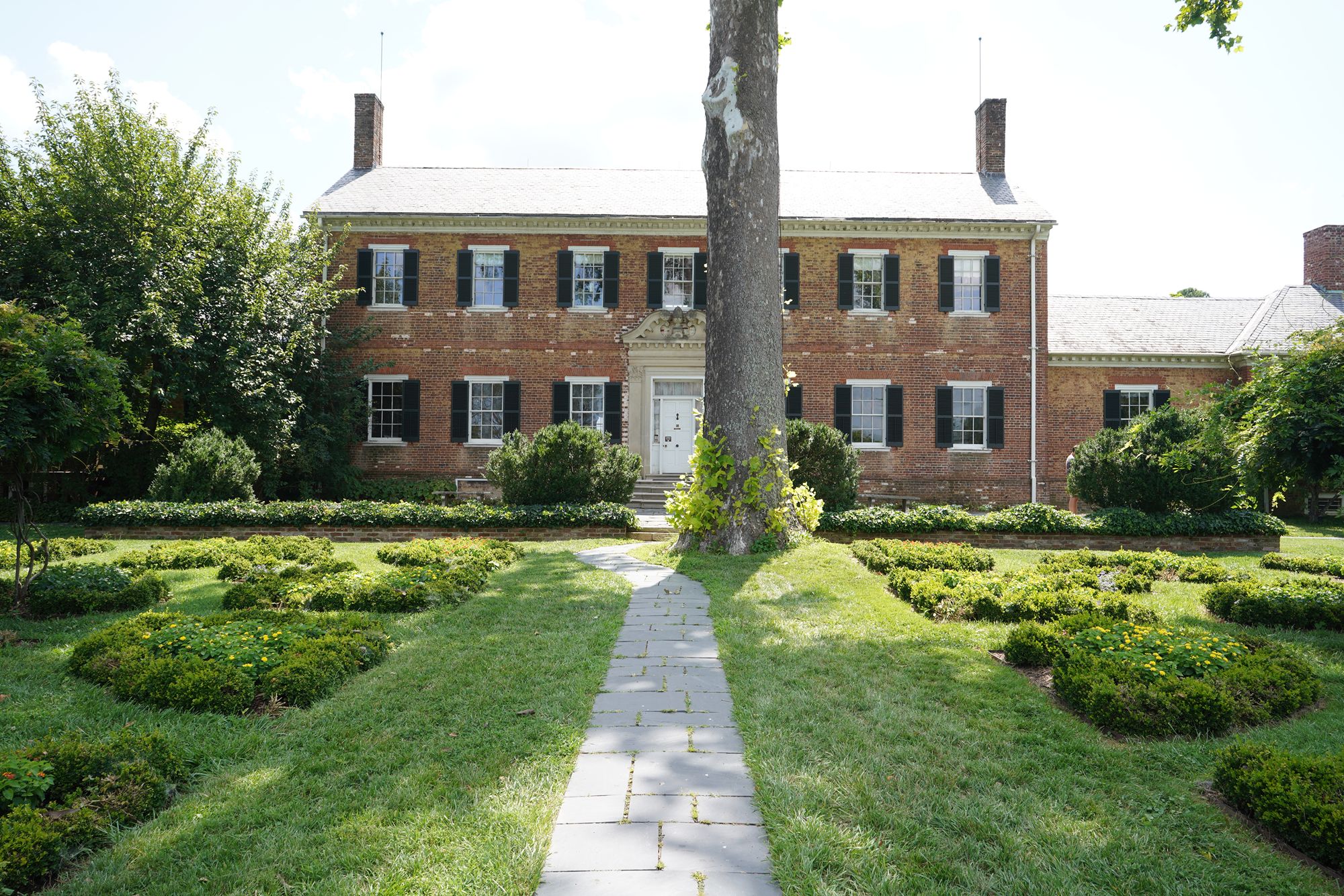
During the Civil War, Union forces occupied the estate, turning it into a field hospital. The house’s walls still bear the scars of that time—bloodstains and carved soldiers’ names.
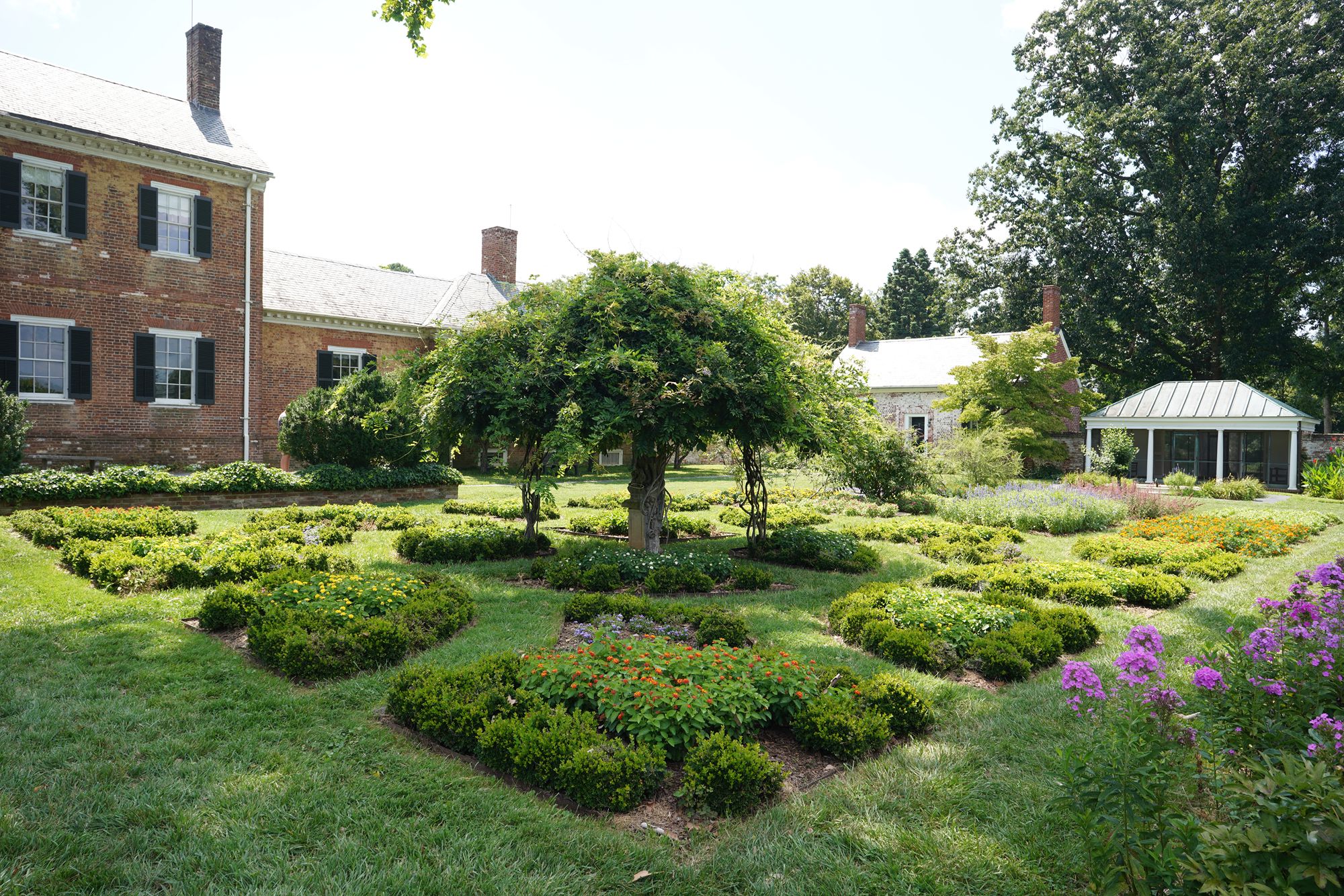
After the war, the house changed hands several times, later restored and donated to the National Park Service.
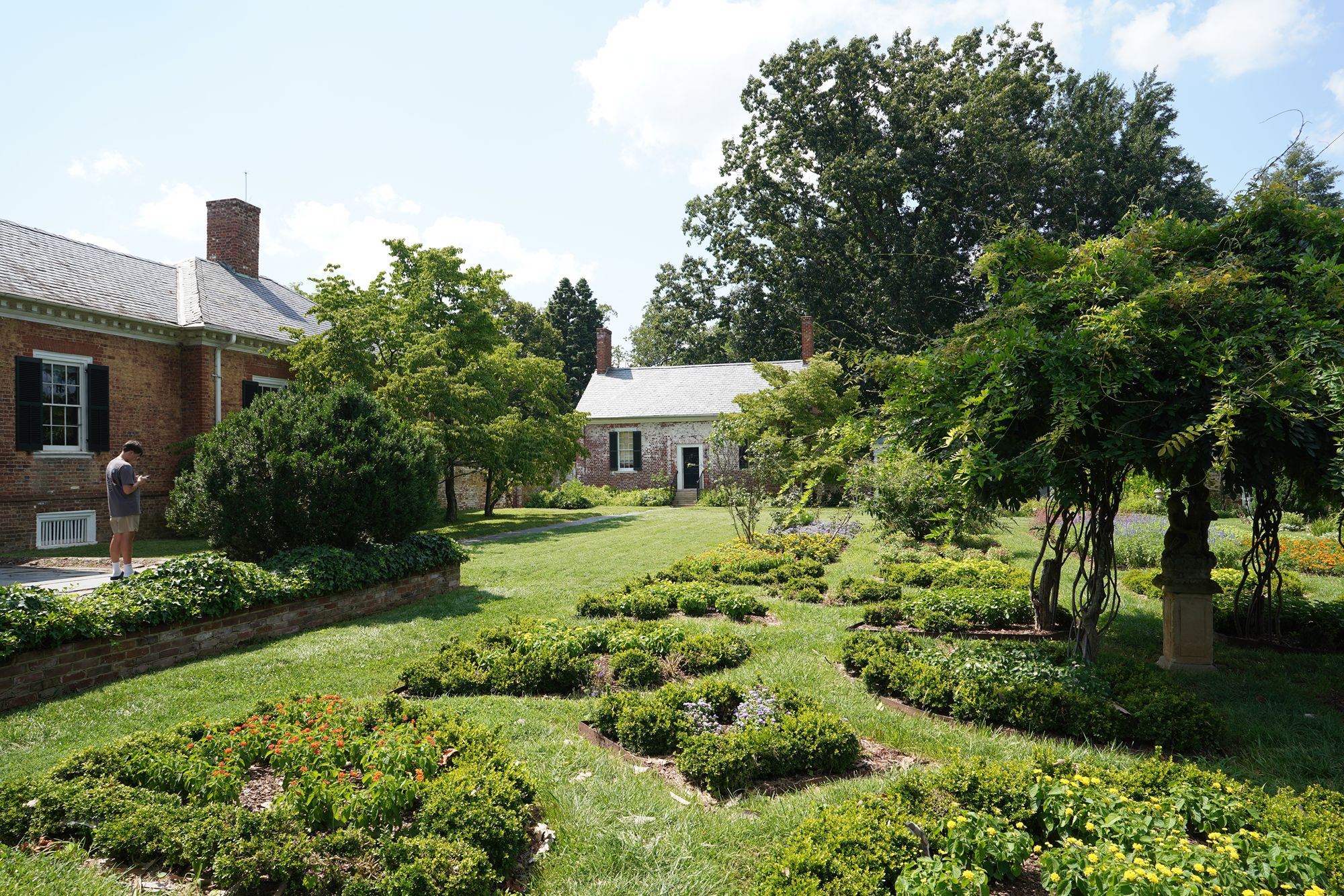
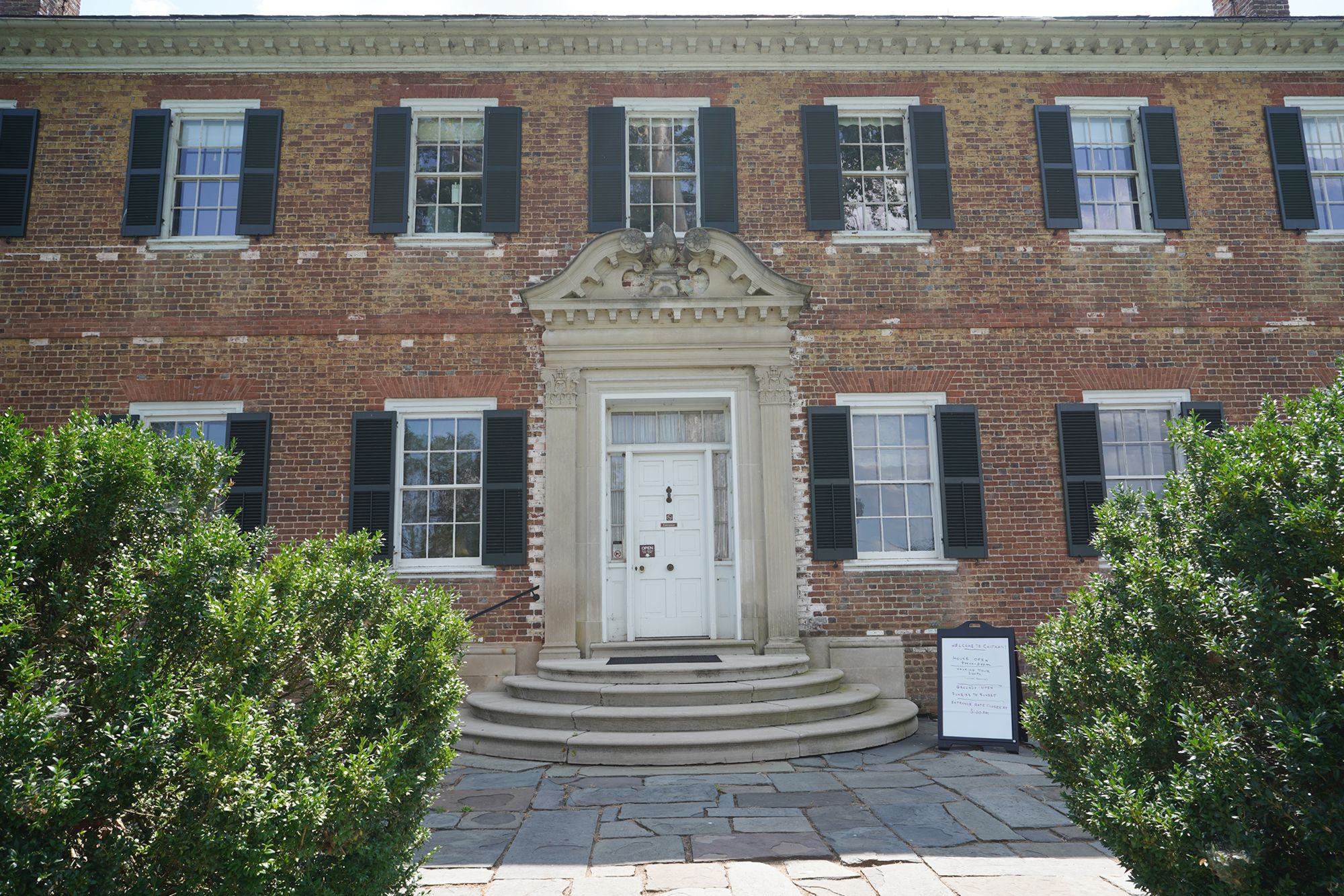
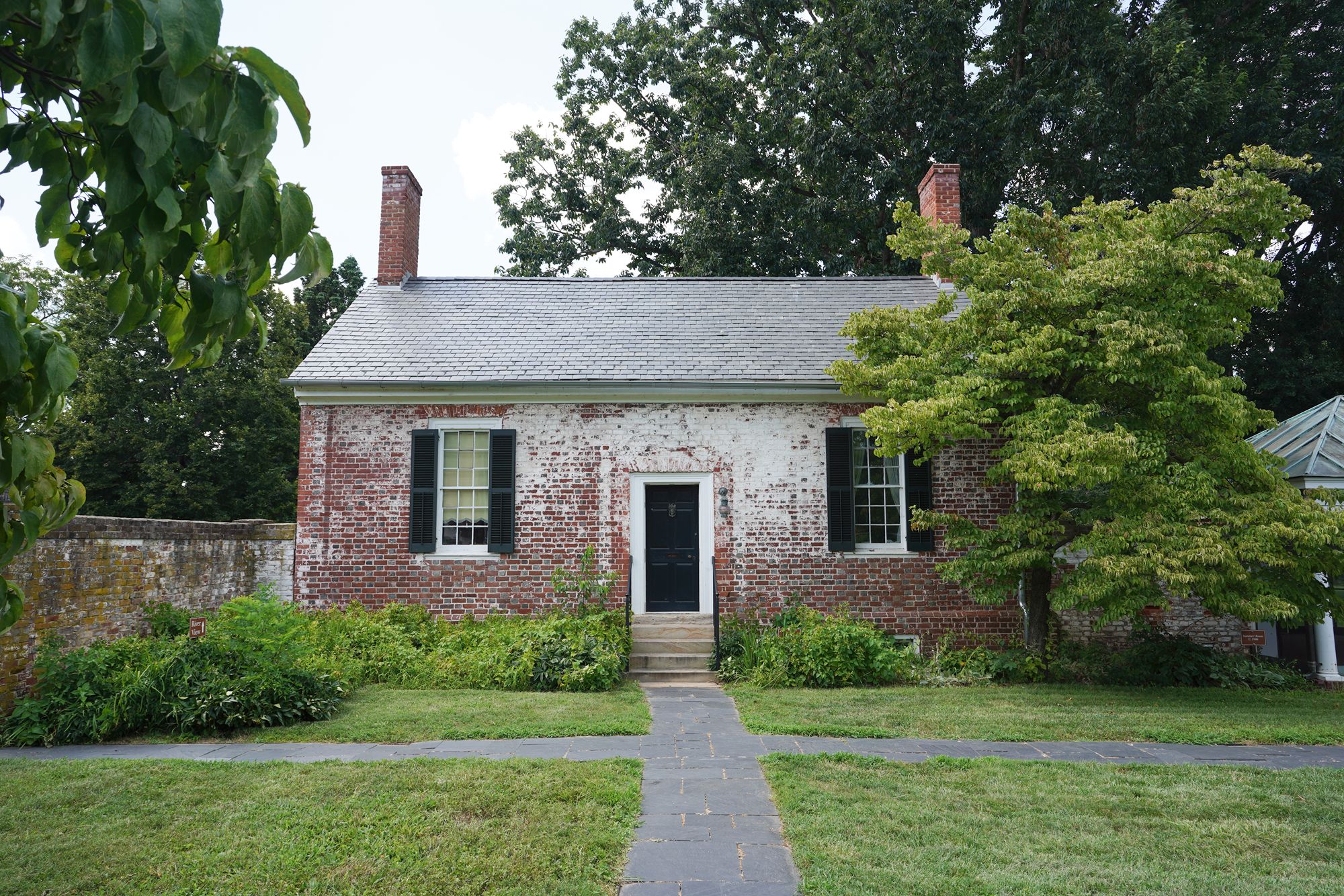
Walking around the house to get to its backyard.
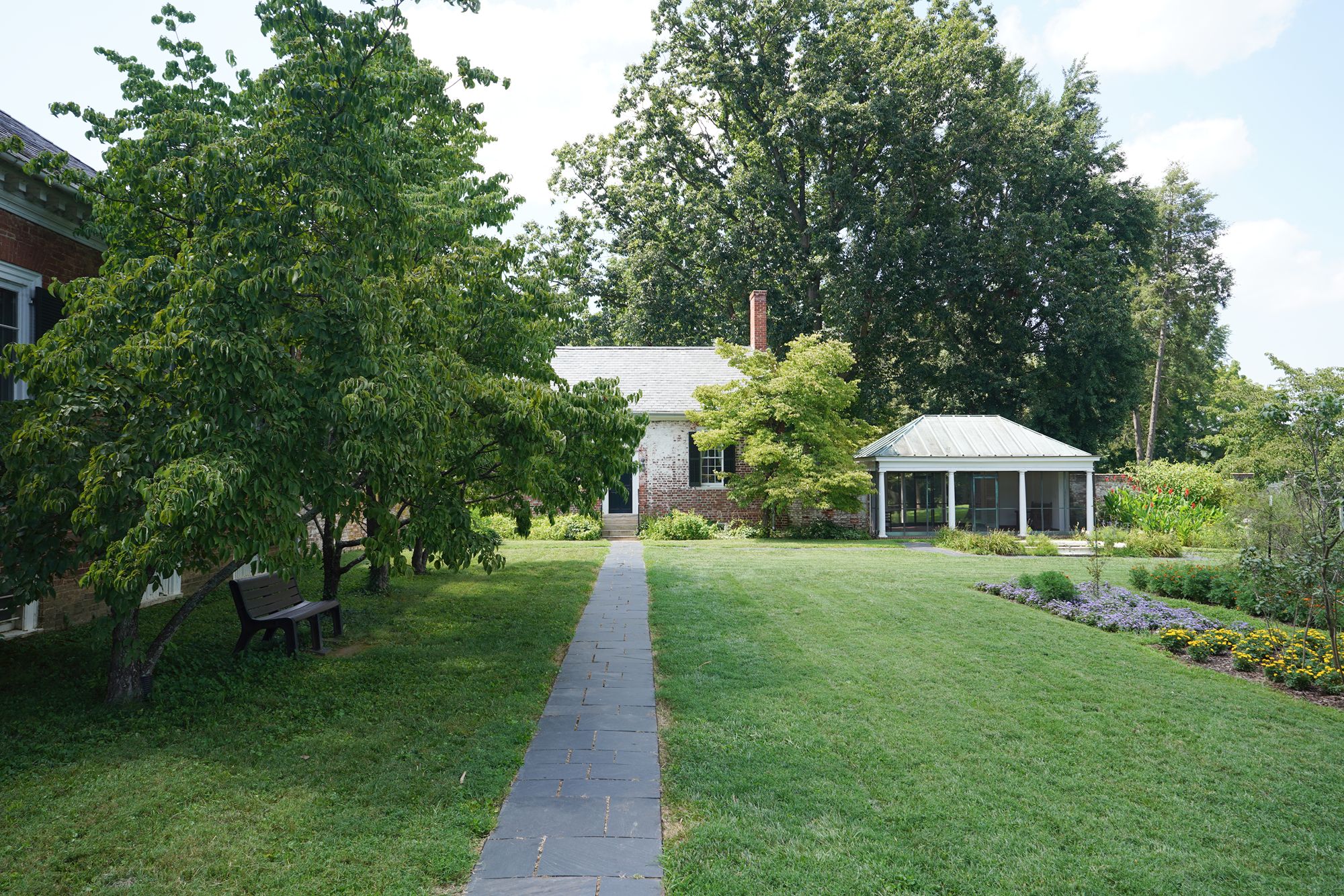
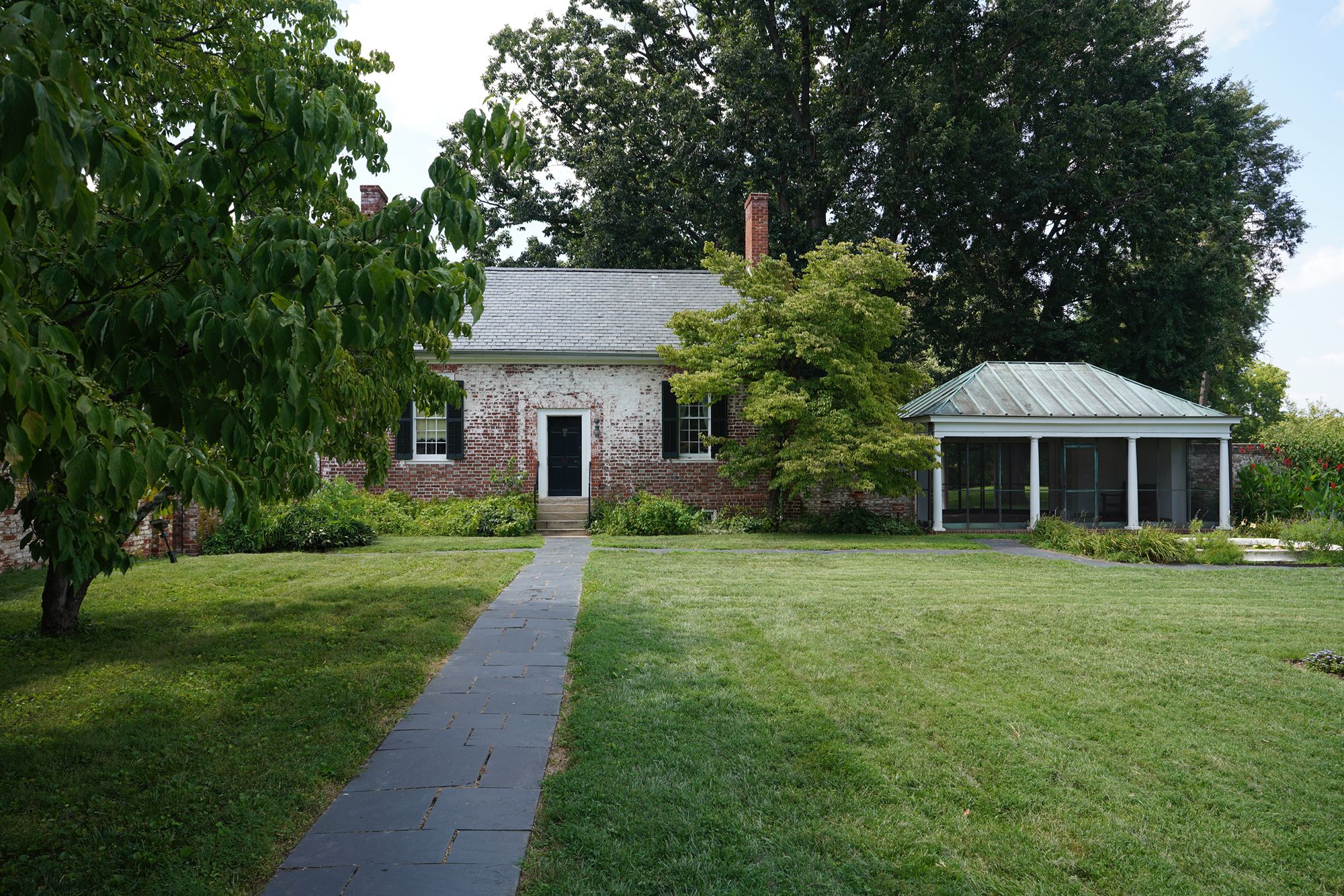
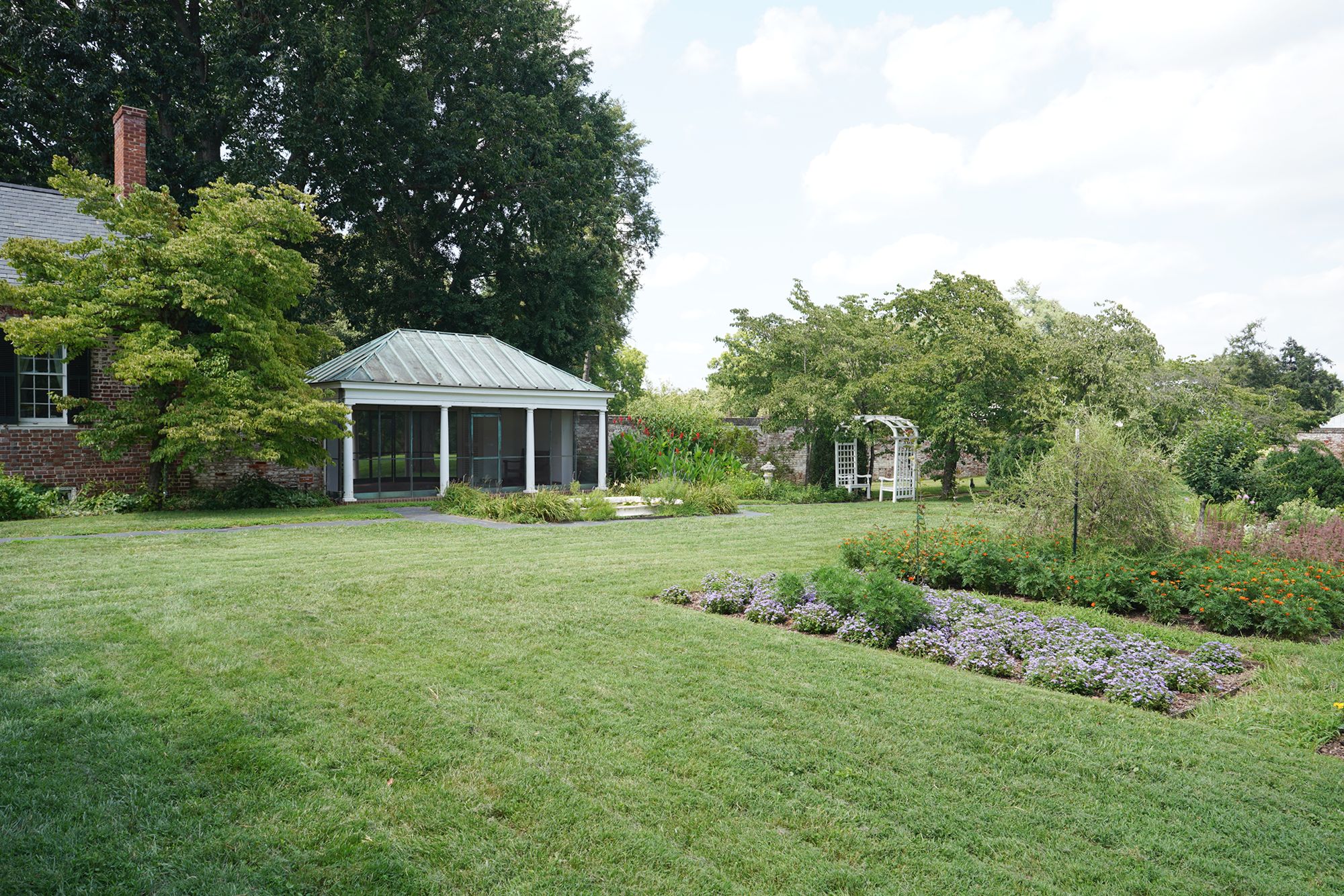
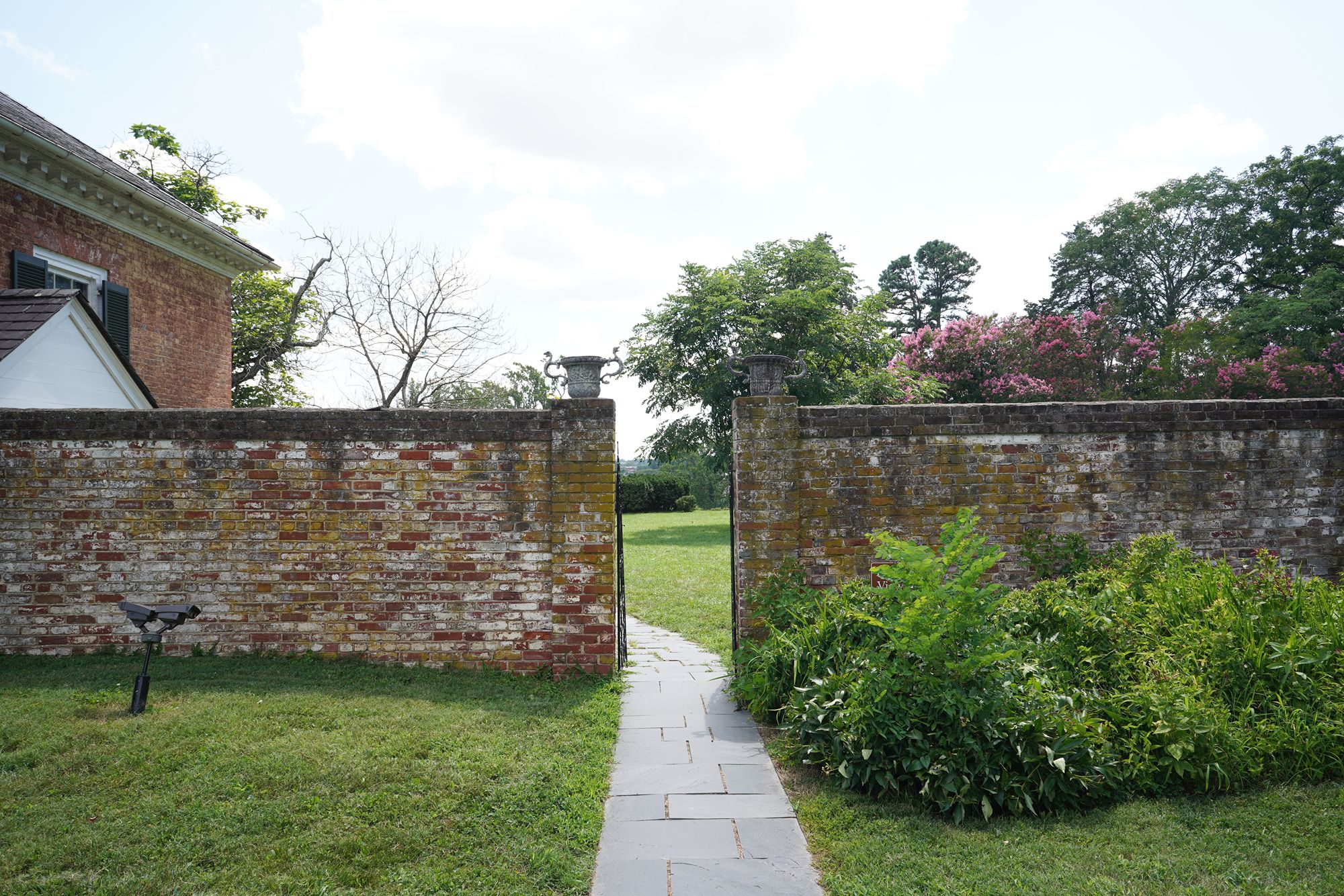
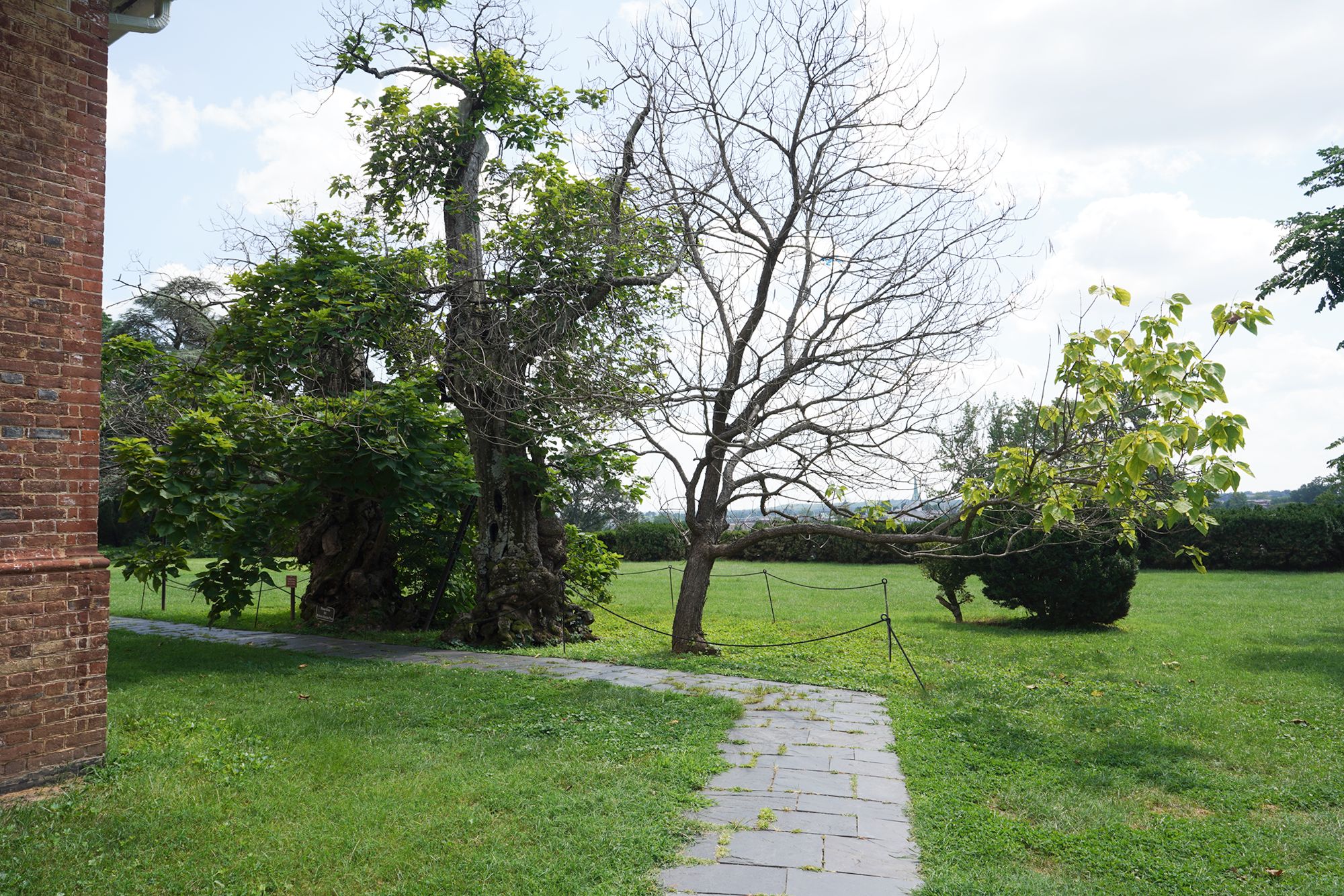
Manor's backyard, which faces the river
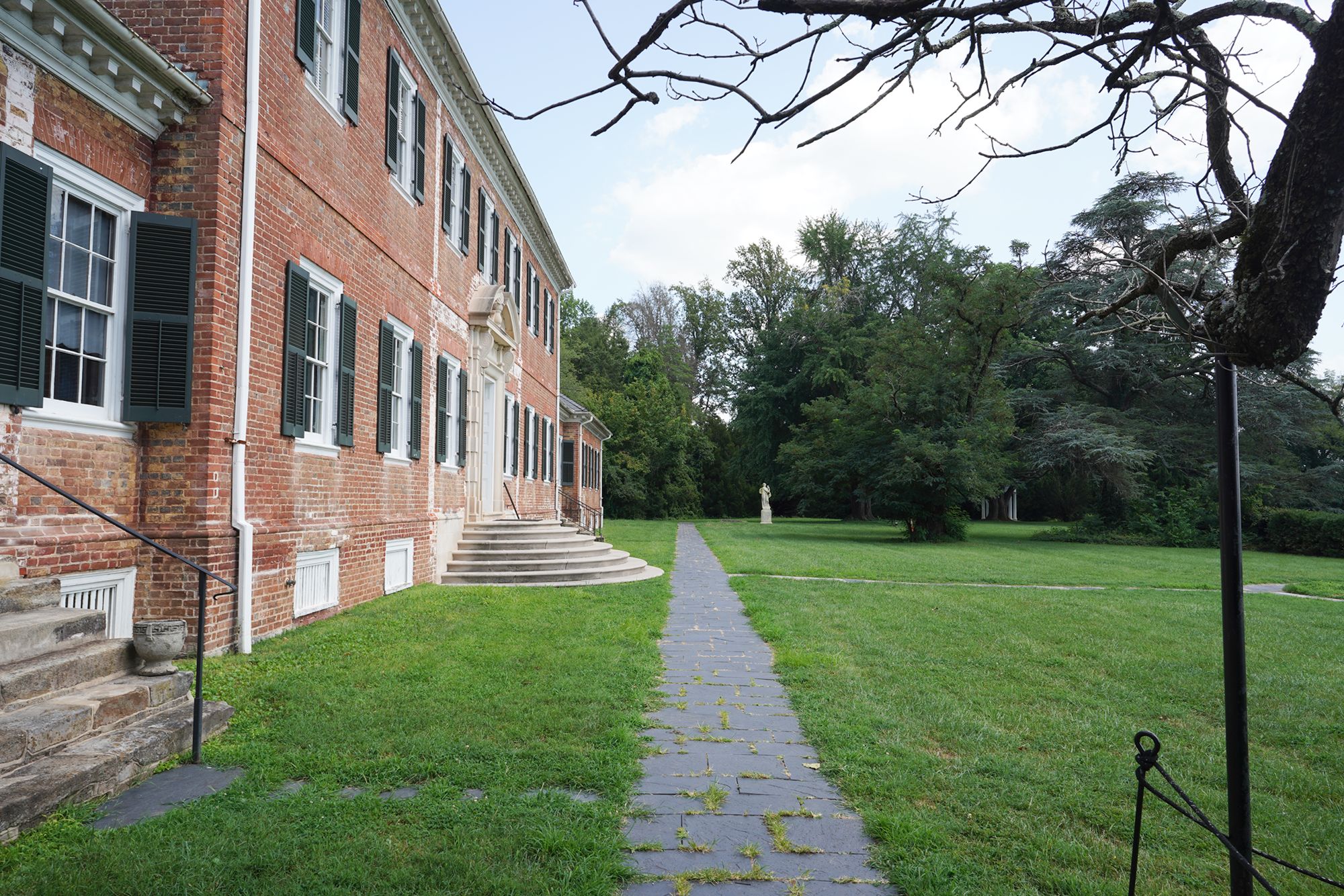
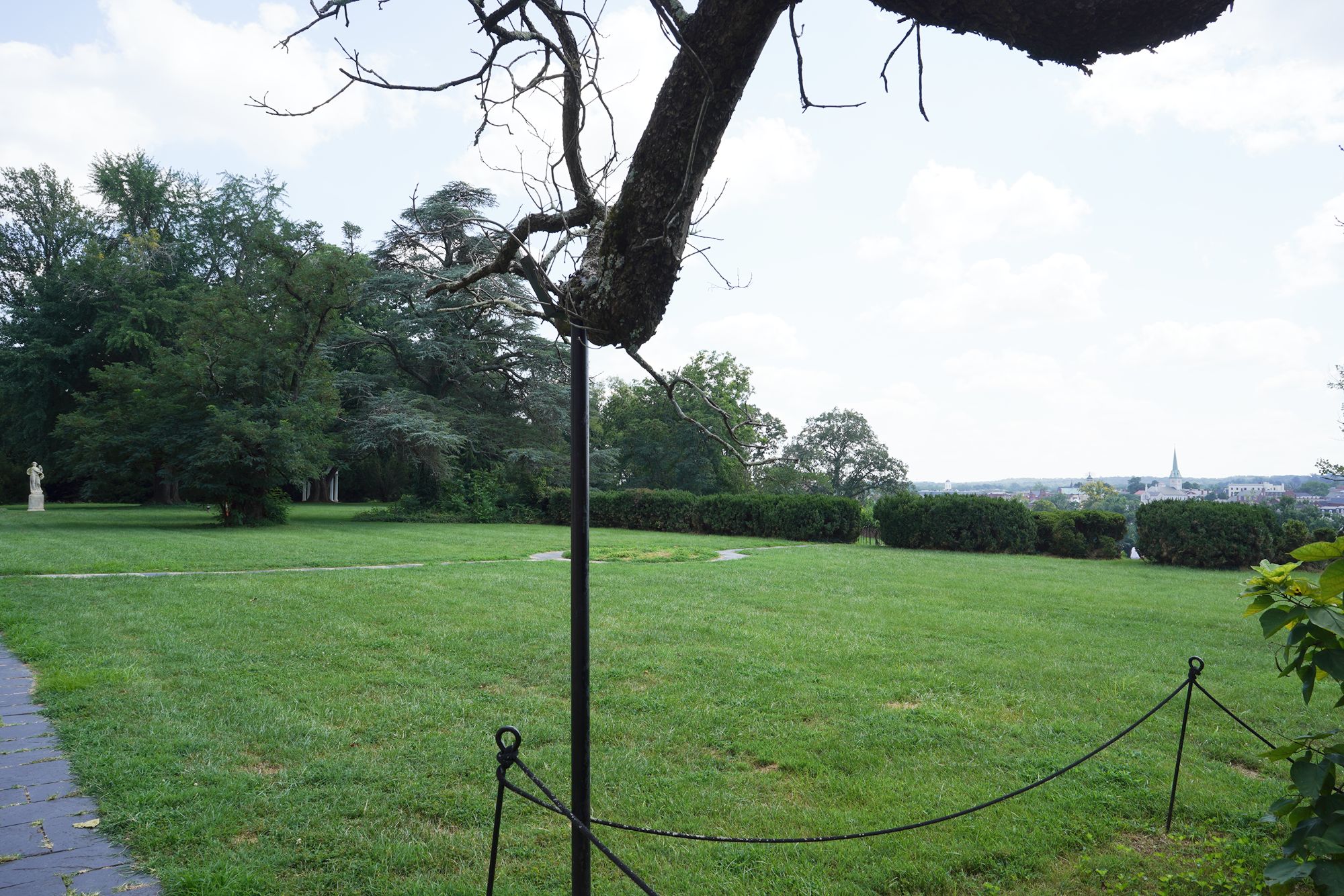
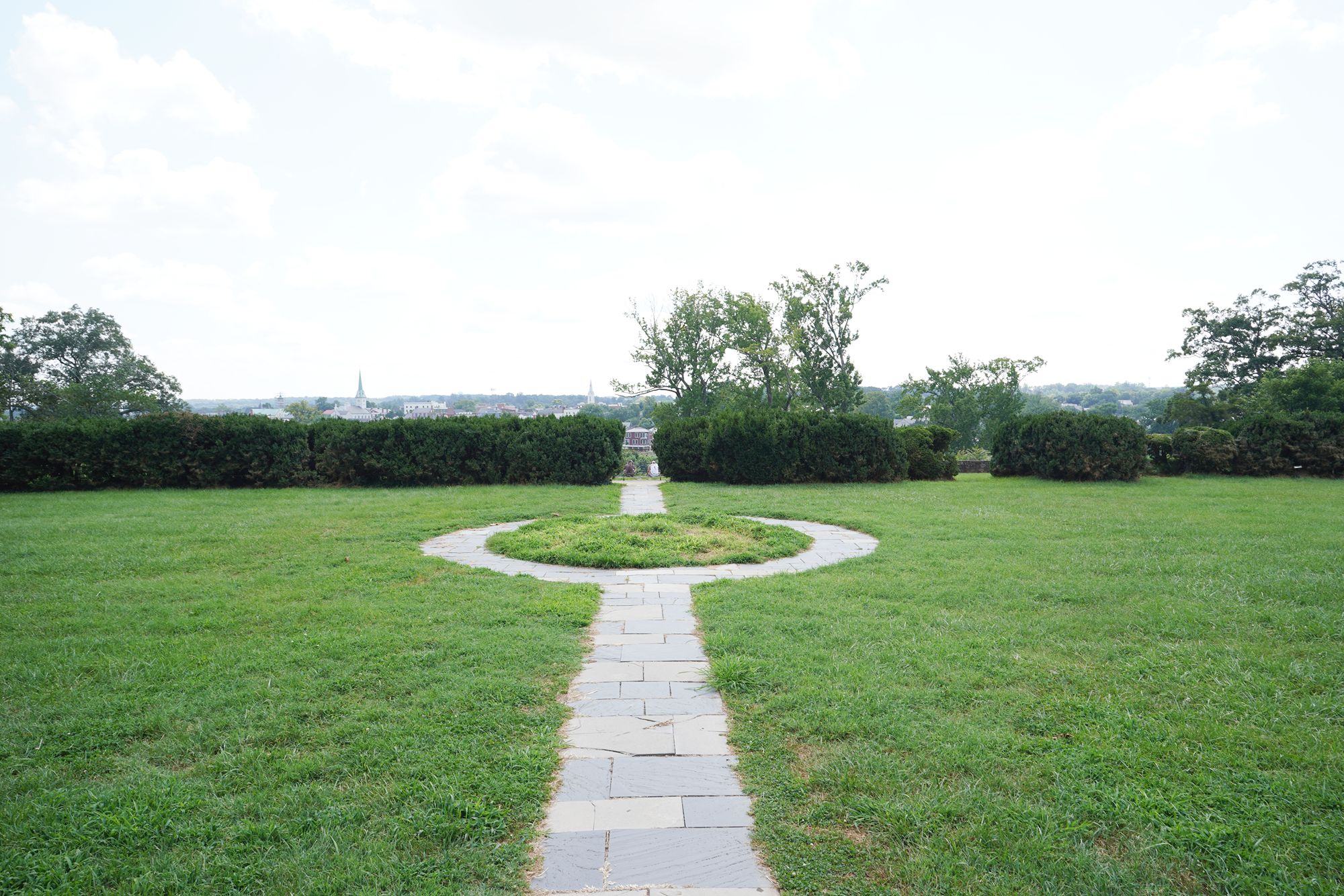
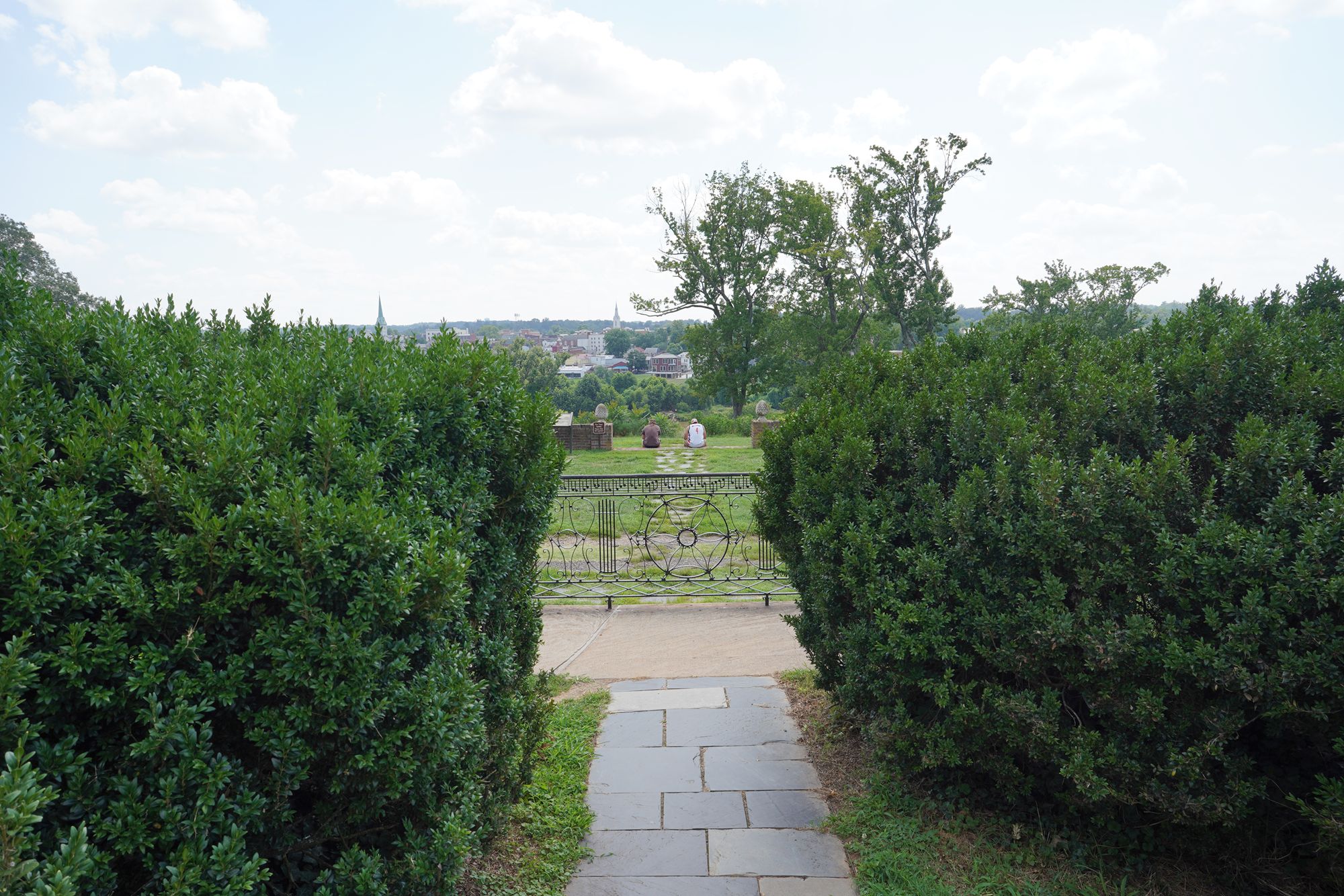
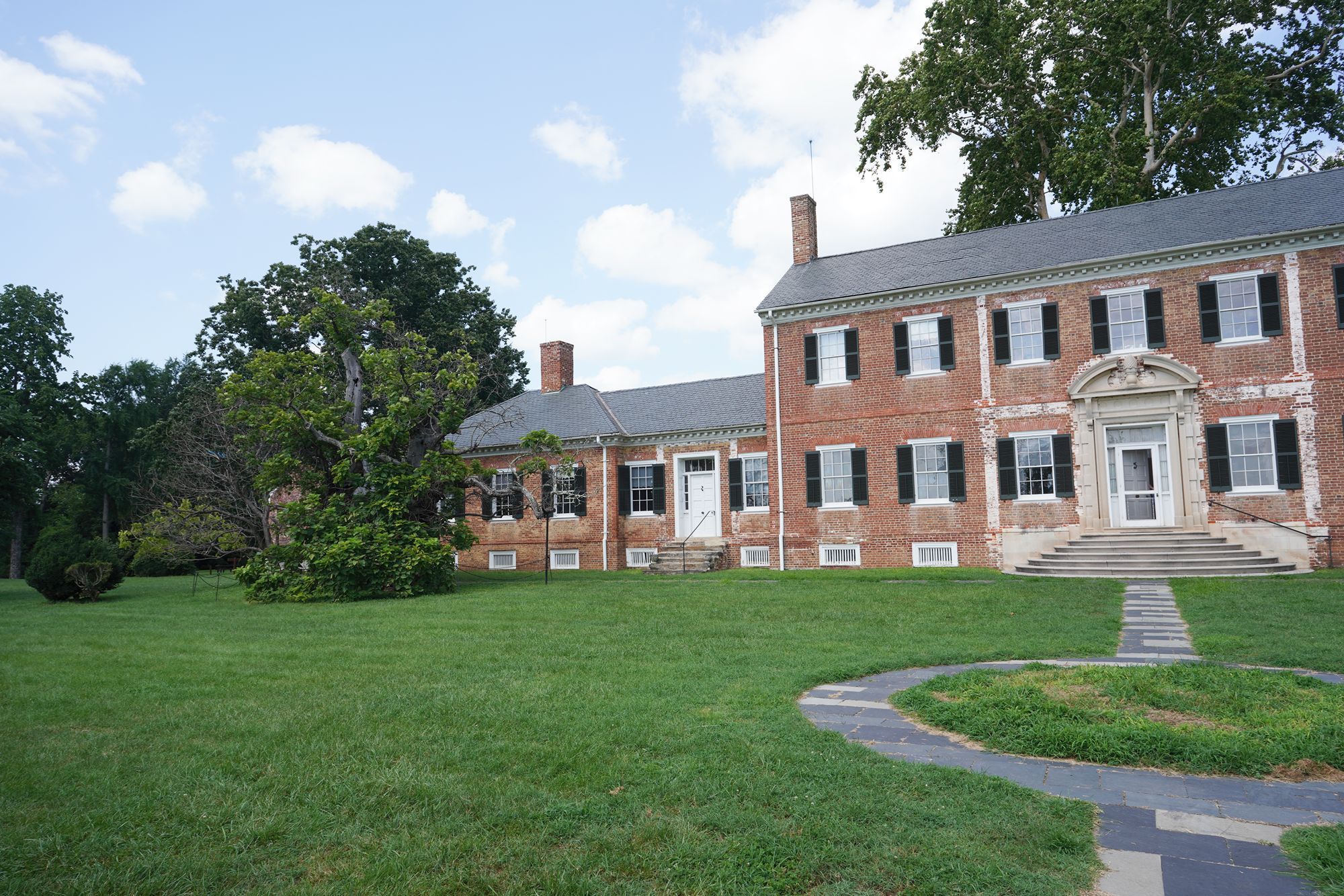
Look of the Manor's backside
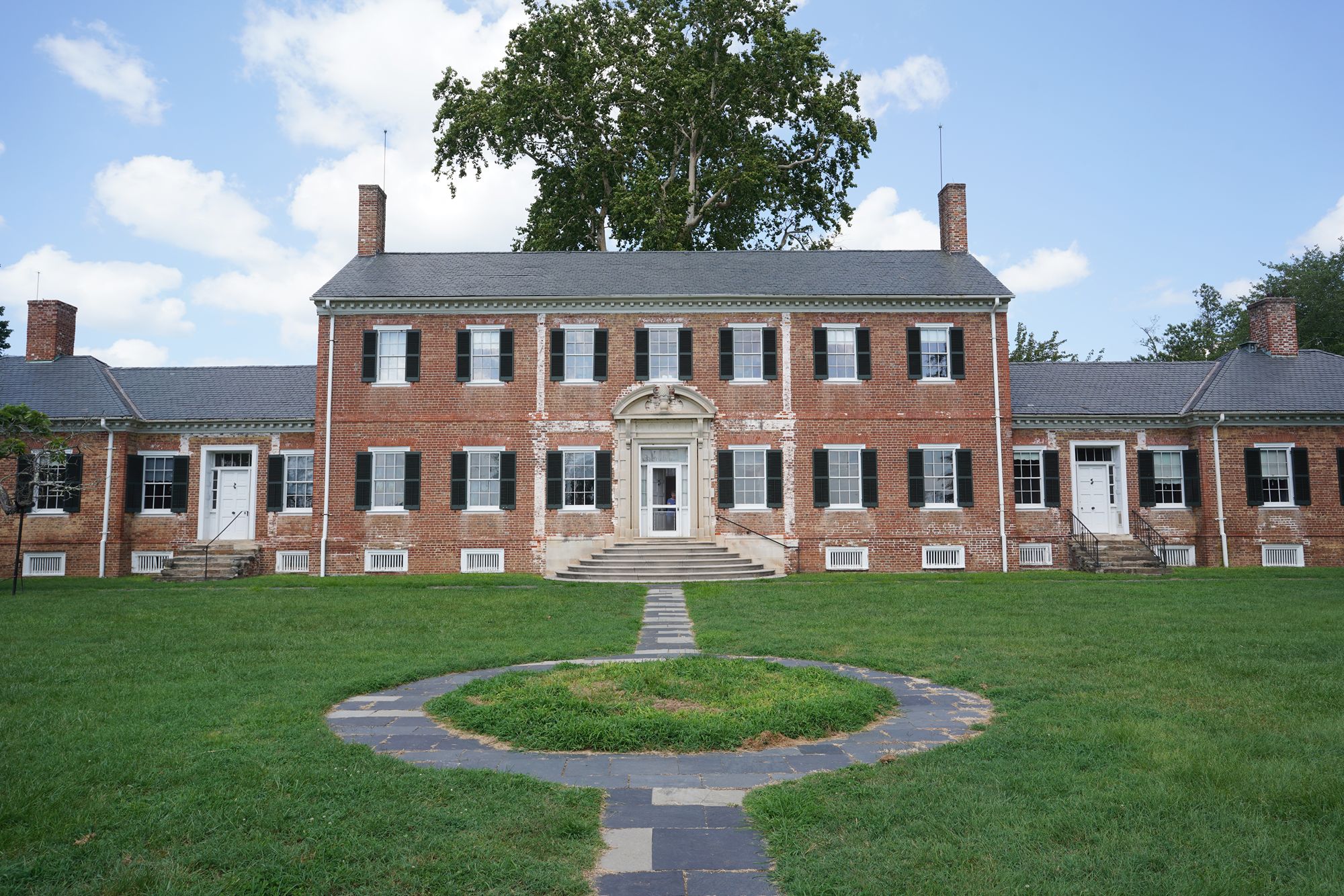
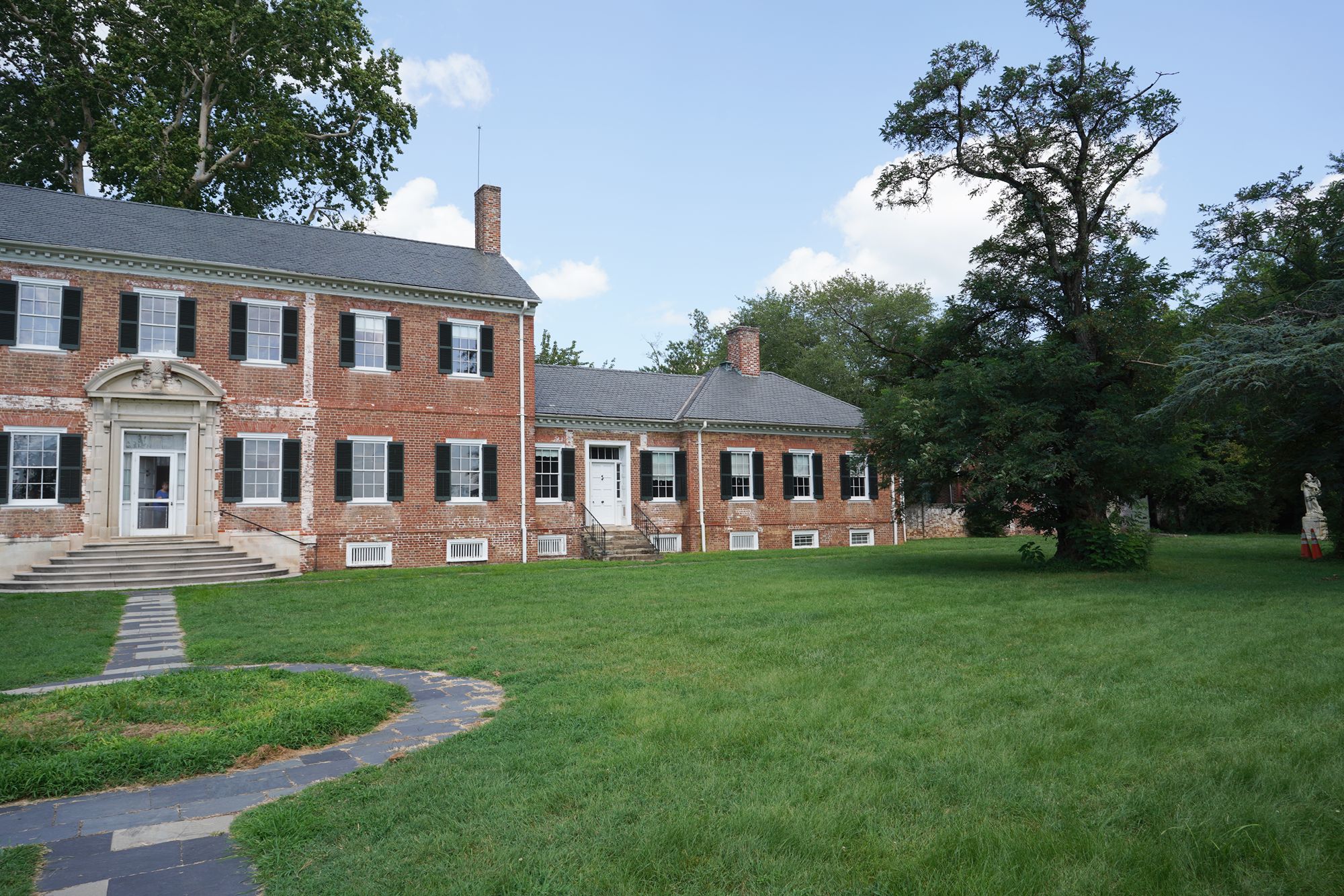
During the Civil War, Chatham Manor witnessed fierce fighting and suffering—it was occupied by Union forces, served as a field hospital during the Battle of Fredericksburg, and its rooms were filled with wounded soldiers and bloodstained walls.
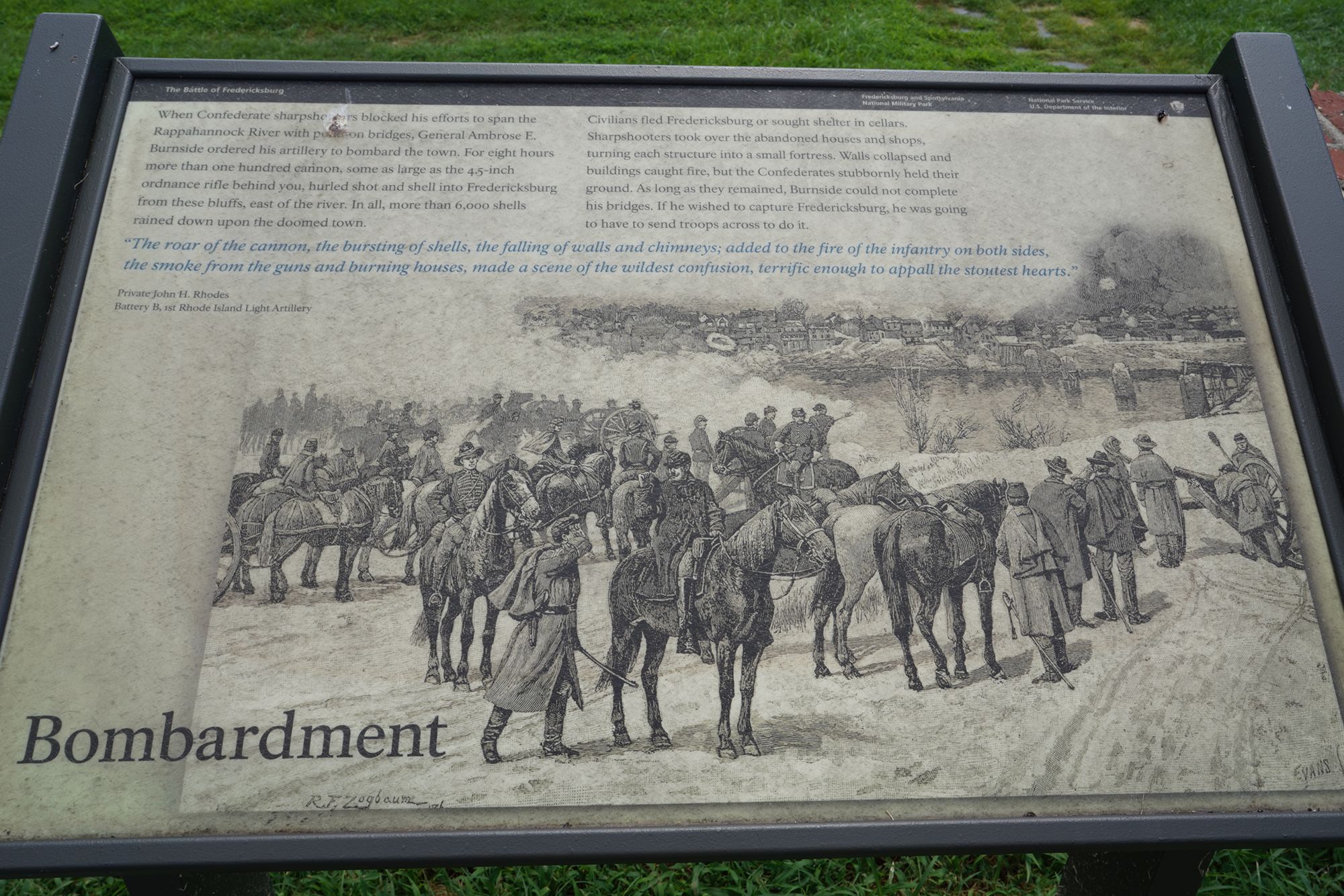
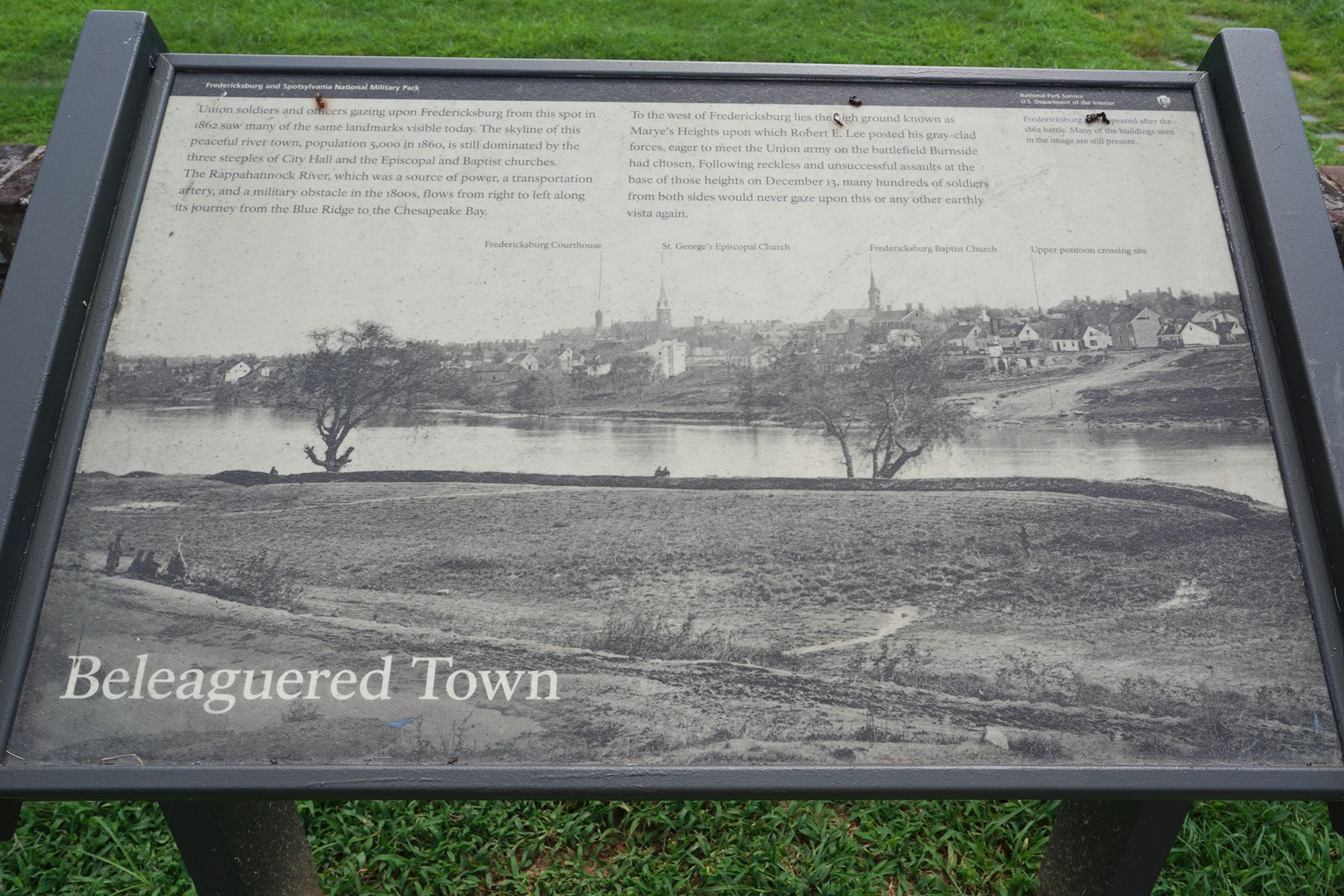
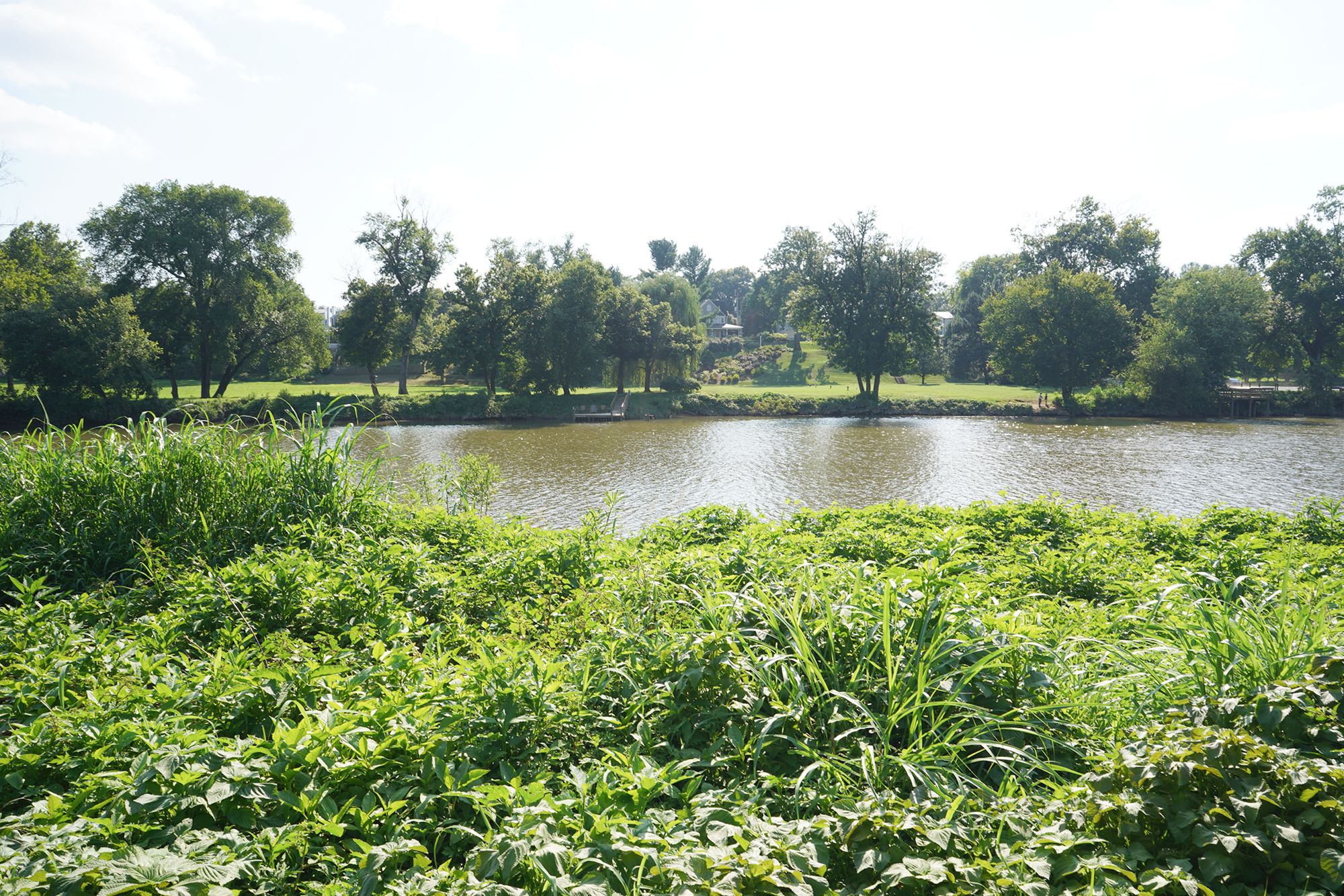
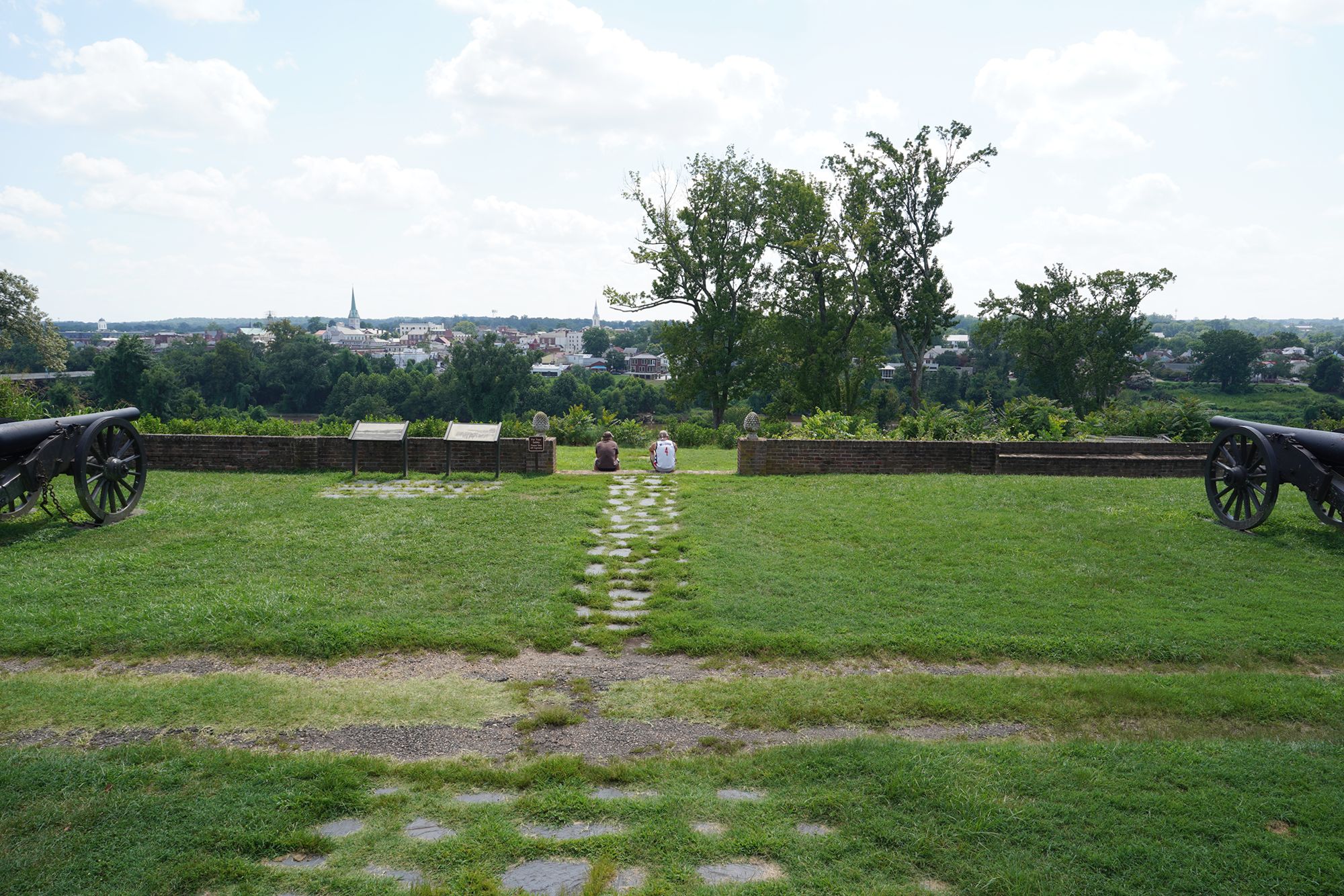
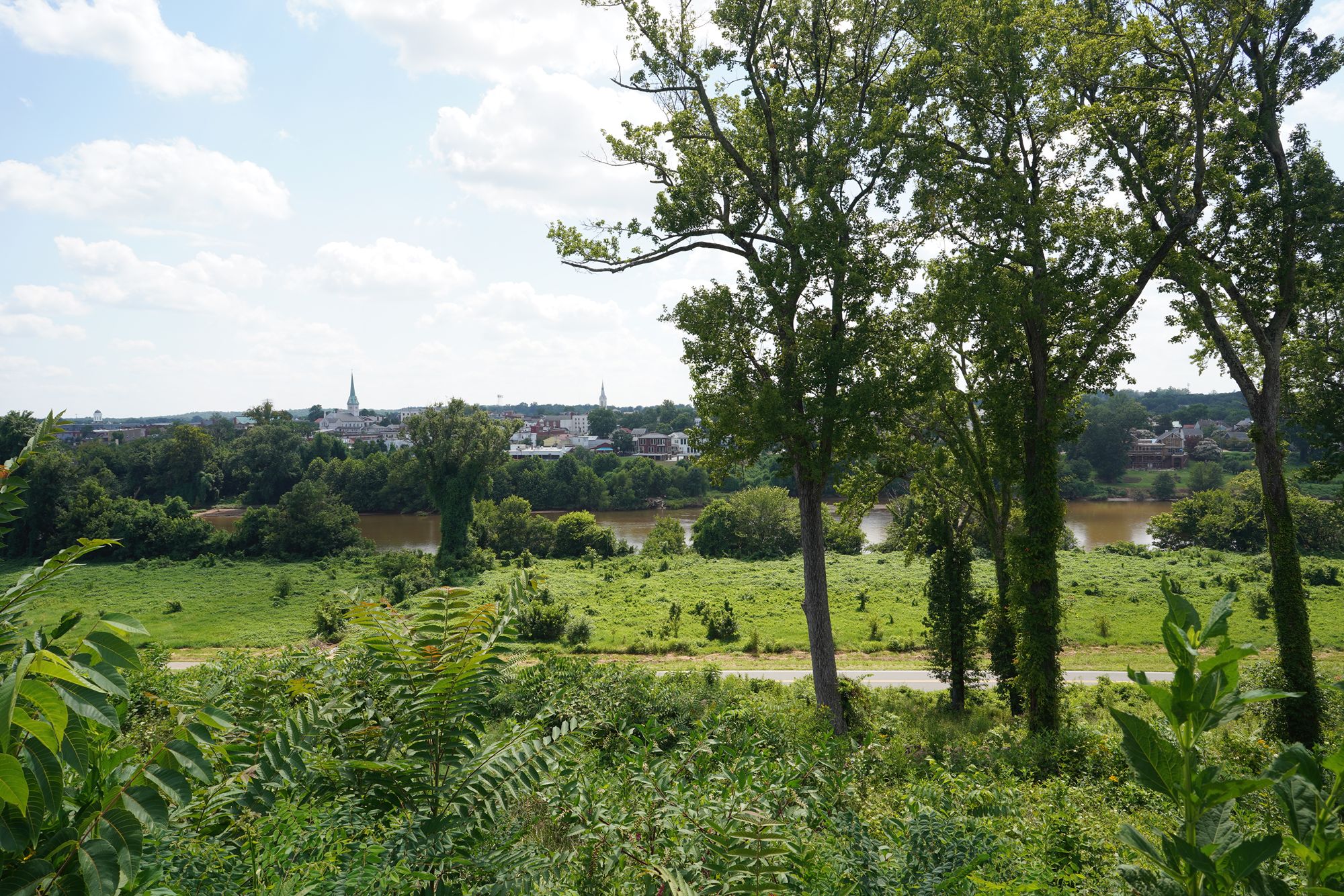
The Rappahannock River and downtown Fredericksburg
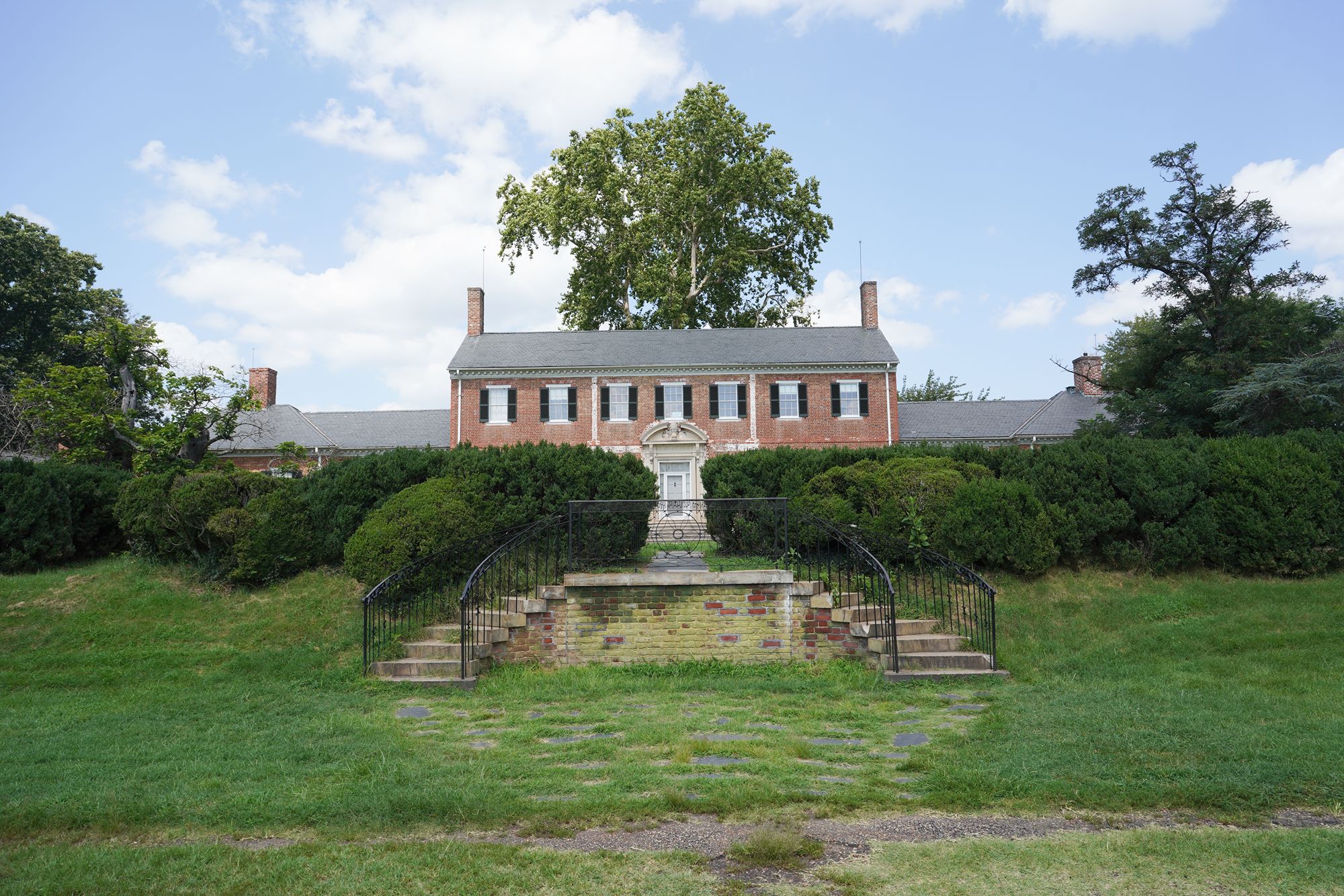
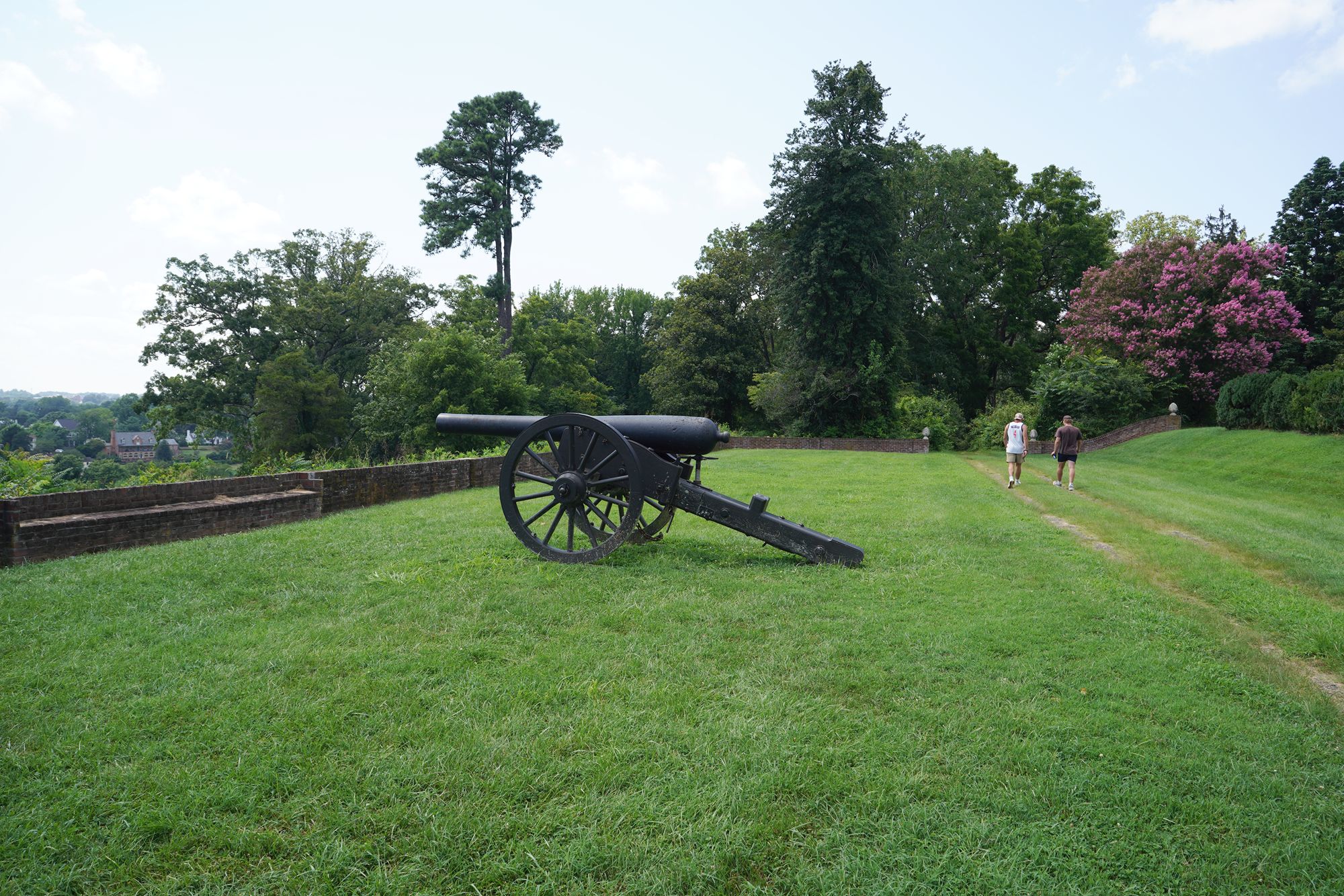
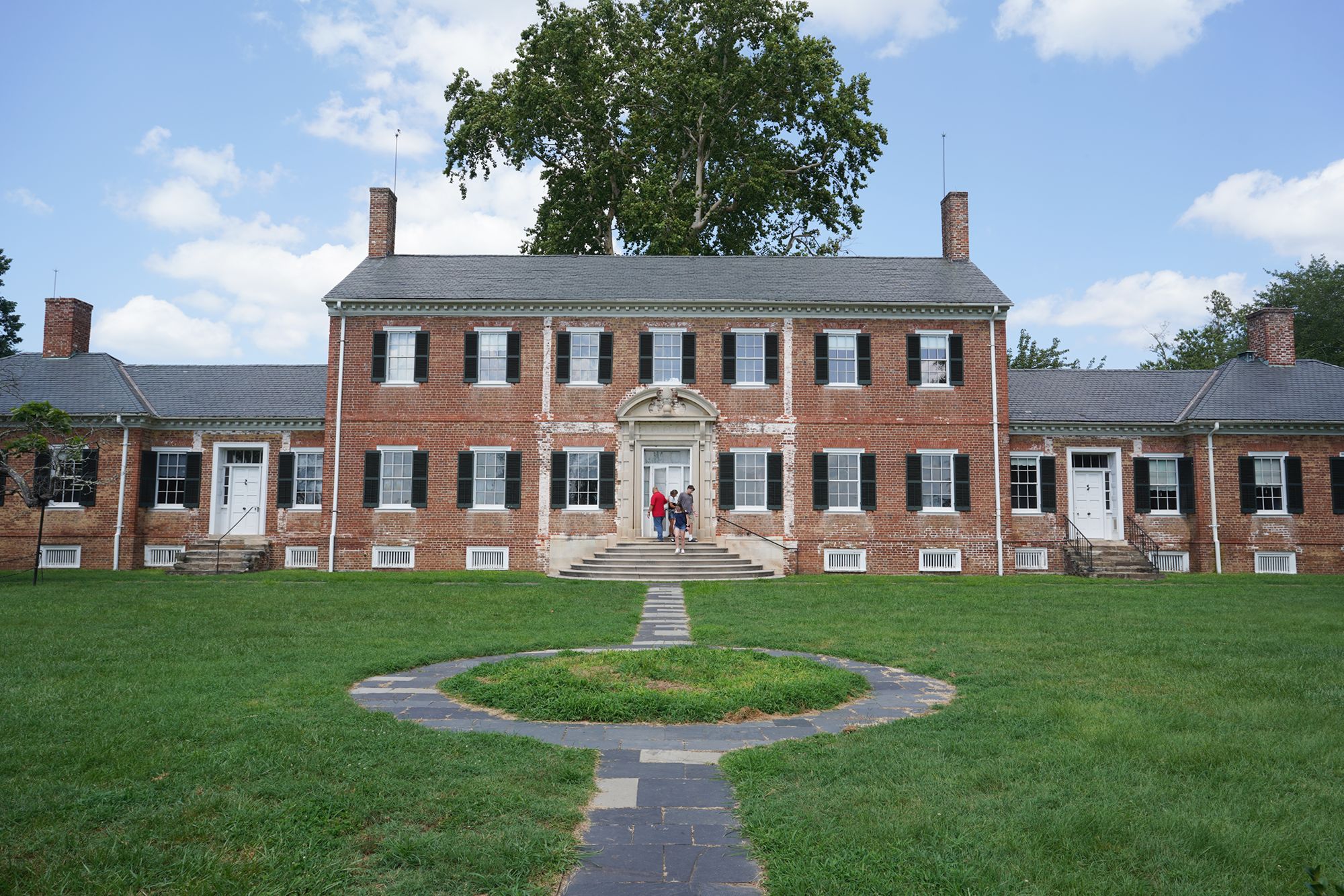
Walkikng back to front
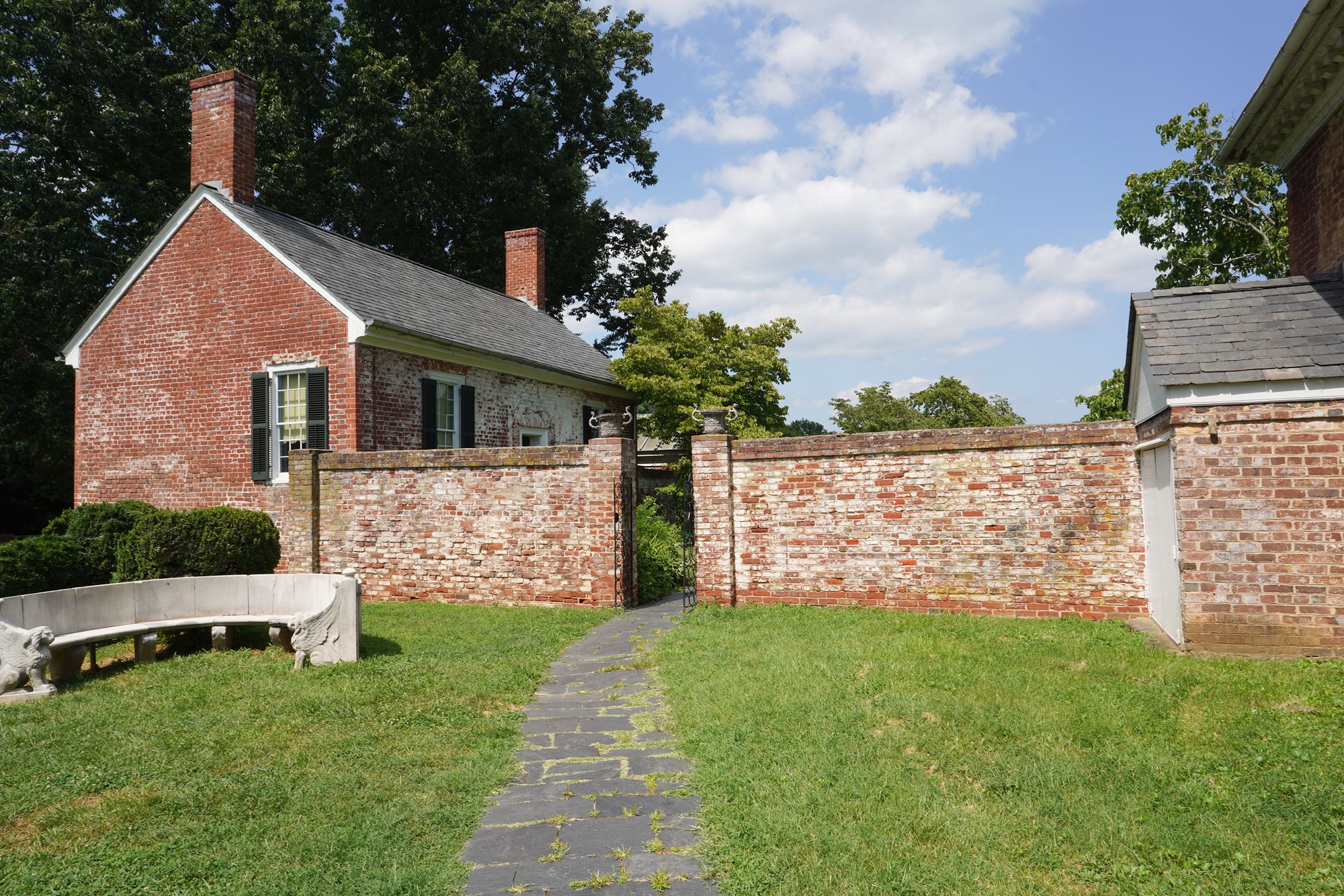
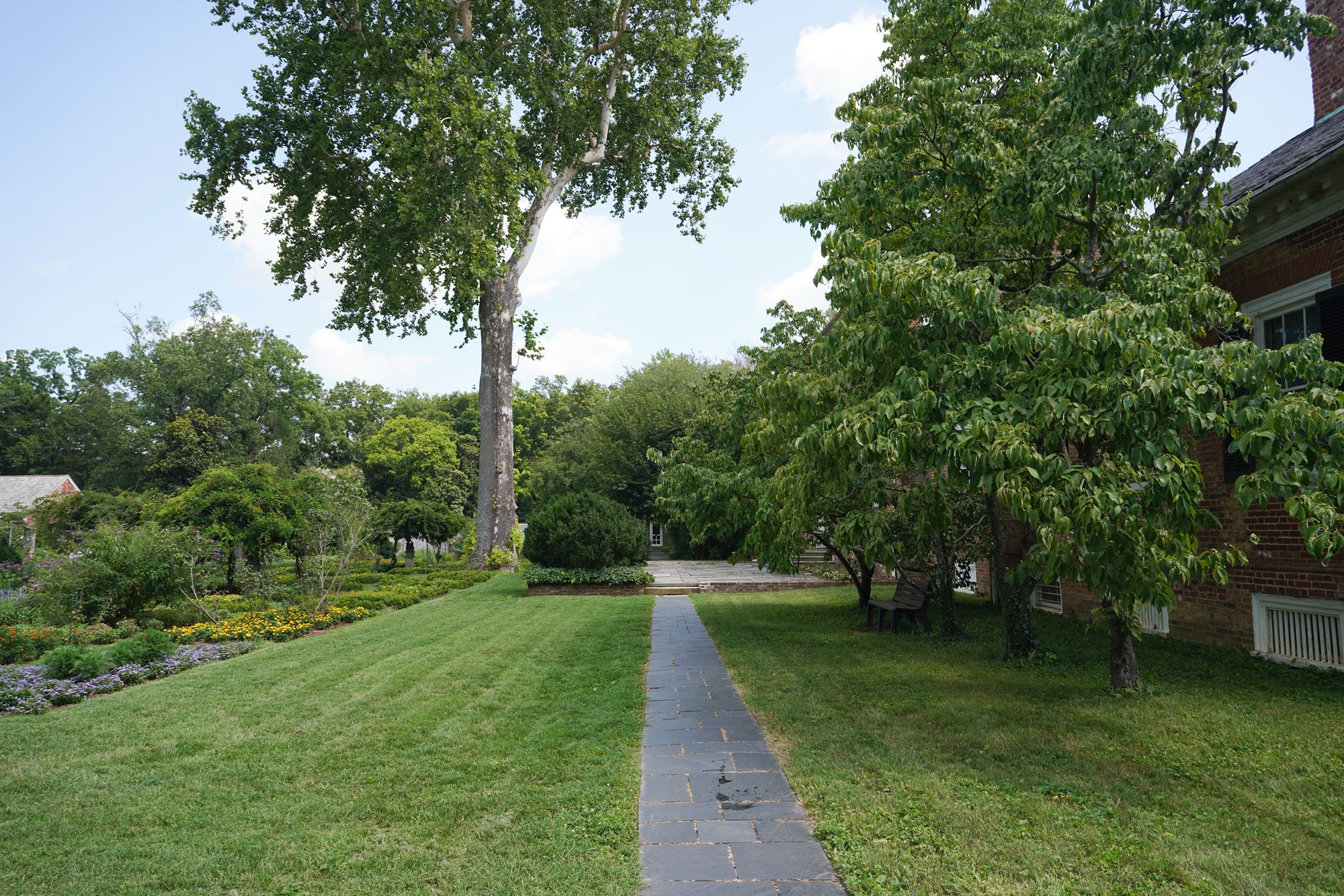
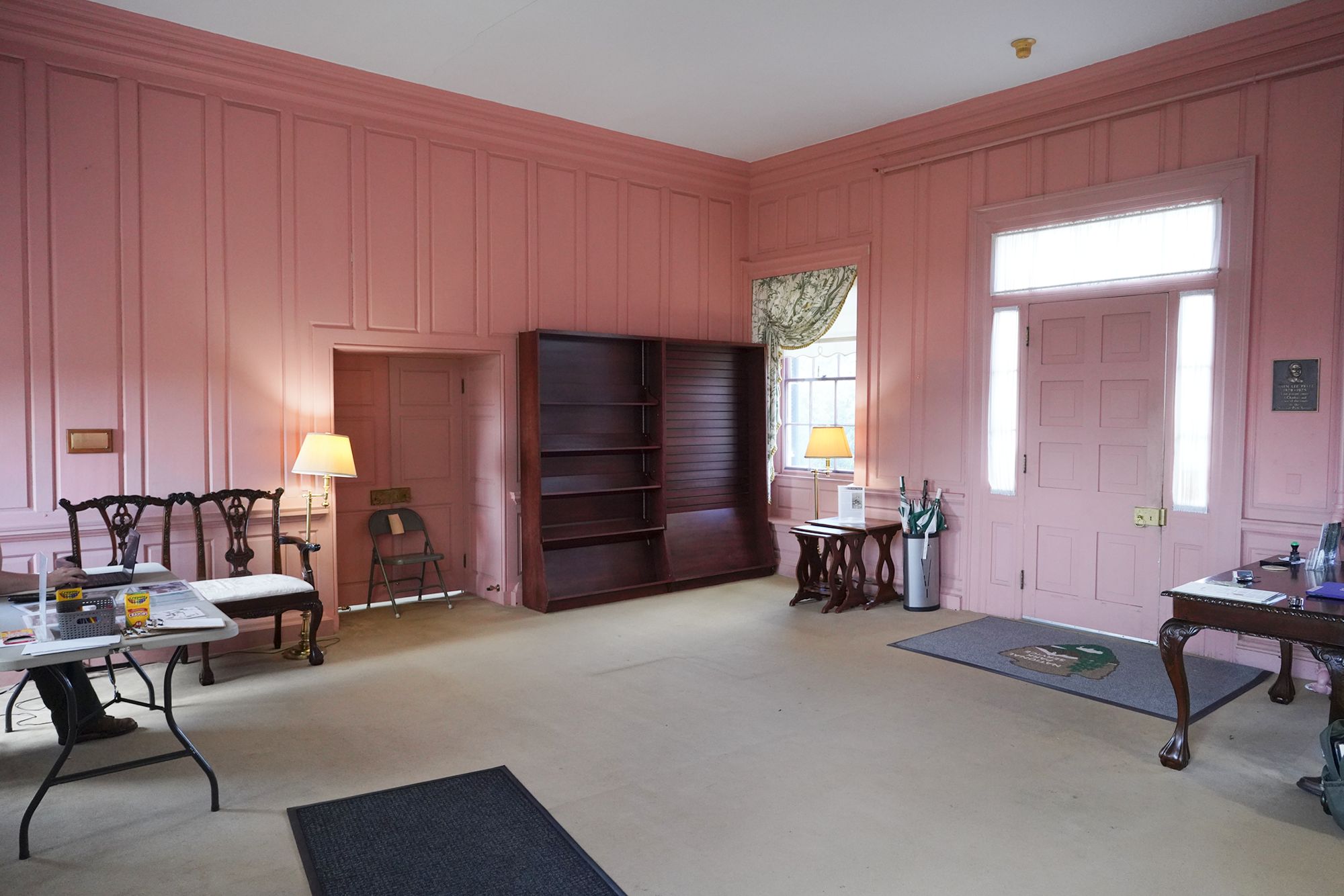
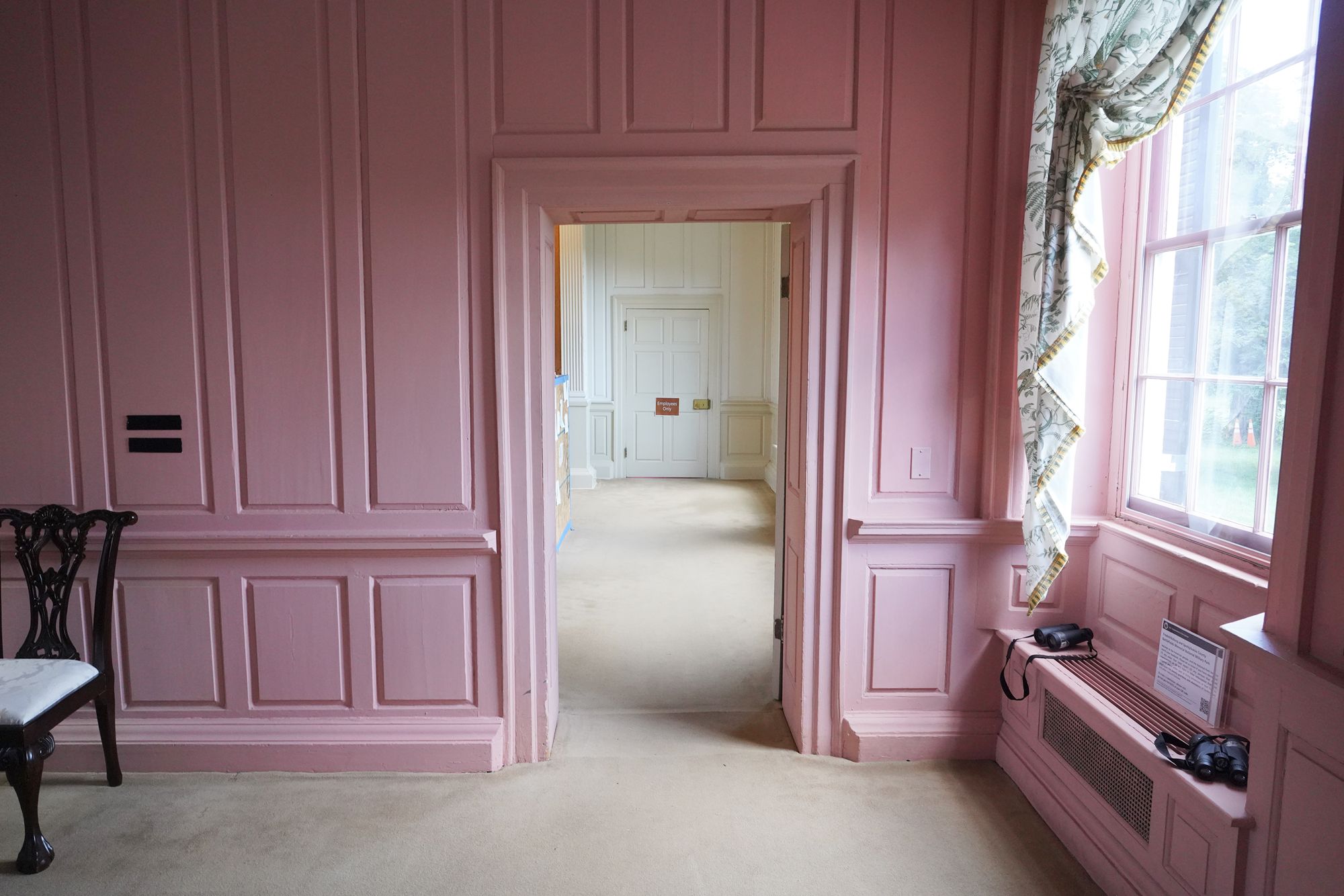
Inside the manor. Only two halls on the first floor were open to the visitors
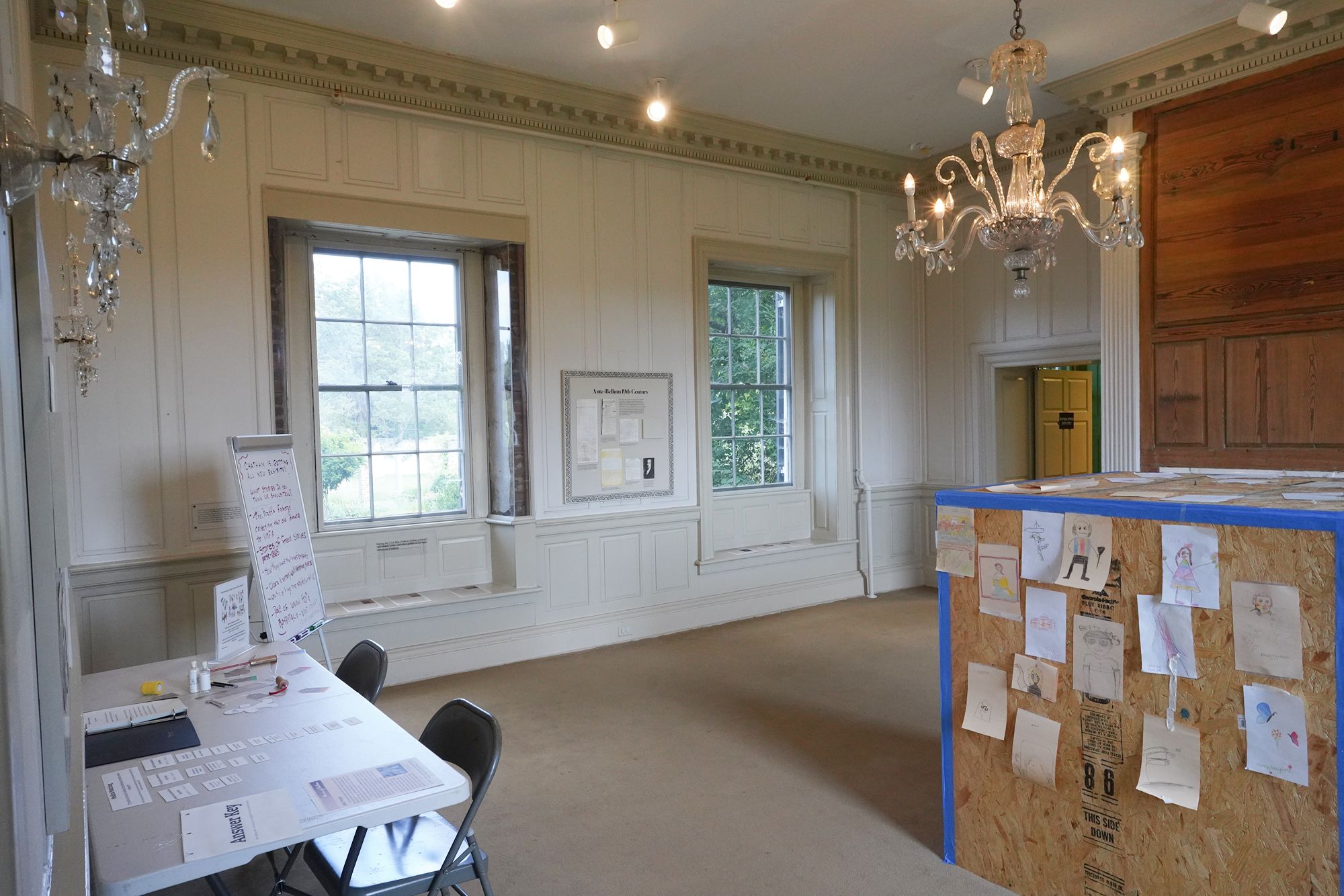
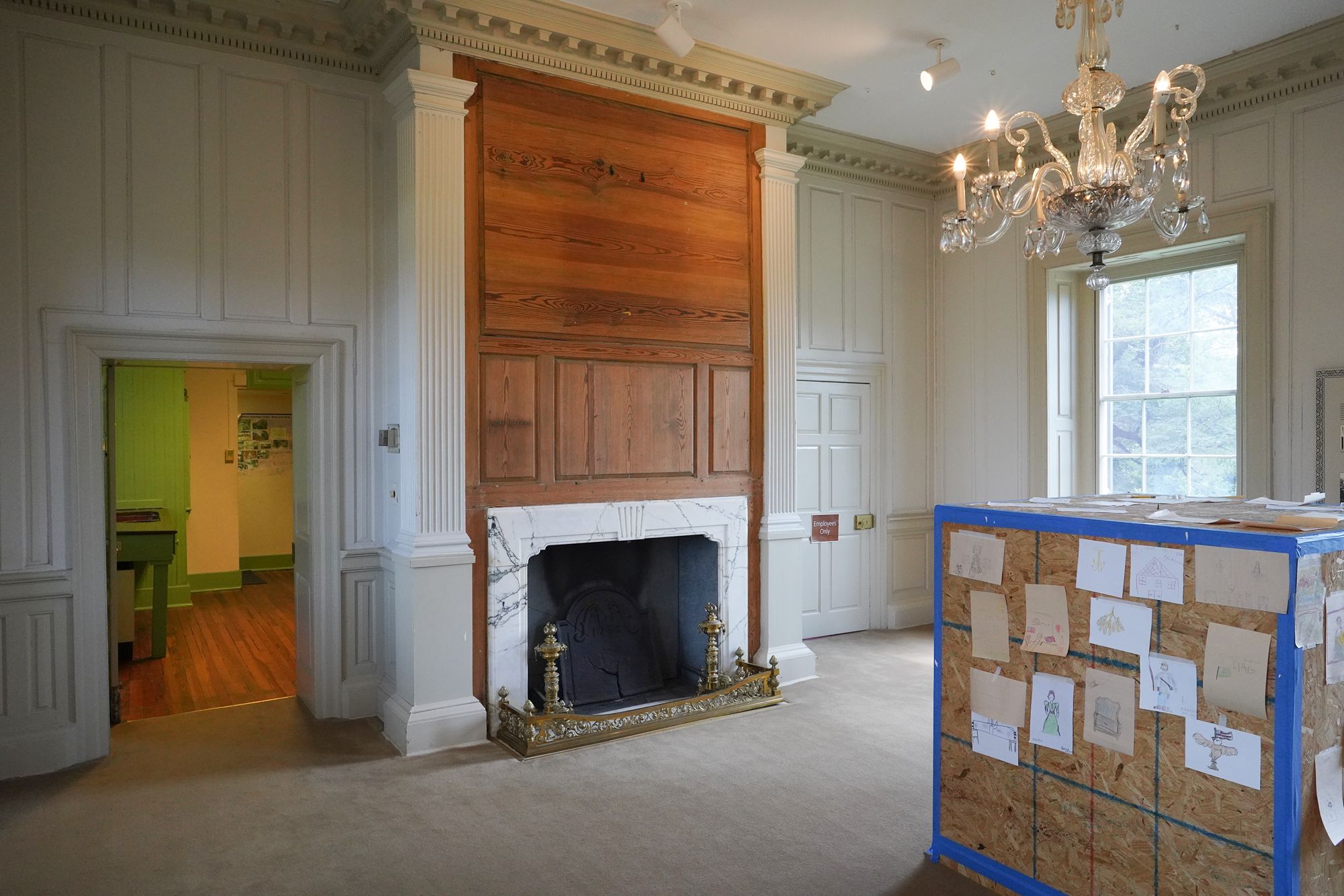
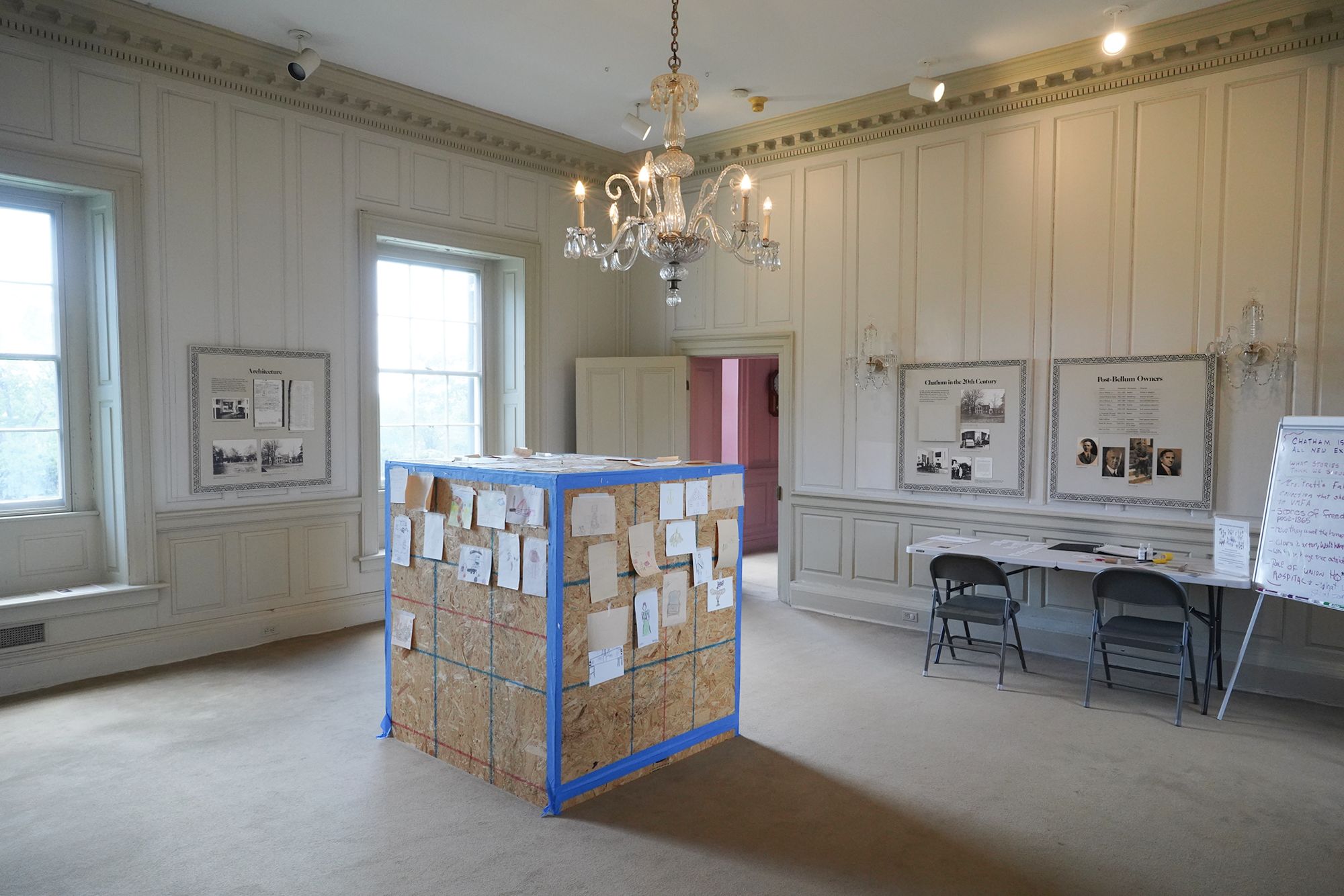
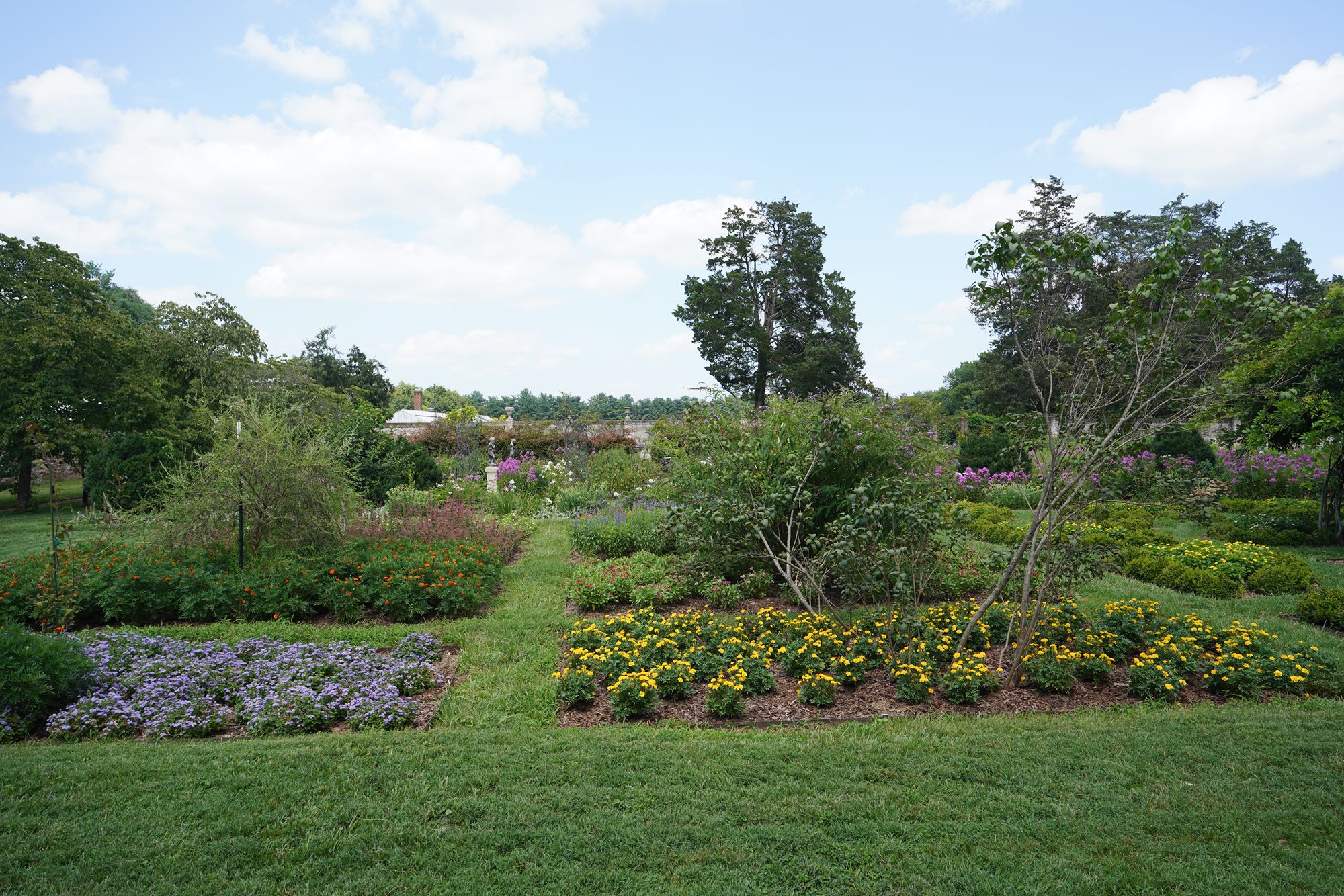
Came back to the garden
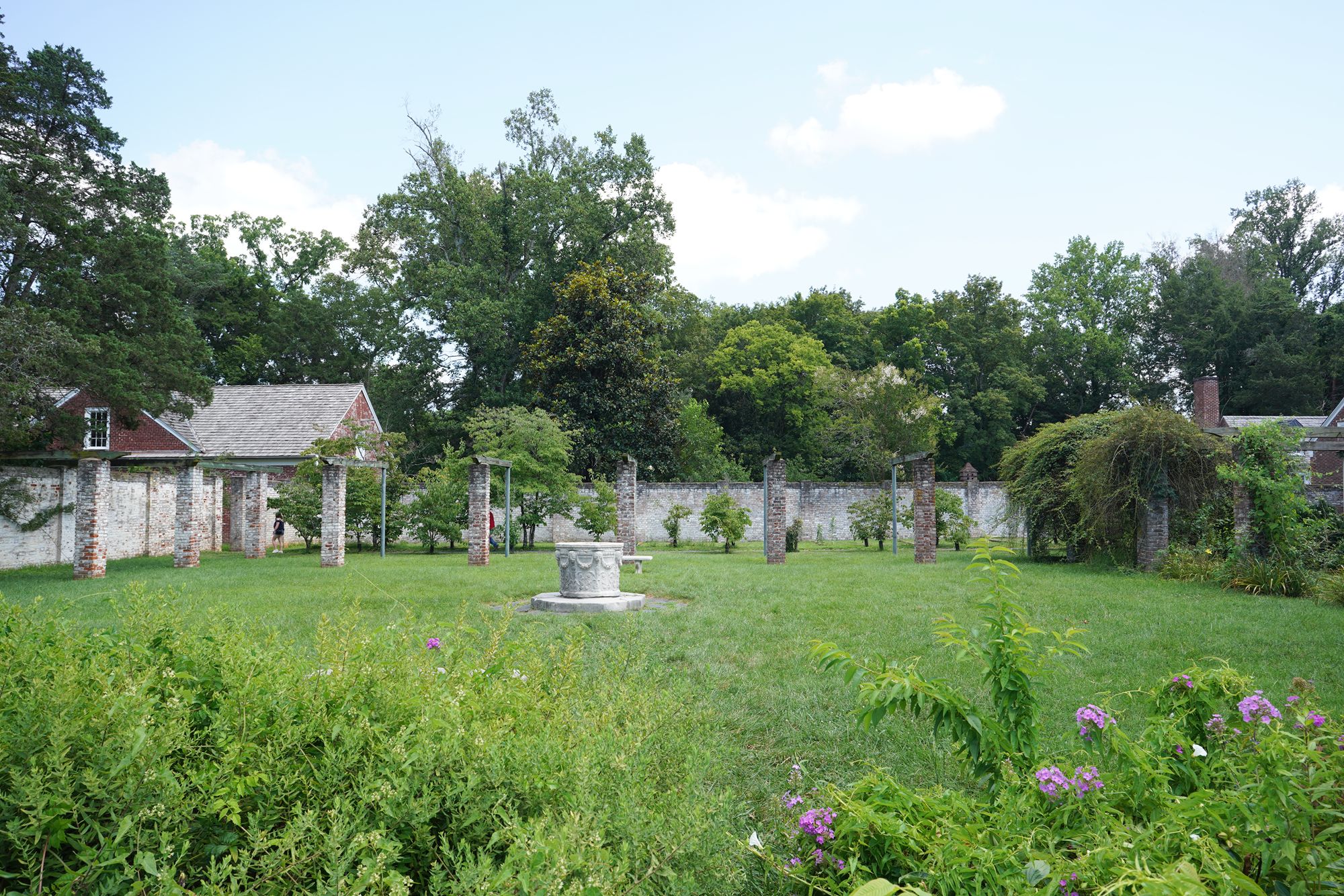
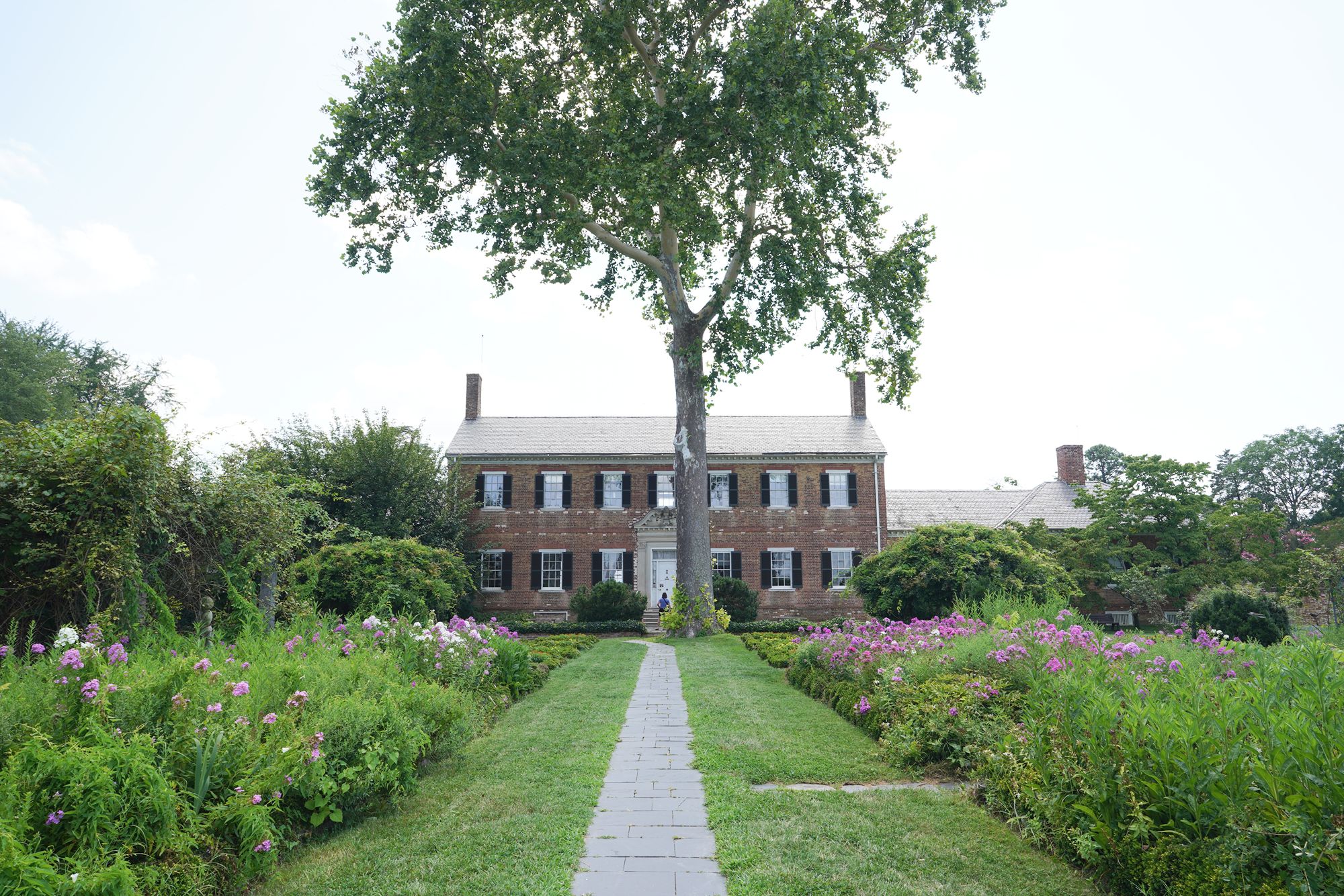
After visiting the manor, I came to George Washington’s Childhood Home (Ferry Farm), which was located nearby
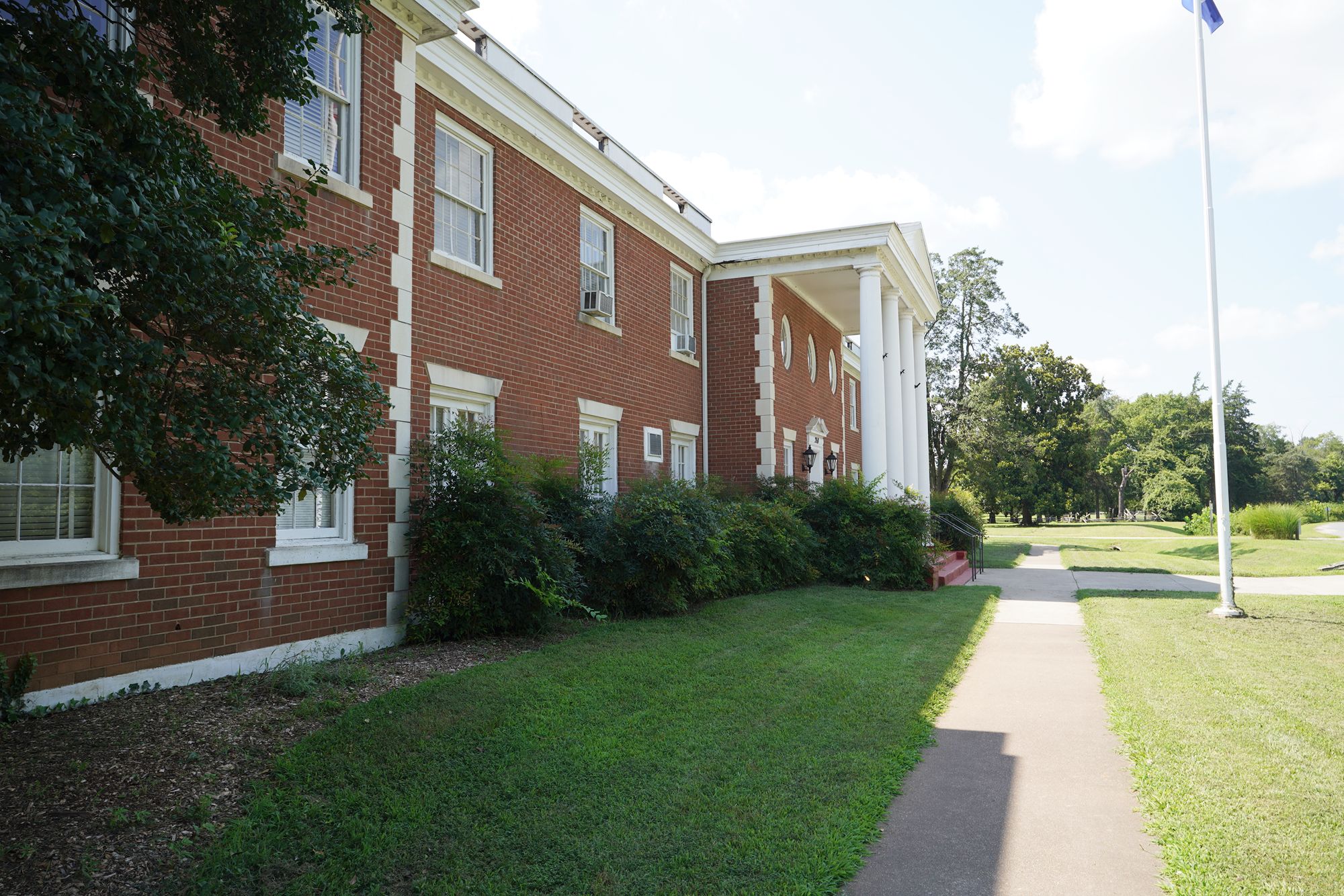
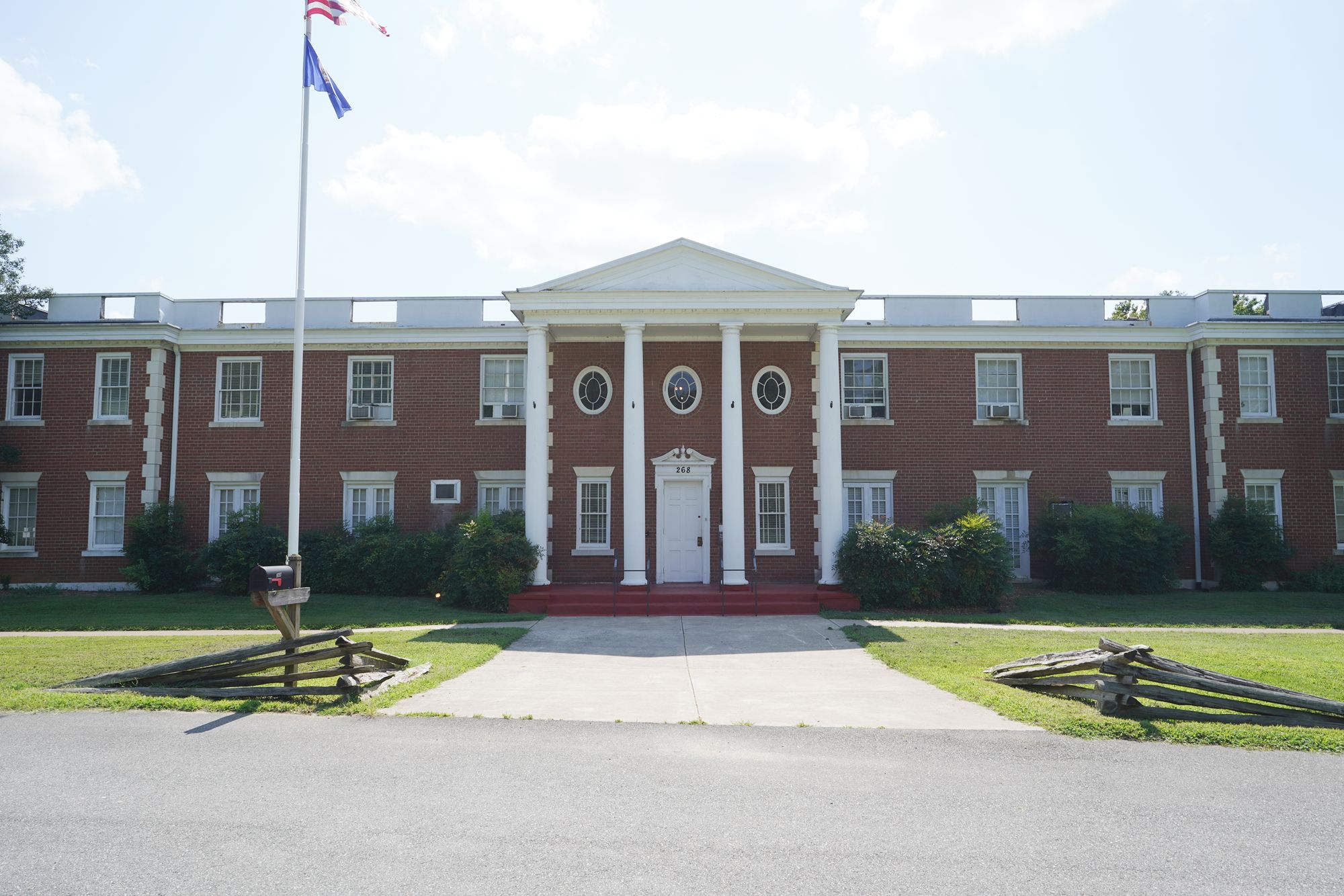
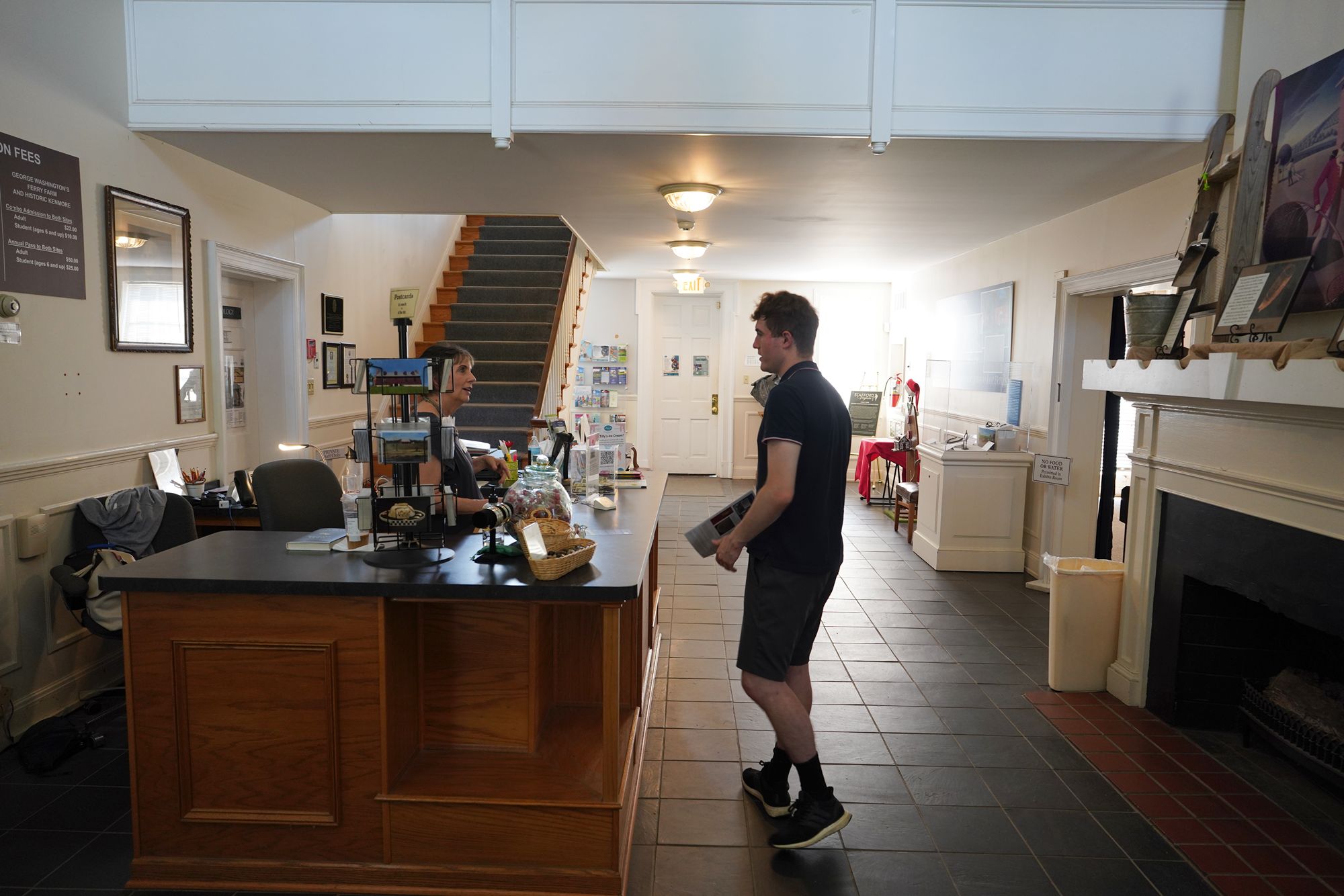
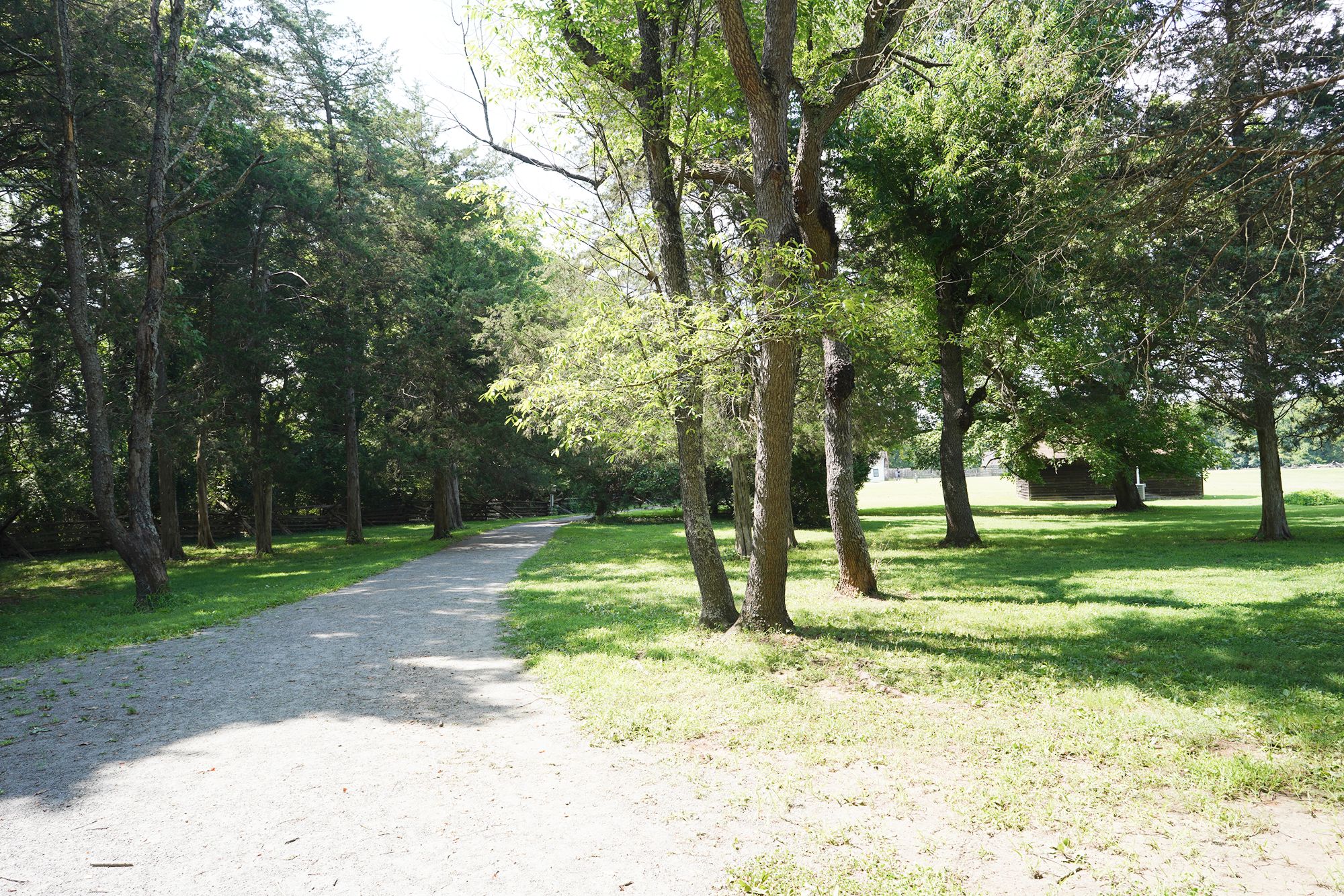
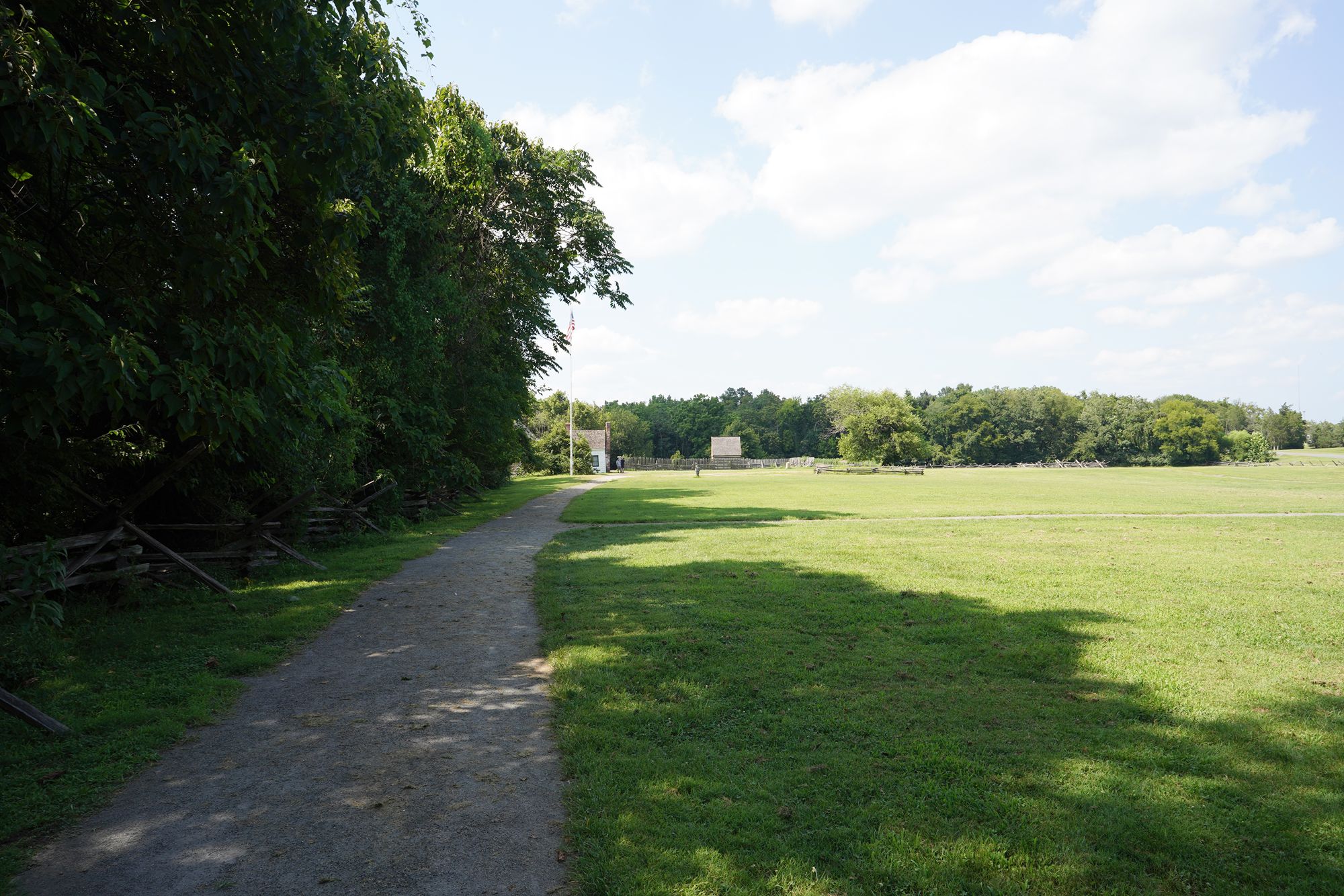
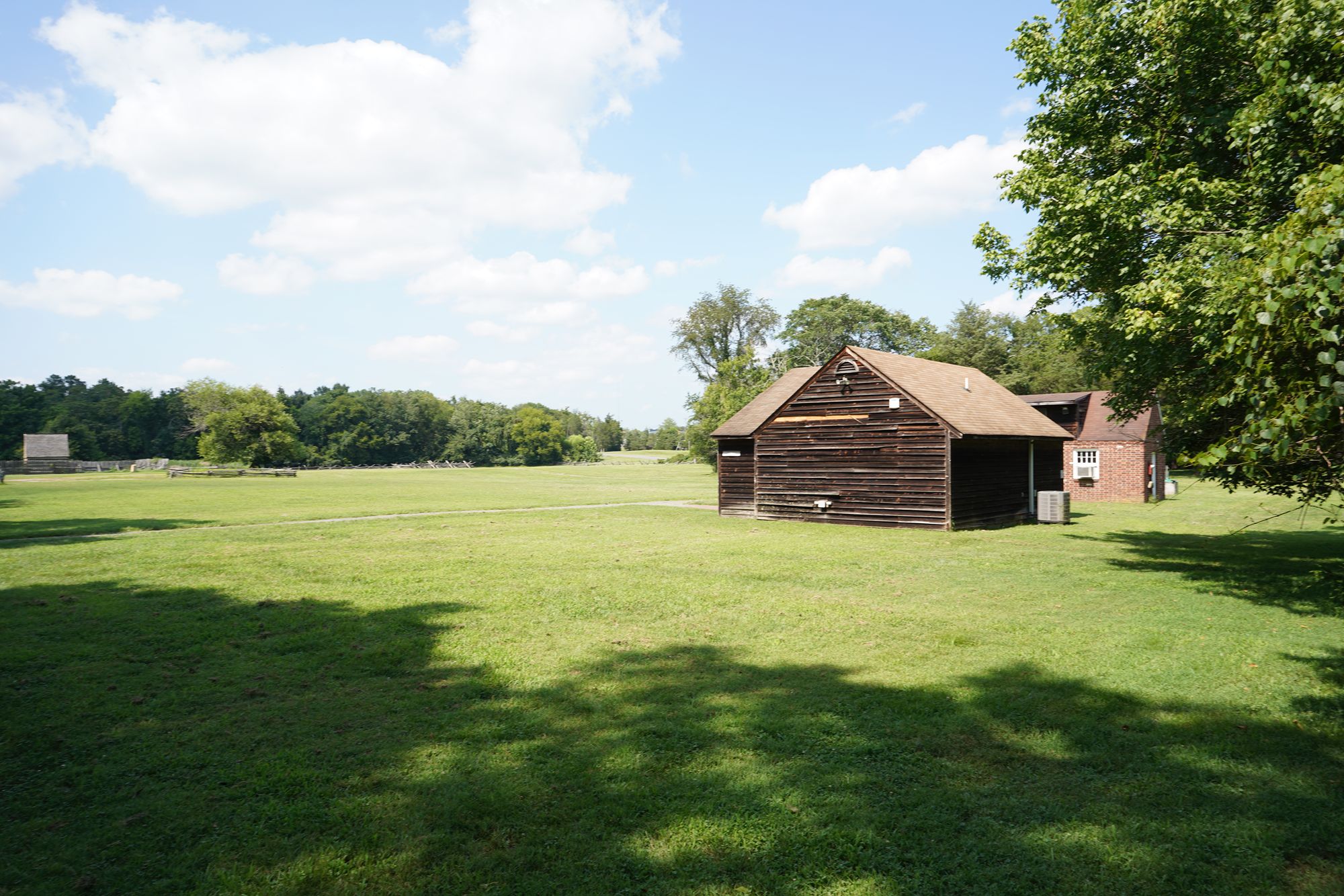
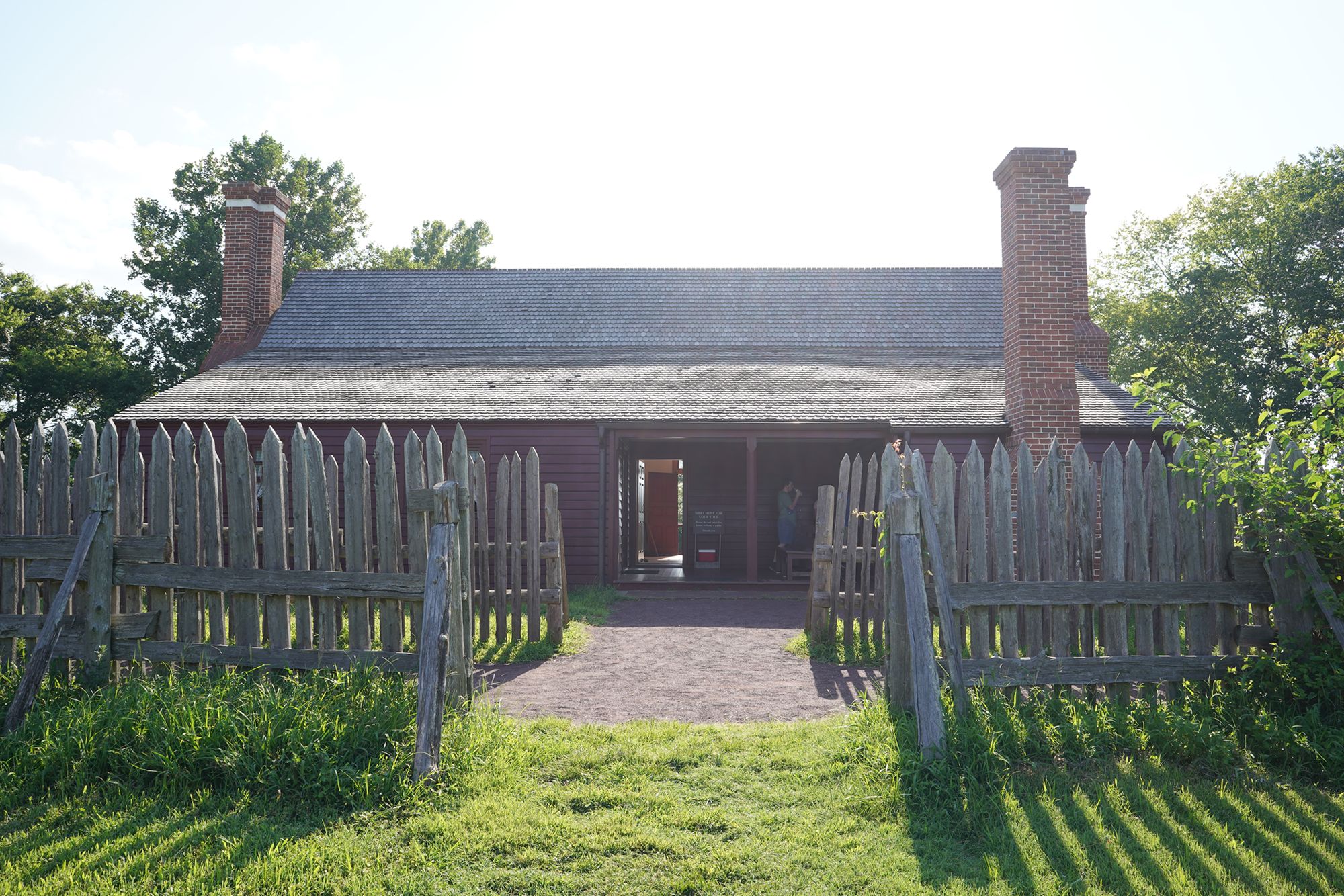
George Washington's childhood house. George Washington’s childhood house at Ferry Farm no longer survives — the original home was destroyed long ago, likely during the Civil War. Archaeologists later uncovered its foundations, and today a reconstructed house stands on the site, accurately rebuilt to show how the Washington family lived there in the 1740s.
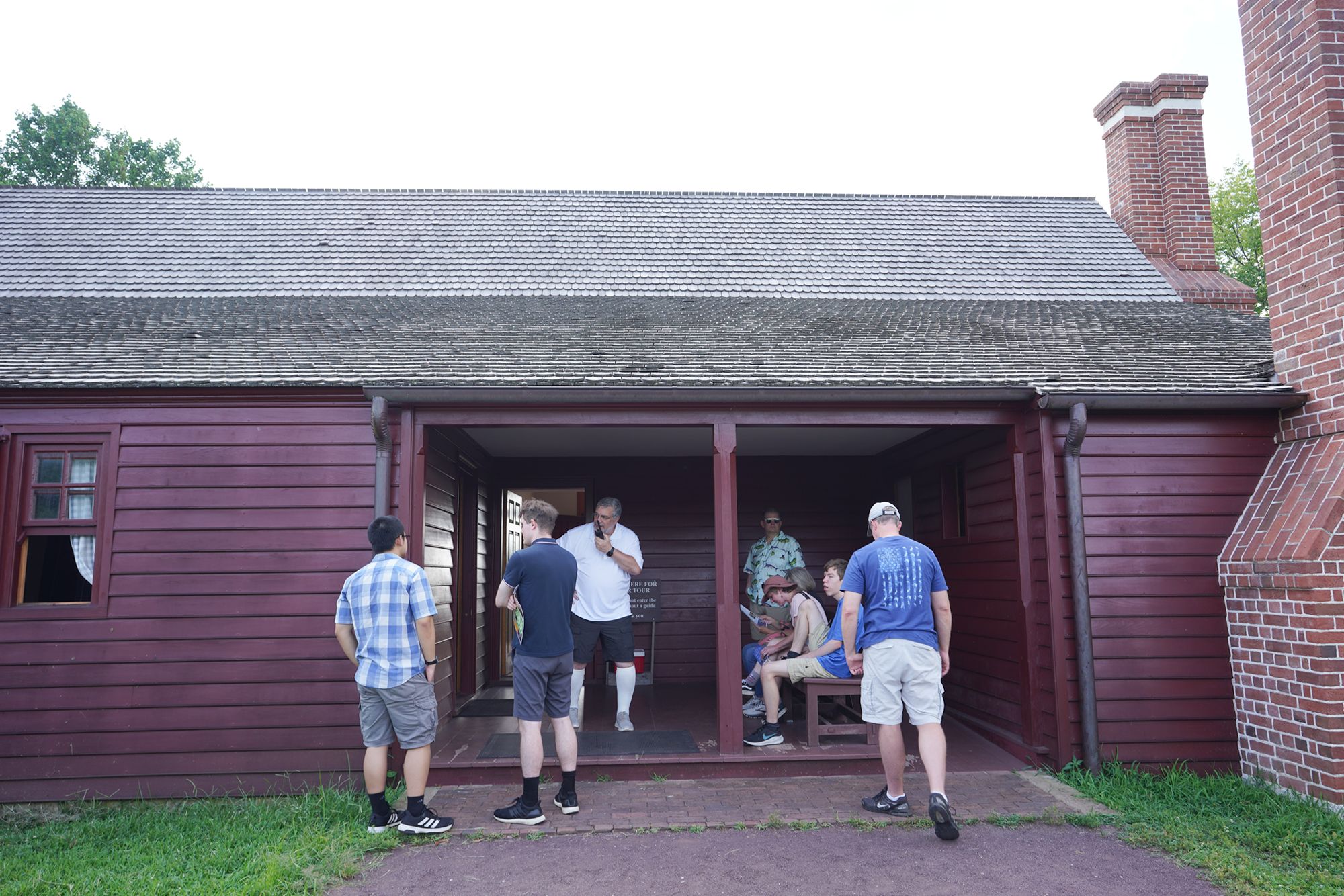
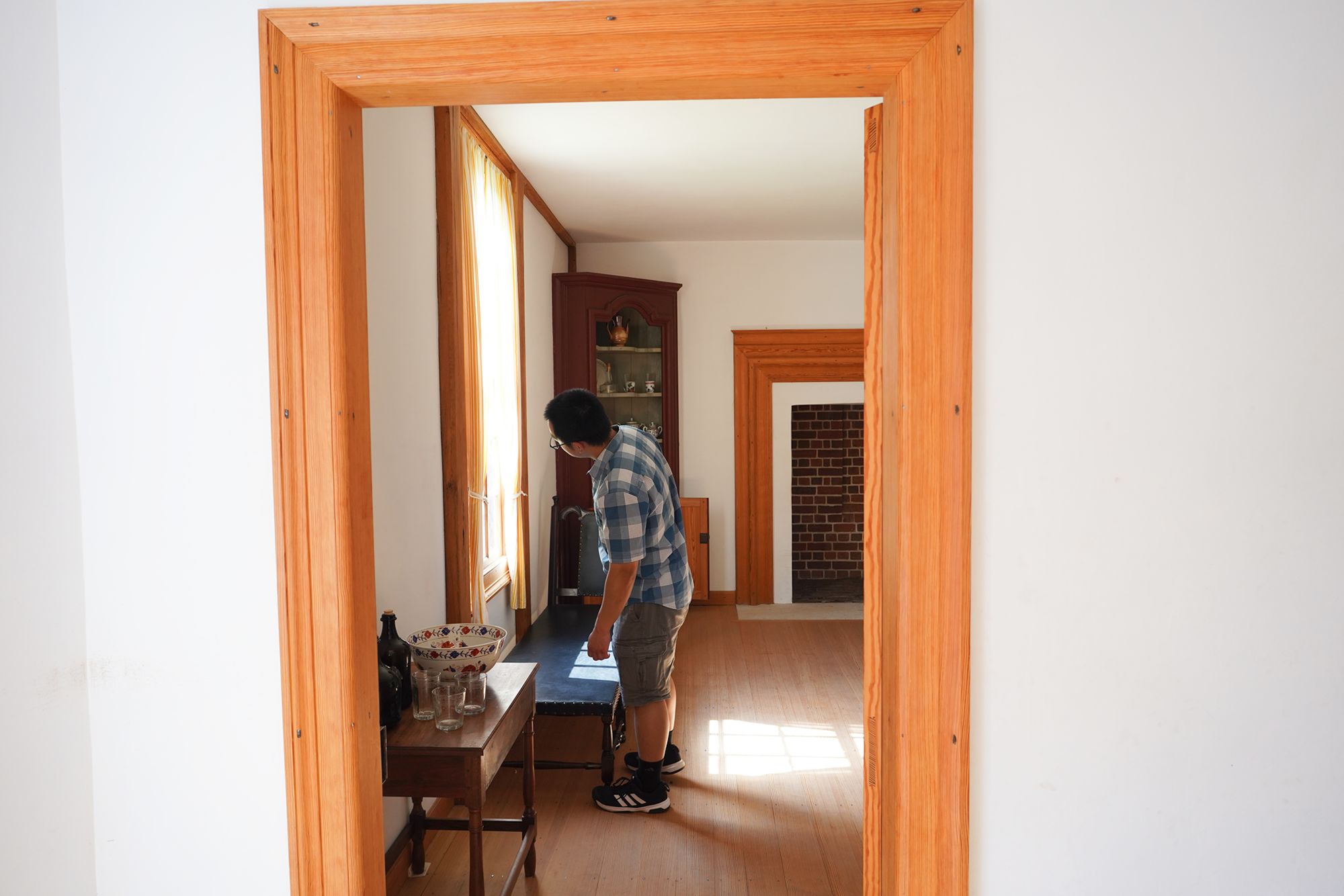
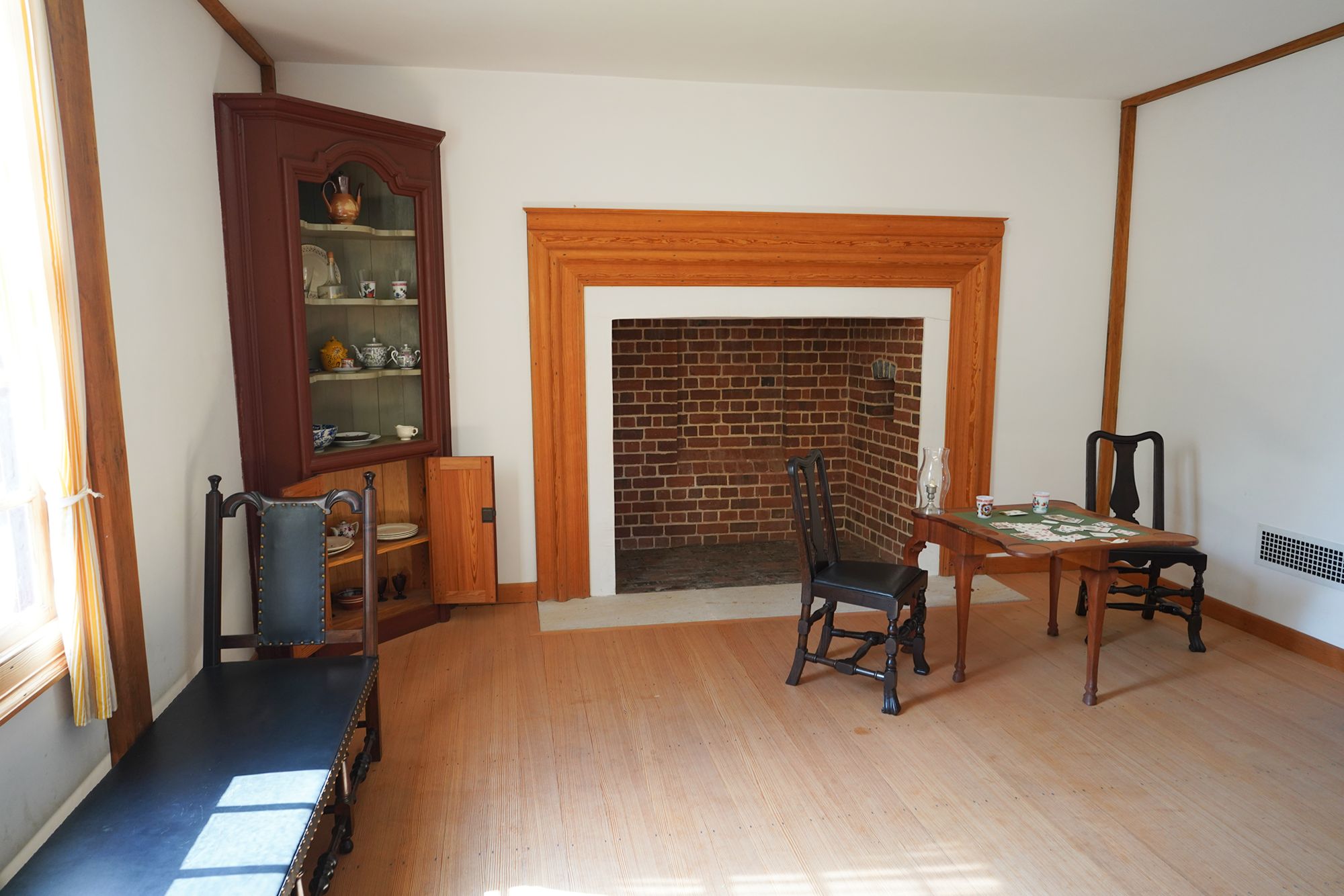
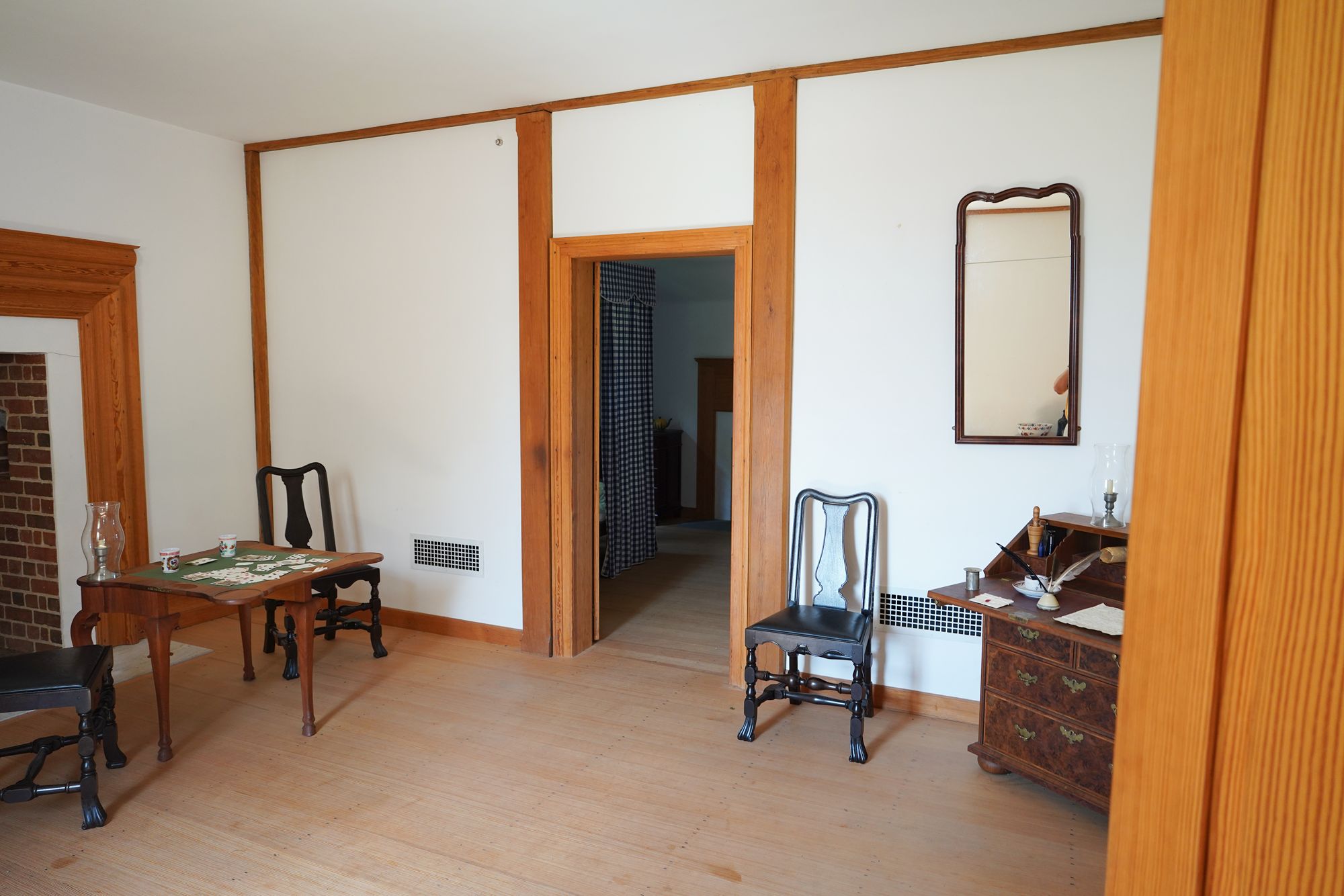
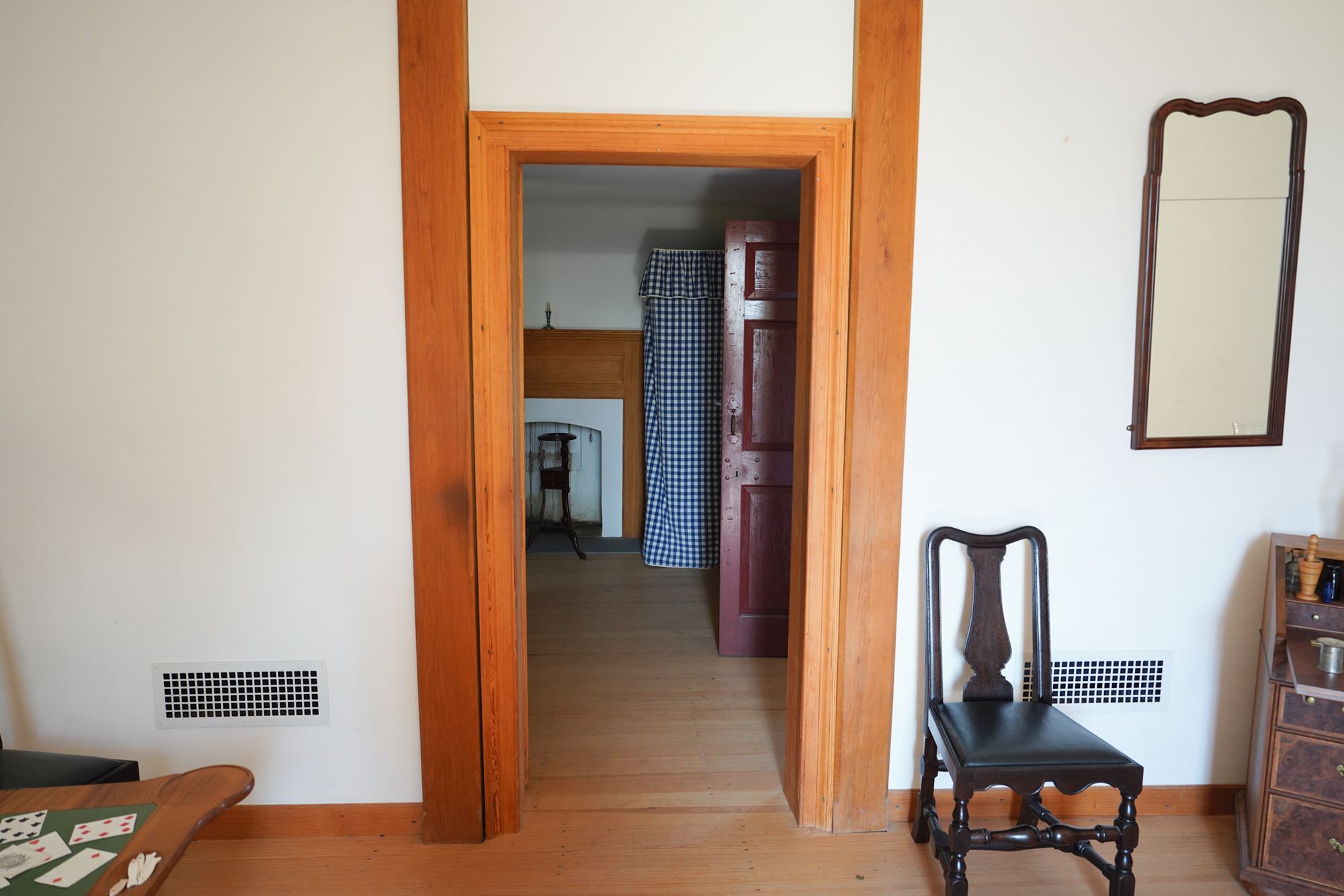
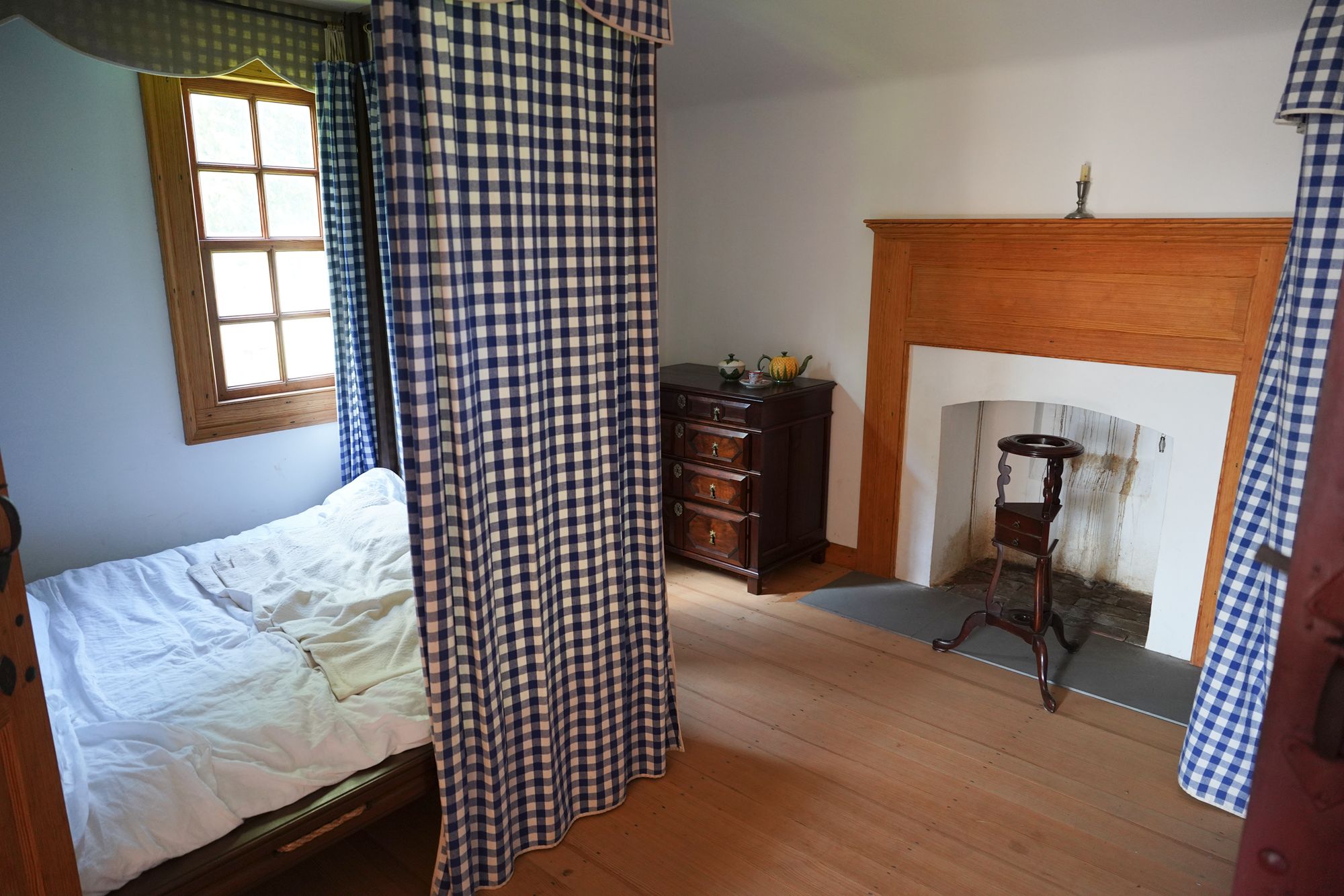
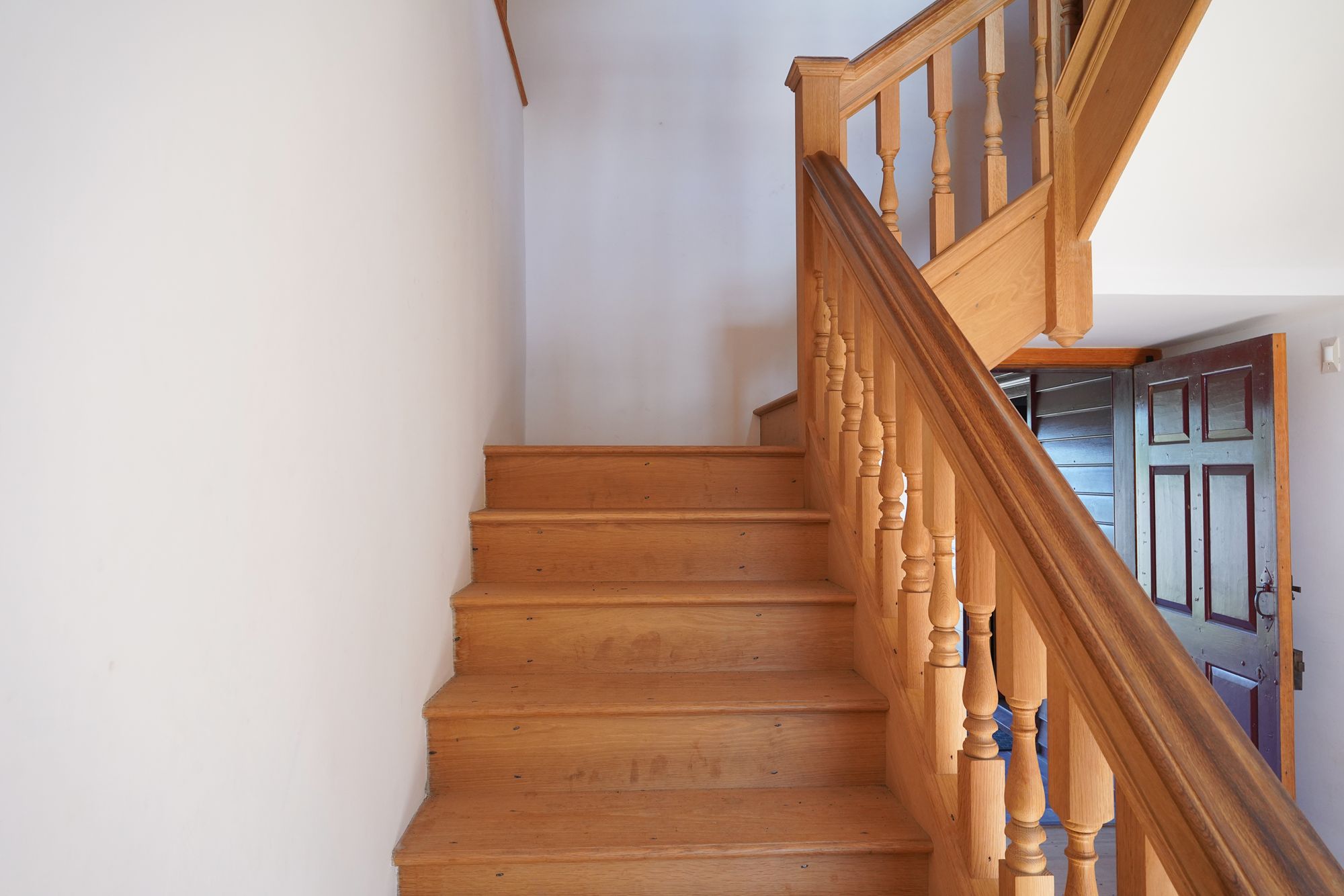
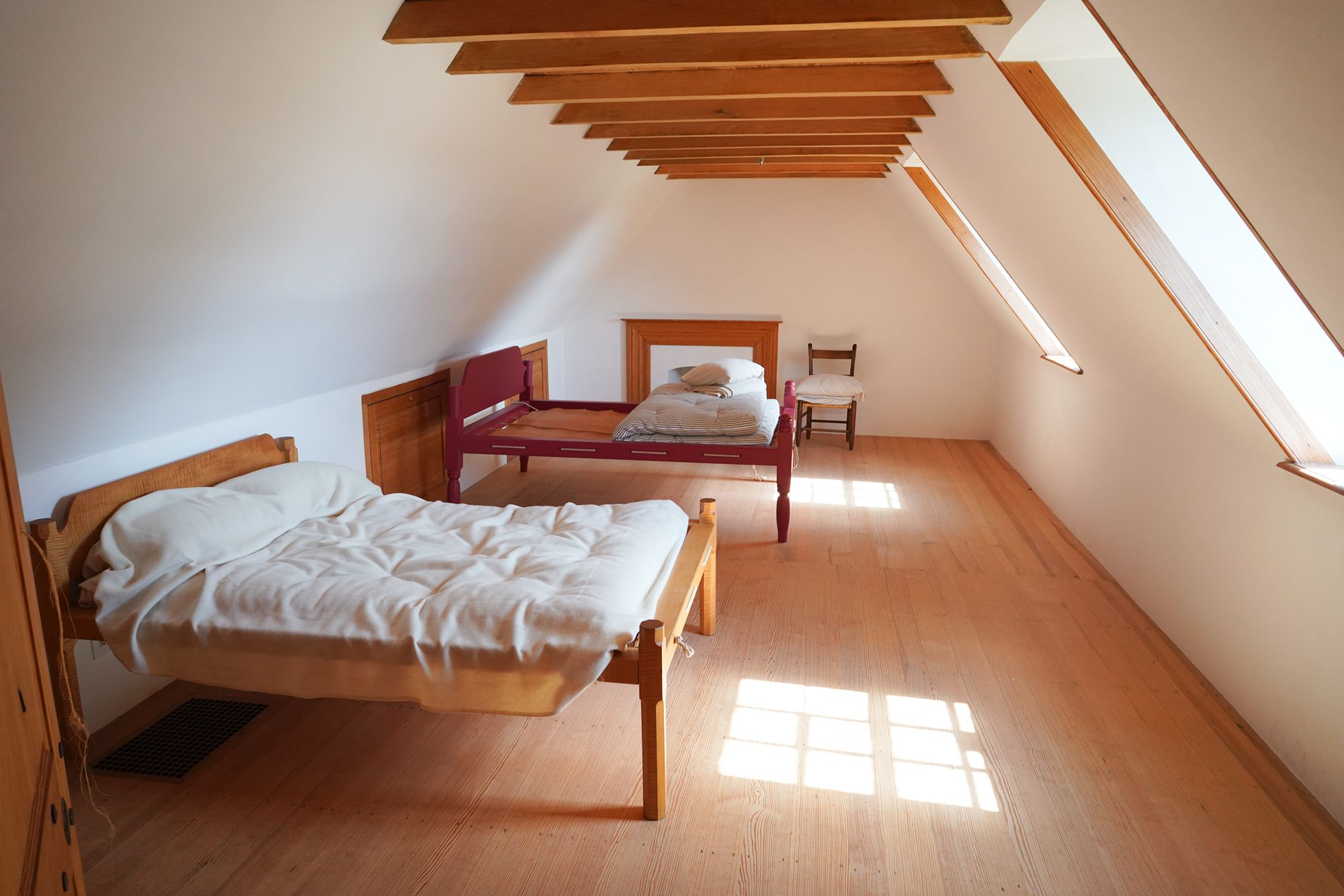
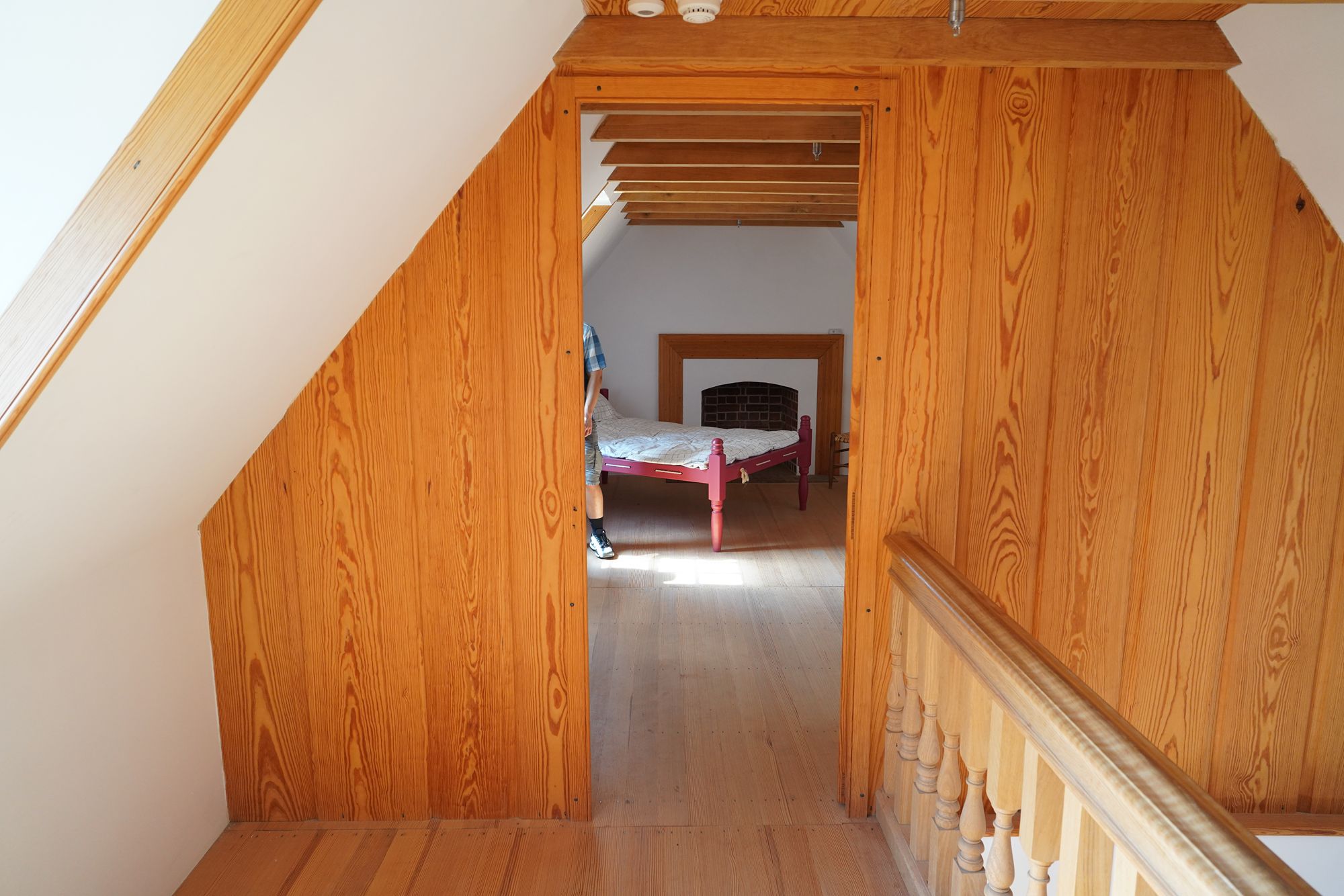
Inside the house
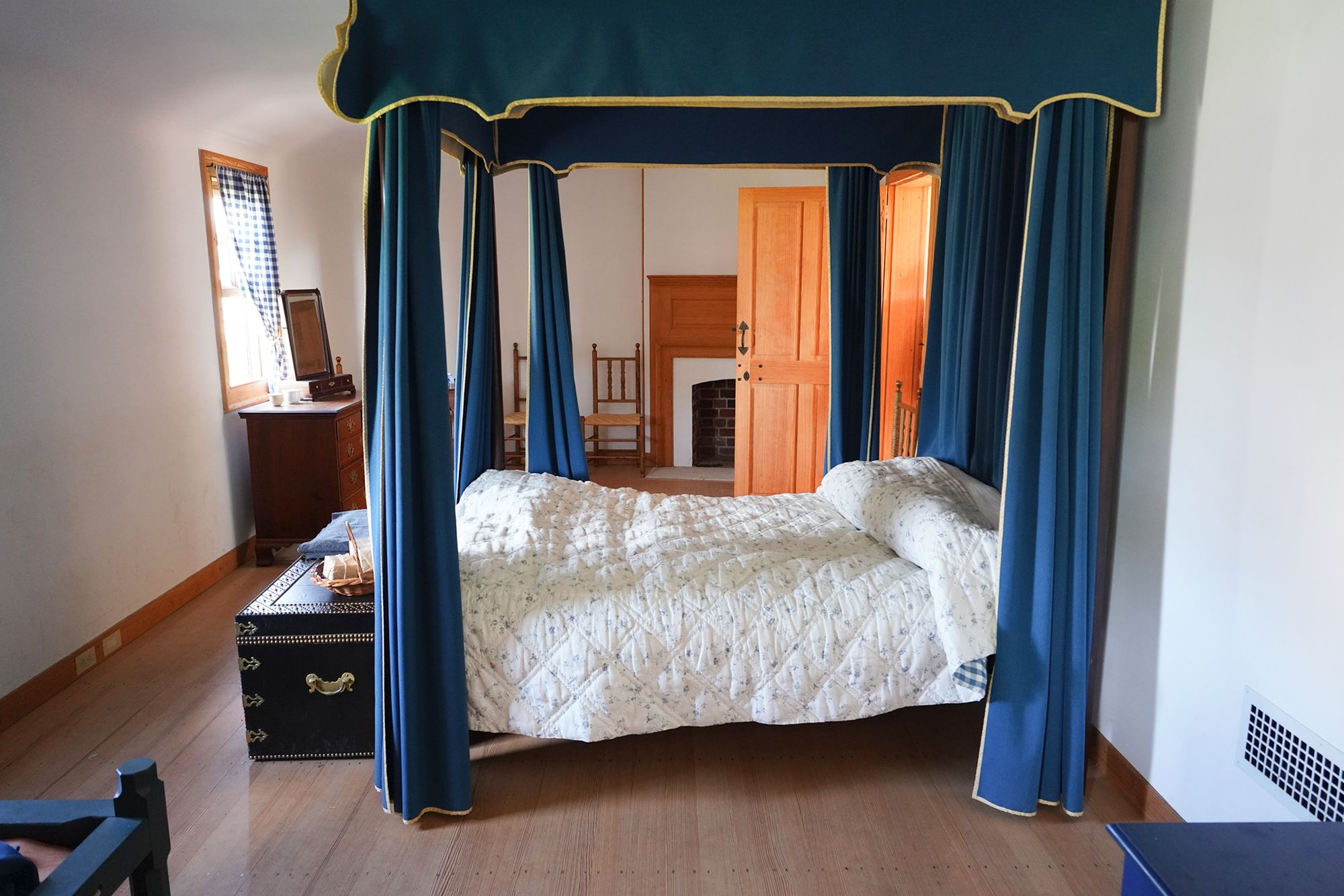
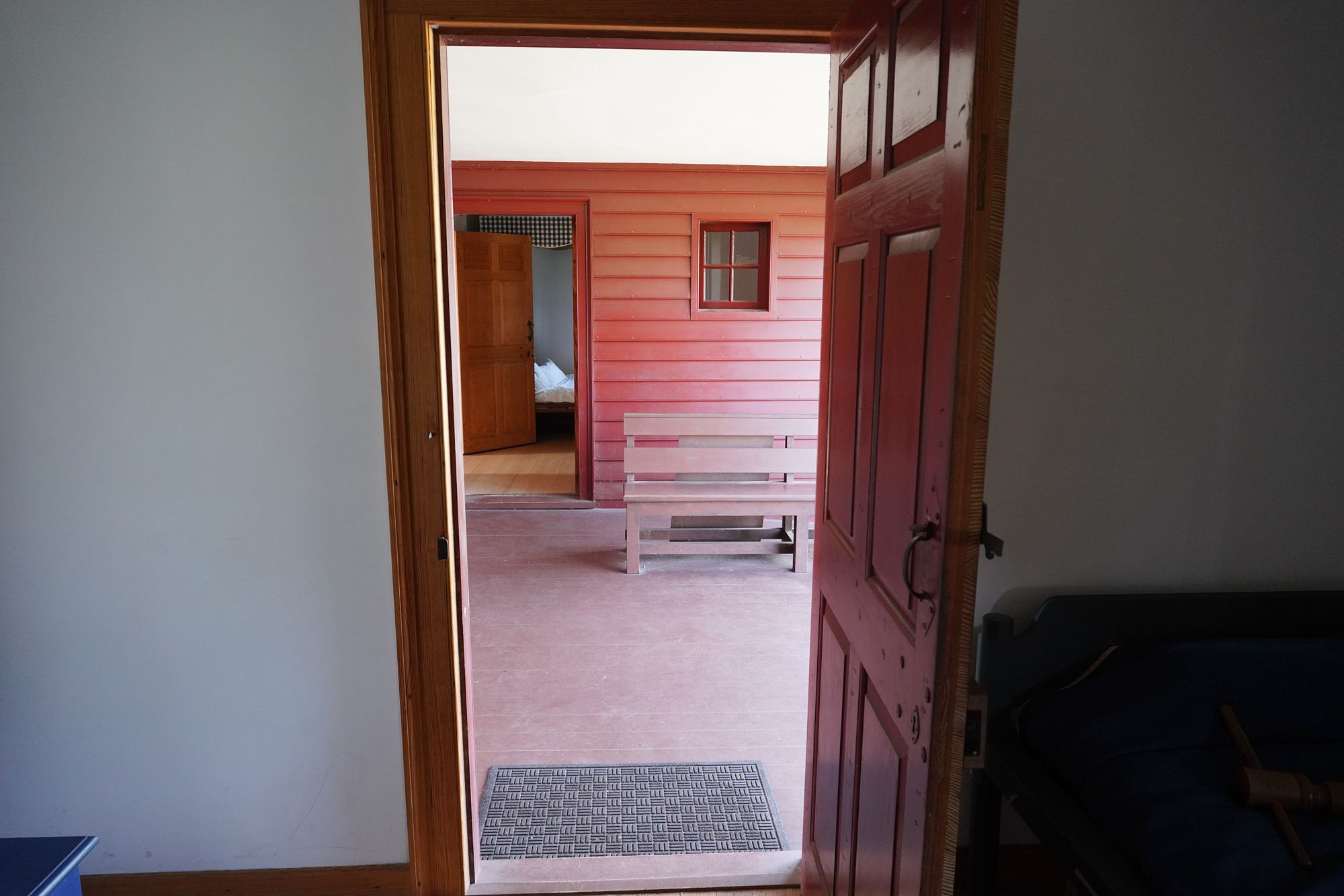
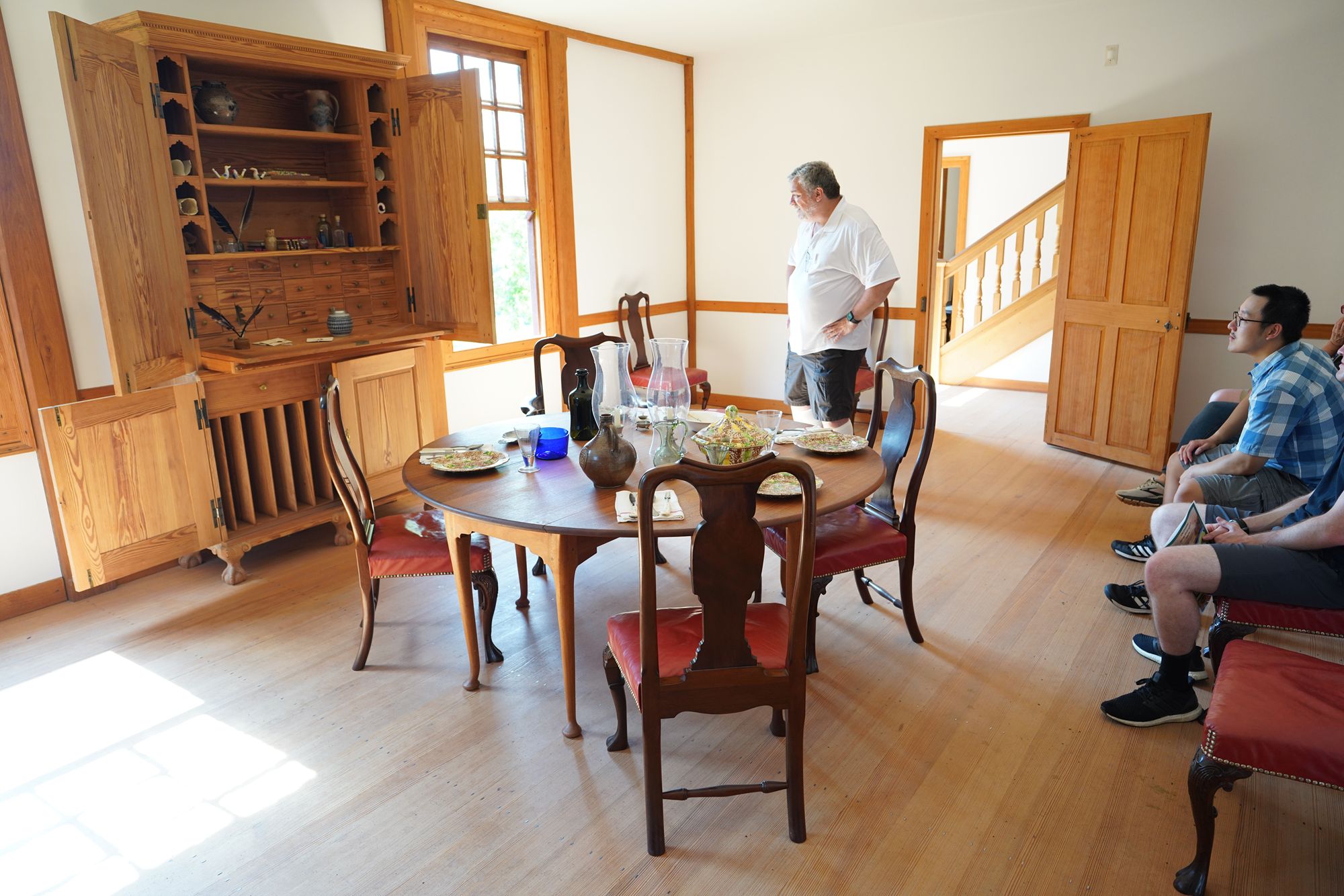
The reconstructed George Washington boyhood home at Ferry Farm is furnished with period-appropriate reproductions based on archaeological findings and 18th-century records.
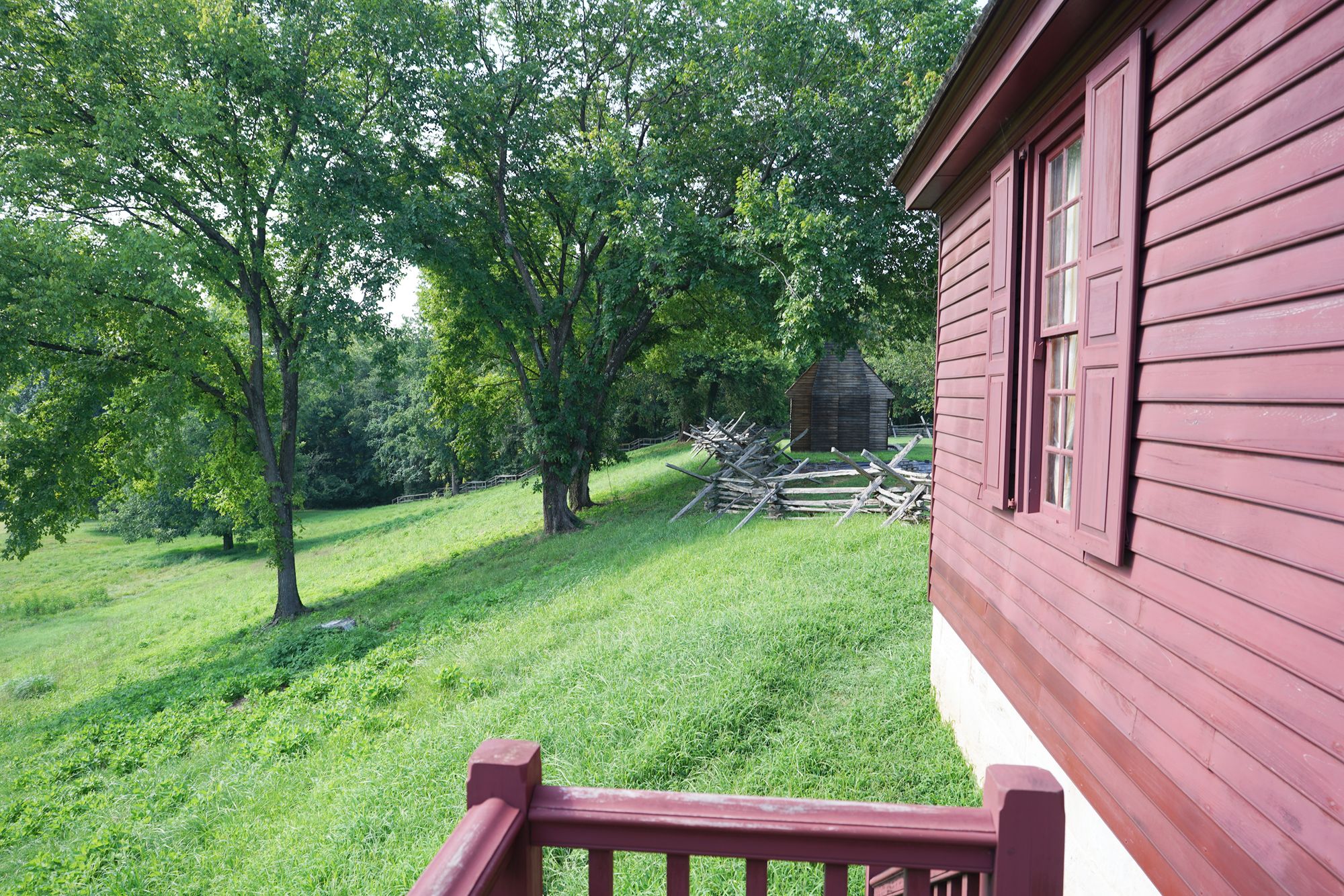
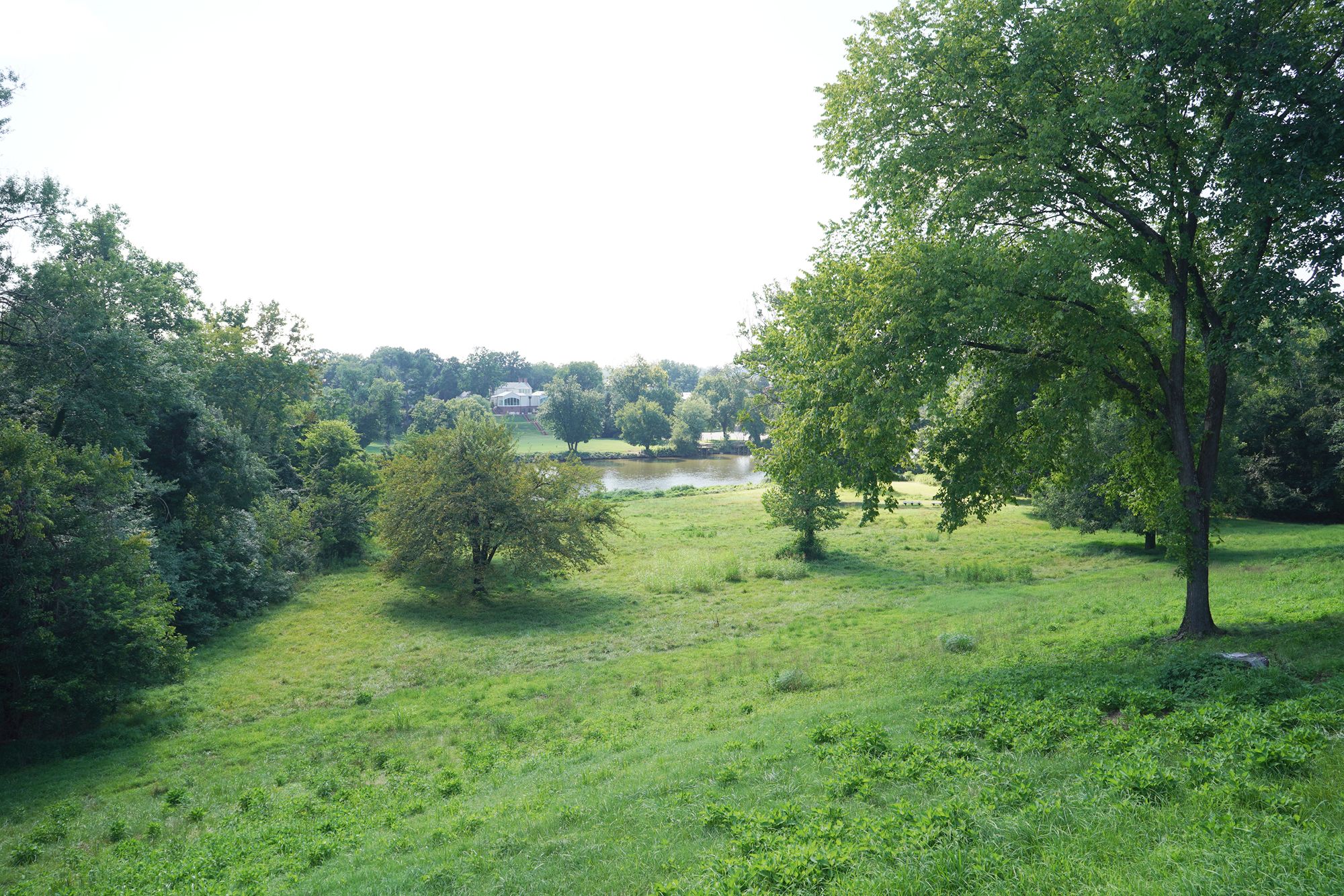
From the back window of the house, the Rappahannock River can be seen
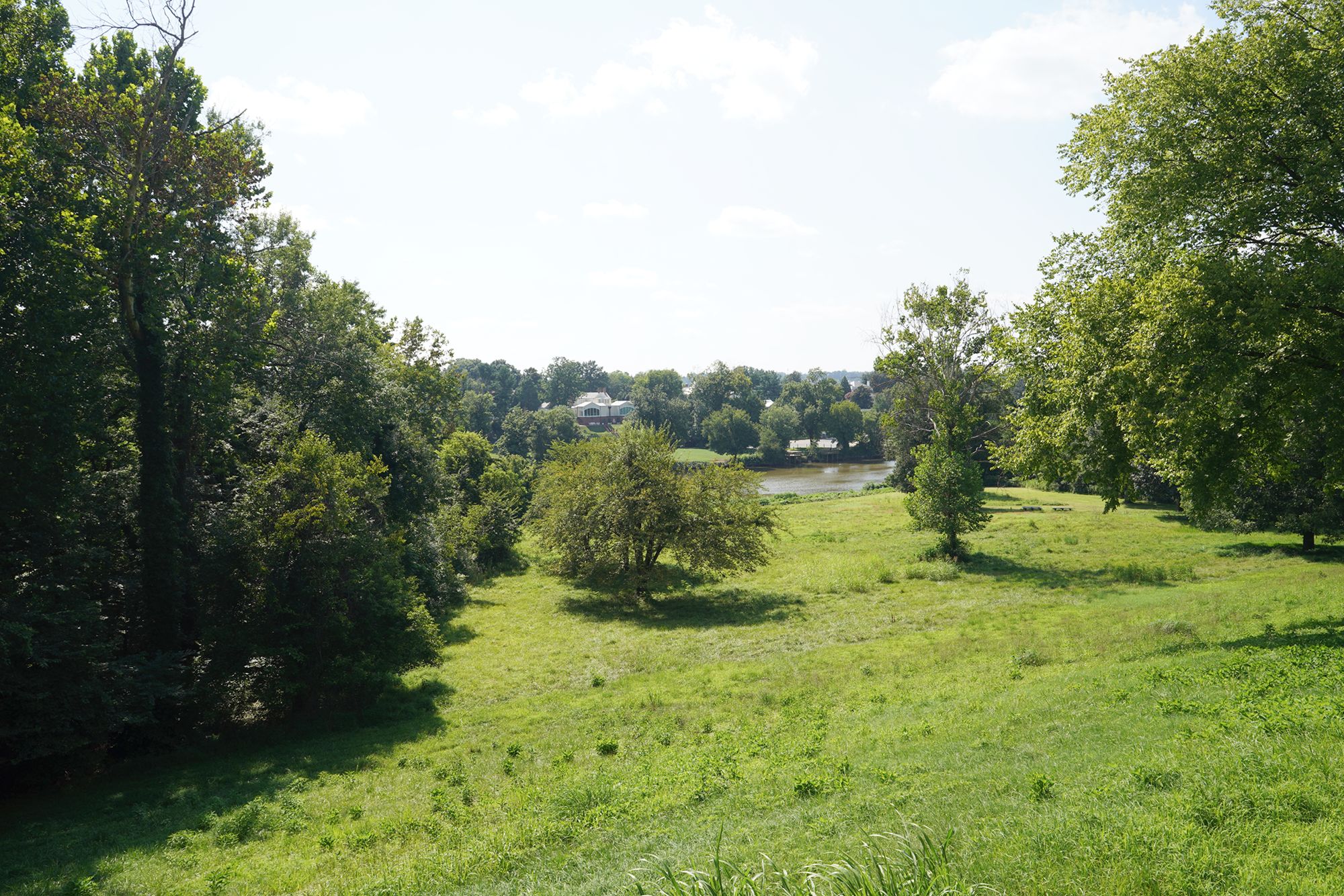
Ferry Farm was George Washington’s home from age 6 to 22. His family moved here in 1738 after leaving their plantation on the Northern Neck. It’s where young George grew up, helping on the farm and crossing the Rappahannock to Fredericksburg—where his mother later lived after his father’s death.
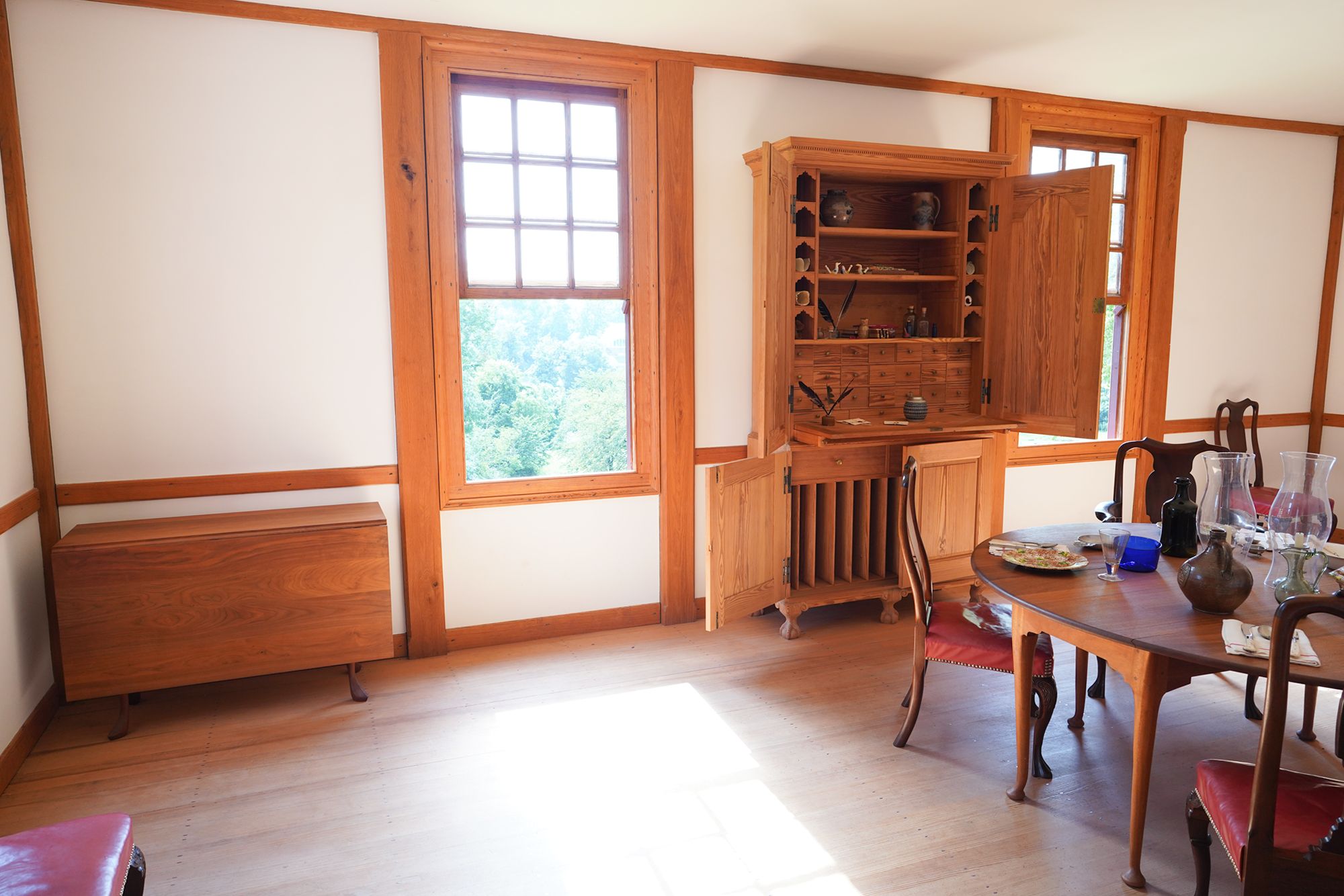
The Washington family grew tobacco and other crops; the property had enslaved workers.
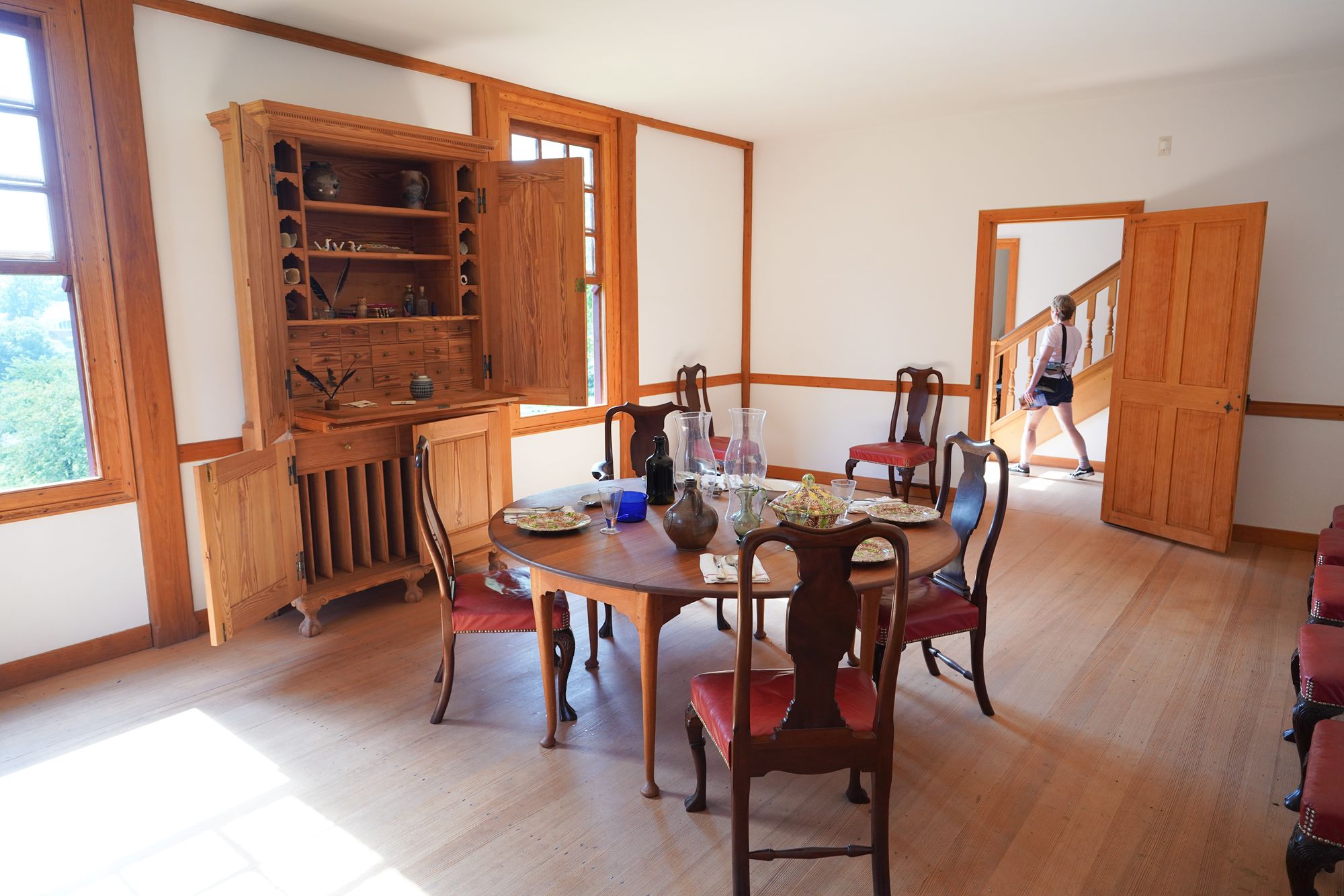
The famous “I cannot tell a lie” story supposedly took place here, though it’s a myth created later.
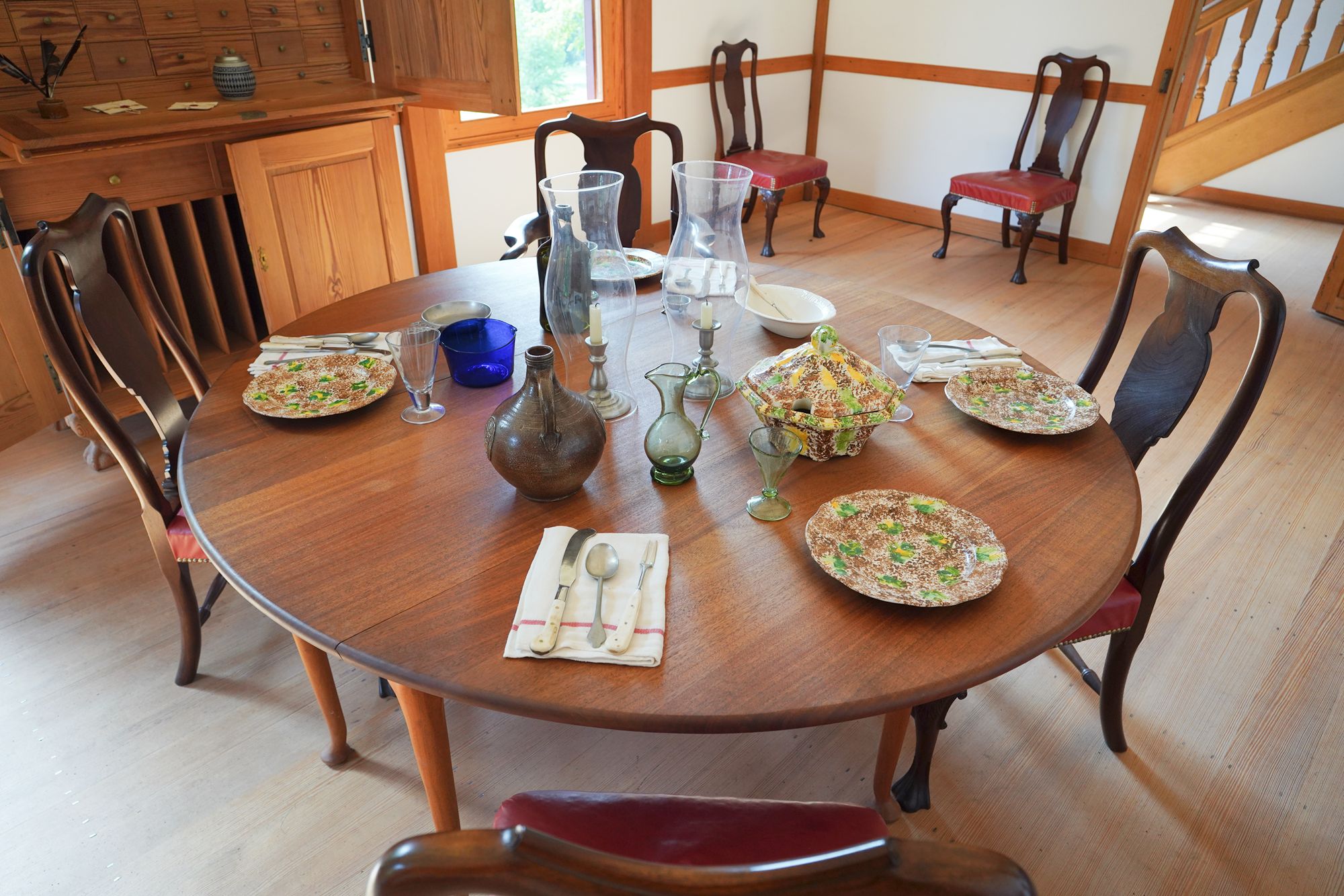
The house was destroyed long ago, but archaeologists uncovered its foundations and artifacts such as dishes, tools, and personal items.
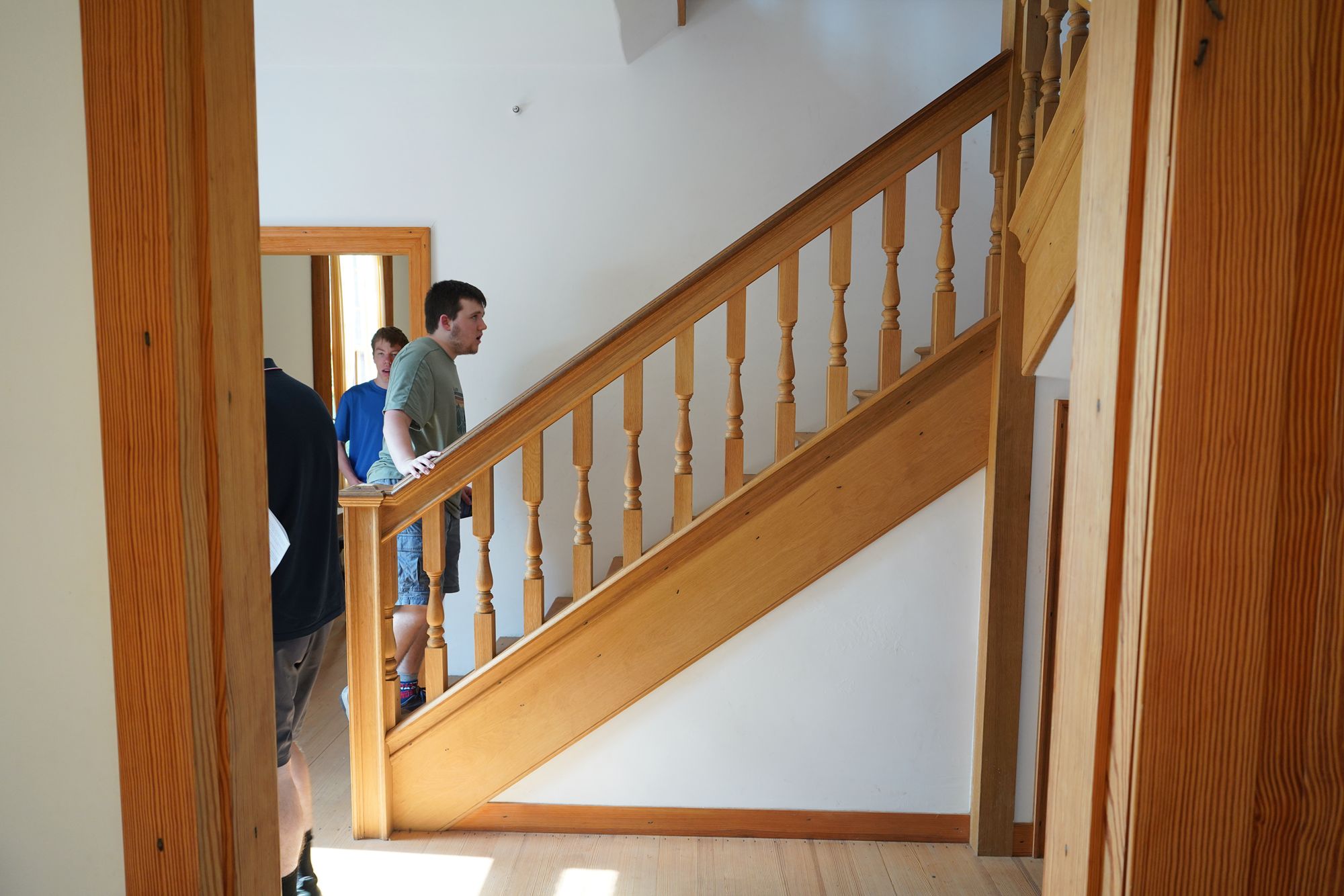
This is a faithful reconstruction of the Washington home, featuring costumed interpreters who explain 18th-century life.
It is managed by the George Washington Foundation, which also operates Kenmore, the home of George’s sister, Betty Washington Lewis, in Fredericksburg.
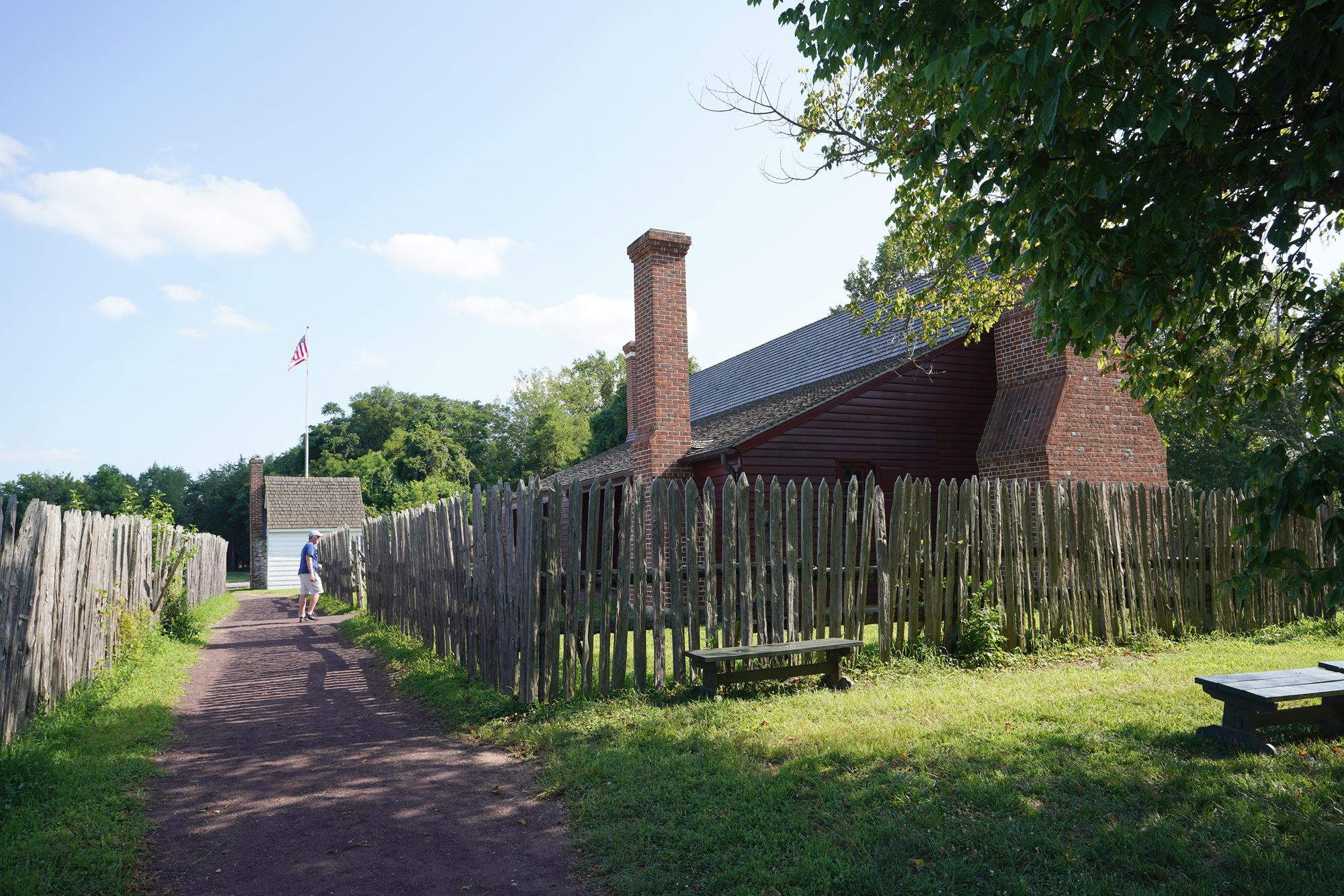
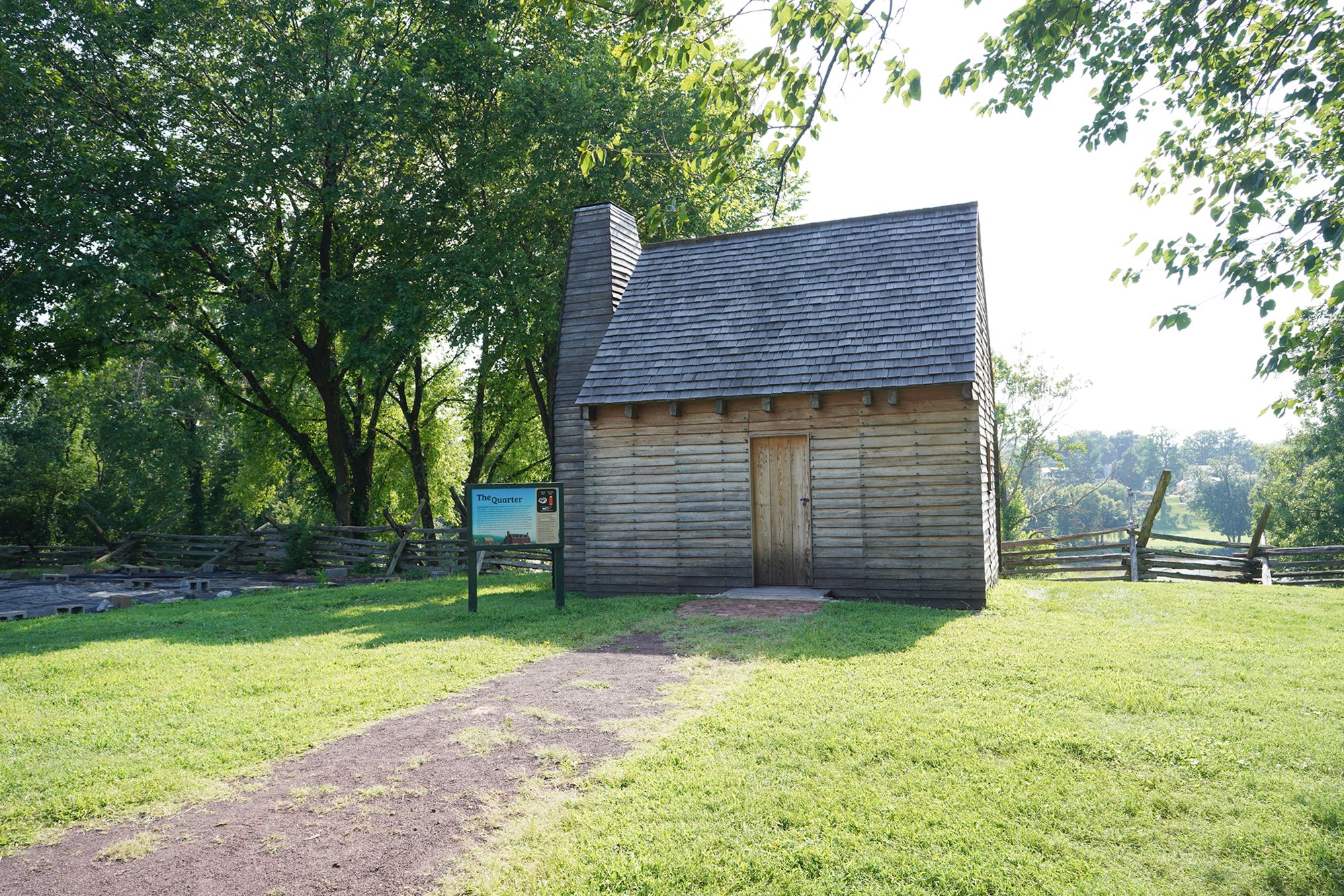
View of the house from the riverside