The Library of Congress, Washington DC, USA
The Library of Congress is the largest library in the world and serves as the research arm of the U.S. Congress. 1138
Library of Congress: 1400 Constitution Ave. NW, Washington, DC 20560
Date Picture Taken: July 2025
The Library’s collections include more than 170 million items in over 470 languages, covering subjects from American history and law to music, art, and science. Its most famous building, the Thomas Jefferson Building, is known for its magnificent architecture, mosaics, and the grand Main Reading Room.
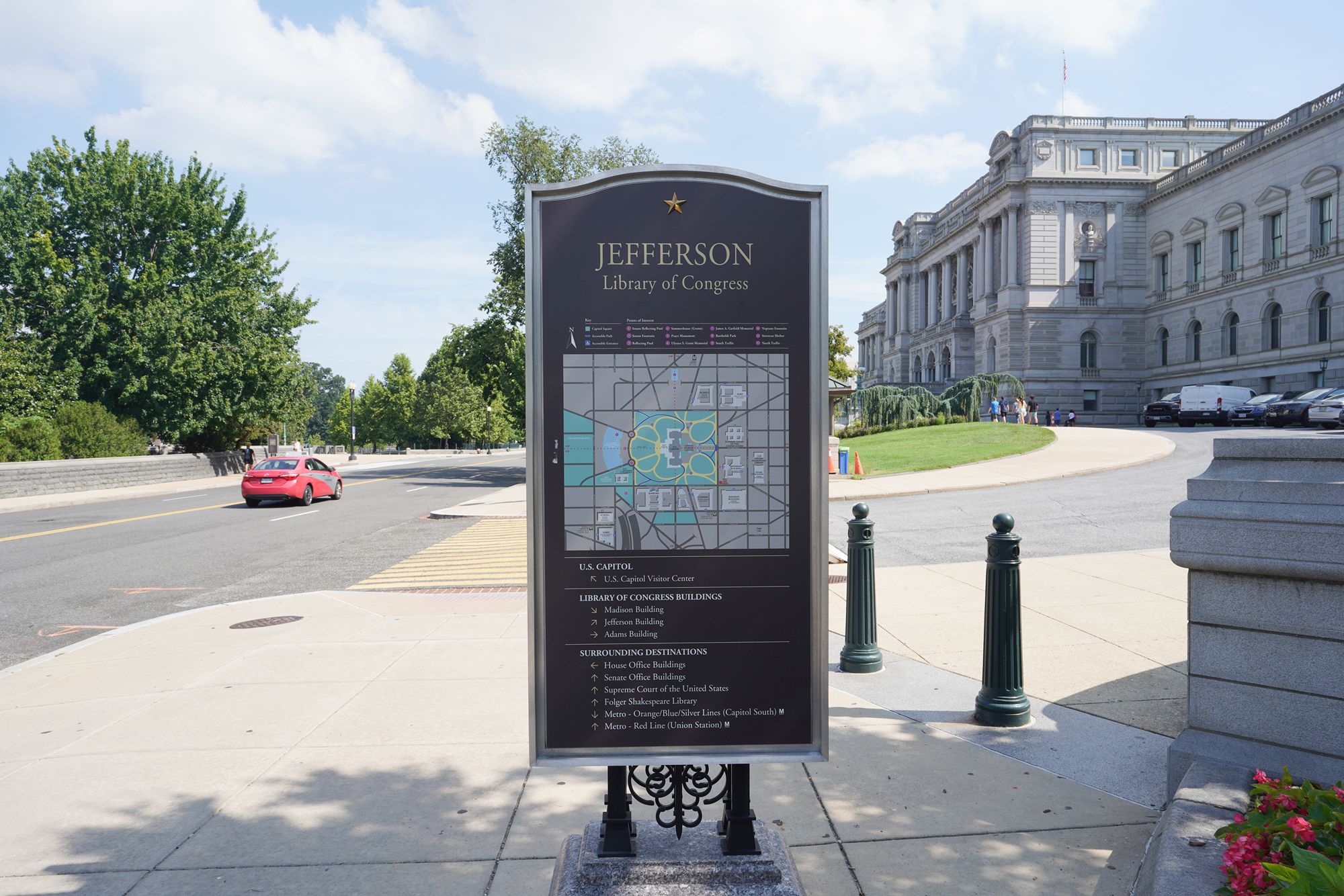
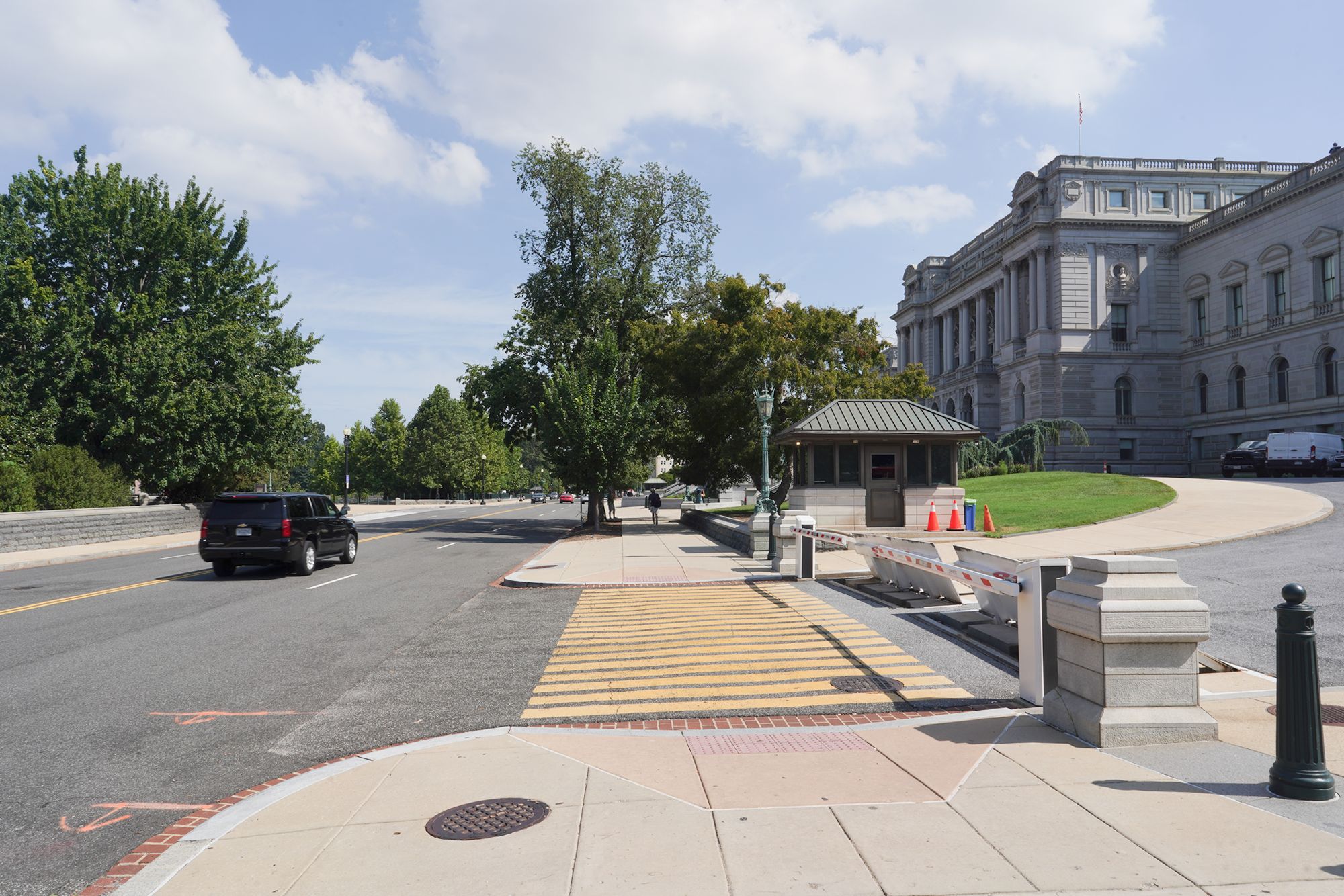
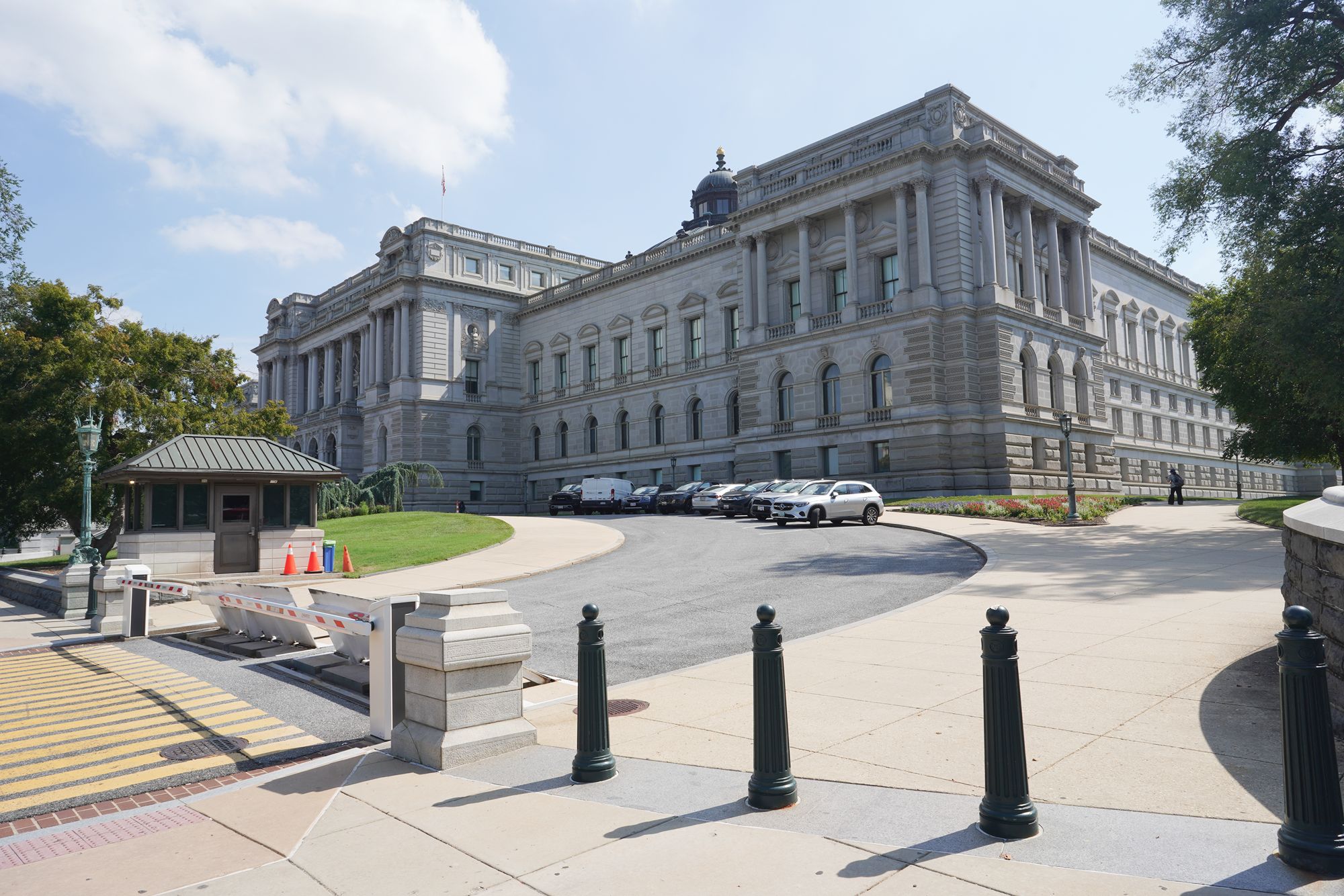
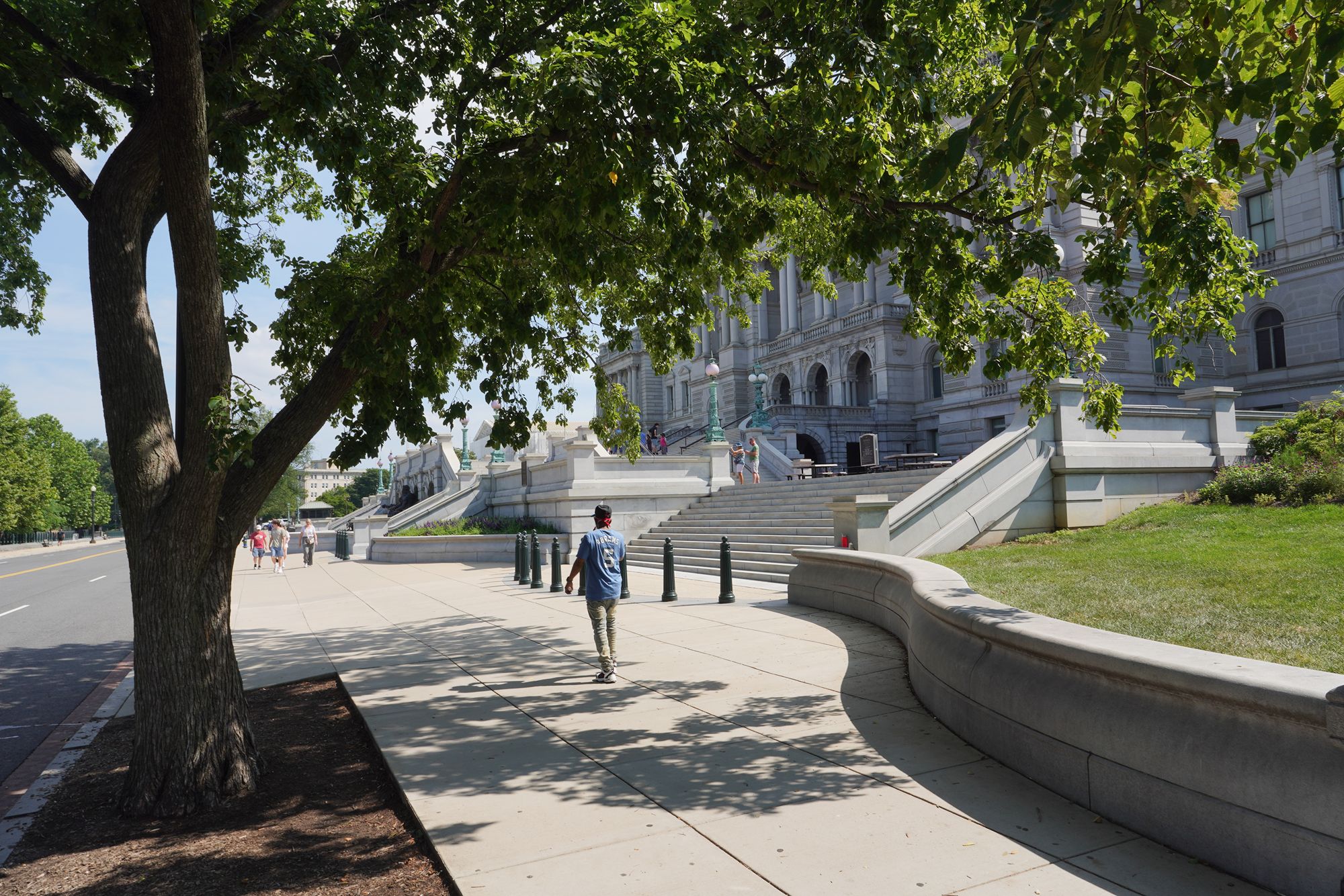
The Library of Congress
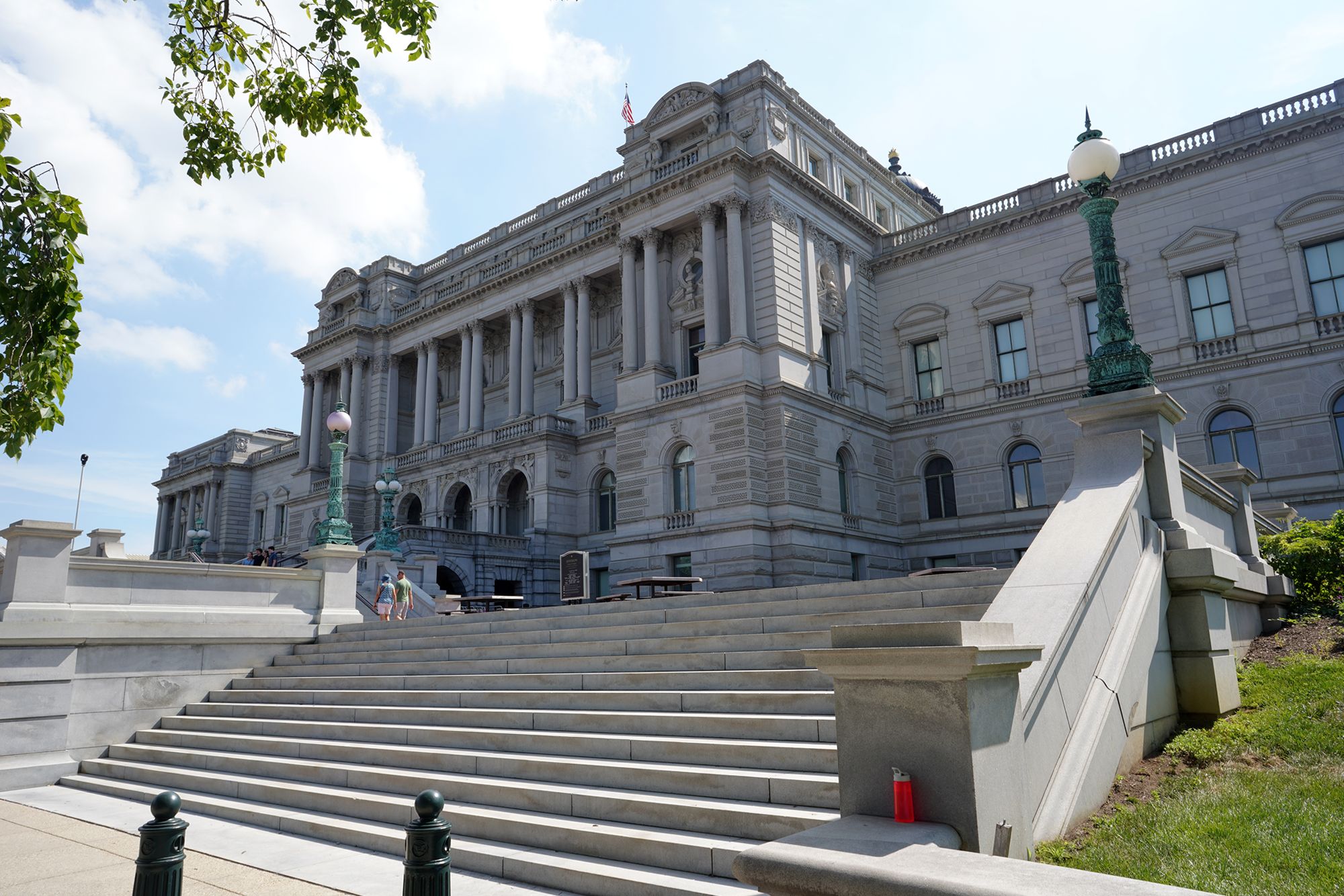
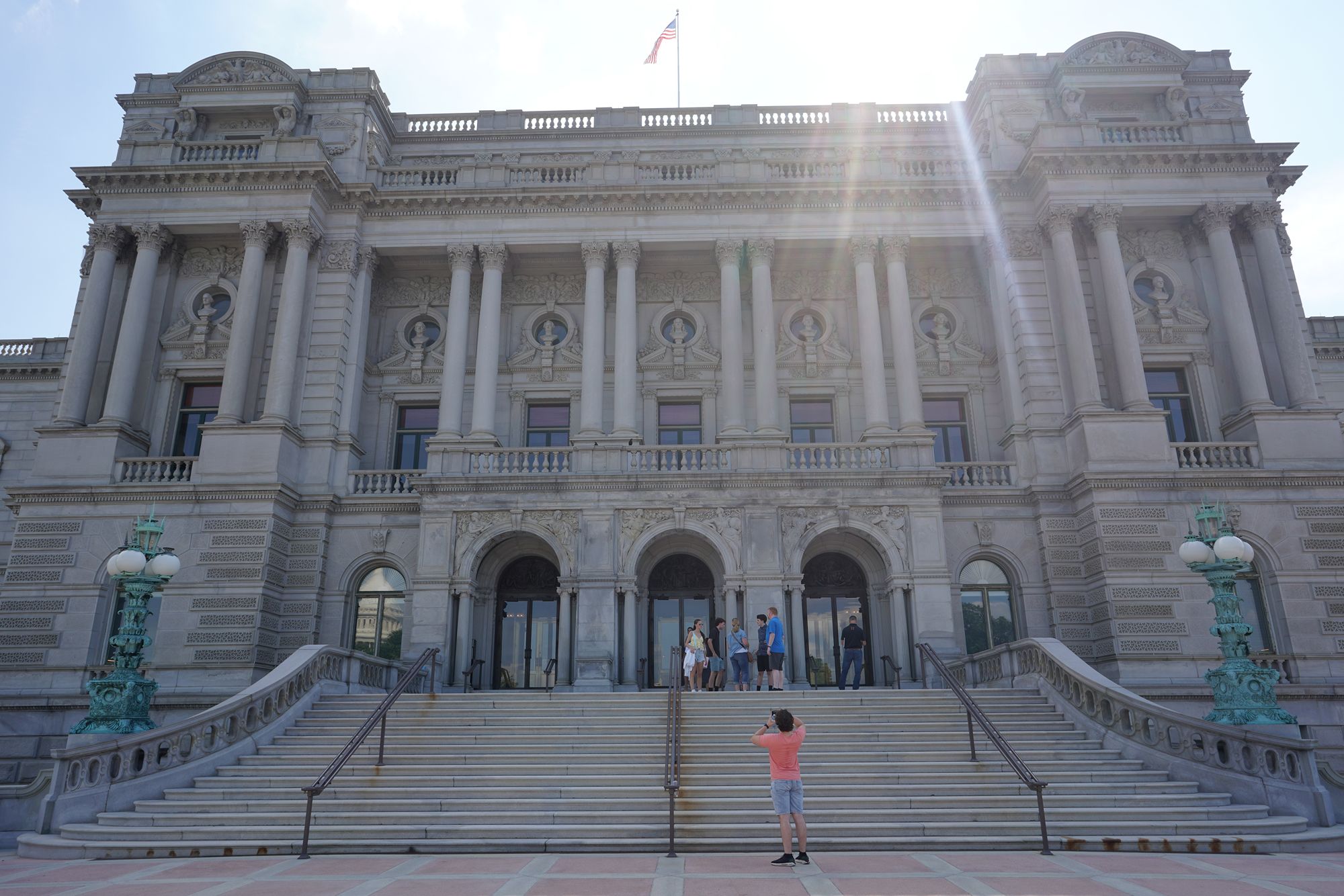
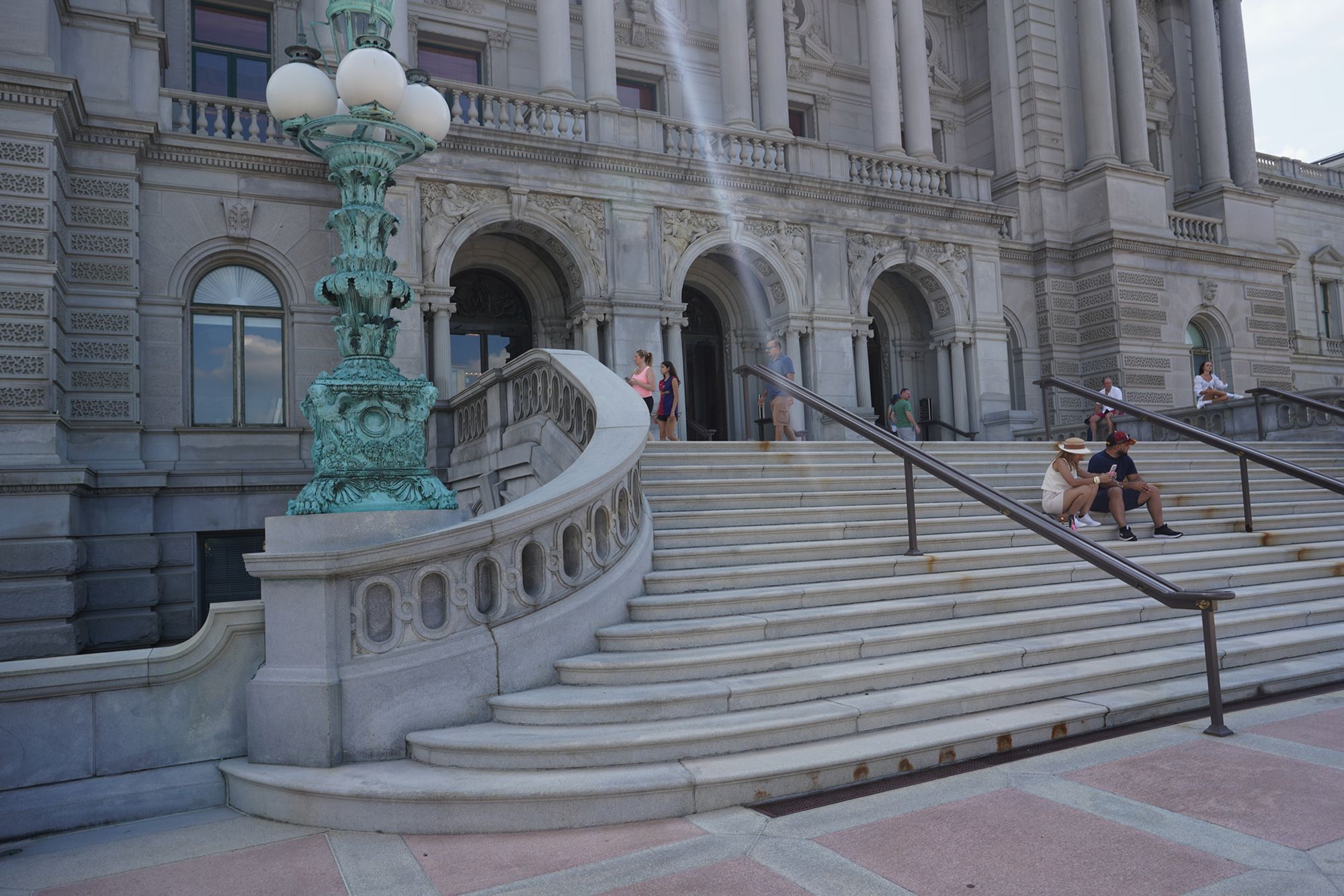
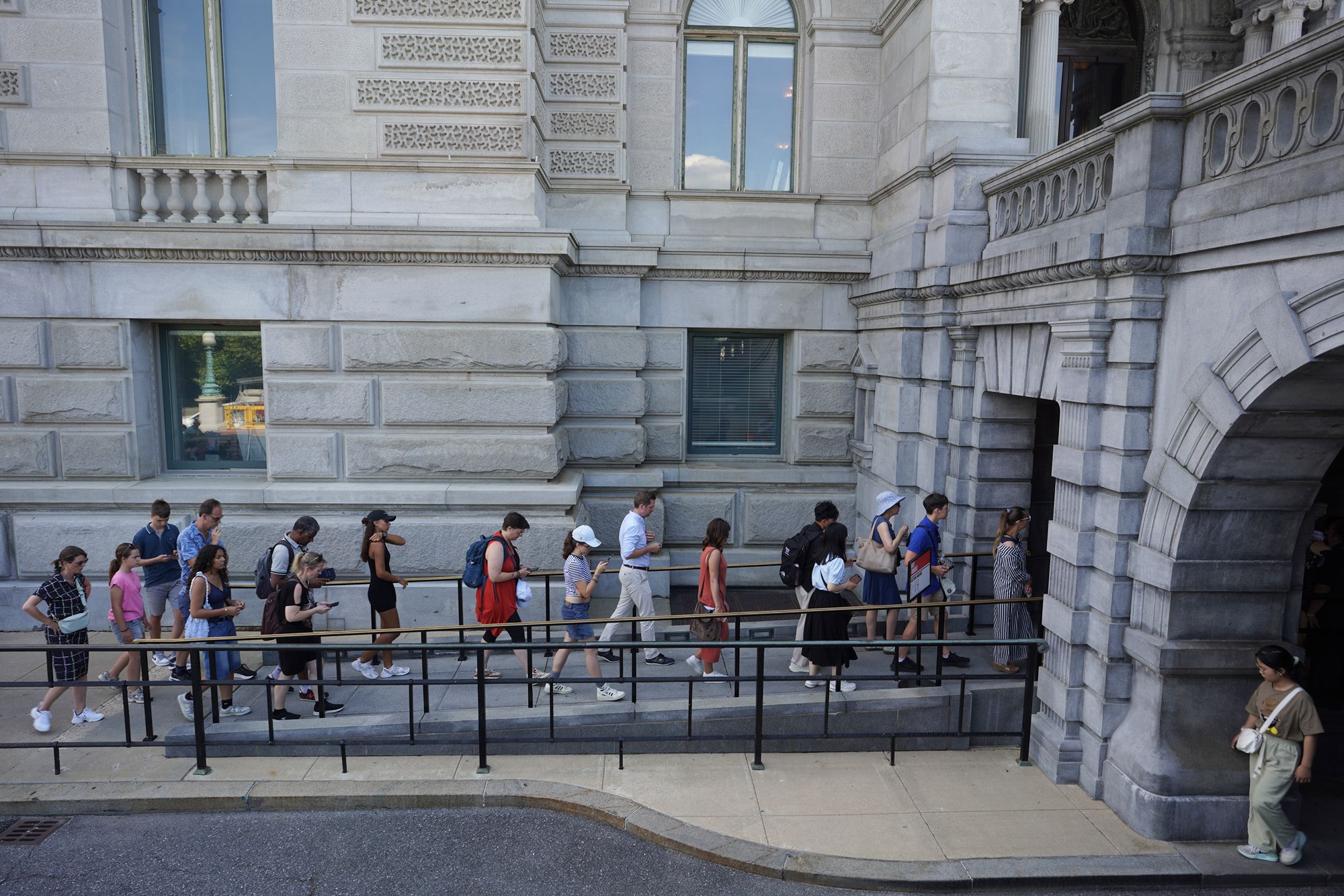
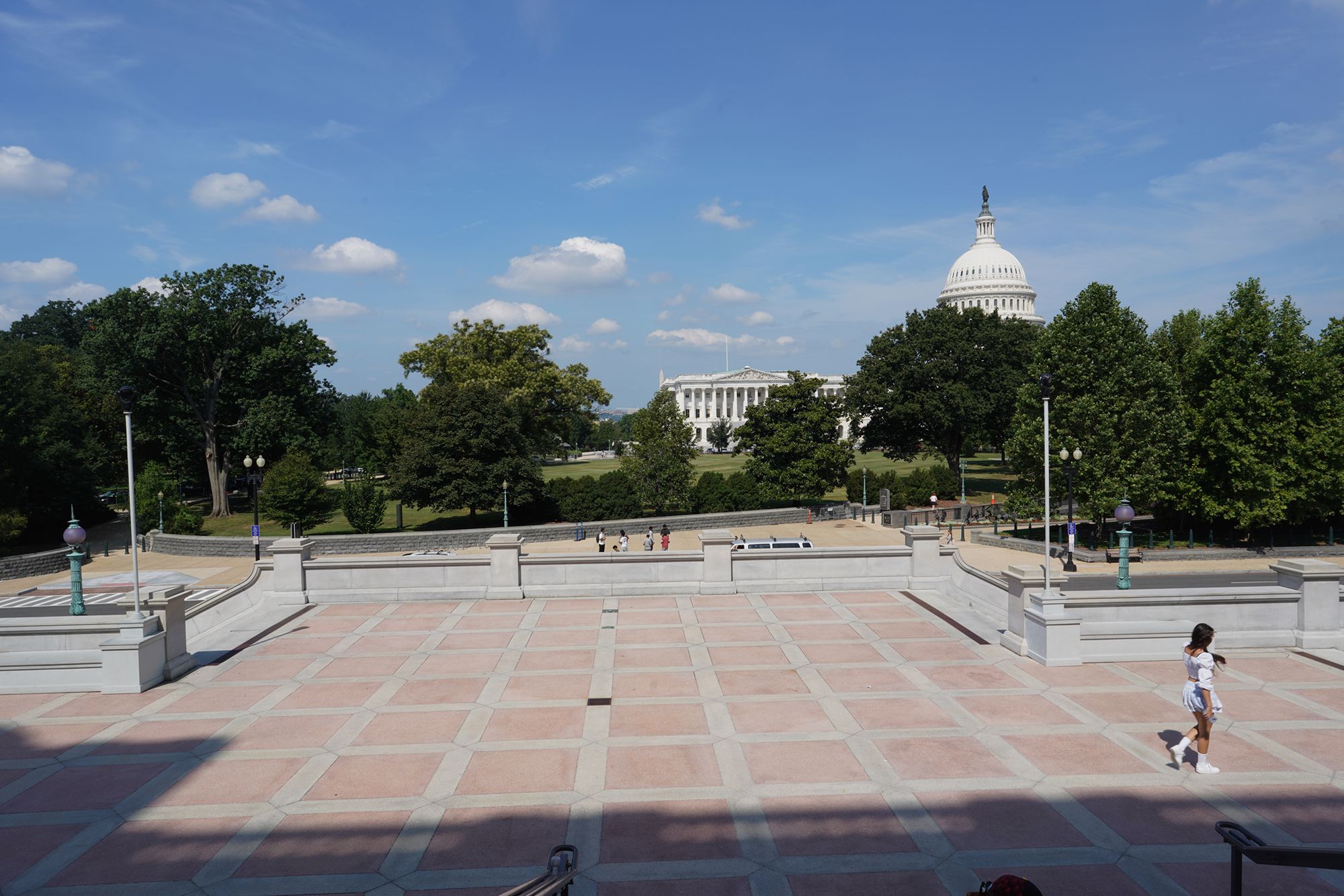
Visitors entering the library
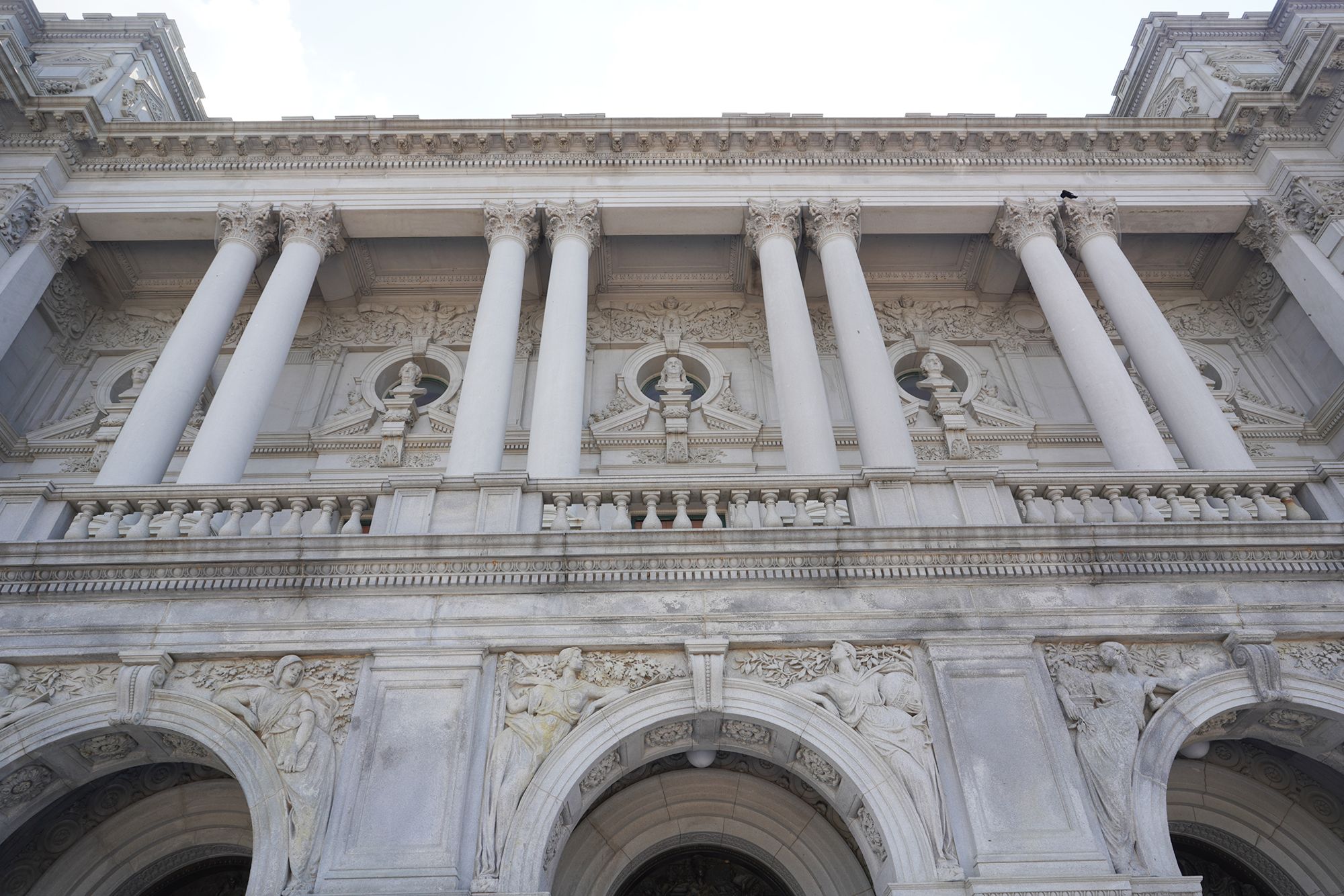
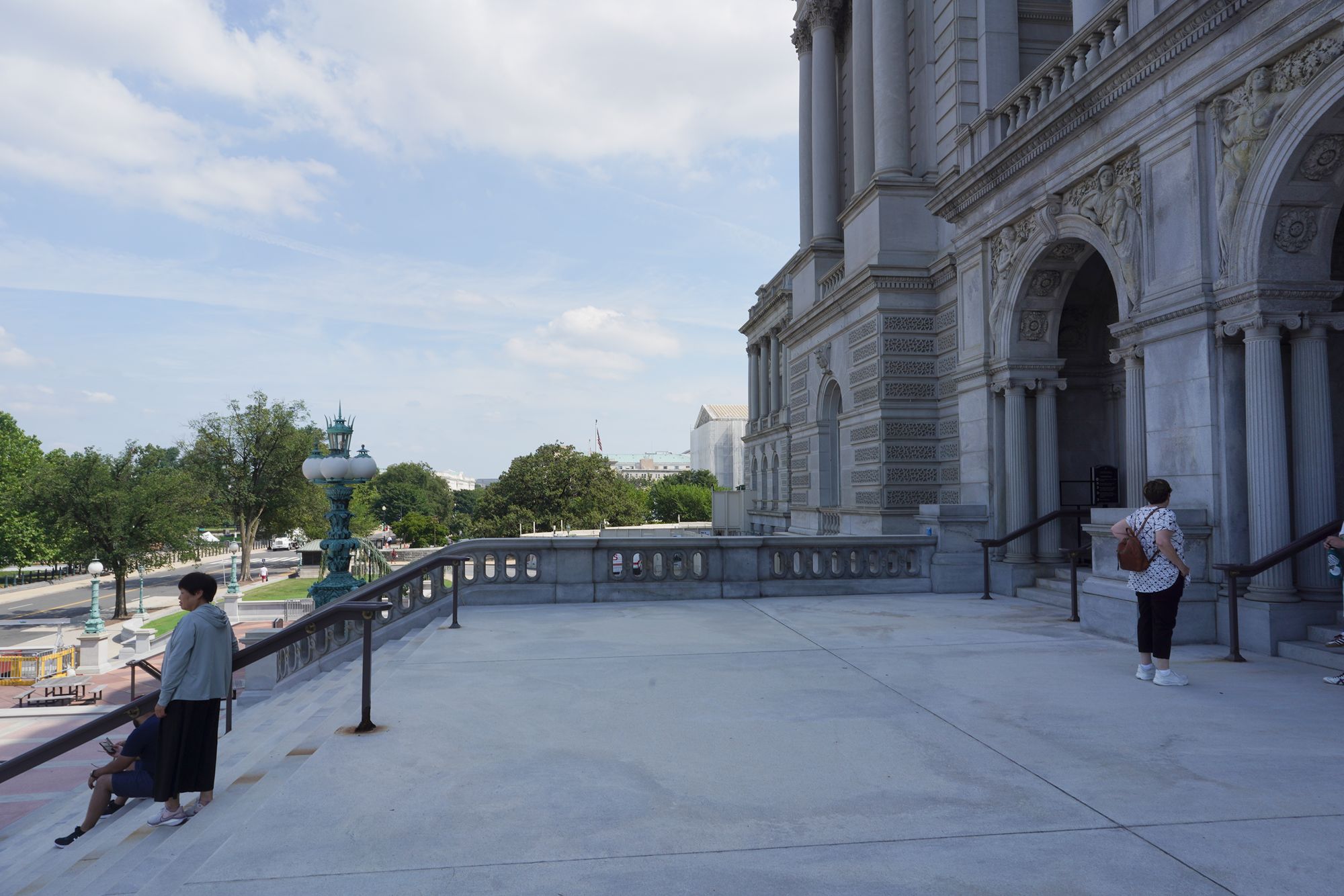
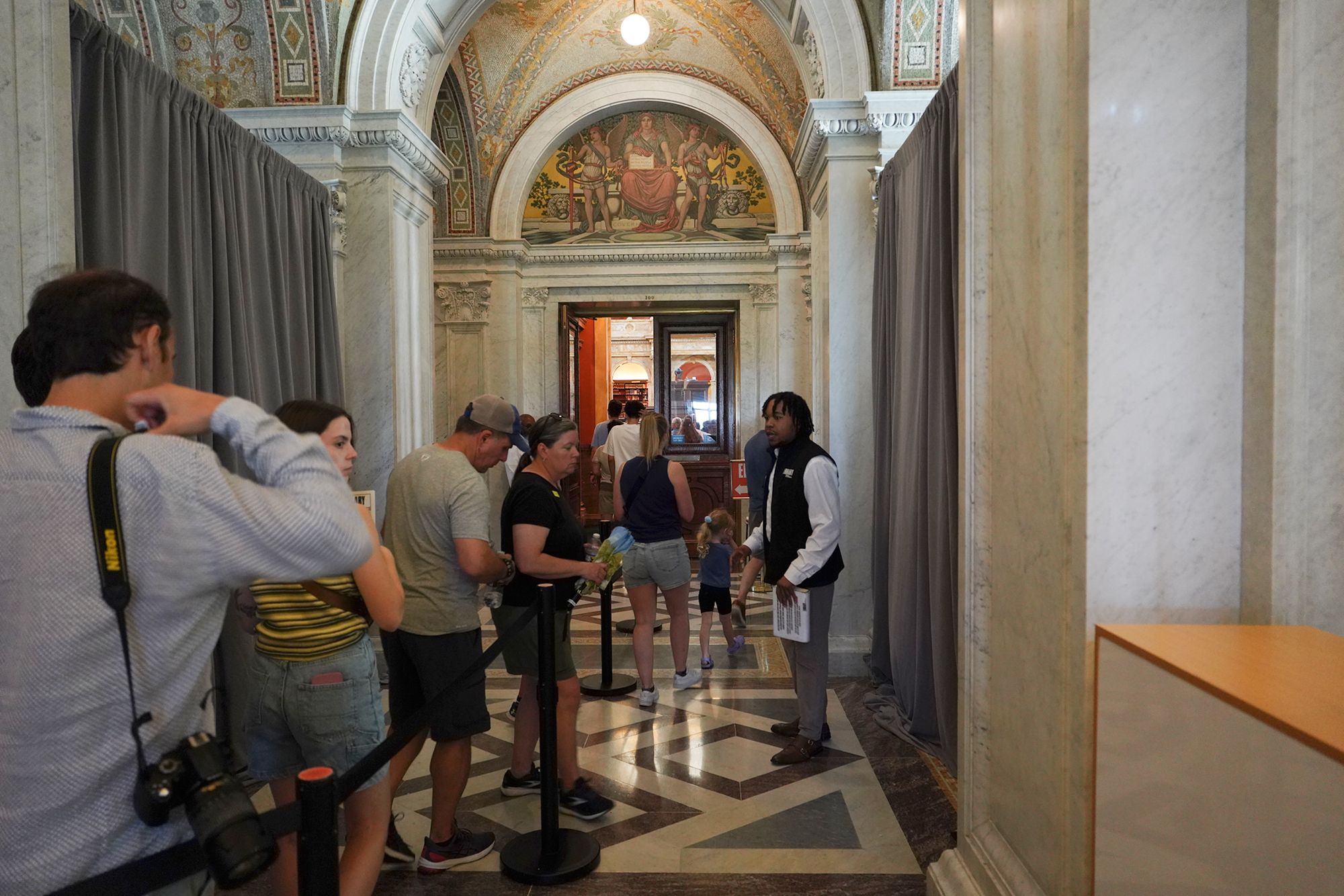
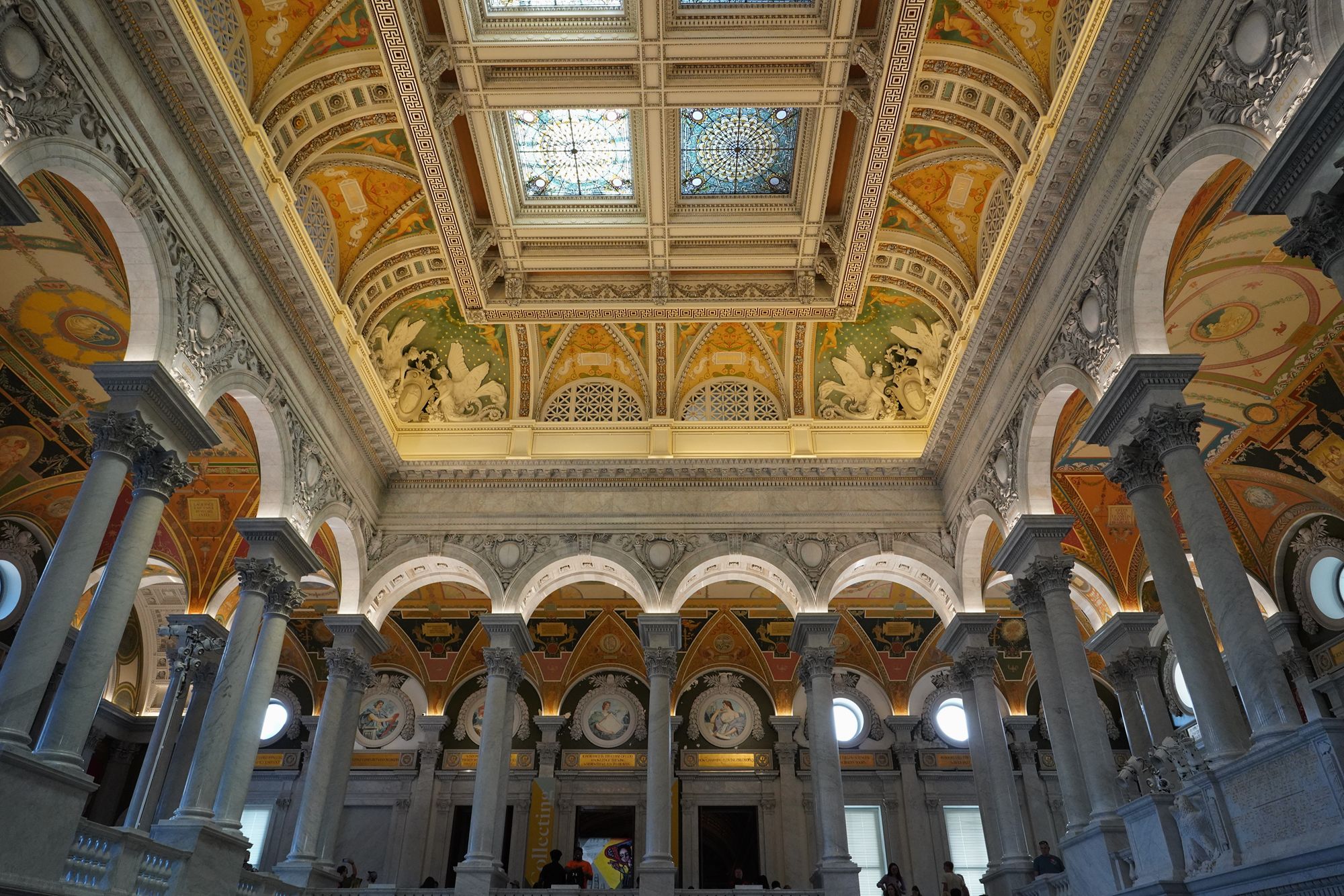
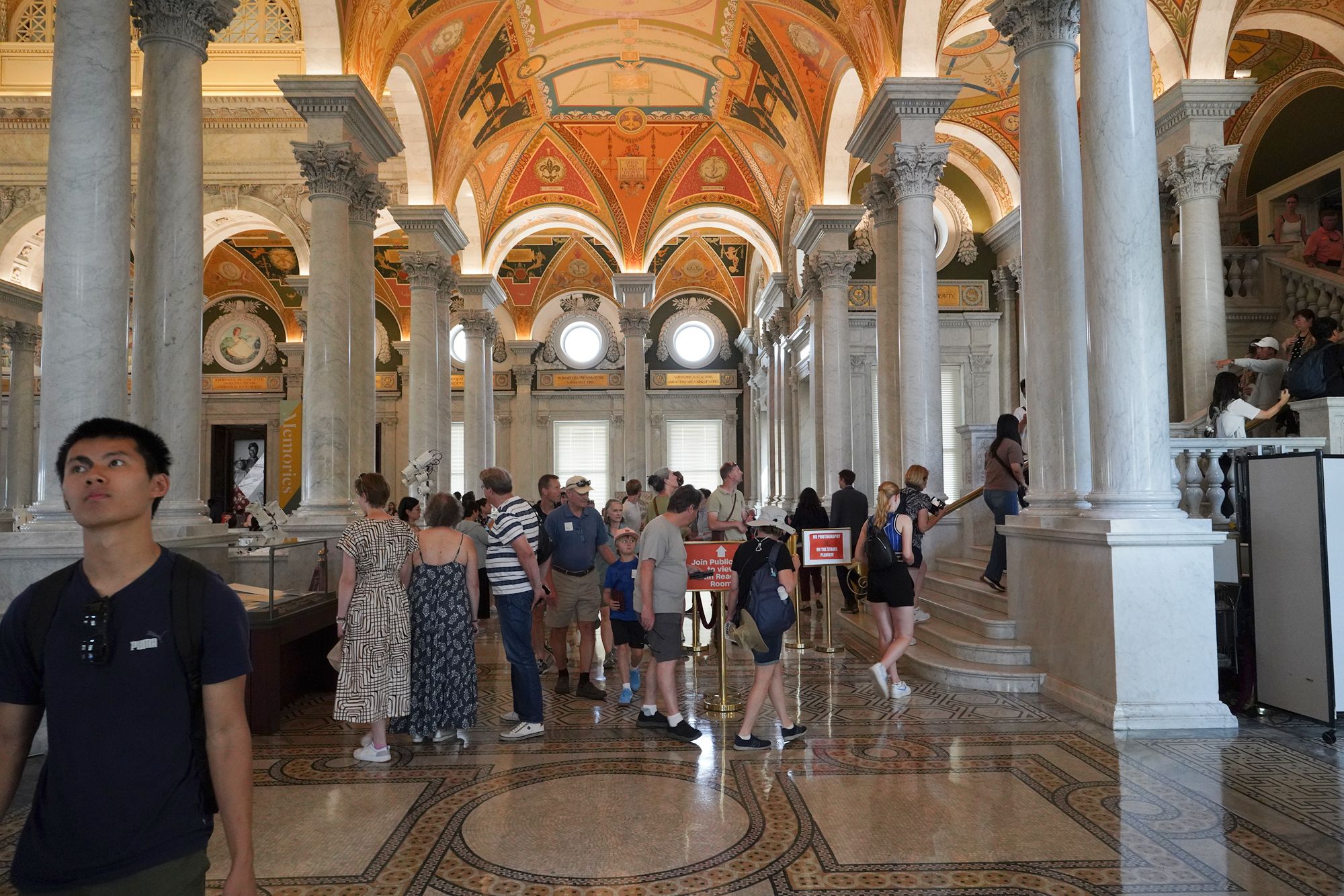
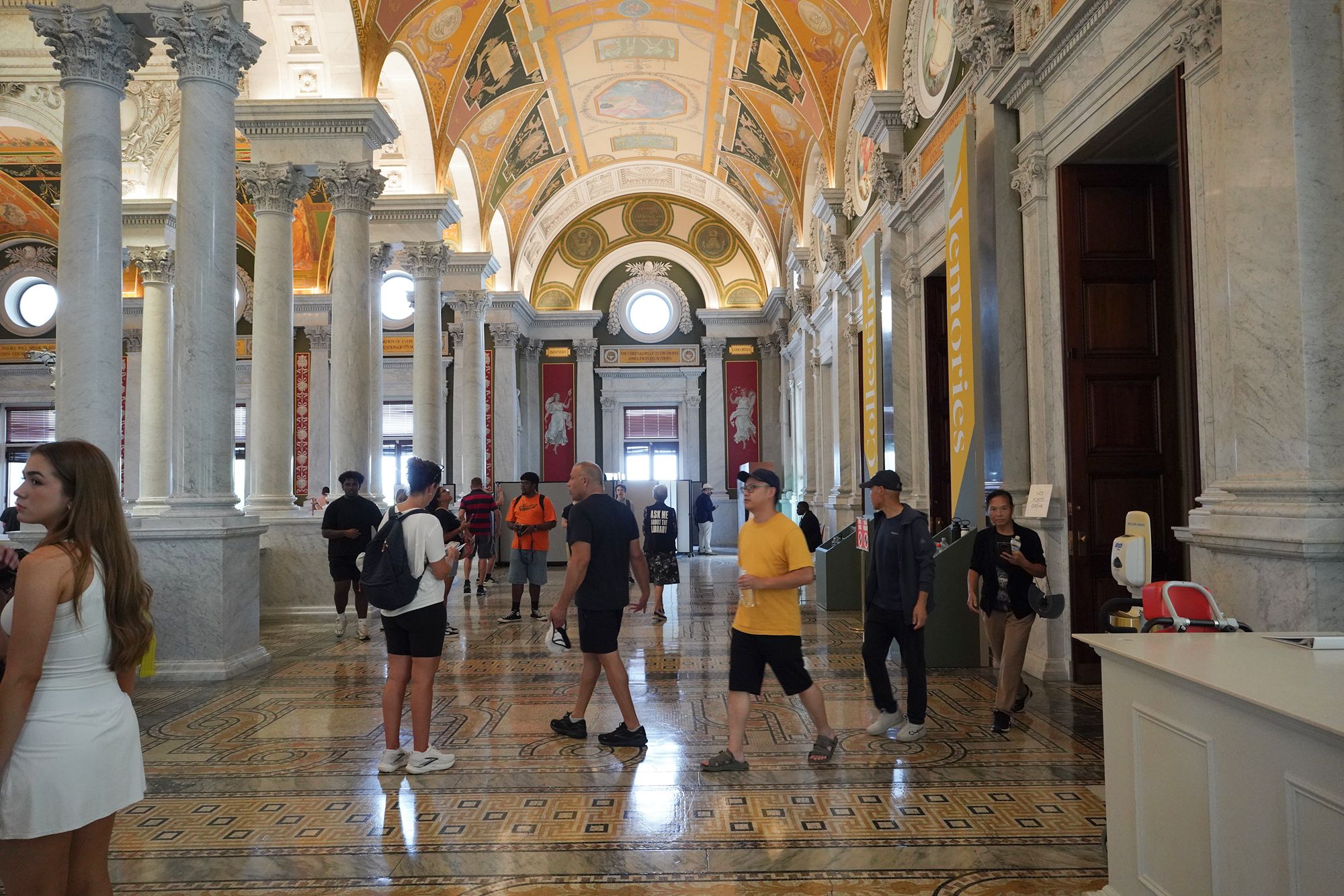
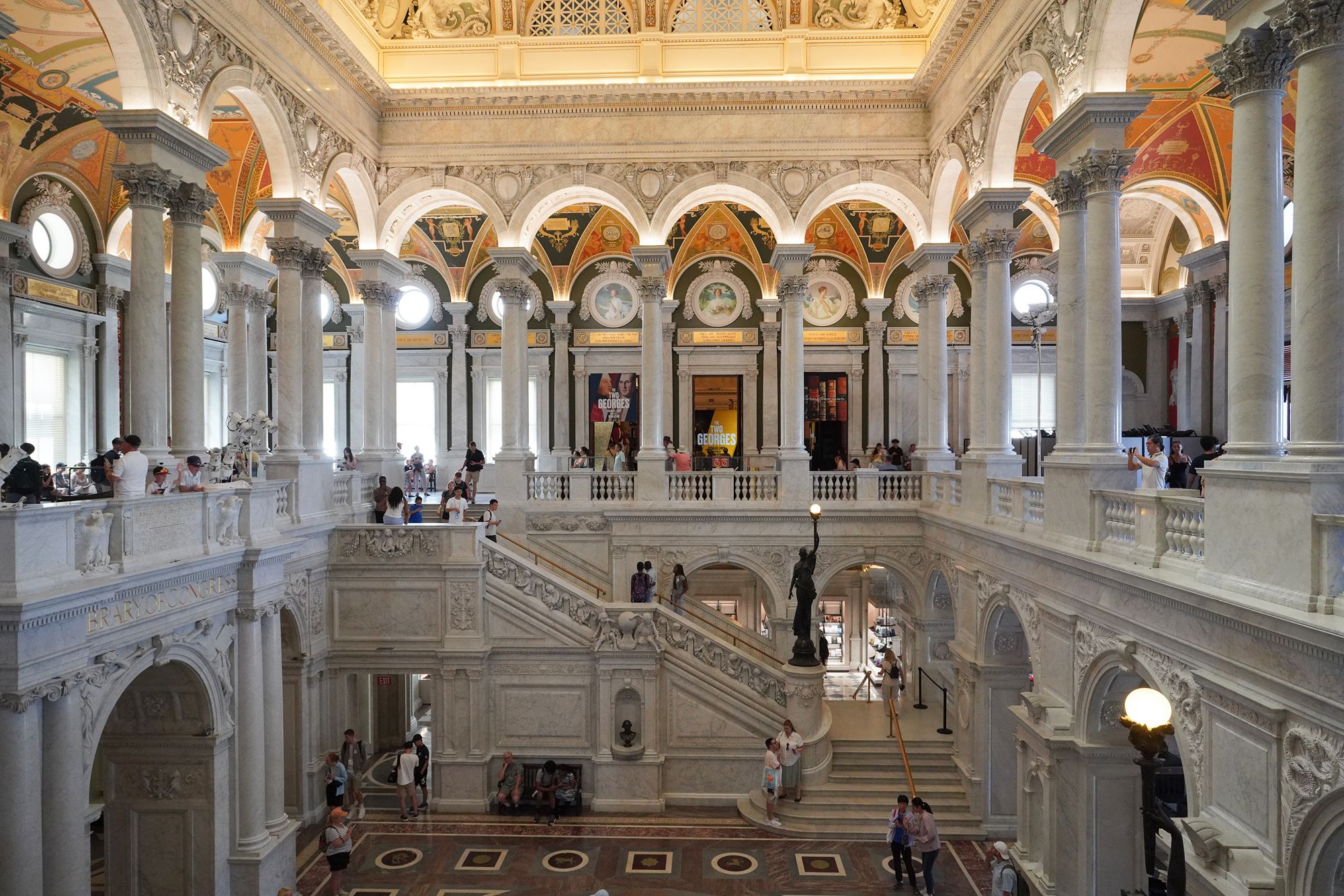
The first floor of the Library of Congress’s Thomas Jefferson Building is both grand and symbolic, serving as an introduction to the nation’s cultural and intellectual heritage. Visitors enter through the Great Hall, a beautiful space filled with marble staircases, mosaics, stained glass, and sculptures that celebrate knowledge, wisdom, and creativity.
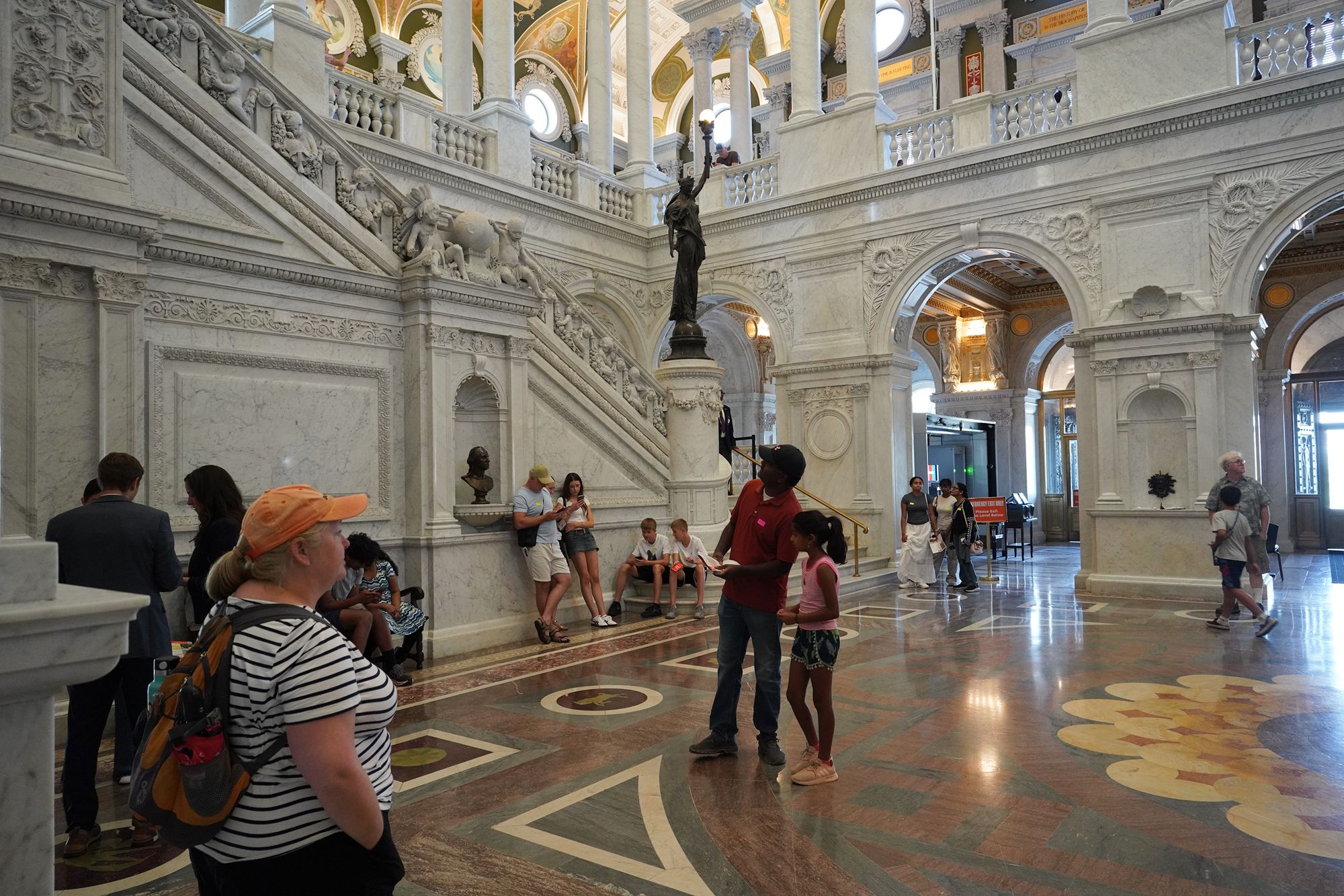
The Great Hall
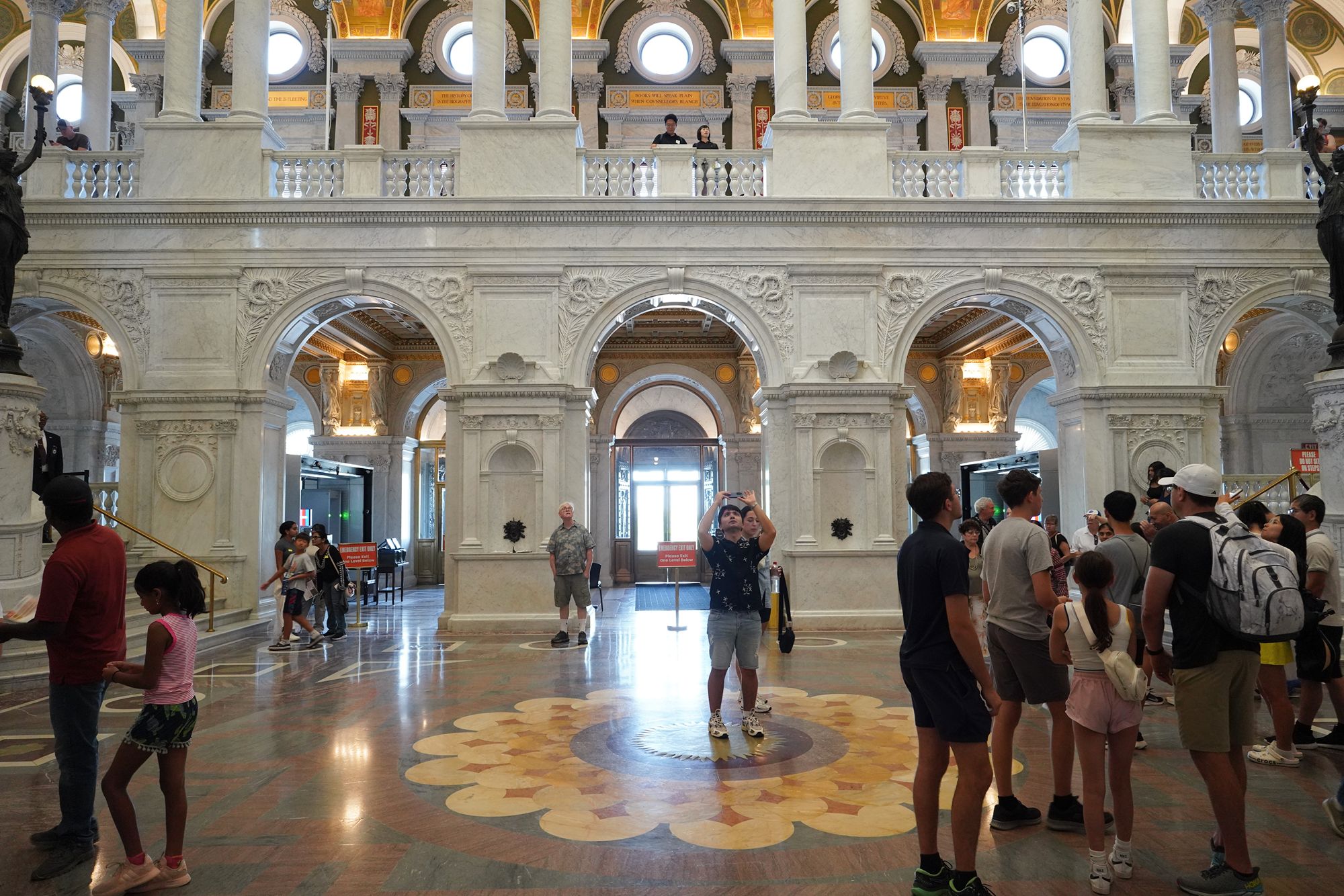
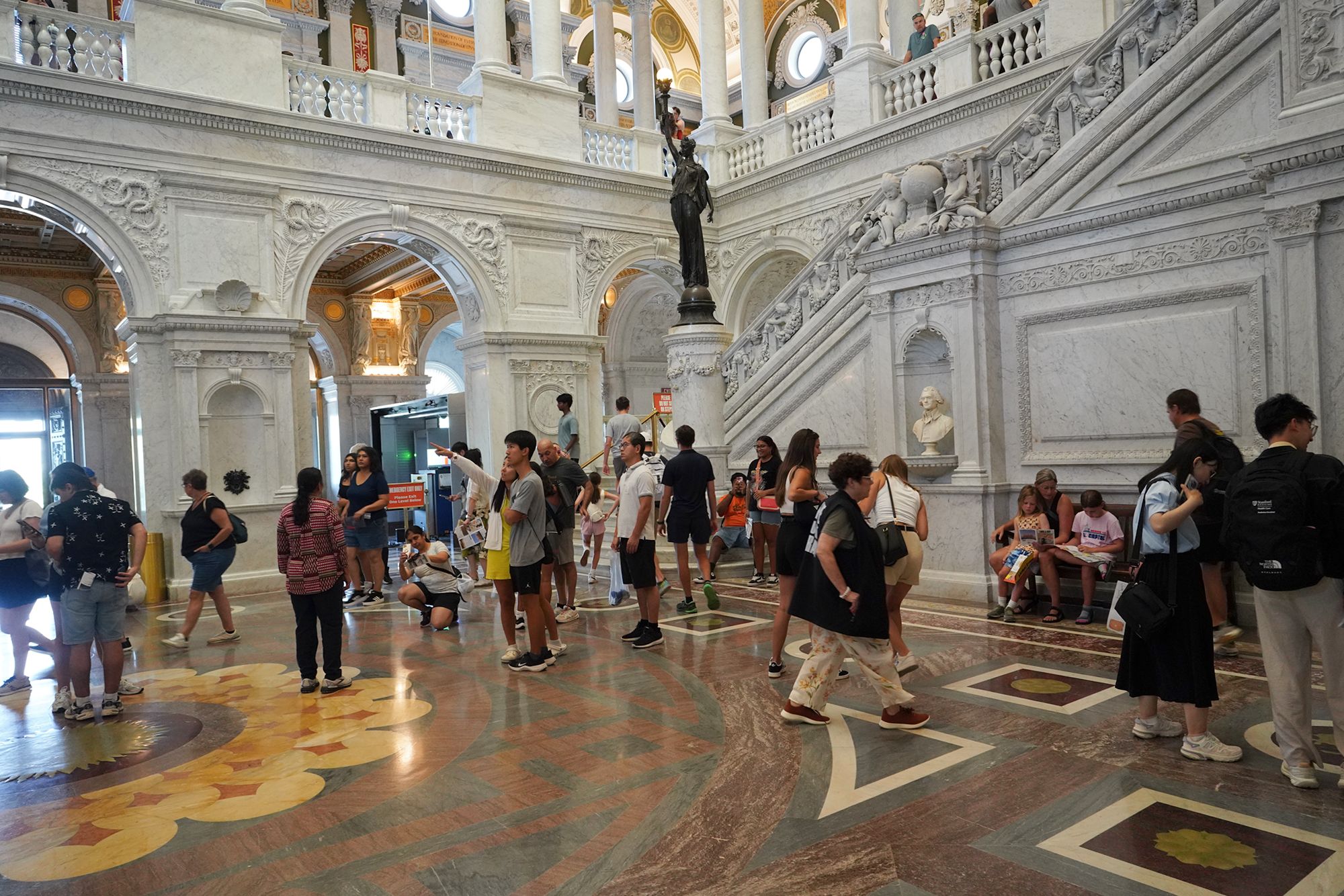
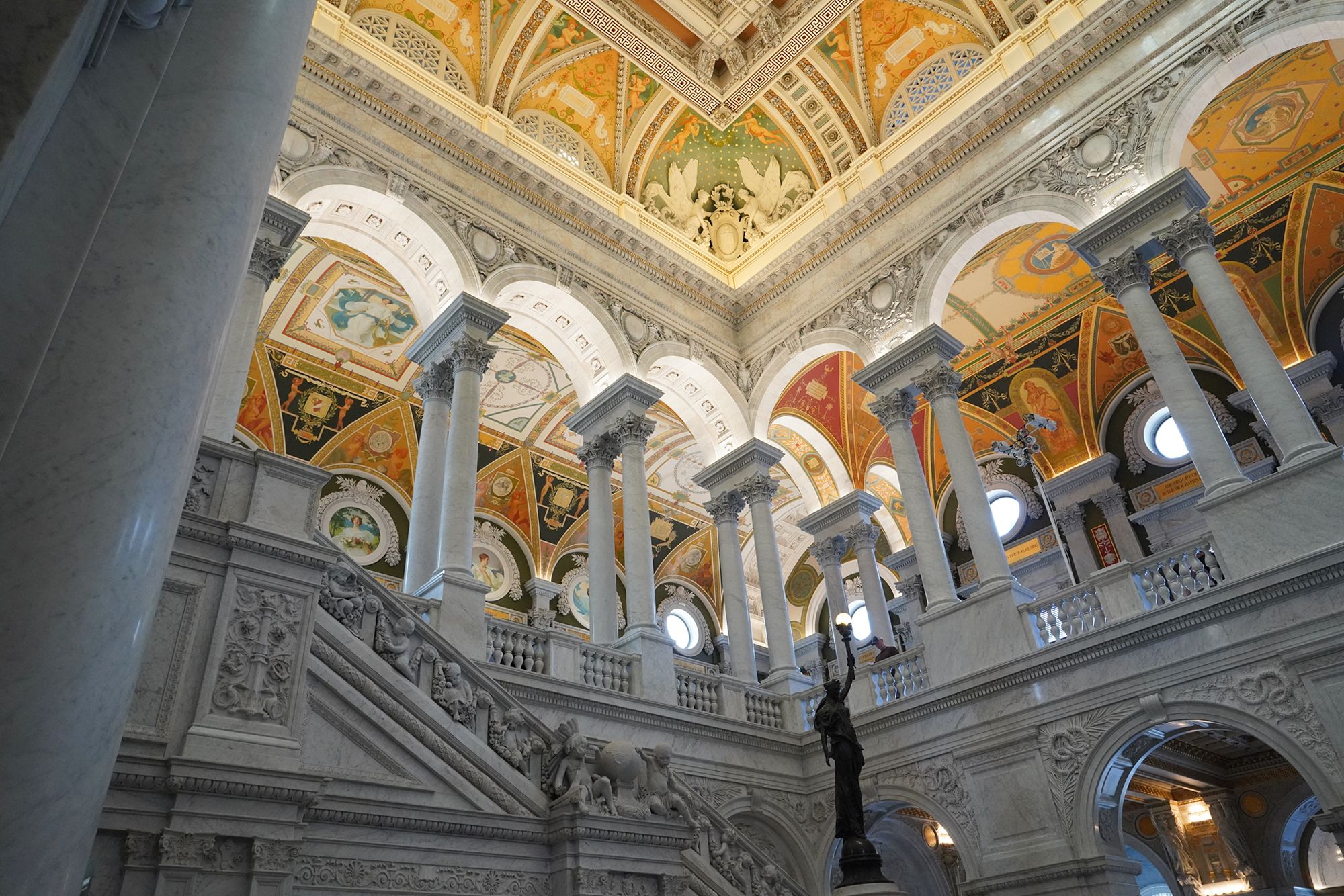
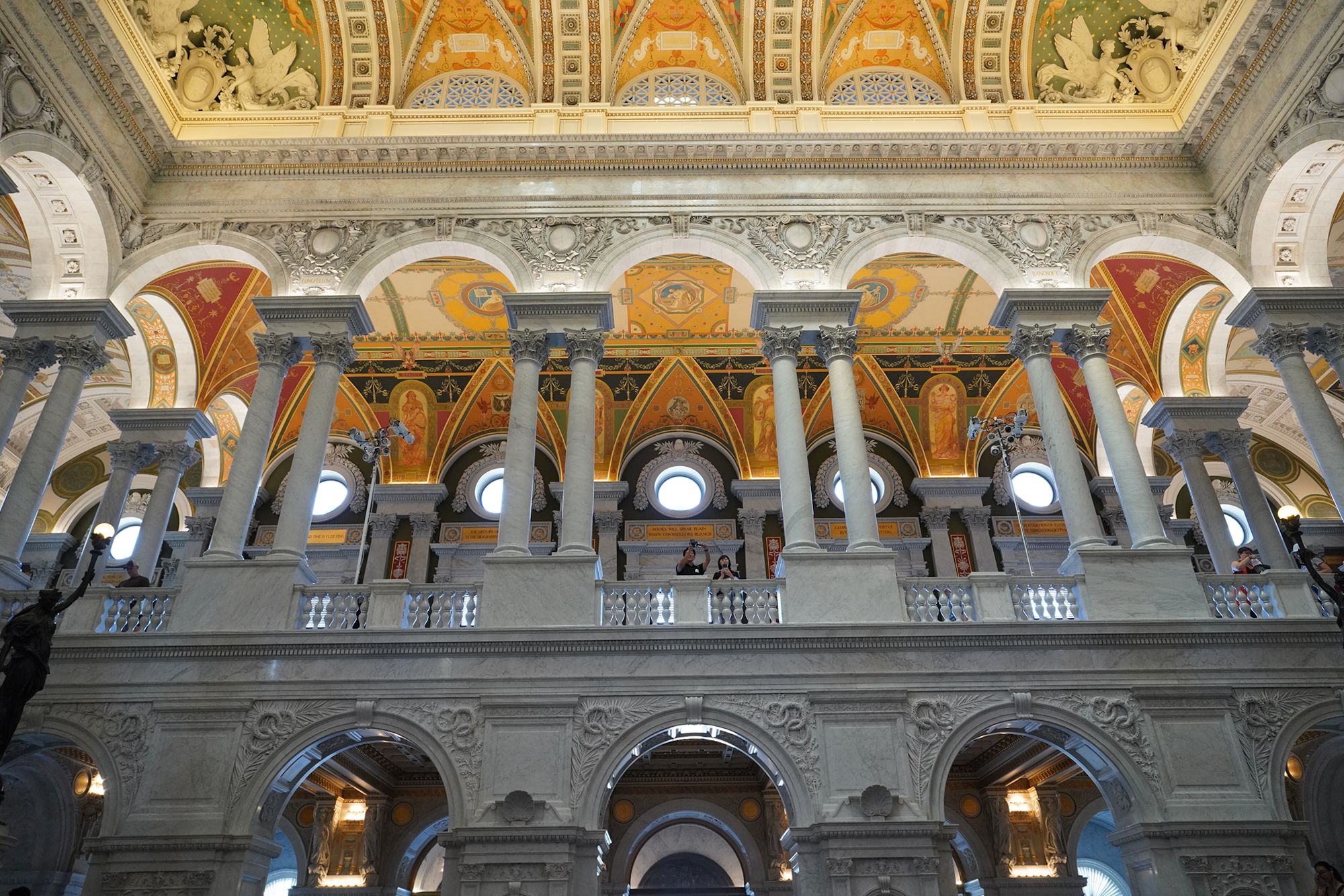
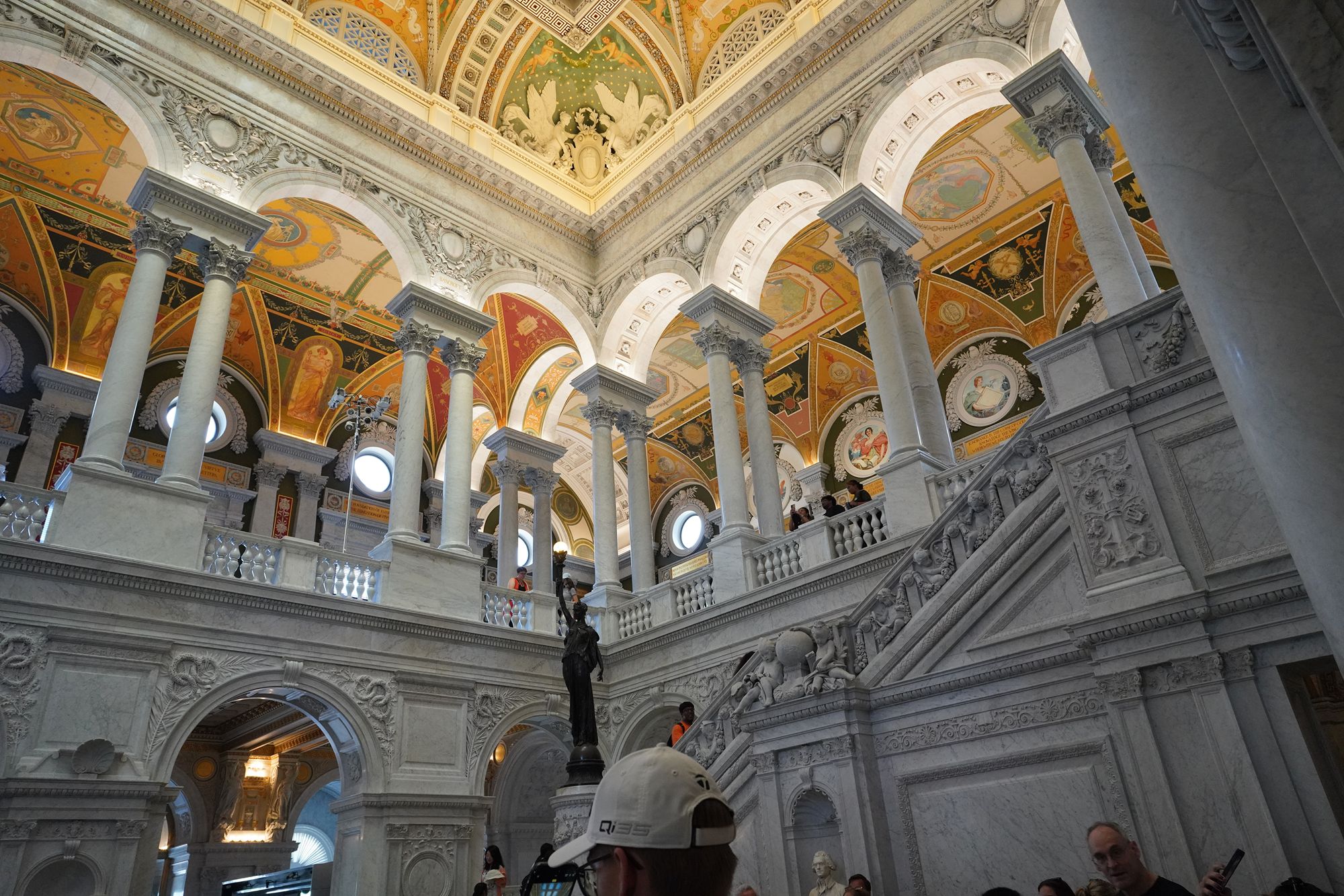
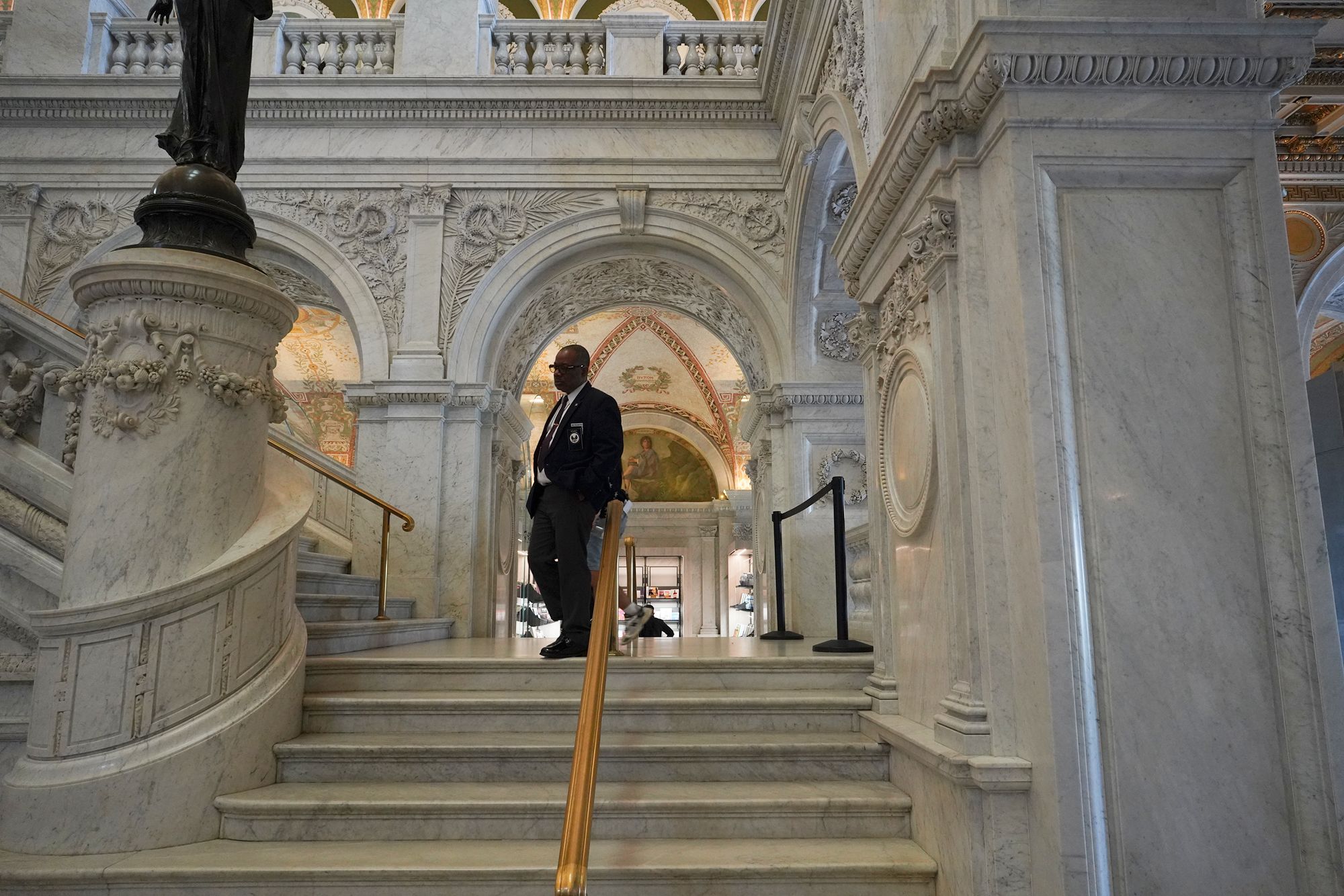
Walking upstairs
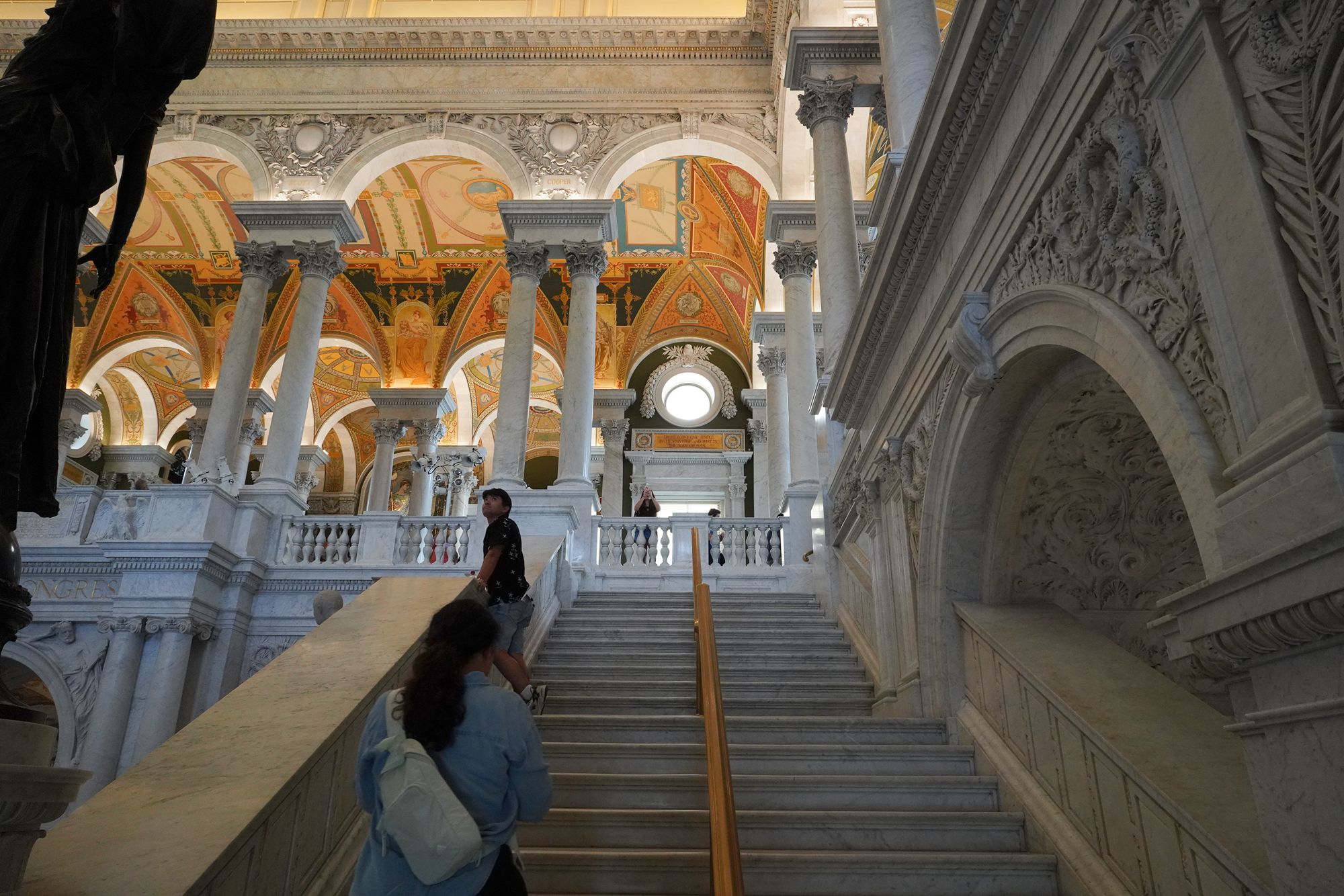
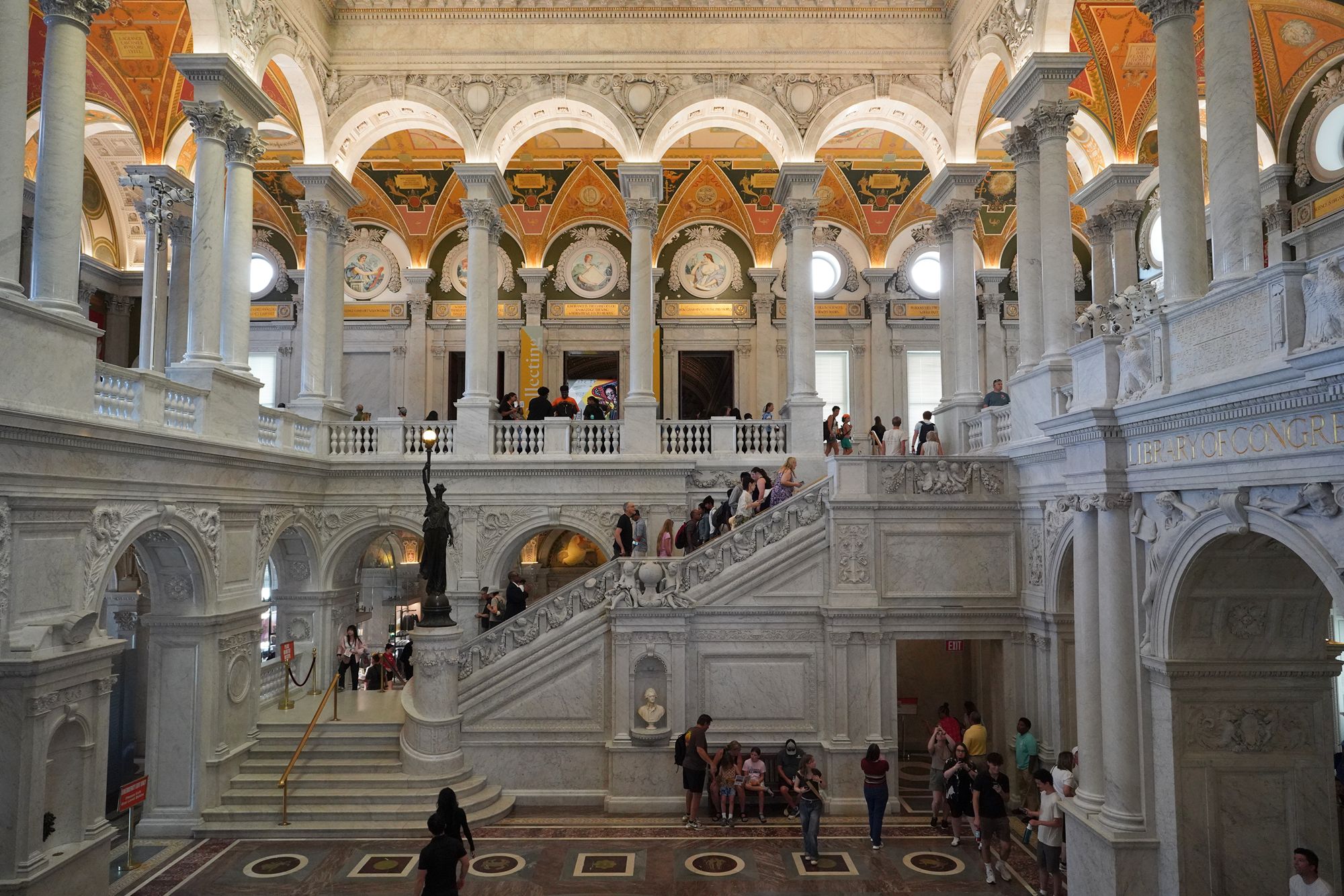
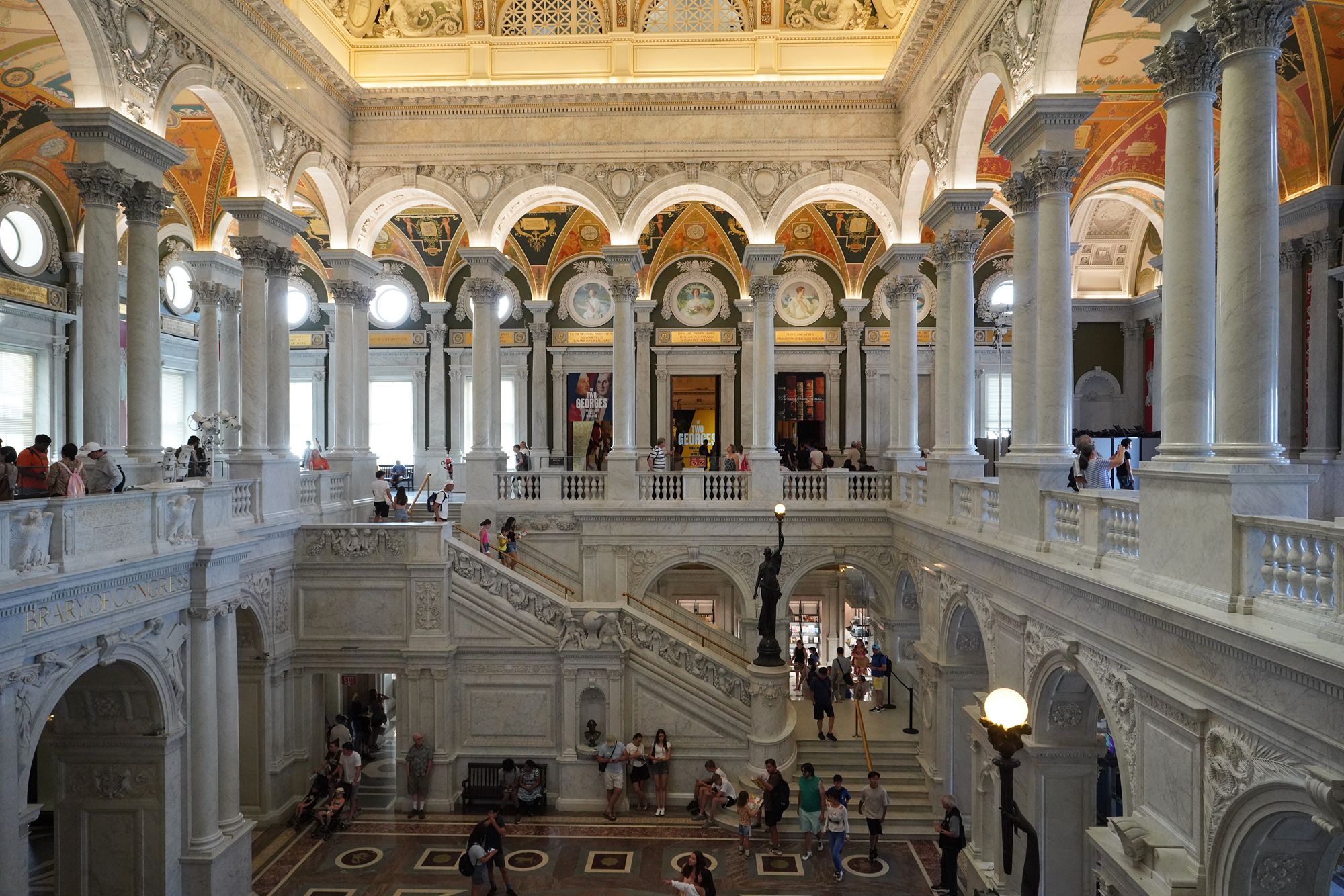
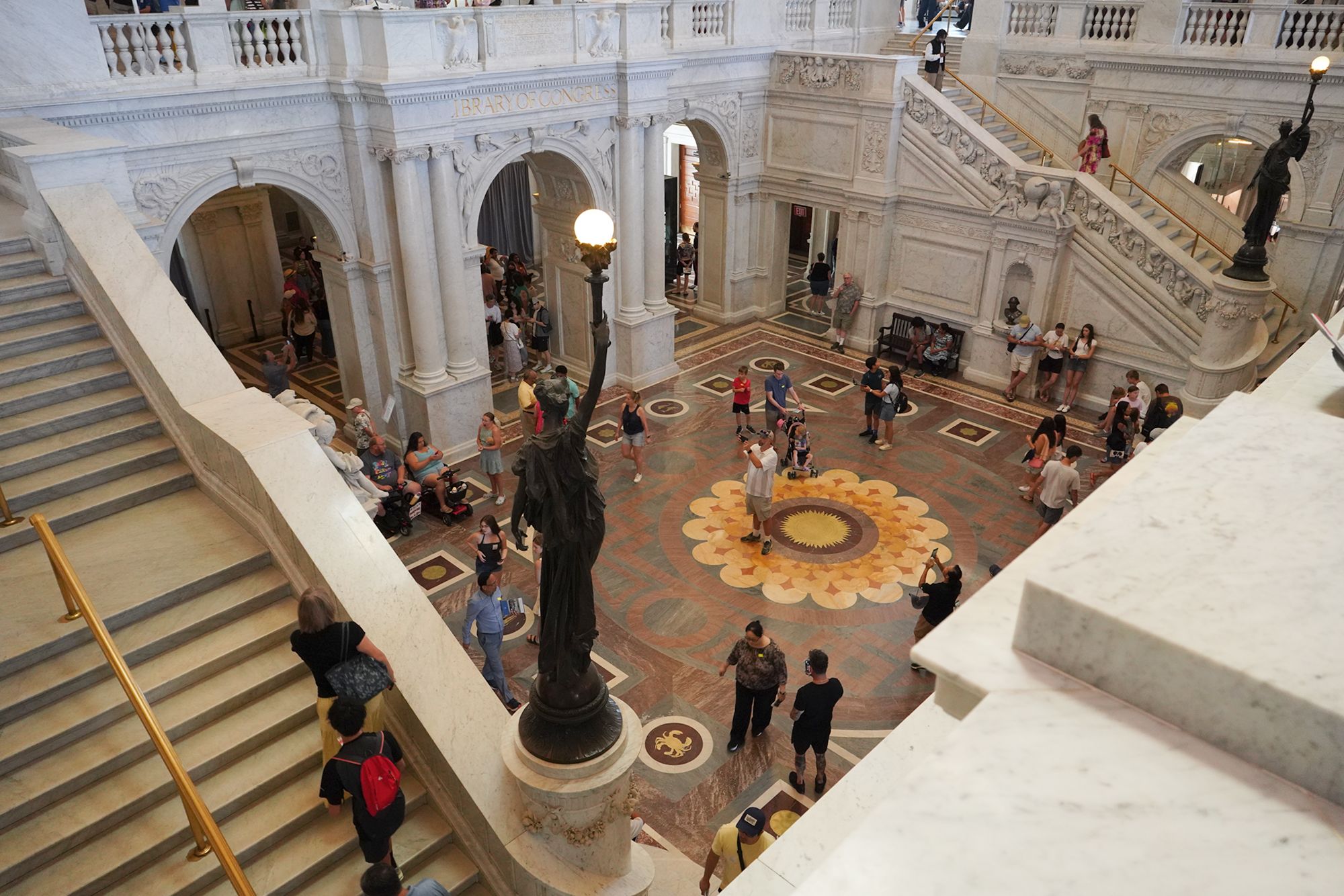
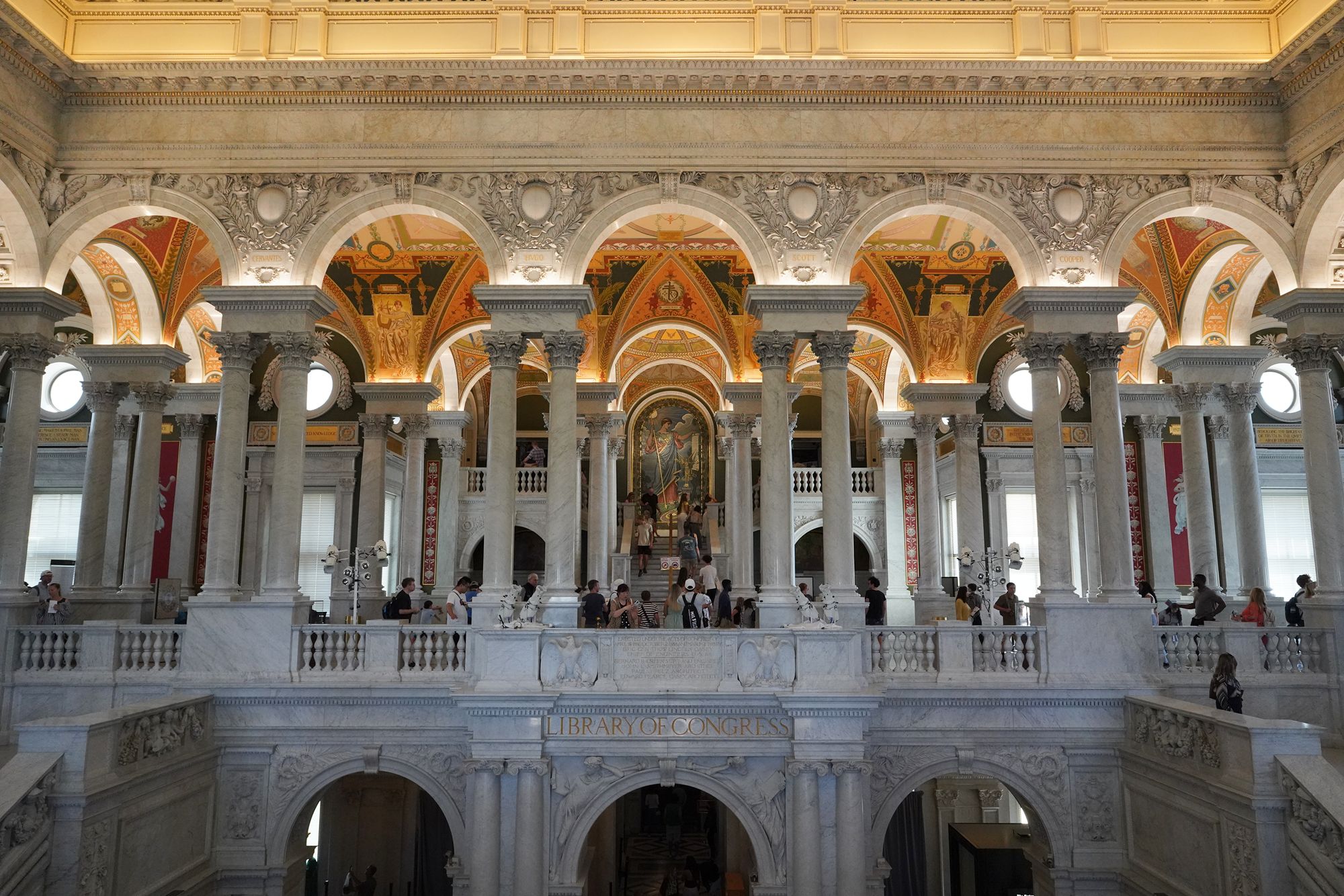
Walking up to the third floor
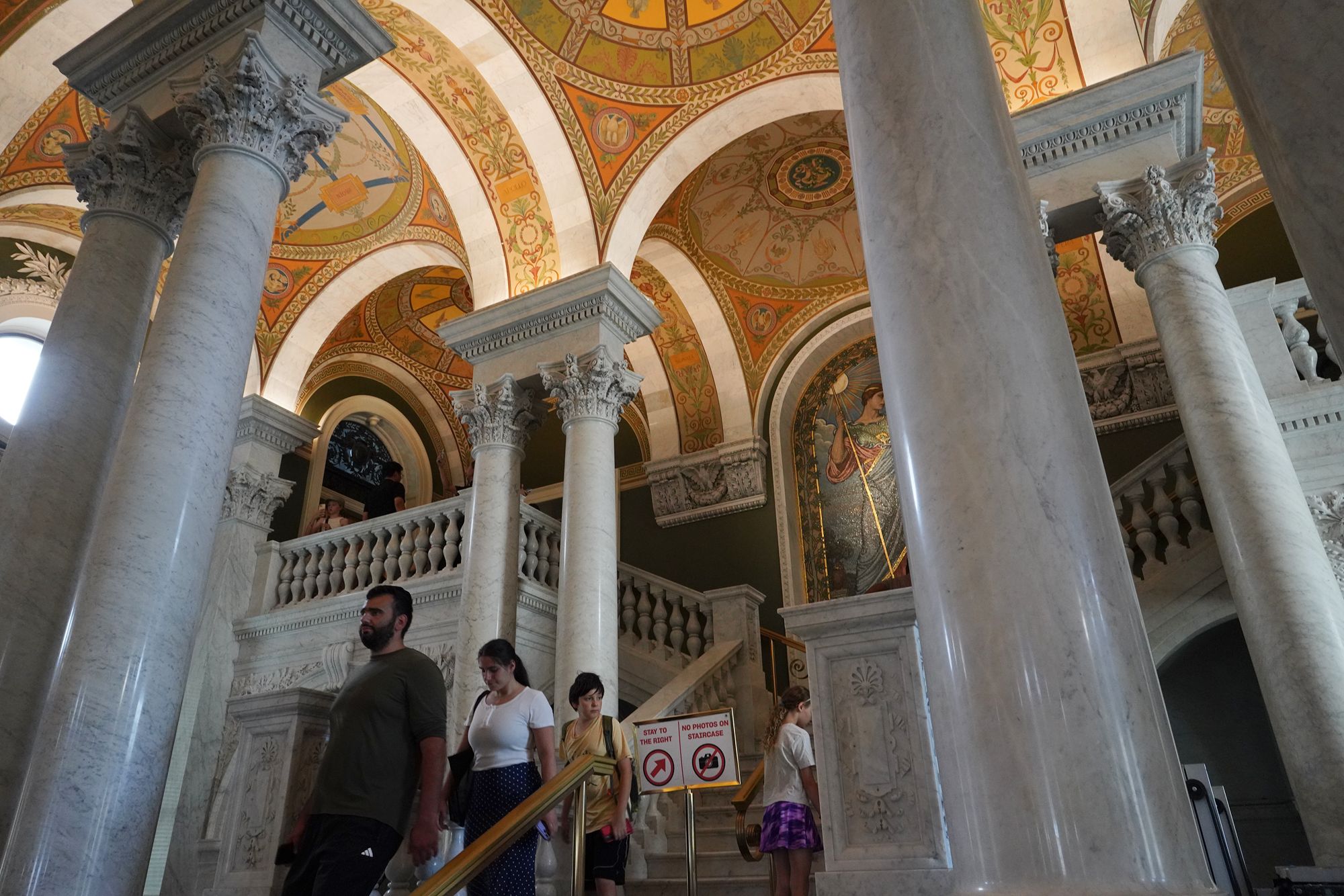
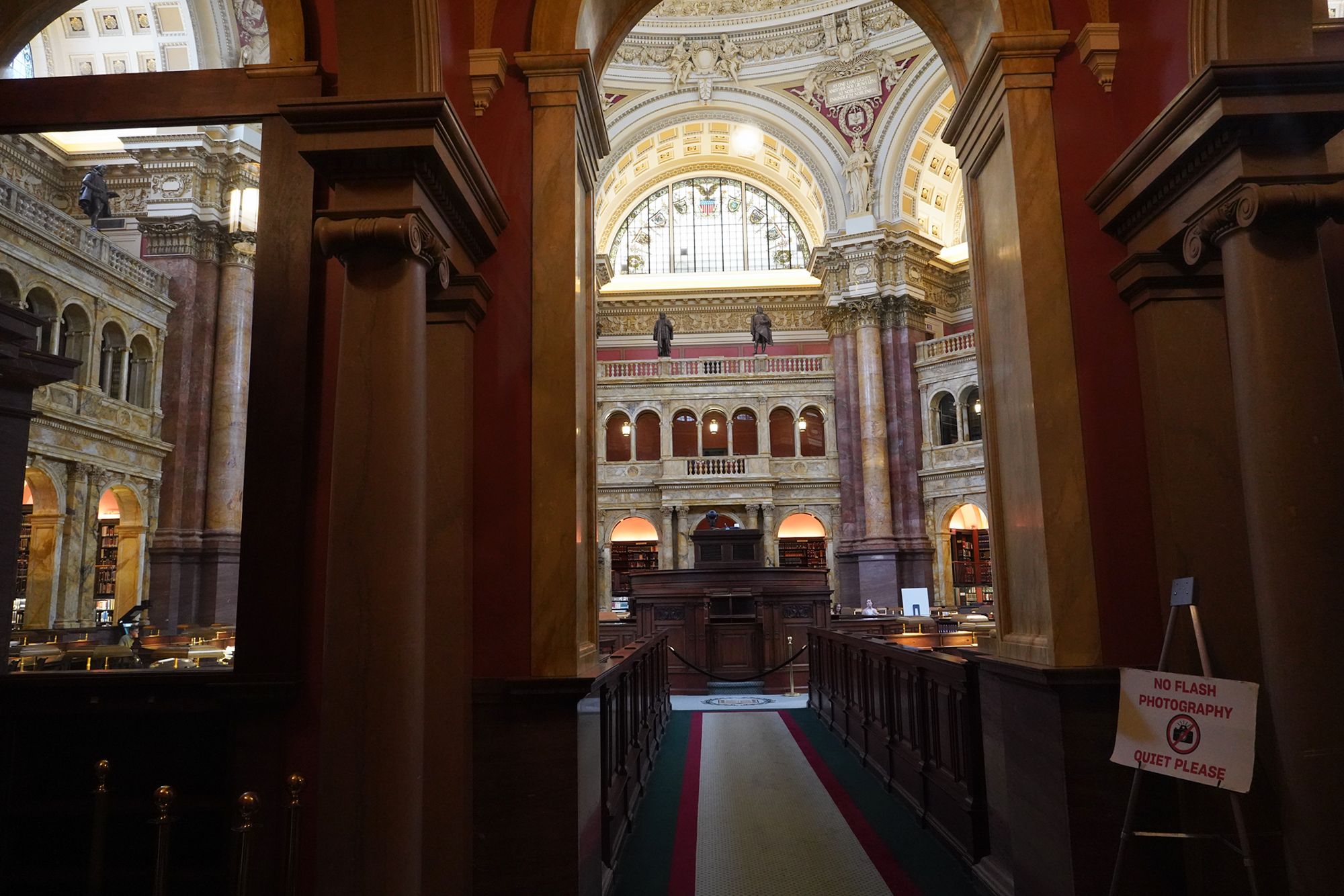
This level also provides access to the Main Reading Room overlook, where visitors can observe one of the most beautiful research spaces in the world—a domed chamber filled with desks, statues representing human knowledge, and the famous circular book delivery system.
View of the Main Reading Room
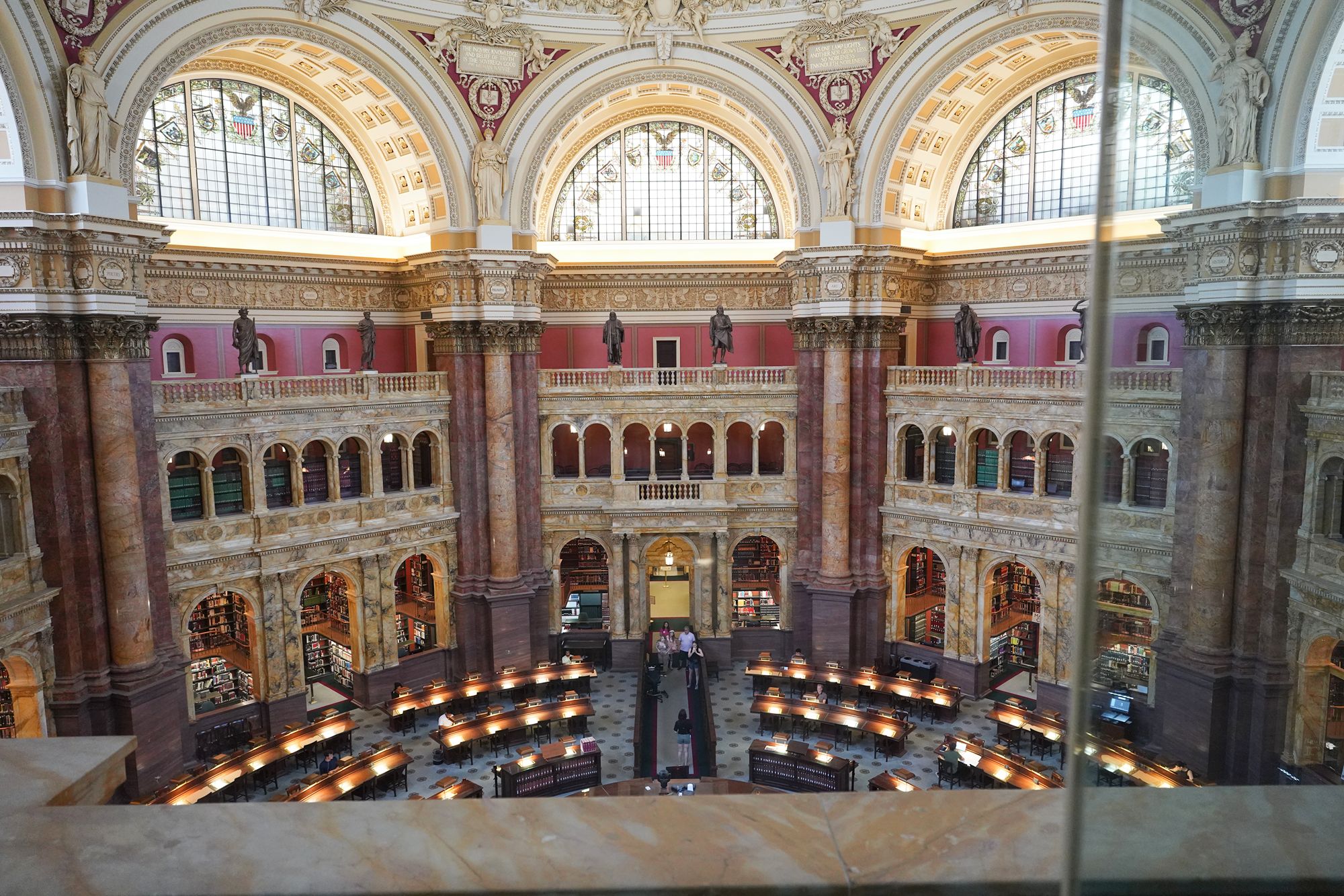
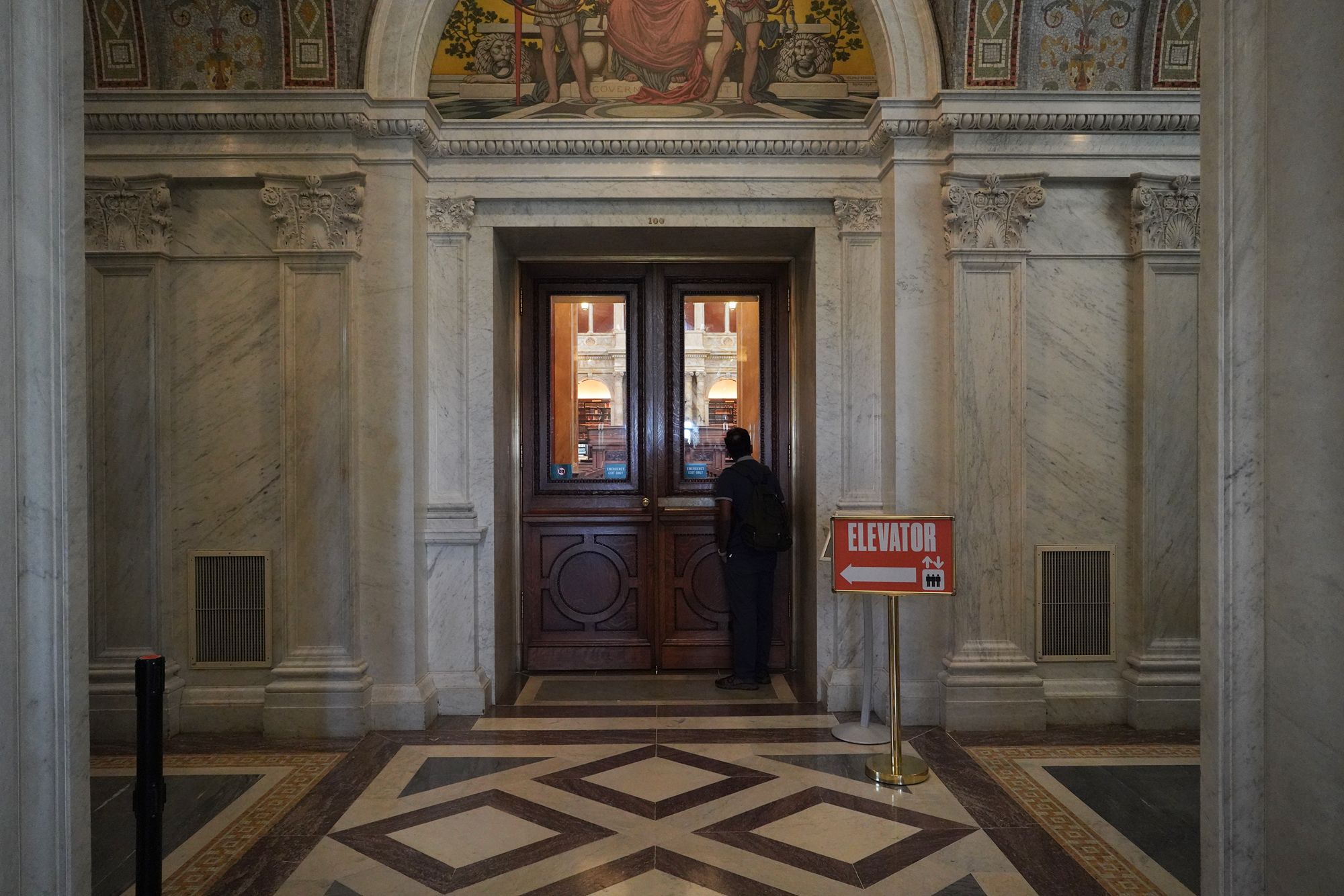
It is open to visitors only during certain hours of the day, and you must wait for your scheduled time to enter.
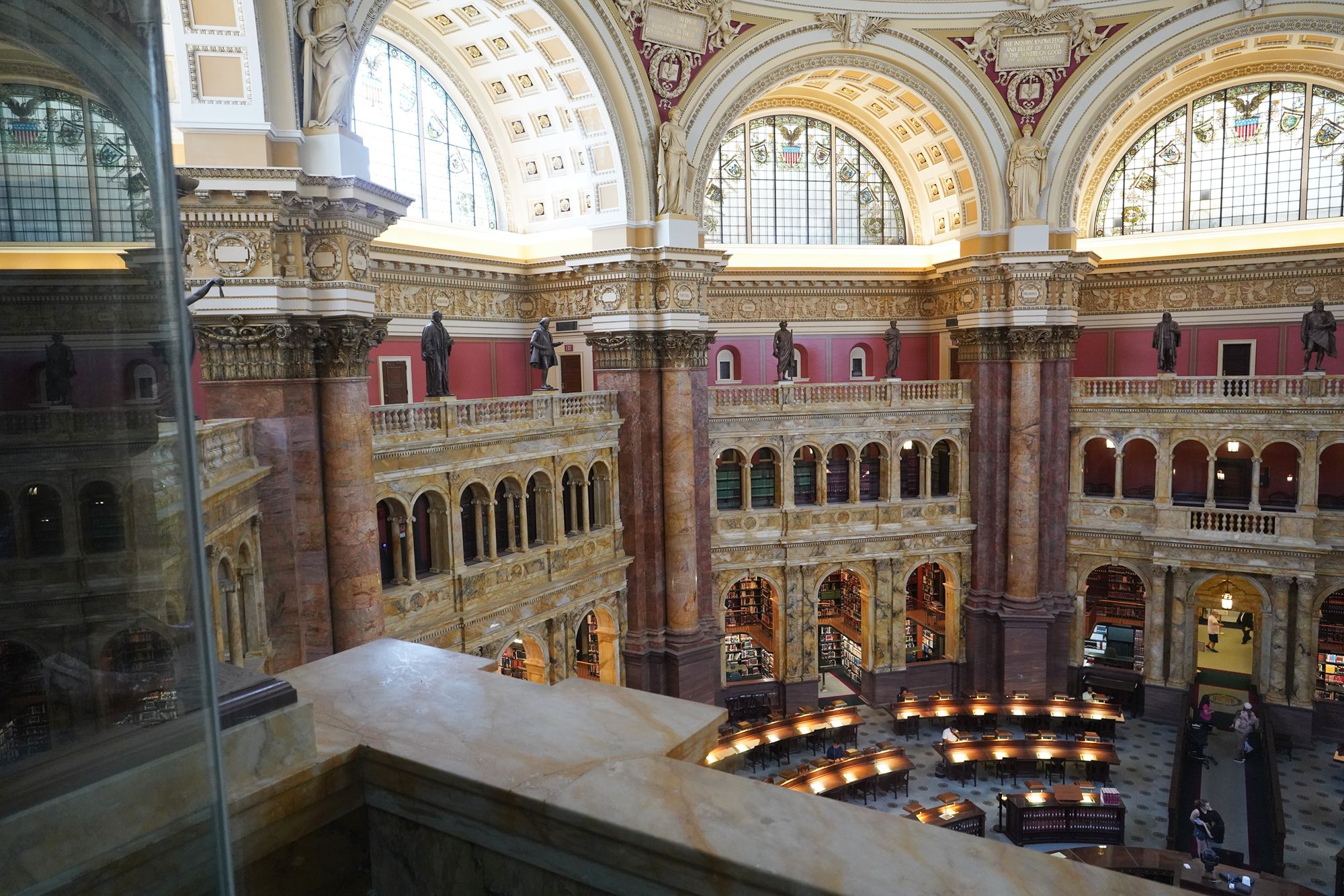
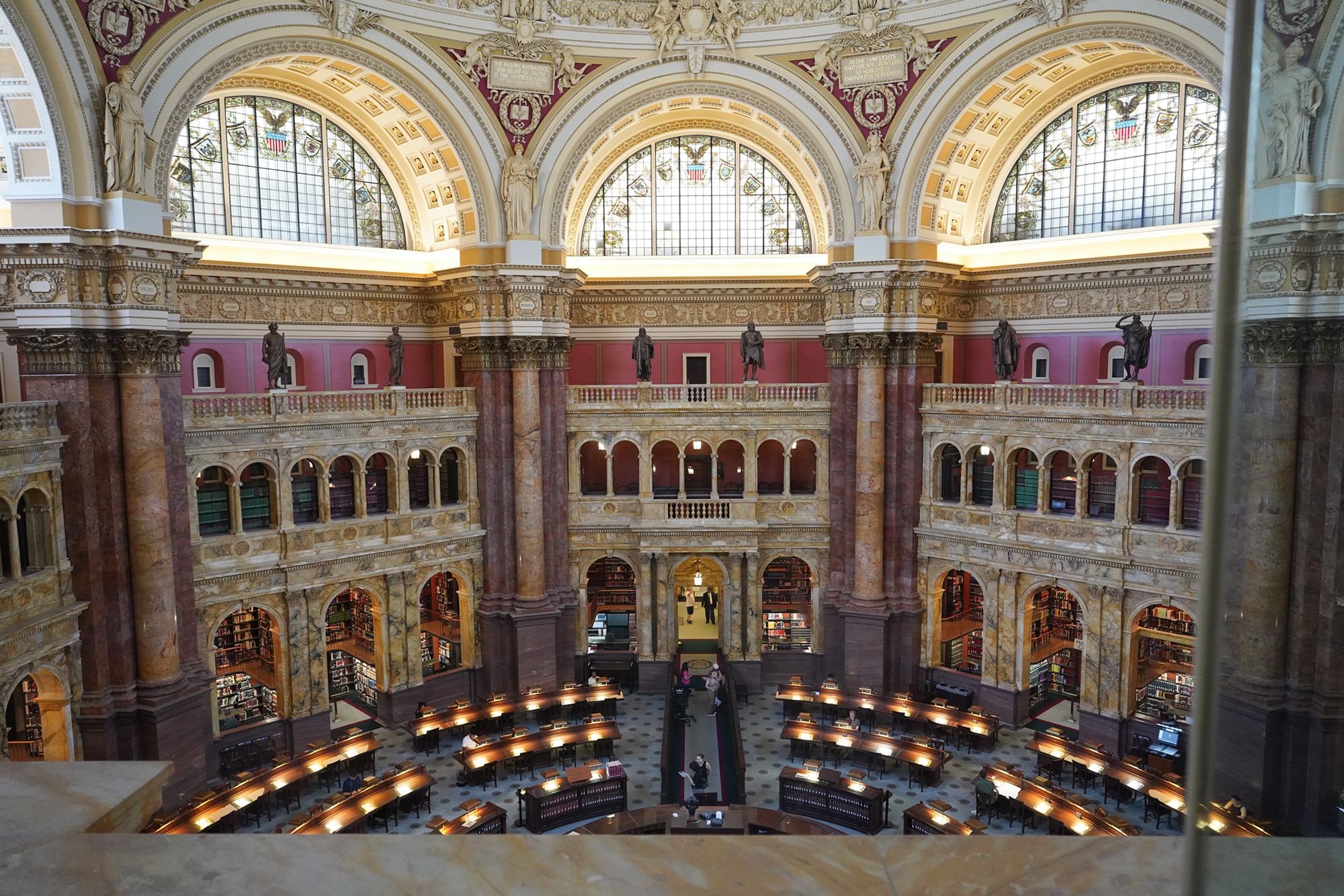
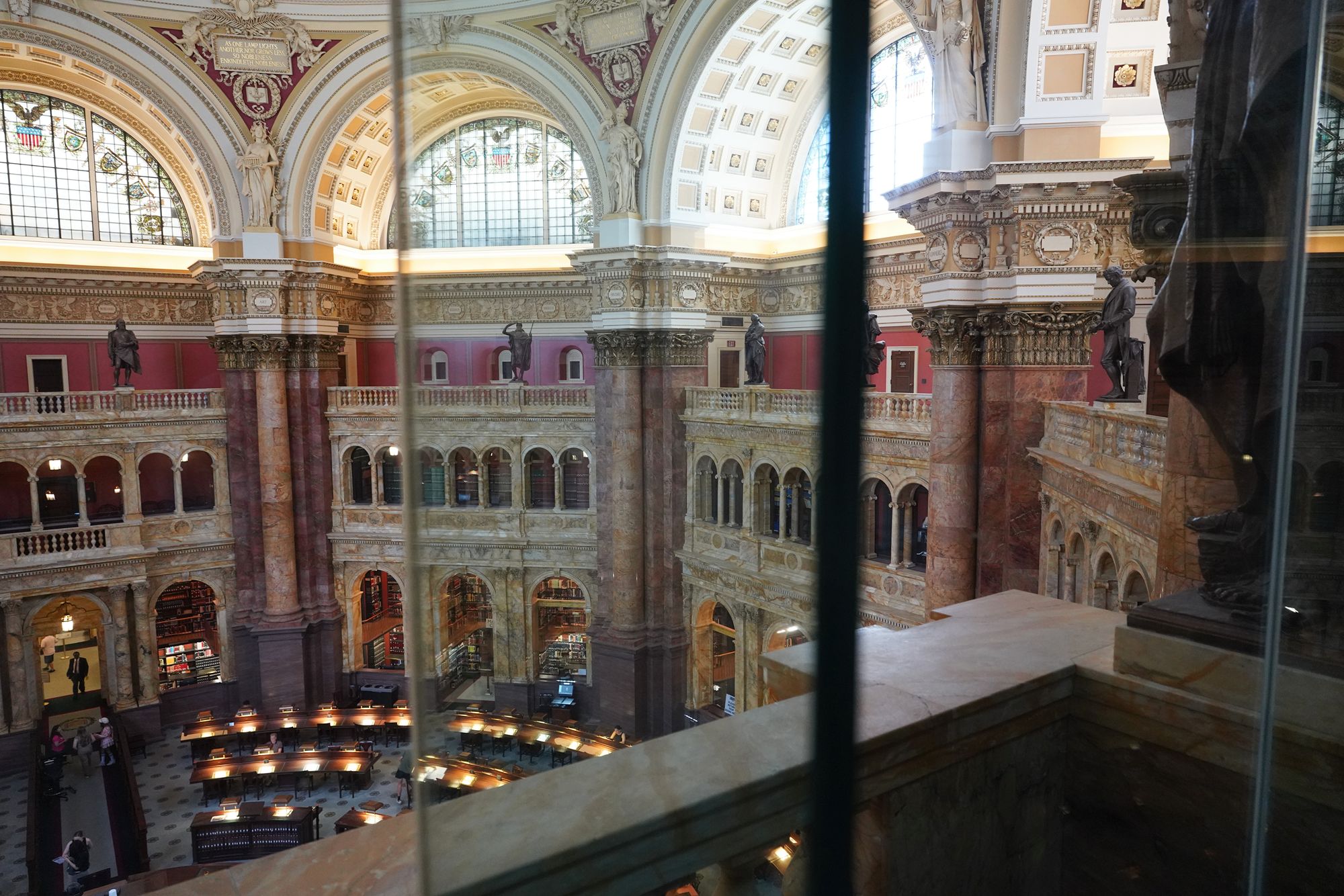
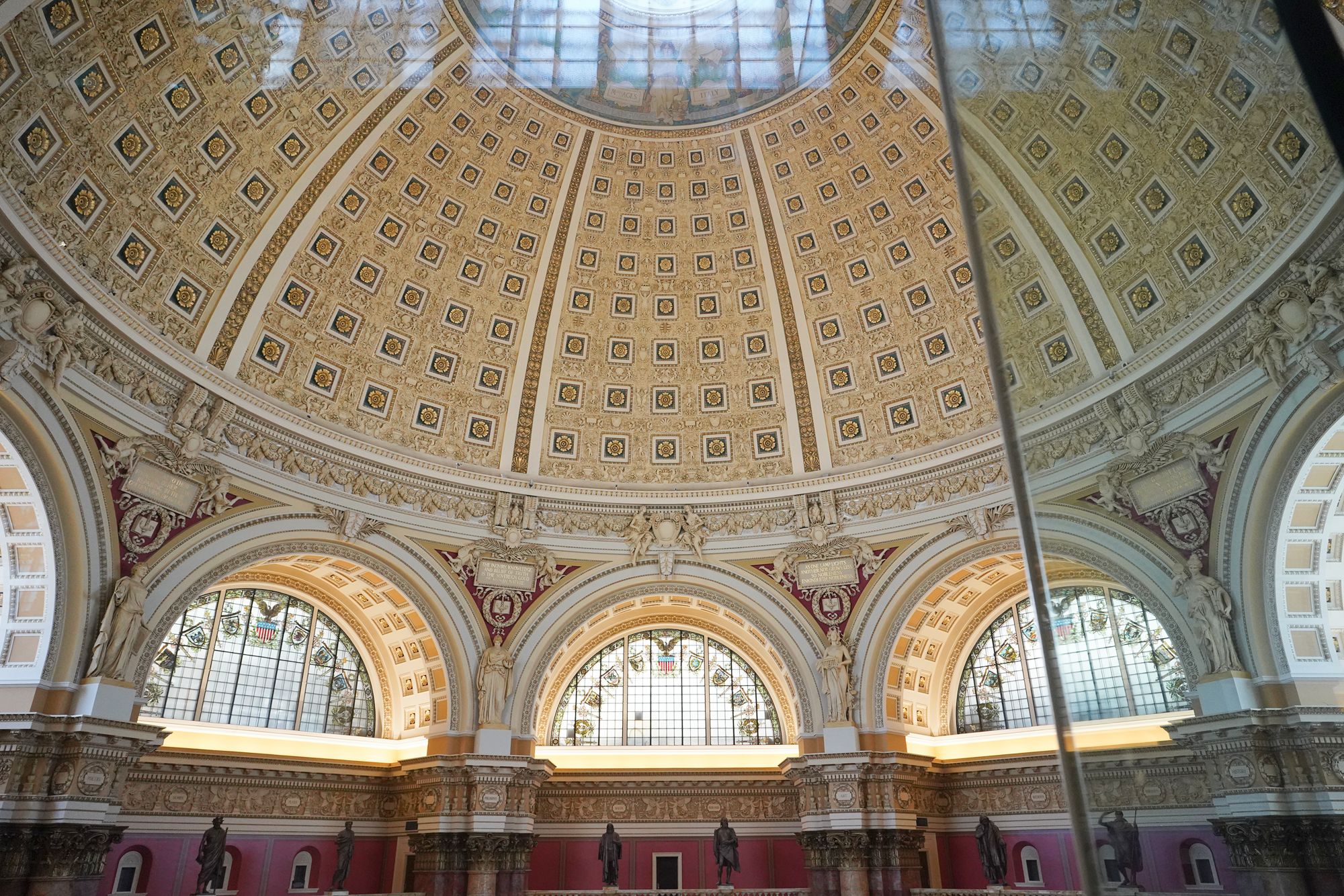
To the second floor
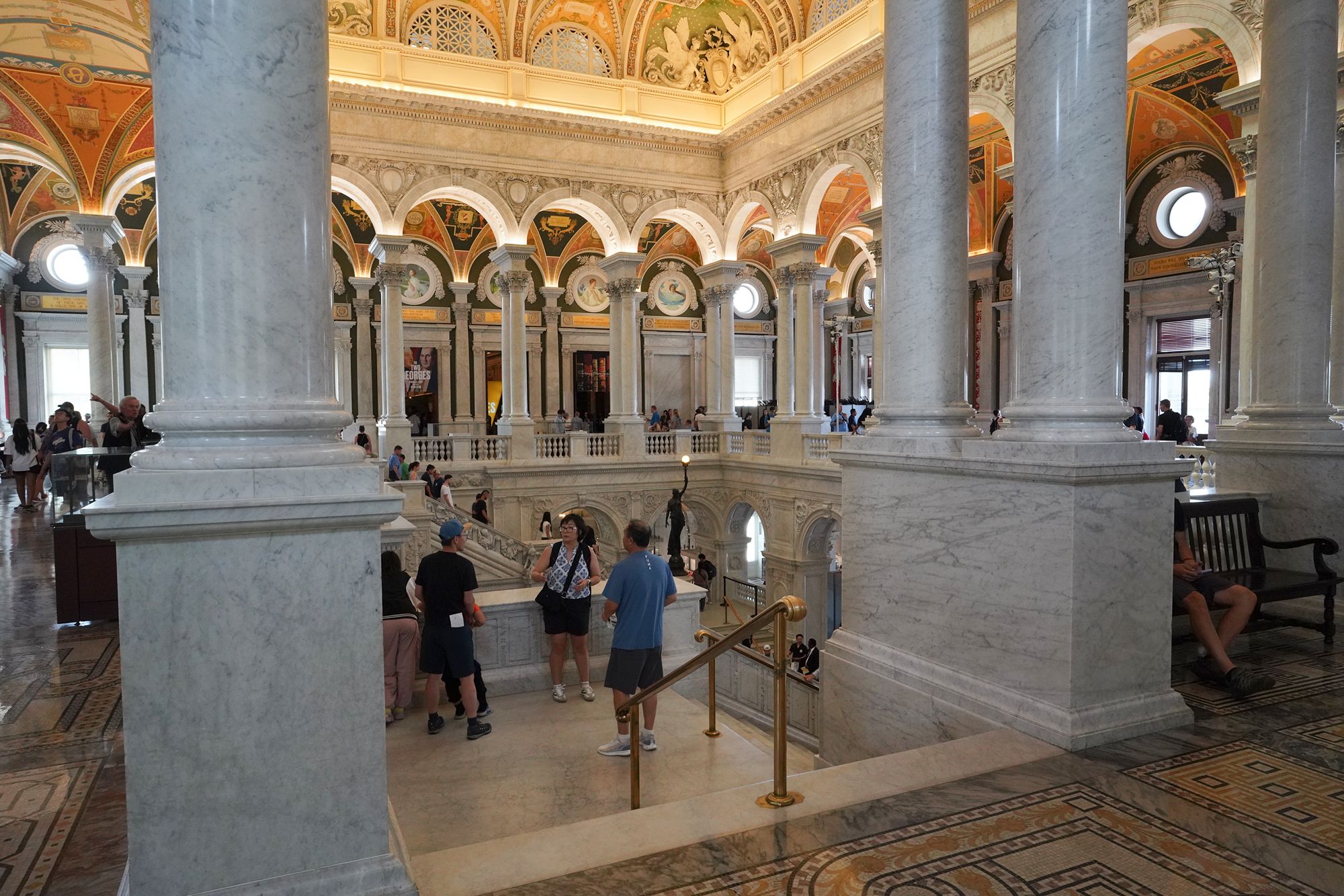
A small museum exhibiting some of the library’s collections
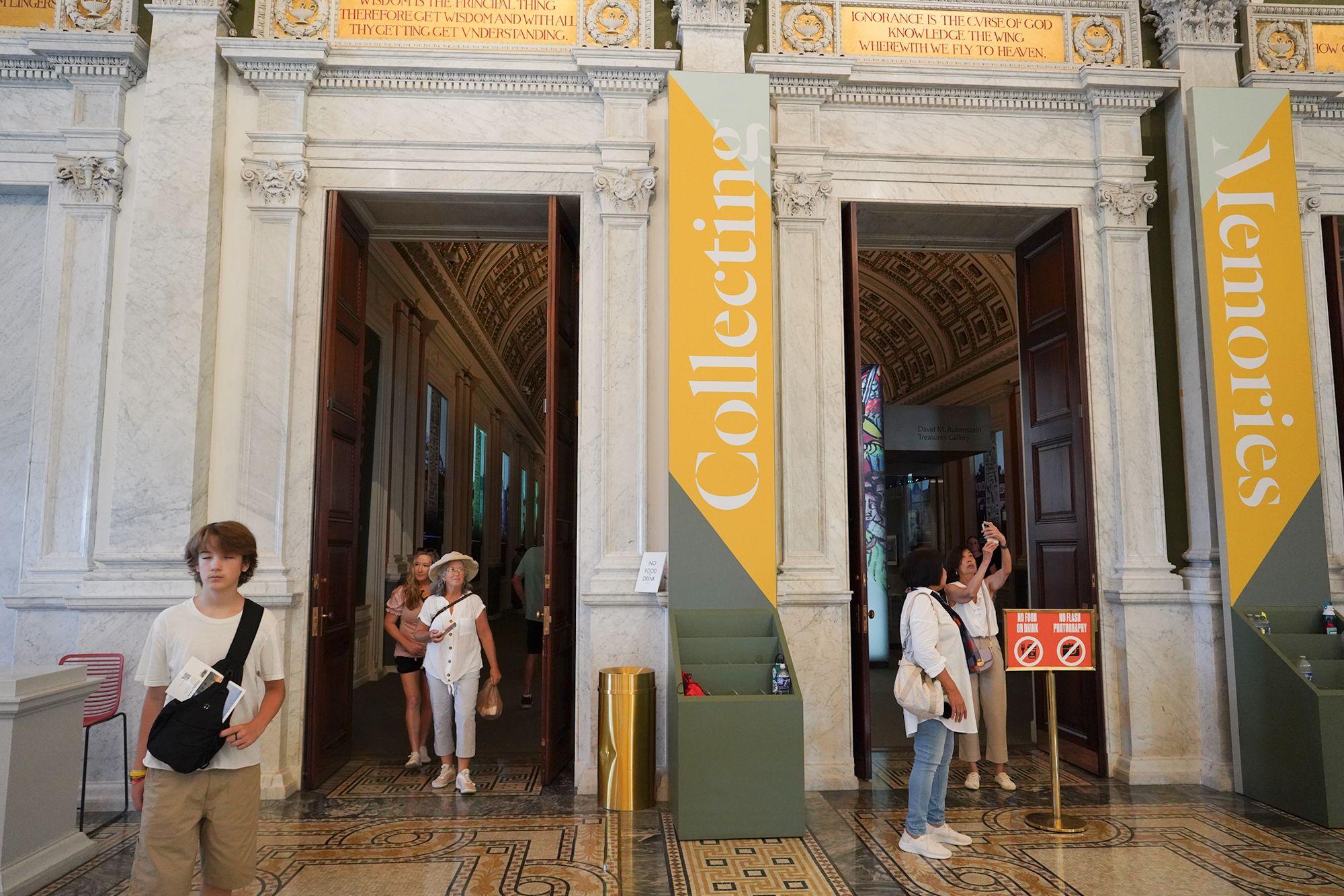
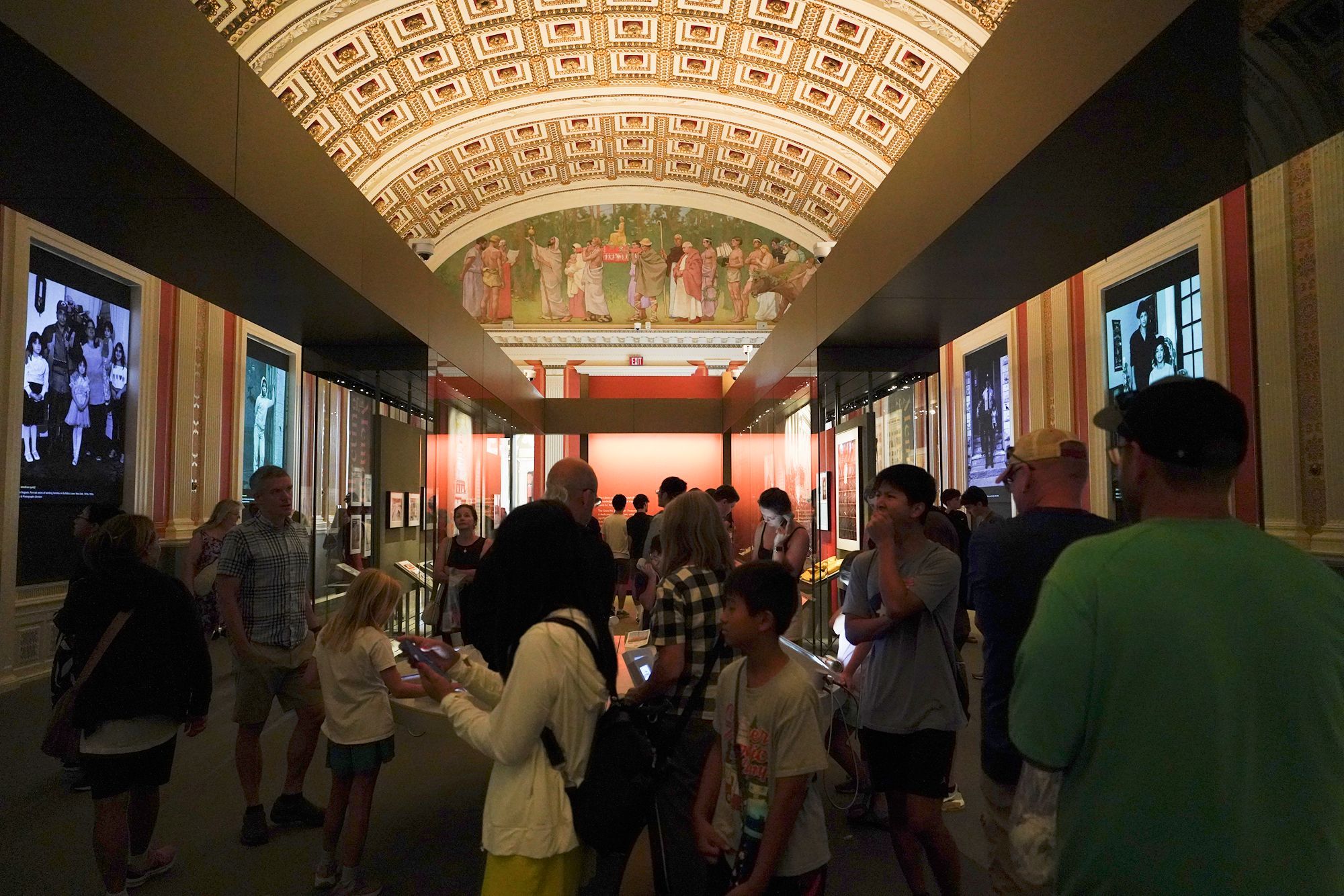
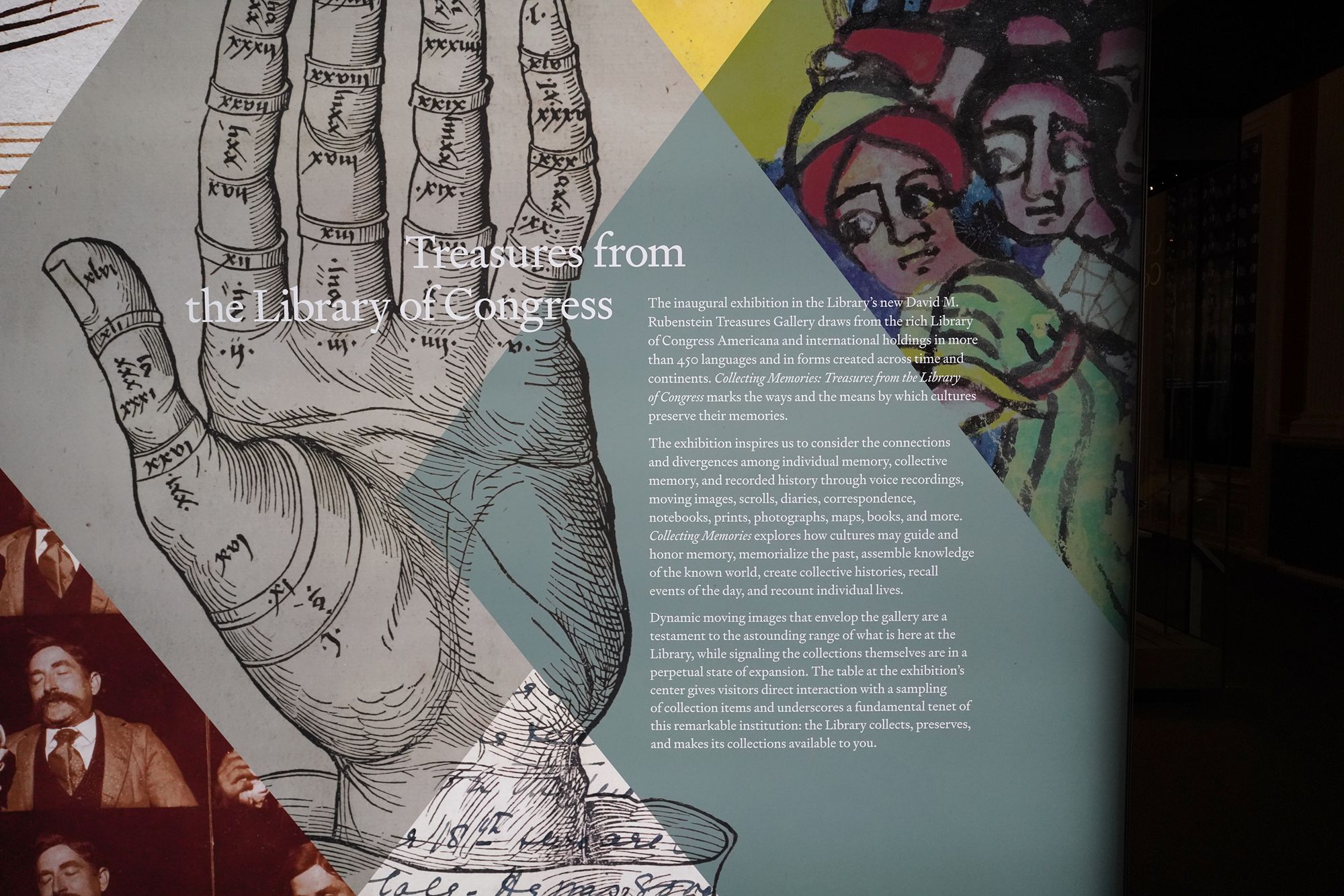
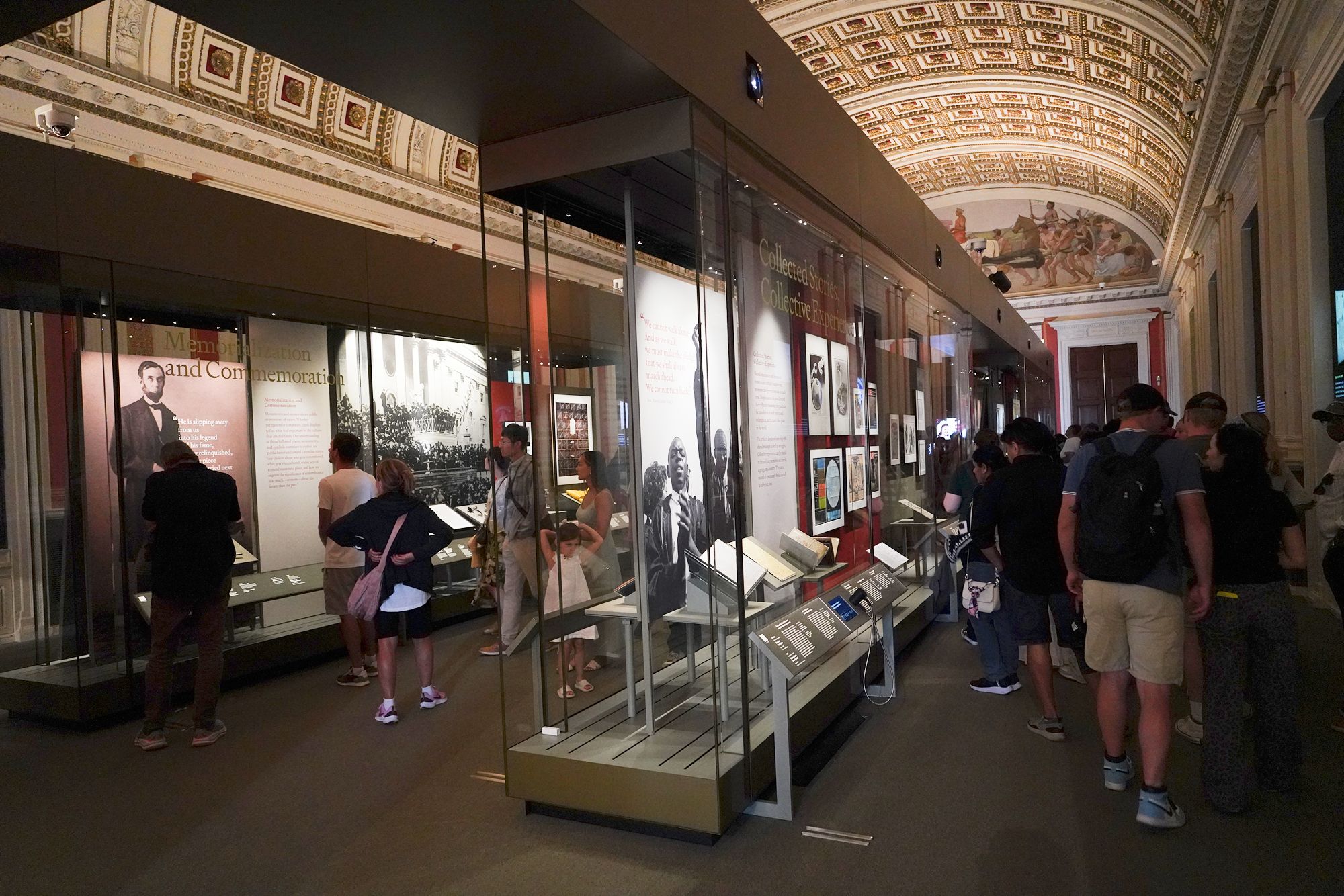
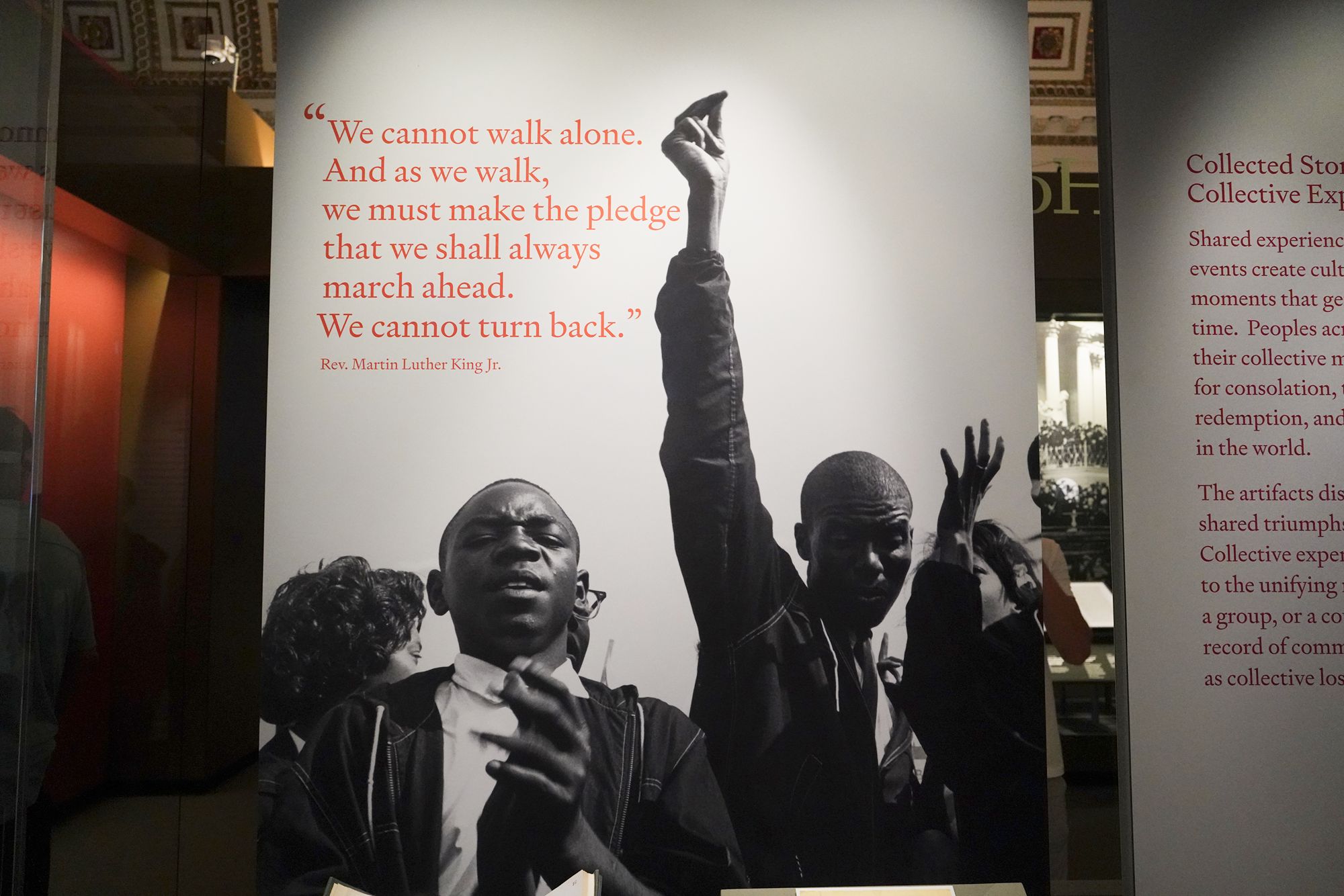
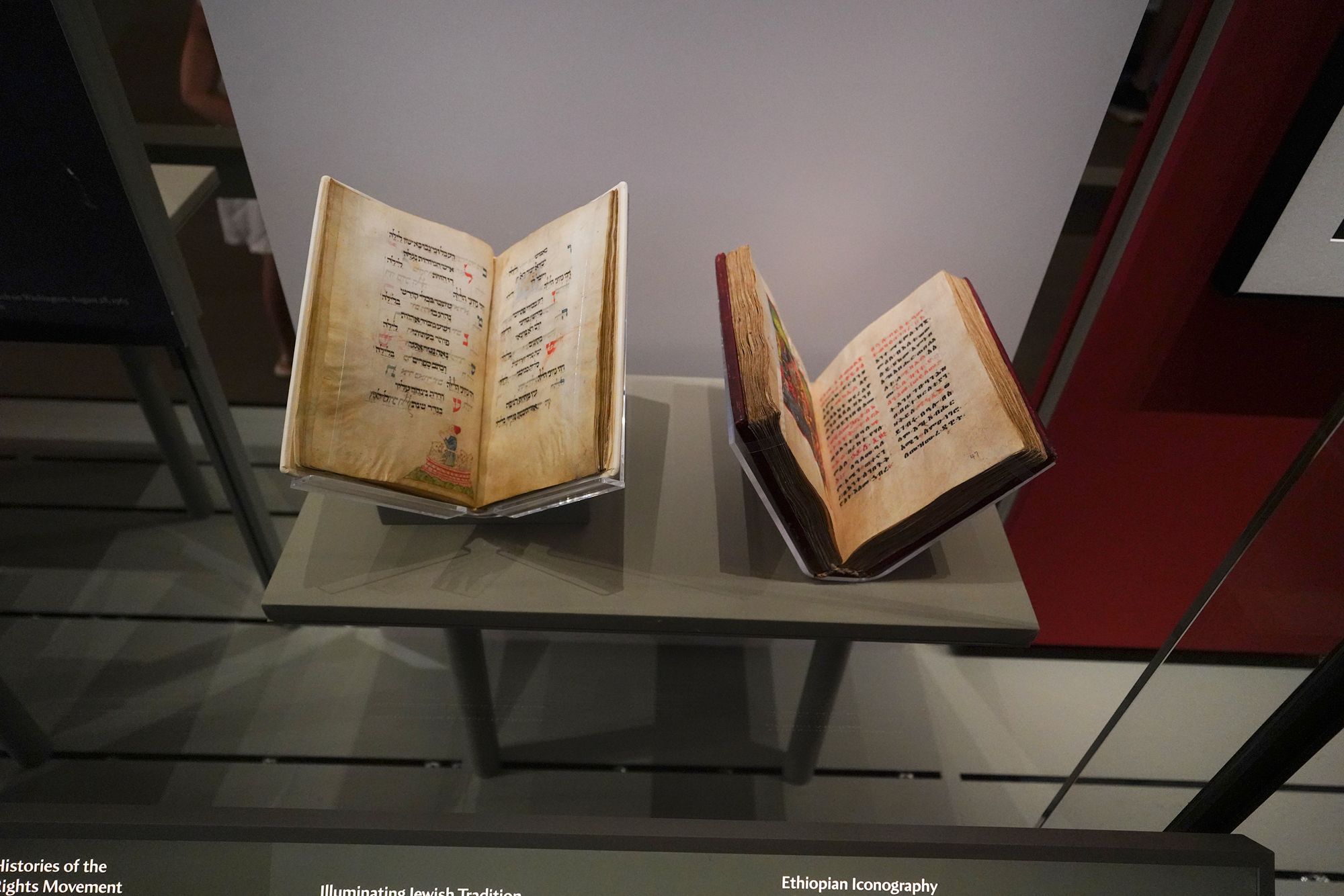
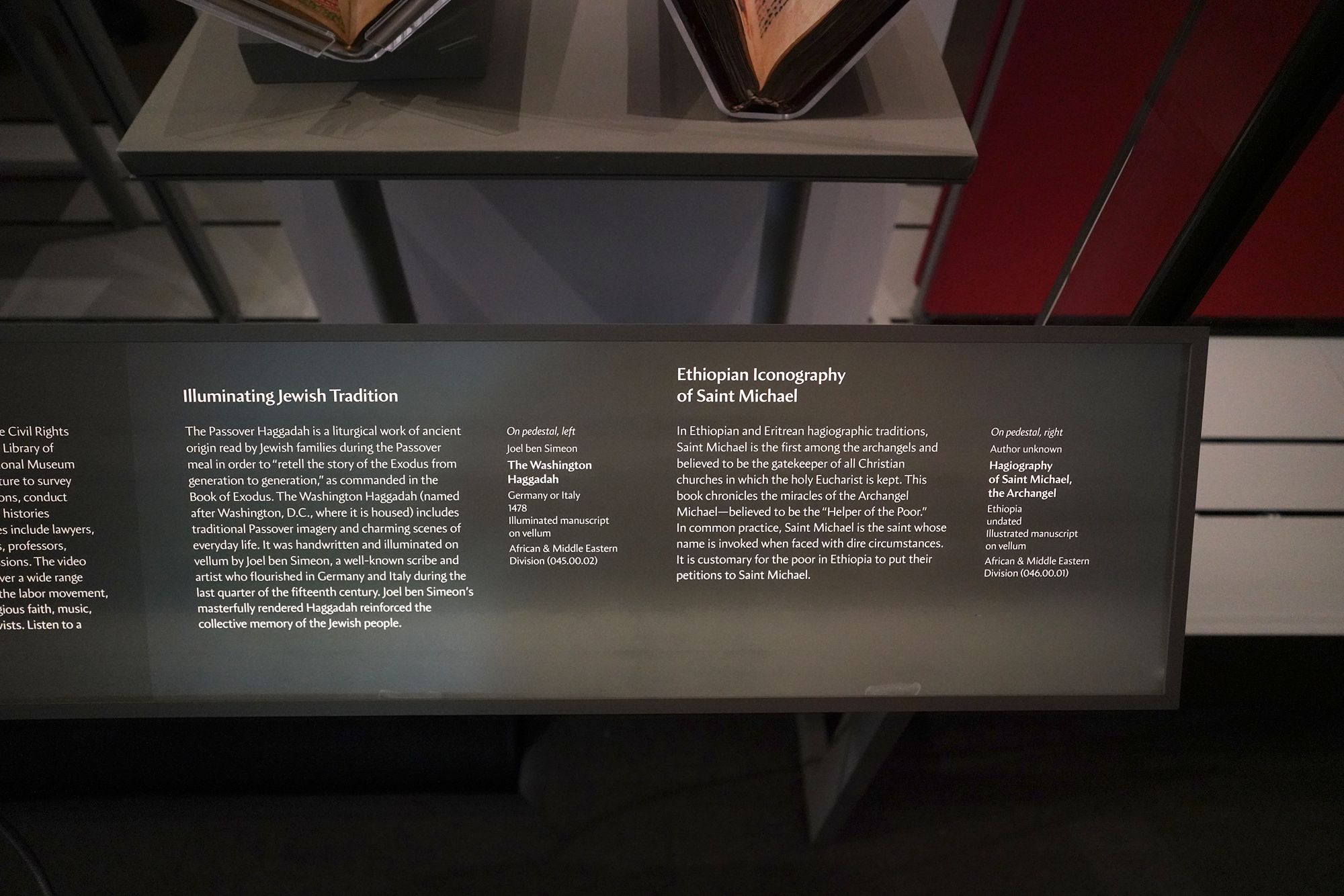
The Passover Haggadah
Moon Landing
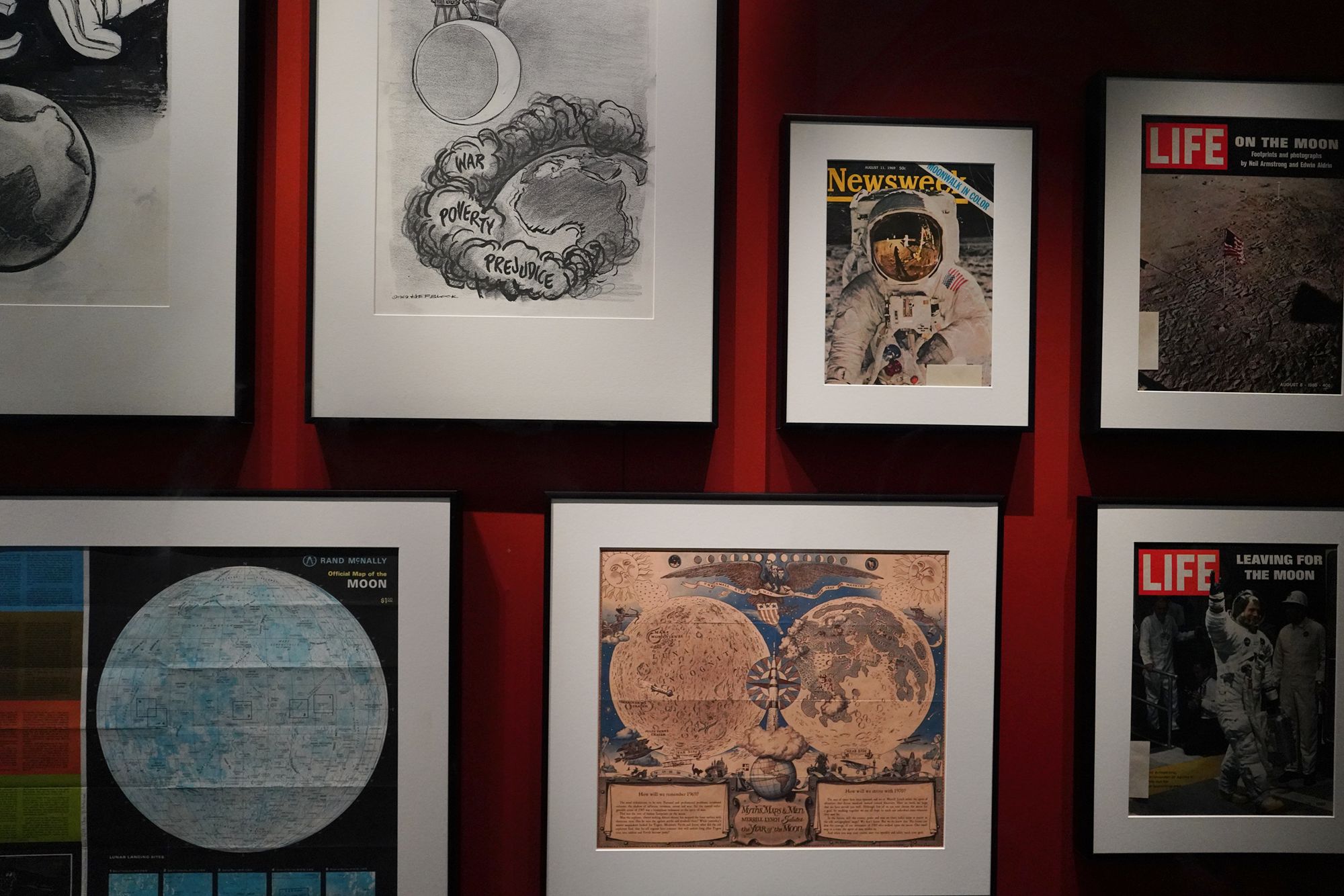
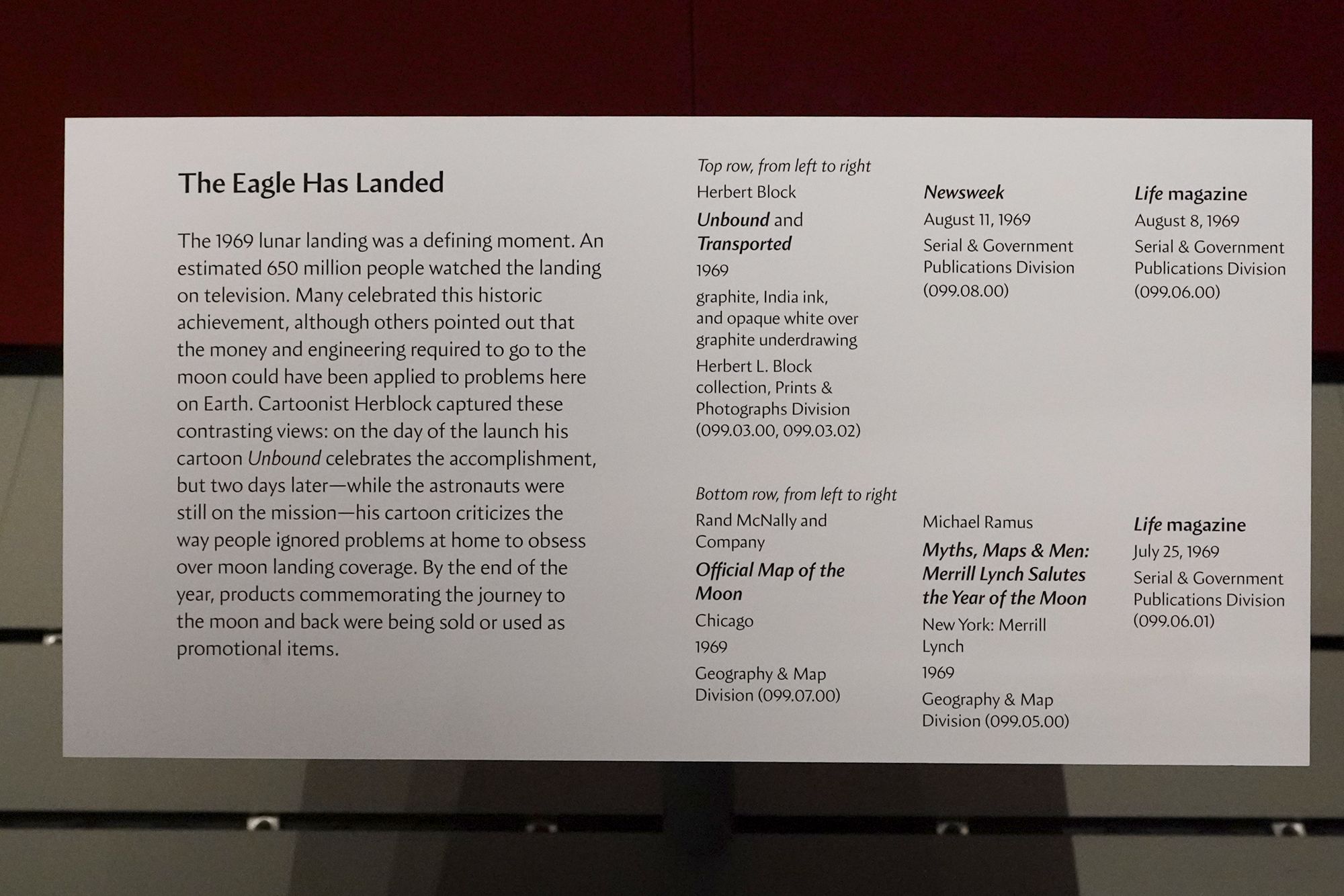
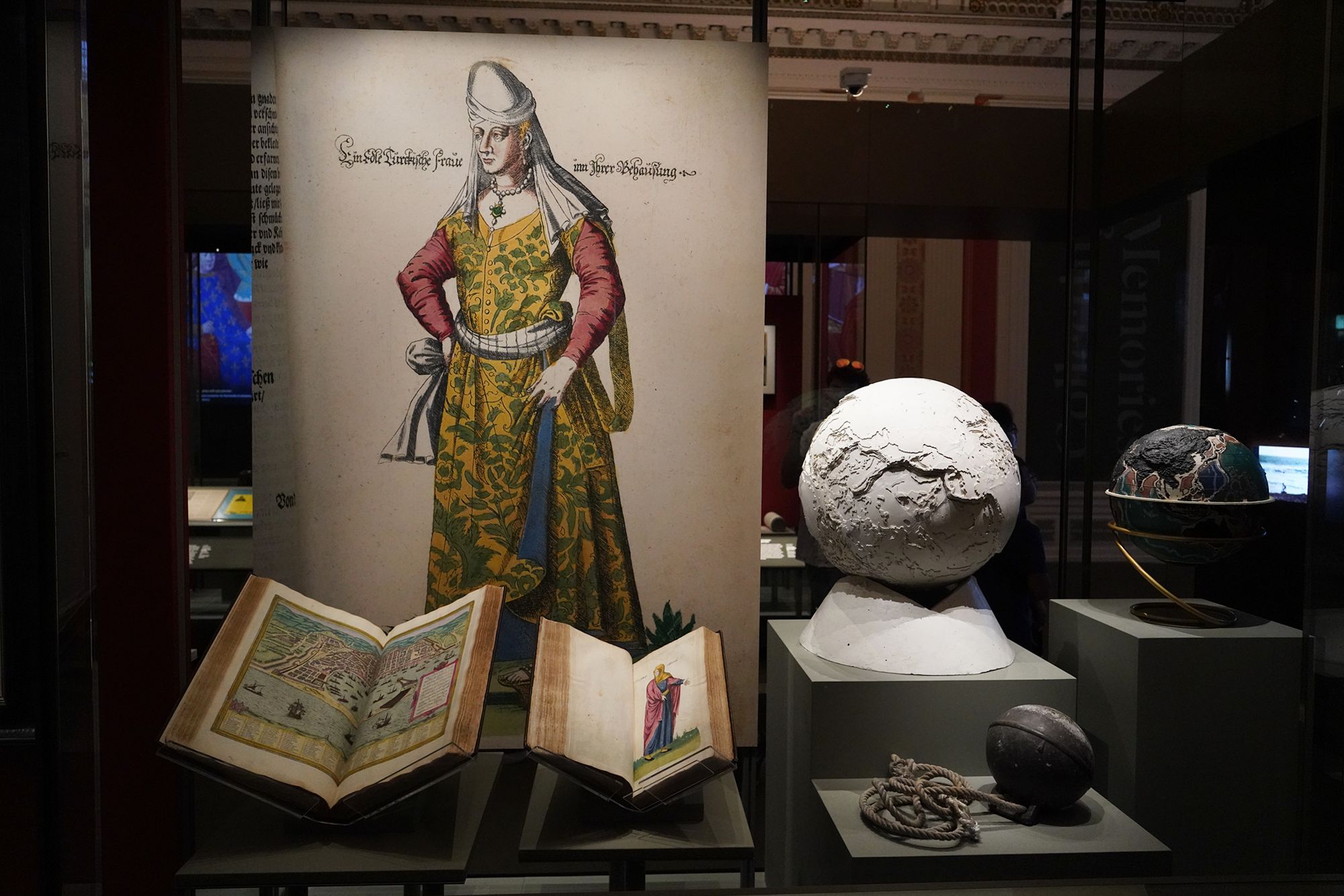
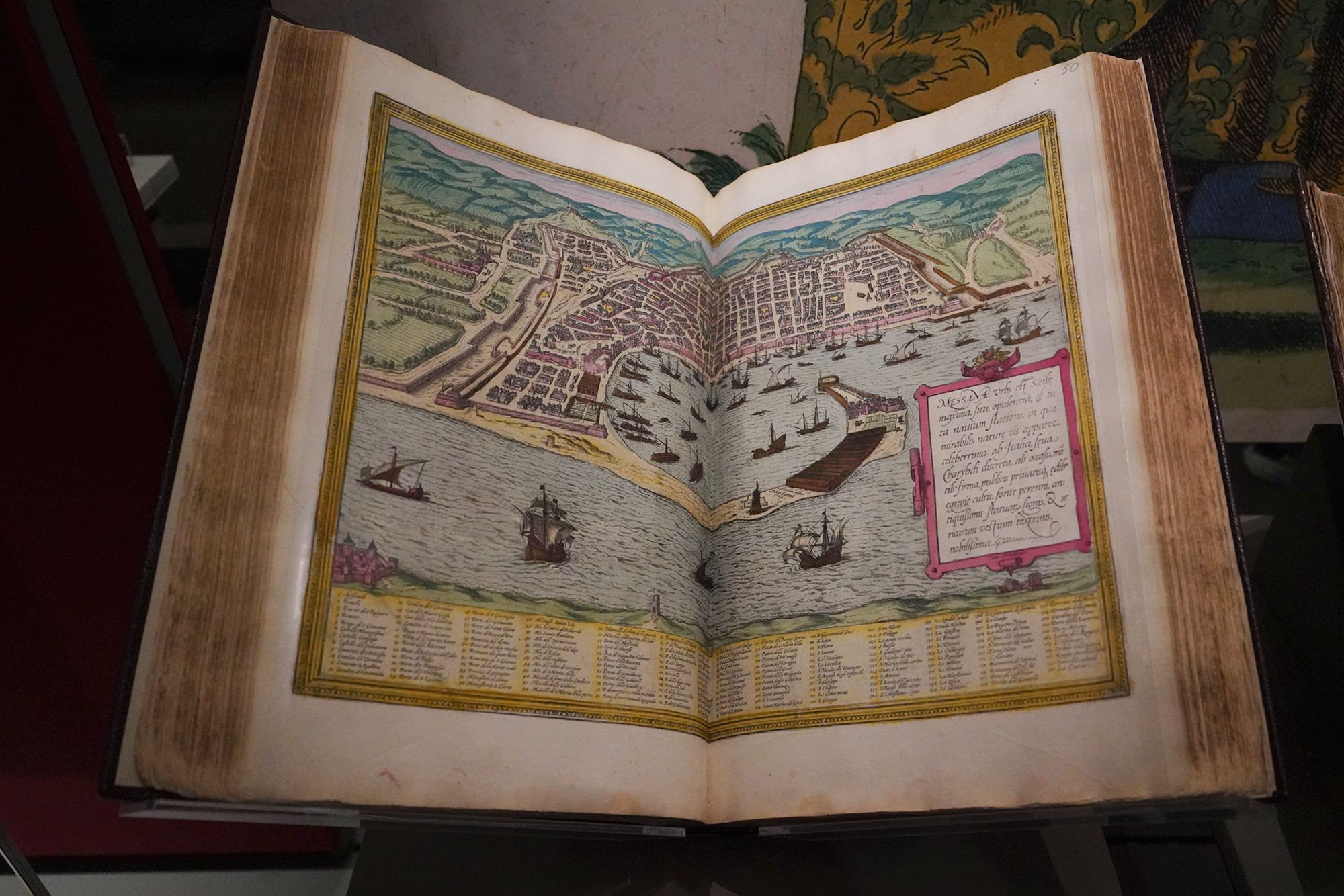
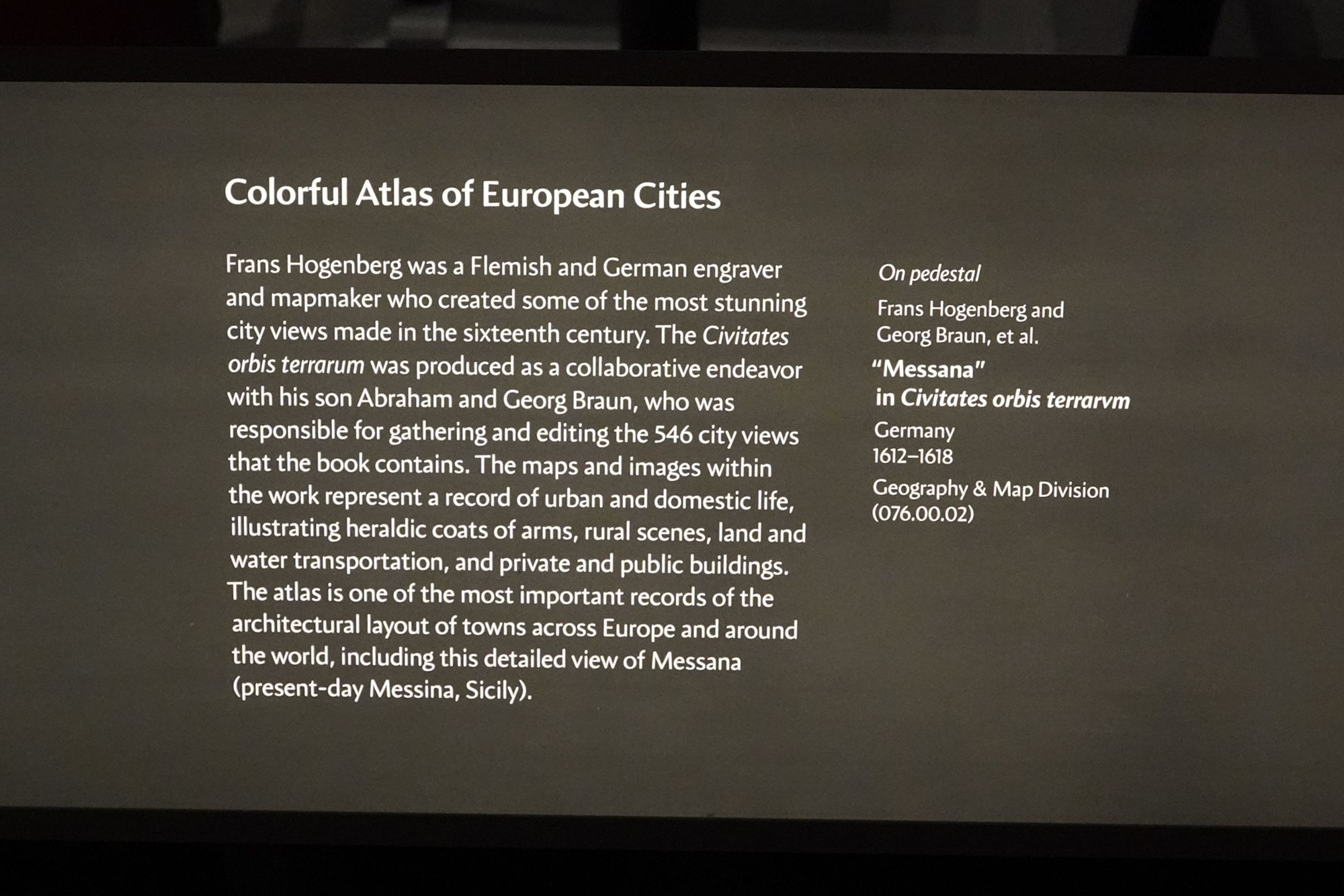
Atlas of European Cities
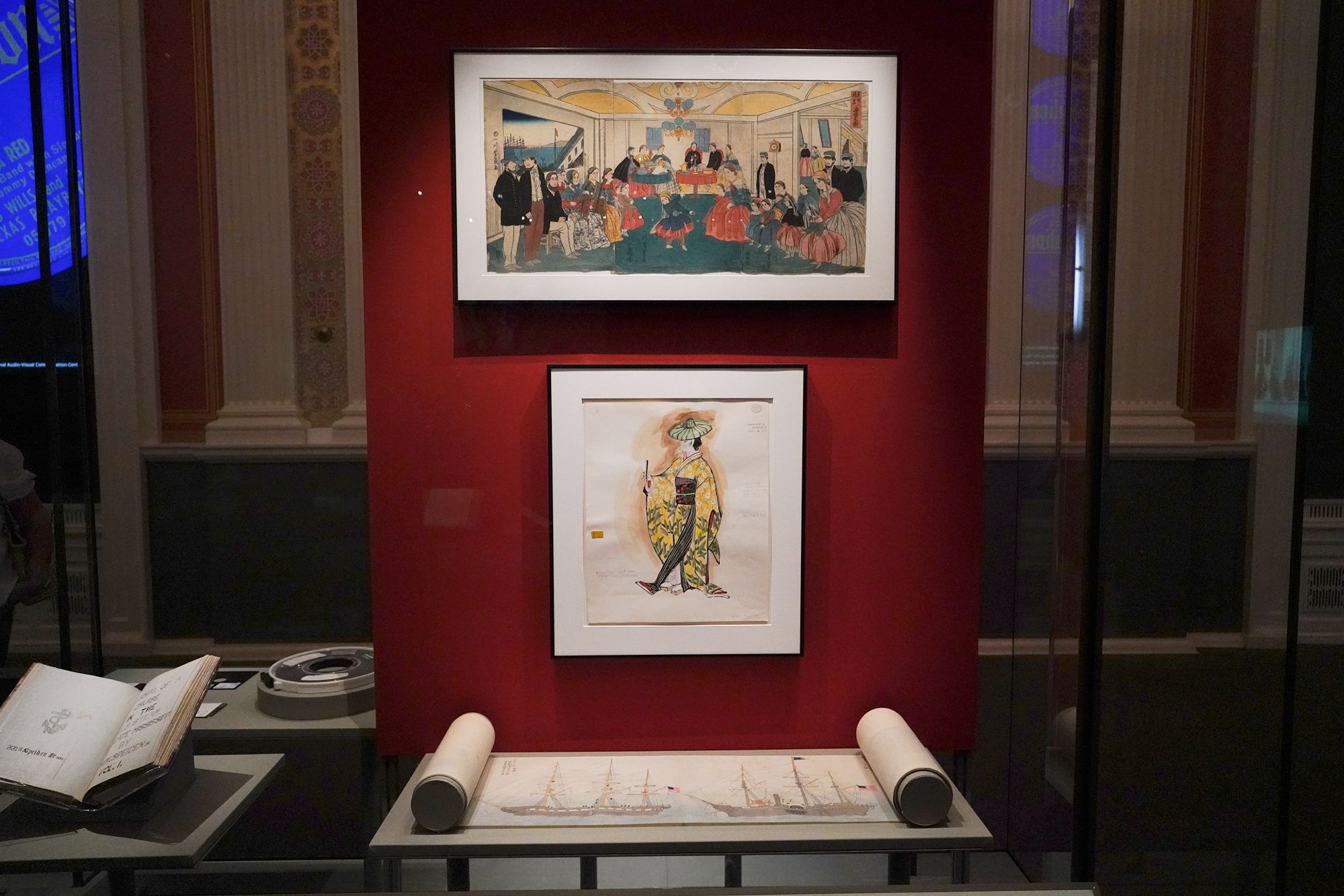
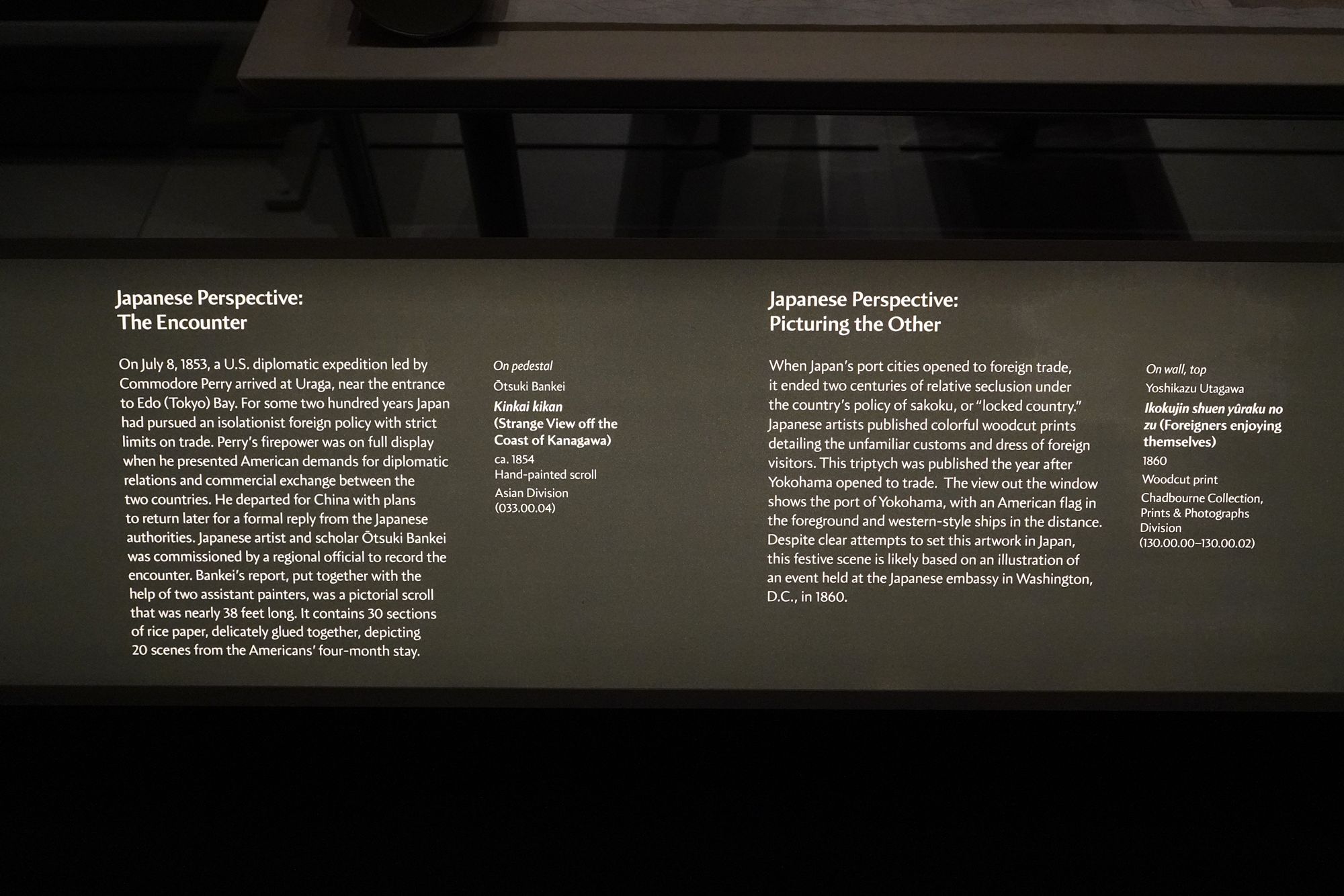
Encounter of the Westerner from Japanese Point of View
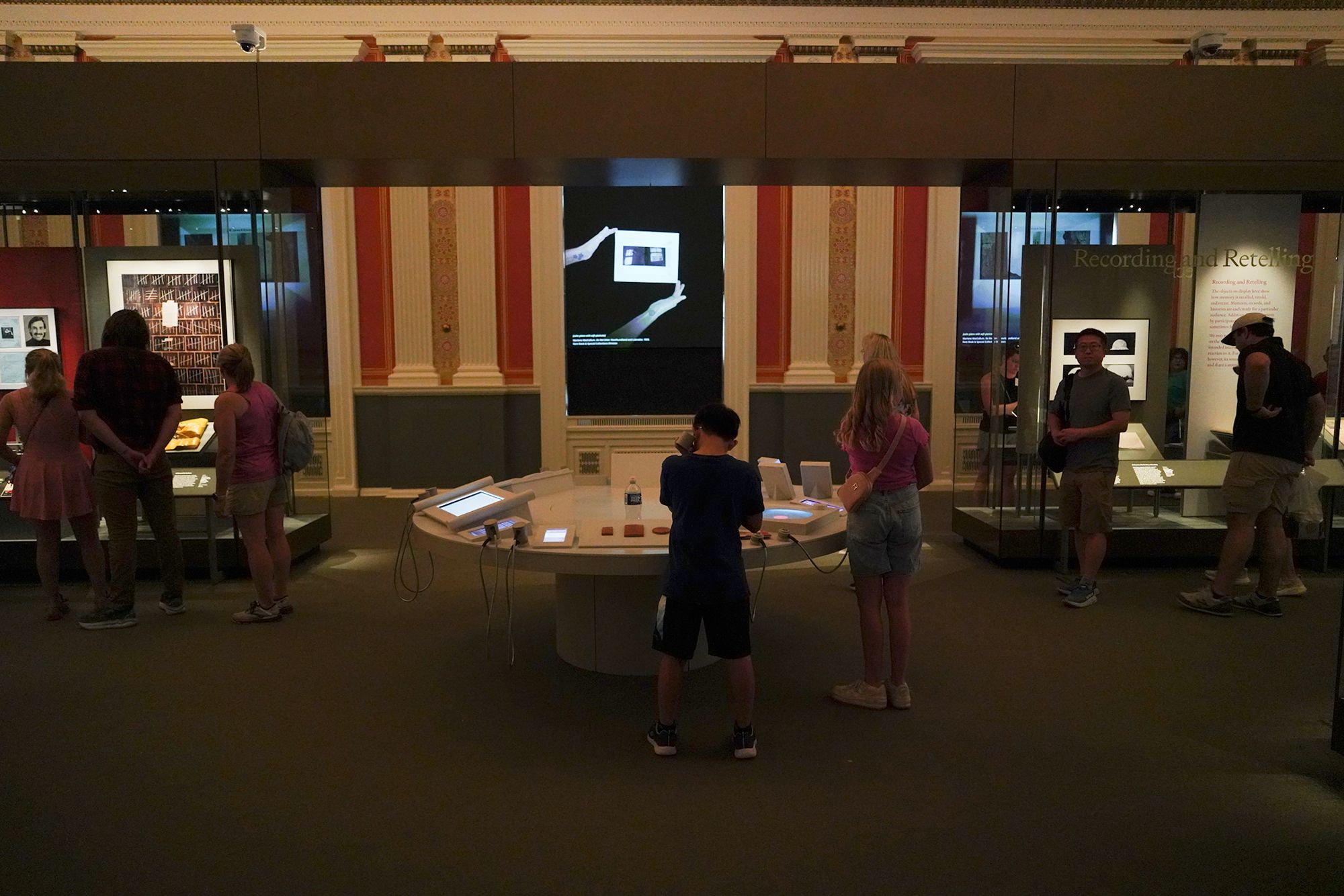
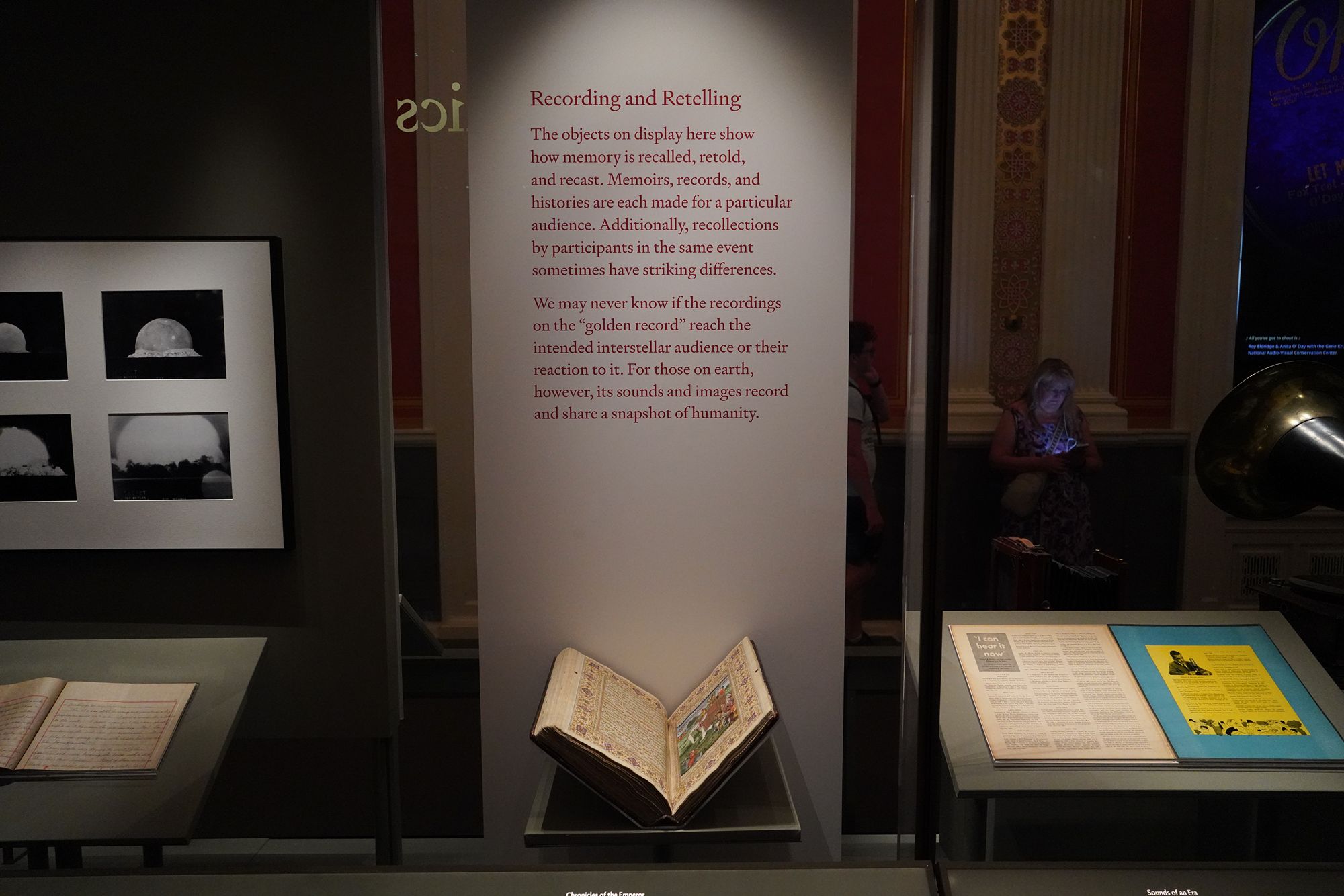
Recording and Retelling
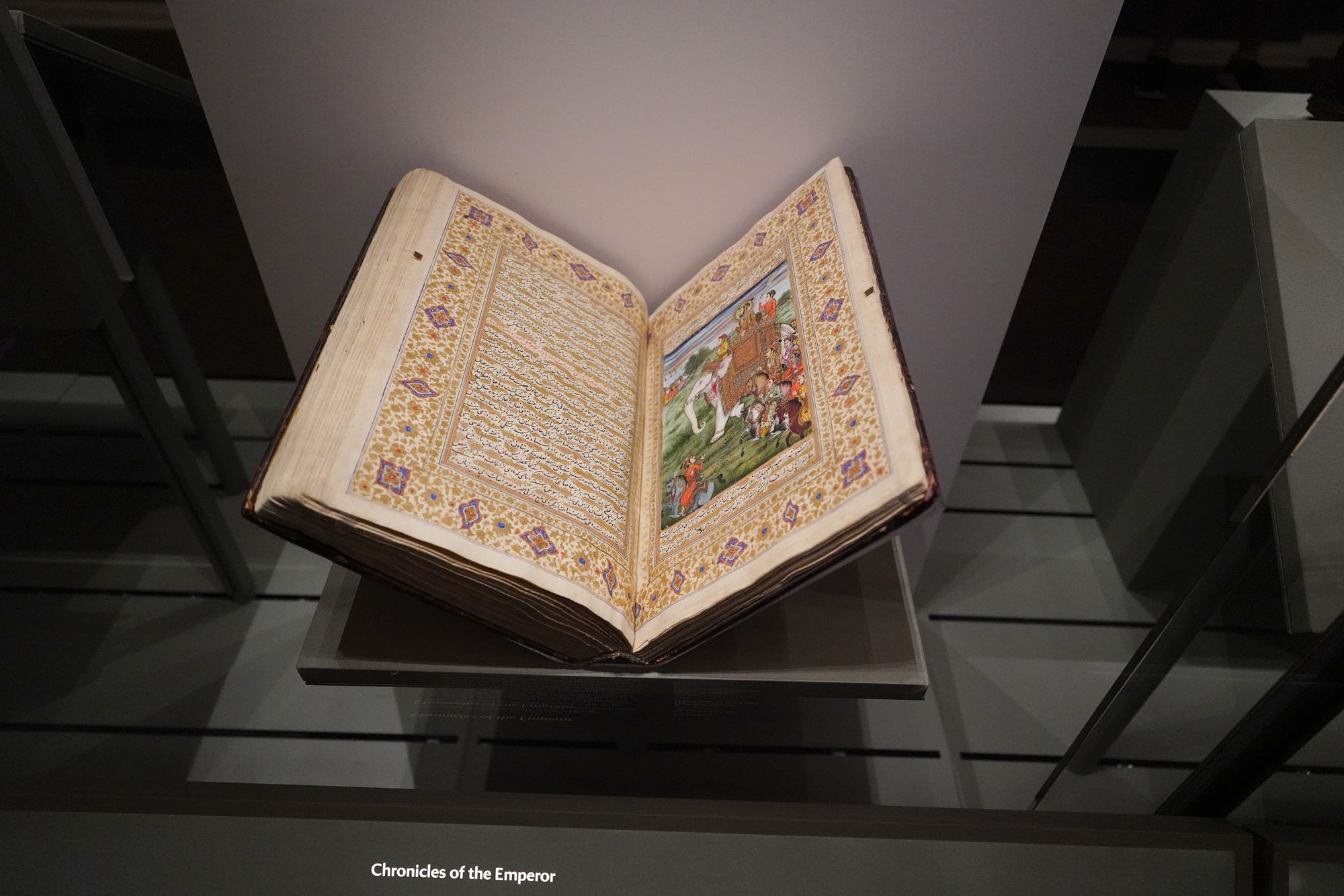
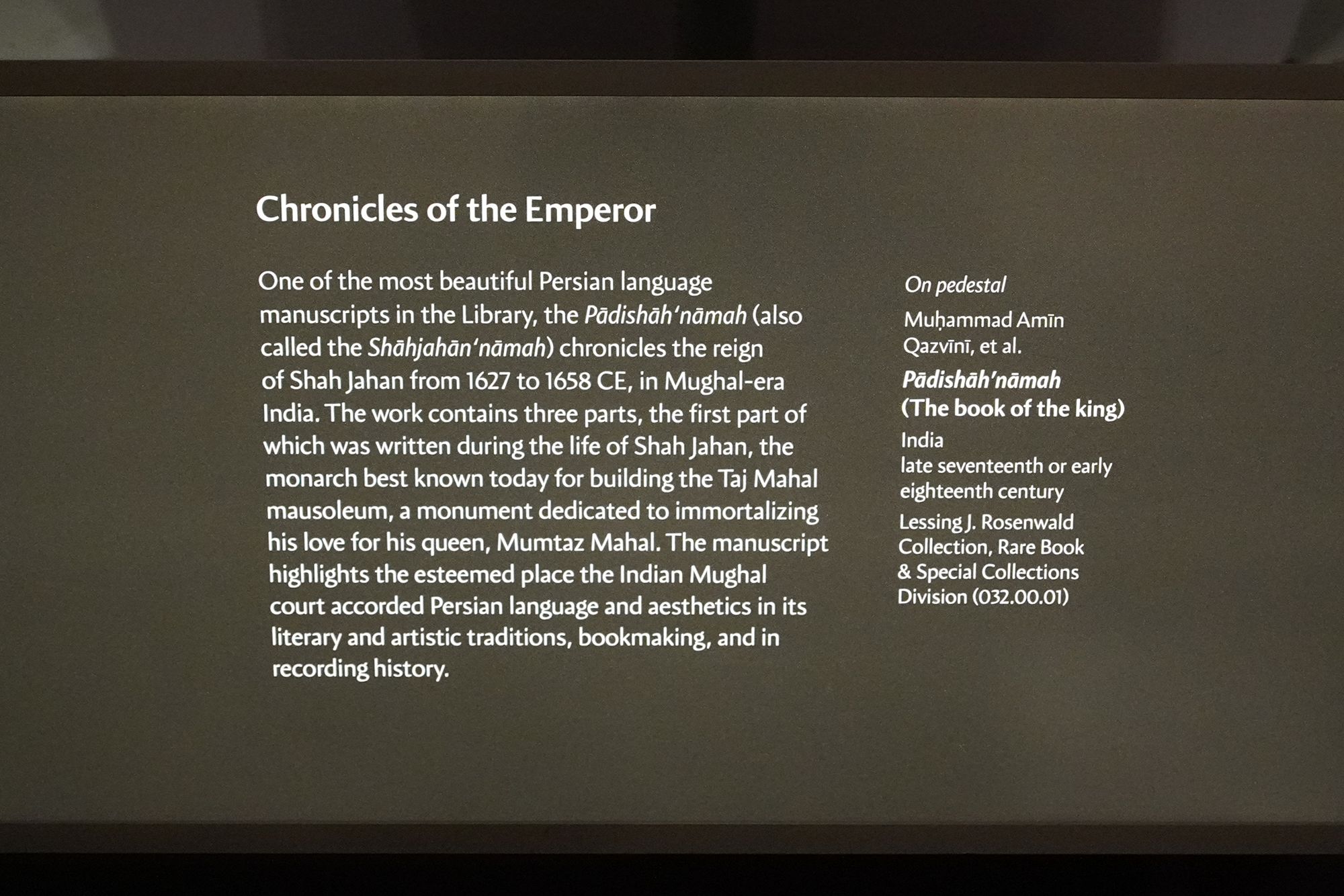
Chronicles of the Emperor
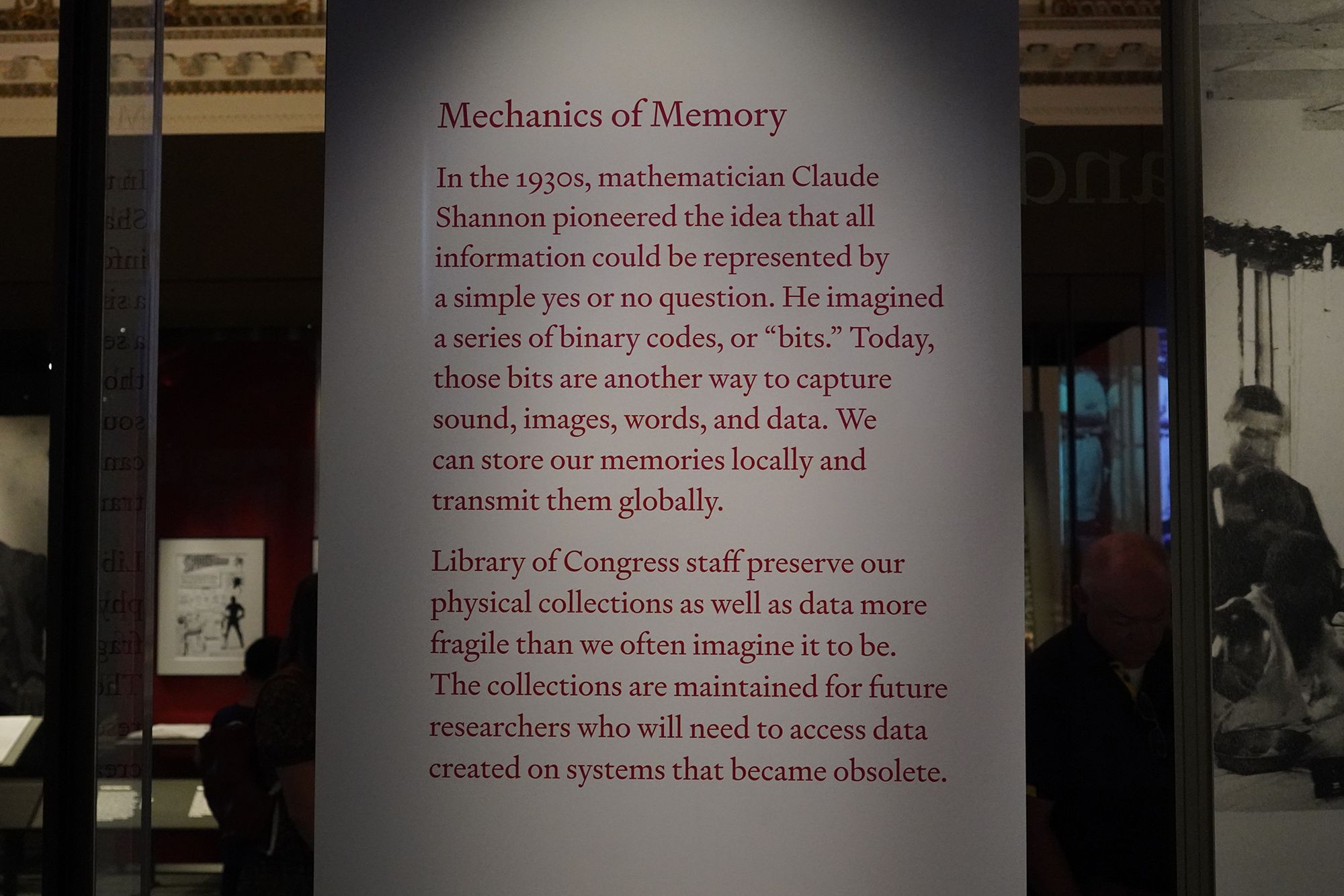
Mechanics of Memory
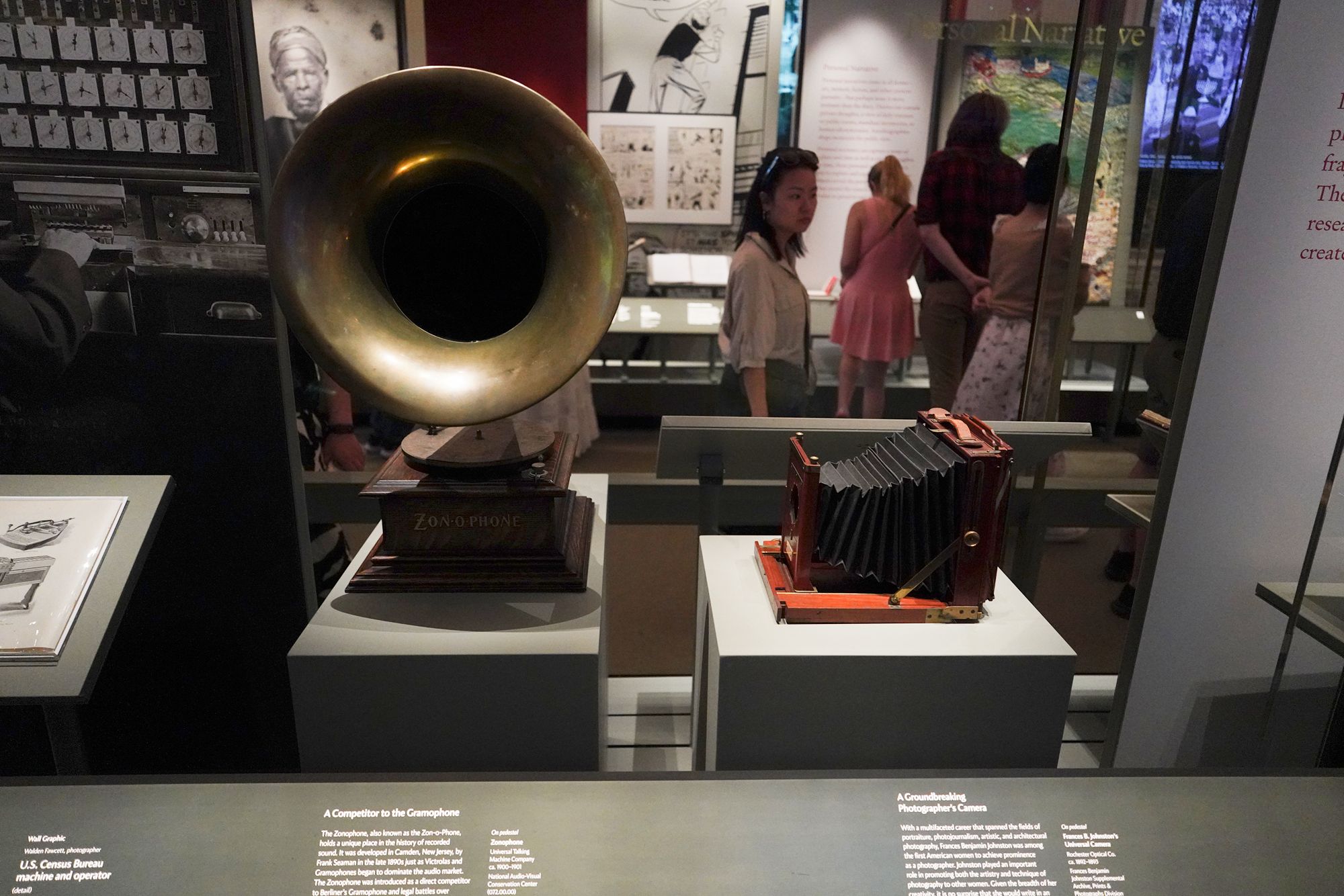
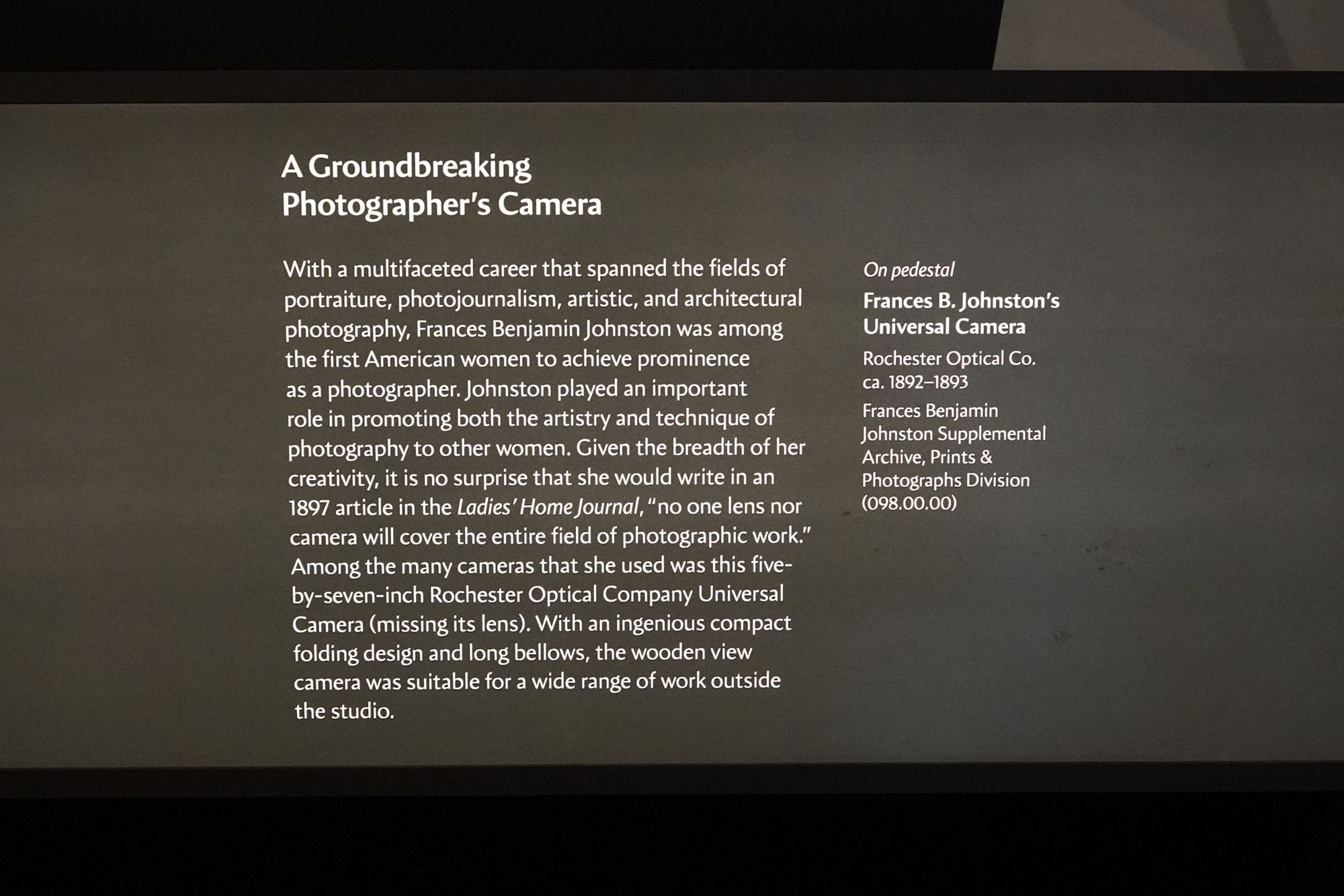
A camera and a phonograph player
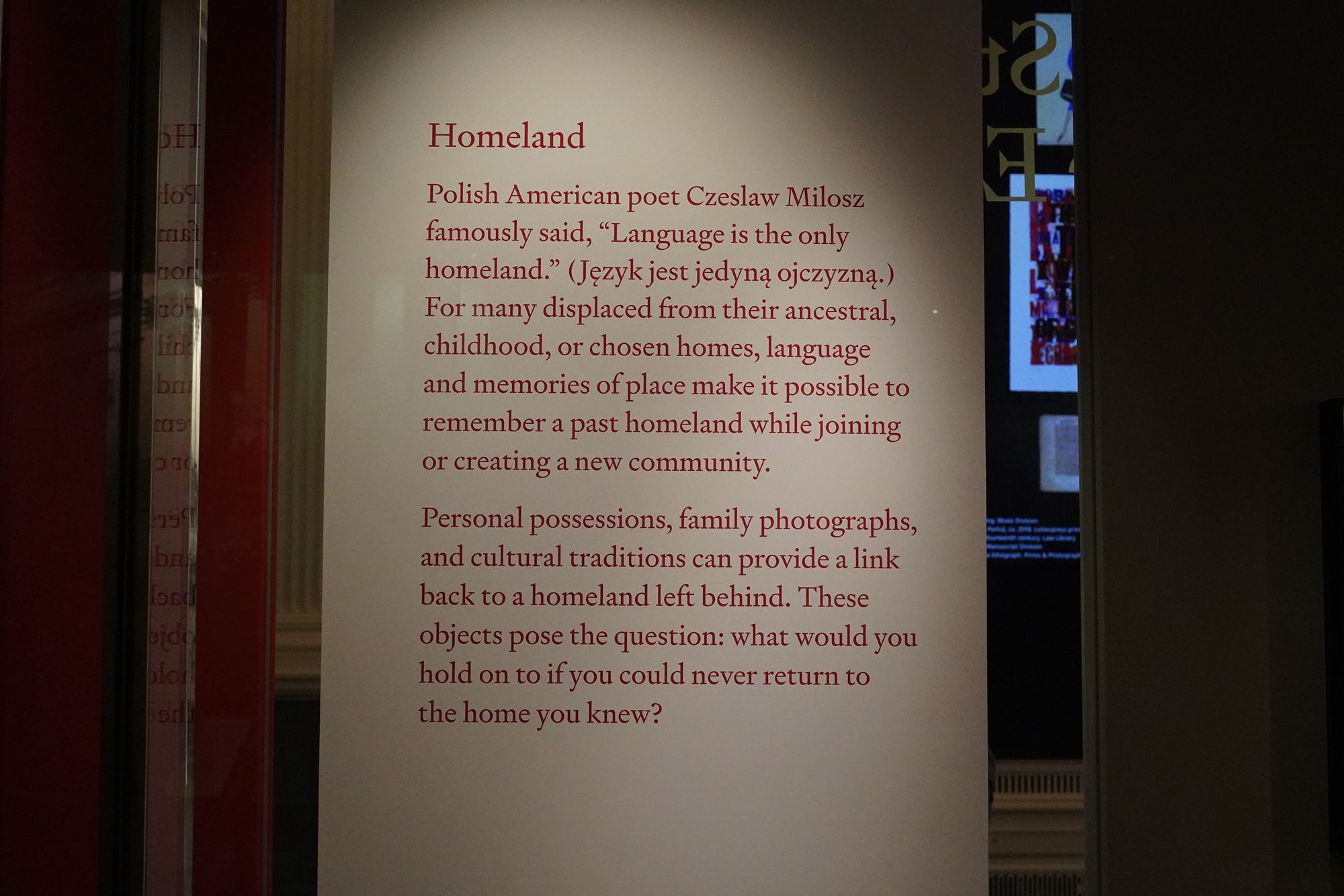
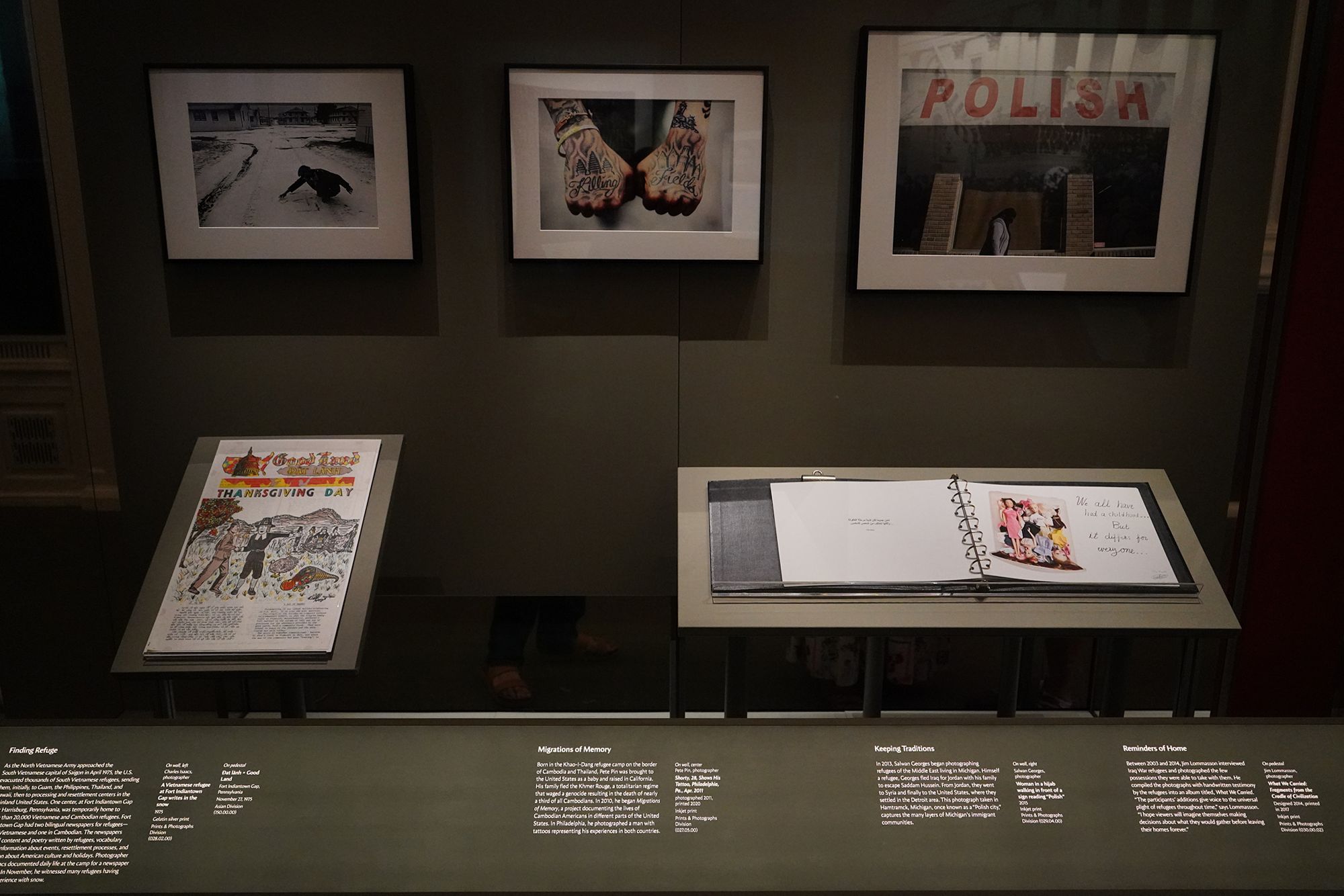
Remembering Homeland
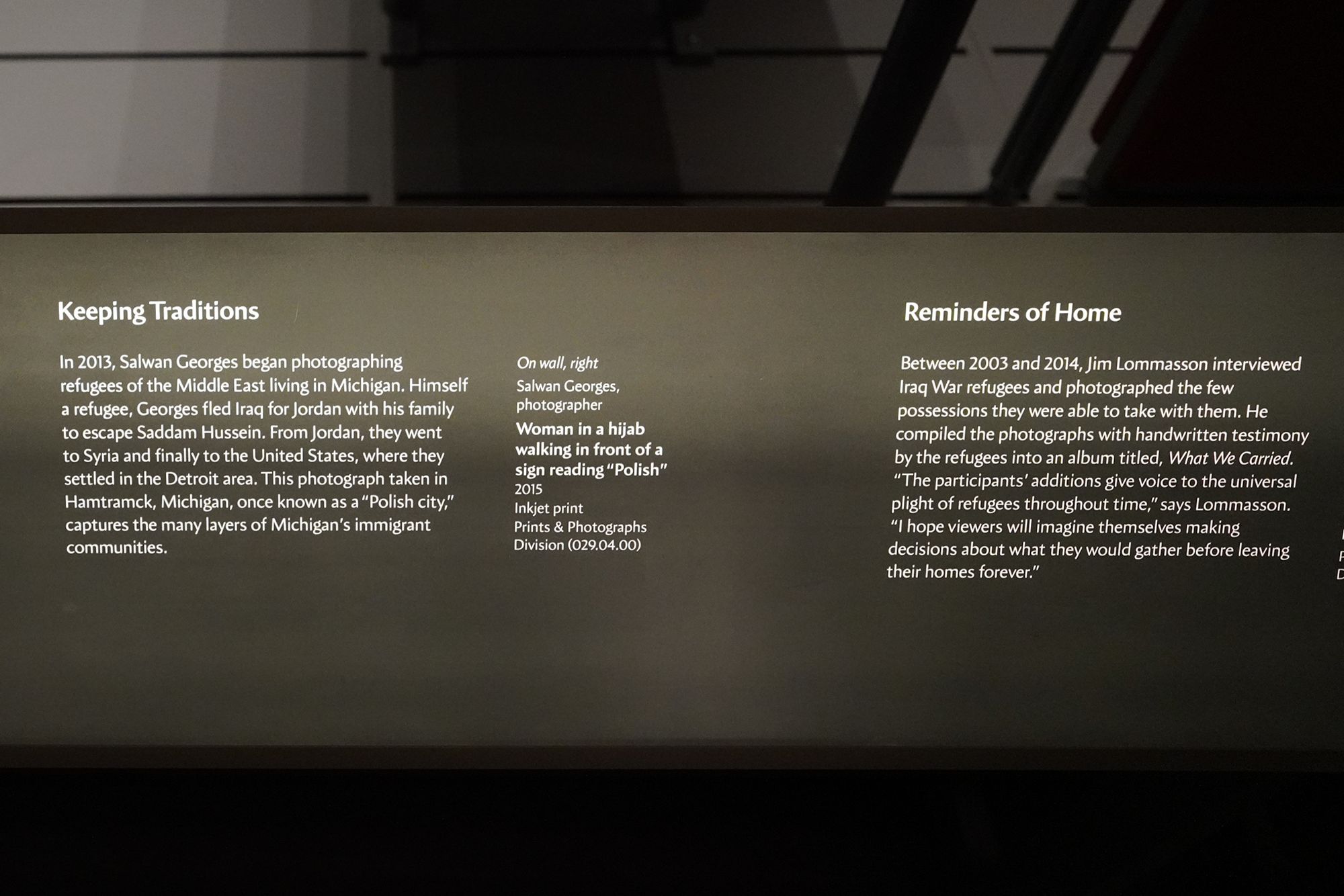
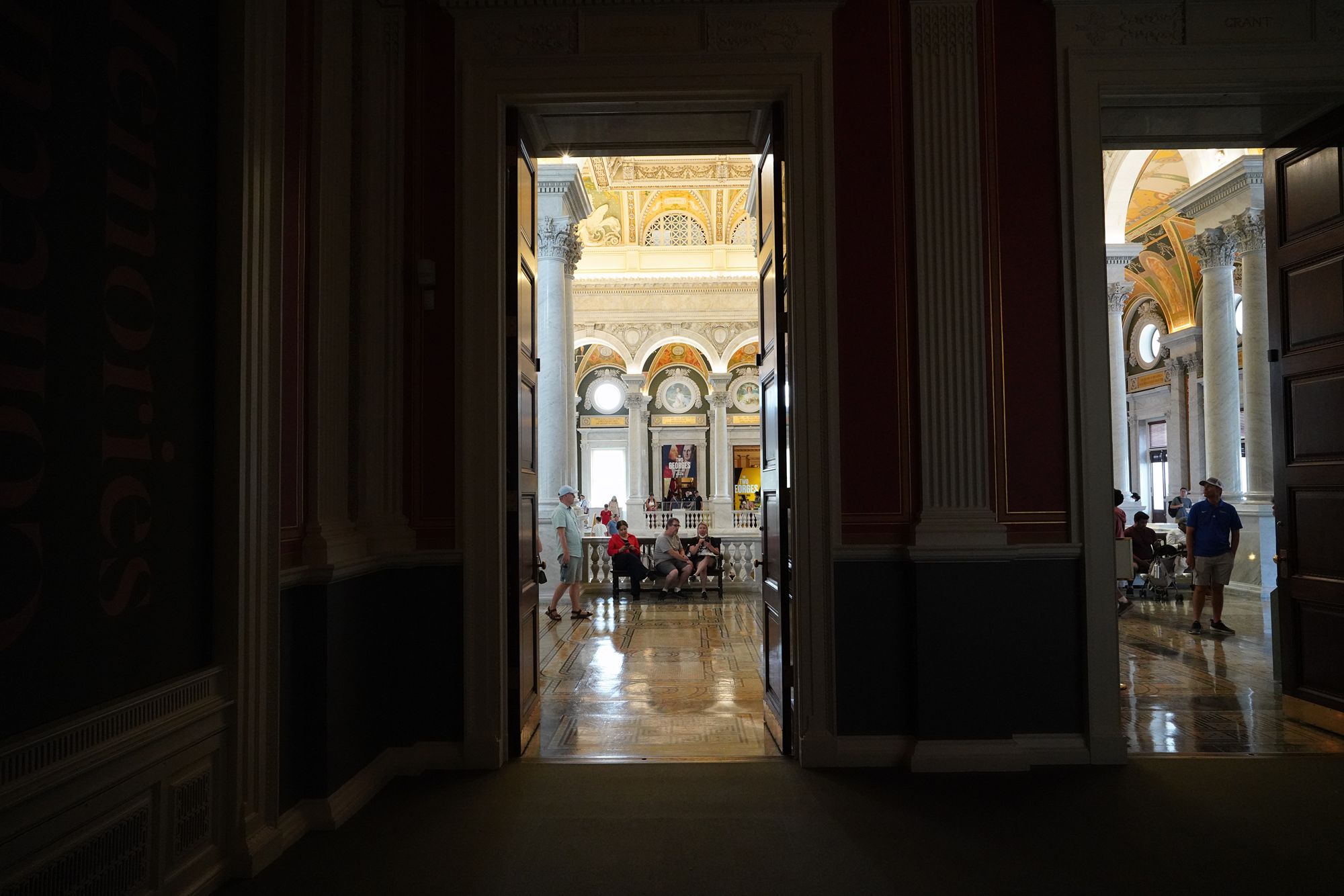
On the other side of the Library is a small museum area featuring additional exhibitions.
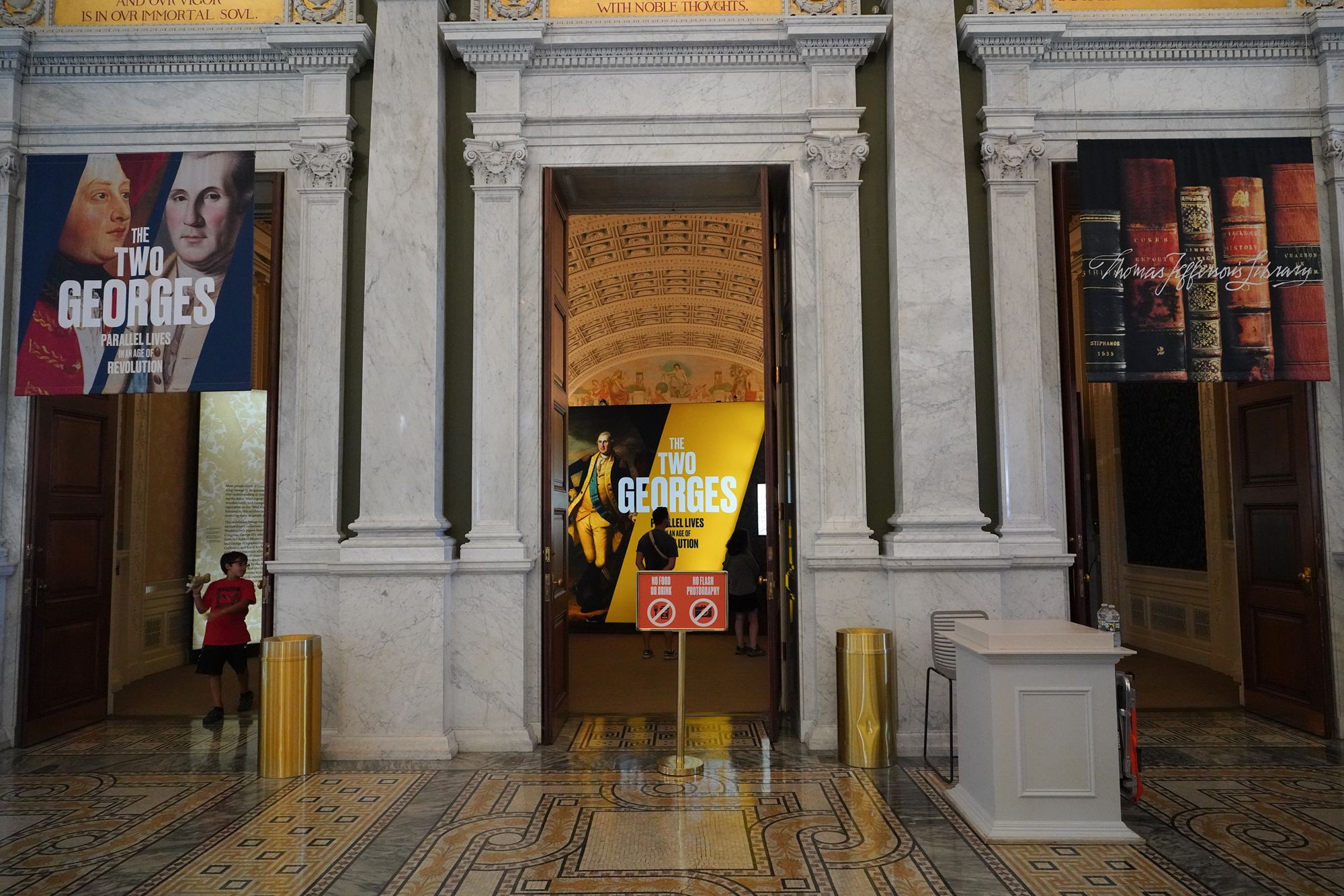
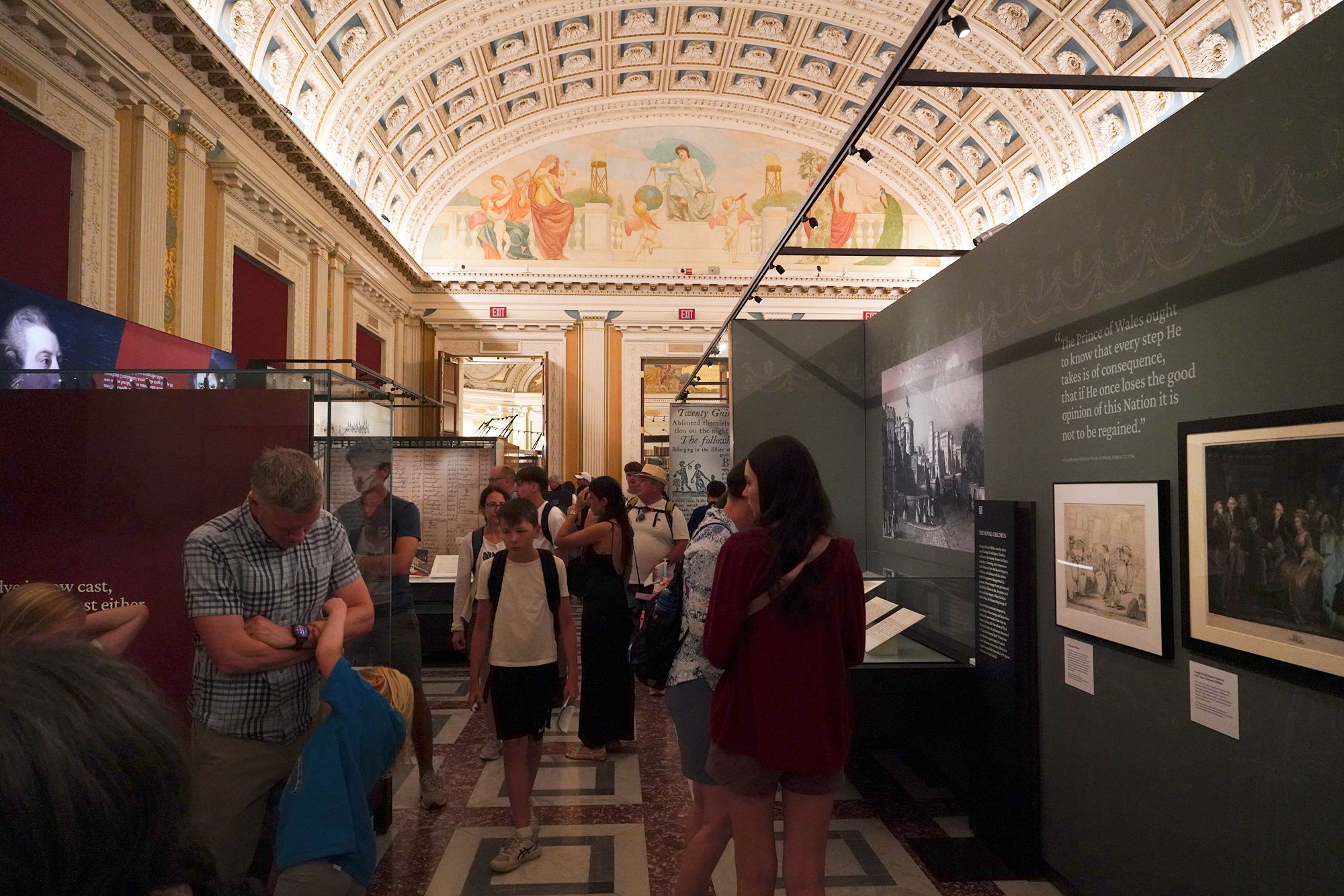
The Two Georges Exhibition
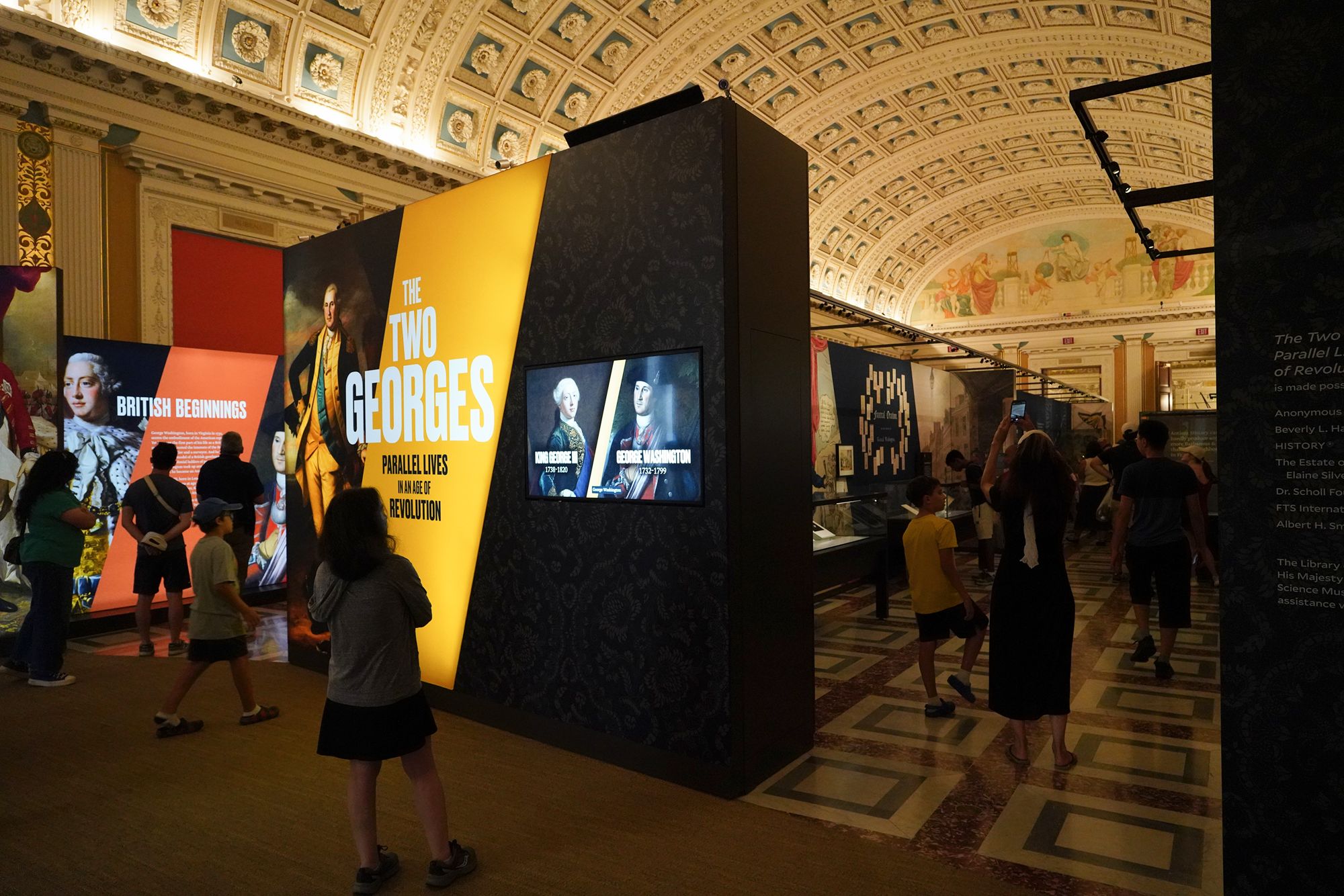
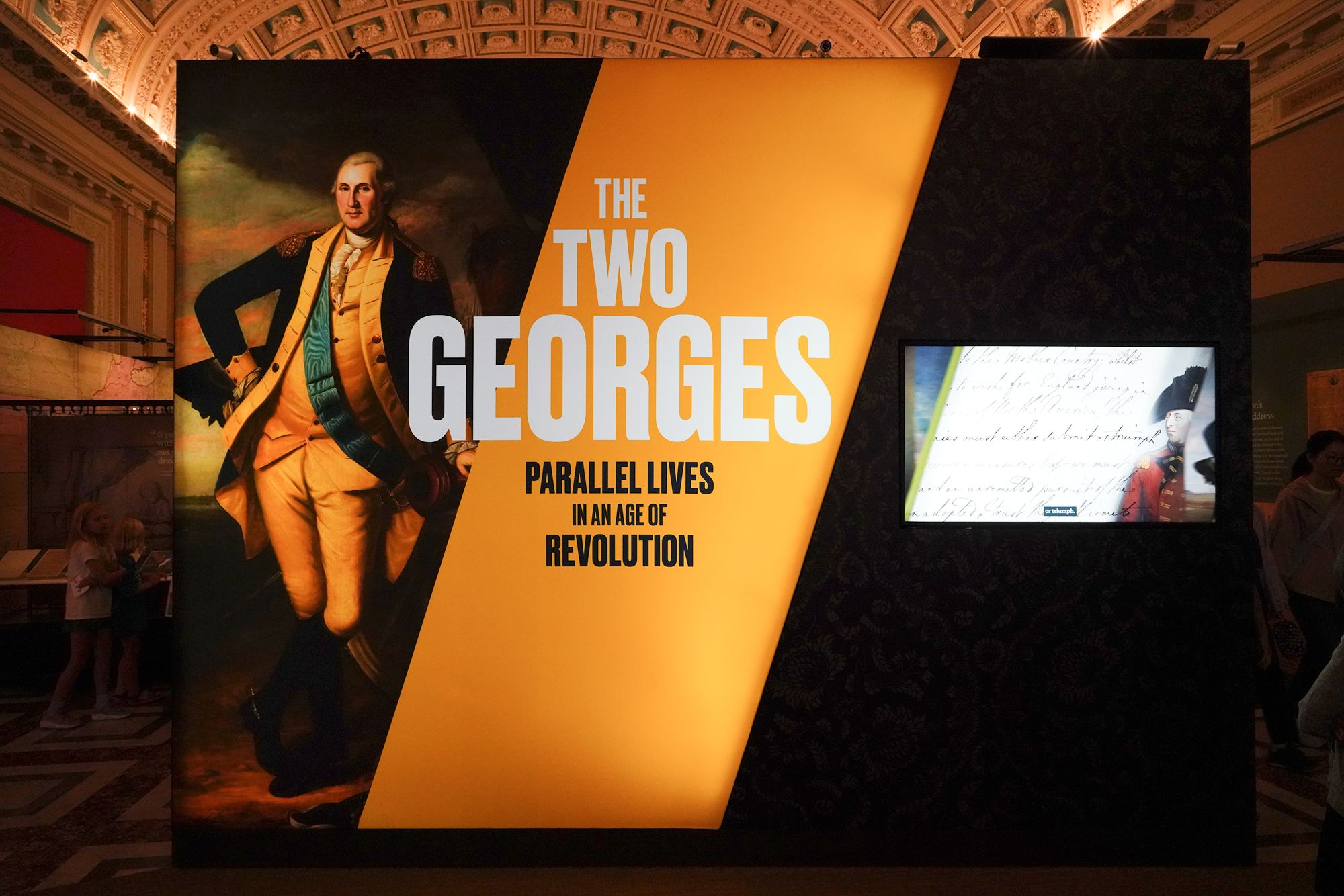
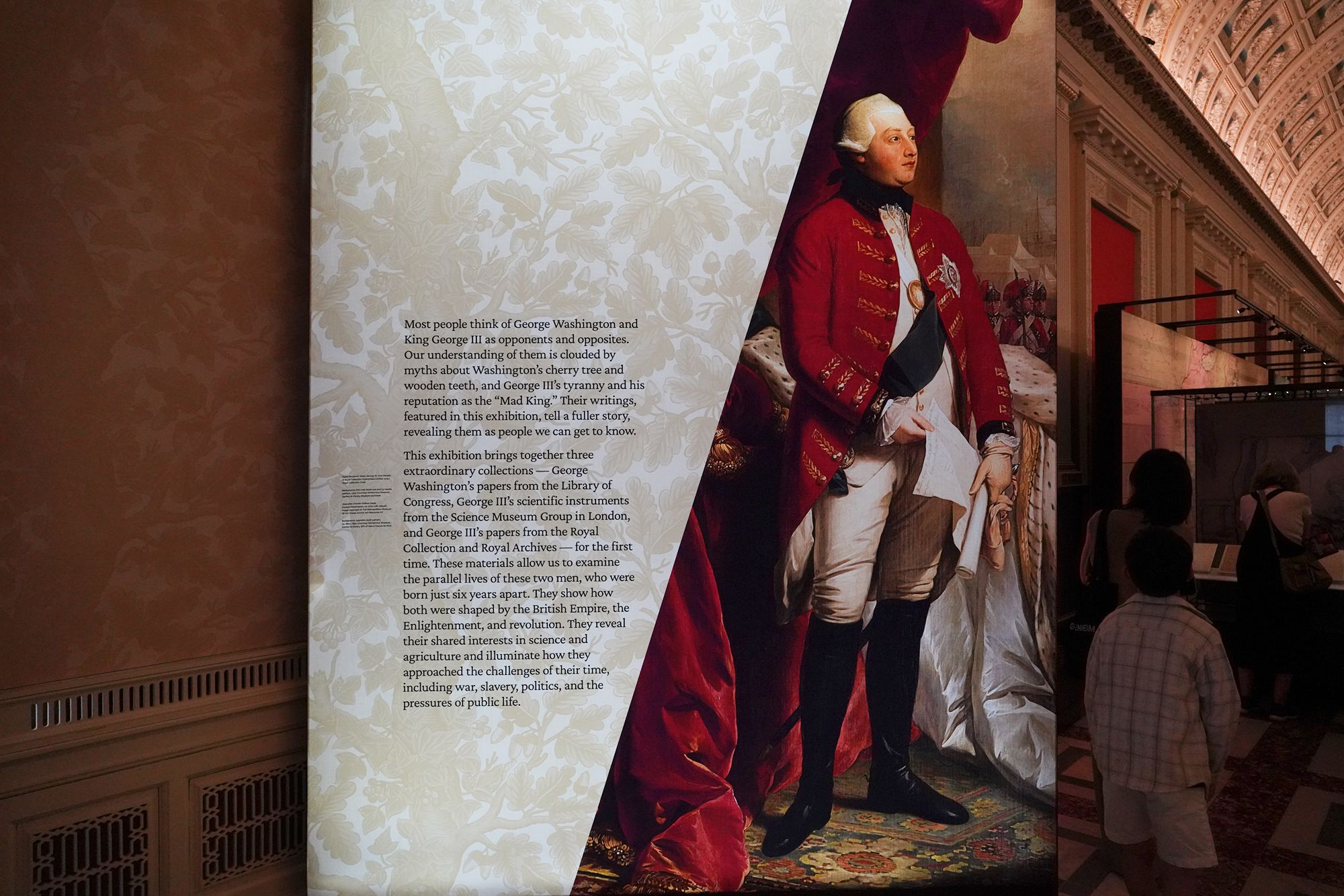
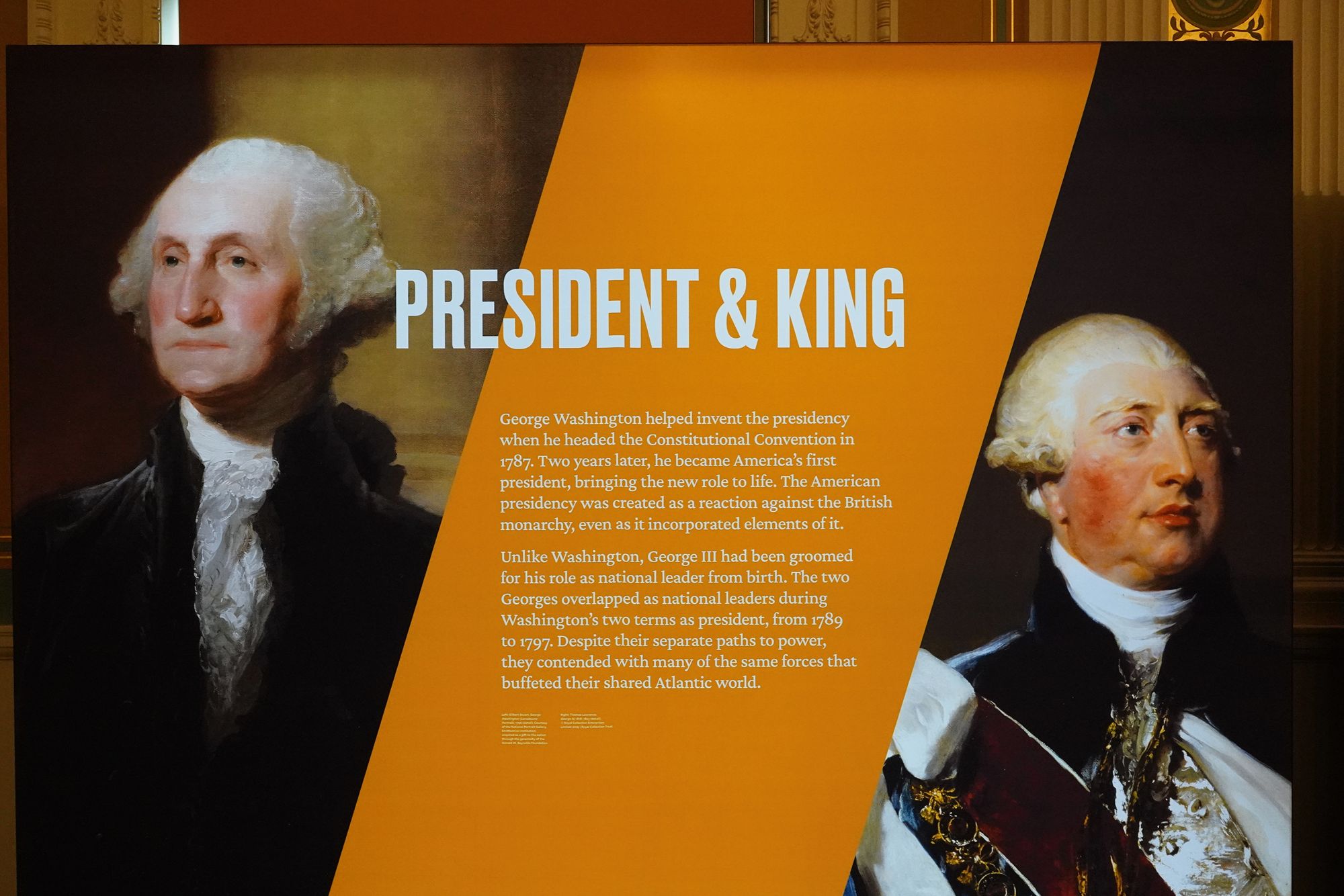
George Washington, born in Virginia in 1732, was a colonial planter, surveyor, and soldier. He admired British culture and served the Crown as an officer during the French and Indian War, gaining valuable military experience. Like many colonists, he initially saw himself as a proud Englishman, loyal to the king but frustrated by Britain’s growing control over the colonies and its unfair taxation.
King George III, born in 1738, became King of Great Britain in 1760. Early in his reign, he was seen as moral, serious, and dedicated to his duties. He sought to strengthen royal authority and maintain control over Britain’s vast empire, including the American colonies.
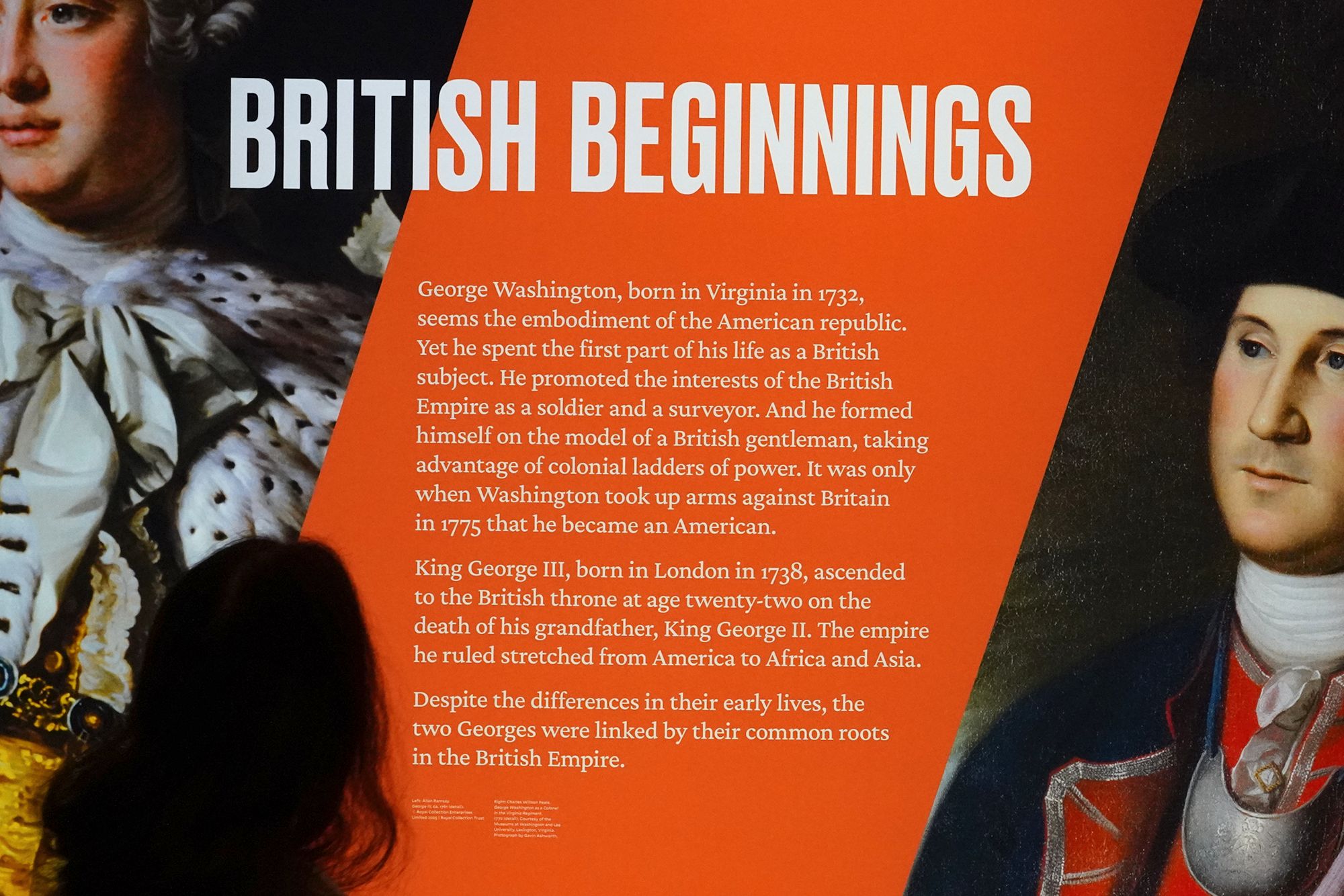
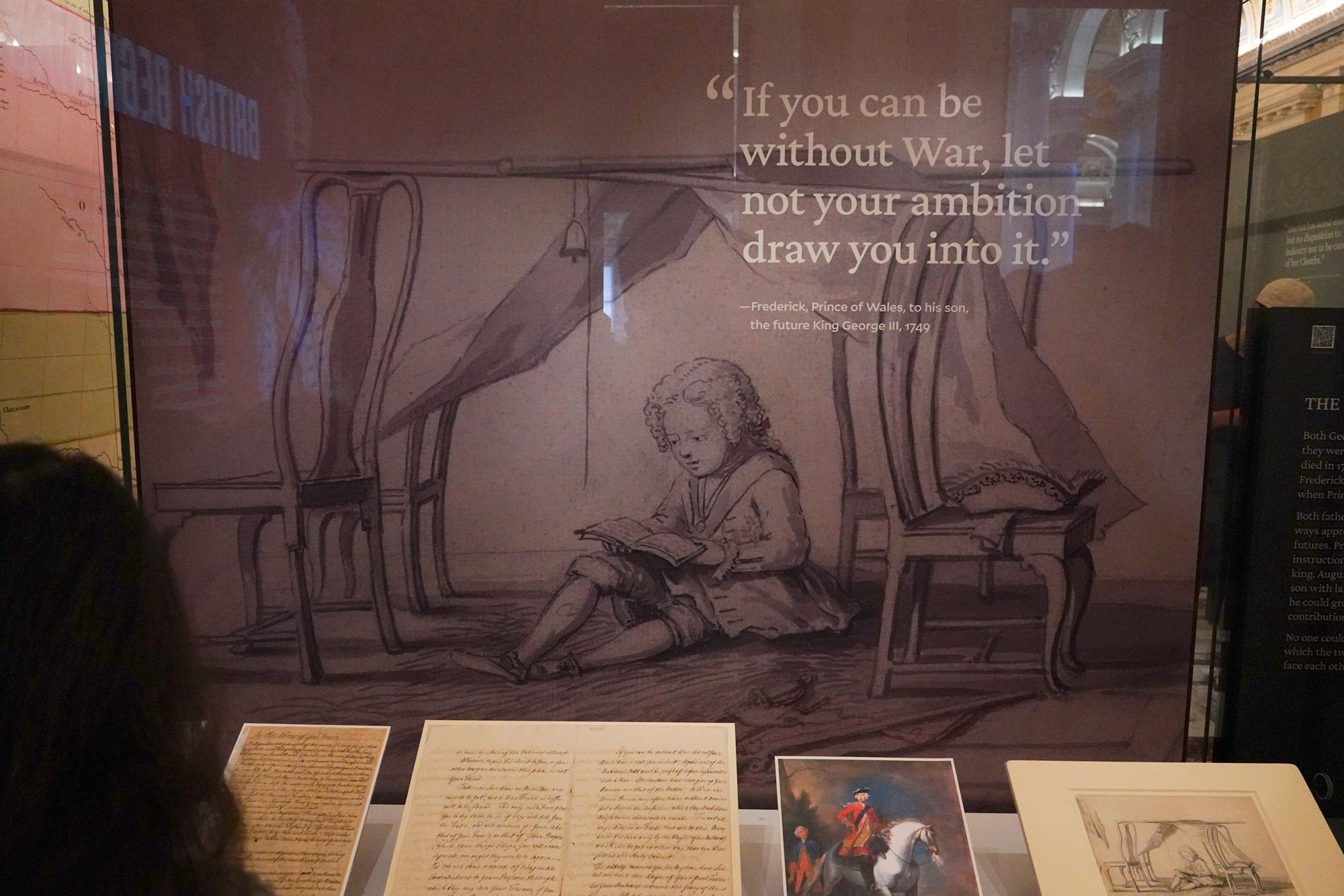
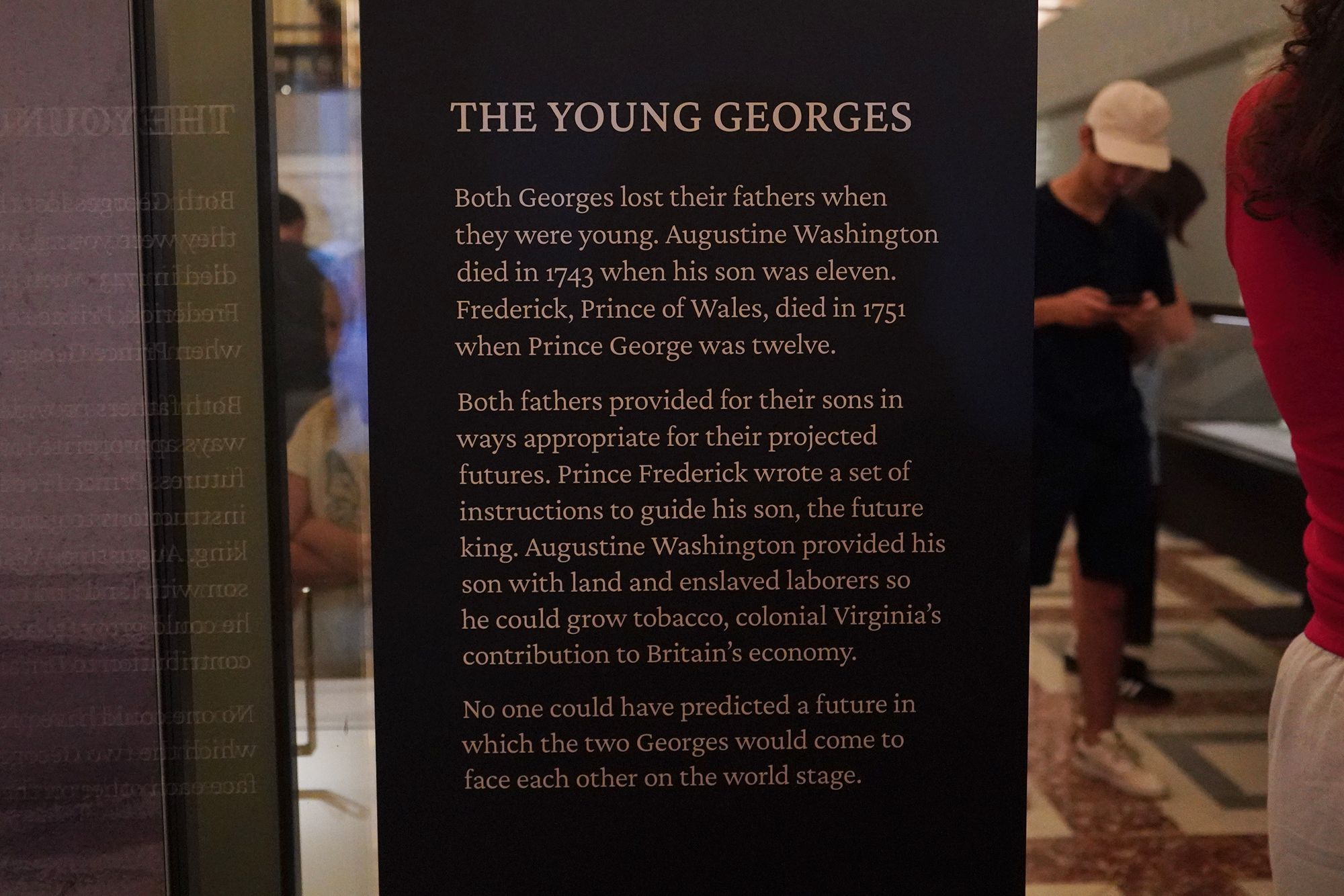
Both George Washington and King George III experienced the loss of their fathers at a young age, shaping their characters and sense of responsibility early in life.
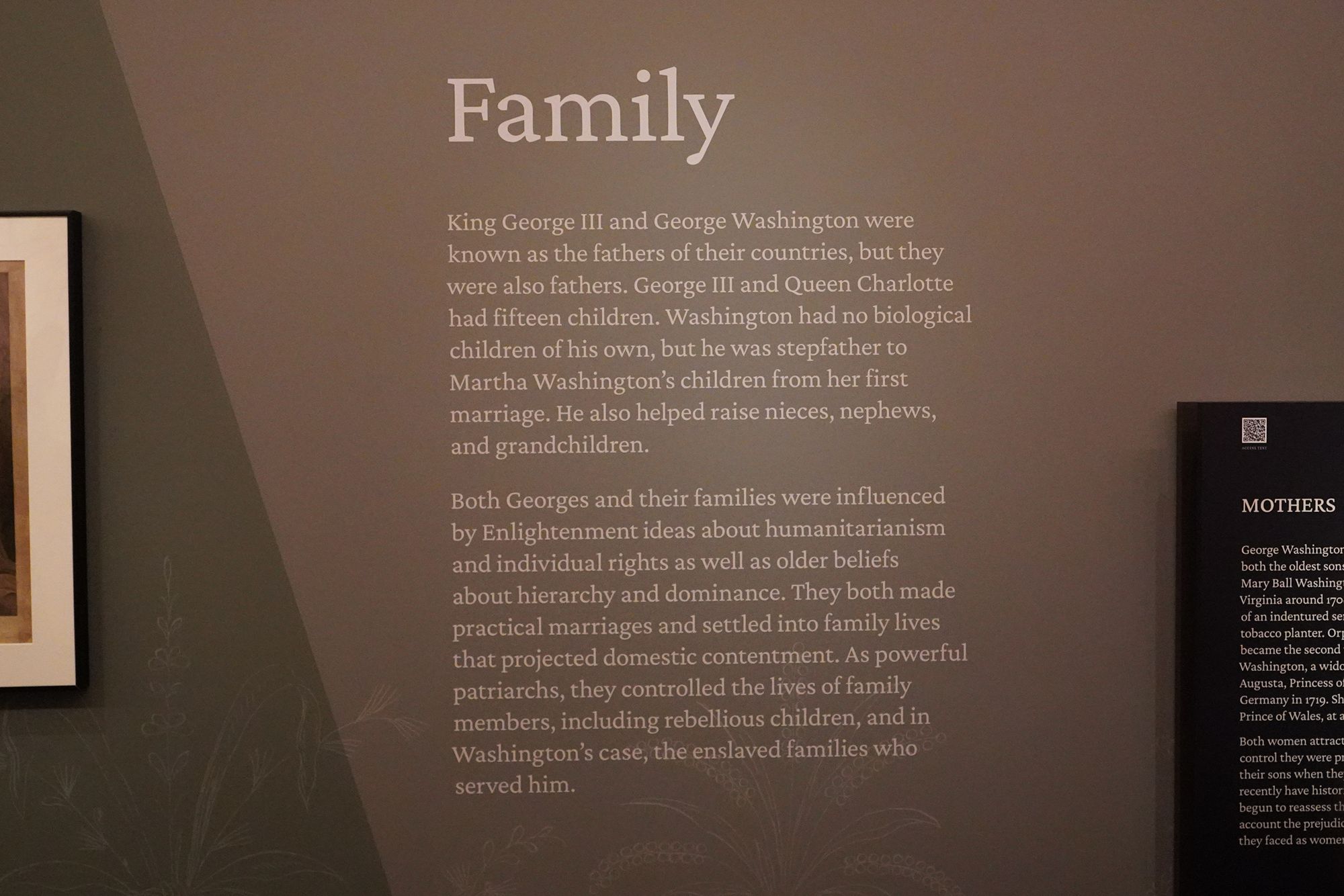
George Washington had no biological children of his own. He and his wife, Martha Custis, married in 1759, and she brought two young children from her previous marriage—John “Jacky” Custis and Martha “Patsy” Custis—whom Washington helped raise as his own.
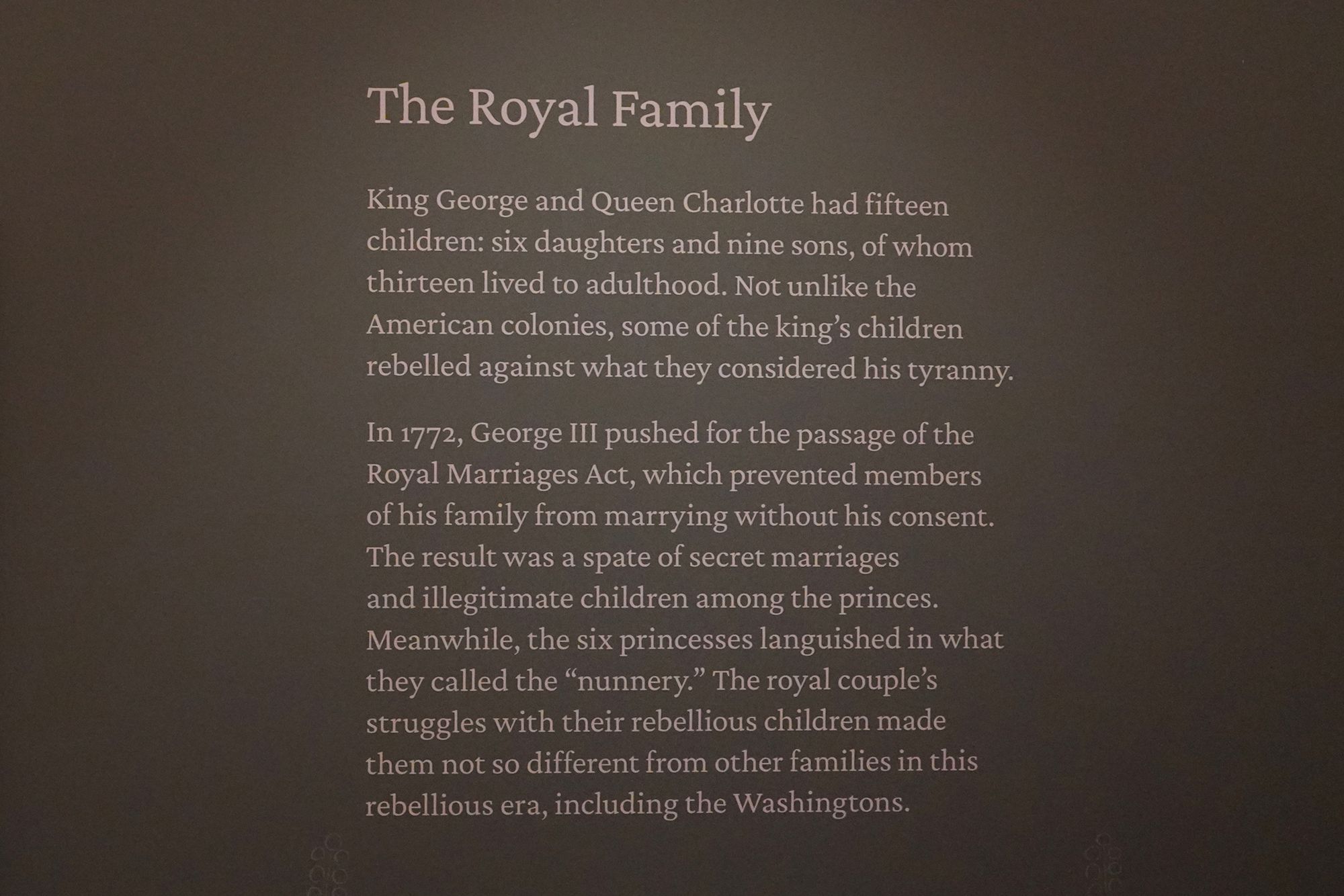
King George III, by contrast, had a large family. He and Queen Charlotte had 15 children—nine sons and six daughters—making them one of the largest royal families in British history.
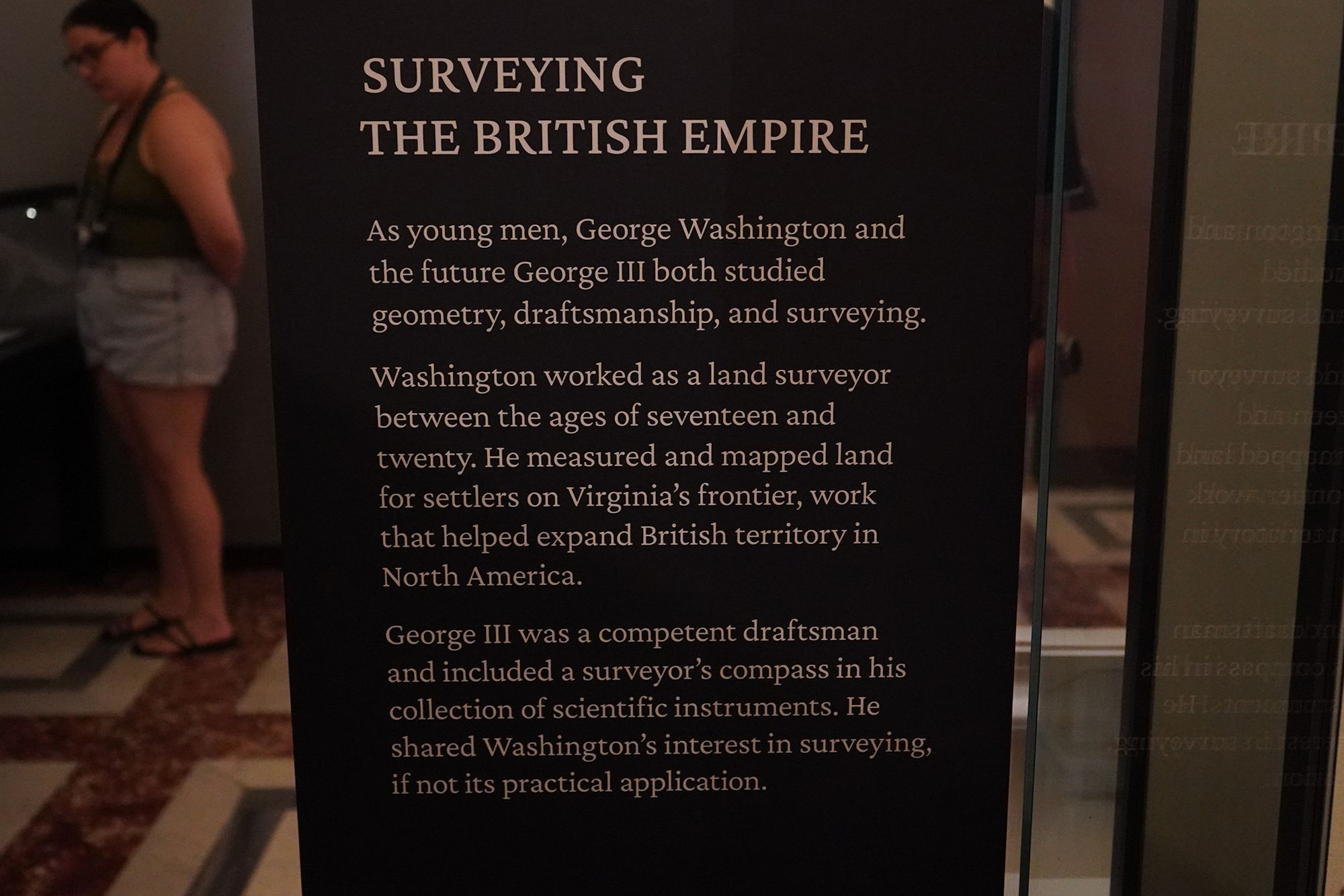
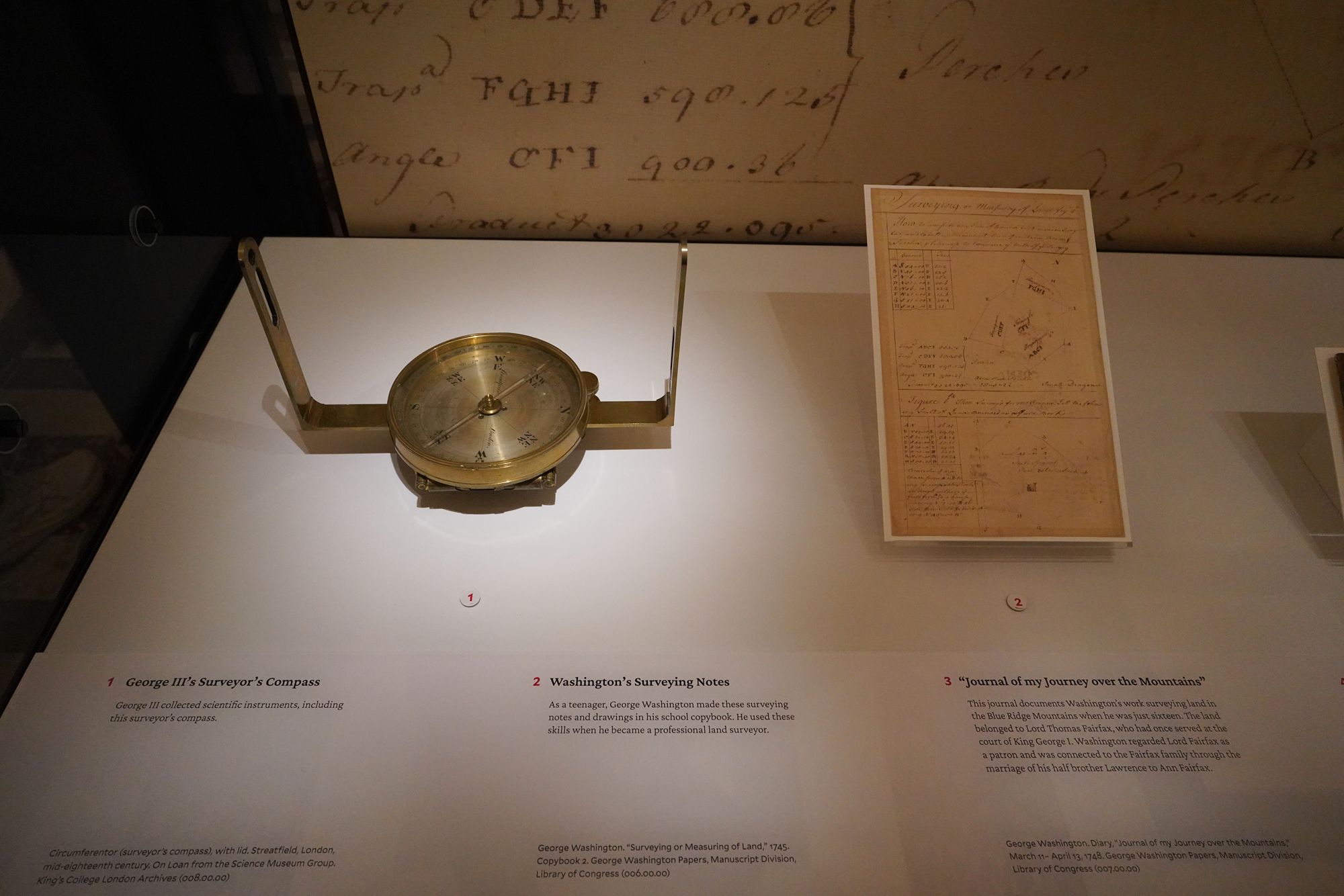
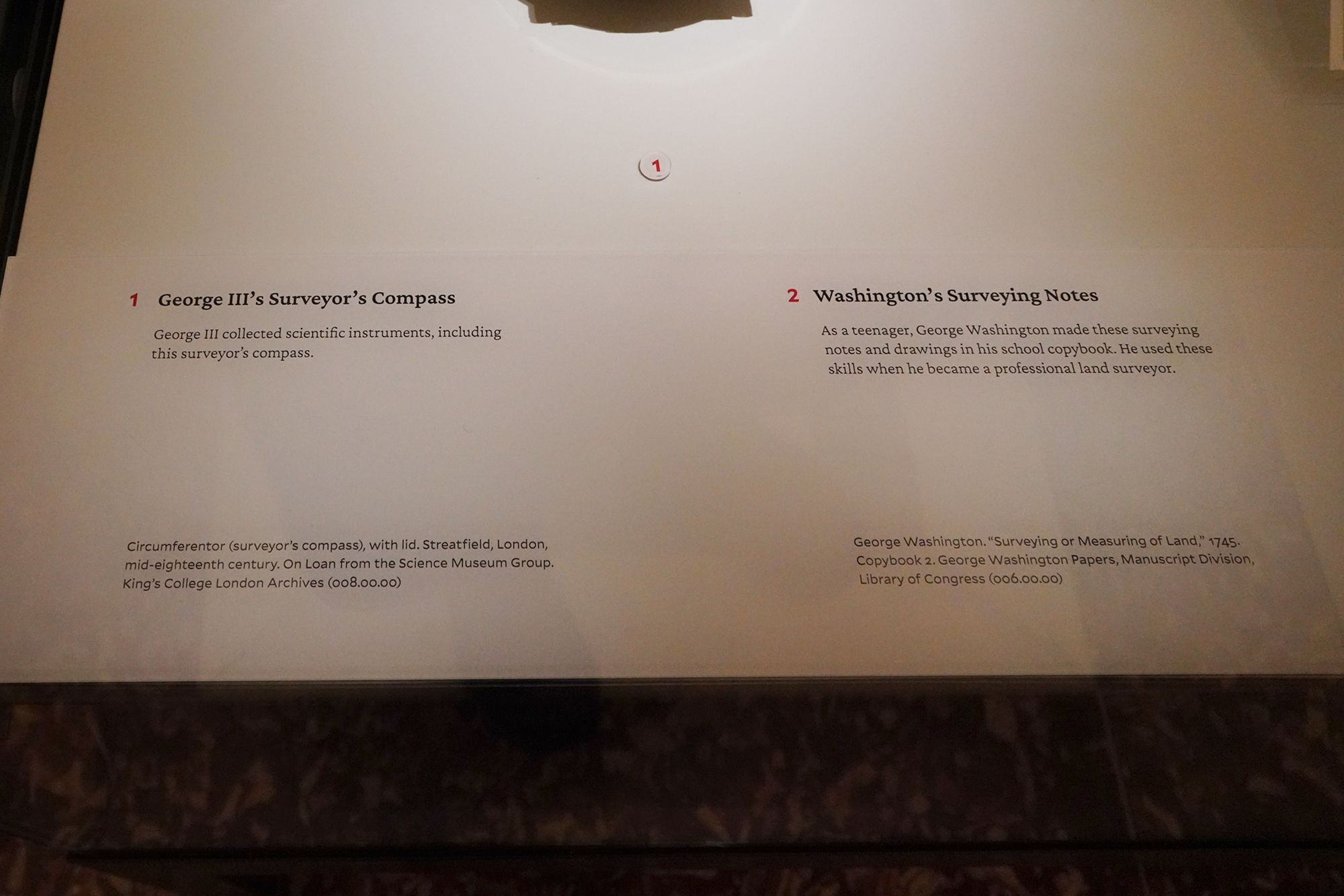
As a young man, George Washington literally surveyed the land. Trained as a land surveyor in Virginia, he mapped the wilderness, measured property boundaries, and explored frontier territories.
King George III, on the other hand, surveyed the empire from the throne. As ruler of a global power, he oversaw territories that spanned North America, the Caribbean, Africa, and India.
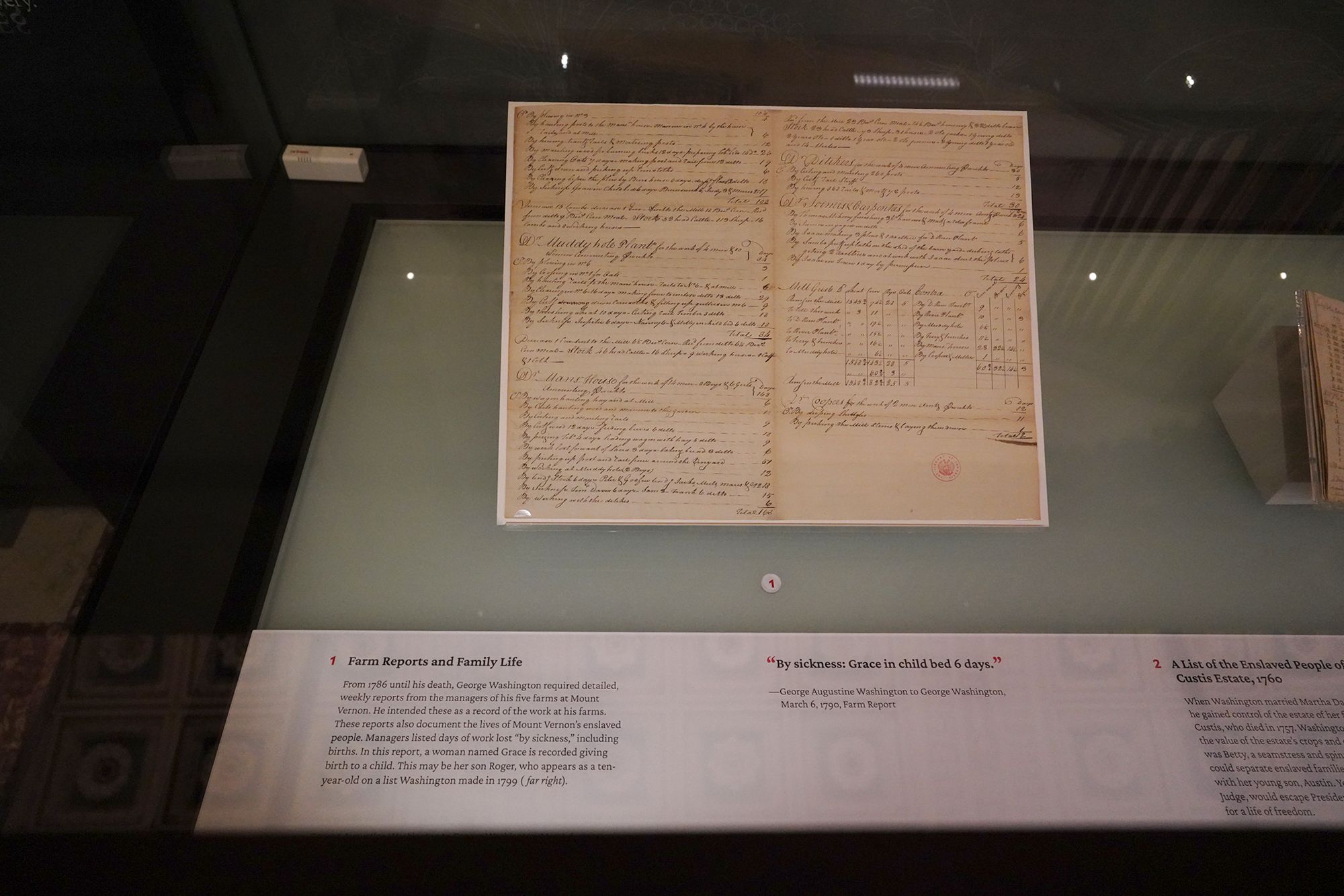
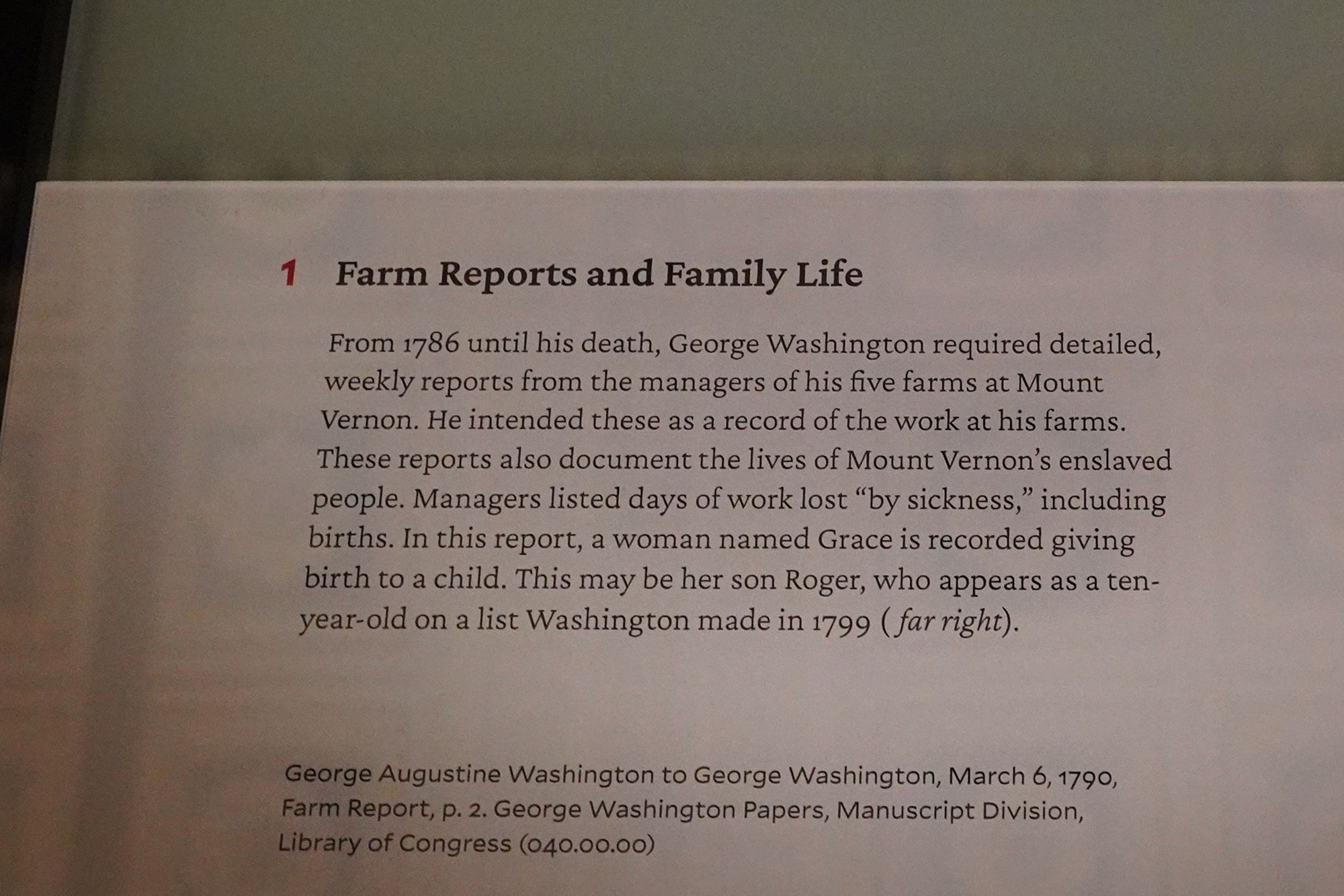
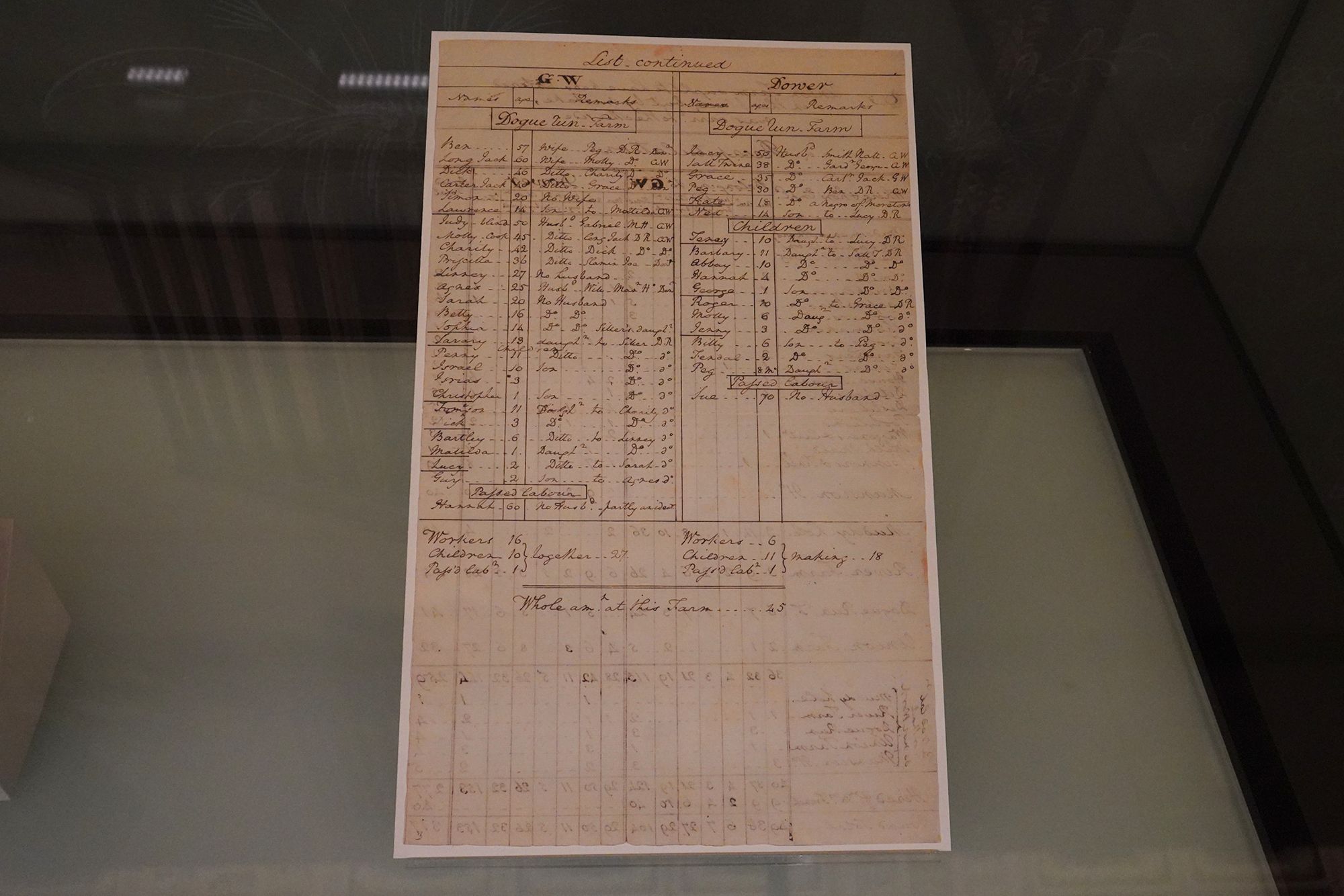
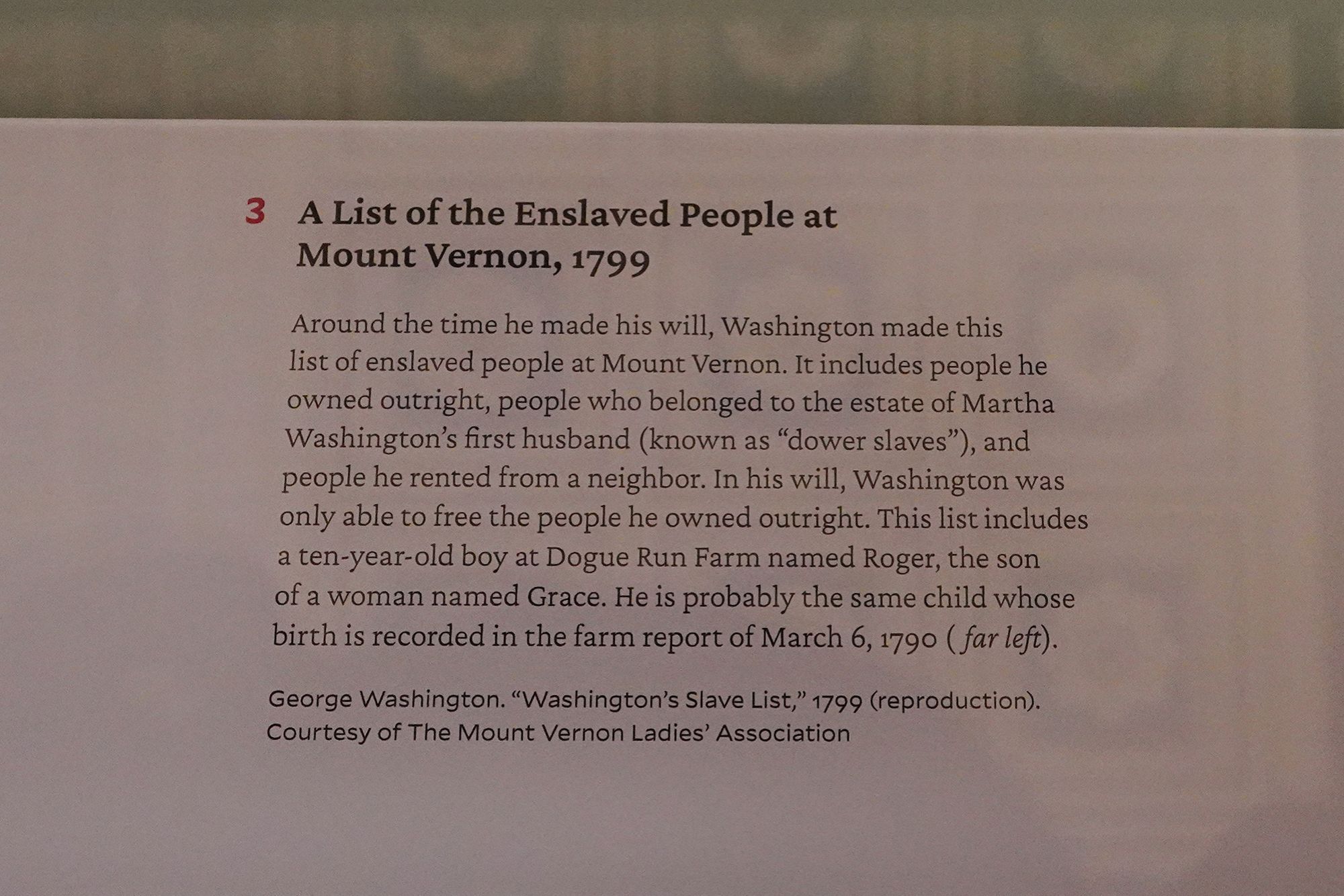
George Washington was deeply connected to his home, Mount Vernon, which he managed like a professional farmer and estate owner. He kept meticulous farm reports, recording details about crops, weather, livestock, and labor—including the work of the enslaved people who maintained the plantation.
The phrase “I heard the bullets whistle” comes from an early experience of George Washington during the French and Indian War (1754–1763). At the age of 22, Washington fought in the Battle of Fort Necessity in 1754—his first major military engagement. After surviving the fight, he reportedly wrote in a letter that he had “heard the bullets whistle, and believe me, there is something charming in the sound.”
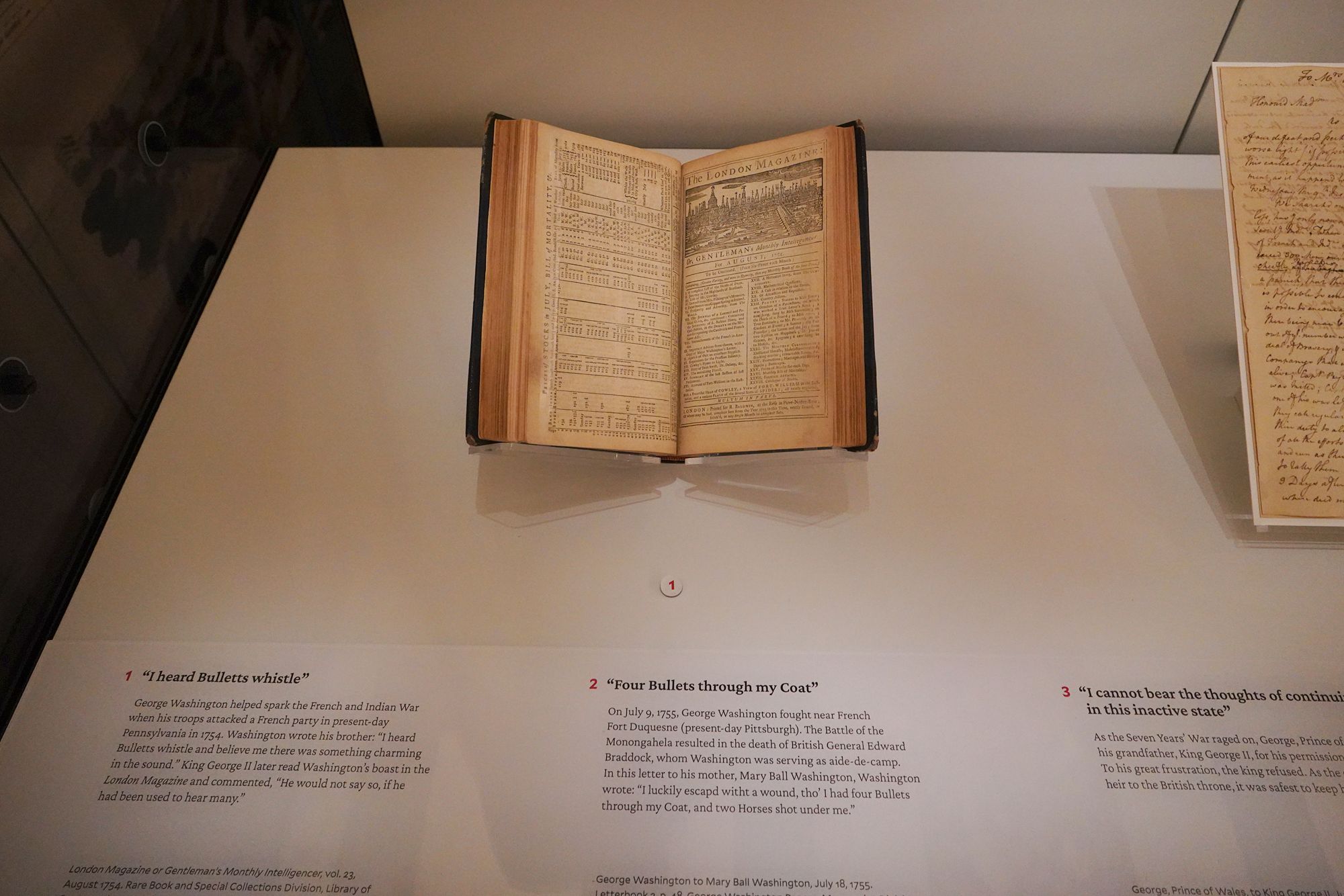
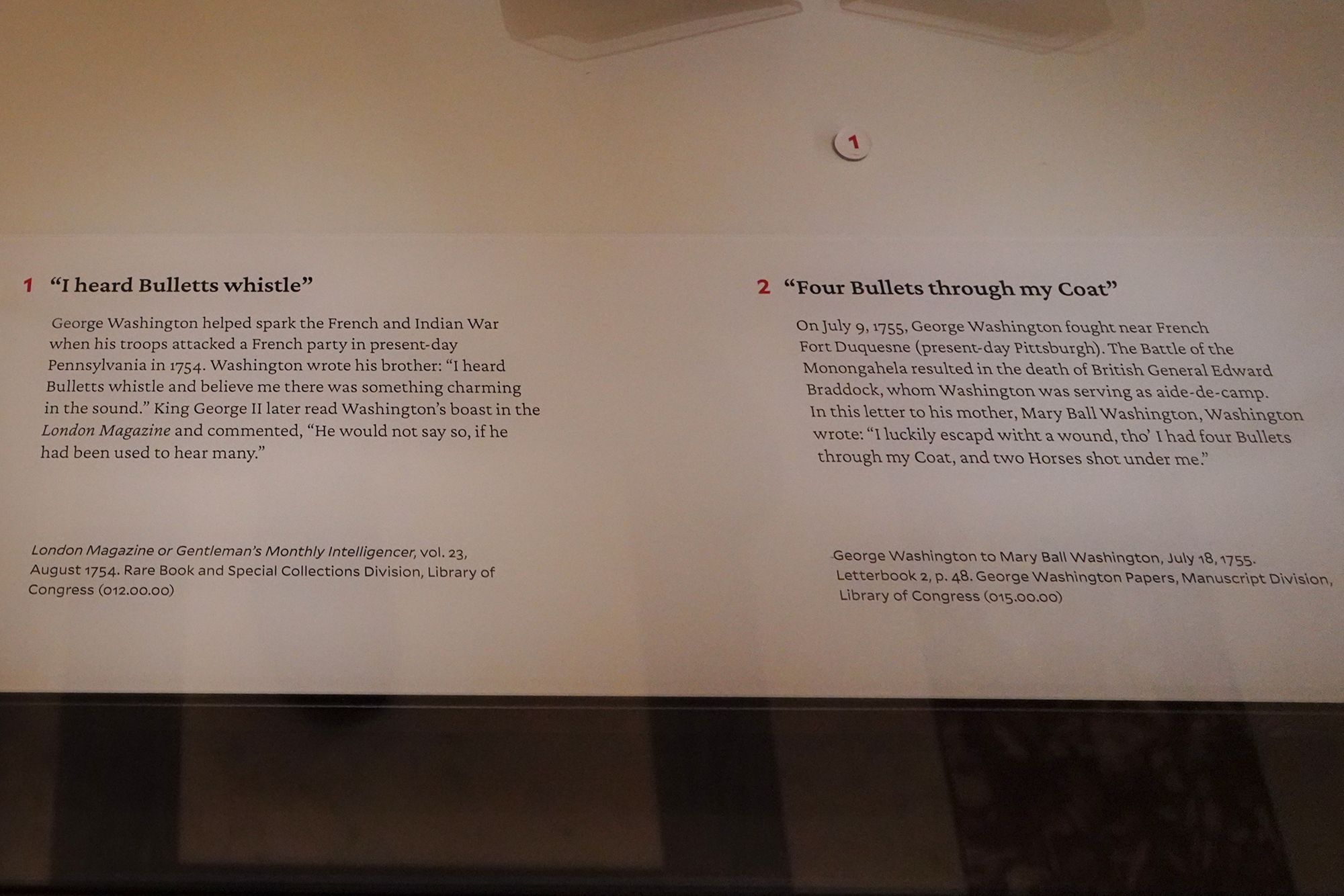
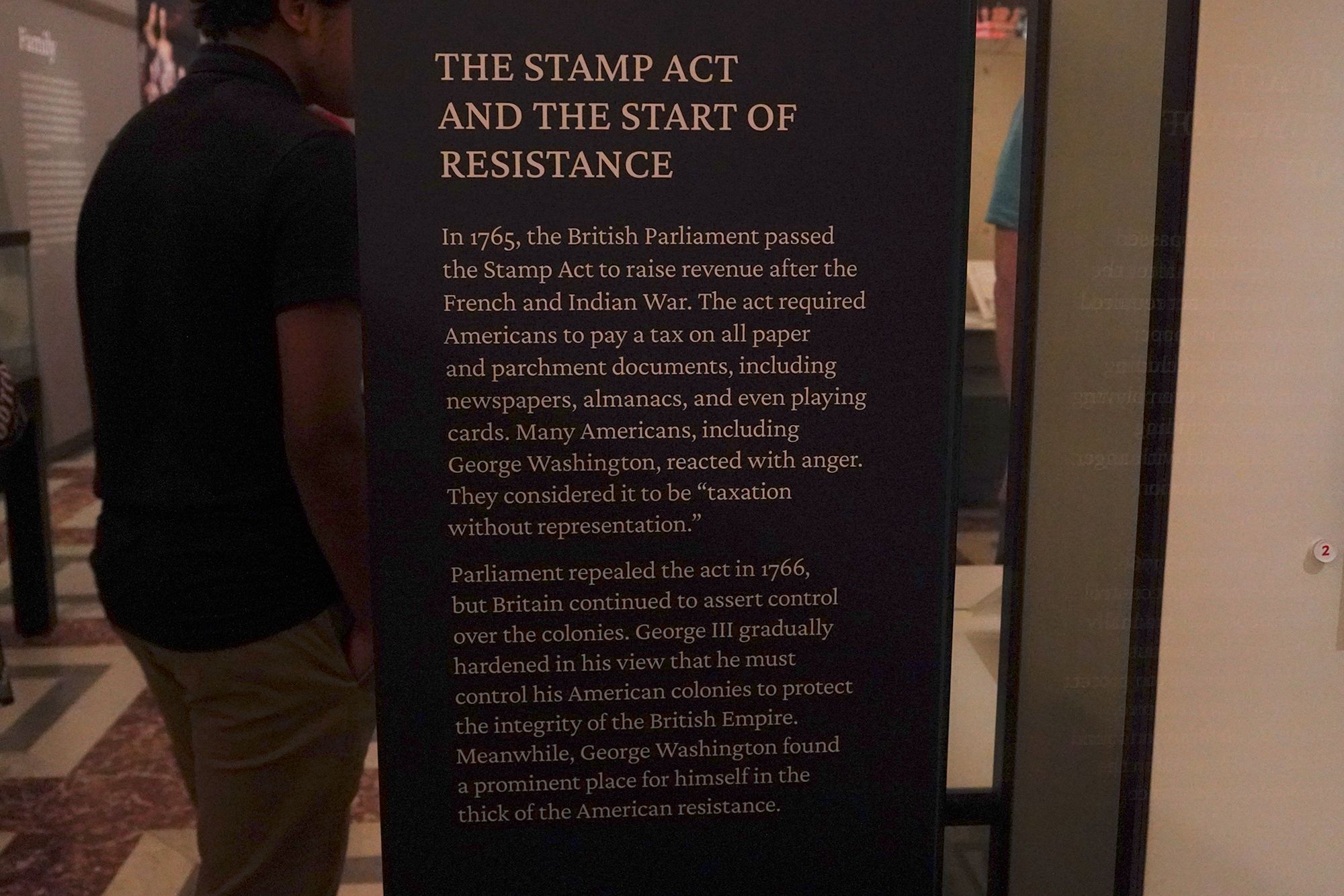
The Stamp Act of 1765 was one of the key sparks that ignited the American Revolution. Passed by the British Parliament, it required colonists to pay a tax on printed materials such as newspapers, legal documents, licenses, and playing cards—each item had to carry an official stamp showing the tax had been paid.
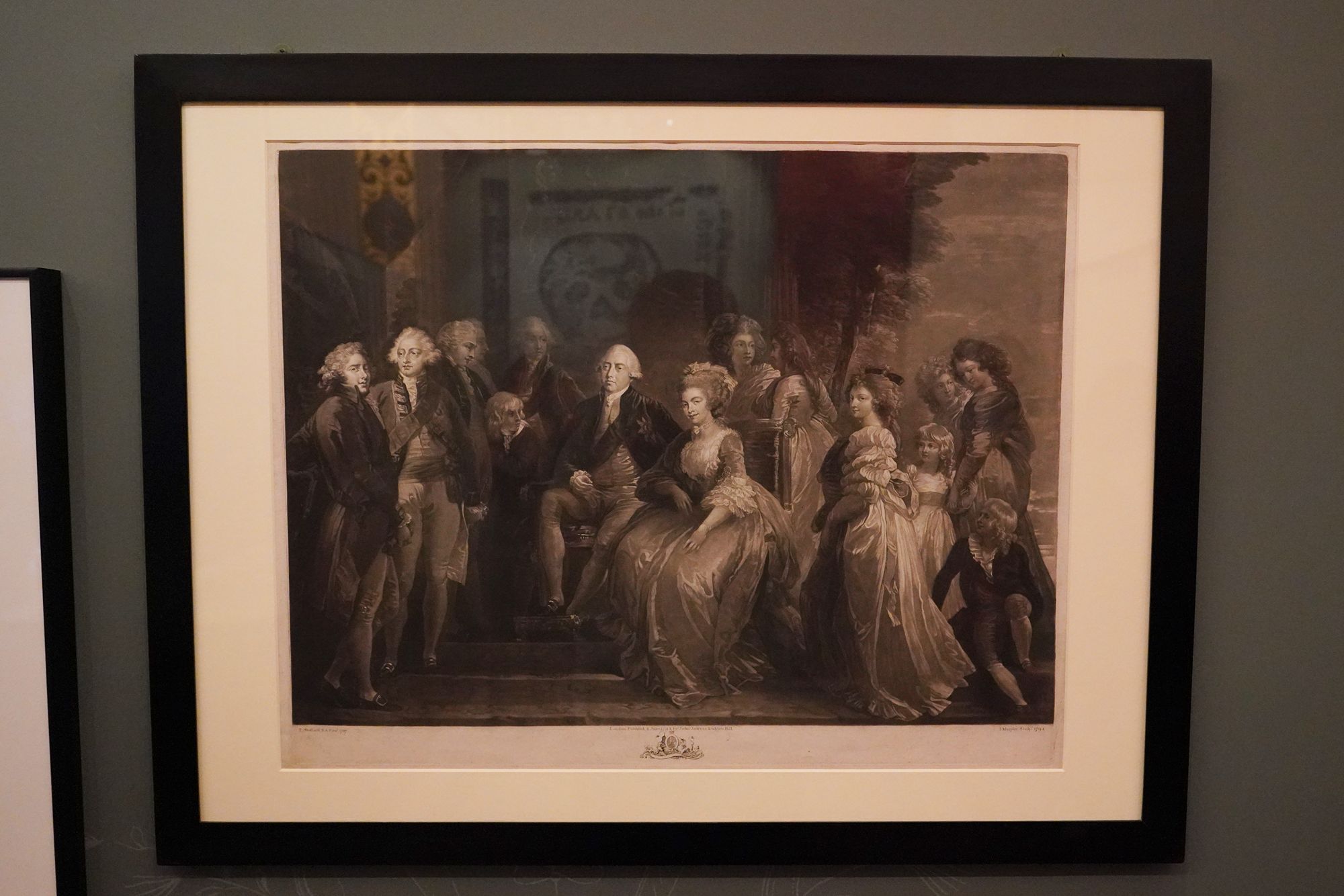
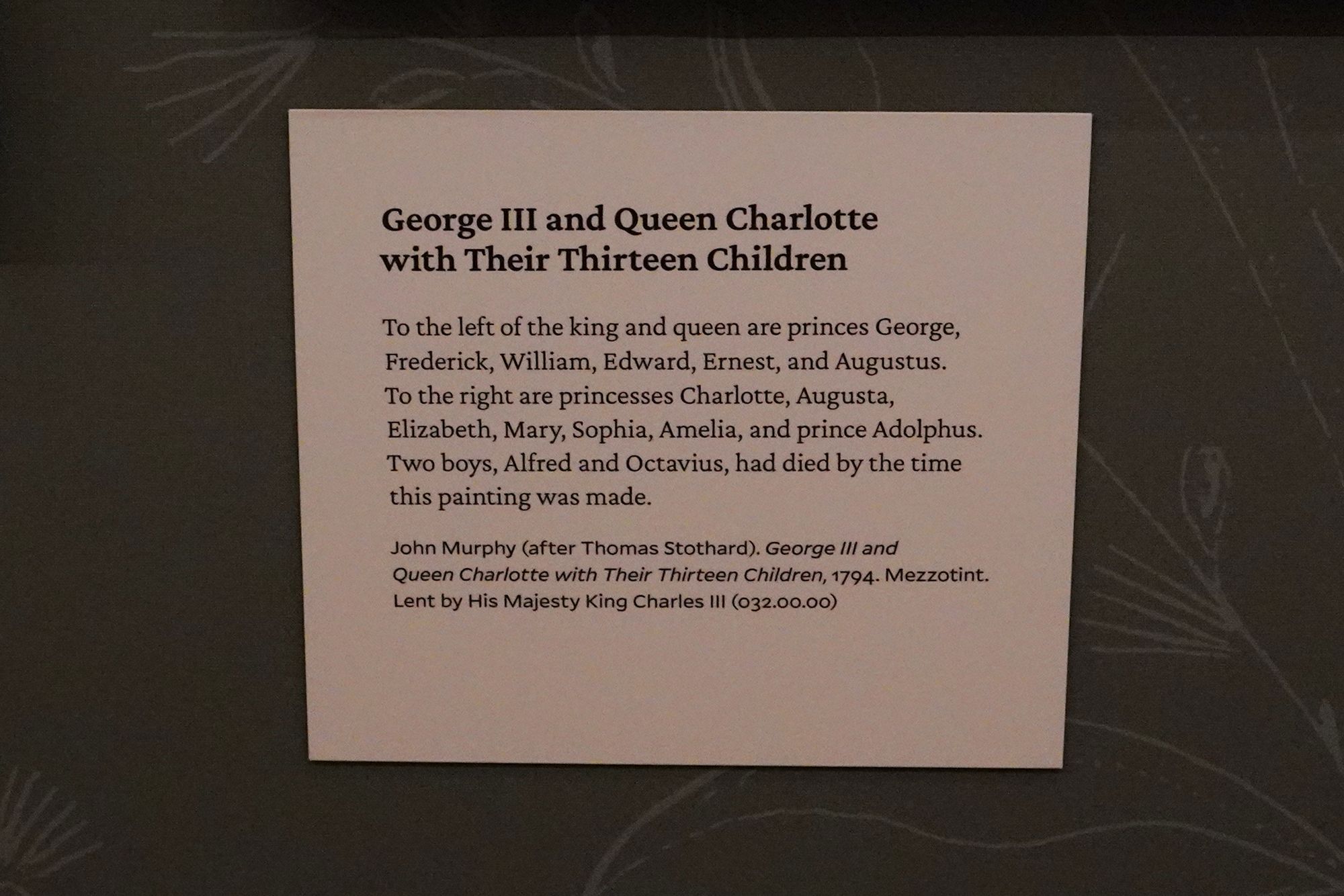
King George III had fifteen children, and some of them rebelled against his strict authority.
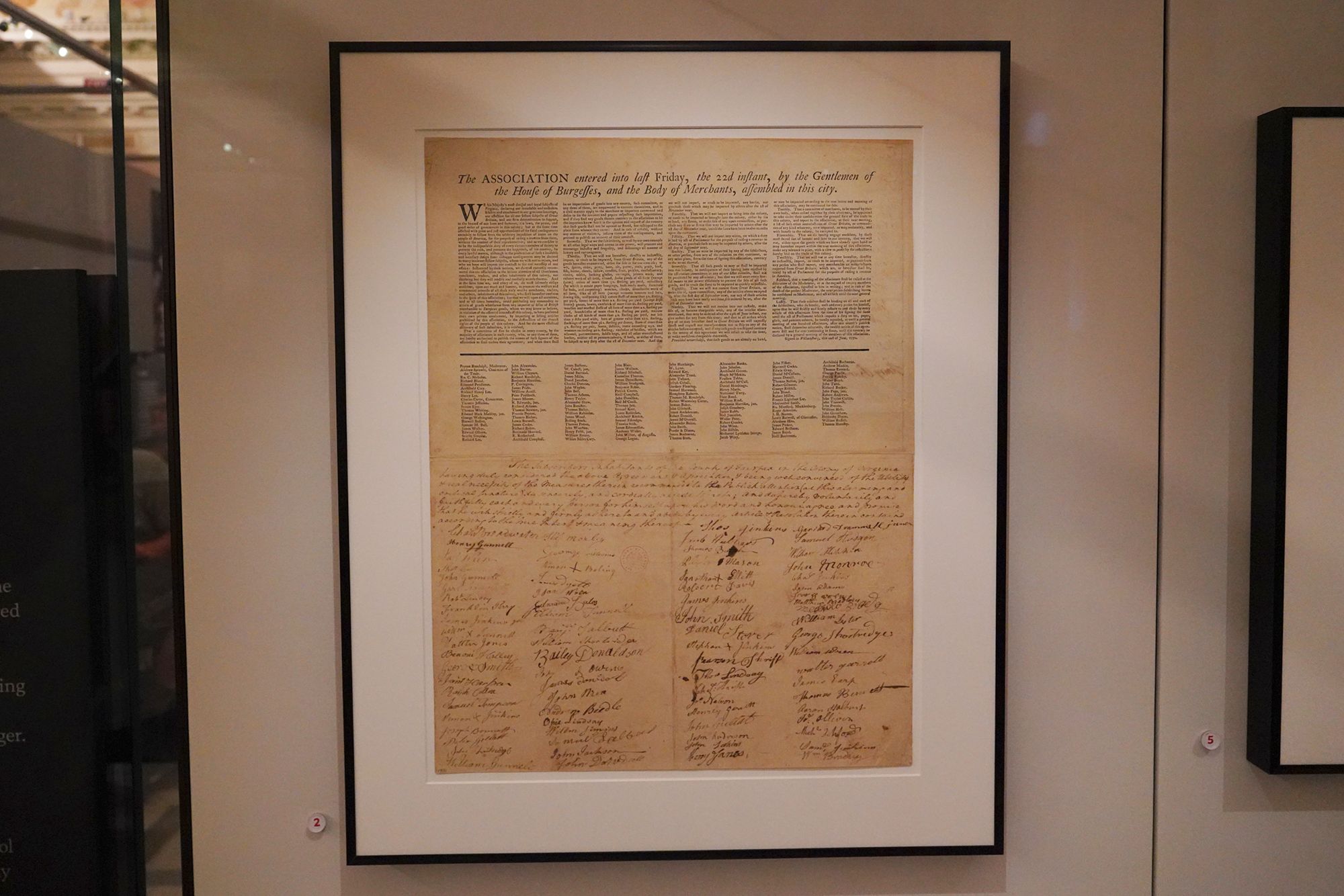
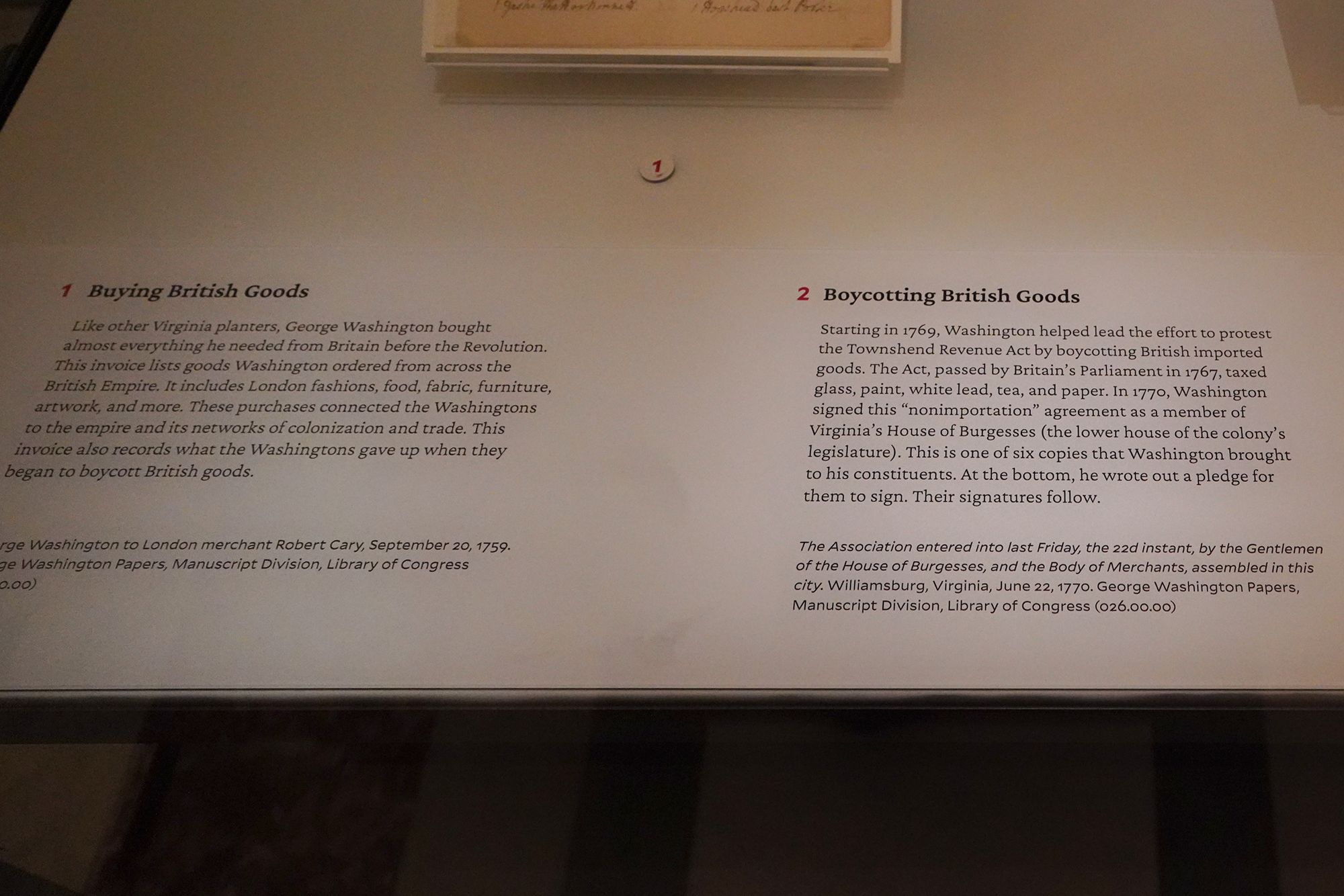
Before the American Revolution, George Washington was a loyal British subject who regularly bought British goods. As a wealthy Virginia planter, he imported fine clothing, furniture, tools, and household items from London merchants, reflecting both his social status and admiration for British craftsmanship.
The Declaration of Independence was adopted on July 4, 1776, formally announcing the American colonies’ separation from Great Britain and asserting their right to self-government.
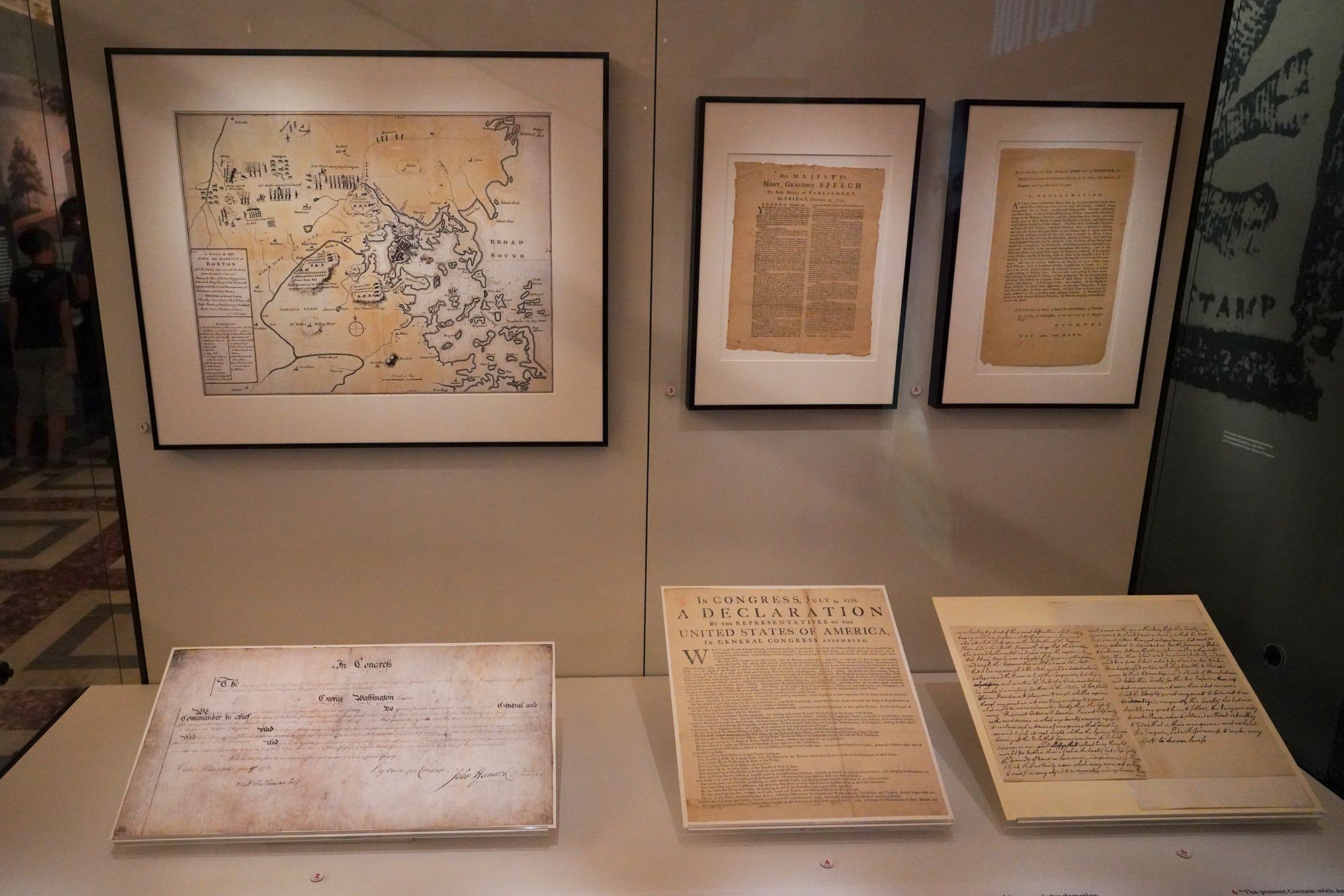
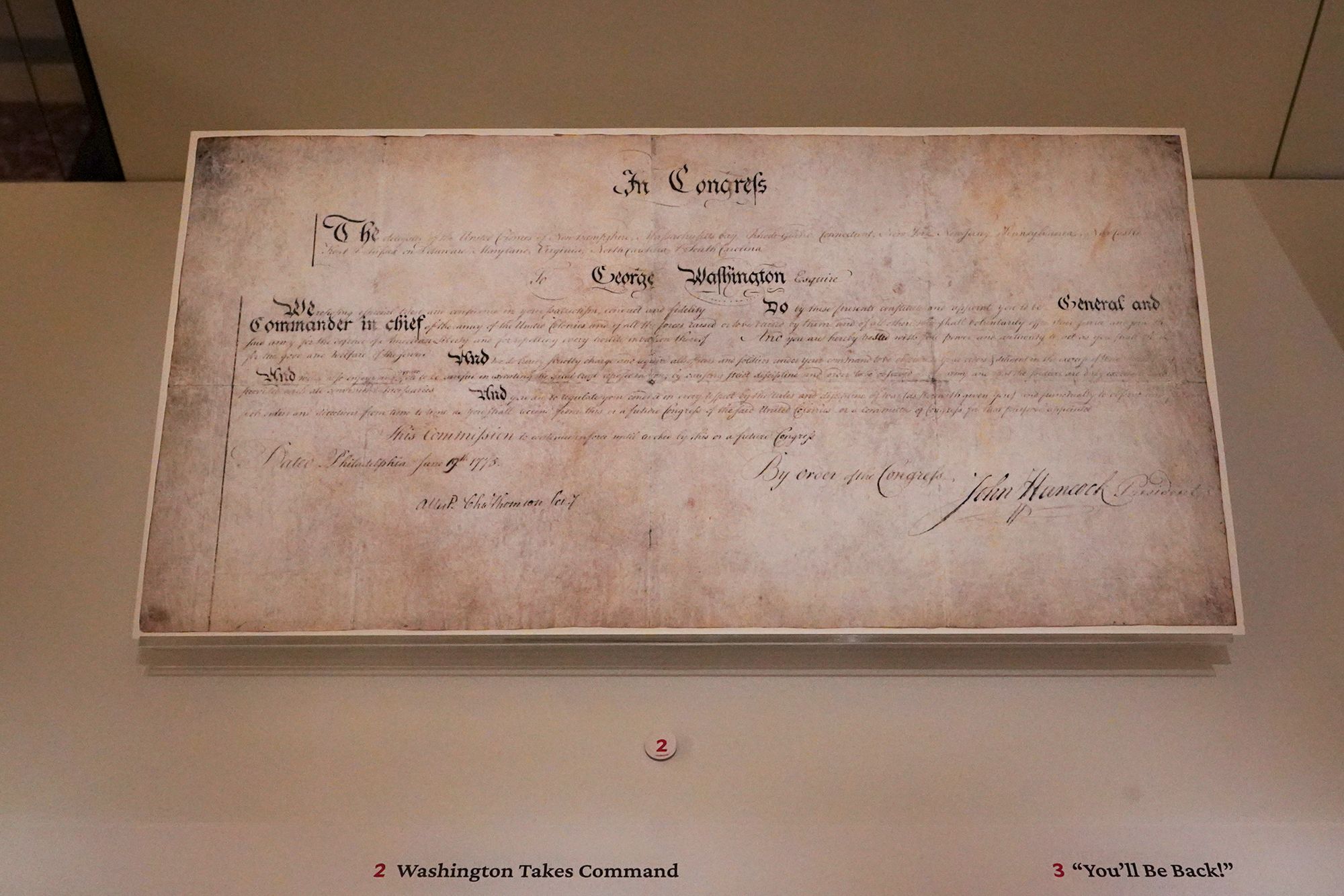
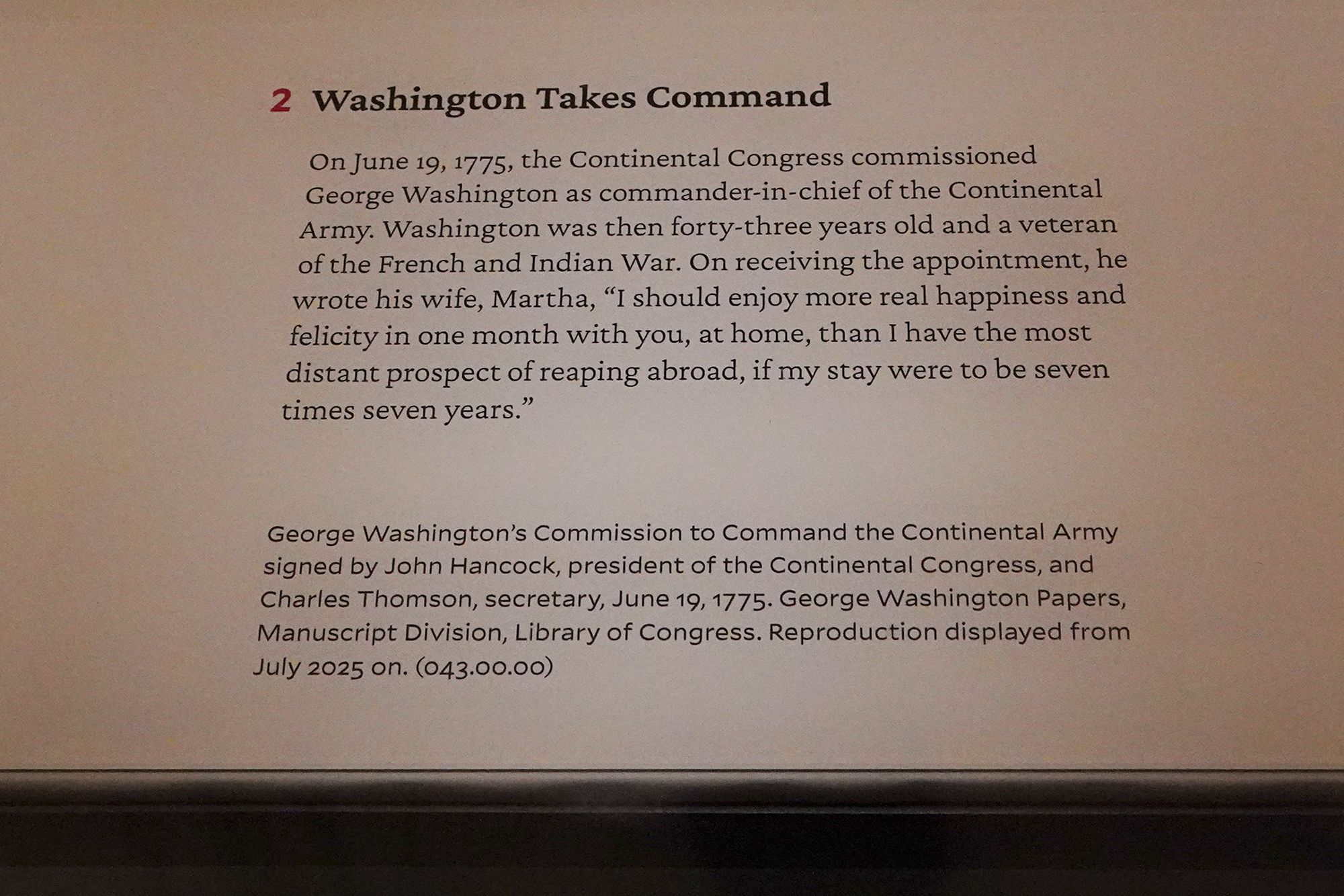
George Washington’s appointment as Commander-in-Chief of the Continental Army during the early stages of the American Revolution. On June 15, 1775, the Second Continental Congress unanimously chose Washington, recognizing his military experience, leadership, and reputation for integrity.
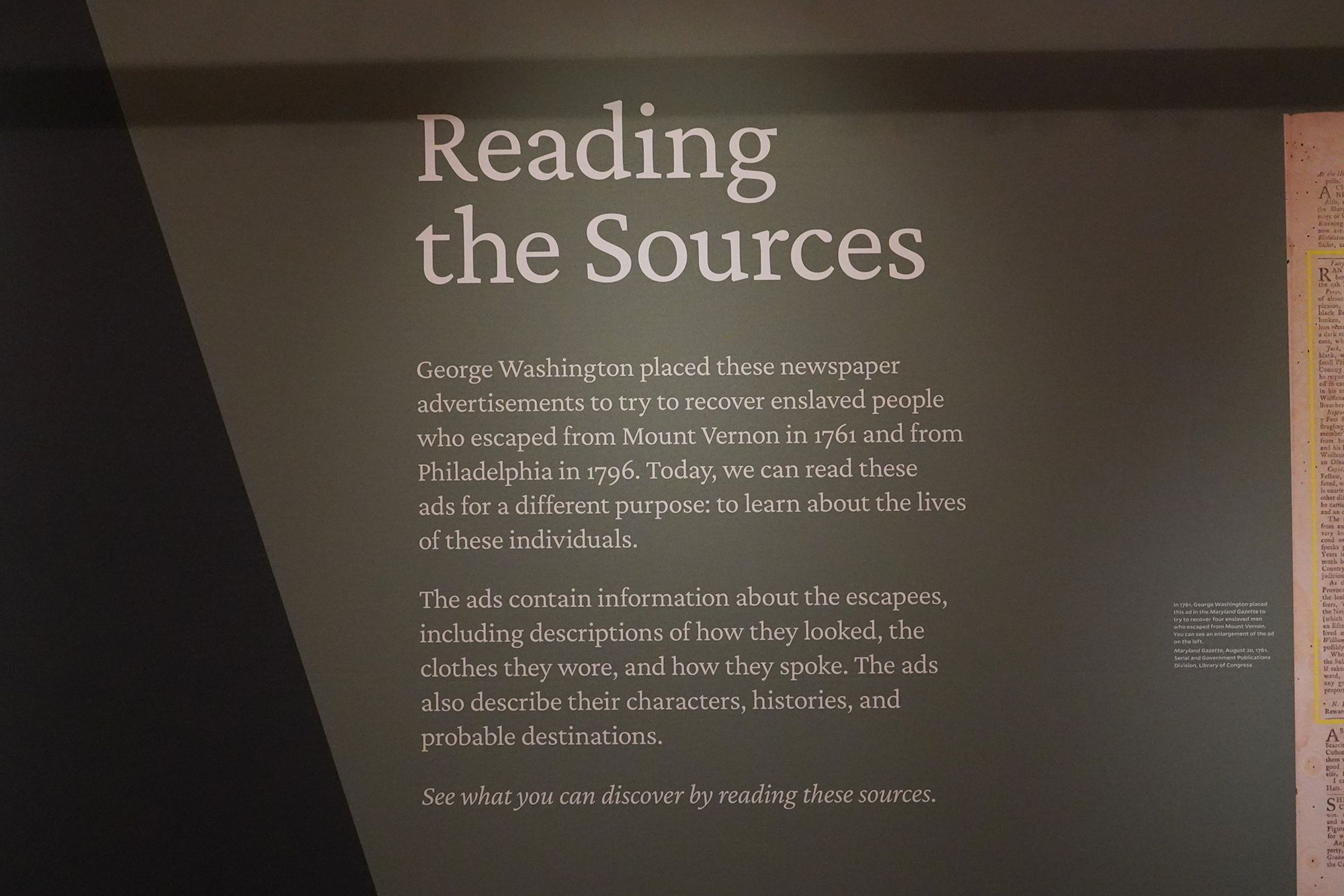
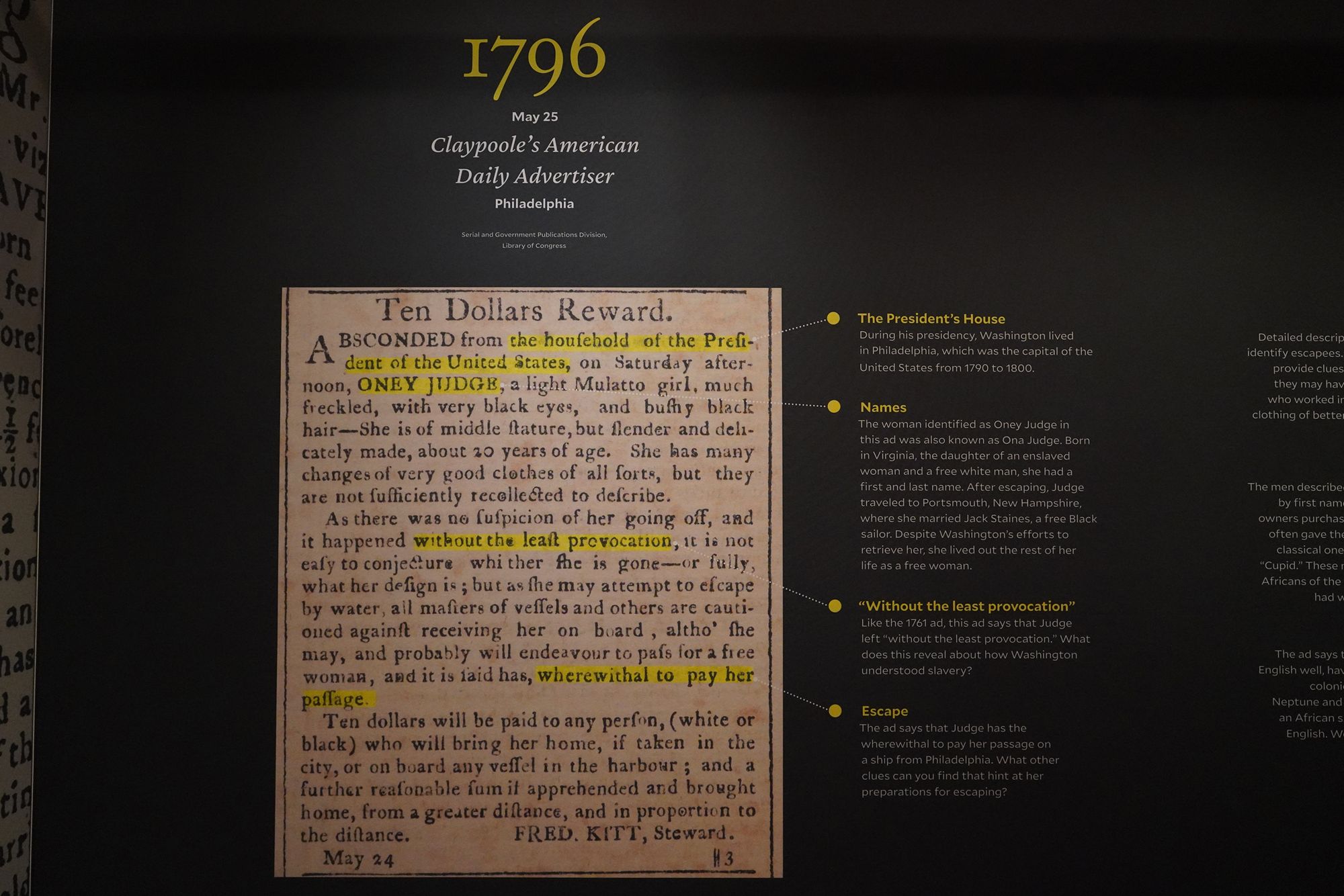
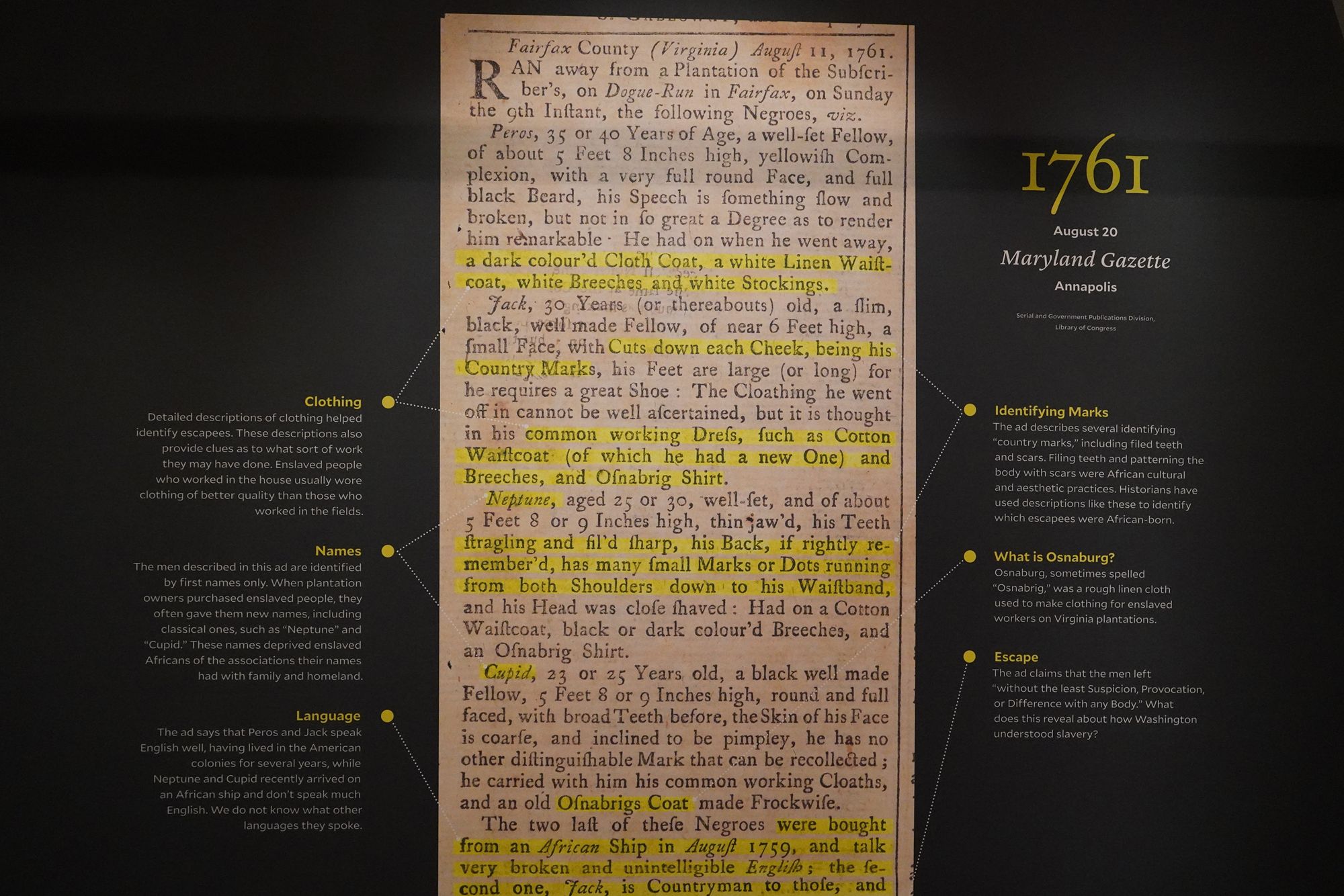
George Washington placed an advertisement seeking the capture and return of runaway enslaved people he owned.
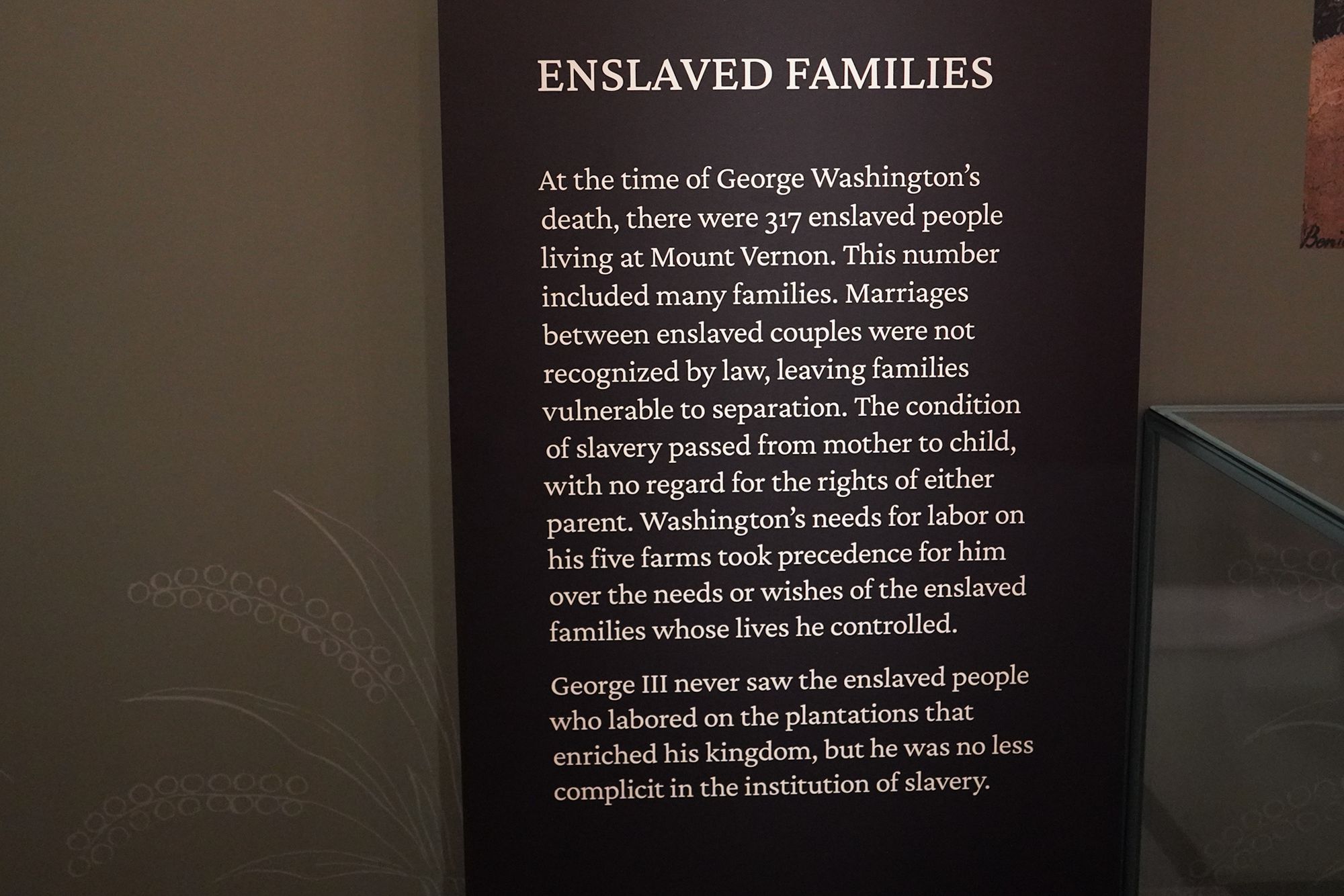
At the time of George Washington’s death, there were 317 enslaved people living at Mount Vernon.
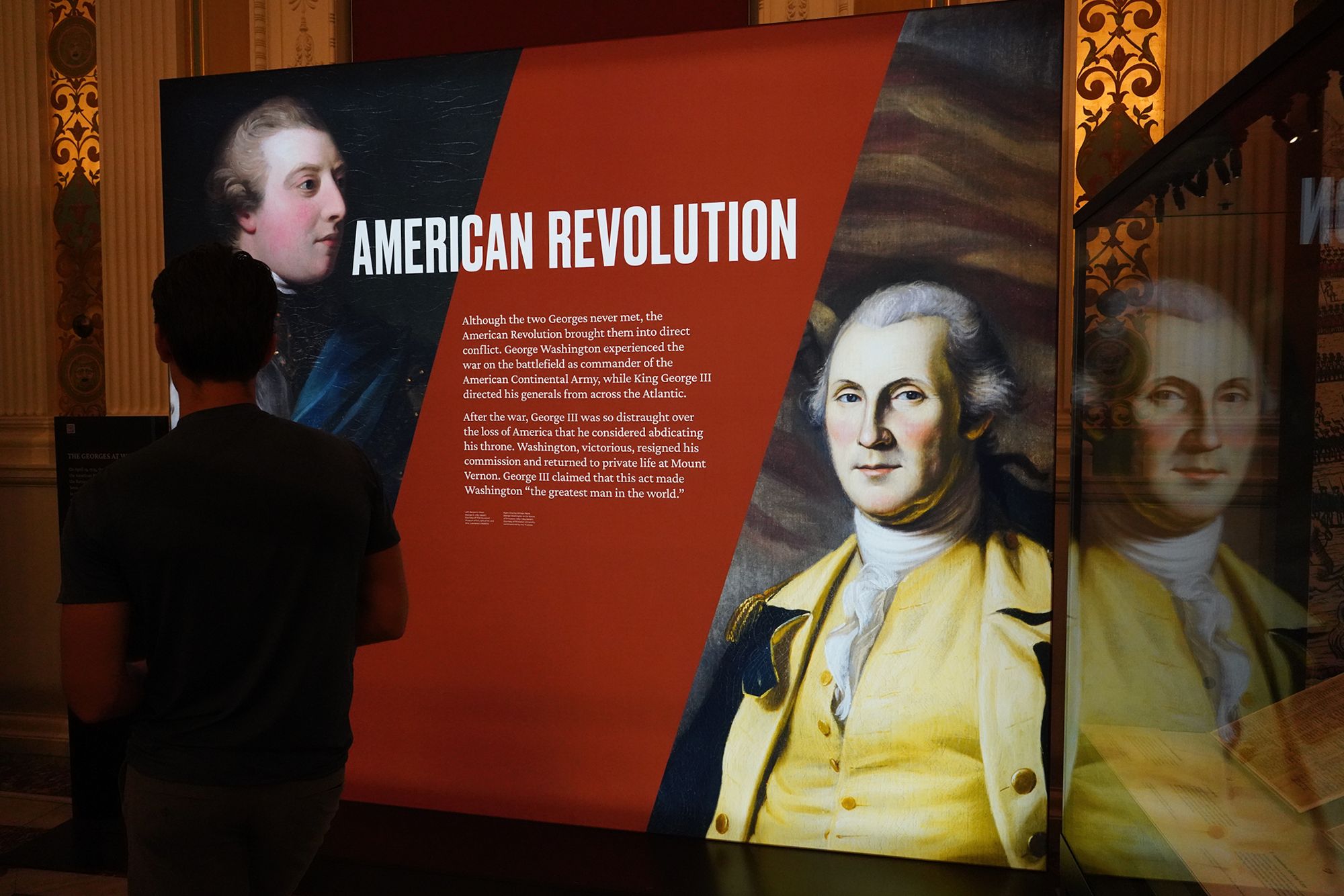
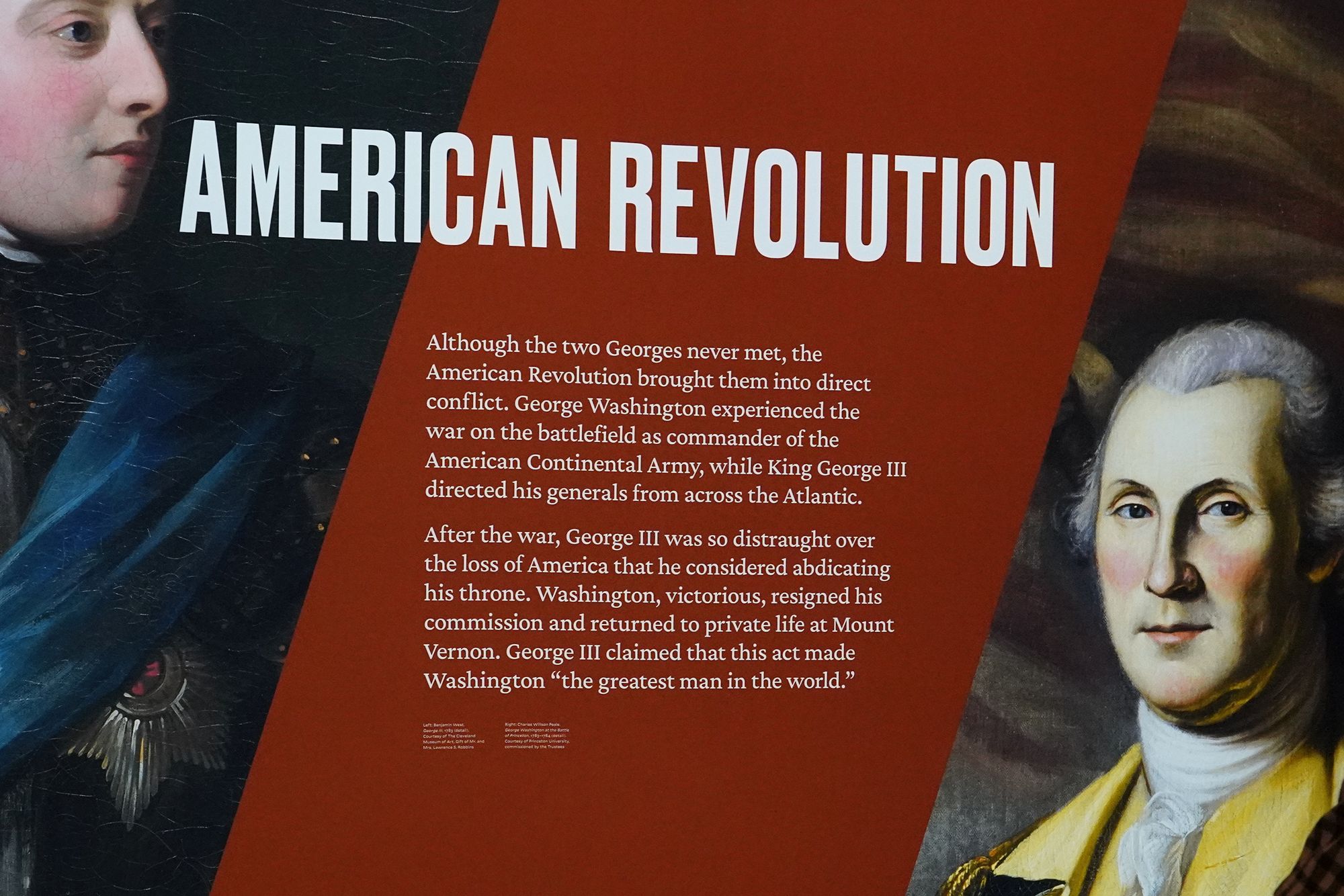
American Revolution
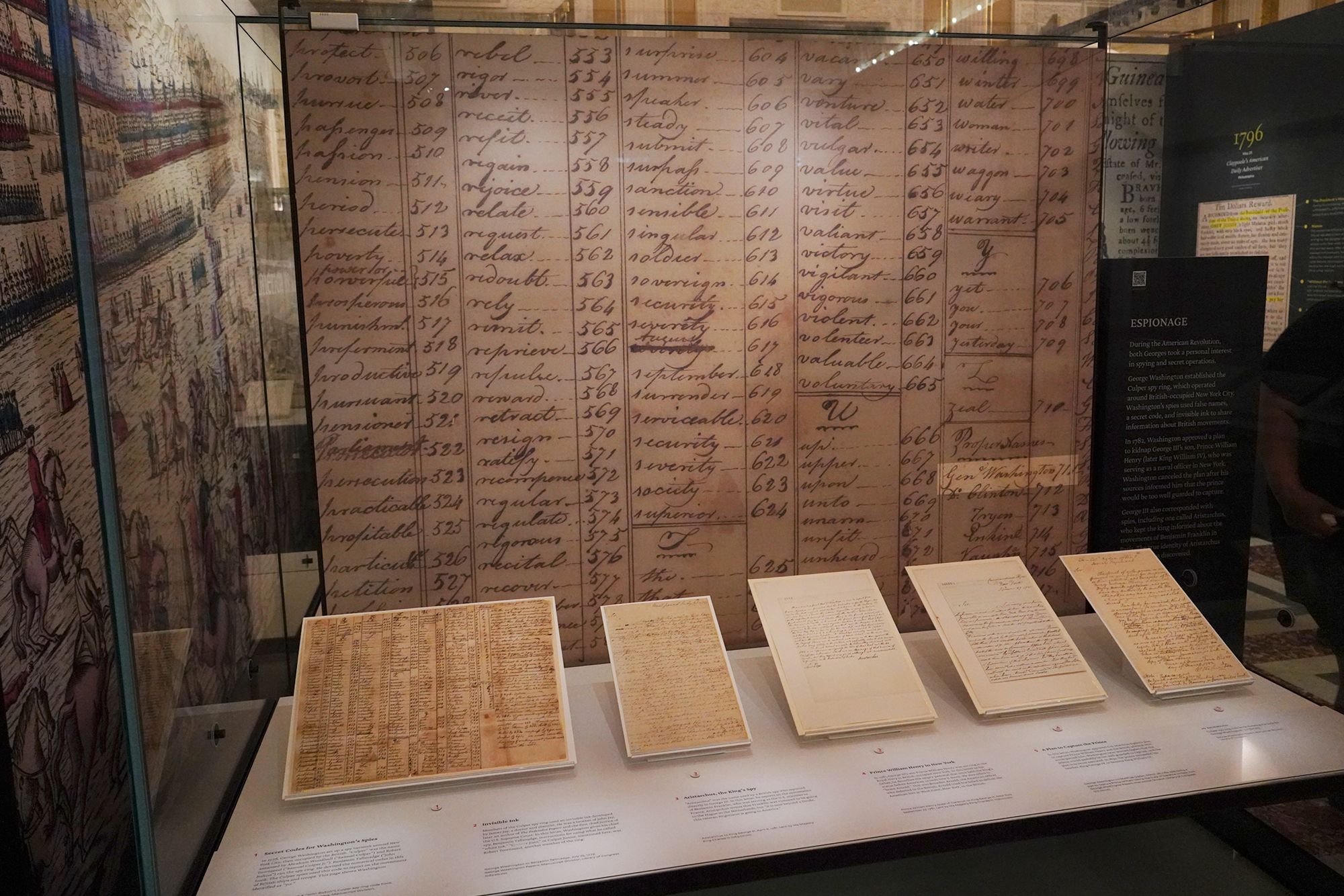
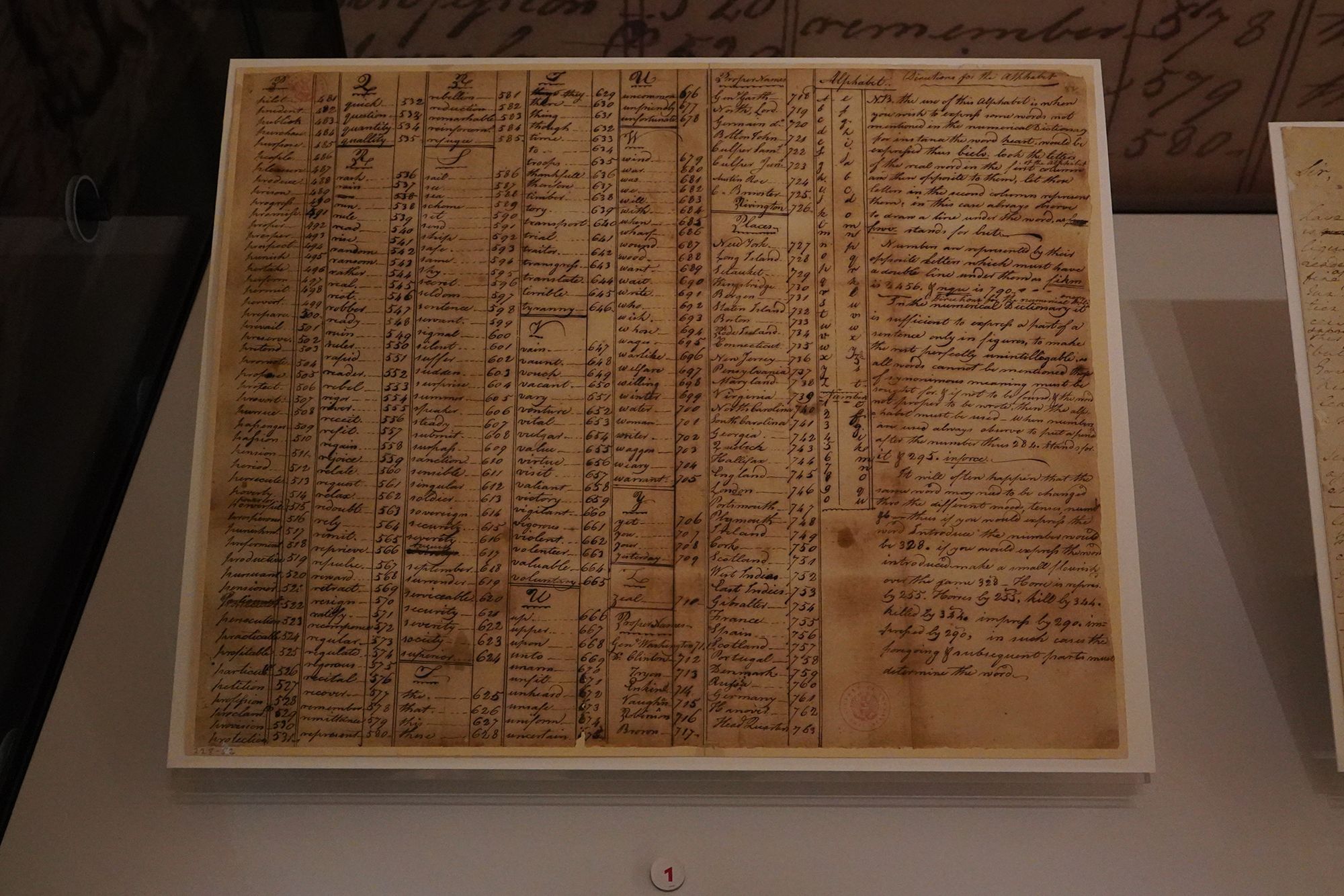
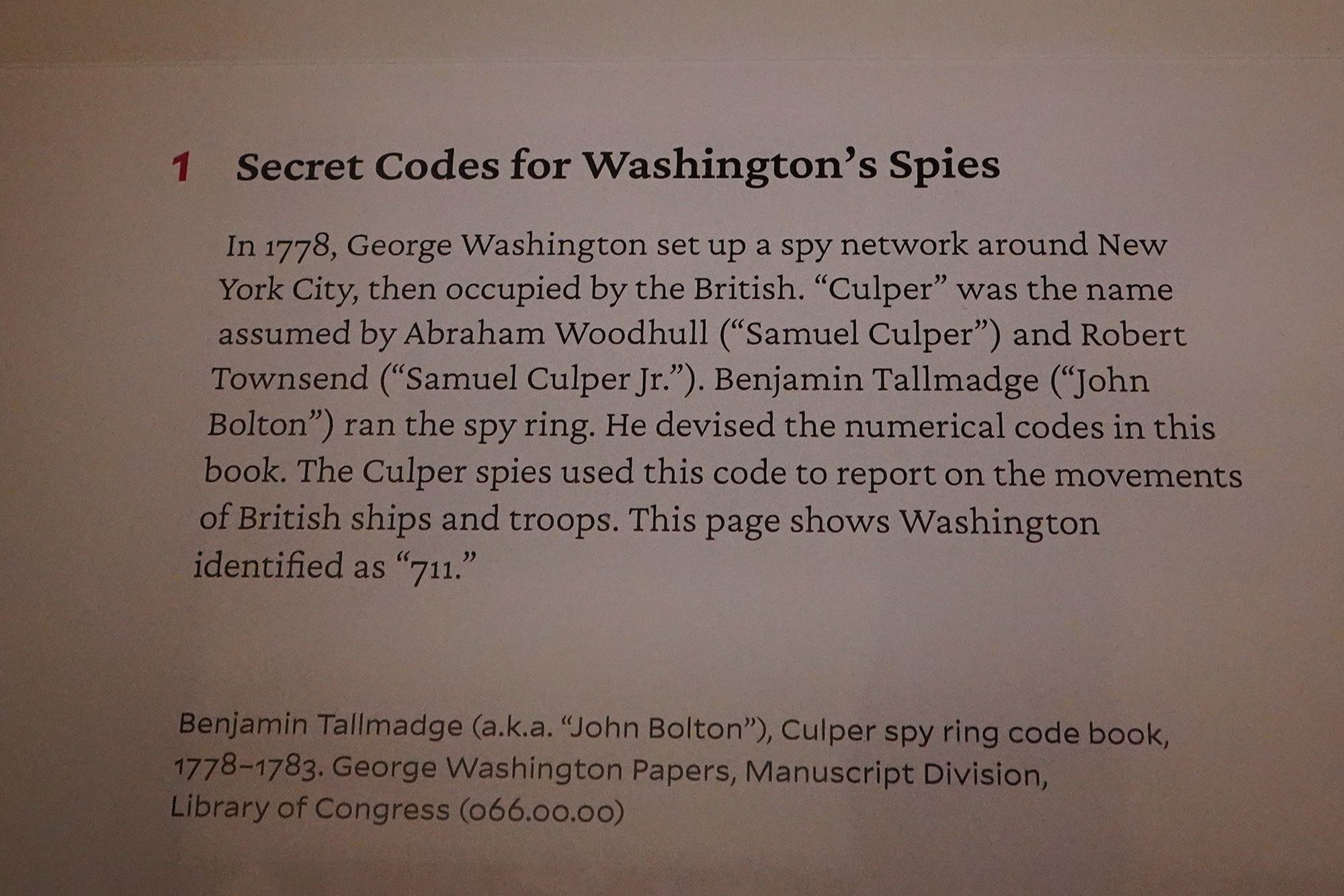
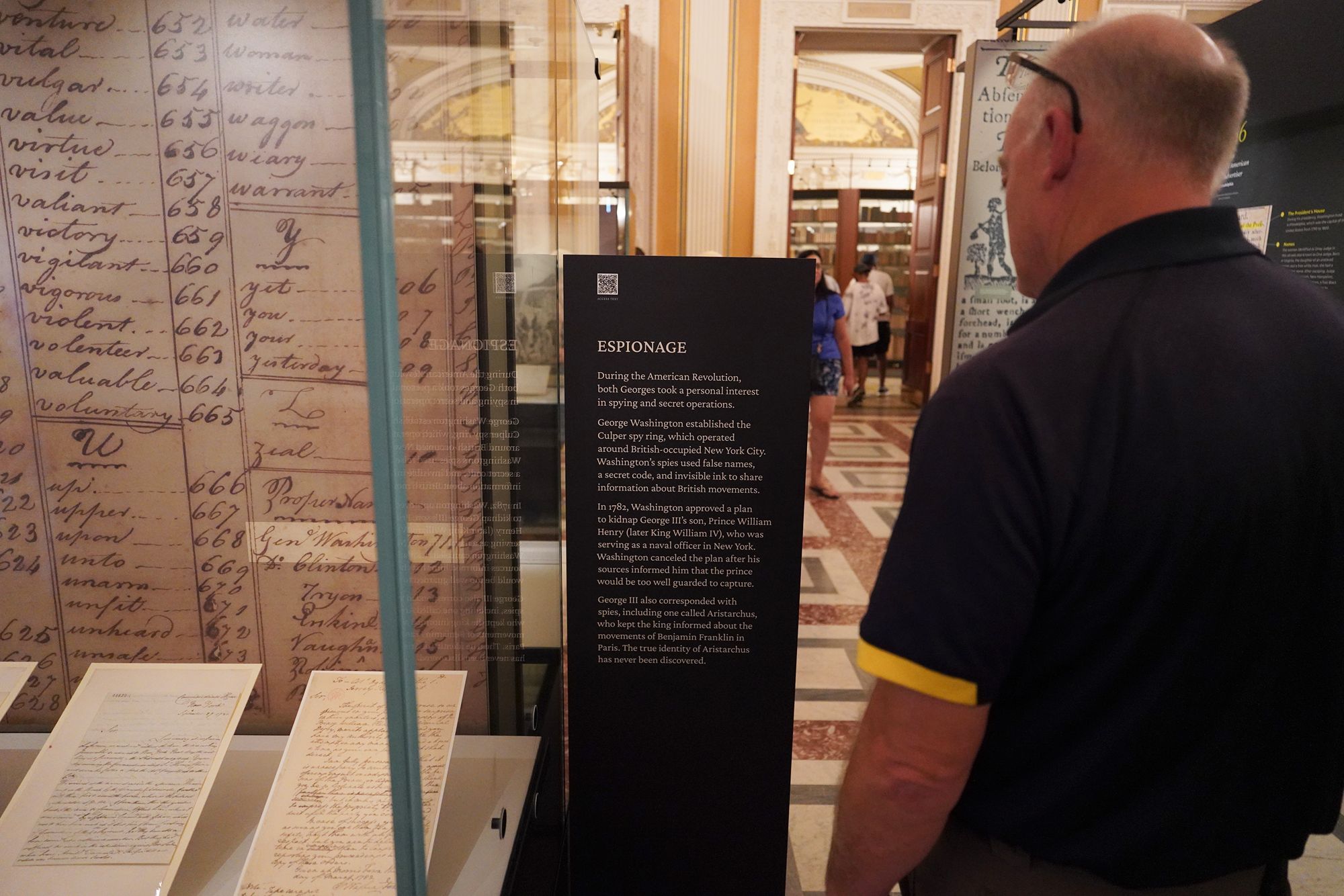
The secret codes of Washington’s spies were part of the Culper Spy Ring, a network organized by George Washington during the American Revolution to gather intelligence on British forces.
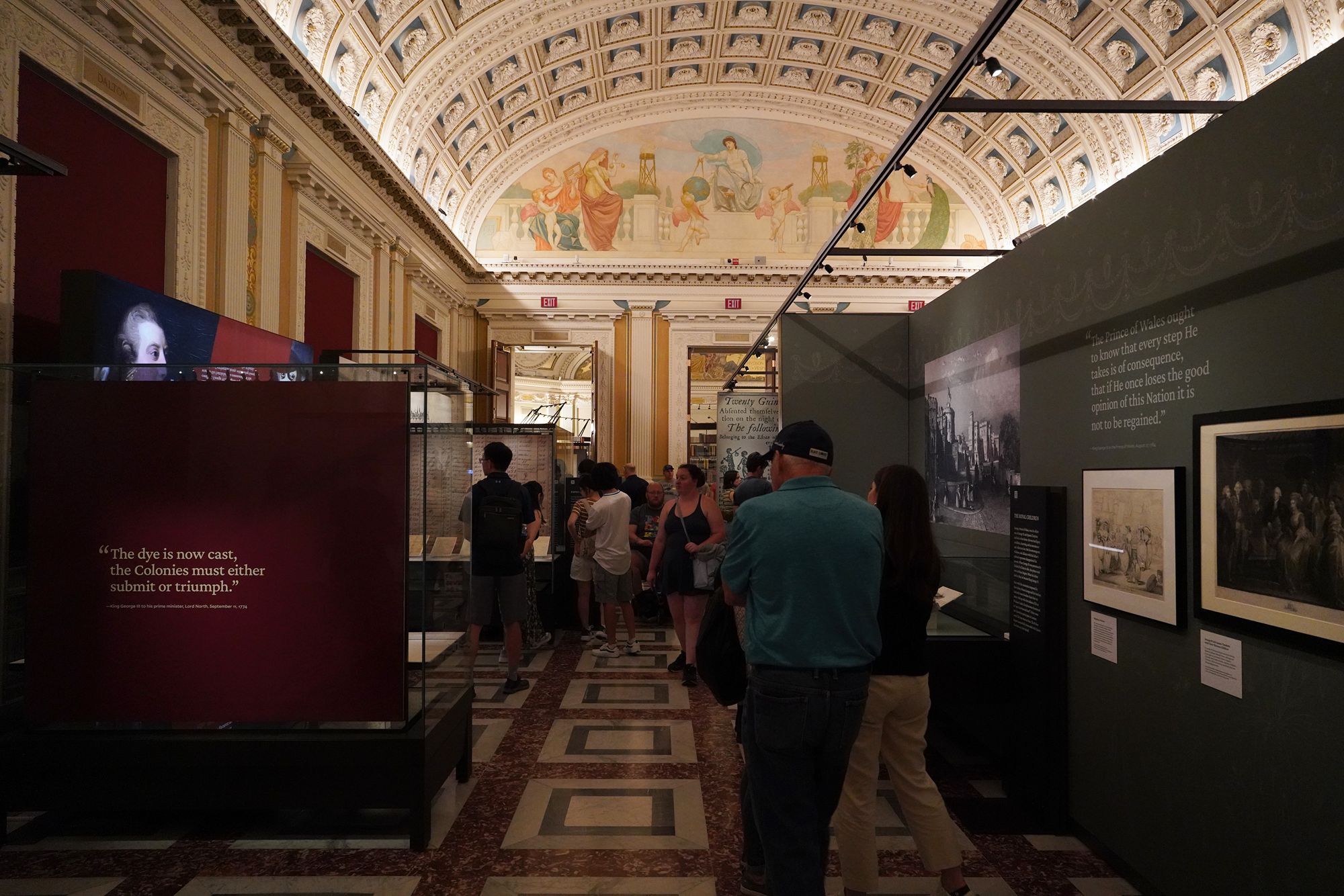
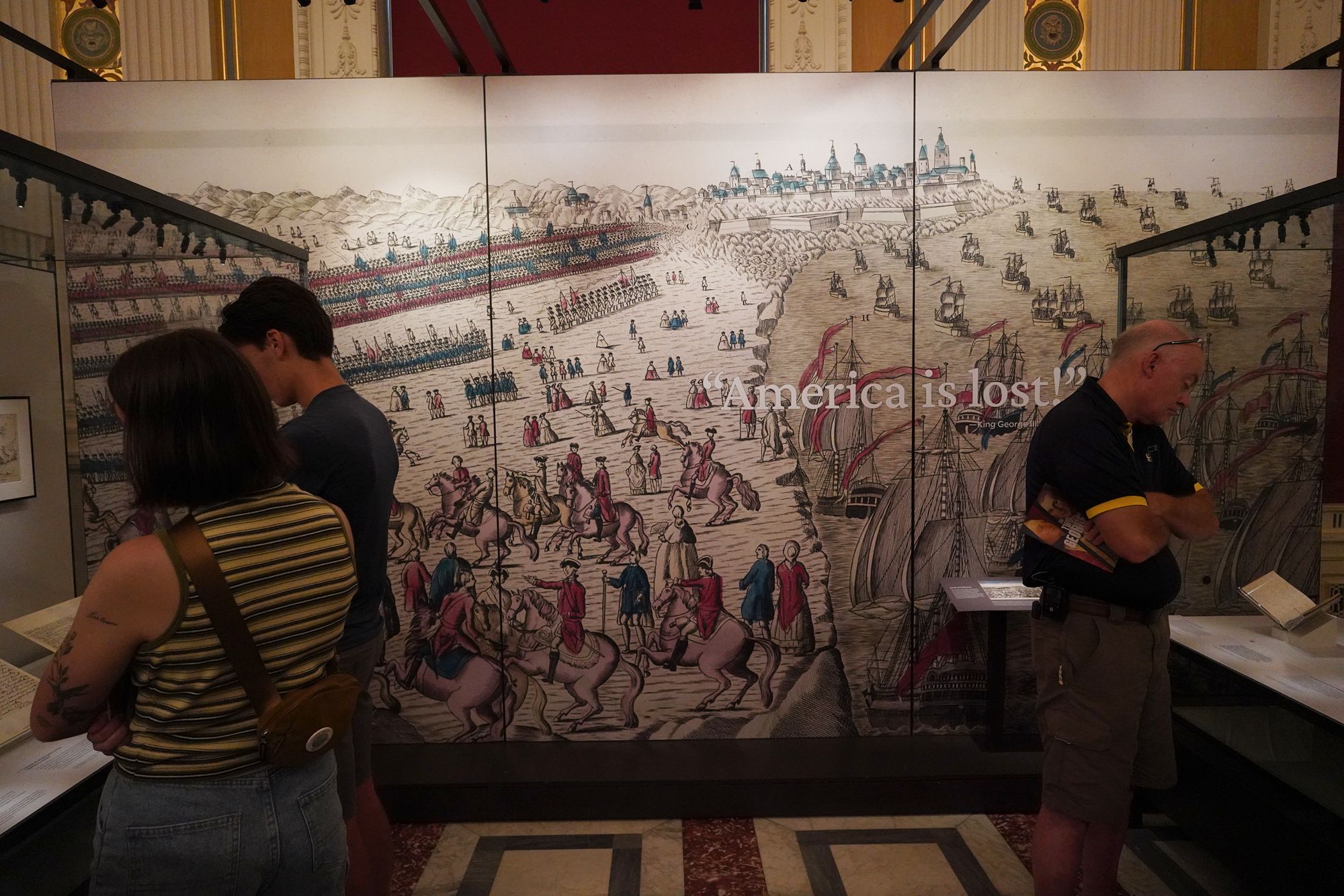
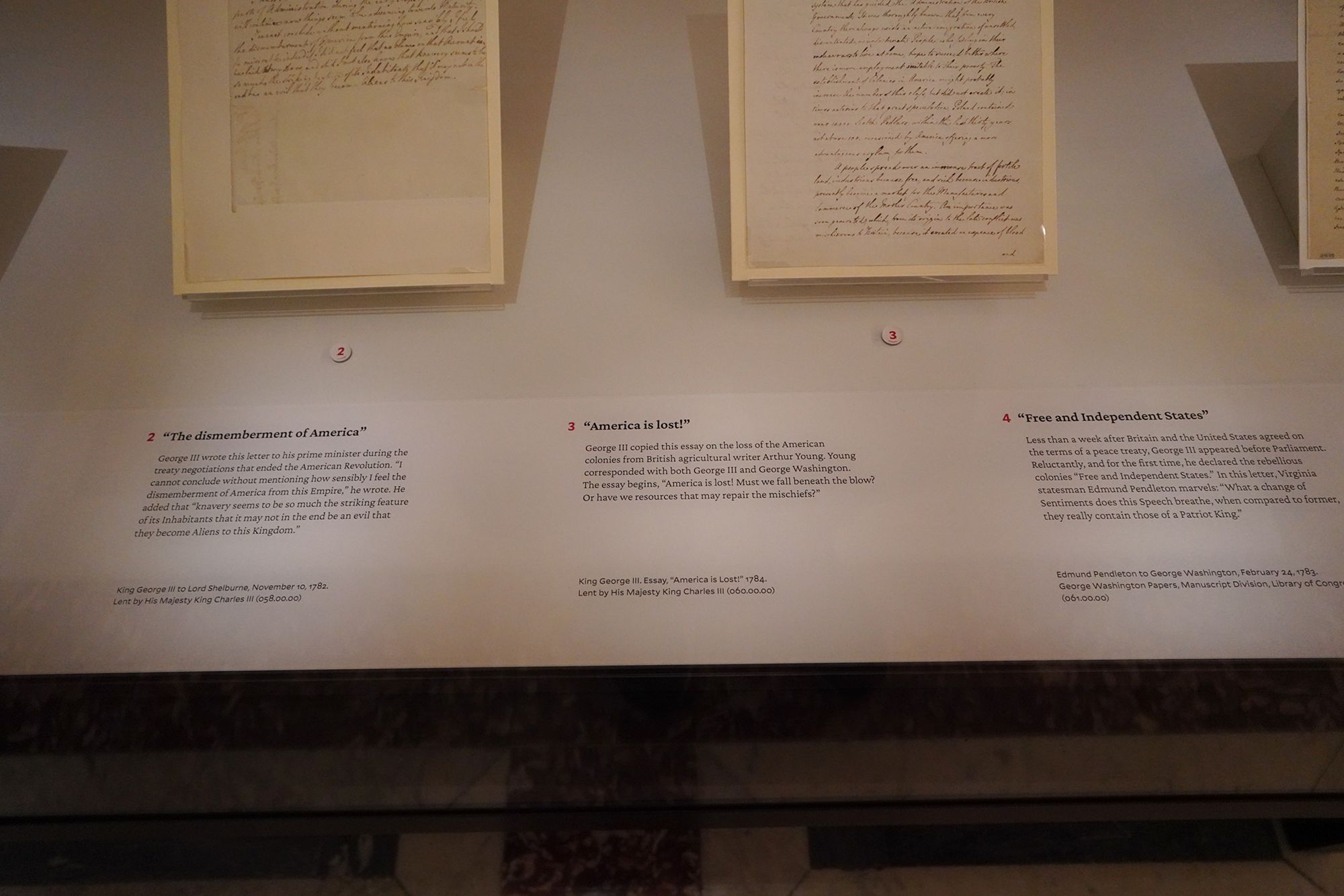
The phrase “America is lost” is attributed to King George III after Britain’s defeat in the American Revolution.
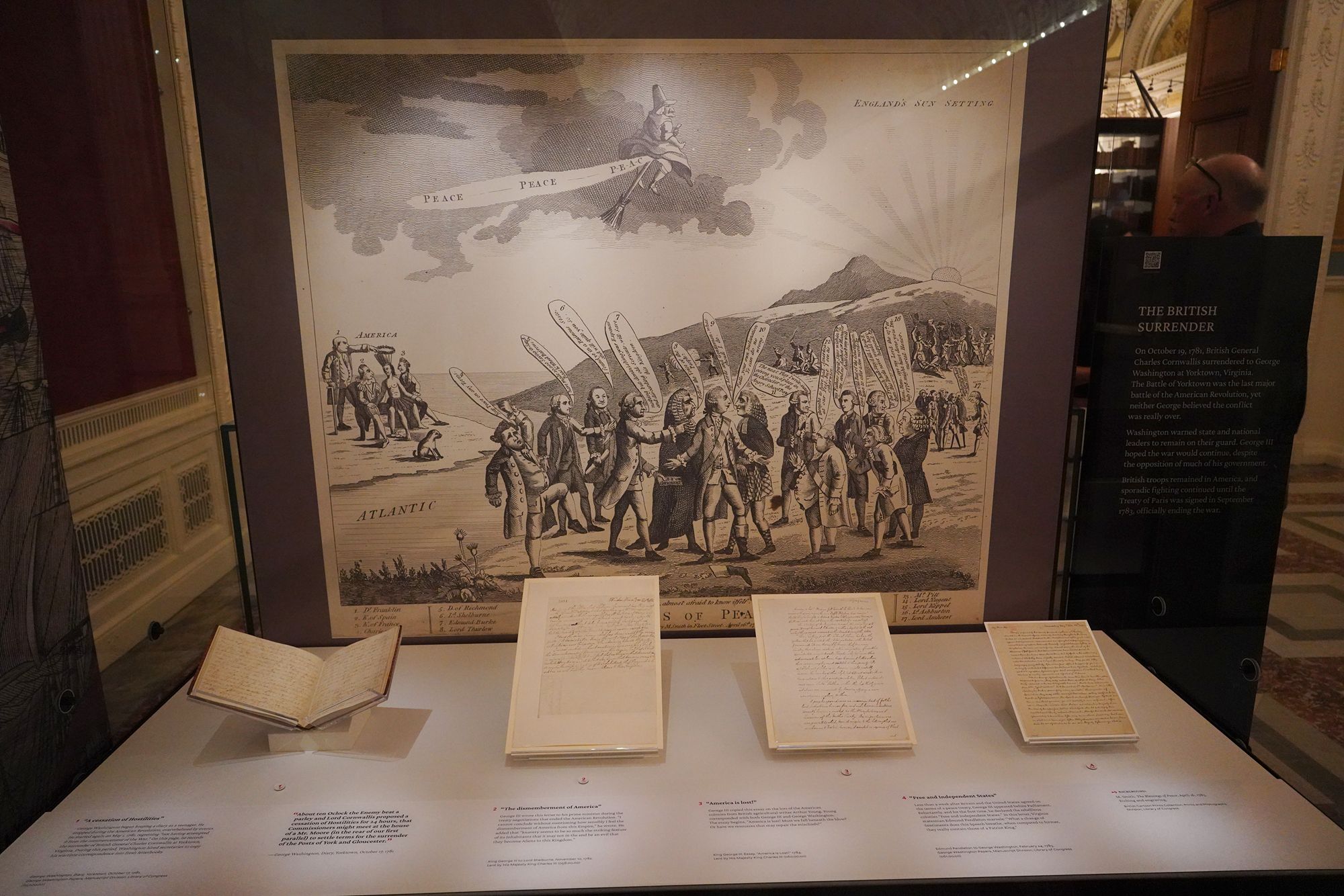
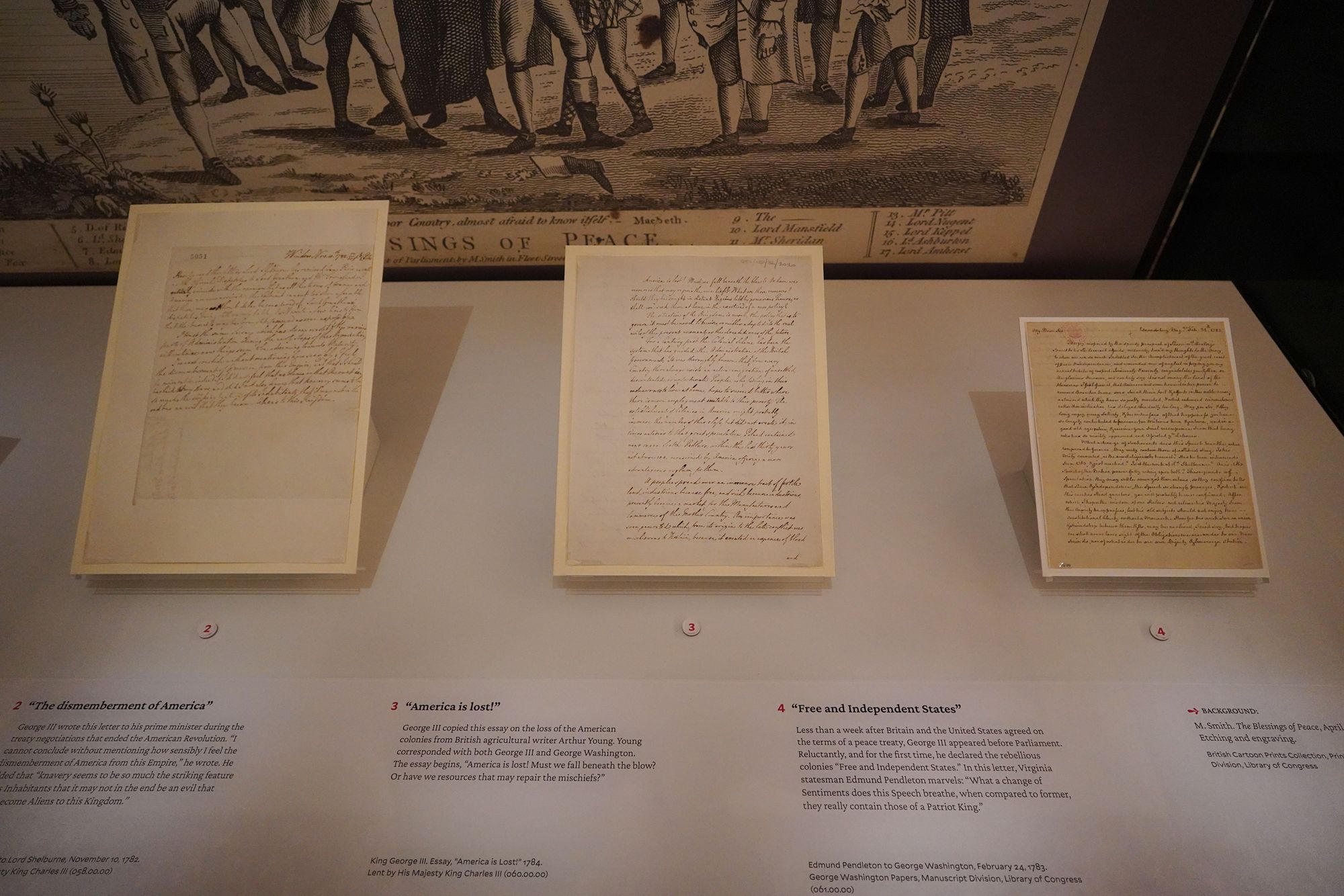
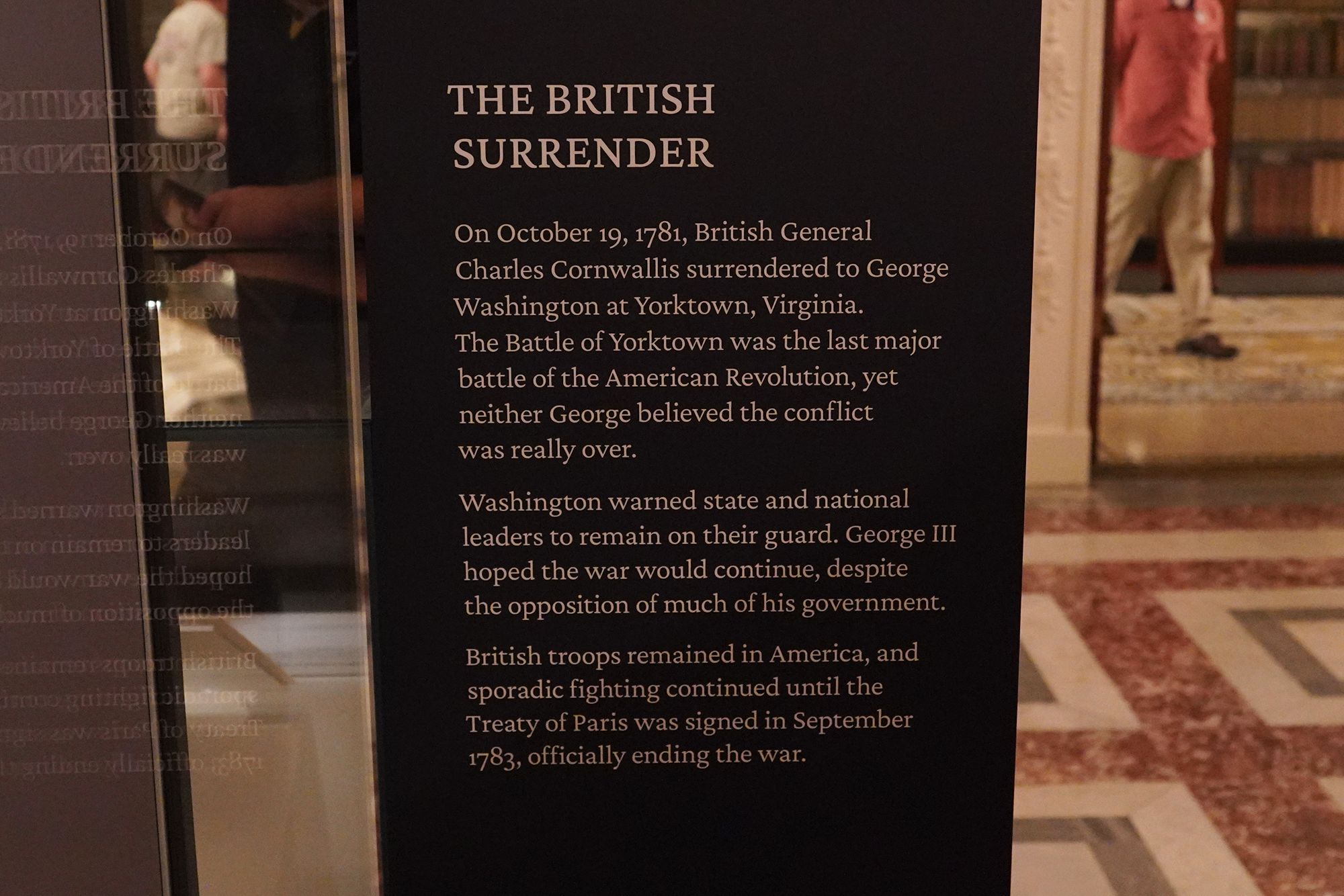
The British surrender that effectively ended the American Revolution took place at Yorktown, Virginia, on October 19, 1781.
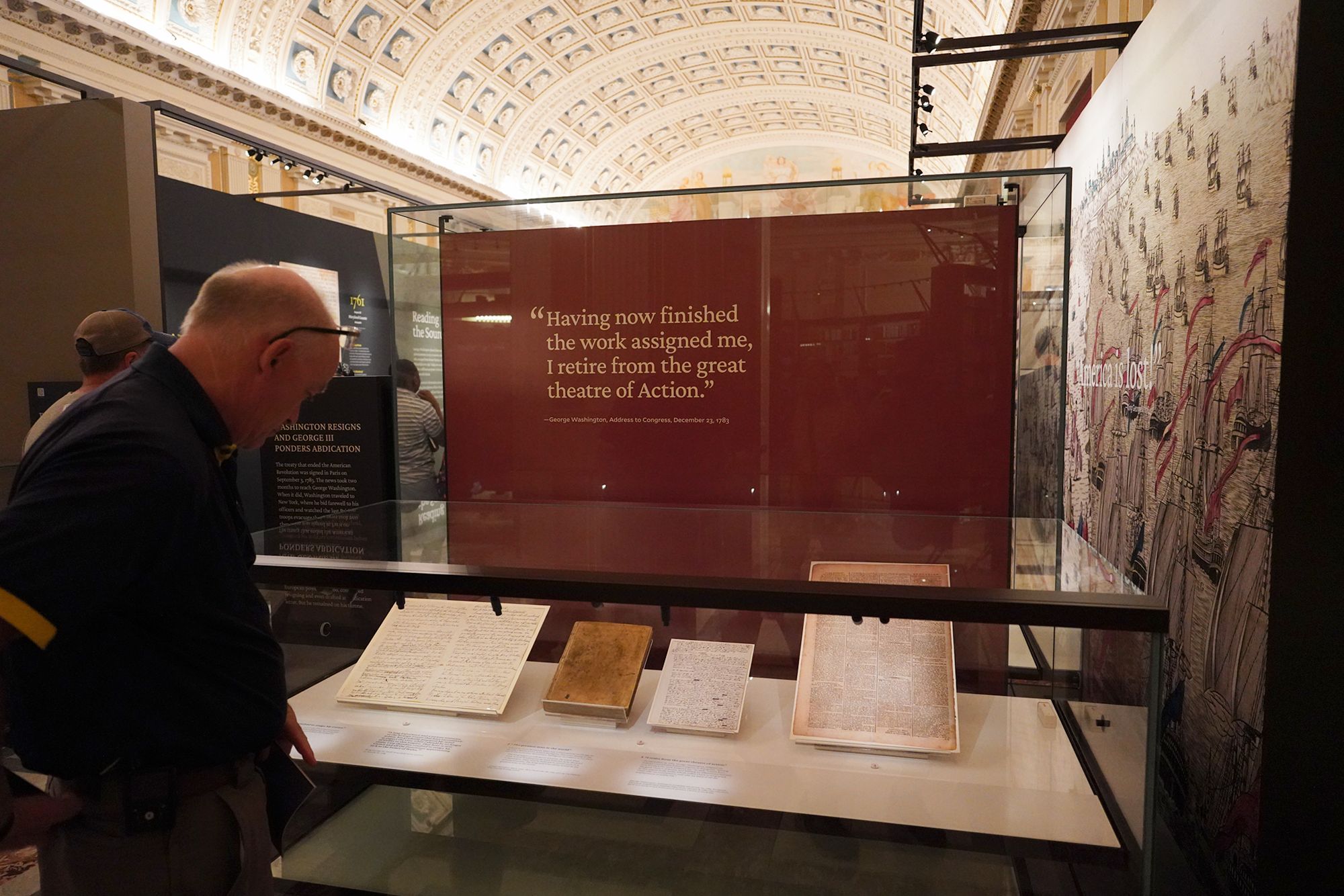
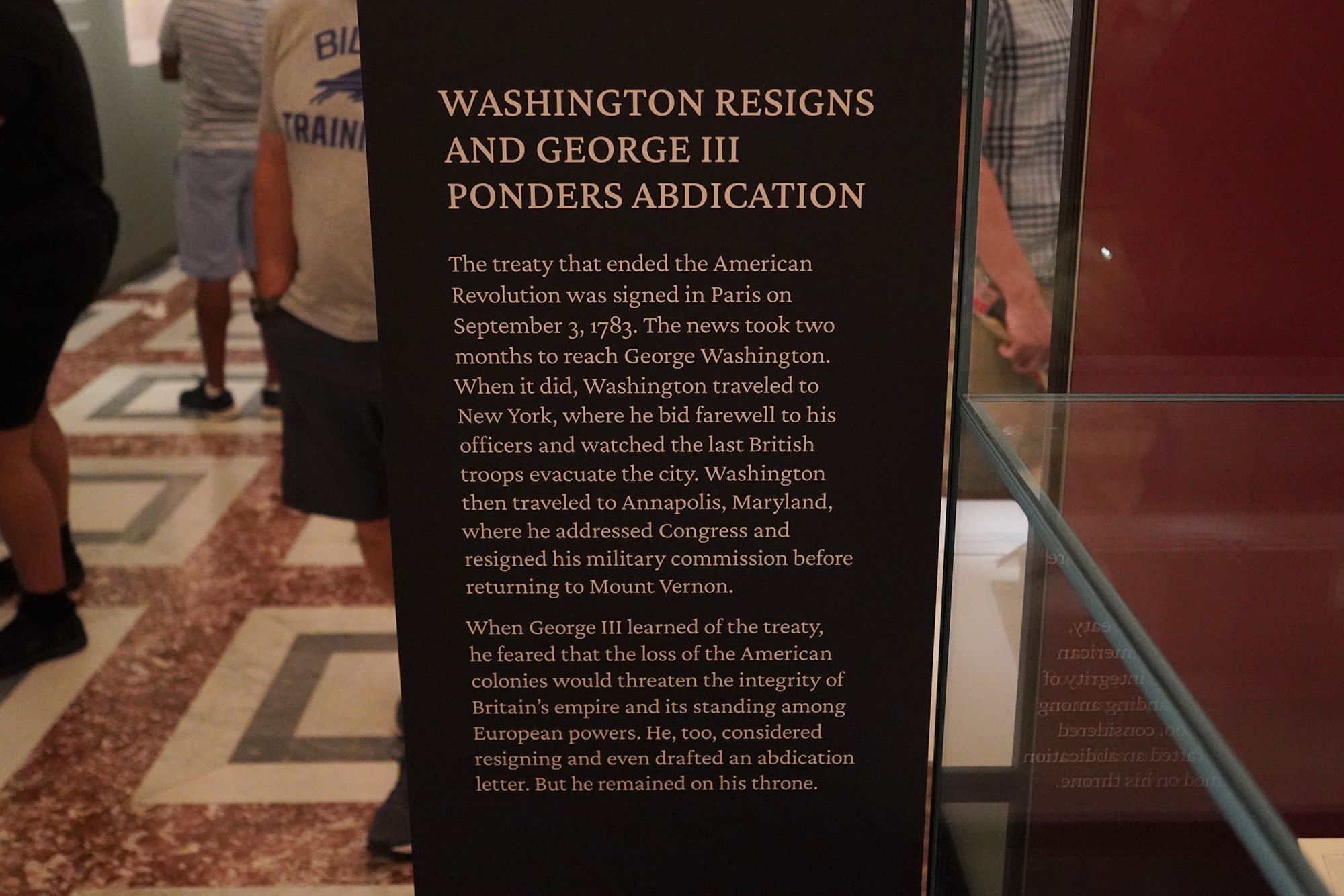
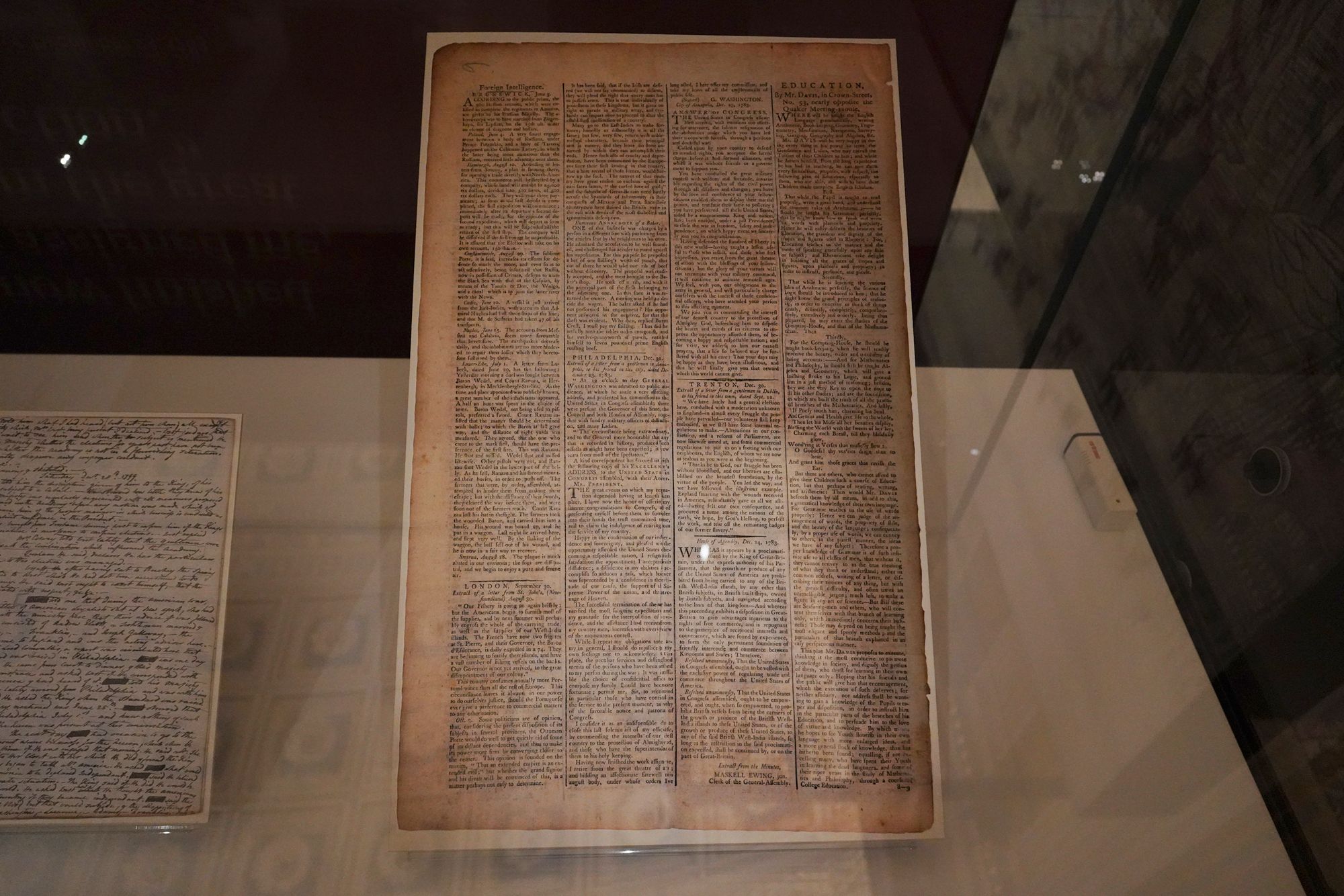
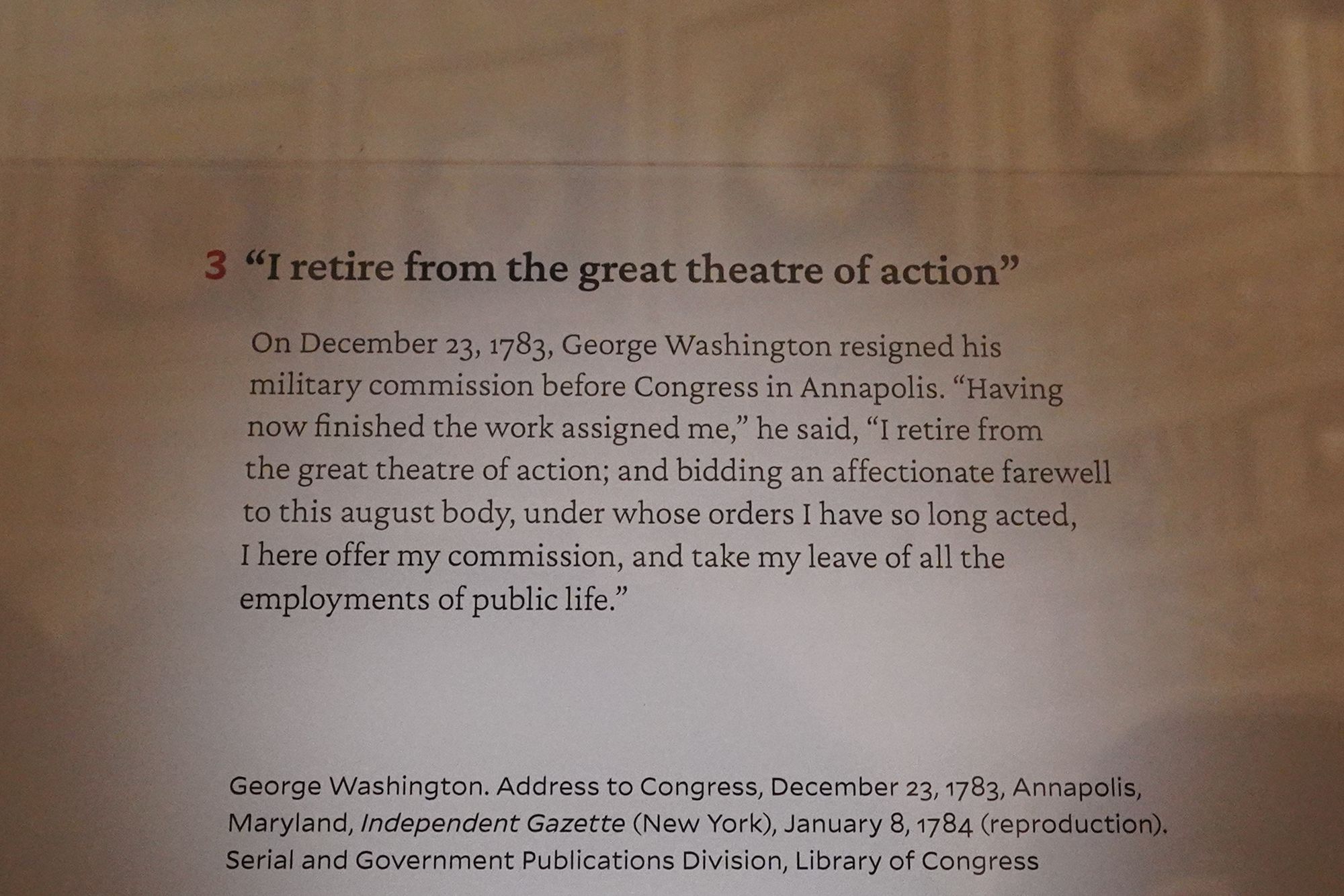
After leading the colonies to victory in the American Revolution, Washington could have used his popularity and military power to seize control or even declare himself ruler. Instead, he chose to step down voluntarily, returning his commission to Congress and retiring to his home at Mount Vernon.
George Washington’s Resignation Letter
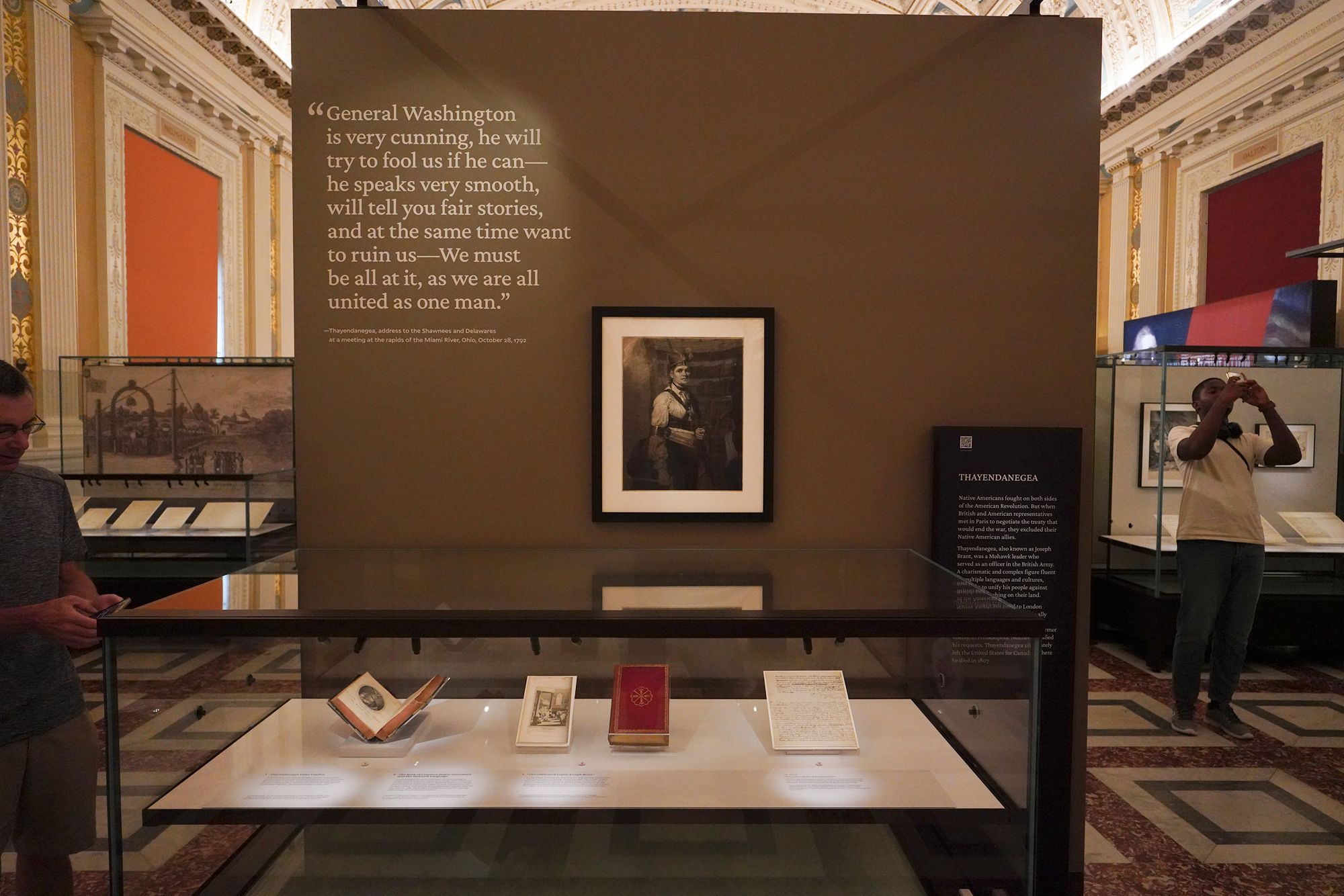
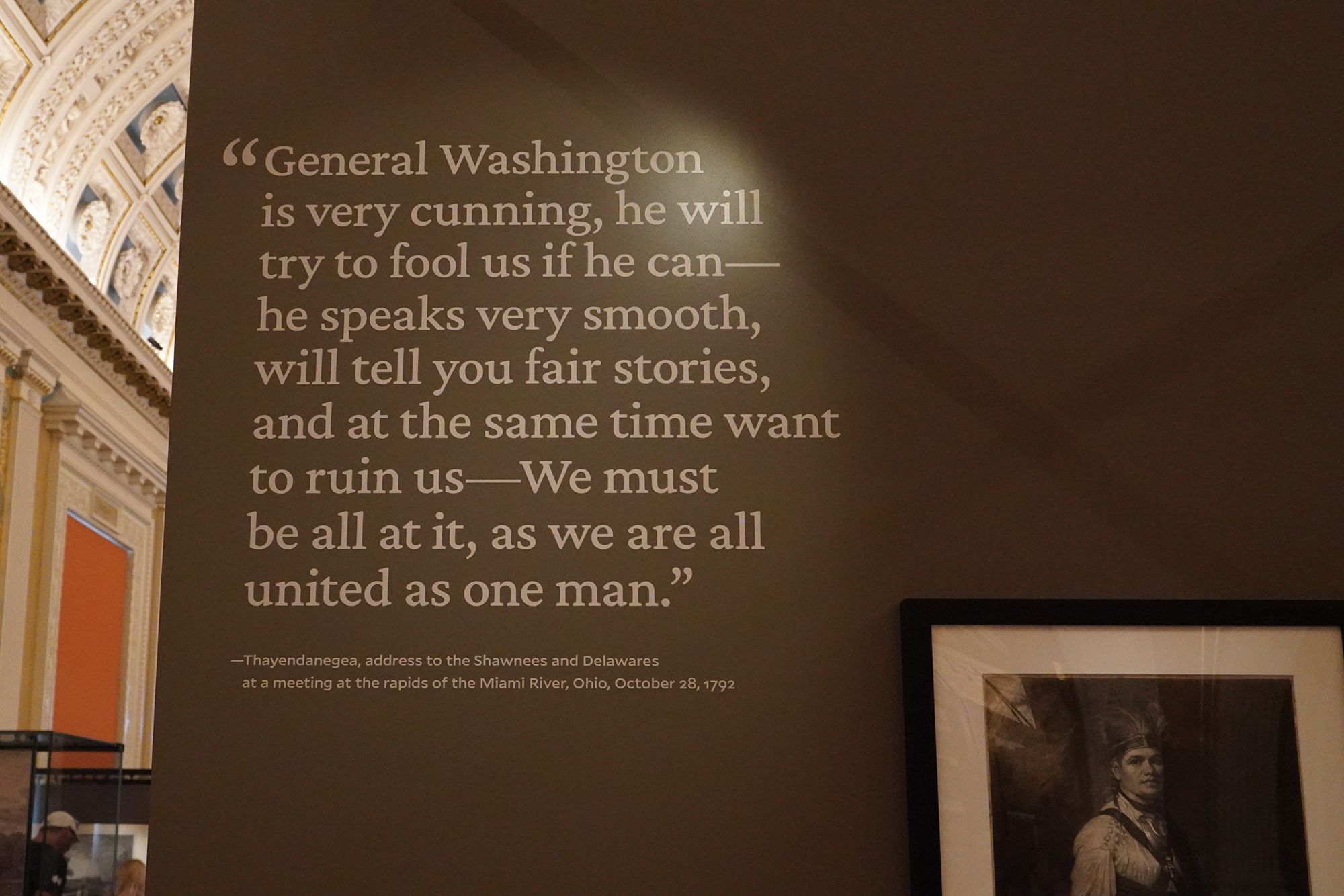
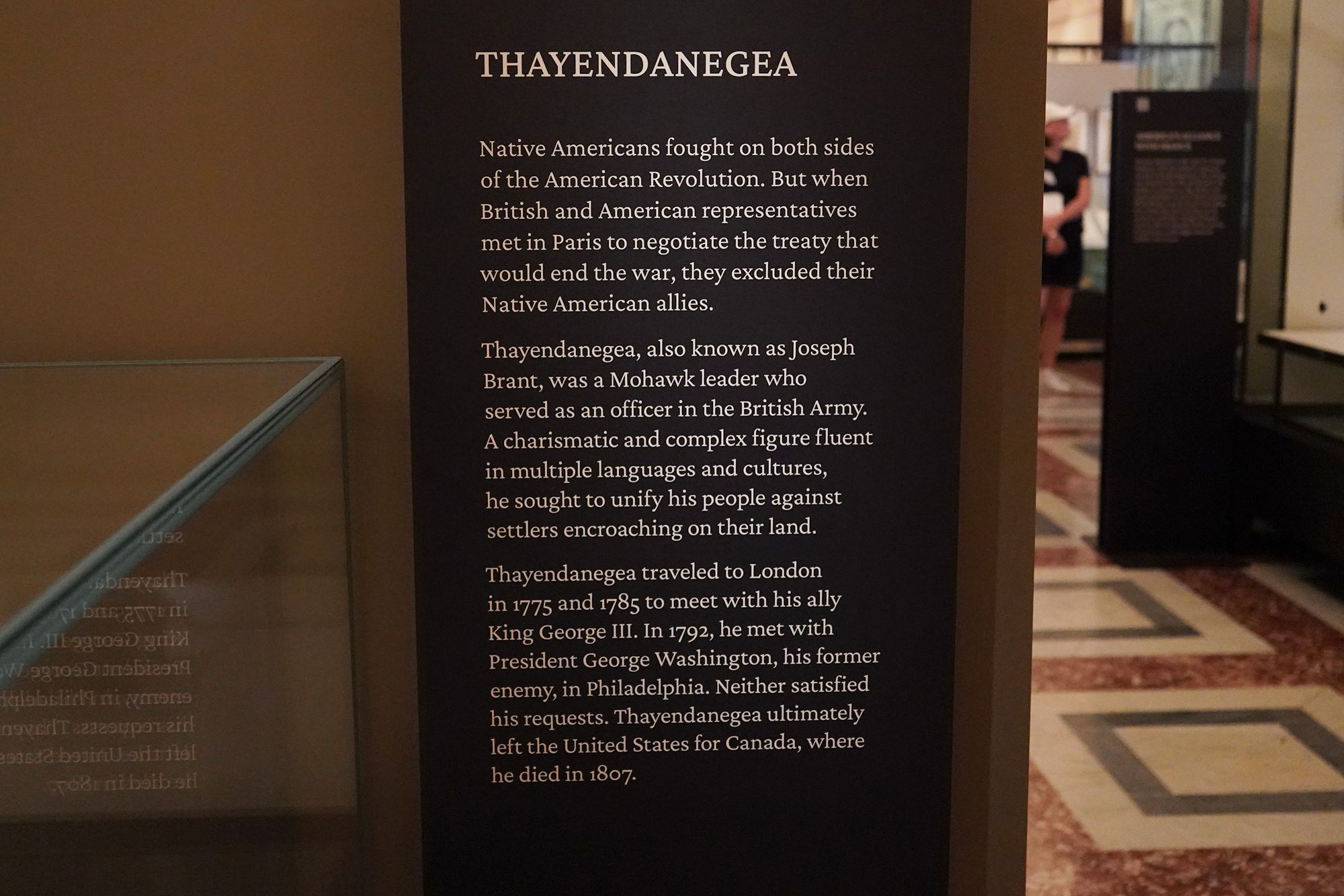
The phrase “George Washington was very cunning” reflects both admiration and wariness. Native leaders recognized Washington’s intelligence, patience, and strategic ability, but they also saw his policies as dangerous to their lands and way of life.
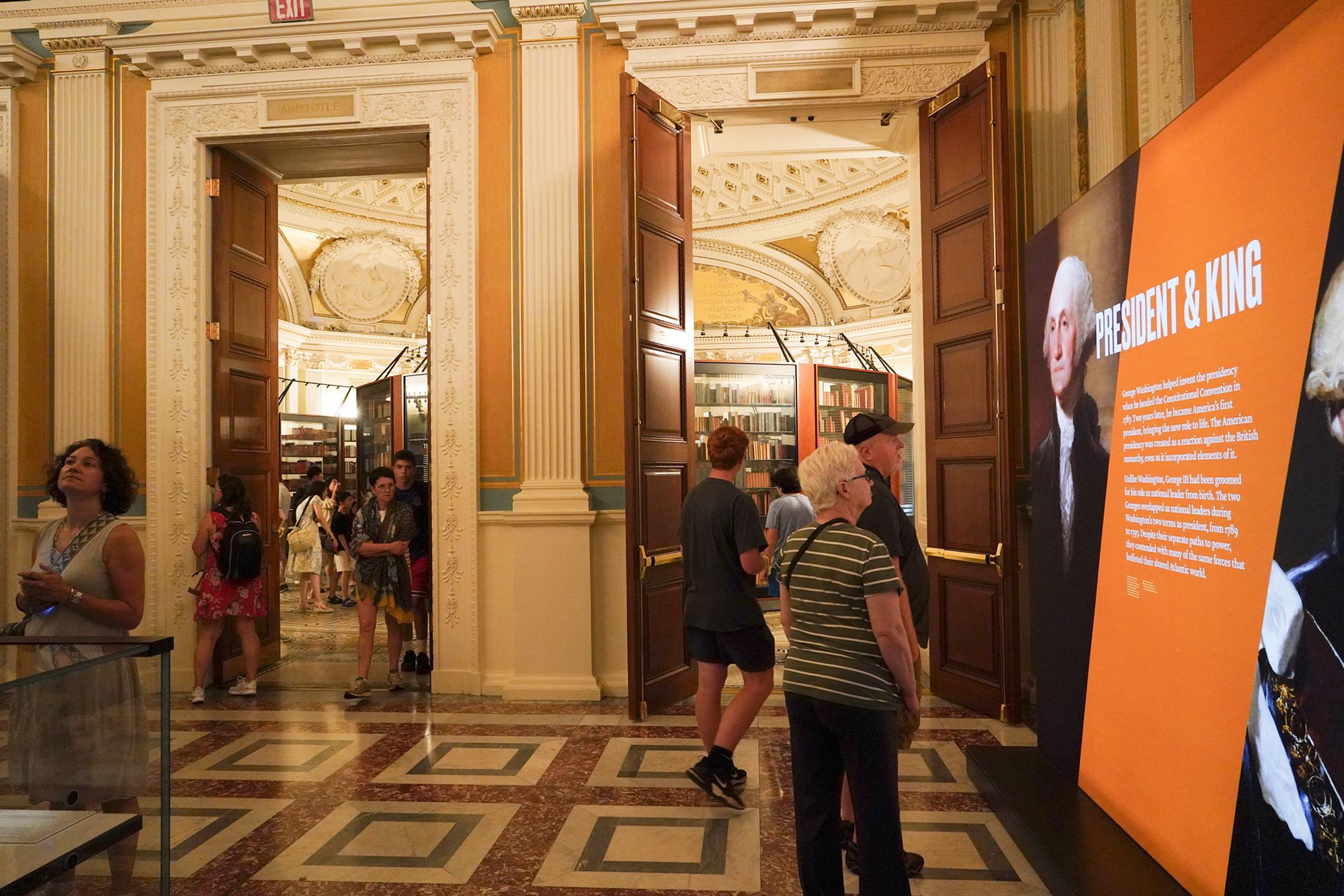
President & King
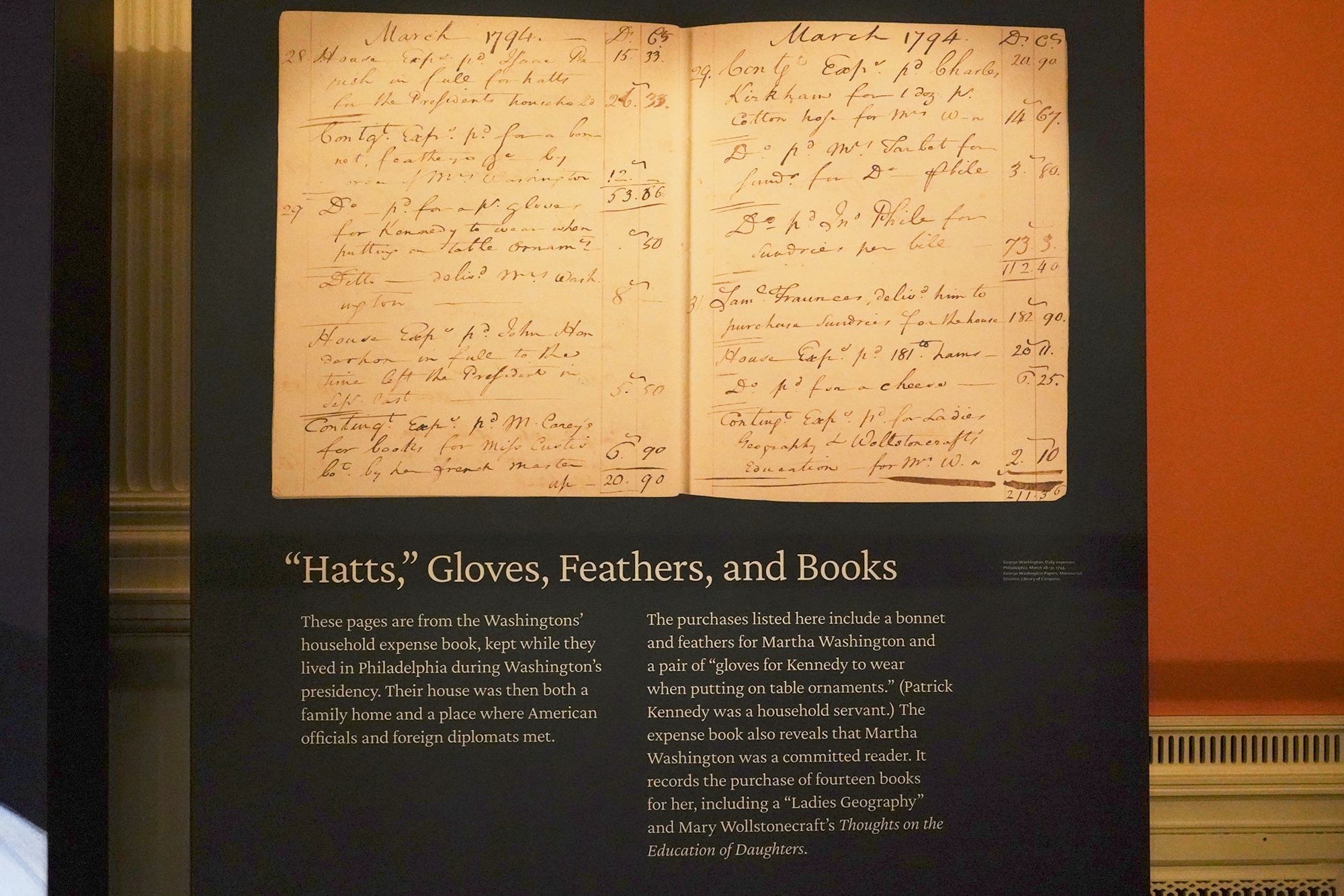
Washingtons’ Household Expense Book
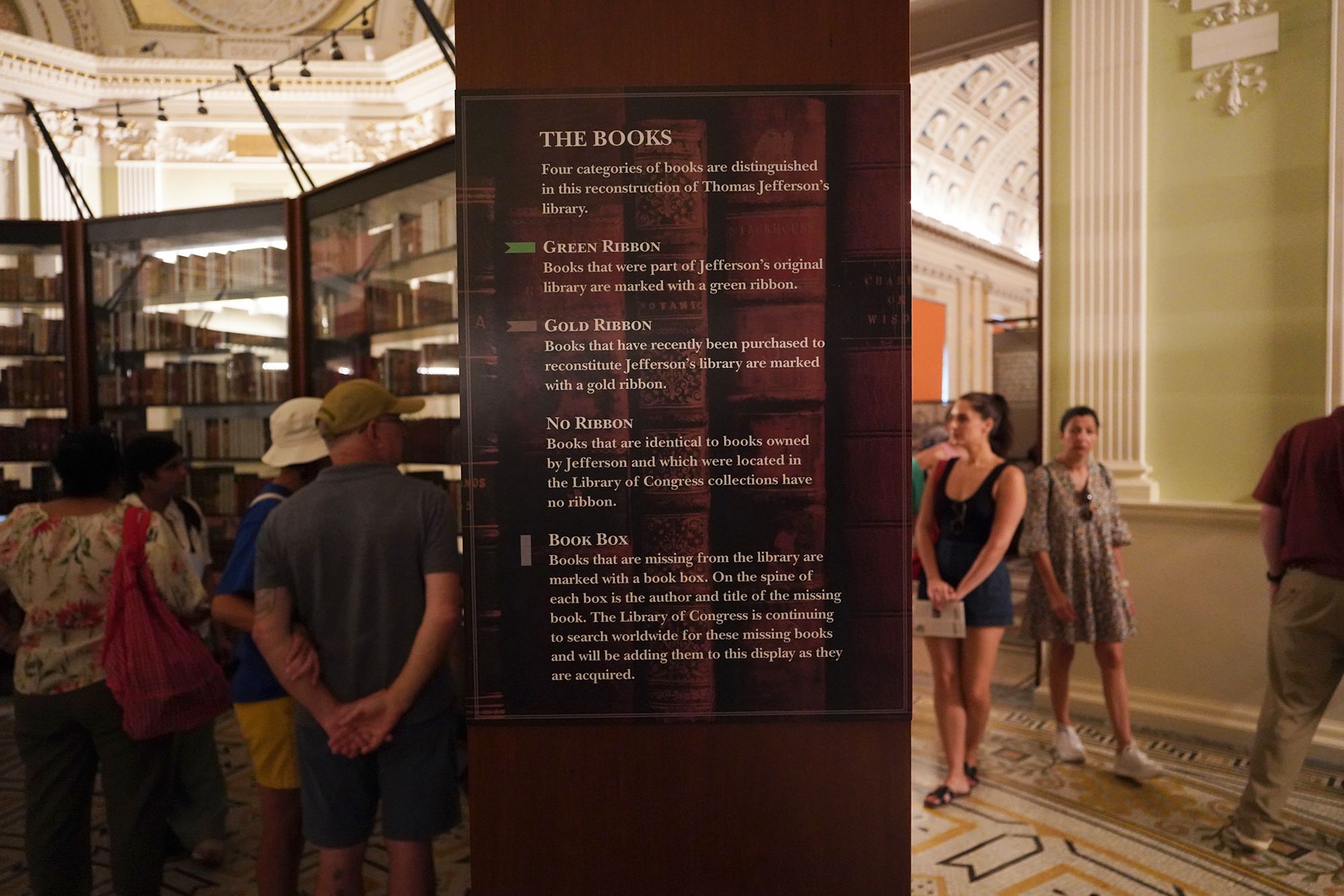
At one end of the exhibition room, there was a display featuring Thomas Jefferson’s Library.
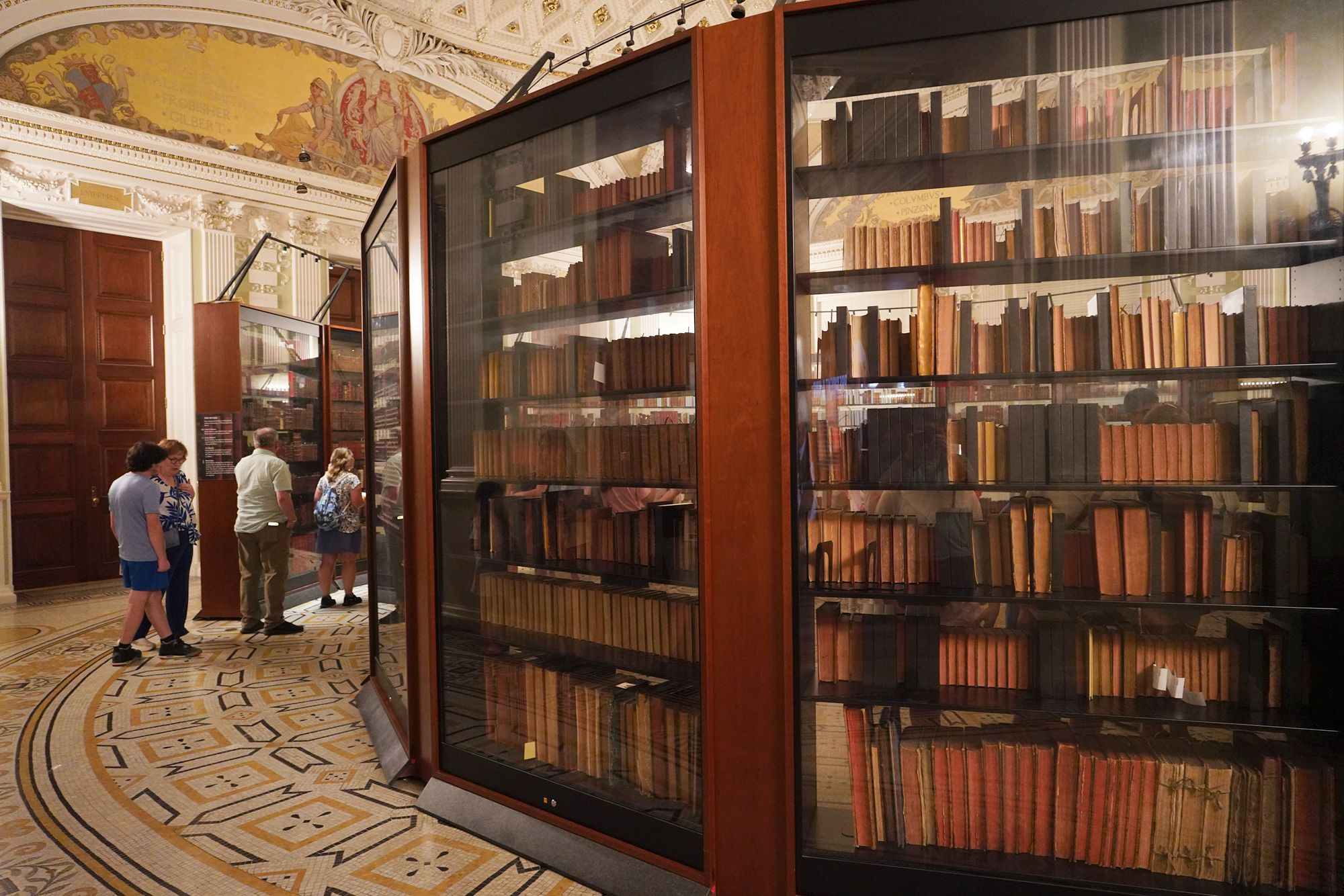
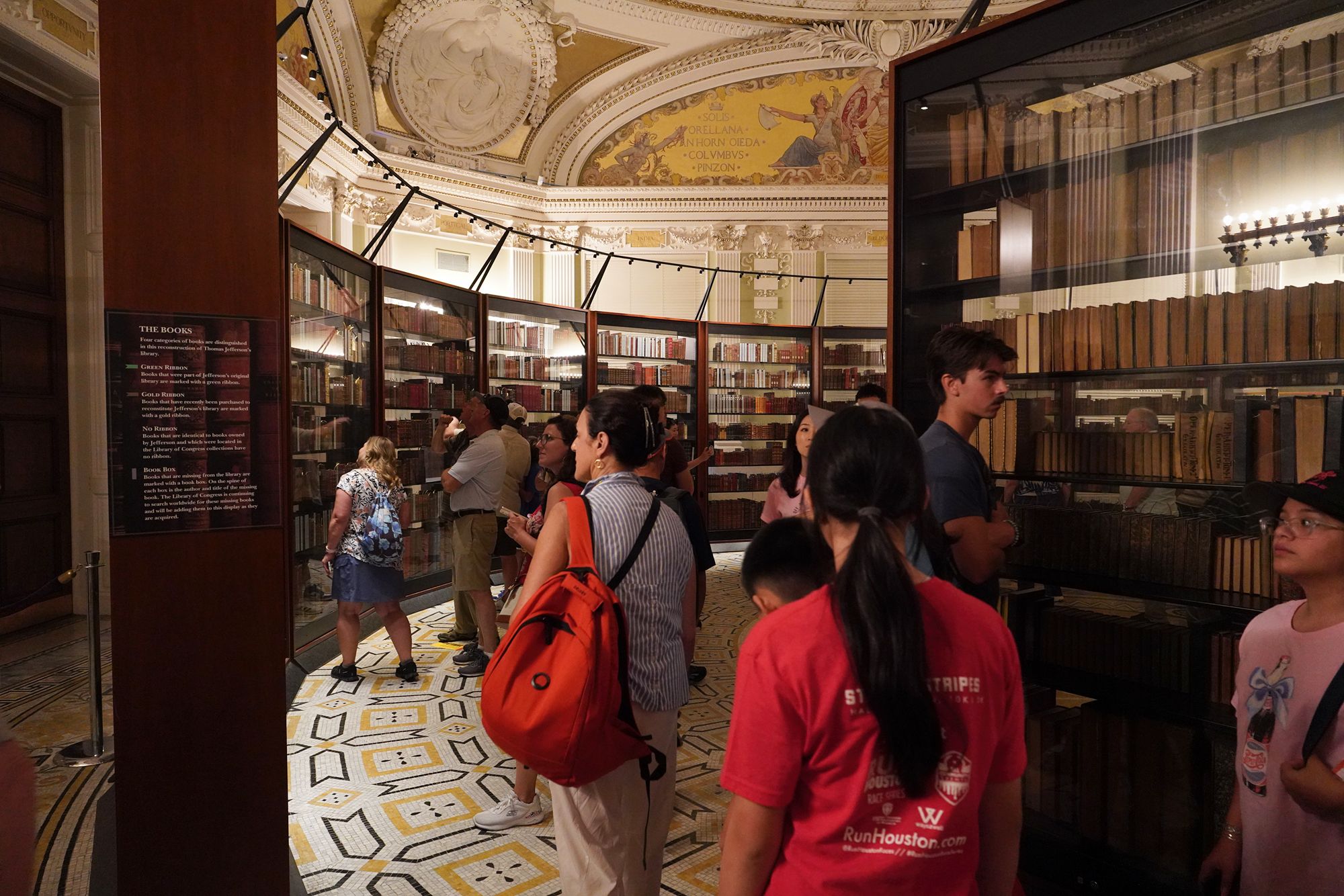
Thomas Jefferson’s Library is one of the most important treasures in the Library of Congress. After the original Library of Congress collection was destroyed when the British burned Washington, D.C., in 1814, Thomas Jefferson offered to replace it by selling his personal library of 6,487 books to Congress in 1815.
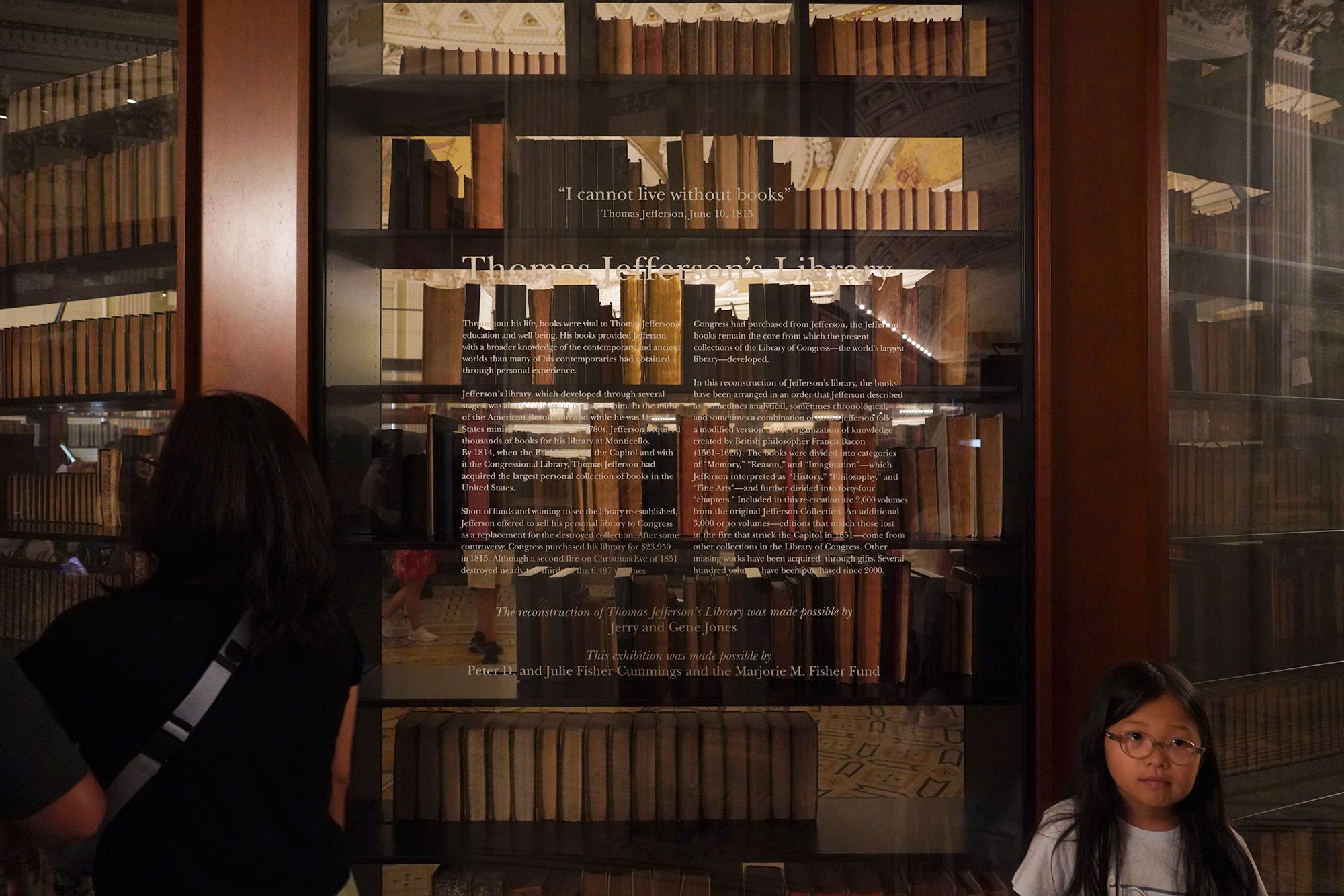
Jefferson’s collection was remarkable for its breadth—it covered not only history and politics but also science, philosophy, art, architecture, and world literature. He believed that knowledge in all fields was essential to democracy. His words captured this vision: “I cannot live without books.”
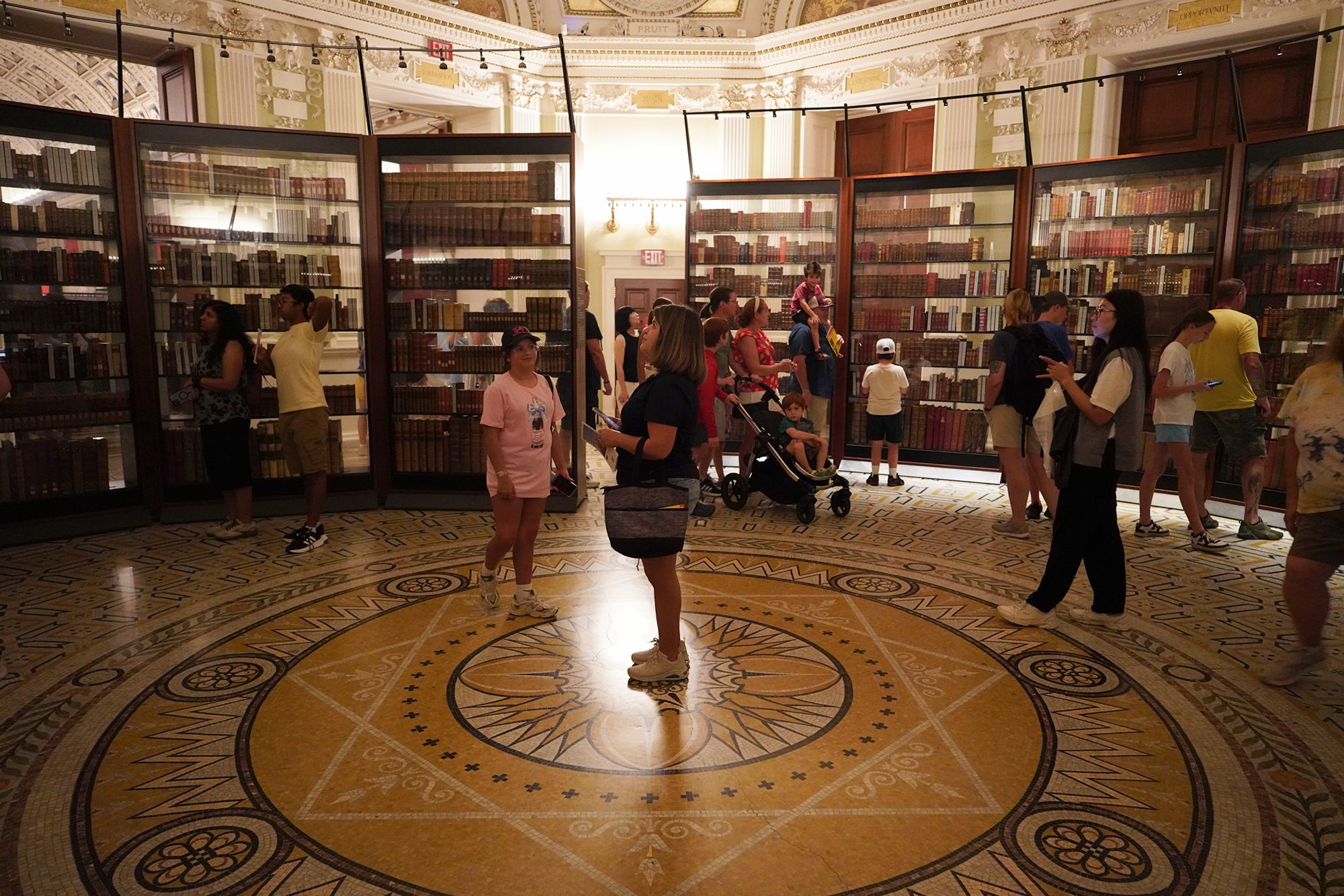
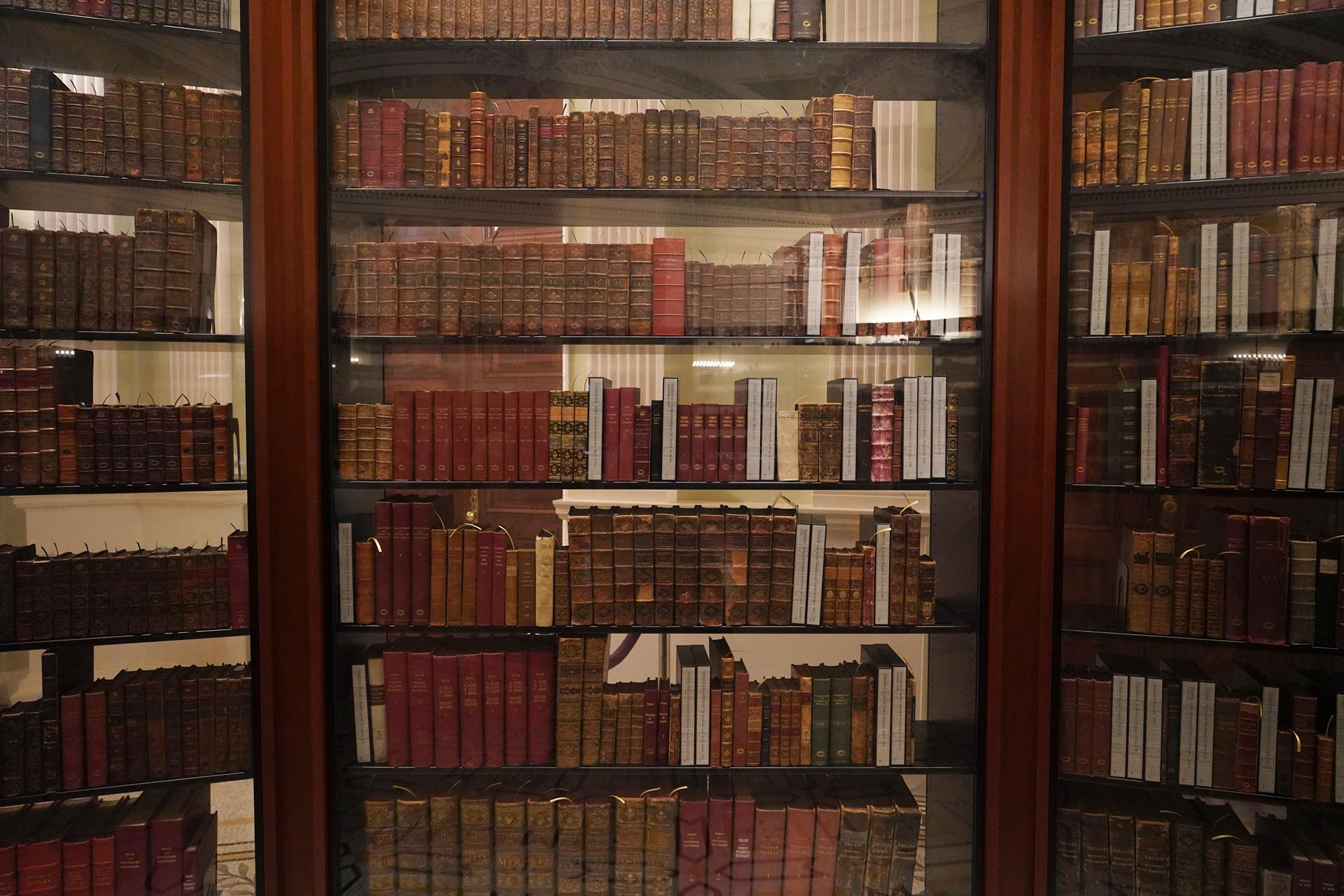
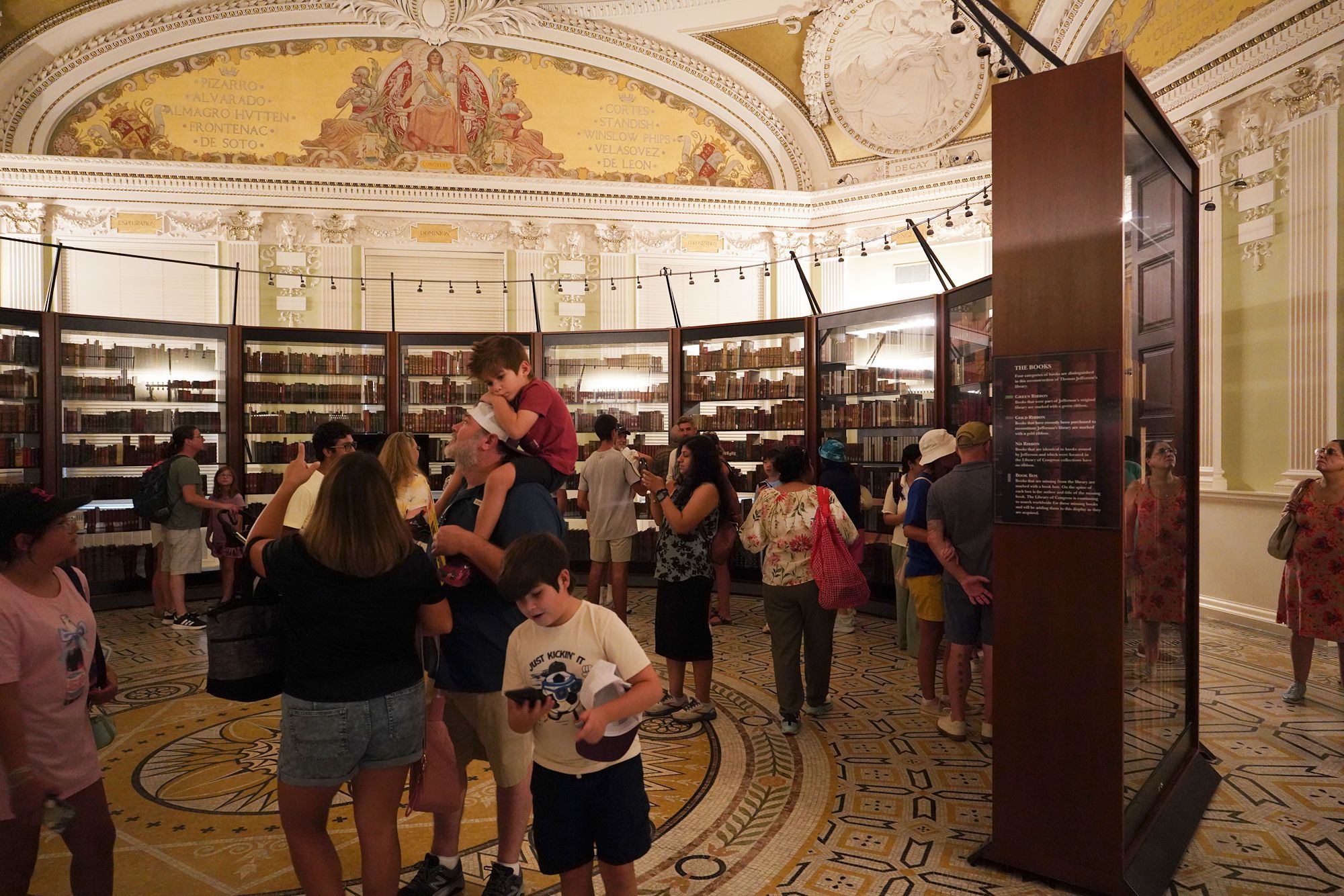
Today, the Library of Congress preserves and displays Thomas Jefferson’s Library as a circular exhibition. Many of his original books are still intact, while missing volumes have been replaced with identical editions. The display reflects Jefferson’s belief in the power of knowledge and serves as the foundation of what became the world’s largest library.
I returned to the exhibition about the two Georges.
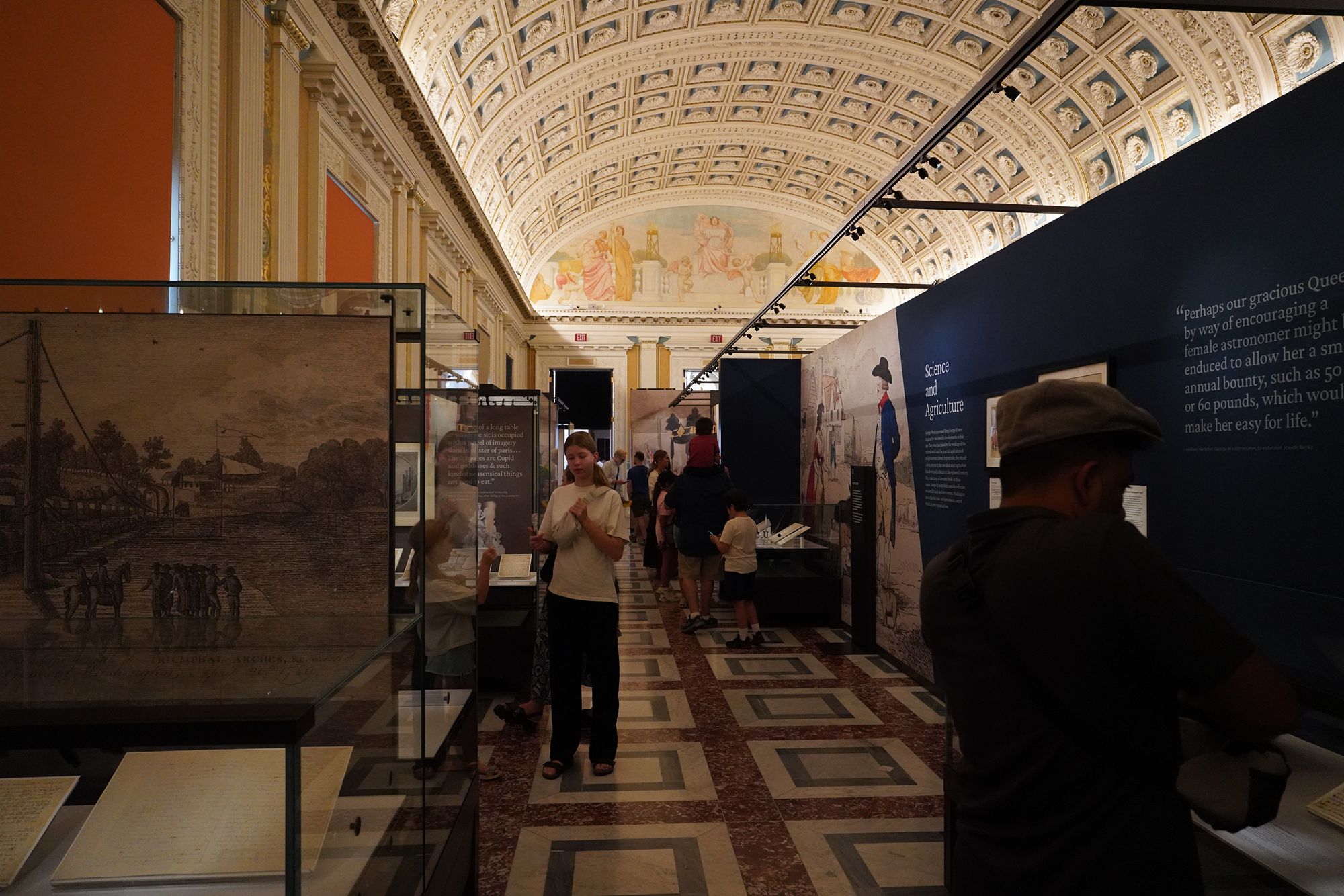
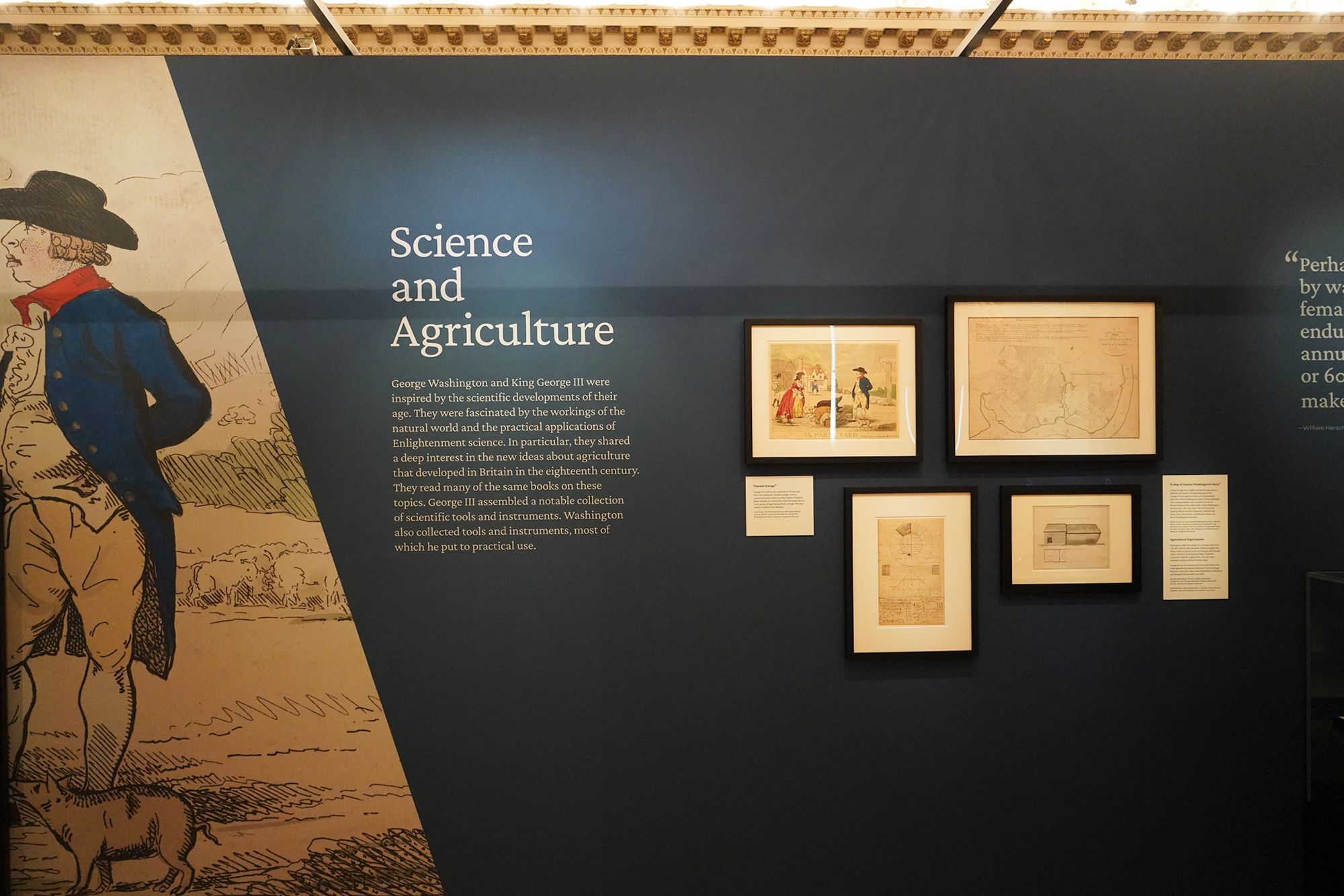
George Washington’s interest in science and agriculture was a defining part of his life, especially after the Revolutionary War. At his estate, Mount Vernon, he devoted himself to experimenting with new farming methods and scientific approaches to improve productivity.
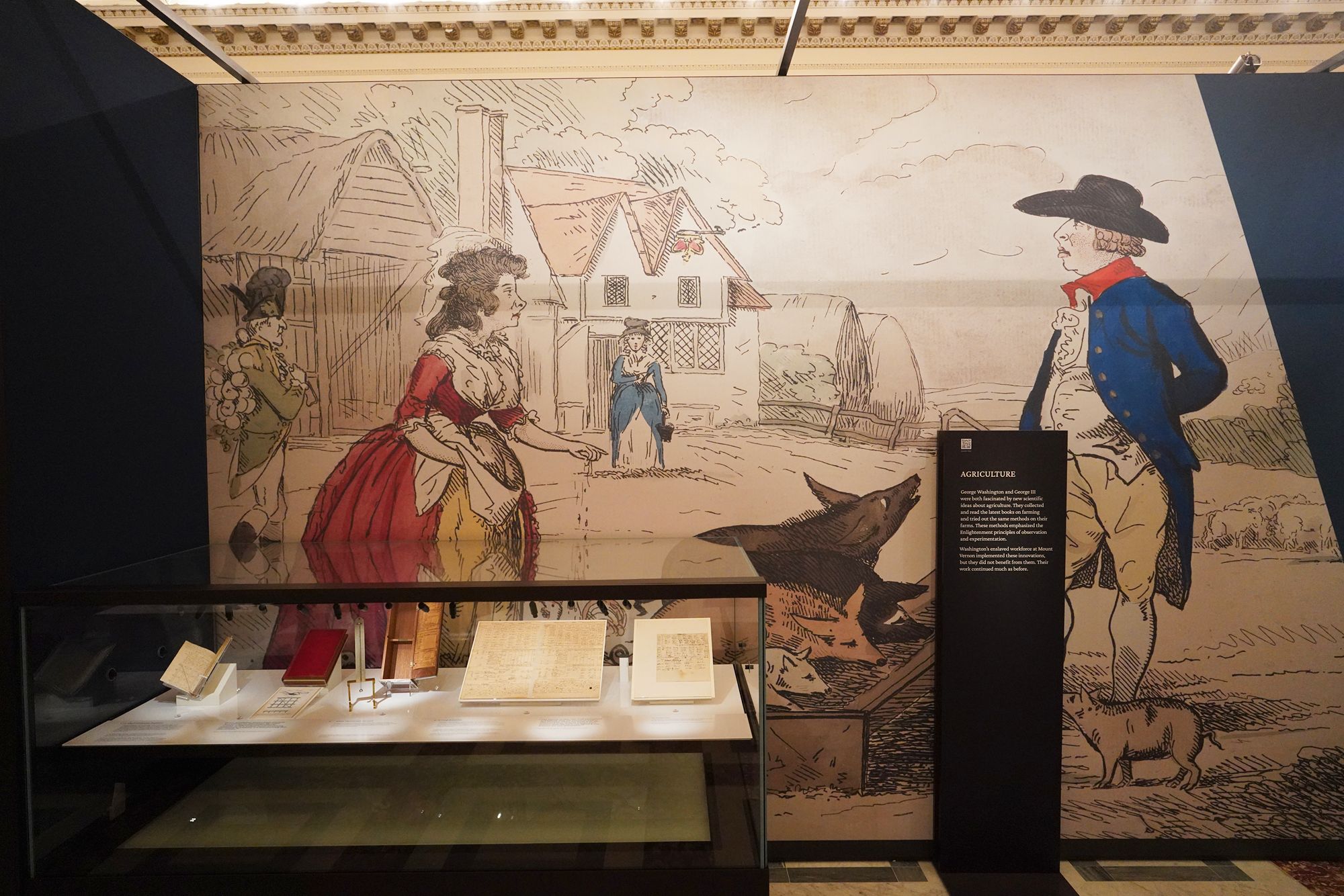
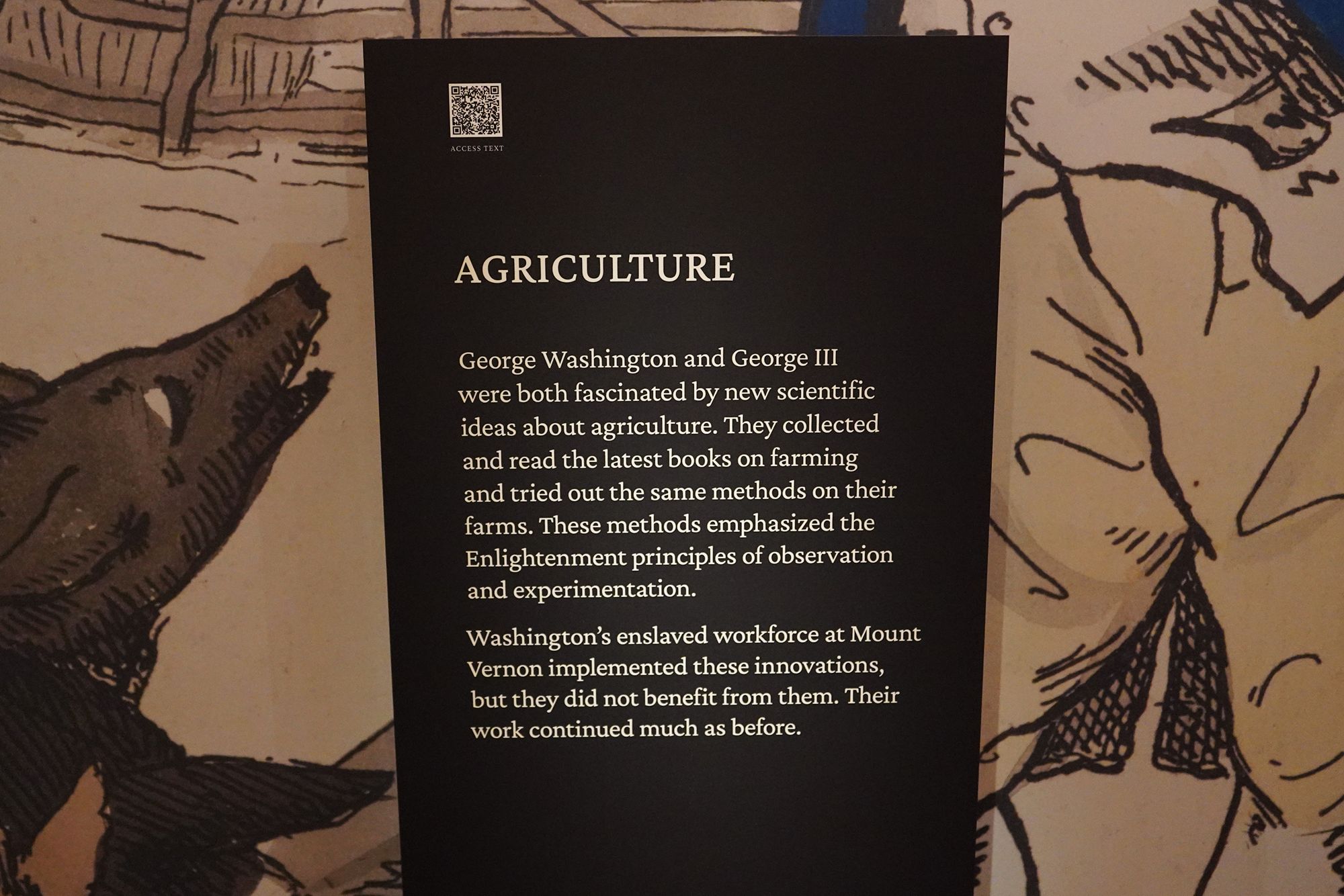
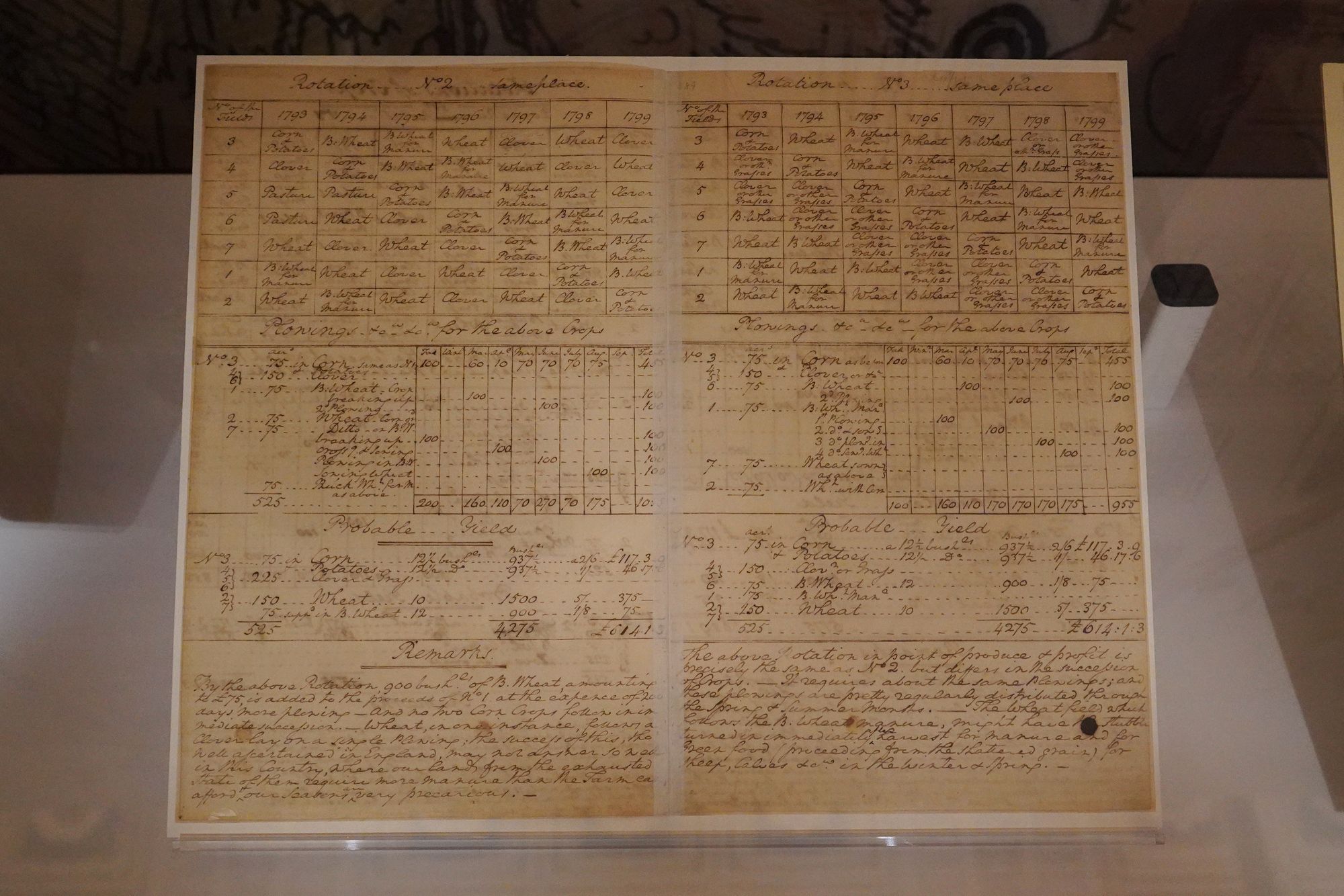
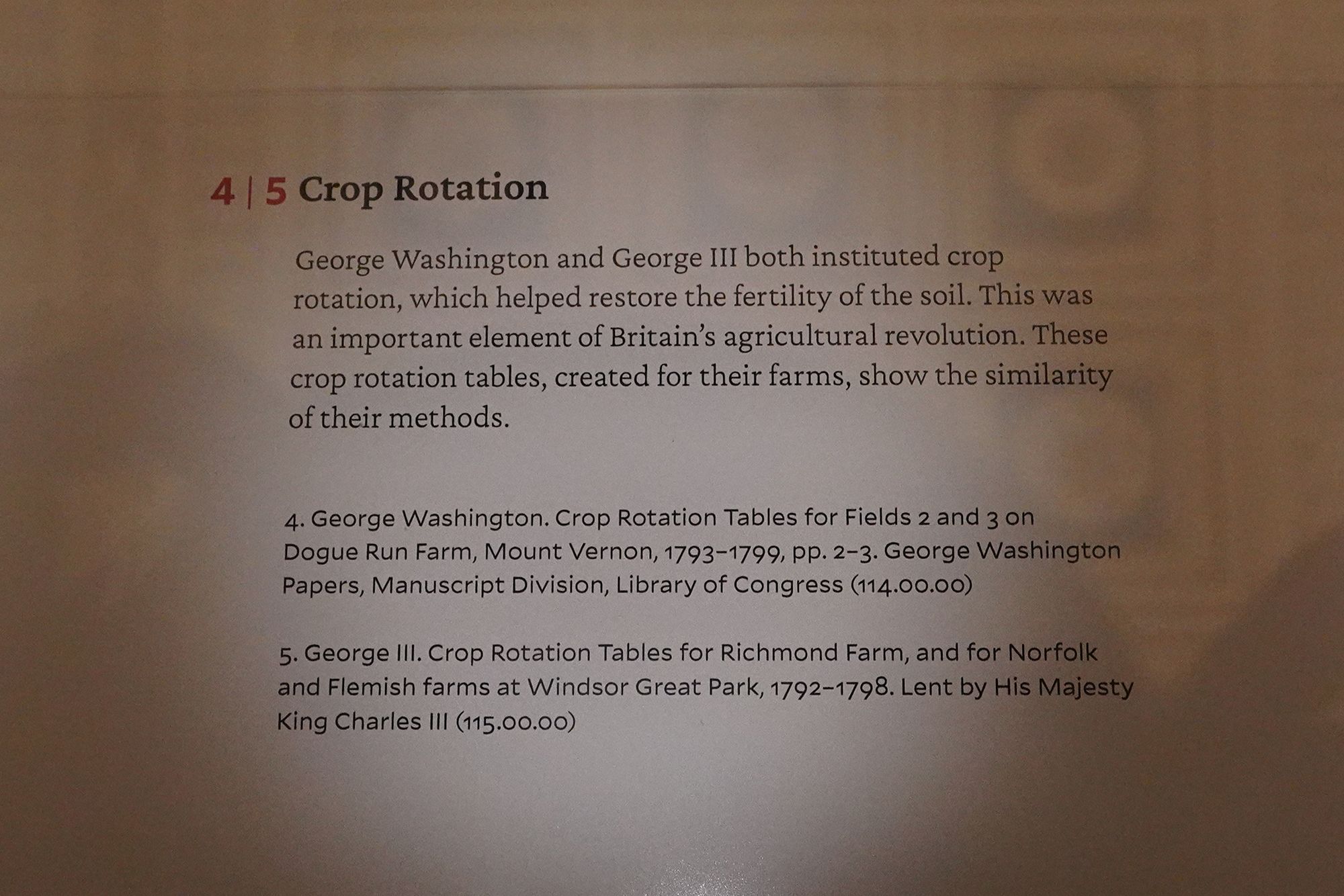
His record on crop rotation
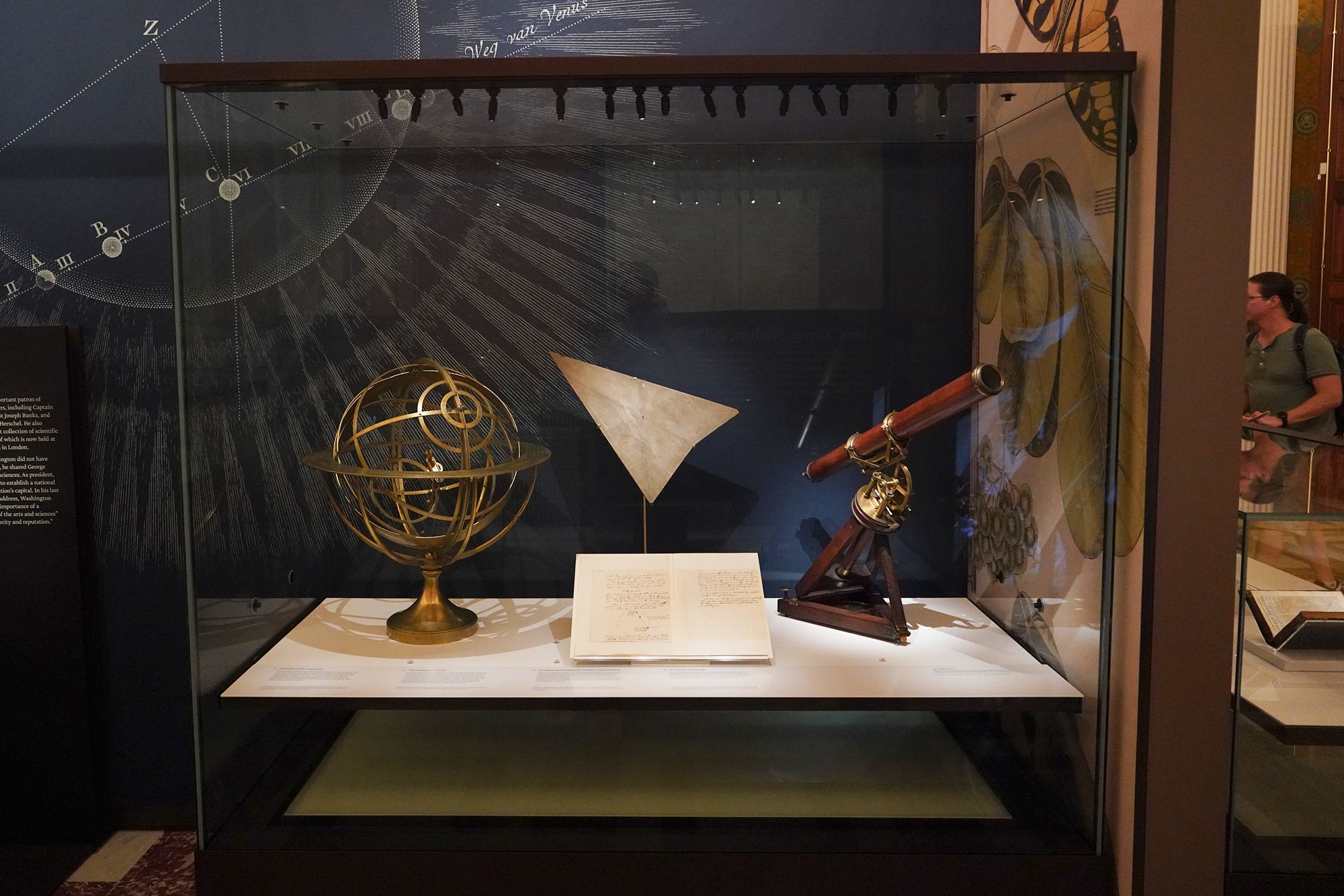
Both Georges shared a deep interest in science and knowledge.
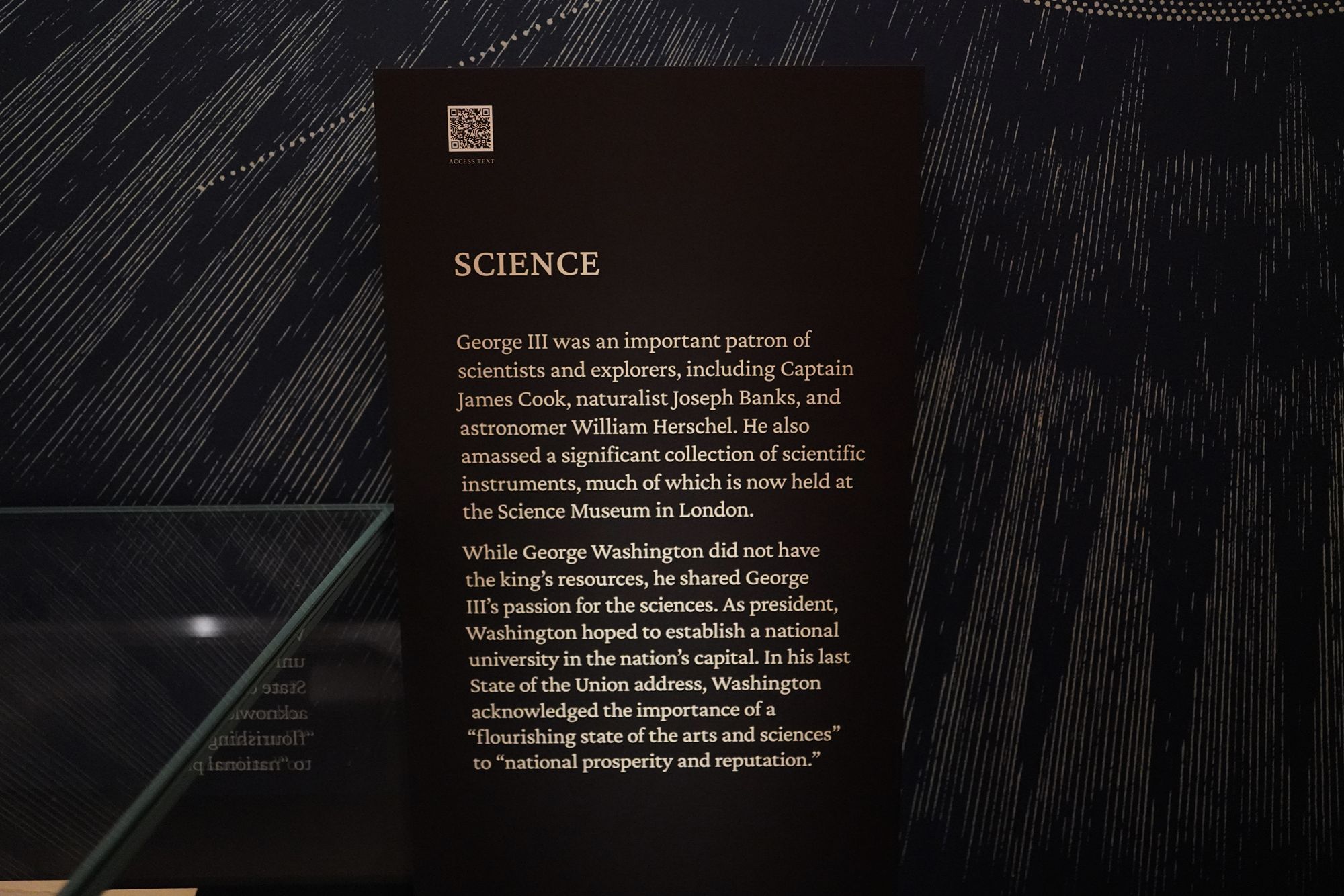
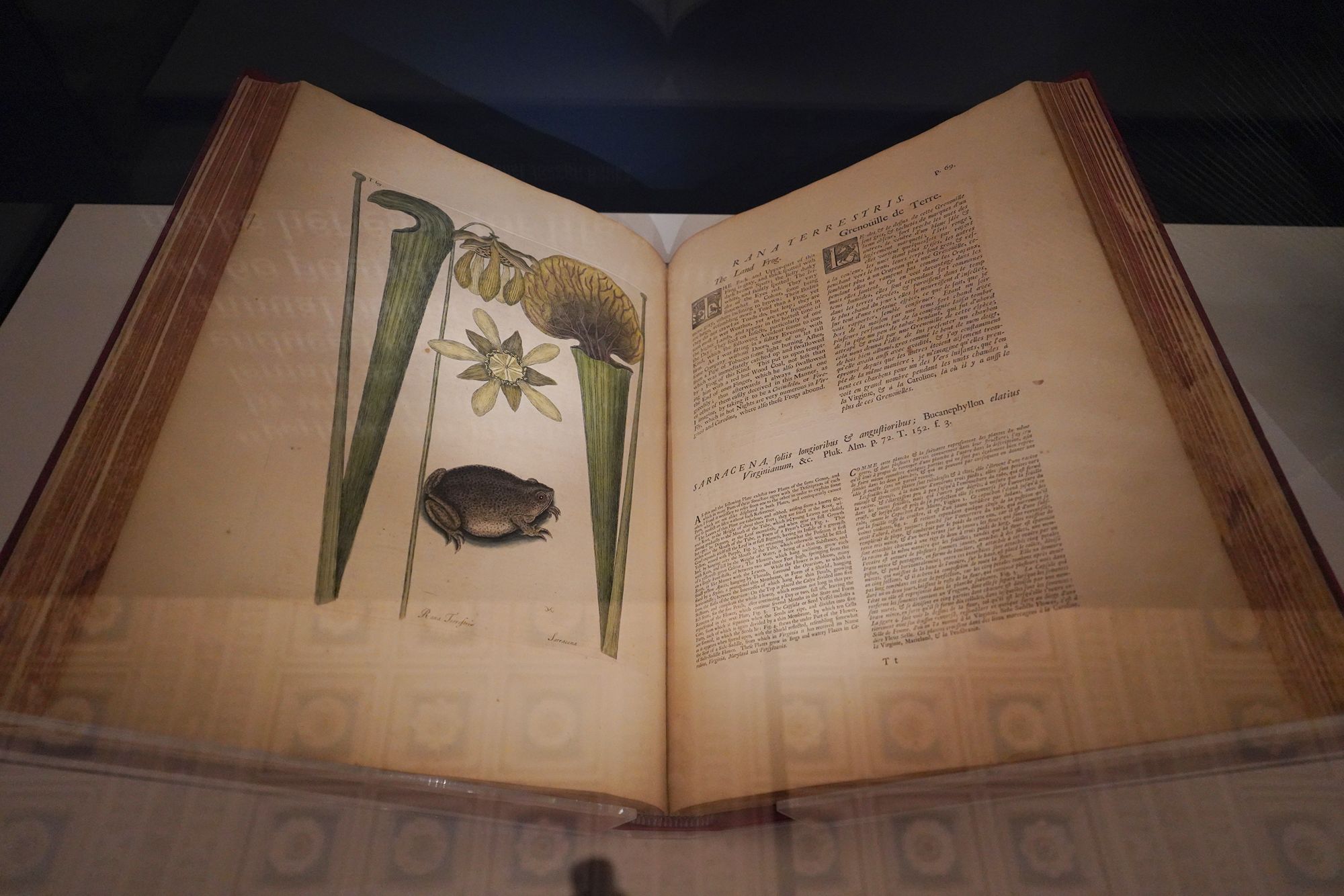
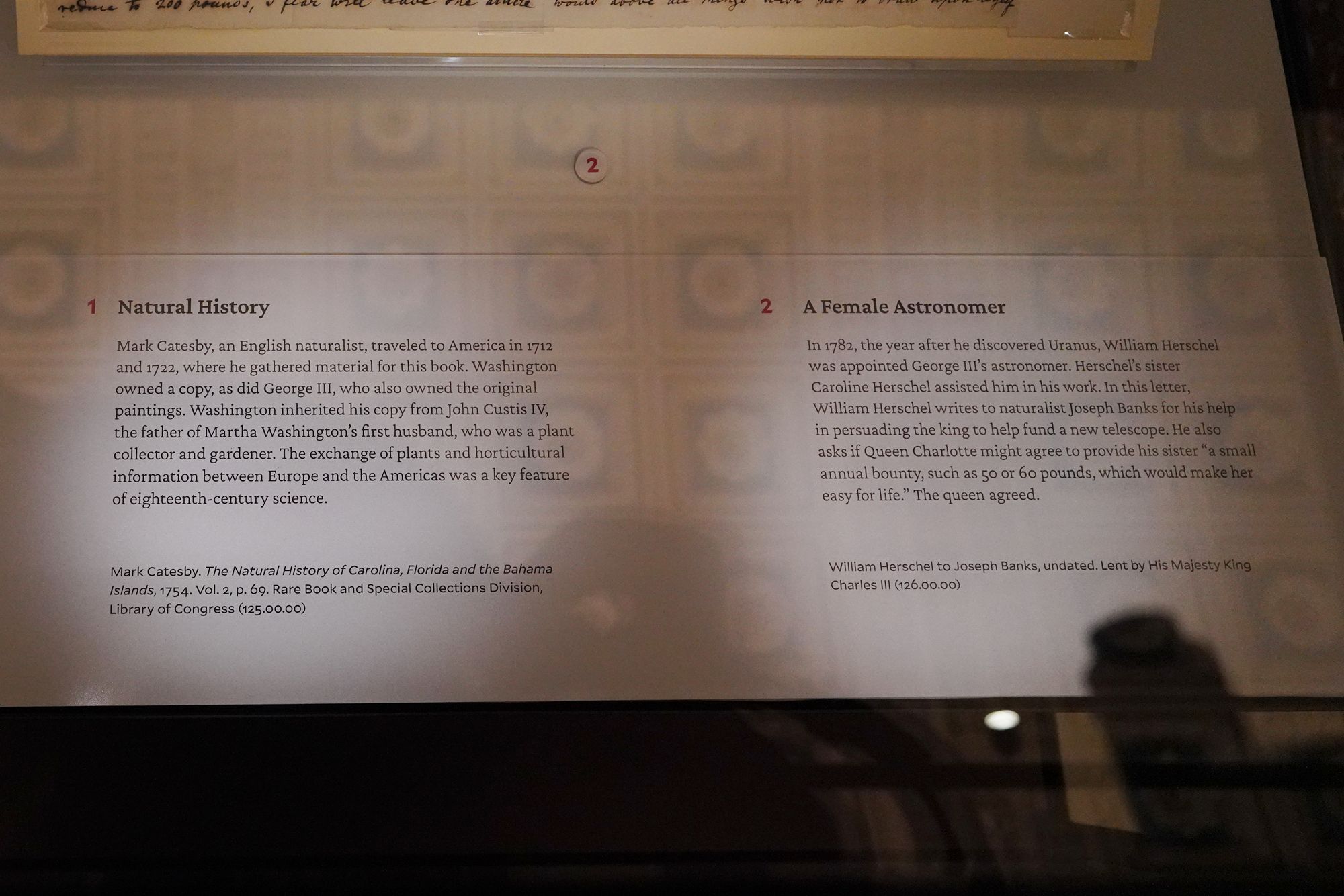
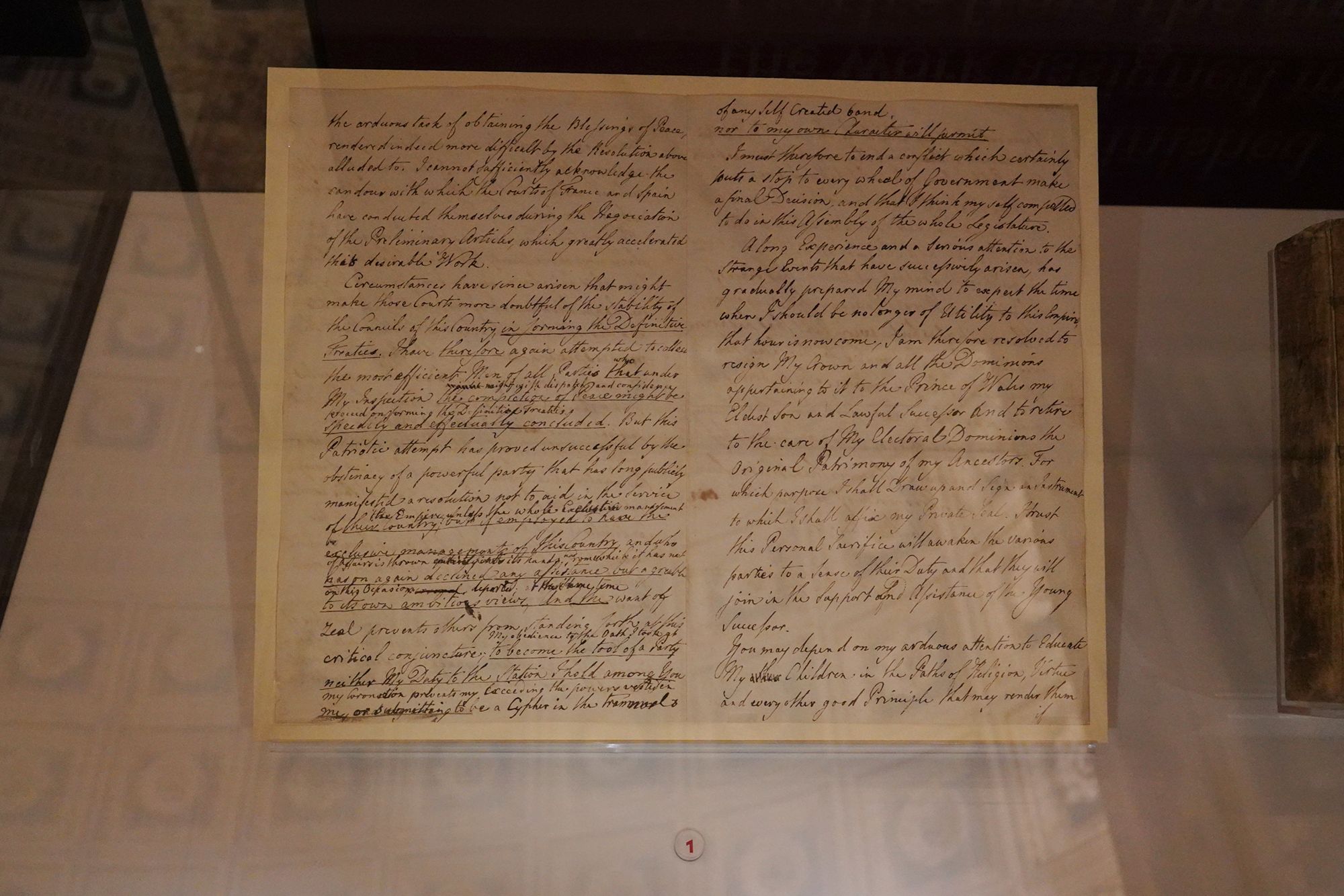
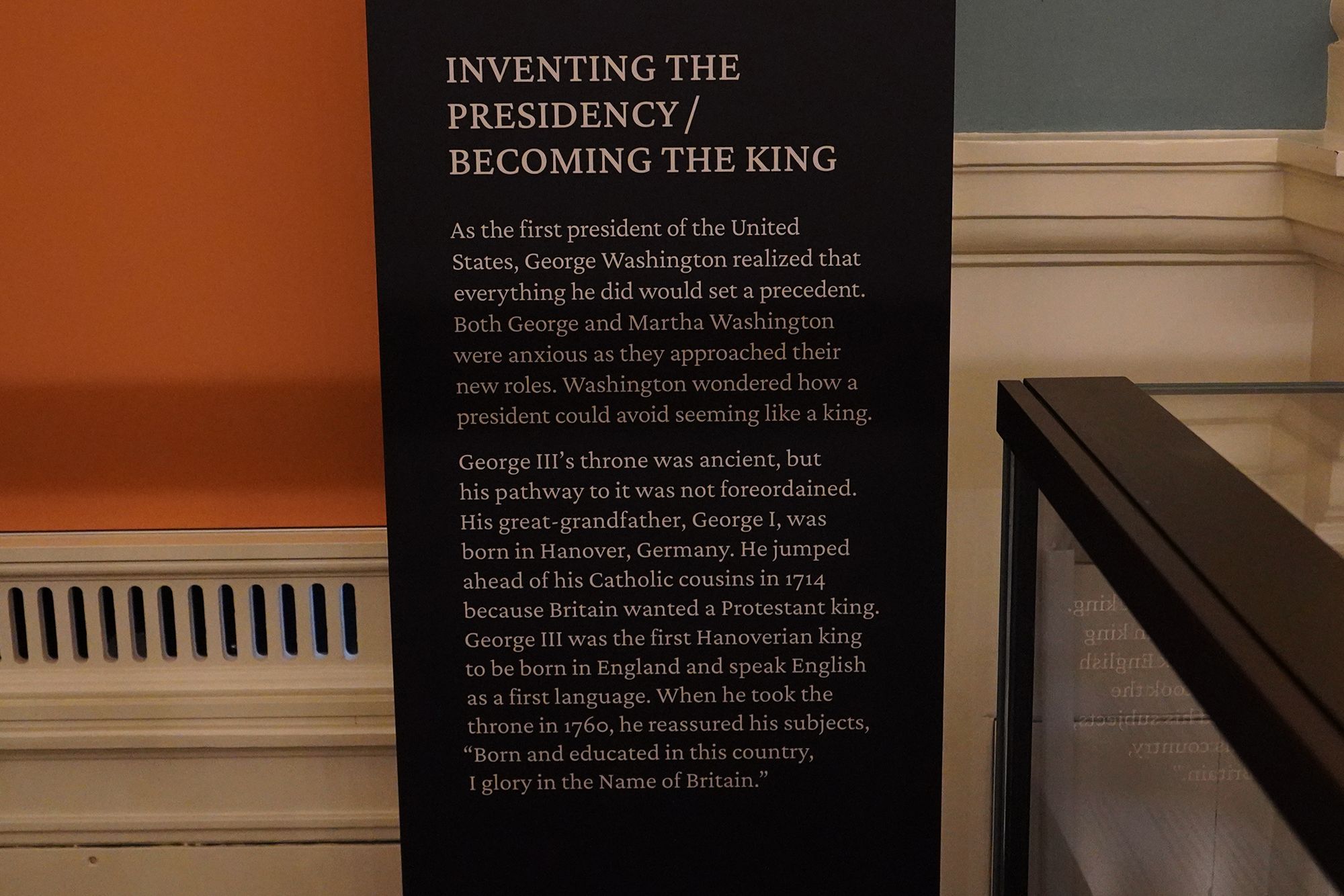
The theme “Inventing the Presidency / Becoming the King” contrasts the very different paths of George Washington and King George III after the American Revolution.
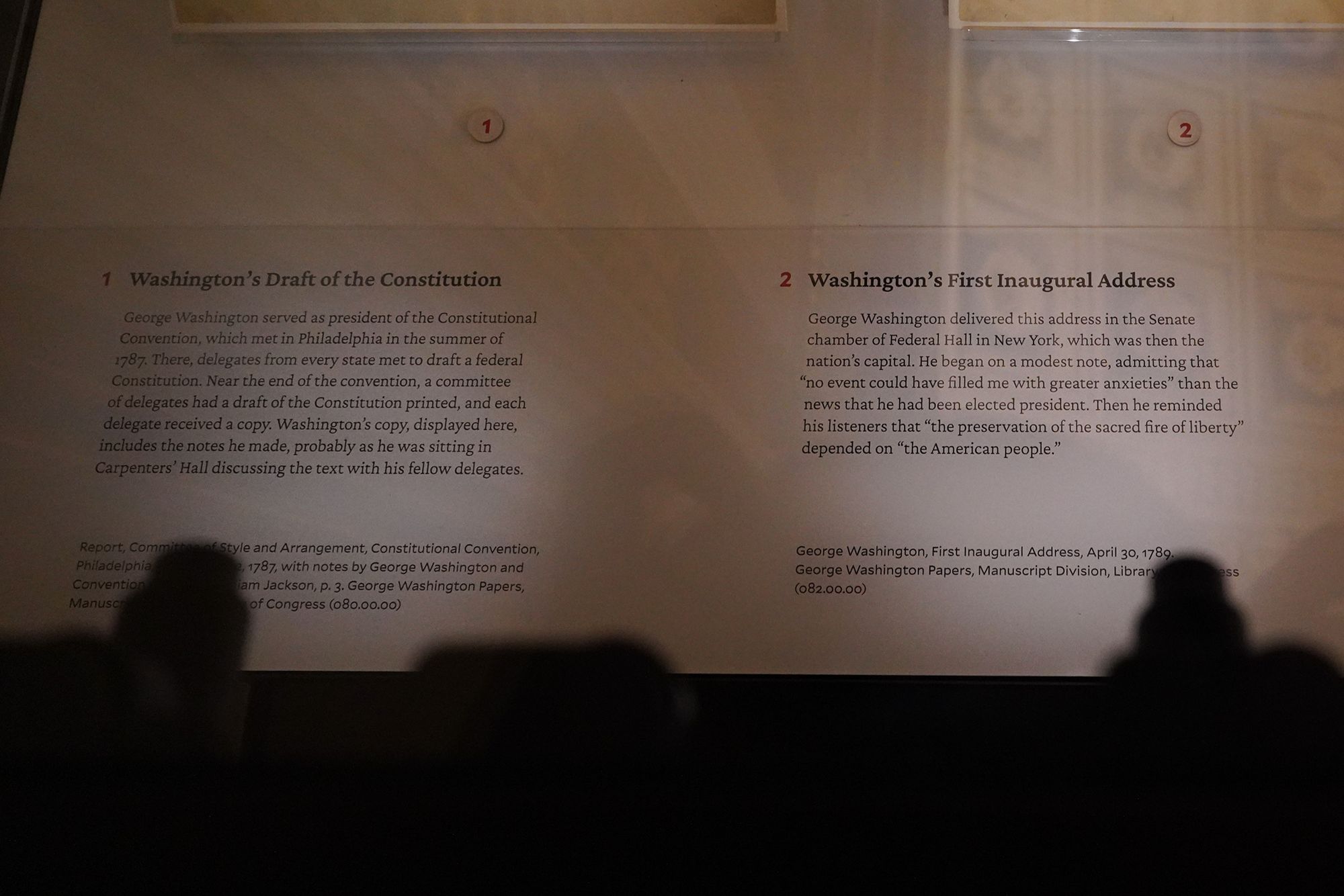
George Washington’s draft of the Constitution and his first inaugural address reflect his vision for a united, balanced, and enduring nation built on liberty, justice, and civic responsibility.
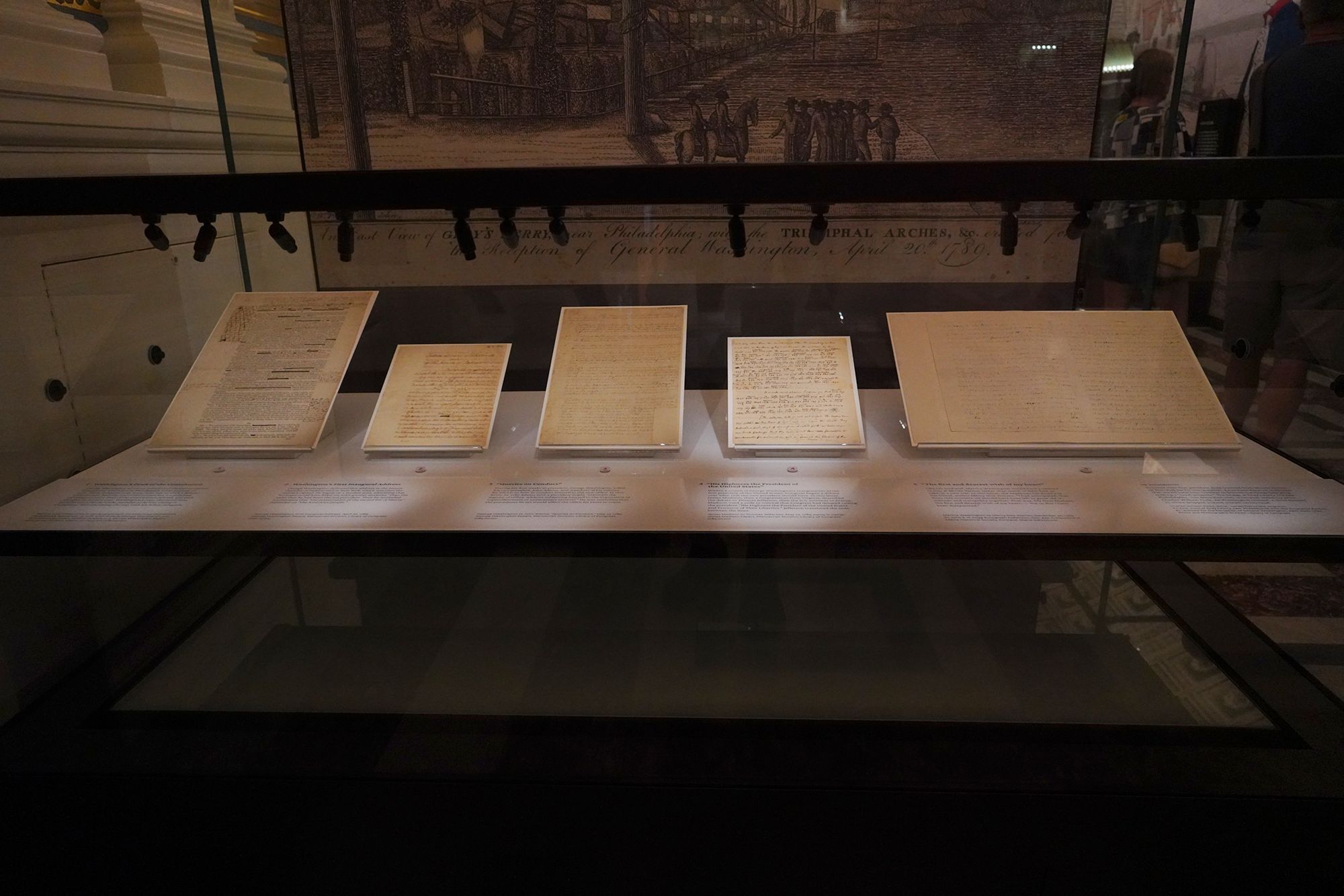
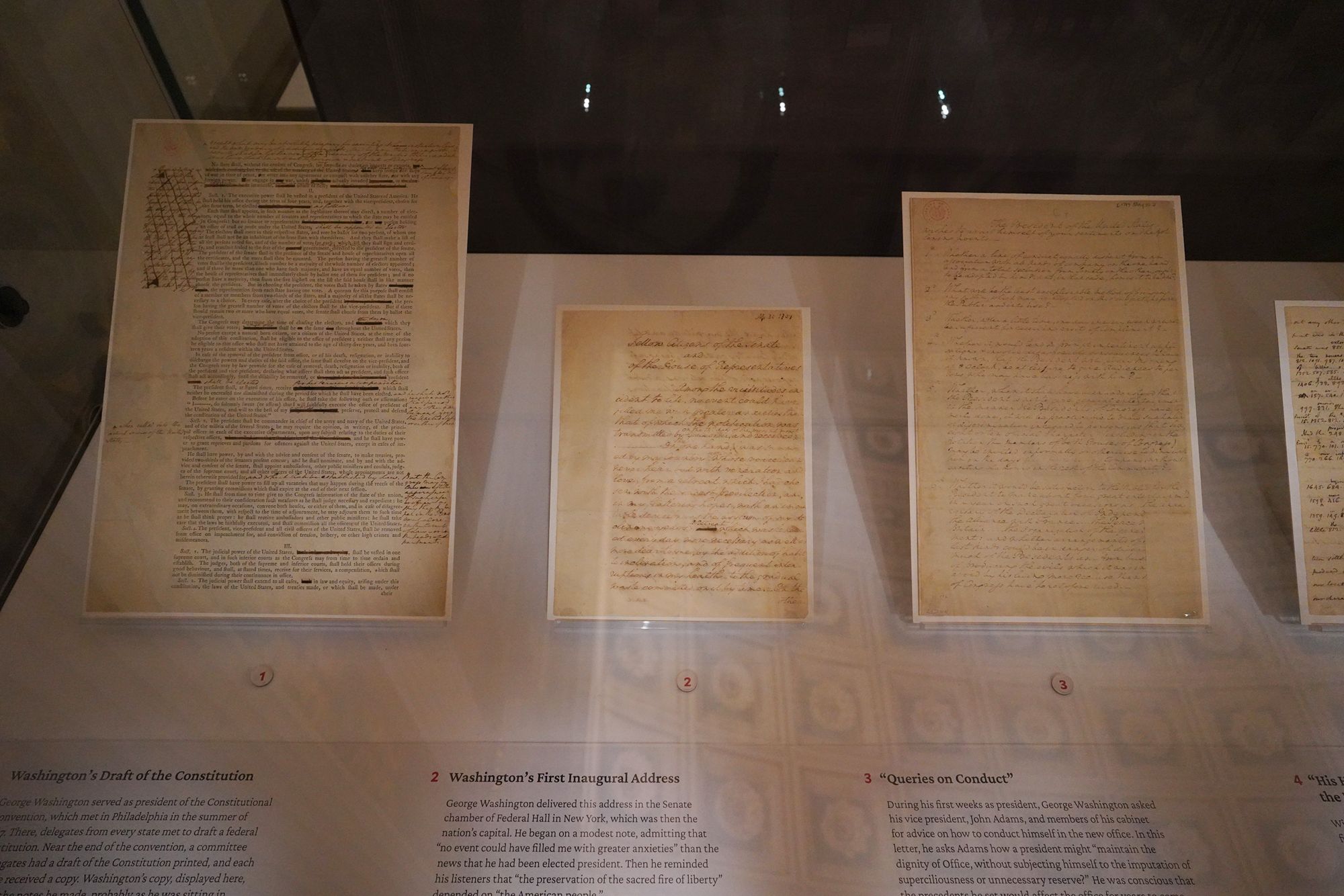
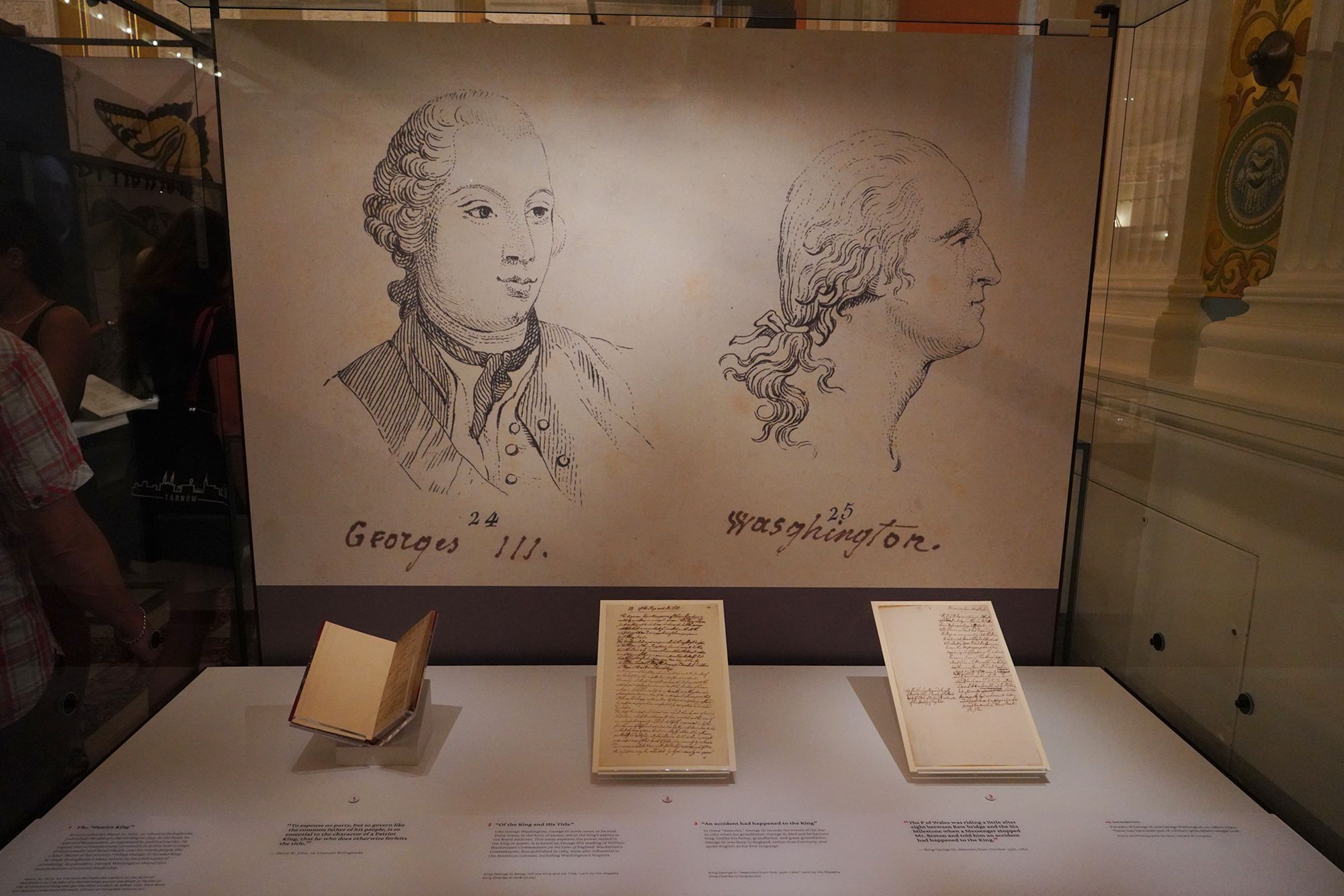
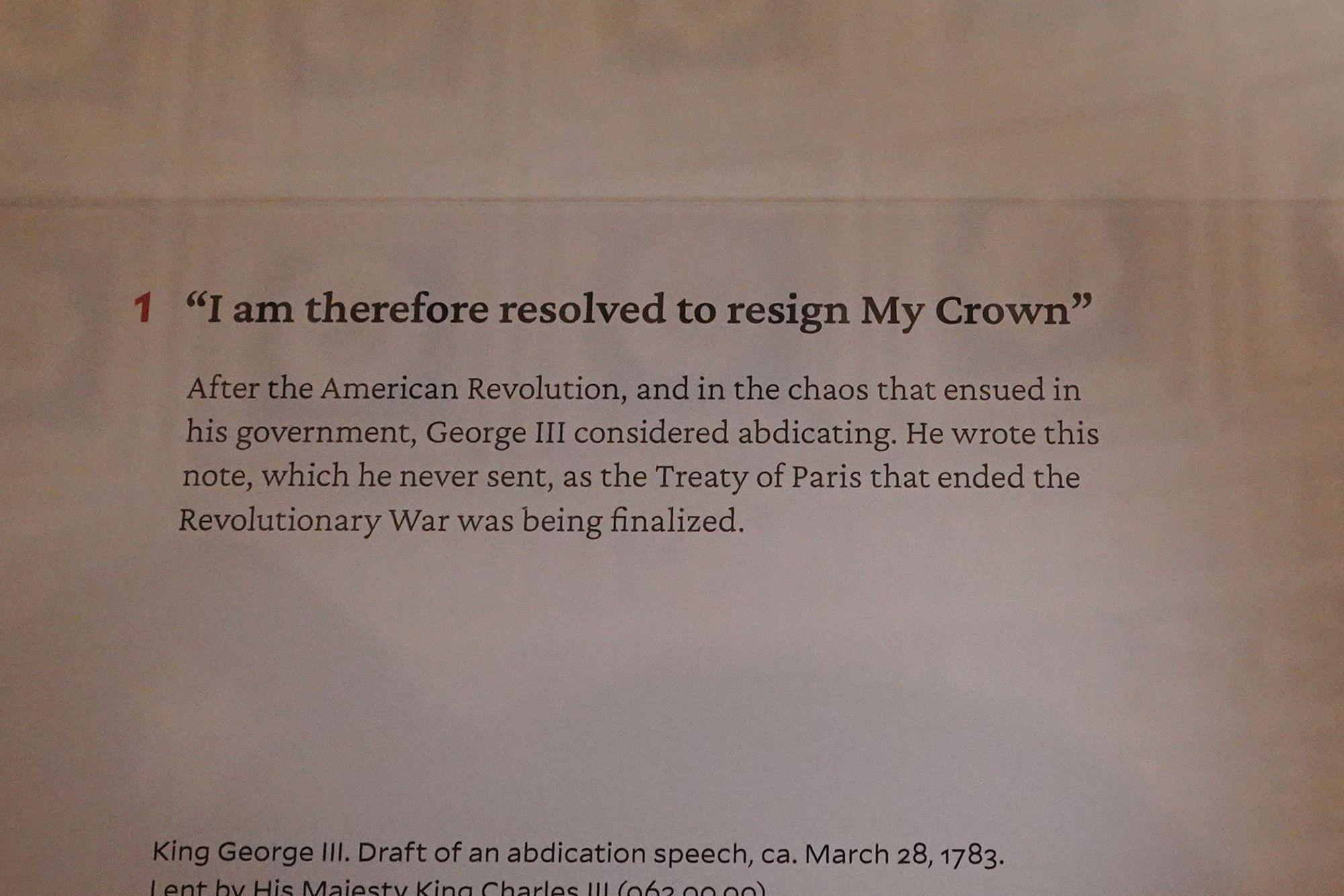
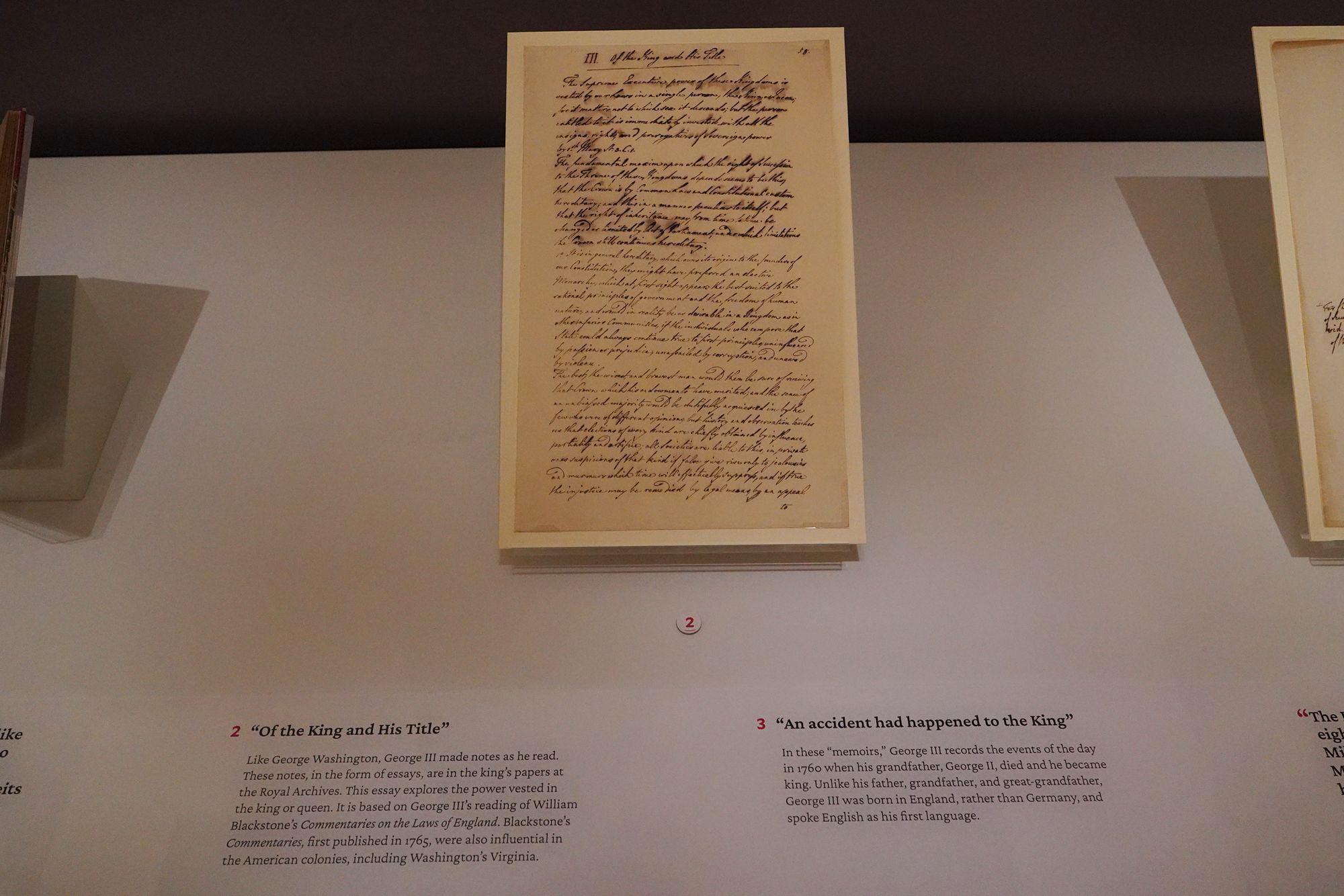
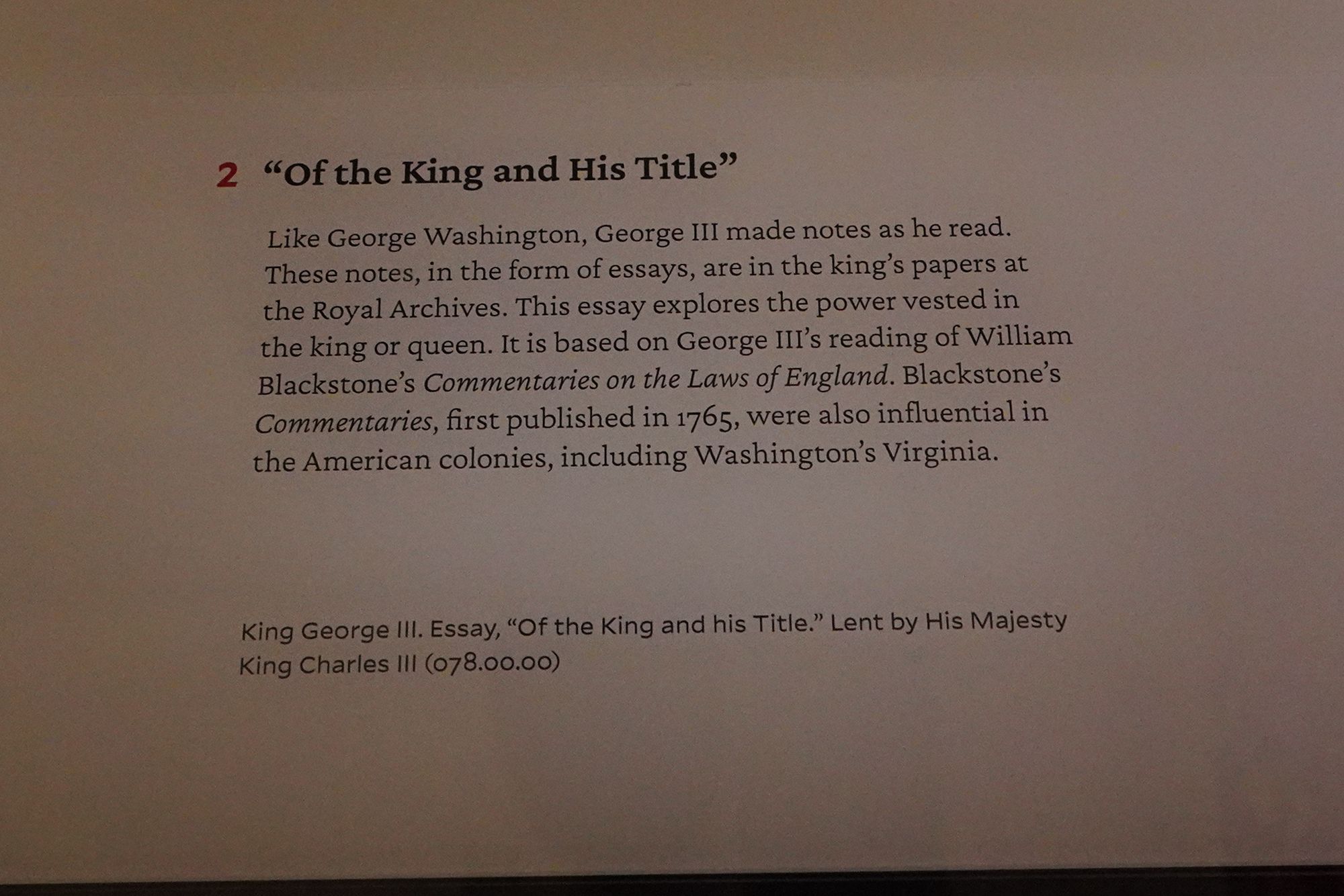
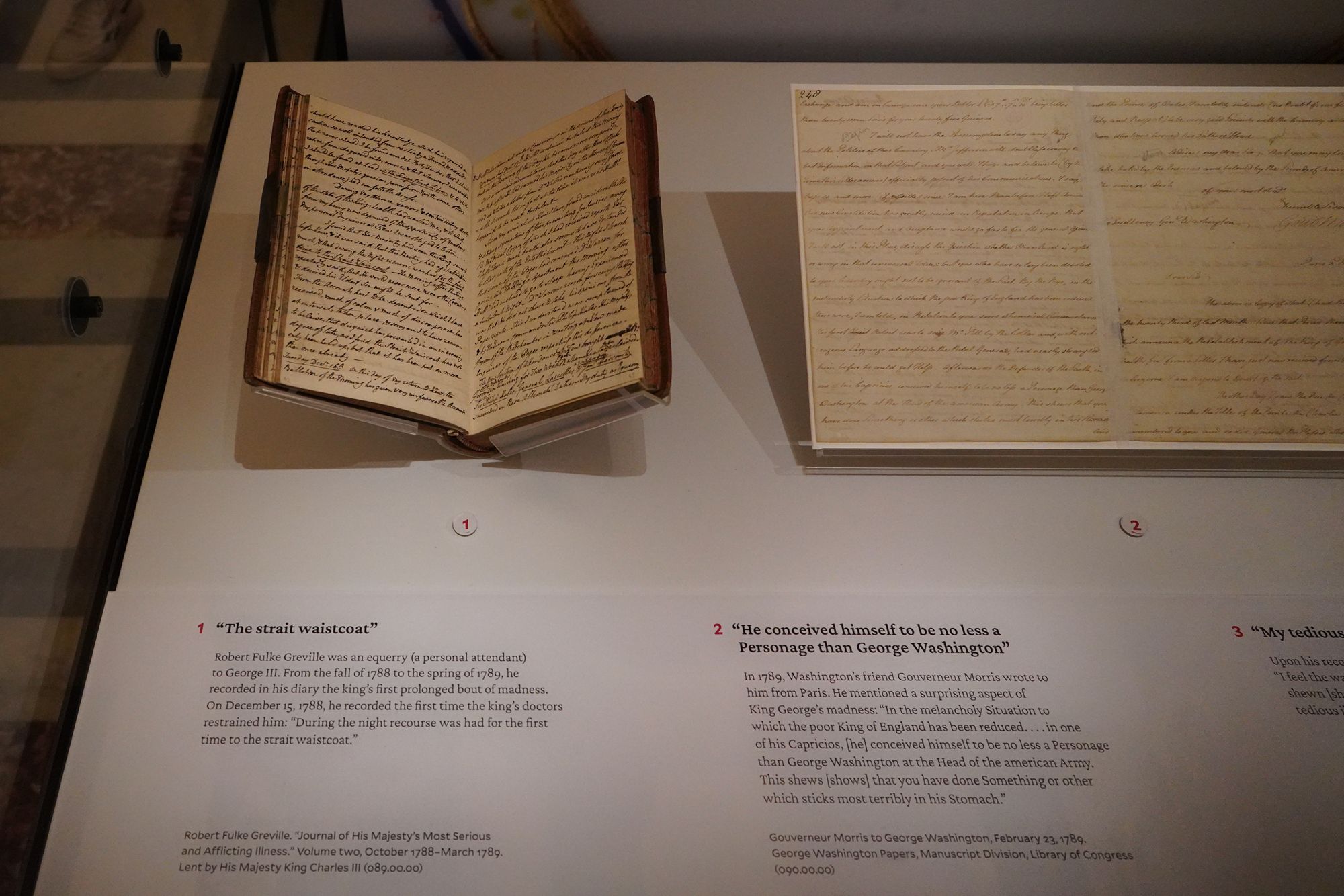
In King George III’s note, he described the power vested in him as a king.
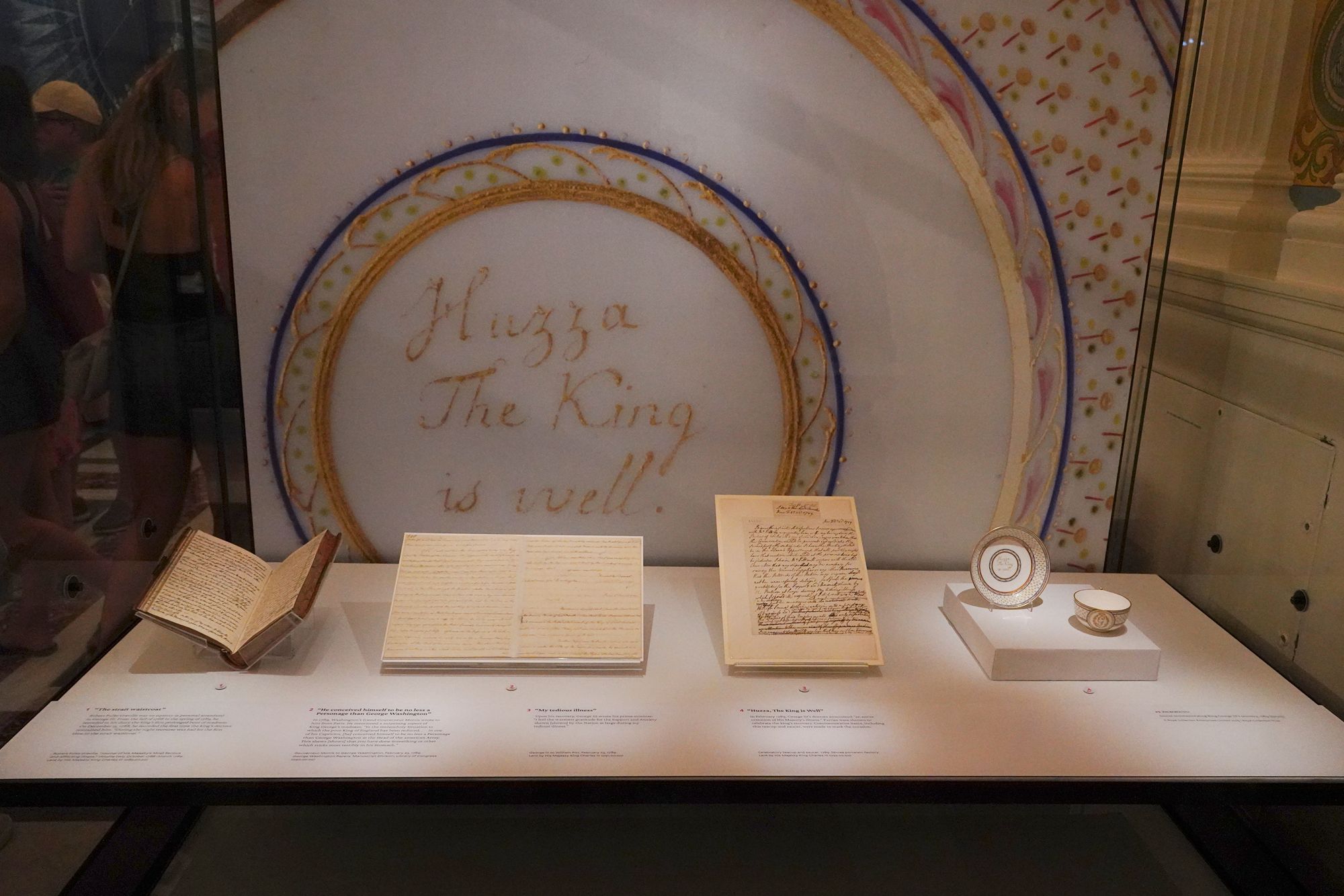
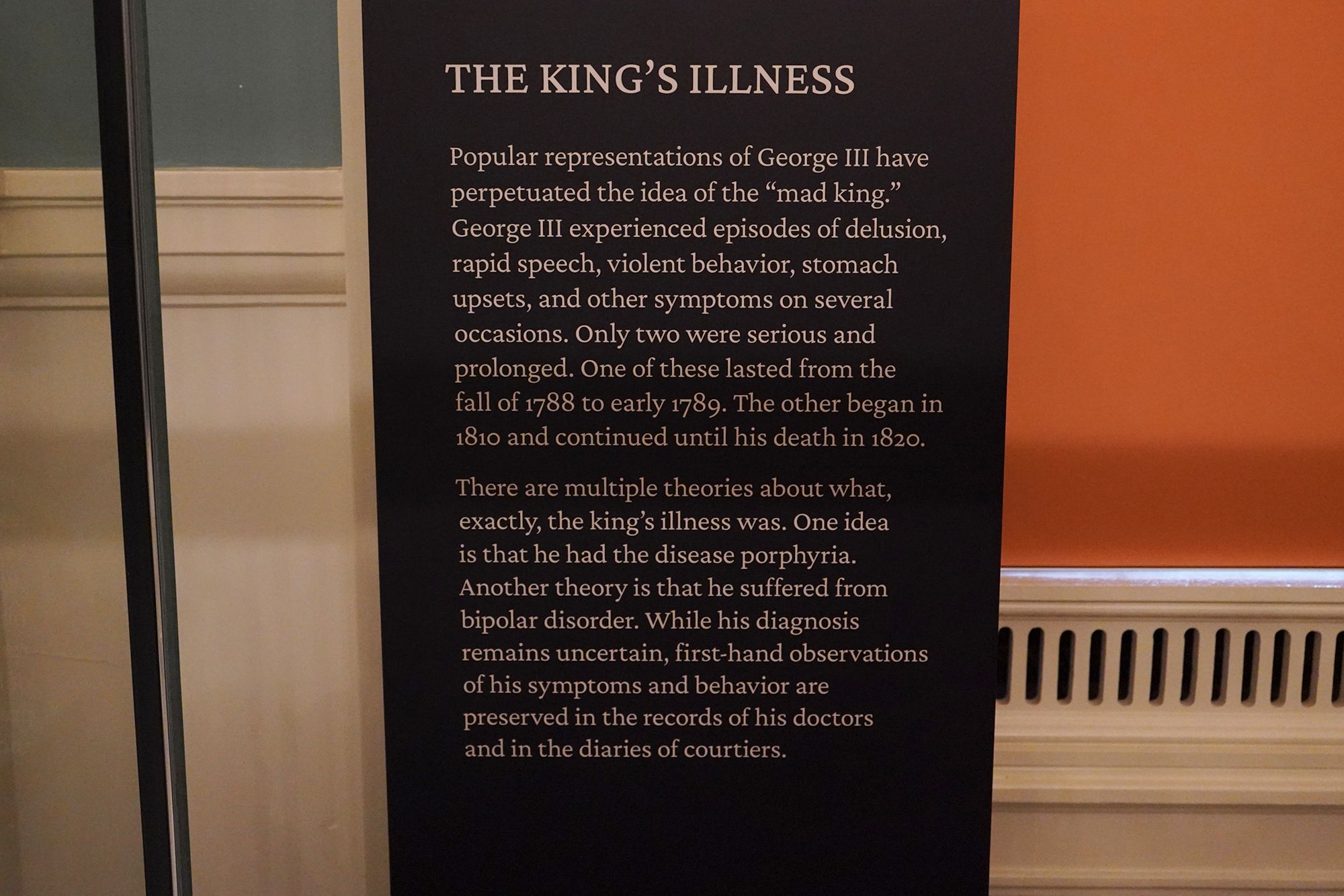
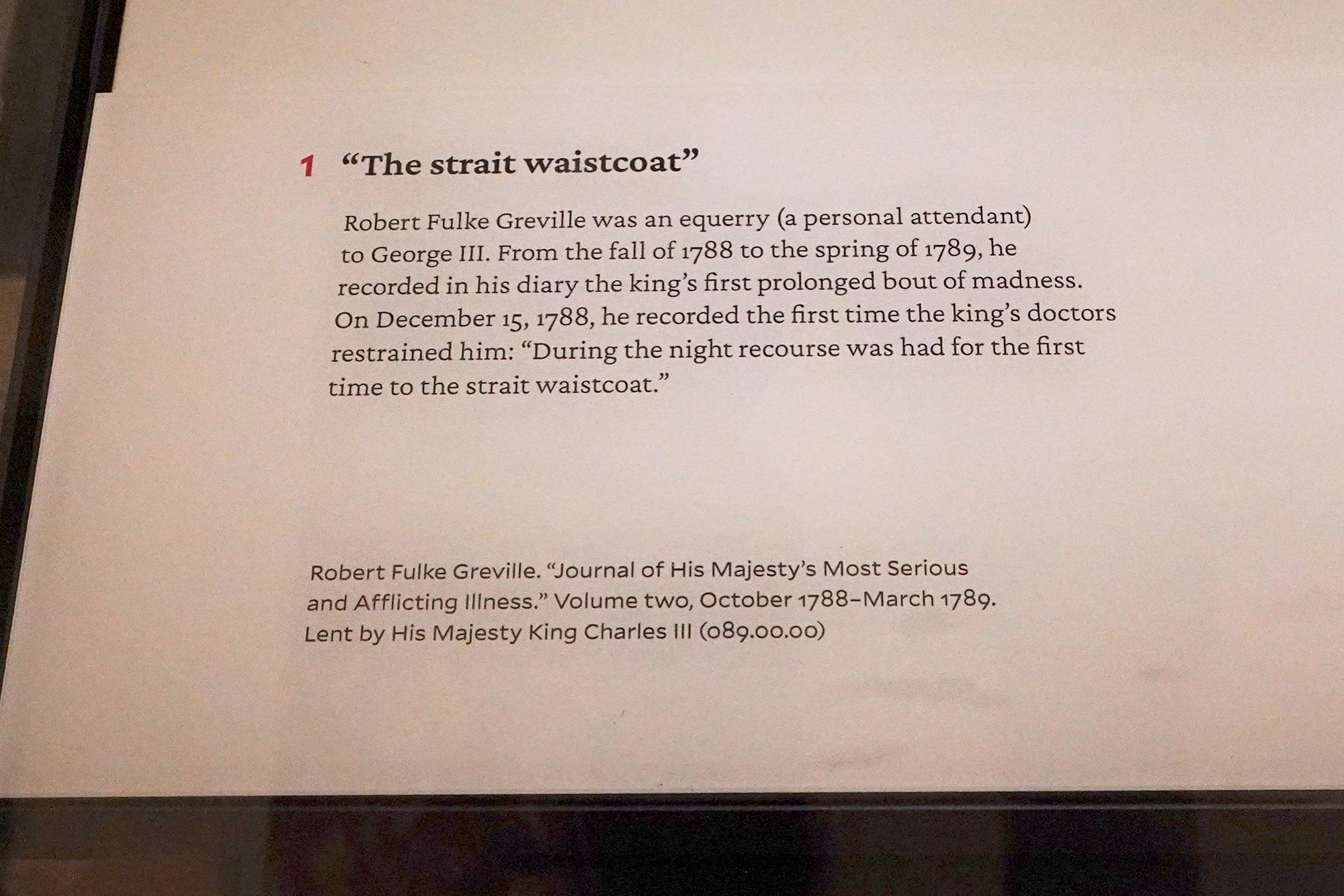
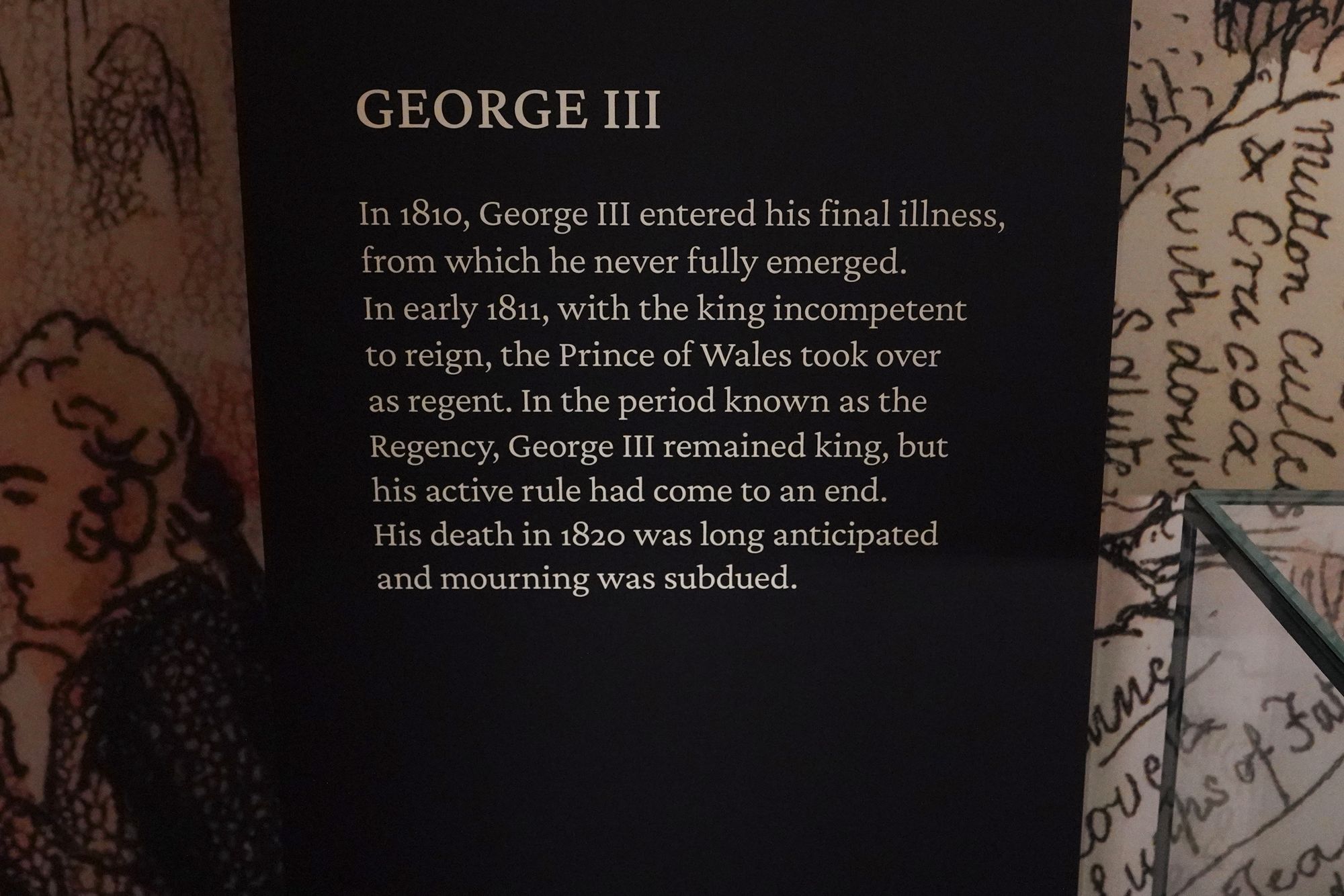
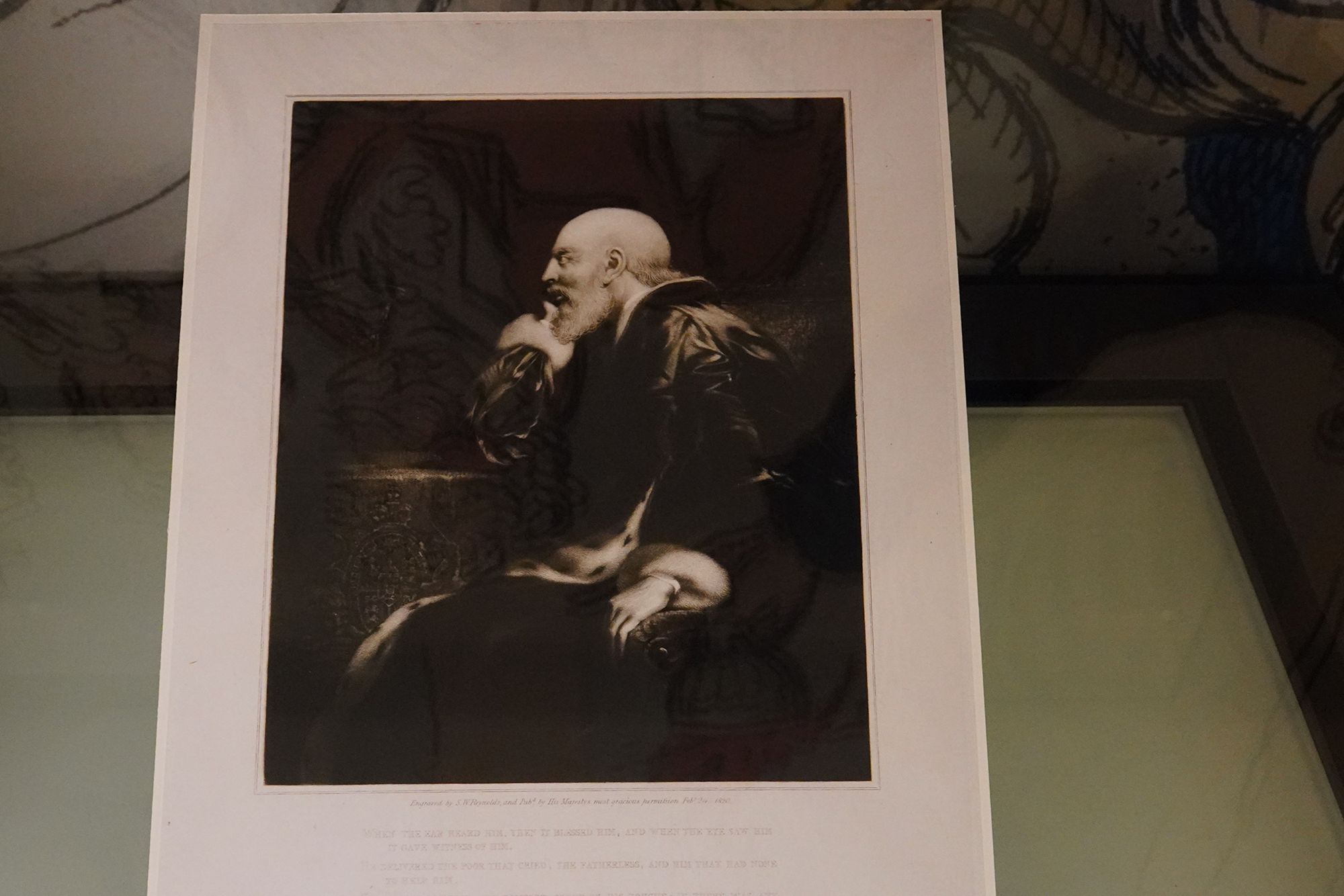
King George III’s illness is one of the most well-known and tragic aspects of his life. He suffered from recurring bouts of mental illness, which modern historians and doctors believe may have been caused by bipolar disorder or a rare blood condition called porphyria.
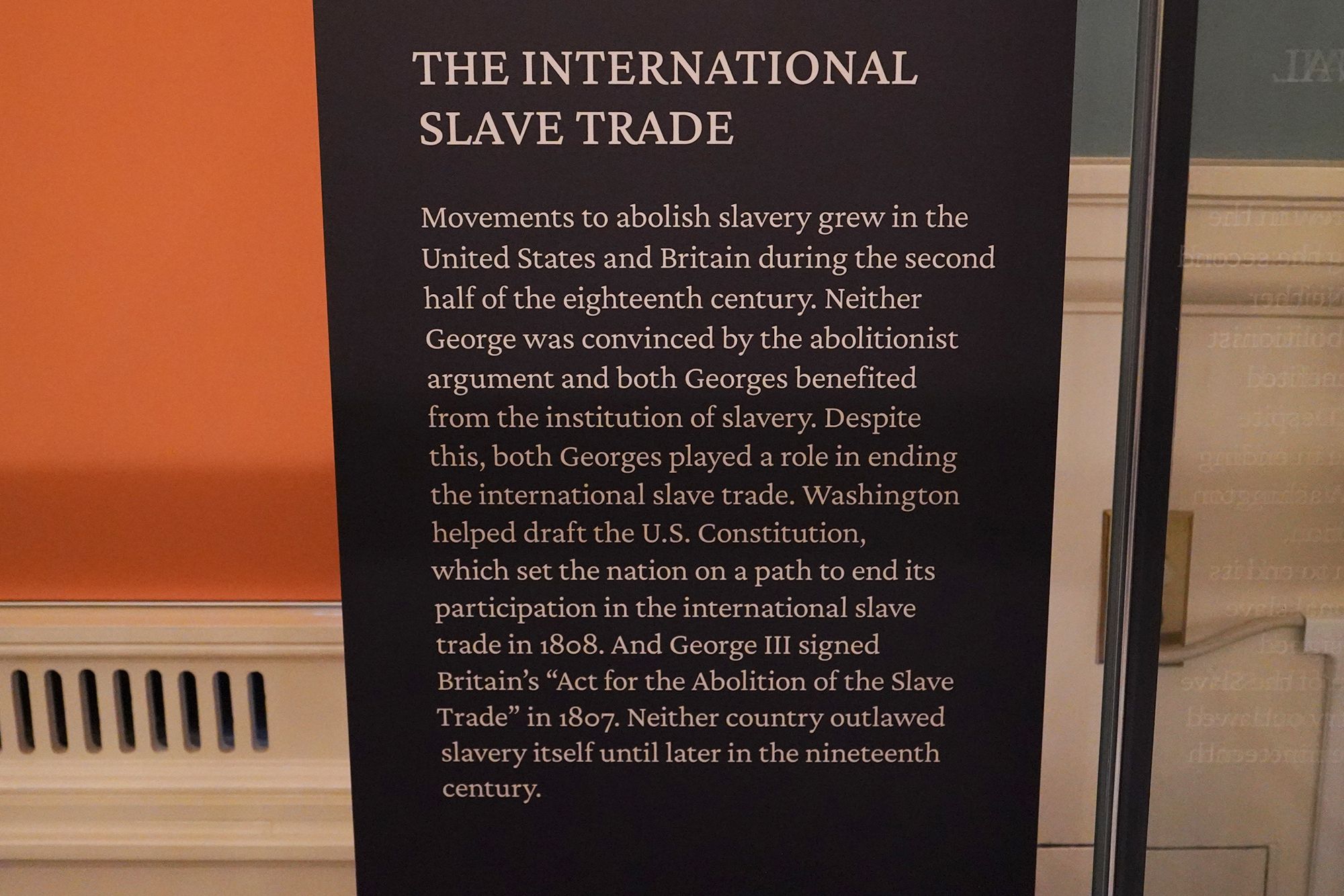
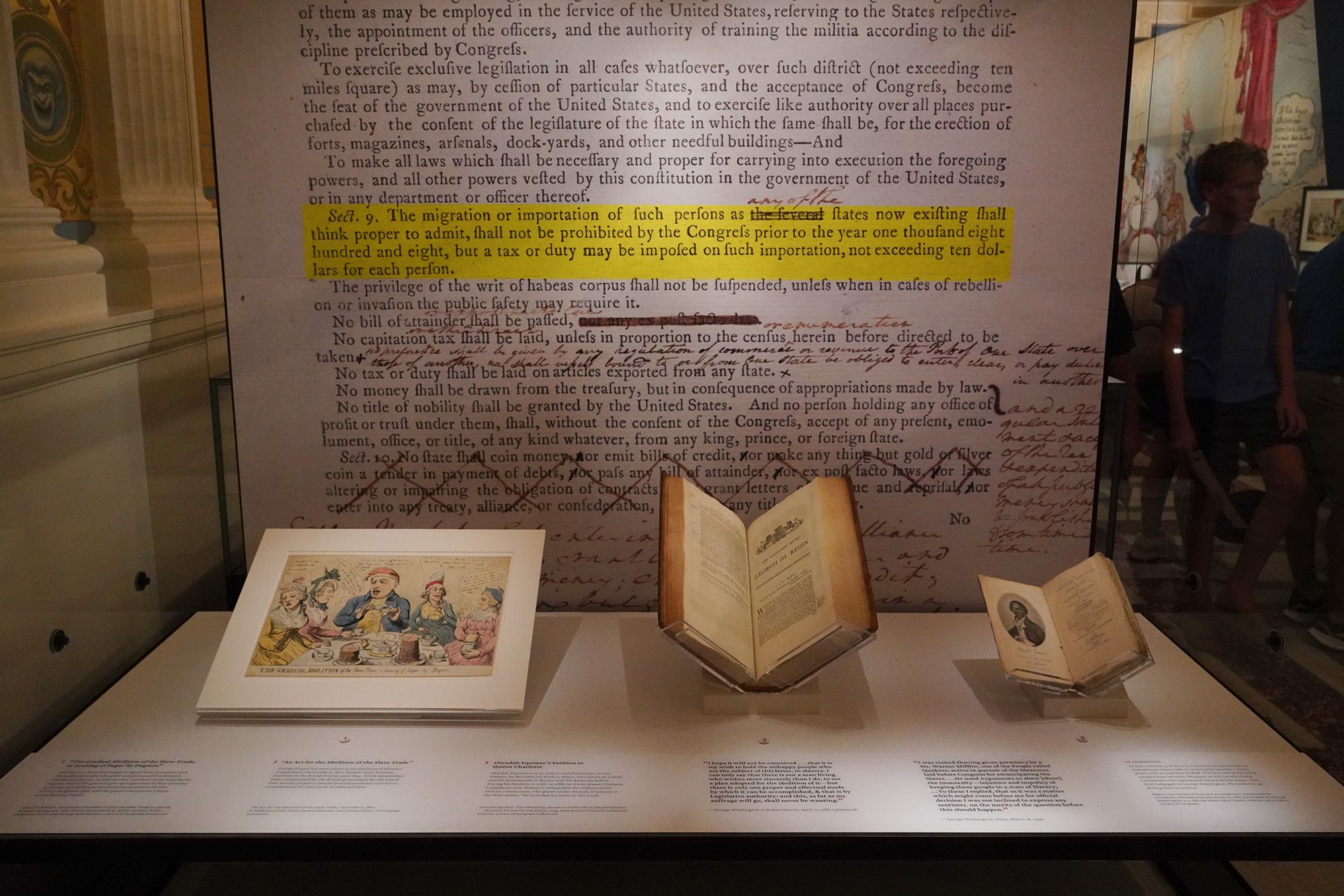
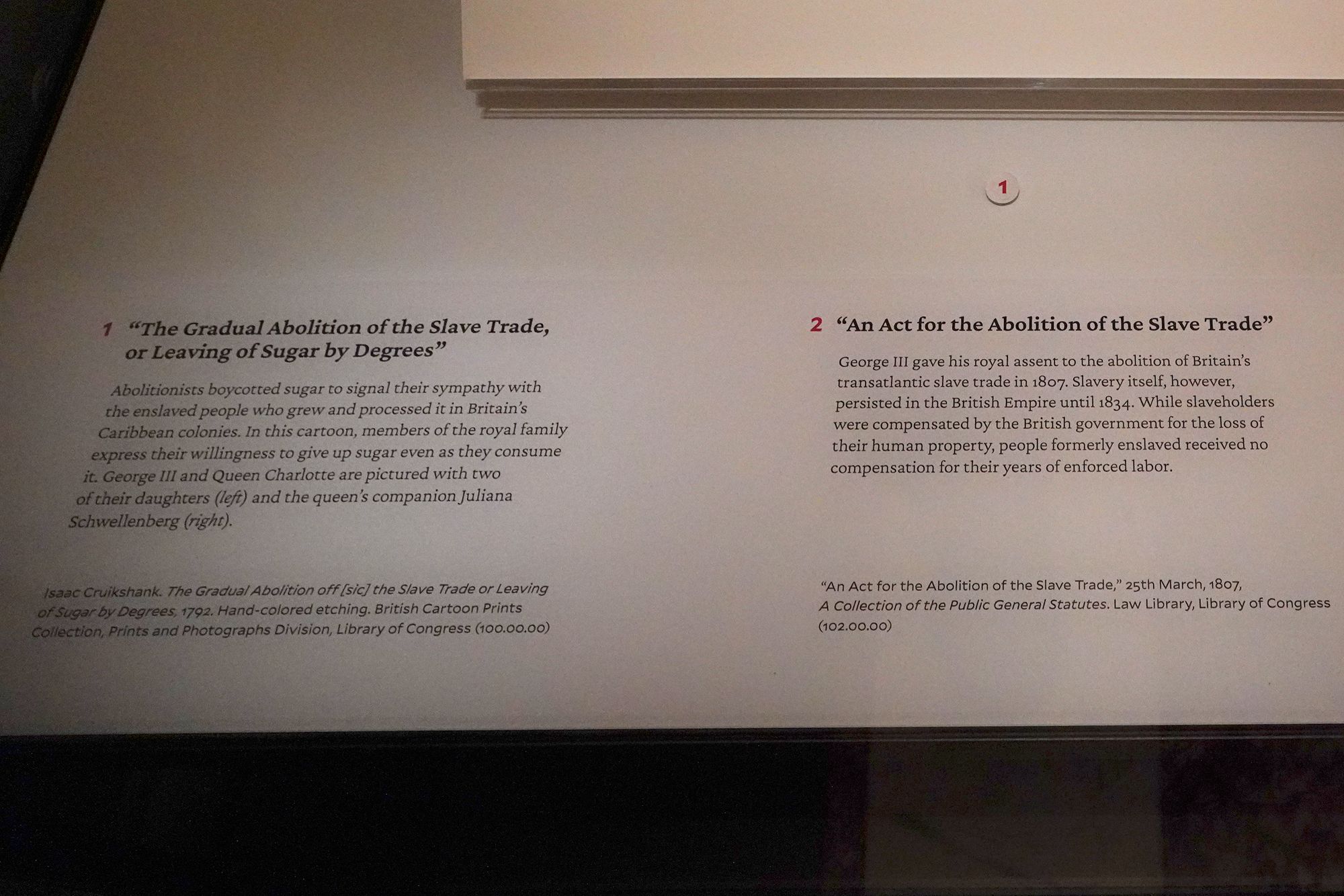
Both Georges benefited from the slave trade but also contributed, in different ways, to ending the international slave trade.
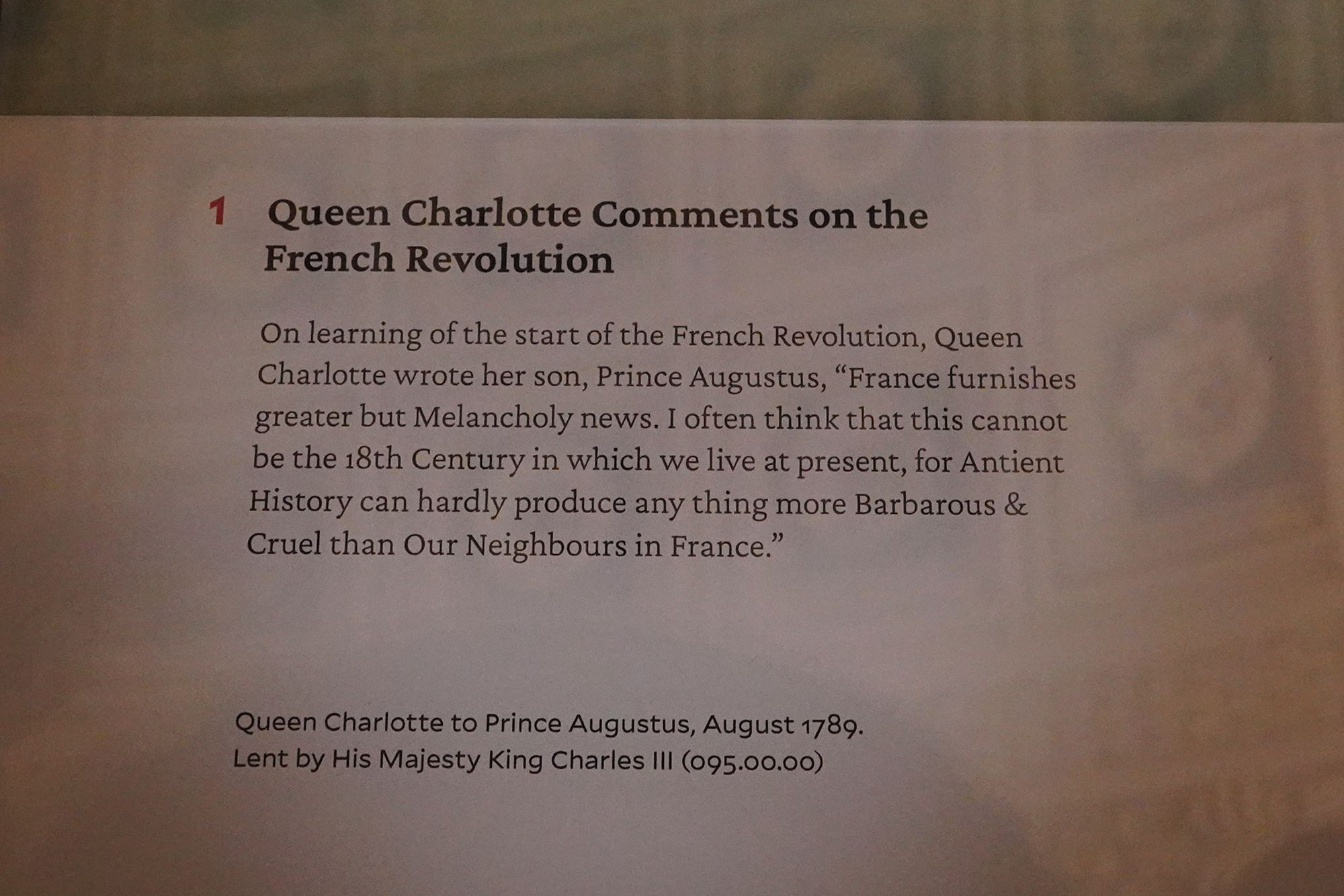
The French Revolution, which began in 1789, was a major turning point in world history that deeply influenced both King George III’s Britain and George Washington’s America. It started when the French people, burdened by inequality, poverty, and heavy taxation, rose up against the absolute monarchy of King Louis XVI and the aristocracy.
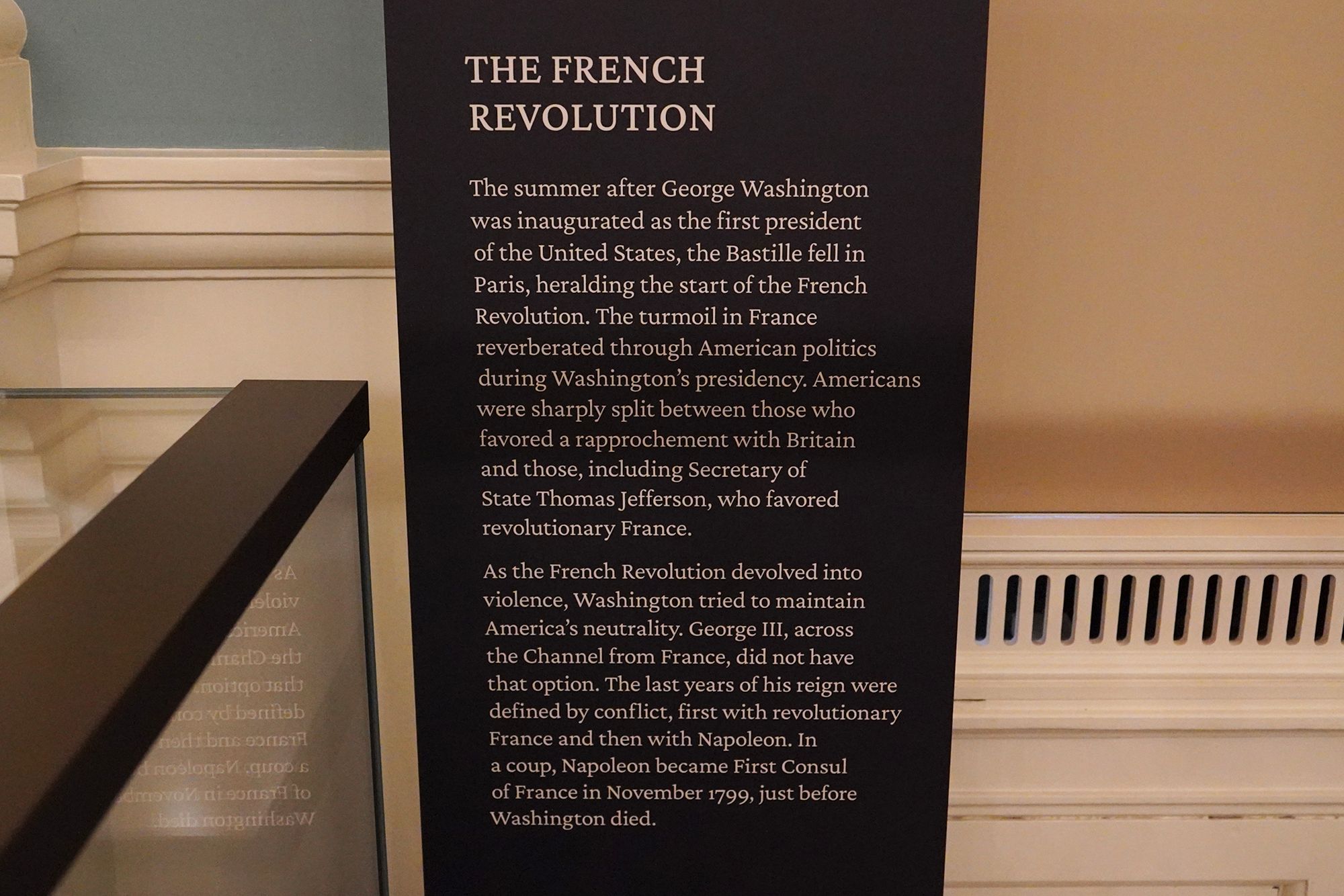
The Revolution called for liberty, equality, and fraternity, ideals that echoed the American struggle for independence.
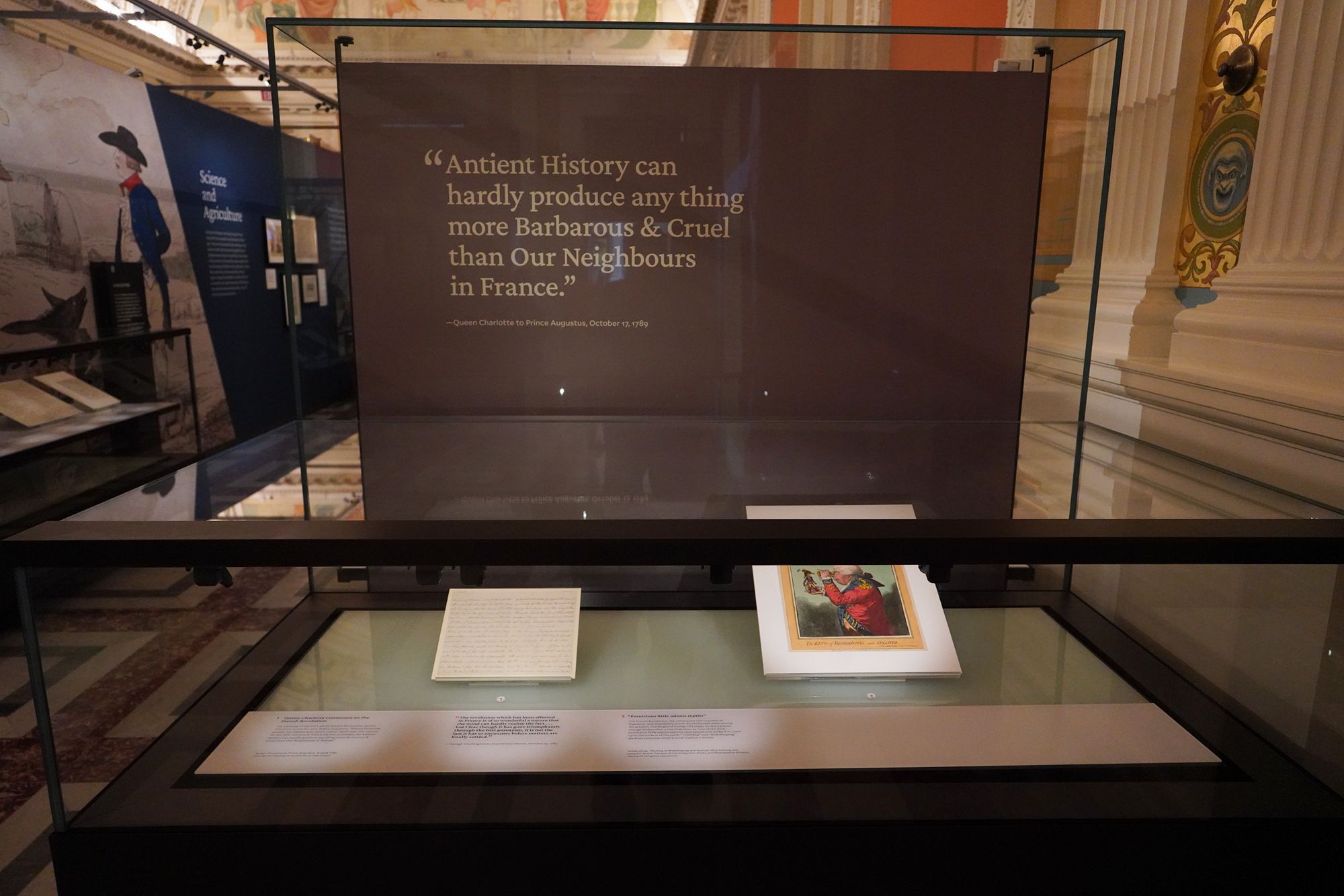
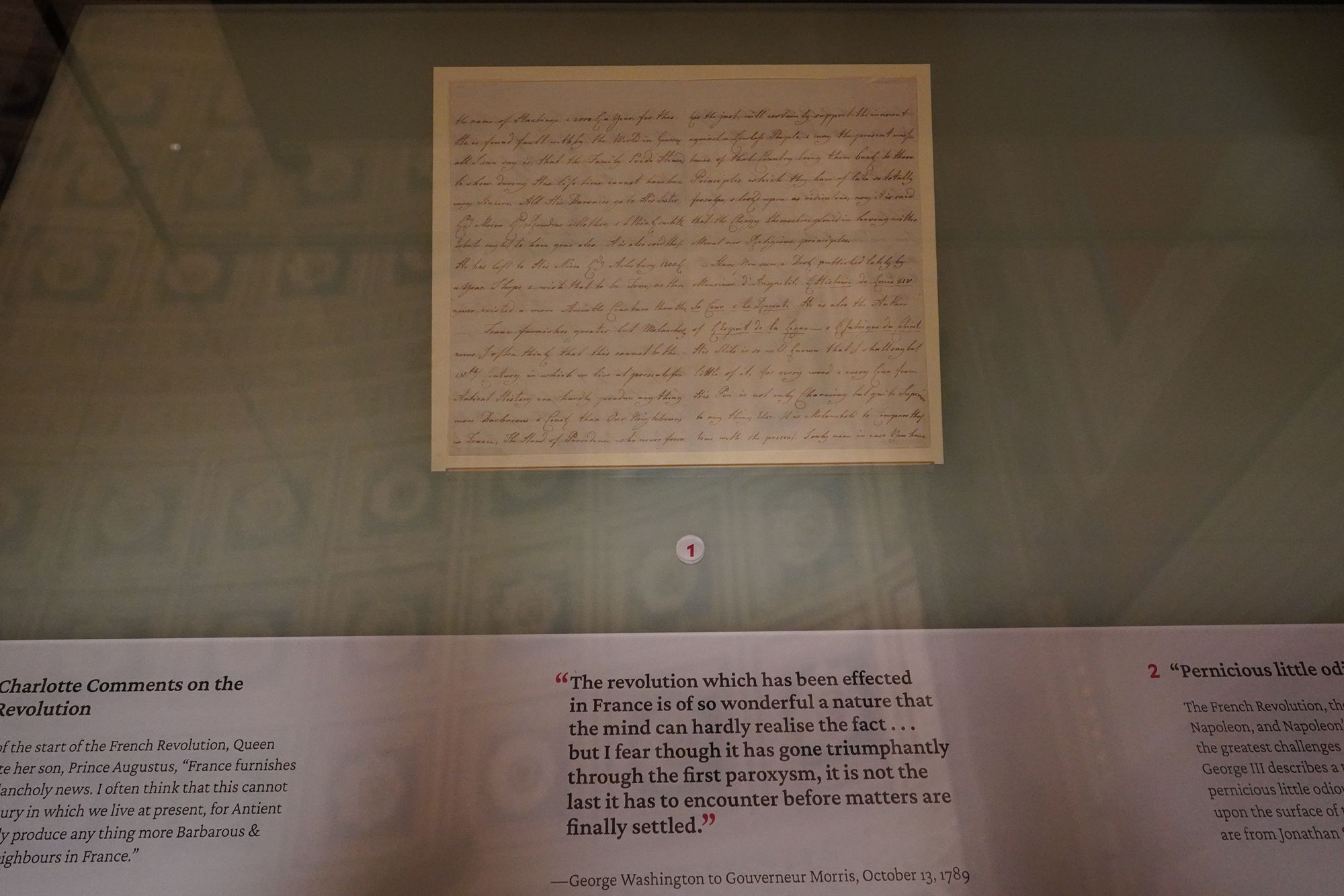
In Britain, King George III viewed the revolution with alarm, seeing it as a dangerous threat to order and monarchy across Europe.
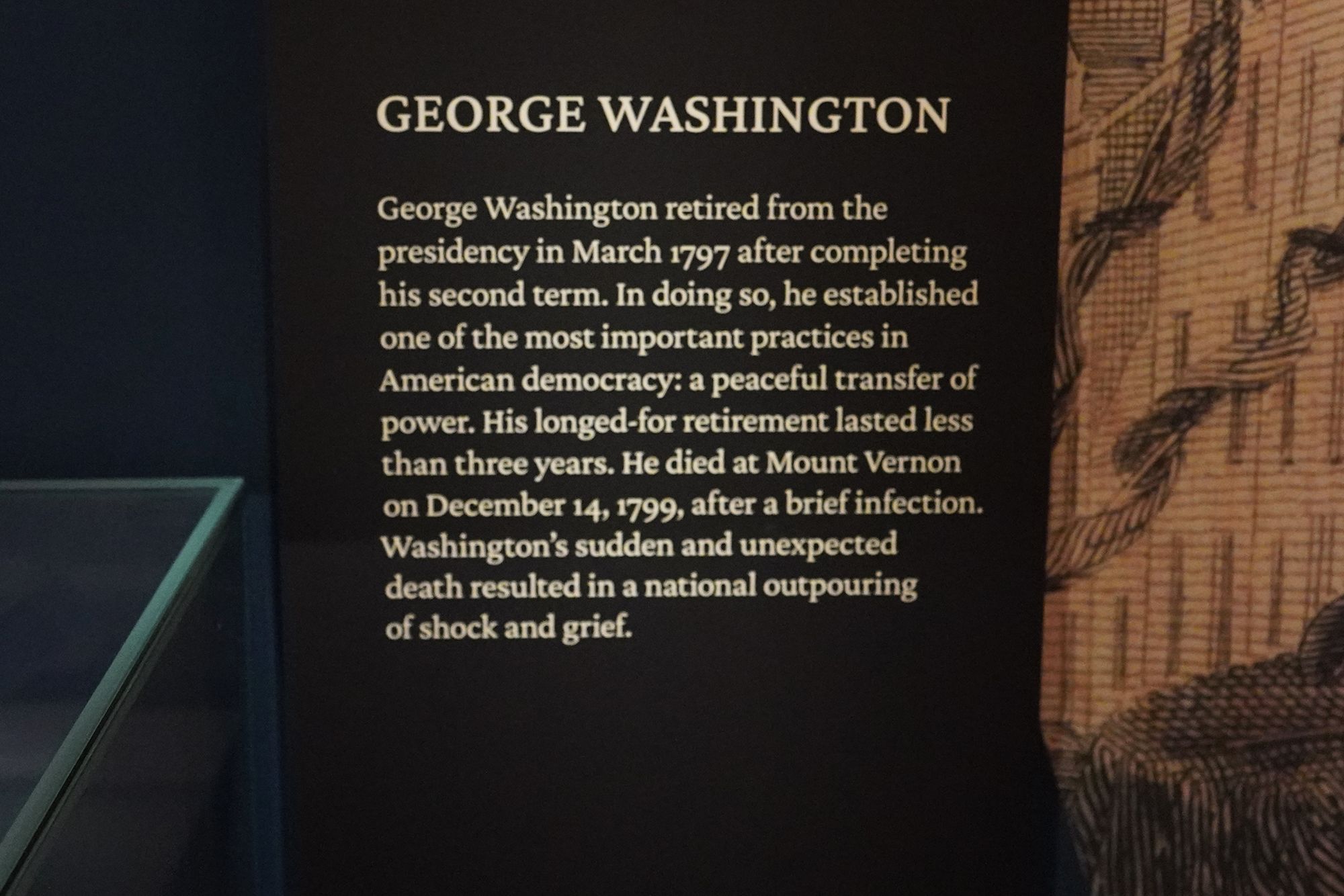
George Washington retired from the presidency in 1797, after serving two terms as the first President of the United States. His decision to step down was unprecedented and set a vital example for future leaders, reinforcing the idea that political power should be temporary and accountable to the people.
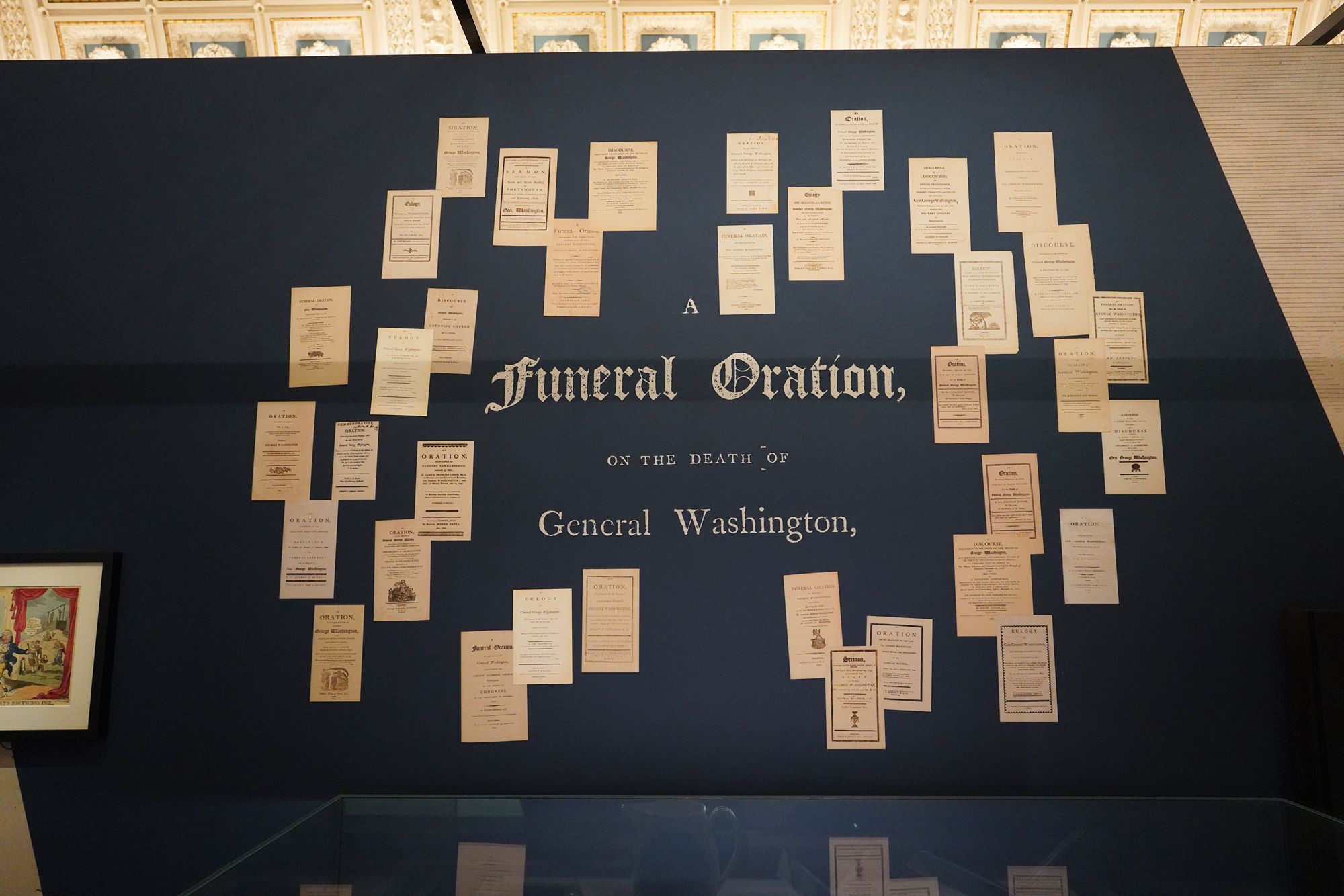
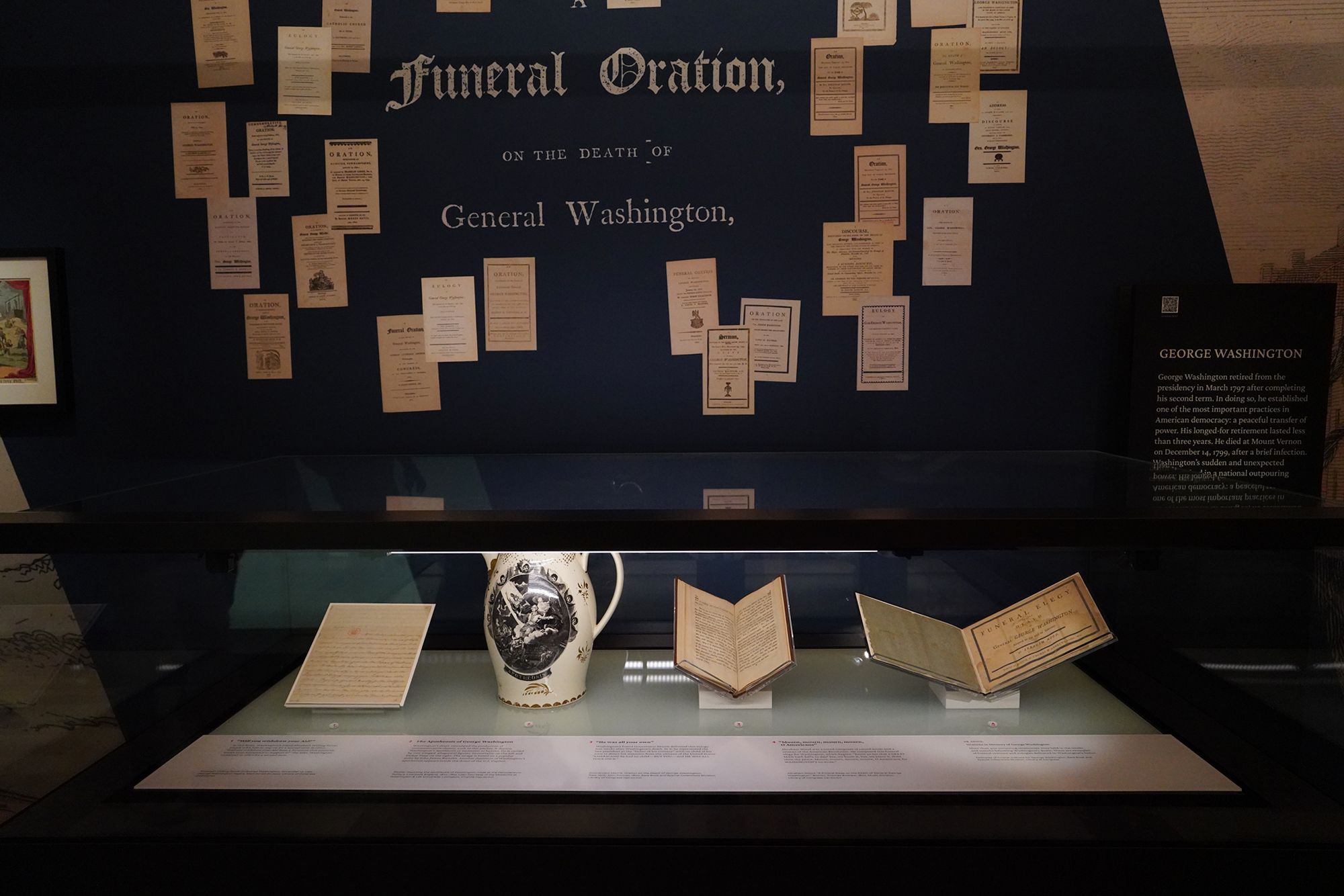
When George Washington died on December 14, 1799, at his home in Mount Vernon, the nation mourned deeply. His death was seen as the loss of the “Father of His Country.” Memorial services were held across the young United States, and funeral orations were delivered to honor his life and legacy.
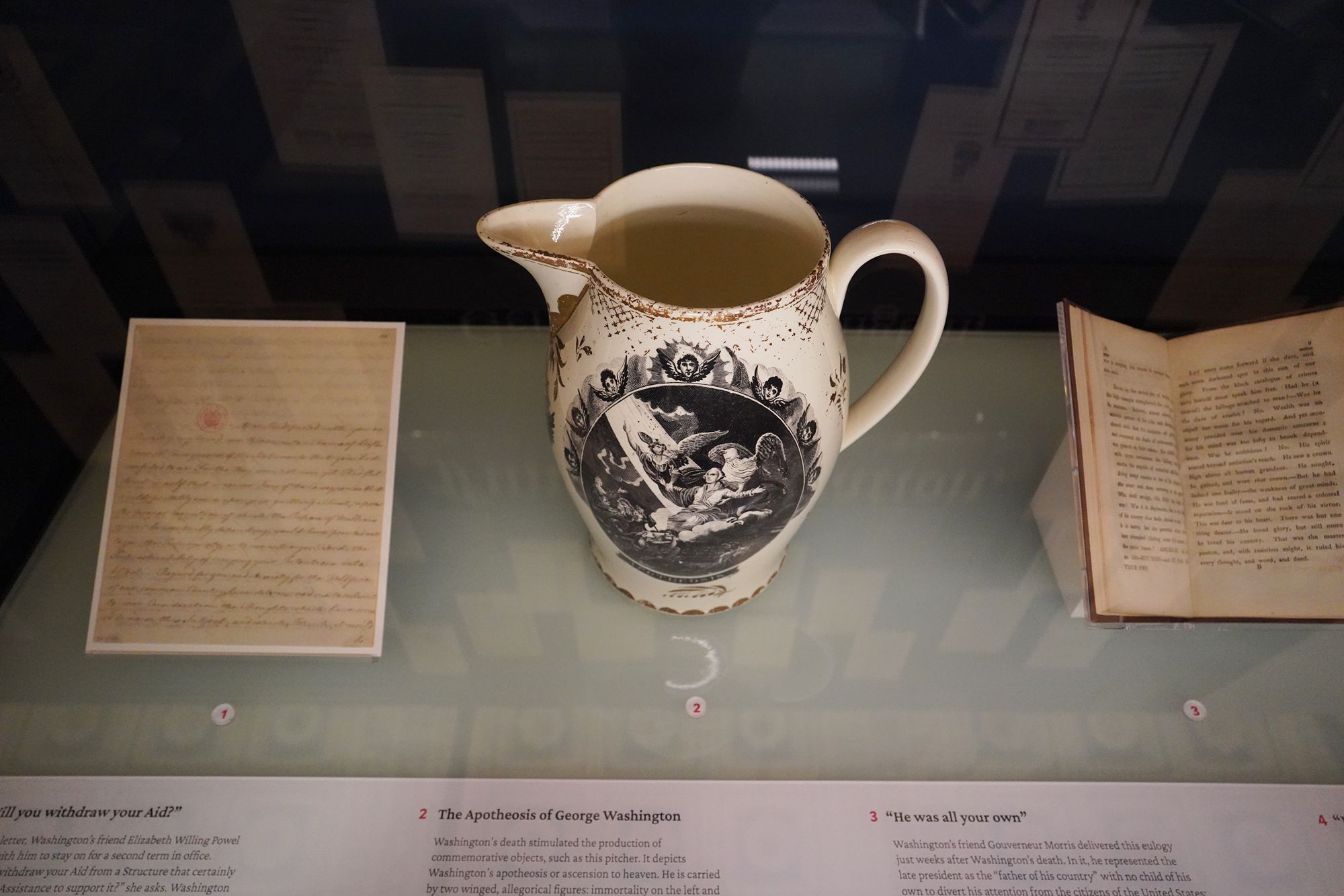
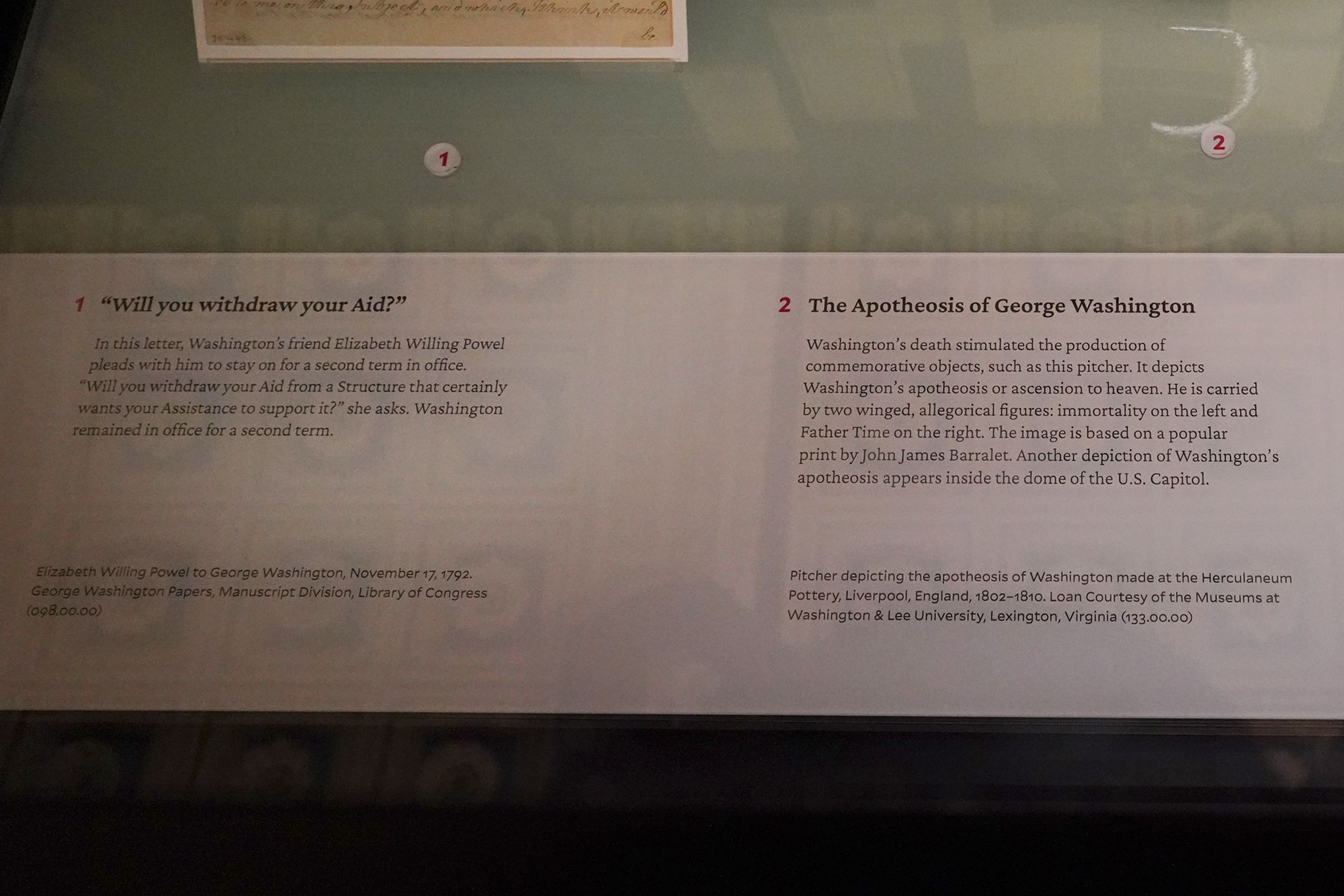
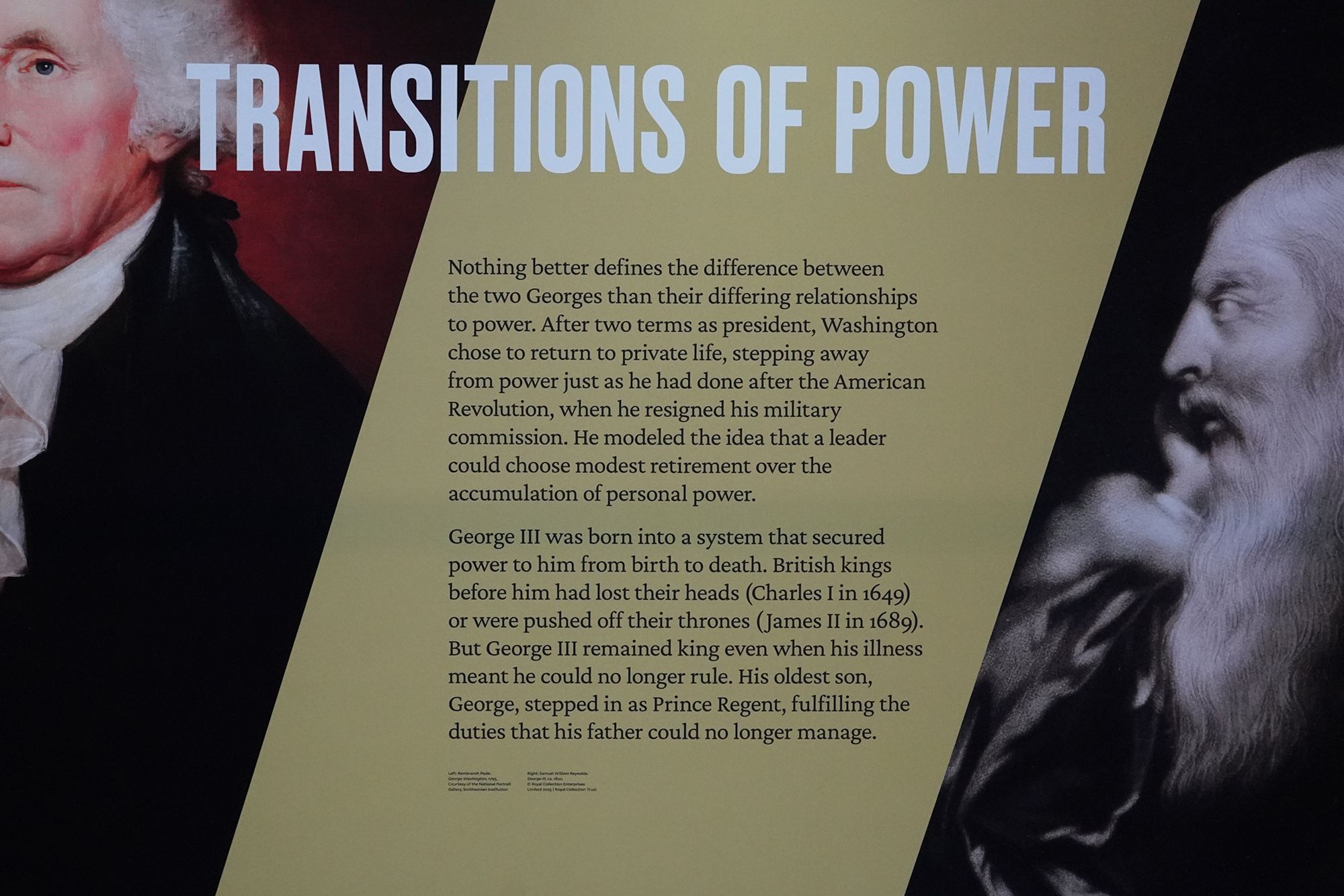
The transfer of power between George Washington and King George III represents two profoundly different political systems—one rooted in democracy, the other in hereditary monarchy.
In 1810, George III entered his final illness, from which he never fully emerged.
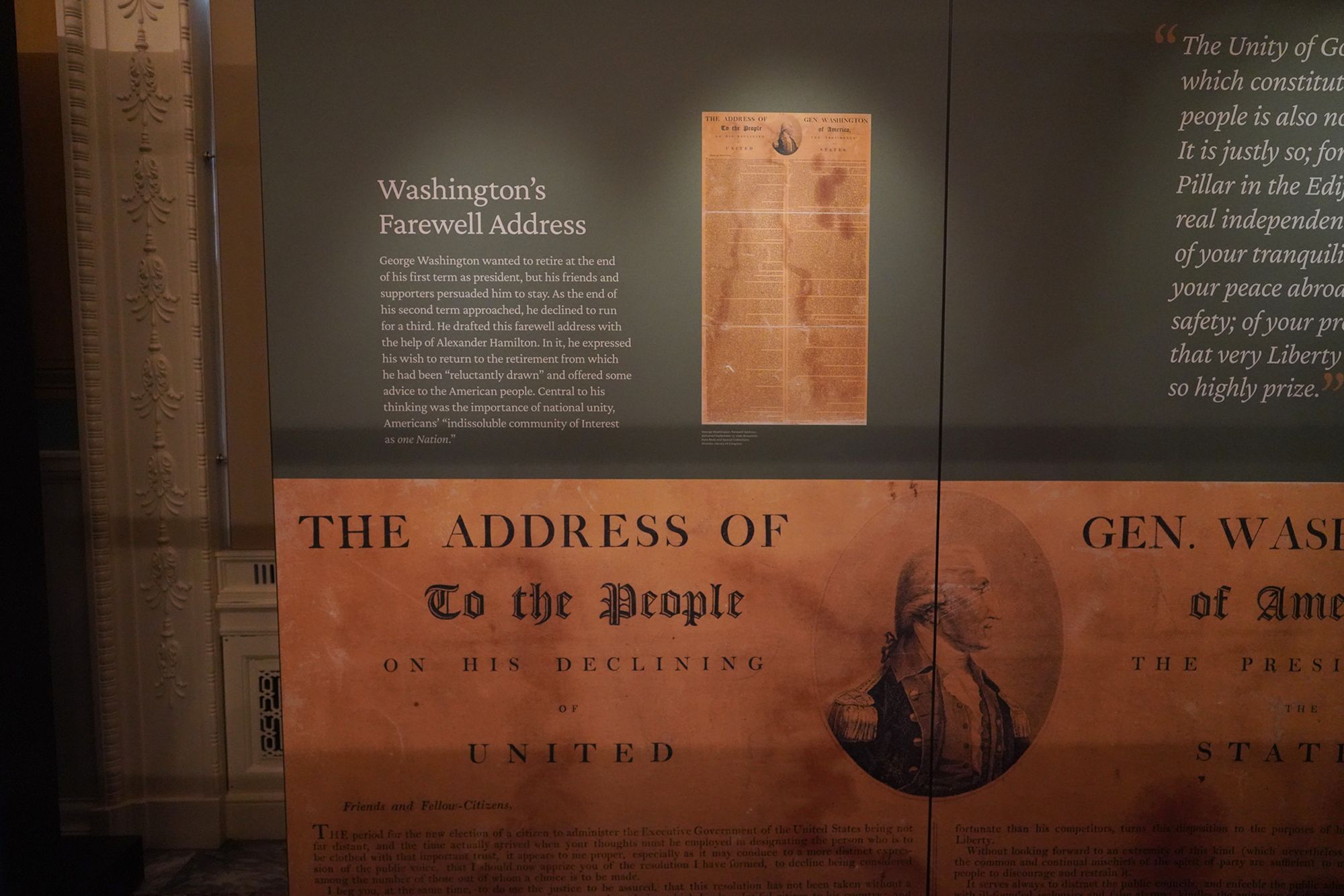
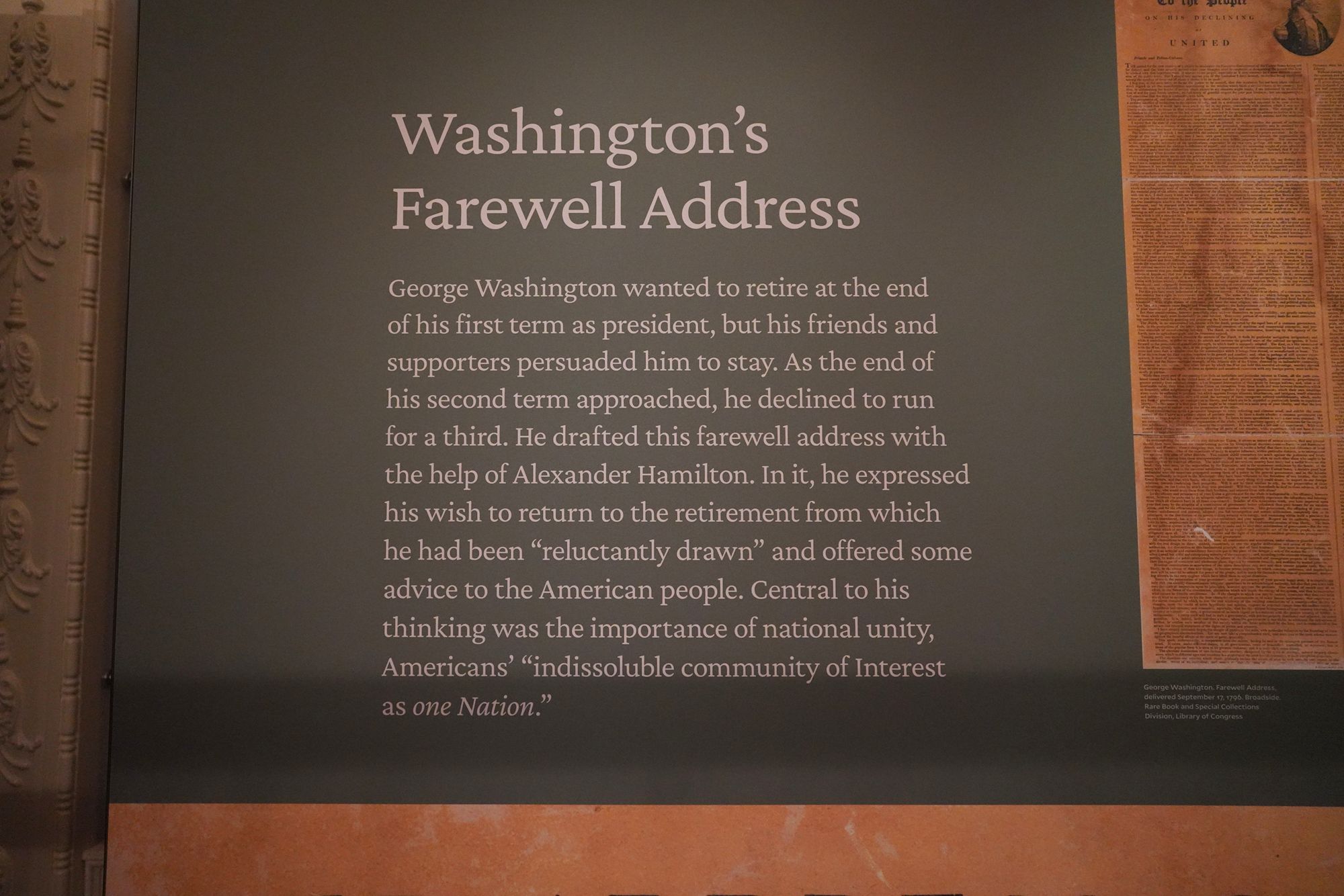
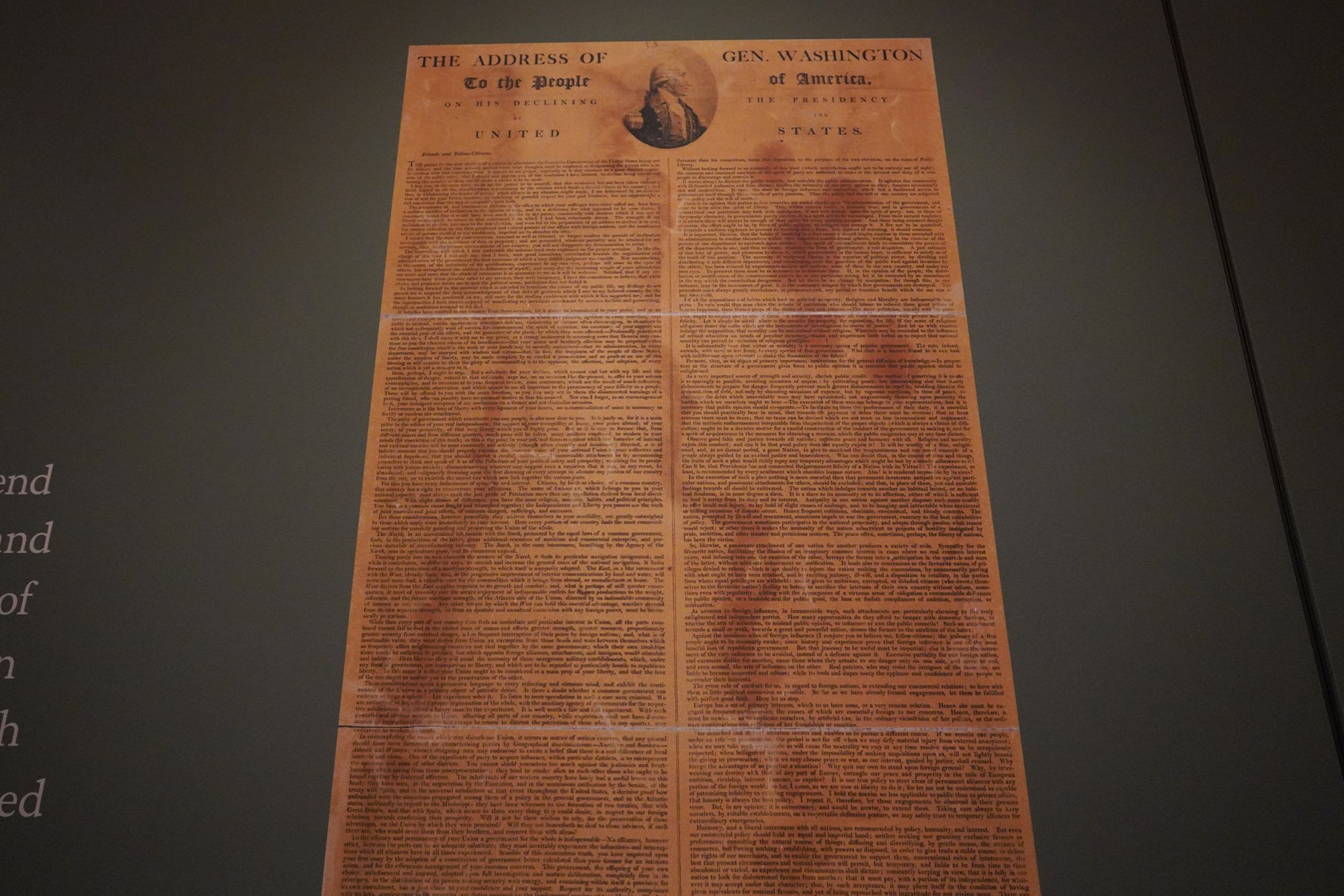
George Washington’s Farewell Address, delivered in 1796 near the end of his second term, is one of the most important documents in American history. Written with the help of Alexander Hamilton and James Madison, it was published in newspapers rather than spoken aloud, serving as both a reflection on his presidency and a final message to the nation.
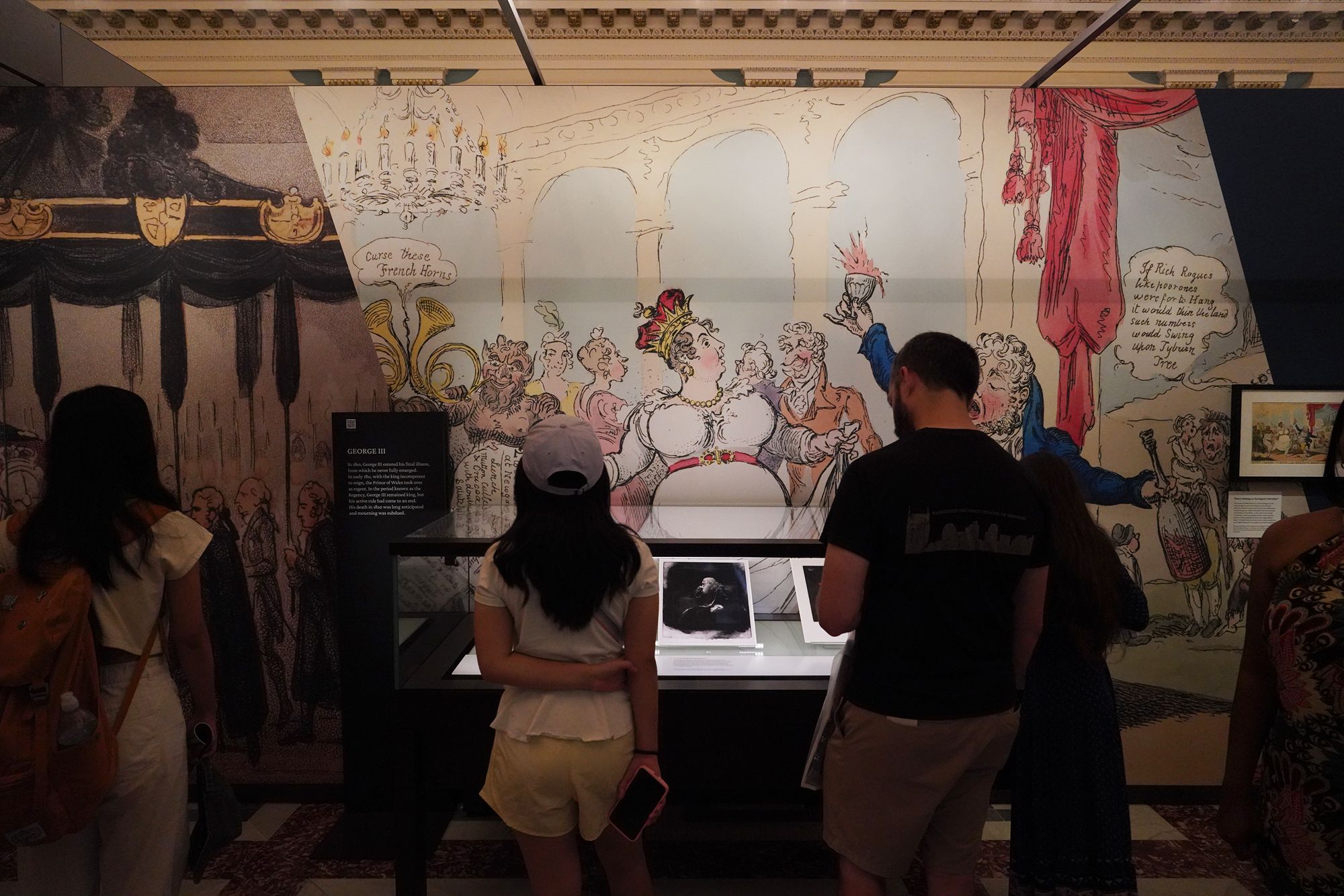
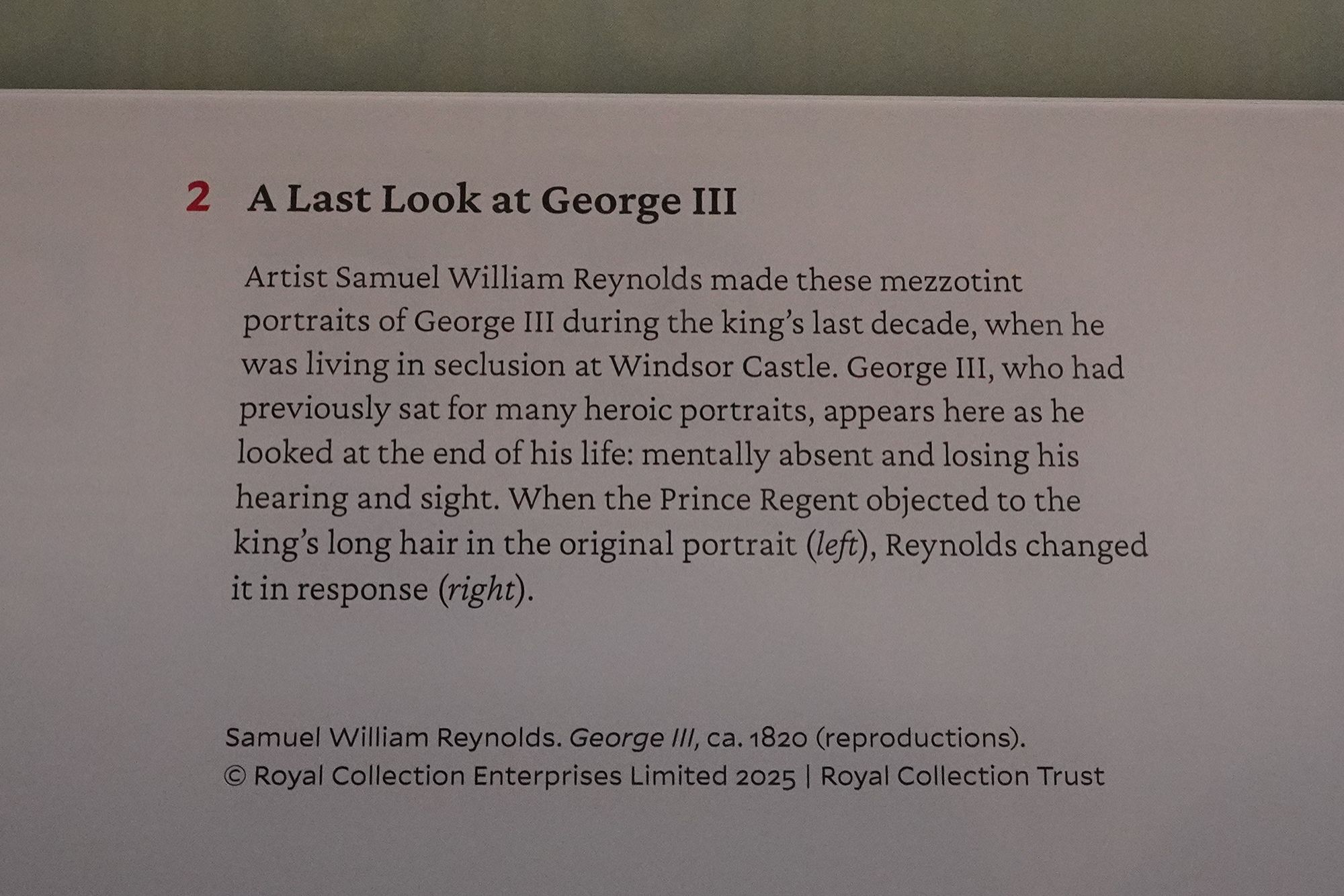
A last look at King George III
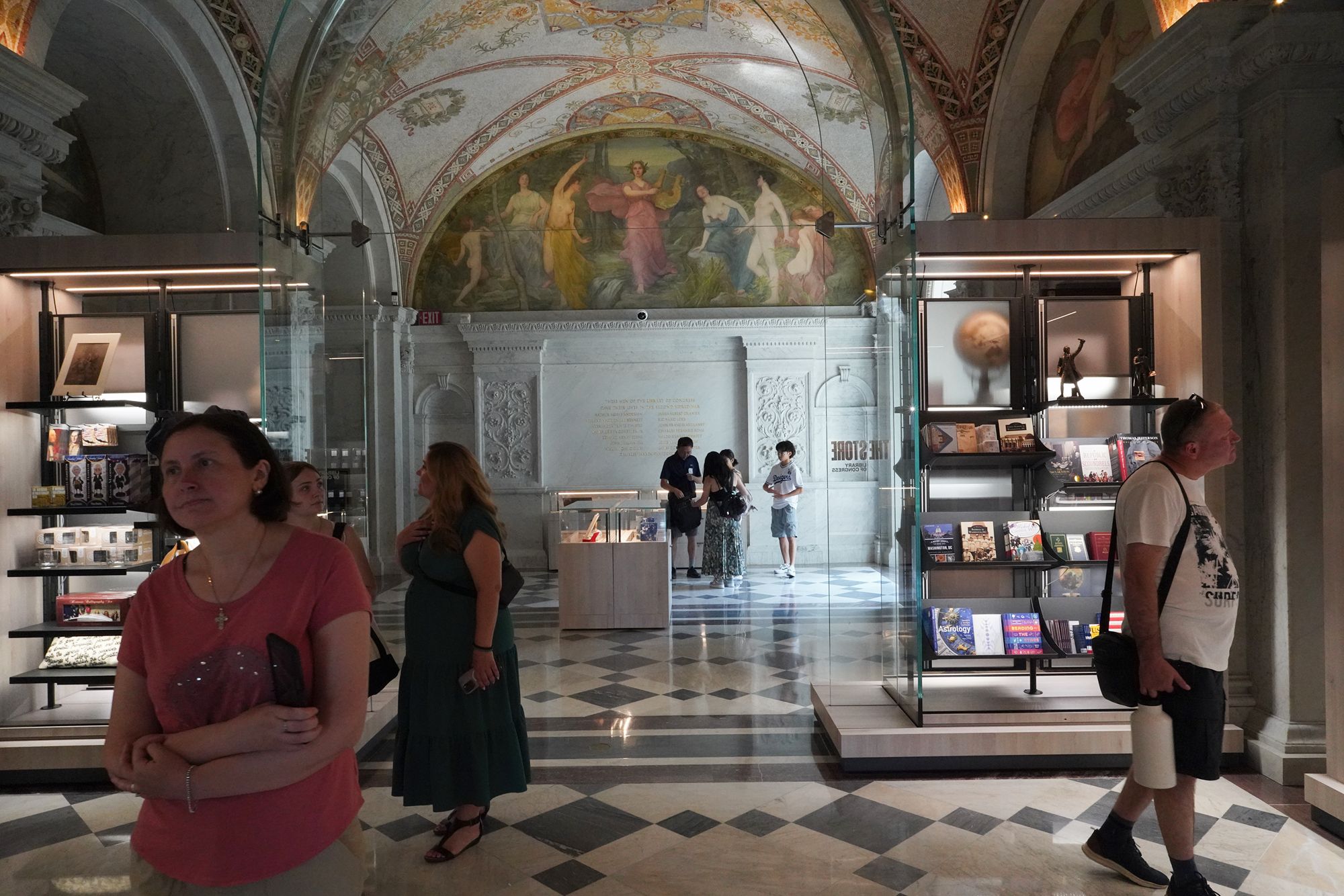
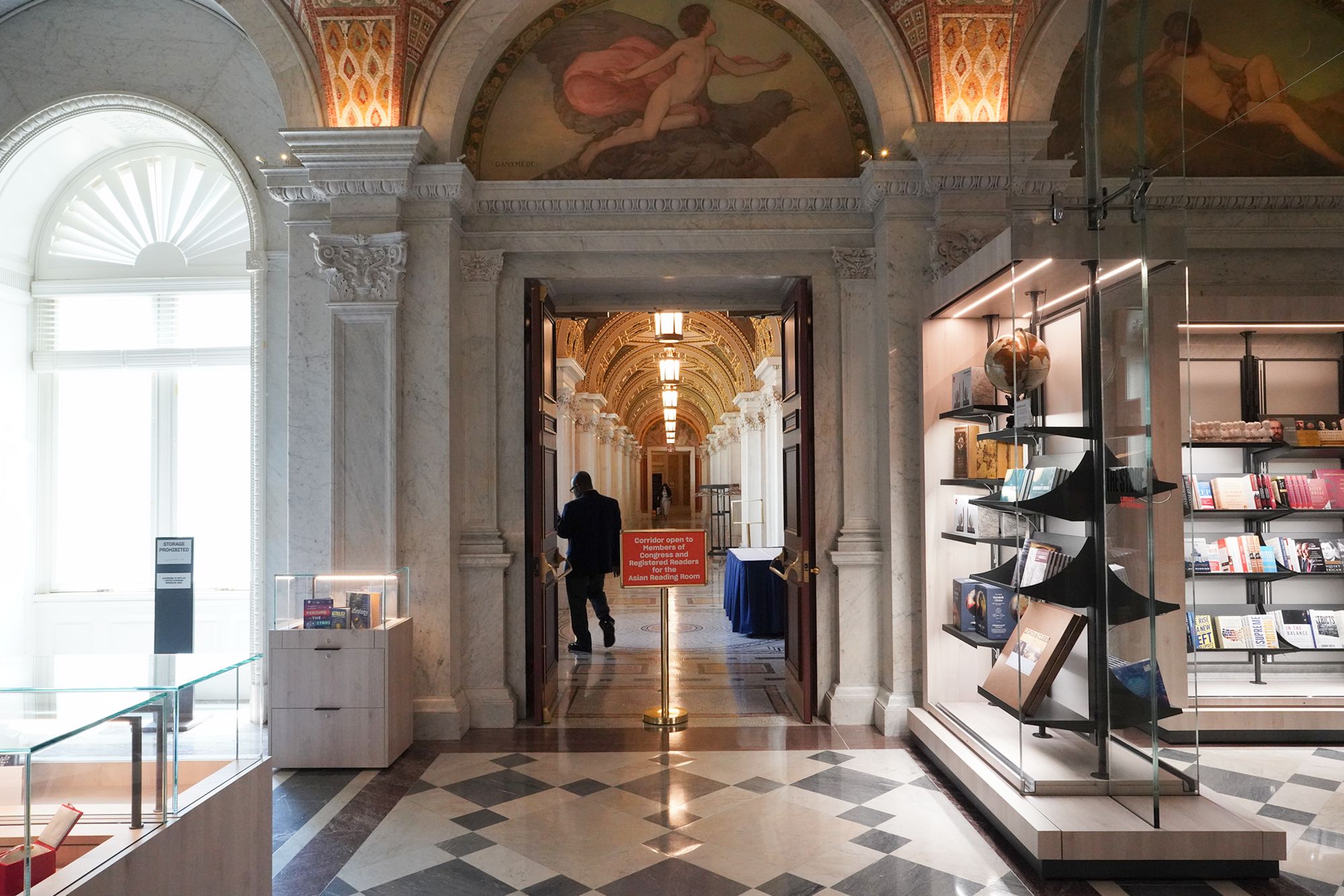
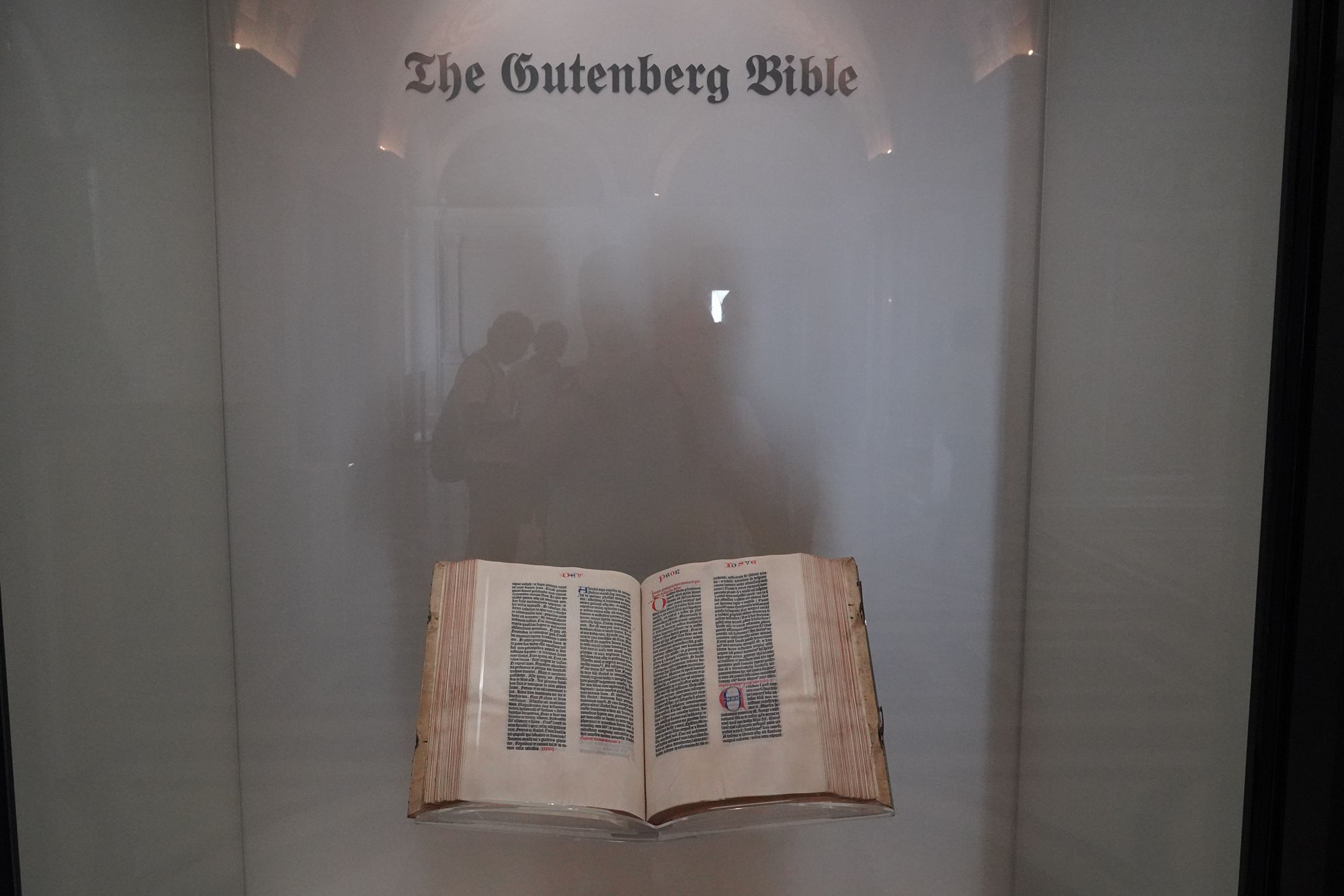
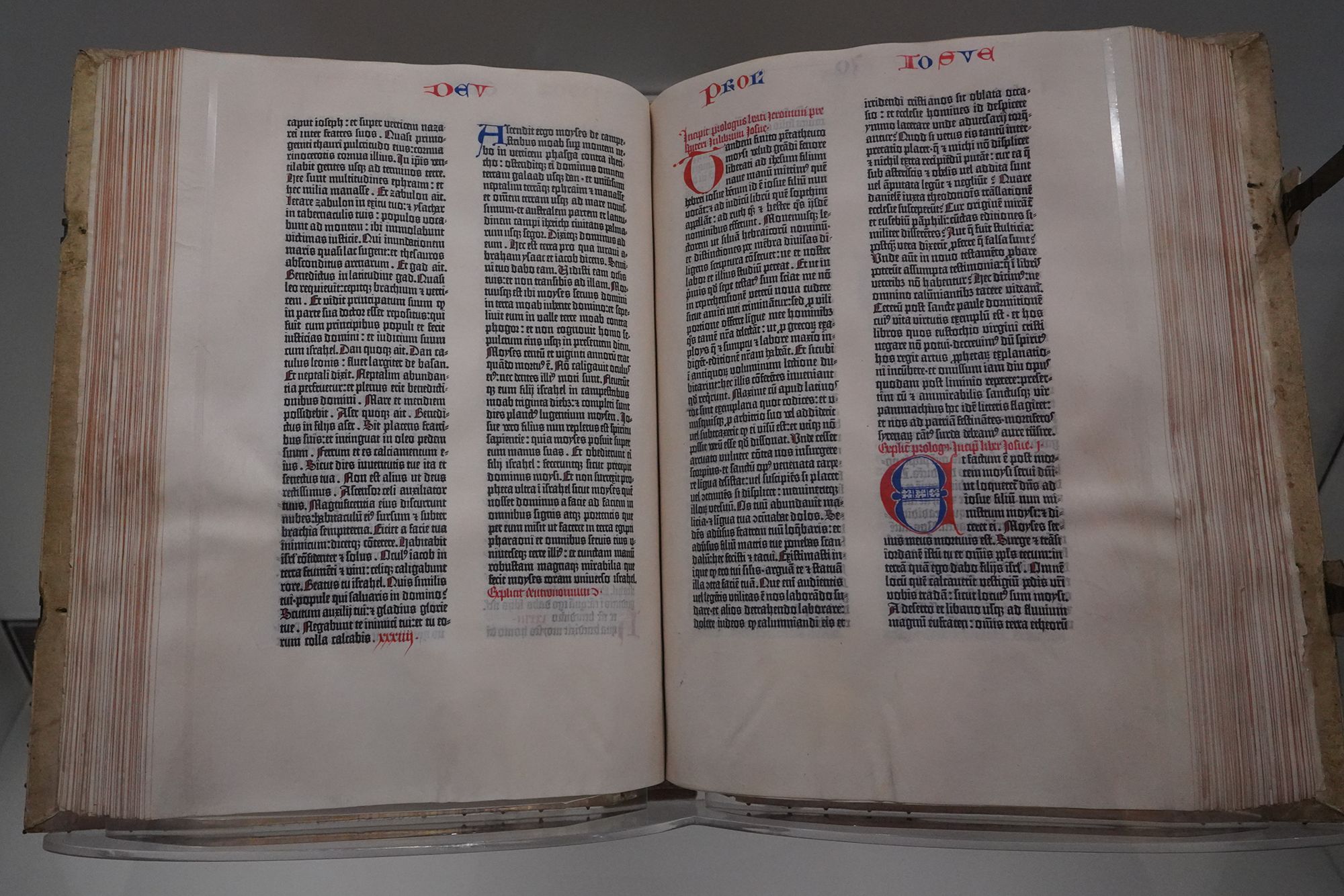
The Gutenberg Bible on display at the Library of Congress is one of the most treasured books in the world and a masterpiece of printing history. Created around 1455 by Johannes Gutenberg in Mainz, Germany, it was the first major book printed with movable metal type, marking the beginning of the age of mass communication and the spread of knowledge across Europe.
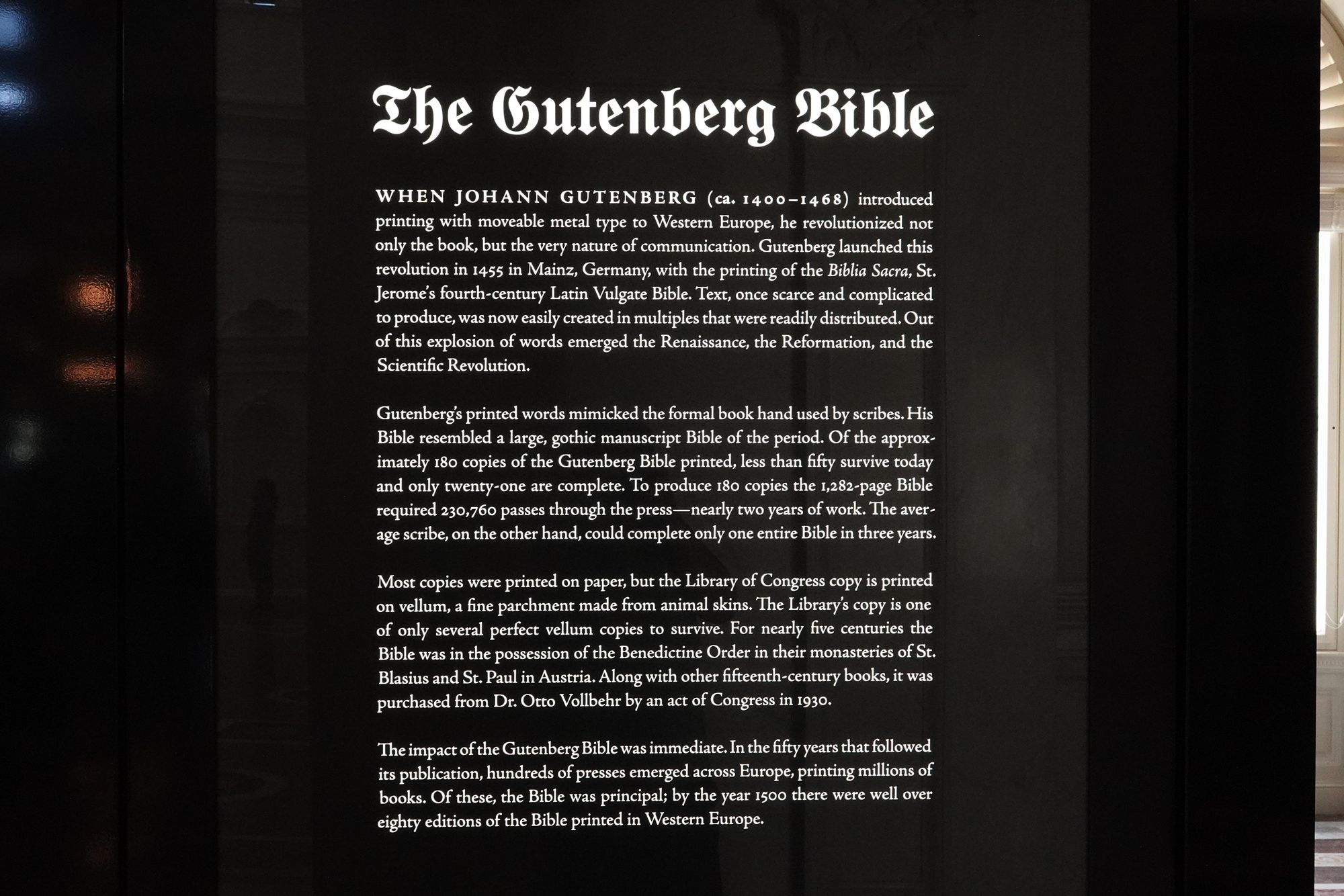
The Library of Congress owns an exceptionally rare copy—one of only about fifty surviving Gutenberg Bibles known today. It is displayed in a protective glass case on the first floor of the Thomas Jefferson Building, near the Great Hall, alongside the Giant Bible of Mainz, a beautifully handwritten manuscript completed just a few years earlier.
Entrance to the Main Reading Room is closed during lunchtimes.