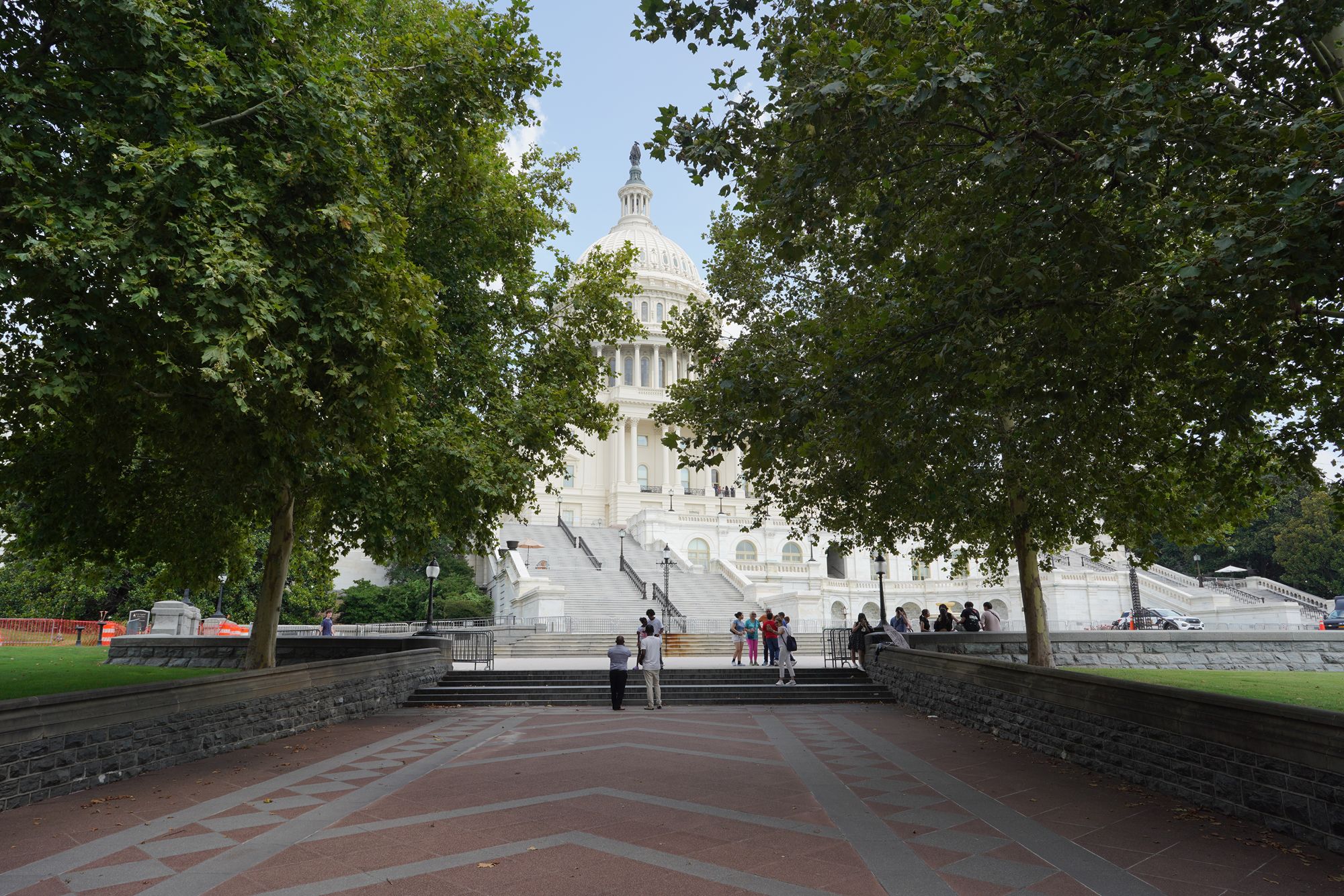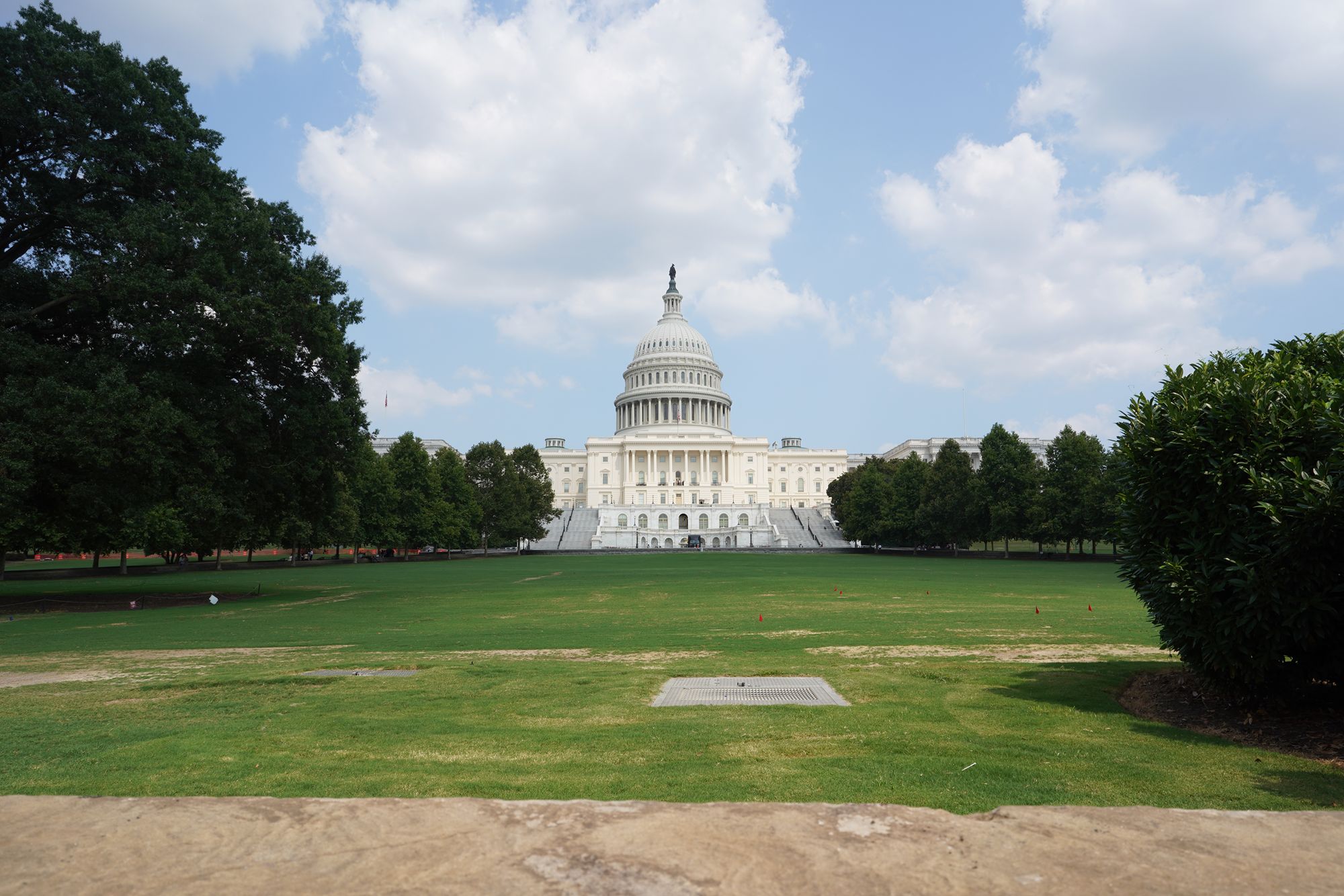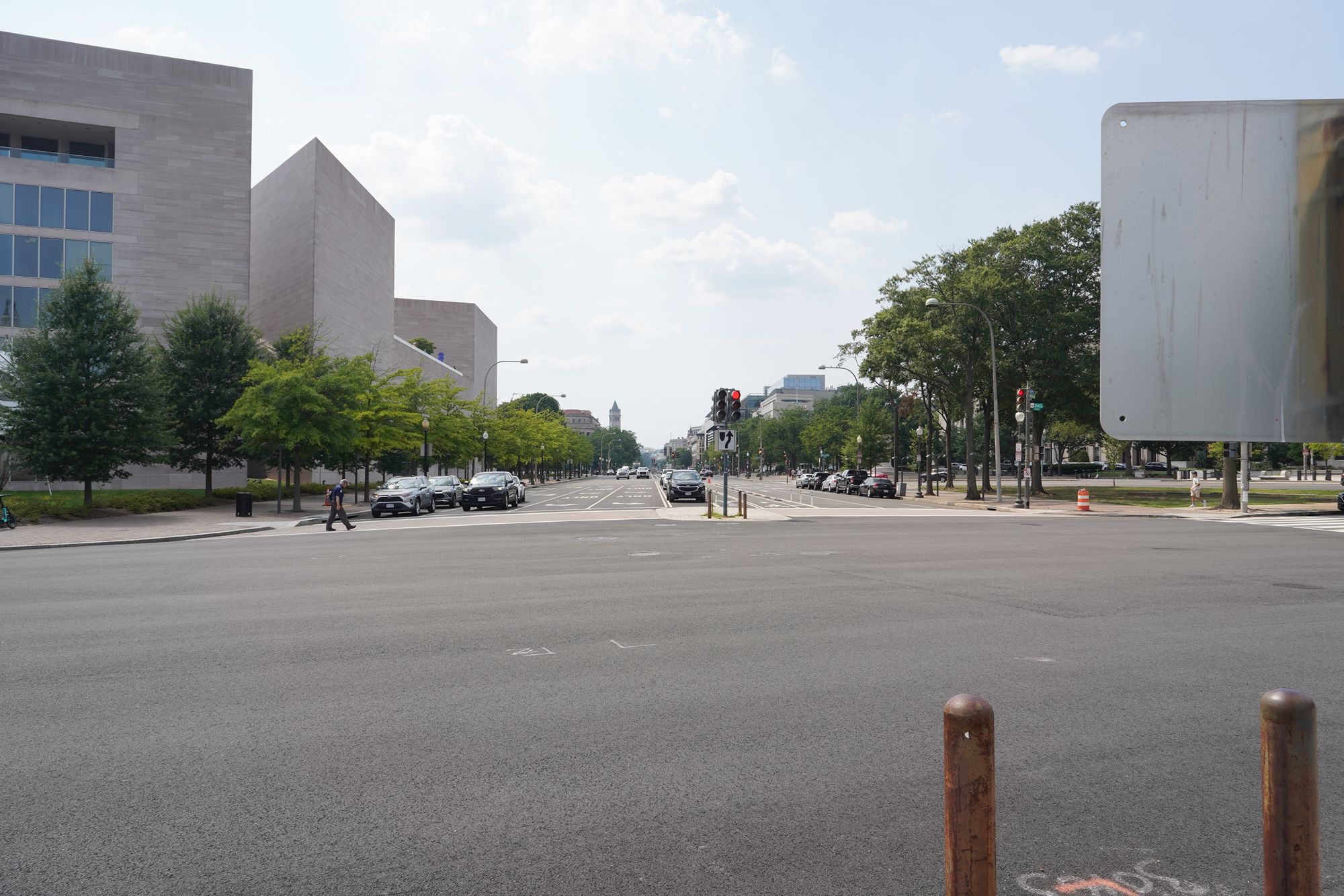
US Capitol and Supreme Court, Washington DC, USA
The U.S. Capitol and the Supreme Court symbolize the legislative and judicial branches of the American government. 1139
United States Capitol: Washington, DC 20004
Date Picture Taken: July 2025
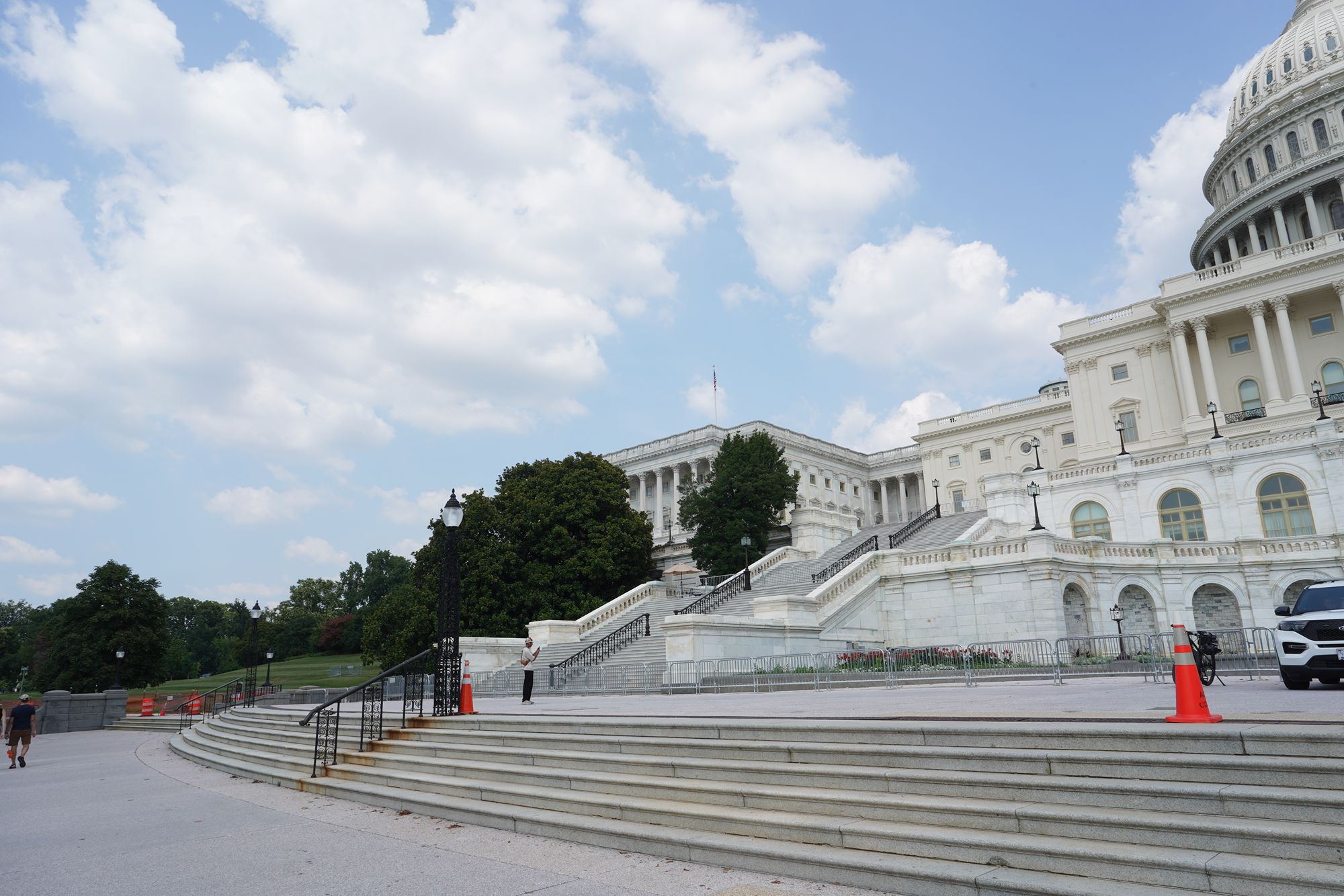
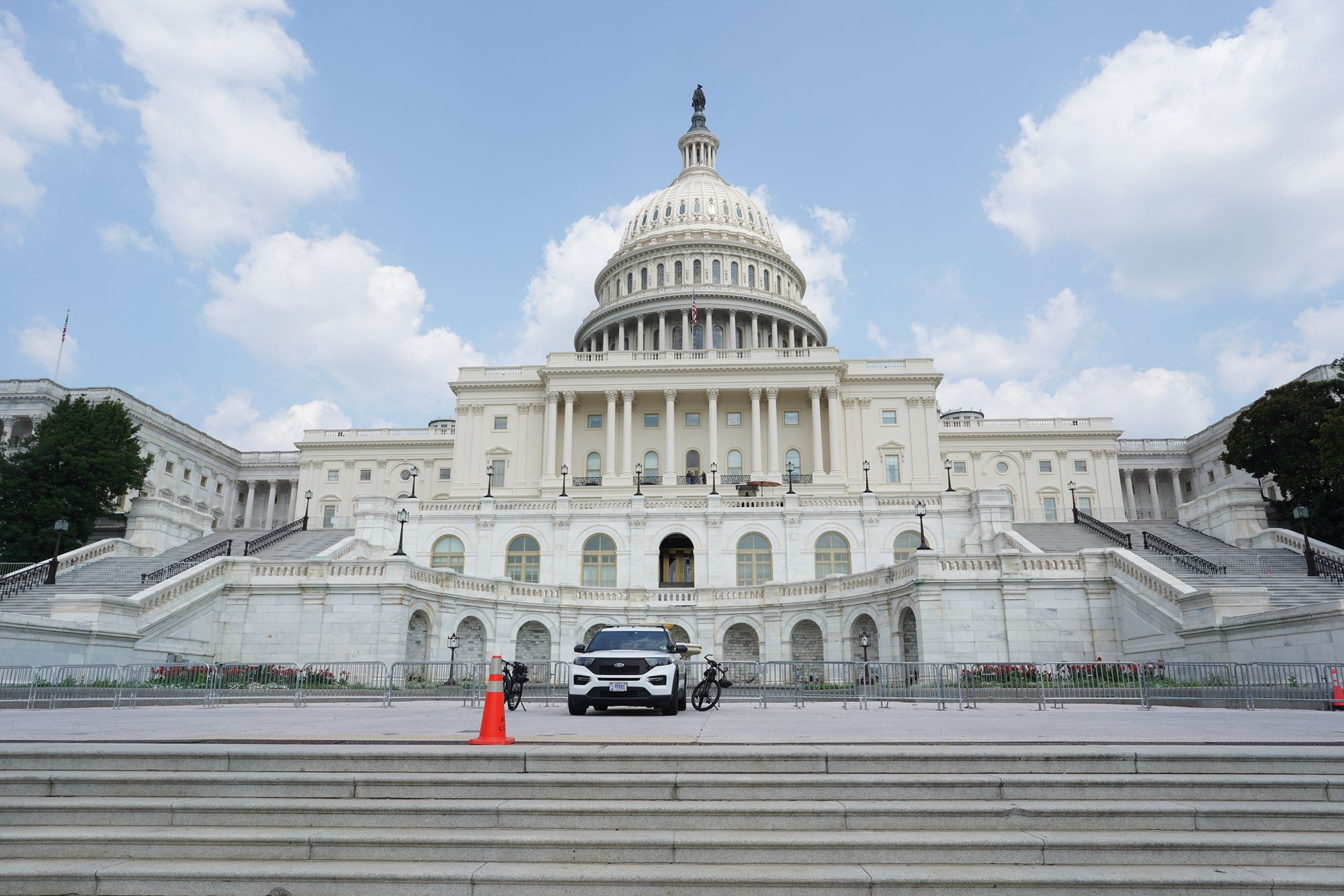
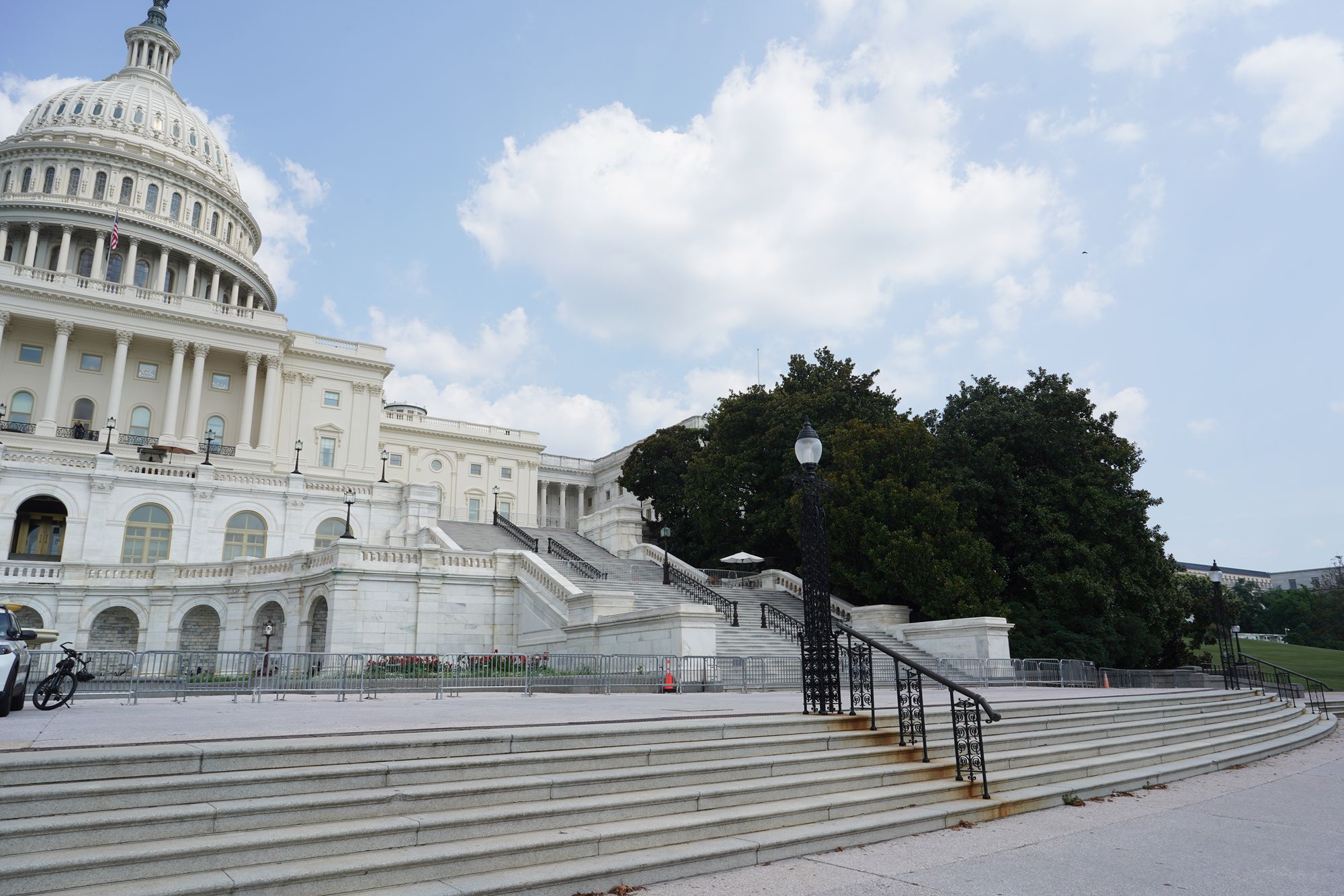
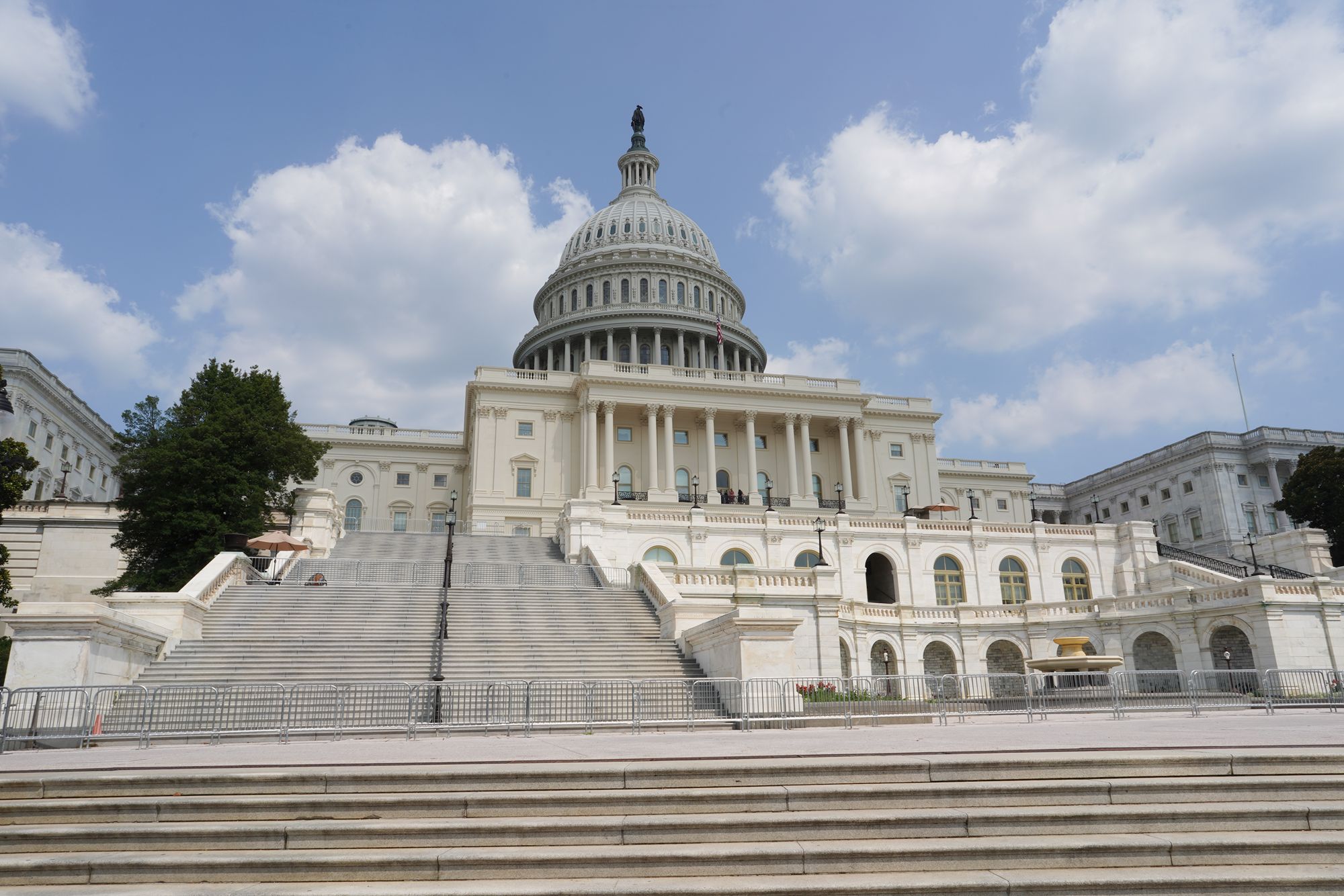
The U.S. Capitol, located on Capitol Hill, is the seat of Congress, where the Senate and House of Representatives meet to make the nation’s laws.
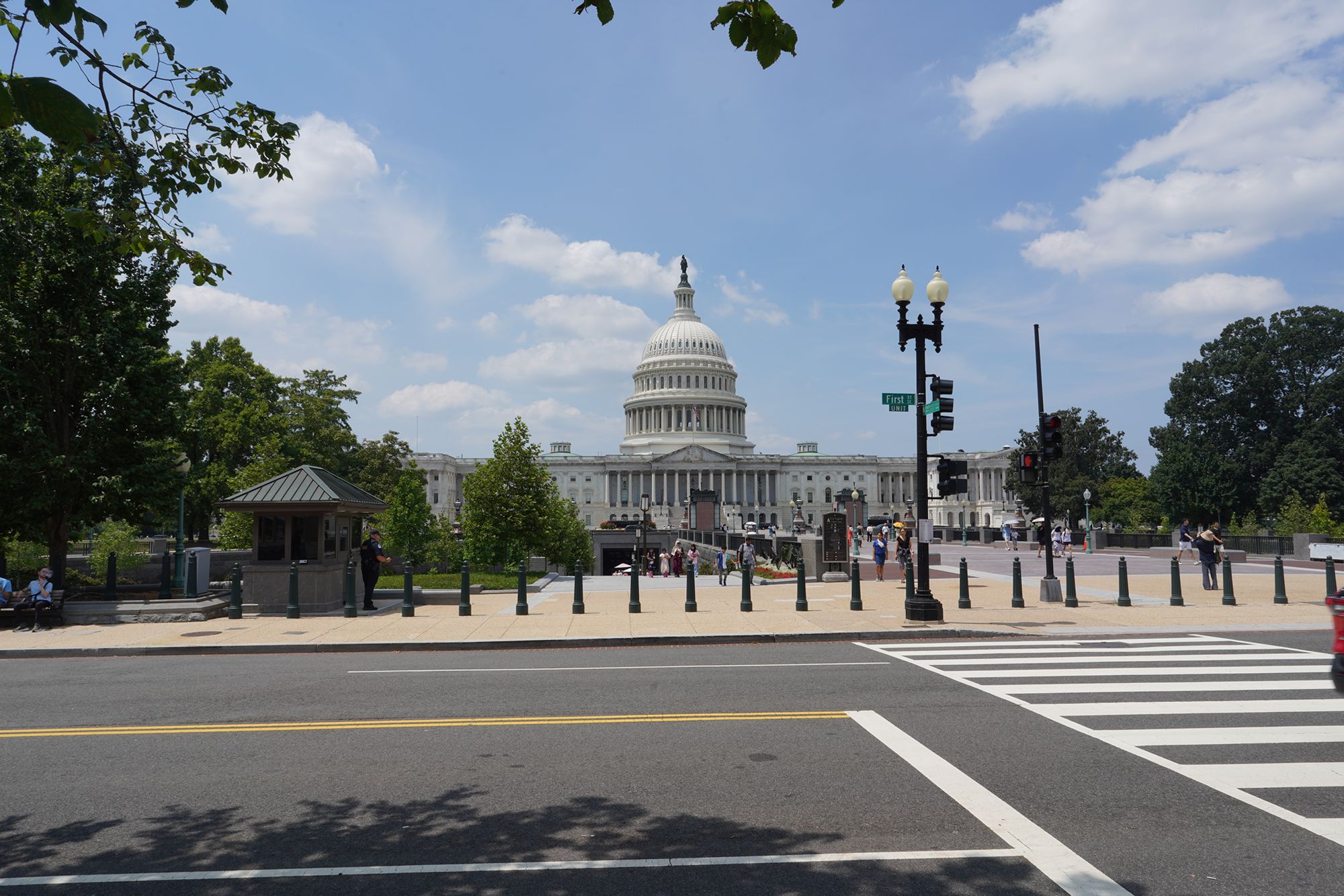
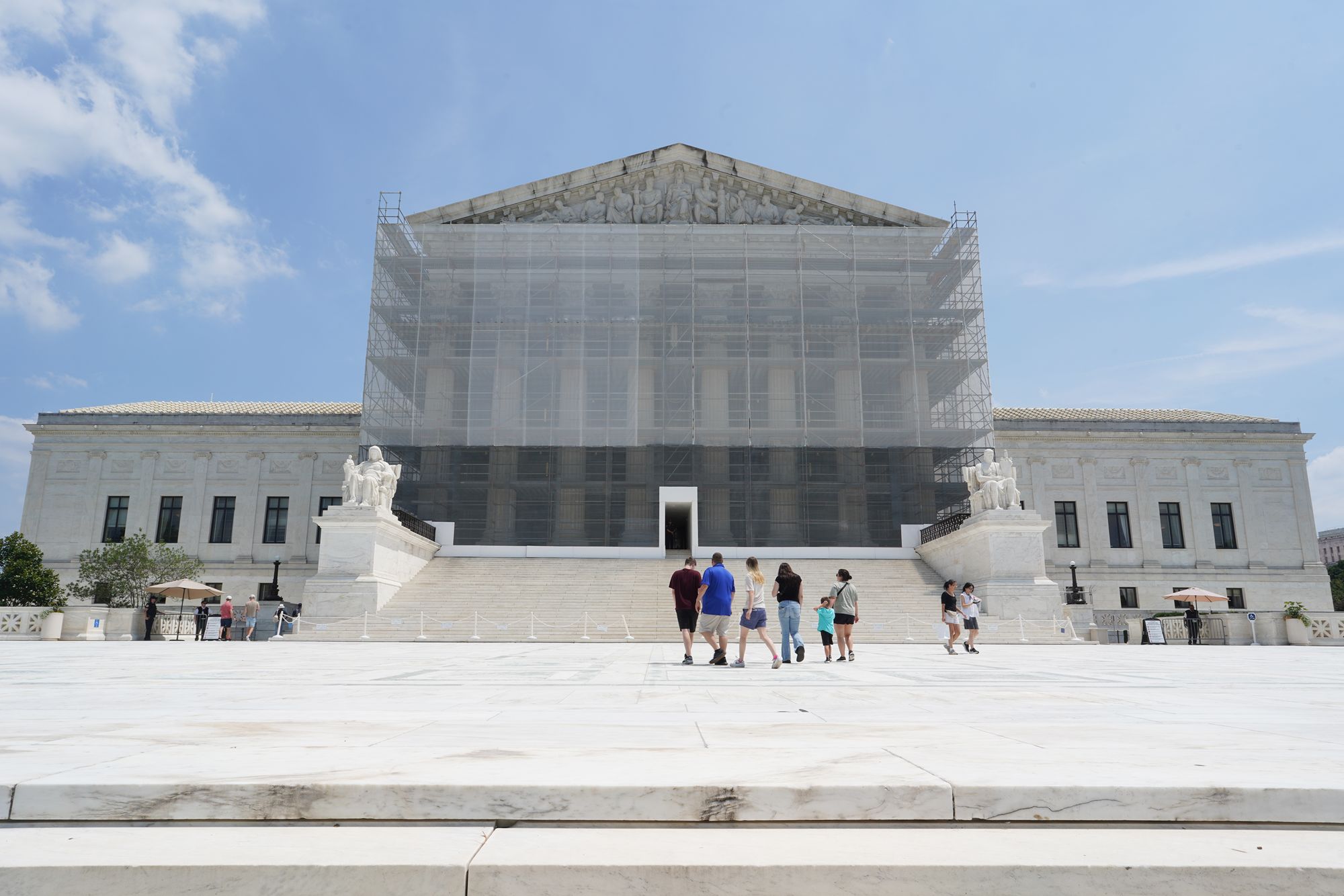
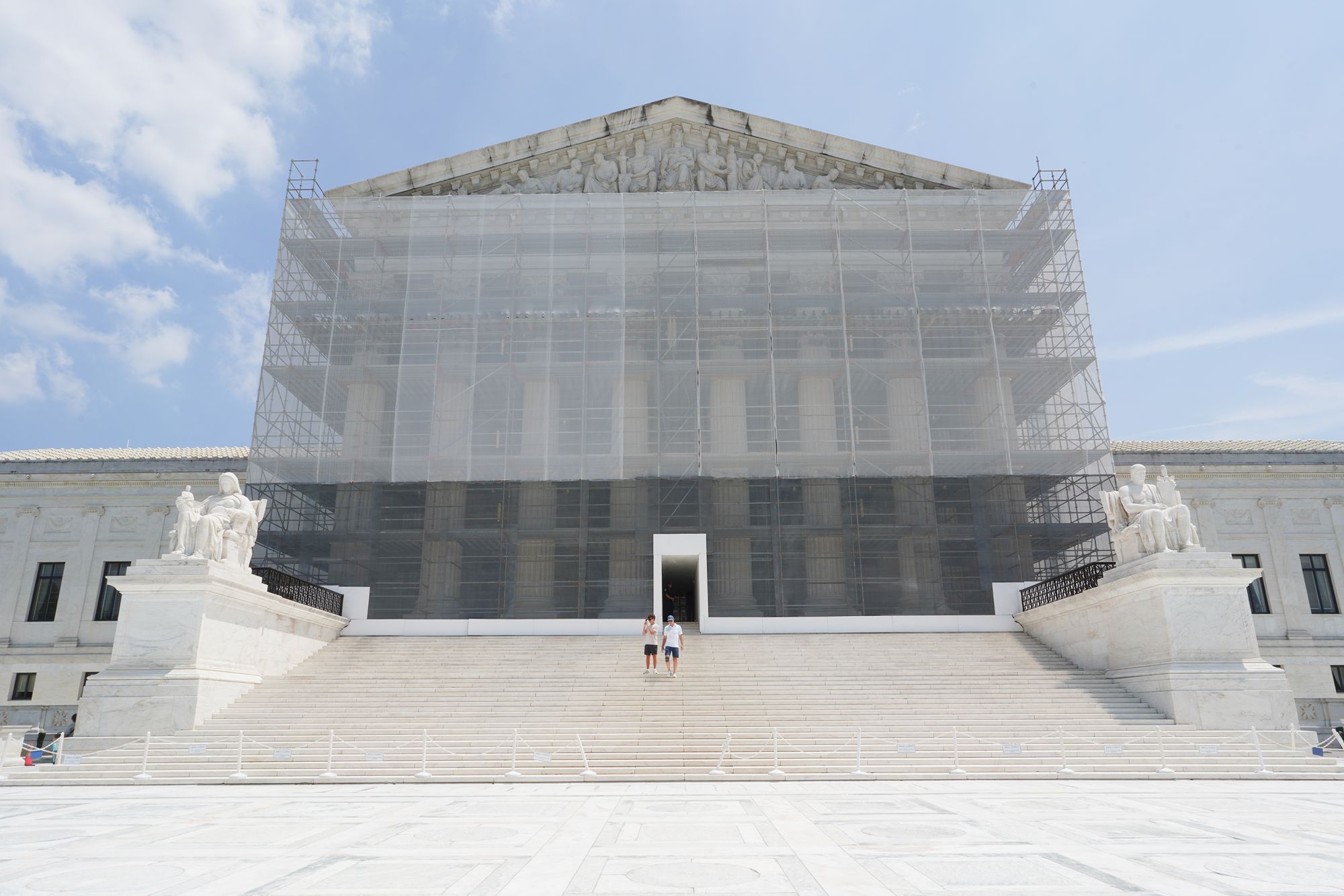
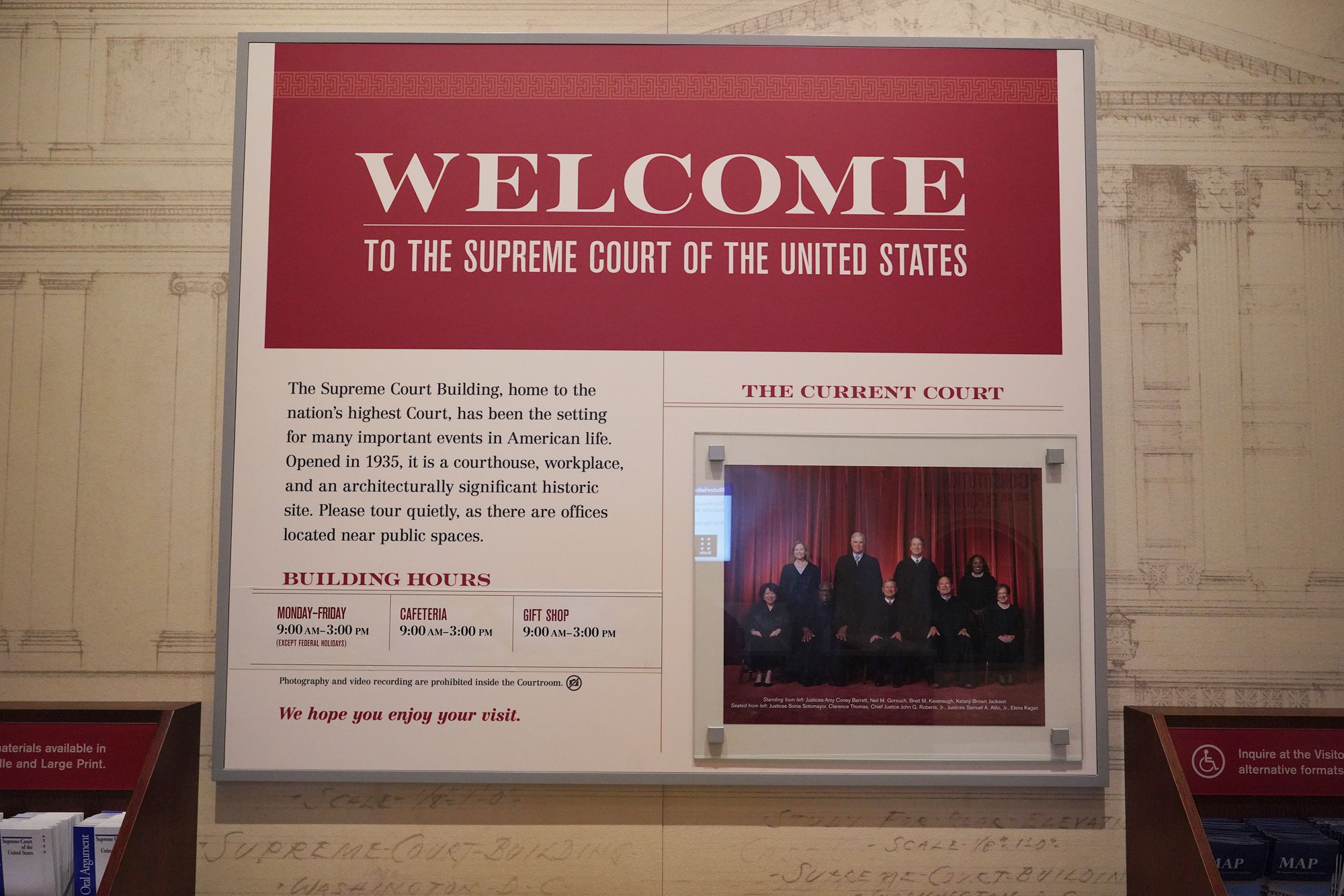
Across the street stands the U.S. Supreme Court, the highest court in the country. Its neoclassical building, completed in 1935, embodies justice and stability, with the inscription “Equal Justice Under Law” carved above its entrance.
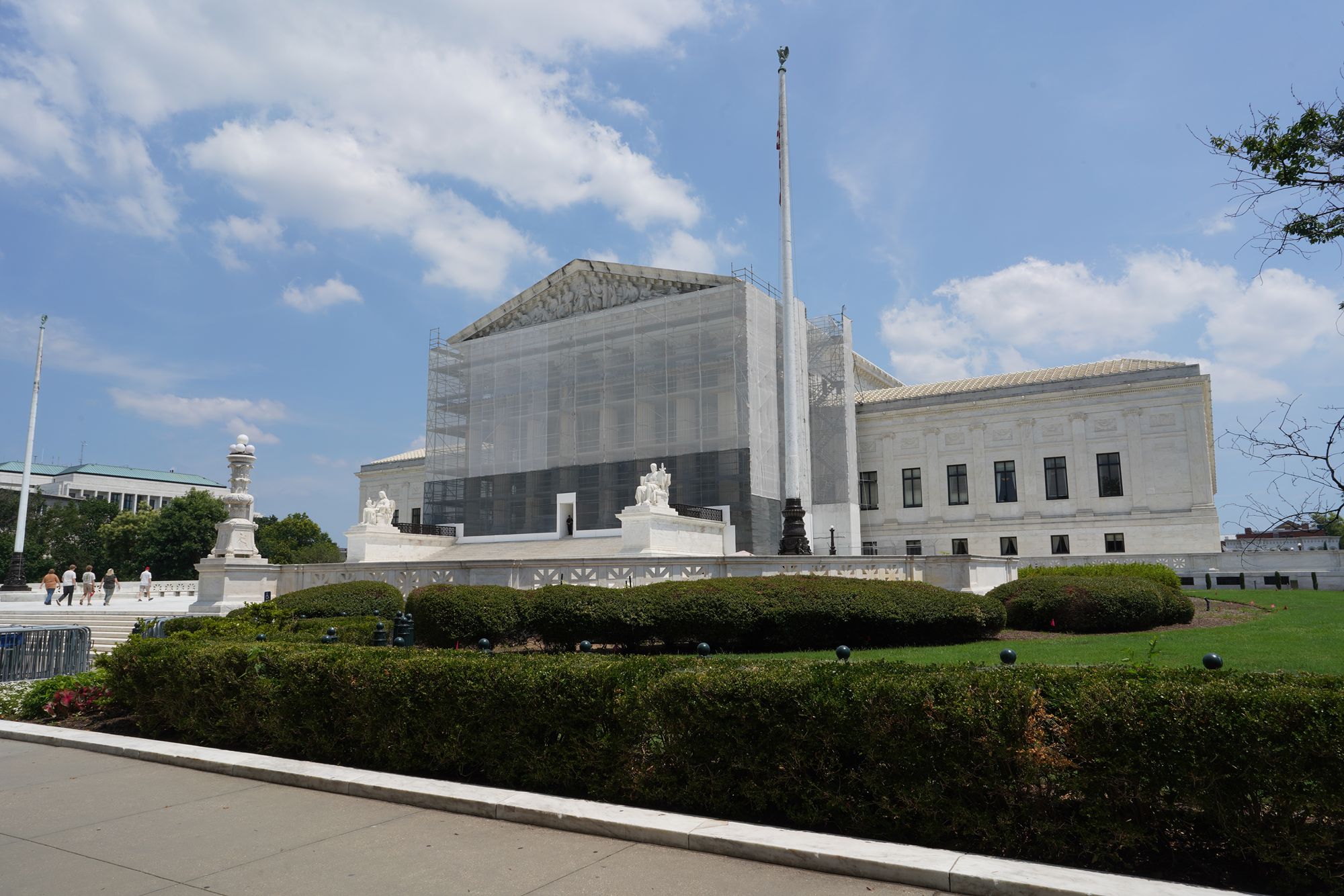
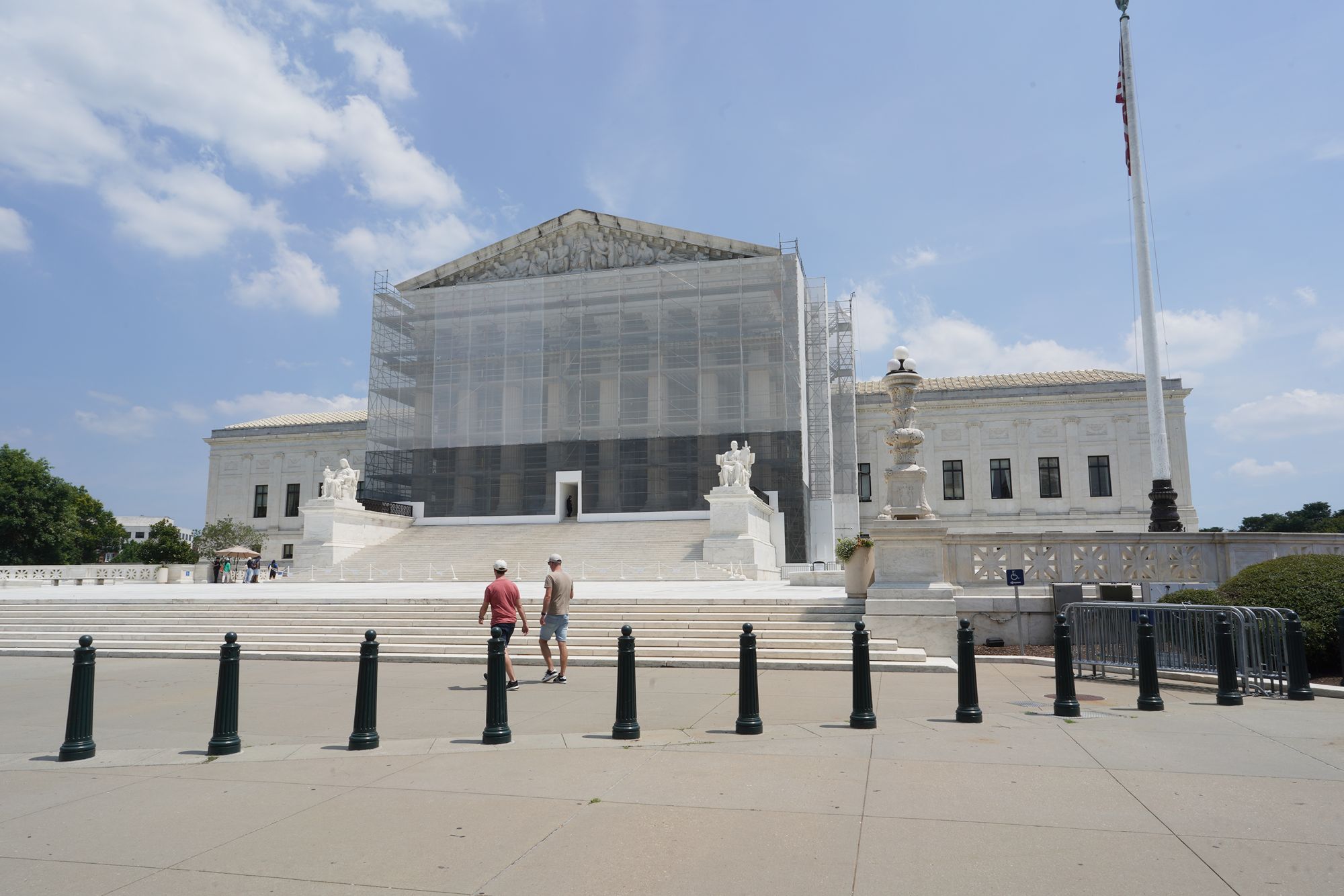
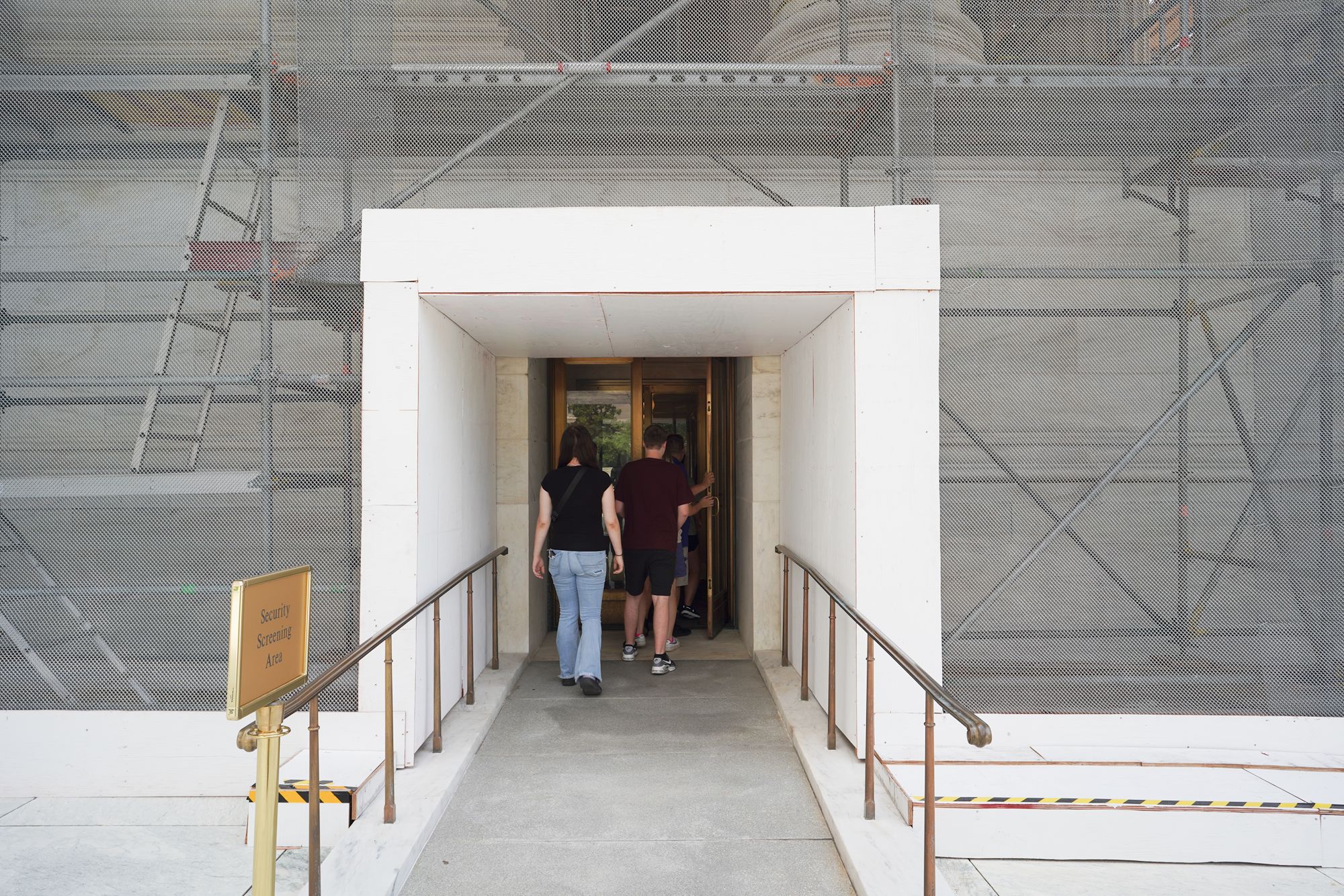
The US Supreme Court
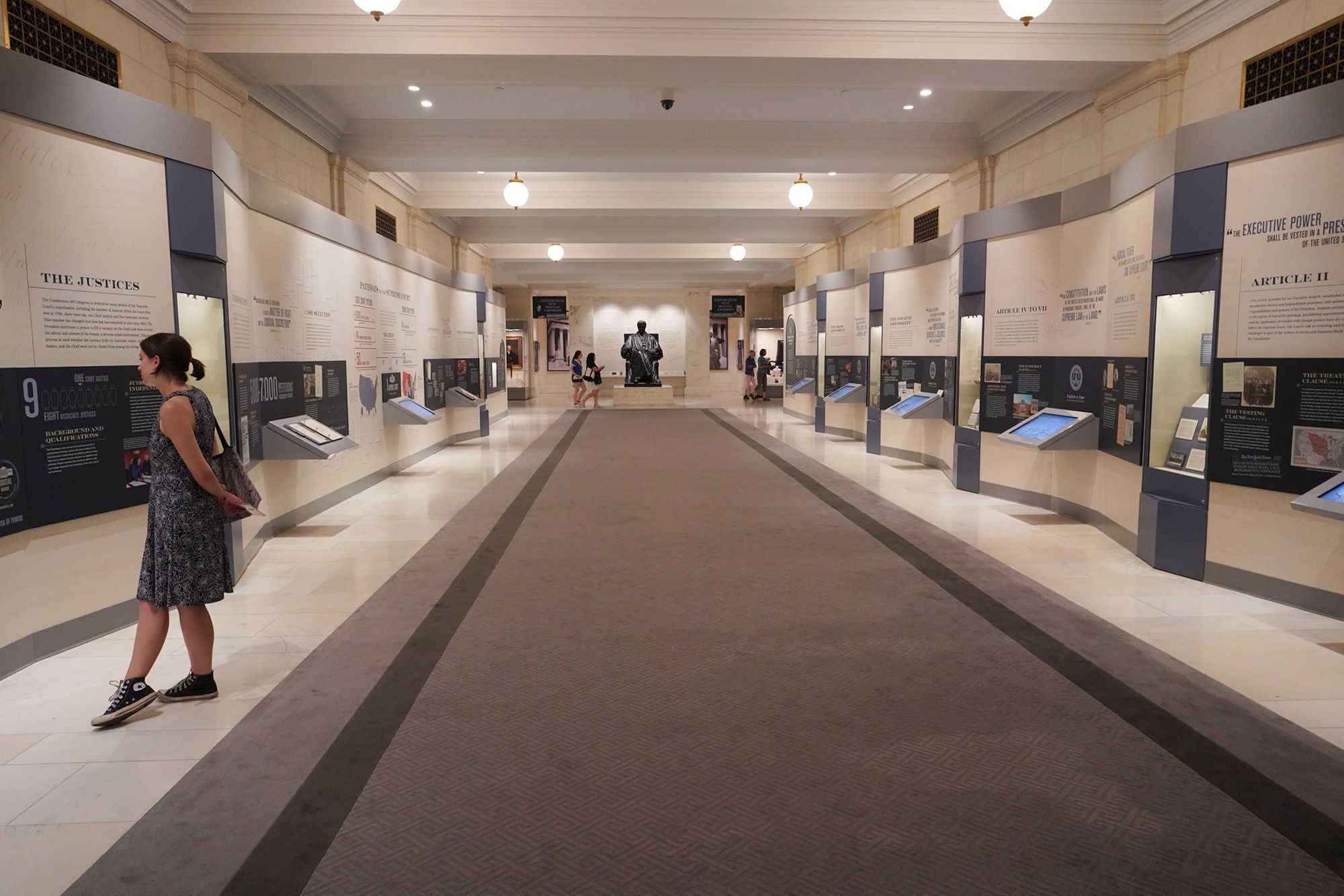
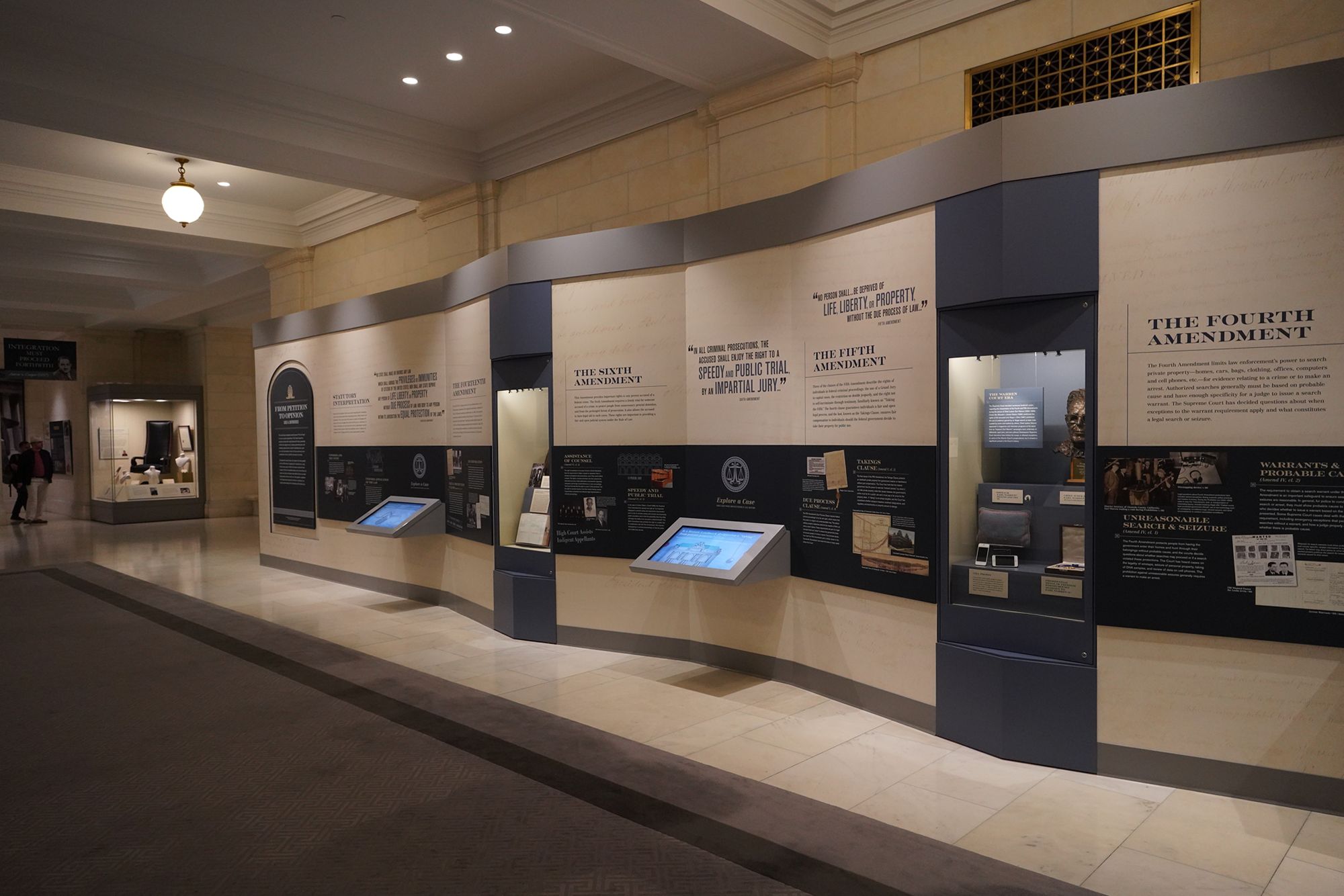
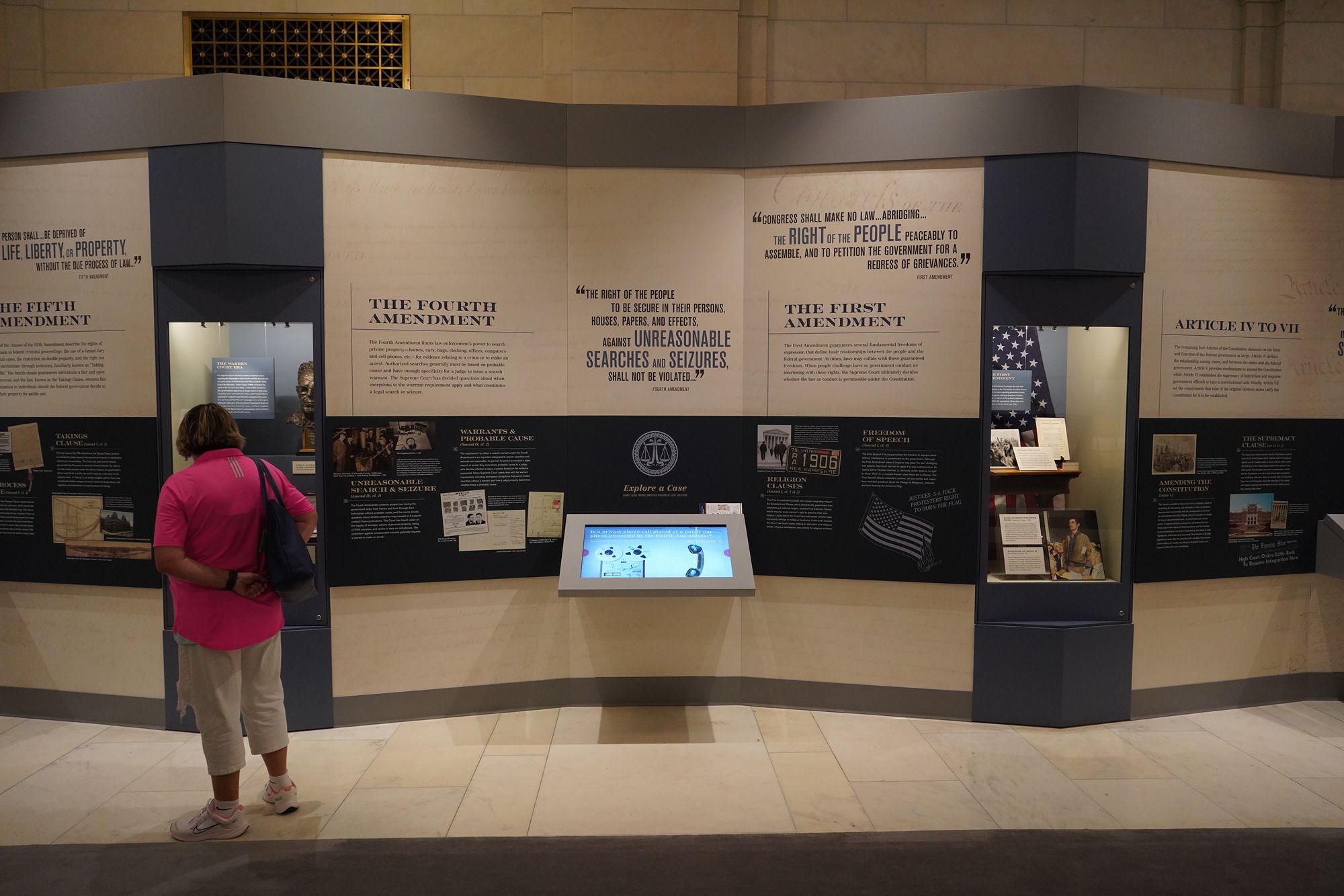
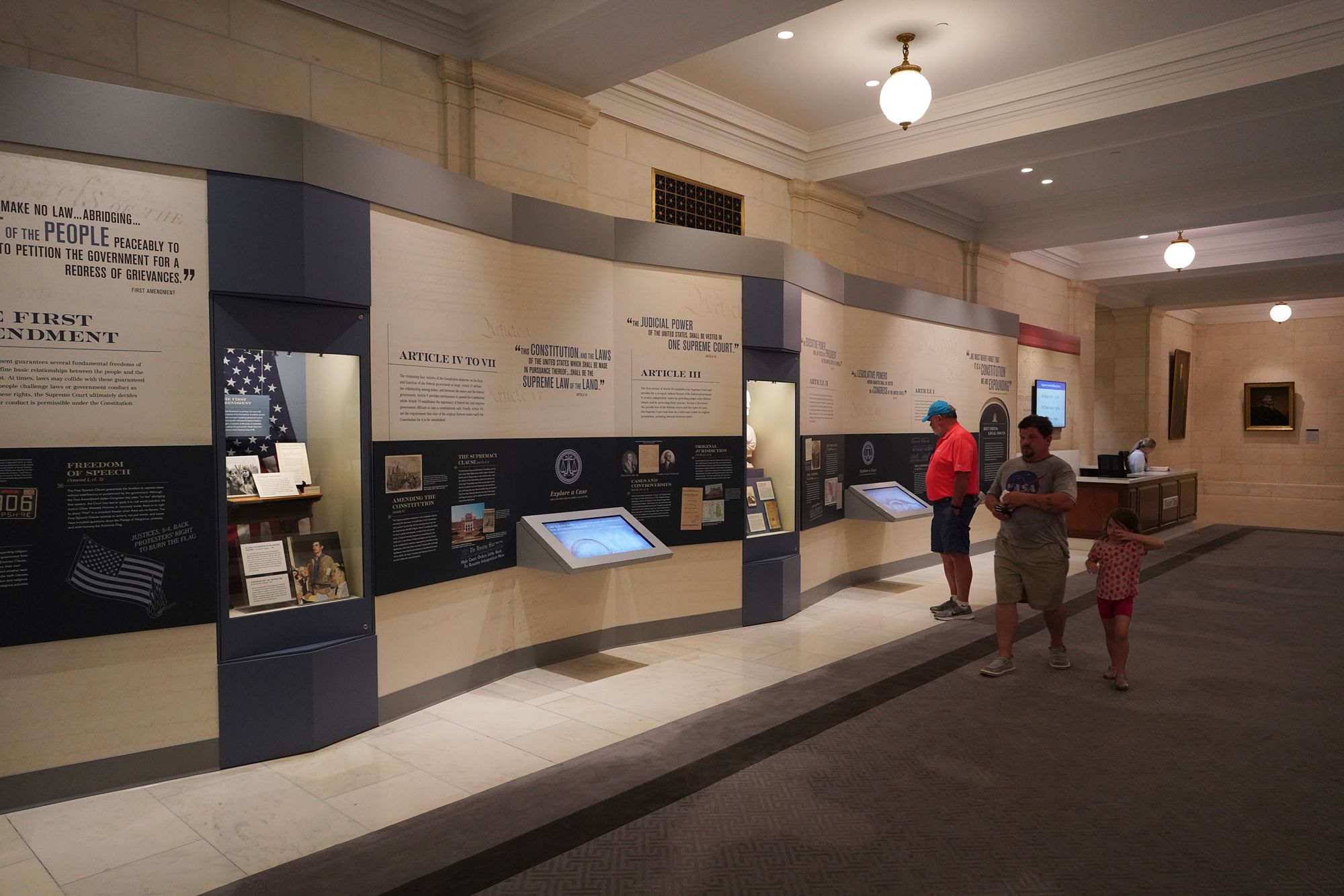
In the context of the U.S. Supreme Court and the Constitution, an article refers to a main section of the U.S. Constitution that outlines the structure and powers of the federal government.
The Constitution is divided into seven articles, each covering a specific part of how the government works:
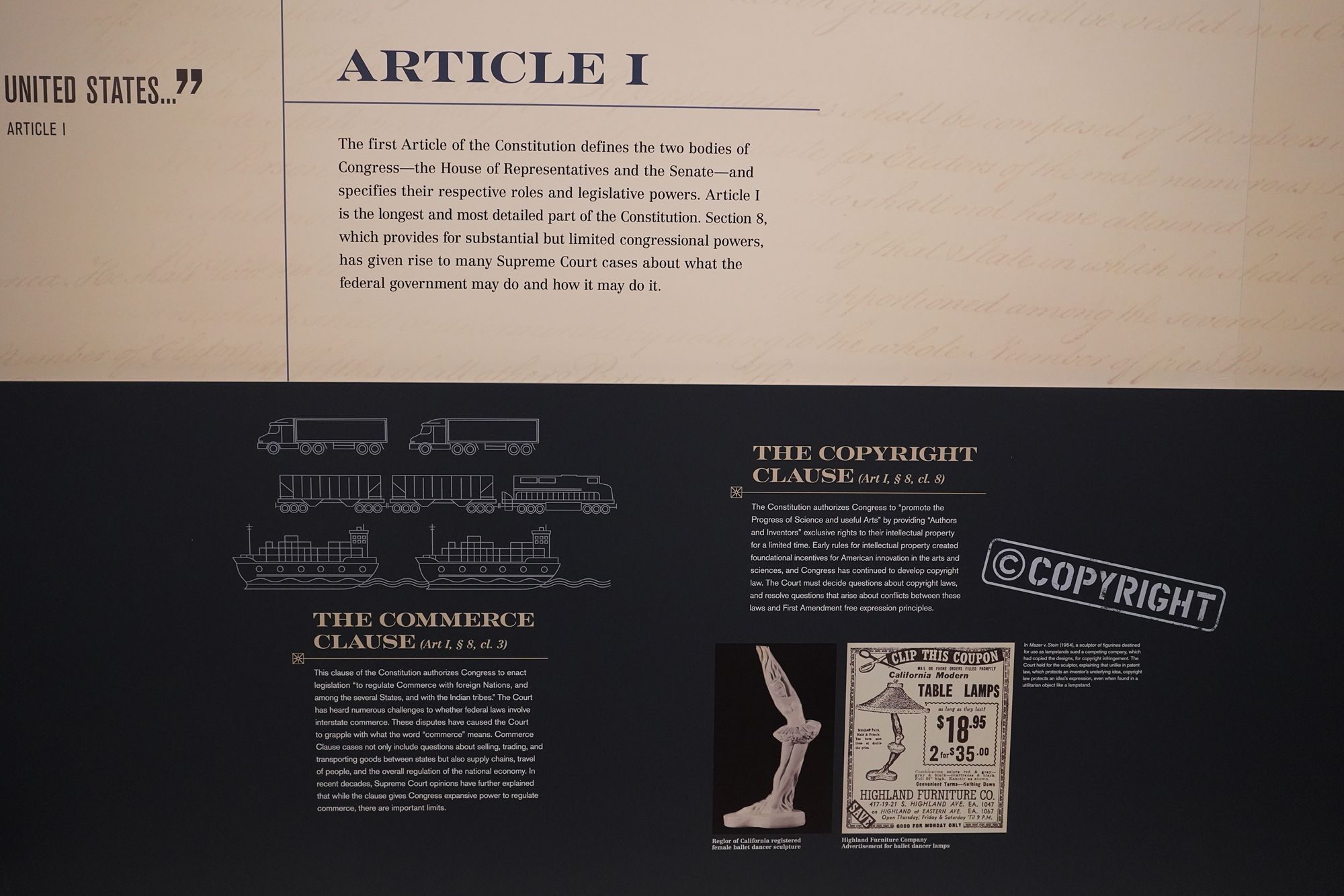
Article I – The Legislative Branch: Establishes Congress (the Senate and House of Representatives) and explains how laws are made.
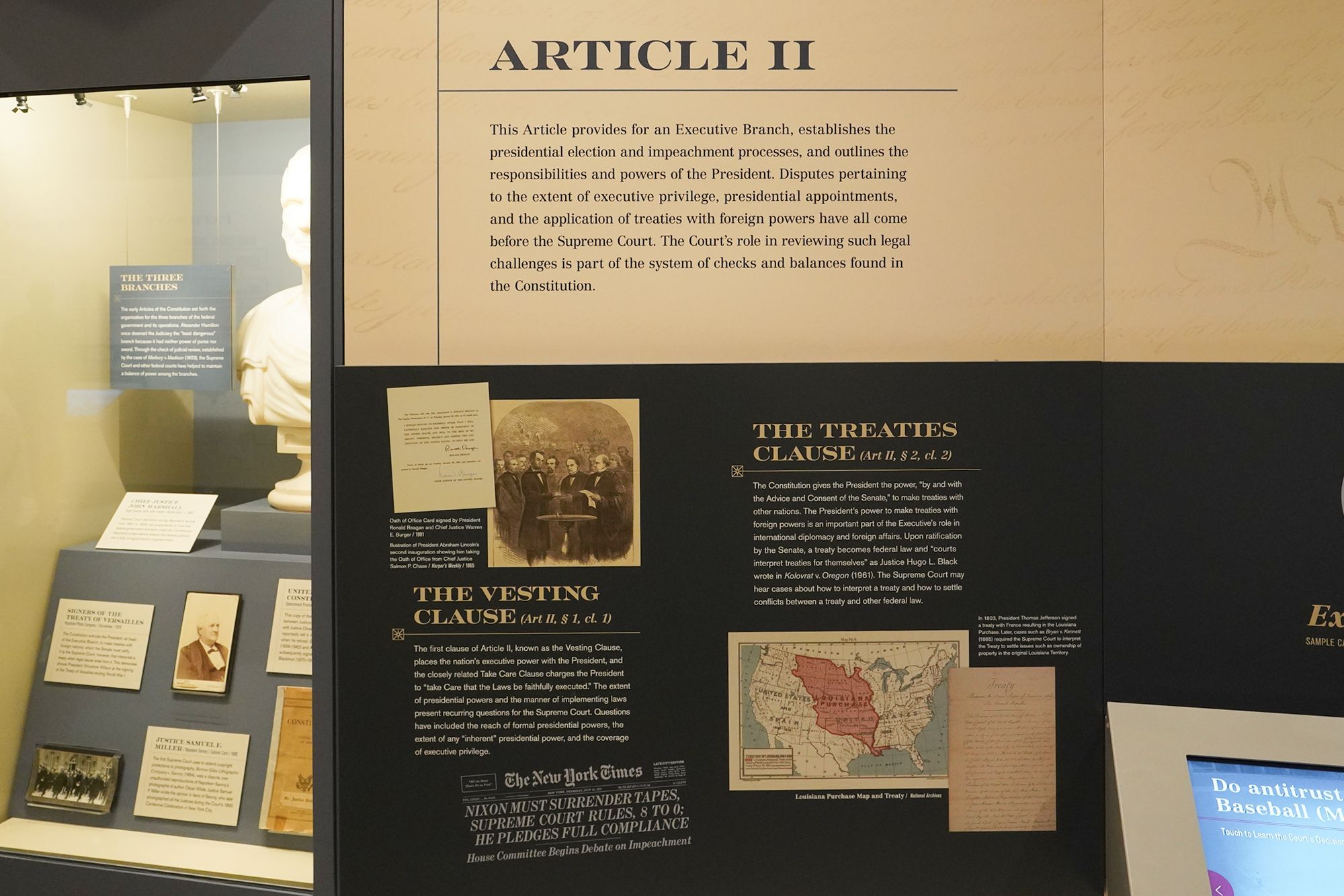
Article II – The Executive Branch: Defines the powers and duties of the President and Vice President.
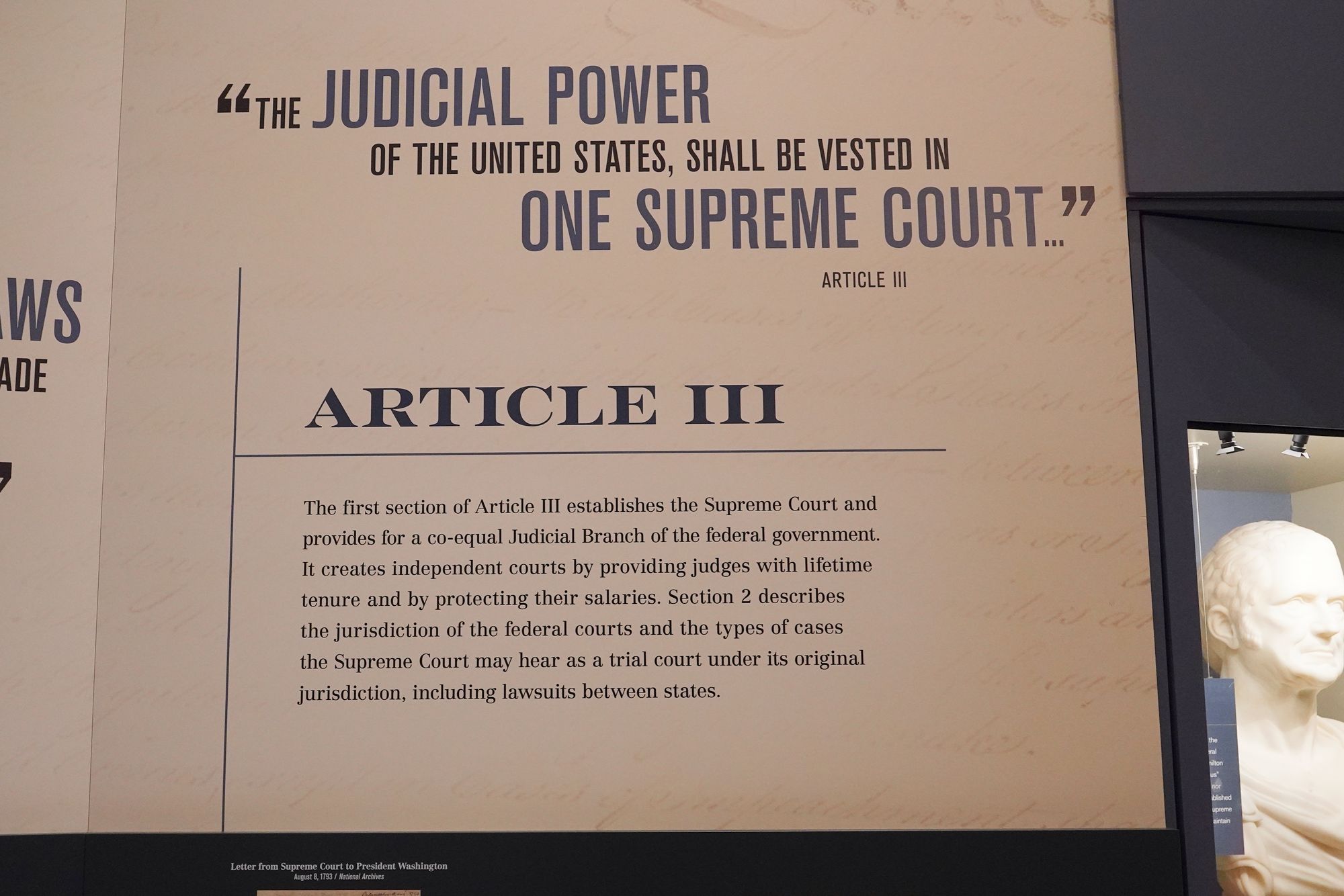
Article III – The Judicial Branch: Establishes the Supreme Court and other federal courts, describing their powers and responsibilities.
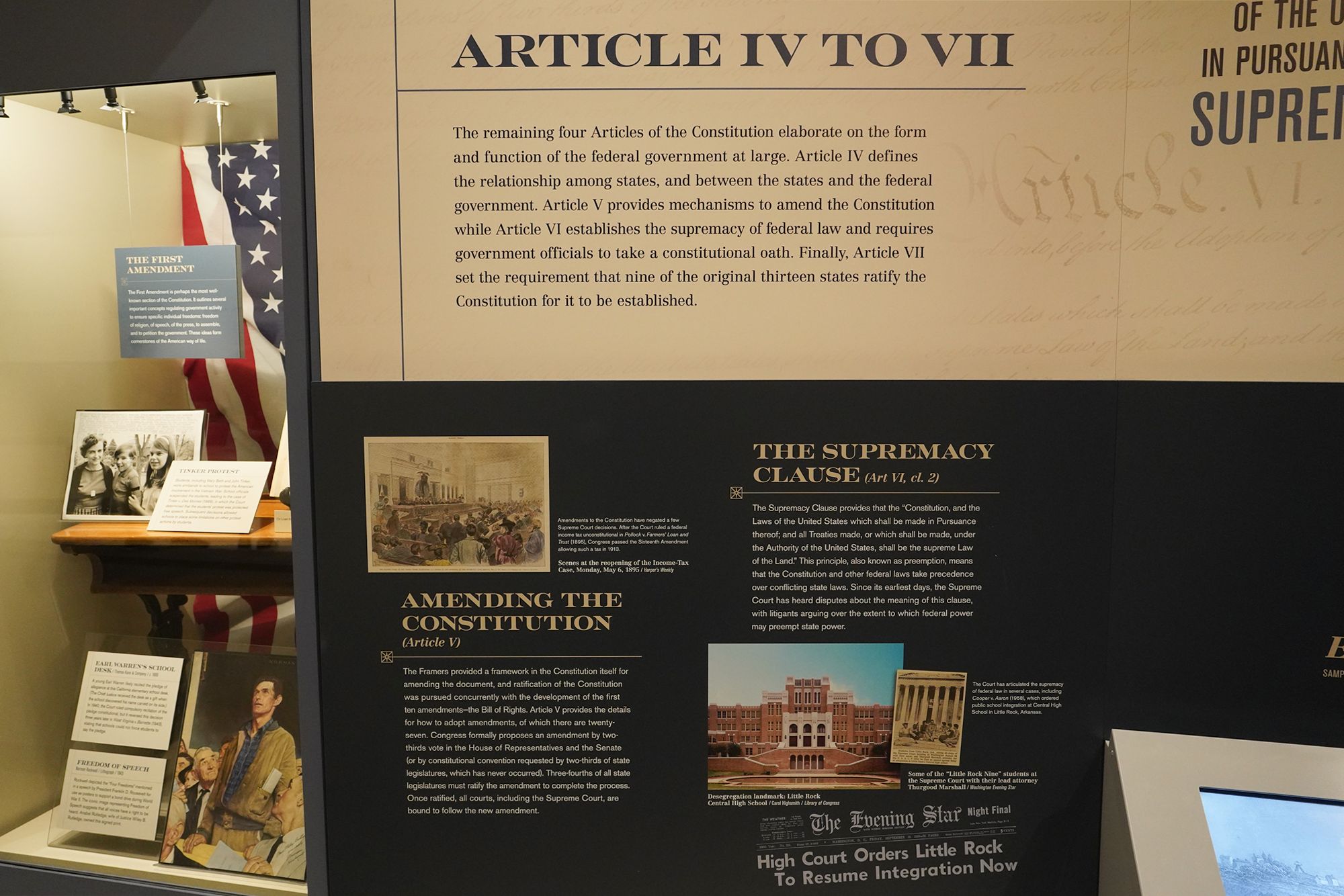
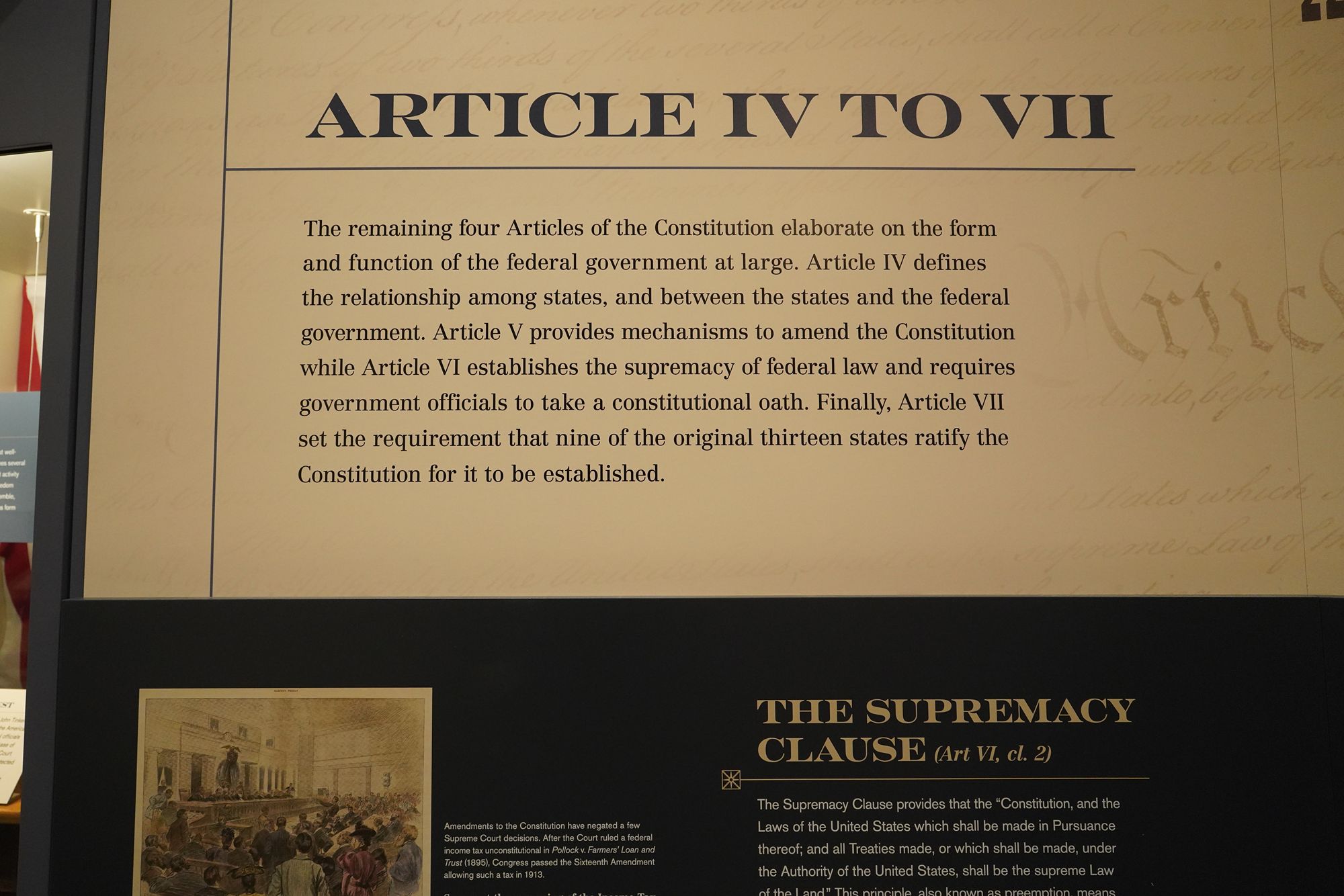
Article IV – The States: Explains the relationship between states and the federal government.
Article V – Amendments: Describes how the Constitution can be changed or amended.
Article VI – Supremacy: Declares the Constitution and federal laws as the supreme law of the land.
Article VII – Ratification: Explains how the Constitution was approved and put into effect.
Amendments are changes or additions made to the U.S. Constitution after it was originally written in 1787. They allow the Constitution to adapt over time as society, laws, and values evolve.
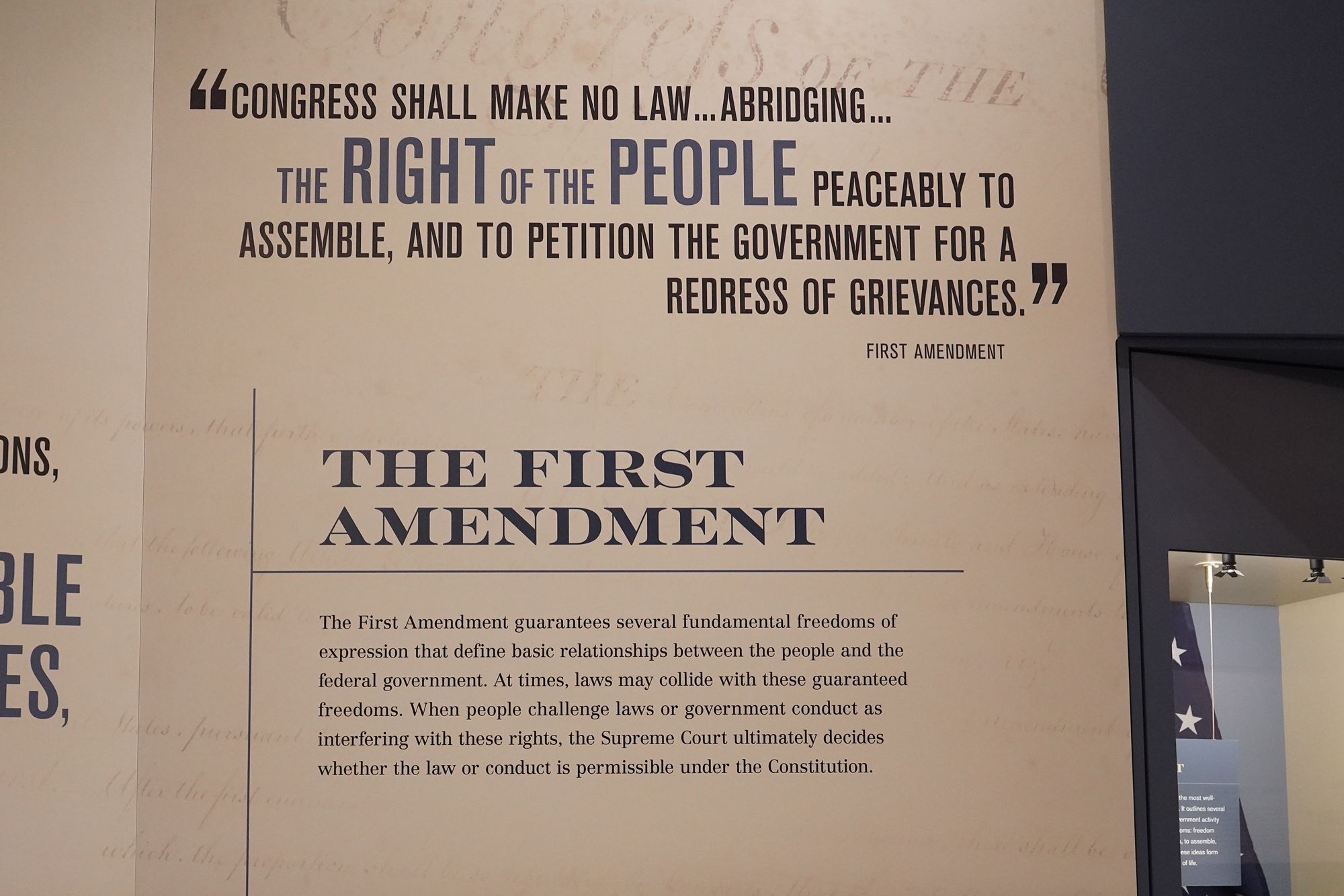
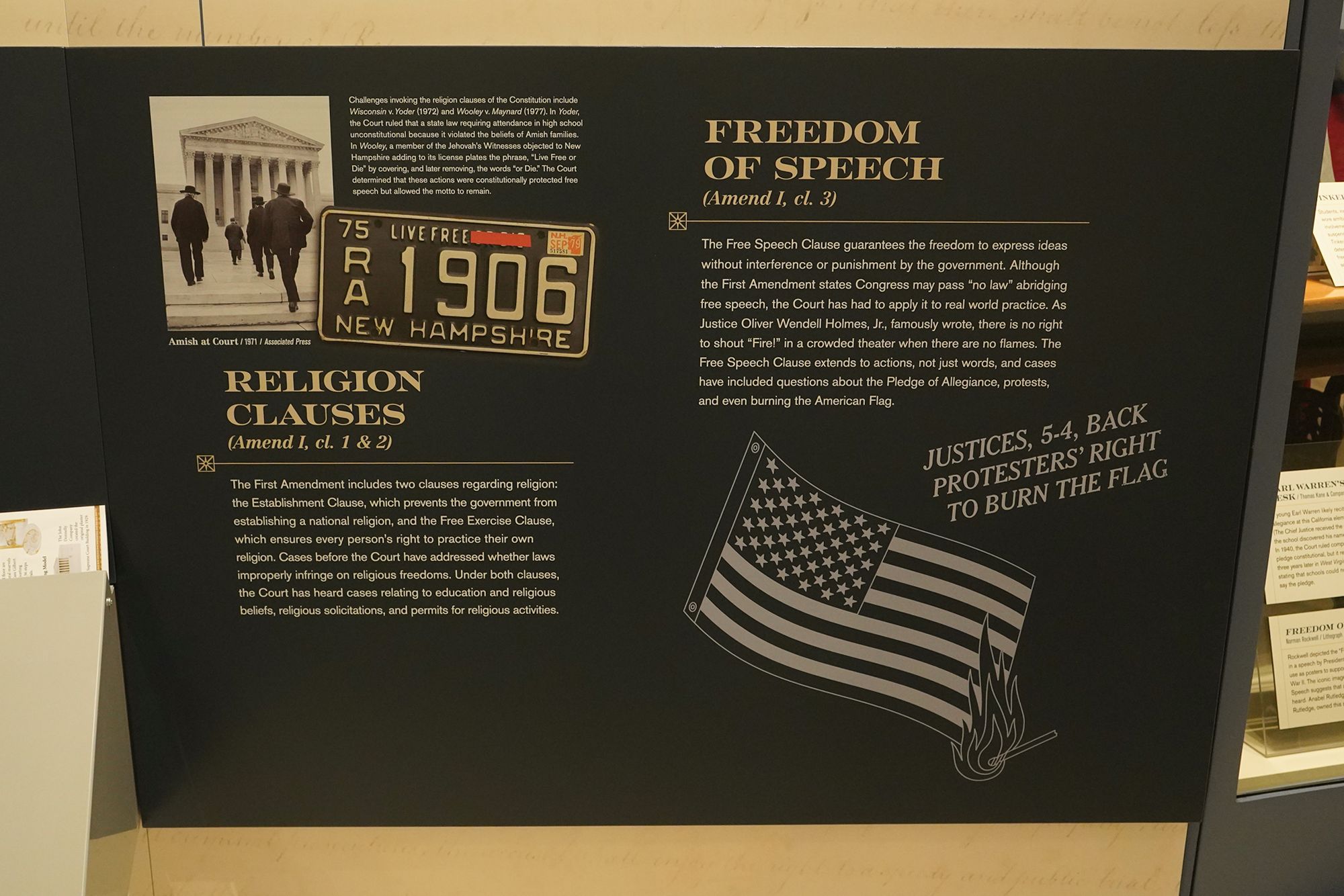
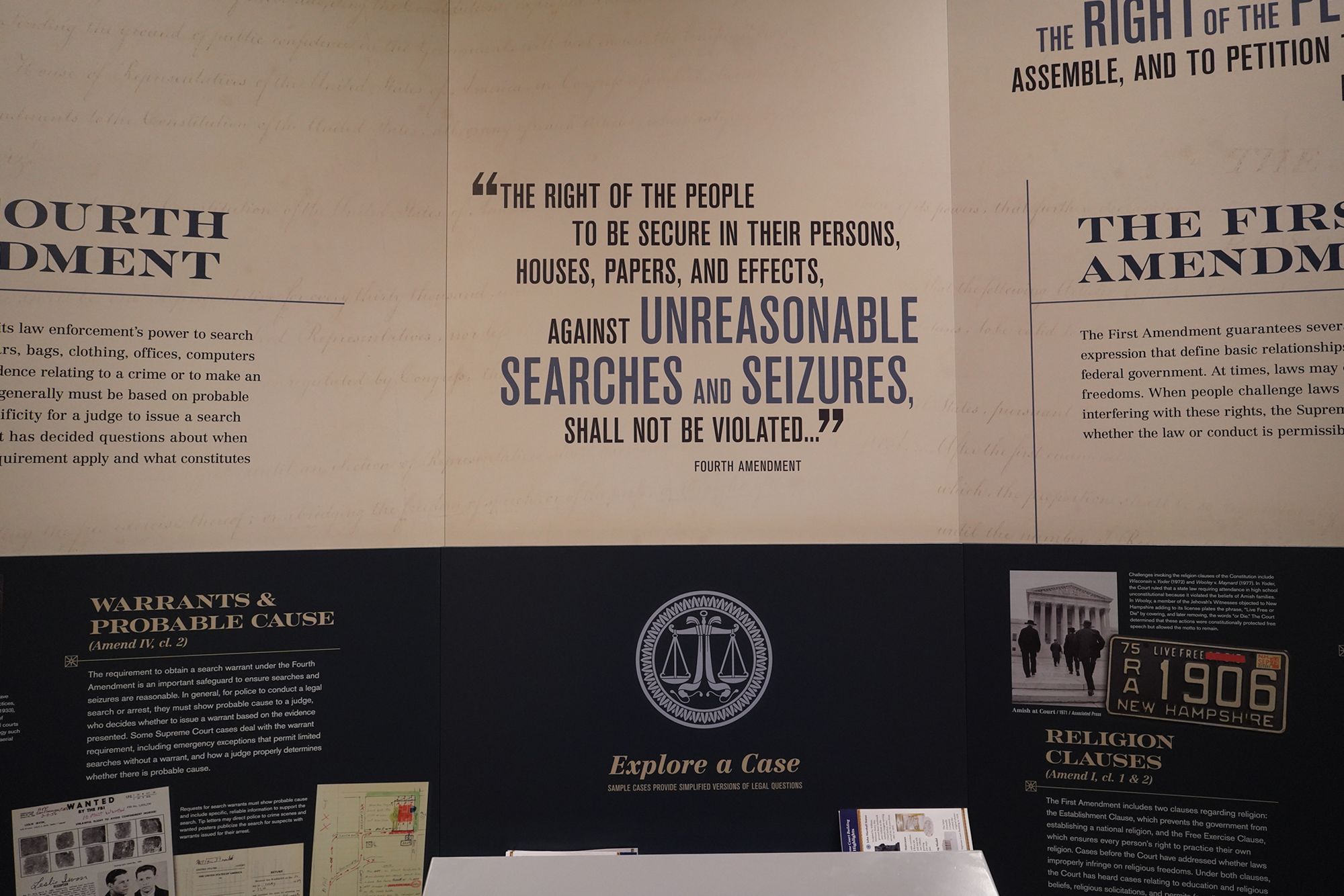
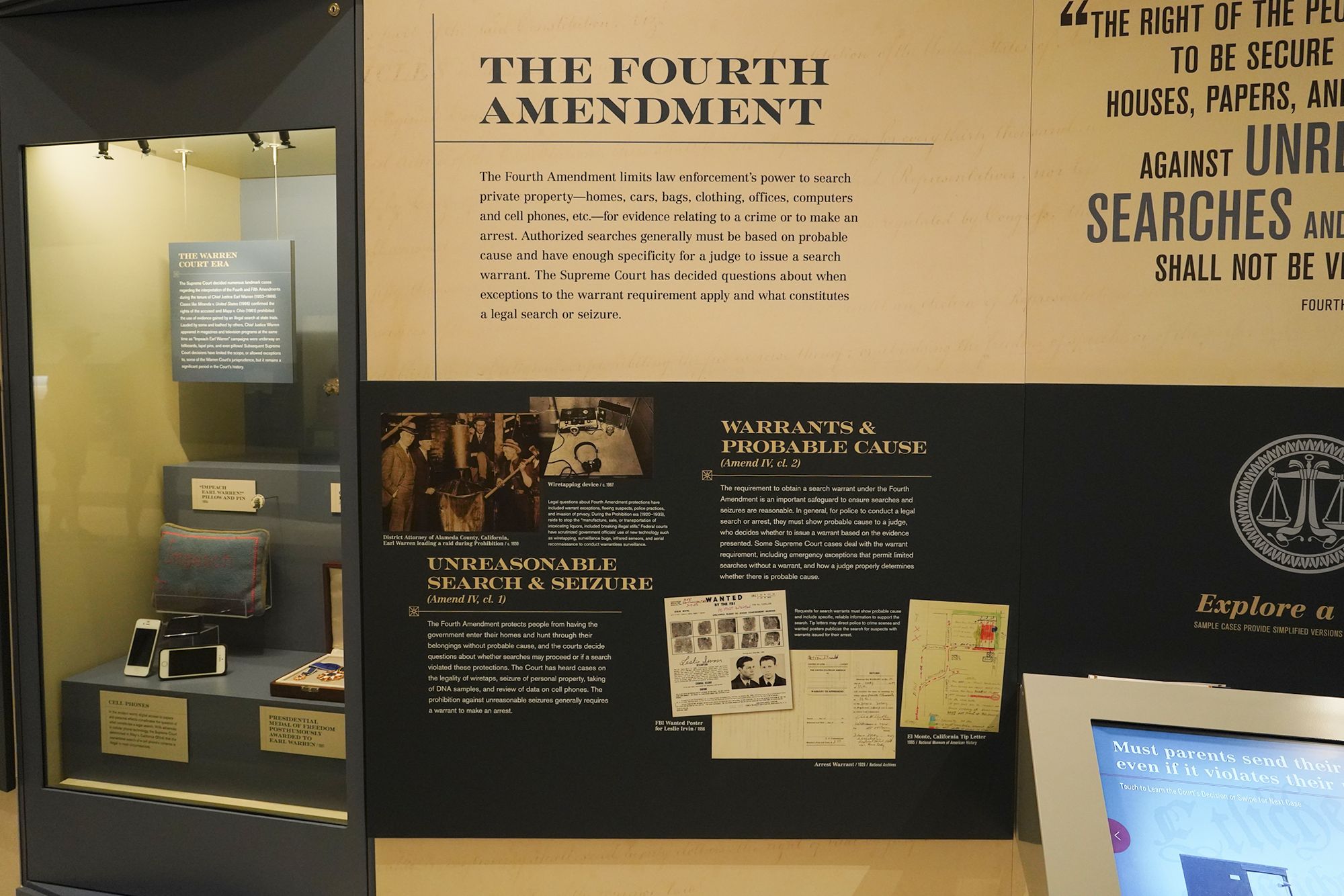
The first ten amendments, ratified in 1791, are known as the Bill of Rights. They guarantee essential freedoms and protections for individuals, such as:
-
Freedom of speech, religion, and the press (1st Amendment)
-
Right to bear arms (2nd Amendment)
-
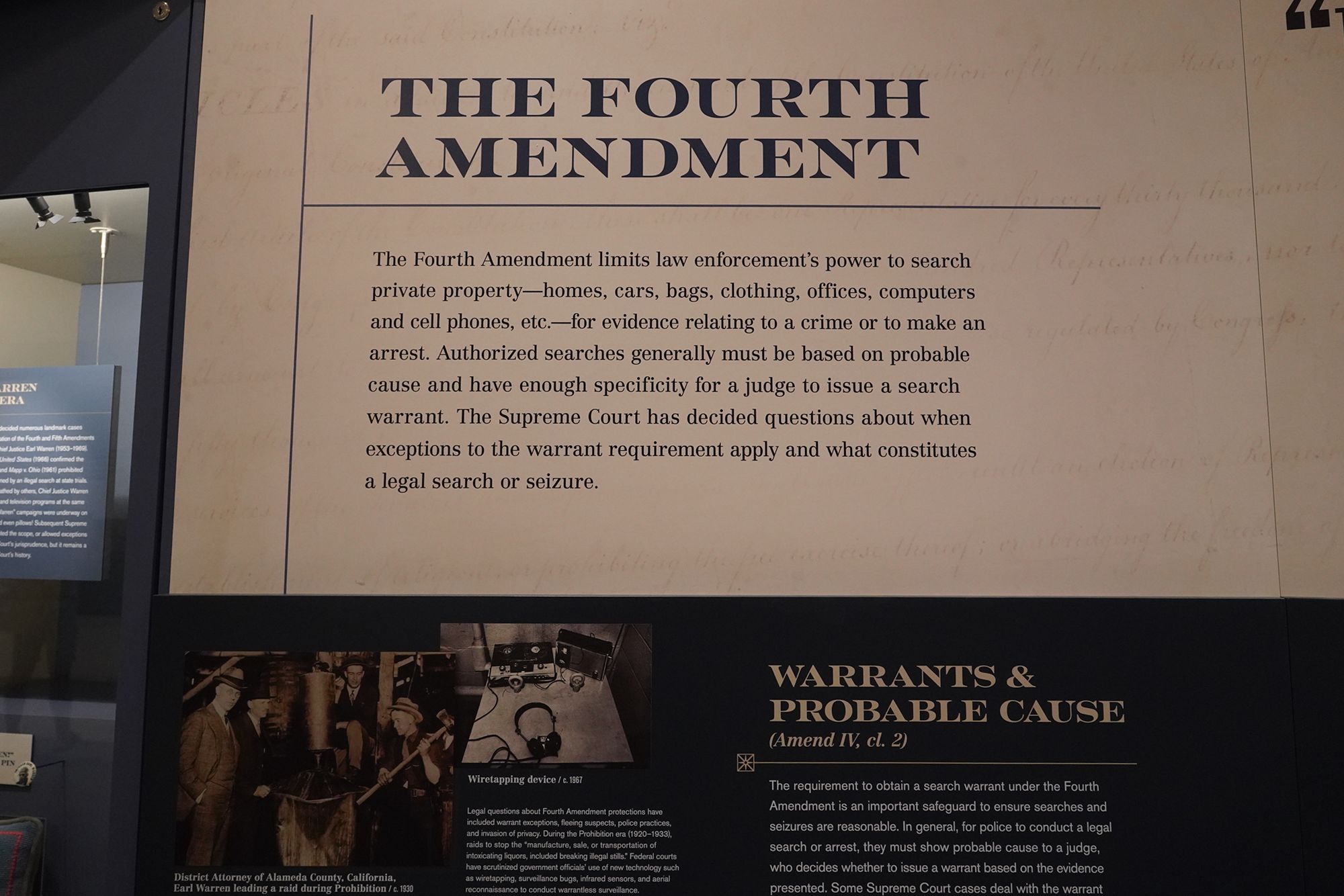
Protection from unreasonable searches and seizures (4th Amendment)
-
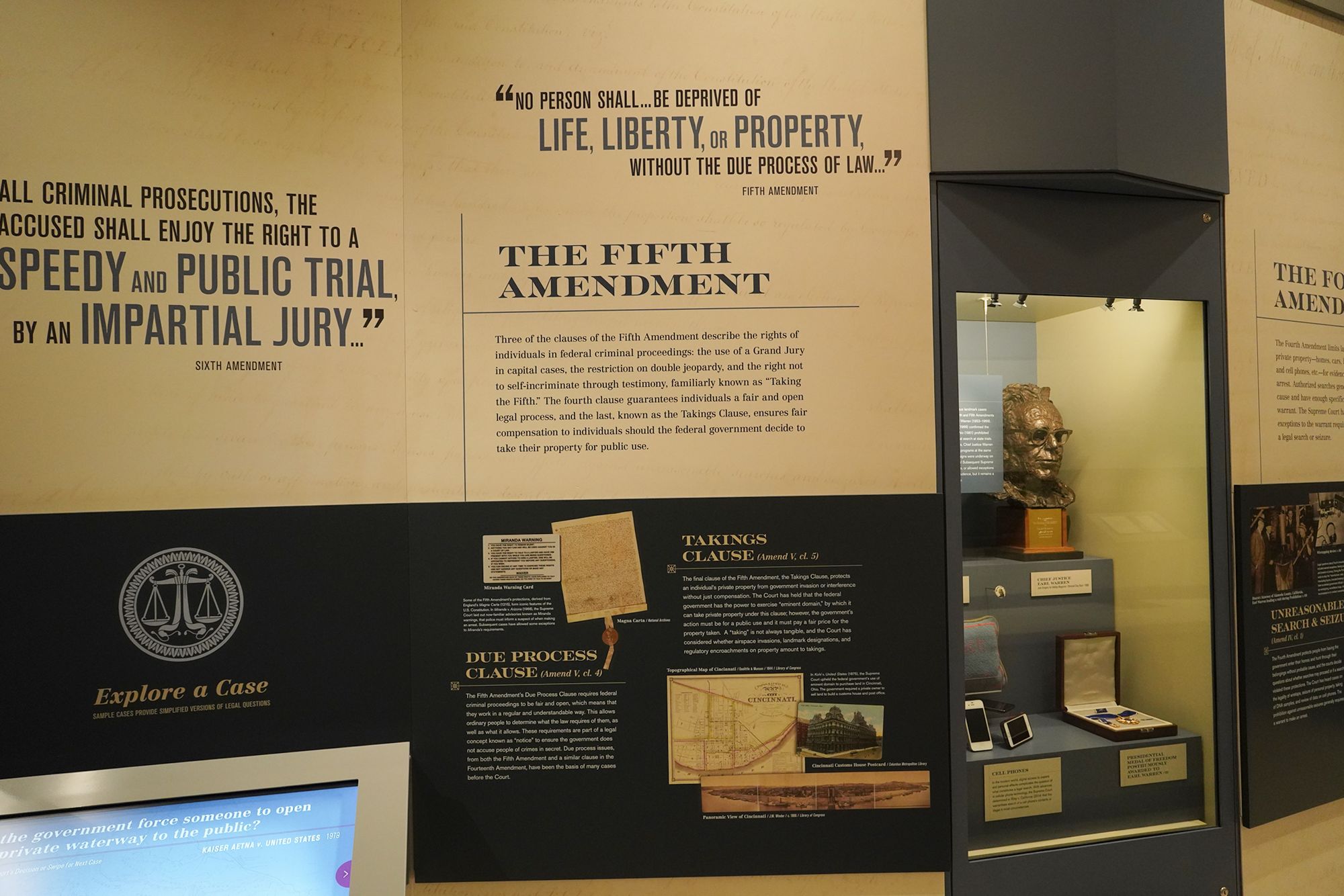
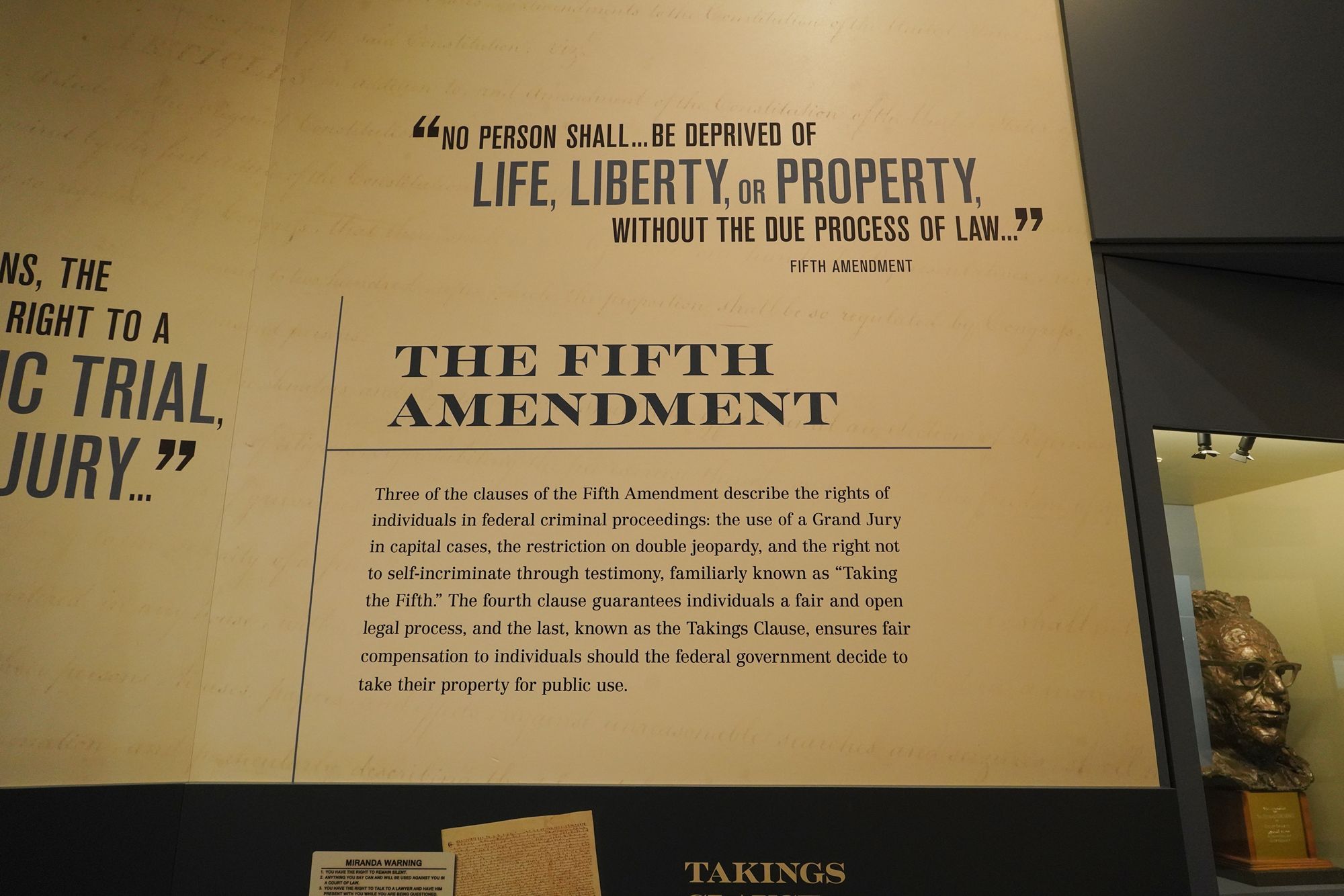
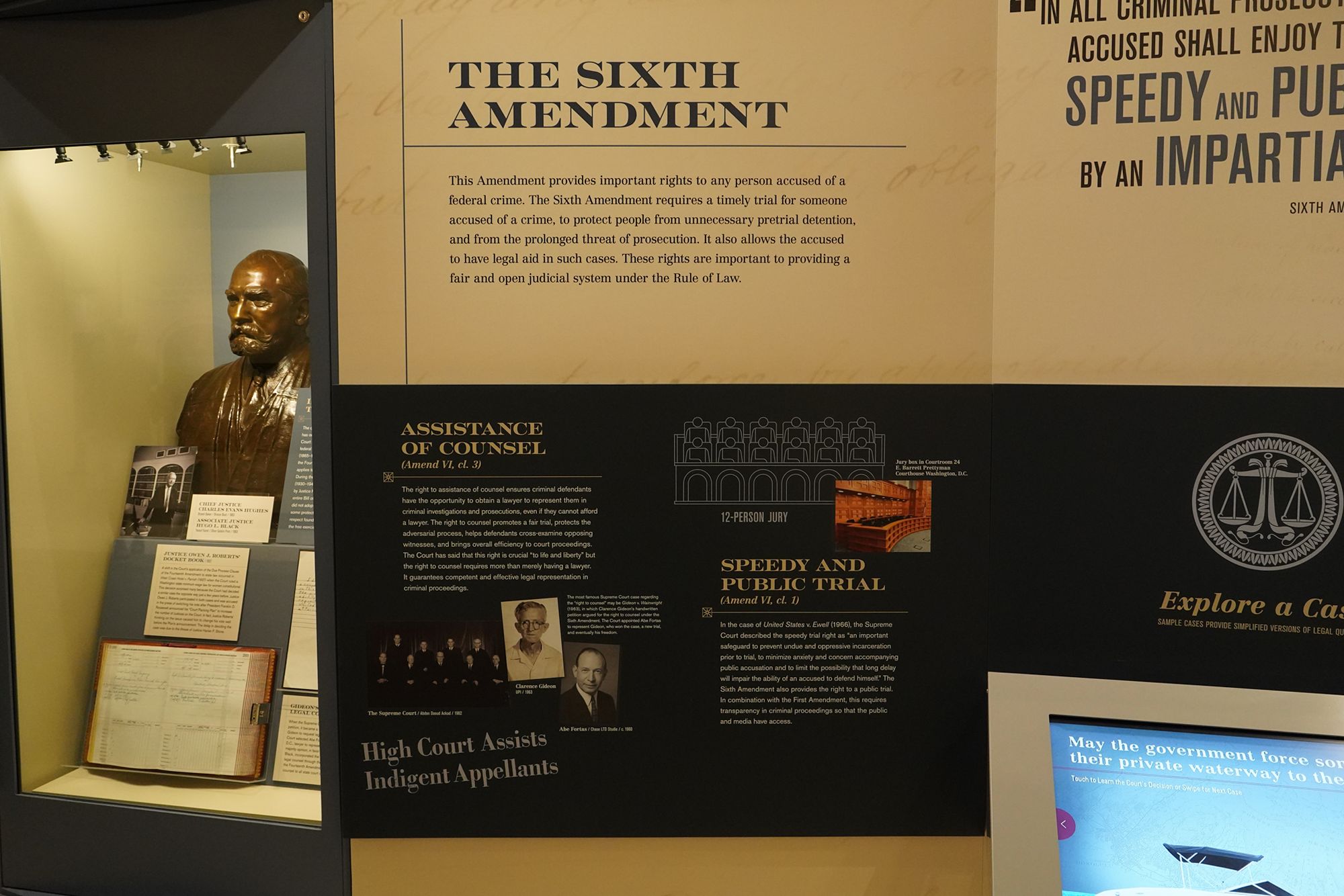
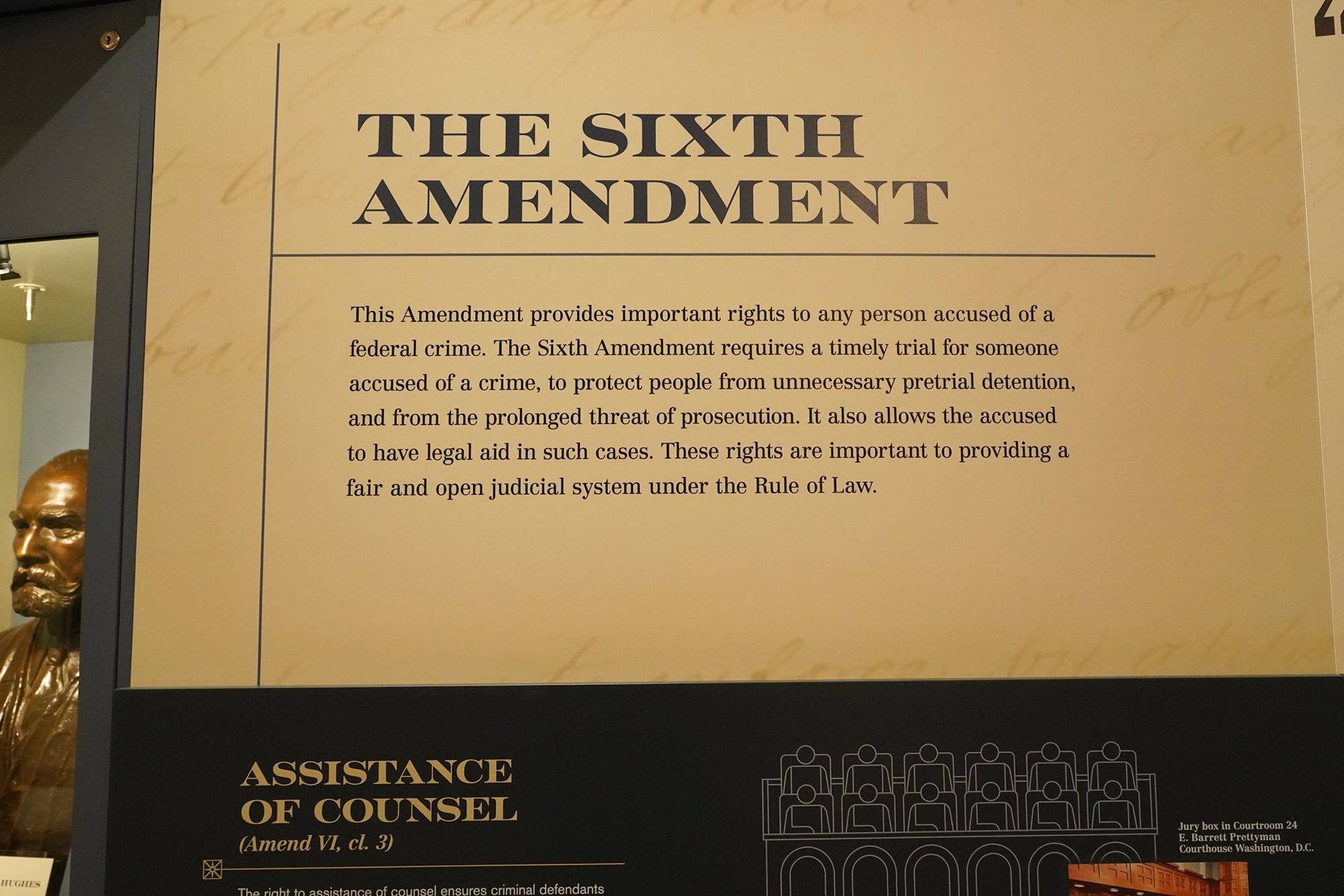
Right to a fair trial (6th Amendment)
-
Protection against cruel and unusual punishment (8th Amendment)
Since then, there have been 27 amendments in total. Some of the most significant include:
-
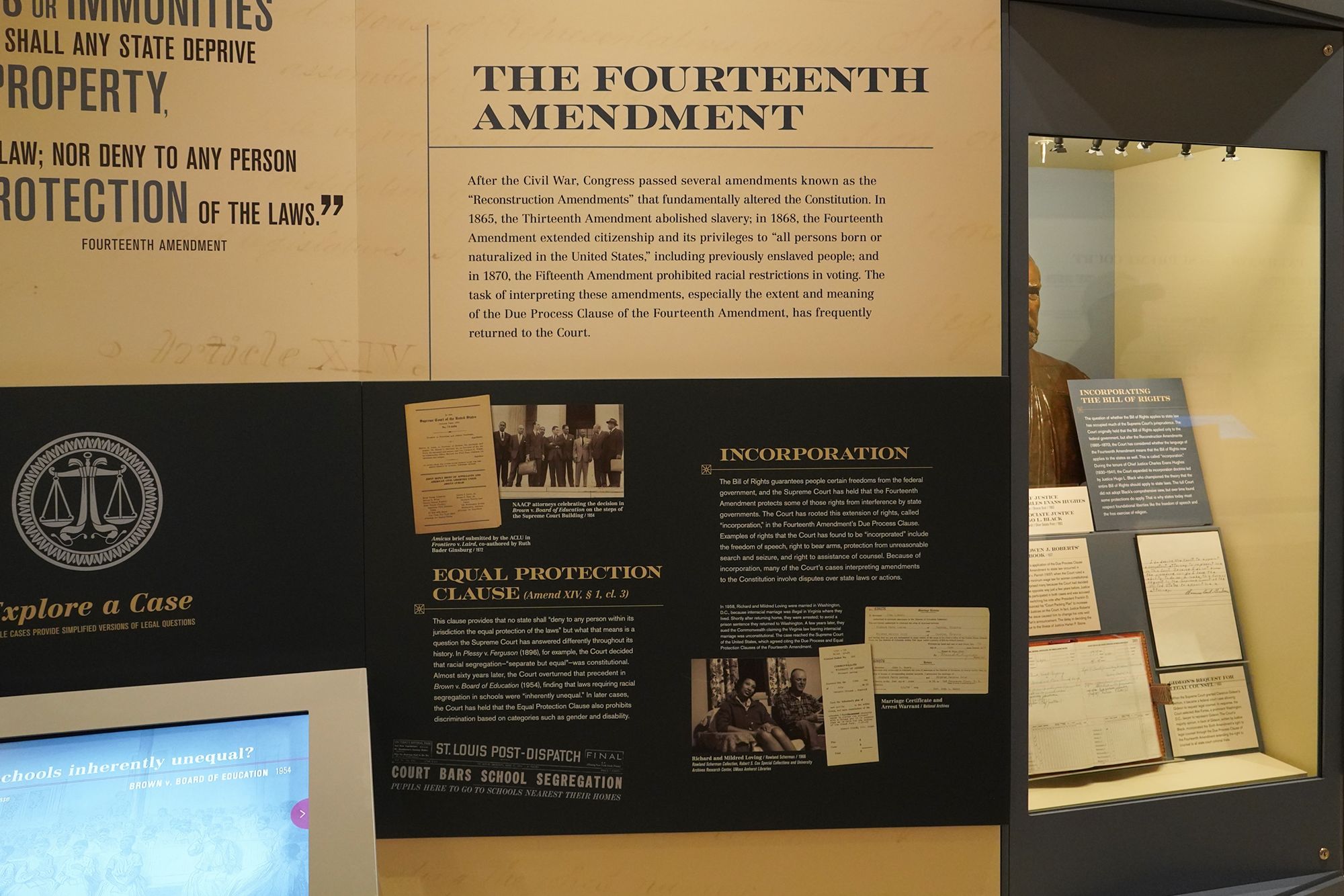
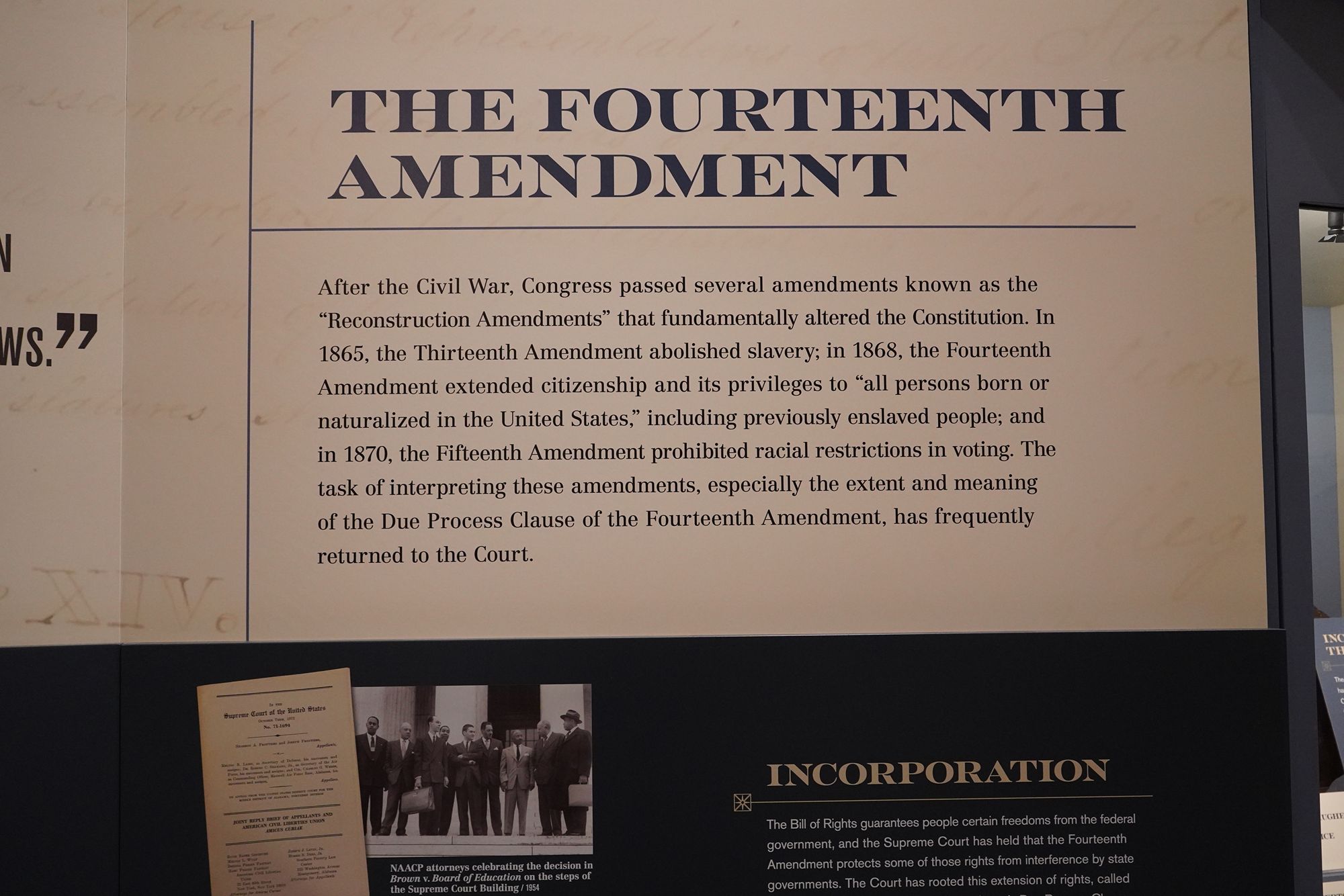
13th Amendment (1865): Abolished slavery.
-
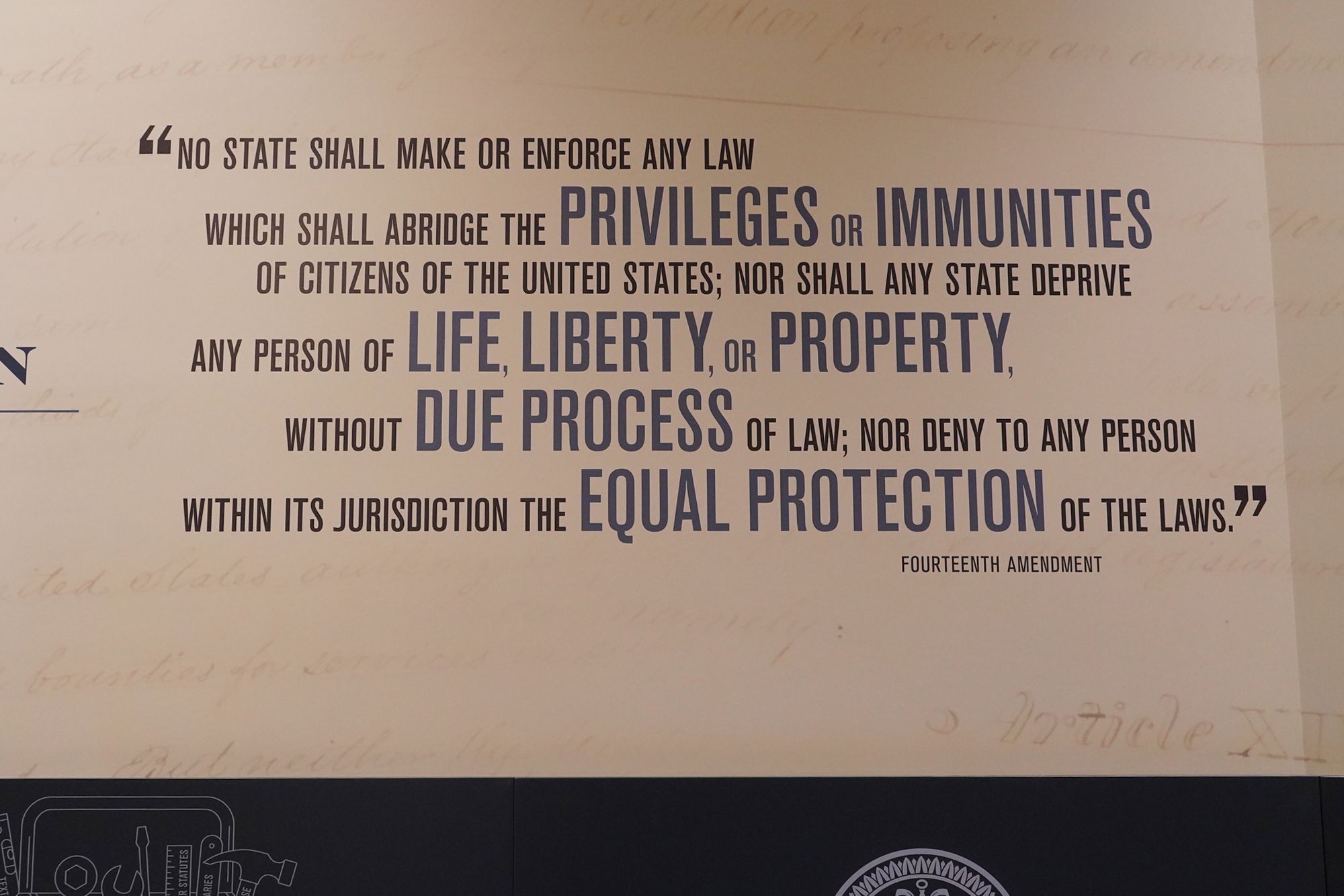
14th Amendment (1868): Guaranteed equal protection under the law.
-
15th Amendment (1870): Granted voting rights regardless of race.
-
19th Amendment (1920): Gave women the right to vote.
-
22nd Amendment (1951): Limited presidents to two terms.
-
26th Amendment (1971): Lowered the voting age to 18.
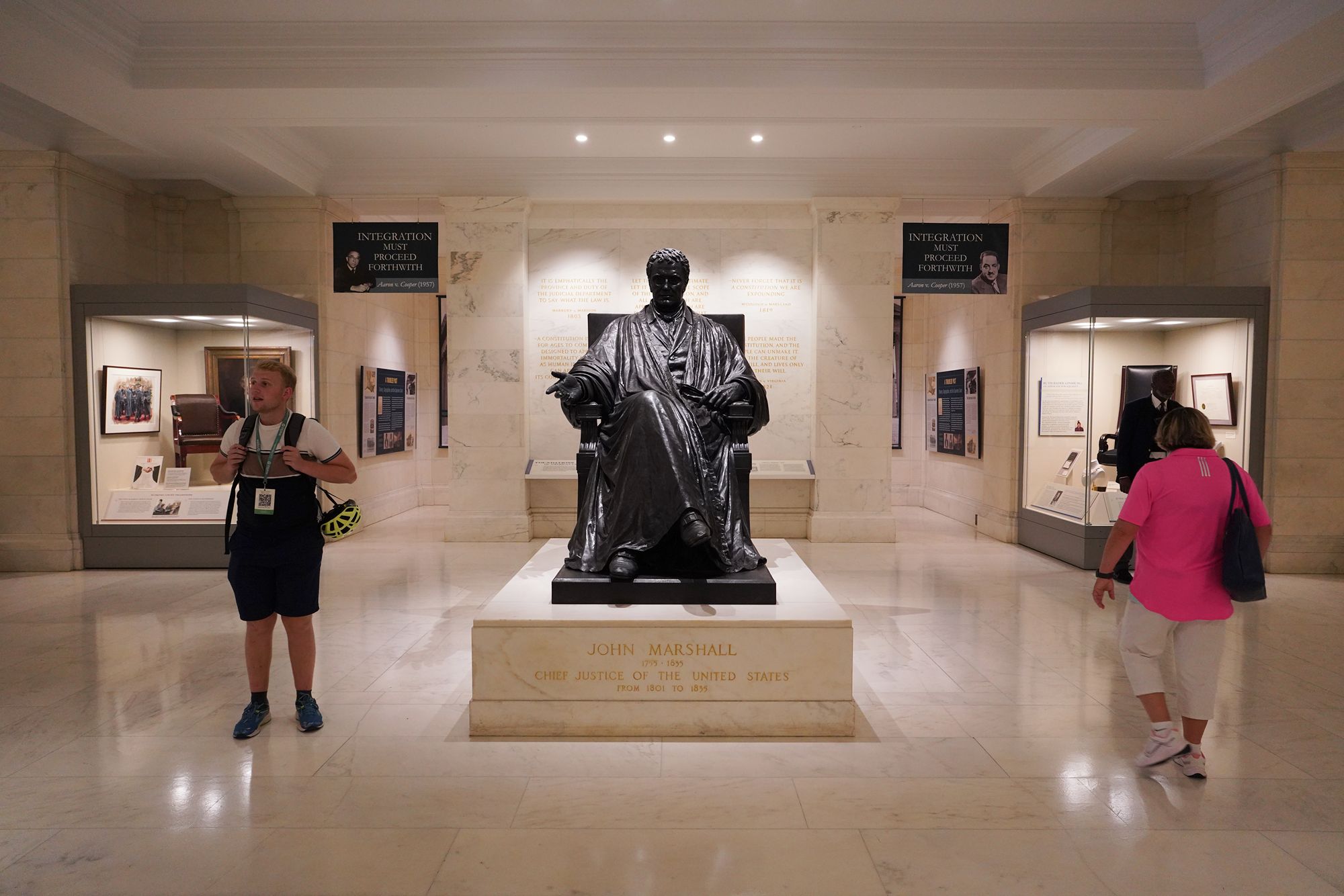
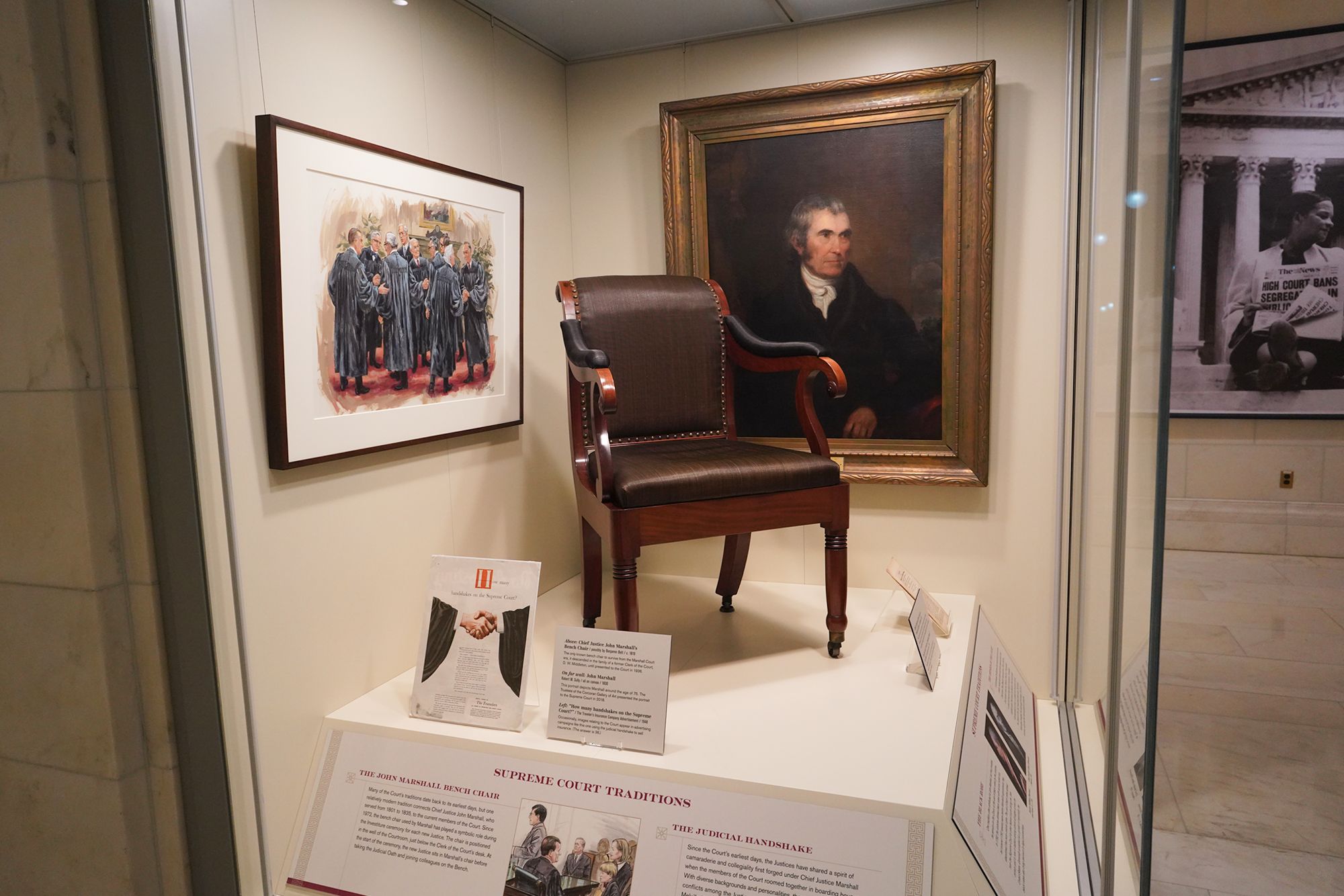
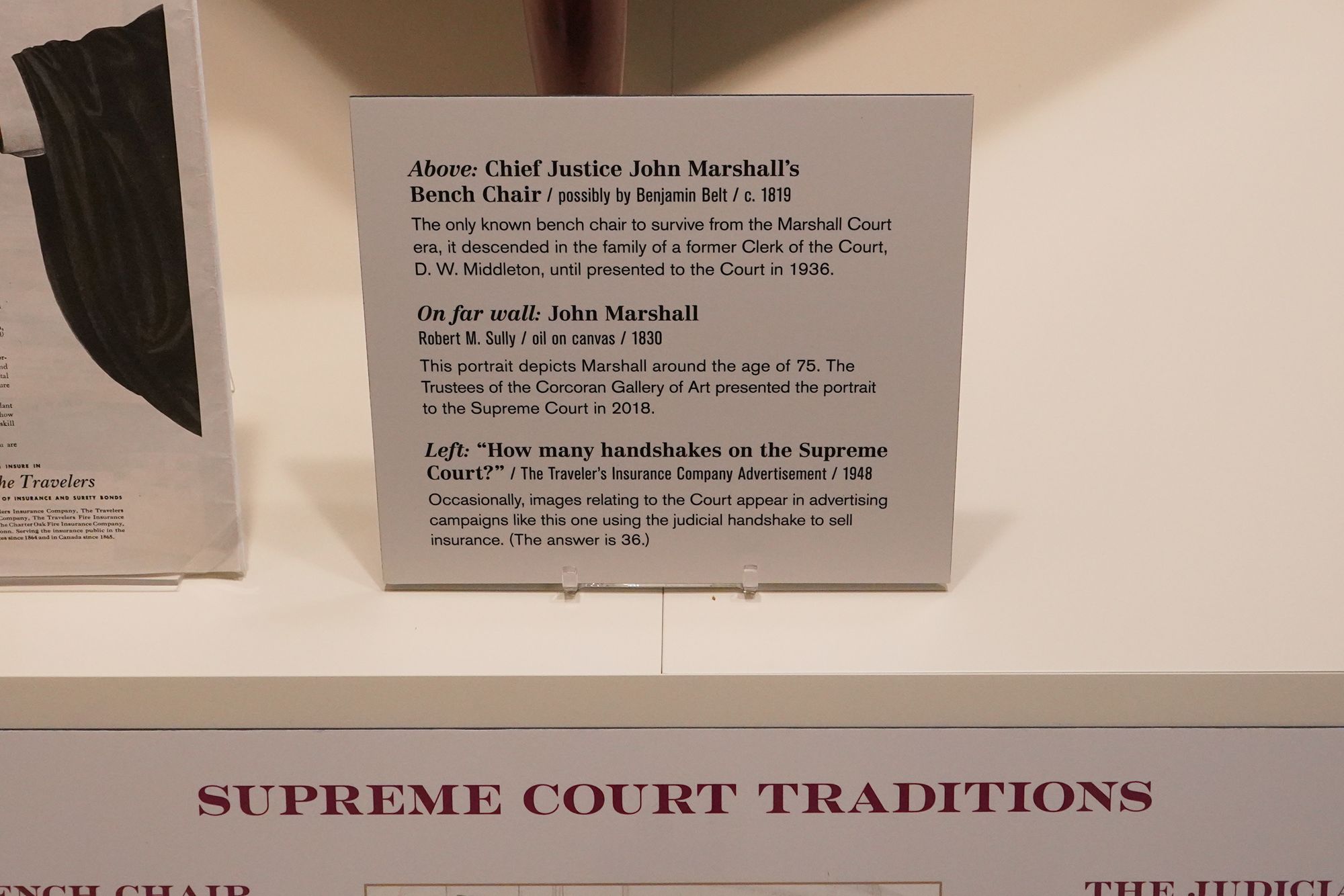
John Marshall (1755–1835) was one of the most influential figures in American history, serving as the fourth Chief Justice of the United States Supreme Court from 1801 to 1835. His leadership transformed the Supreme Court into a powerful and equal branch of government, establishing principles that still guide American law today.
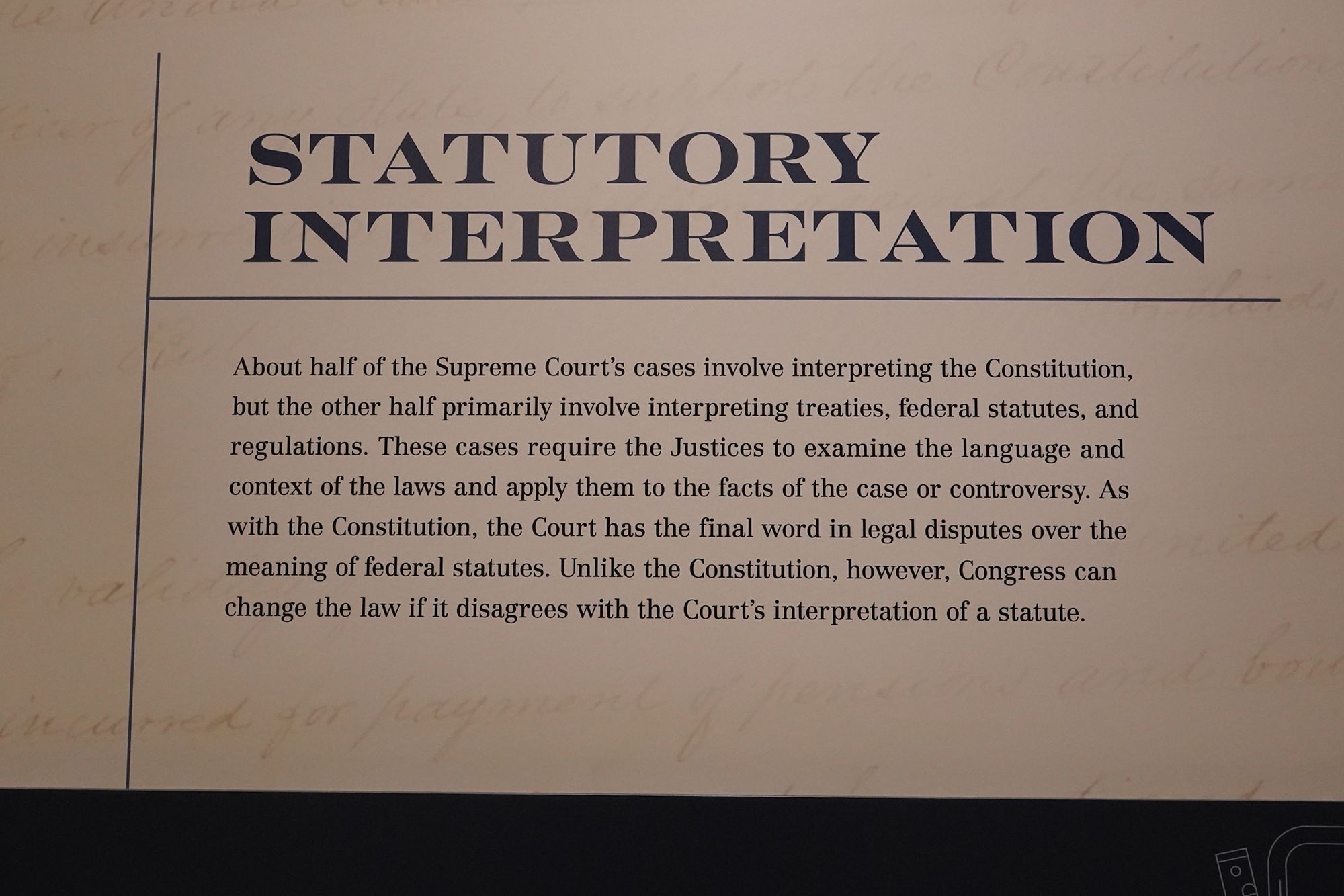
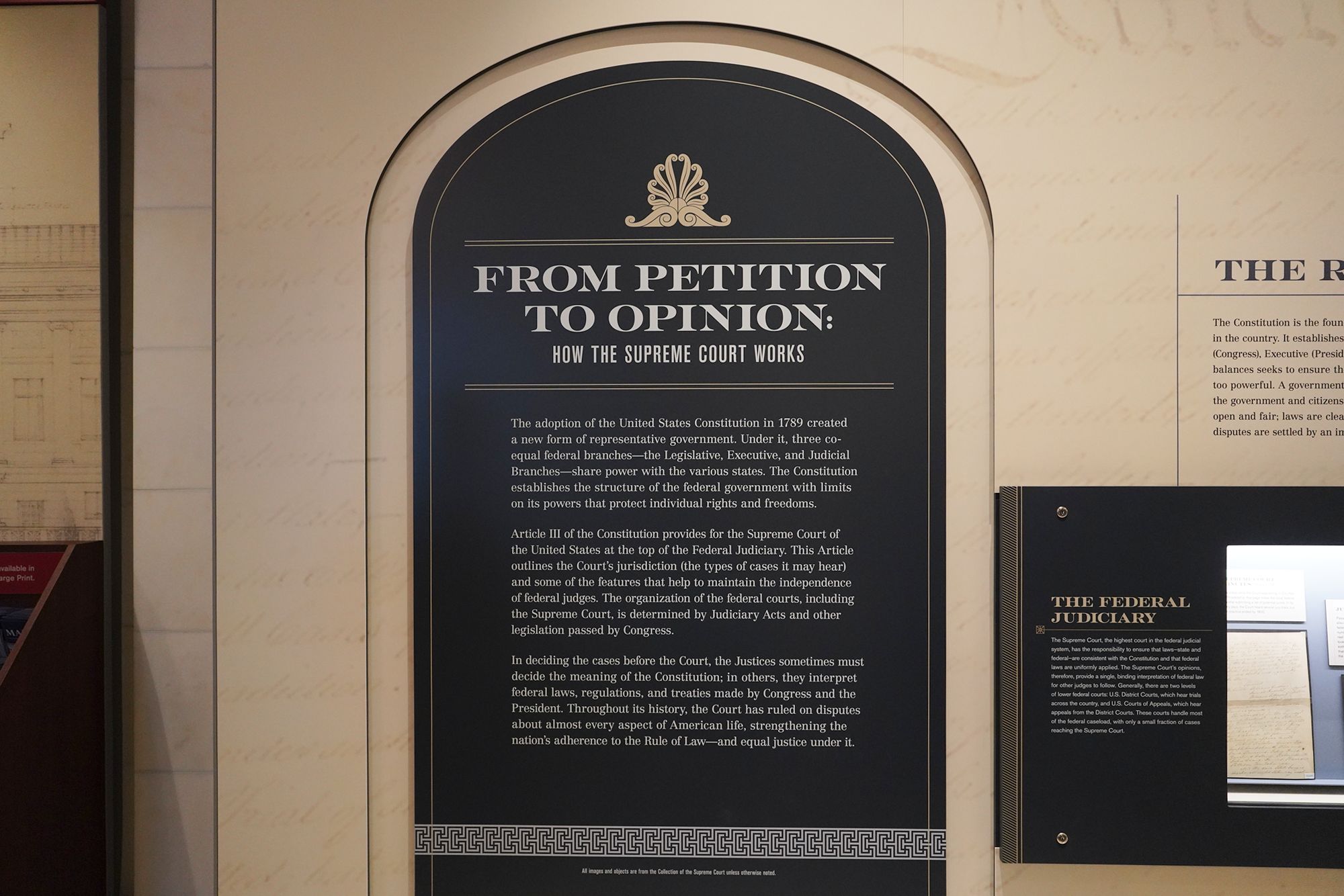
How the Supreme Court Works
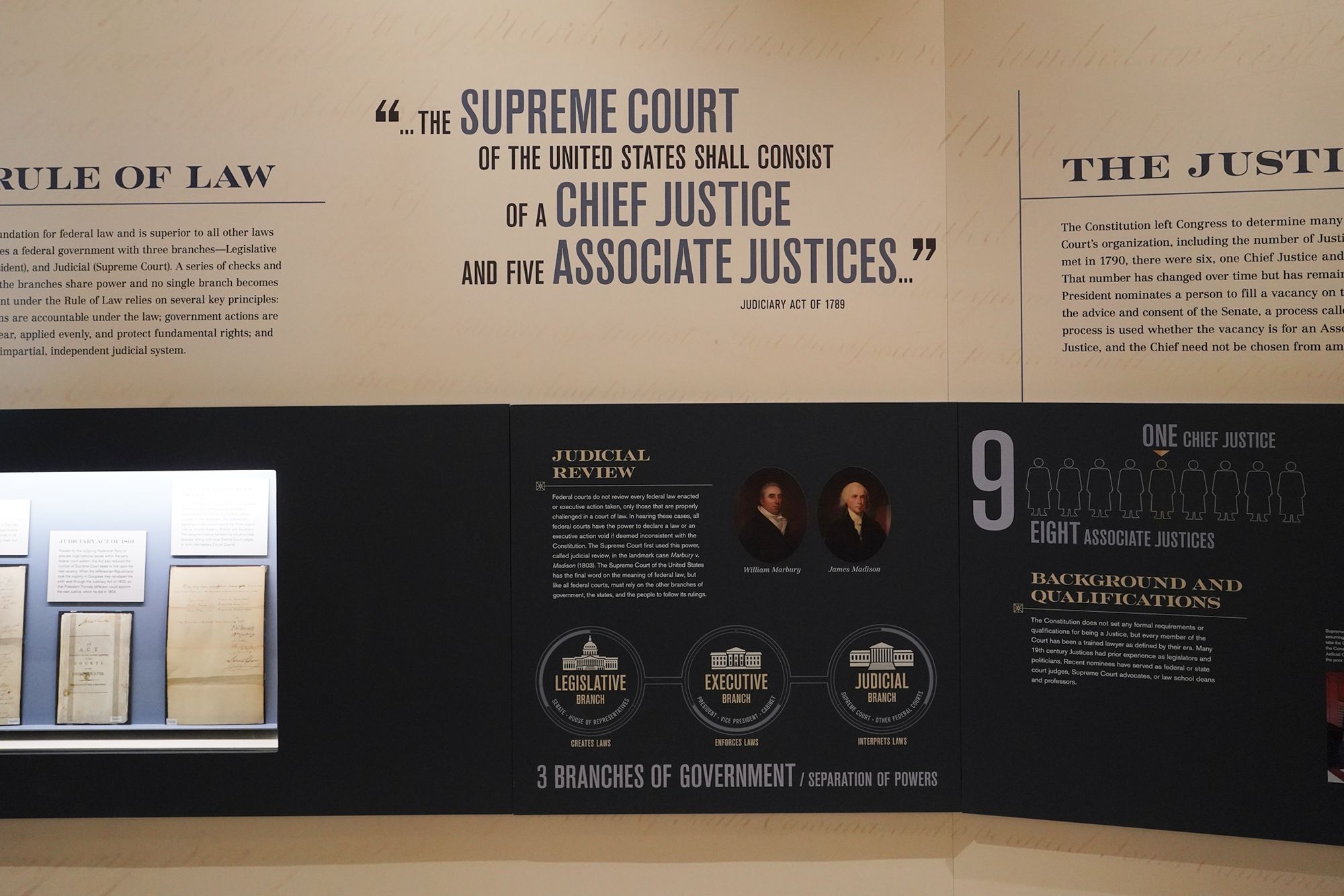
Supreme Court receives 5000 to 7000 petitions yearly
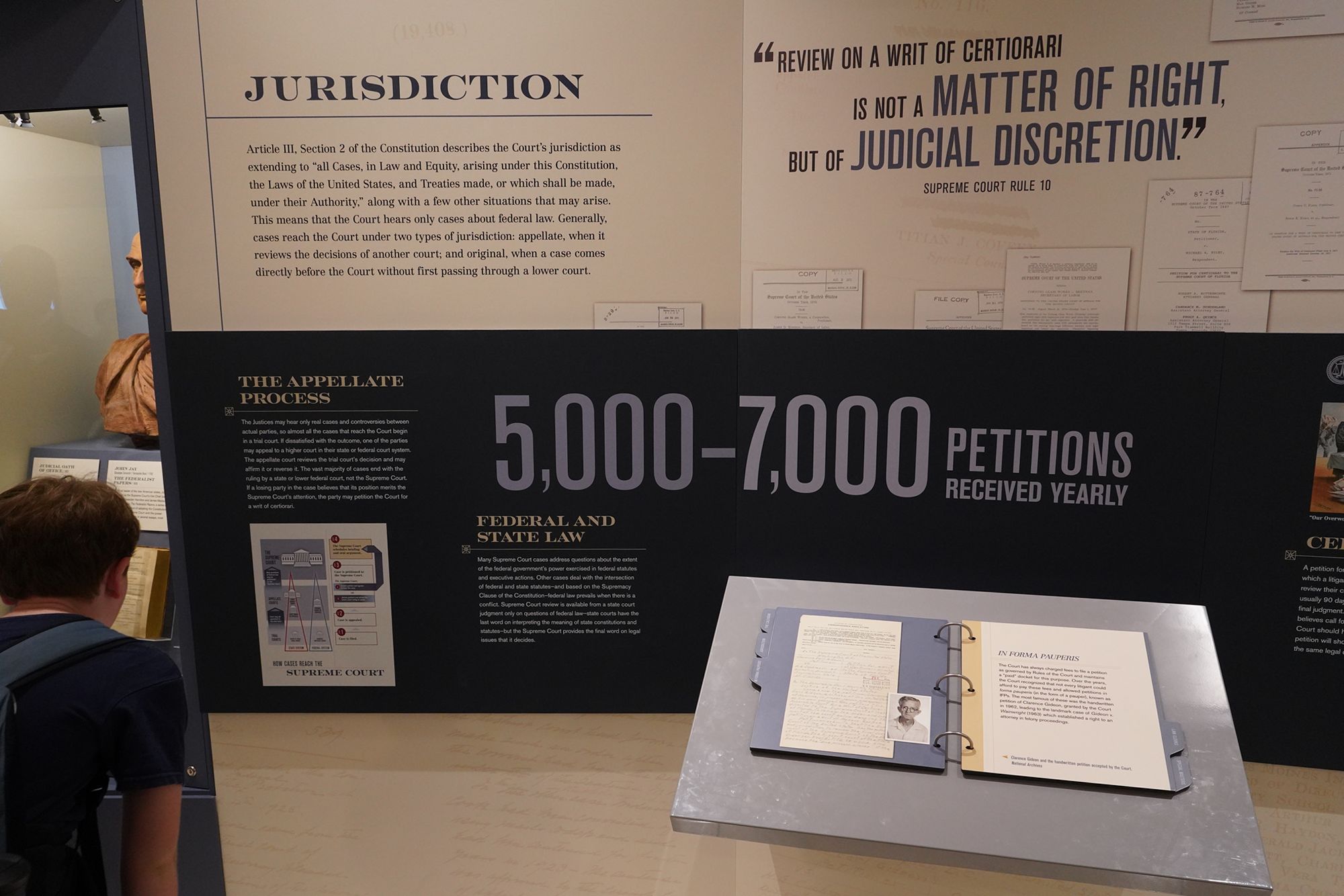
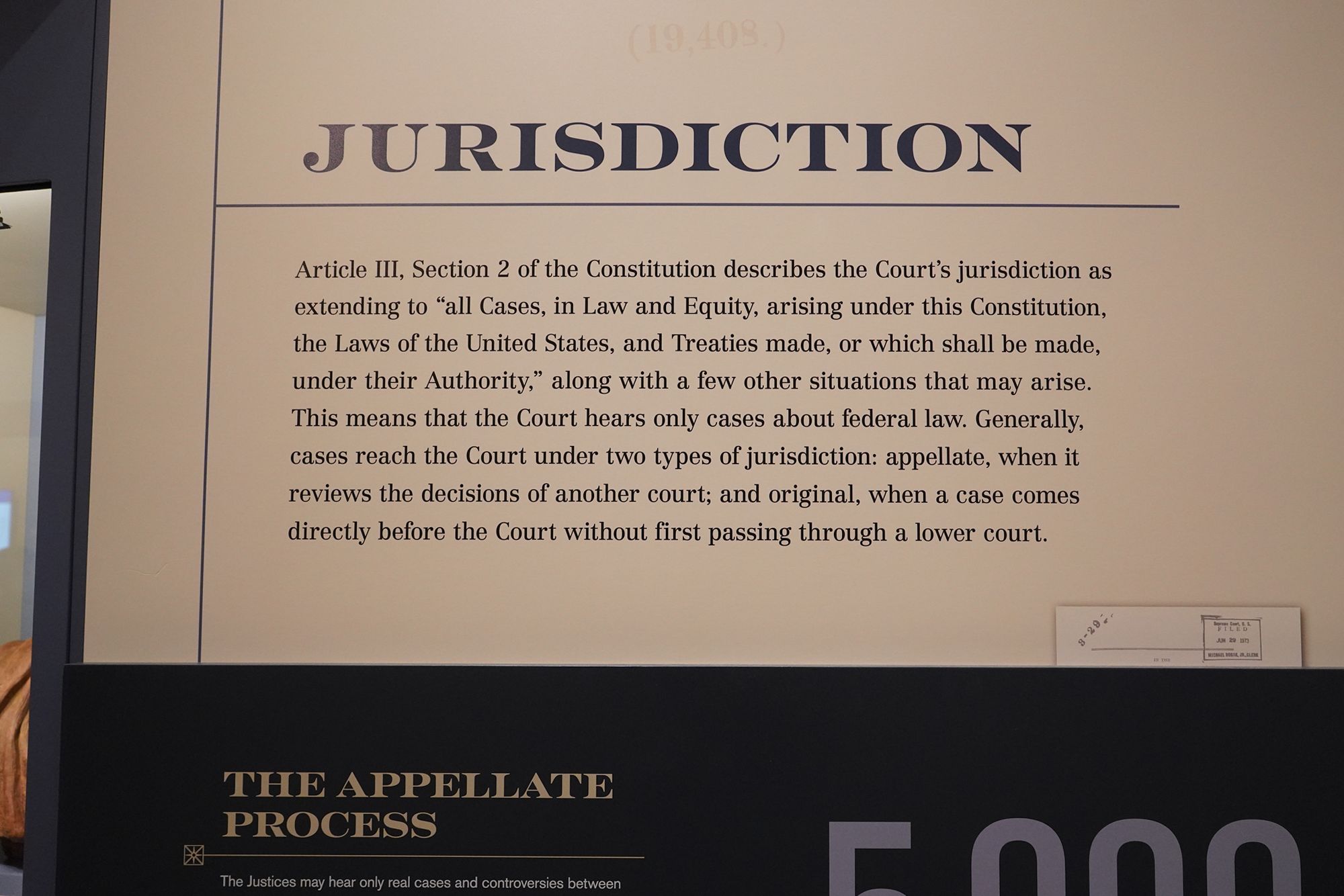
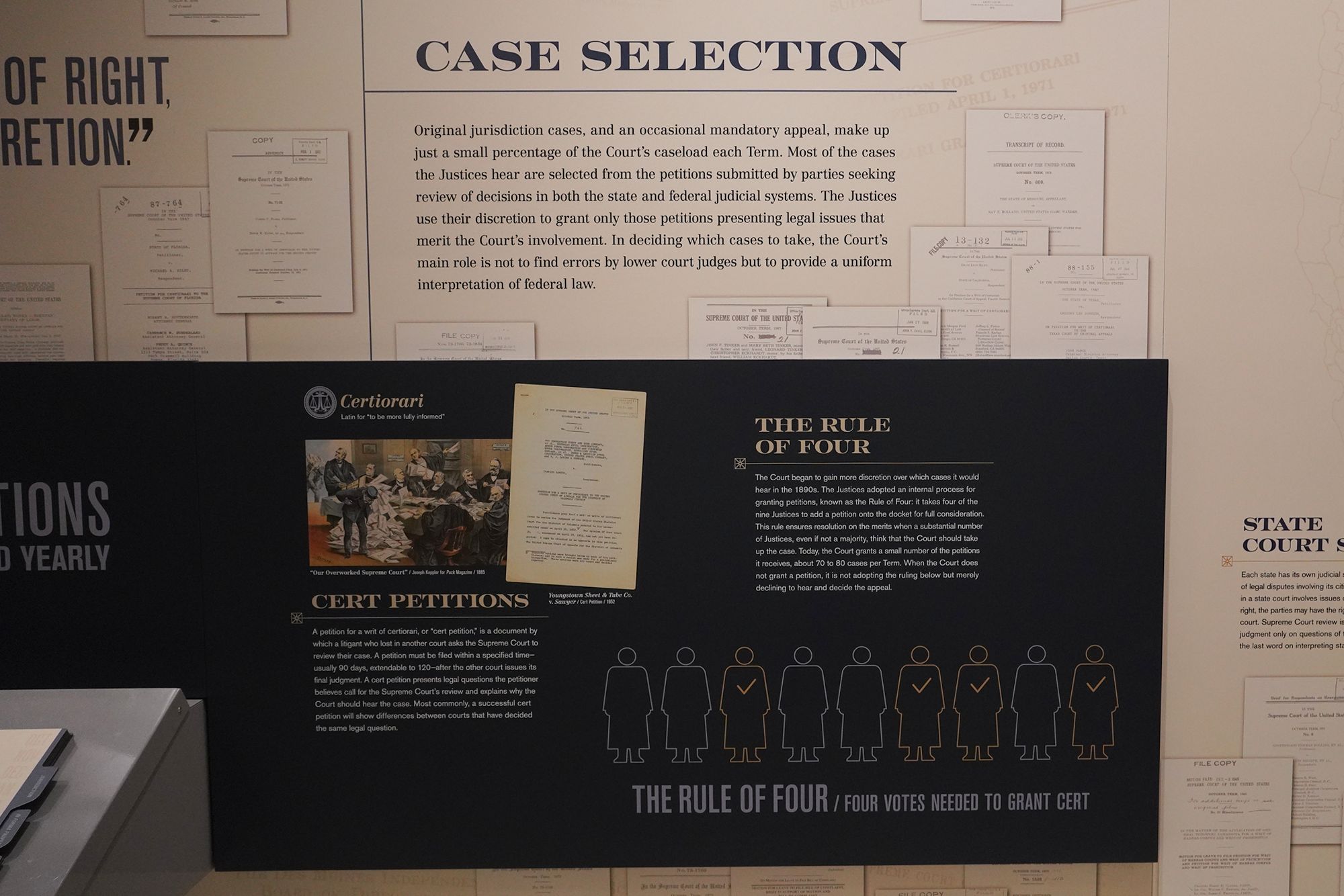
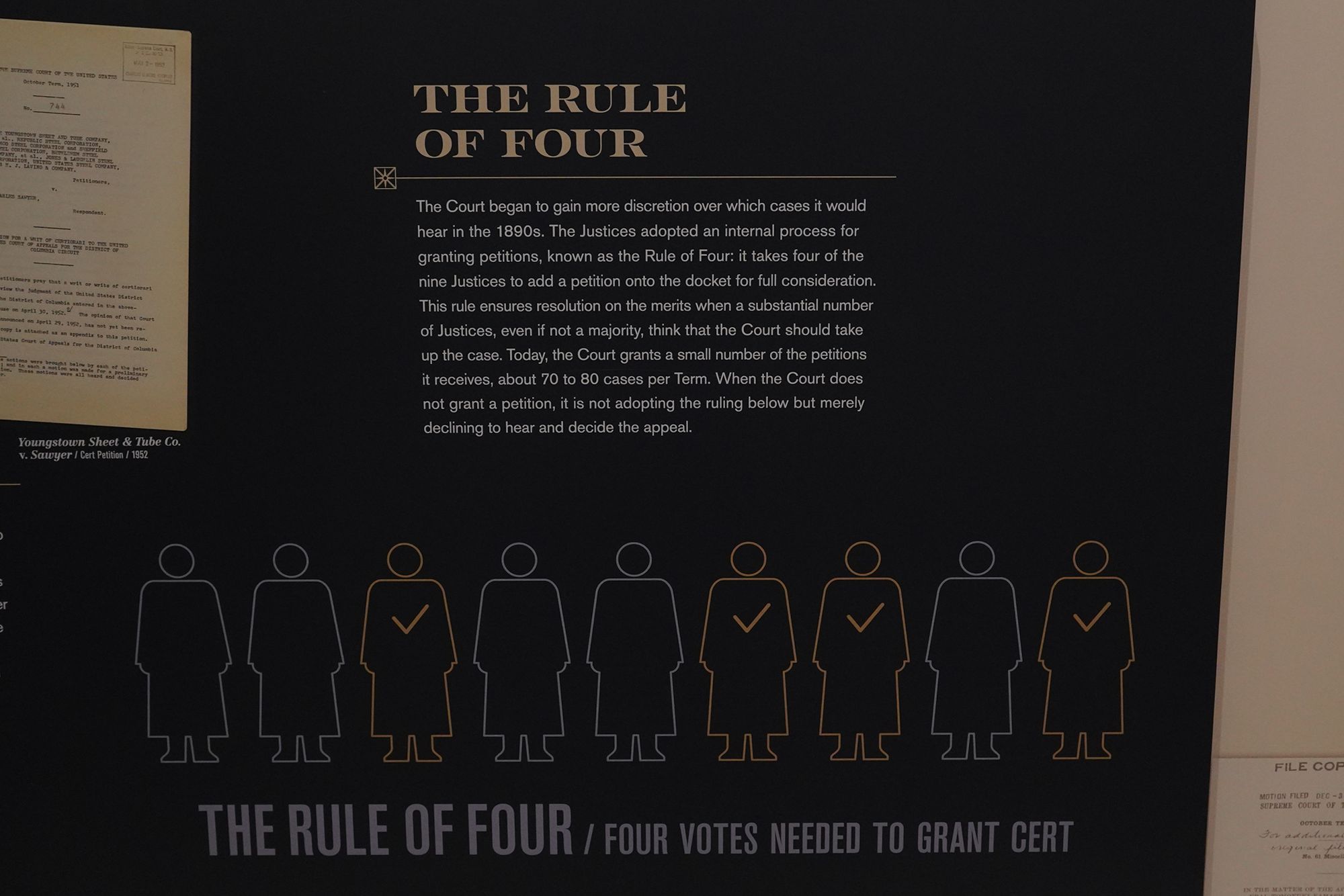
Case Selection – It requires four votes from the justices
There are three ways a case can reach the Supreme Court: through the State Court System, by Original Jurisdiction, or through the Federal Court System.
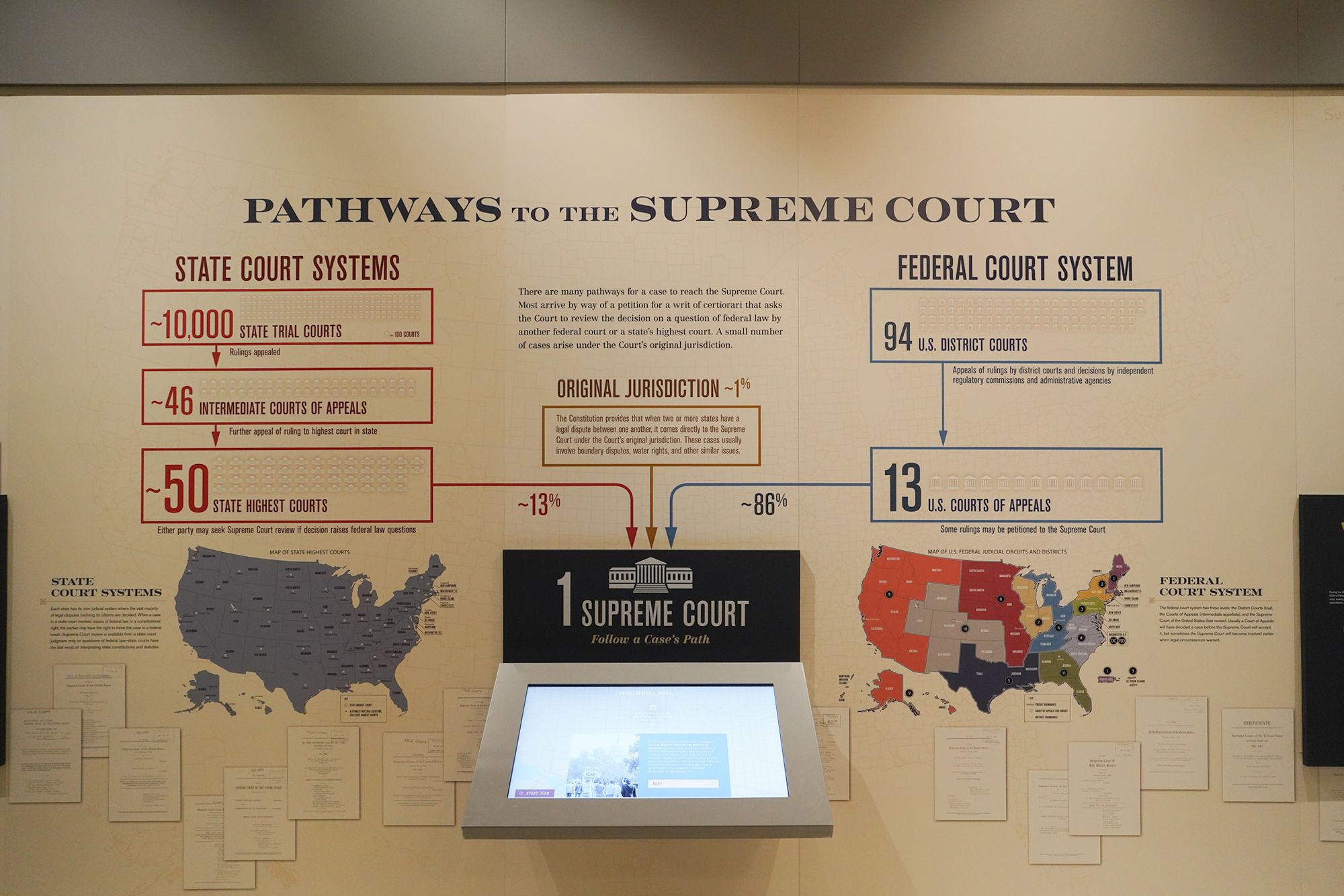
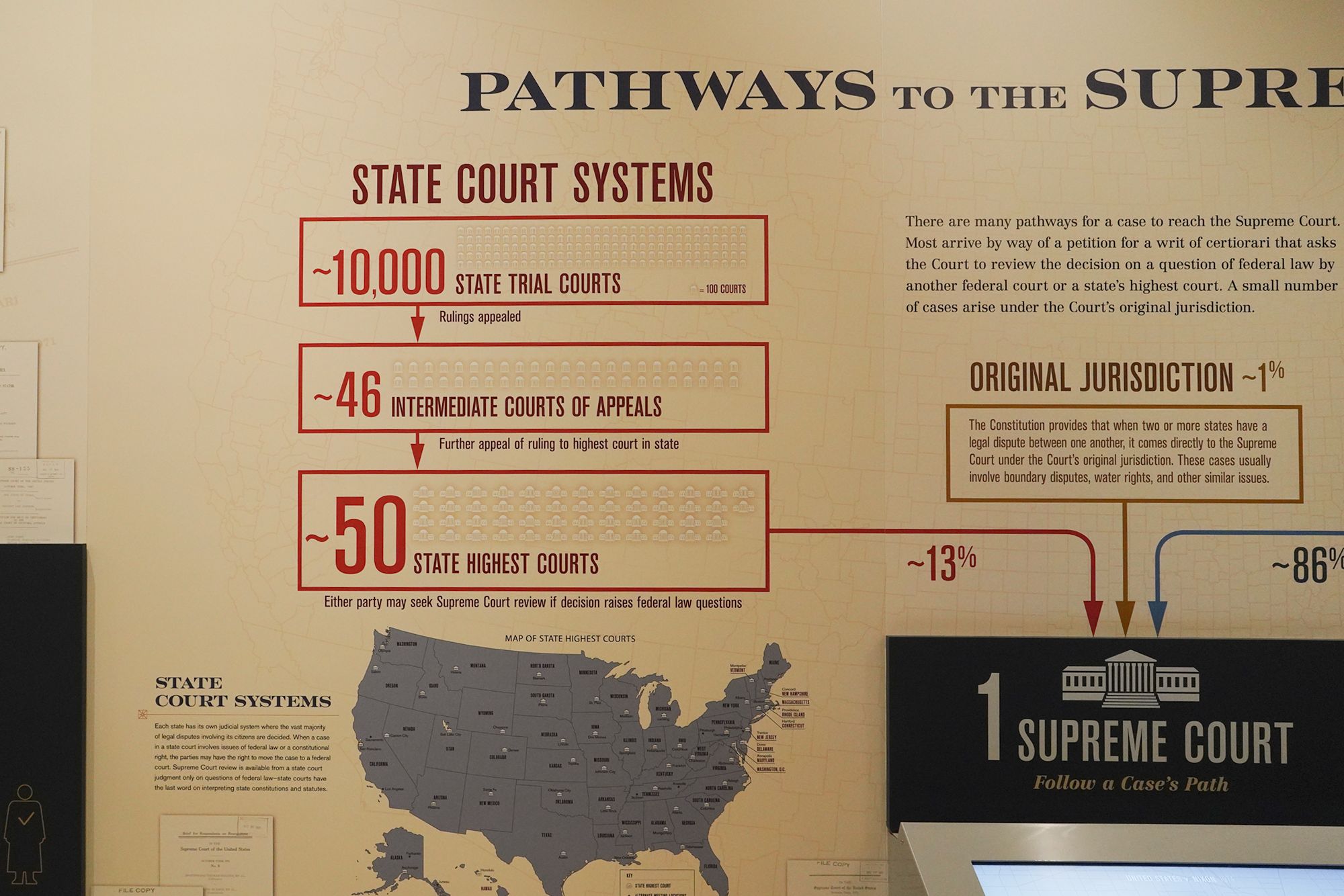
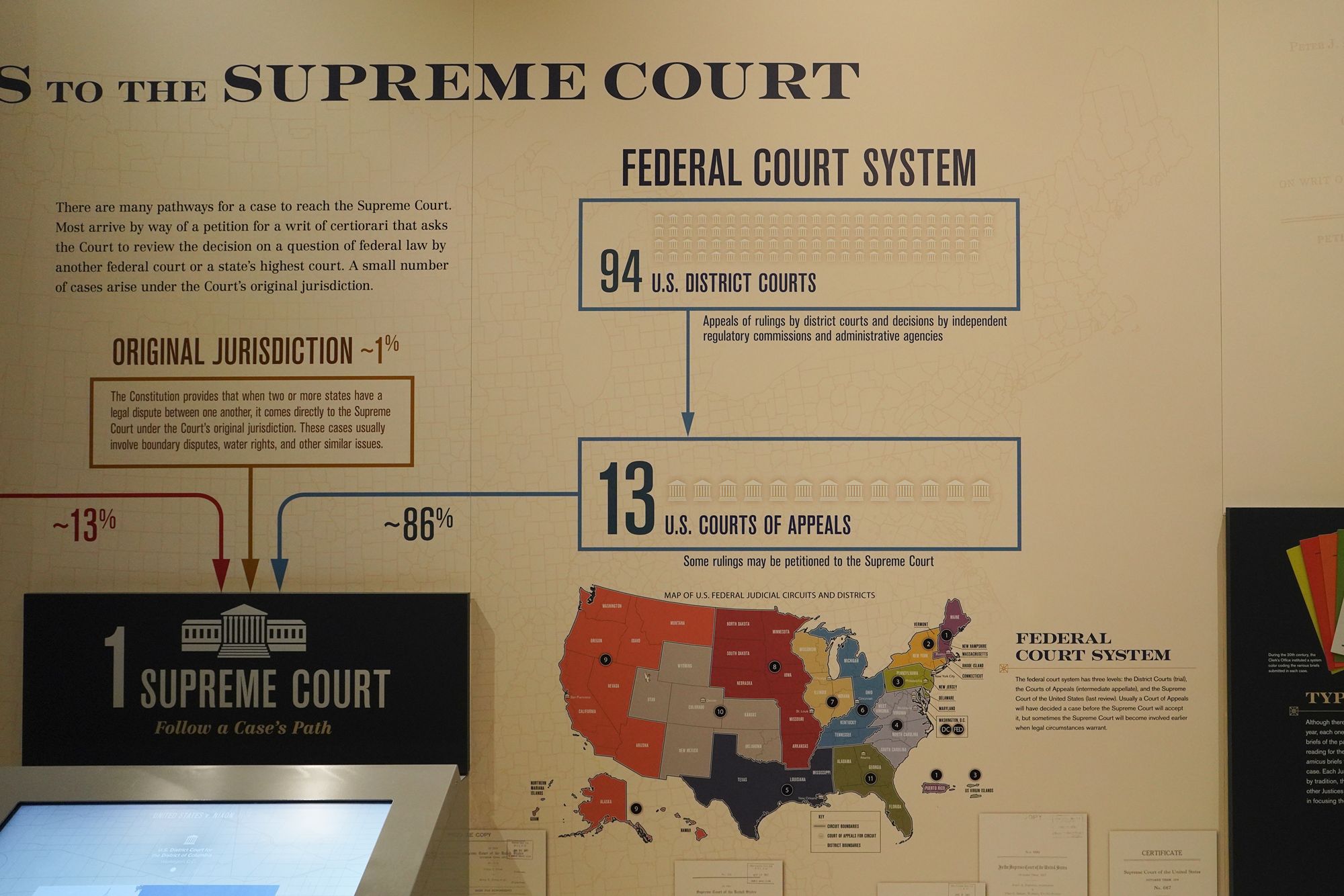
The Supreme Court takes about 70-80 cases each term
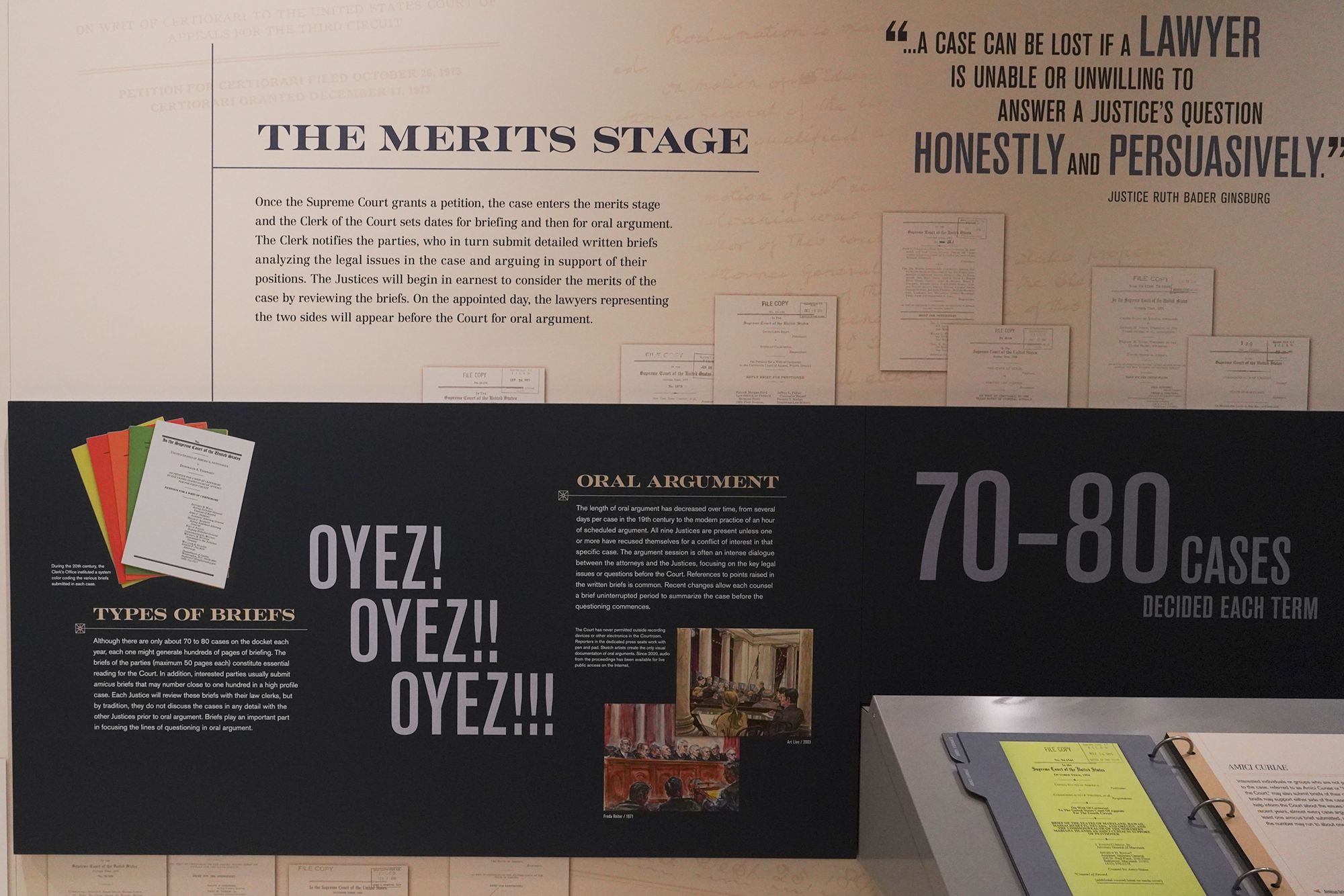
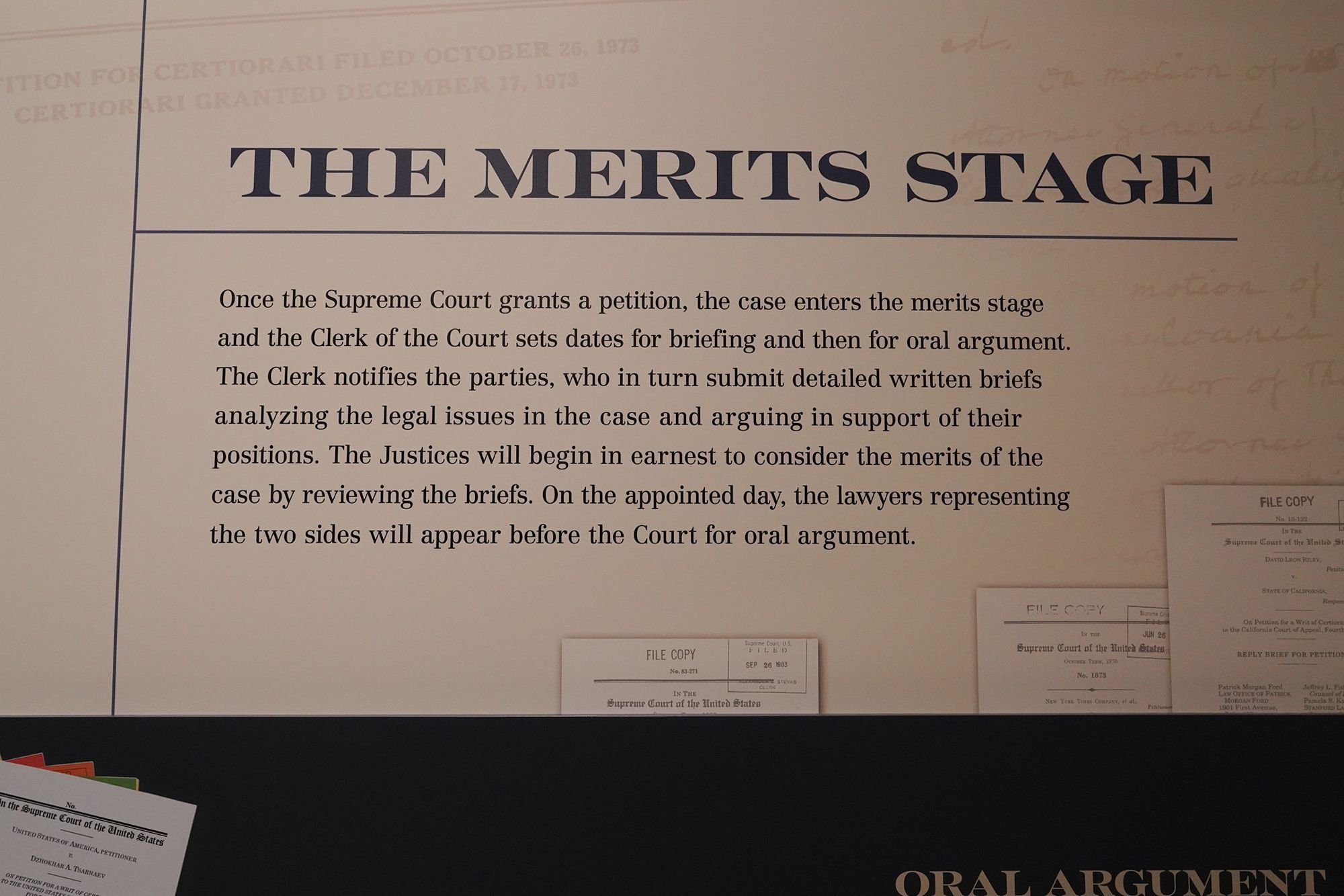
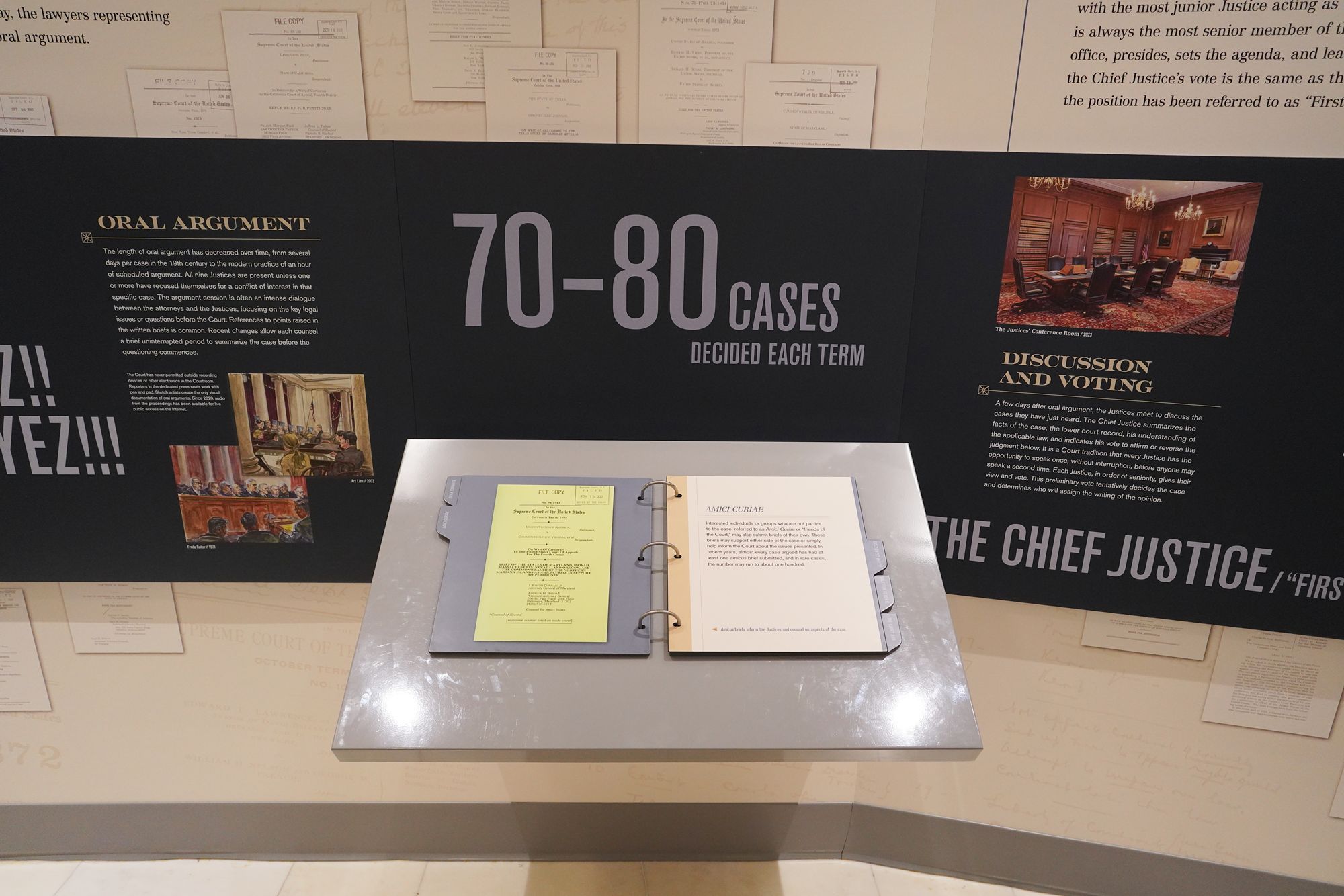
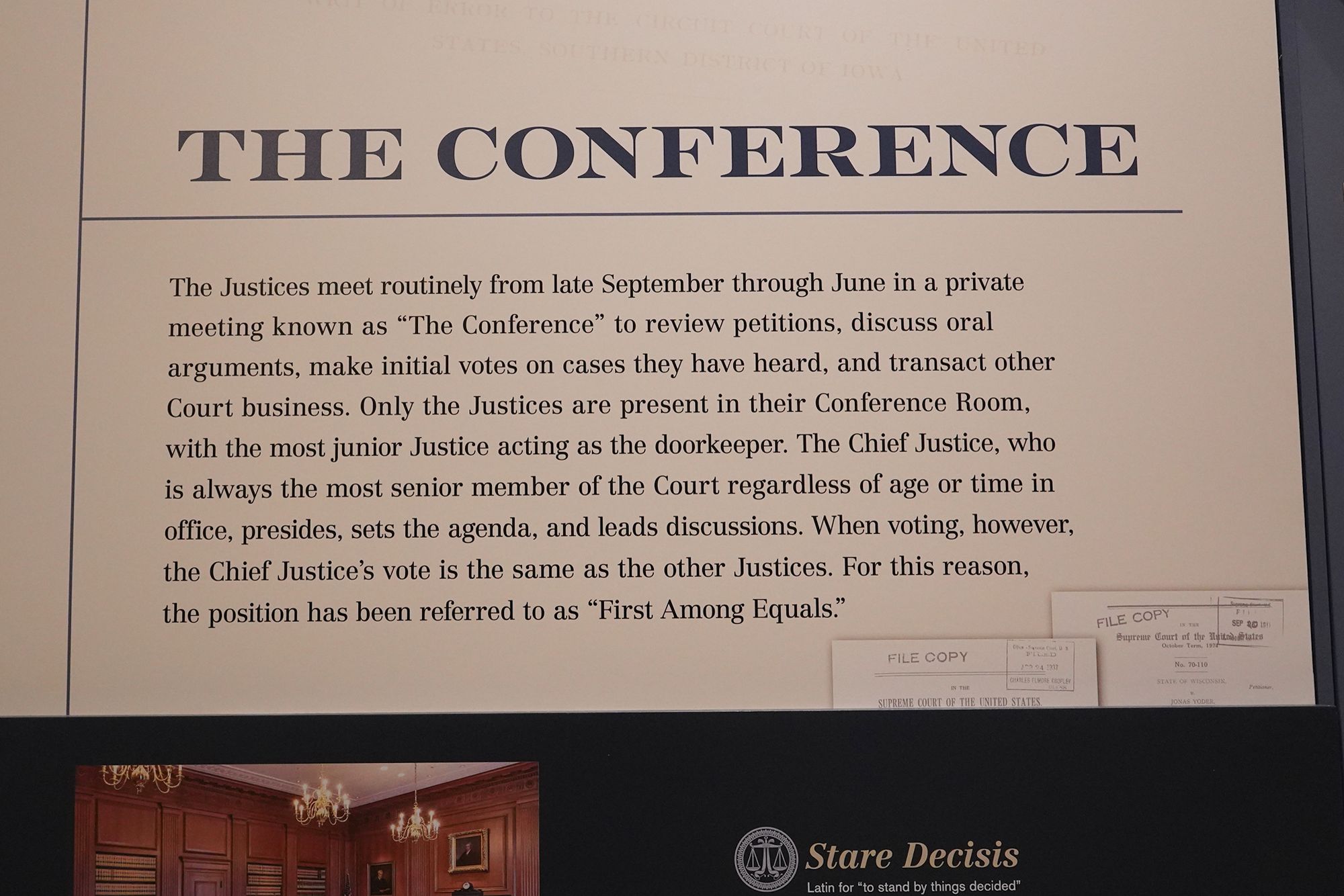
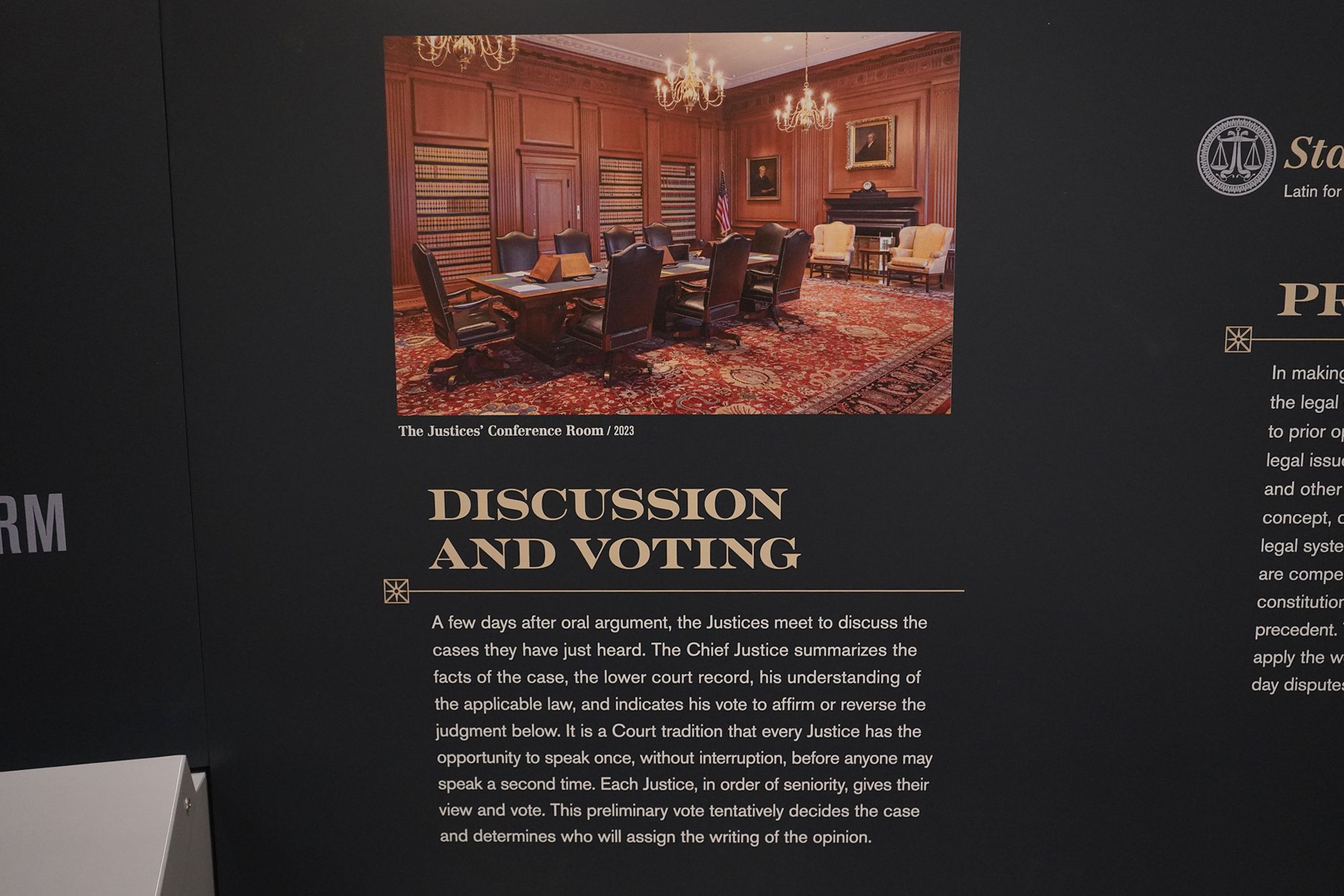
In the Supreme Court, the Conference is a private meeting where the justices discuss and decide cases. No one else is allowed to attend—no clerks, assistants, or reporters—ensuring complete confidentiality.
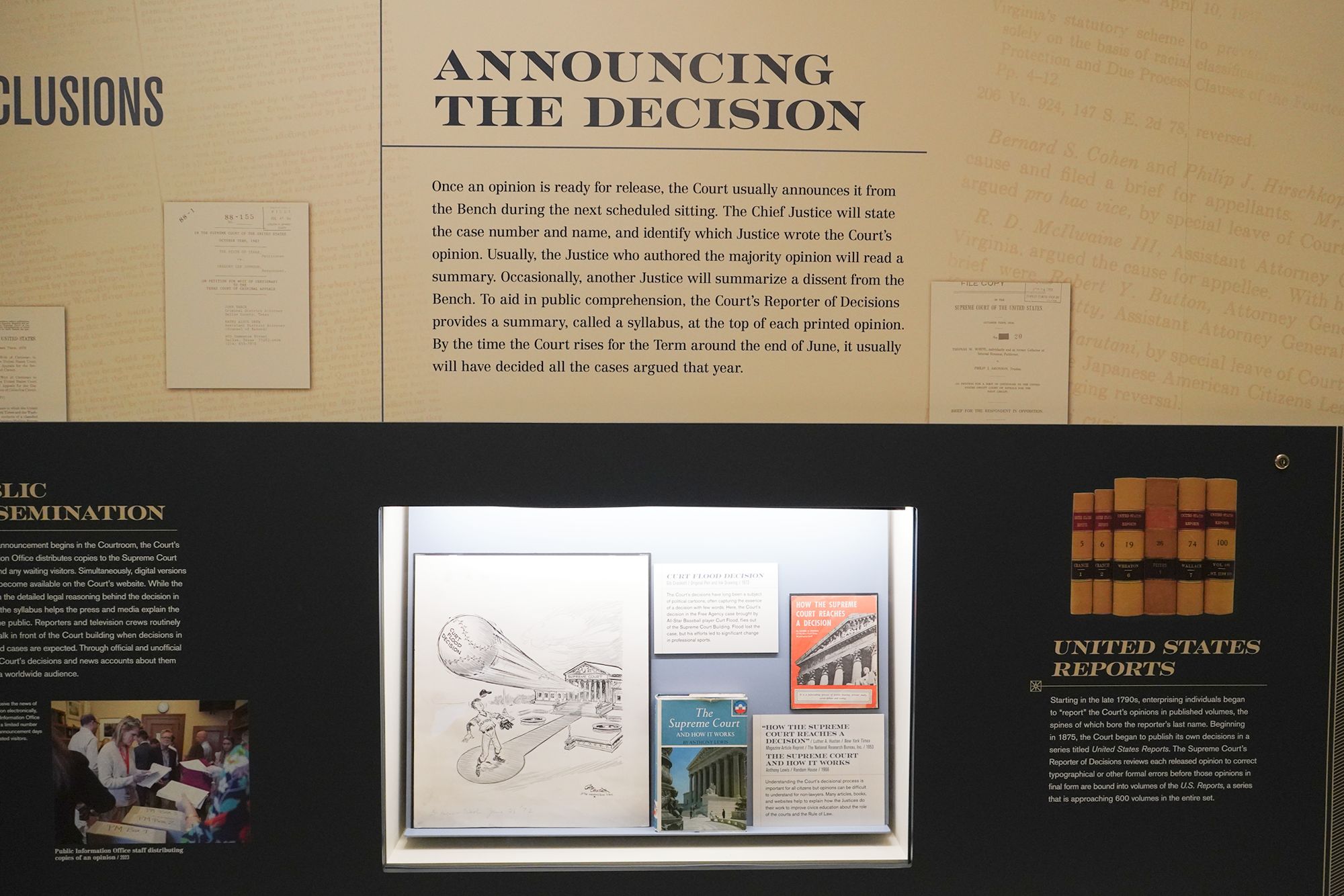
Announcing the decision is the final and most public step in the Supreme Court’s decision-making process. After weeks or months of private deliberation and opinion writing, the justices return to the courtroom to formally announce their rulings.
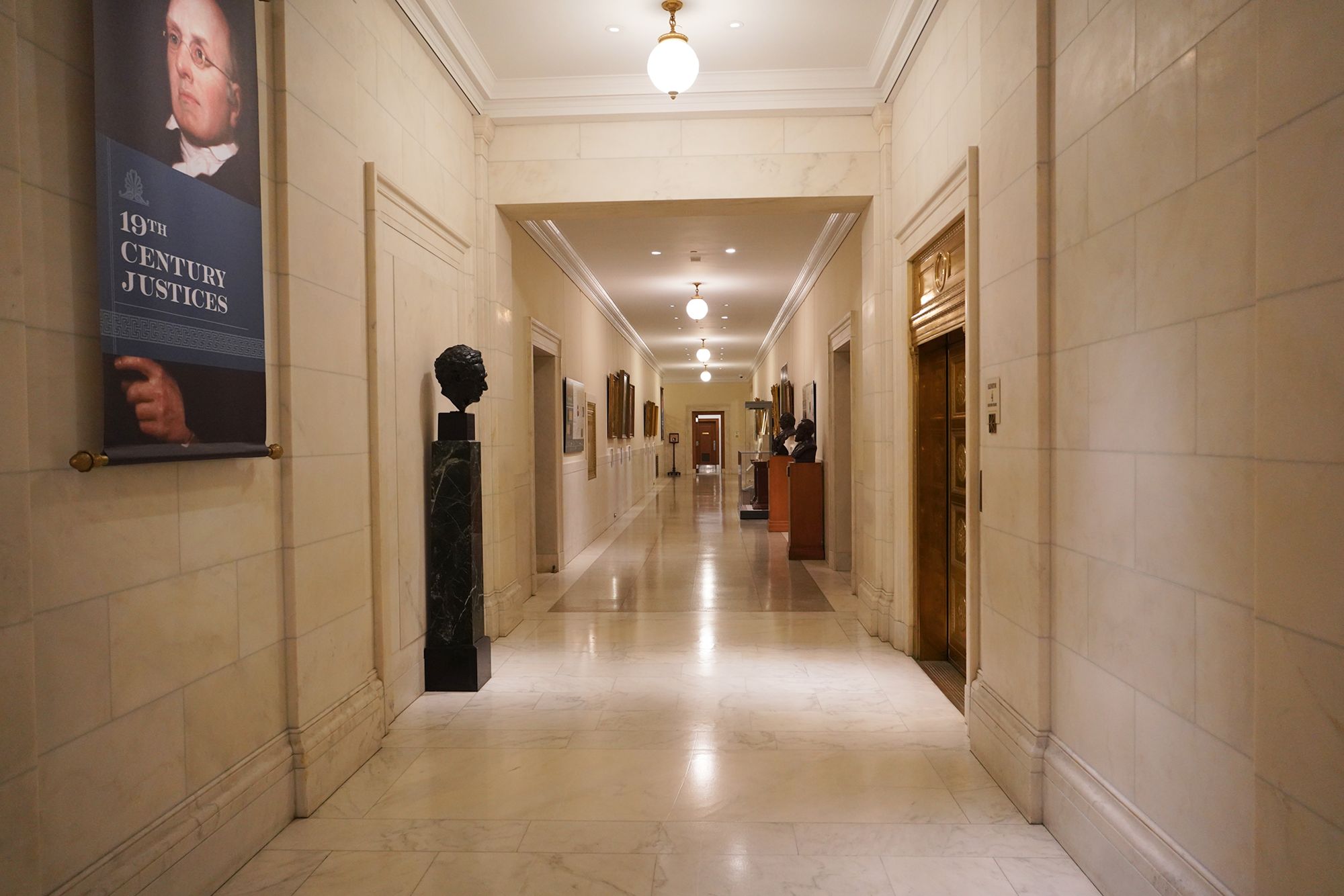
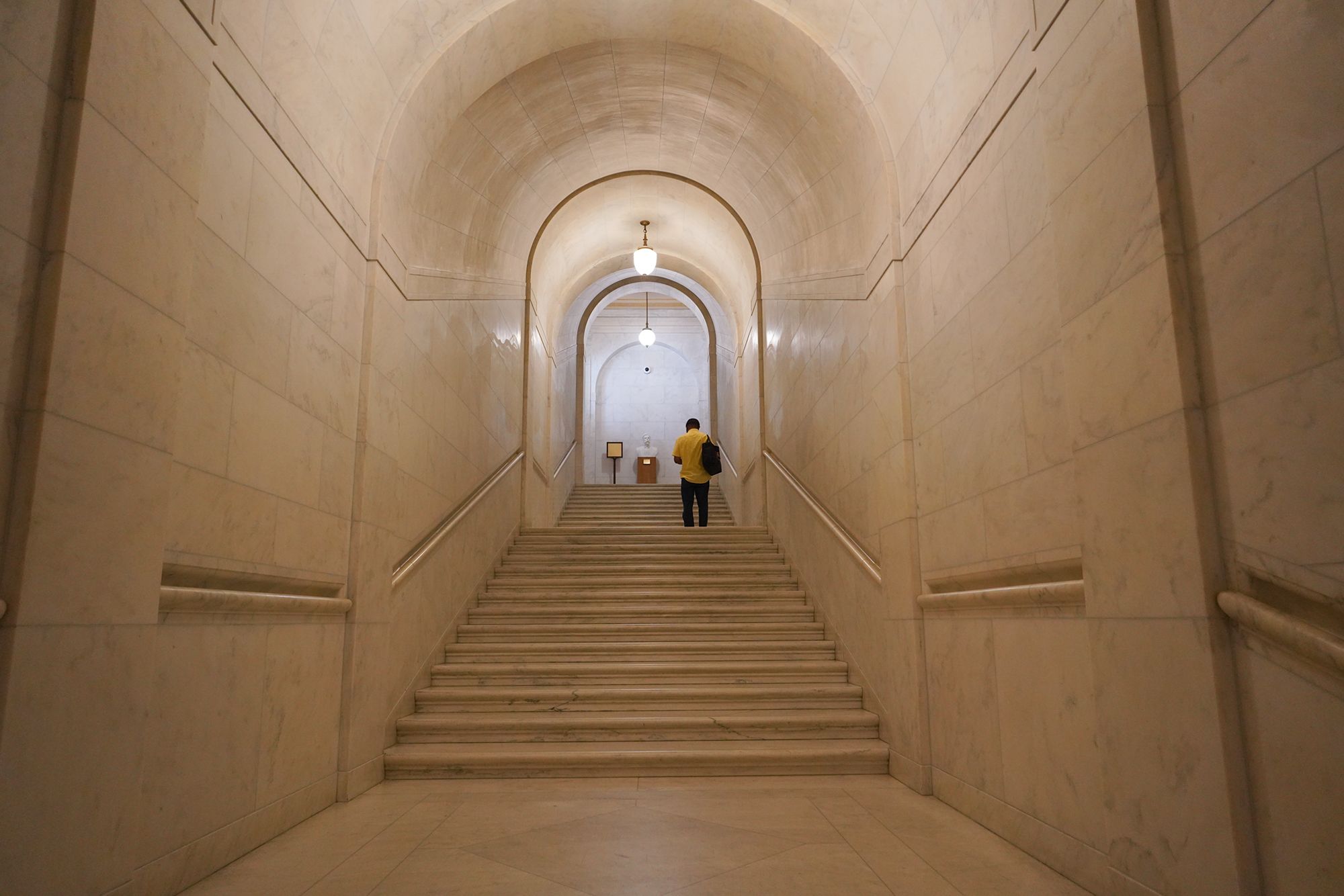
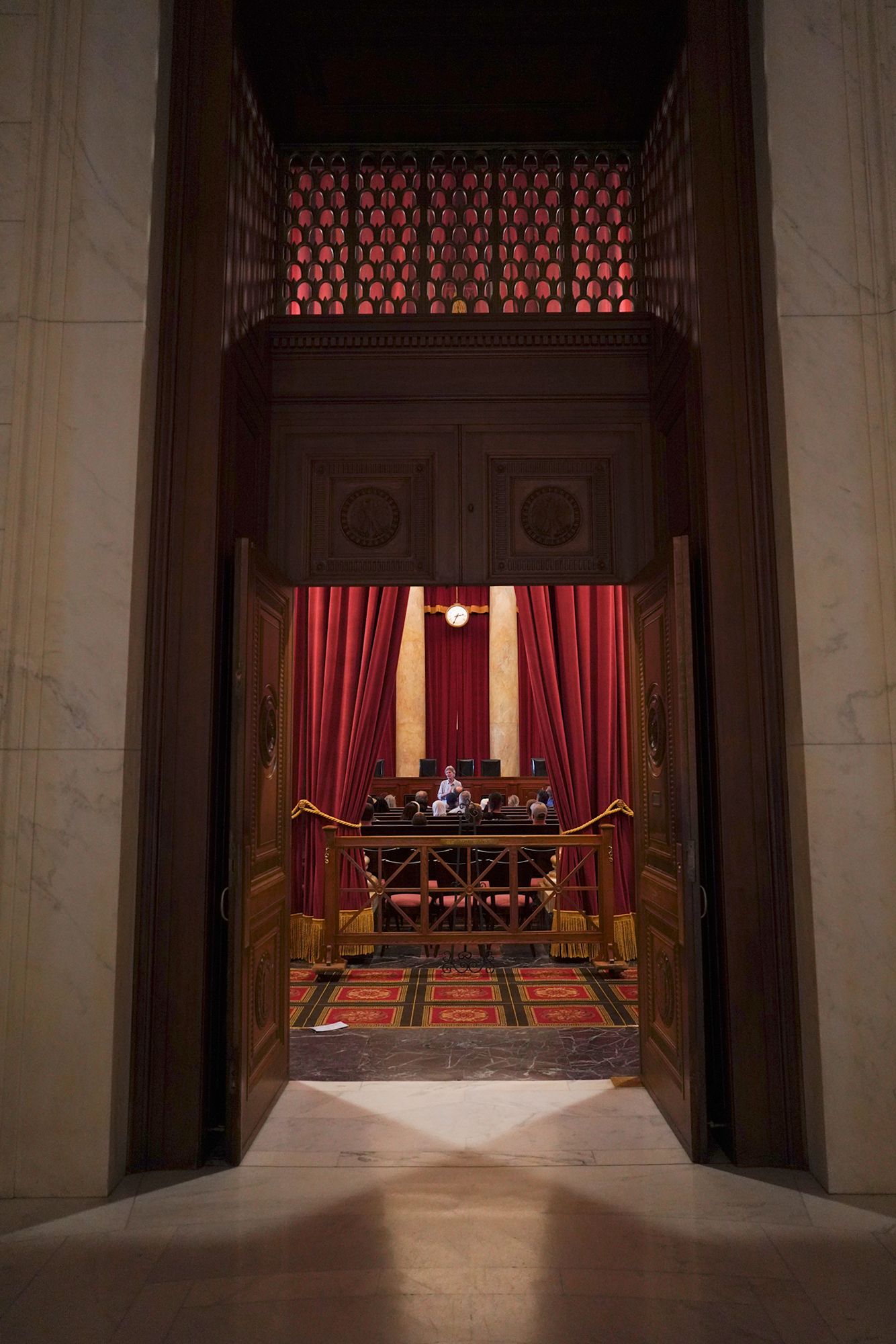
Supreme Court courtroom
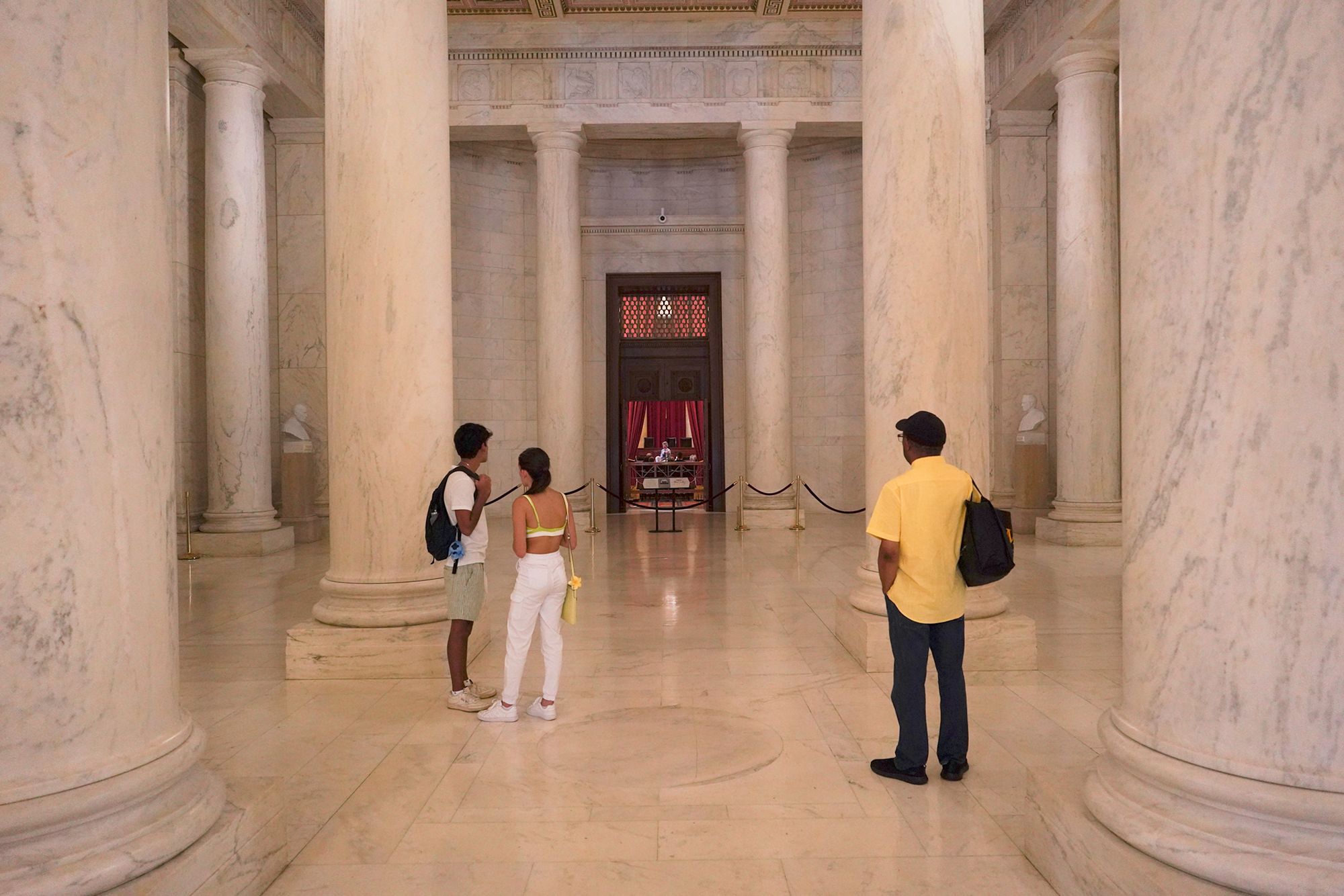
A hall in front of the courtroom
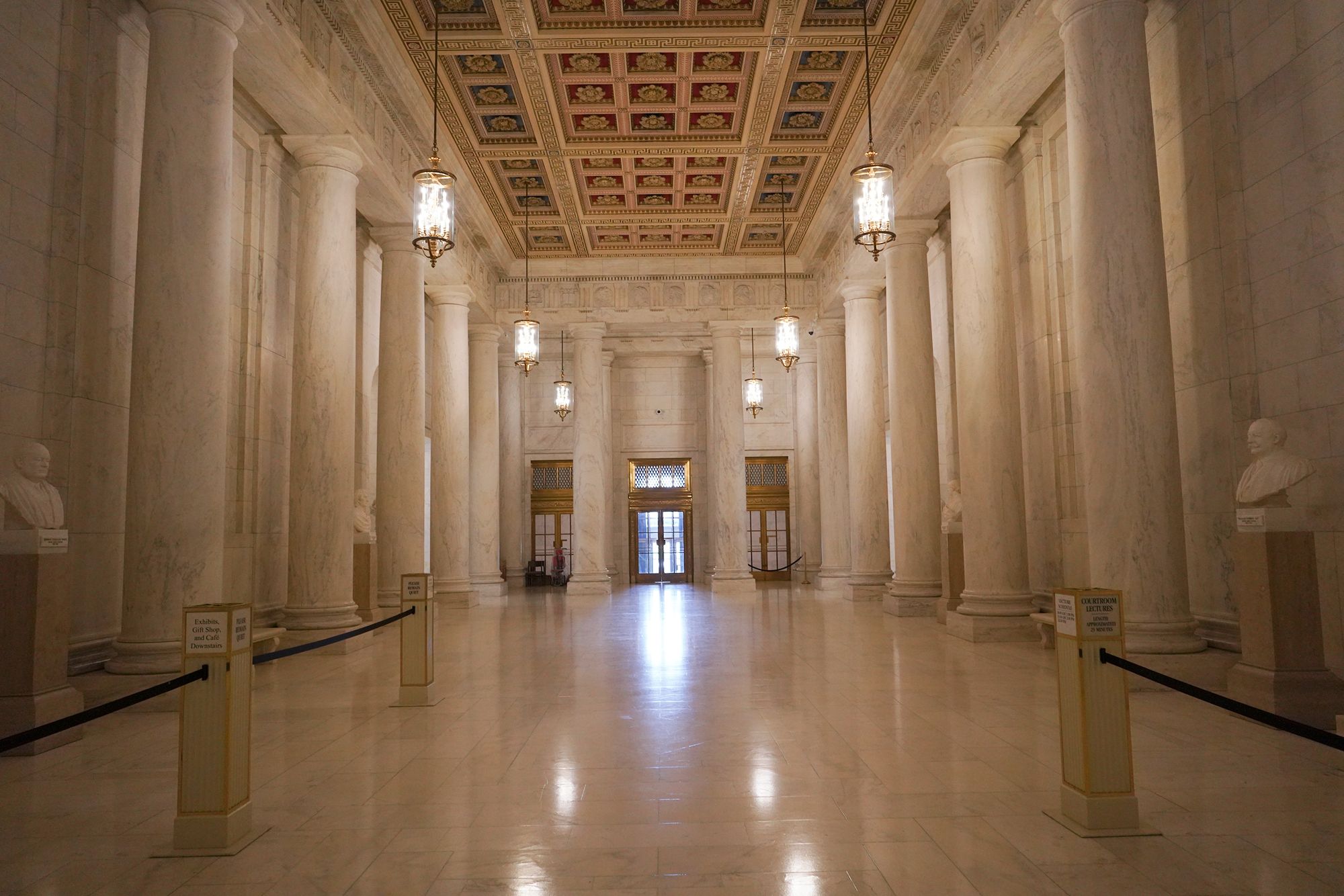
The courtroom again
Exiting from the Supreme Court building
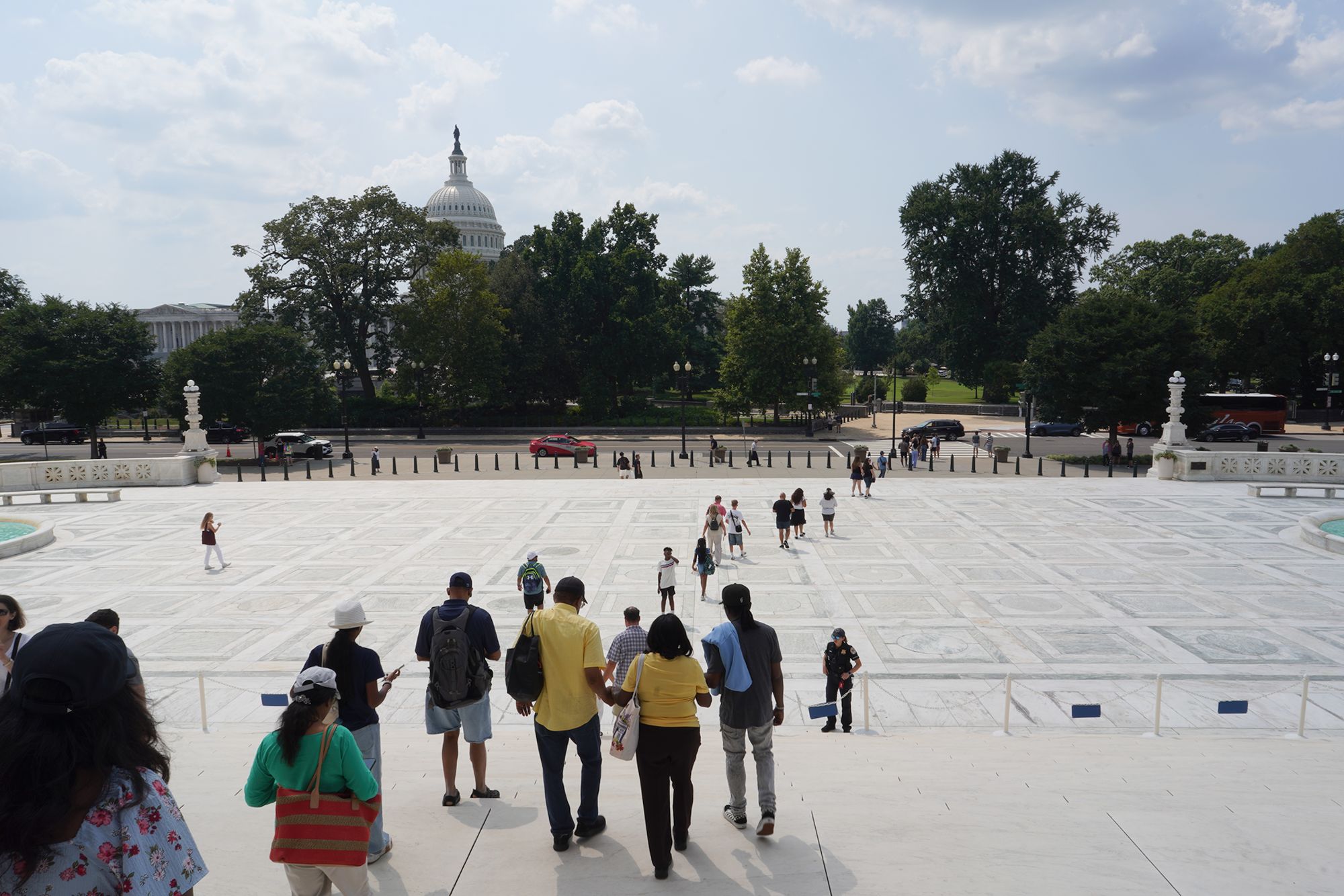
My back side
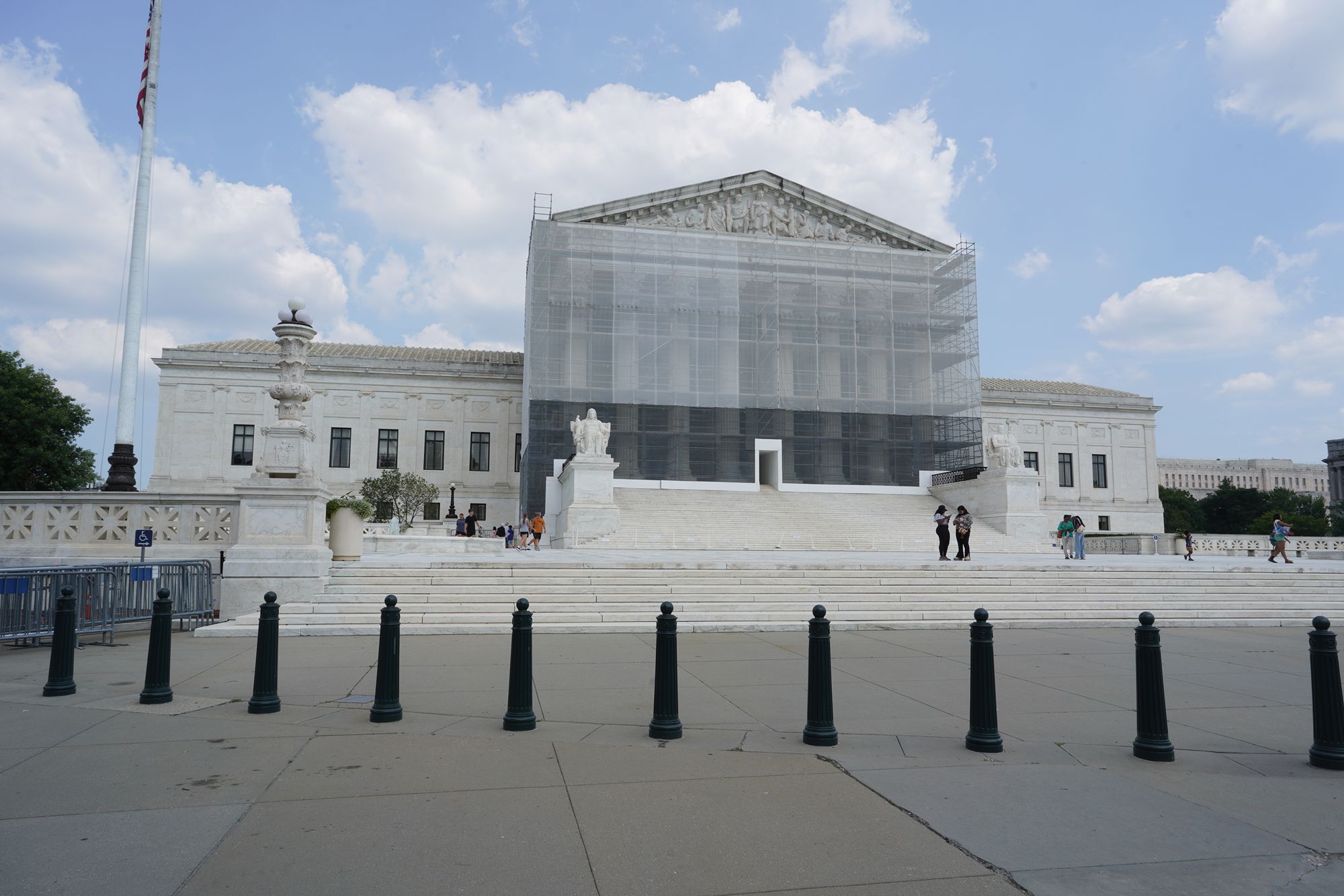
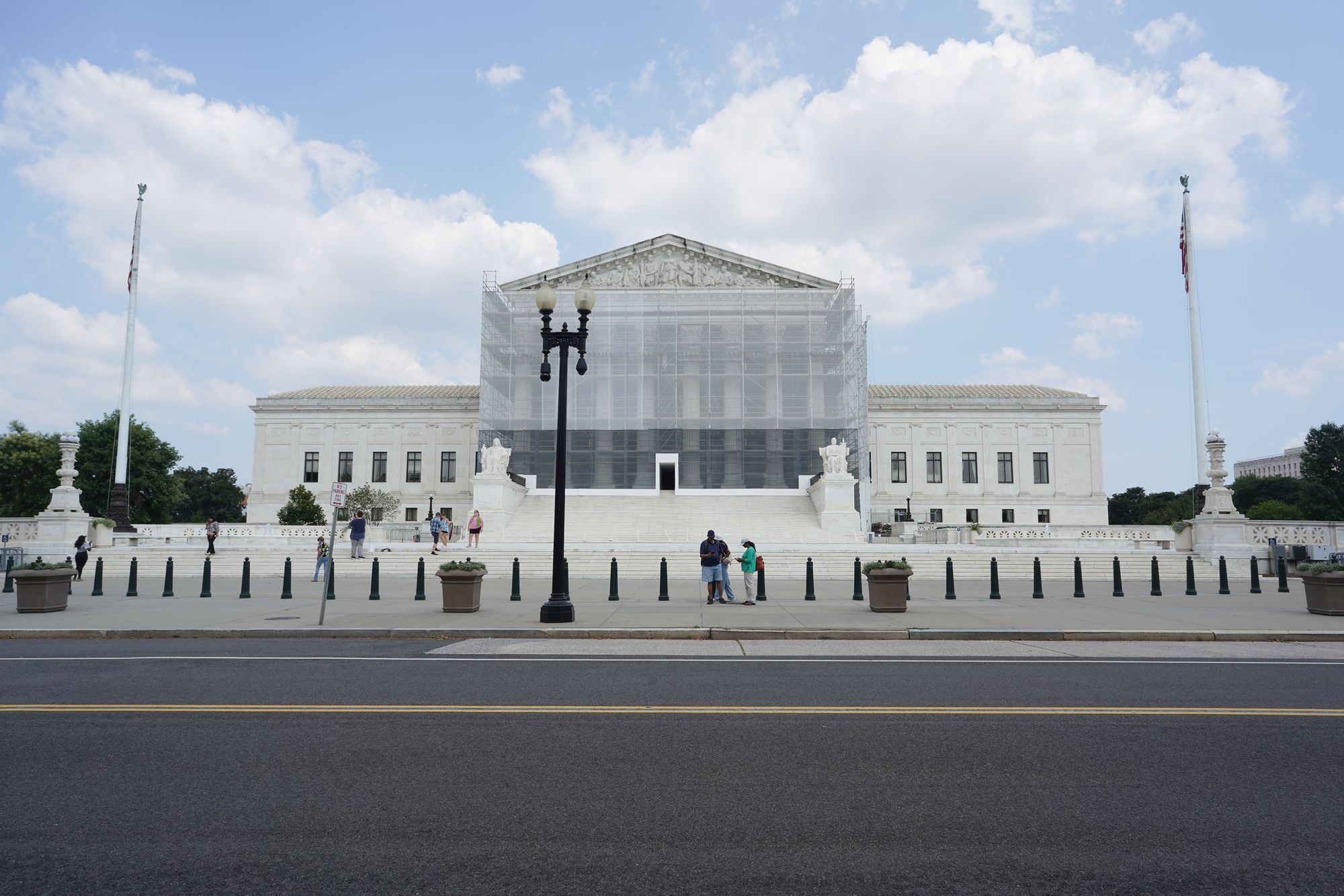
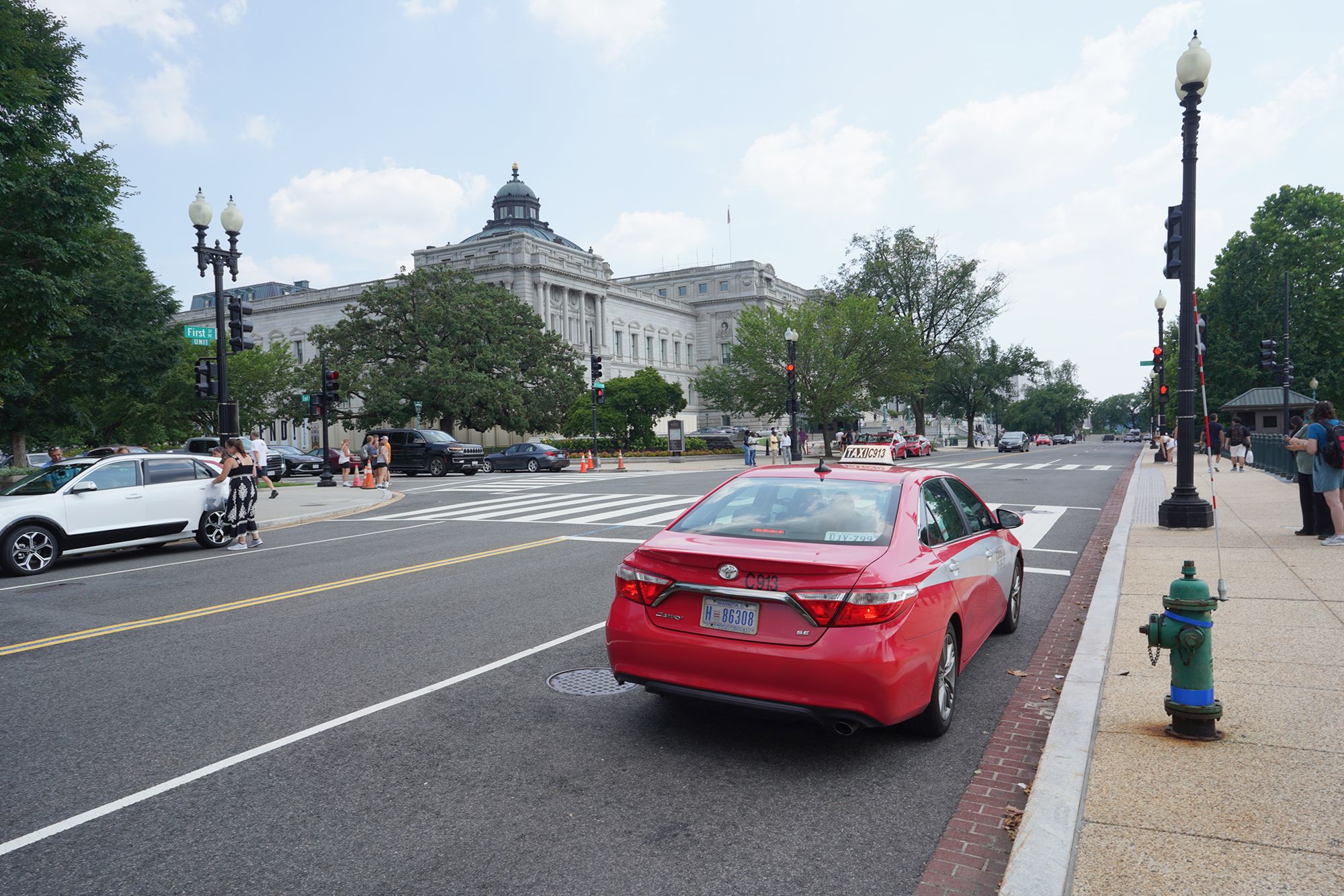
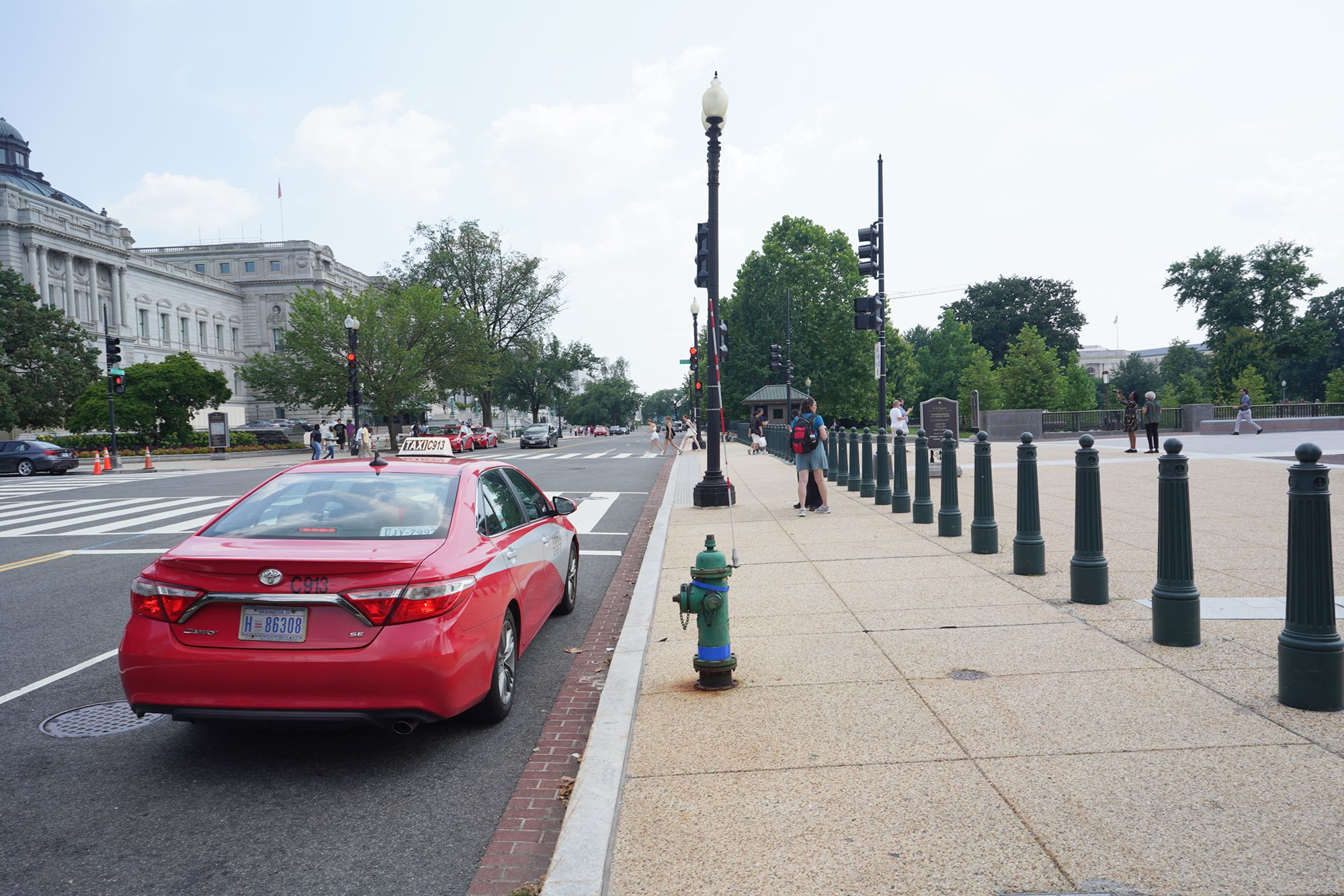
In front of the Supreme Court, across the street, stands the U.S. Capitol.
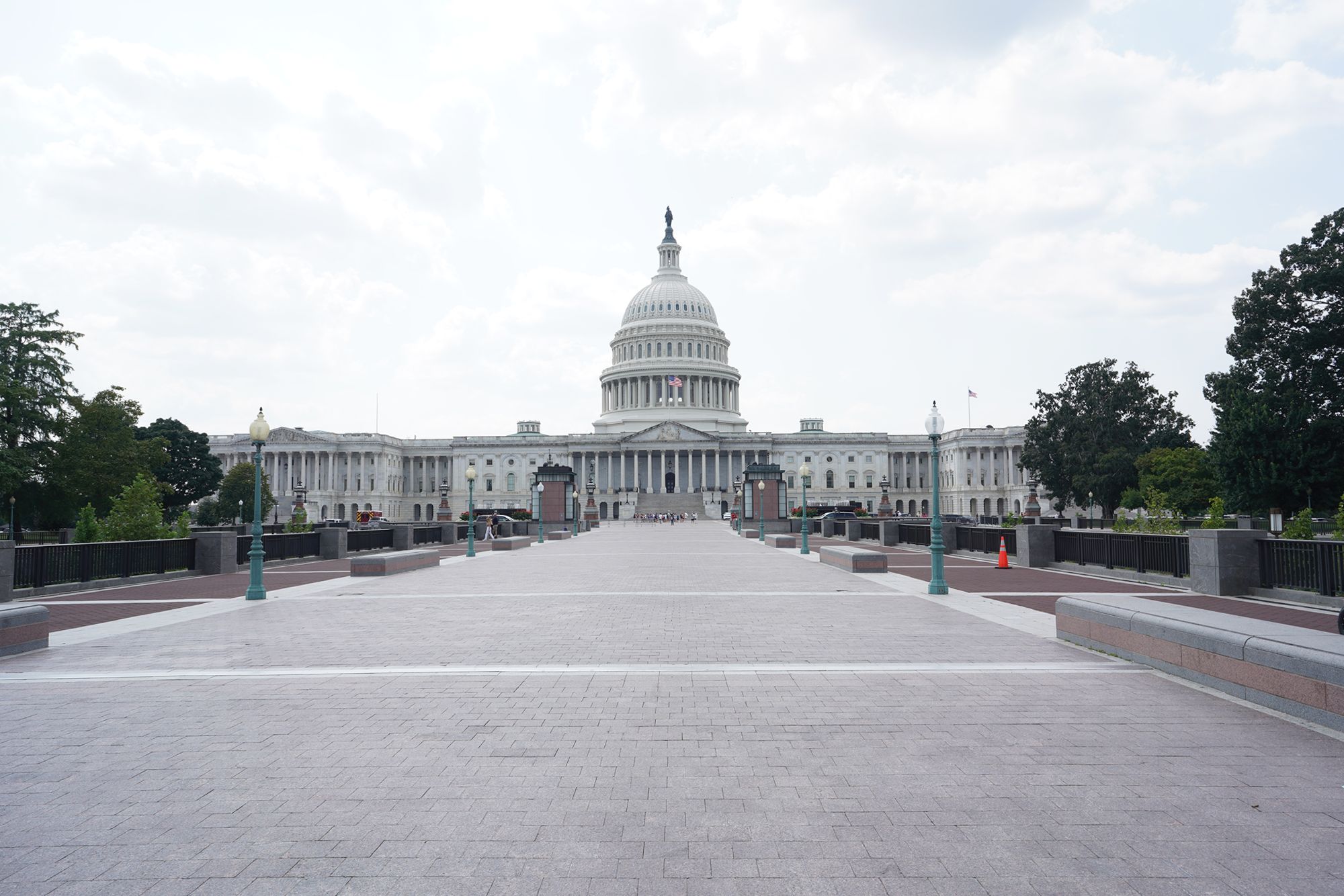
The U.S. Capitol, located on Capitol Hill, is the seat of Congress, where the Senate and House of Representatives meet to make the nation’s laws.
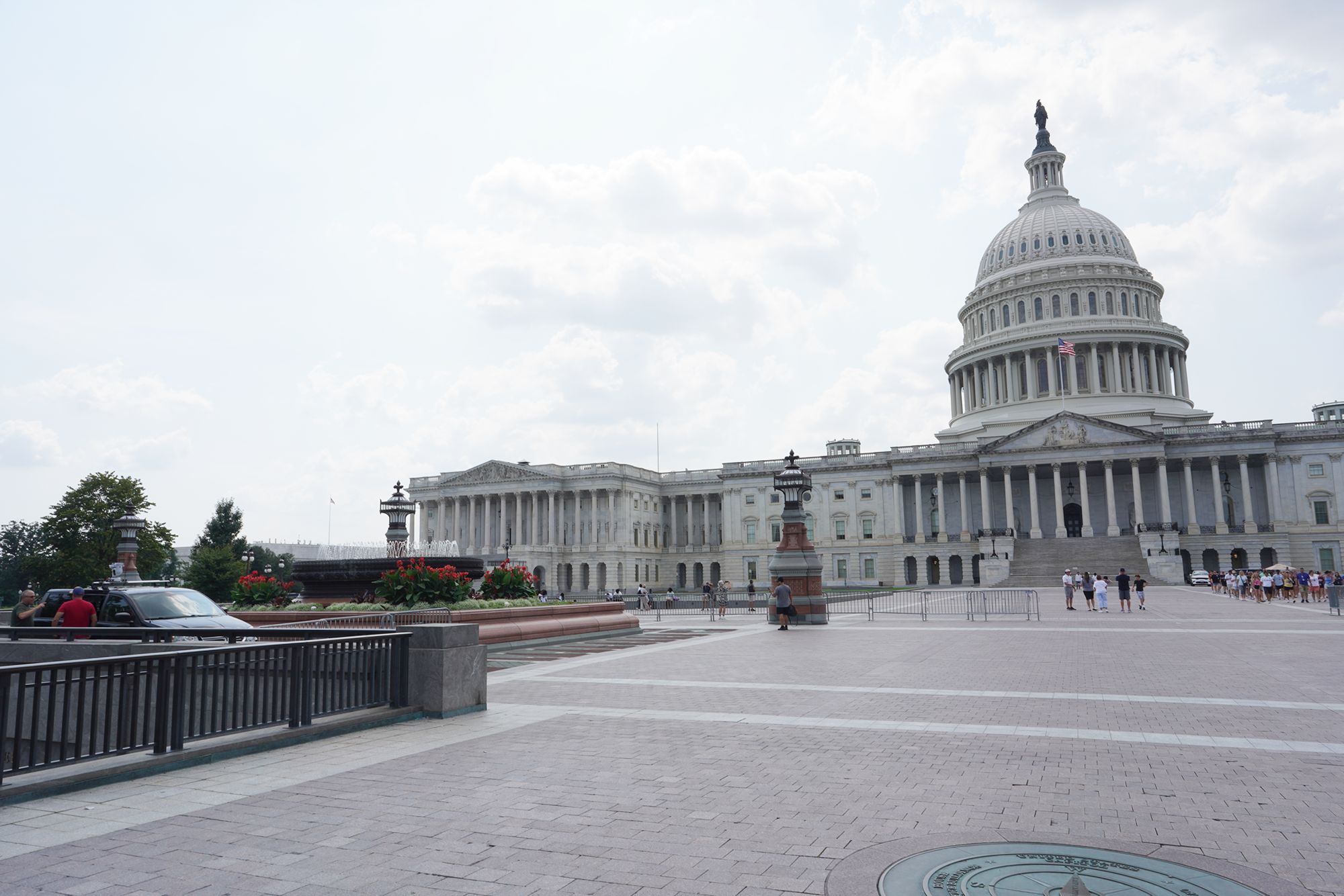
Completed in the early 1800s and expanded over time, it features a grand dome topped by the Statue of Freedom, impressive marble halls, and historic chambers filled with art depicting America’s history.
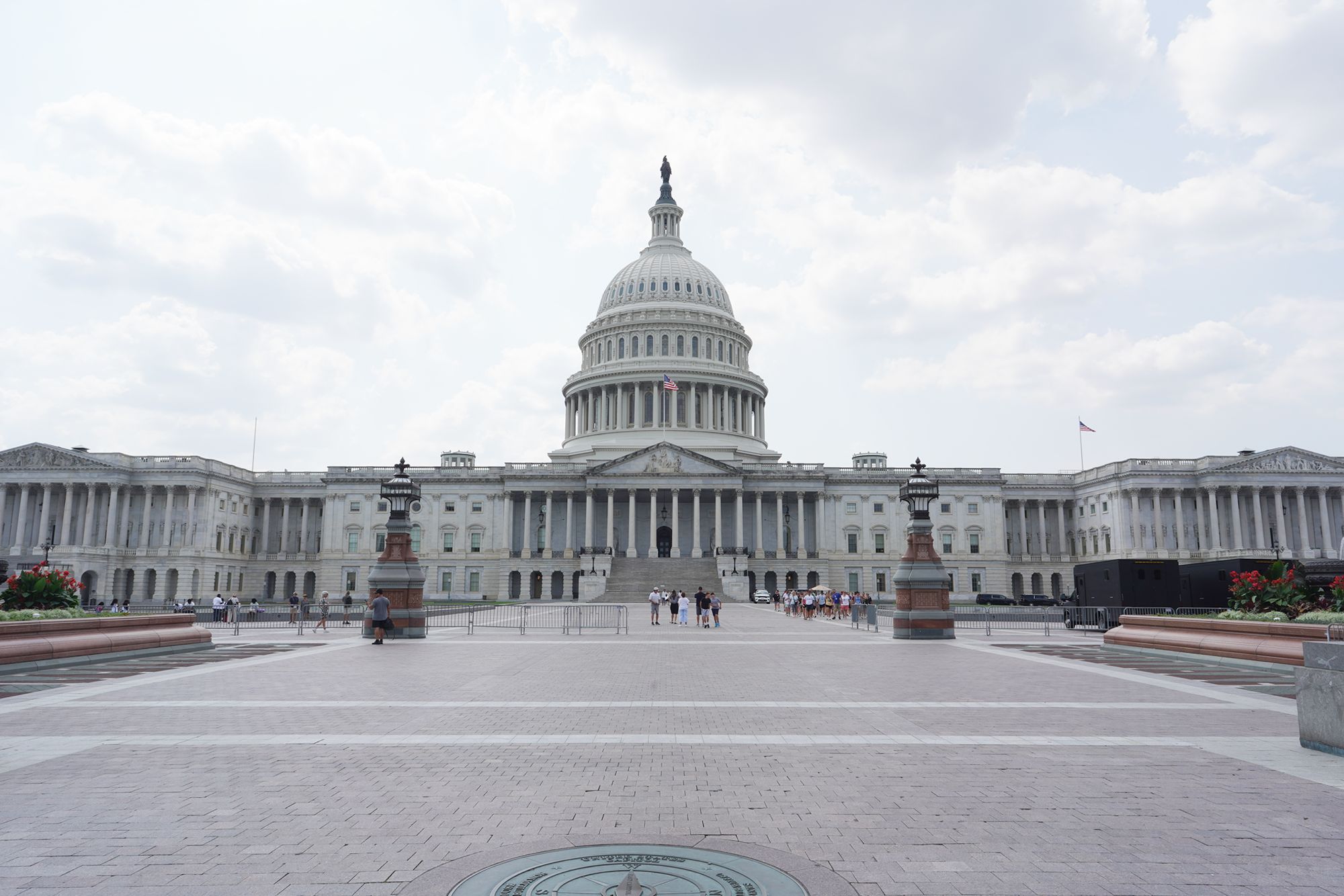
The Capitol is both a working government building and a national monument, open to visitors through guided tours that highlight its architecture and democratic significance.
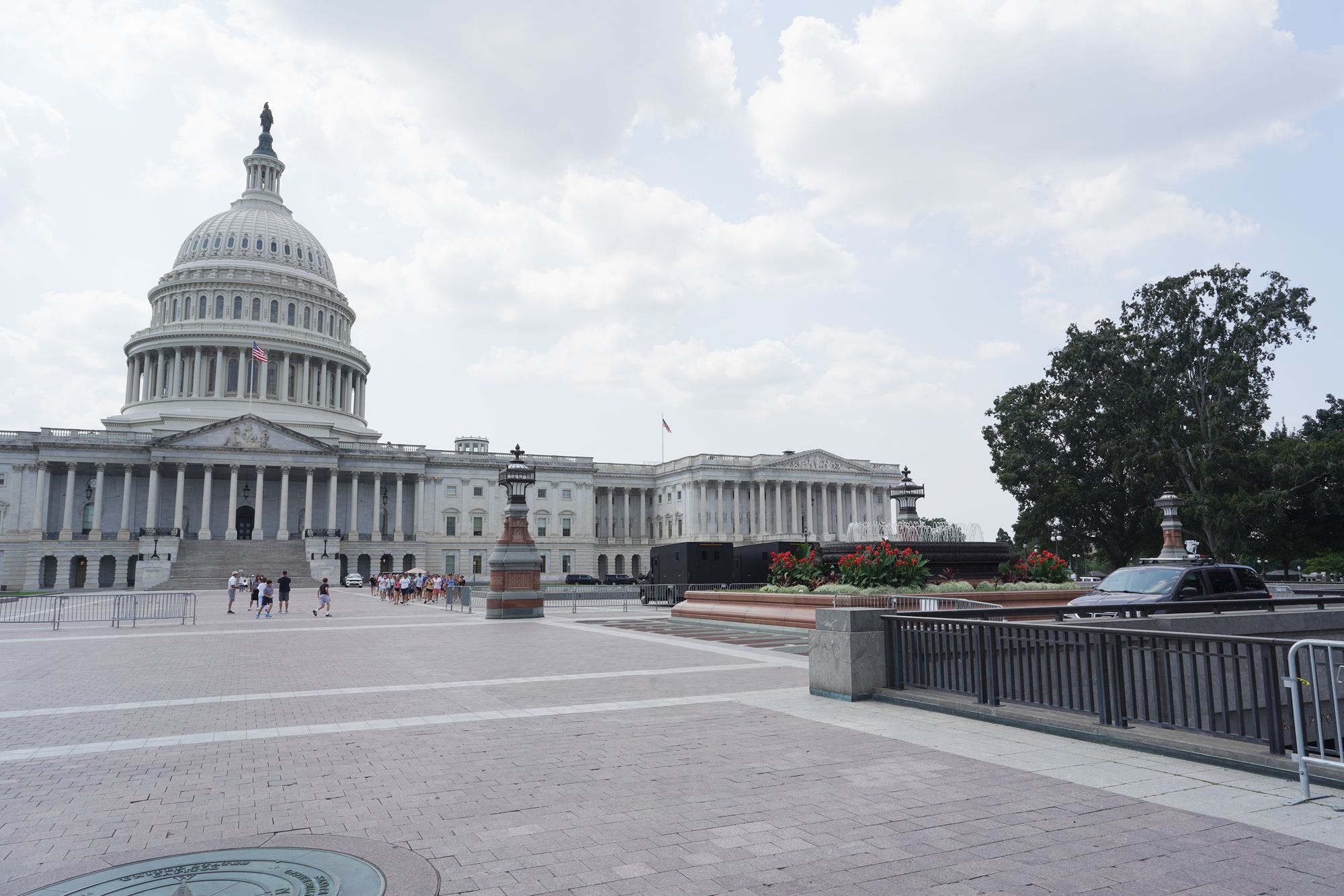
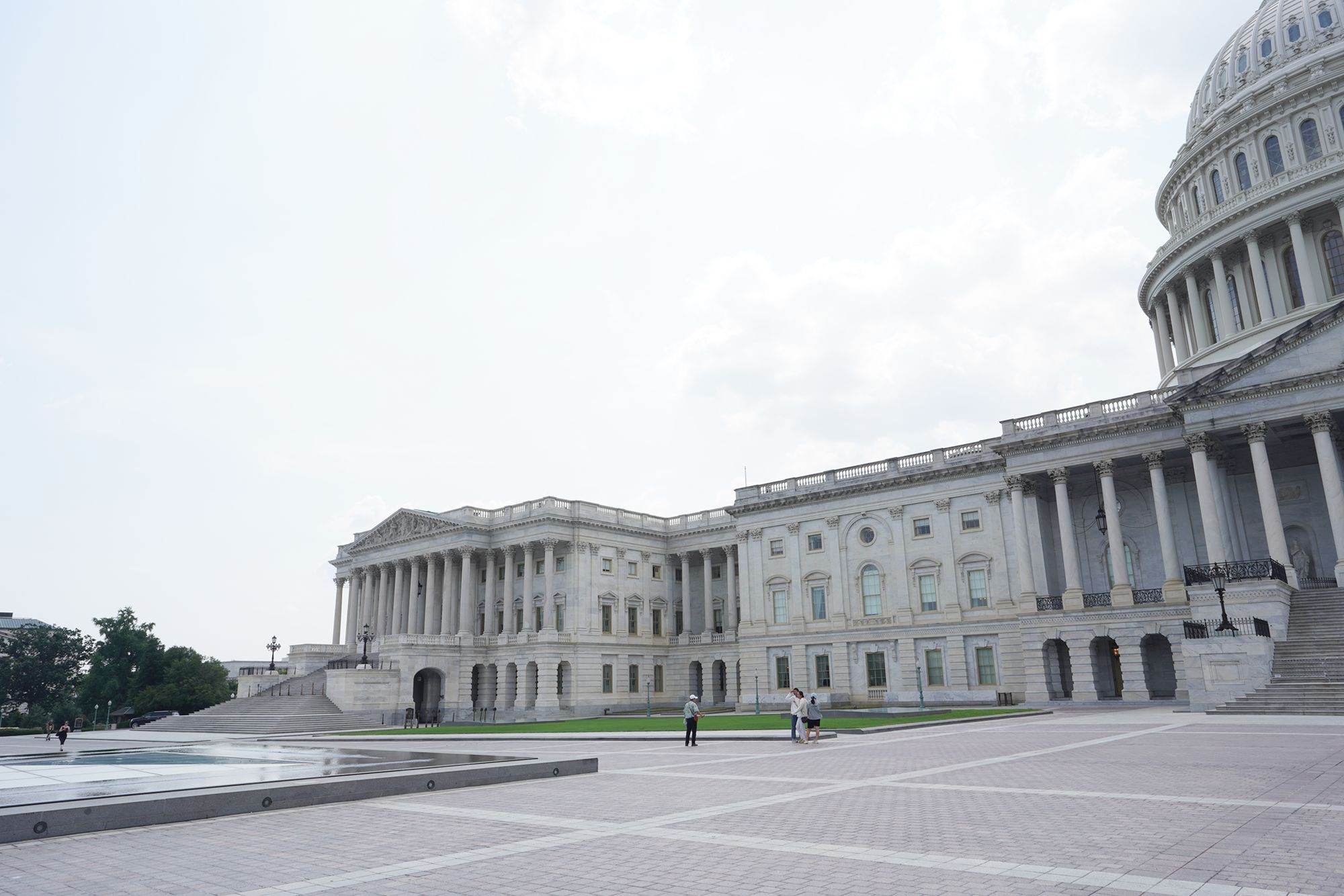
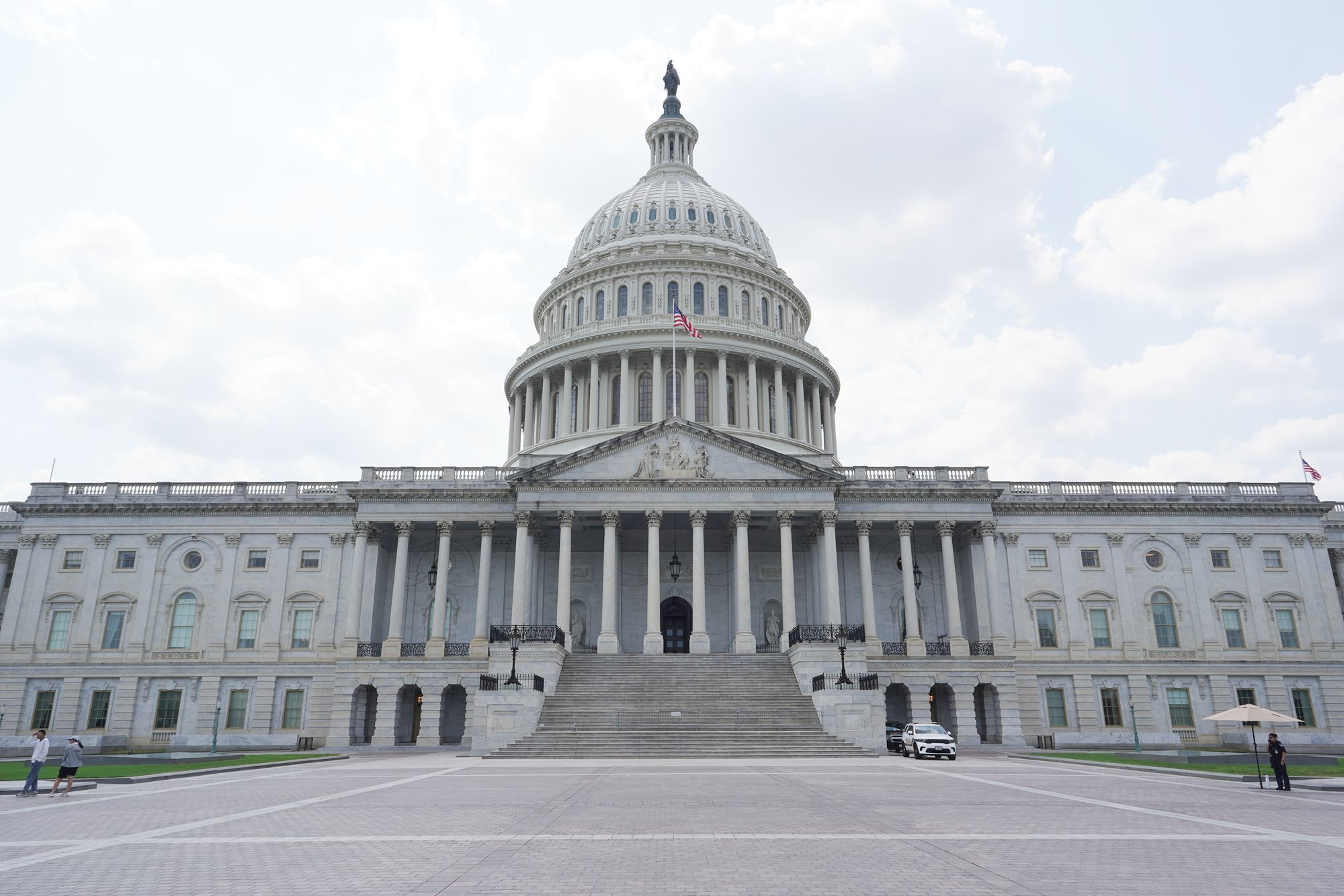
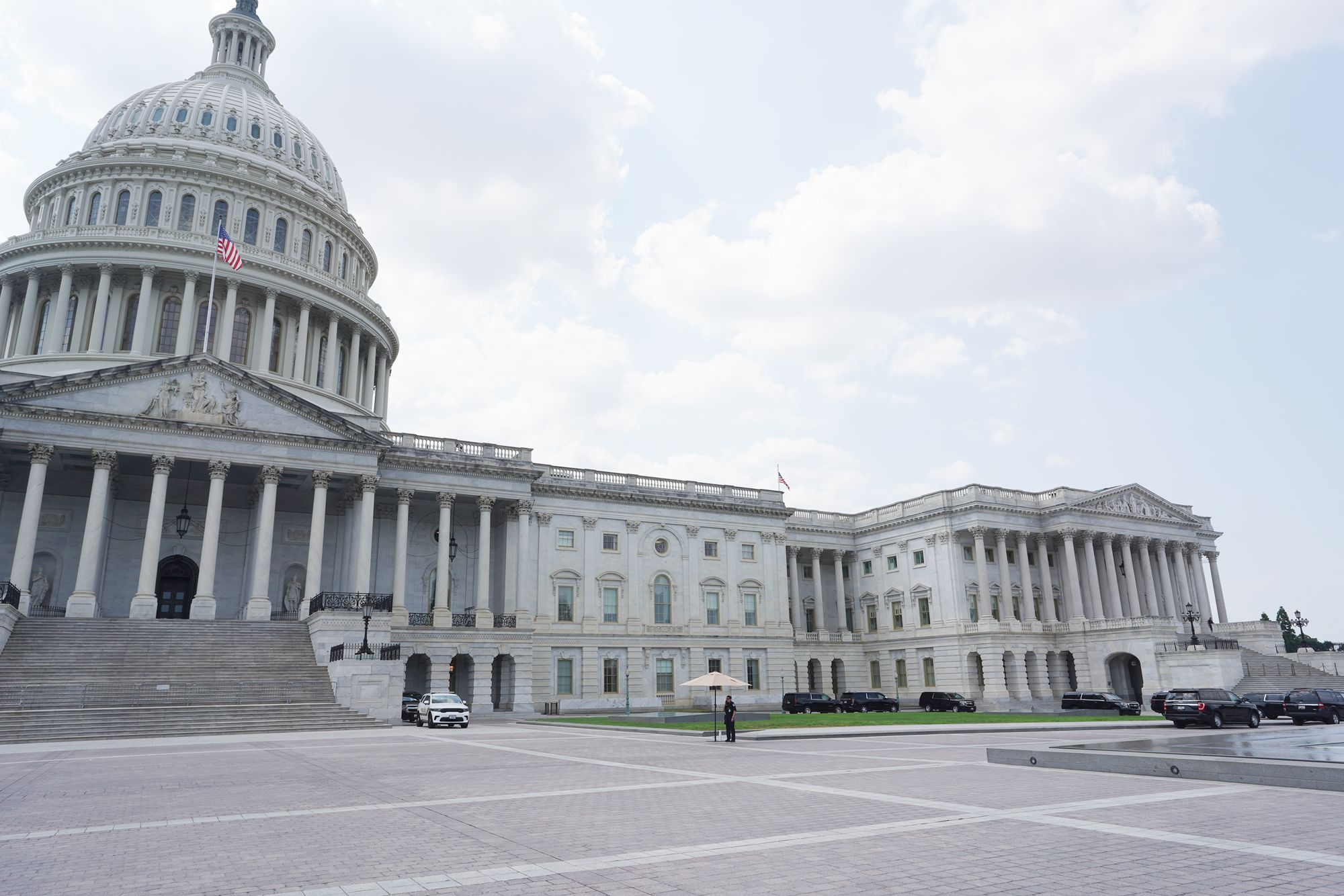
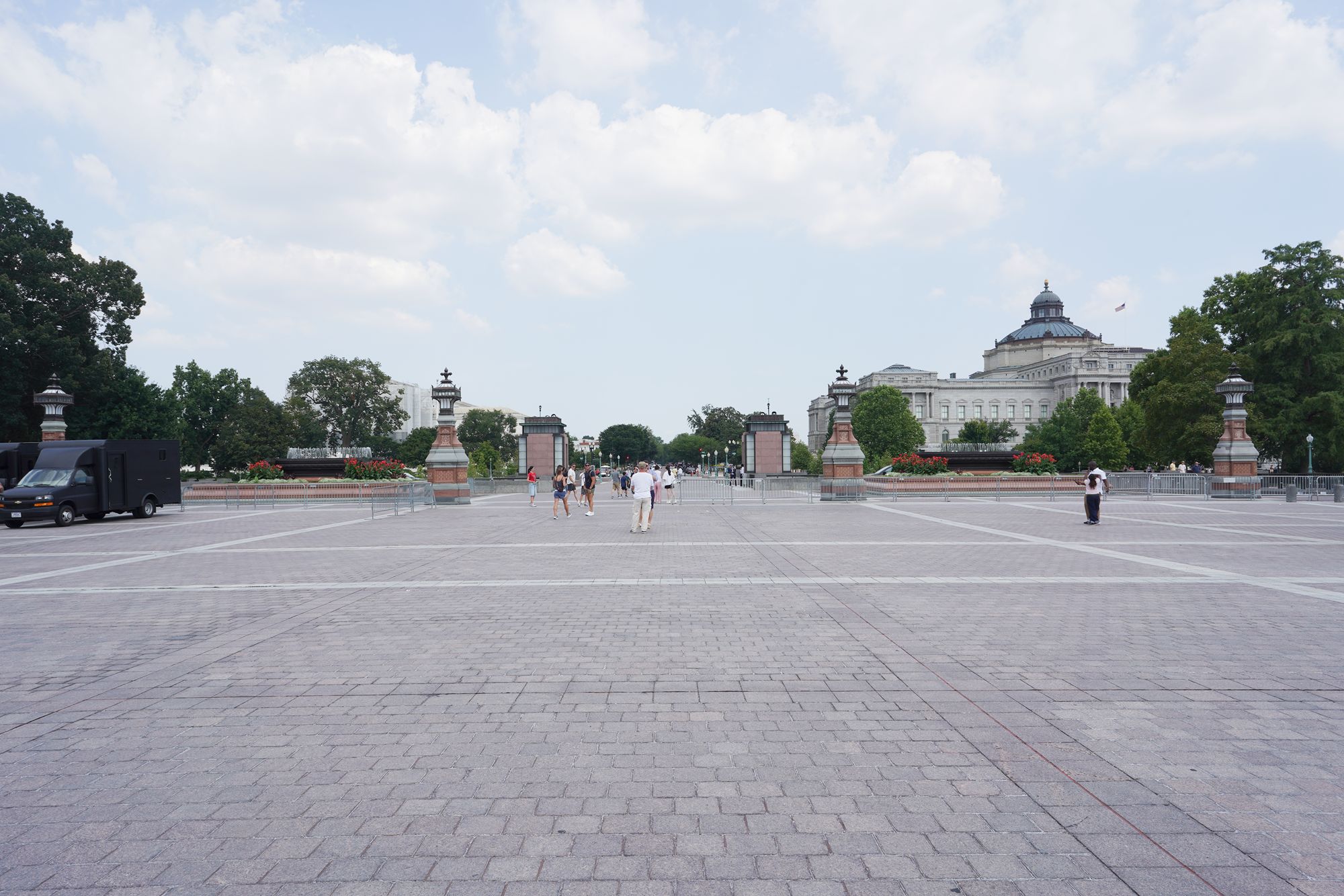
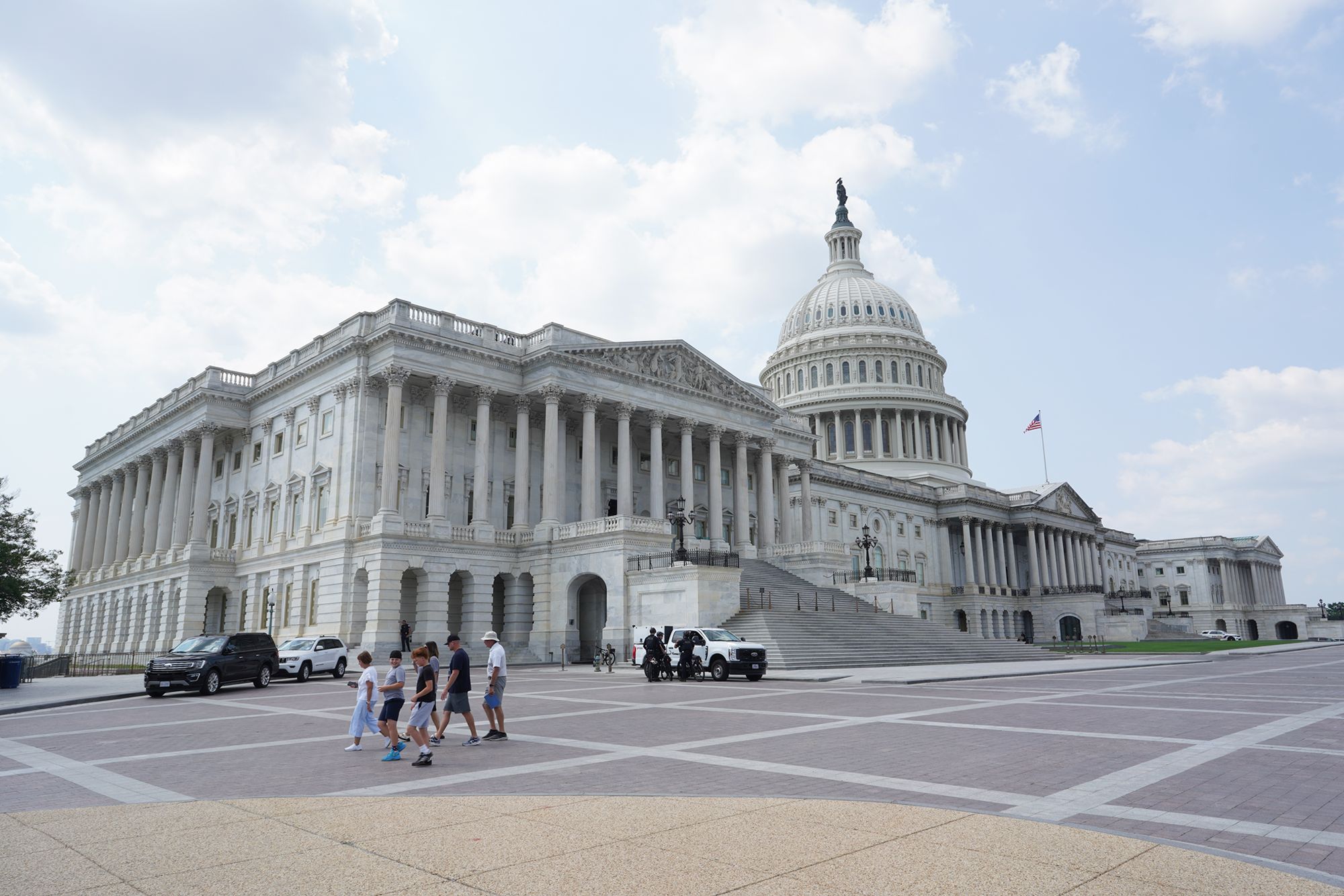
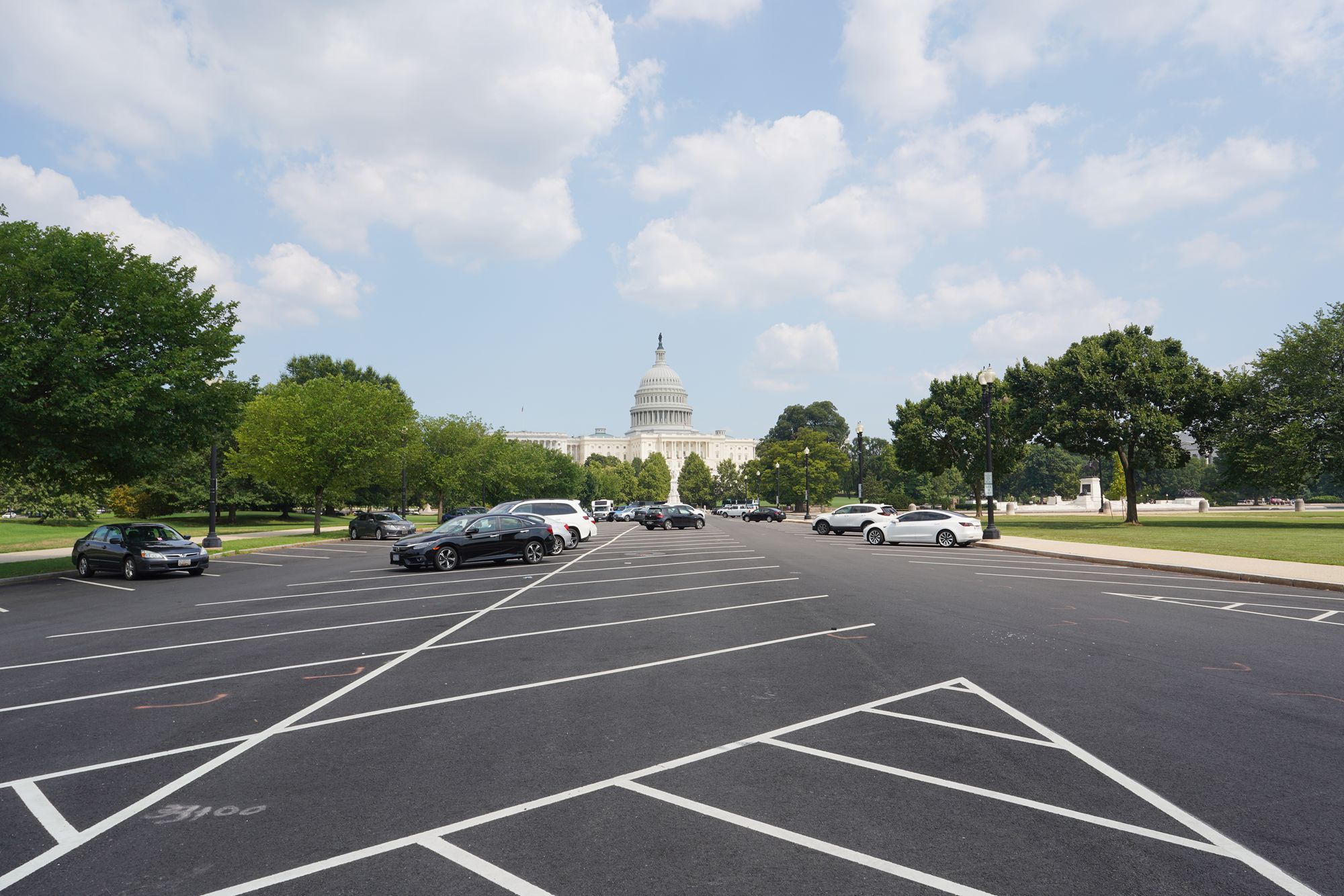
I walked around the U.S. Capitol to view the other side of the building.
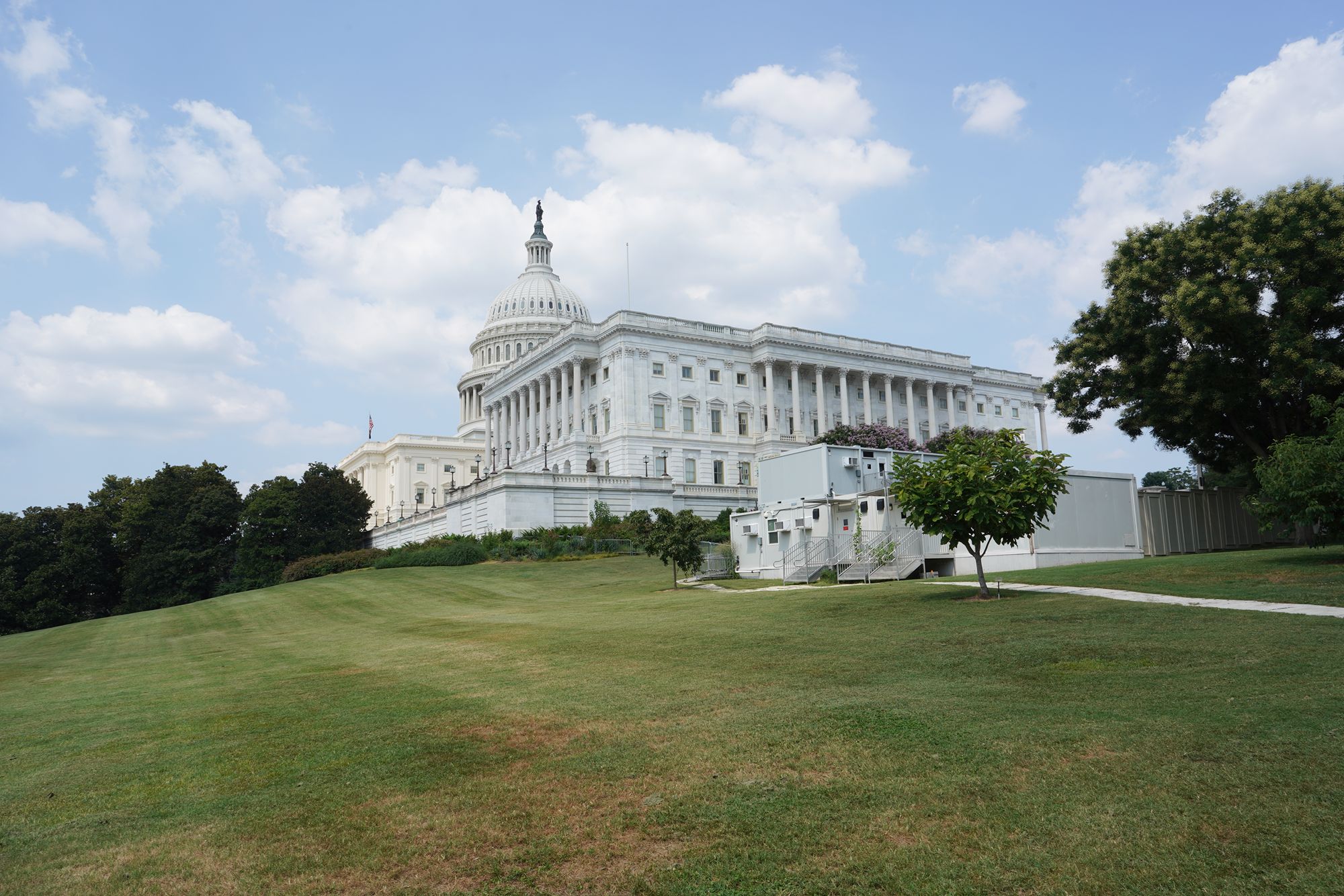
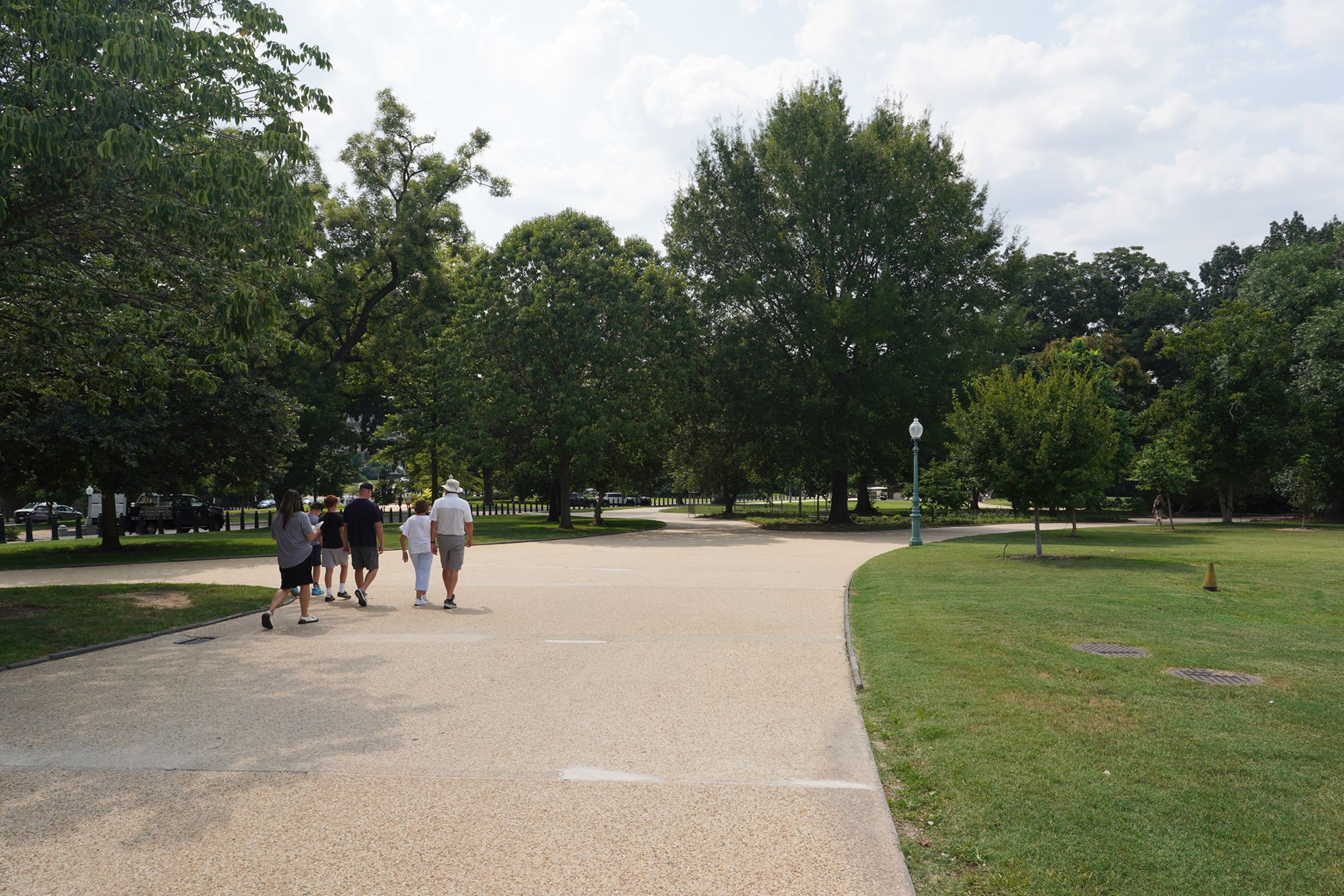
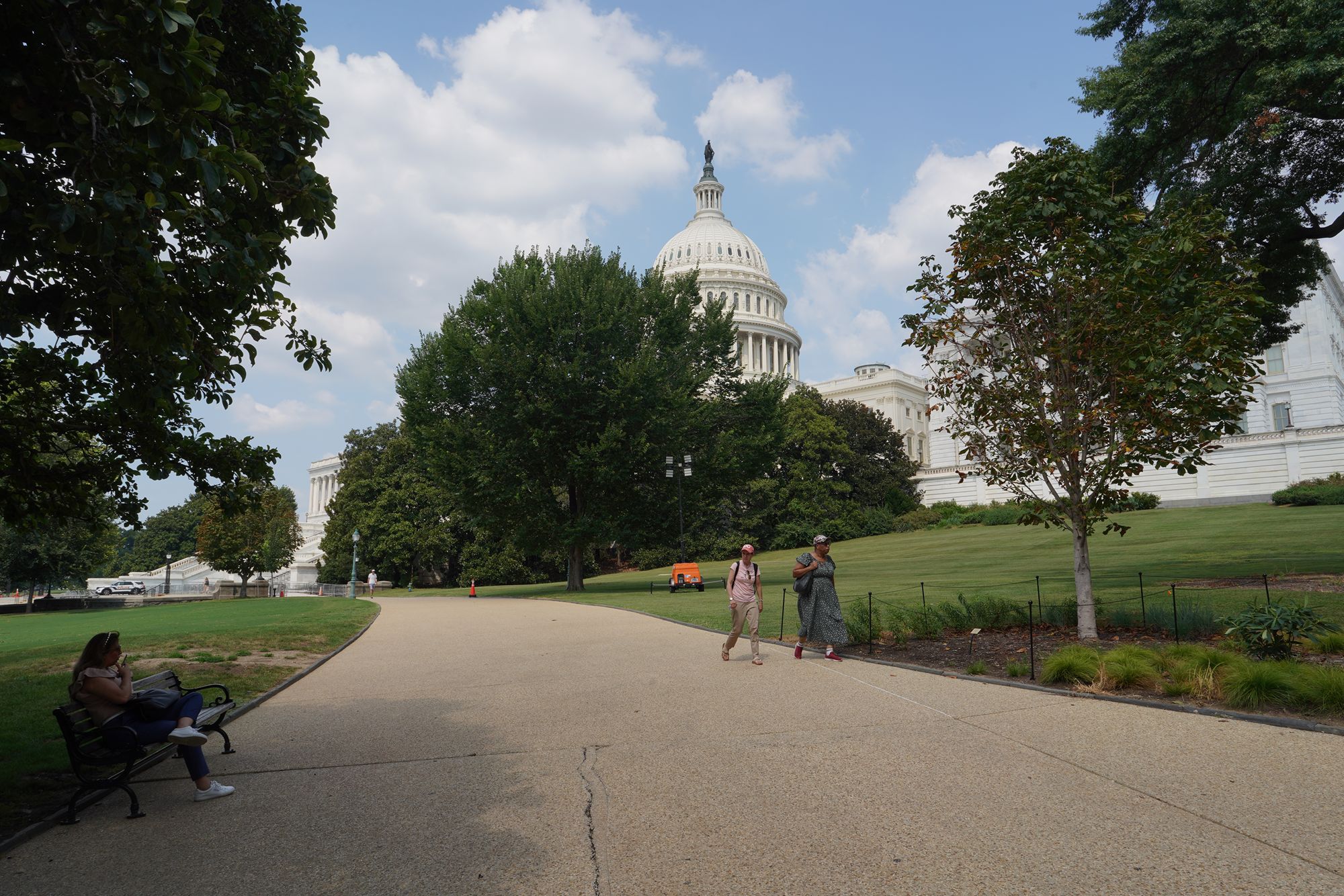
At the front of the US Capitol
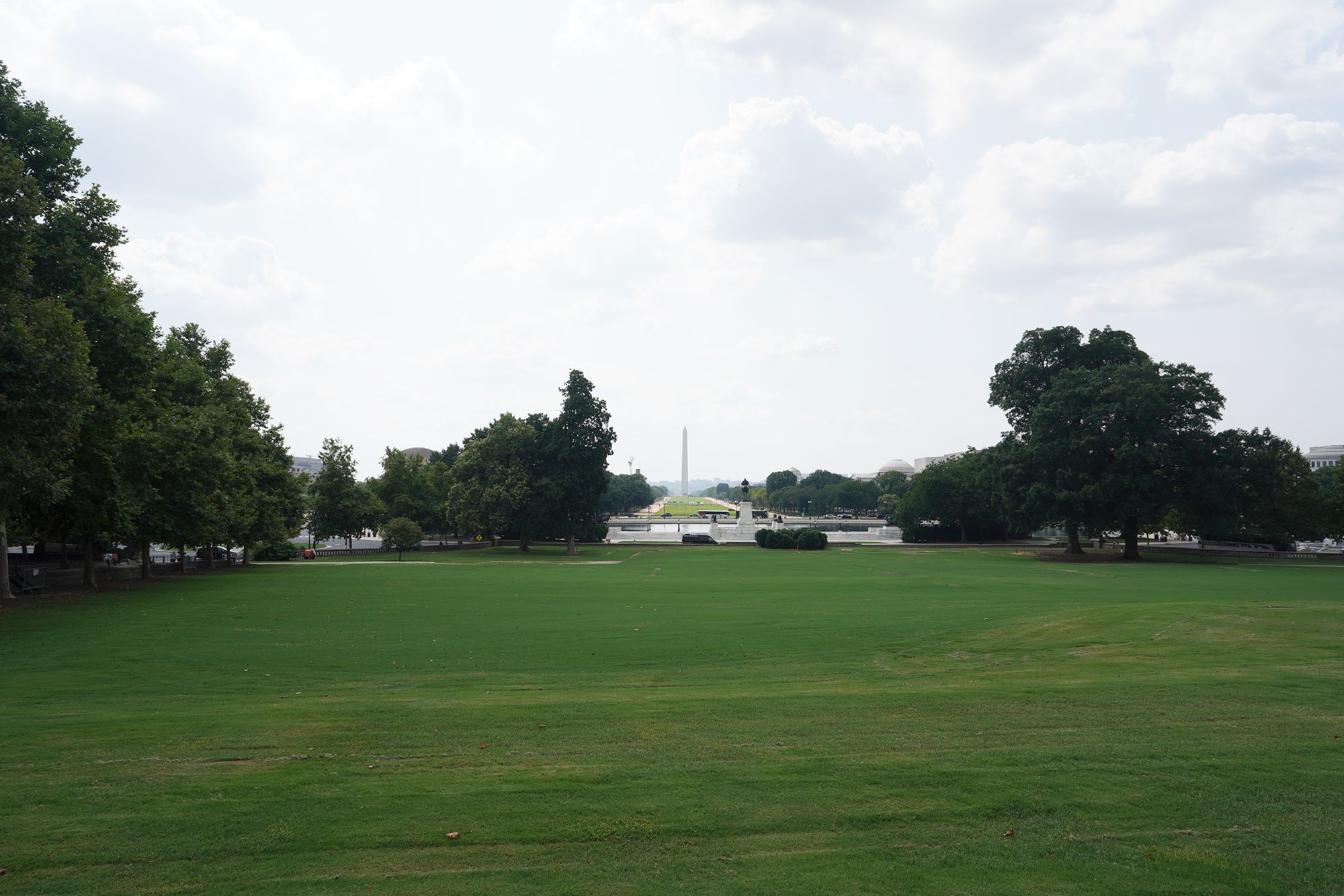
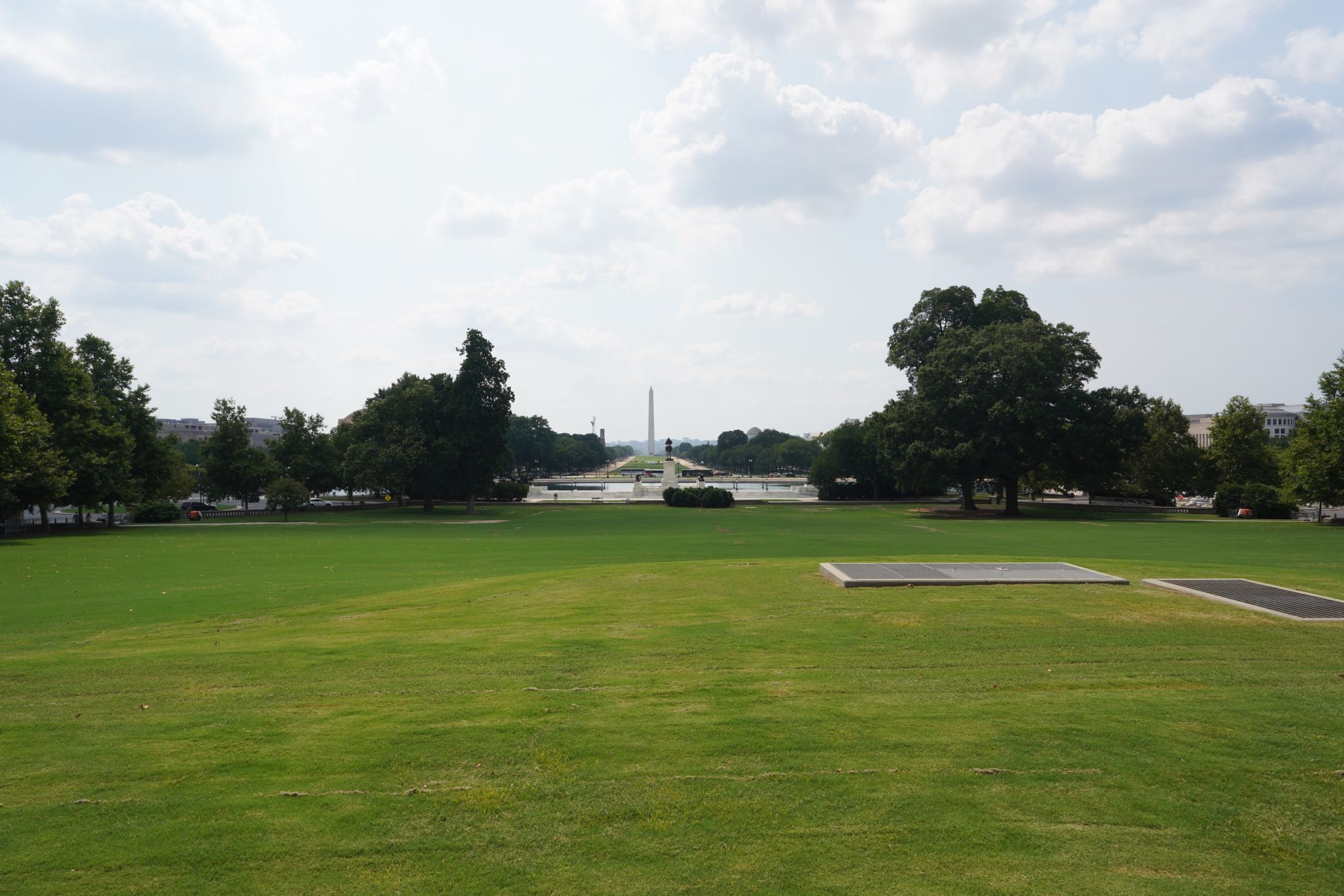
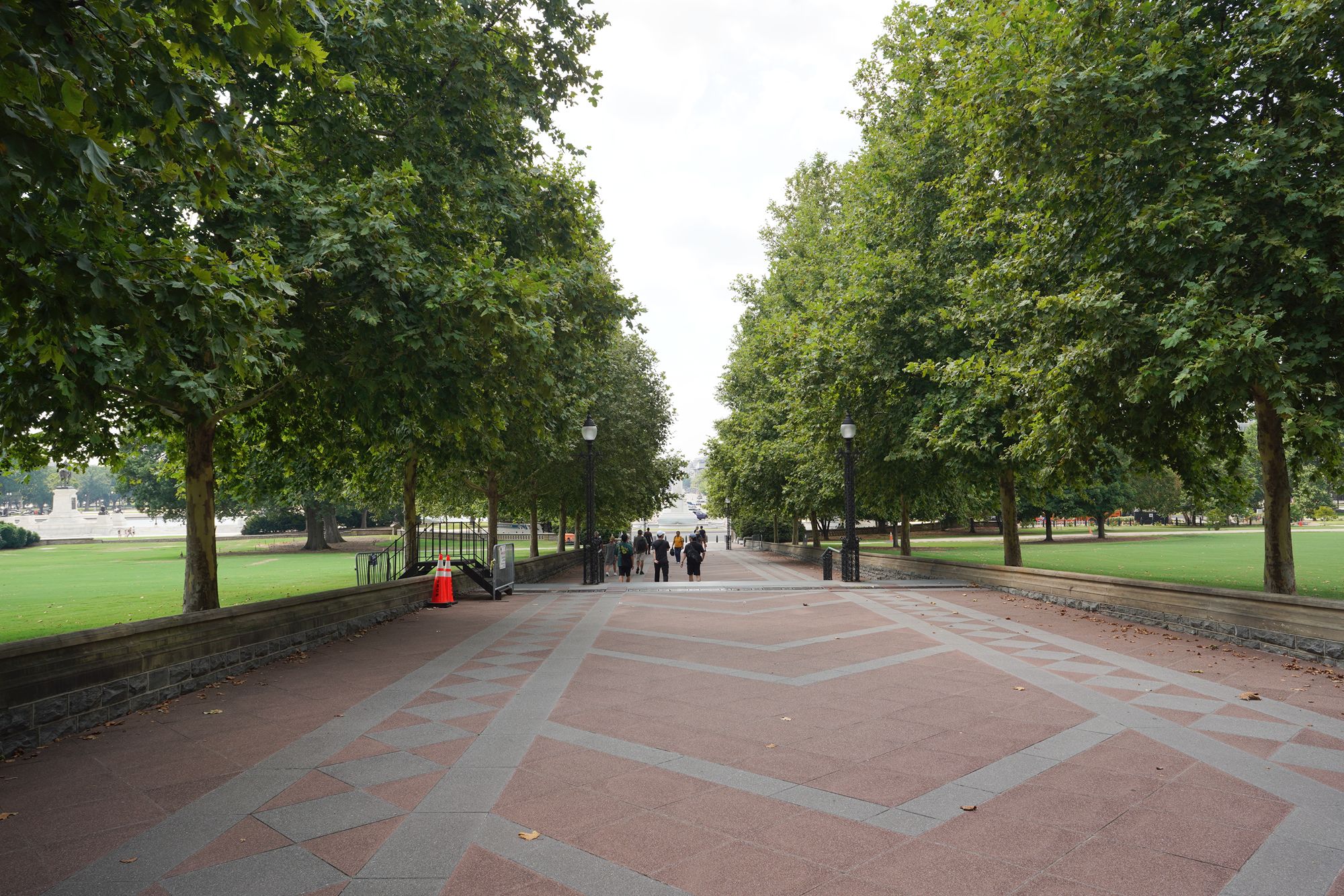
A view of the Washington Monument from the US Capitol
My back side