Harpers Ferry and Charles Town in Virginia, USA
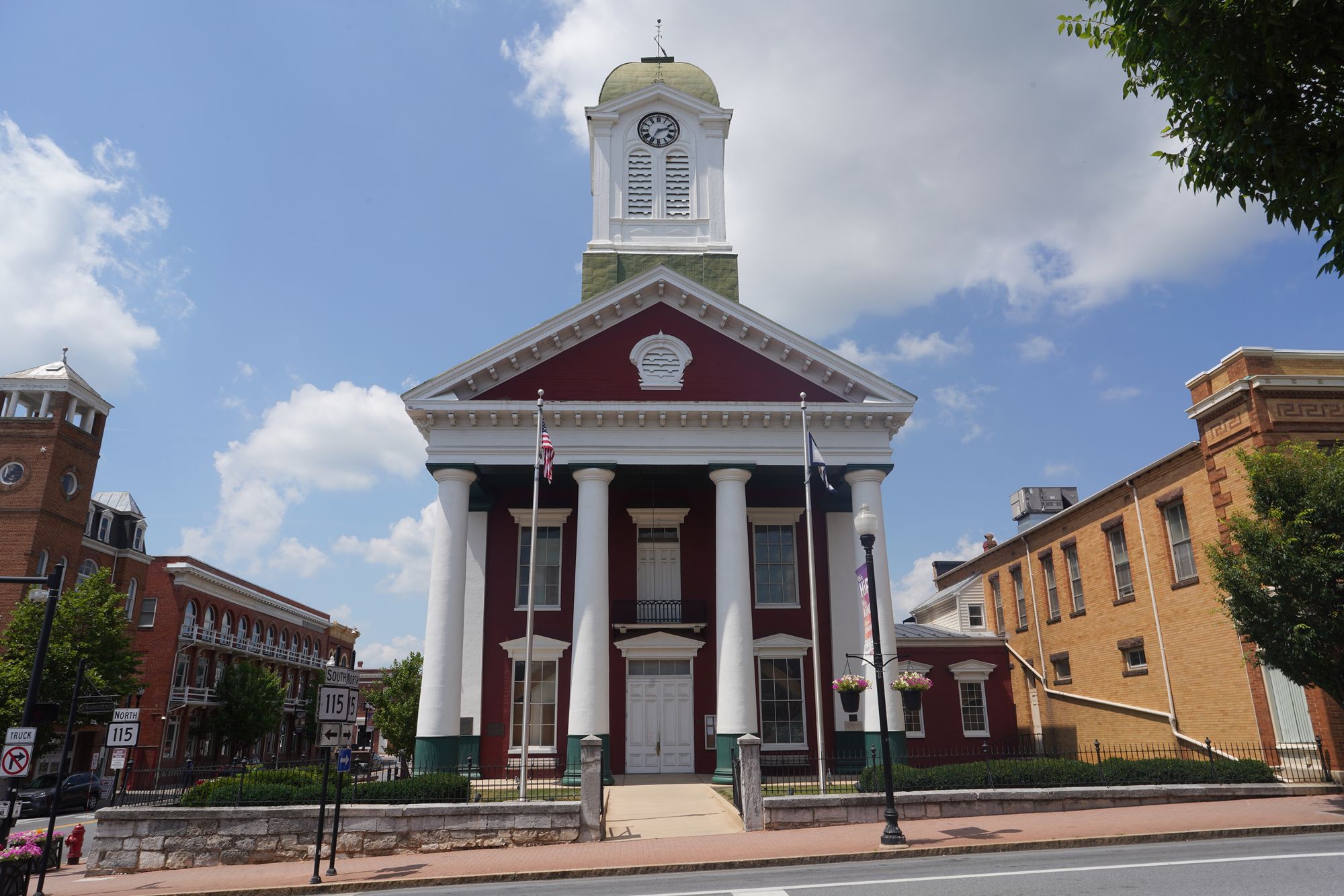
Harpers Ferry is known for John Brown’s 1859 raid, and nearby Charles Town is where he was tried and executed. 1099
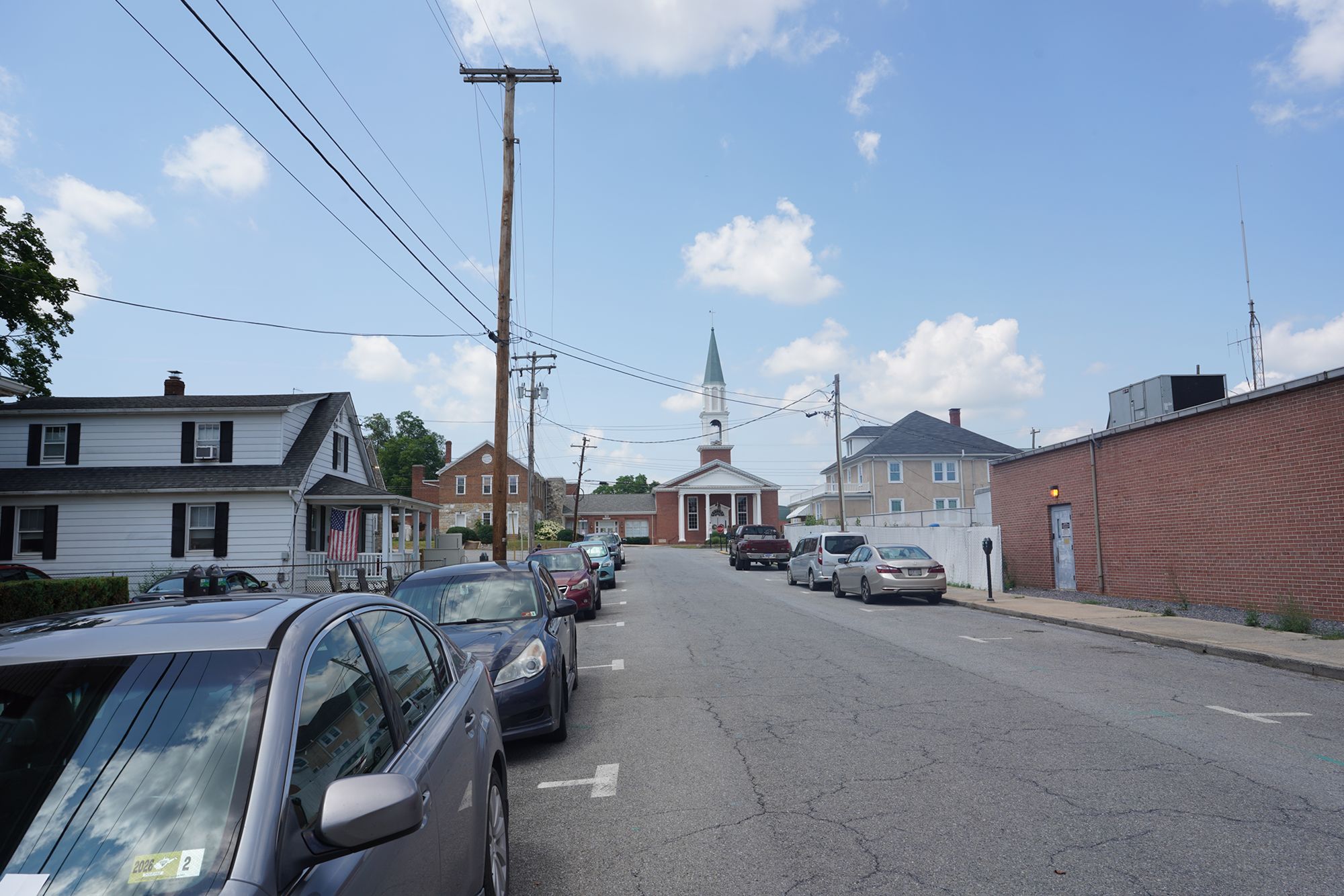
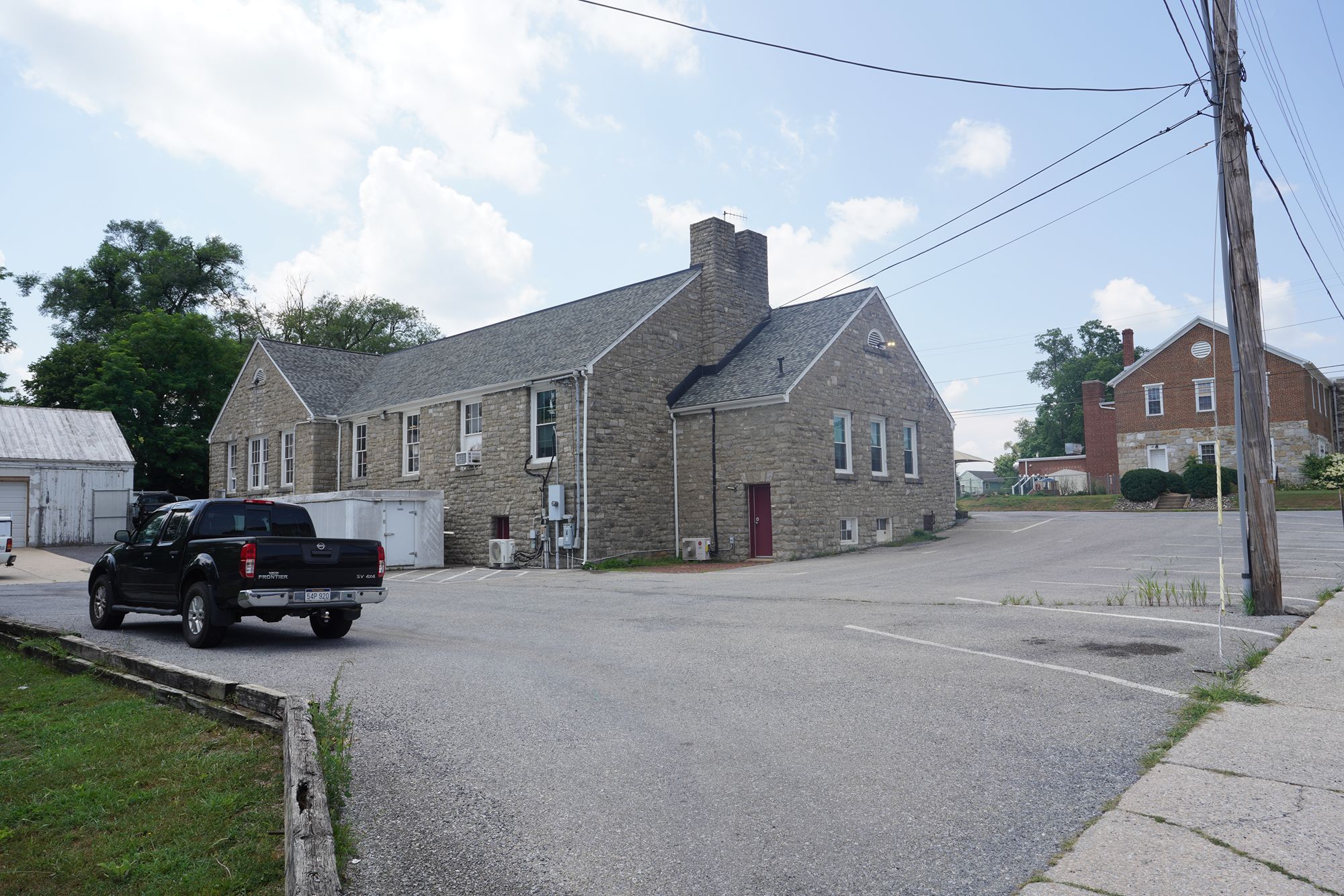
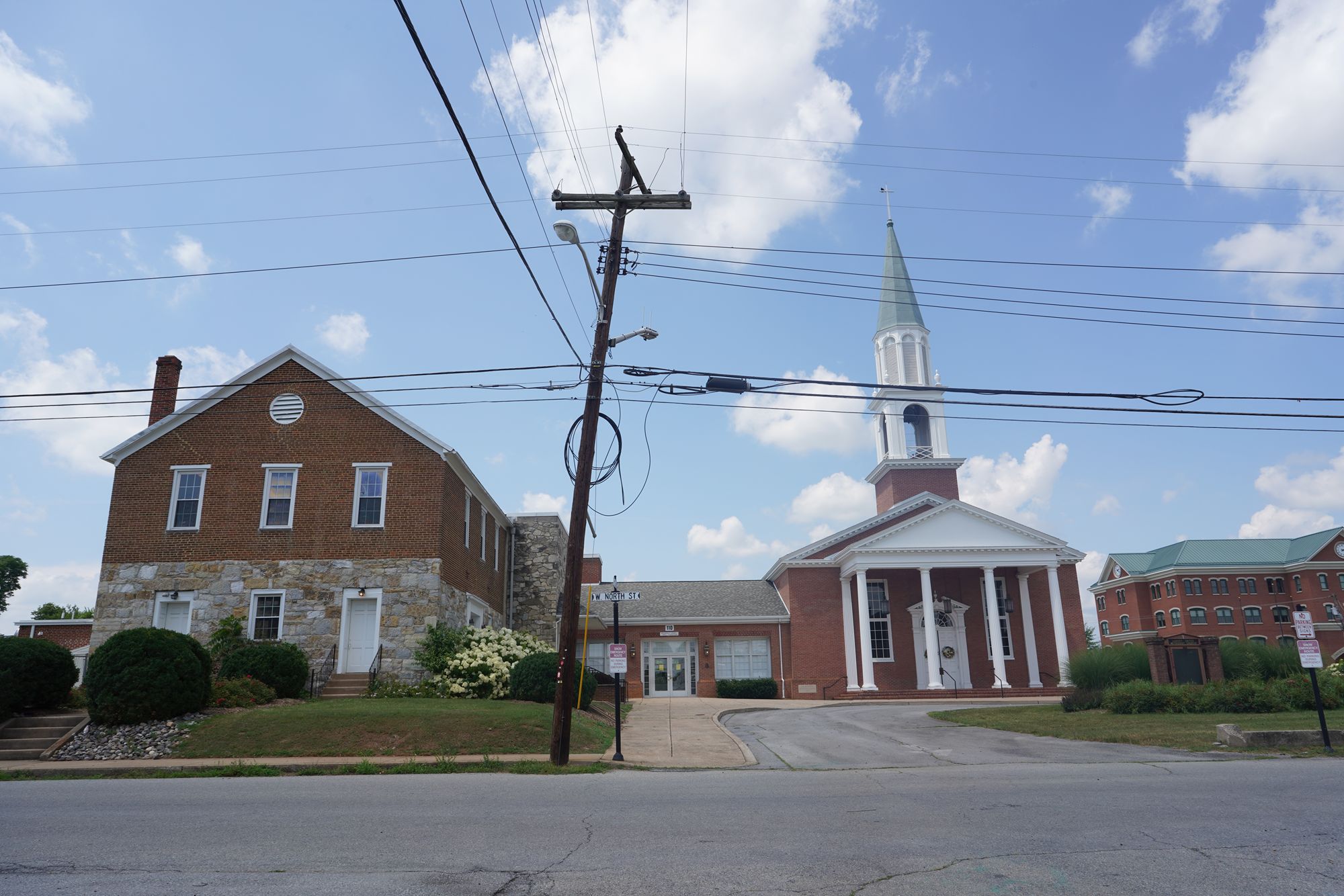
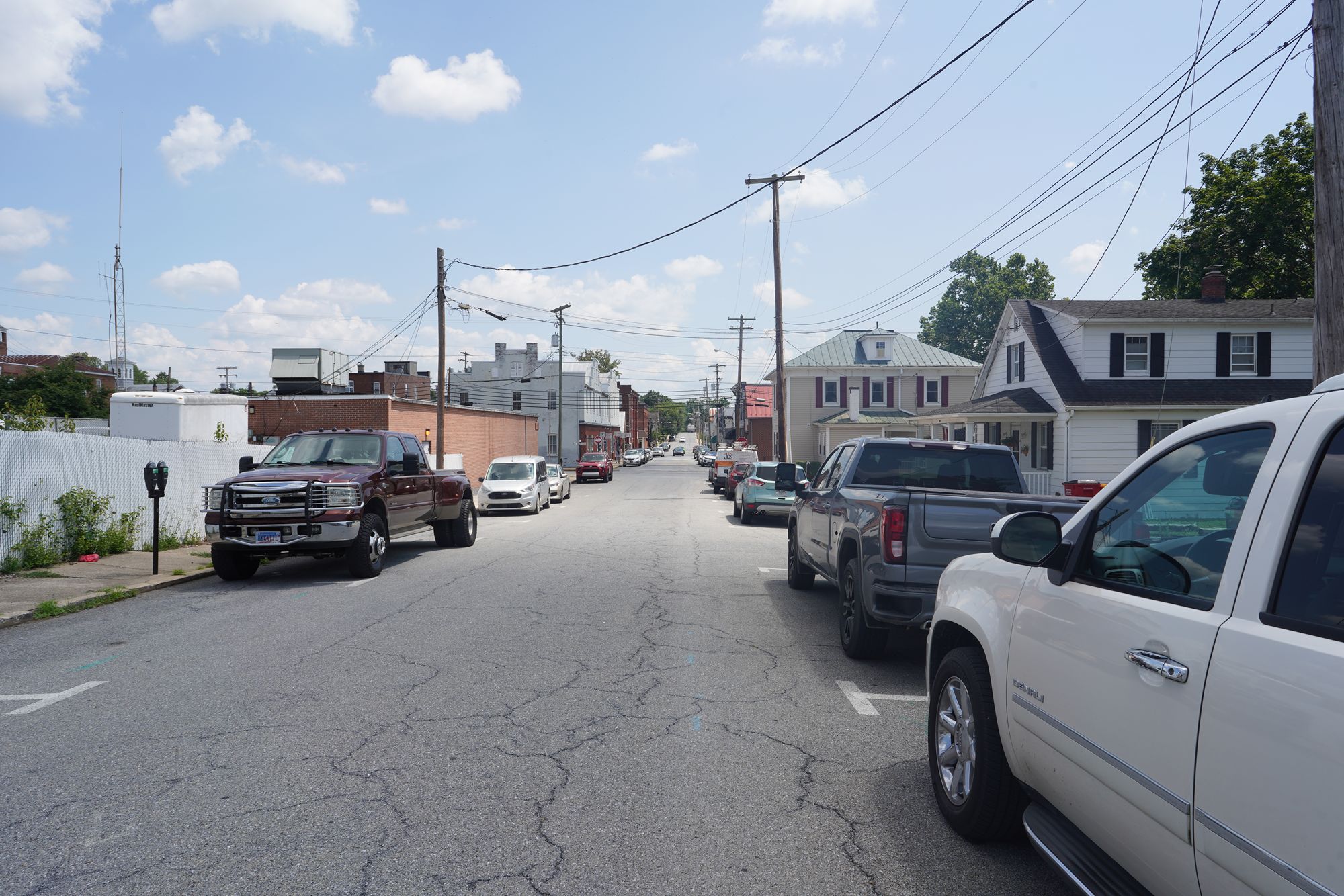
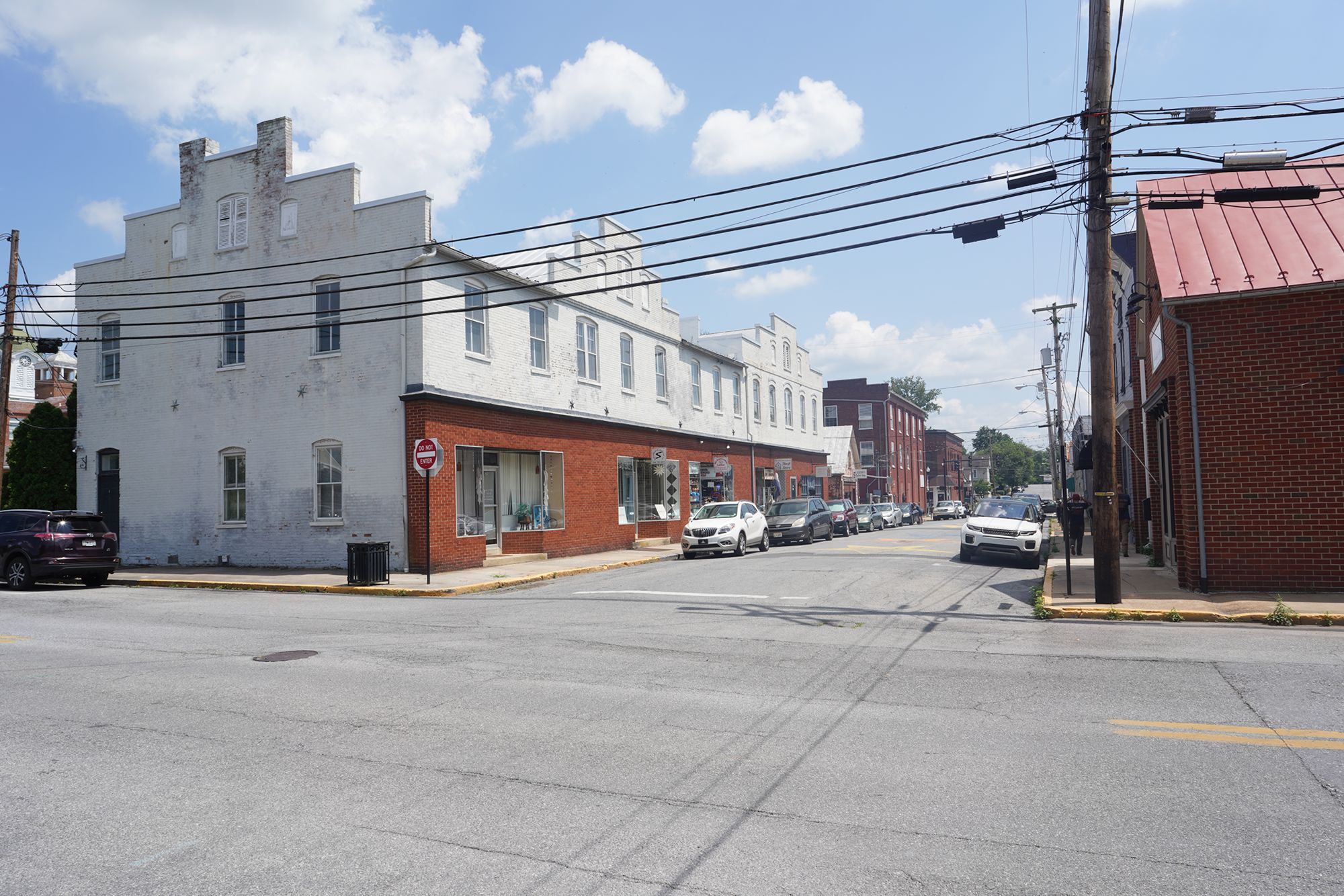
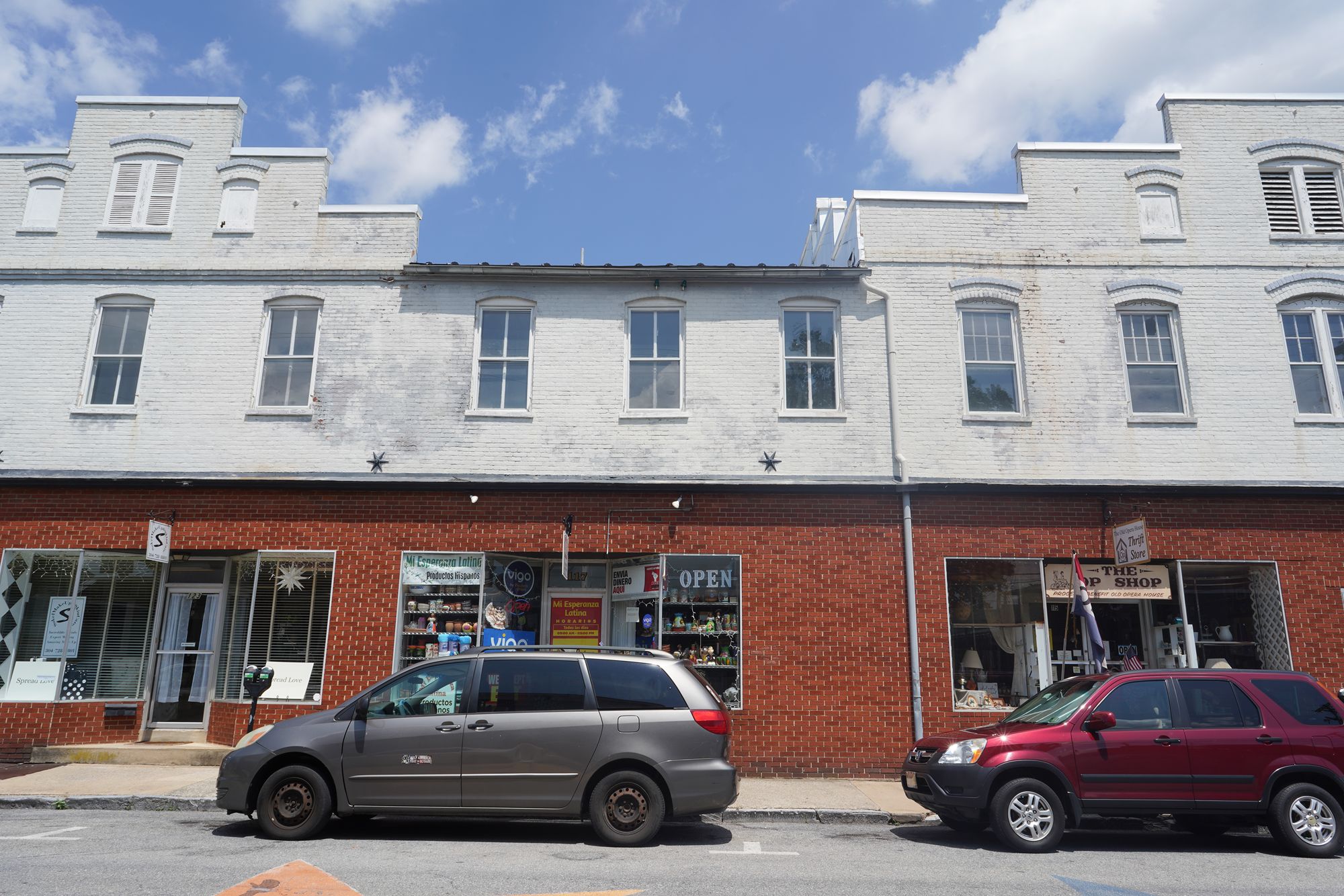
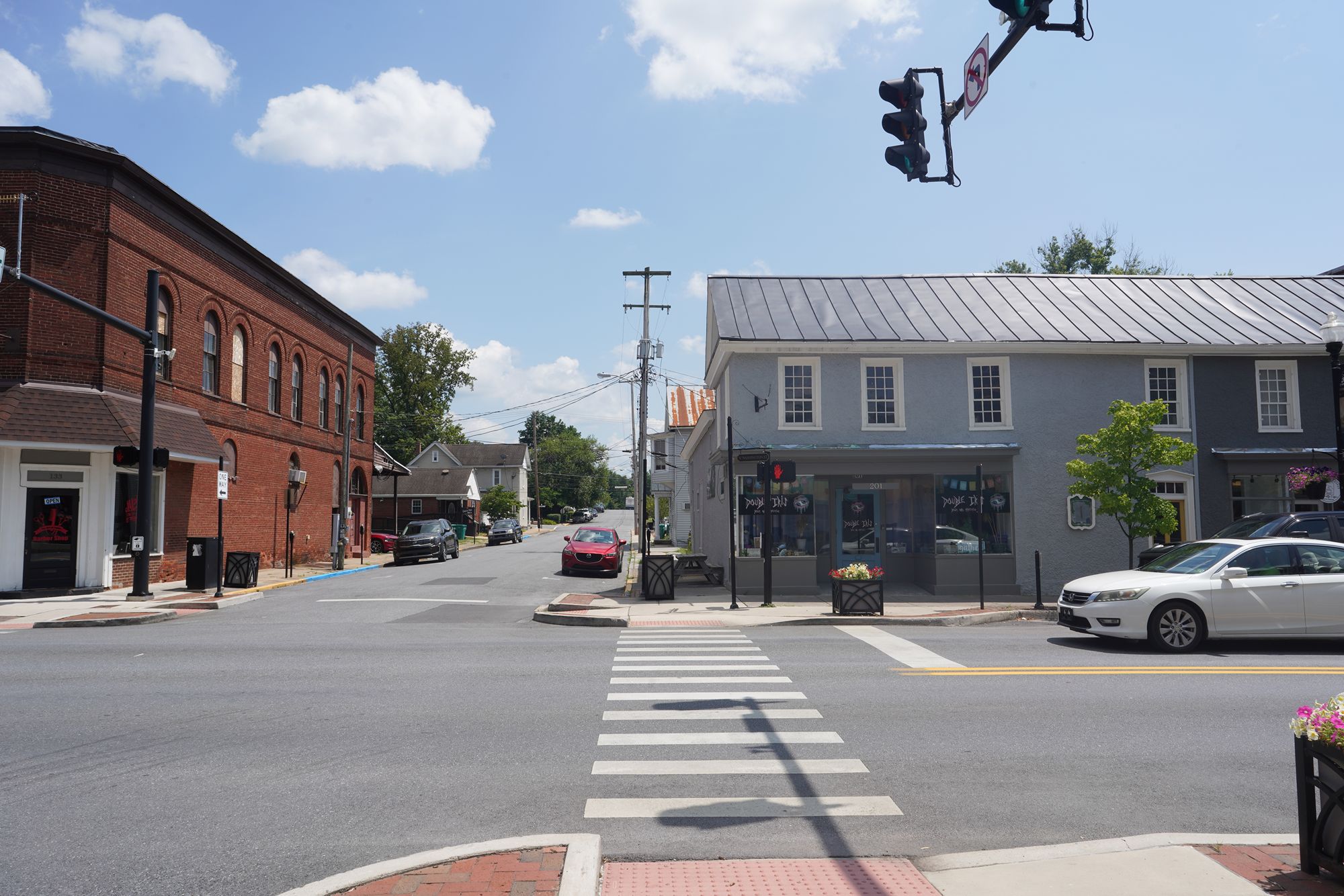
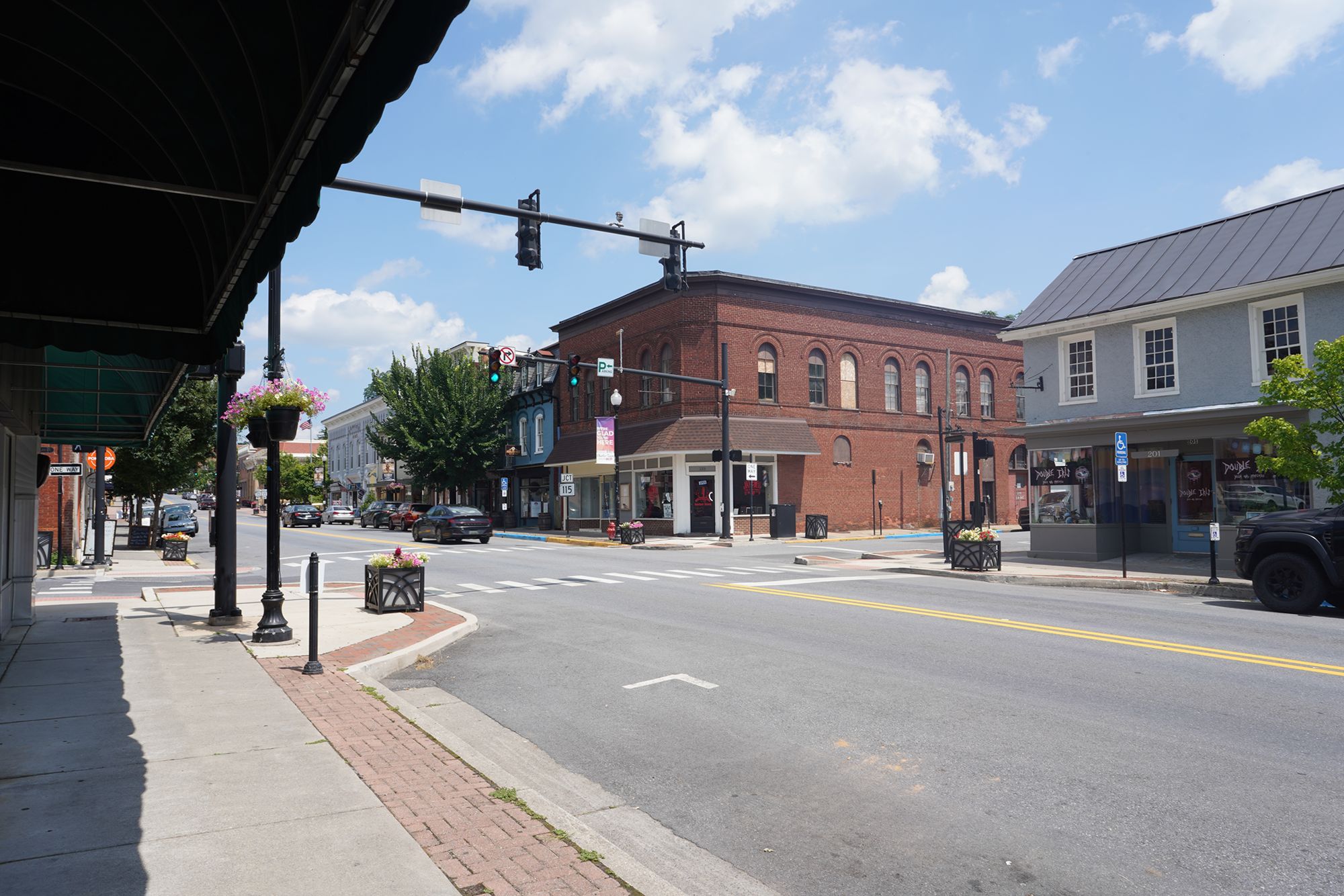
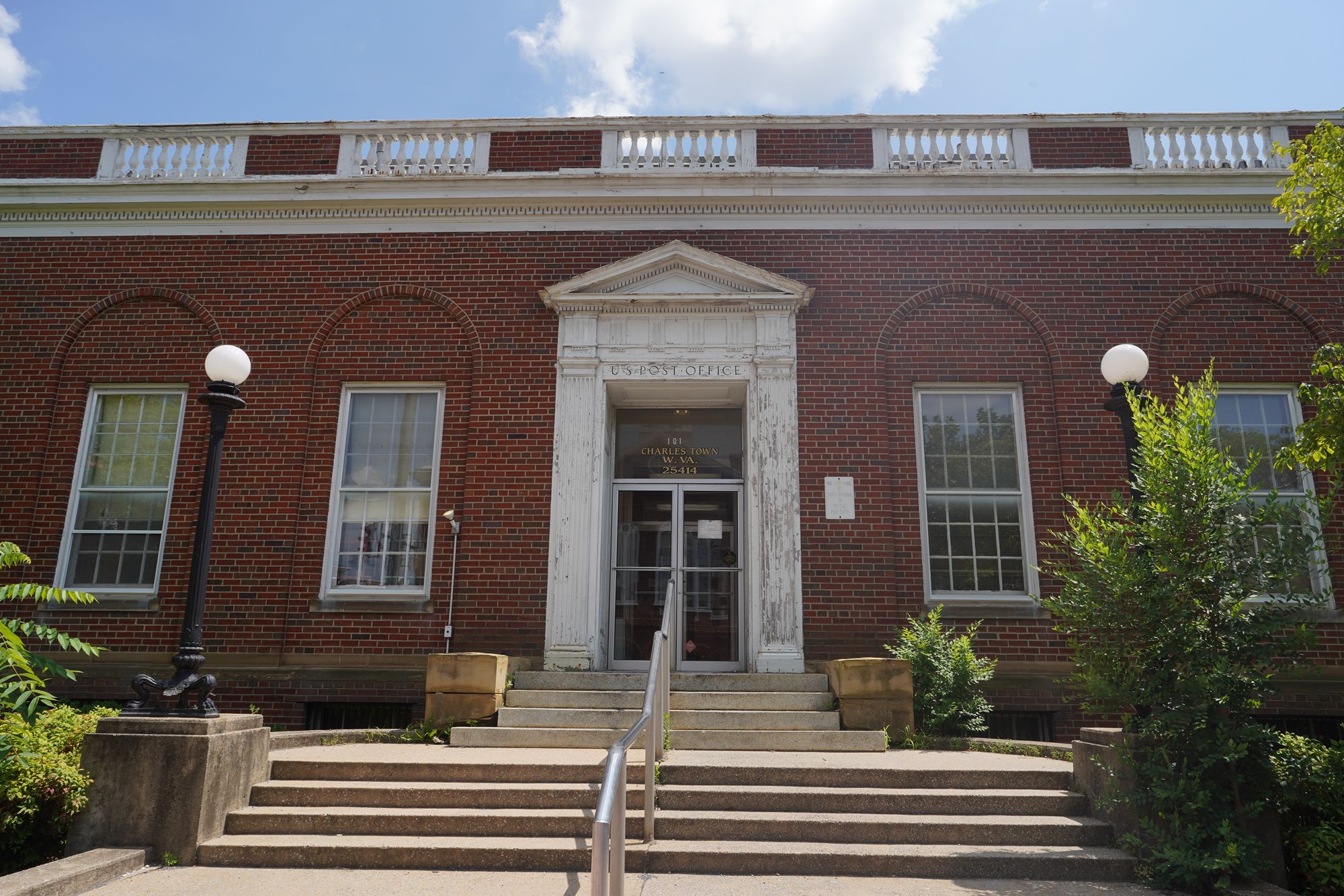
Charles Town: 205 W Washington St, Charles Town, WV 25414
Date Picture Taken: July 2025
Harpers Ferry is a historic town at the junction of the Potomac and Shenandoah Rivers, known for John Brown’s 1859 raid on the federal armory, its strategic importance during the Civil War, and its preserved 19th-century landscape within Harpers Ferry National Historical Park. The visitor center of the park.
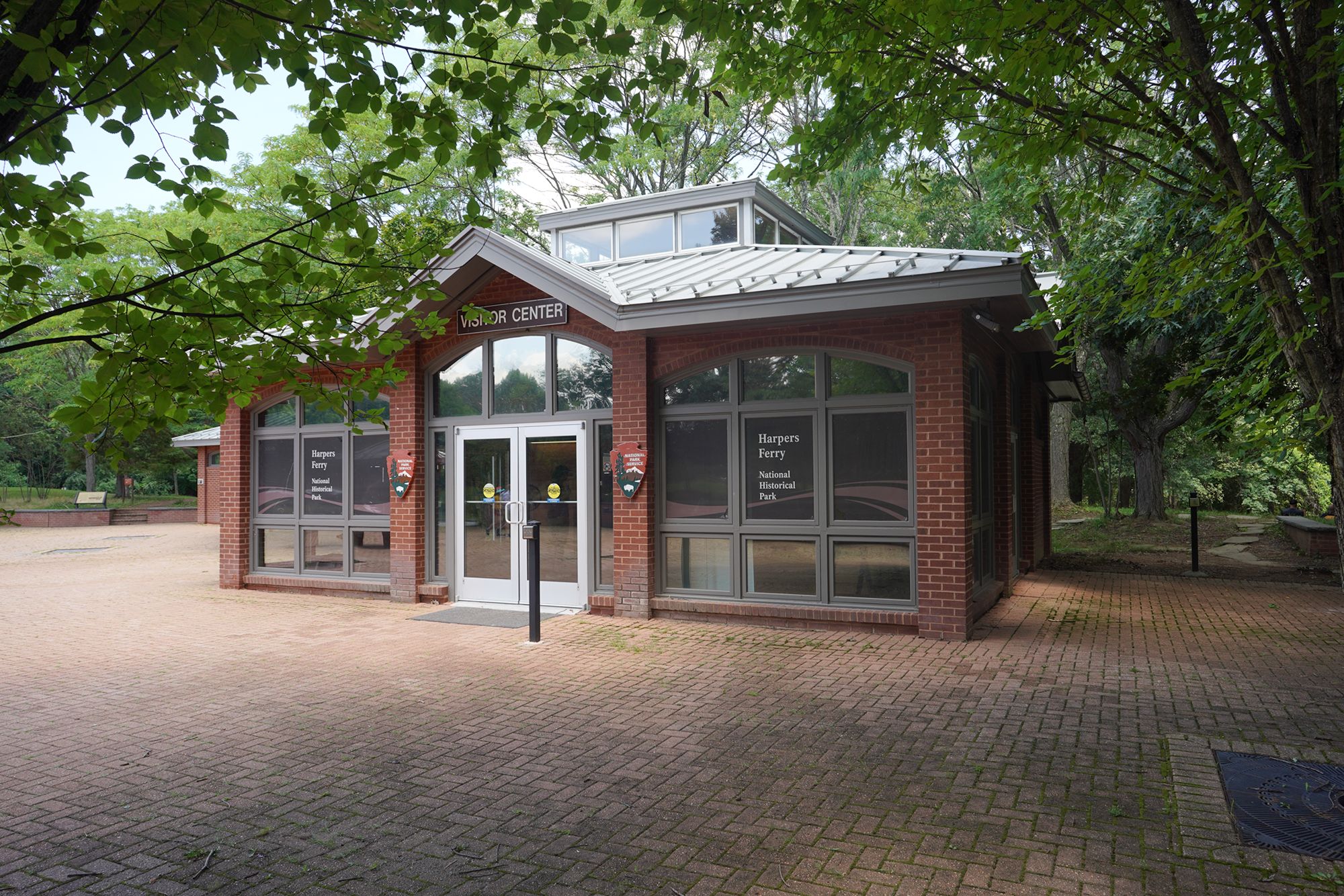
The visitor center has a model of the area inside; there isn’t much else to see here, but this is where you take the shuttle to the preserved town.
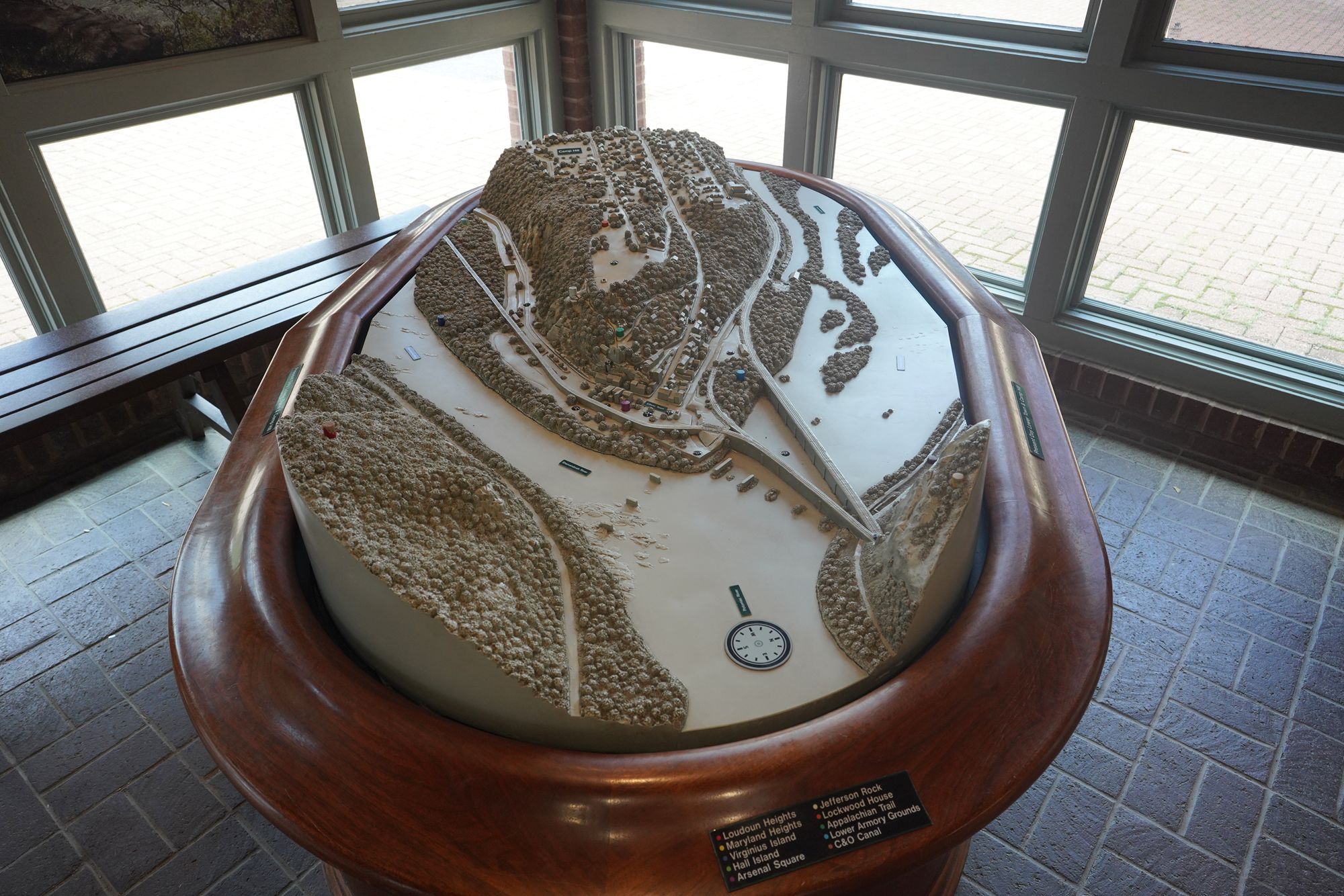
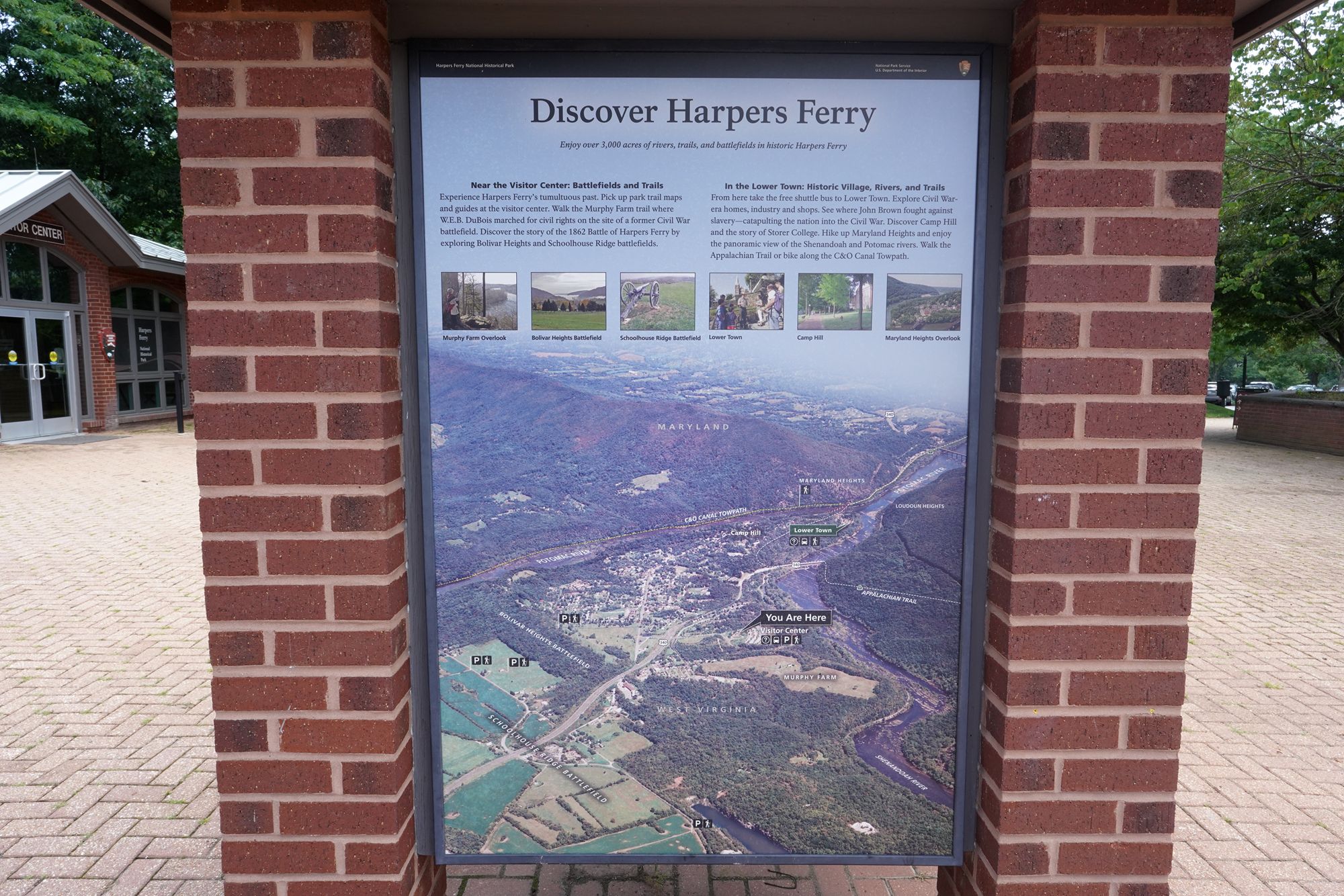
I took the shuttle to the town from the visitor center.
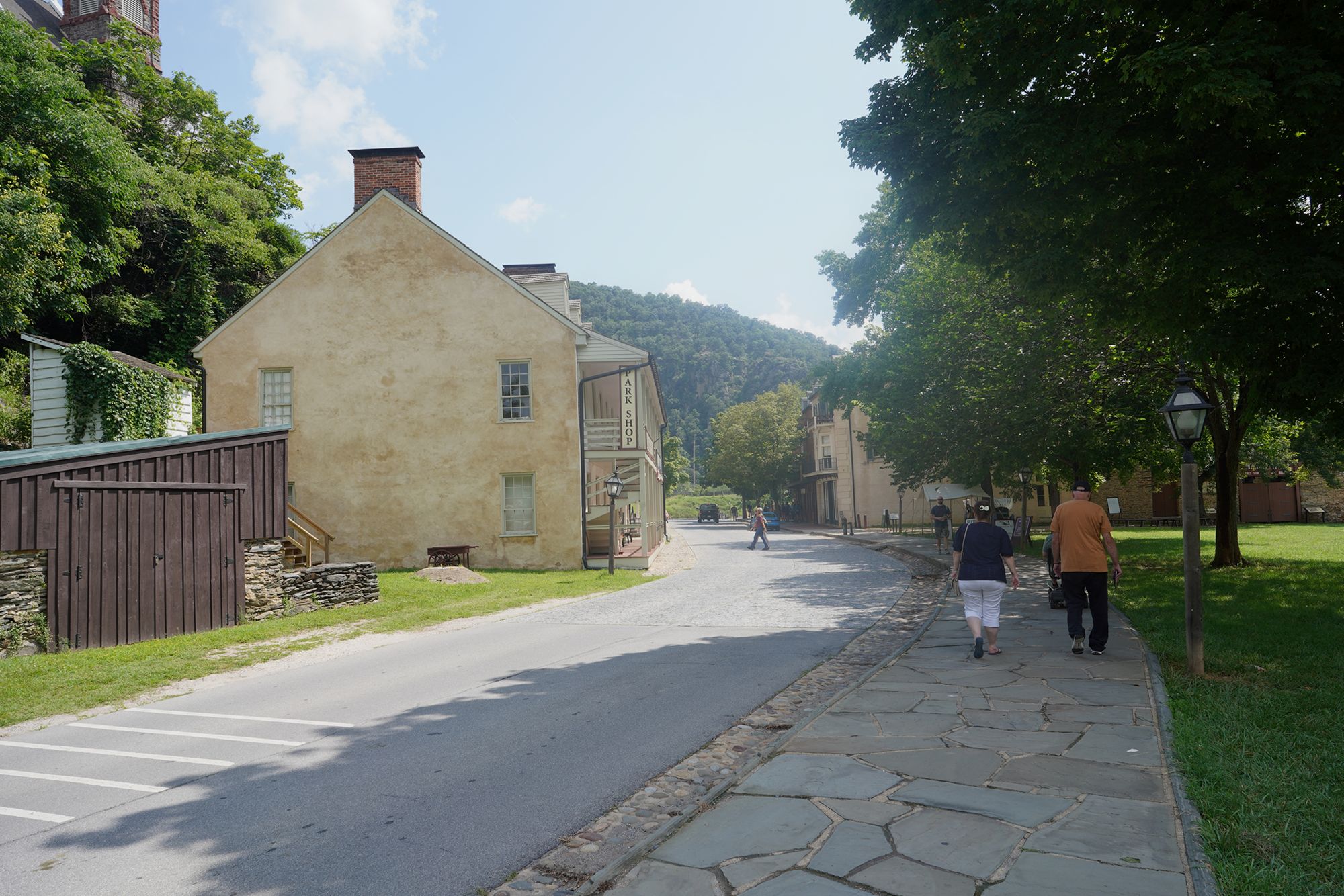
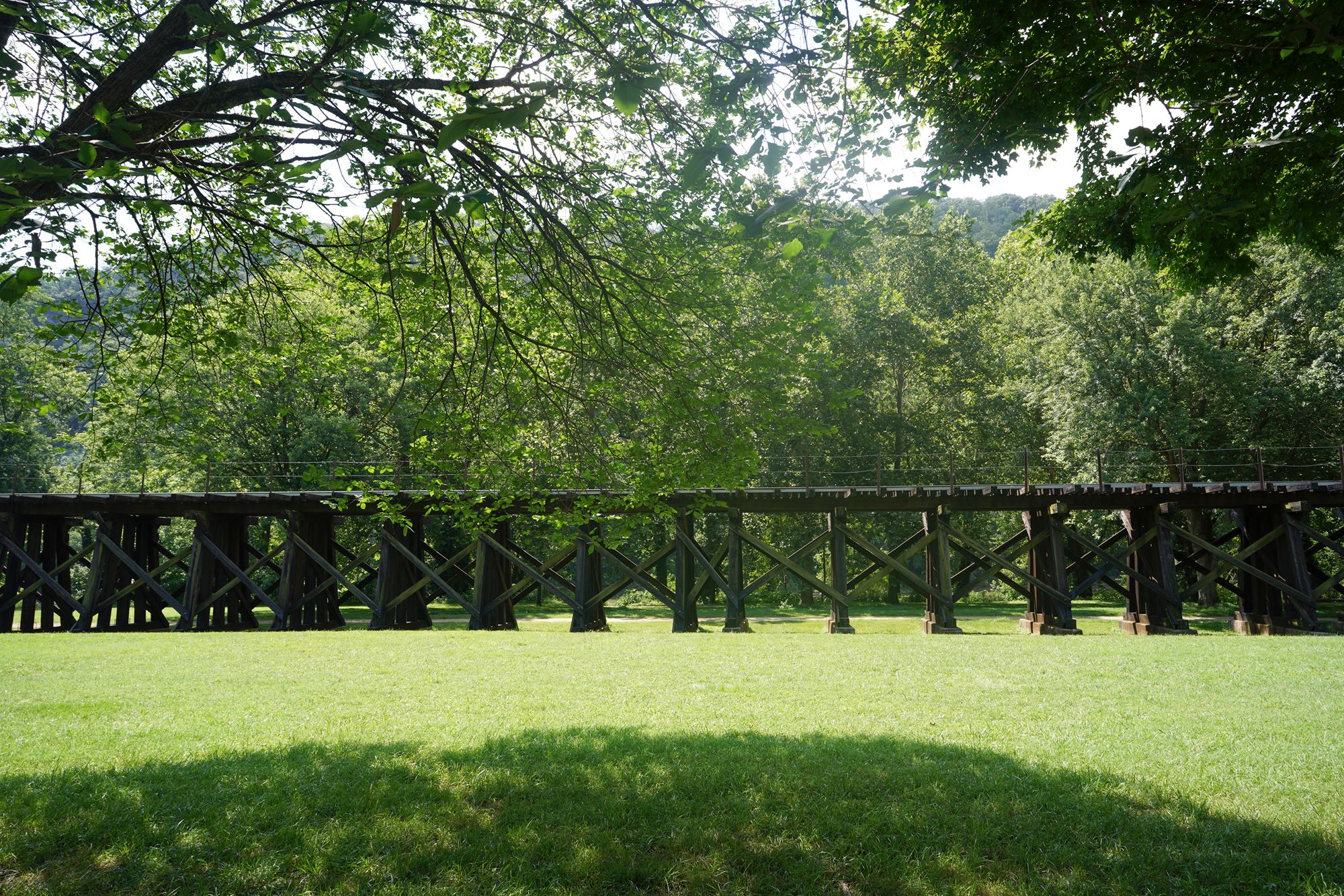
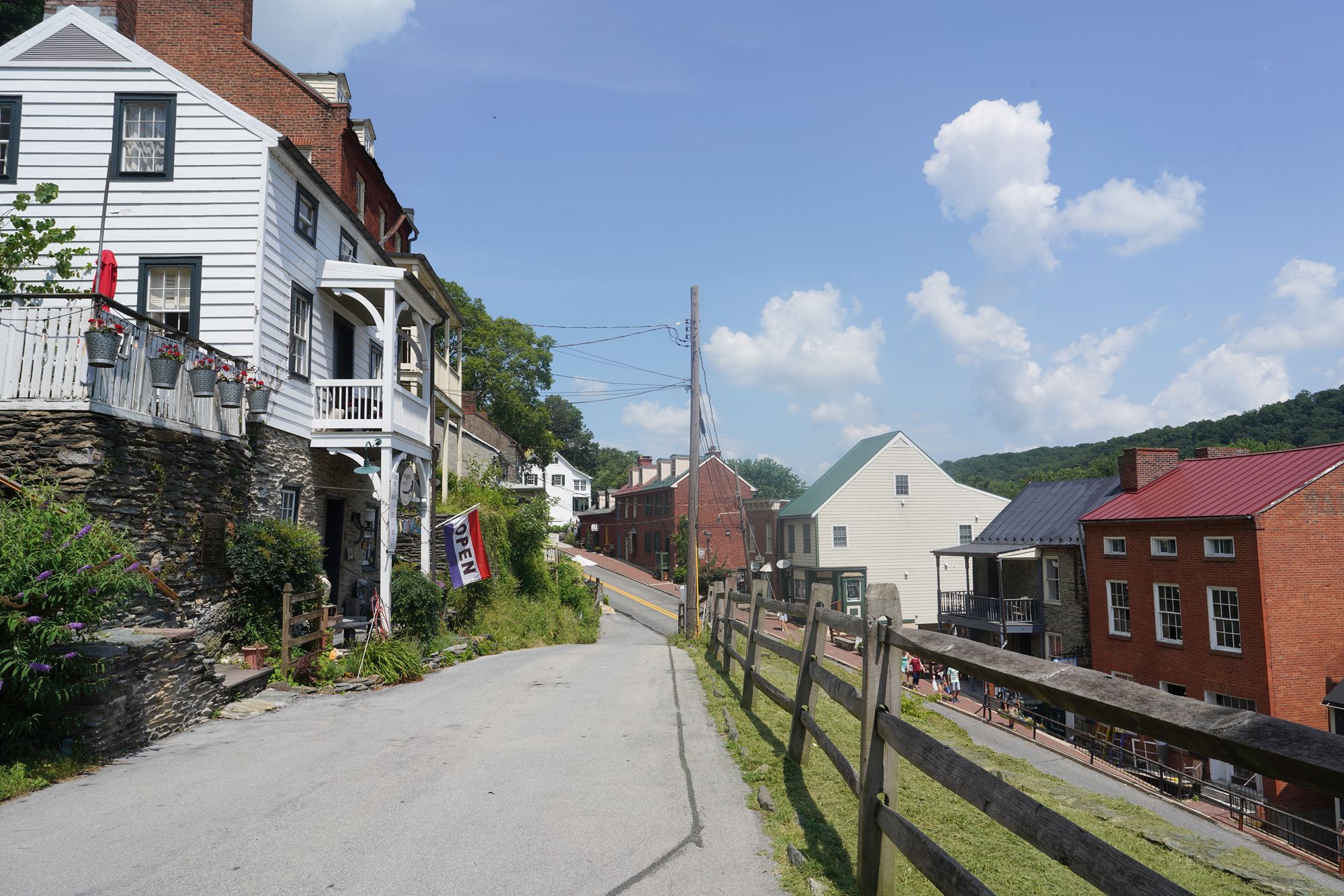
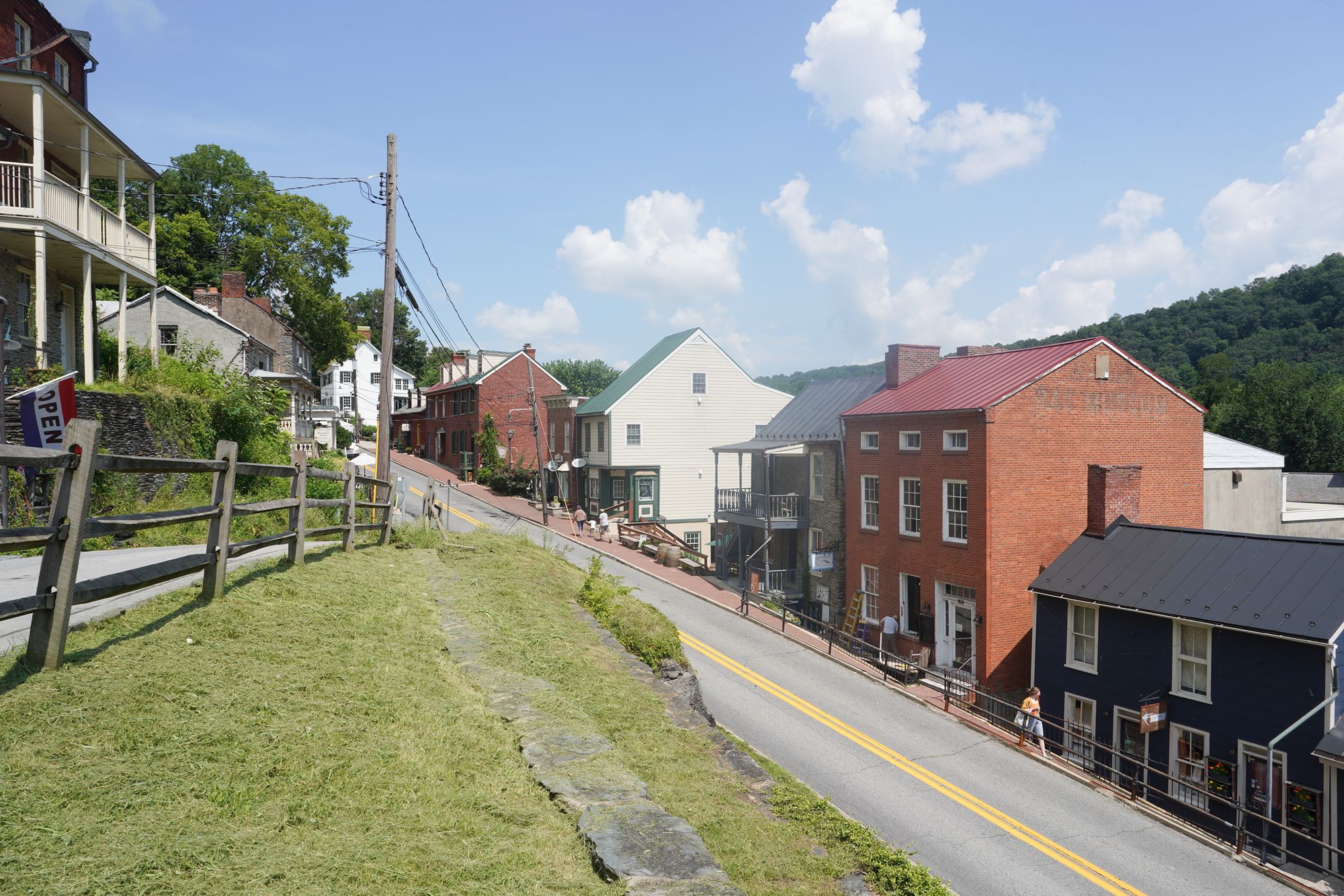
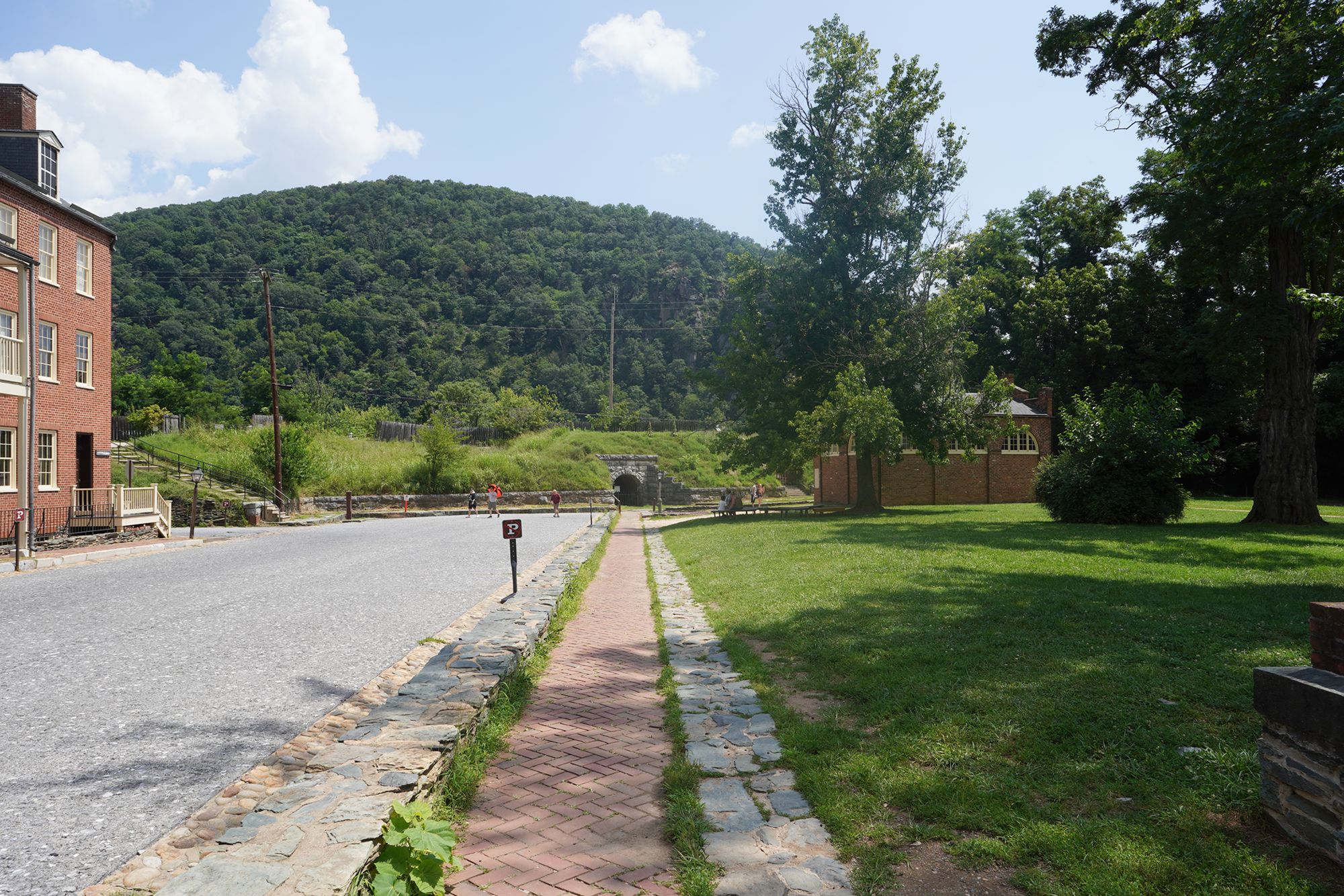
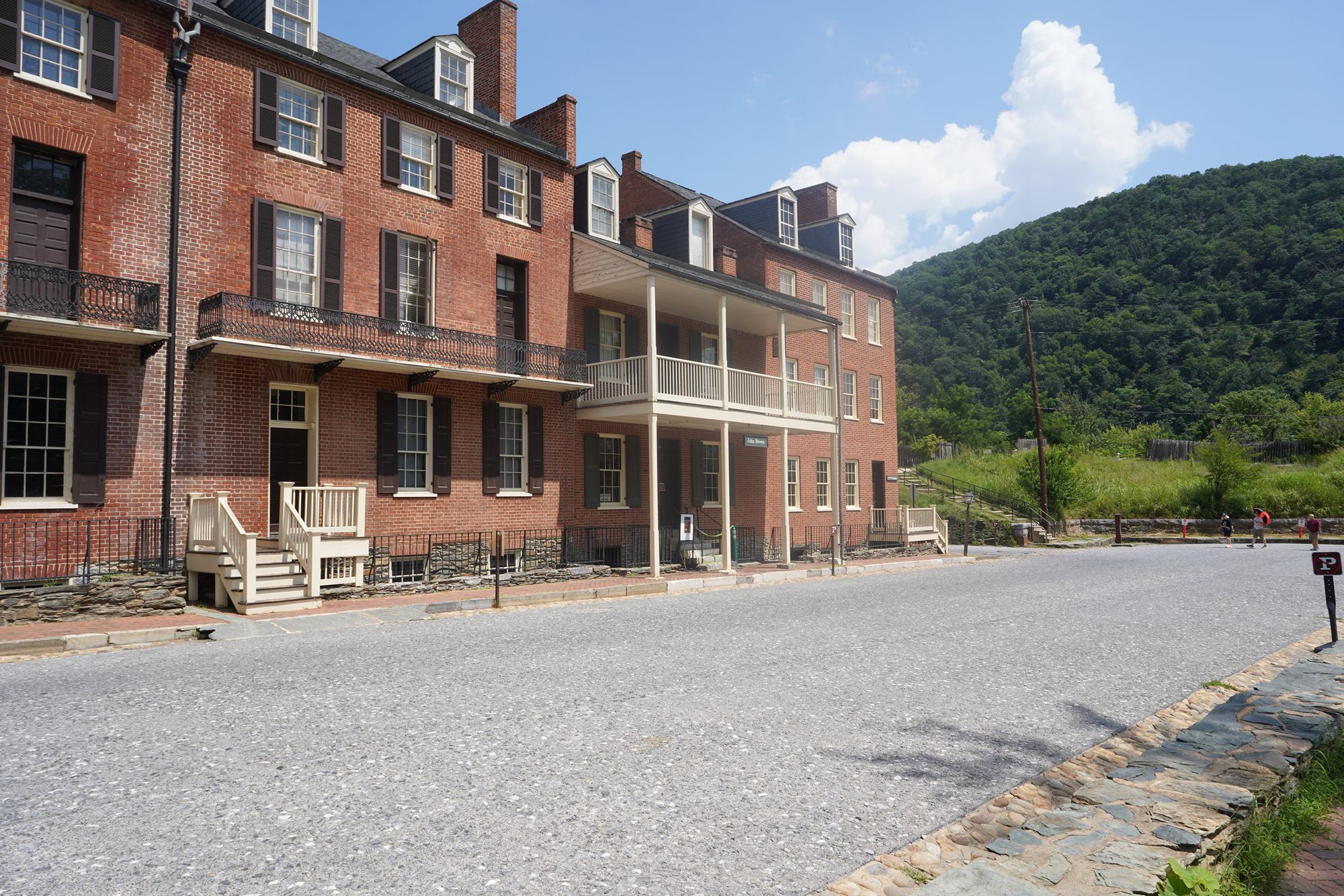
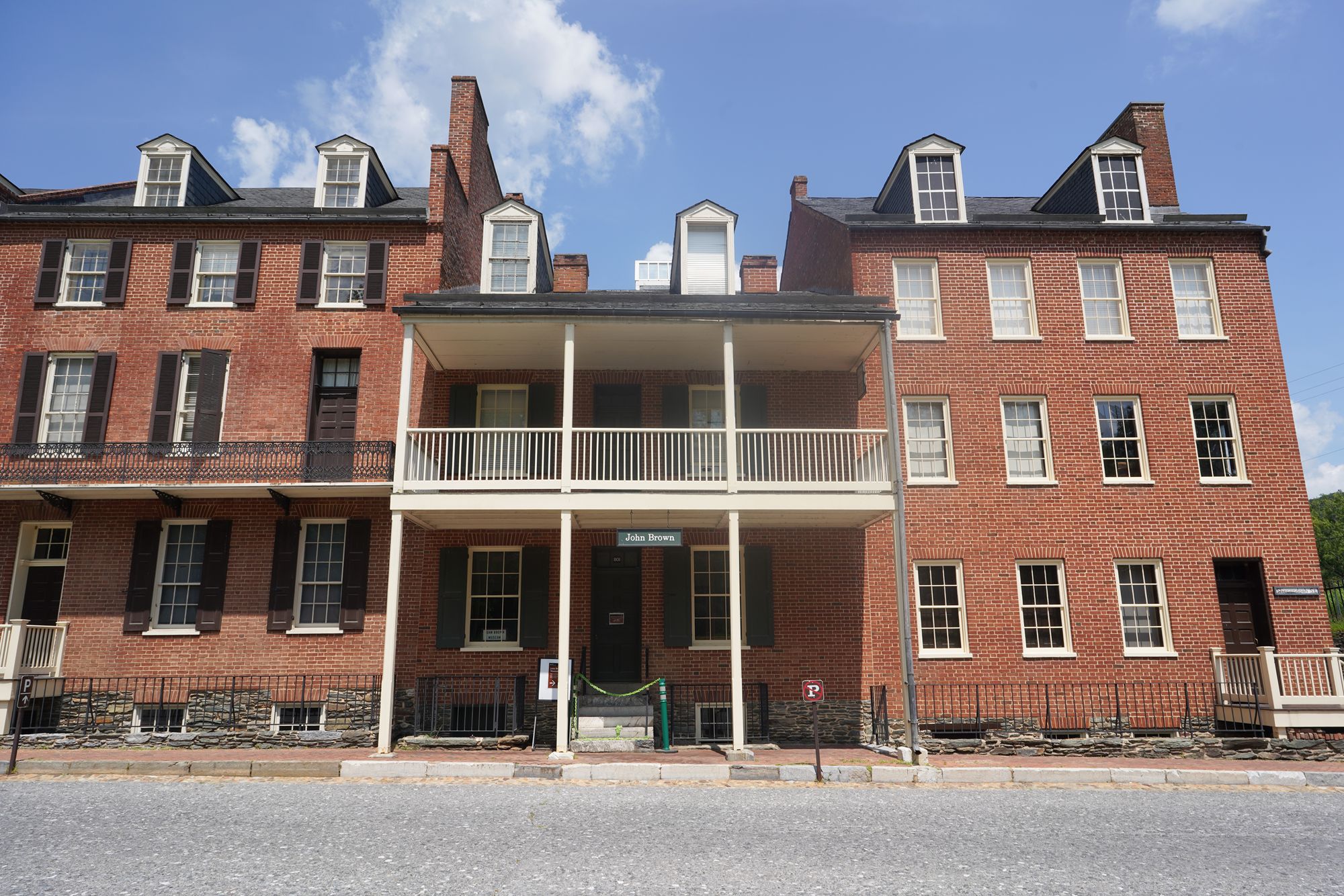
Harpers Ferry’s preserved historic town features 19th-century buildings, narrow streets, and exhibits related to John Brown’s raid, Civil War occupations, and early industry, set at the scenic confluence of two rivers and surrounded by steep, forested hills. There is no resident here. The houses are part of the preserved park.
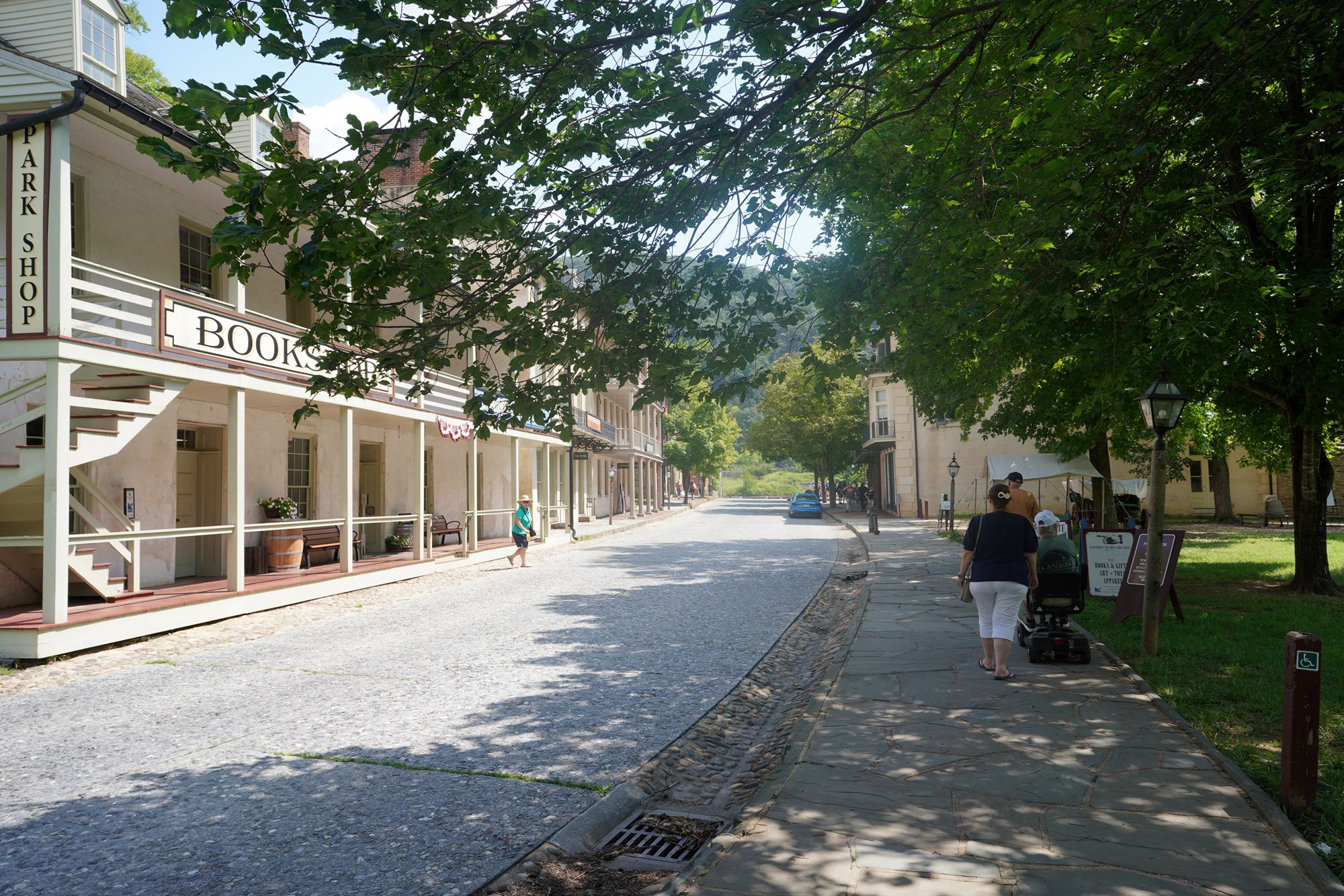
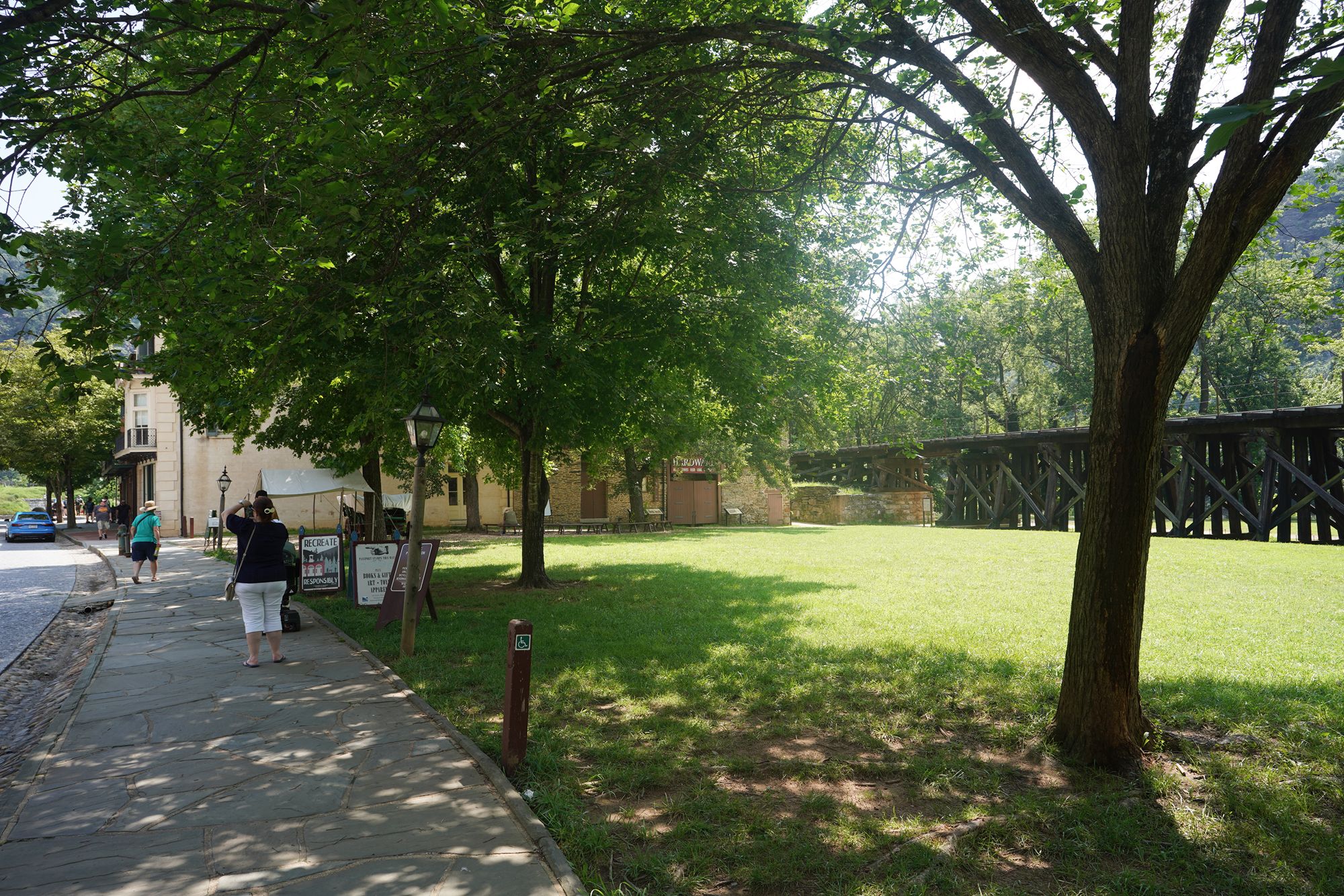
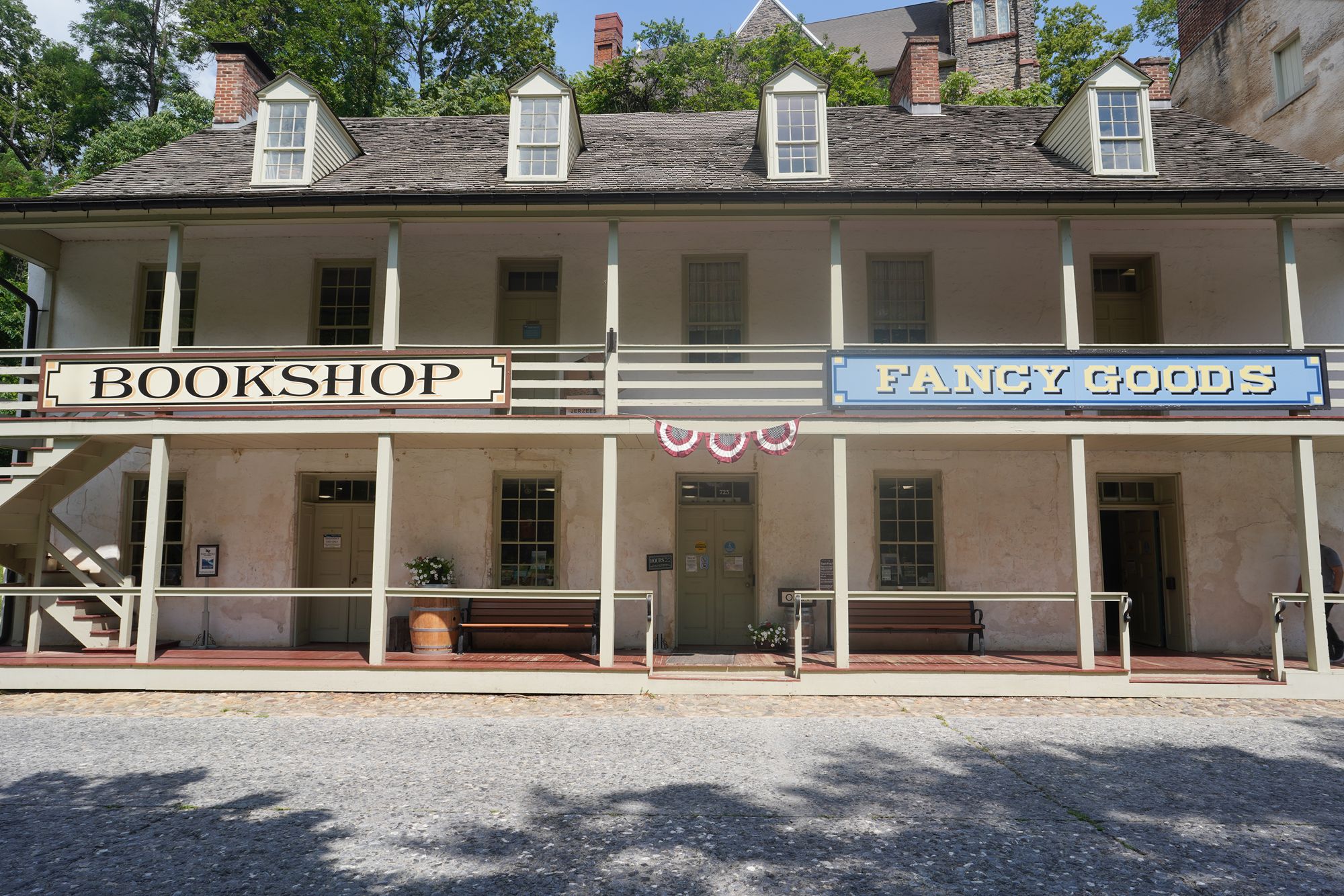
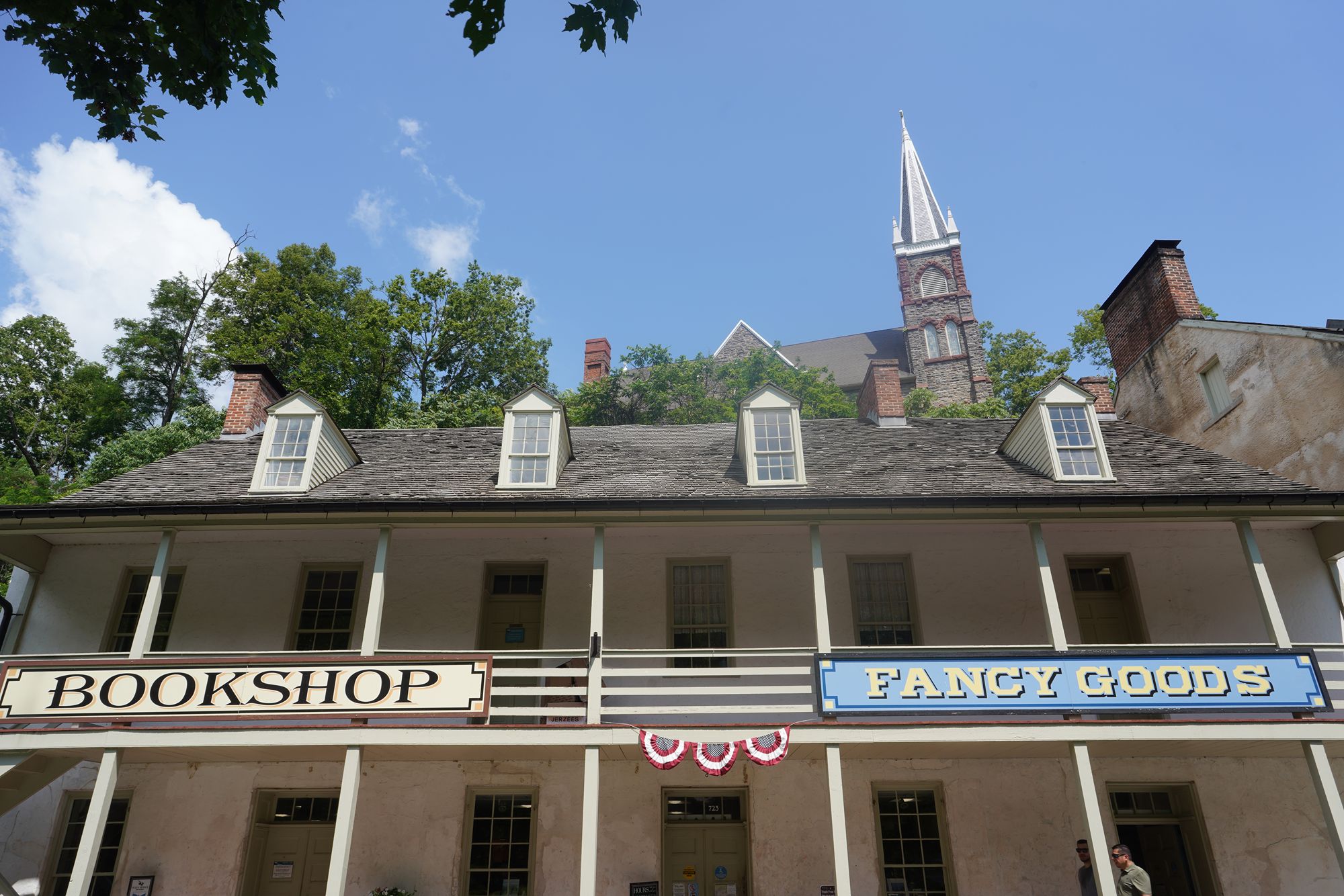
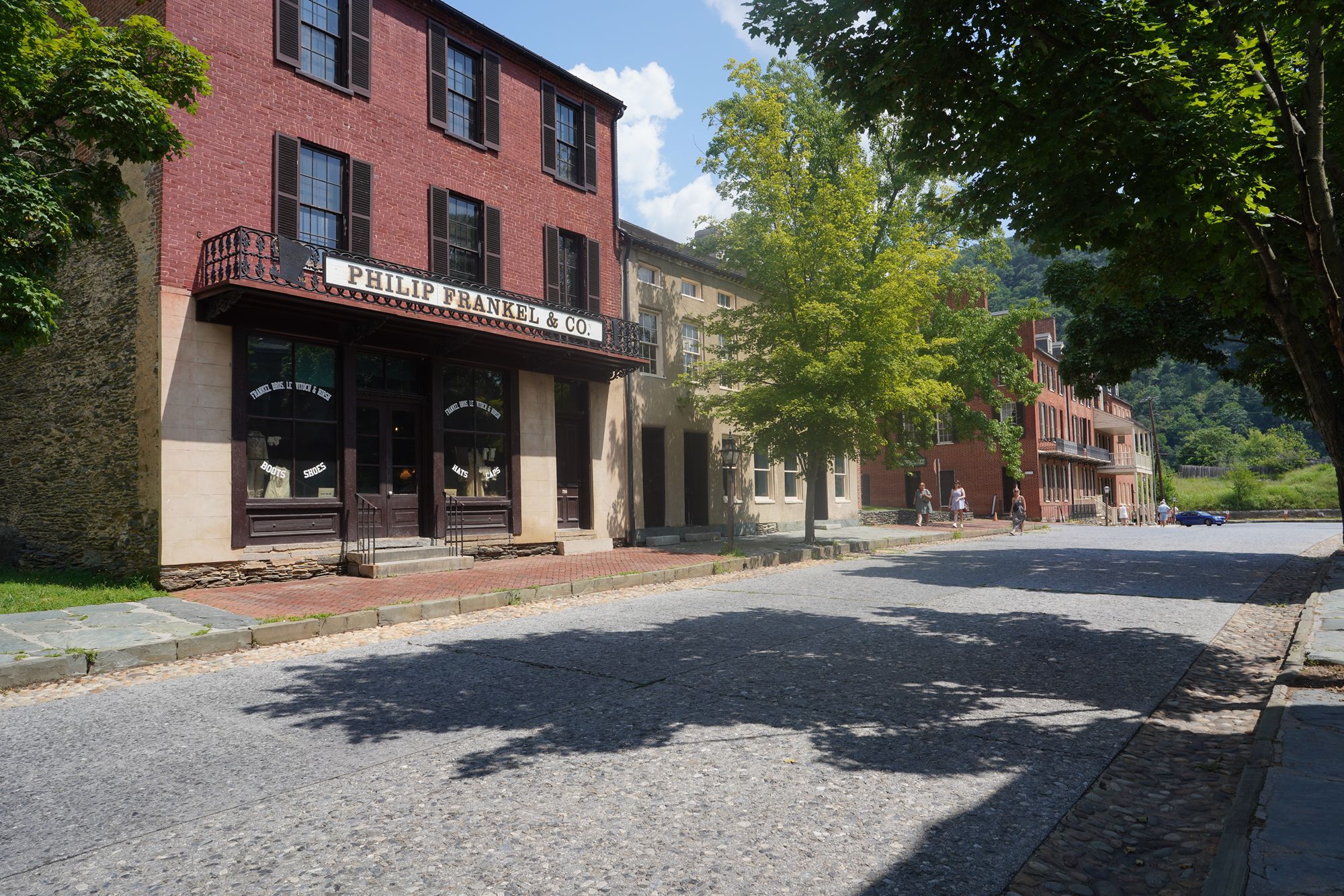
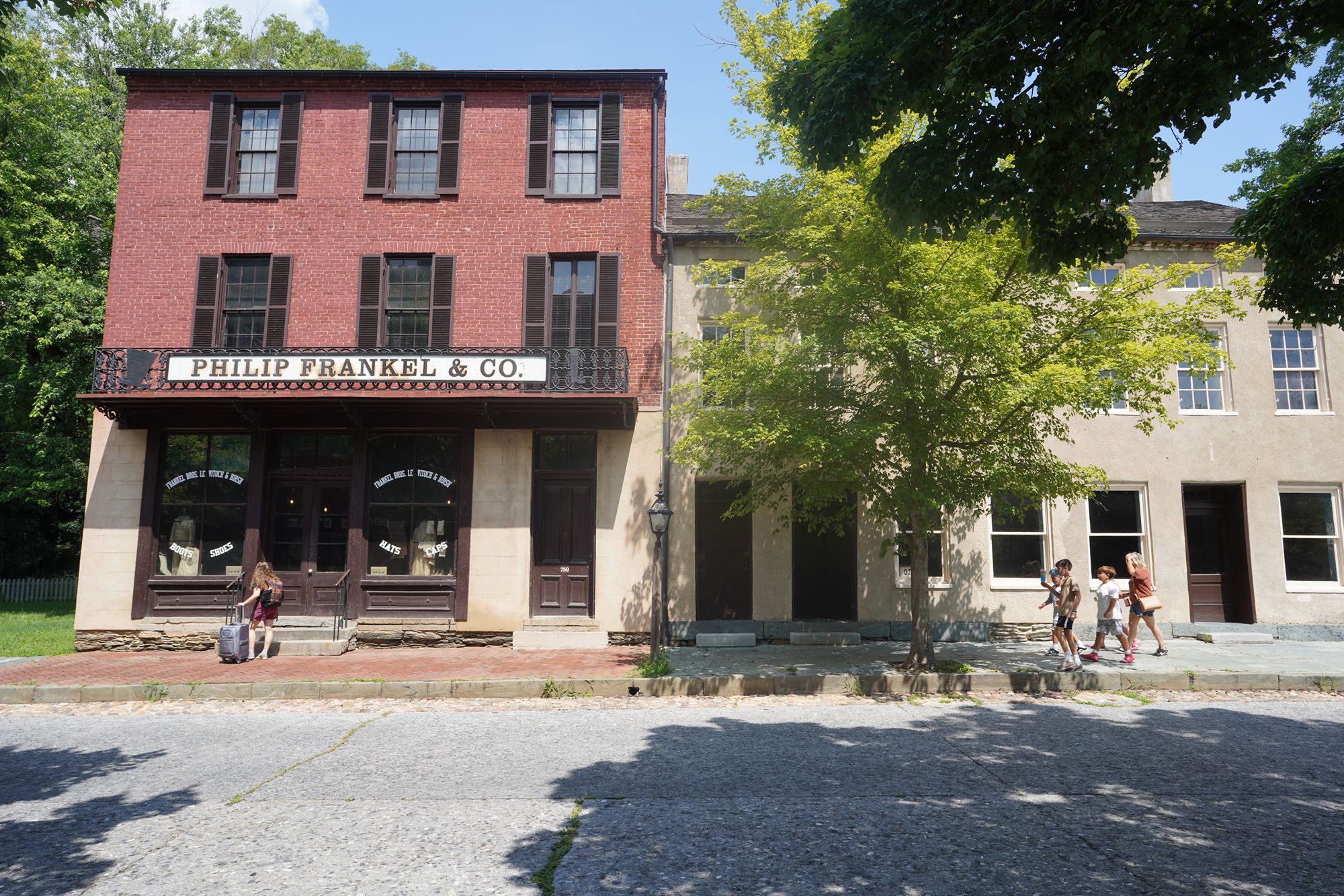
This town became famous through John Brown’s raid.
John Brown’s raid in 1859 was an abolitionist attack on the federal armory at Harpers Ferry, where Brown aimed to seize weapons, arm enslaved people, and spark a widespread slave uprising; the plan failed, Brown was captured by U.S. Marines led by Robert E. Lee, and the event intensified national tensions leading up to the Civil War.
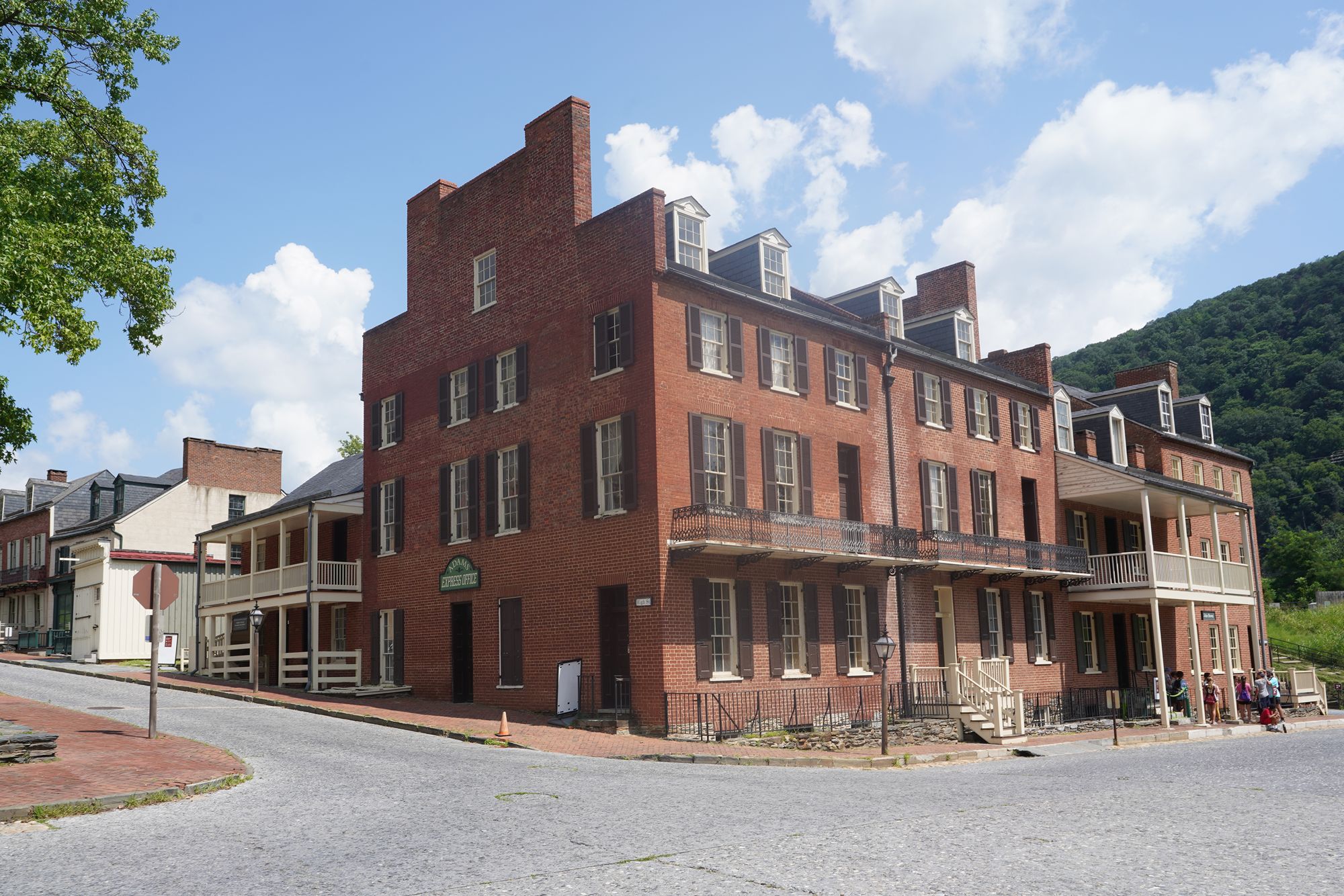
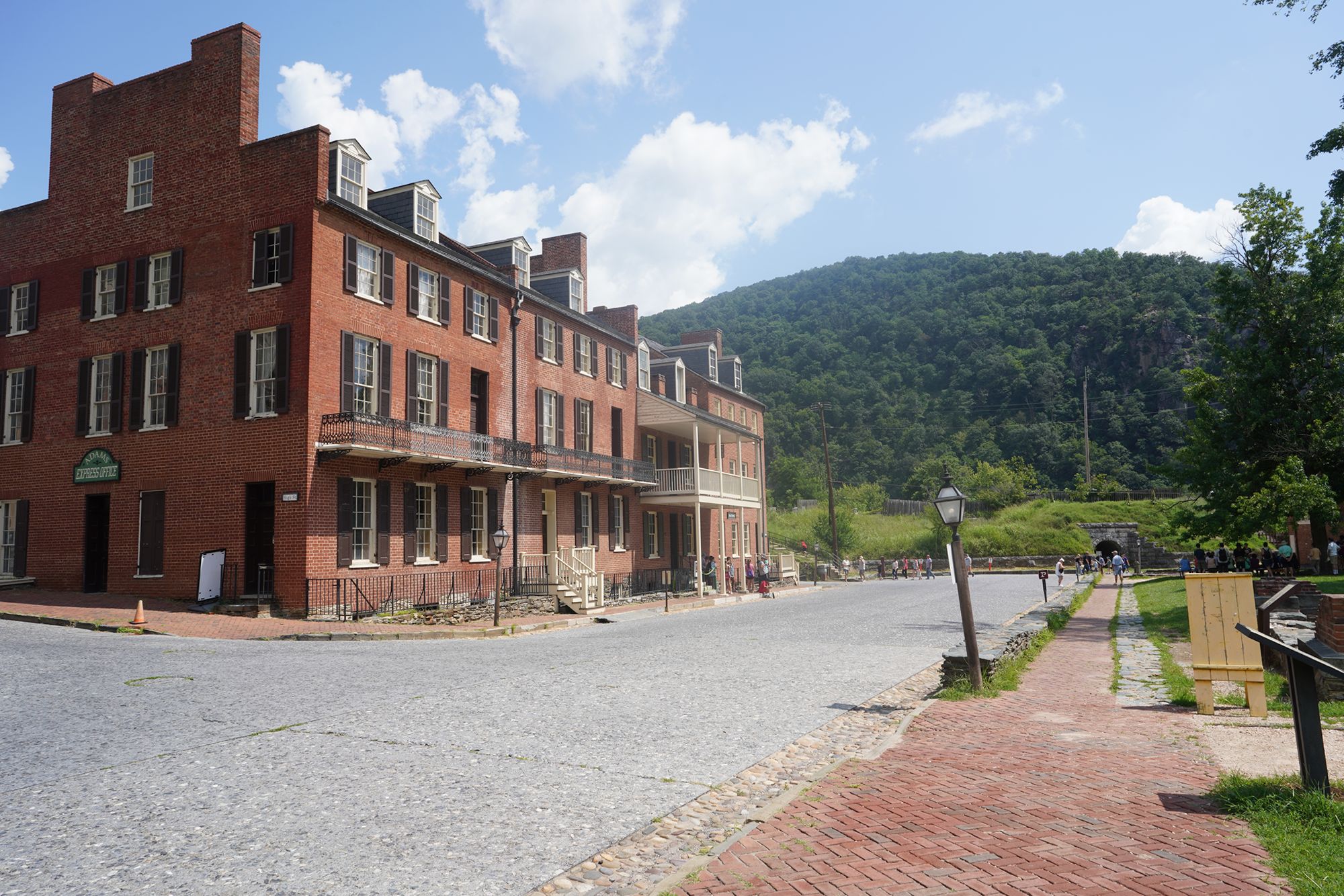
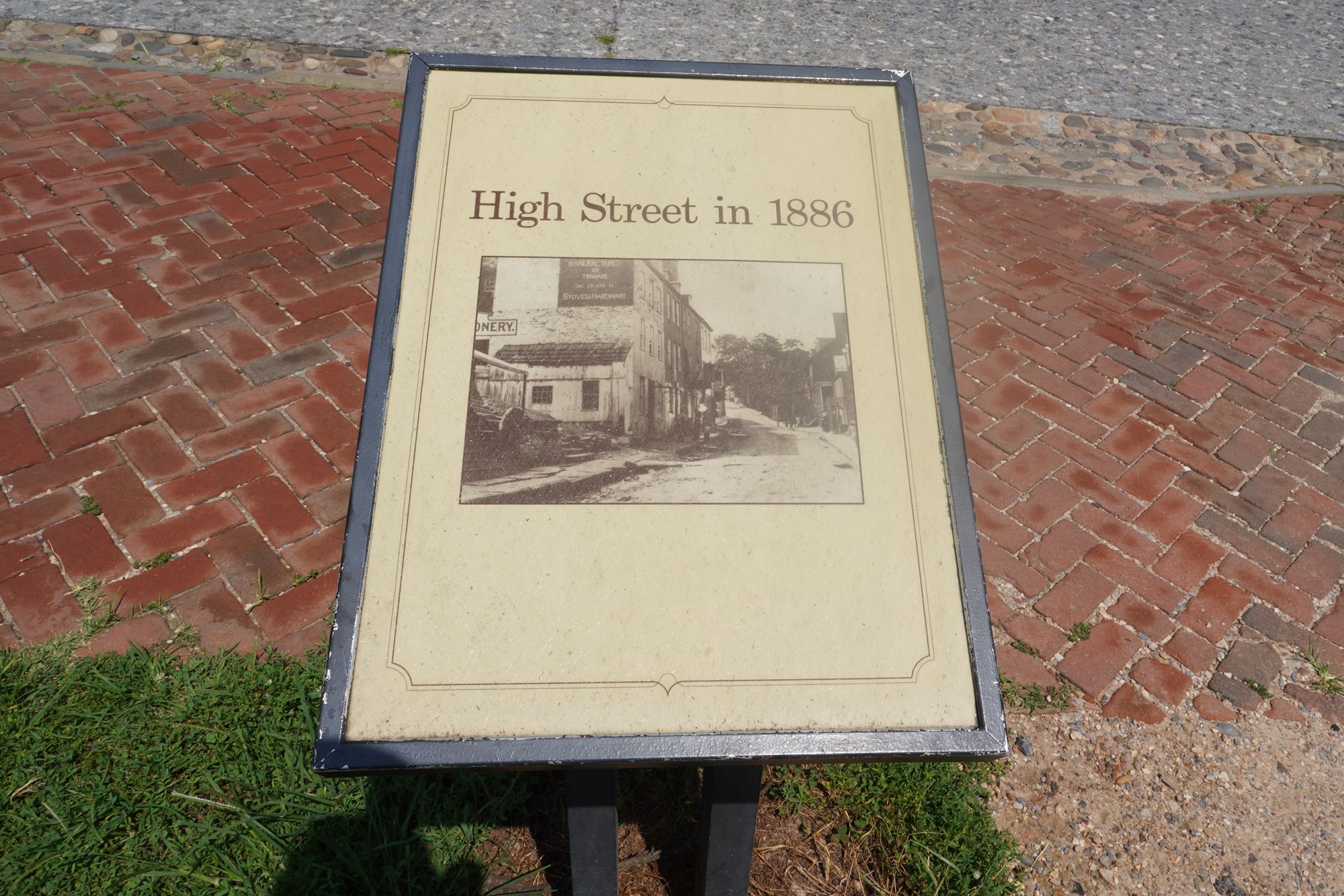
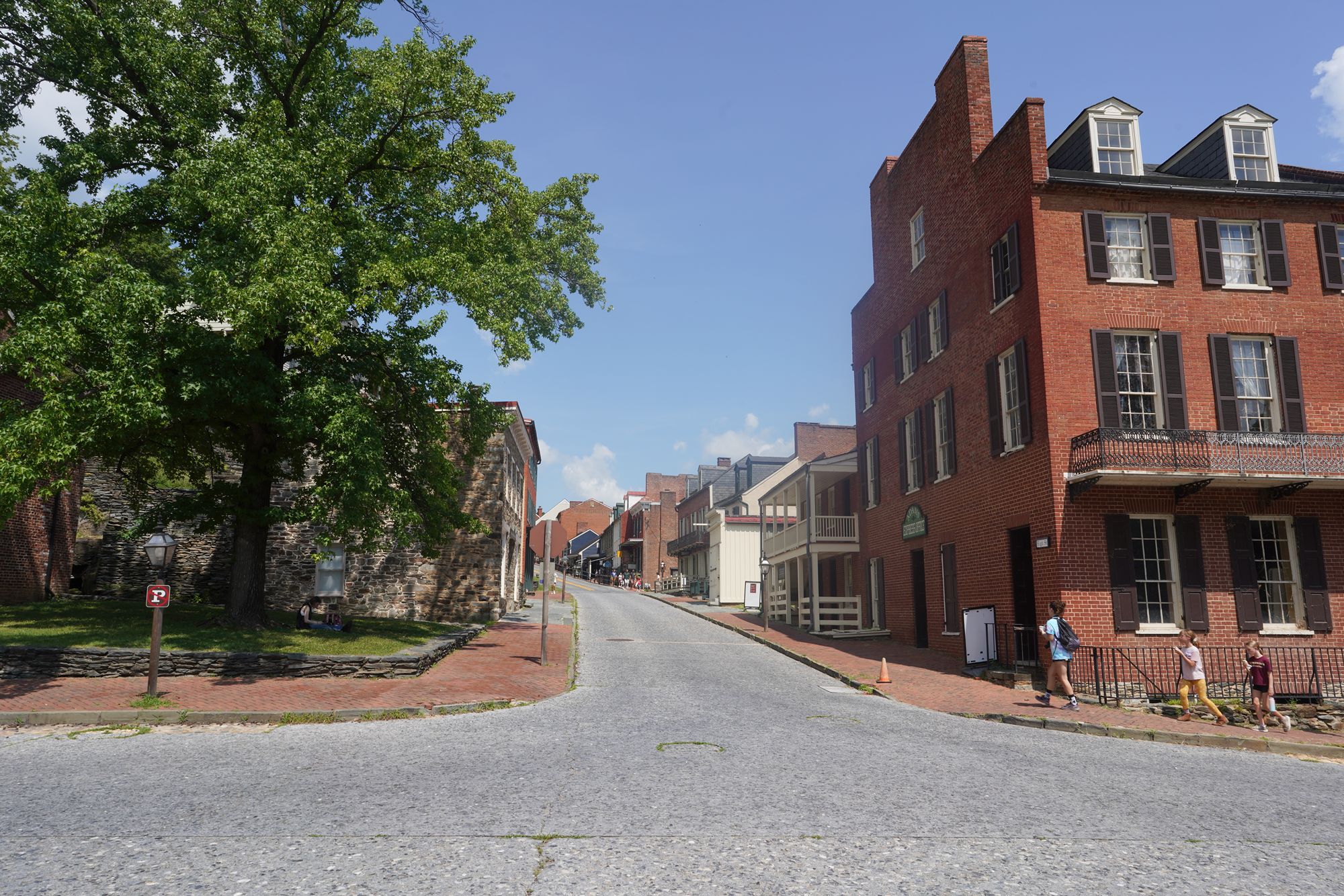
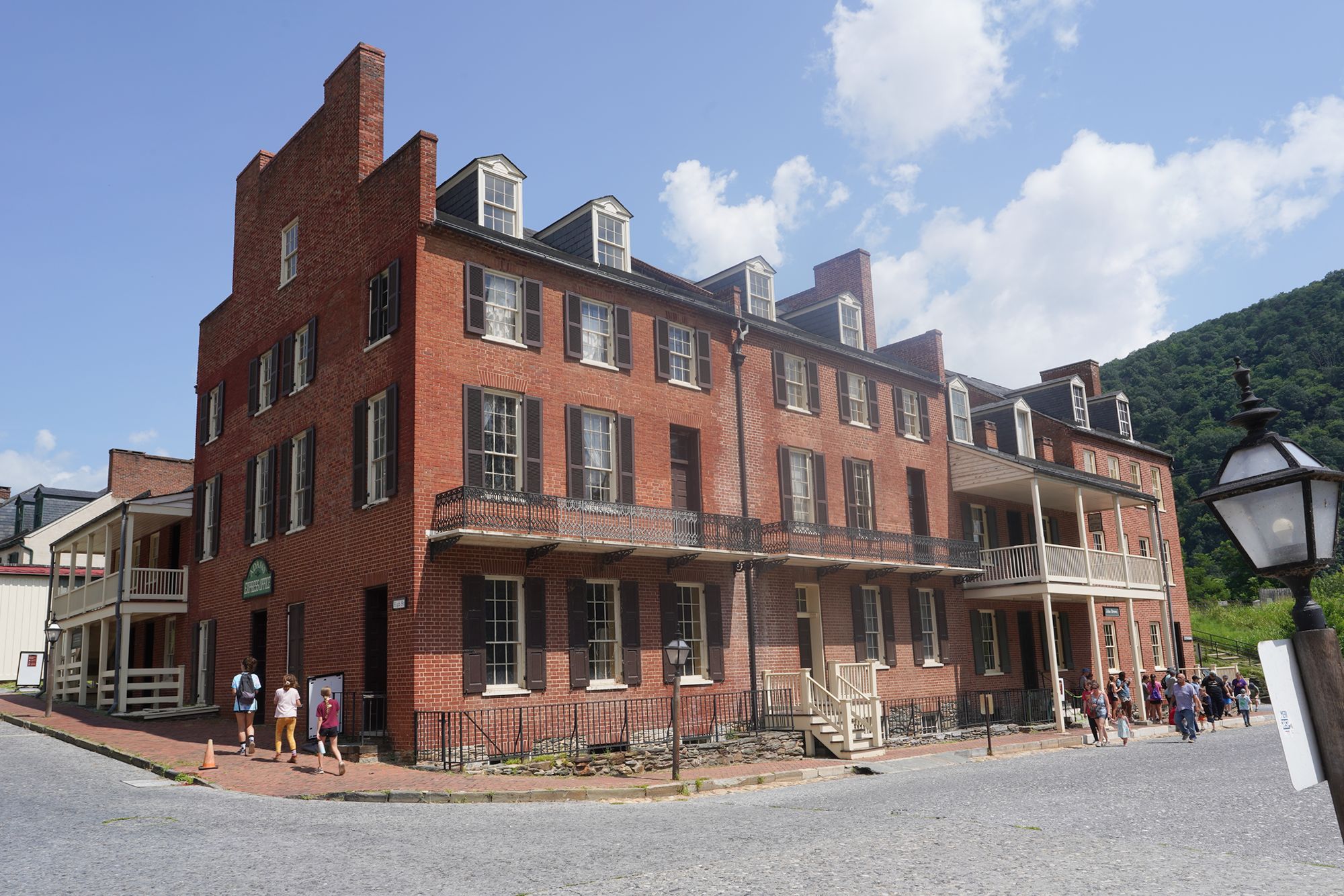
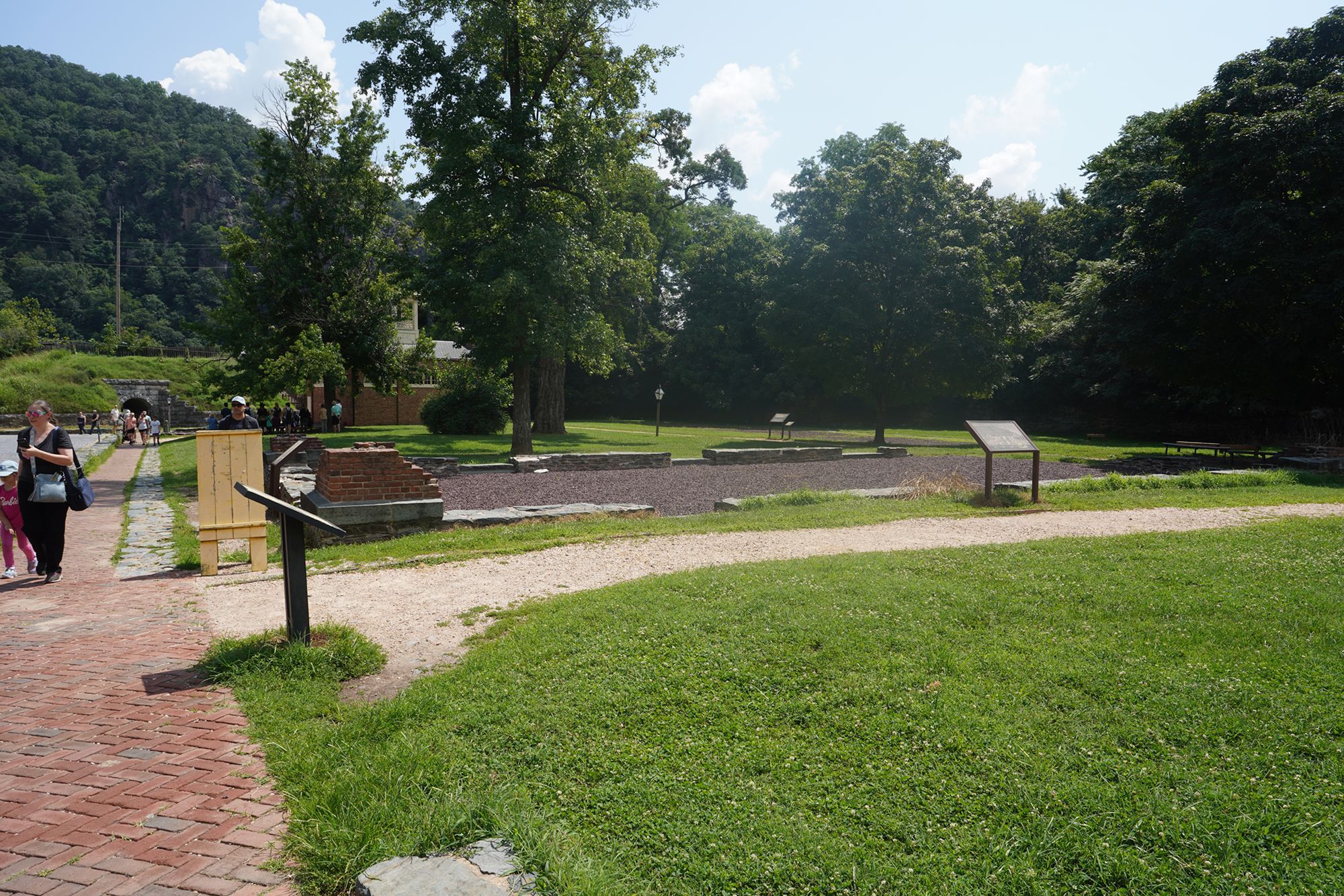
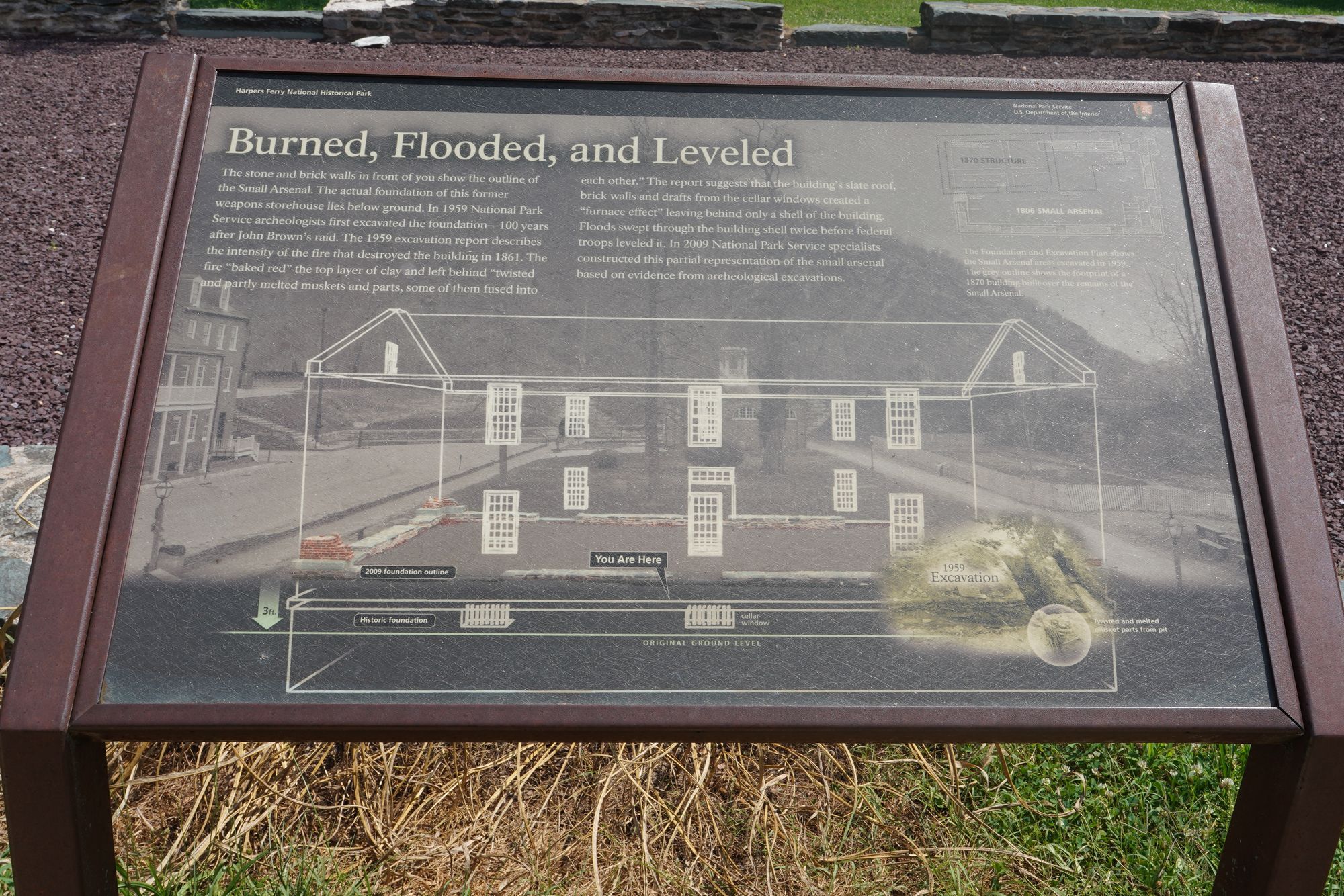
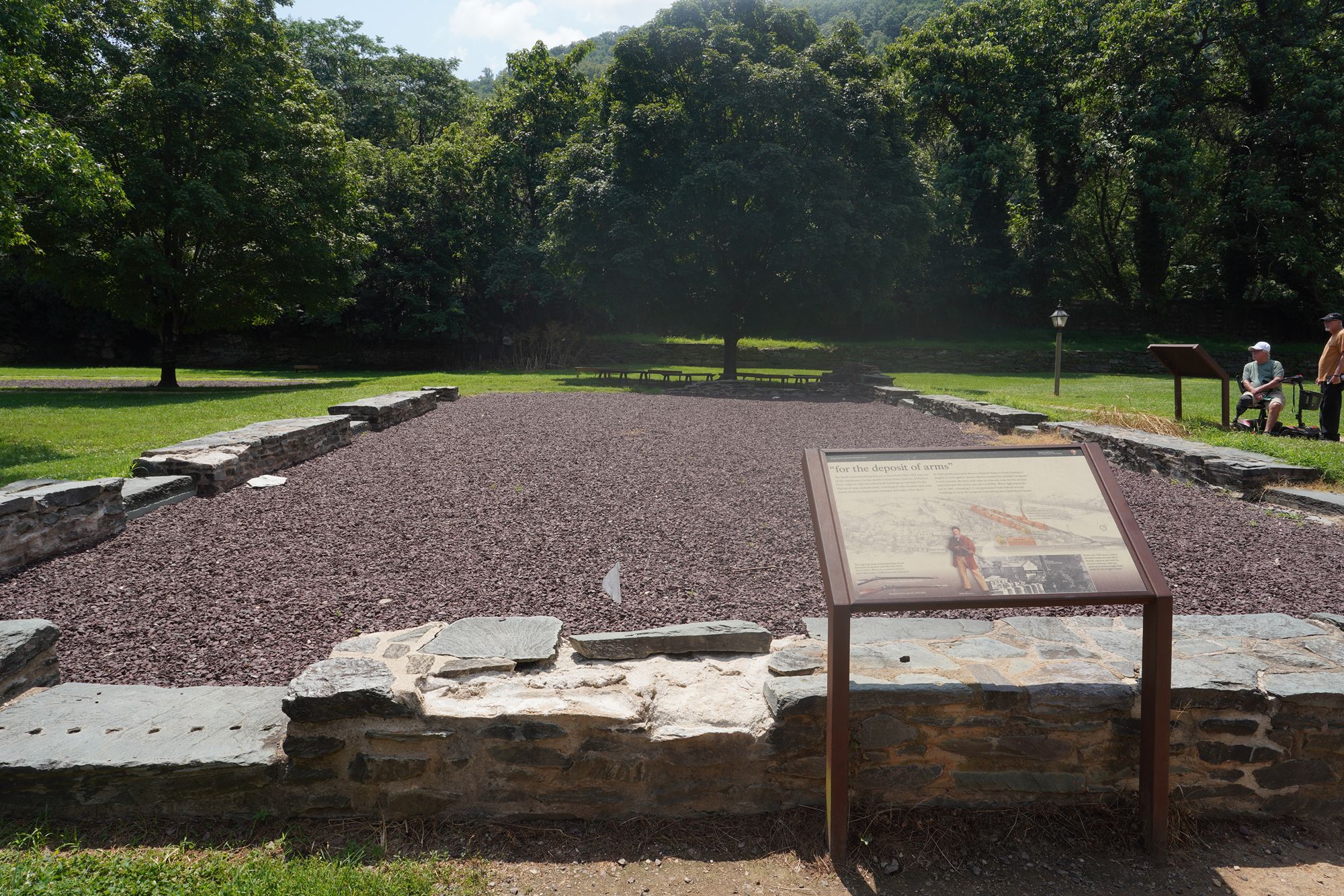
One of the Armory buildings, which was destroyed during the Civil War and by later floods, leaving only foundations and interpretive signage.
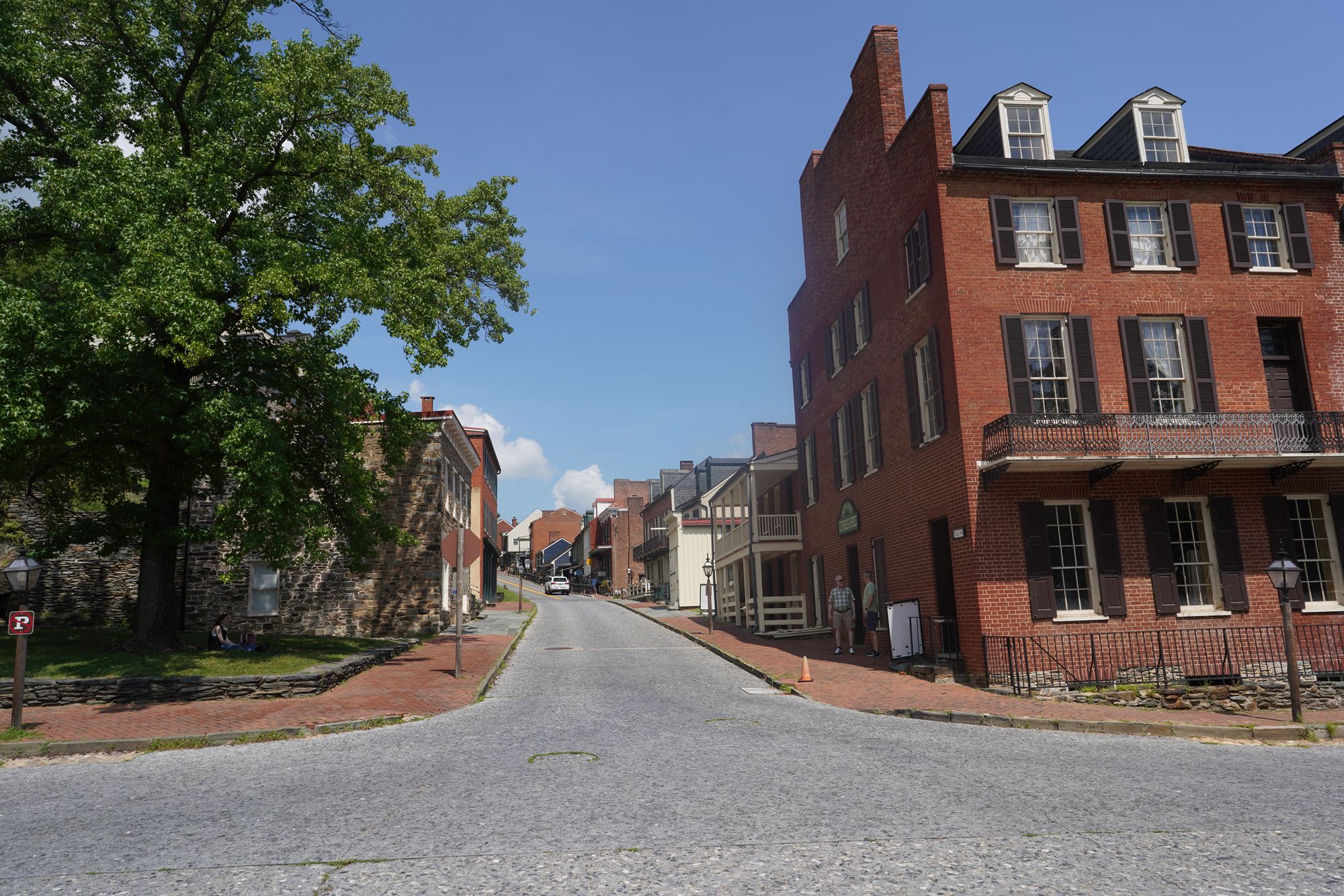
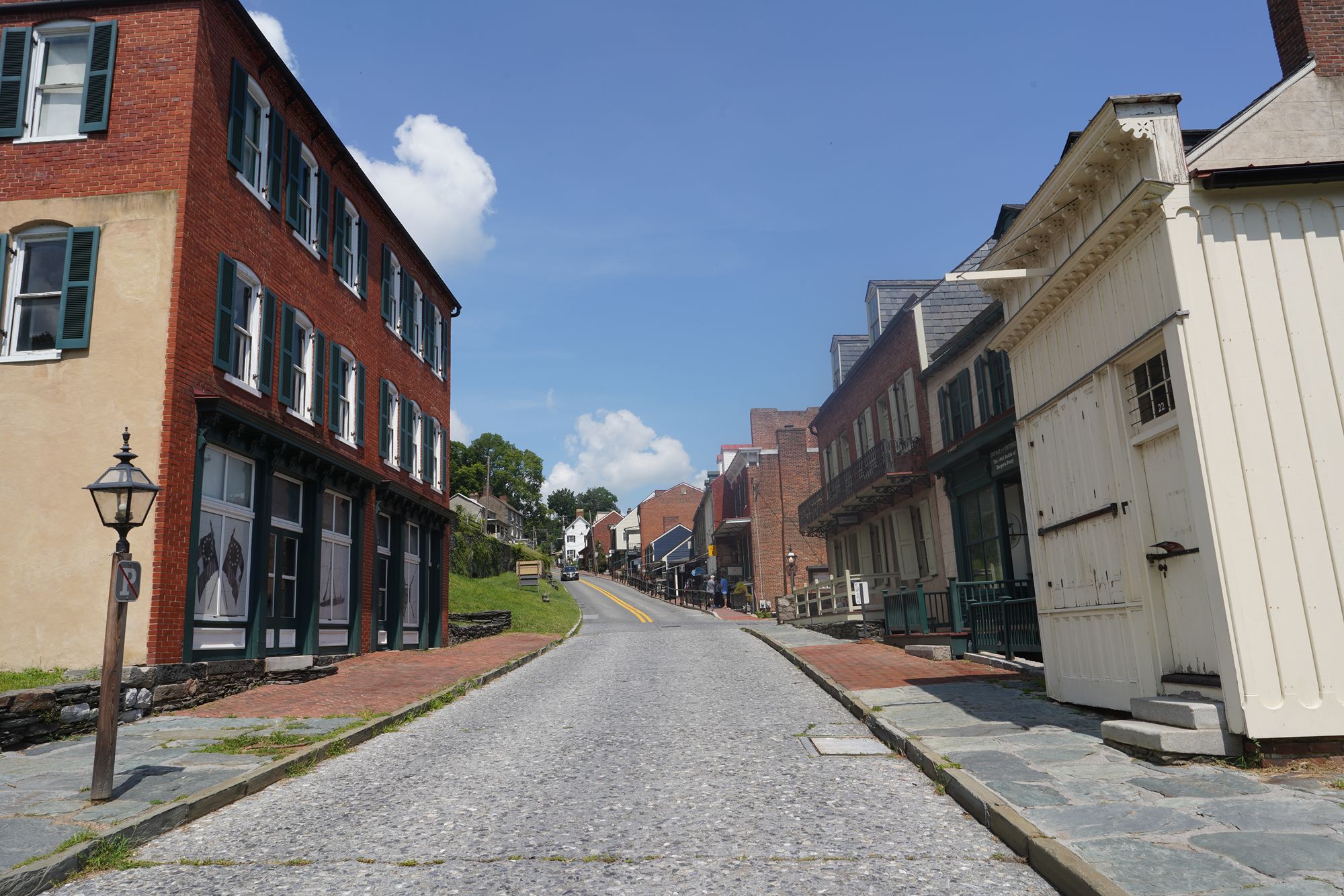
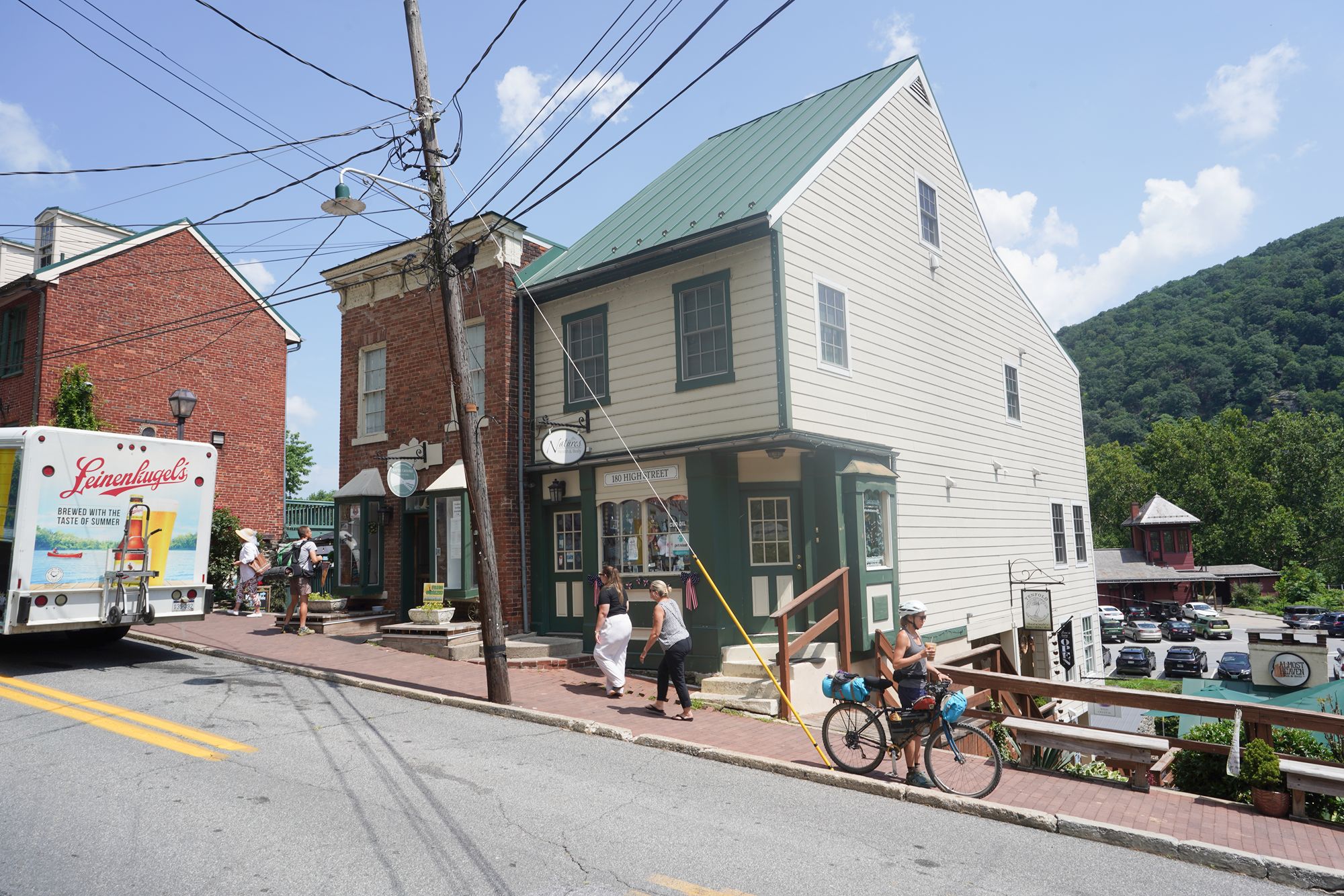
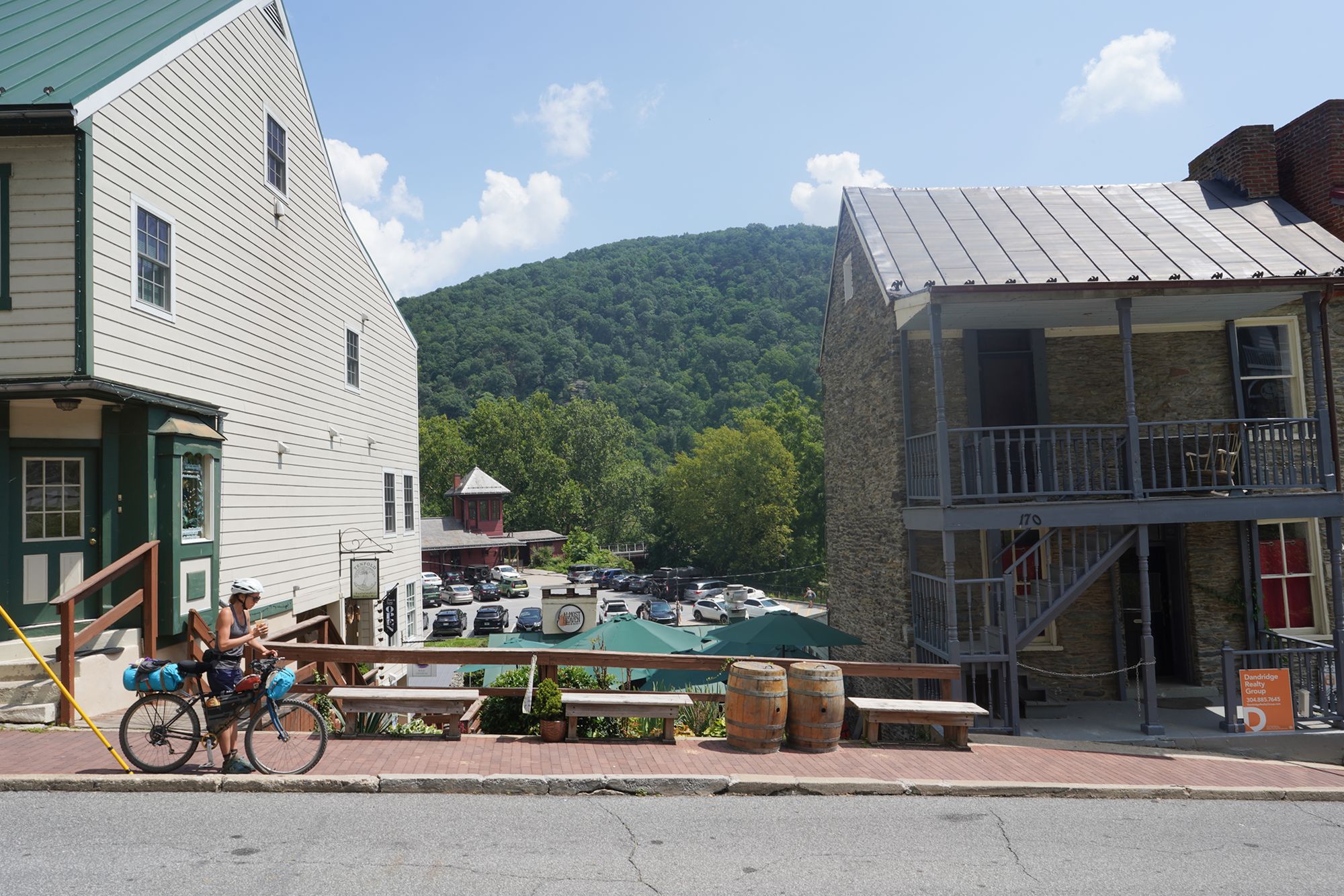
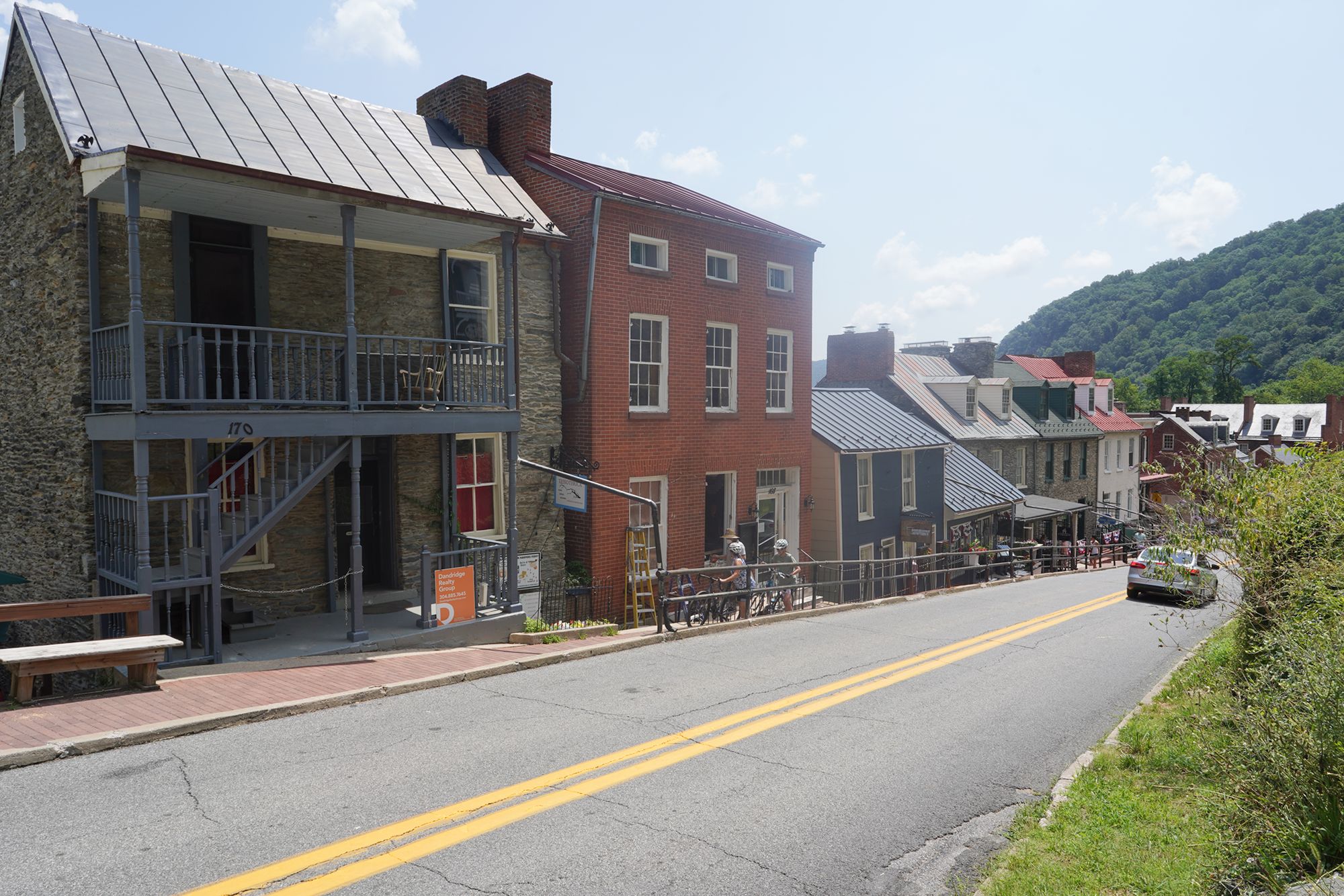
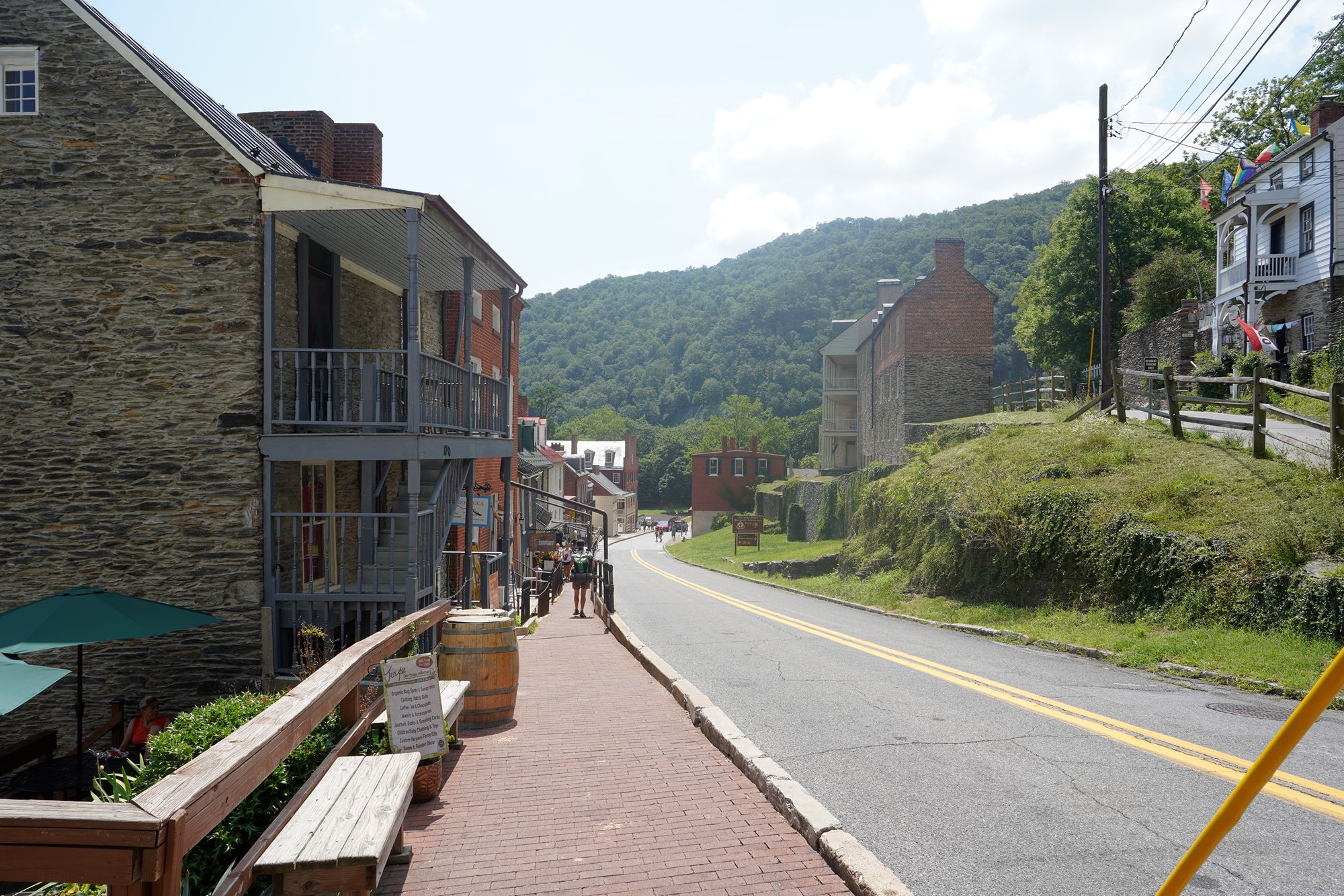
The High Street
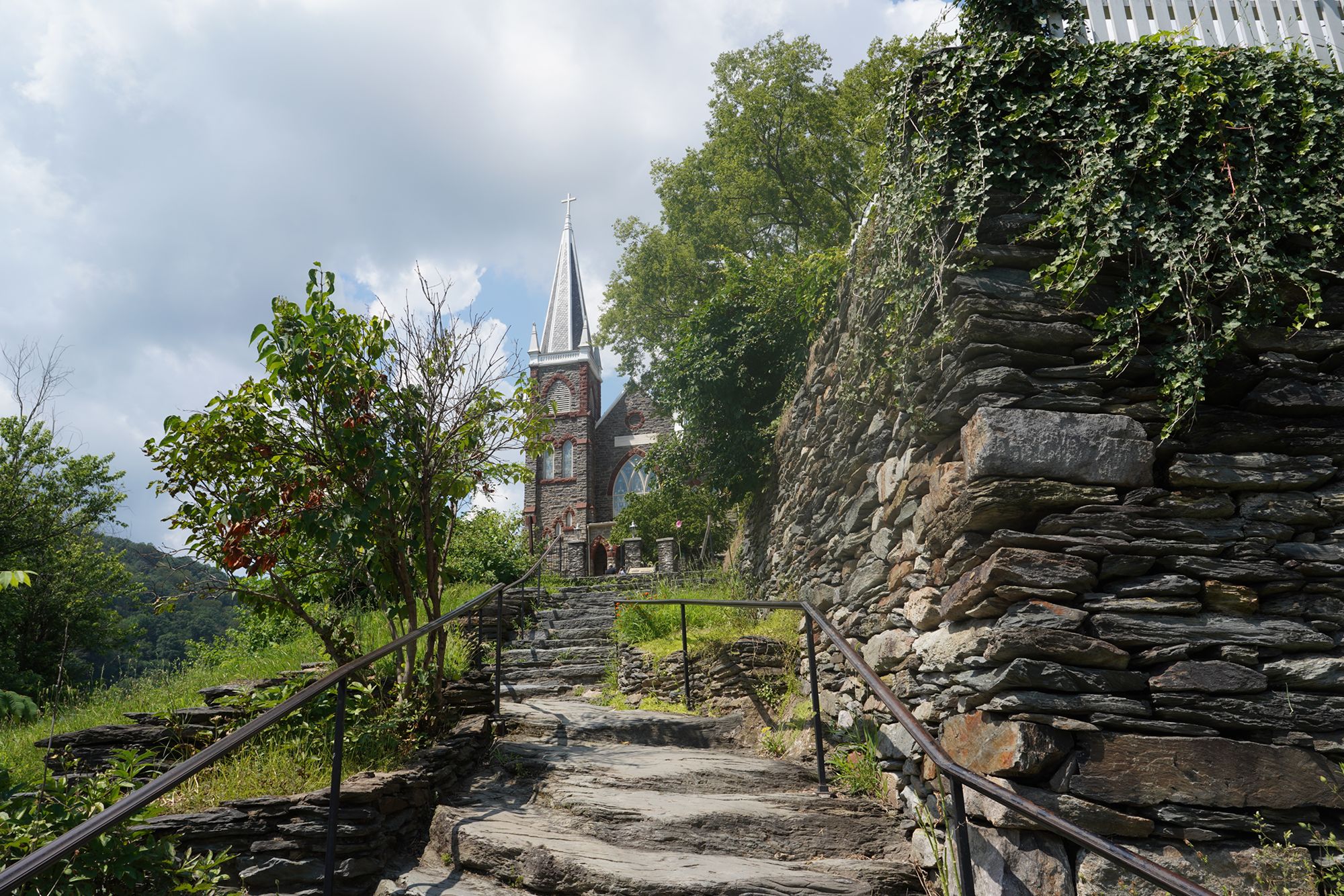
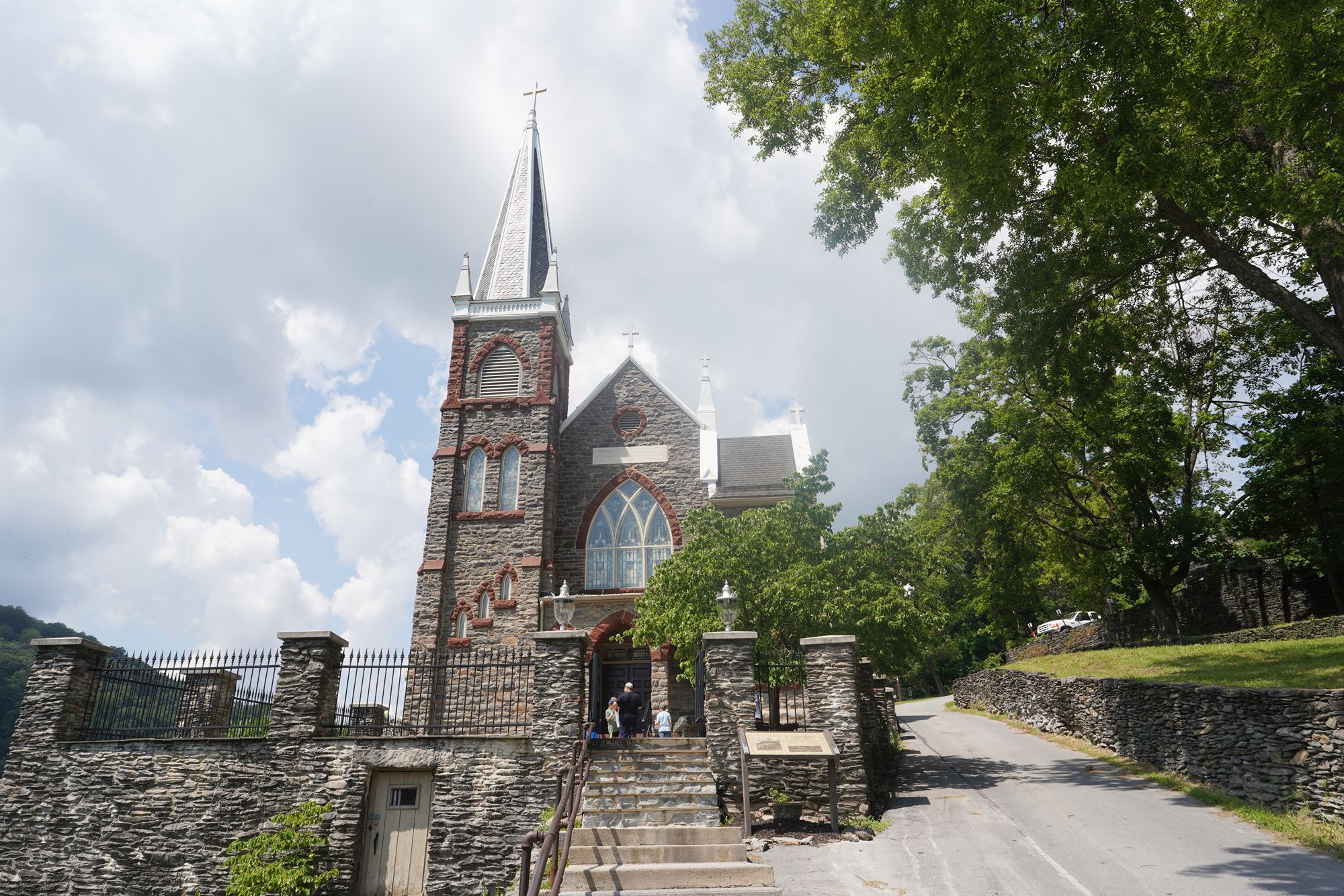
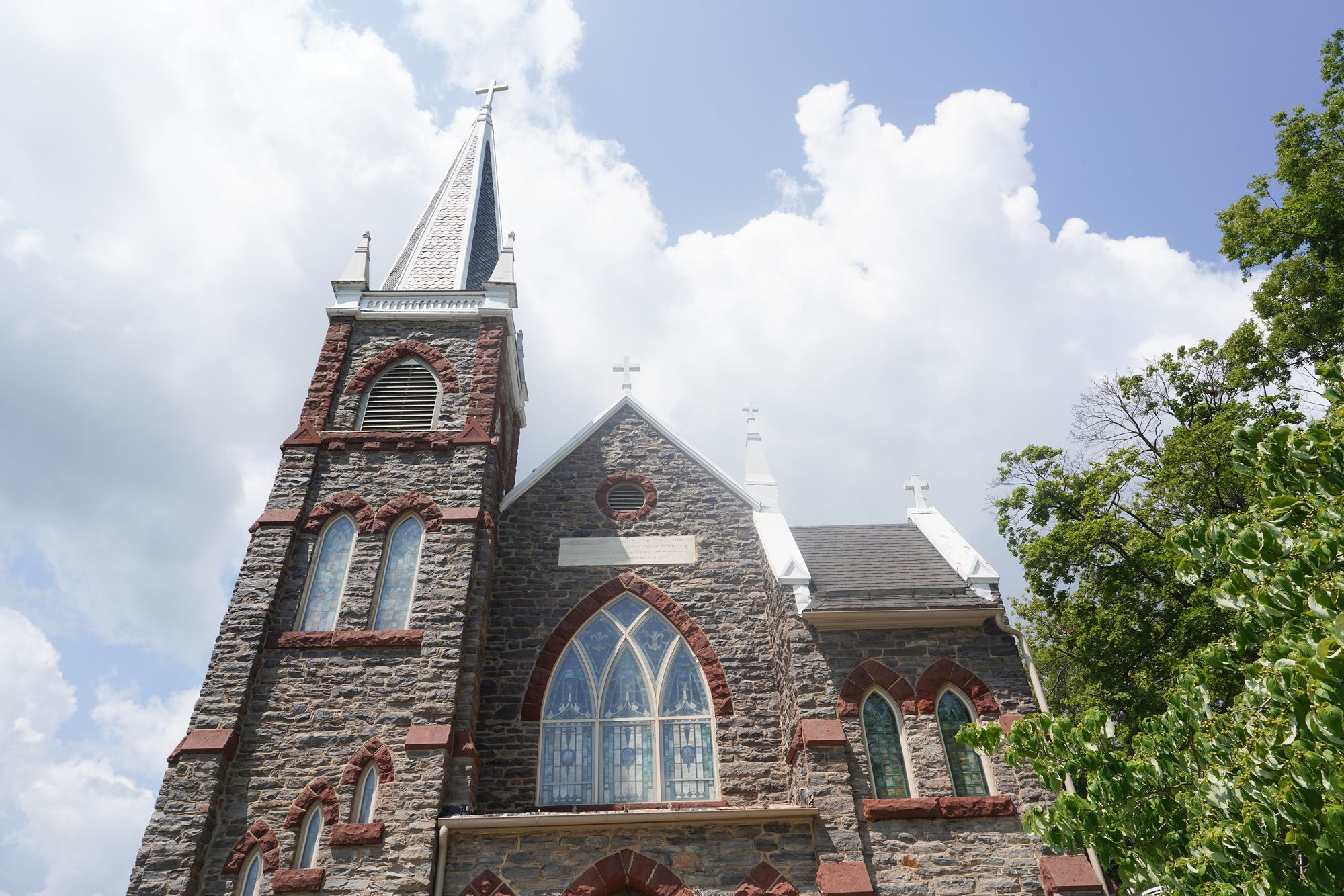
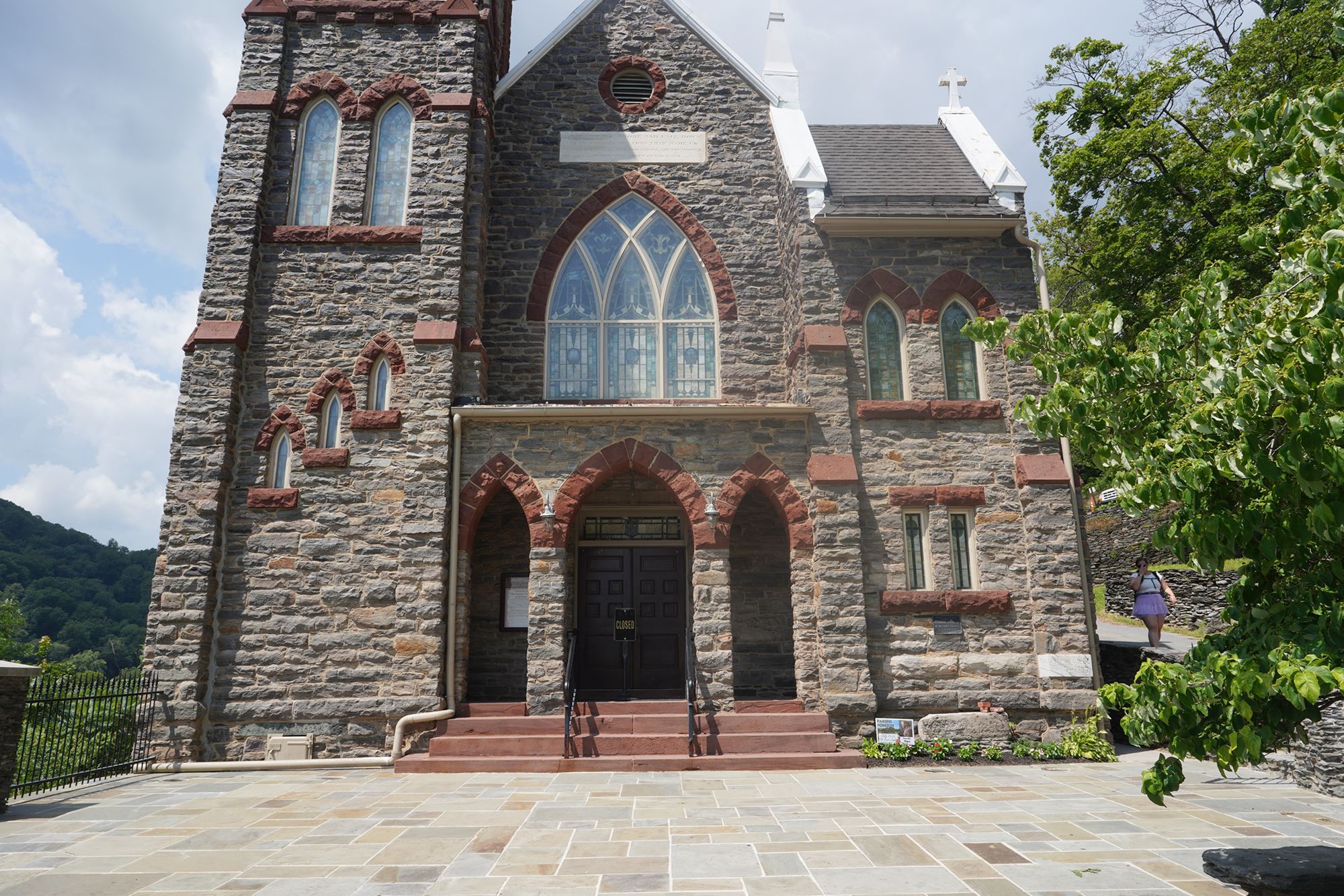
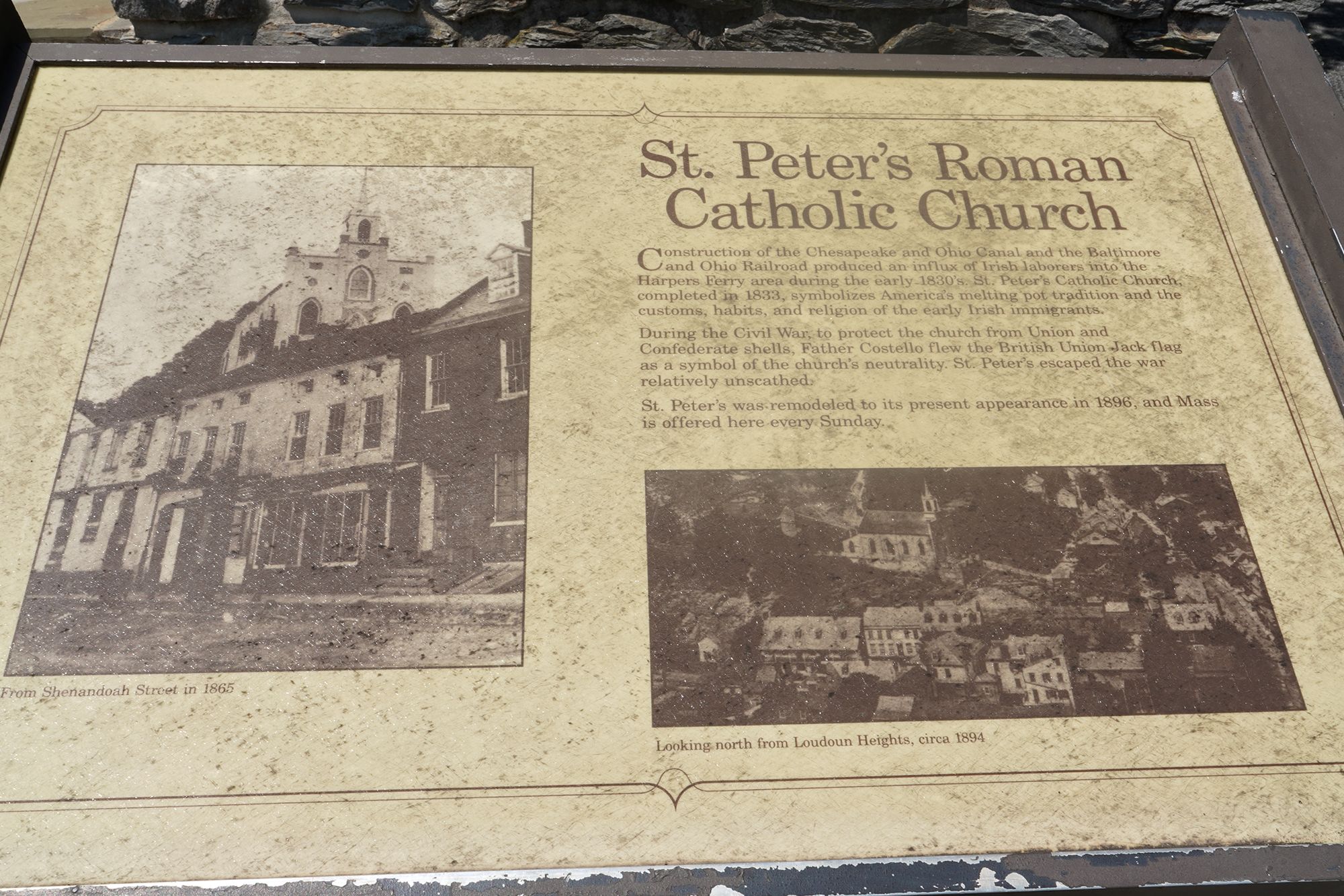
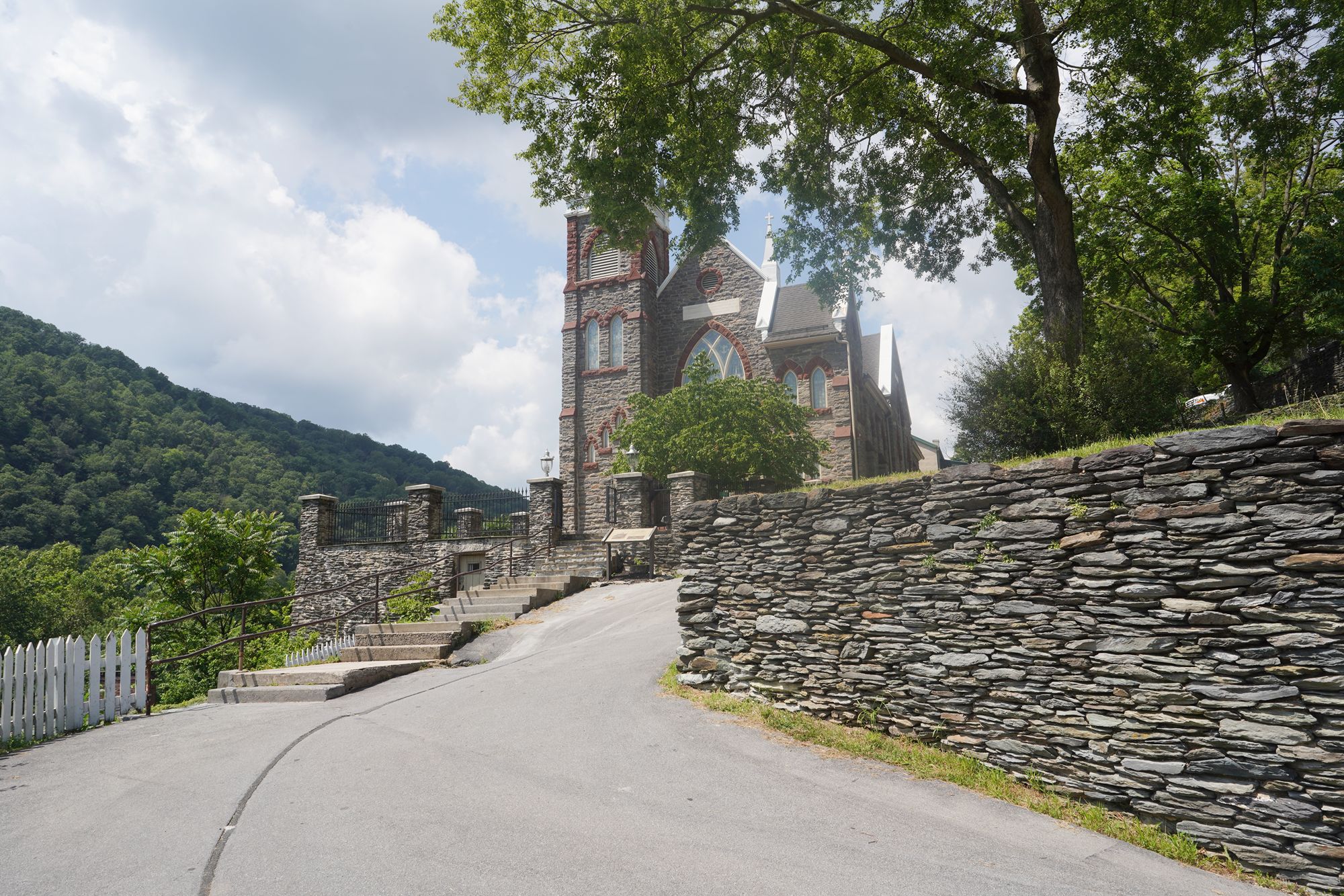
St. Peter’s Catholic Church, built for armory workers in 1833, stands on the hill above Harpers Ferry and survived the Civil War, offering a prominent Gothic Revival landmark with scenic views.
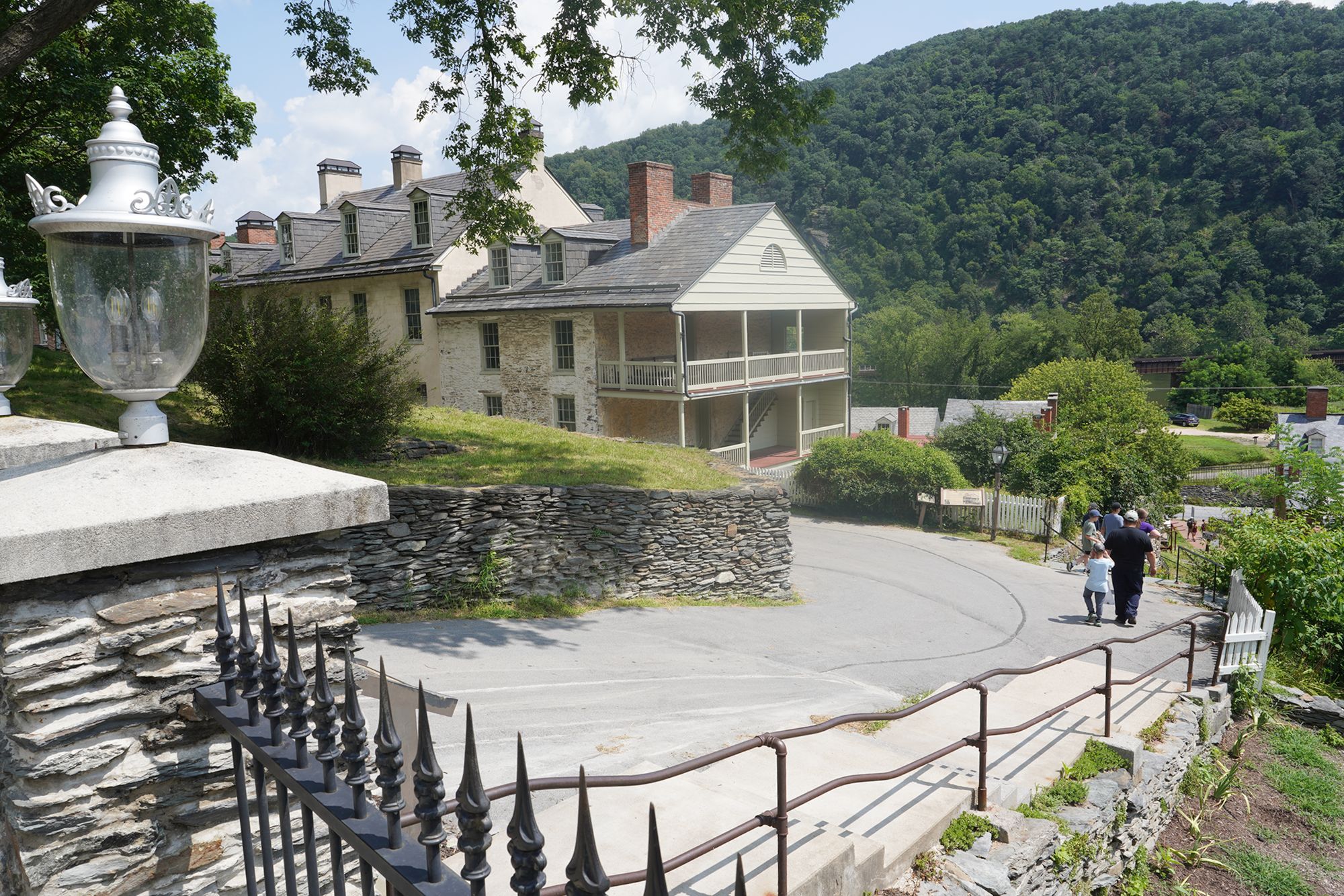
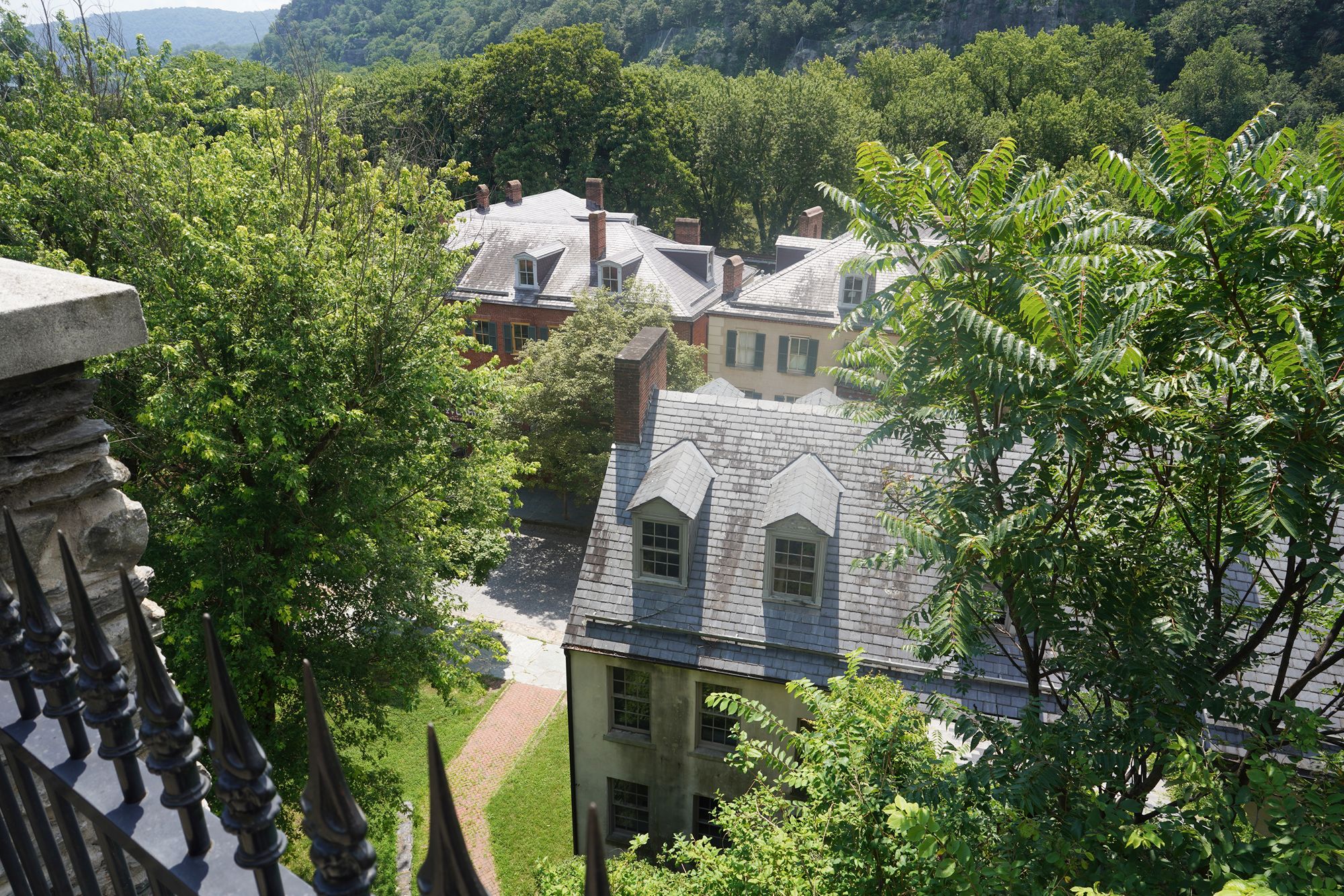
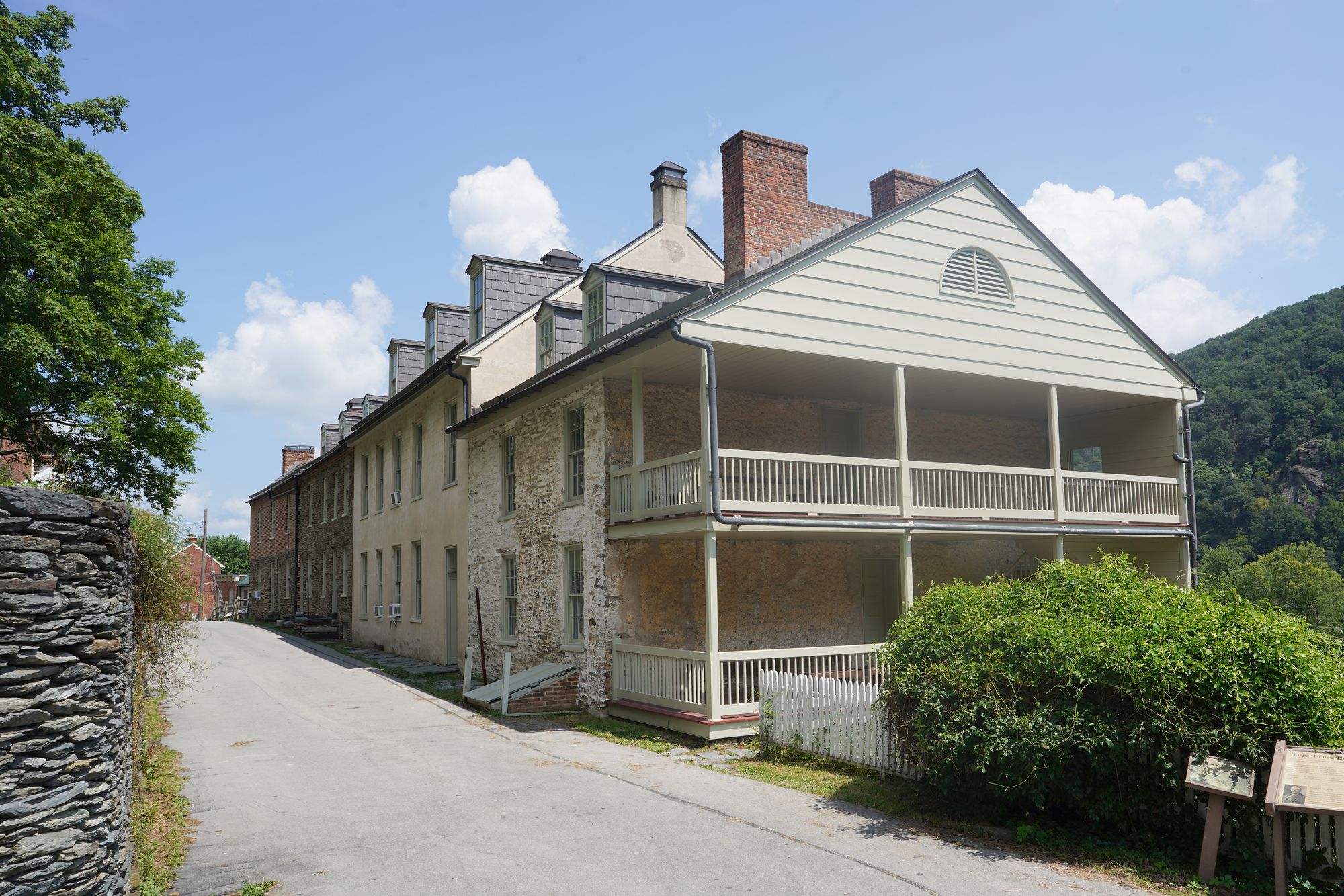
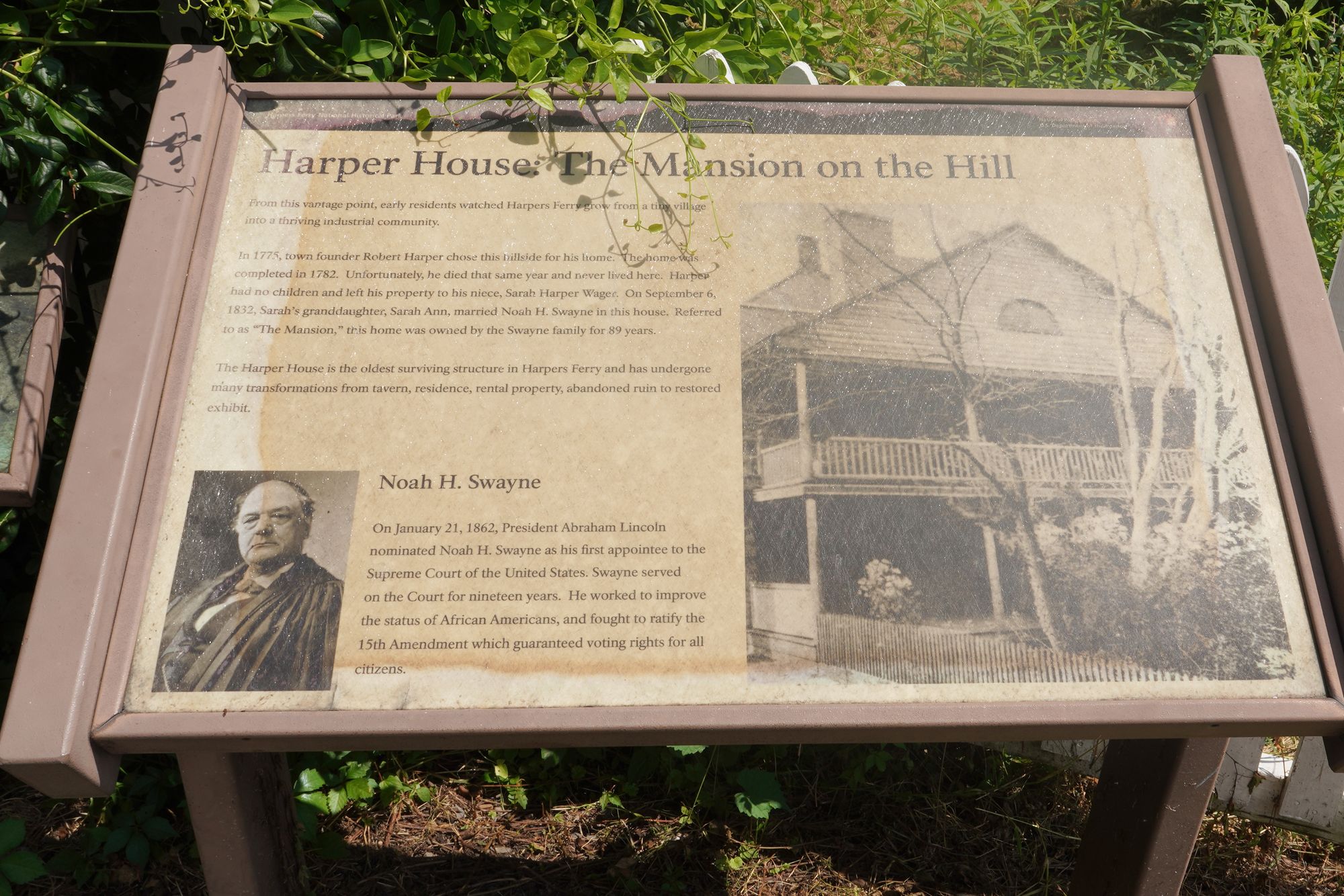
The Harper House, built by Robert Harper between 1775 and 1782, is the oldest surviving building in Harpers Ferry and once served as a residence, tavern, and lodging before becoming part of the national historical park.
My back side
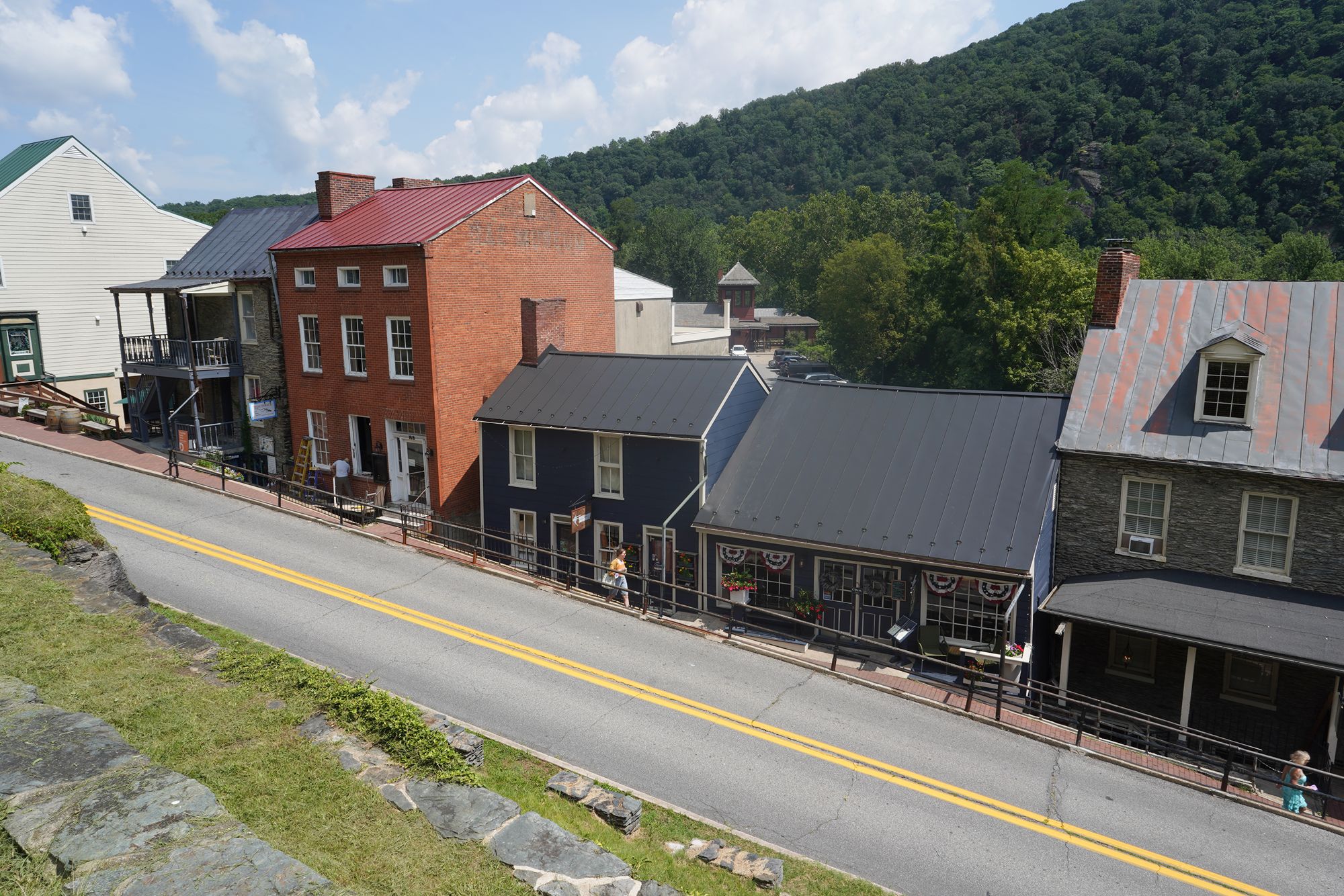
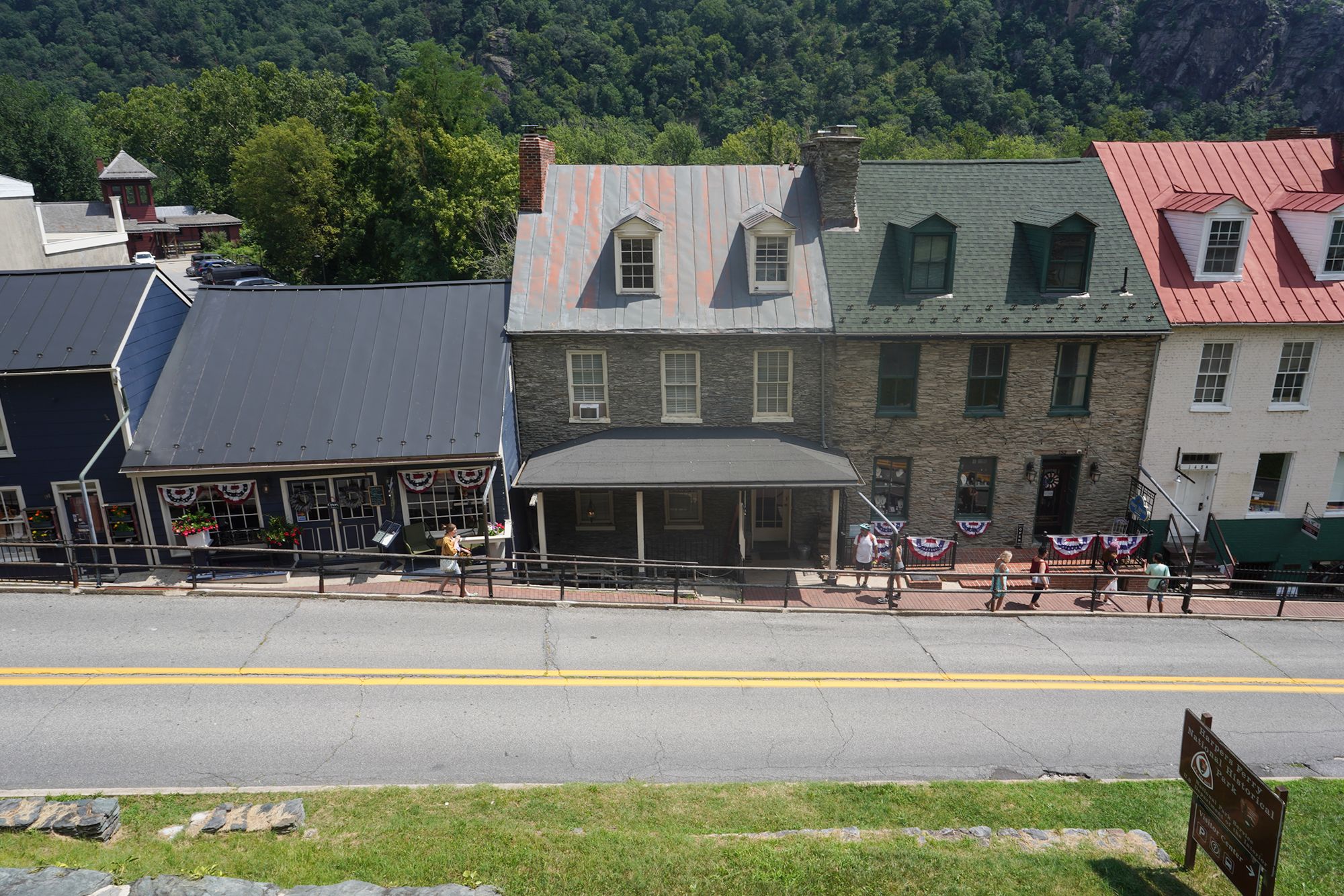
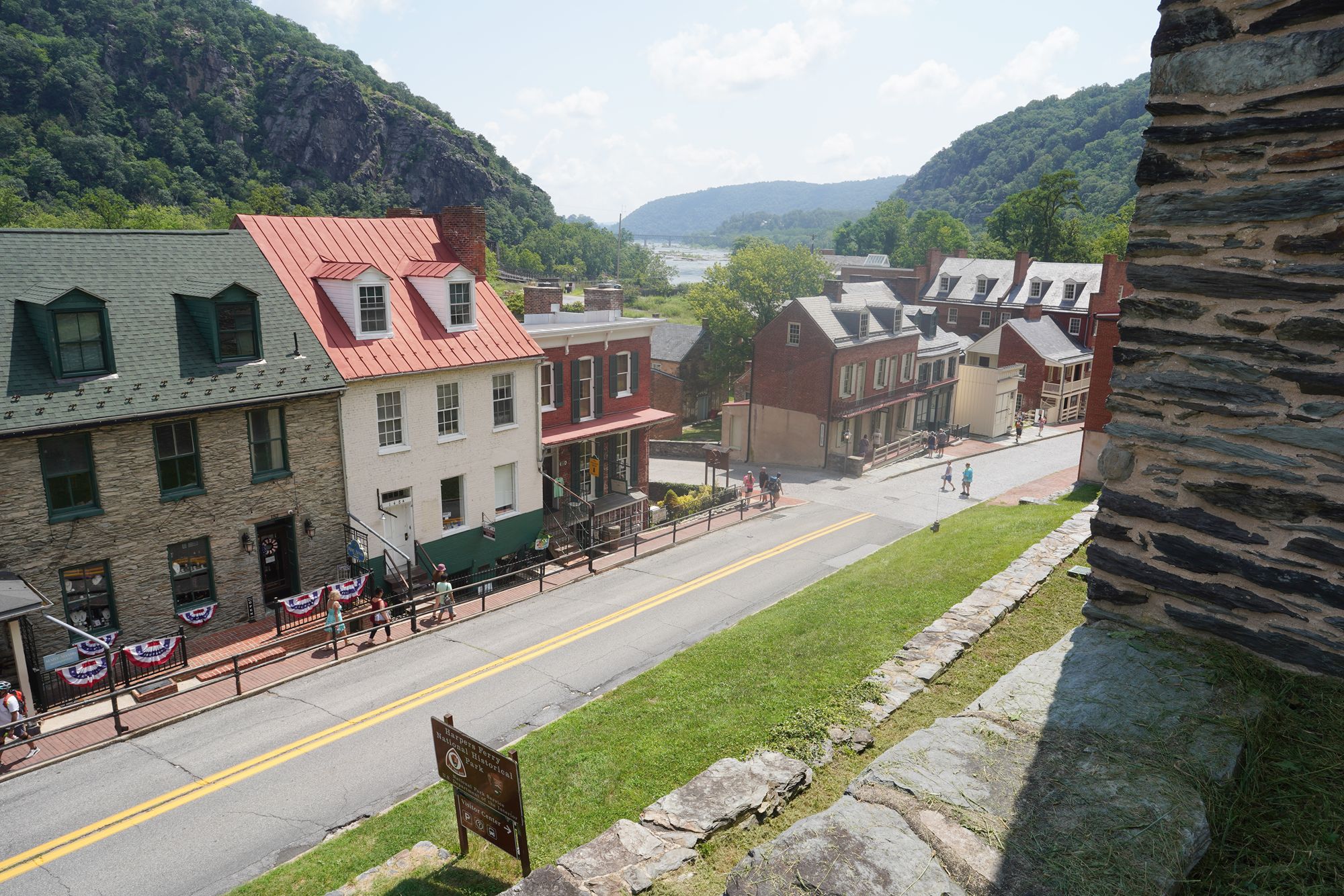
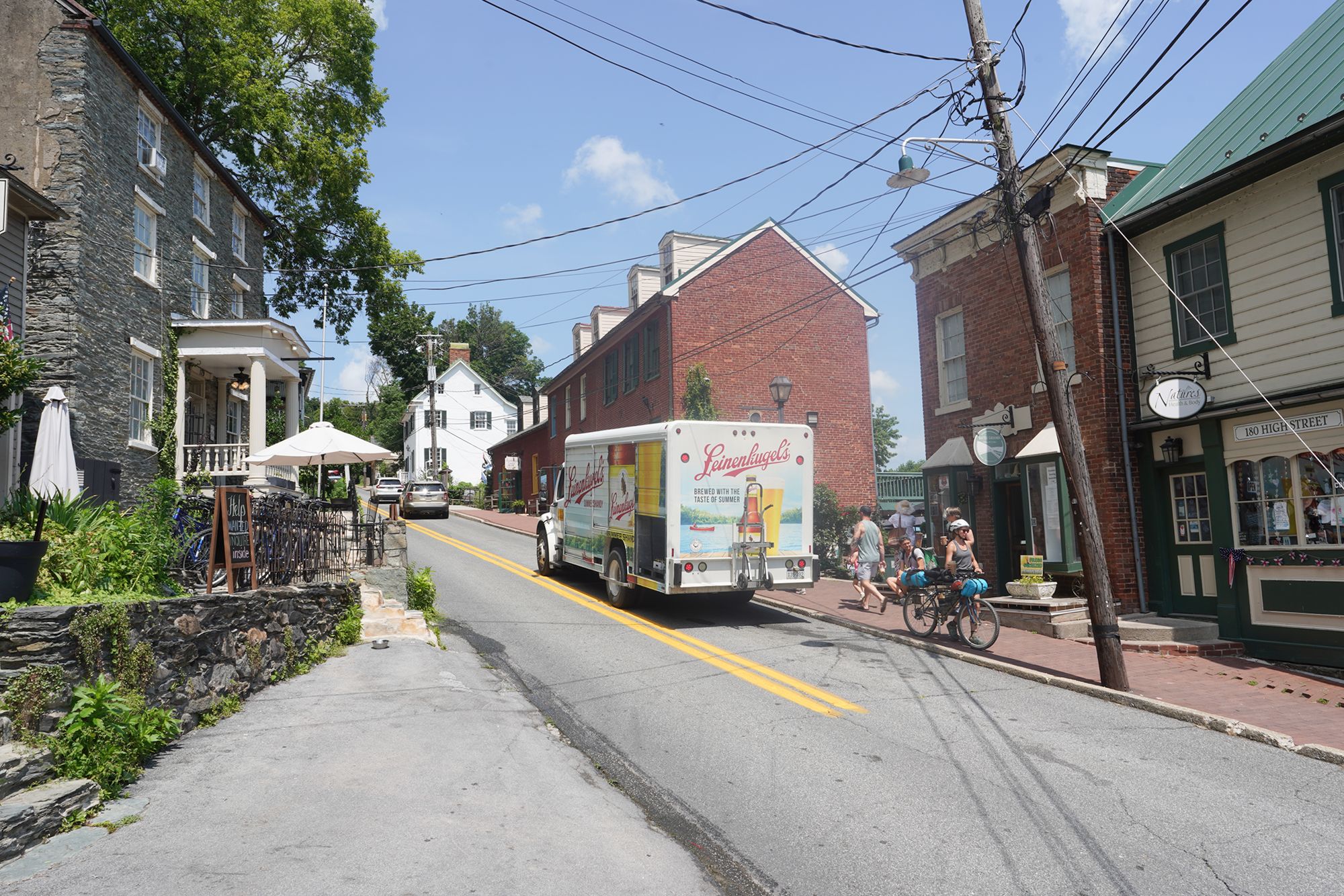
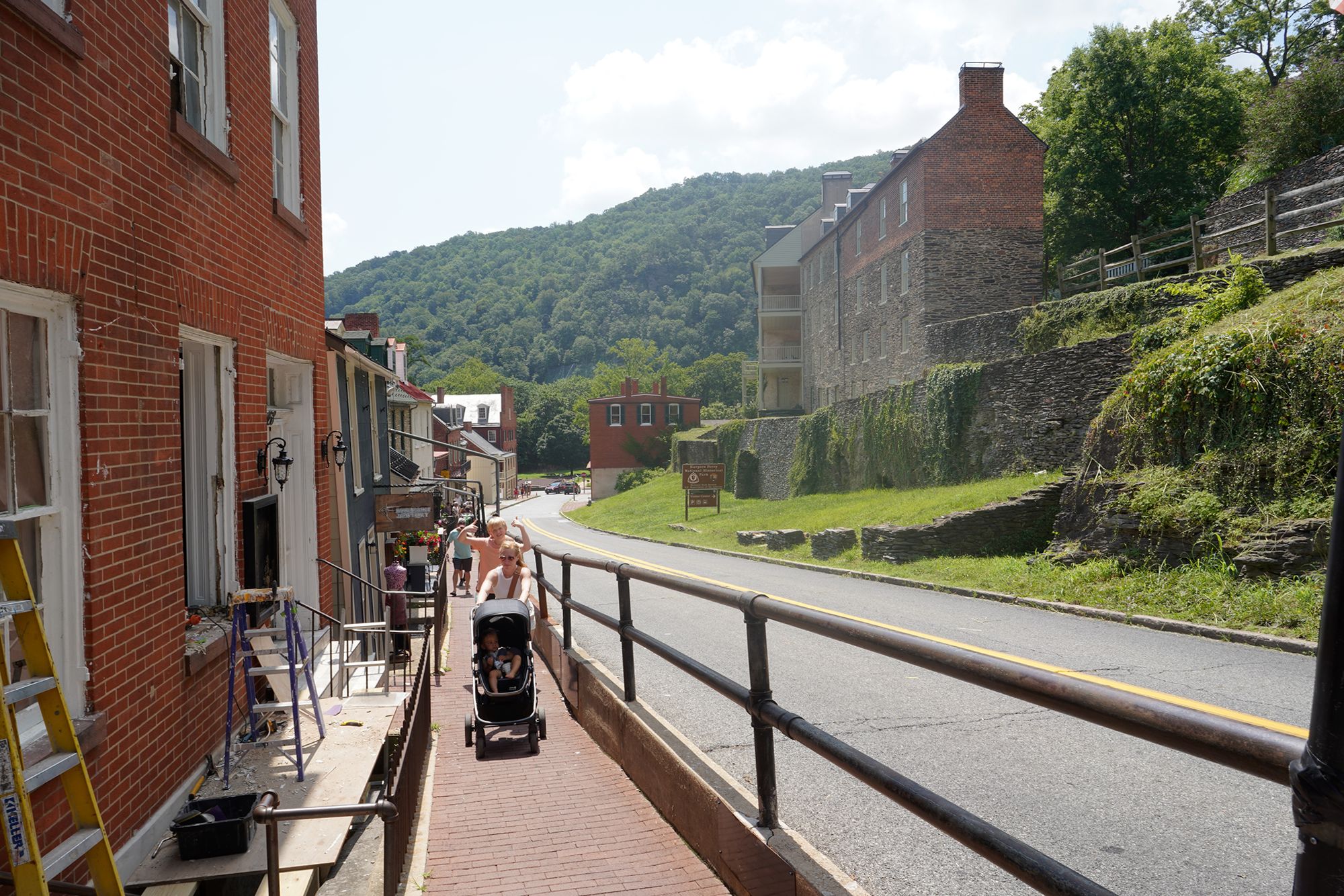
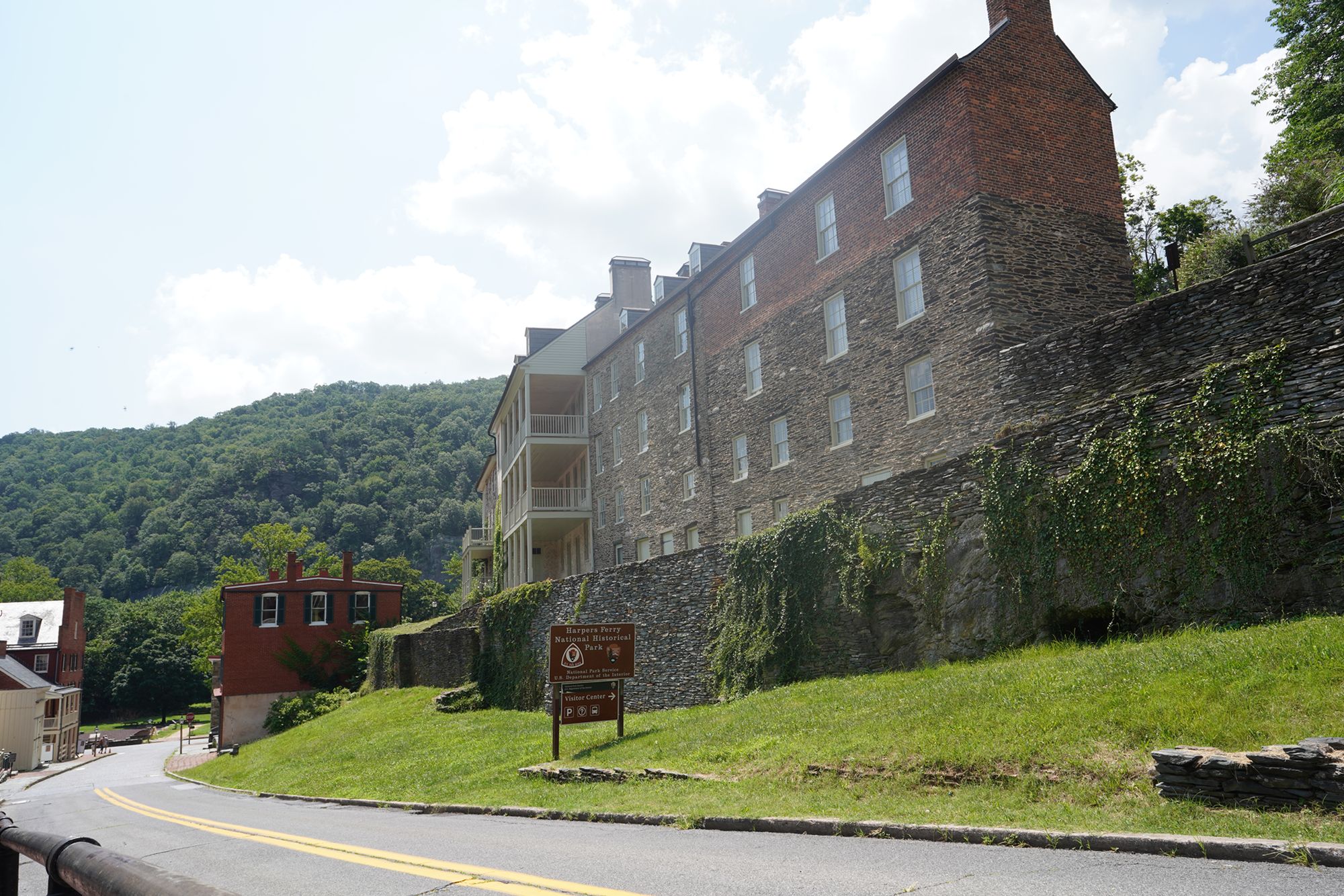
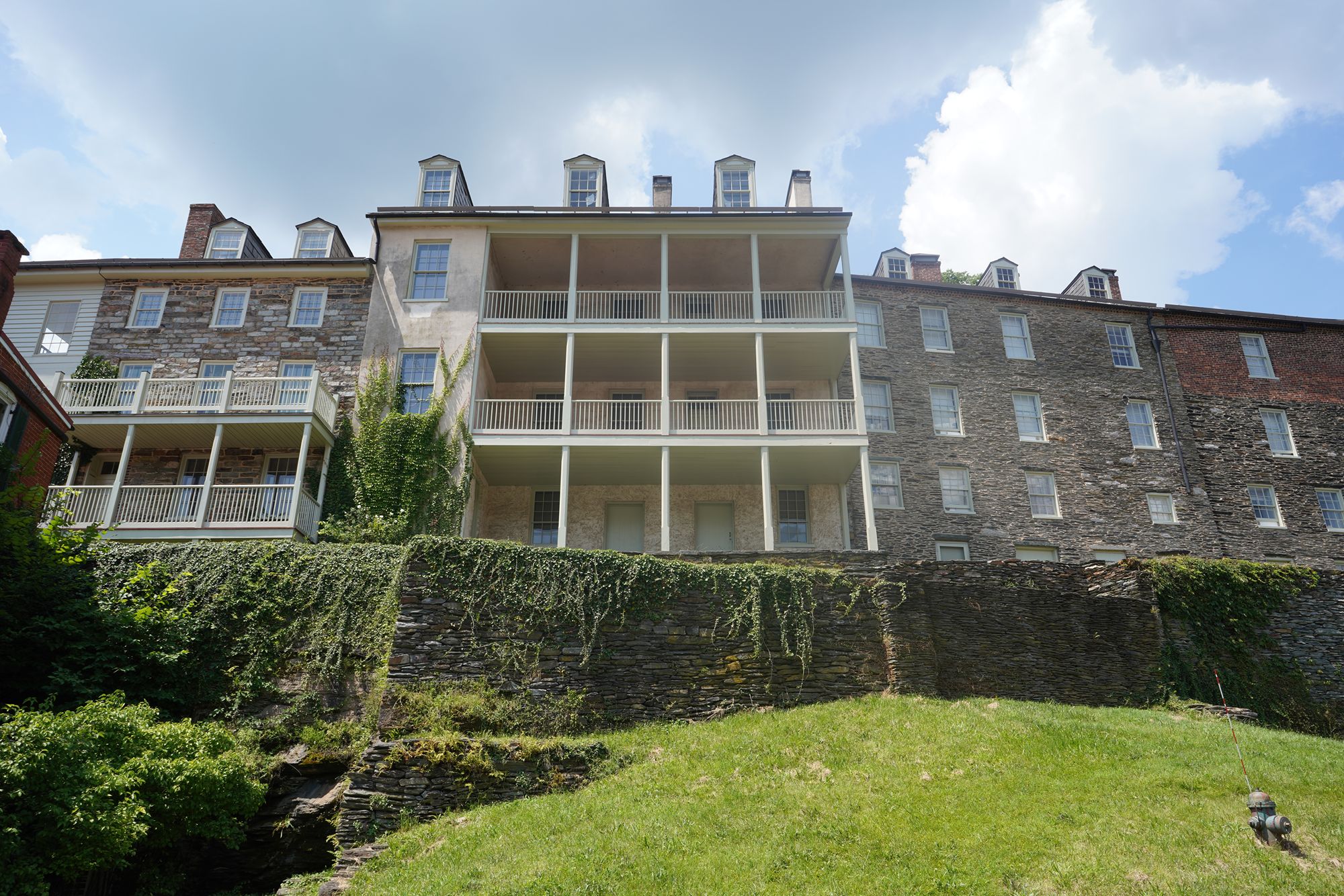
My back side
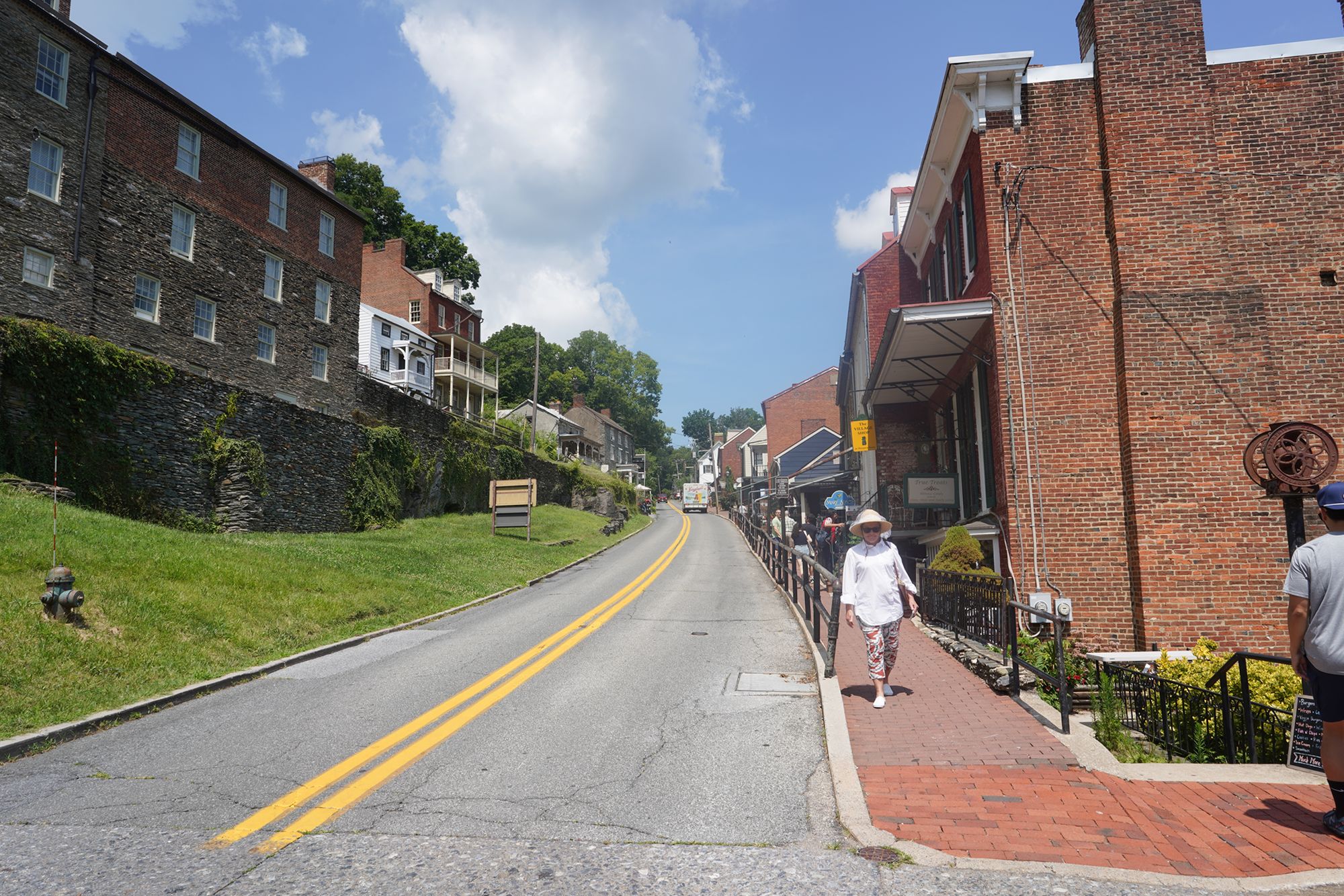
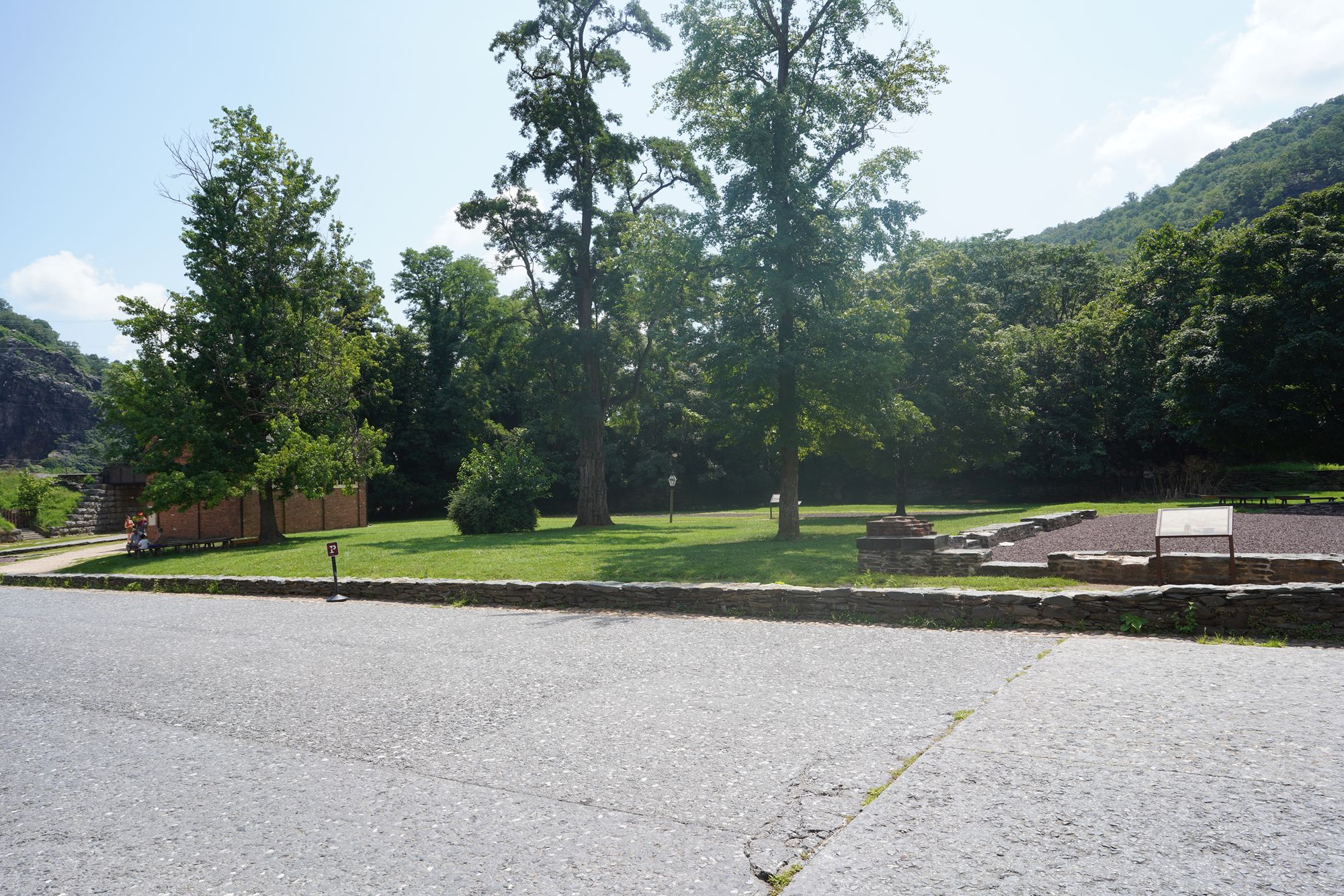
Came back to the armory site
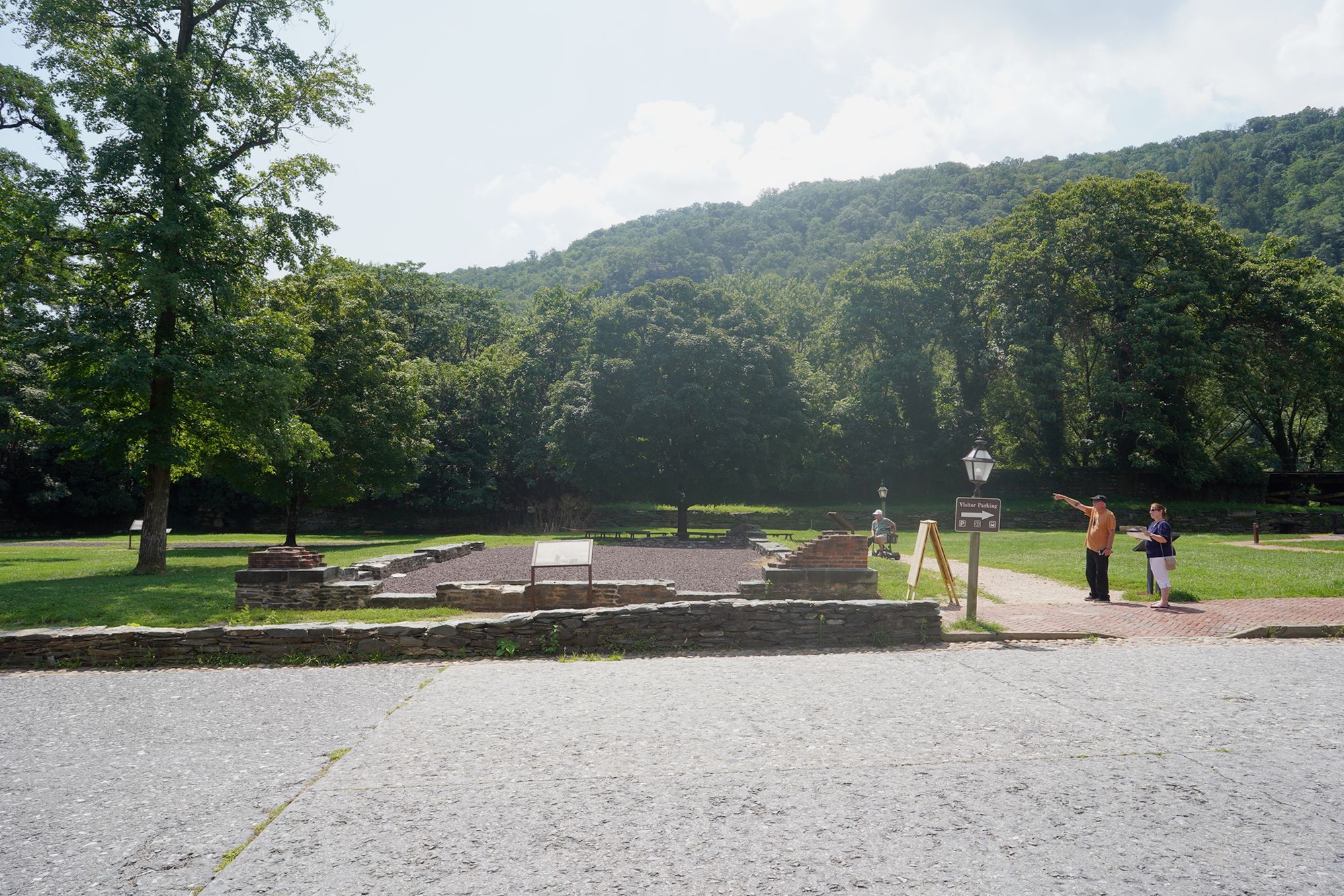
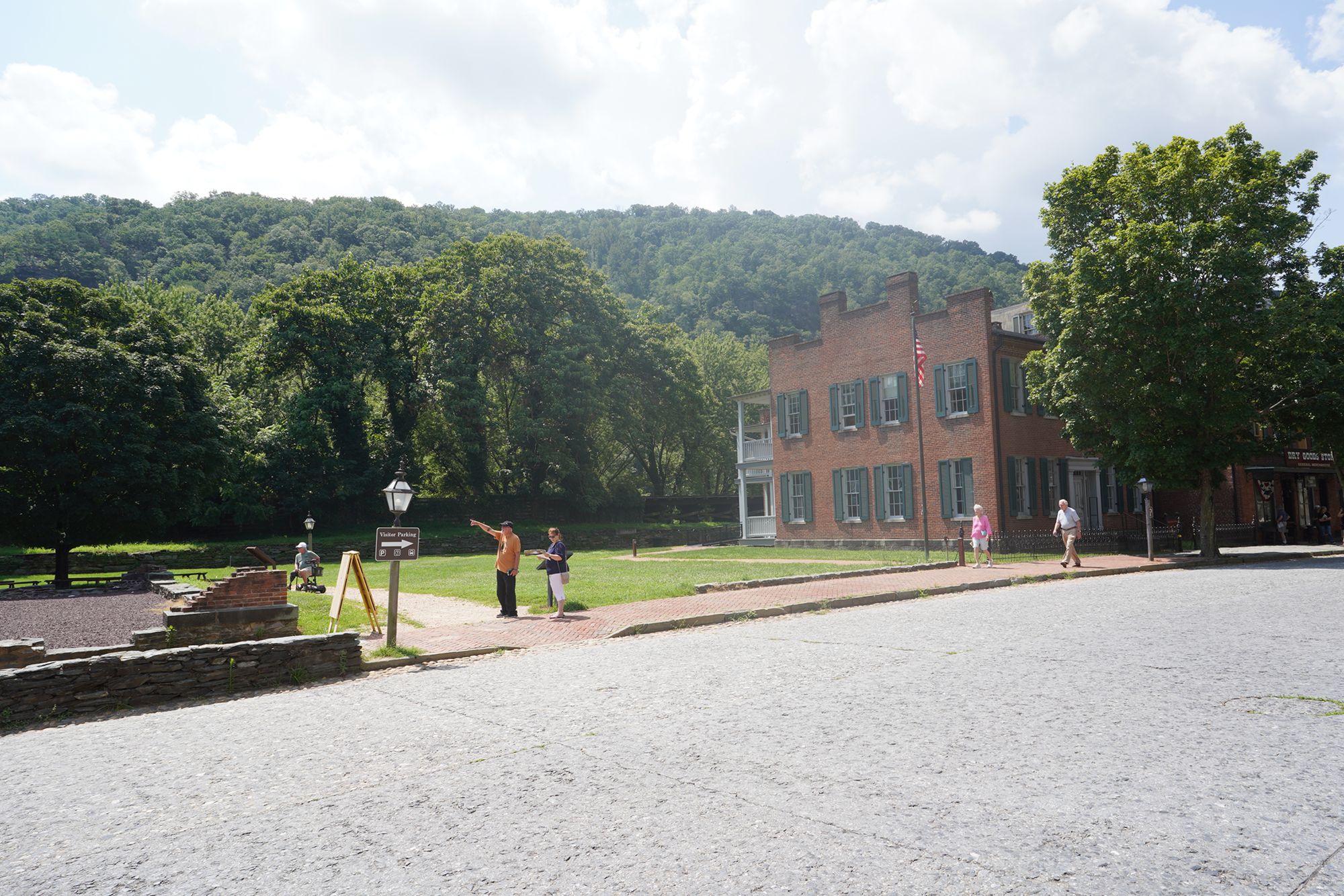
John Brown (1800–1859) was a radical American abolitionist who believed slavery could only be ended through armed resistance. He led several violent anti-slavery actions, most famously the 1859 raid on the federal armory at Harpers Ferry, Virginia, hoping to start a slave uprising. The raid failed, Brown was captured by U.S. Marines under Robert E. Lee, and he was executed for treason, but his actions made him a martyr to the abolitionist cause and deepened the national divide before the Civil War.
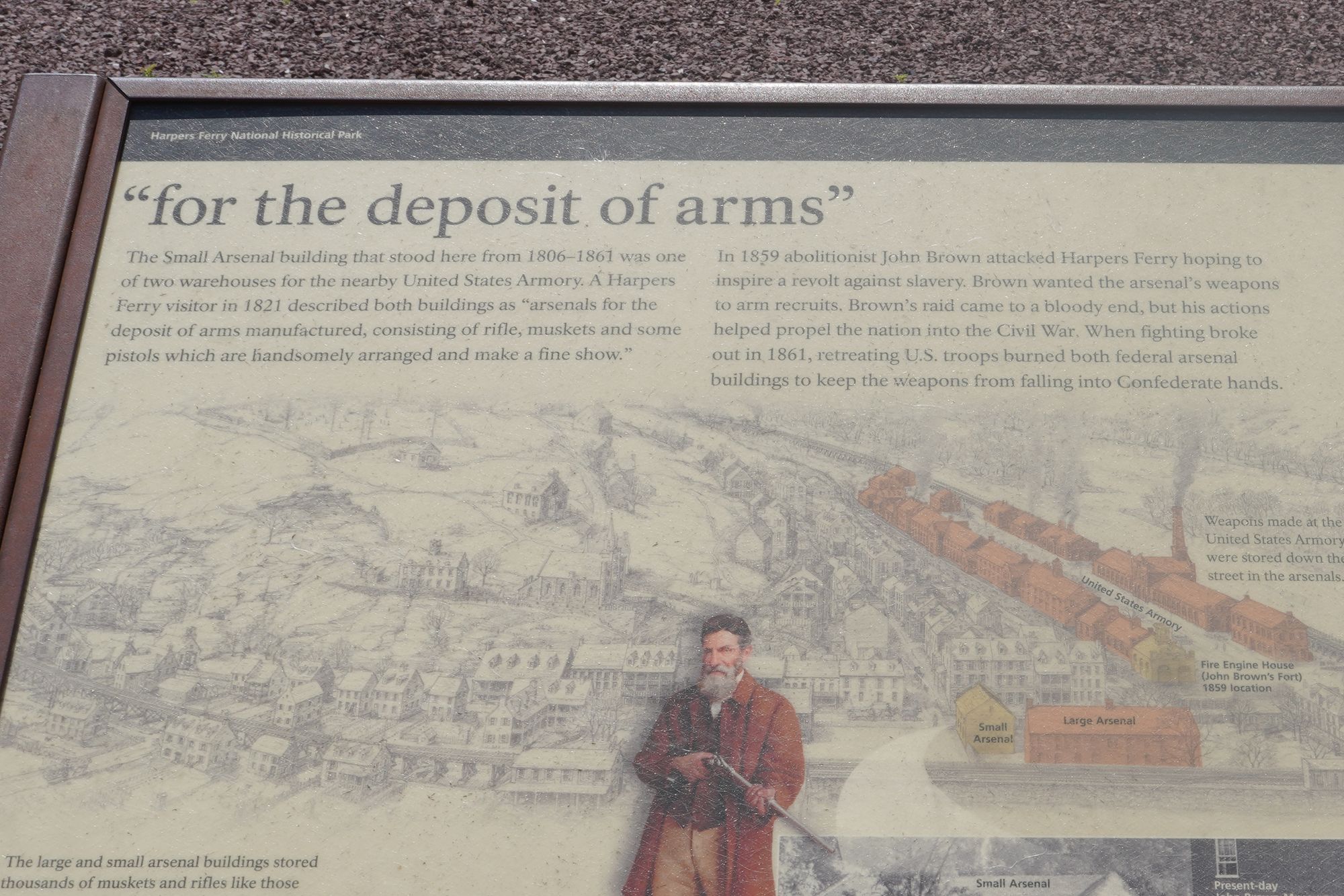
Though John Brown’s raid at Harpers Ferry failed, it is remembered because his bold stand against slavery became a symbol of moral conviction and helped spark the Civil War.
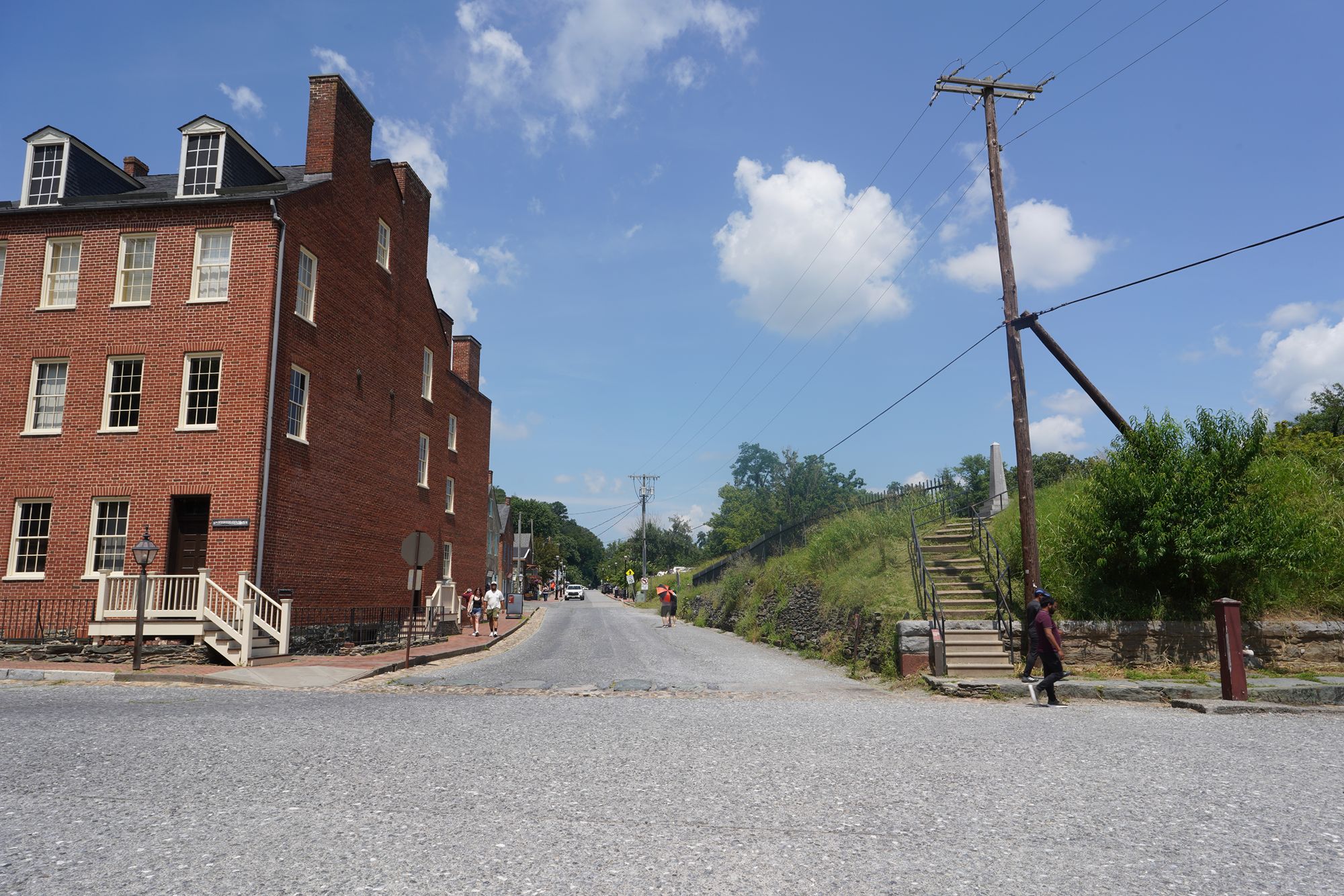
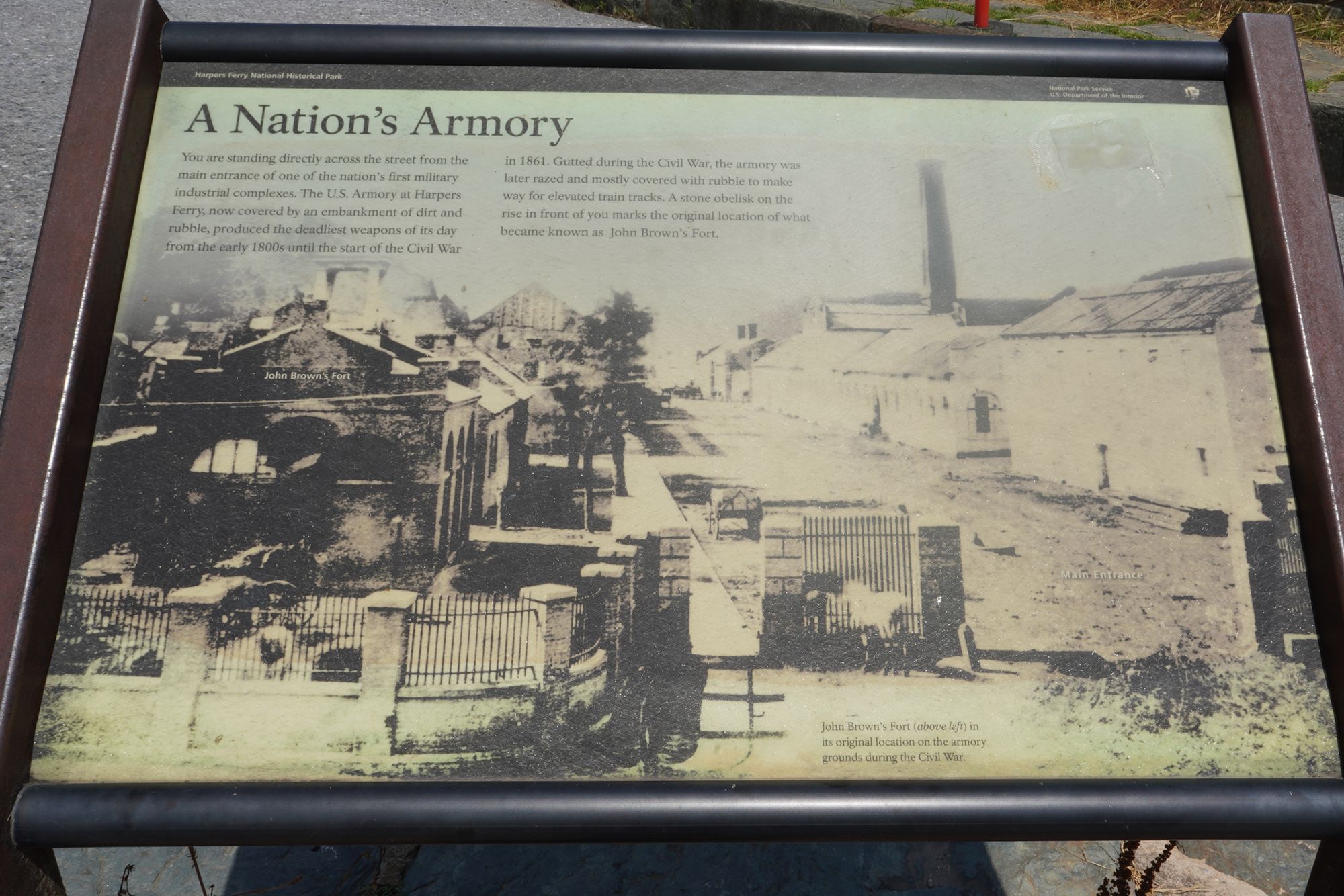
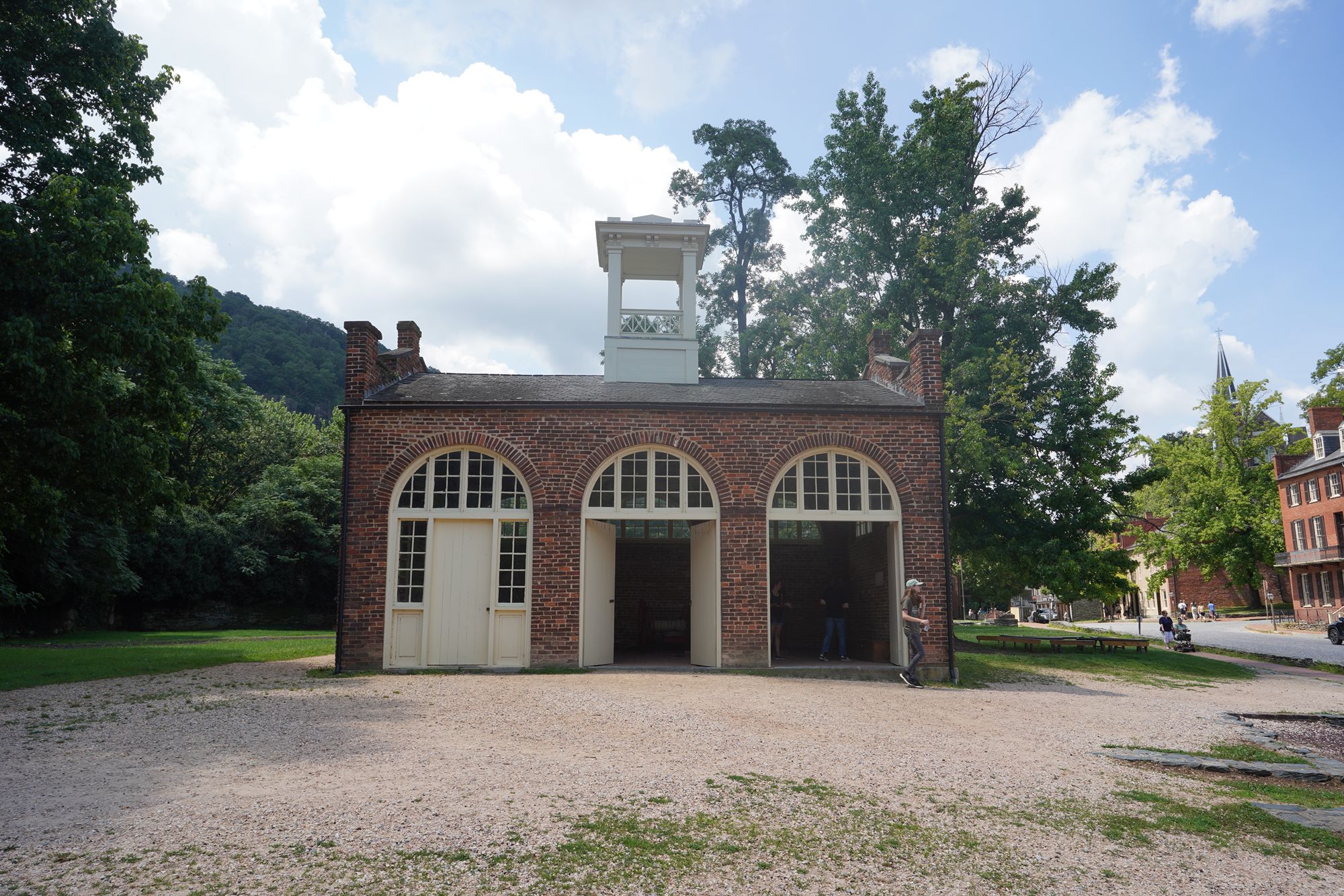
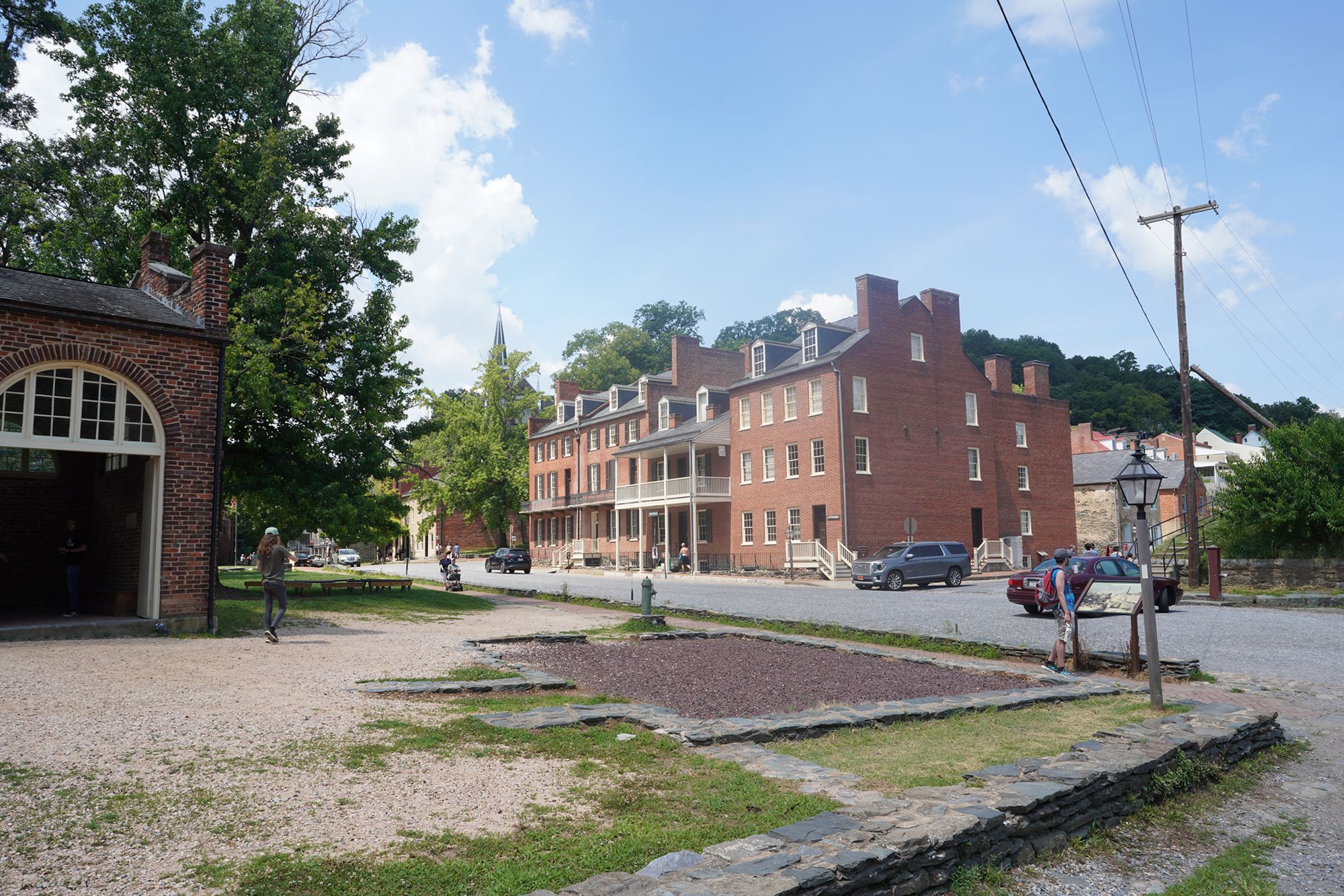
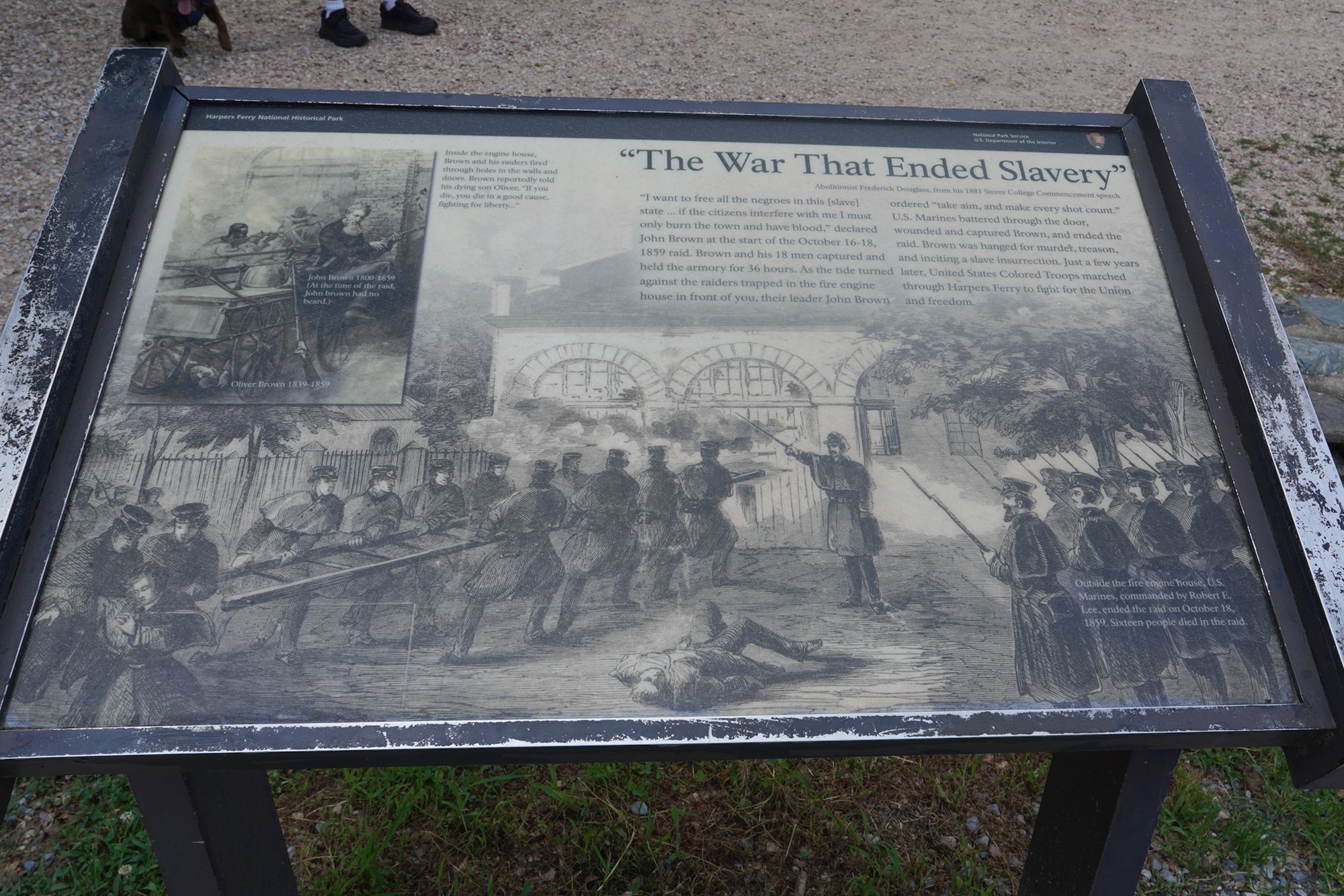
Walking toward the riverside
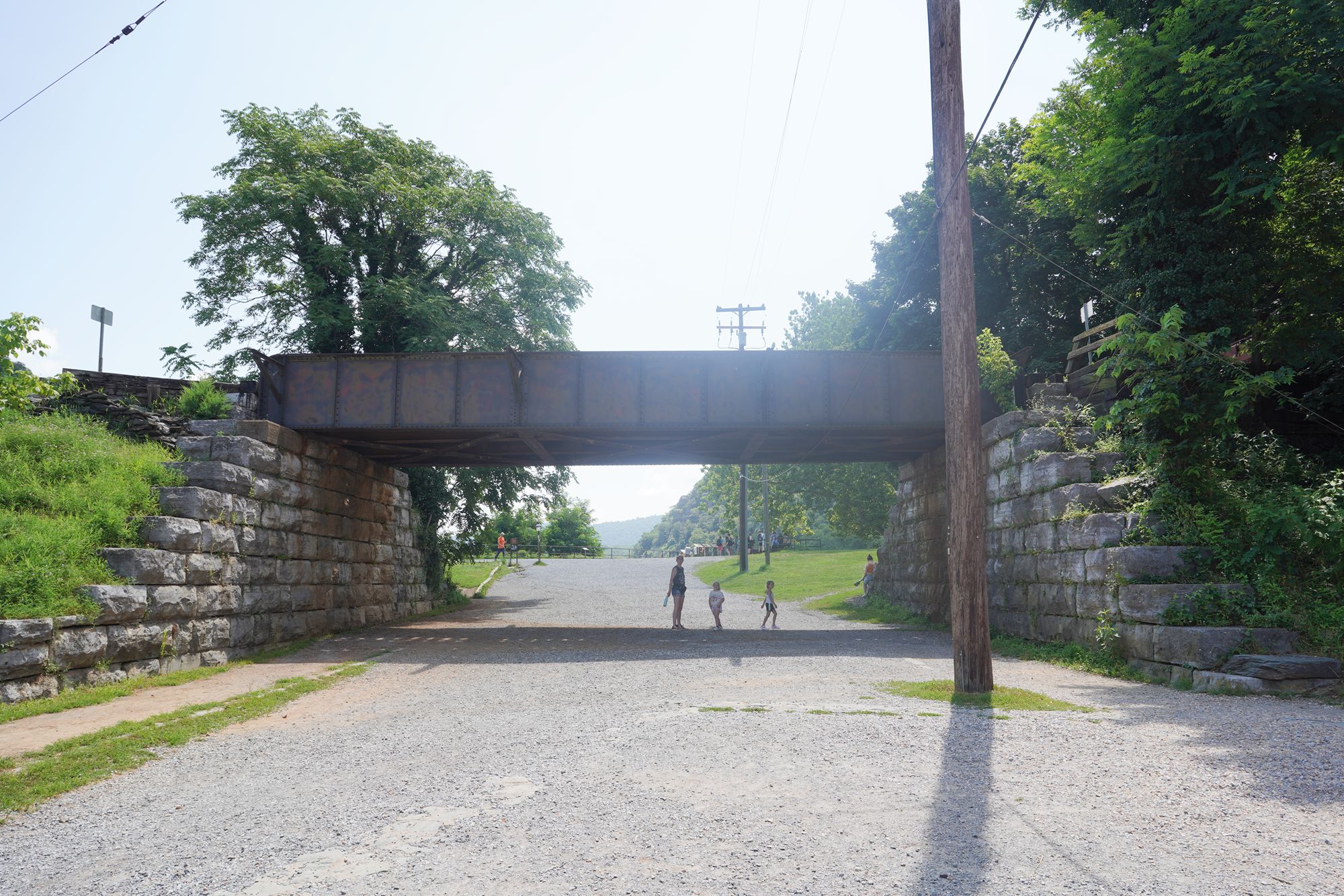
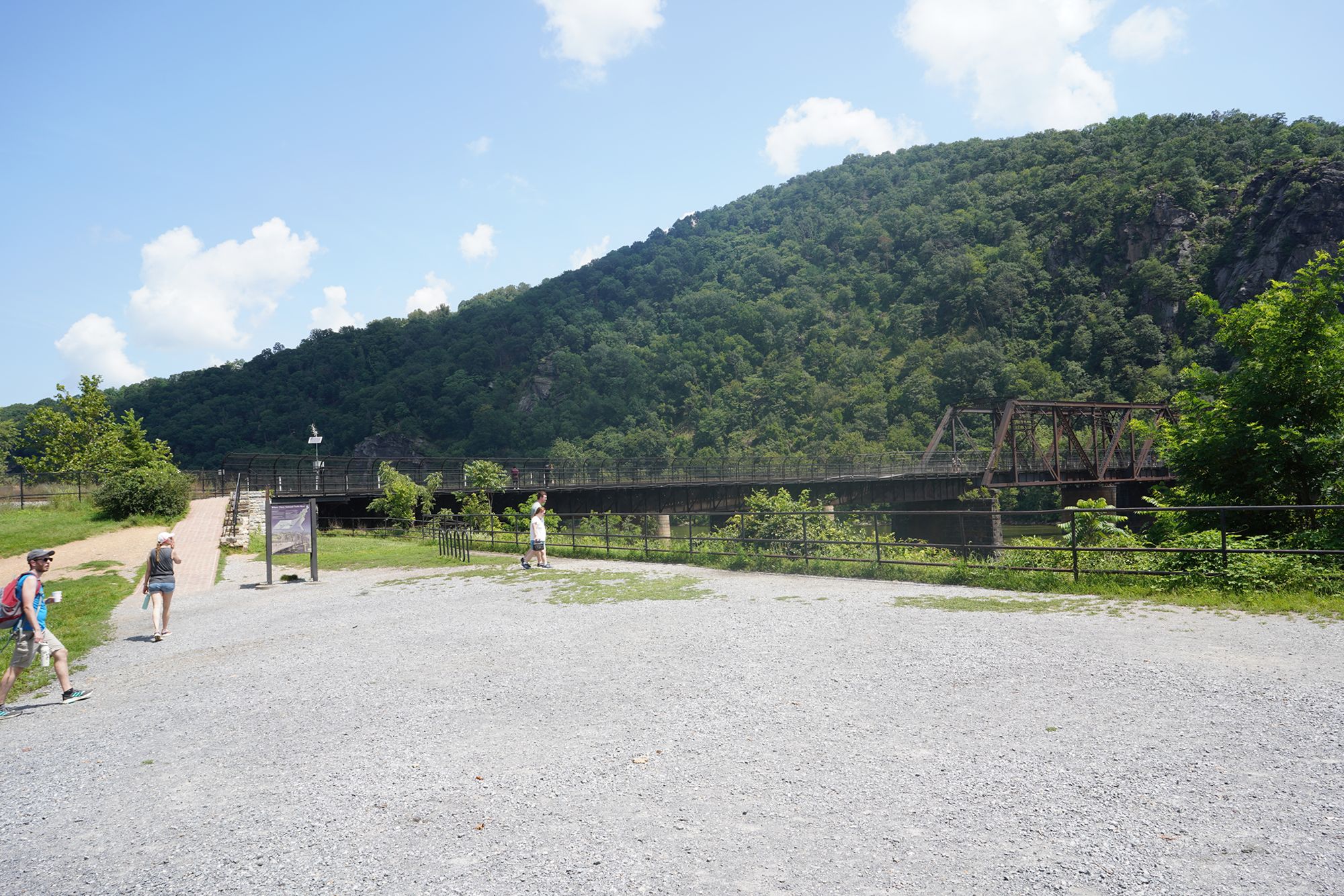
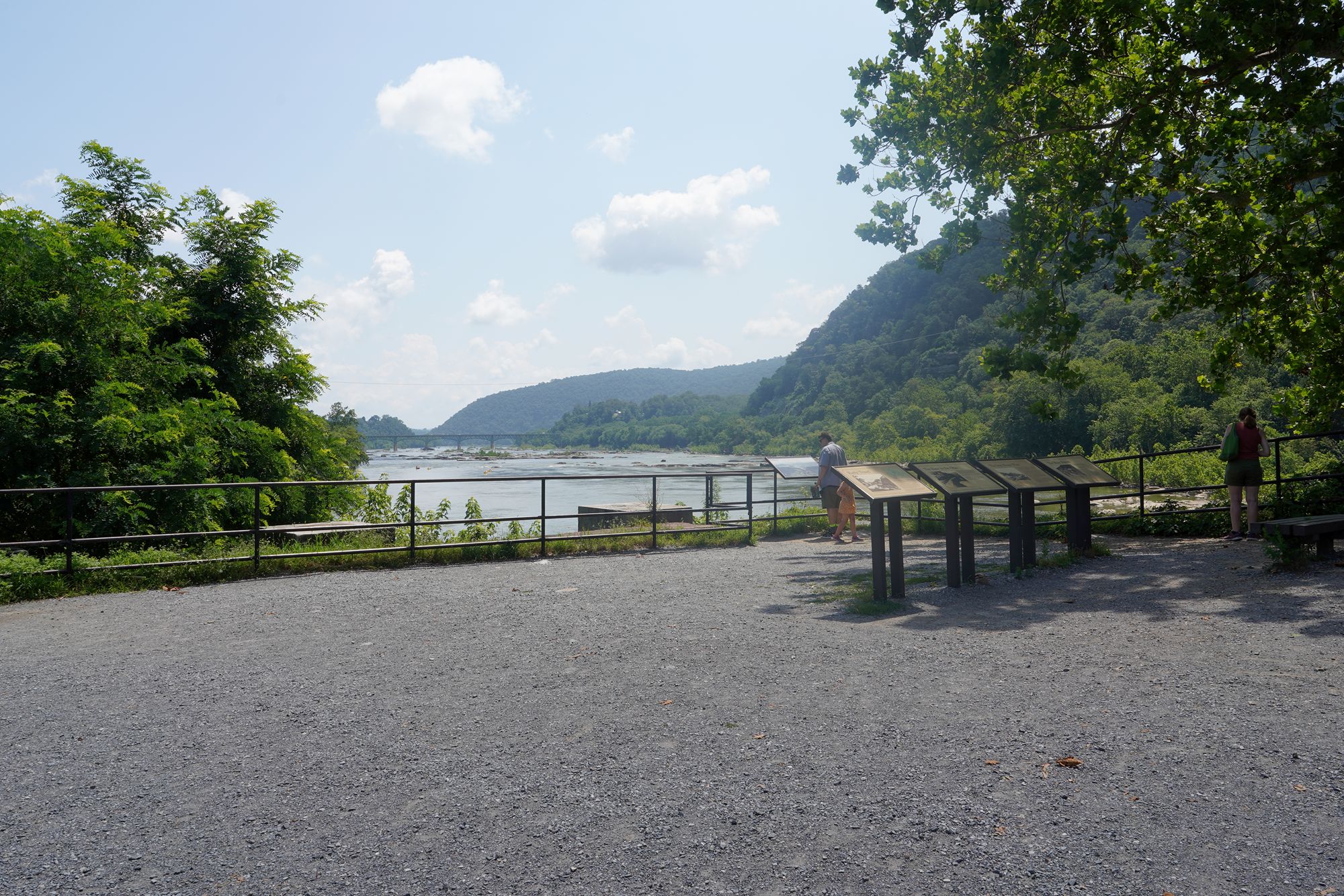
At Harpers Ferry, the Potomac River and the Shenandoah River meet at this location, forming a scenic confluence surrounded by steep, wooded hills.
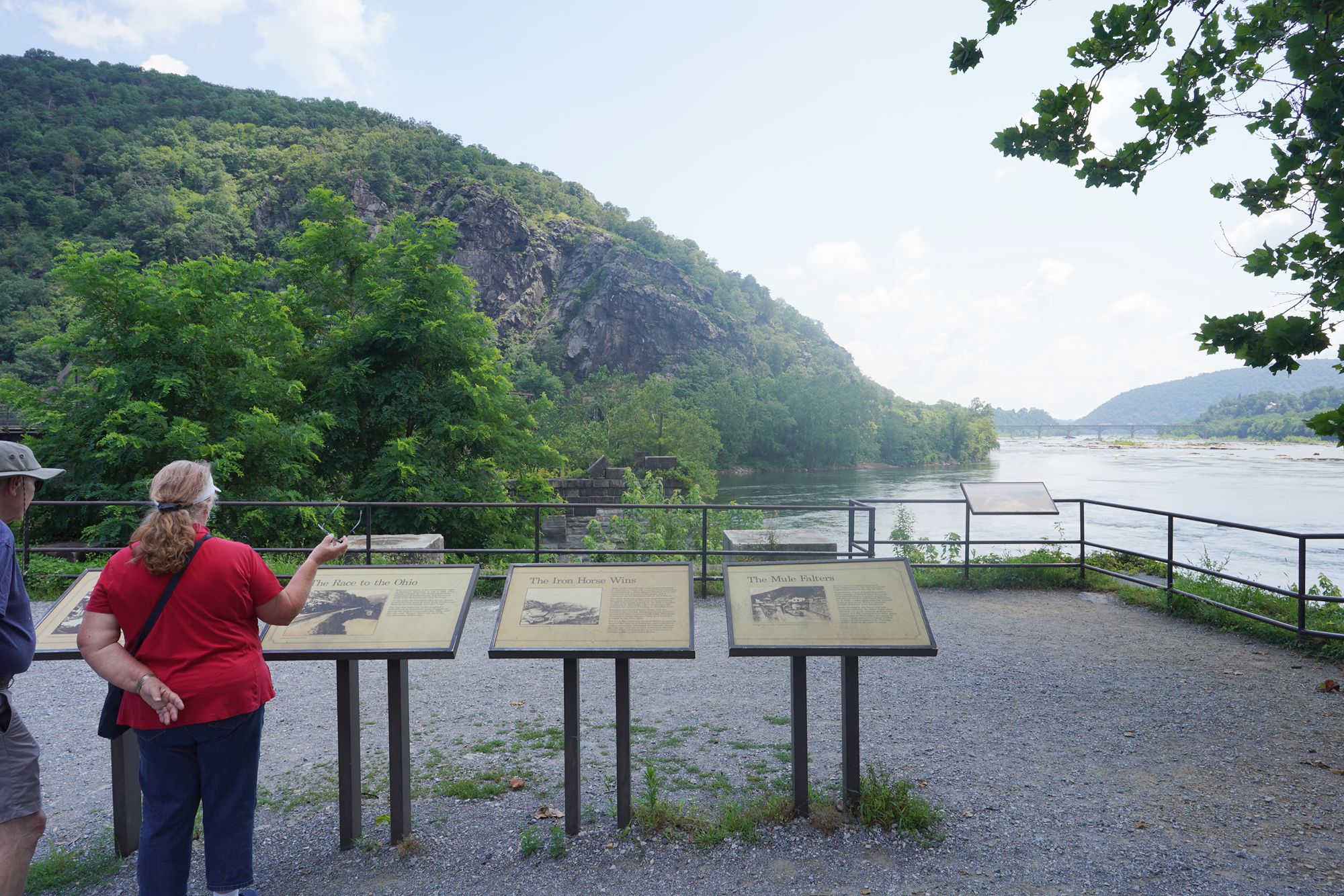
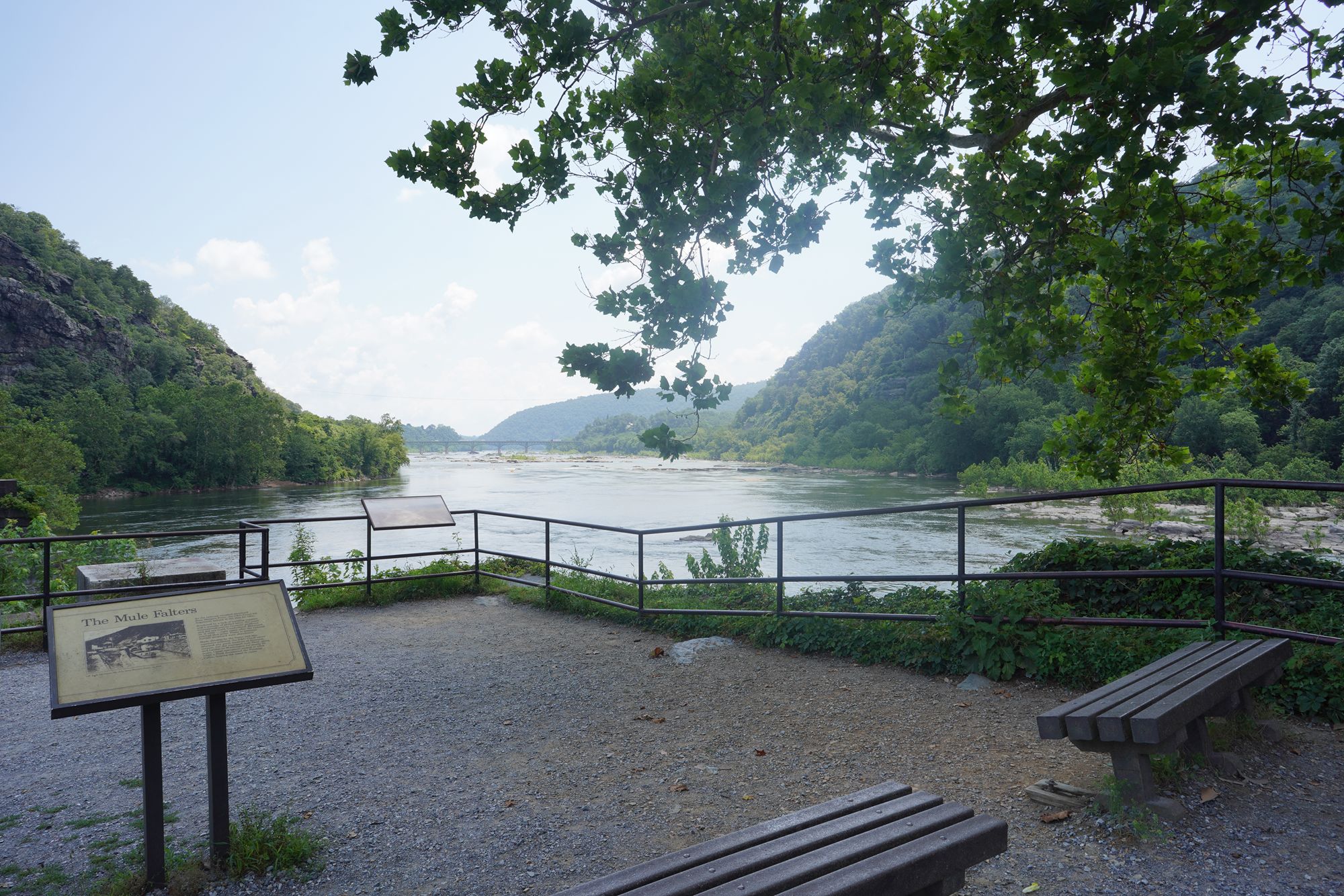
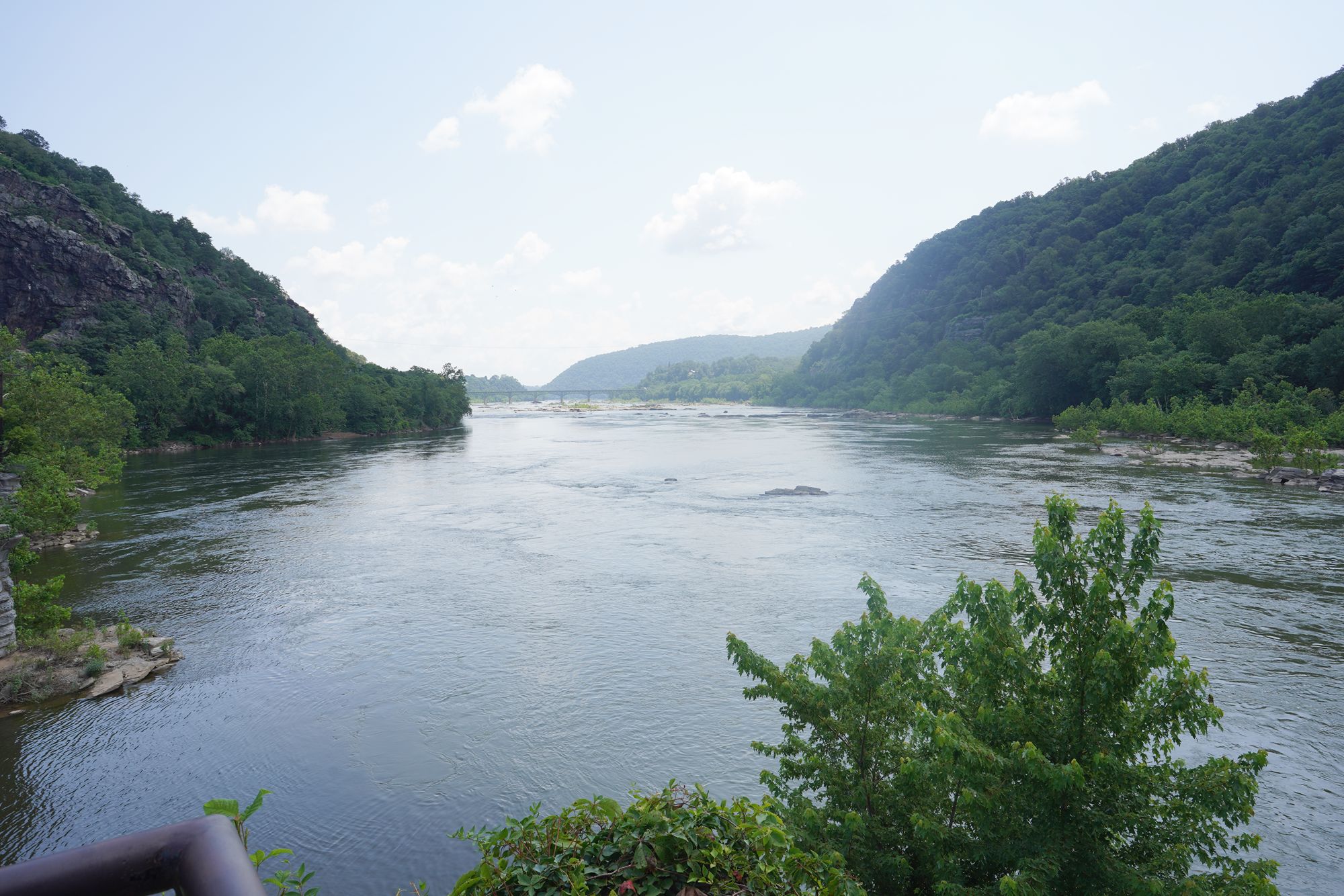
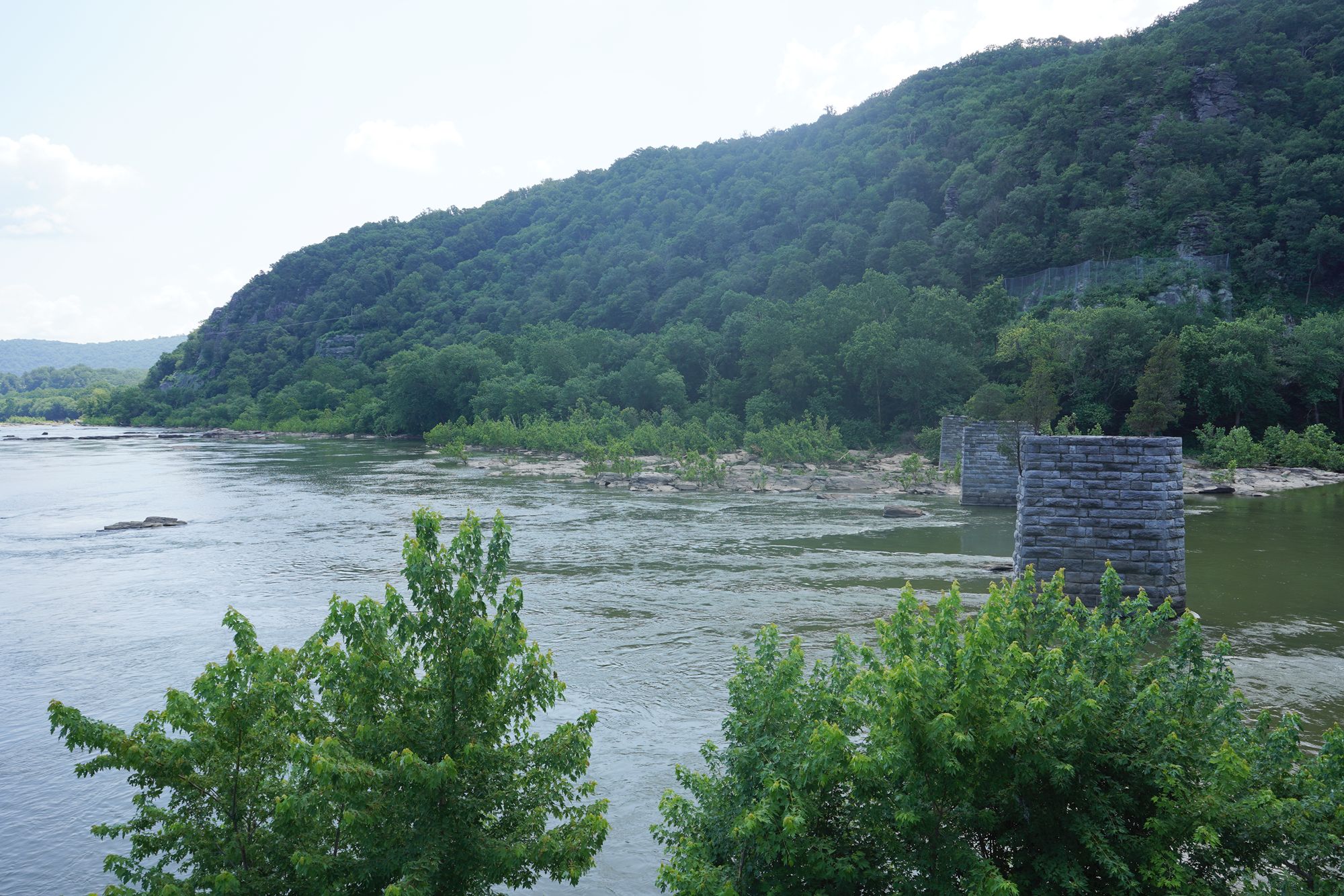
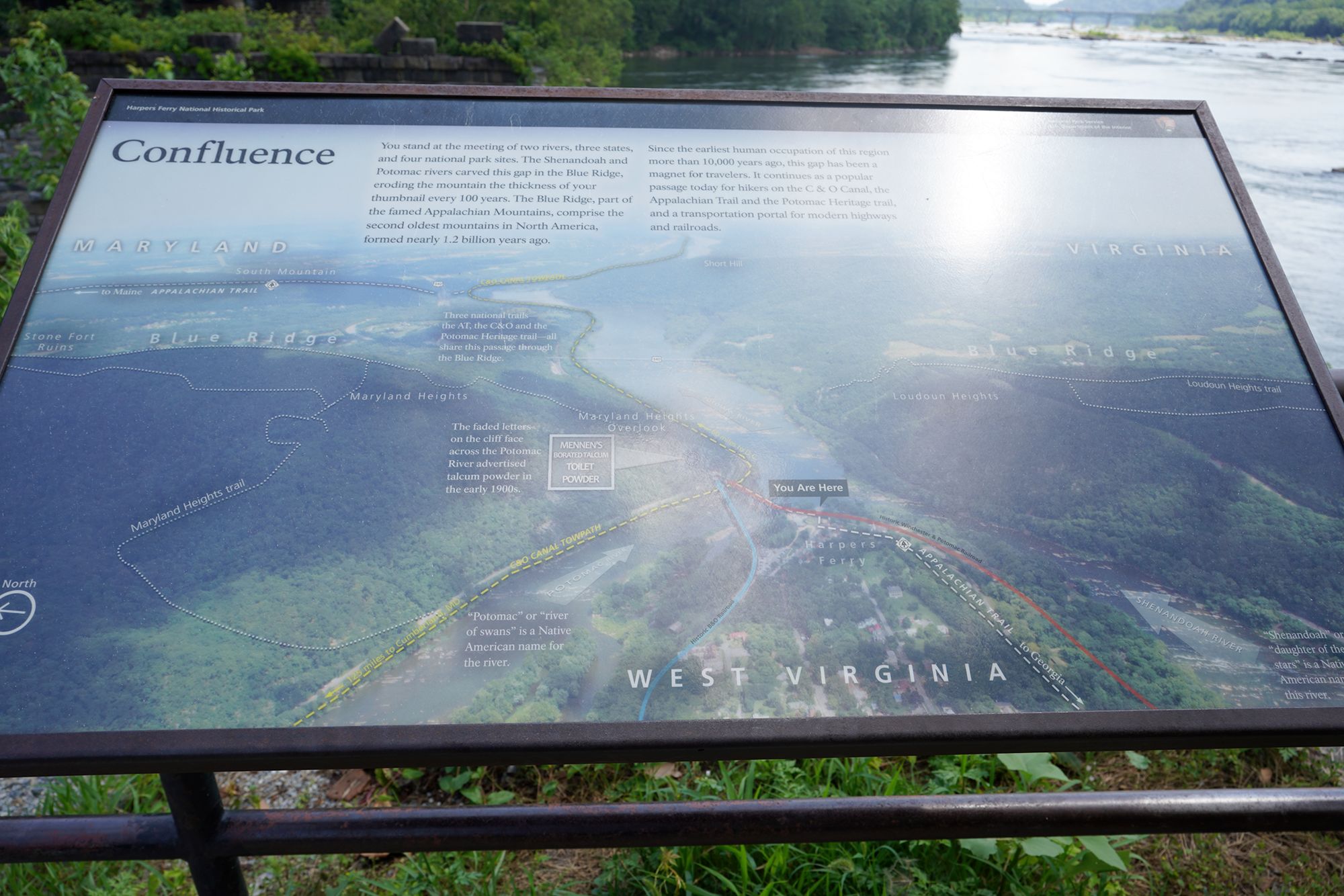
The right side is the Potomac River, and the left side is the Shenandoah River.
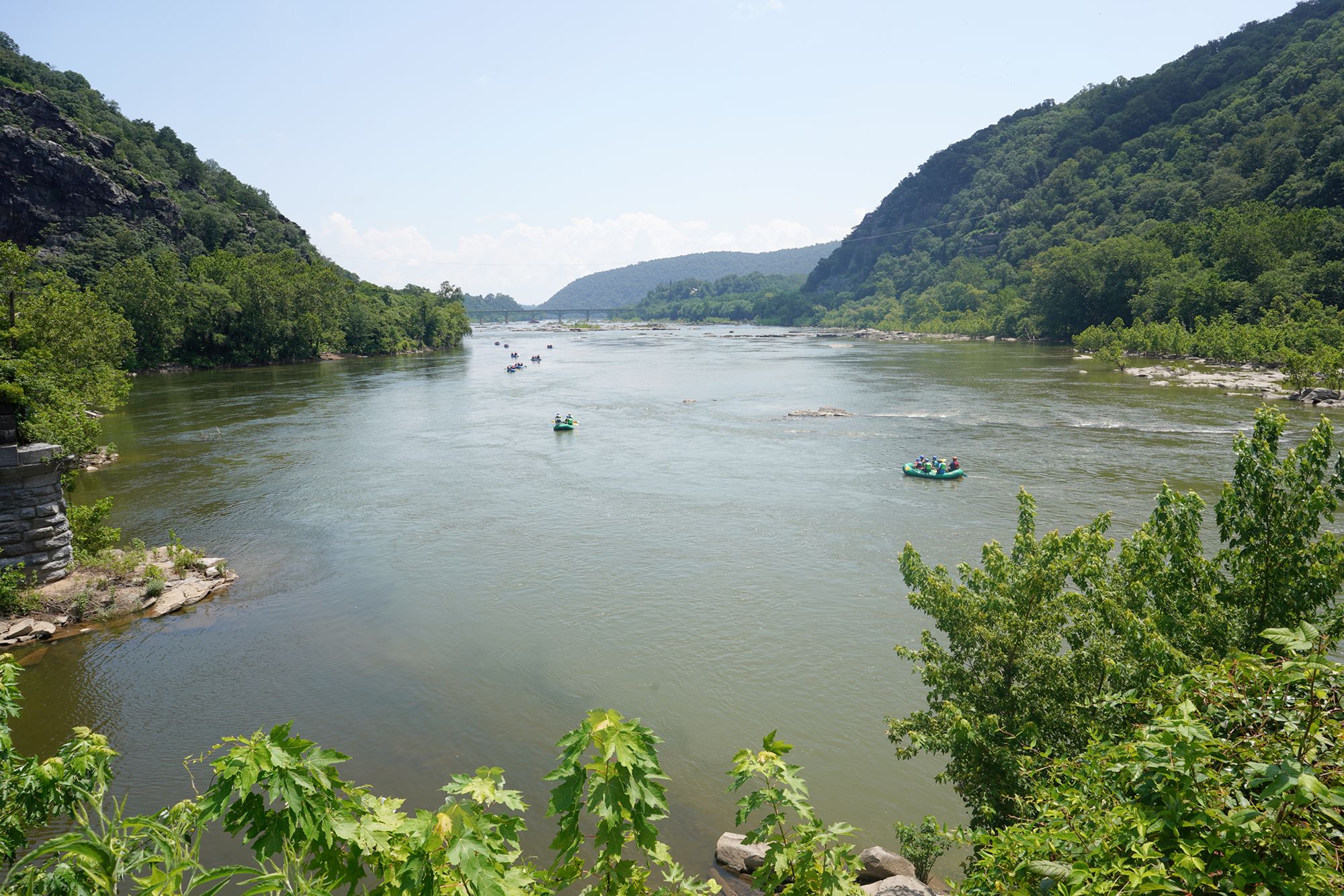
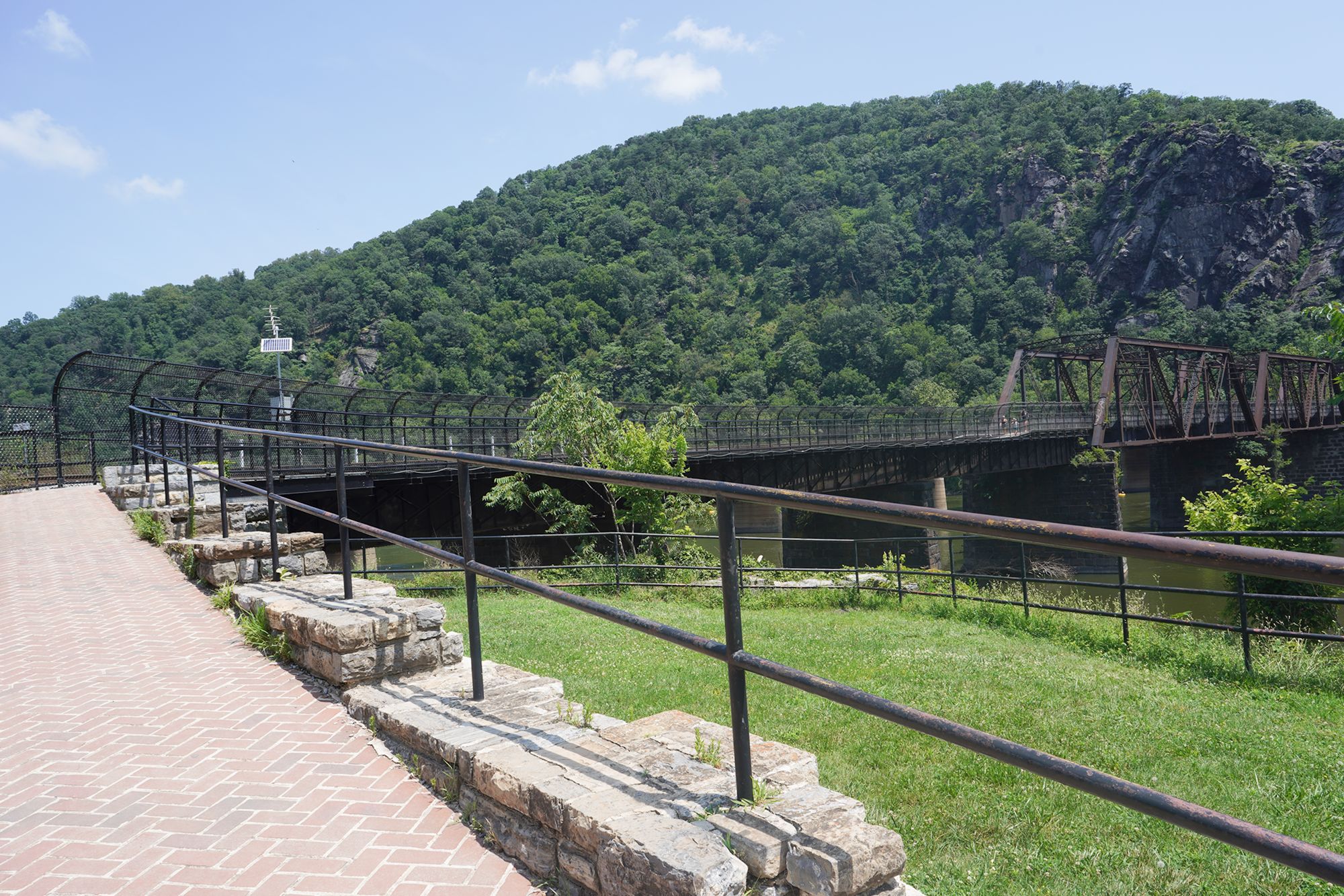
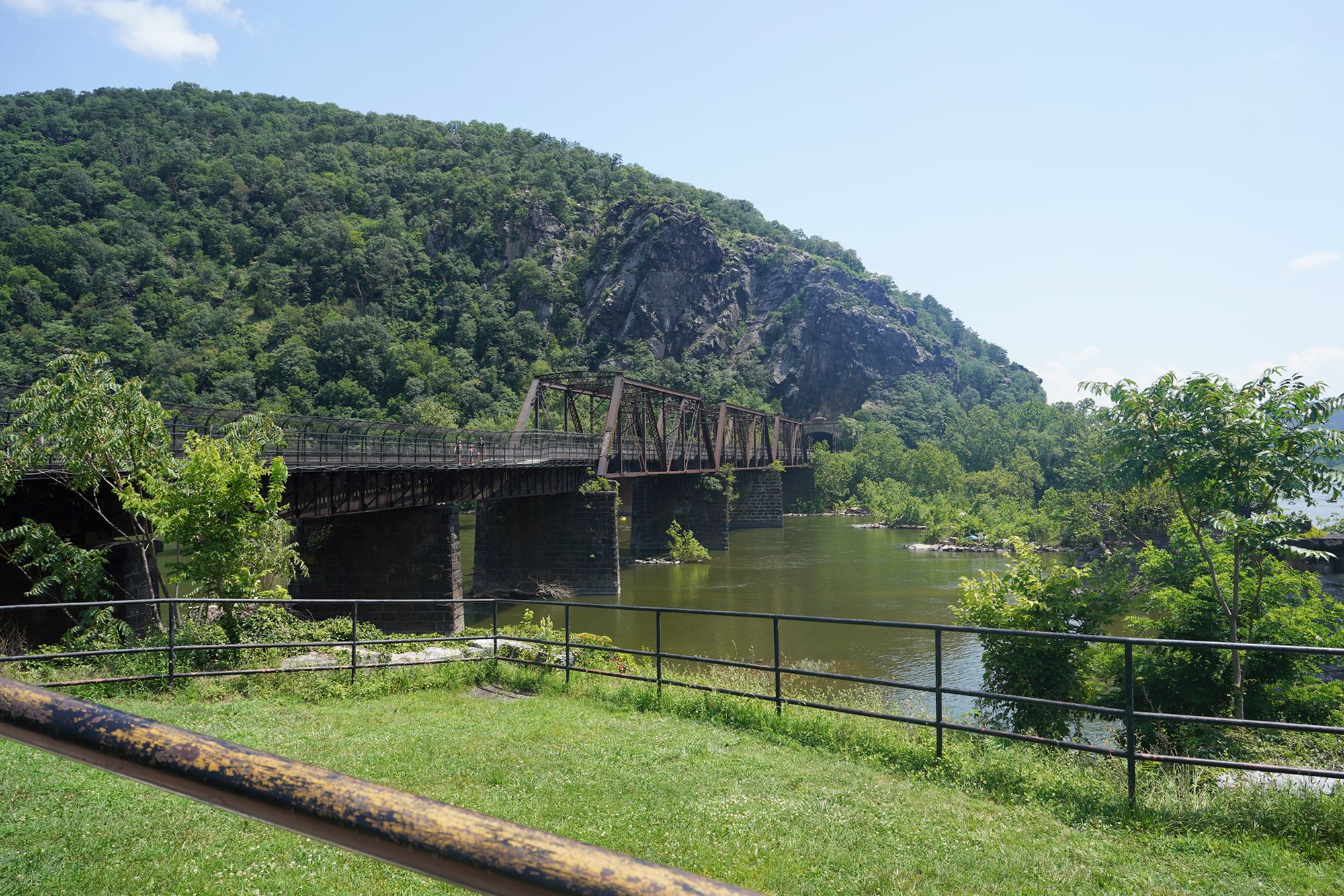
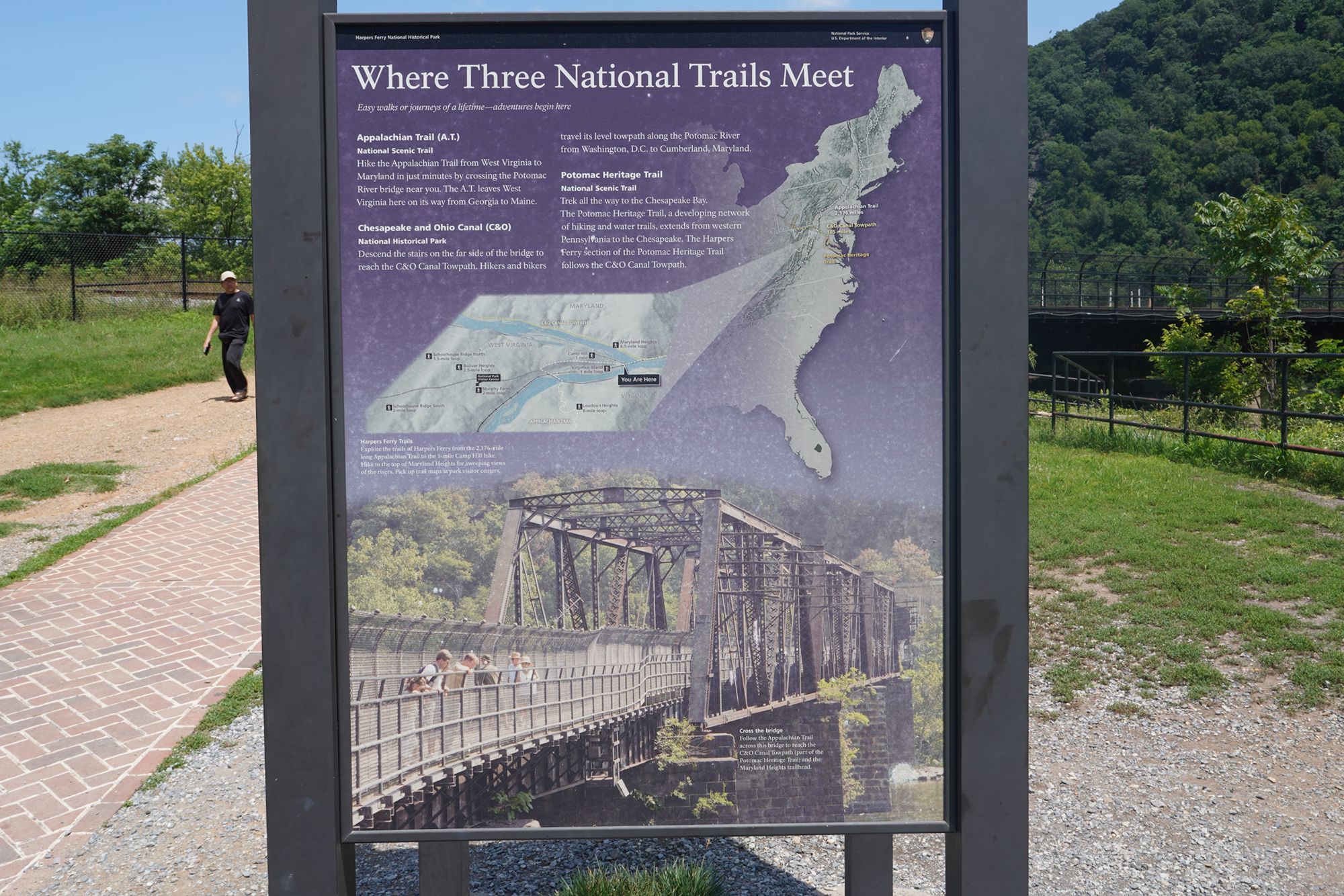
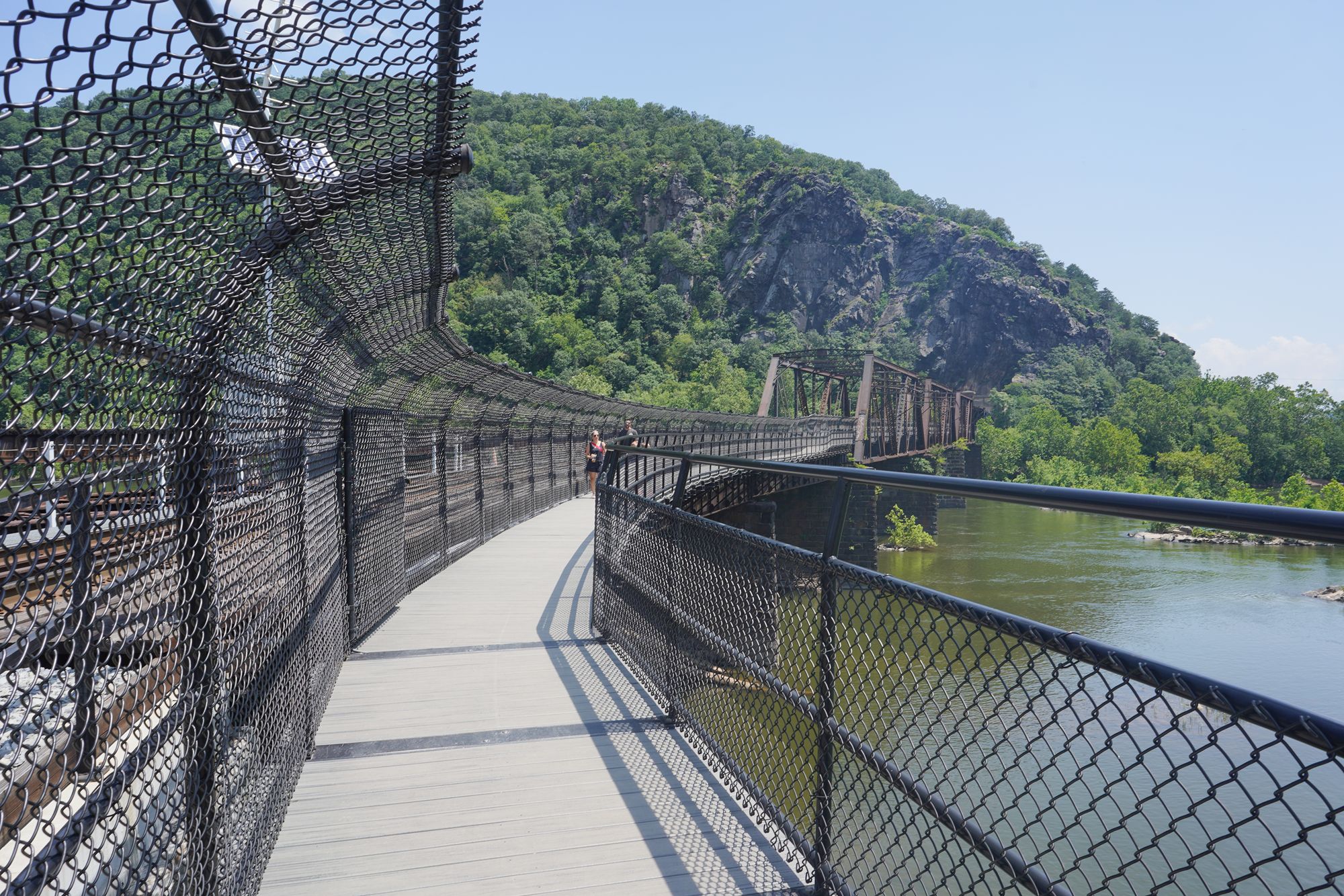
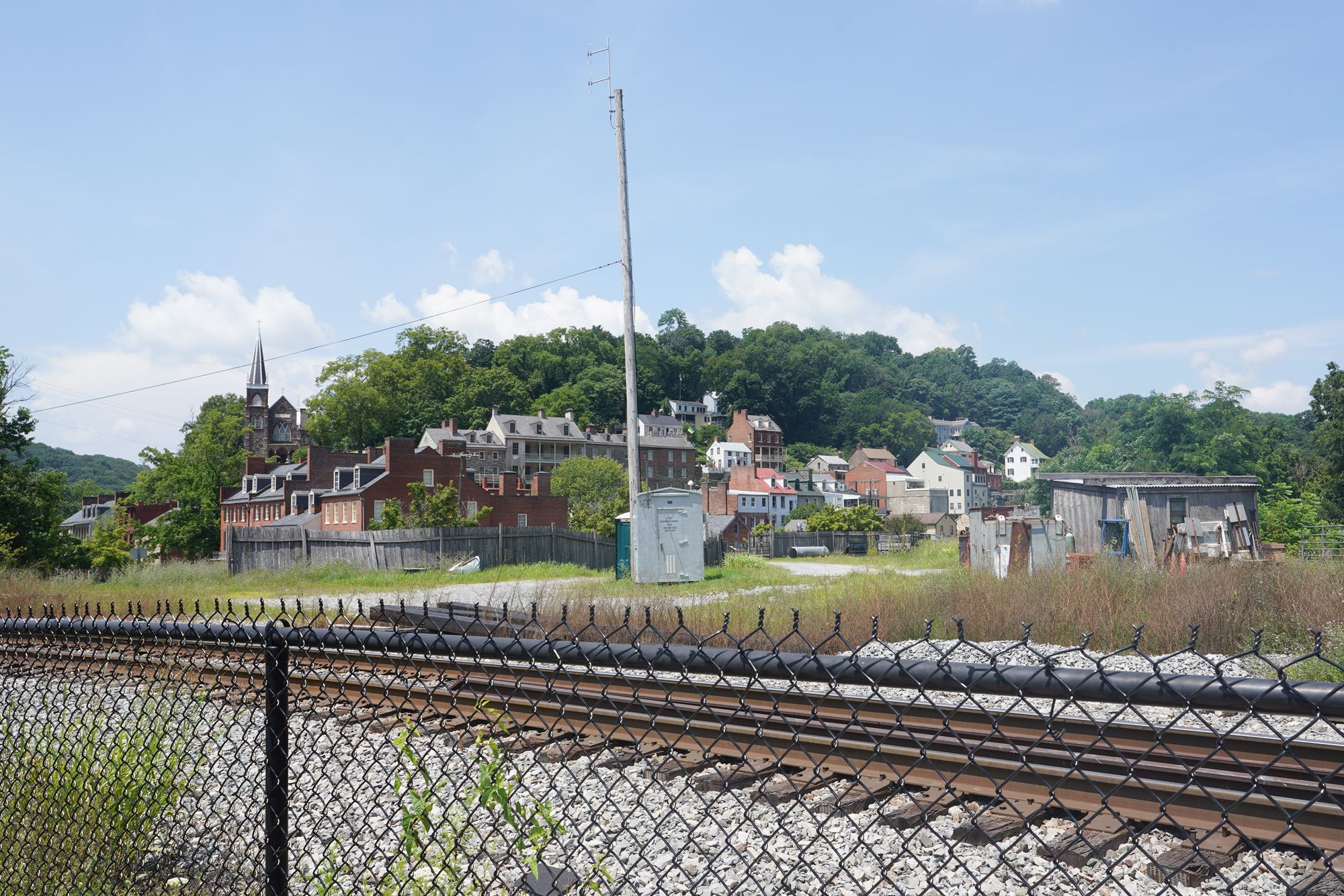
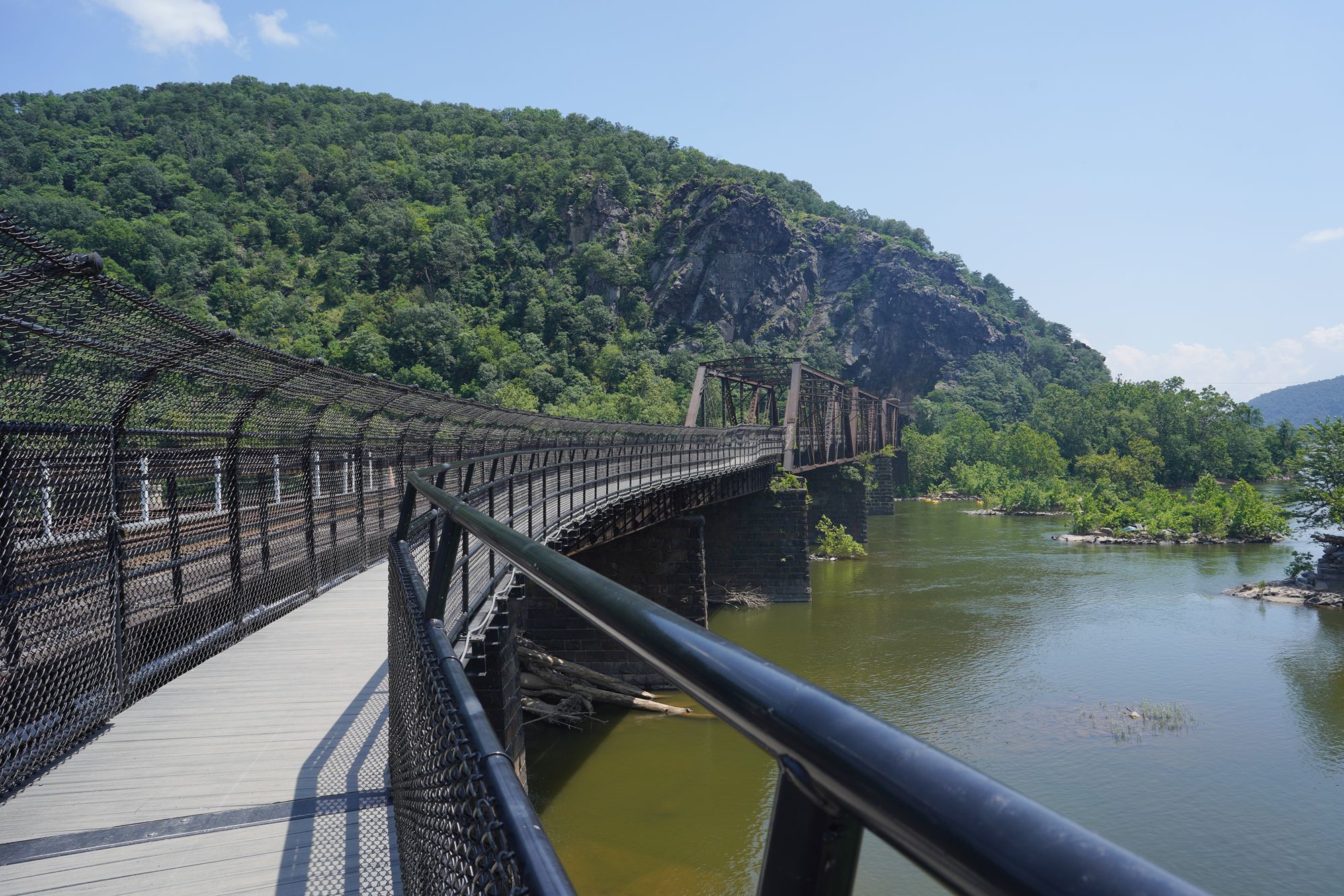
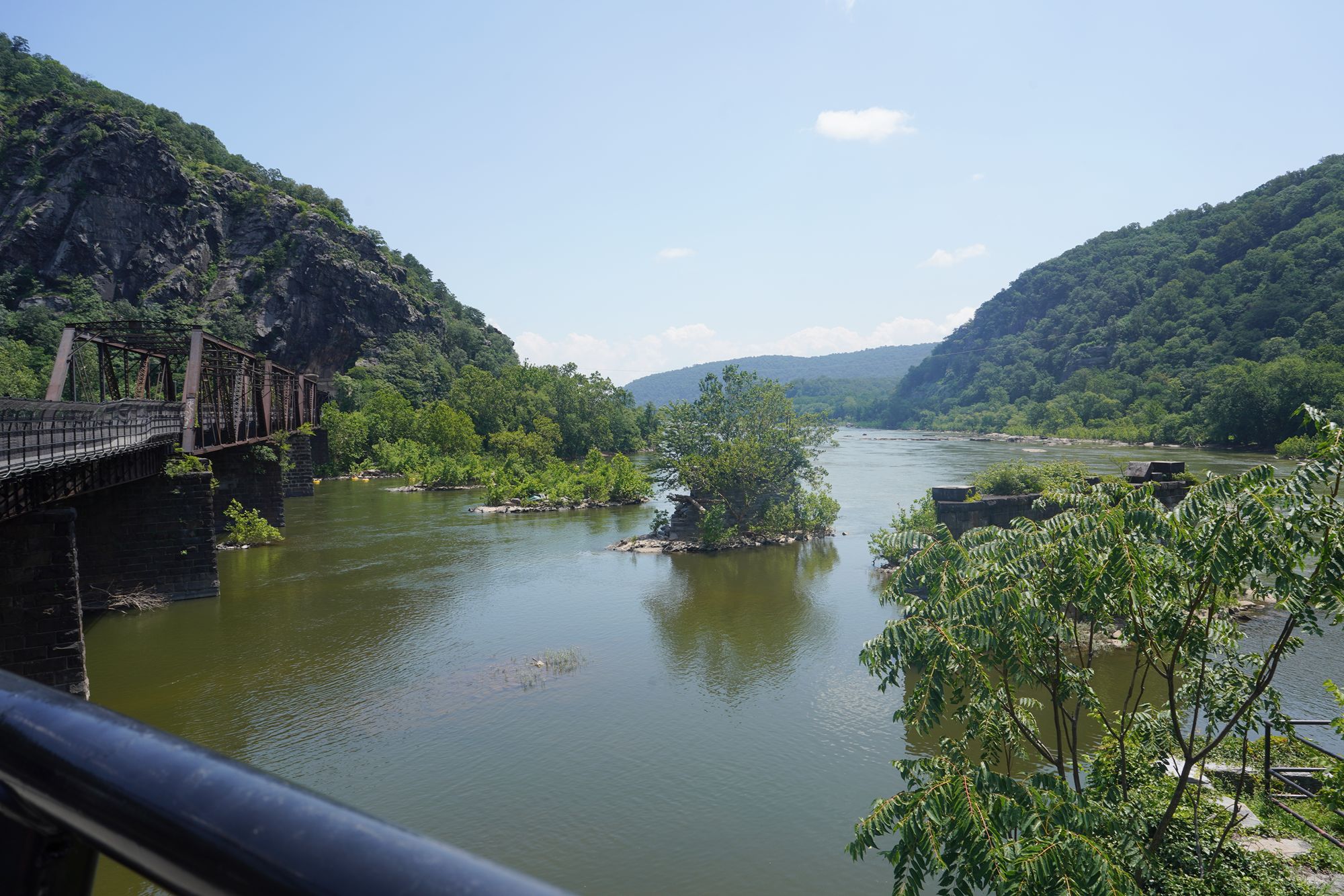
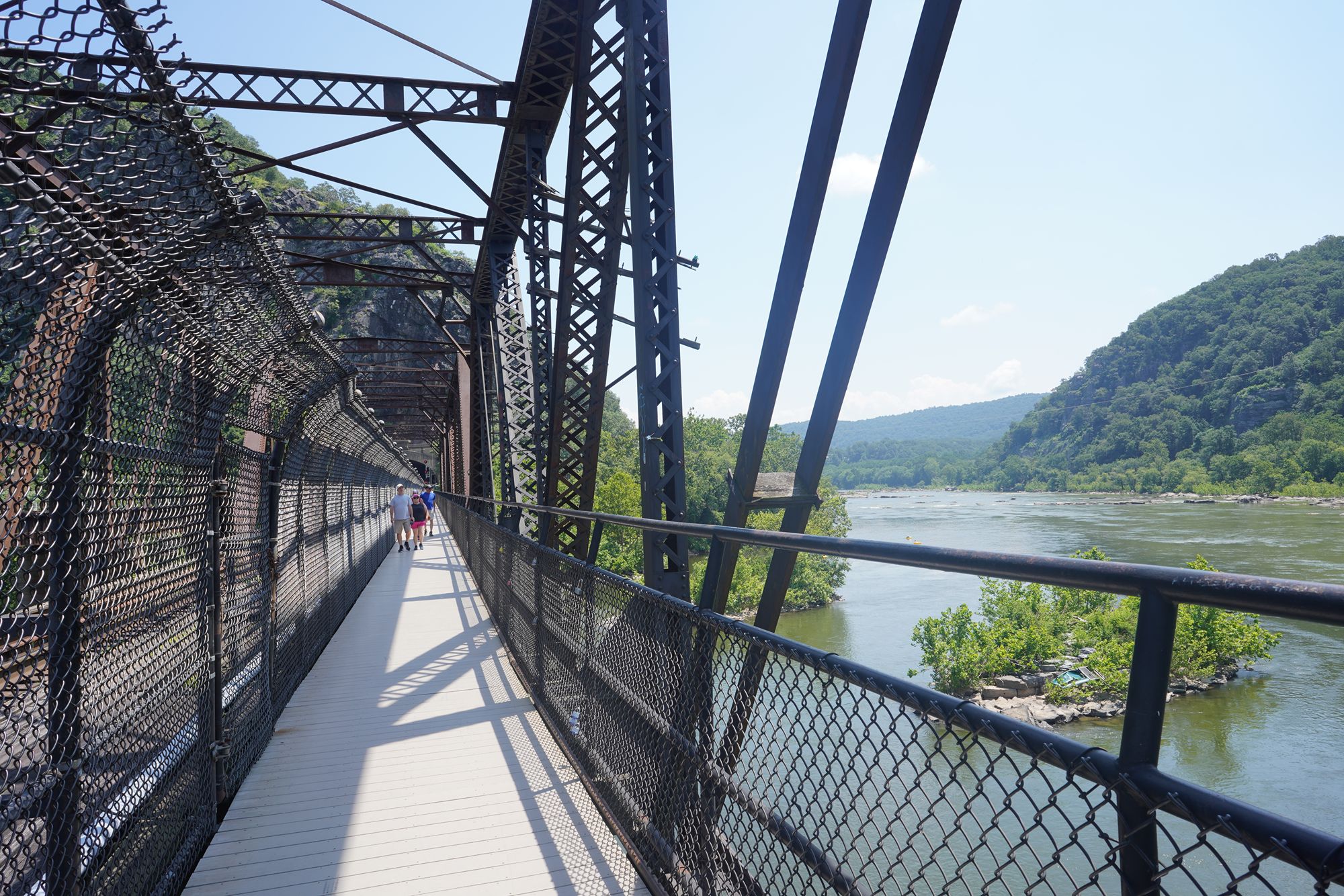
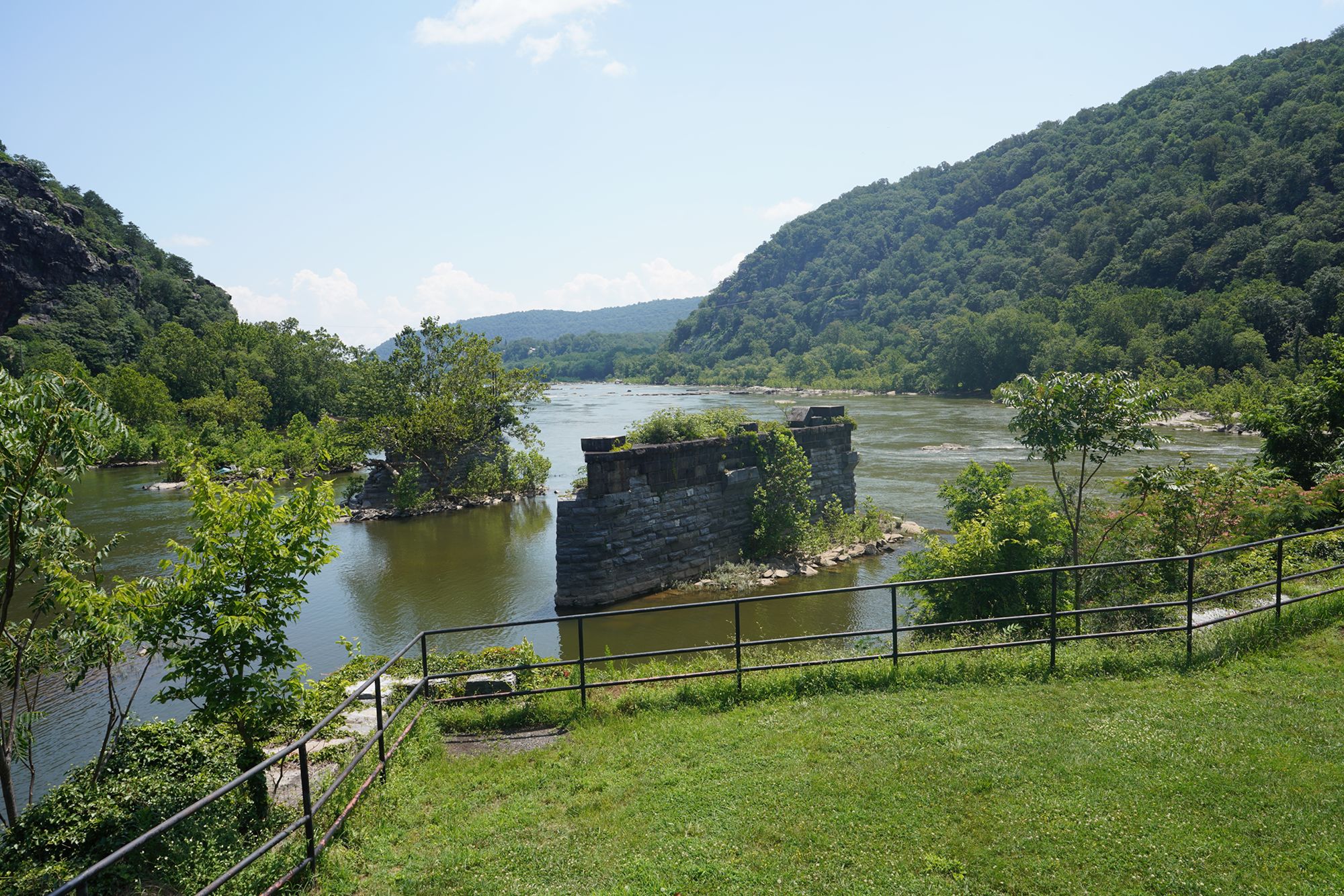
Returned to where the two rivers meet
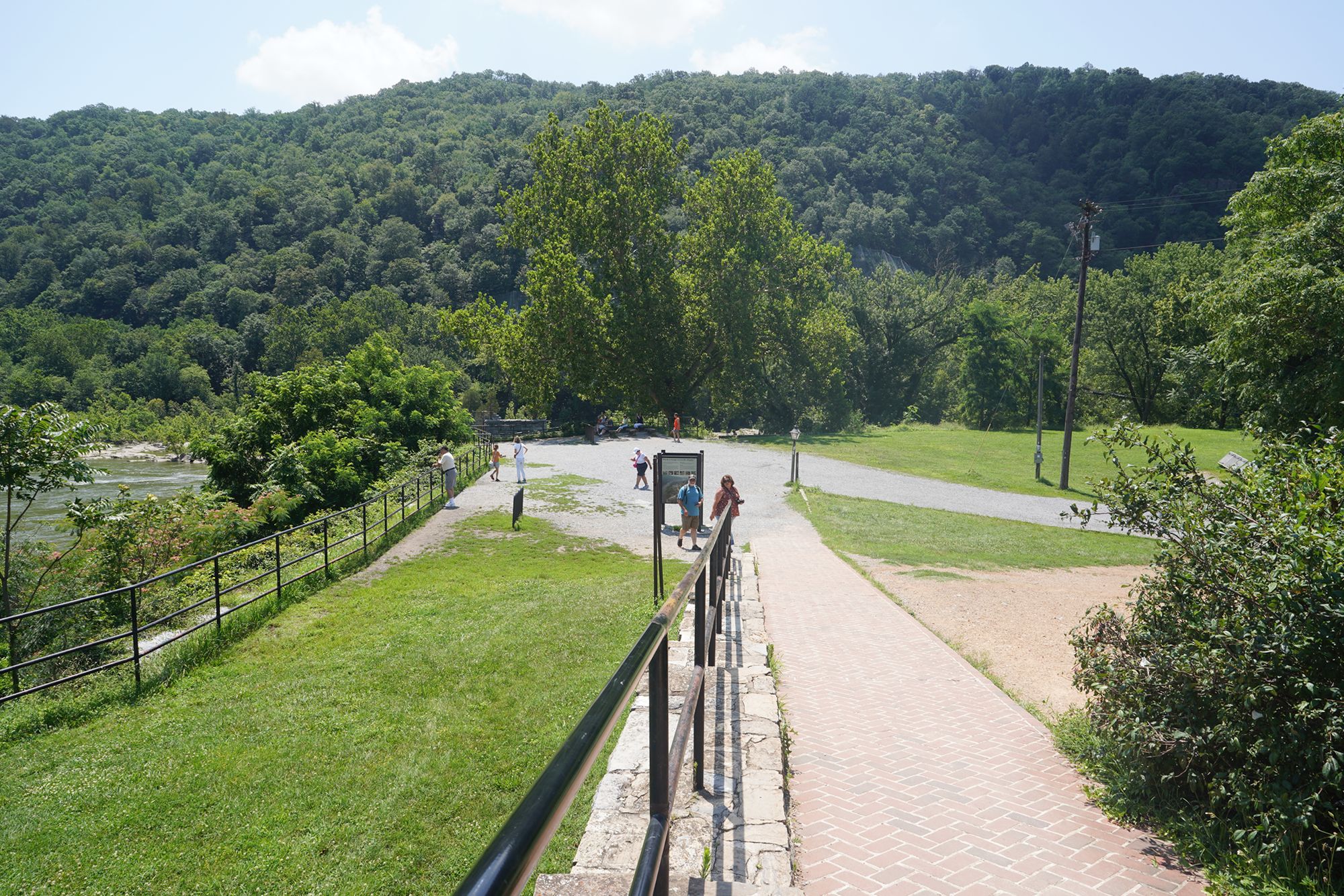
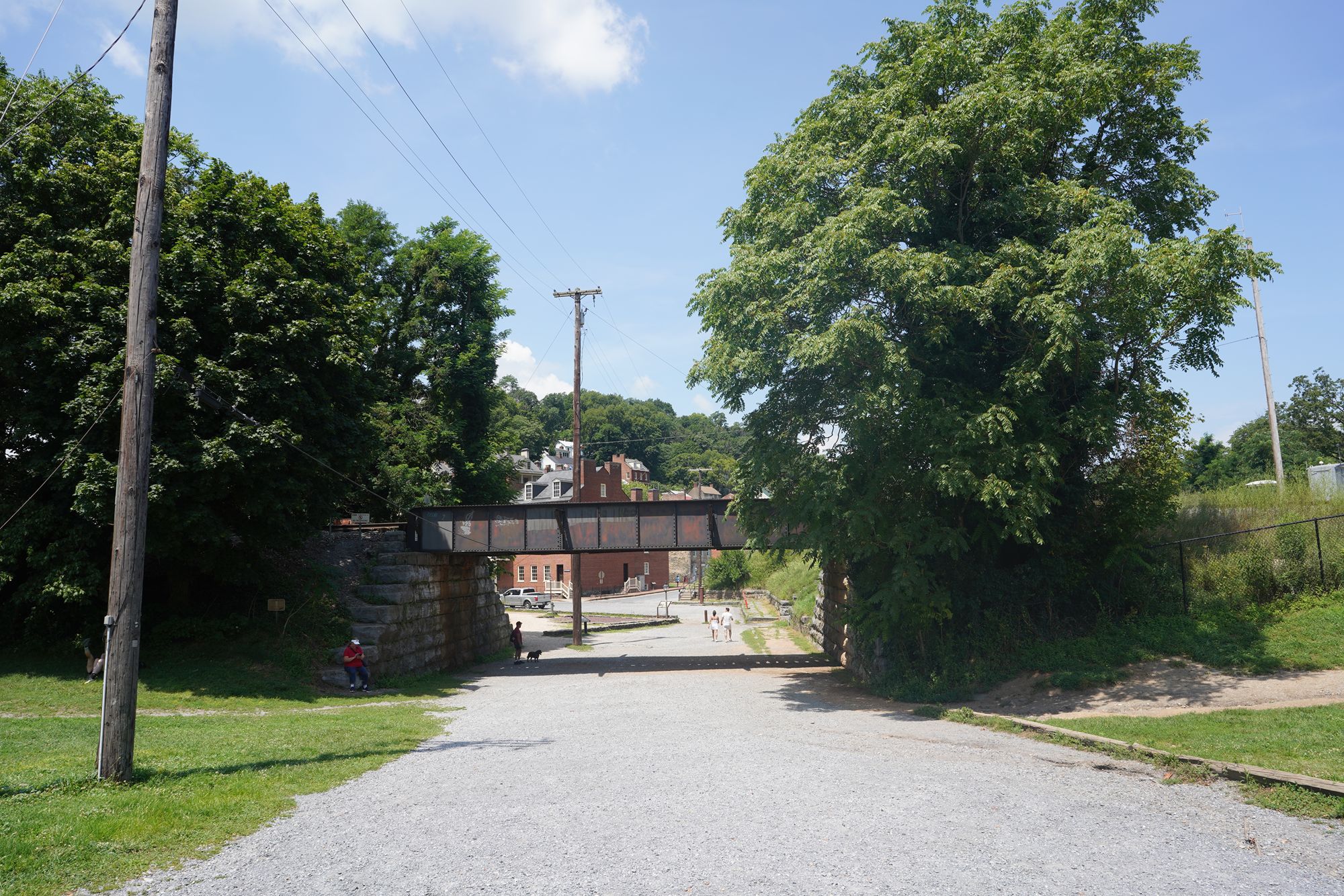
Walked toward the town
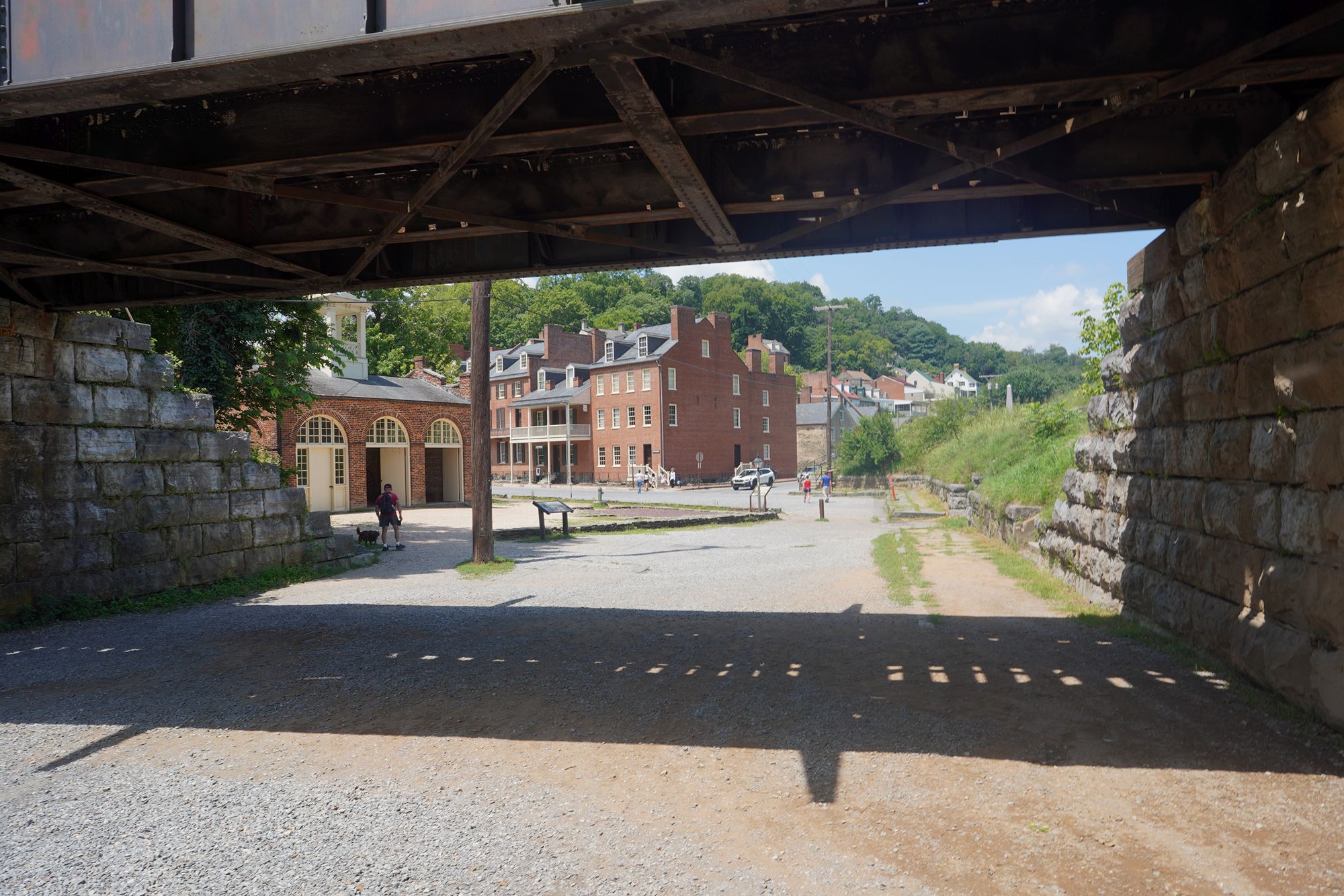
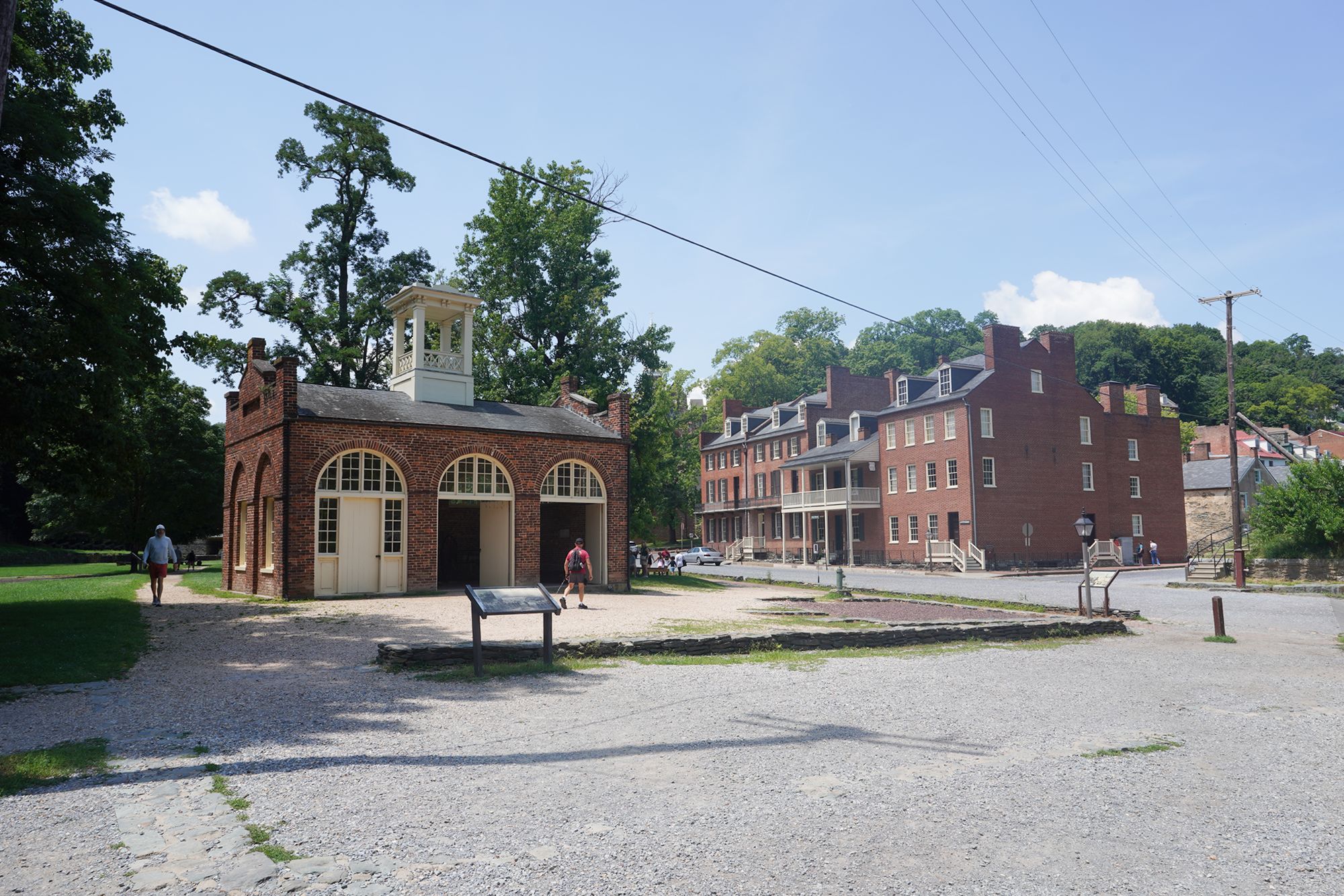
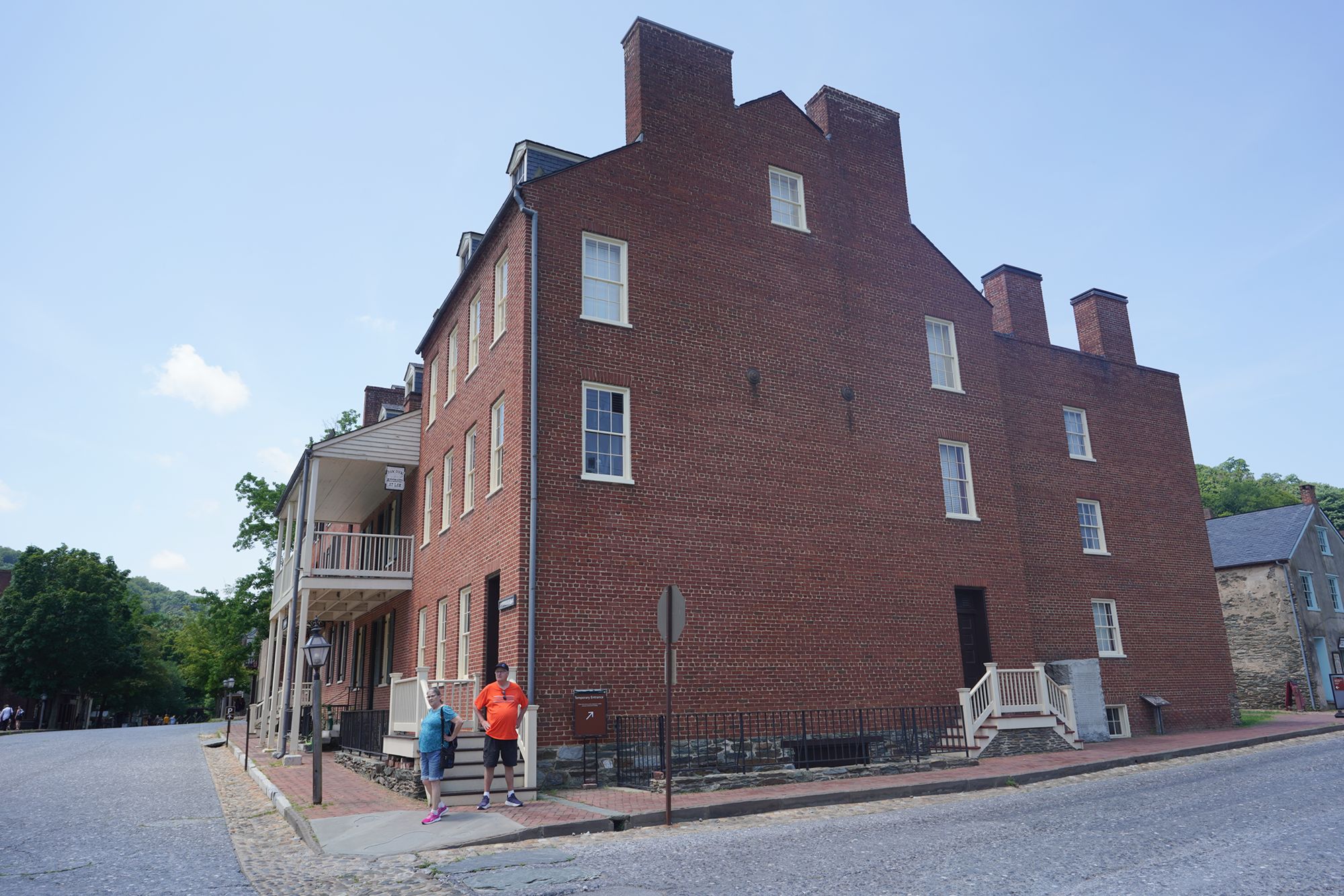
Walked the stairts on the right
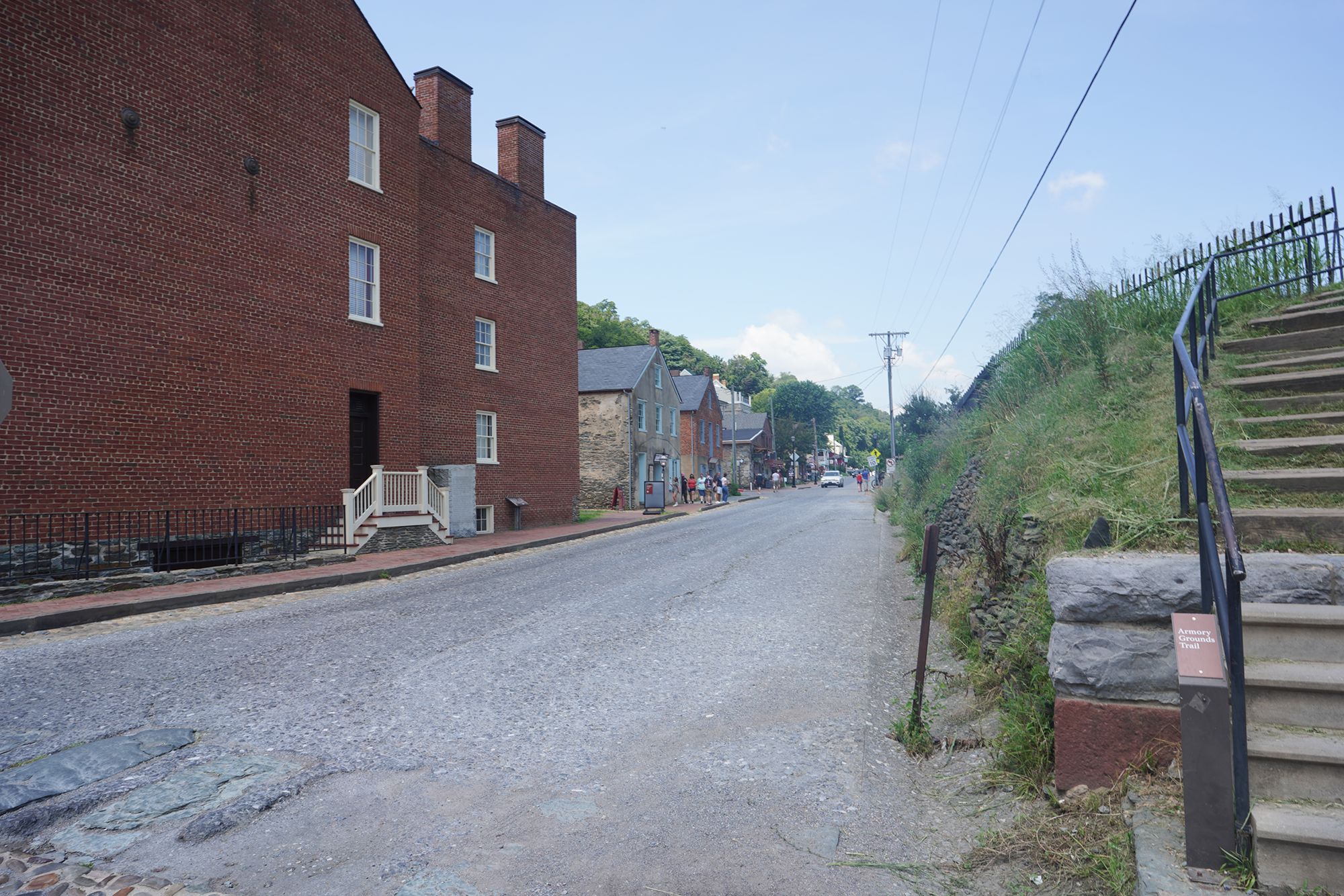
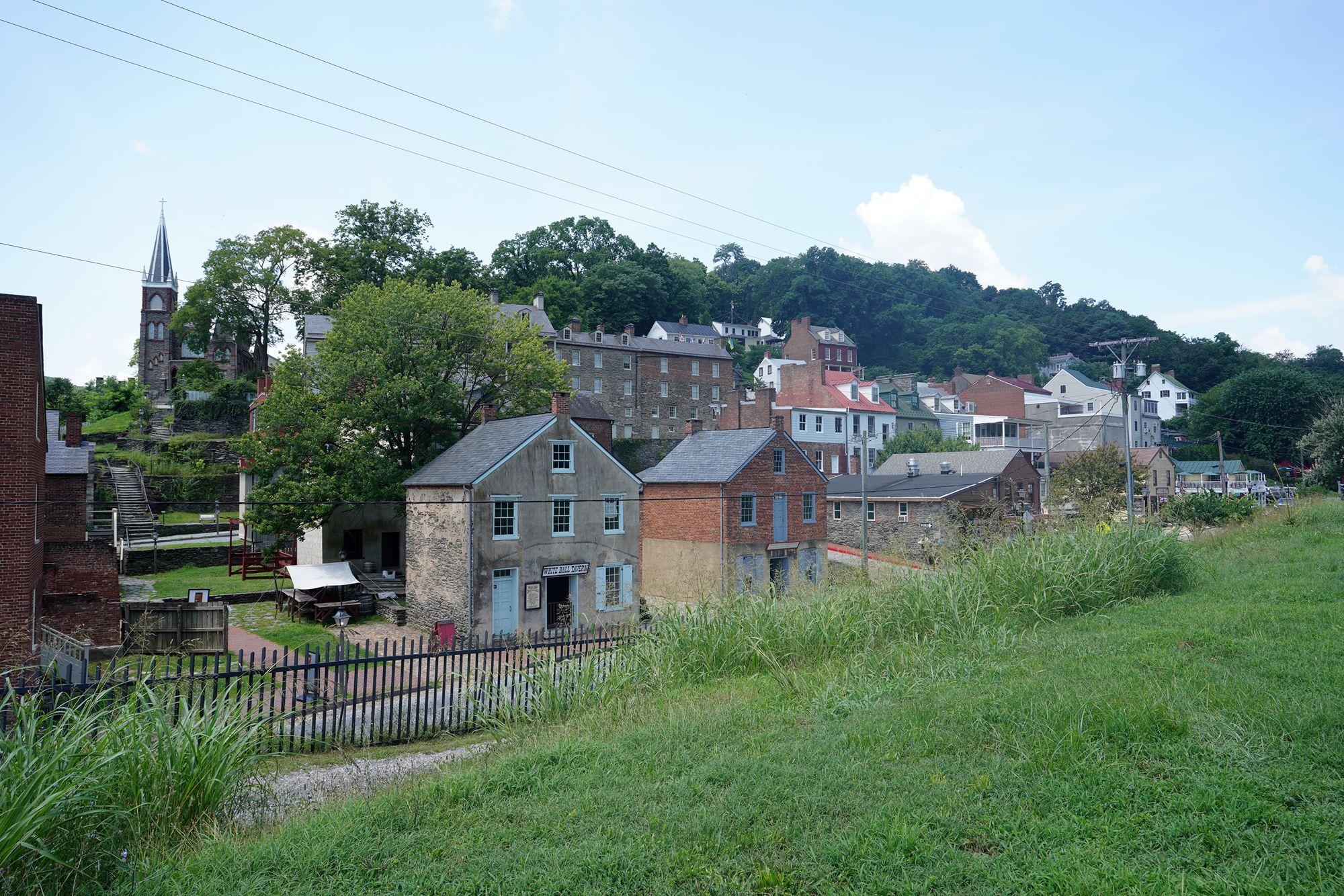
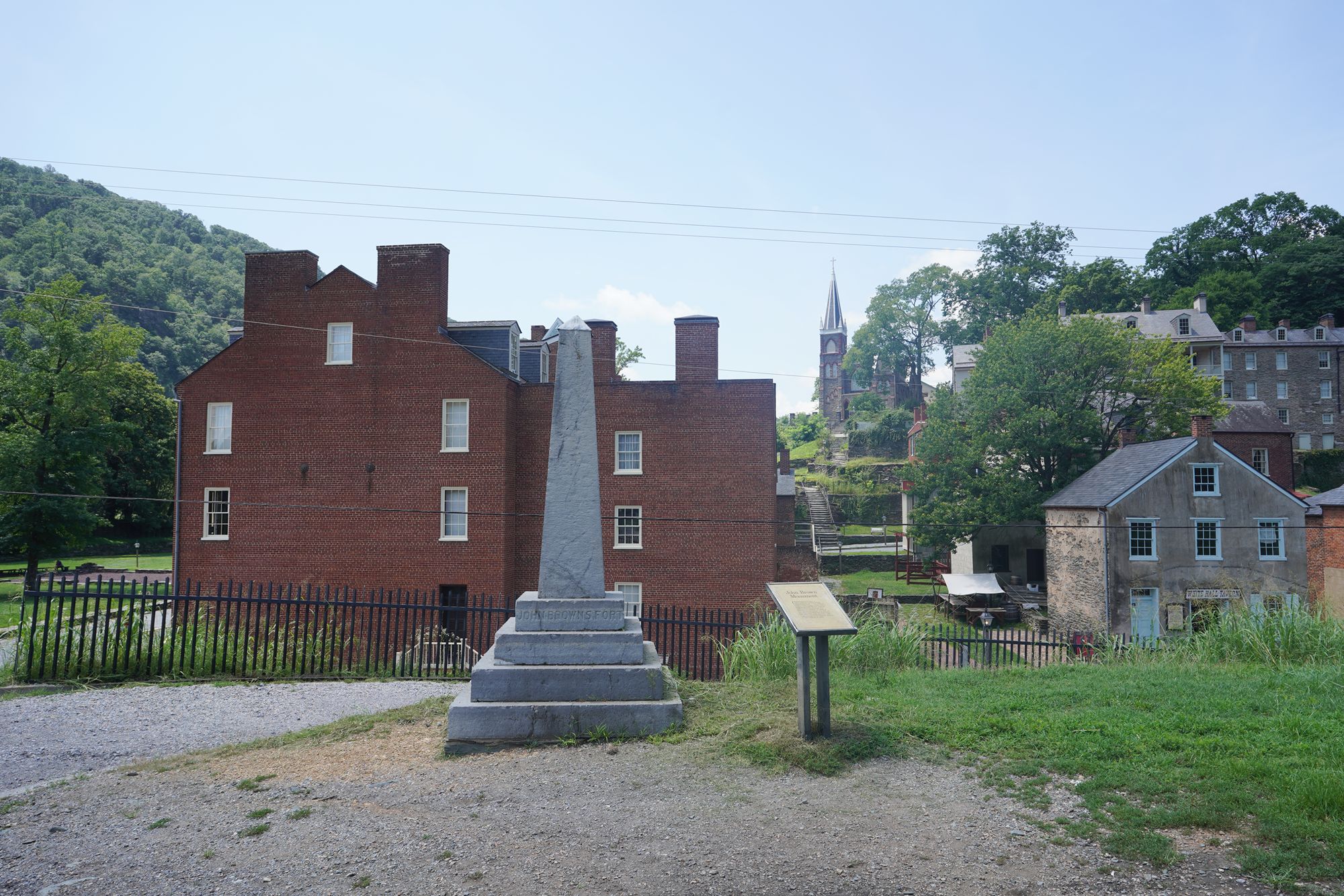
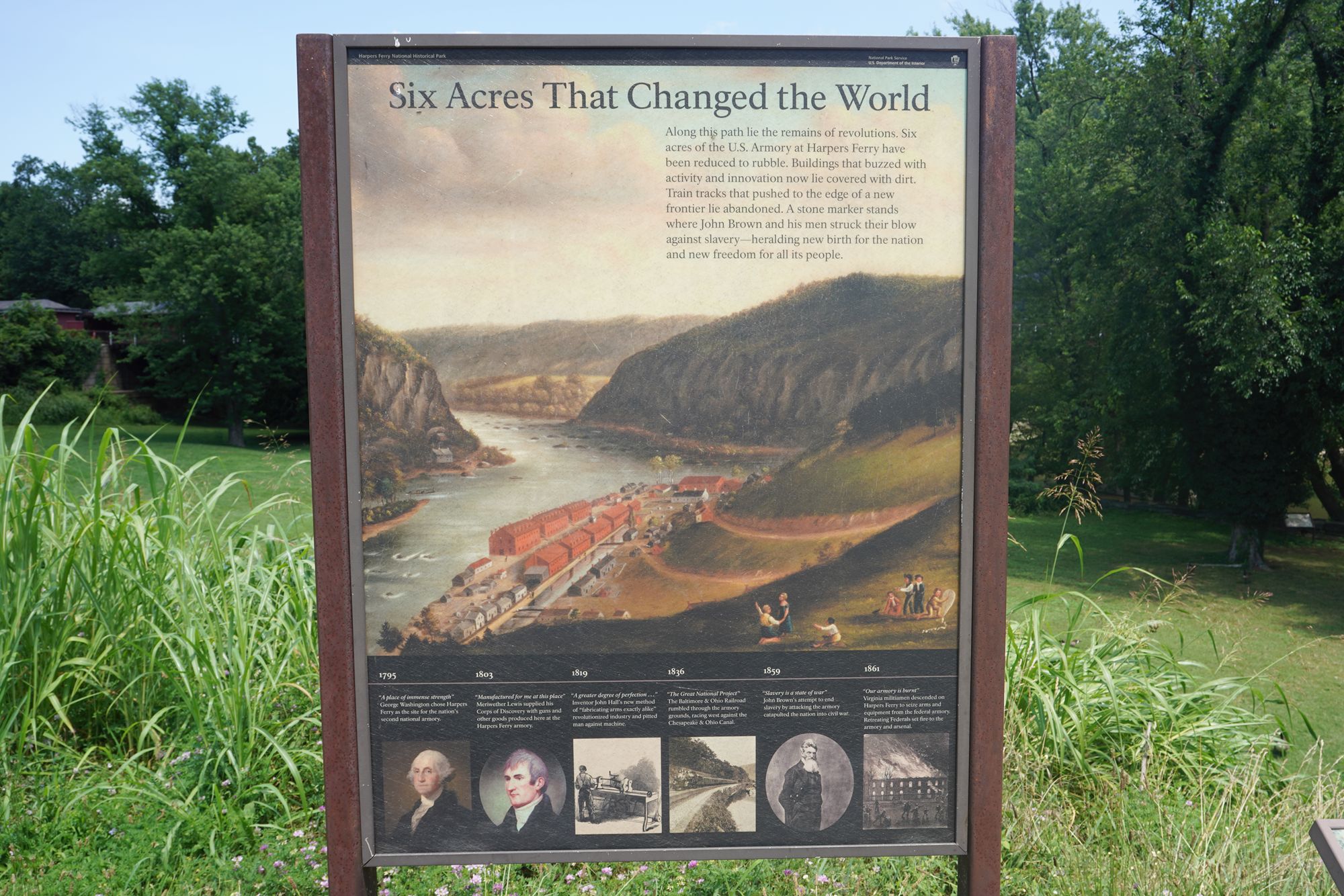
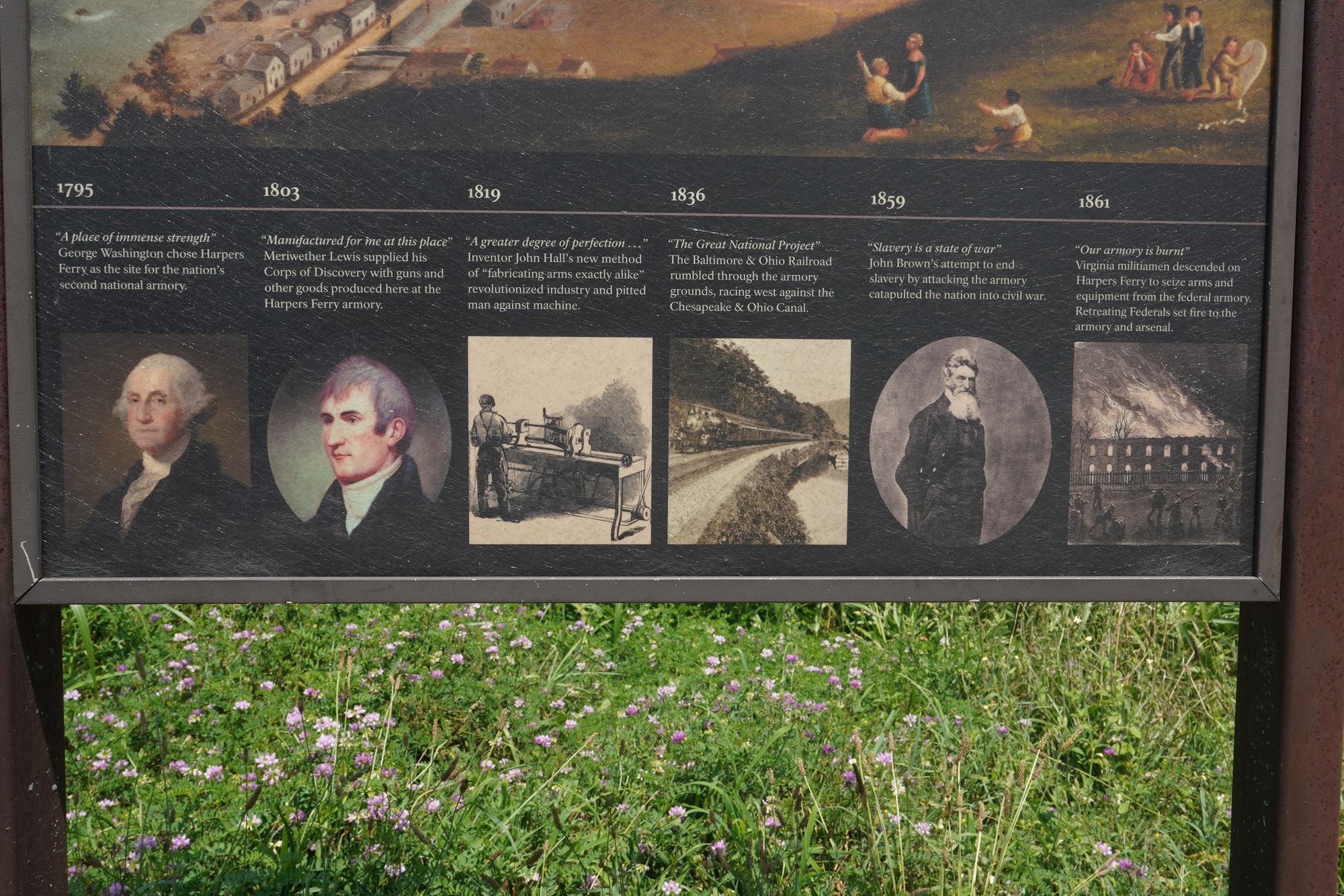
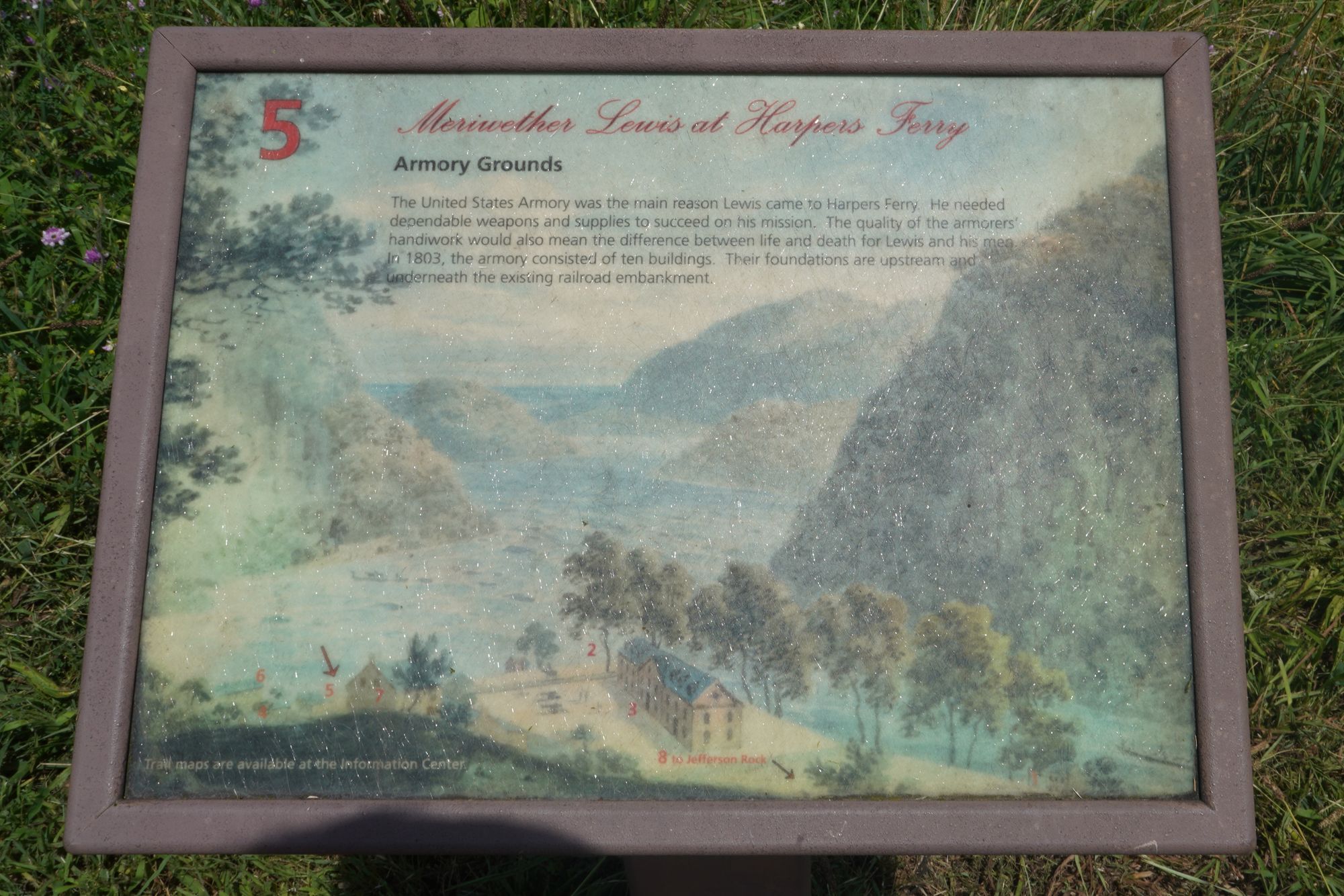
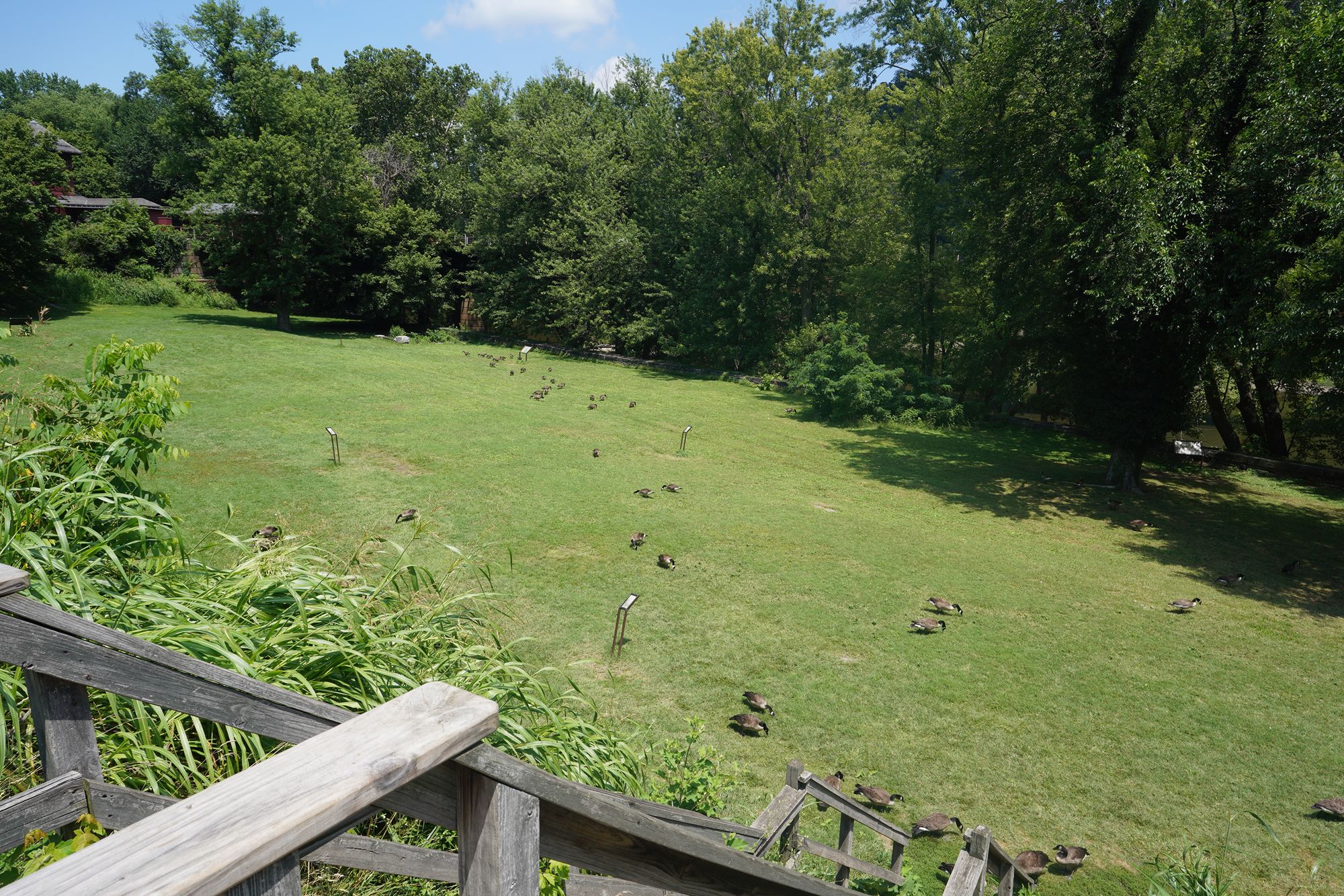
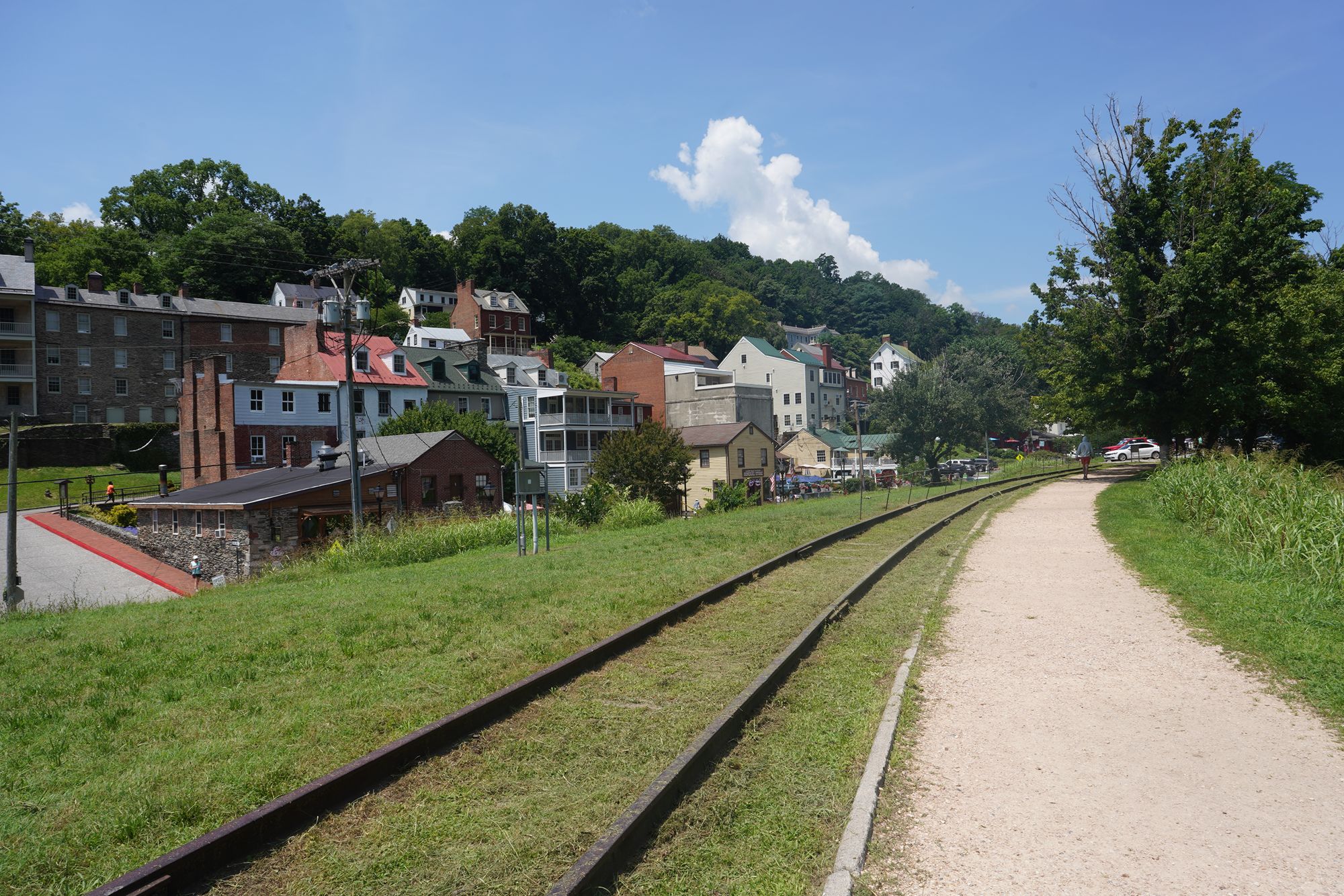
Another armory site once stood near the river; now nothing remains but an open, empty lot.
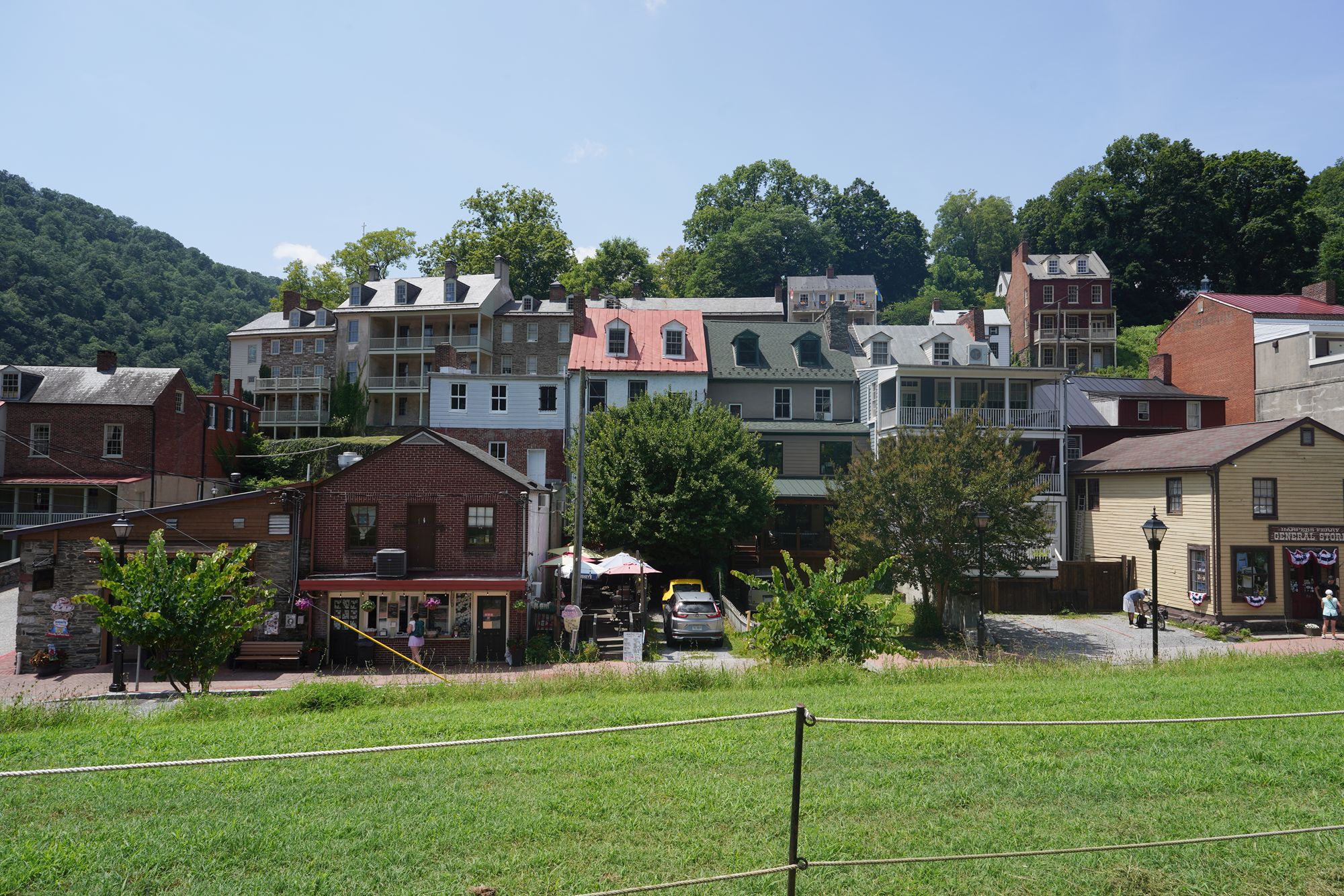
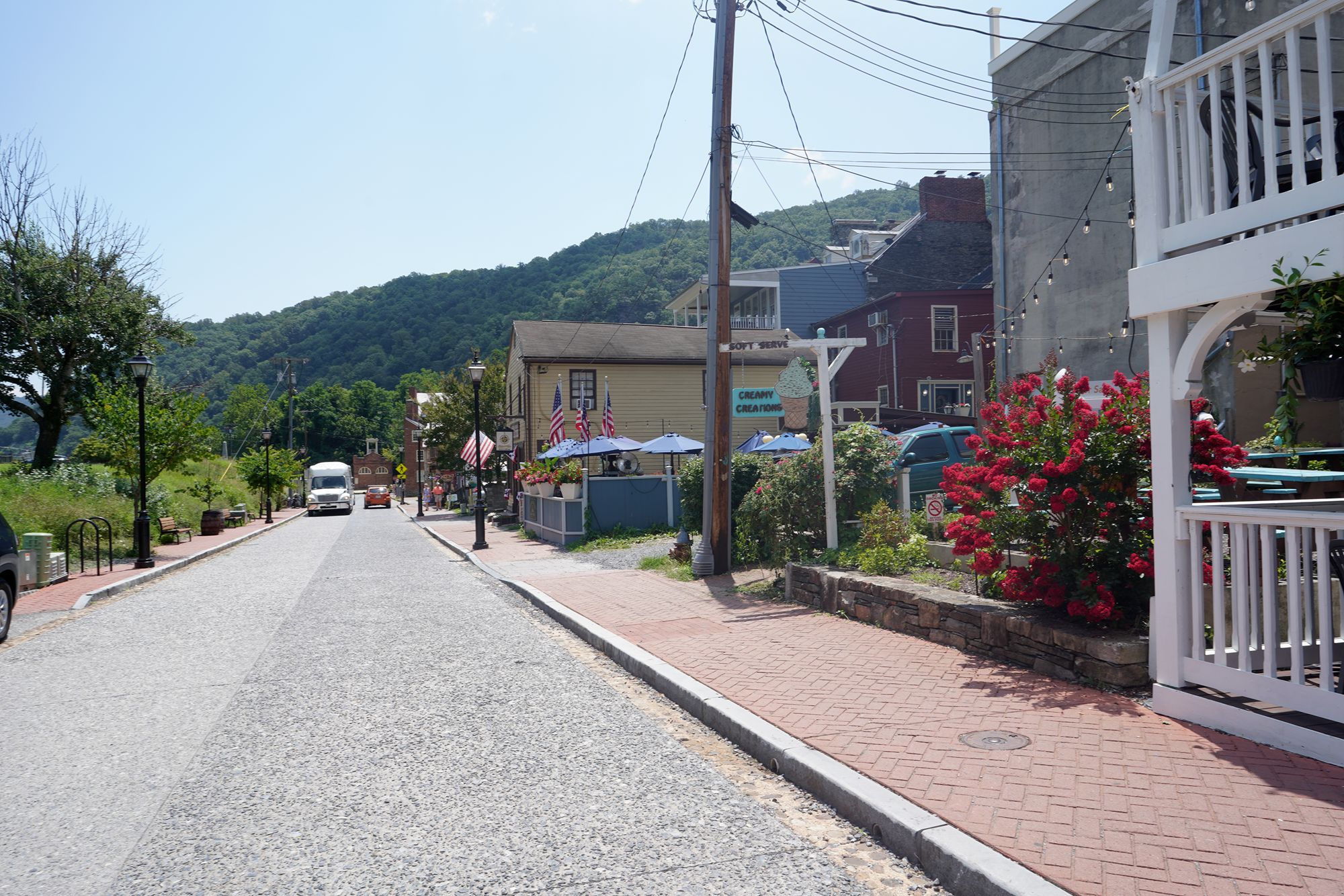
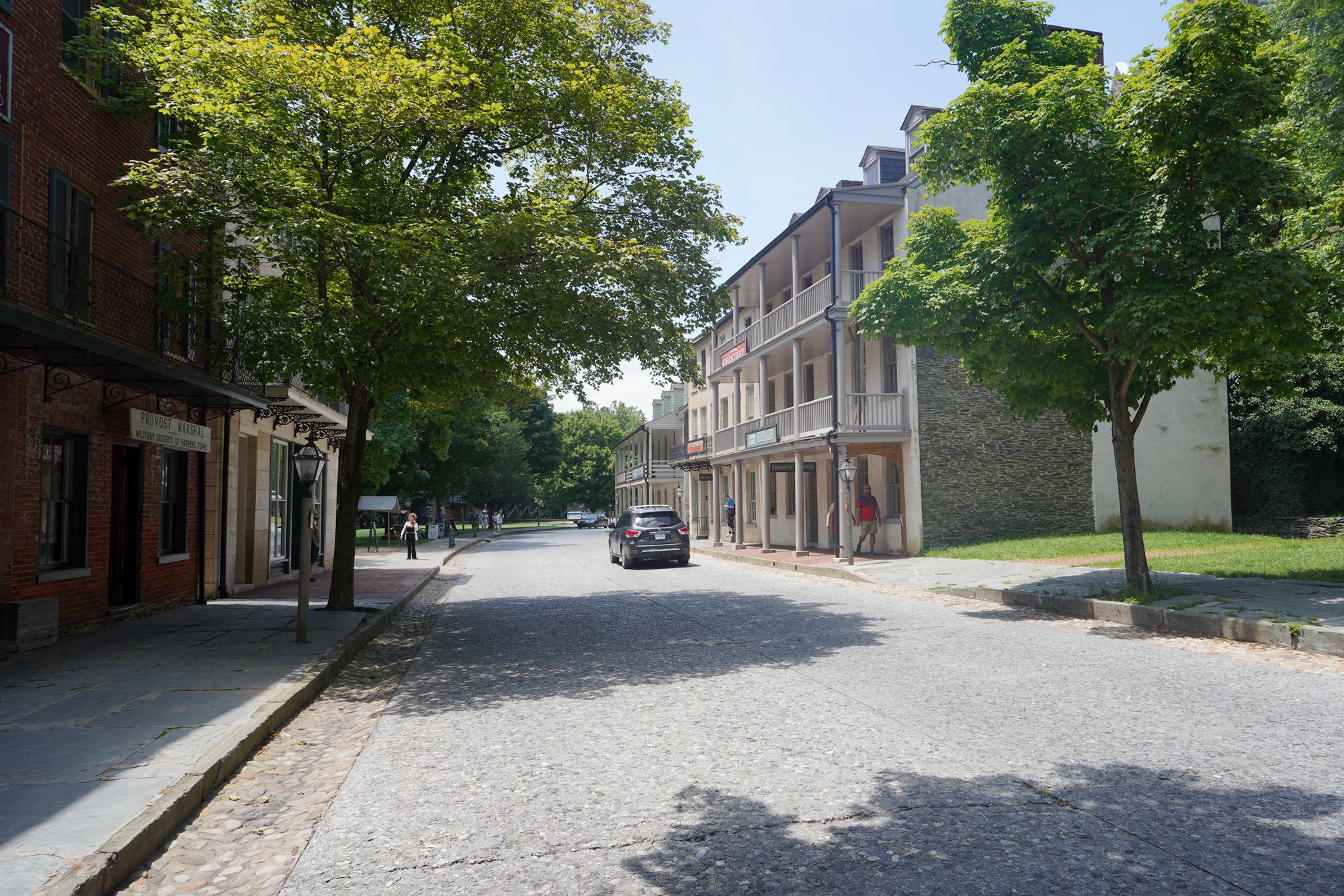
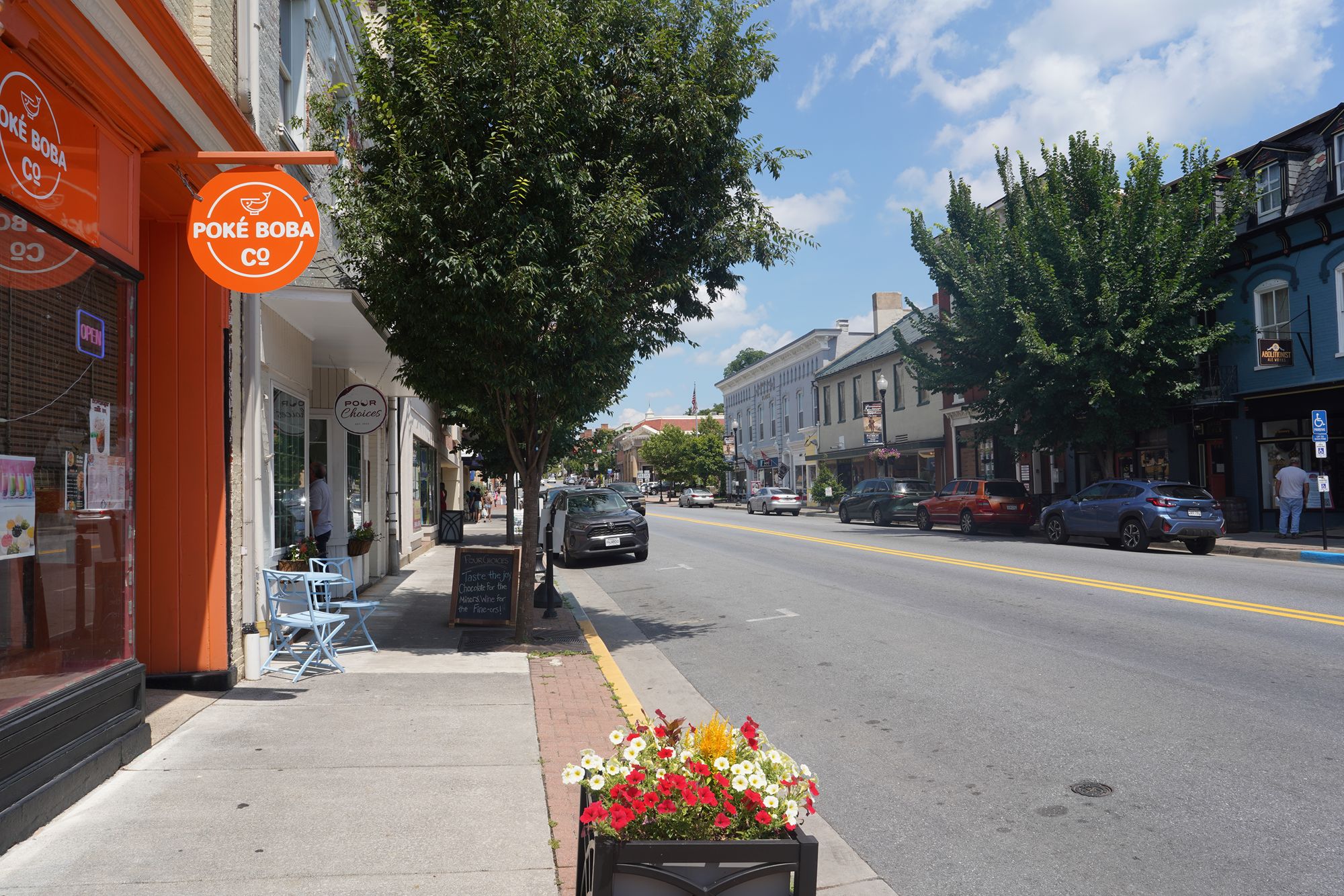
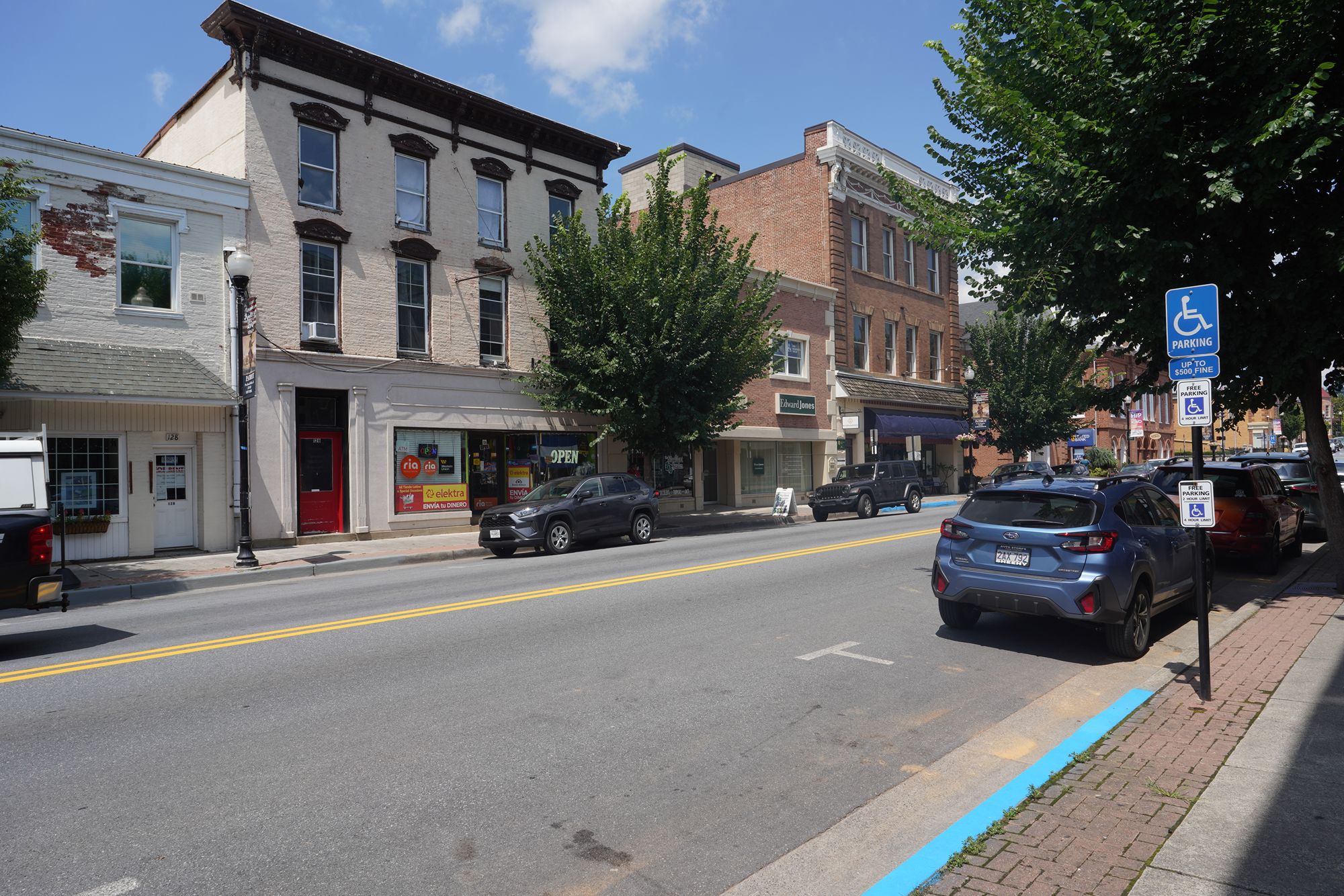
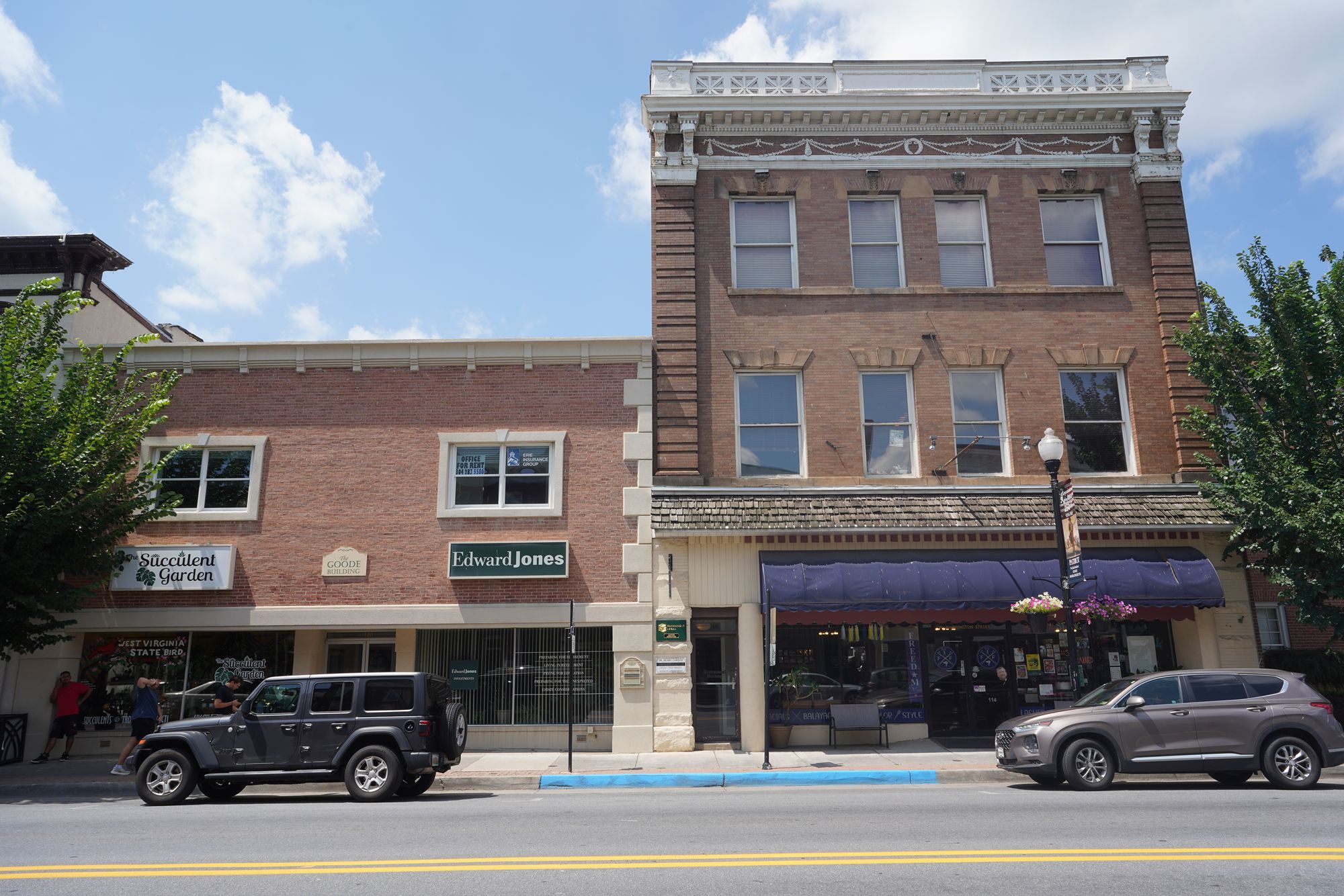
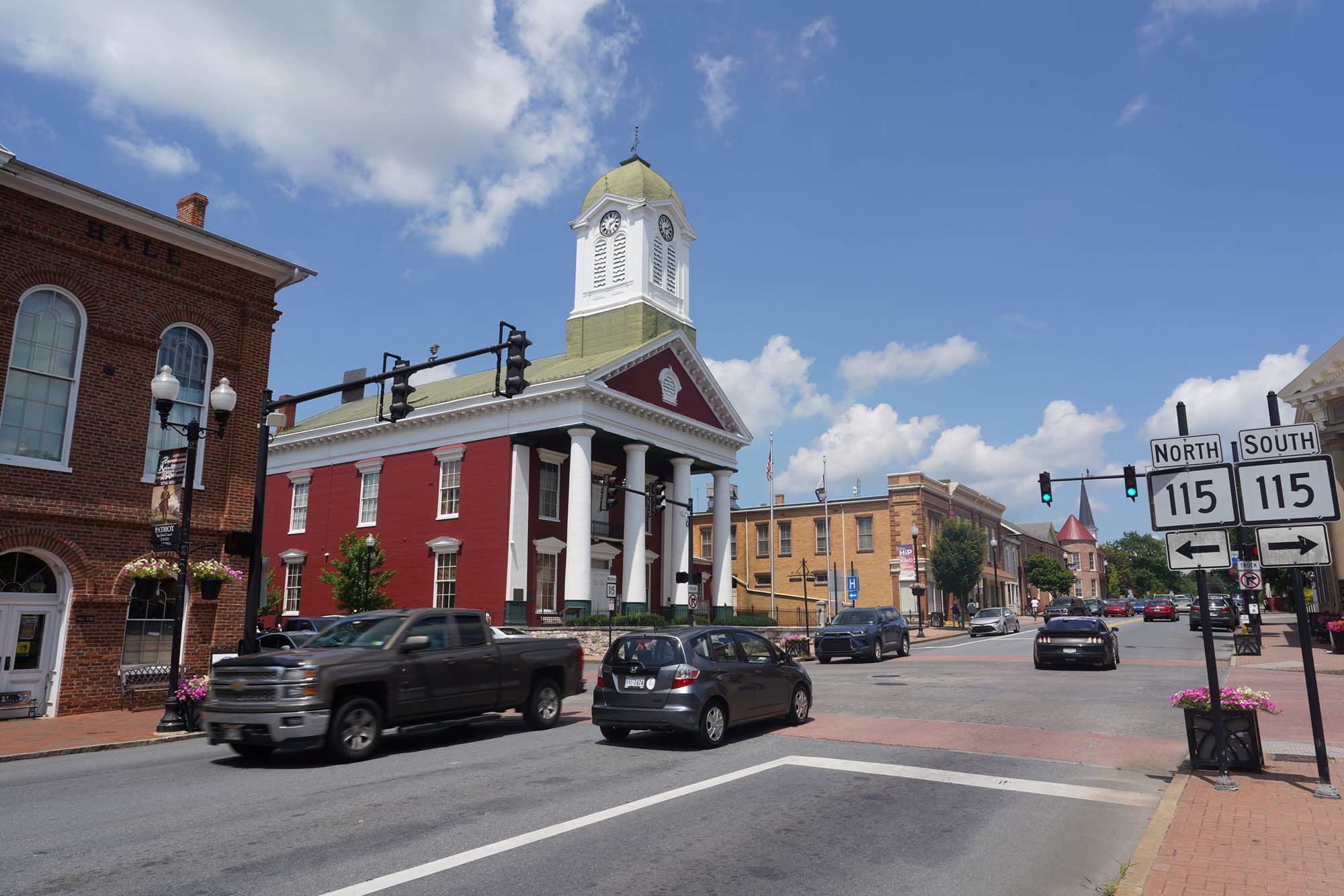
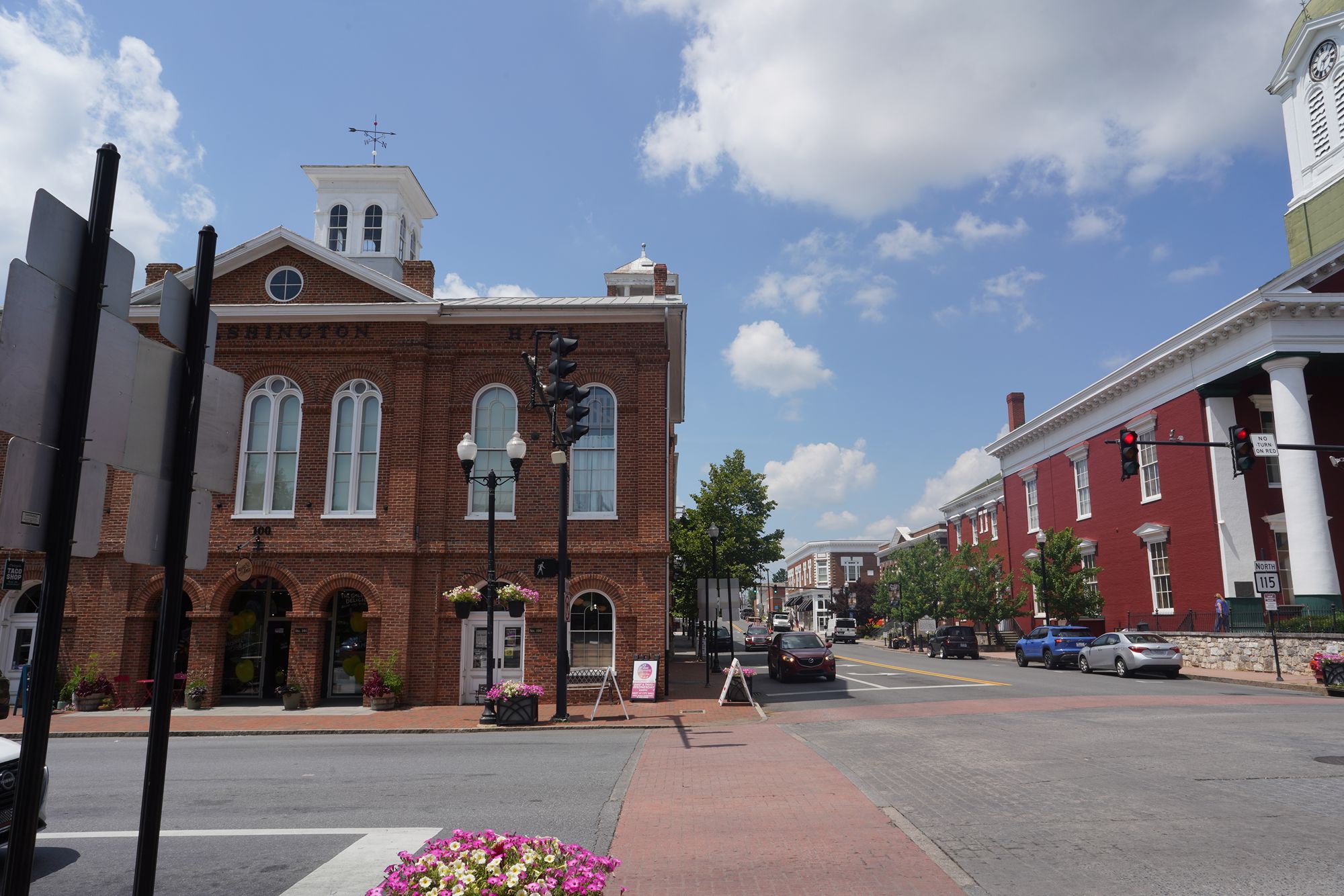
After Harper’s Ferry, I drove and arrived at Charles Town
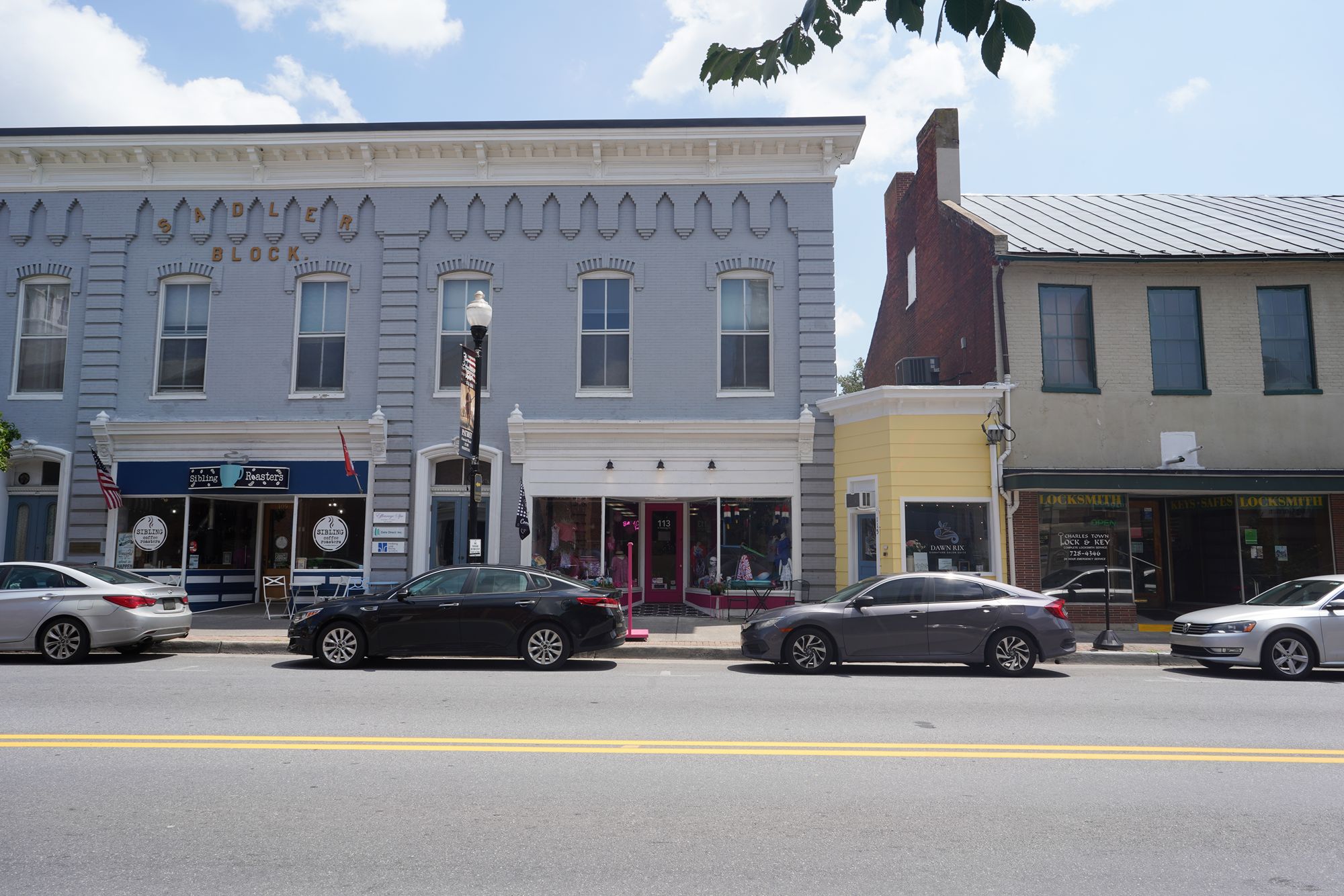
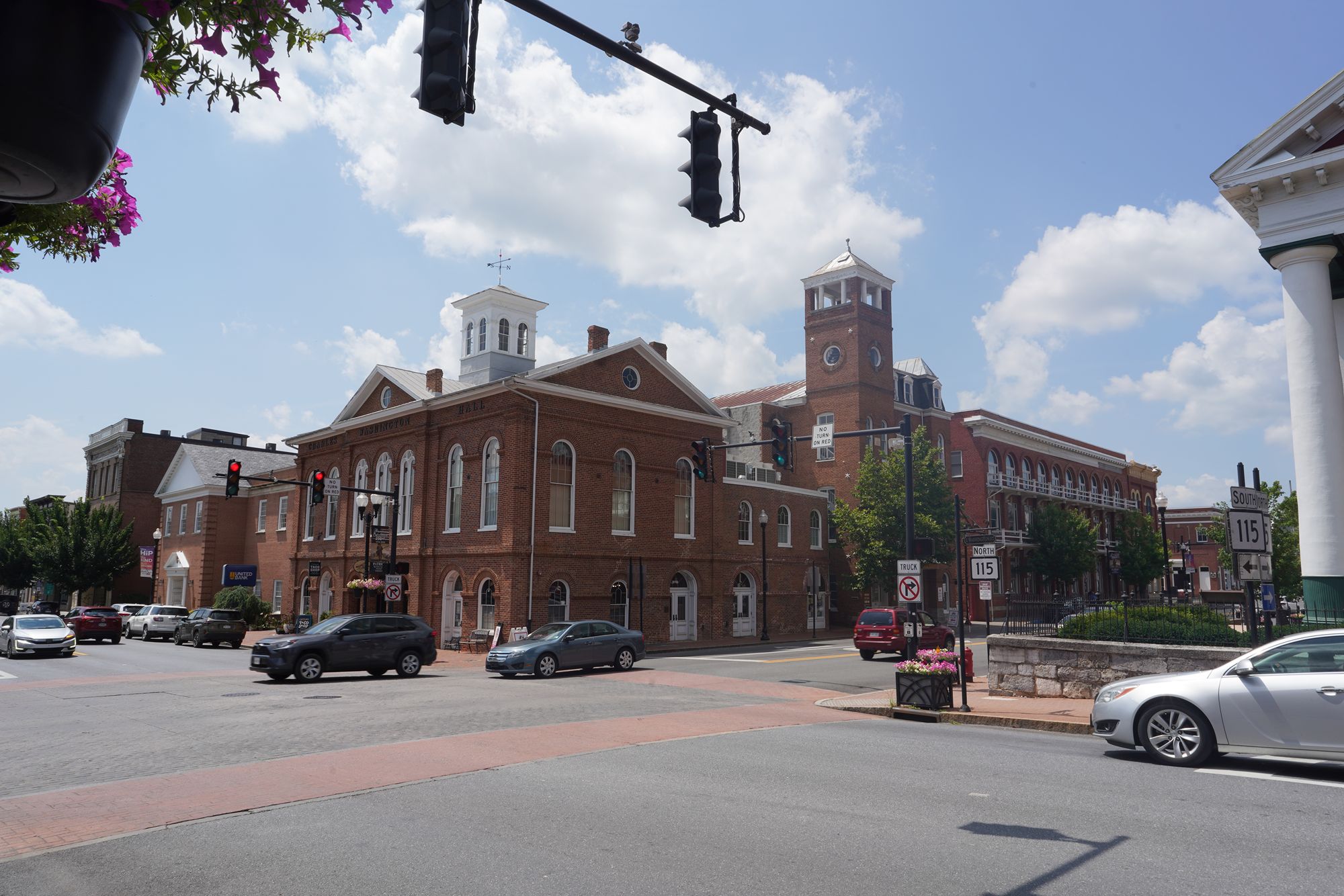
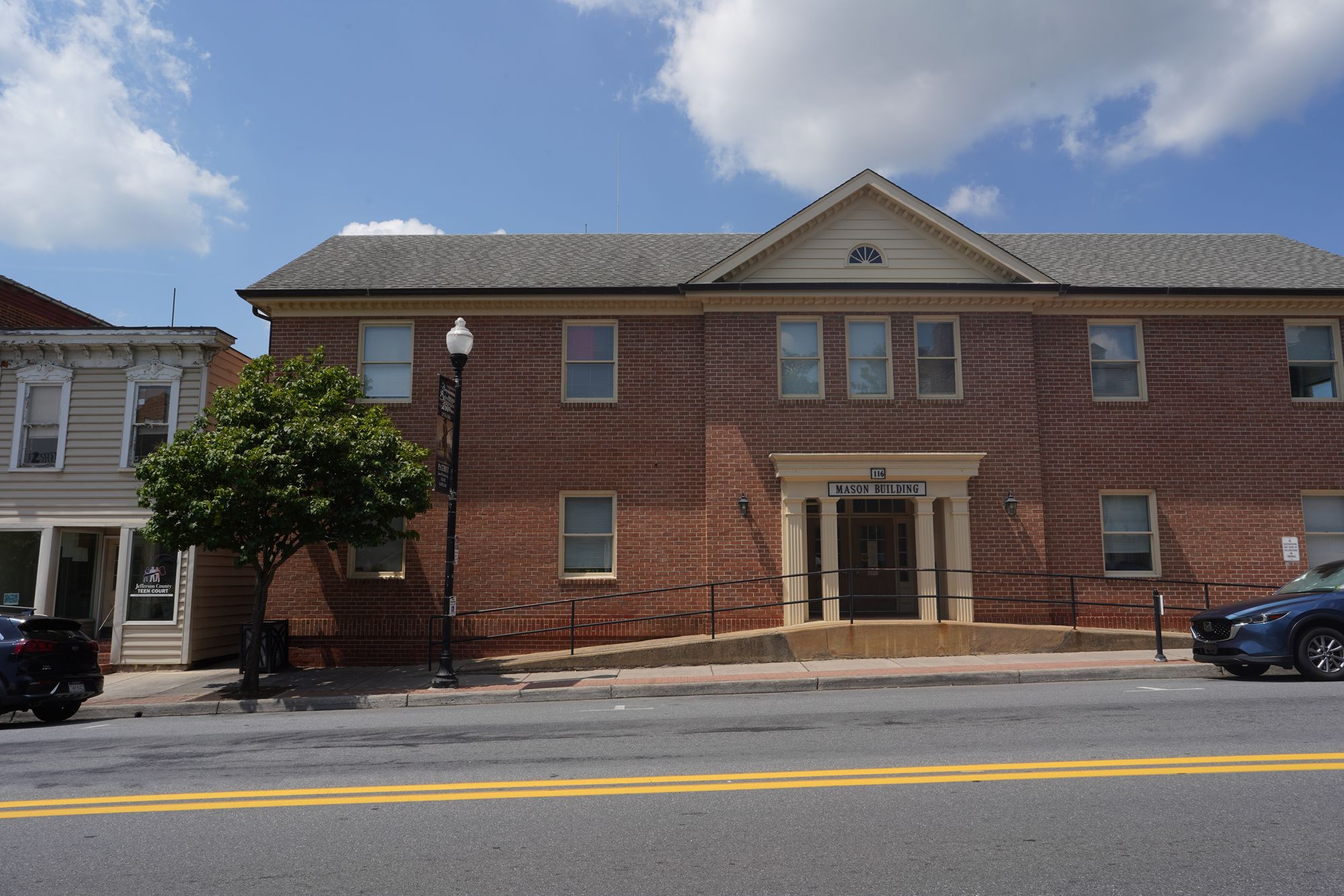
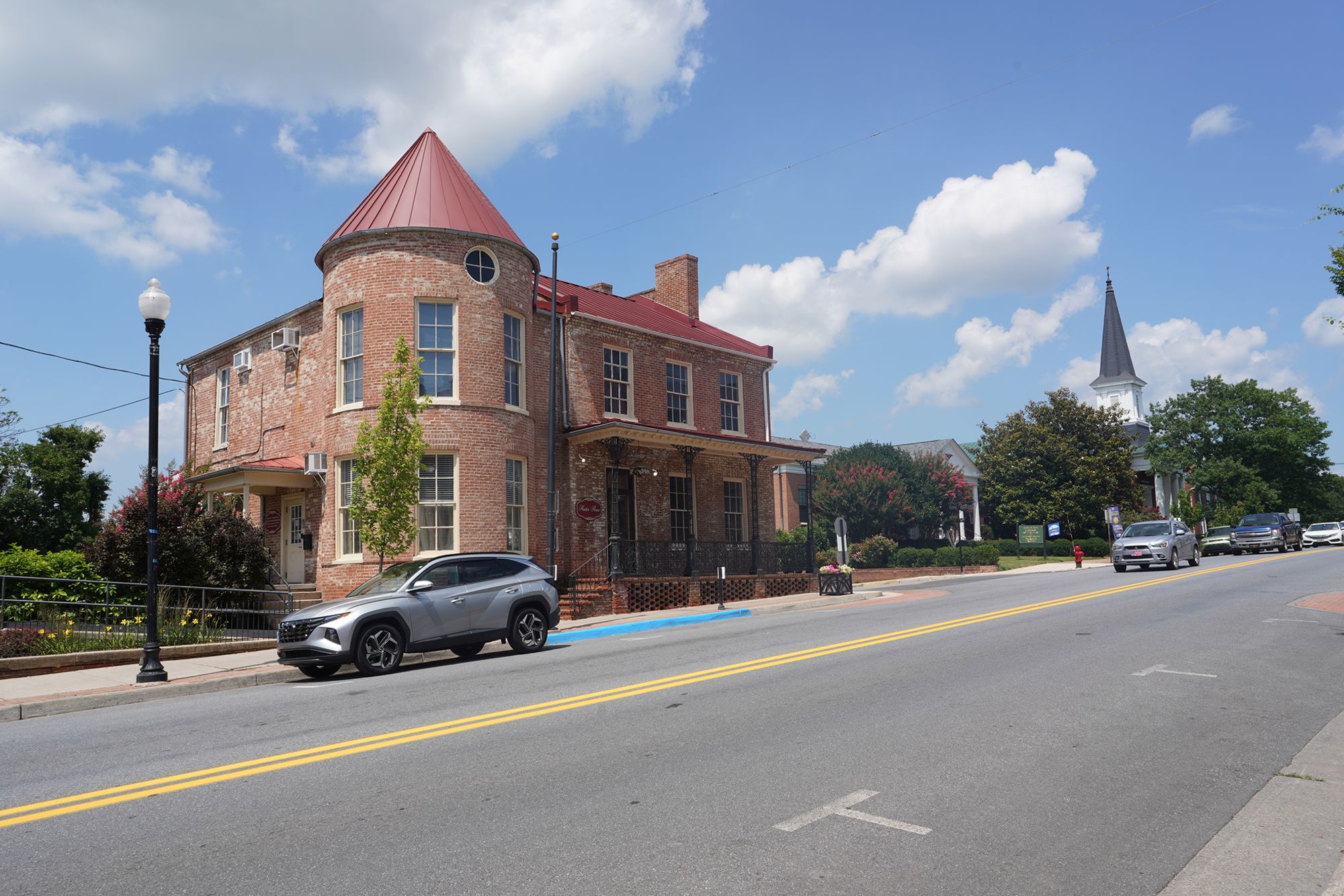
Charles Town was laid out in 1786 by Charles Washington, the youngest brother of George Washington, on 80 acres of his land.
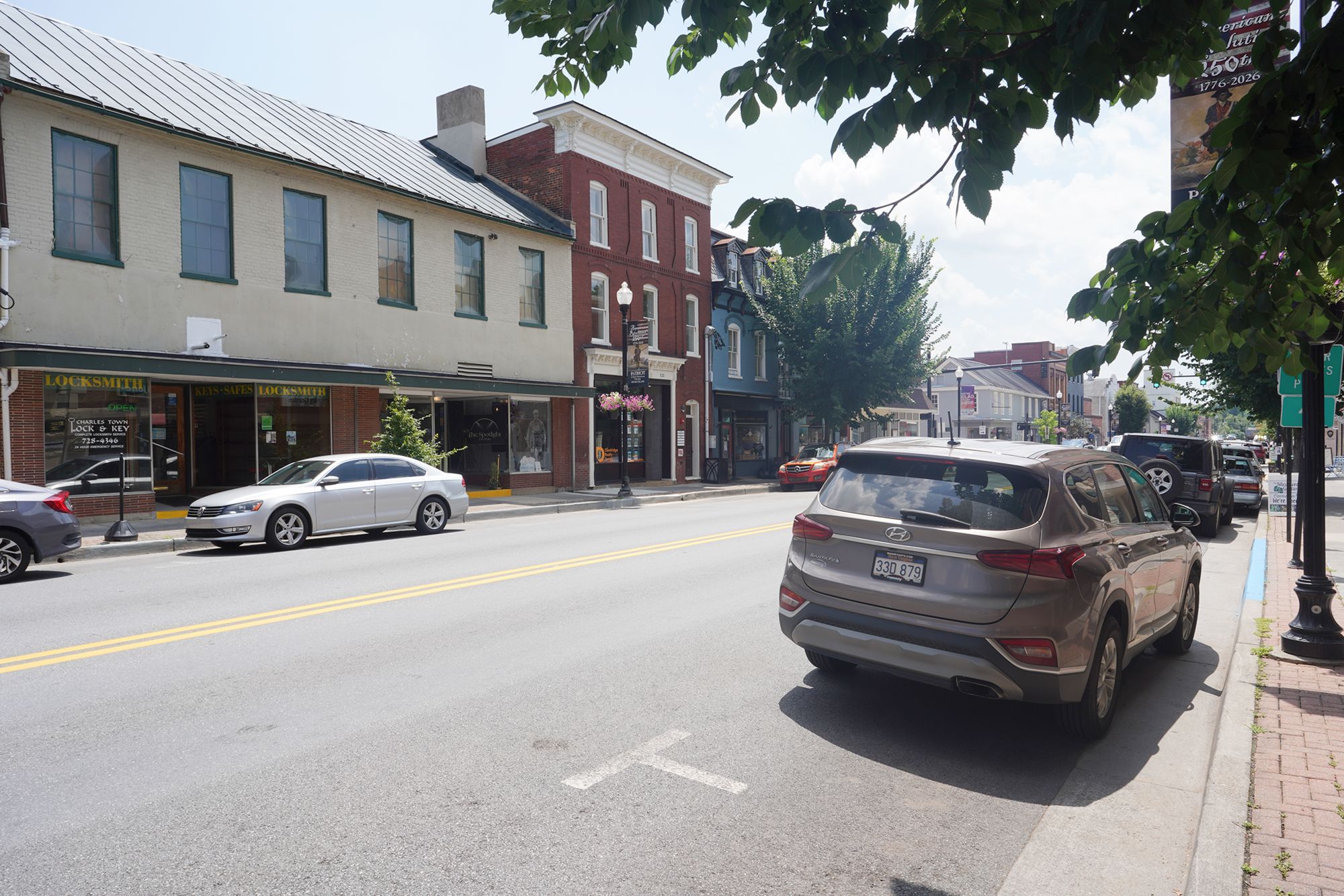
It serves as the county seat of Jefferson County, West Virginia.
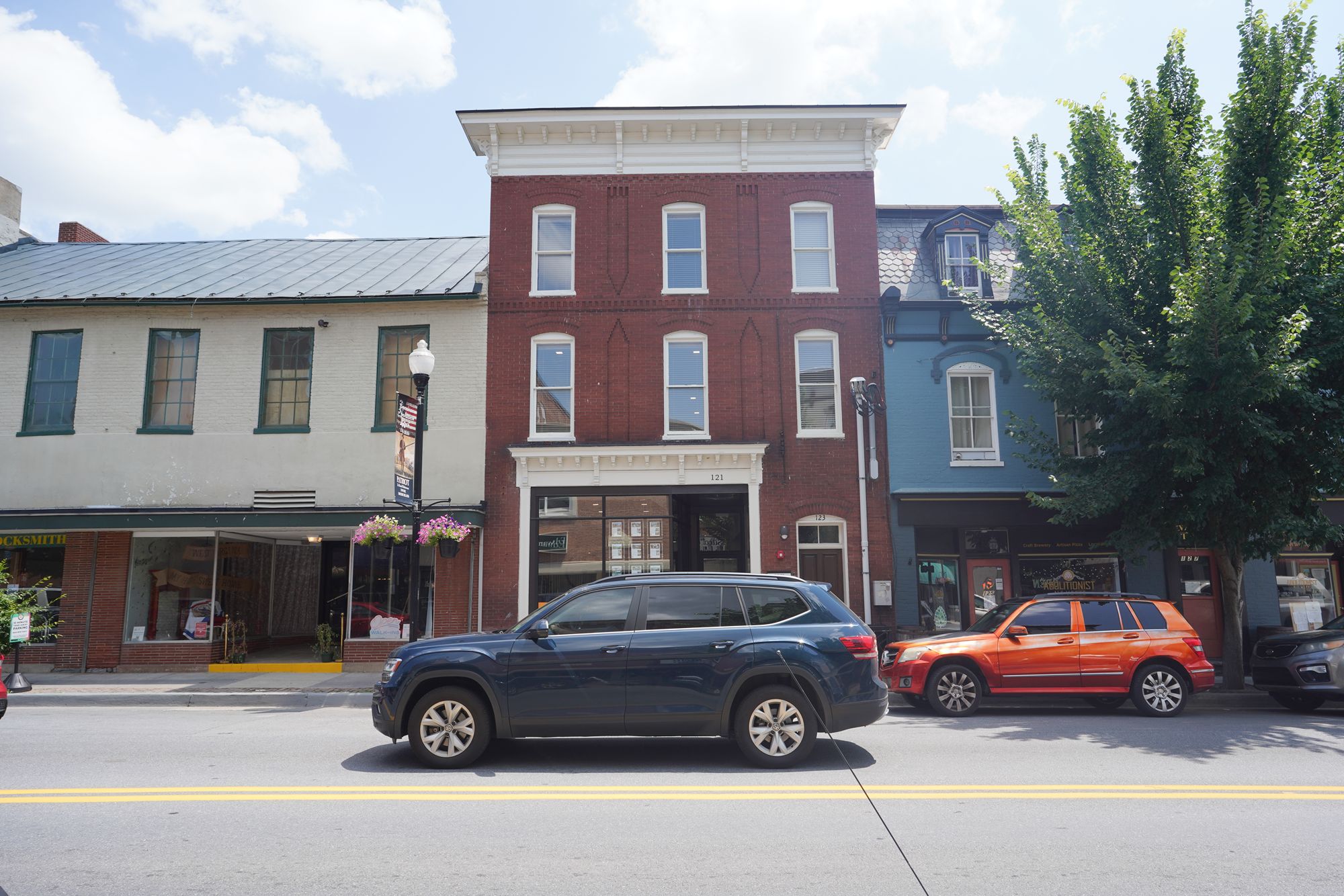
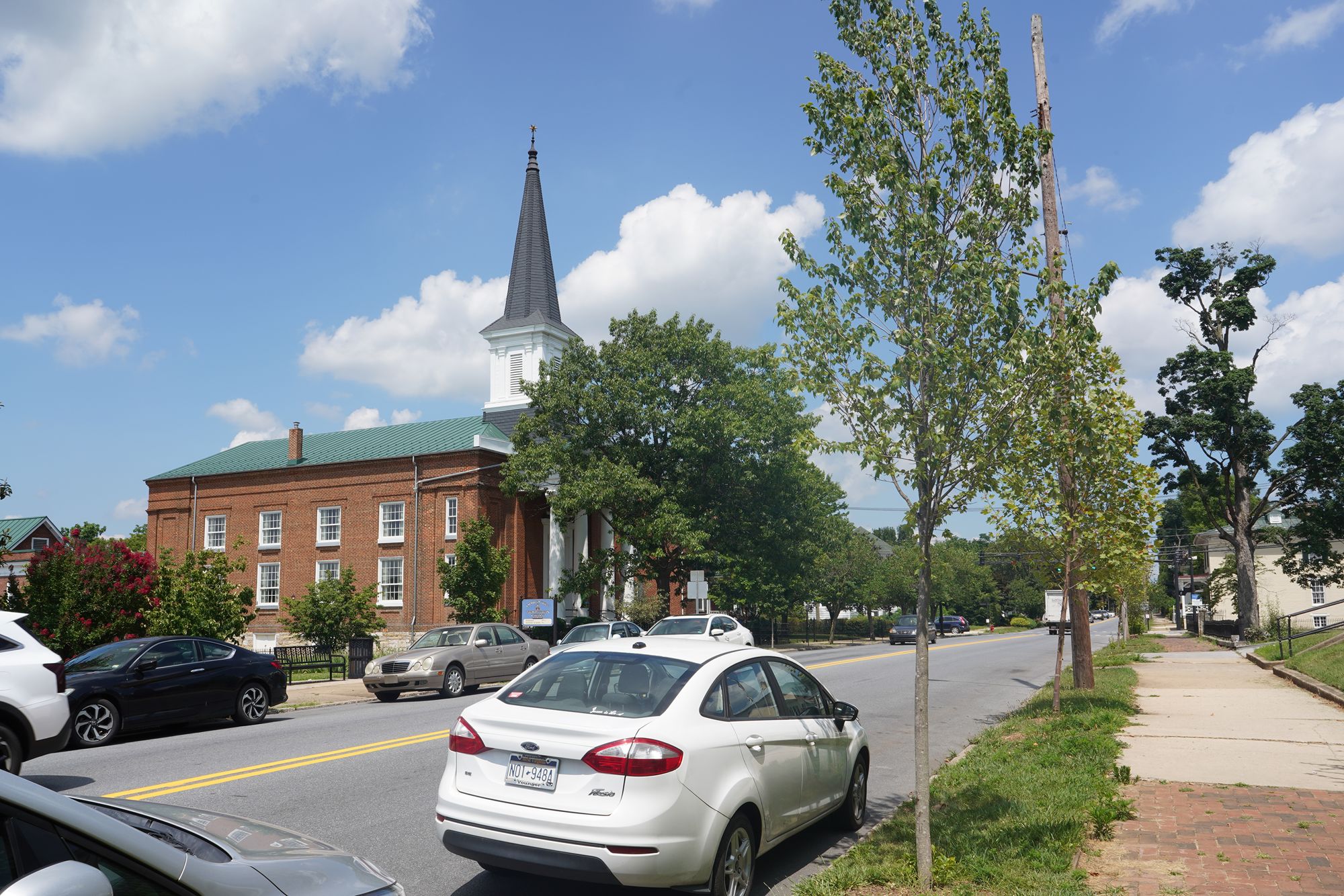
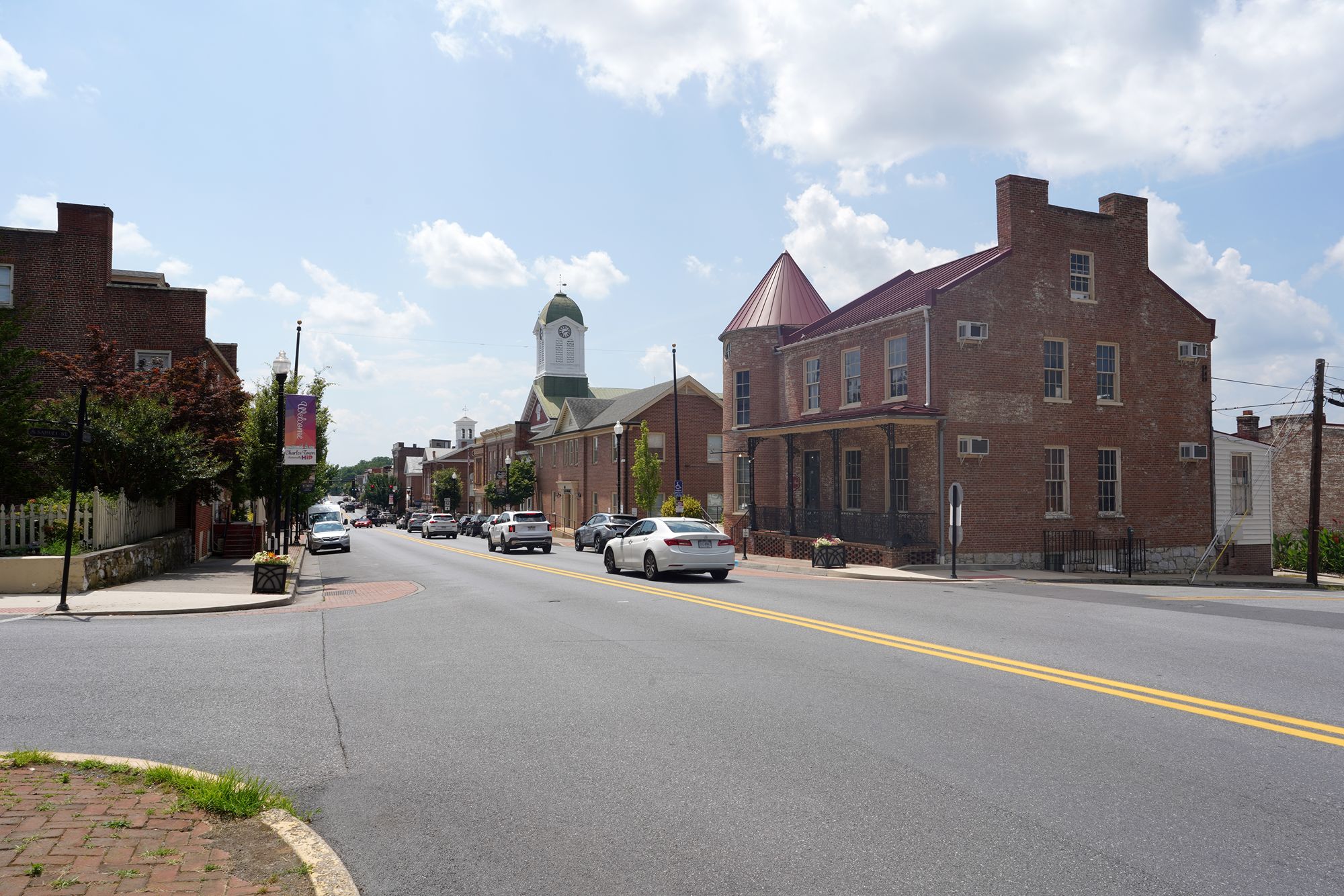
The downtown area features a historic overlay district with many buildings dating to the 18th and 19th centuries and marked heritage walking tours.
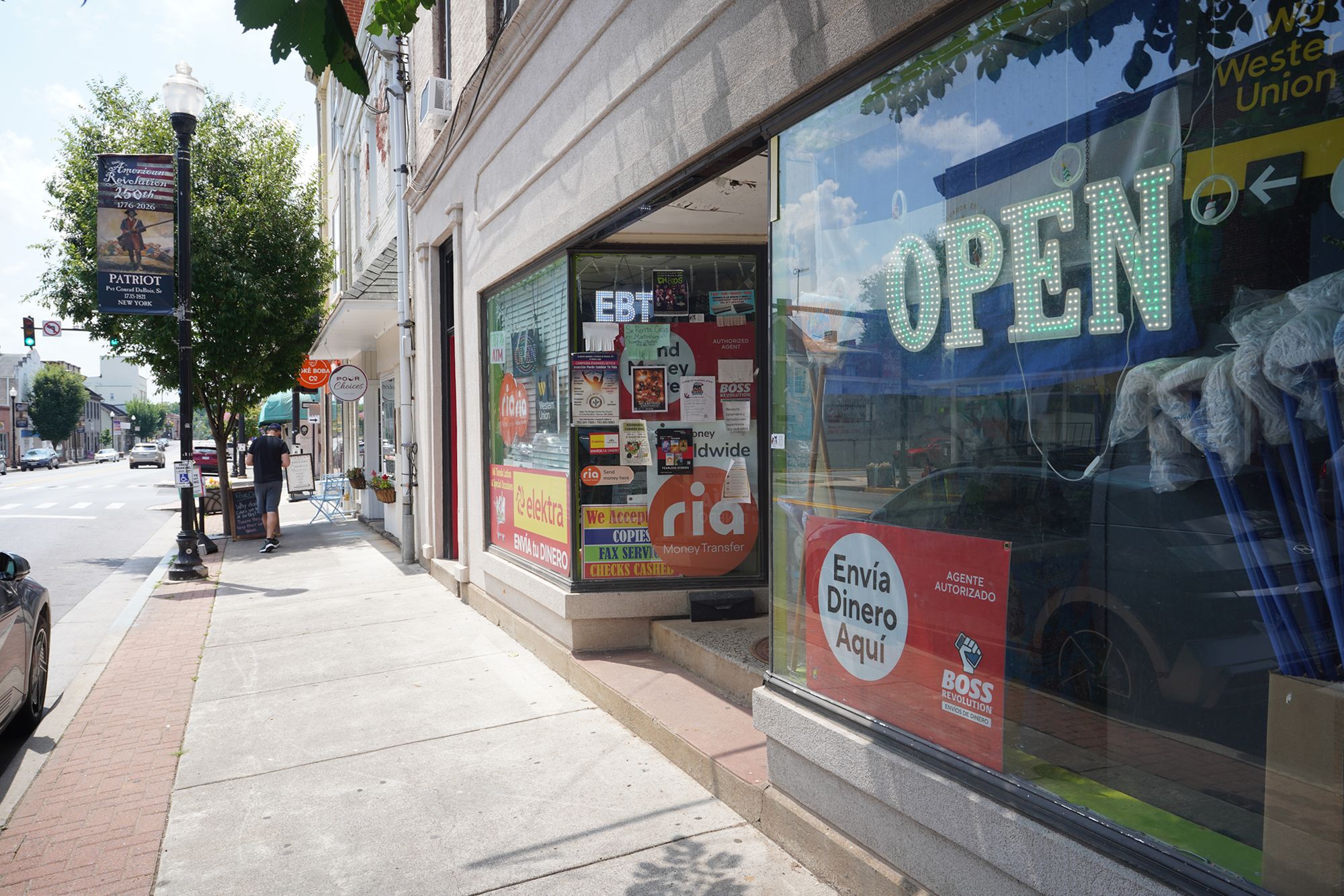
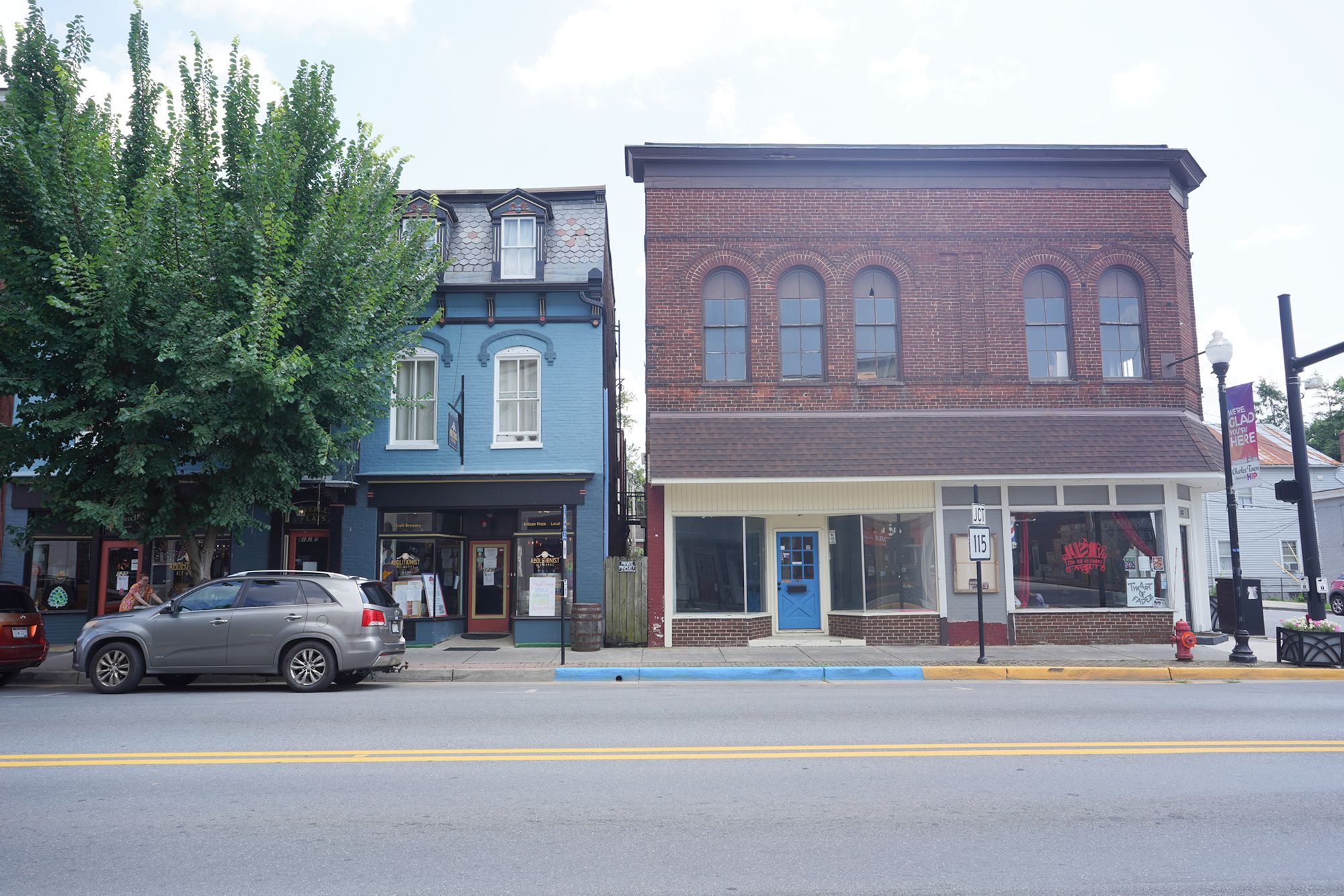
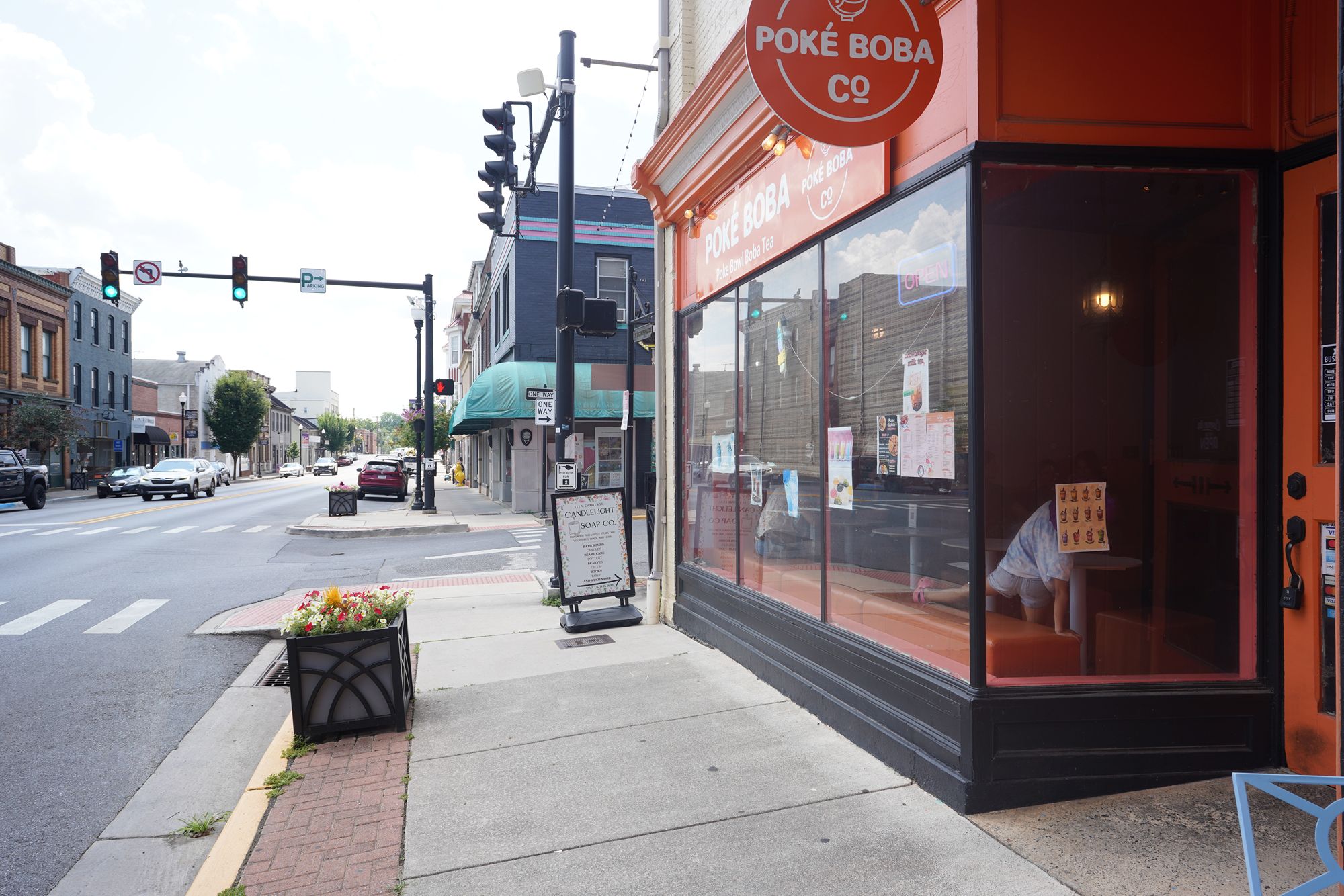
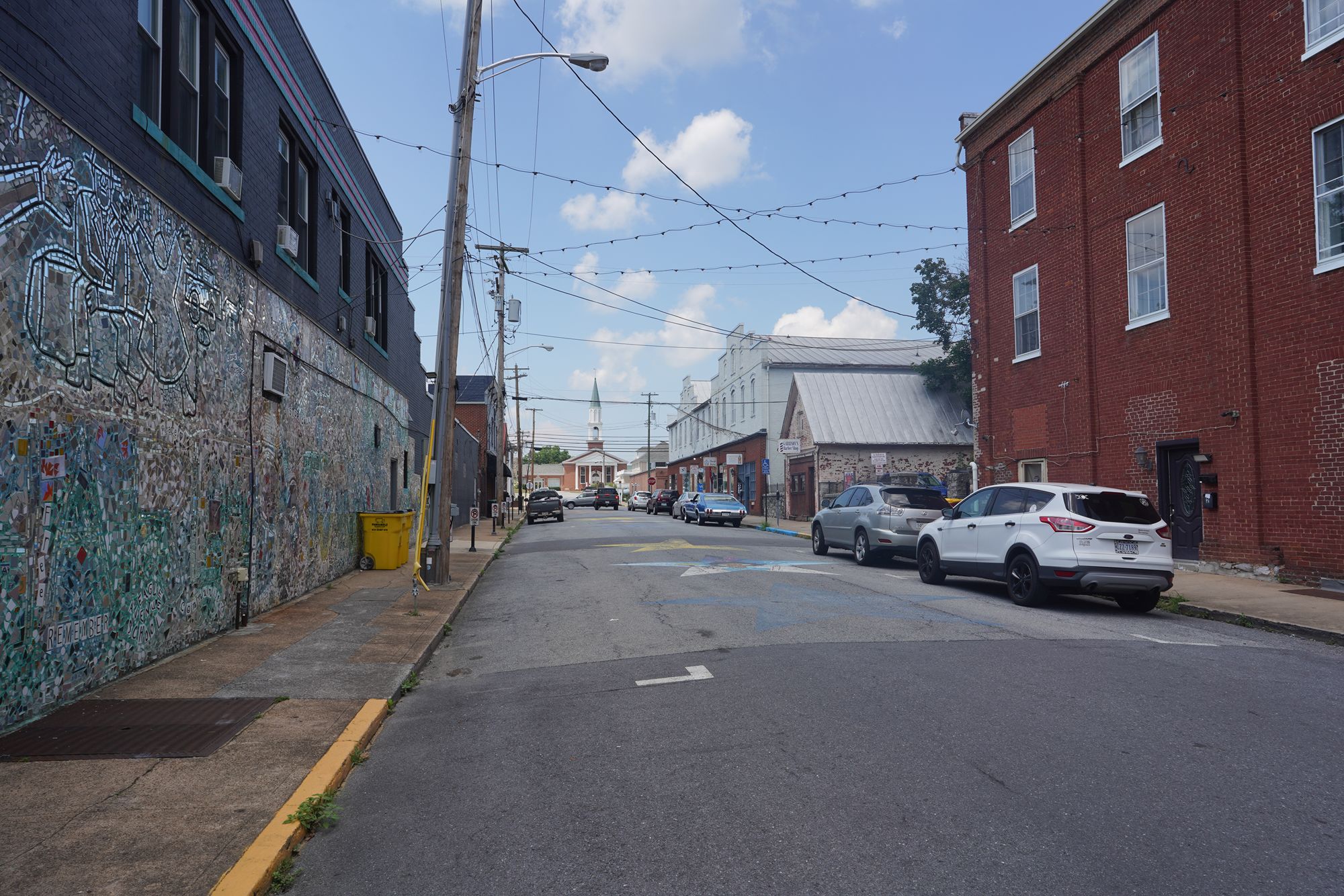
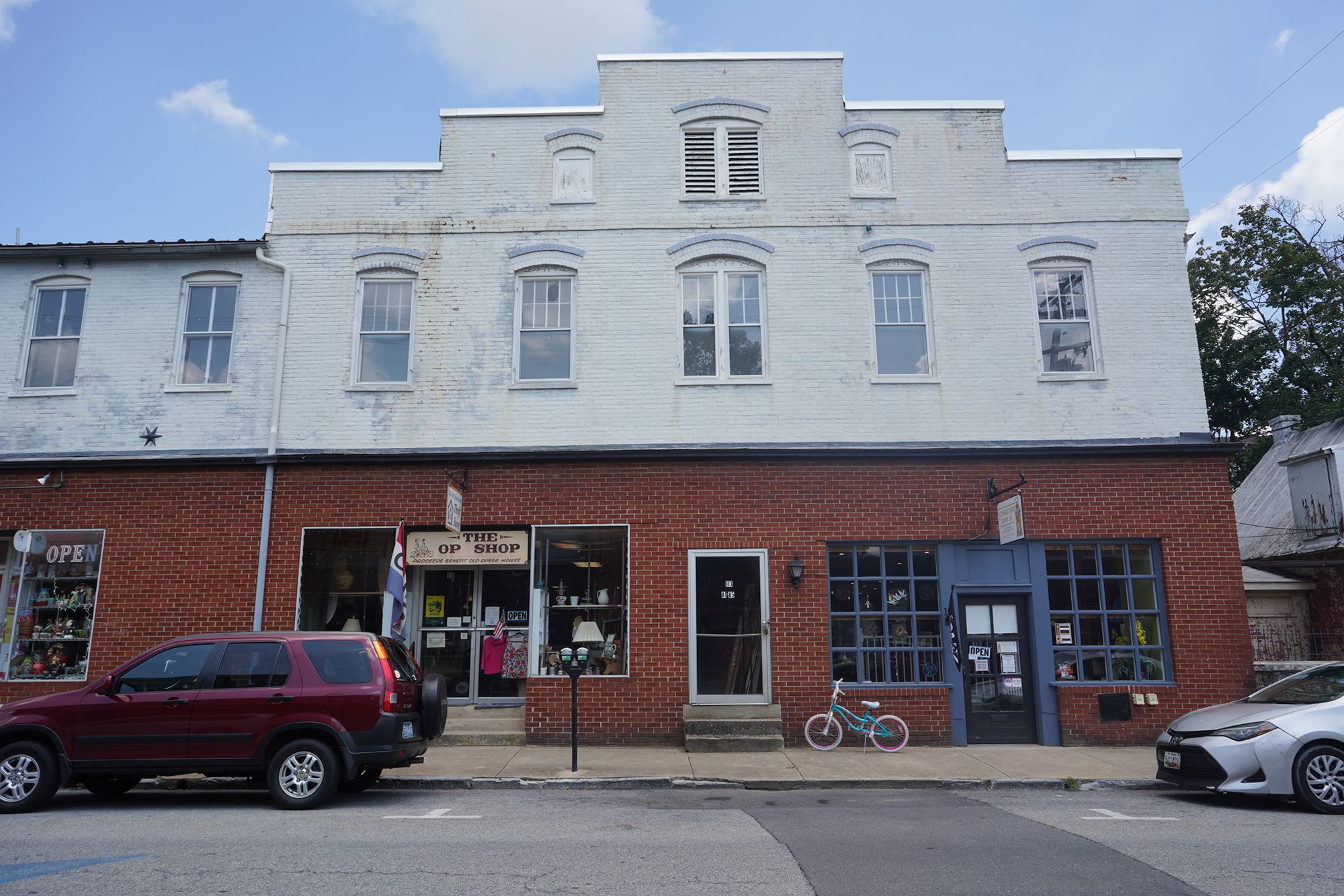
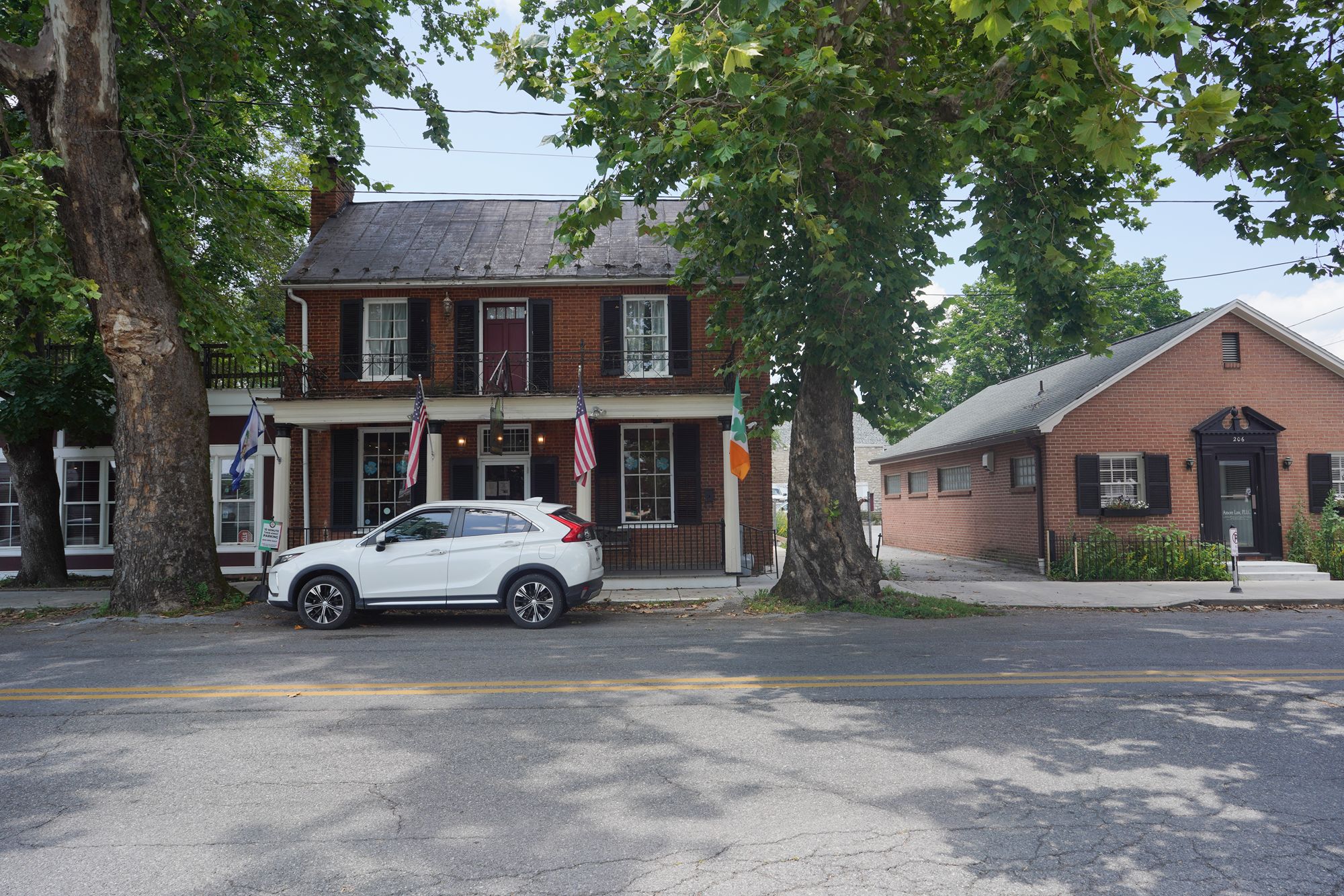
Charles Town is more than just a historic stop: it’s a vivid slice of early America—landownership by a Washington brother, a pivotal moment in the fight against slavery, and a community that weathered the Civil War and emerged with its heritage intact.