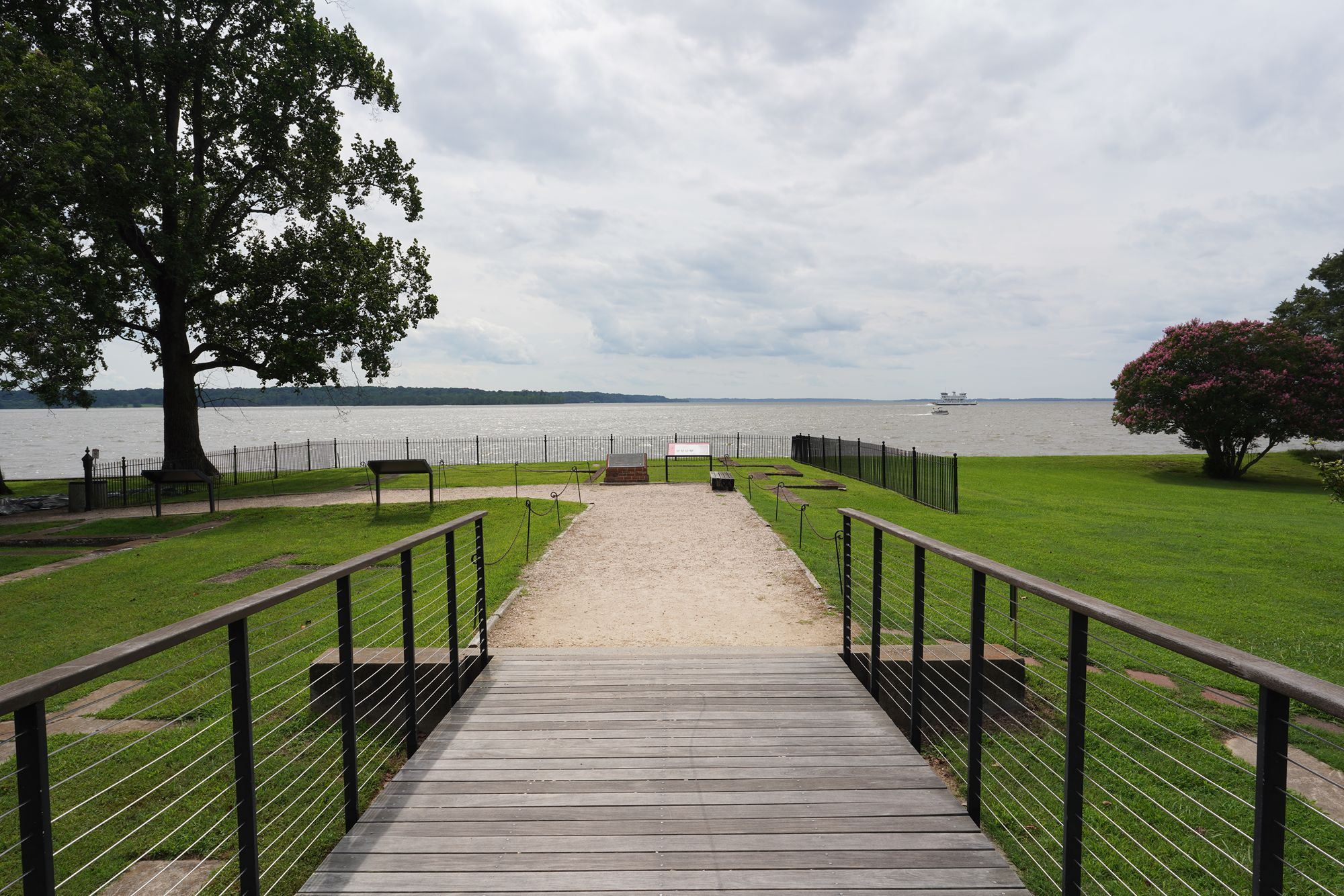
Historic Jamestowne and Jamestown Archaearium, Jamestown, Virginia
Historic Jamestowne preserves the 1607 English settlement site, while the Archaearium displays the artifacts and discoveries uncovered there. 1113
Historic Jamestowne: 1368 Colonial Nat’l Historical Pkwy, Jamestown, VA 23081
Date Picture Taken: July 2025
Historic Jamestowne is the real archaeological site on Jamestown Island, Virginia—the ground where English settlers first built their fort in 1607.
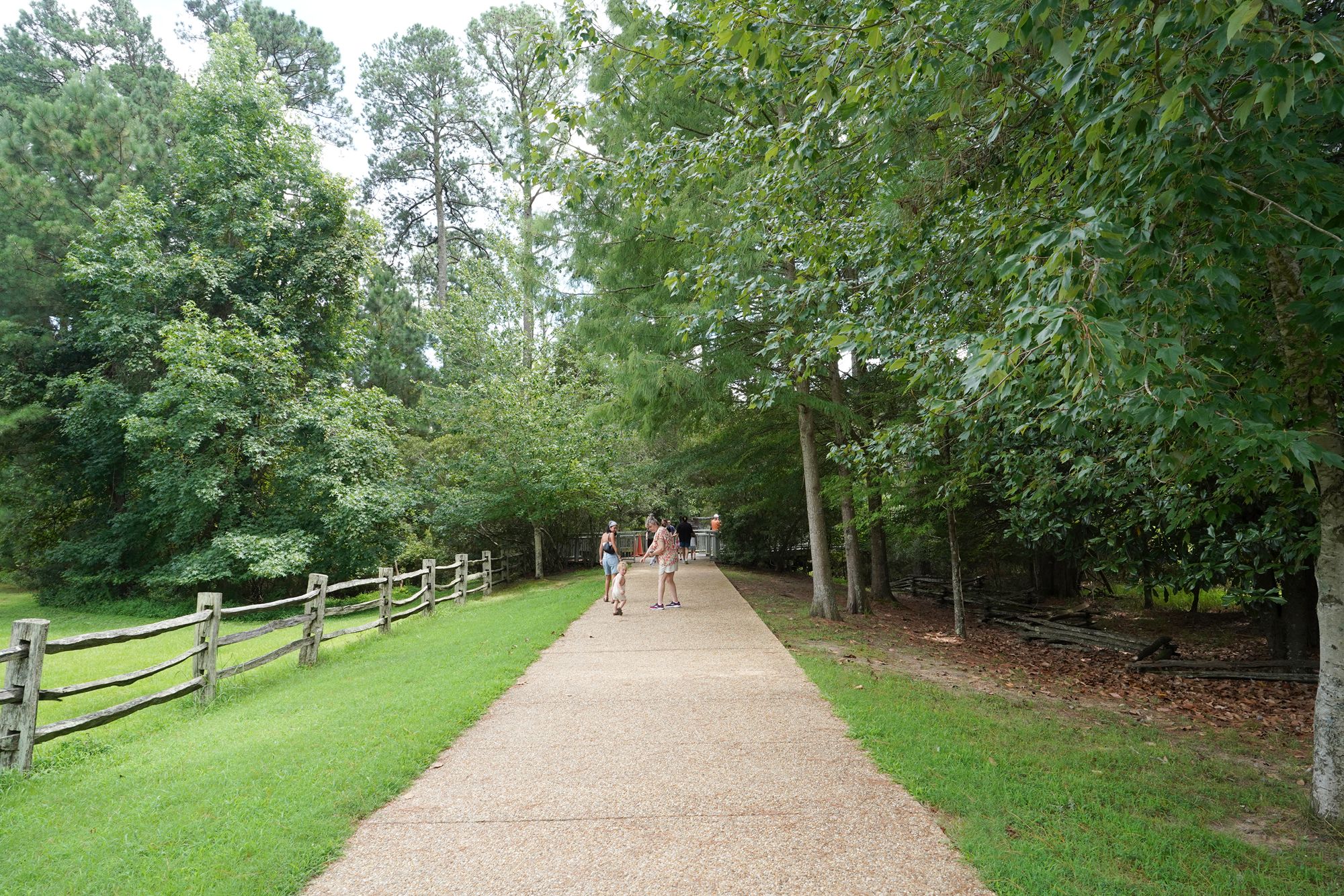
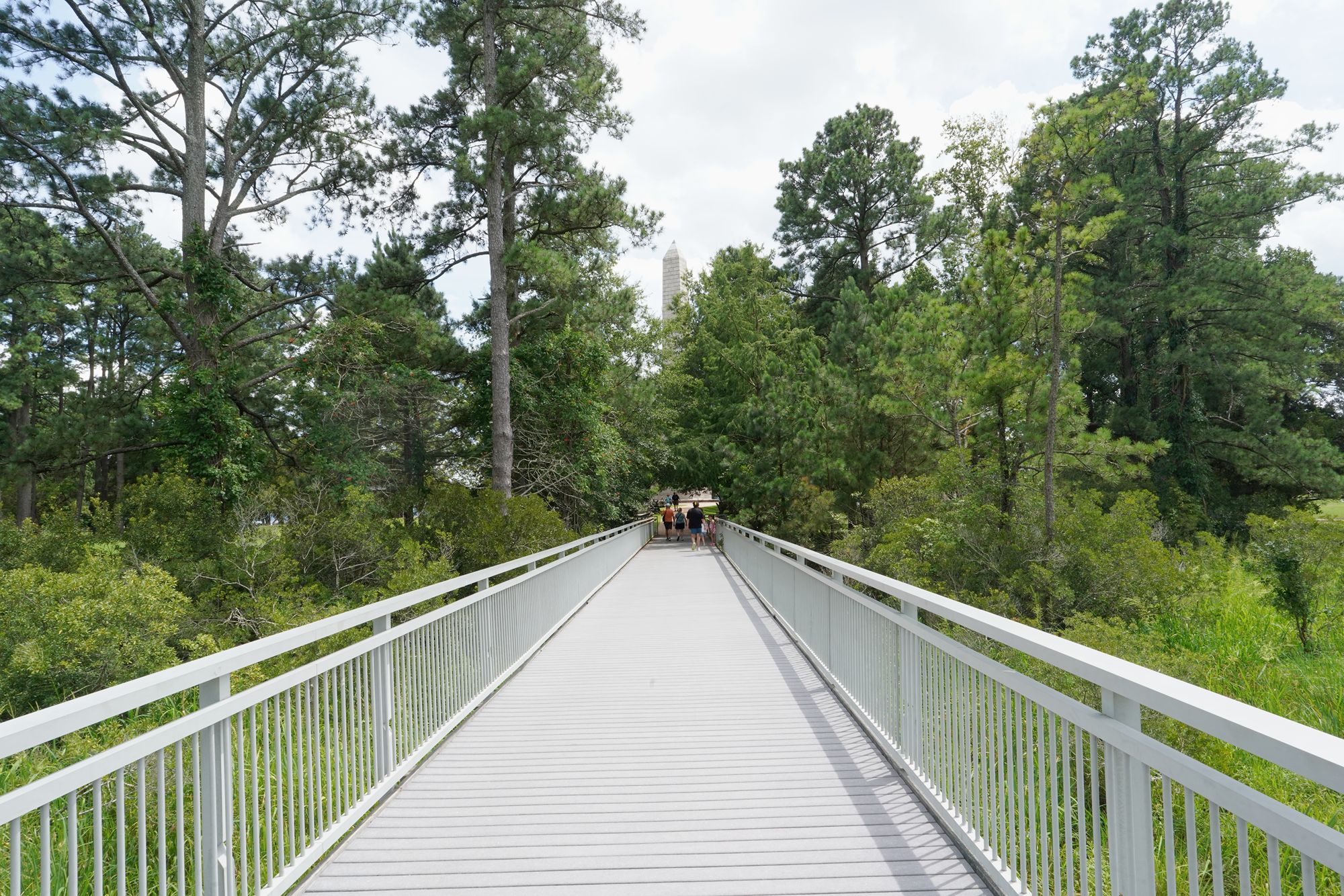
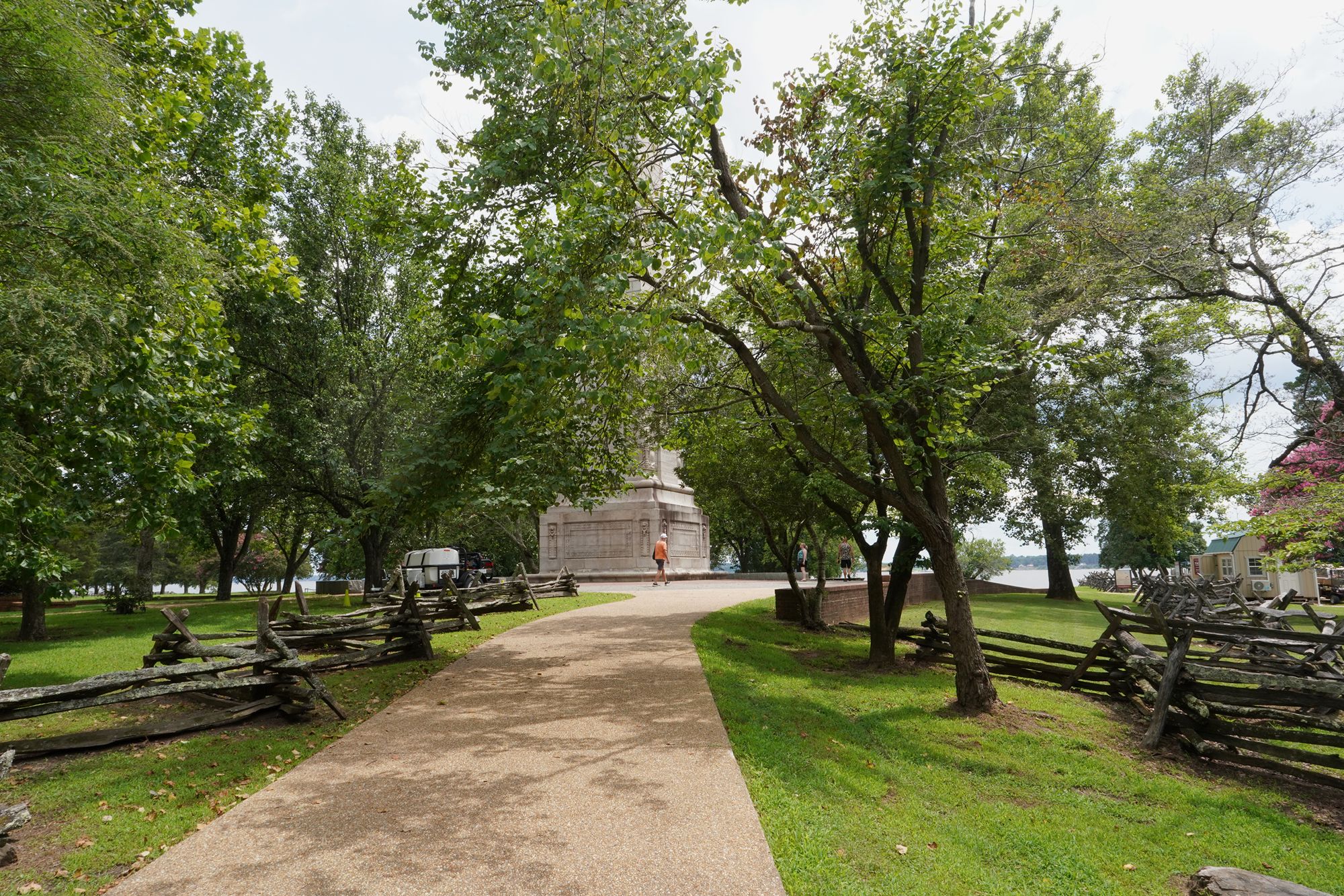
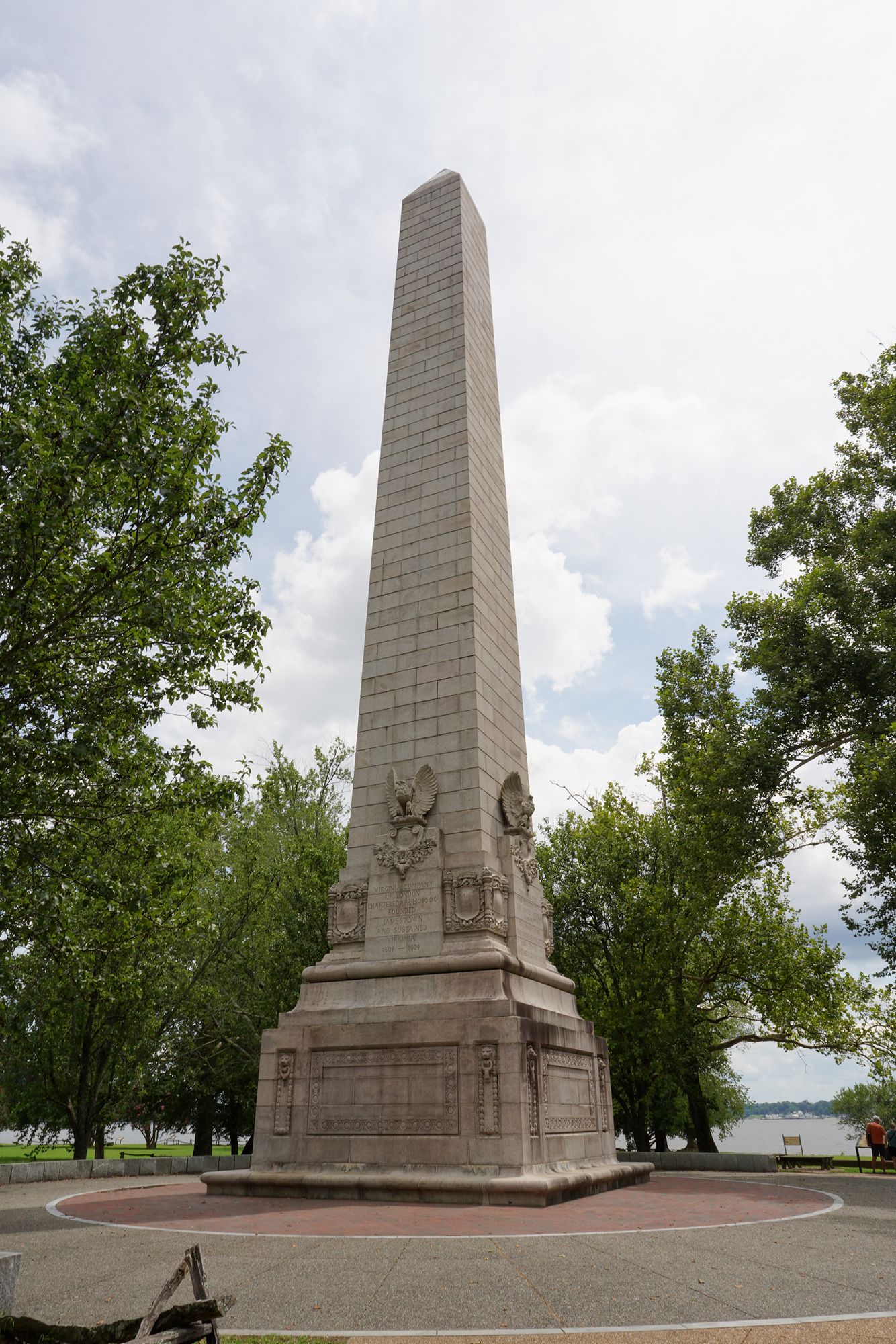
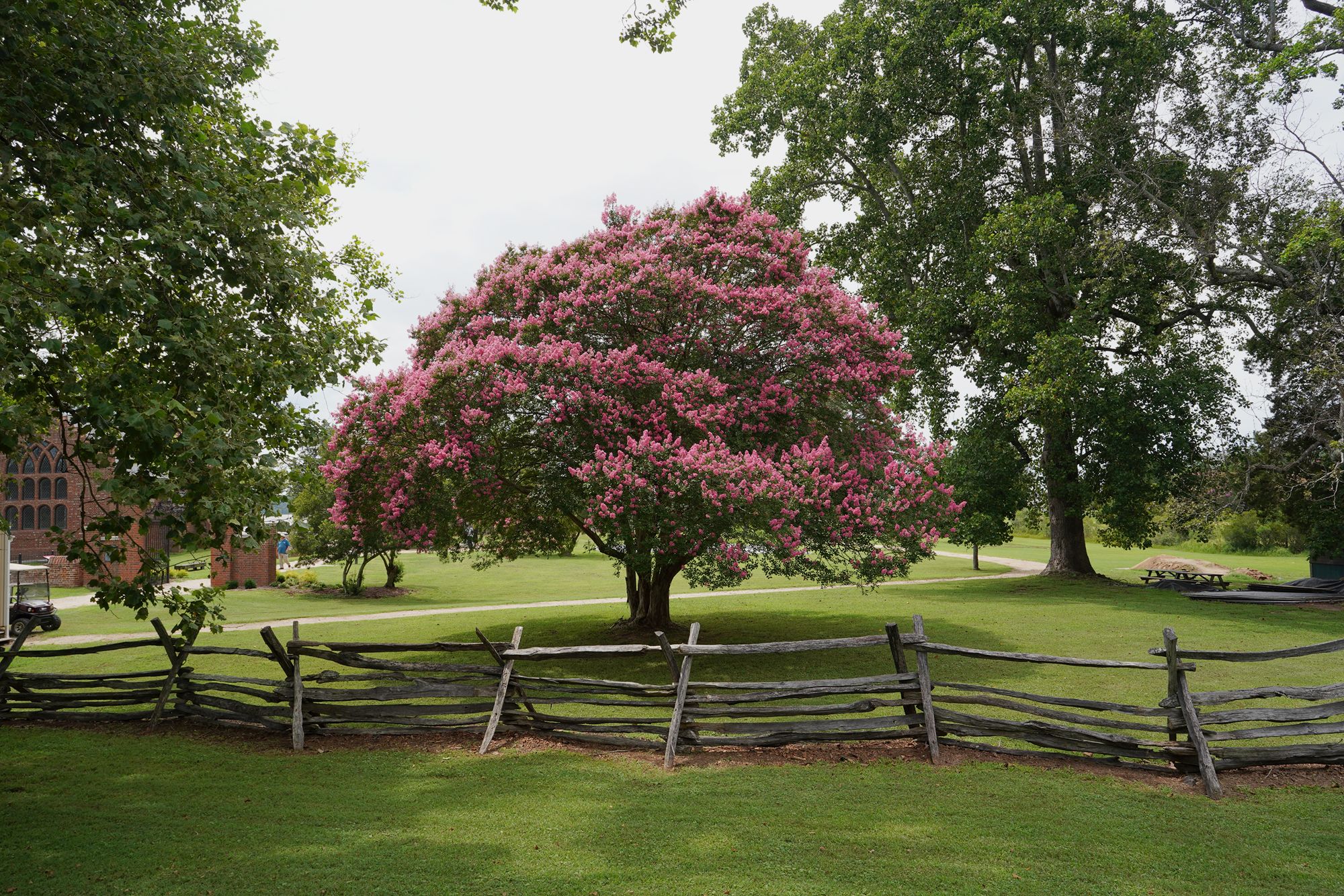
Visitors can explore the original James Fort site, see the 17th-century church tower, and watch archaeologists uncover artifacts where the first English settlers once lived.
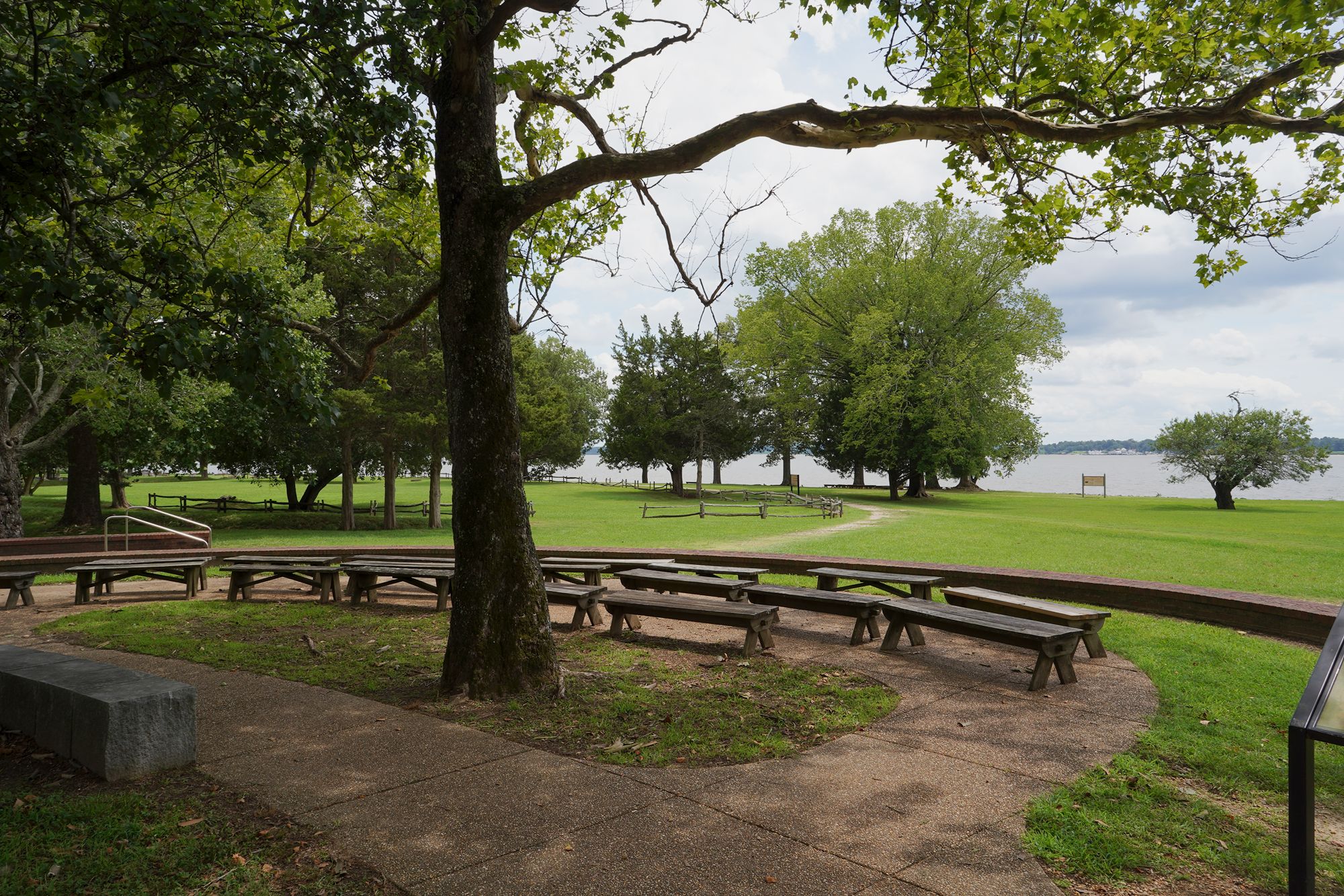
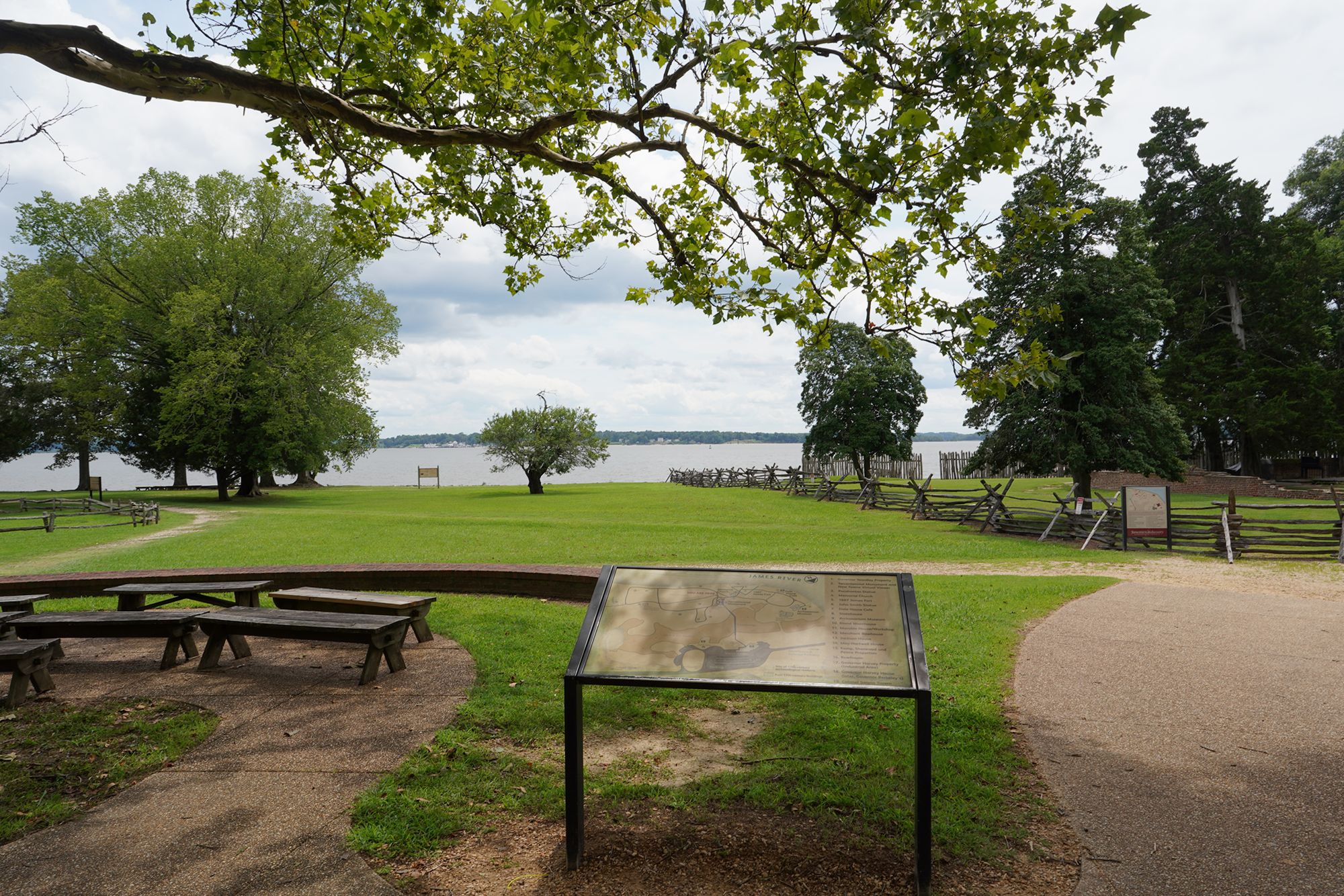
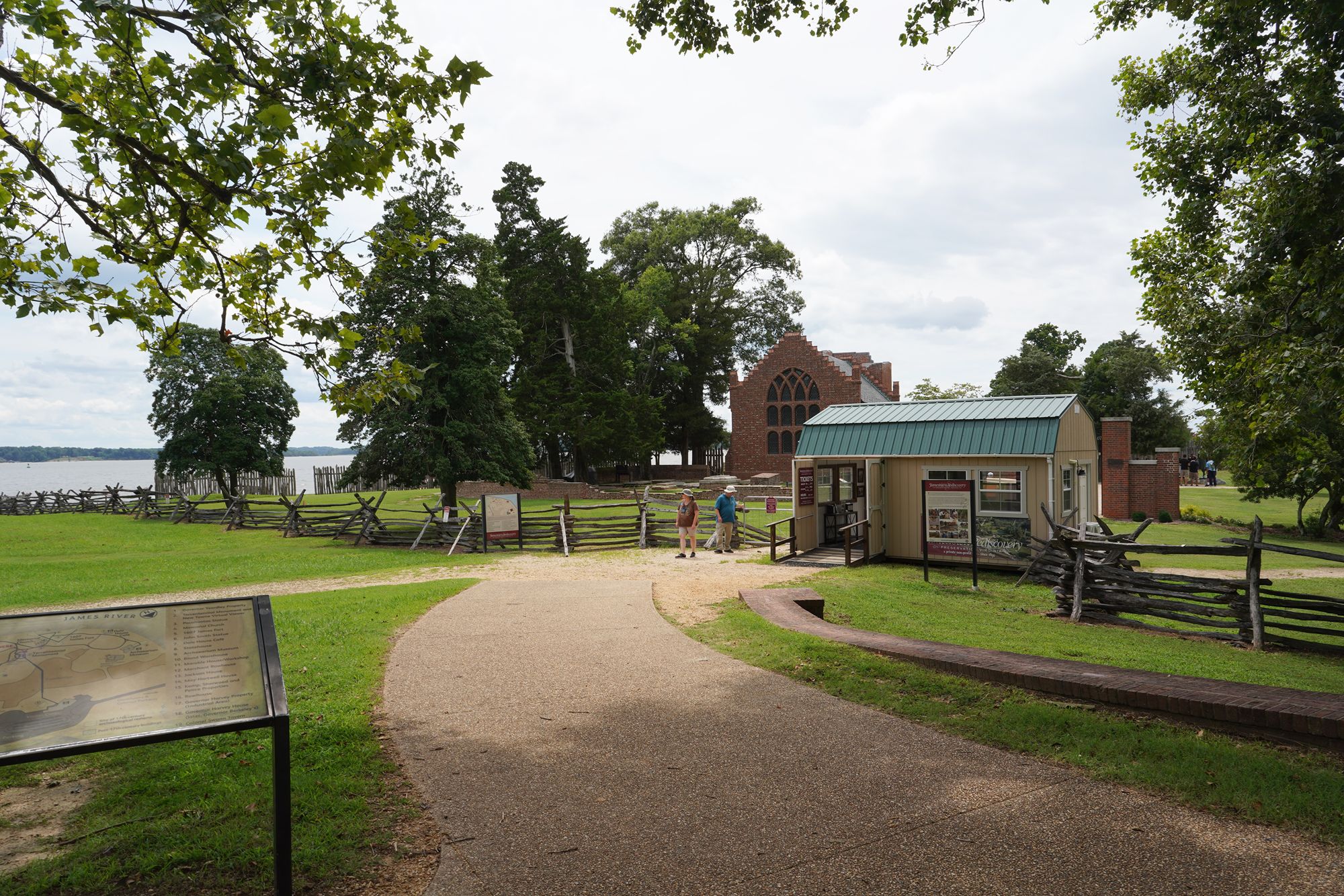
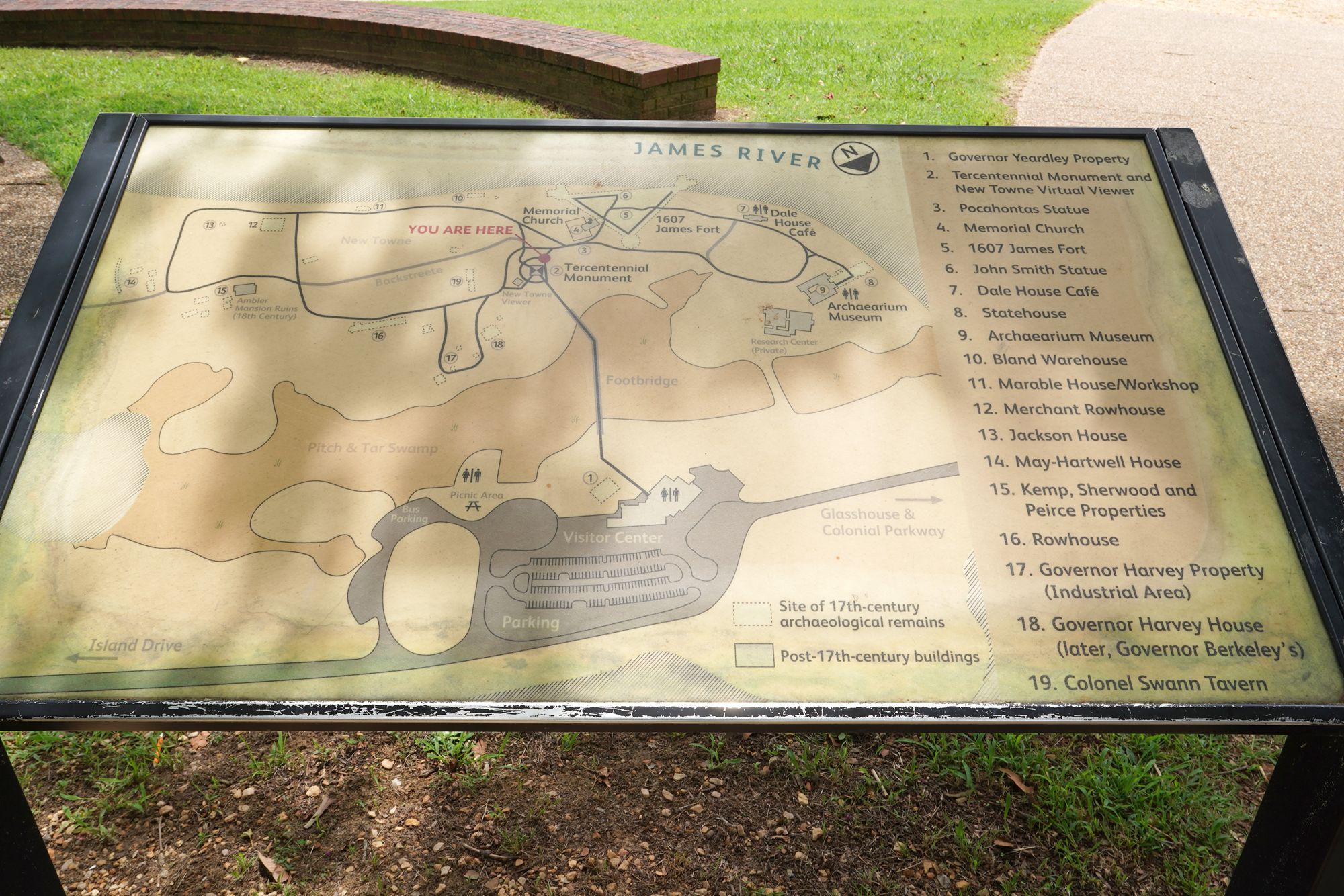
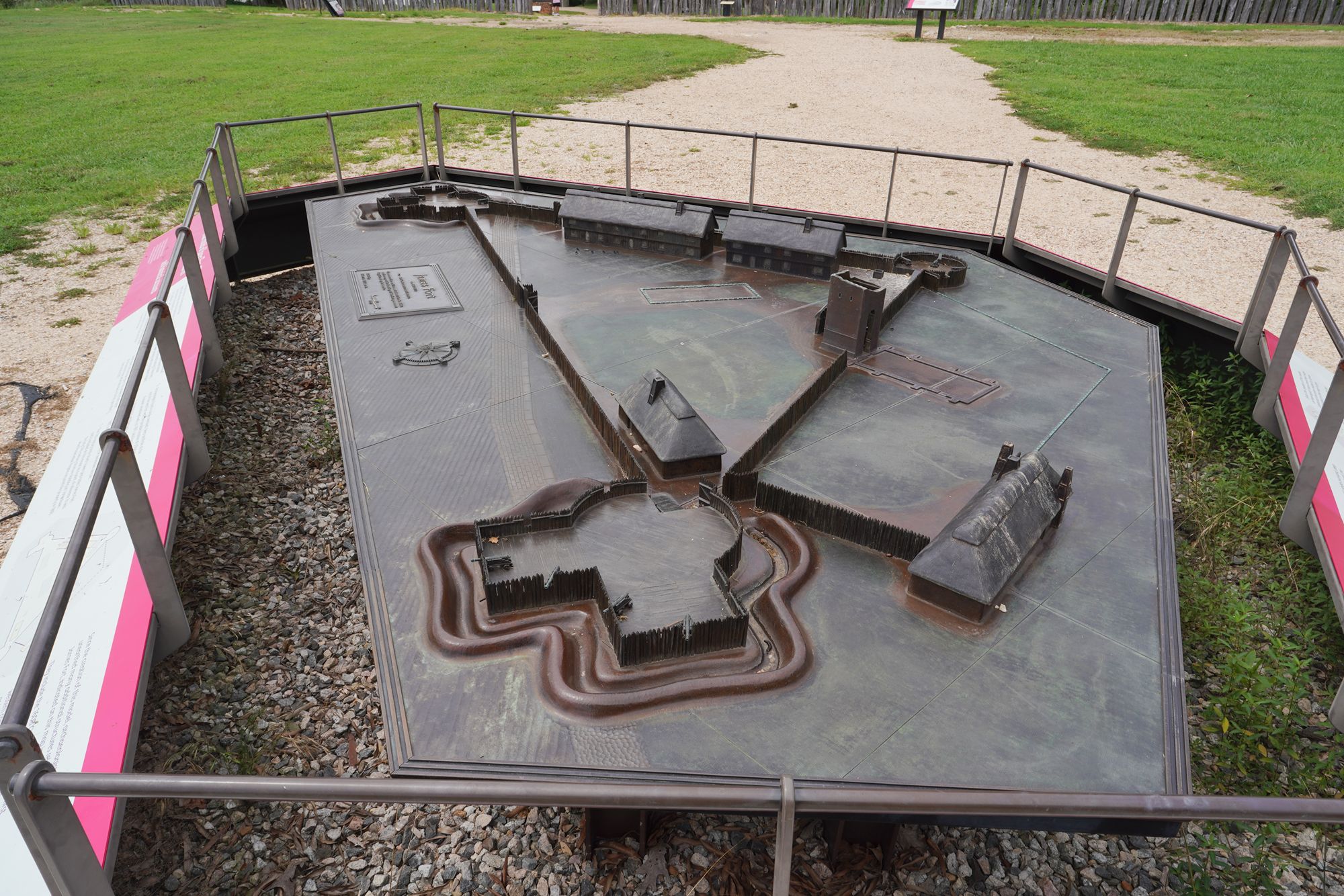
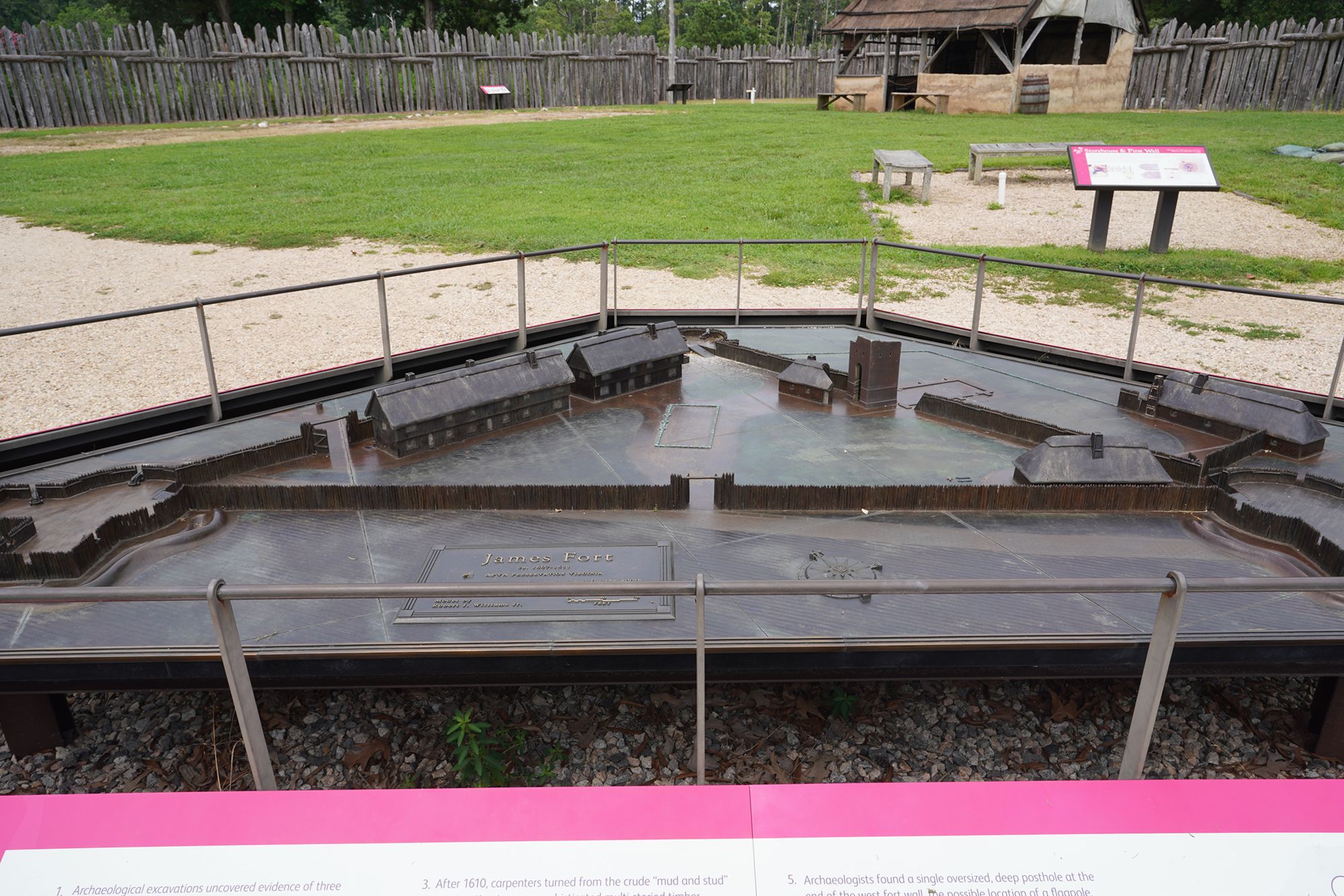
The map of Jamestown
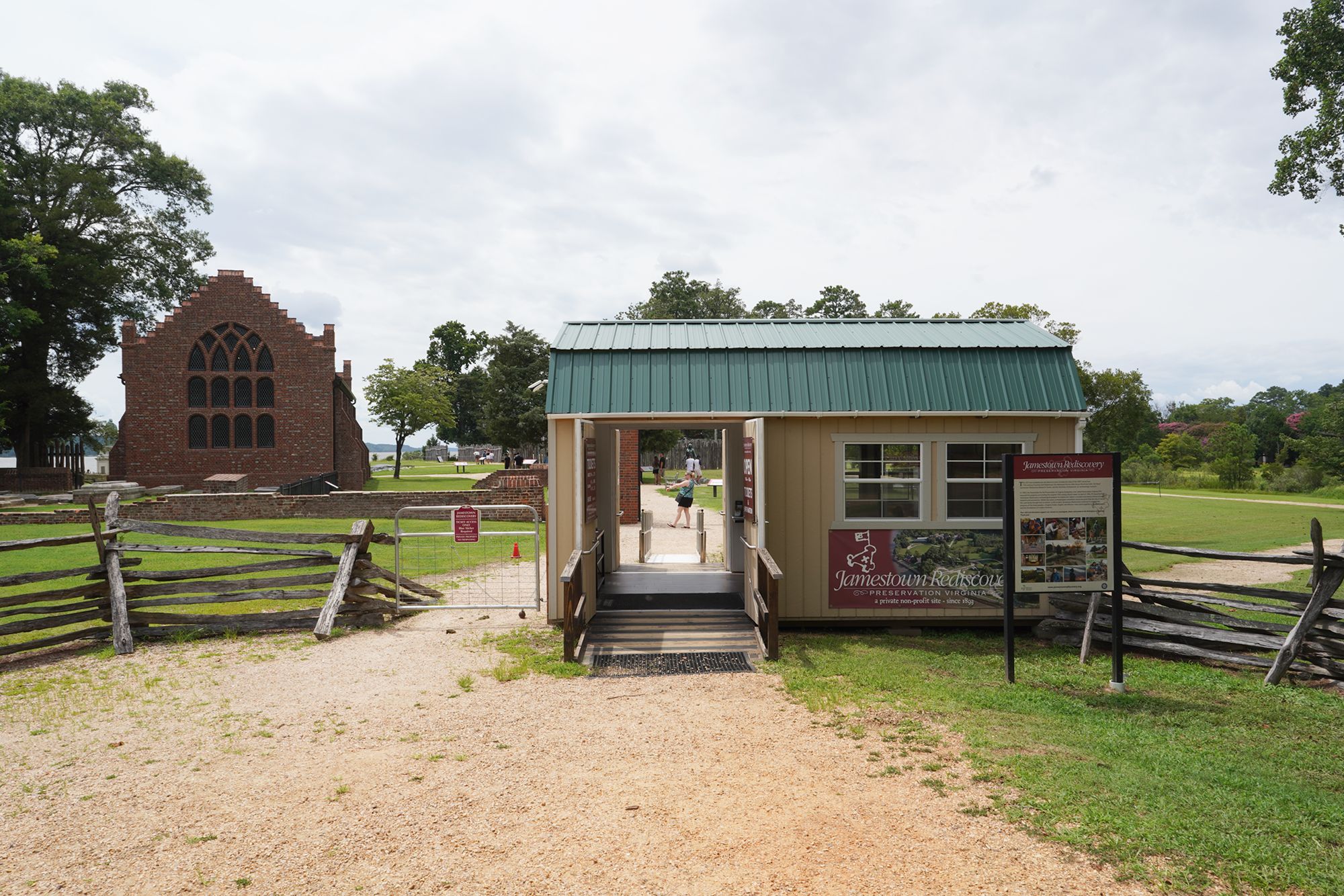
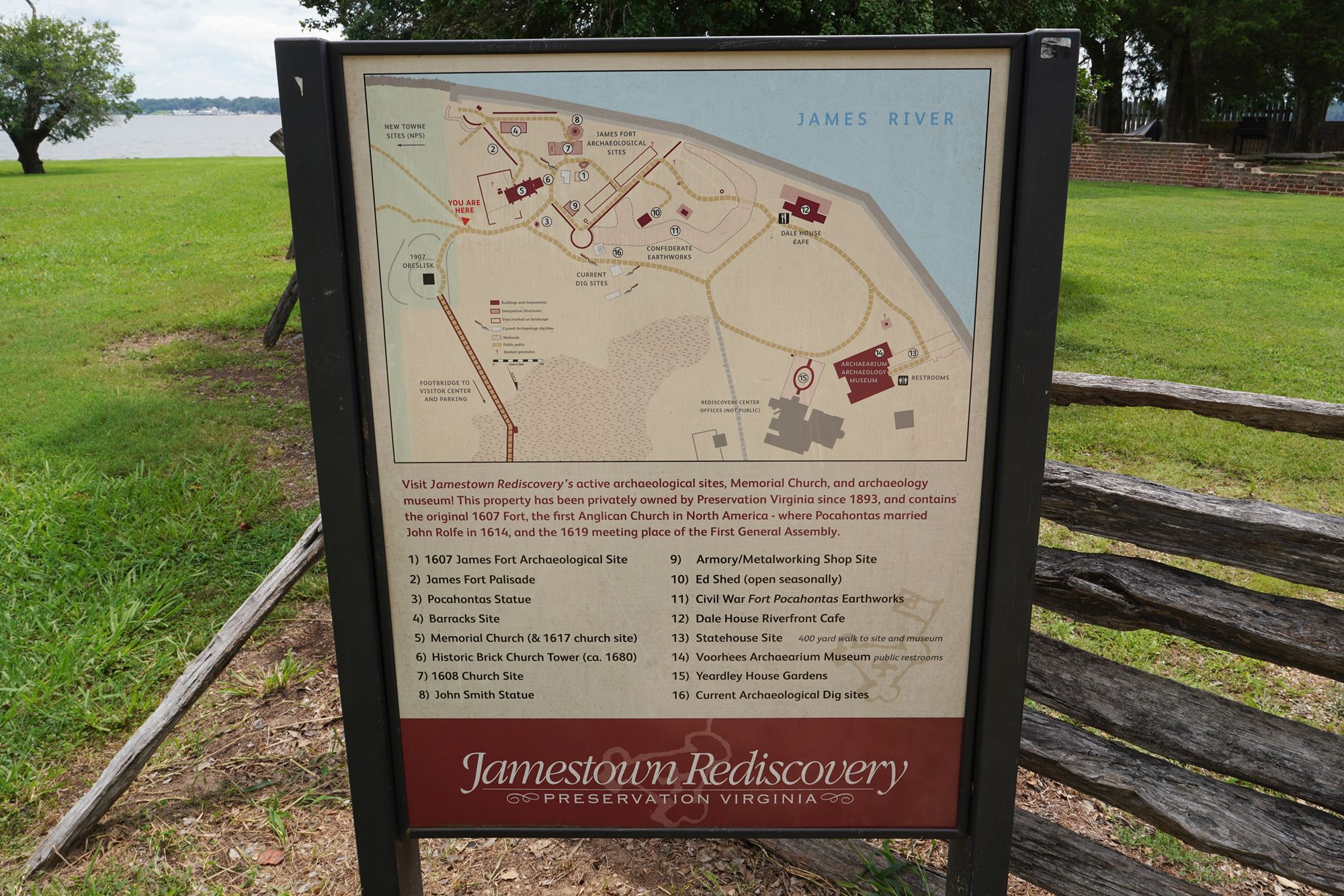
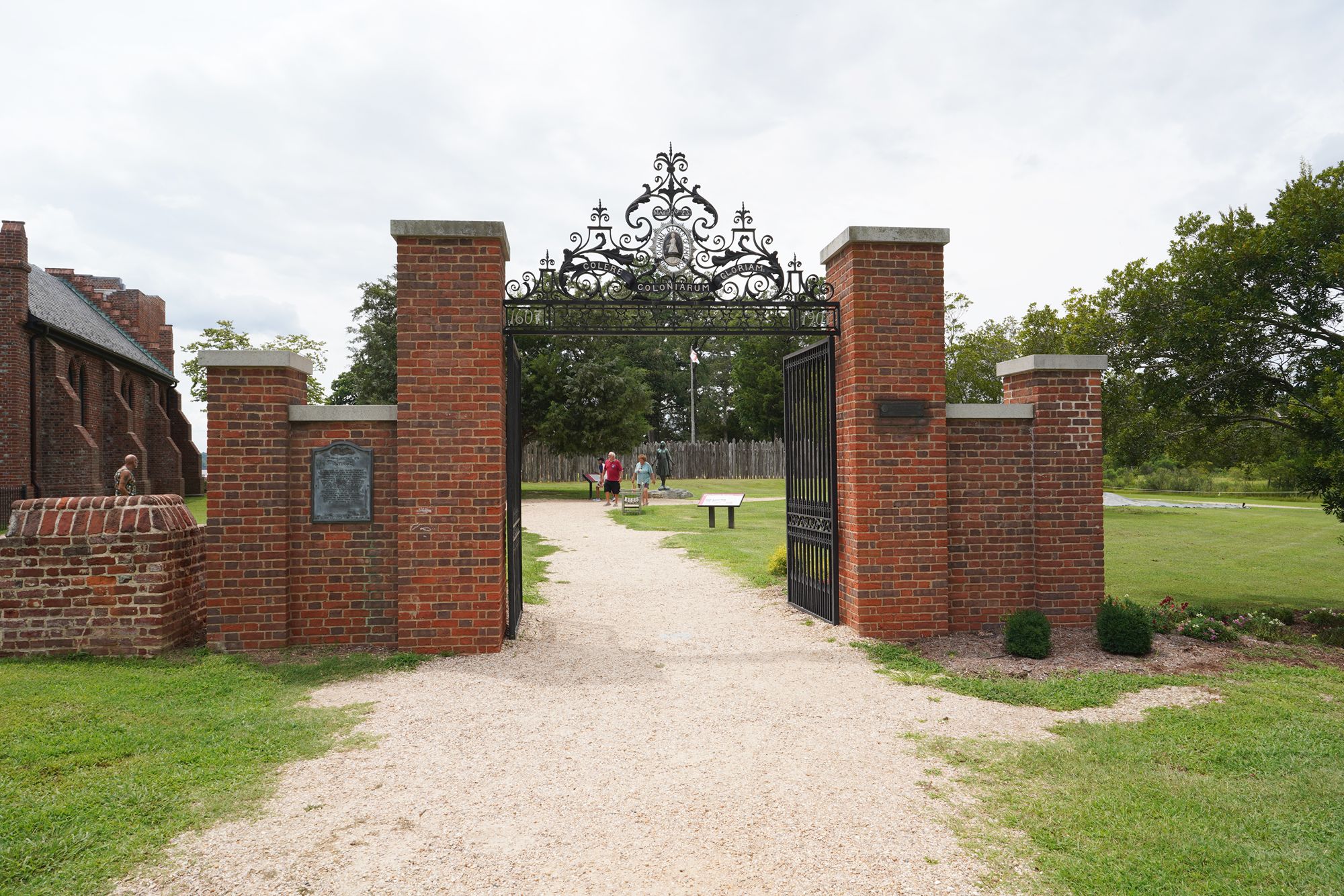
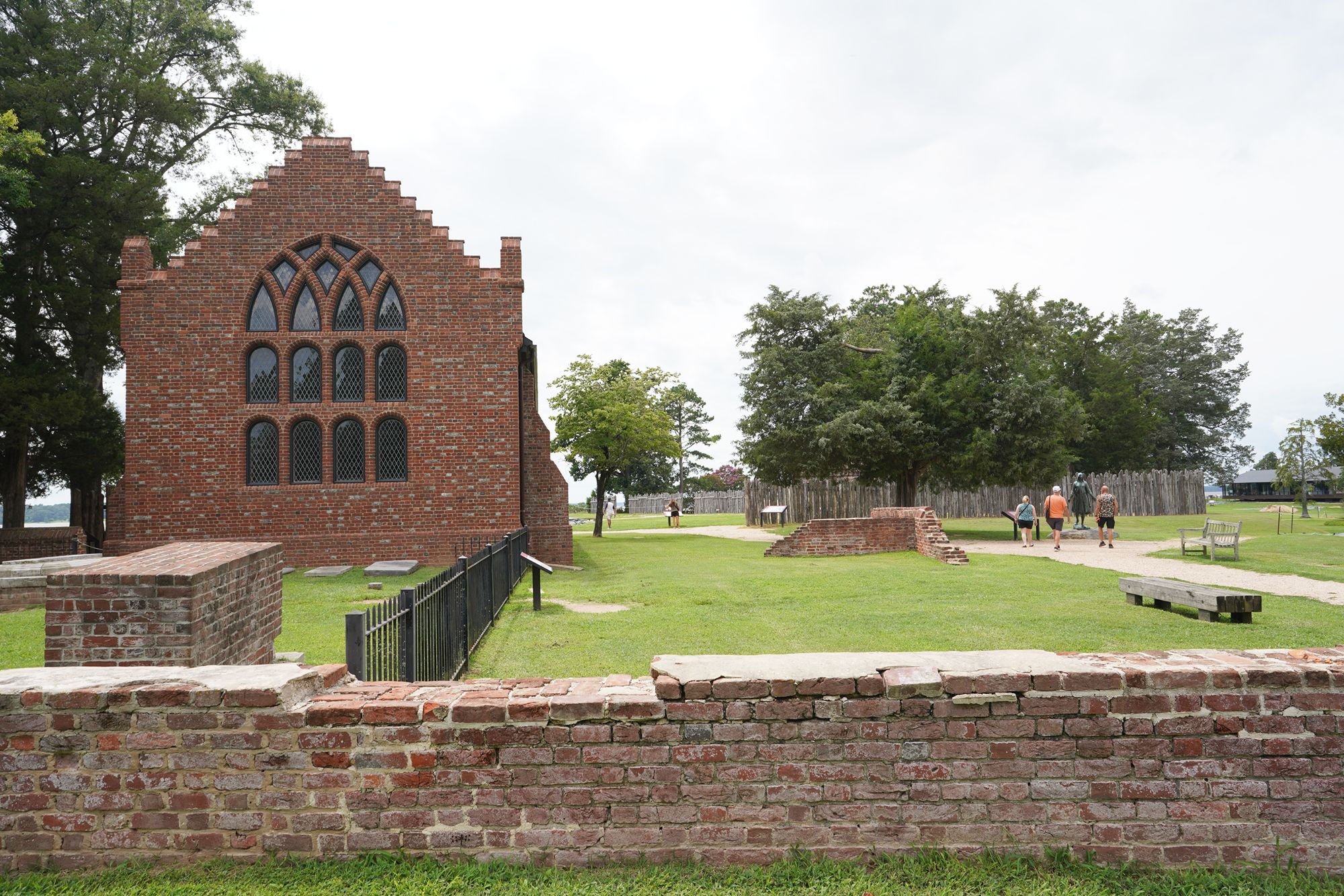
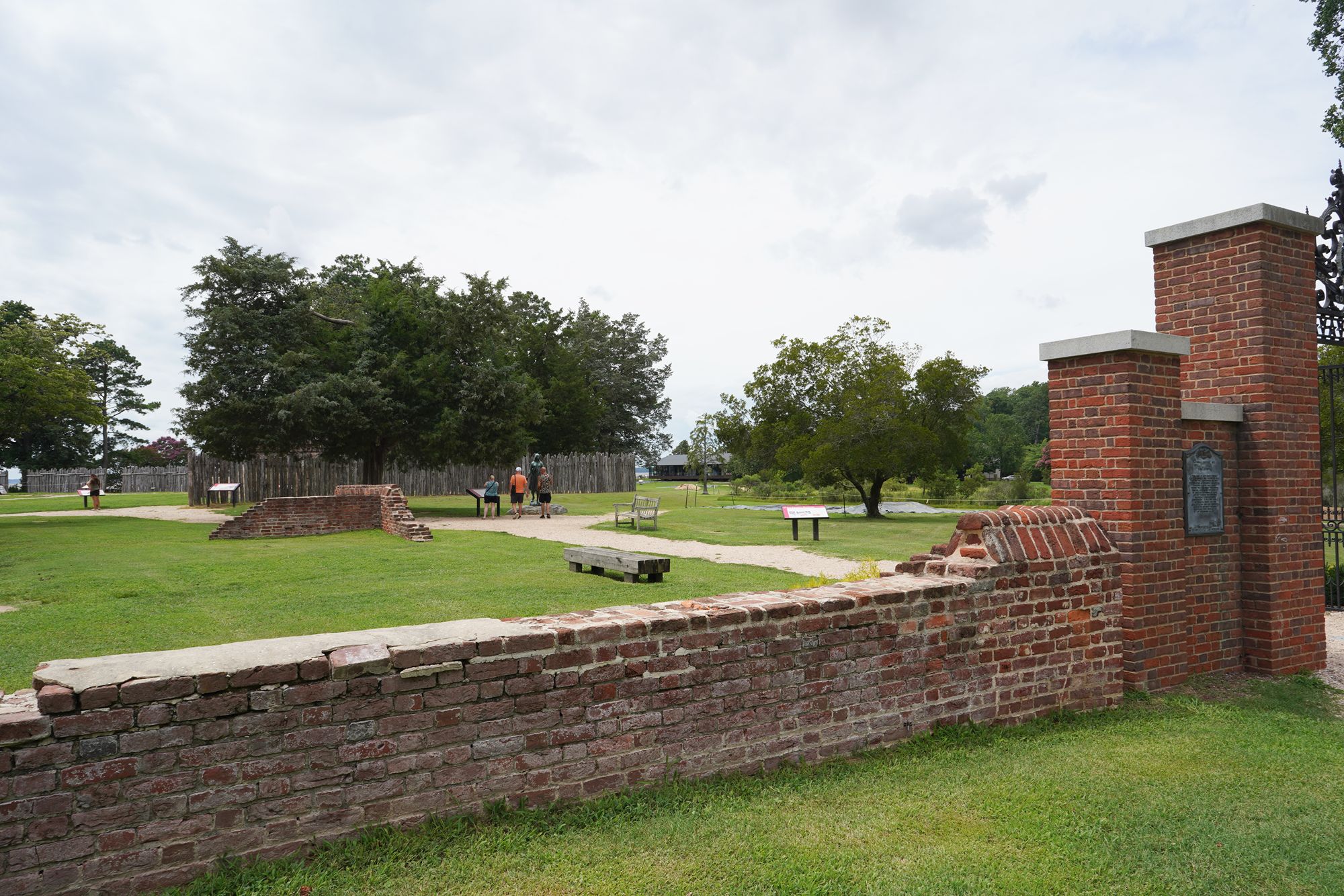
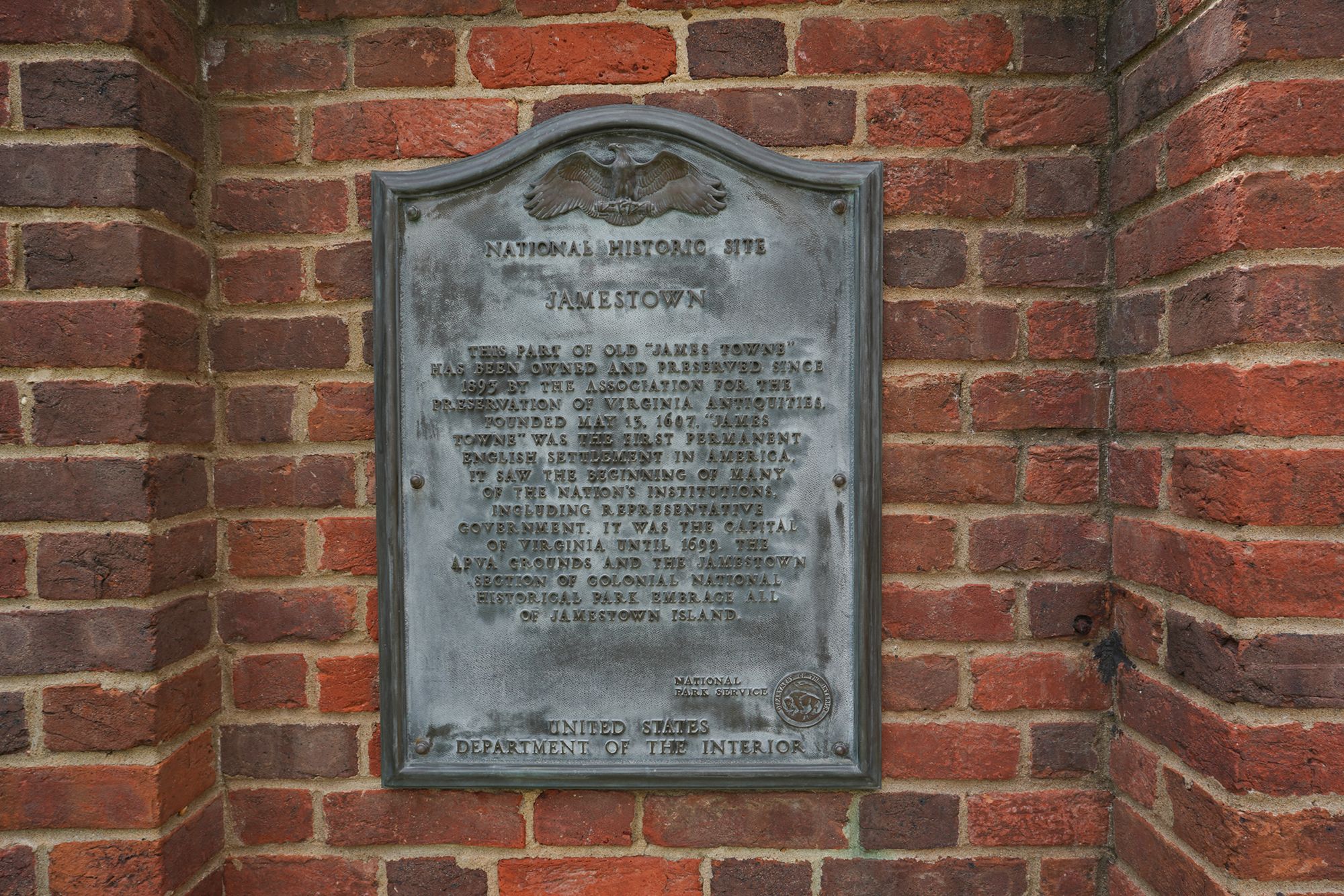
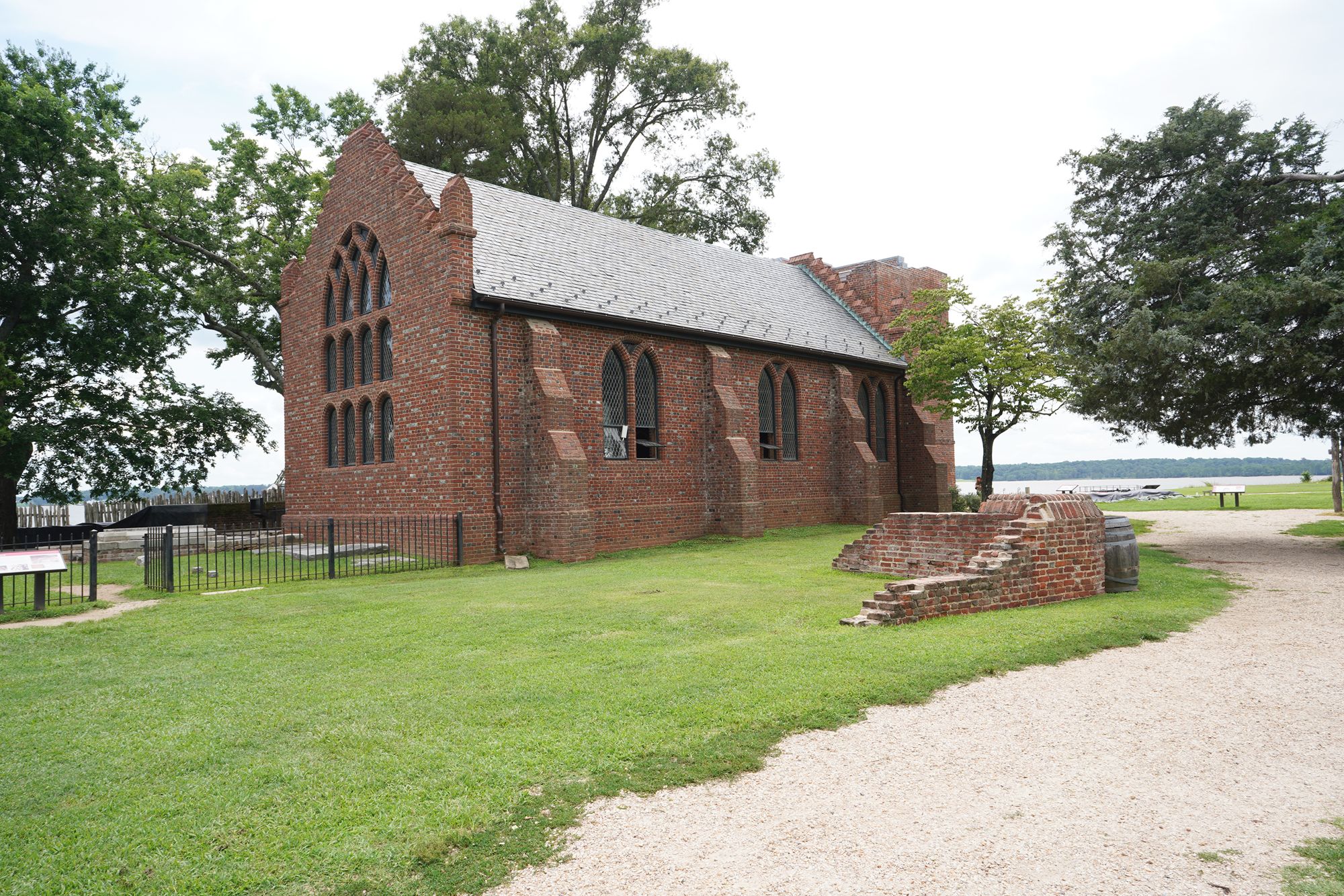
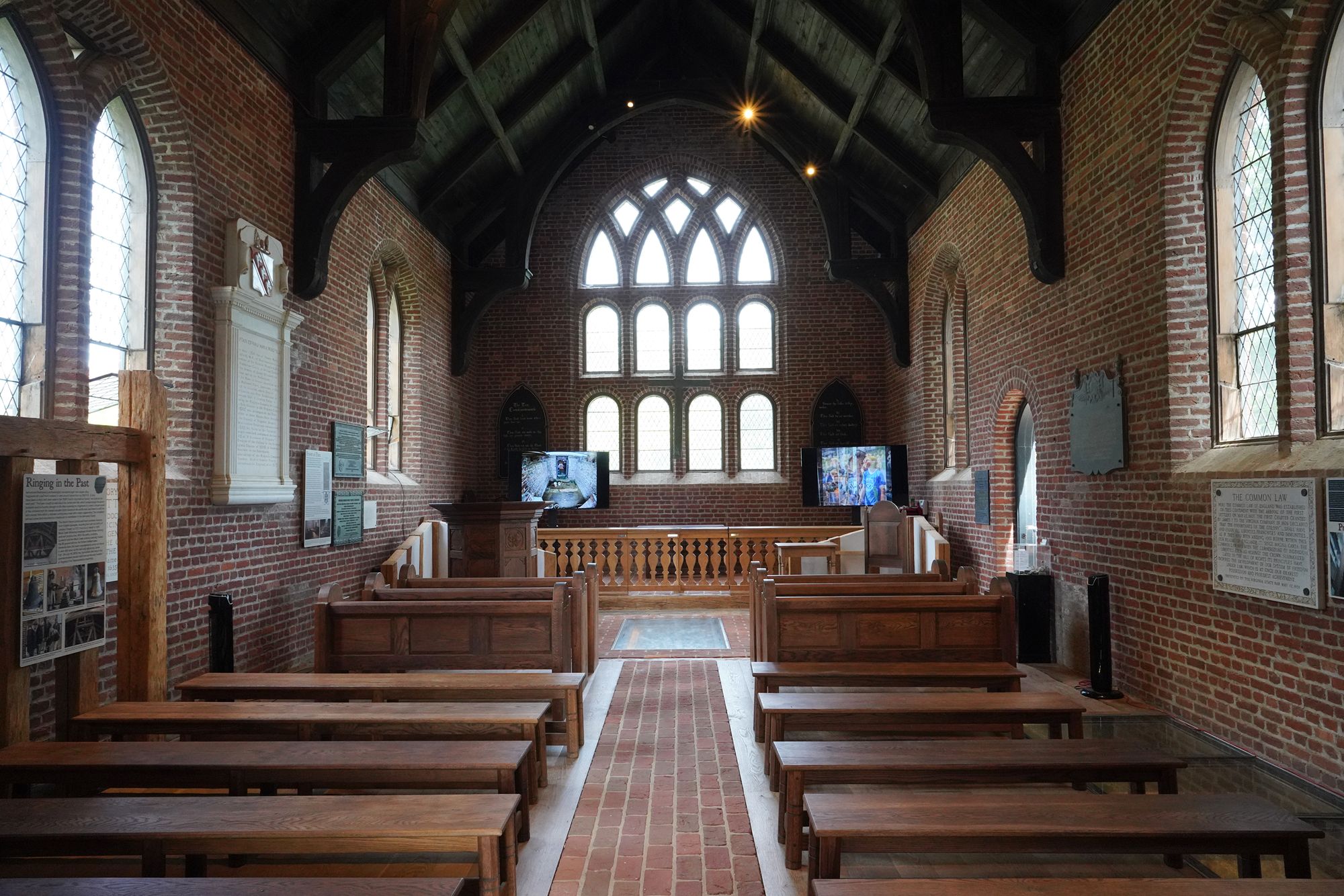
The 17th-century church at Jamestown stands on the site where the first representative assembly met in 1619, and its surviving brick tower, built around 1680, is the oldest existing structure from the English colonial period in Virginia.
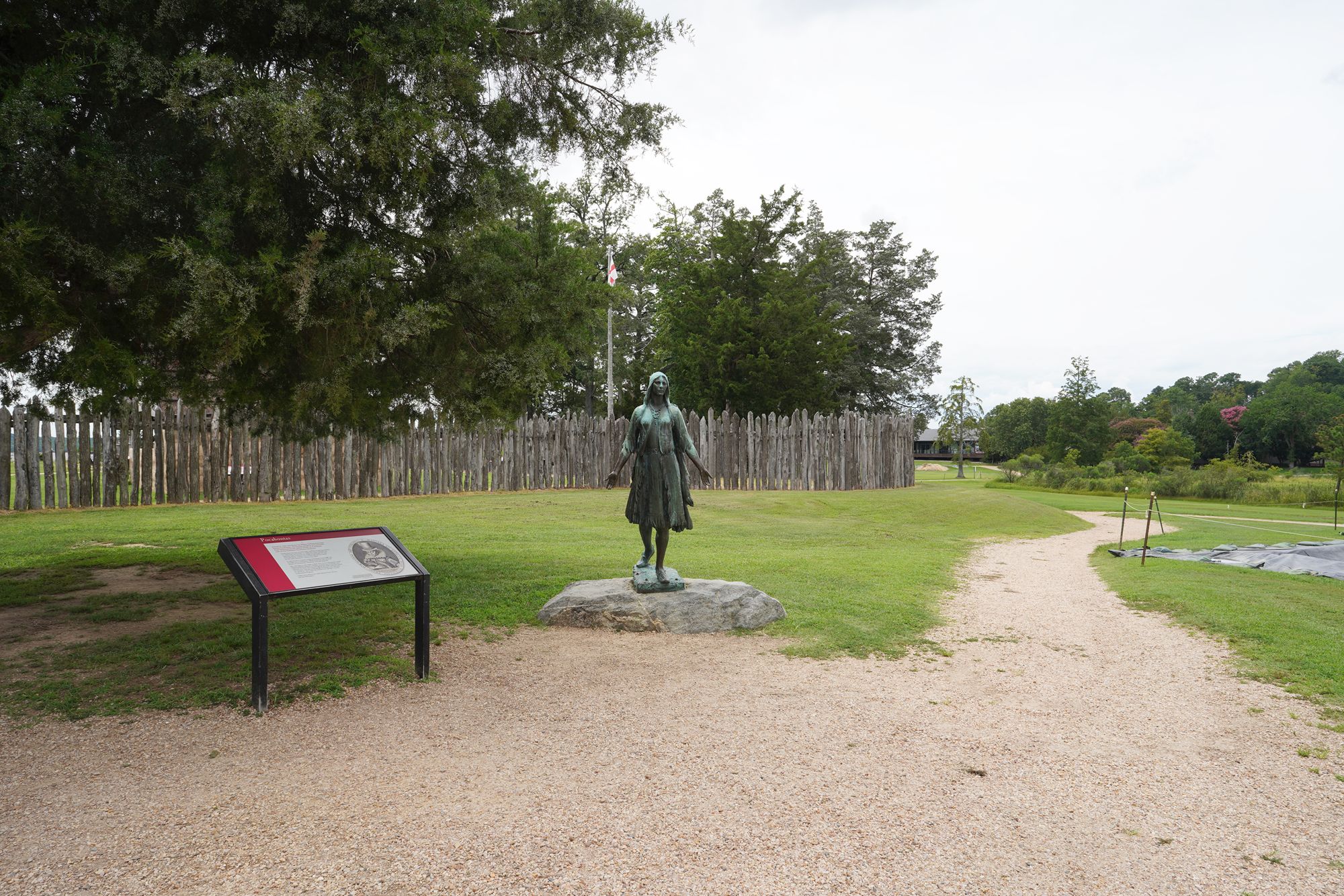
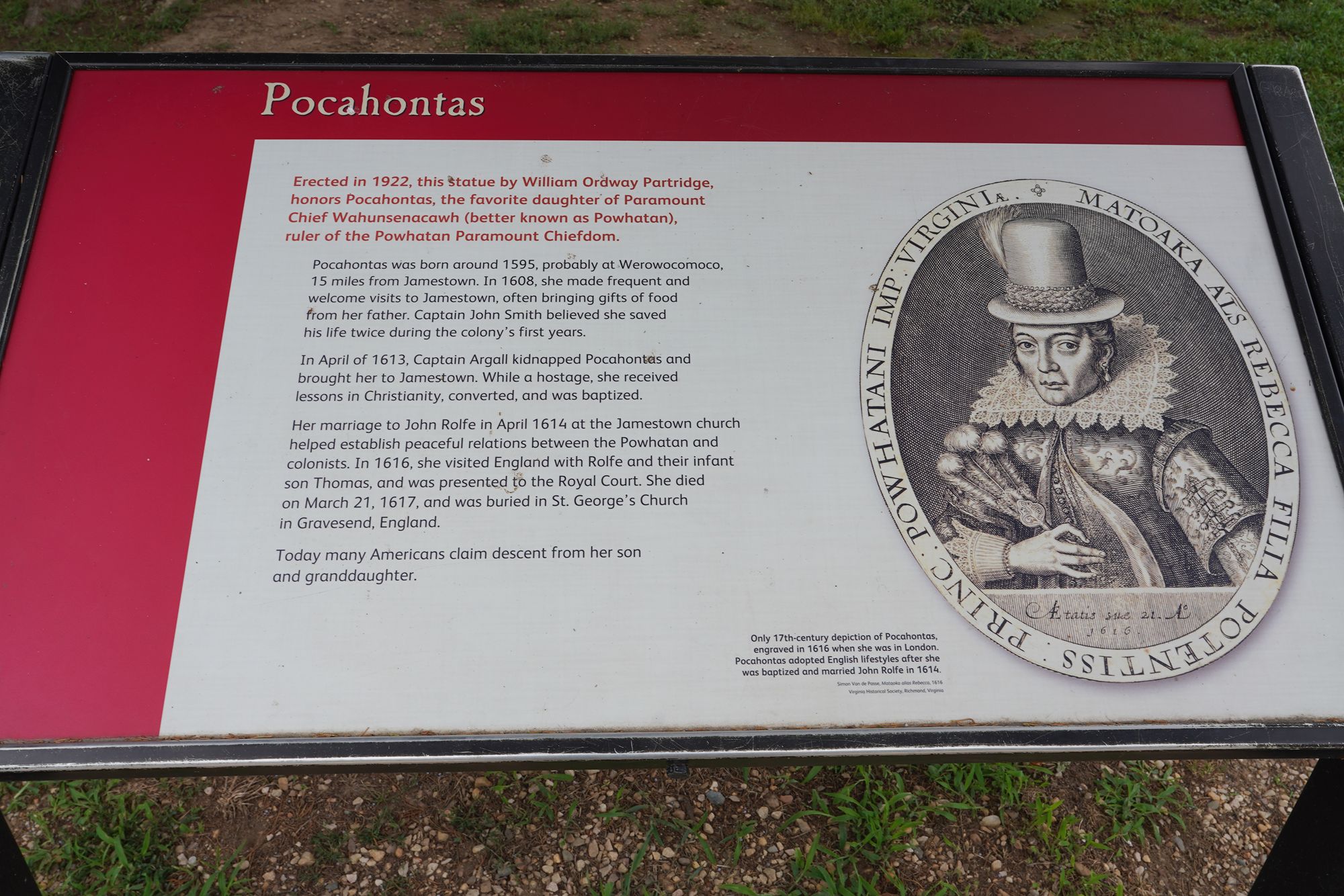
The statue of Pocahontas at Historic Jamestowne stands near the 17th-century church, honoring Powhatan’s daughter who fostered peace between the English settlers and her people, and it symbolizes the connection and cultural exchange between Native Americans and the first colonists.
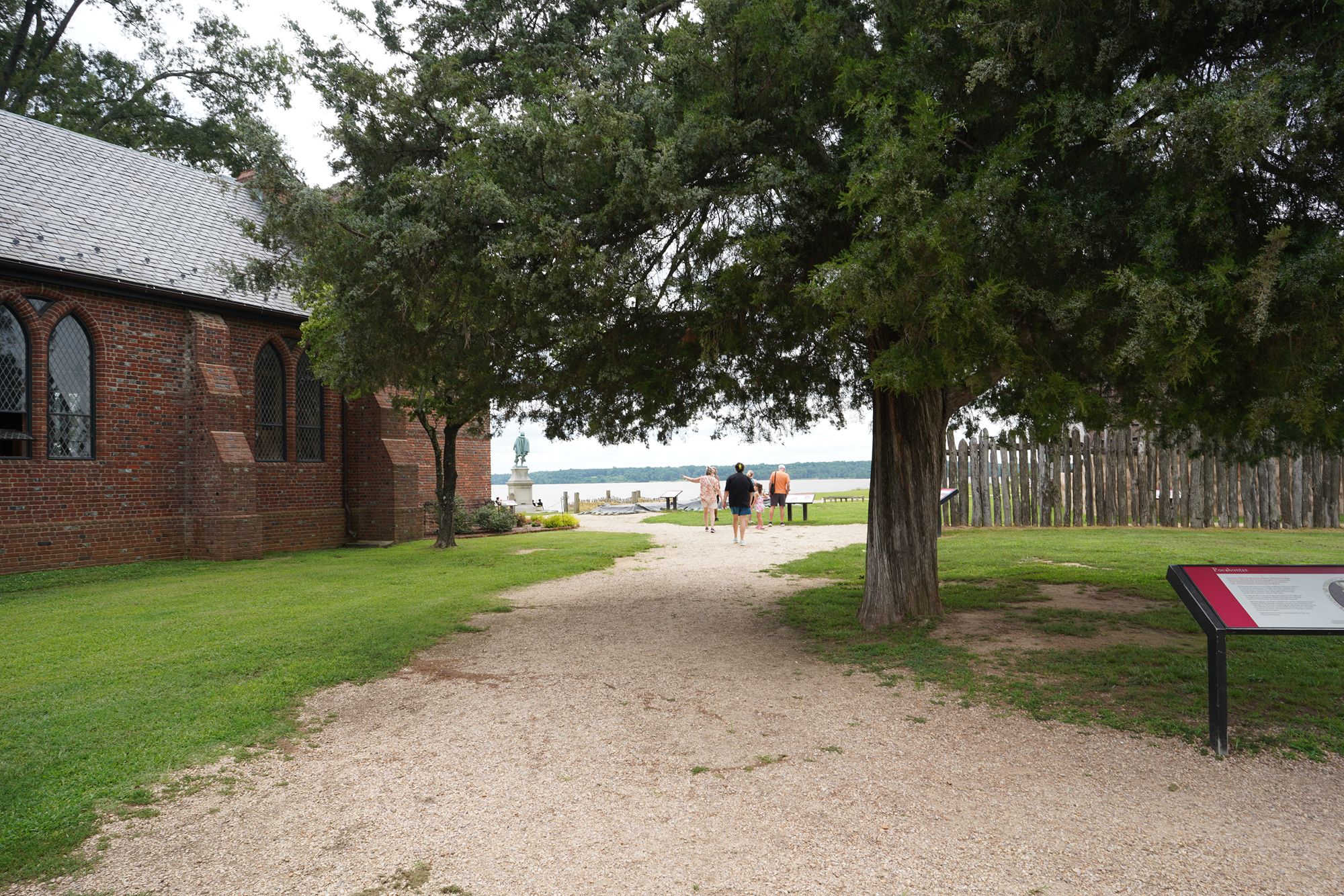
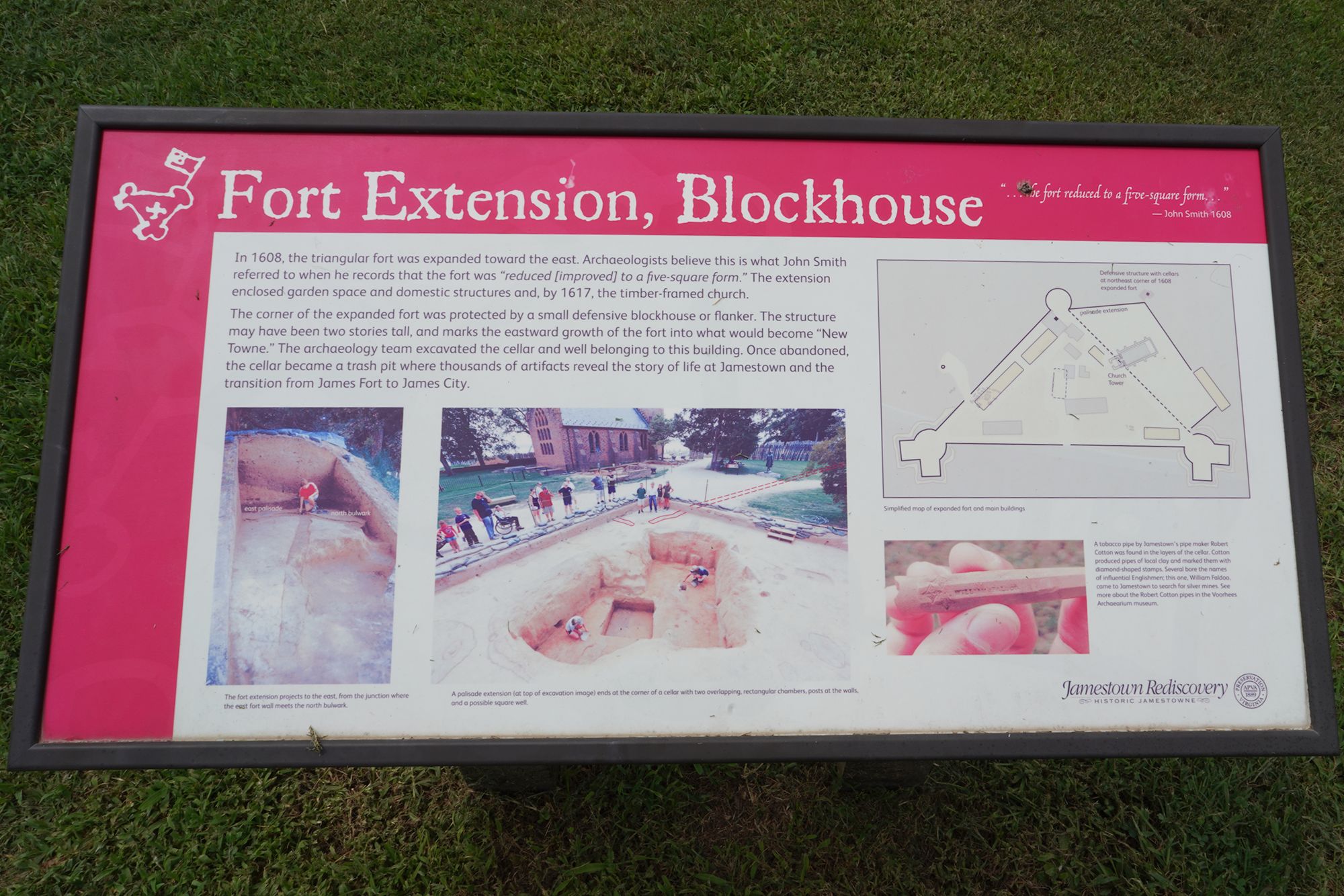
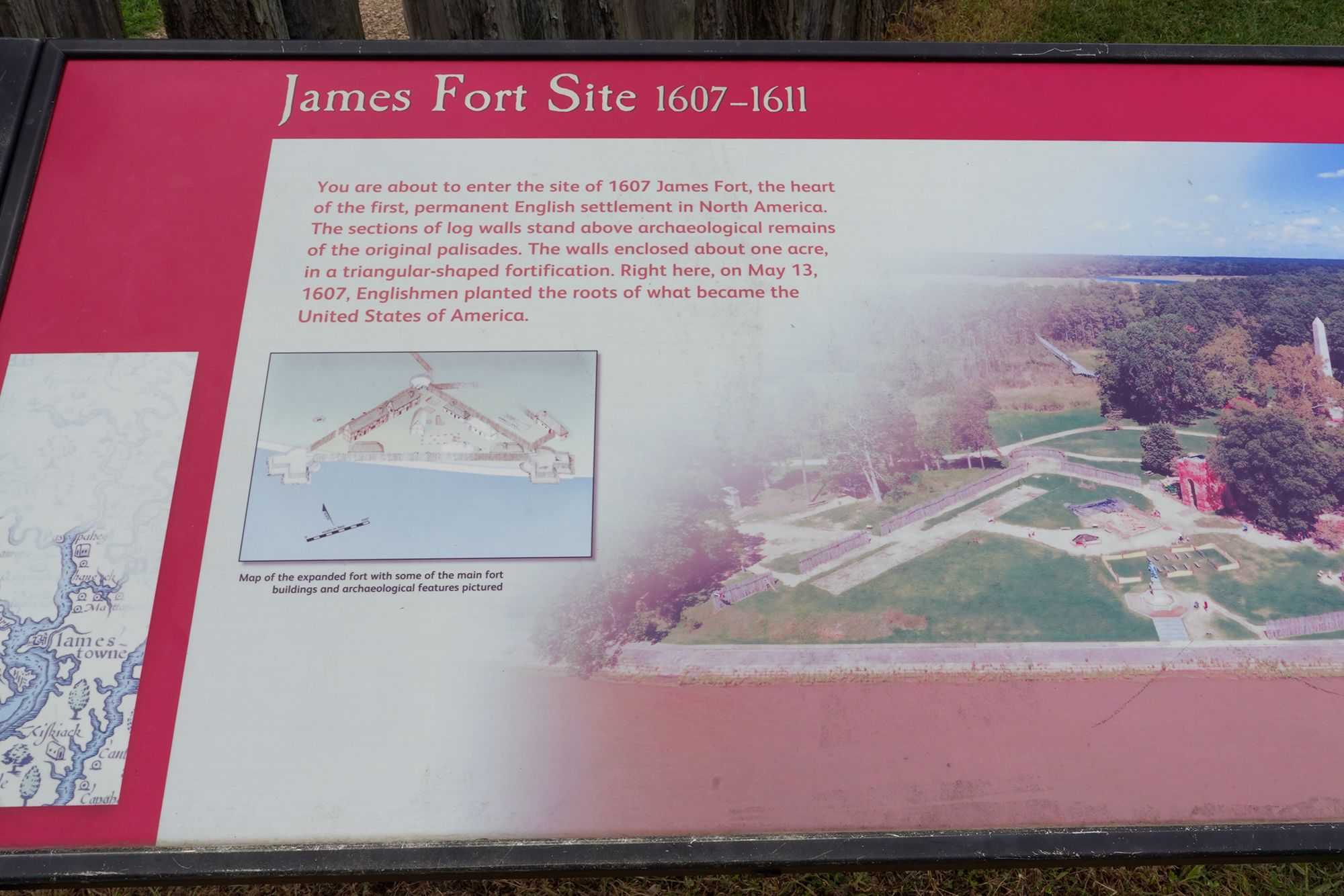
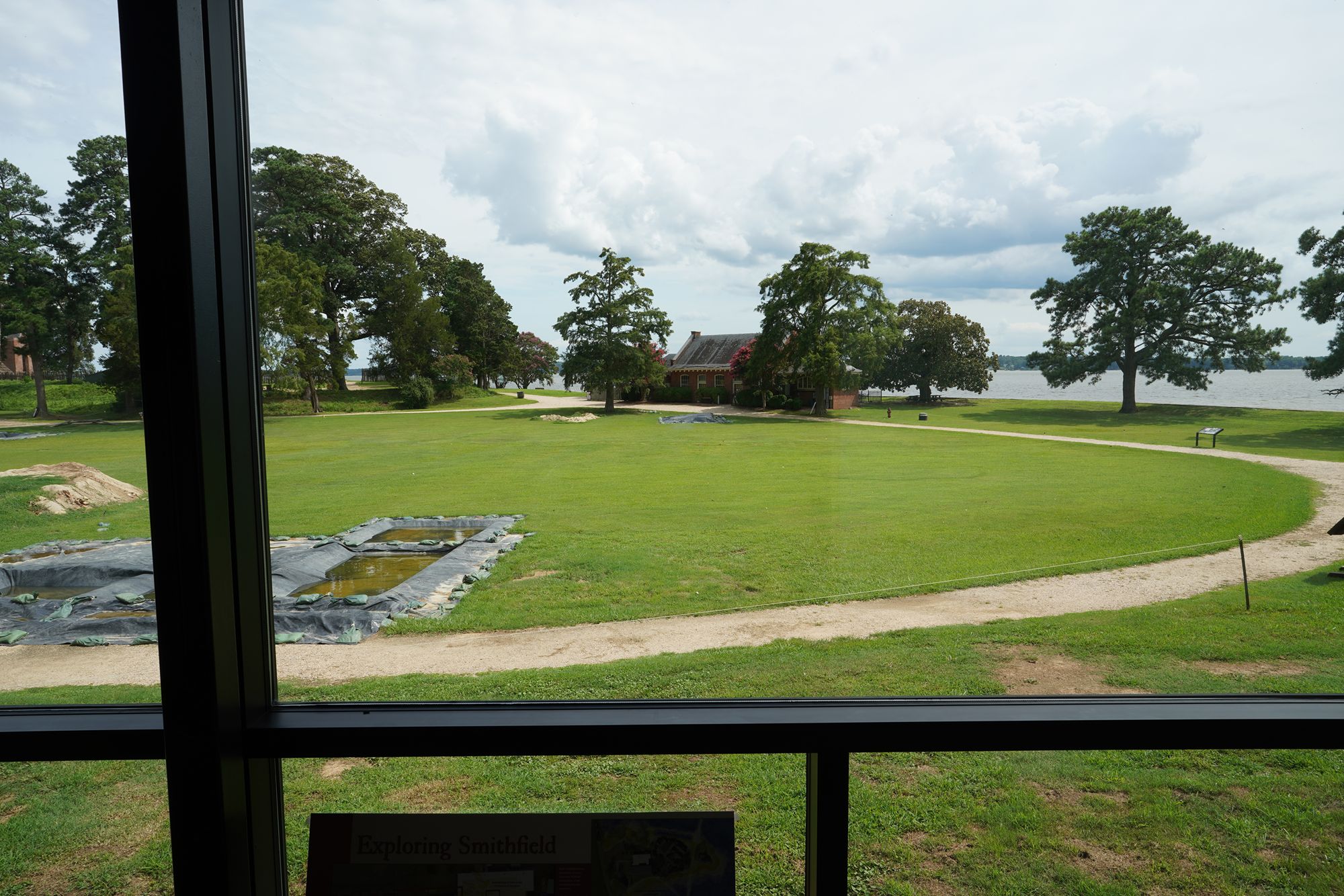
This is the actual site of the James Fort in 1607
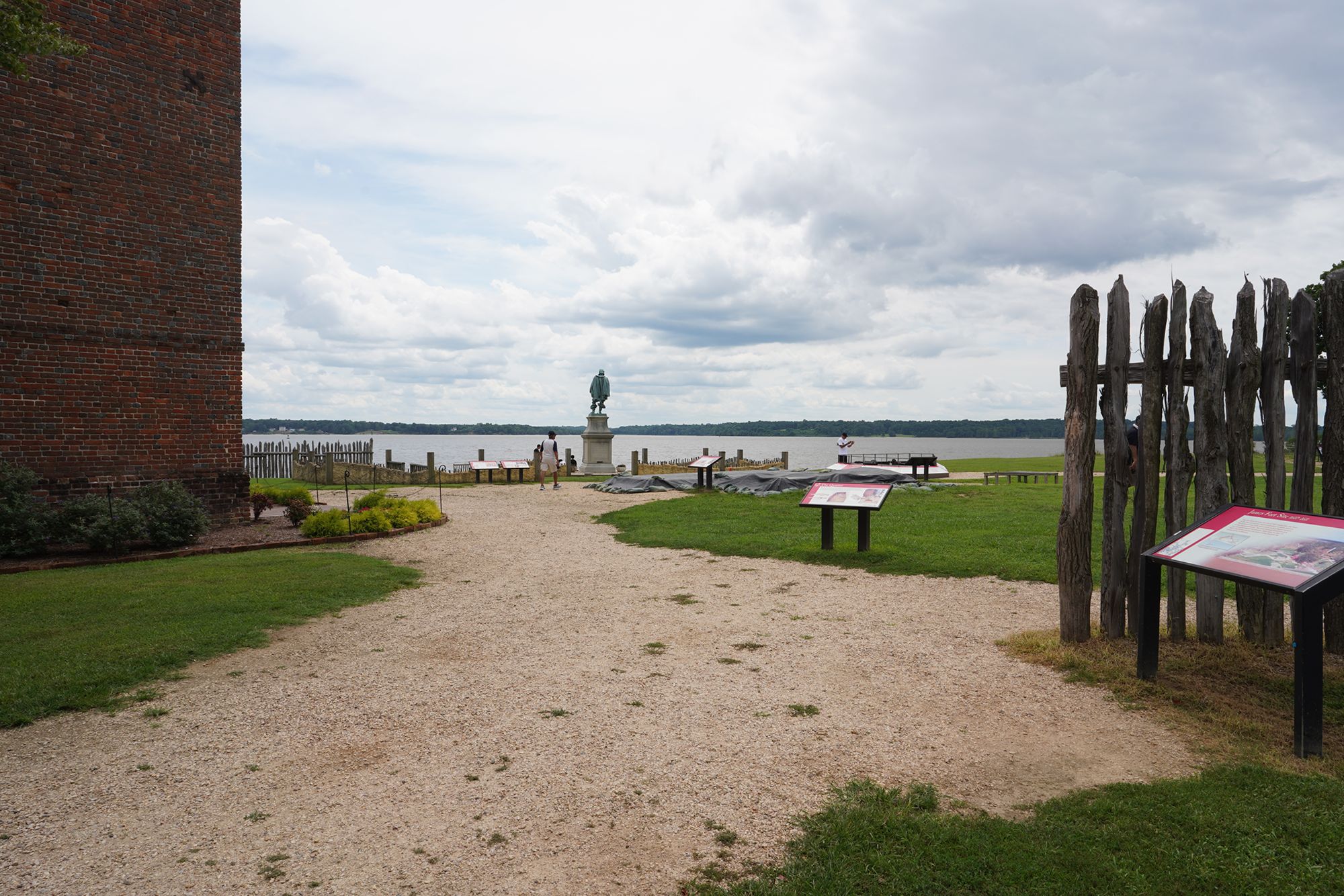
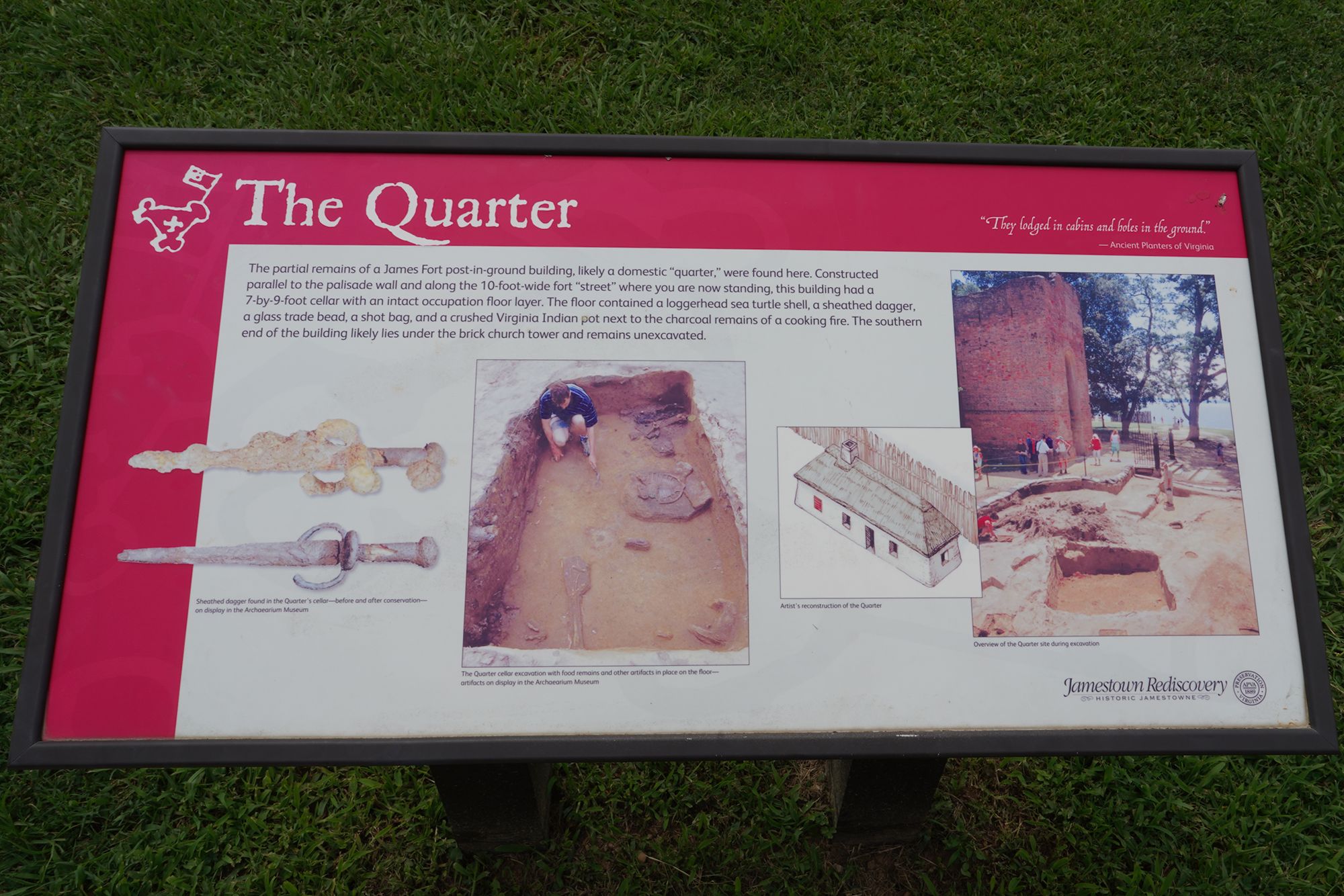
The Quarter Area
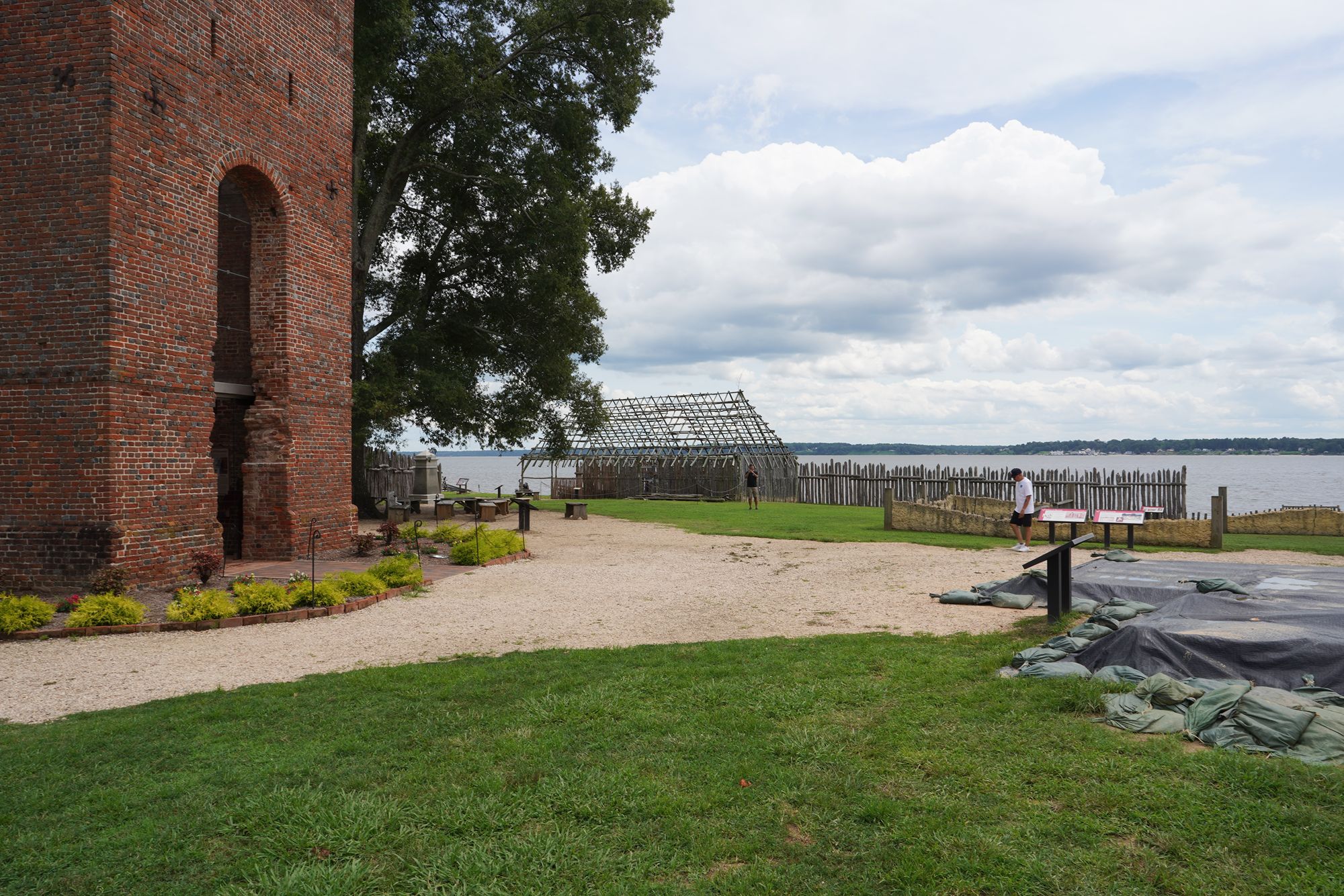
Now, only the ruins remain
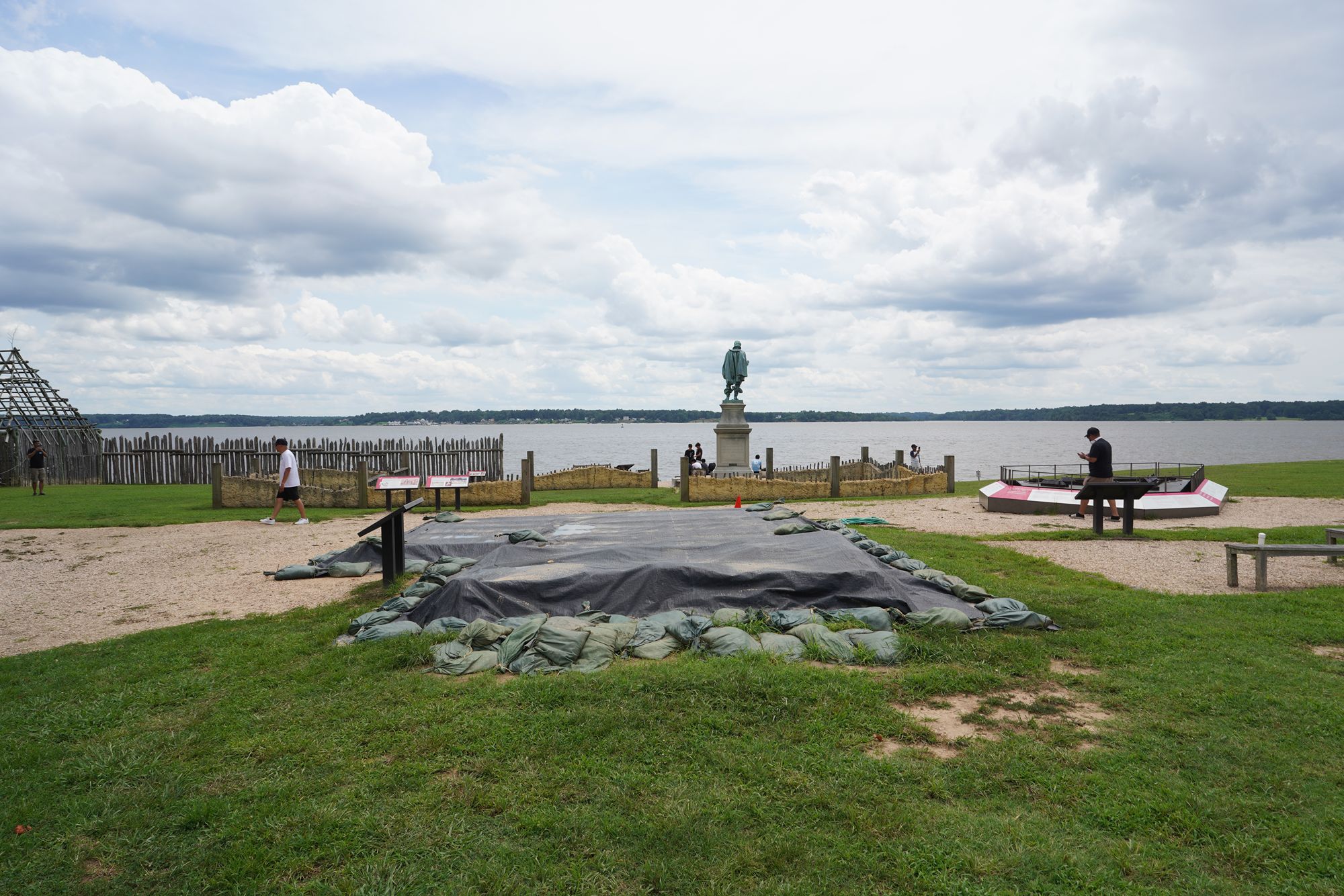
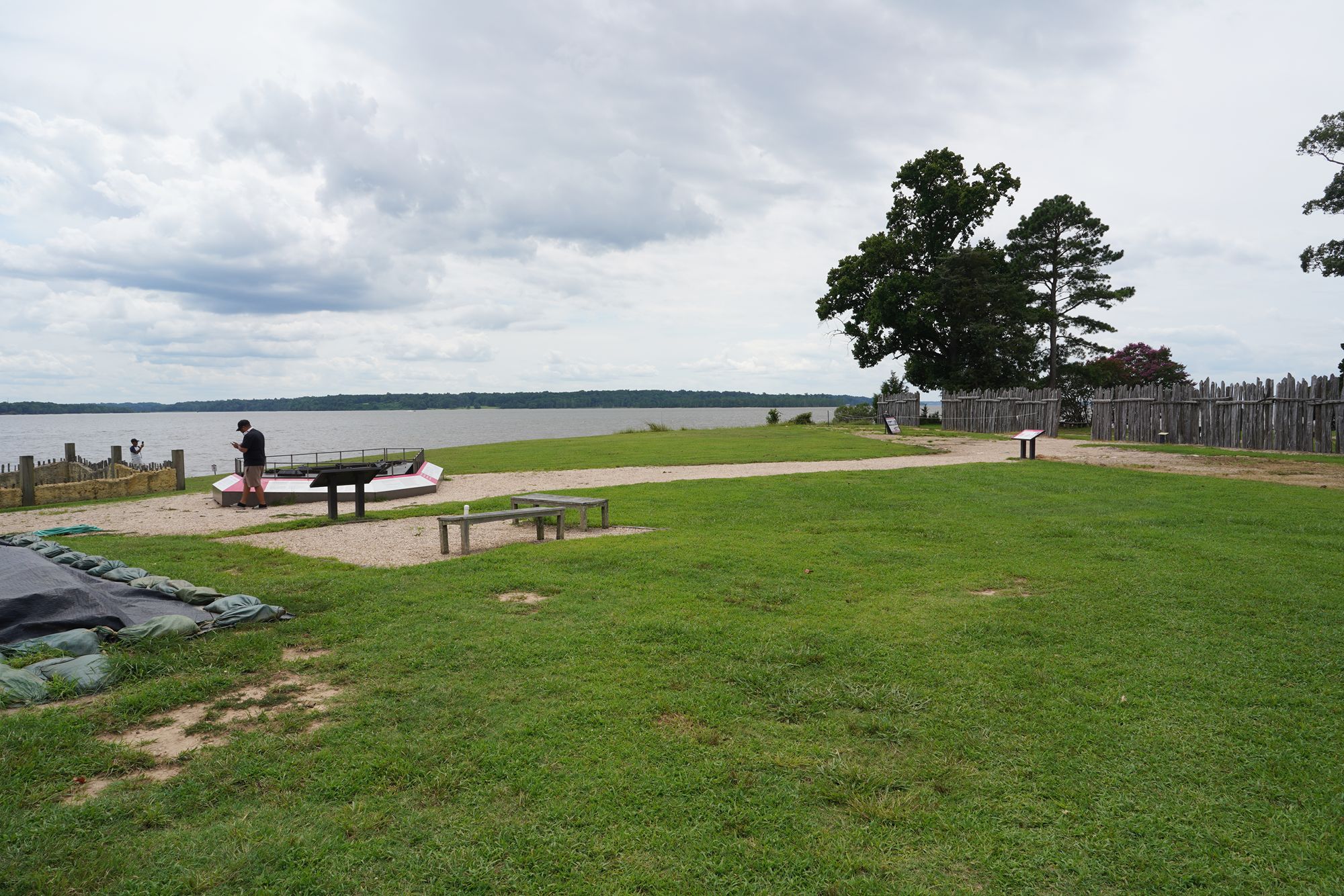
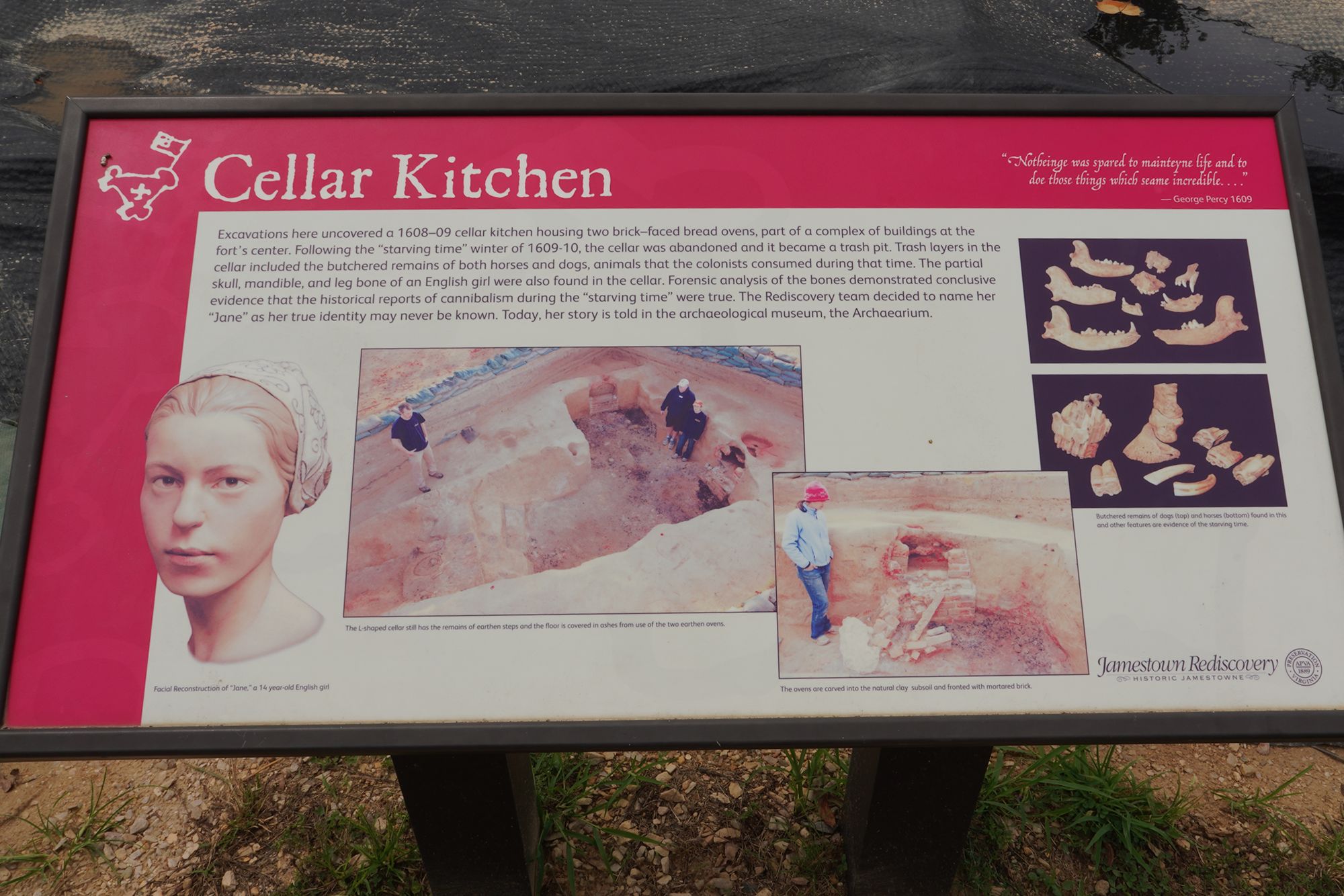
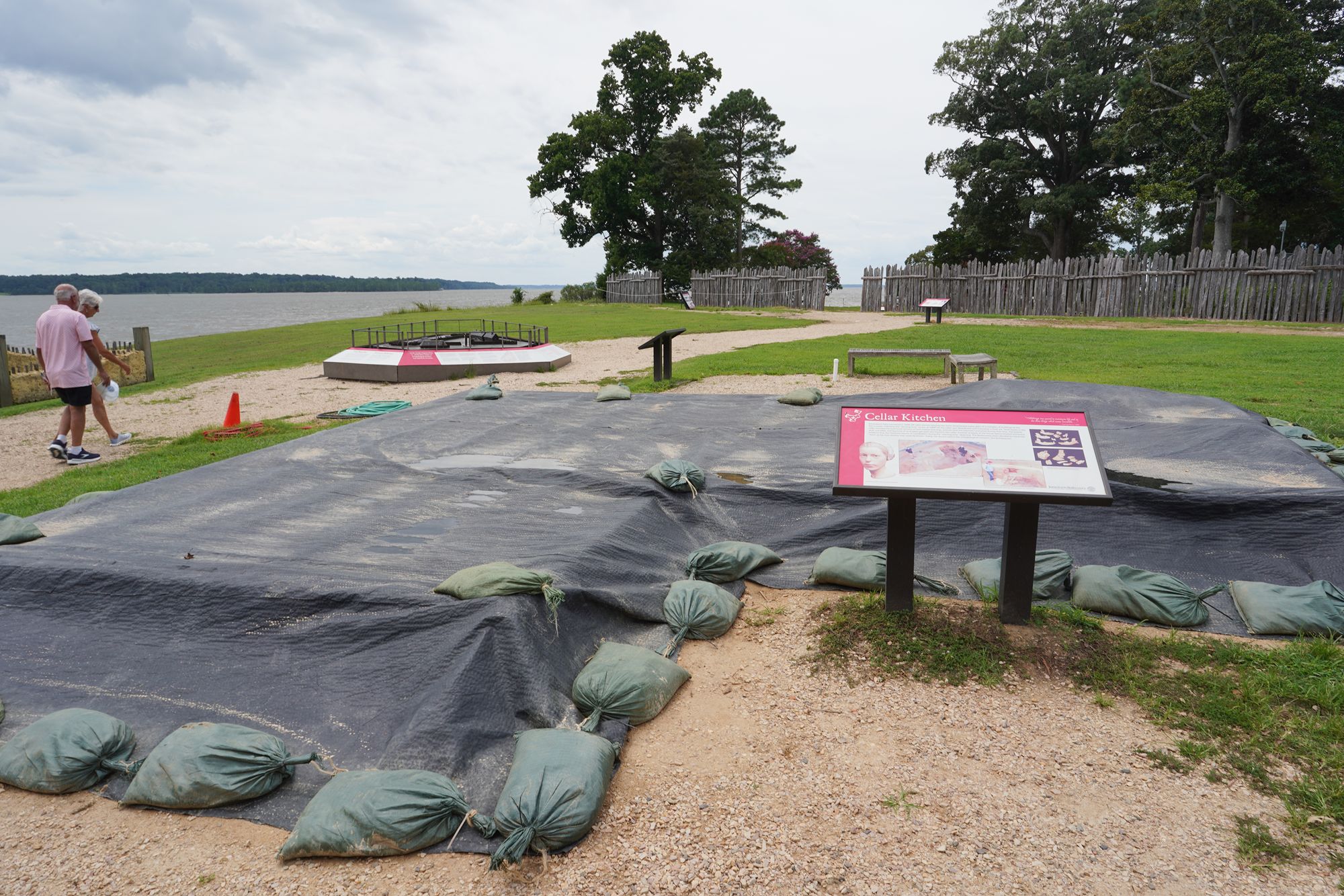
Kitchen Area
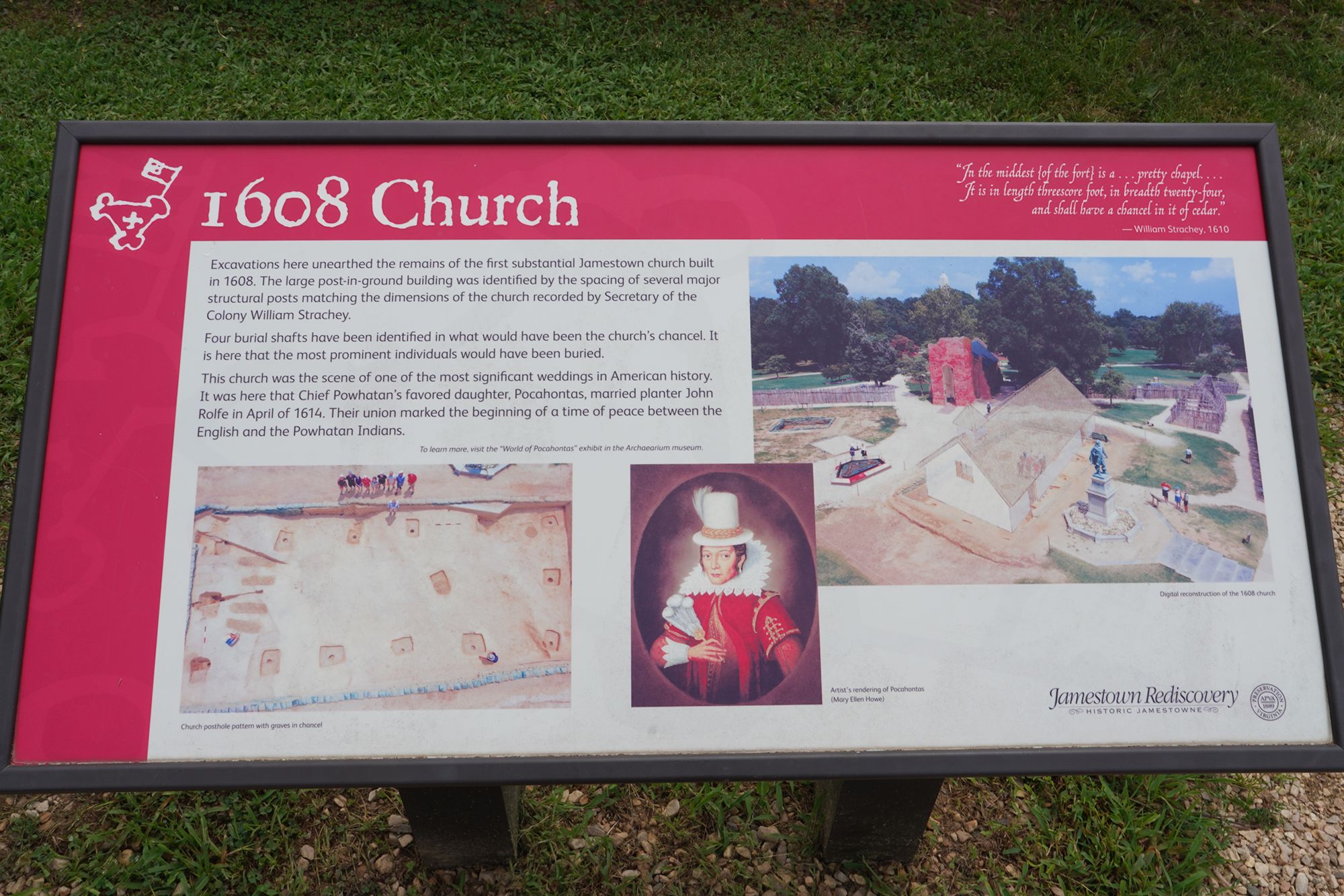
The Church Area
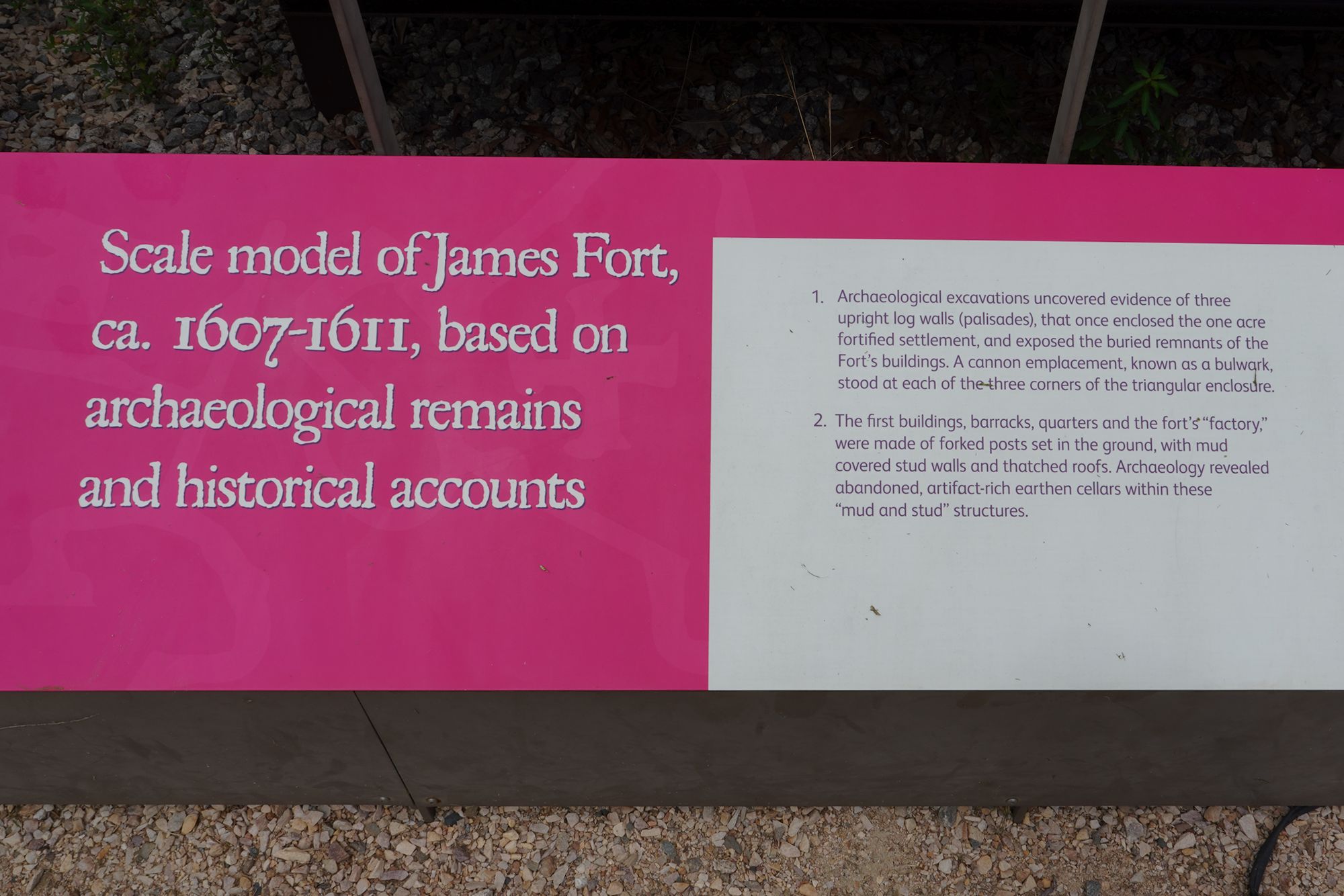
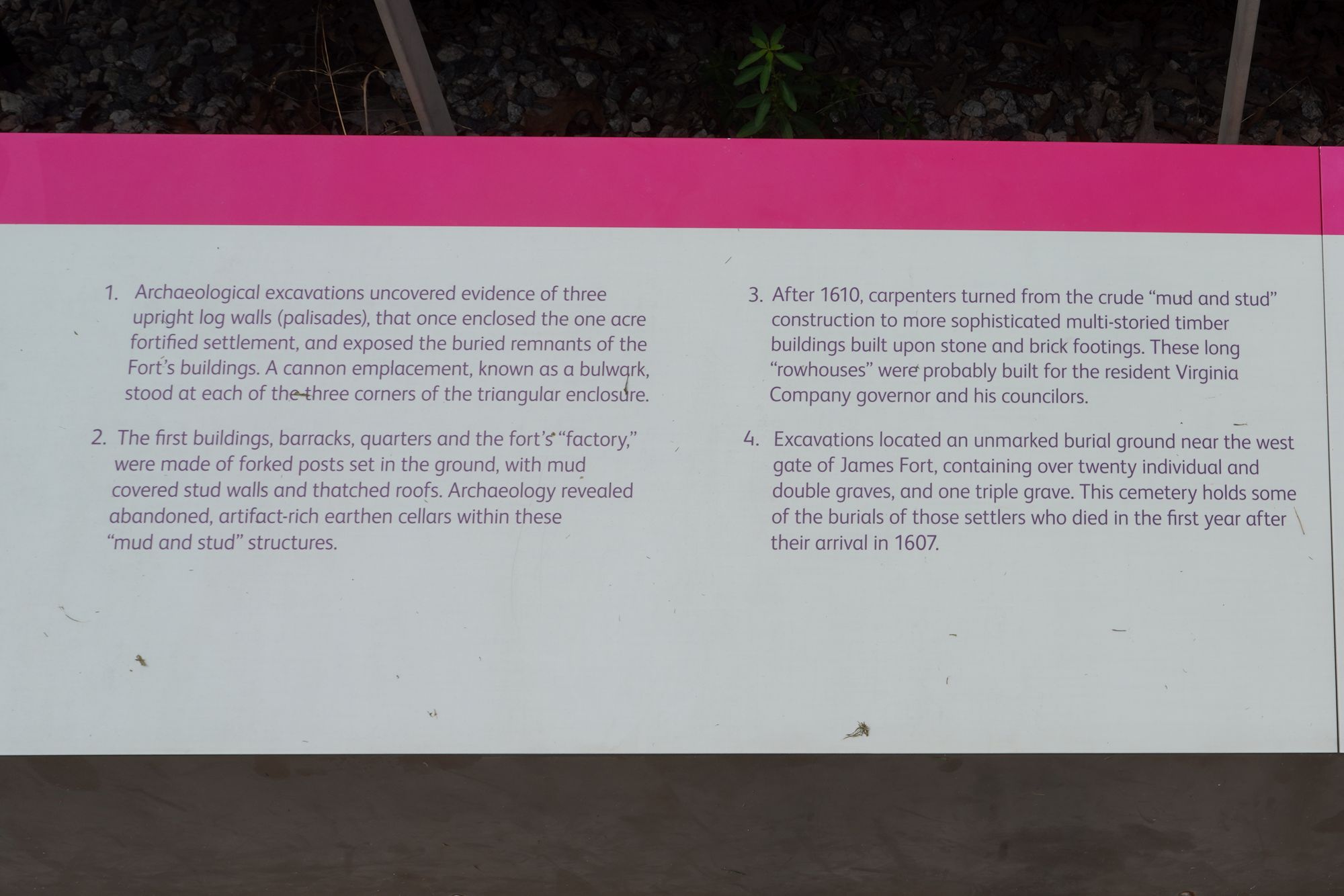
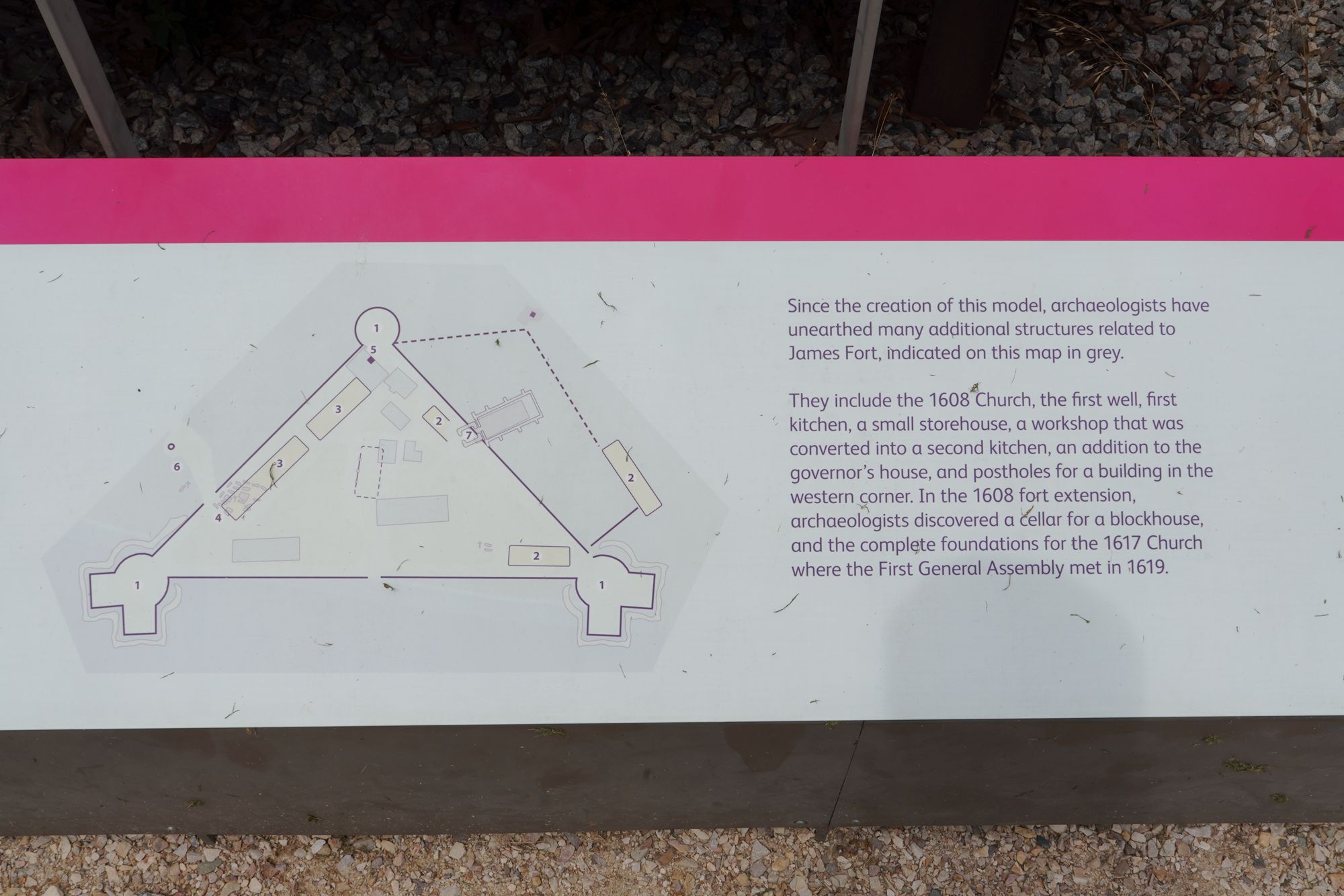
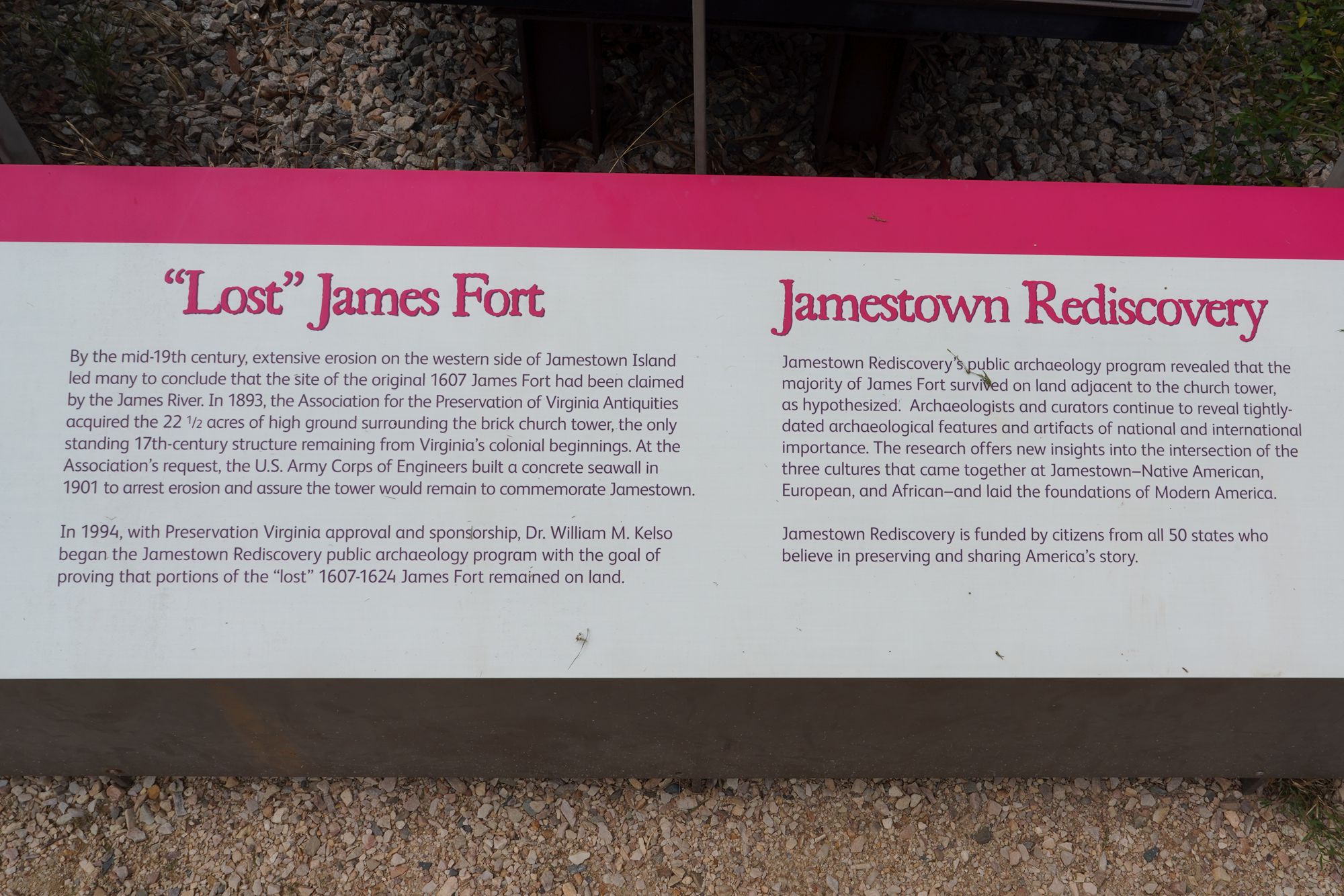
A model of the fort
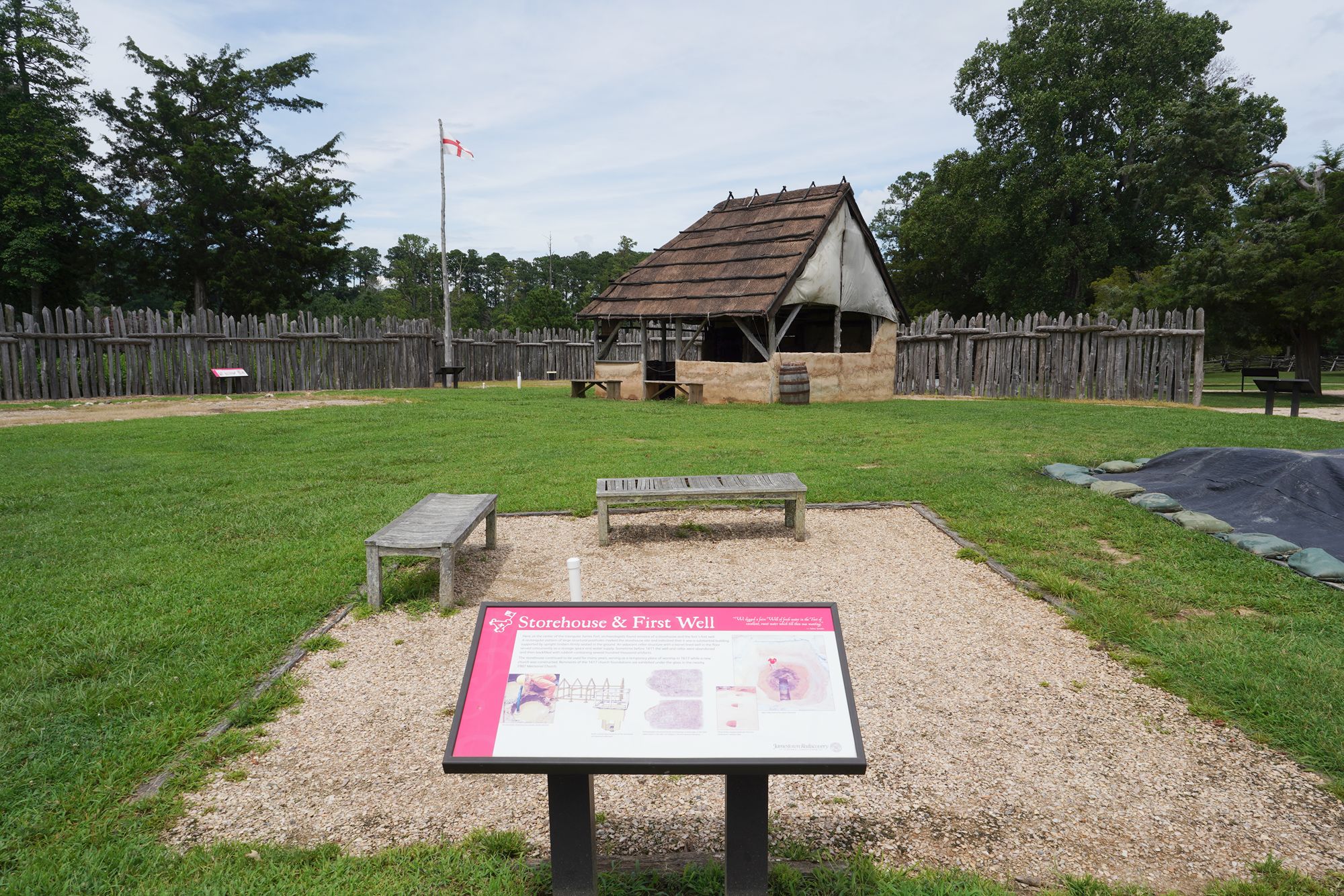
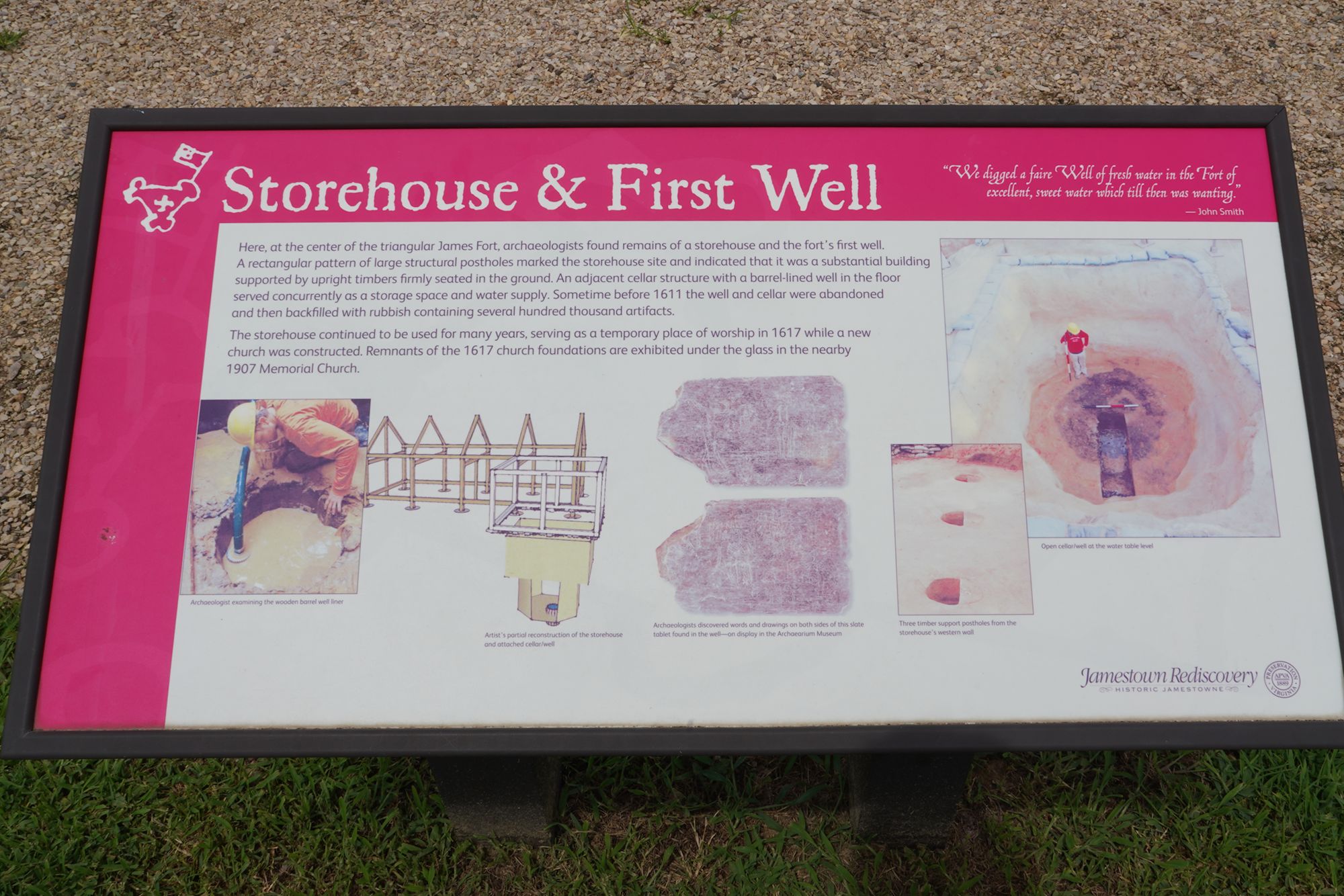
Storehouse and First Well Area
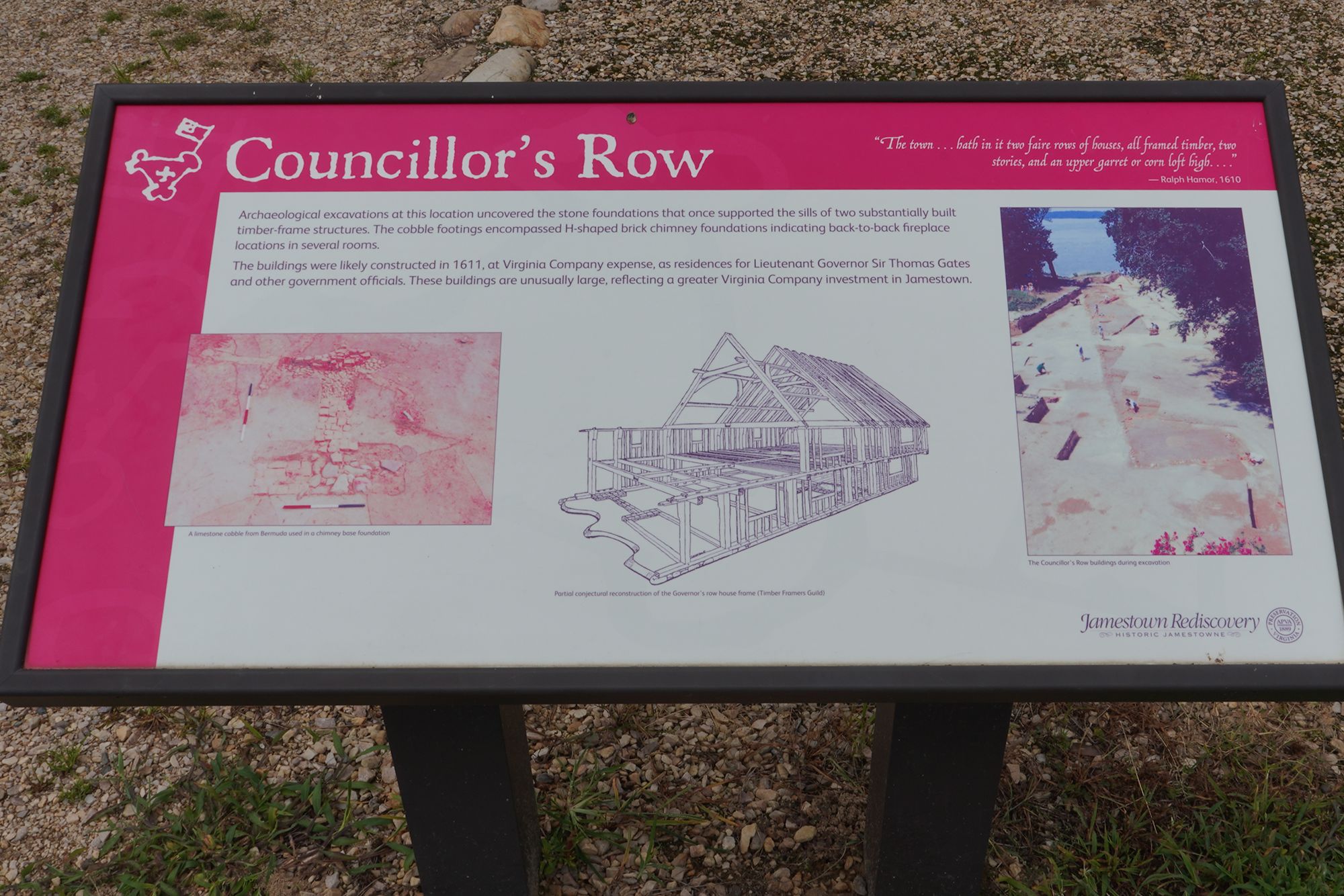
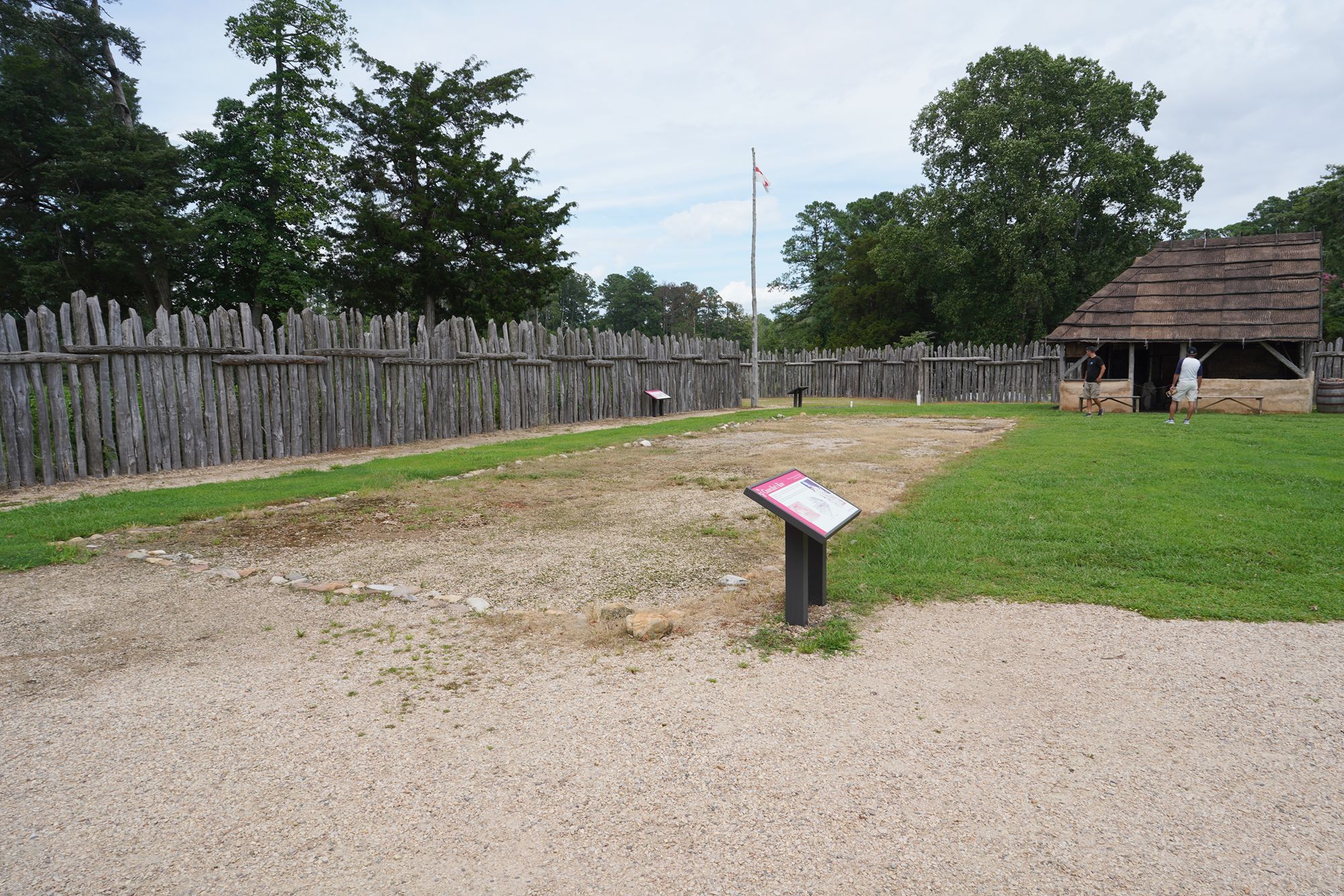
Councillor’s Row Area
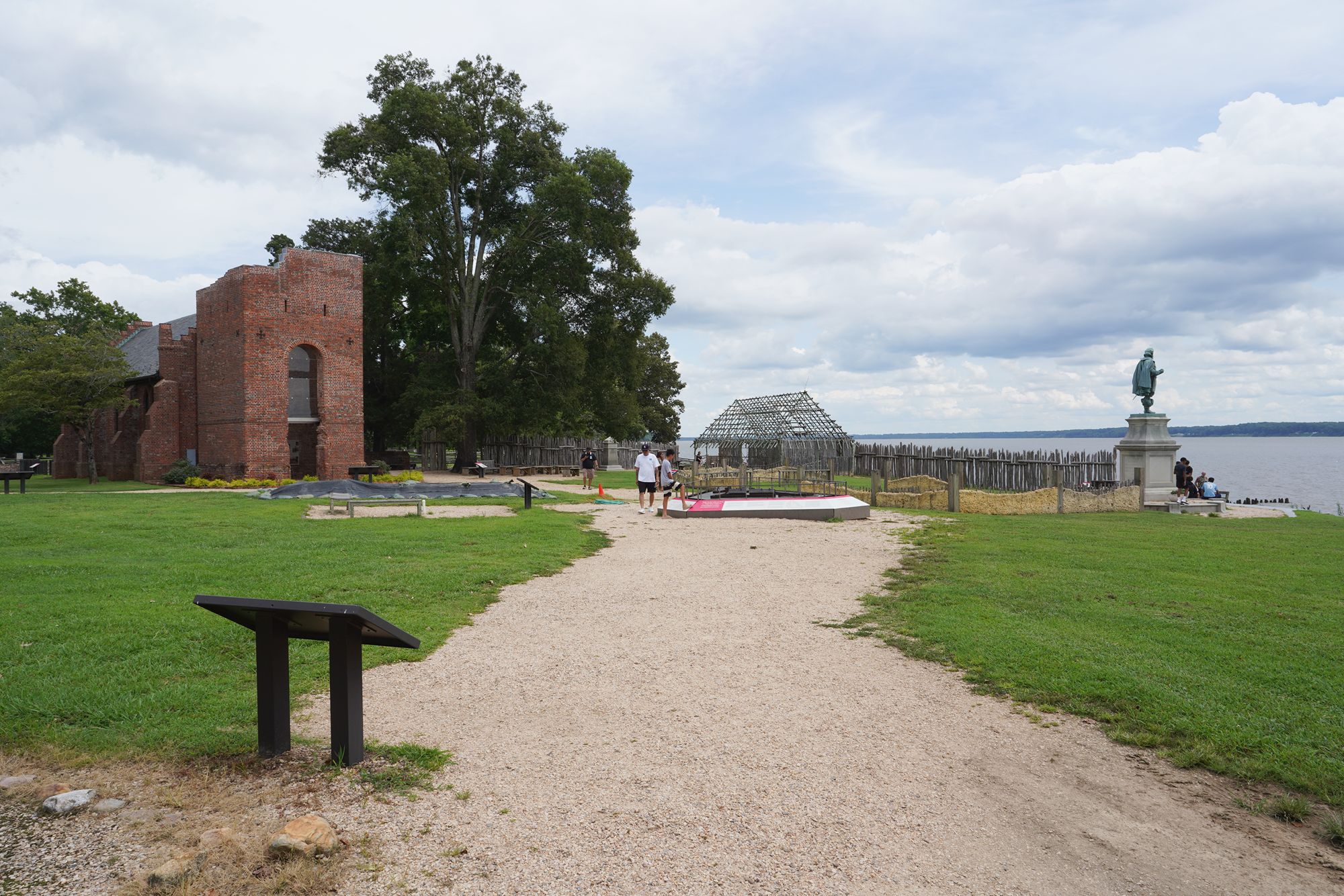
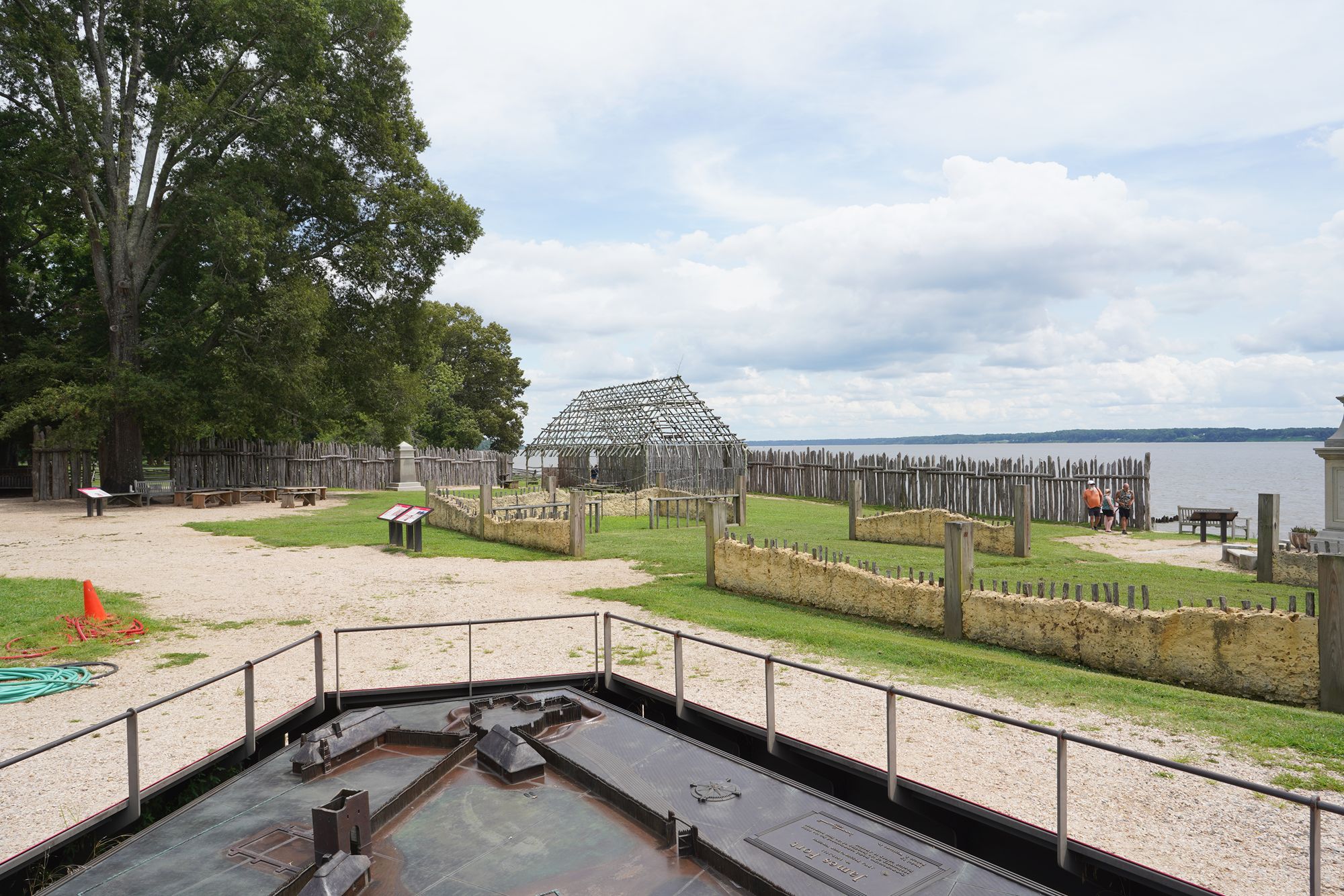
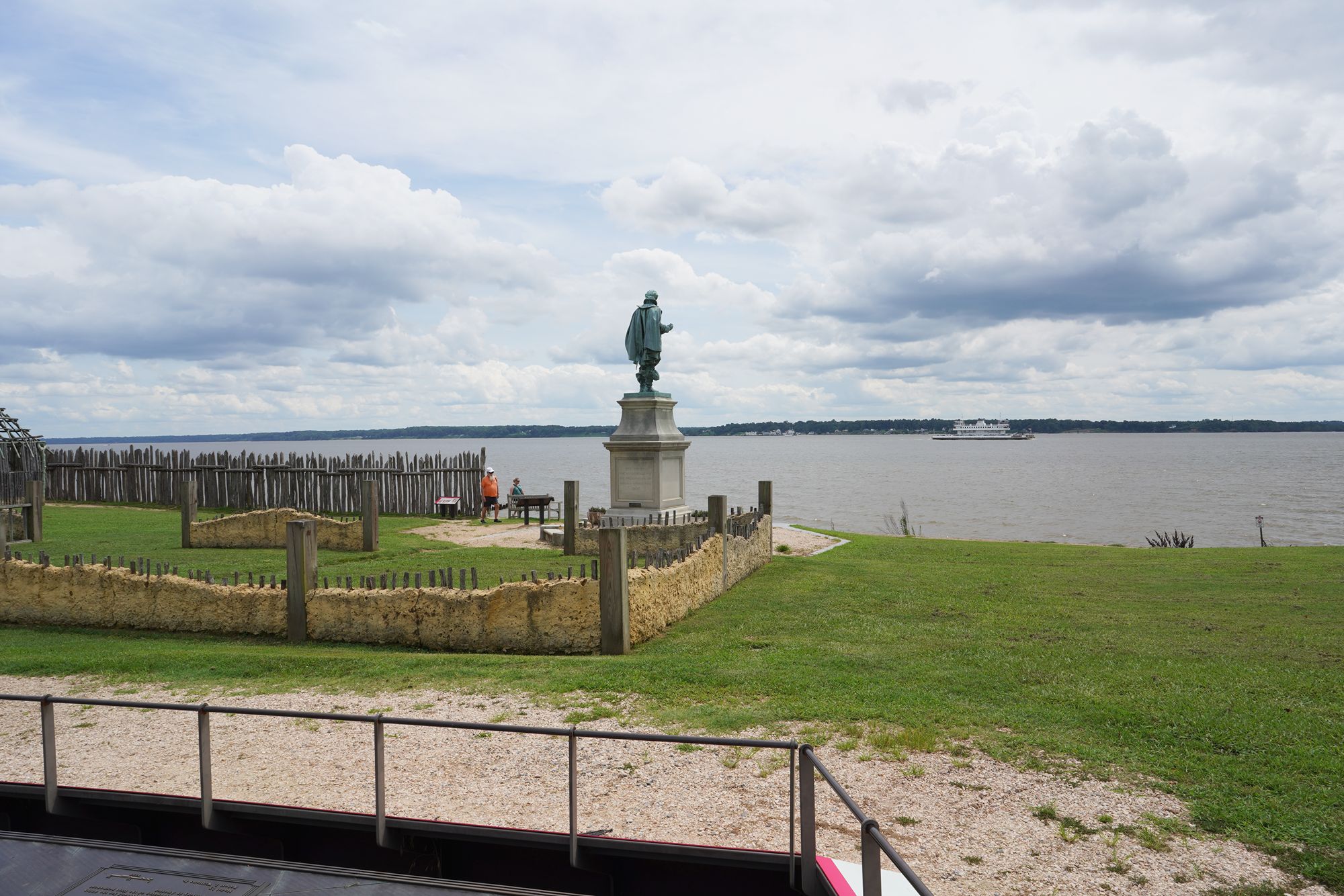
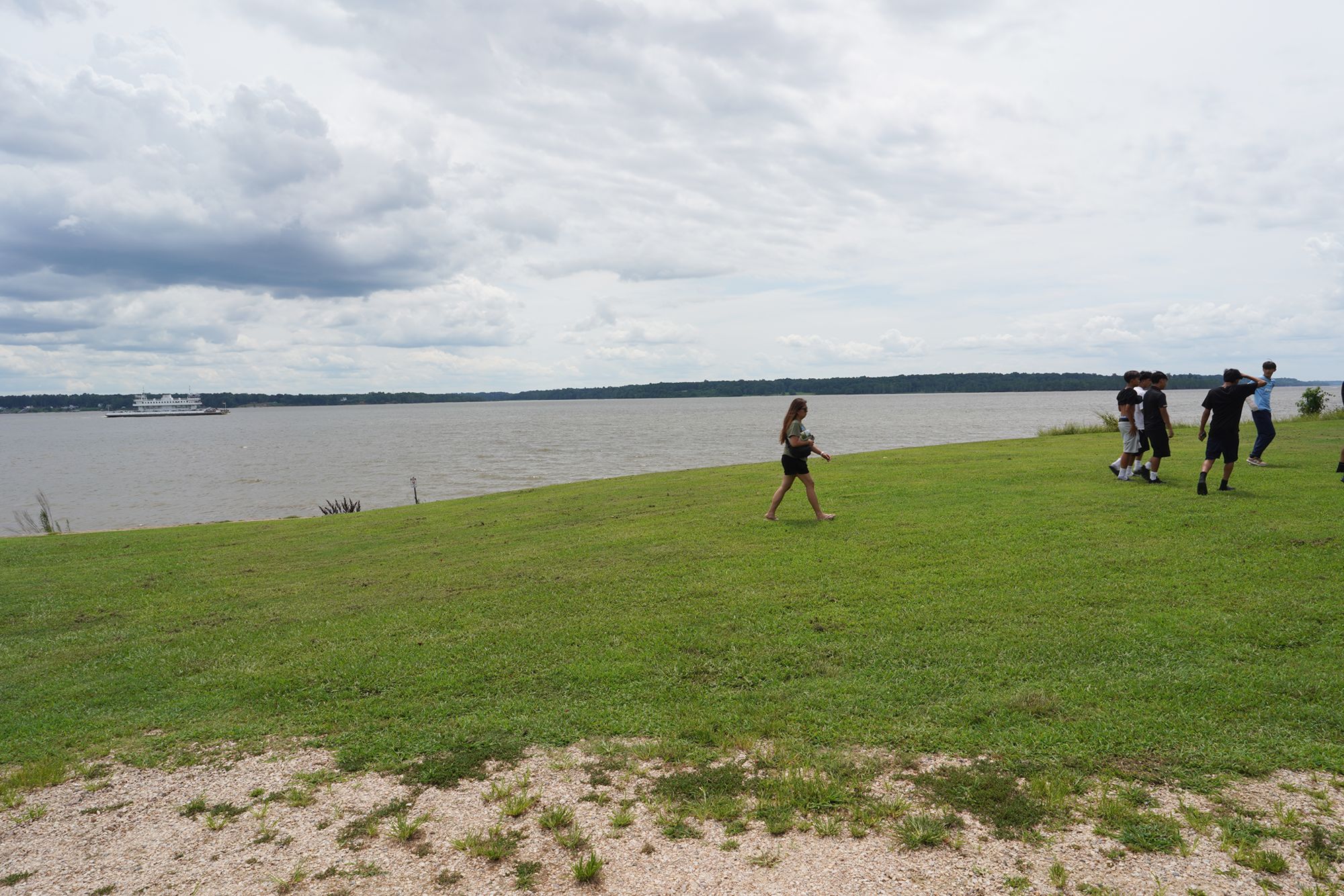
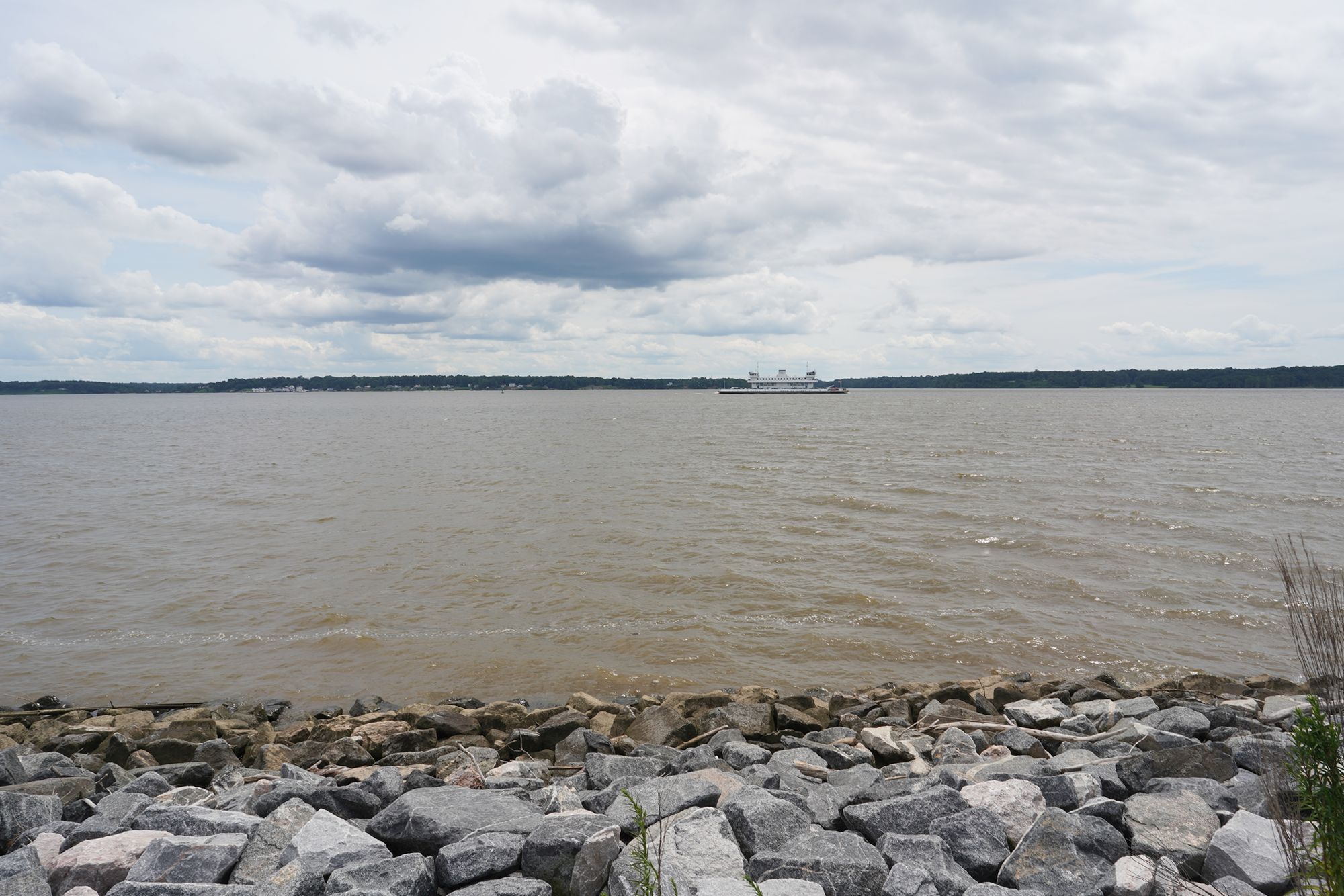
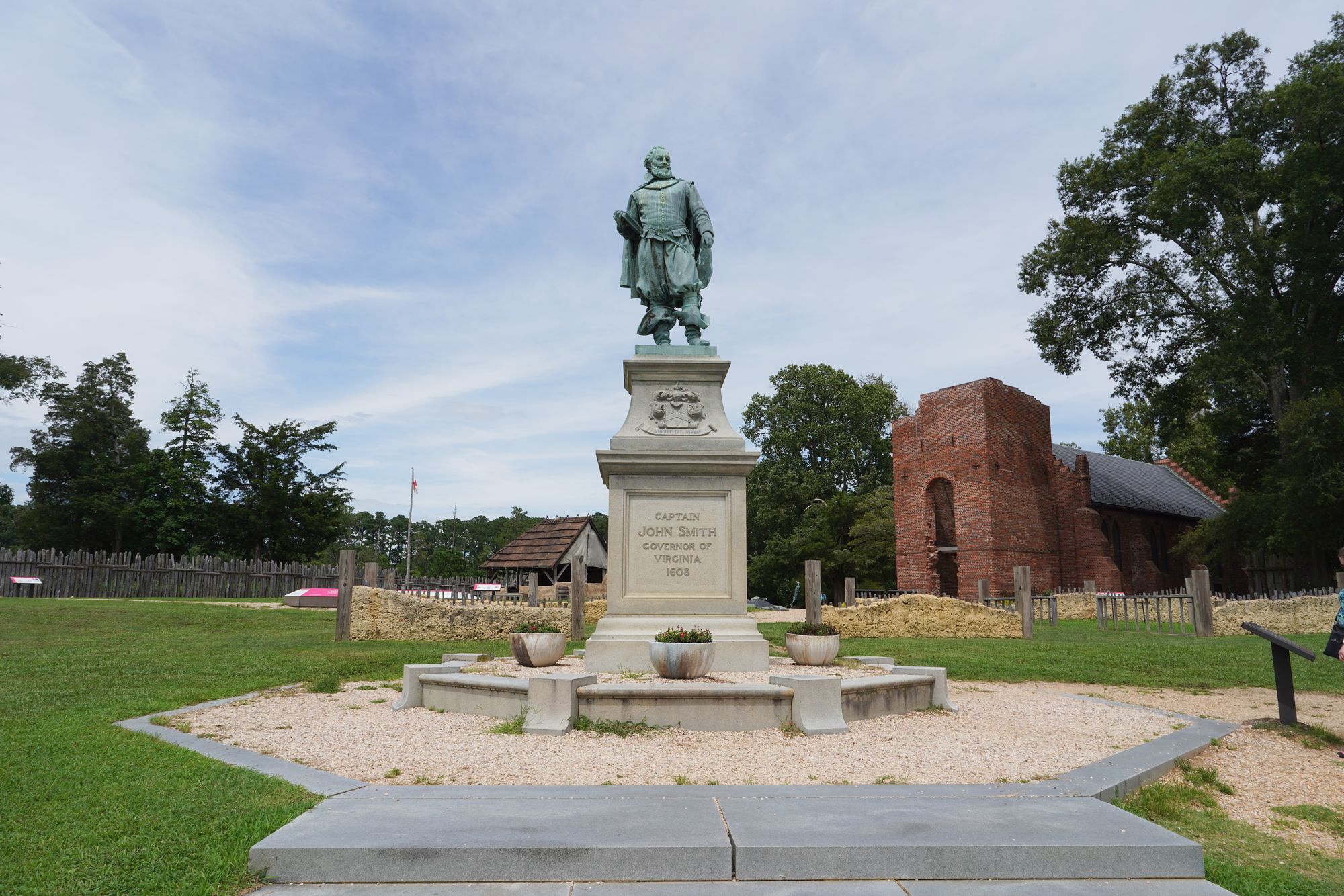
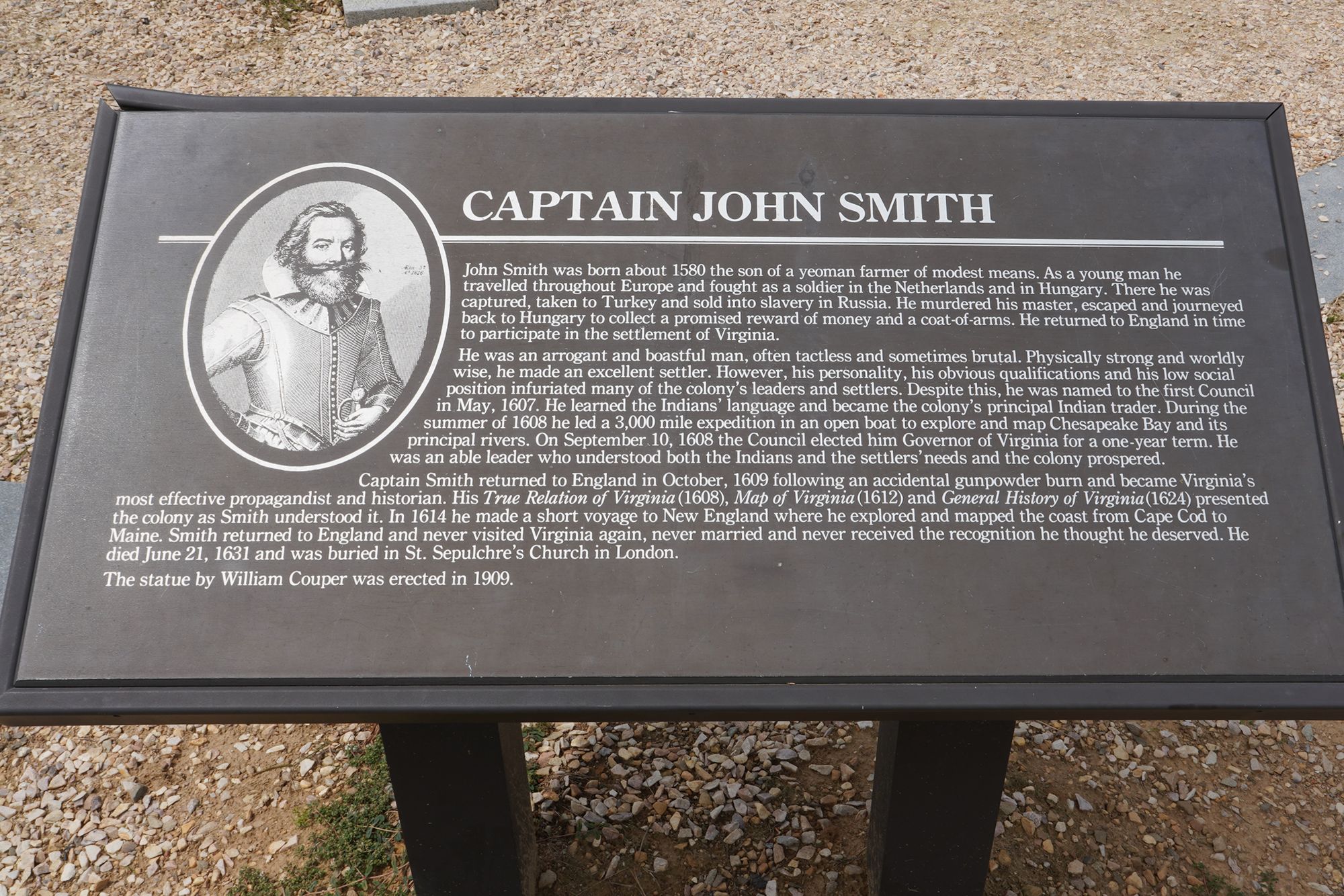
The statue of Captain John Smith at Historic Jamestowne stands near the James River, honoring the soldier, explorer, and leader who helped the struggling colony survive its early years through his discipline, diplomacy with the Powhatans, and mapping of Virginia’s coast; the statue faces the river he once navigated, symbolizing leadership, exploration, and the beginnings of English America.
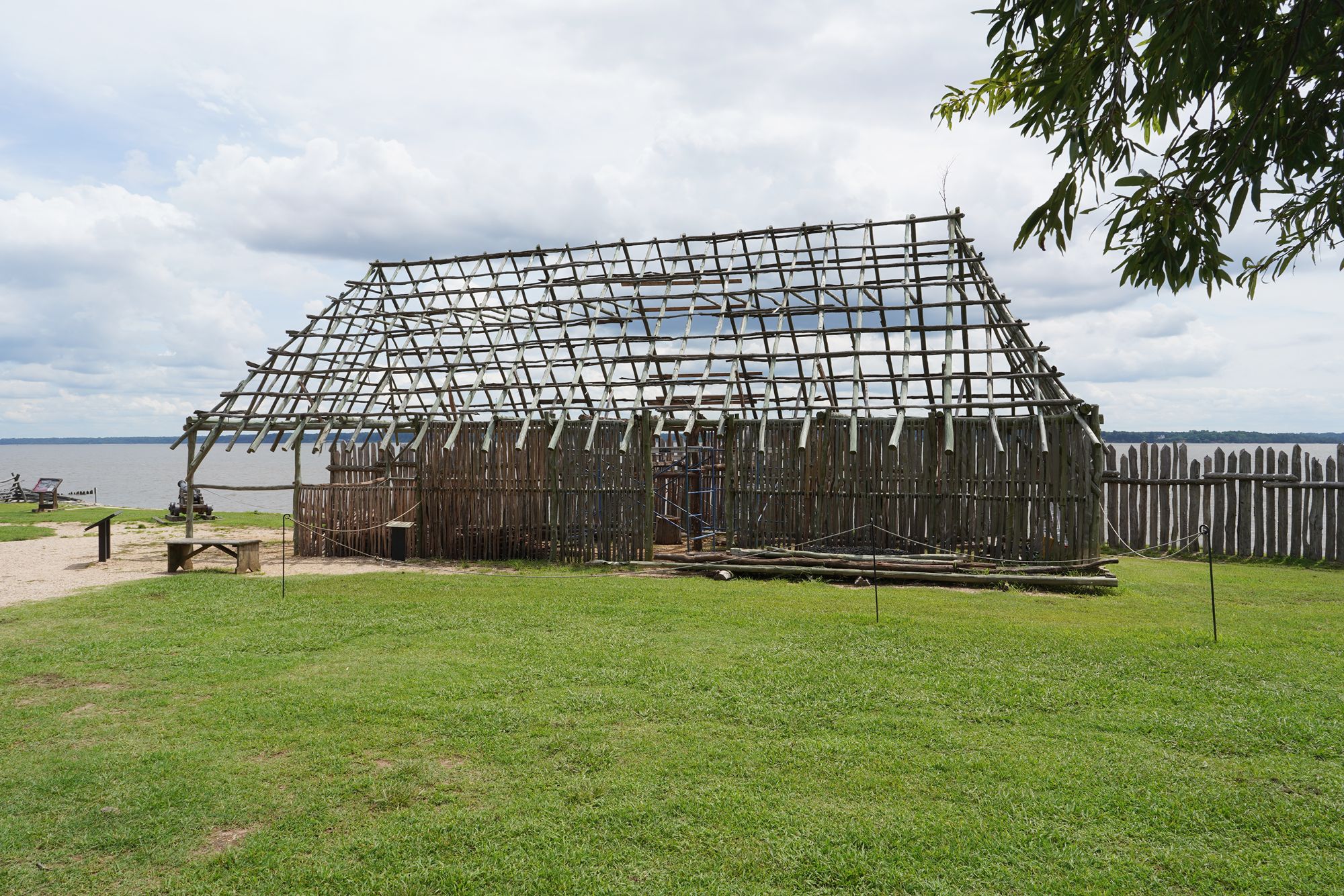
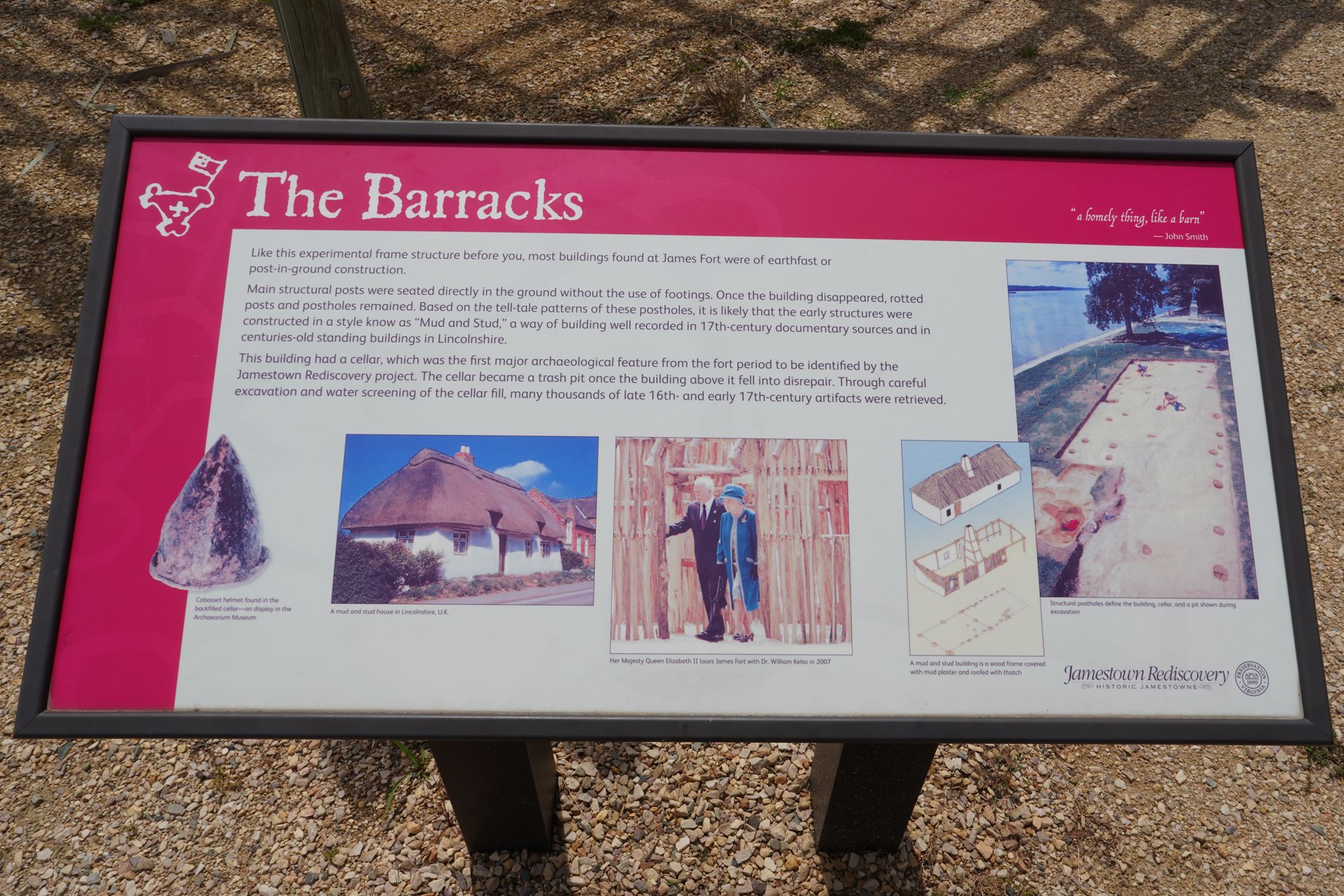
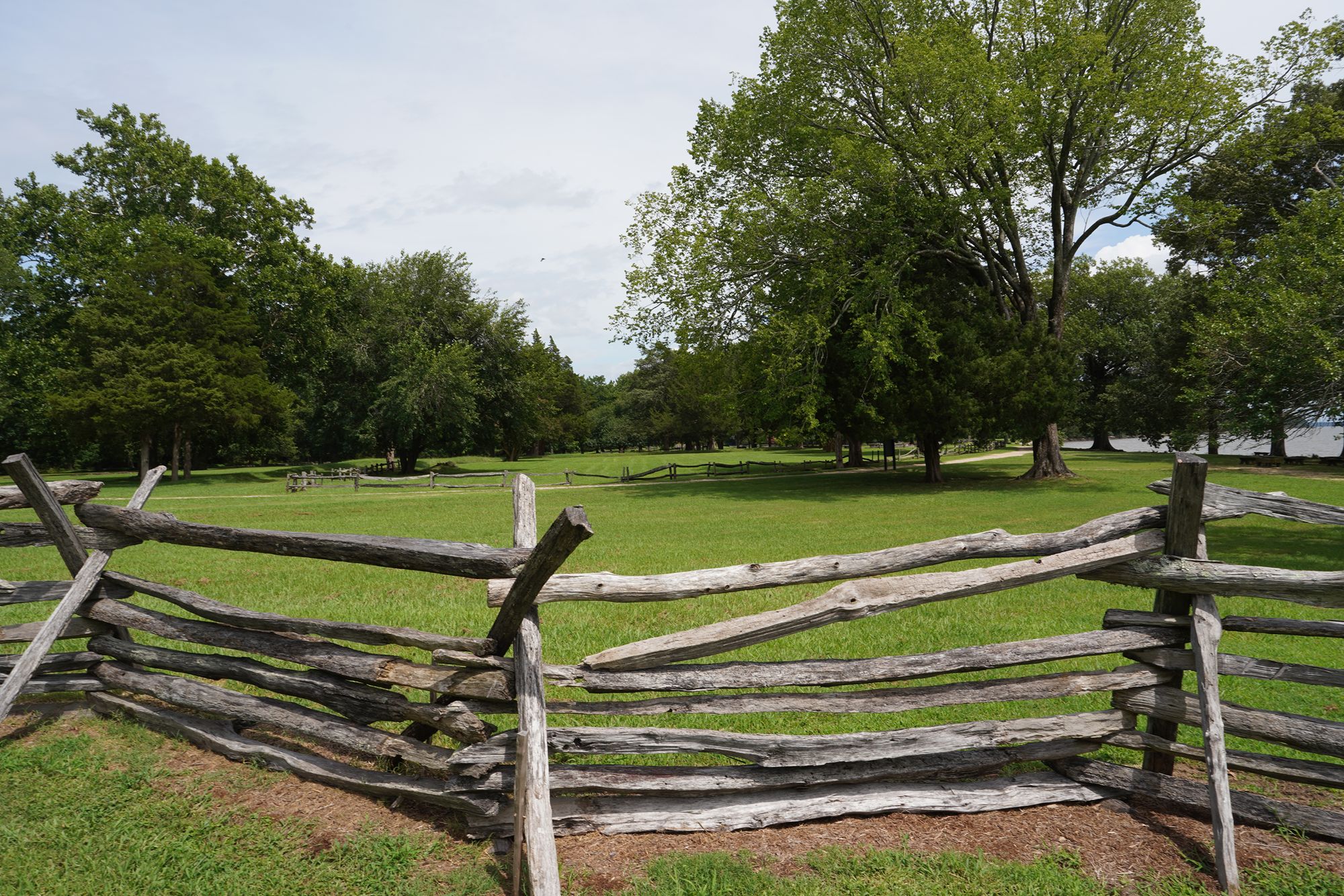
The Barracks Area
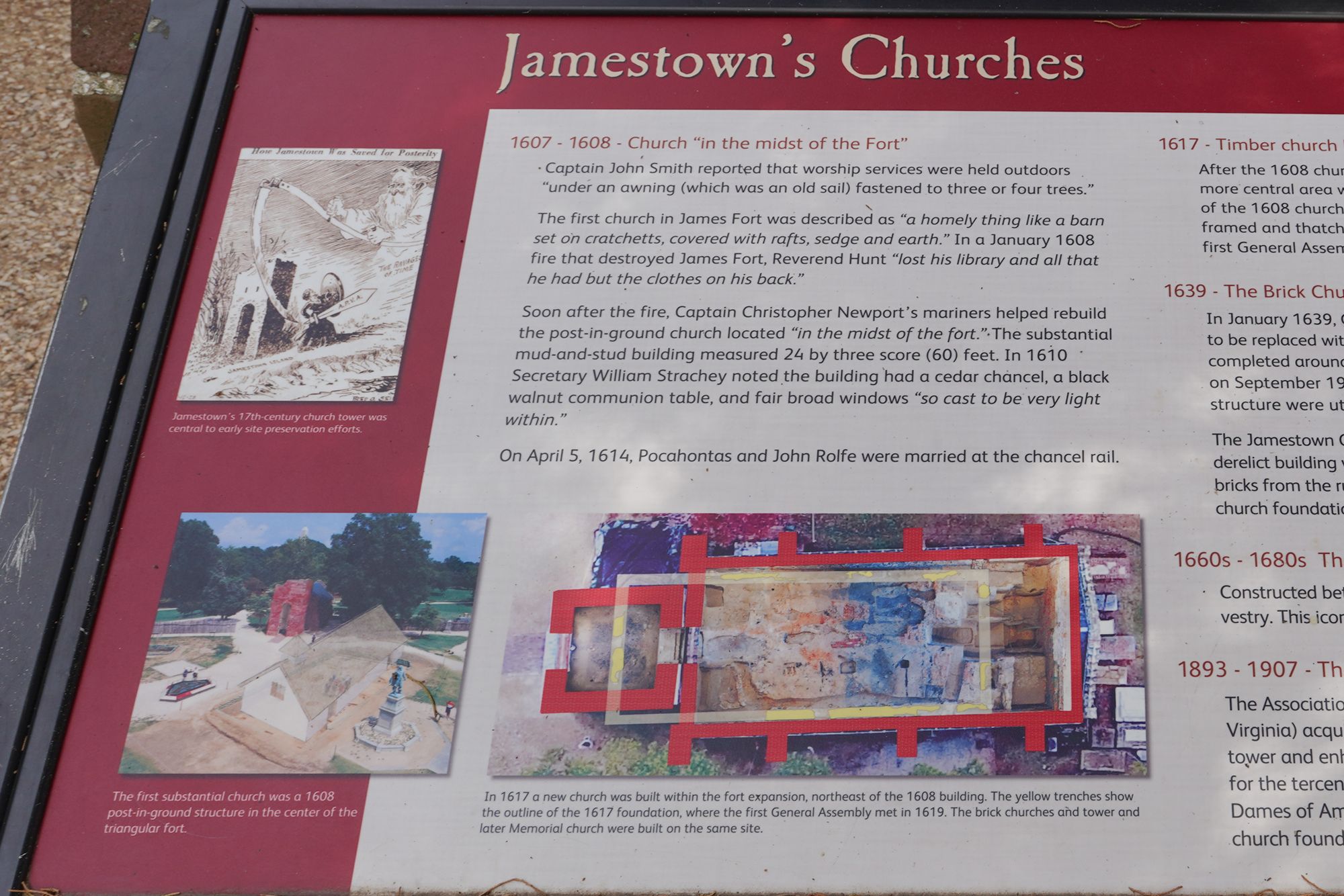
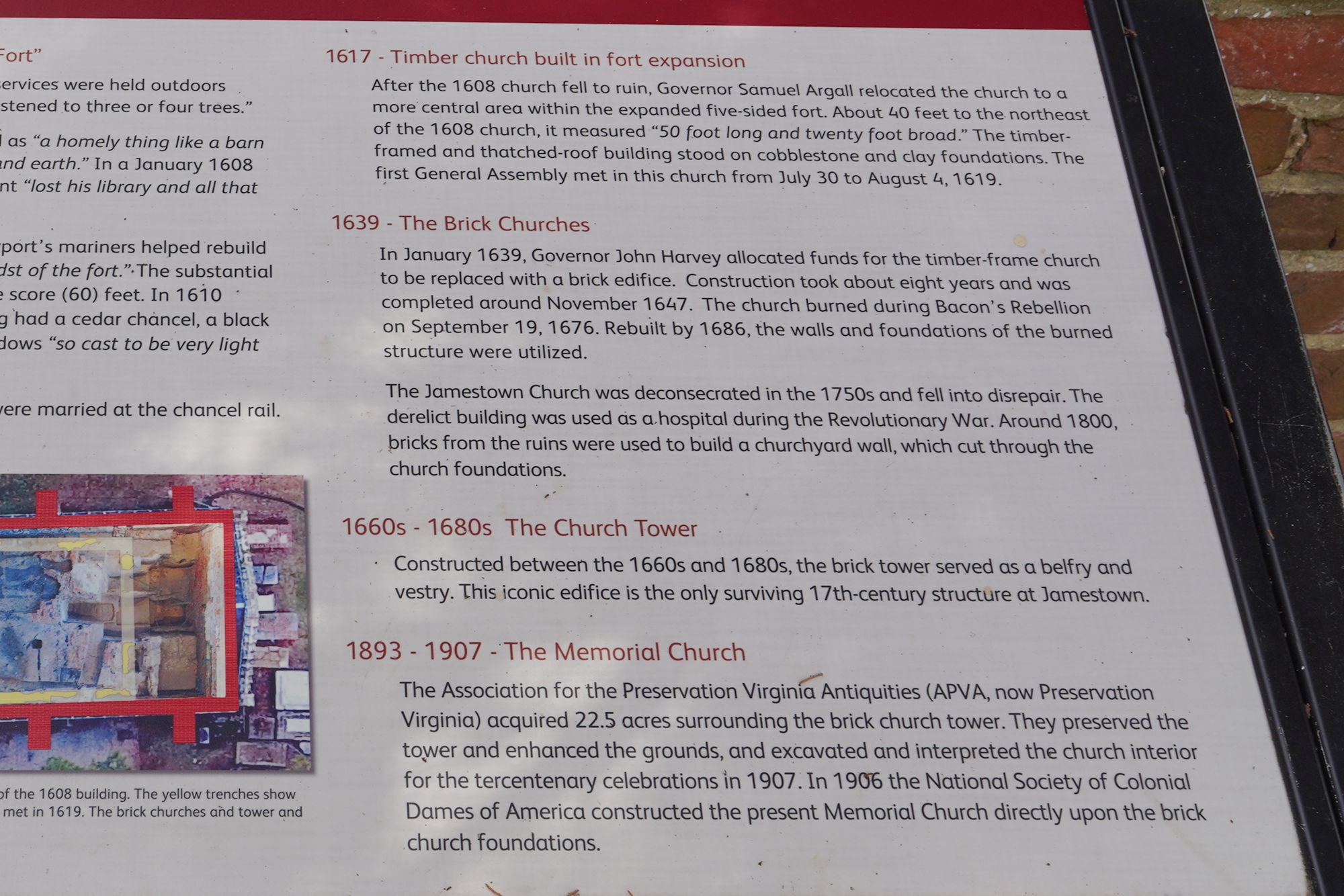
Jamestown’s Churches
The first church was a simple wooden structure built inside the fort soon after the settlers arrived in 1607.
In 1617, Governor Samuel Argall ordered a new, sturdier church built on higher ground near the fort.
After years of rebuilding wooden structures, a brick church was constructed beginning around 1639 and completed by 1647.
Inside the church
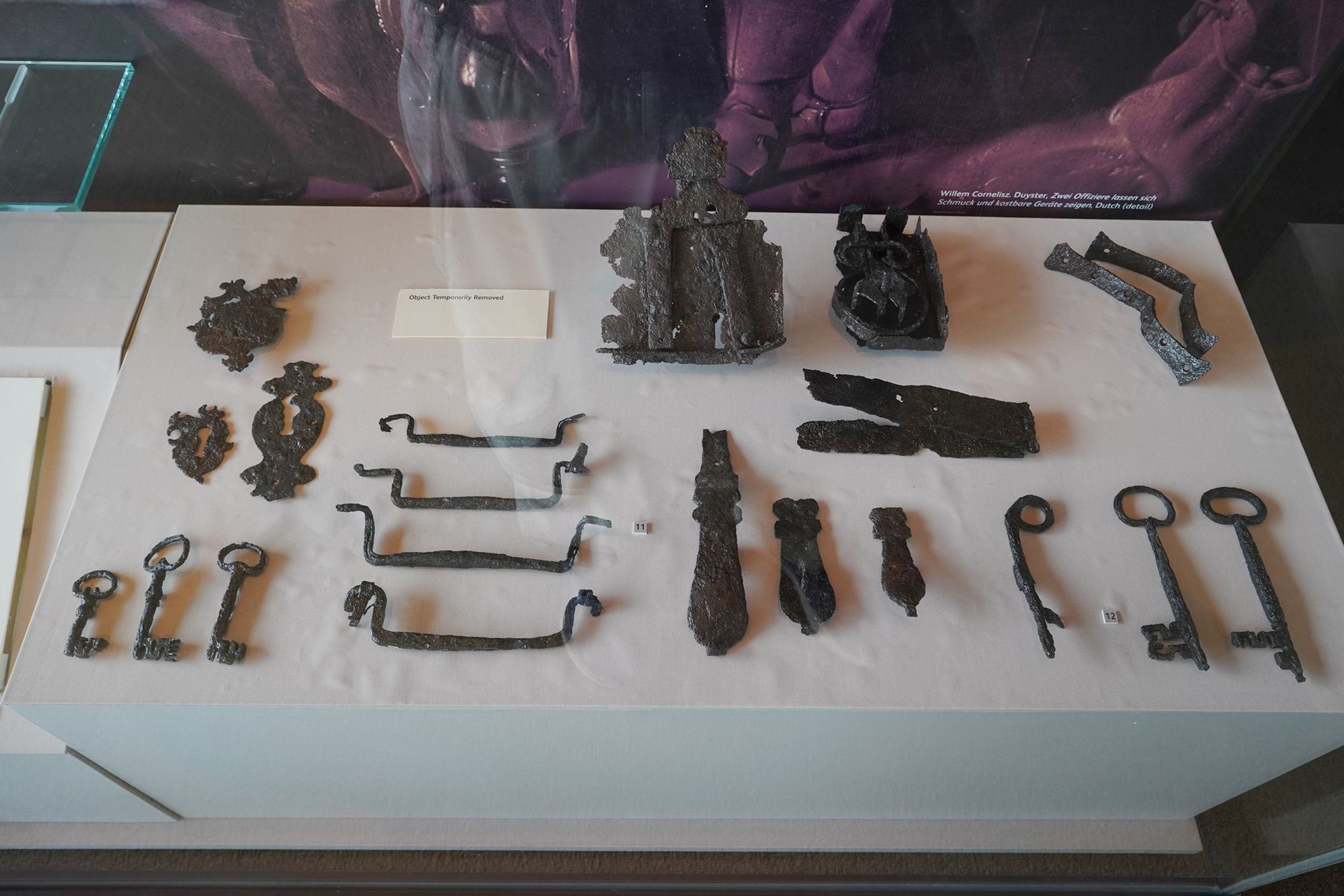
Next to the Fort Site is the Voorhees Archaearium. The Archaearium (from the word archaeology) is the on-site museum that houses thousands of artifacts excavated from Historic Jamestowne.
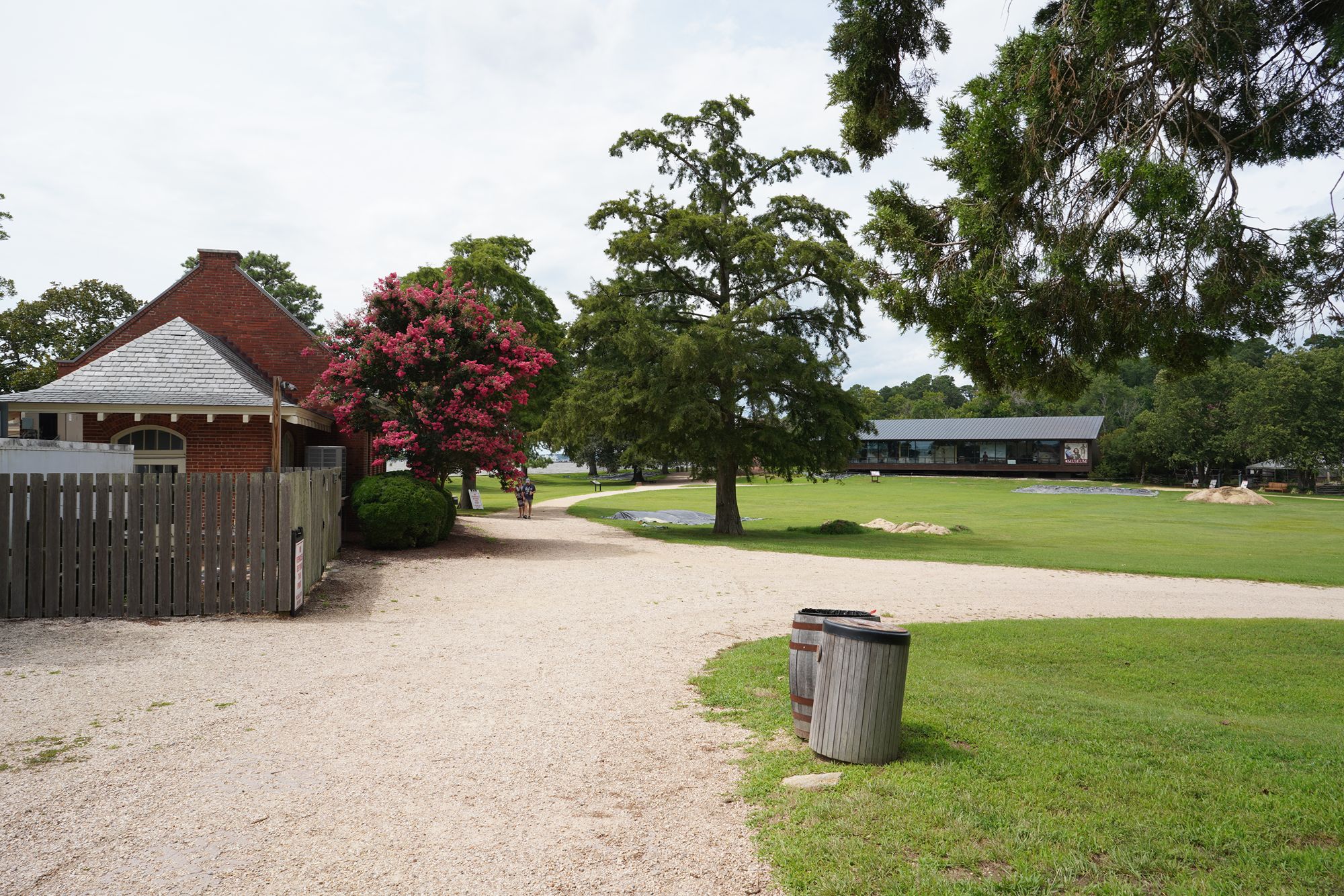
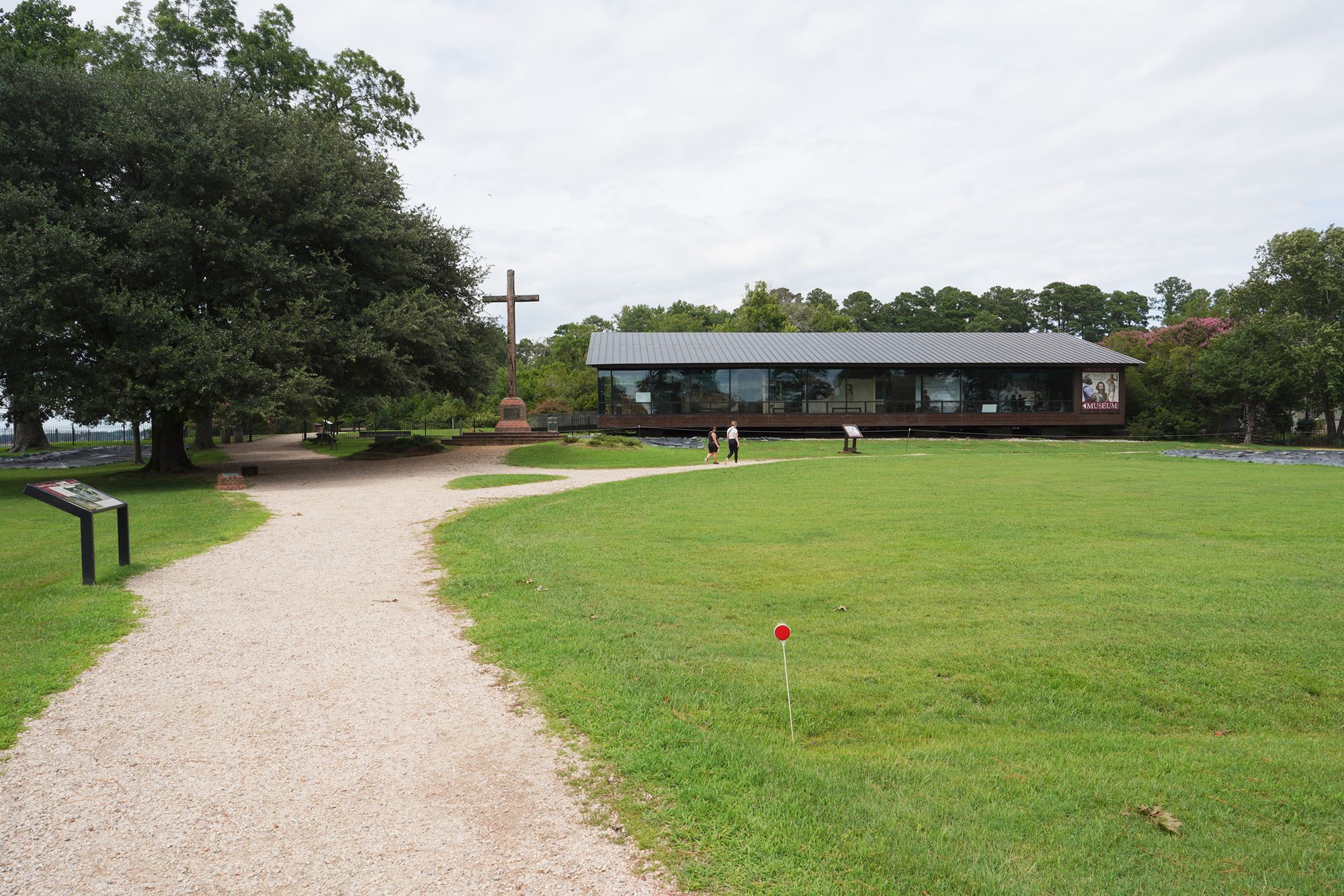
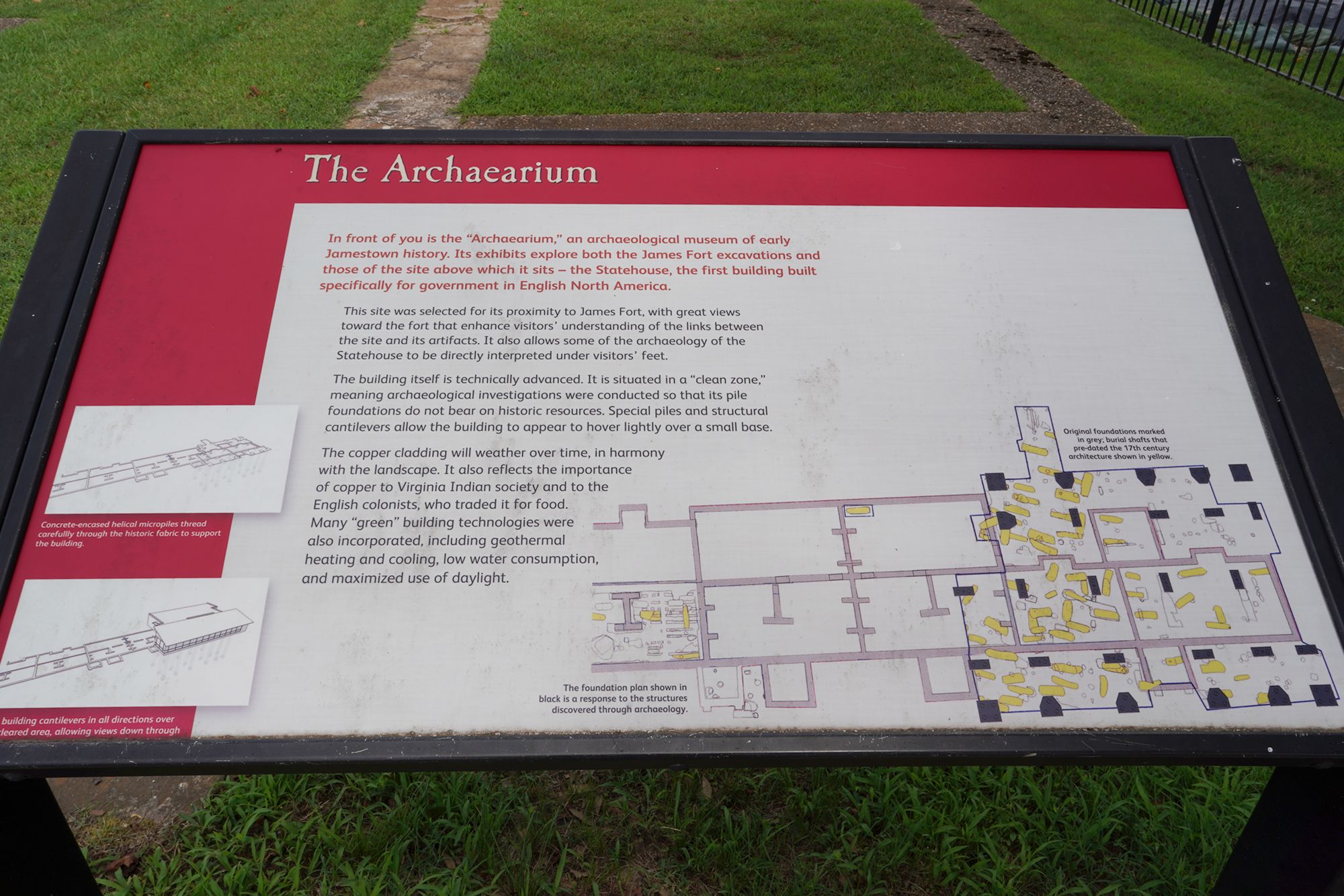
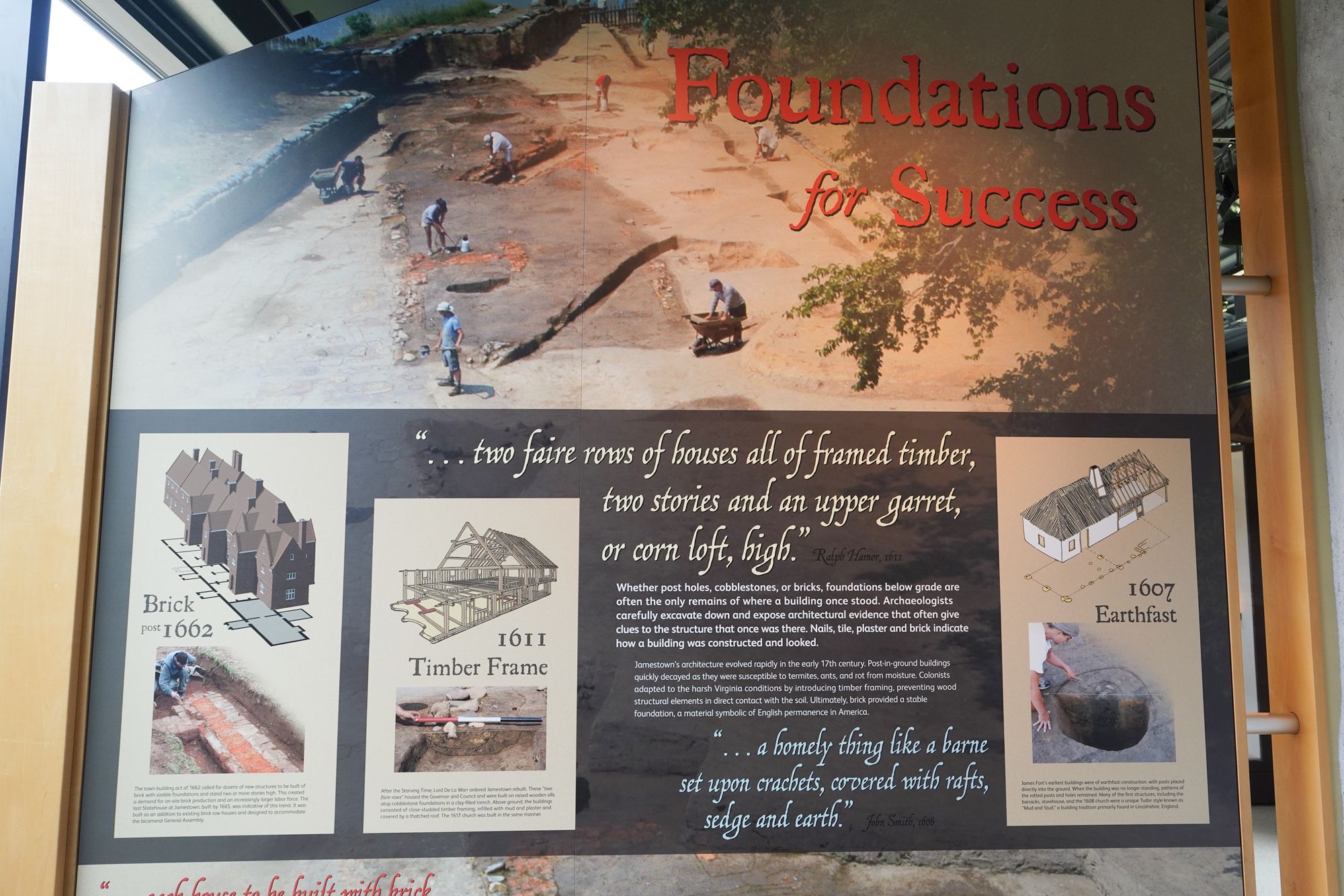
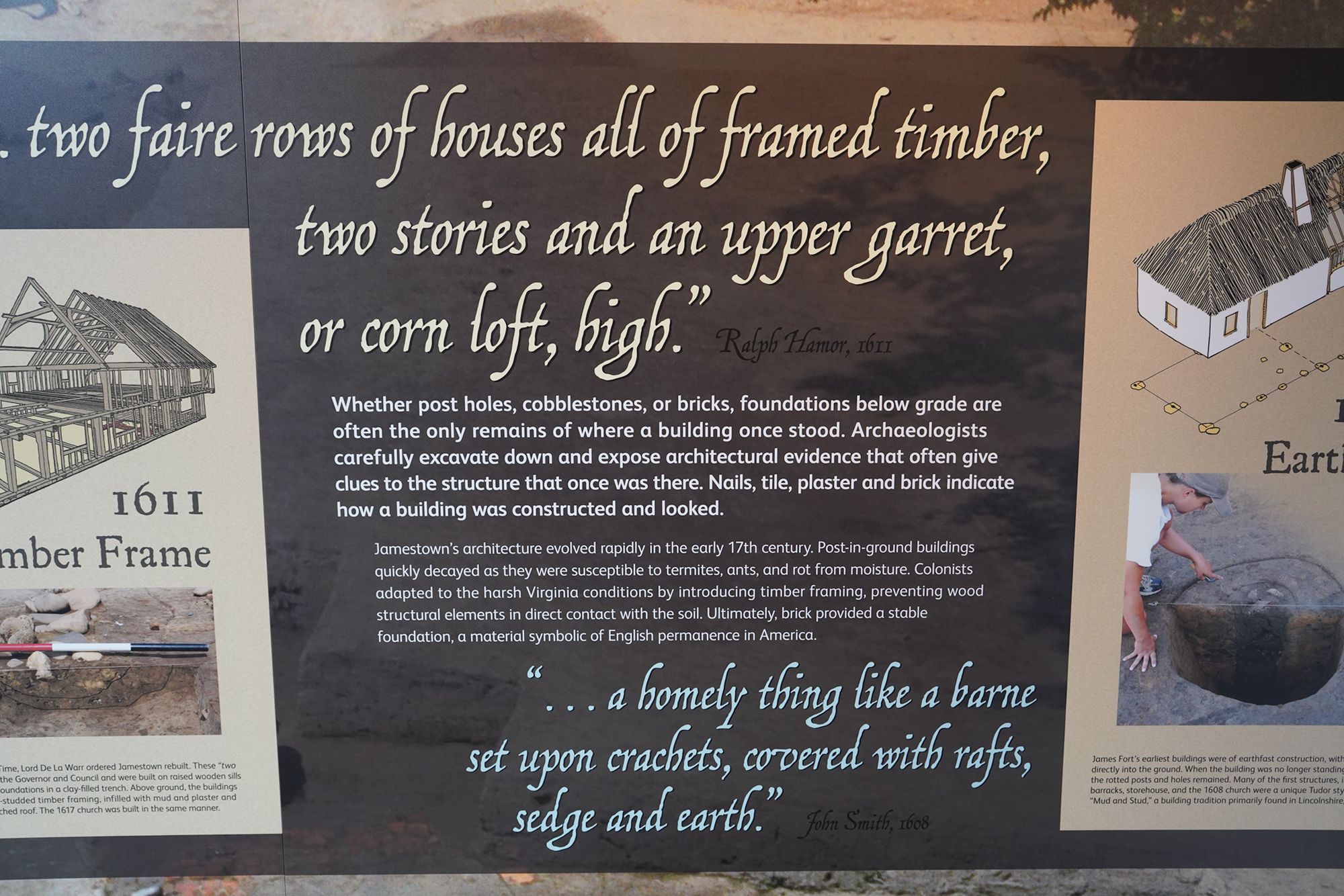
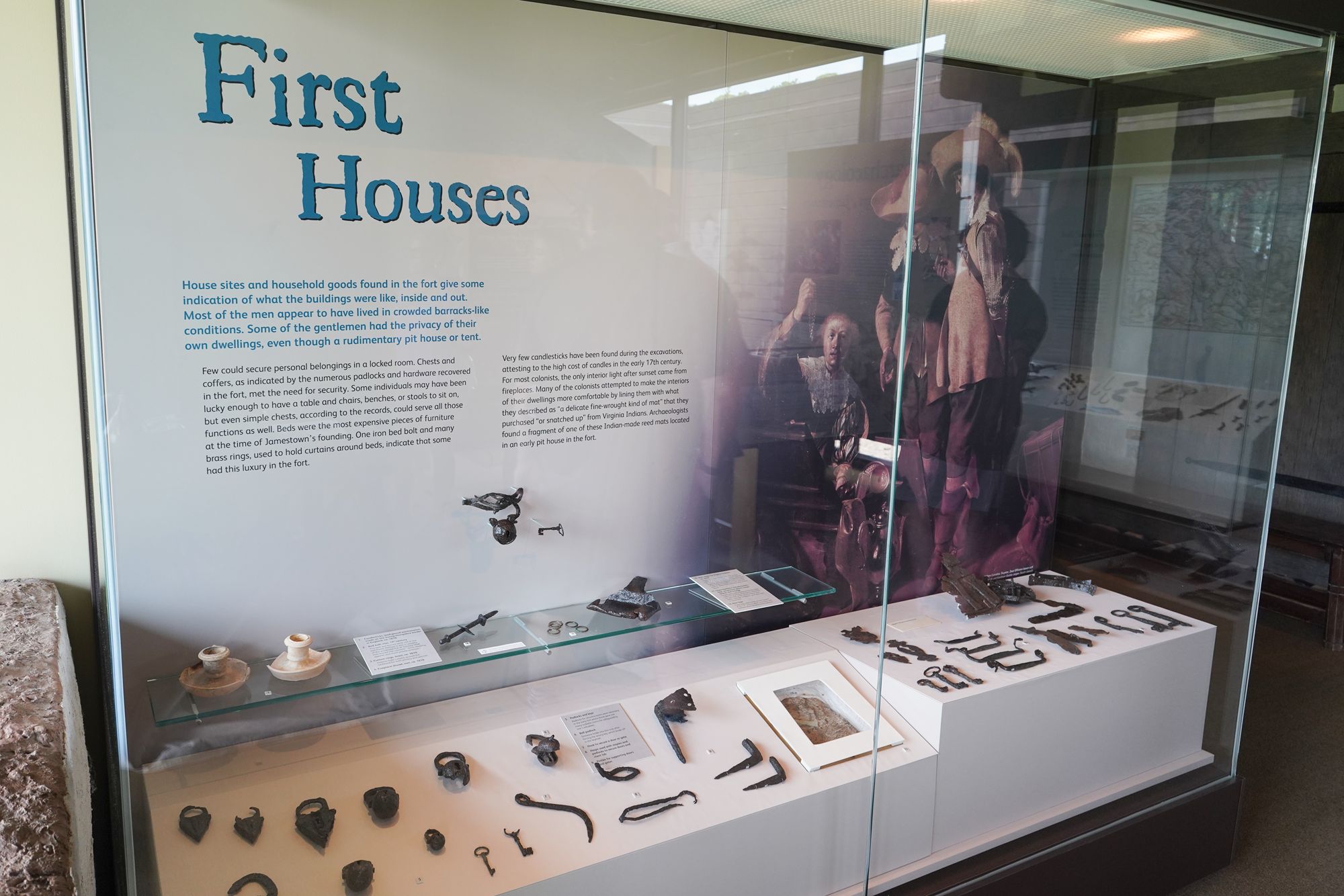
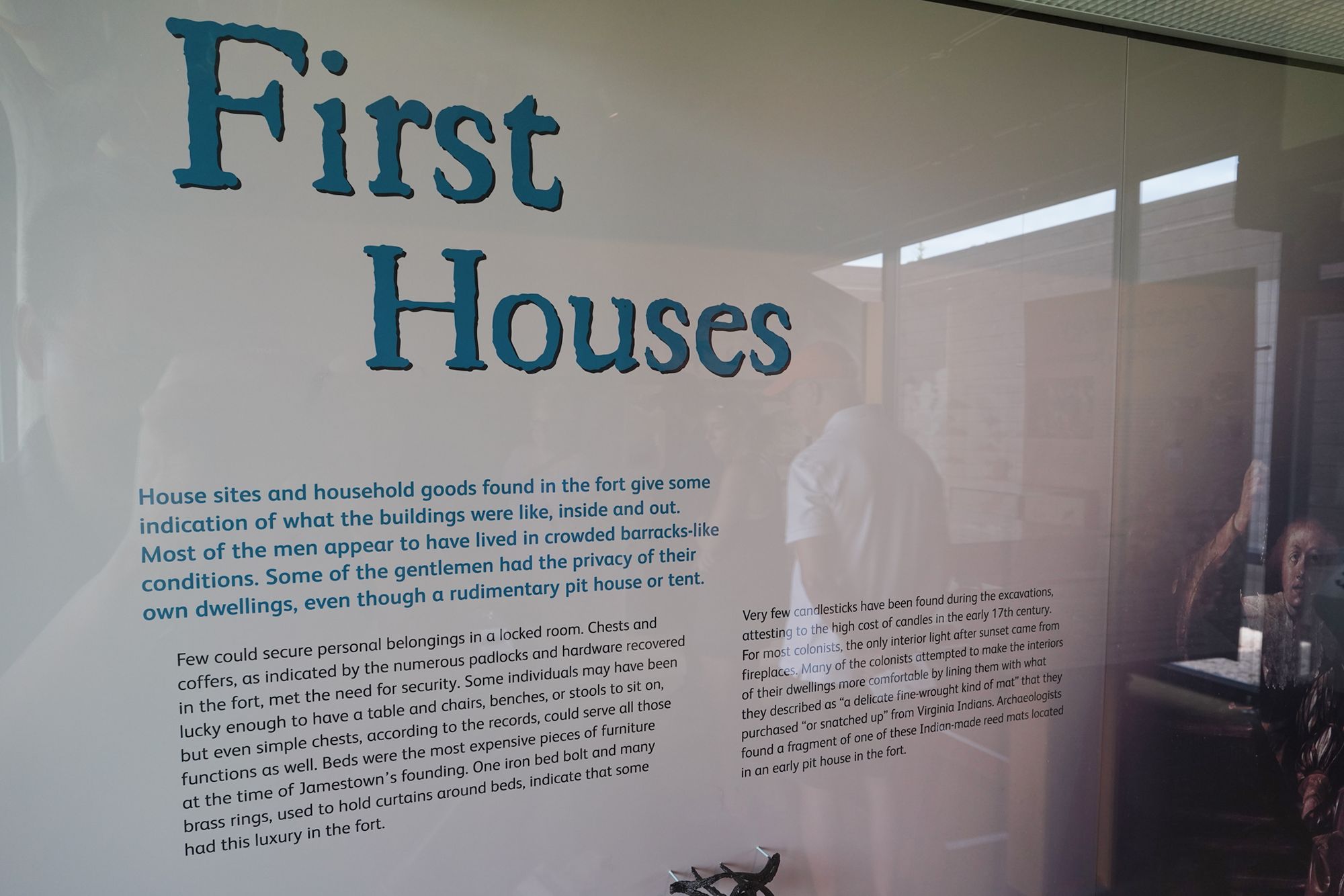
The Archaearium is built on the site of the houses in Jametown.
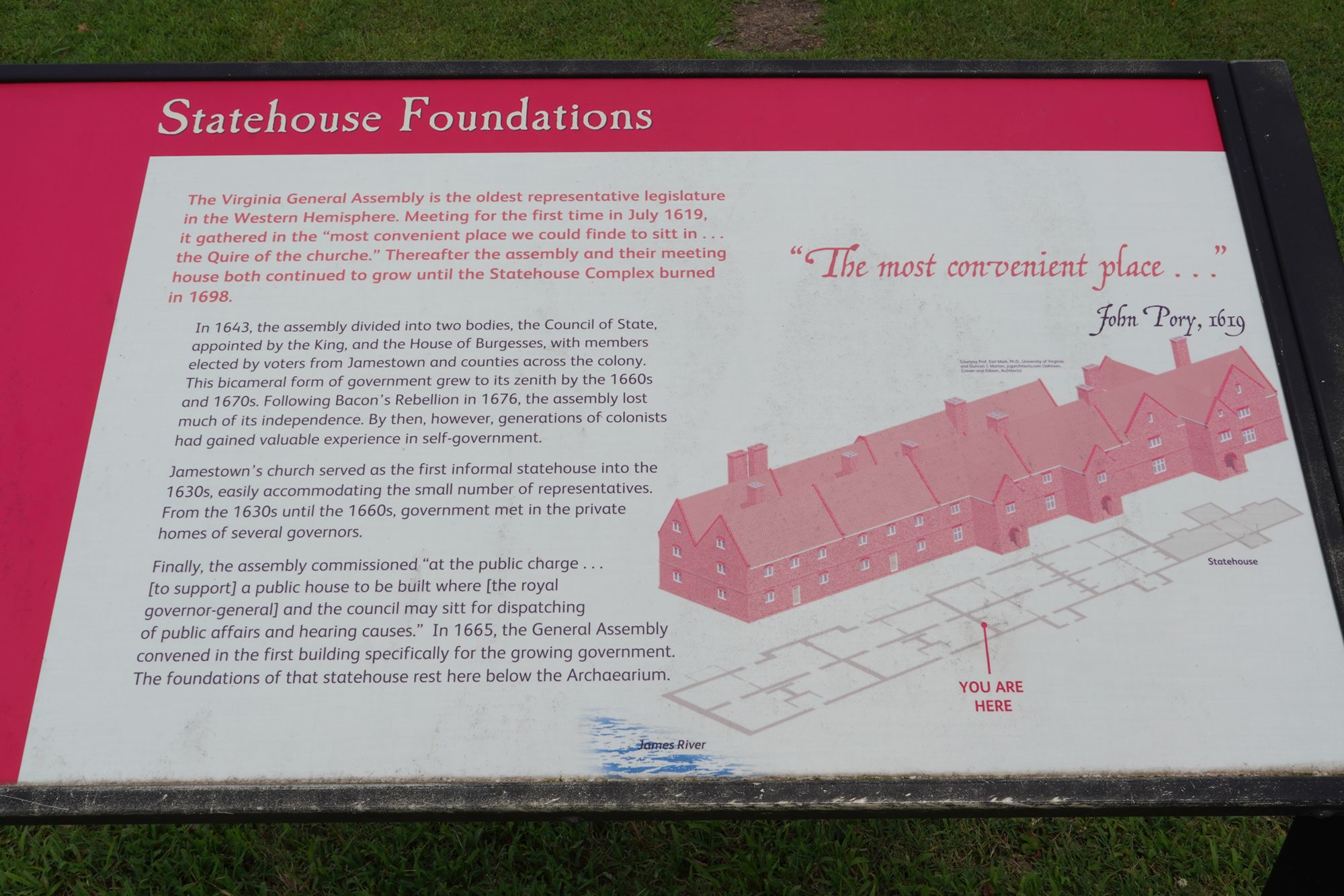
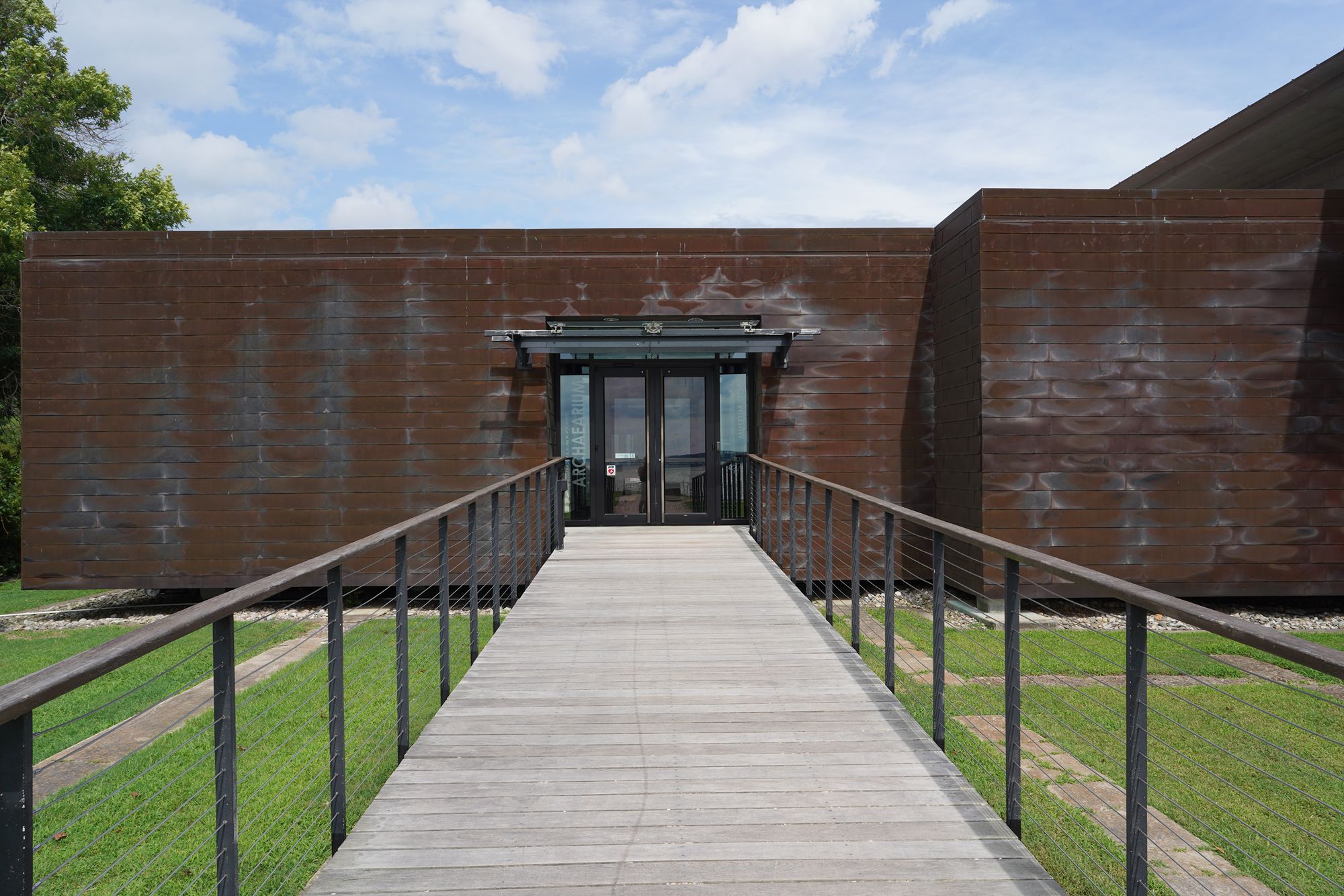
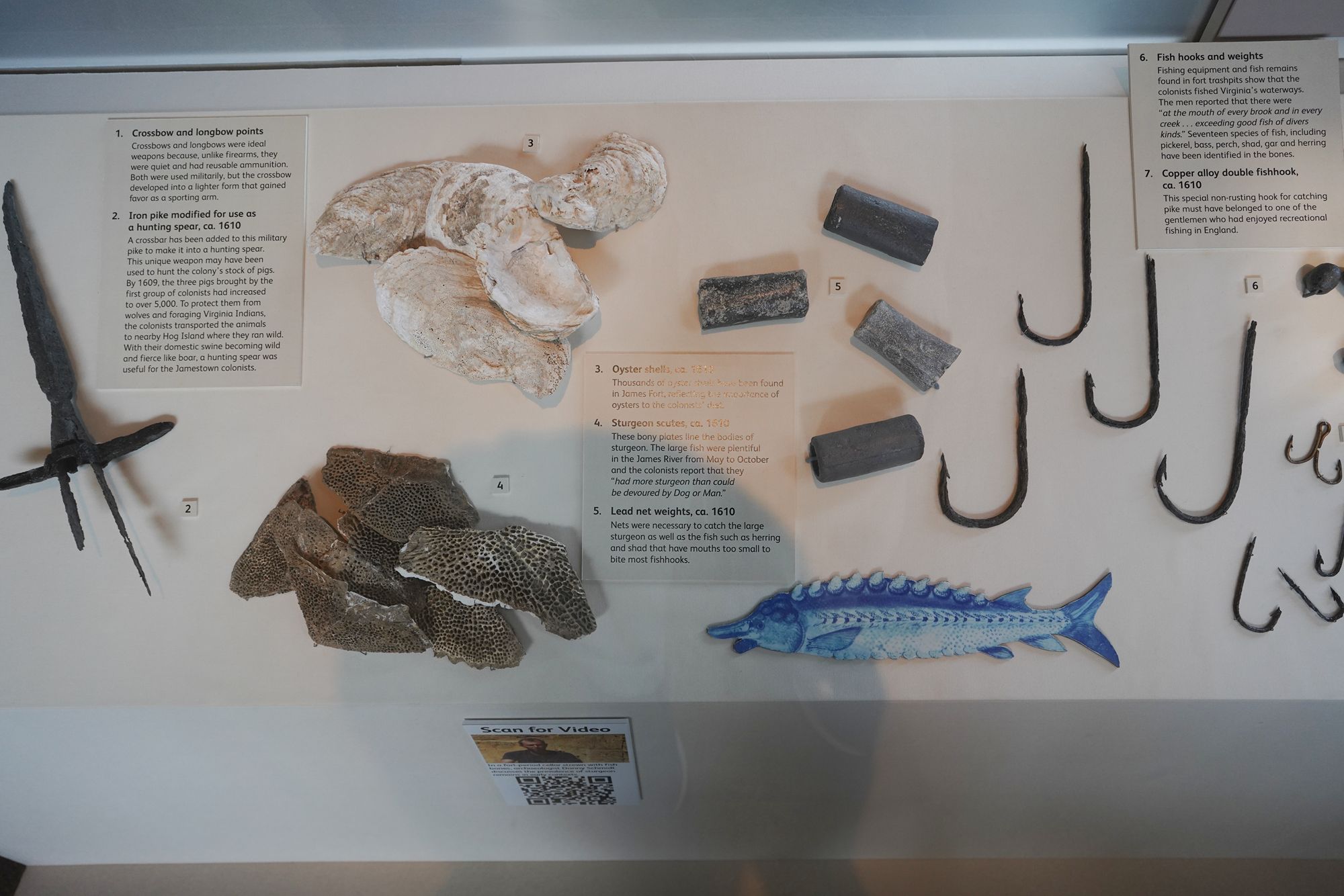
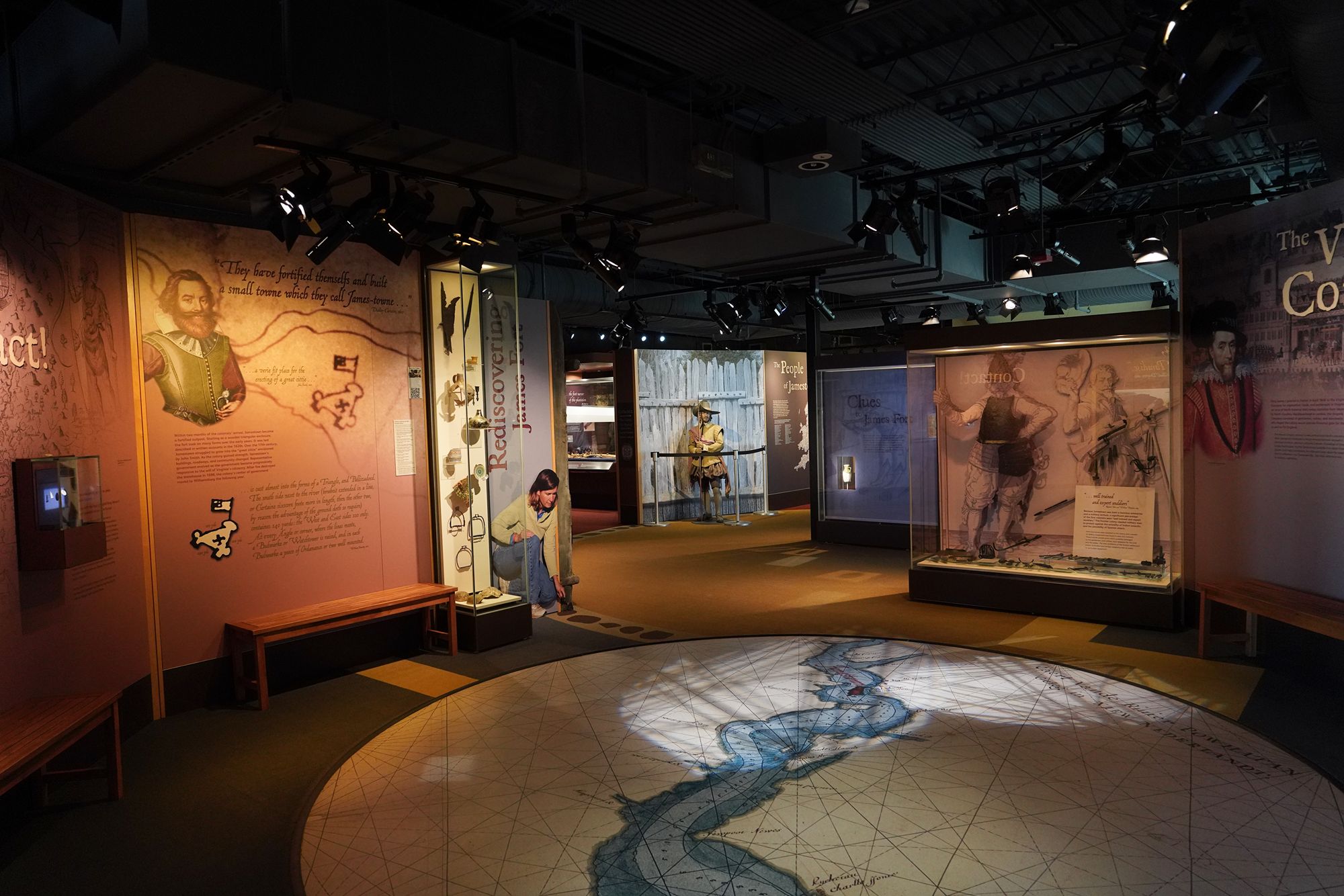
Its exhibits reveal what archaeology has taught us about daily life, survival, and cultural exchange in the early 1600s.
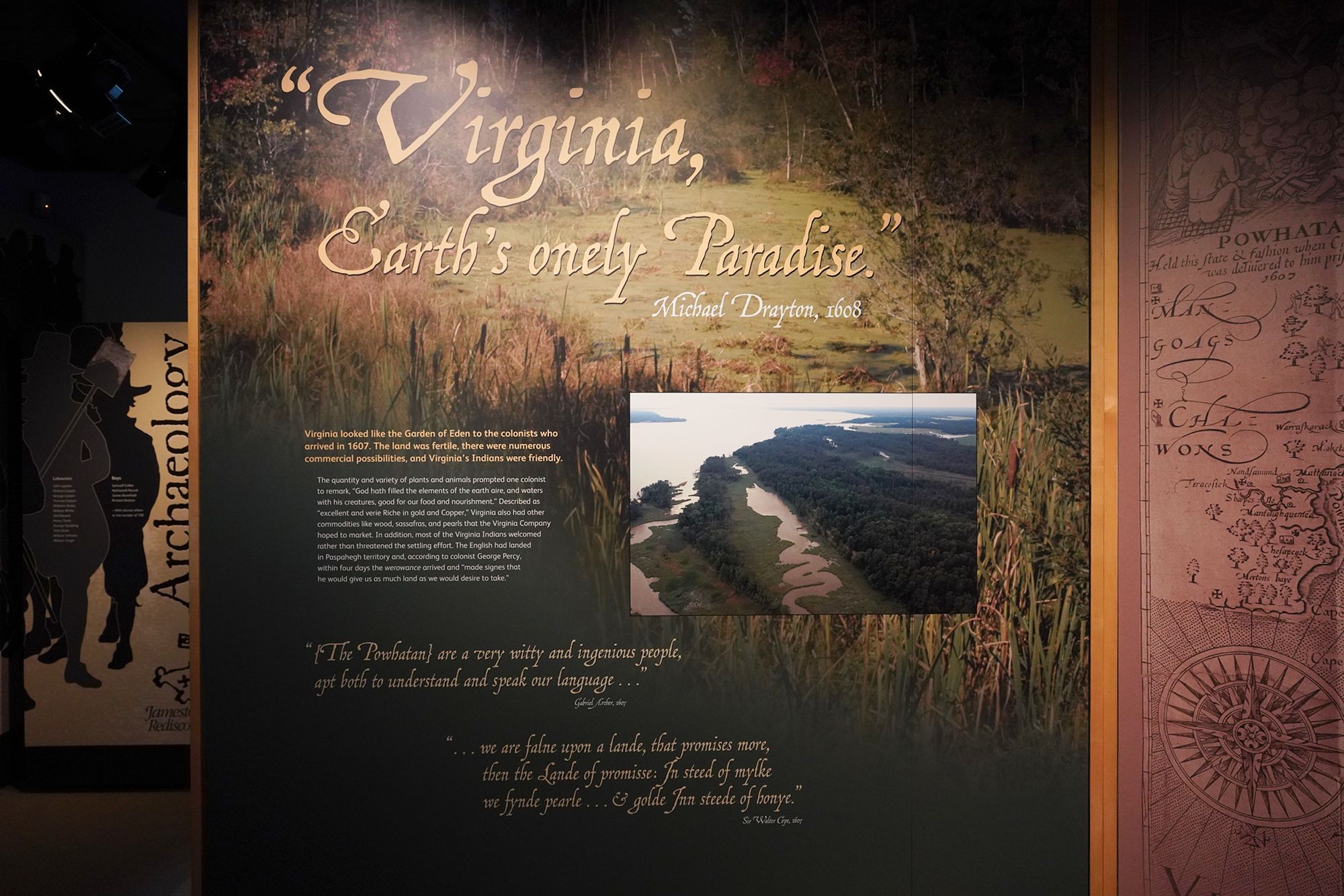
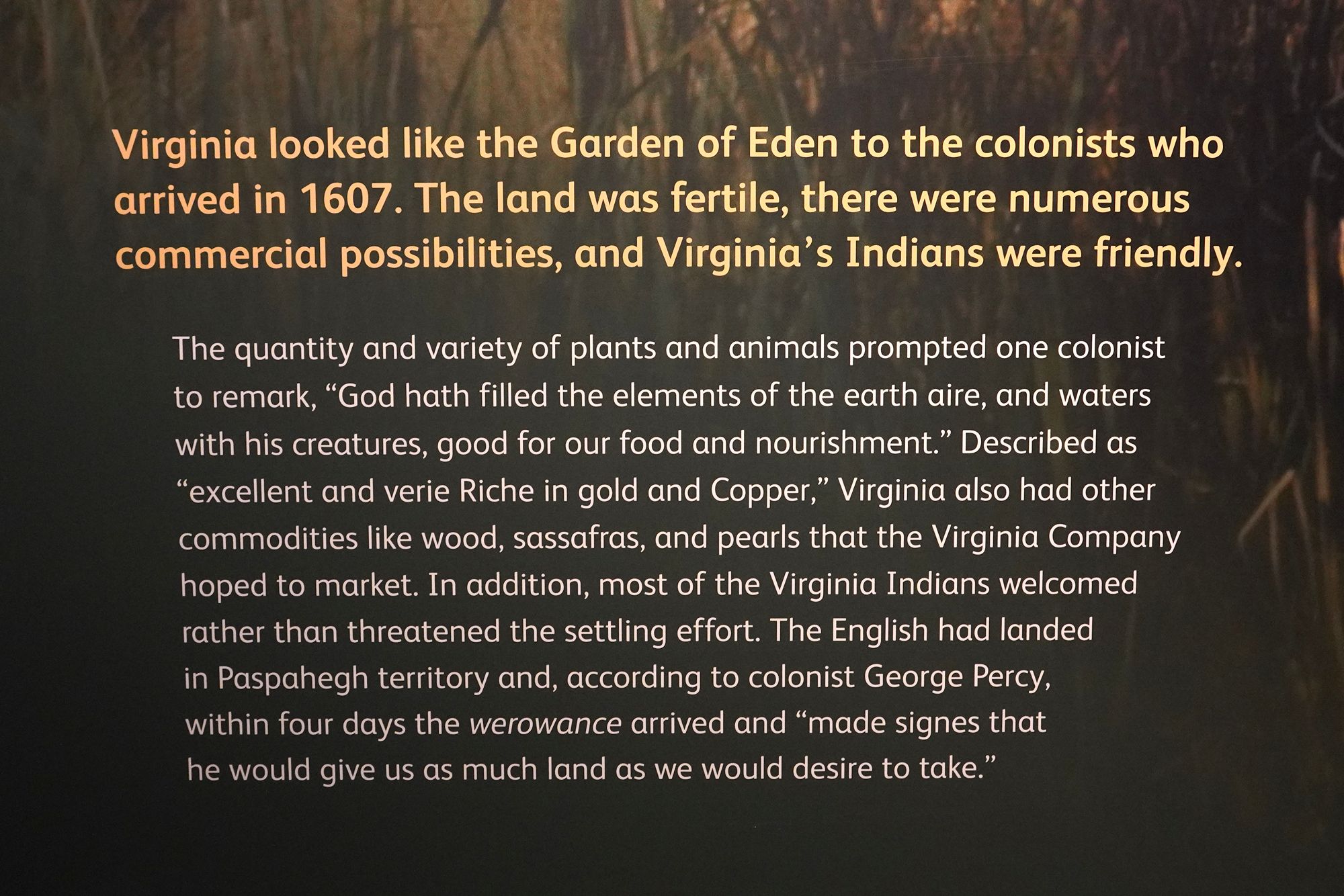
Virginia looked like the Garden of Eden
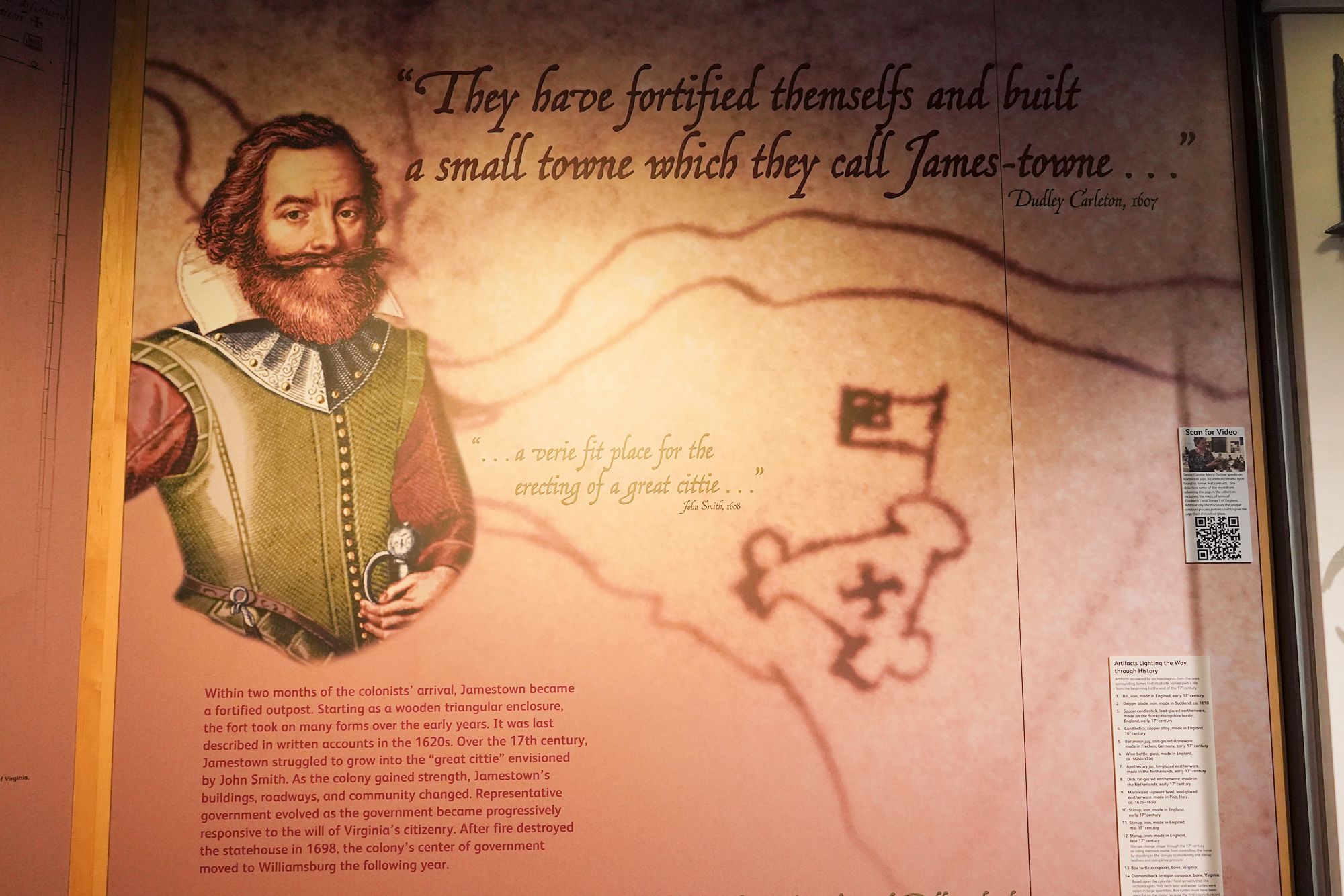
They have fortified themselfs and built a fort
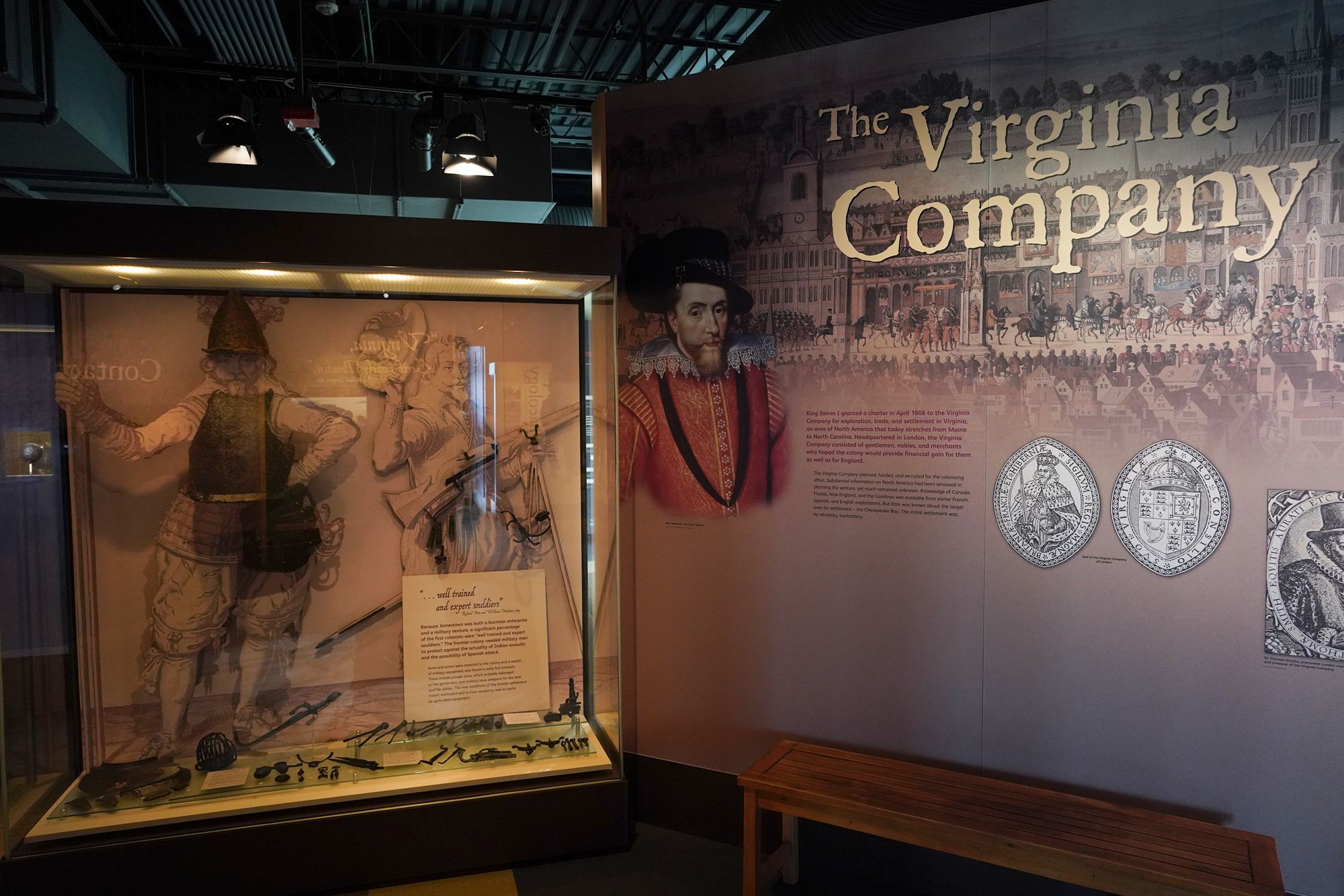
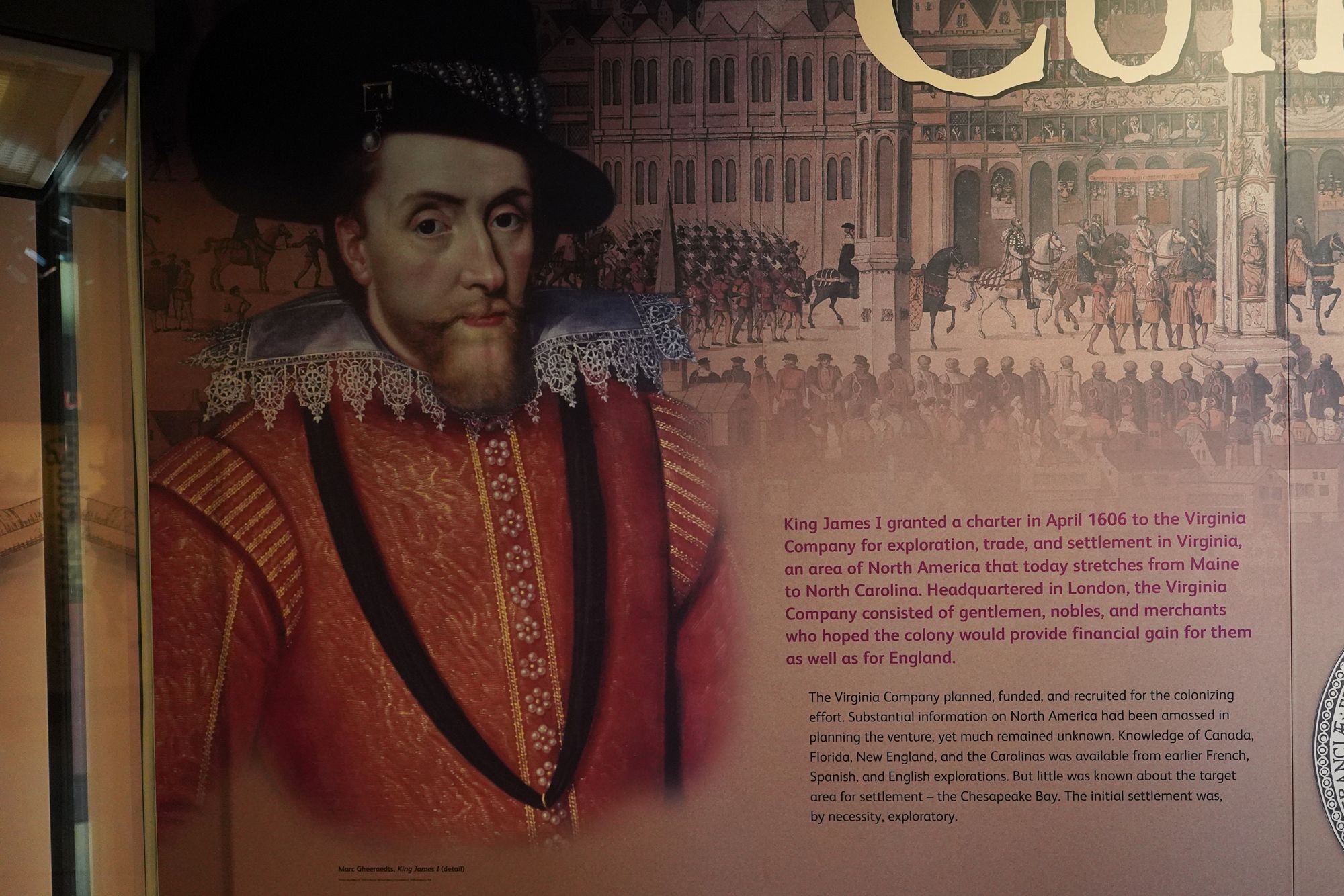
The Virginia Company was an English joint-stock company created by King James I in 1606 to establish colonies in North America. It played a central role in founding Jamestown, the first permanent English settlement in 1607, and in shaping the early government and economy of Virginia.
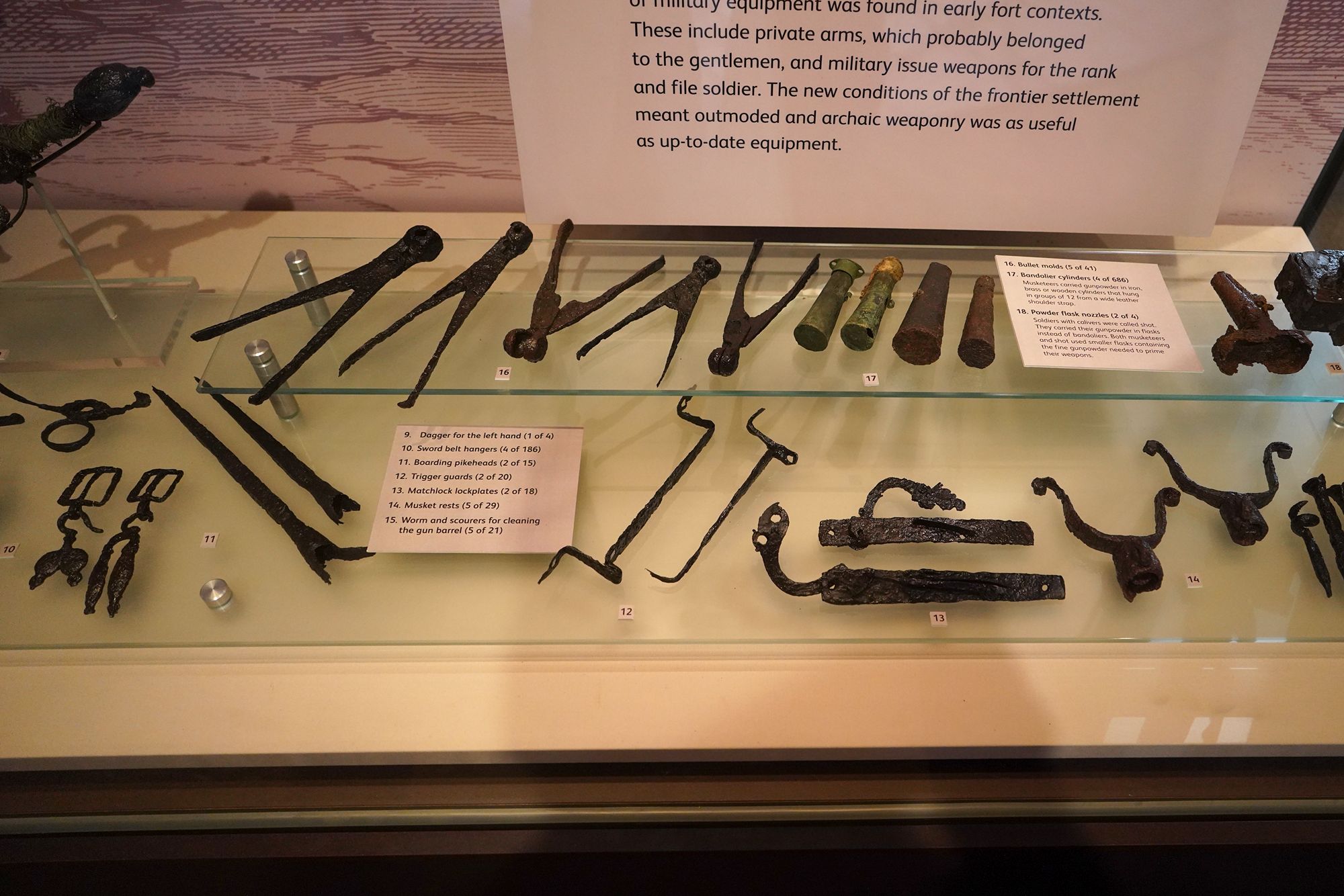
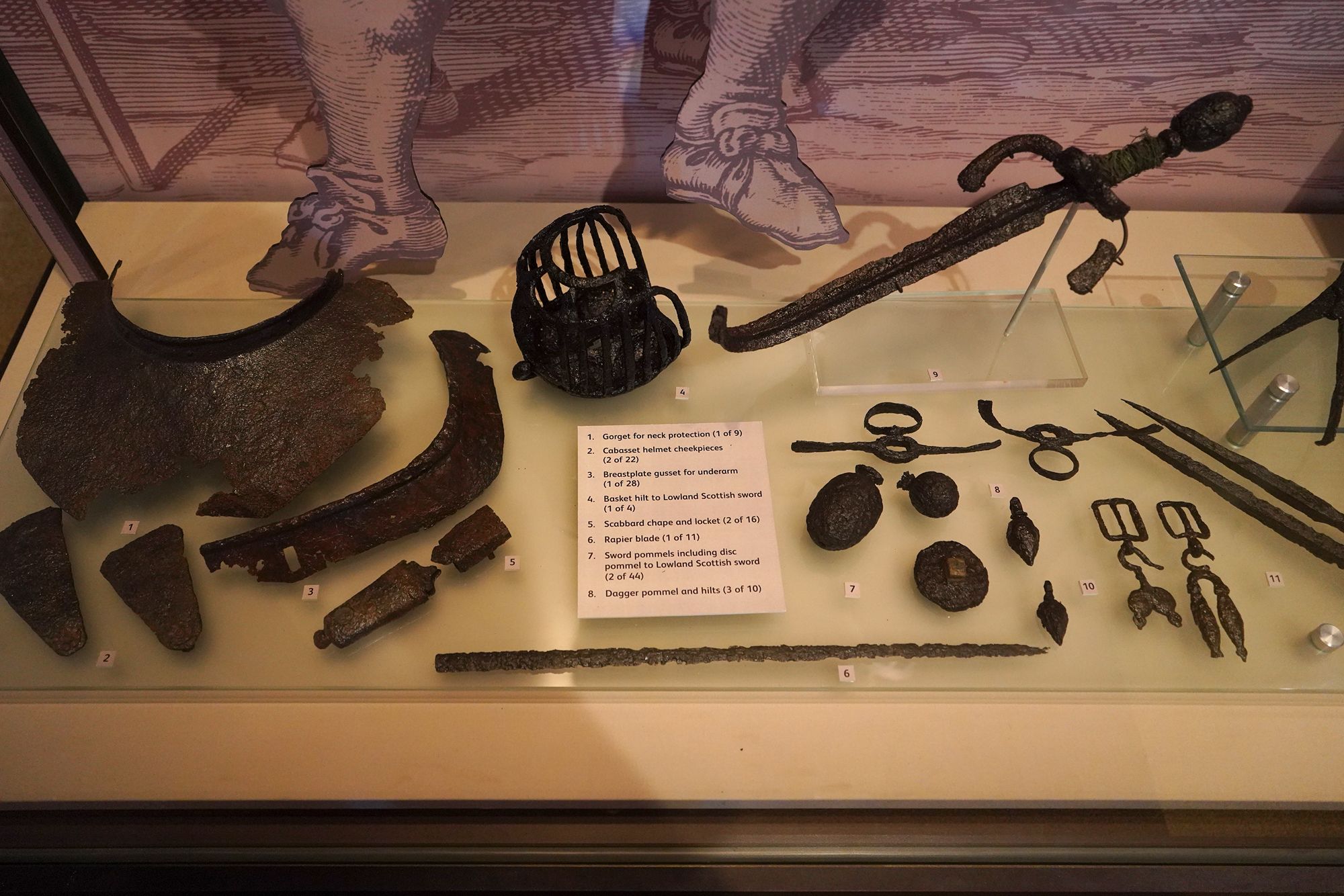
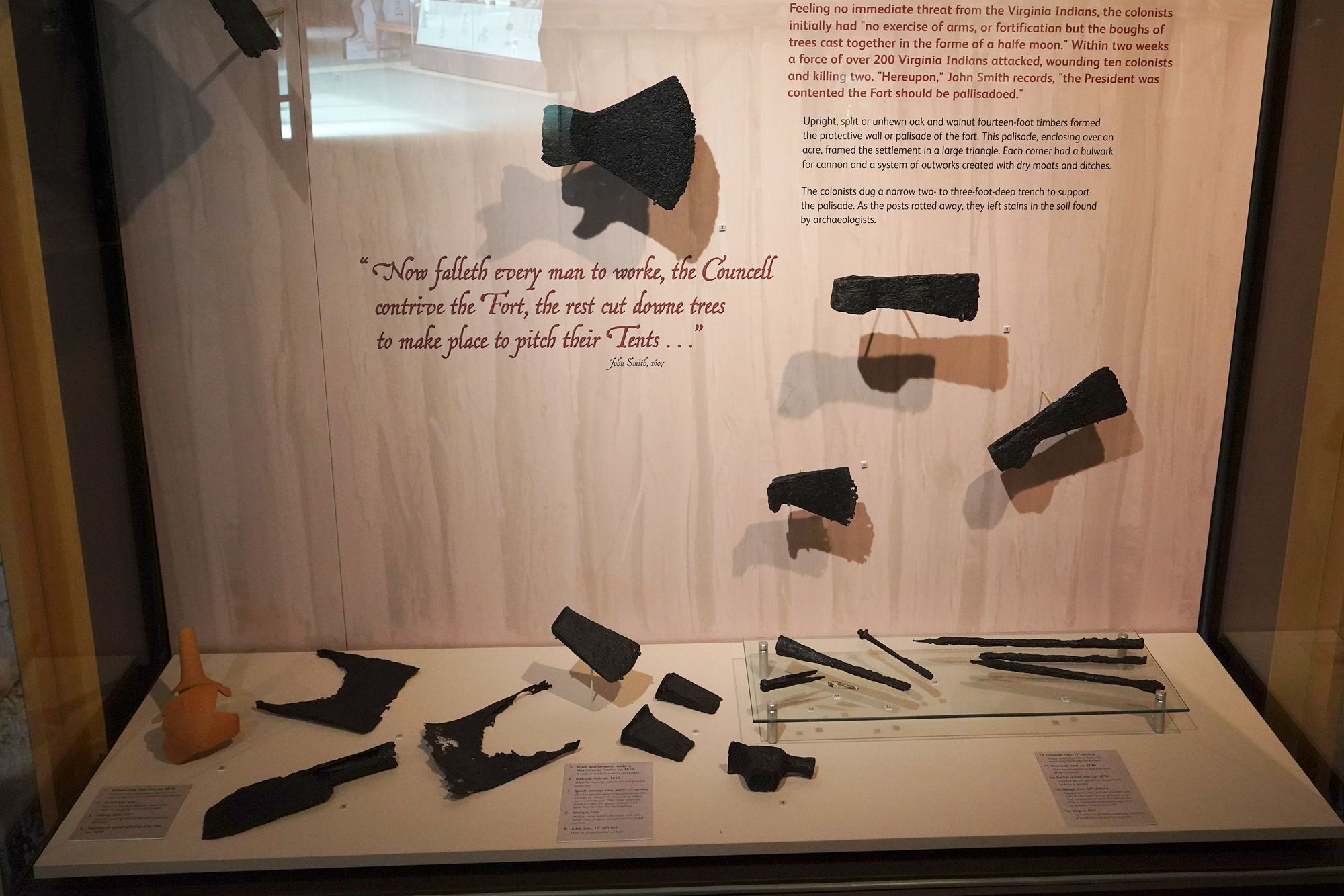
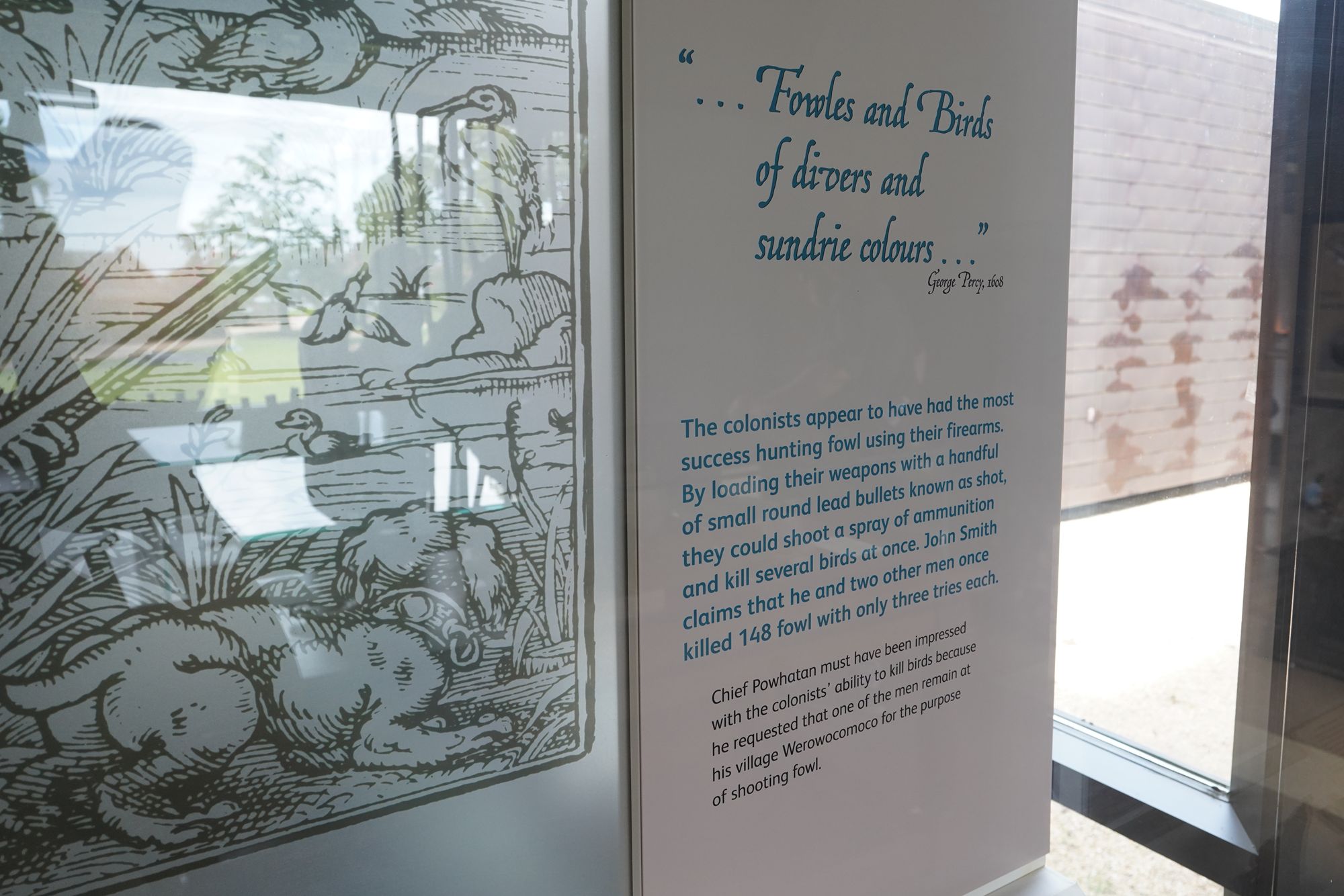
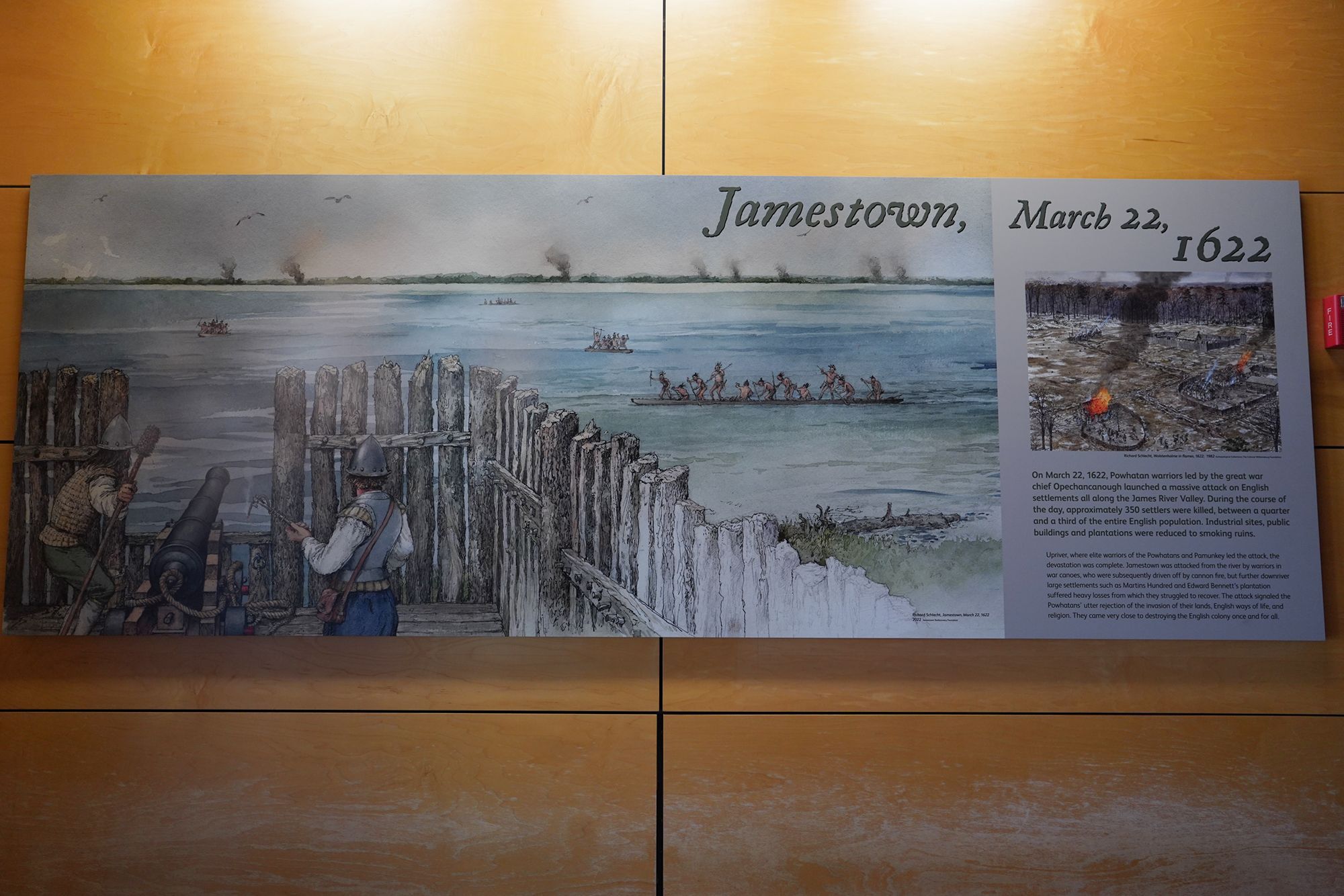
In the beginning, the settlers did not fear the Indians and even hoped to trade and live peacefully with them, but that changed after the Powhatans attacked, making the colonists realize the constant danger surrounding Jamestown.
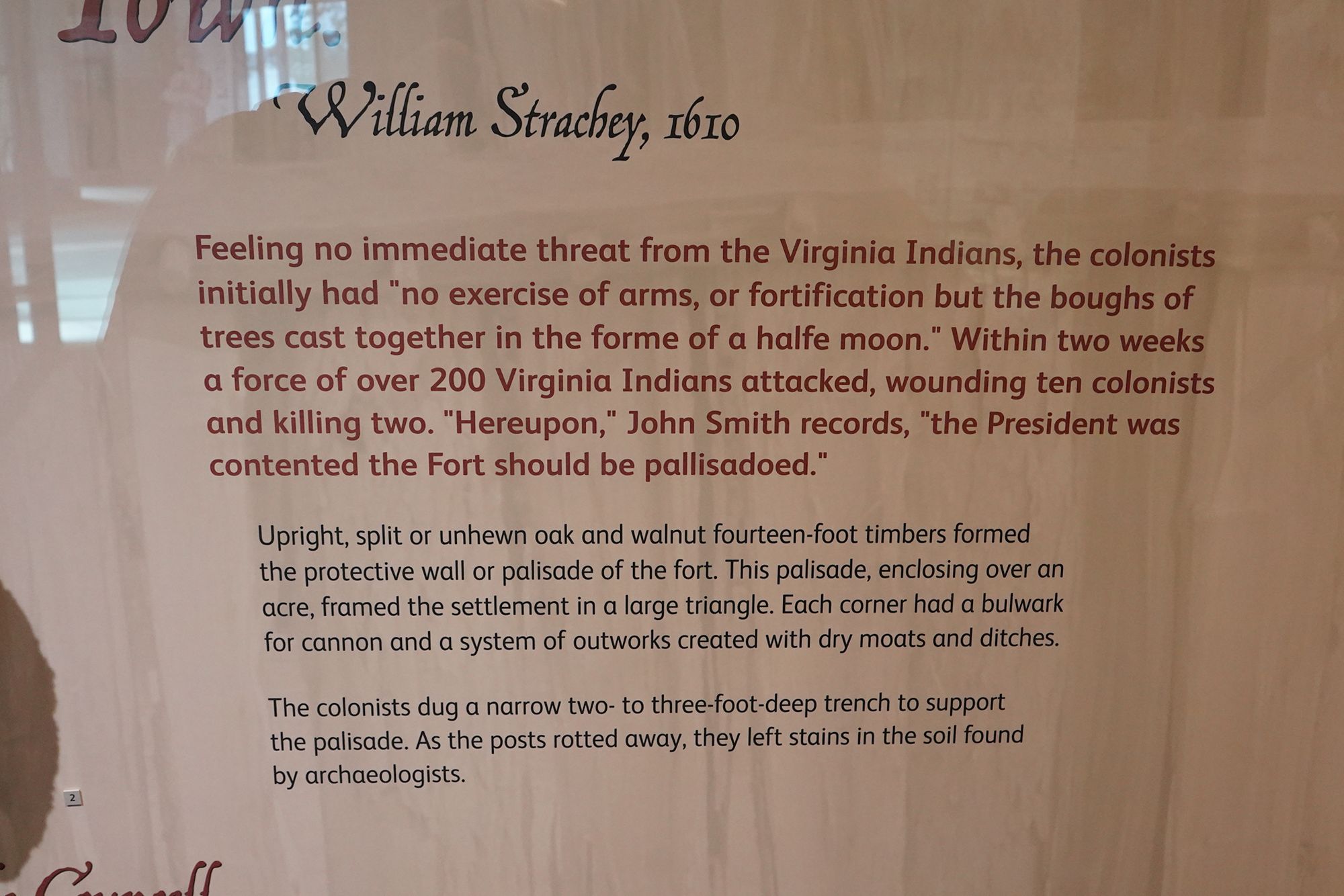
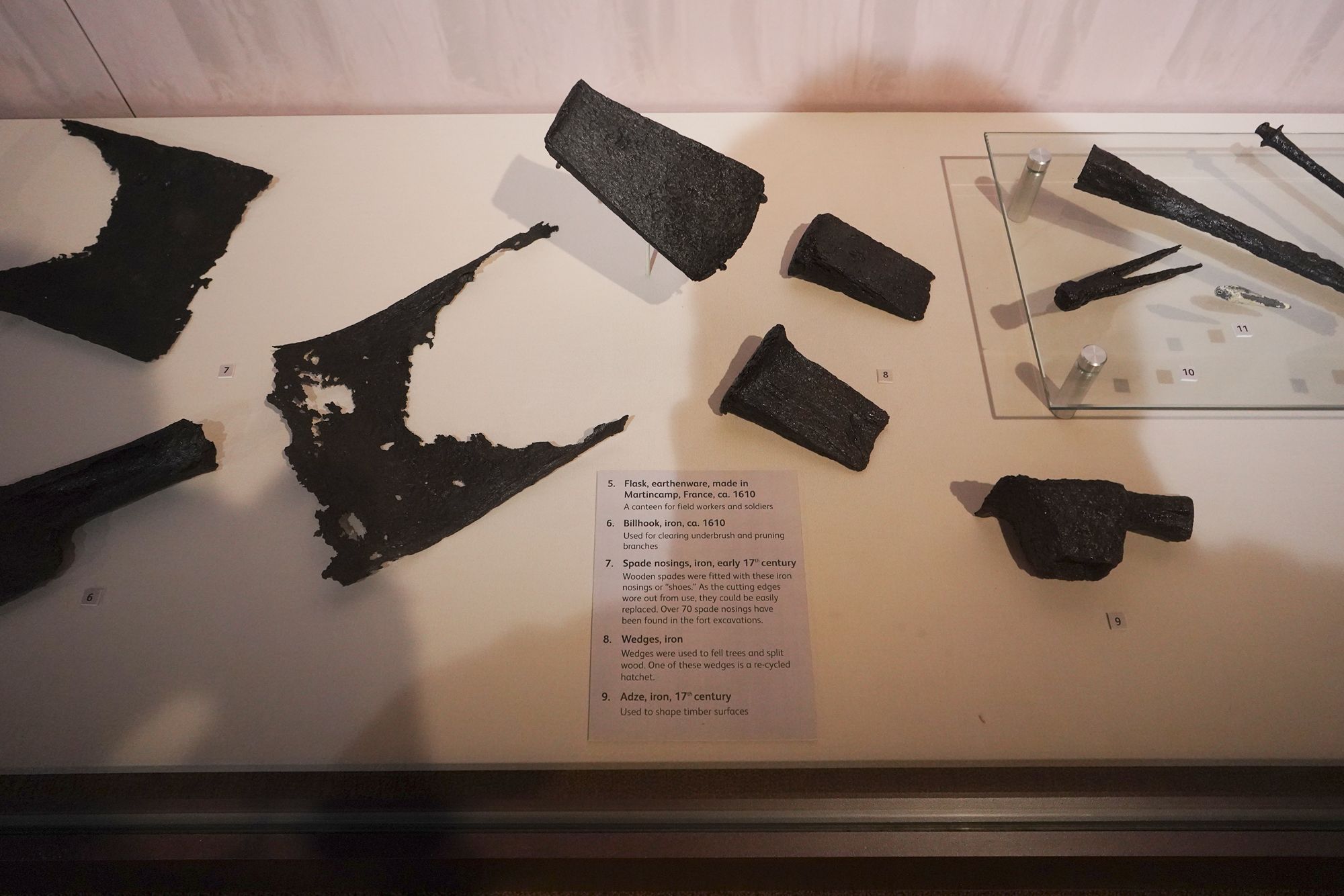
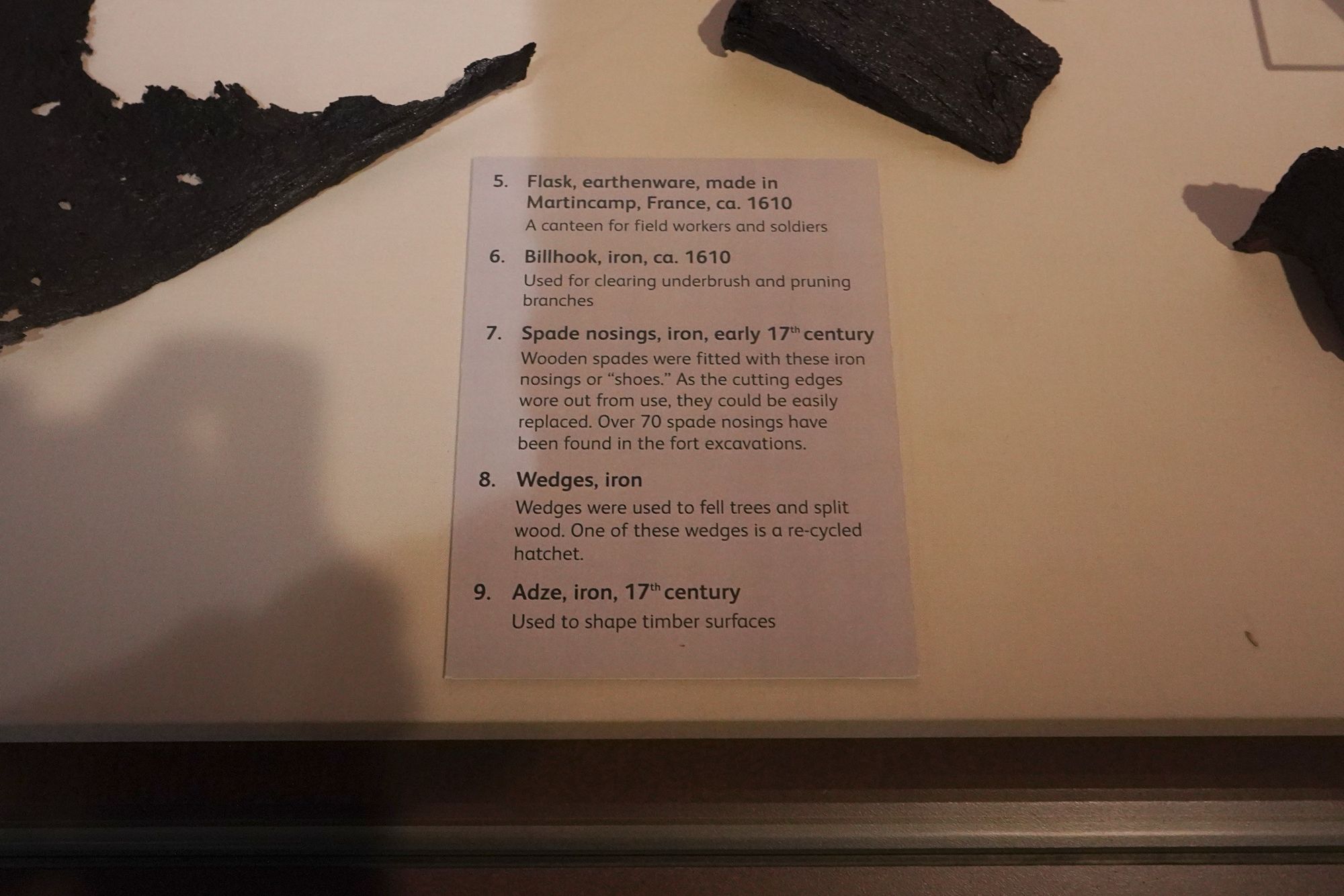
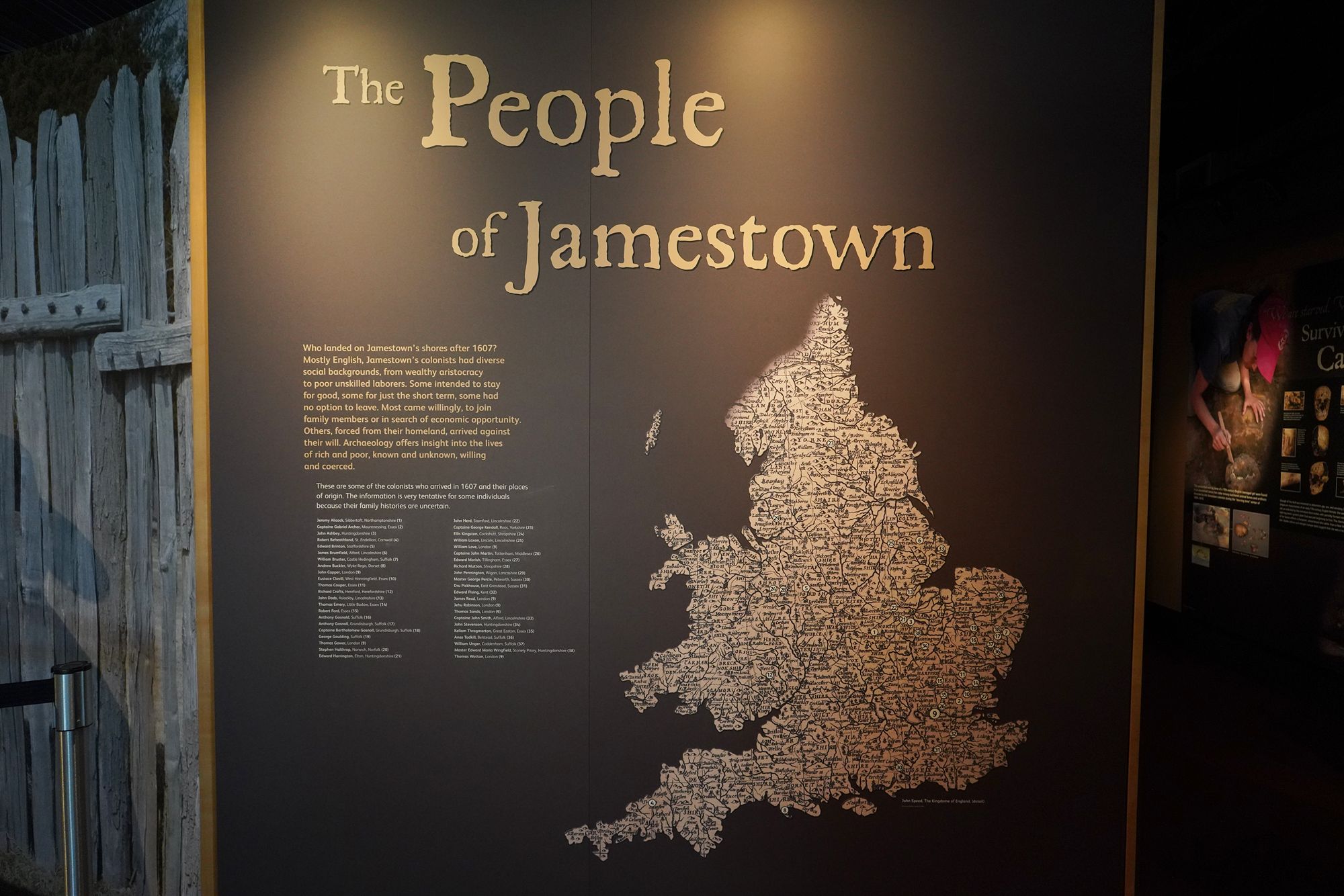
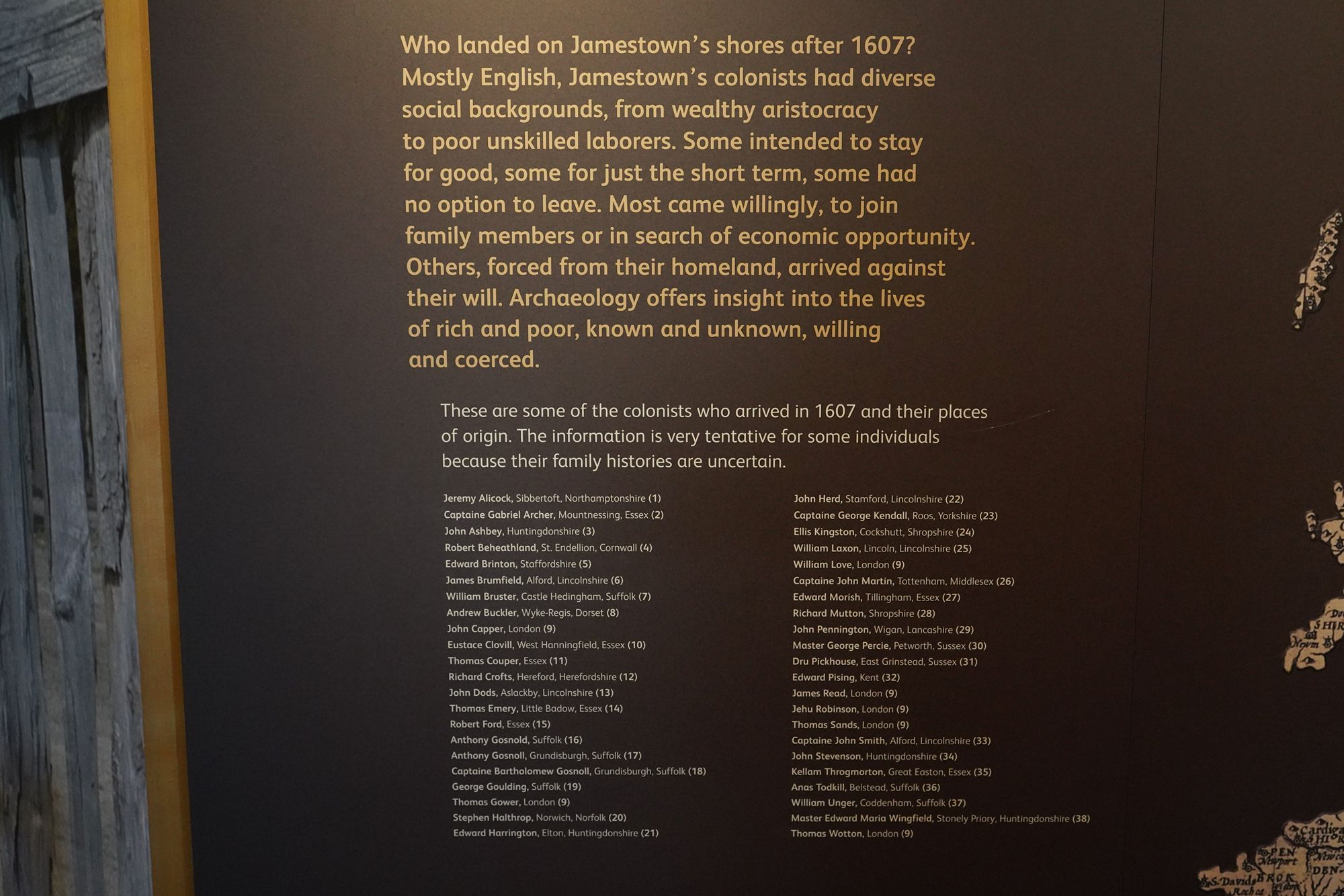
The first settlers at Jamestown in 1607 were 104 English men and boys—mostly gentlemen, soldiers, and craftsmen—sent by the Virginia Company of London to establish a colony for profit and trade.
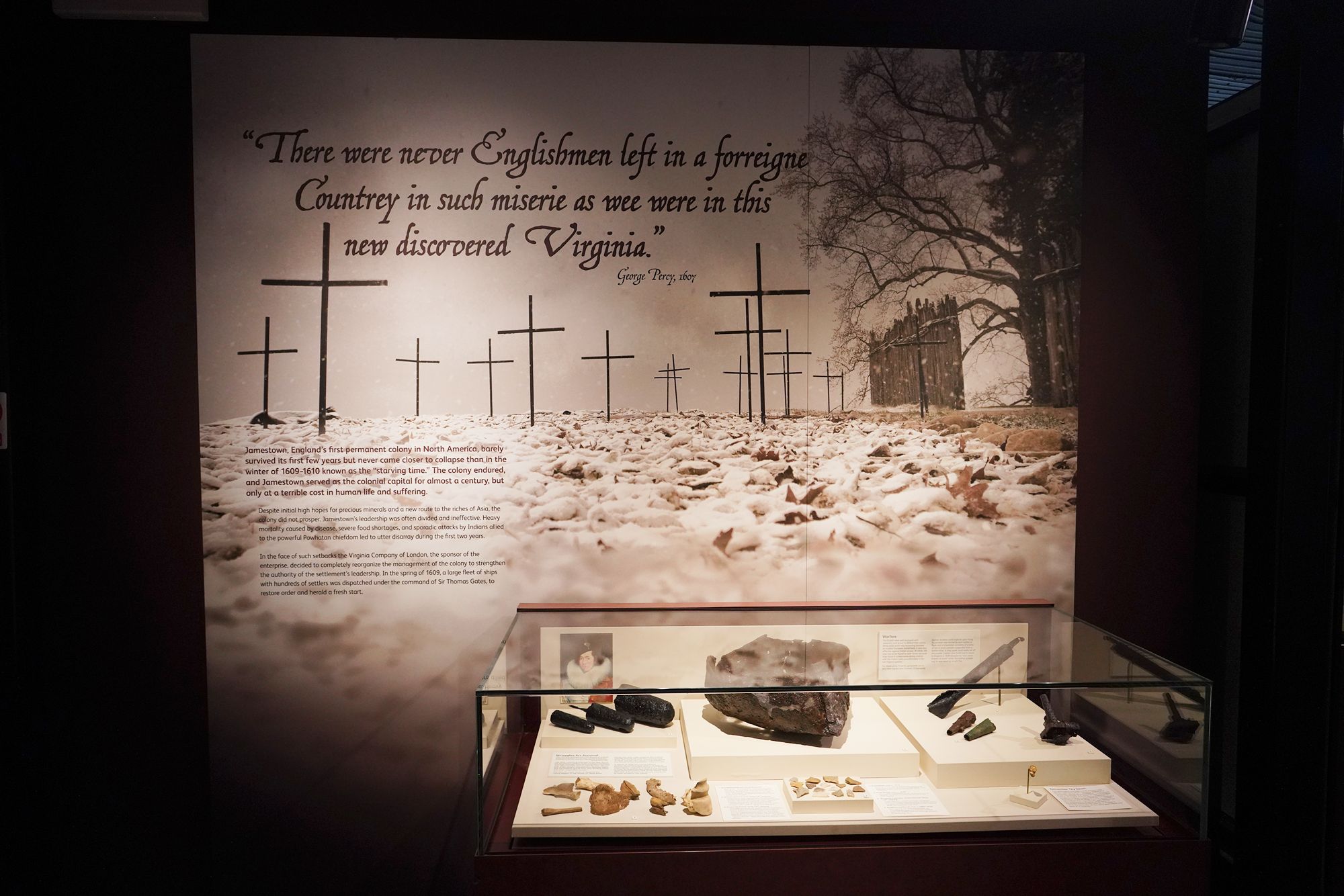
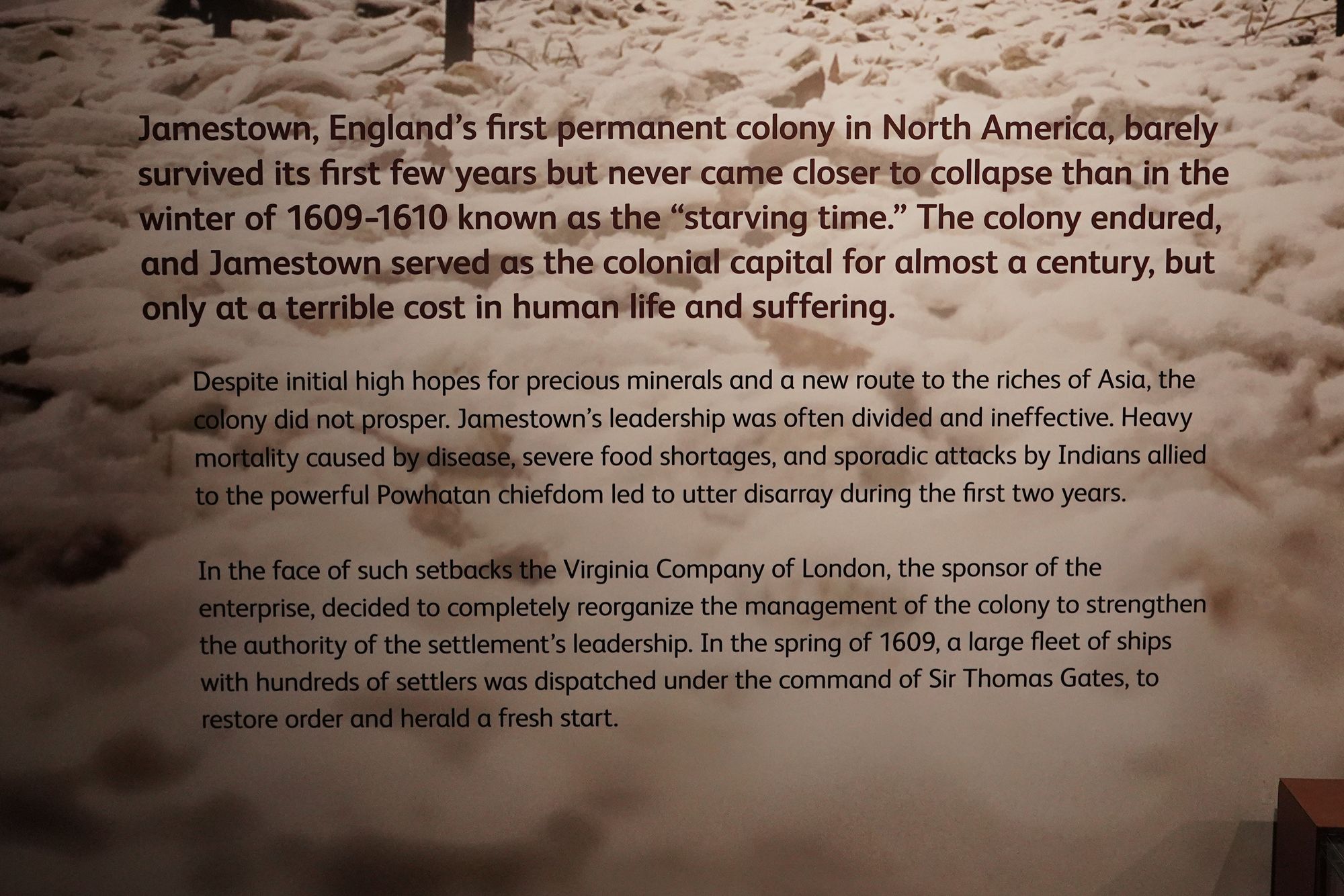
The settlers at Jamestown faced extreme hardships, including disease, contaminated water, hunger, and conflict with the Powhatans, which reached a crisis during the “Starving Time” in the winter of 1609–1610, when only about 60 survived.
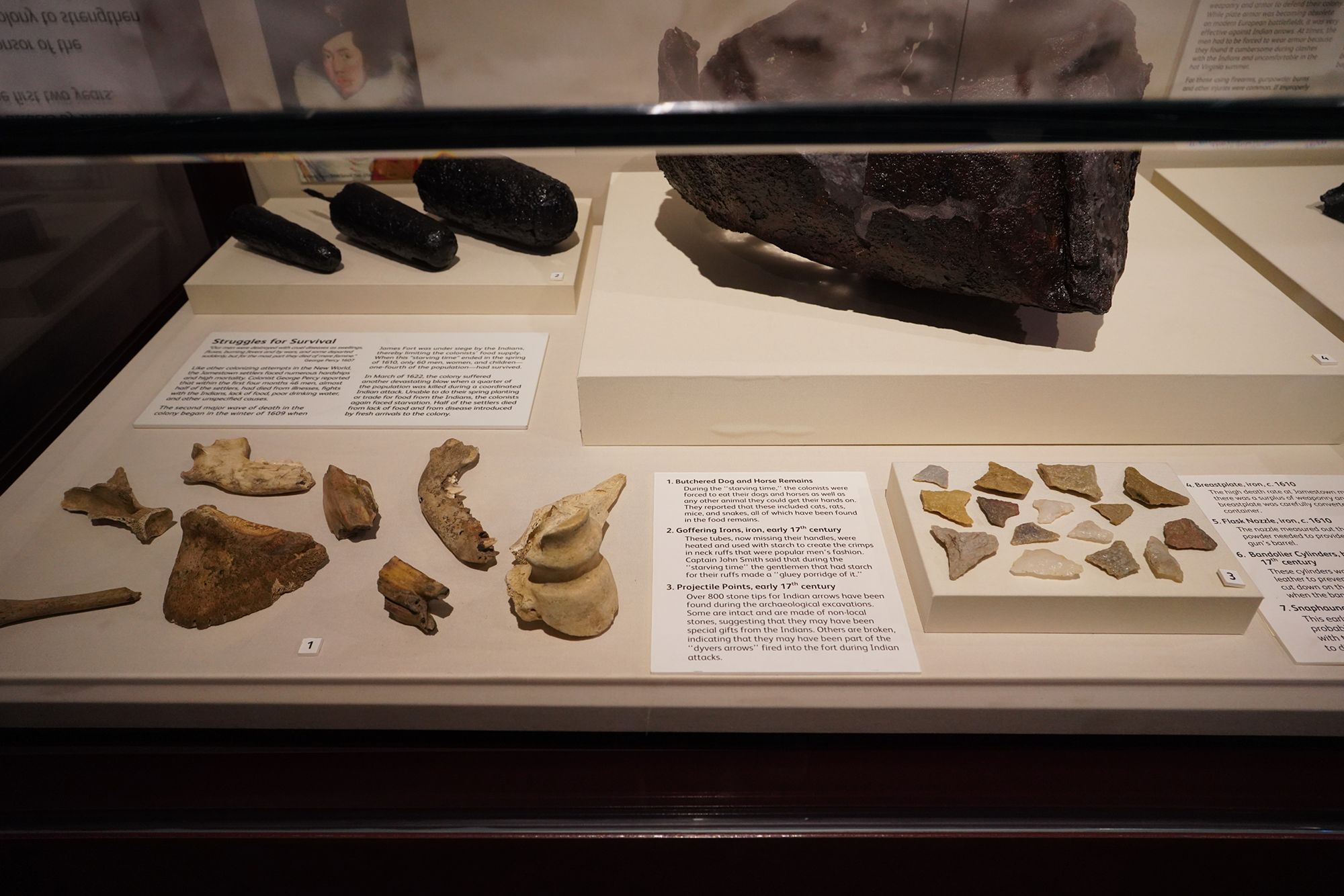
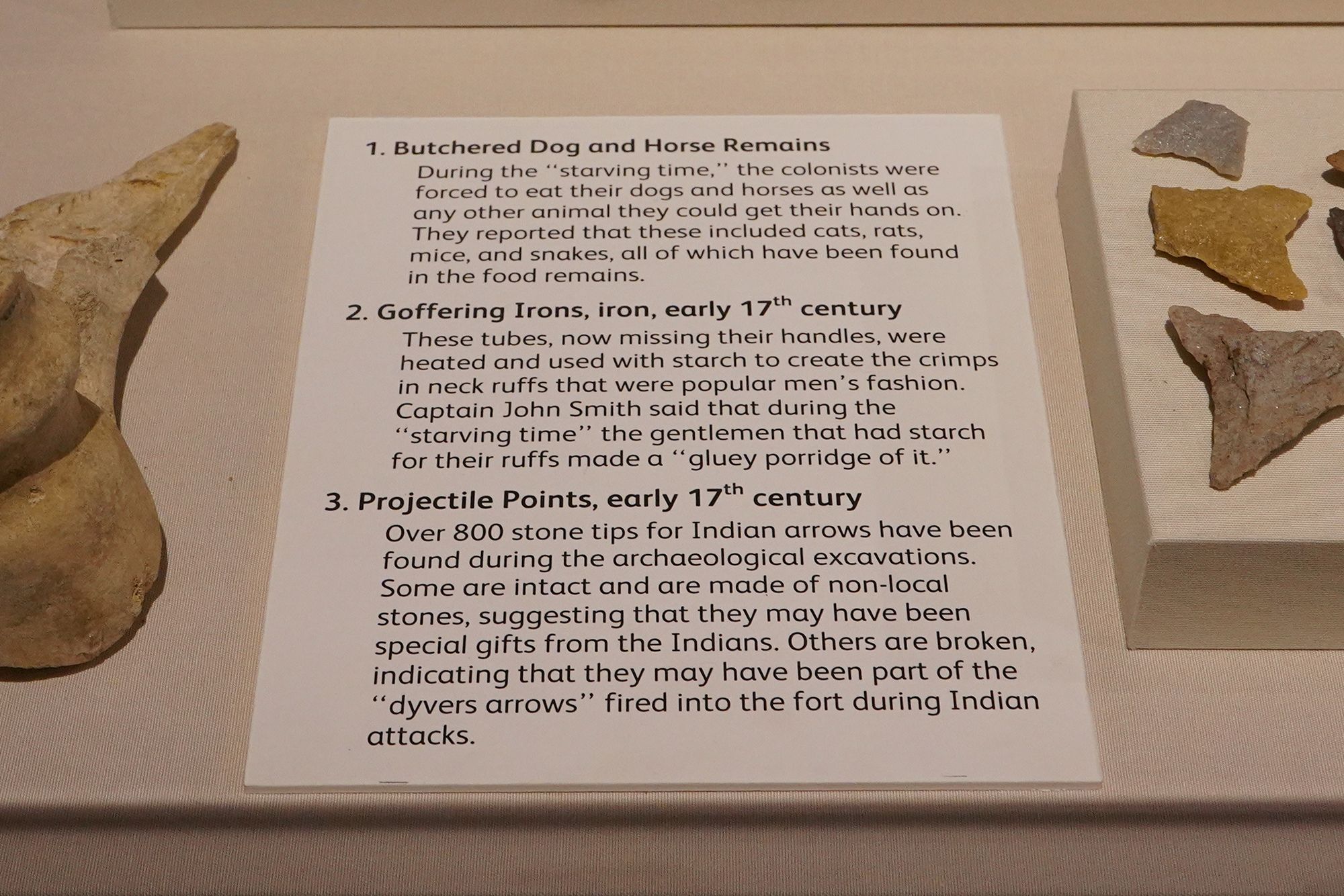
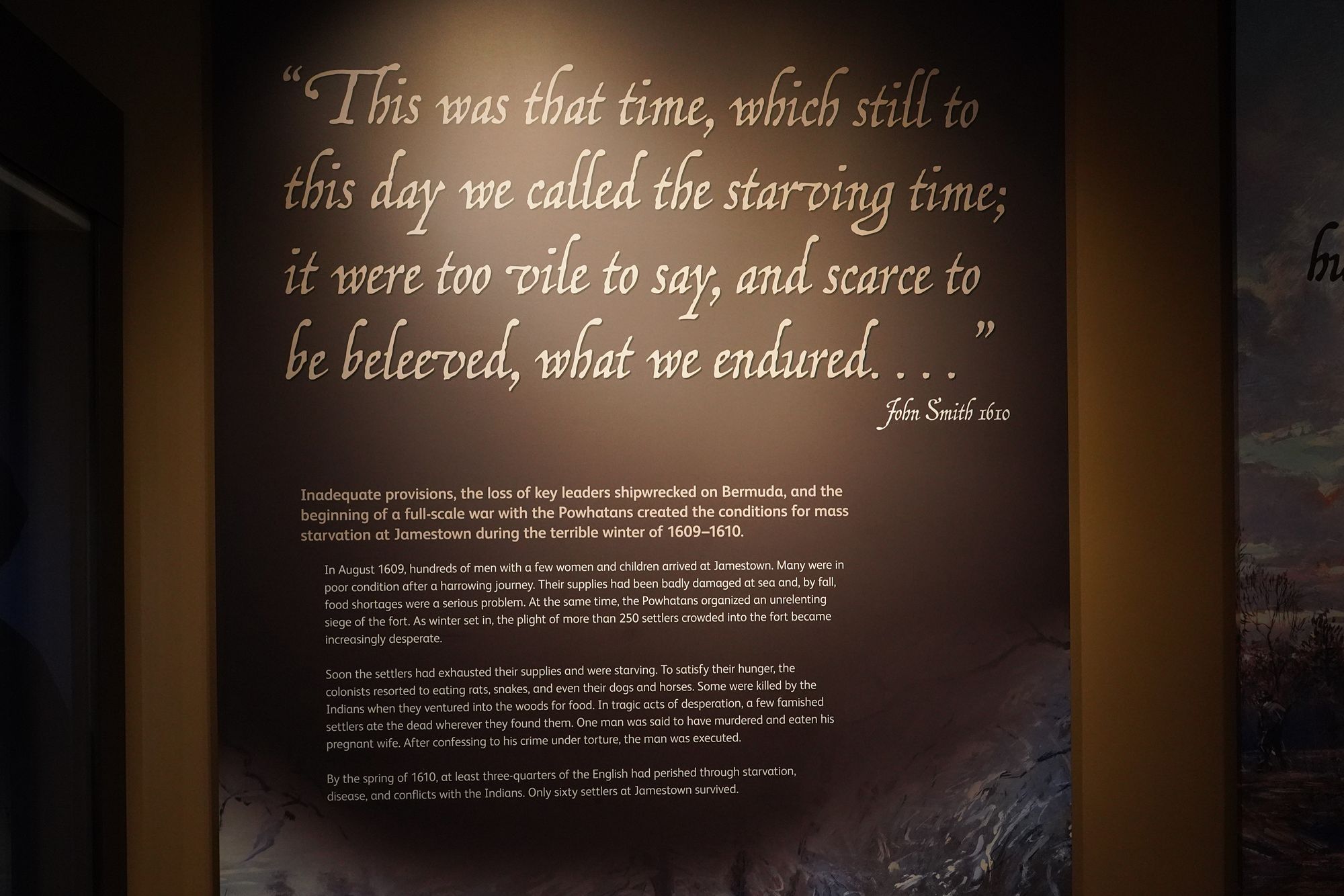
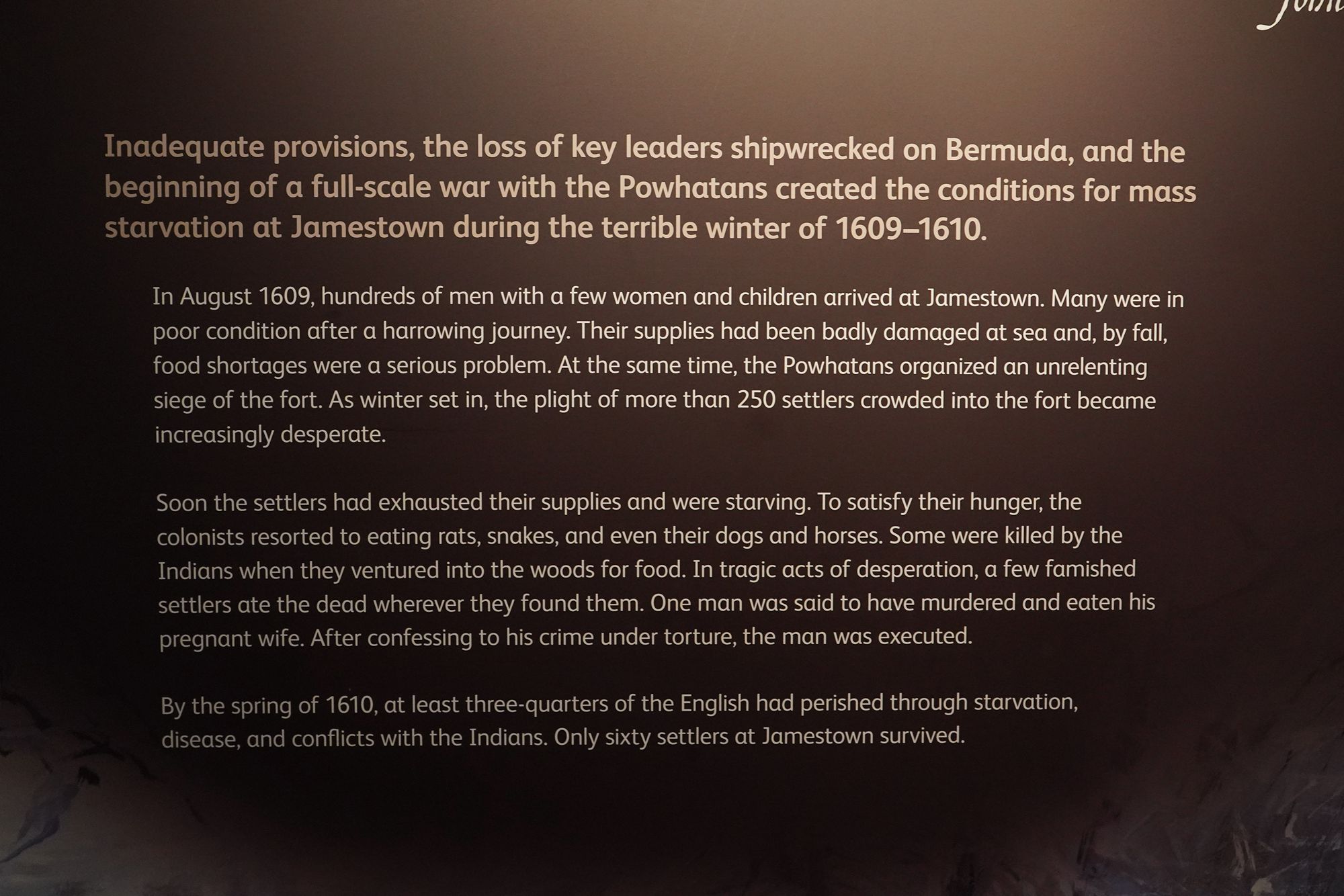
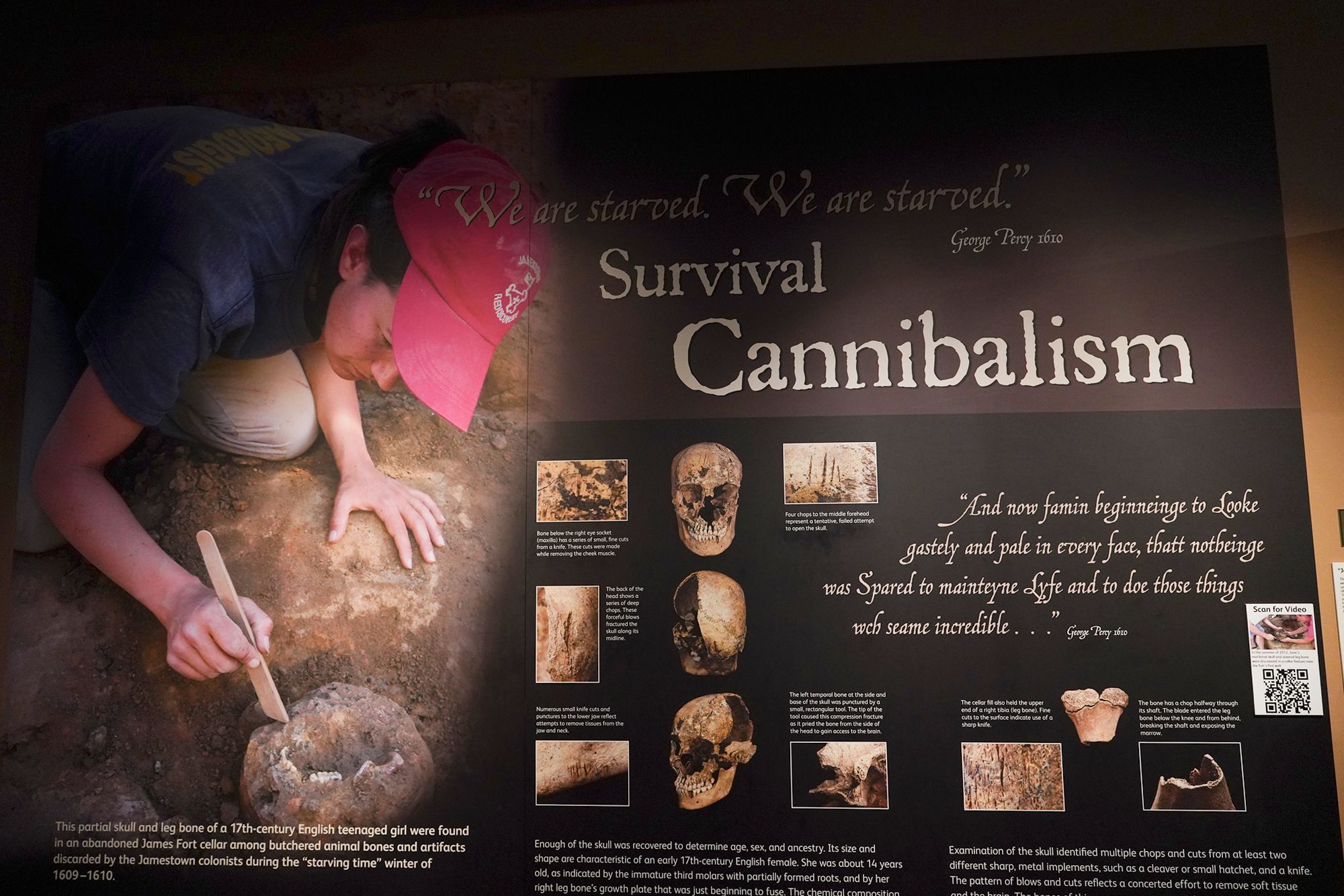
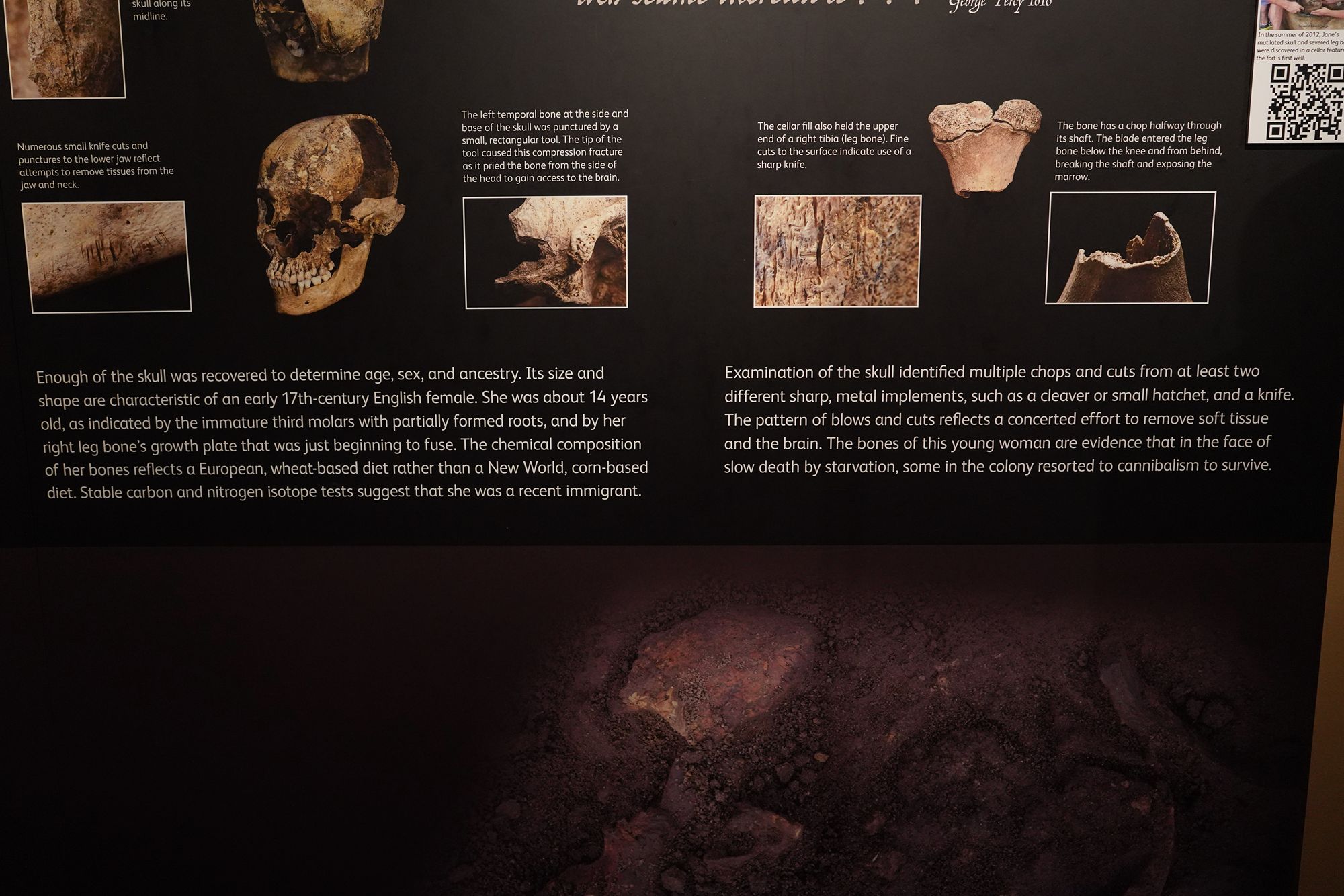
During the Starving Time in the winter of 1609–1610, Jamestown colonists were so desperate for food that some resorted to survival cannibalism, consuming the flesh of those who had died—a grim discovery later confirmed by archaeological evidence of human bones with cut marks found at the site.
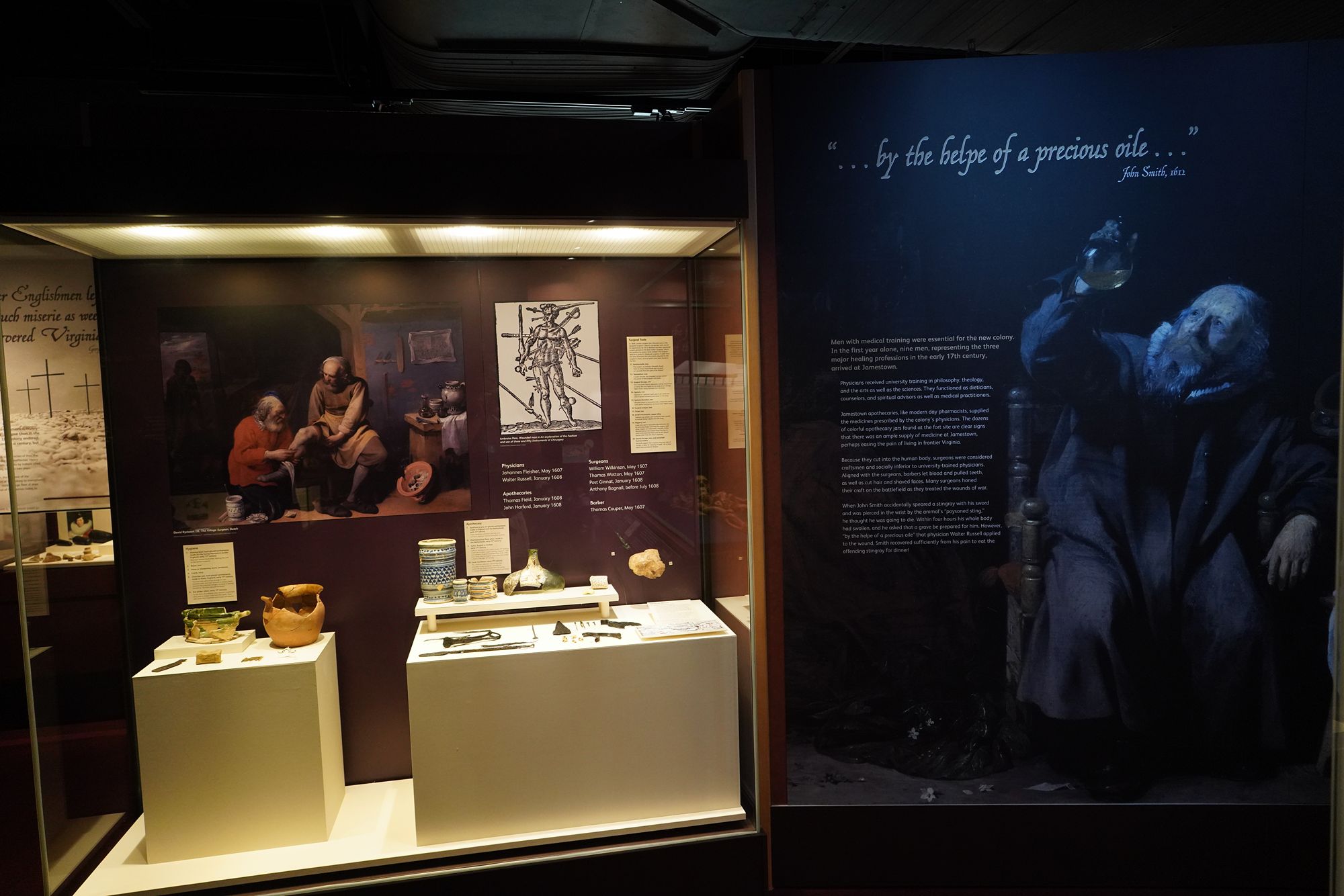
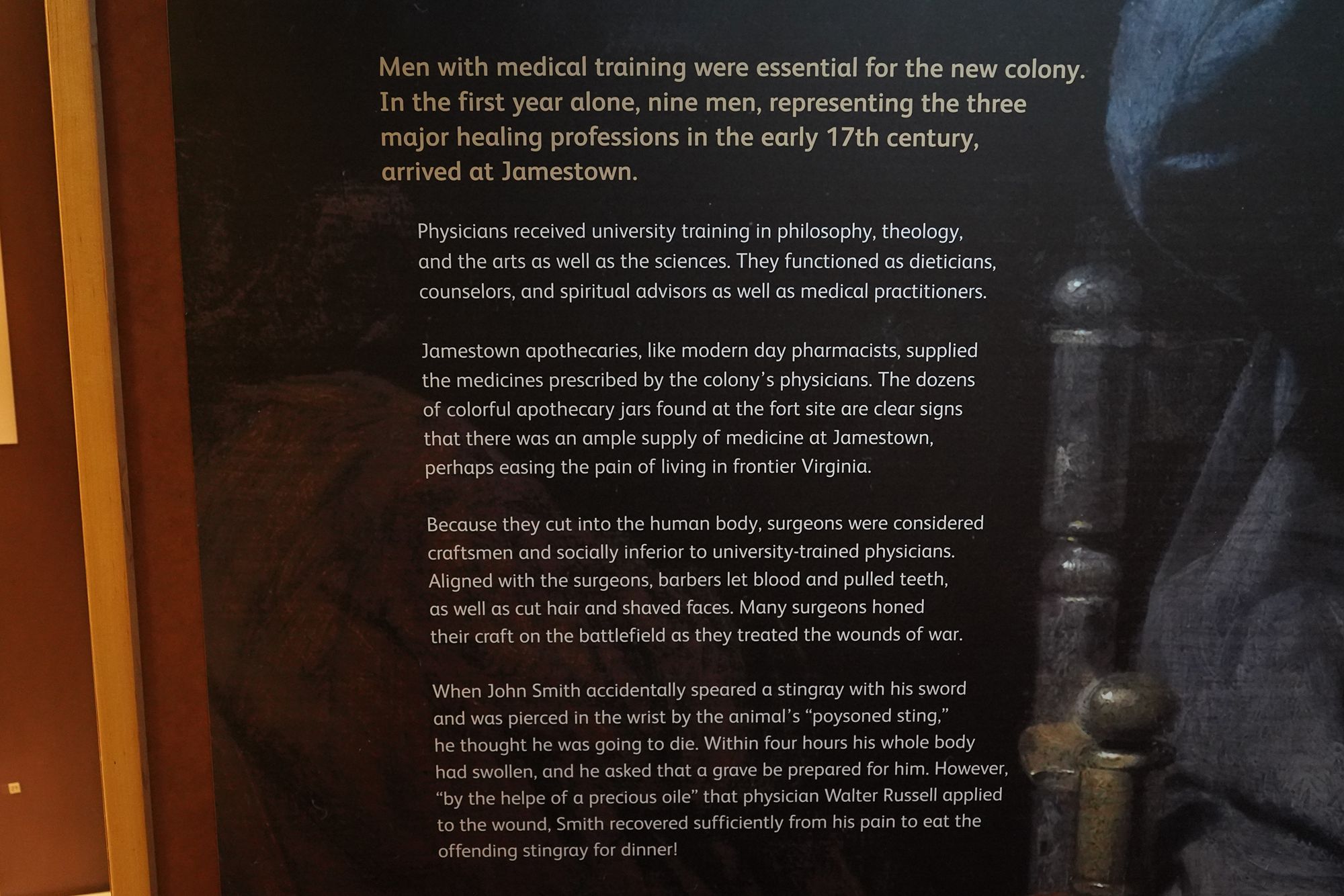
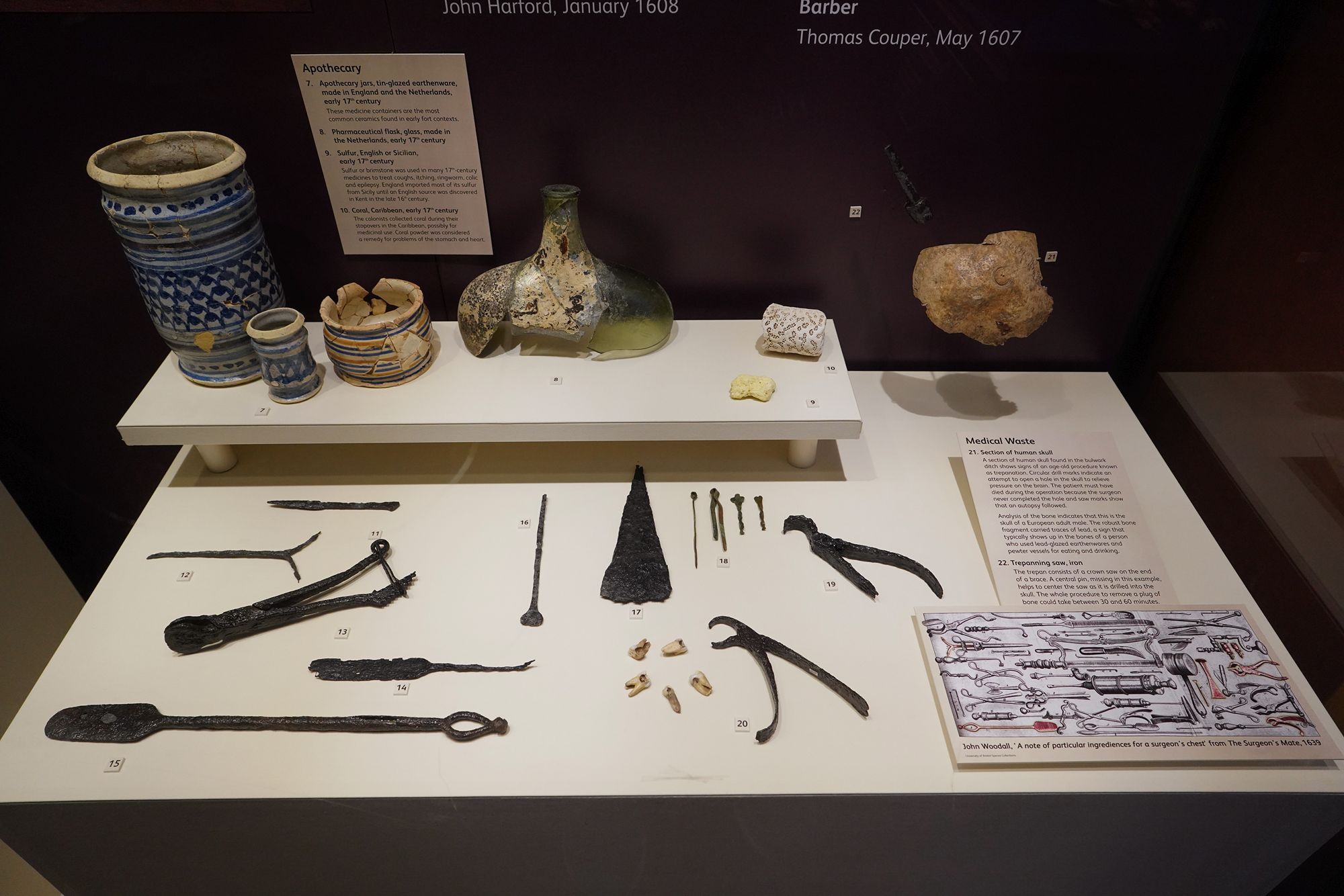
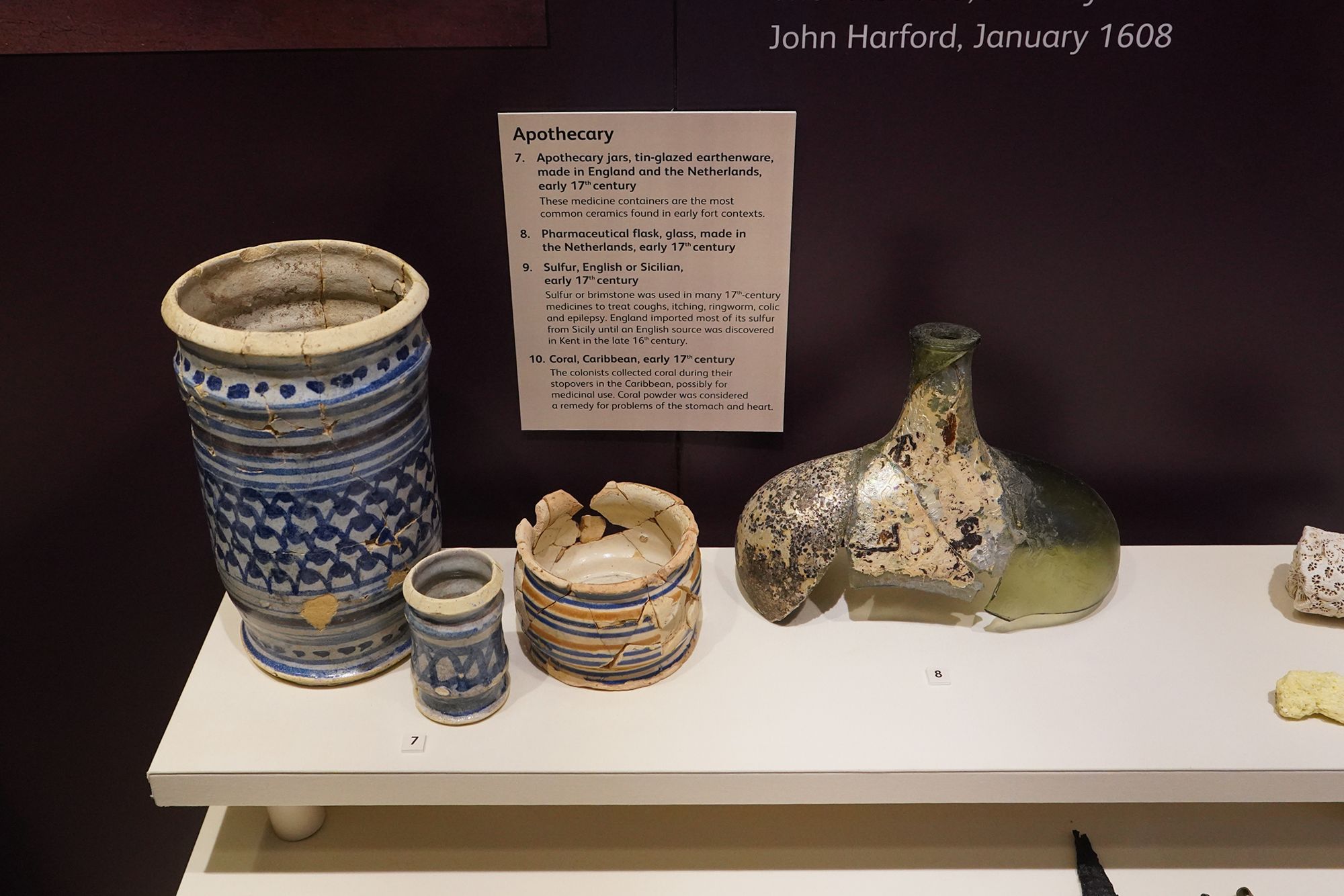
At Jamestown, healing professionals such as barber-surgeons and apothecaries cared for the sick and injured, performing tasks like bloodletting, setting broken bones, and preparing herbal medicines, though their limited knowledge and lack of supplies meant that many colonists still died from disease and infection.
In early Jamestown, burials were simple and often done quickly and secretly inside or near the fort, especially during times of high death from disease and starvation, so that the Powhatans would not see how weak the colony had become; later, as the settlement stabilized, more formal graves and a churchyard cemetery were established for the dead.
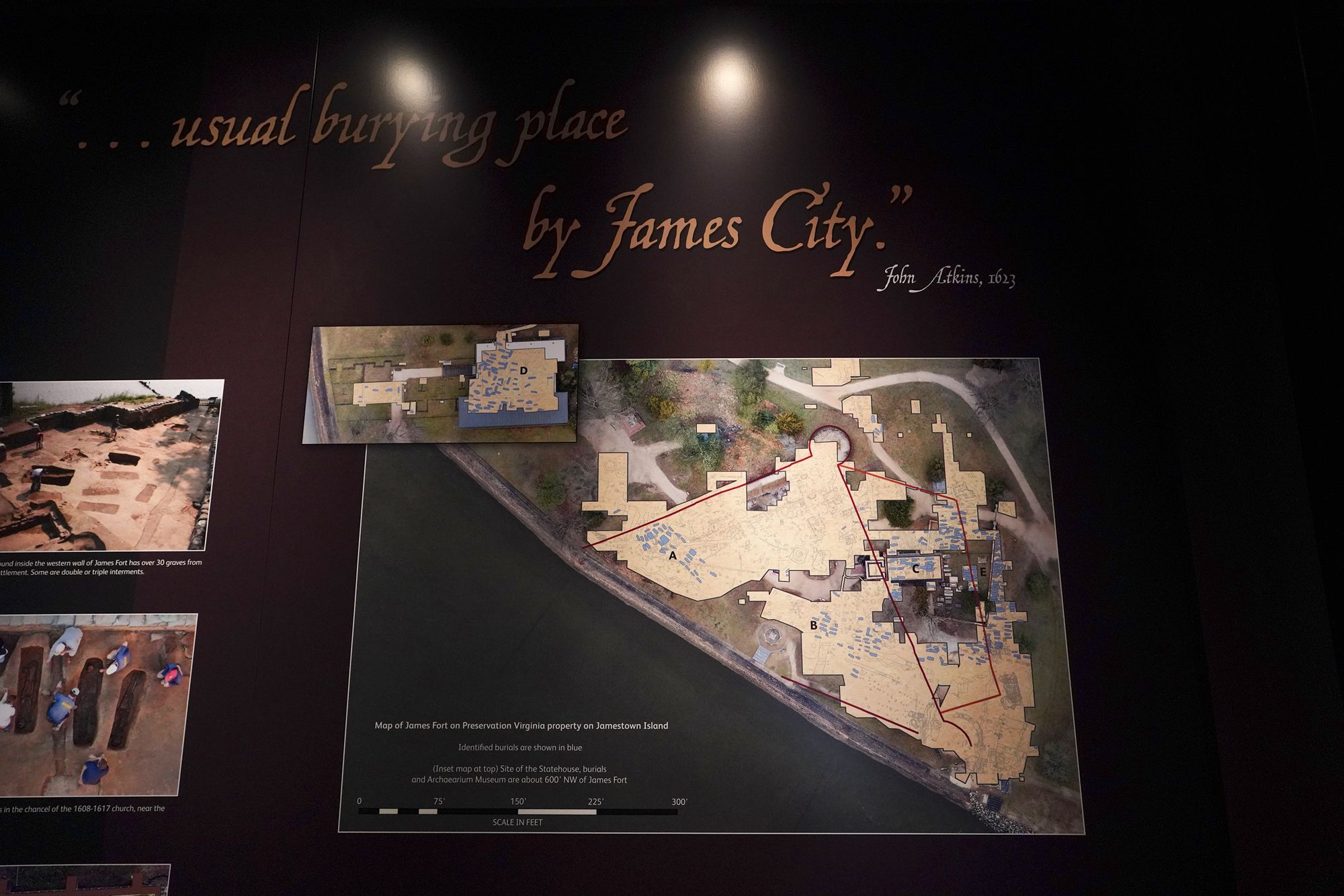
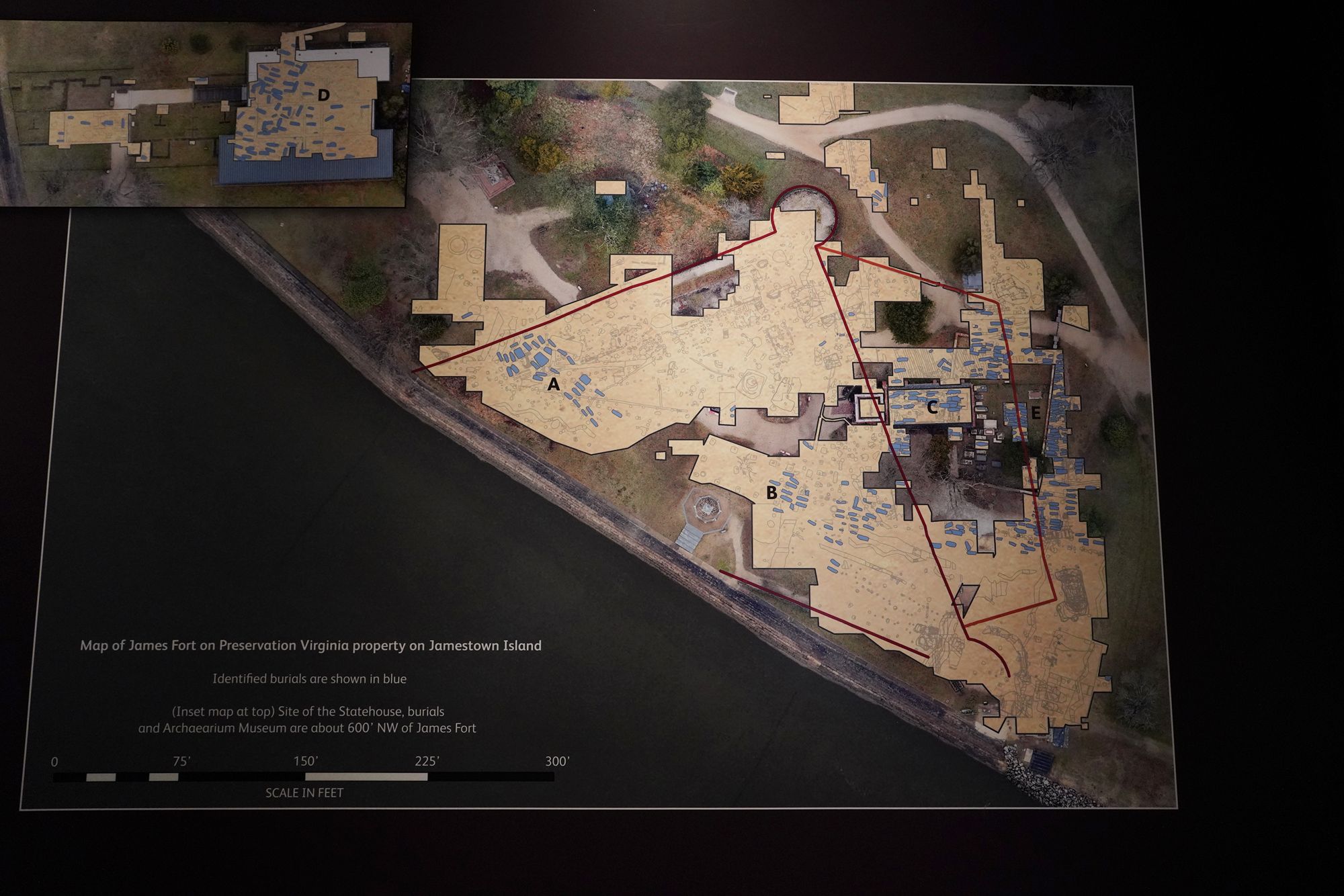
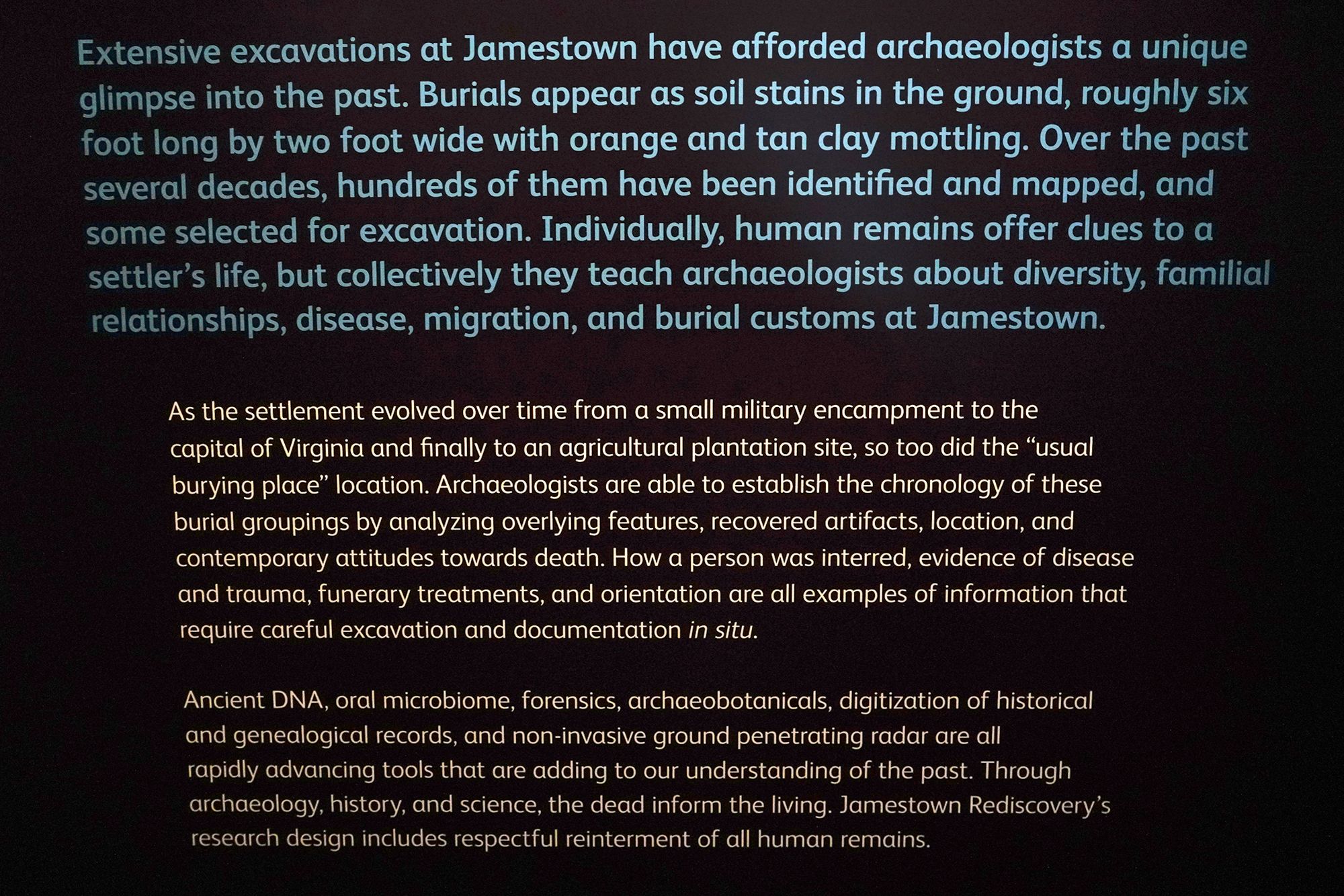
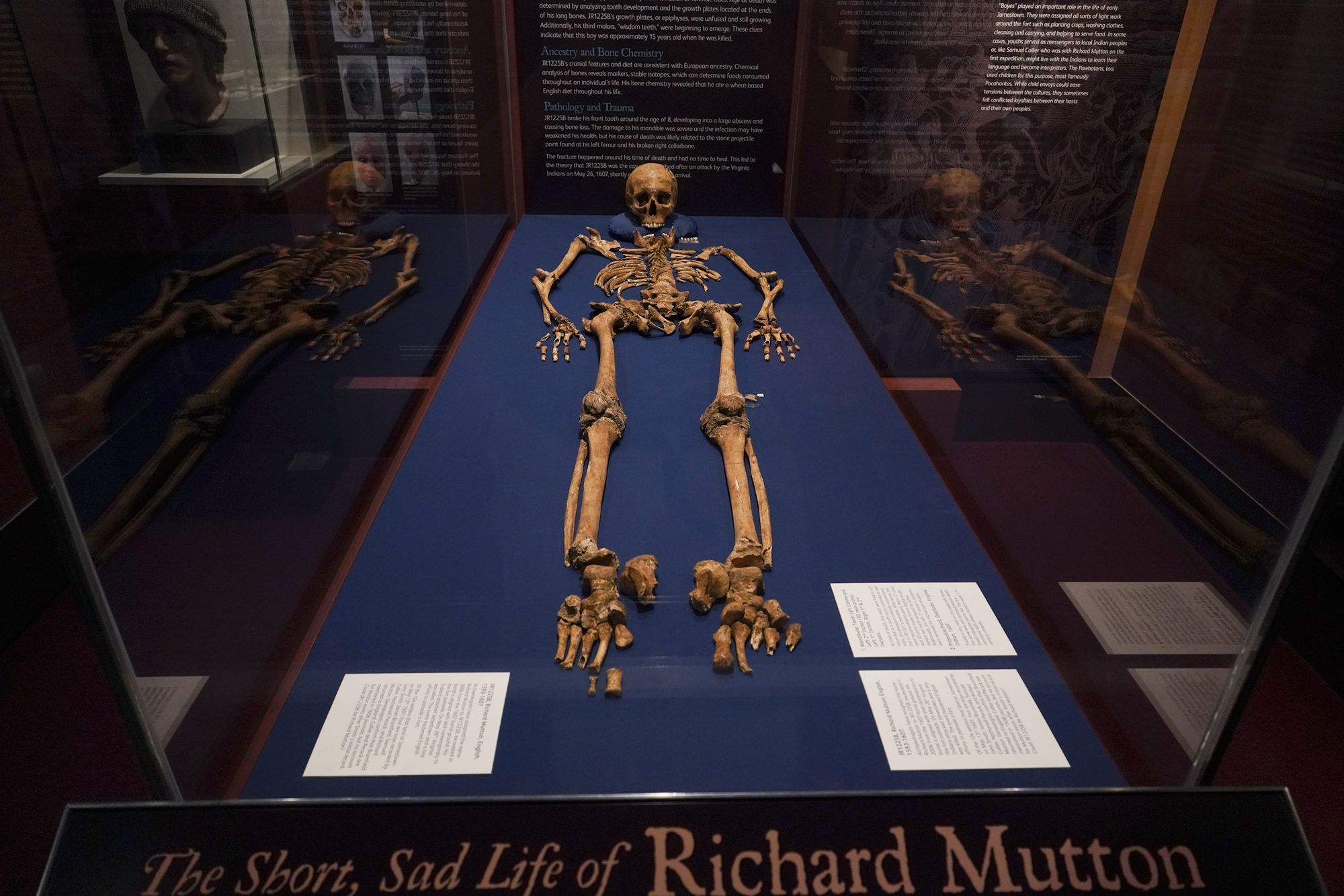
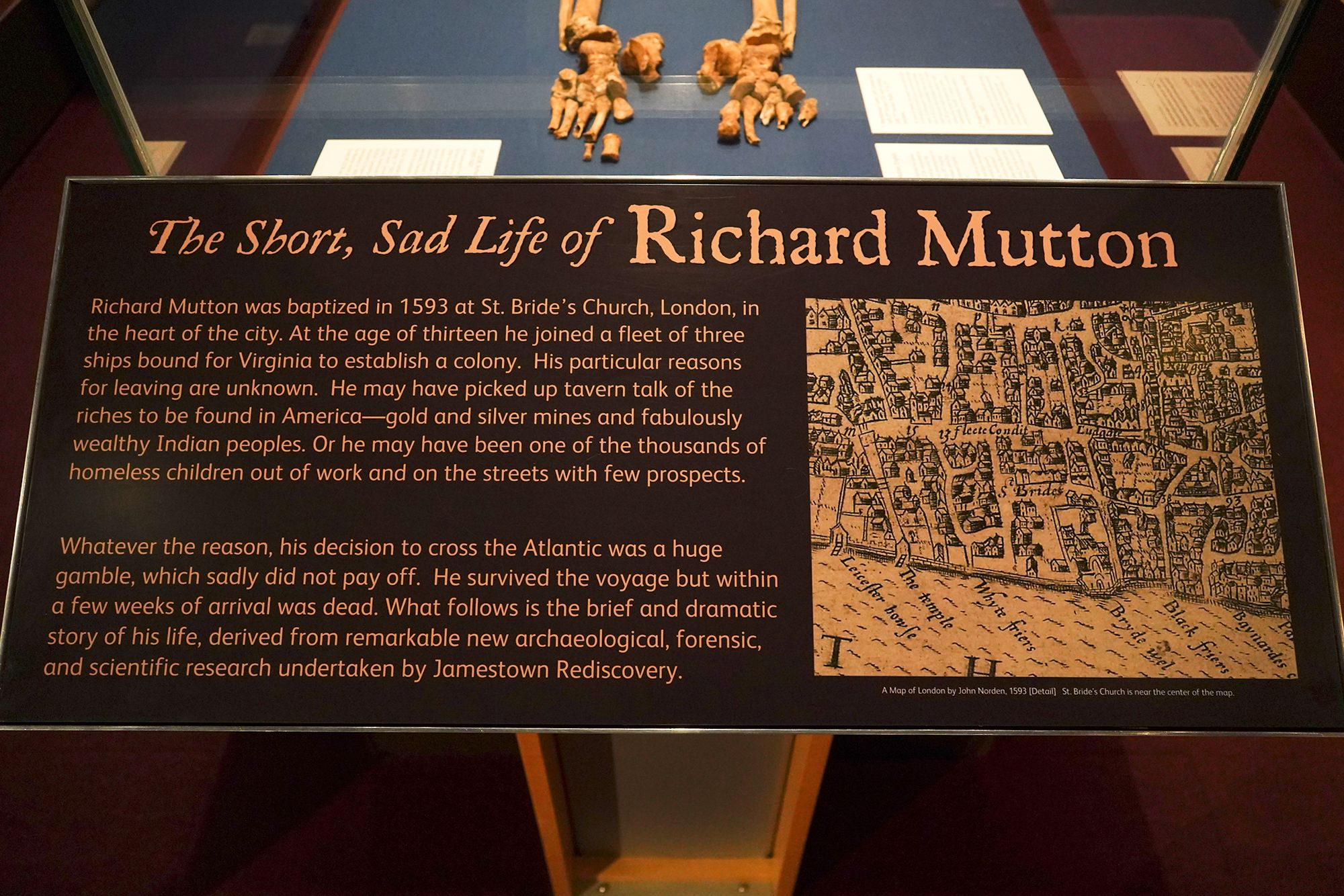
Richard Mutton was one of the early English settlers at Jamestown, believed to have arrived in the early 1600s and to have died during the colony’s first years of hardship. Archaeologists with the Jamestown Rediscovery Project uncovered his remains within the fort’s burial area, identifying him as one of the young men who perished during the “Starving Time” (1609–1610). His grave, like many others found inside the fort, reflects the colony’s desperate conditions—when so many died that burials were performed hastily and often within the fort walls for safety.
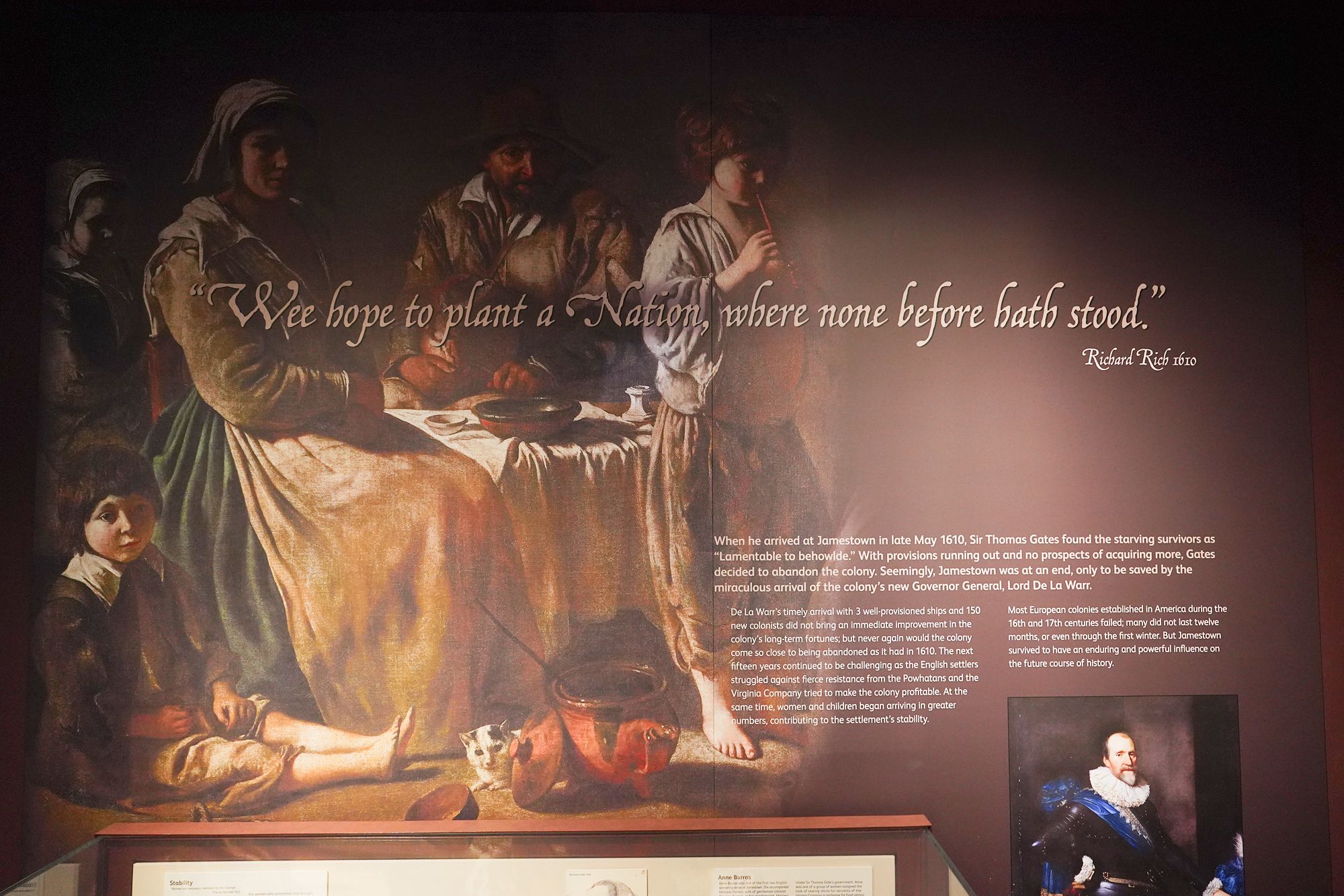
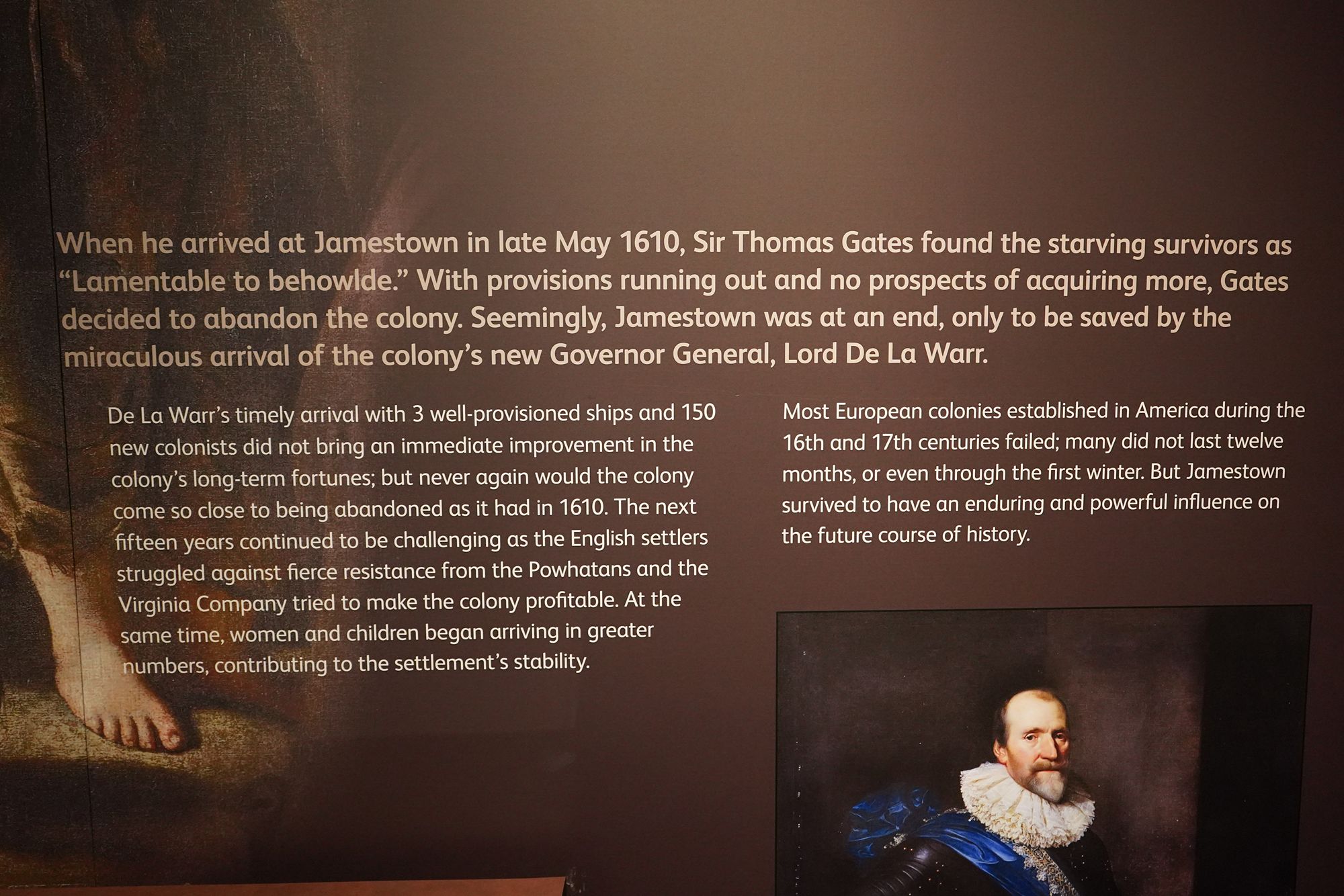
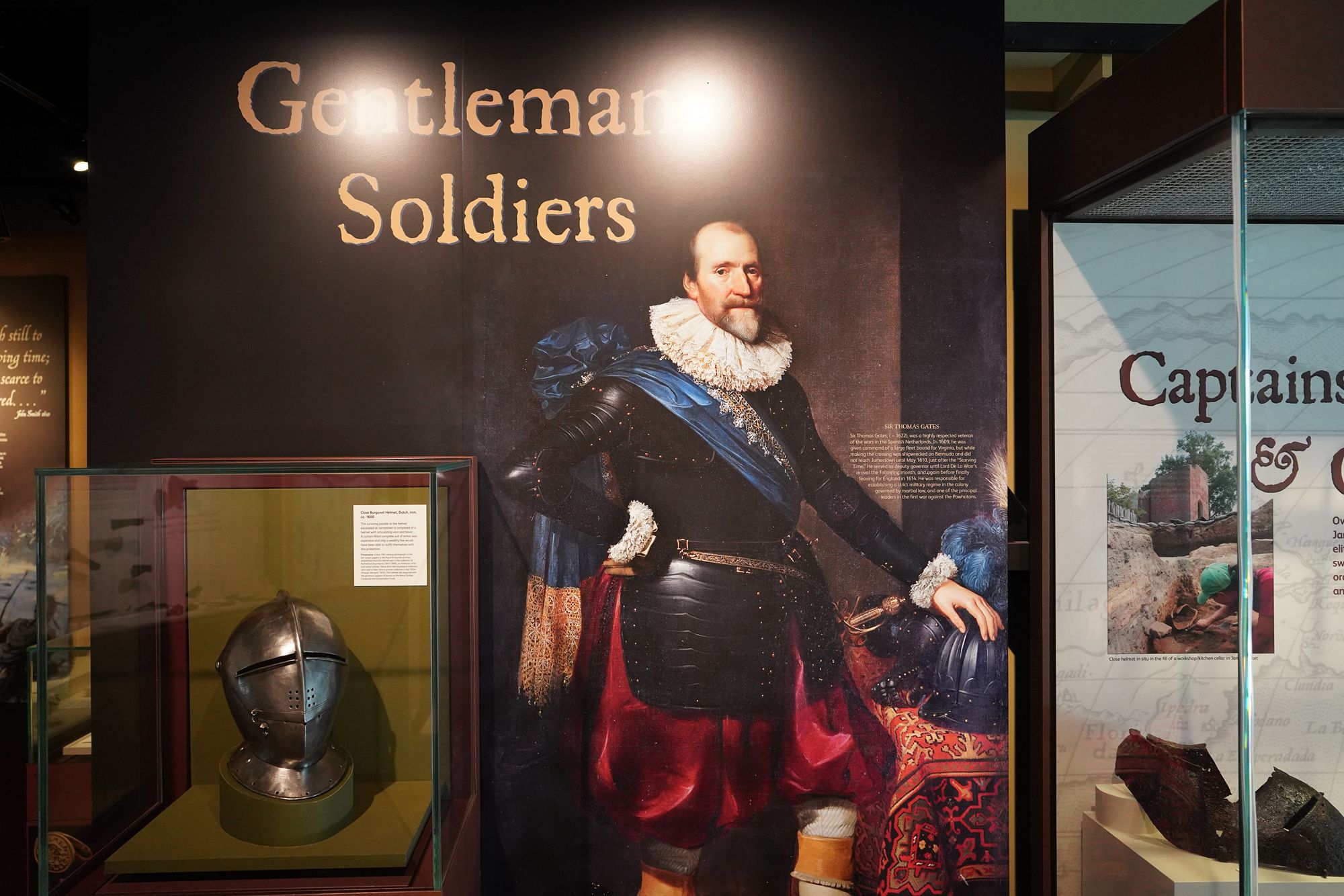
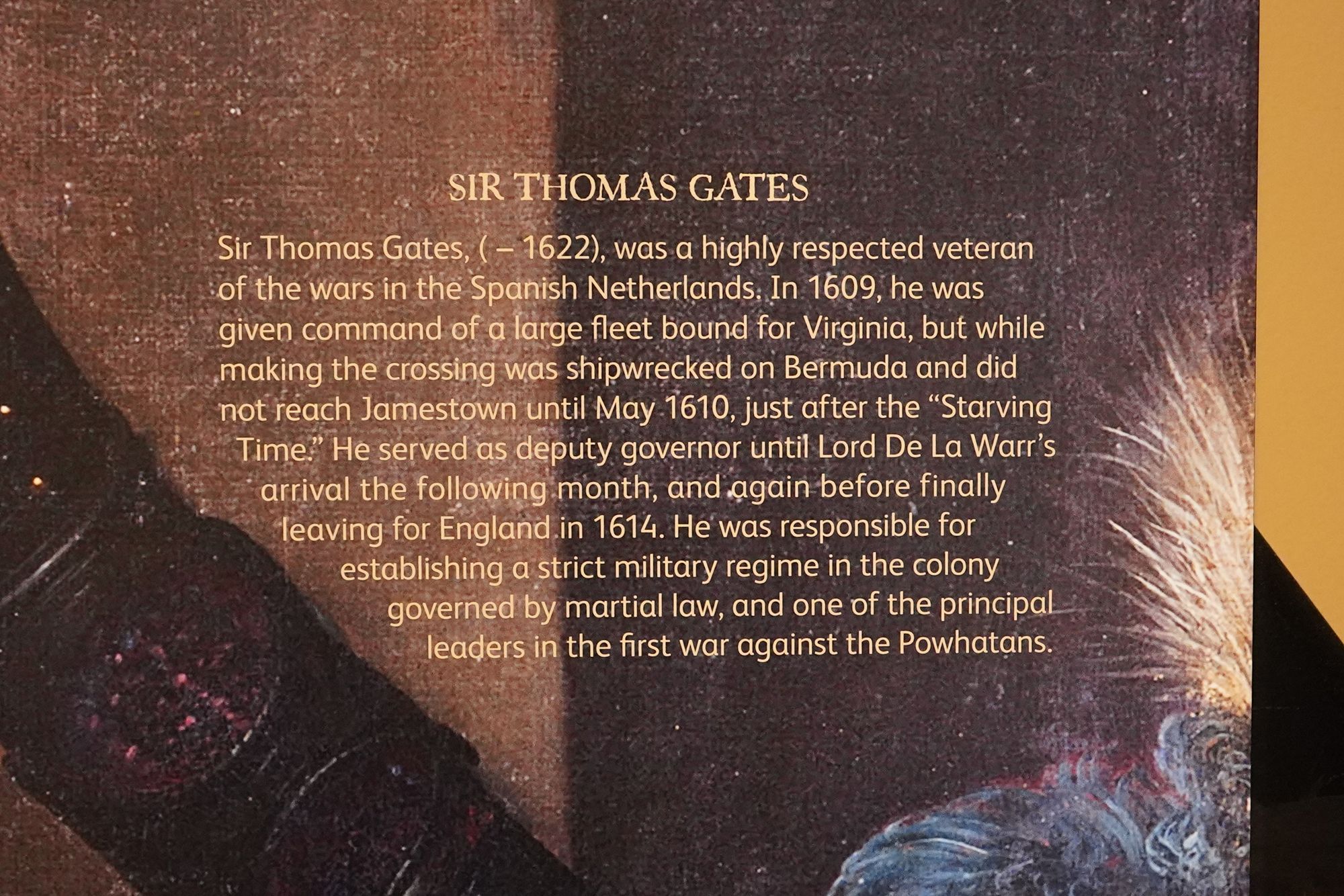
Sir Thomas Gates arrived at Jamestown in May 1610 after surviving a shipwreck in Bermuda on the Sea Venture, and he found the colony devastated by the Starving Time, with only about 60 settlers left alive; preparing to abandon Jamestown, he was met by Lord De La Warr’s fleet, which brought supplies and reinforcements, allowing Gates to help reorganize the settlement, enforce strict martial laws, and reestablish stability, securing the colony’s survival and paving the way for its future growth.
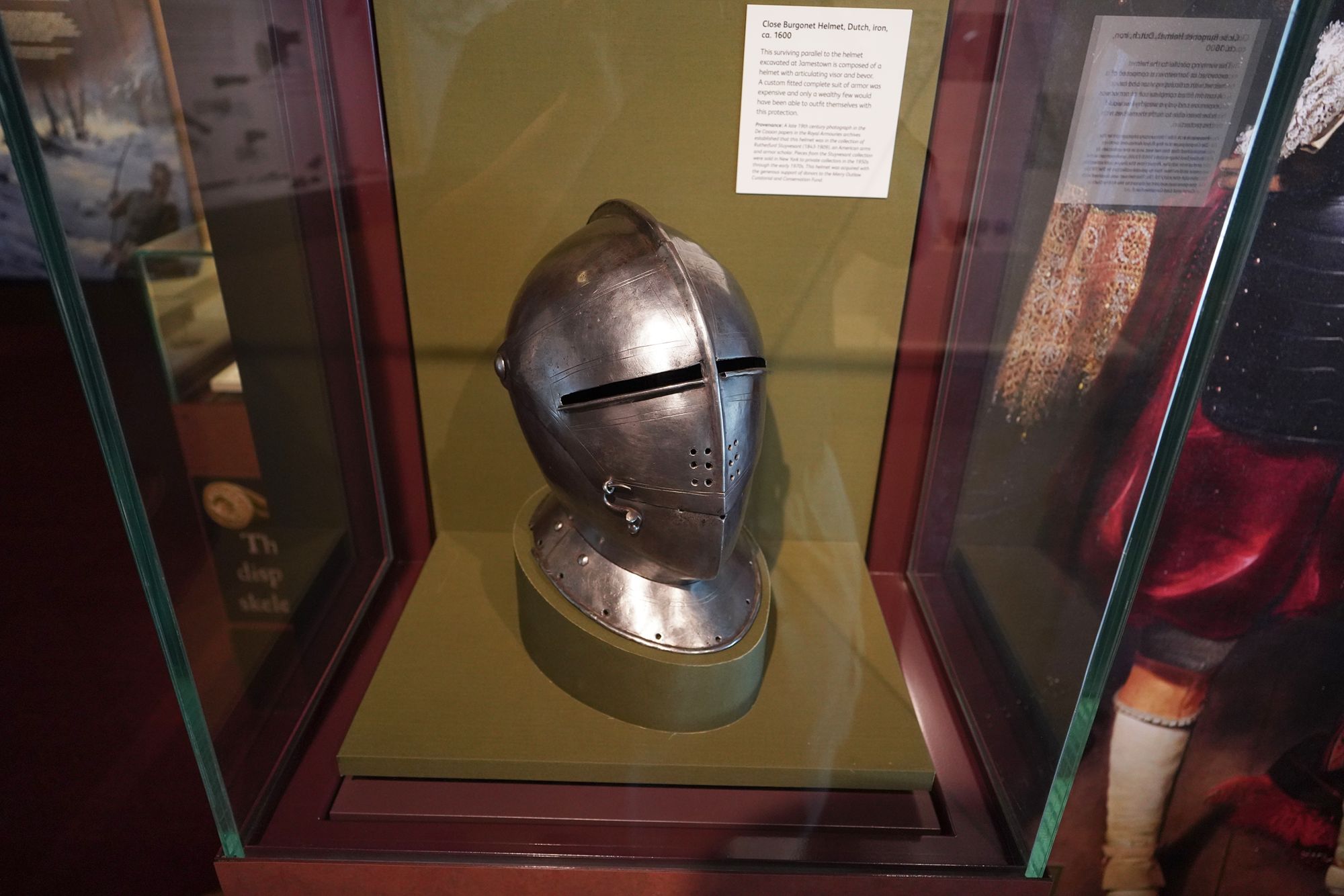
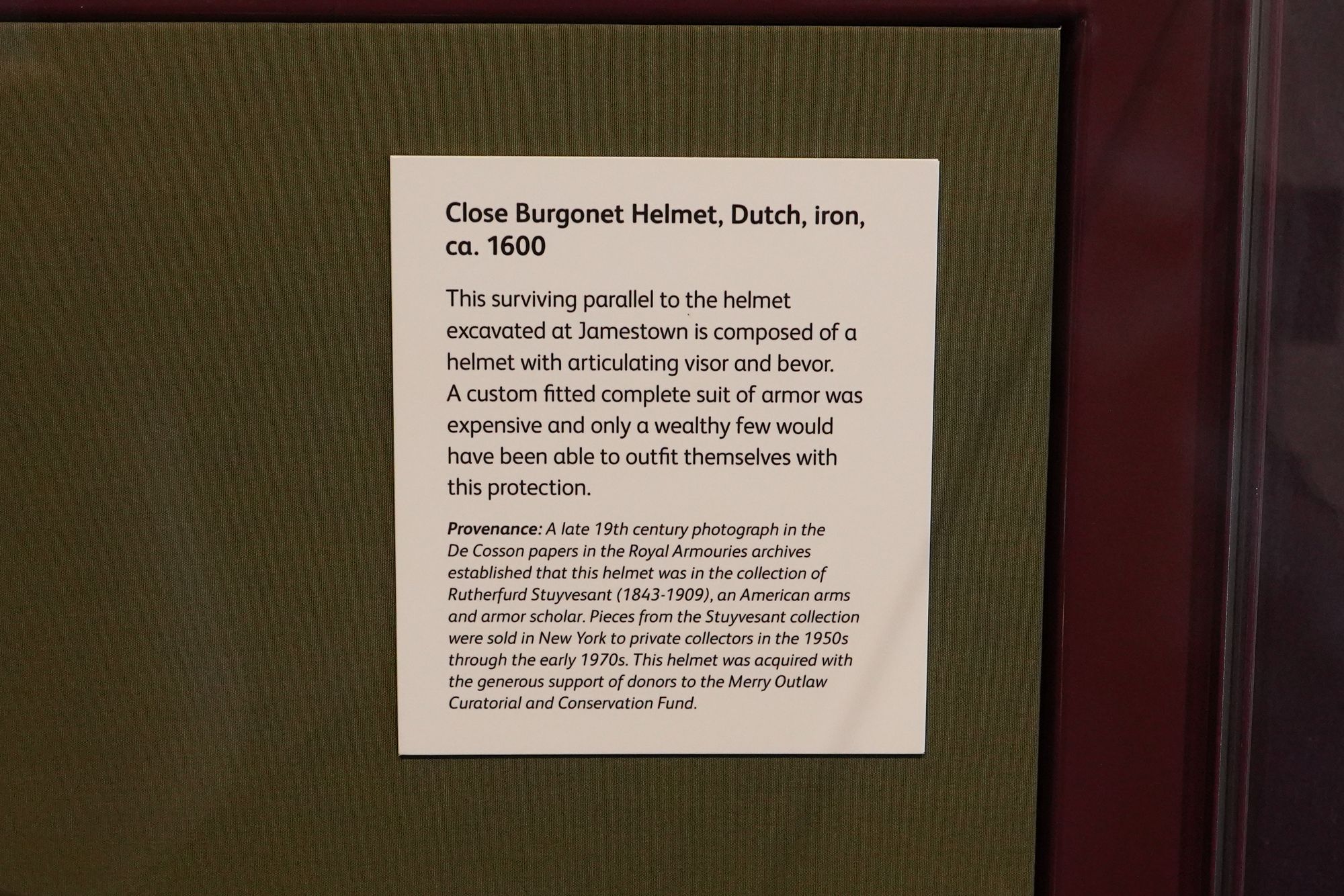
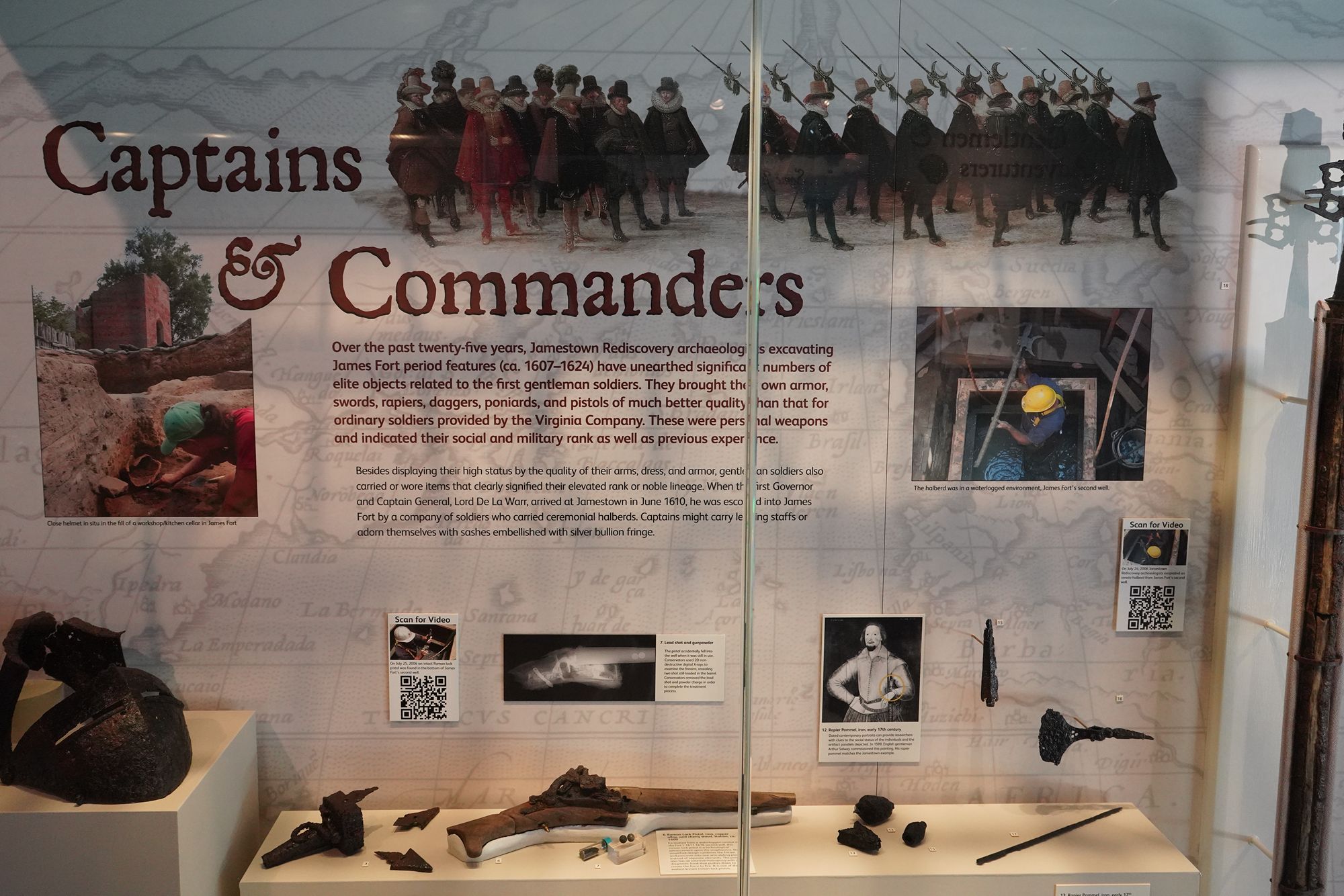
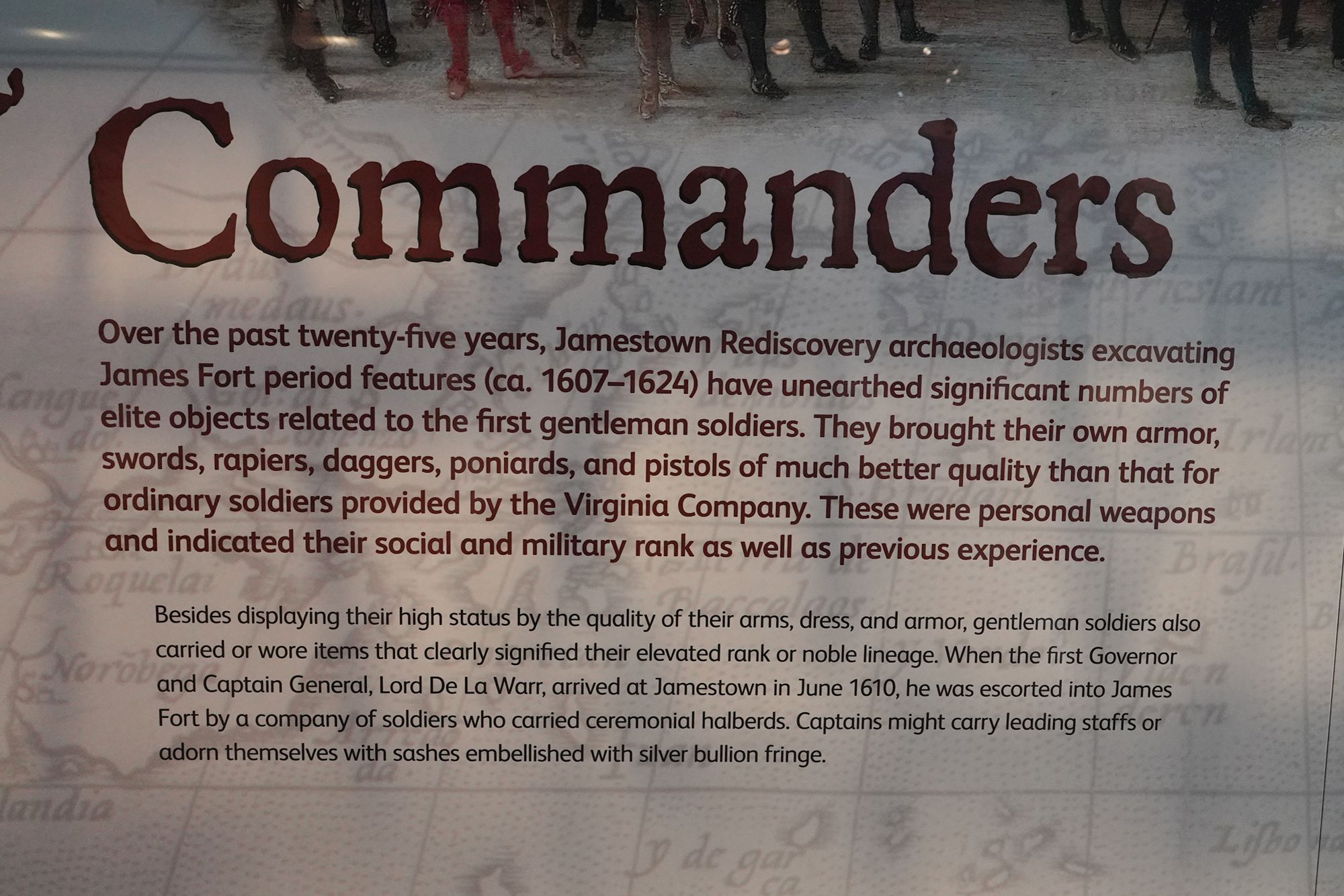
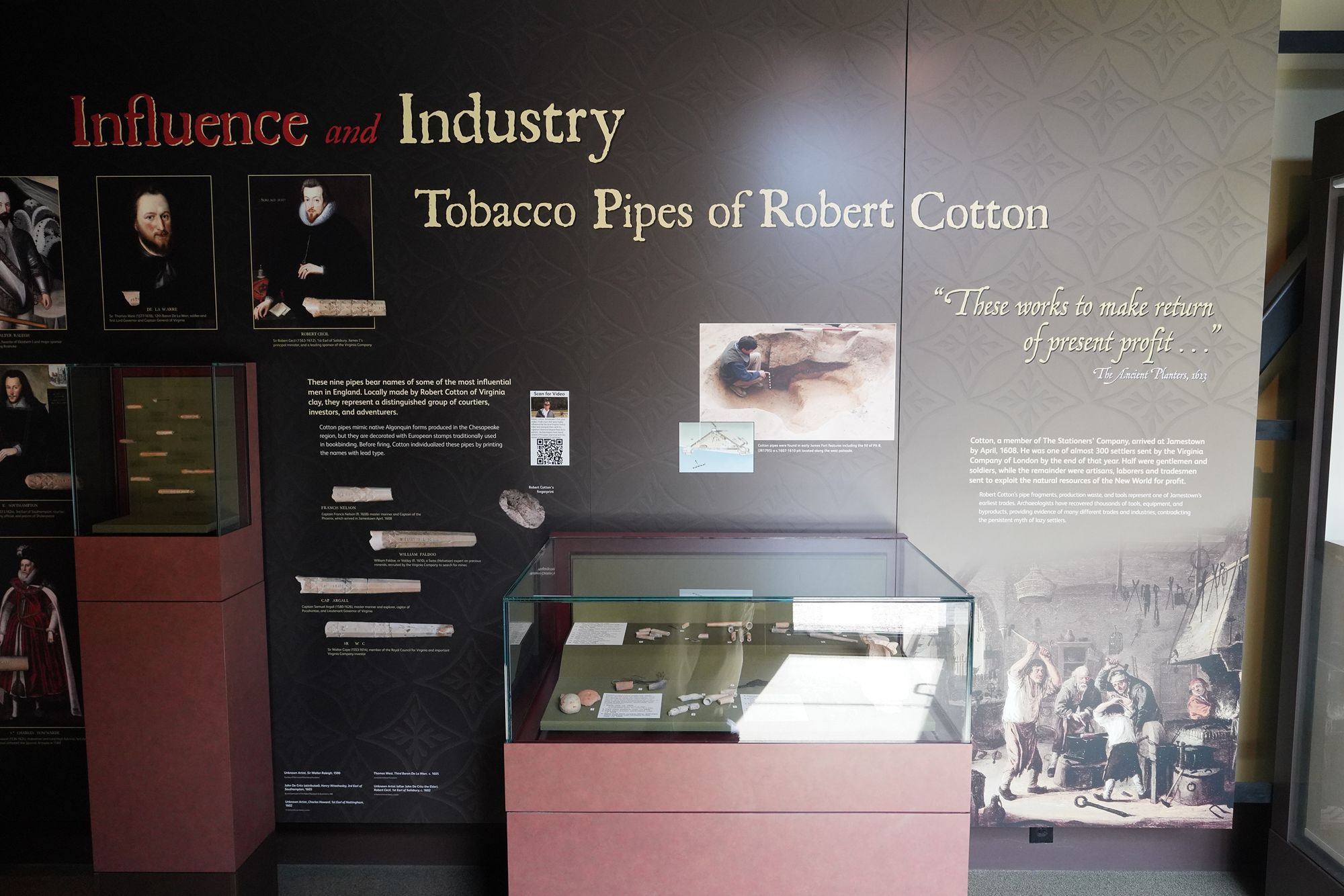
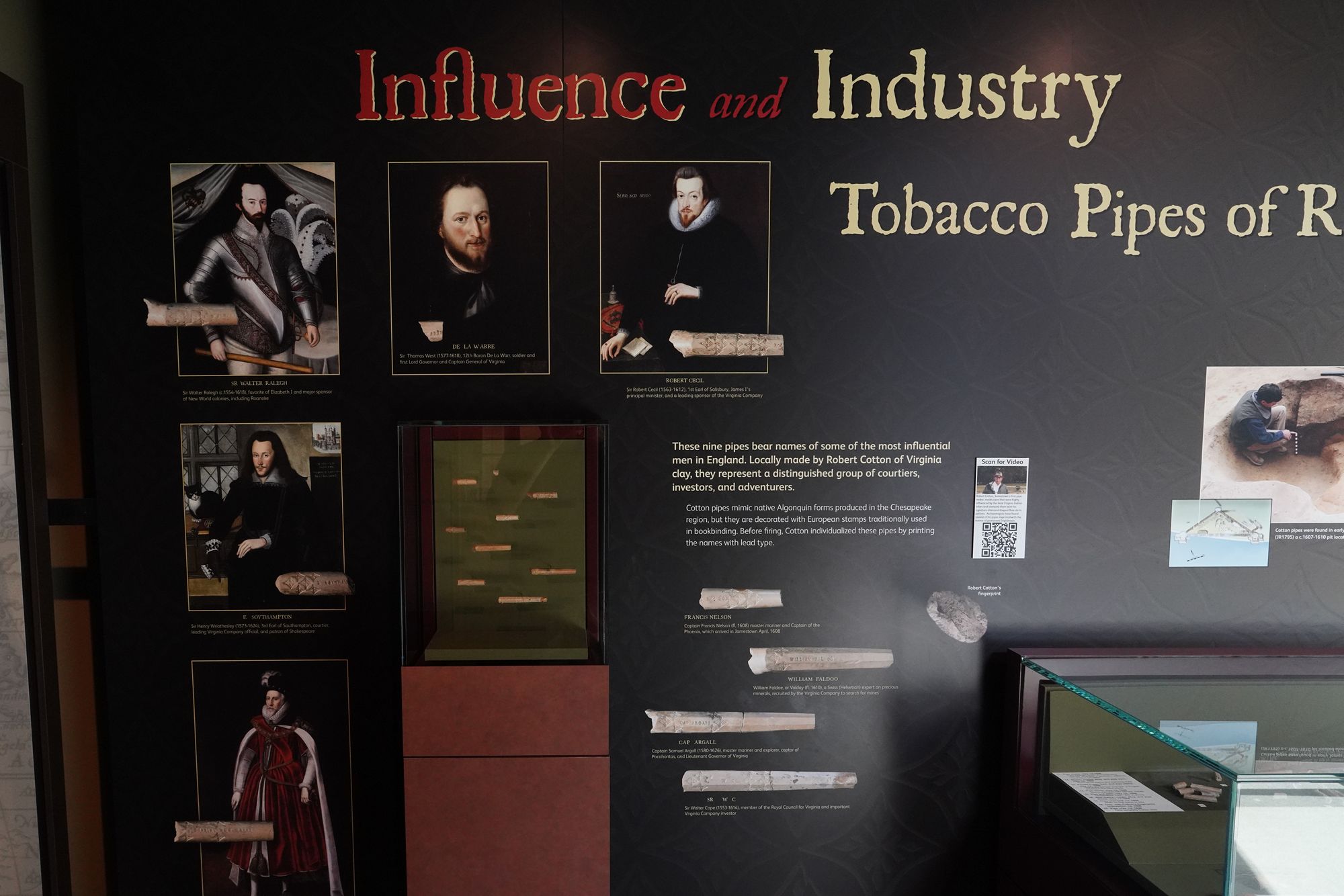
Tobacco became Virginia’s most influential industry, transforming Jamestown from a failing outpost into a profitable colony, shaping its economy, society, and labor system, and leading to the rise of plantations, slavery, and transatlantic trade that defined the colony’s future.
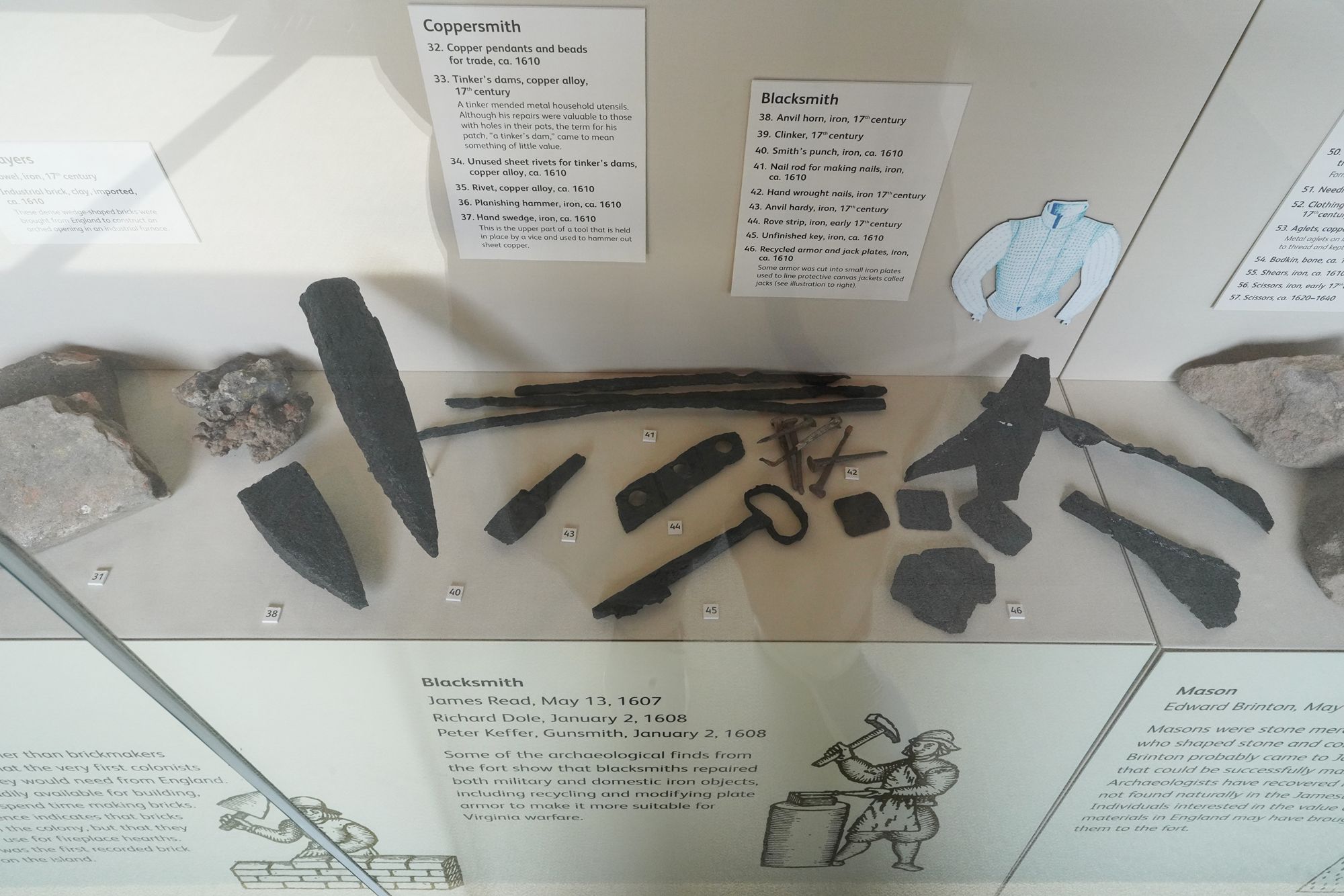
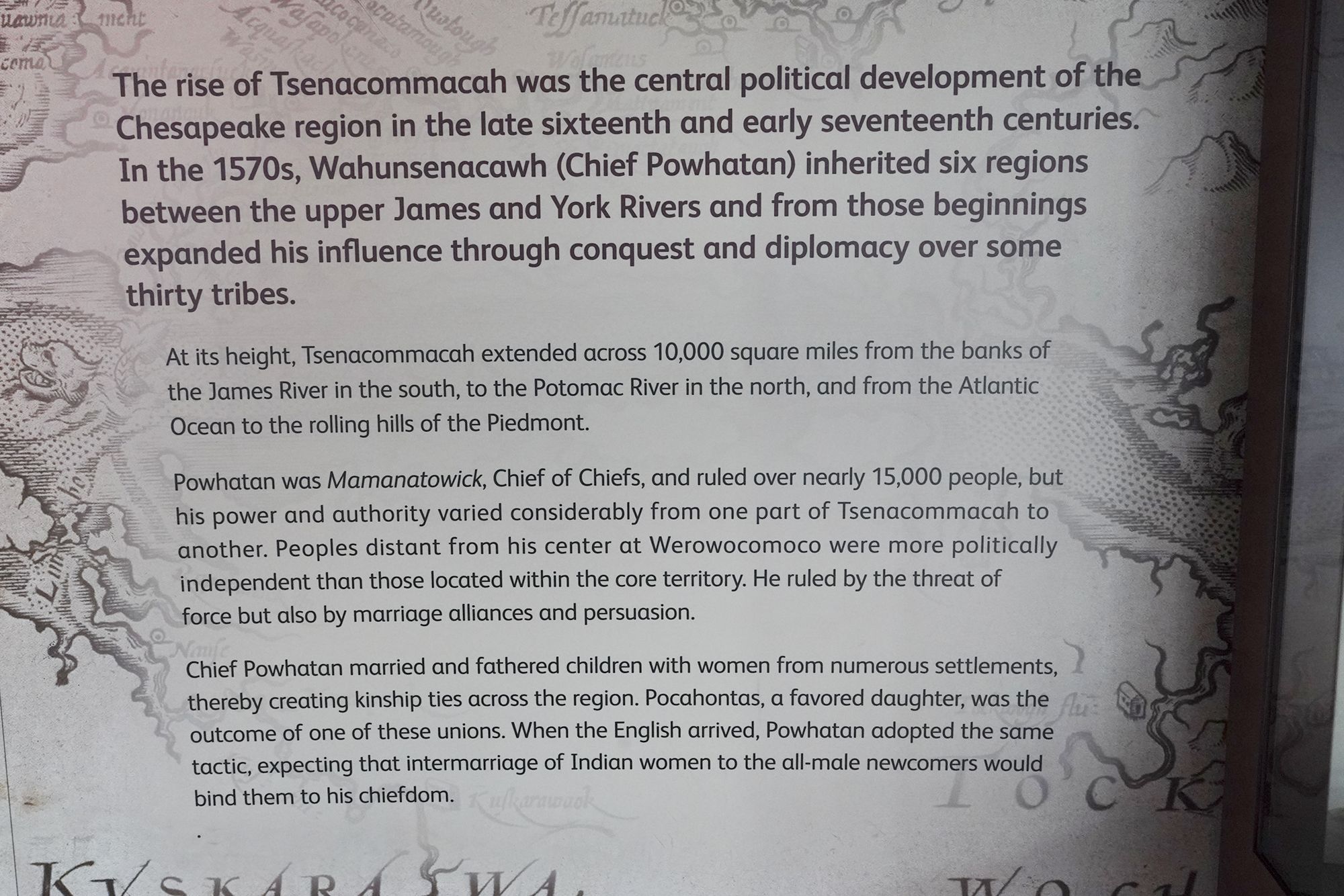
The world of Pocahontas was that of the Powhatan Confederacy, a network of about 30 tribes in coastal Virginia united under her father, Chief Powhatan, who lived by farming, hunting, and spiritual traditions long before the English arrived at Jamestown.
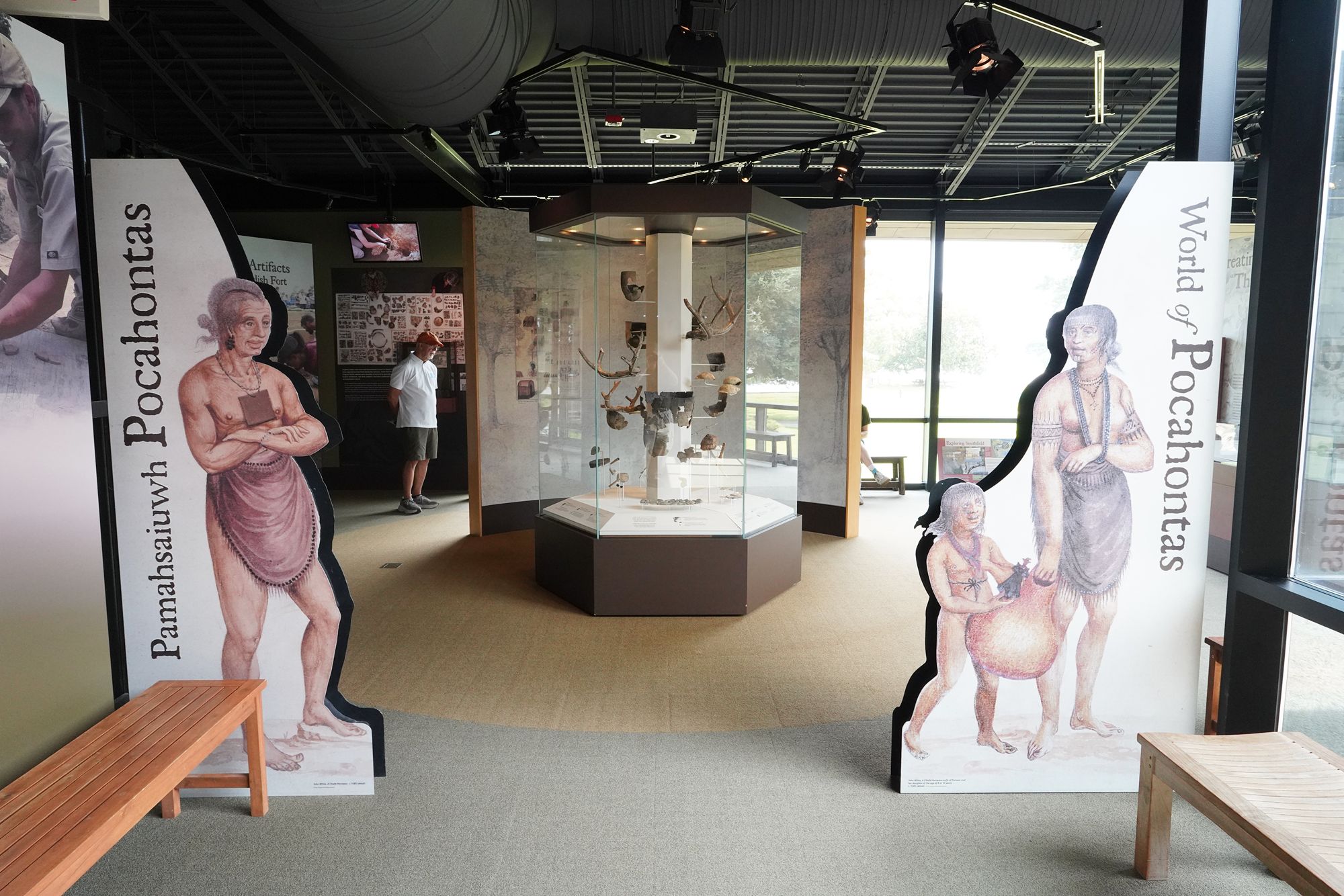
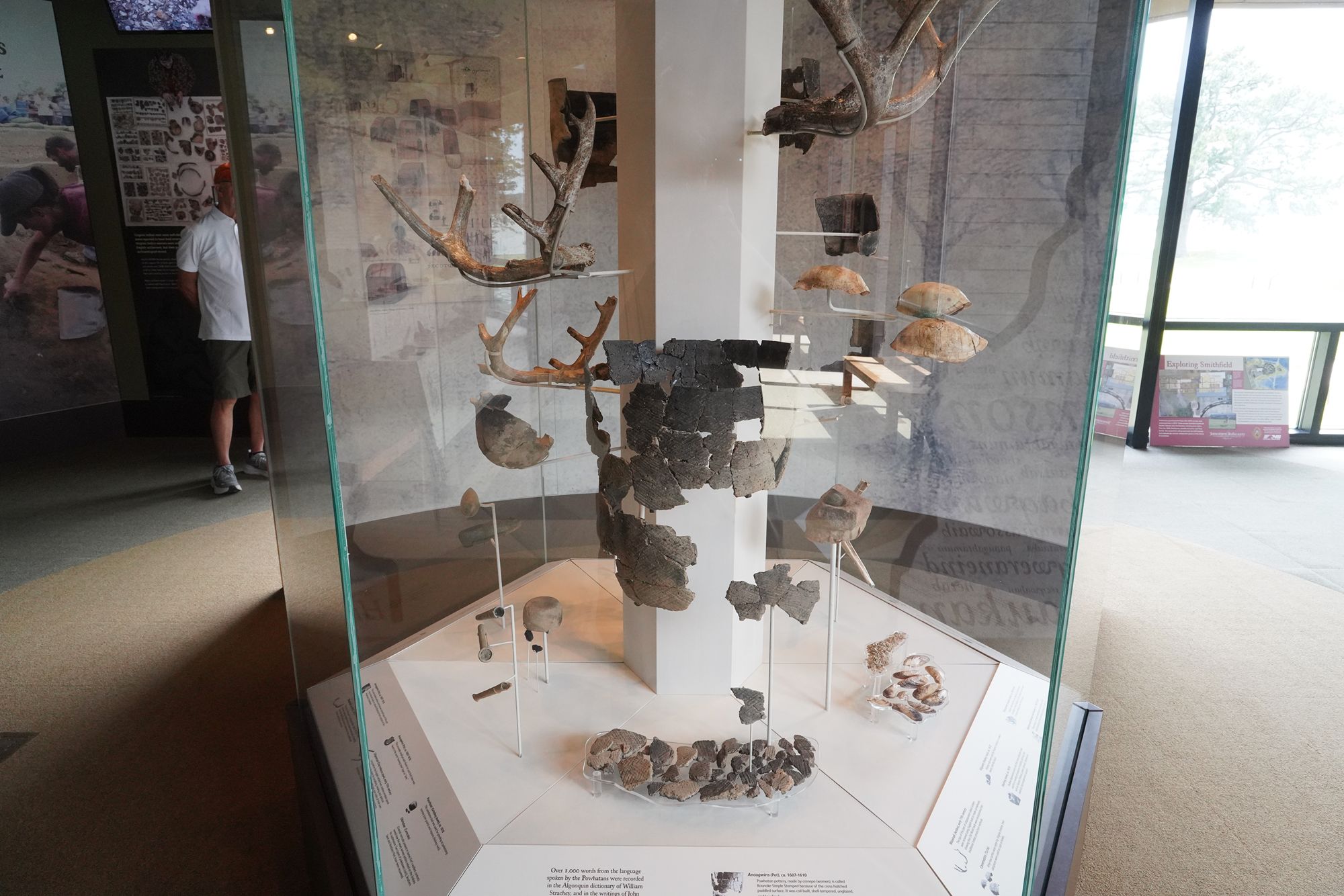
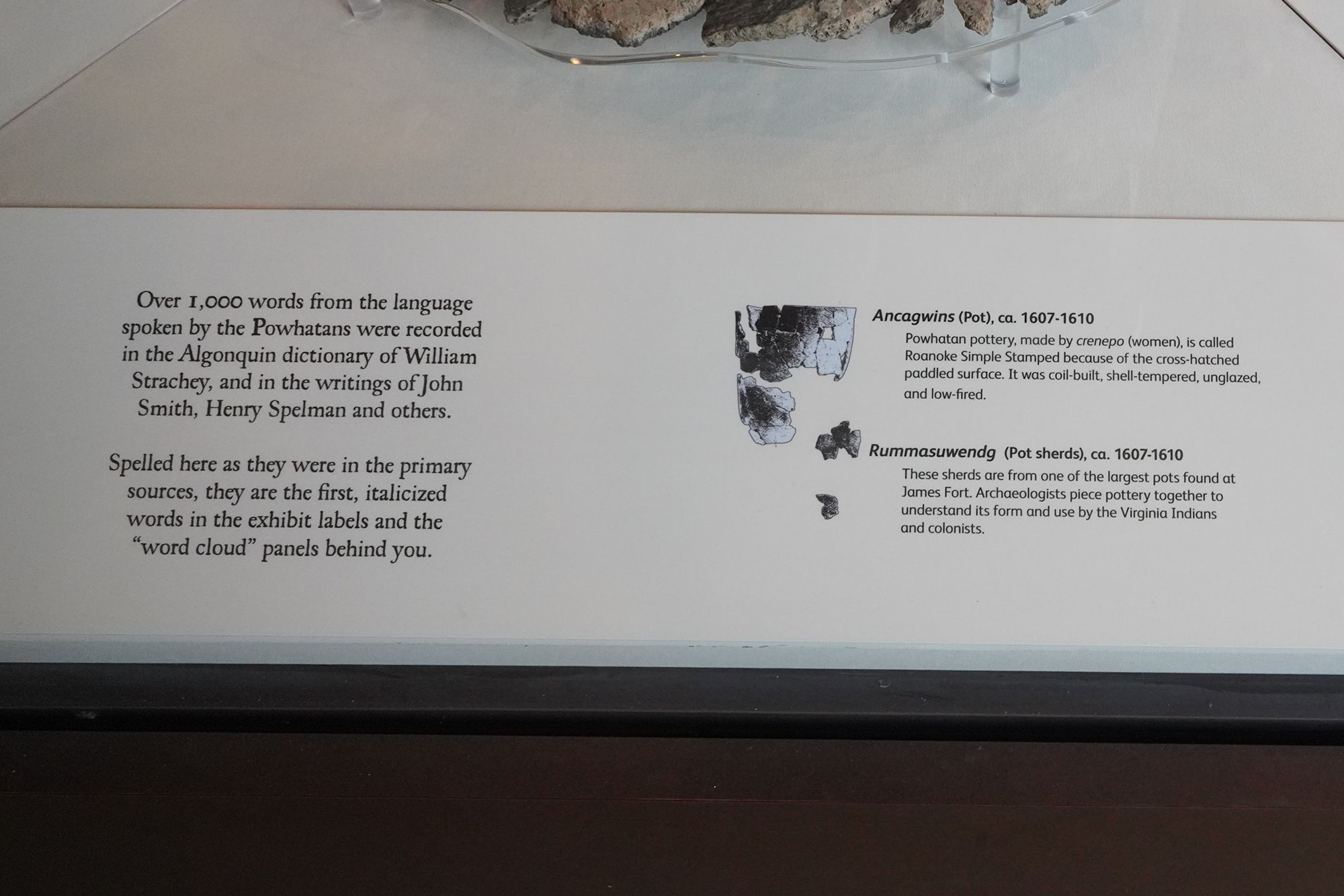
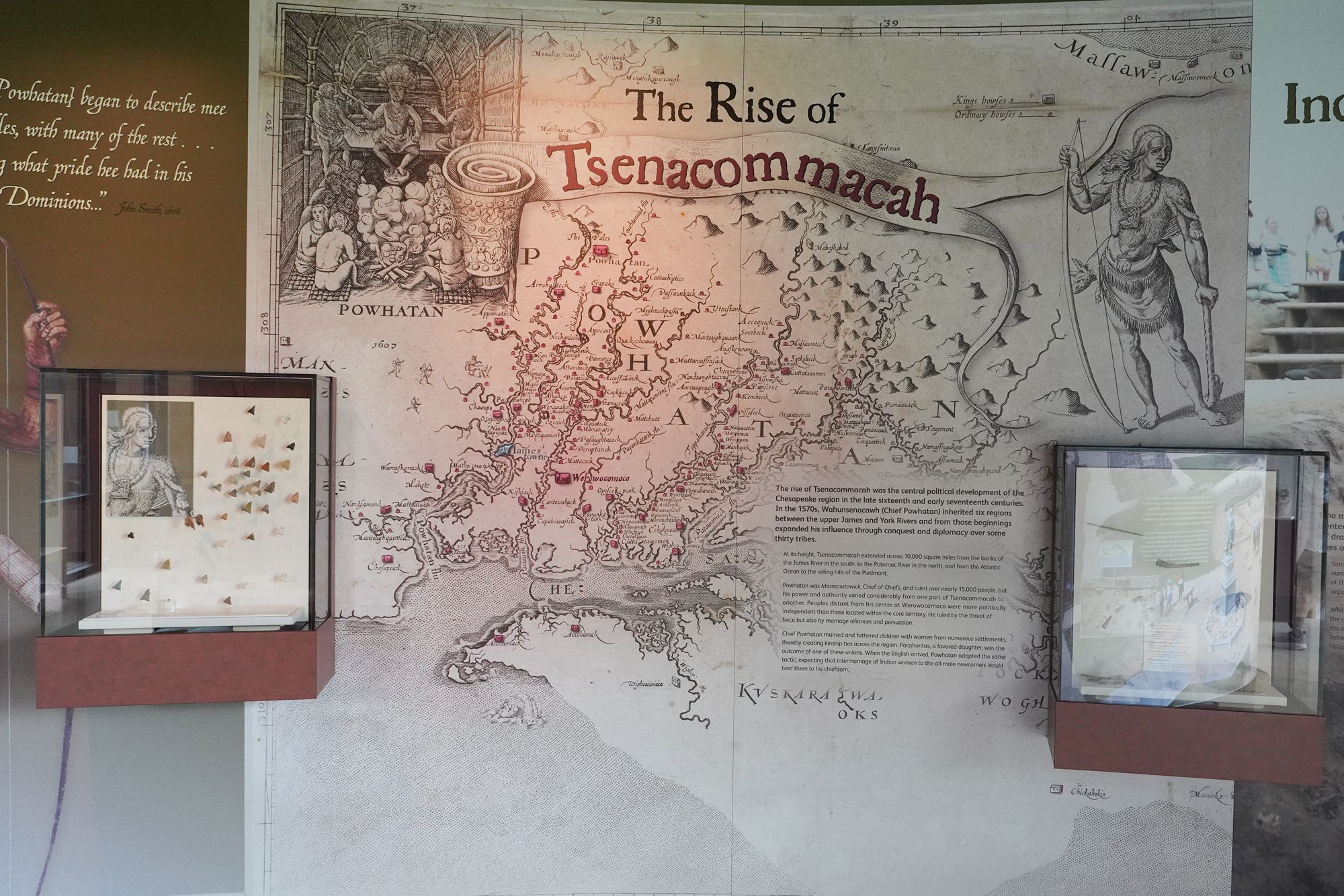
The rise of Tsenacomoco occurred when Chief Powhatan (Wahunsonacock) united about 30 Algonquian-speaking tribes in coastal Virginia into a powerful confederacy, creating a centralized system of tribute, trade, and alliance that brought stability and dominance to the region before the English arrived at Jamestown.
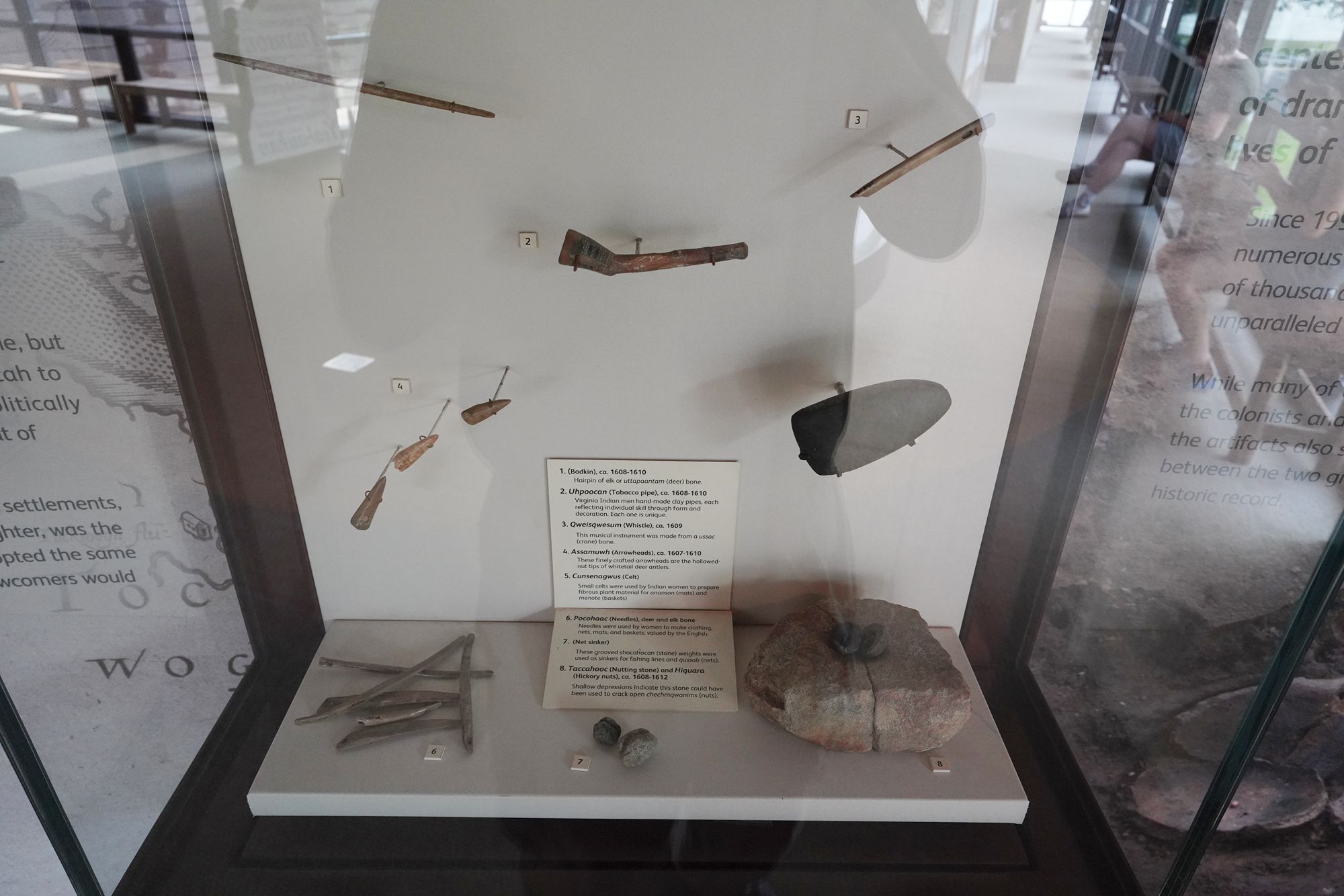
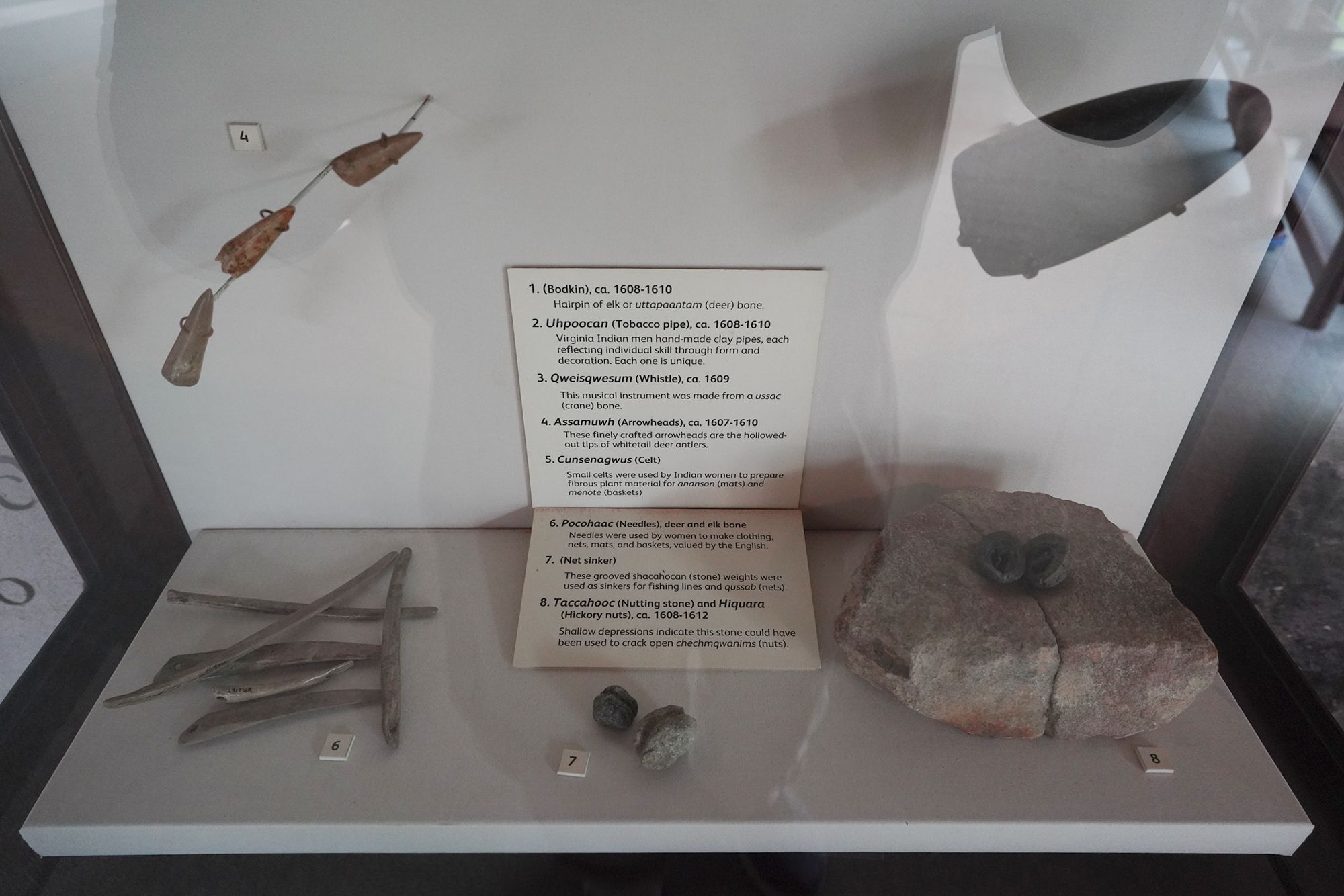
The Arival of the Settlers
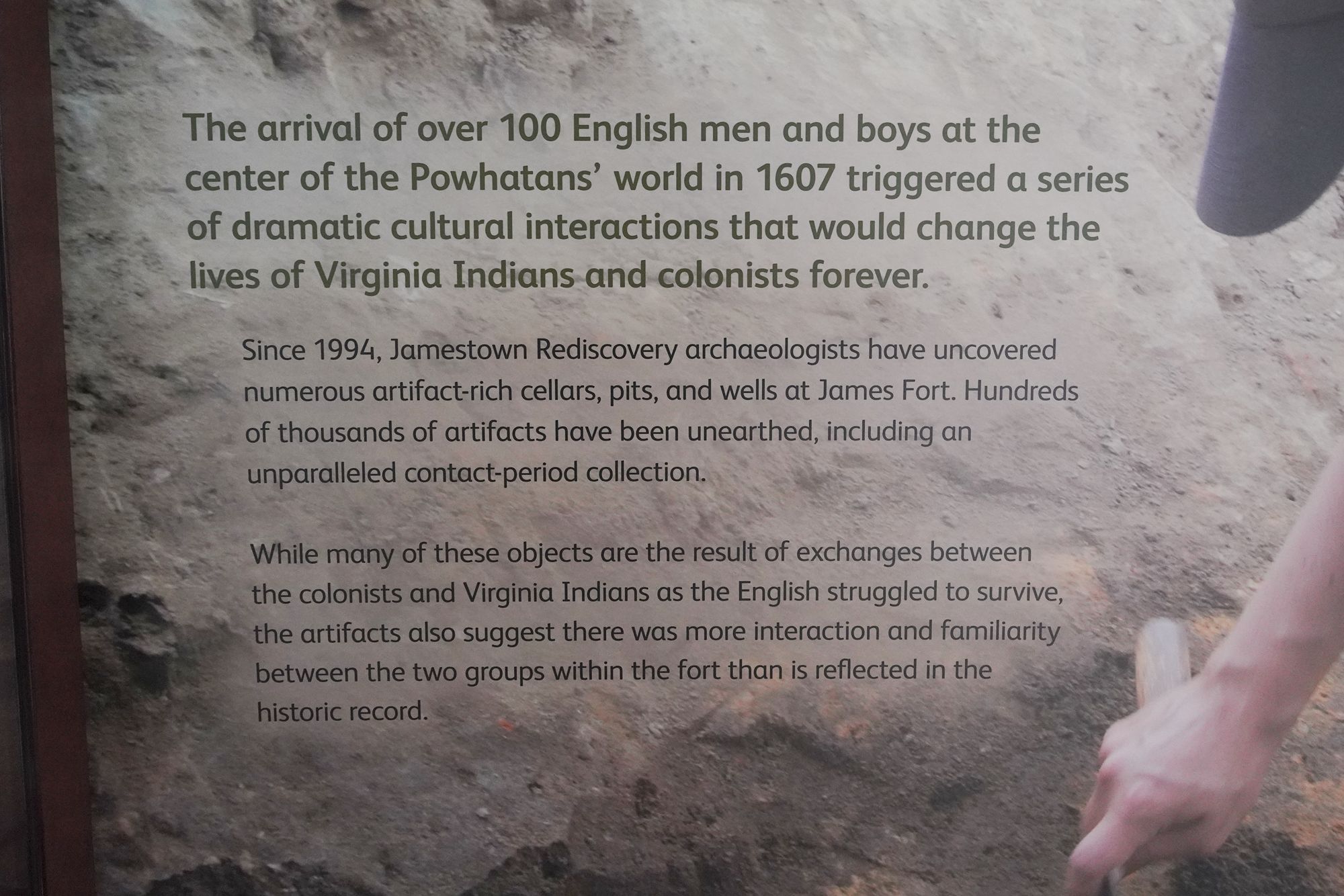
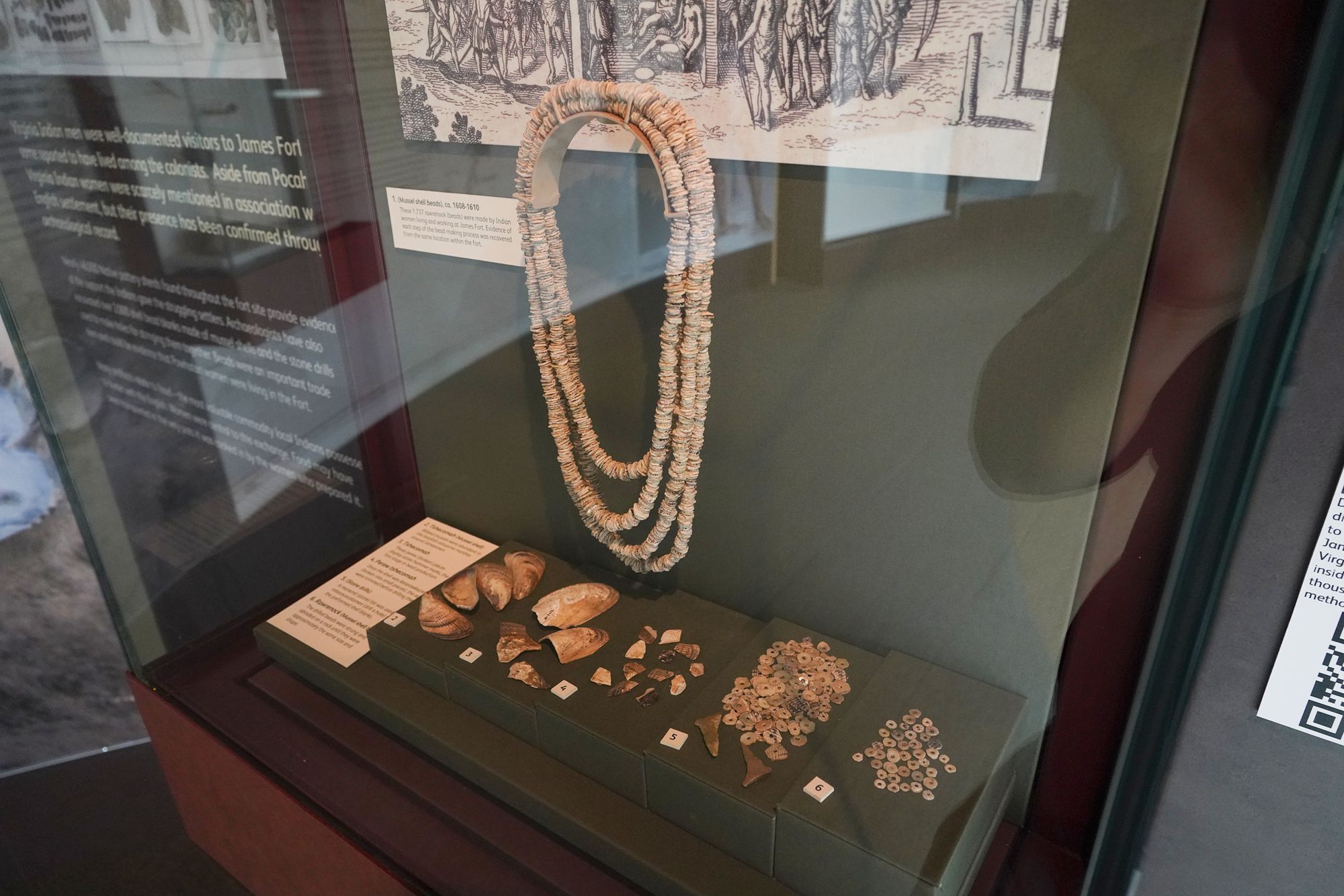
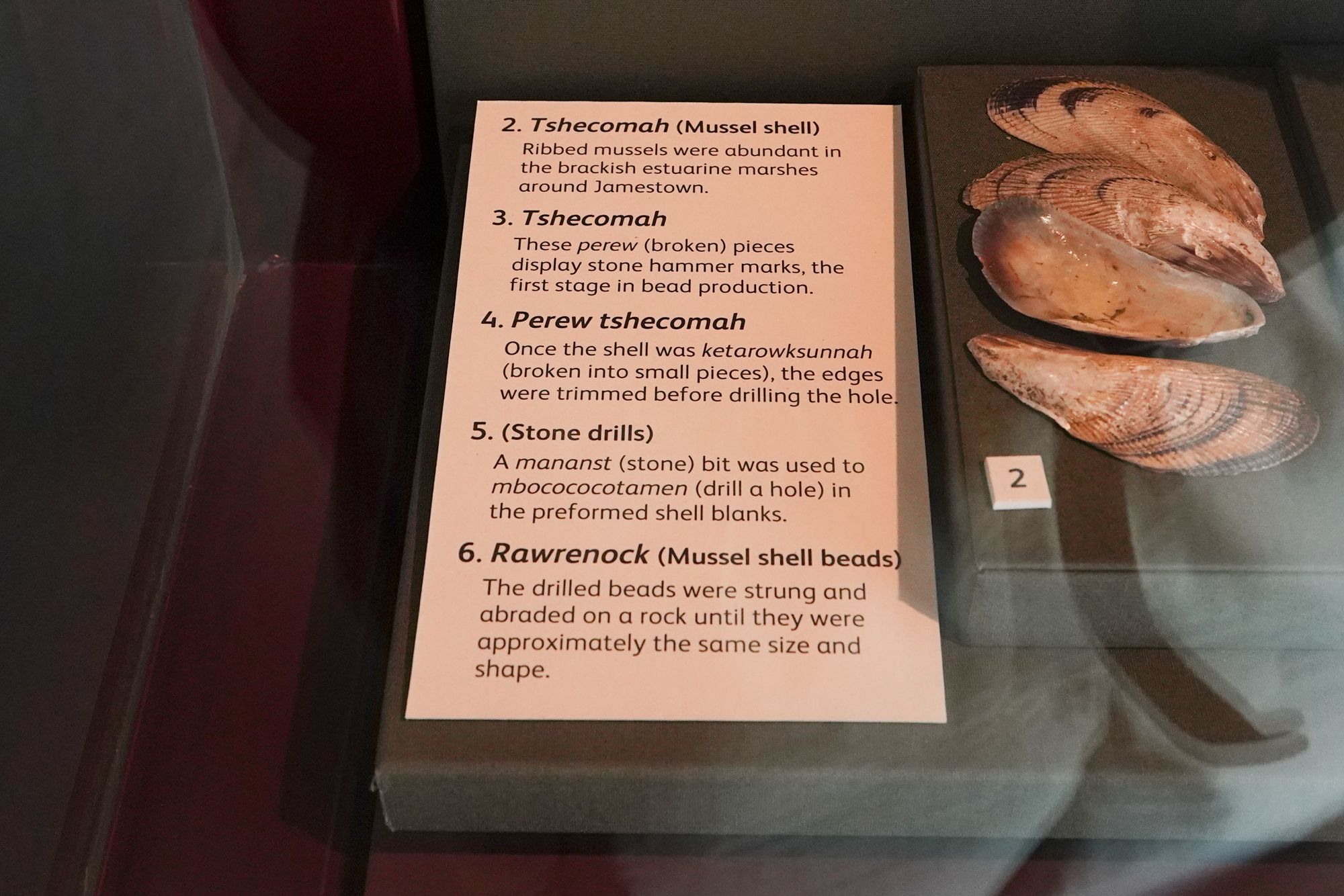
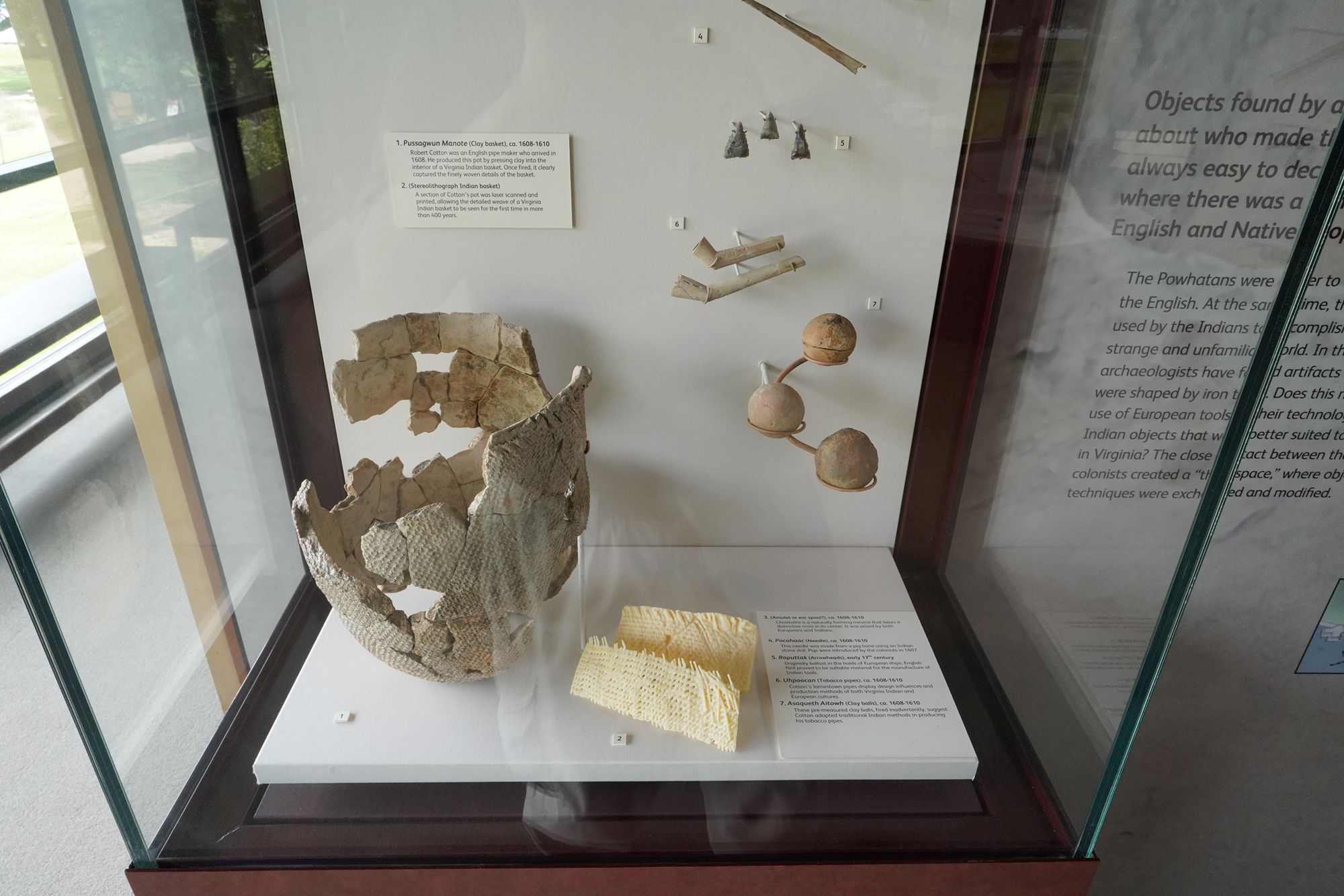
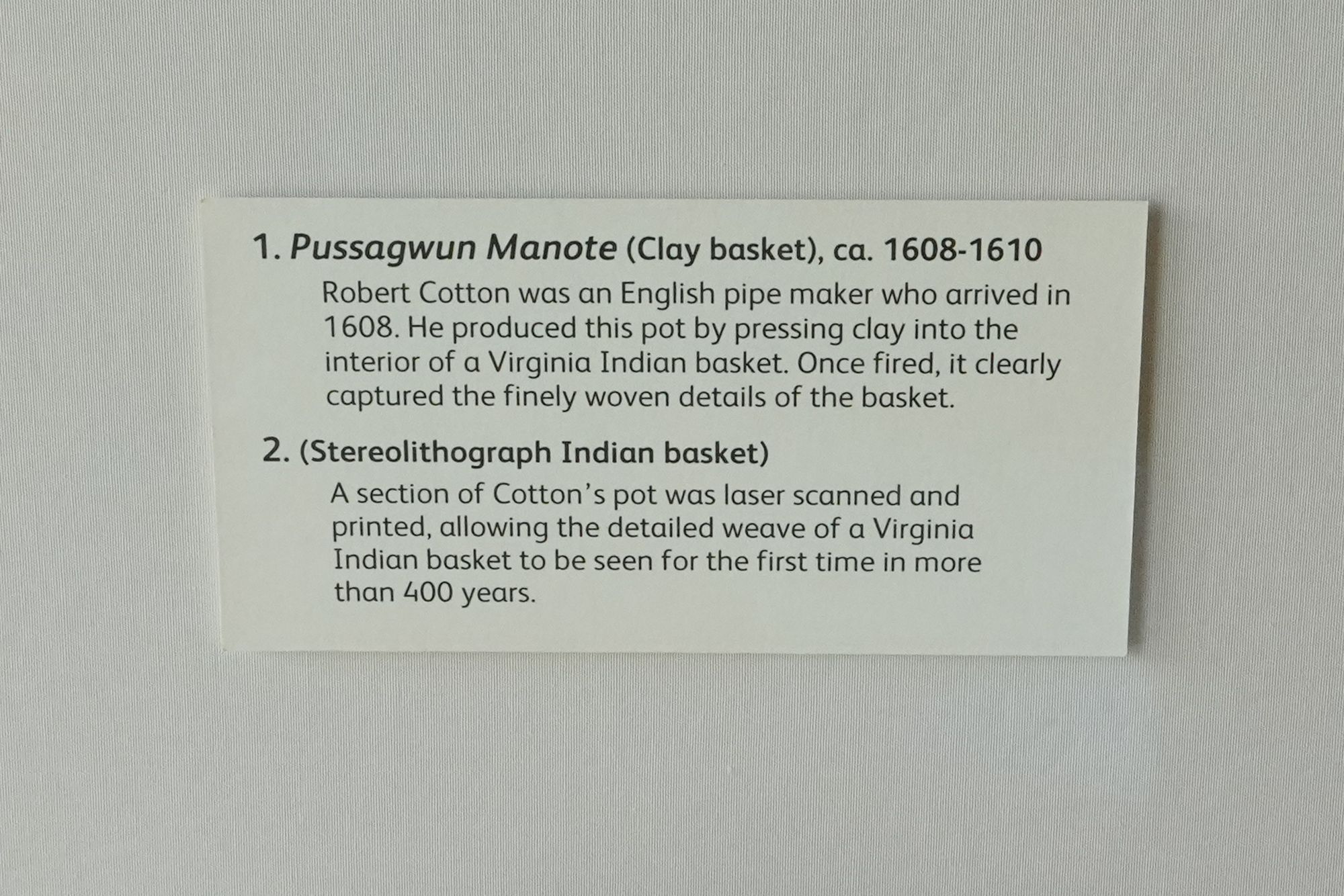
In the context of Jamestown, creating a third space refers to the cultural meeting ground between the English settlers and the Powhatans, where people from both worlds traded, communicated, and adapted to each other’s ways—a space that was neither fully Native nor fully English, but a blend of both cultures shaped by cooperation, curiosity, and conflict.
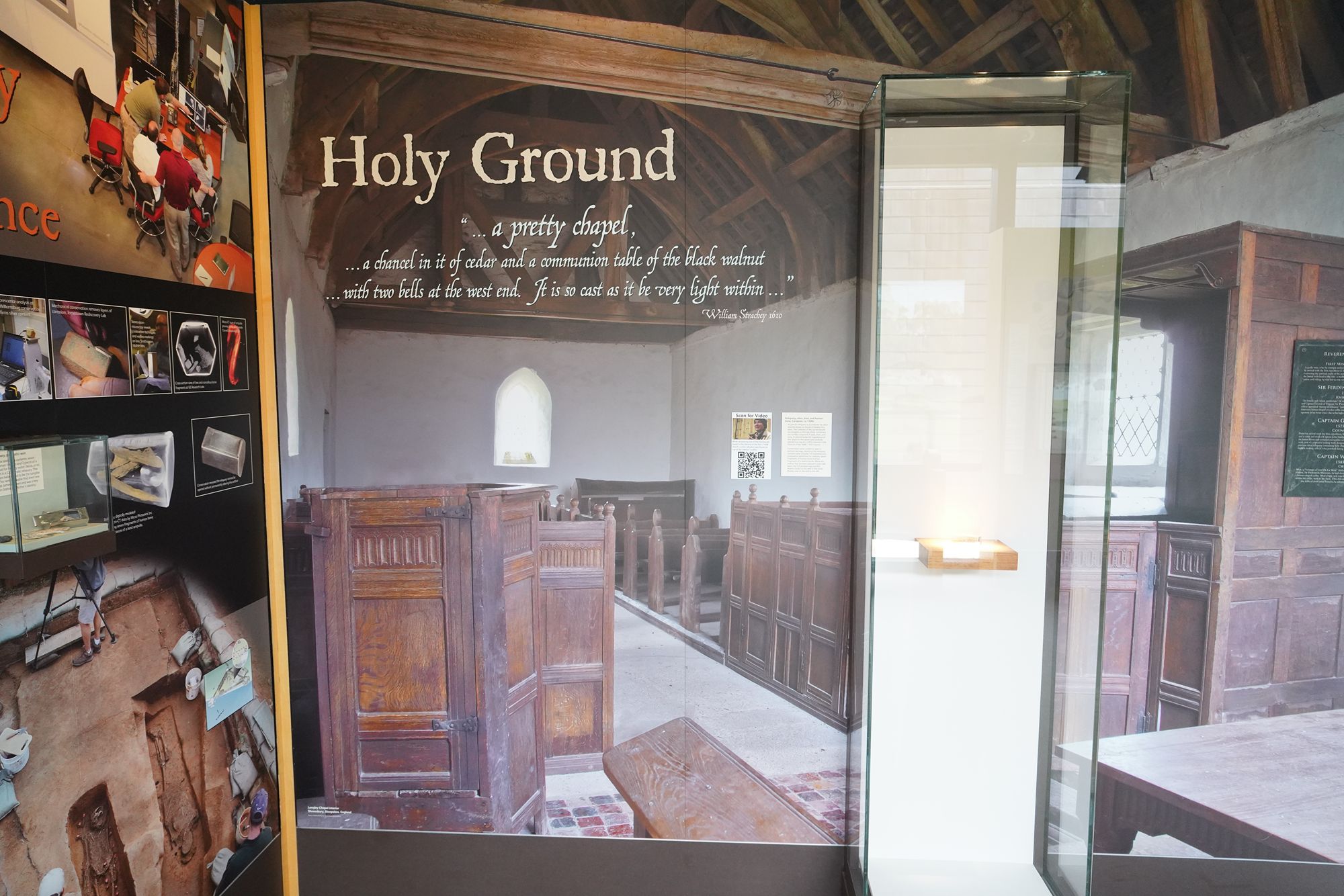
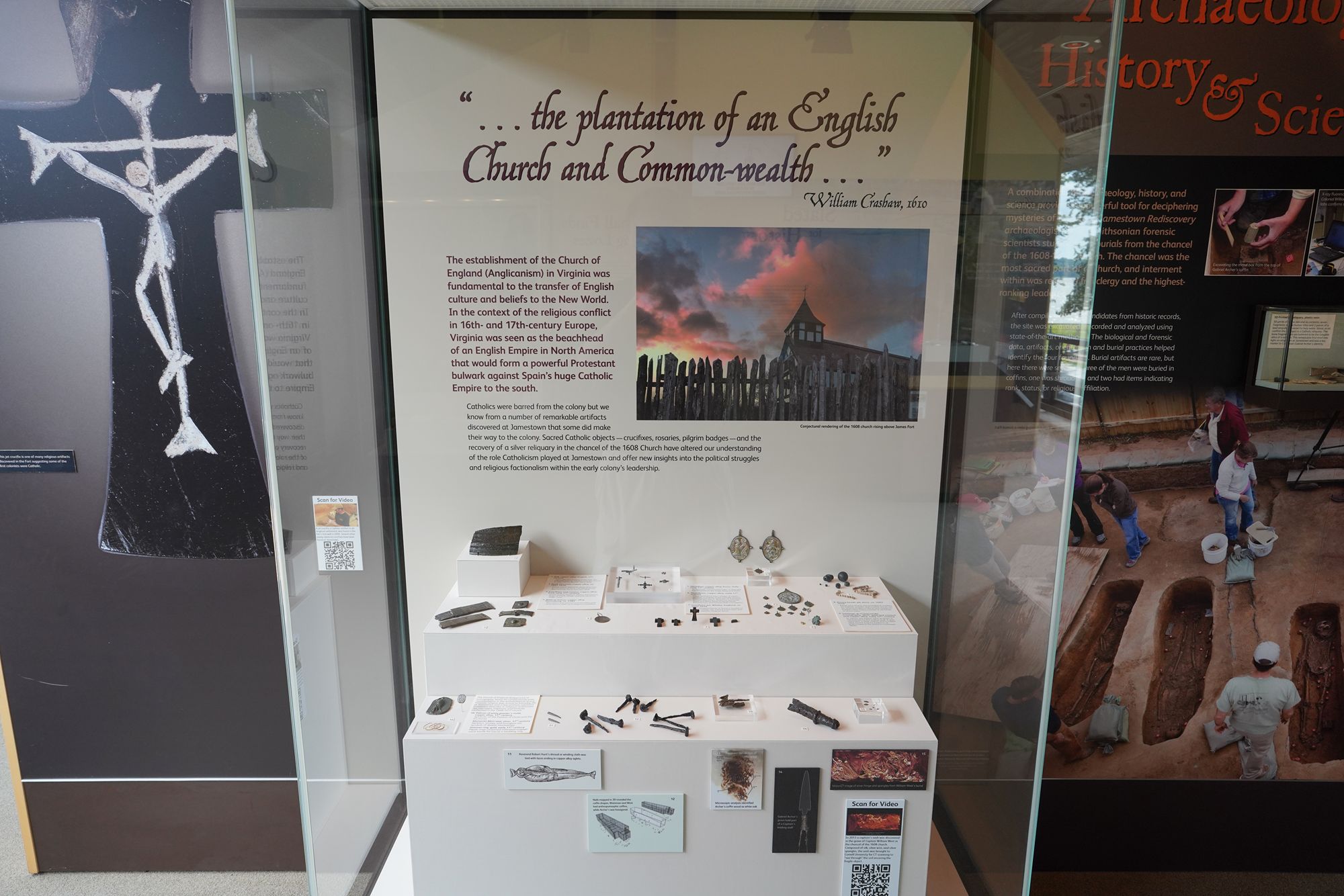
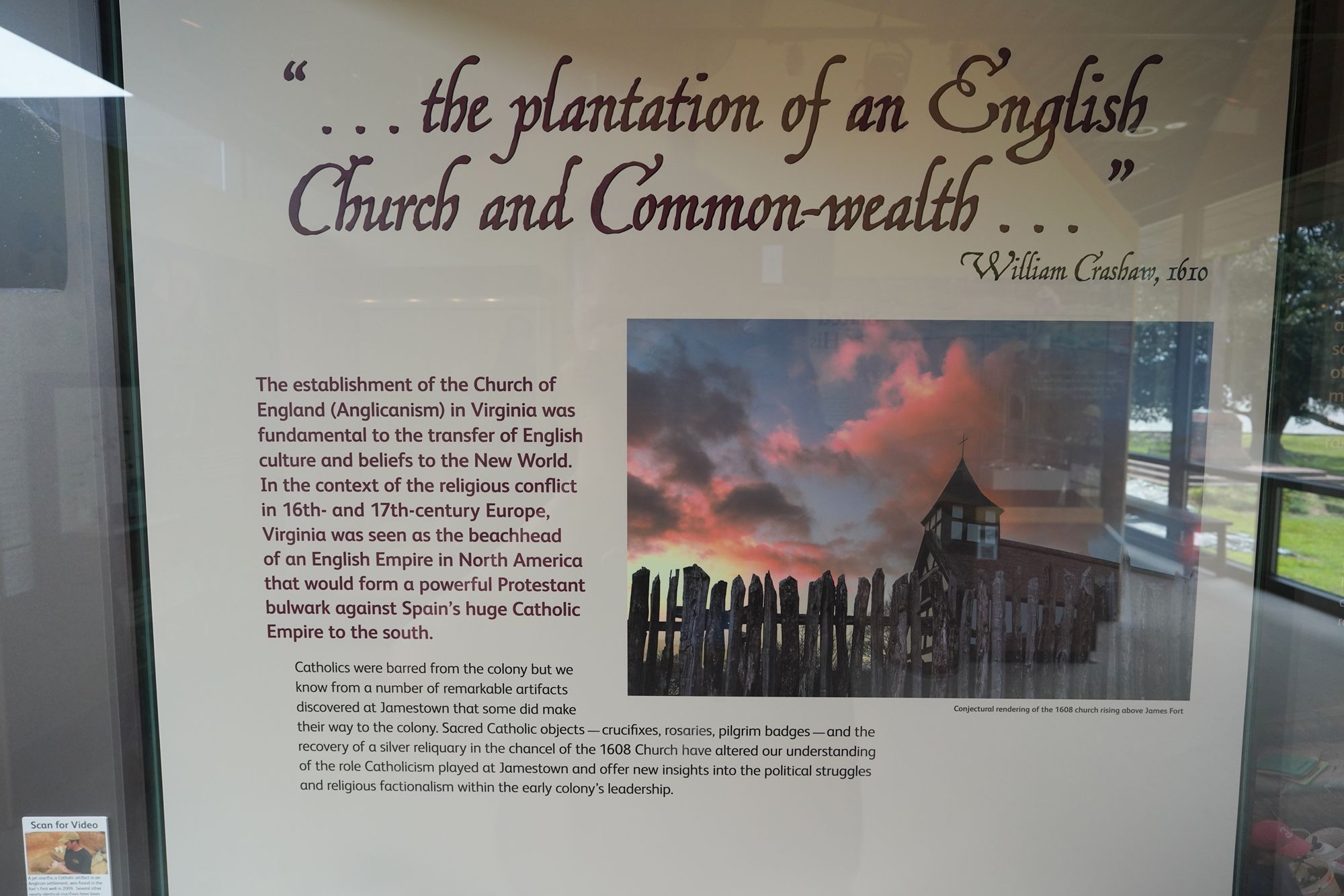
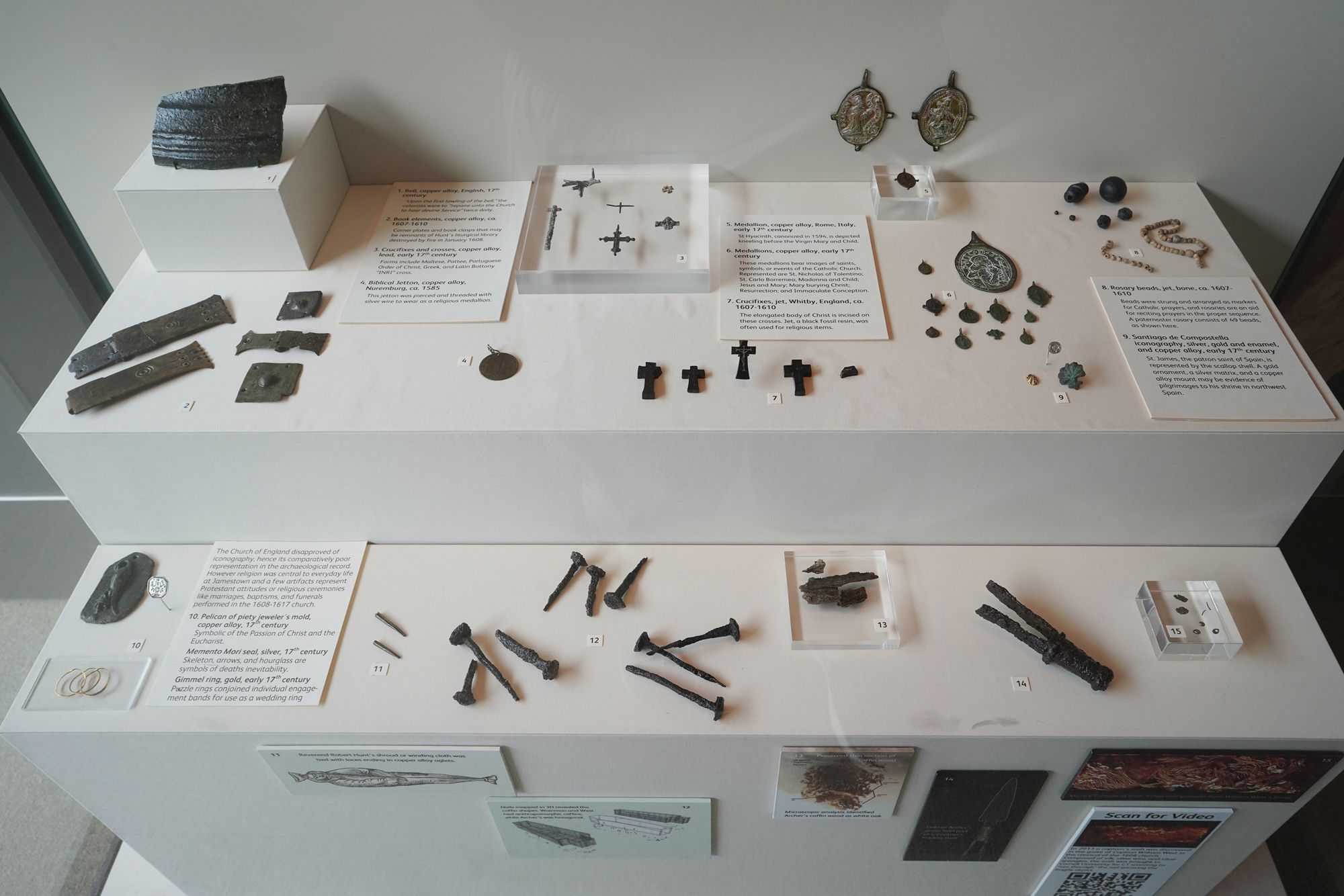
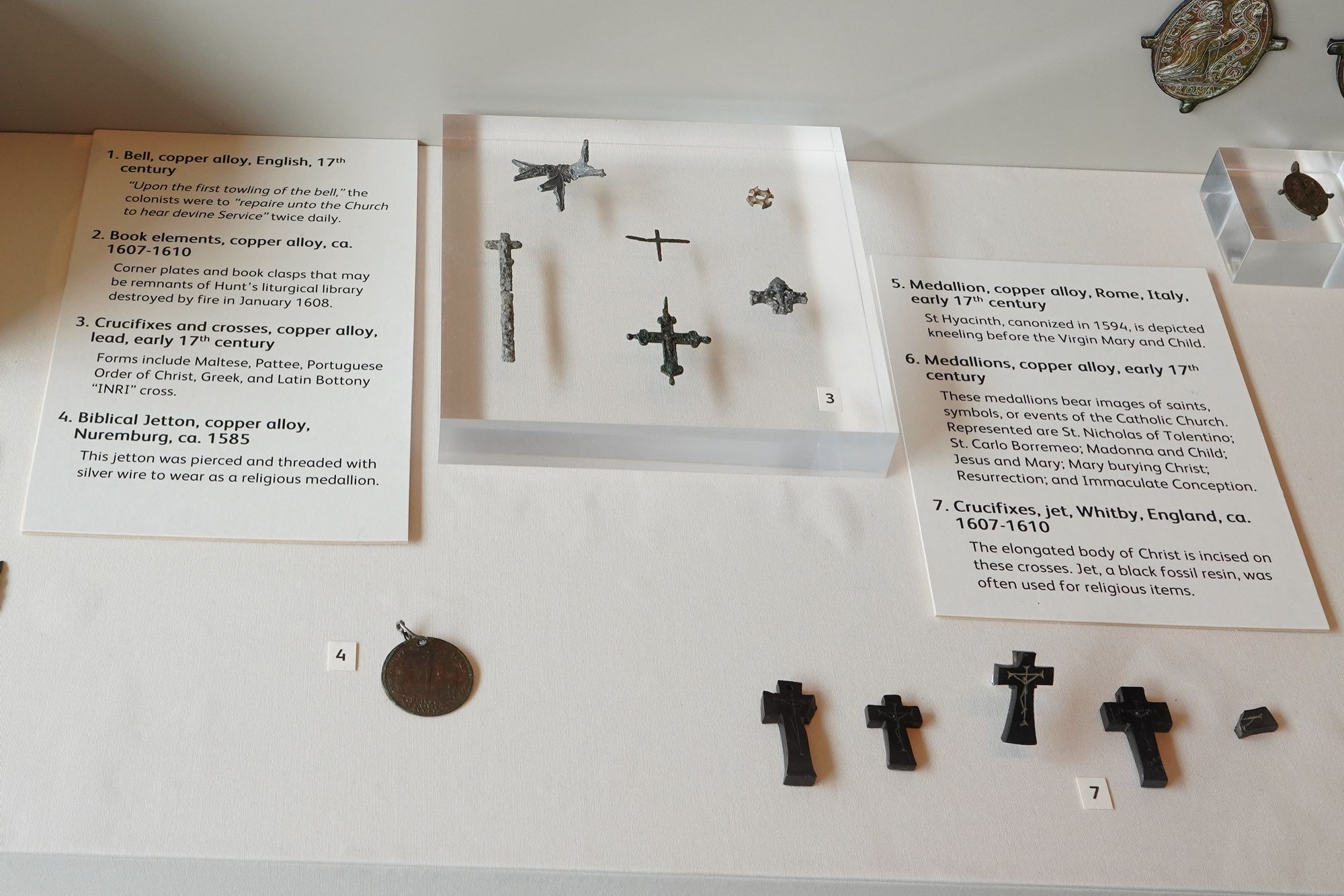
The effort to establish the Church of England as part of the colony’s foundation, bringing Christian faith, worship, and English religious customs to the New World; it aimed to convert the Native peoples and make the colony not only an economic venture but also a spiritual extension of England.
At Jamestown, coins and counters were used for trade, accounting, and record-keeping, showing how settlers tried to maintain England’s economic practices even while surviving in the New World.
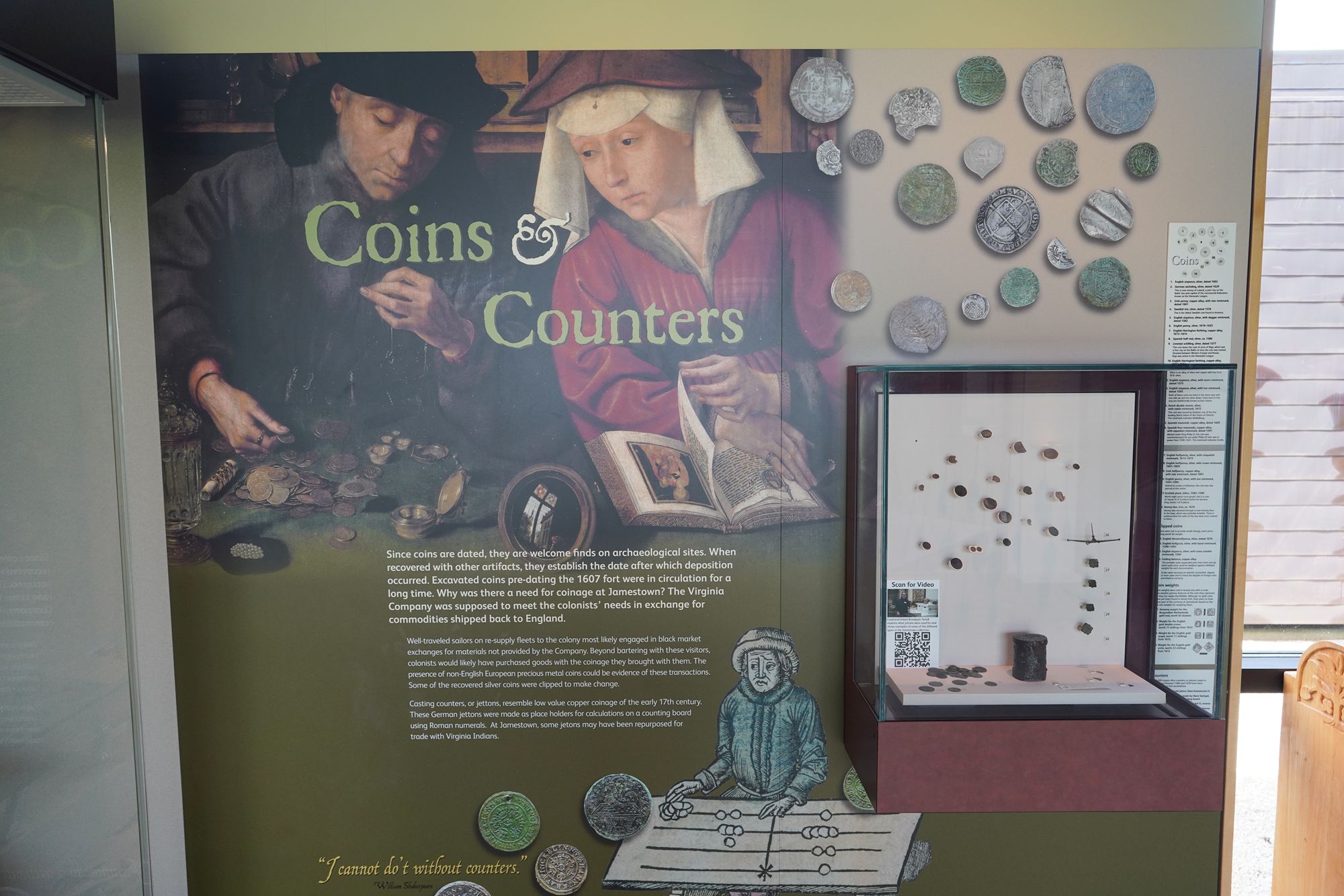
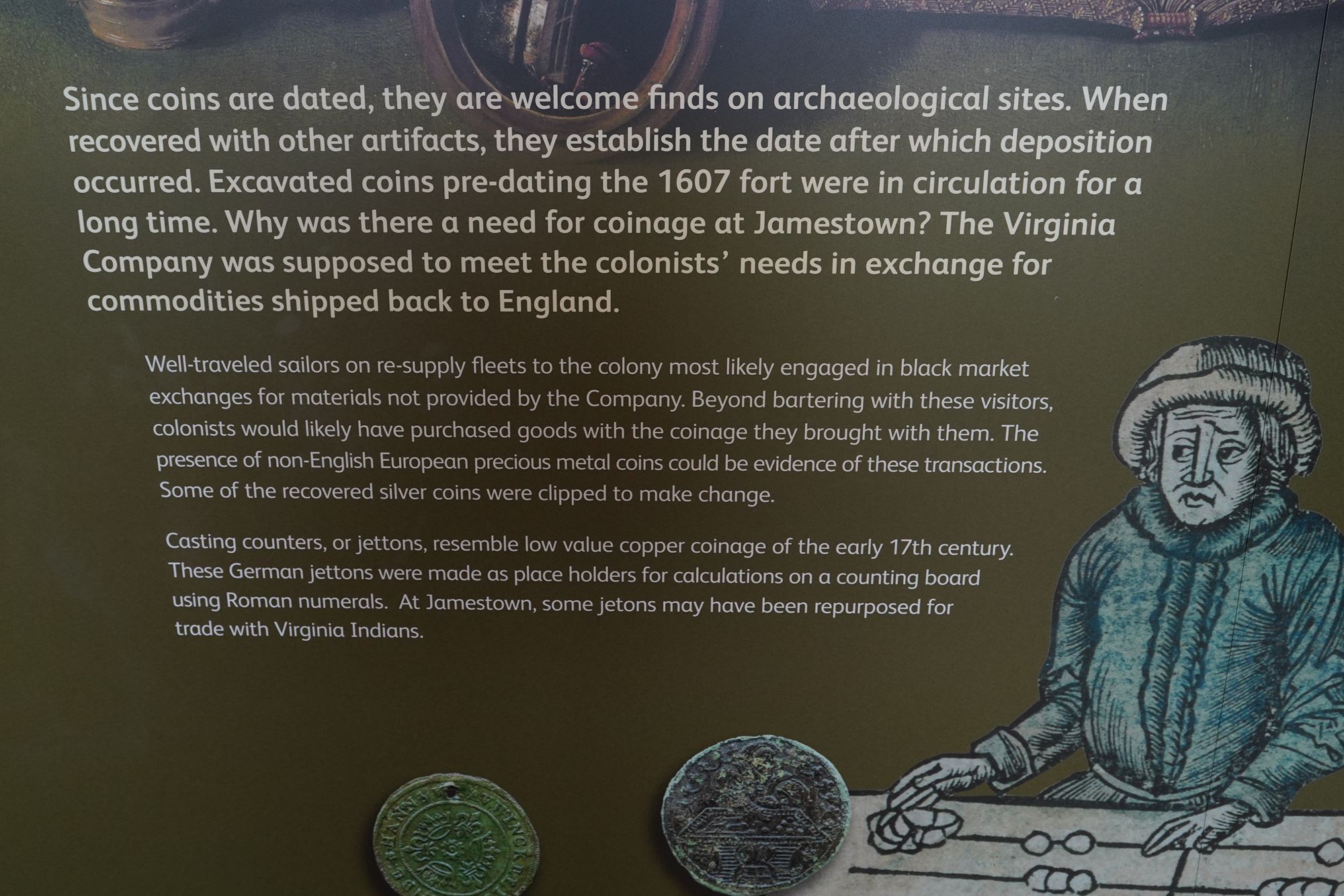
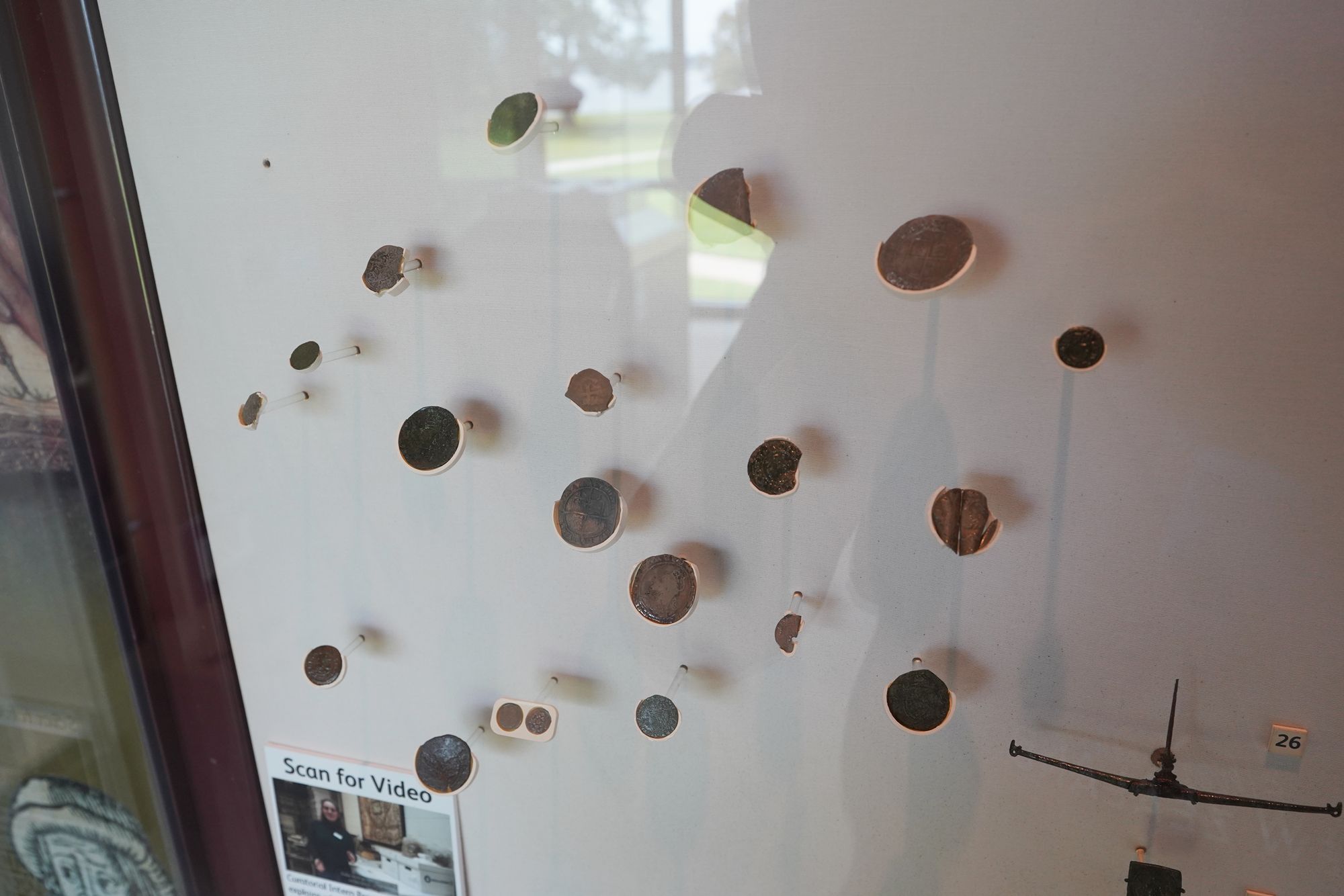
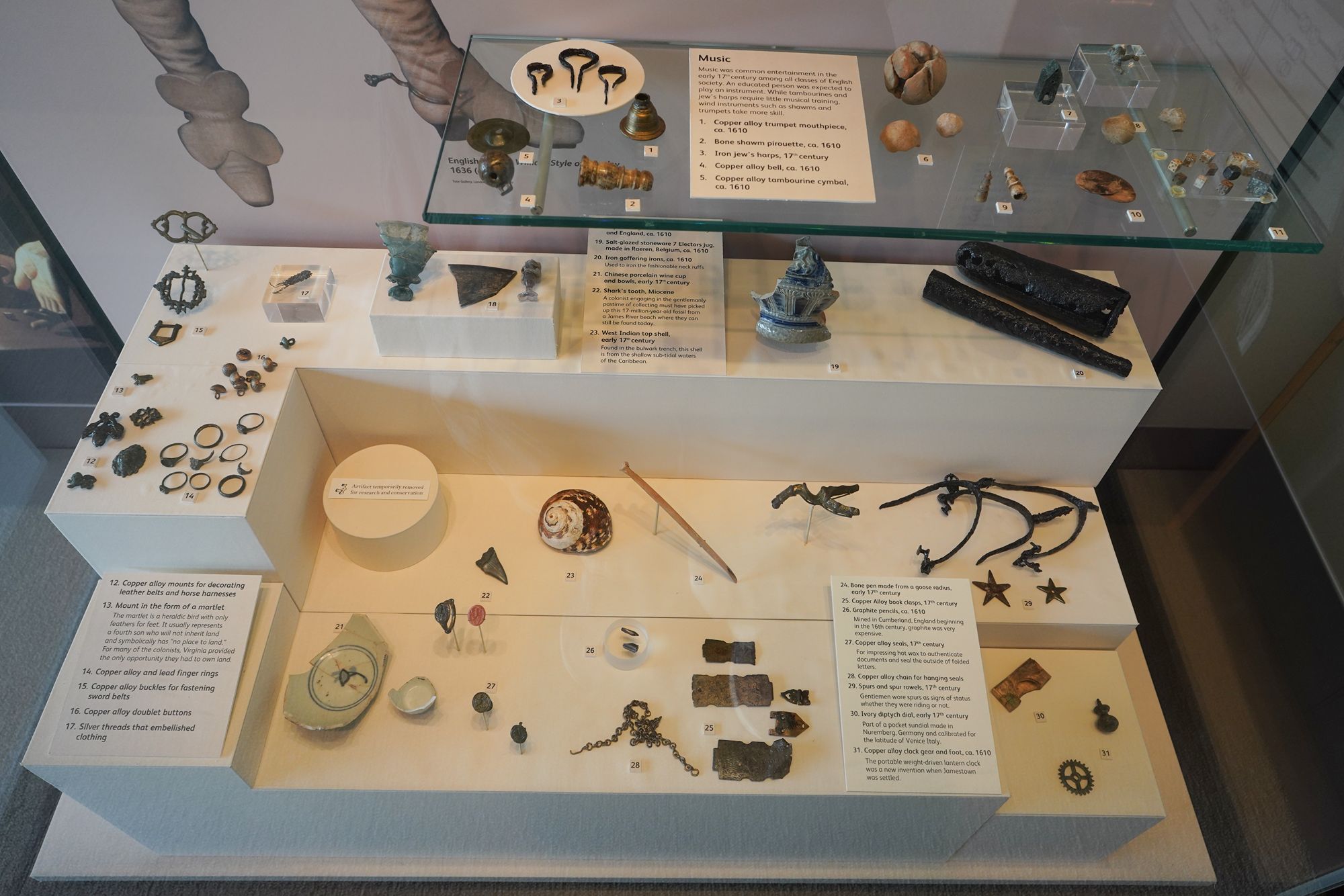
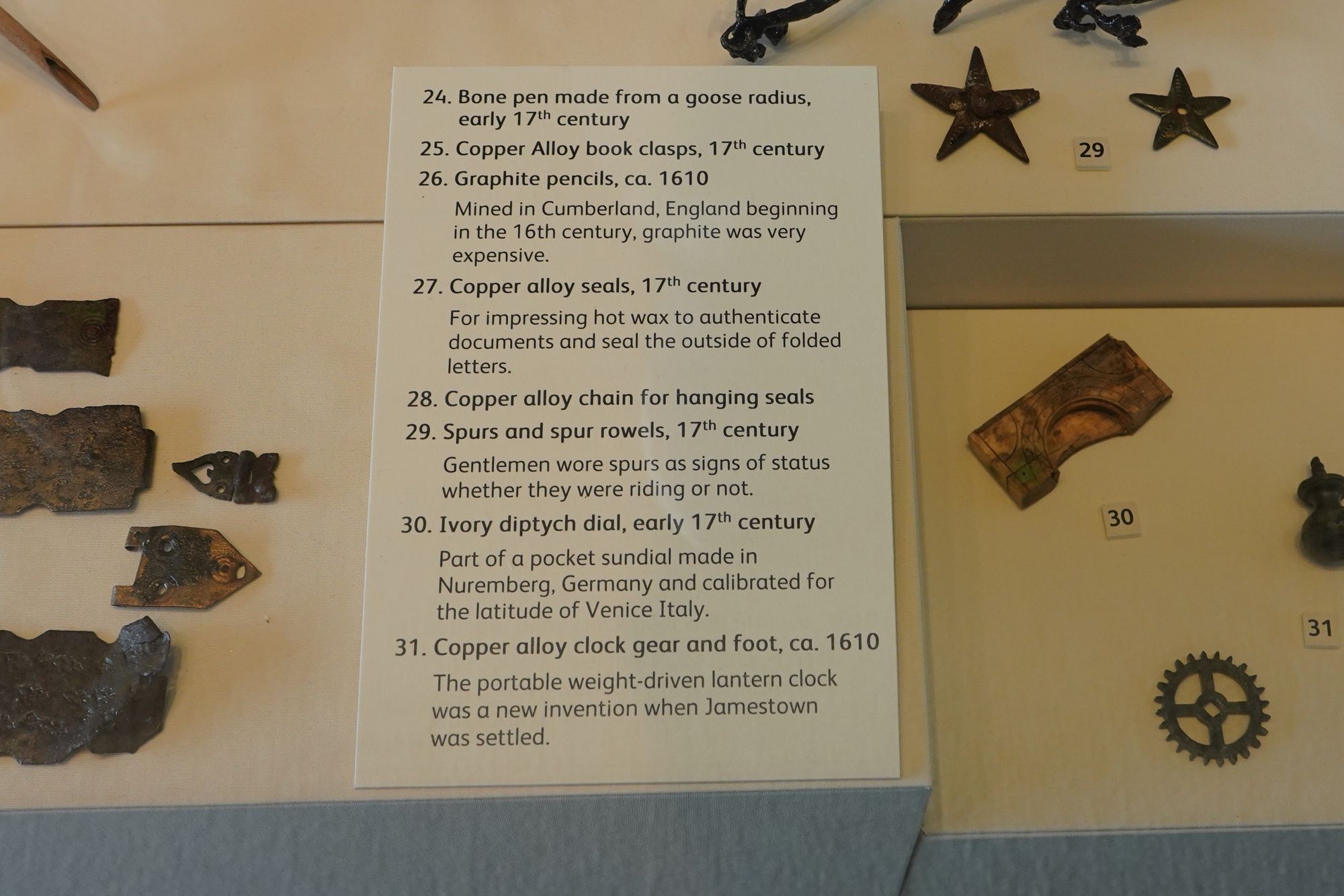
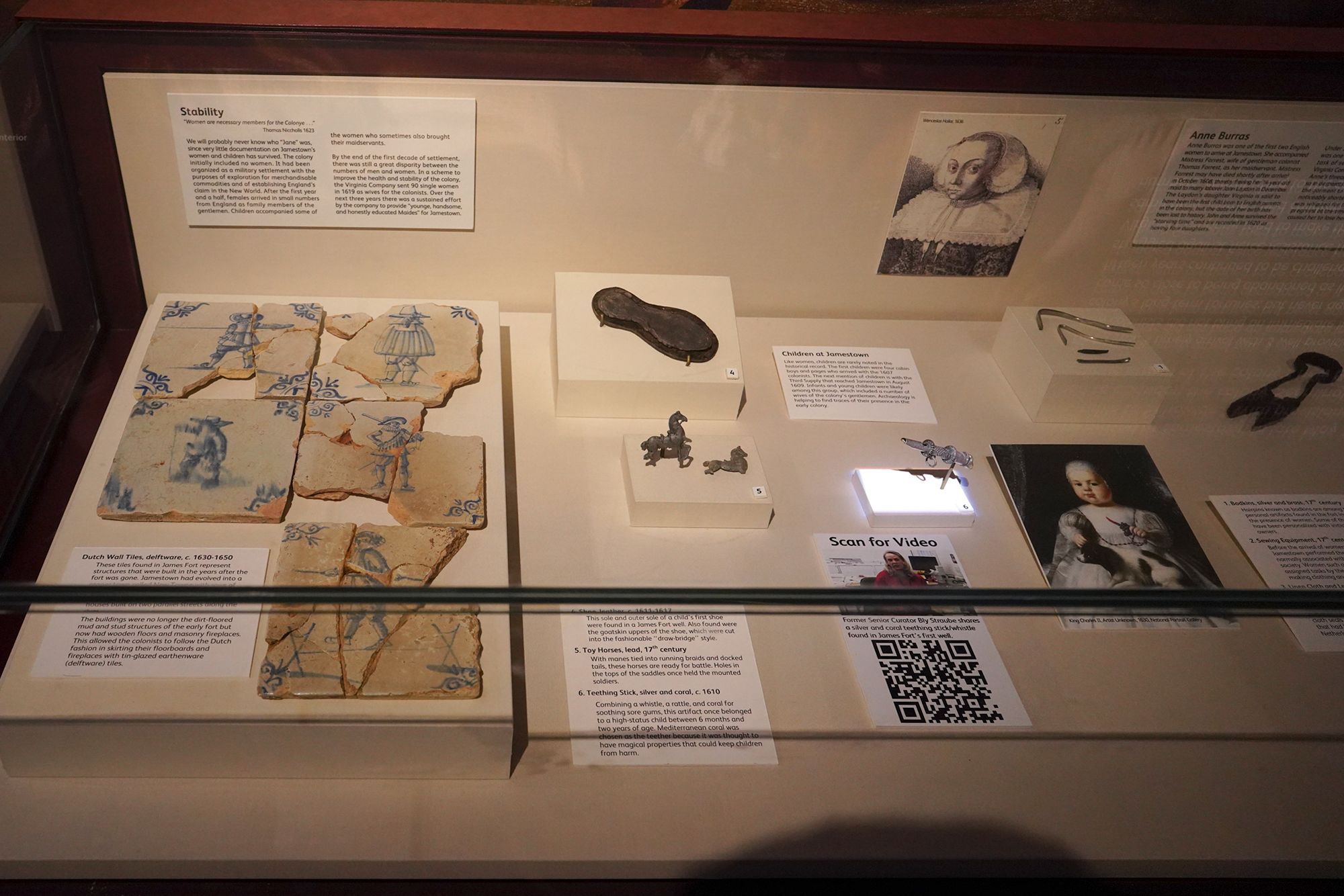
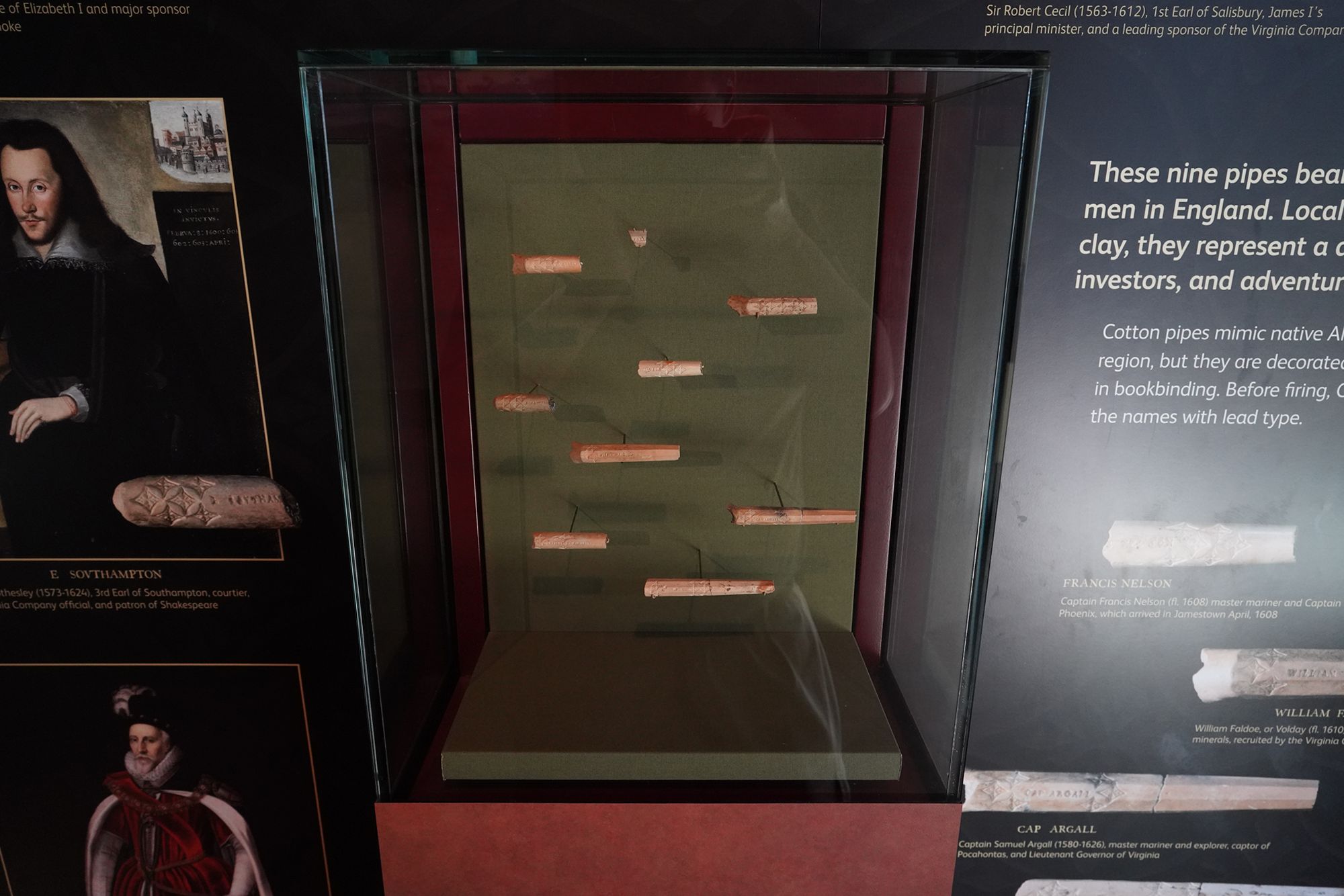
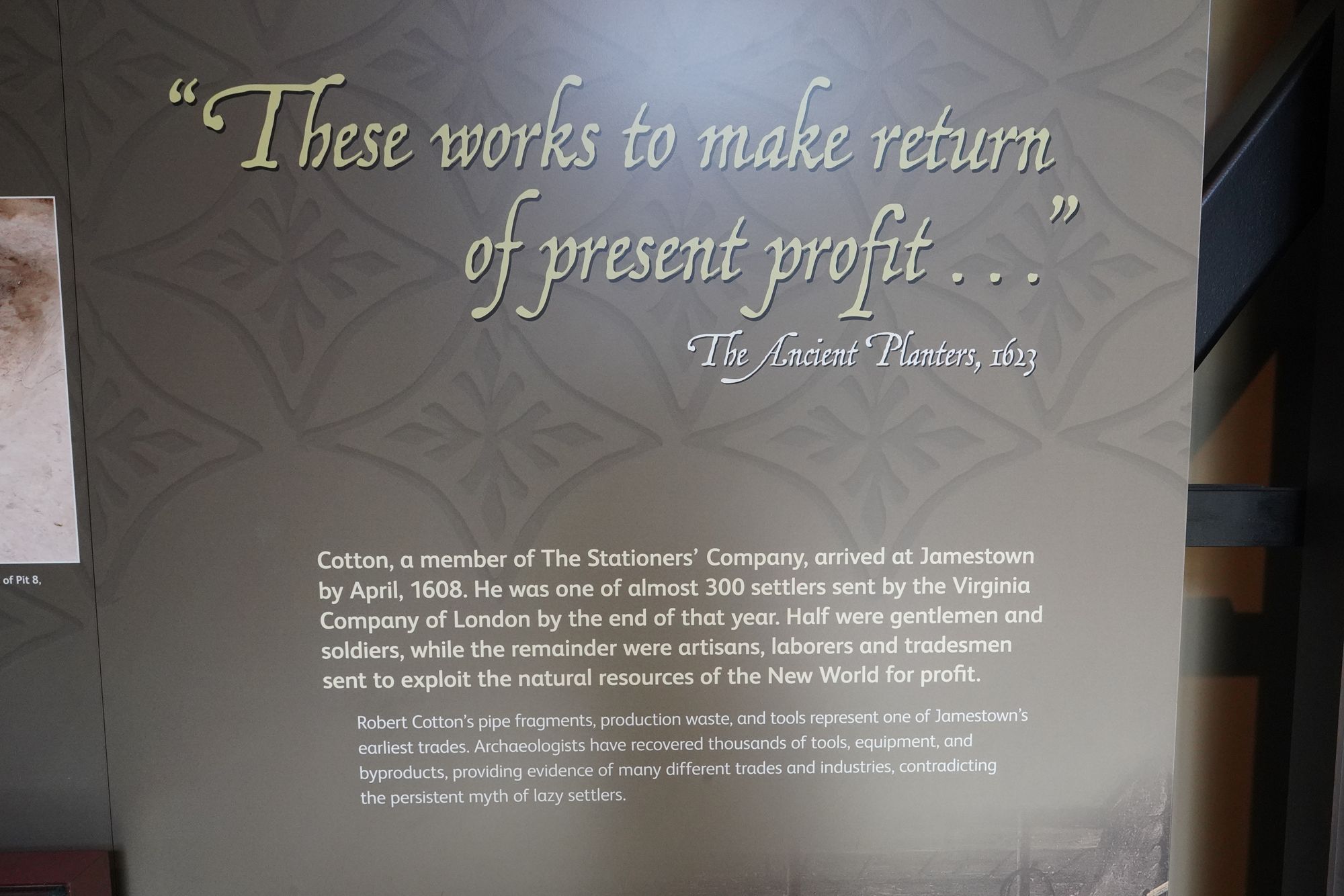
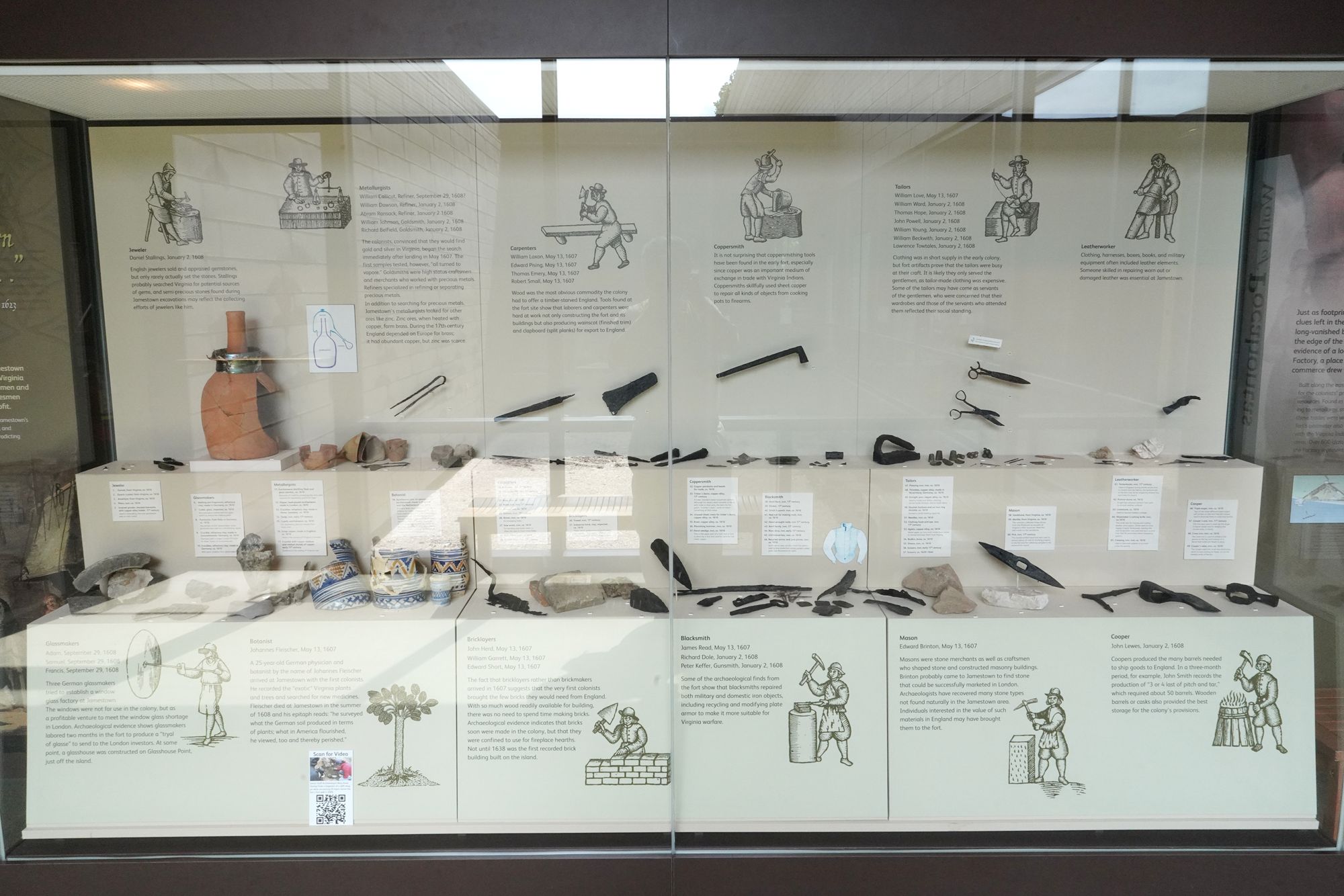
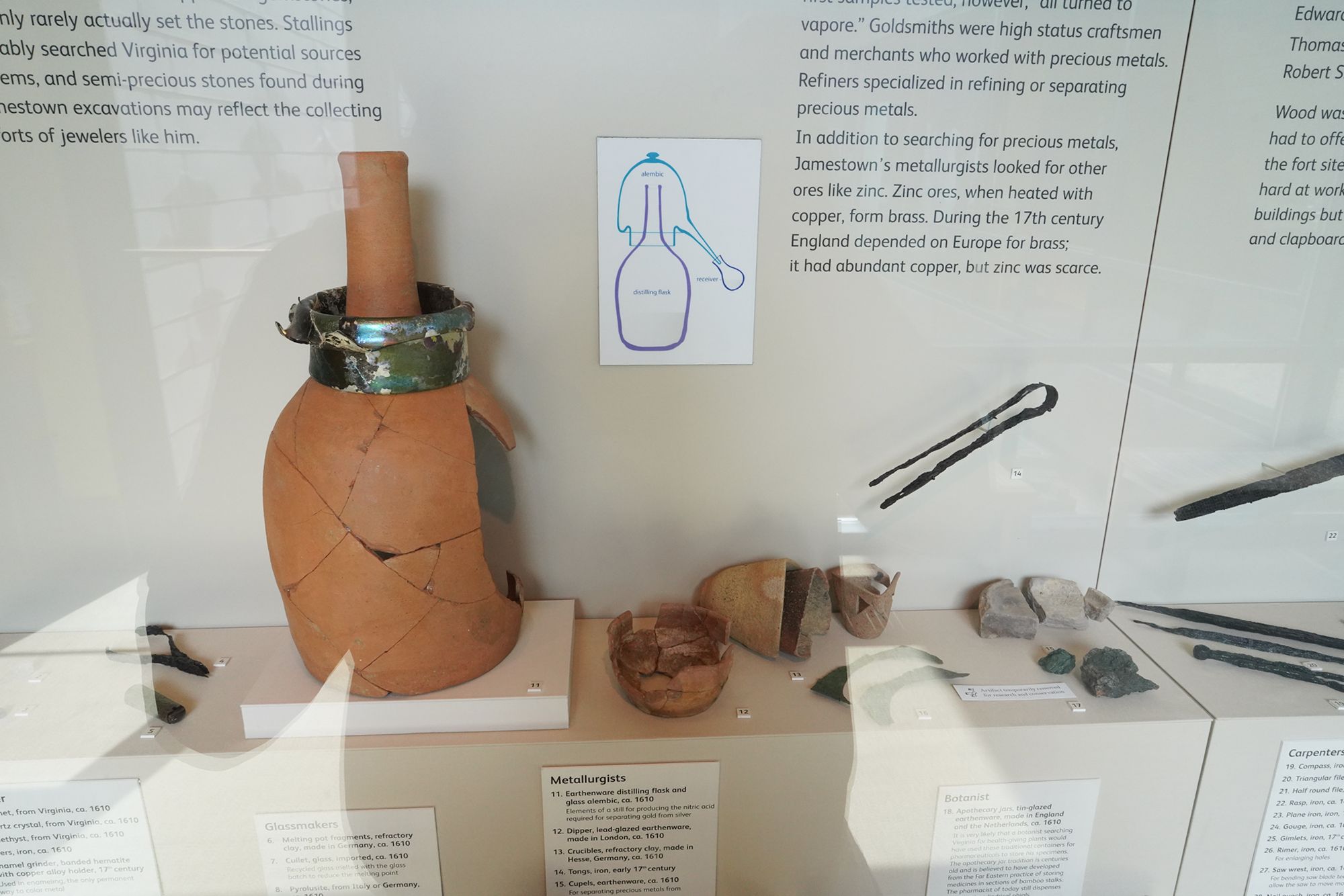
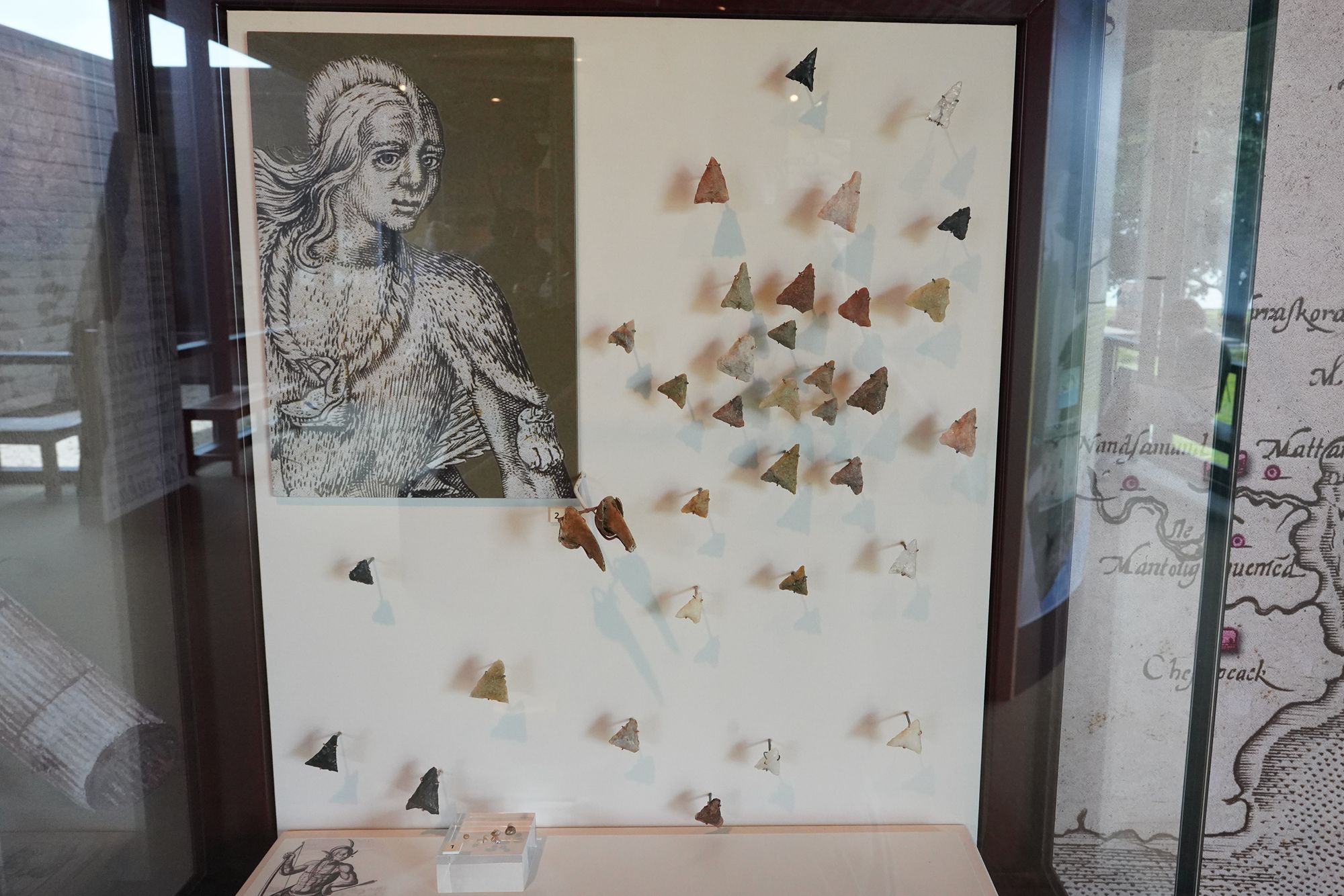
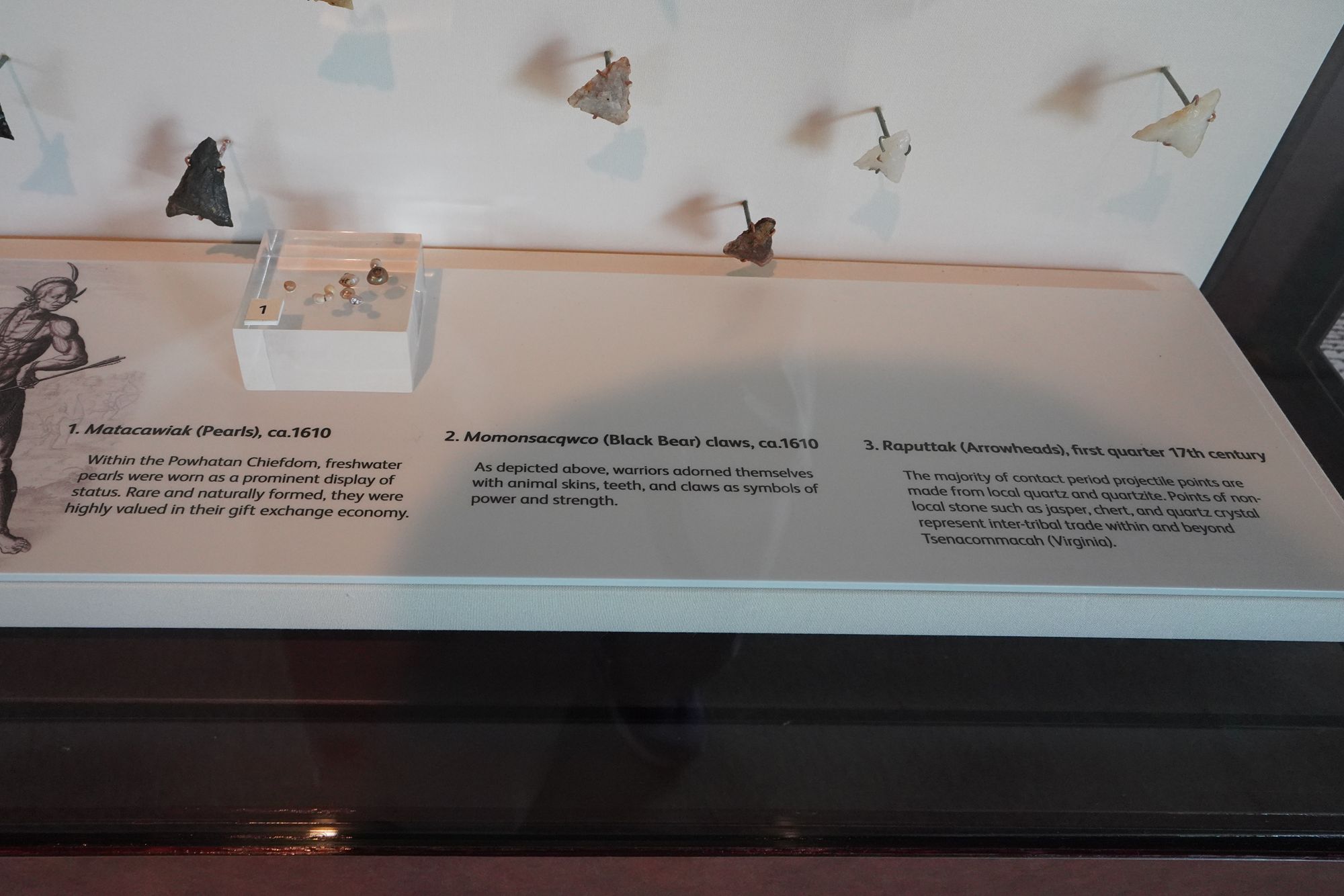
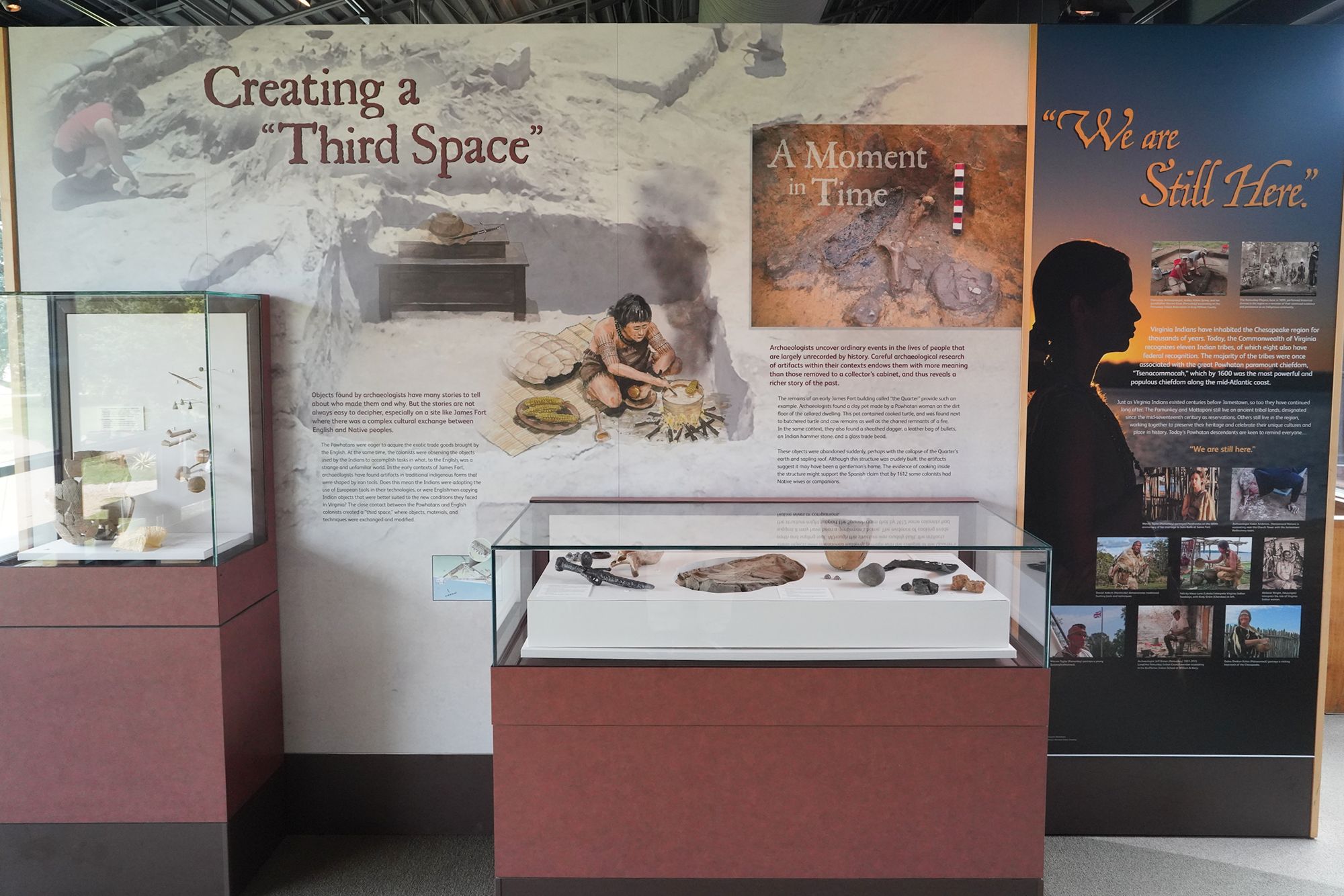
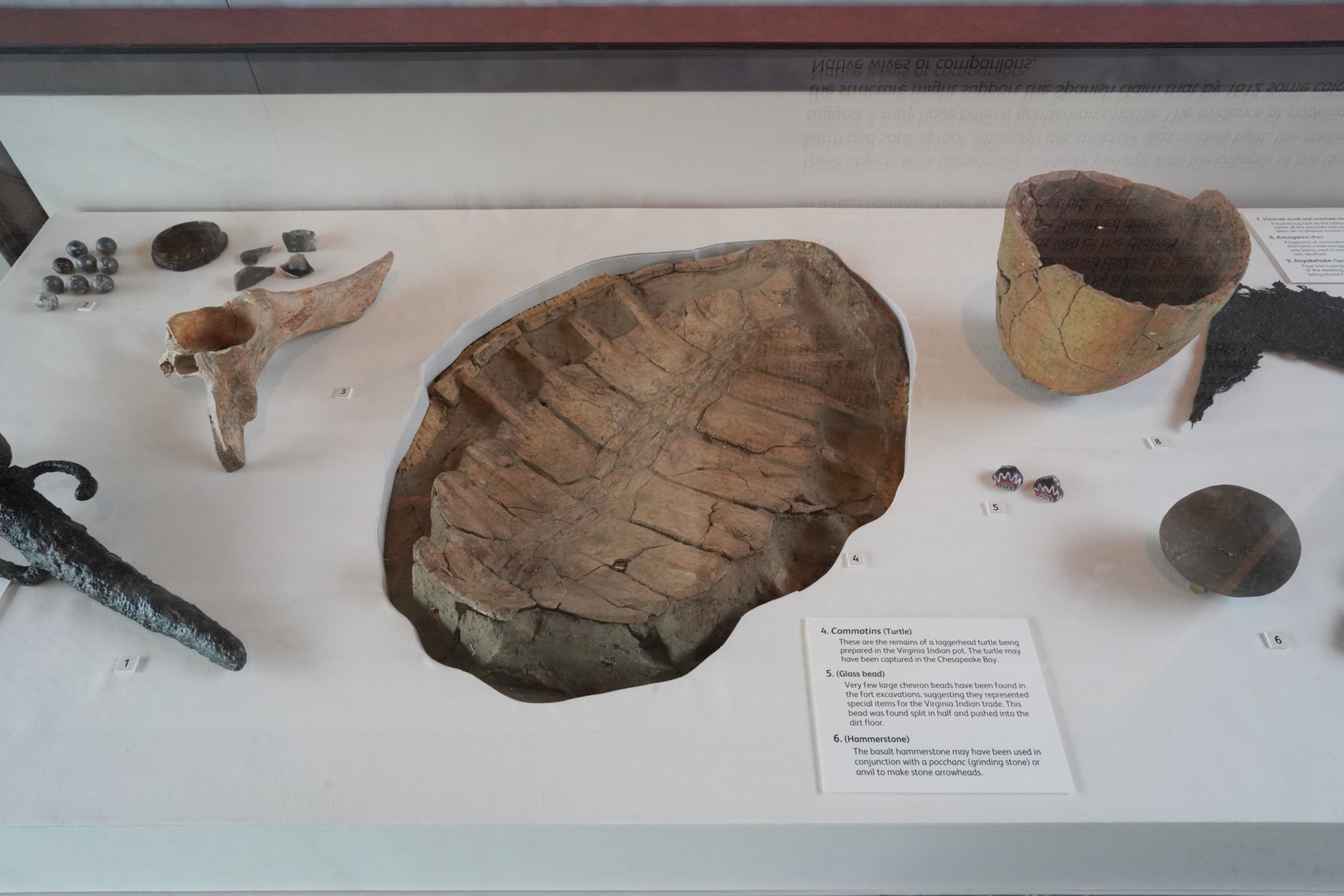
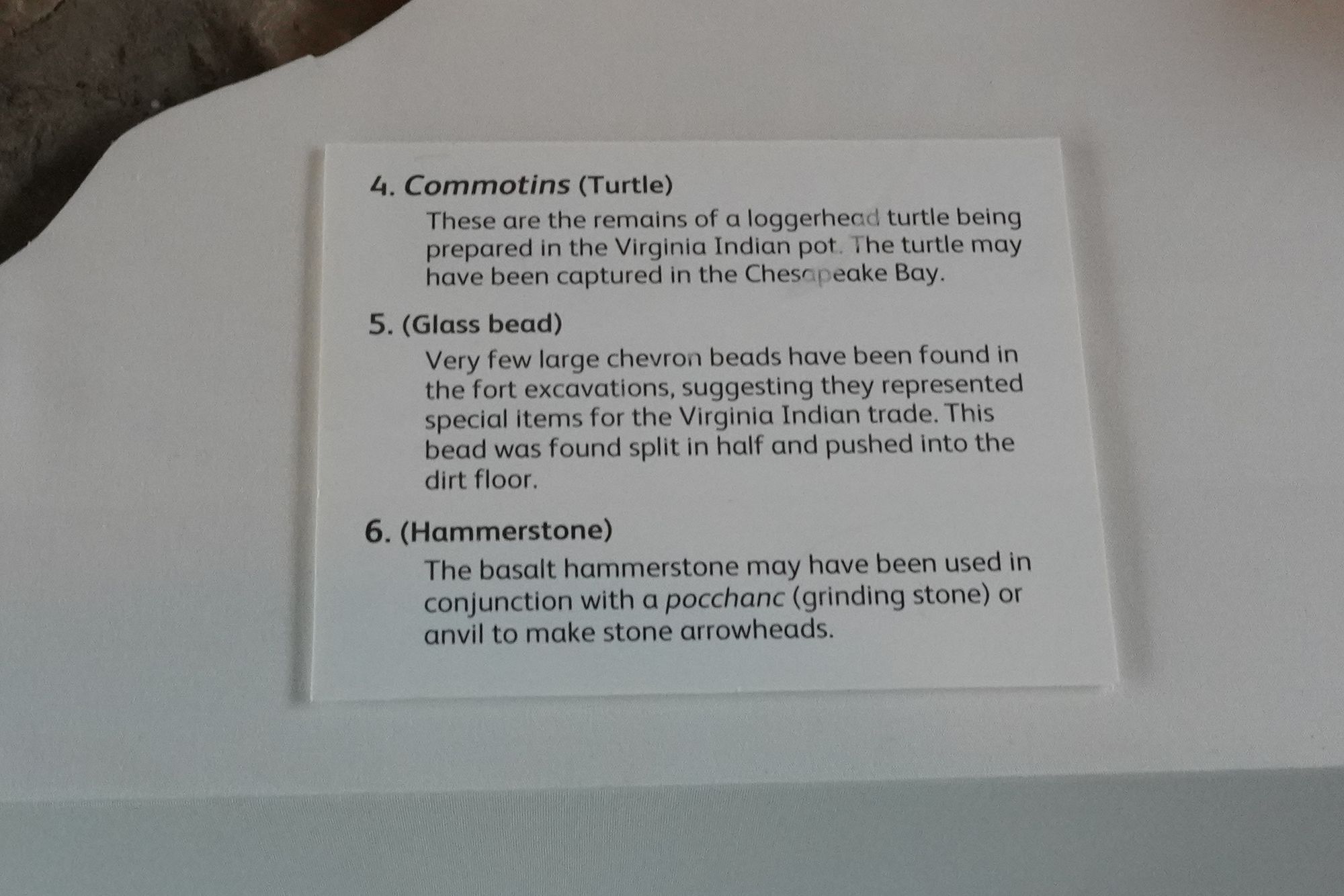
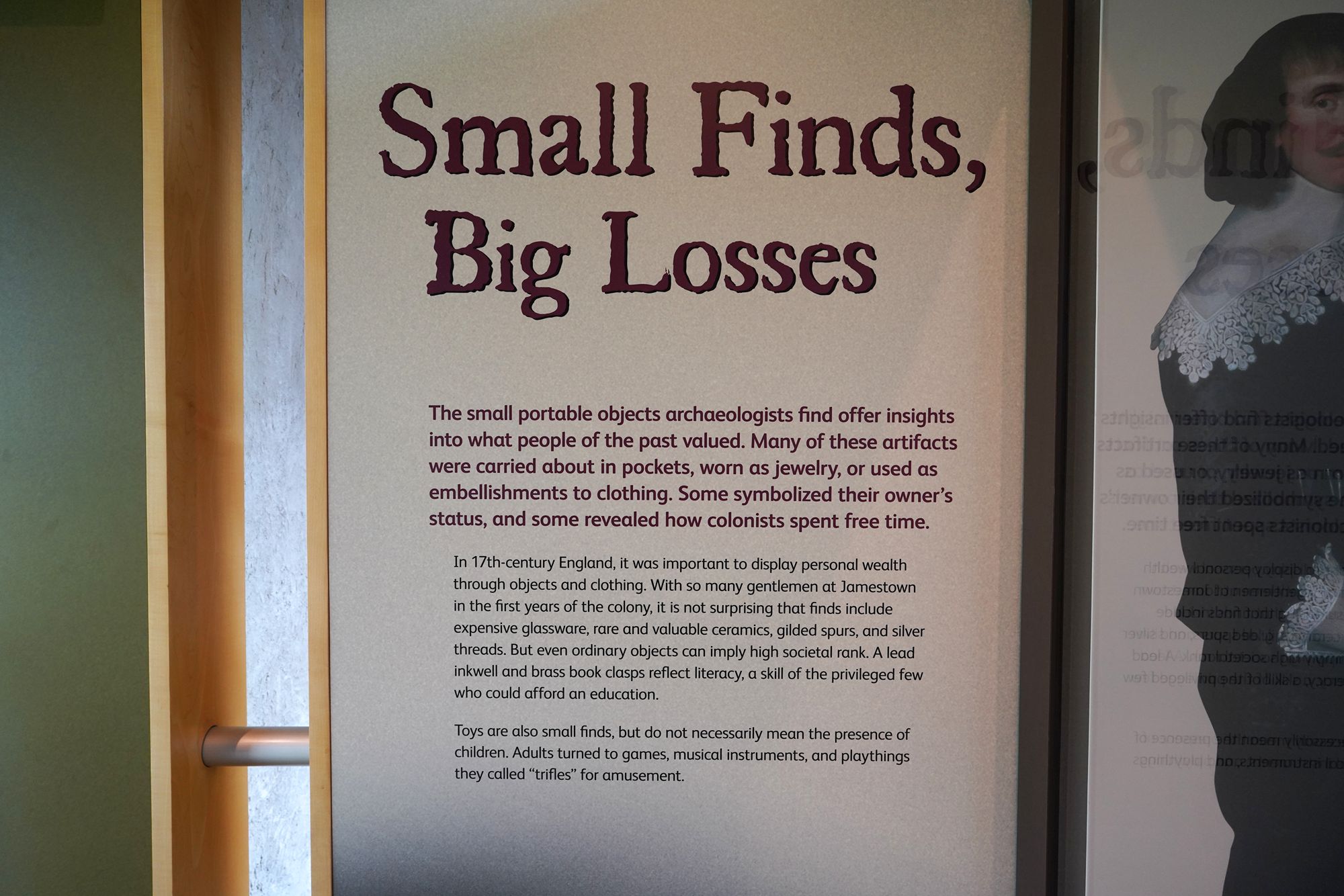
At Jamestown, small artifacts such as beads, tools, pottery shards, buttons, and pipe fragments reveal details of everyday life, trade, and cultural exchange among the English settlers, Powhatans, and Africans who lived and worked in the early colony.
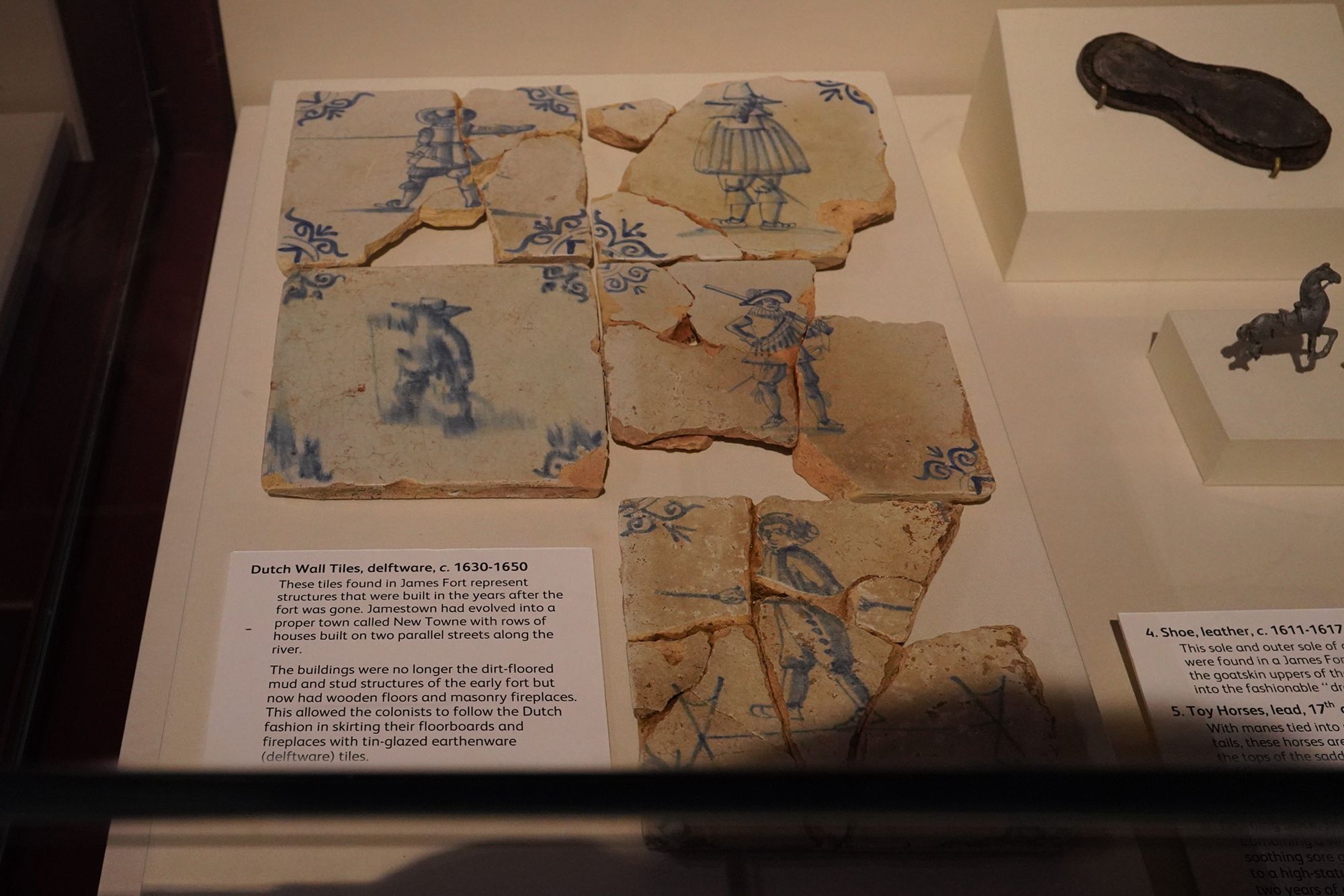
The first houses built beyond the fort at Jamestown appeared along the riverbank in the 1610s, as settlers expanded the colony; these were frame houses with wooden posts, thatched or plank roofs, and brick chimneys, marking Jamestown’s growth from a small fort into a developing English community.