Valley Forge National Historical Park, King of Prussia, Pennsylvania, USA
Valley Forge preserves the 1777–78 Continental Army encampment, symbolizing endurance and sacrifice during the Revolution. 1165
Valley Forge National Historical Park: 1400 N Outer Line Dr, King of Prussia, PA 19406
Date Picture Taken: August 2025
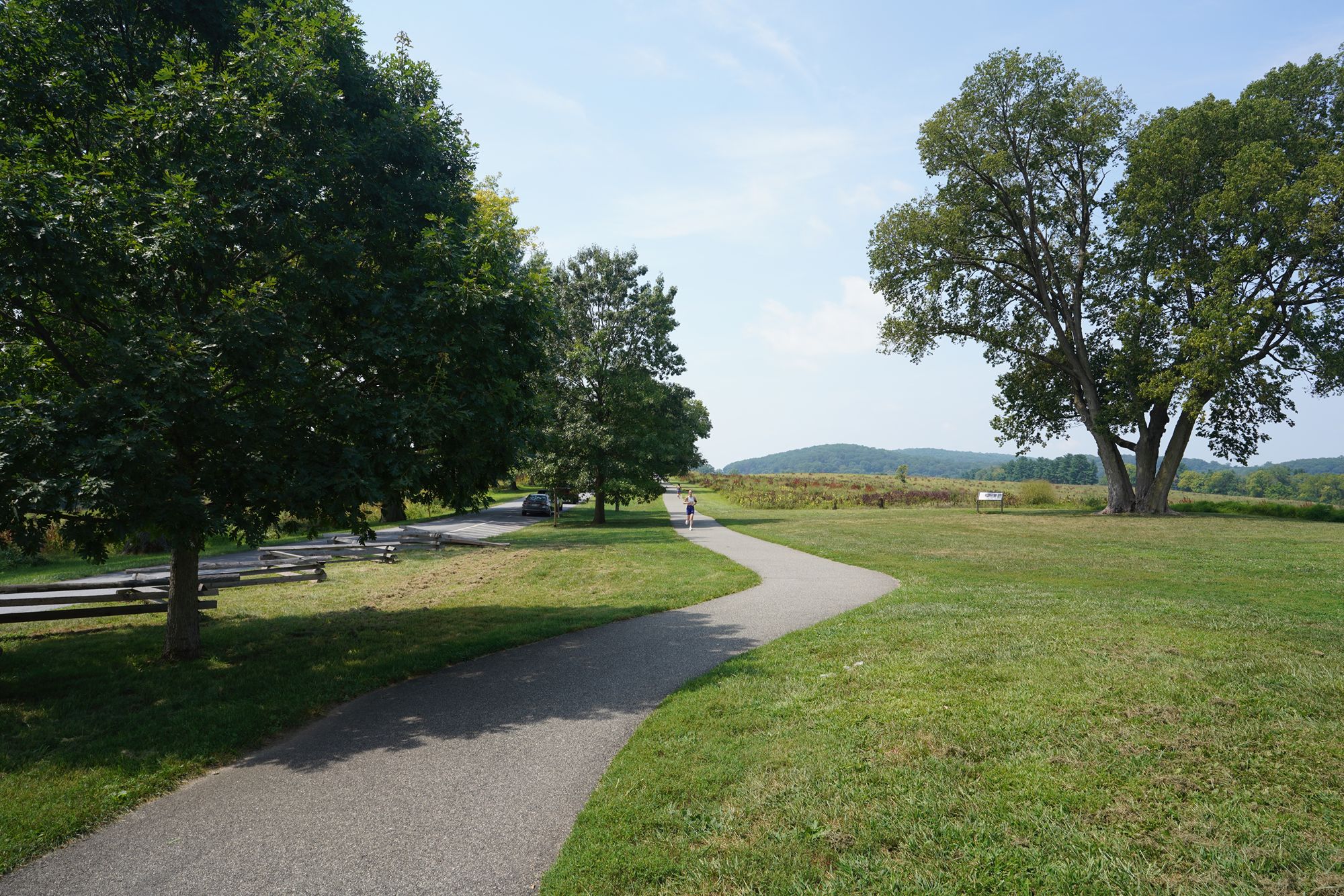
Valley Forge National Historical Park marks the 1777–78 winter encampment of George Washington’s Continental Army. Soldiers endured cold, hunger, and disease, yet emerged stronger — a turning point in the American Revolution. Today, visitors walk among reconstructed huts, open fields, monuments, and peaceful trails that honor perseverance and early American history.
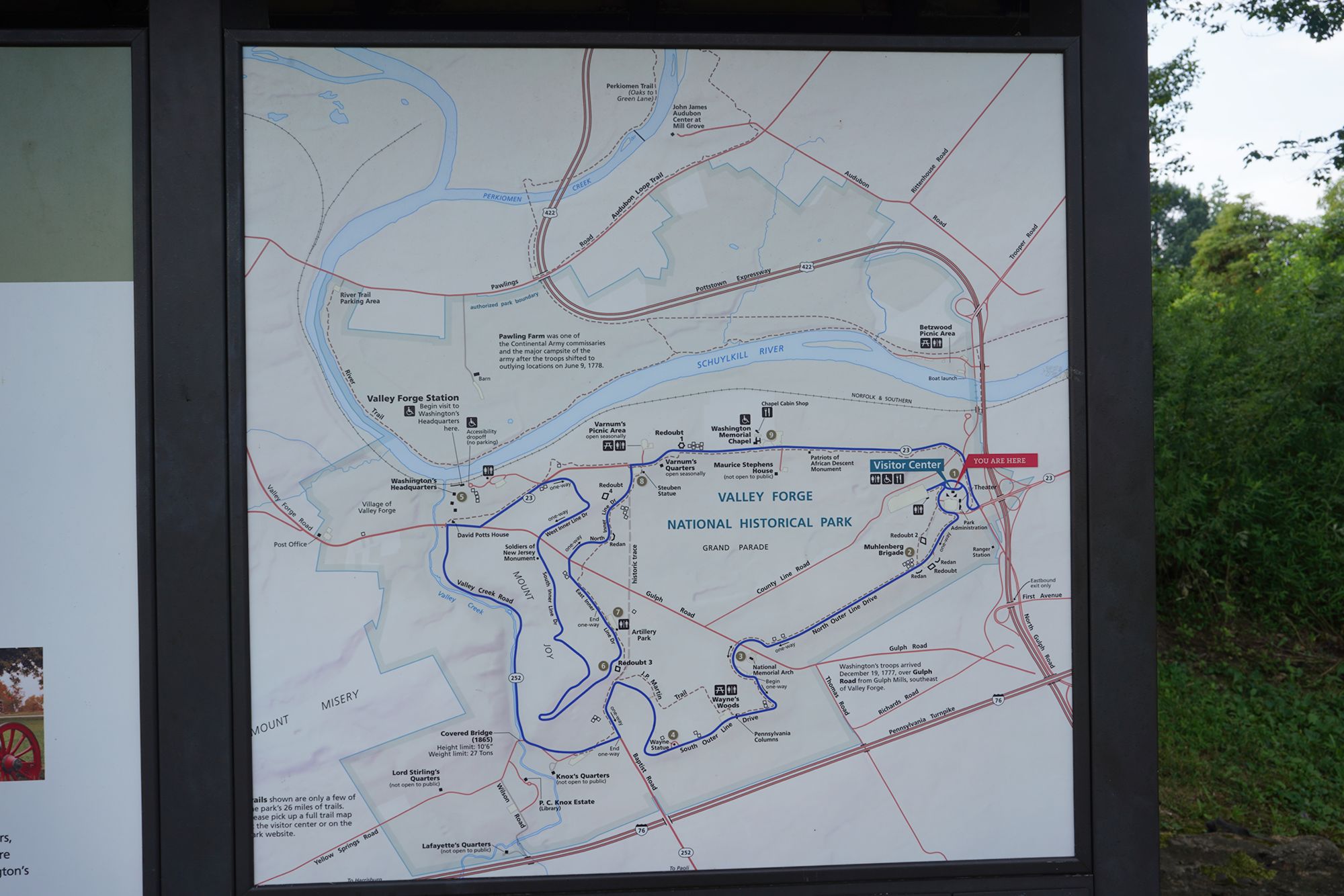
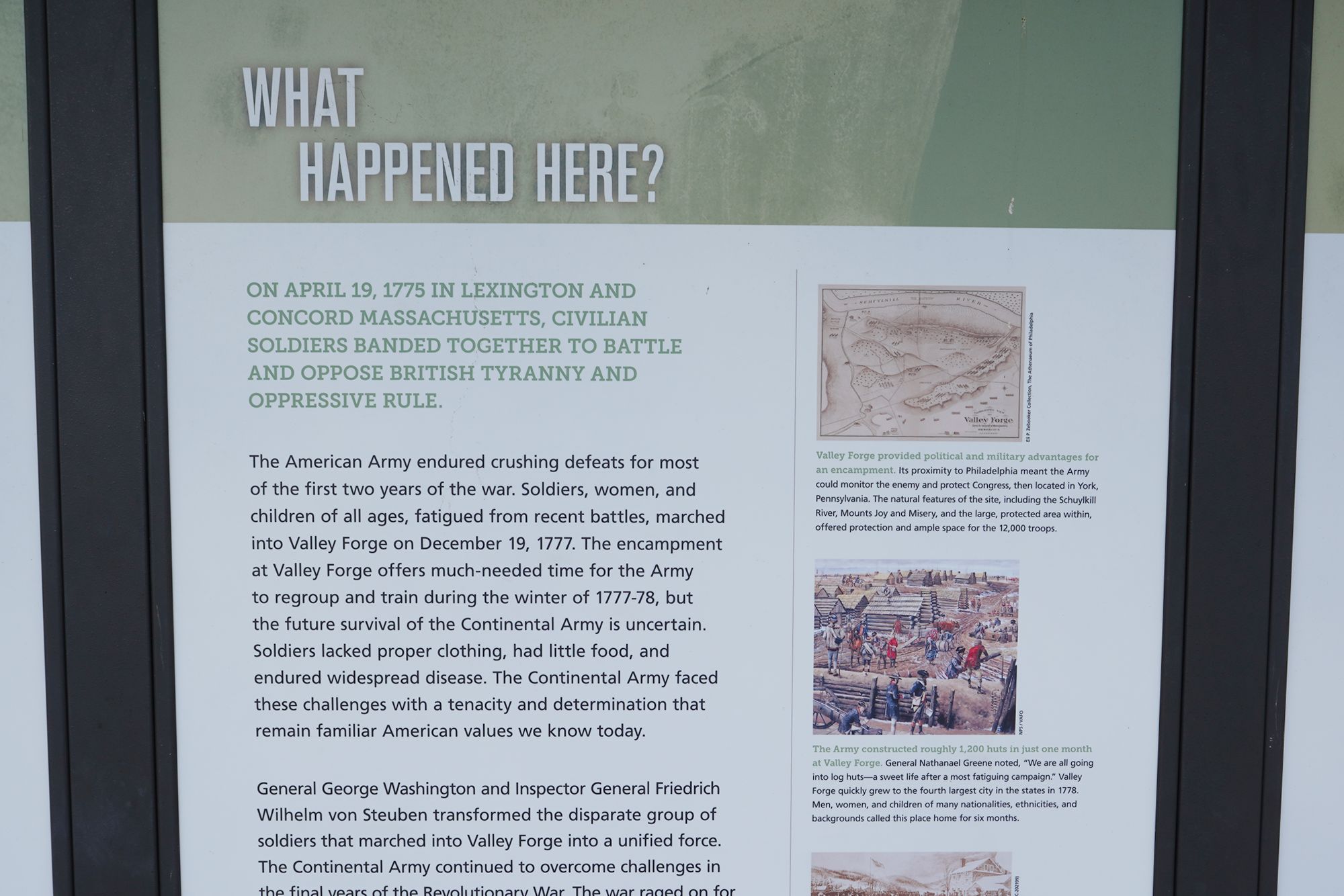
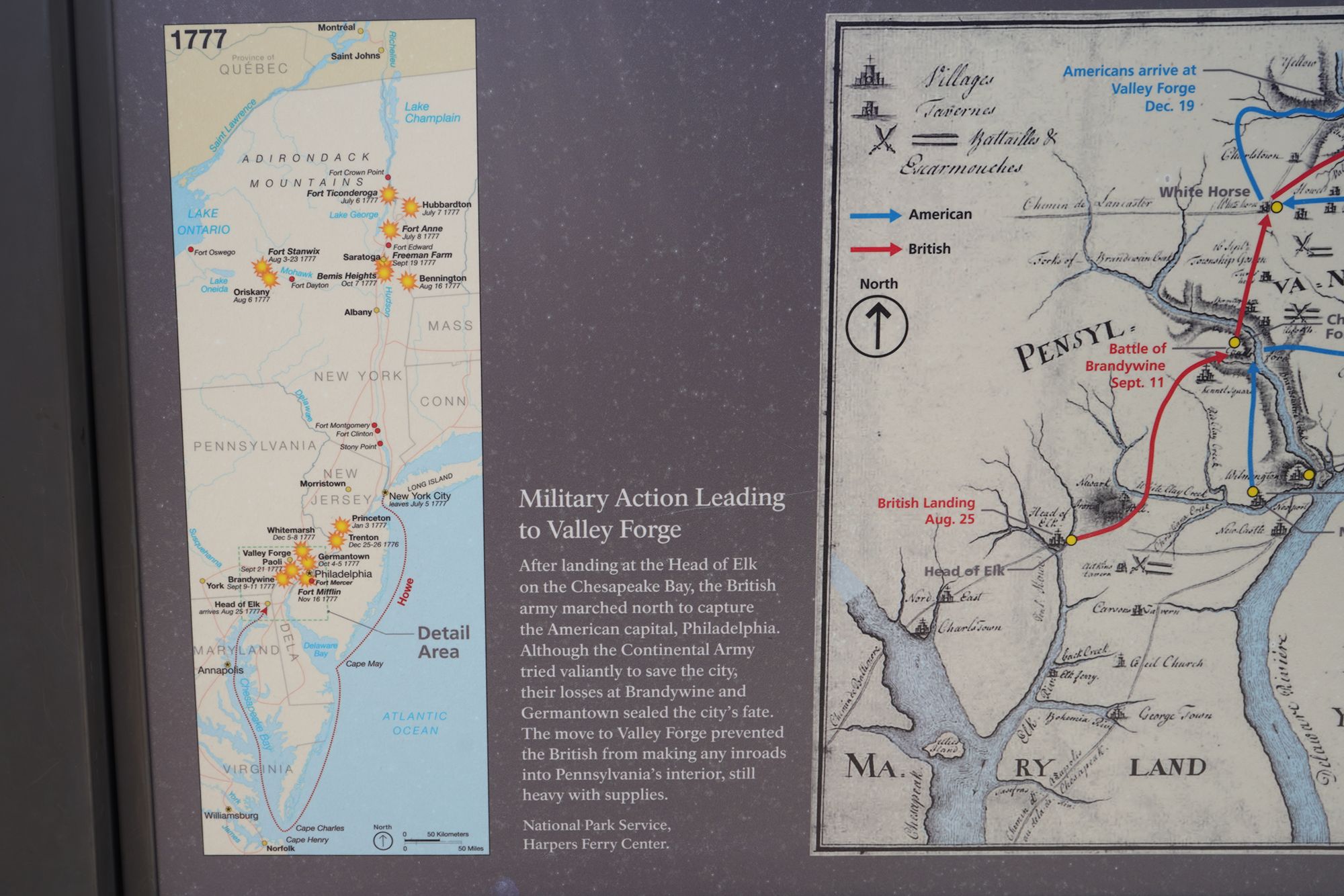
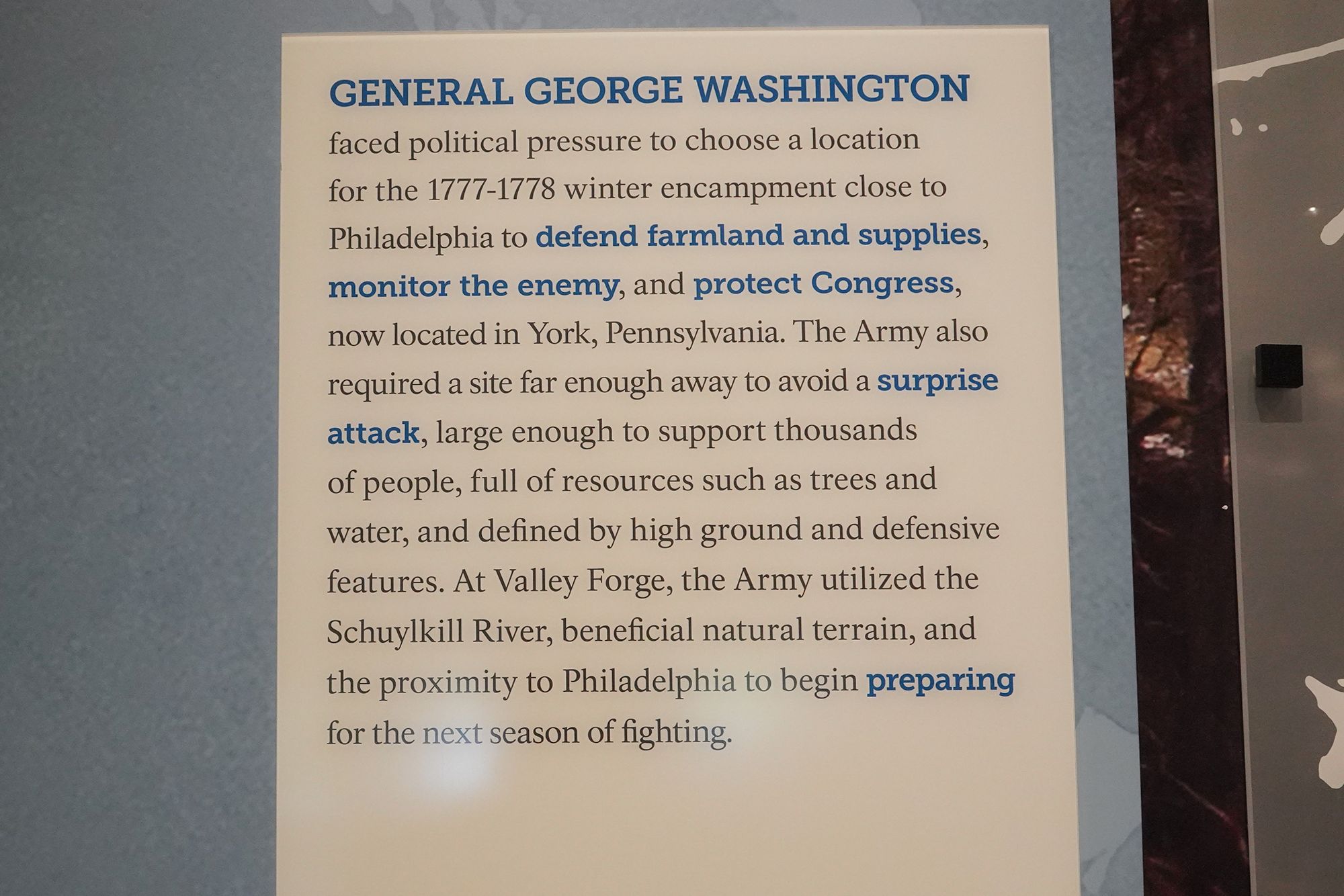
In late 1777, the Continental Army suffered a series of defeats and setbacks in the Revolutionary War. Bitter cold weather, dwindling supplies, and lack of safe winter quarters made continuing active campaigning difficult.
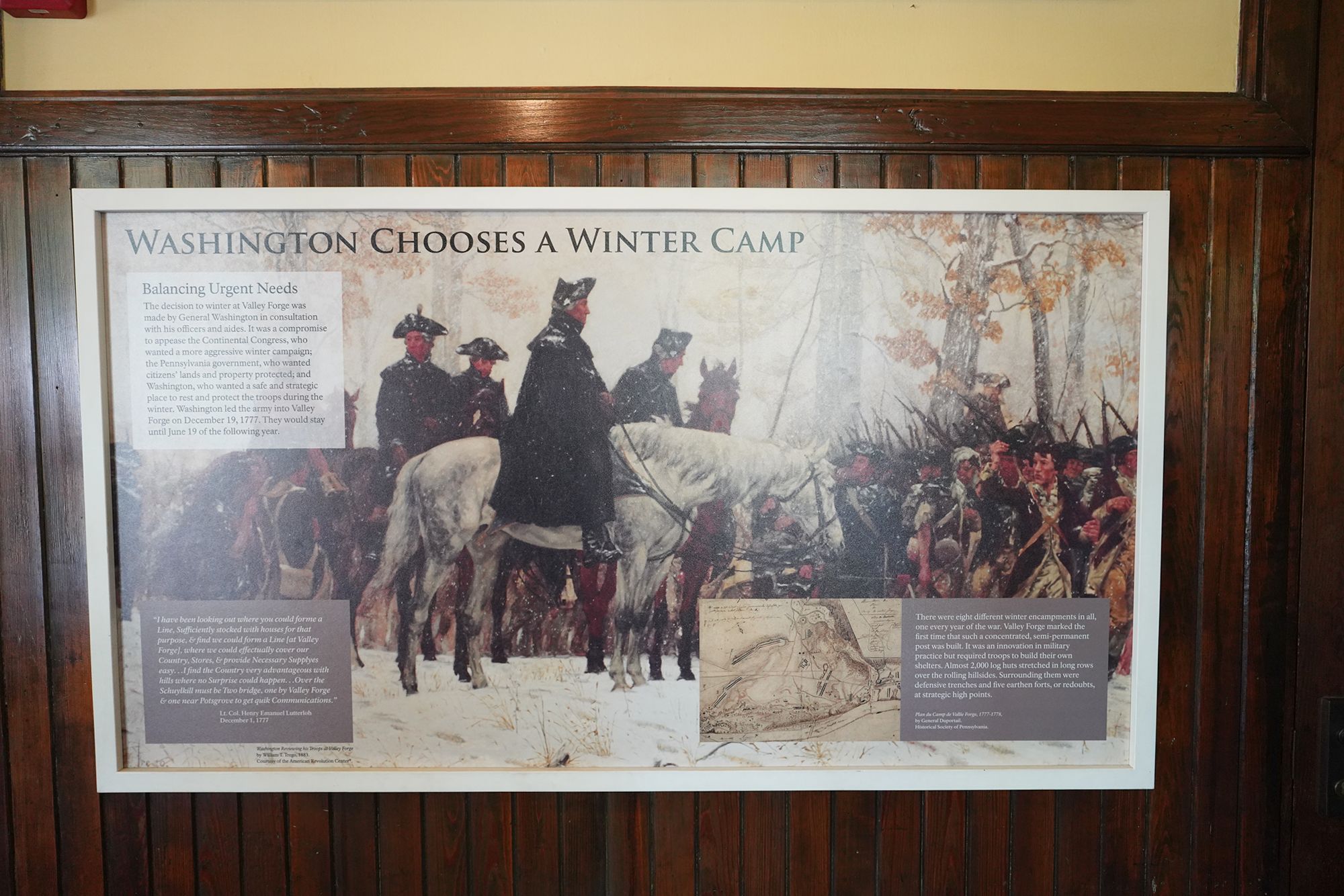
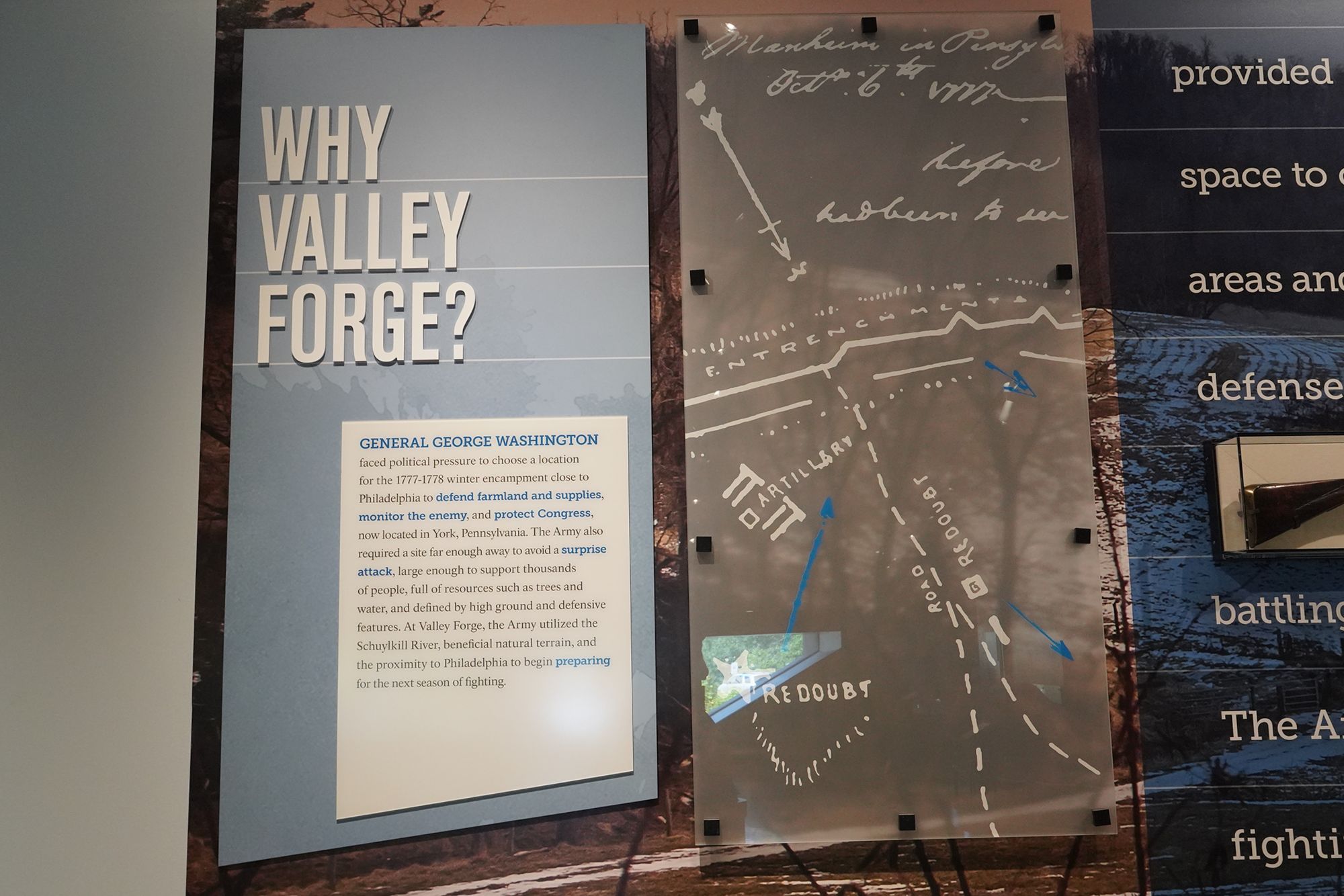
The leadership chose Valley Forge — close enough to enemy-occupied Philadelphia to watch British moves, yet far enough to remain relatively secure — as a strategic location for winter encampment.
On December 19, 1777, the main body of the Continental Army began arriving at Valley Forge to settle in for the winter.
The army remained at Valley Forge through the winter months until June 19, 1778. During this time they endured severe cold, shortages of food and clothing, and disease, but also reorganized, trained, and regained strength.
What is important is that the winter at Valley Forge proved a turning point: despite hardship, the army emerged more disciplined and unified, eventually continuing the fight for independence with renewed resolve.
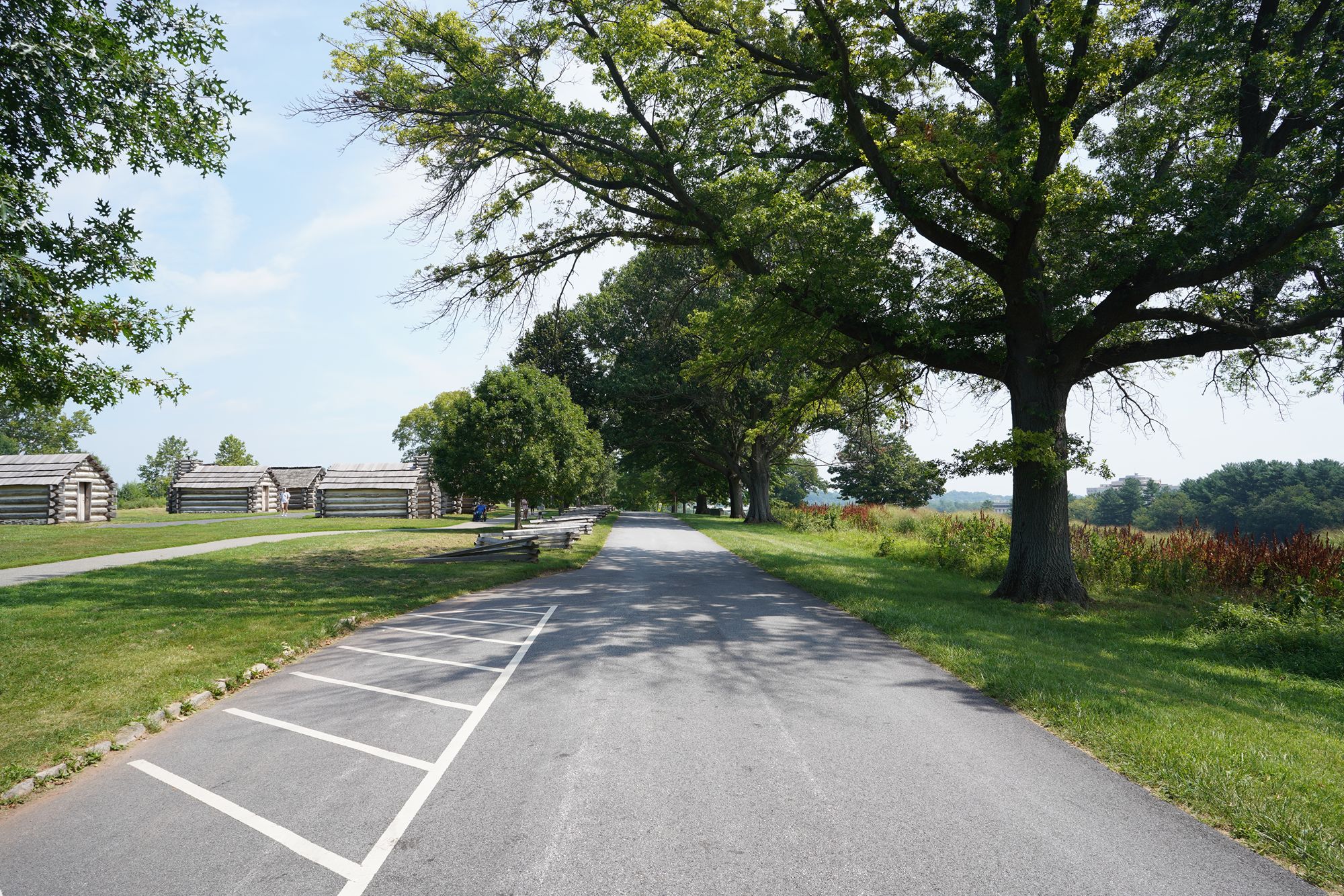
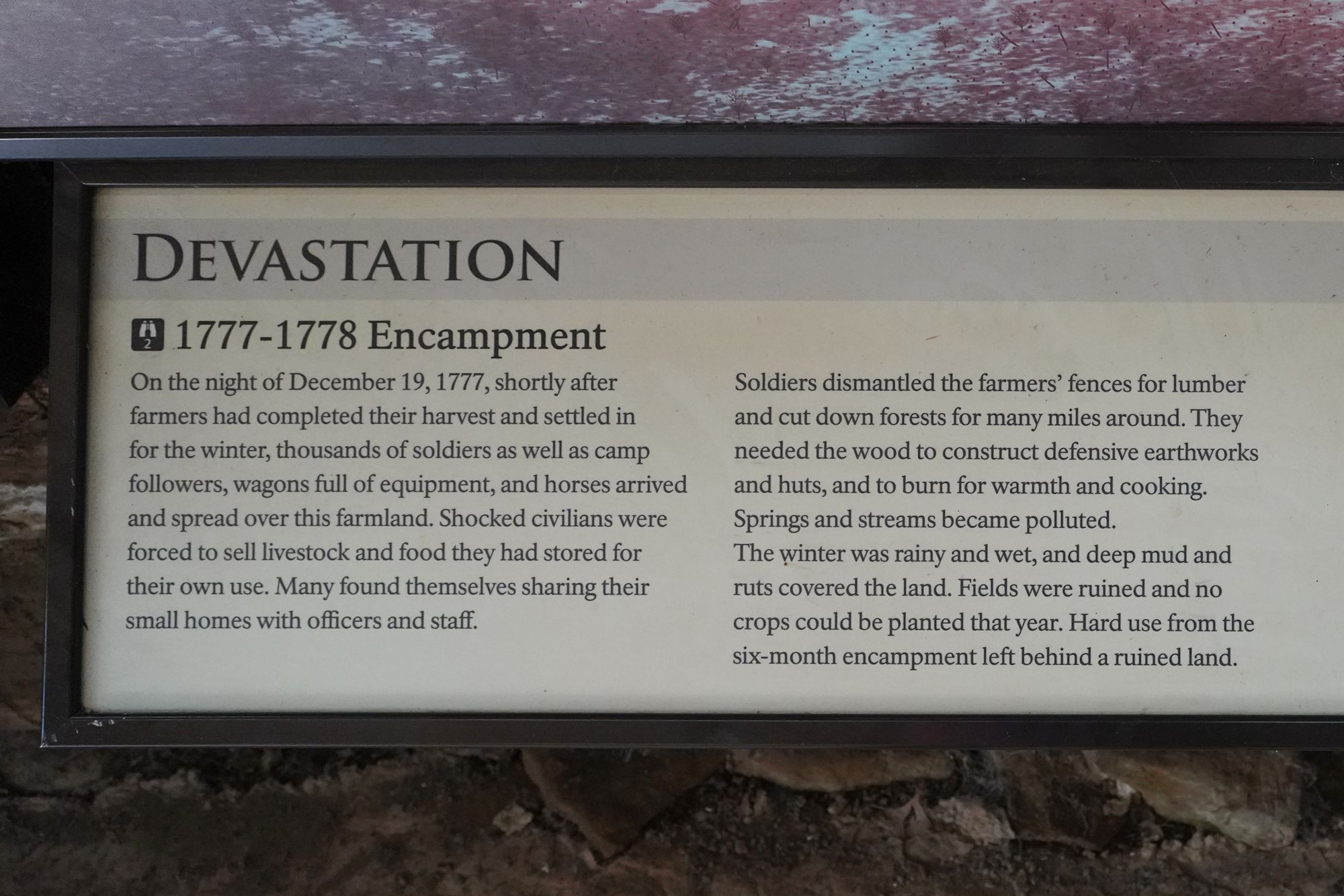
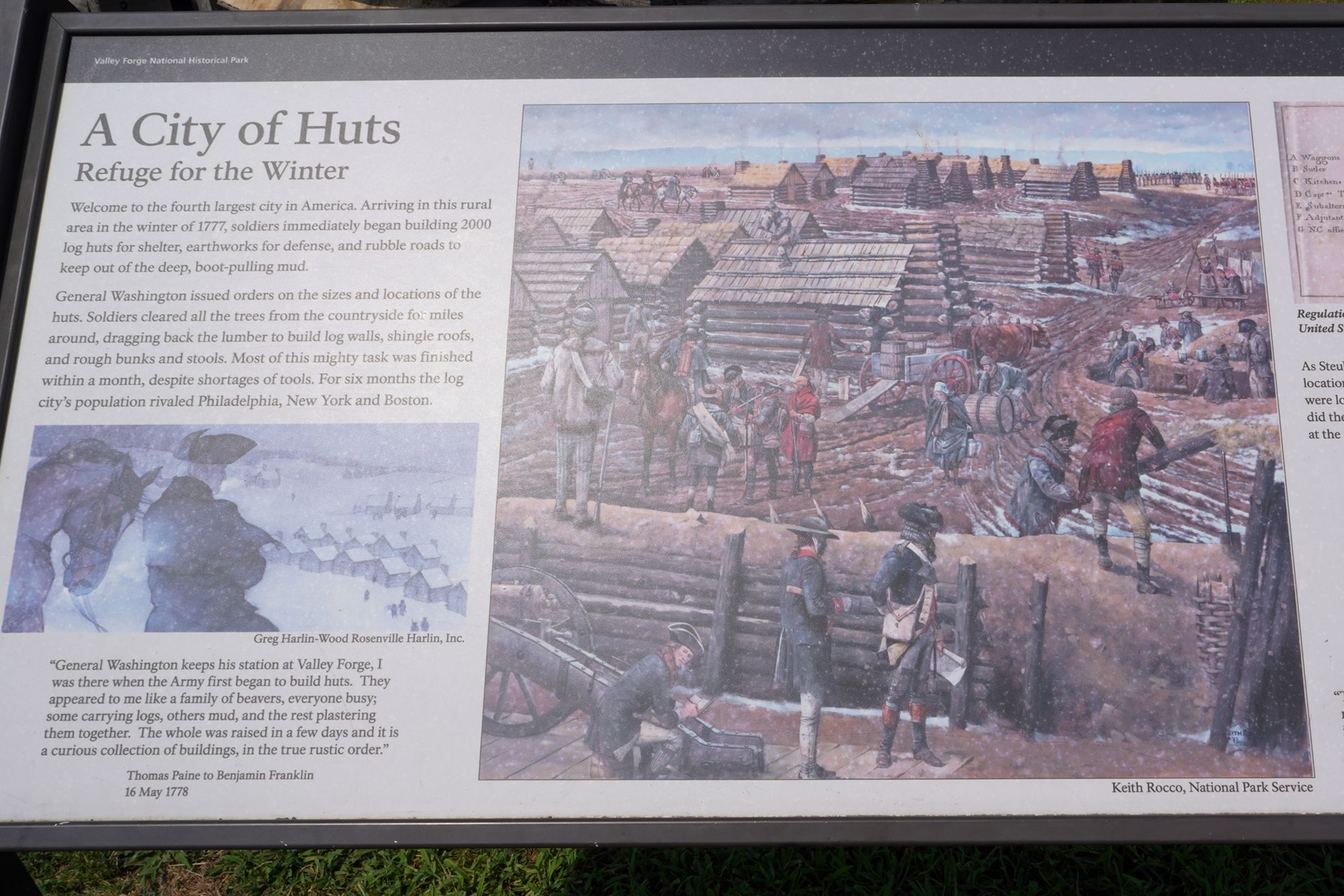
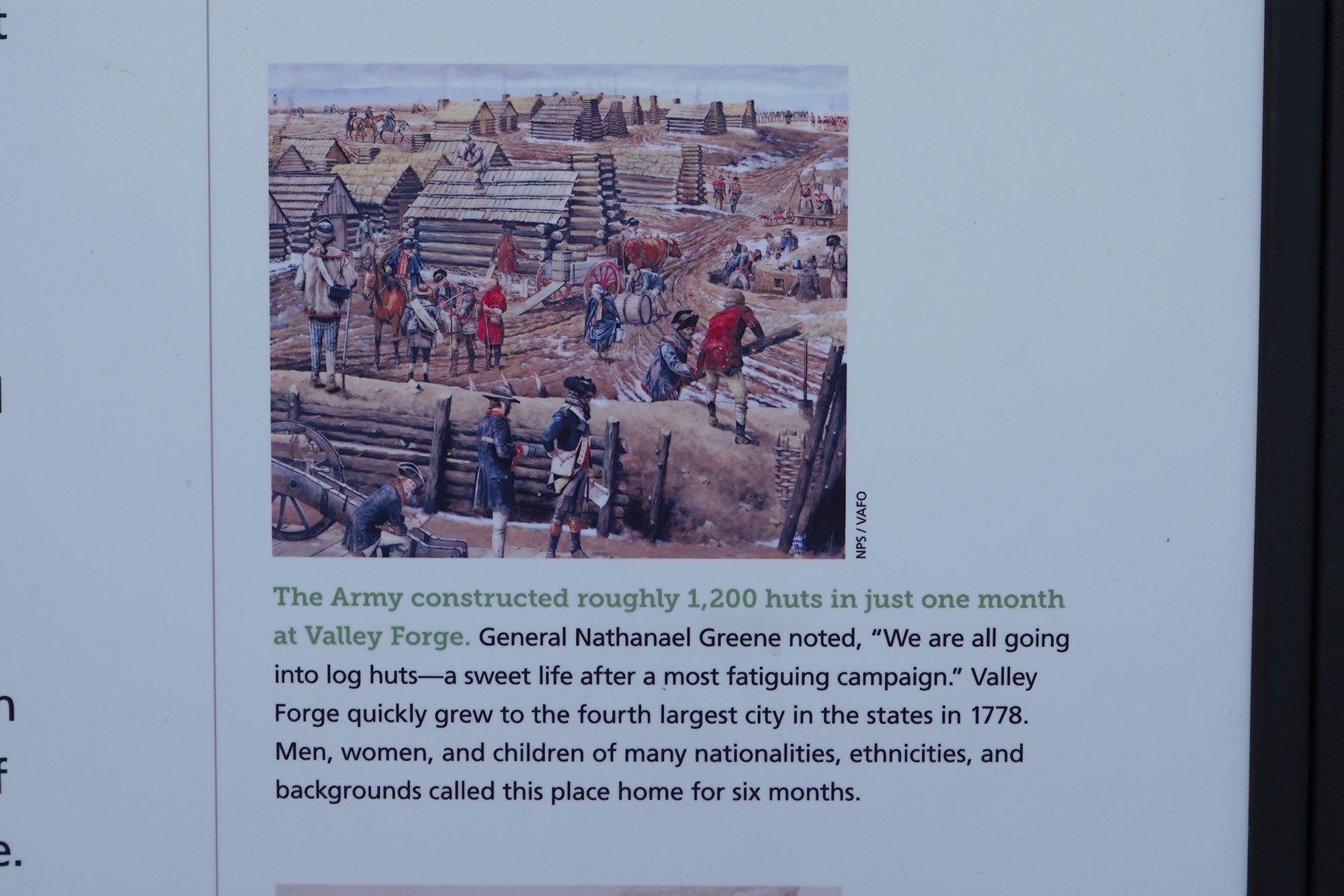
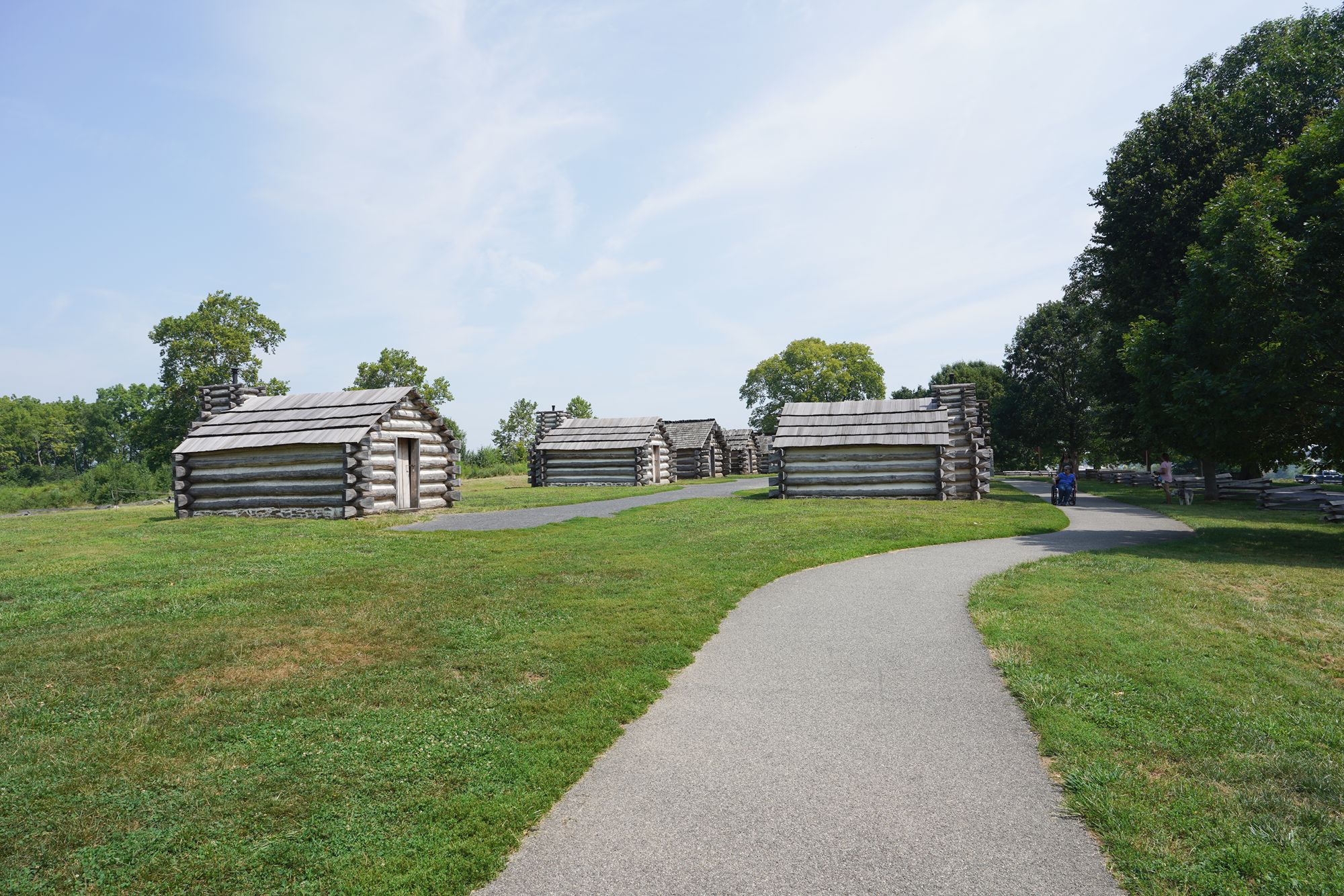
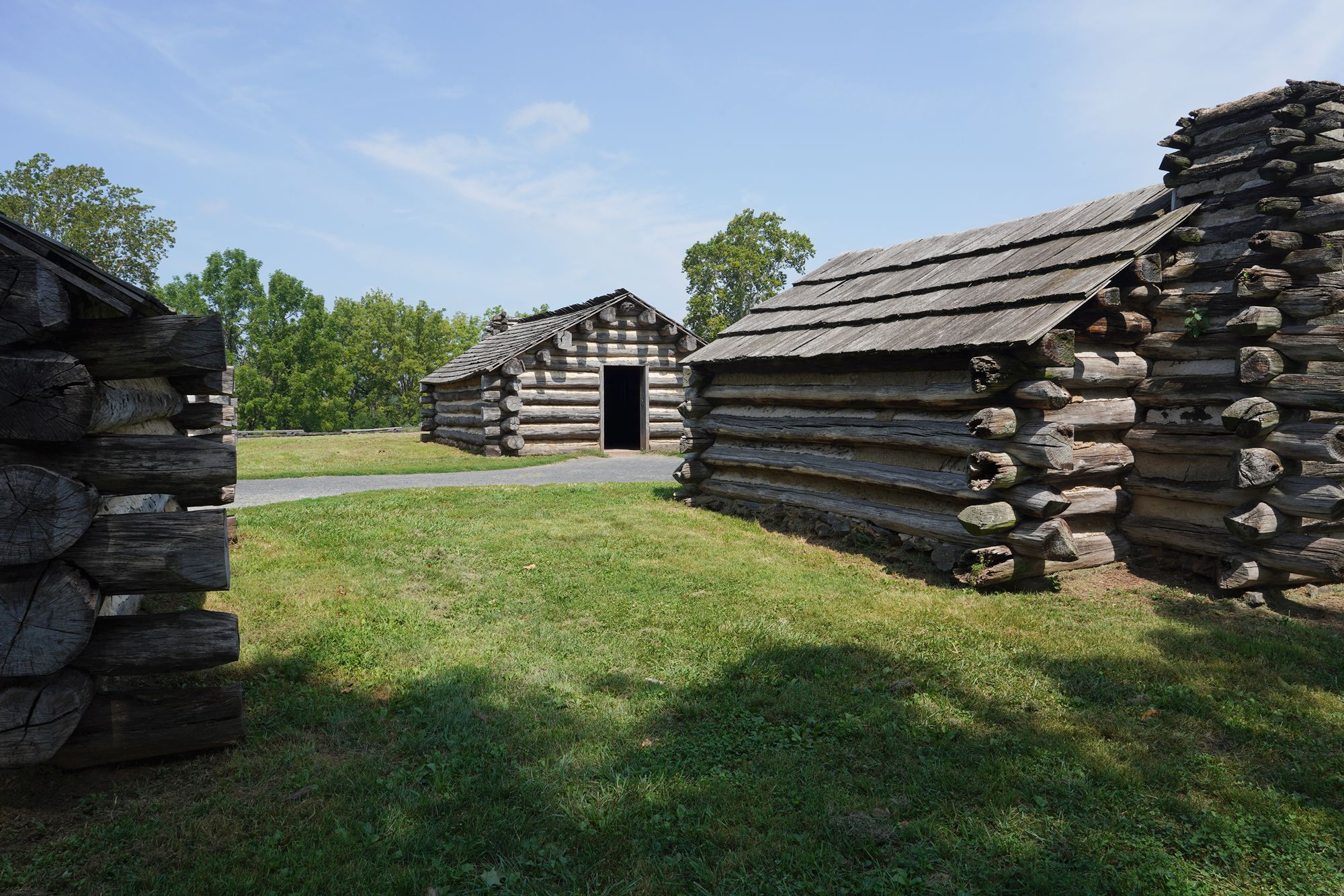
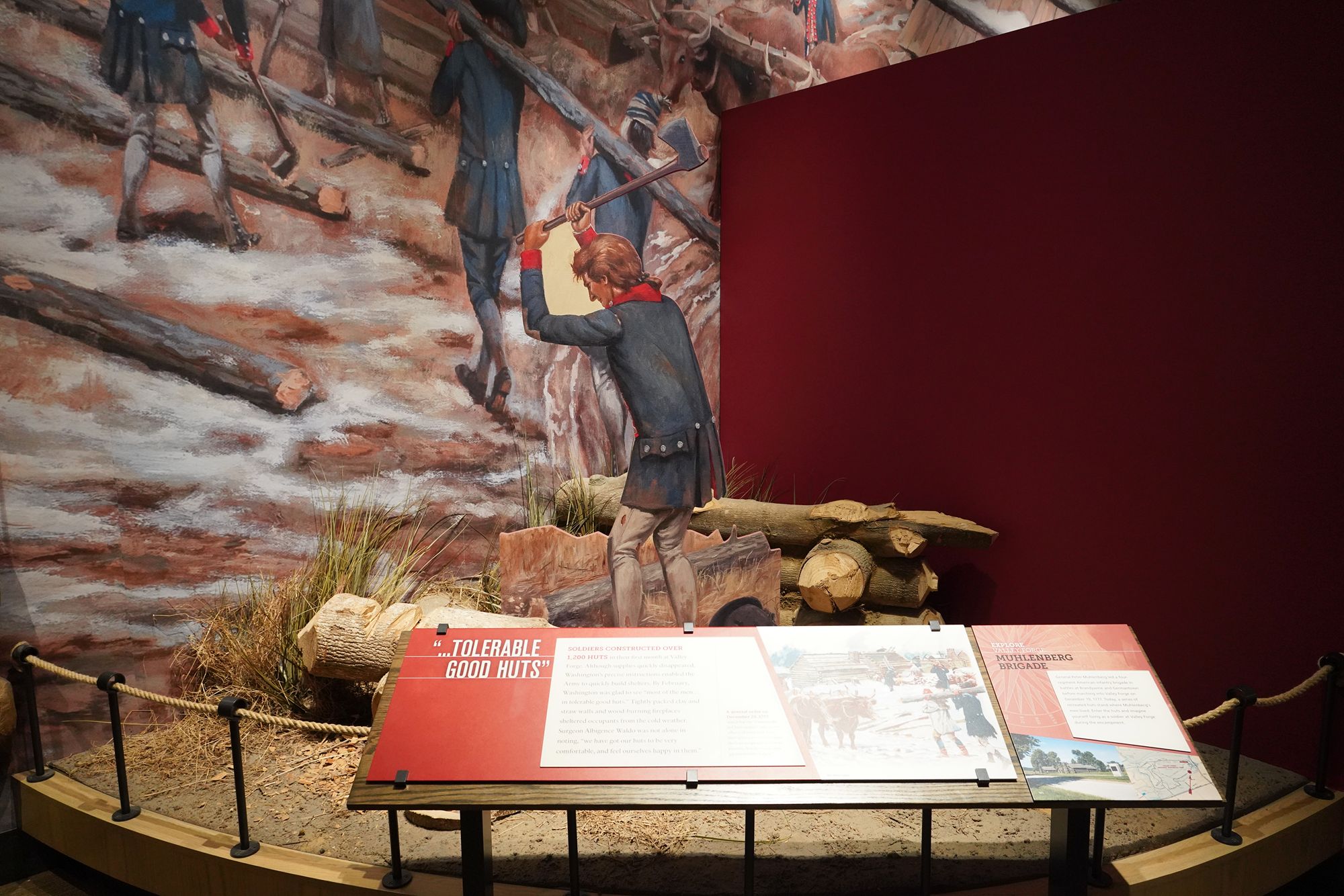
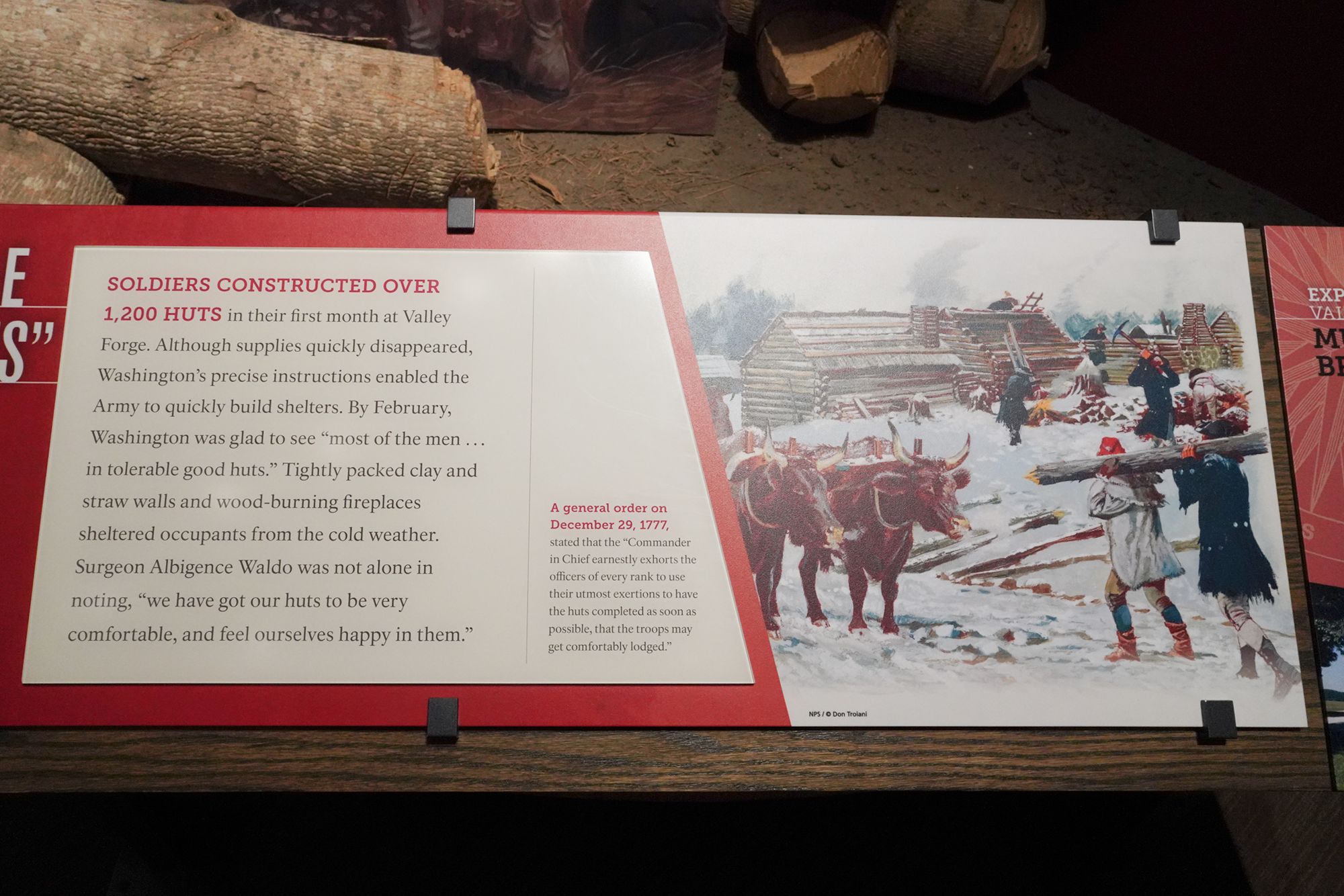
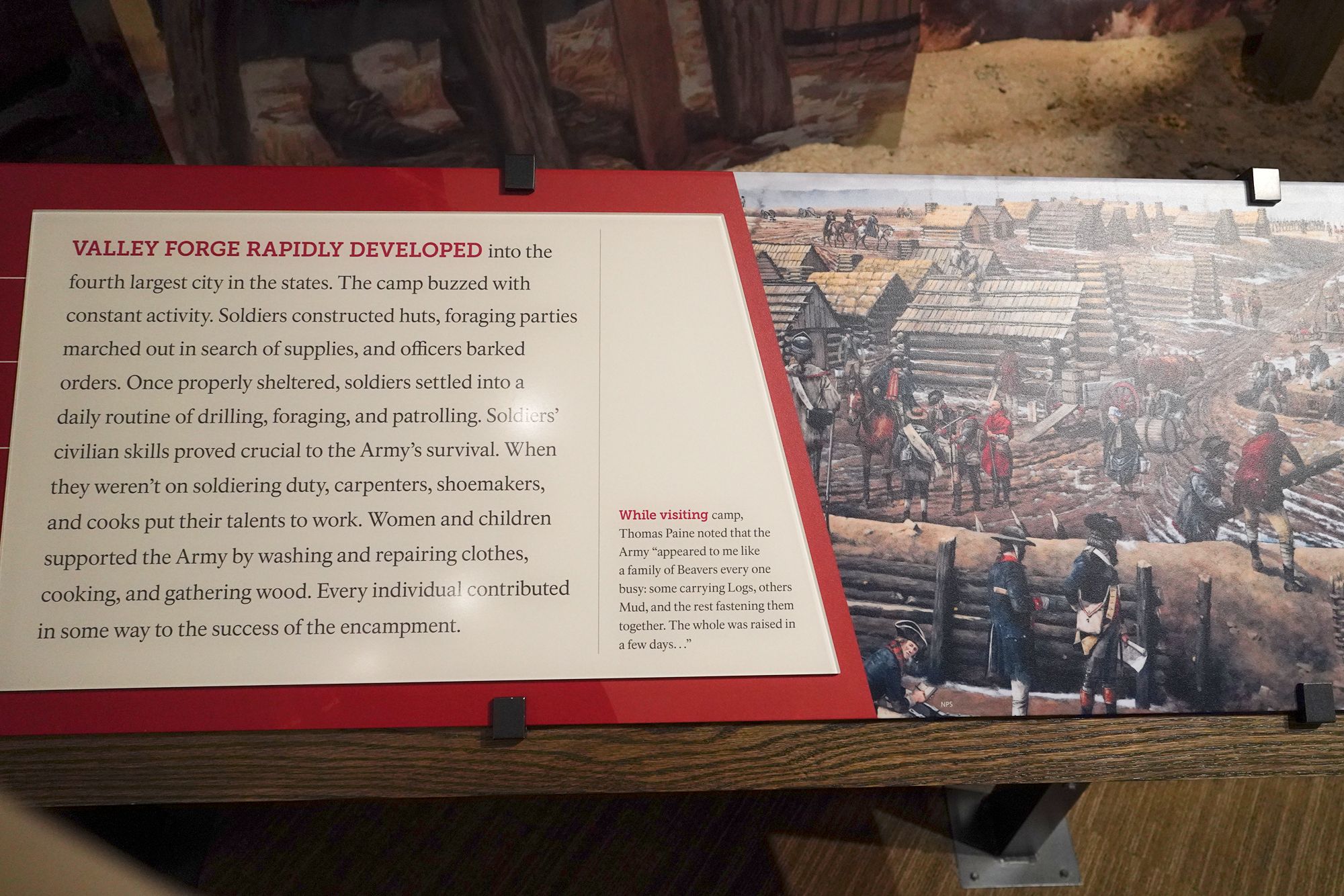
The log huts are replica cabins built to represent the crude shelters used by soldiers of the Continental Army during the winter encampment of 1777–1778 at Valley Forge.
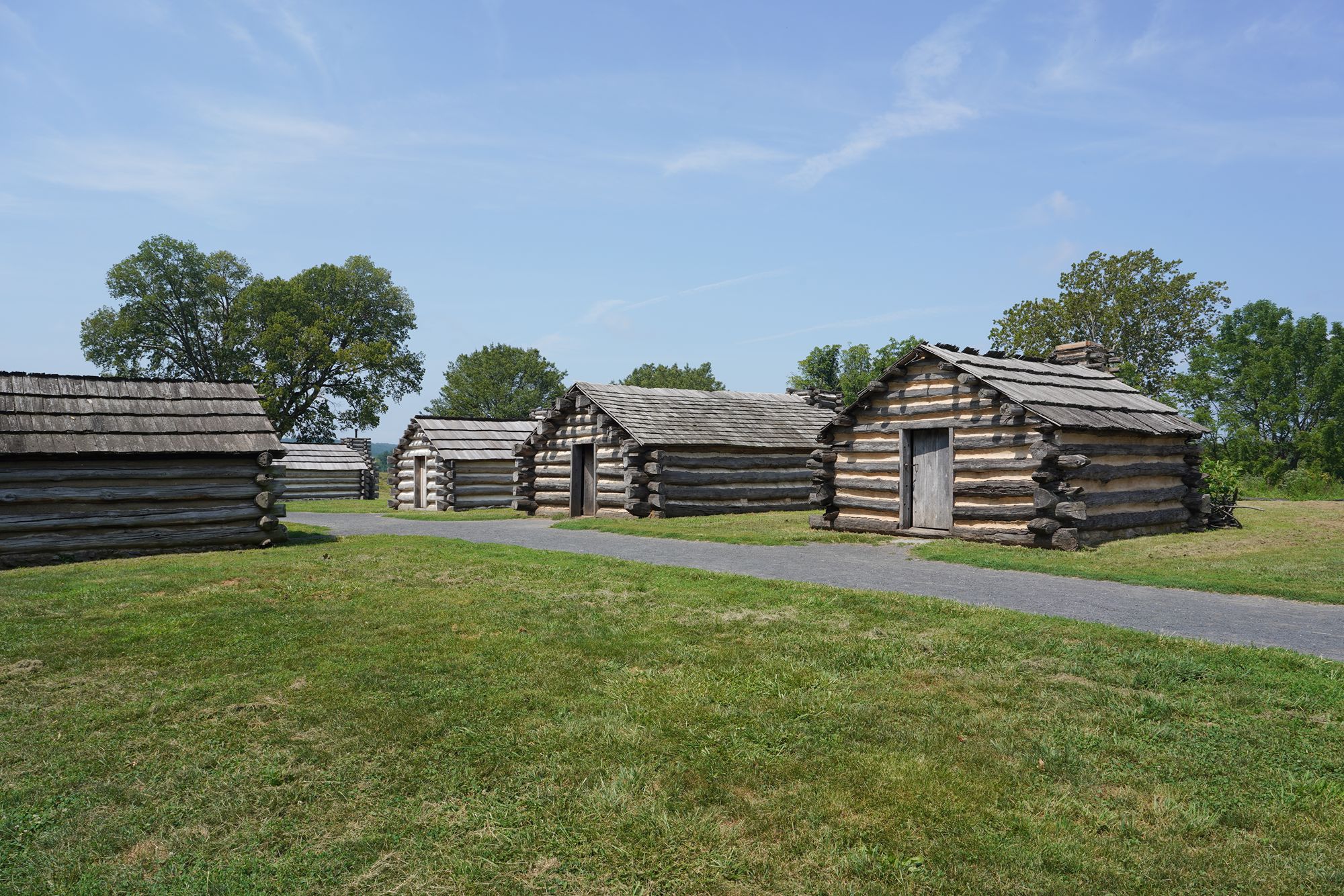
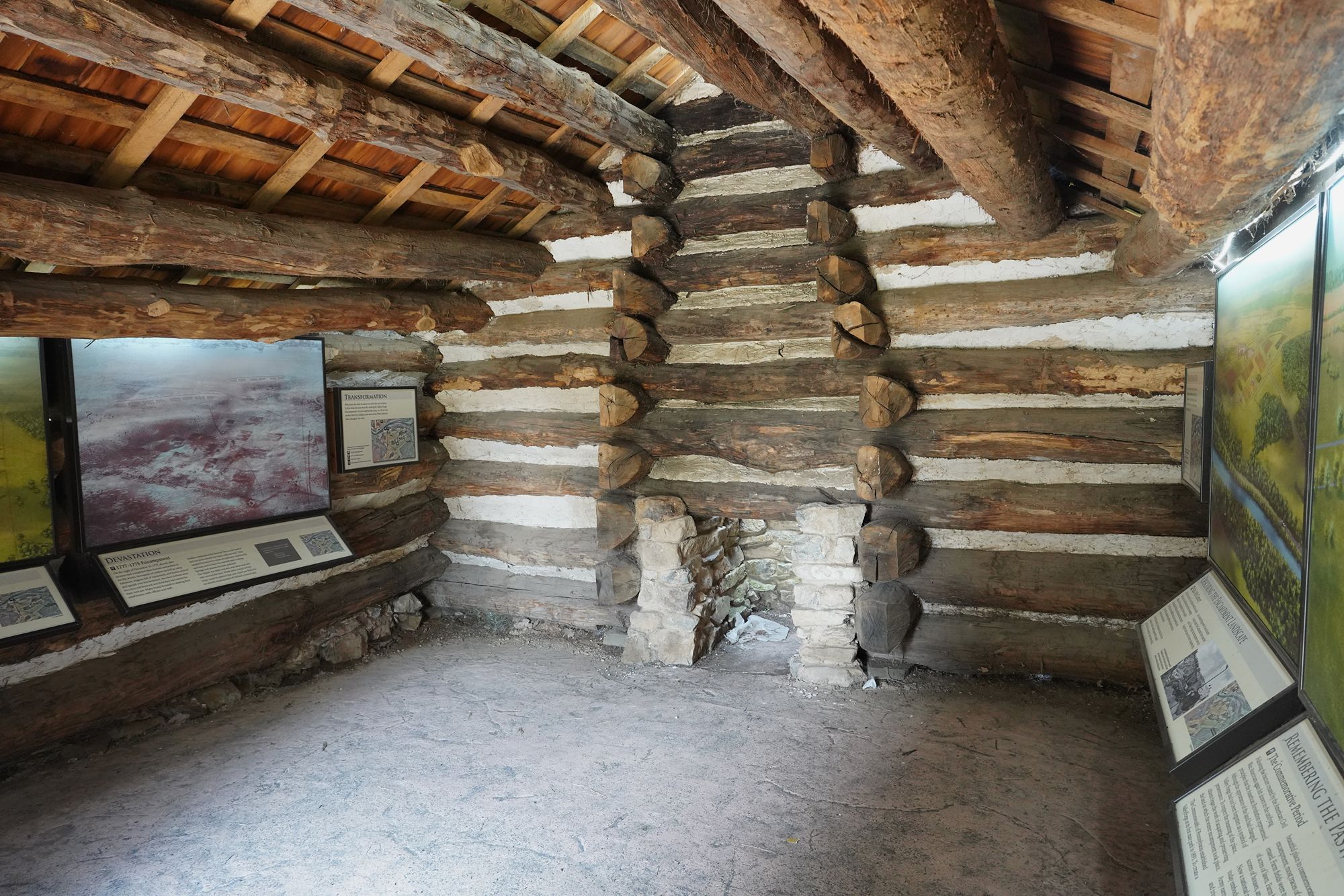
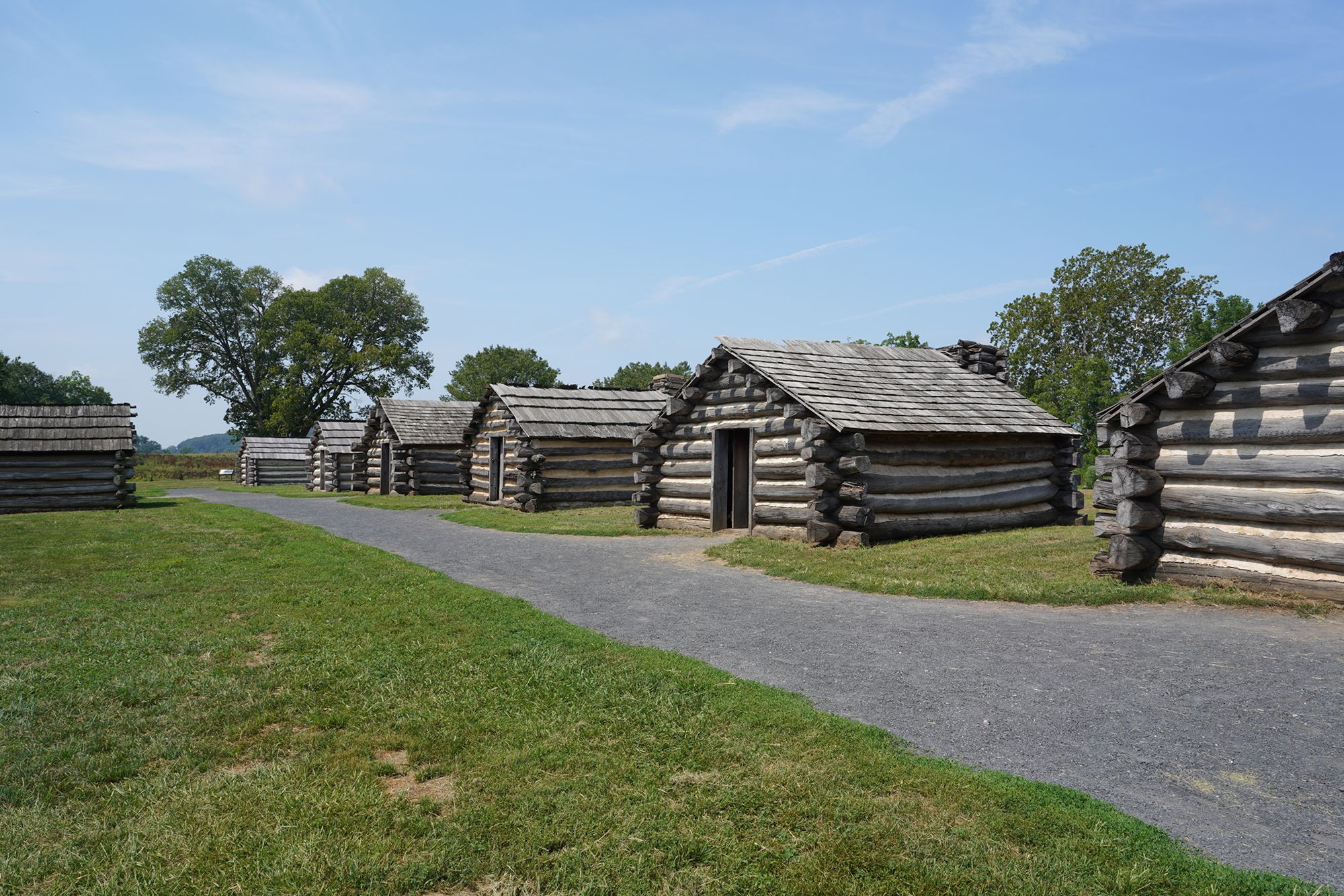
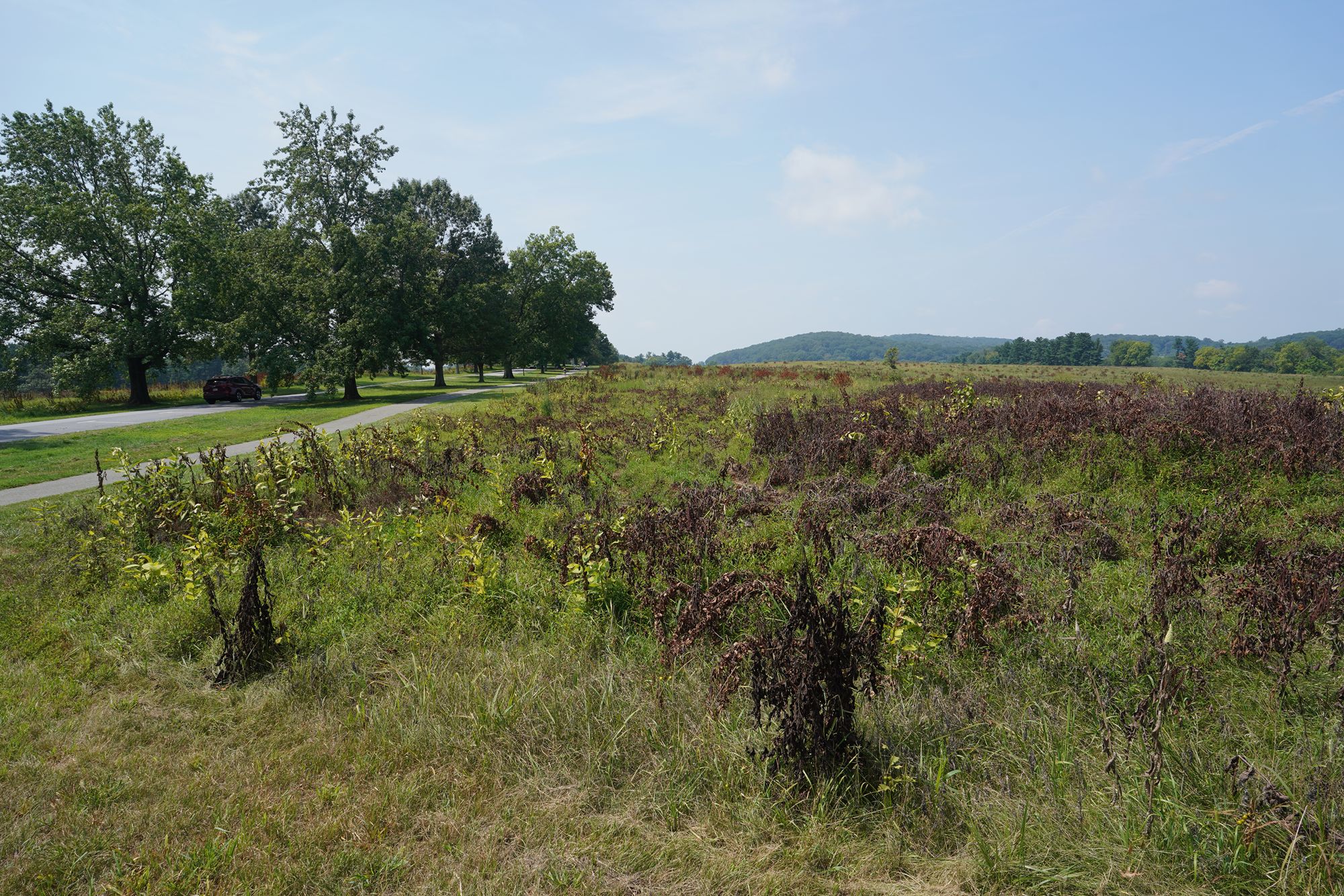
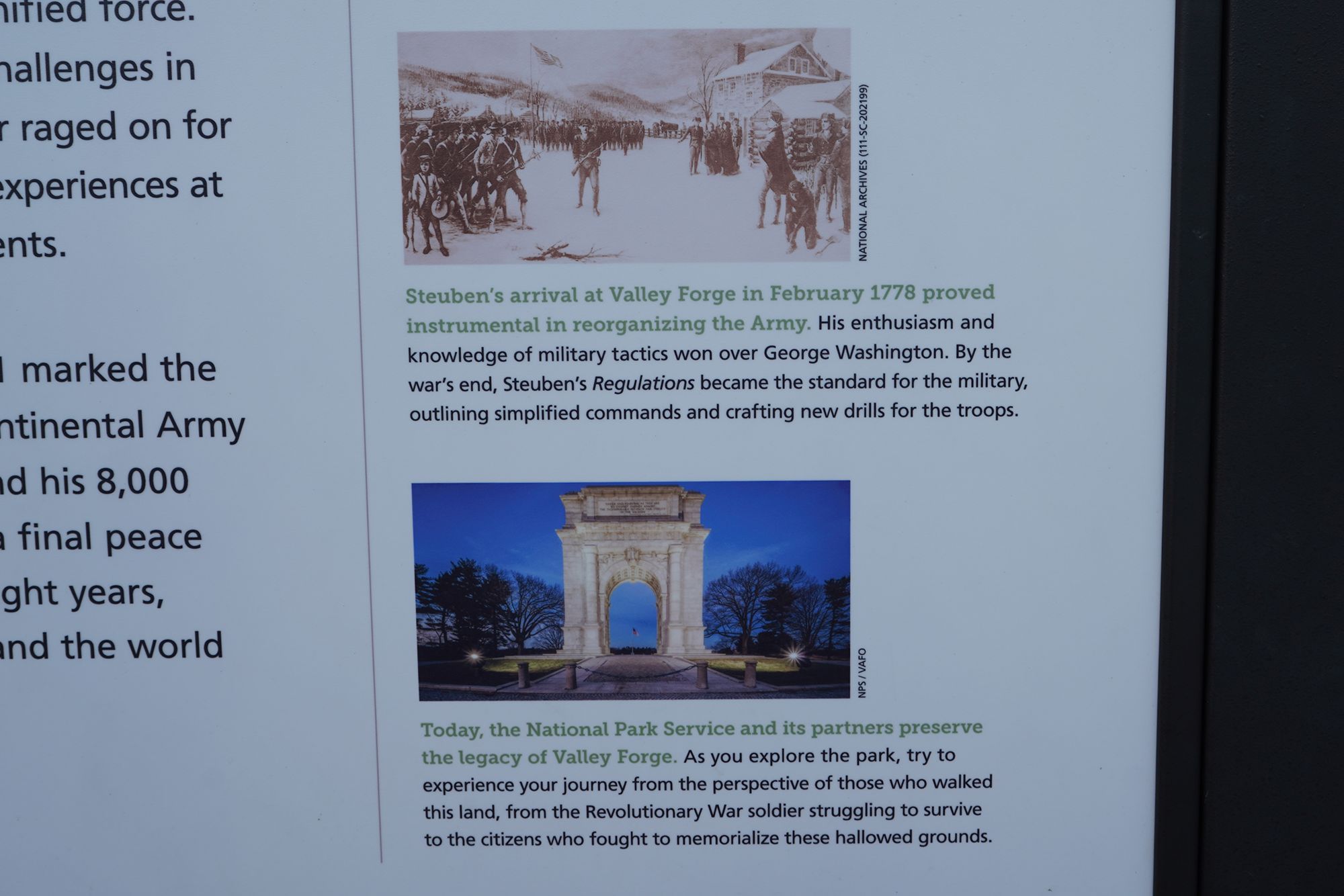
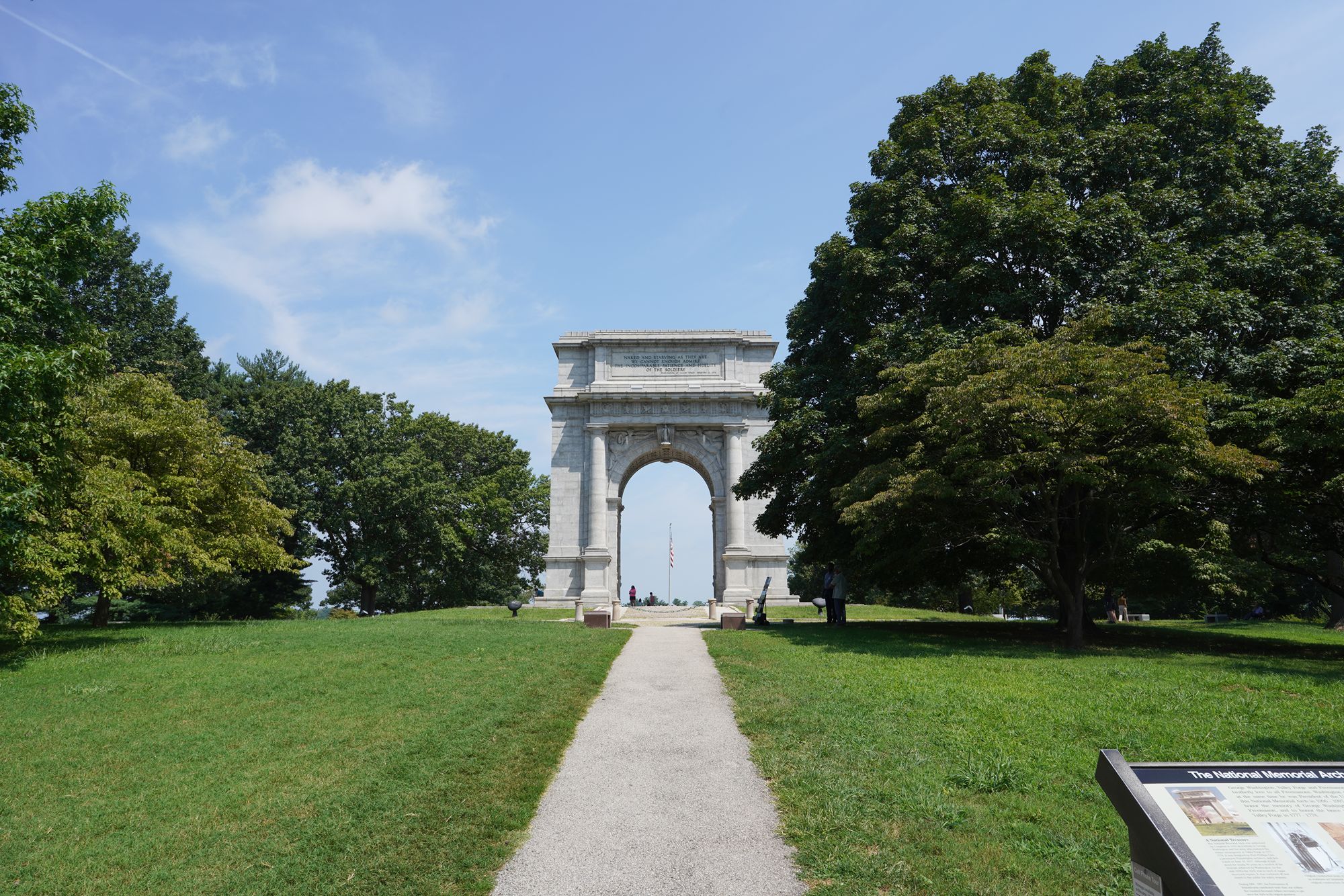
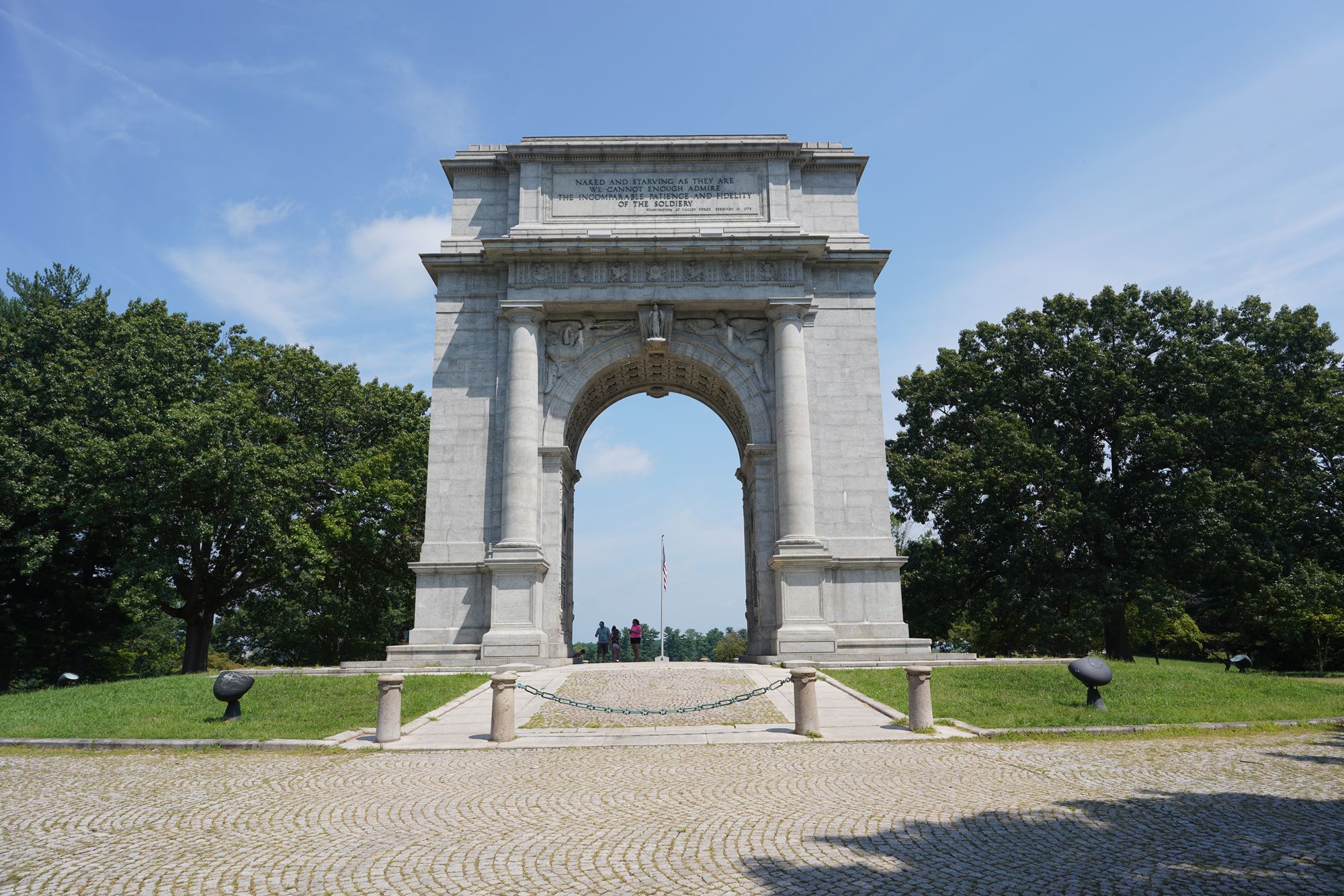
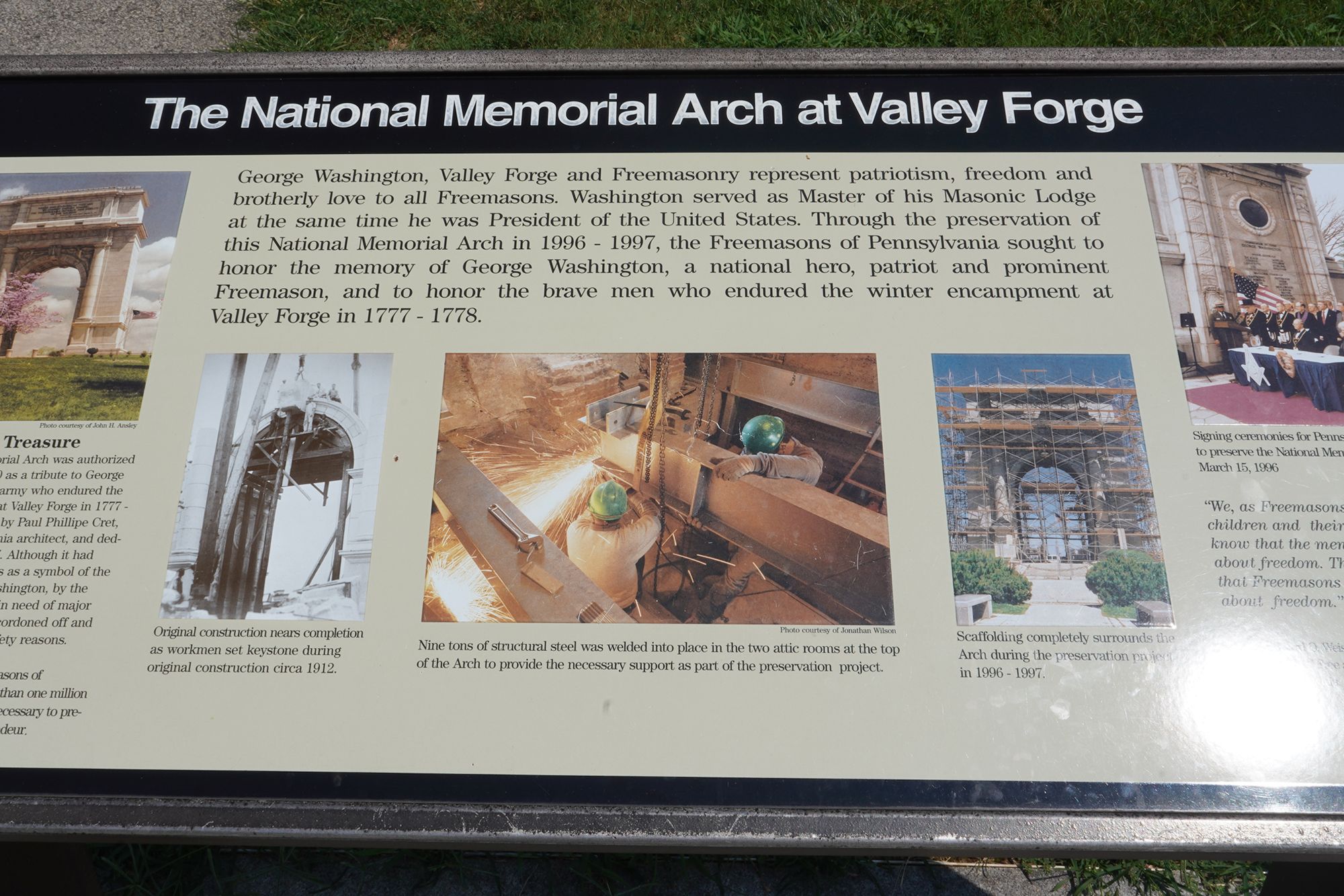
One of the most prominent monuments at Valley Forge is the grand stone arch known as the Washington Memorial Arch, built to honor the leadership of George Washington during the encampment.
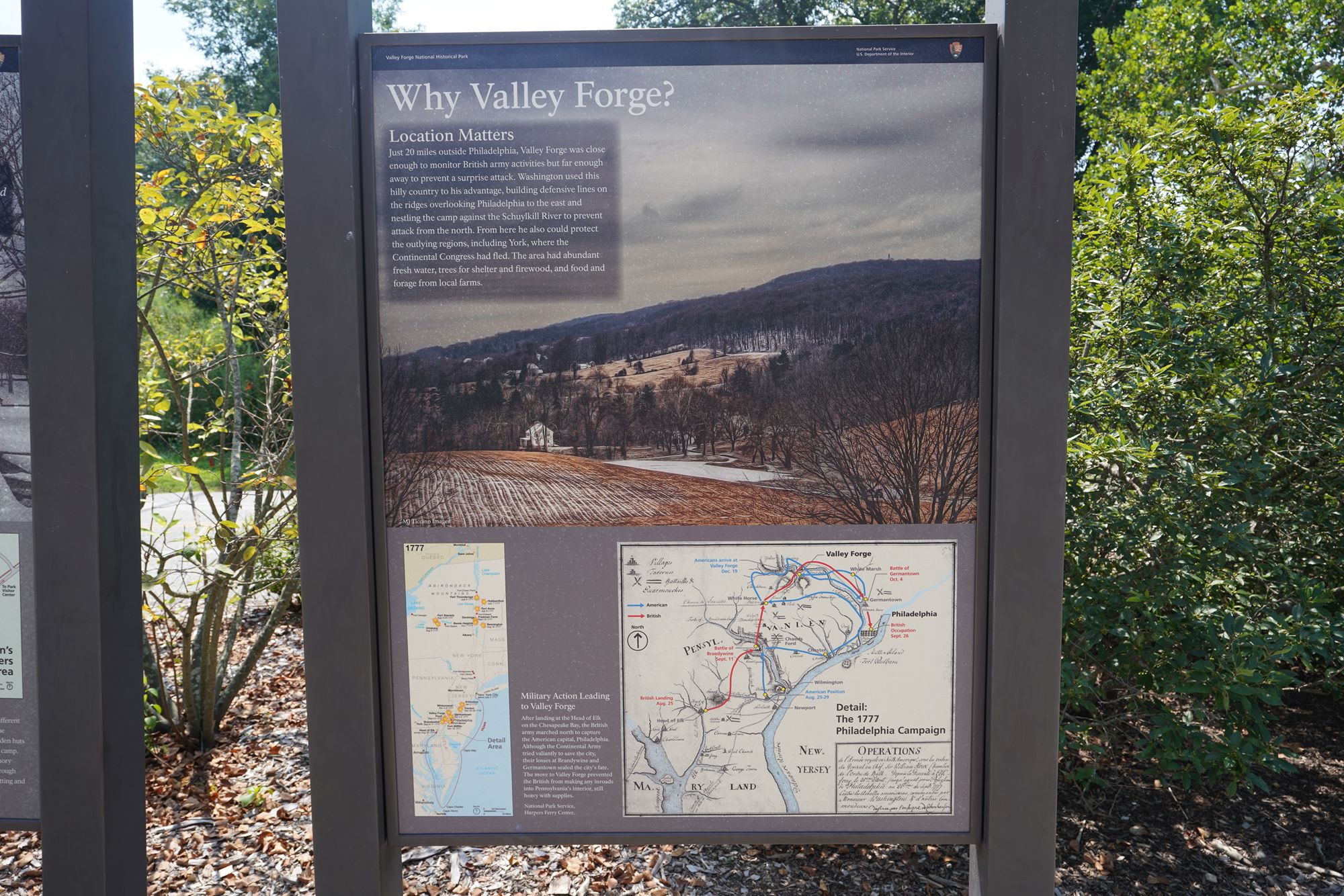
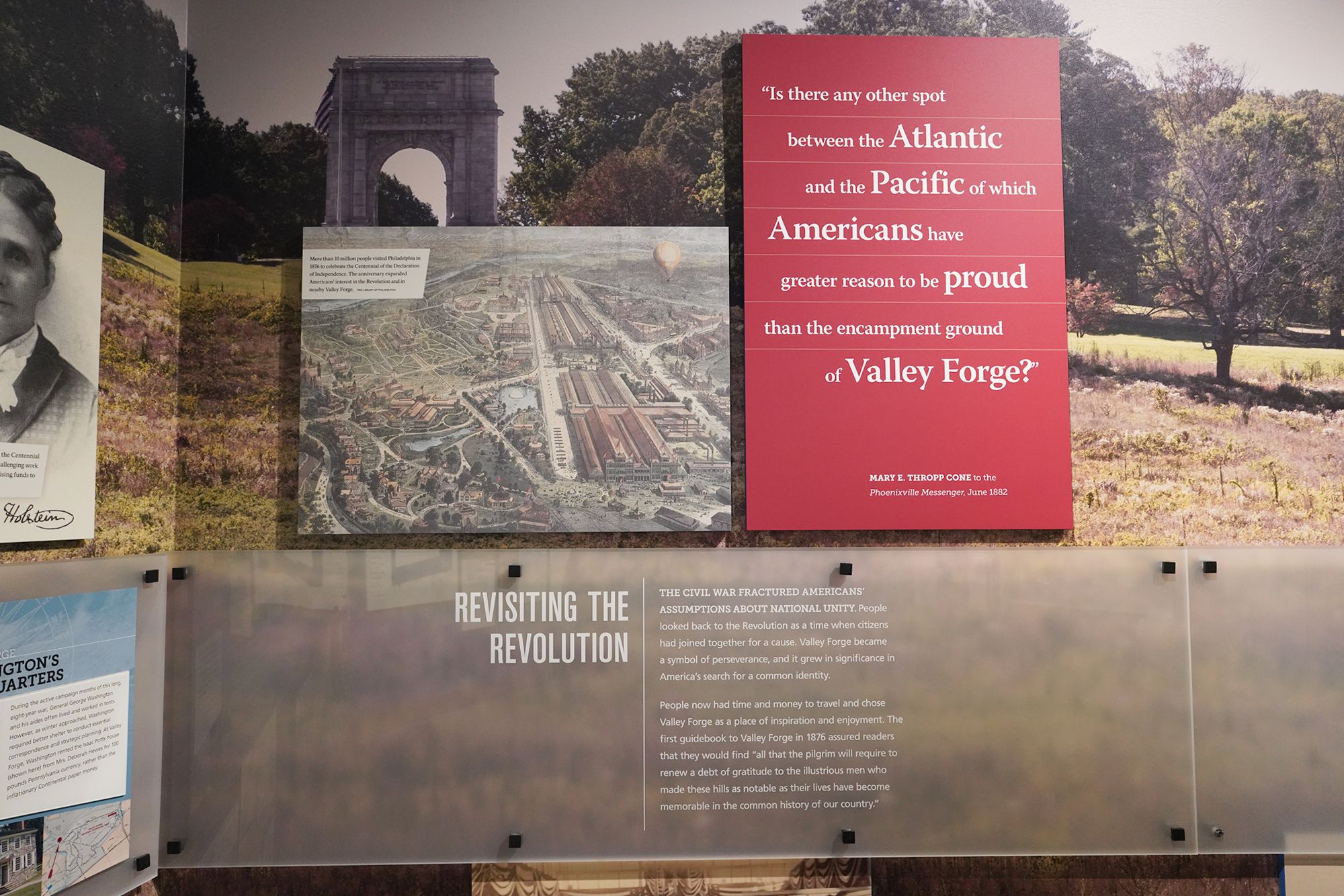
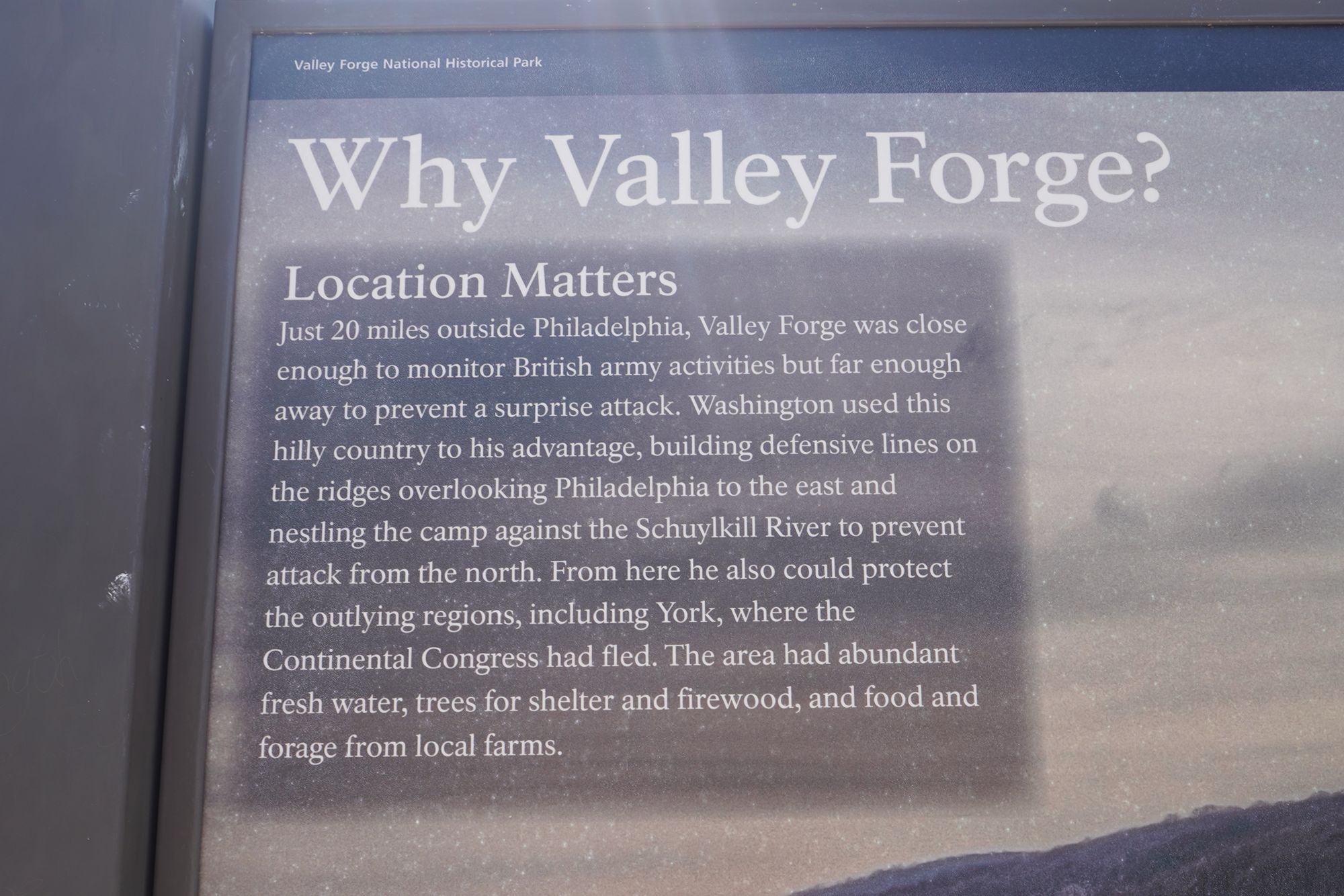
Why Valley Forge?
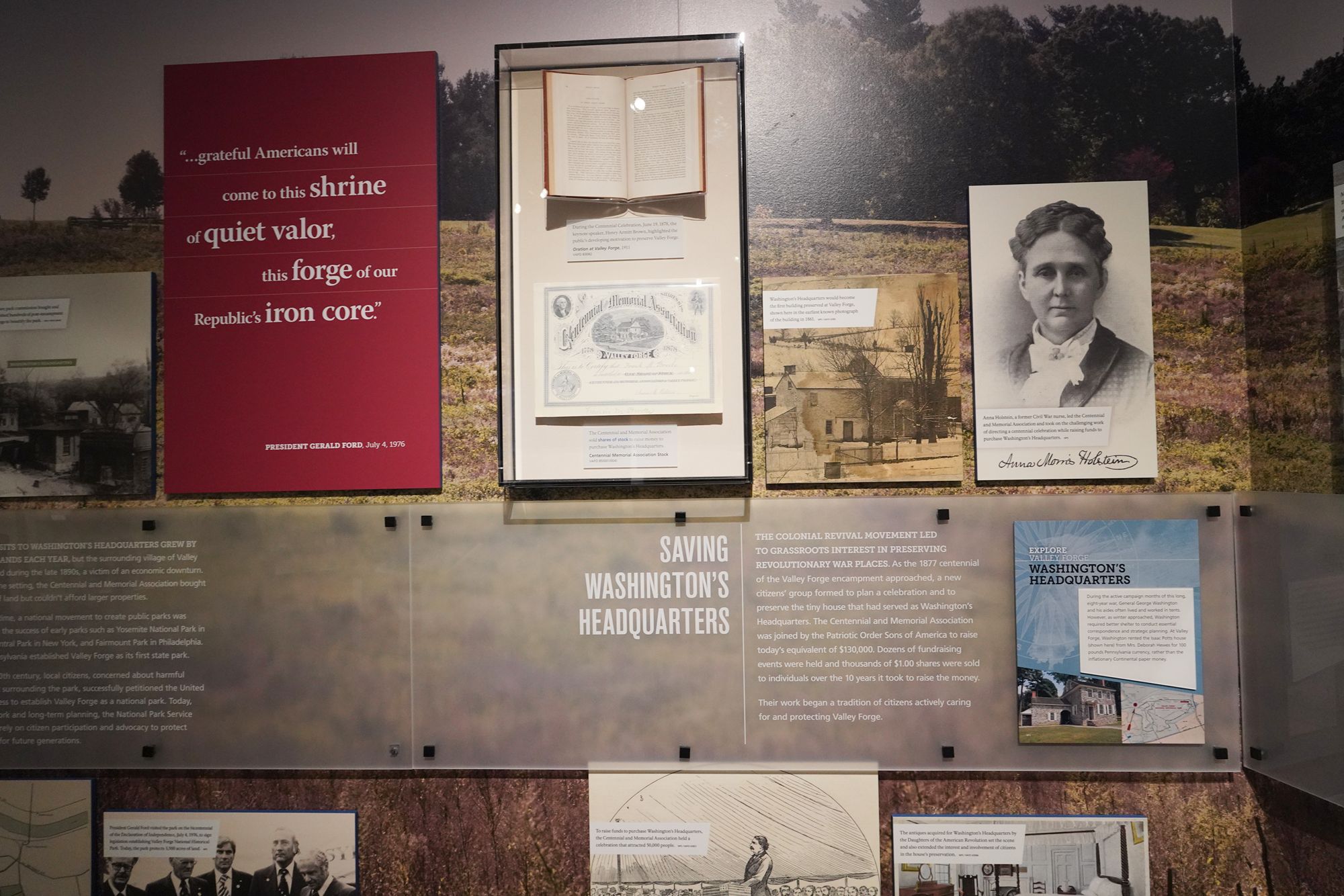
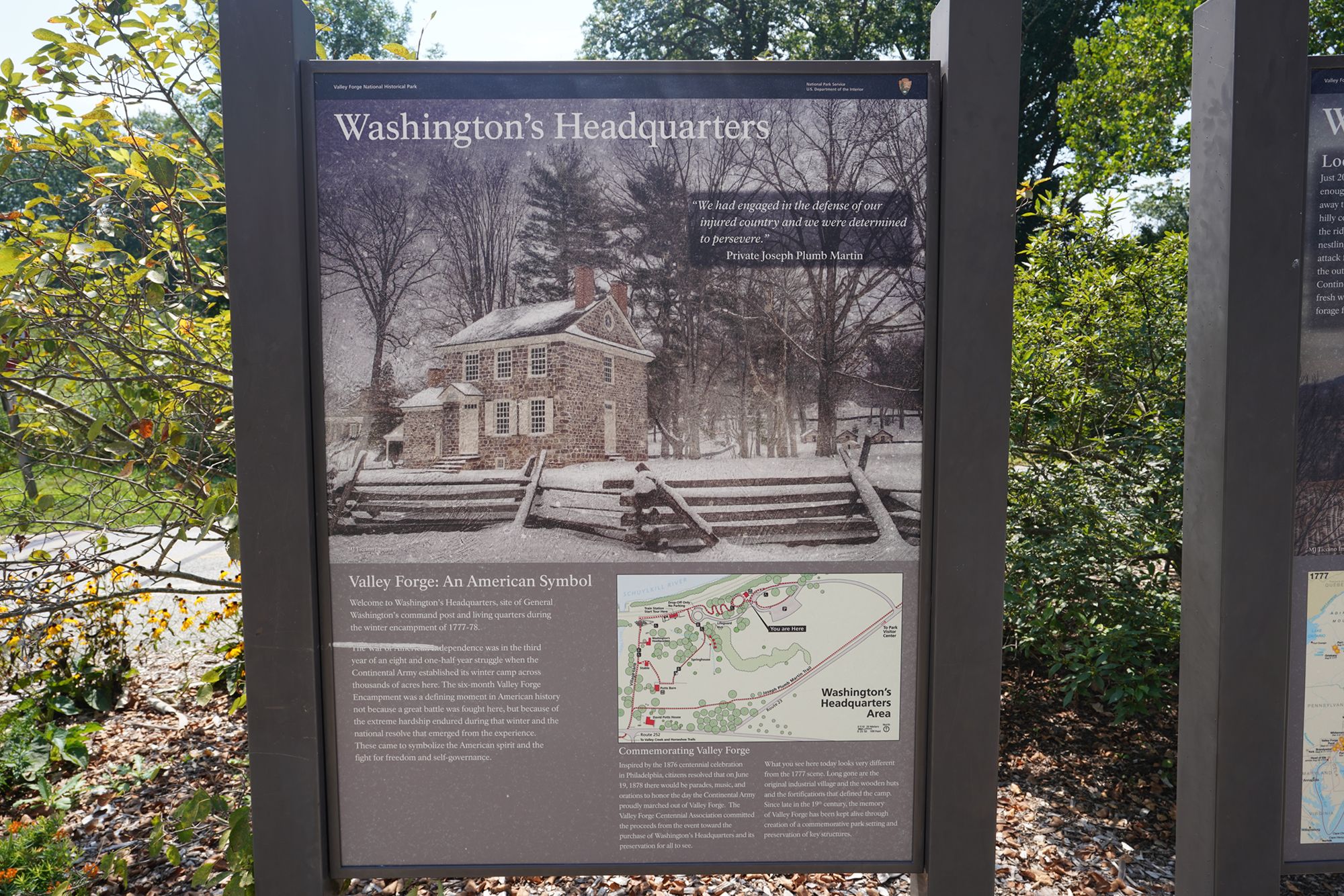
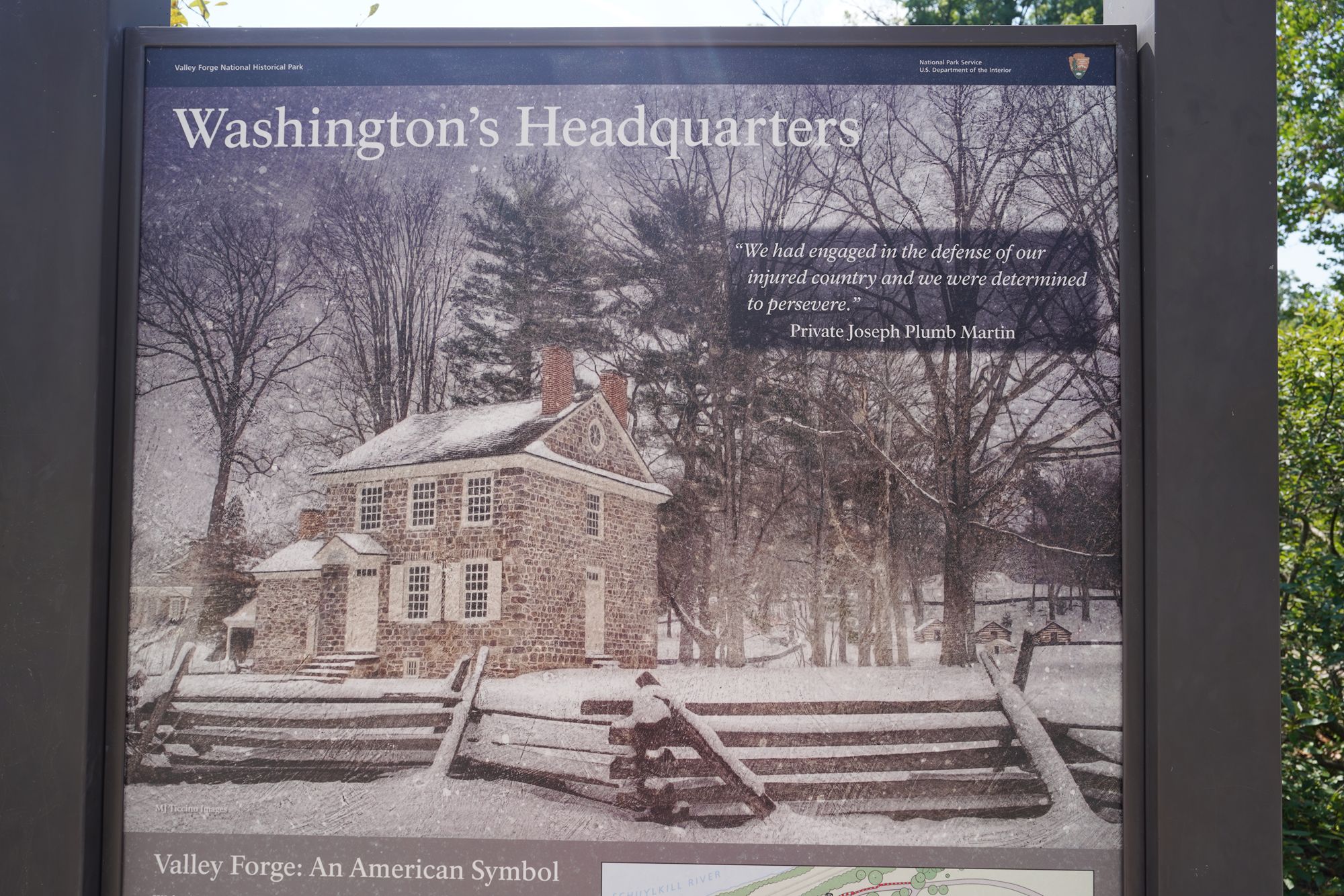
Washington’s Headquarters
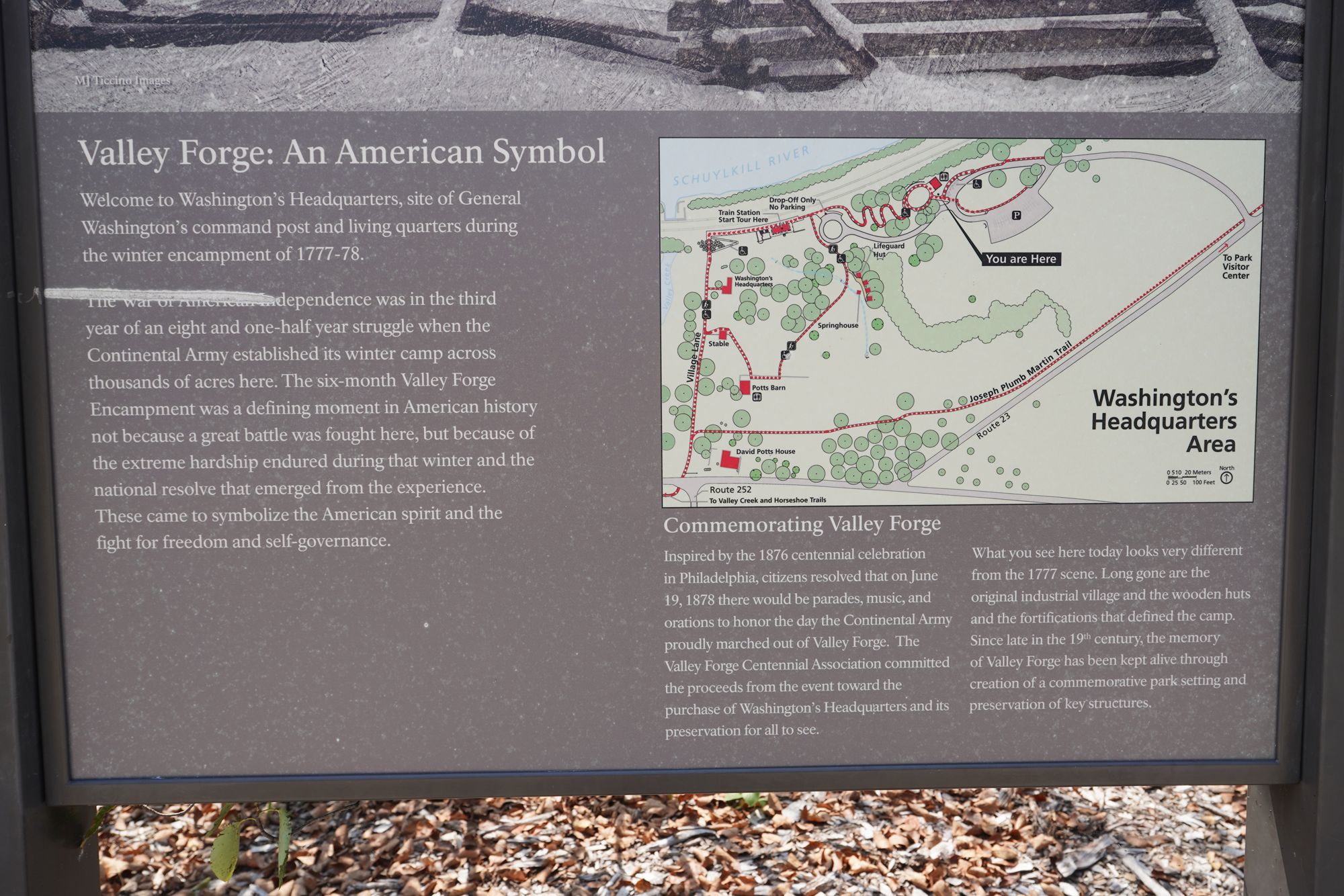
To Washington’s residence when he was here
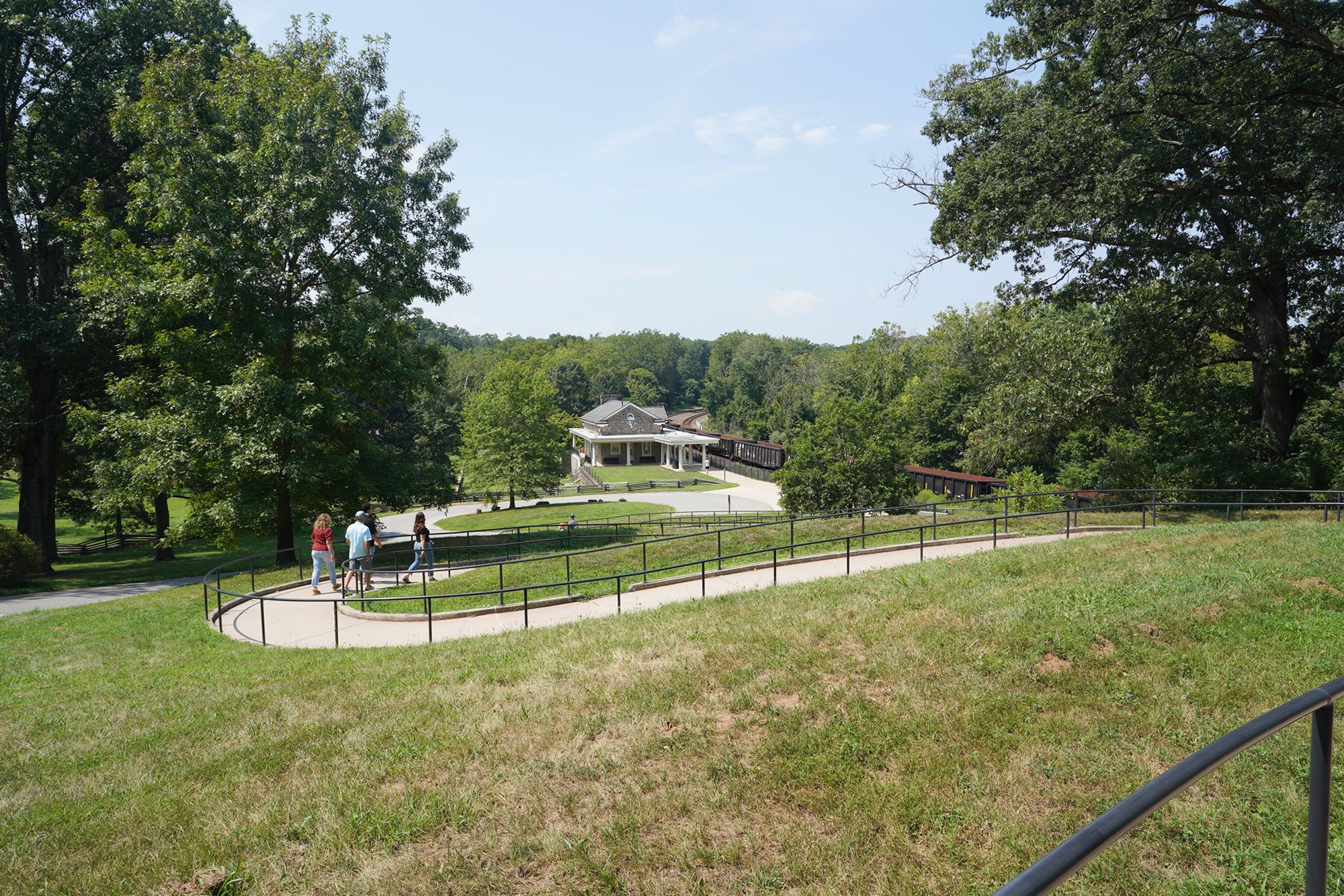
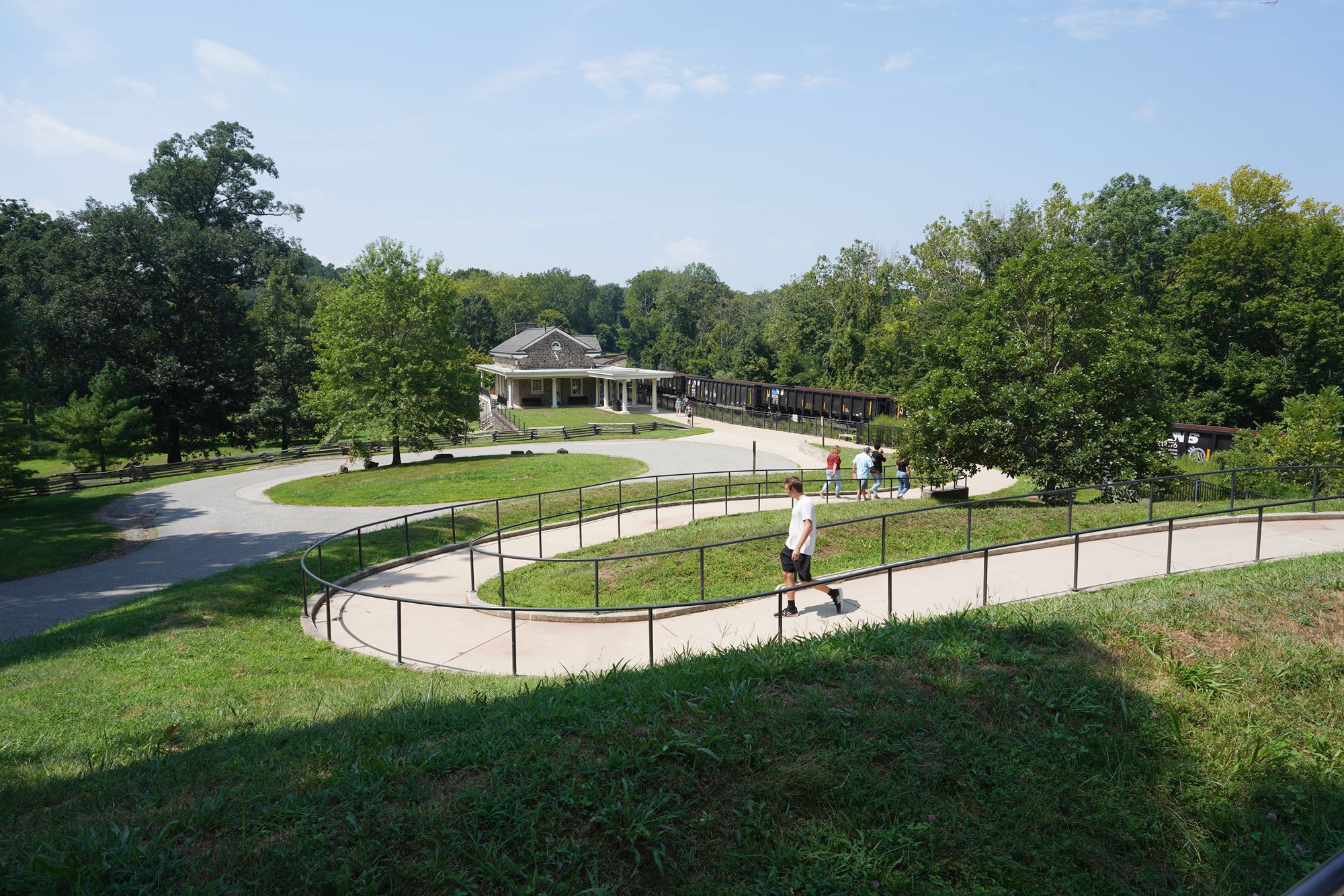
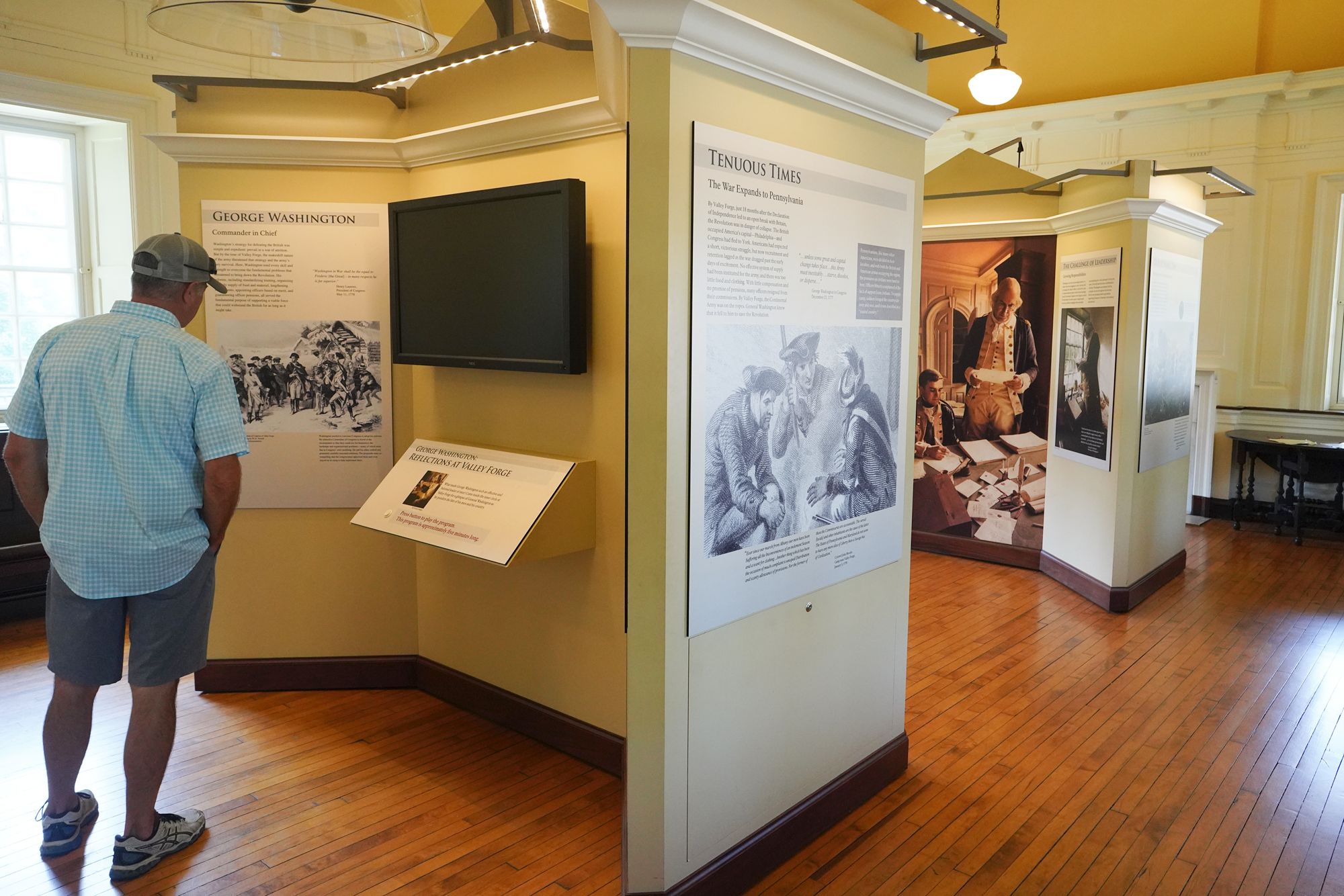
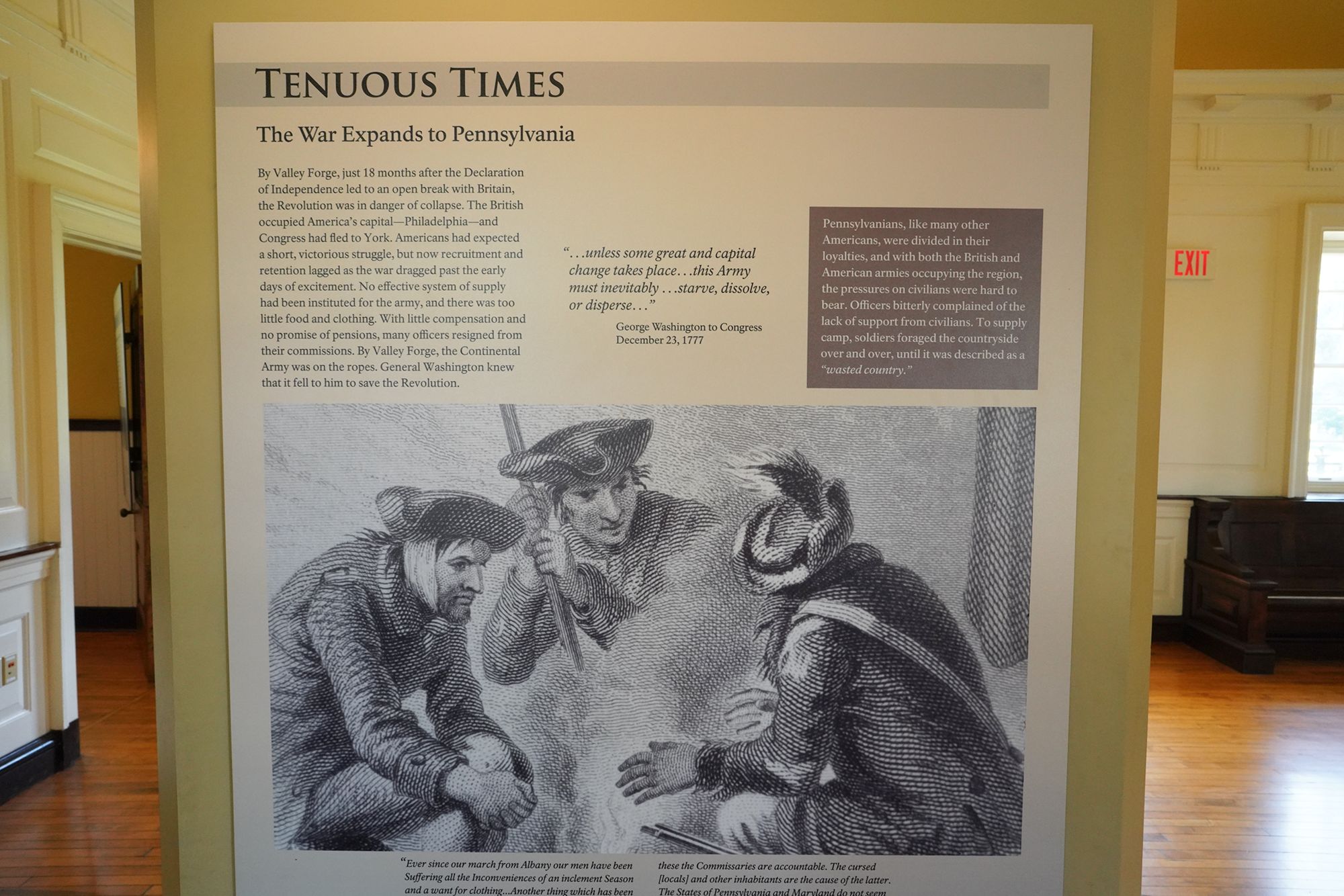
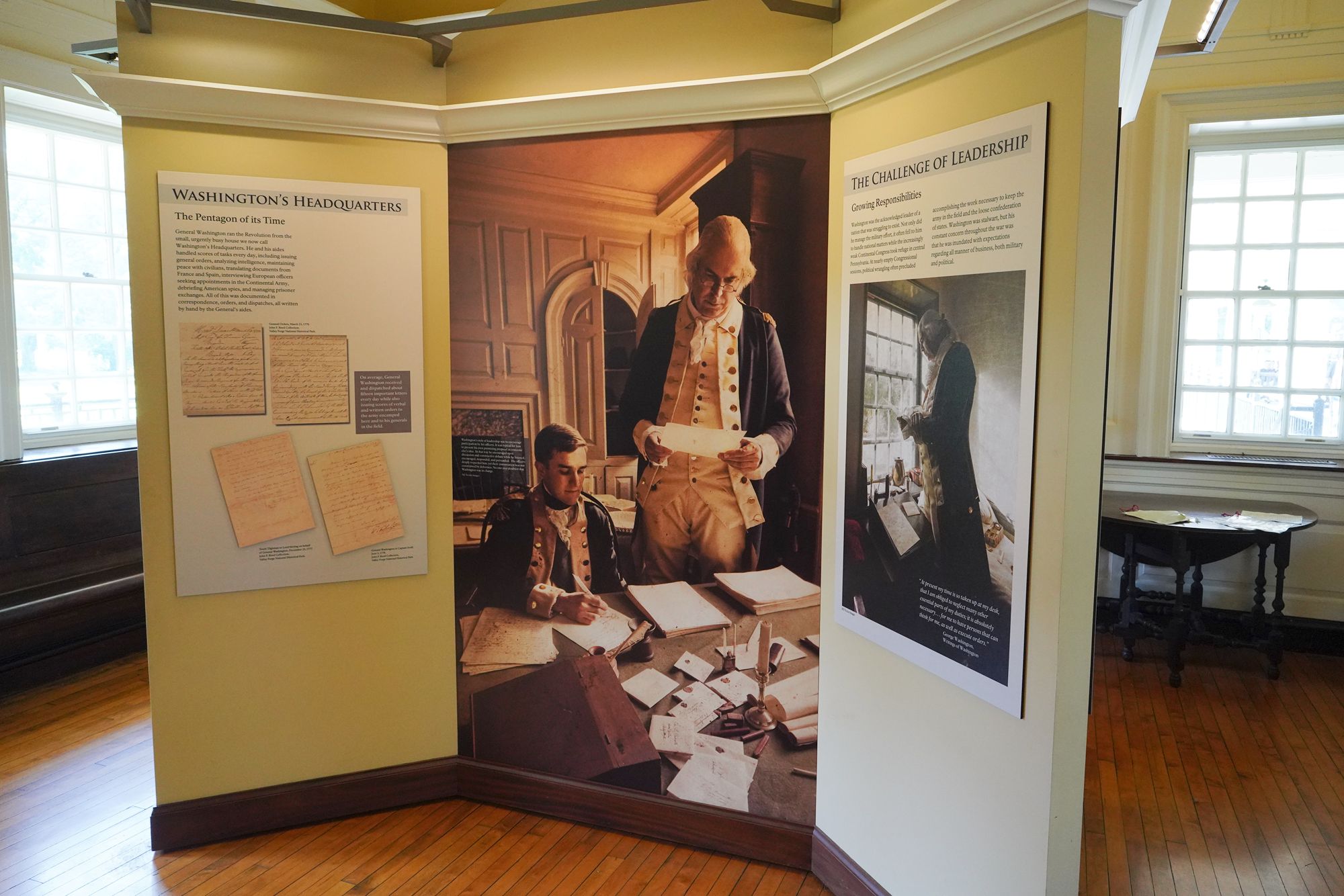
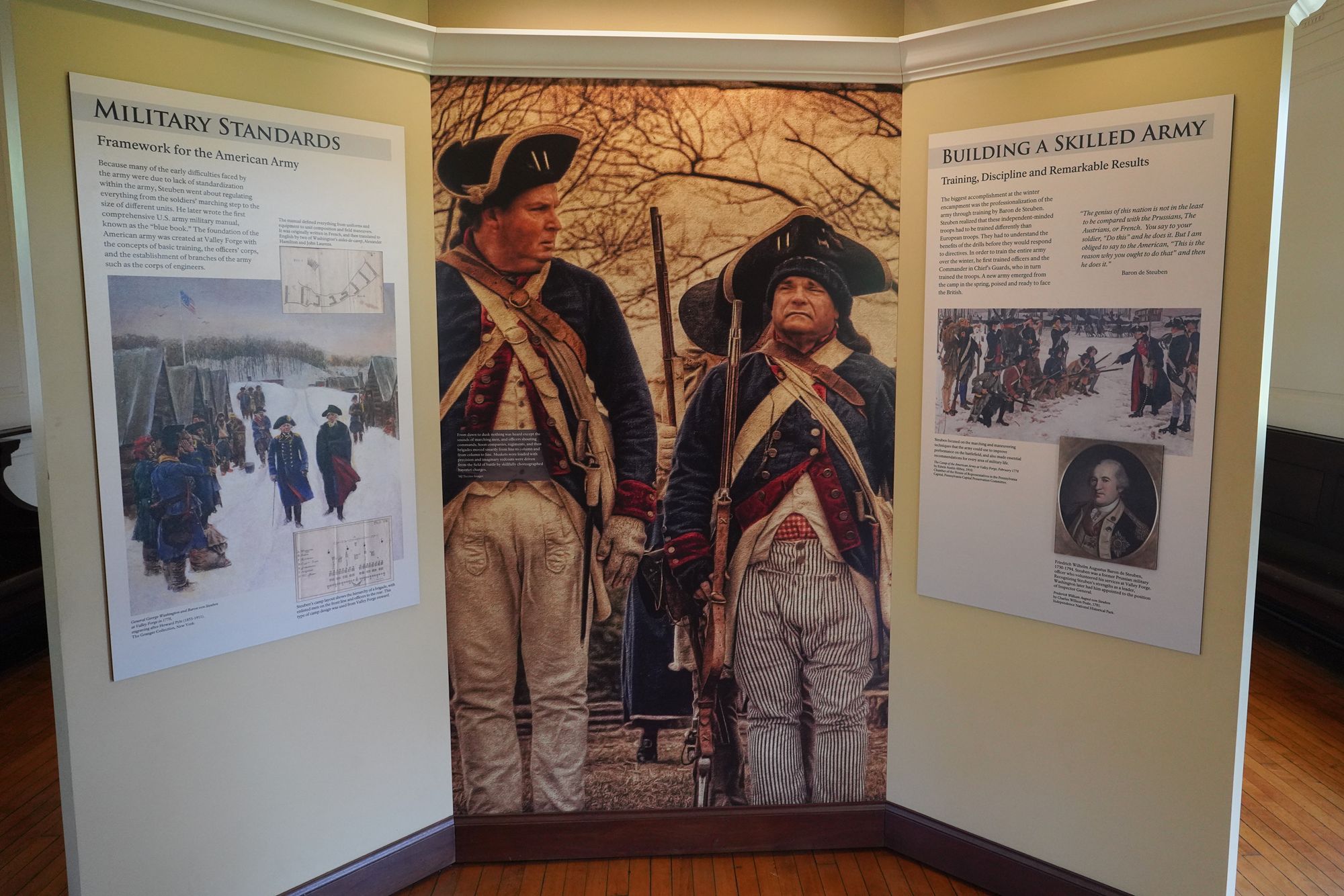
This building was not Washington’s residence — it was likely used by other officers, and today it serves as a museum.
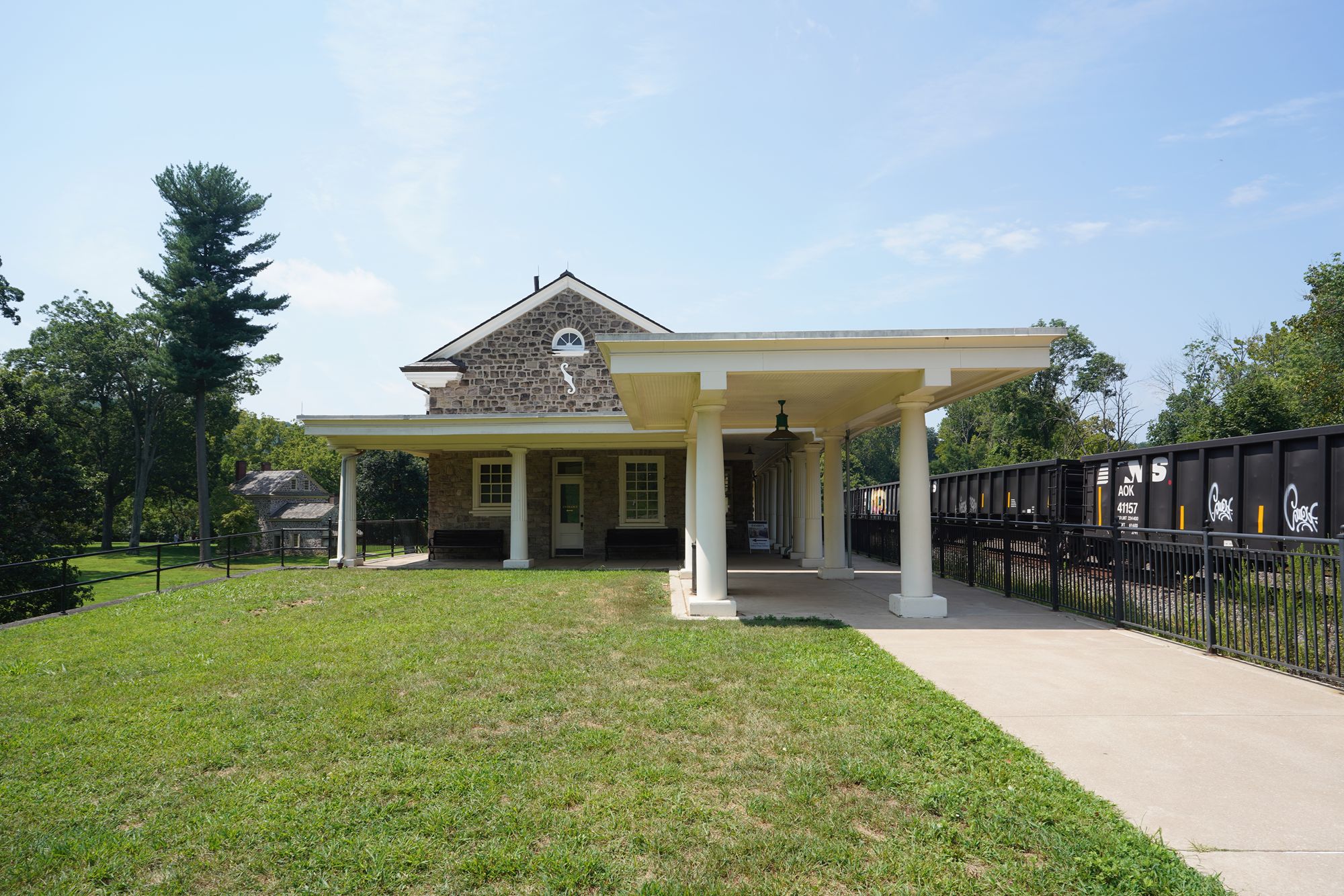
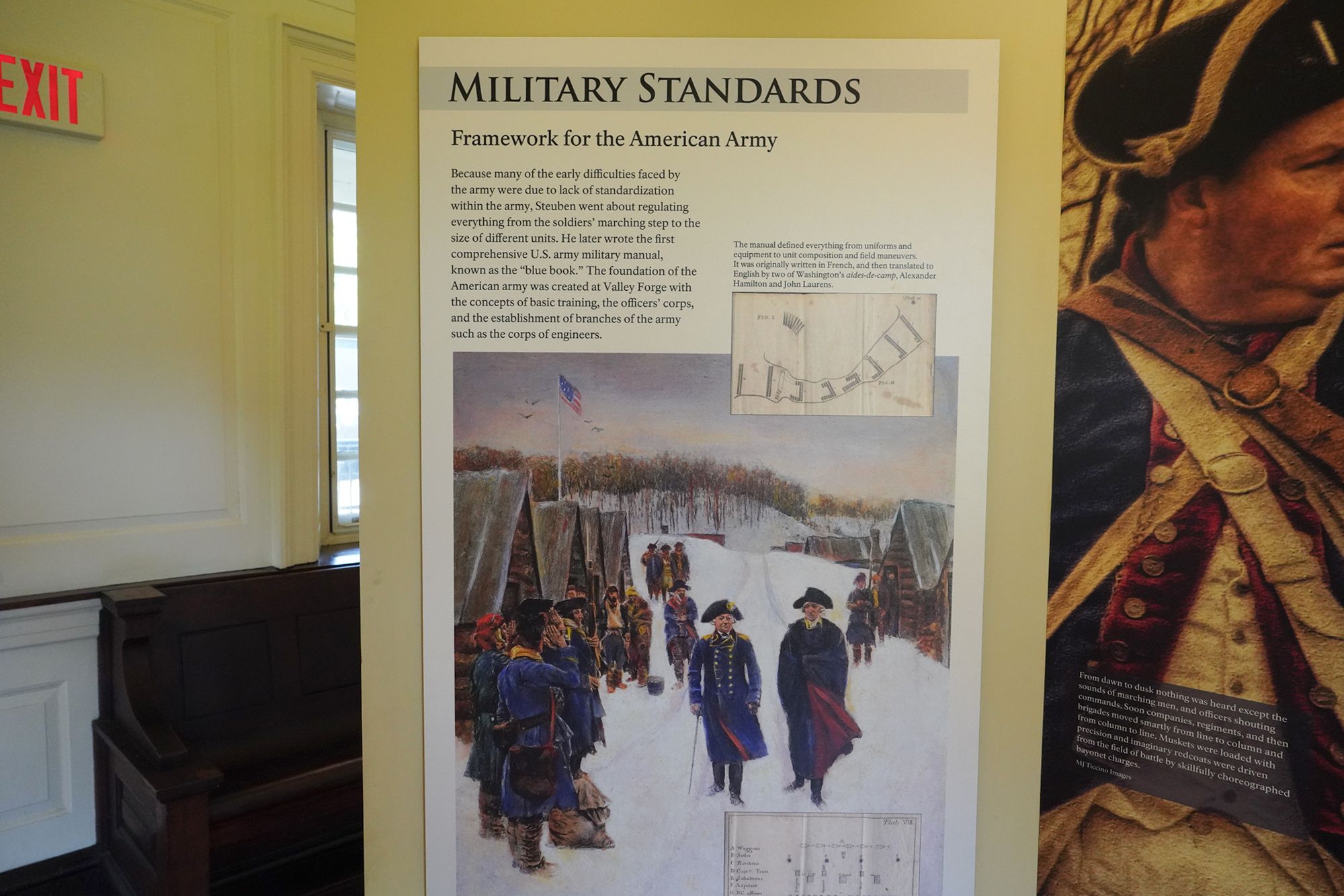
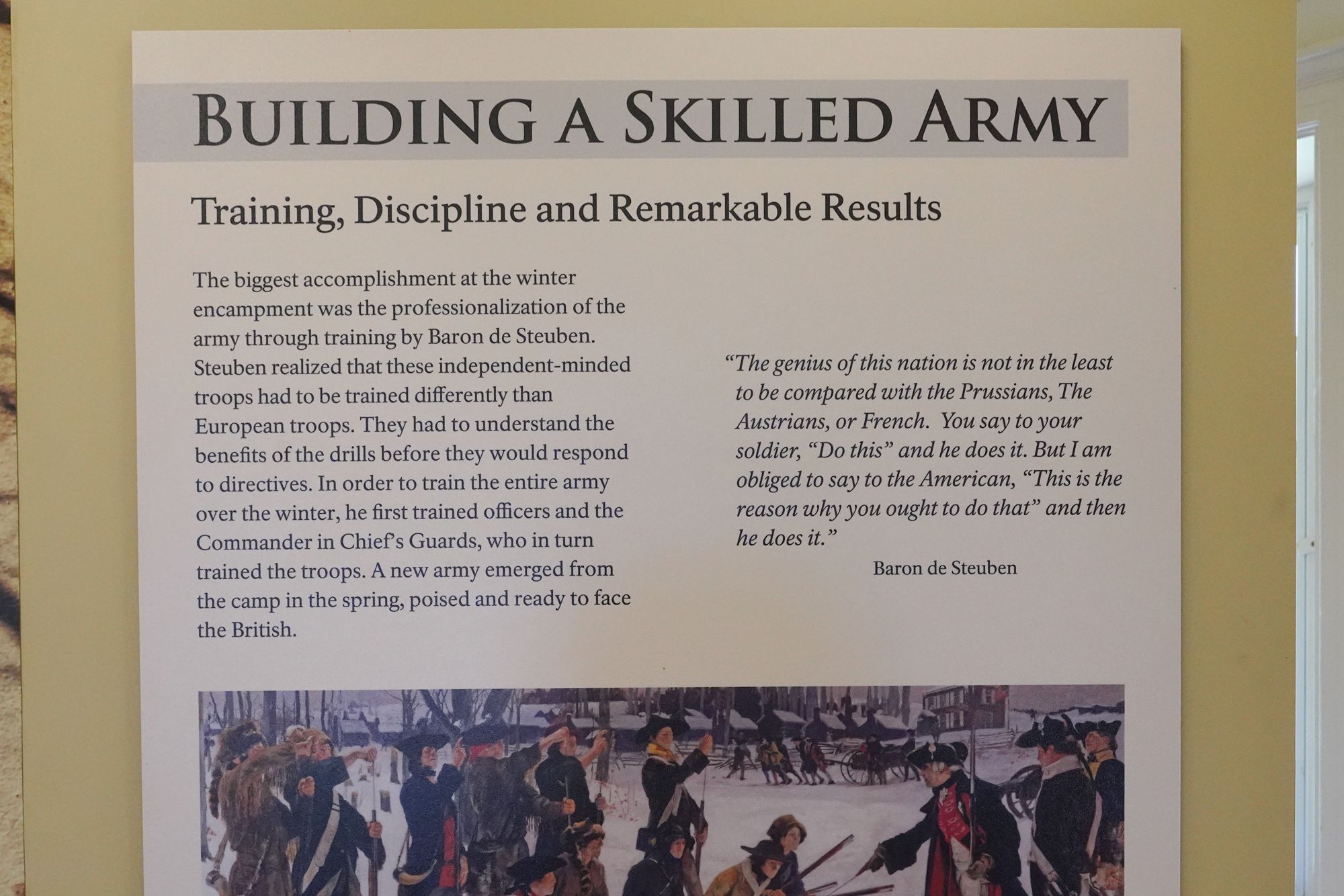
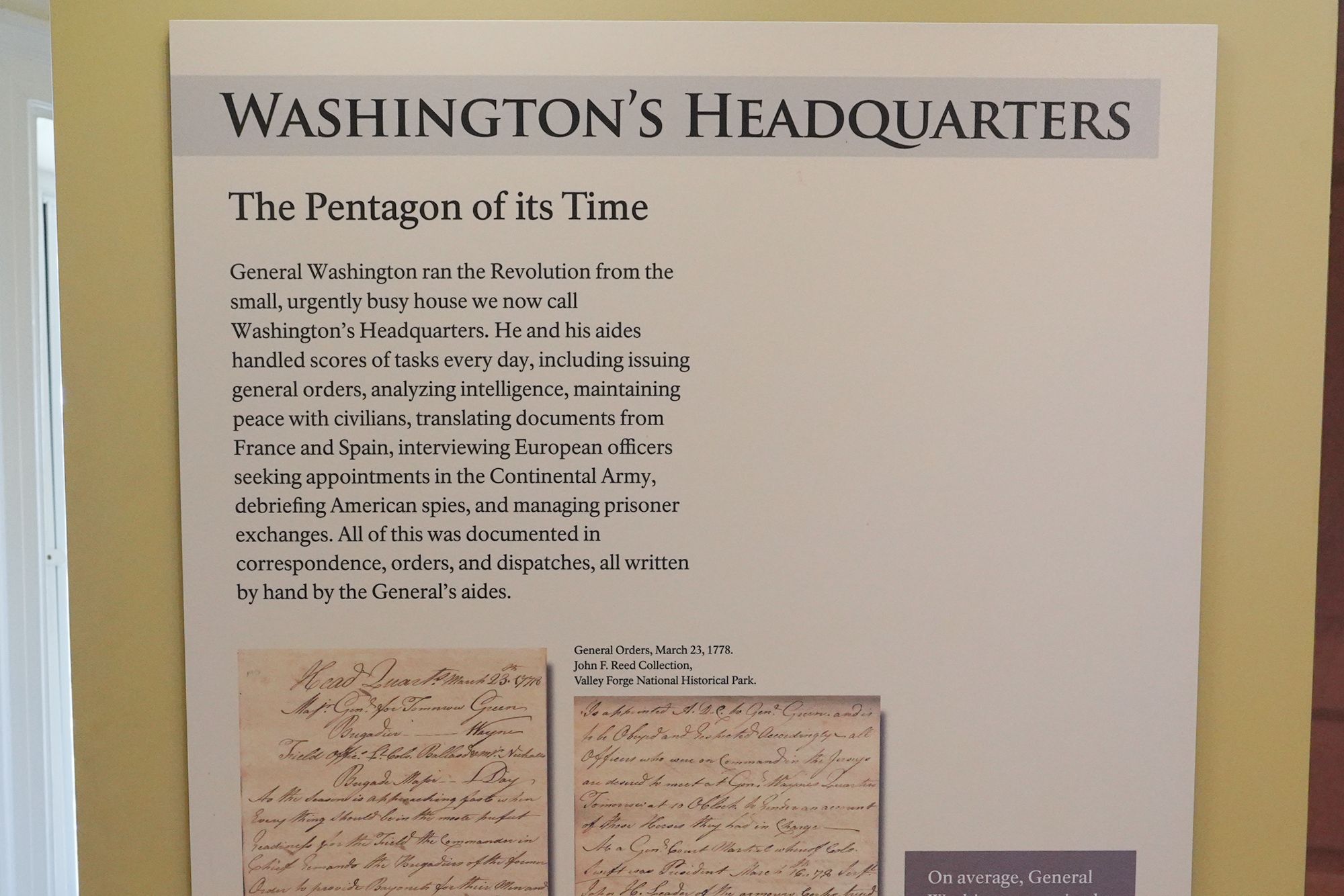
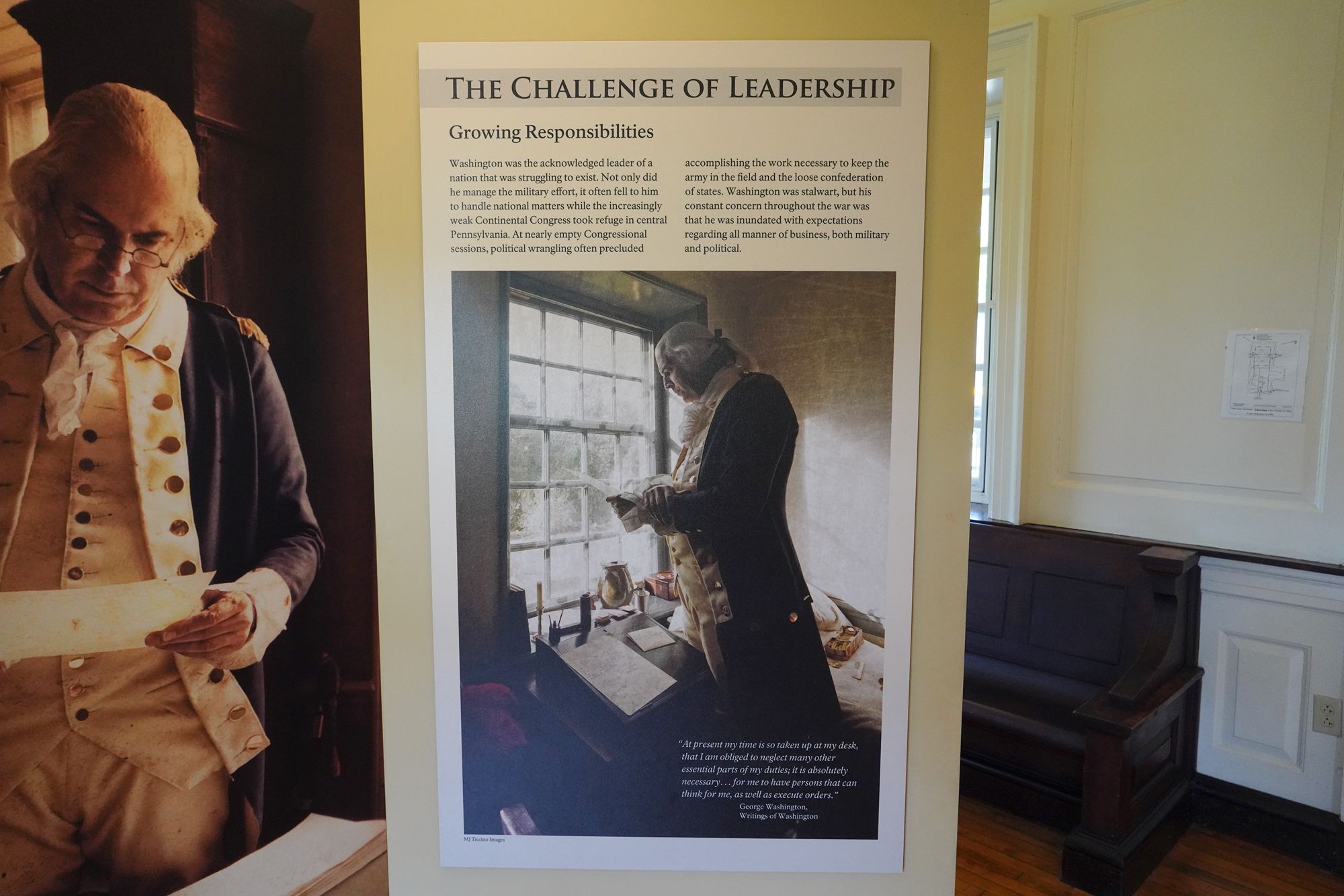
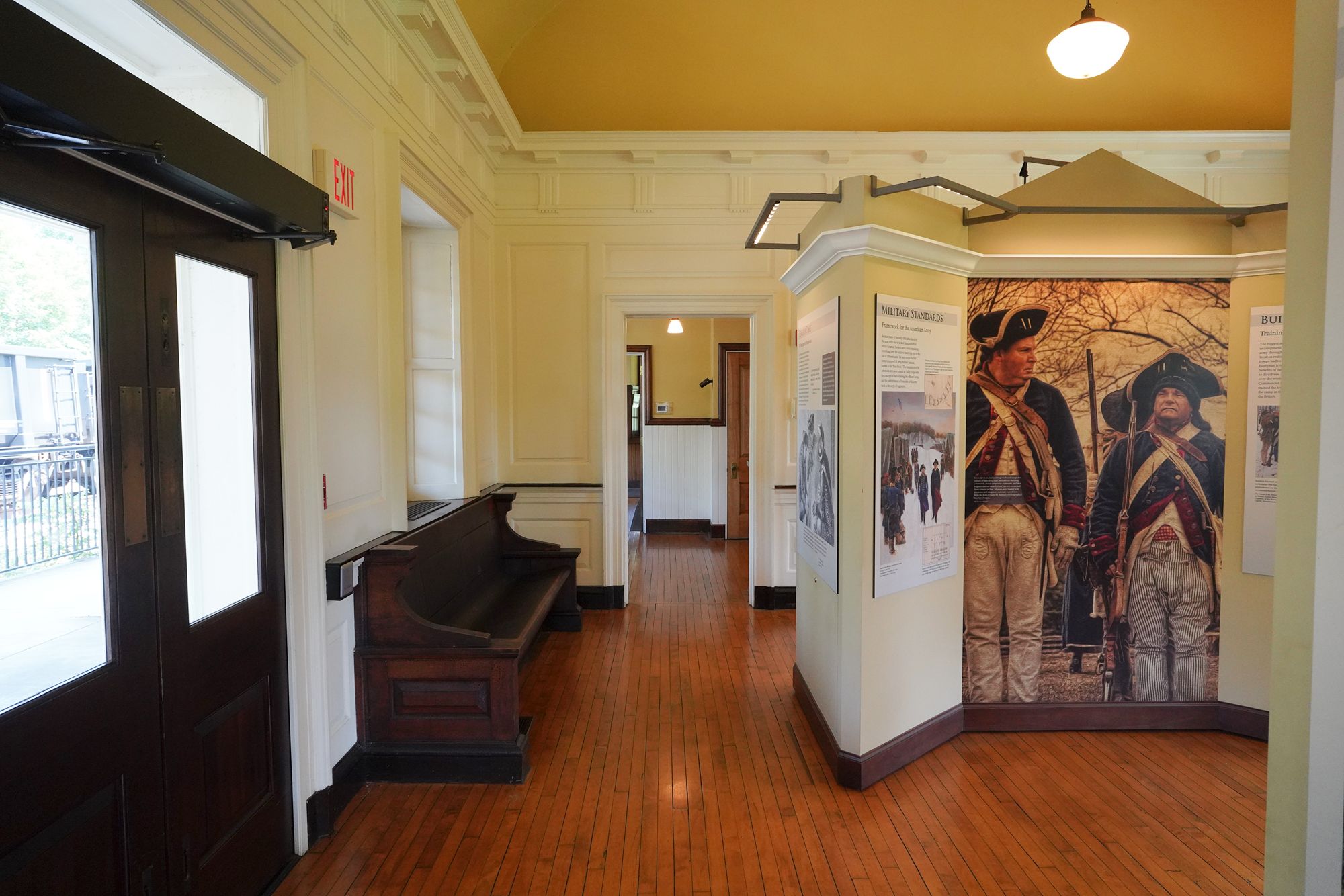
Leaving the small museum, I walked onward toward Washington’s residence below..
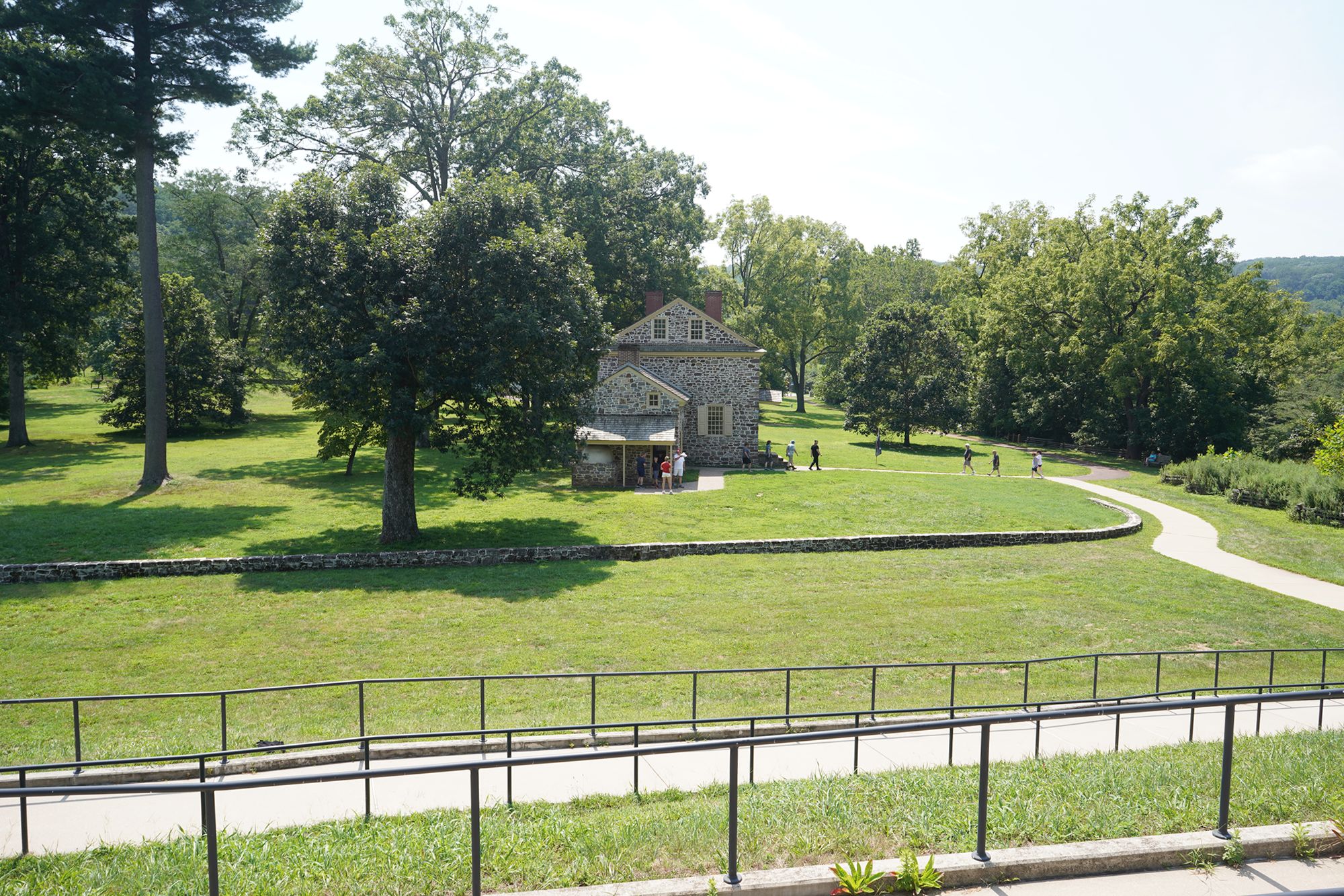
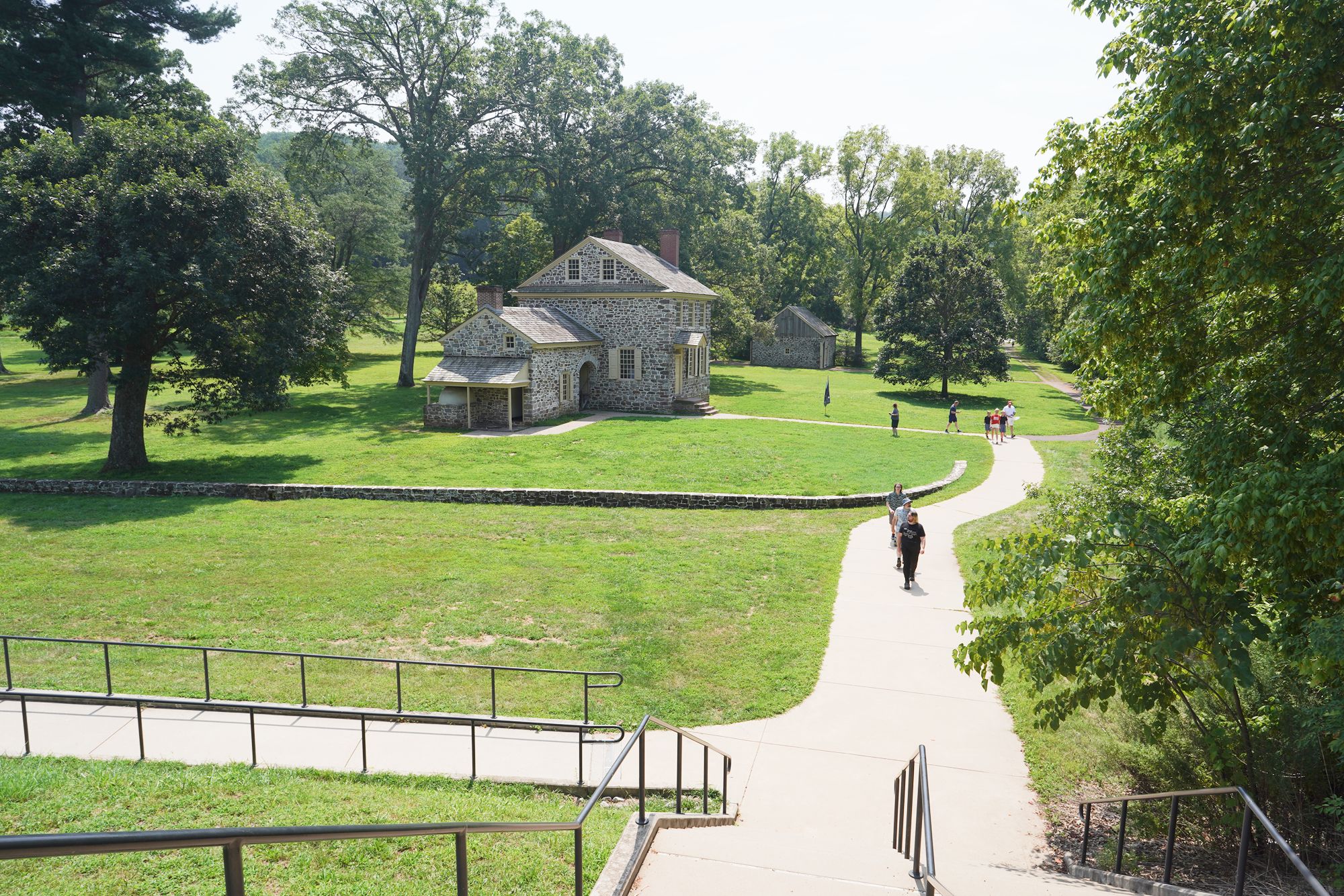
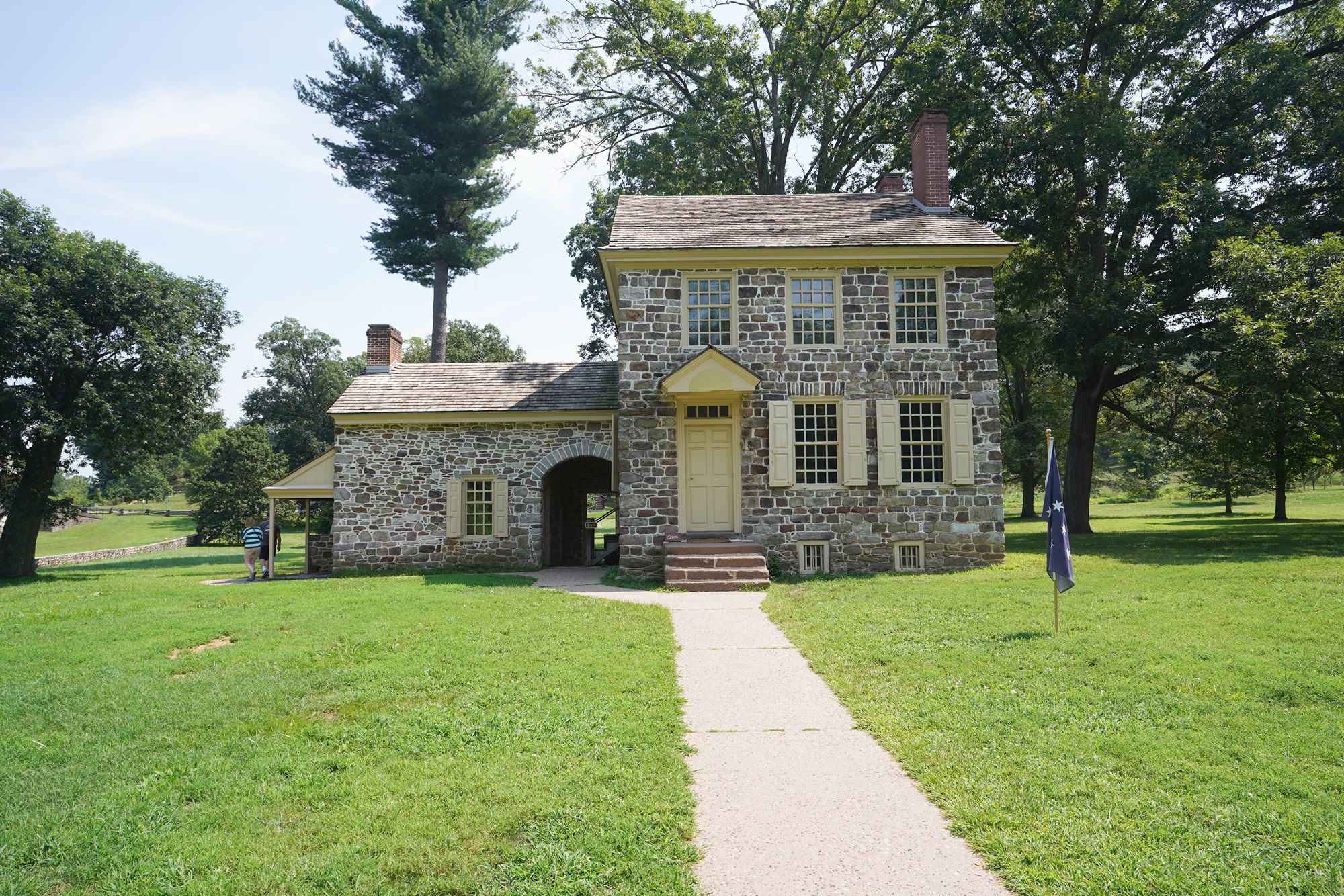
This was where Washington stayed during his time in Valley Forge.
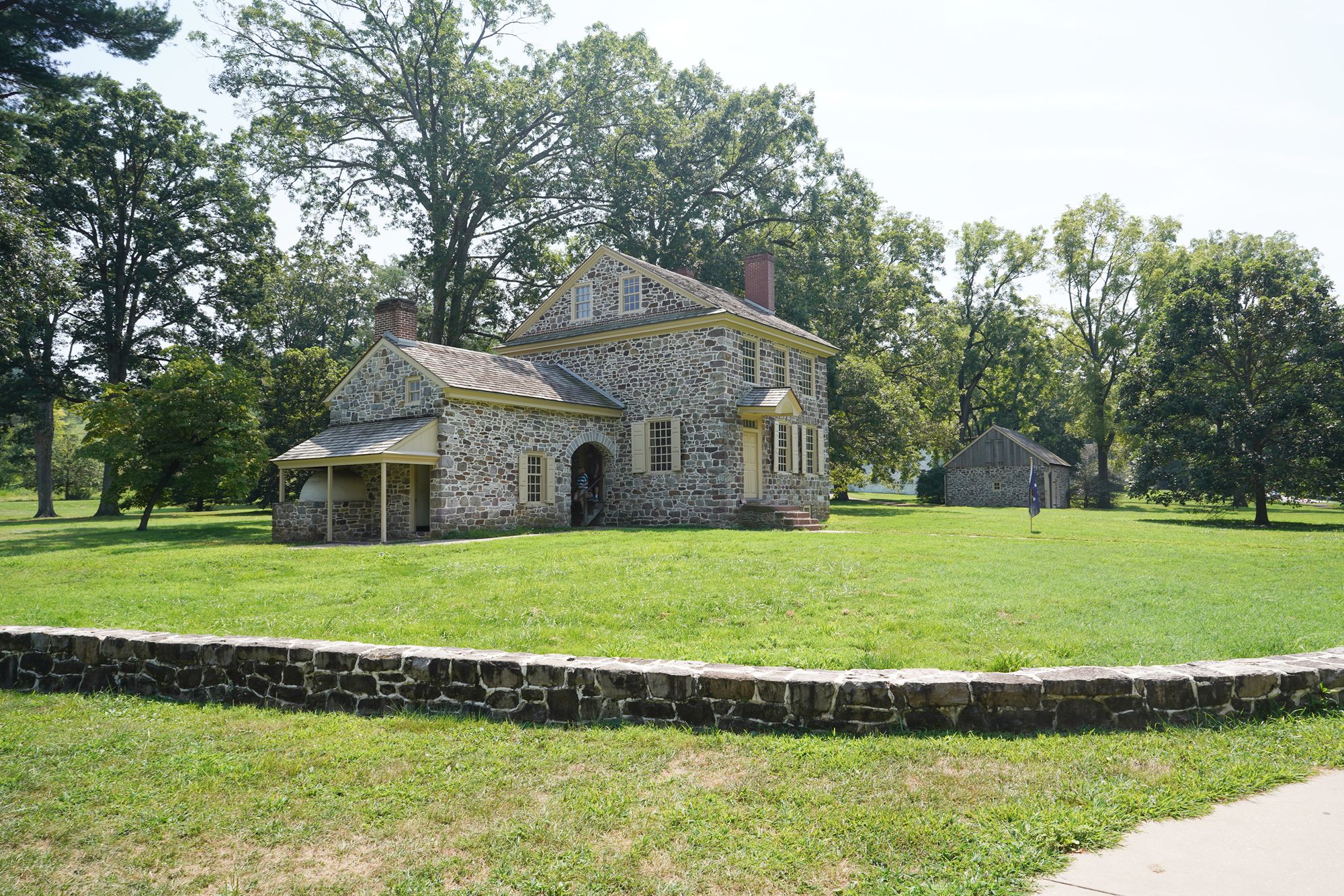
The building was a pre-existing farmhouse when the army arrived; Washington repurposed it as his residence and command center.
While not large or luxurious by modern standards, it stood apart from the simple log huts used by regular soldiers — offering comparatively more protection, space, and privacy.
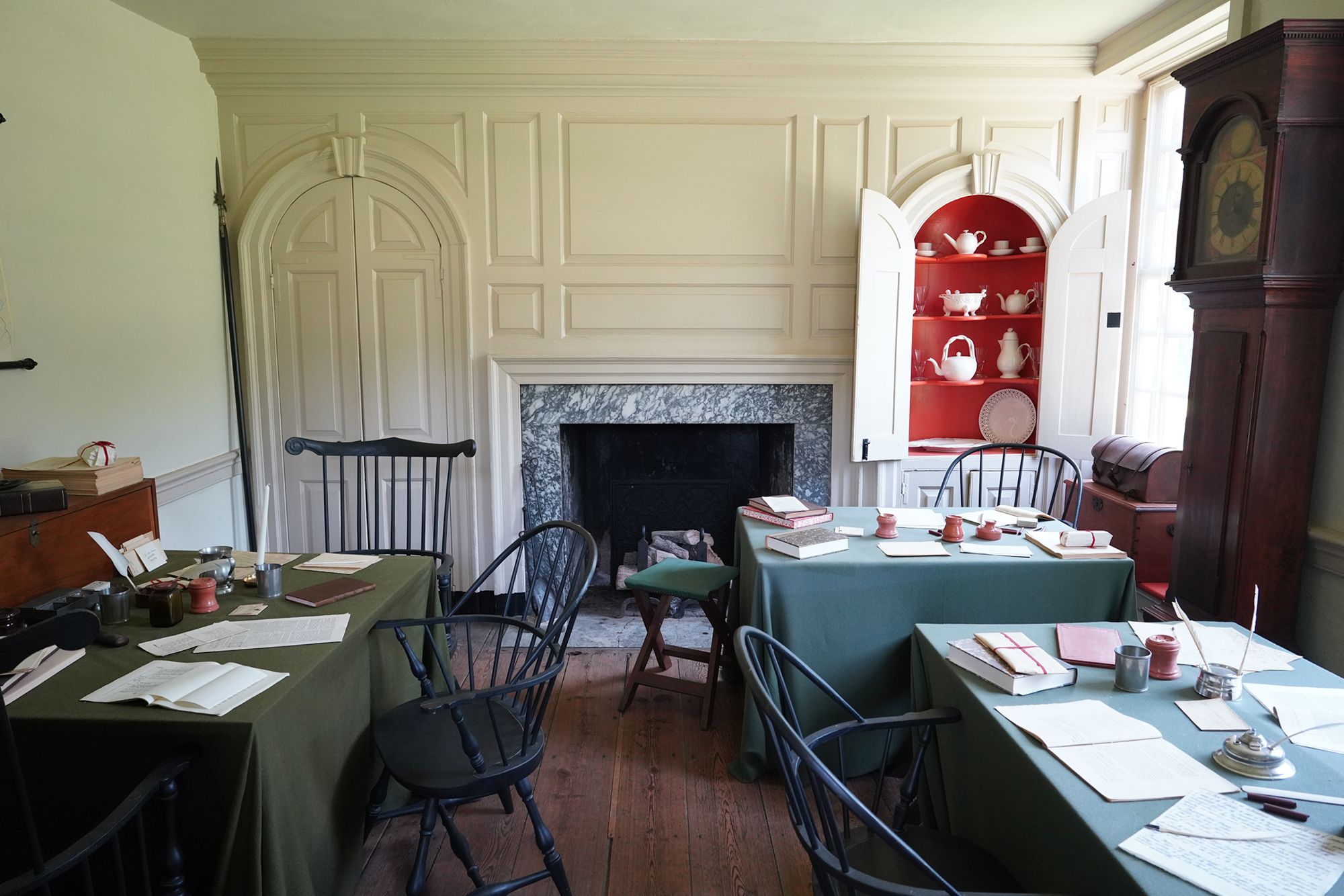
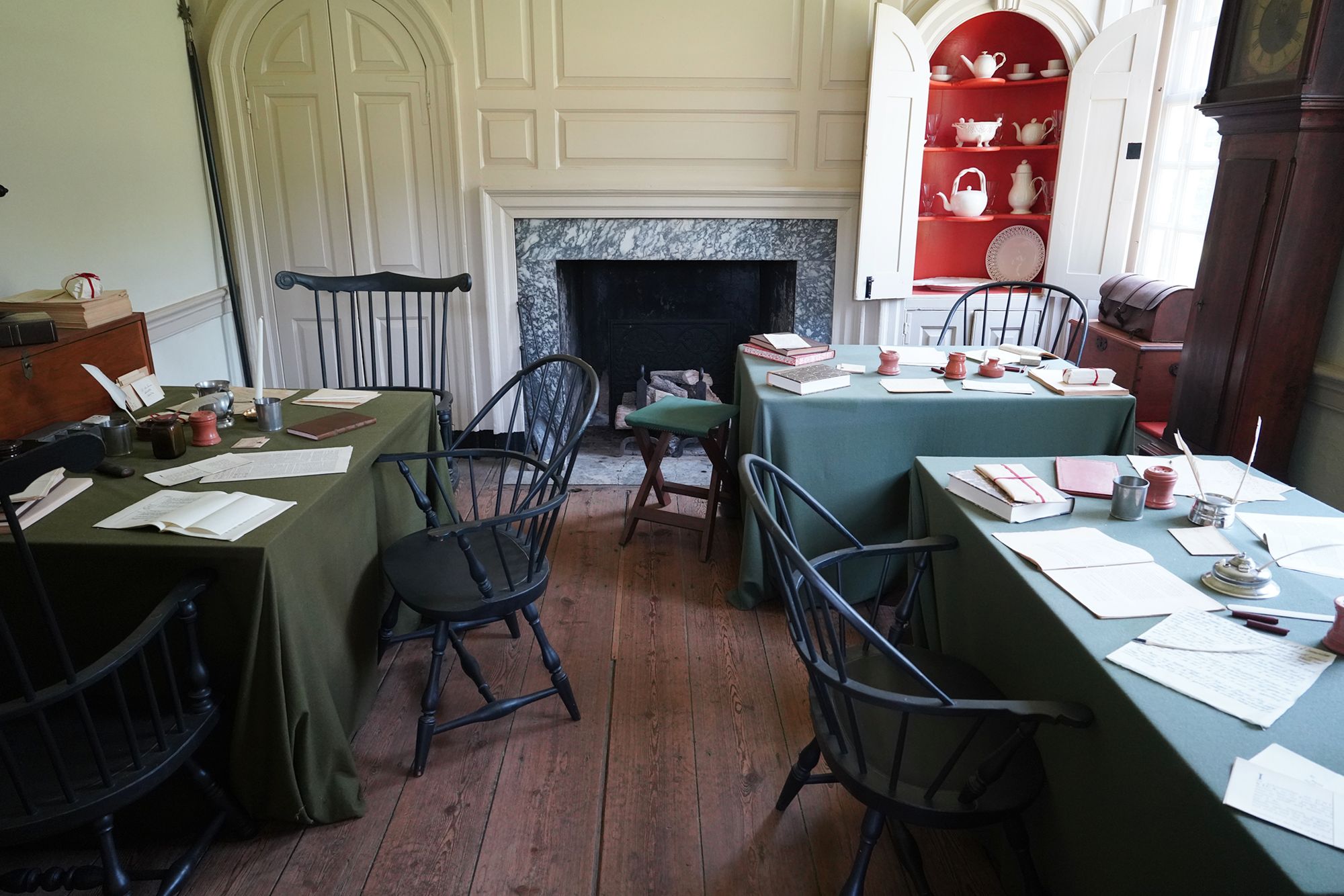
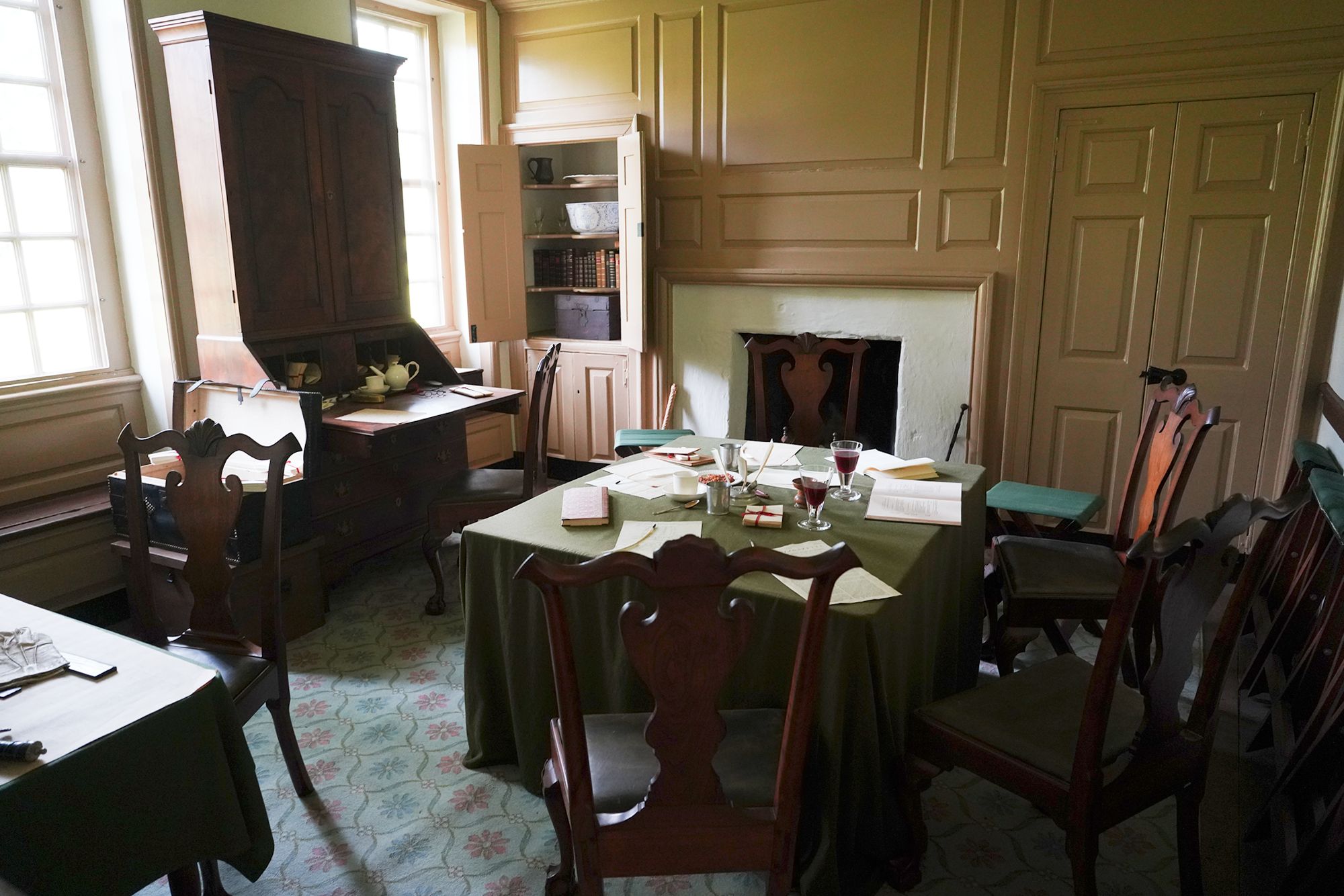
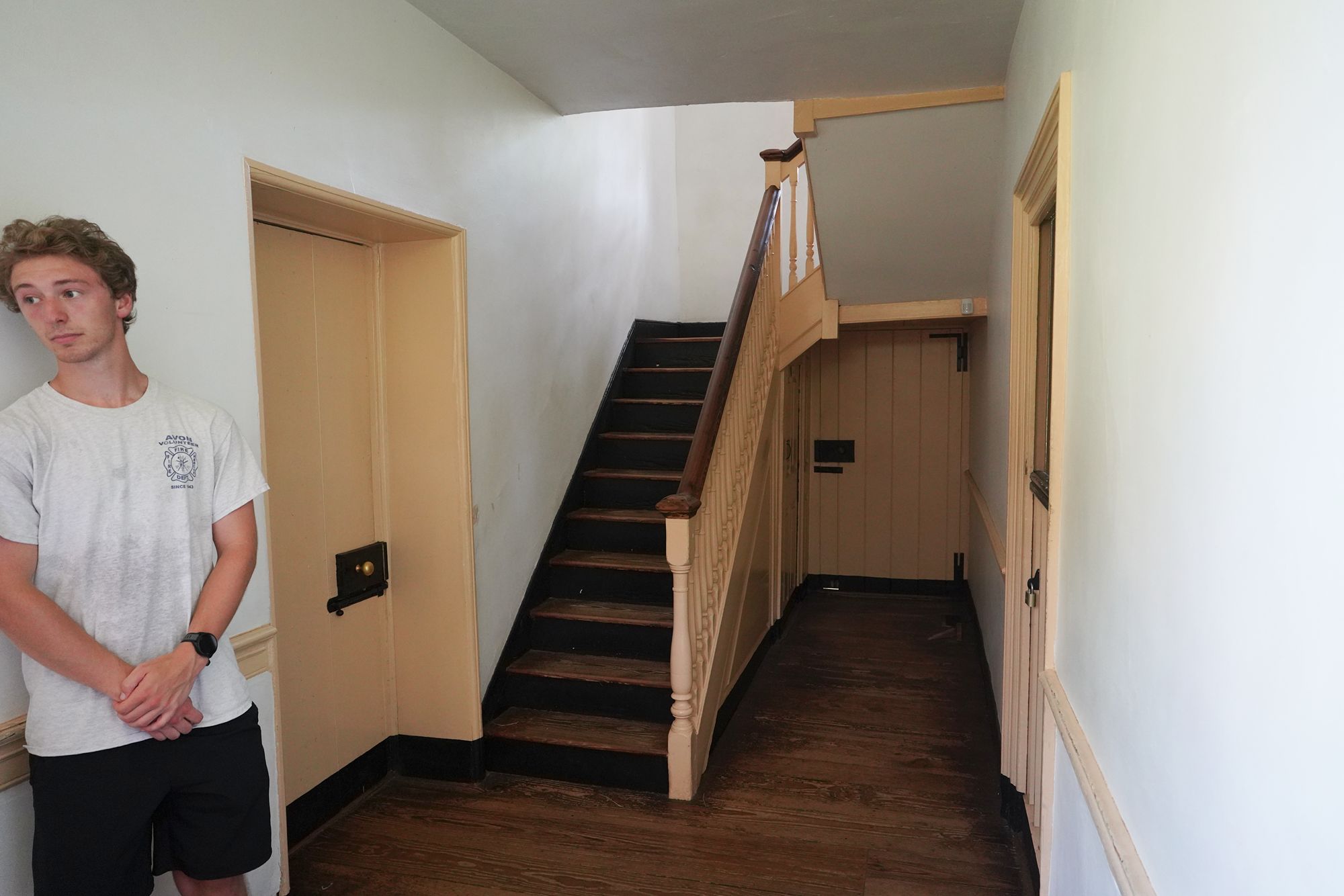
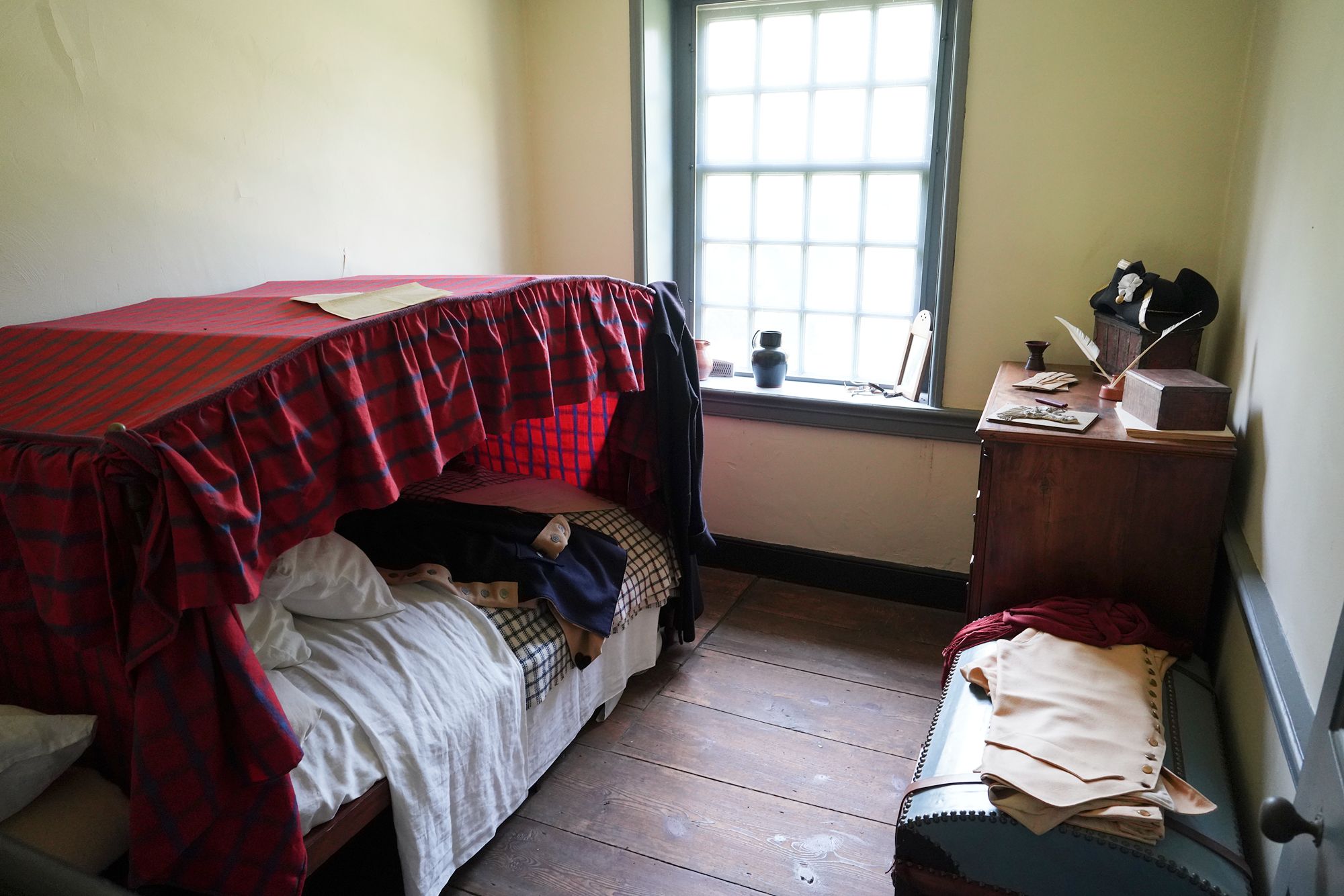
Inside Washington’s Headquarters are modest rooms with period furnishings, fireplaces, desks, and living quarters that show how Washington and his officers worked, planned, and endured the winter encampment.
To upstairs
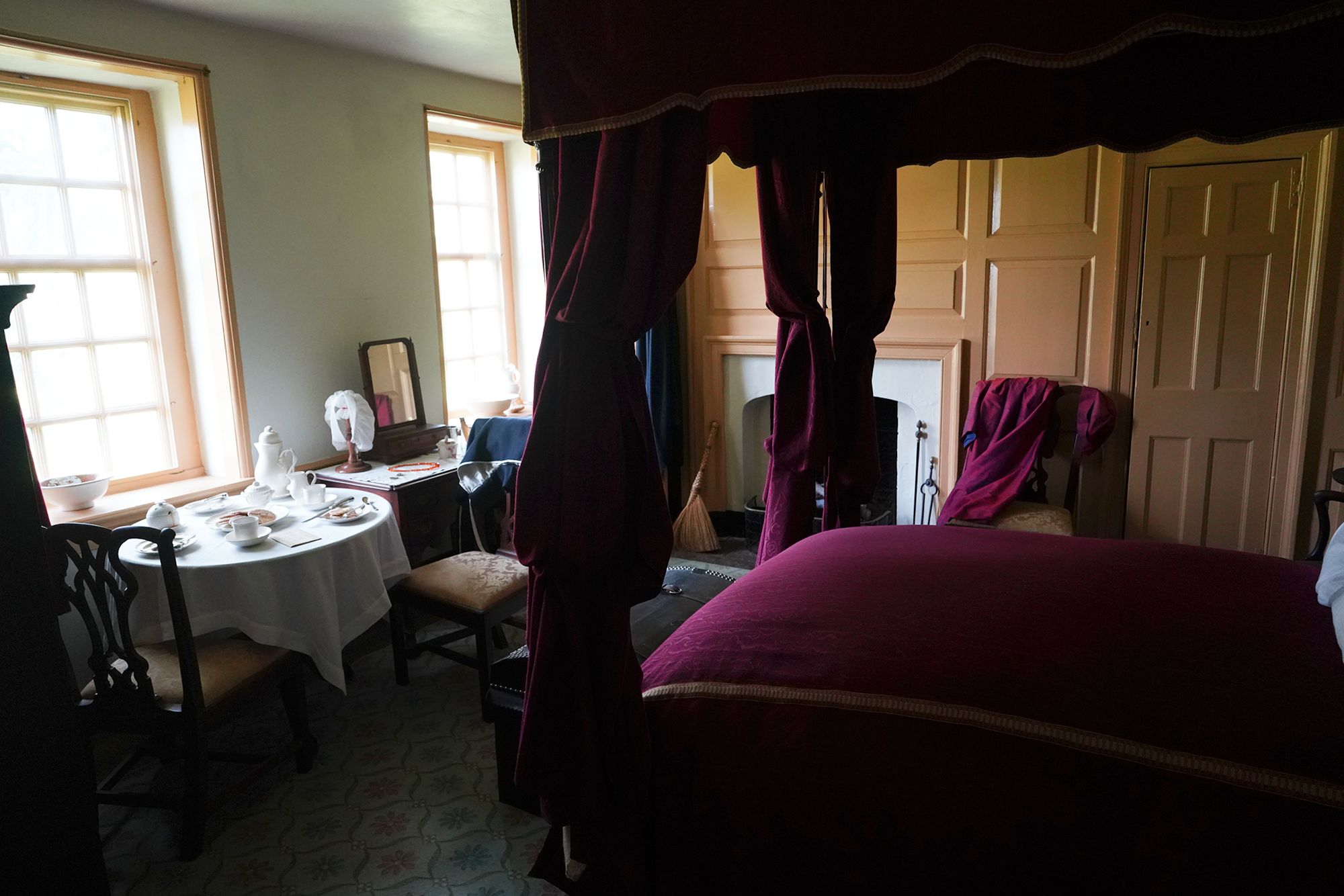
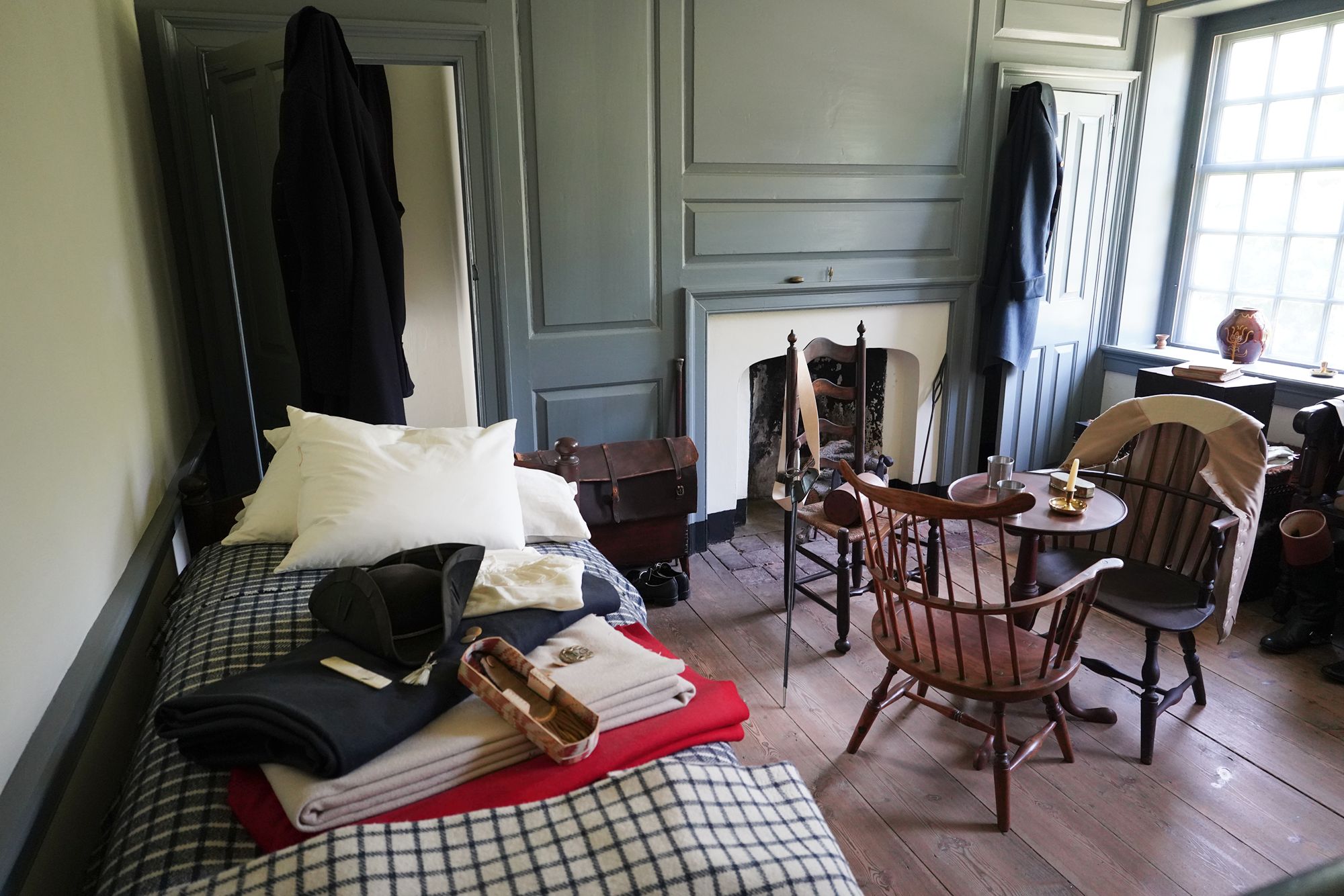
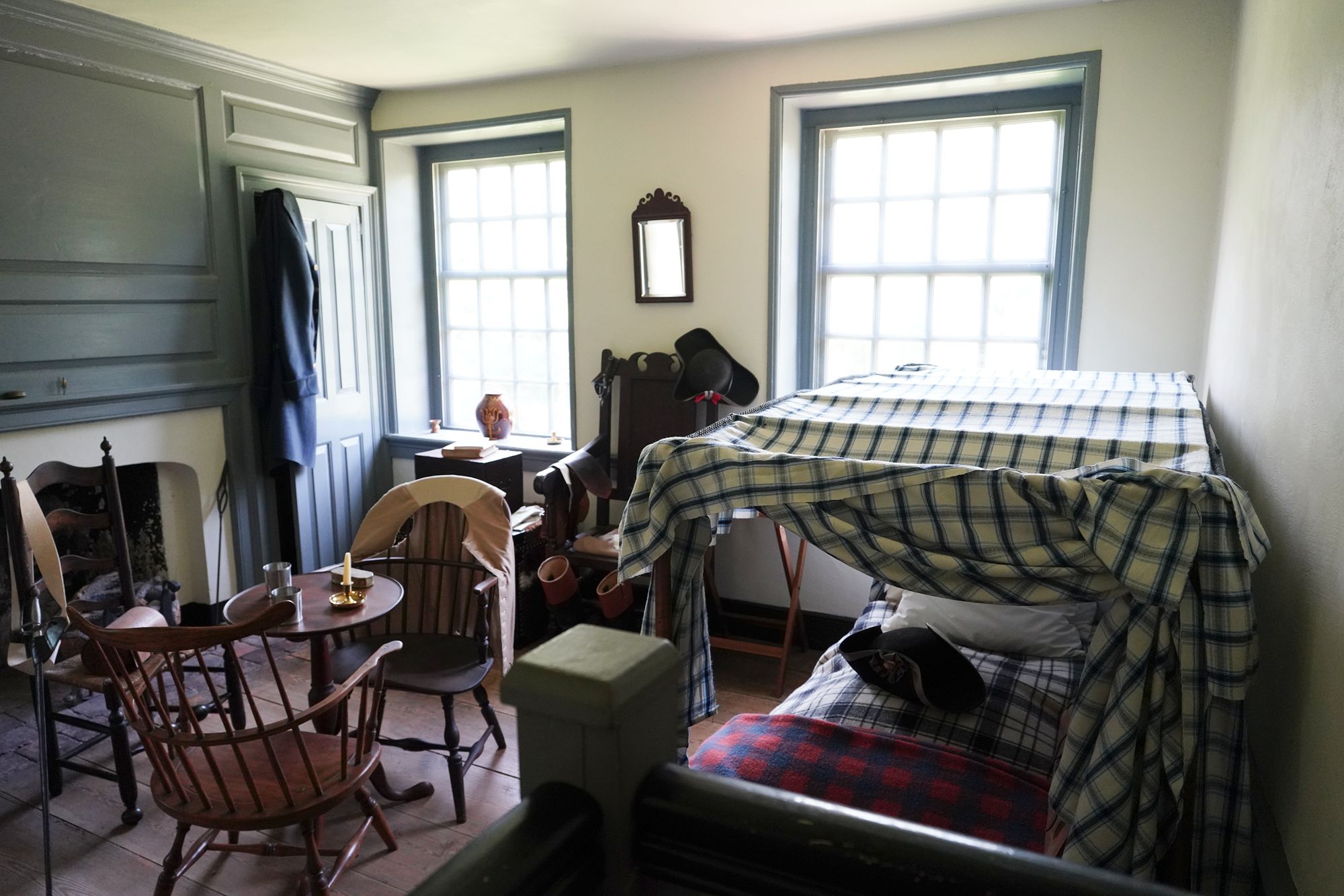
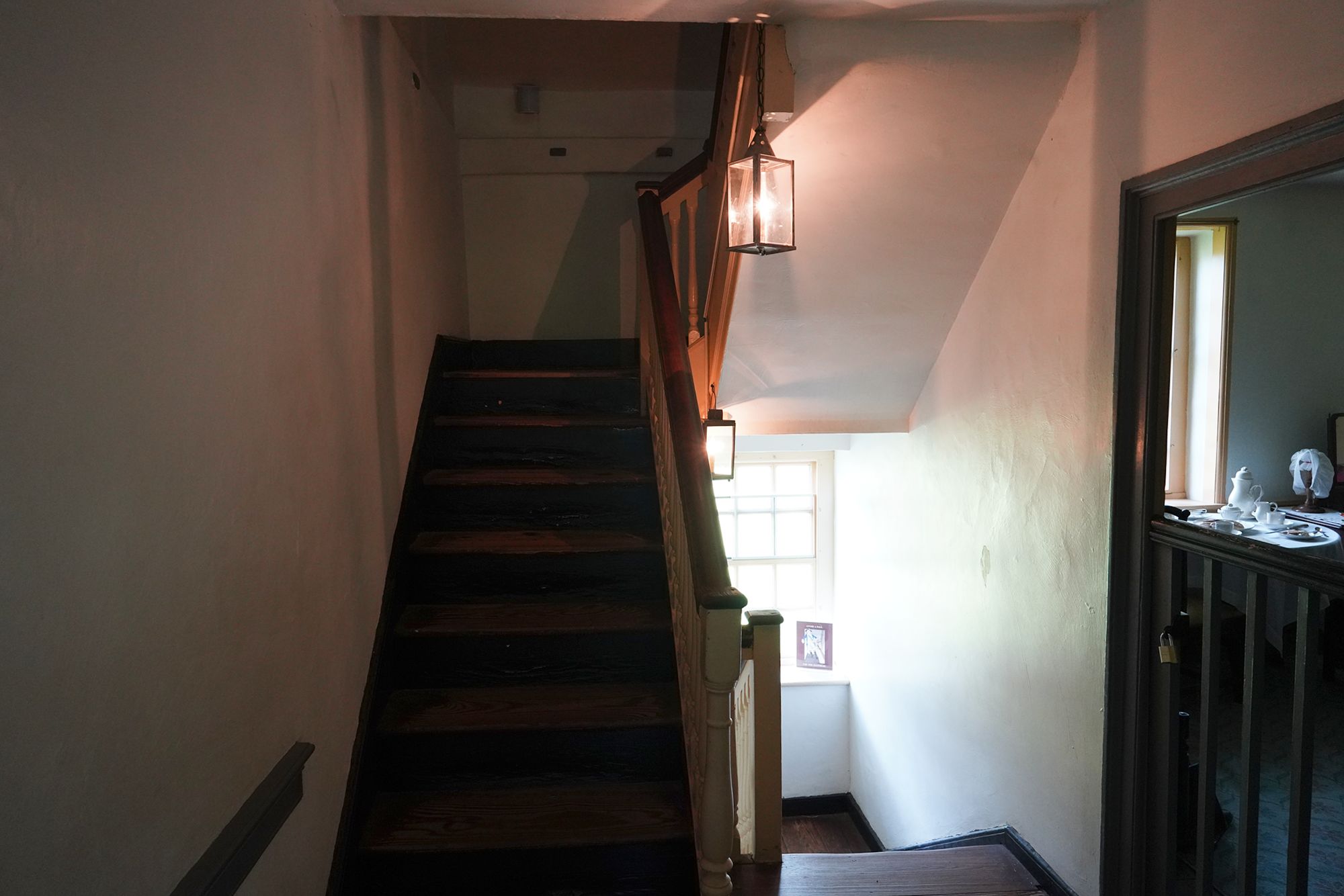
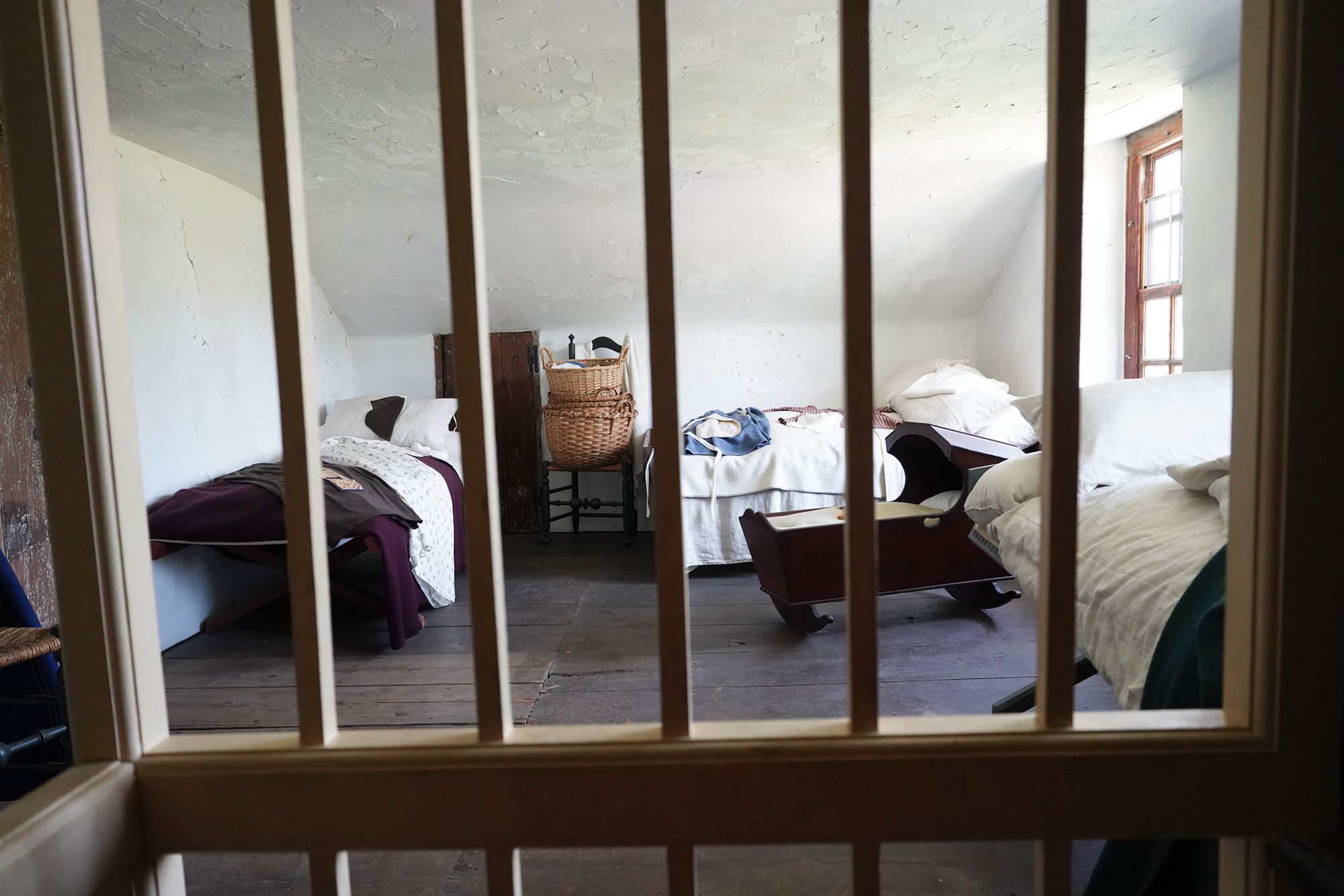
To the attics
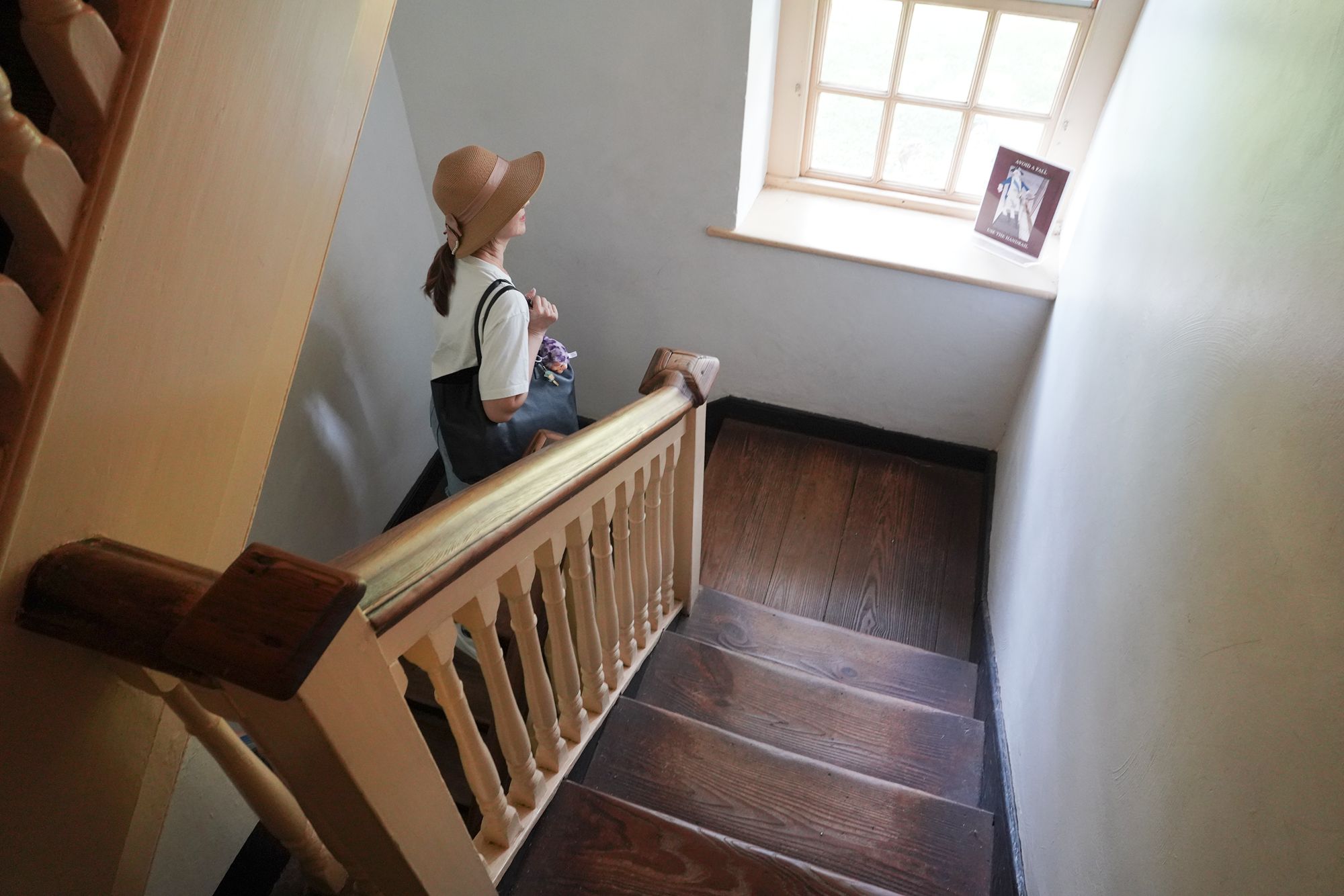
Walking back down to lower floors
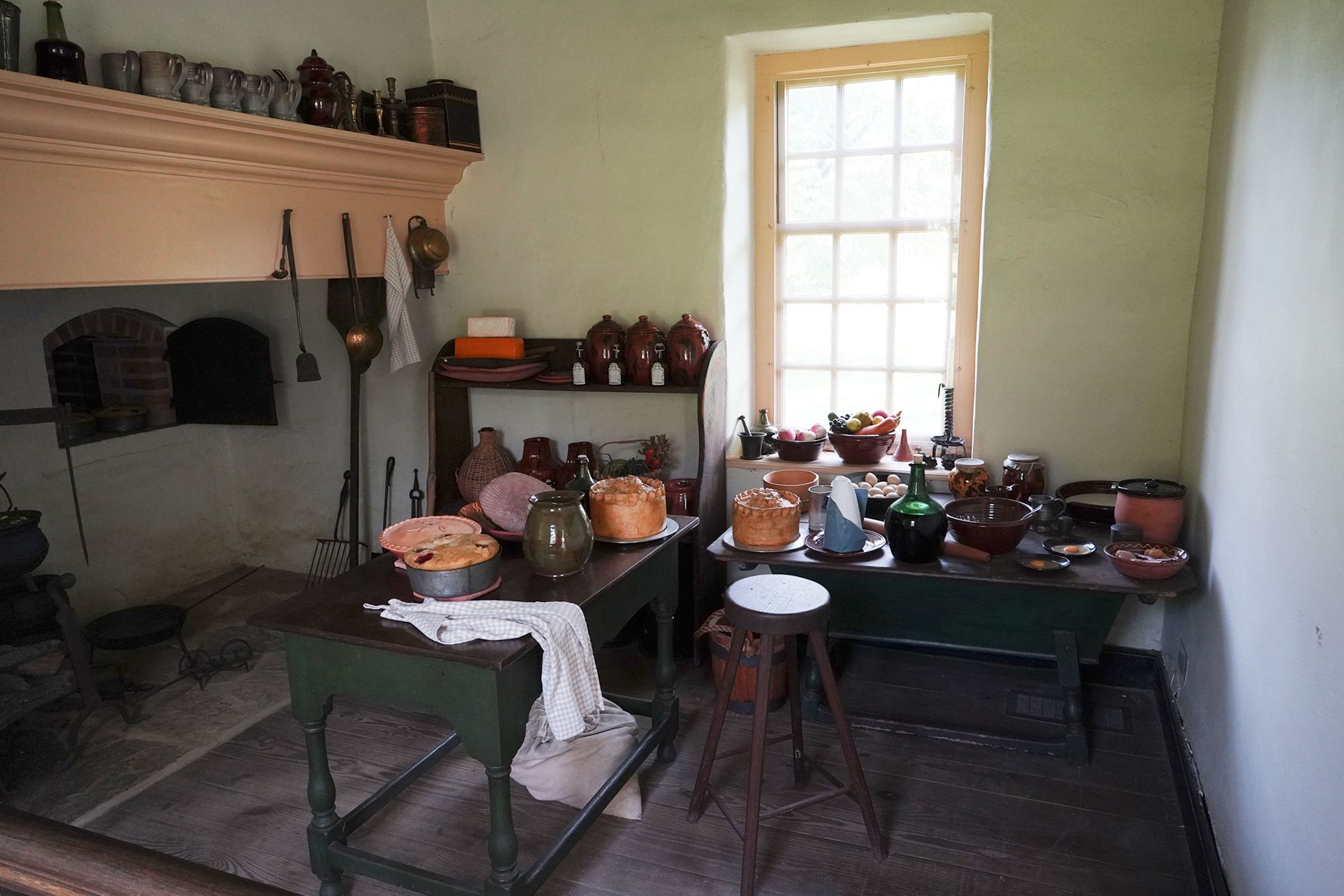
The building beside the house served as a kitchen.
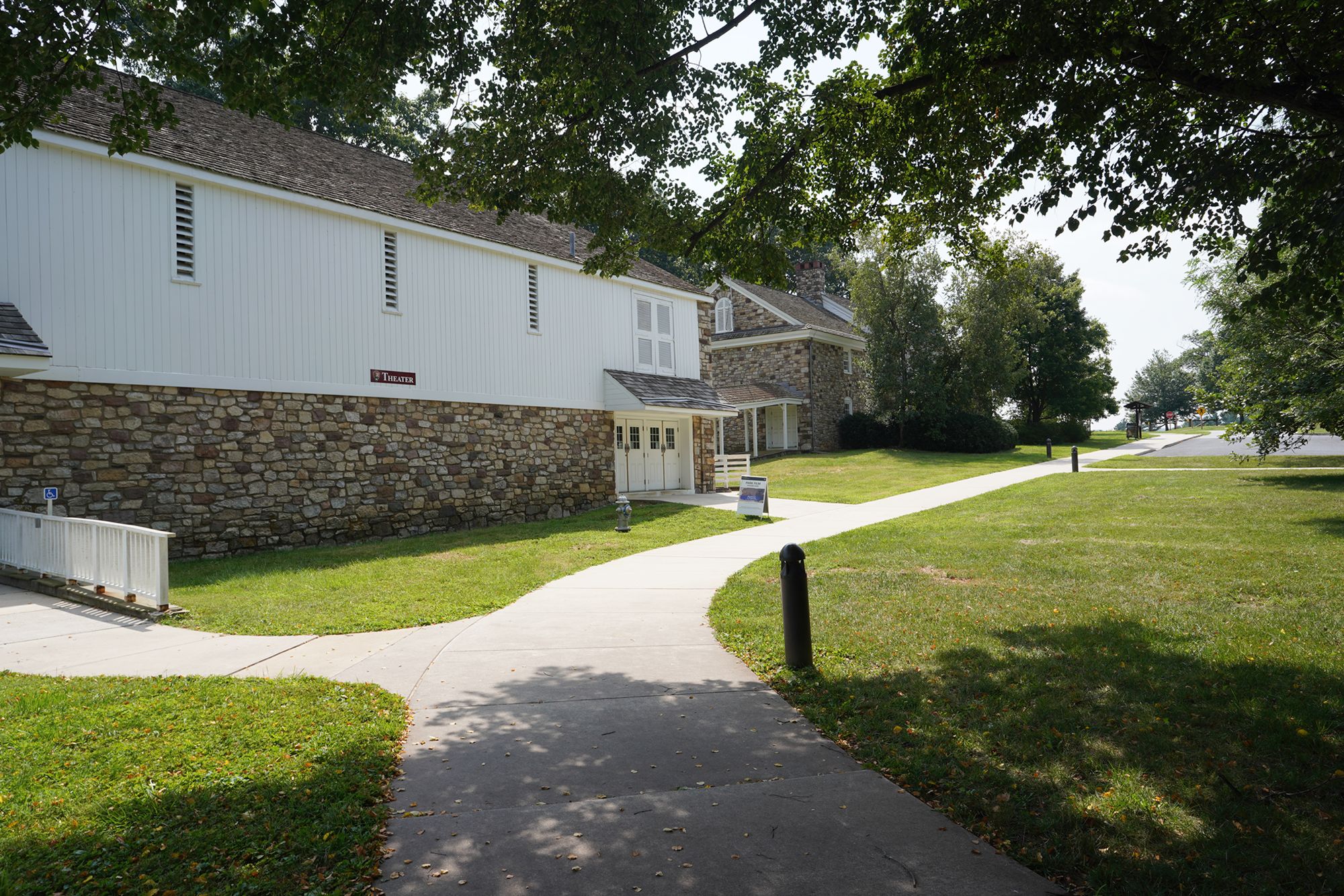
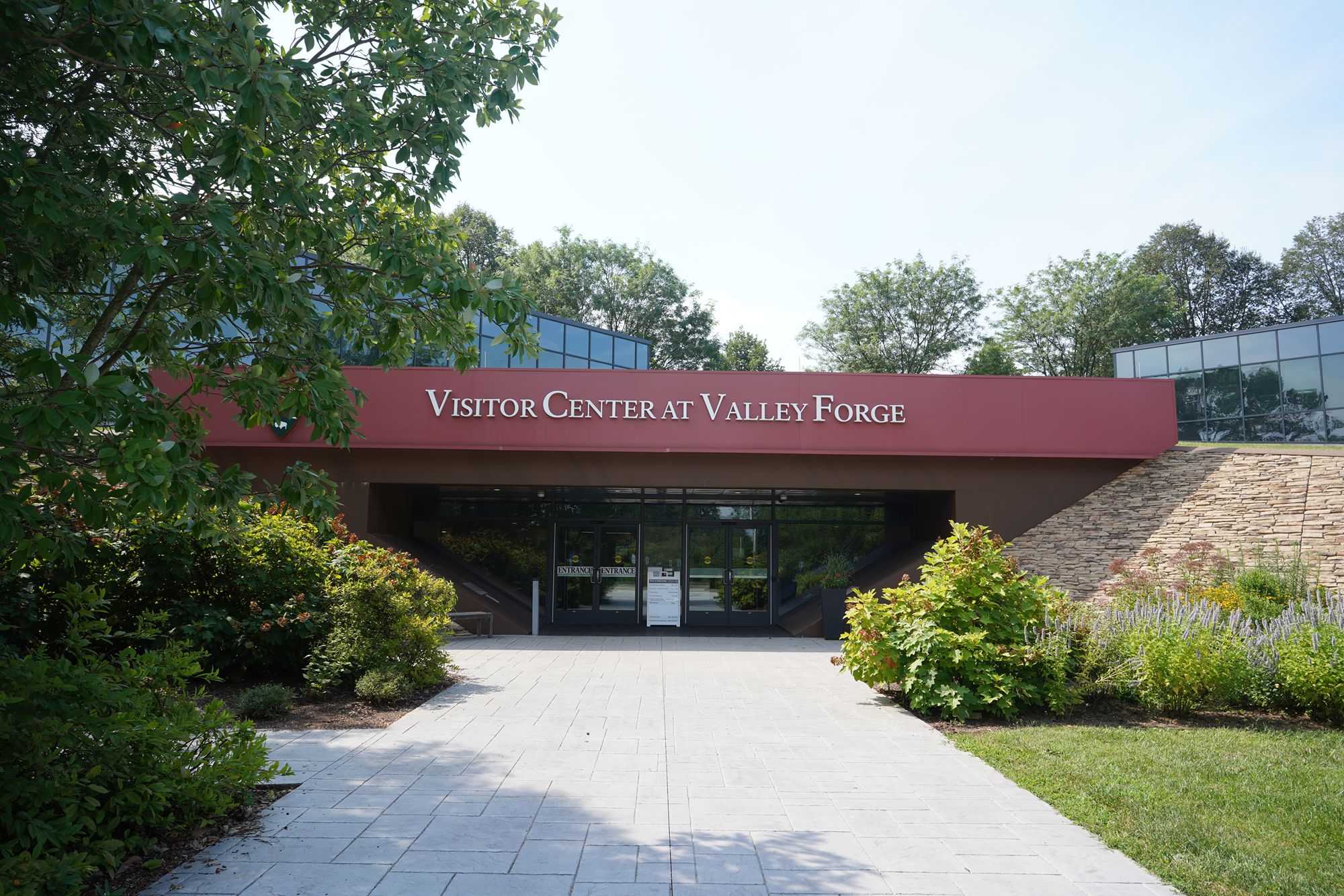
Visitor Center at Valley Forge and the Museum
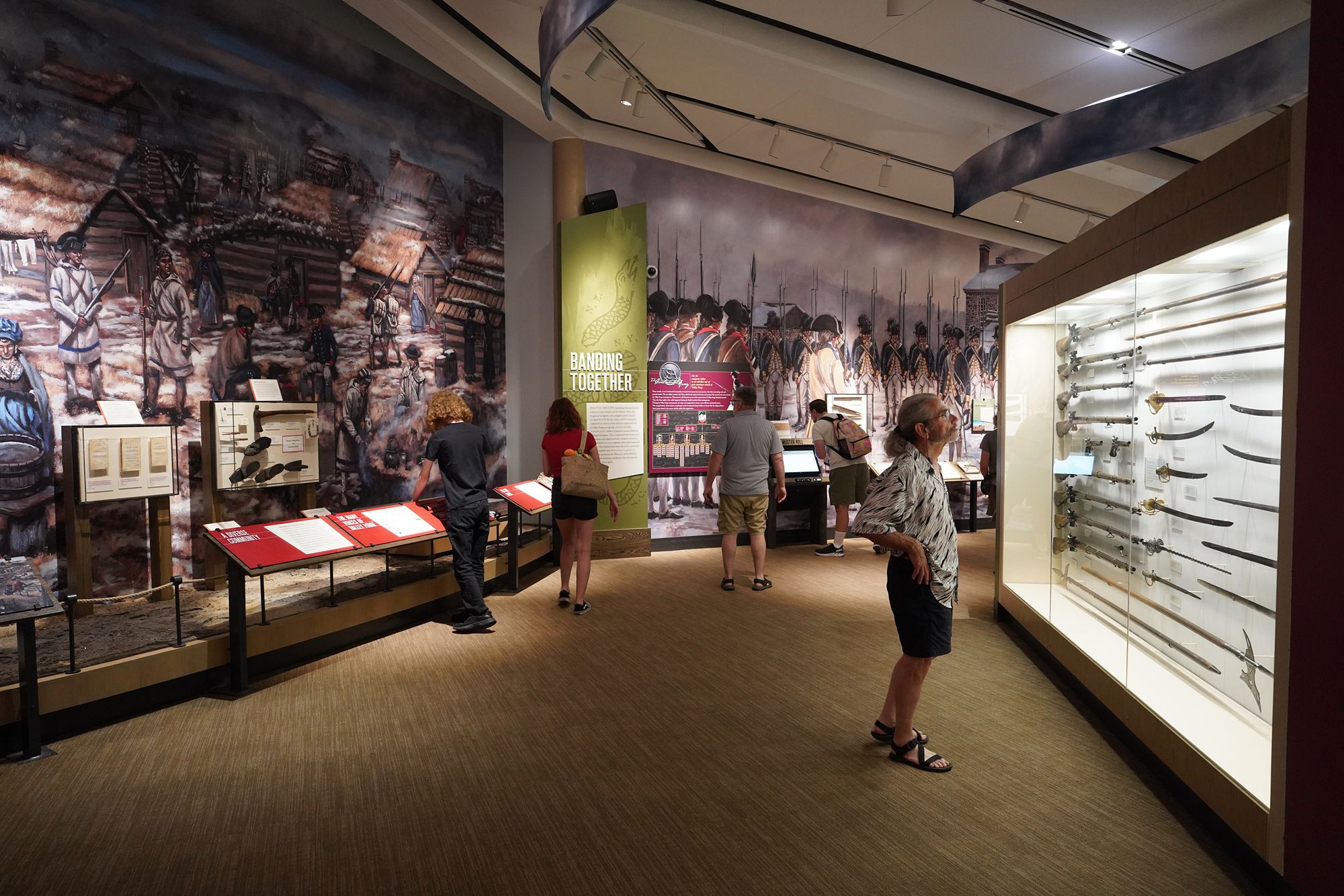
Independence war progression was as follows:
🔹 Phase 1 — Early War (1775–1776)
In the early years of the Revolutionary War, the colonists experienced both hope and struggle. They won key moments like Lexington and Concord and reclaimed Boston, but victories were never certain and resources were limited.
🔹 Phase 2 — Setbacks and Decline (1776–1777)
As the war continued, the Continental Army suffered major losses, including the fall of New York and later Philadelphia. Troops were exhausted, poorly supplied, and morale dropped as defeats accumulated.
🔹 Phase 3 — Crisis and Encampment at Valley Forge (Winter 1777–1778)
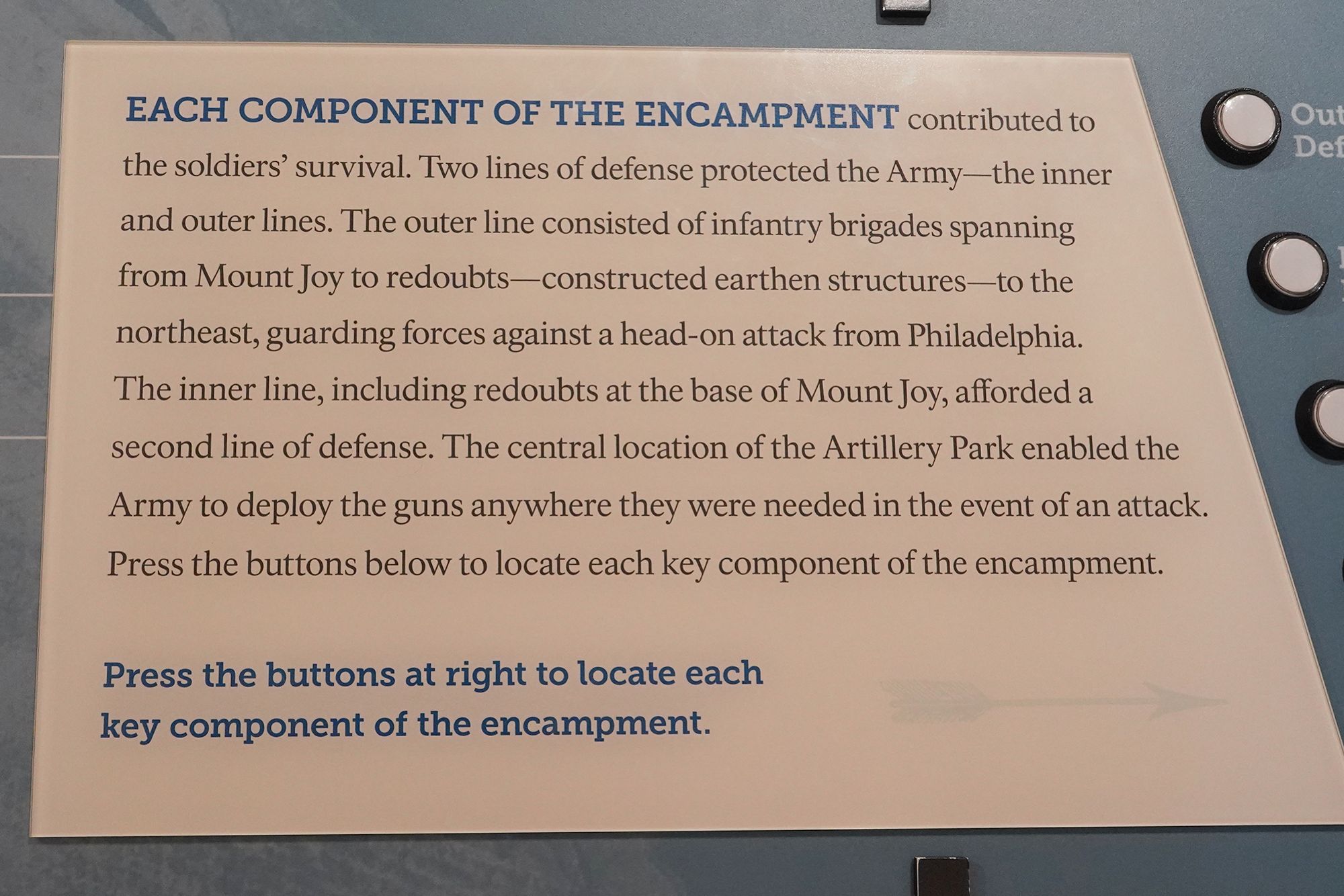
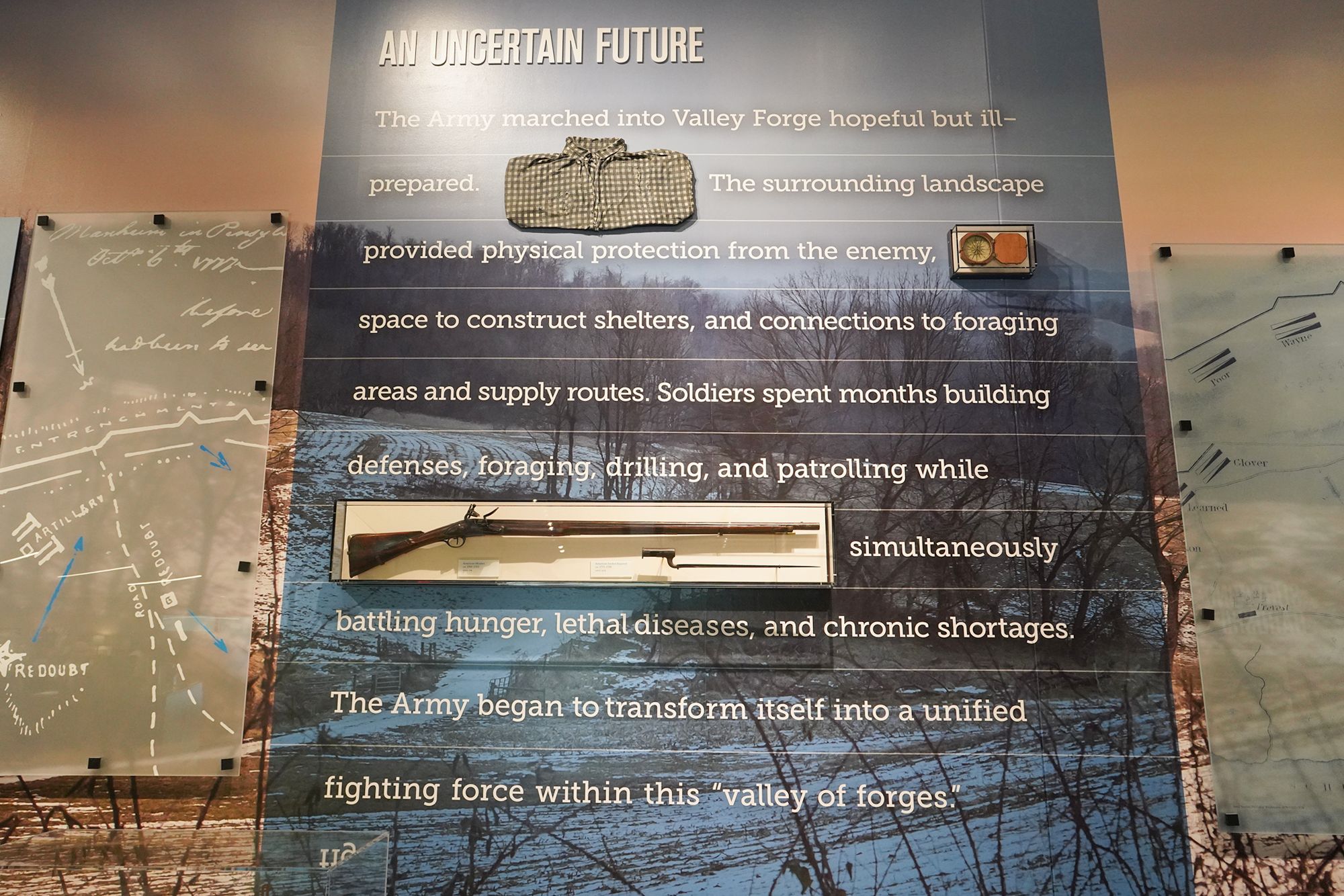
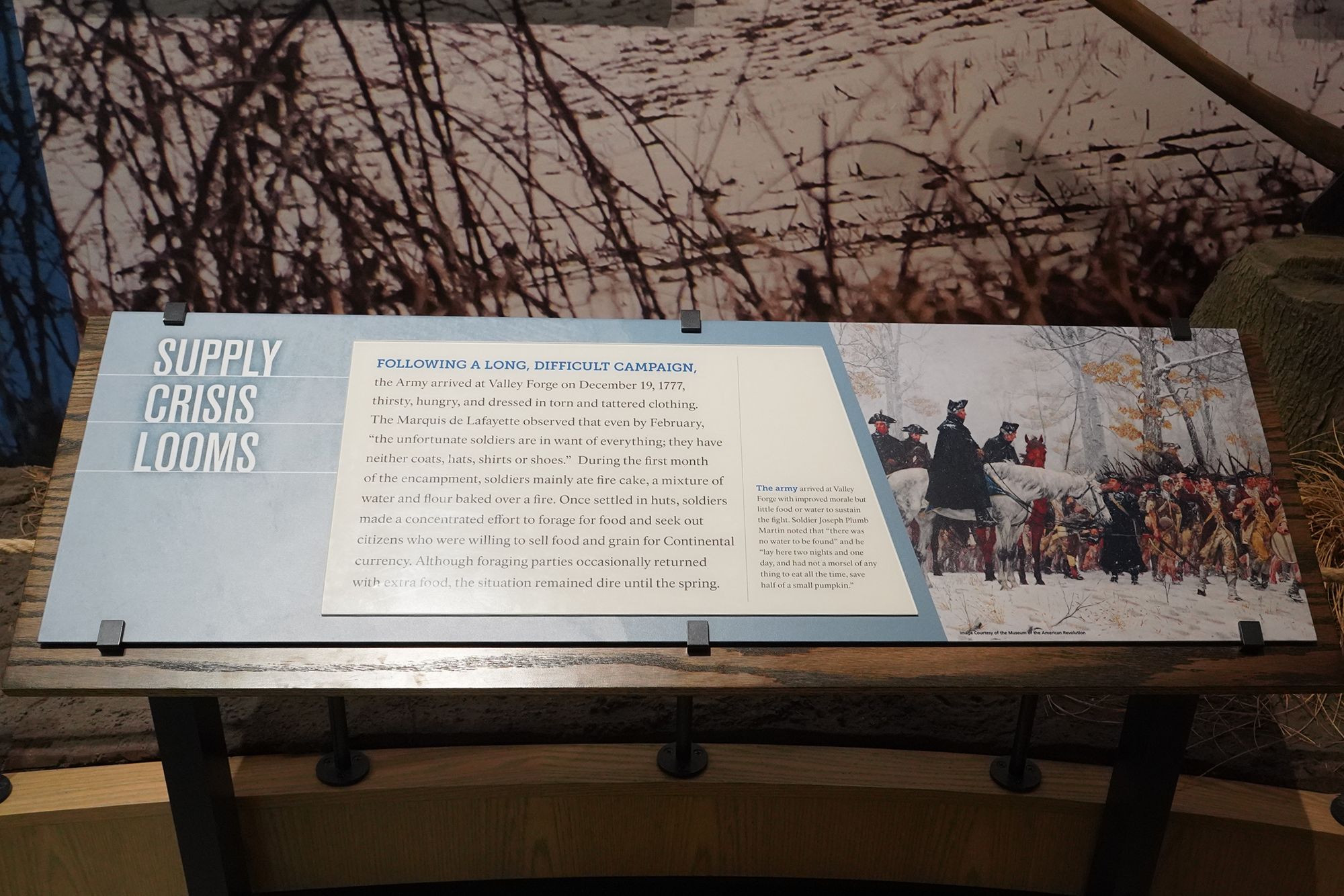
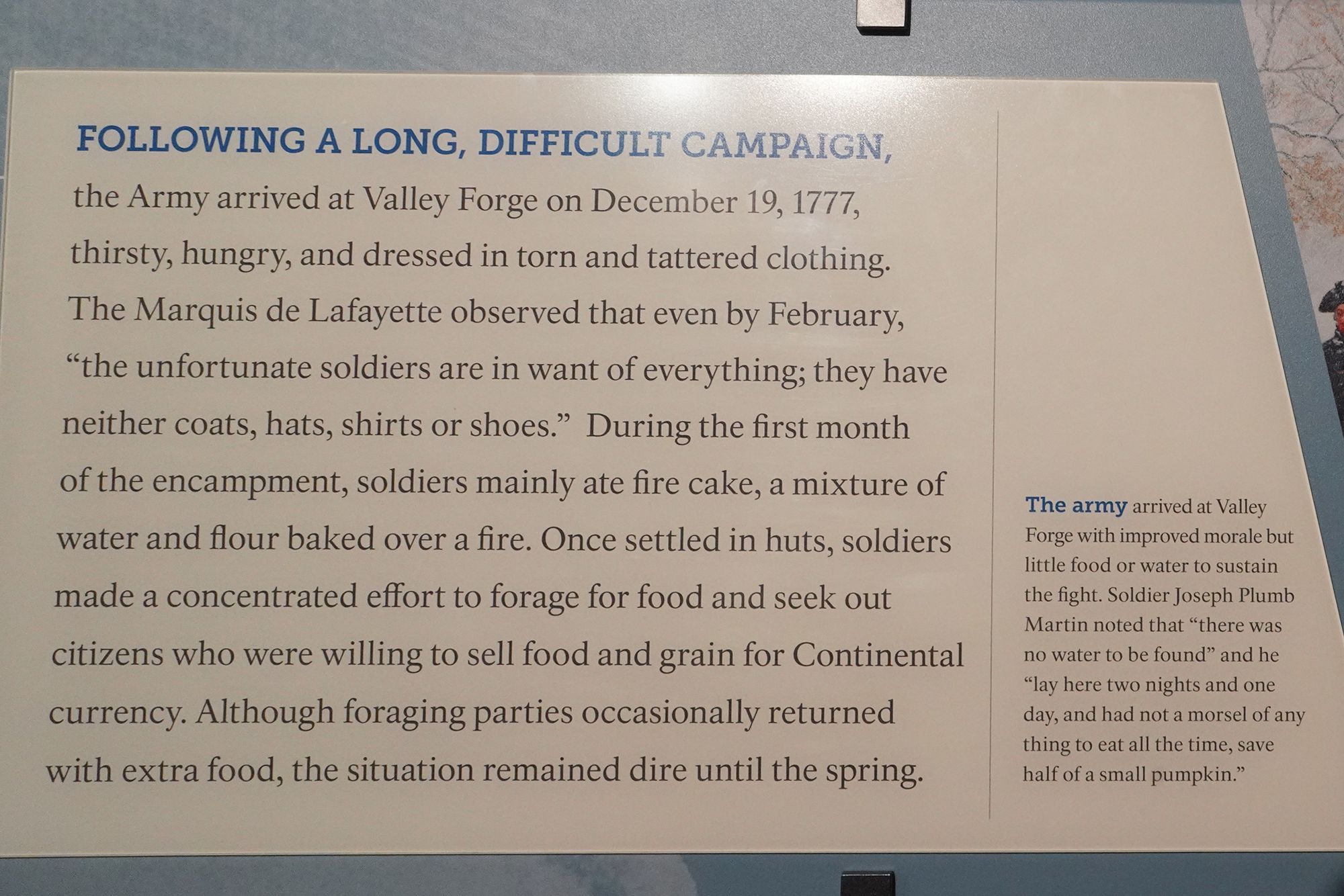
By winter 1777, the army was weakened and facing starvation, disease, and bitter cold. Valley Forge became their refuge — a place to survive, regroup, and rebuild strength when things looked most desperate.
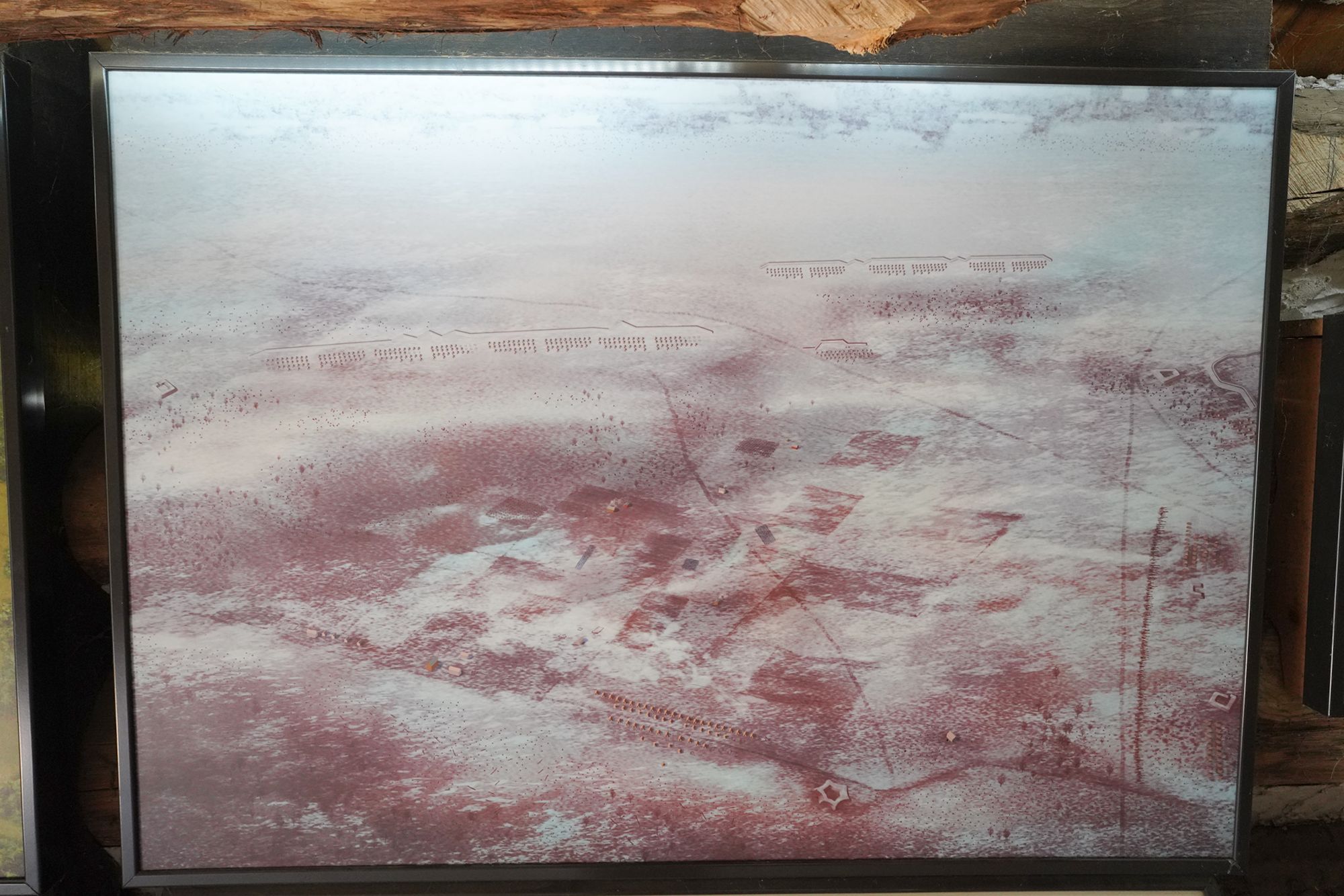
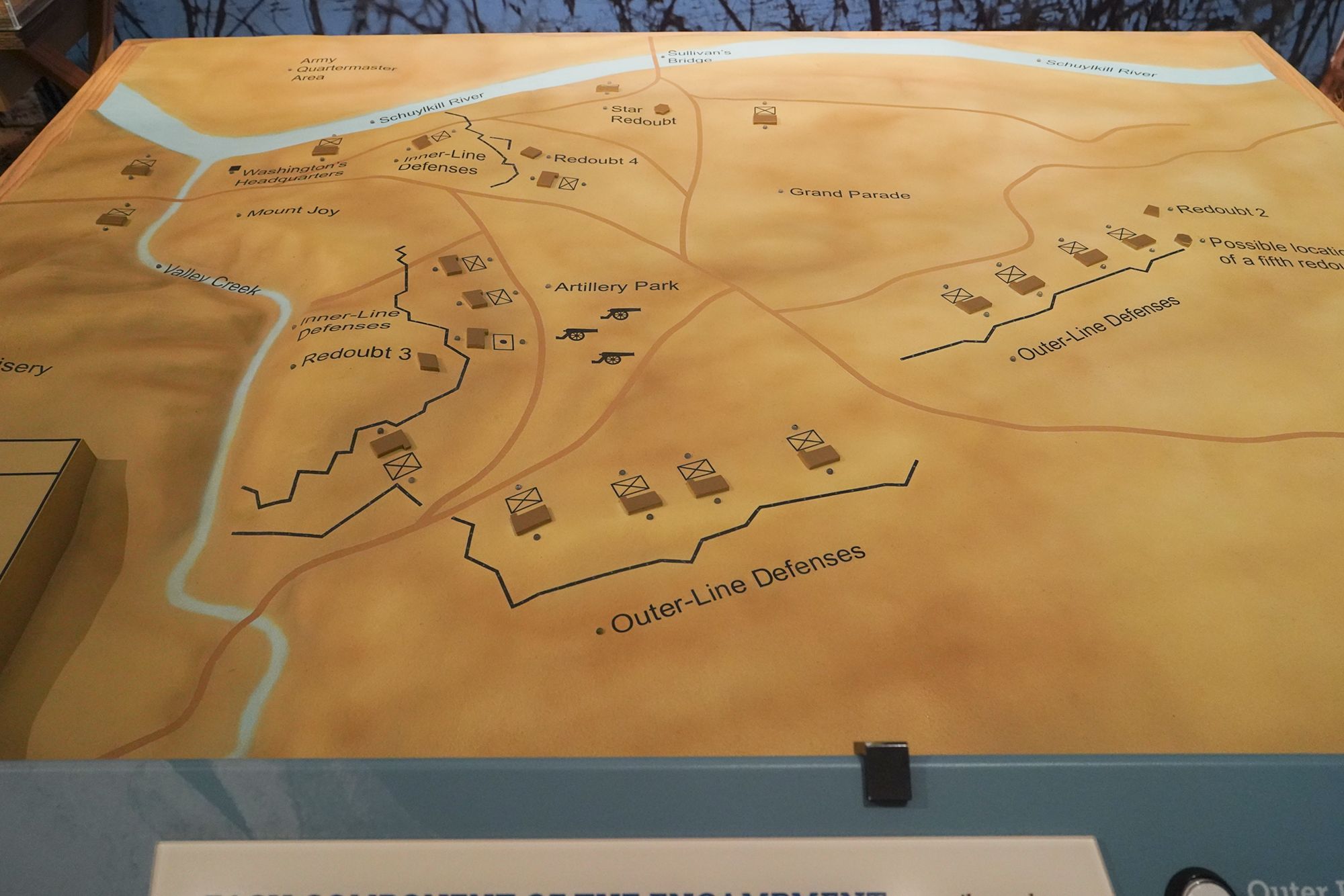
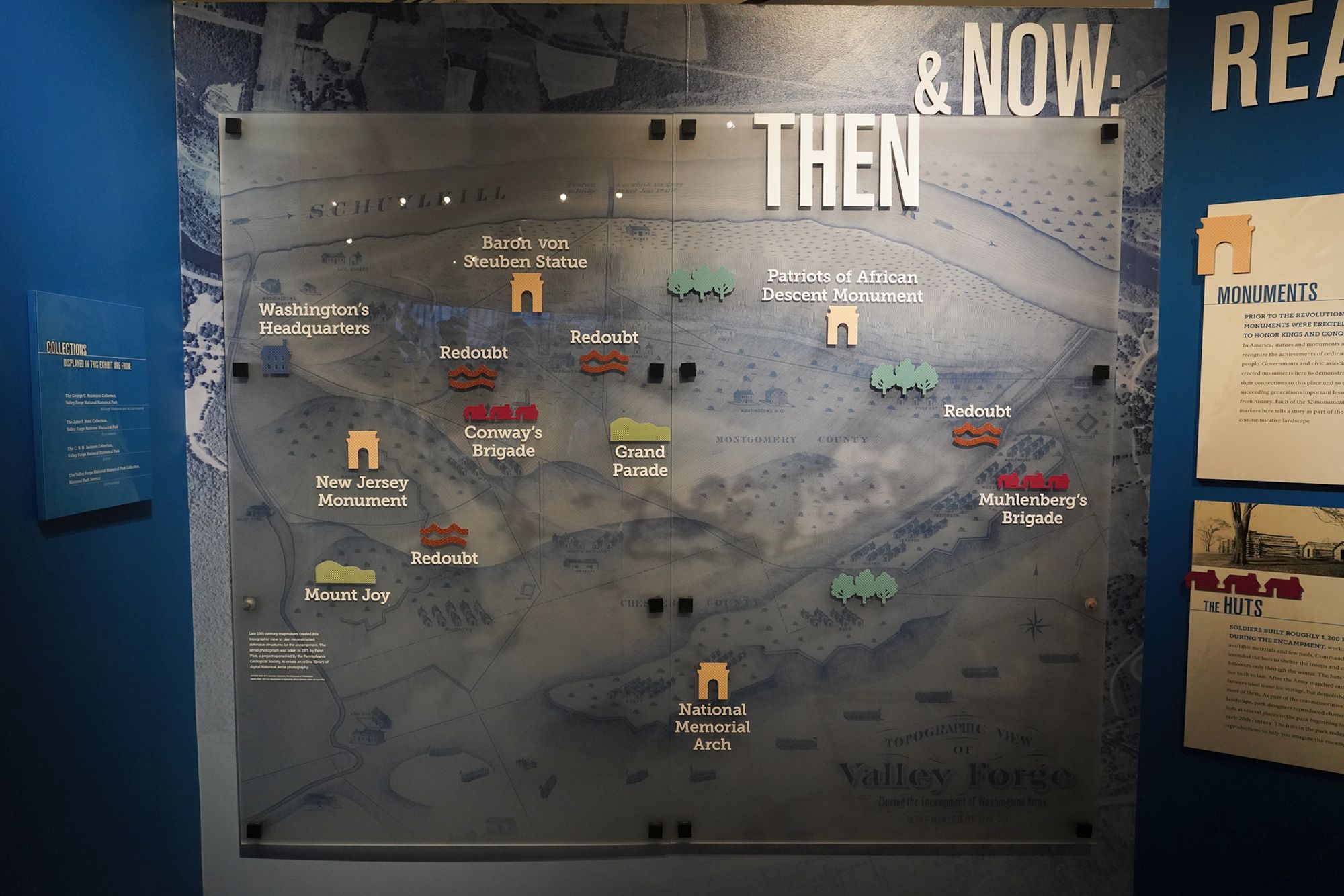
Layout of the camp
🔹 Phase 4 — Turning Point After Valley Forge
Through training, discipline, and renewed organization, the army left Valley Forge stronger than when they arrived. The encampment became a turning point, helping transform a struggling force into one capable of eventual victory.
An uncertain future
Supply Crisis Looms
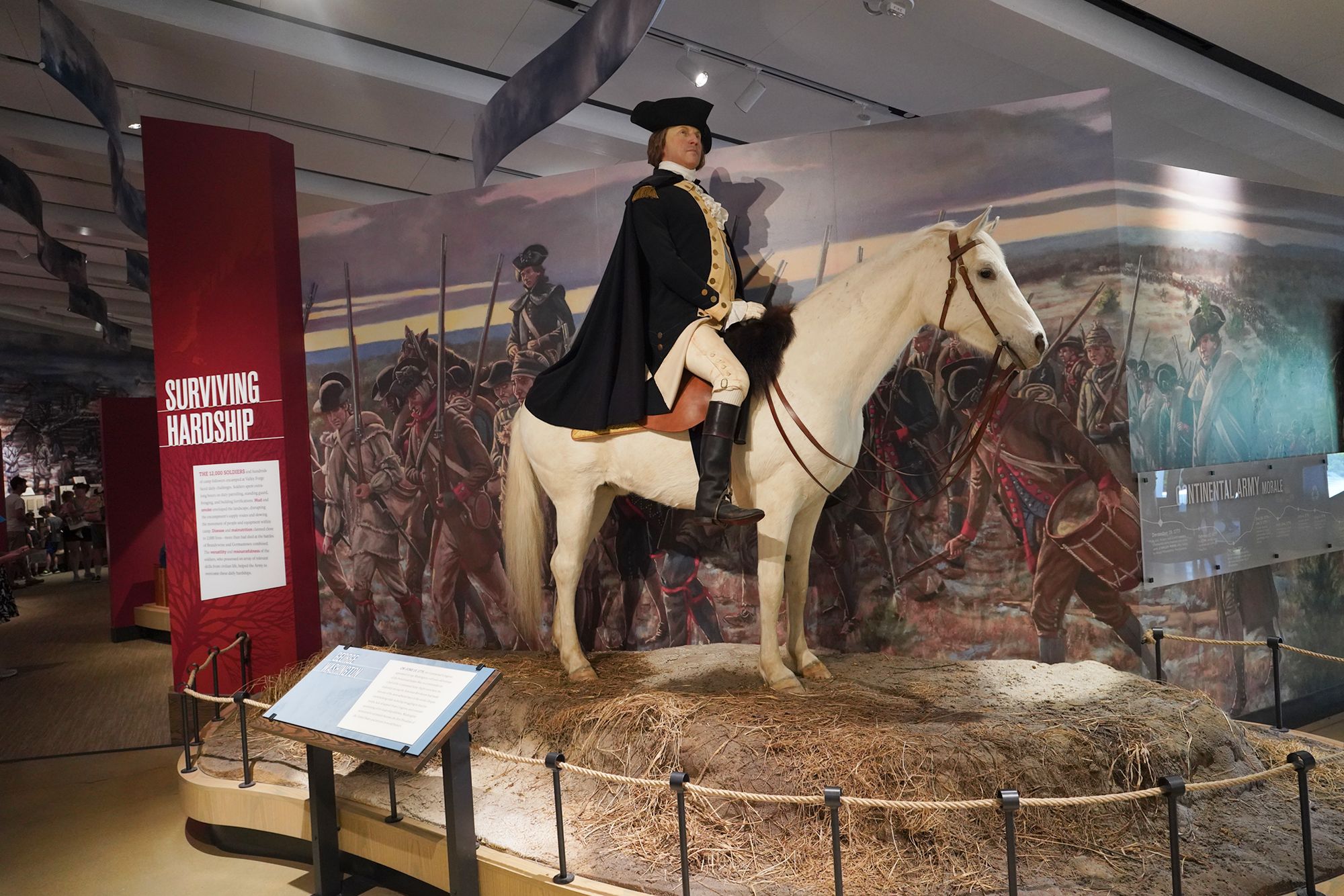
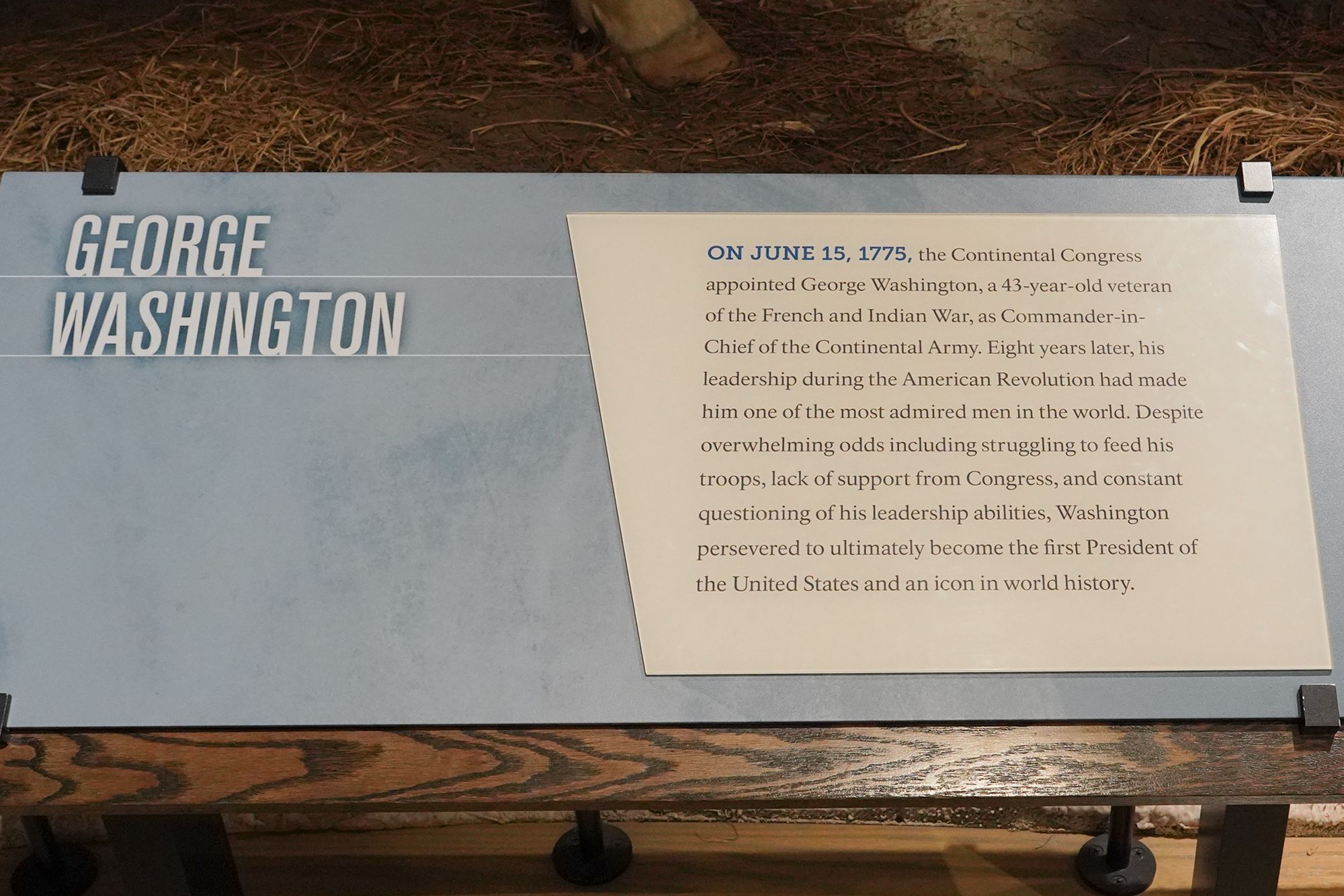
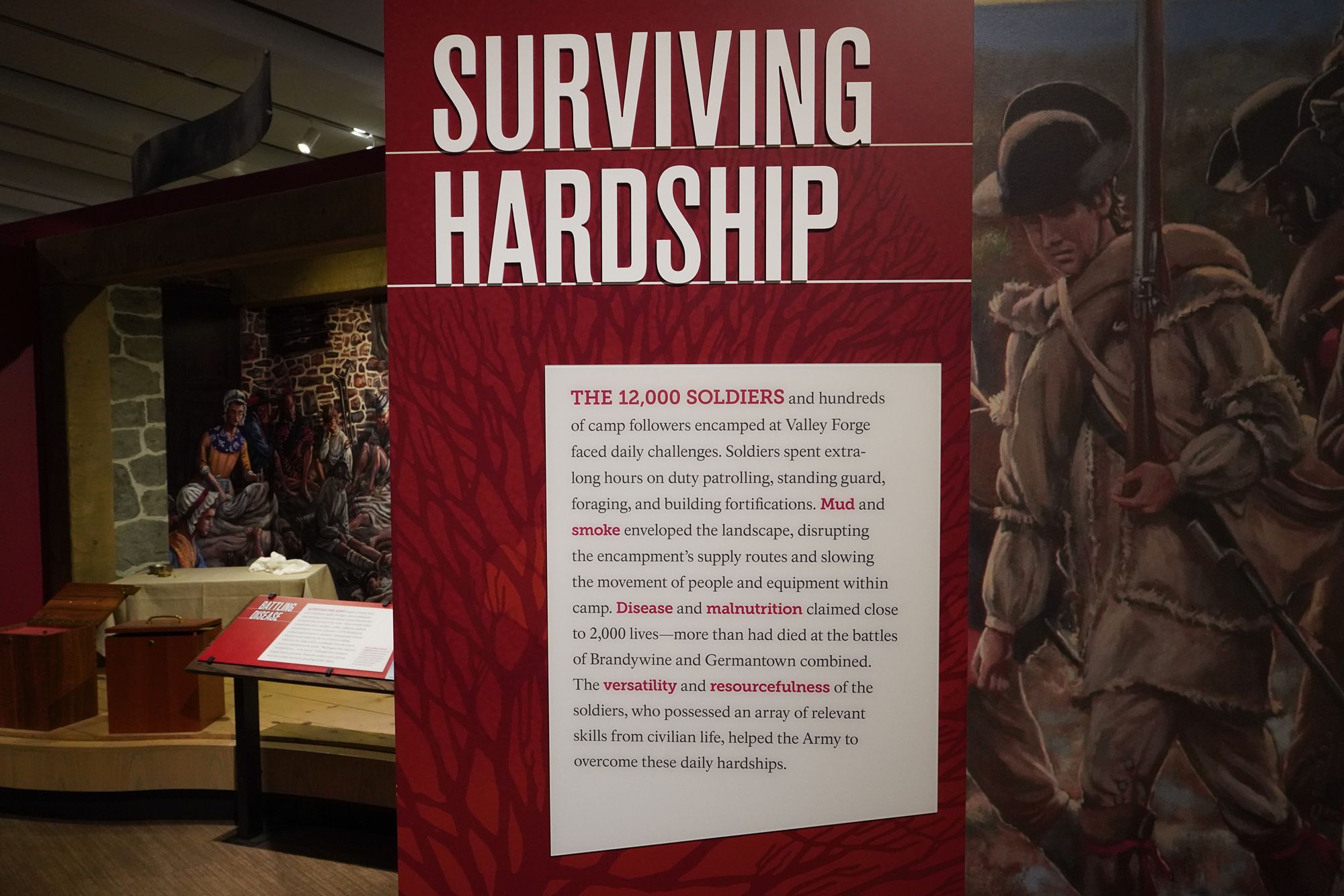
Surviving hardship
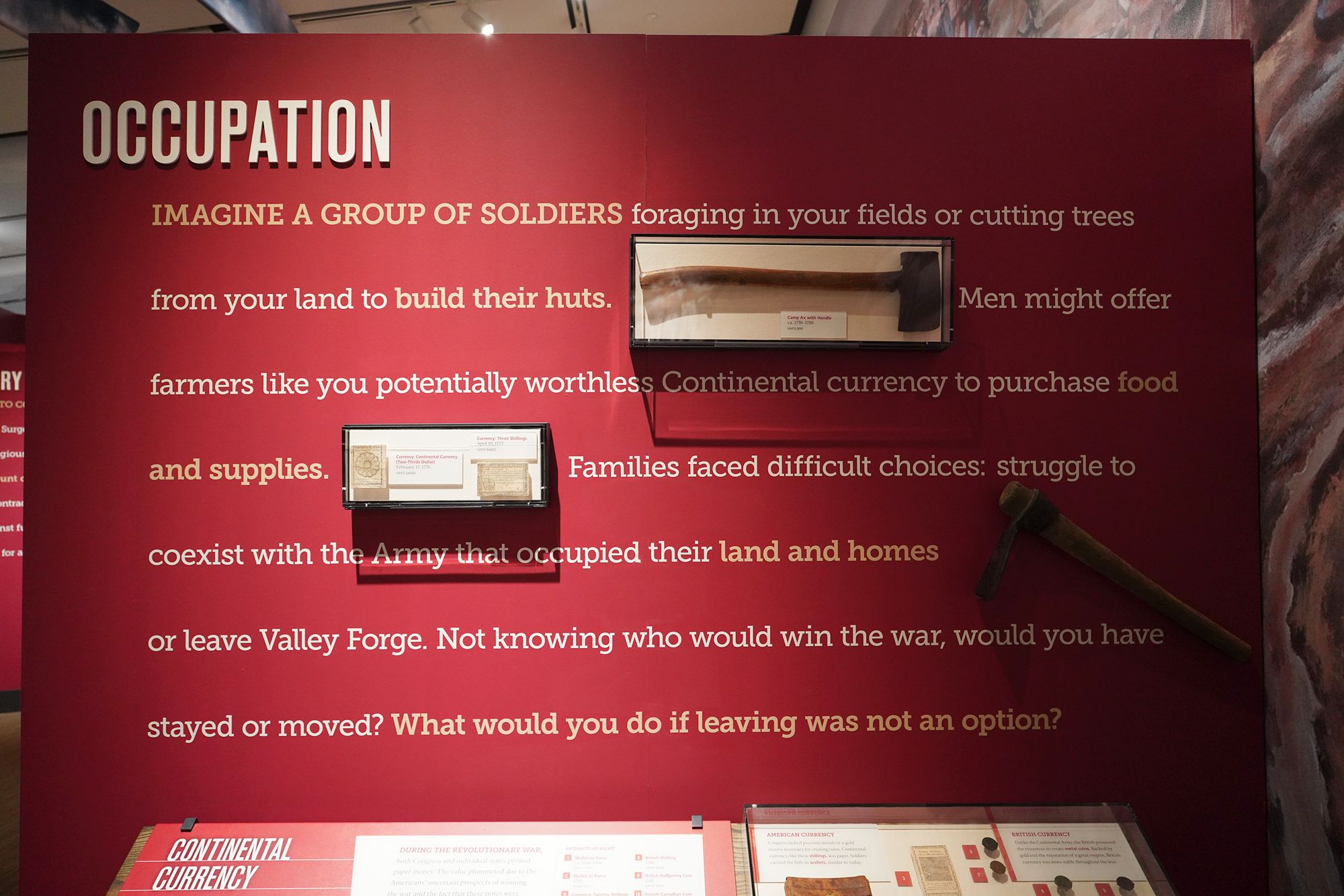
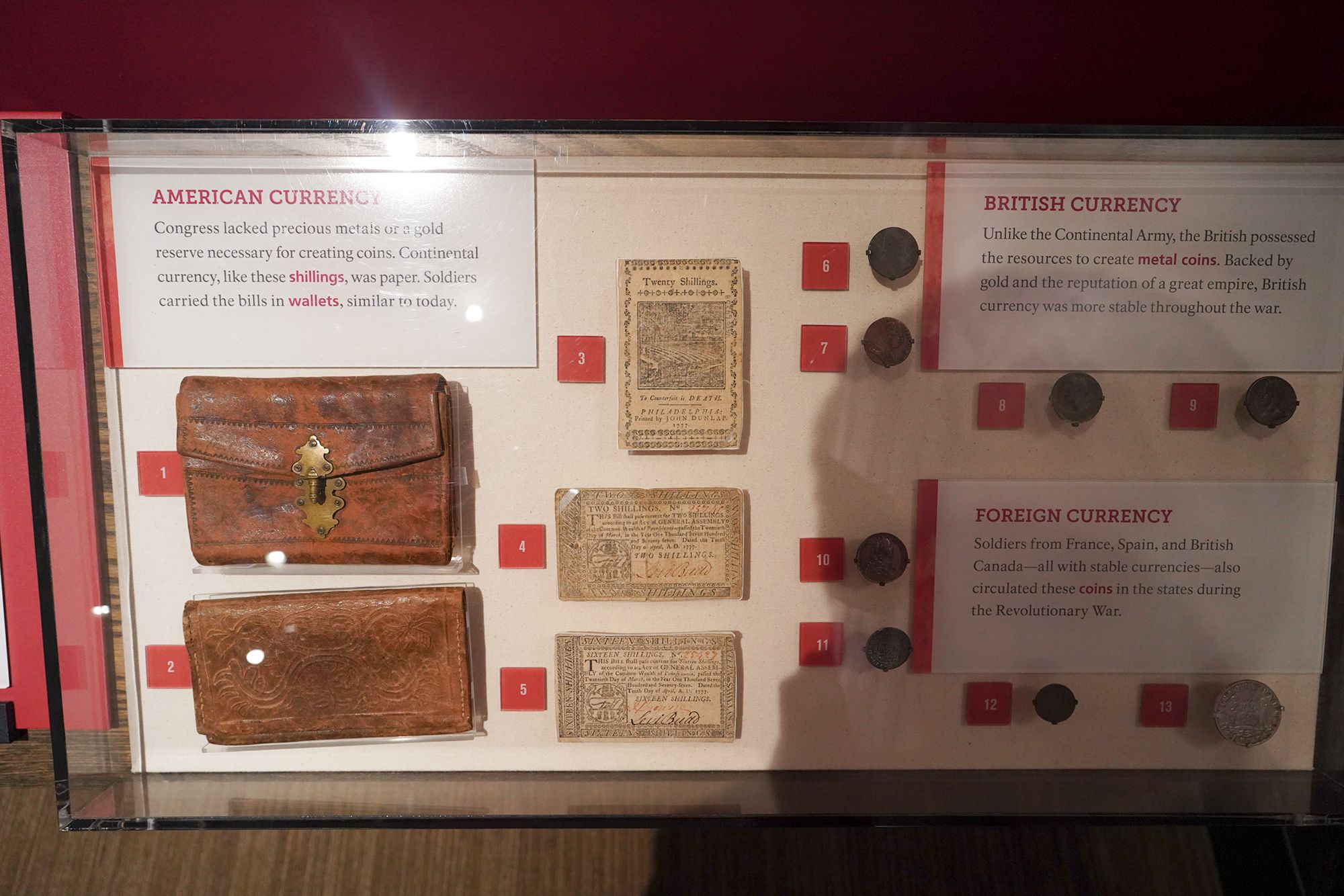
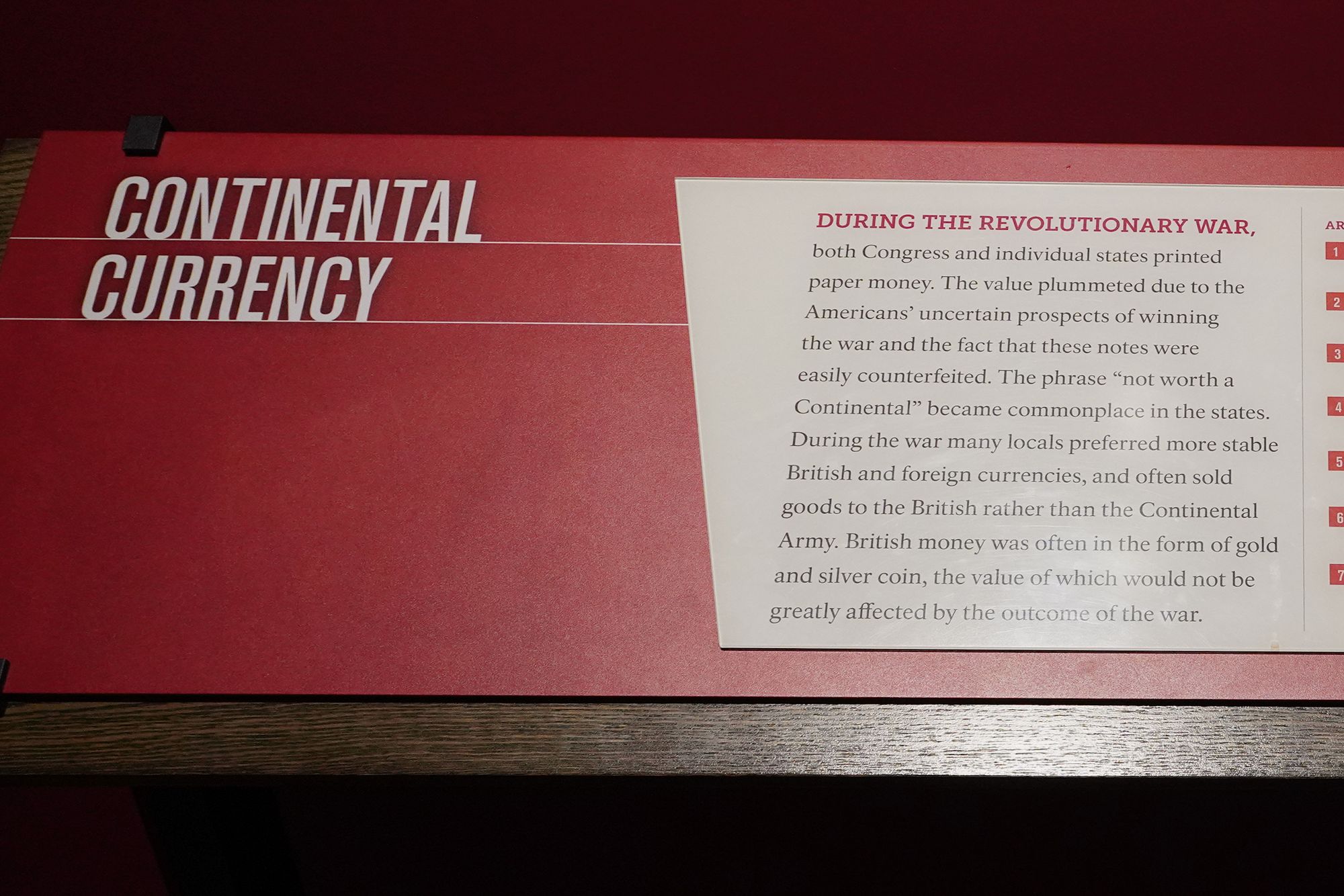
Money used during that time
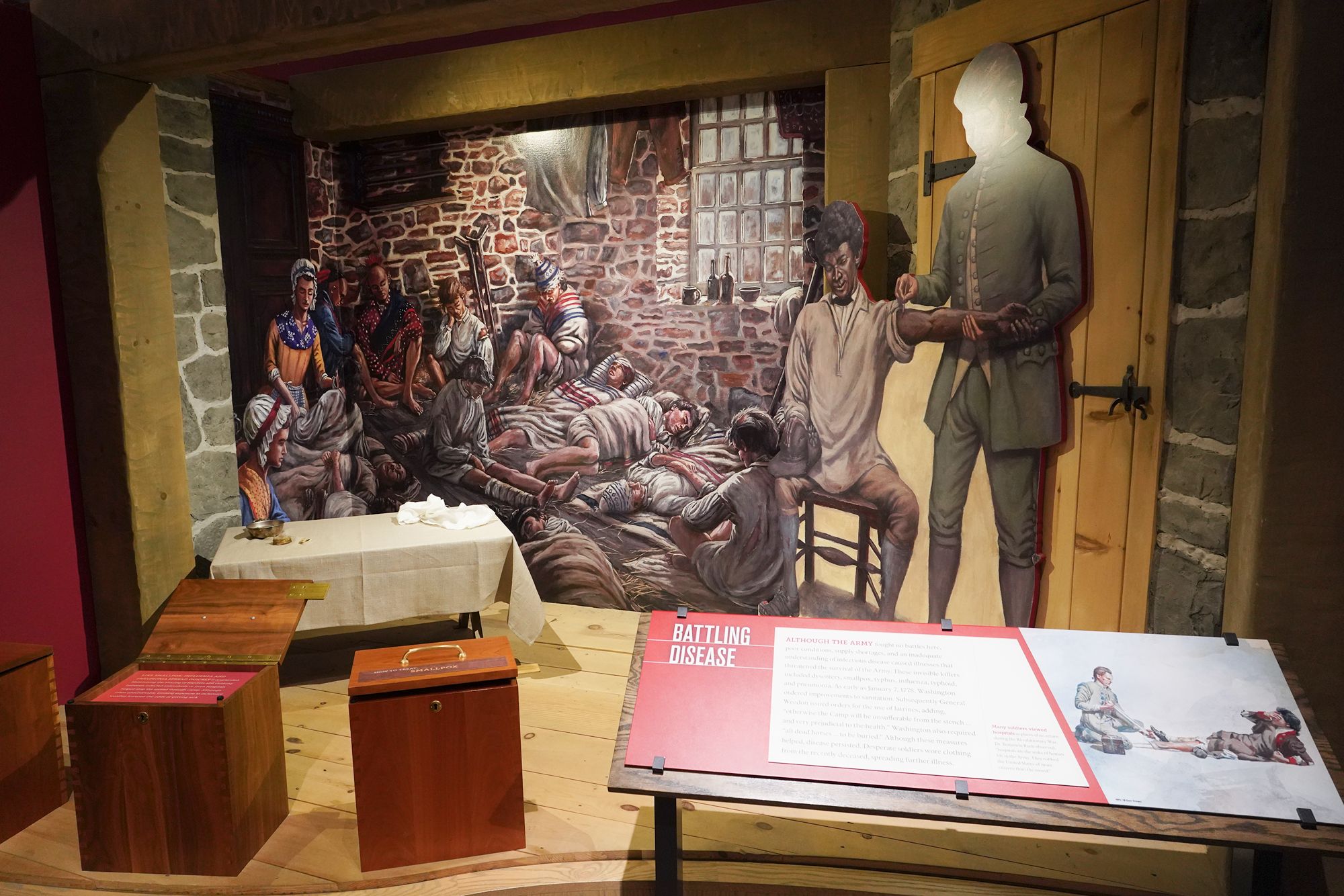
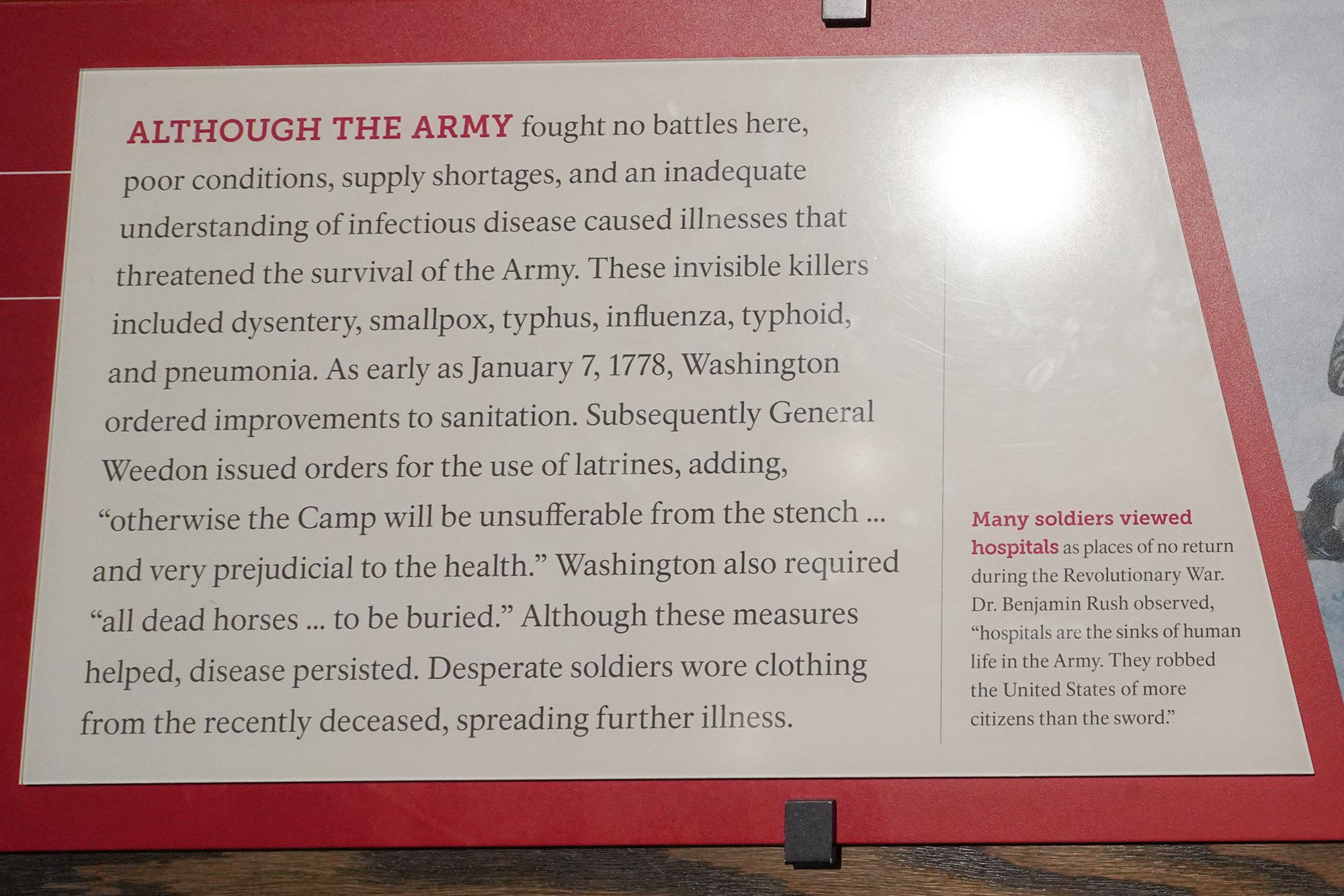
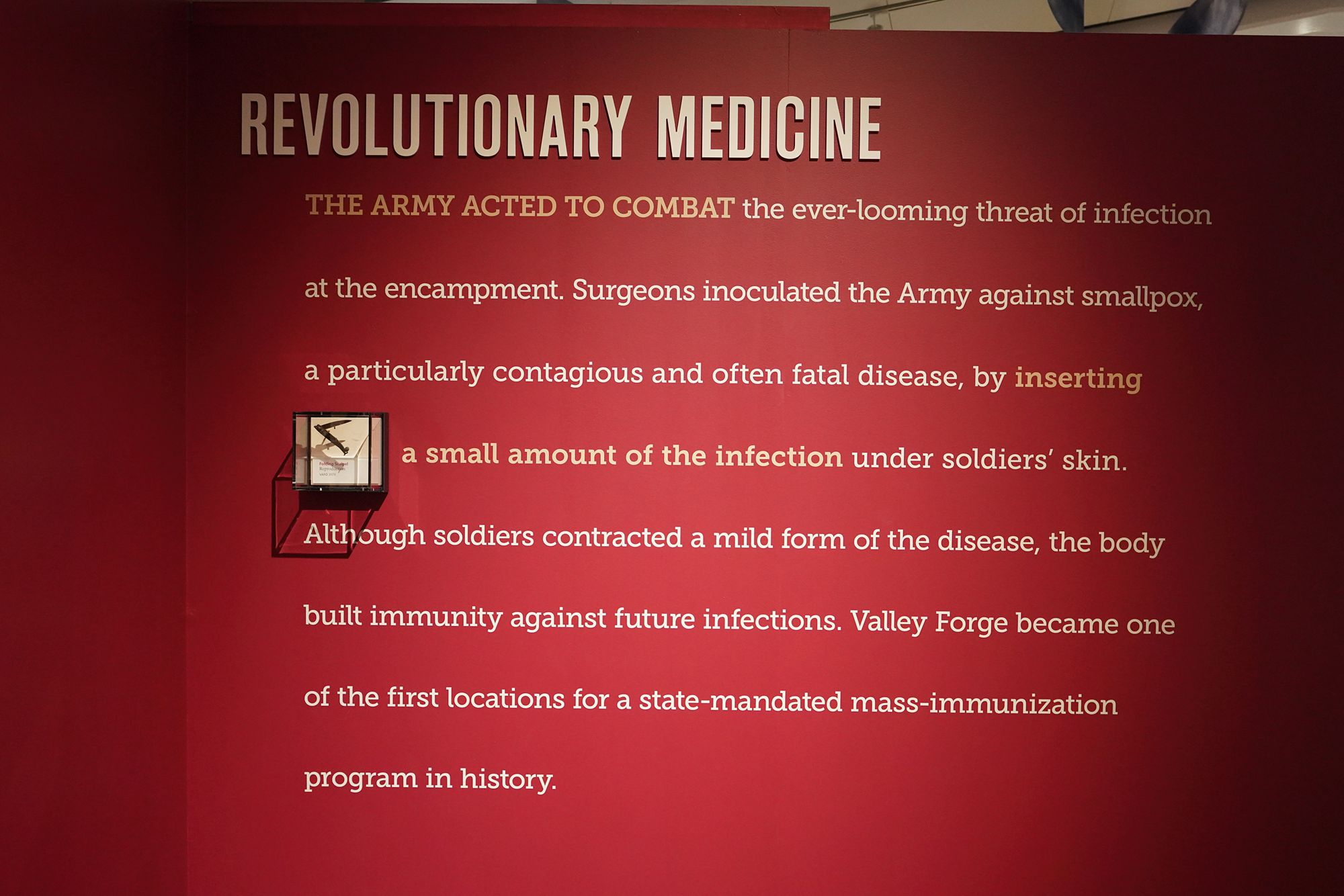
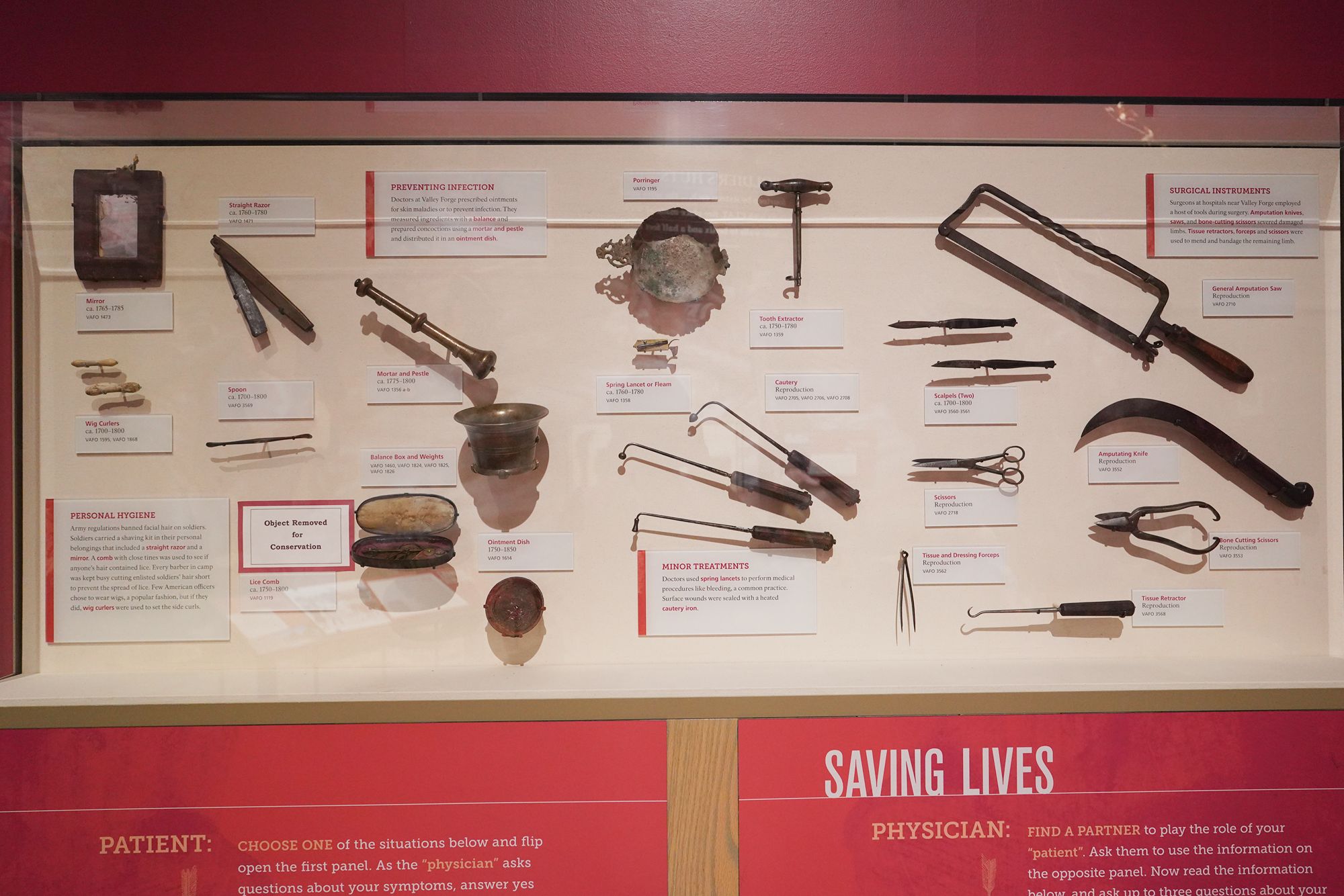
About Medicine
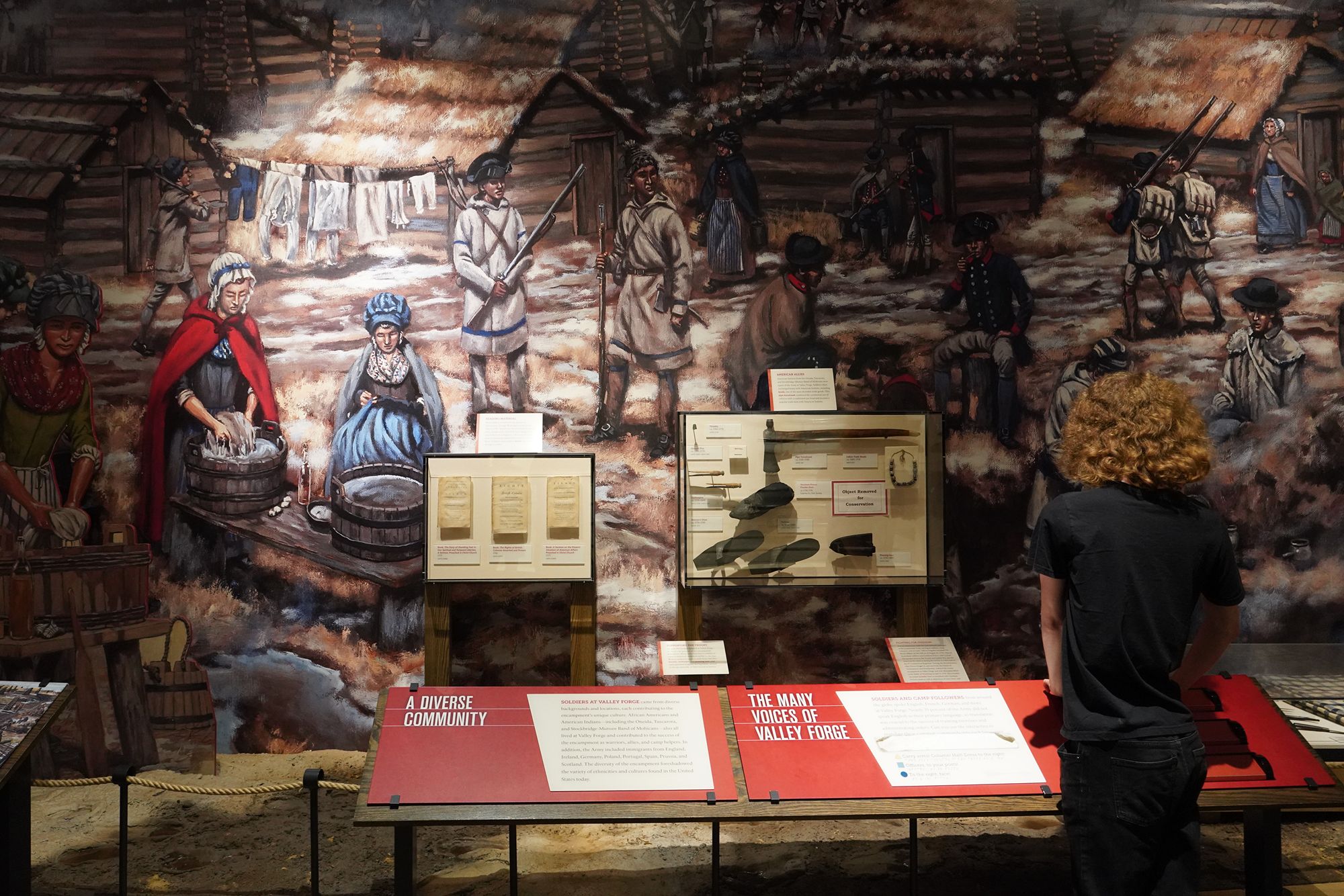
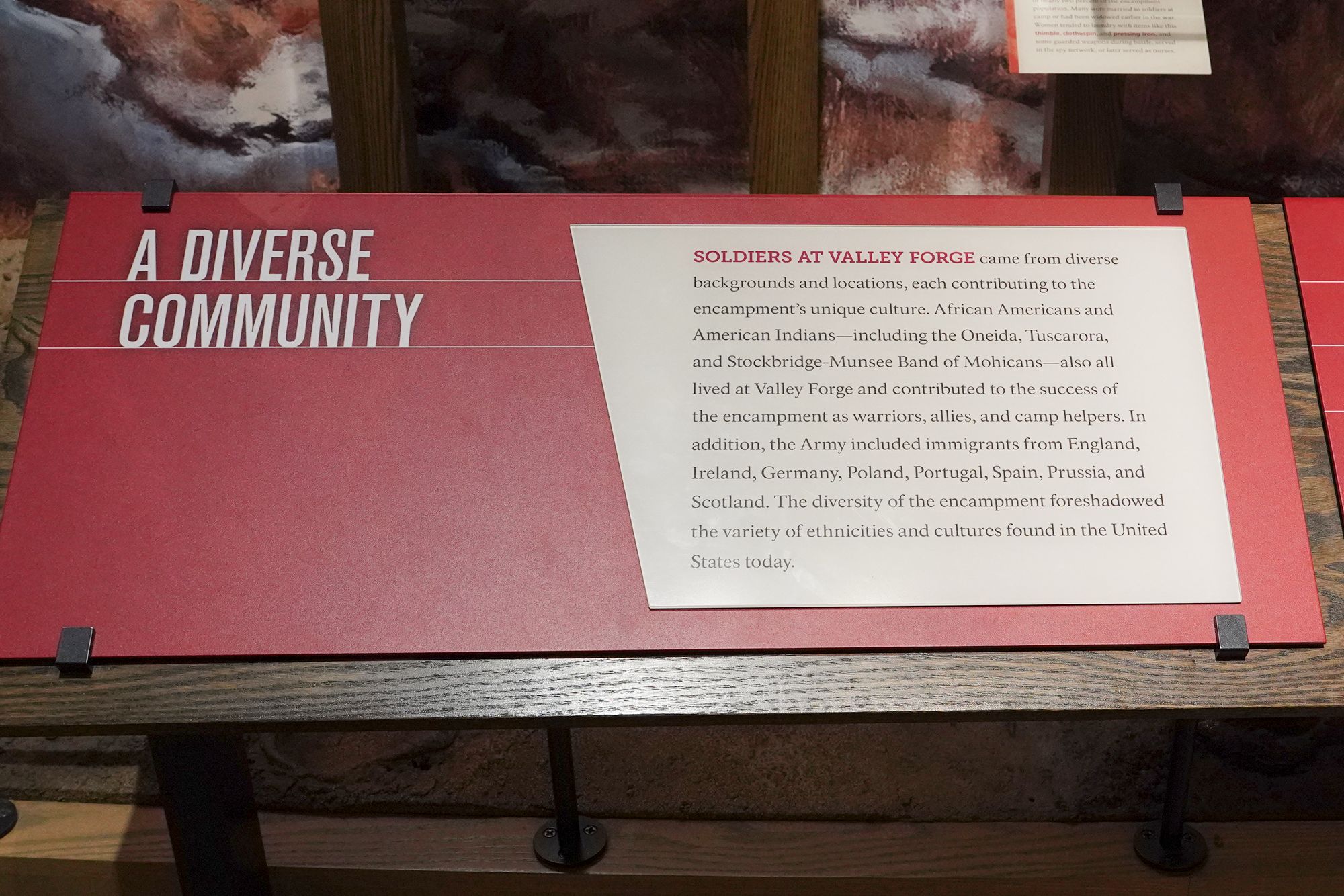
A diverse Community
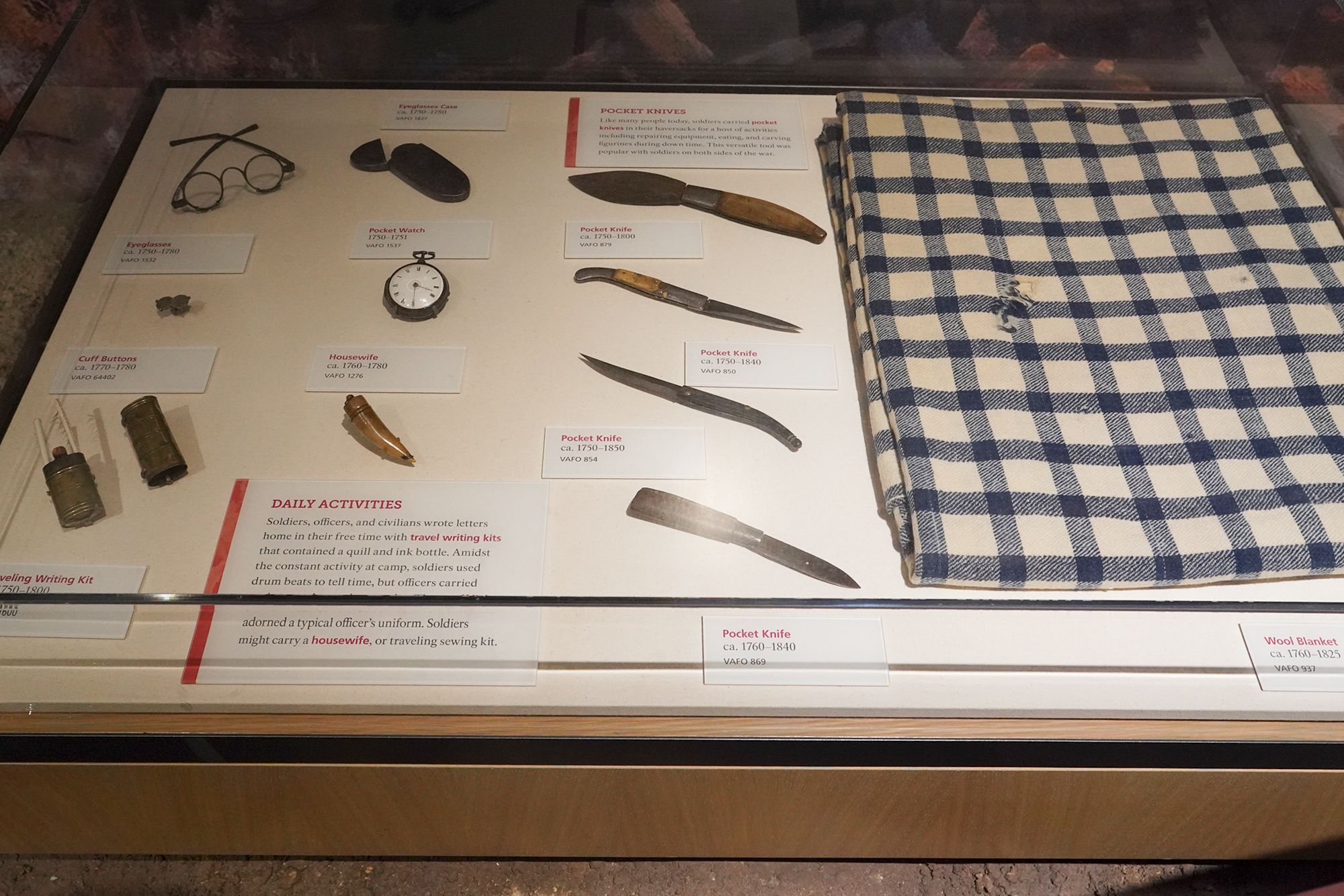
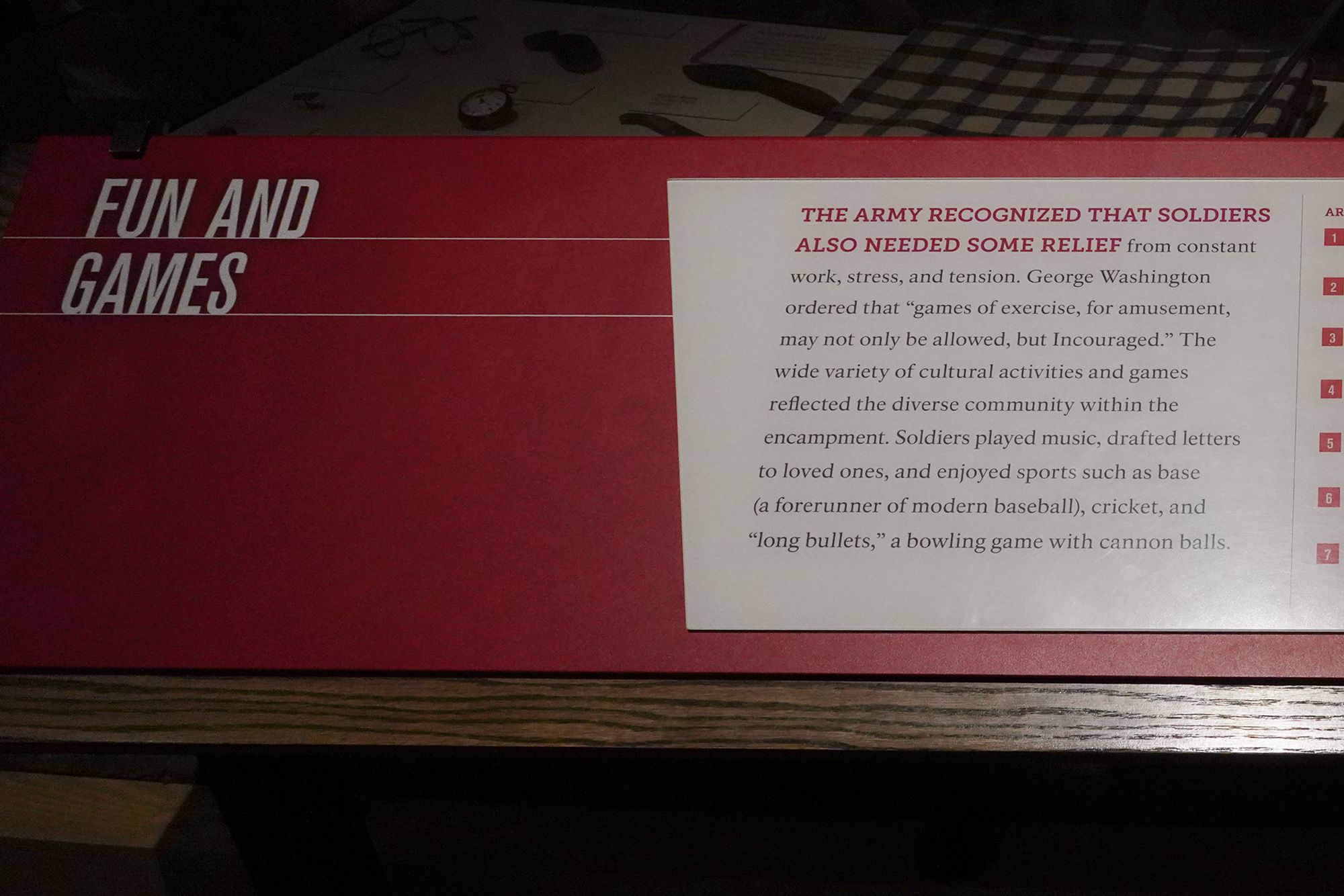
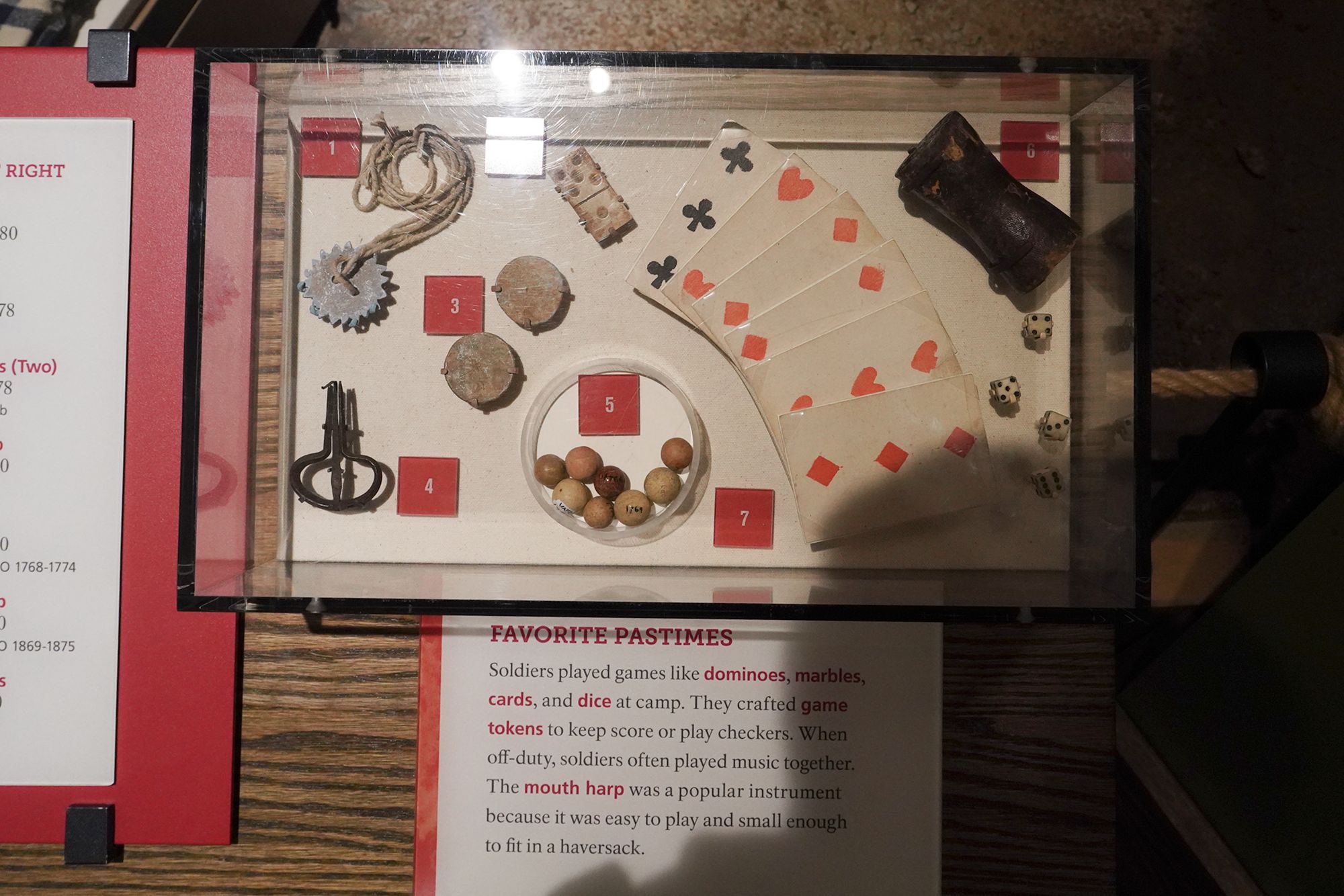
Fun and Games
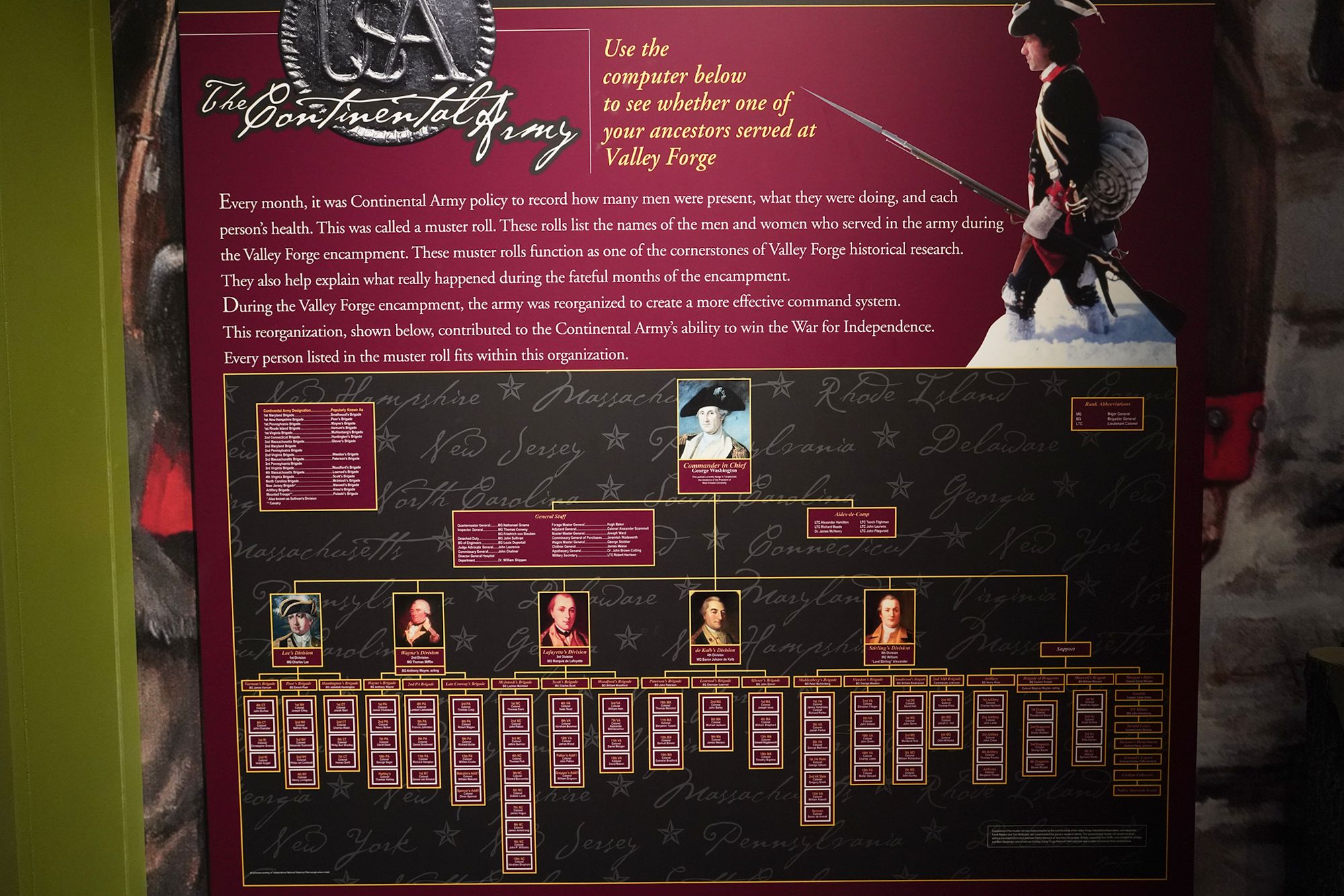
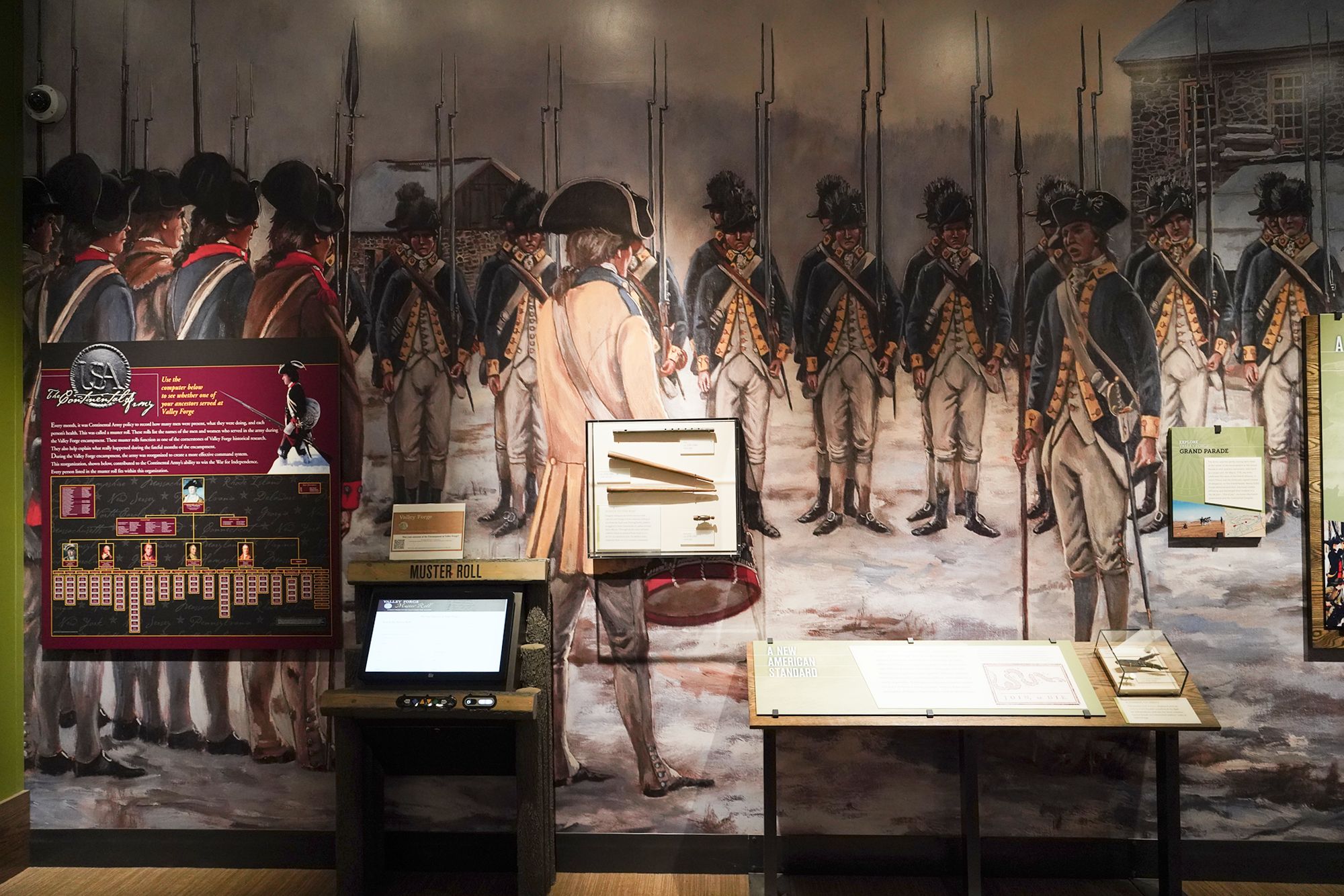
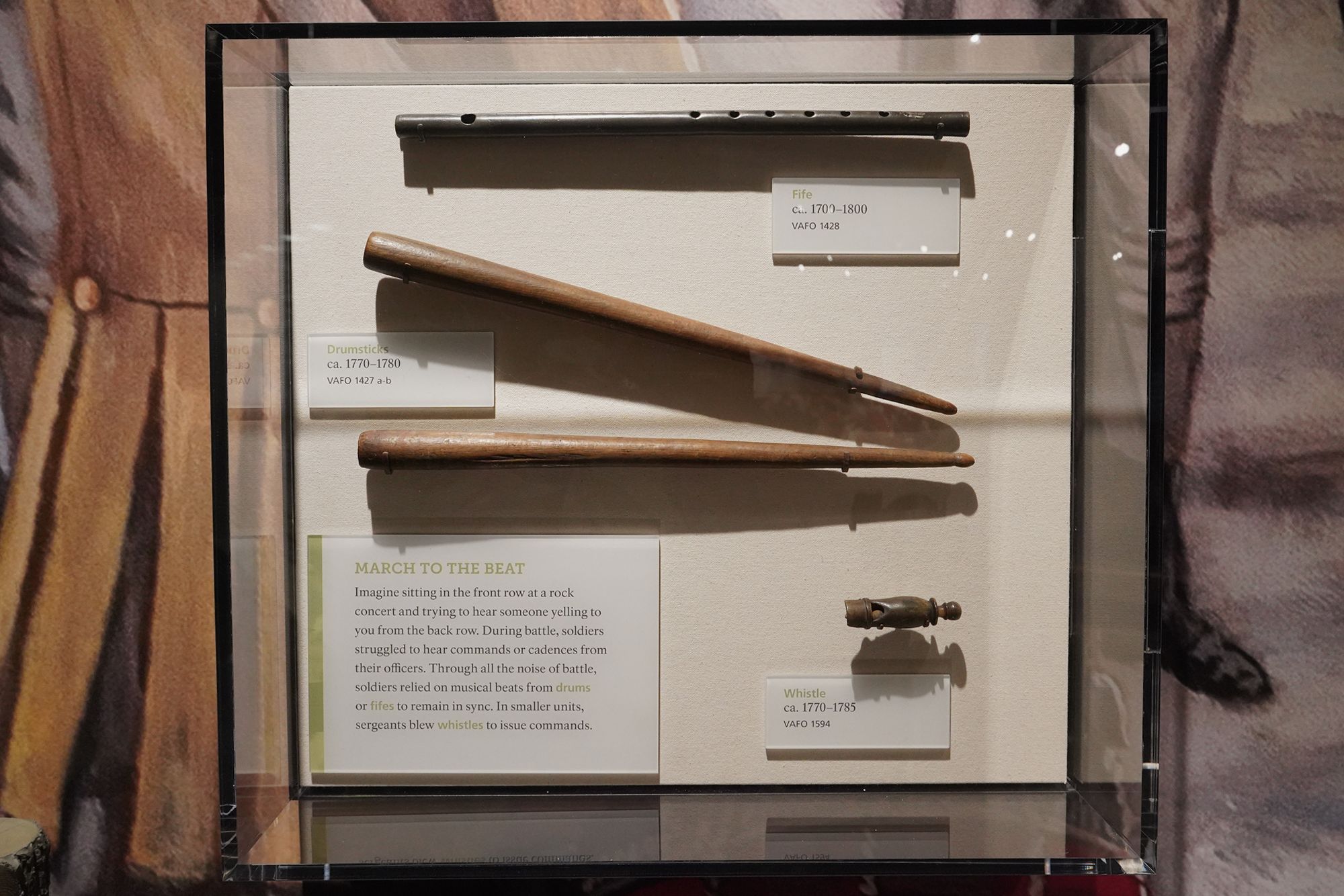
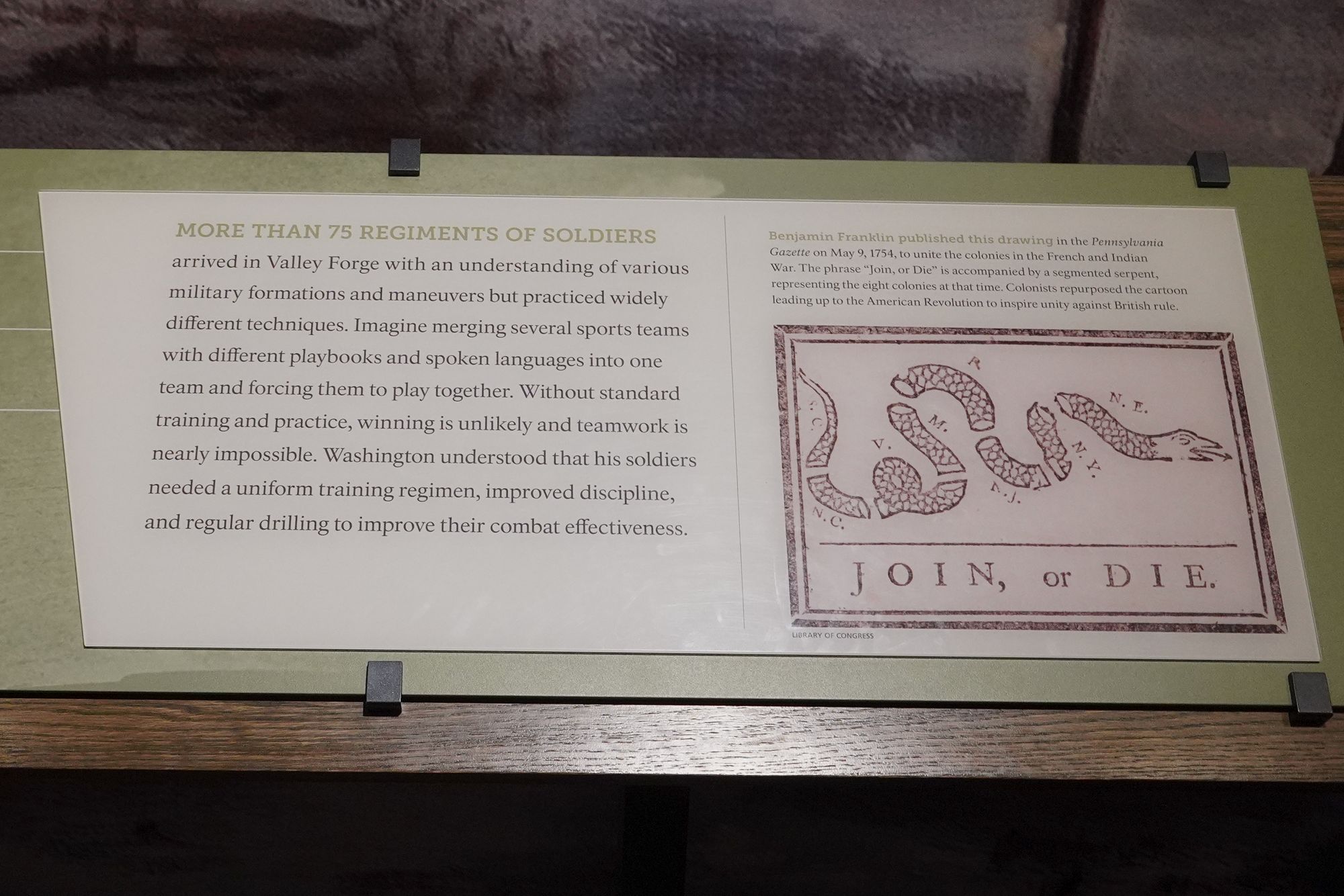
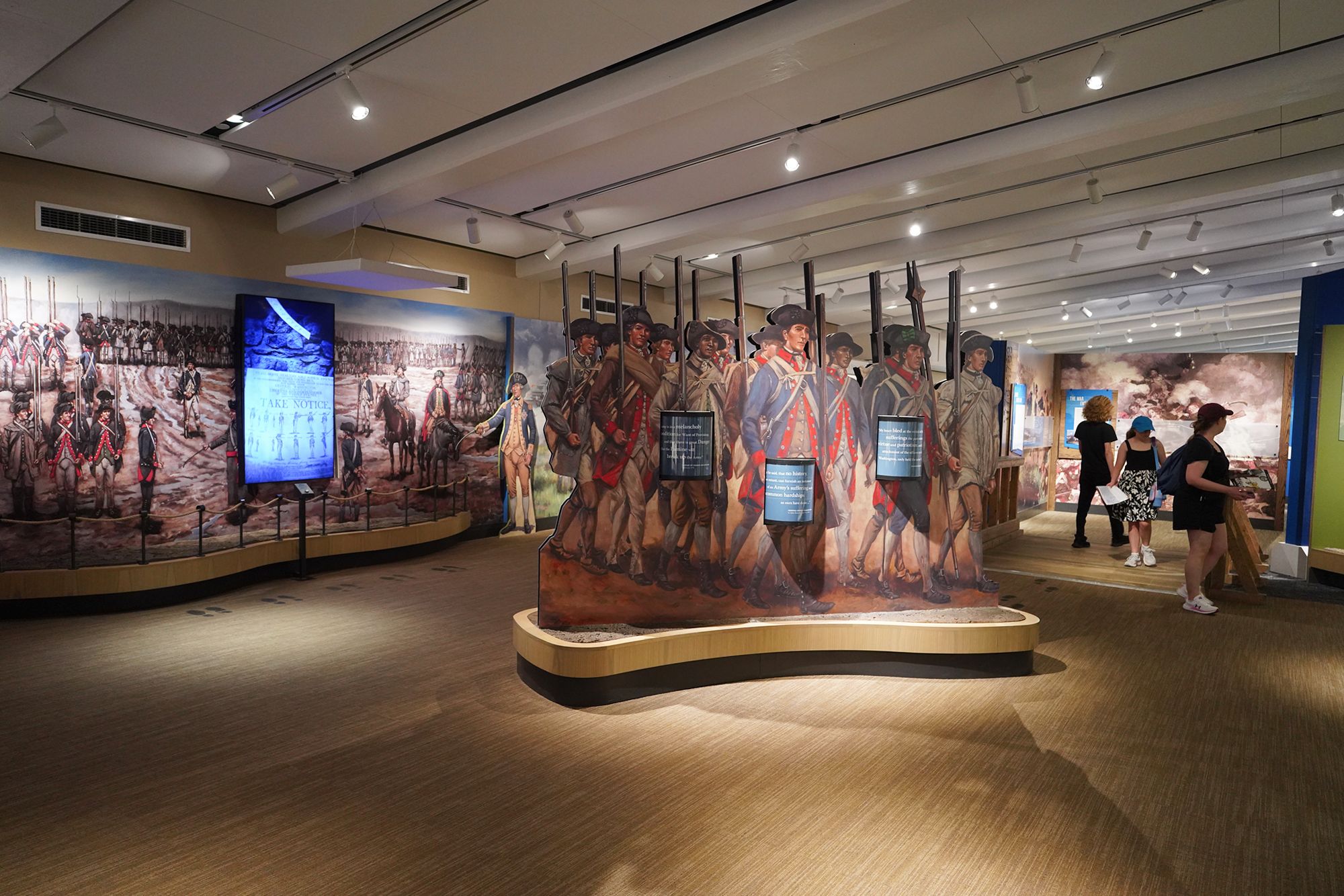
More than 75 regiments of soldiers were there at the Valley Forge
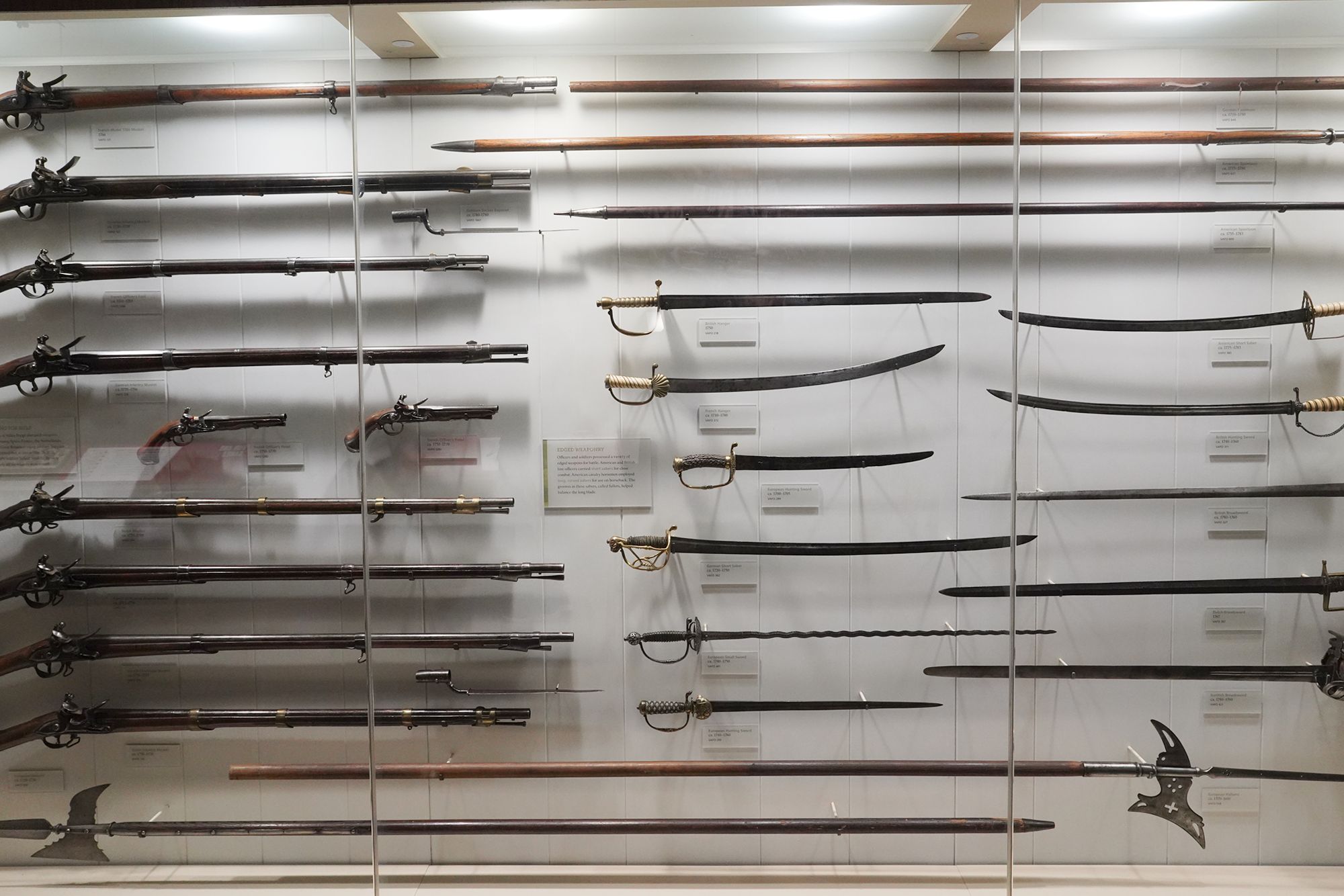
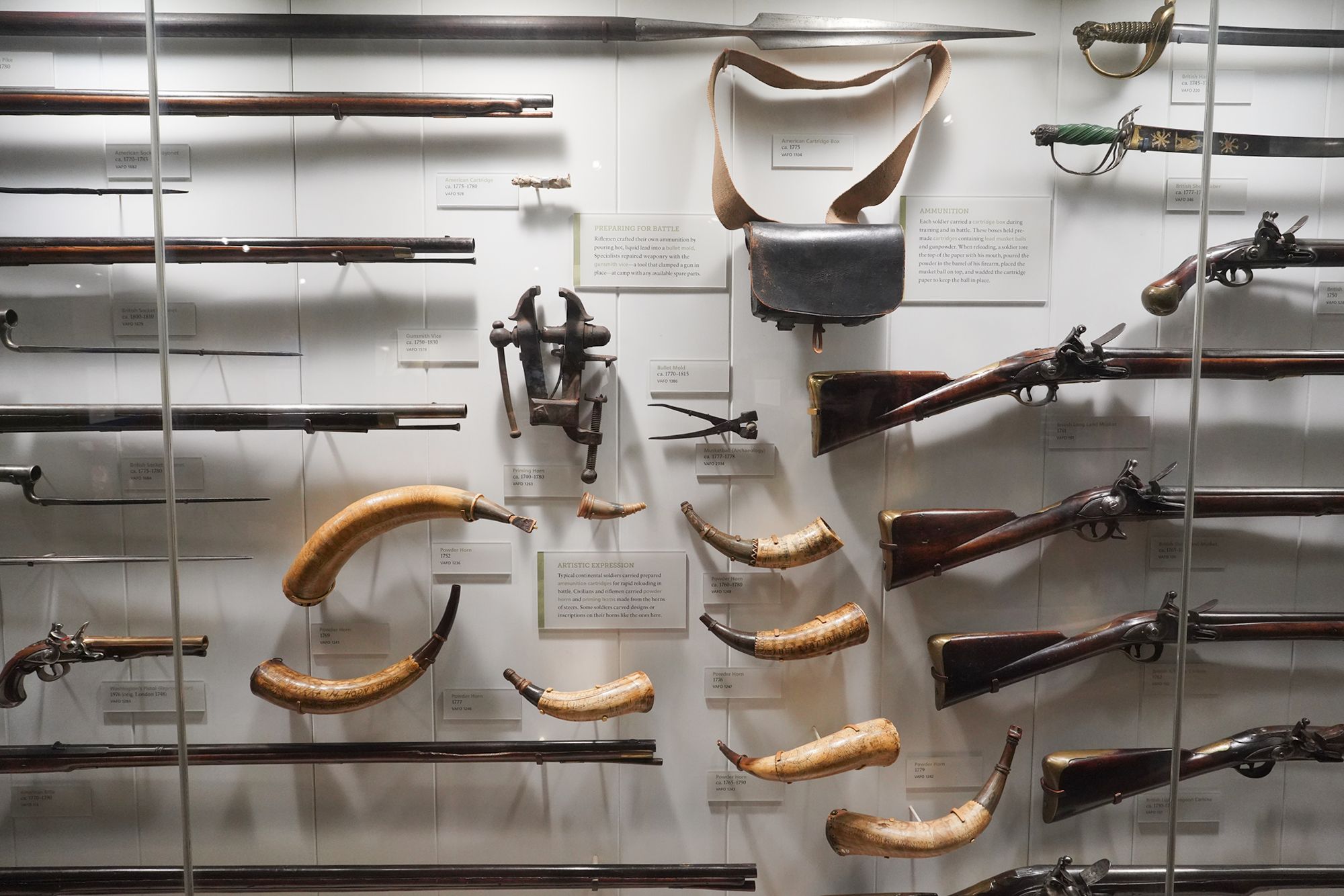
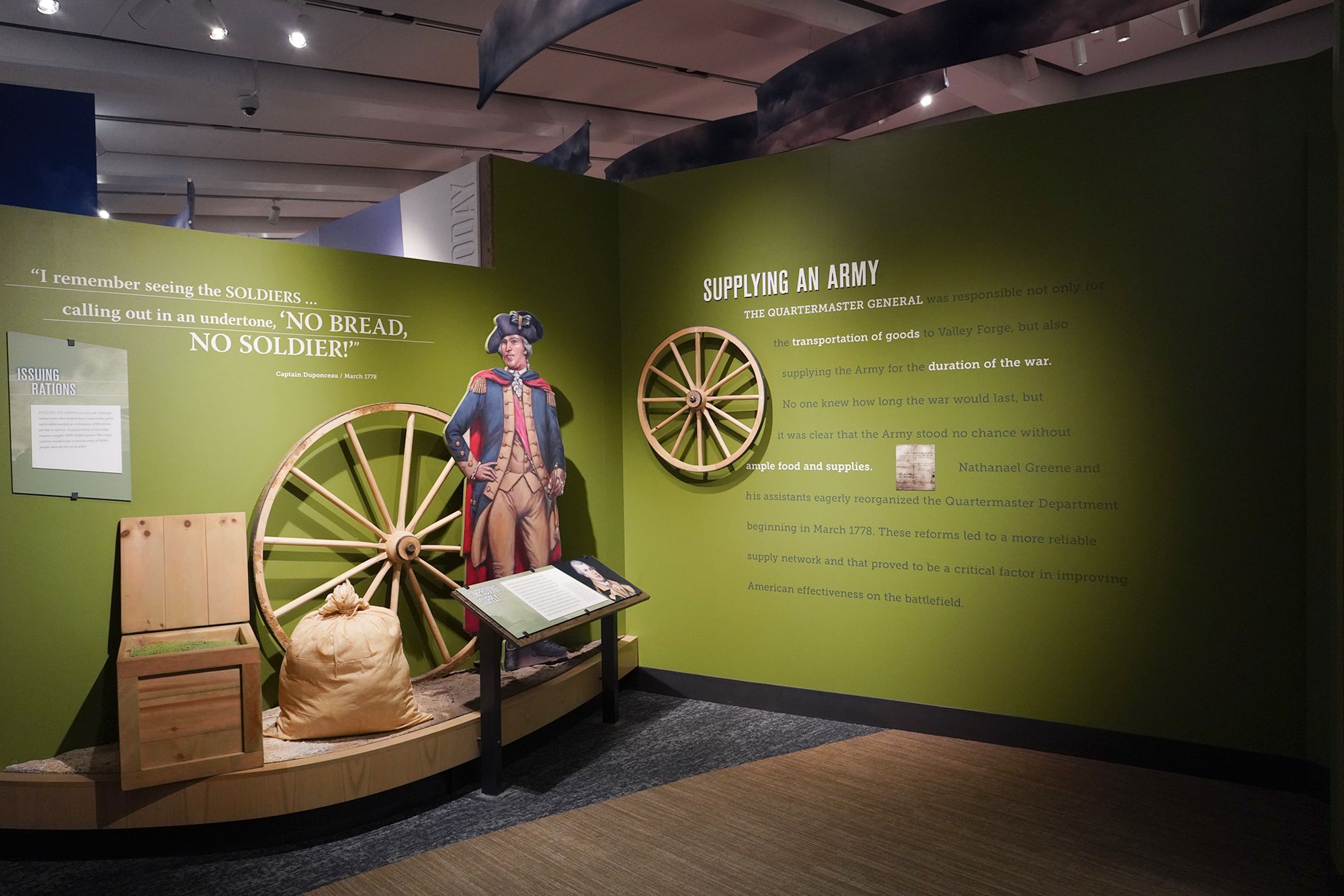
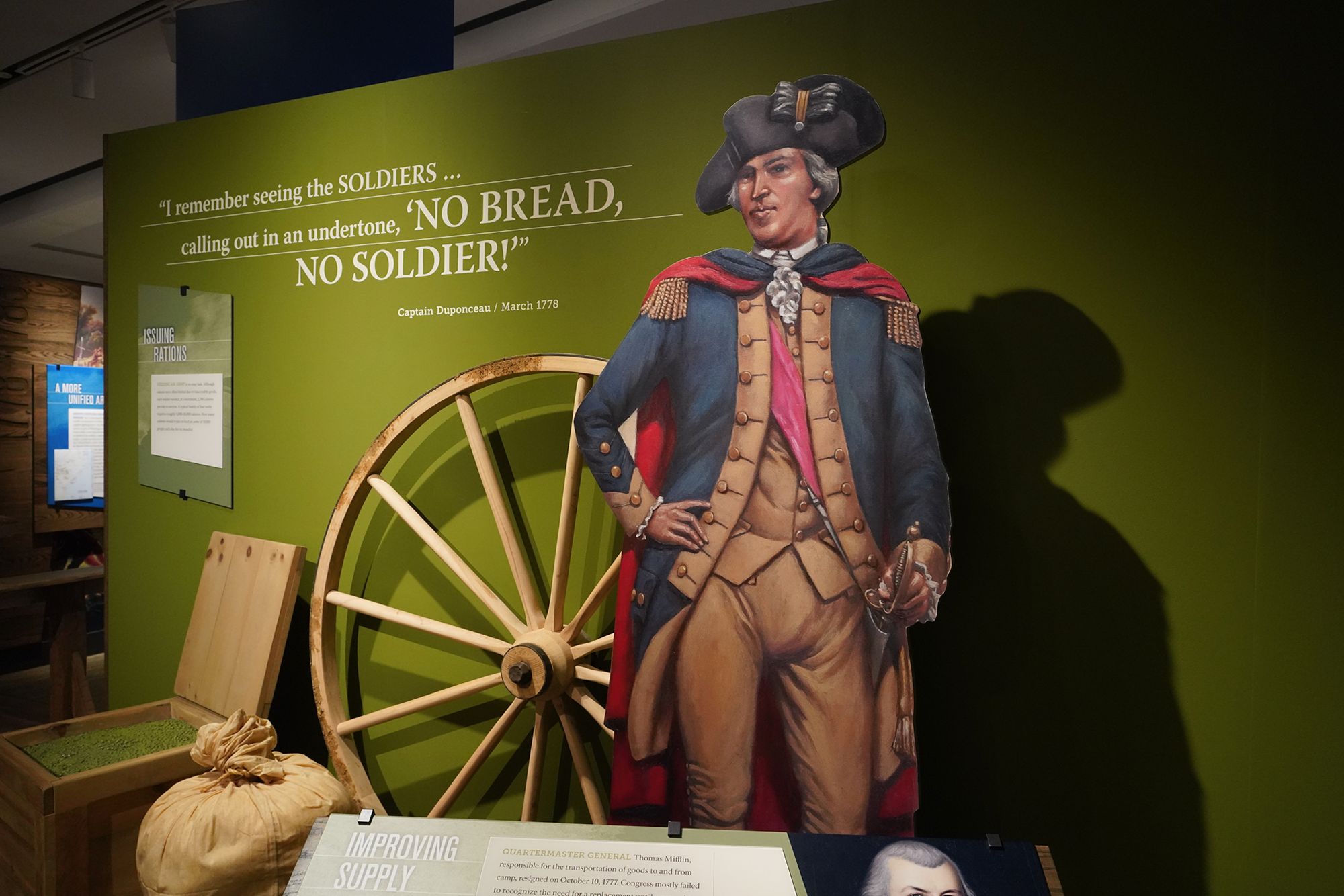
Supplying an Army
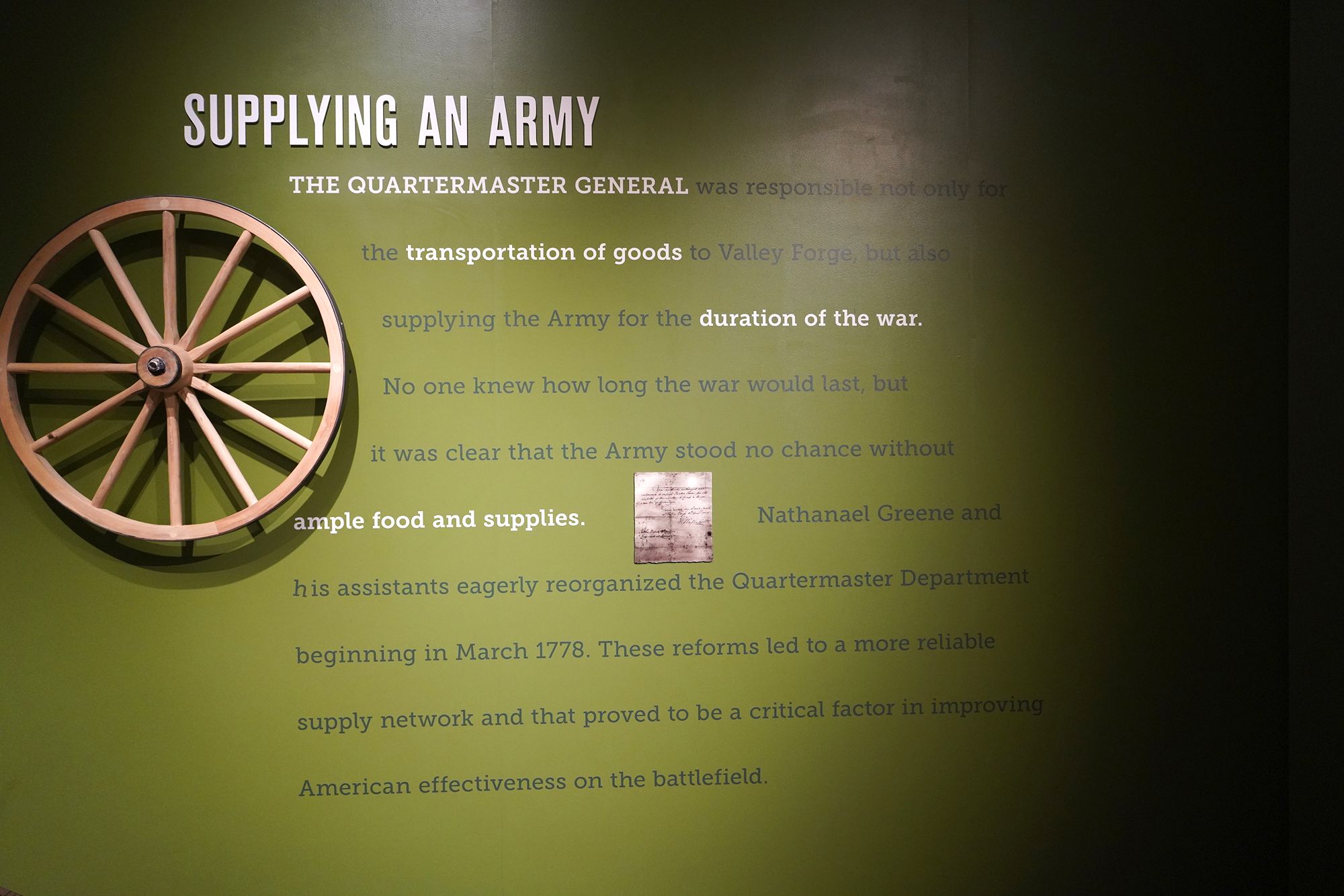
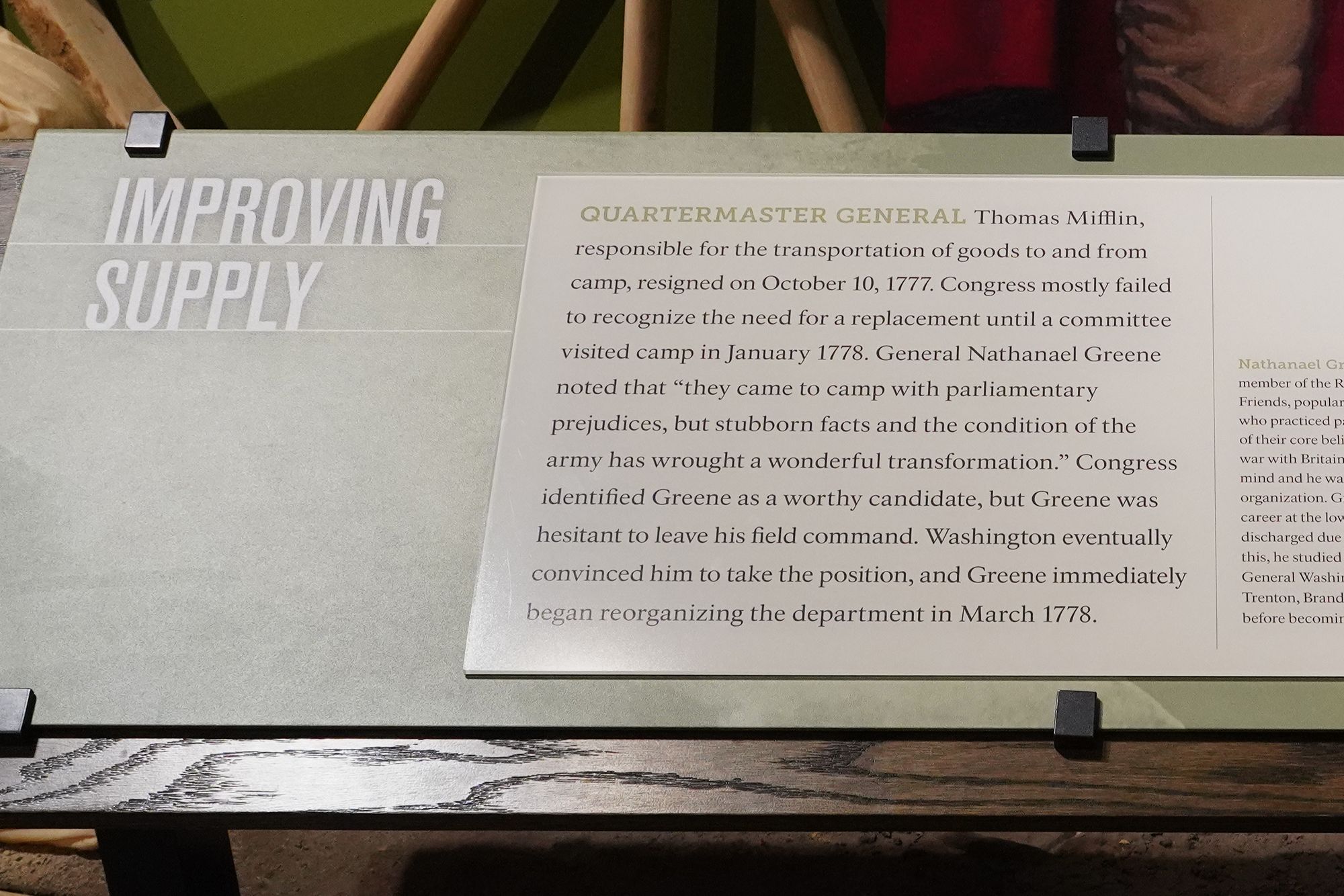
Improving Supply
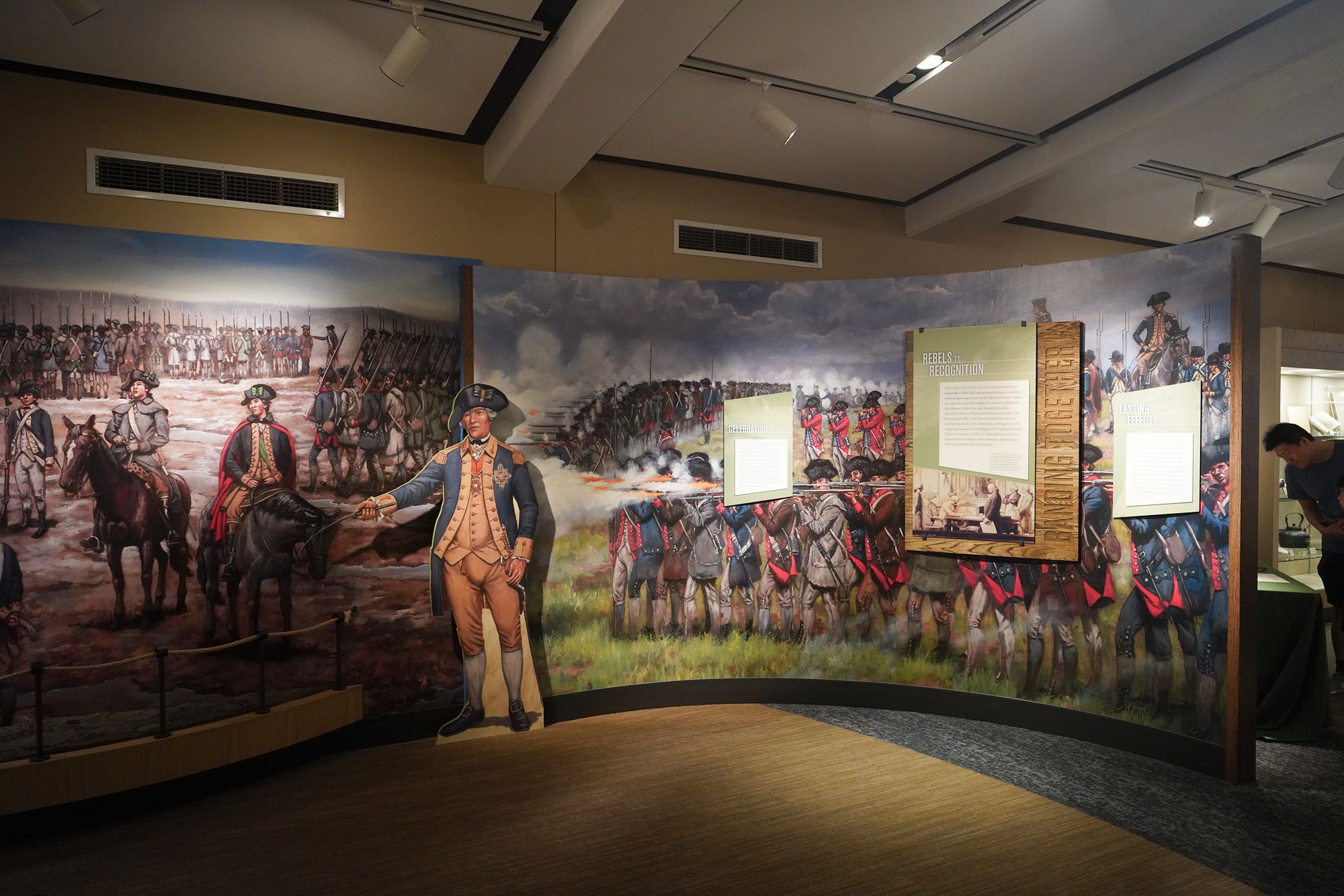
Long before France openly joined the war, it quietly funneled weapons, money, and supplies to the Continental Army, helping keep the Revolution alive in its hardest years.
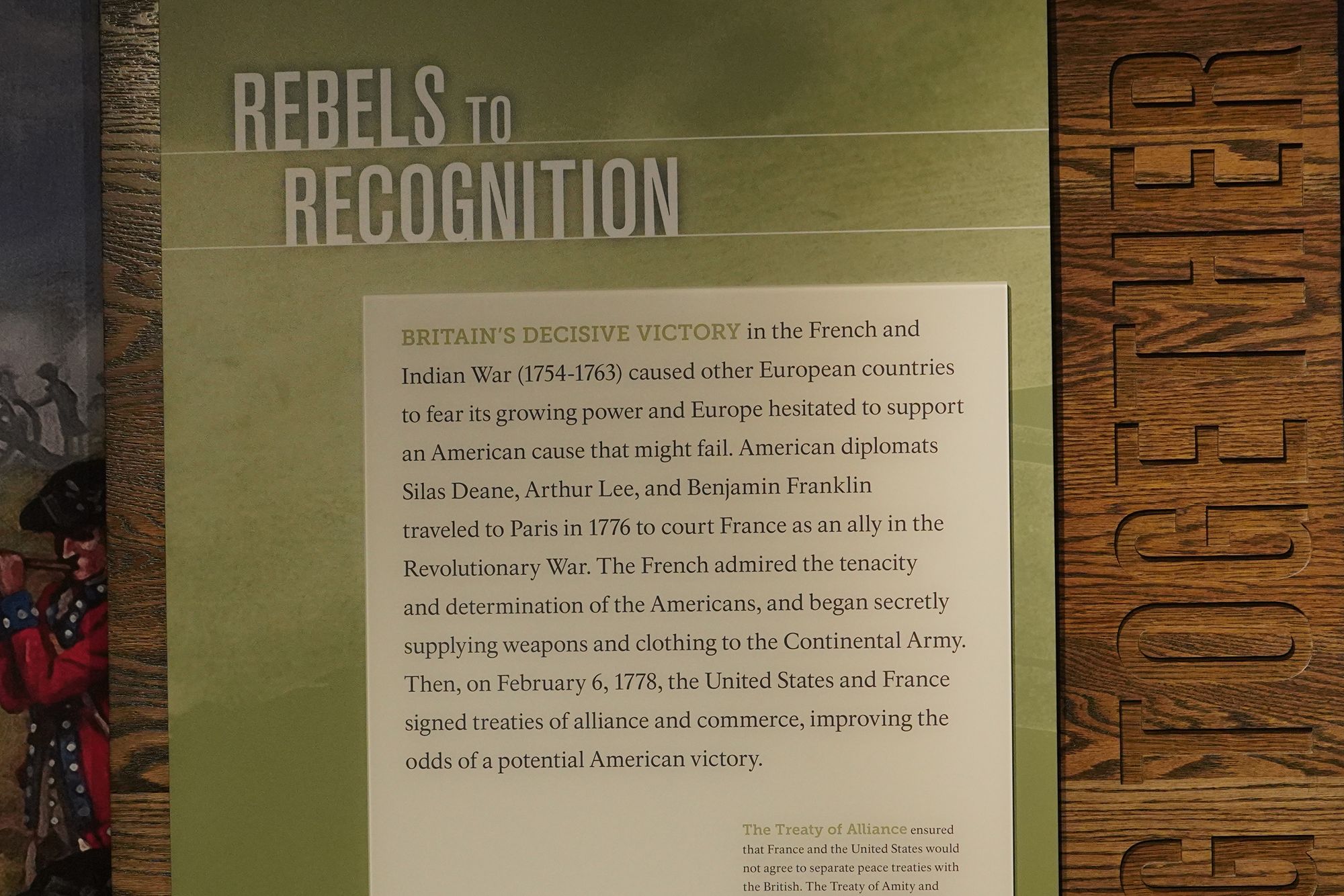
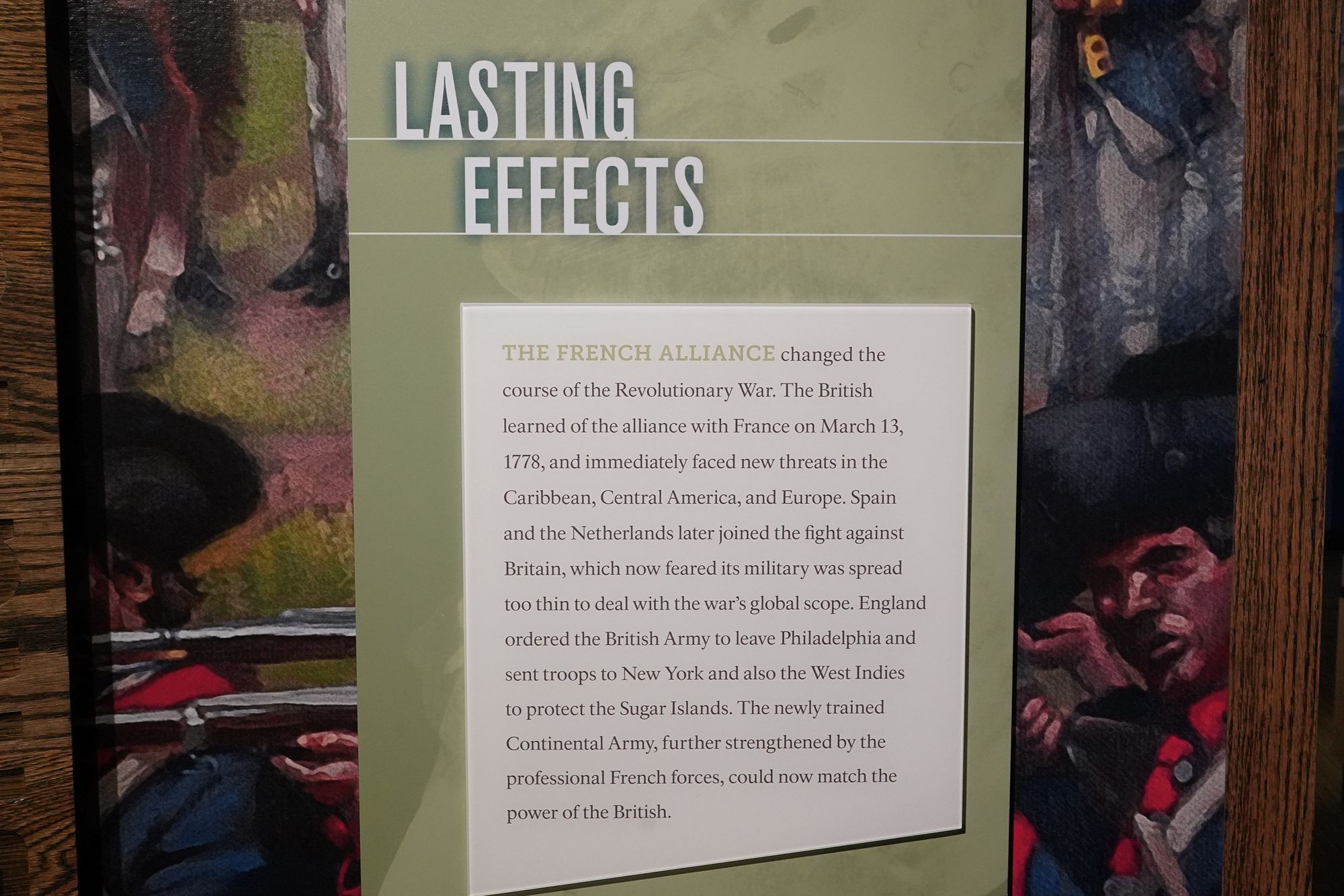
With France openly fighting beside the Continental Army, Britain suddenly faced conflict on multiple fronts worldwide. Armies and fleets had to be divided, making it far harder for Britain to focus its full strength on the Revolution.
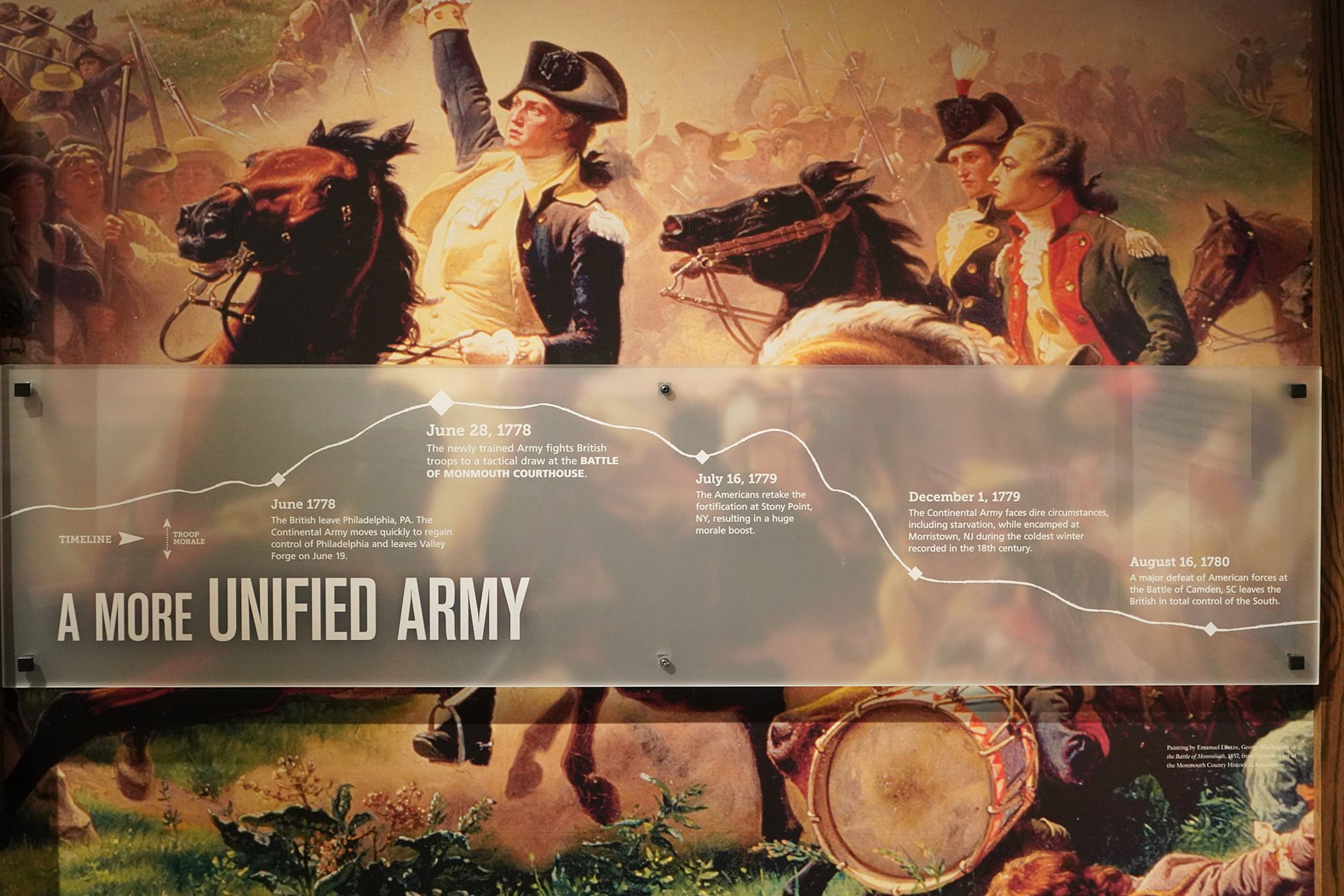
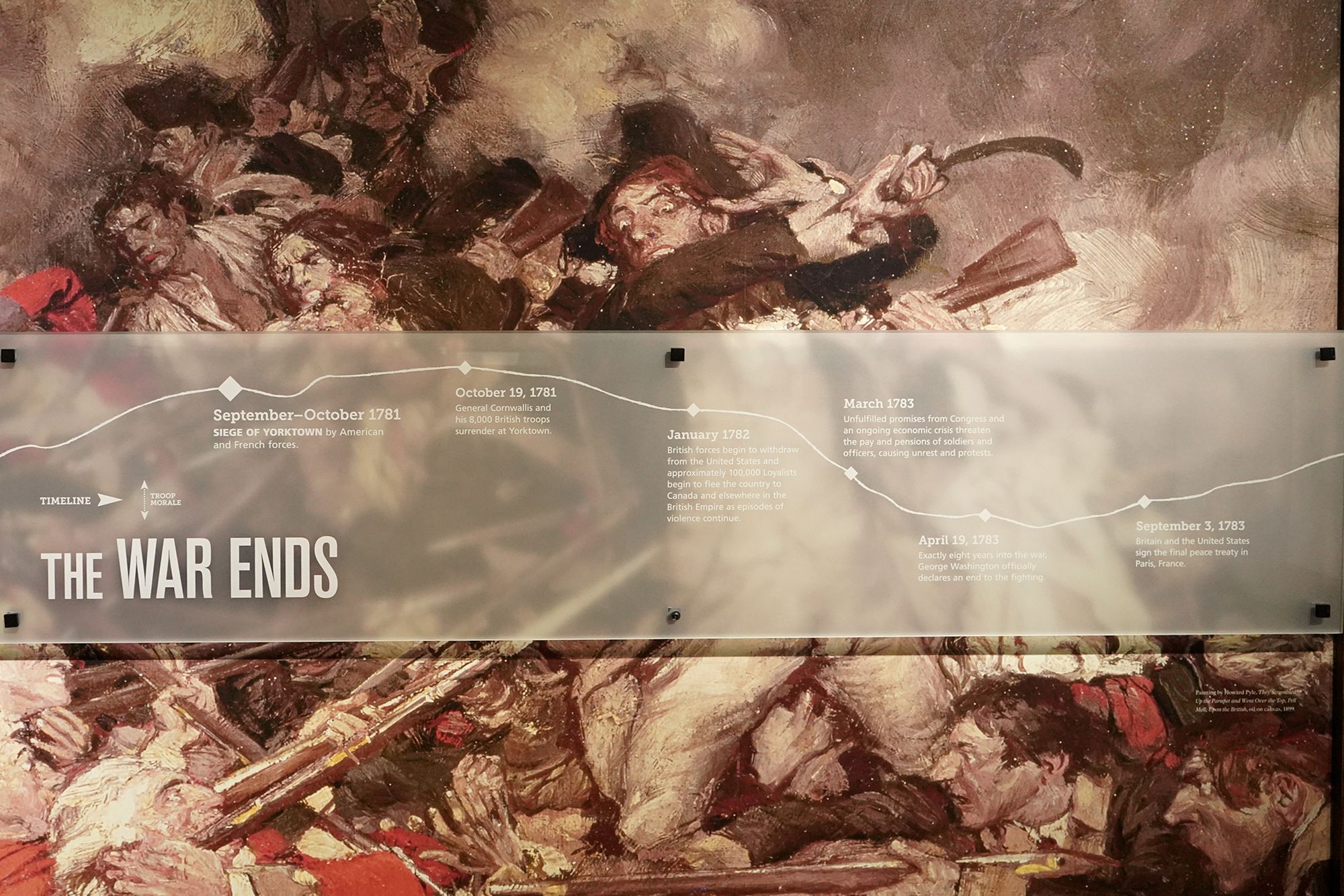
Despite the brutal winter at Valley Forge, the hardship brought soldiers closer together. Cold, hunger, and disease forced them to rely on one another, while new training and organization strengthened discipline. What entered as a struggling, scattered force emerged in 1778 as a more unified army — tougher, better trained, and committed to the same purpose.
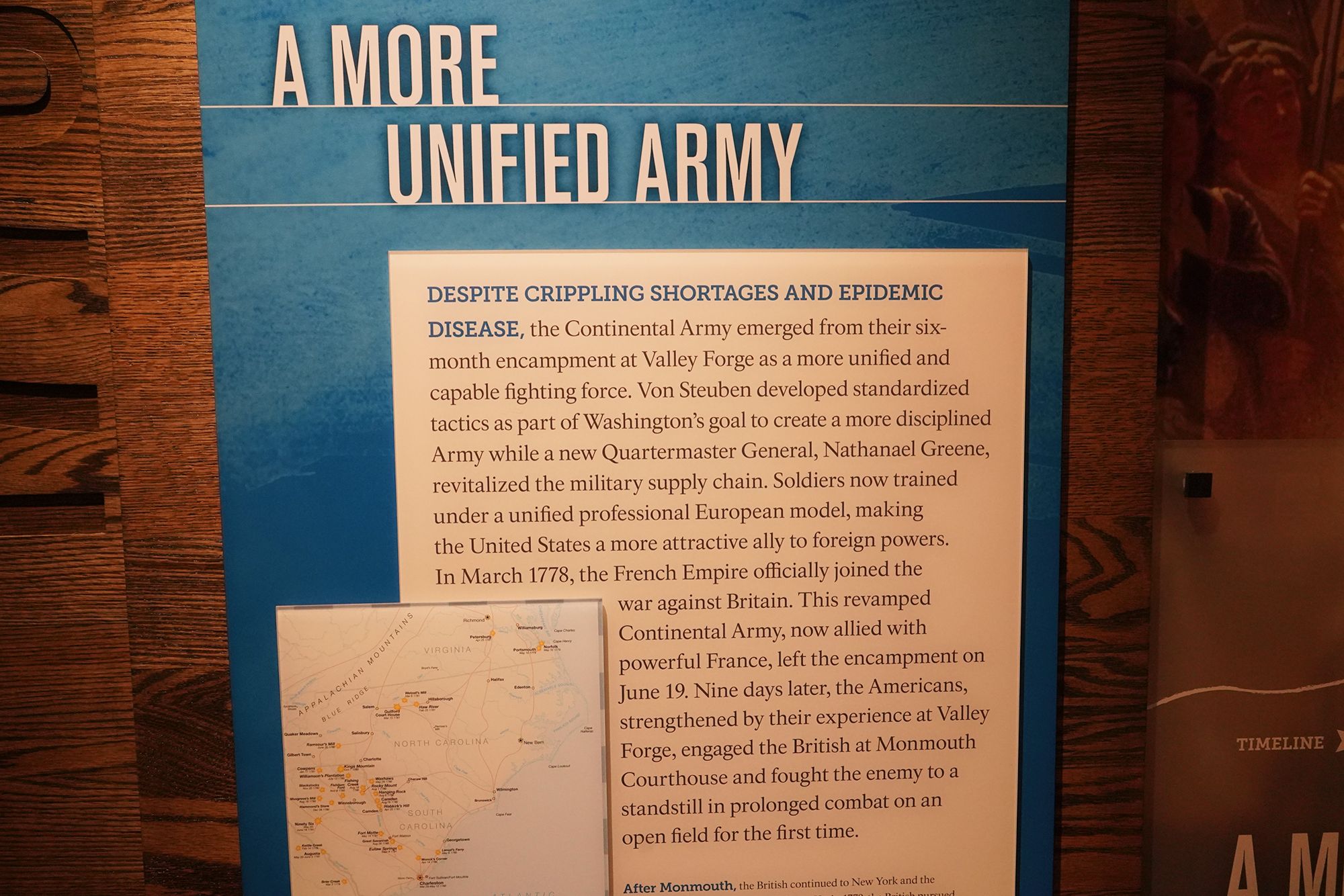
The war reached its decisive conclusion at Yorktown in 1781, where British forces surrendered, marking the end of major fighting in the Revolution.
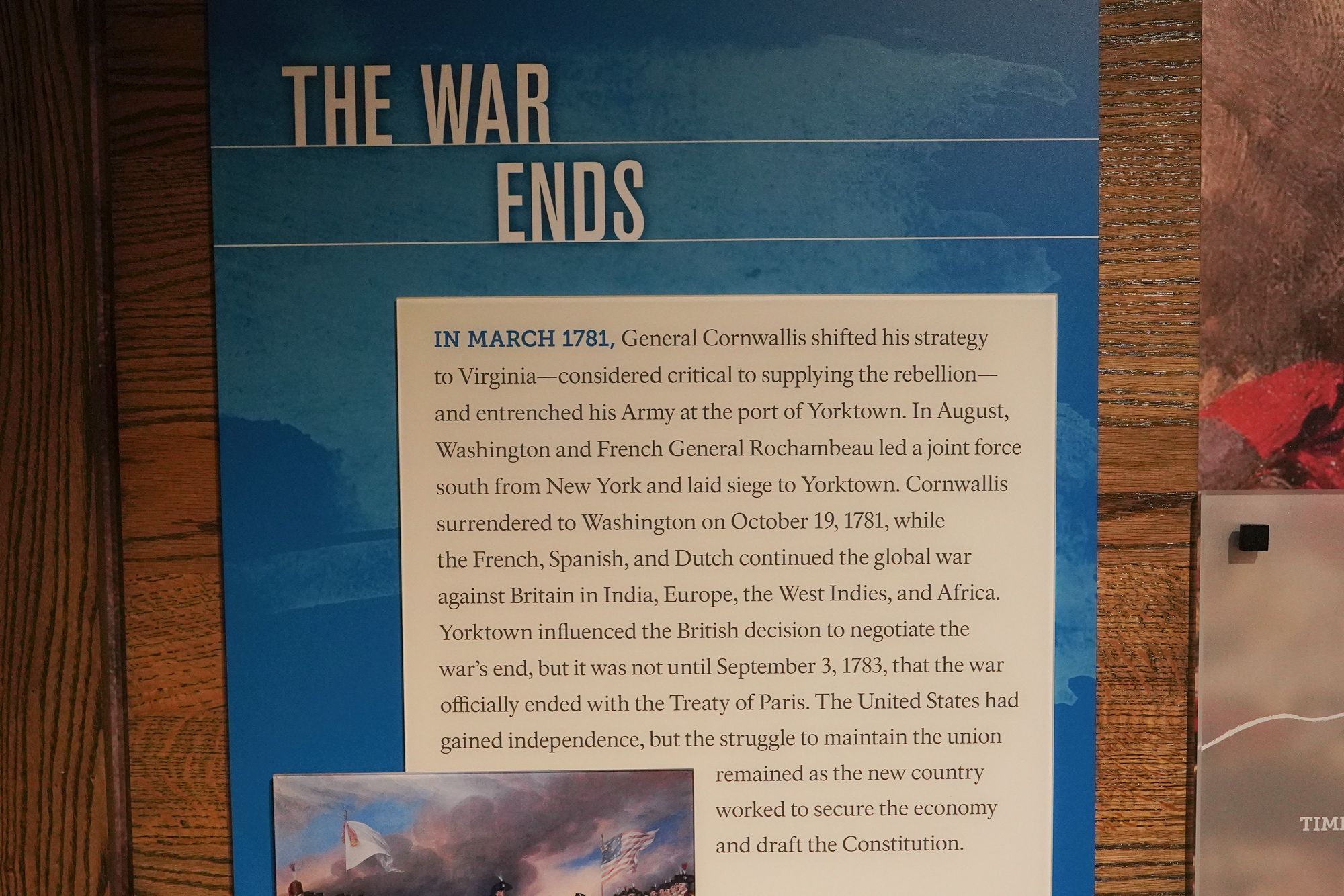
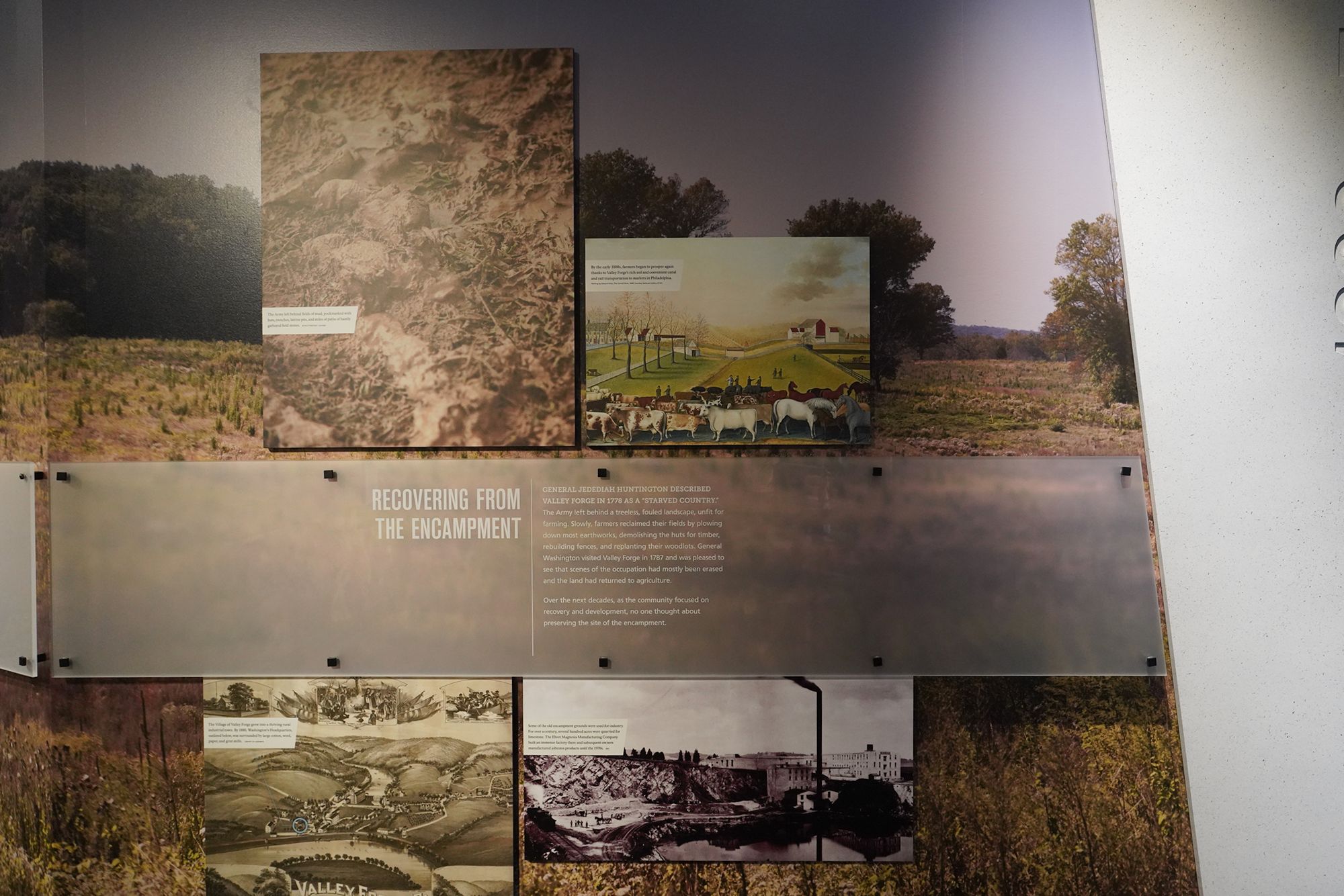
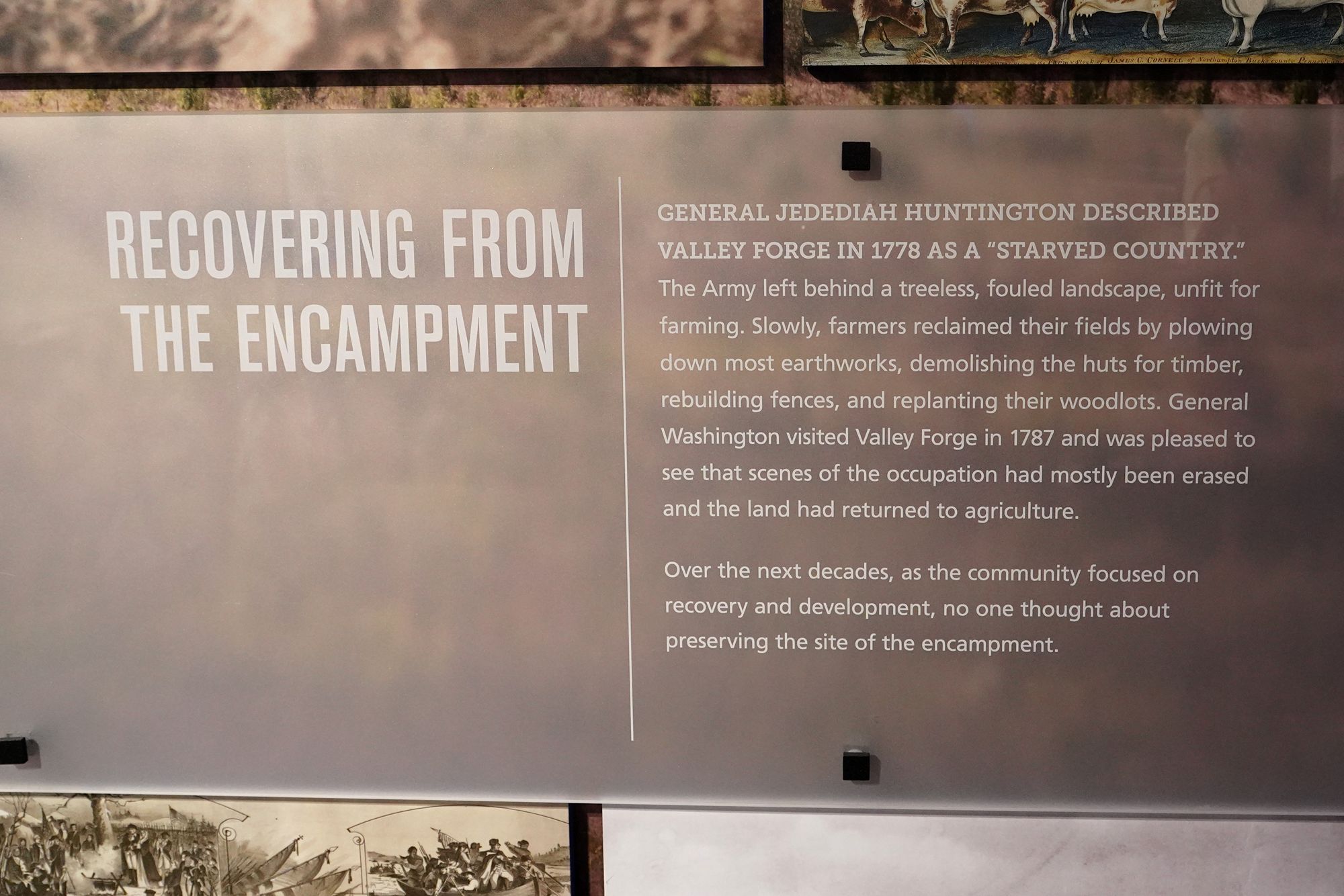
Recovering from the emcapment
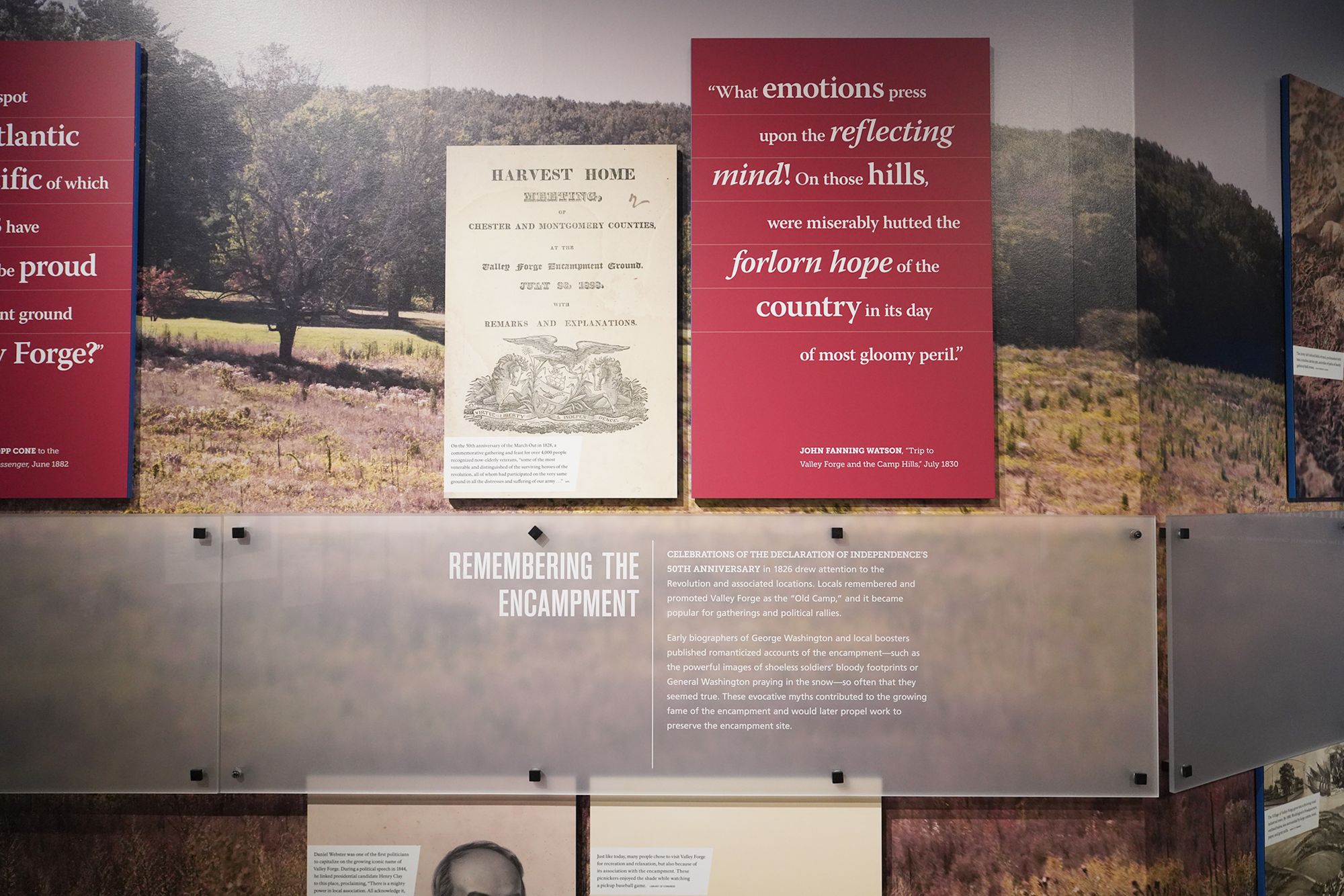
Remembering the encampment