World War II, Korean War, Martin Luther, Lincoln and Vietnam War Memorials, Washington DC, USA
Washington, D.C. is home to some of the most powerful and moving memorials in the United States. 1133
Date Picture Taken: July 2025
Washington, D.C. is home to powerful memorials along the National Mall—including the World War II, Korean War, and Vietnam Veterans Memorials, as well as the Lincoln Memorial and the Martin Luther King Jr. Memorial—honoring the nation’s history, sacrifice, and pursuit of freedom.
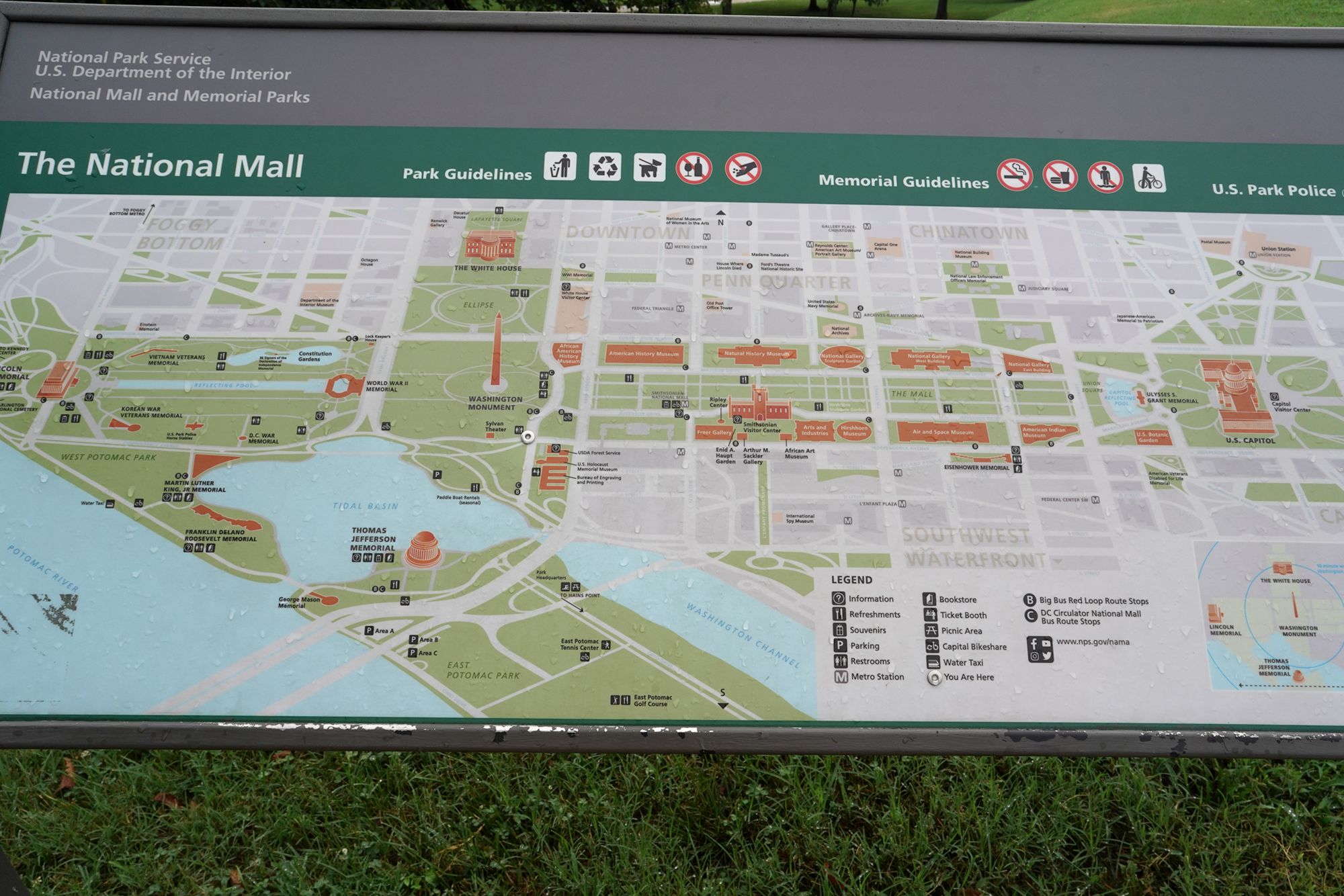
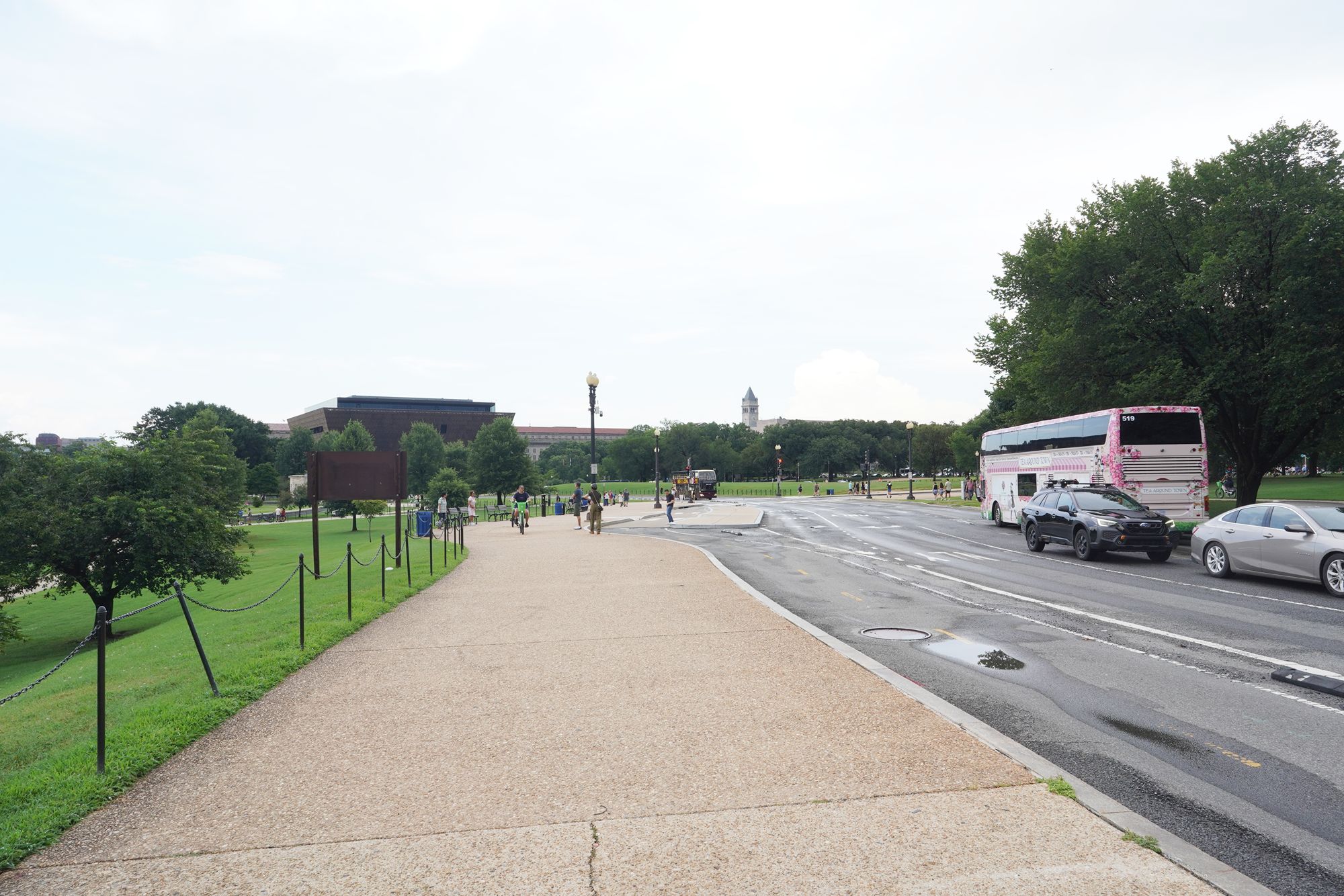
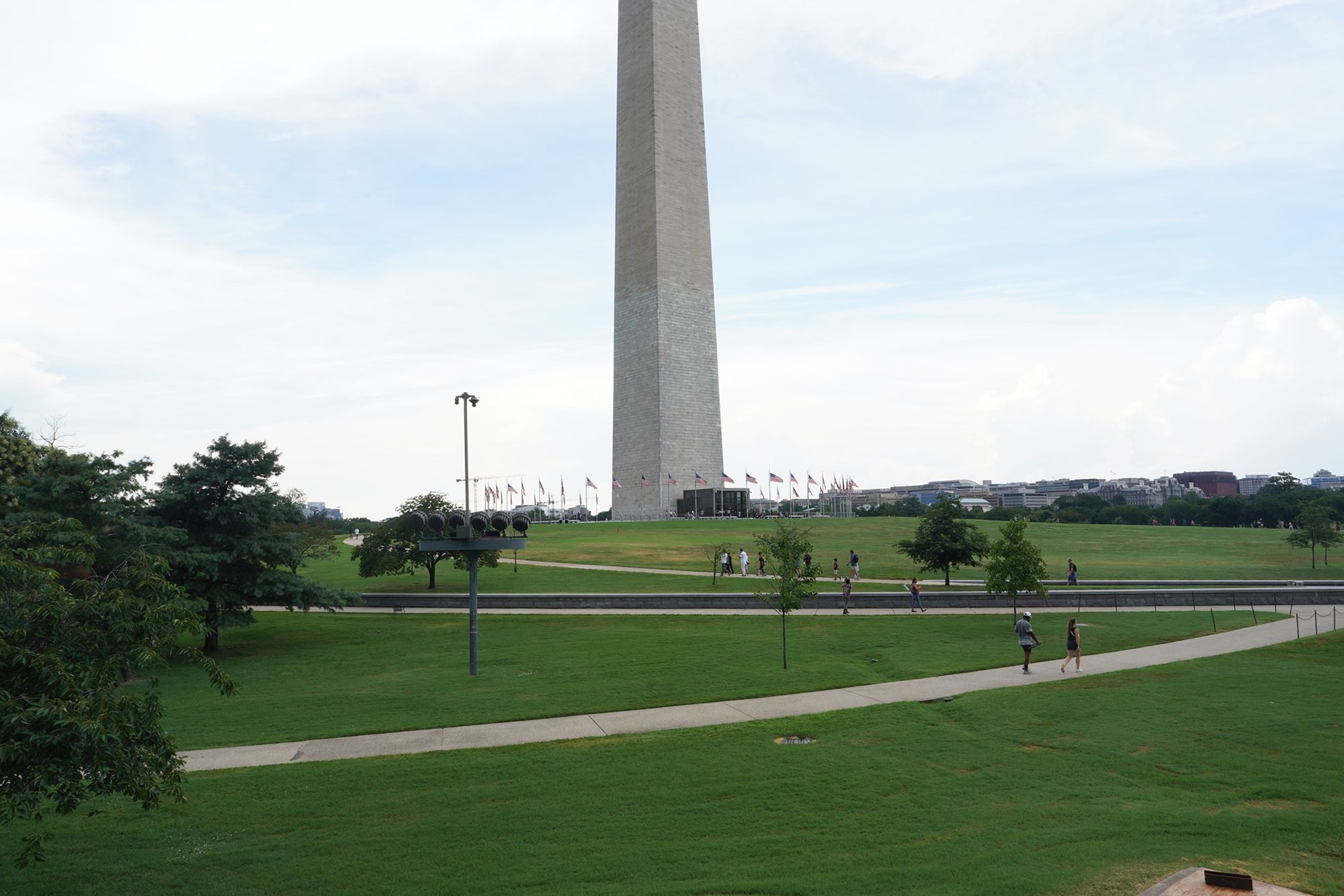
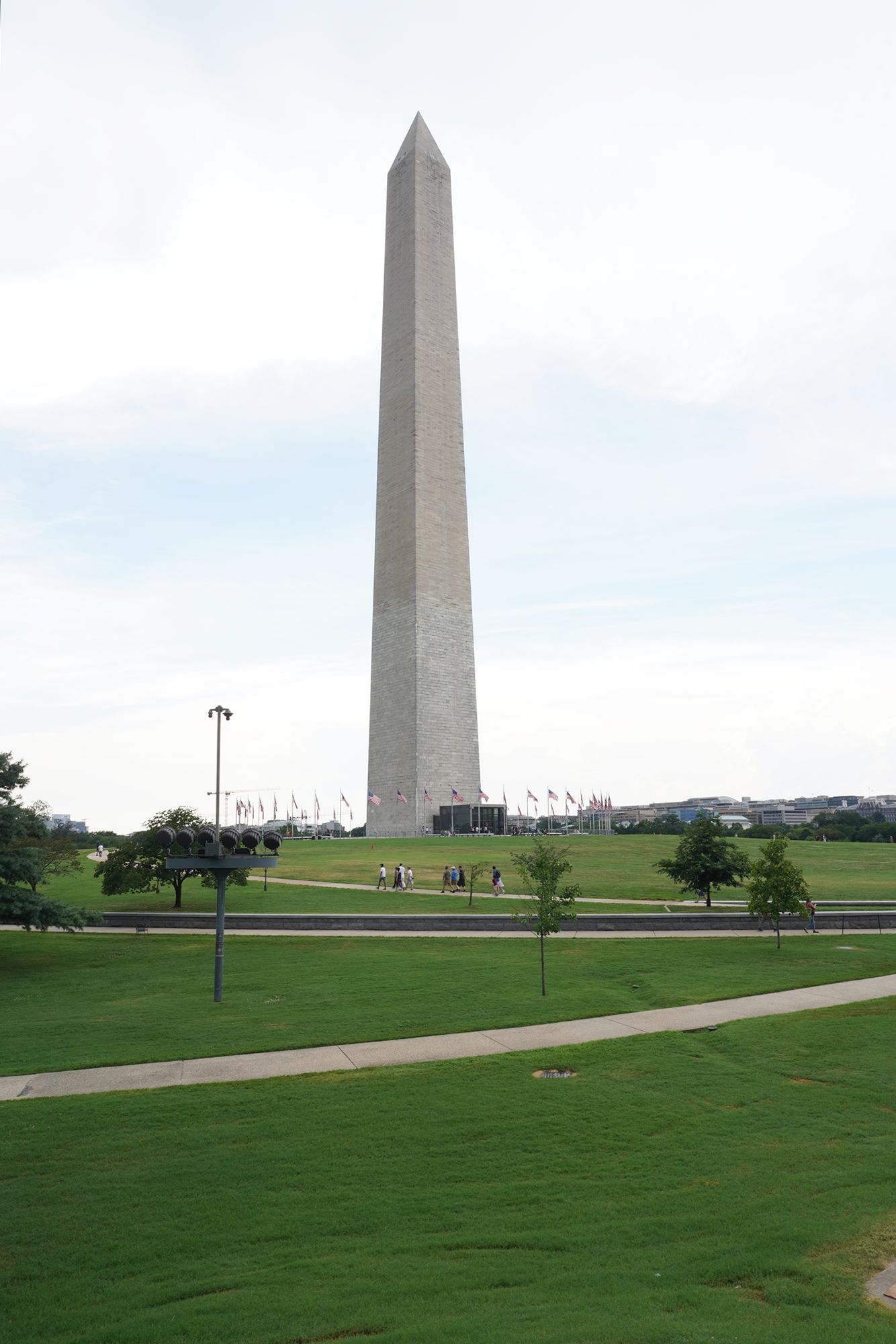
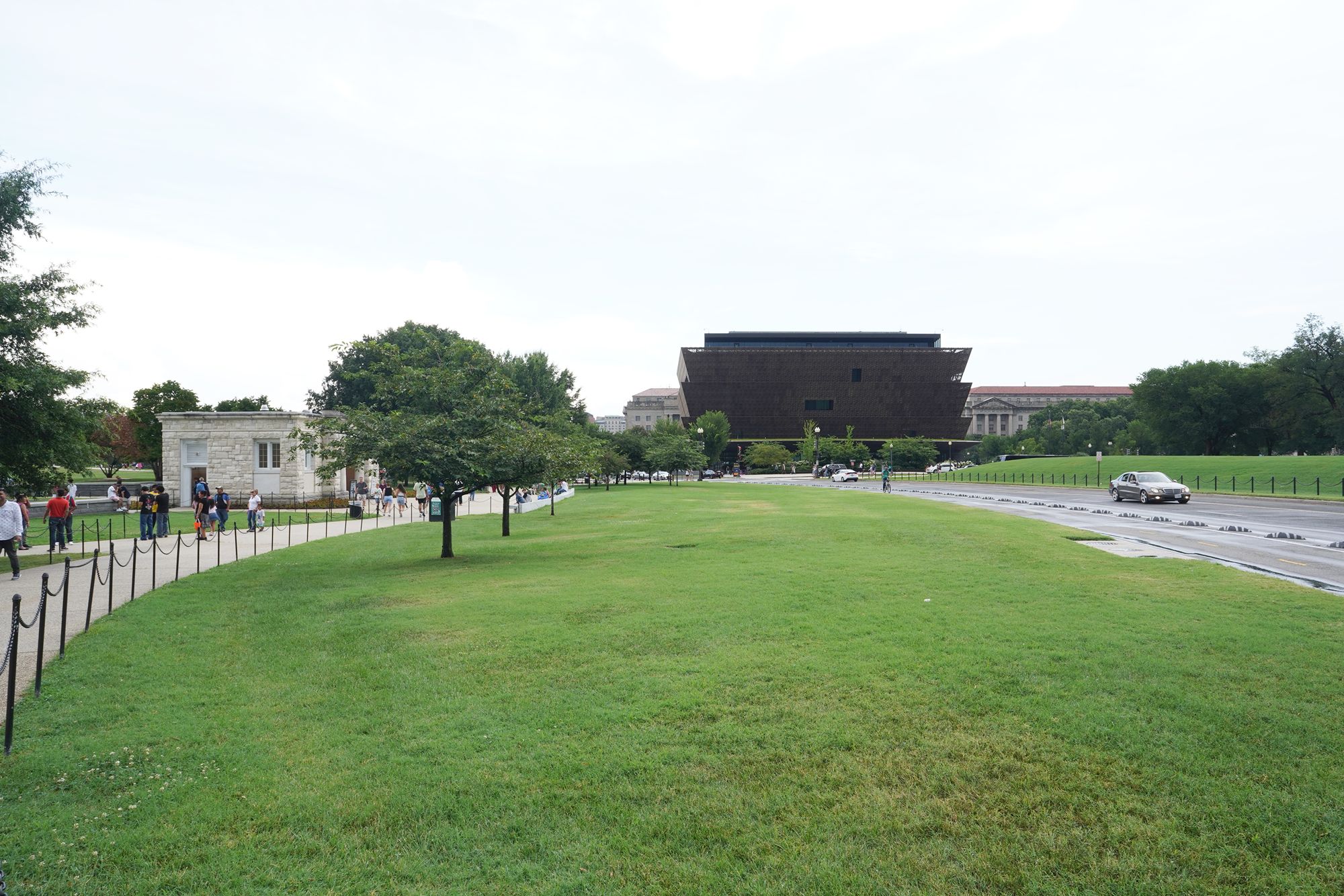
National Museum of African American History and Culture
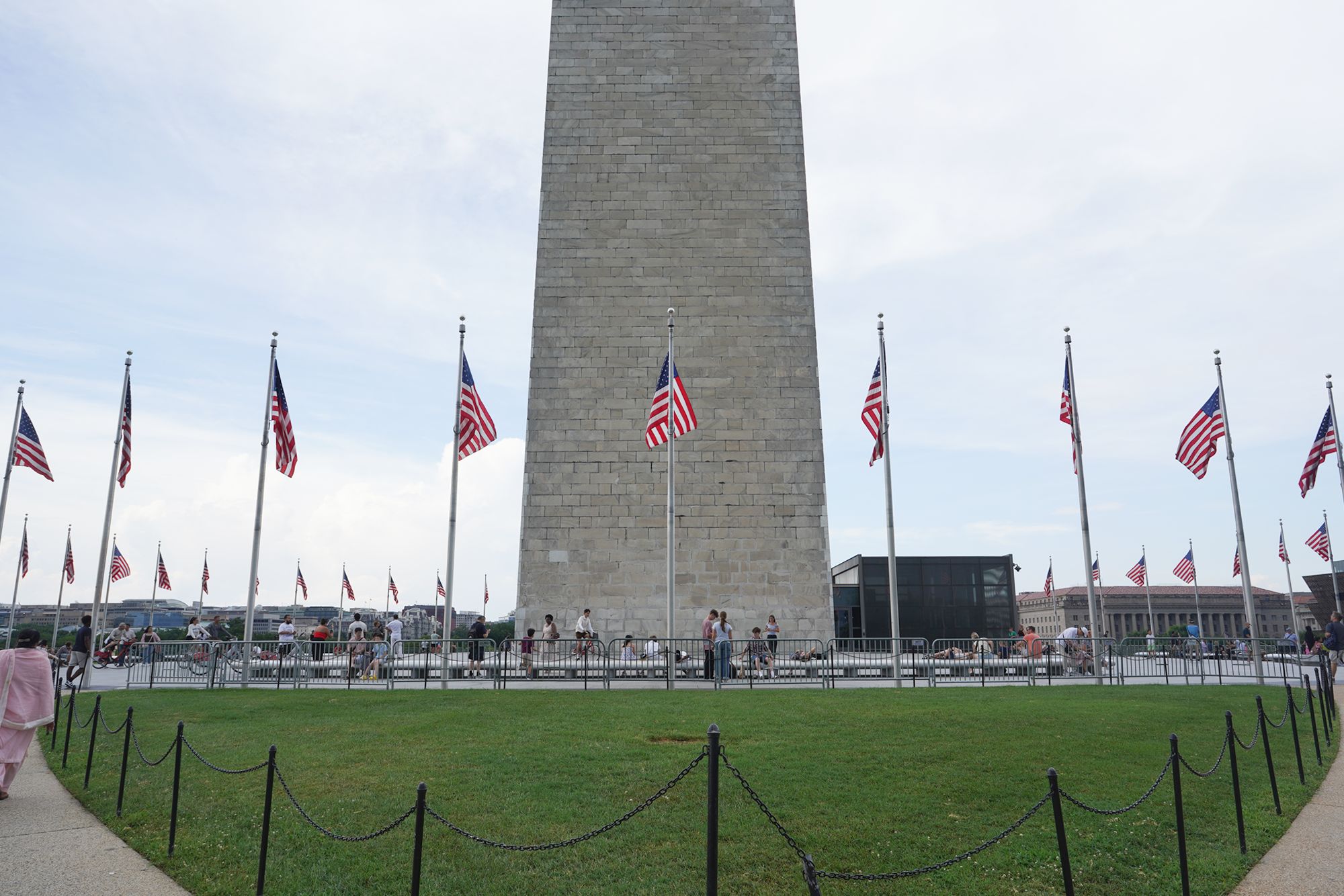
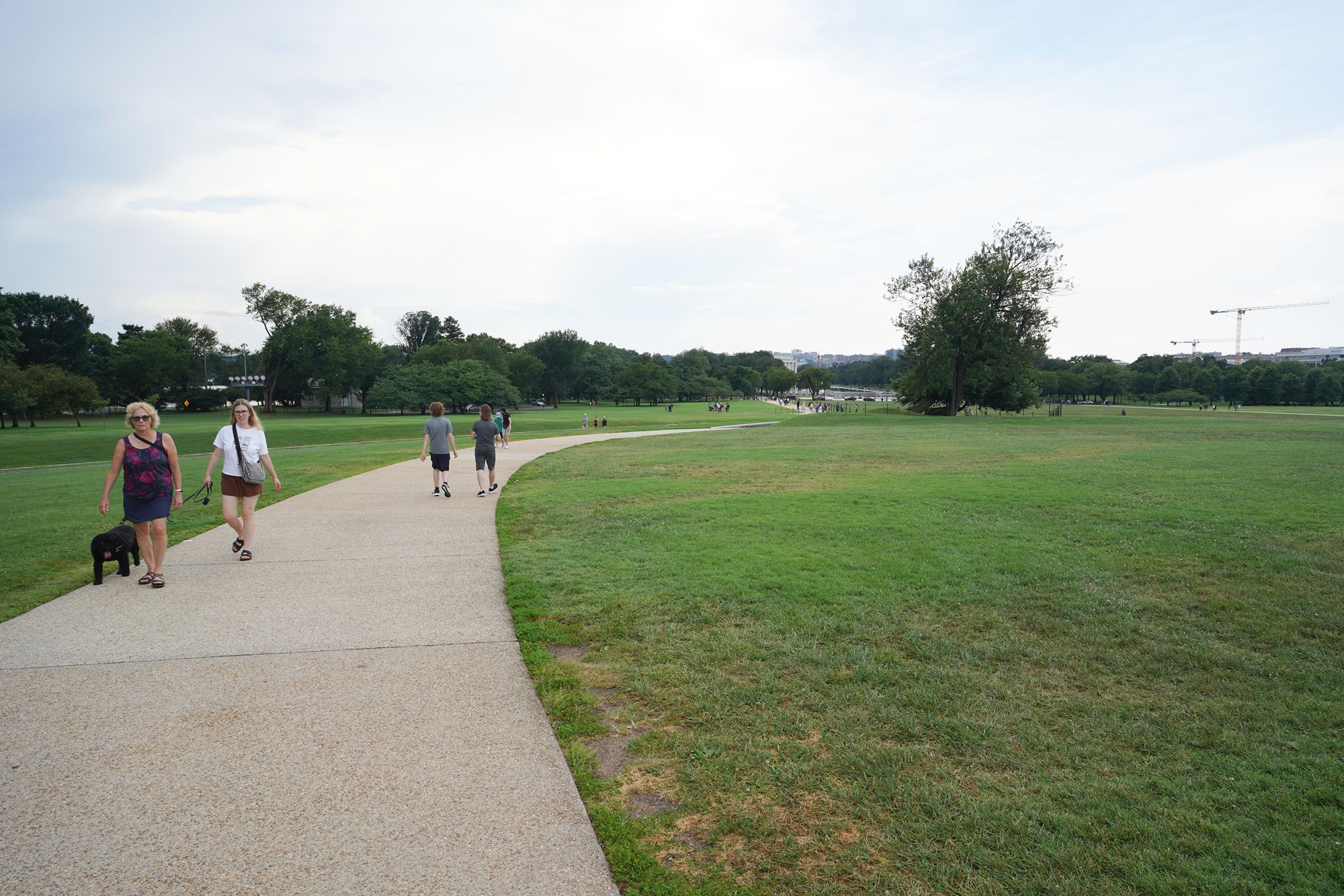
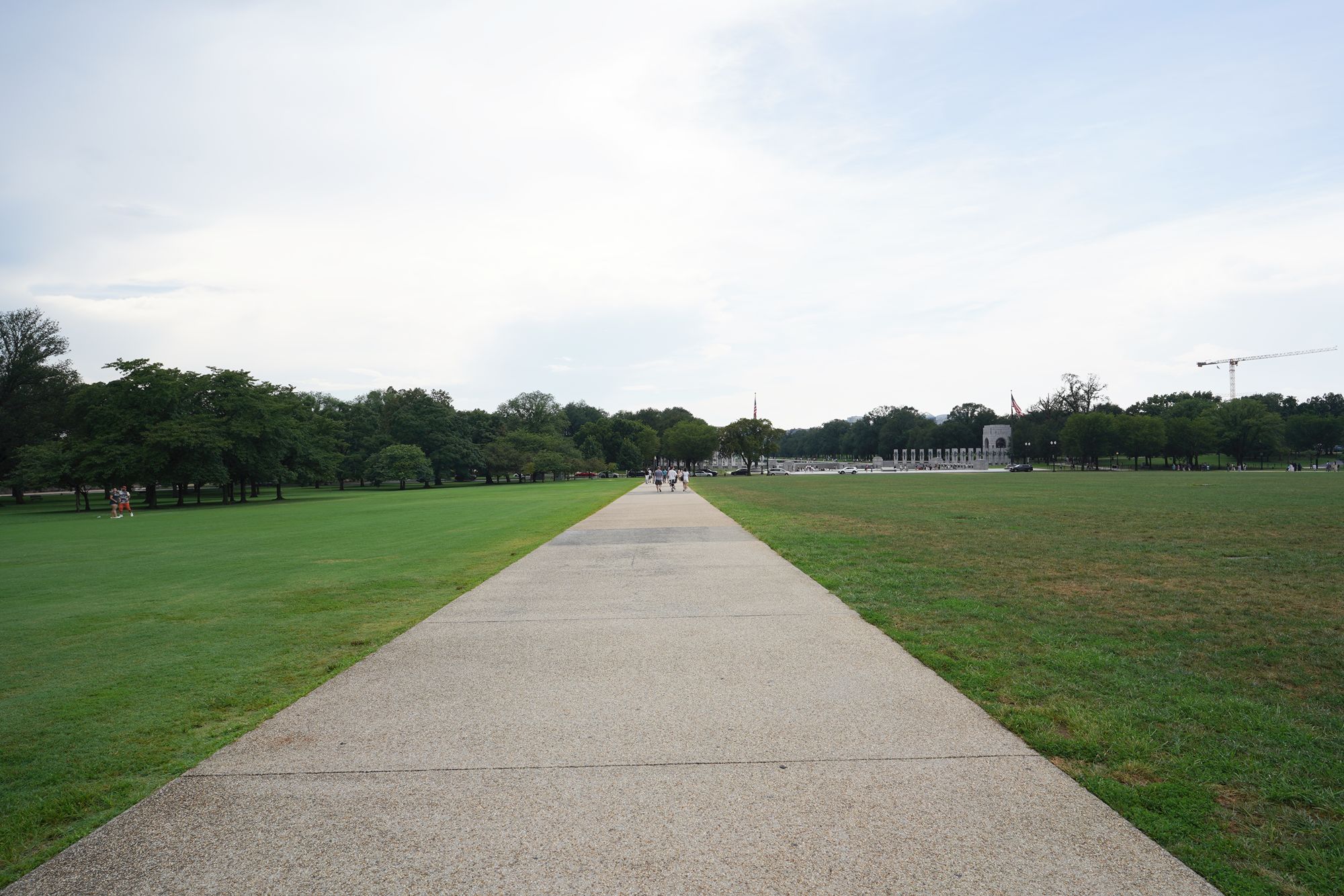
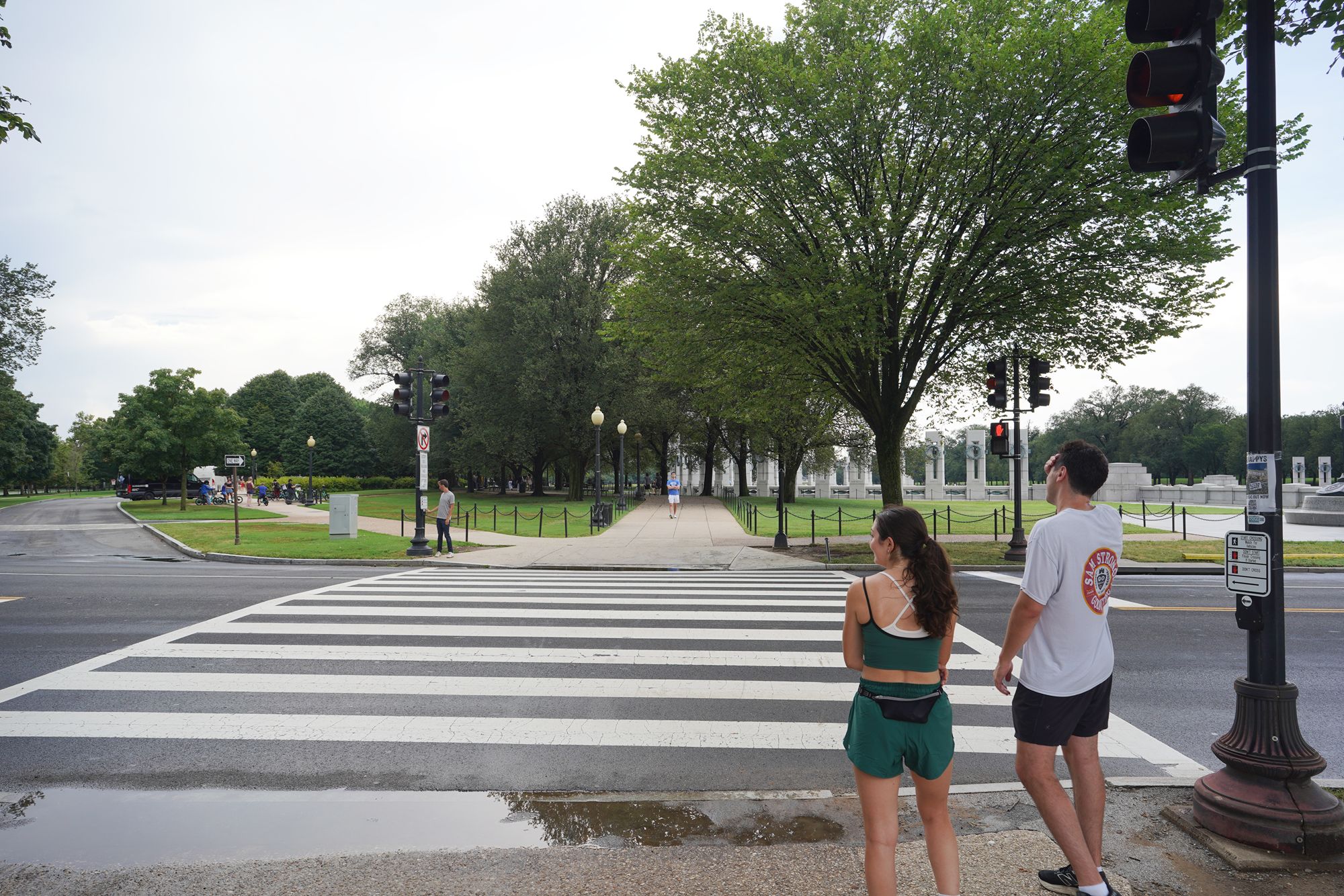
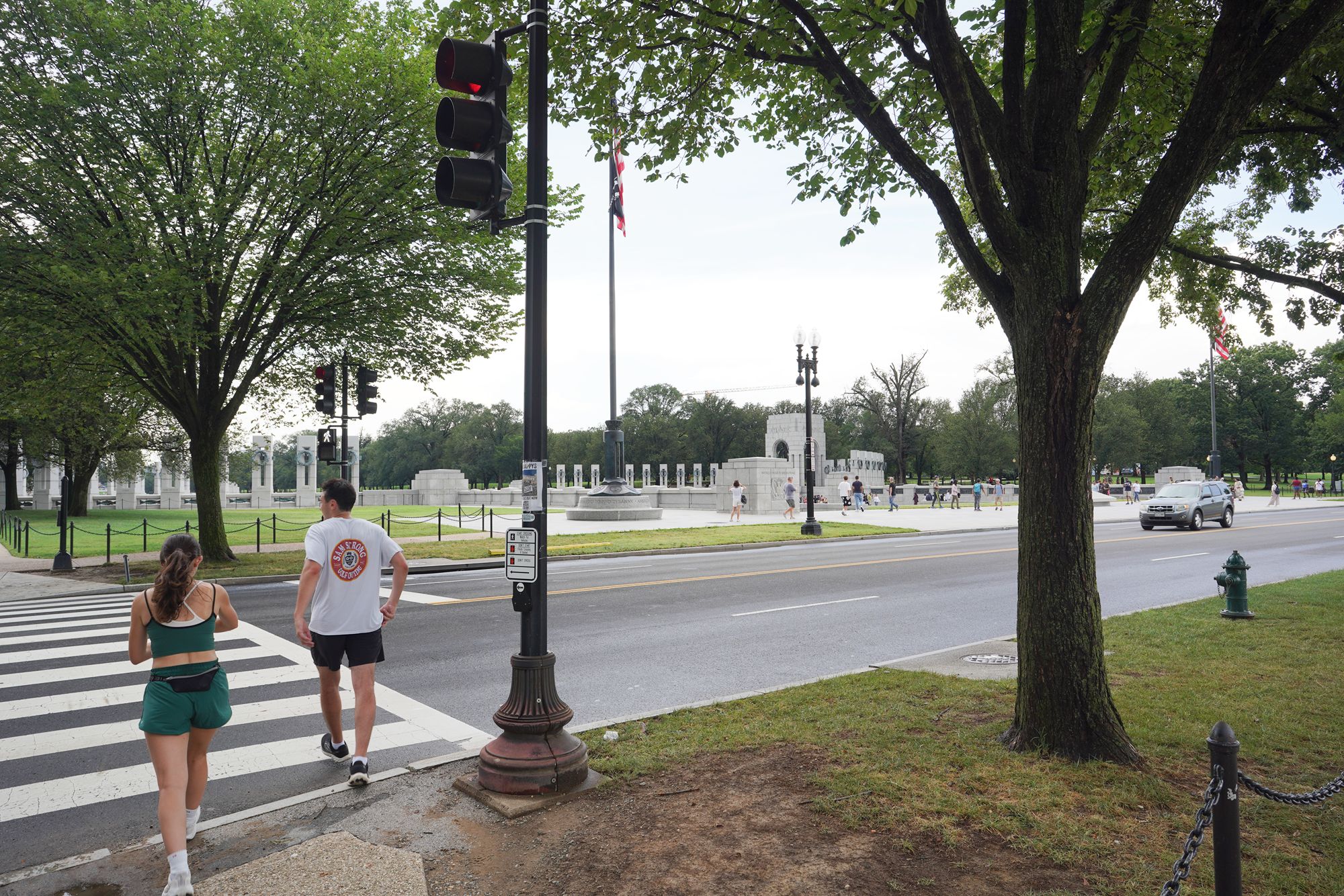
The World War II Memorial in Washington, D.C. honors the 16 million Americans who served during World War II and the more than 400,000 who gave their lives. Located between the Washington Monument and the Lincoln Memorial on the National Mall, it opened to the public in 2004.
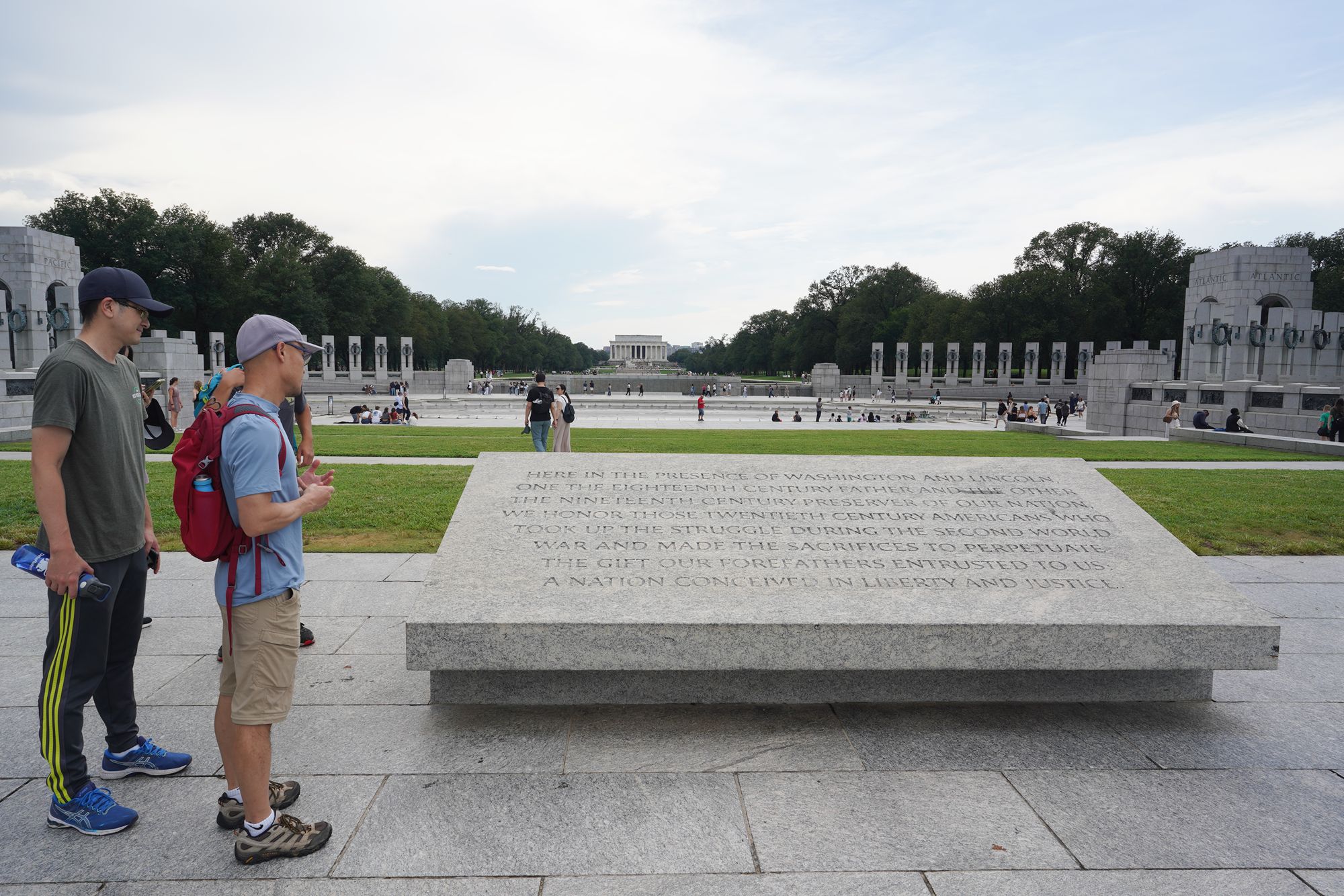
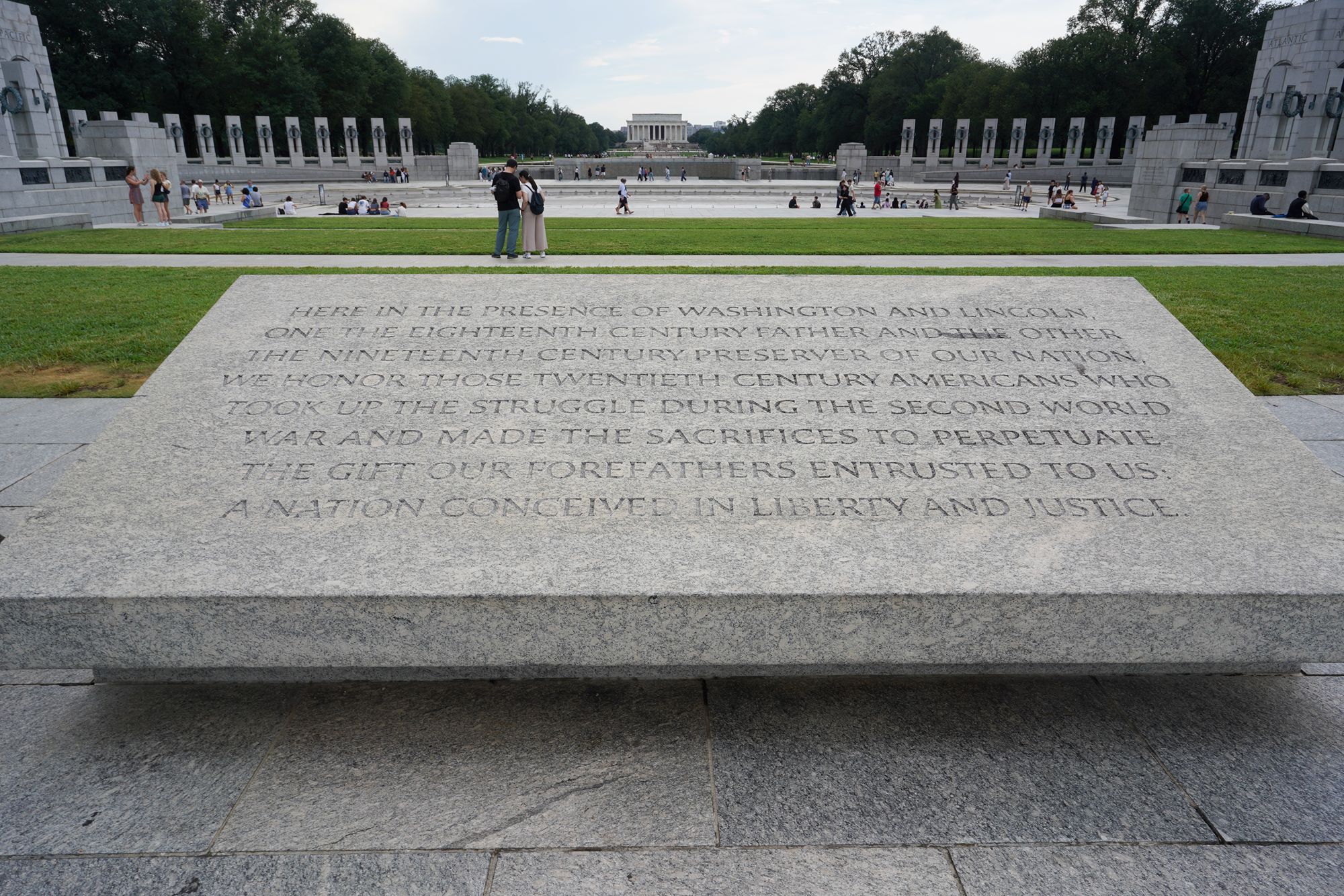
The memorial’s design features a large oval plaza with a central fountain, surrounded by 56 granite pillars representing the U.S. states and territories of the time, symbolizing national unity. Two tall arches, labeled “Atlantic” and “Pacific,” commemorate the major theaters of the war.
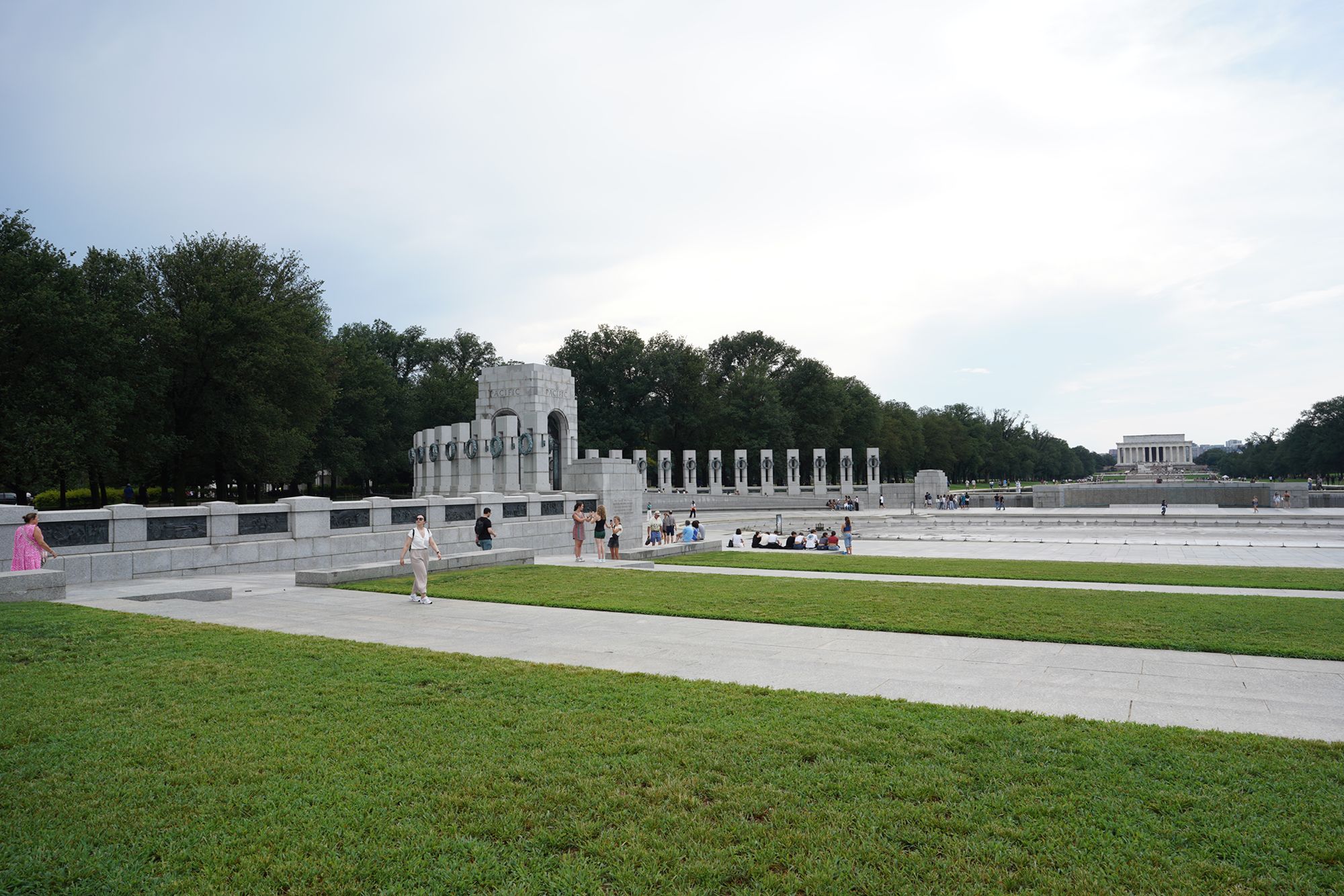
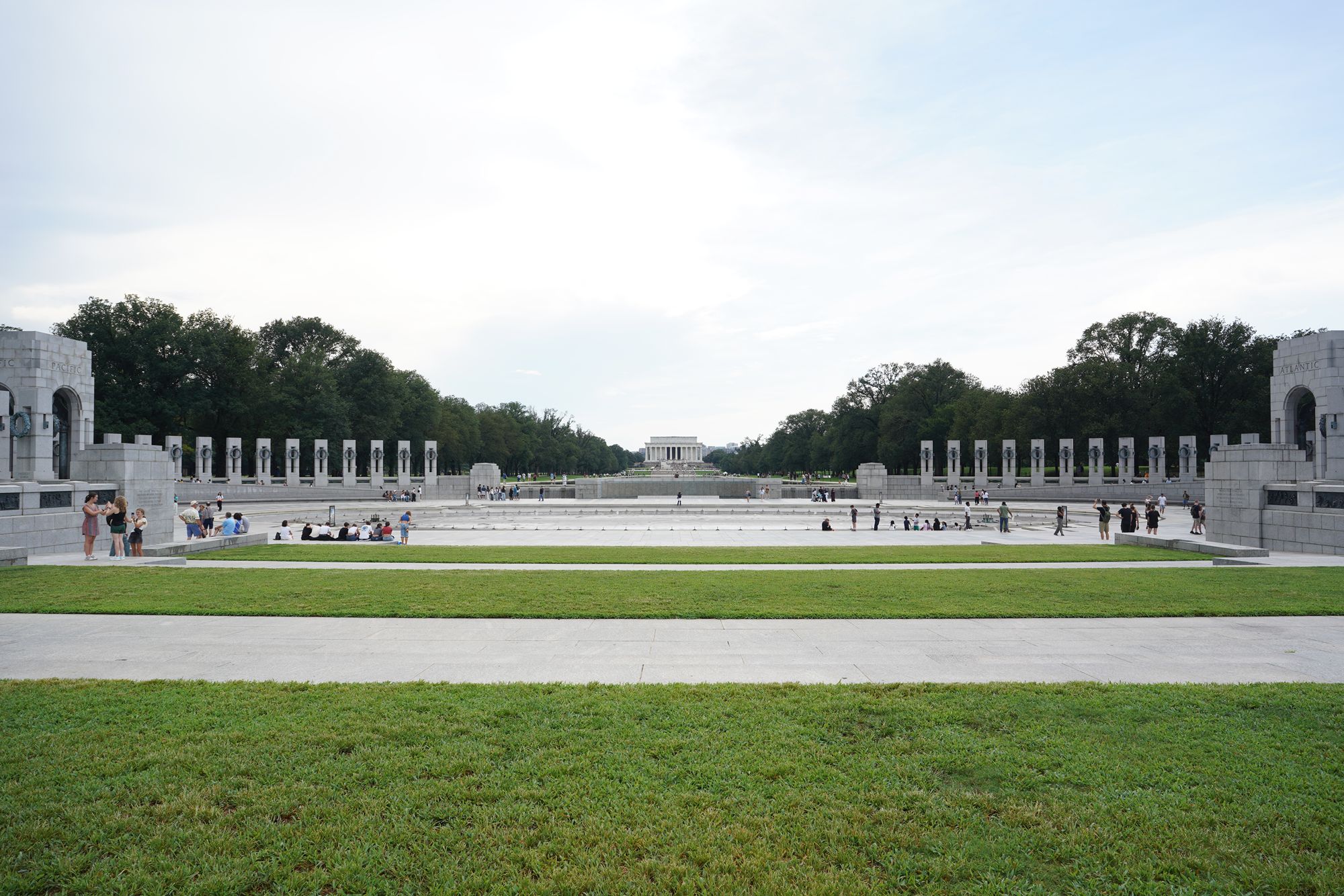
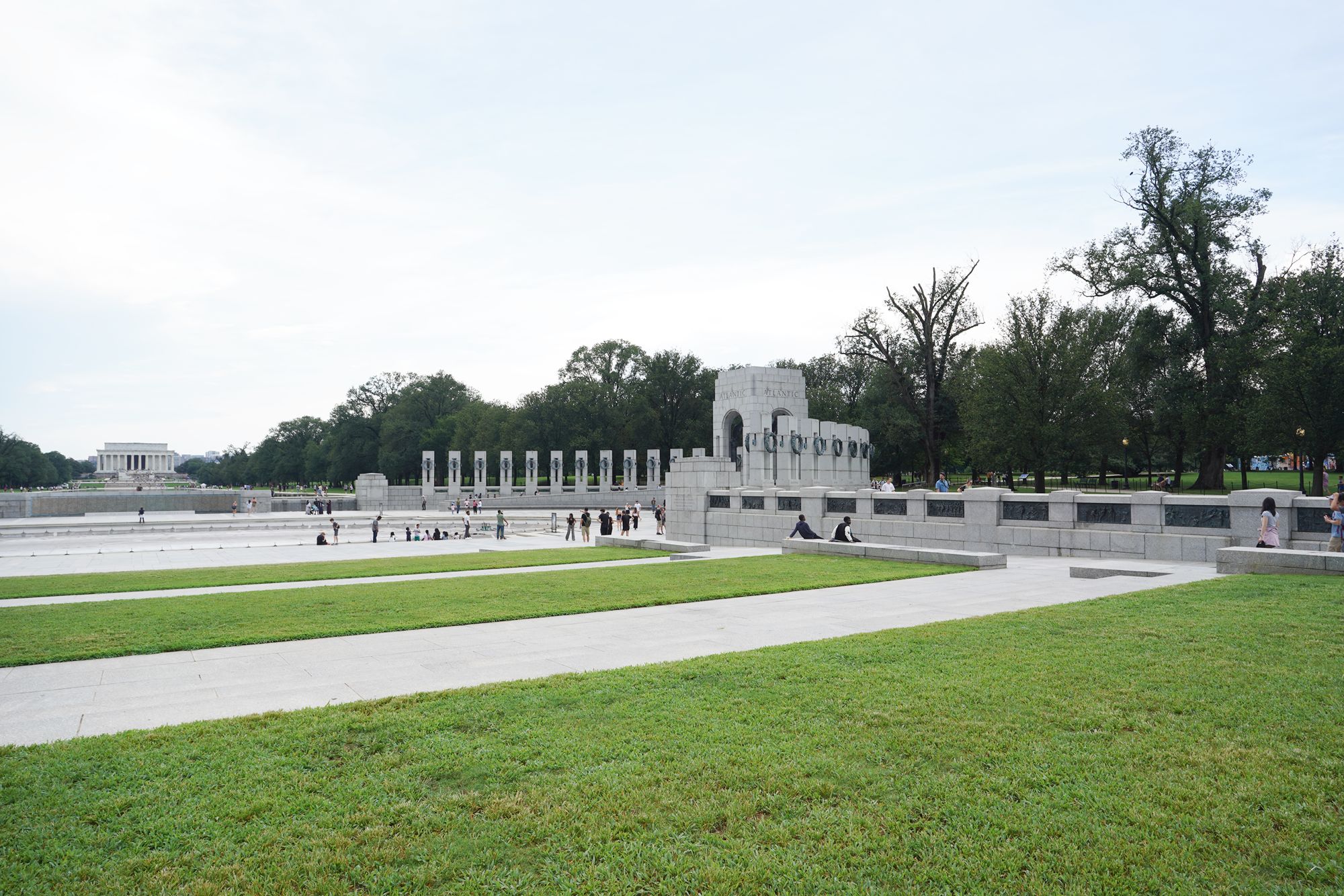
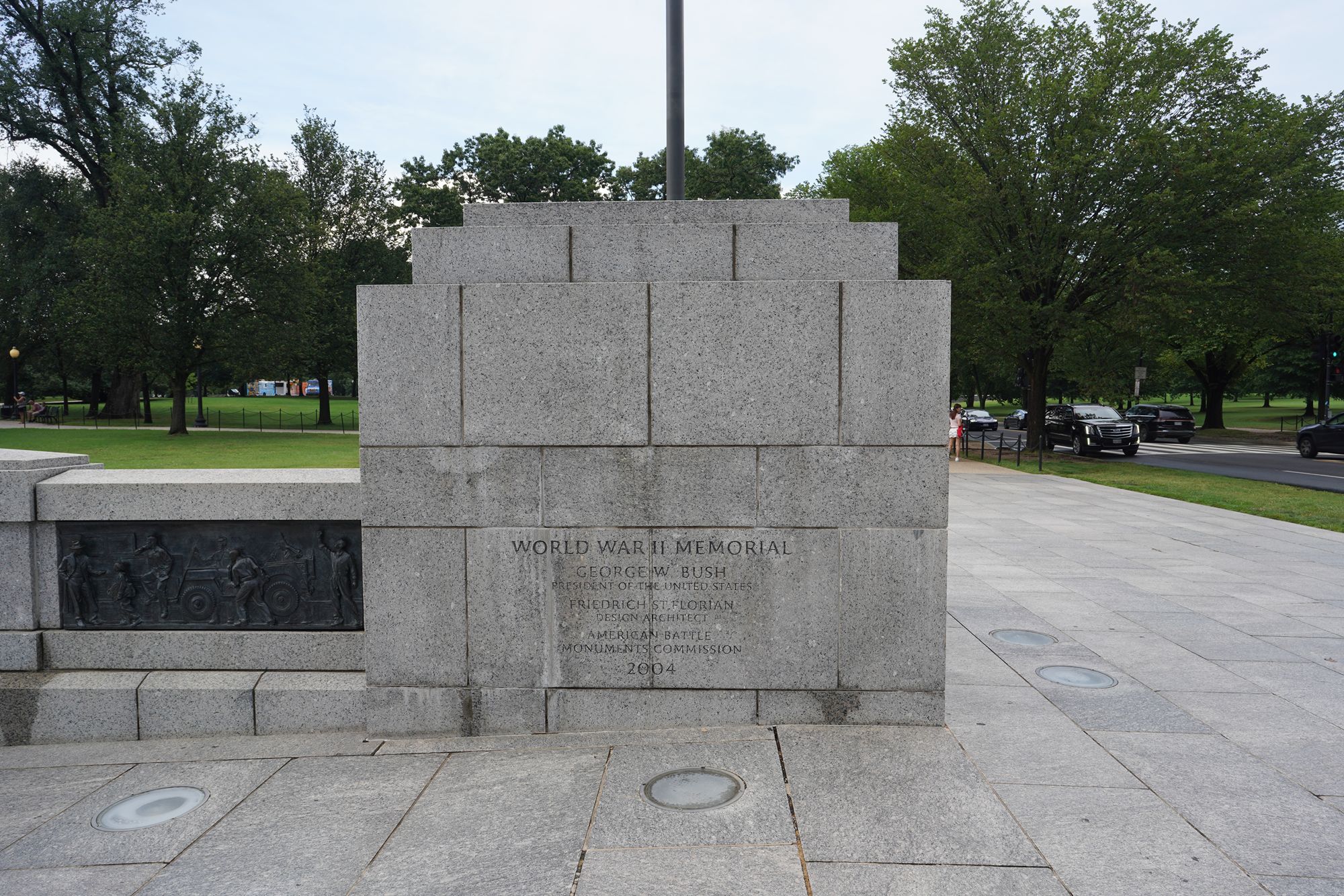
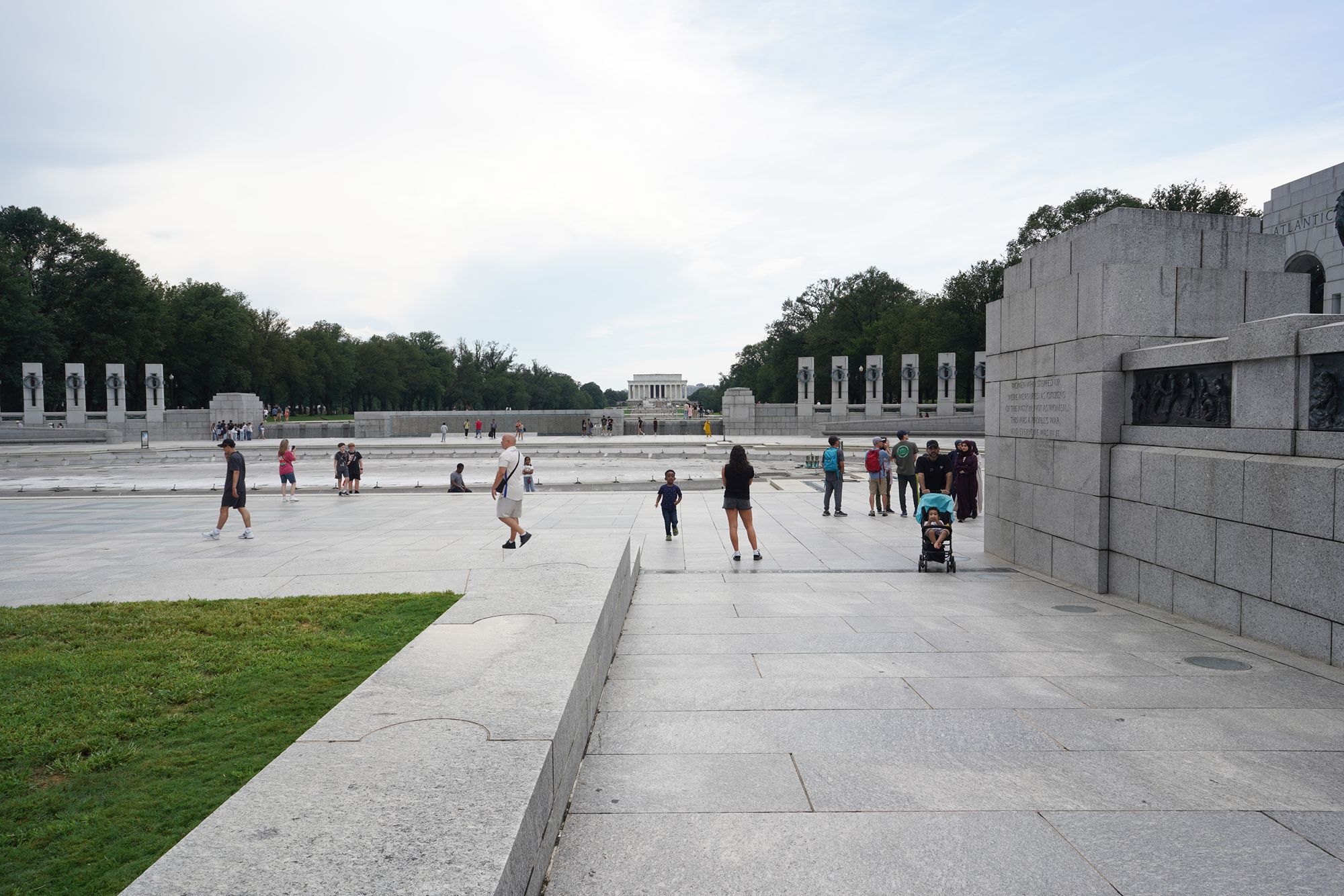
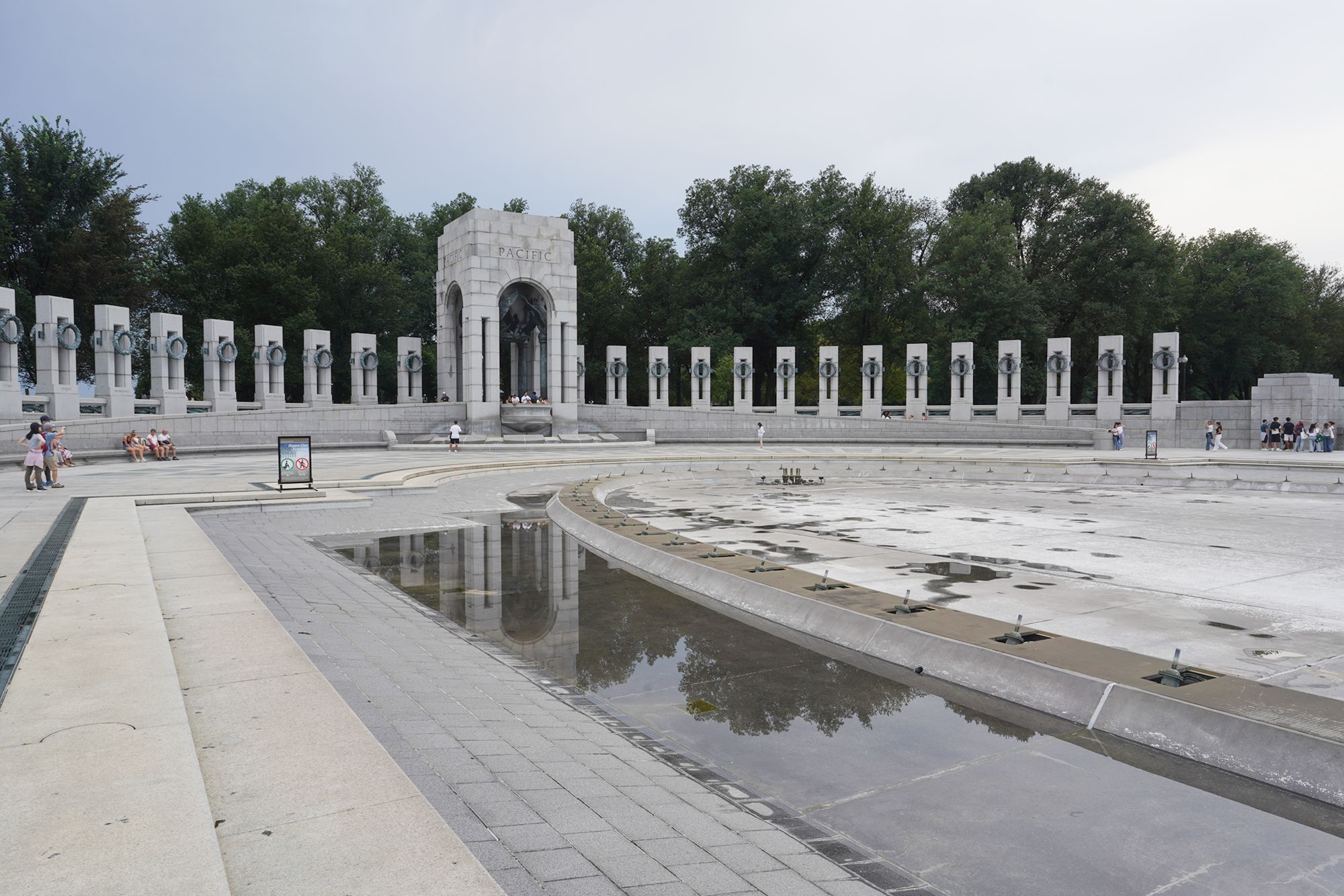
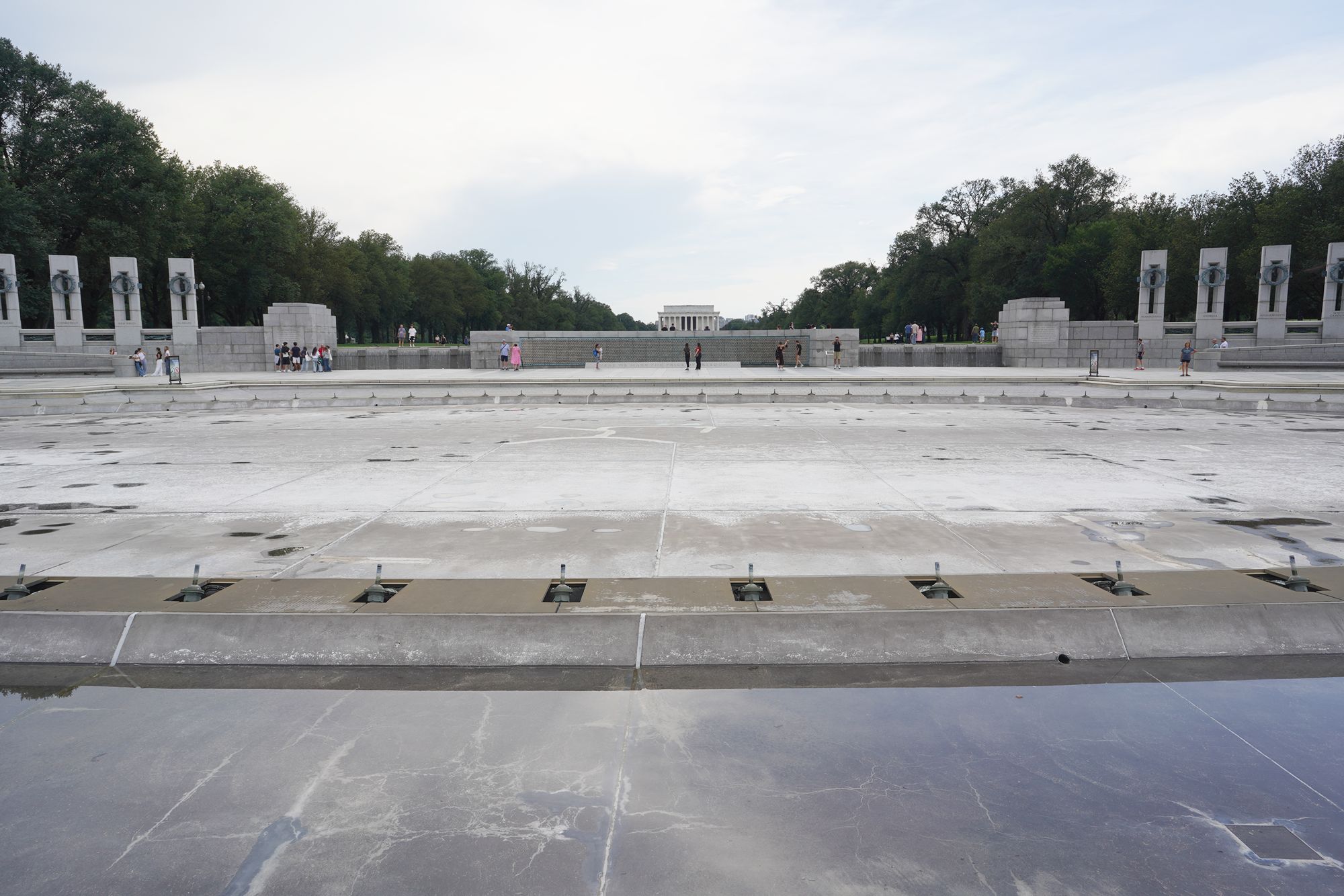
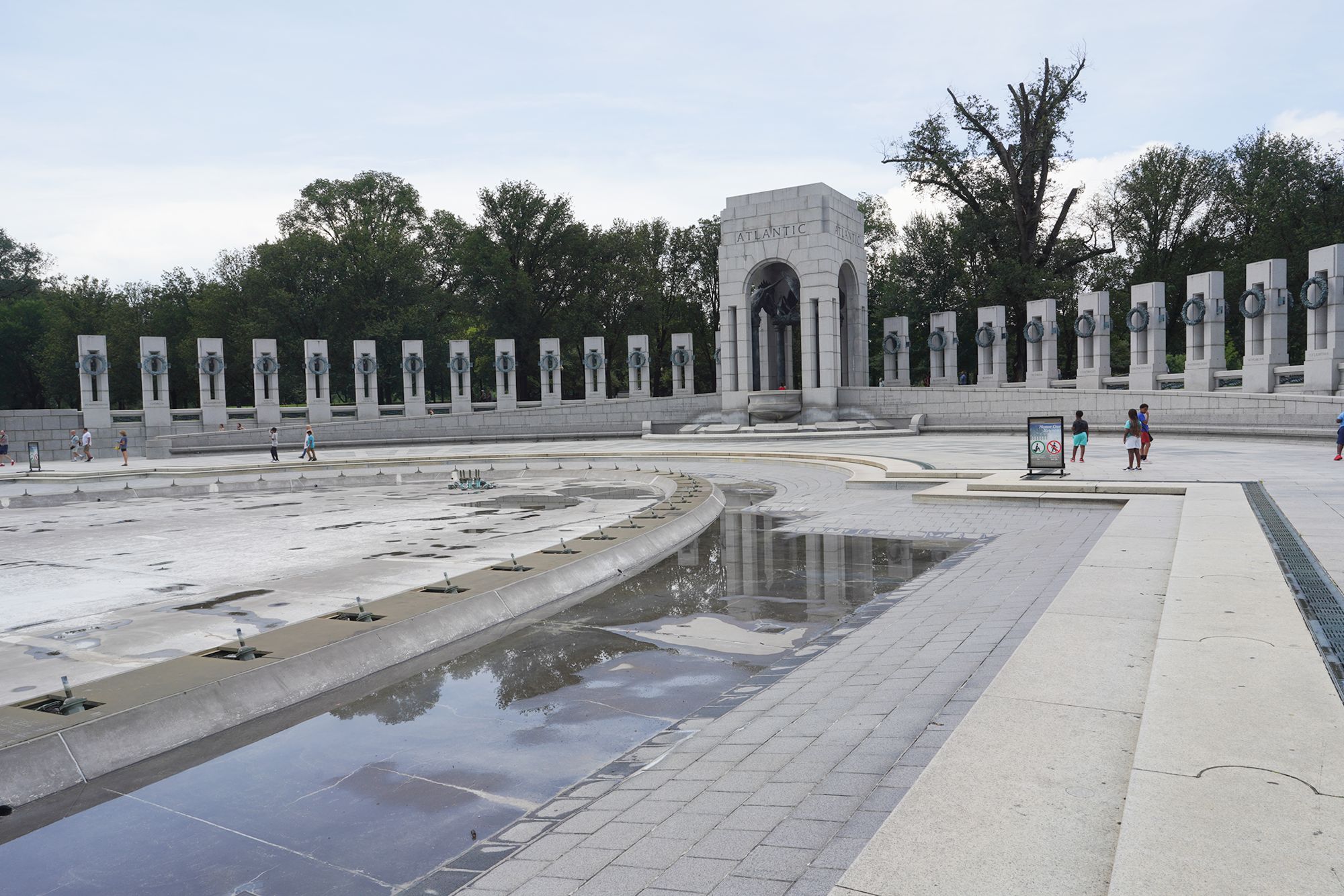
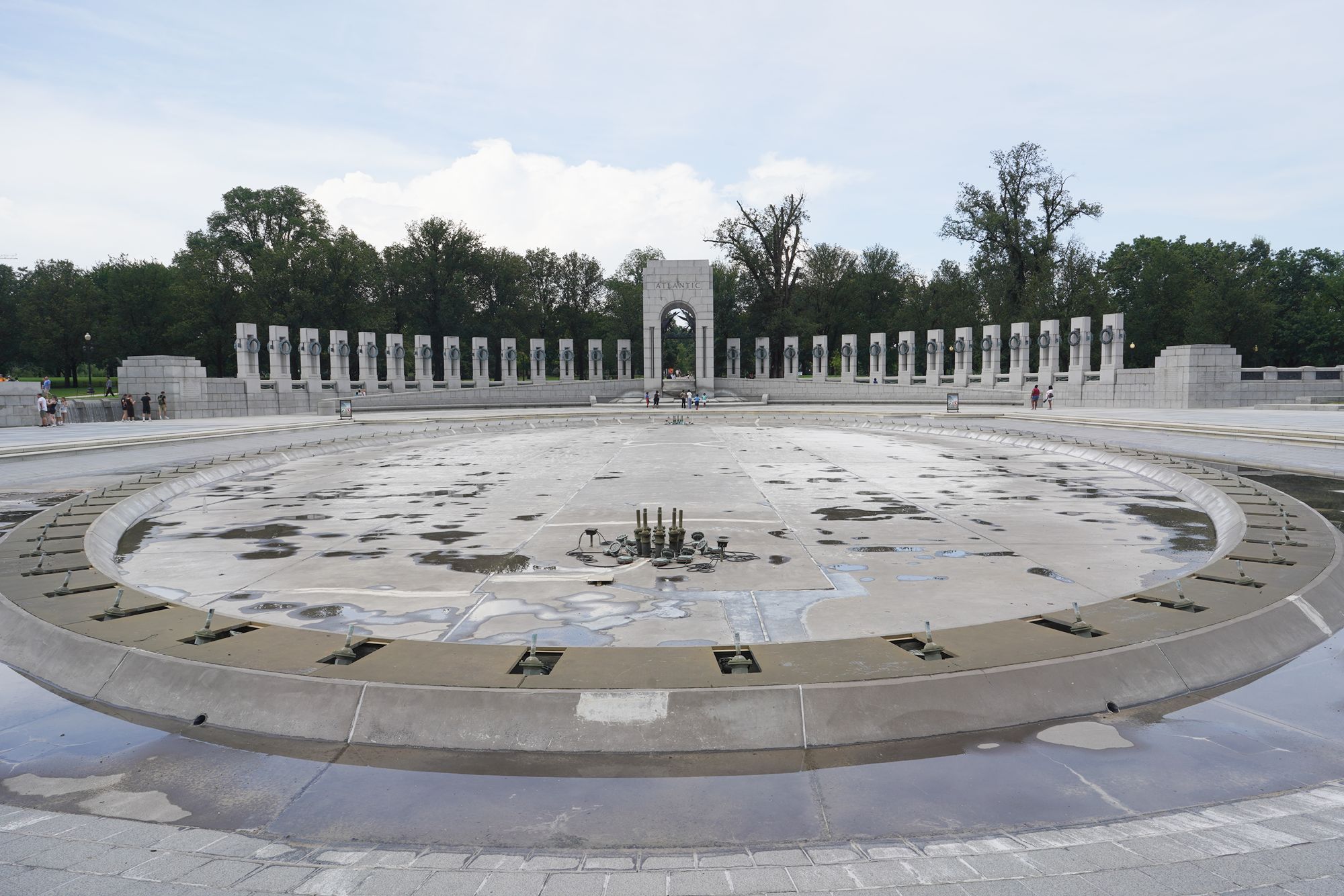
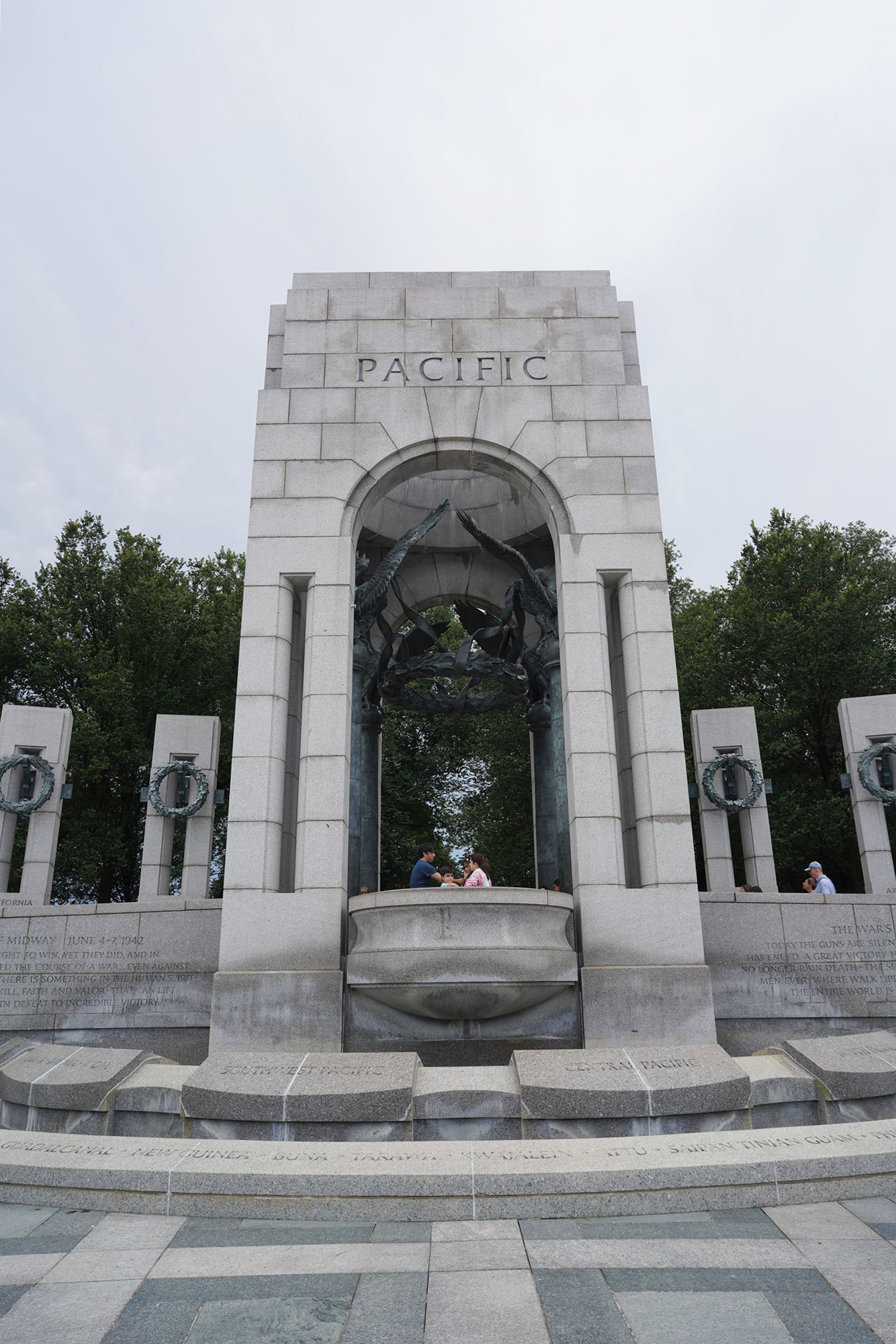
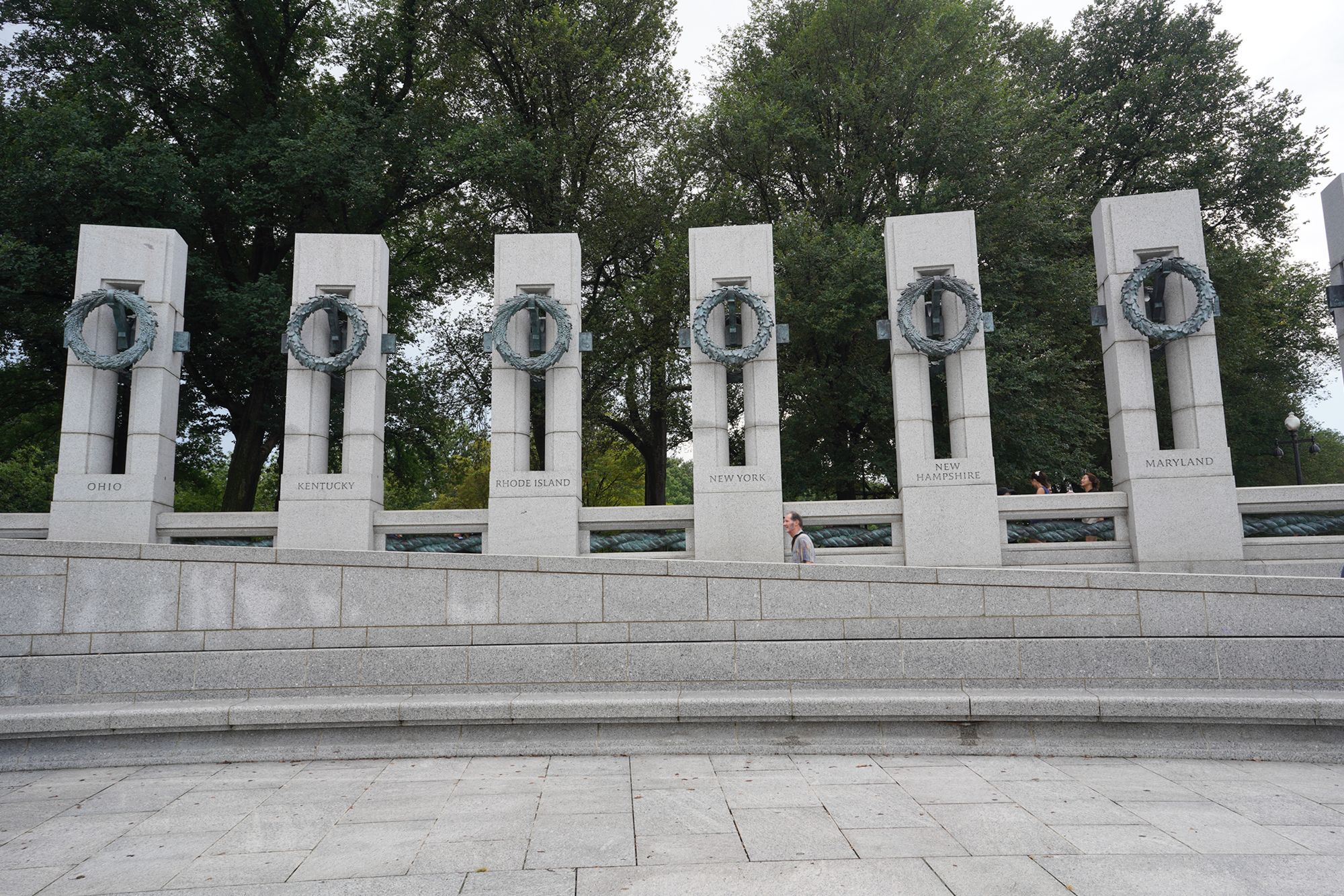
Bronze relief panels depict scenes from the home front and battlefield, while a wall of 4,048 gold stars—each representing 100 American lives lost—reminds visitors of the cost of freedom. The memorial serves as both a solemn tribute and a place of reflection, celebrating the courage, sacrifice, and unity of the Greatest Generation.
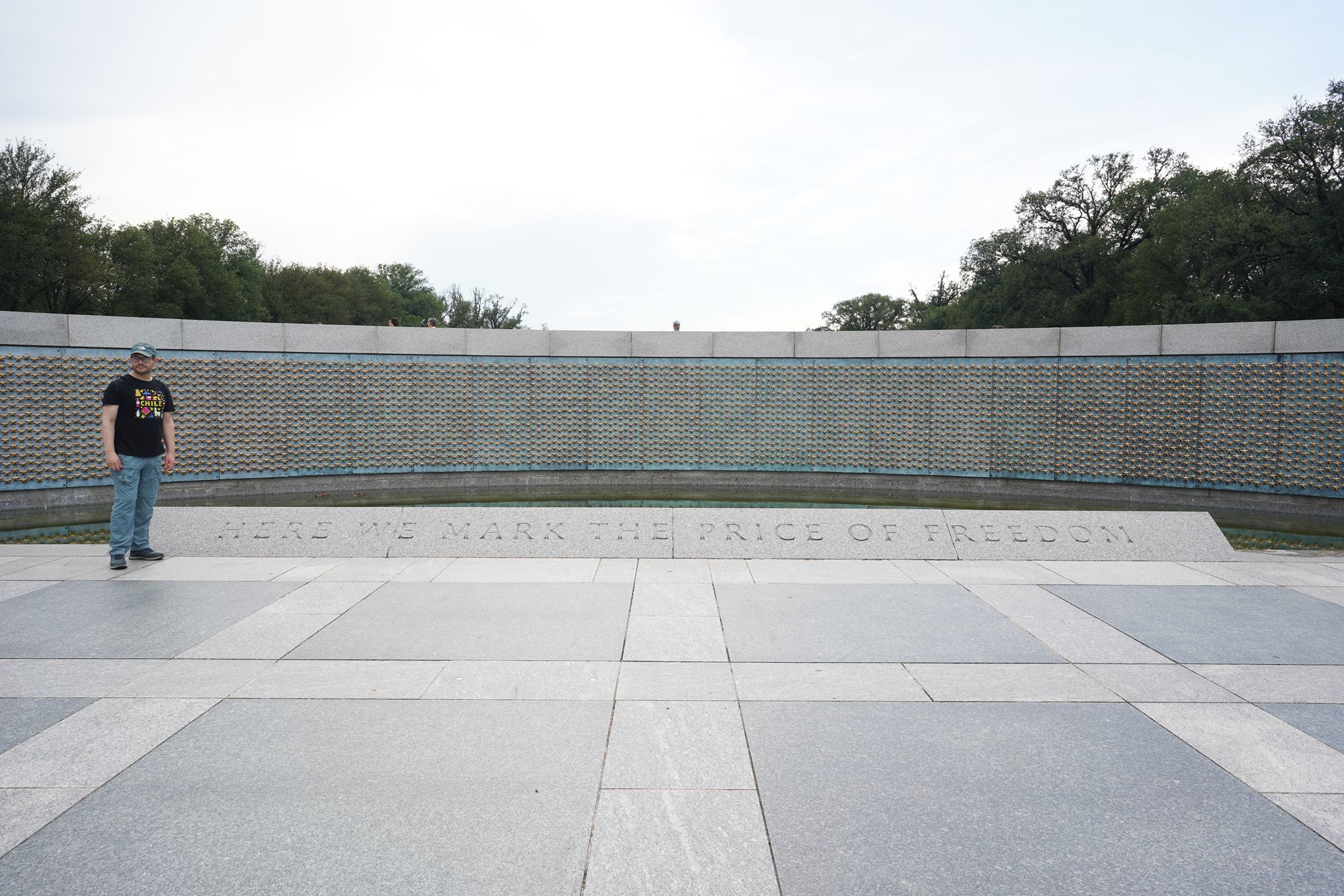
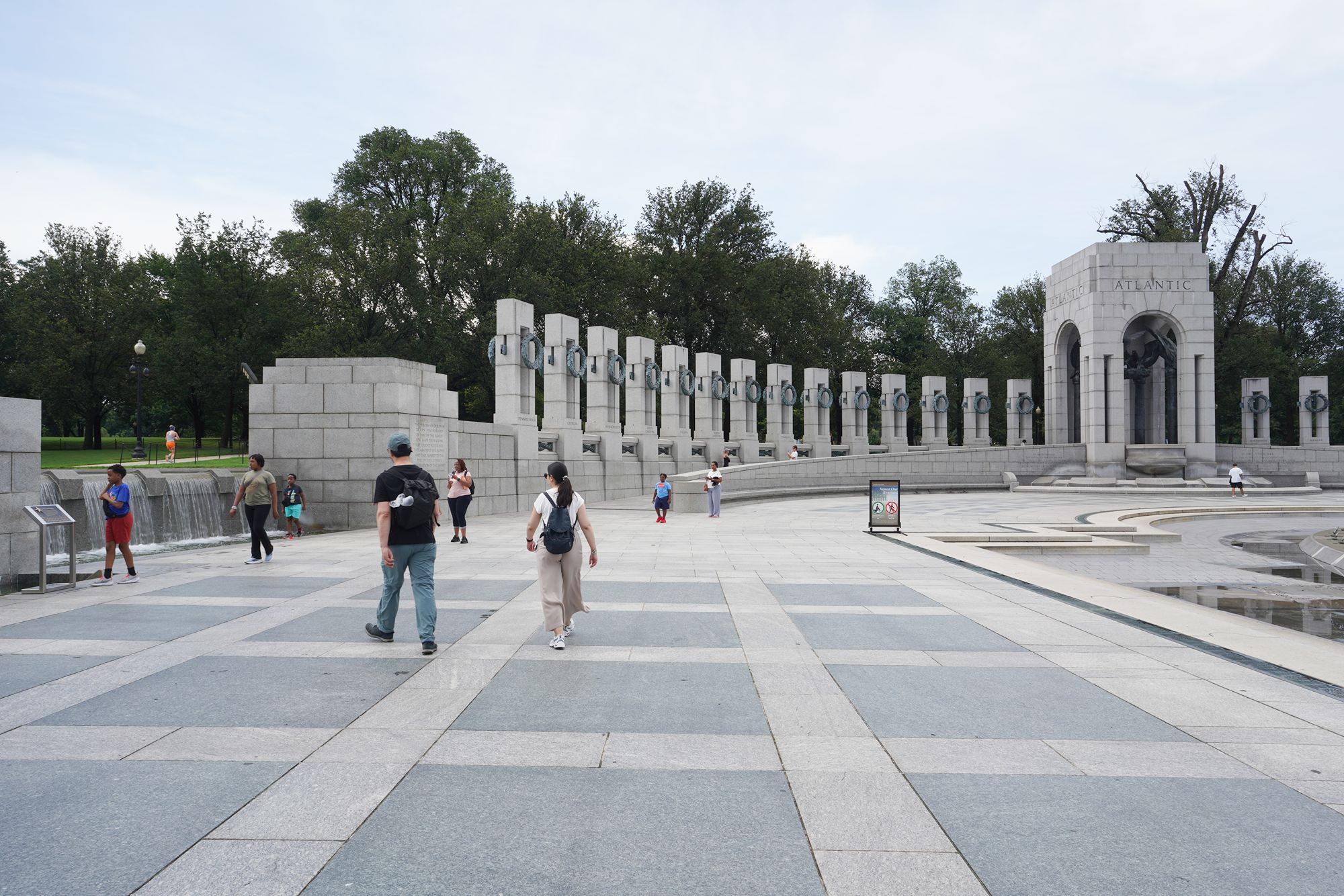
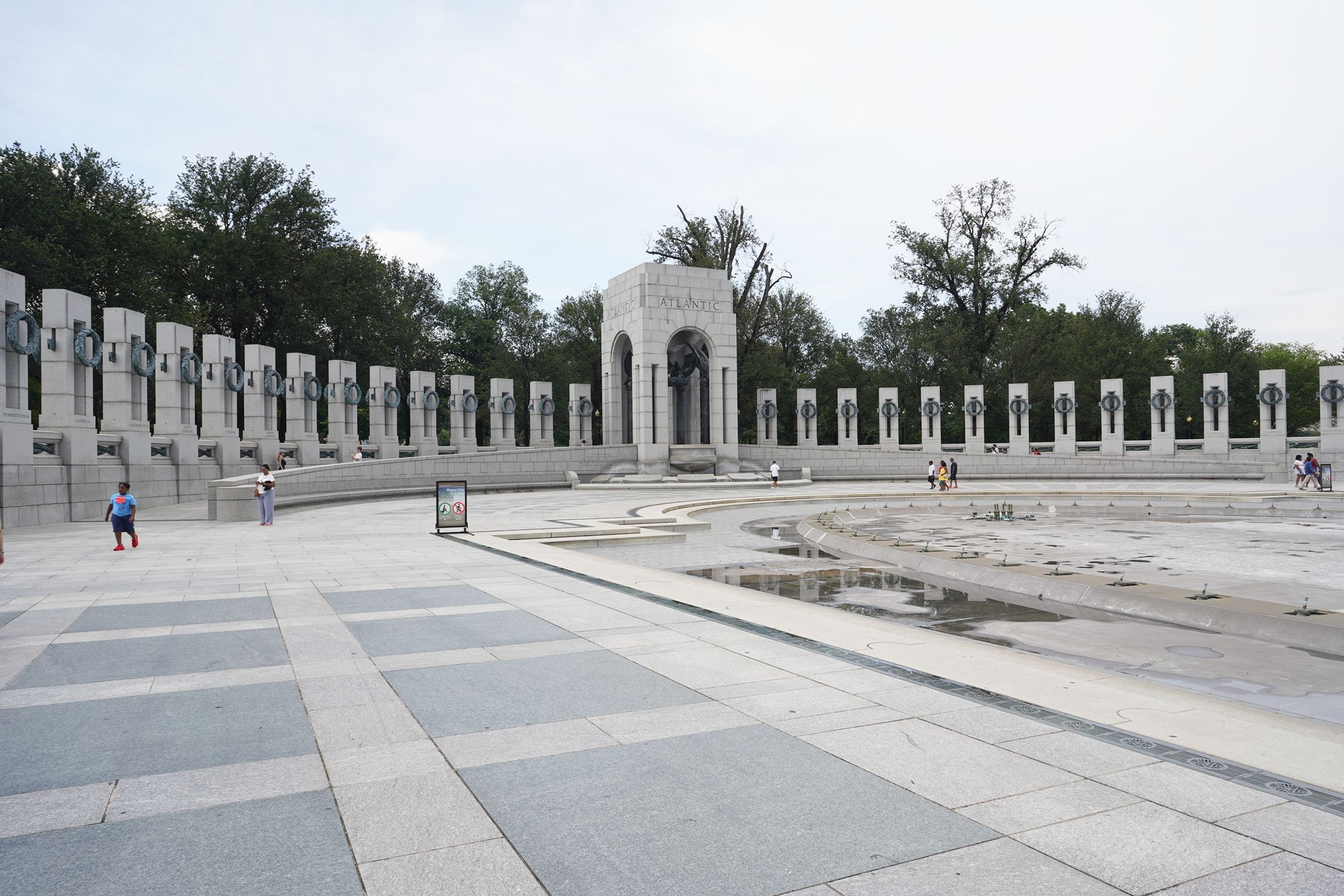
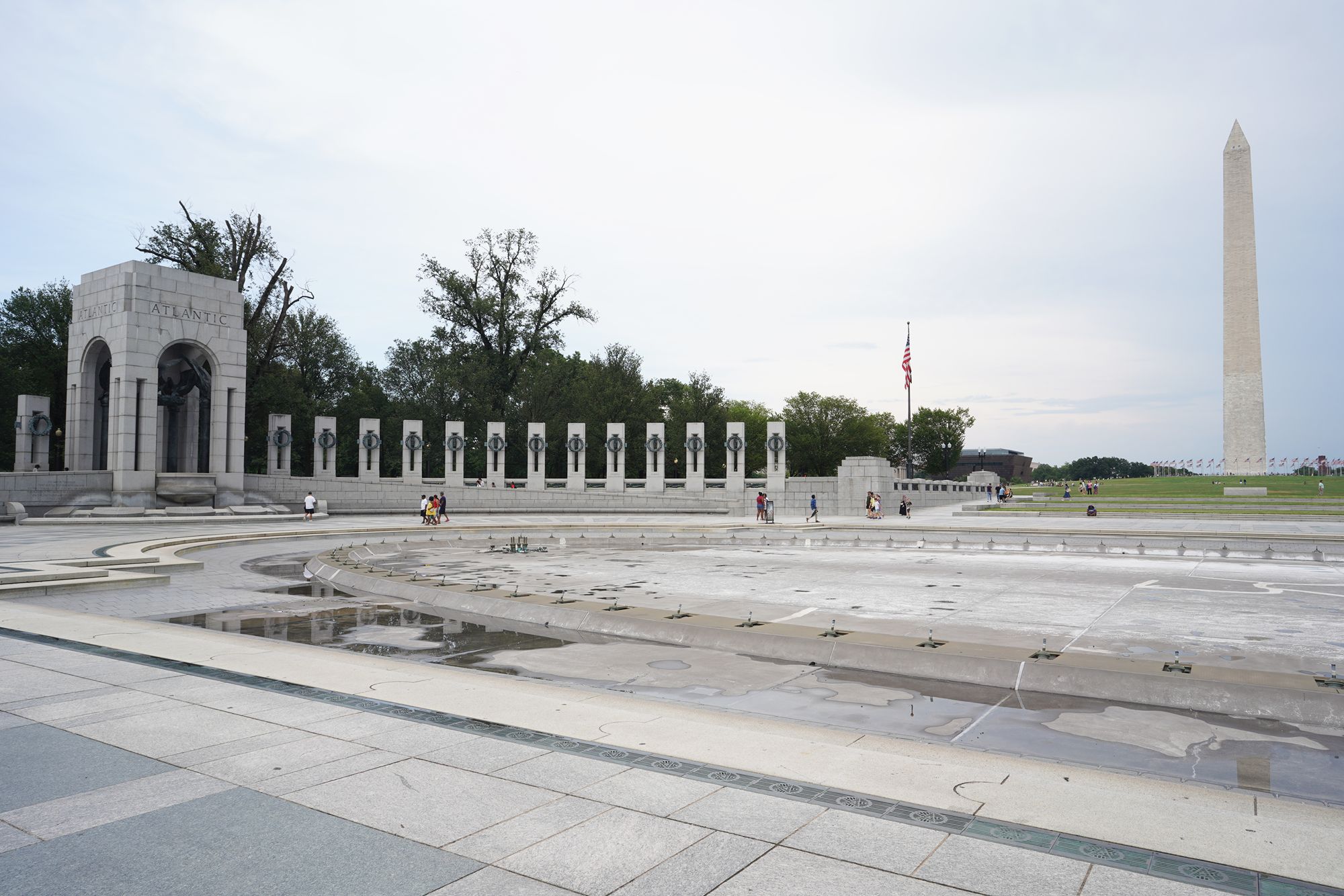
After visiting the World War II Memorial, I walked to the Martin Luther King Jr. Memorial.
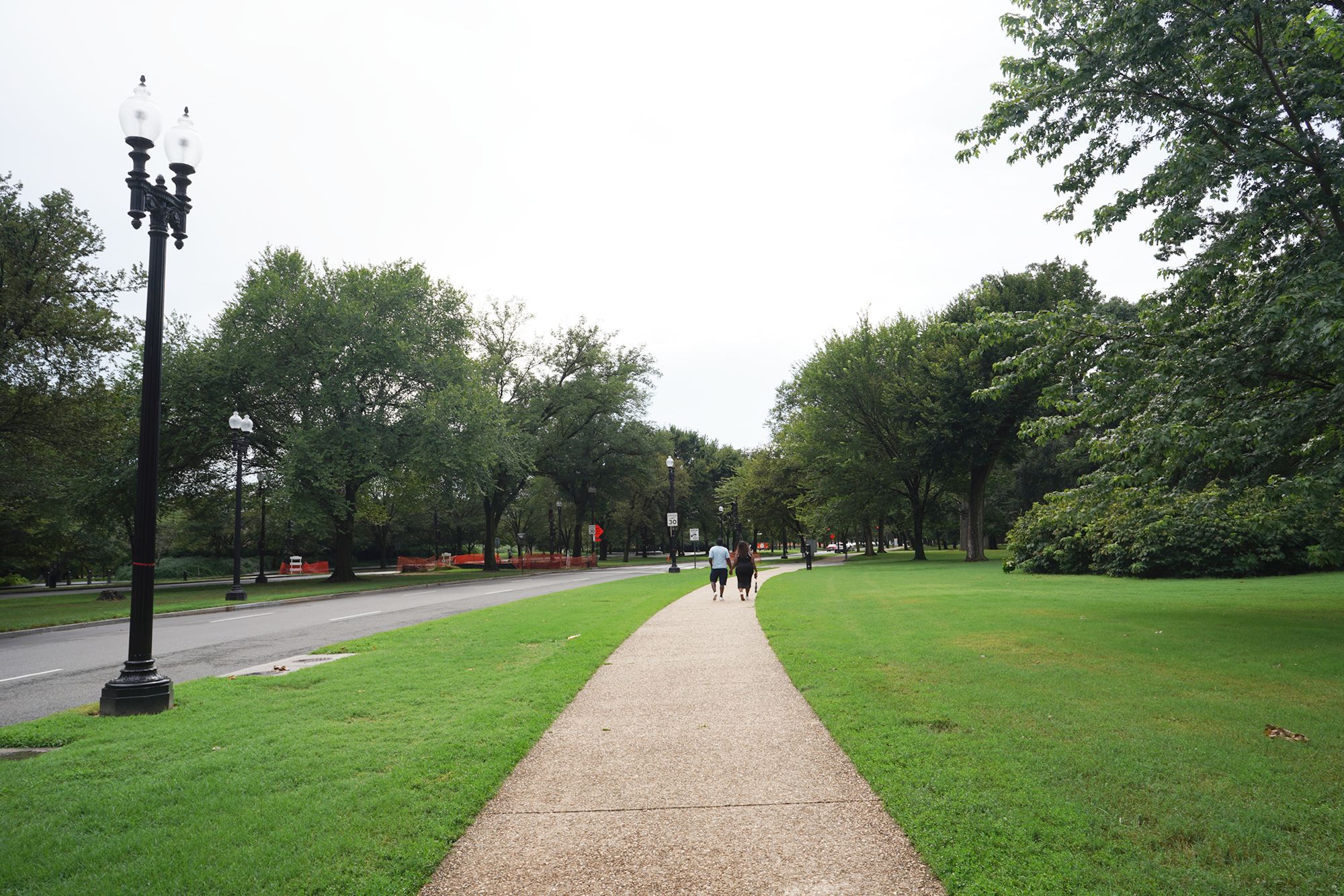
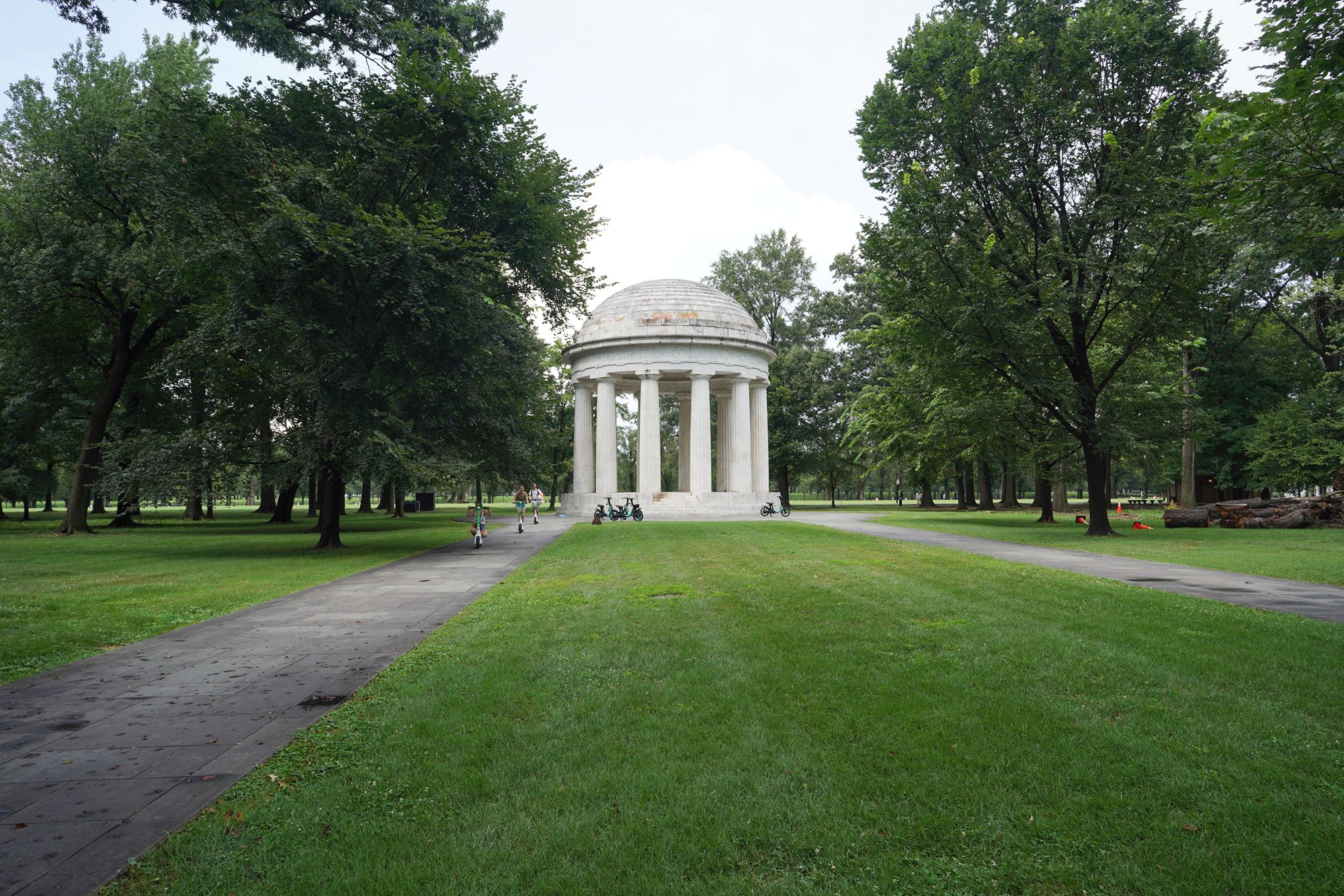
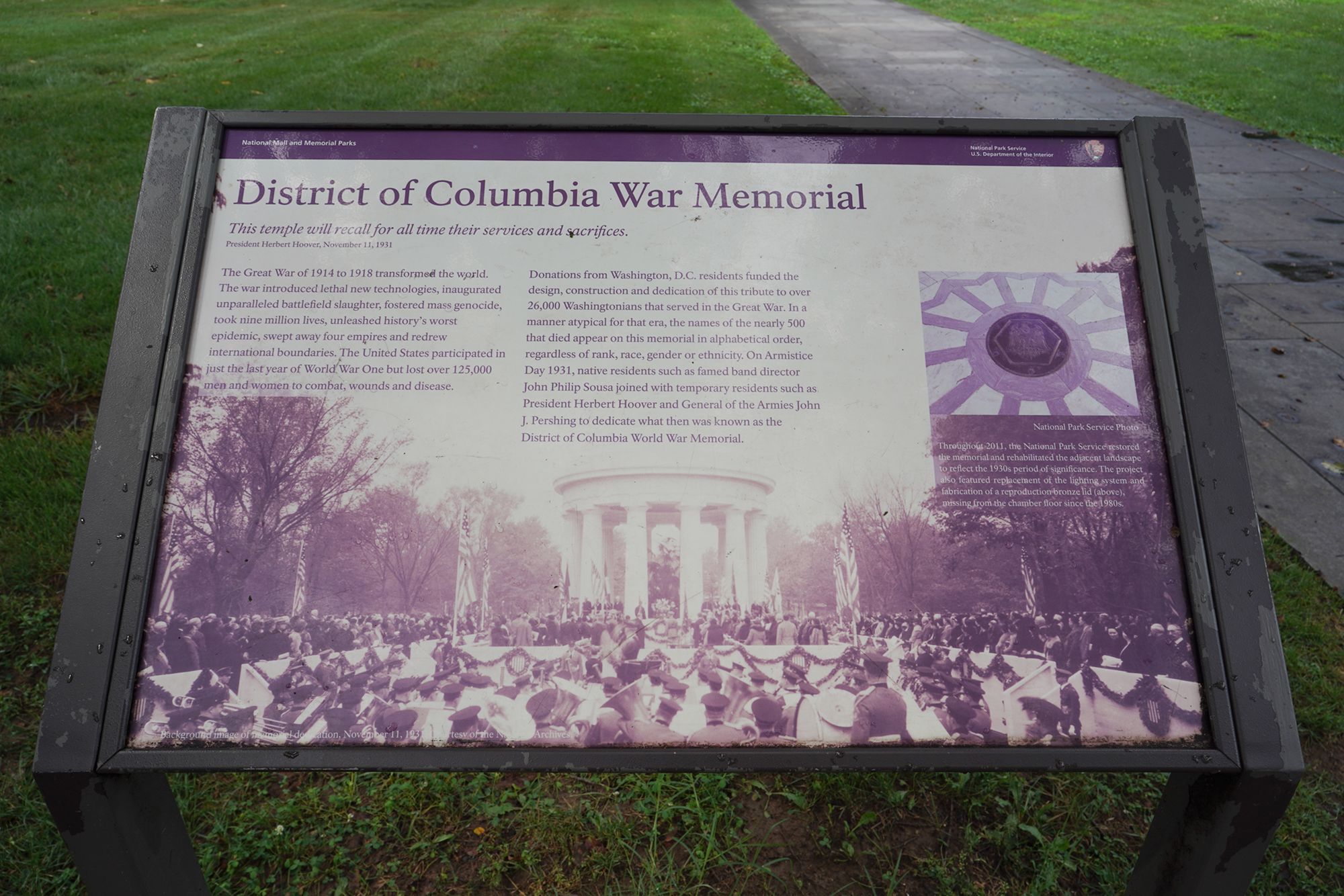
The District of Columbia War Memorial honors the residents of Washington, D.C. who served in World War I.
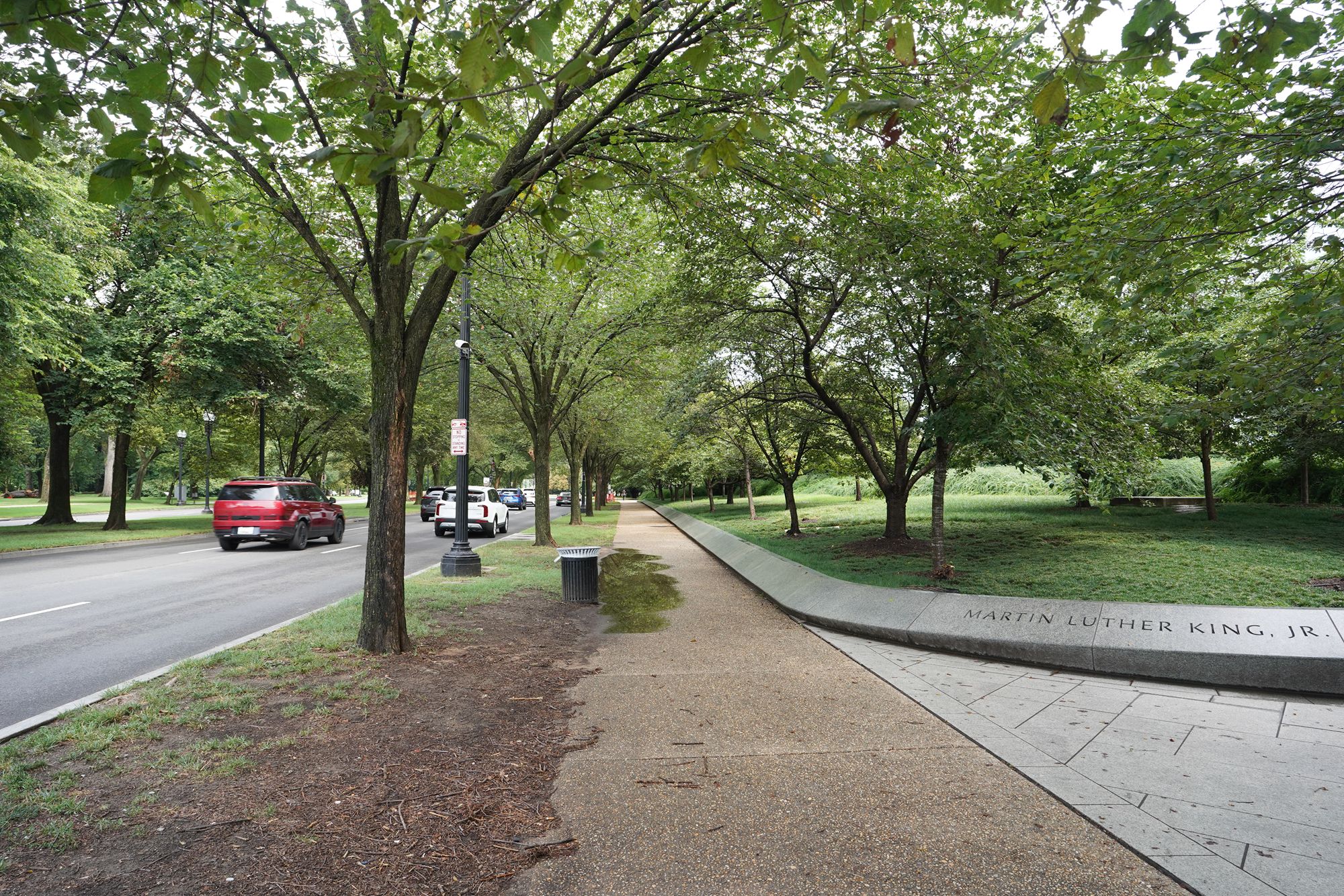
Approaching the Martin Luther King Jr. Memorial.
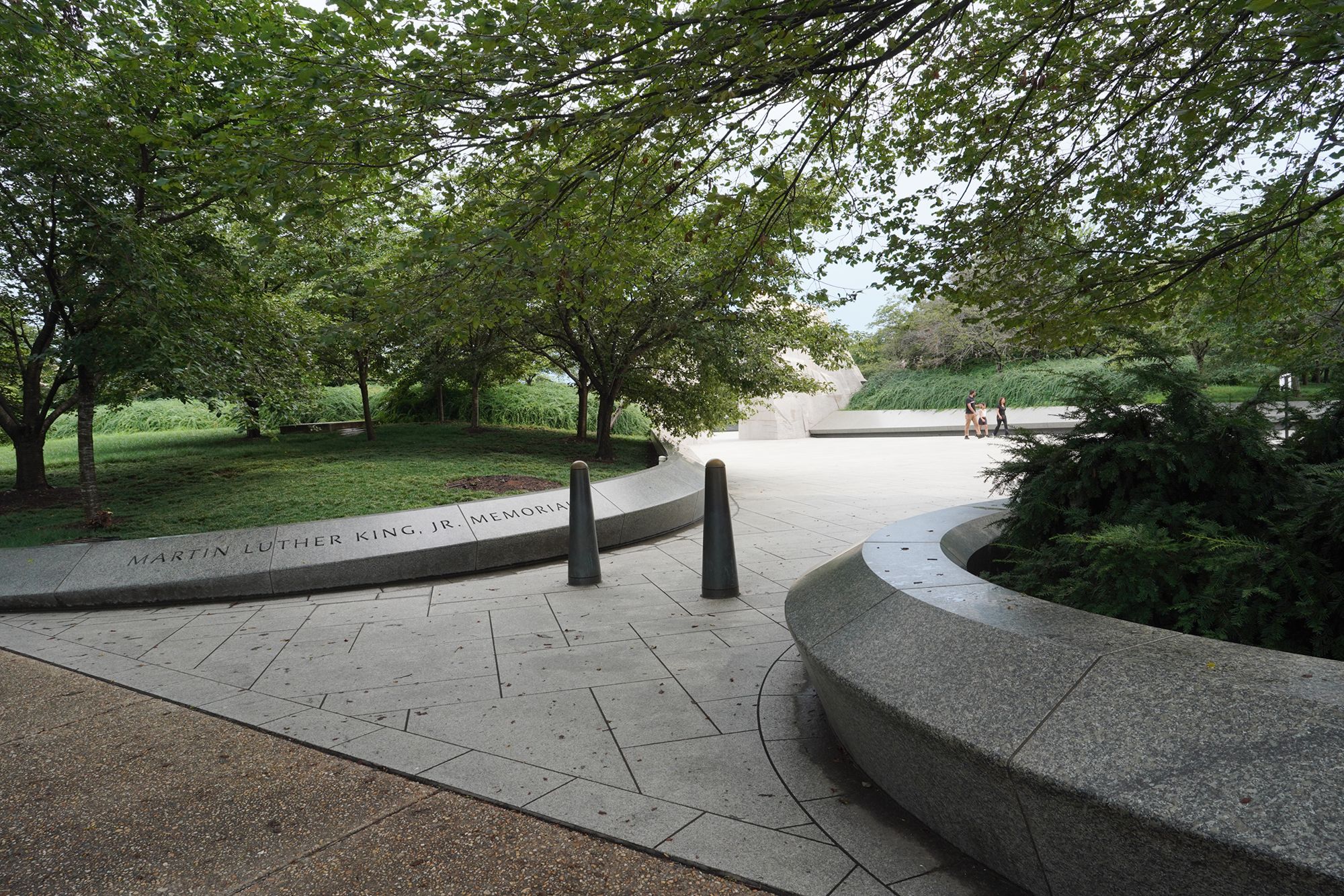
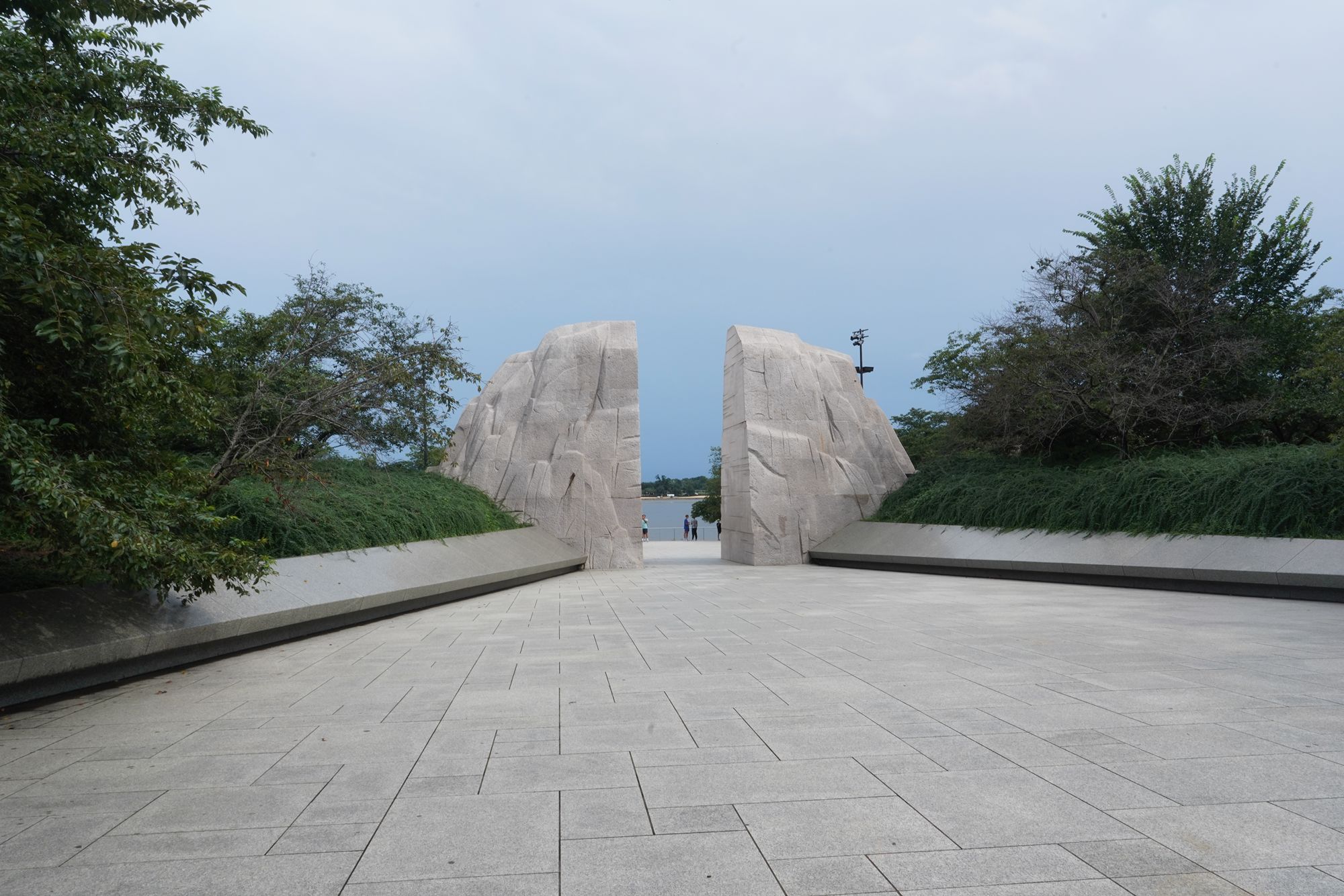
The Martin Luther King Jr. Memorial
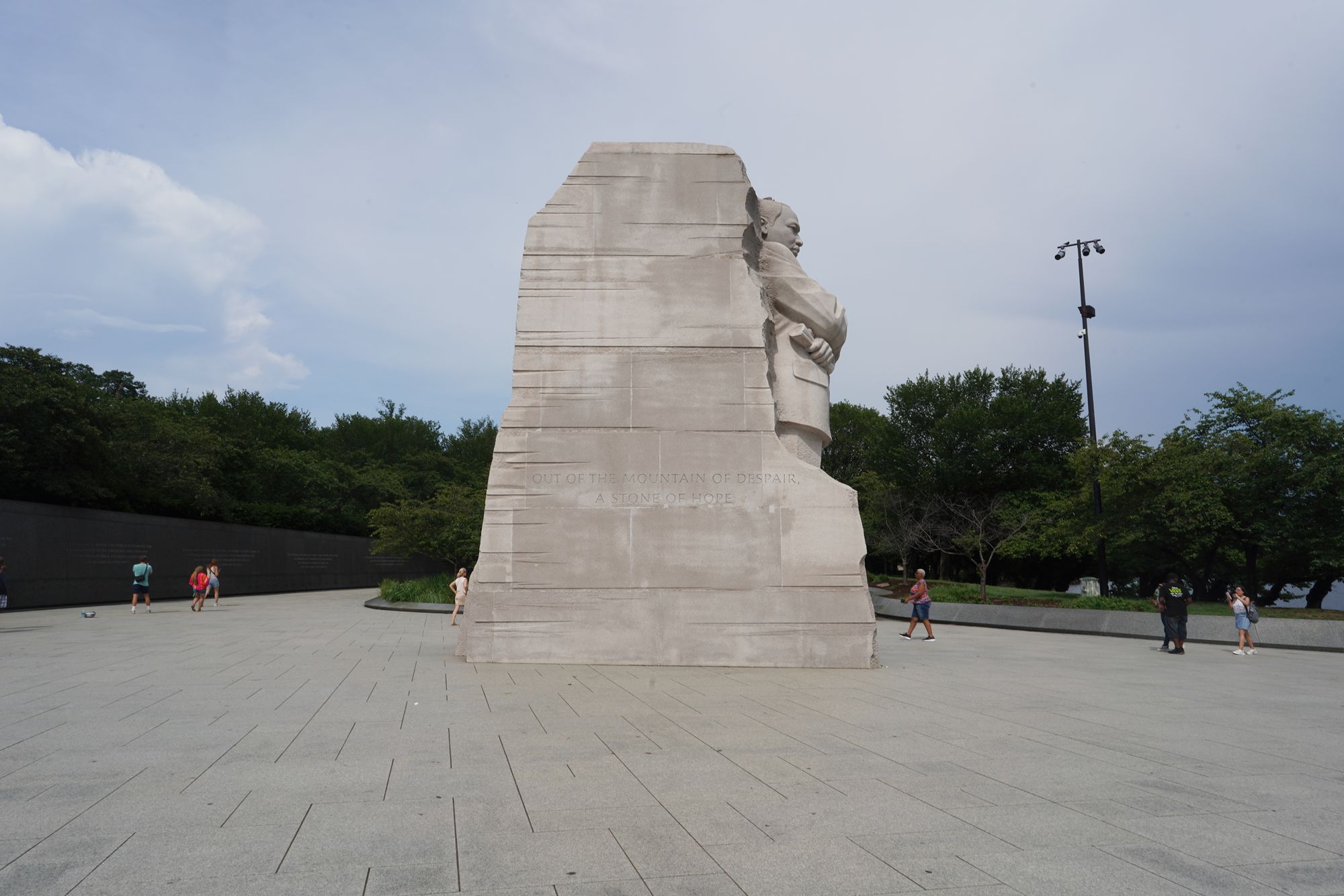
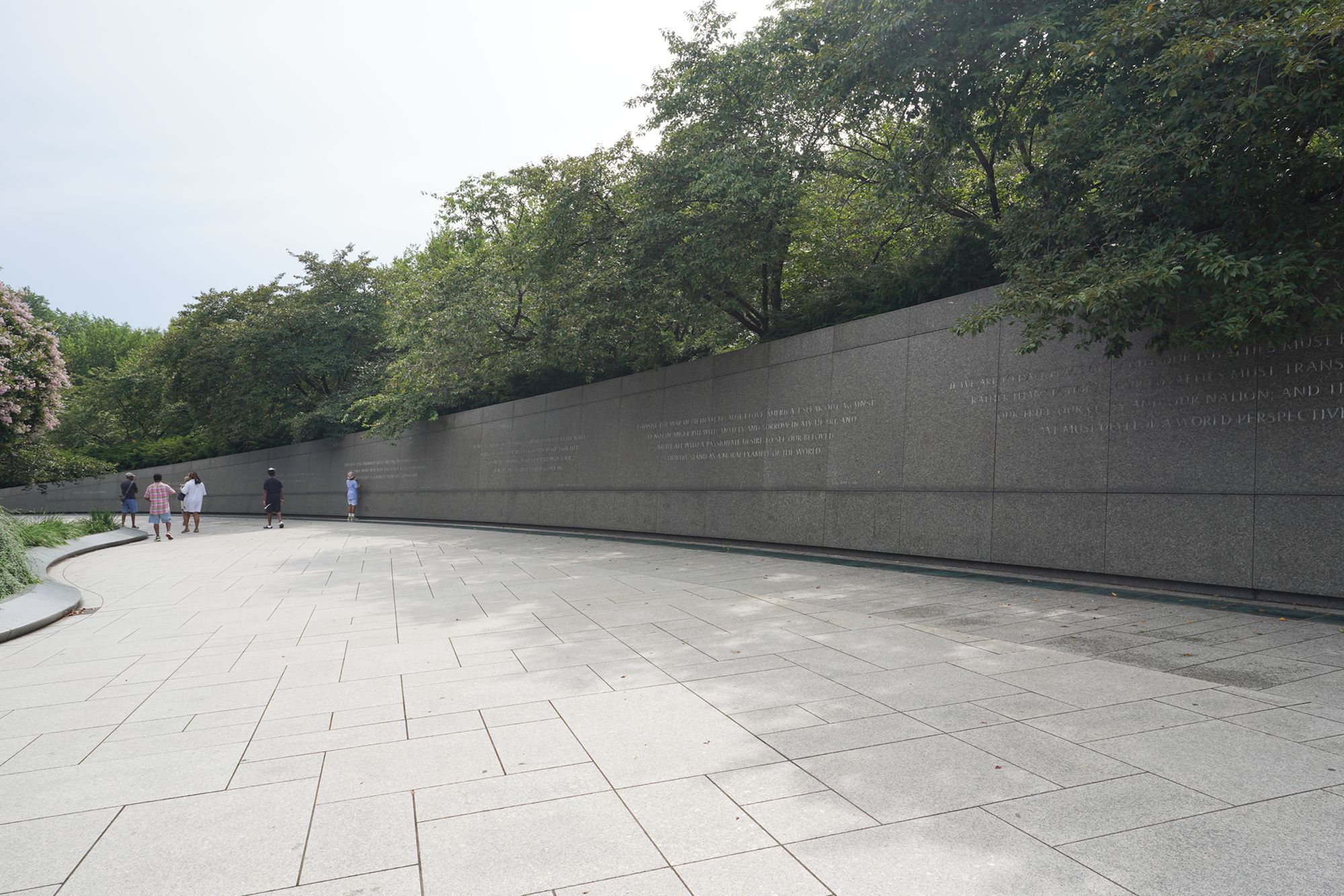
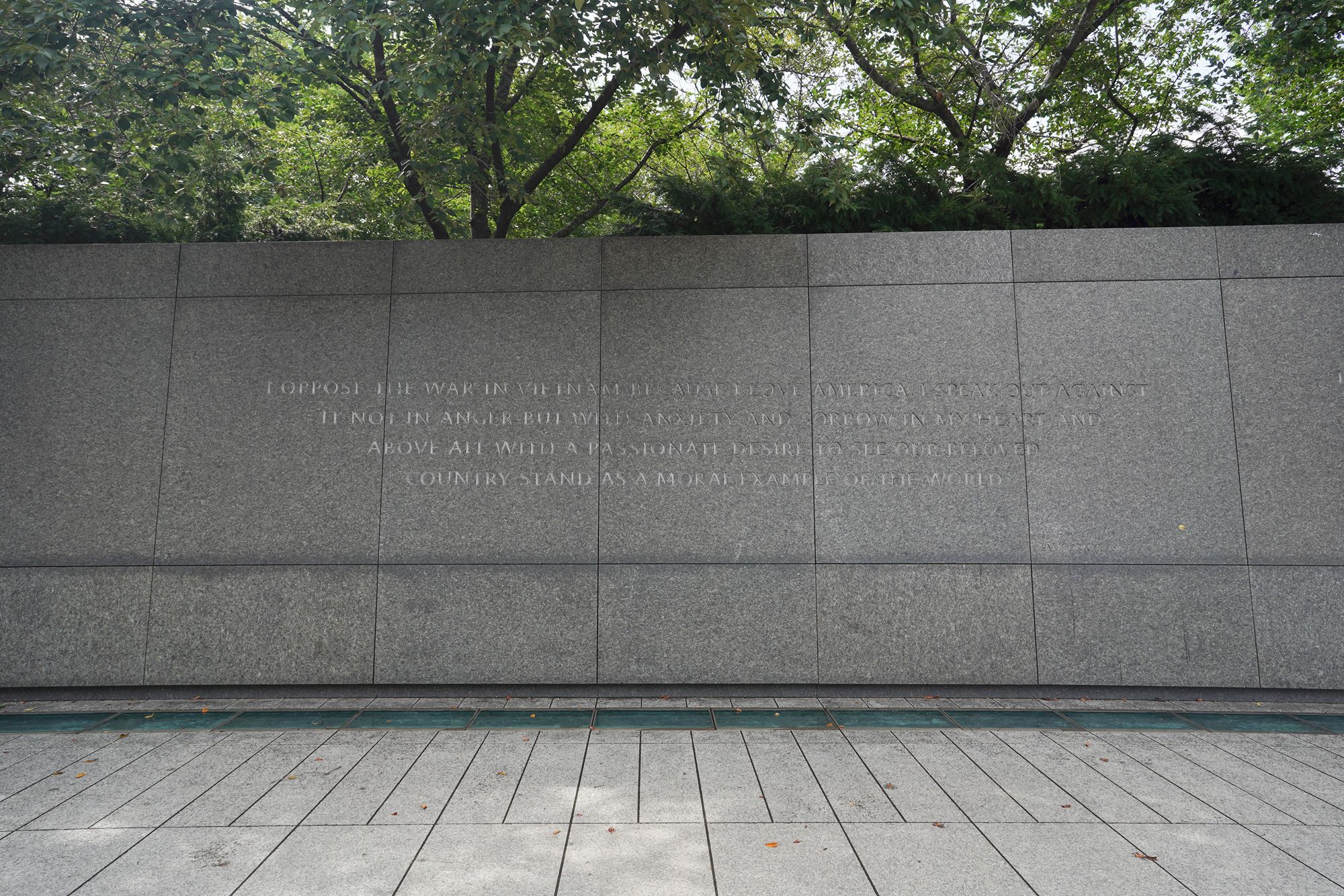
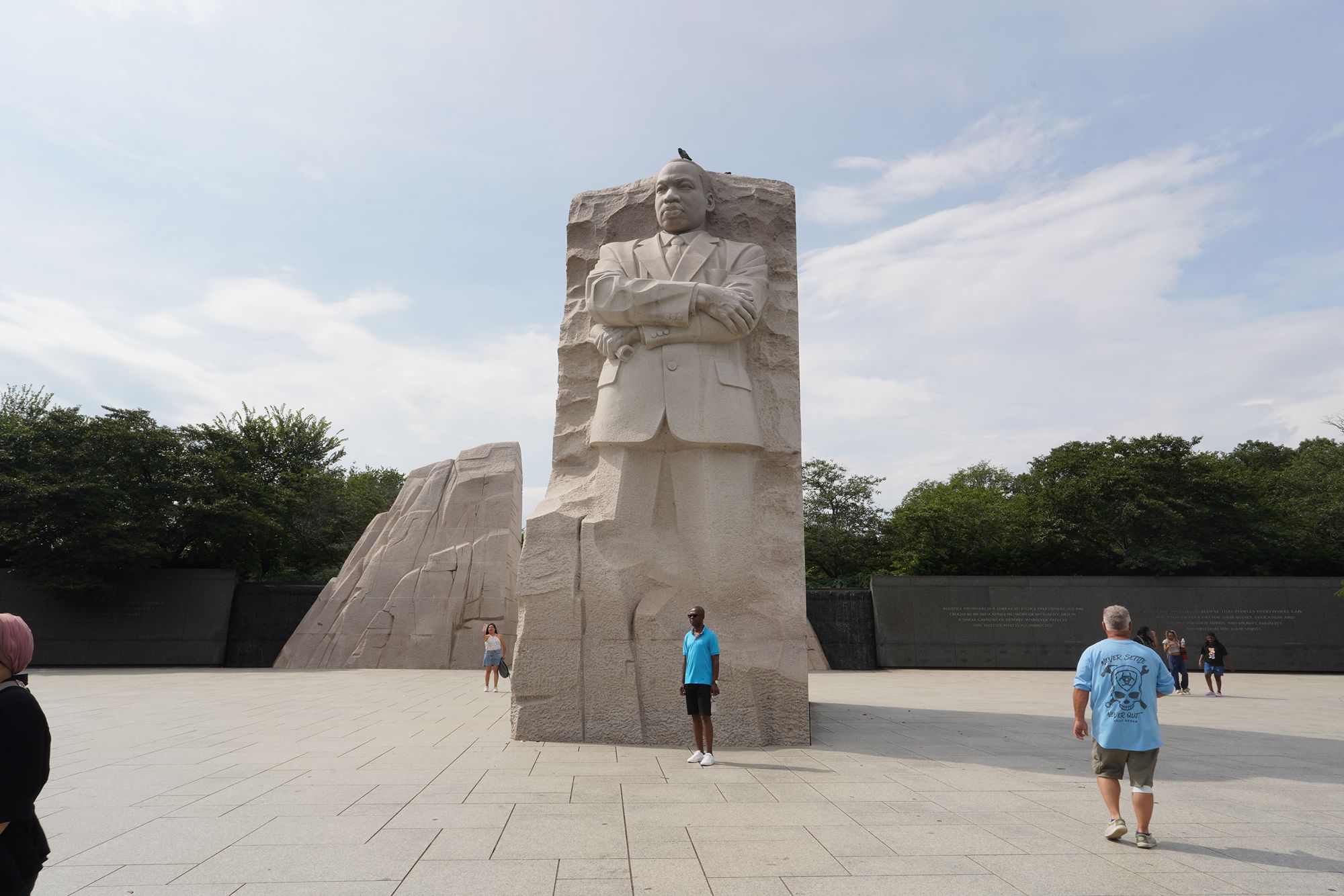
The Martin Luther King Jr. Memorial in Washington, D.C. honors the civil rights leader Dr. Martin Luther King Jr. and his lifelong fight for justice, equality, and peace. Dedicated in 2011, it is located along the Tidal Basin between the Lincoln Memorial and the Franklin D. Roosevelt Memorial, symbolically placing Dr. King among the nation’s great advocates for freedom.
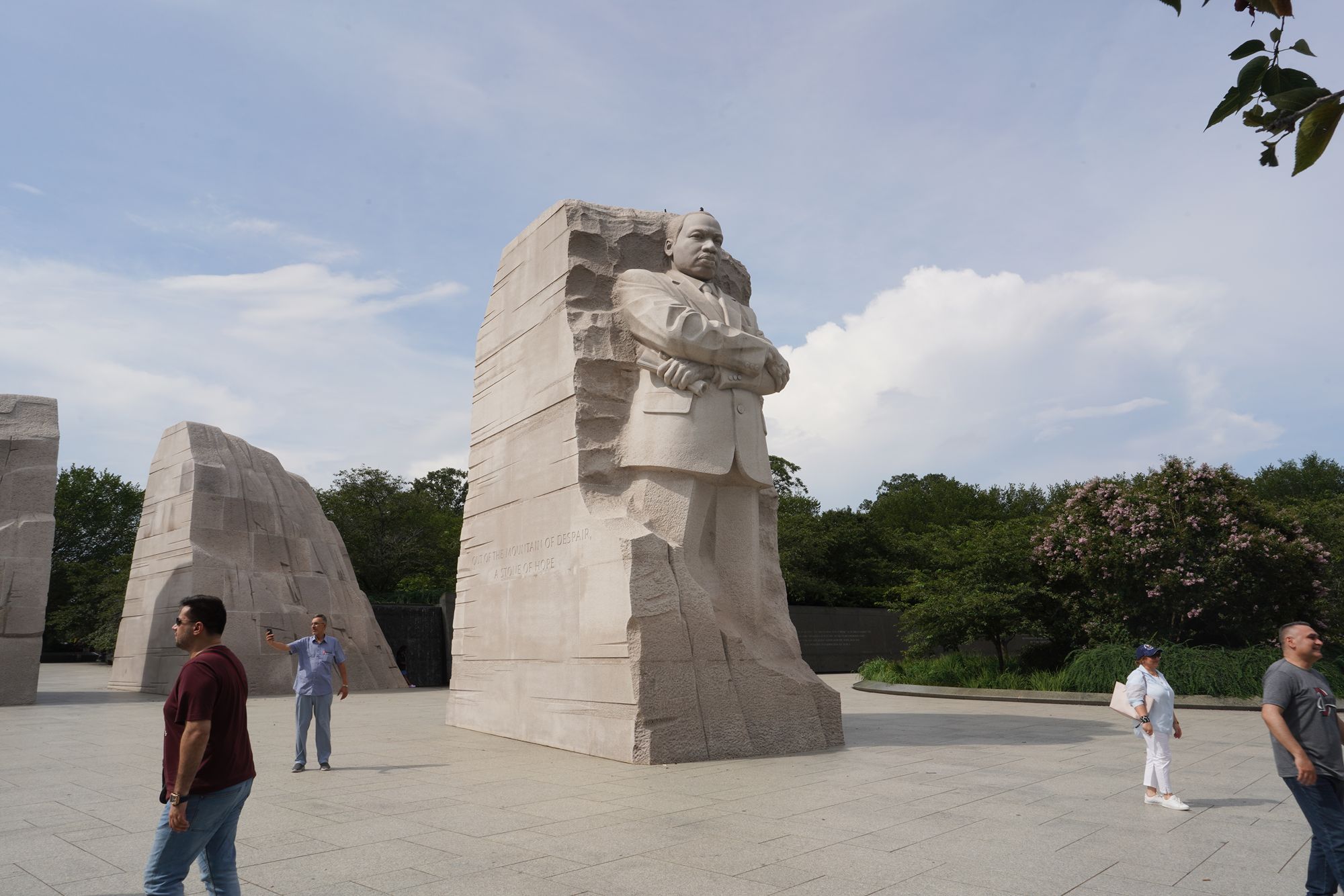
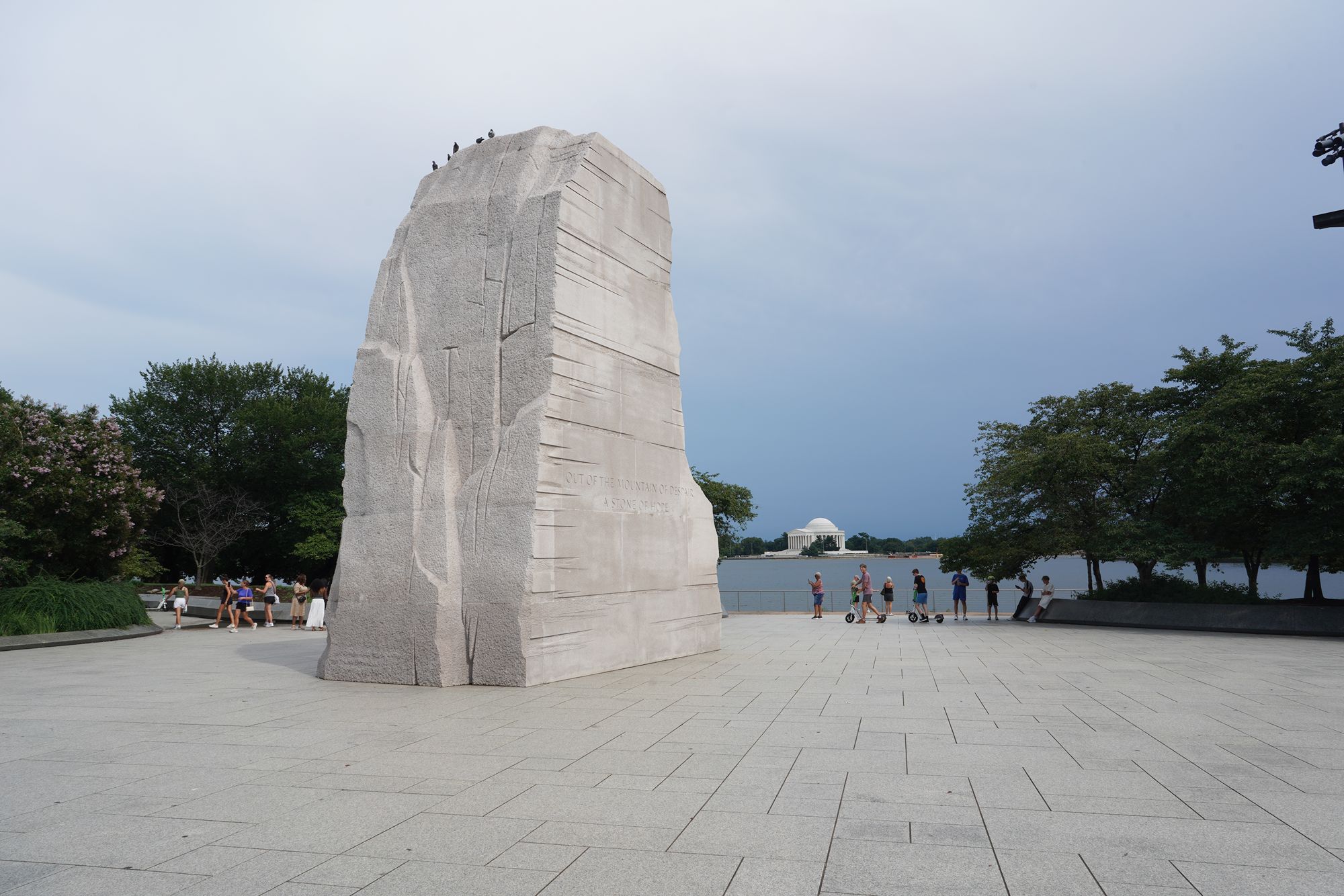
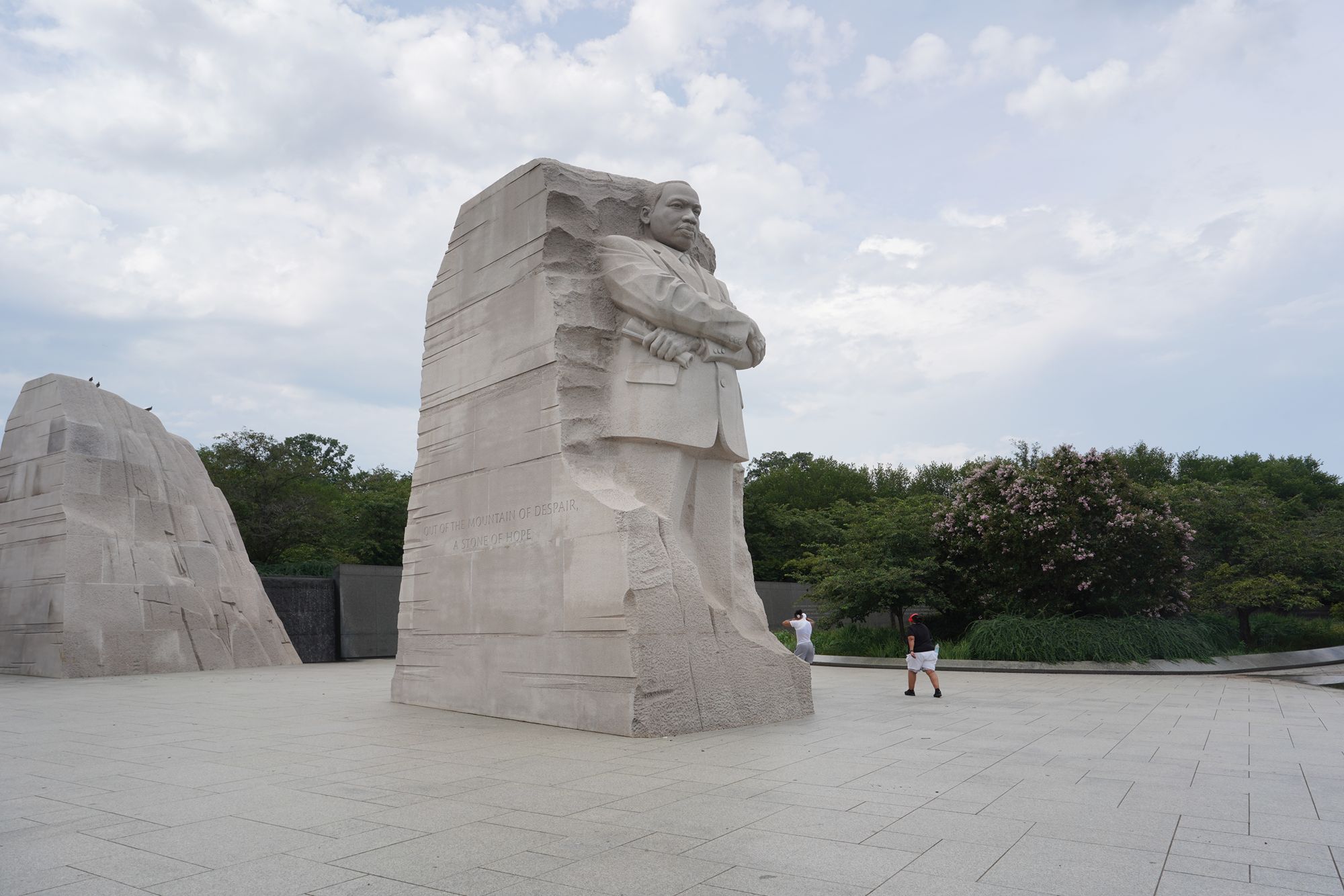
The memorial’s centerpiece is the “Stone of Hope”, a massive sculpture of Dr. King carved from white granite. It emerges from the “Mountain of Despair,” representing his triumph over struggle and injustice—a concept inspired by a line from his “I Have a Dream” speech:
“Out of the mountain of despair, a stone of hope.”
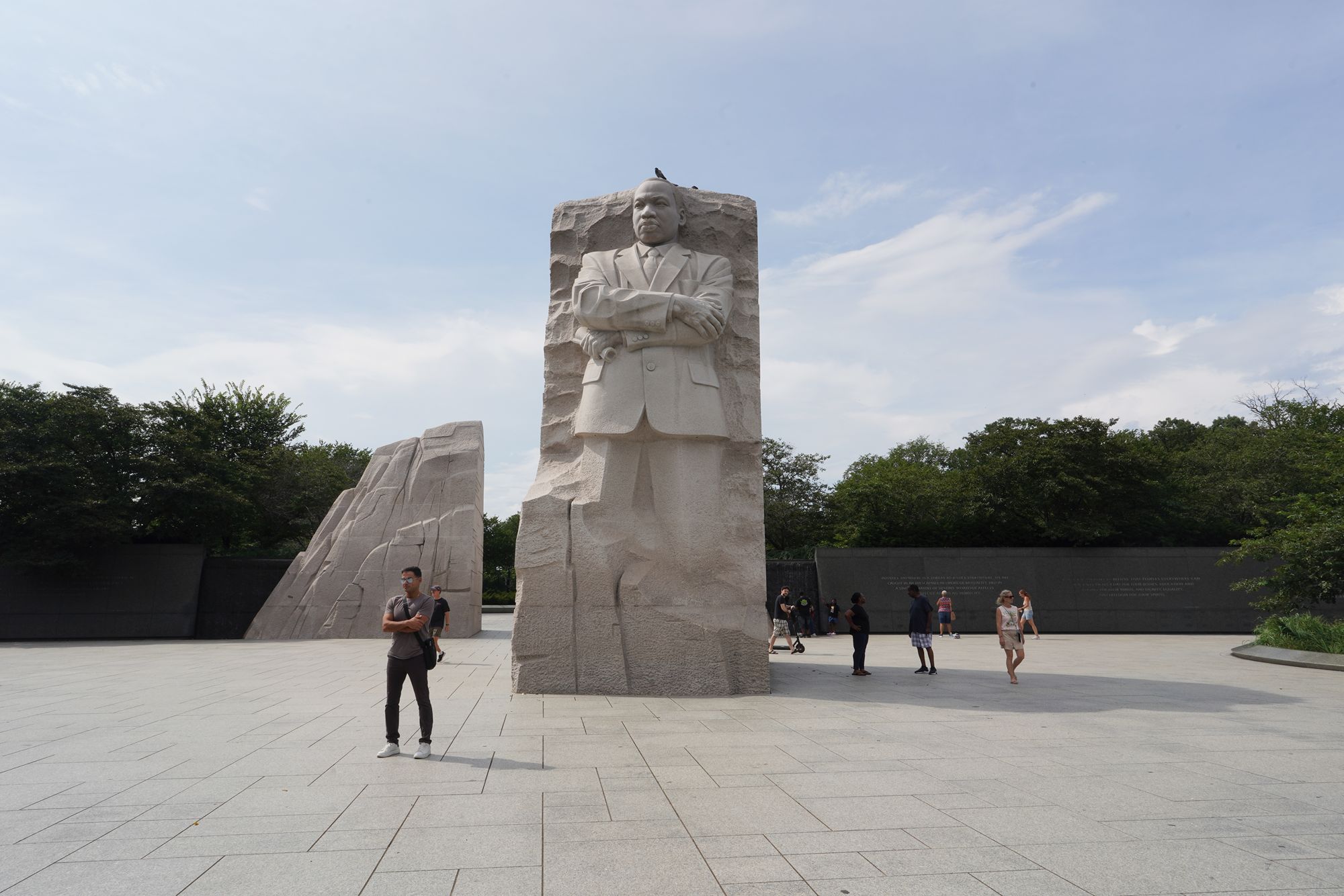
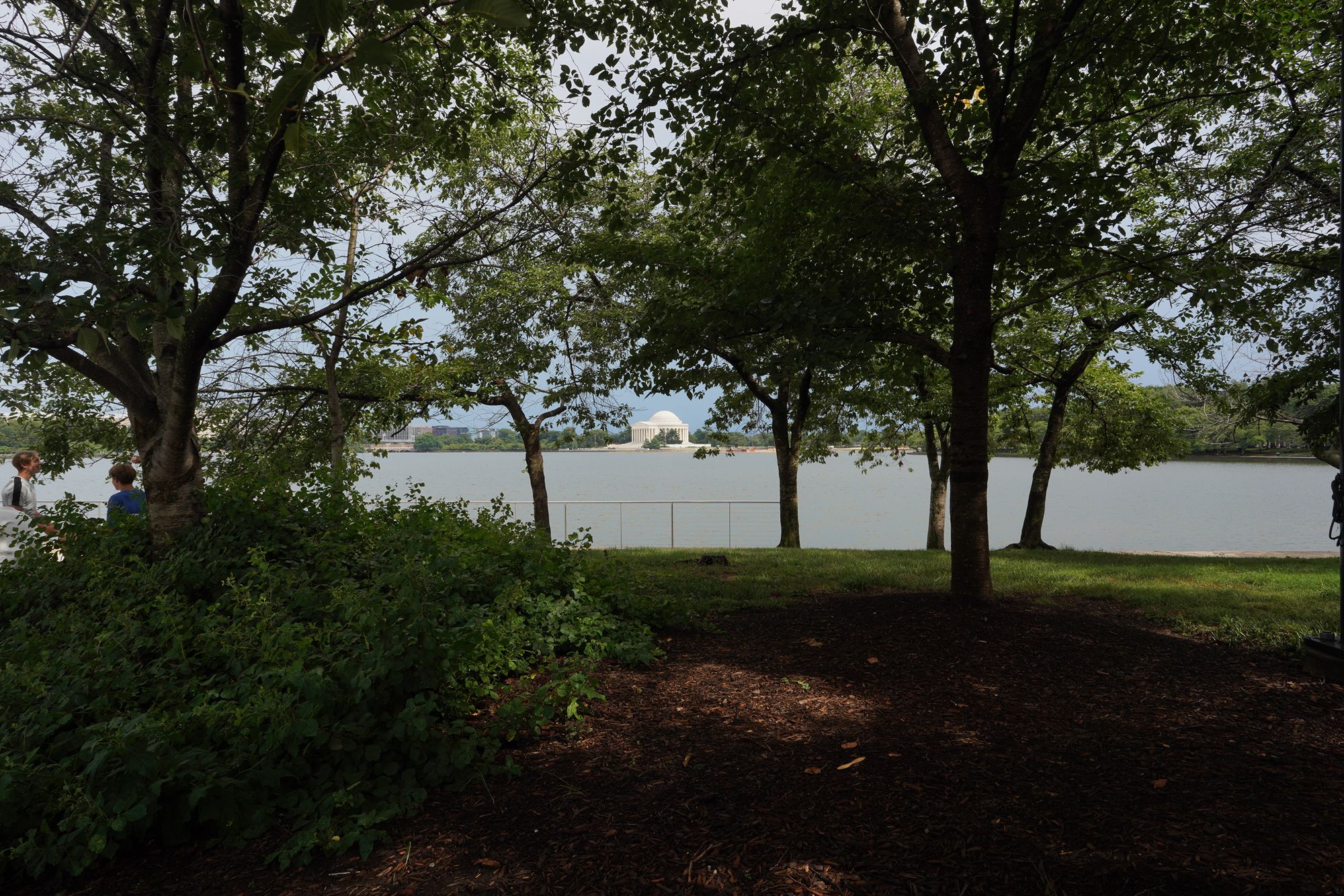
In the distance stands the Thomas Jefferson Memorial.
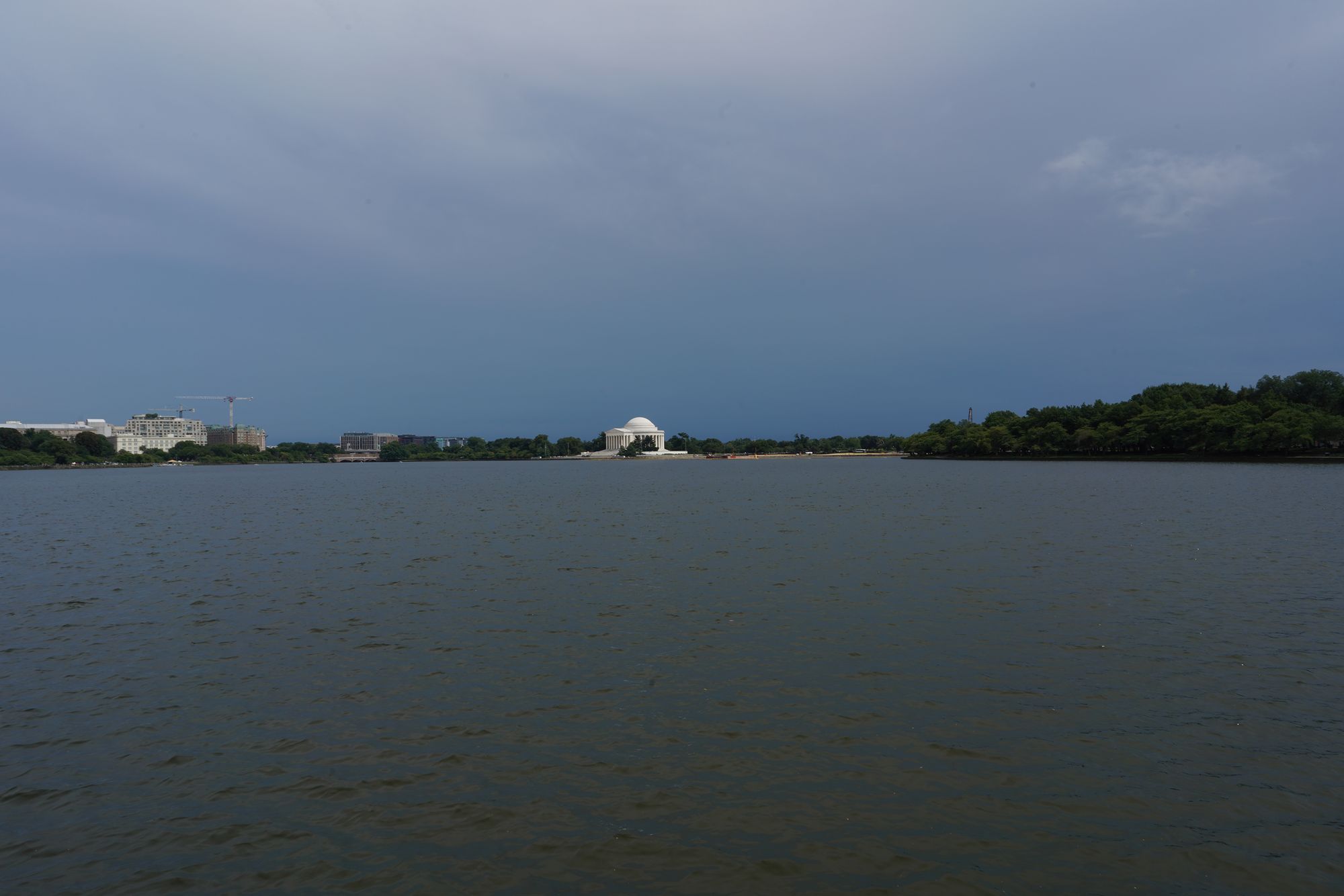
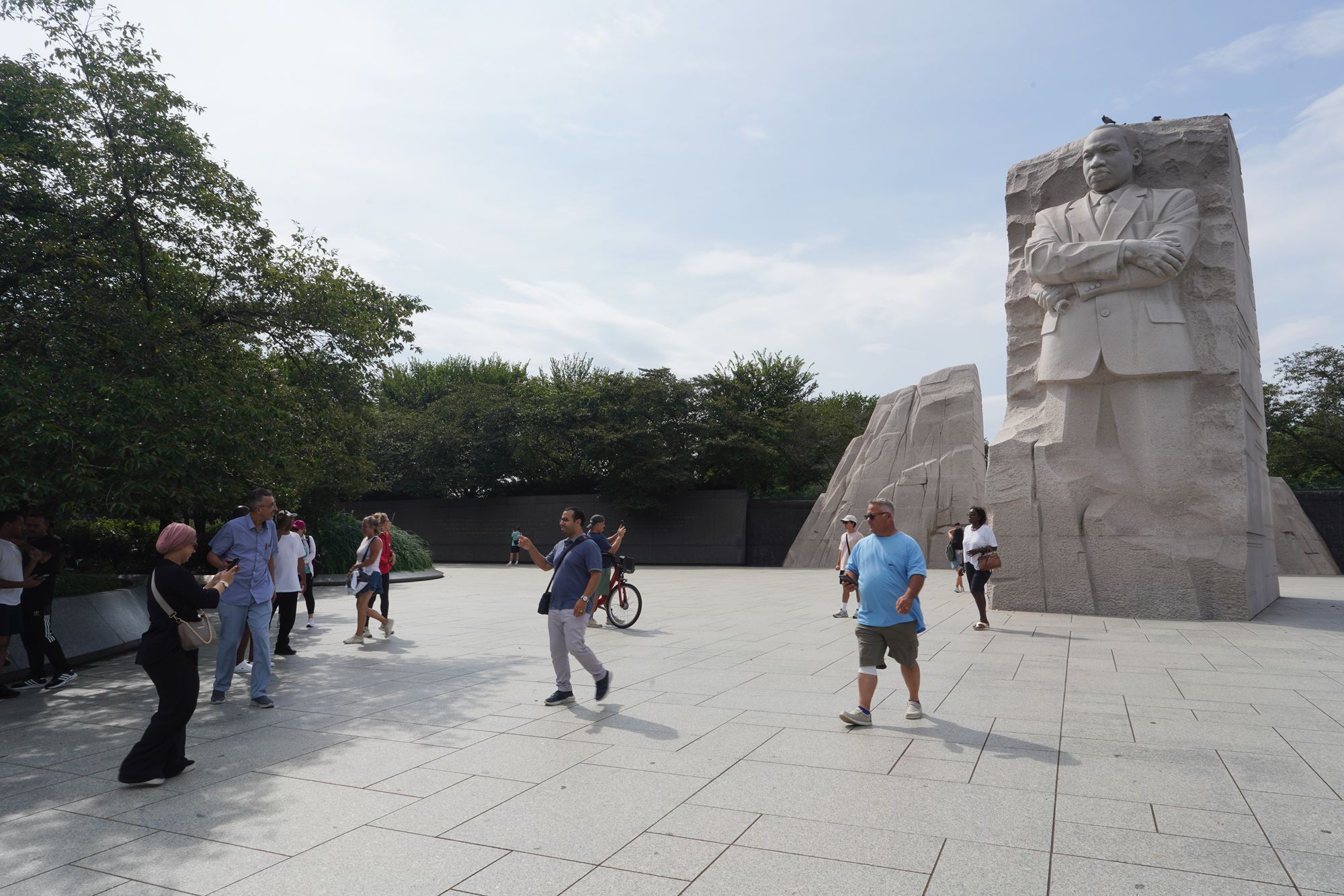
Surrounding the statue is a curved wall inscribed with 14 quotations from Dr. King’s speeches, sermons, and writings, reflecting his vision of equality, nonviolence, and human dignity. The open design, facing the Tidal Basin and cherry trees, creates a peaceful and reflective atmosphere.
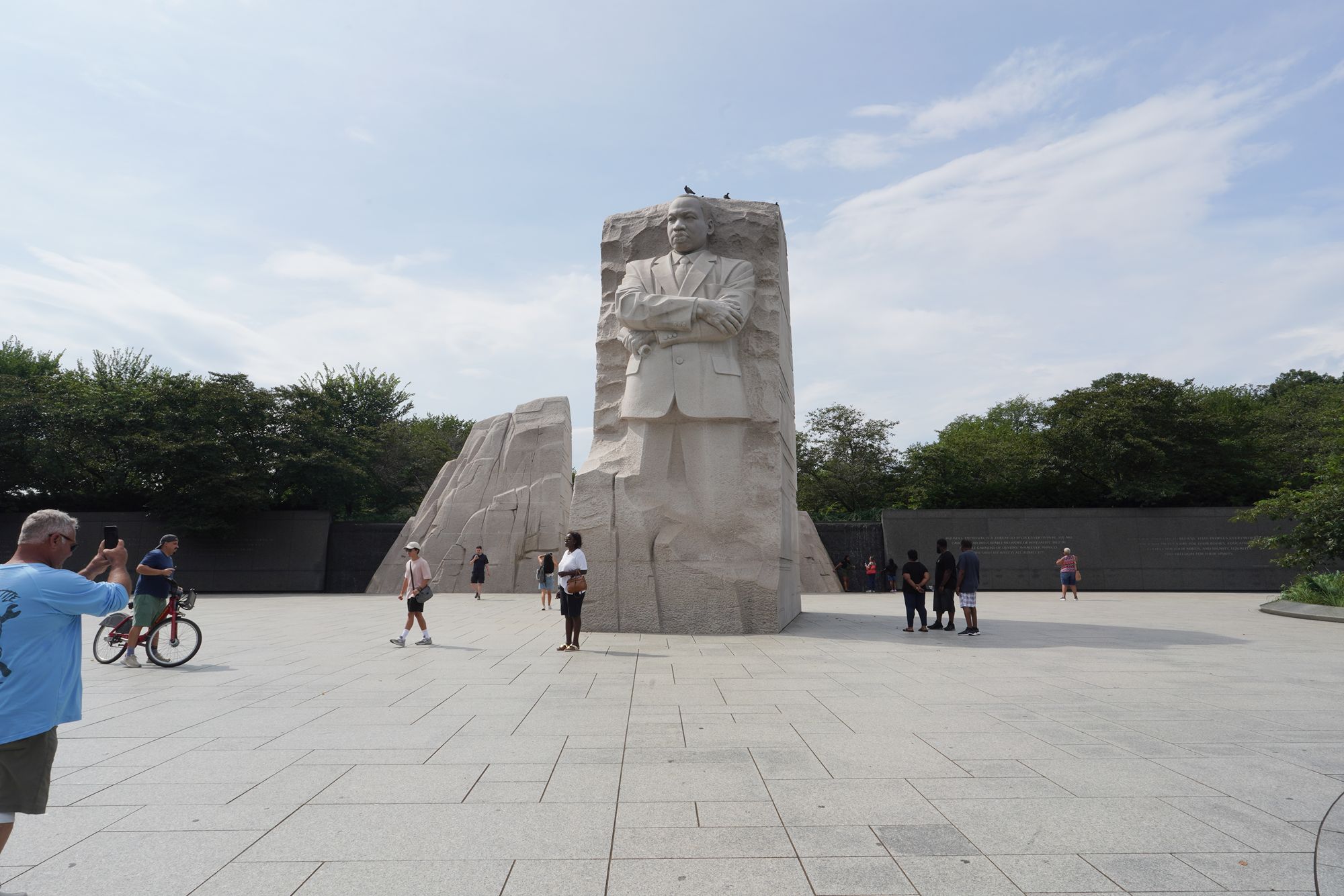
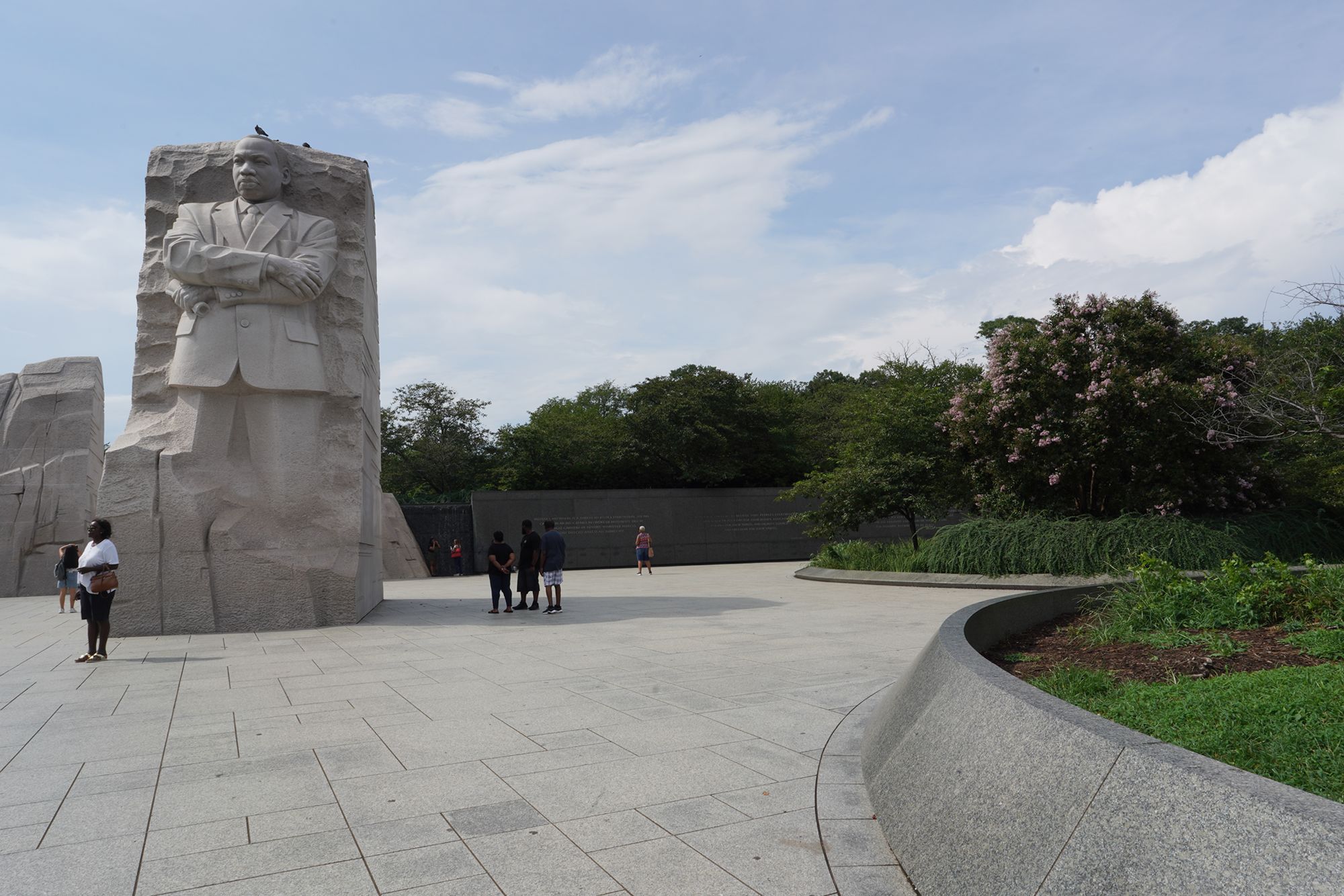
The memorial stands as a powerful reminder of Dr. King’s enduring message—that justice, compassion, and courage can move a nation toward equality and freedom for all.
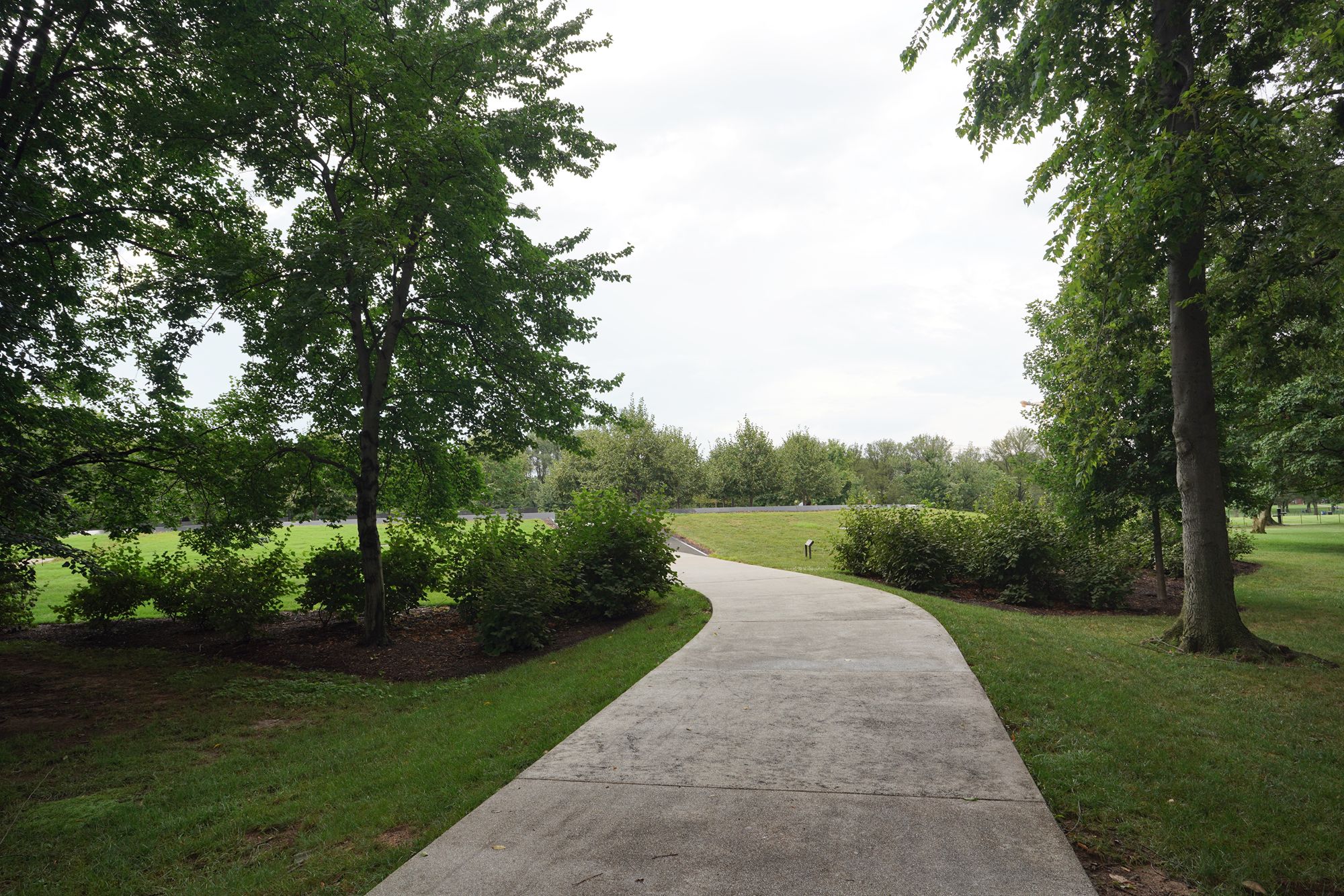
After visiting the Martin Luther King Jr. Memorial, I walked to the Korean War Veterans Memorial.
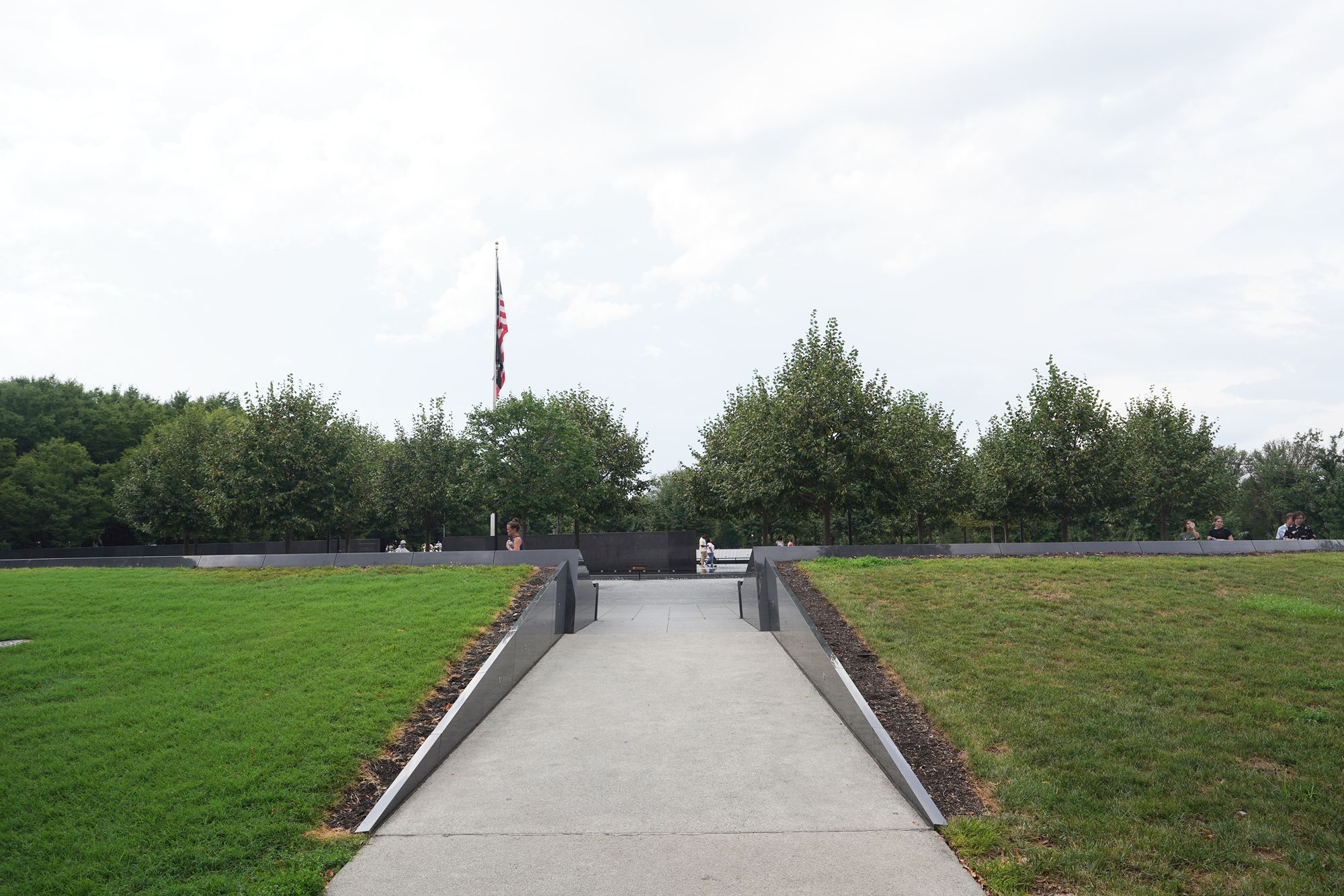
The Korean War Veterans Memorial in Washington, D.C. honors the 5.8 million Americans who served during the Korean War (1950–1953) and the more than 36,000 who lost their lives. Dedicated in 1995, it is located in West Potomac Park, near the Lincoln Memorial and the Reflecting Pool.
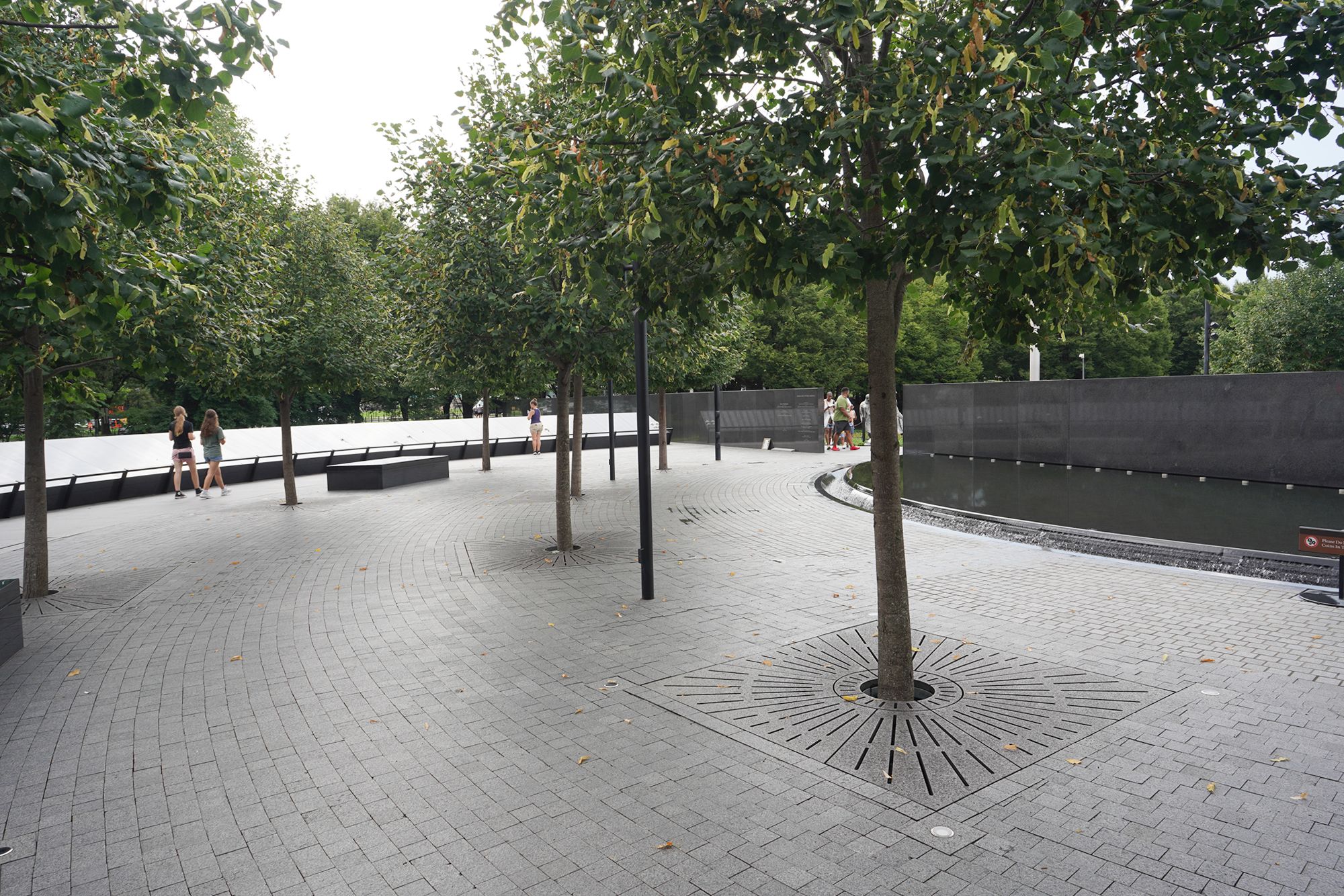
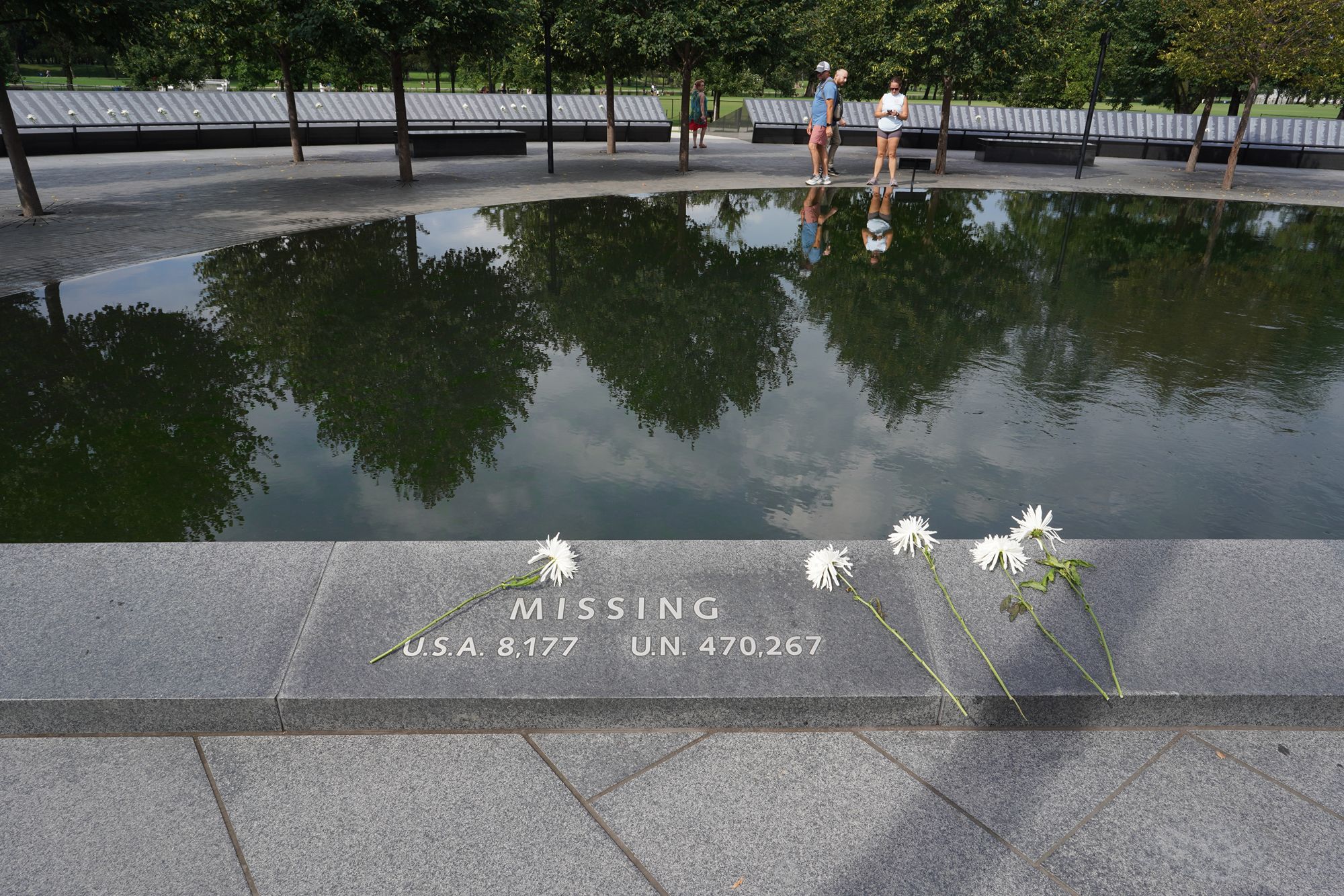
A Pool of Remembrance offers a quiet space for reflection, surrounded by inscriptions of casualty numbers from both the United States and United Nations forces.
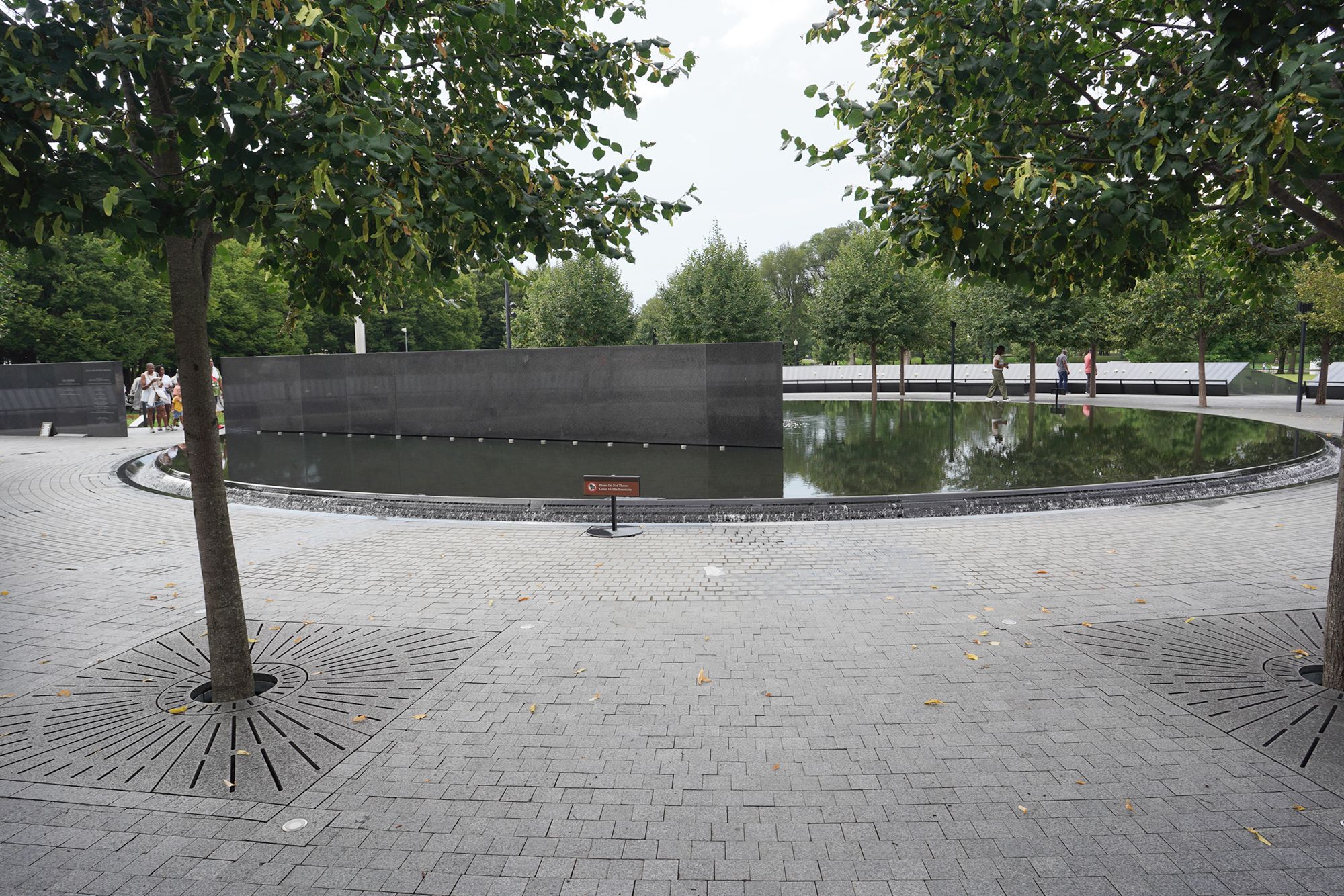
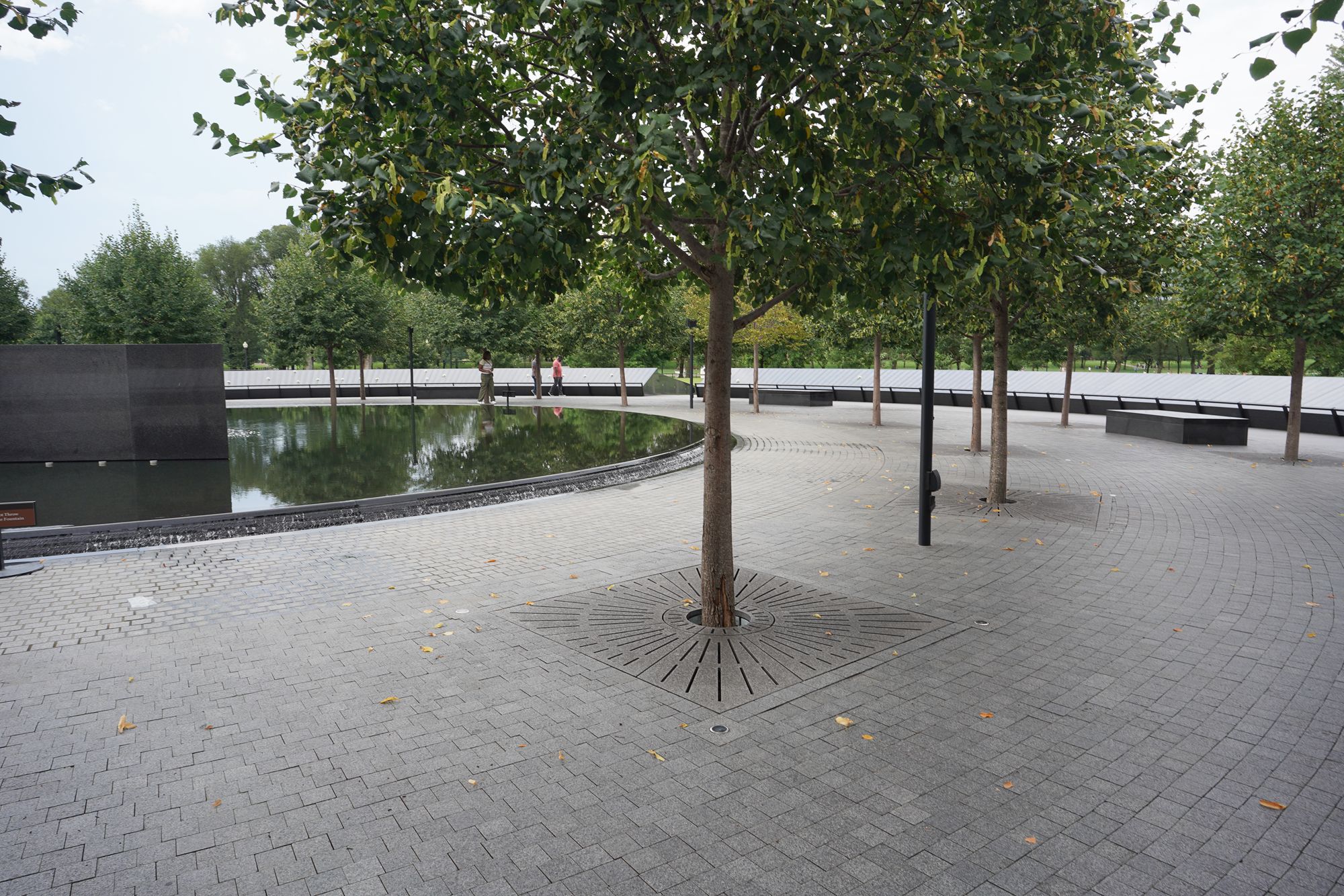
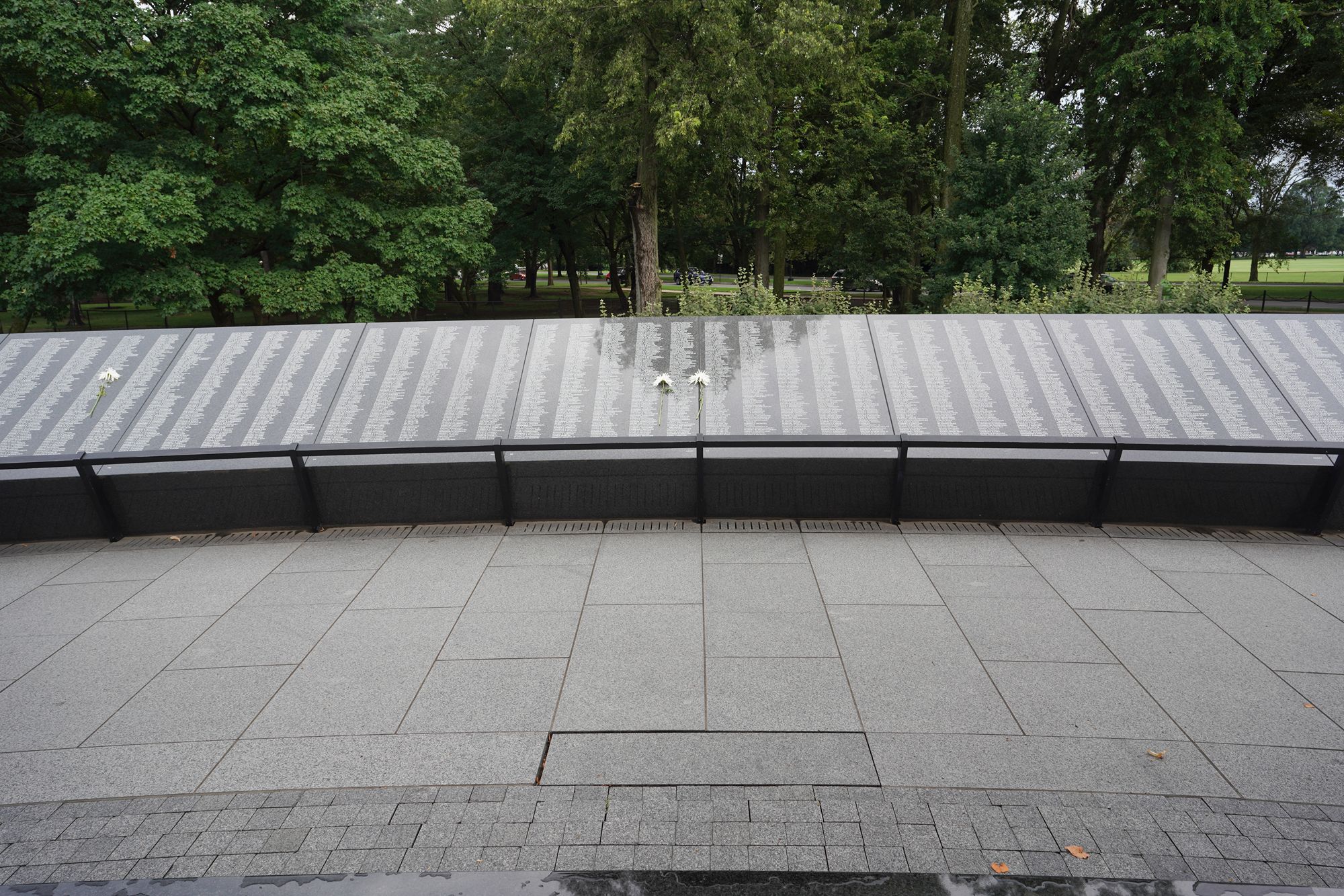
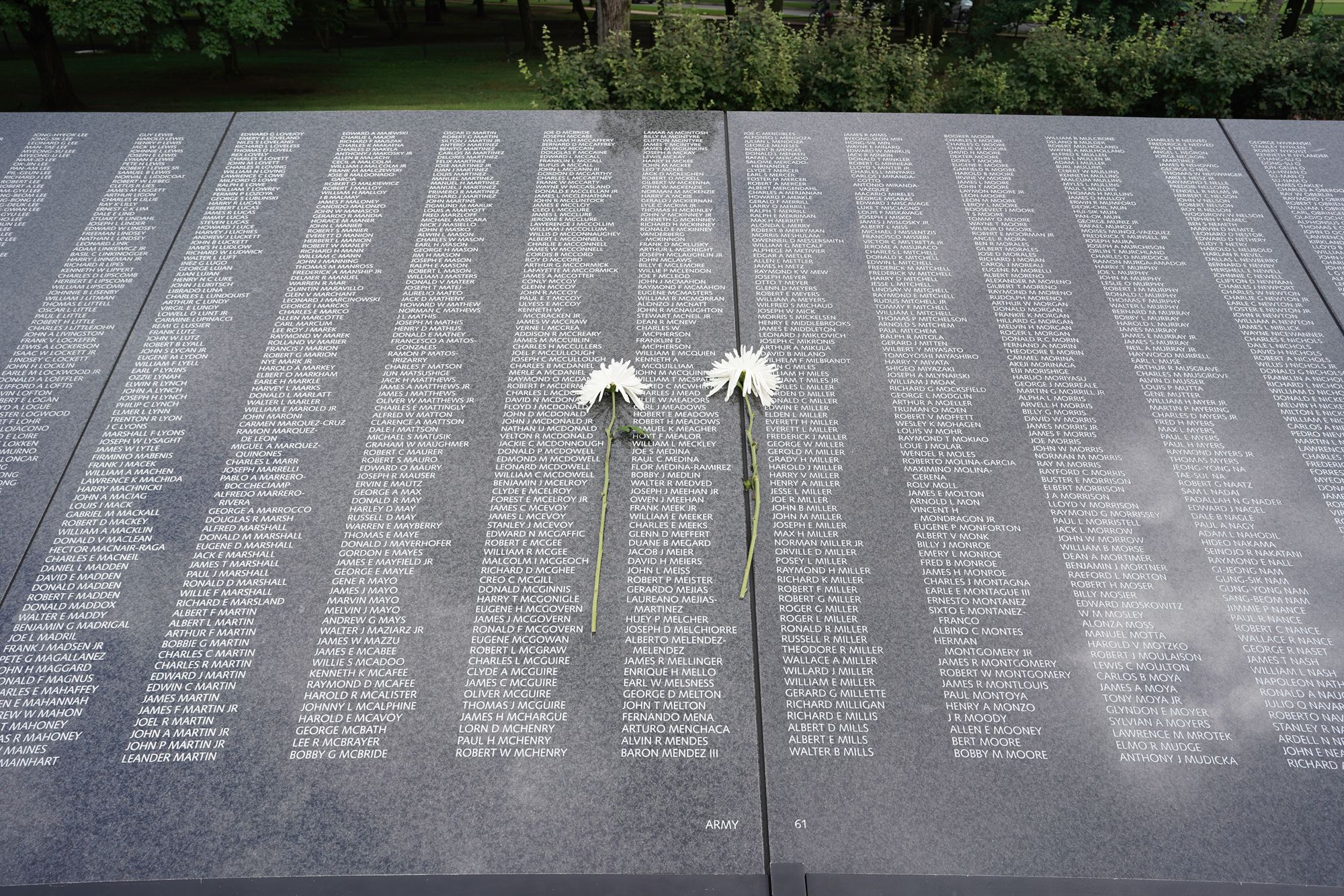
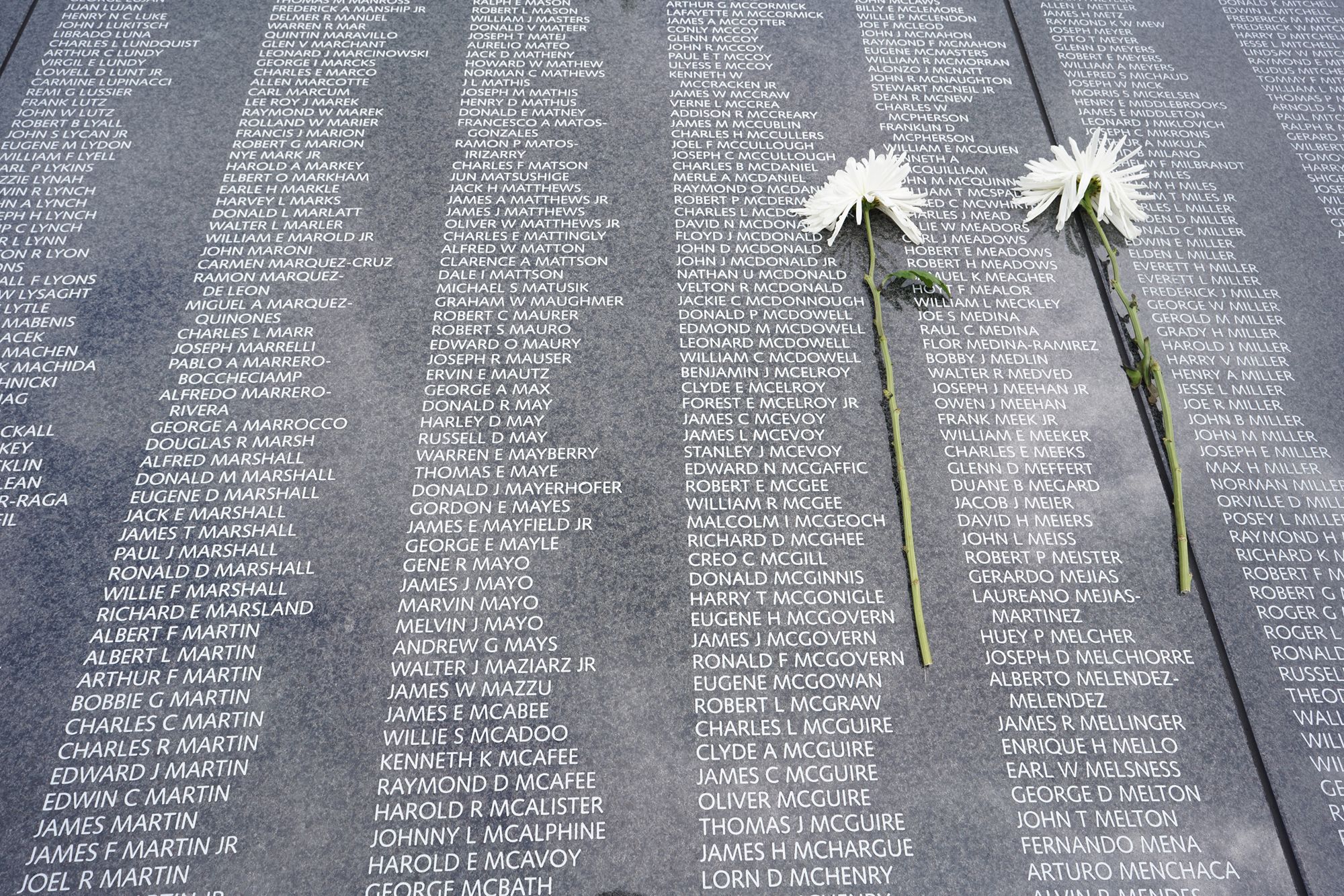
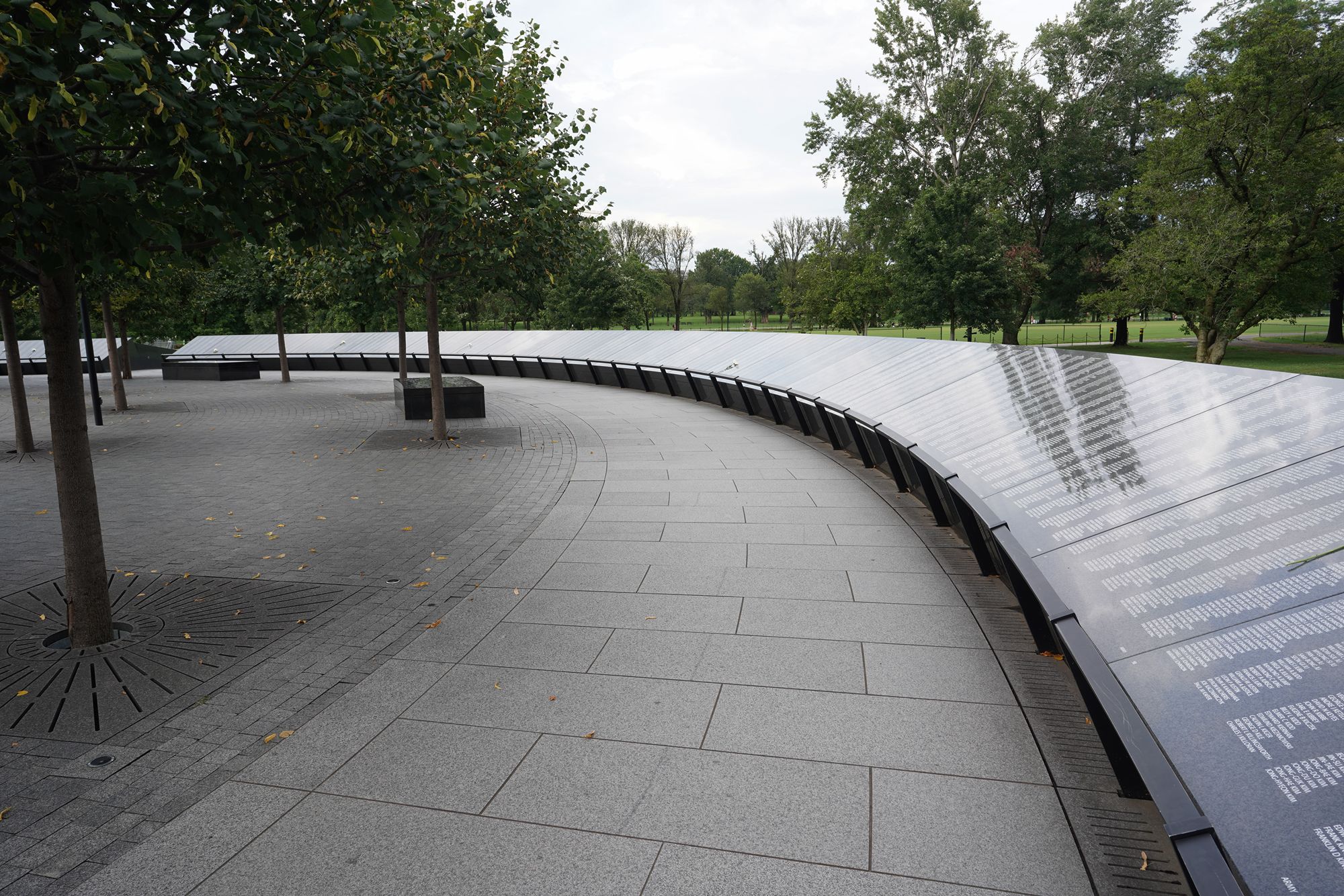
In 2022, a new Wall of Remembrance was added to the memorial. This circular granite wall lists the names of more than 36,000 American service members and over 7,100 members of the Korean Augmentation to the U.S. Army (KATUSA) who were killed during the war, finally giving a name-by-name tribute alongside the original symbolic design.
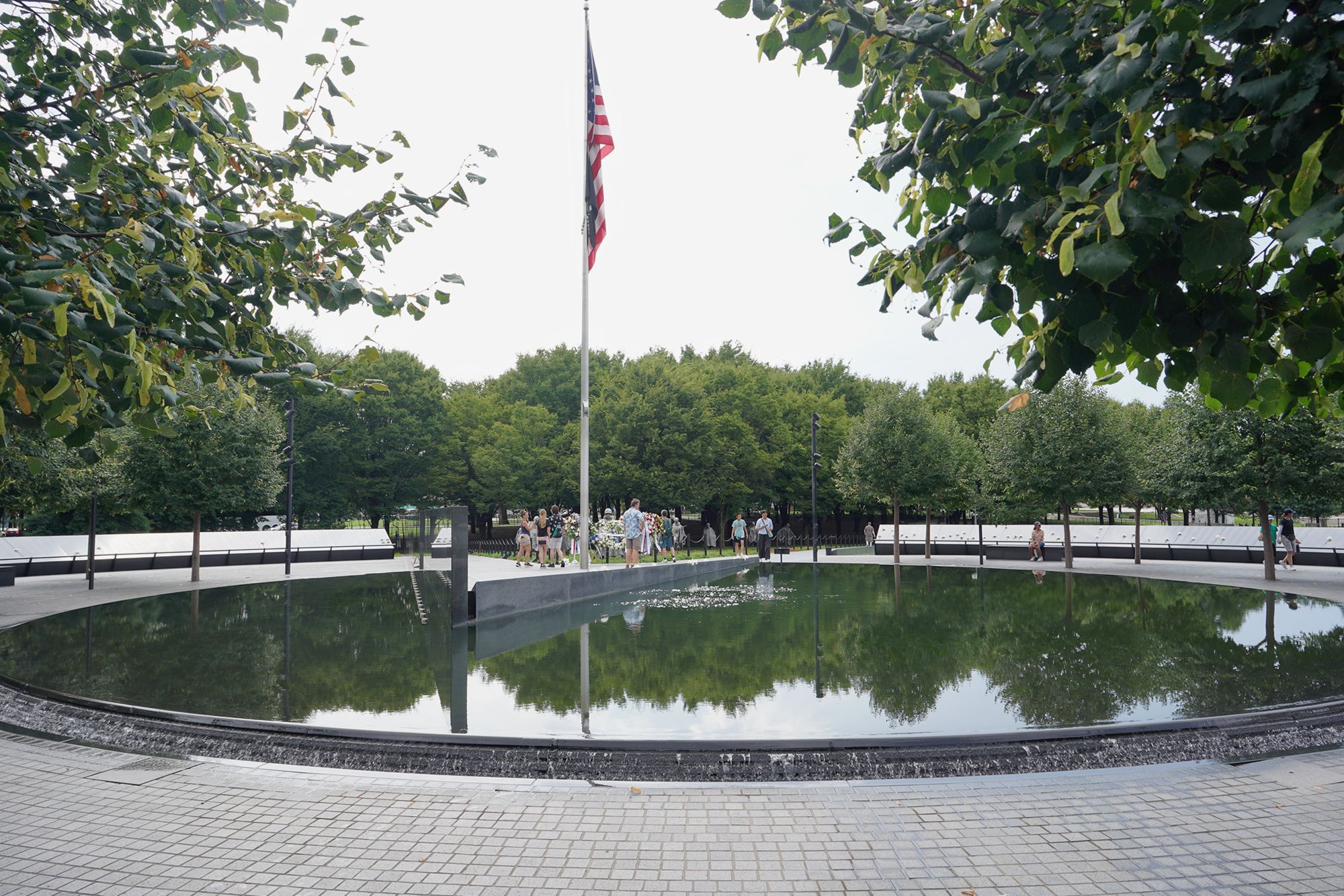
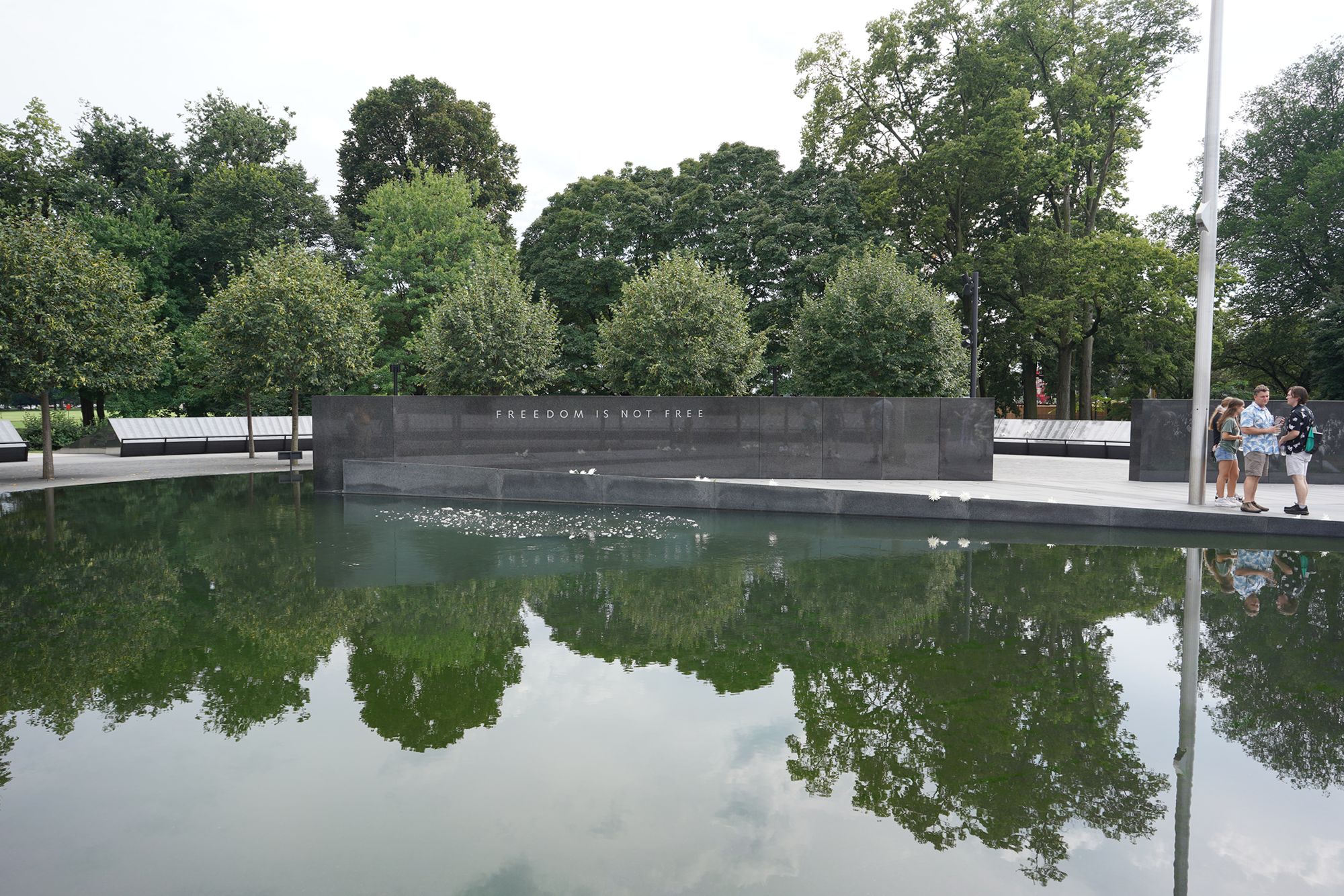
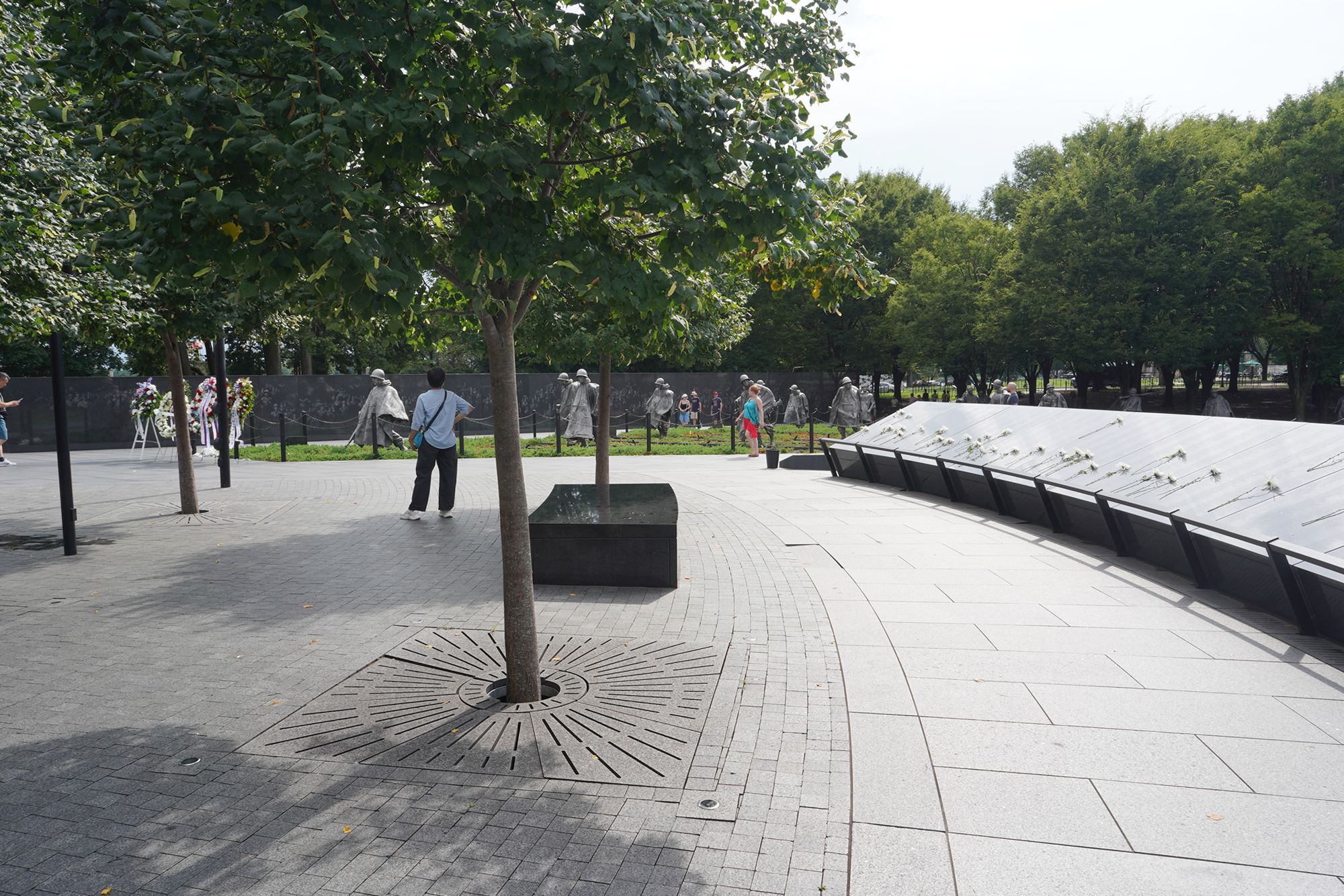
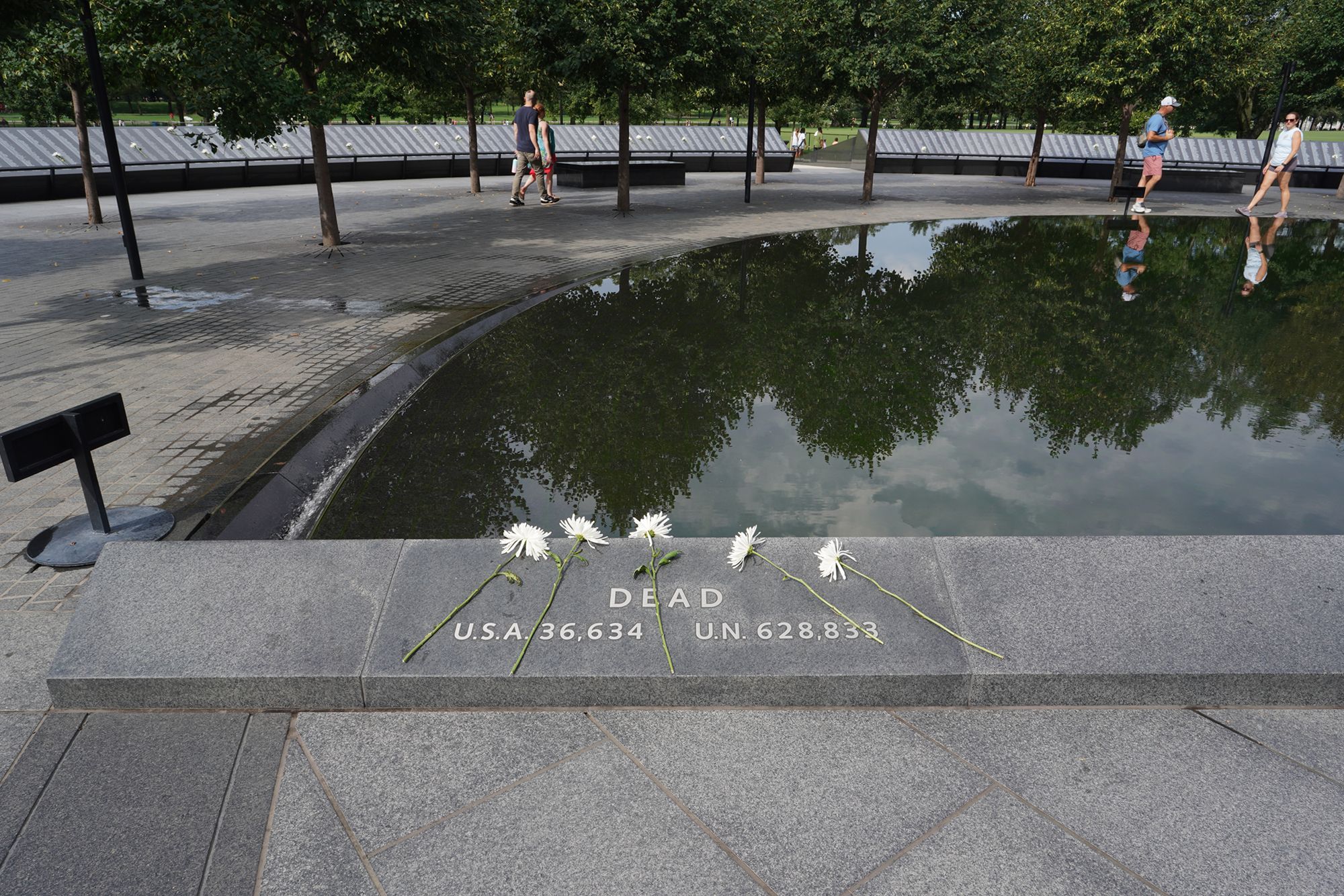
The memorial features a black granite wall etched with more than 2,400 photographic images of service members and support personnel—soldiers, medics, chaplains, nurses, and others—taken from actual wartime photographs.
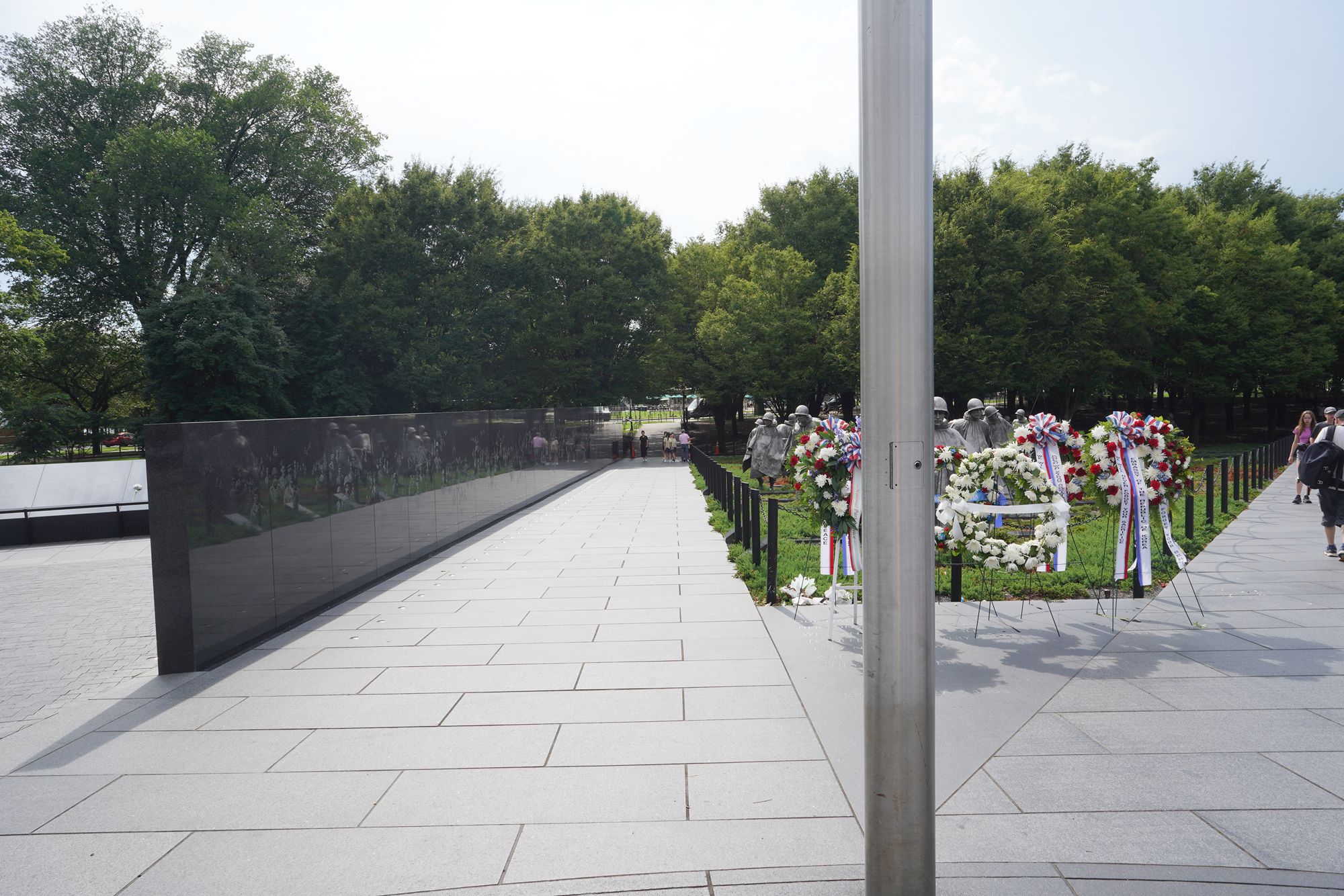
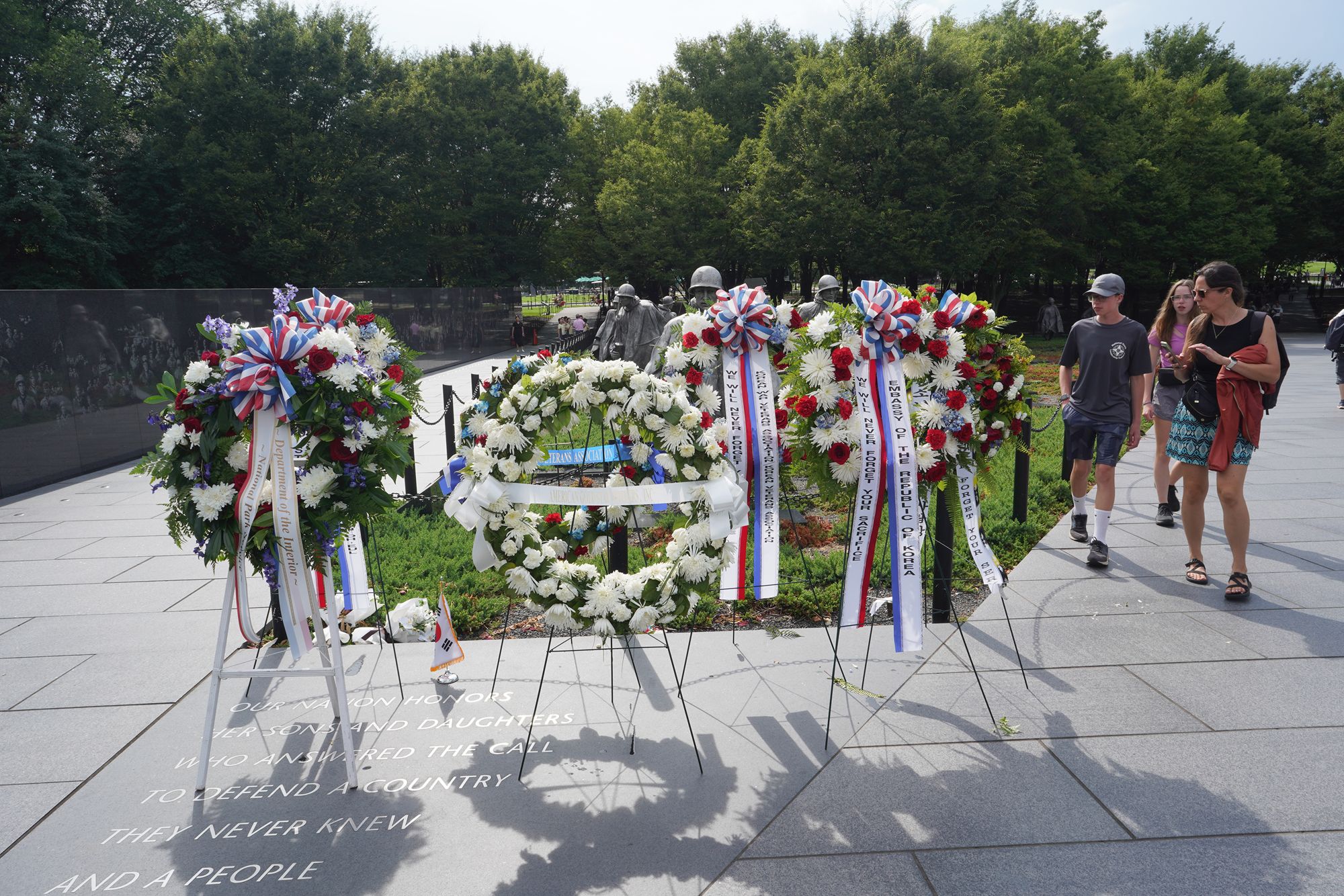
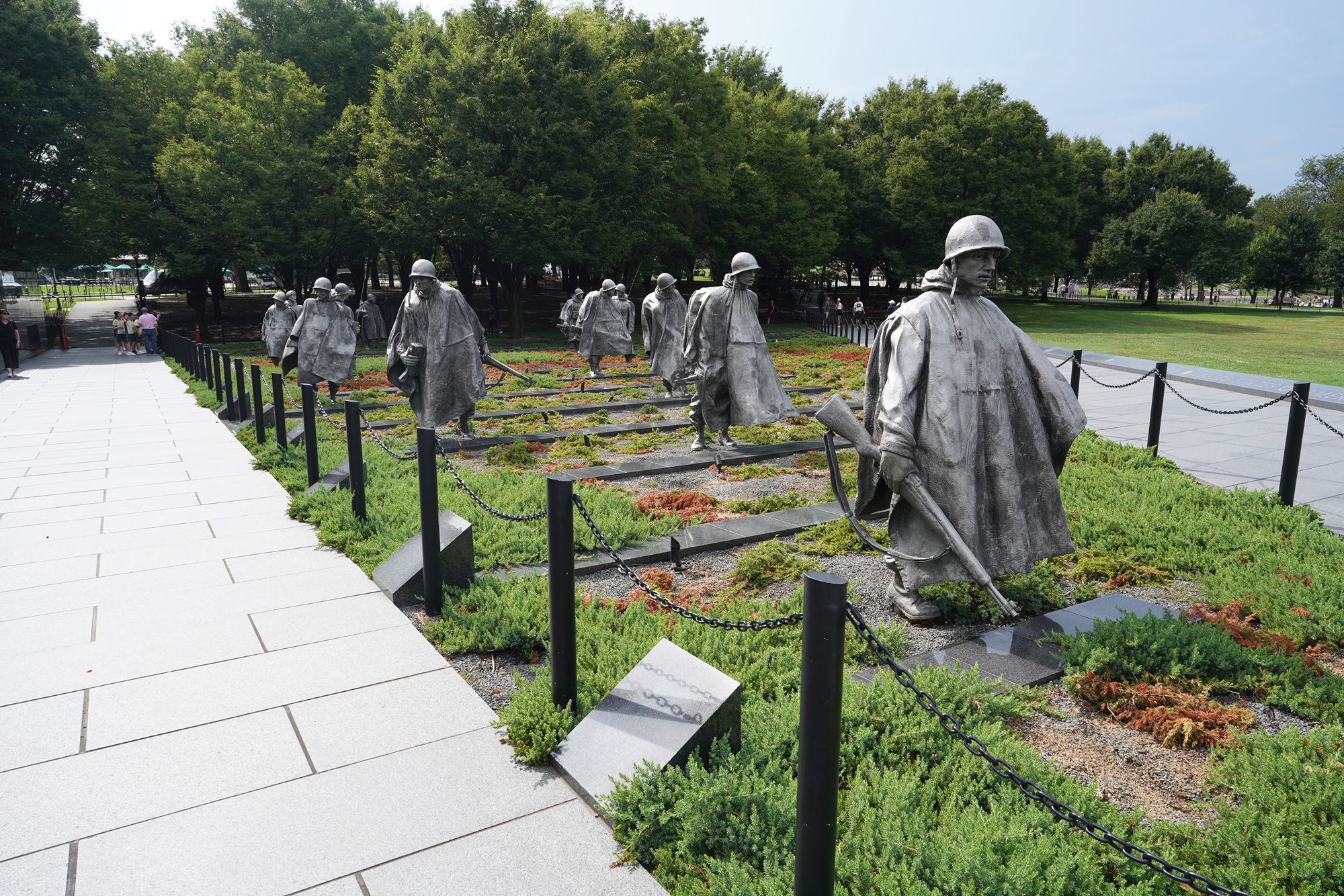
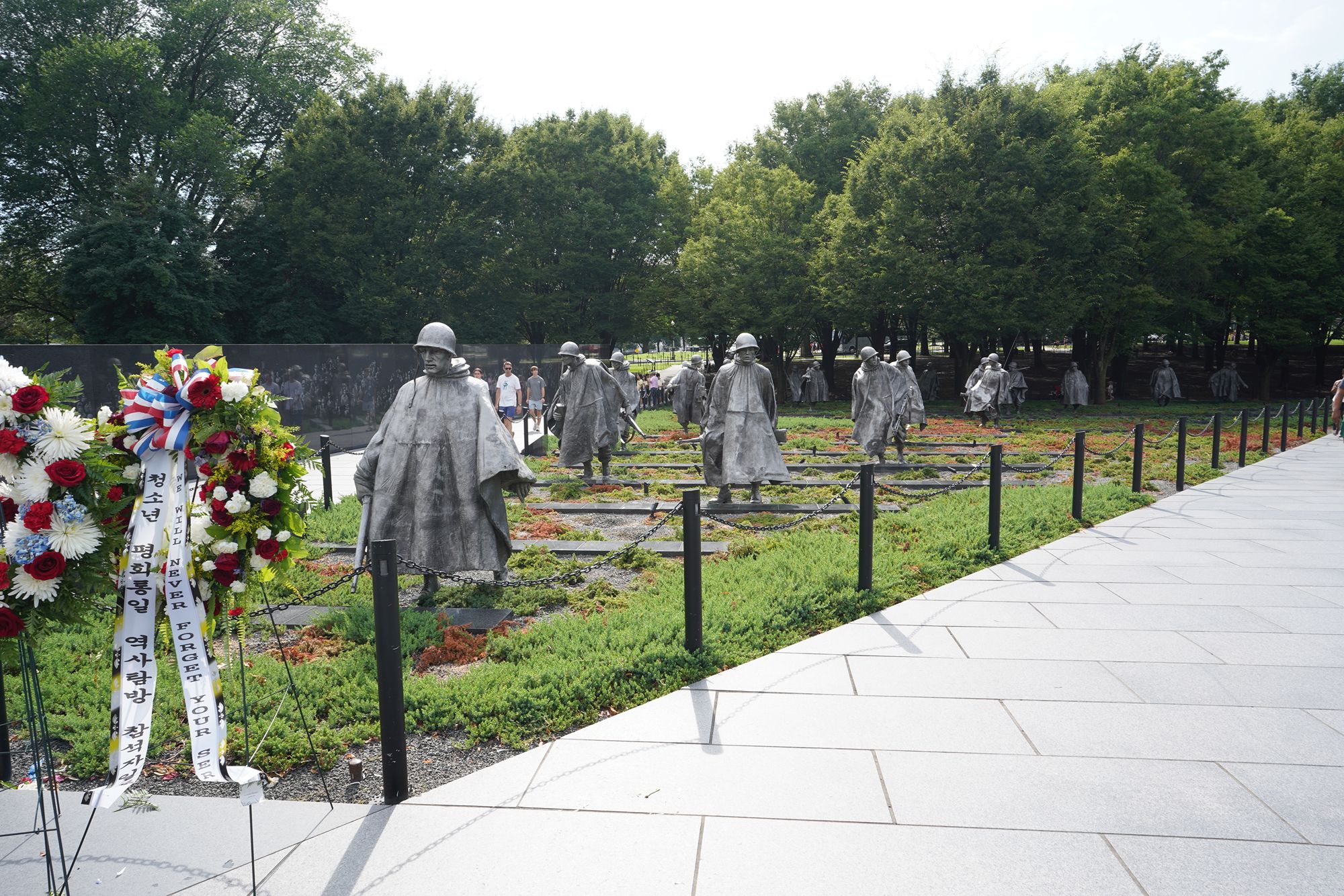
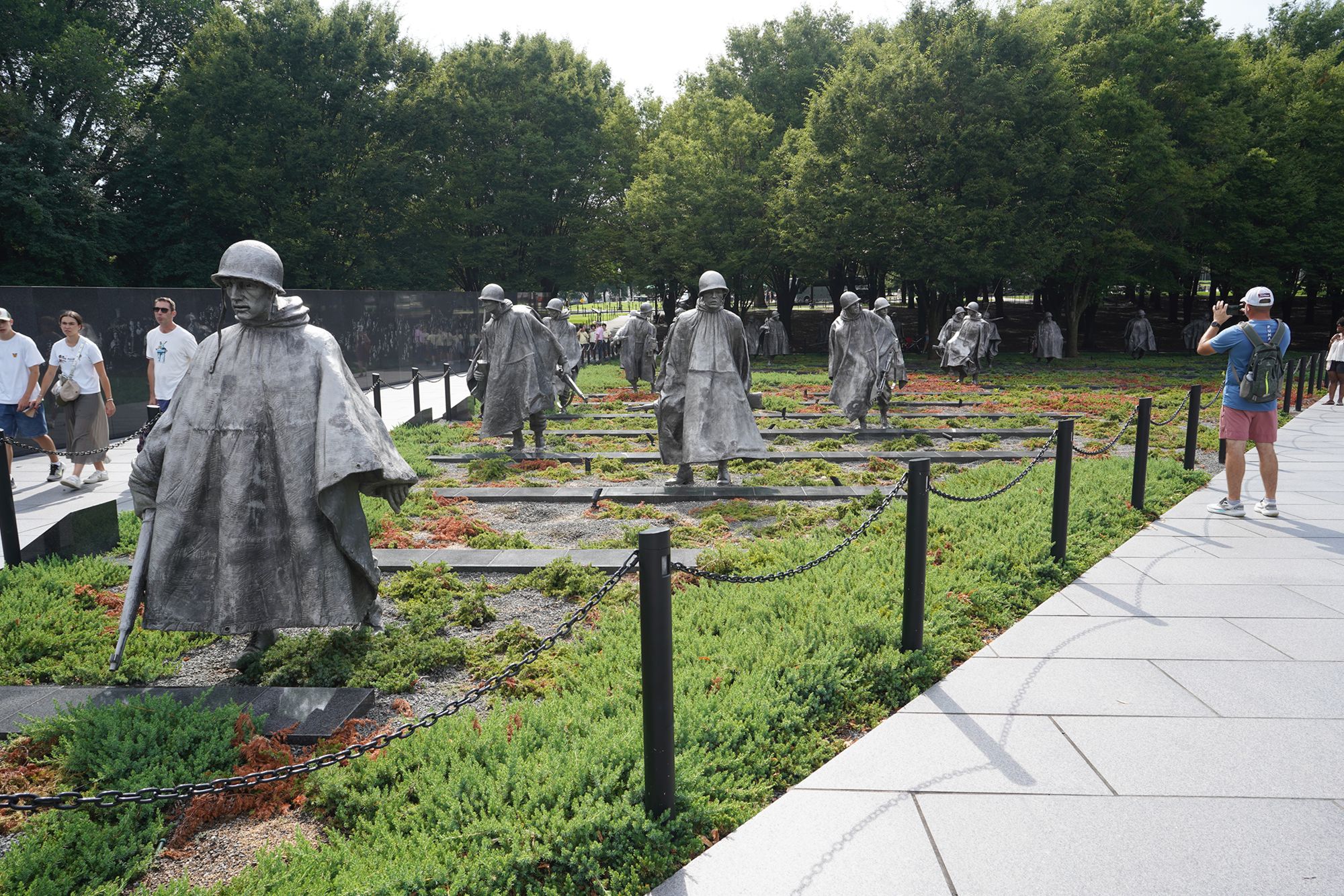
The memorial’s centerpiece features 19 stainless steel statues of soldiers—representing the Army, Navy, Air Force, and Marines—walking through low juniper bushes and granite strips that suggest the rugged terrain of Korea. Their life-size figures, dressed in ponchos and helmets, appear to move forward together, symbolizing unity and determination.
After visiting the Korean War Veterans Memorial, I walked to the Lincoln Memorial.
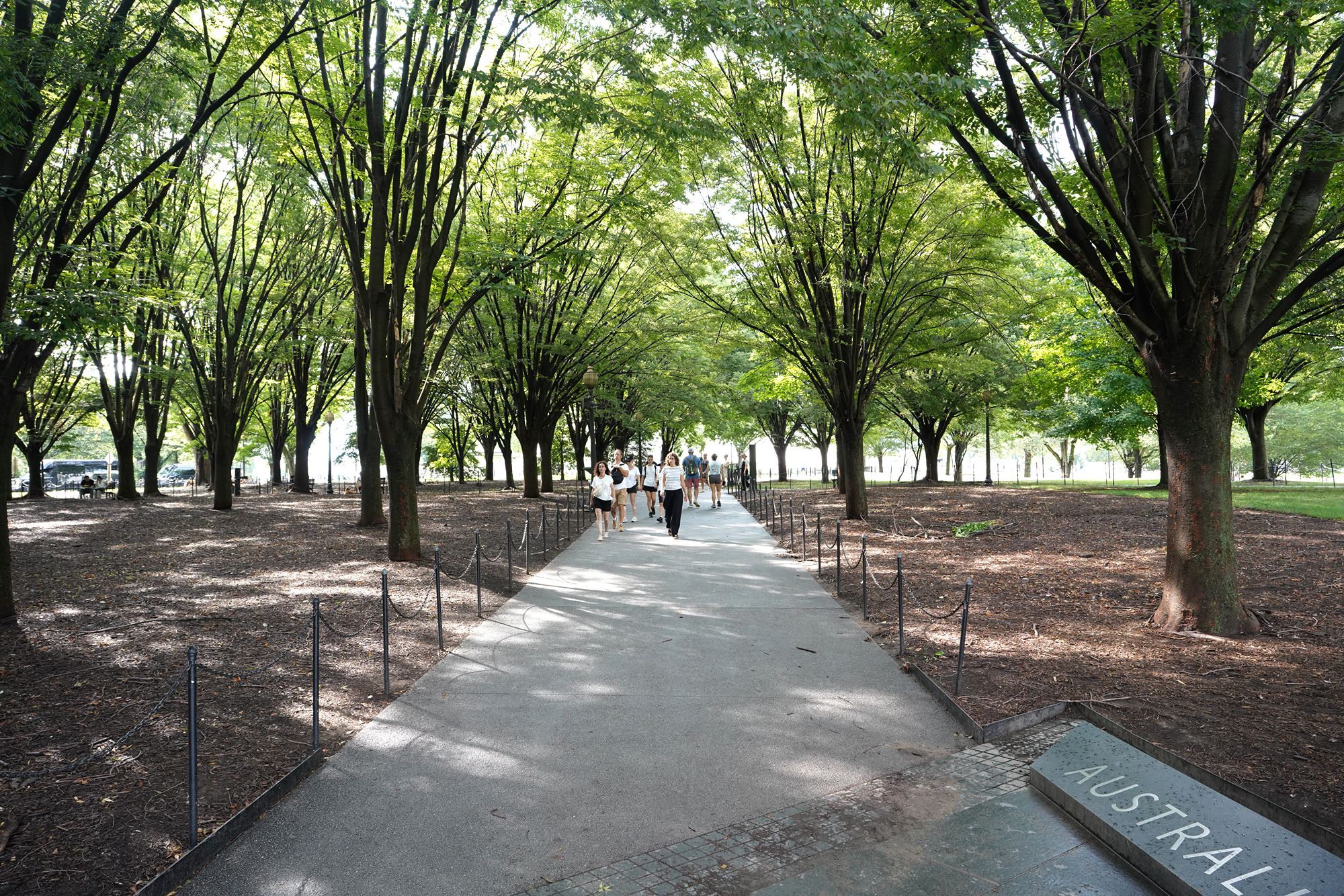
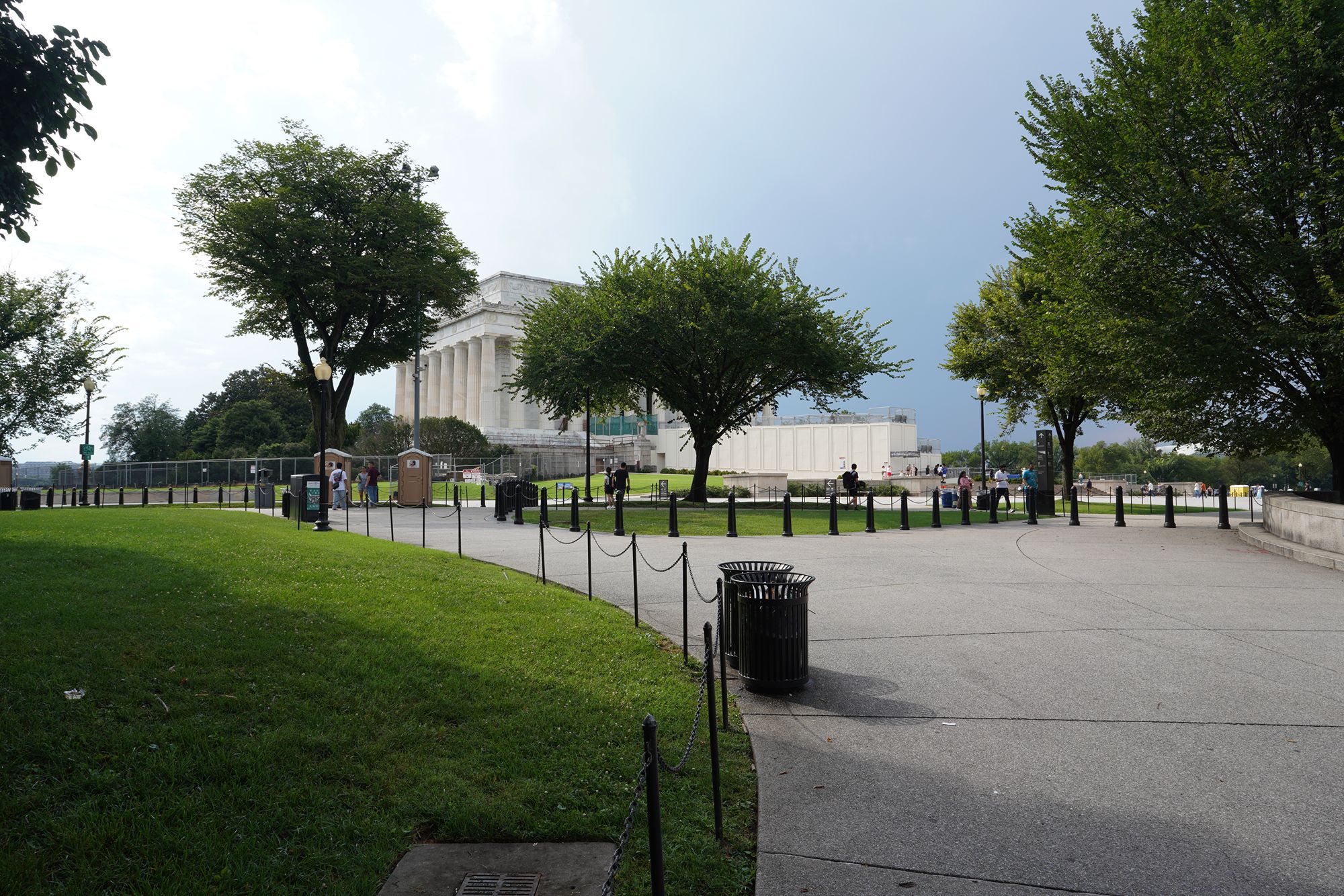
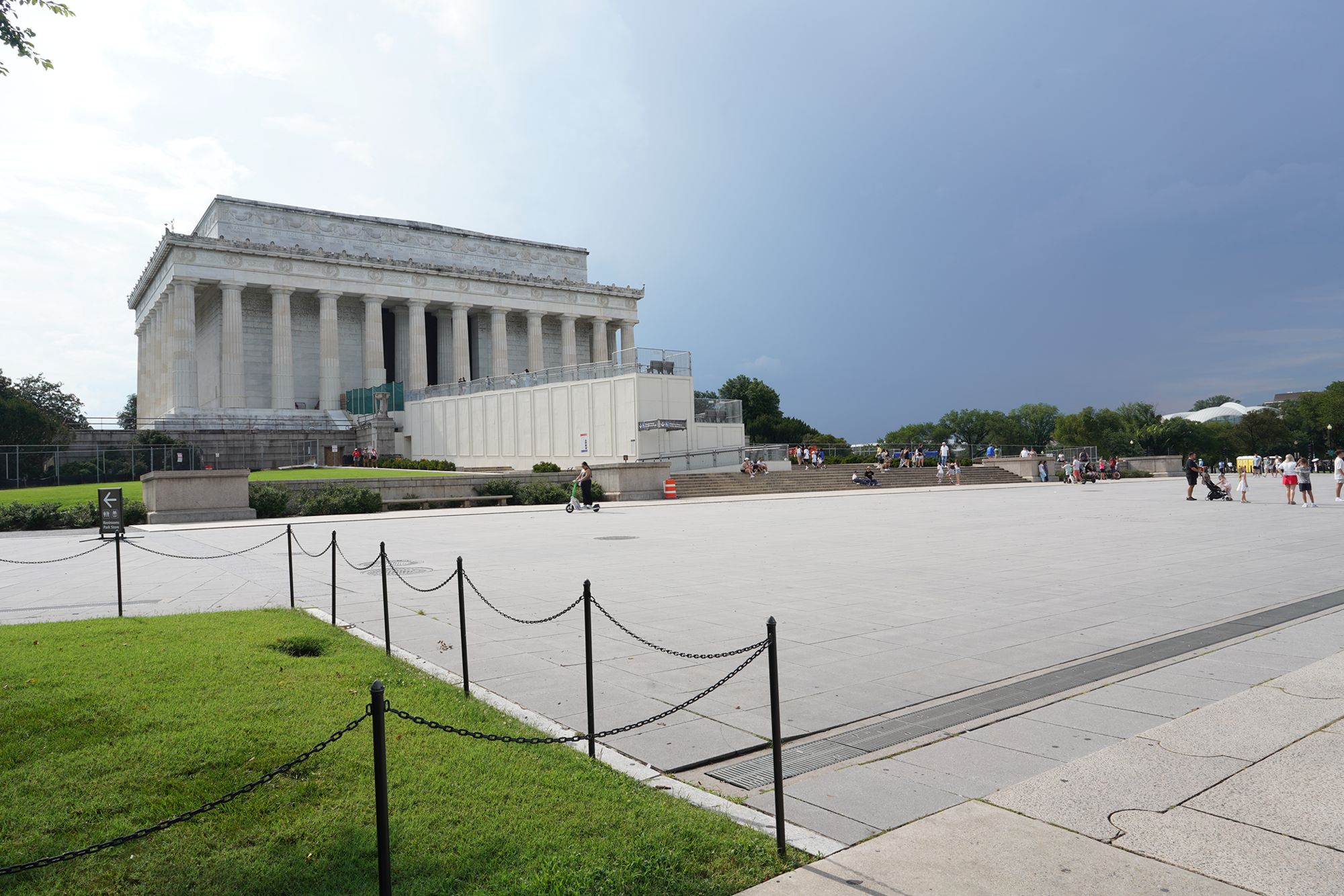
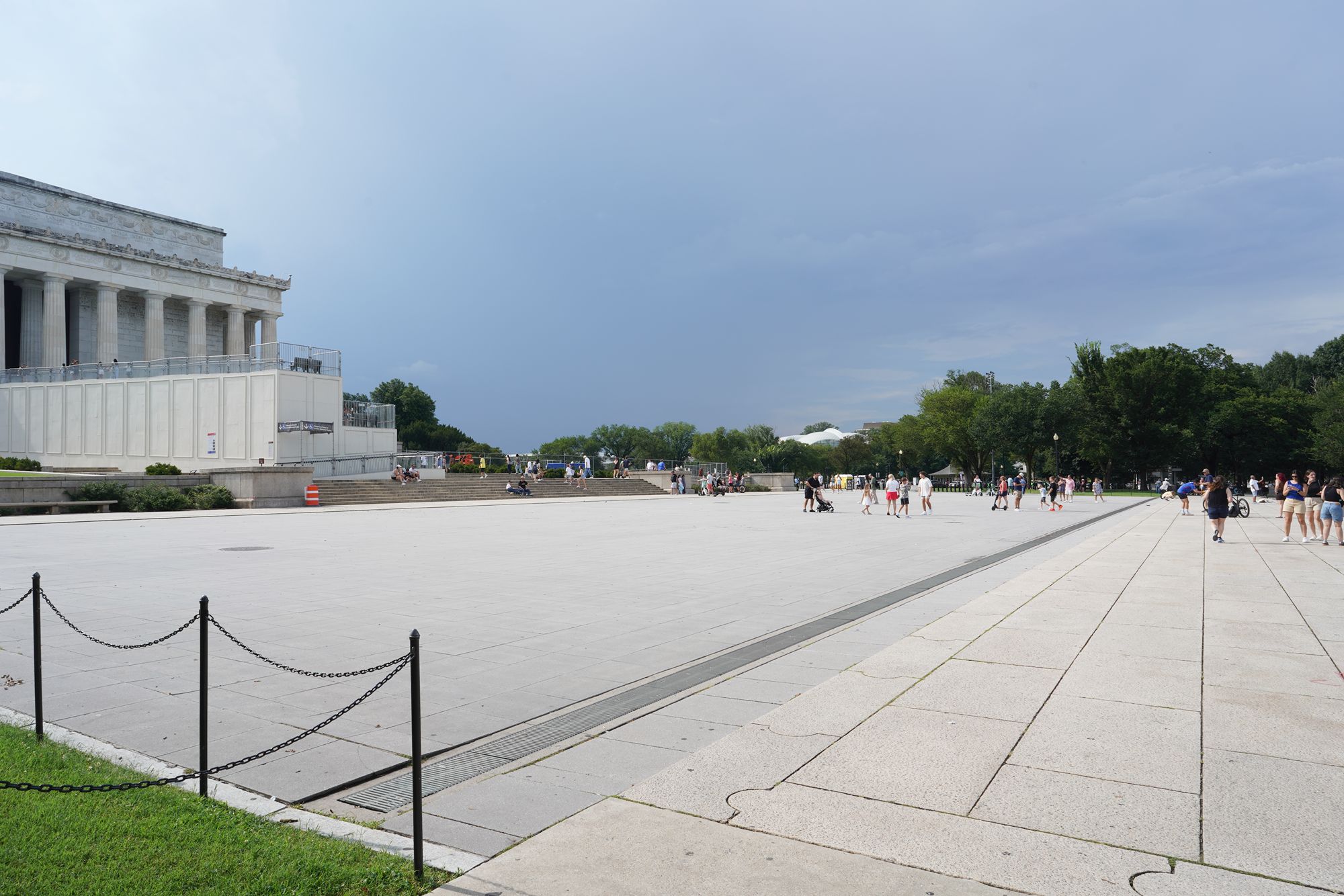
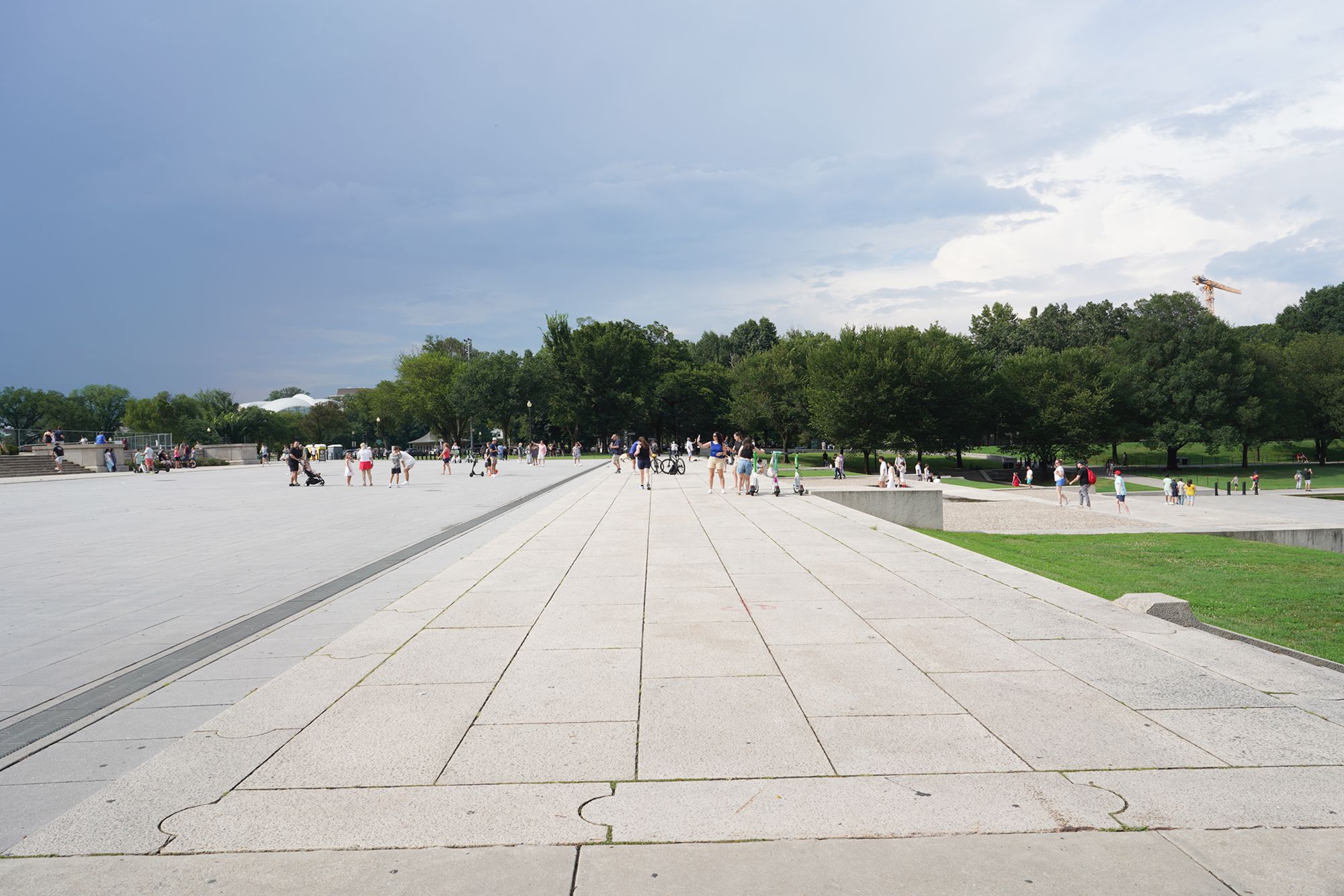
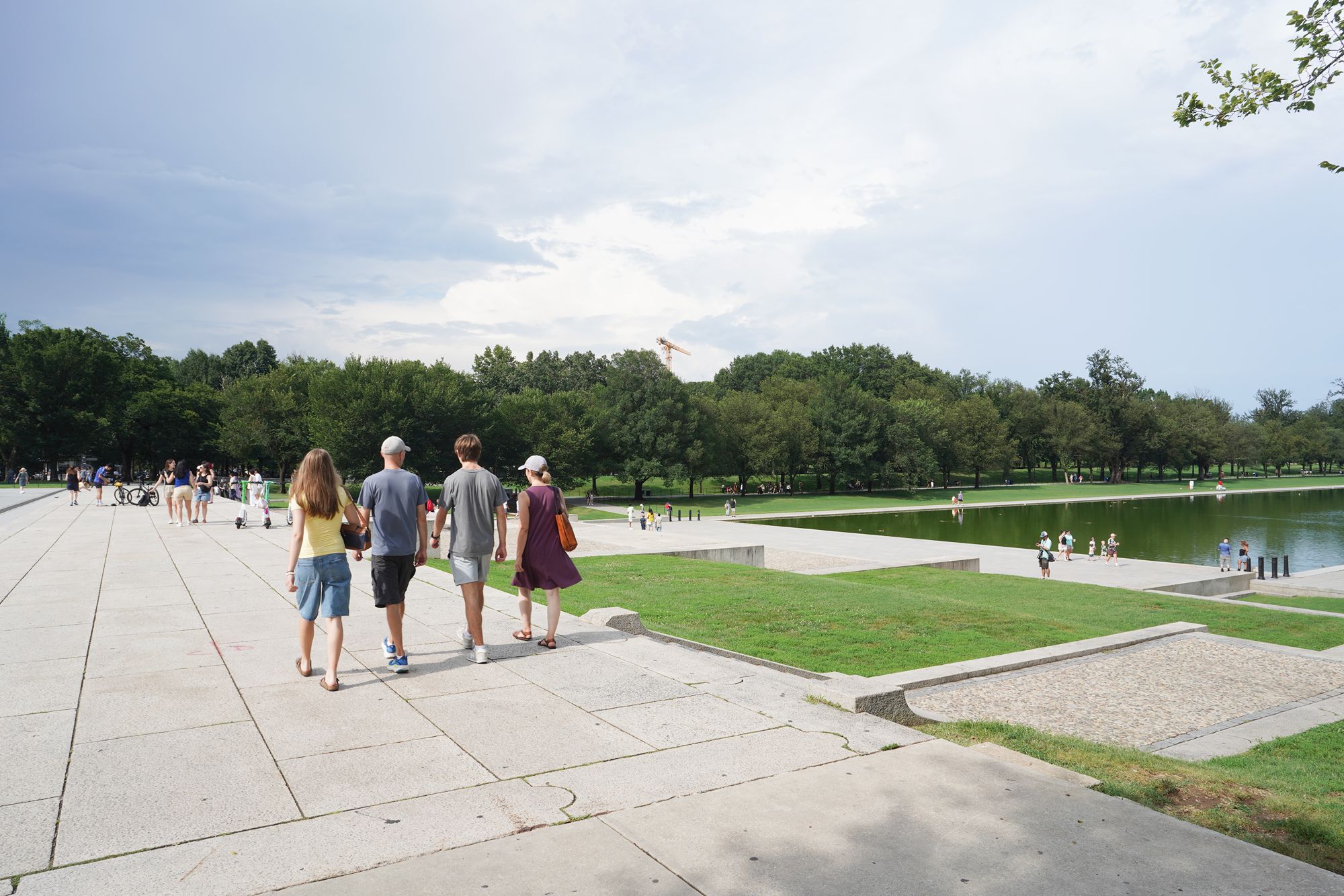
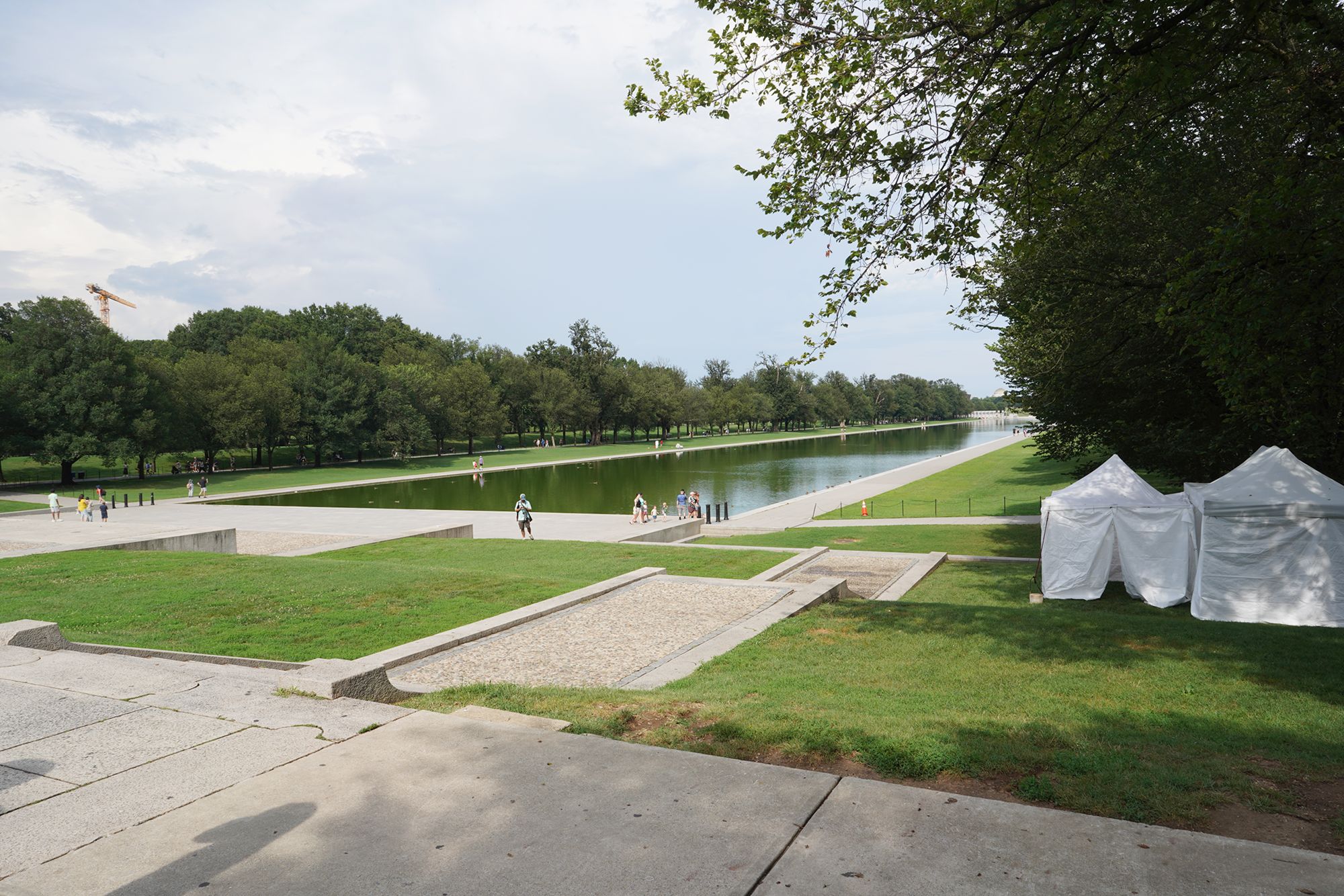
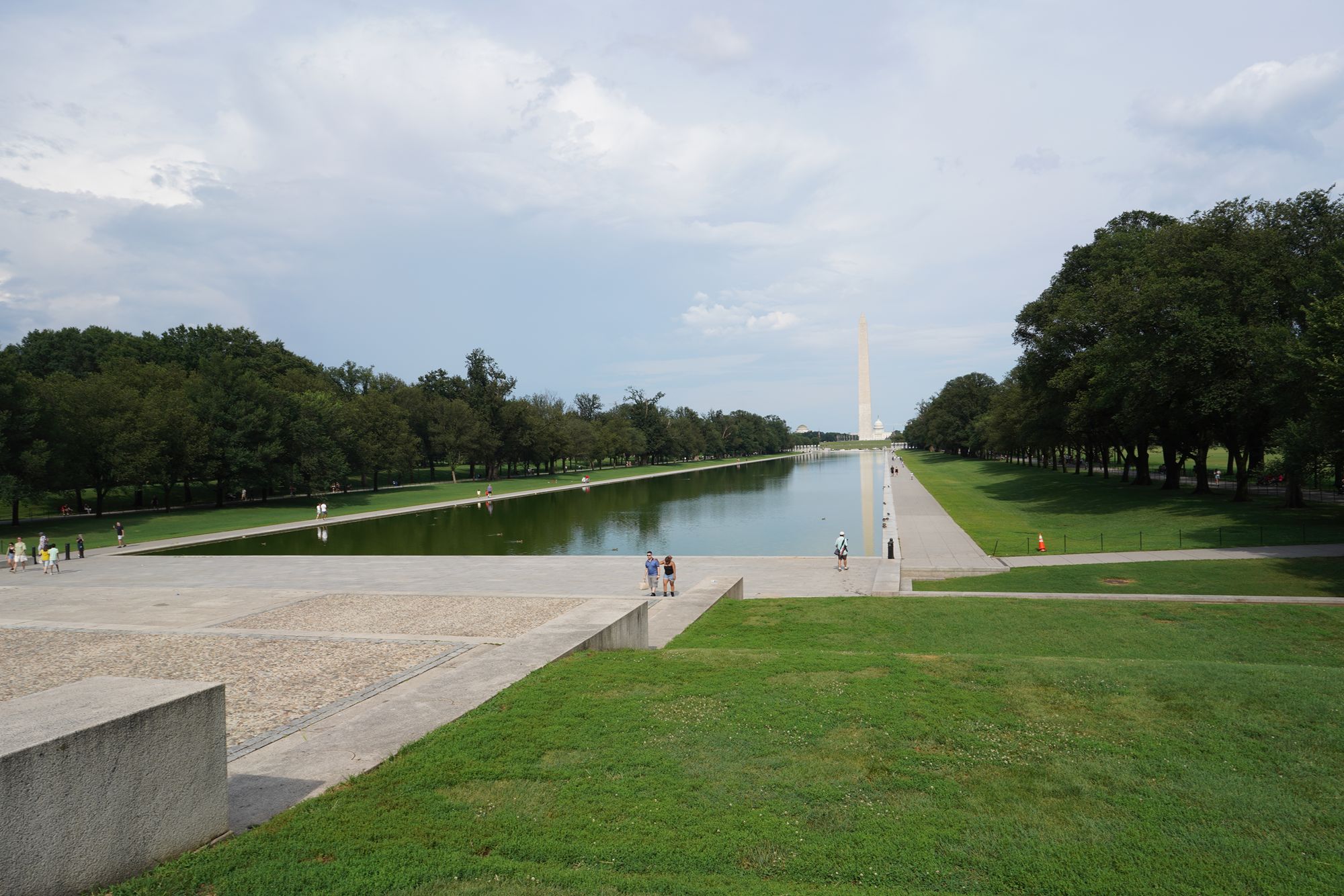
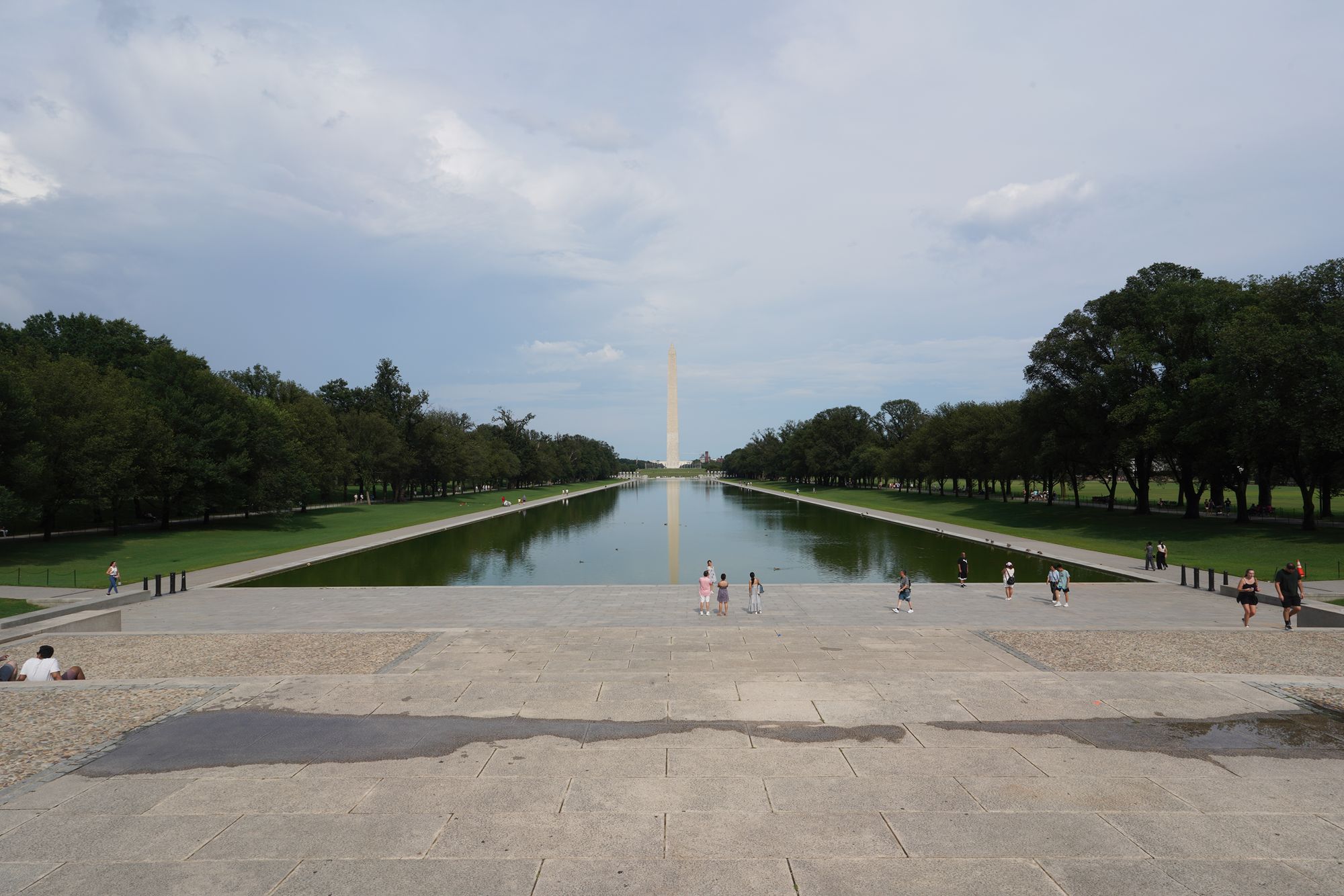
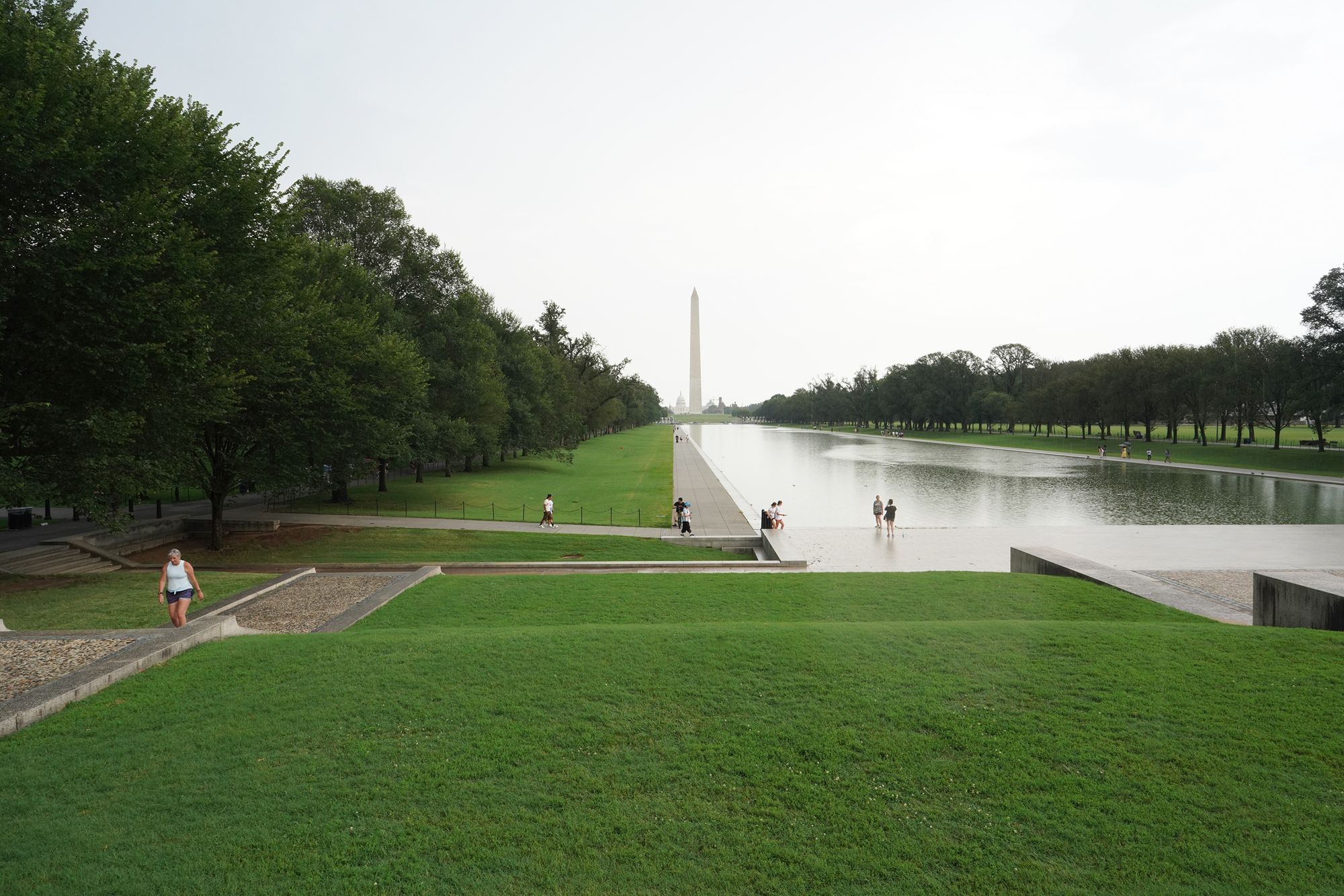
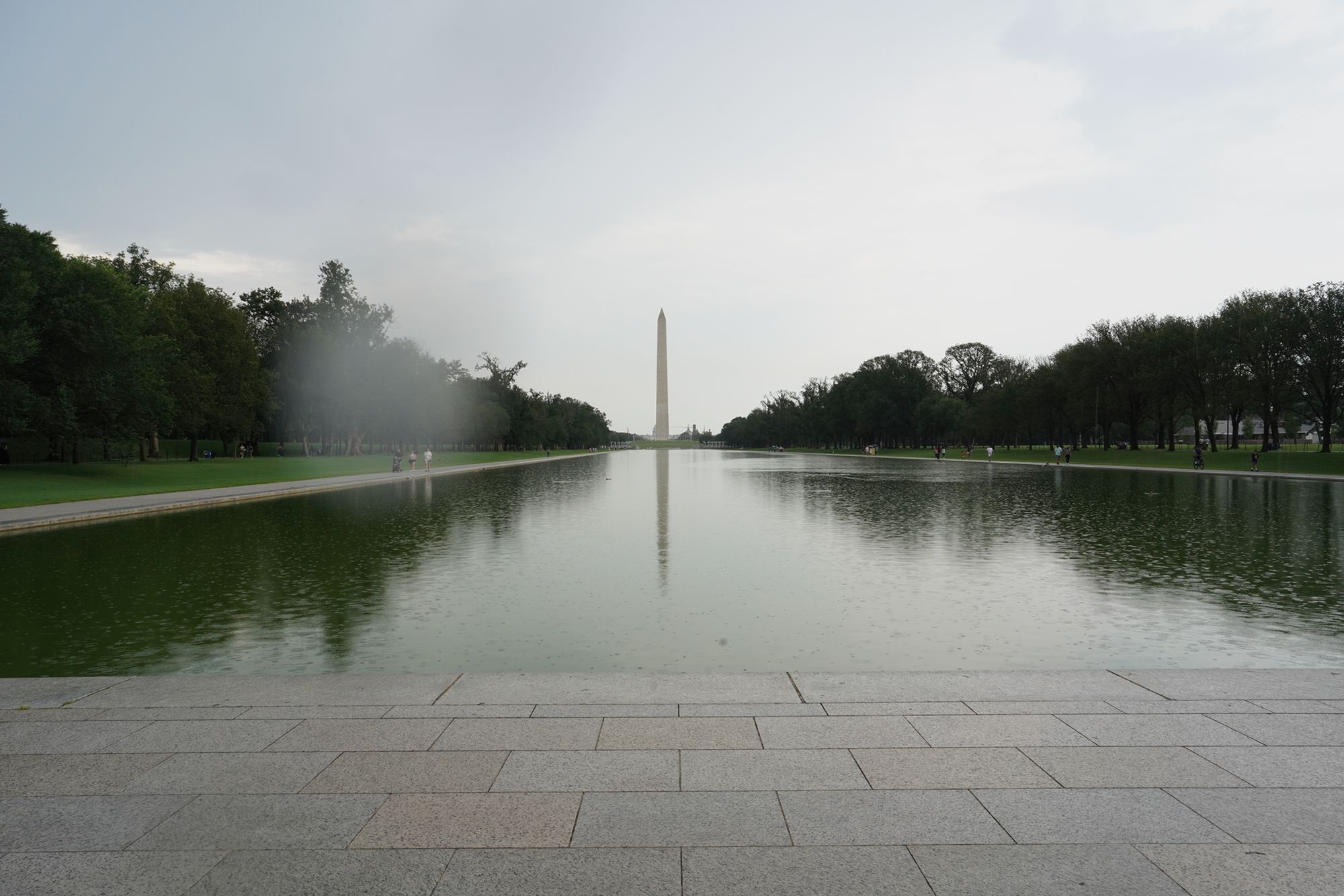
The Lincoln Memorial in Washington, D.C. honors Abraham Lincoln, the 16th President of the United States, who led the nation through the Civil War and preserved the Union. Dedicated in 1922, the memorial stands at the west end of the National Mall, overlooking the Reflecting Pool and facing the Washington Monument.
It faces the Washington Monument
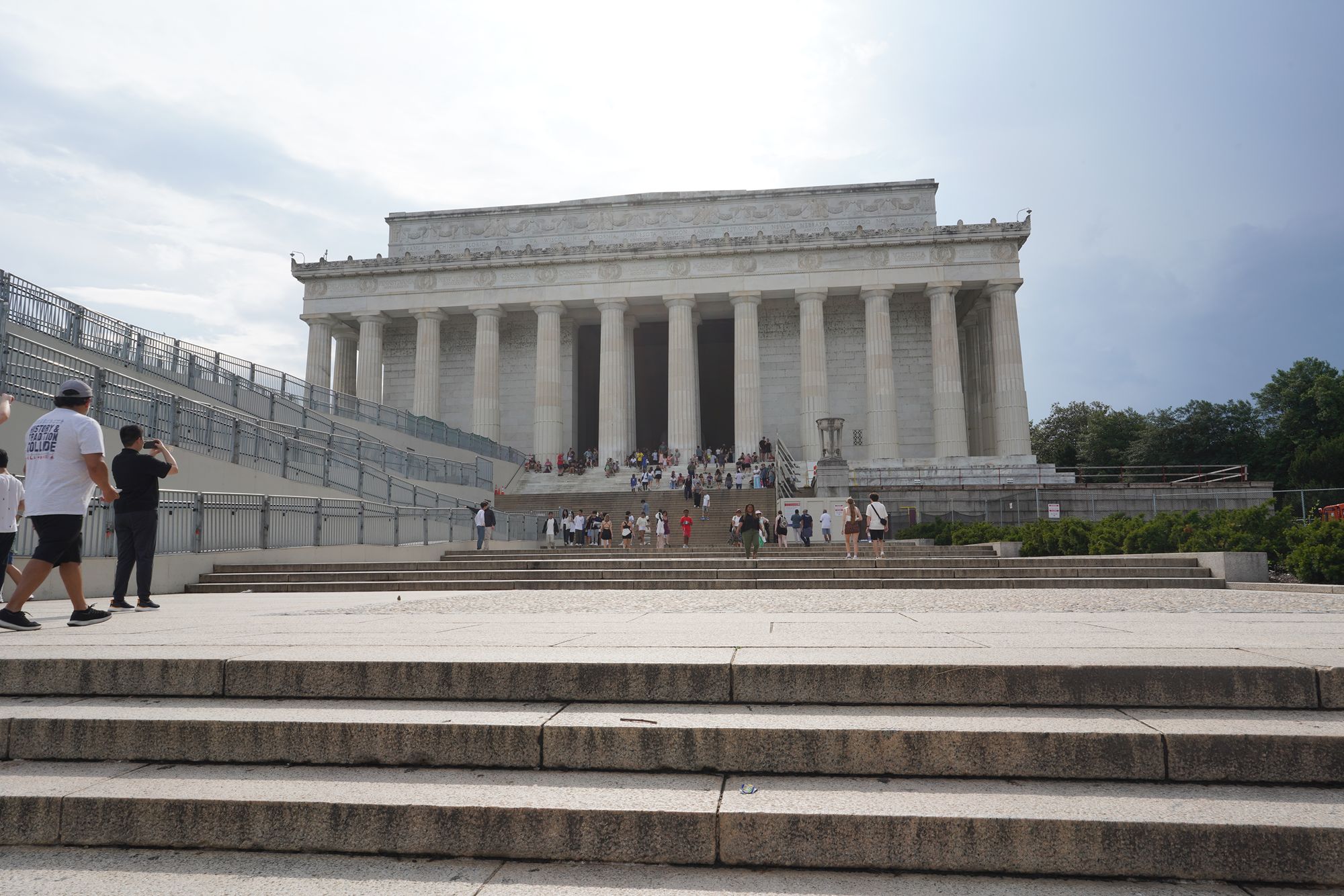
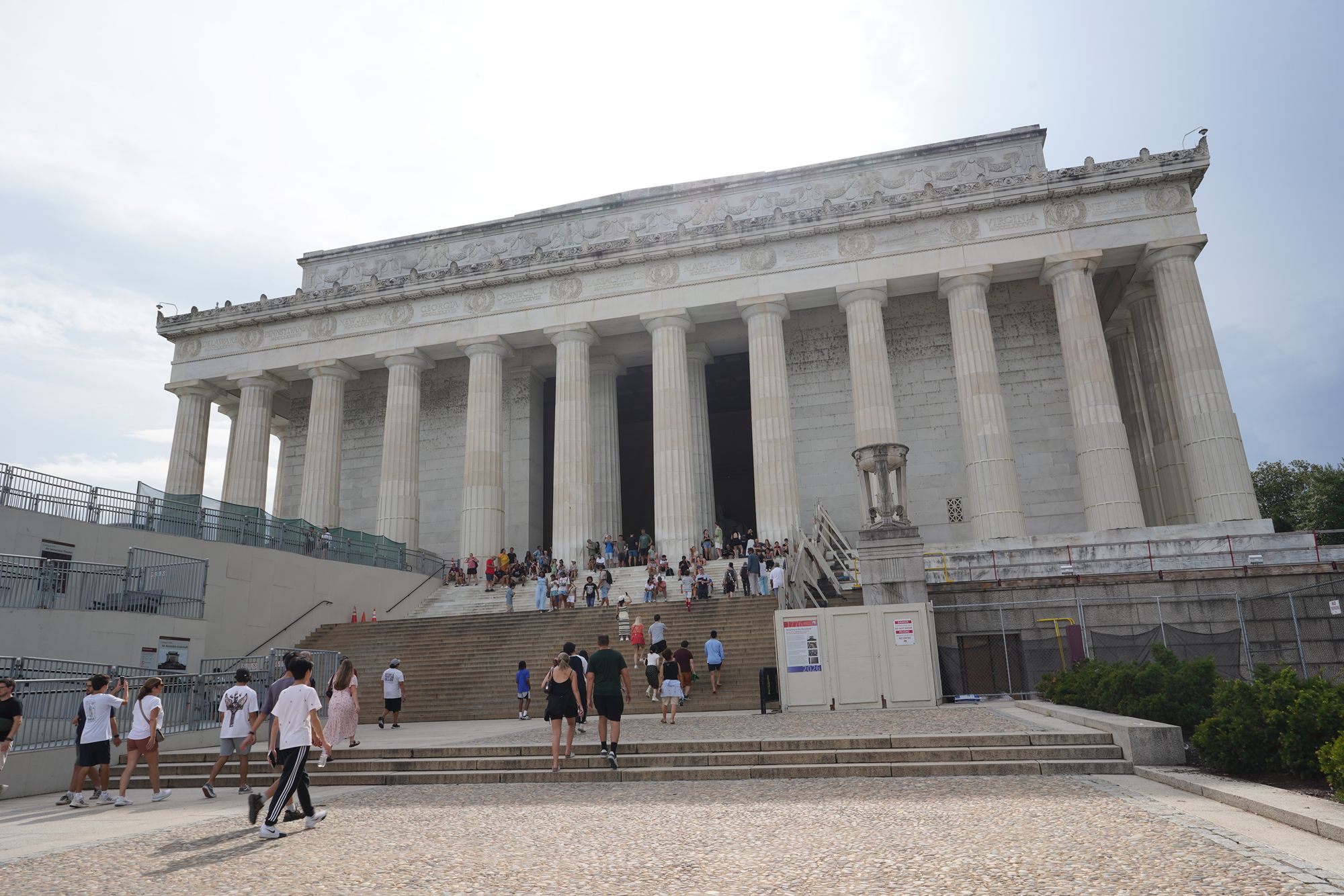
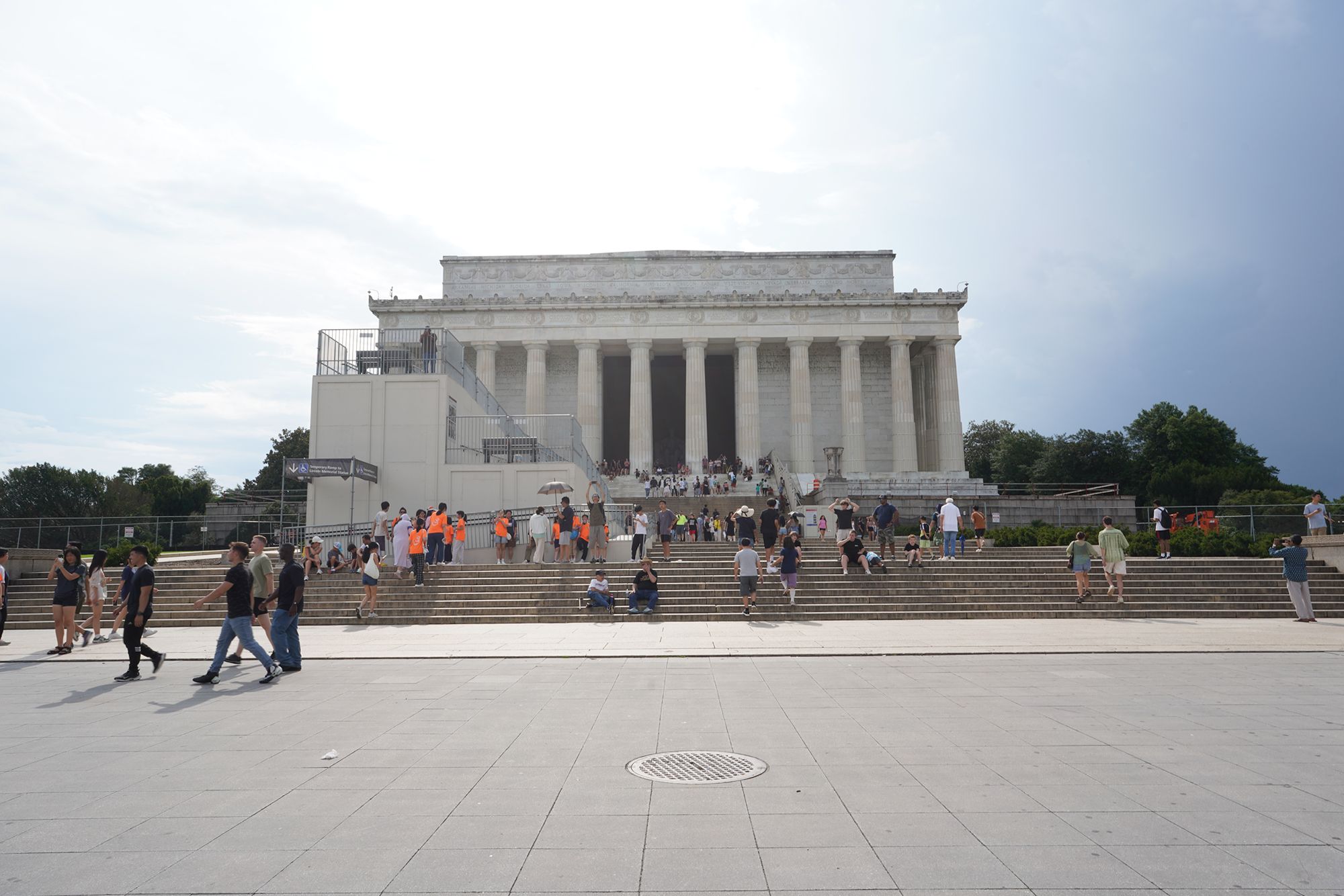
Designed by architect Henry Bacon, the building resembles a Greek Doric temple with 36 massive columns, representing the 36 states in the Union at the time of Lincoln’s death in 1865.
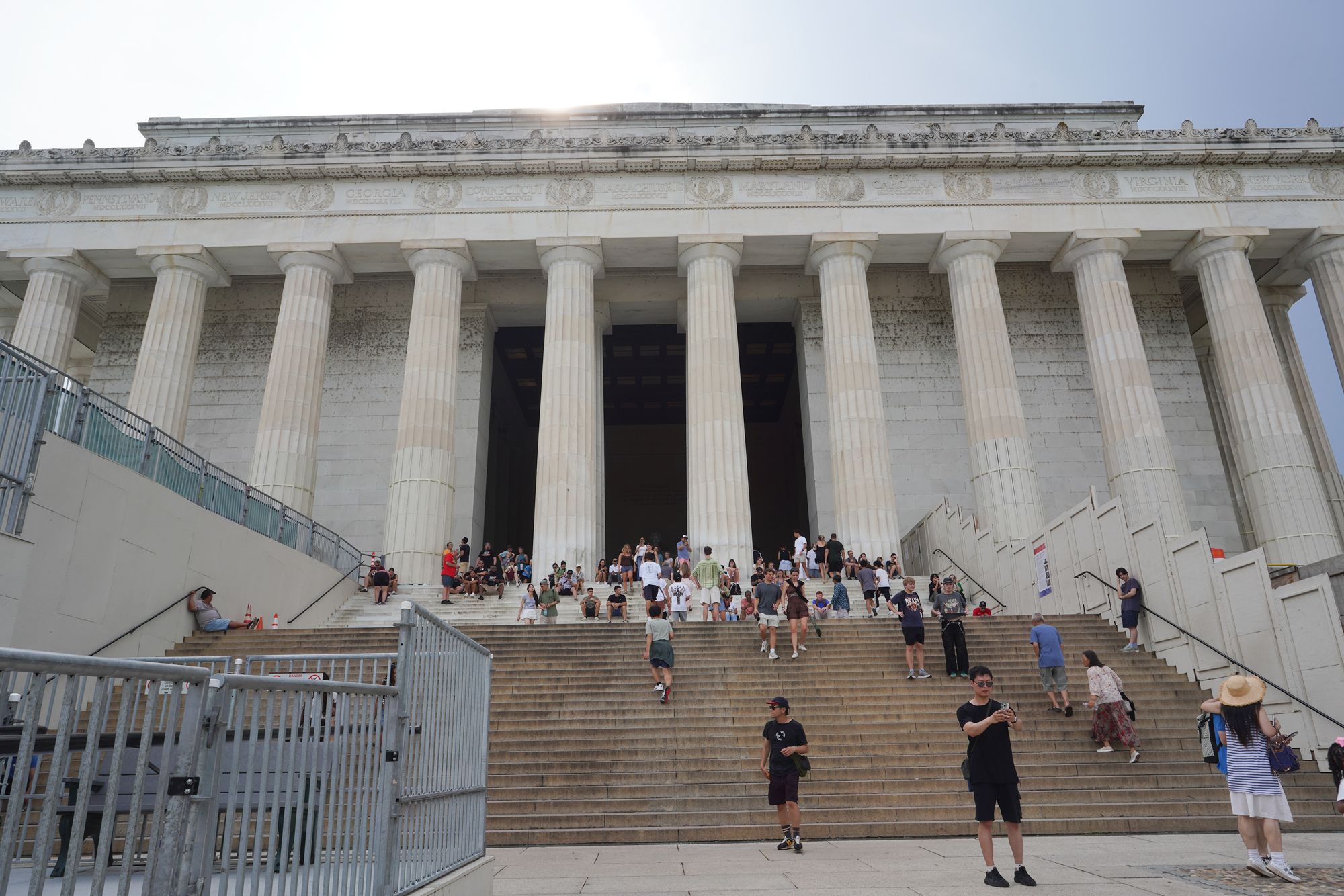
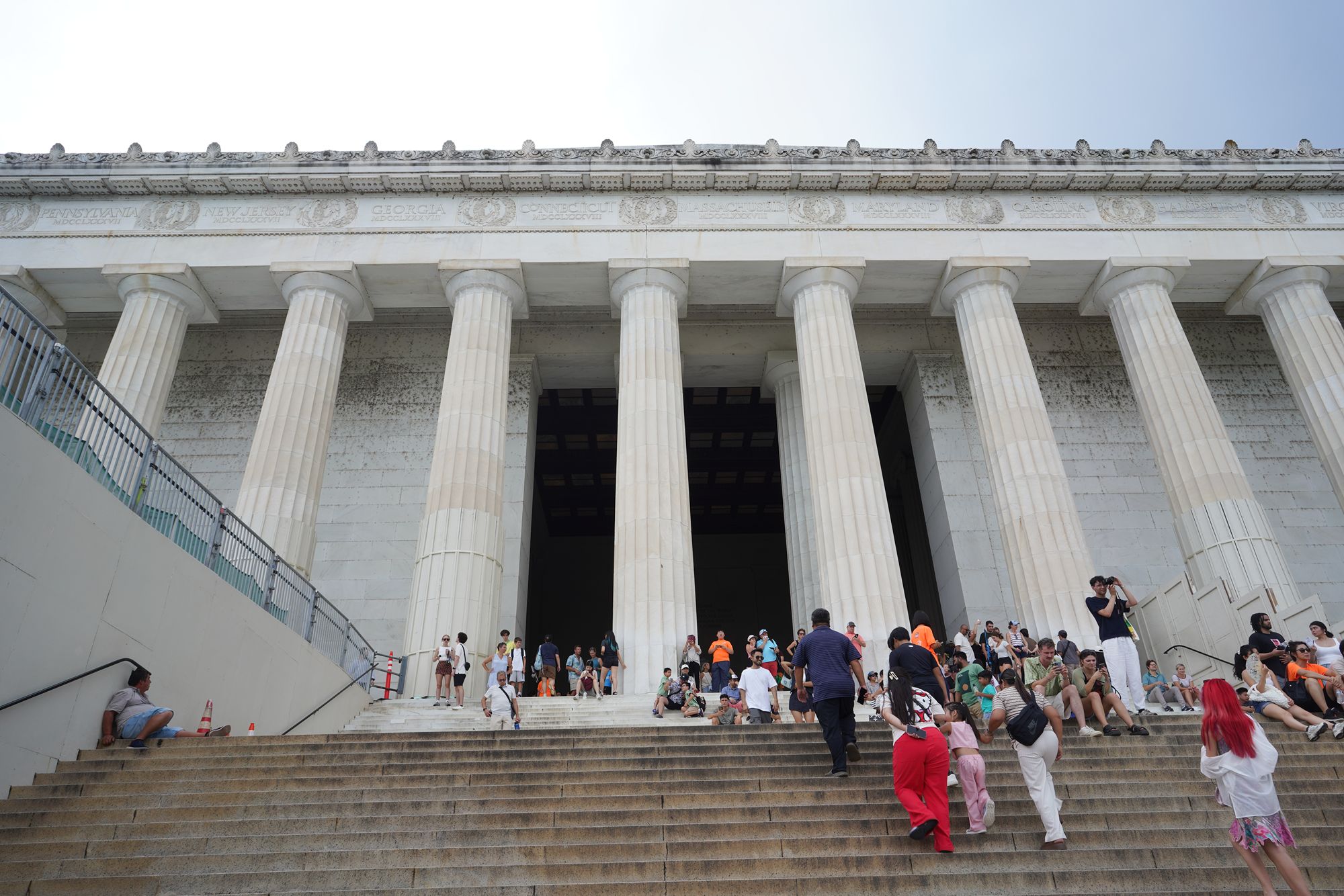
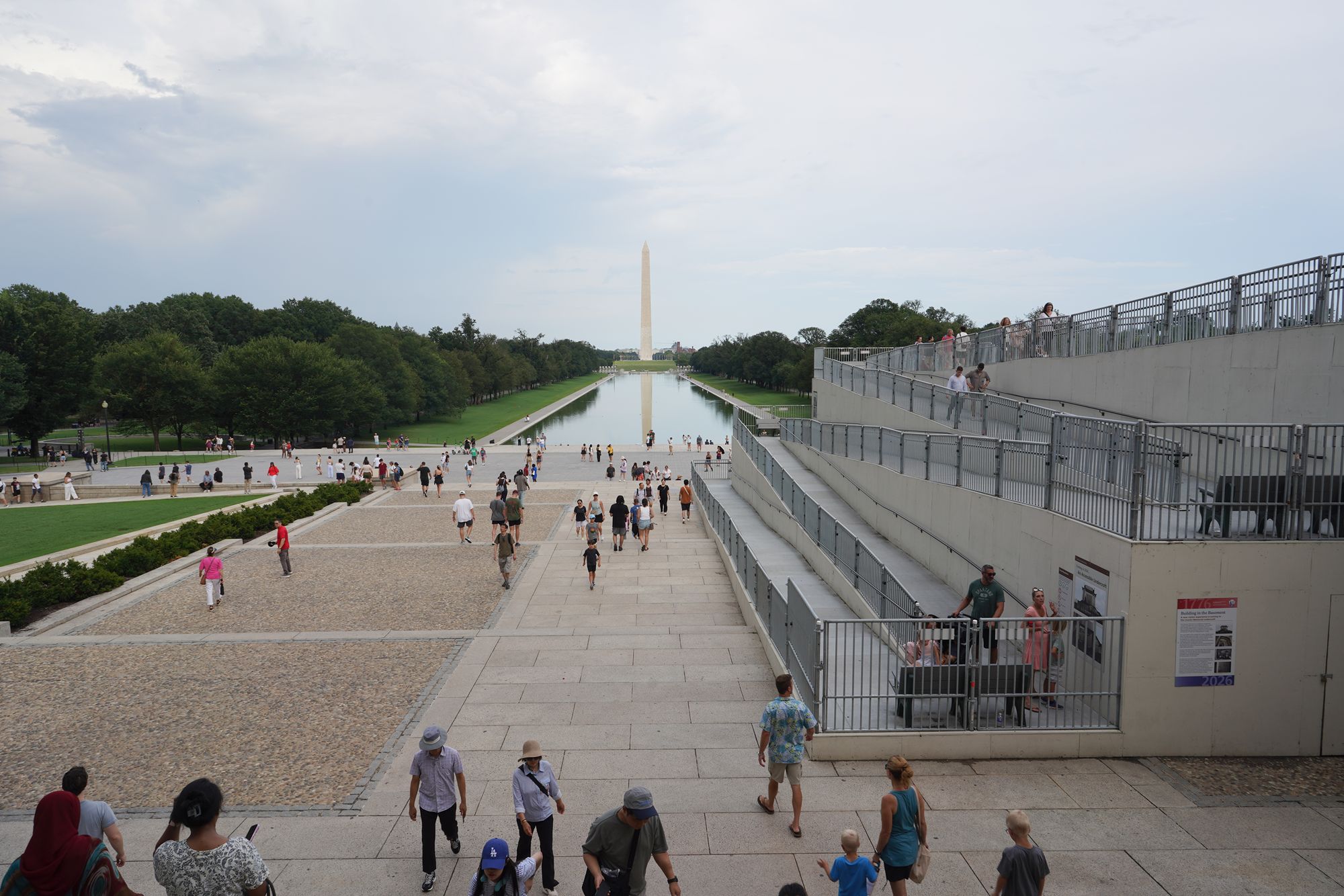
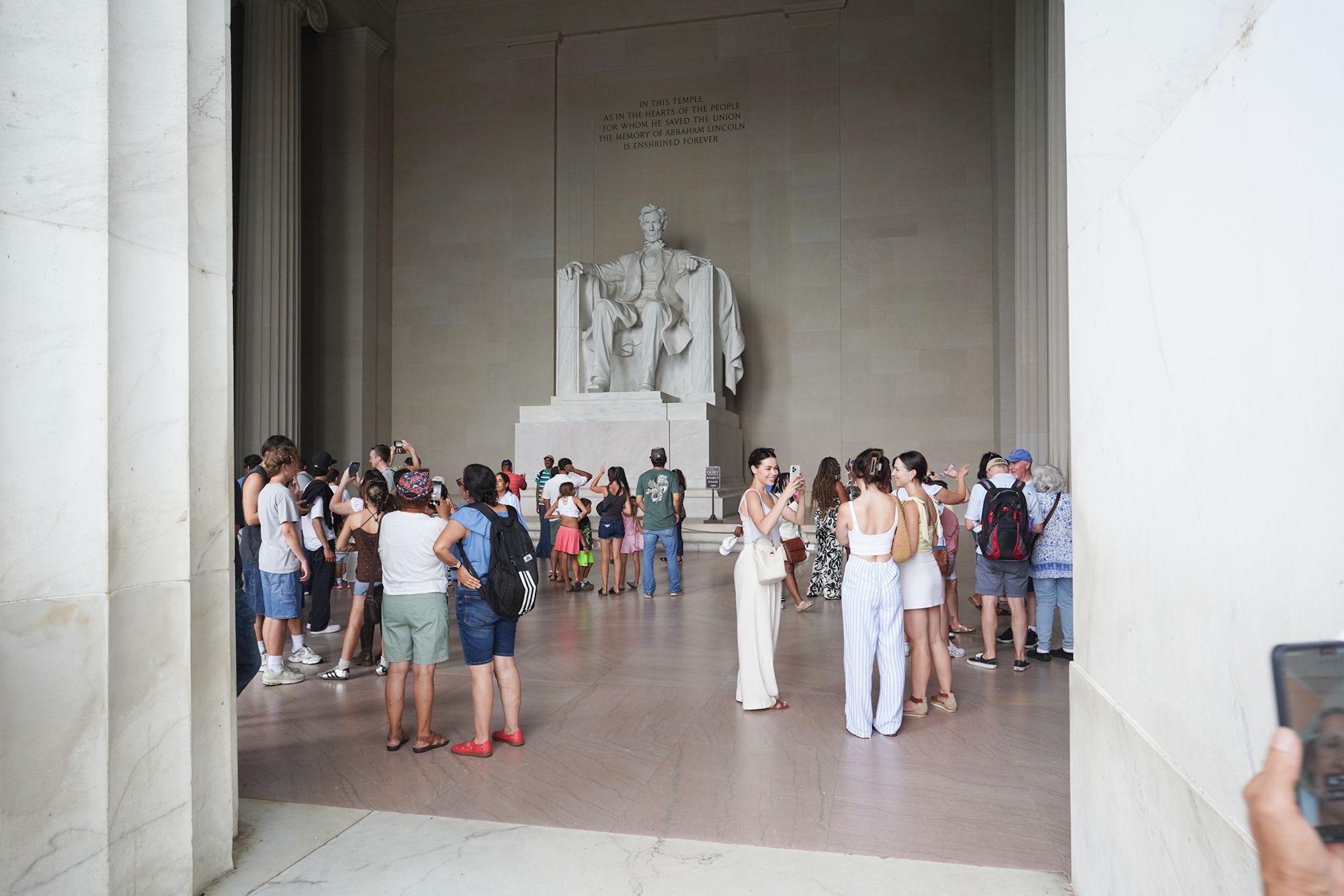
Inside sits the monumental 19-foot marble statue of Lincoln, sculpted by Daniel Chester French, depicting him seated in thought and strength, symbolizing wisdom and resolve.
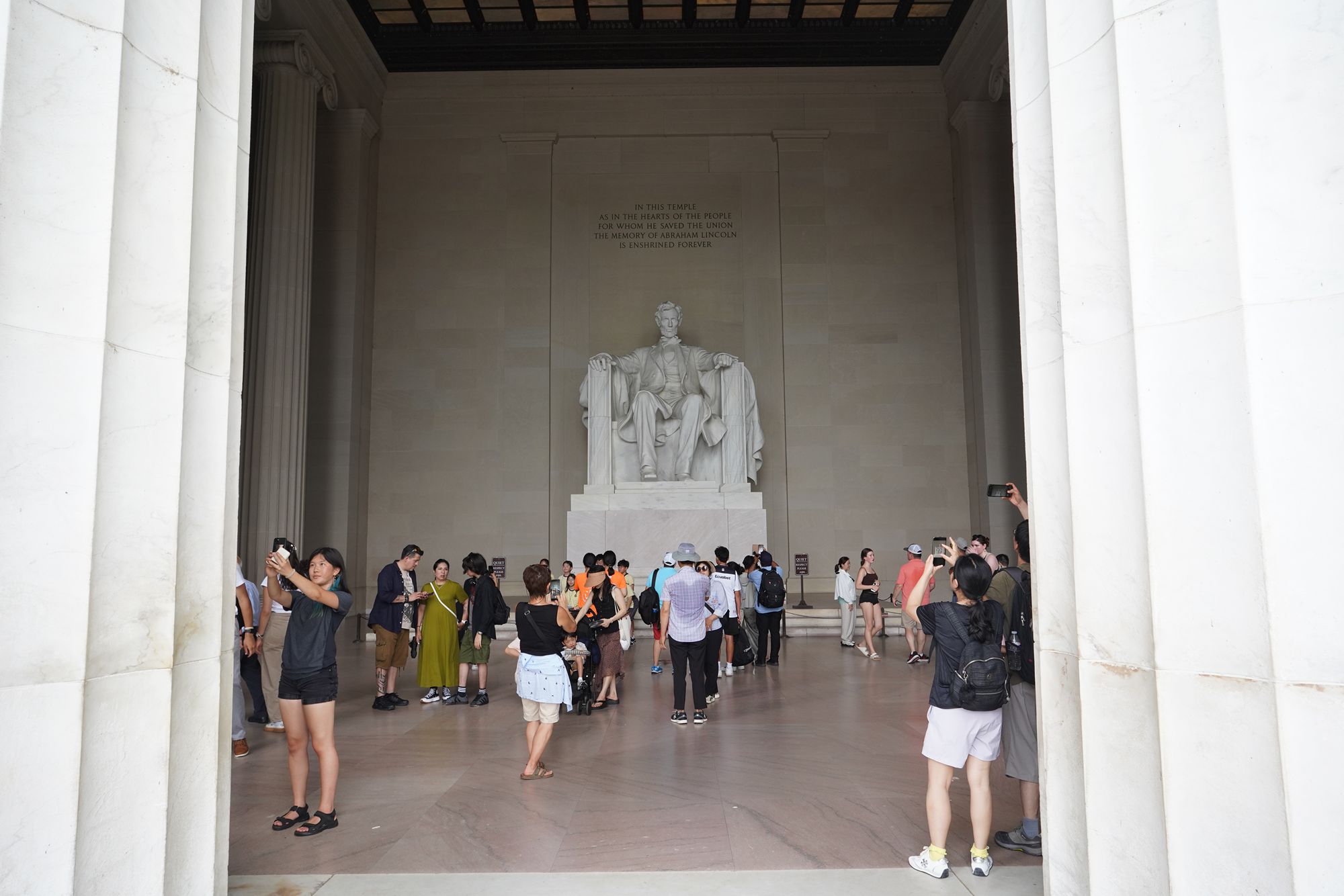
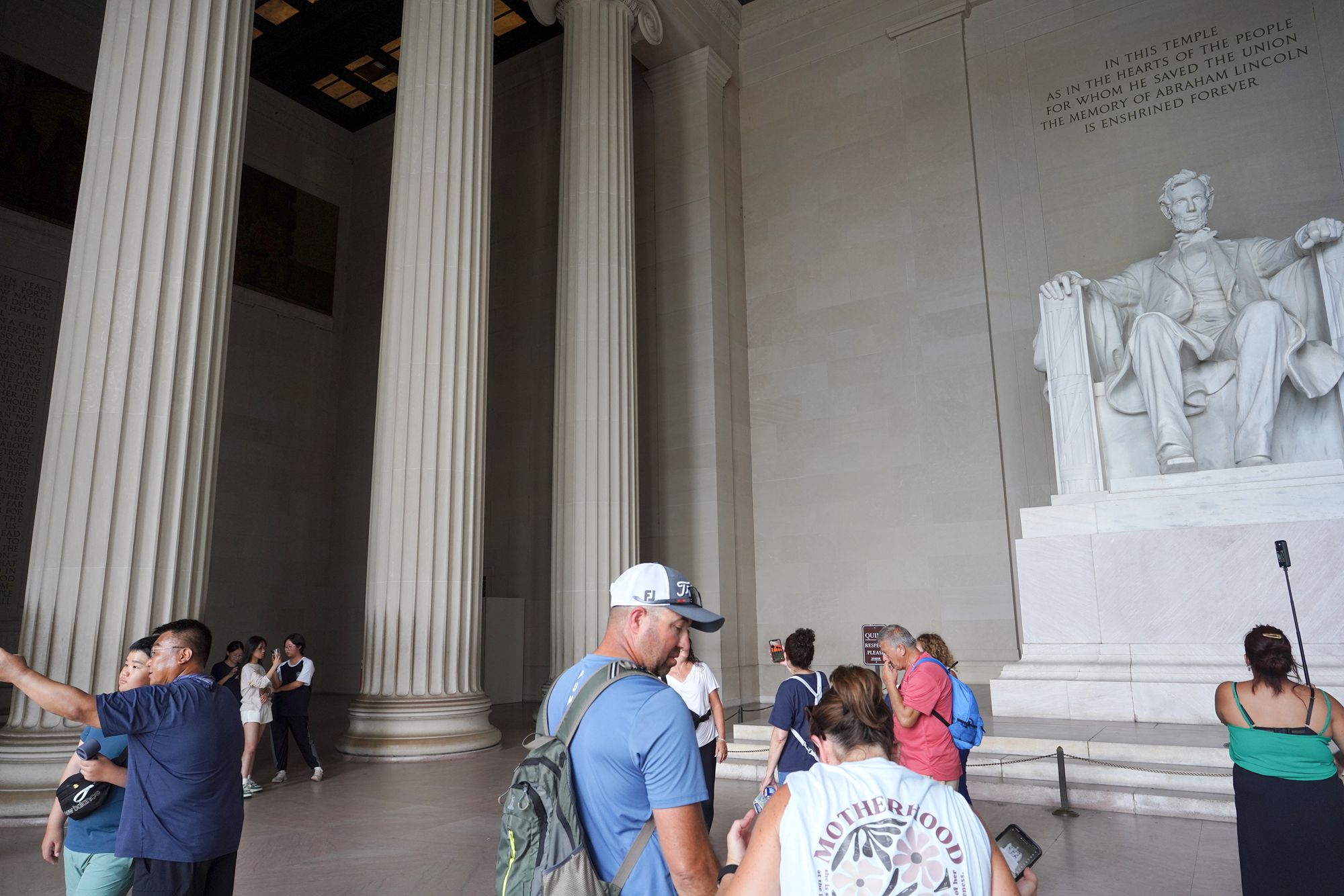
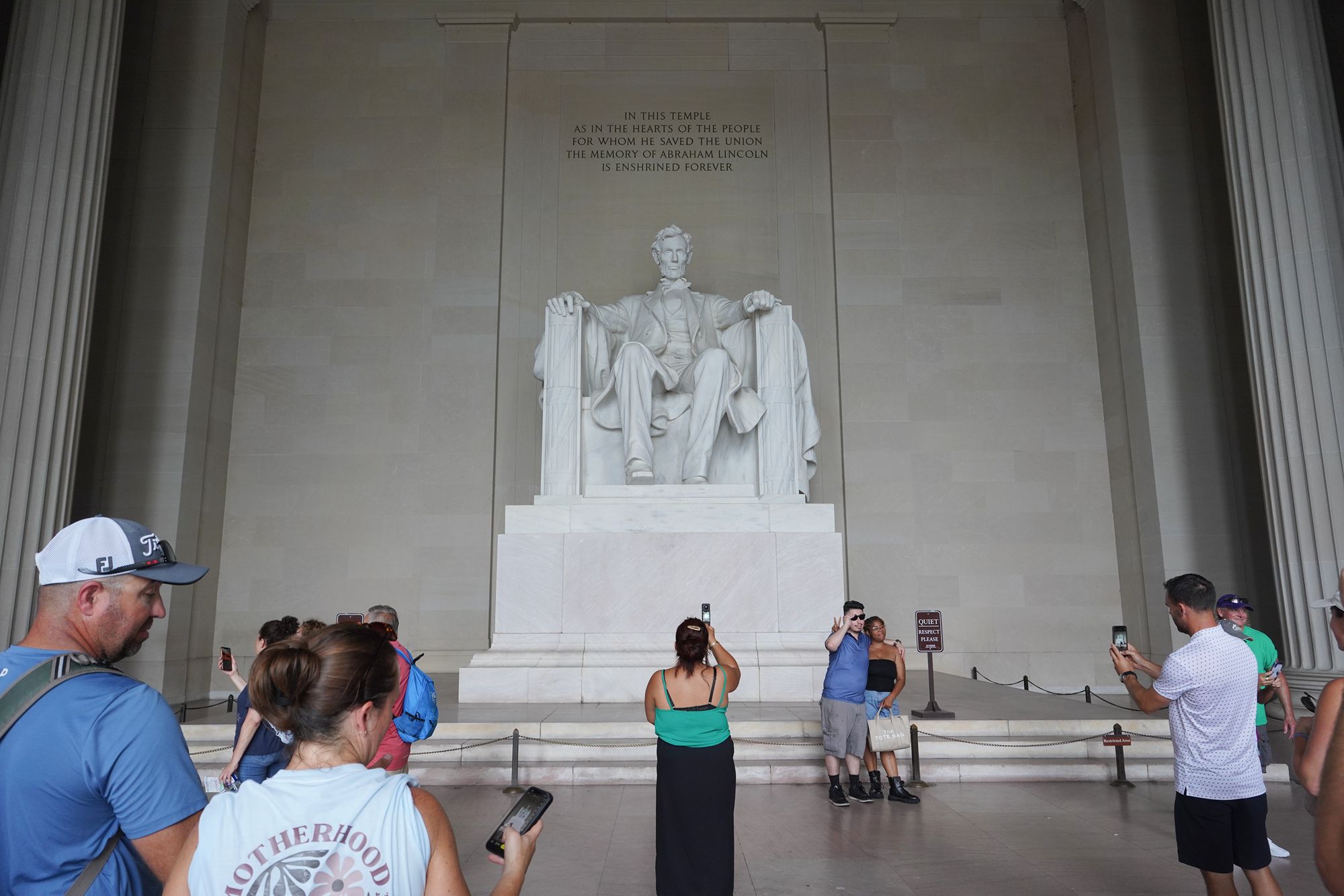
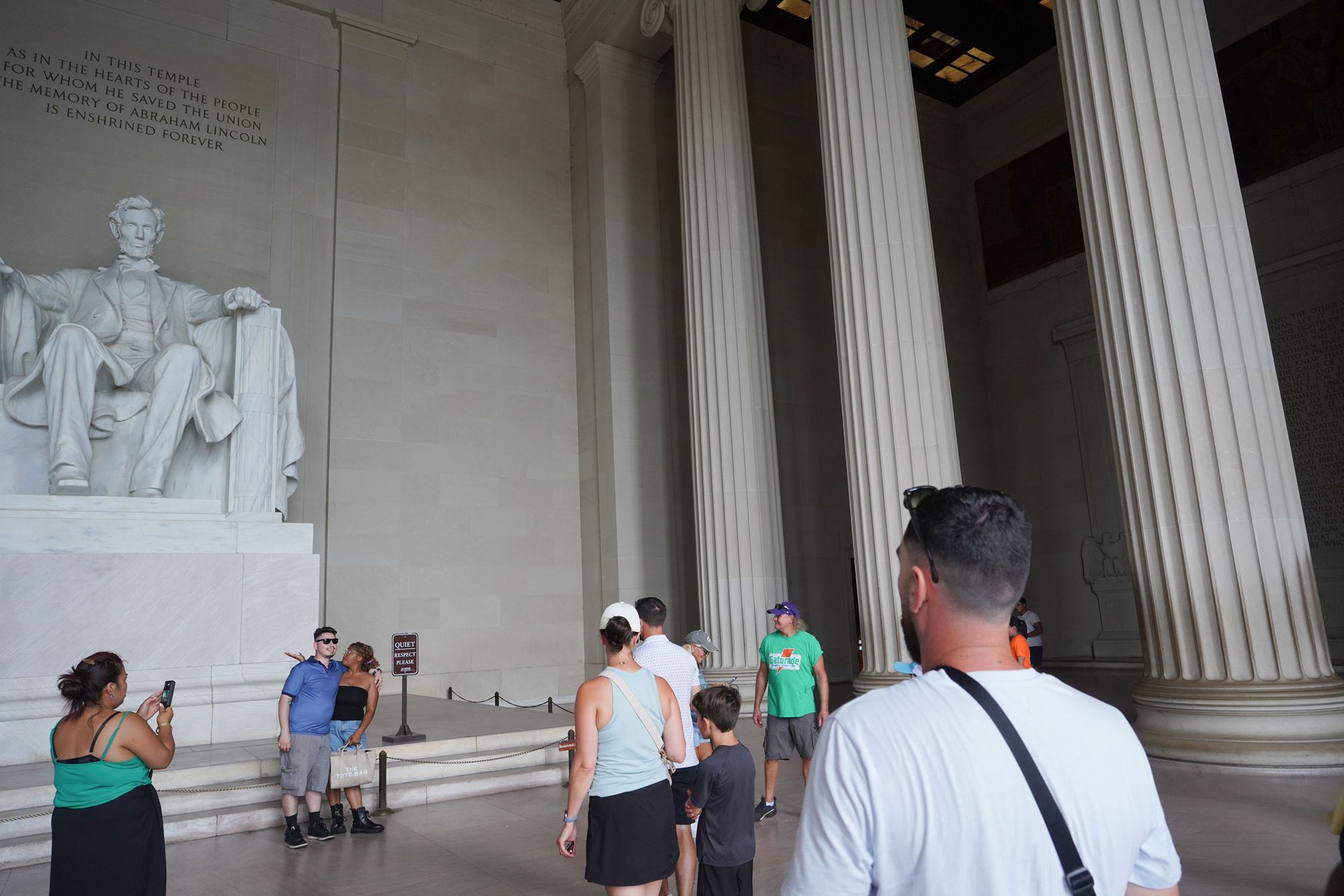
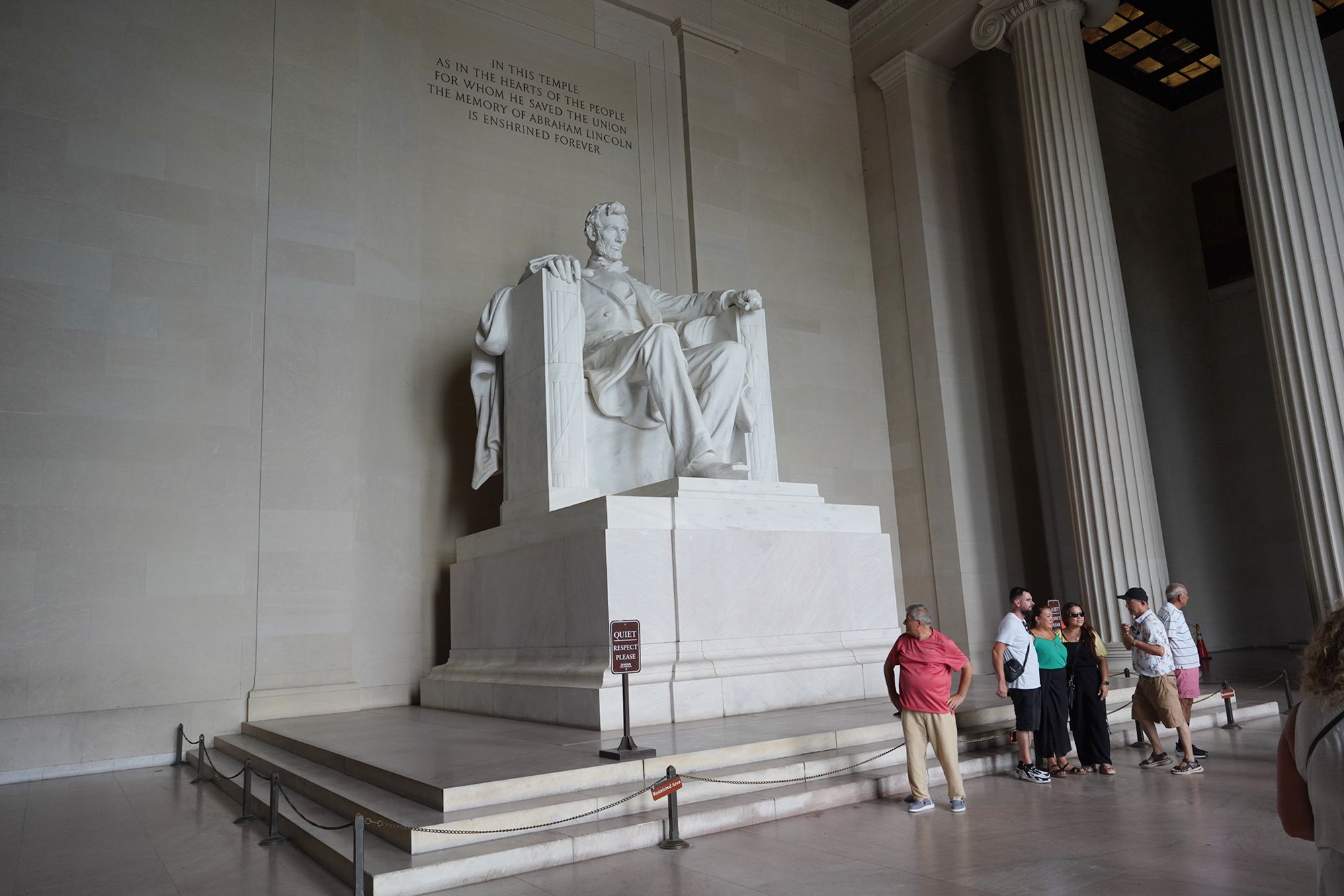
On the interior walls are inscriptions of Lincoln’s two most famous speeches—the Gettysburg Address and his Second Inaugural Address—texts that express his ideals of freedom, unity, and forgiveness. Above the statue, an inscription reads:
“In this temple as in the hearts of the people for whom he saved the Union the memory of Abraham Lincoln is enshrined forever.”
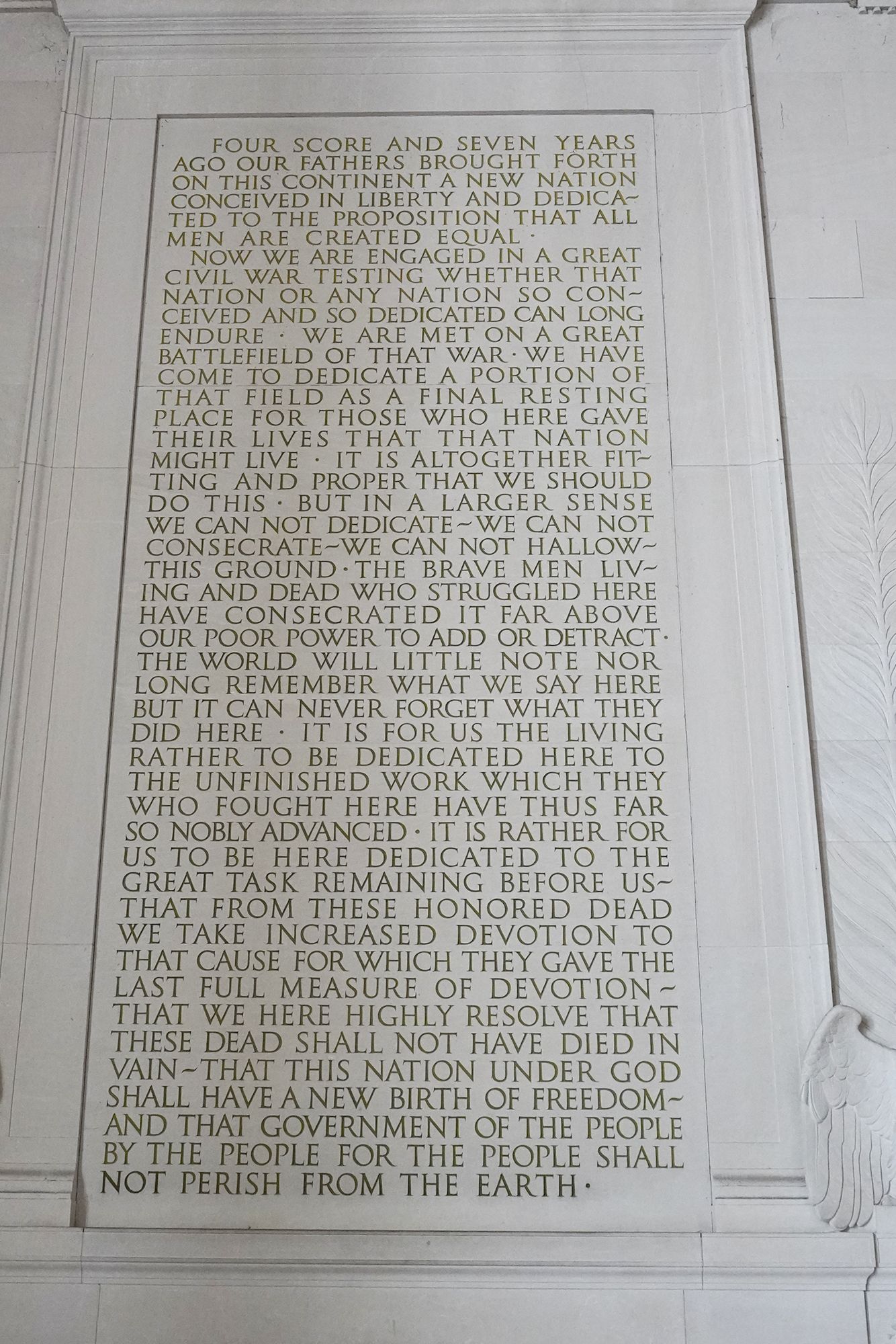
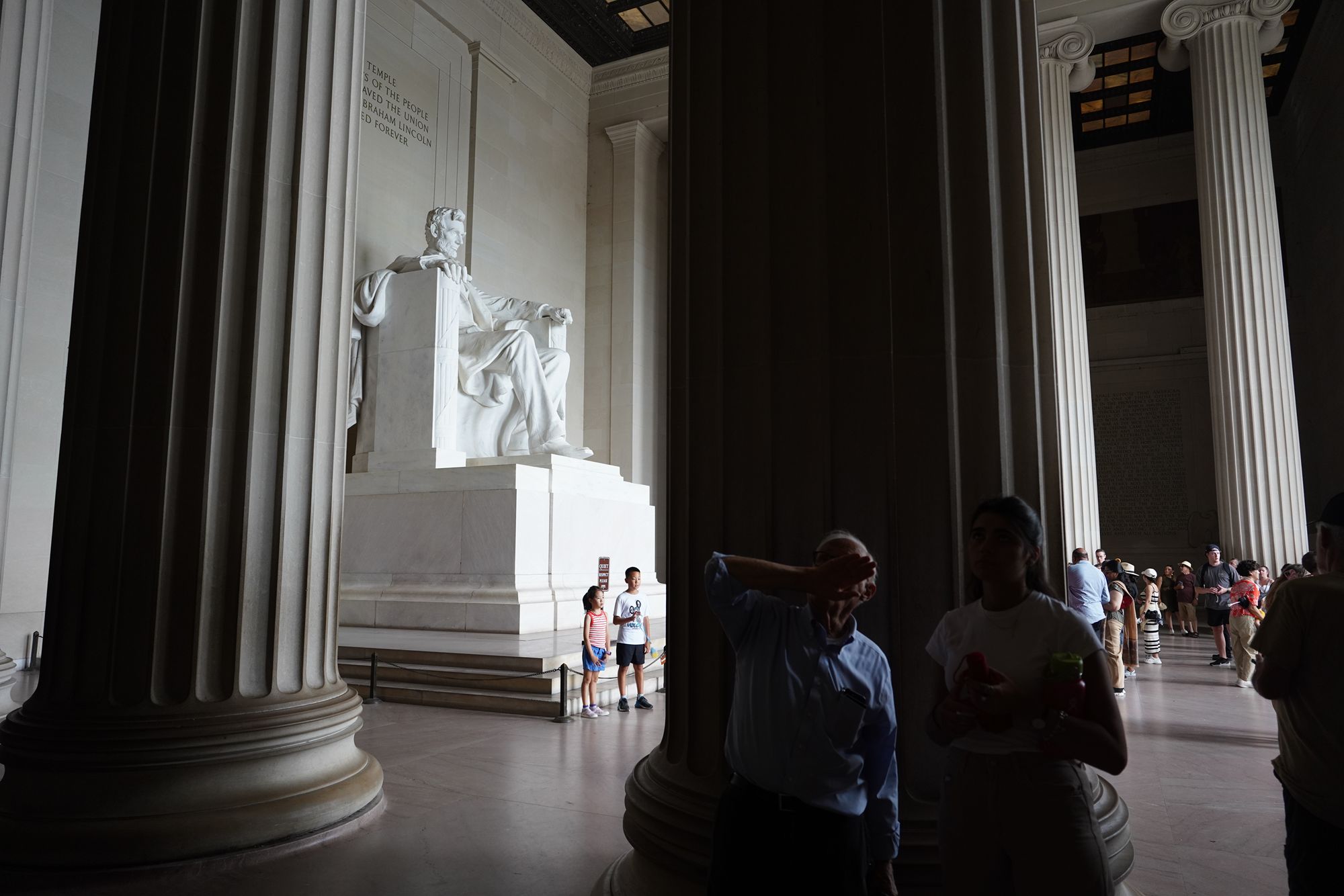
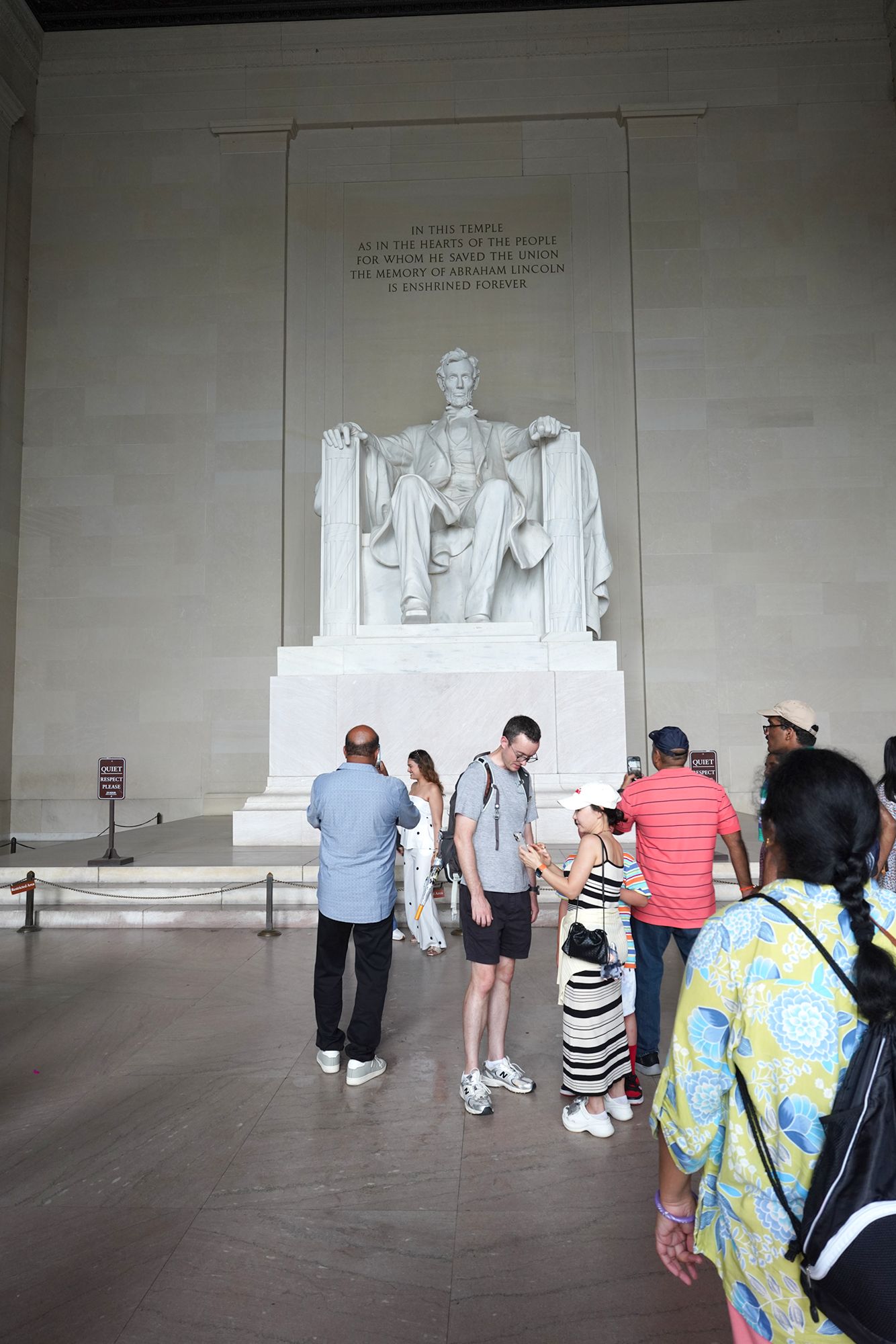
Today, the Lincoln Memorial stands as one of the nation’s most visited landmarks—a place of reflection, remembrance, and inspiration dedicated to the enduring ideals of freedom, justice, and unity.
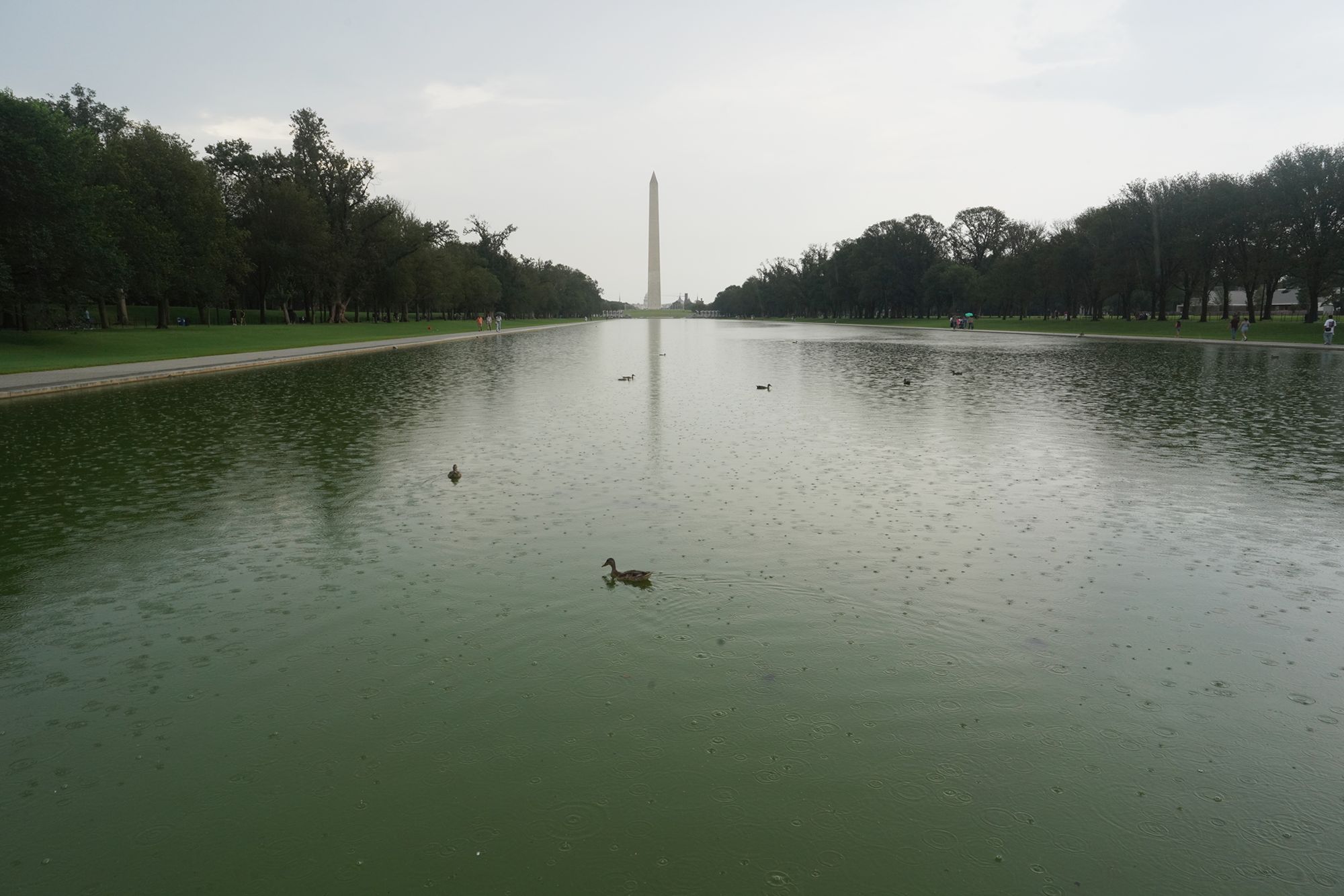
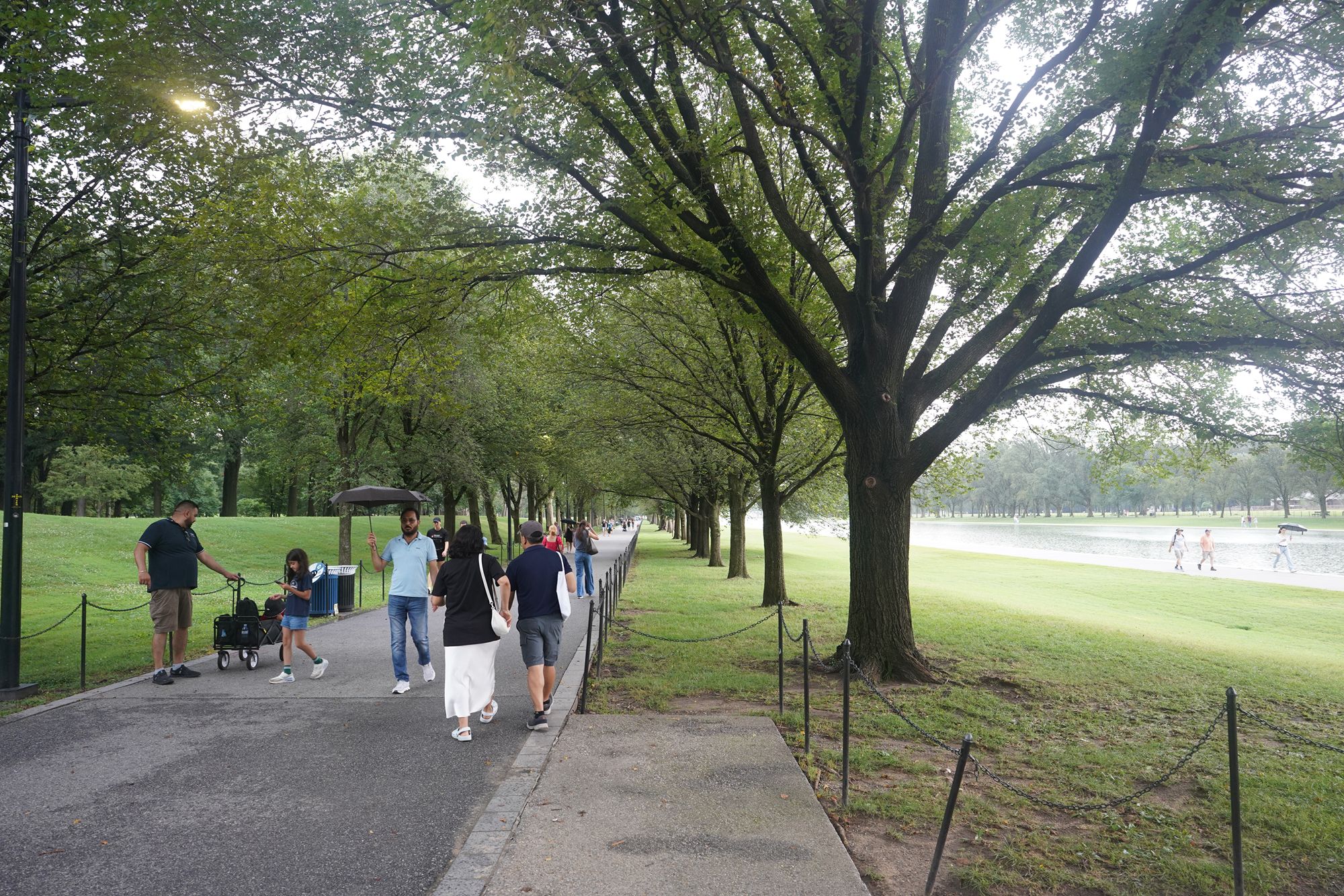
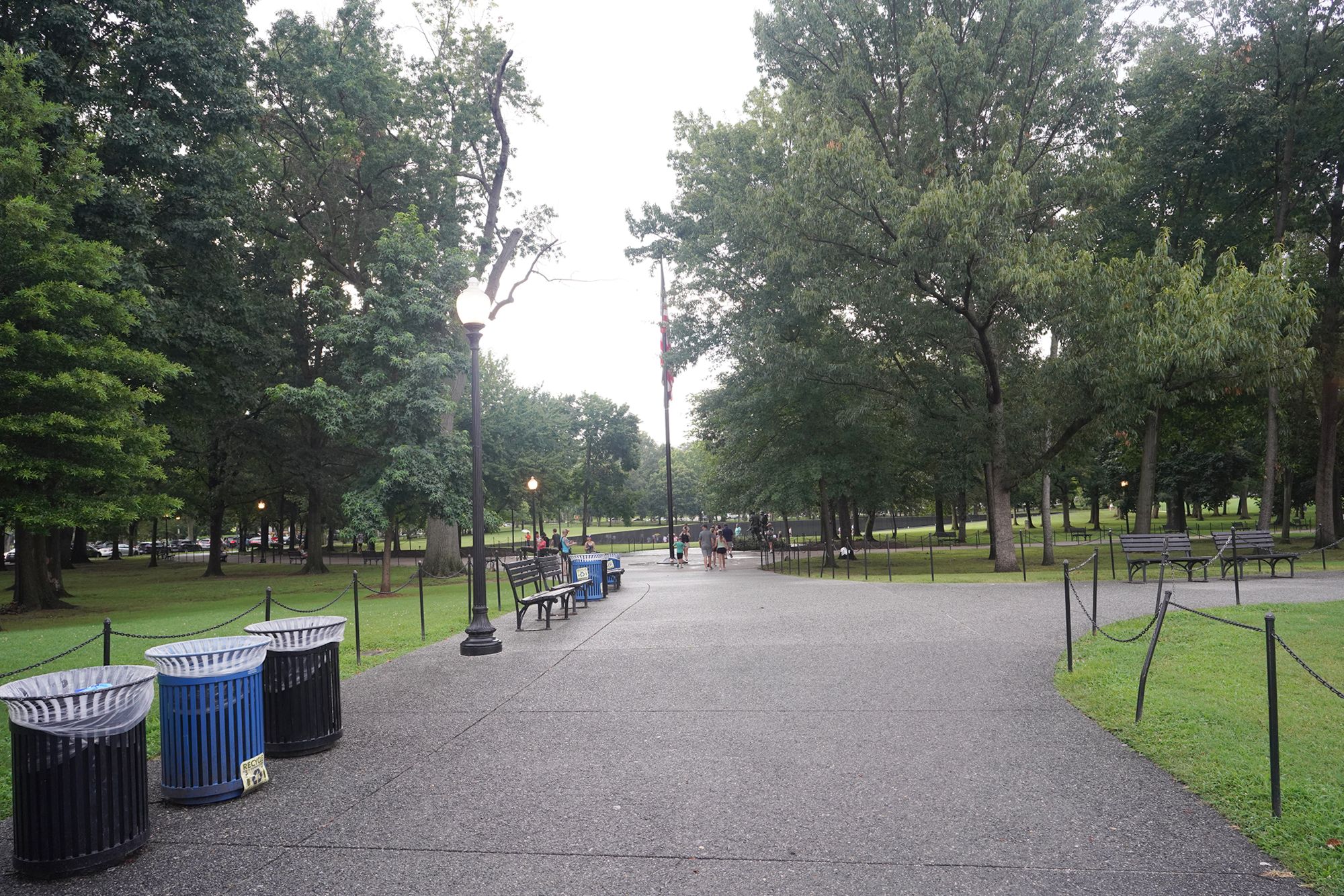
The next and final destination was the Vietnam Veterans Memorial.
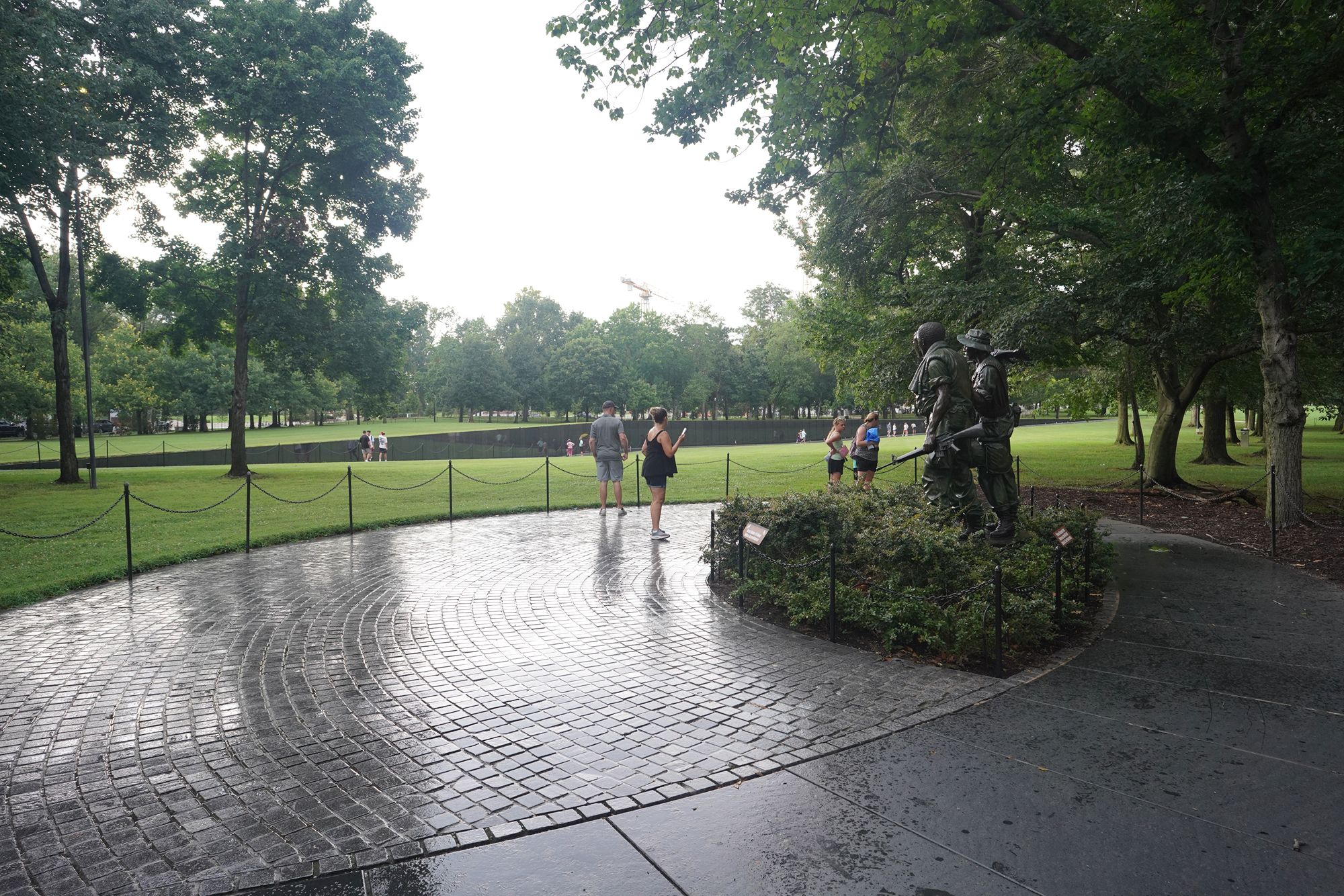
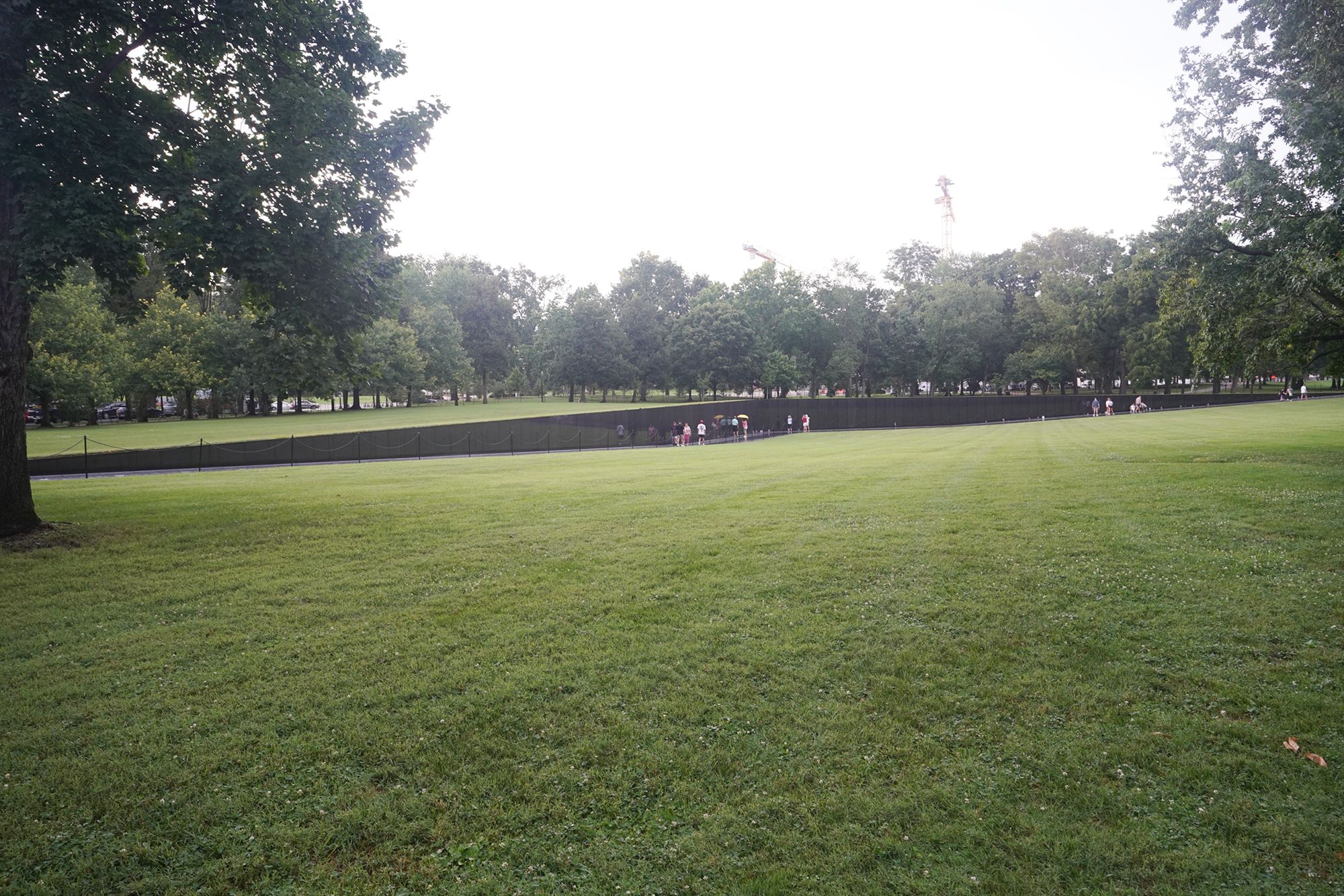
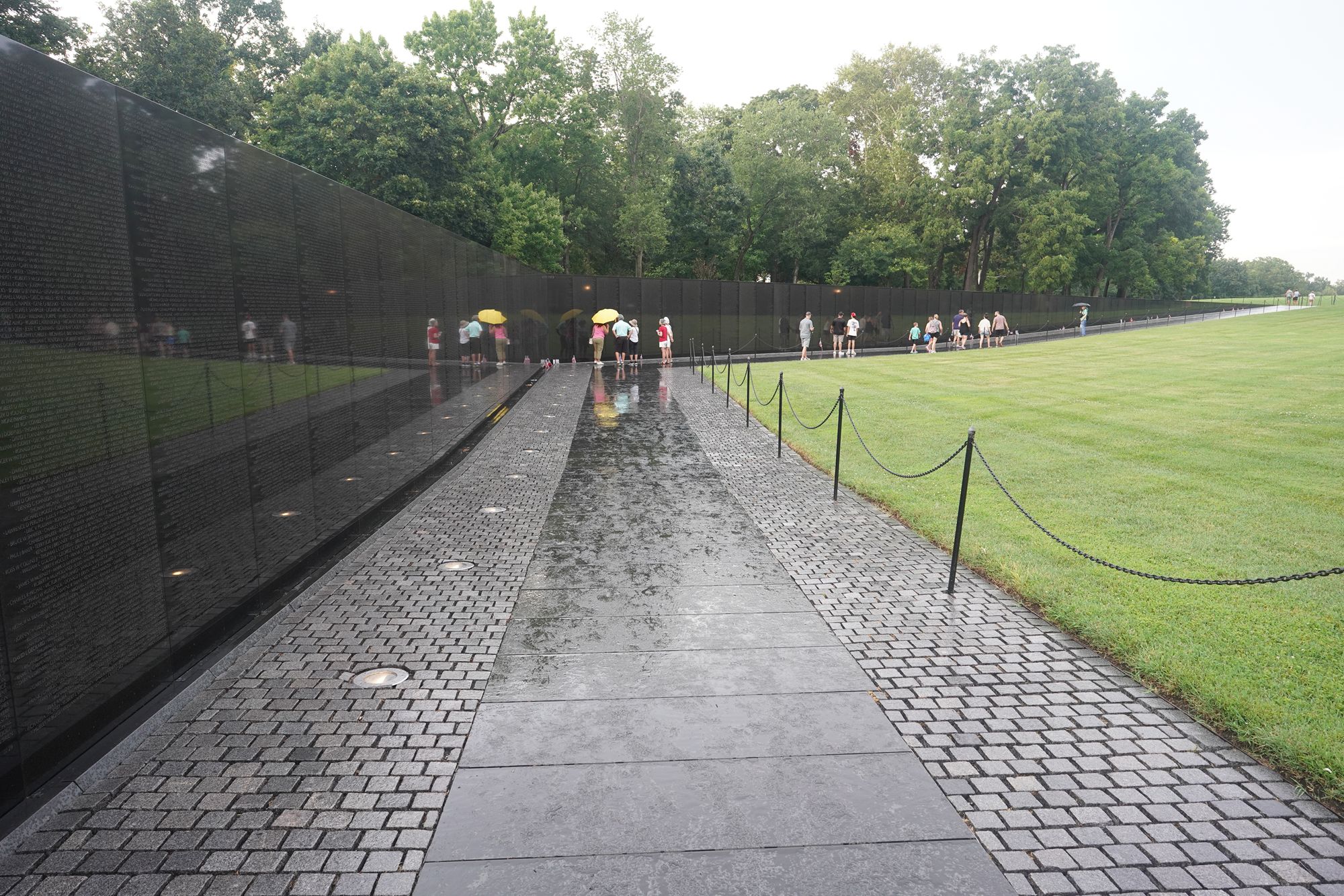
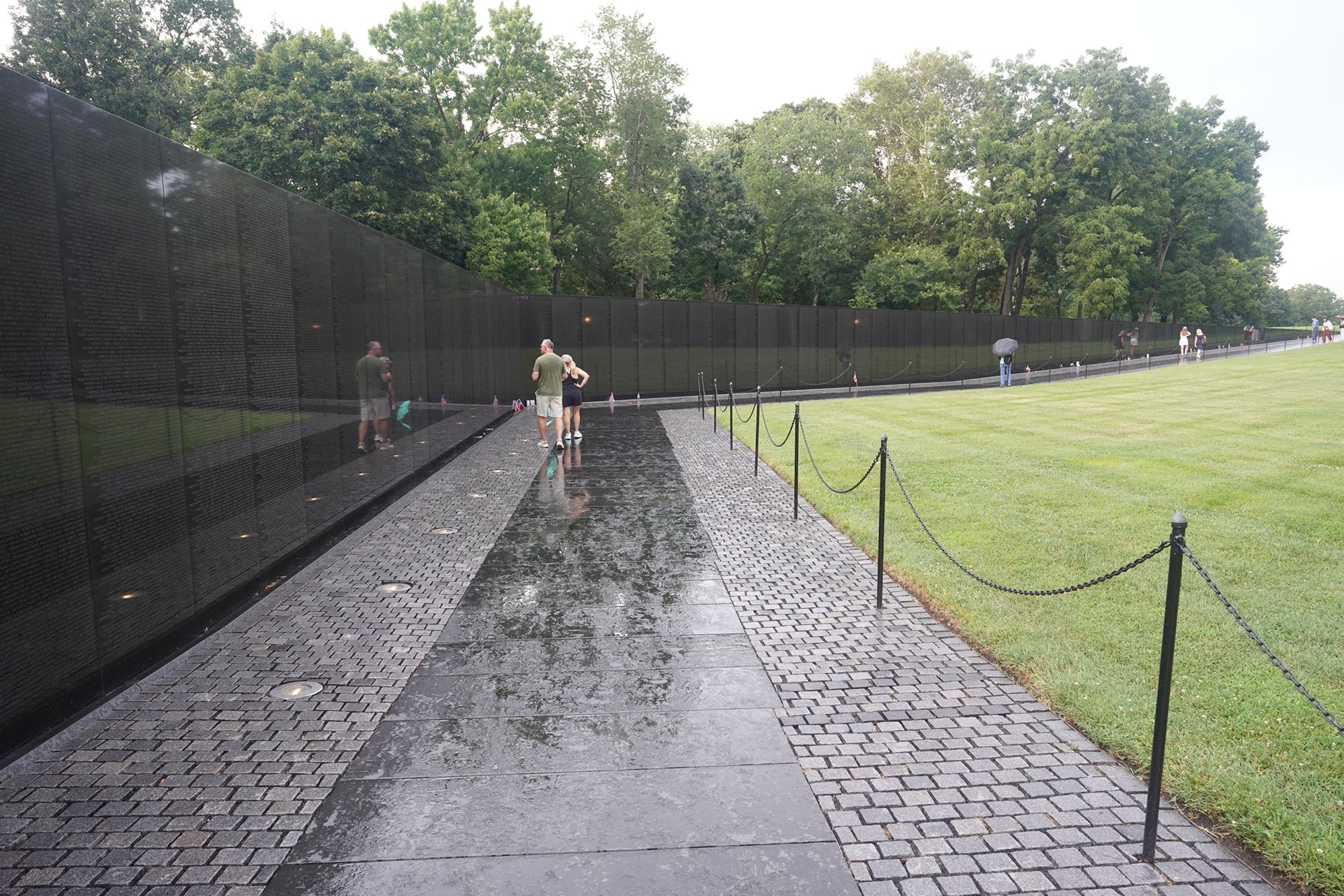
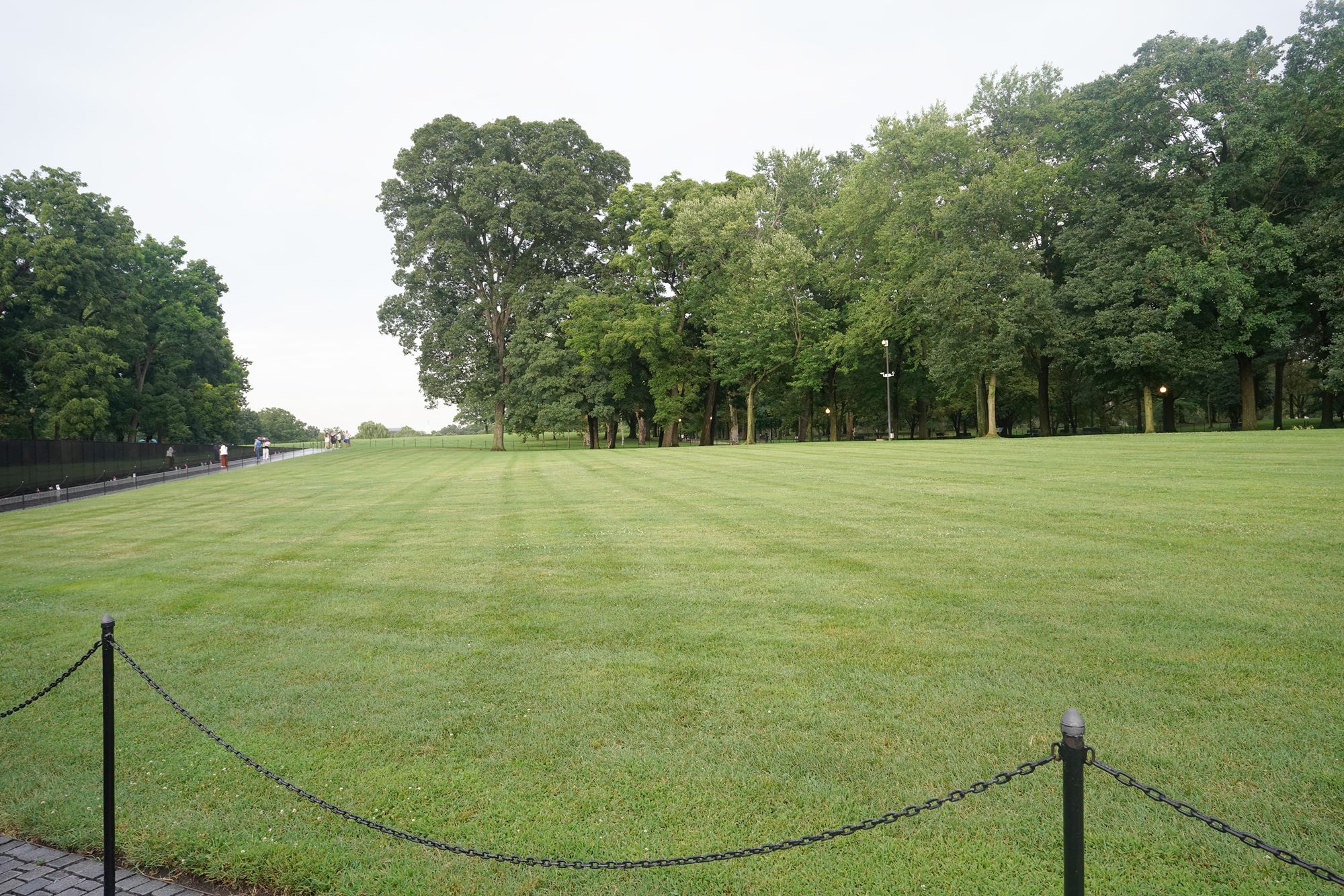
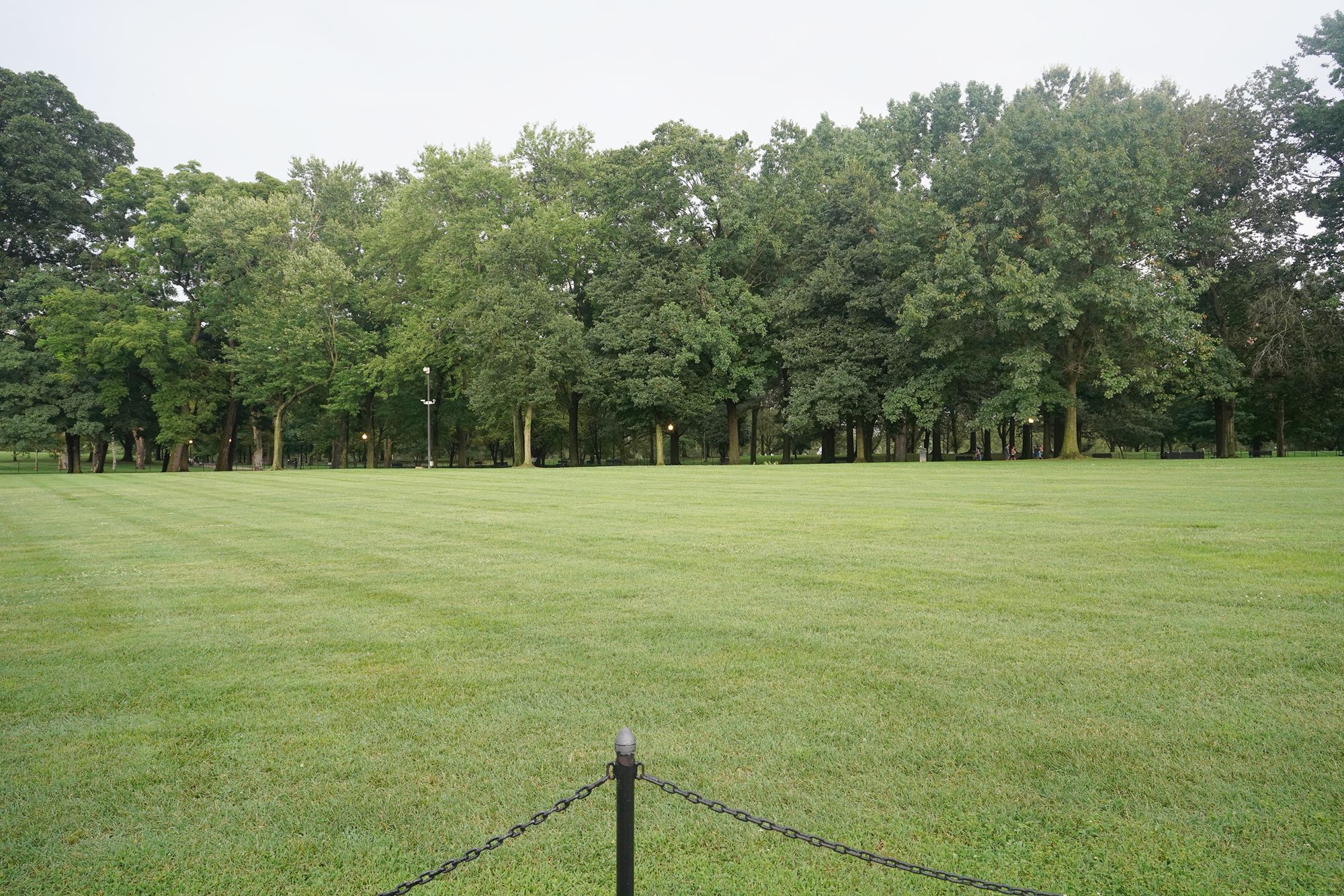
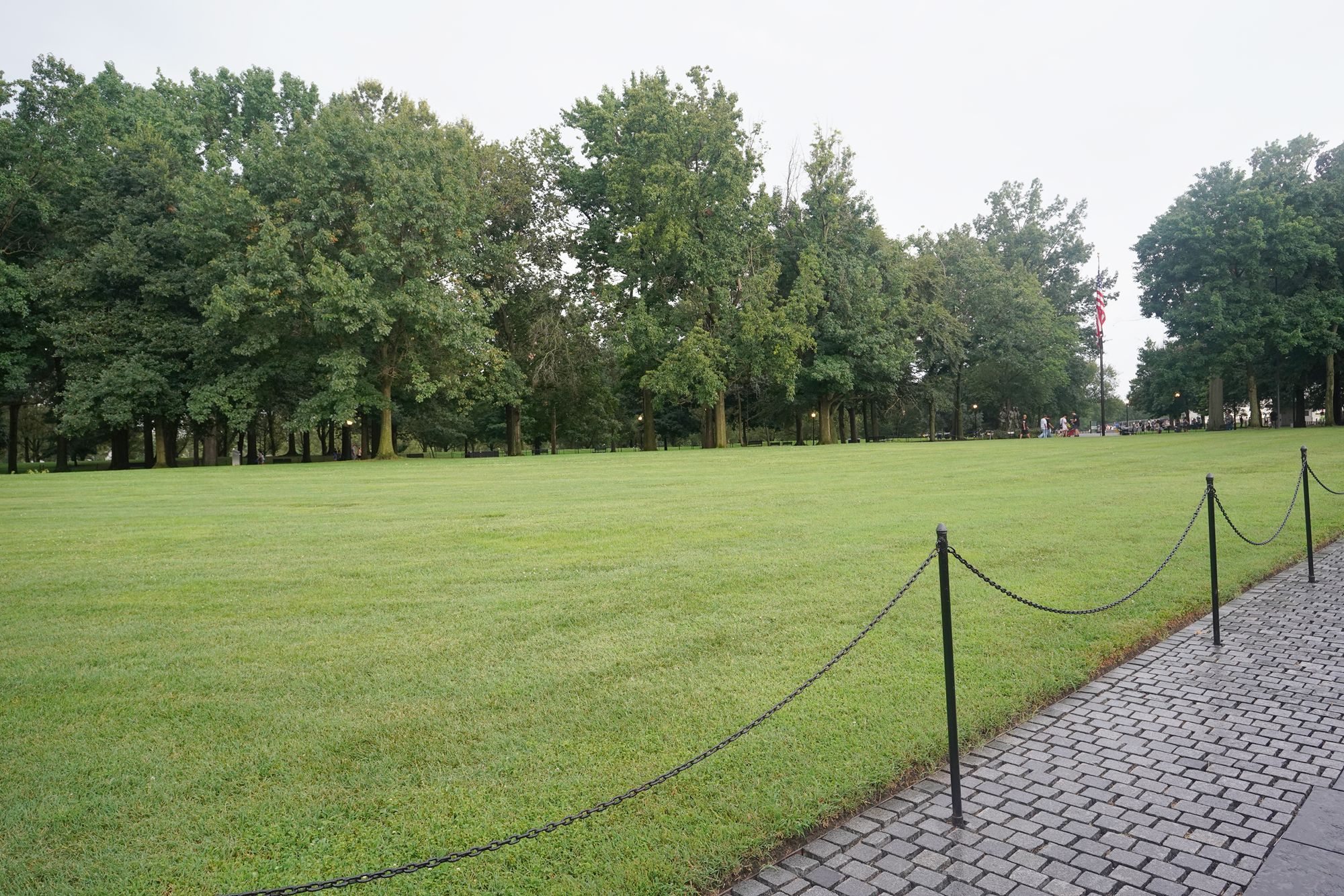
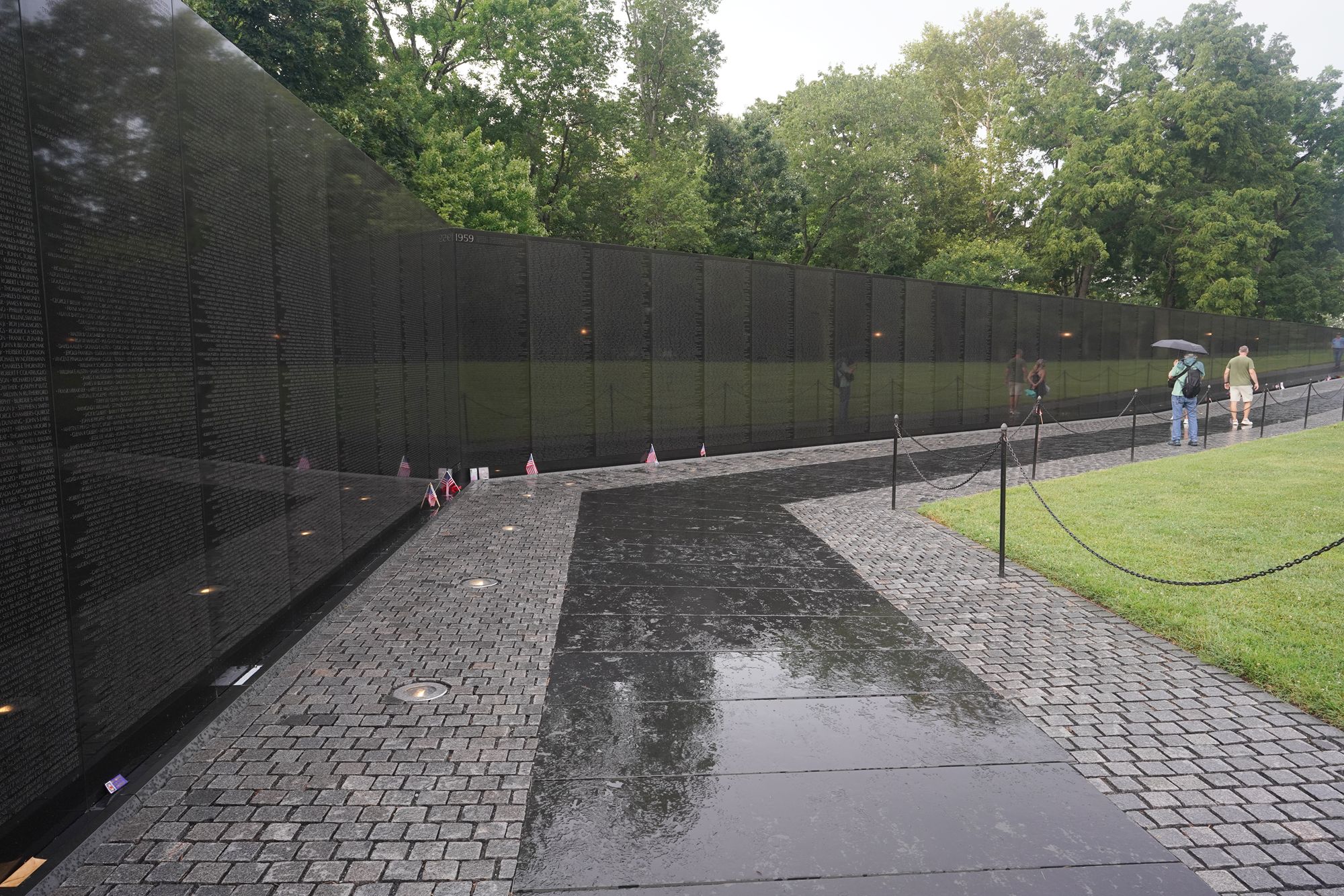
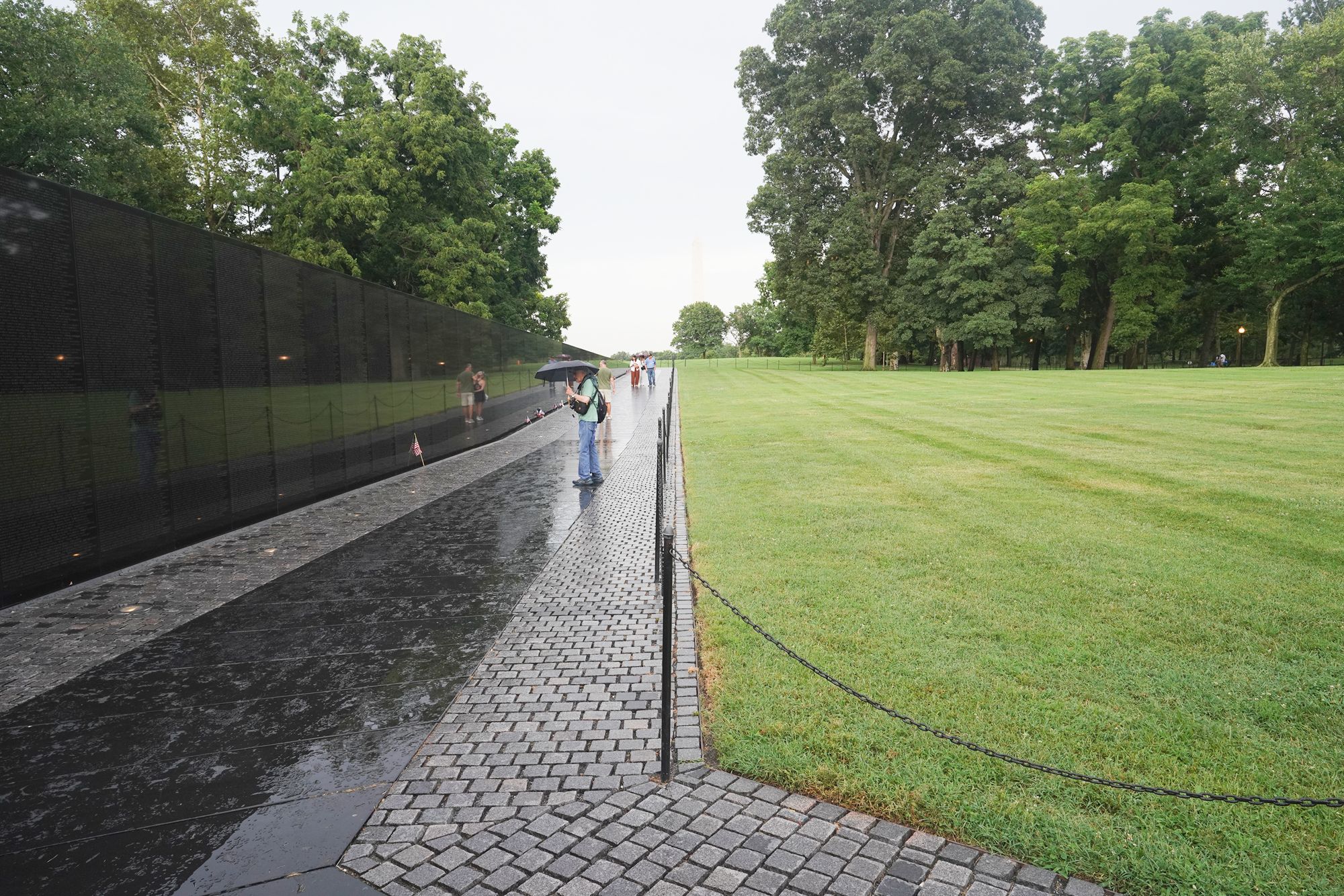
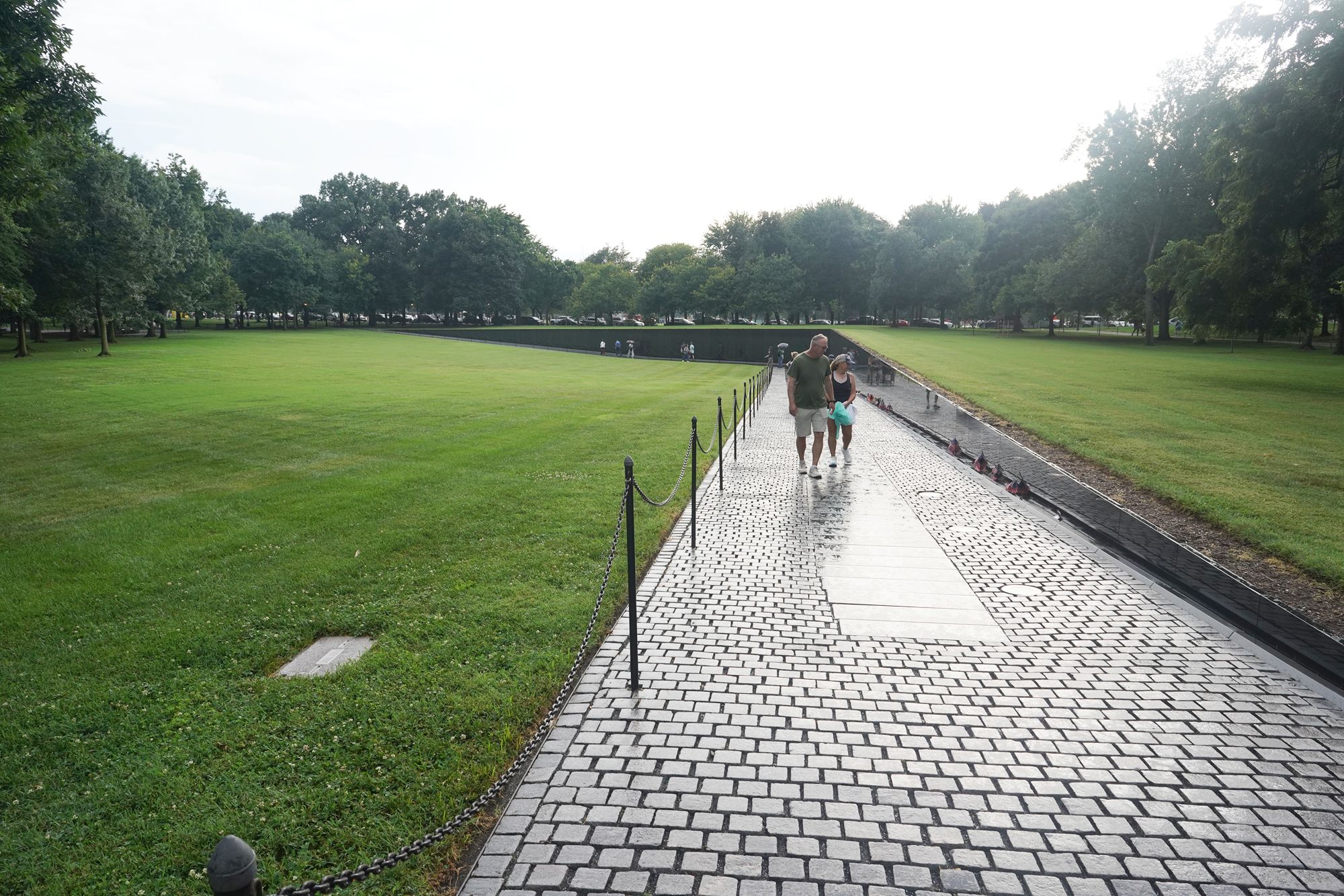
The Vietnam Veterans Memorial in Washington, D.C. honors the men and women who served and sacrificed during the Vietnam War (1955–1975). Dedicated in 1982, it stands near the Lincoln Memorial and has become one of the most visited and emotionally powerful sites on the National Mall.
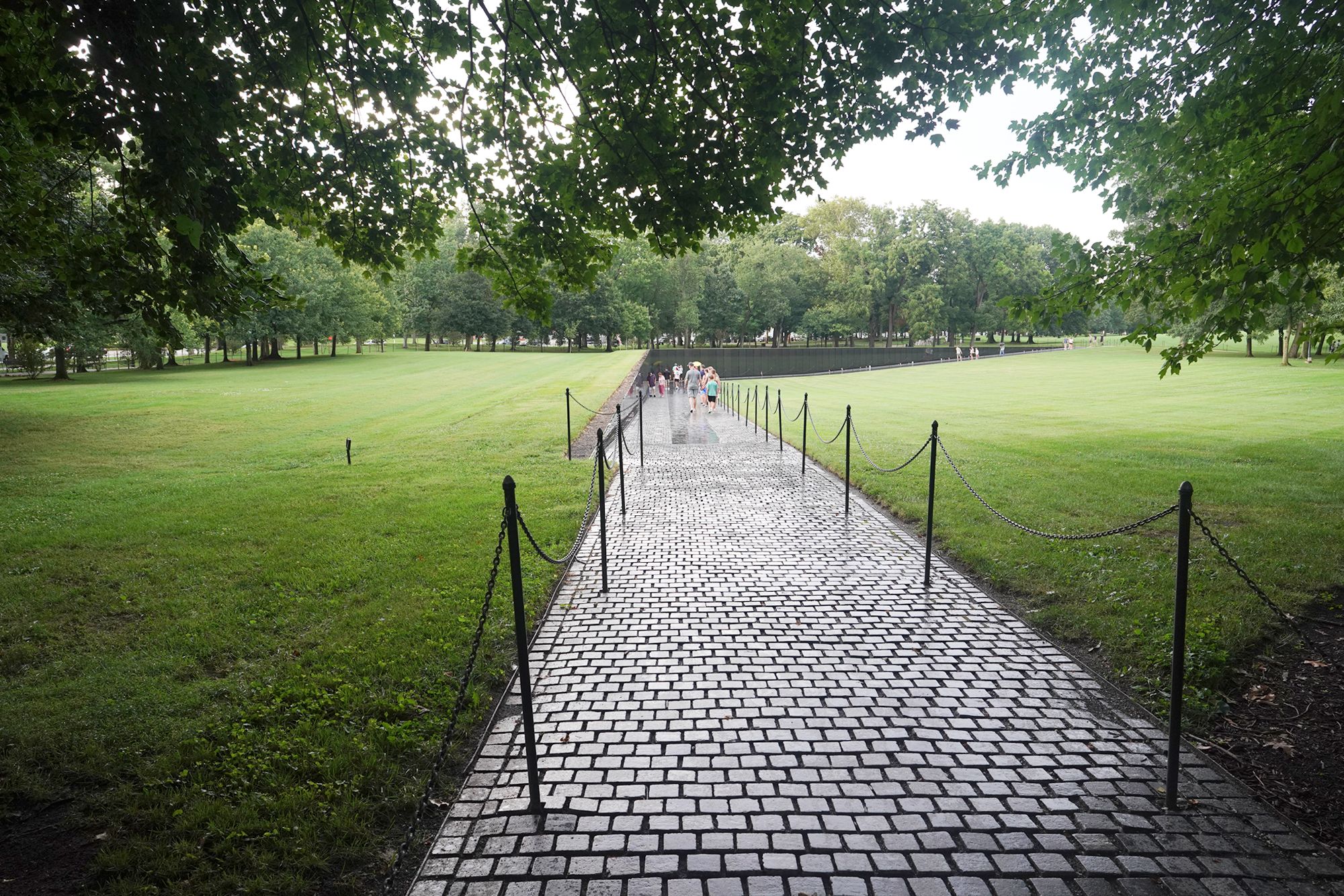
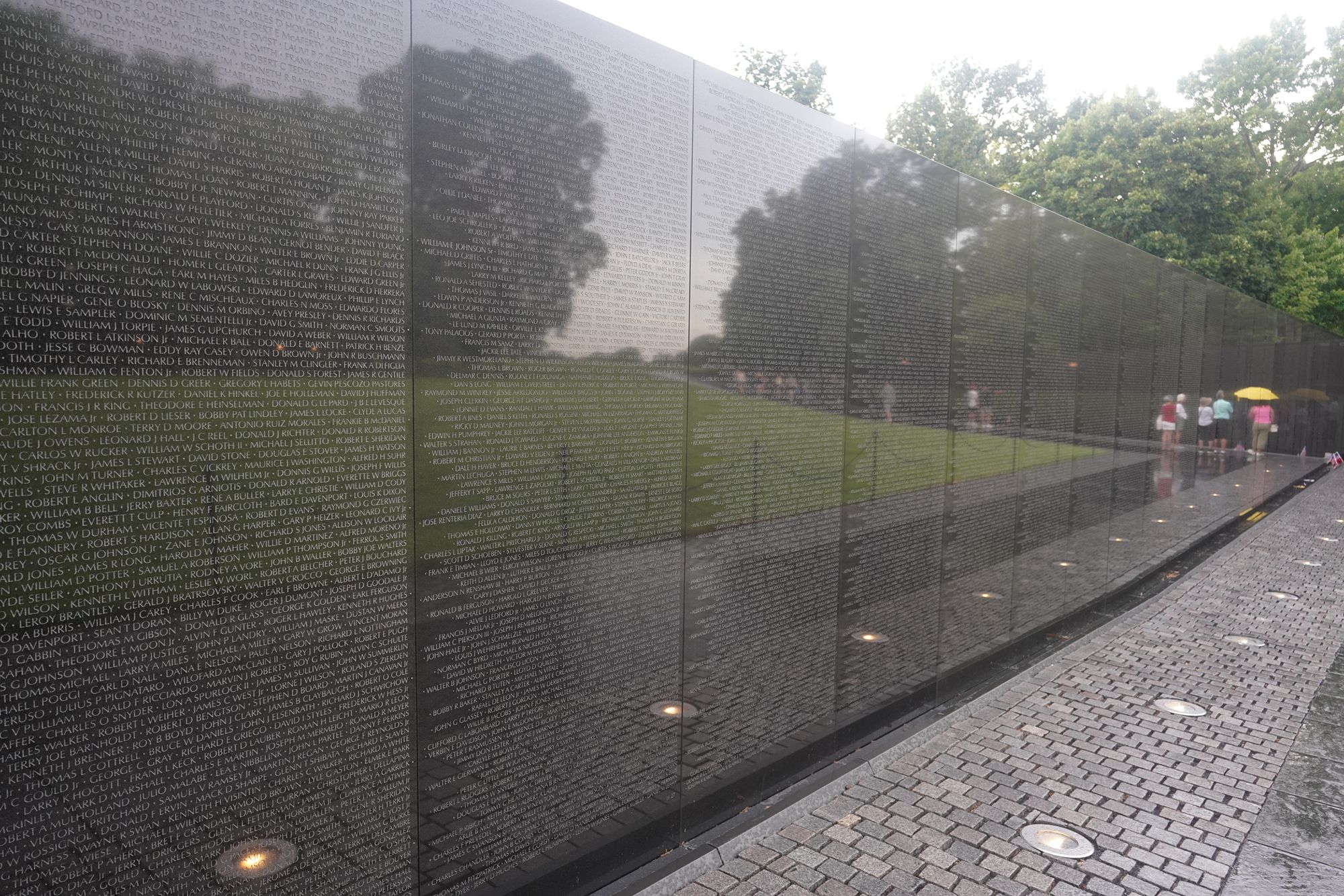
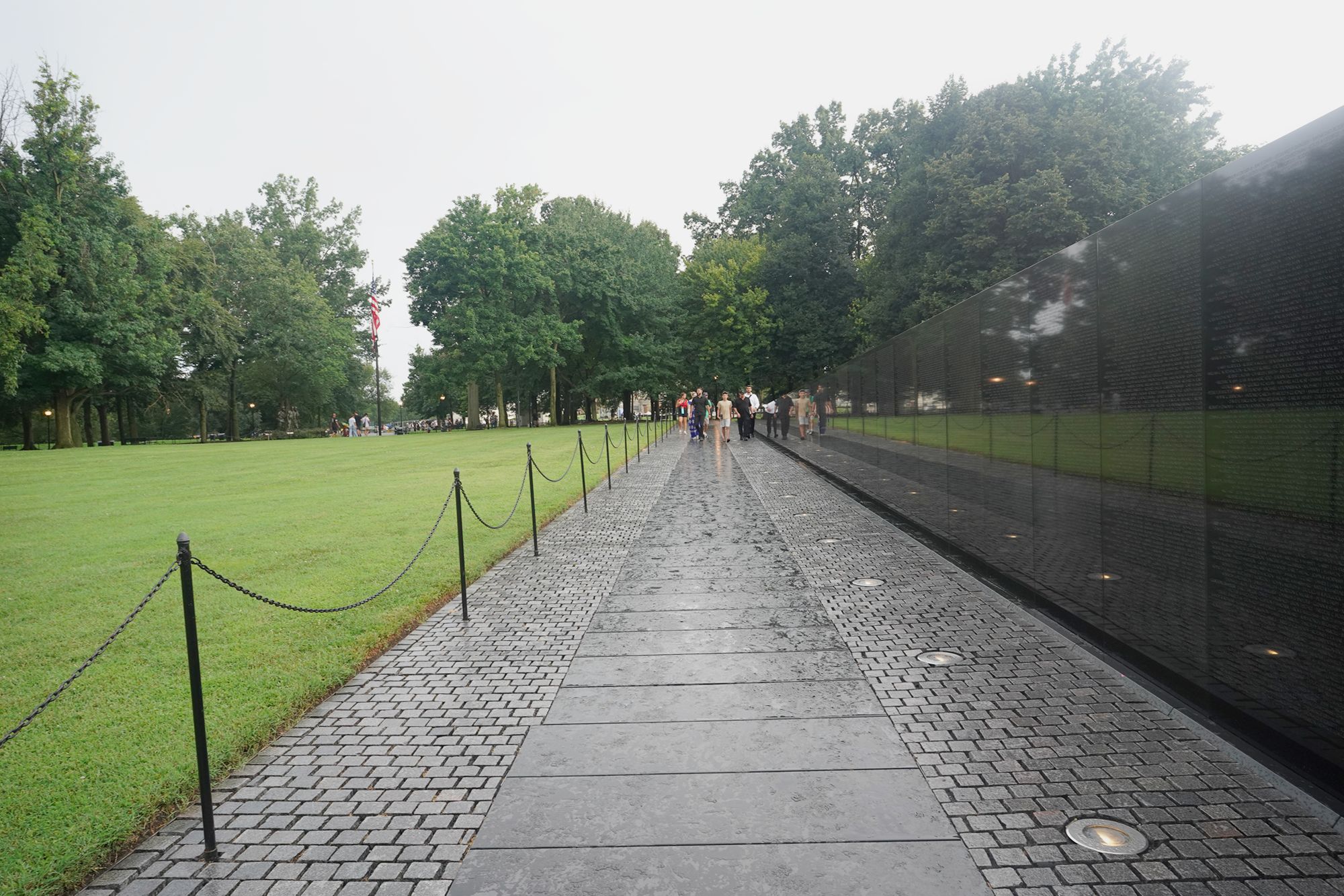
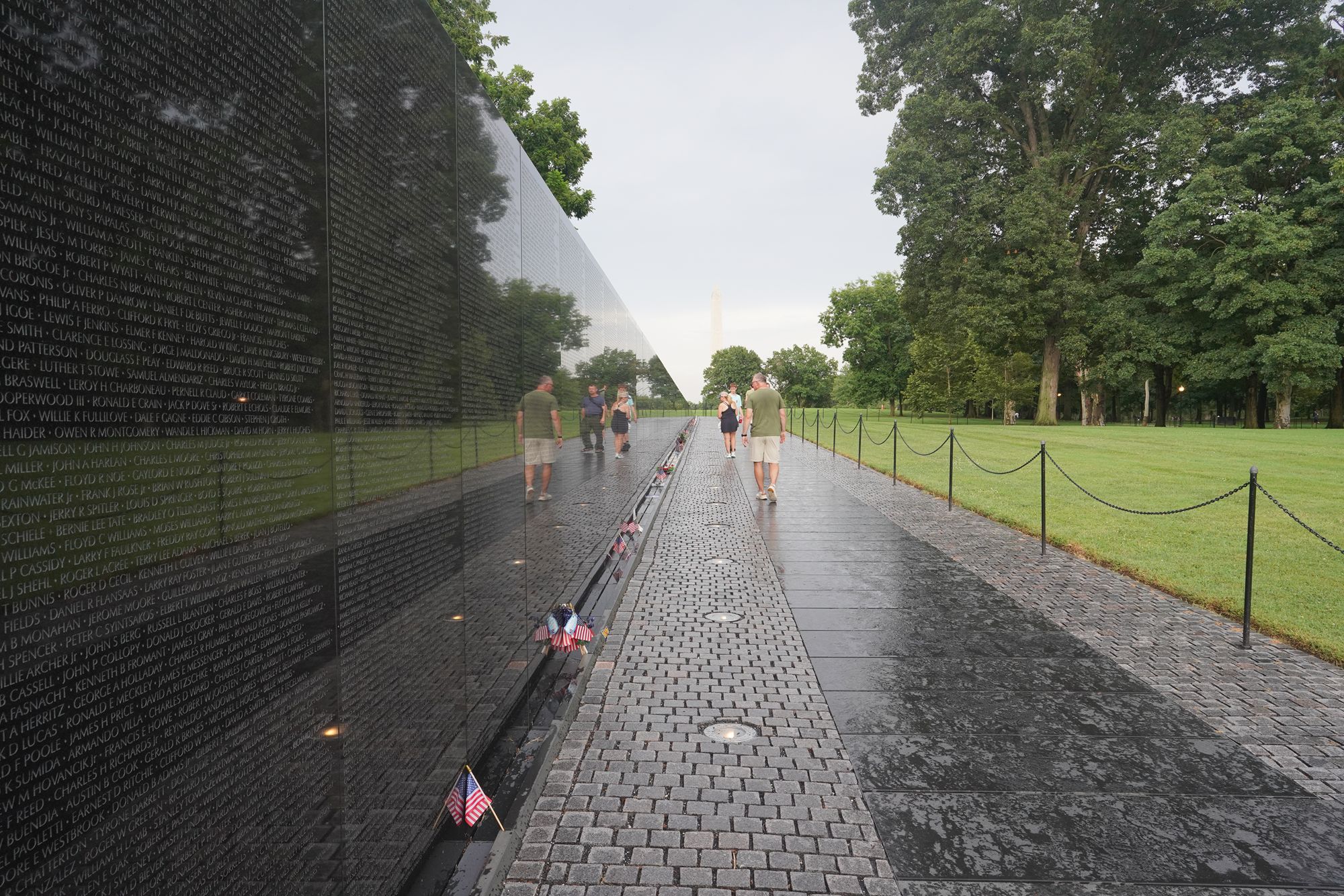
Designed by Maya Lin, then a 21-year-old architecture student, the memorial’s minimalist design consists of two long, black granite walls set into the earth, meeting at an angle to form a quiet, reflective space. The surface is polished to mirror the faces of visitors, symbolically connecting the living with the fallen.
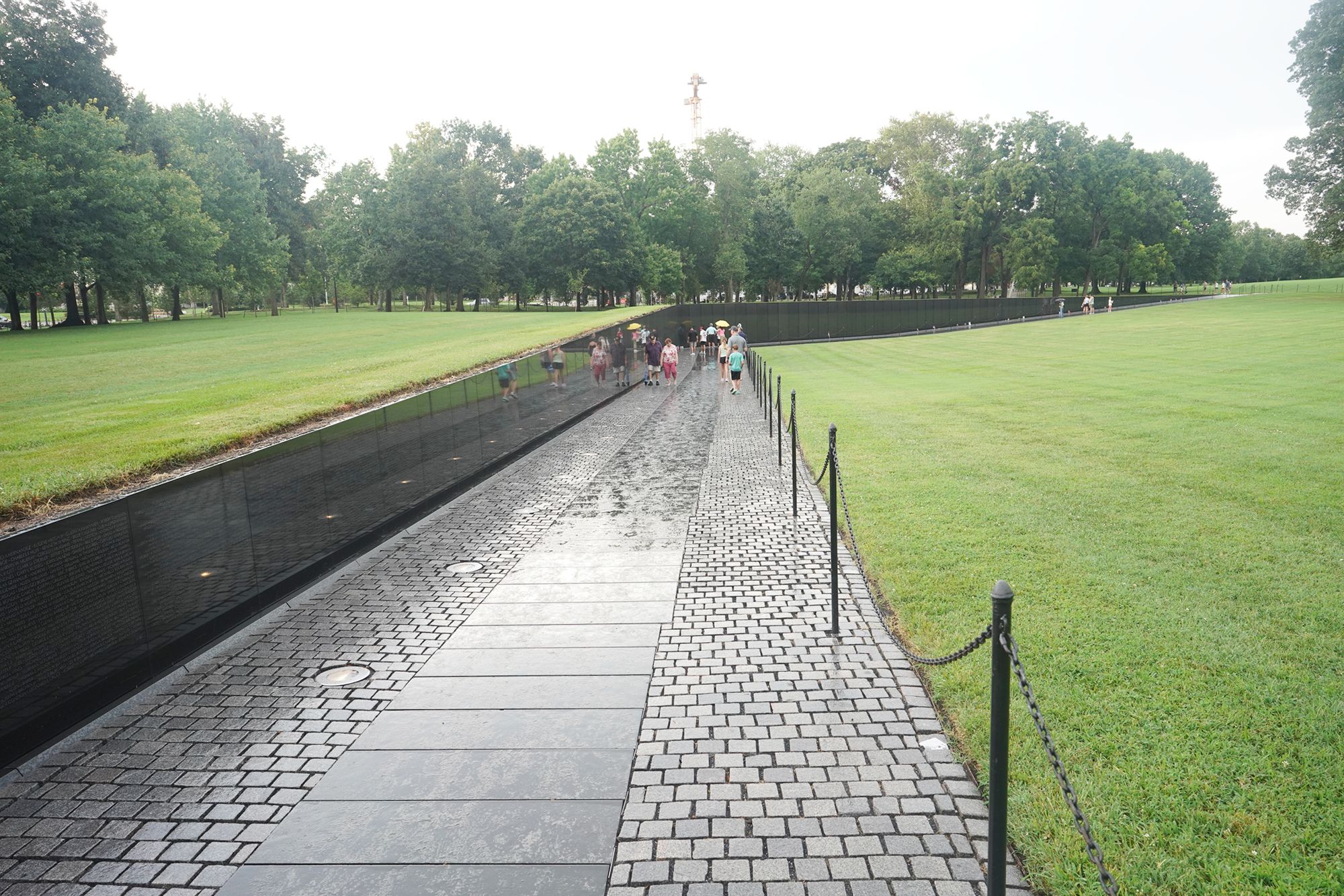
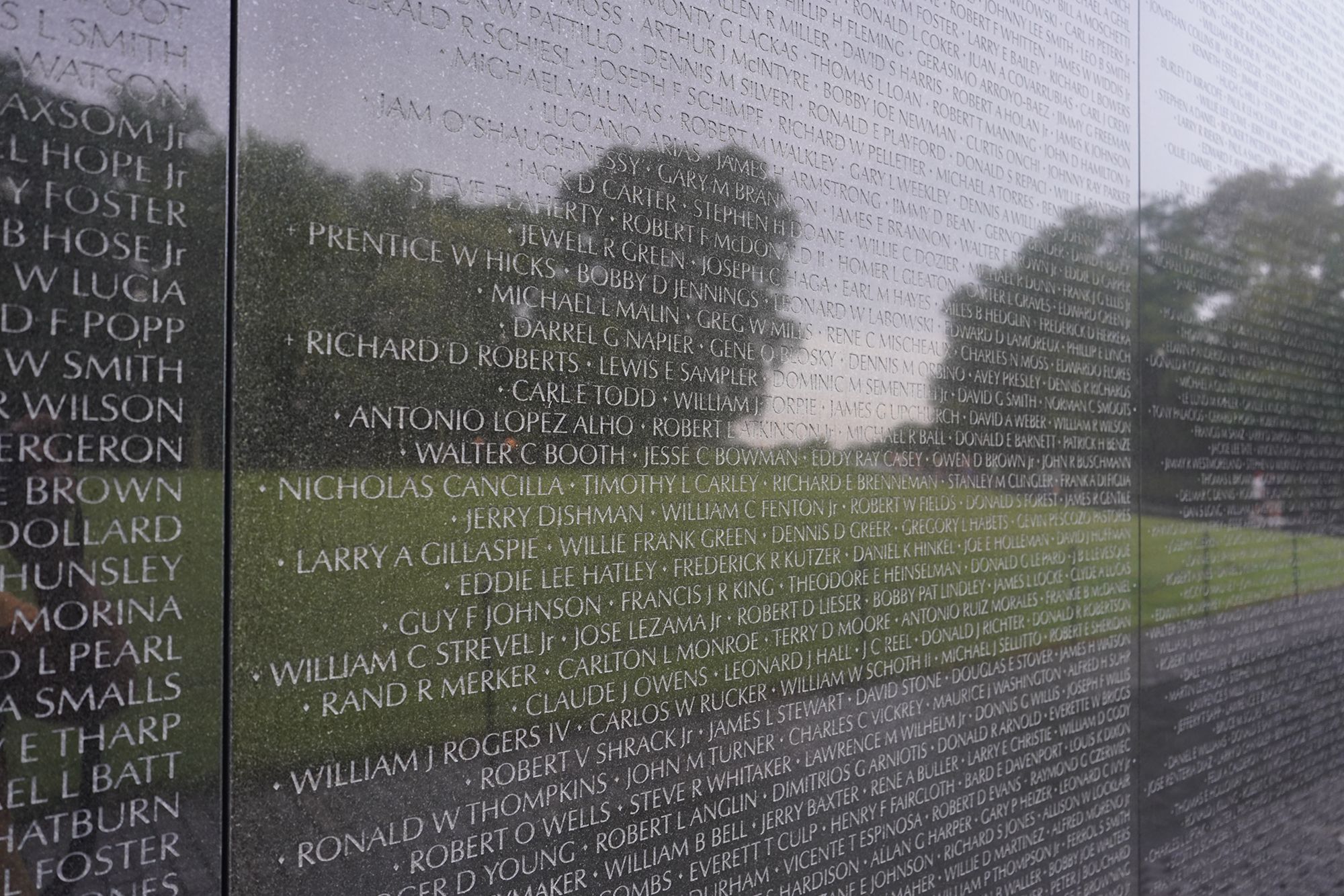
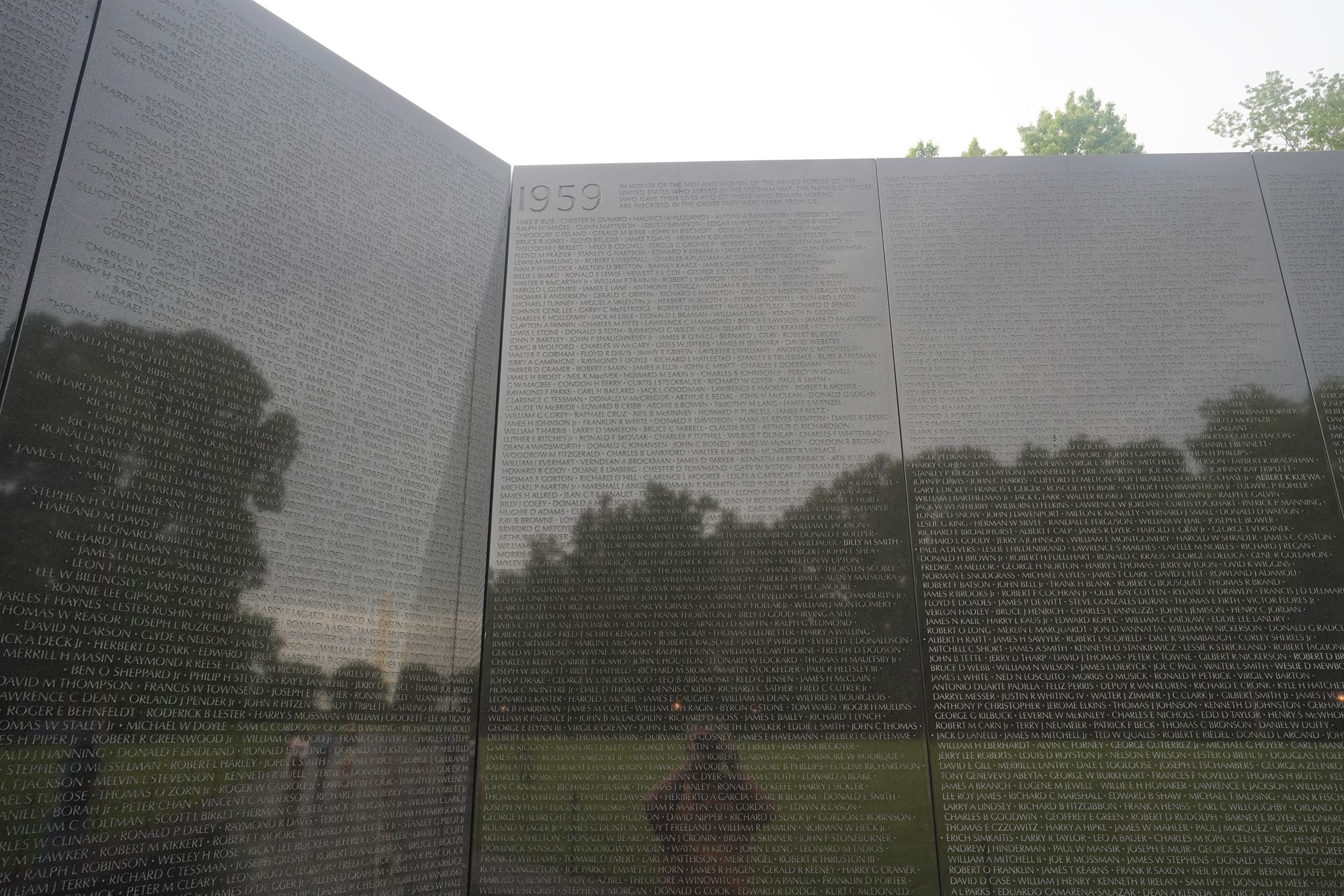
Inscribed on the walls are the names of more than 58,000 service members who died or went missing in action. The names are arranged chronologically by the date of casualty, rather than alphabetically, emphasizing the personal and continuous human cost of the war. Visitors often leave flowers, flags, and personal mementos at the base of the wall, turning the site into a living memorial.
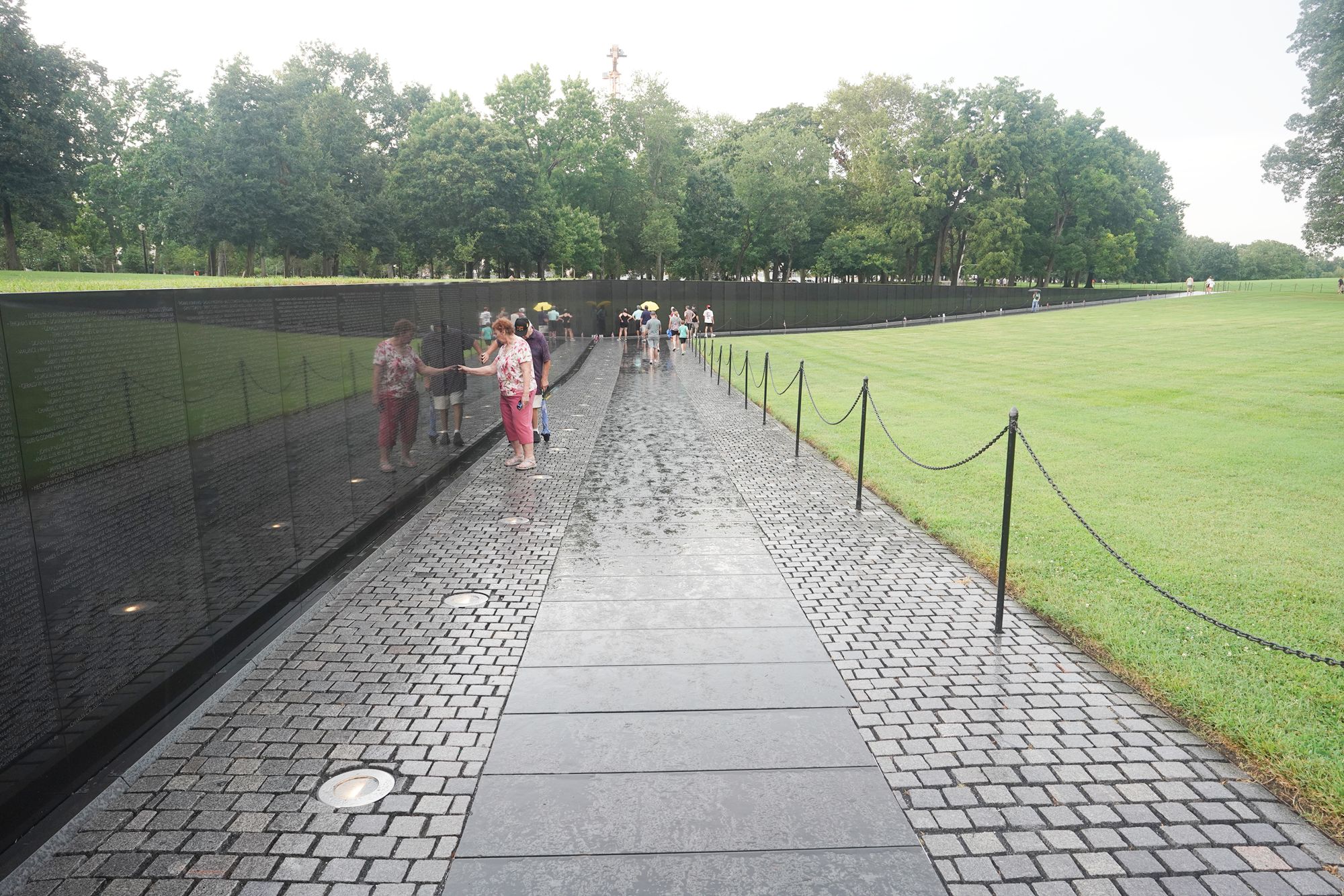
The memorial’s power lies in its simplicity. Rather than glorifying war, it invites reflection, mourning, and reconciliation, serving as a timeless reminder of the sacrifices made and the deep human impact of conflict.