African American History and Culture Museum, Part 1, Washington DC, USA
The National Museum of African American History and Culture is dedicated to telling the story of African Americans and their central role in U.S. history. 1136
National Museum of African American History and Culture: 1400 Constitution Ave. NW, Washington, DC 20560
Date Picture Taken: July 2025
The National Museum of African American History and Culture in Washington, D.C., explores the African American experience from slavery to today. Opened in 2016, the museum’s bronze-colored design was inspired by African art.
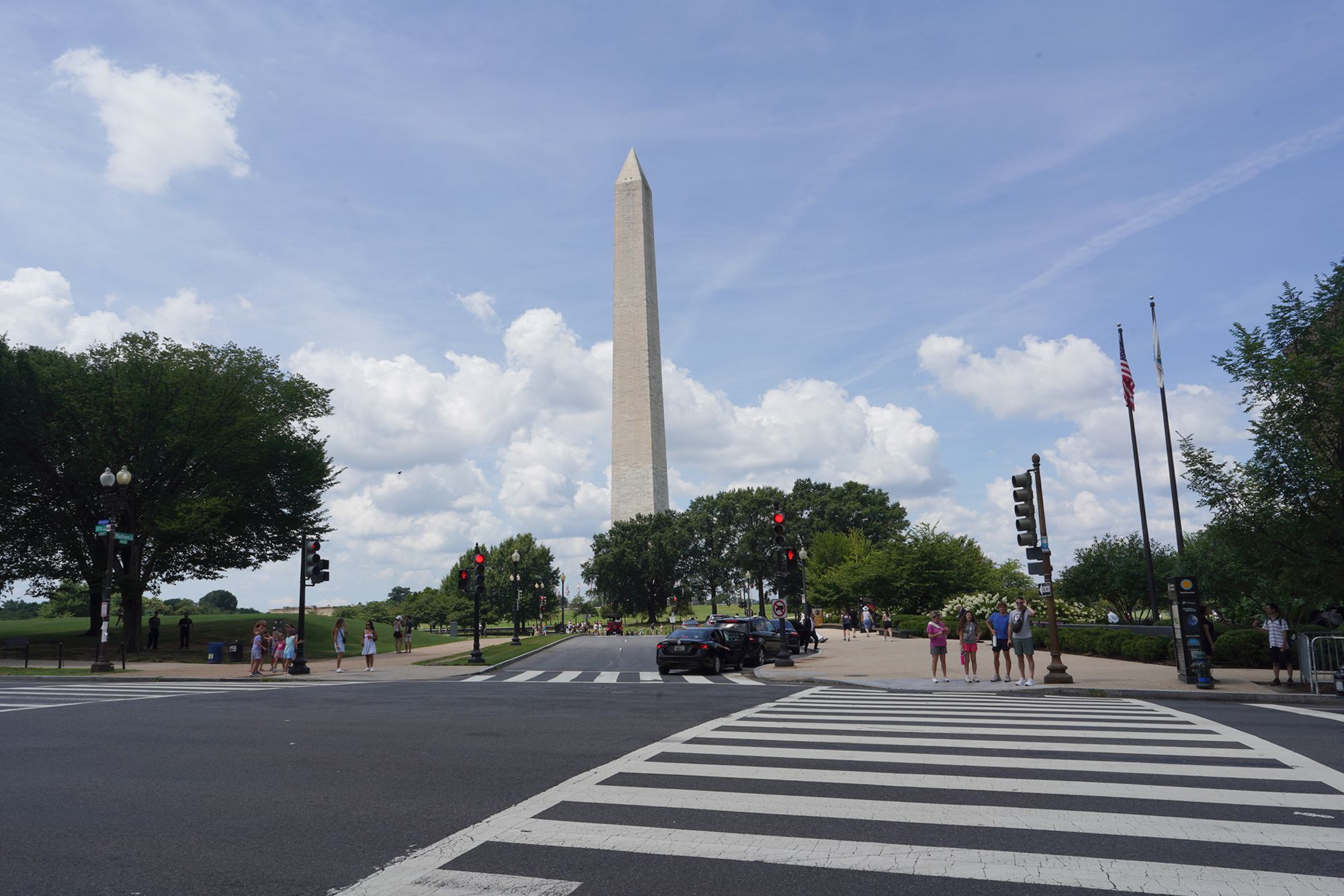
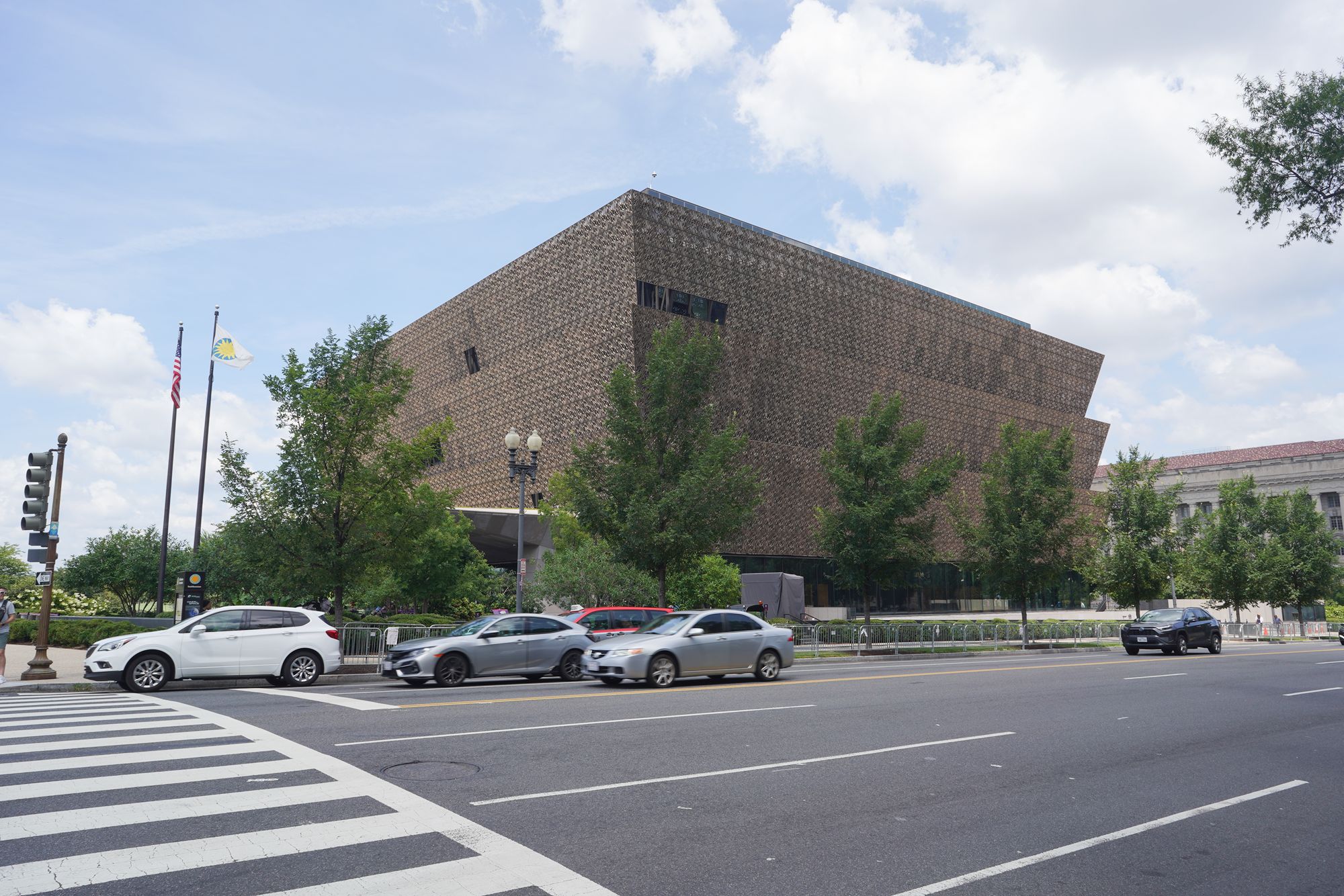
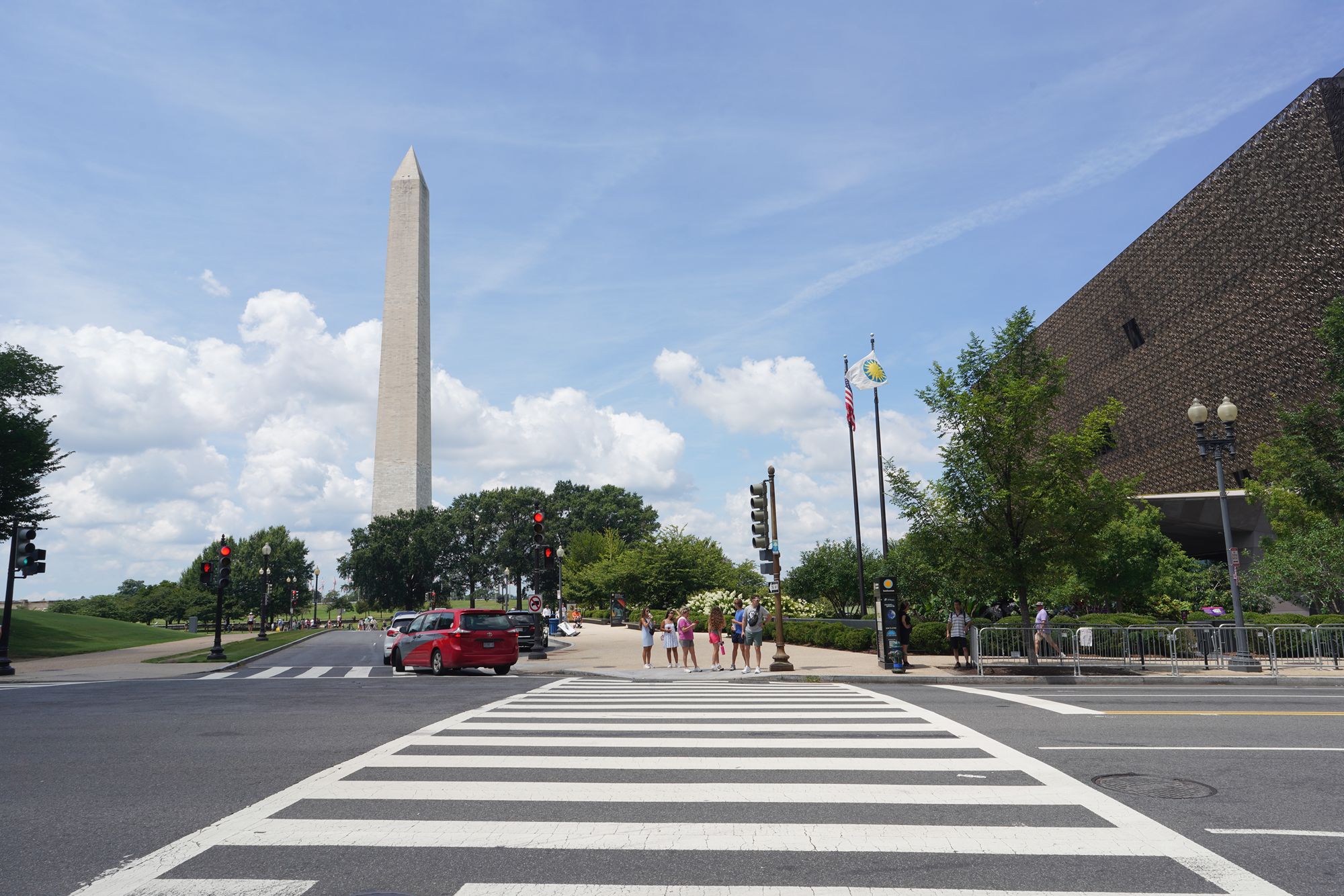
The National Museum of African American History and Culture (NMAAHC)
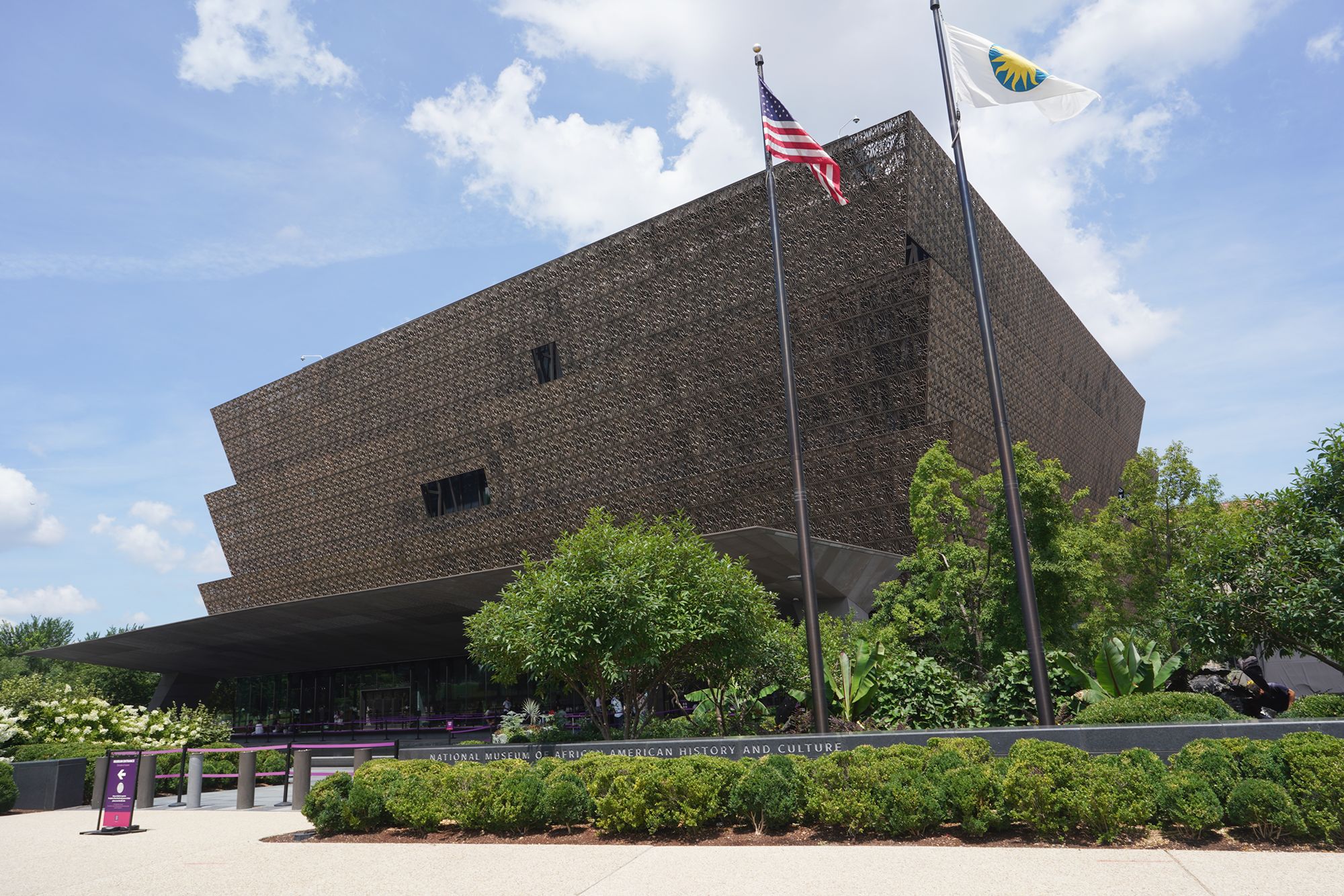
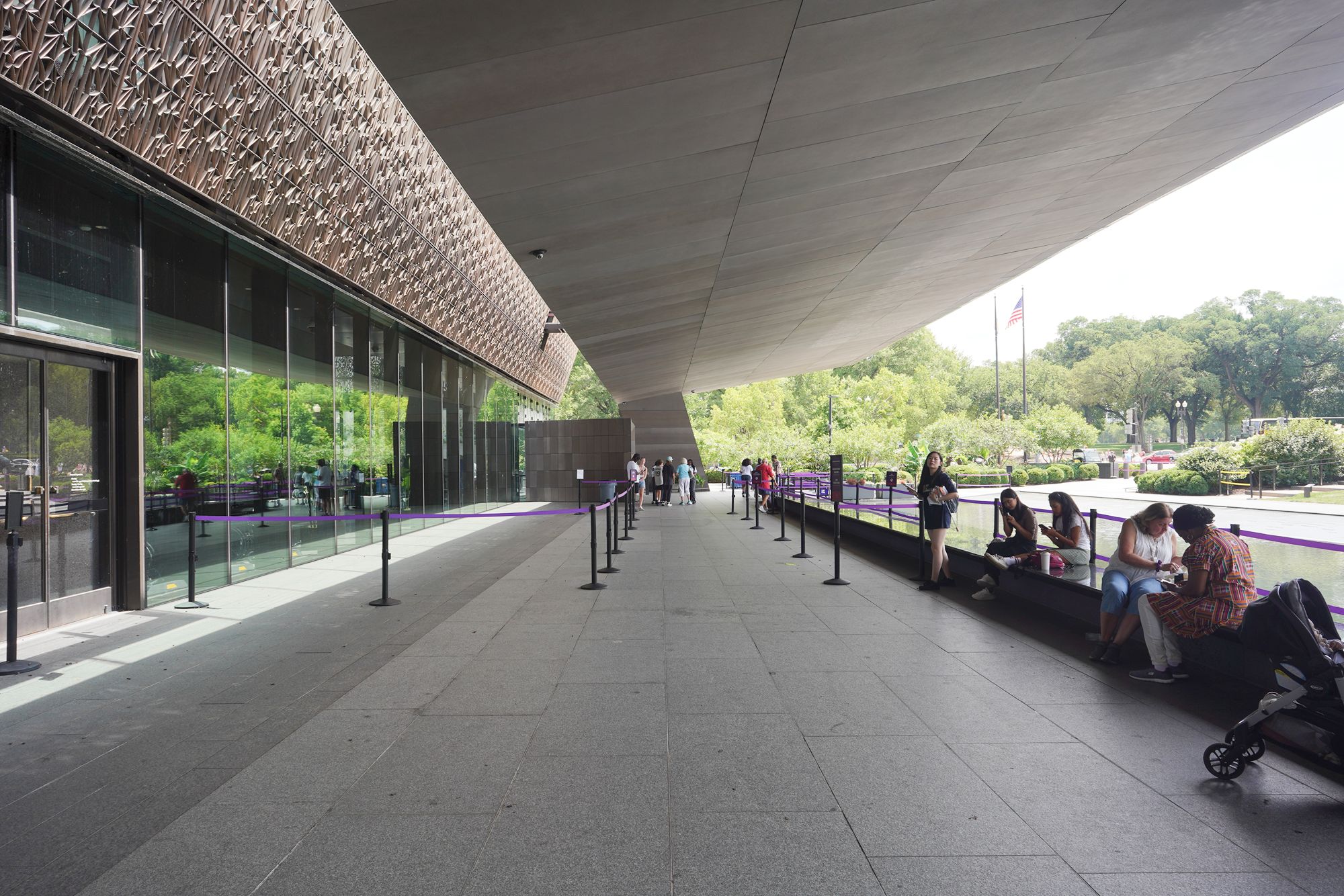
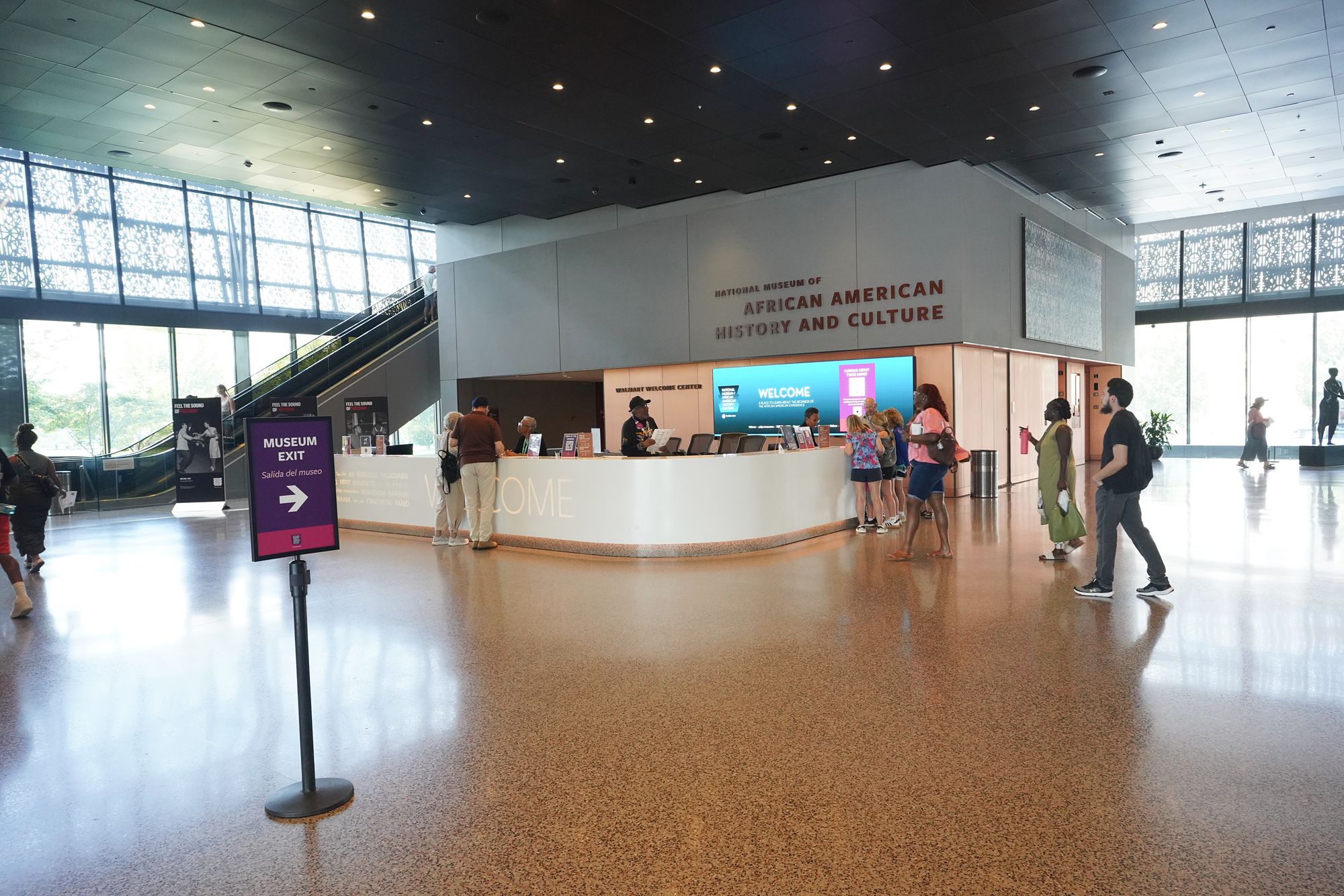
The lower galleries trace history from the slave trade through the Civil Rights Movement, while the upper floors celebrate culture, art, music, and sports.
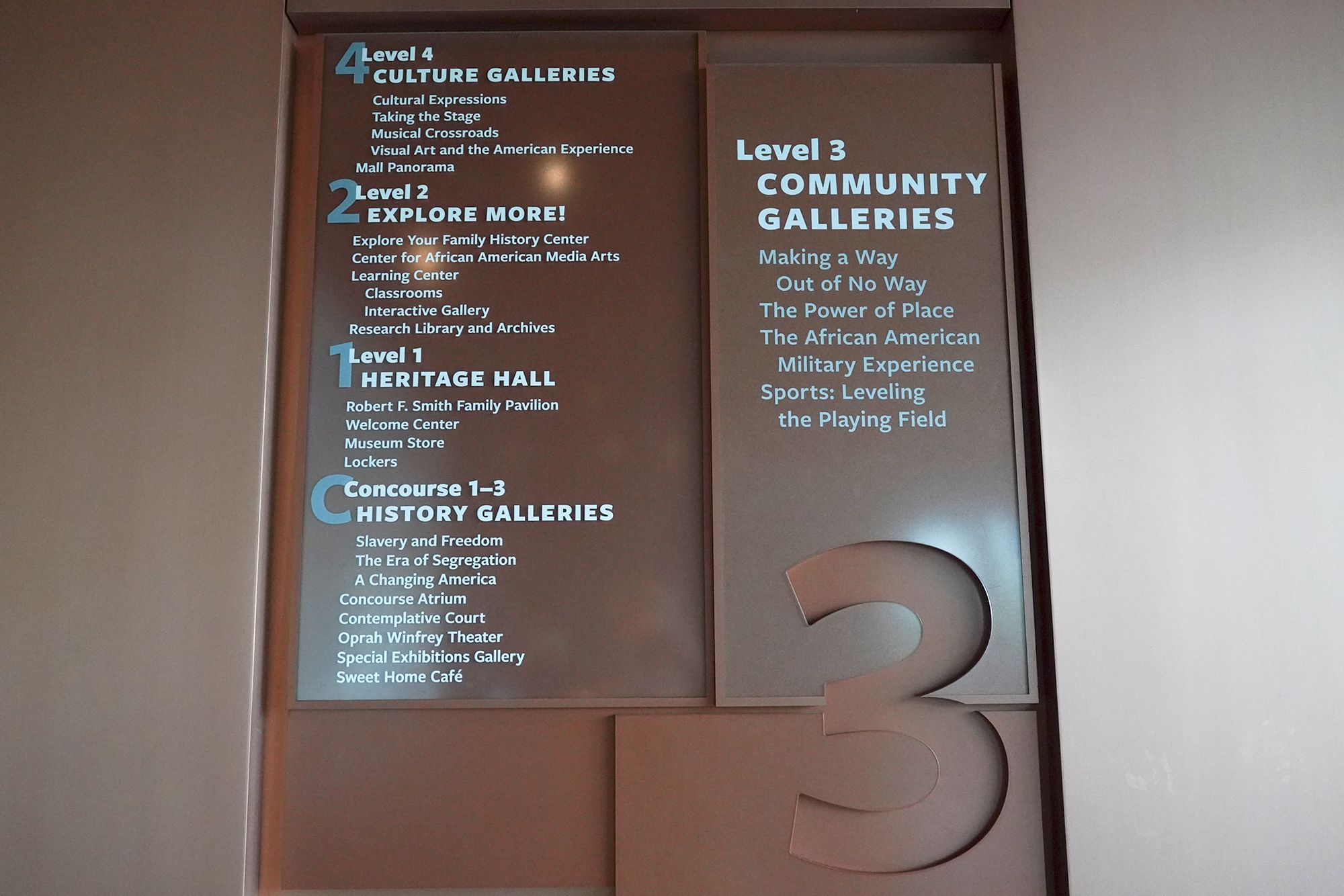
I did not visit the History Galleries because I did not know they existed, even though I took pictures of the signs showing what is on each floor. This blog features the exhibitions on Levels 2 and 4 only.
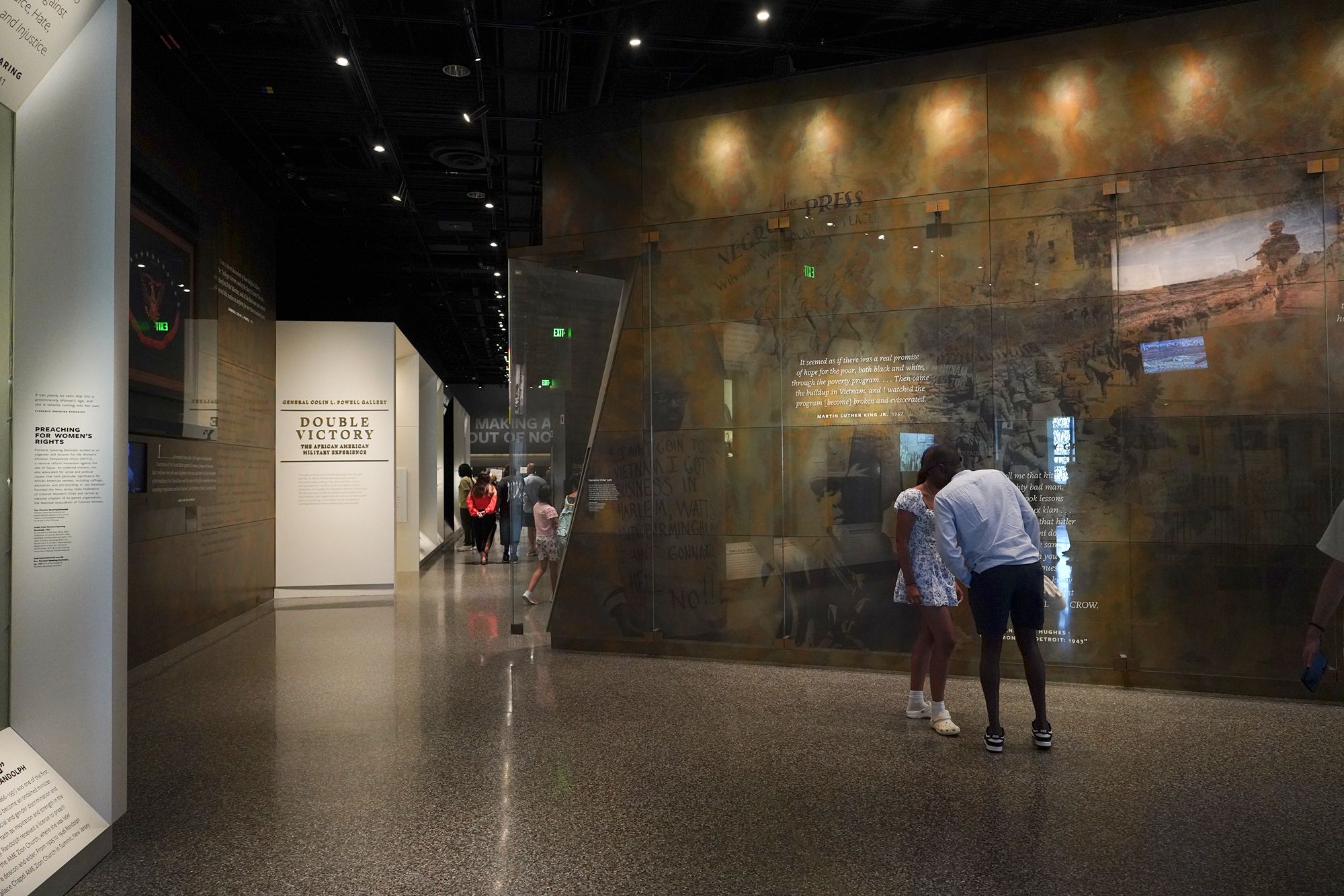
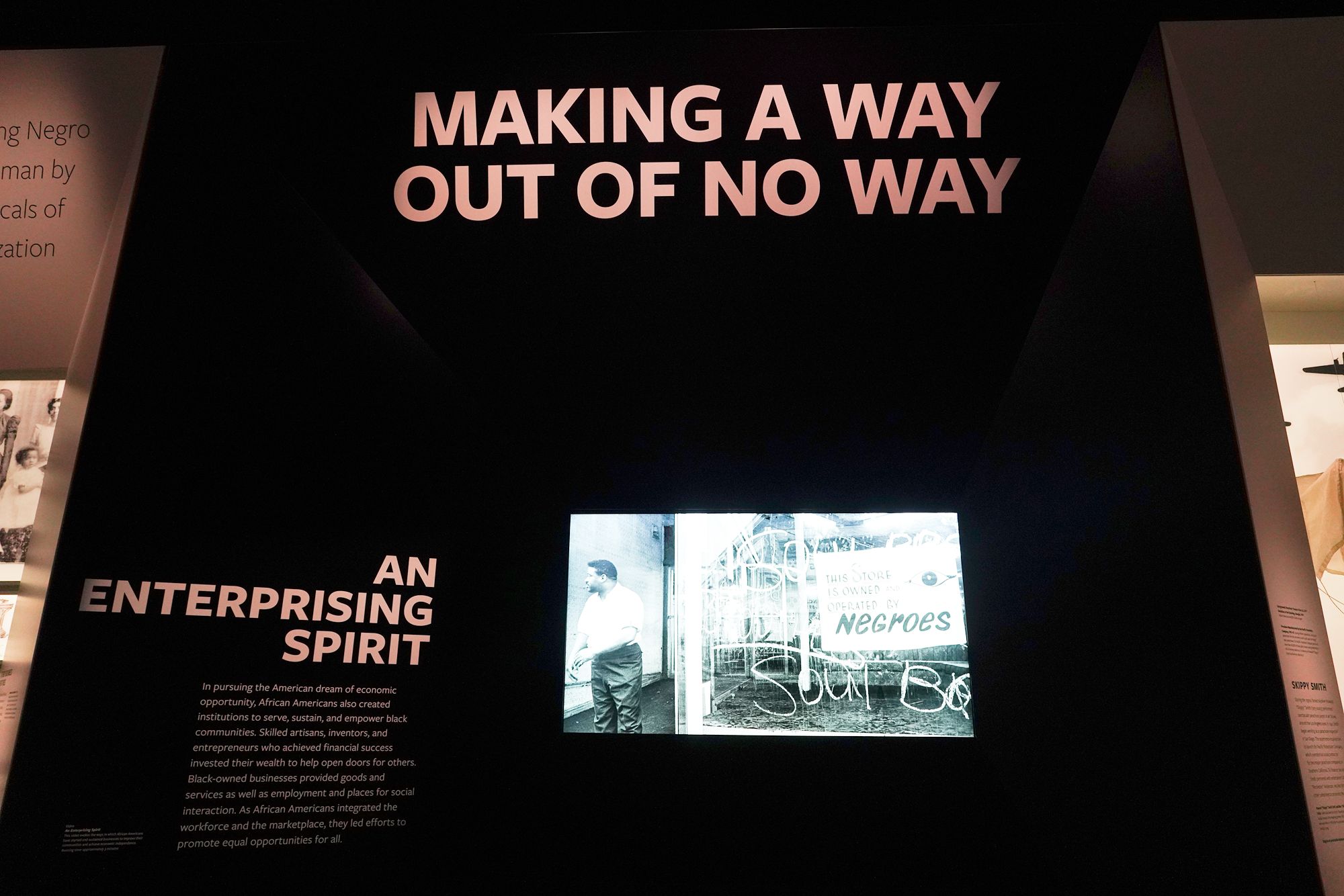
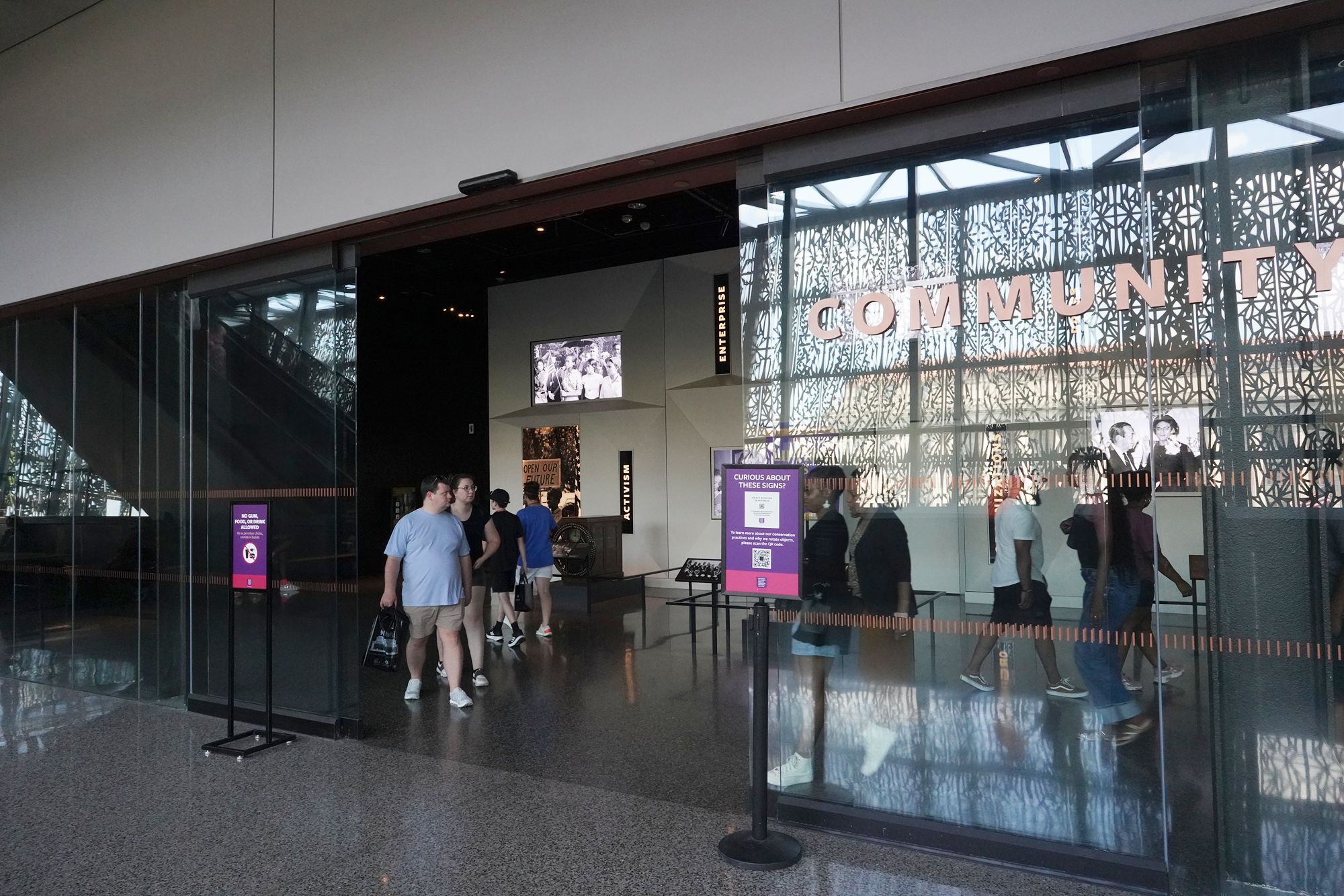
The exhibition “Making a Way Out of No Way” highlights how African Americans created opportunities and built communities despite facing racism, segregation, and limited rights.
It showcases stories of resilience, faith, and creativity—from educators and entrepreneurs to artists and activists—who transformed struggle into strength. Through photographs, artifacts, and personal stories, the exhibit celebrates determination and the ability to thrive even in the face of injustice.
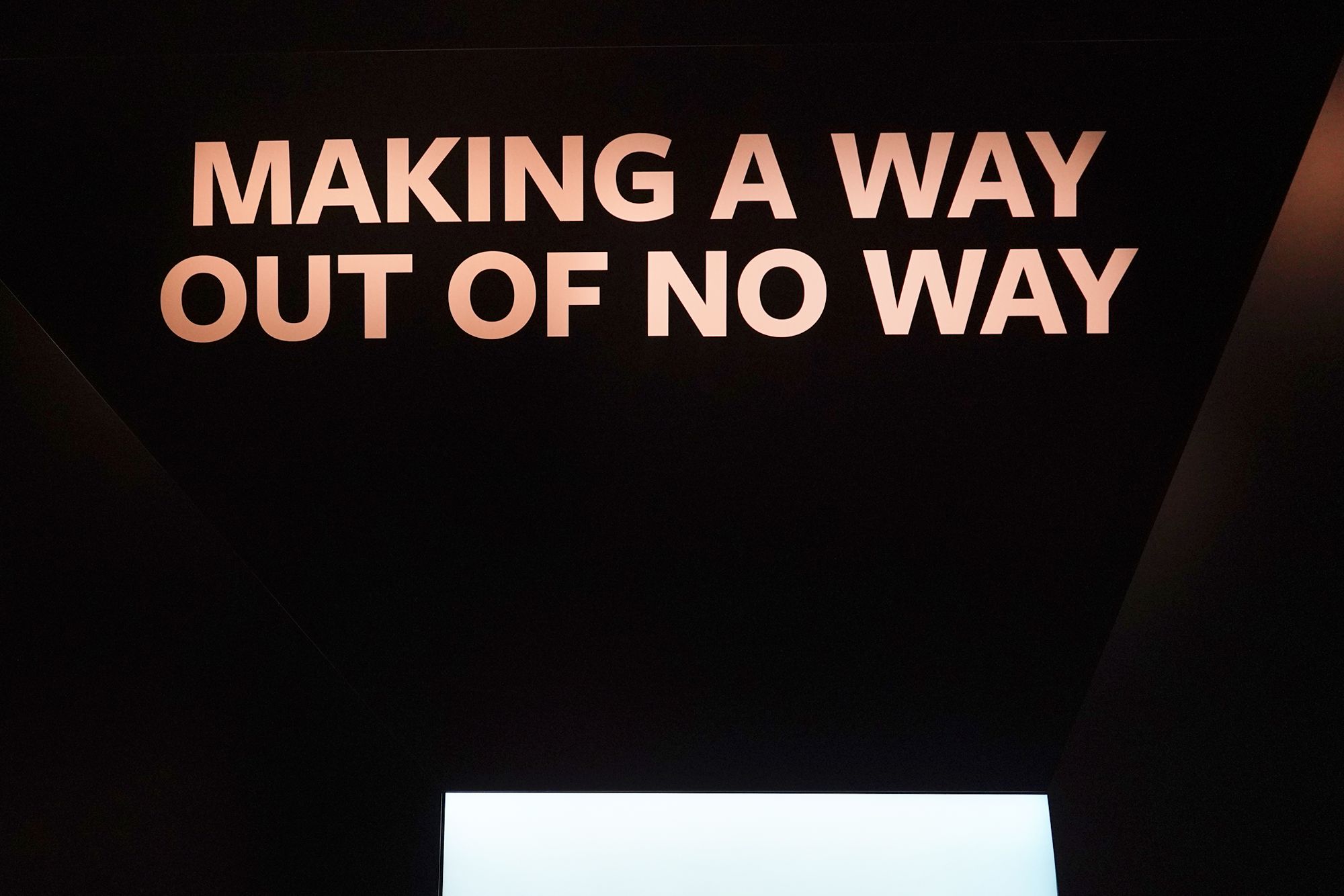
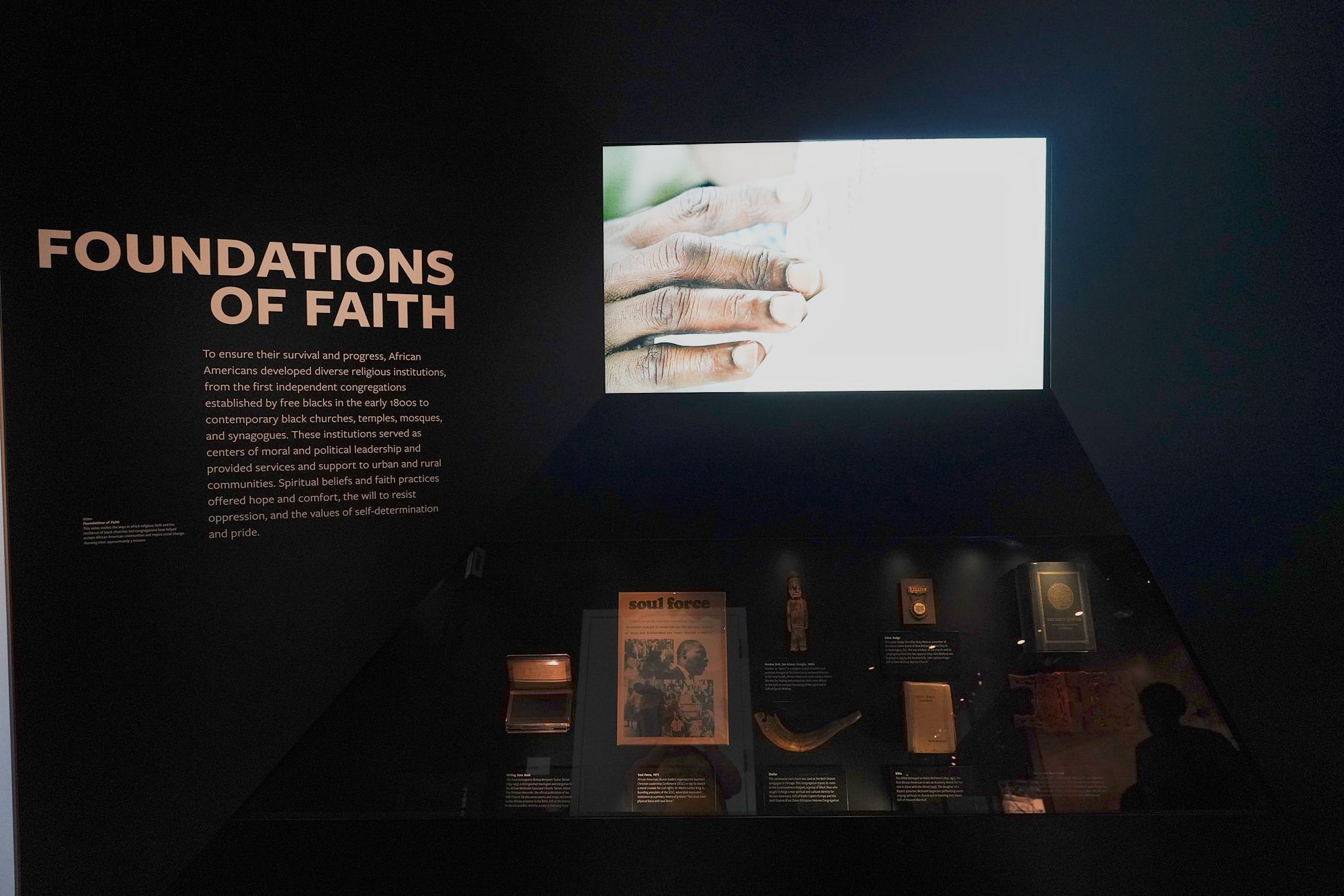
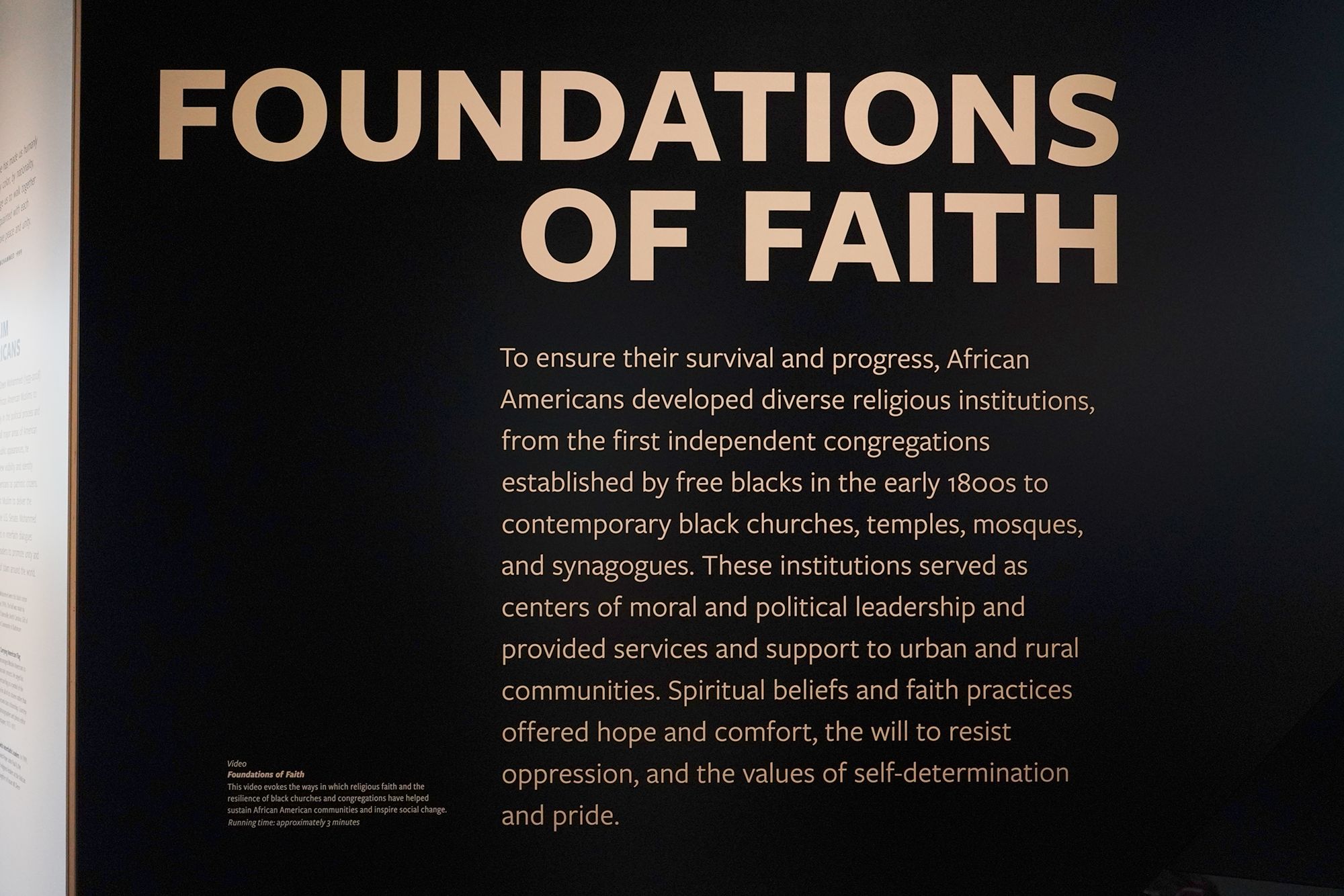
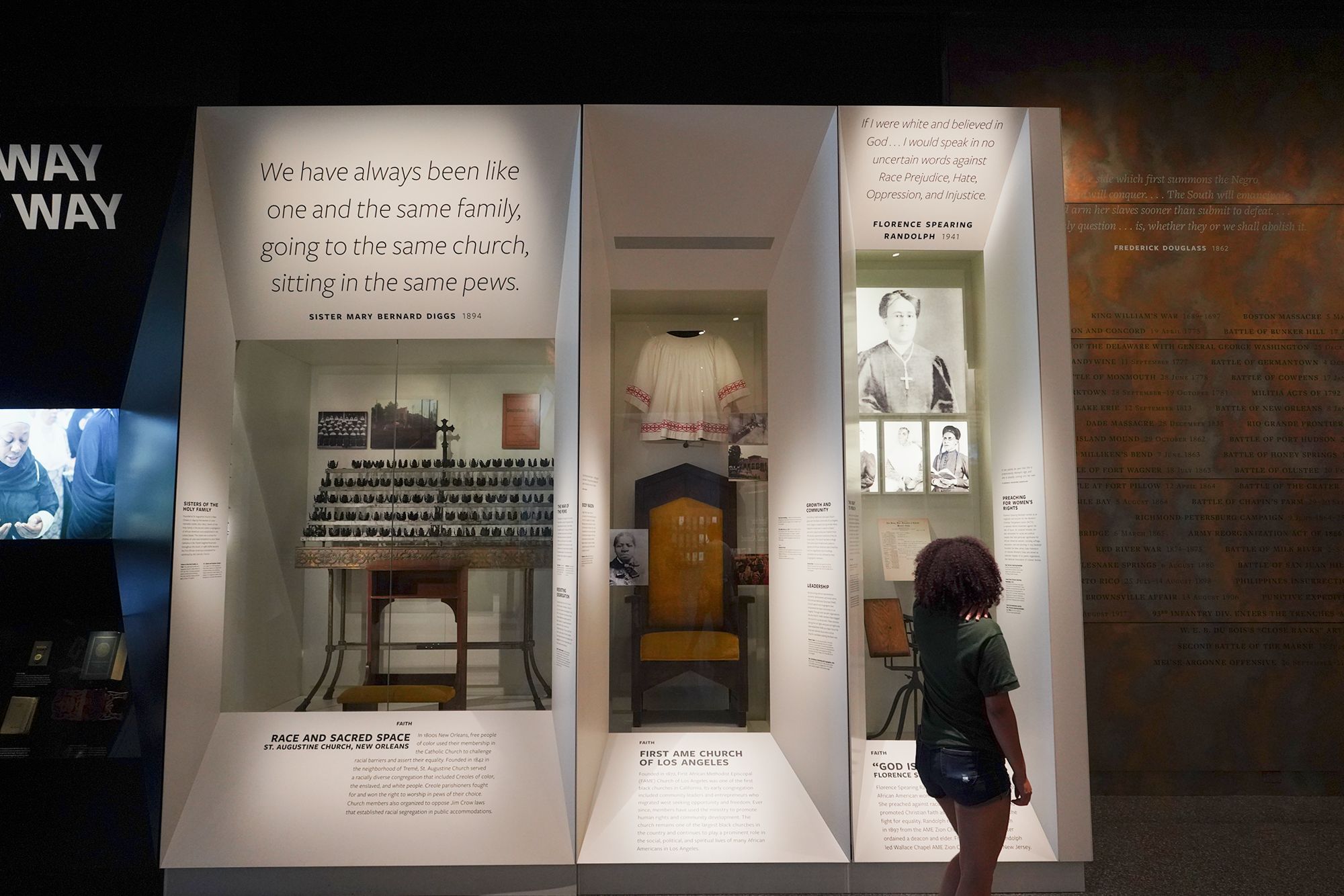
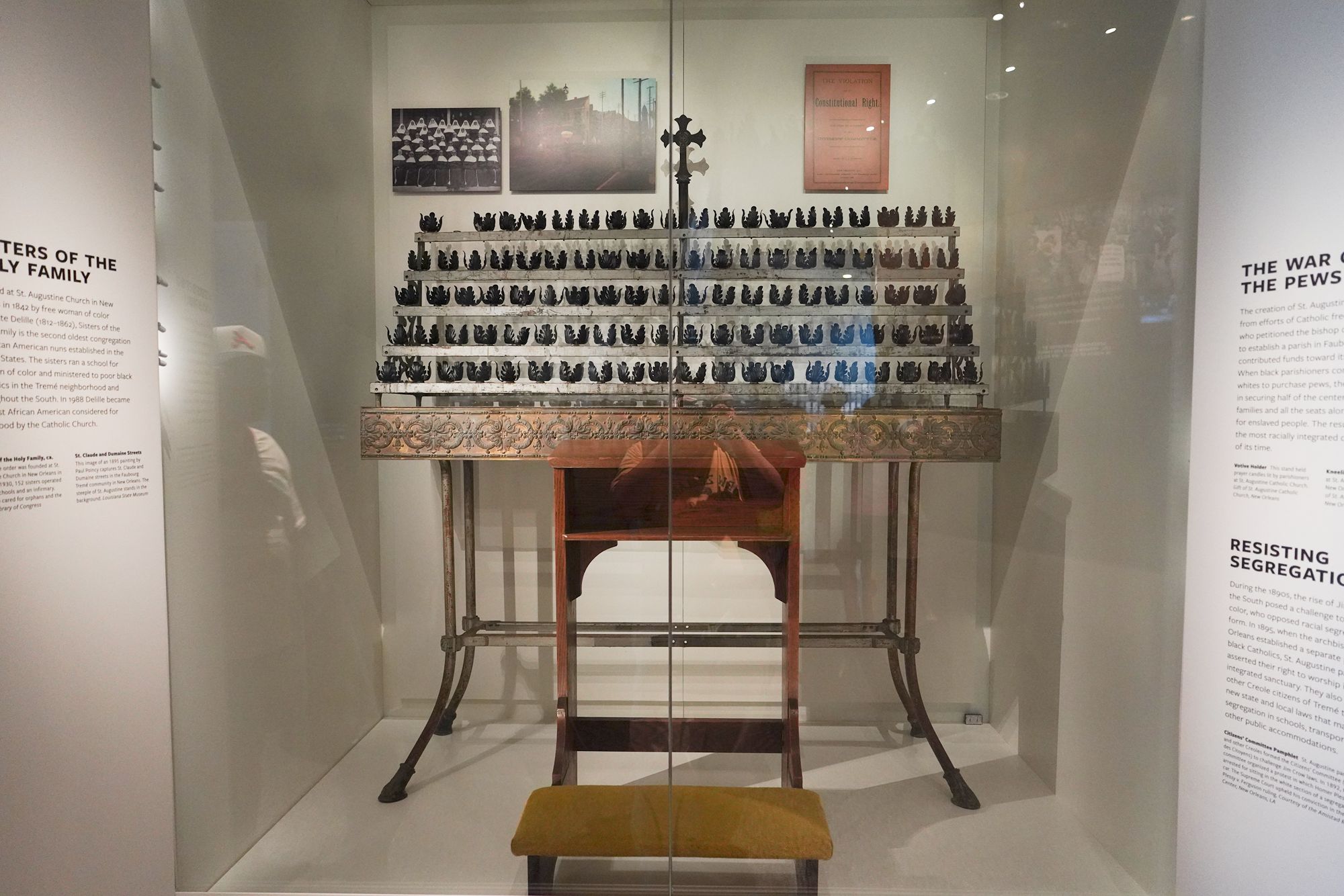
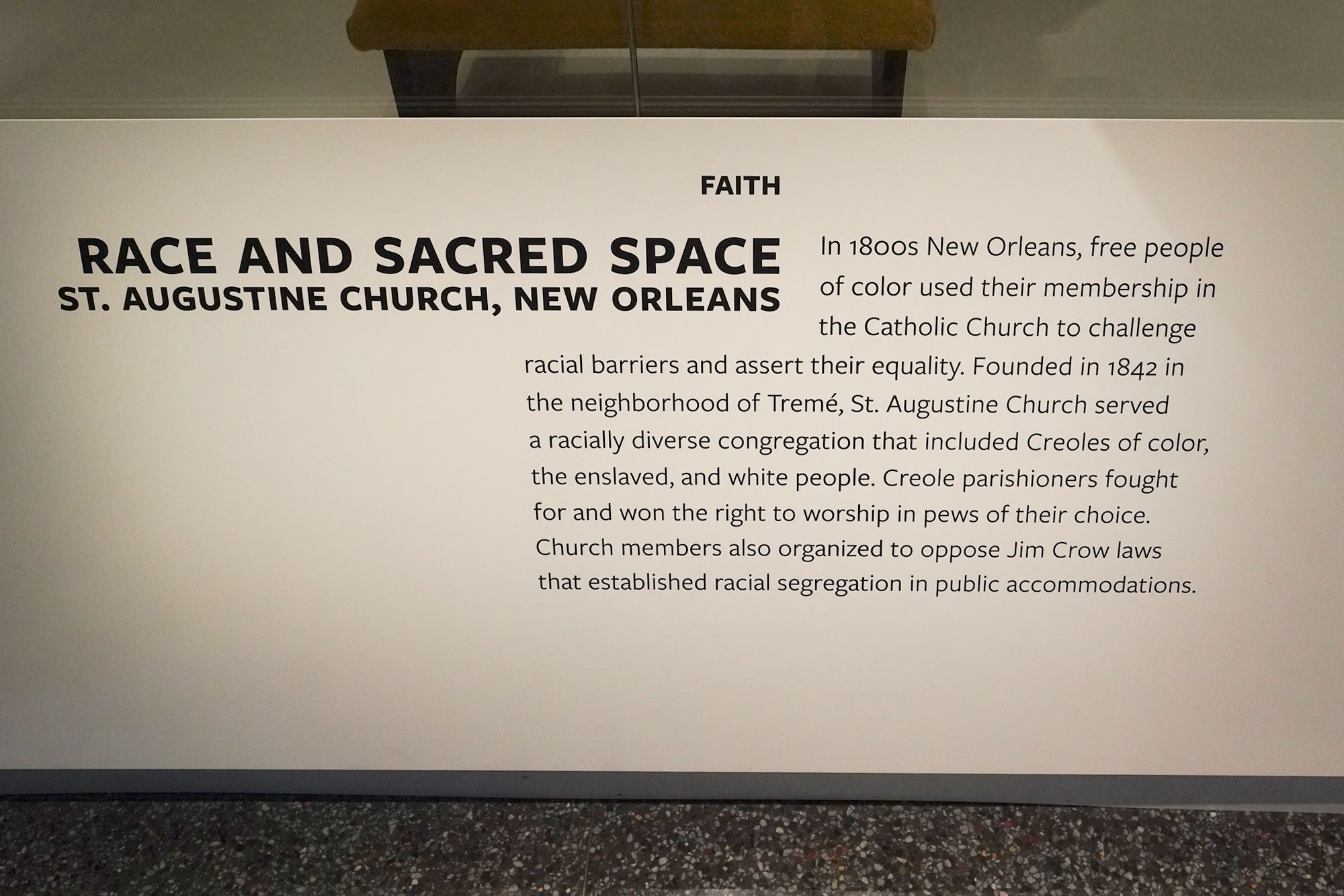
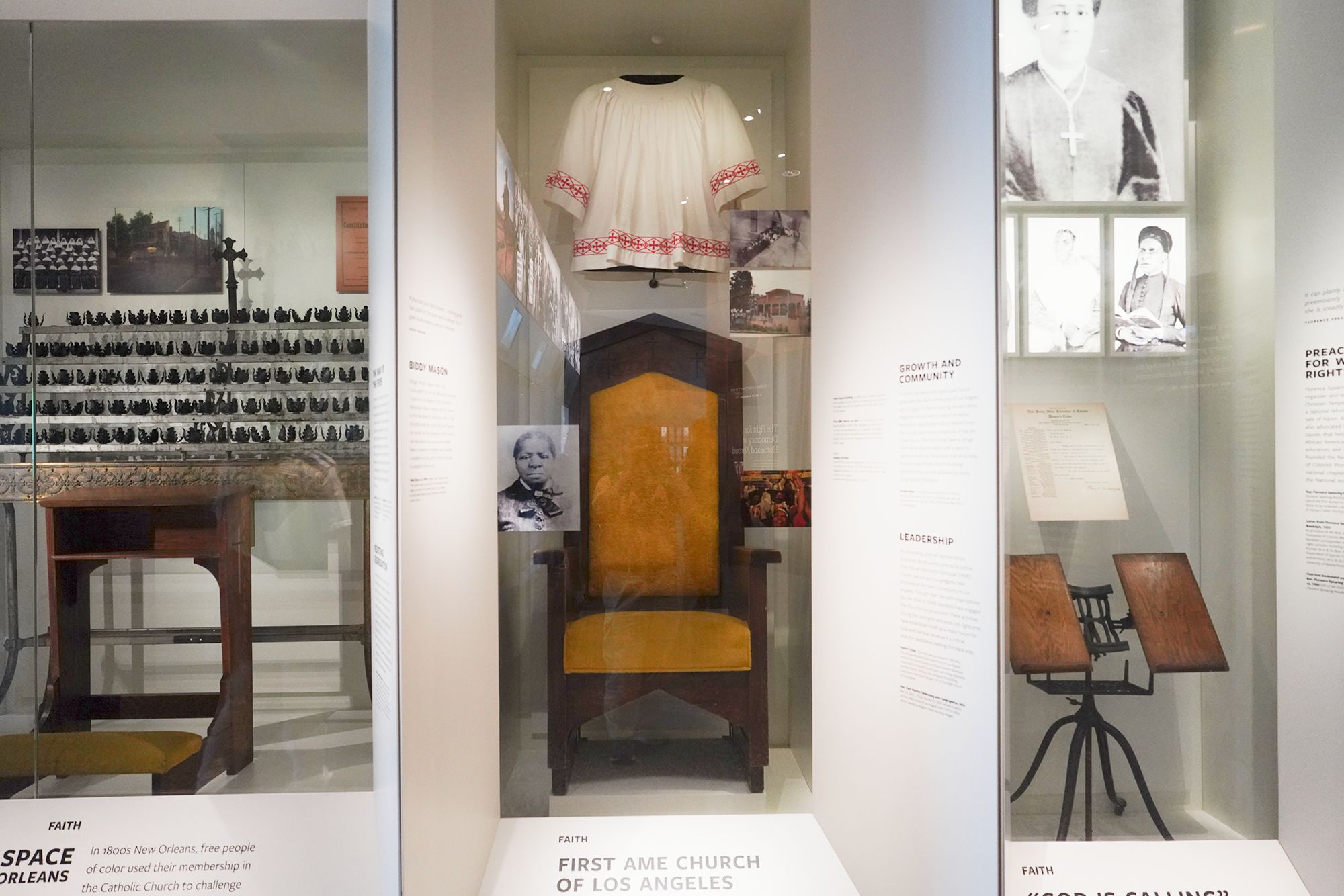
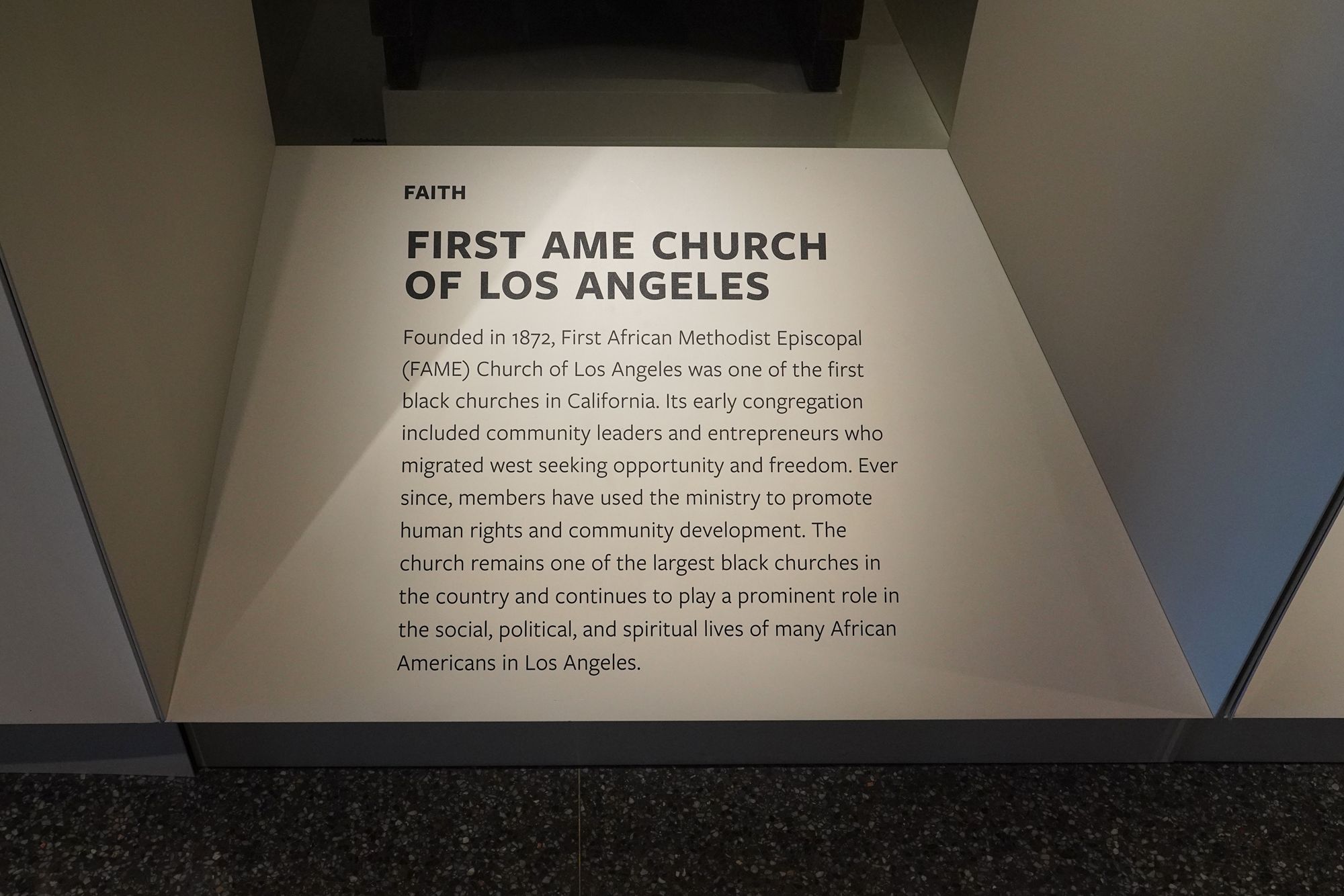
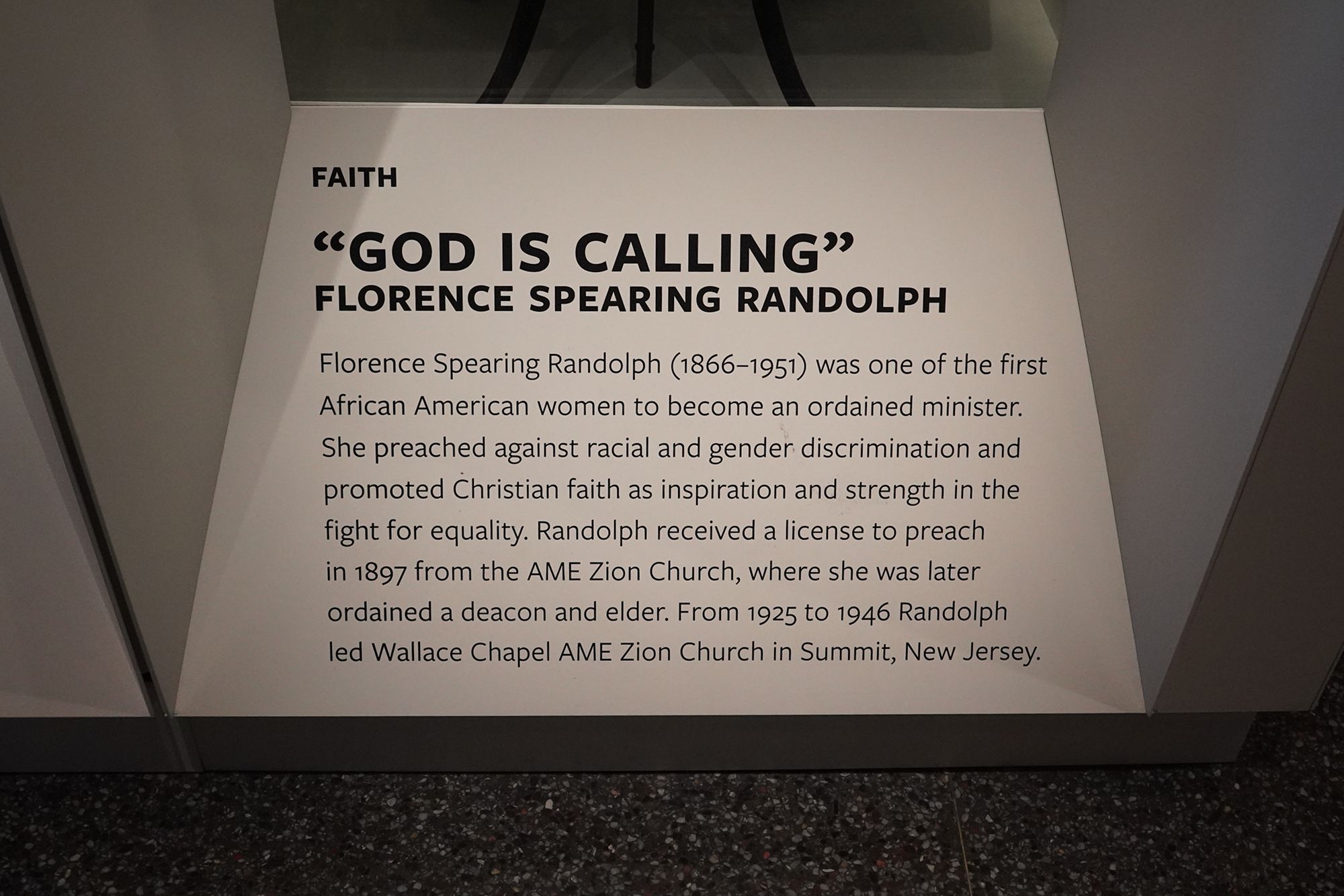
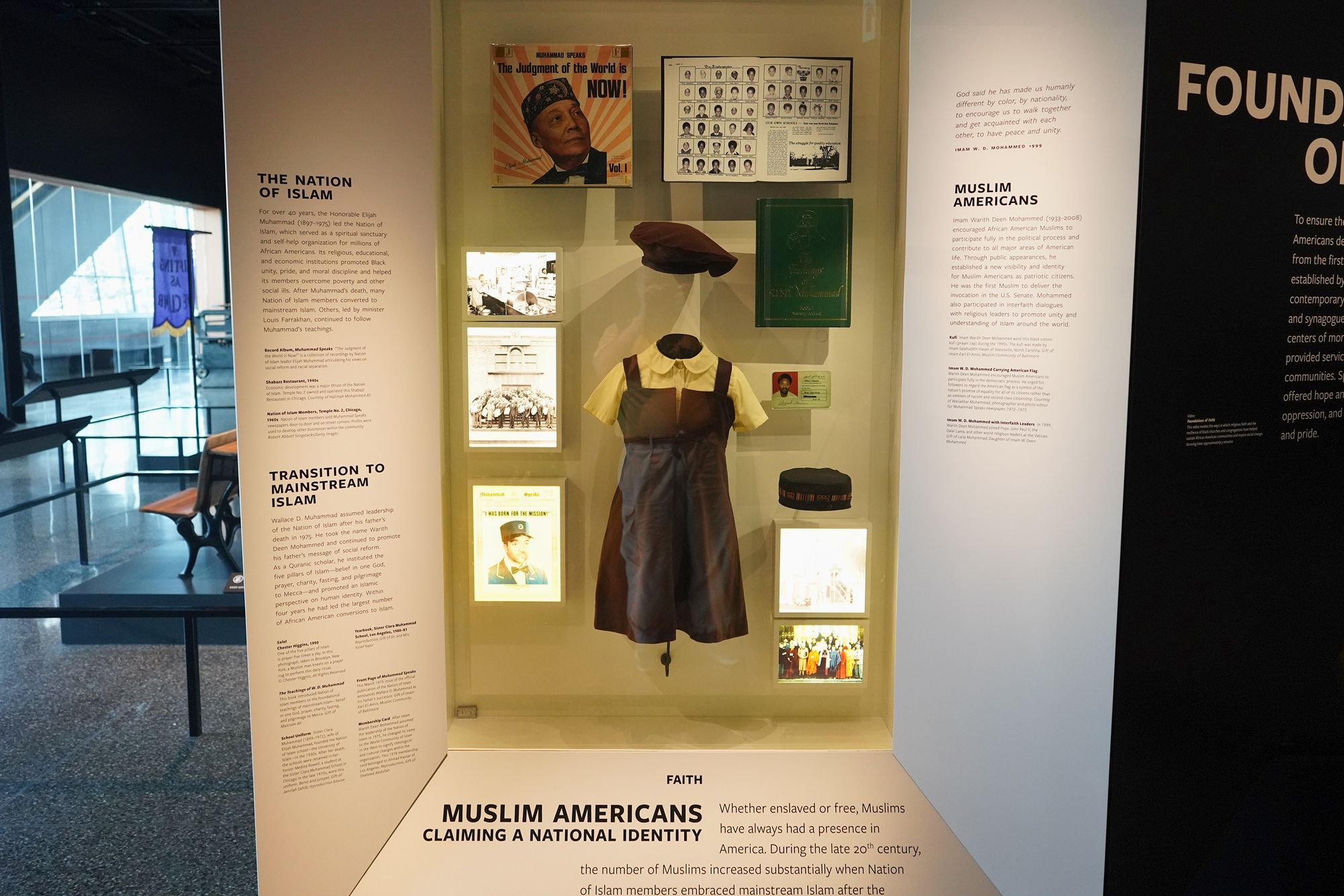
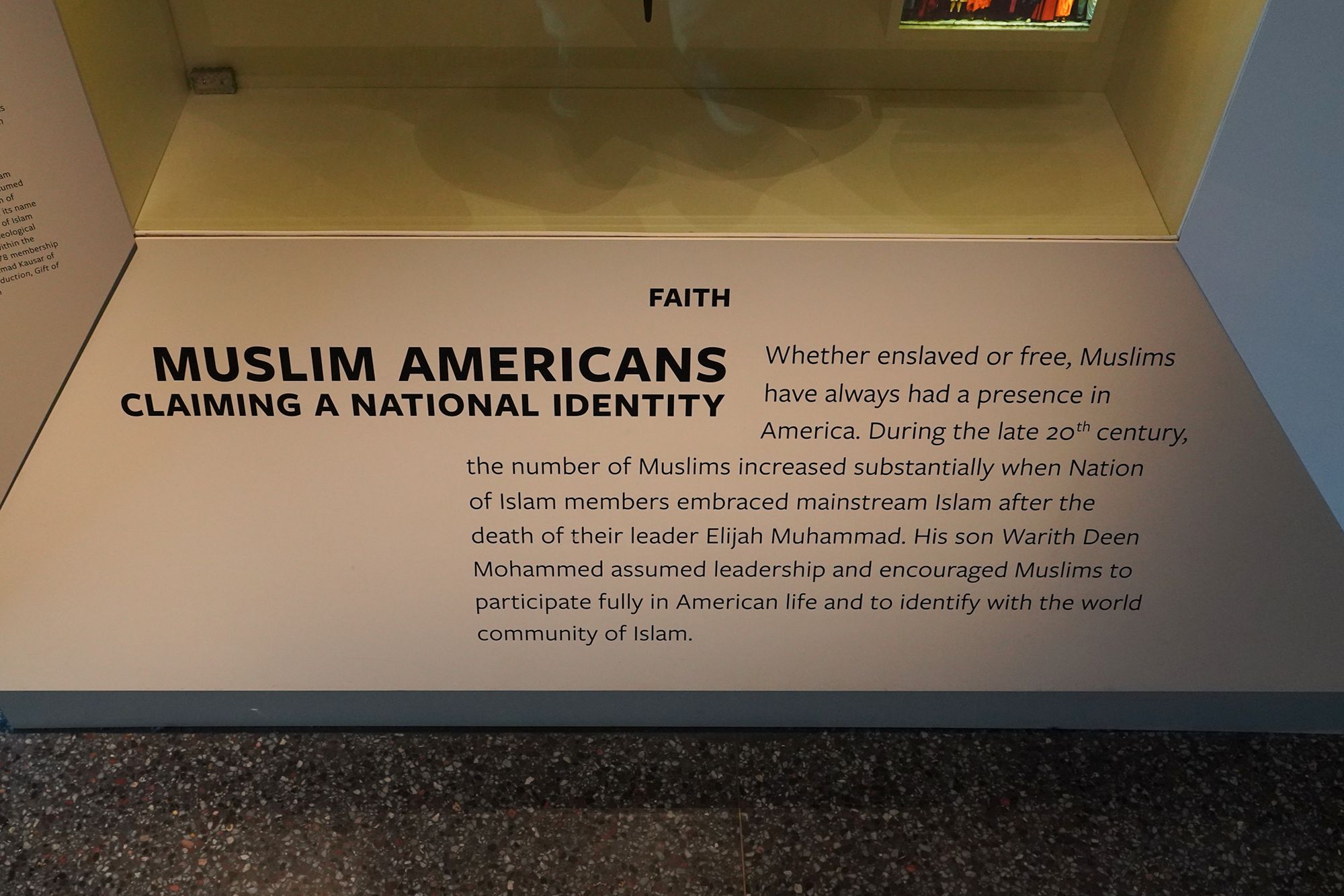
Faith is also one of the central subtopics within the exhibition “Making a Way Out of No Way.” It highlights how religion and spirituality gave African Americans strength, unity, and hope throughout their history. Churches, mosques, and other faith communities served not only as places of worship but also as centers for education, mutual aid, and activism.
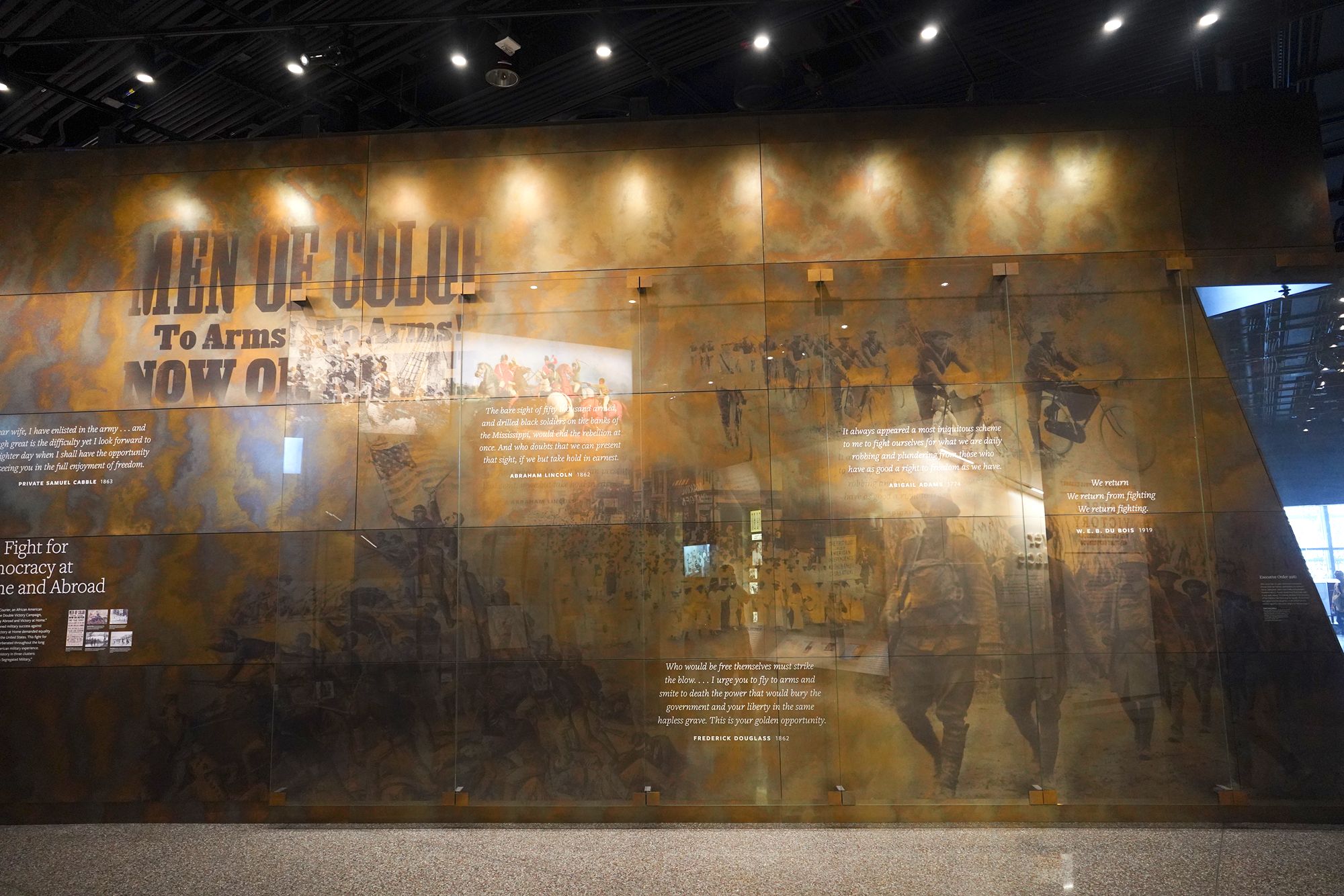
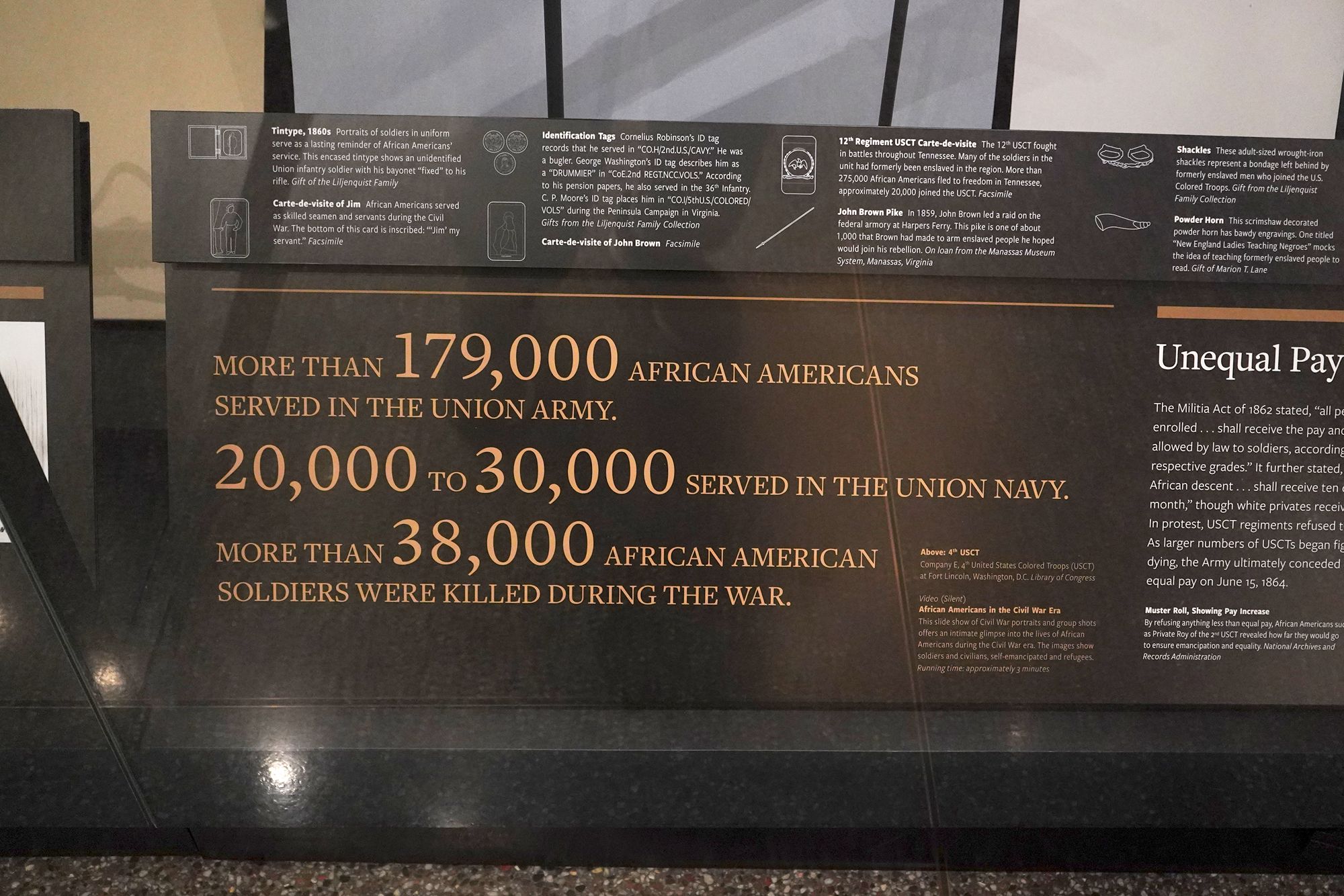
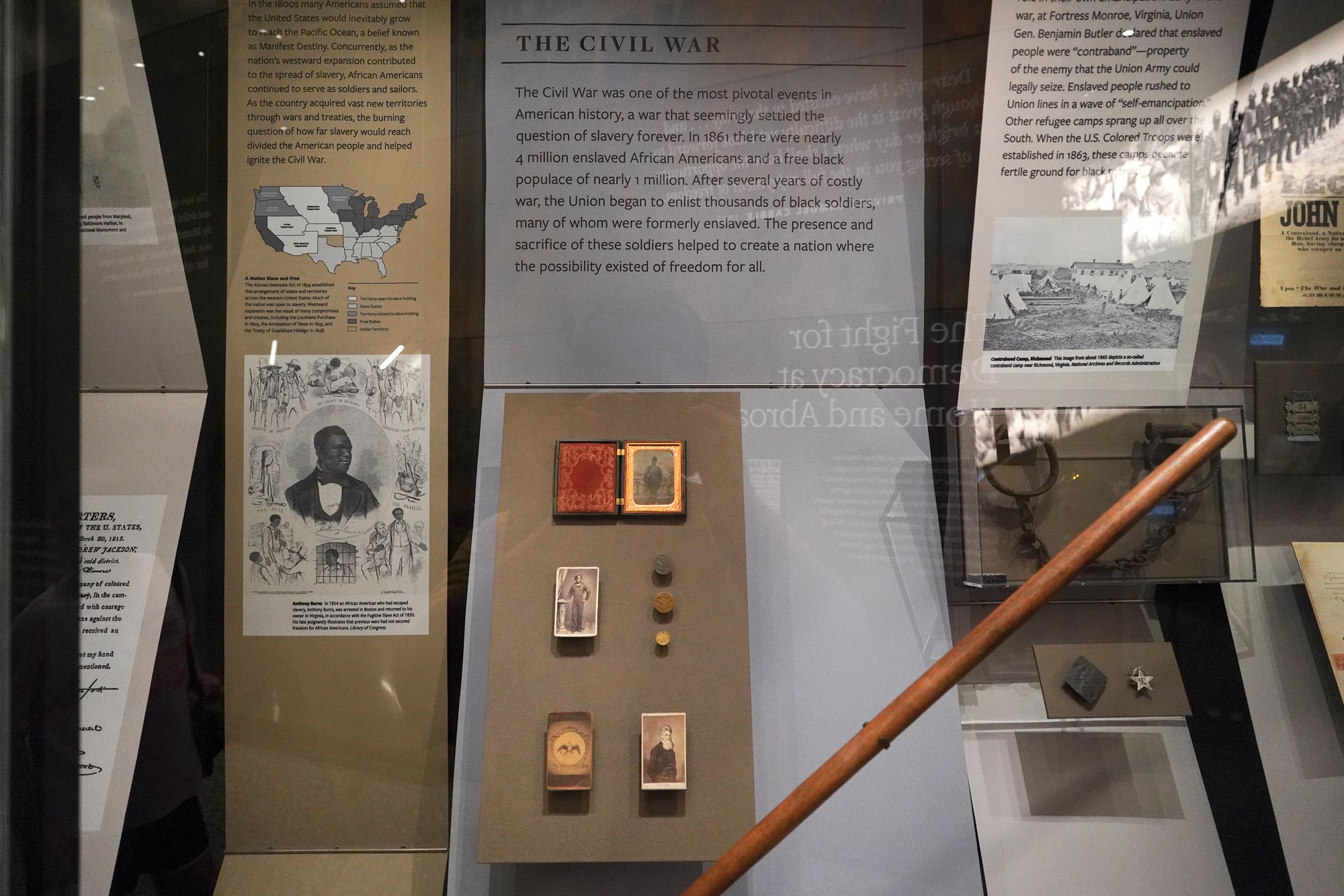
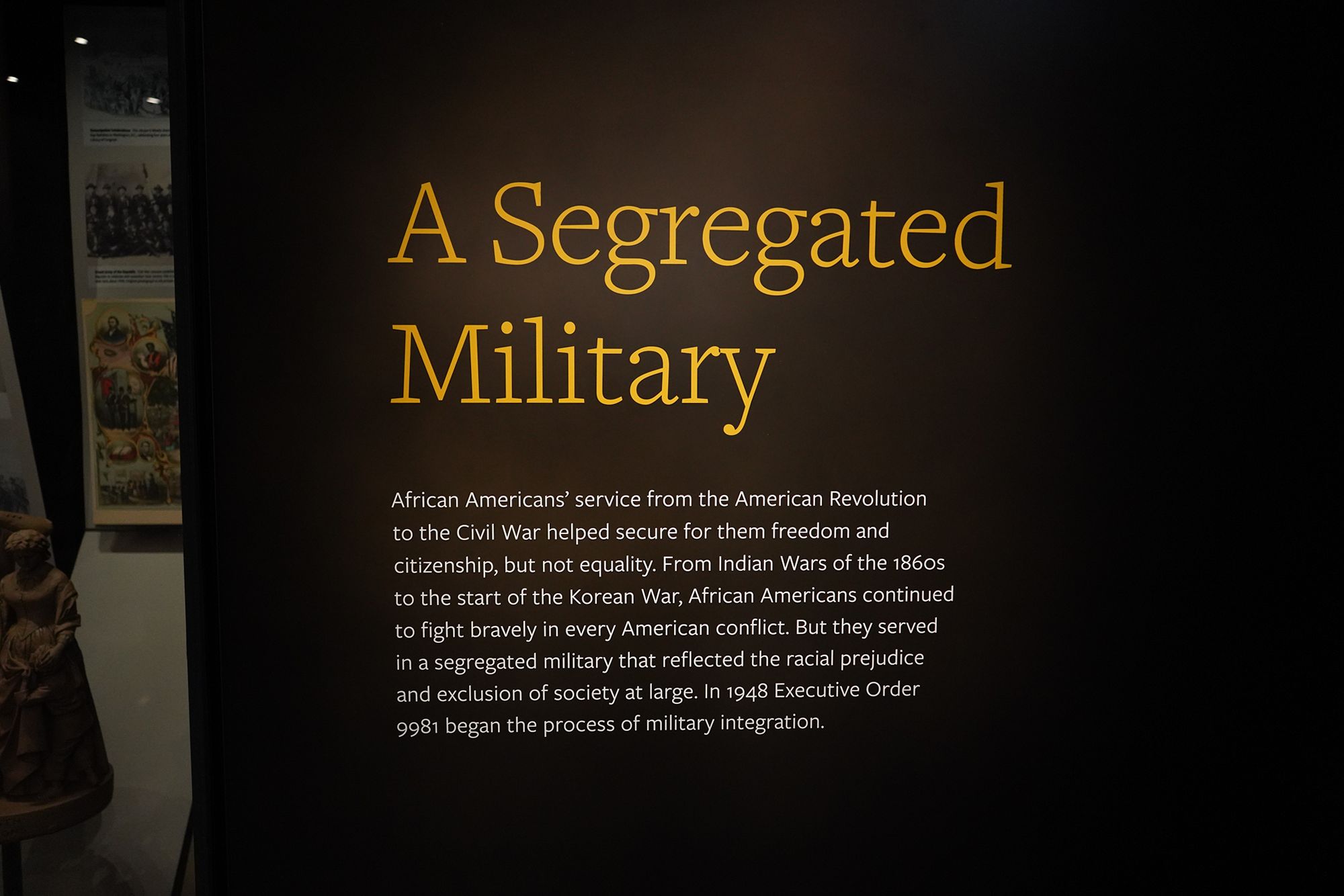
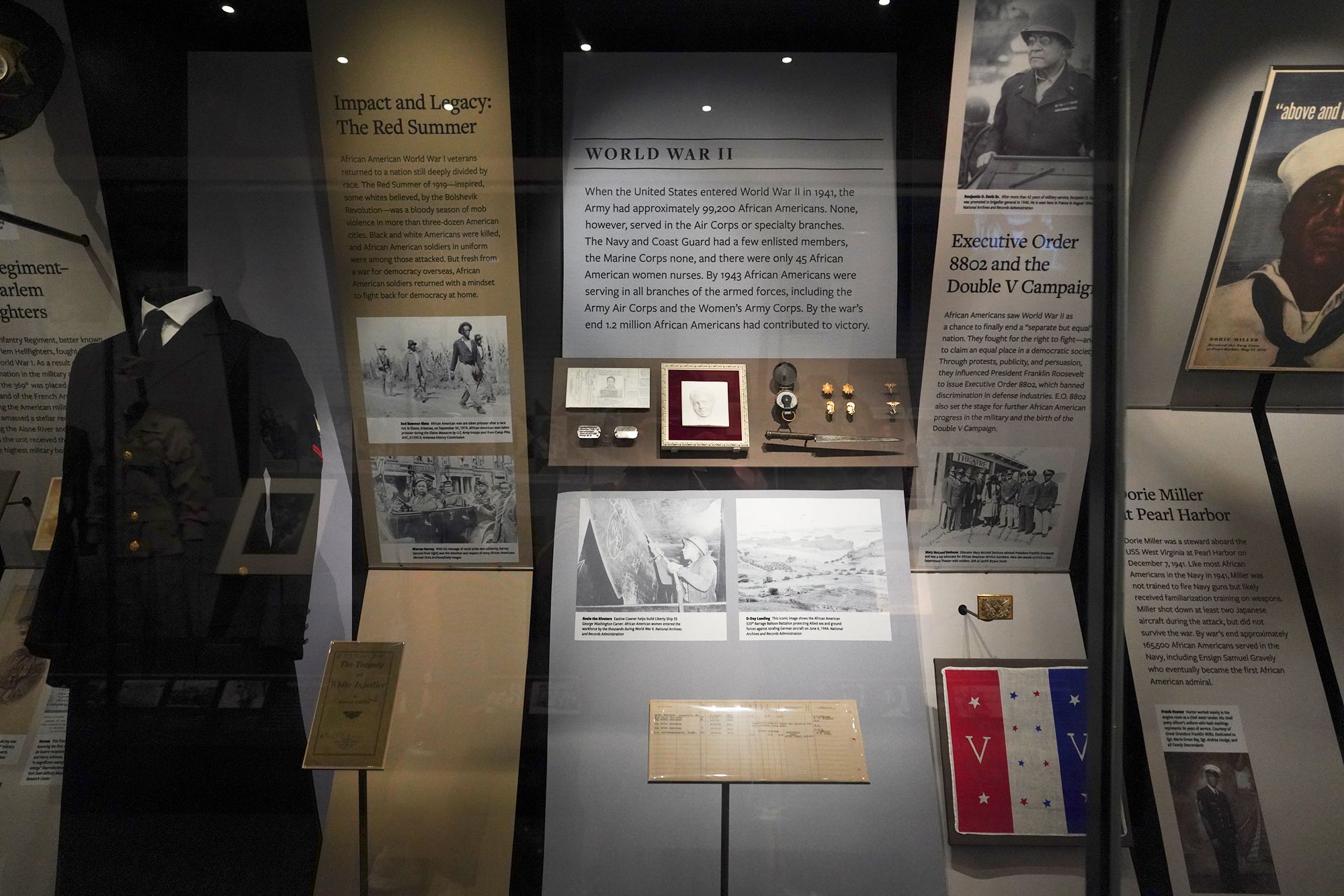
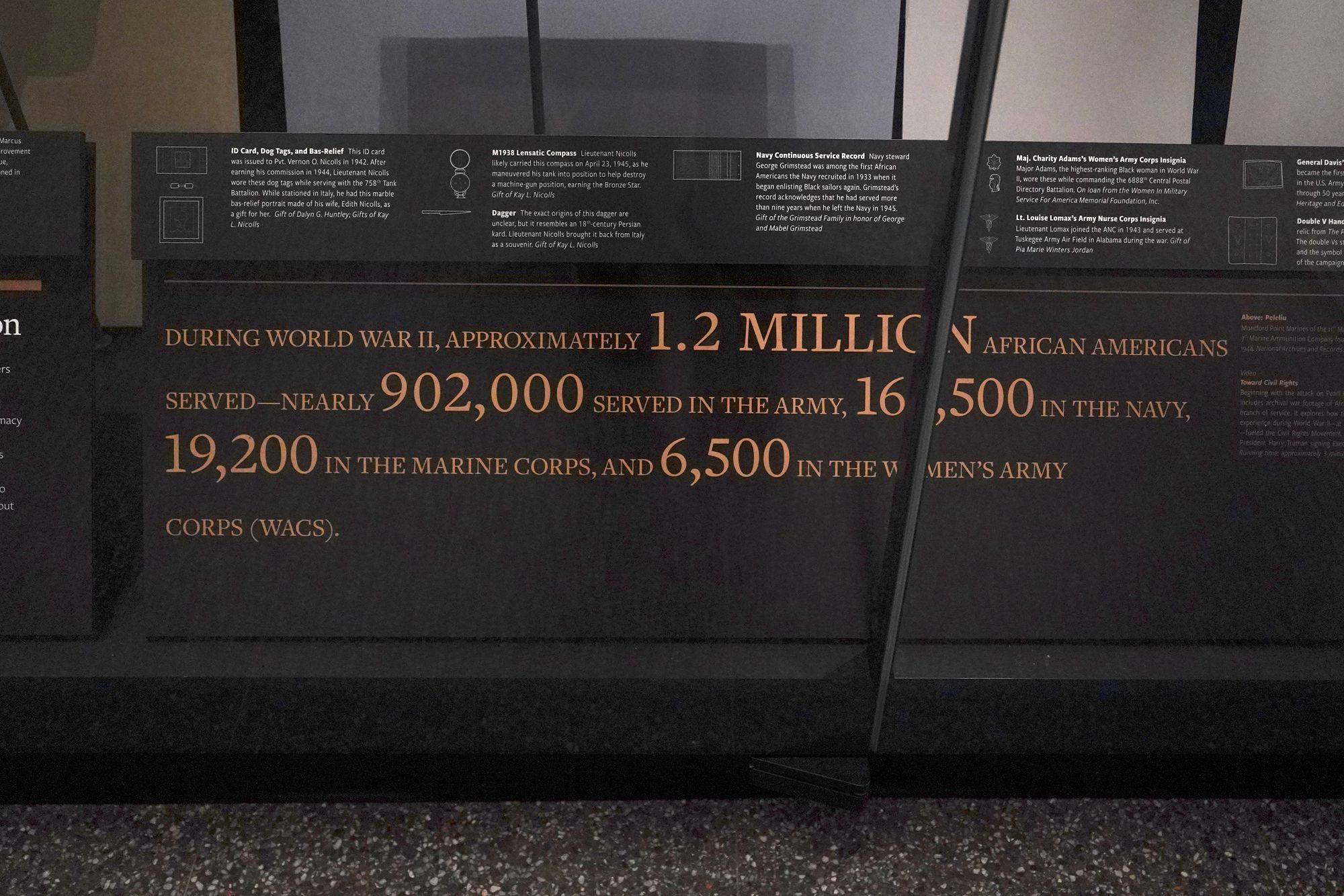
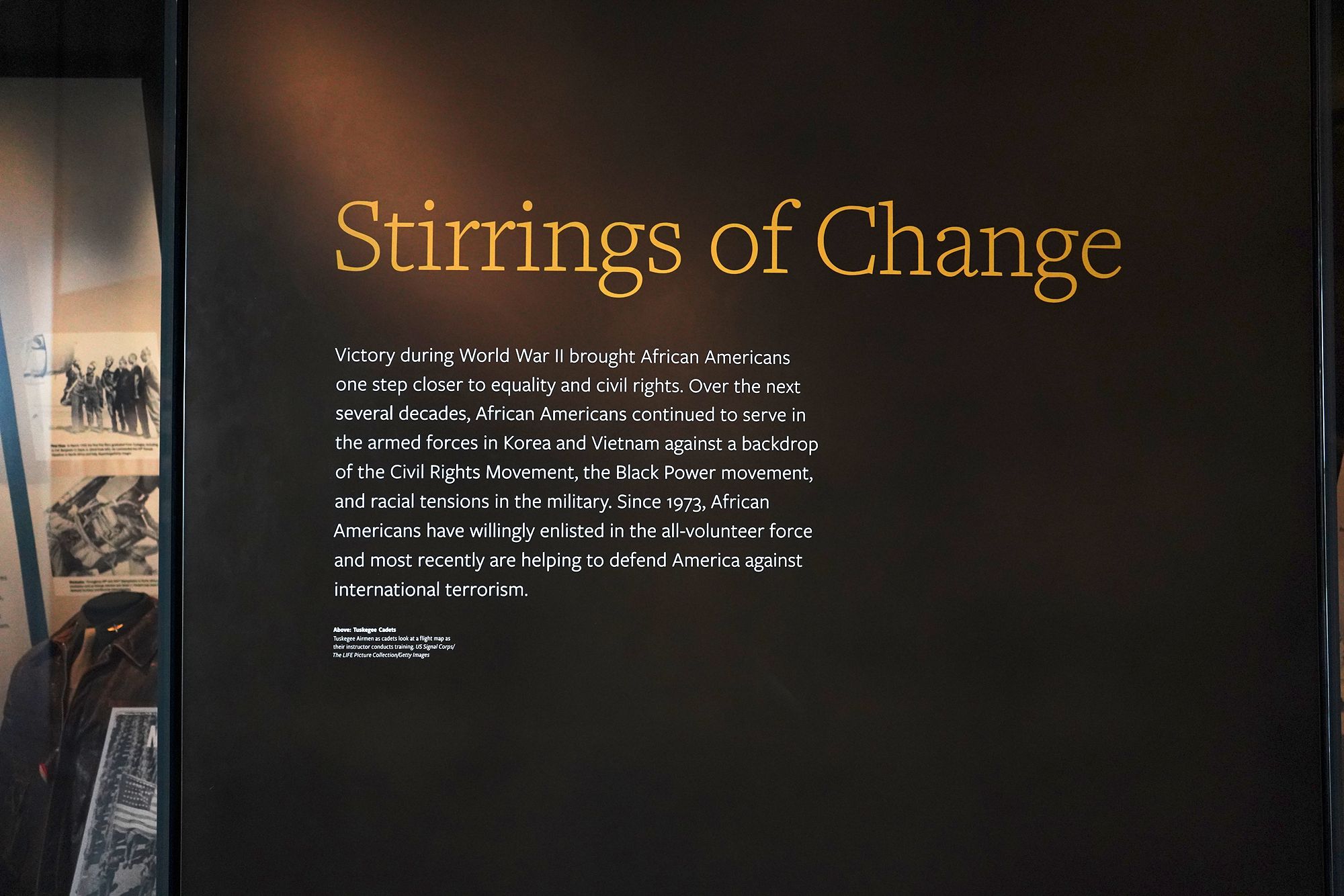
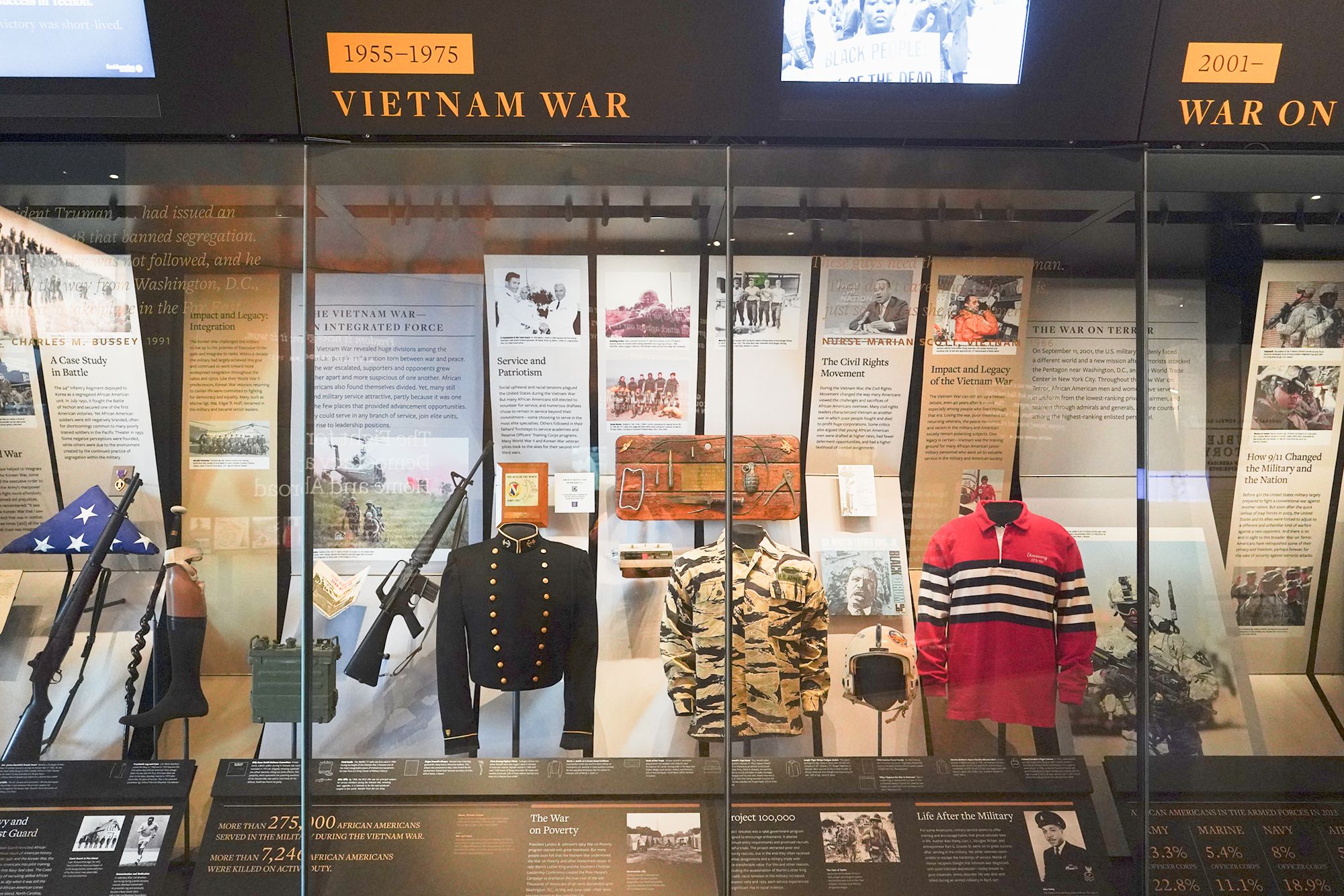
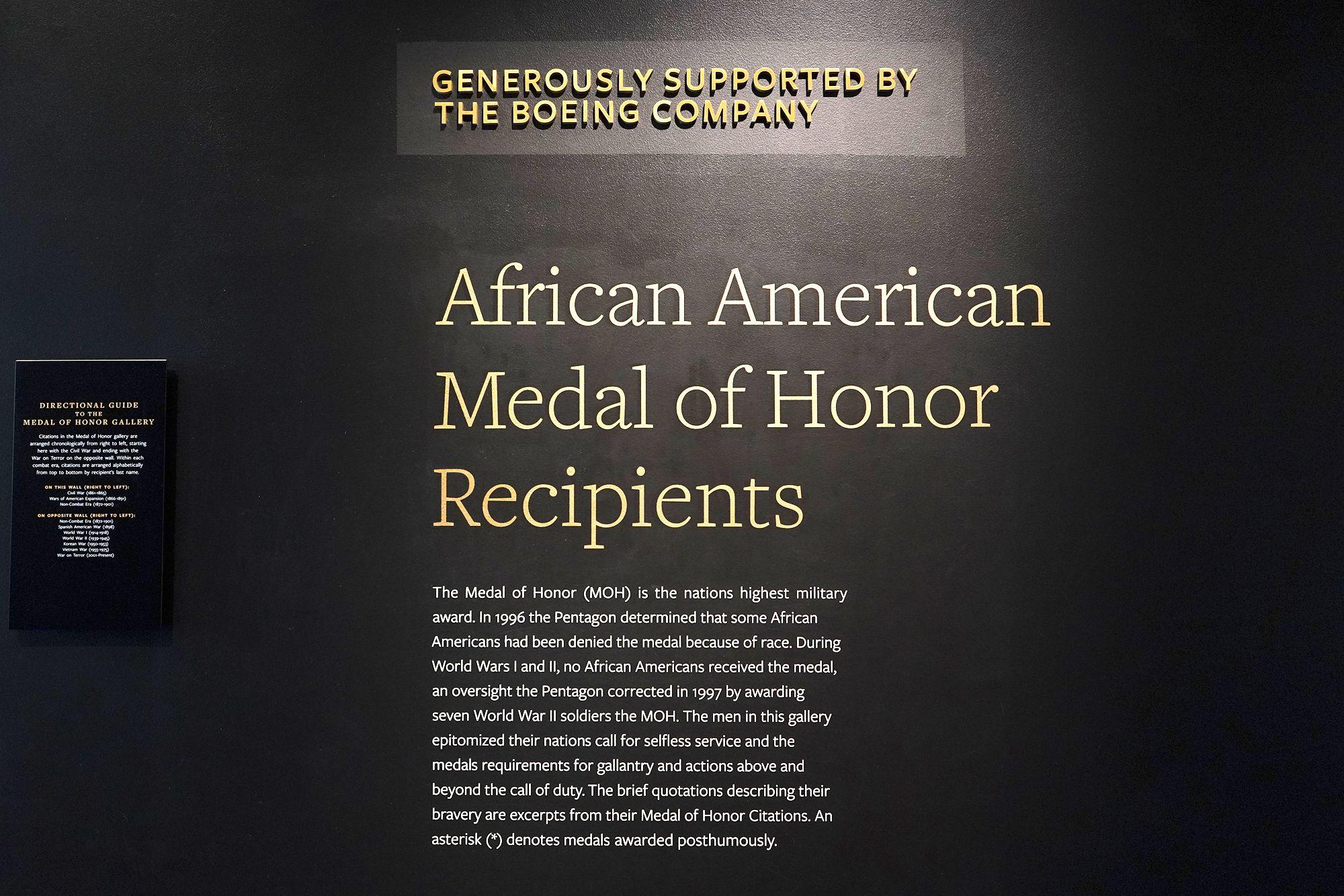
The exhibition “Men of Color: To Arms!” within “Making a Way Out of No Way” covers African Americans’ military service across all major U.S. wars,
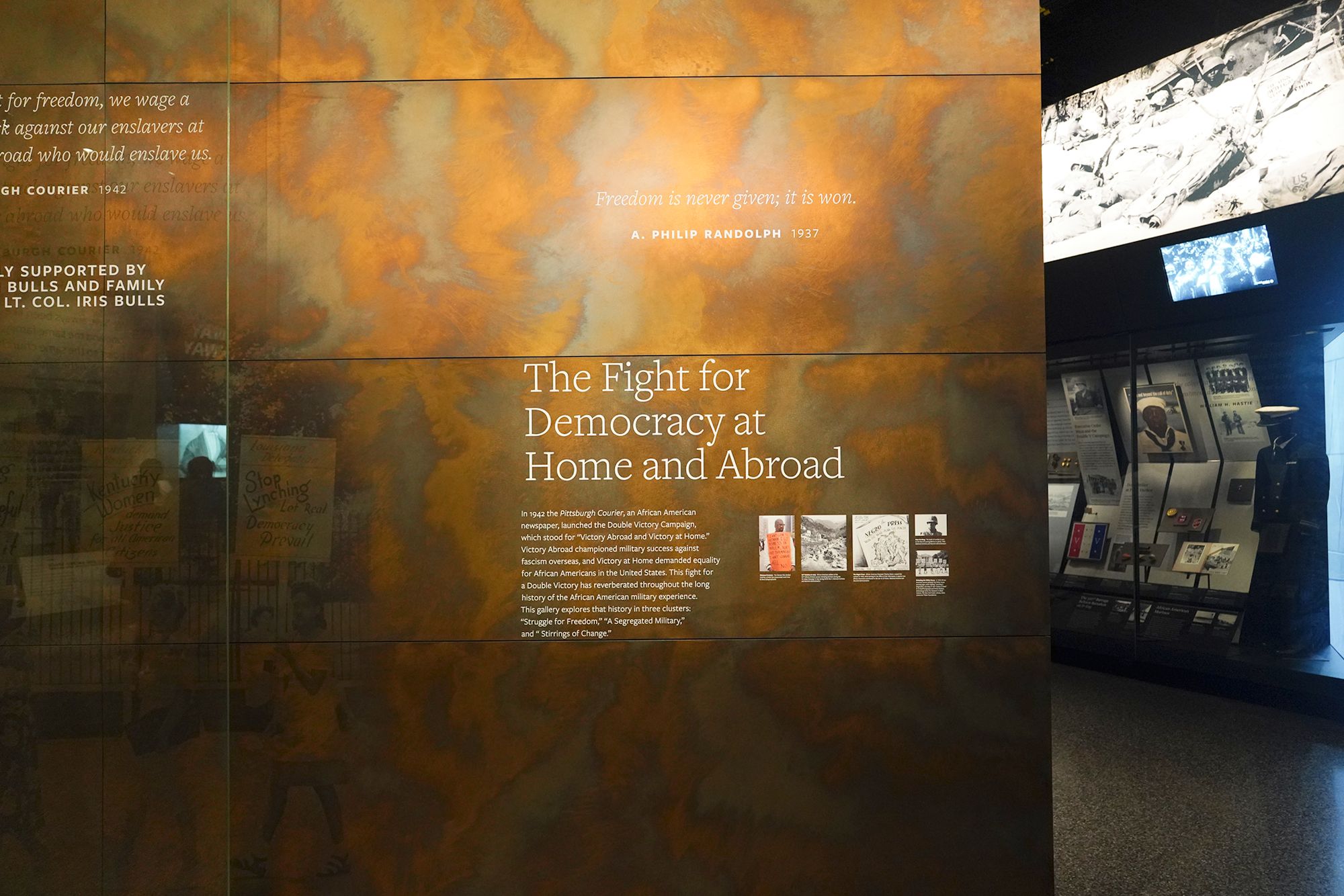
This exhibition traces how Black men and women fought bravely in the Civil War, World War I, World War II, the Korean War, and the Vietnam War, often facing racism and segregation even while defending their country. Despite these barriers, they served with honor, seeking both victory abroad and equality at home.
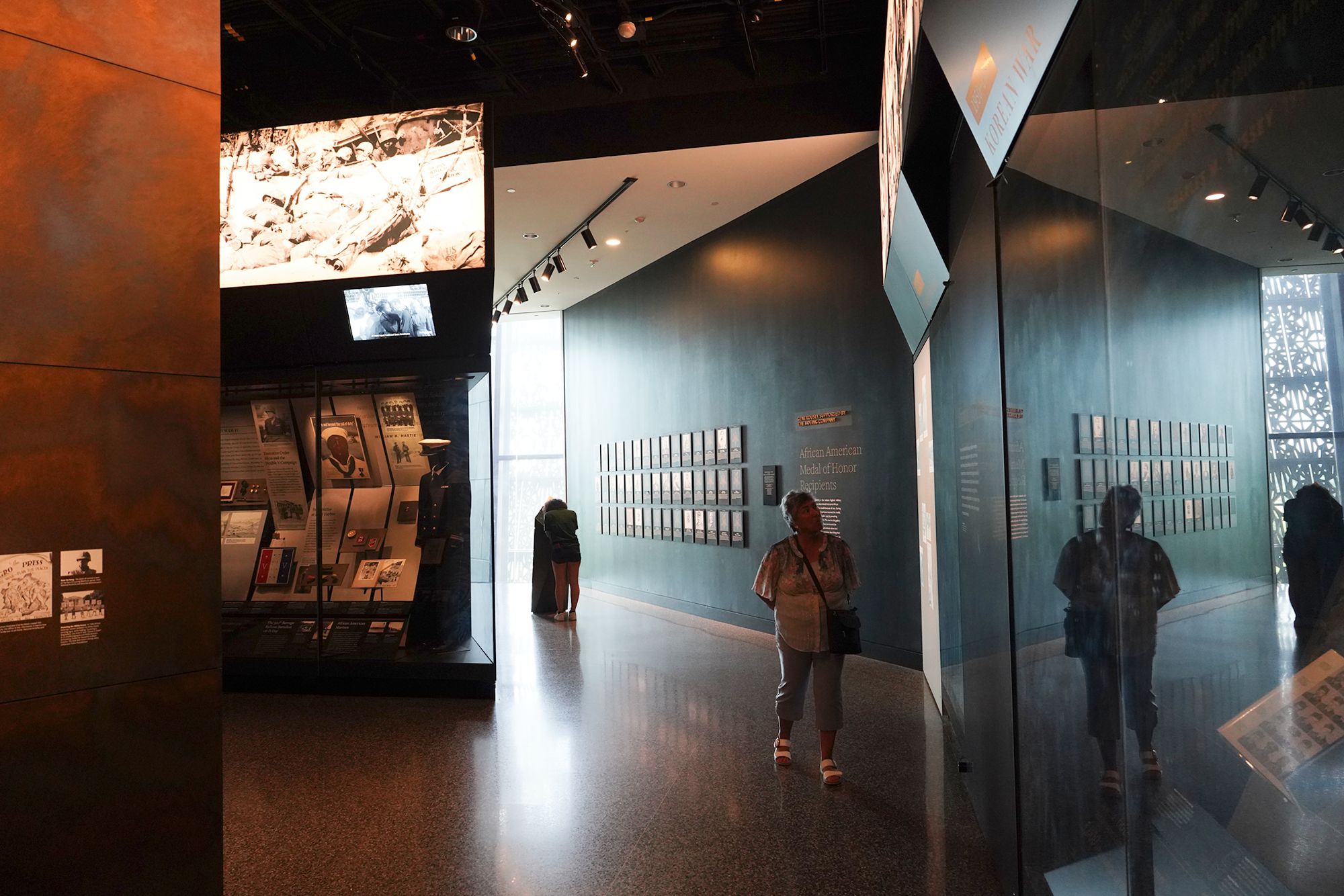
This exhibition fits perfectly within the theme of “Making a Way Out of No Way” because it shows how African Americans used military service as a means to claim citizenship, respect, and opportunity in a nation that often denied them both. Through courage and sacrifice, they turned struggle into progress—making service itself an act of perseverance and hope.
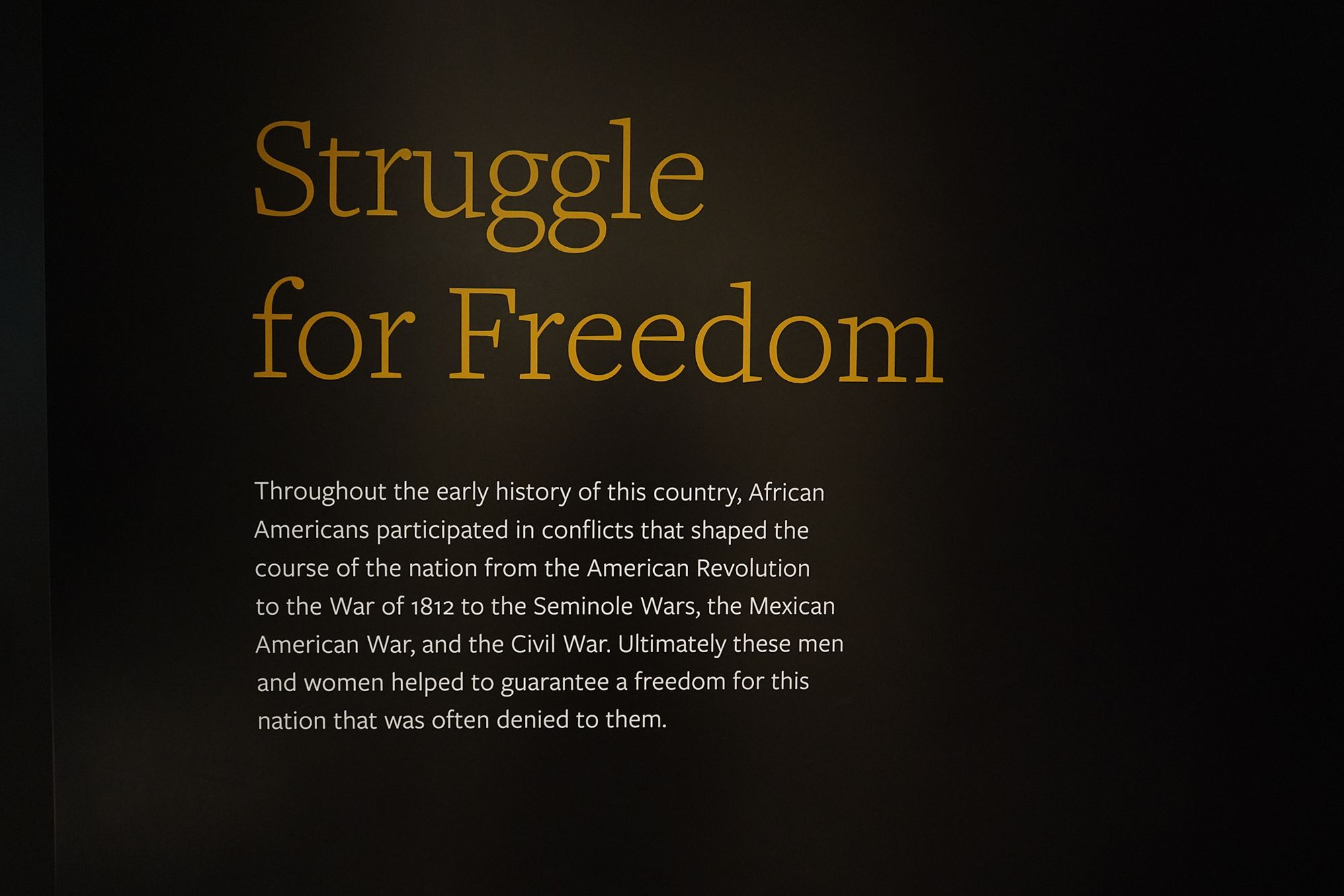
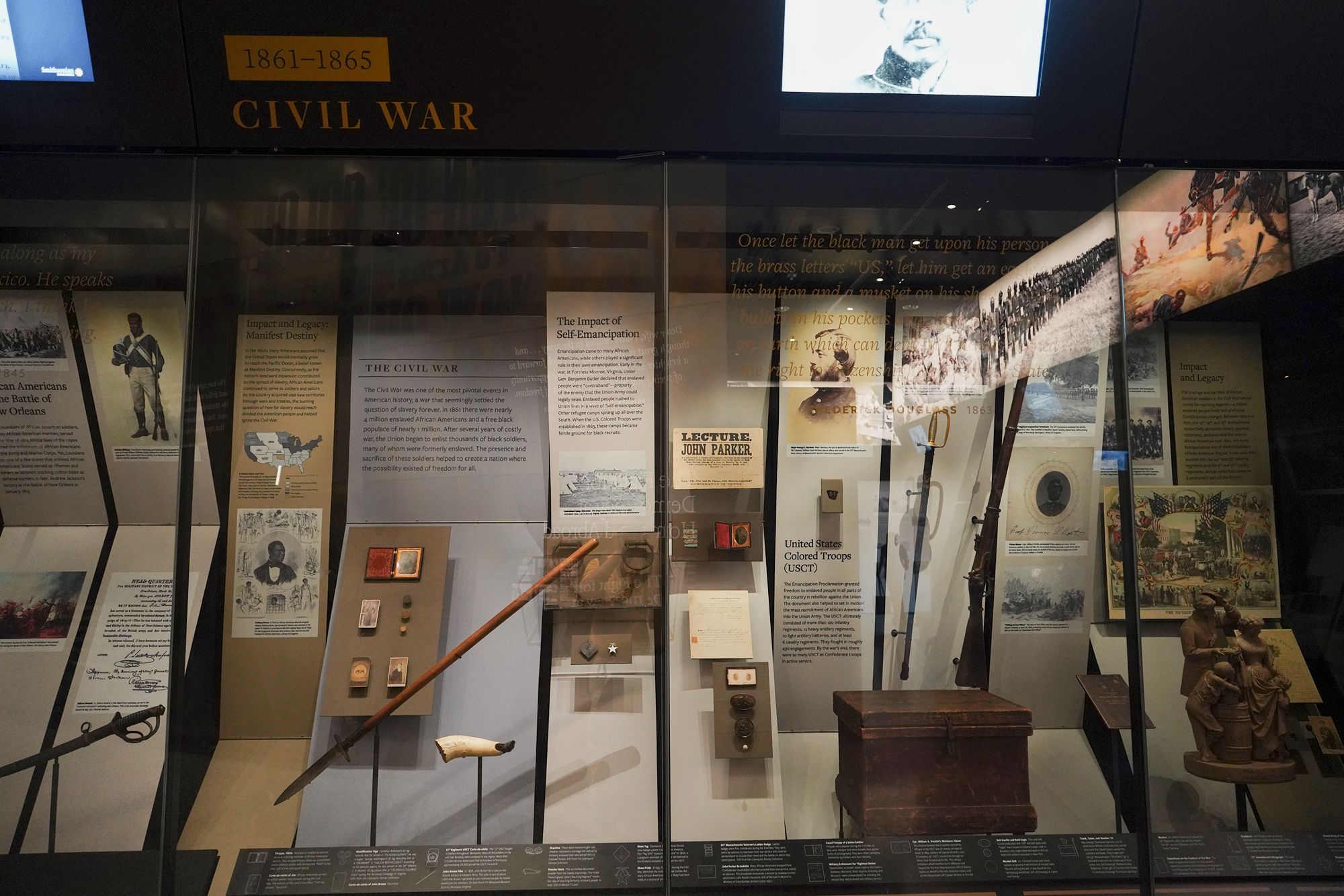
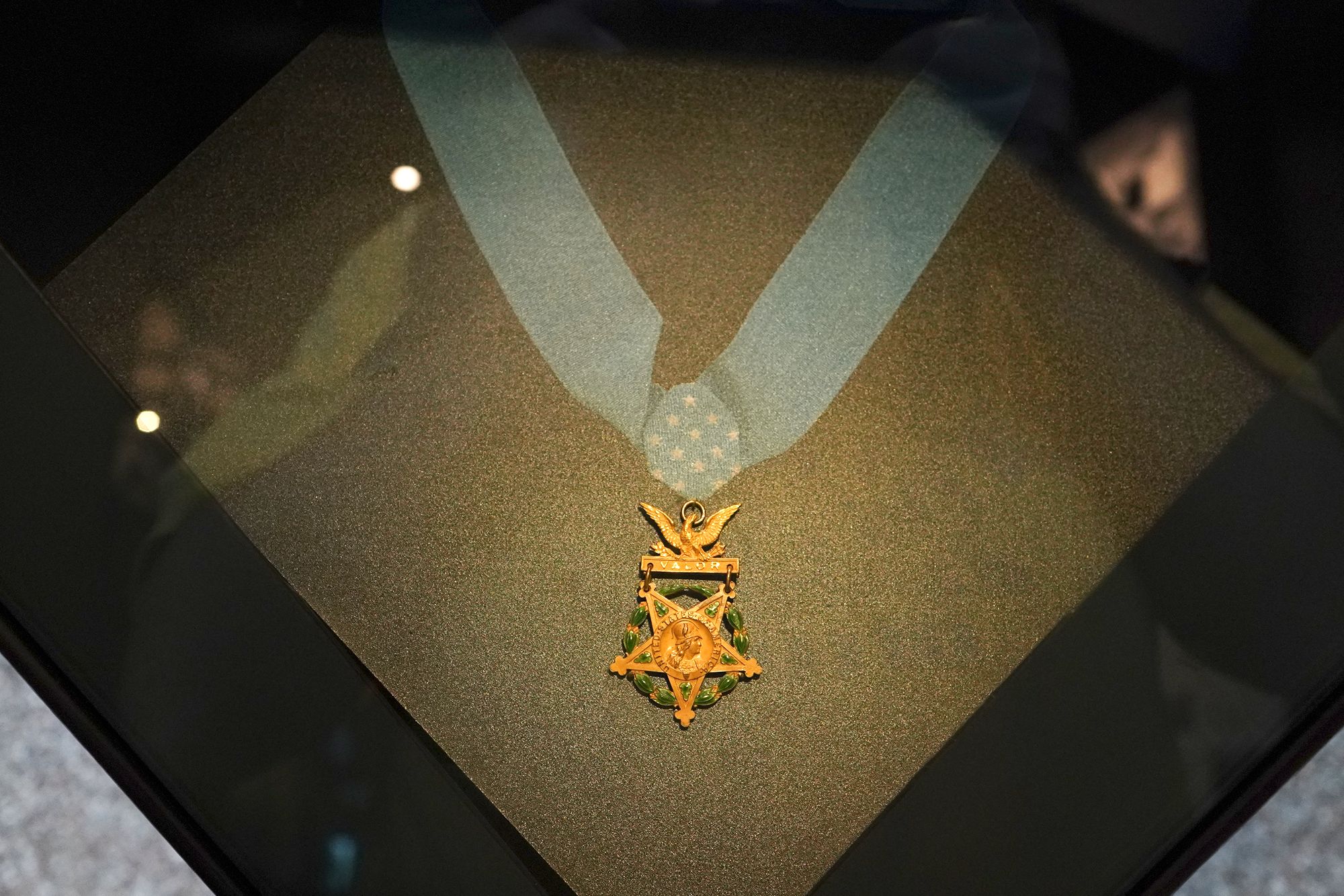
The Education section of “Making a Way Out of No Way” focuses on how African Americans built schools and pursued learning despite being denied equal access for generations. After emancipation, formerly enslaved people founded their own schools, often teaching in churches, cabins, or open fields. Education became a powerful tool for freedom, self-reliance, and progress.
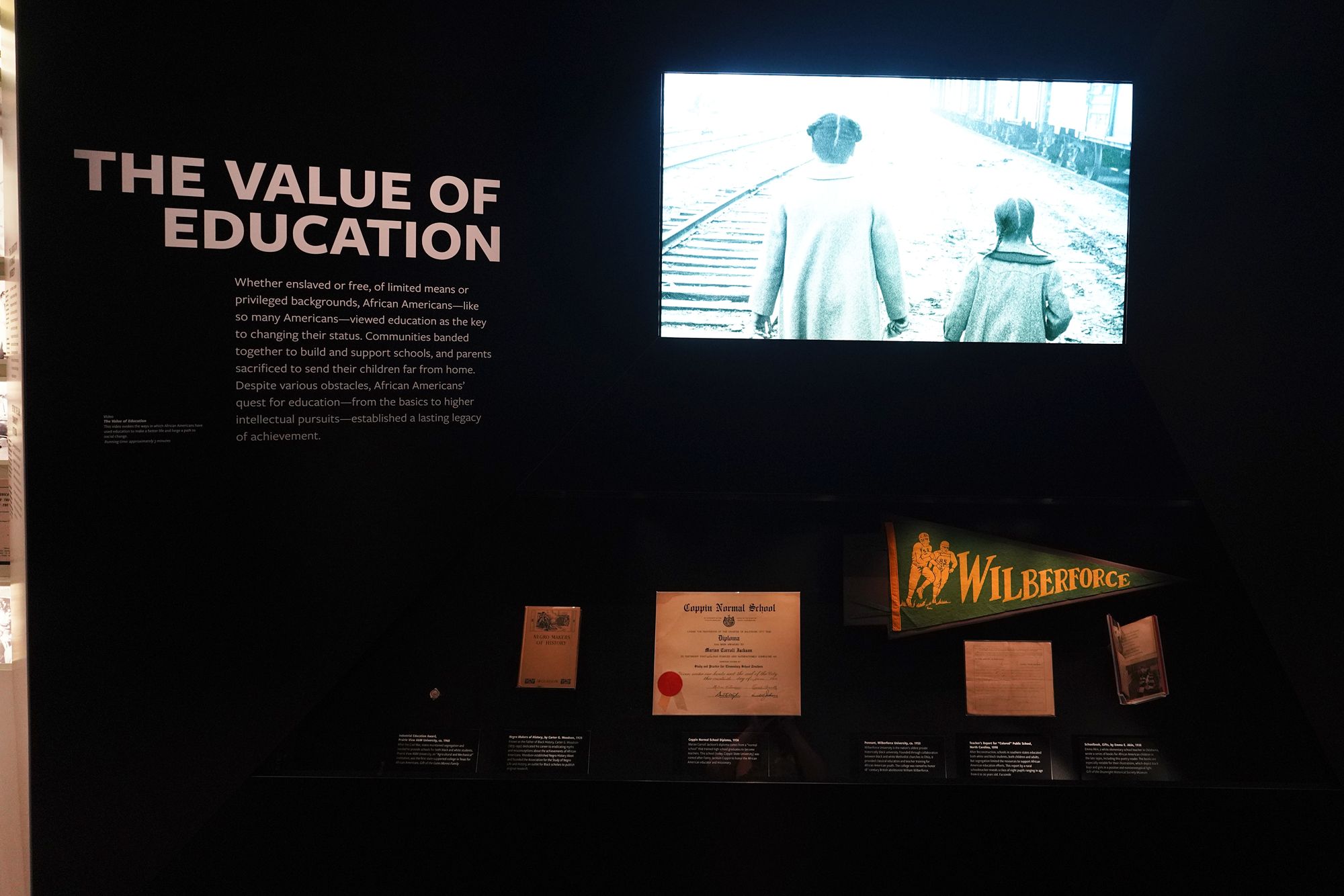
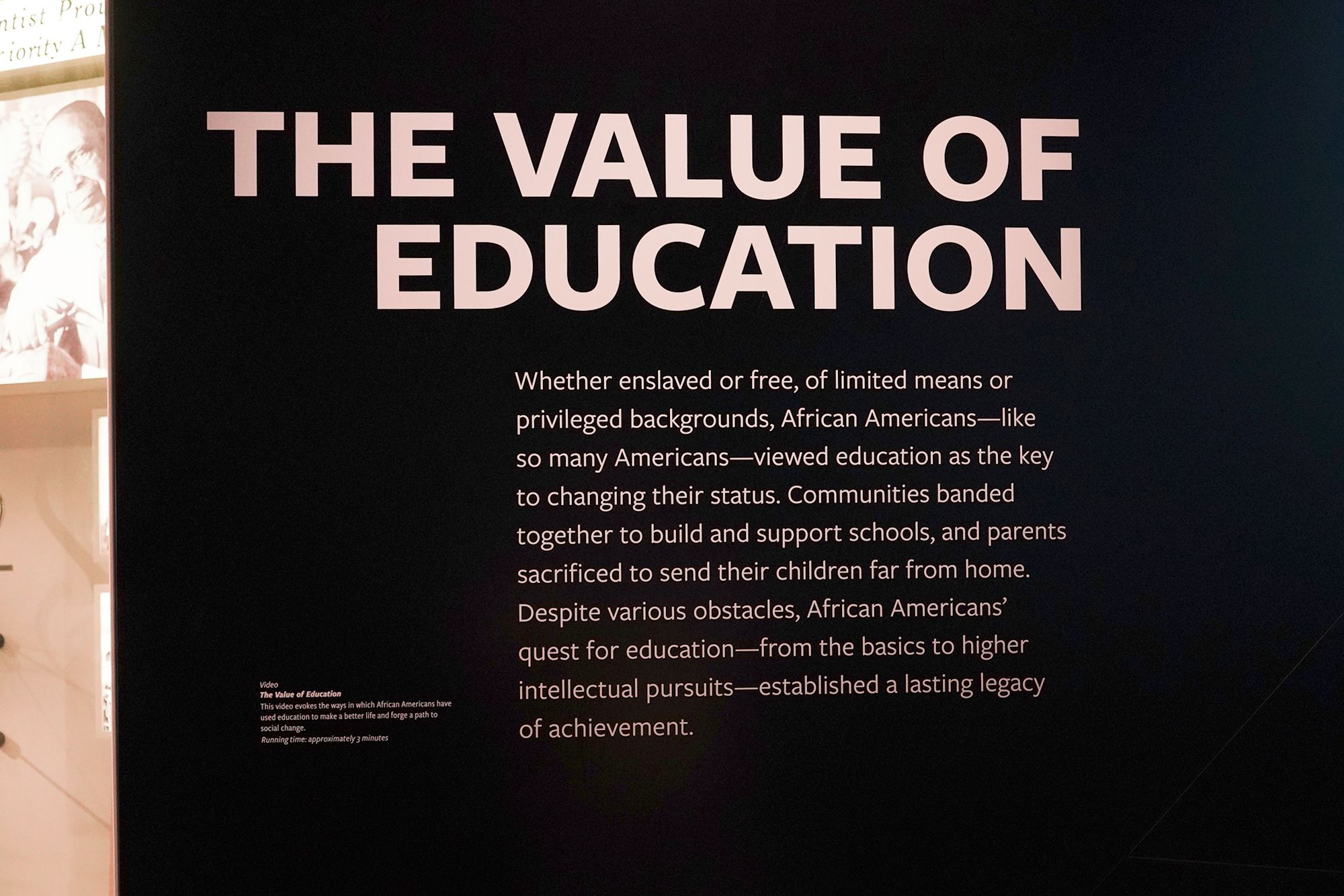
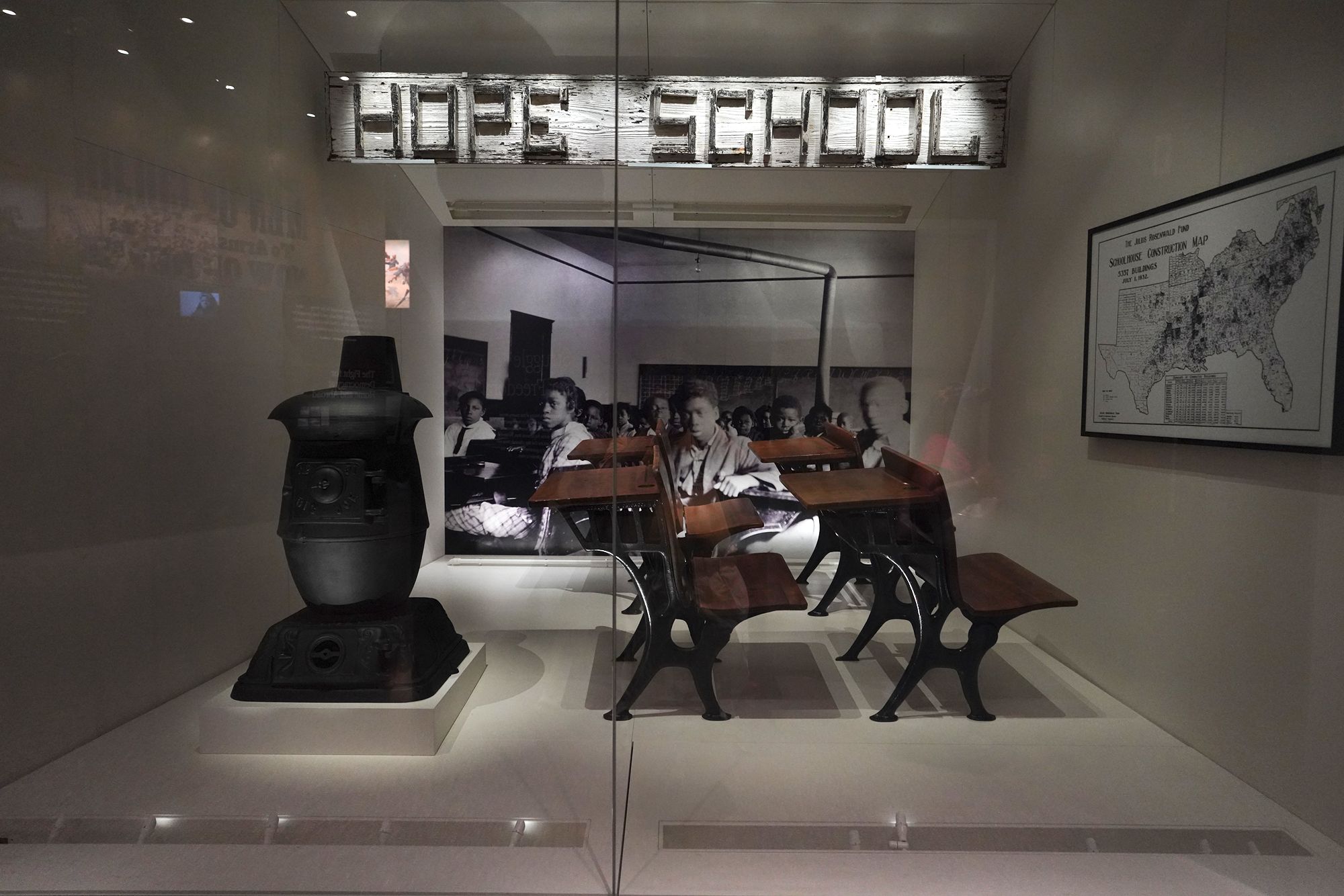
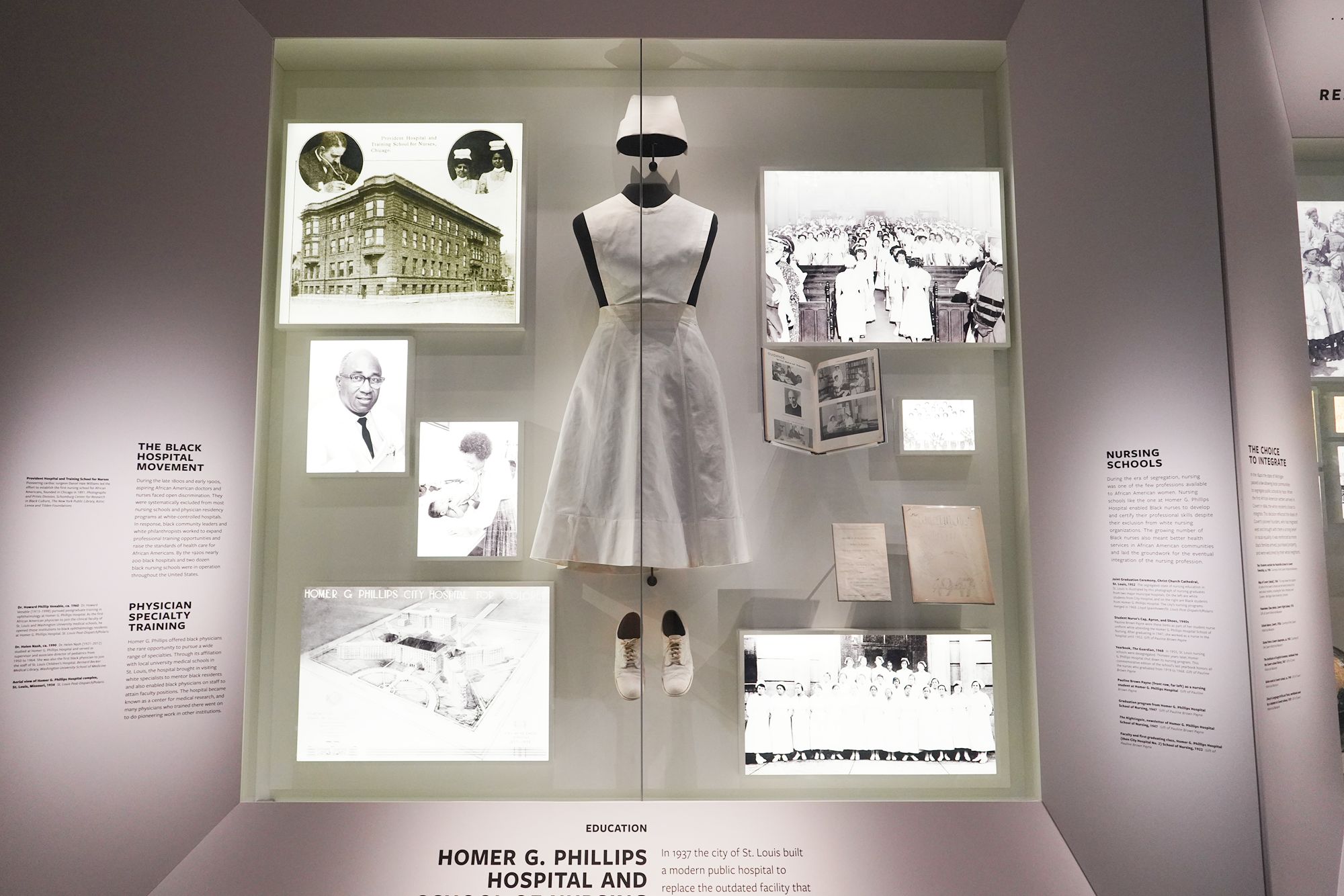
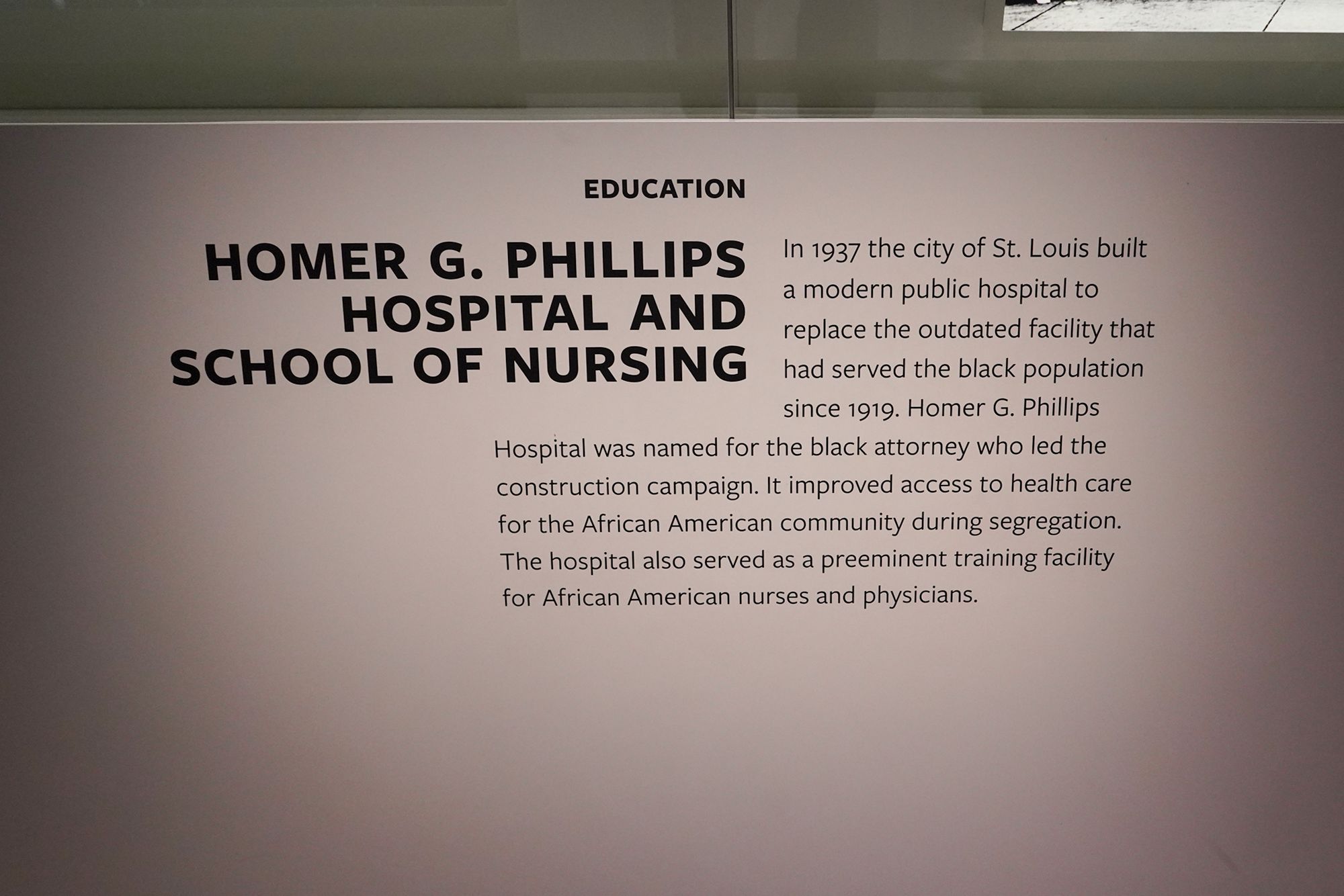
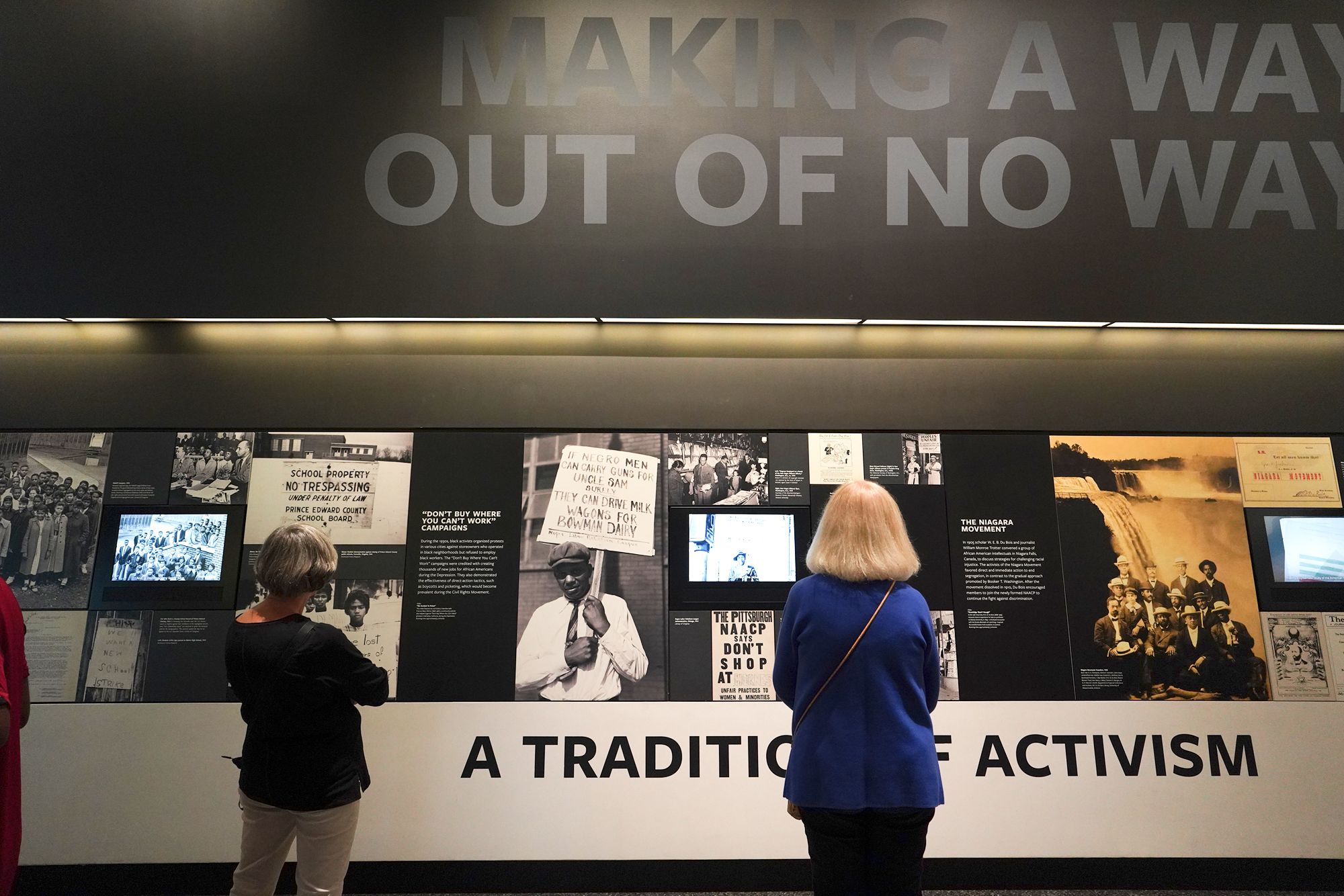
The Activism section of “Making a Way Out of No Way” highlights how African Americans organized to challenge injustice and demand equality at every stage of U.S. history. From local community groups to national movements, activism was a driving force for change.
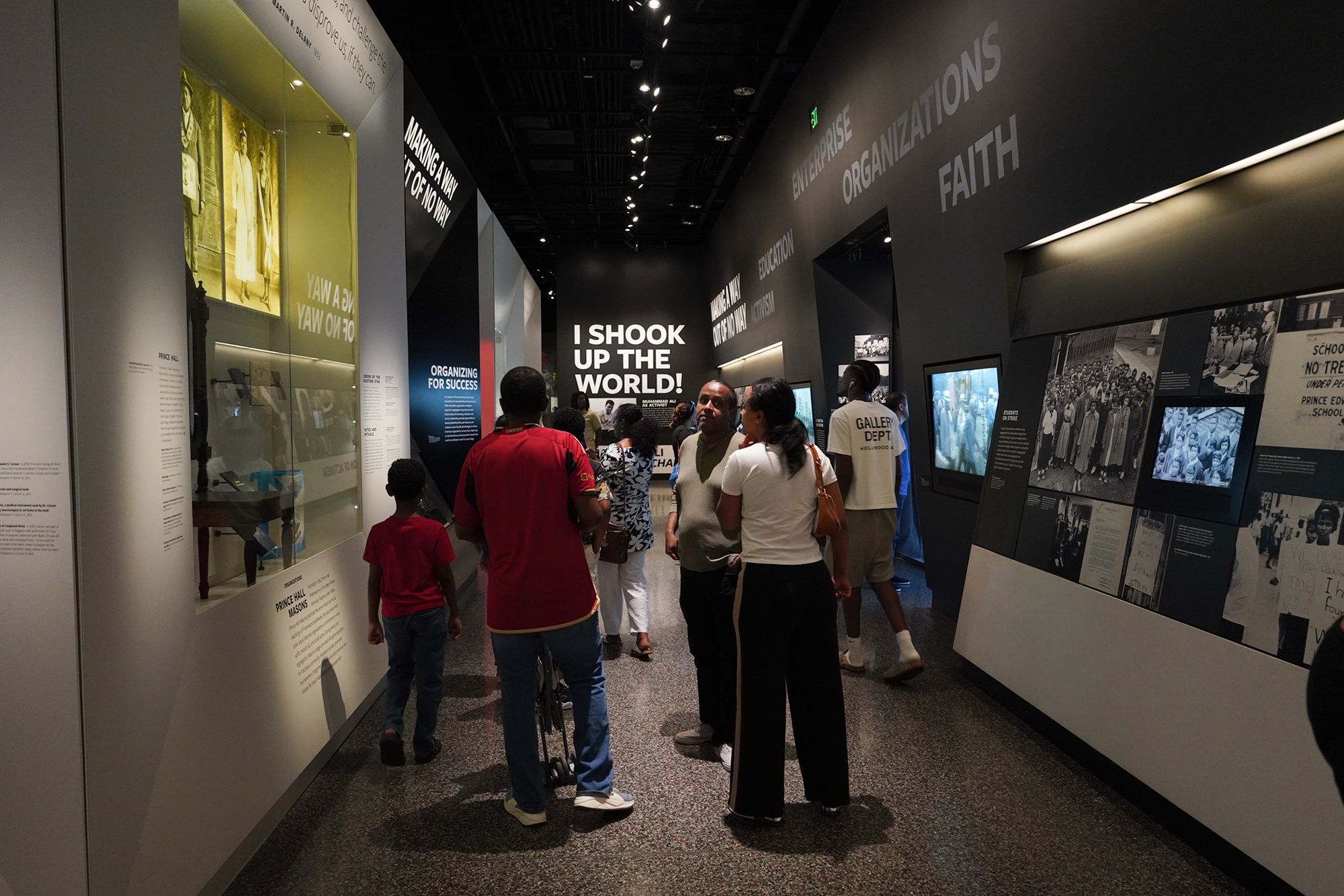
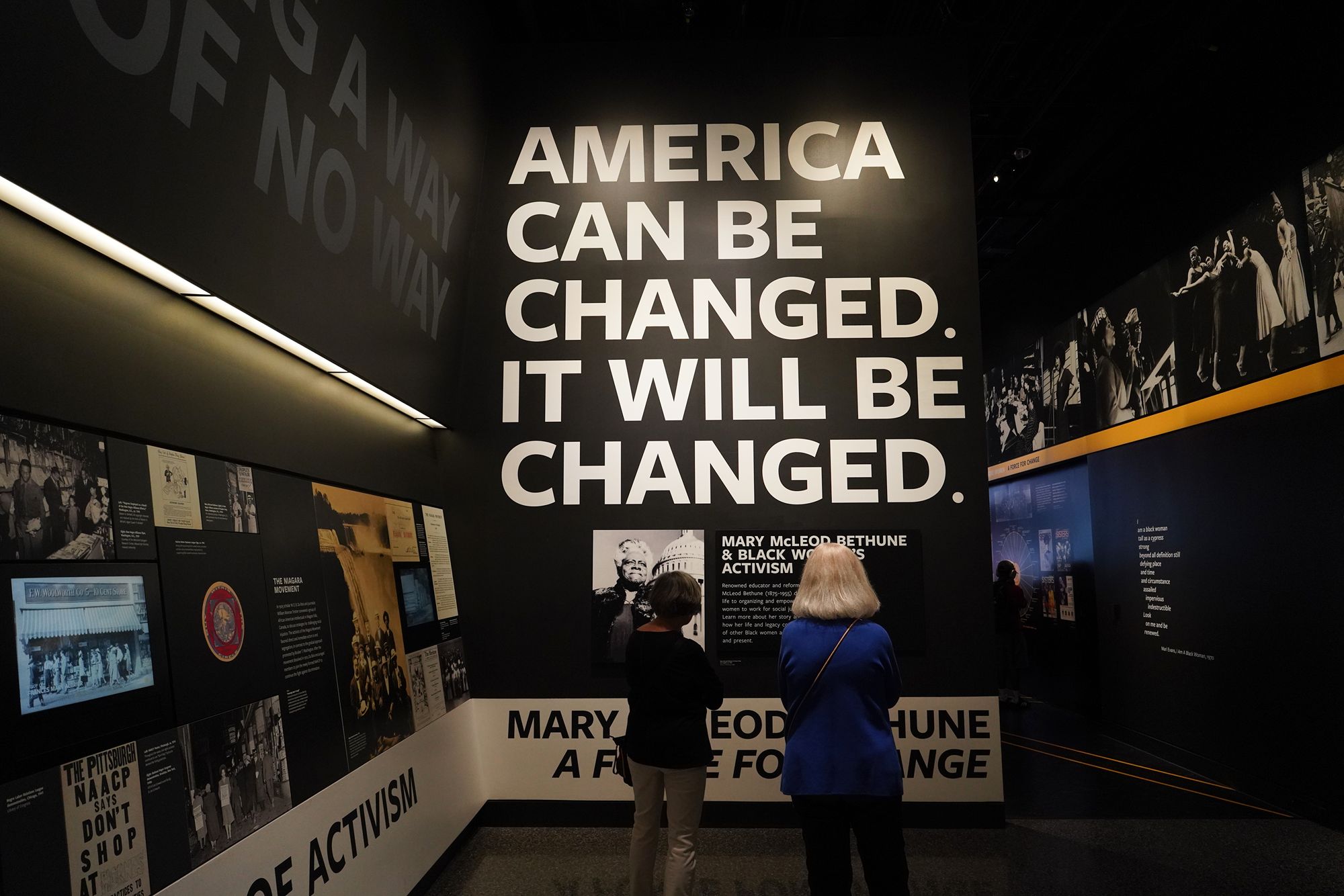
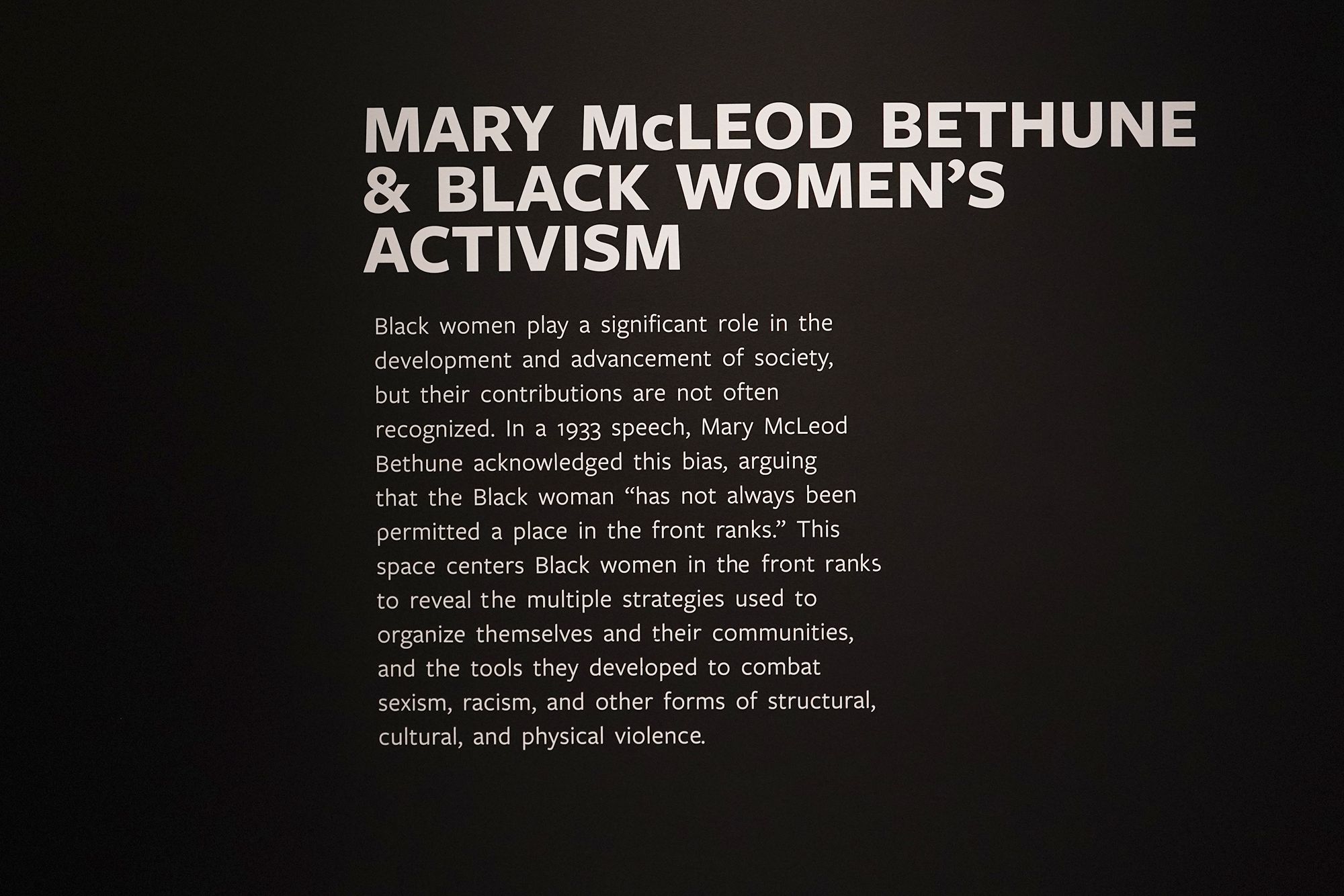
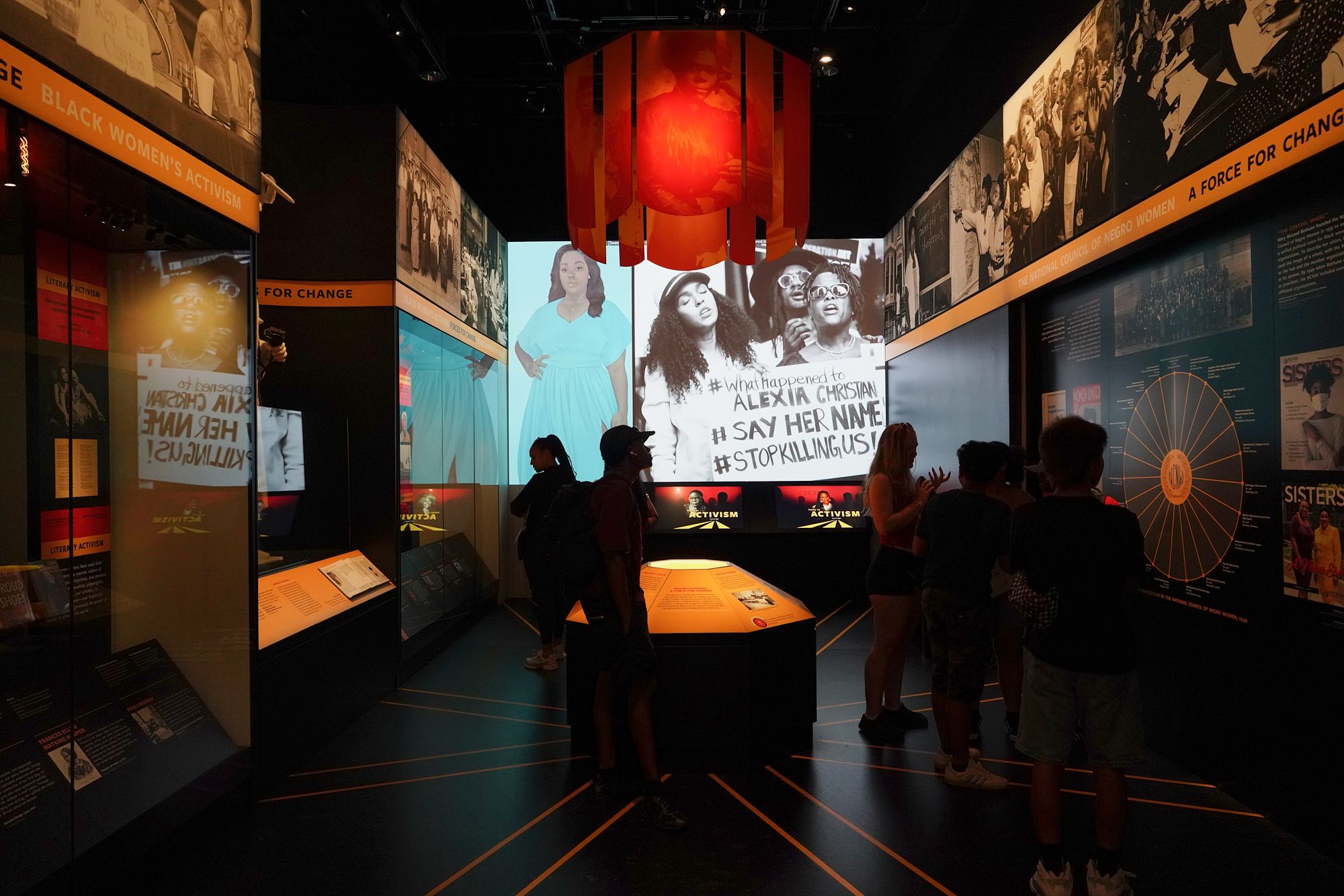
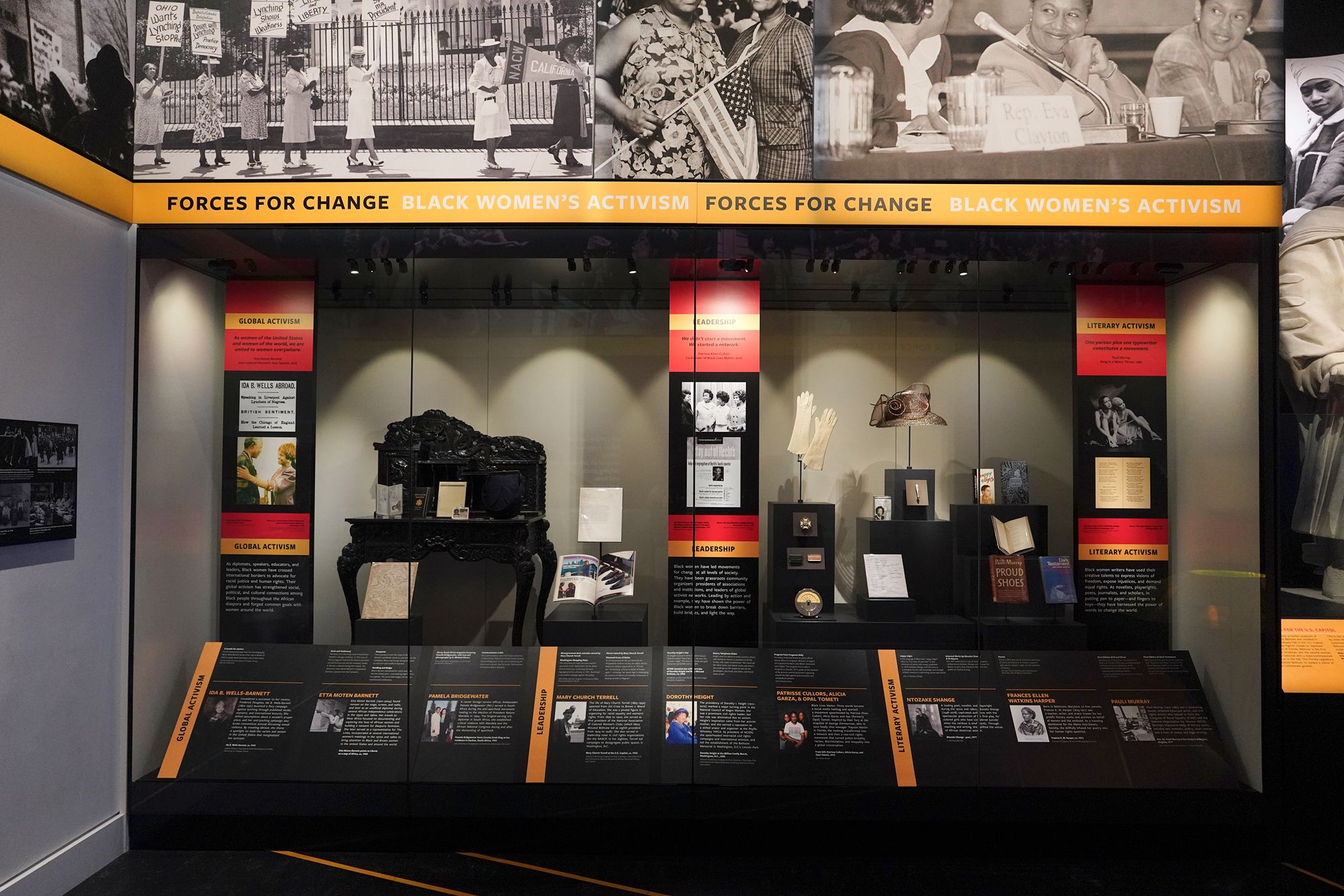
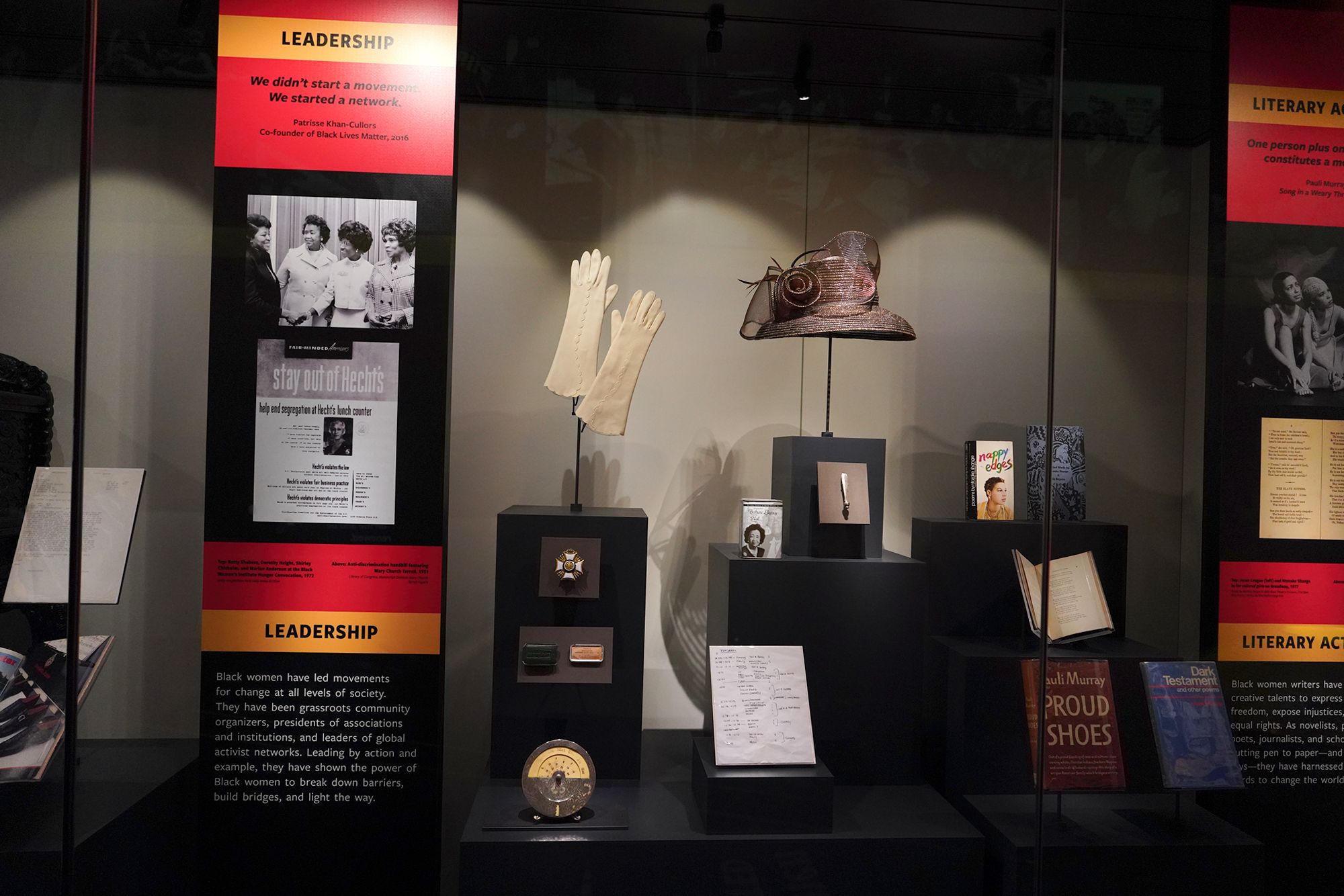
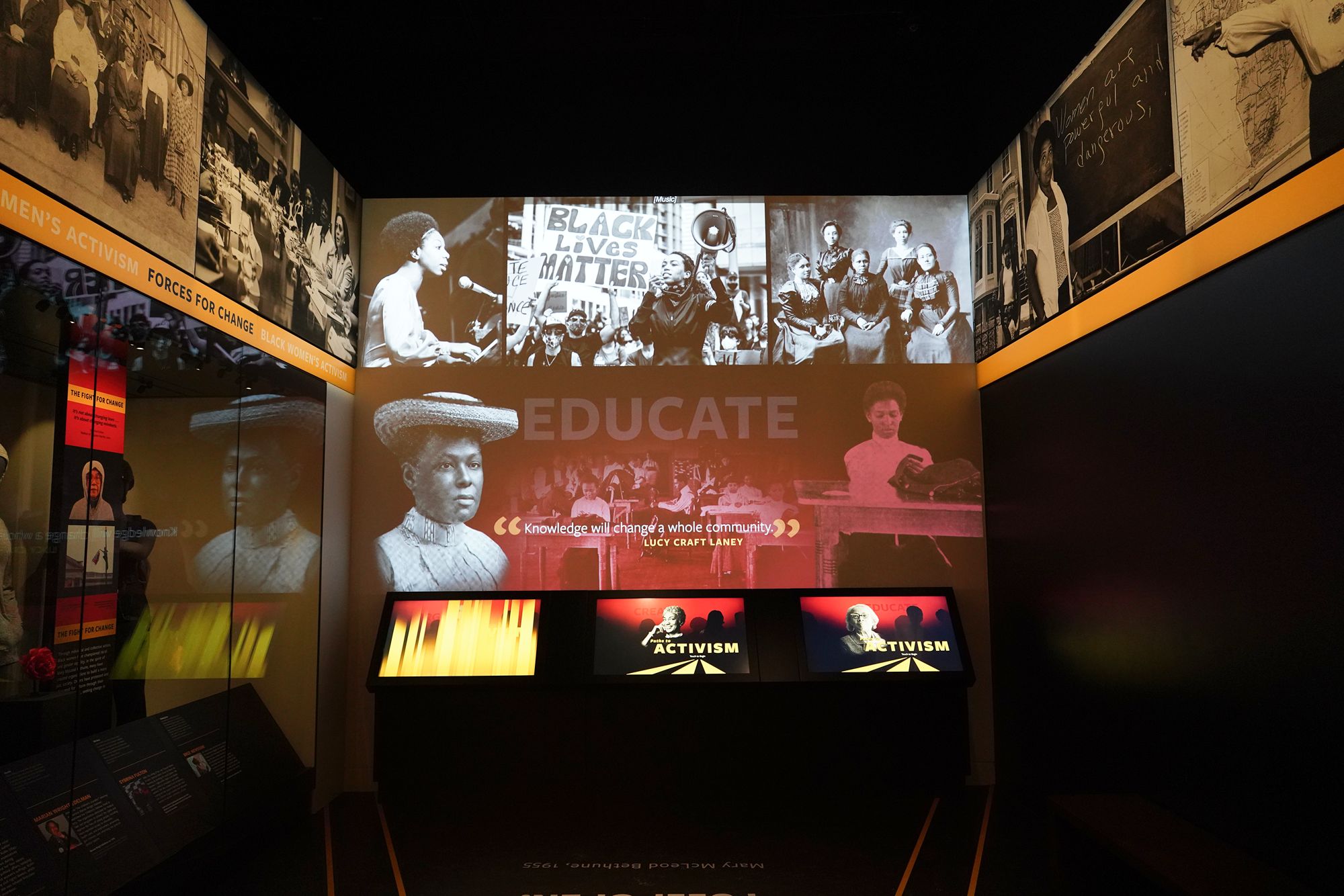
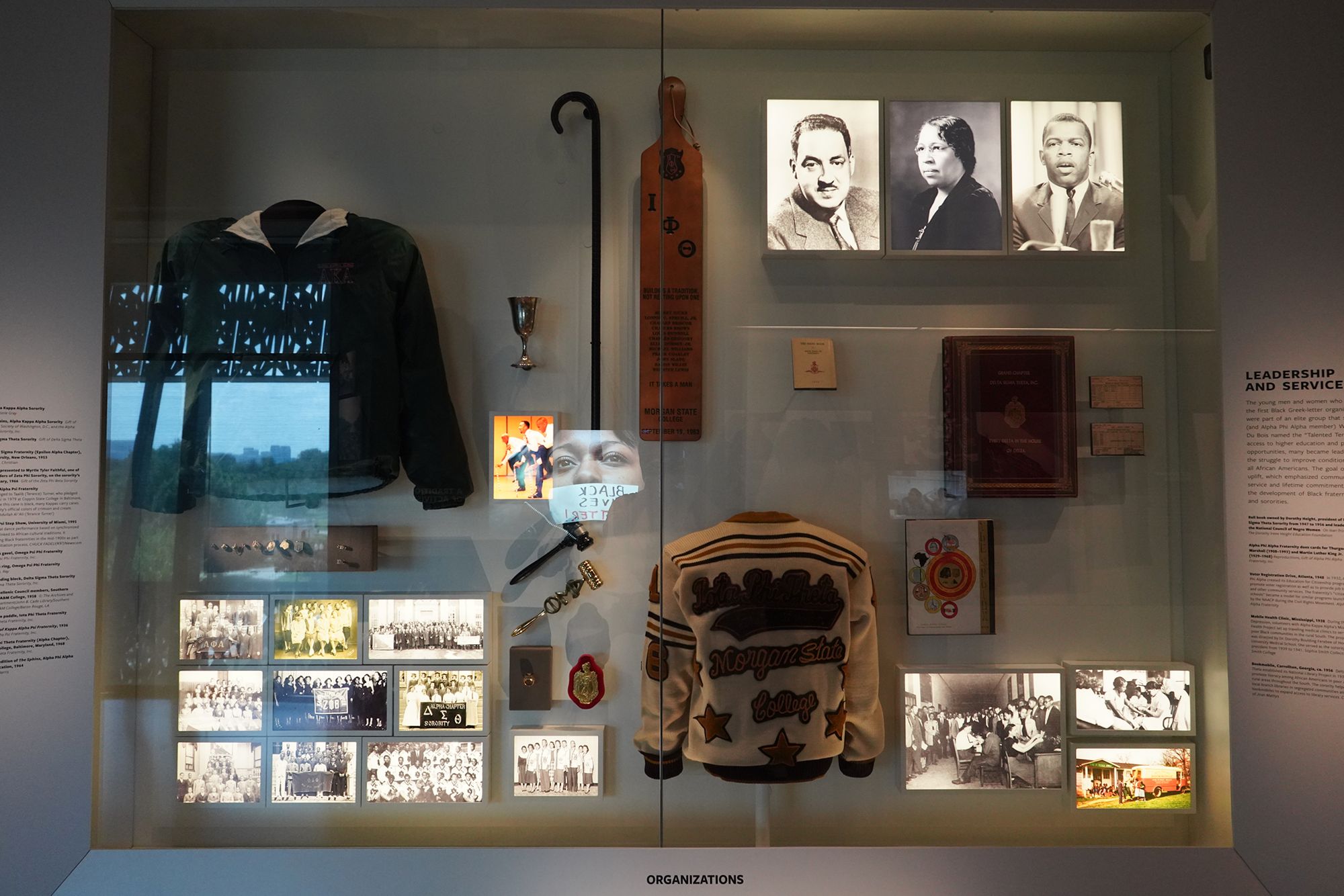
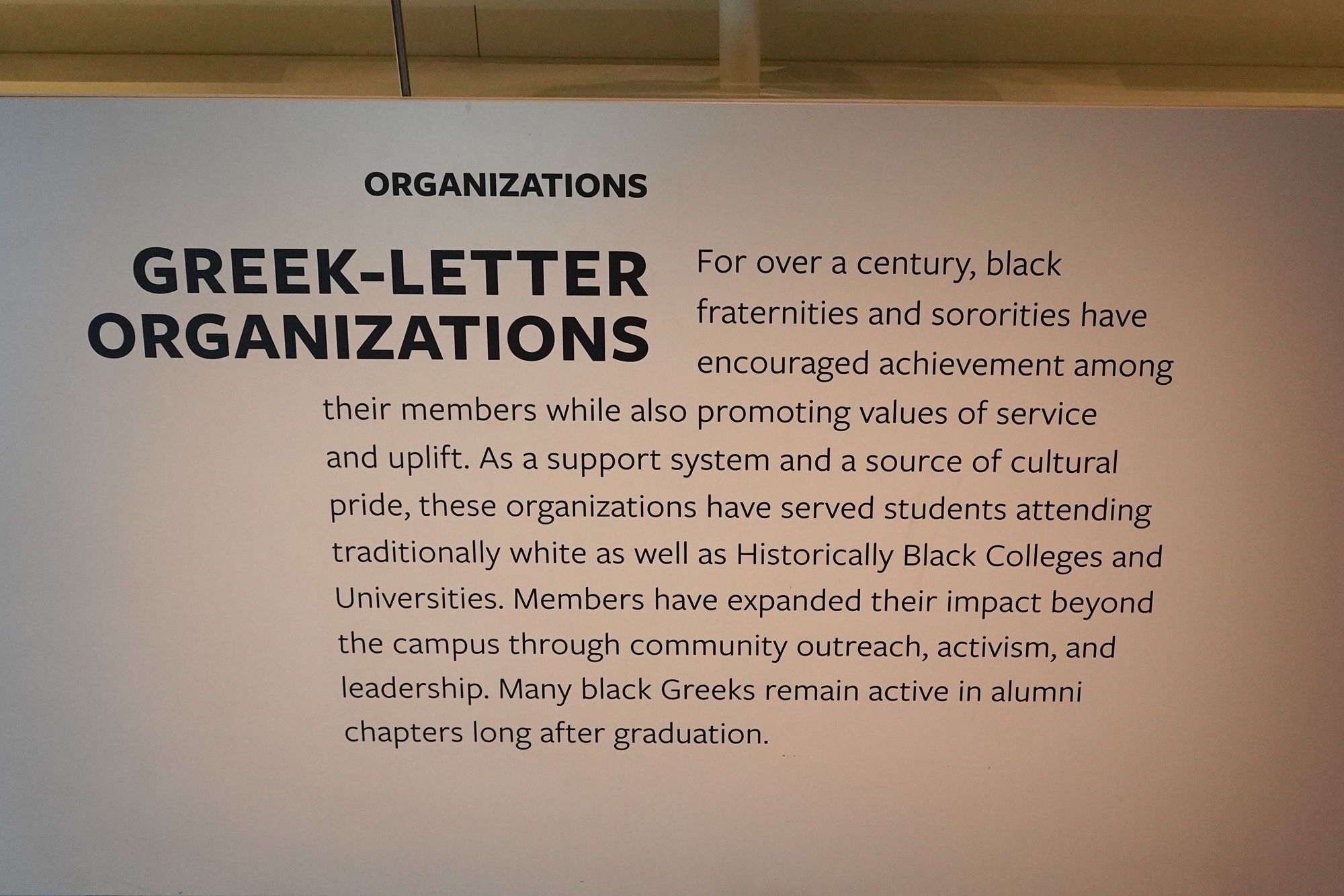
The “Organizing for Success” section of “Making a Way Out of No Way” explores how African Americans built institutions and networks to achieve progress despite exclusion from mainstream society. It highlights the creation of businesses, professional associations, women’s clubs, fraternities, sororities, and civic groups that promoted education, economic growth, and leadership within the community.
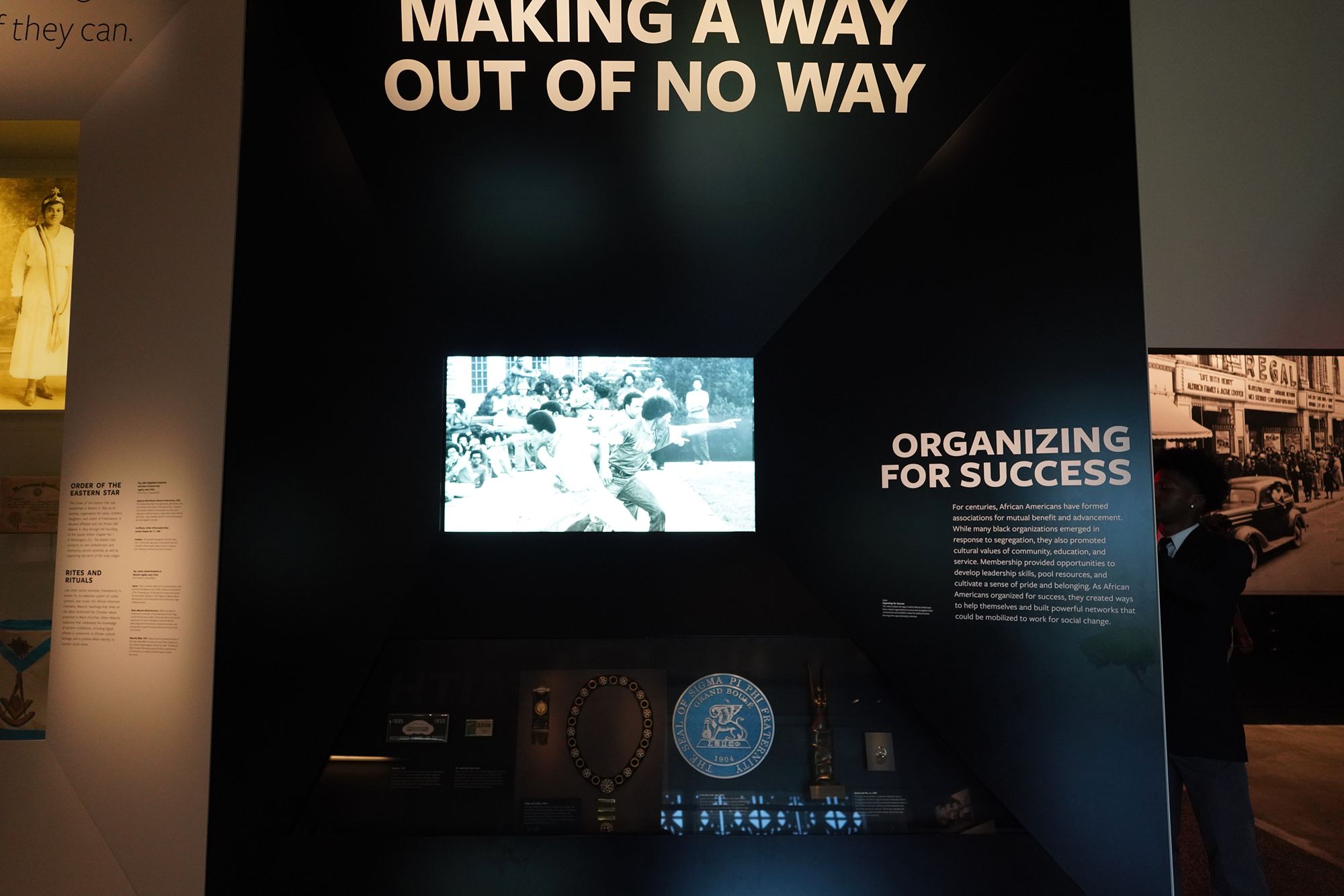
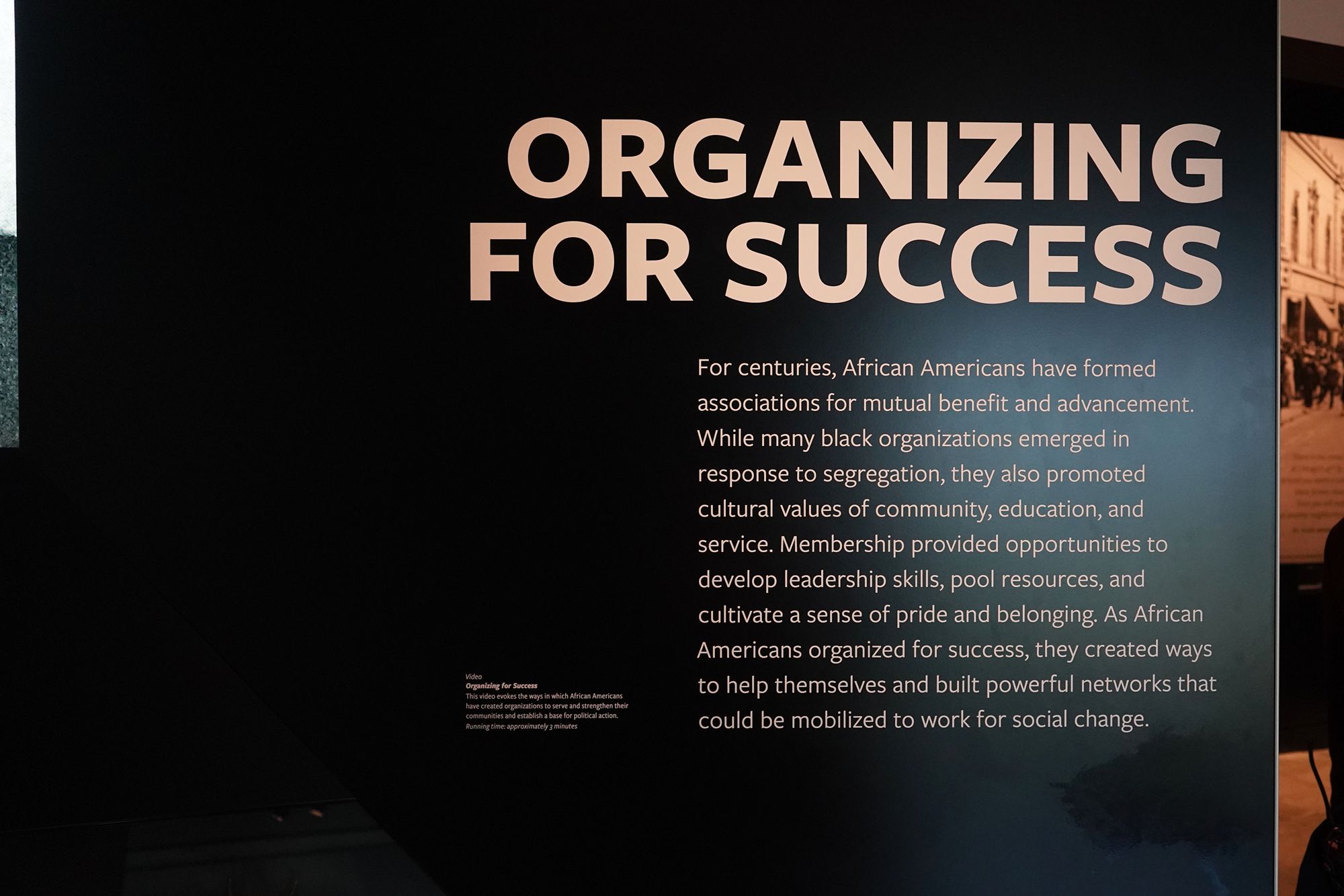
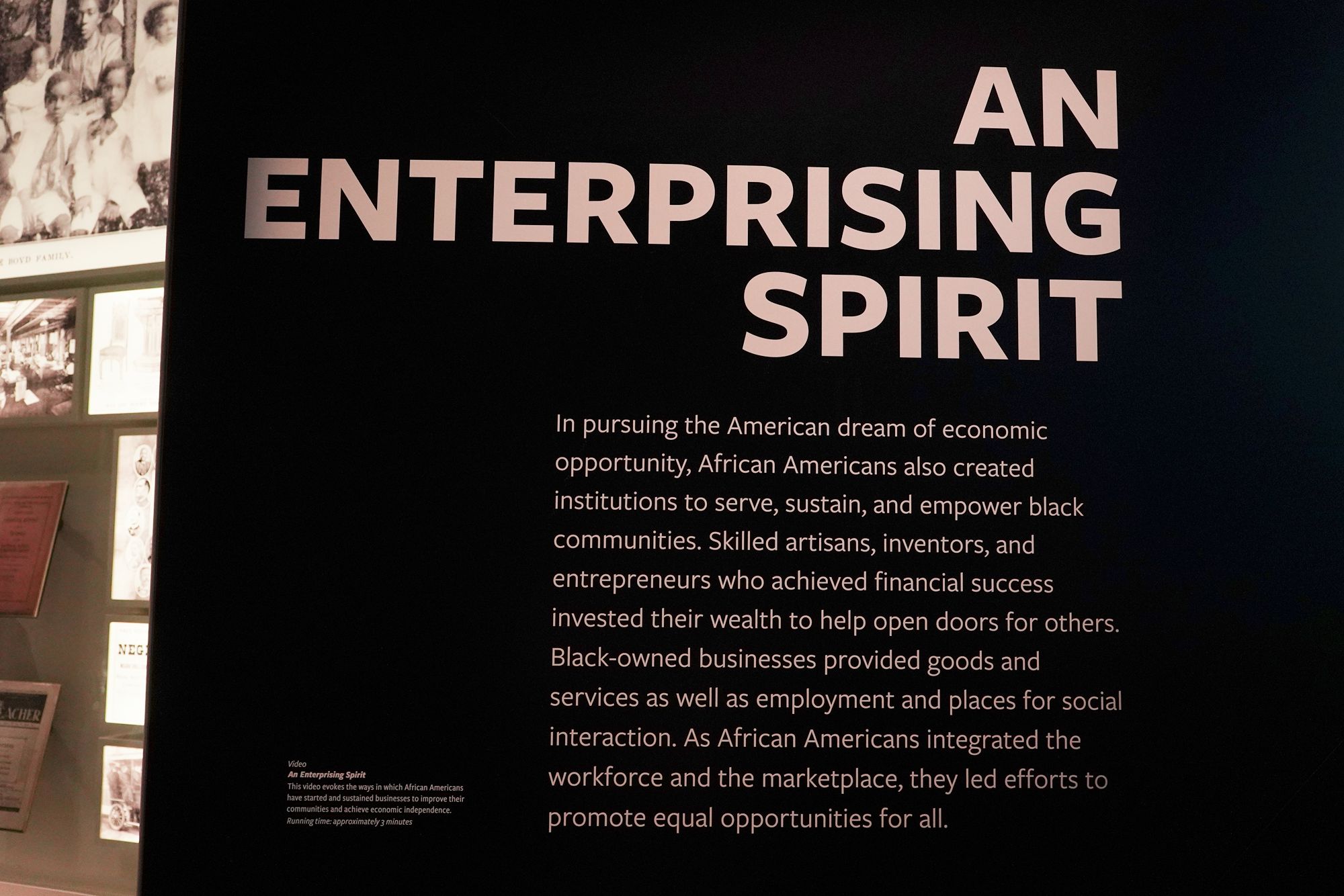
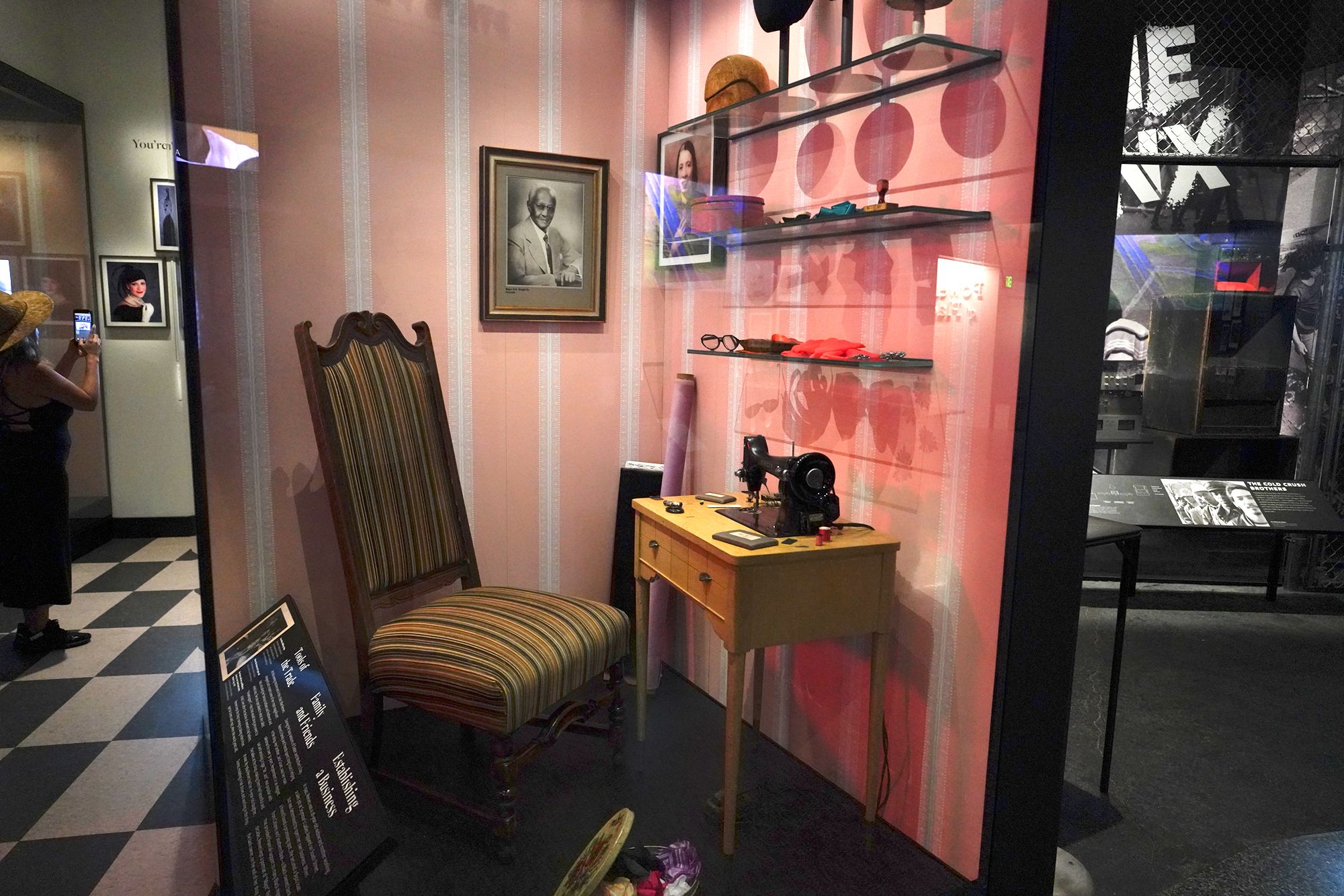
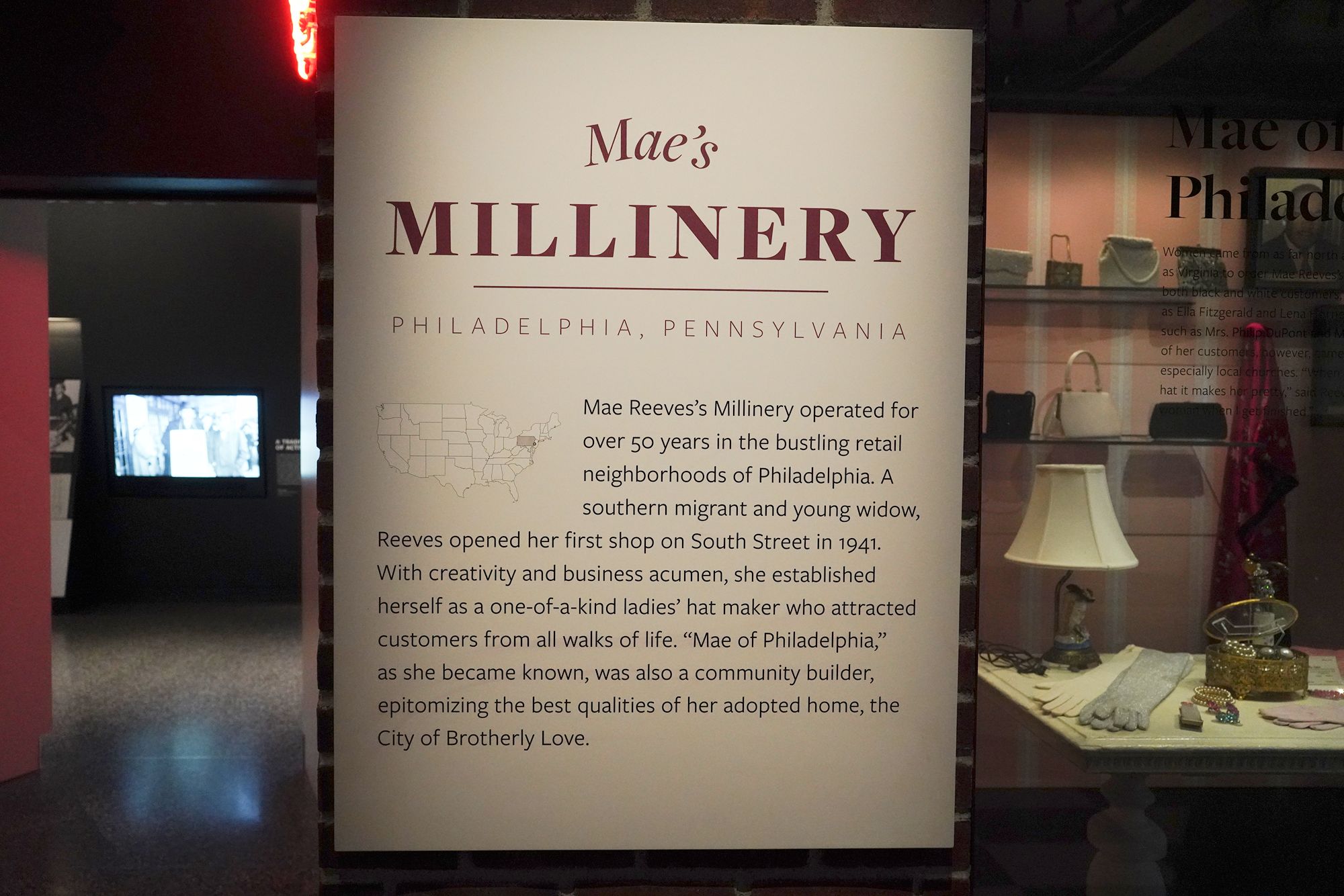
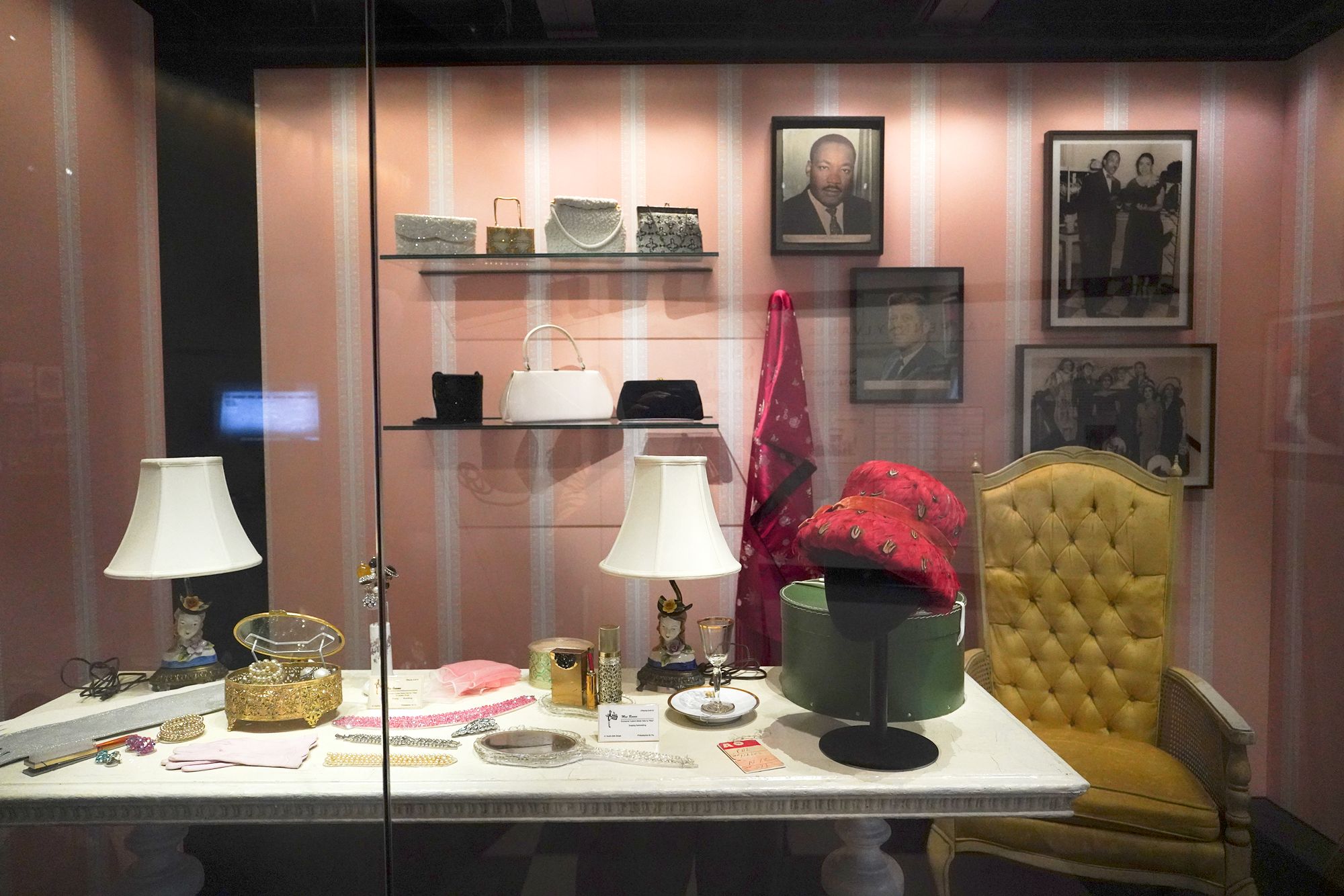
The “An Enterprising Spirit” section of “Making a Way Out of No Way” celebrates the creativity, determination, and business success of African Americans who built livelihoods and opportunities despite racial barriers. It highlights Black entrepreneurs, inventors, and professionals who used skill, innovation, and community support to overcome exclusion from white-owned businesses and industries.
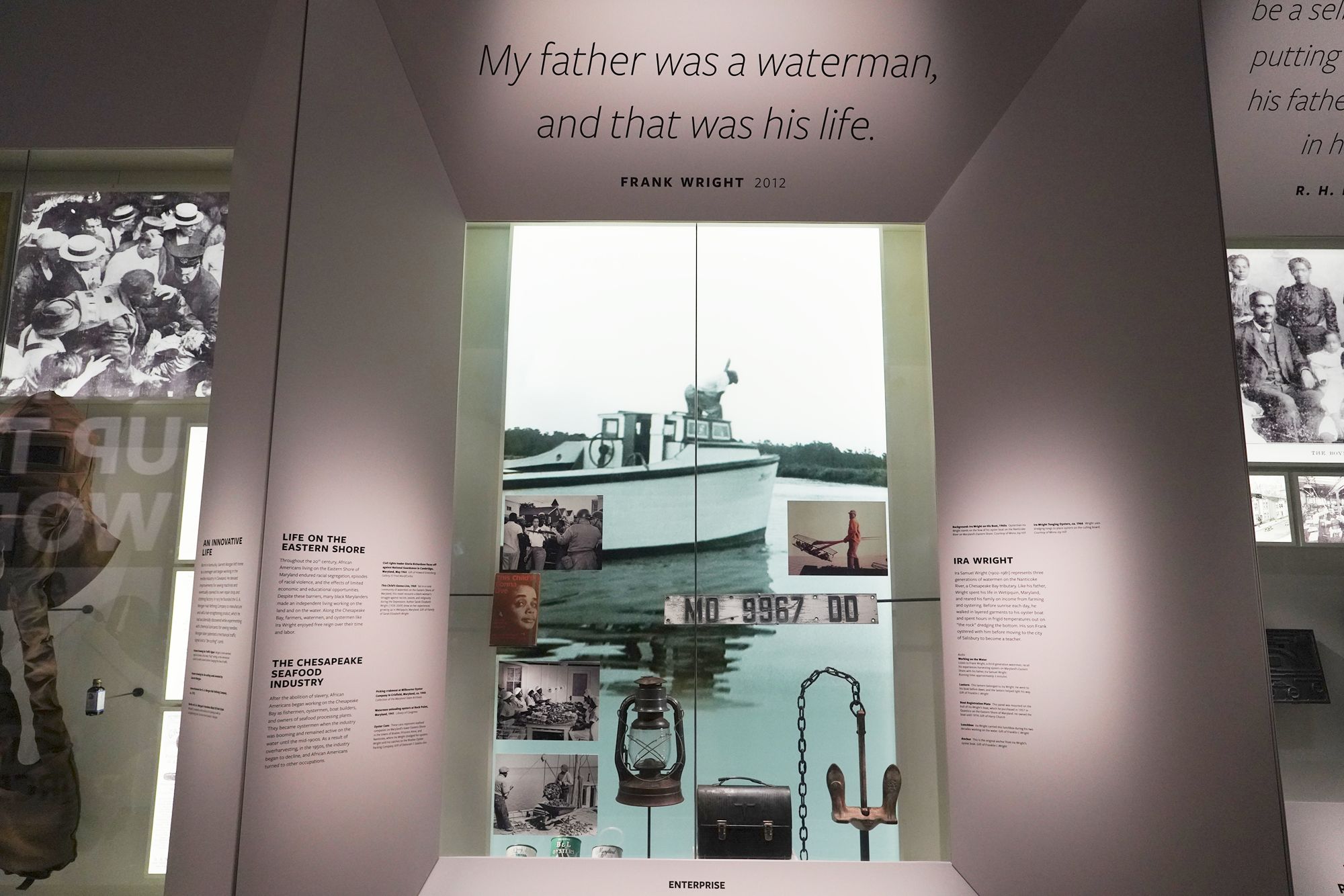
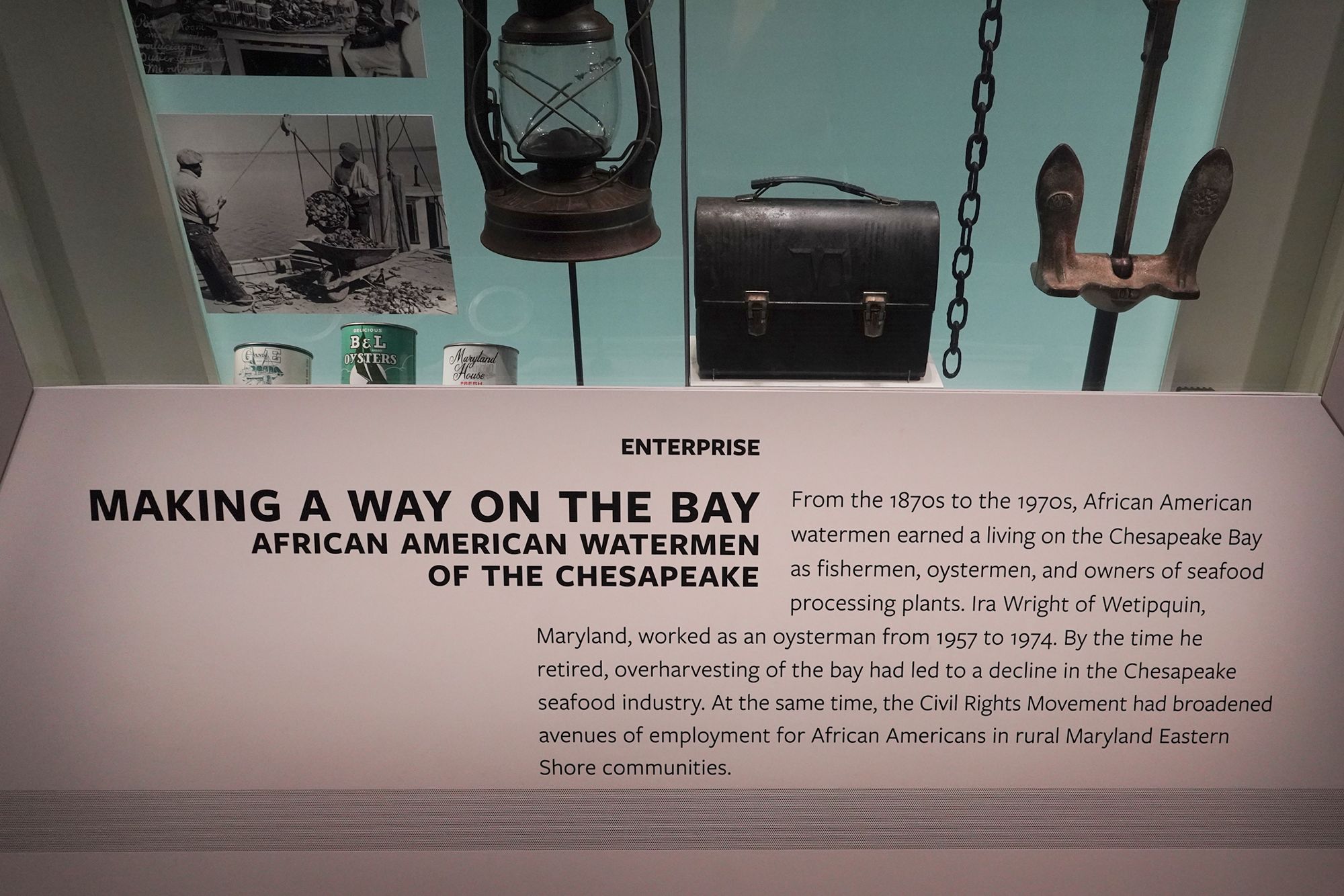
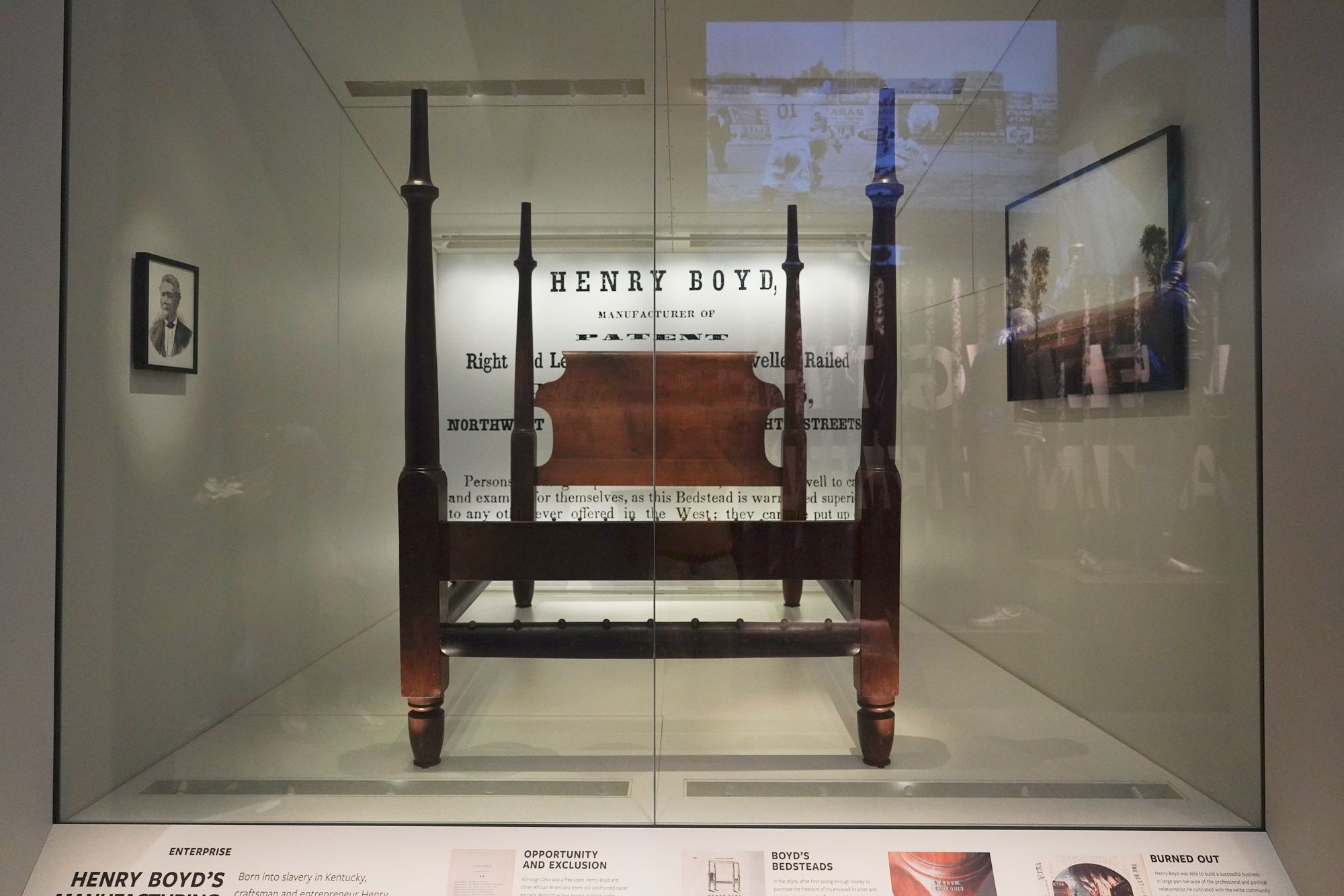
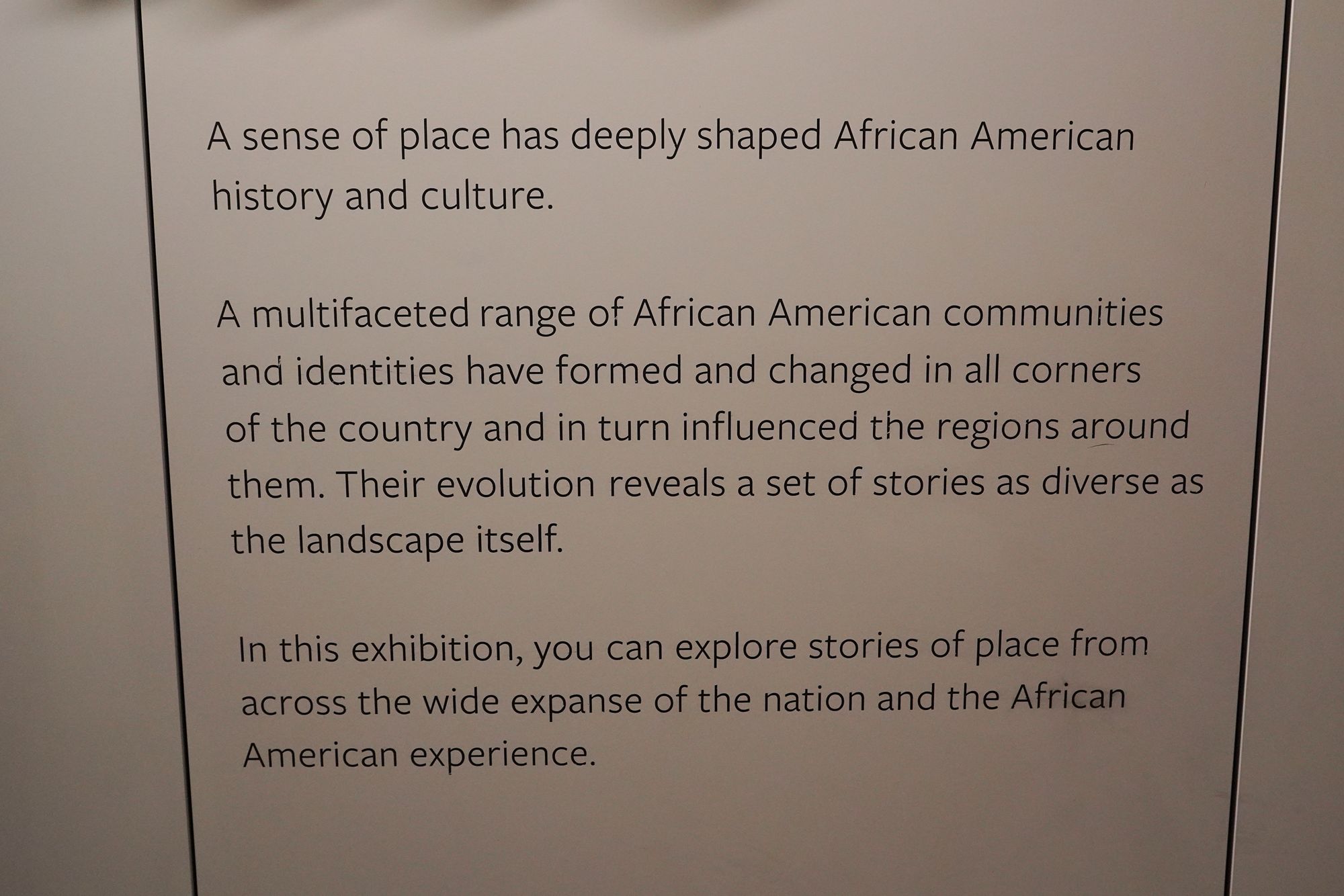
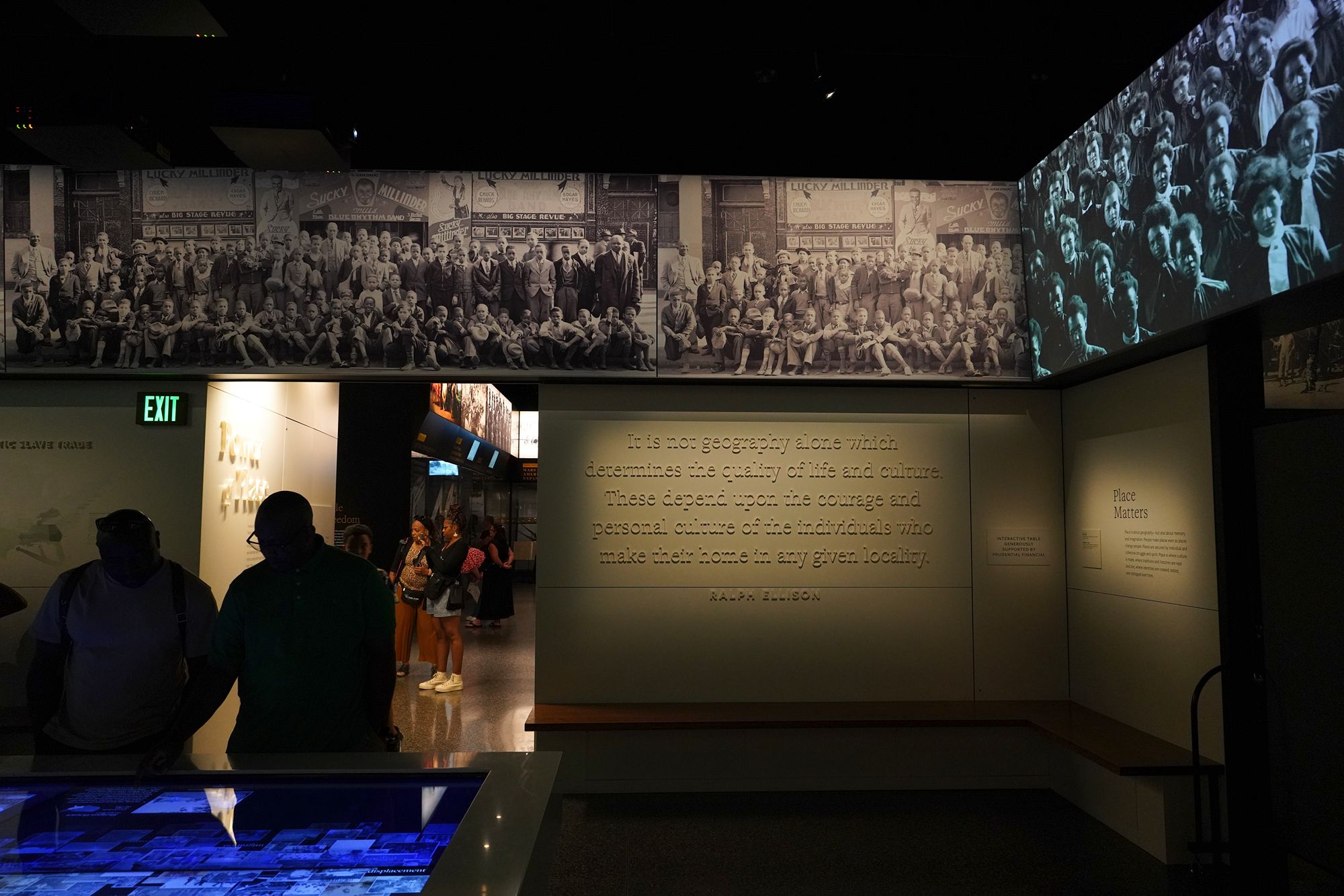
The exhibition “Power of Place” at the National Museum of African American History and Culture explores how geography and community have shaped the African American experience. It shows that where people lived—whether in the rural South, the urban North, or new communities in the West—deeply influenced their opportunities, struggles, and identities.
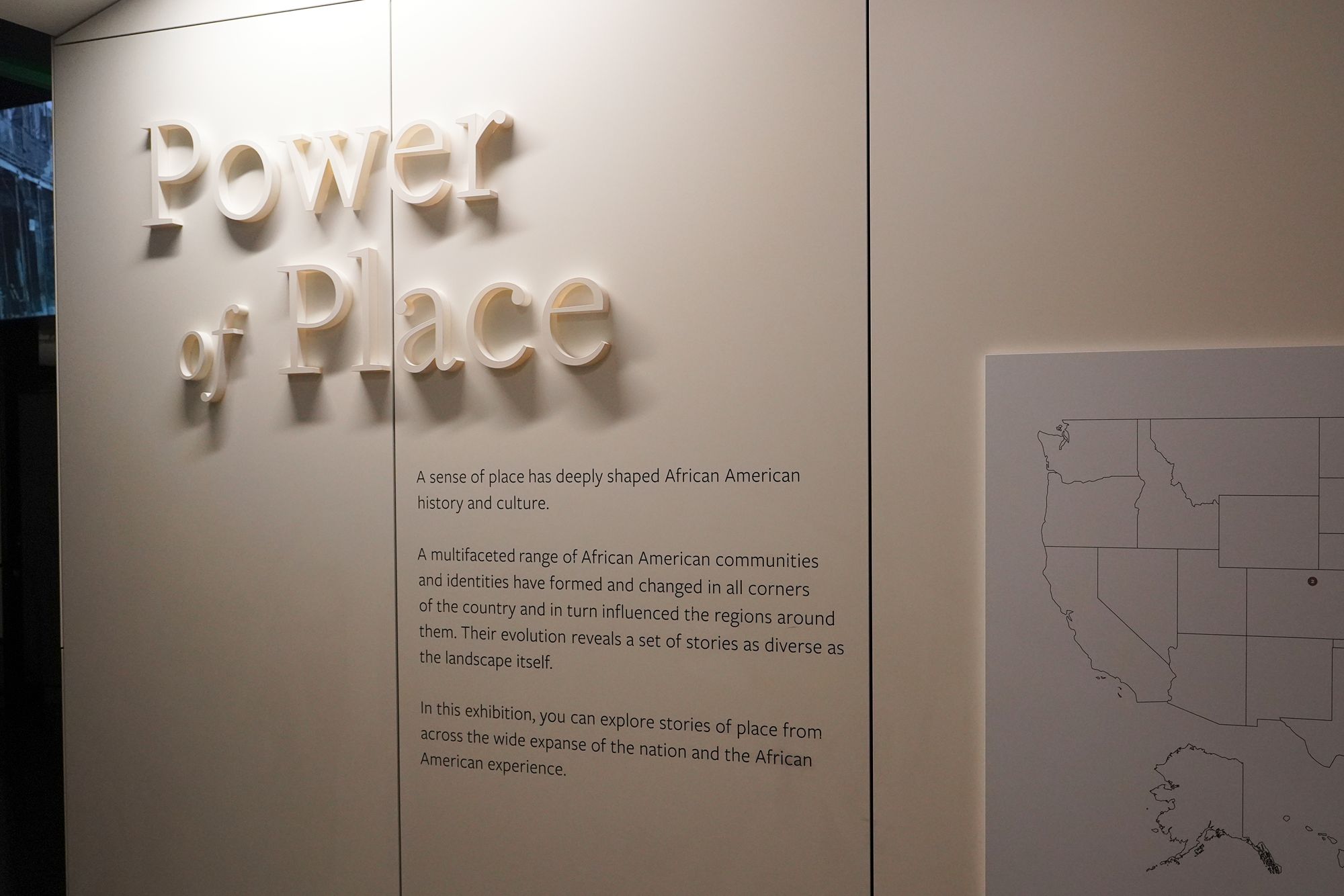
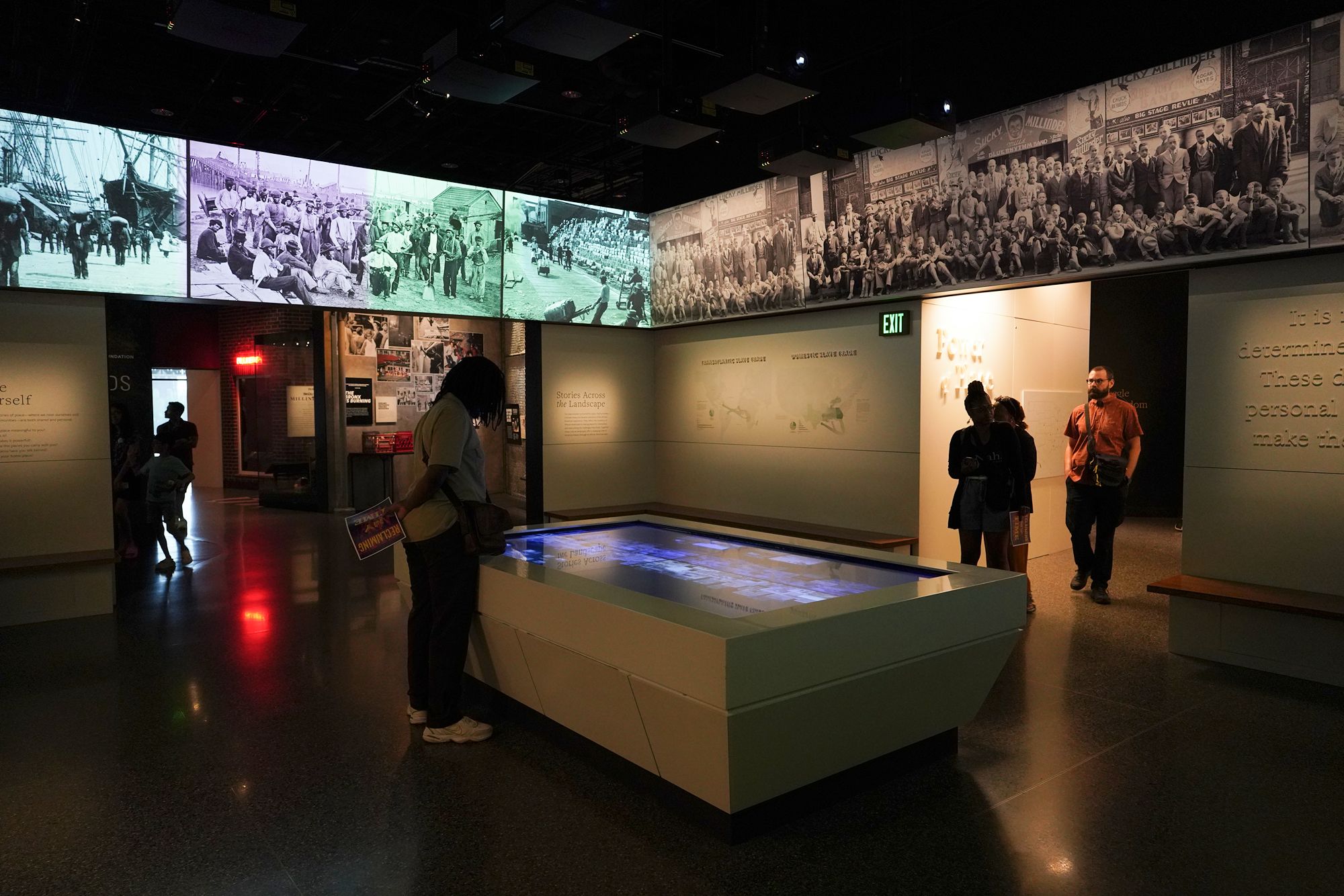
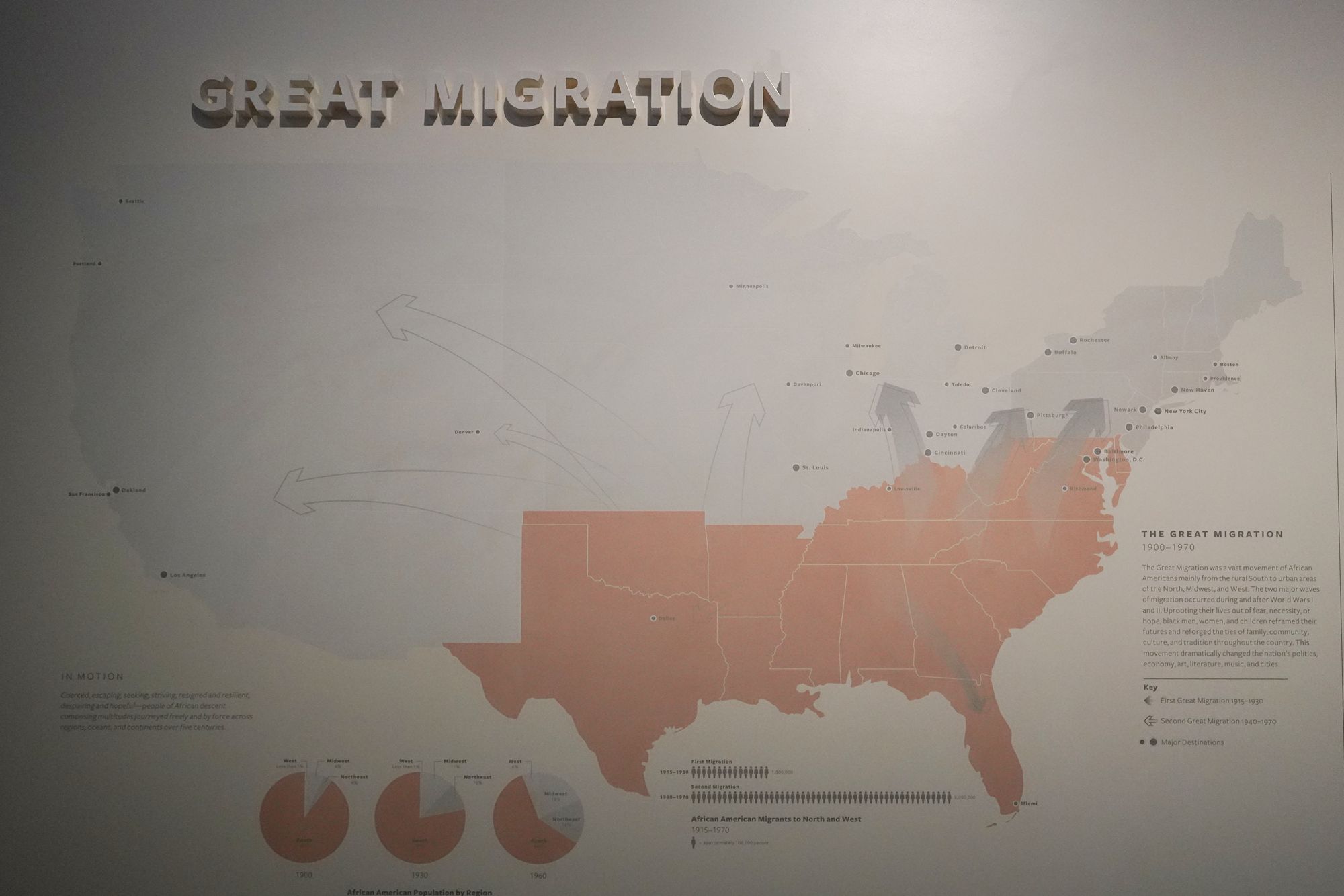
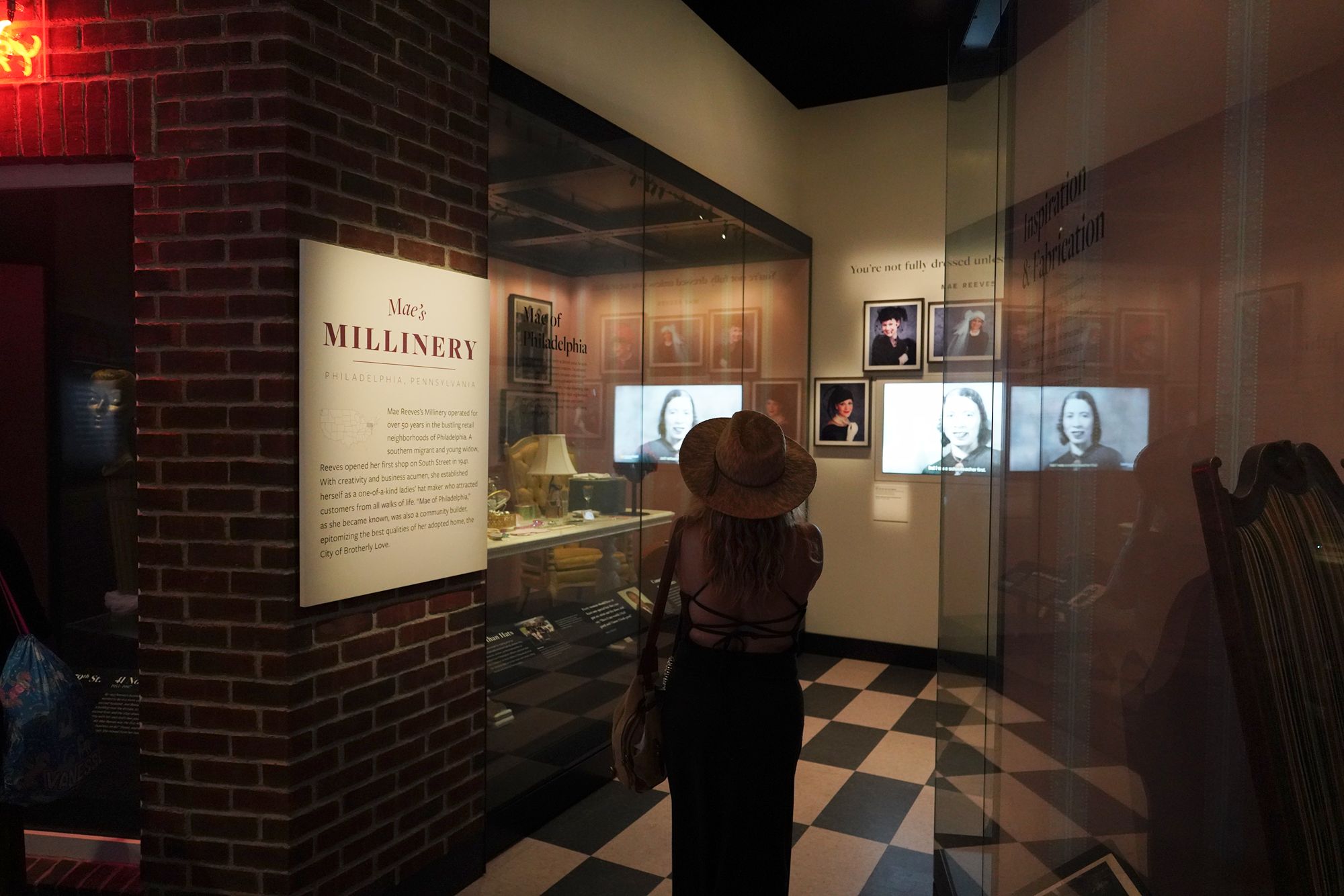
The Great Migration was one of the most significant movements in American history, when more than six million African Americans left the rural South between 1910 and 1970 to seek better lives in the North, Midwest, and West. Driven by the hope for freedom, jobs, and safety from racial violence, families moved to cities such as Chicago, New York, Detroit, Philadelphia, and Los Angeles.
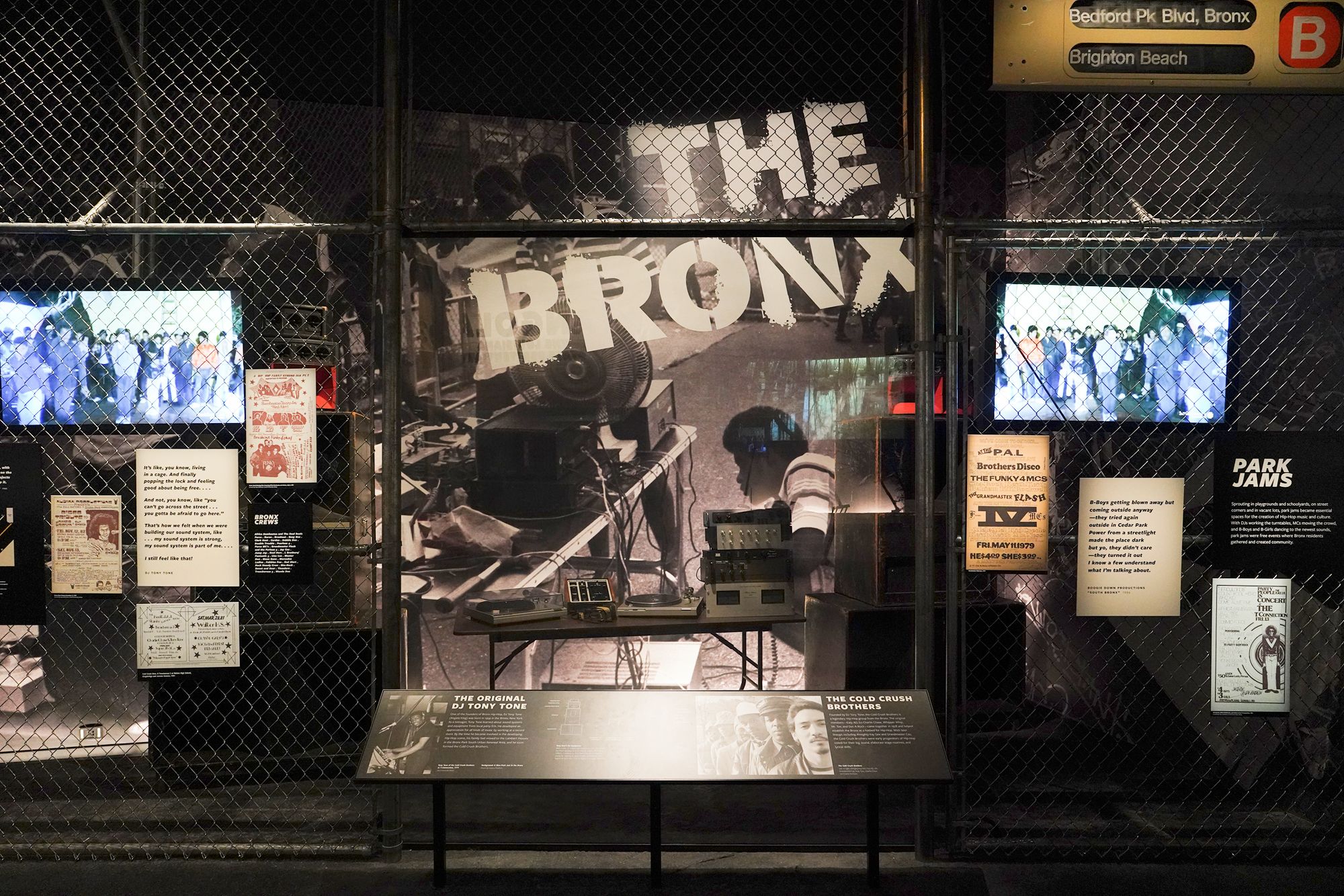
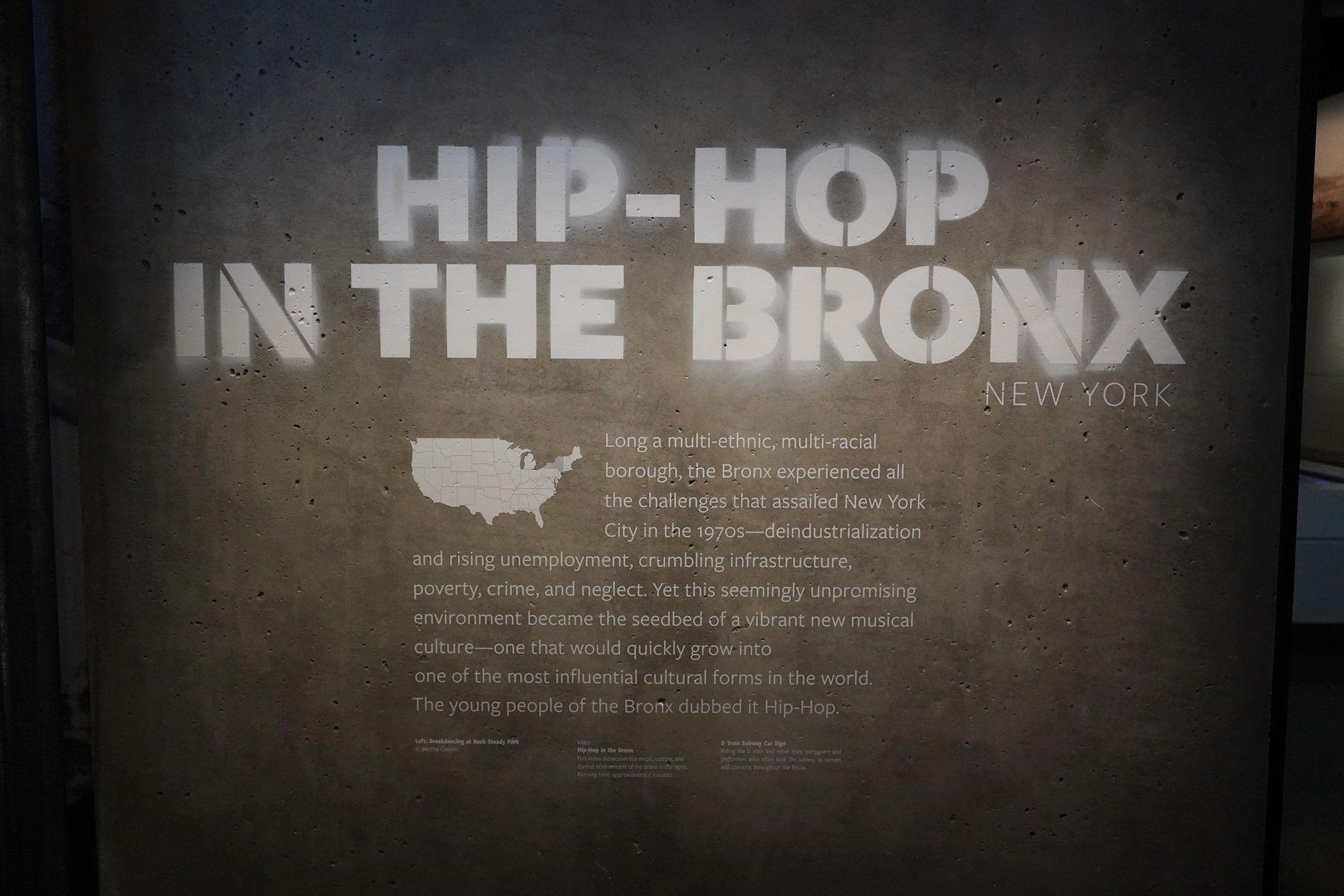
The section on Hip-Hop in the Bronx within the “Power of Place” exhibition highlights how a new cultural movement was born out of creativity and community in the South Bronx, New York City, during the 1970s. Amid poverty, urban decay, and limited resources, young African Americans and Latinos transformed their environment into a space of artistic expression and identity.
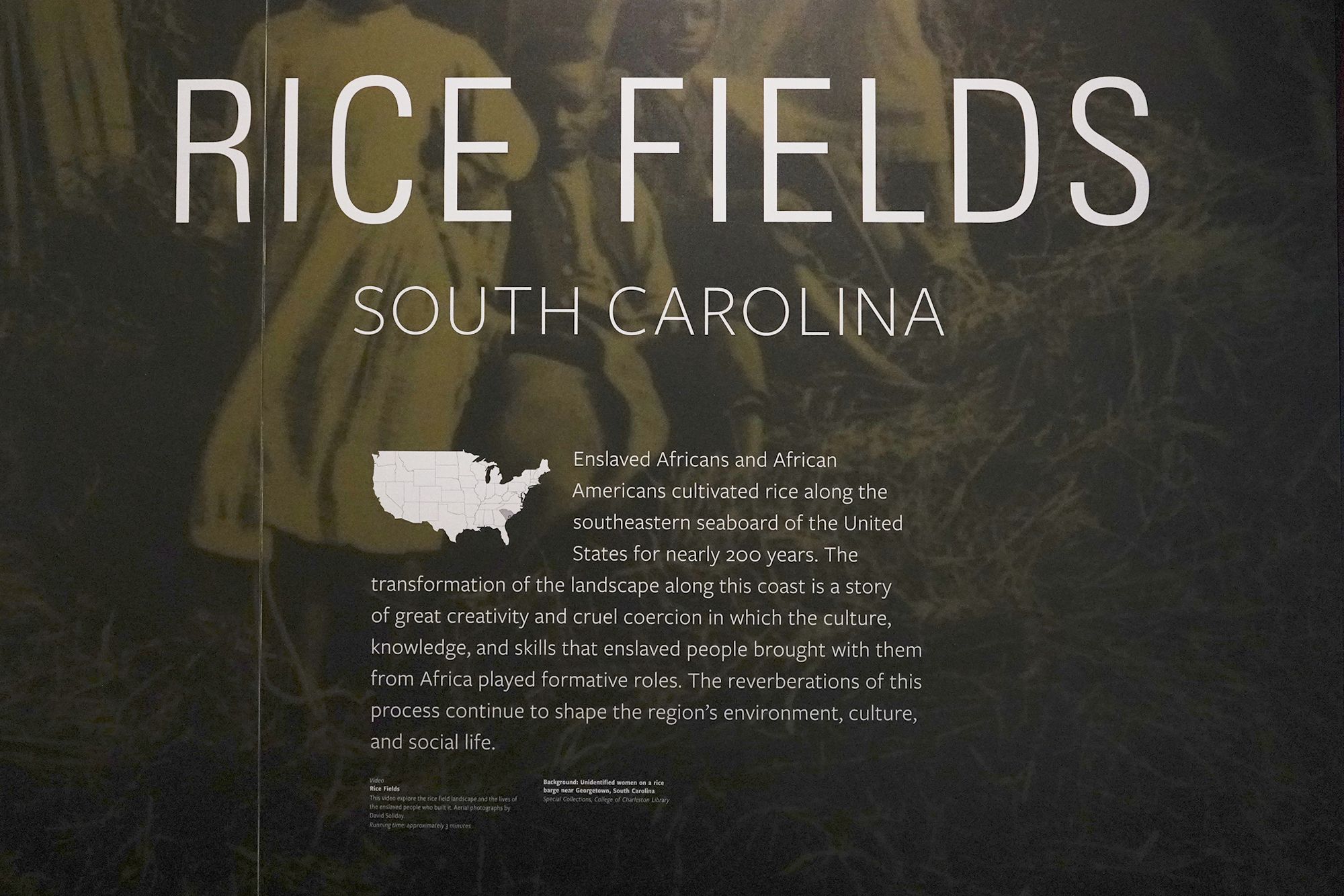
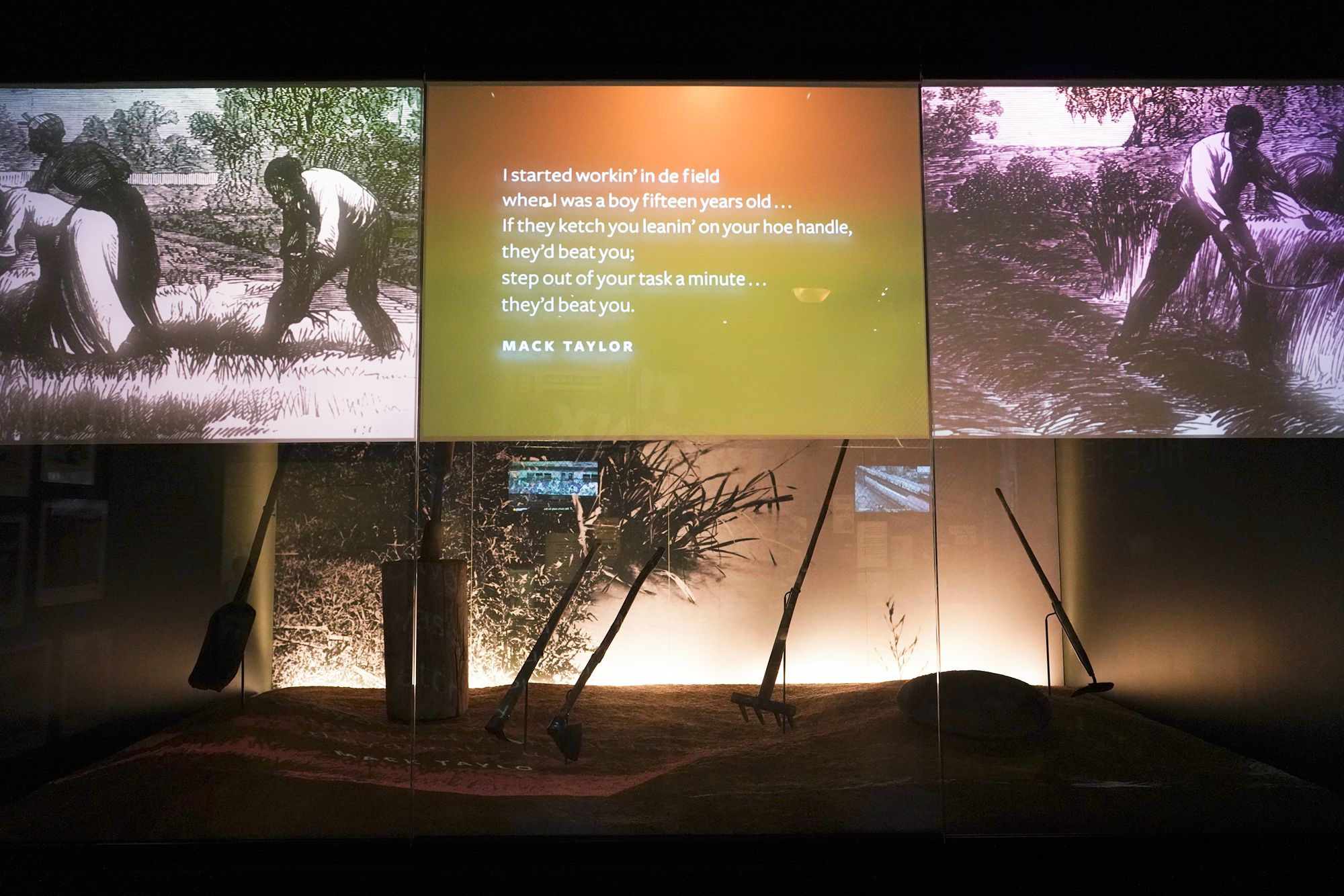
The Rice Fields of South Carolina section in the “Power of Place” exhibition explores how African Americans transformed the coastal landscape through skill, labor, and resilience. During the 18th and 19th centuries, enslaved Africans—many from the Rice Coast regions of West Africa—were brought to South Carolina and Georgia because of their expertise in rice cultivation.
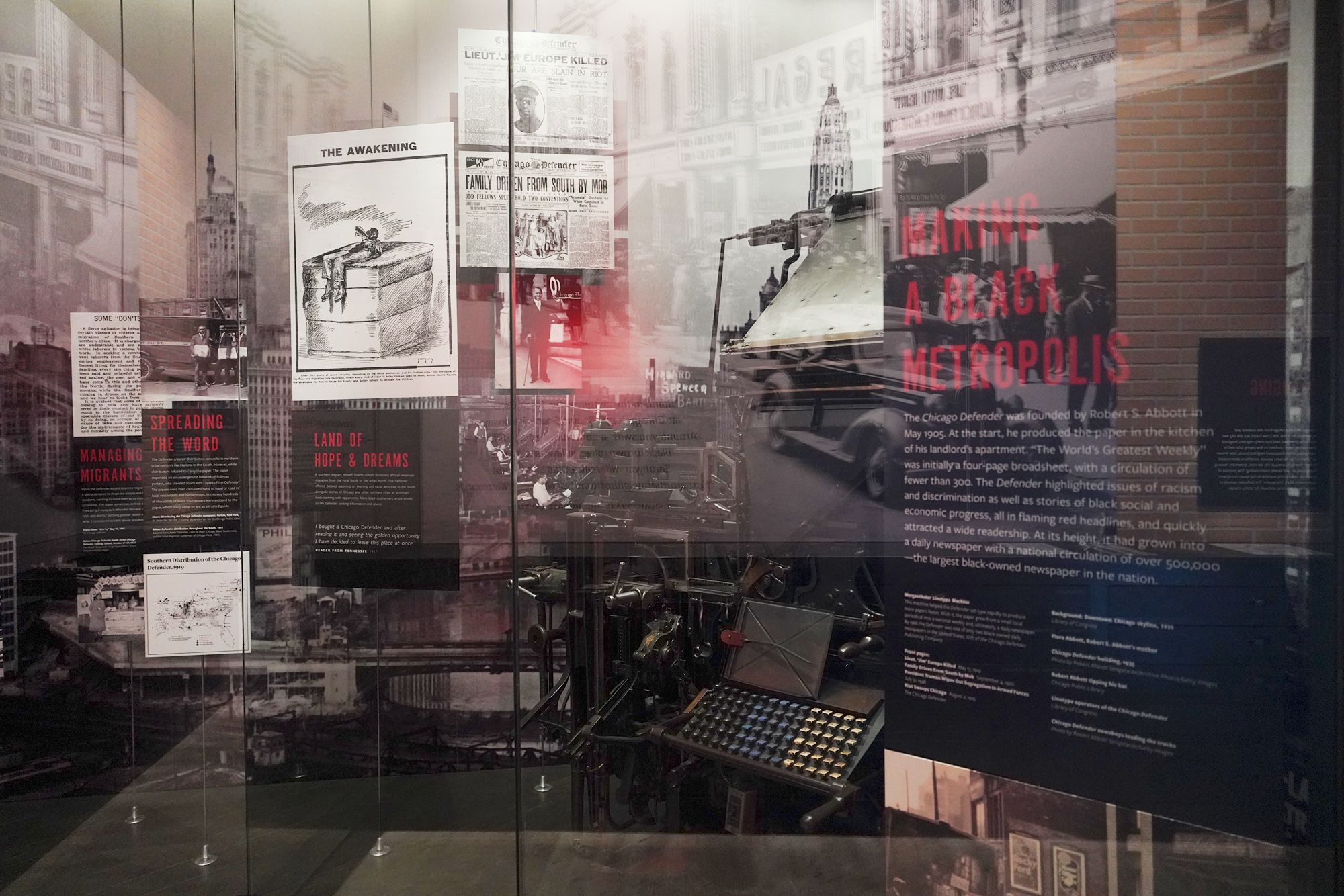
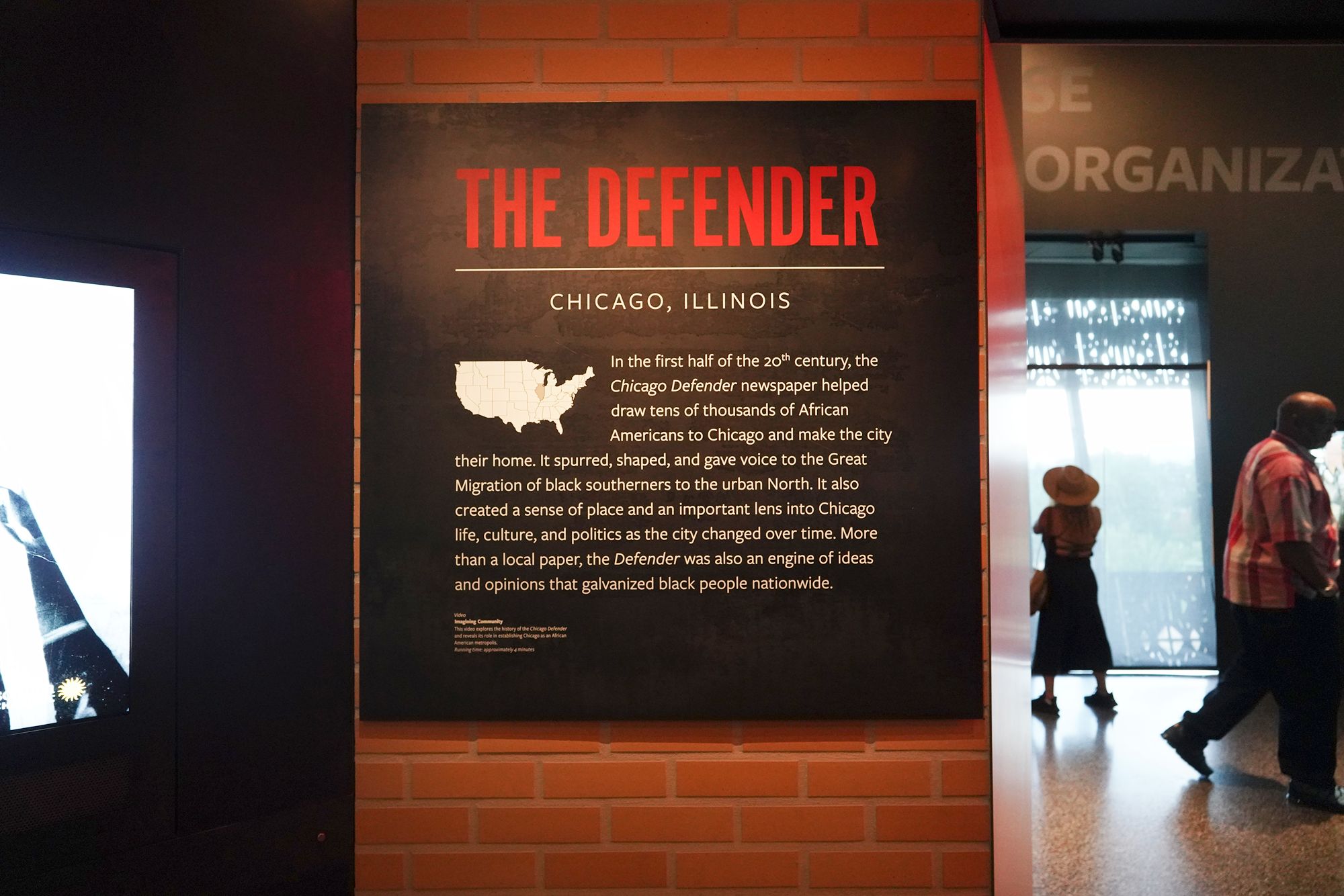
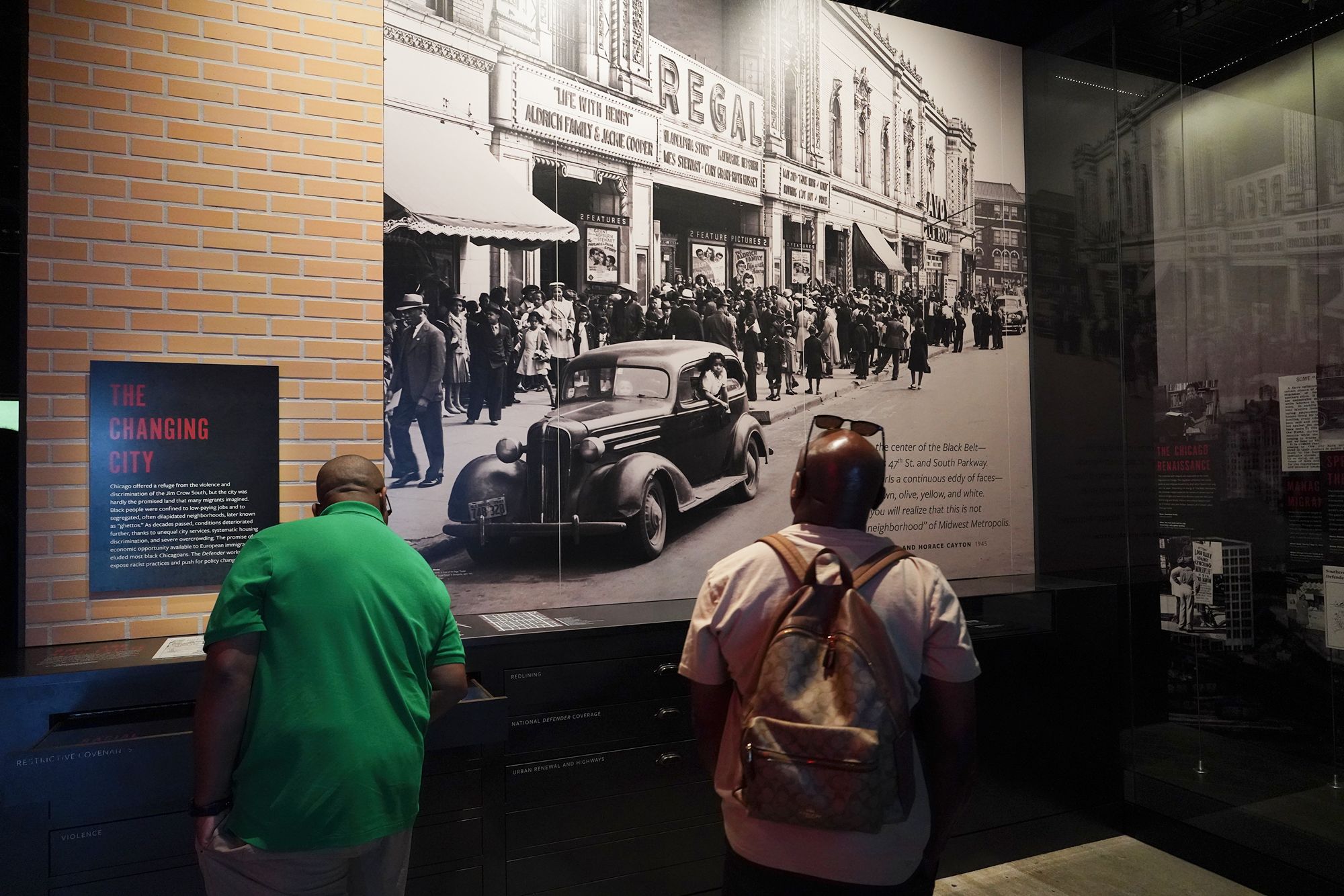
The Chicago Defender section in the “Power of Place” exhibition highlights the vital role of this influential African American newspaper in shaping Black life and progress in the 20th century. Founded in 1905 by Robert S. Abbott, the Defender became a powerful voice for civil rights and equality during a time when mainstream media ignored or distorted Black experiences.
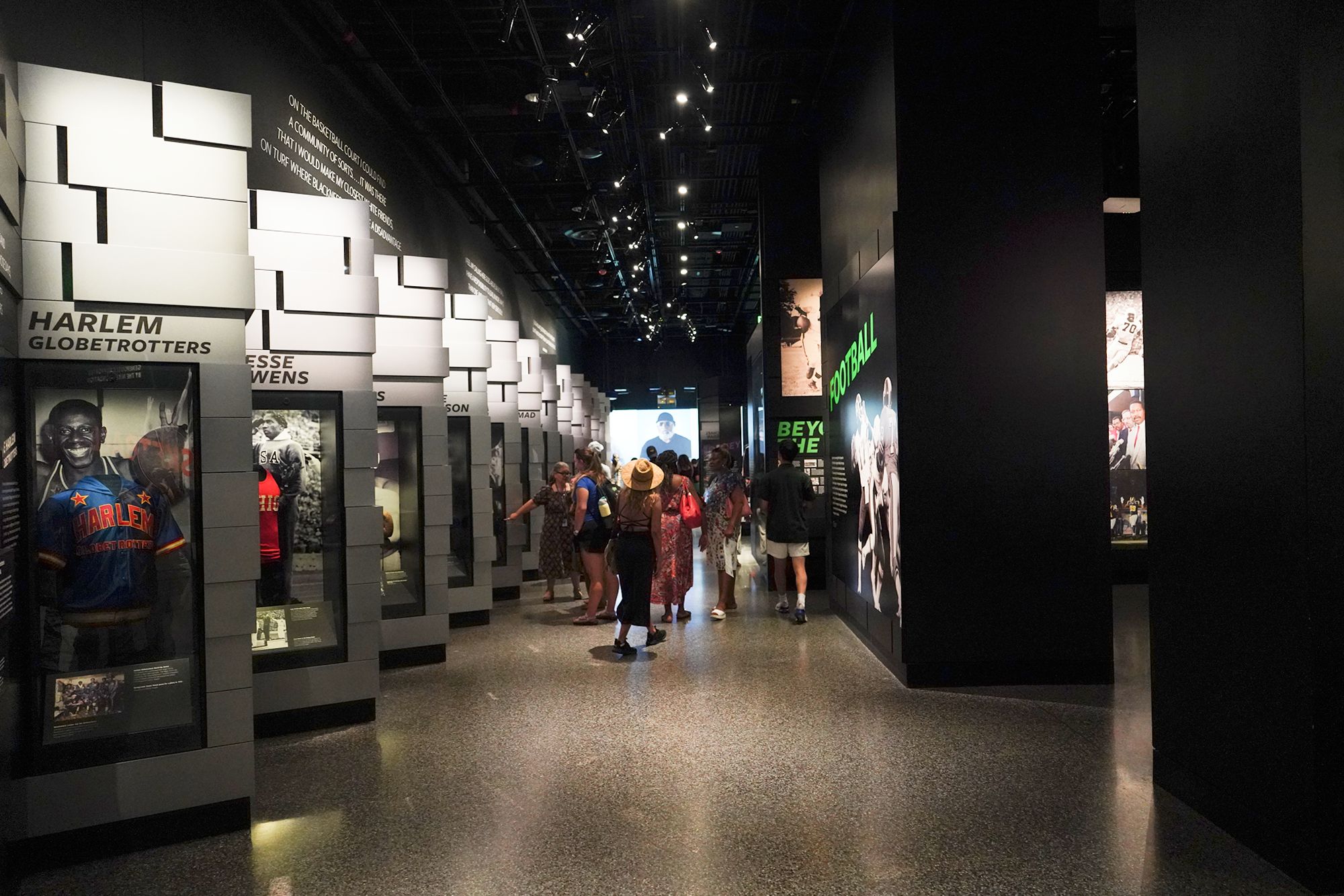
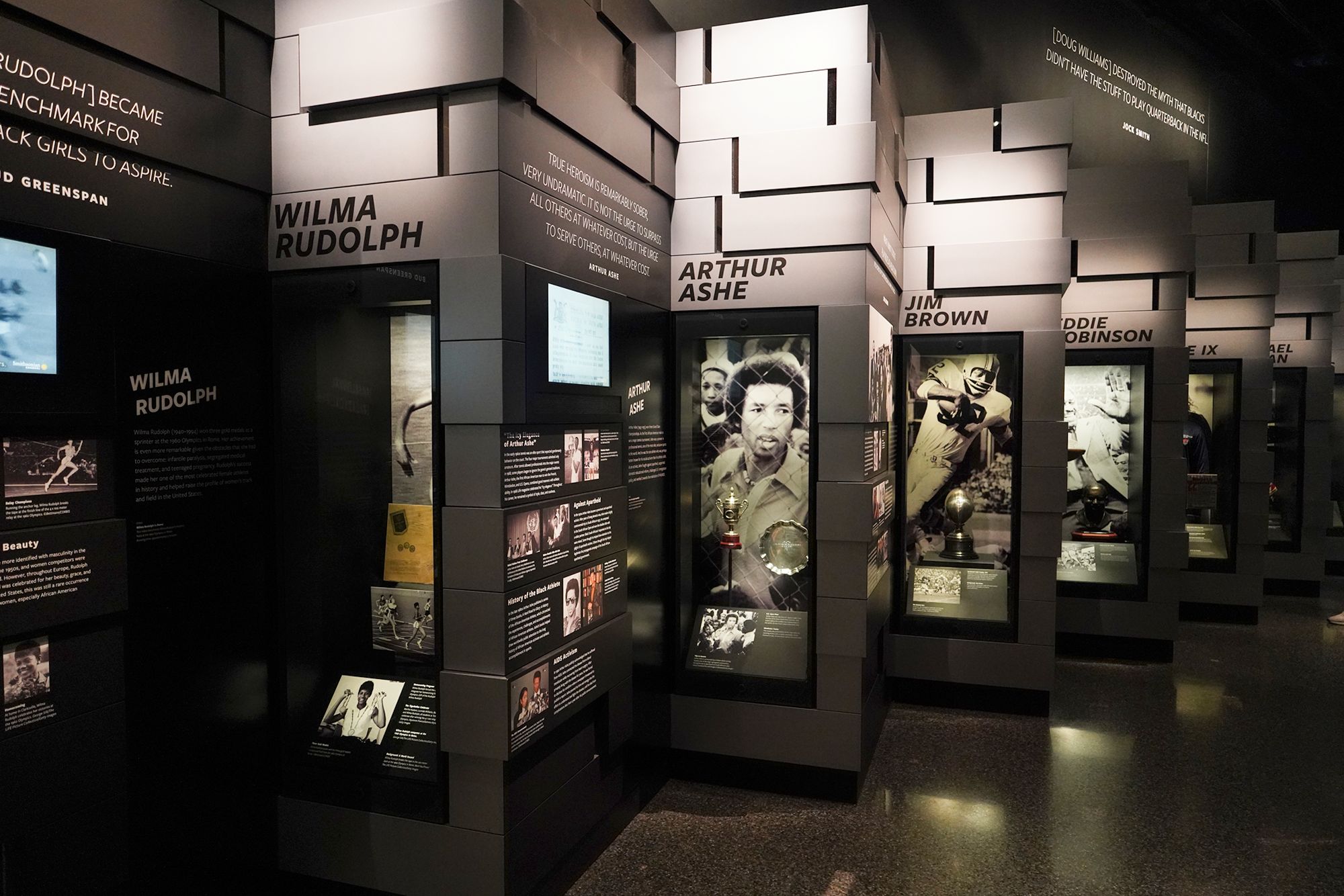
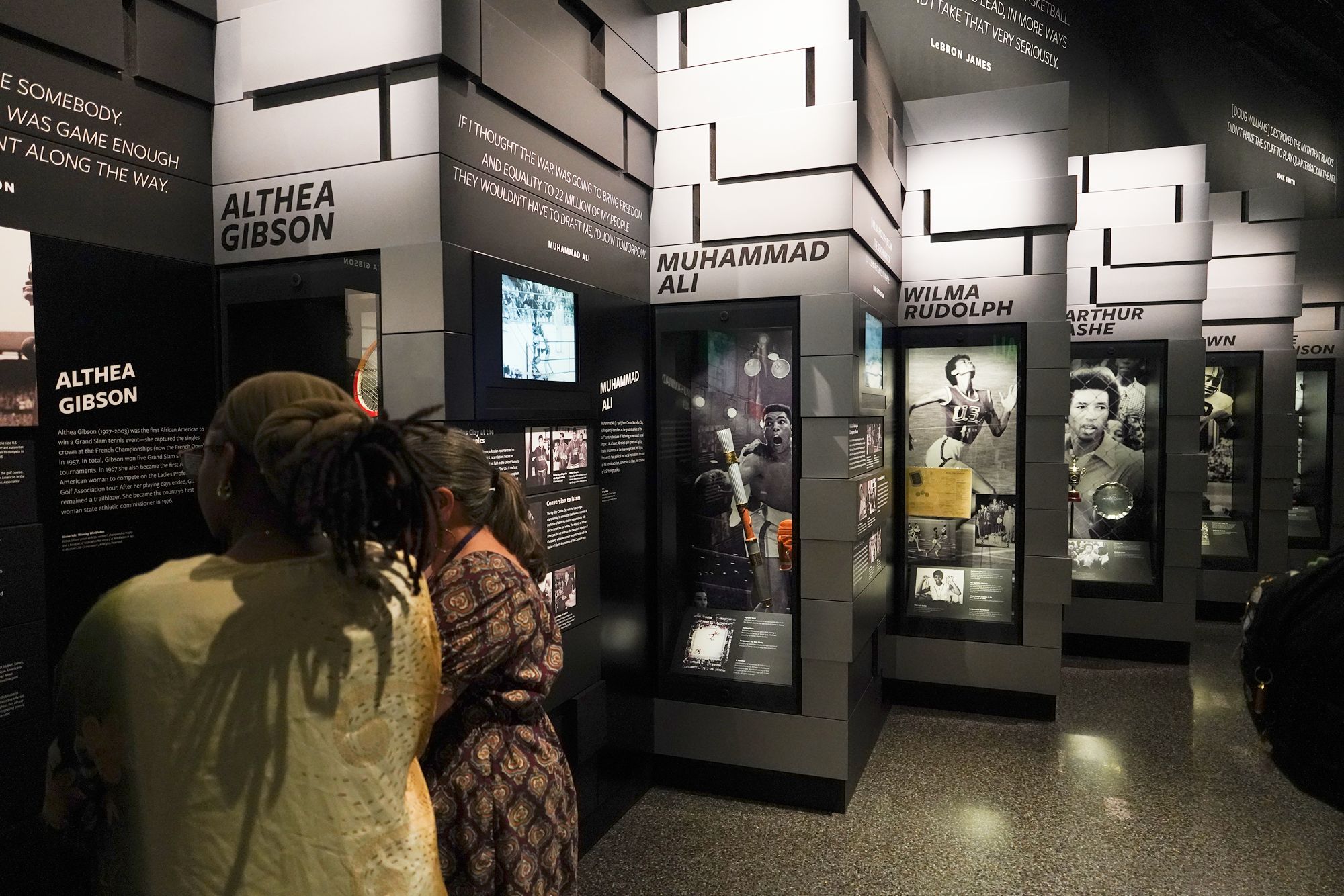
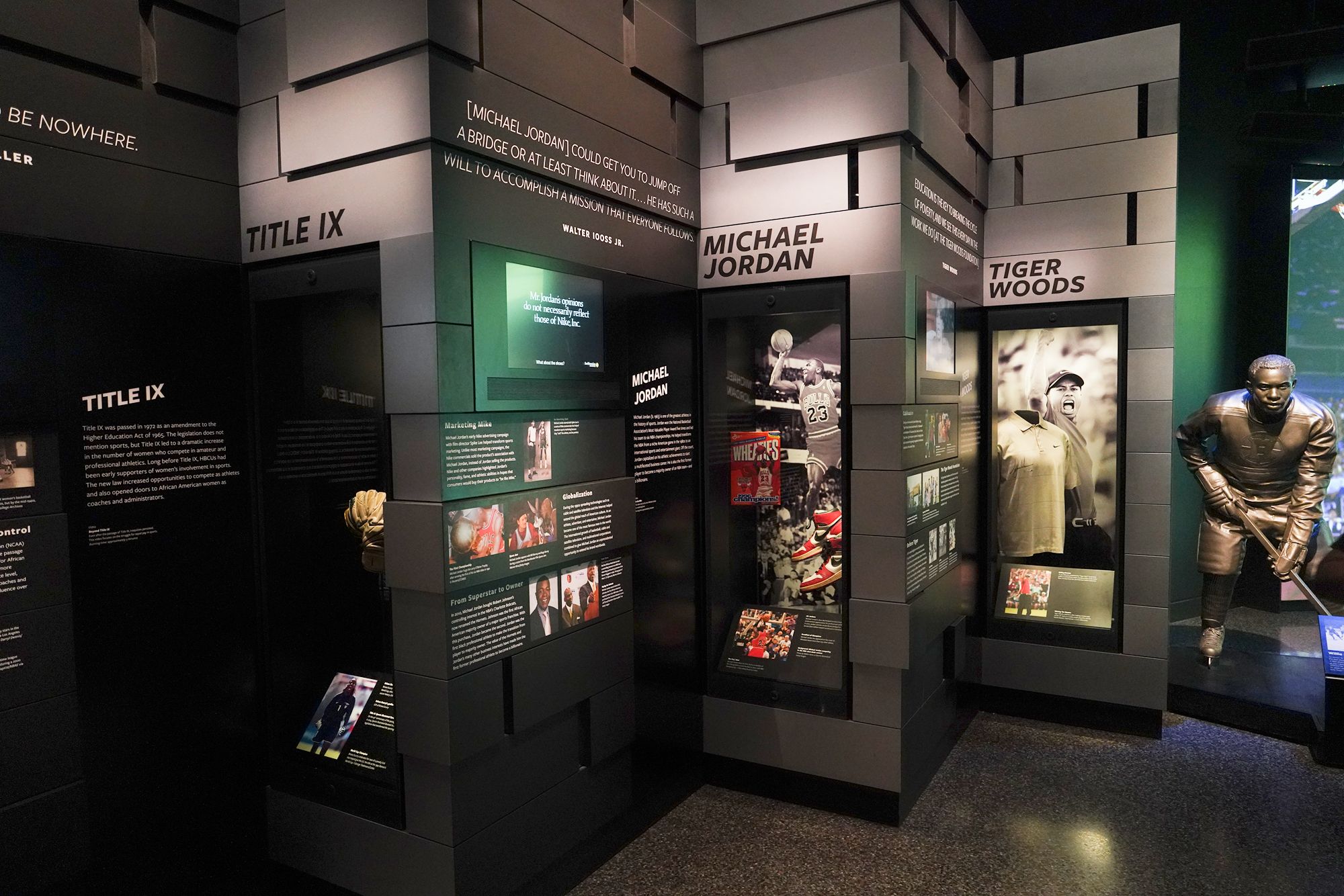
Sports
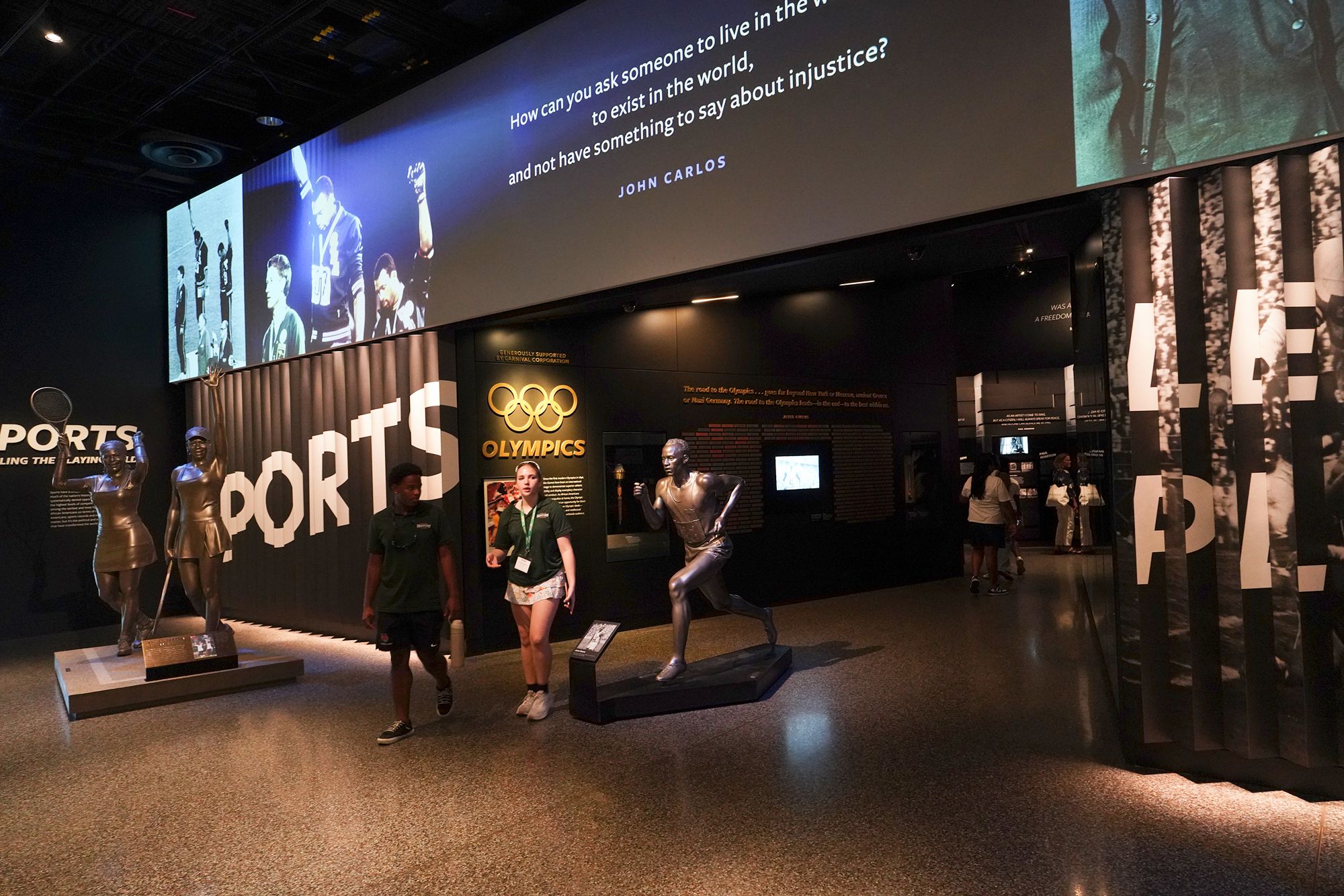
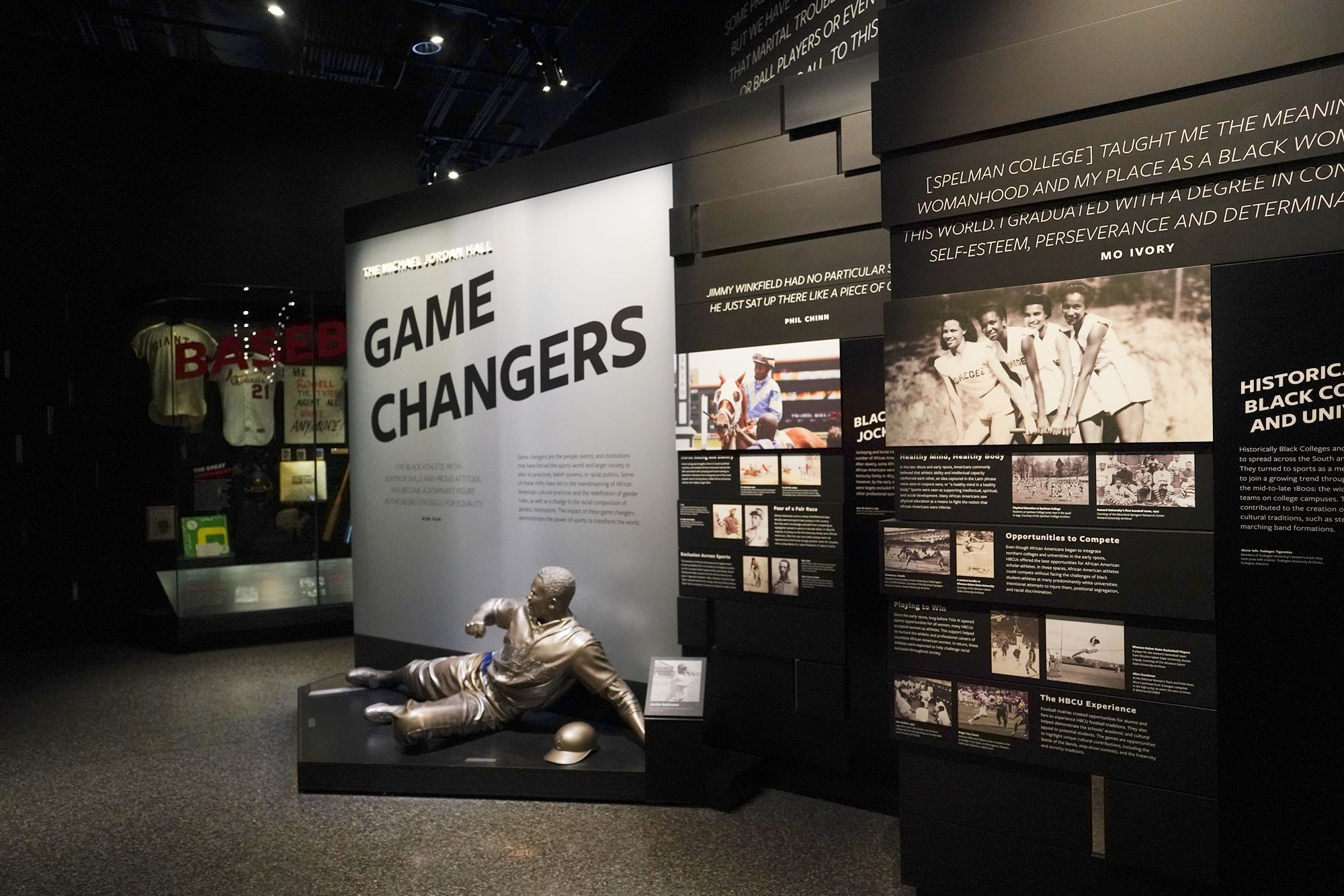
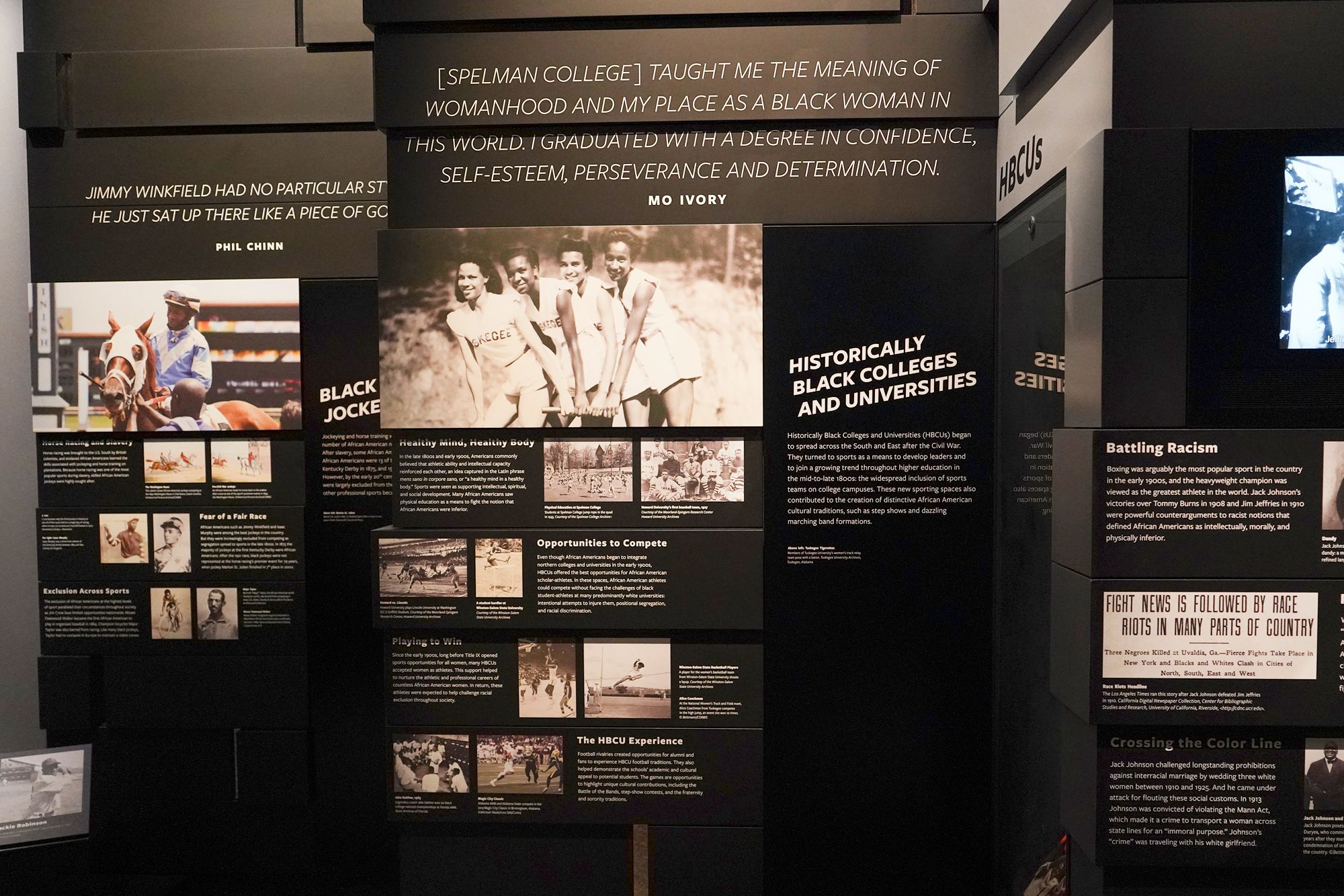
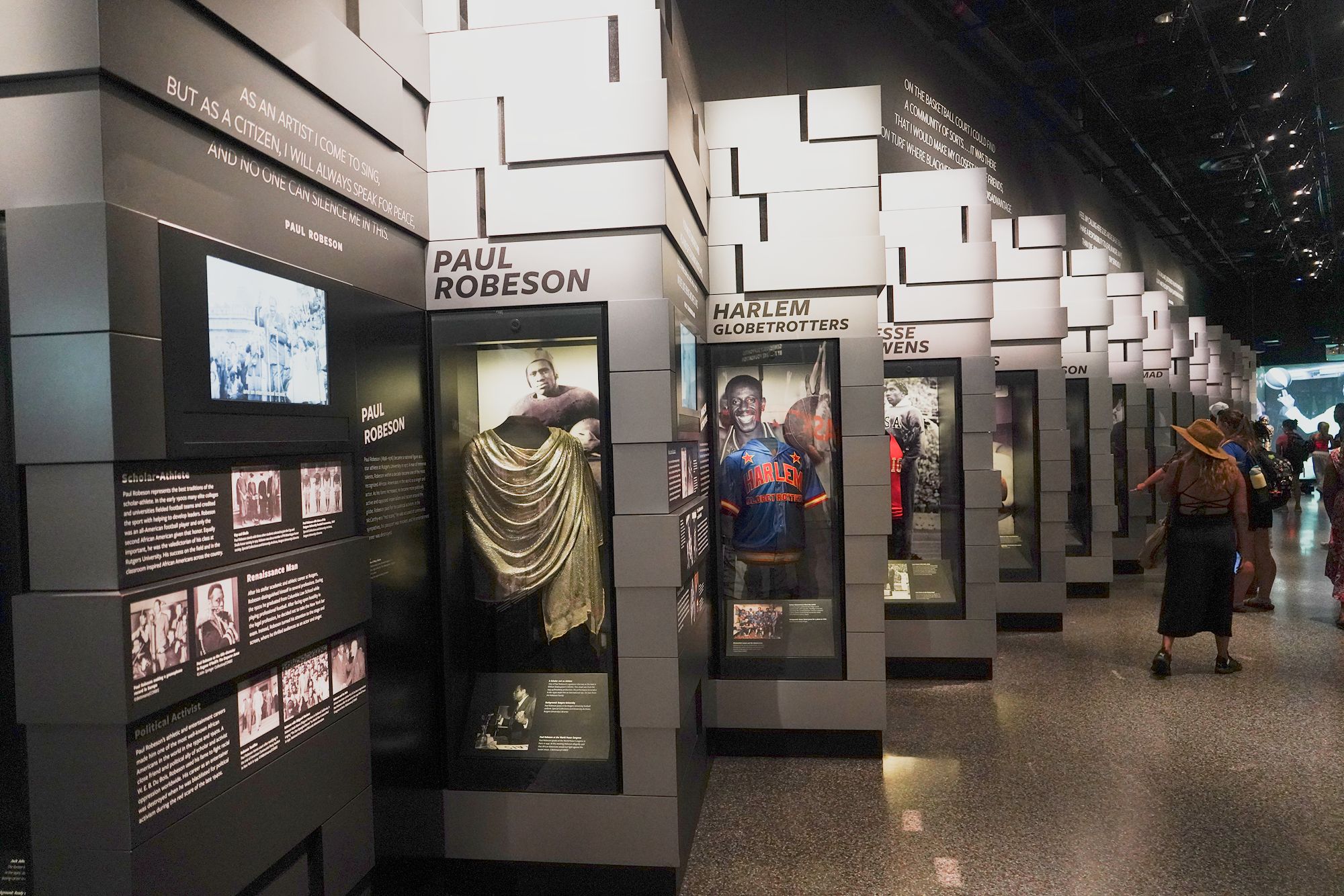
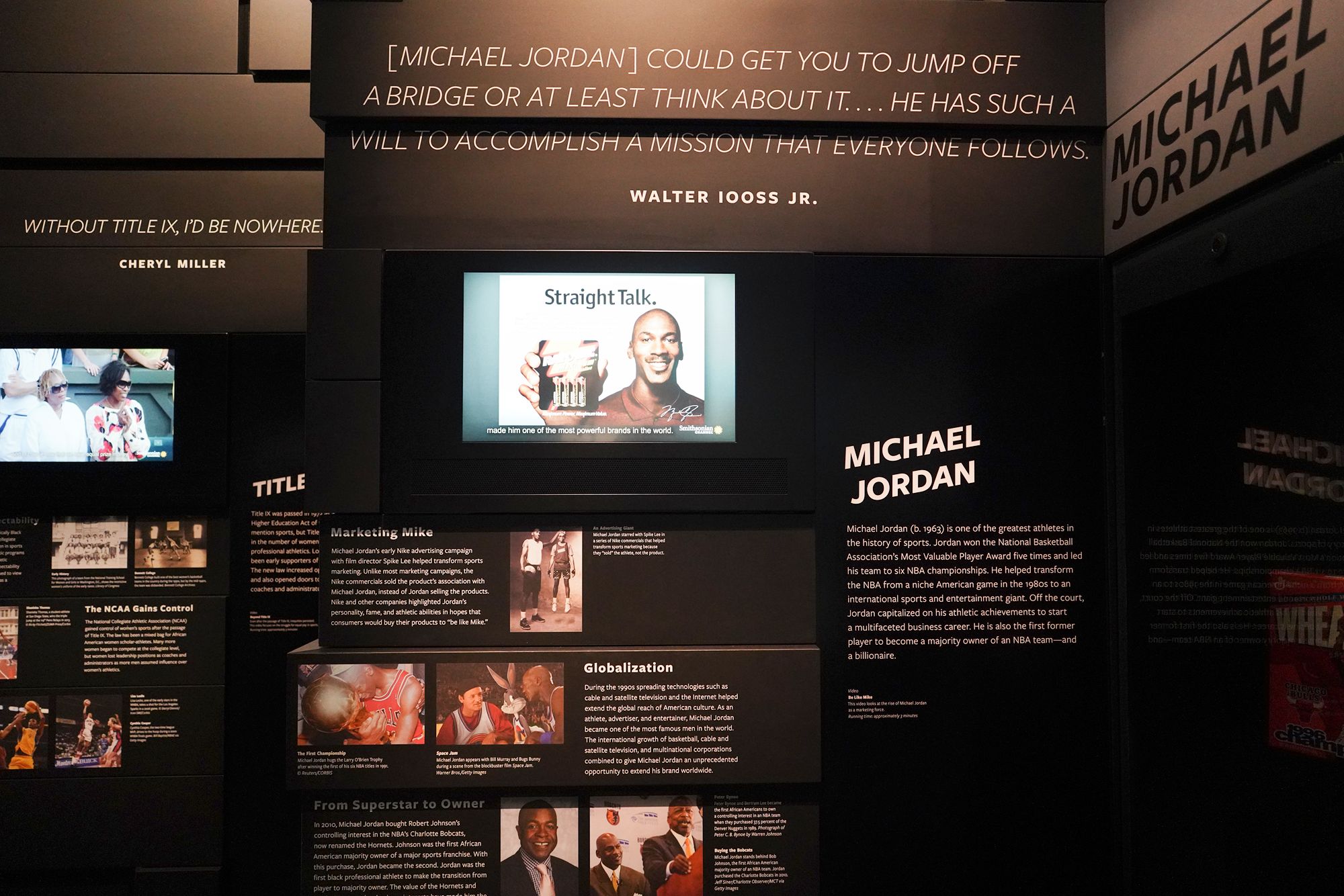
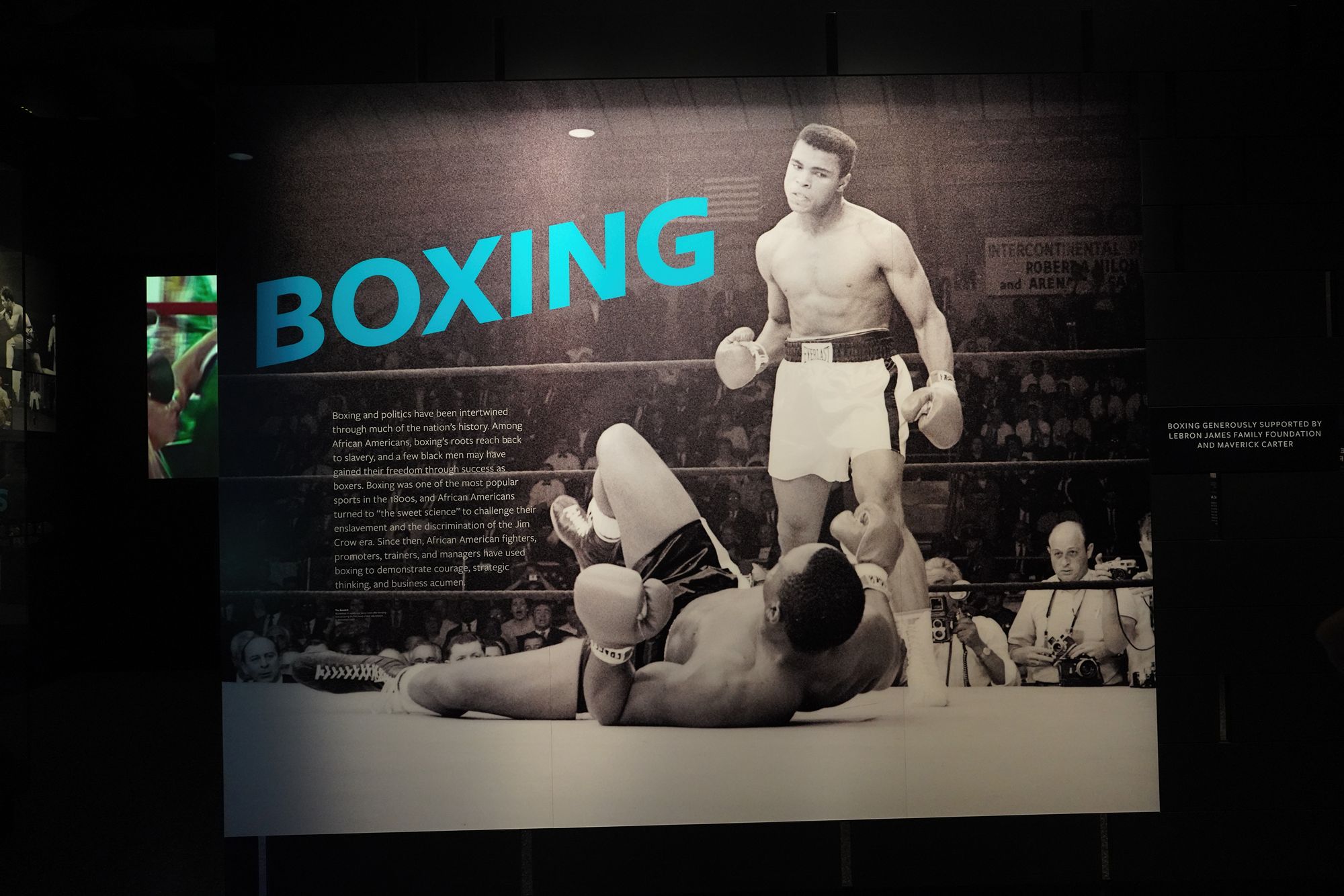
The contribution of African Americans to sports in the United States is tremendous. Their talent, determination, and perseverance have reshaped every major sport—breaking racial barriers and inspiring generations.
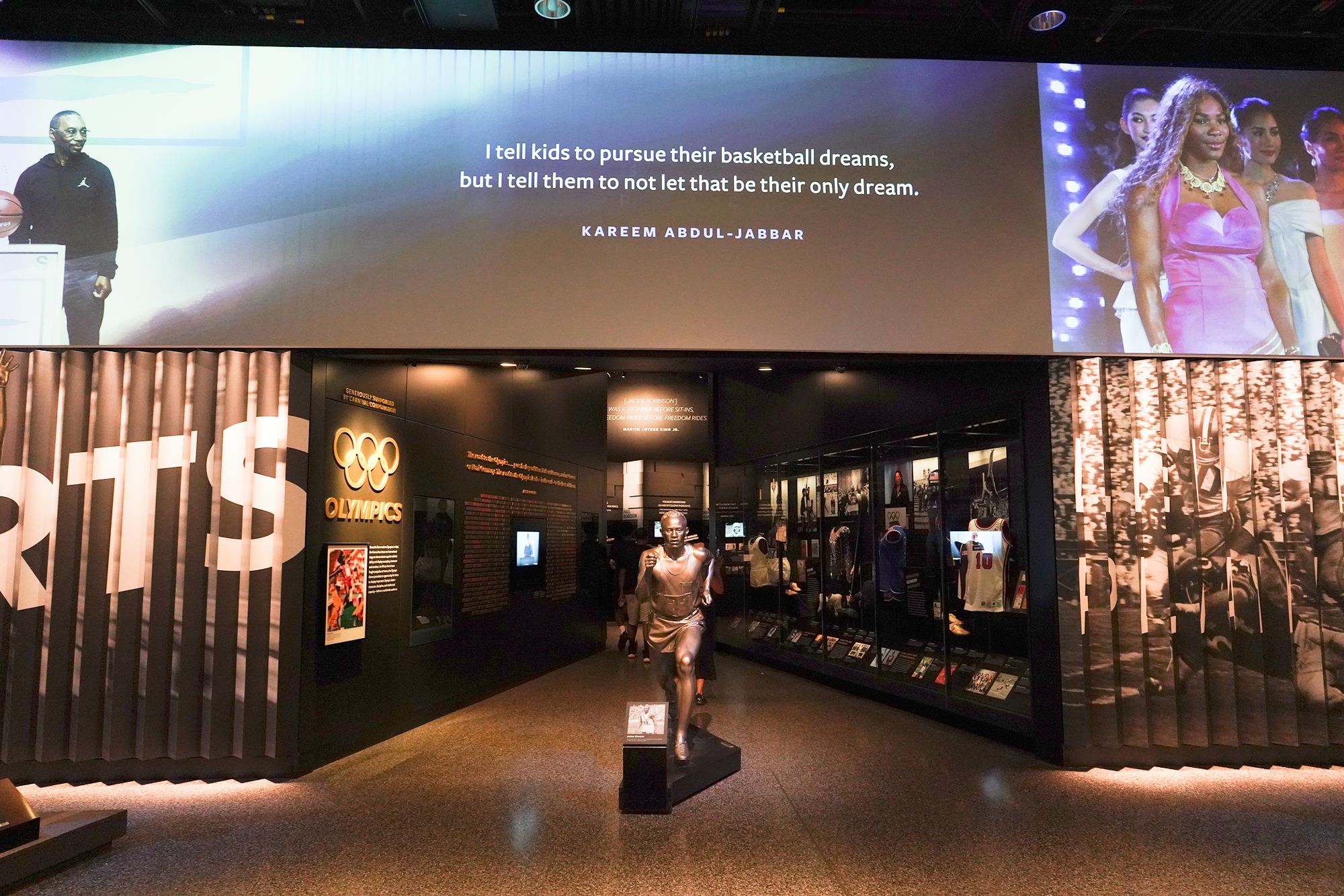
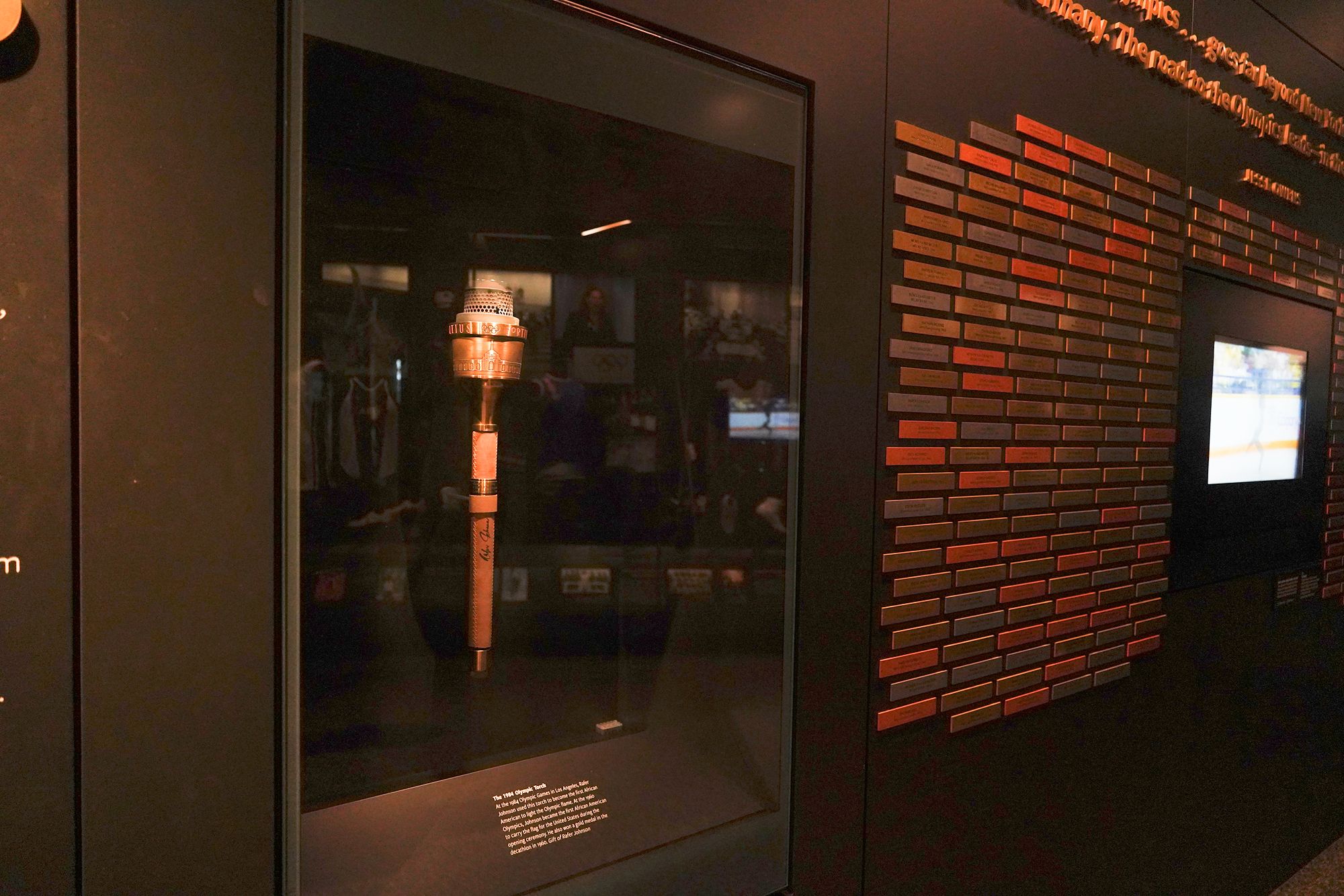
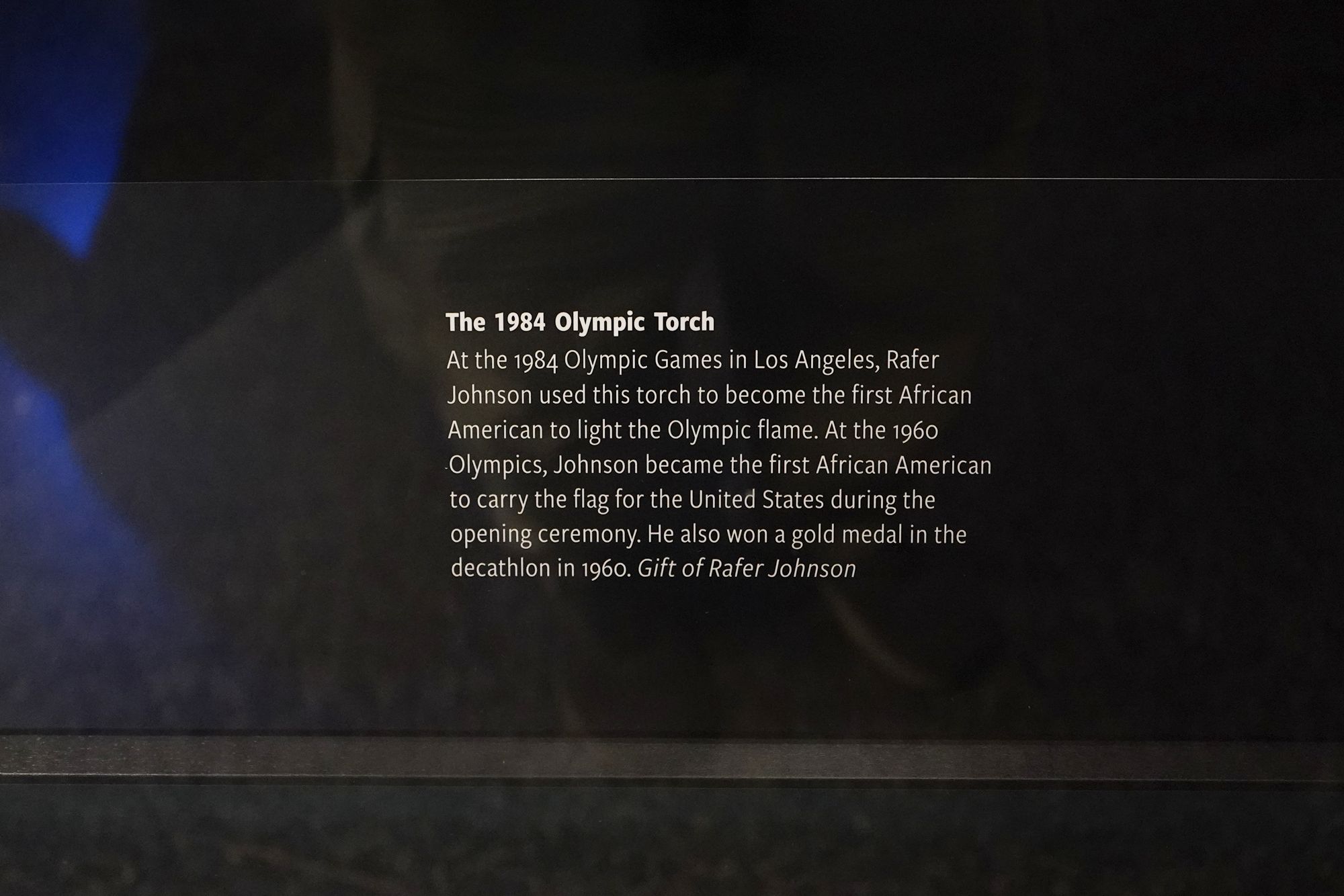
From the baseball field to the boxing ring, the basketball court to the Olympic track, Black athletes have not only achieved excellence but also used their platforms to fight for equality and social change.
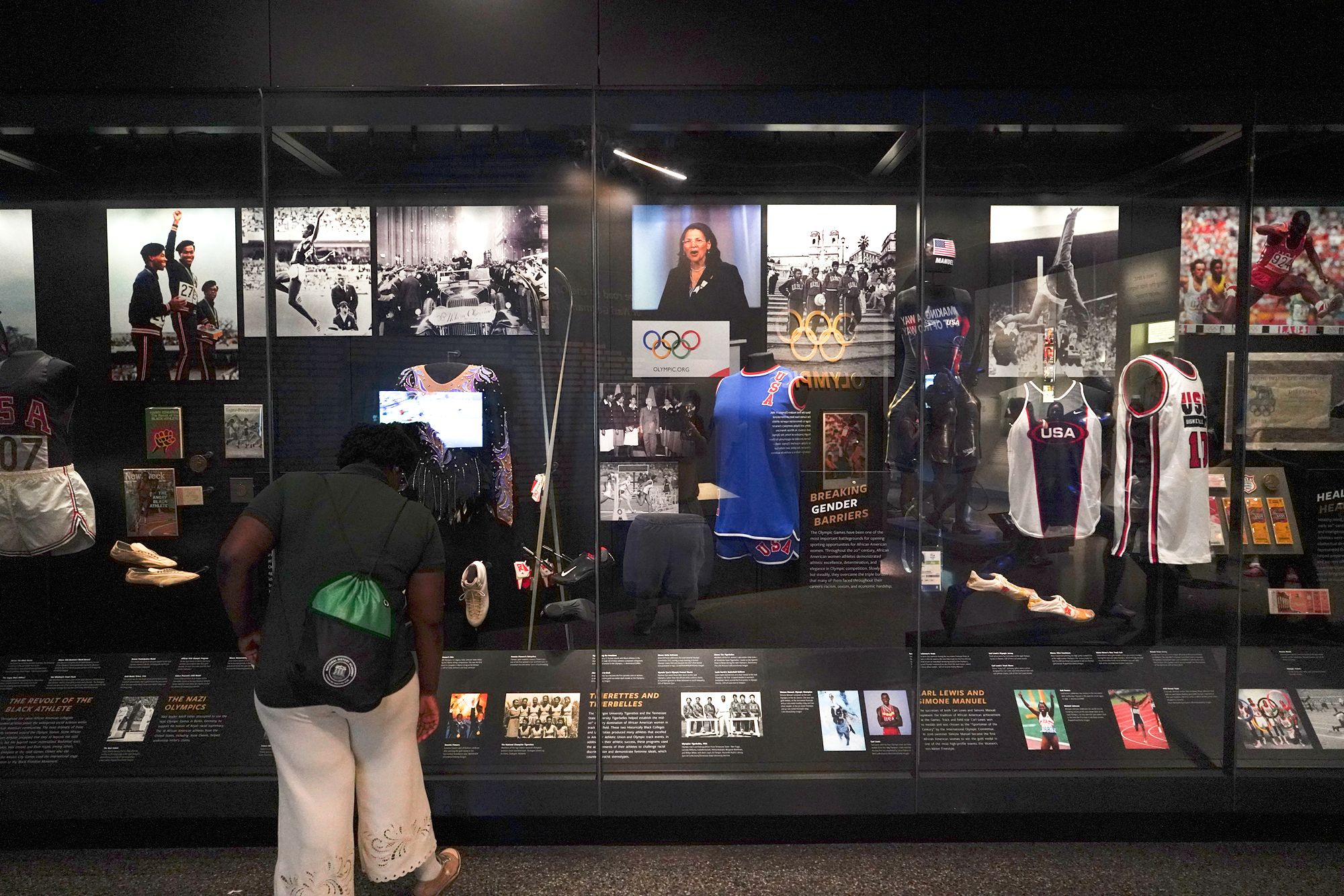
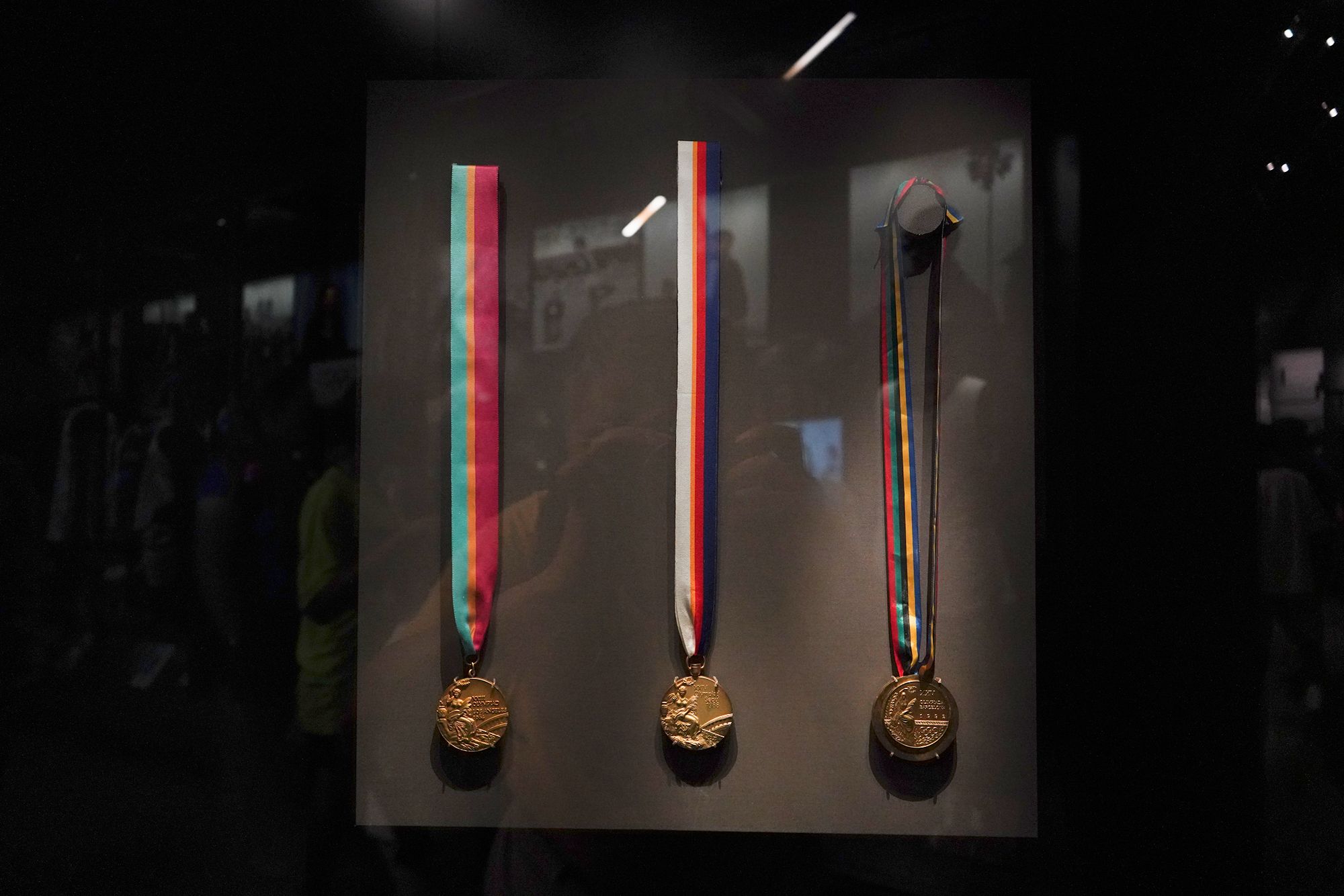
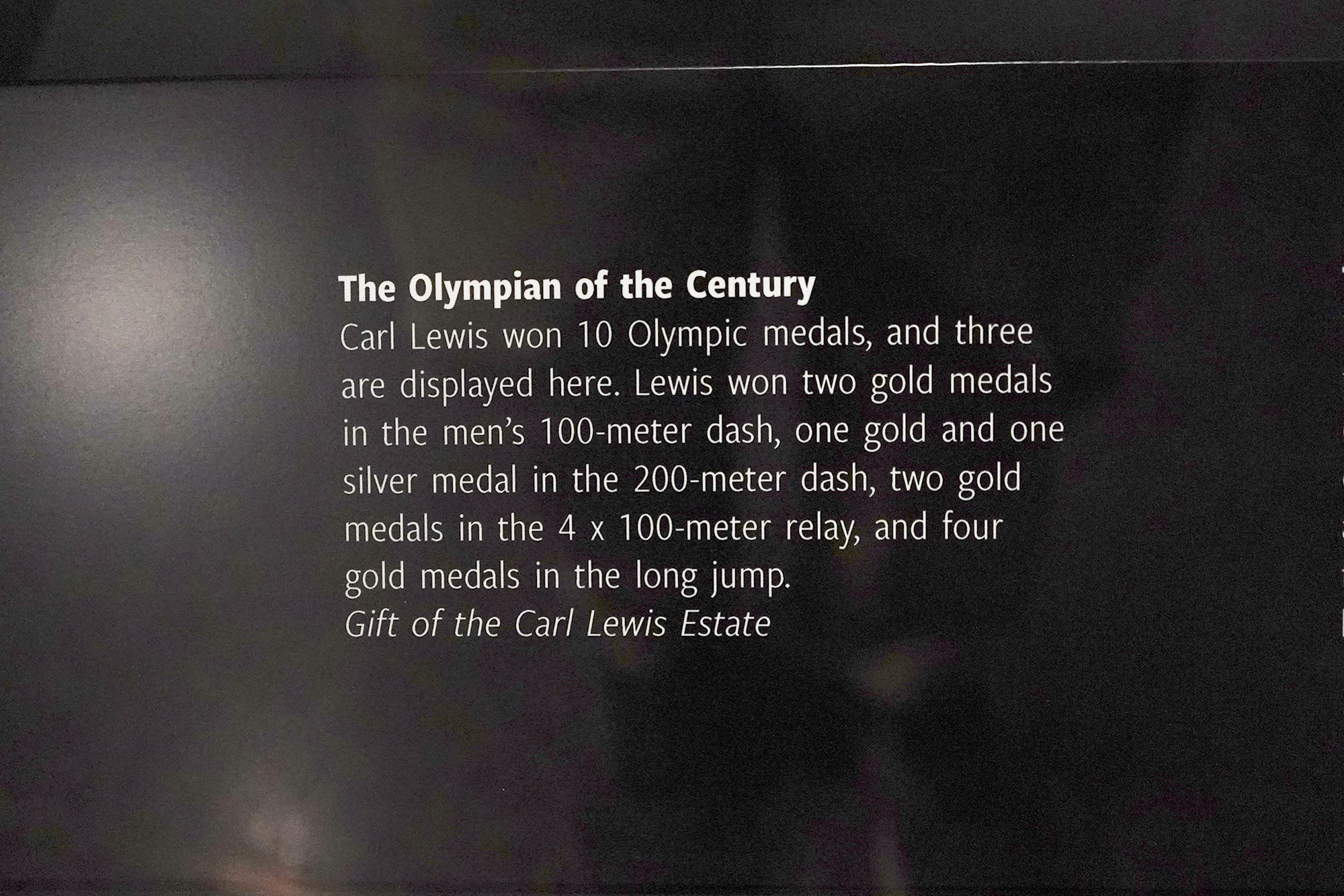
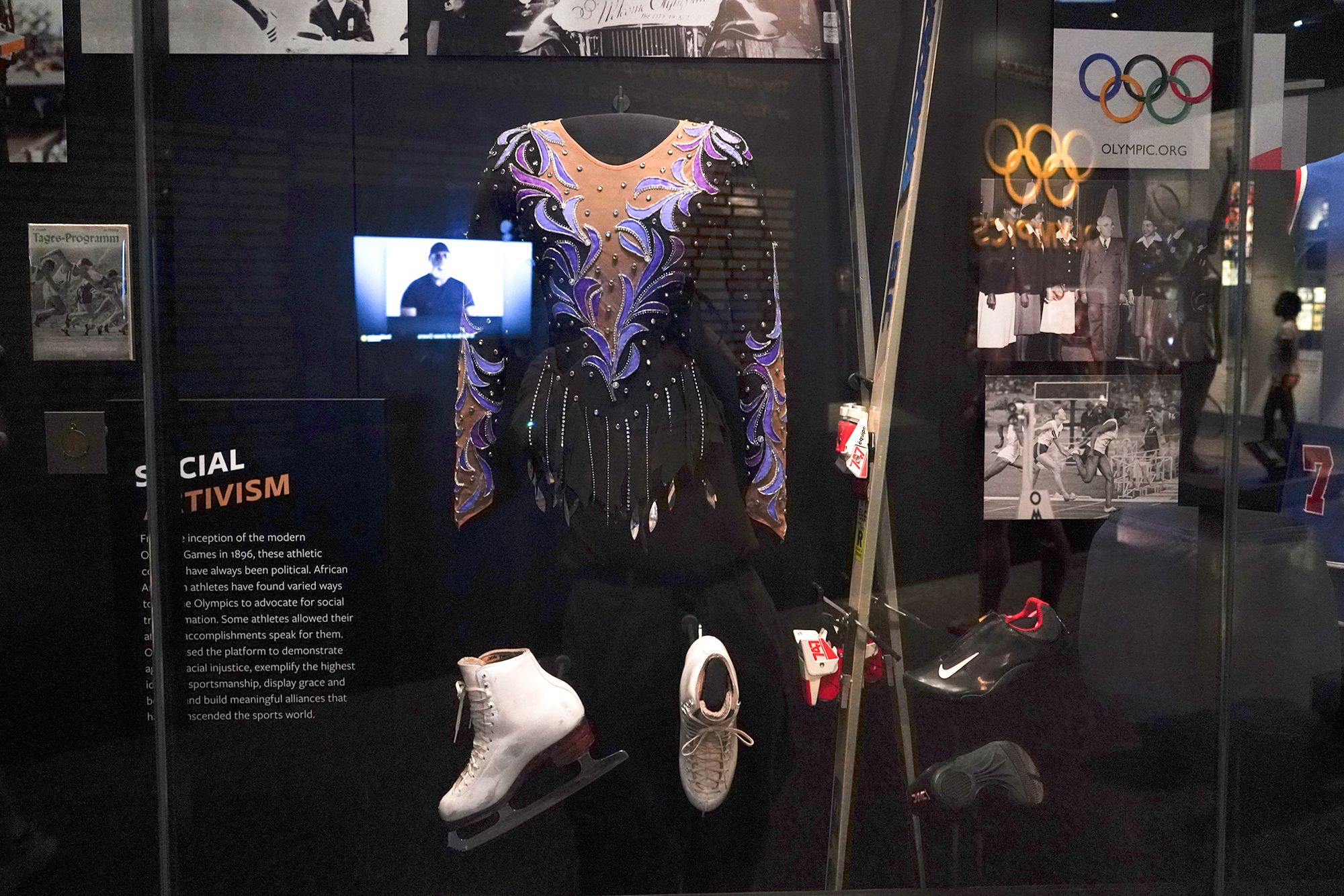
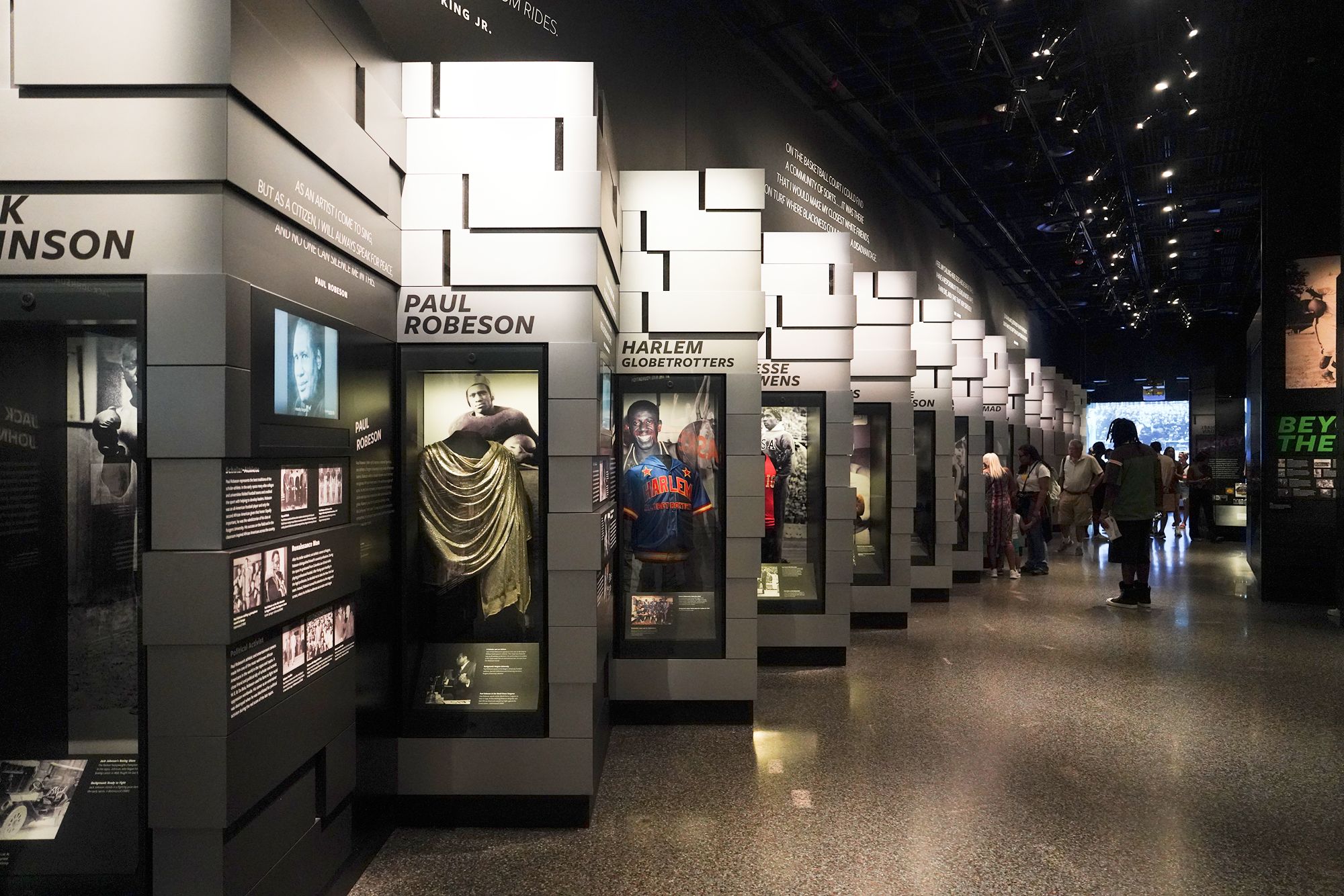
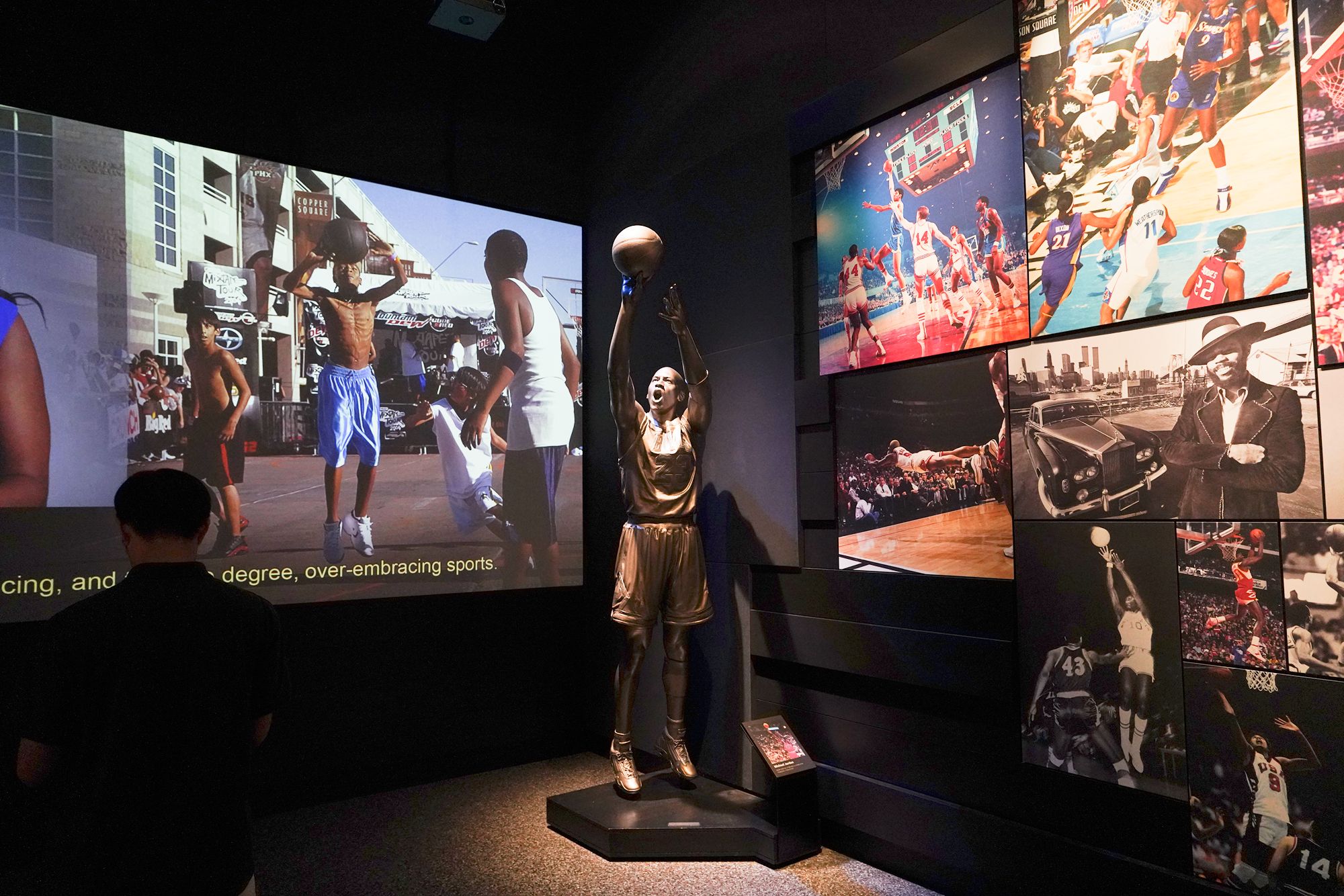
Without the contributions of Black athletes, the prestige and global reputation of American sports might not shine as brightly as it does today. Their skill, creativity, and courage have elevated the level of competition and brought pride, diversity, and excellence to the nation’s sporting history.
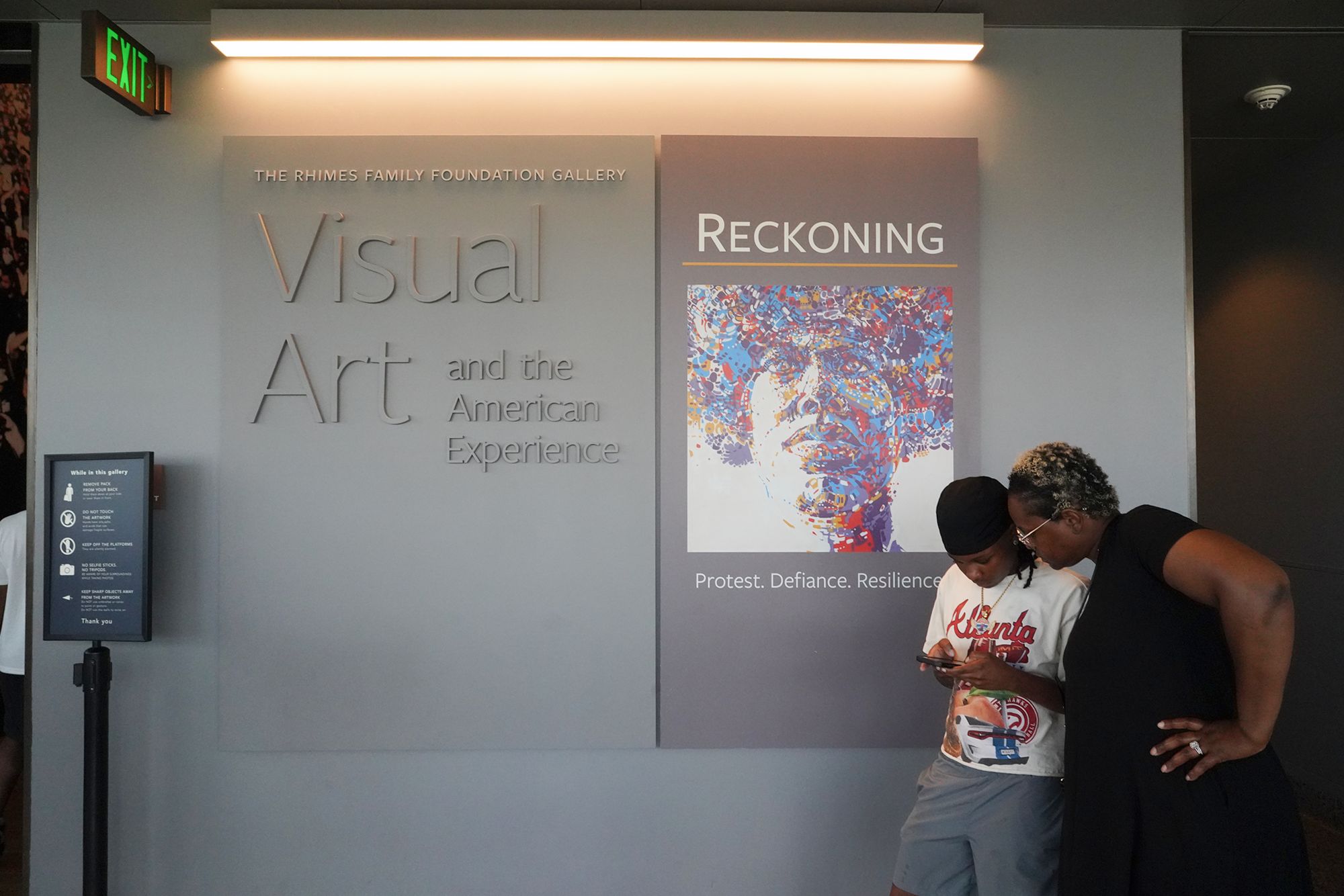
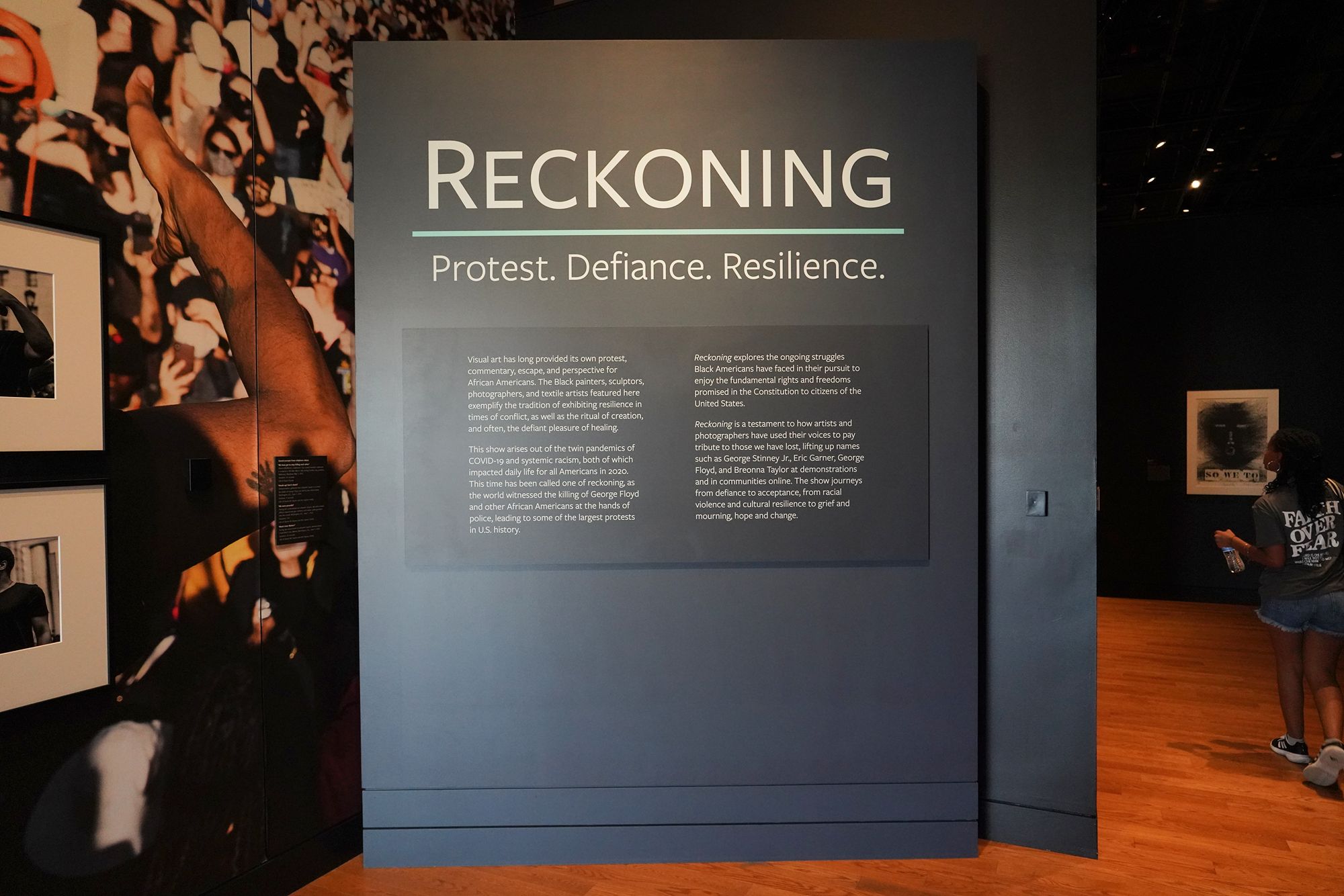
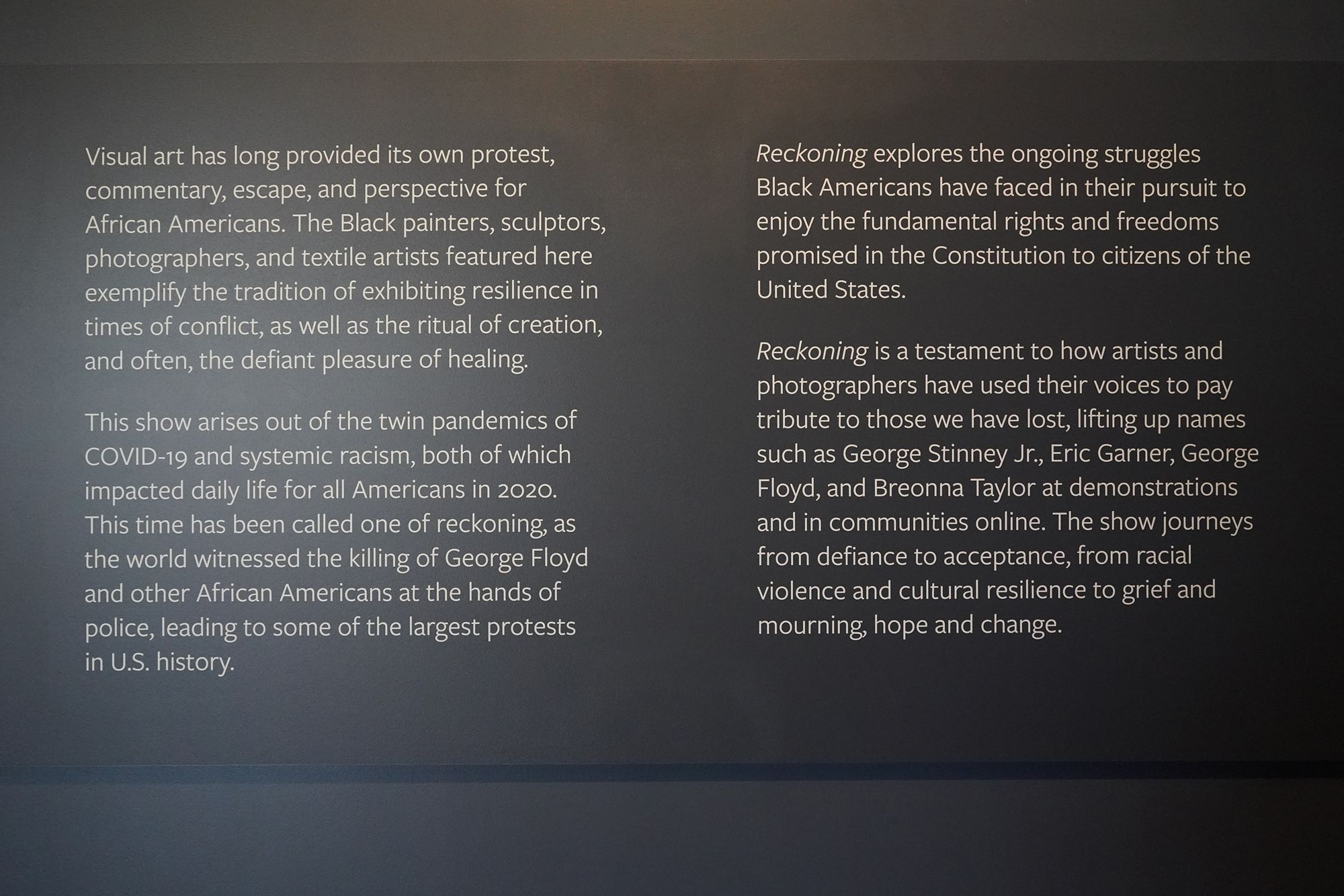
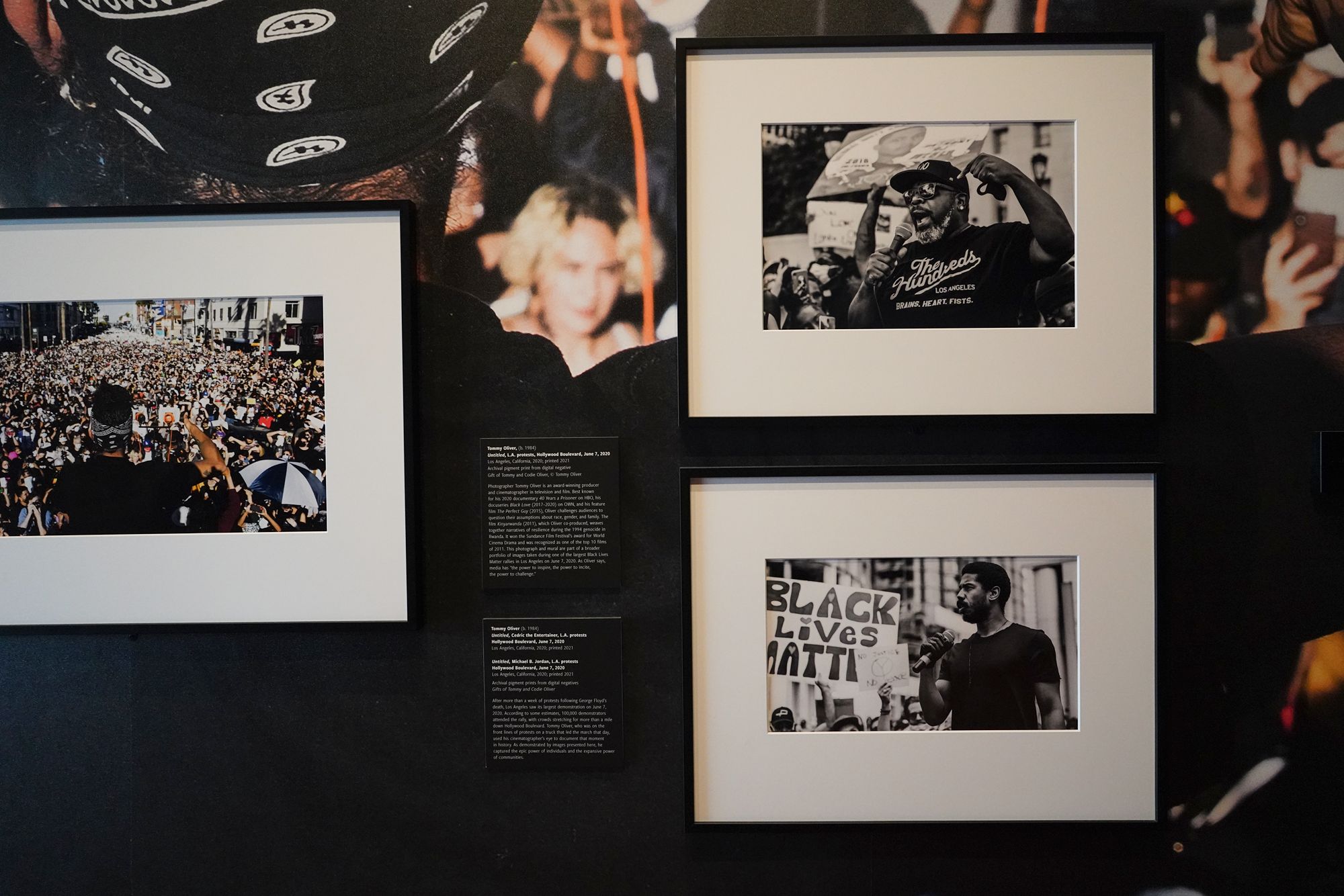
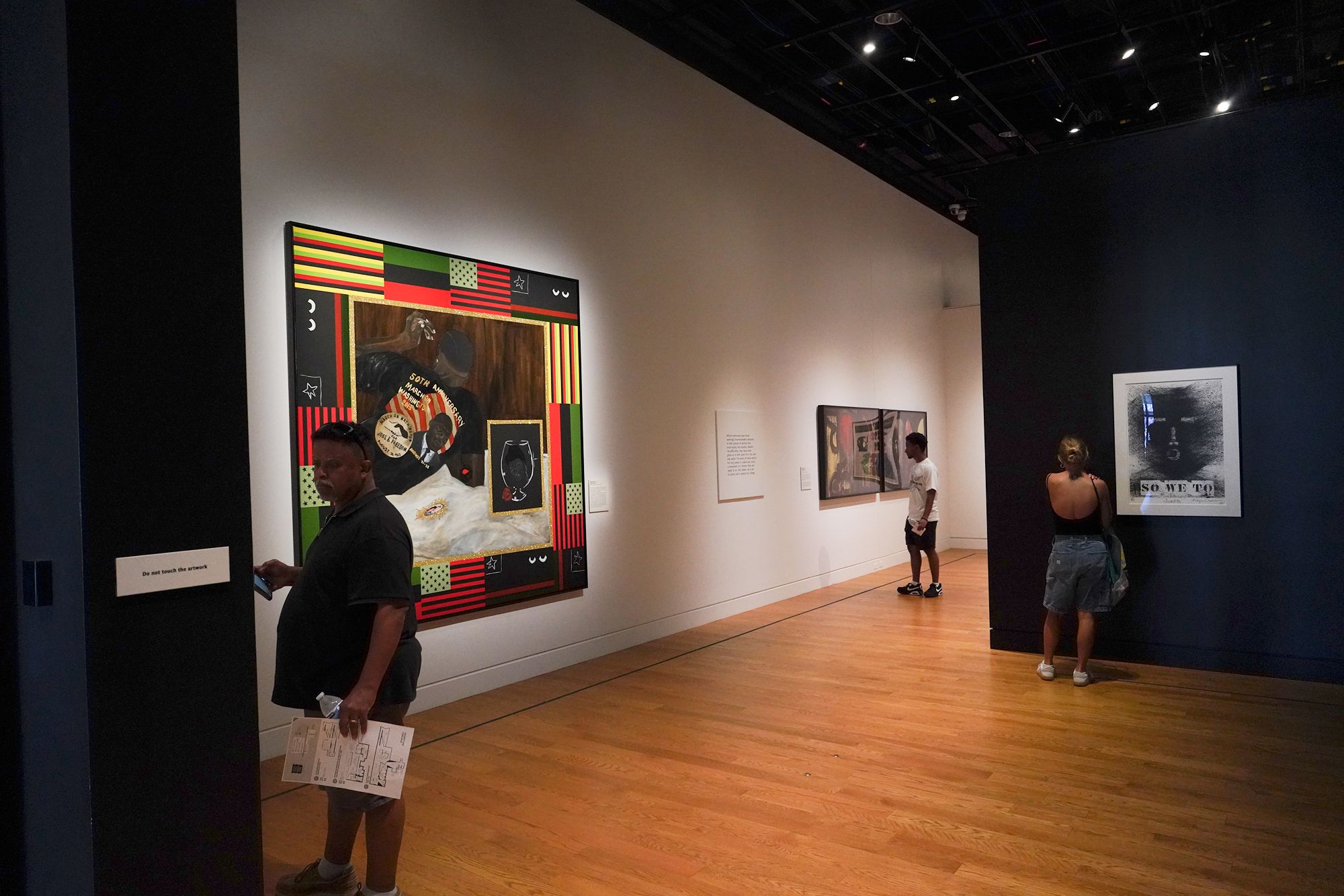
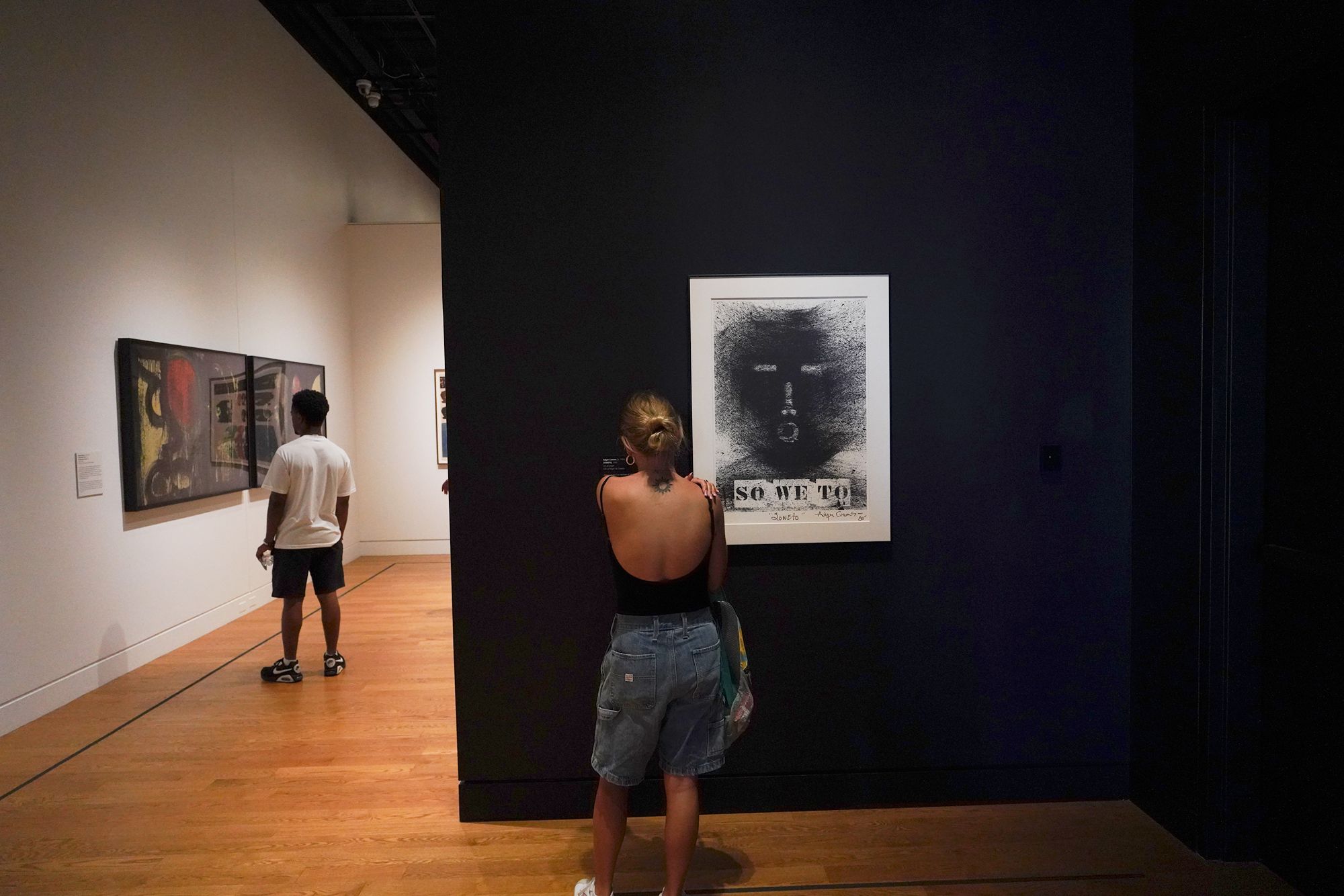
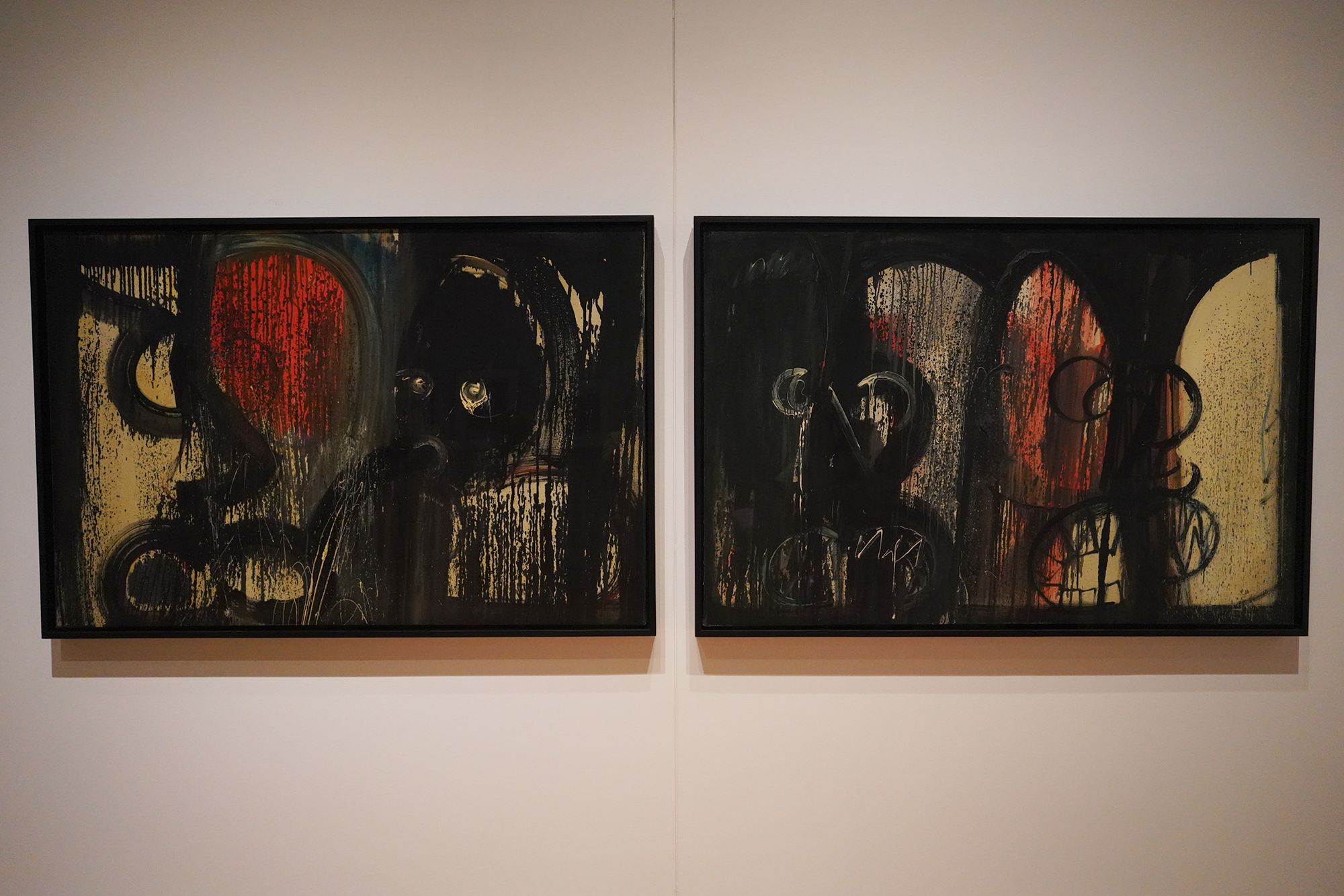
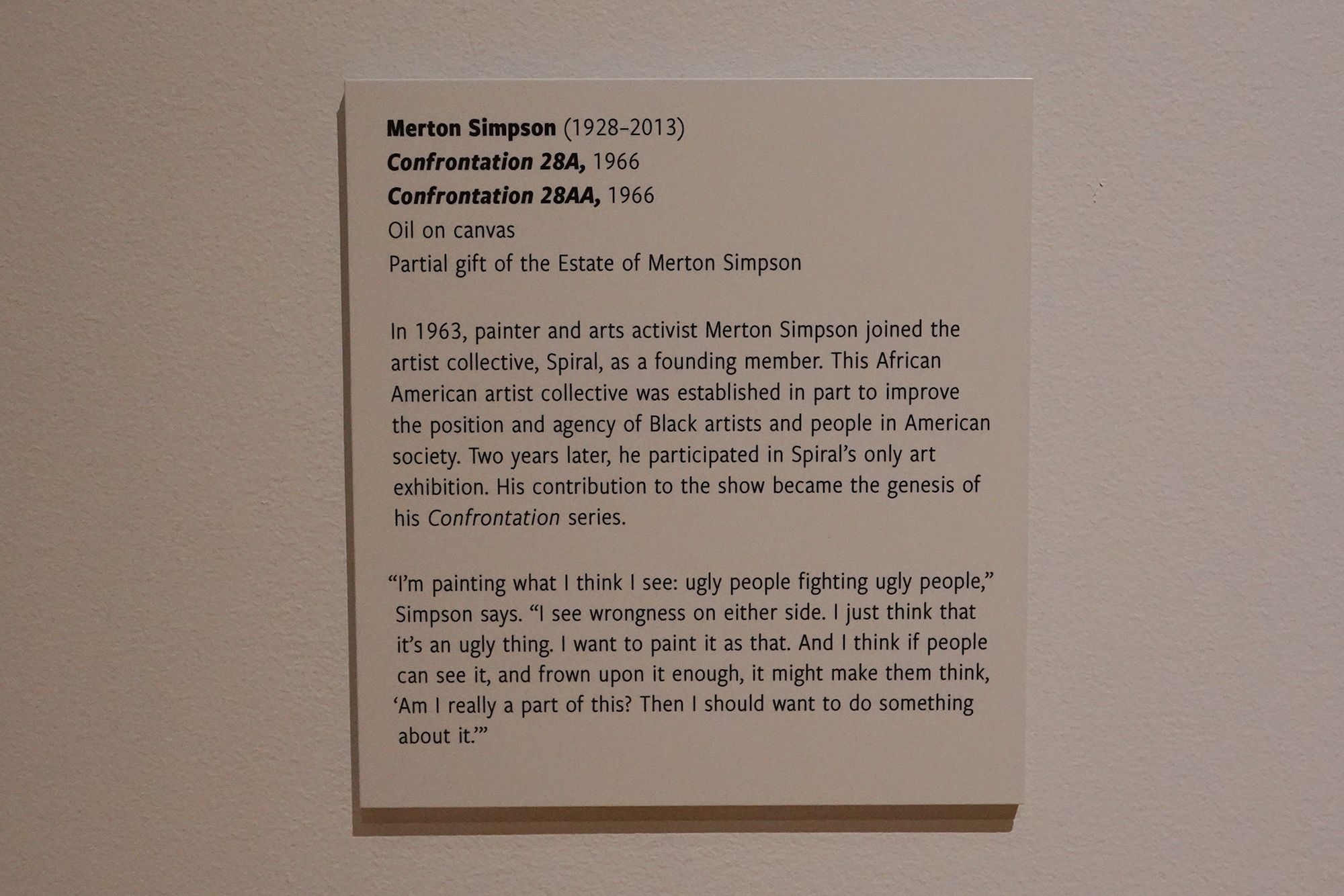
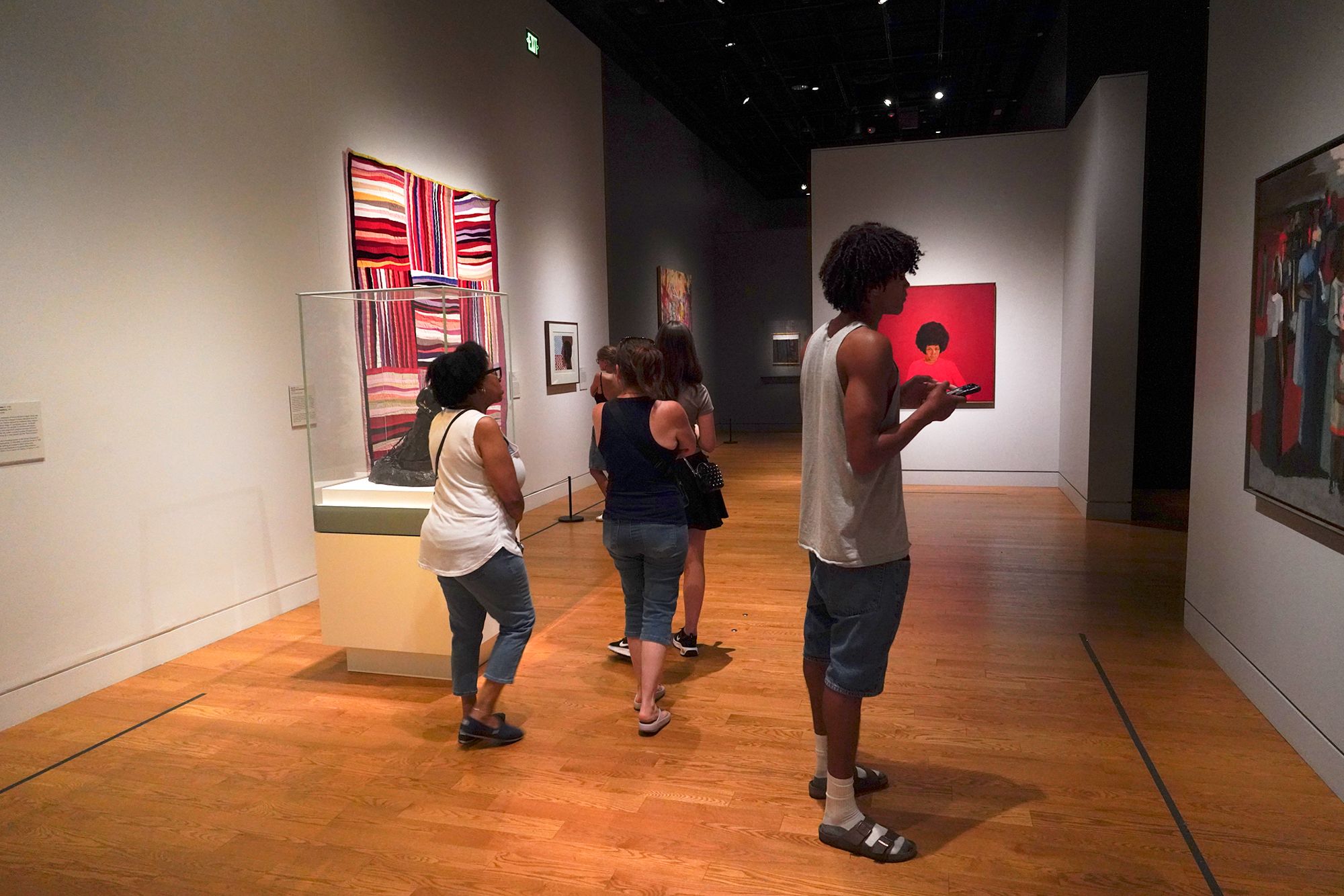
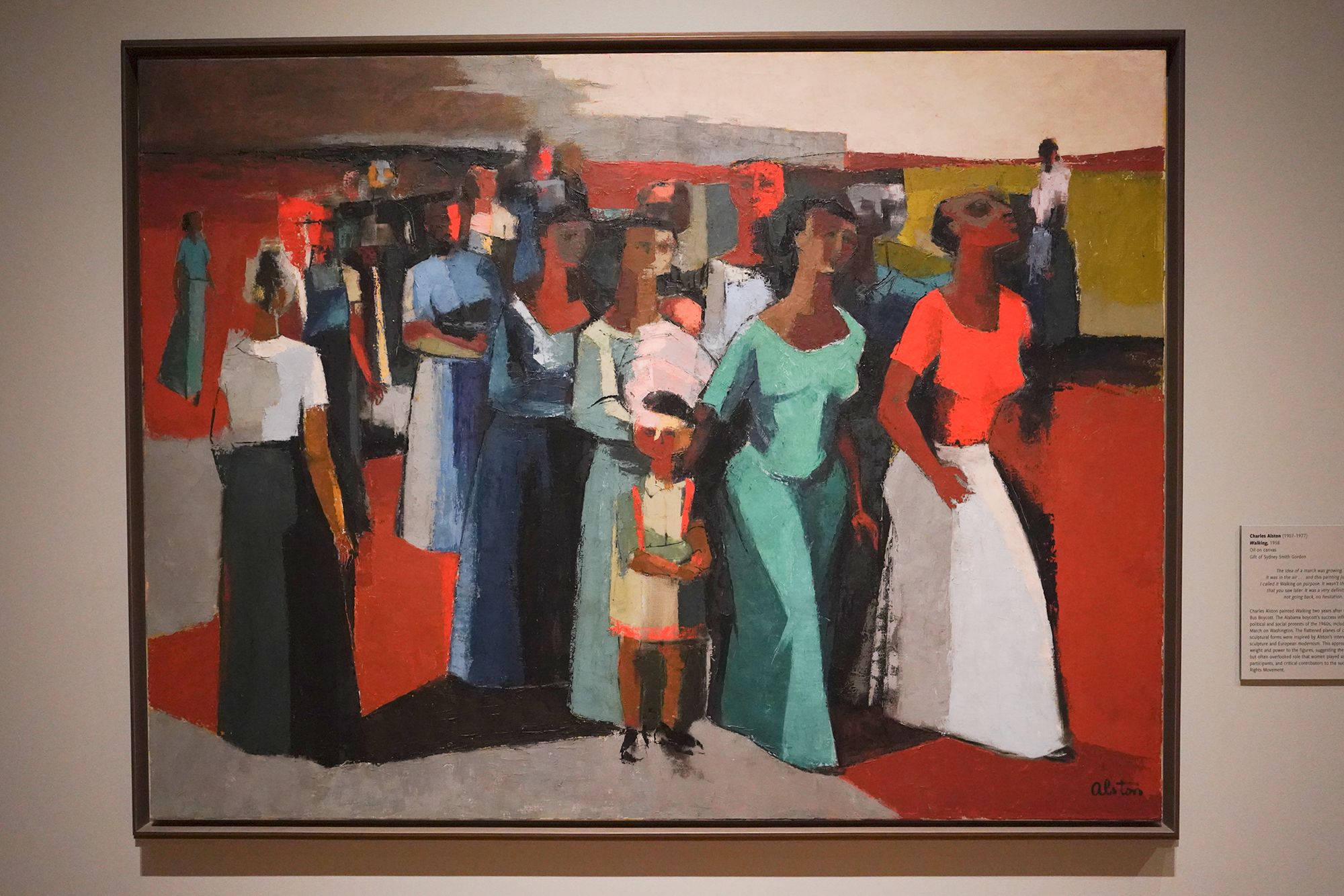
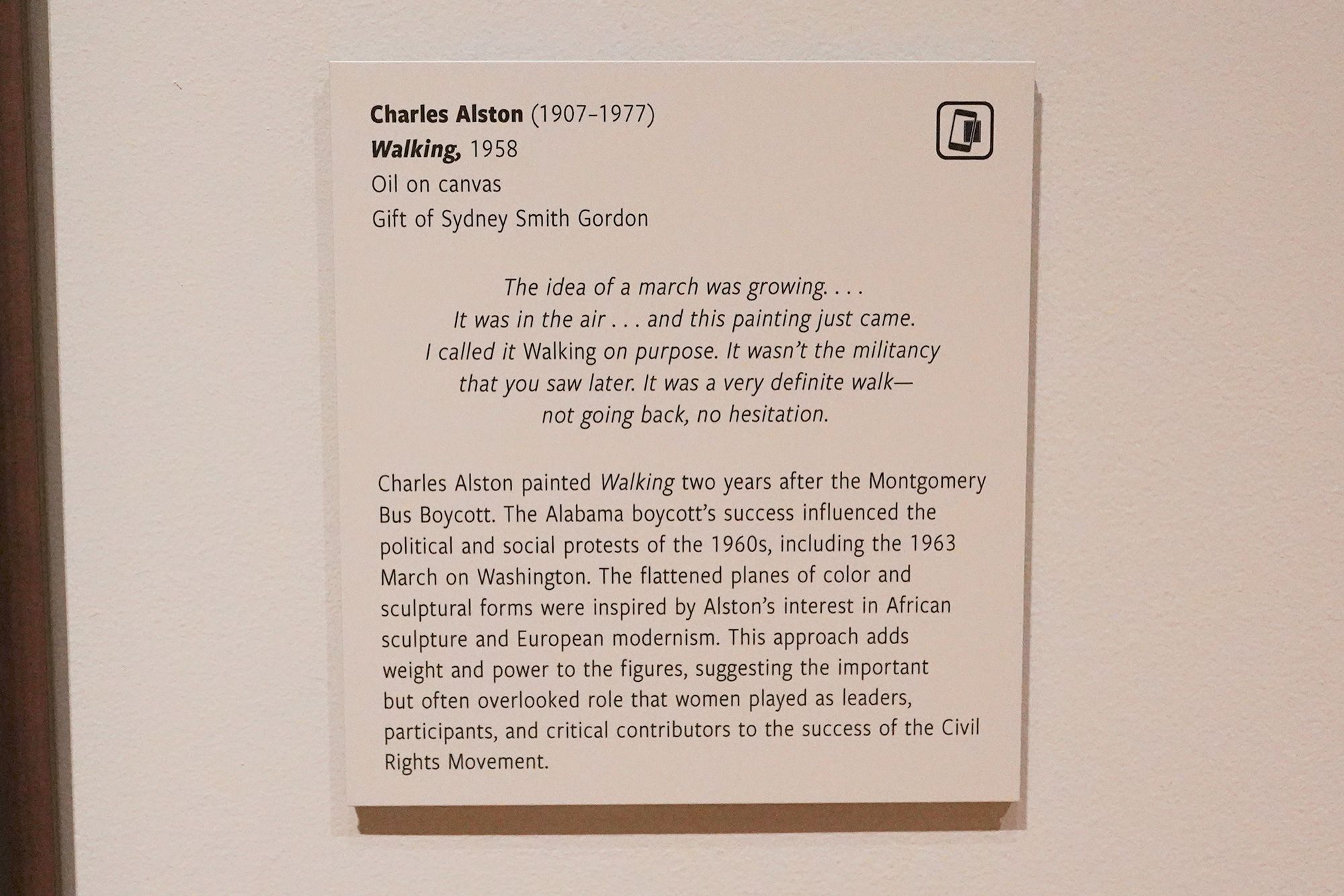
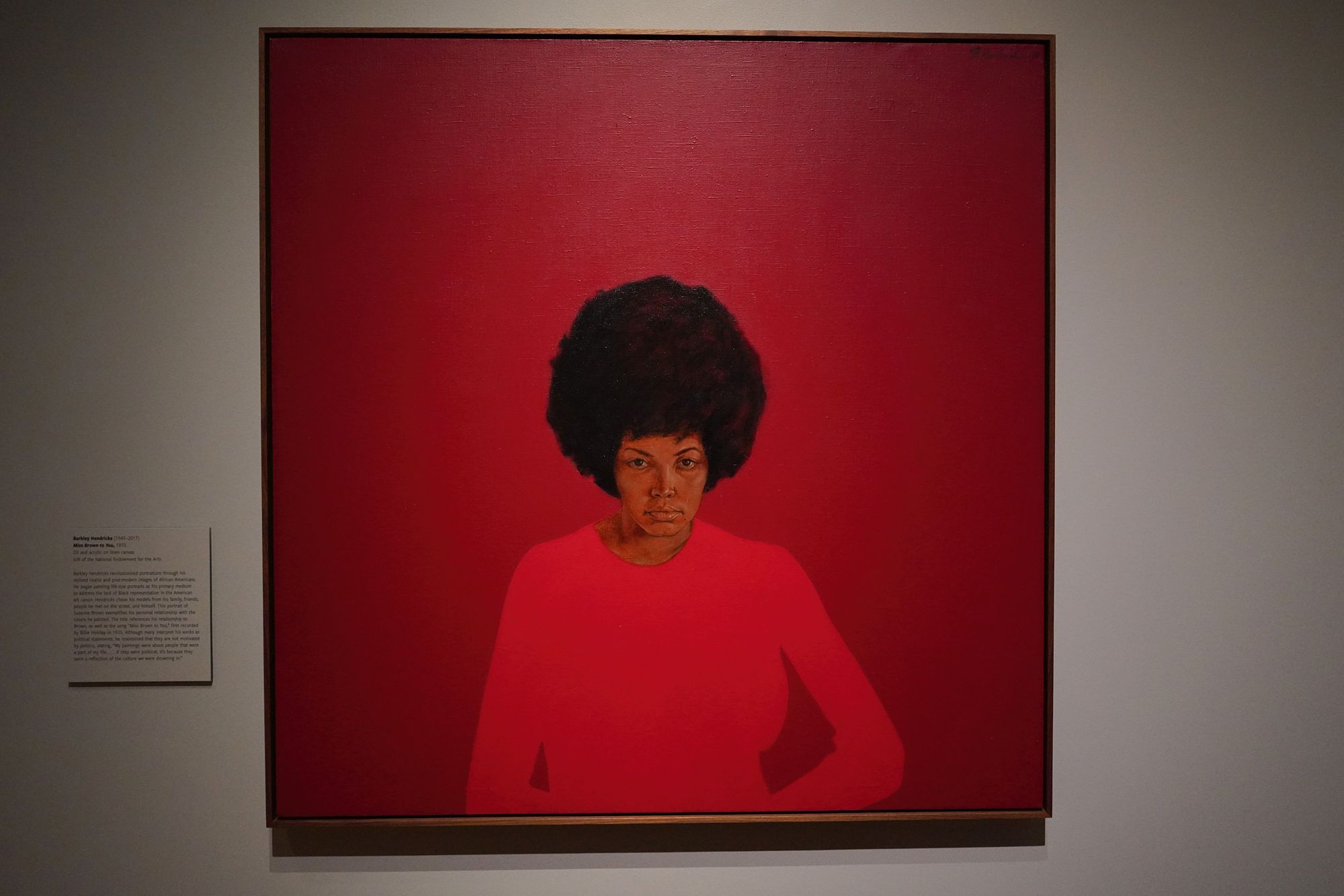
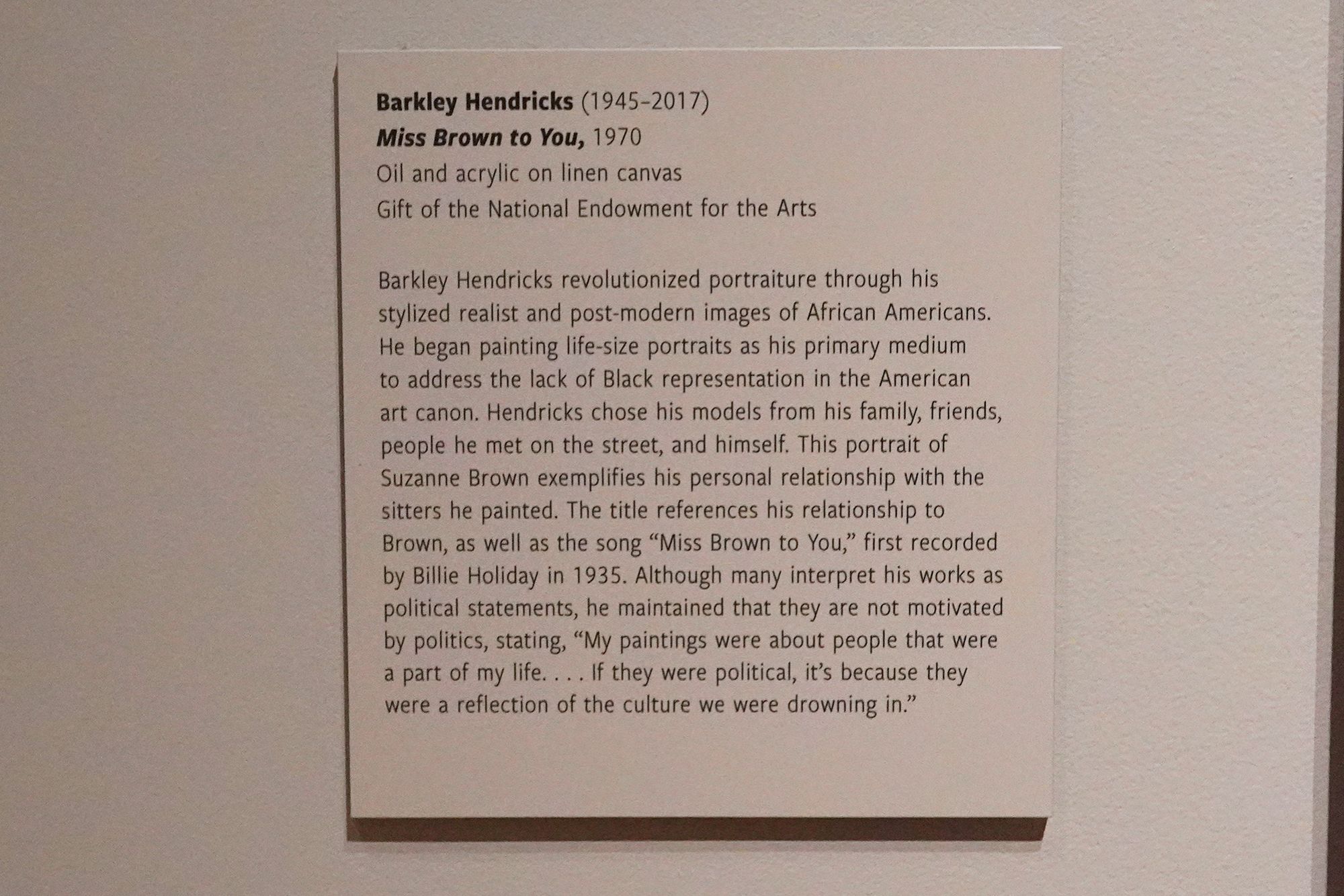
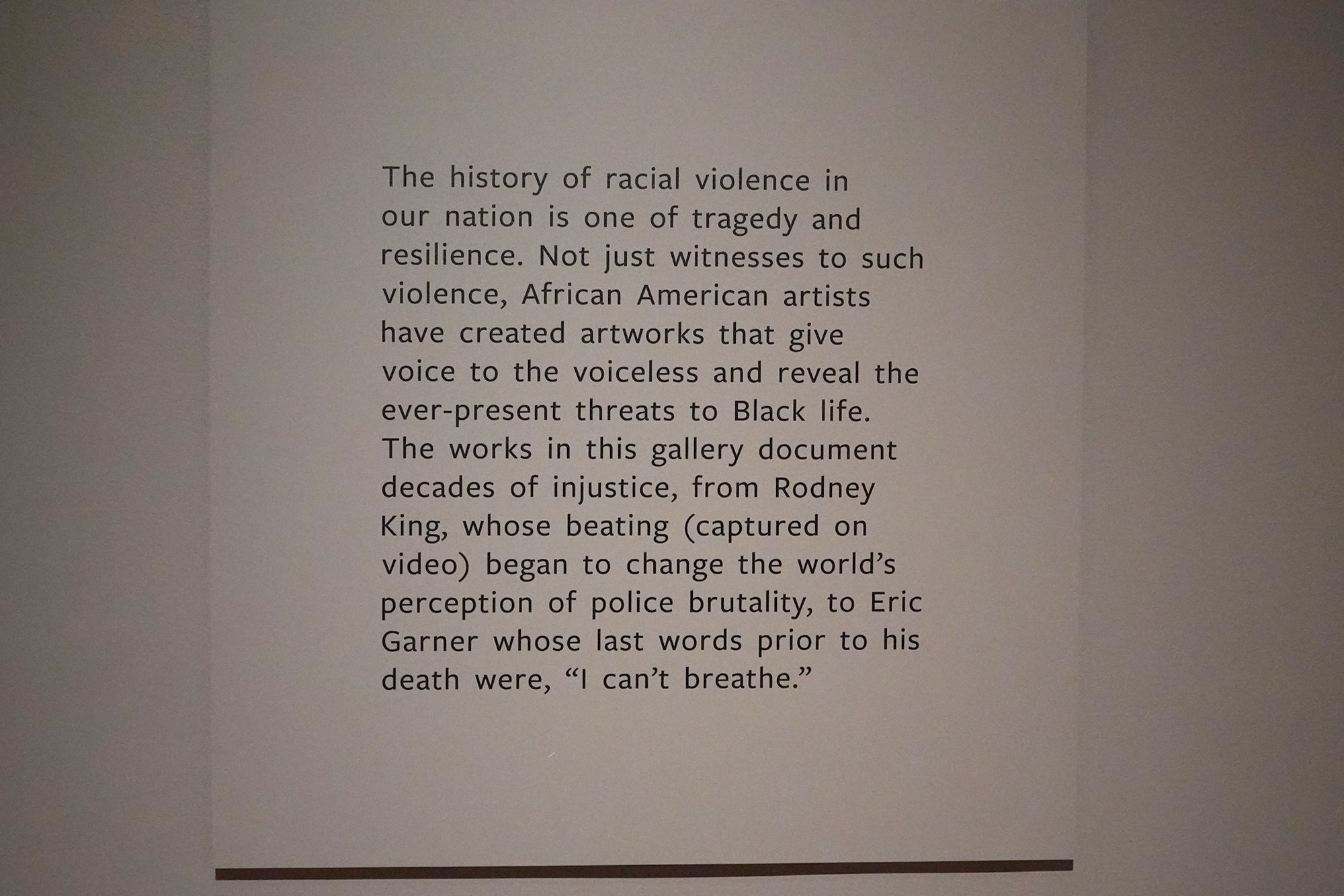
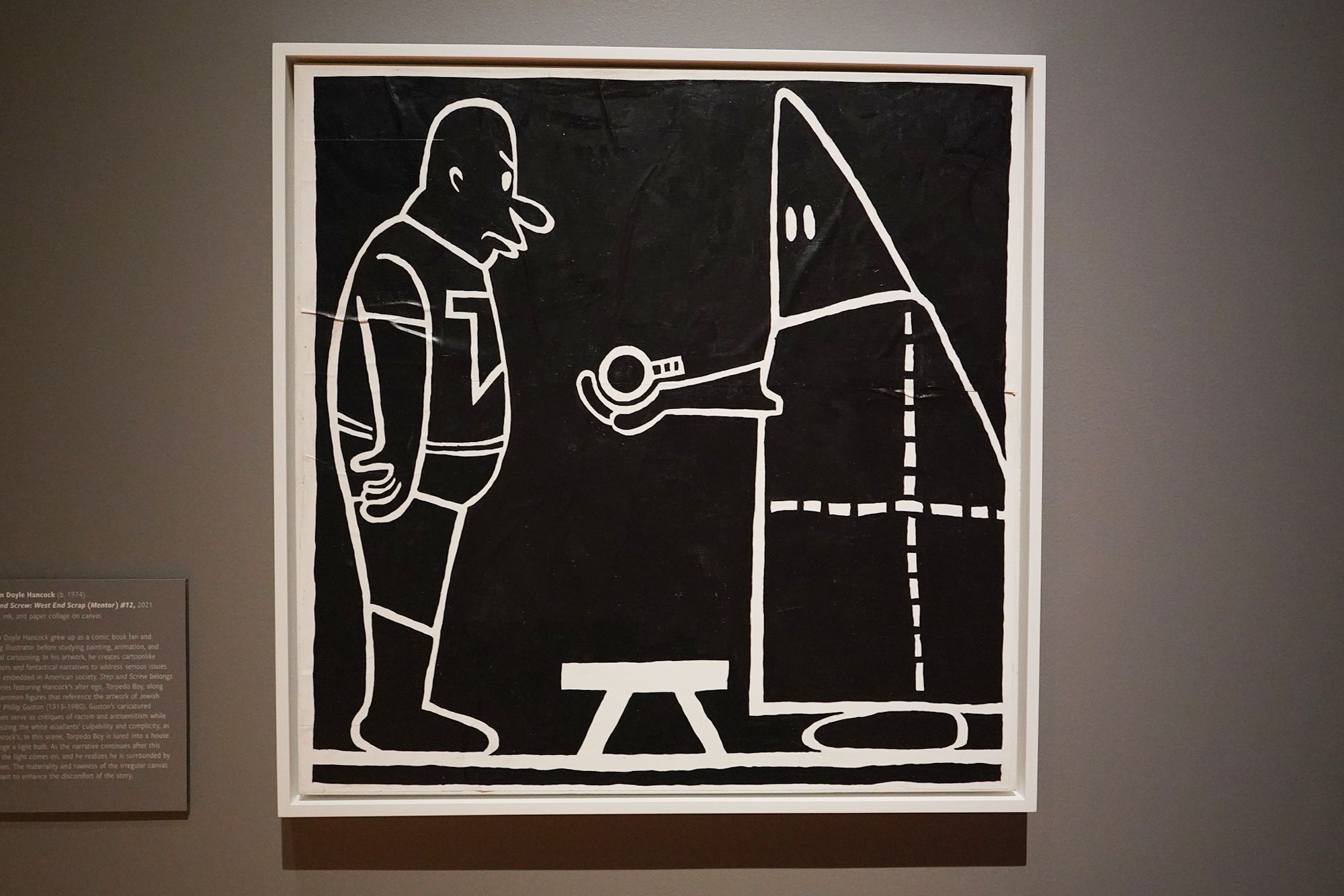
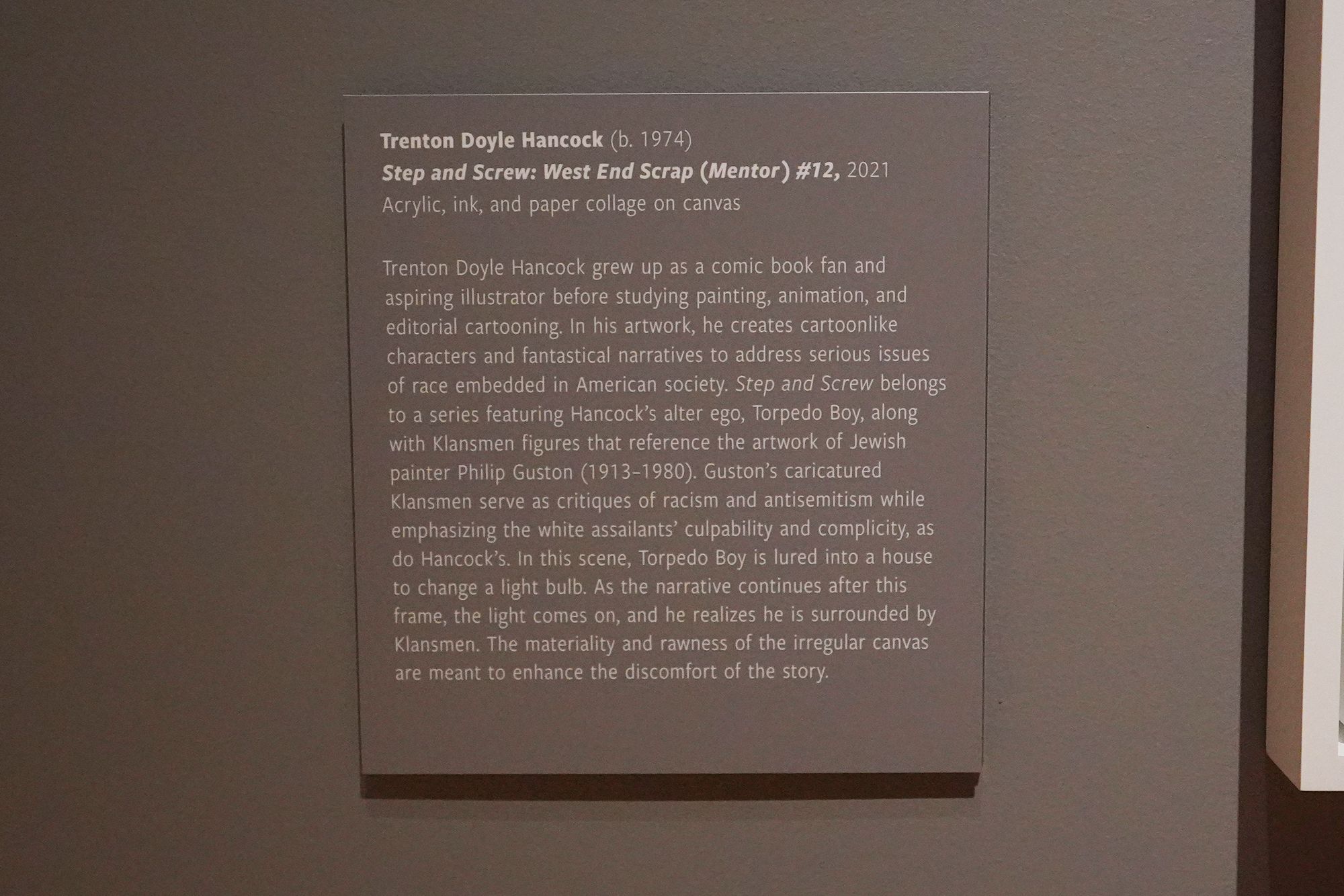
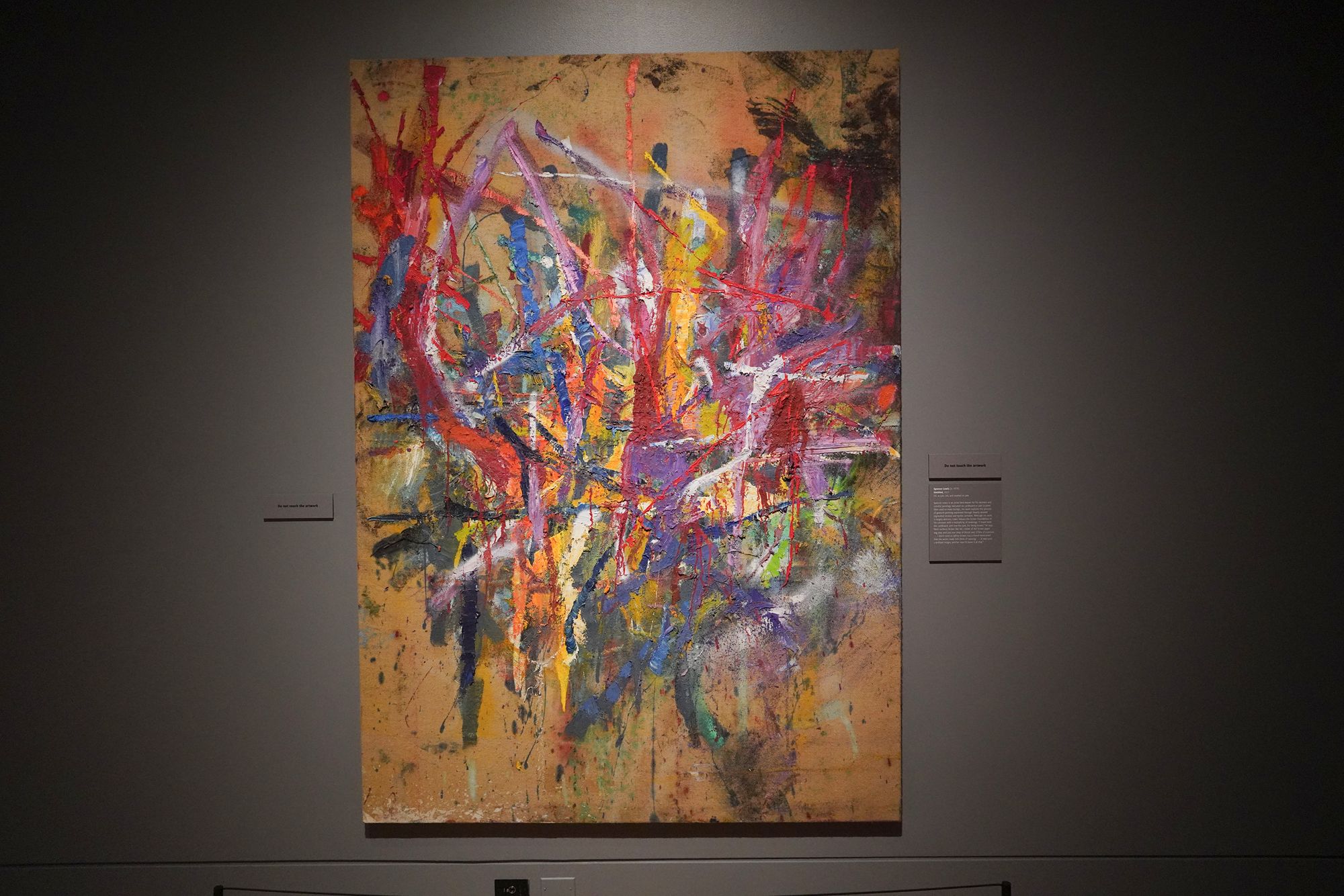
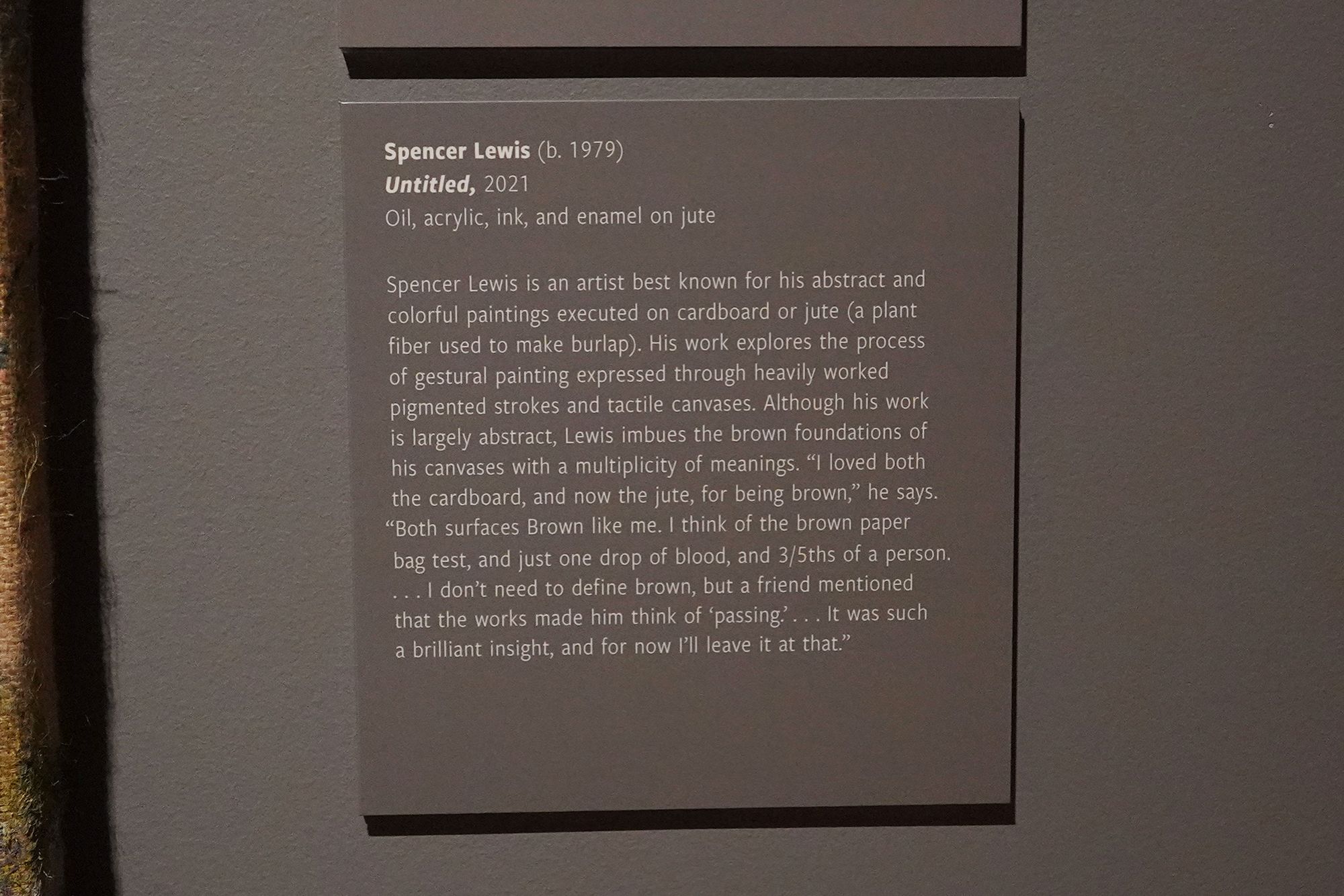
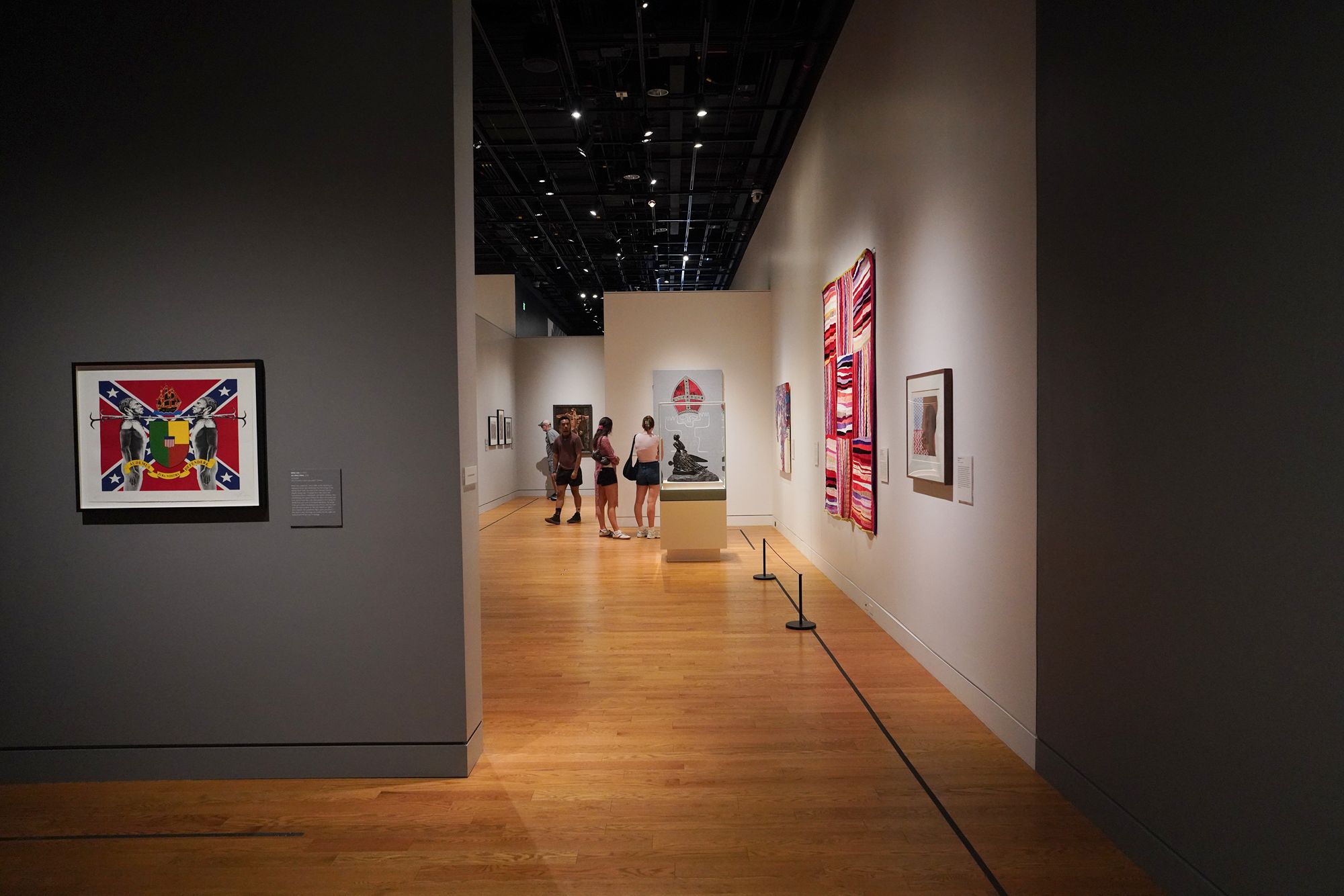
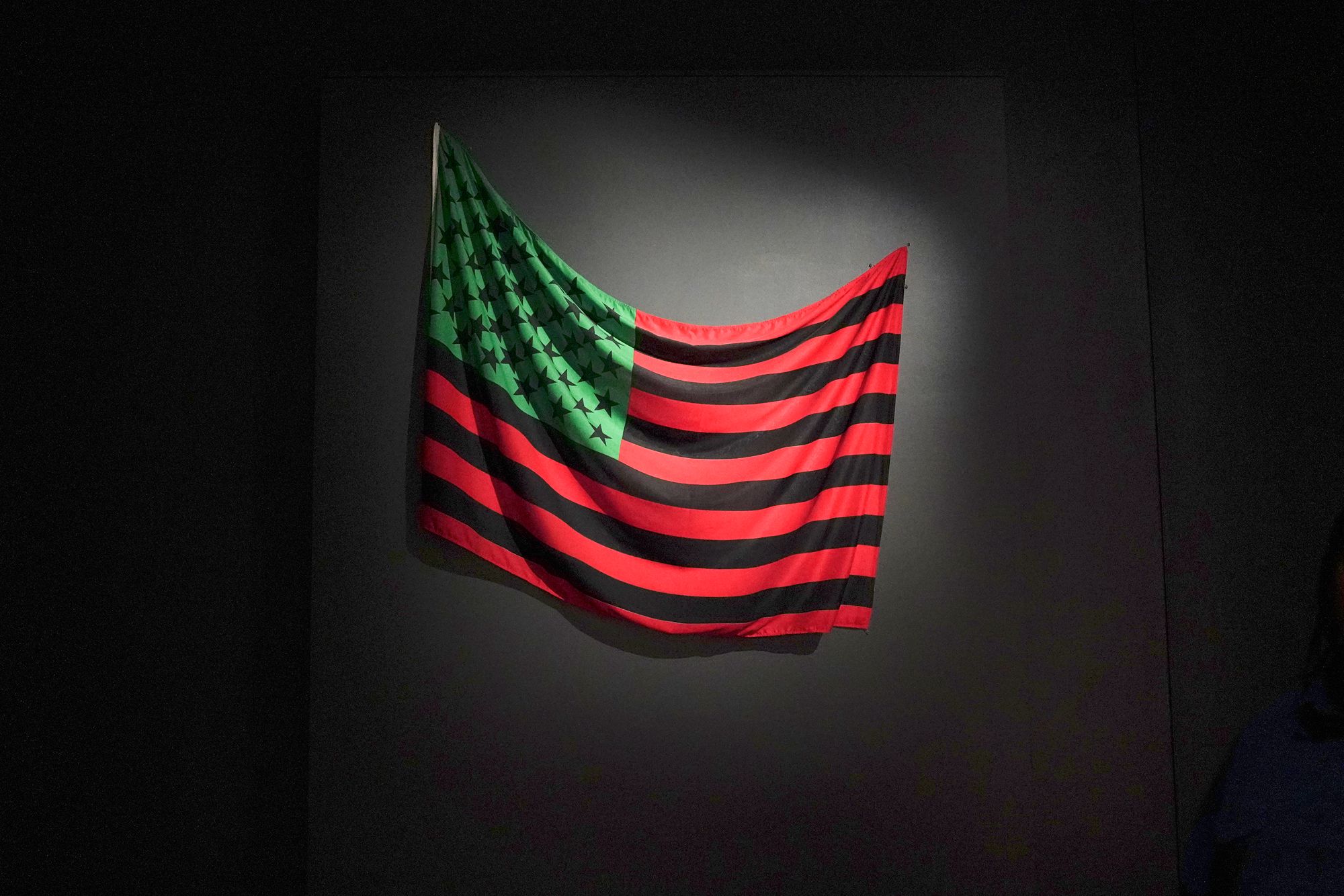
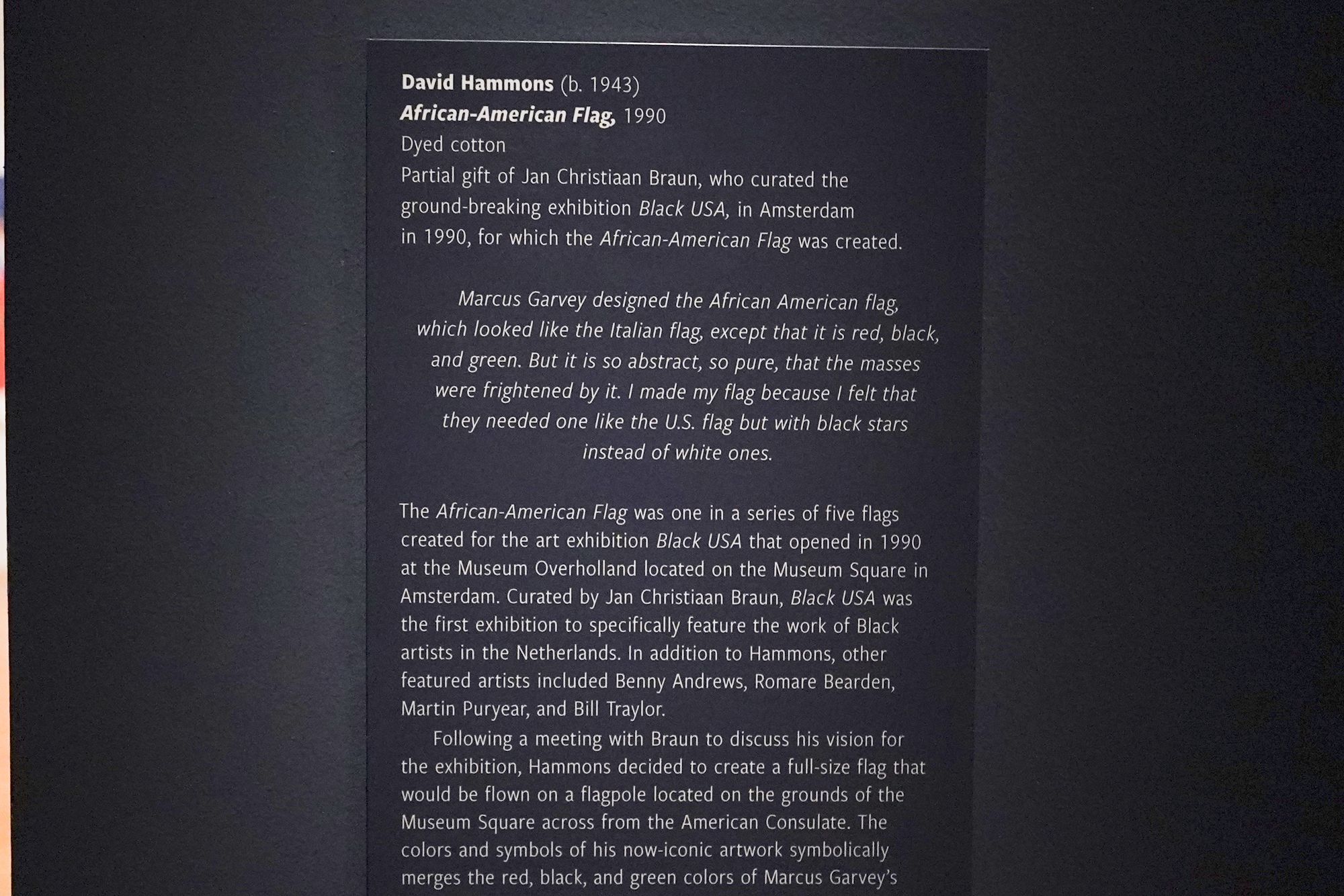
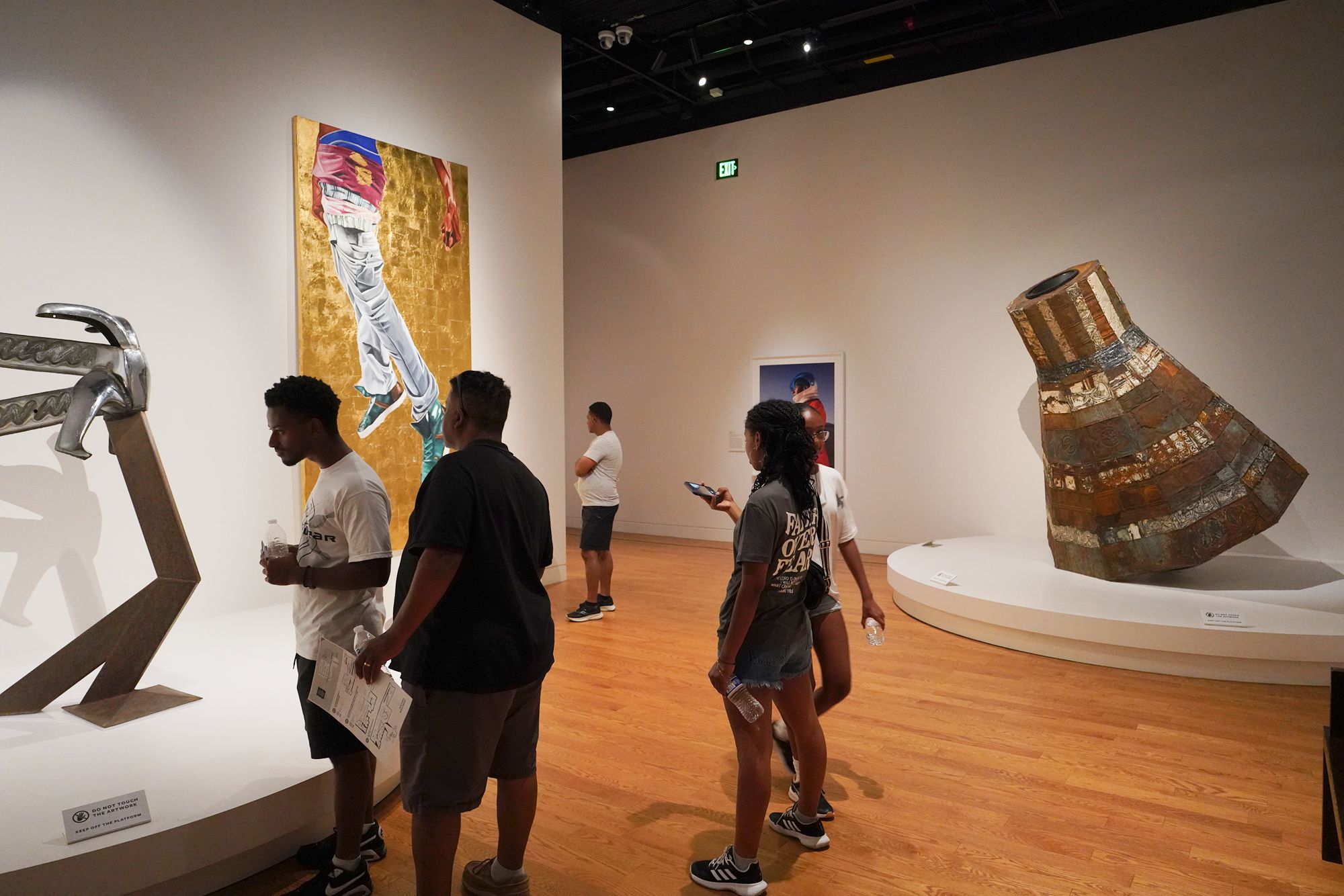
The Visual Art and the American Experience exhibition at the National Museum of African American History and Culture explores how African American artists have used art to express identity, history, and the Black experience in America. It features paintings, sculptures, photographs, and mixed-media works that reflect themes of freedom, resilience, faith, and creativity.