African American History and Culture Museum, Part 2, Washington DC, USA
The visit and exploration of the National Museum of African American History and Culture continues (part 2). 1137
Fairchild Tropical Botanic Garden: 10901 Old Cutler Rd, Coral Gables, Florida, USA
Date Picture Taken: November, 2022
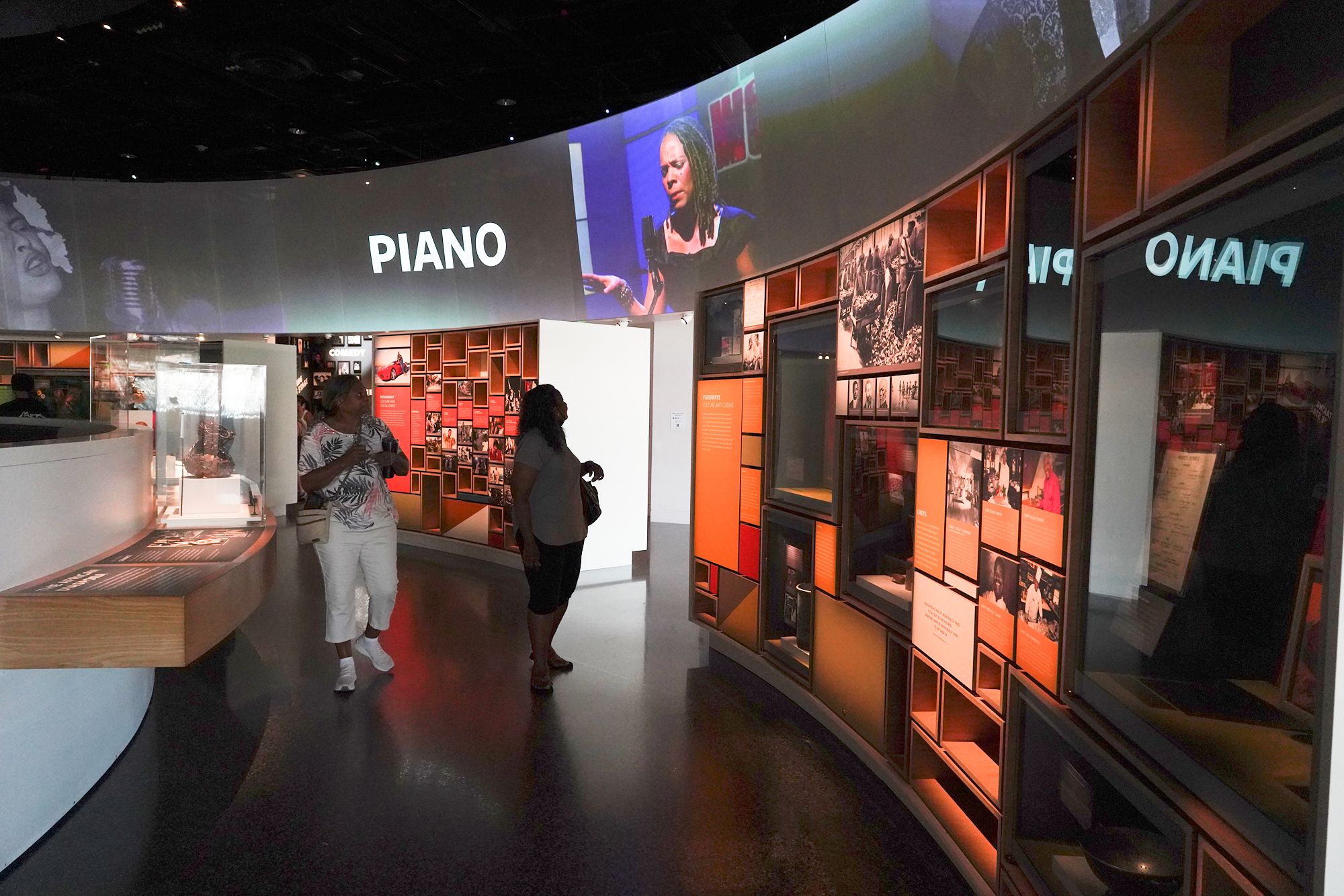
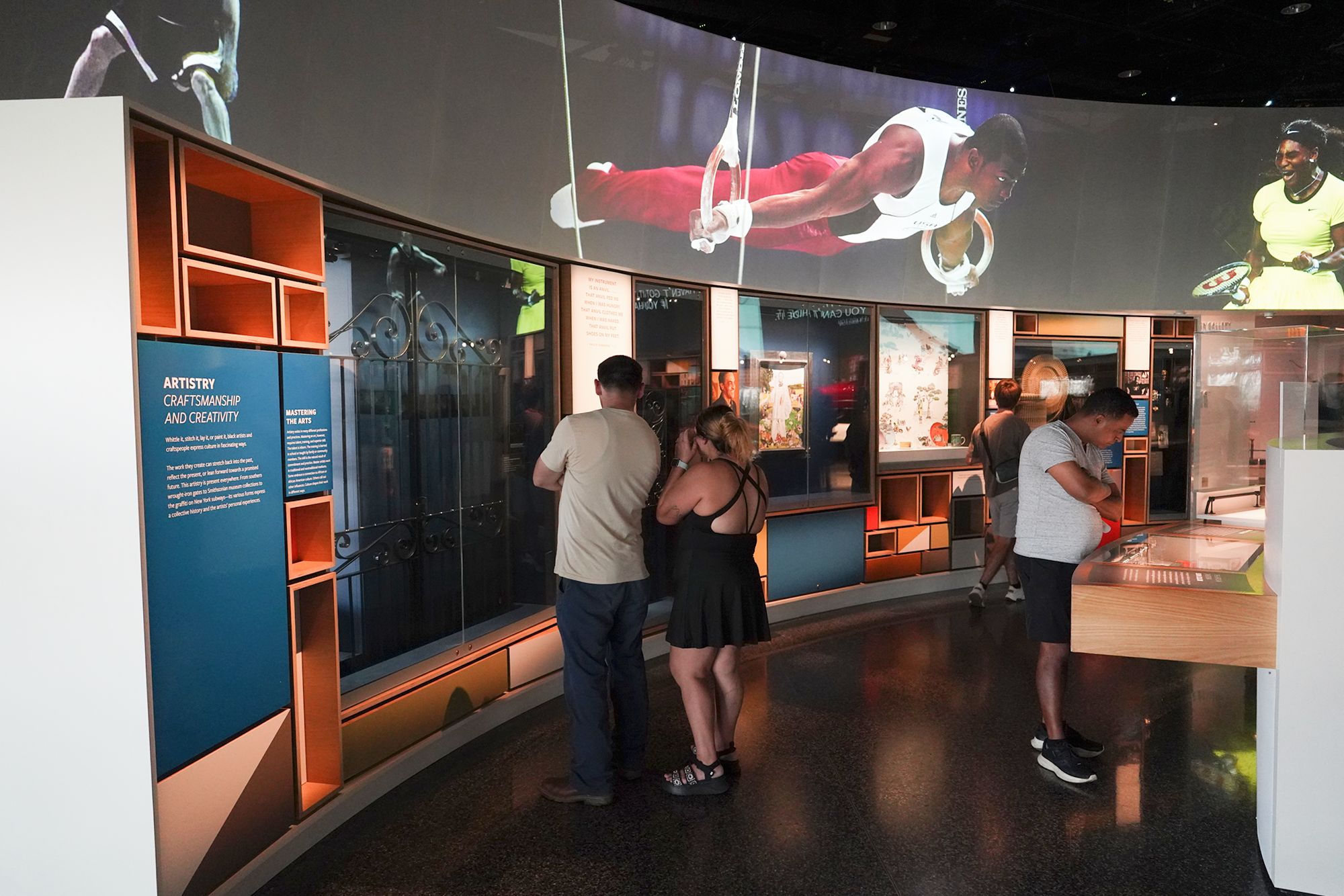
Level 3 of the National Museum of African American History and Culture is dedicated to Cultural Expressions. This floor explores how African Americans have shaped and defined American culture through music, dance, theater, language, and style.
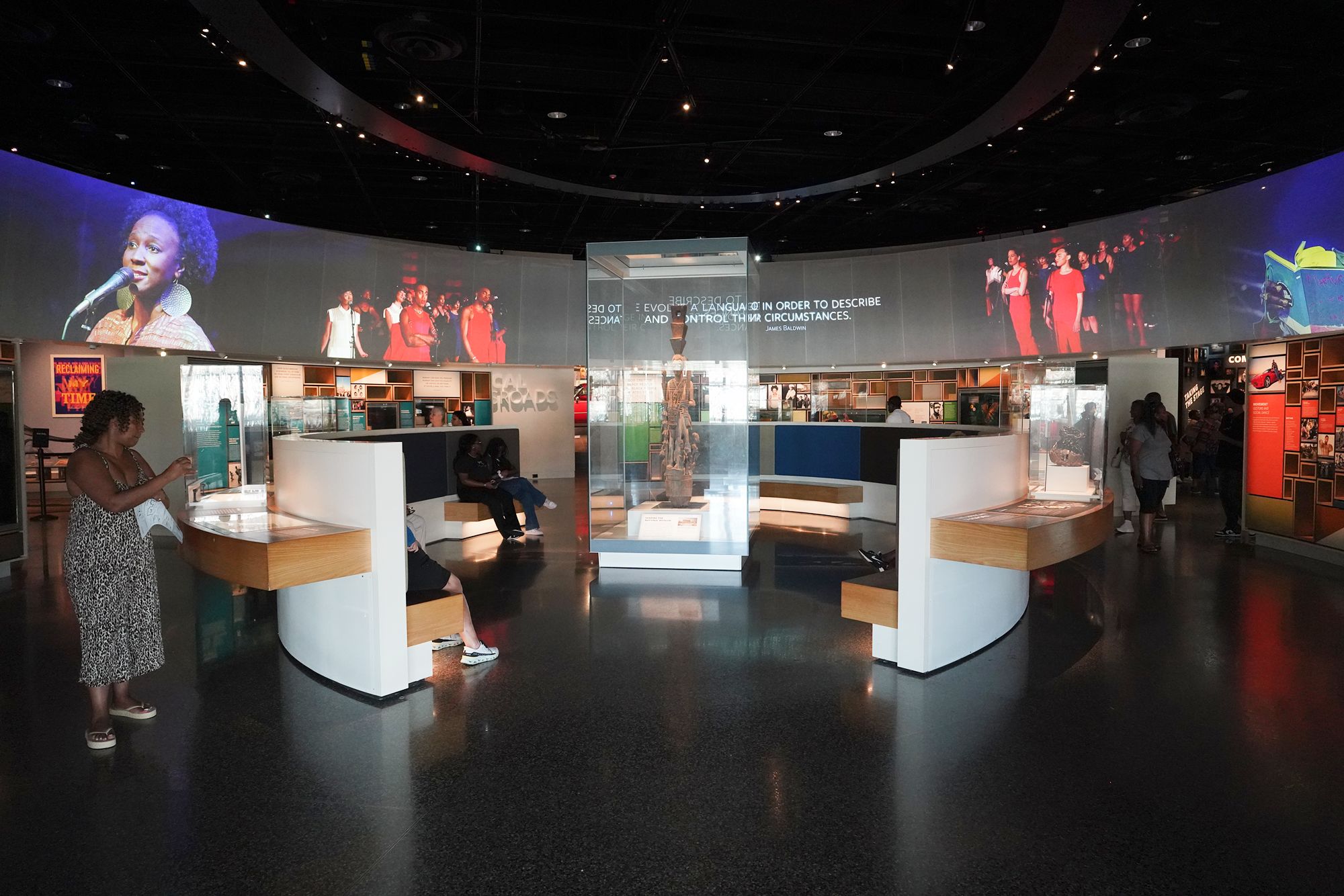
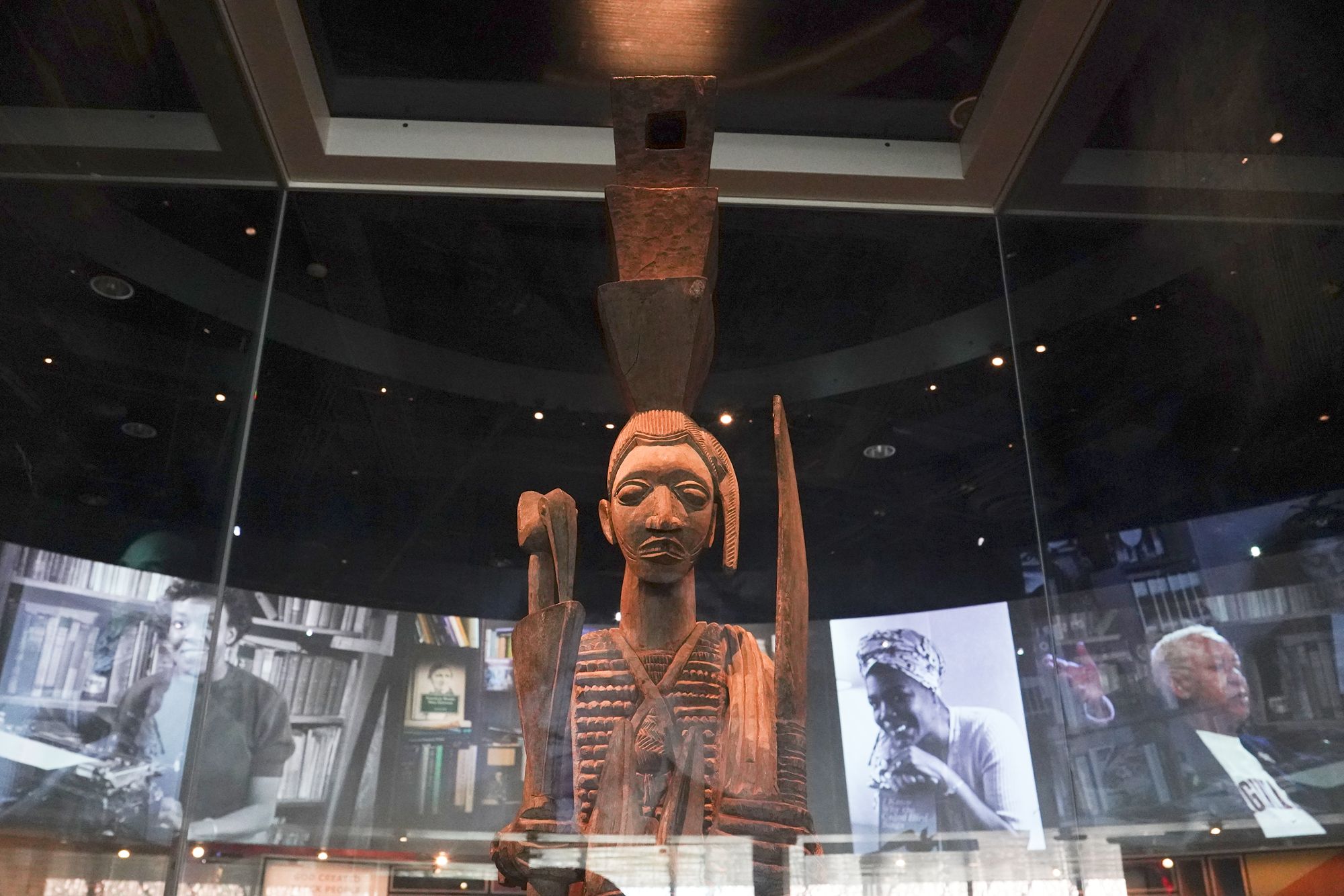
The architecture of the National Museum of African American History and Culture is inspired by African art, heritage, and symbolism. Designed by architect David Adjaye and his team, the museum’s distinctive three-tiered shape, called the “corona,” was inspired by the Yoruba Caryatid, a traditional carved wooden column from West Africa that represents strength and spirituality.
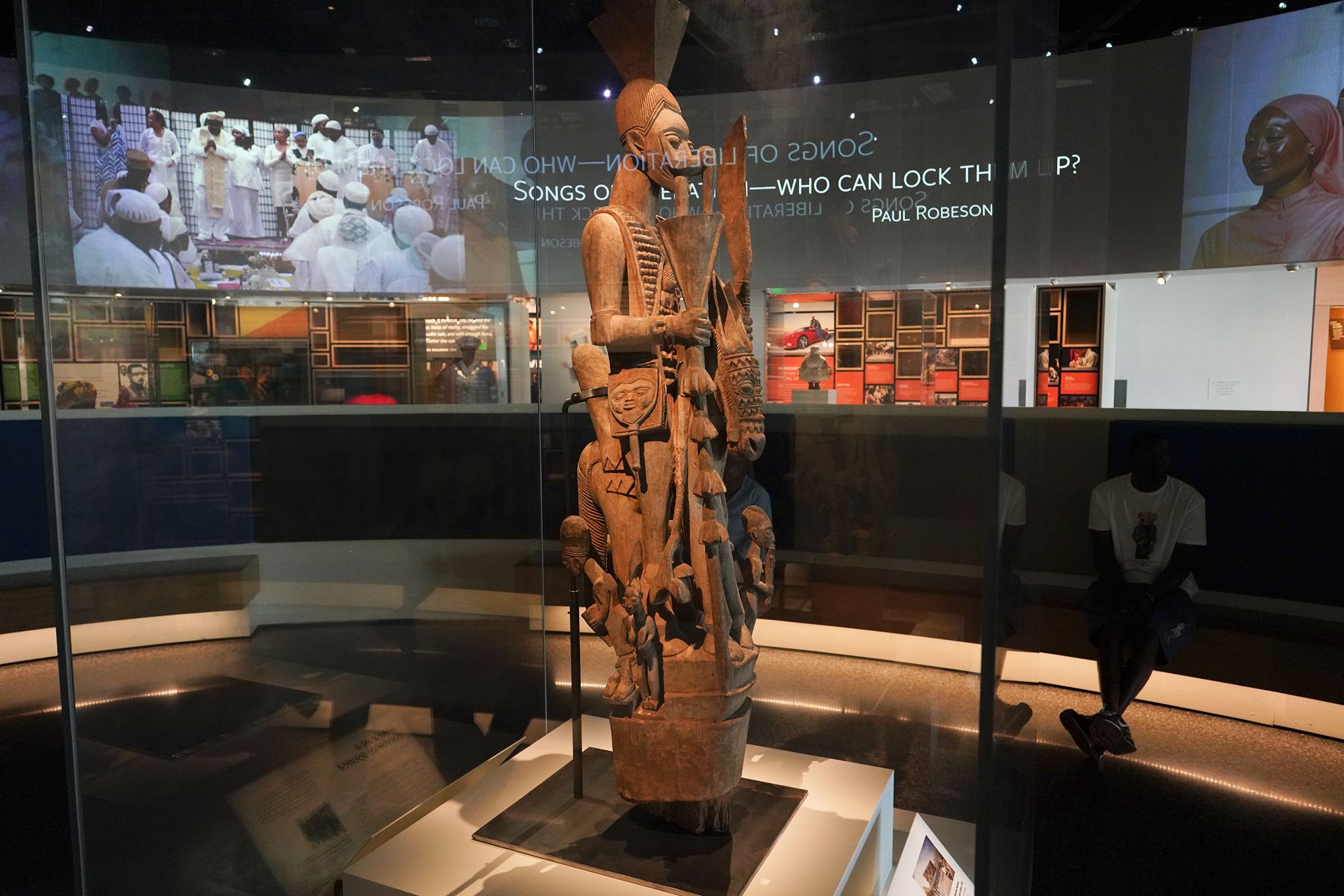
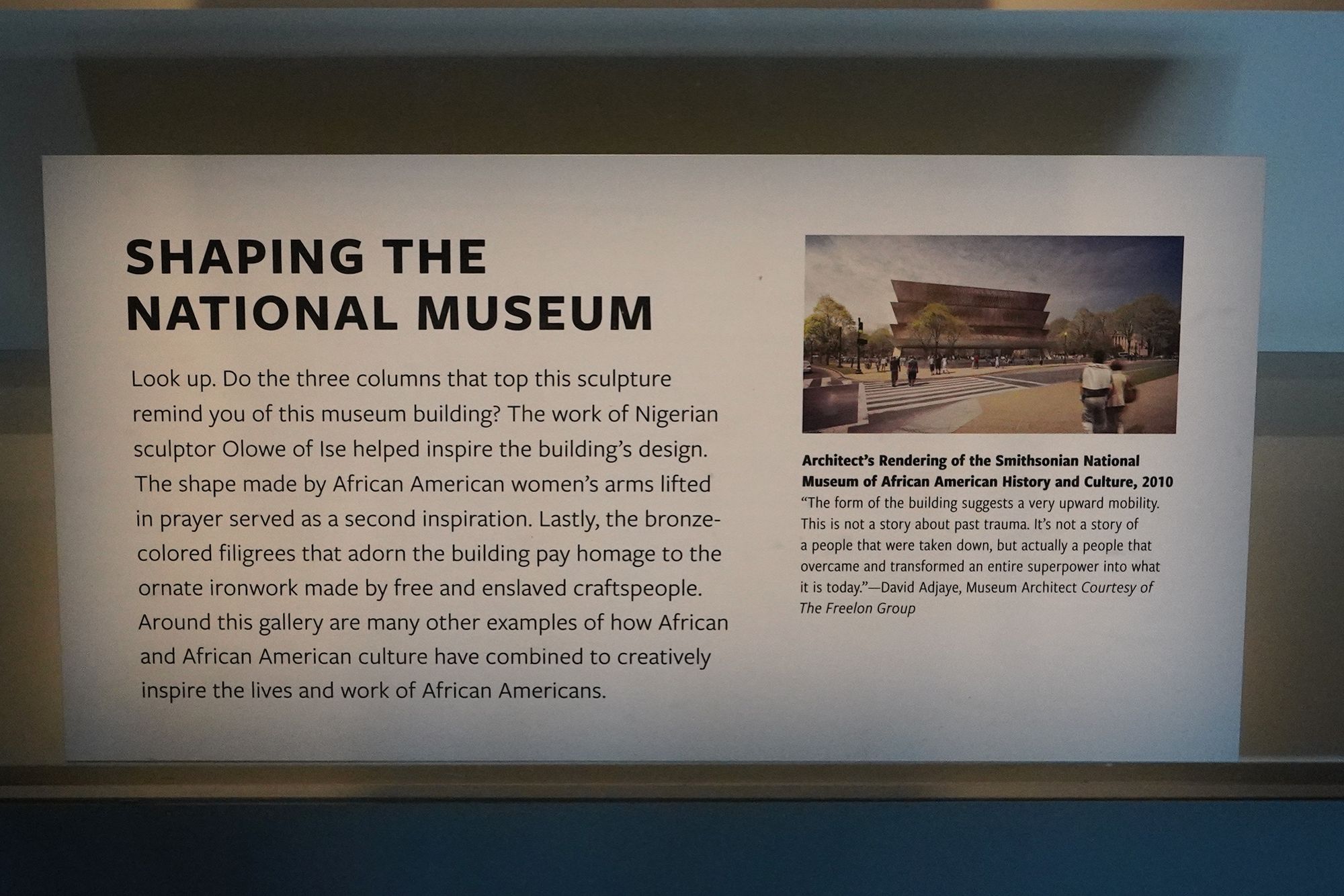
The shape of the hat on her head inspired the museum’s architectural design.
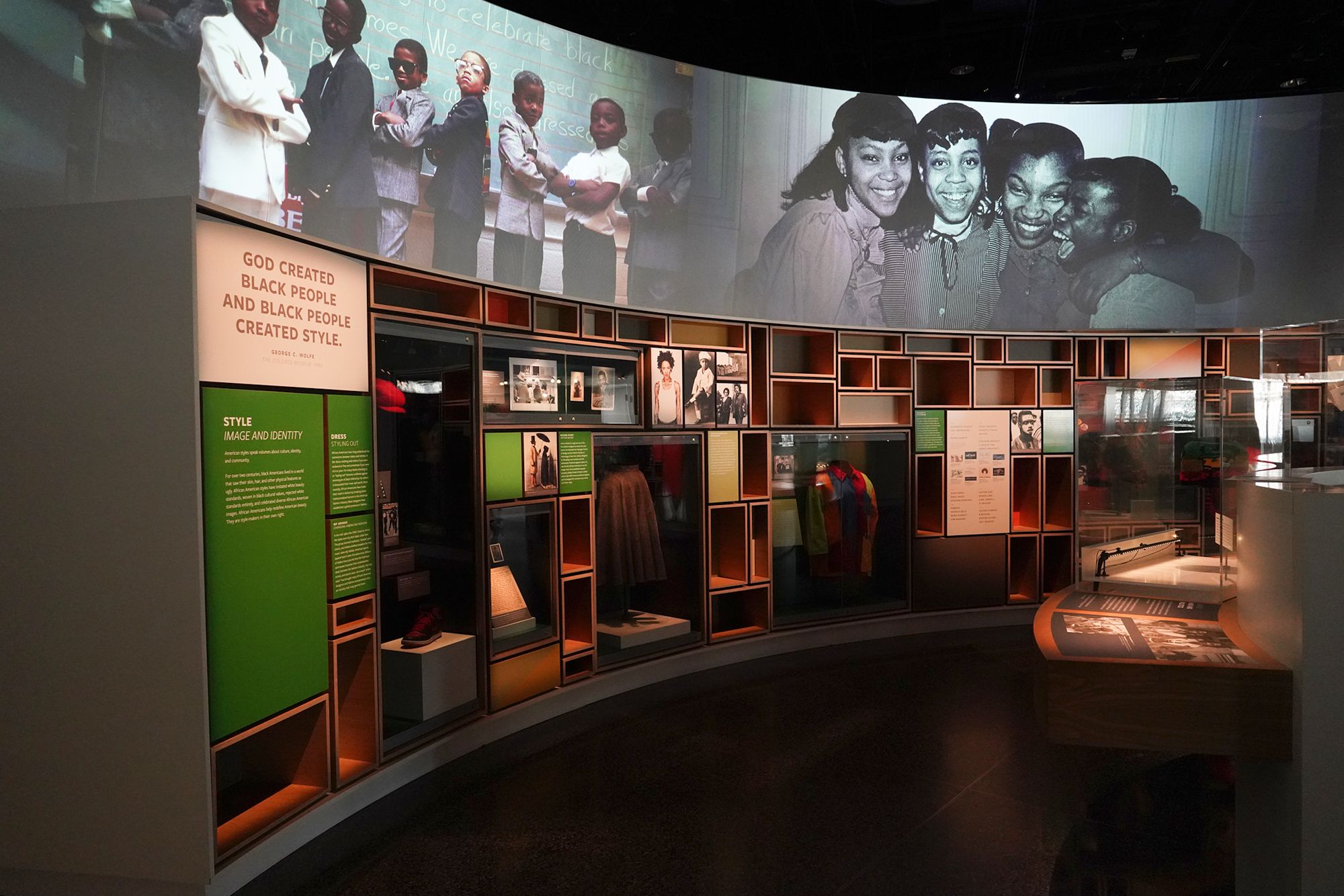
Black Style
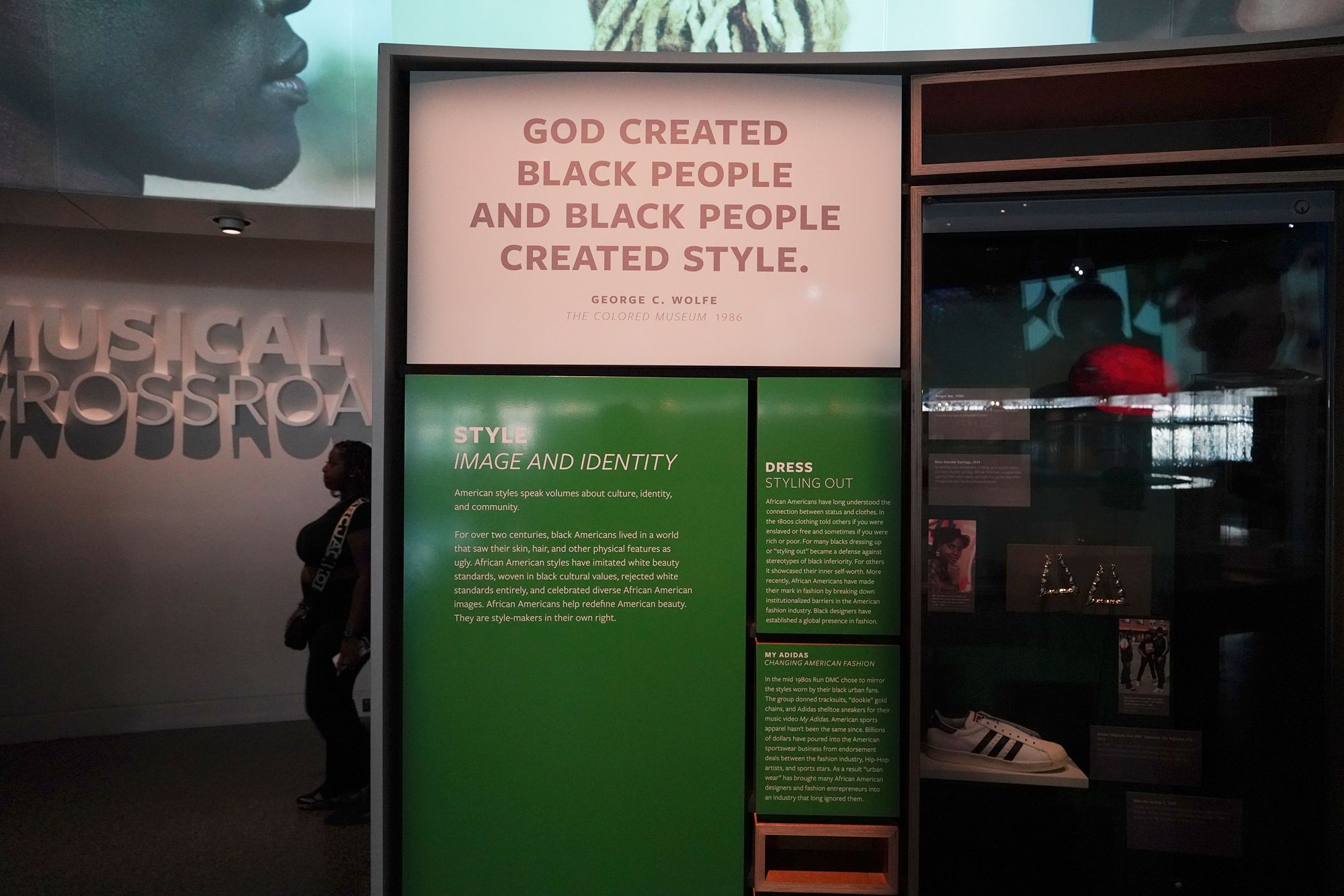
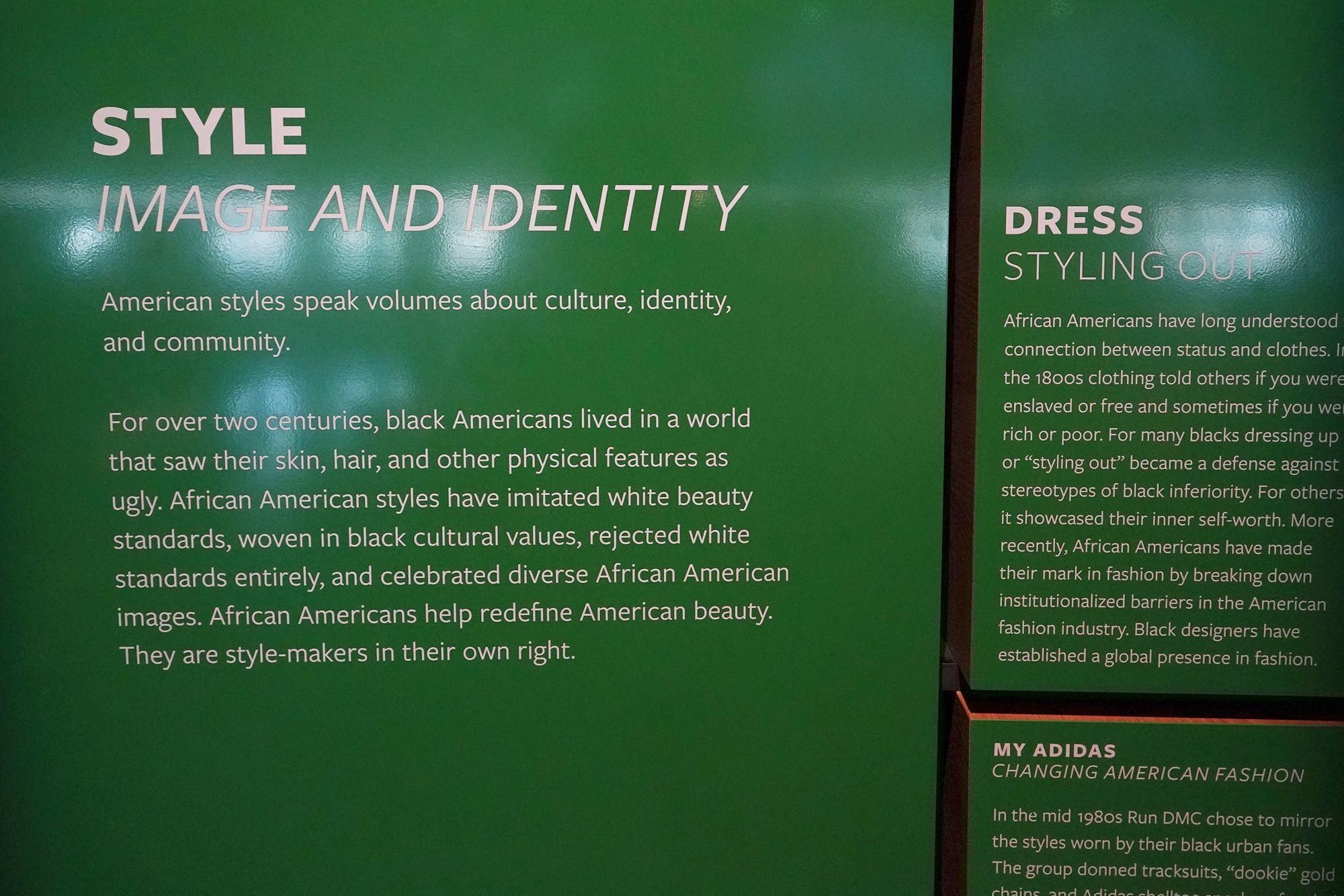
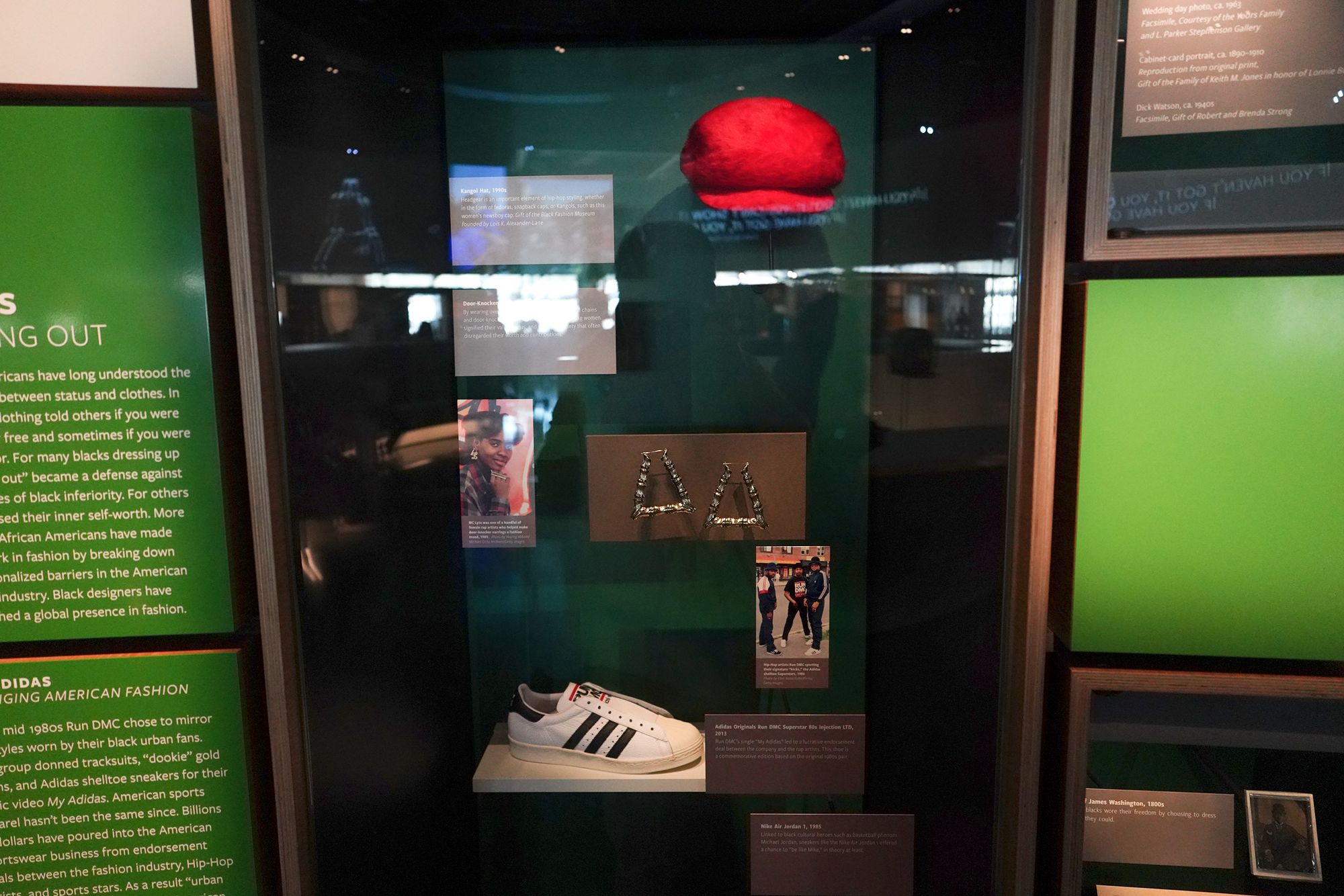
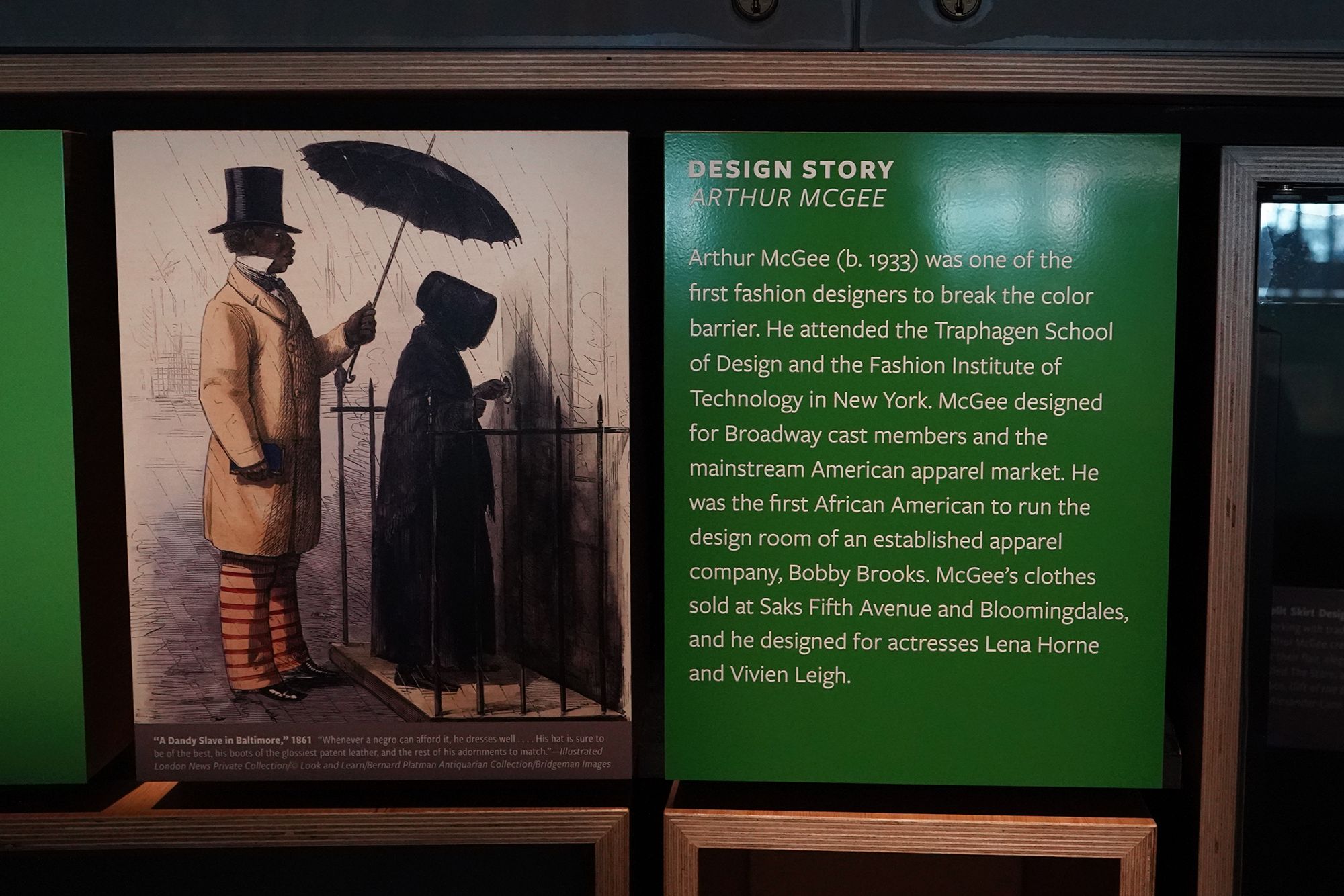
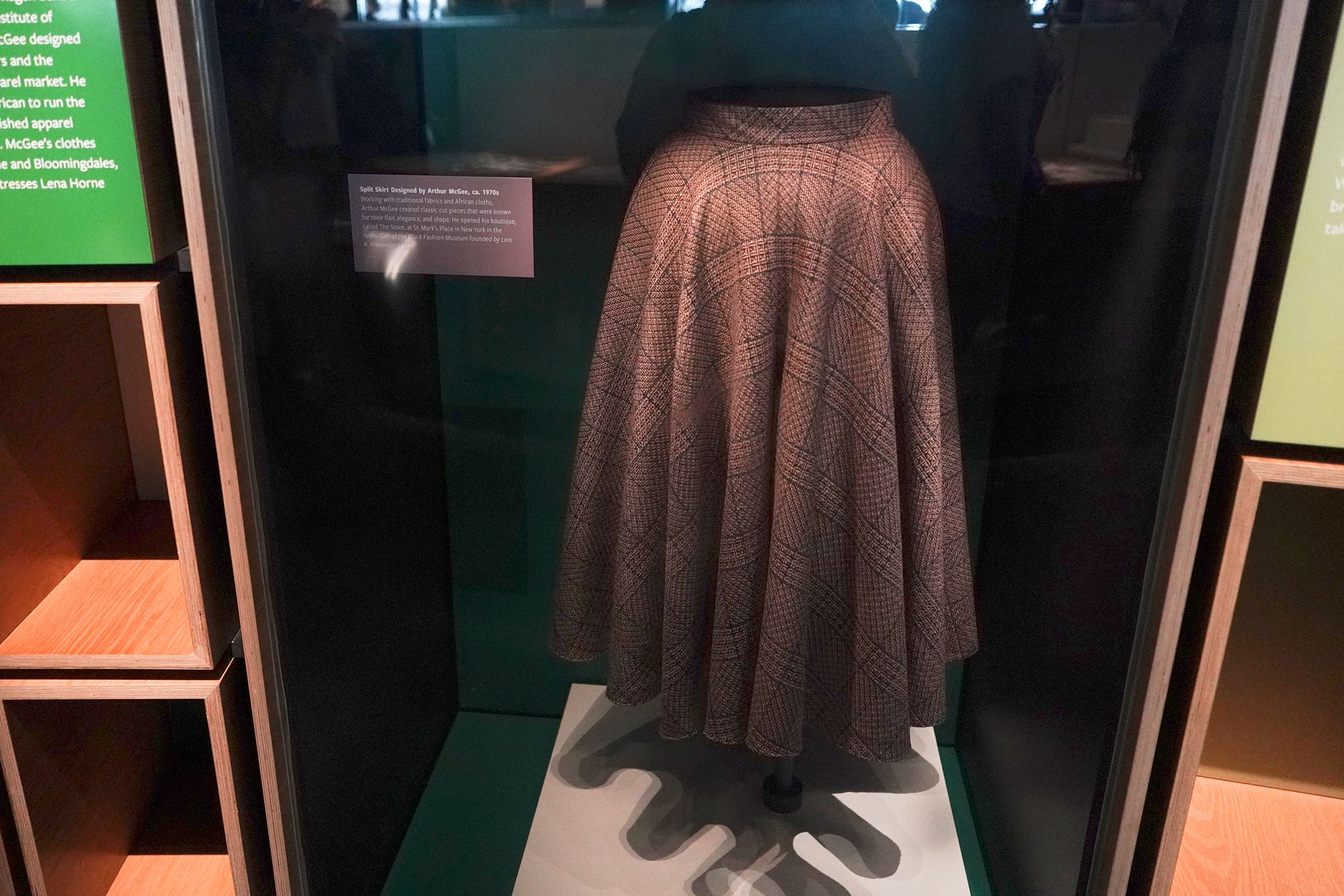
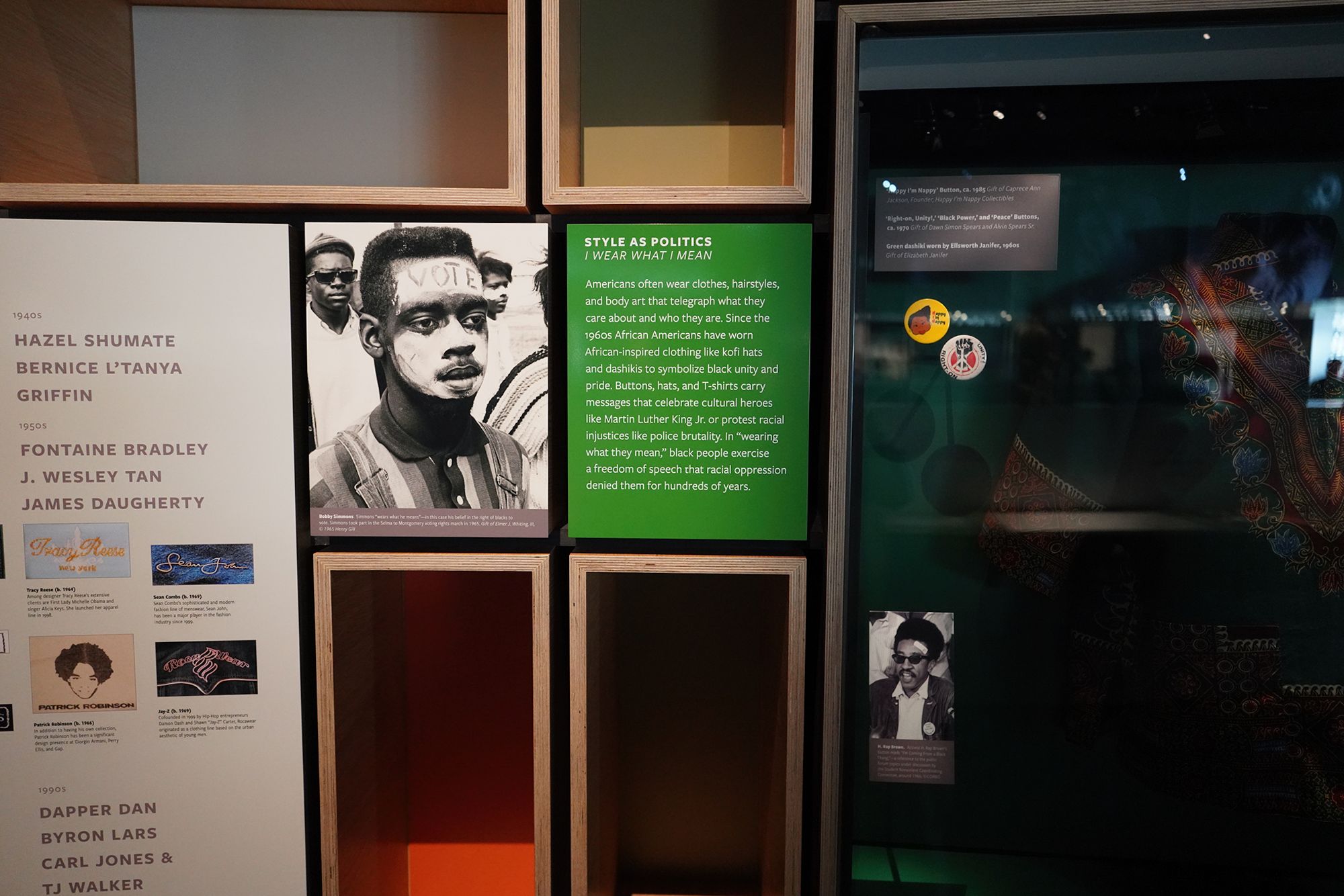
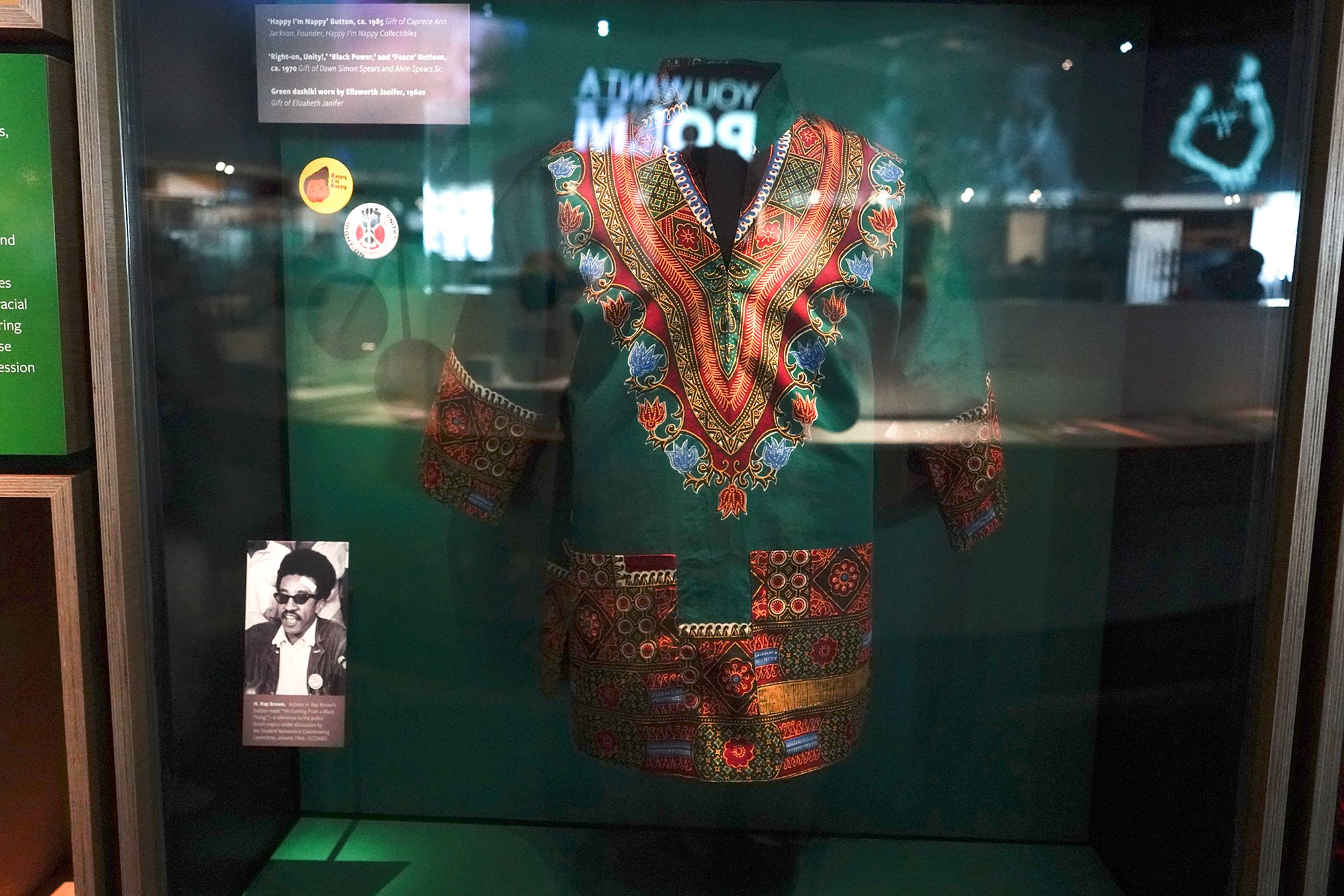
African Americans have made a profound and lasting impact on style and fashion in the United States, influencing everything from streetwear to haute couture. Their creativity has shaped not only what Americans wear, but also how style communicates identity, pride, and cultural power.
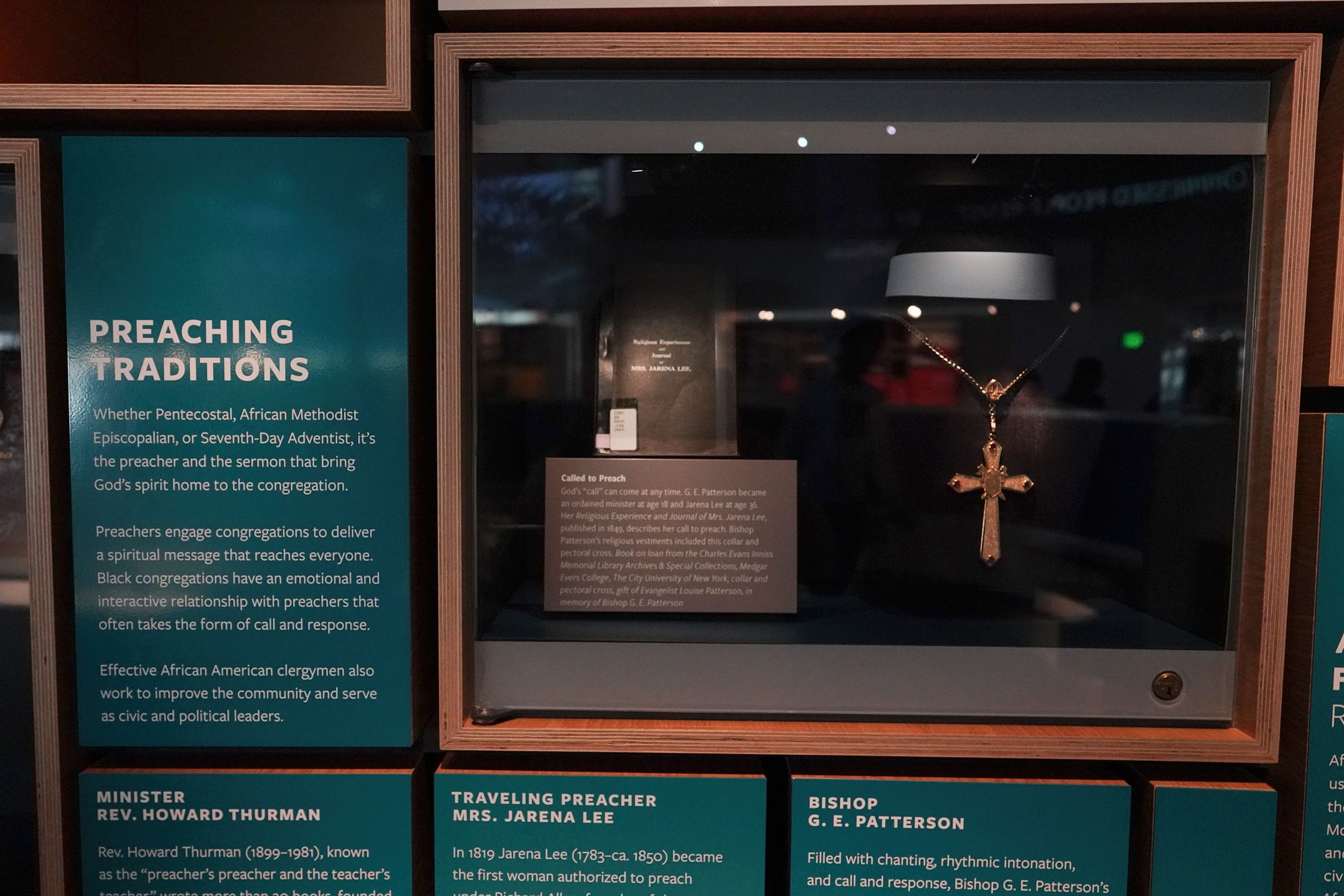
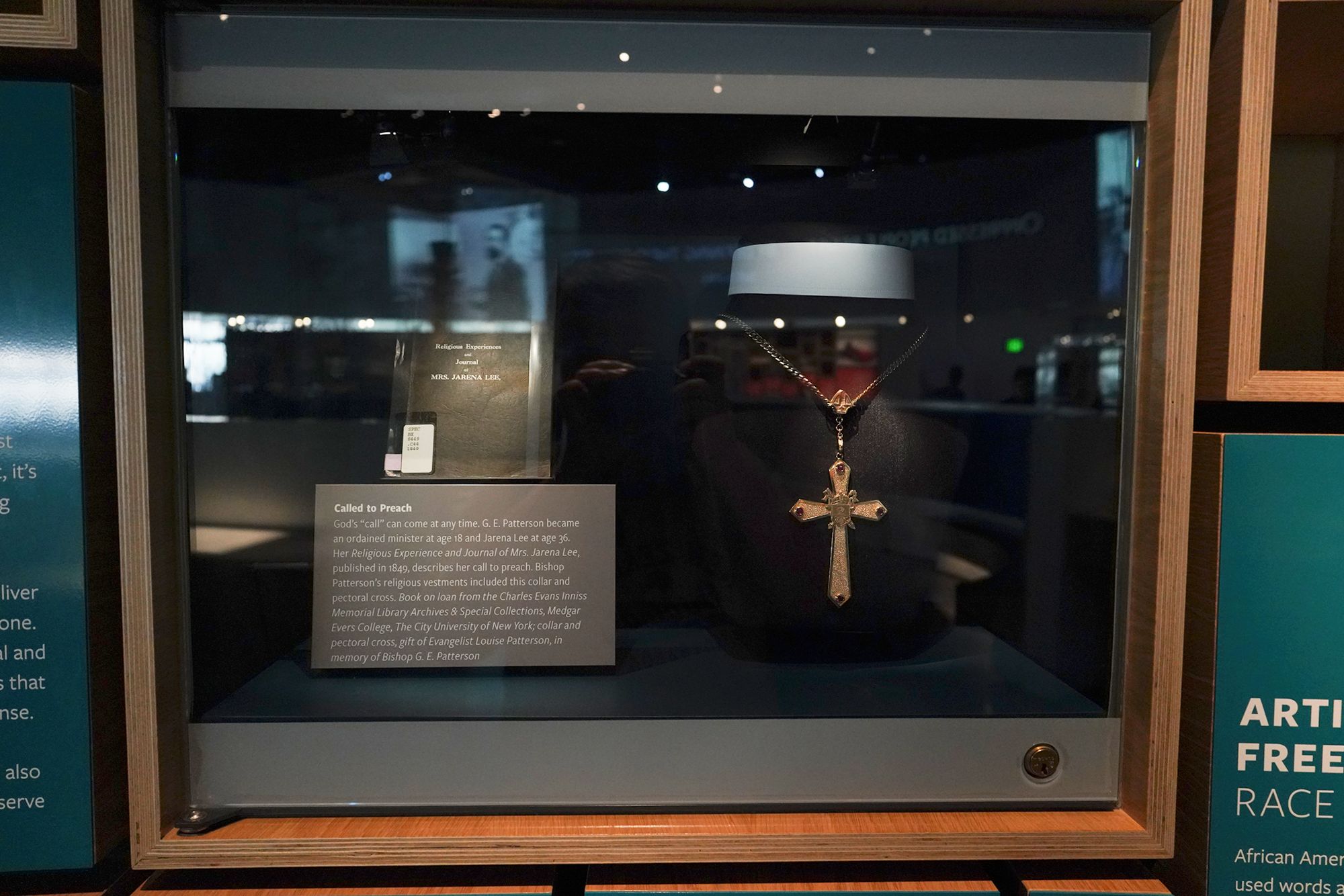
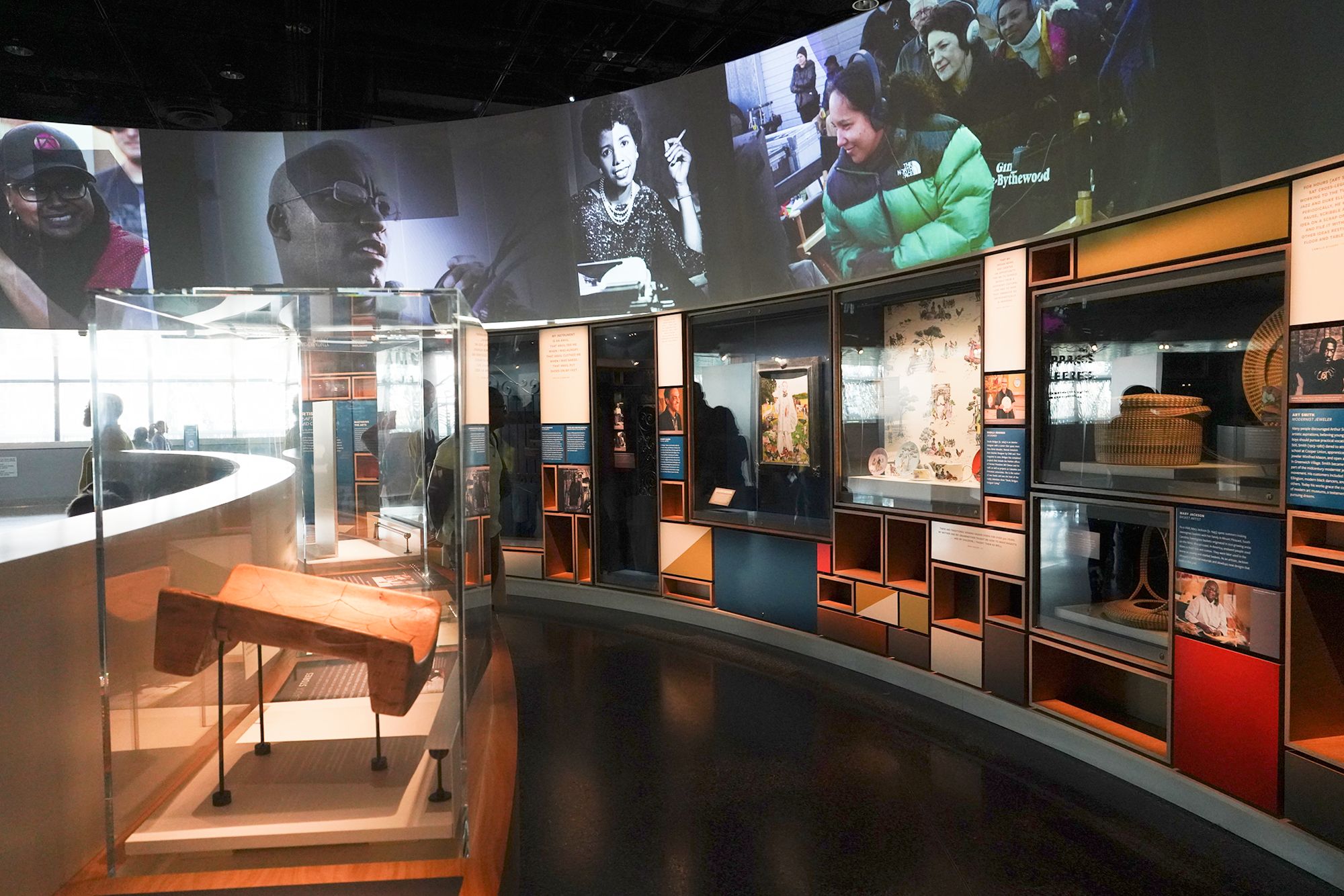
The African Diaspora refers to the global community of people of African descent whose ancestors were dispersed from Africa through slavery, migration, and exile. This movement, beginning with the transatlantic slave trade, spread millions of Africans across the Americas, the Caribbean, Europe, and beyond, creating vibrant cultures that remain deeply connected to African roots.
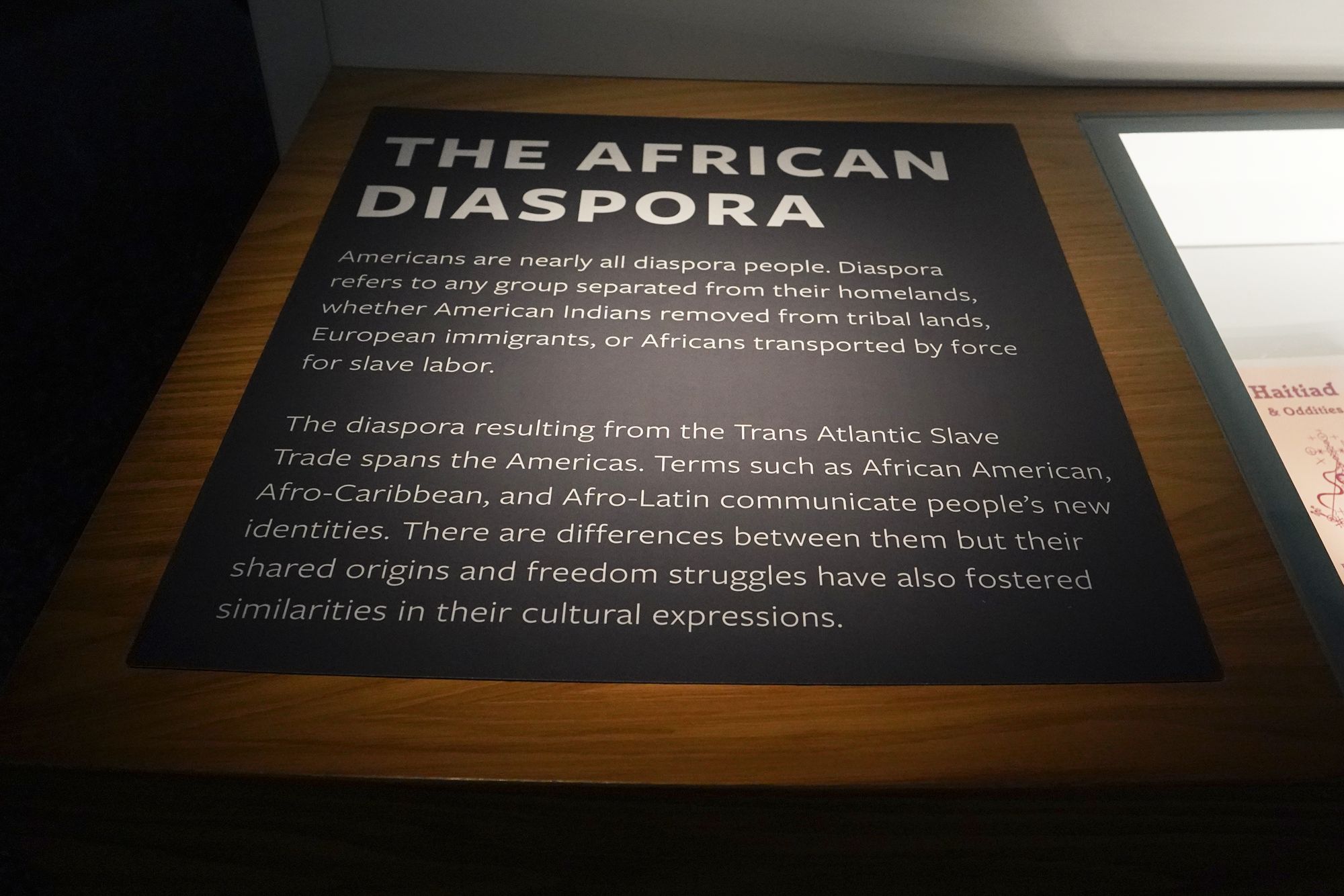
In the context of the African Diaspora, the term “boat people” evokes the Middle Passage—the forced voyage of enslaved Africans across the Atlantic Ocean. Millions were packed into ships under horrific conditions, with many dying before reaching the Americas. This journey marked the beginning of centuries of struggle, resilience, and cultural transformation for people of African descent.
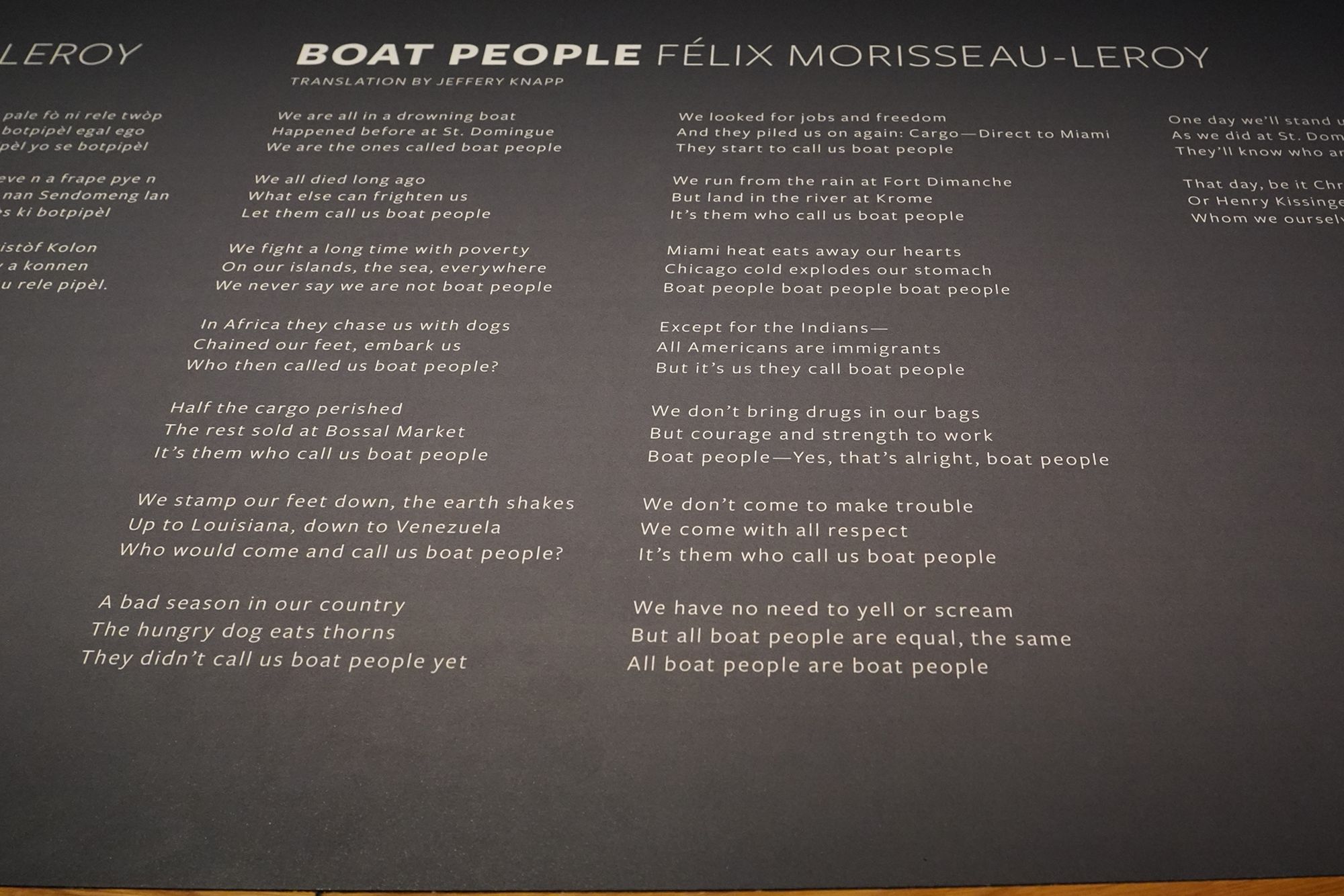
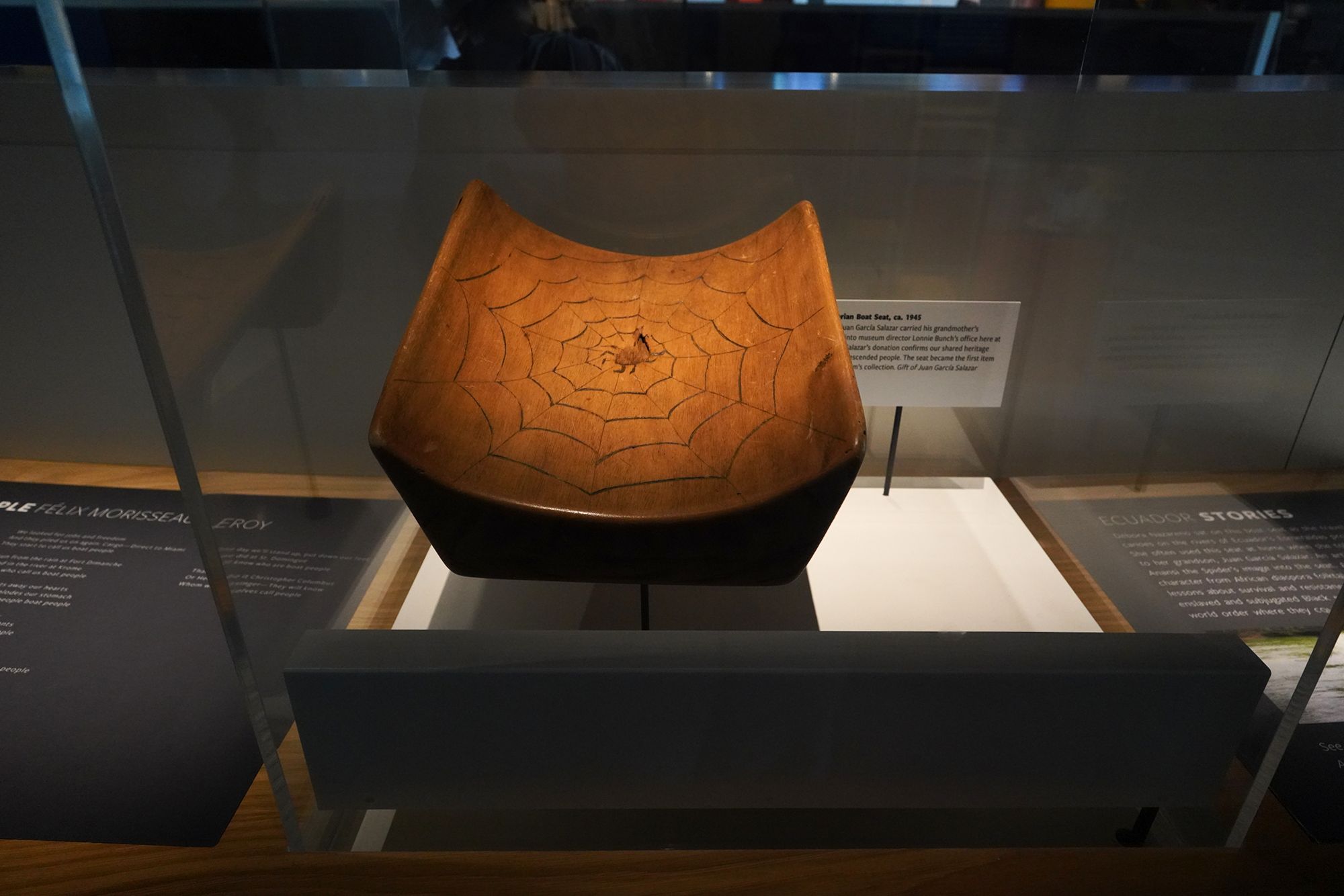
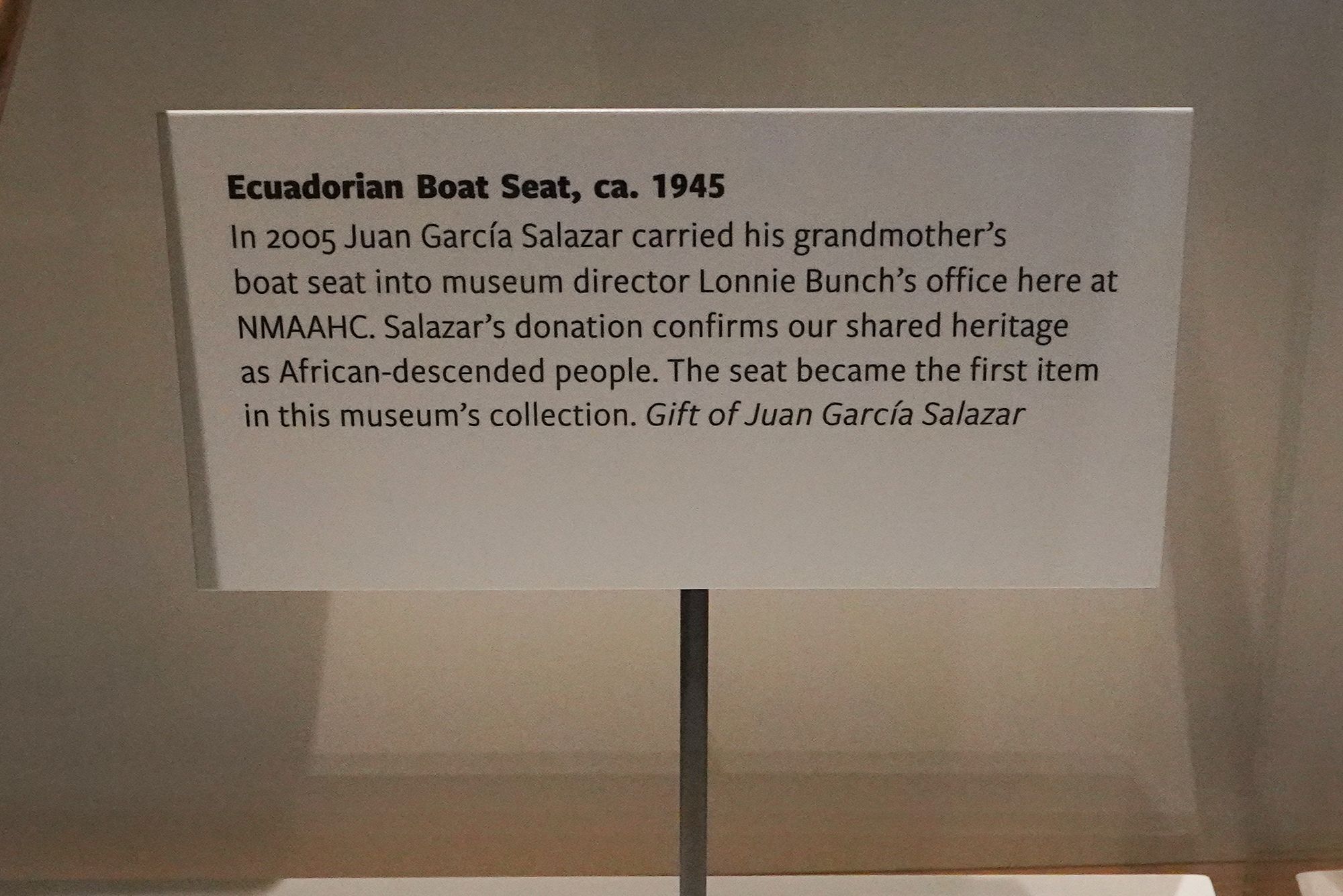
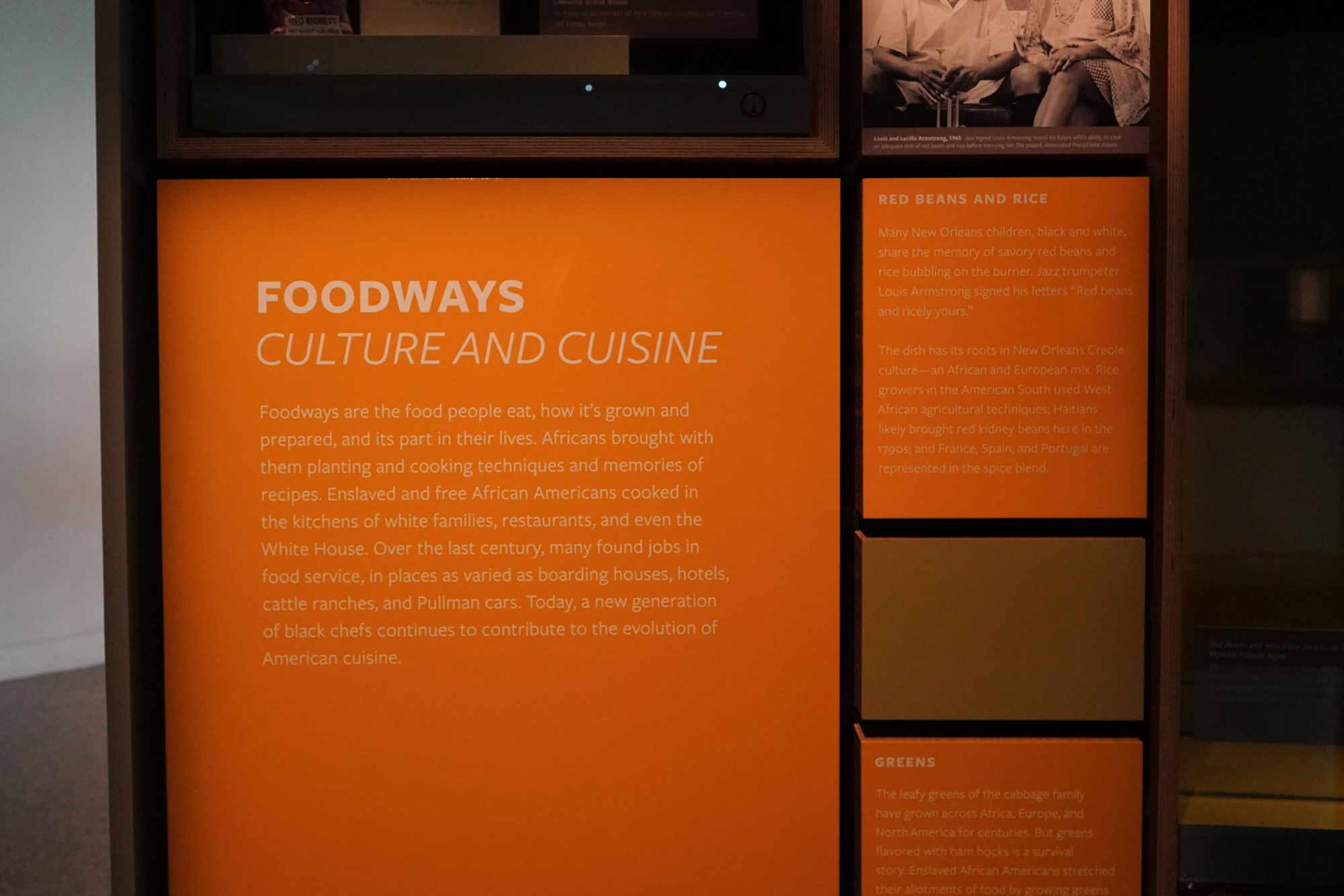
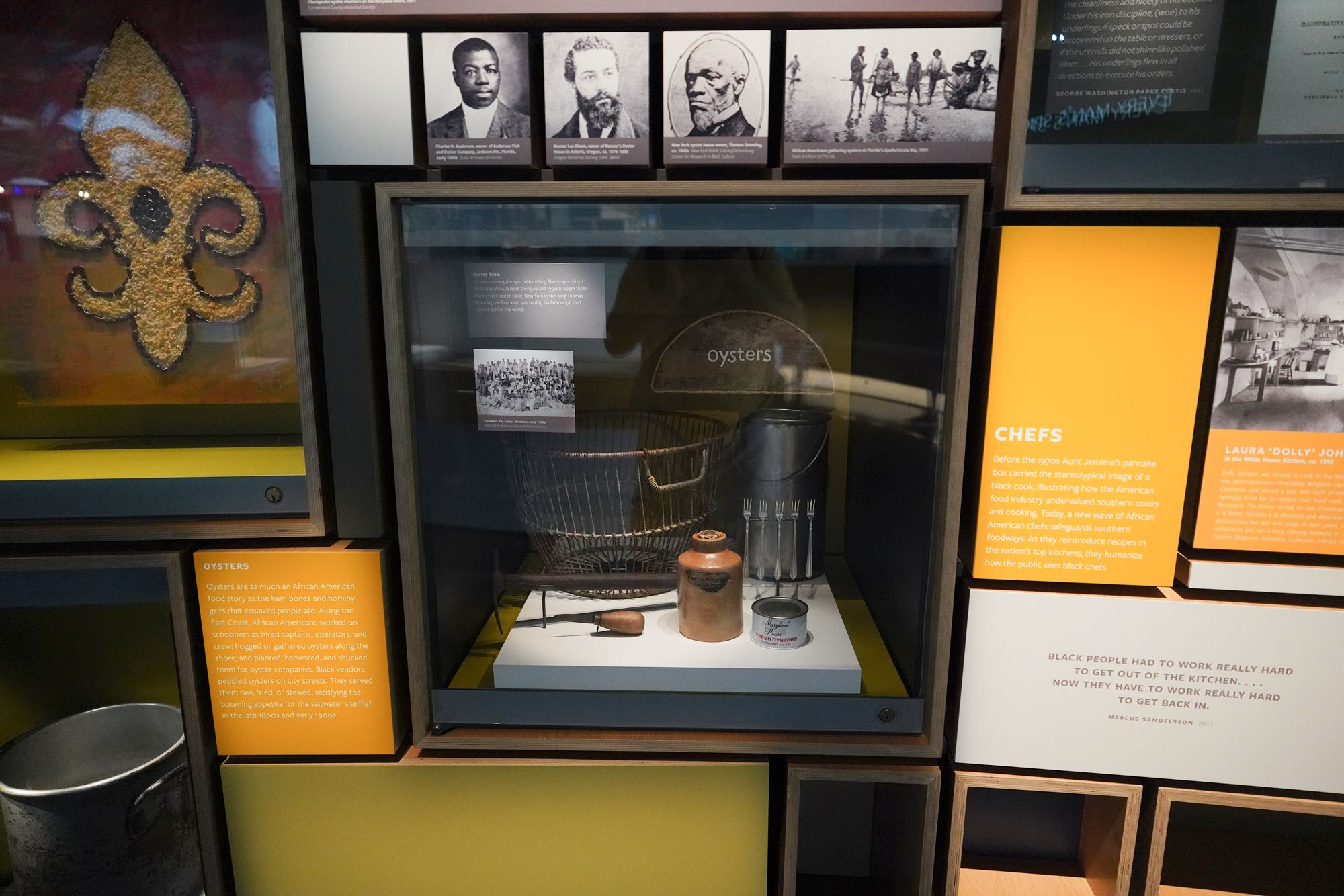
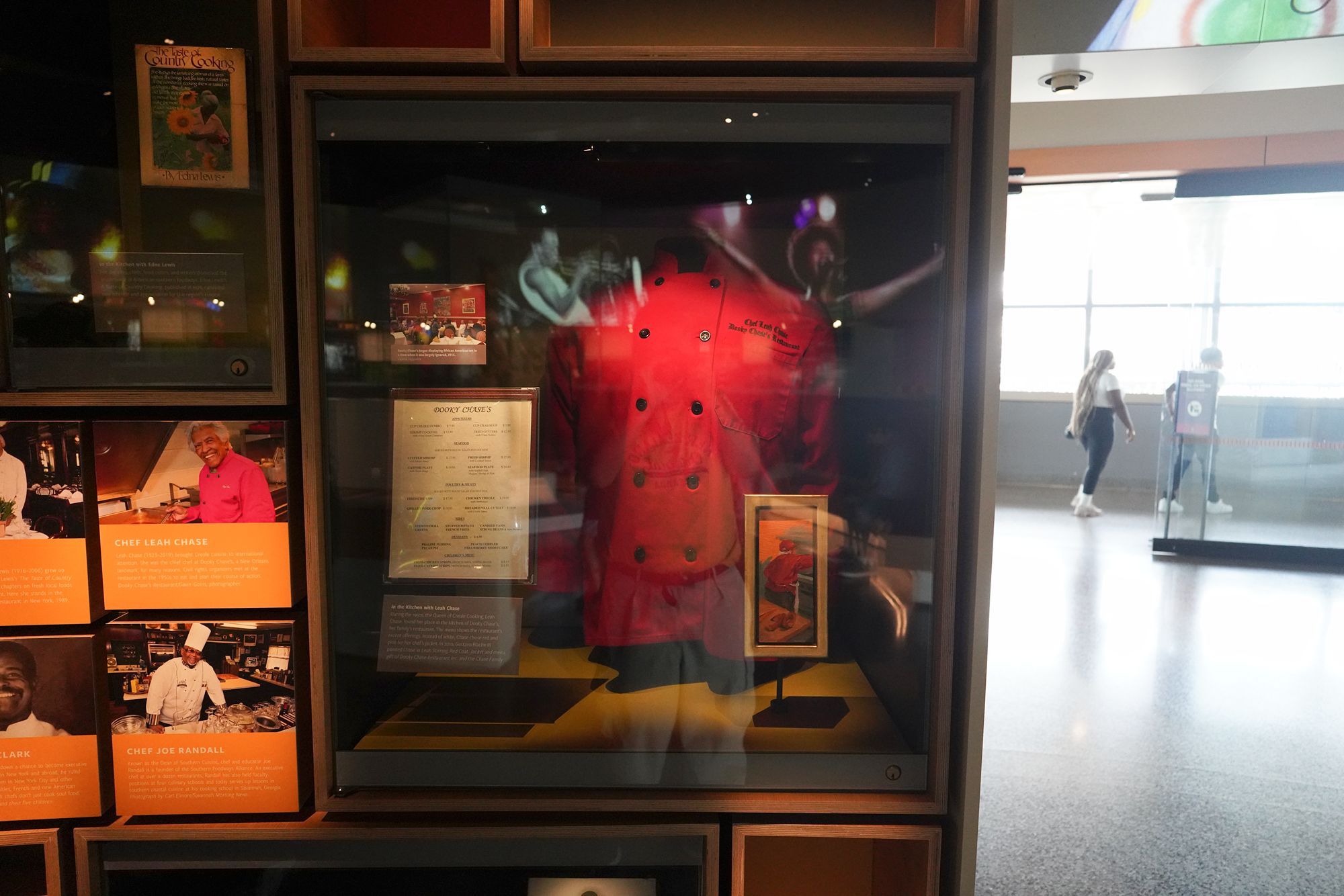
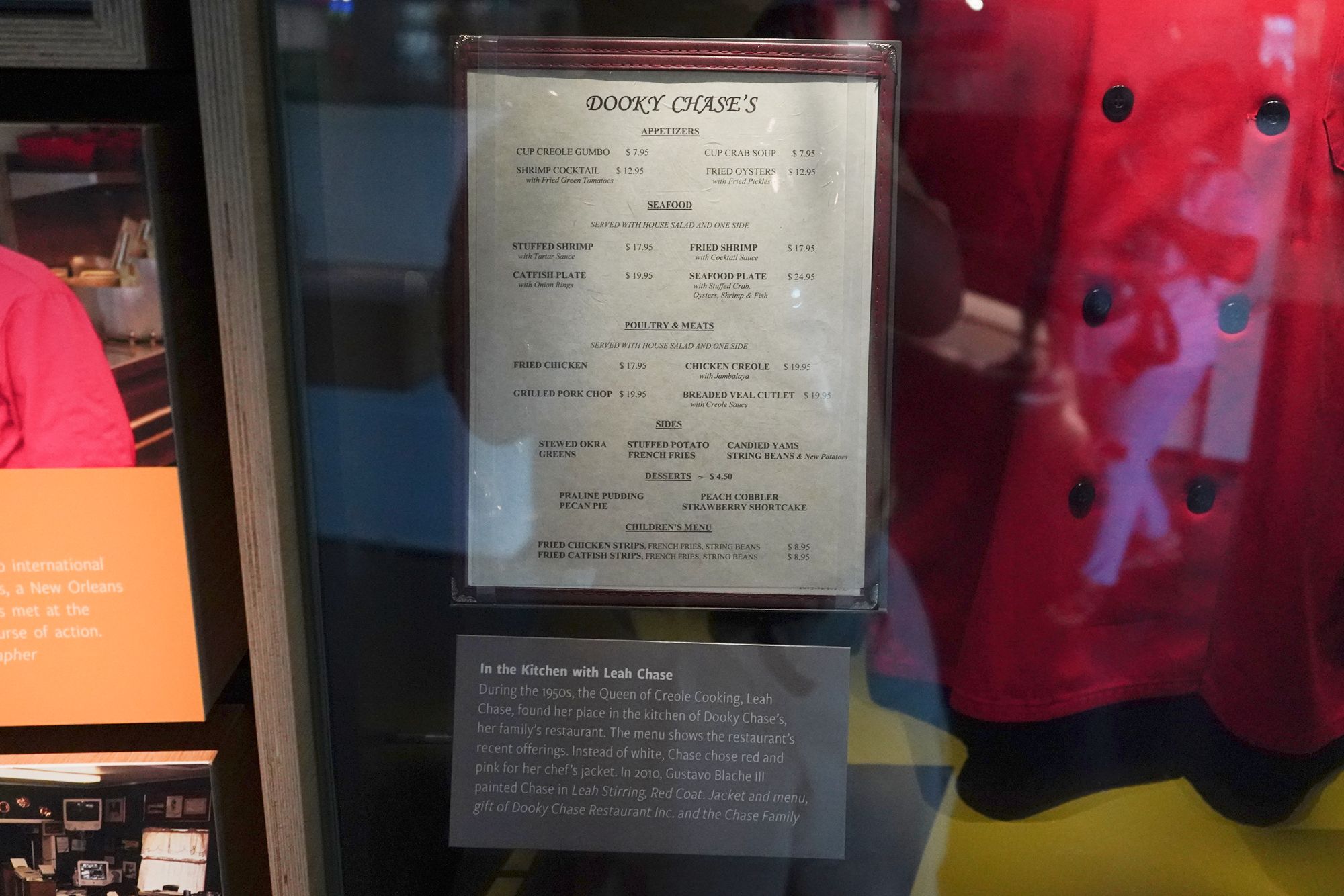
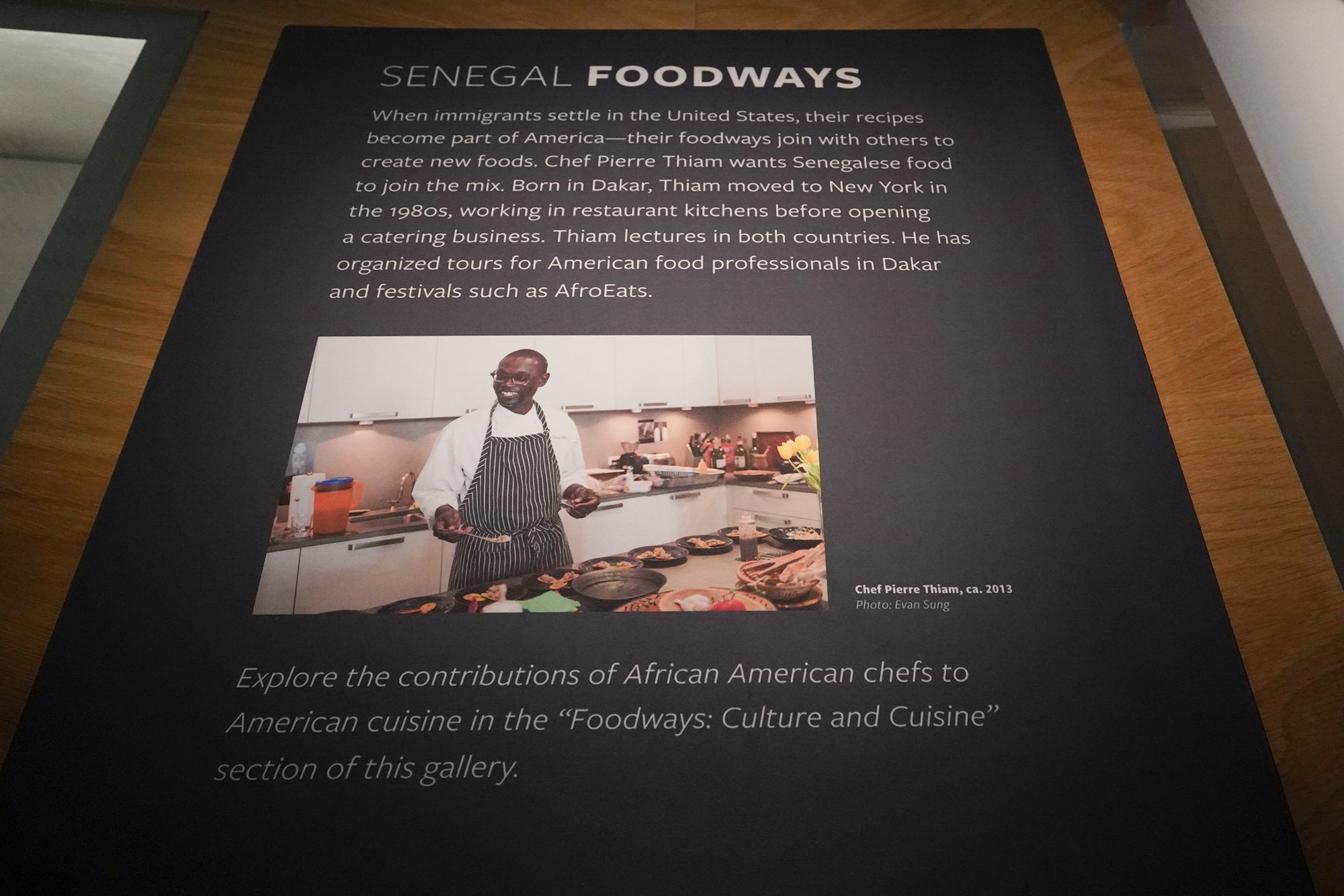
Senegal Foodways
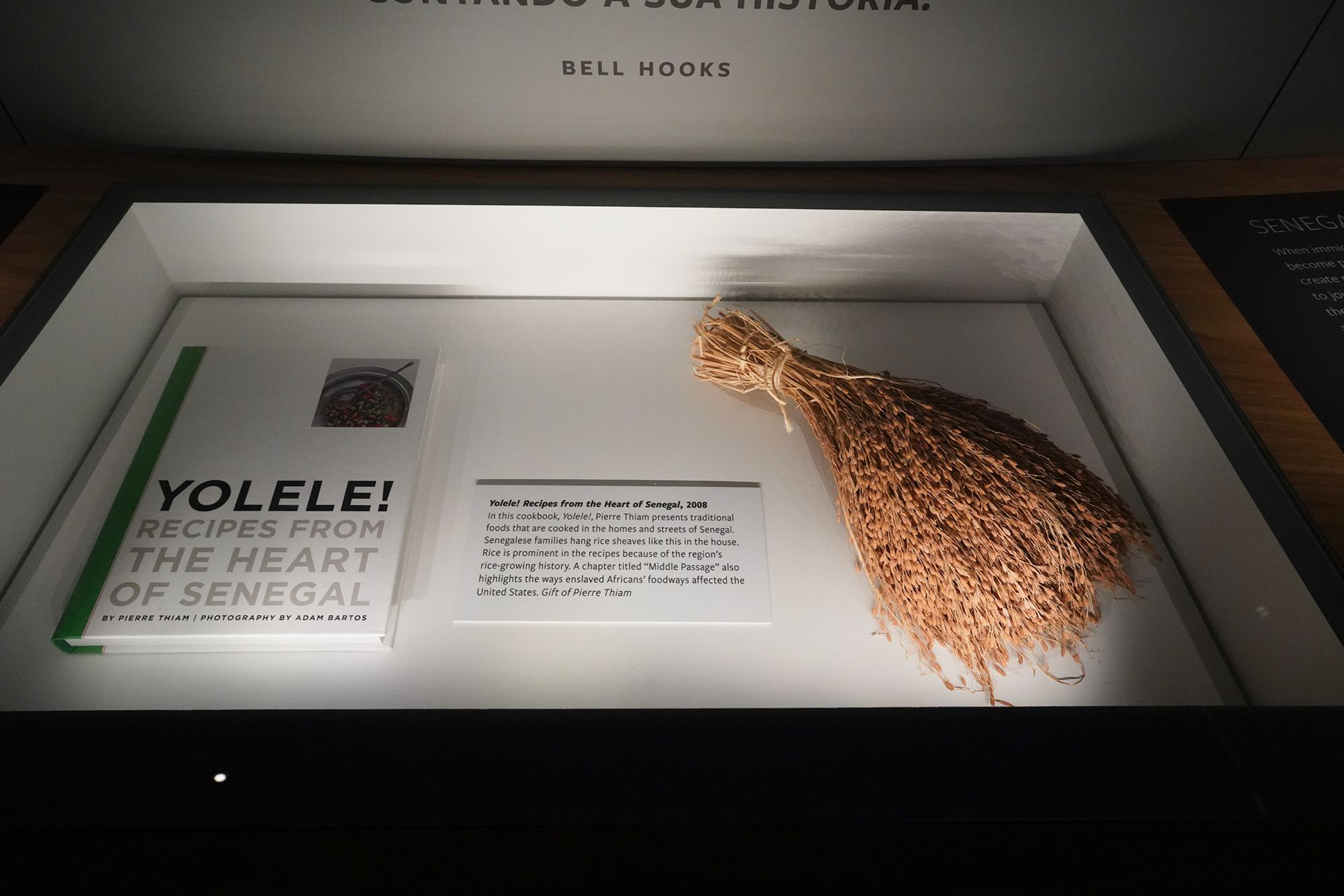
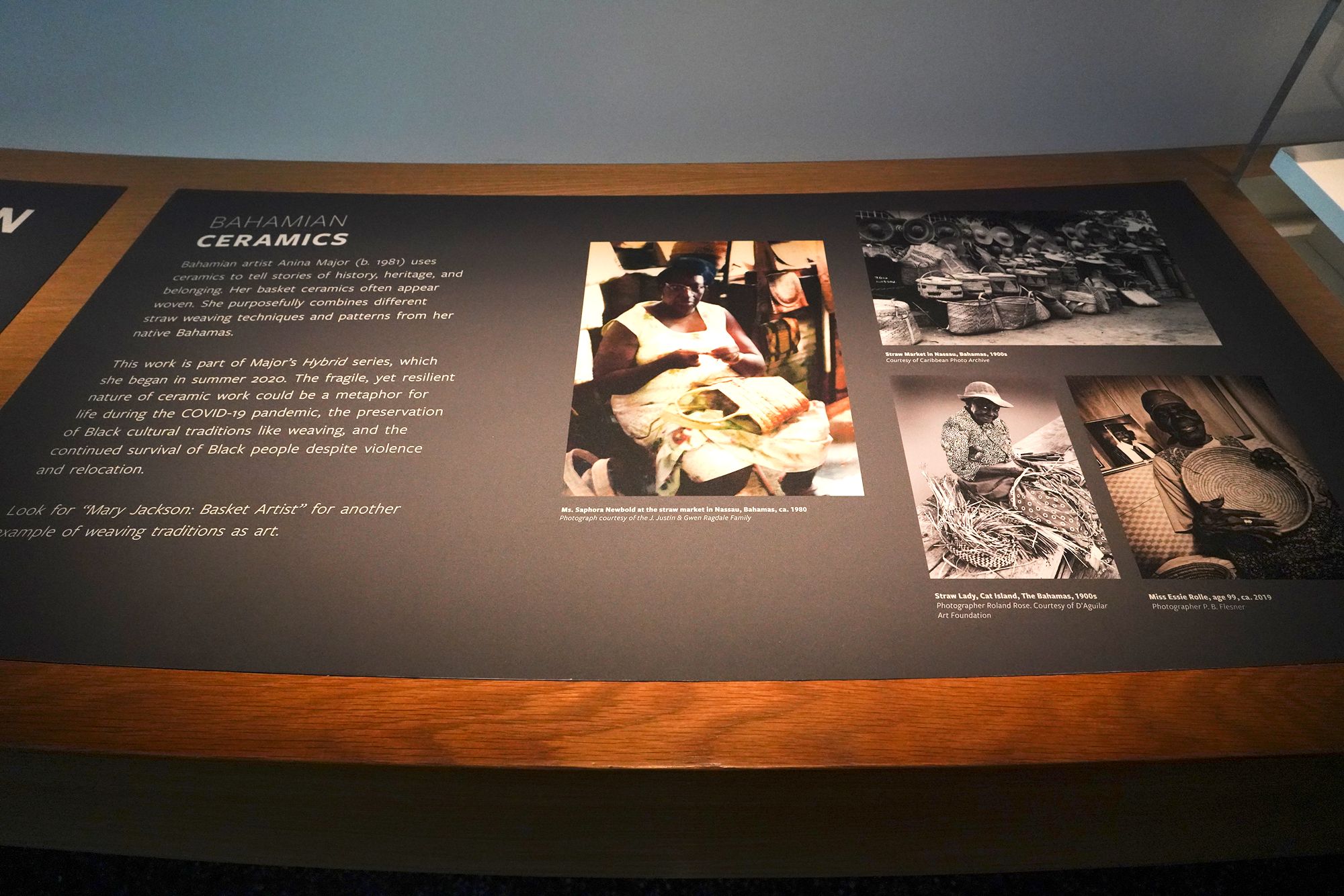
Bahamian Ceramics
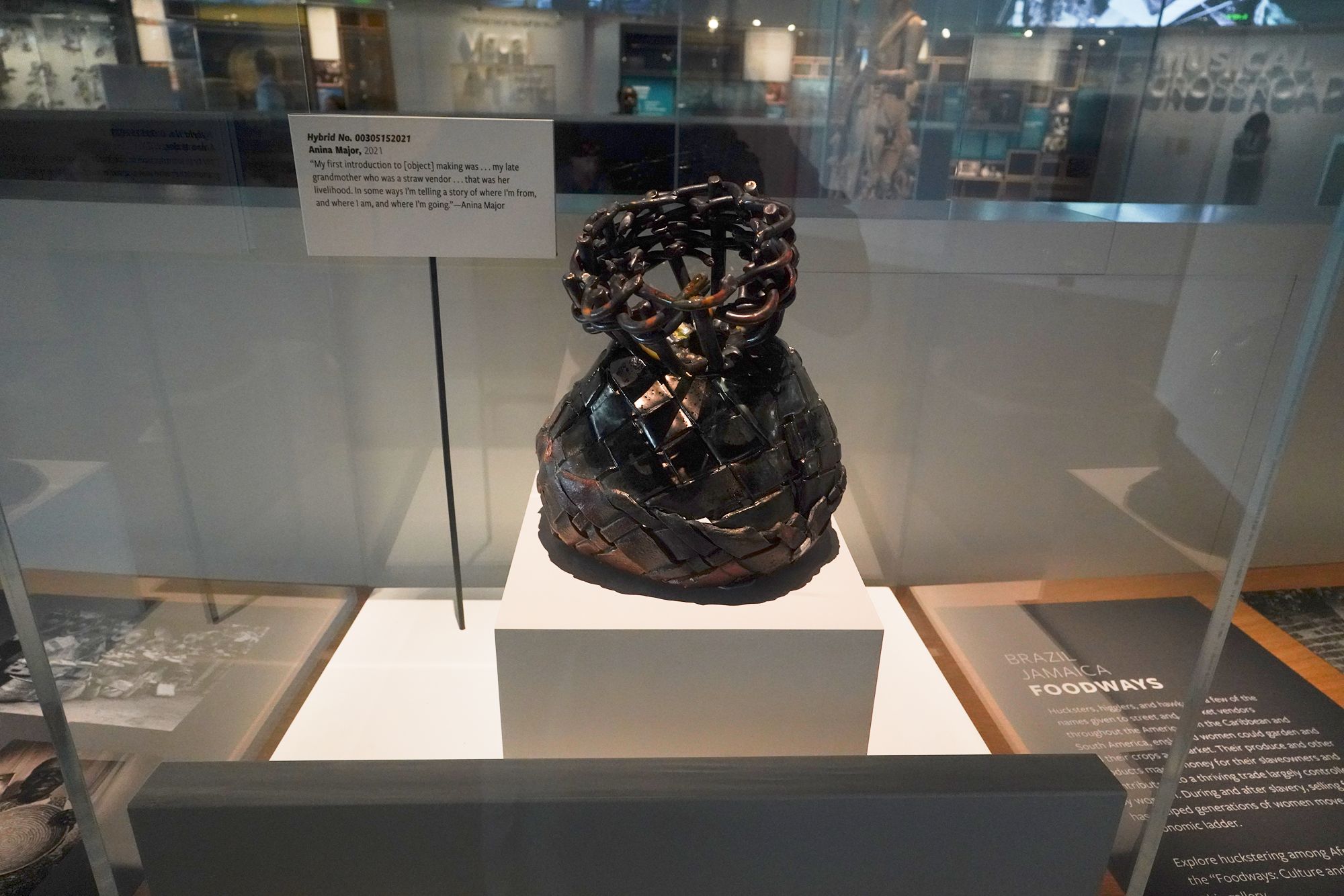
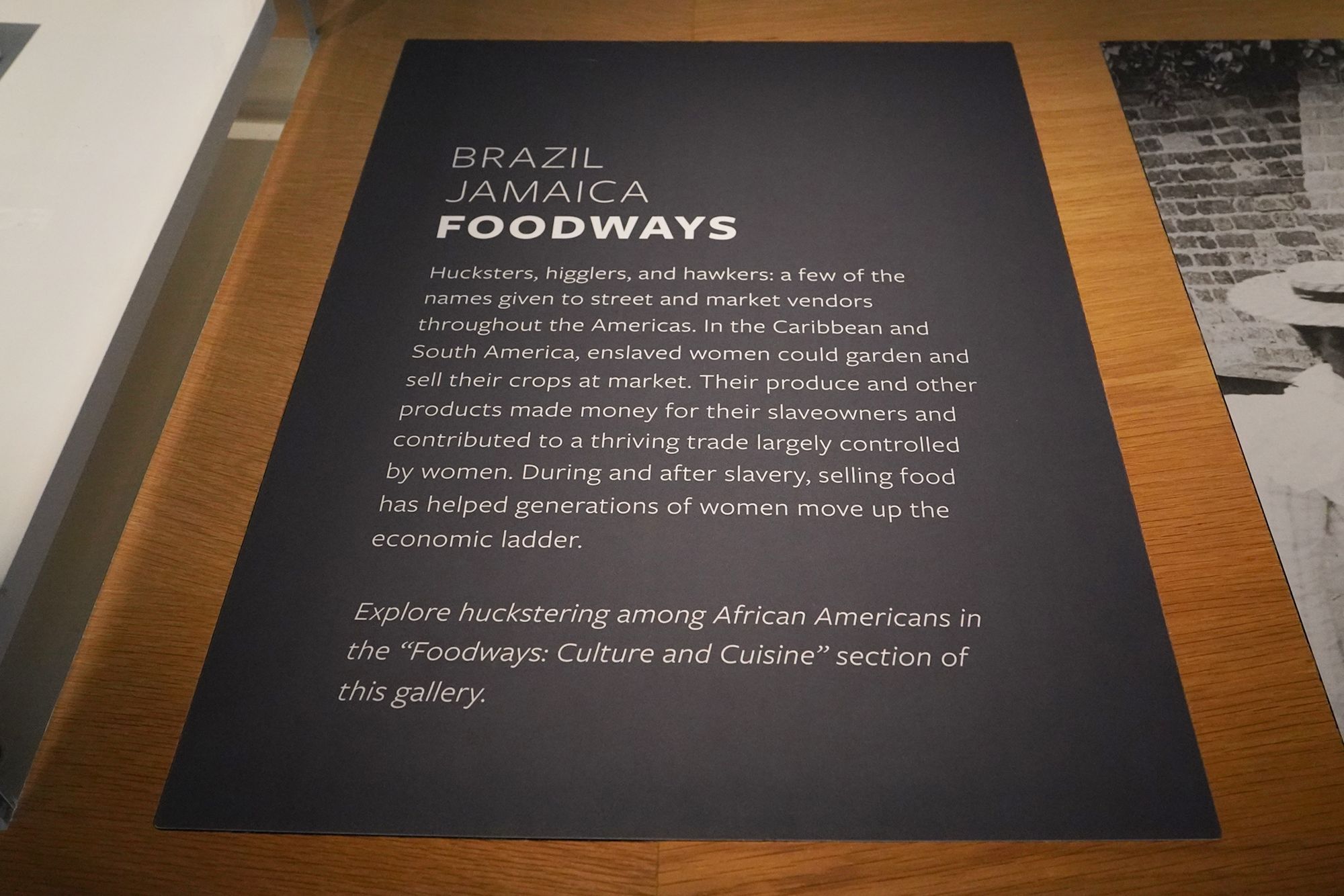
Brazil Jamaica Foodways
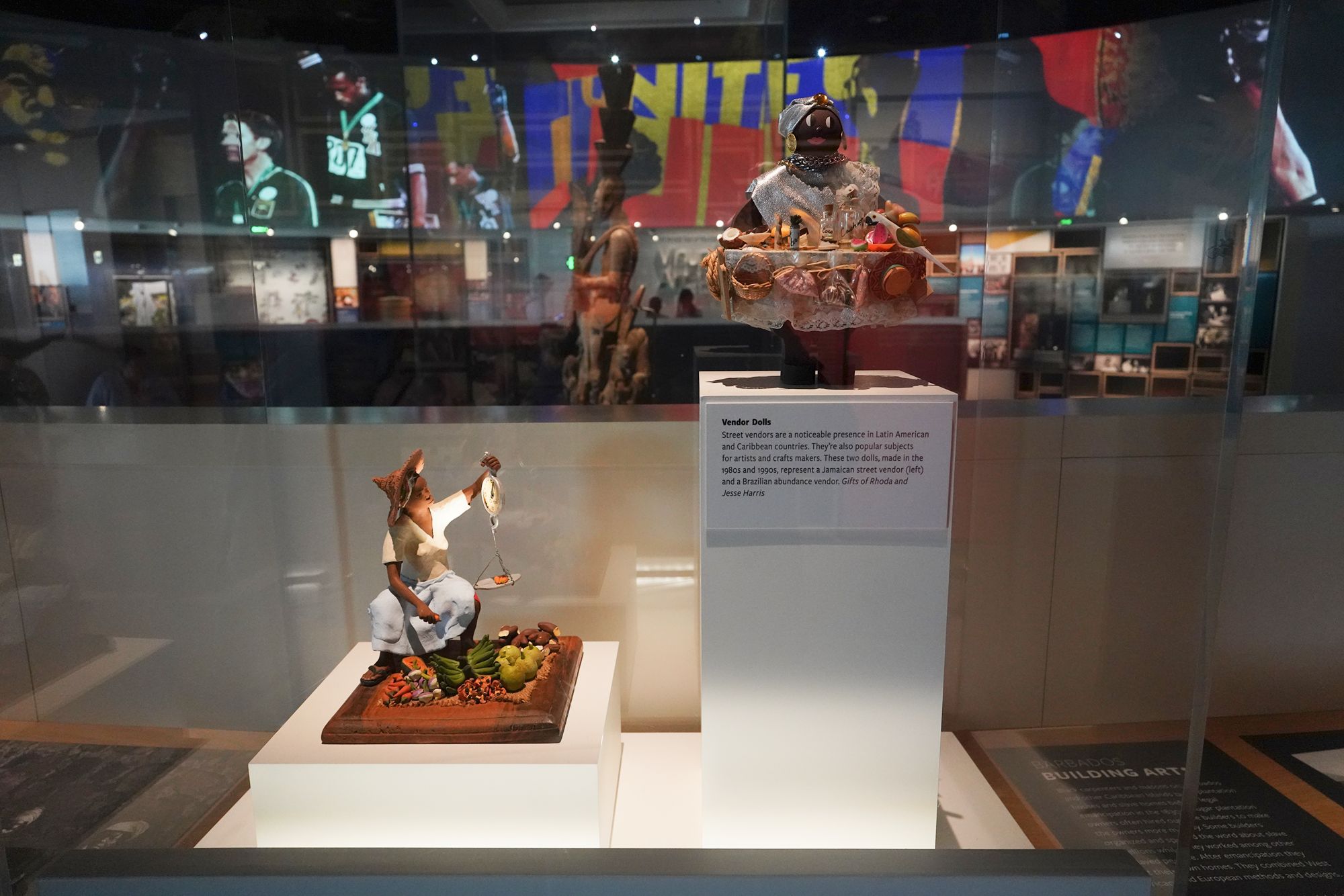
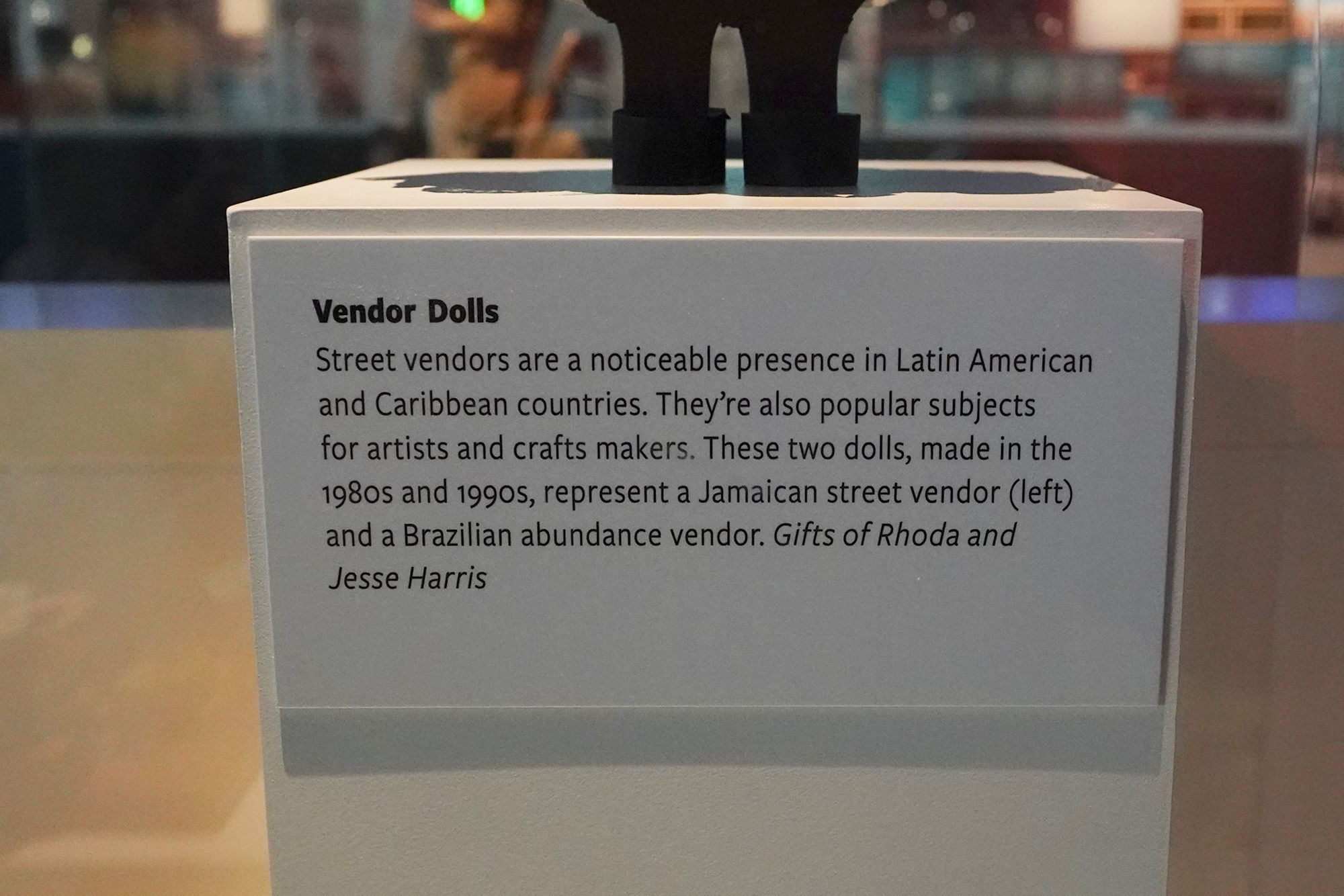
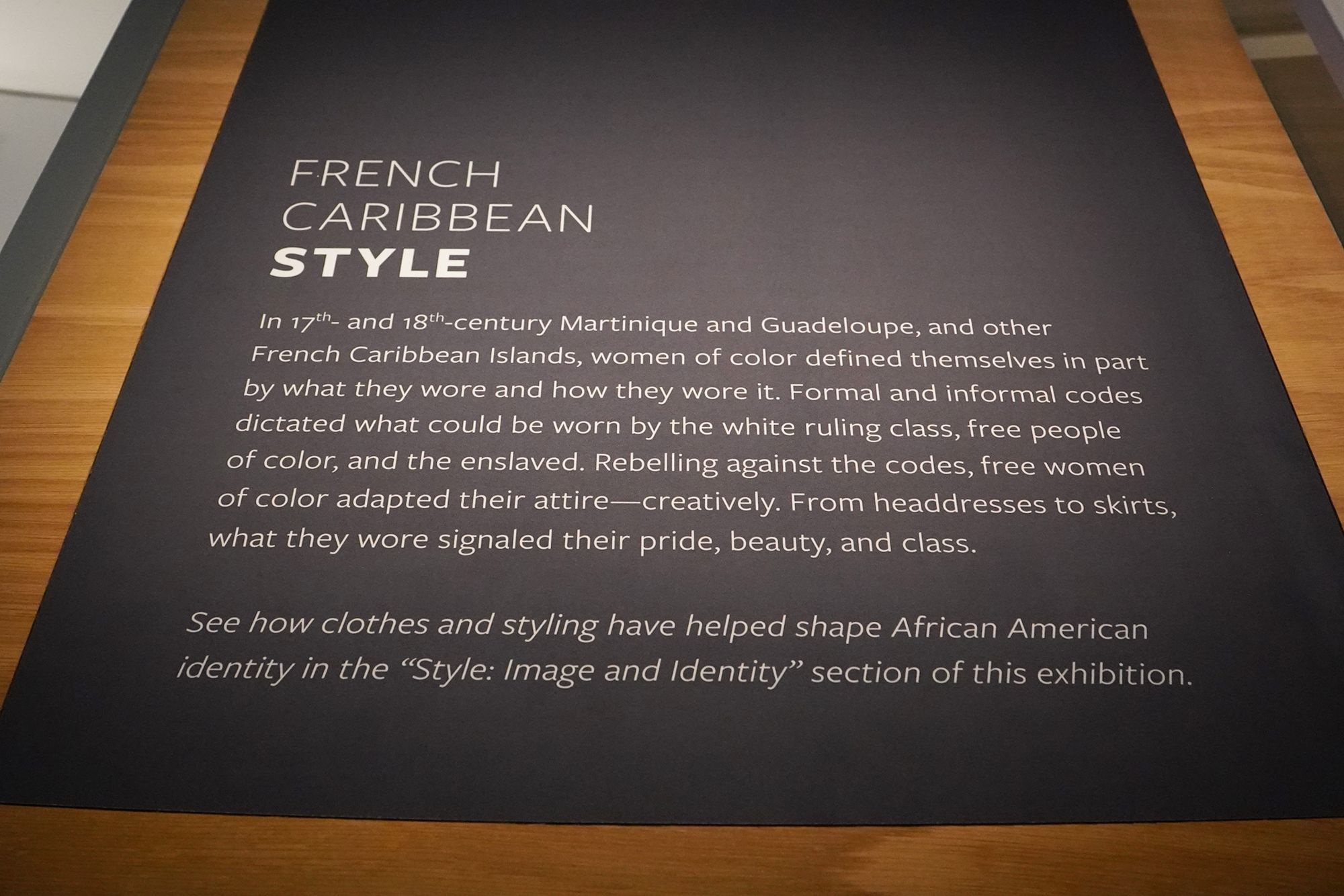
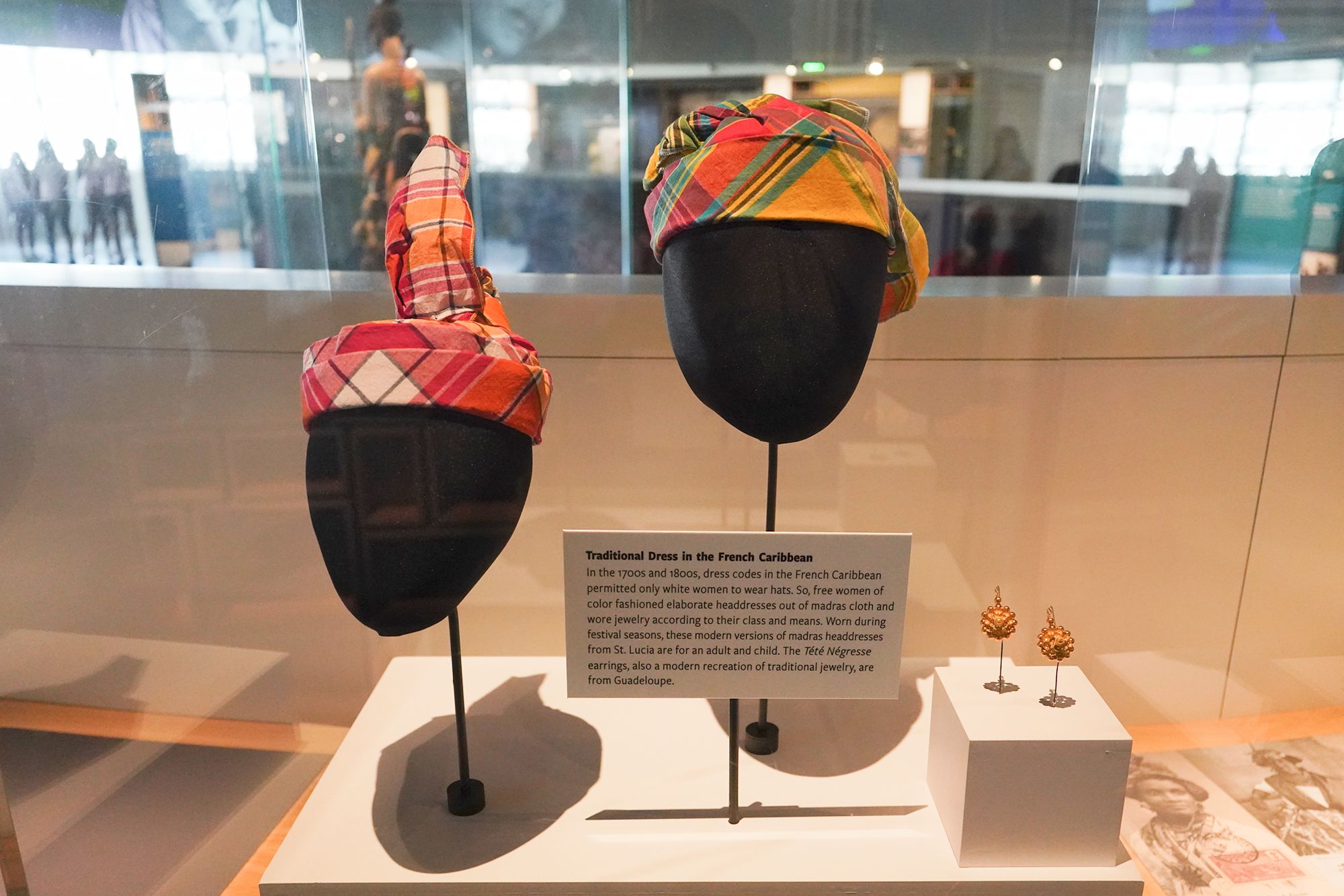
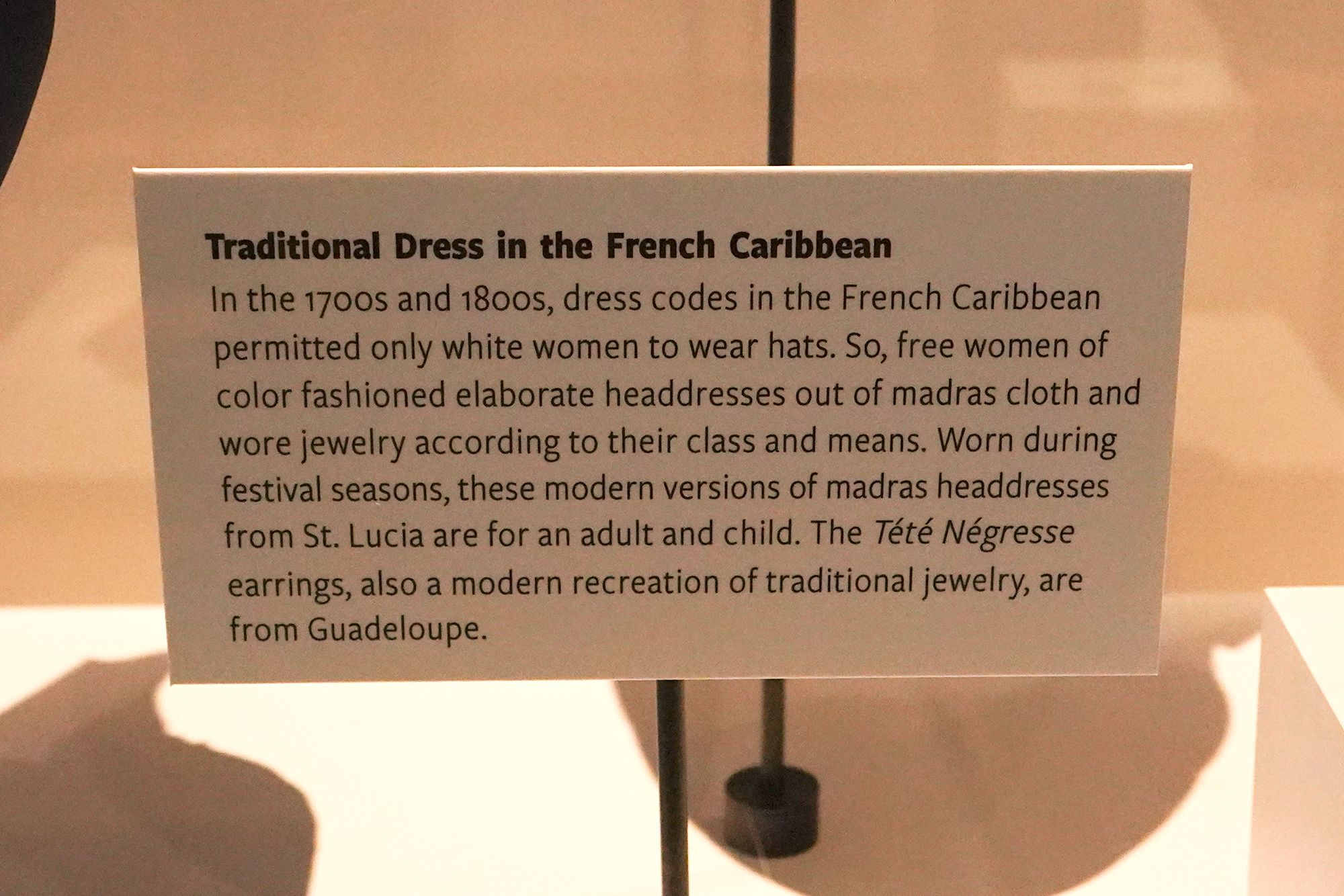
French Caribbean Style
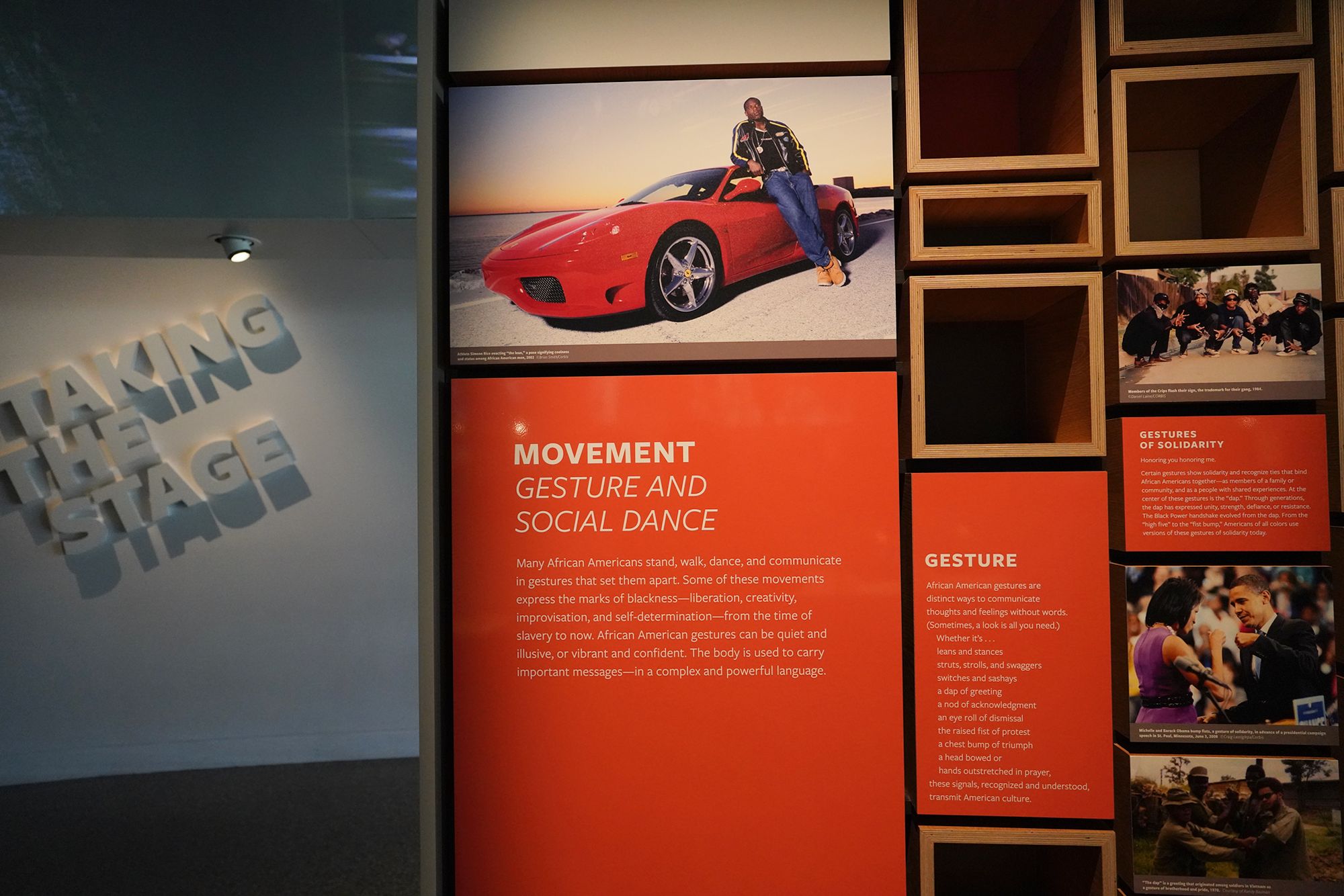
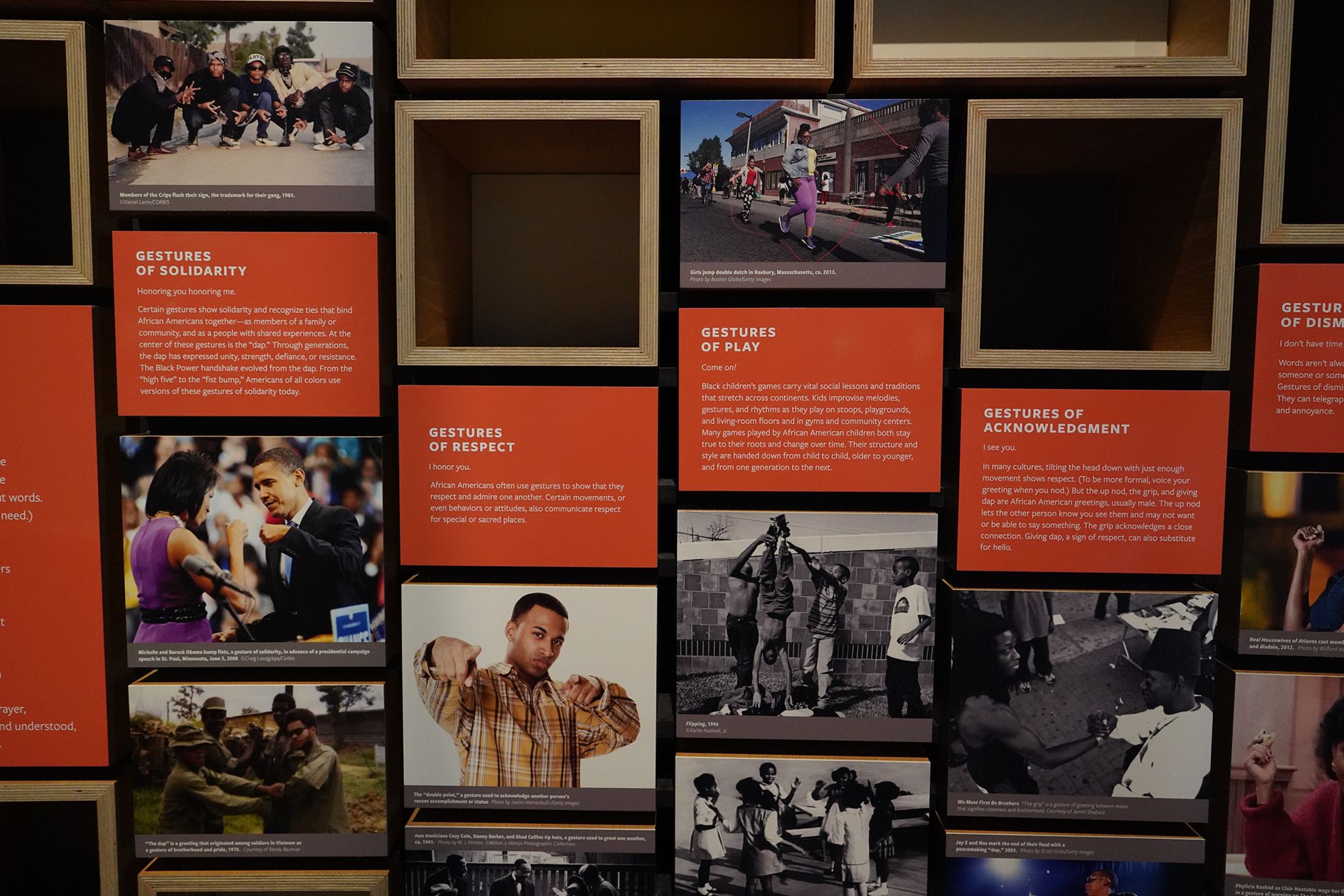
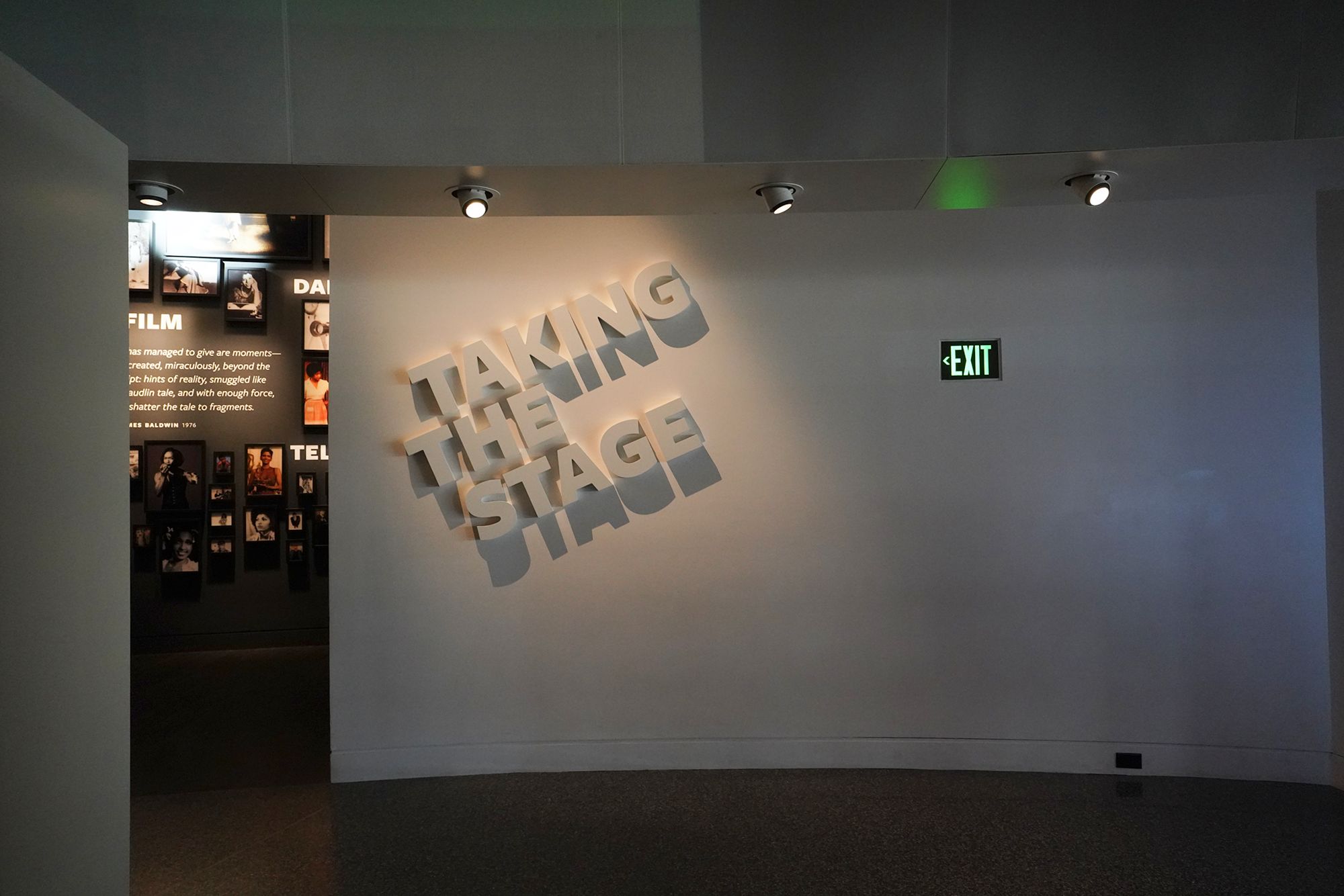
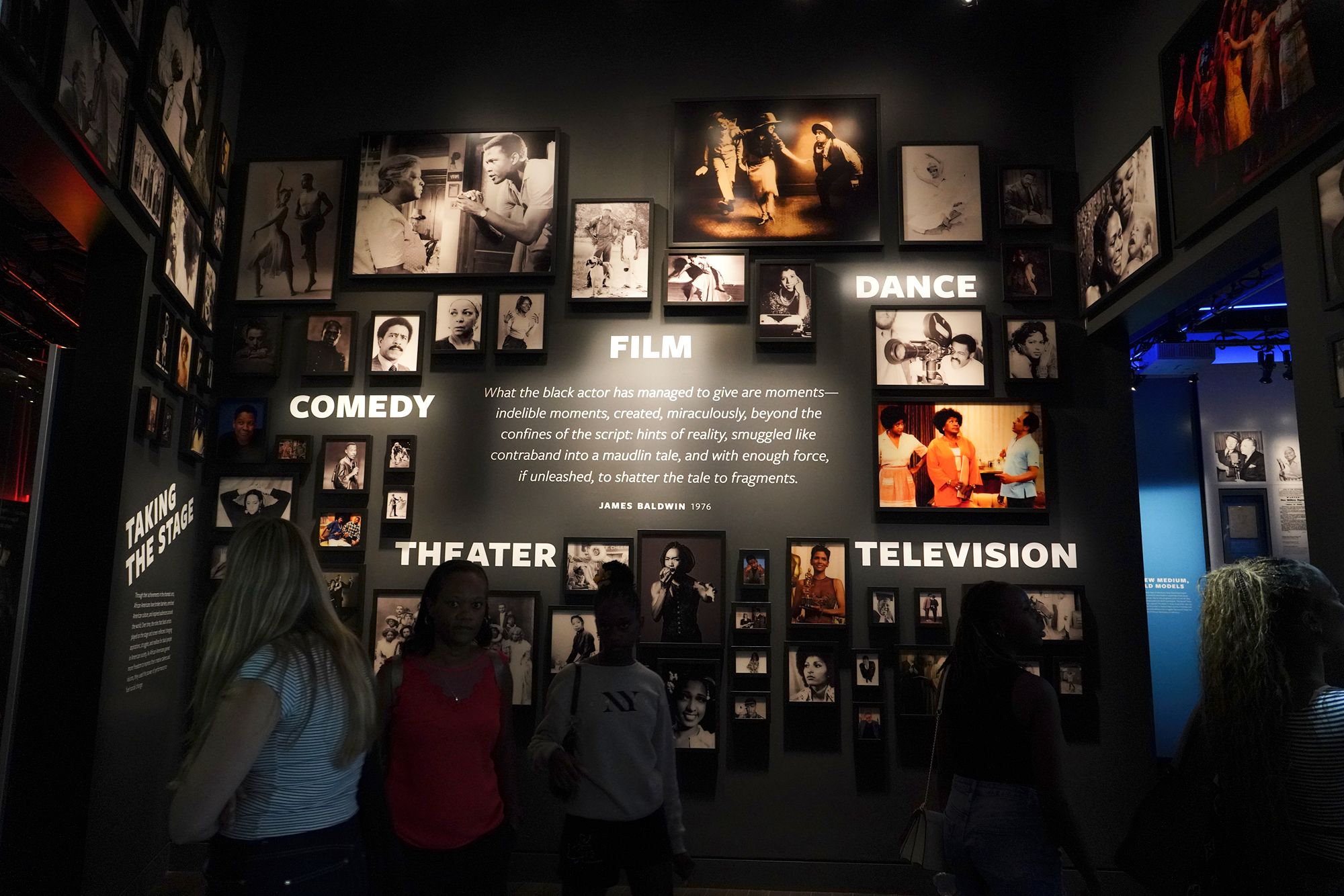
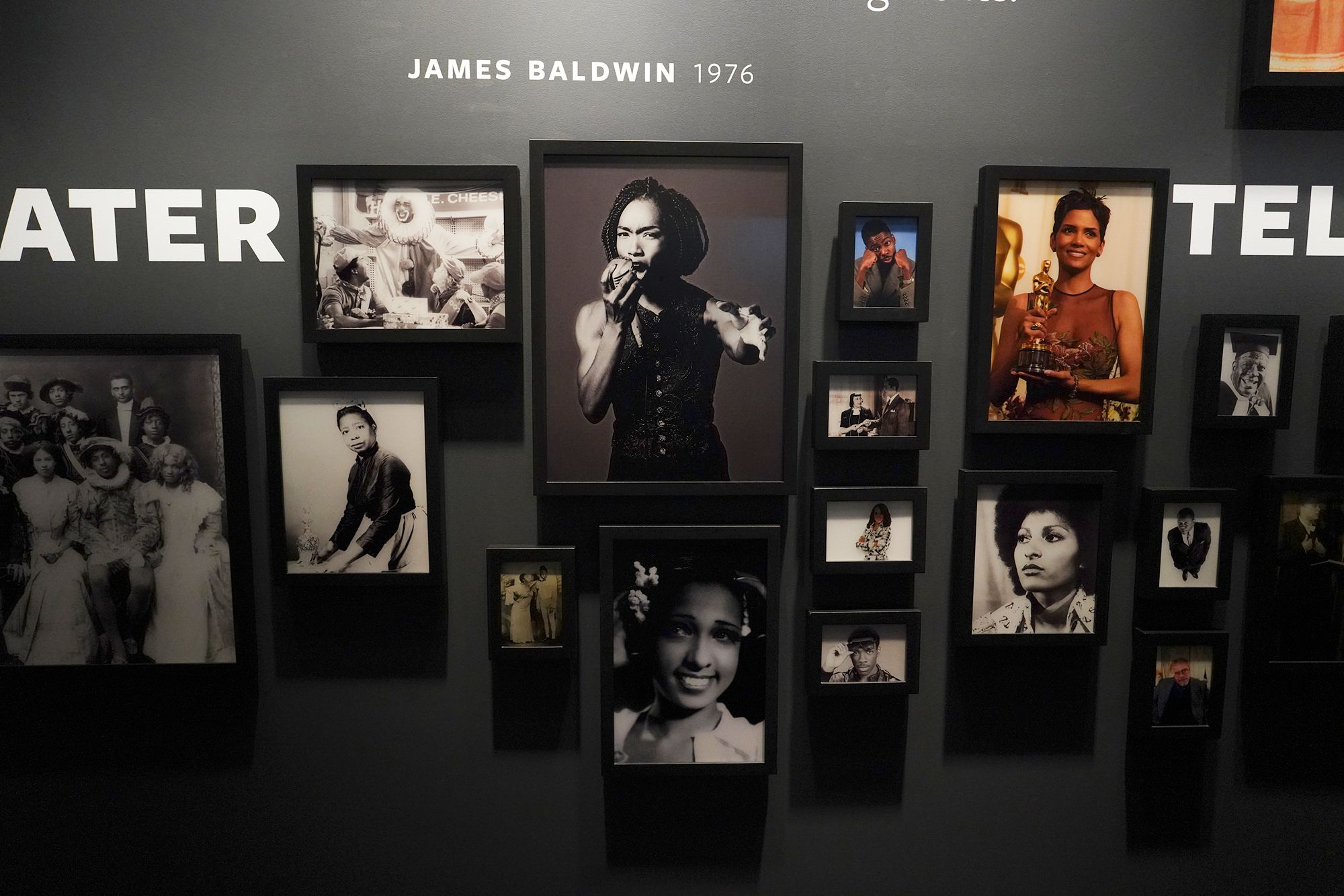
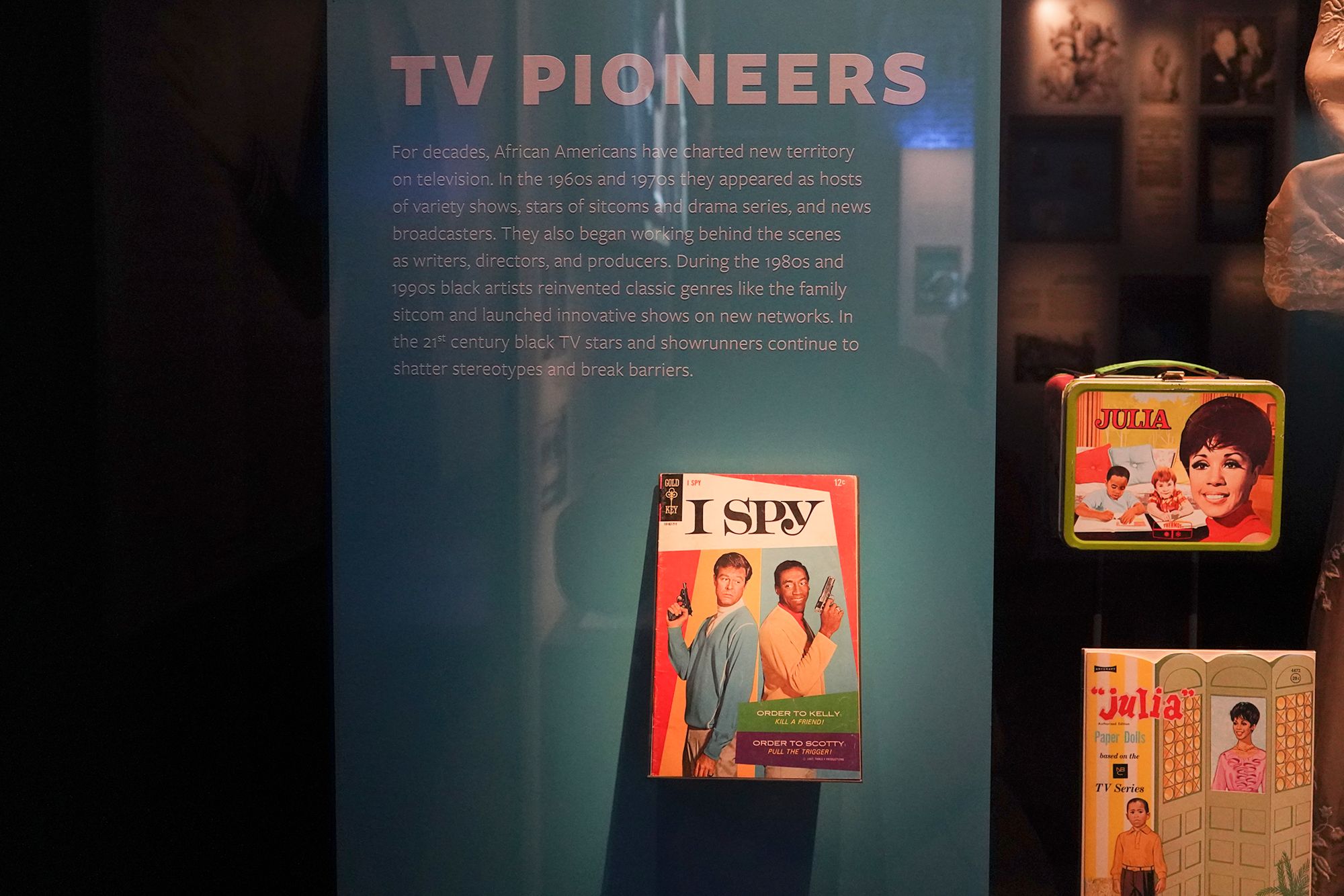
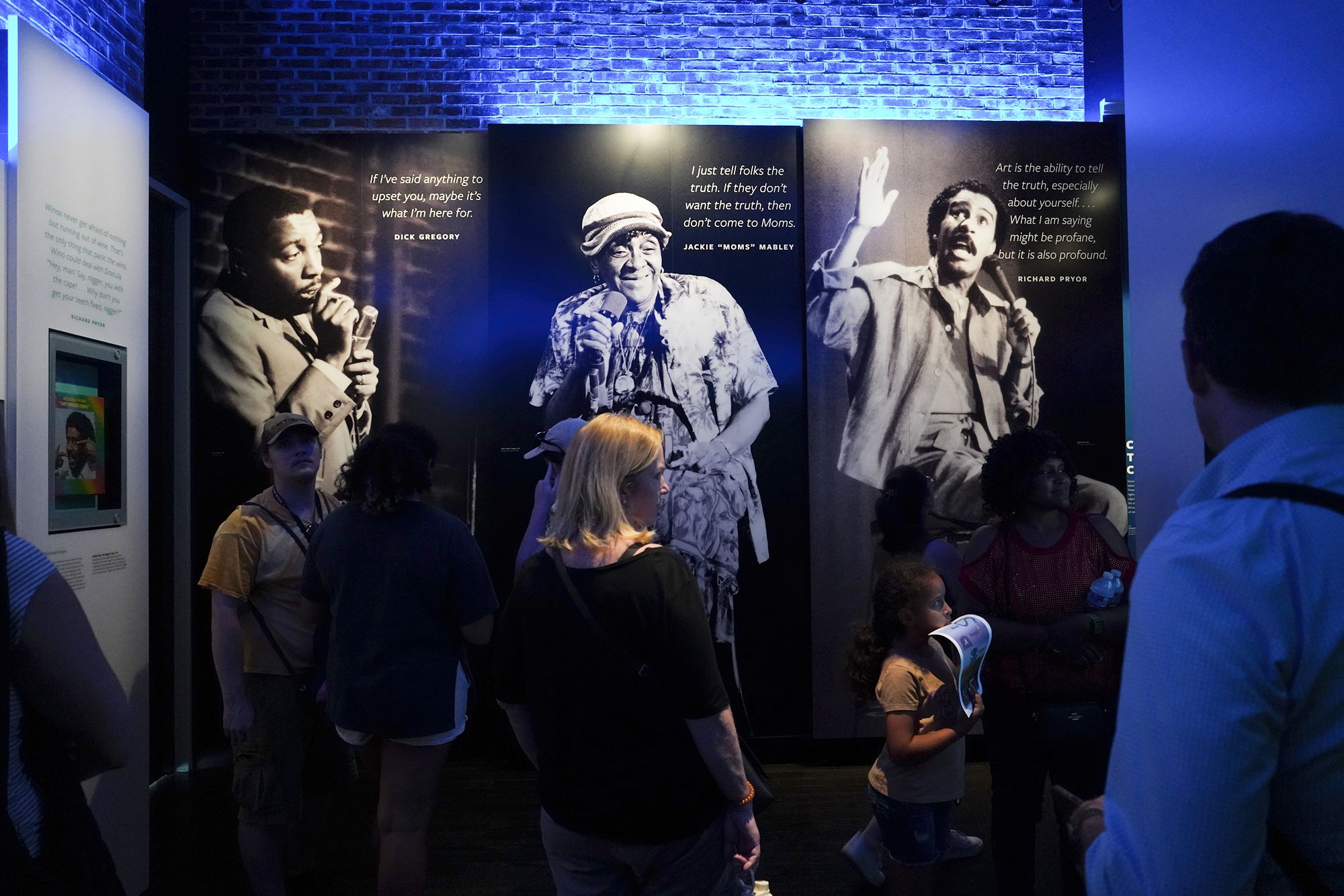
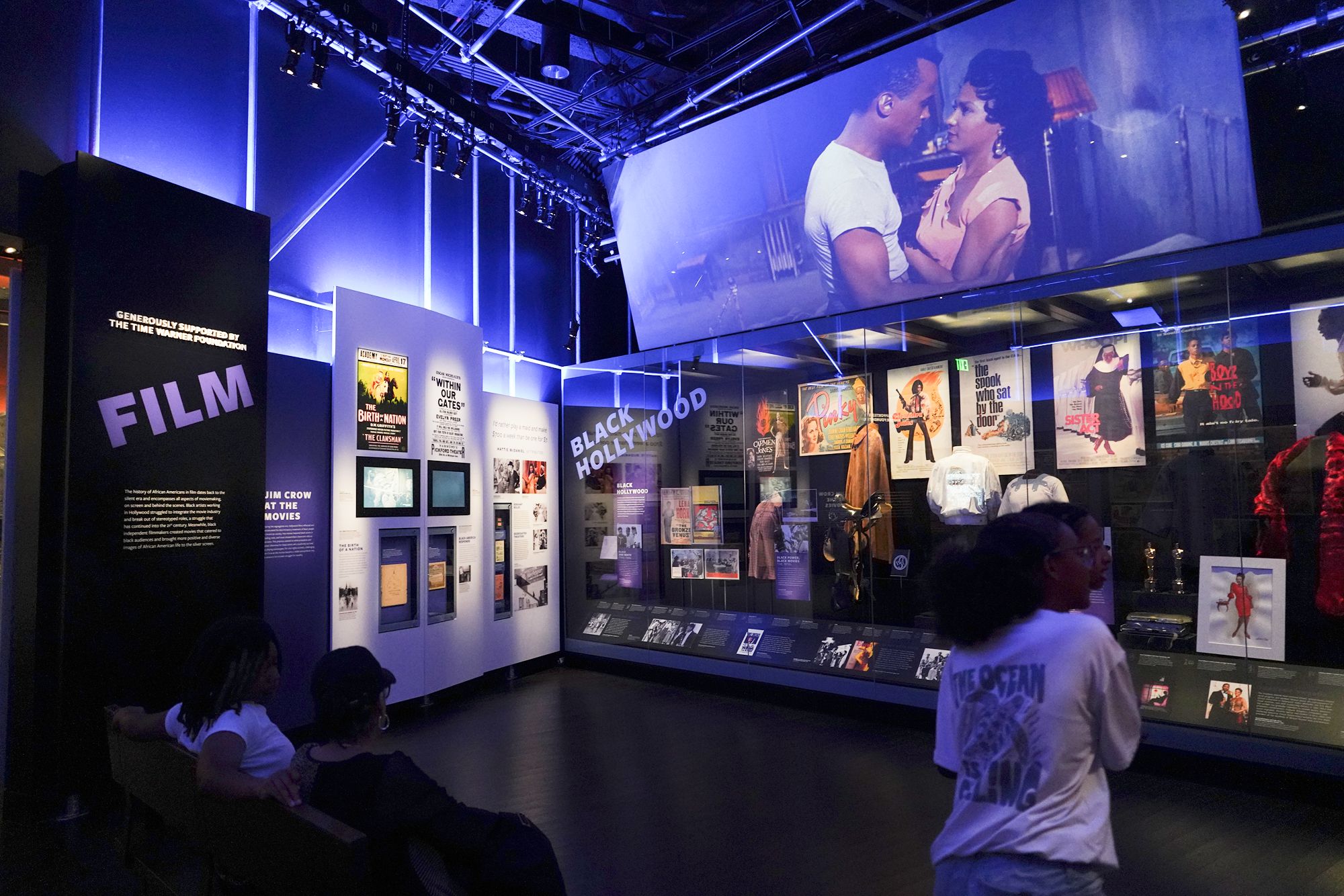
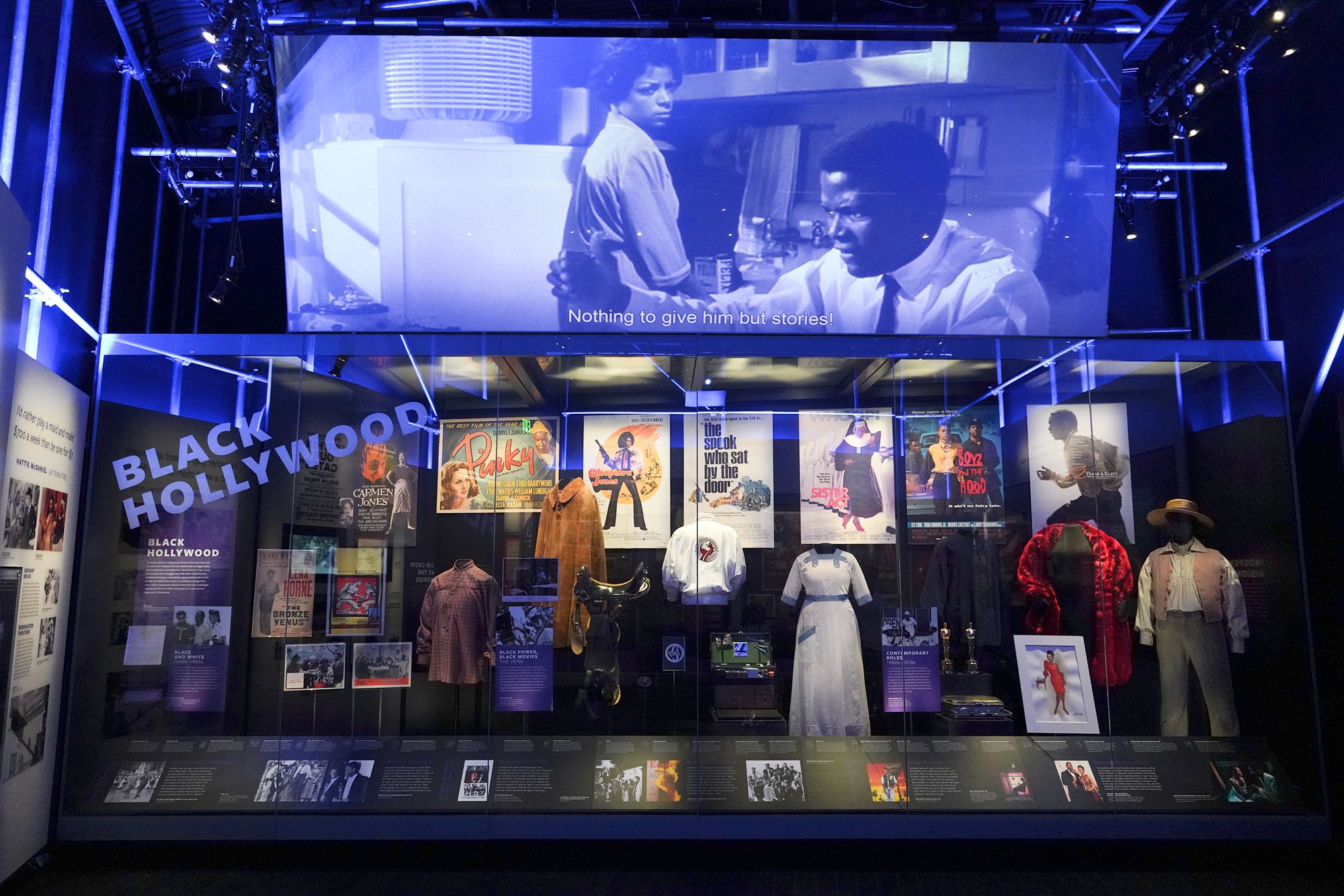
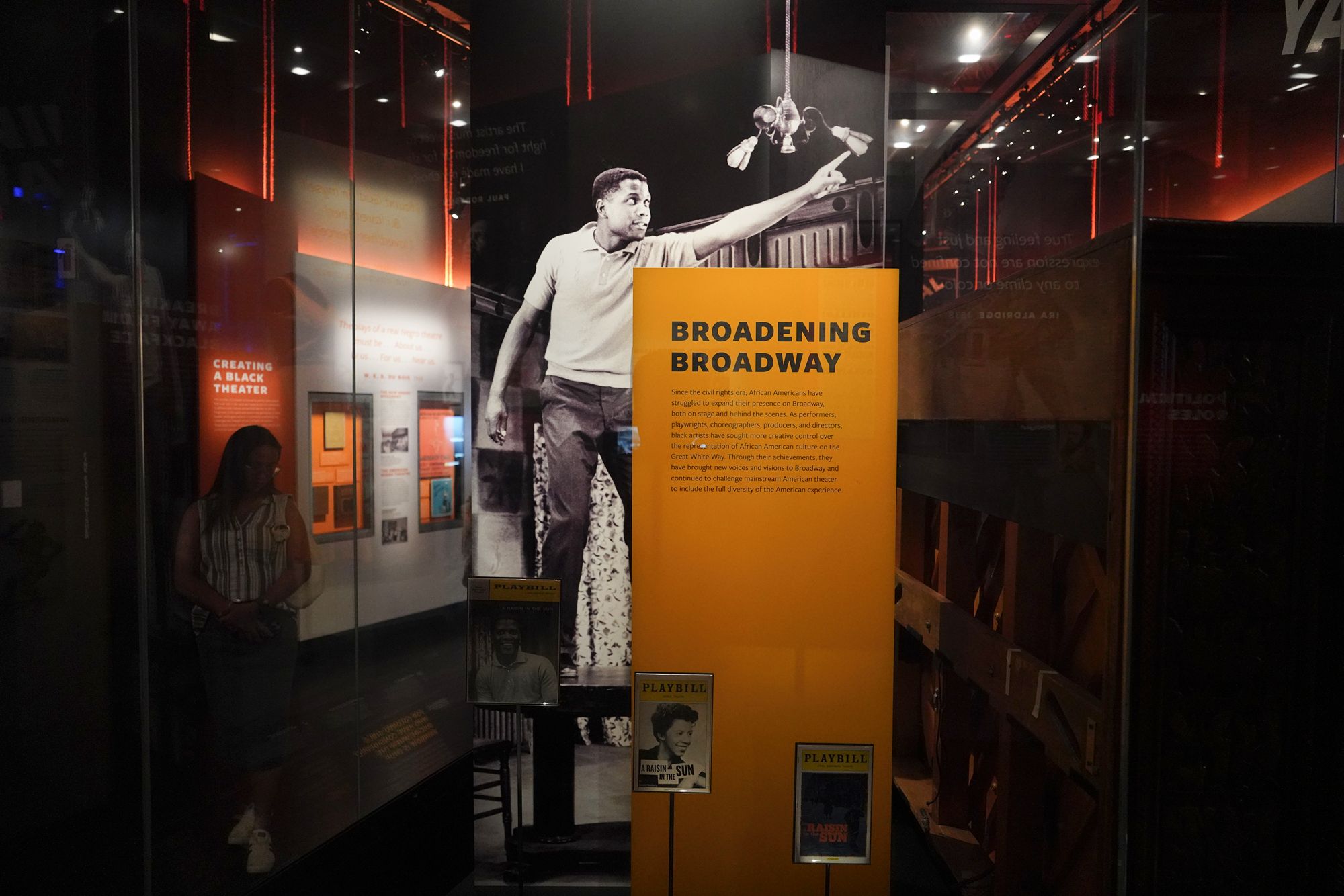
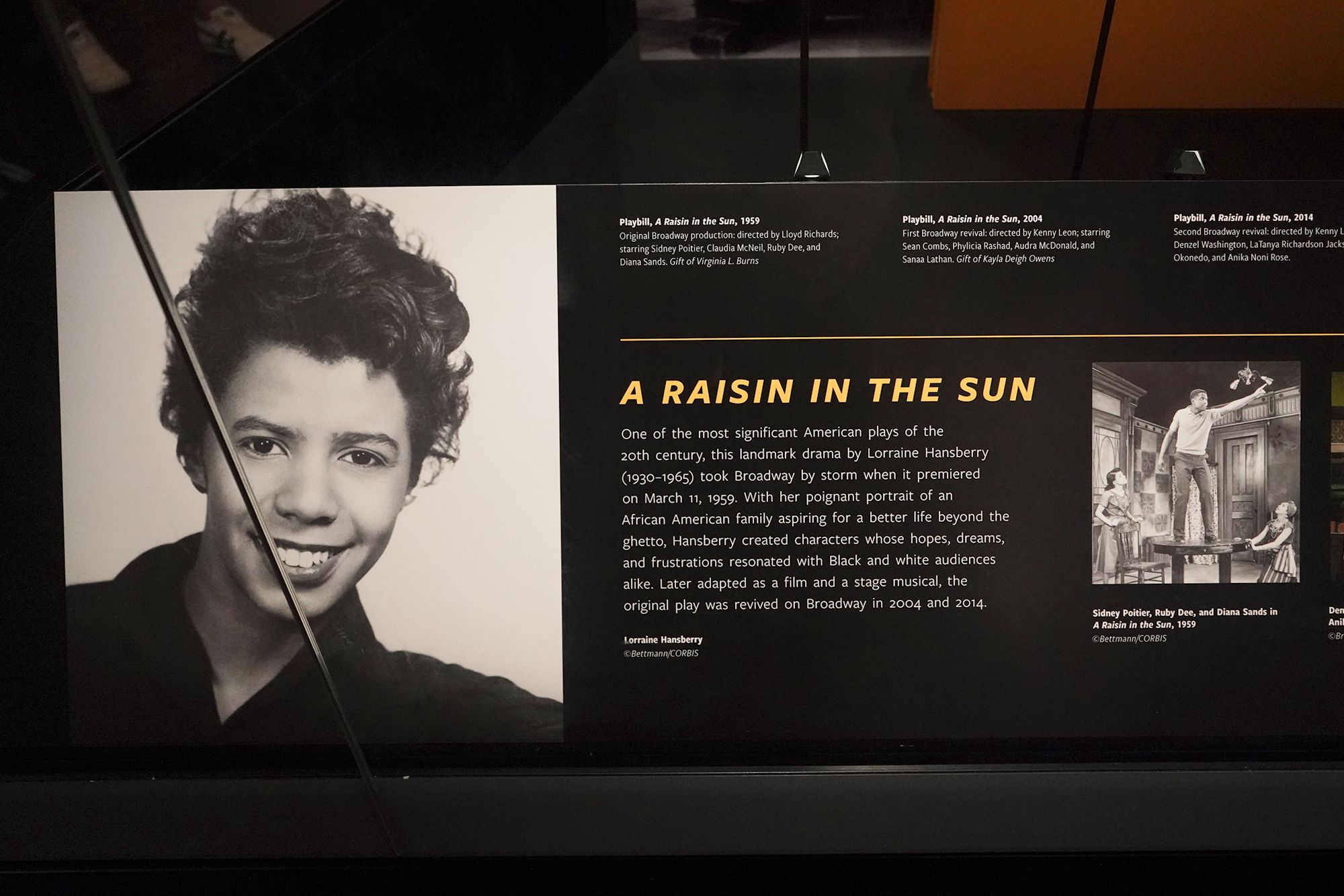
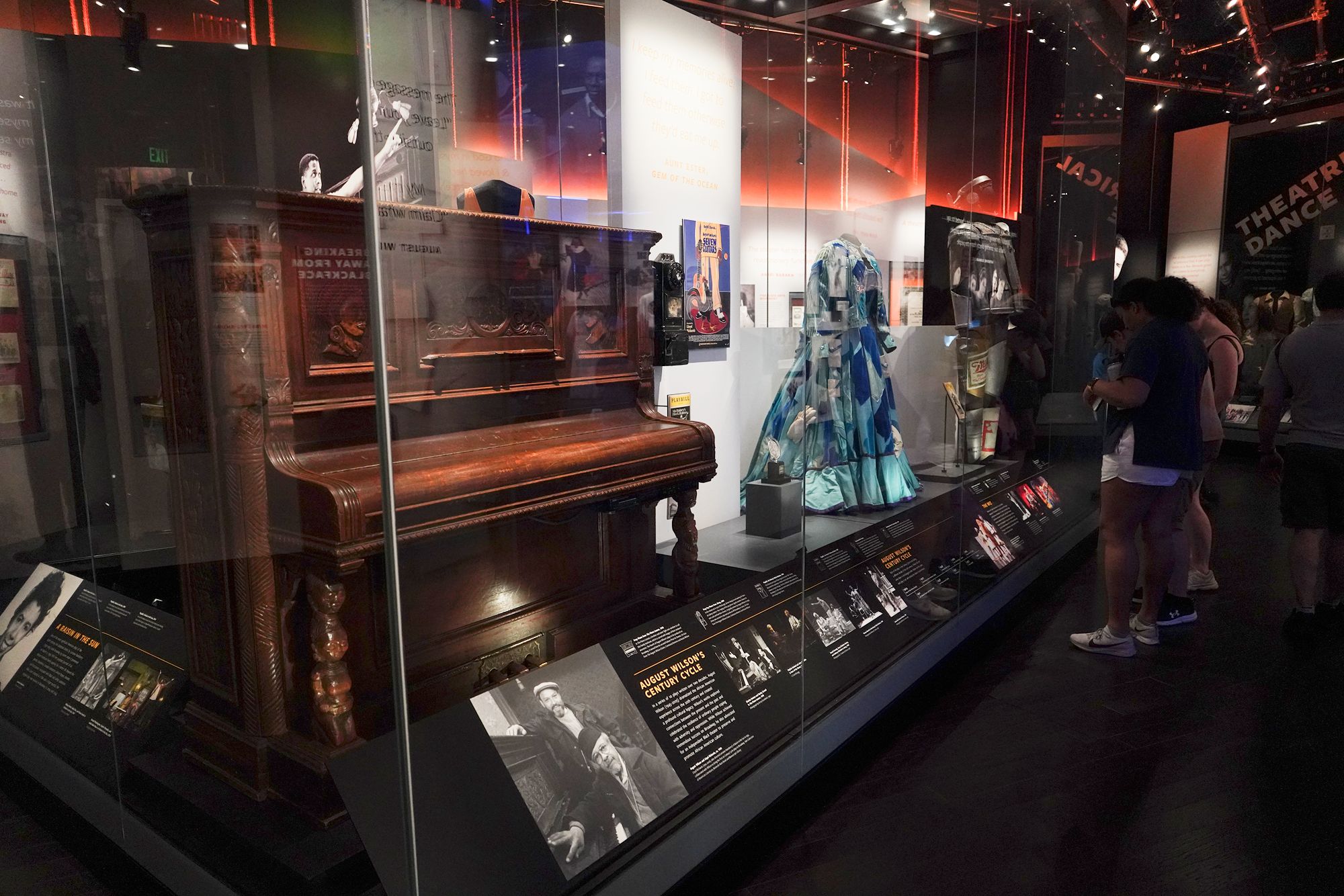
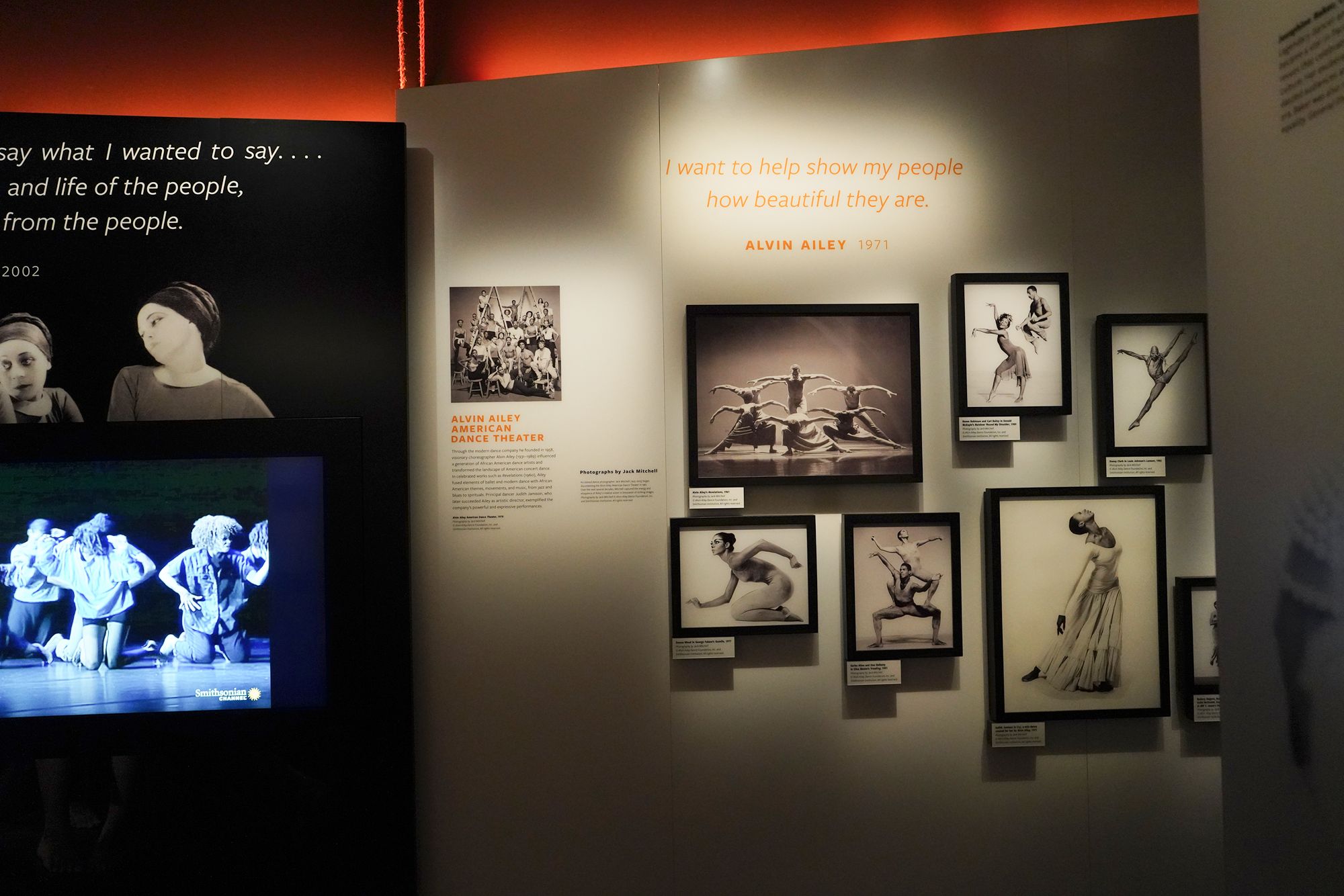
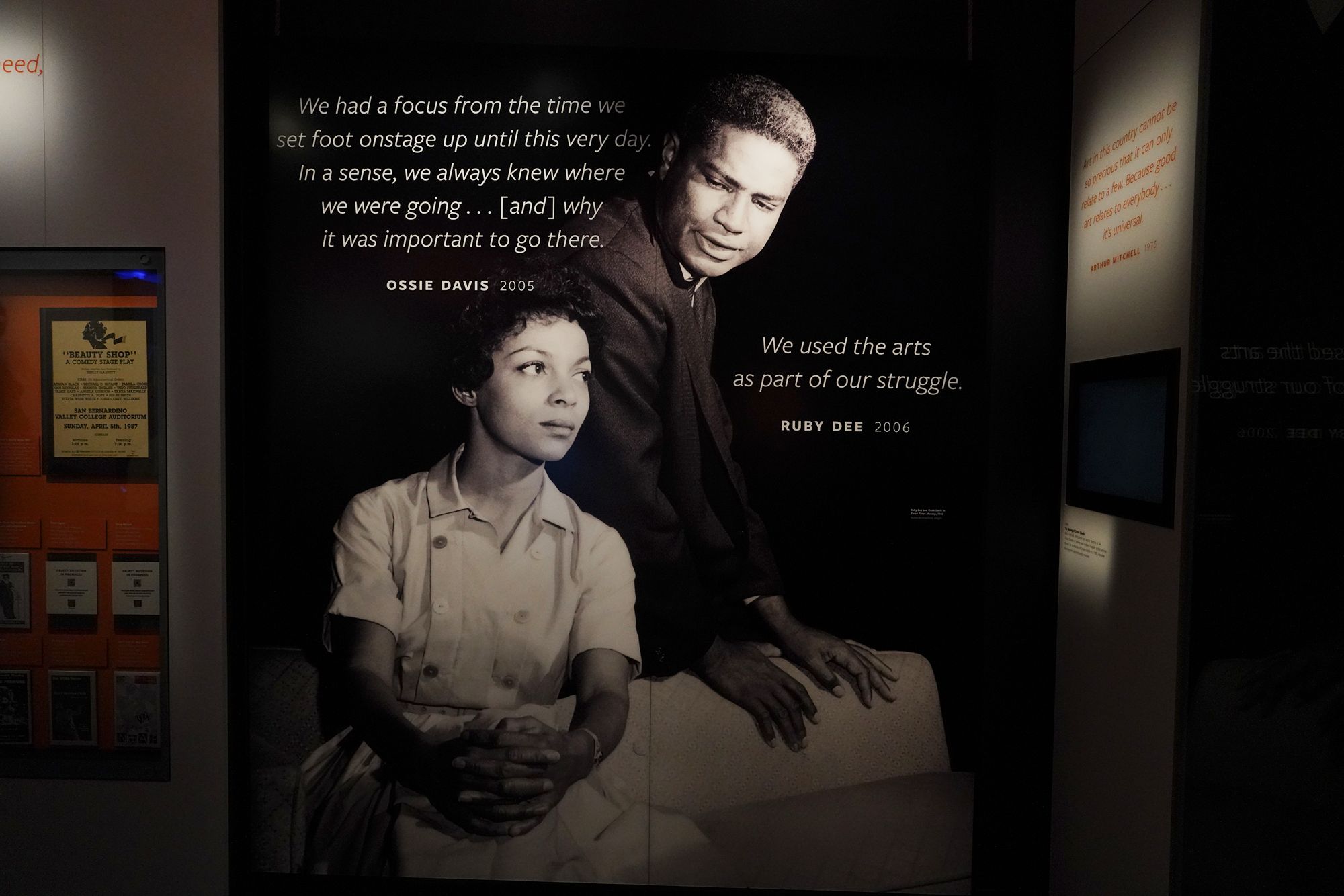
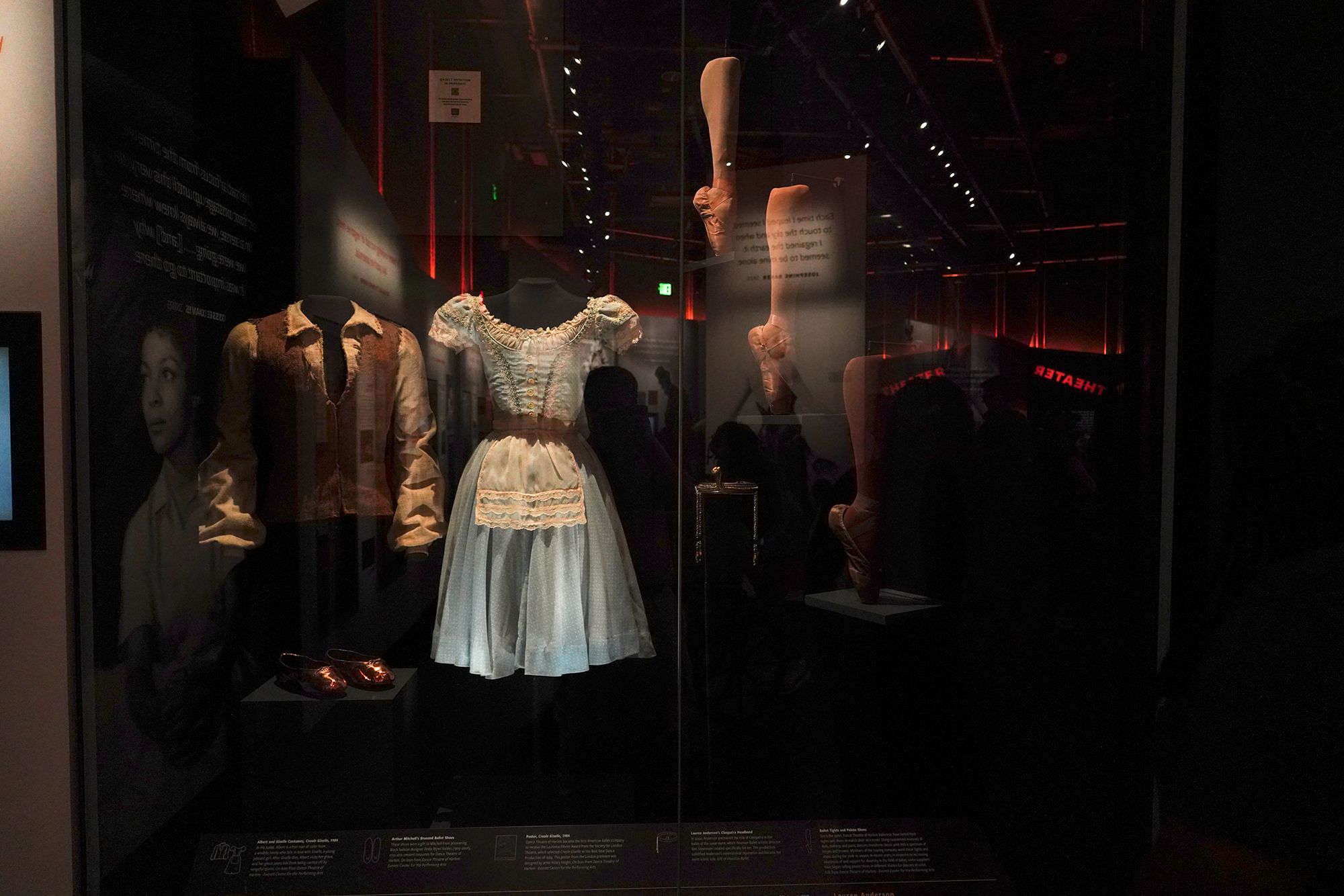
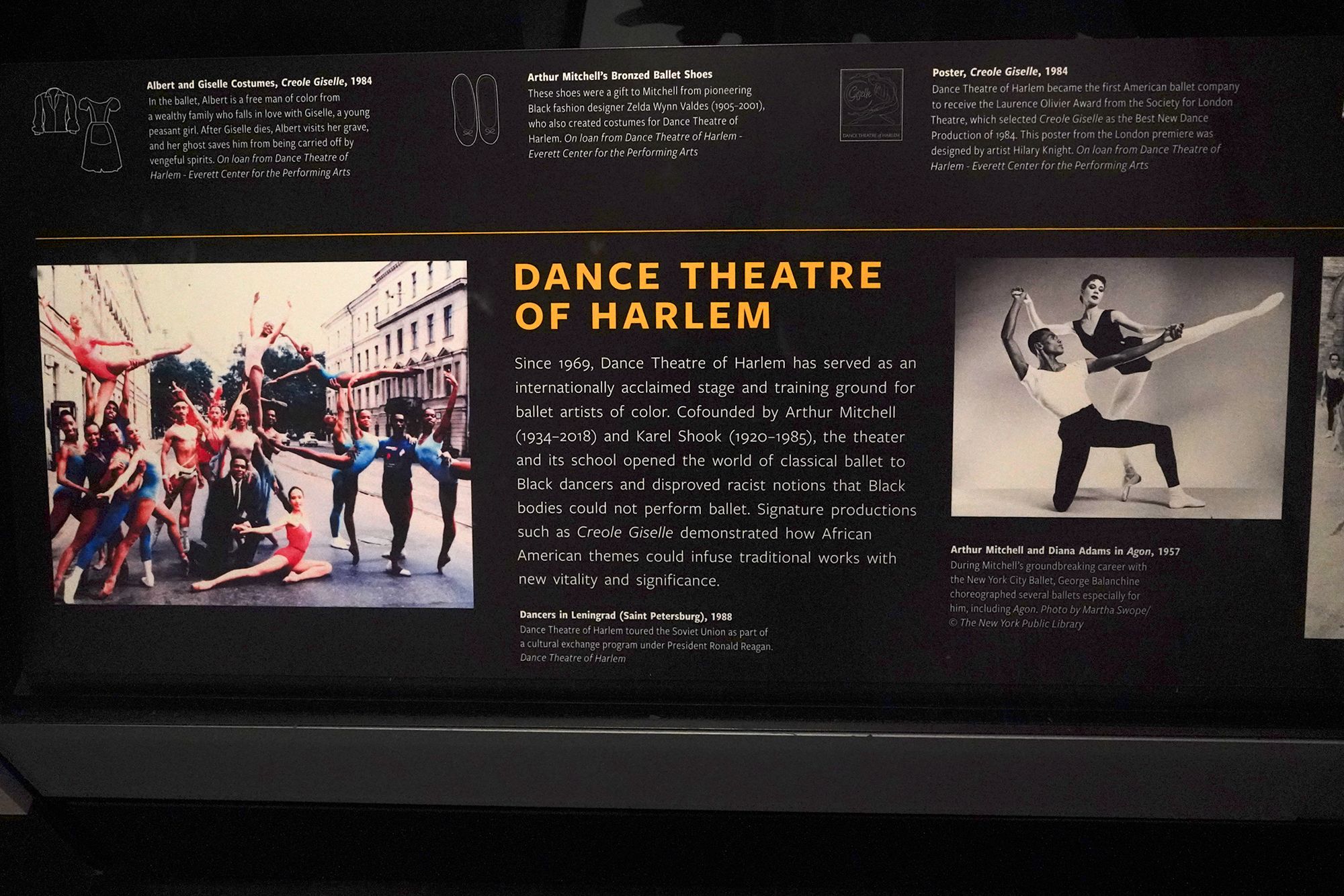
The “Taking the Stage” exhibition celebrates the impact of African Americans in the performing arts—theater, film, television, and music—and how they used these platforms to tell their stories, challenge stereotypes, and transform American culture.
On Television
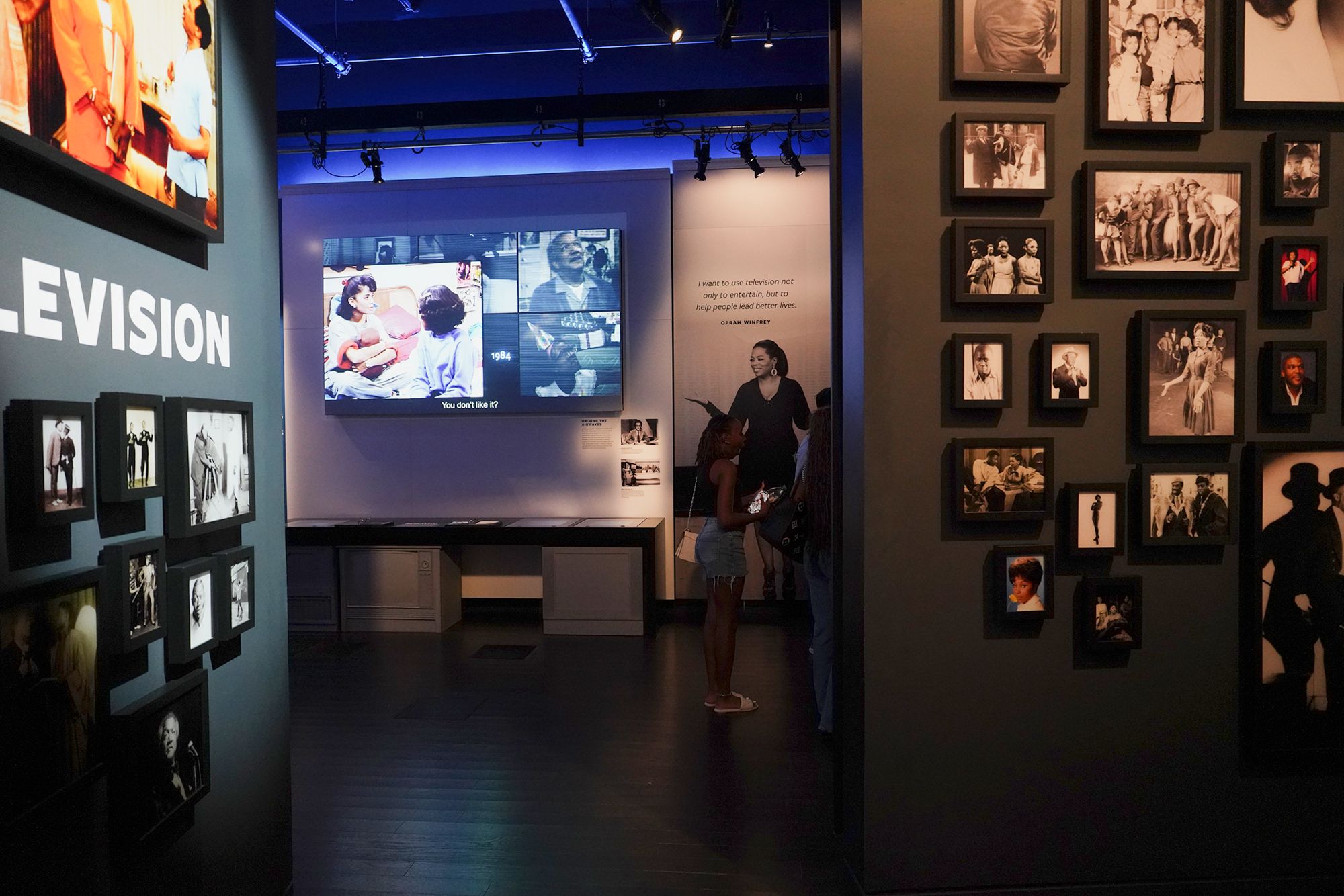
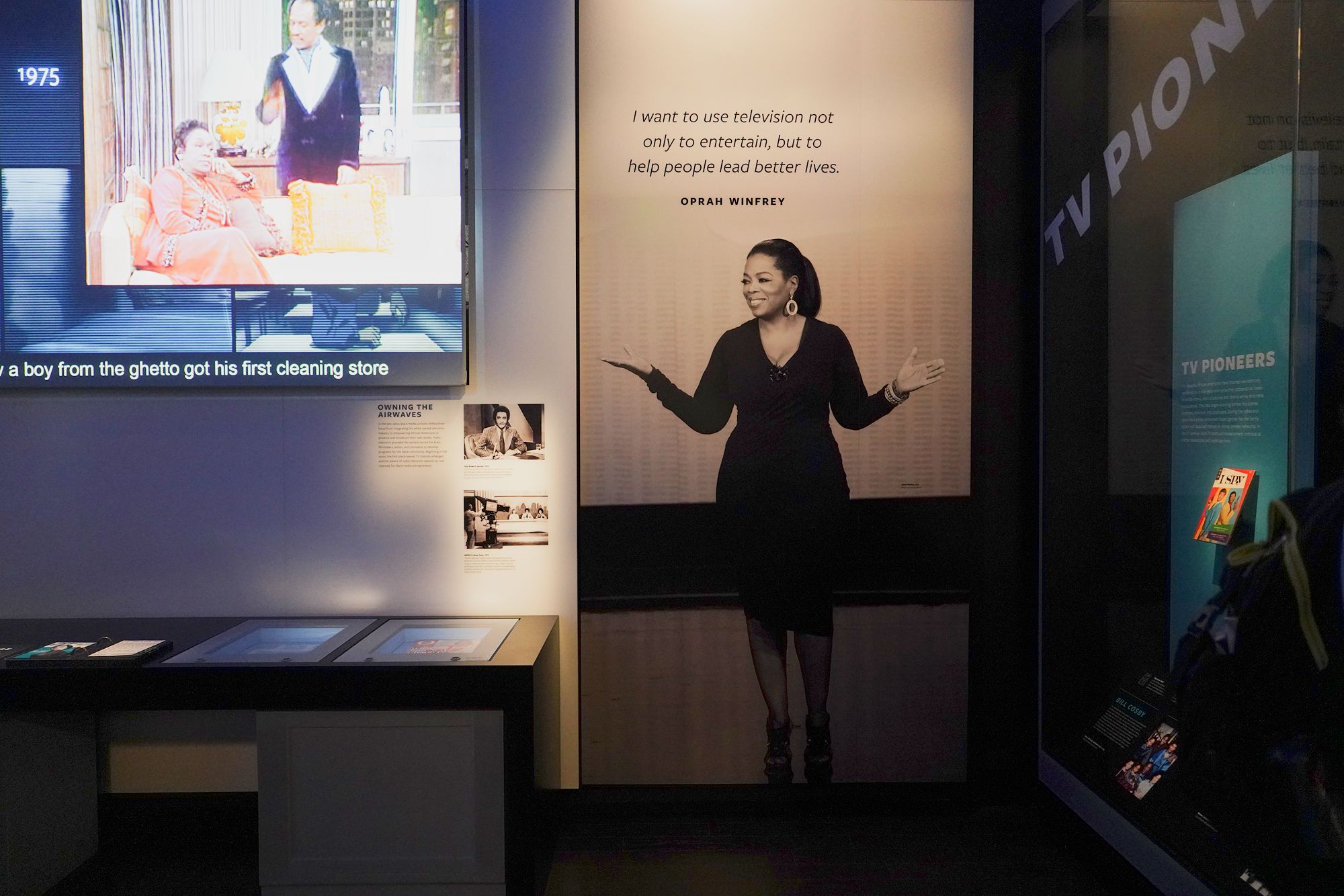
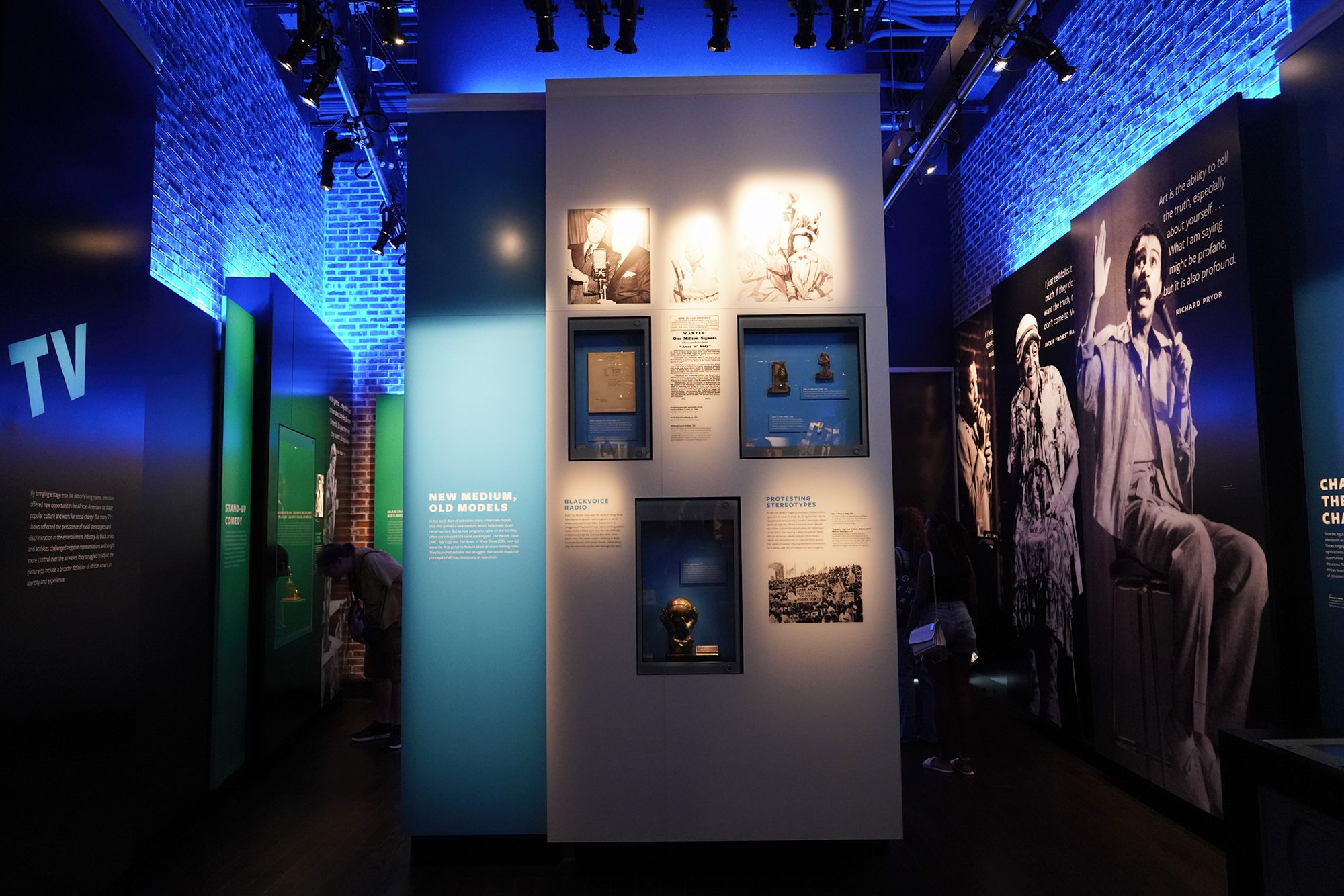
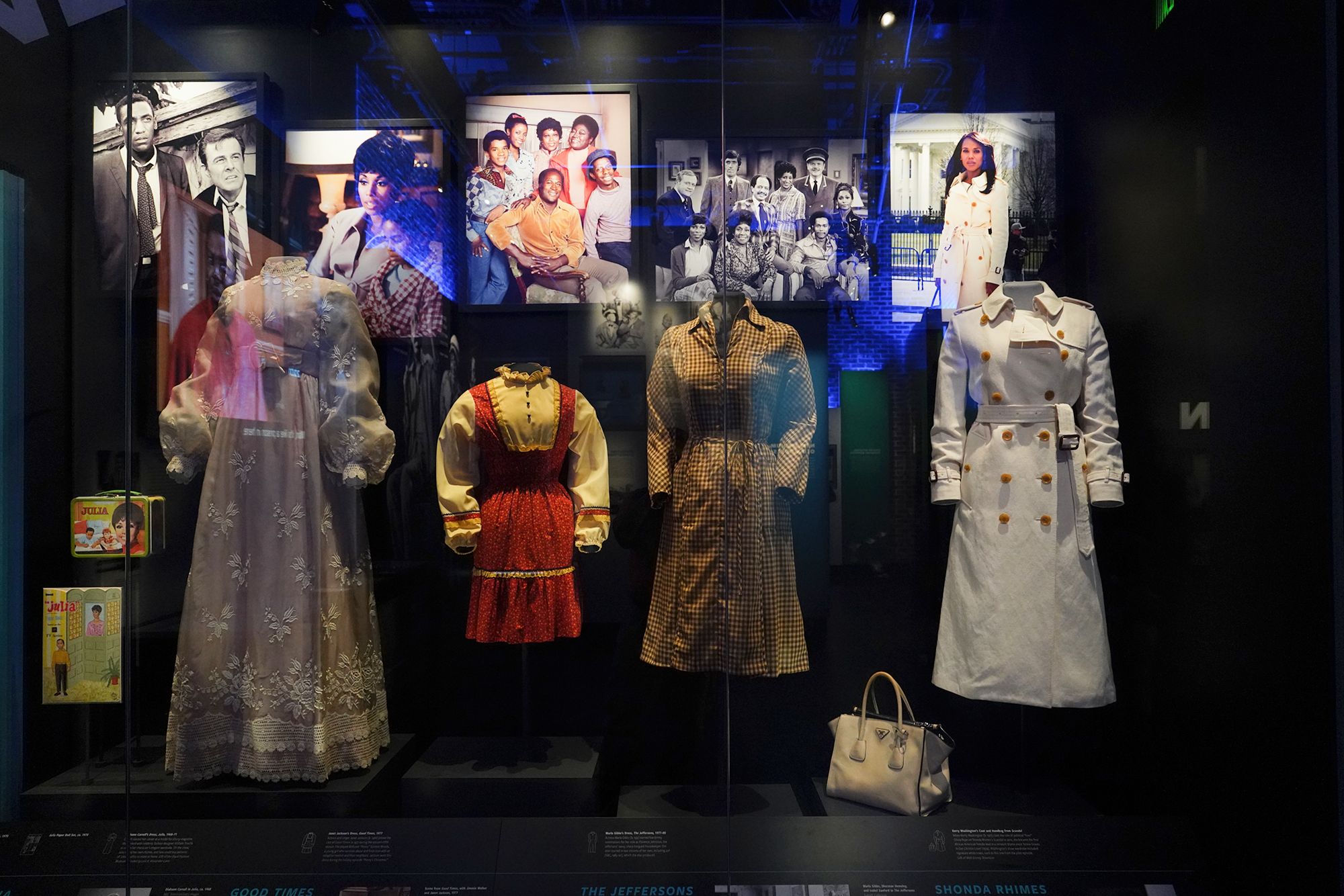
On Movies
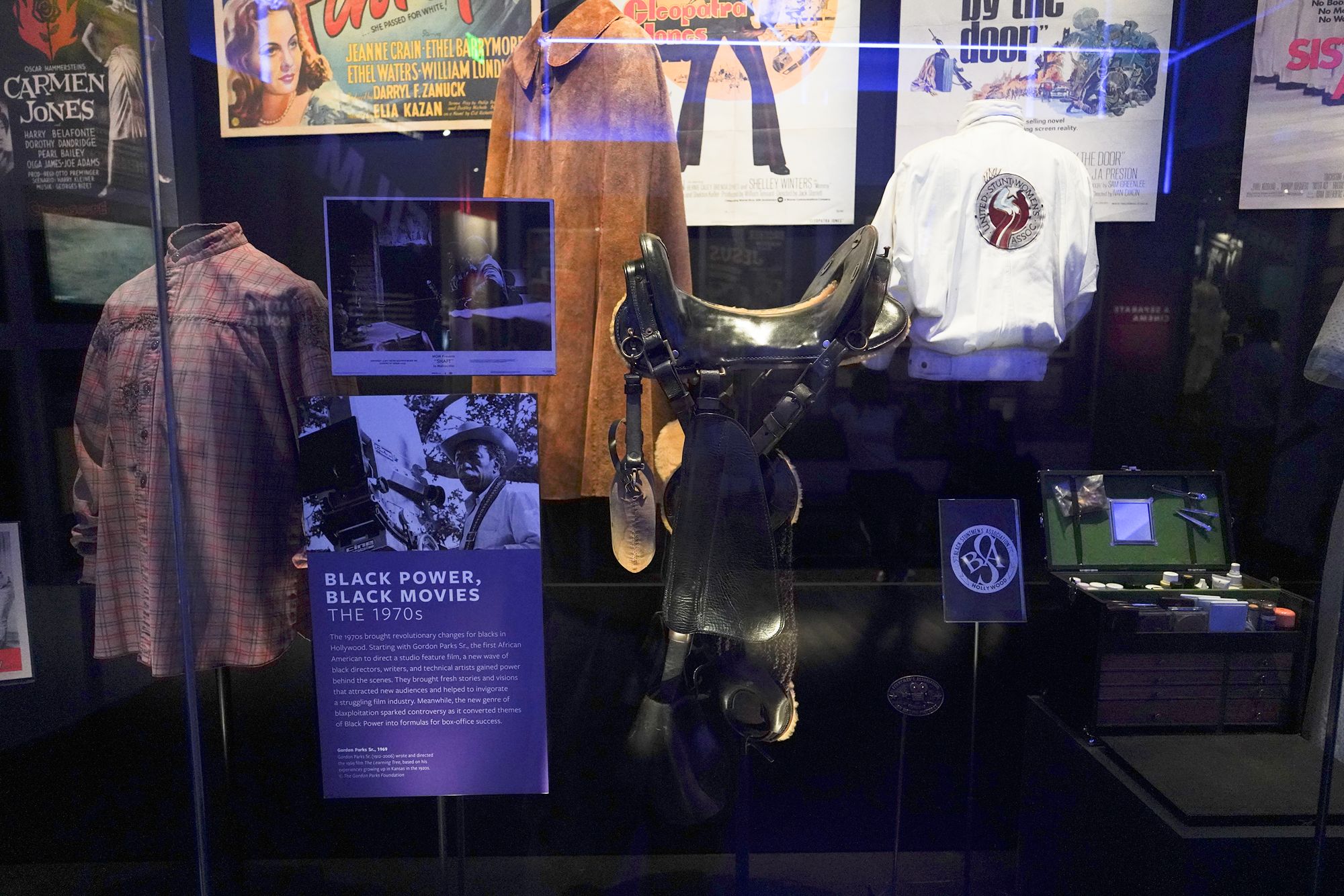

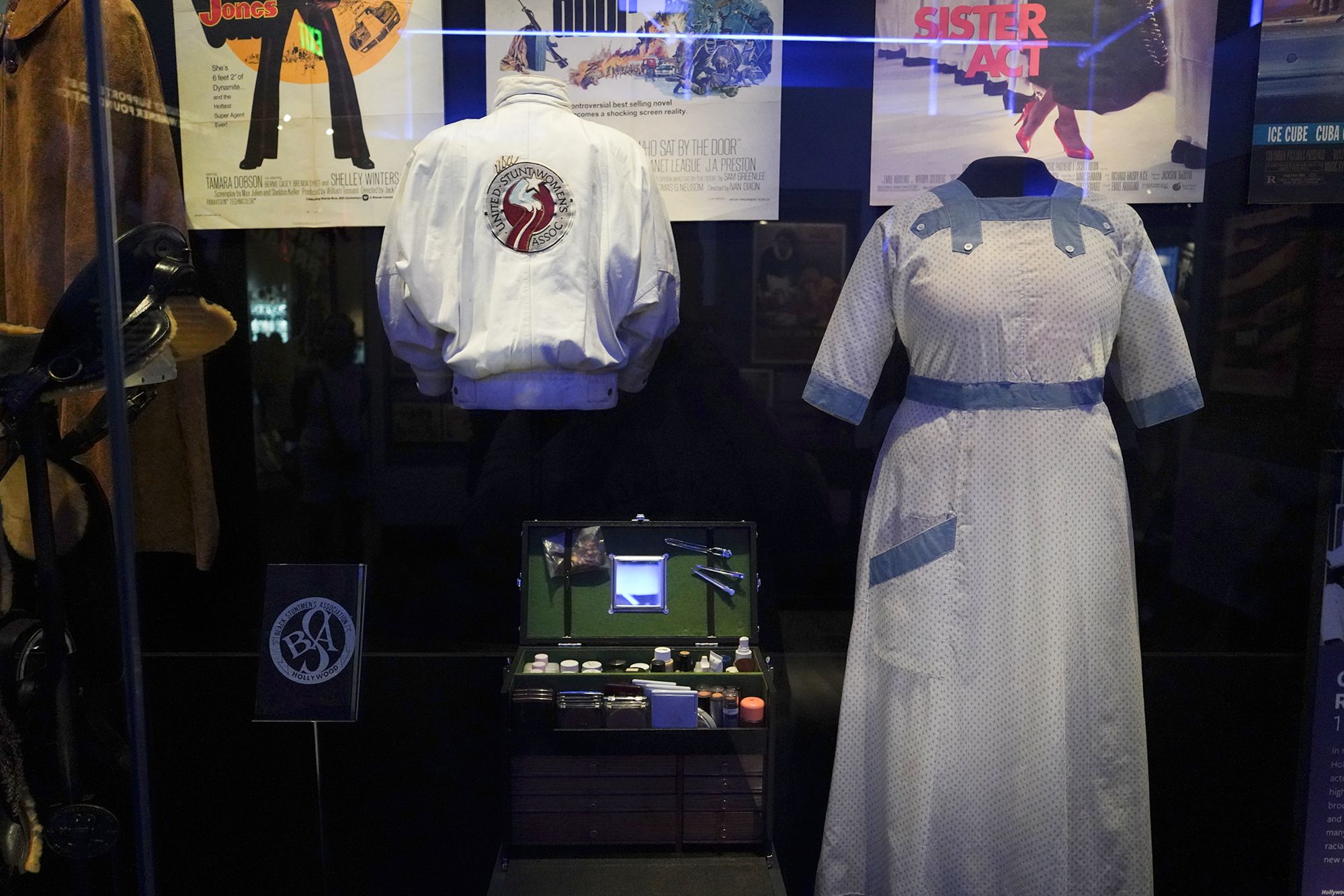
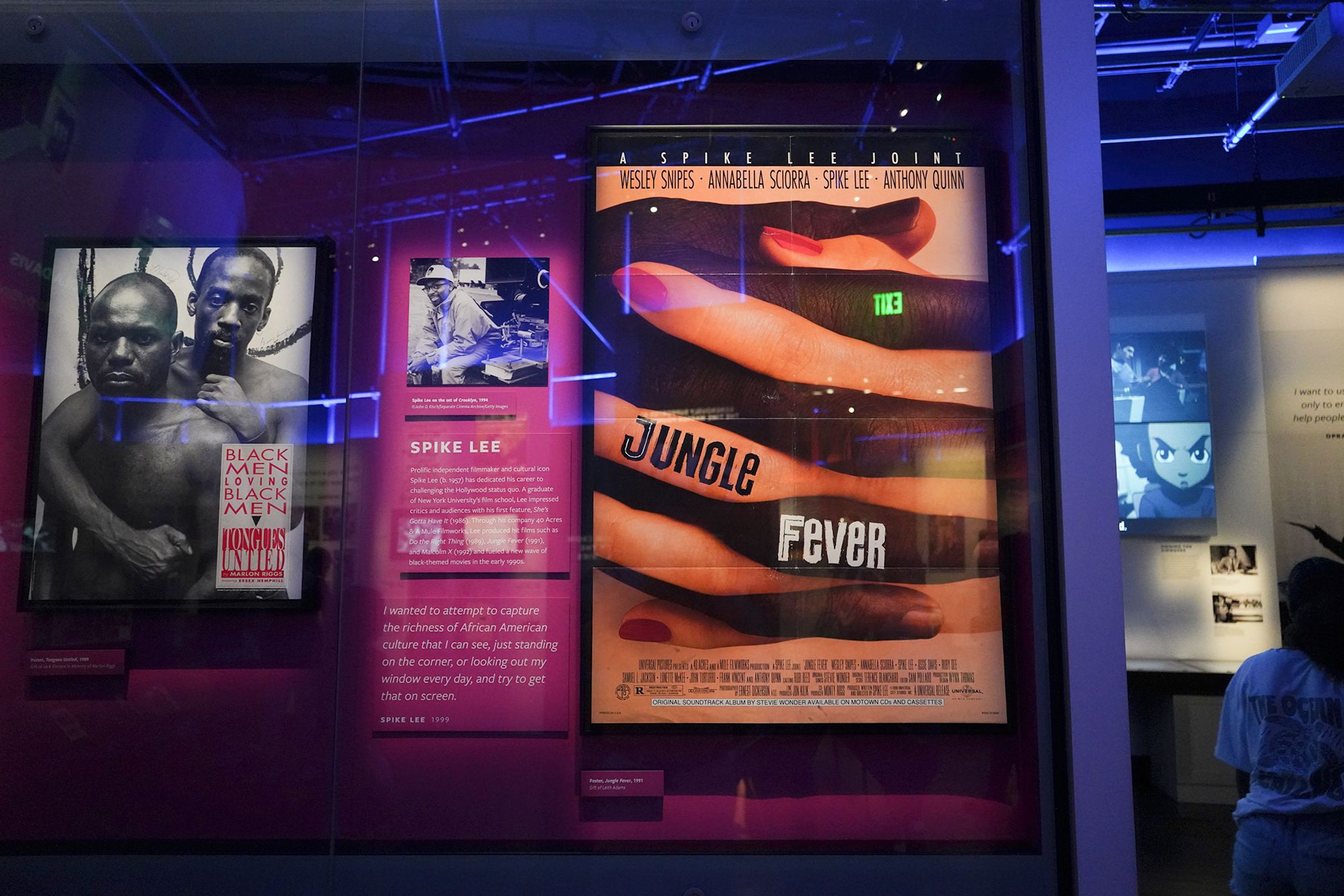
On Theater
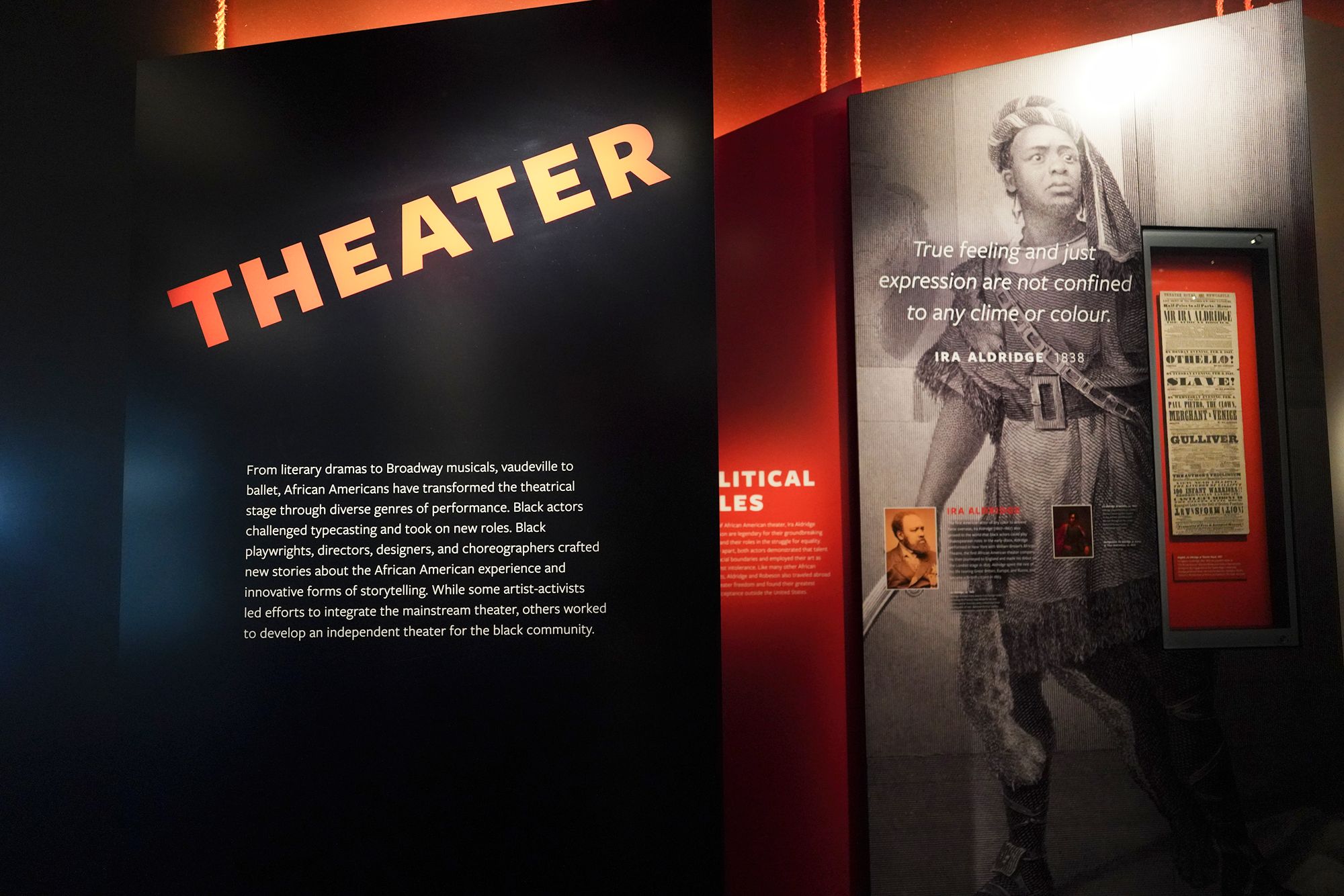
On music
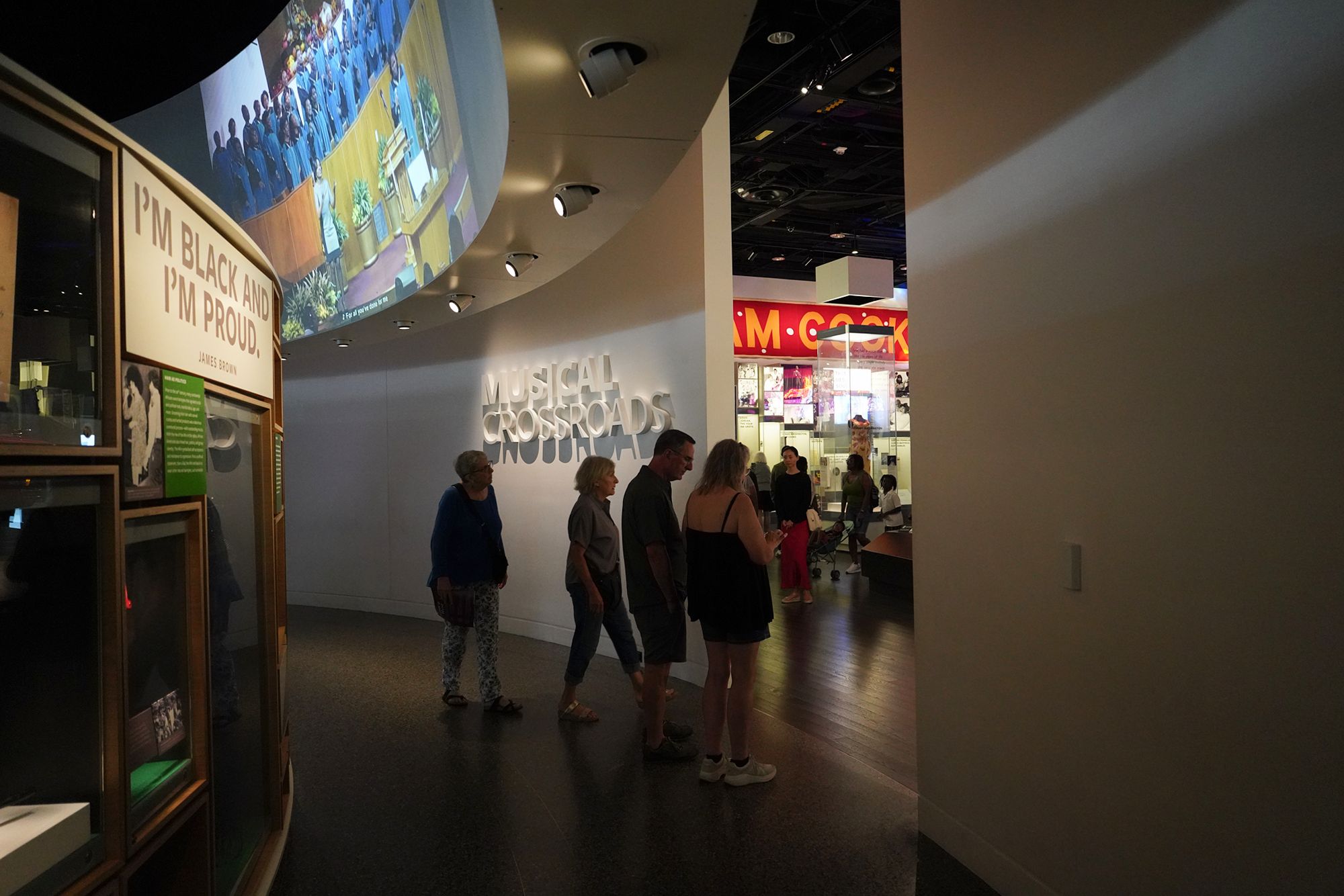
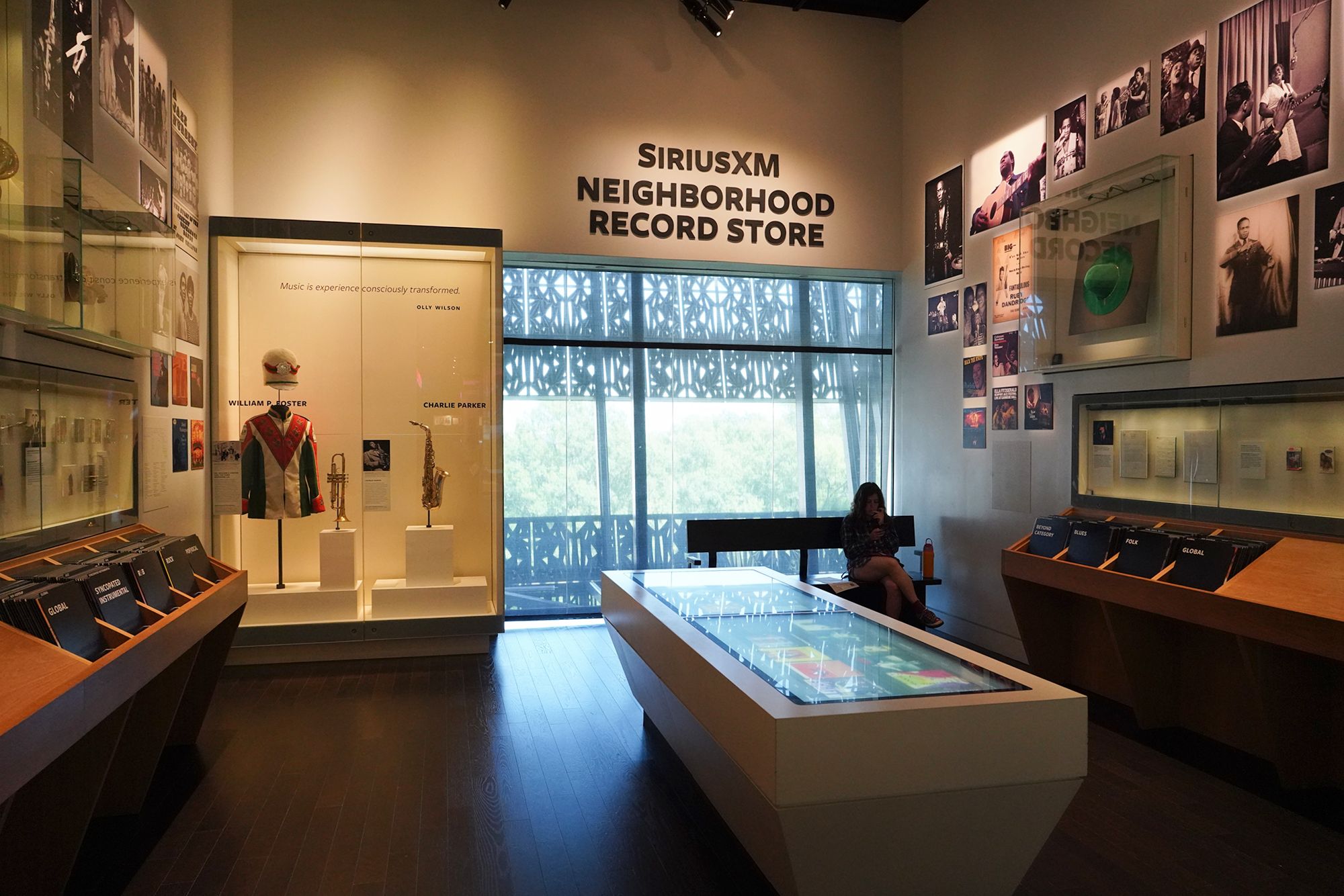
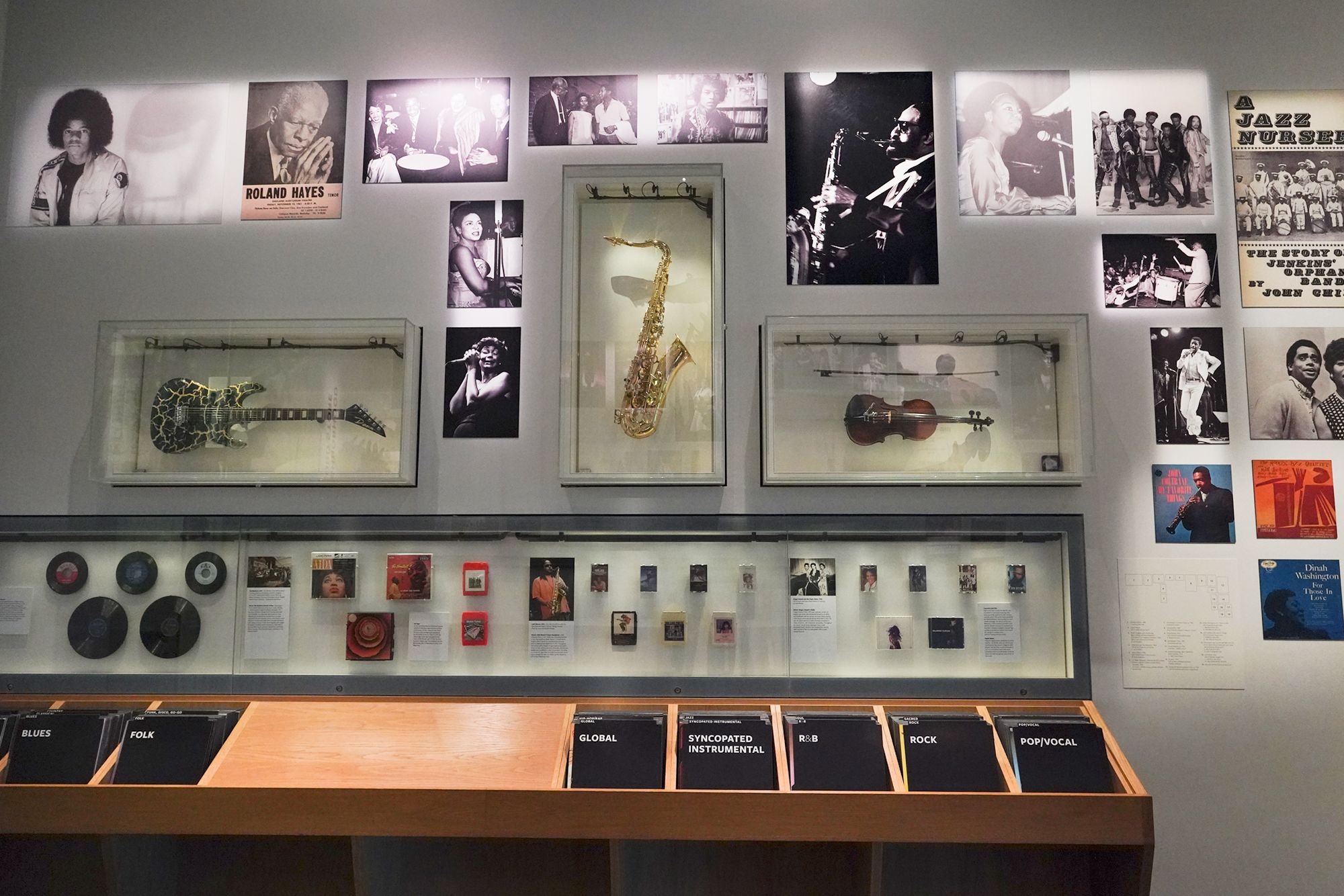
The contribution of African Americans to music in the United States is truly astounding. From spirituals and blues to jazz, gospel, R&B, rock, hip-hop, and beyond, Black musicians have shaped nearly every major American music genre. Their creativity, rhythm, and storytelling transformed pain into beauty and struggle into song, influencing artists around the world and defining the sound of America itself.
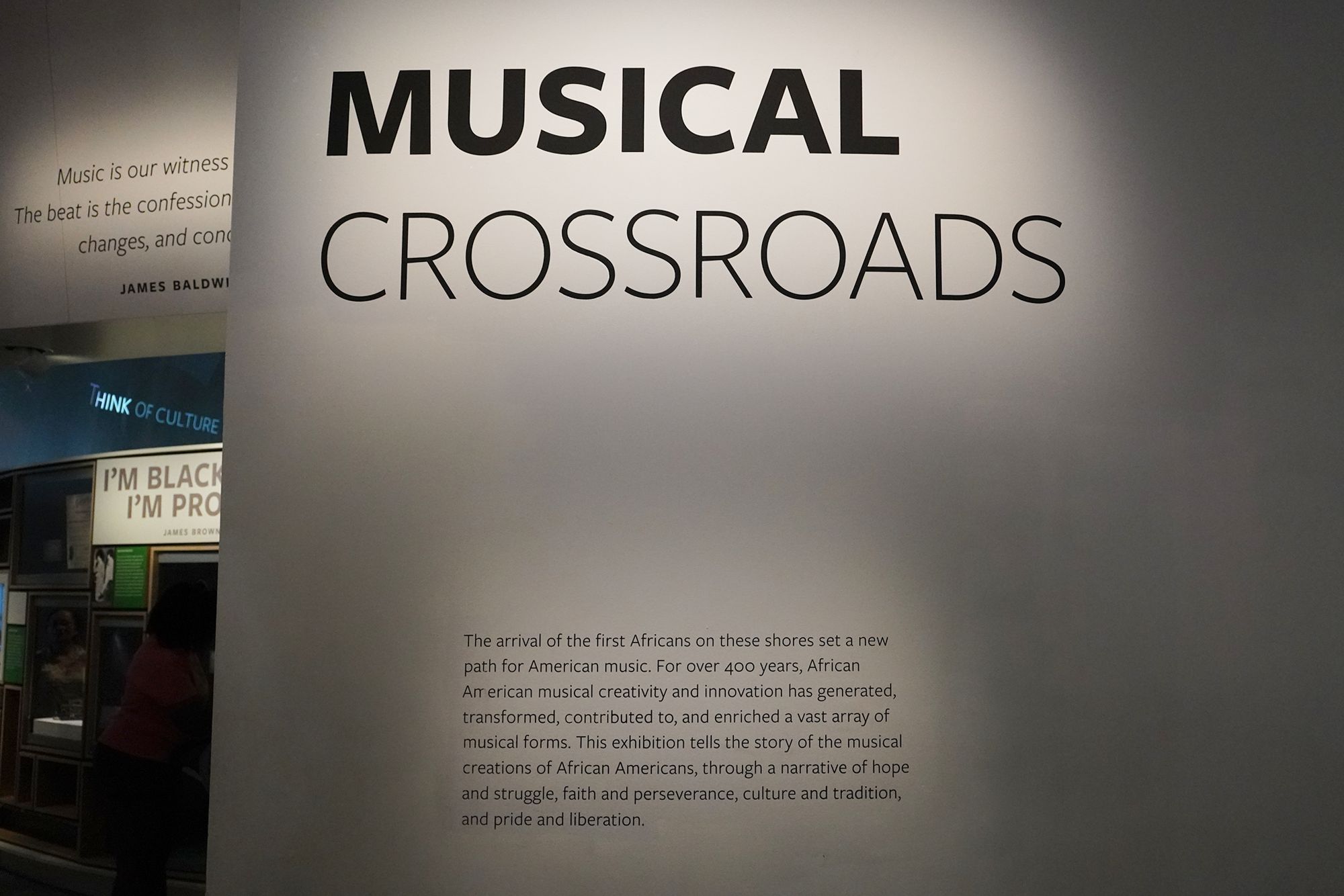
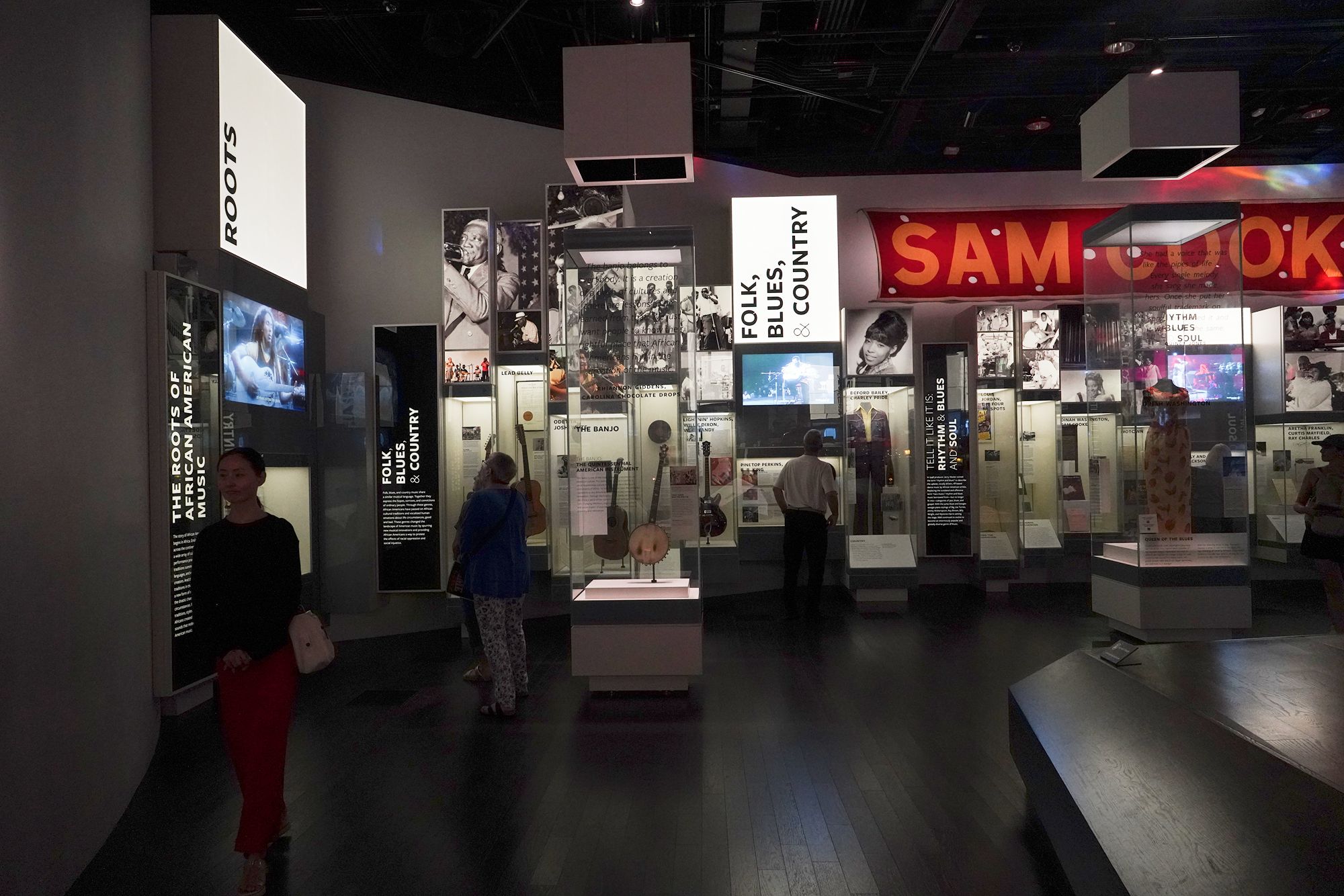
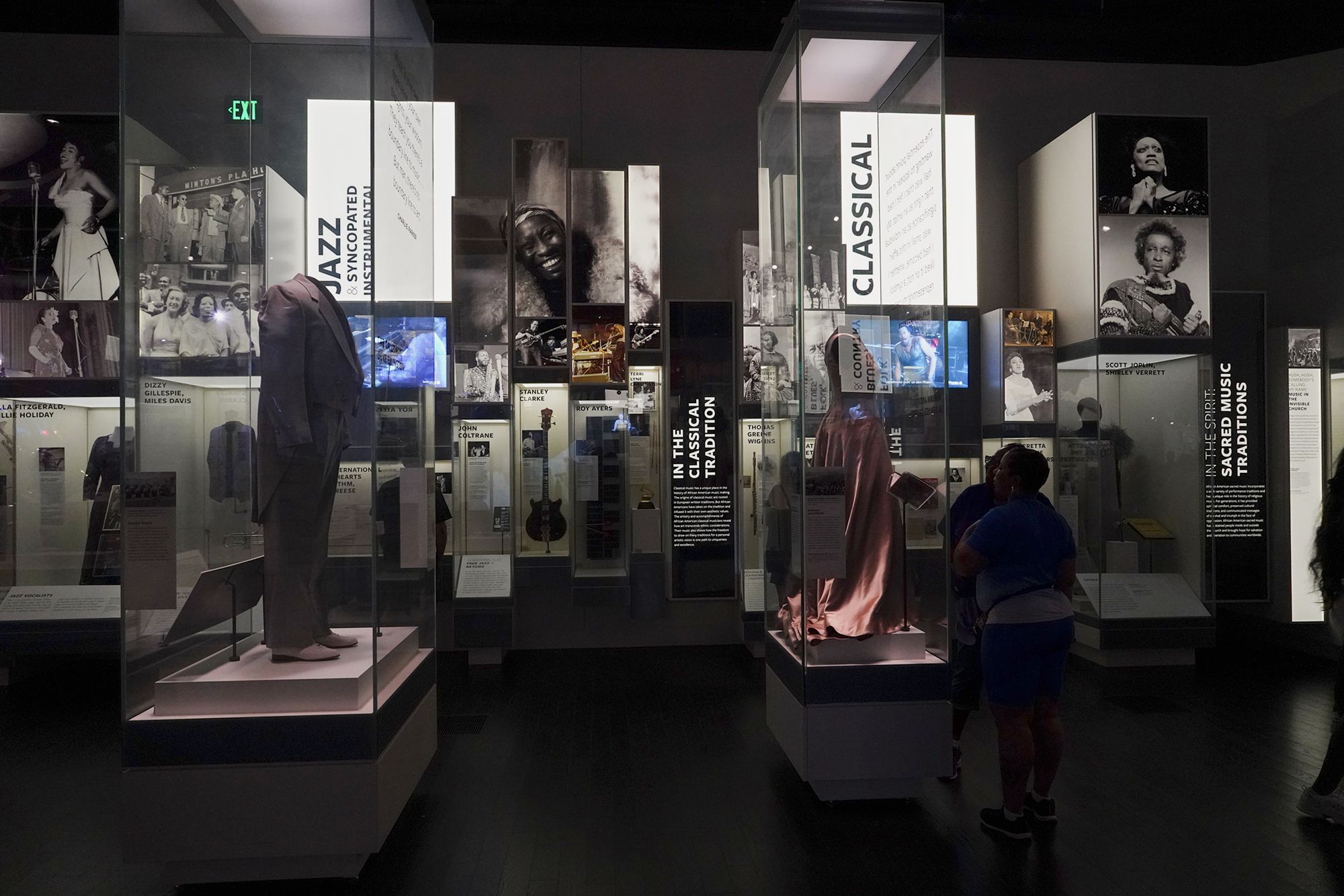
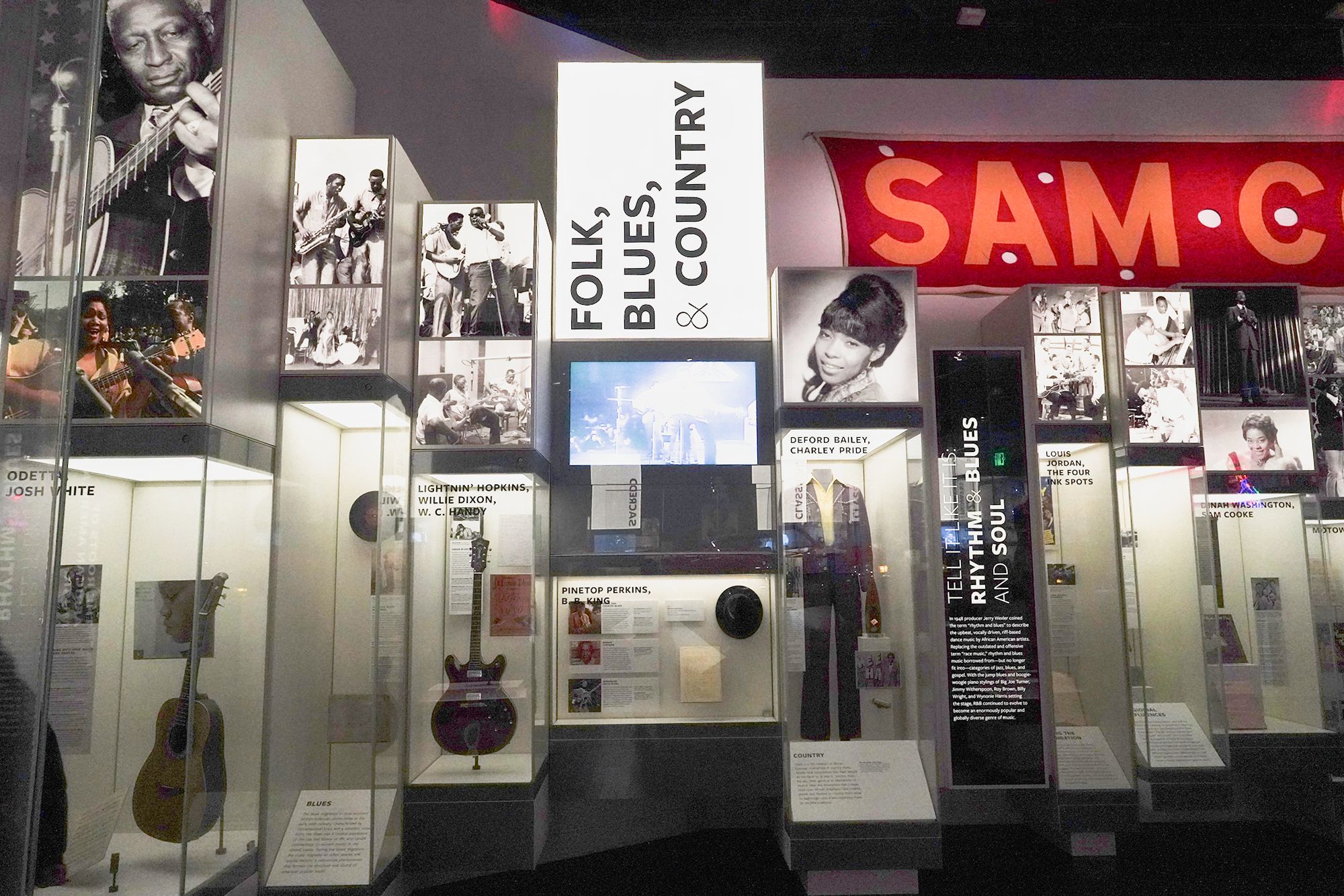
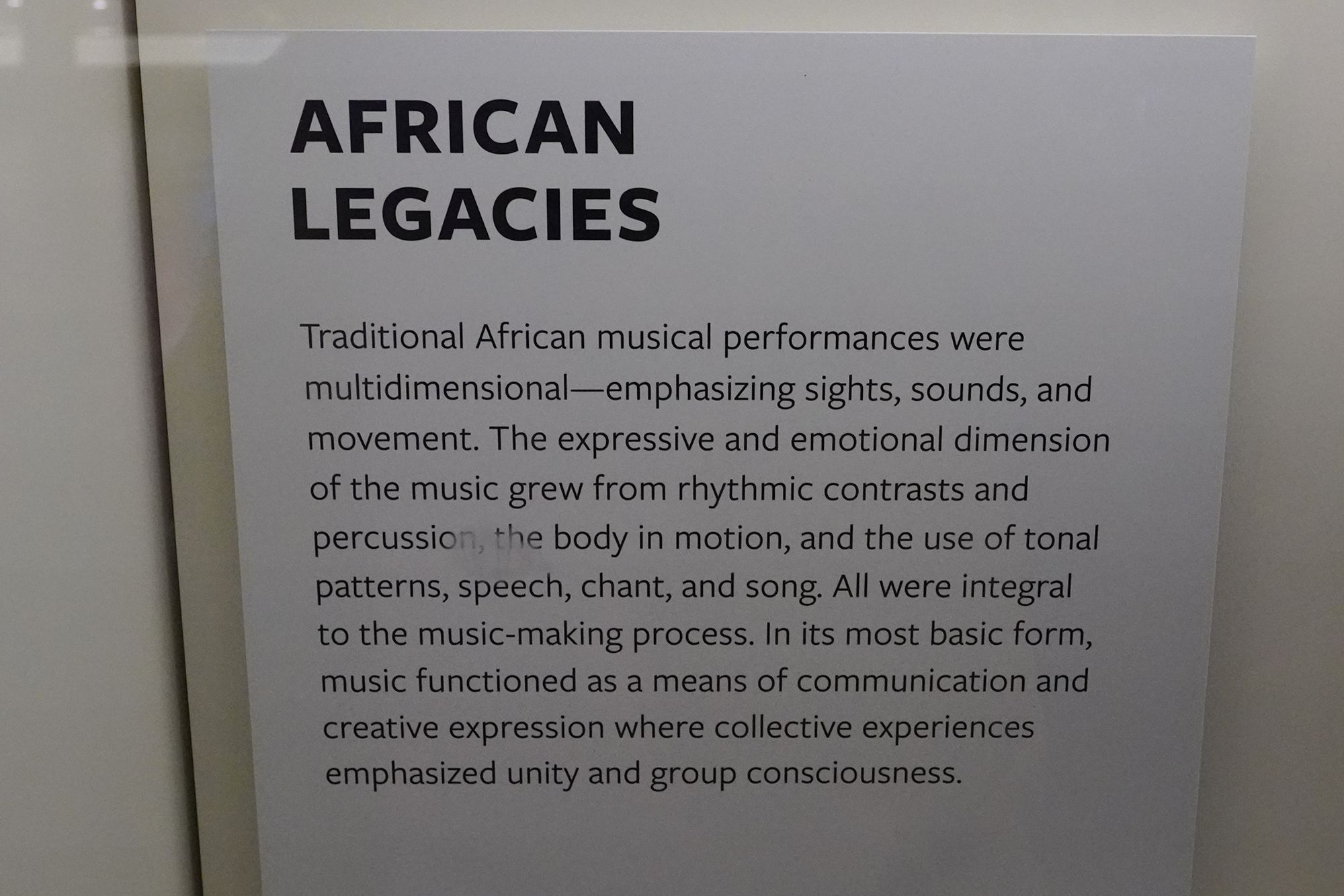
The roots of African music run deep, stretching back thousands of years and forming the foundation for much of the world’s modern sound. African music is built on rhythm, call-and-response singing, improvisation, and the blending of voice, percussion, and movement. Traditional instruments such as the drum, kora, mbira, and balafon were used not only for entertainment but also for communication, ceremonies, and storytelling.
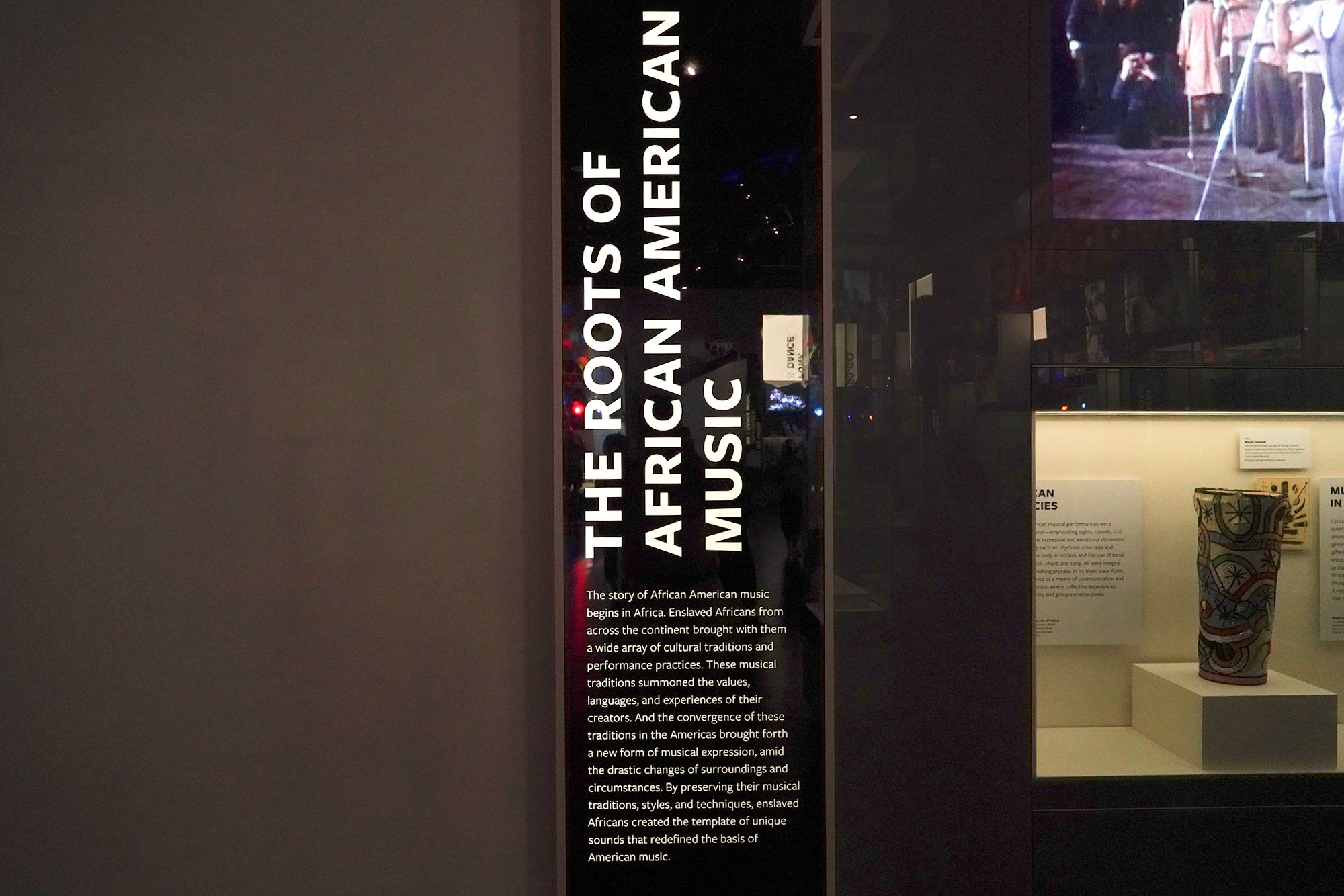
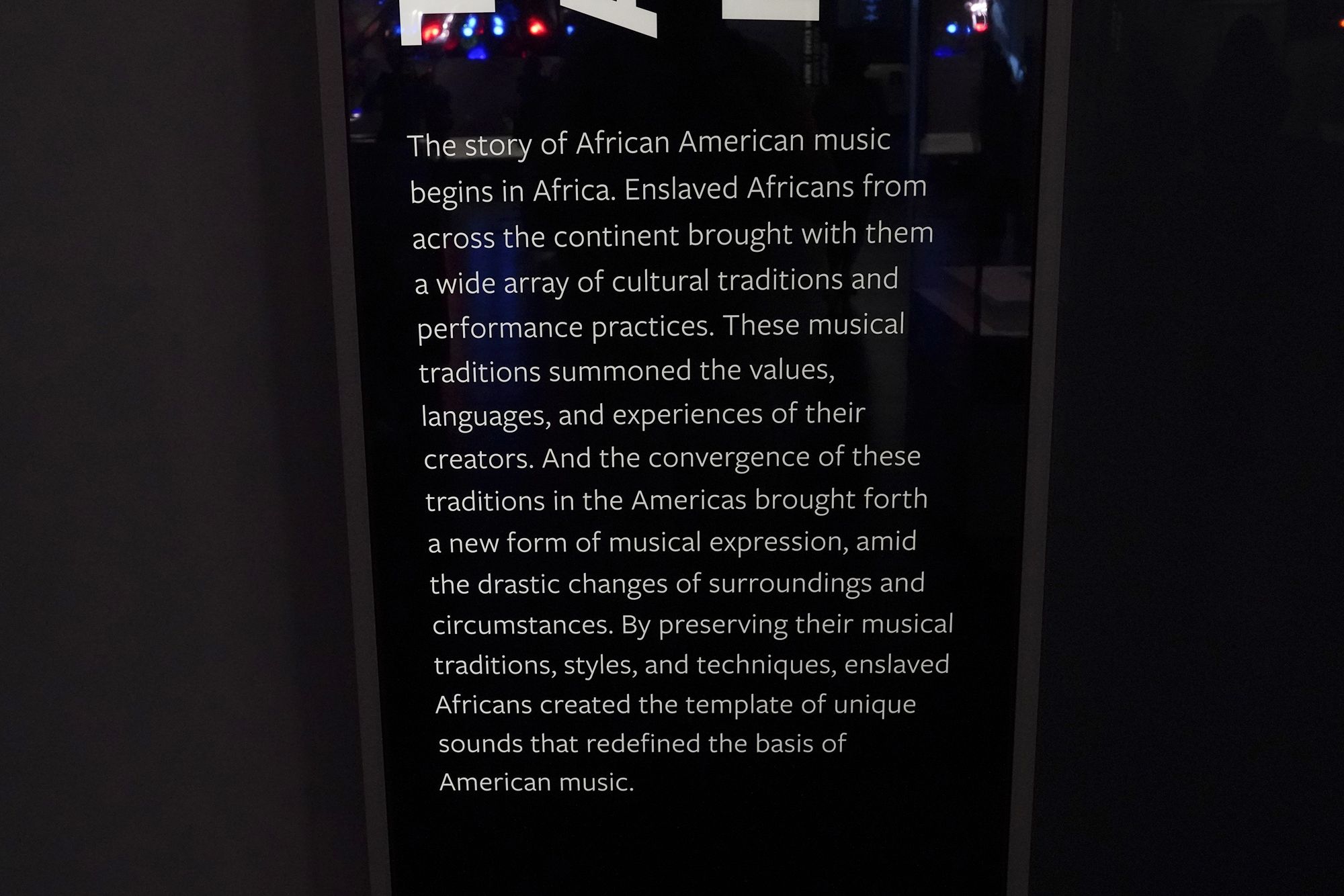
When Africans were enslaved and brought to the Americas, they carried these musical traditions with them—preserving rhythm, melody, and spirit even under oppression. Over time, these influences merged with European musical forms, giving birth to entirely new genres like spirituals, blues, jazz, gospel, and later soul, funk, and hip-hop.
Rock and roll, in particular, grew directly out of the rhythms of blues and gospel, pioneered by African American artists like Chuck Berry, Little Richard, Fats Domino, and Sister Rosetta Tharpe, whose innovations shaped the sound of modern popular music around the world.
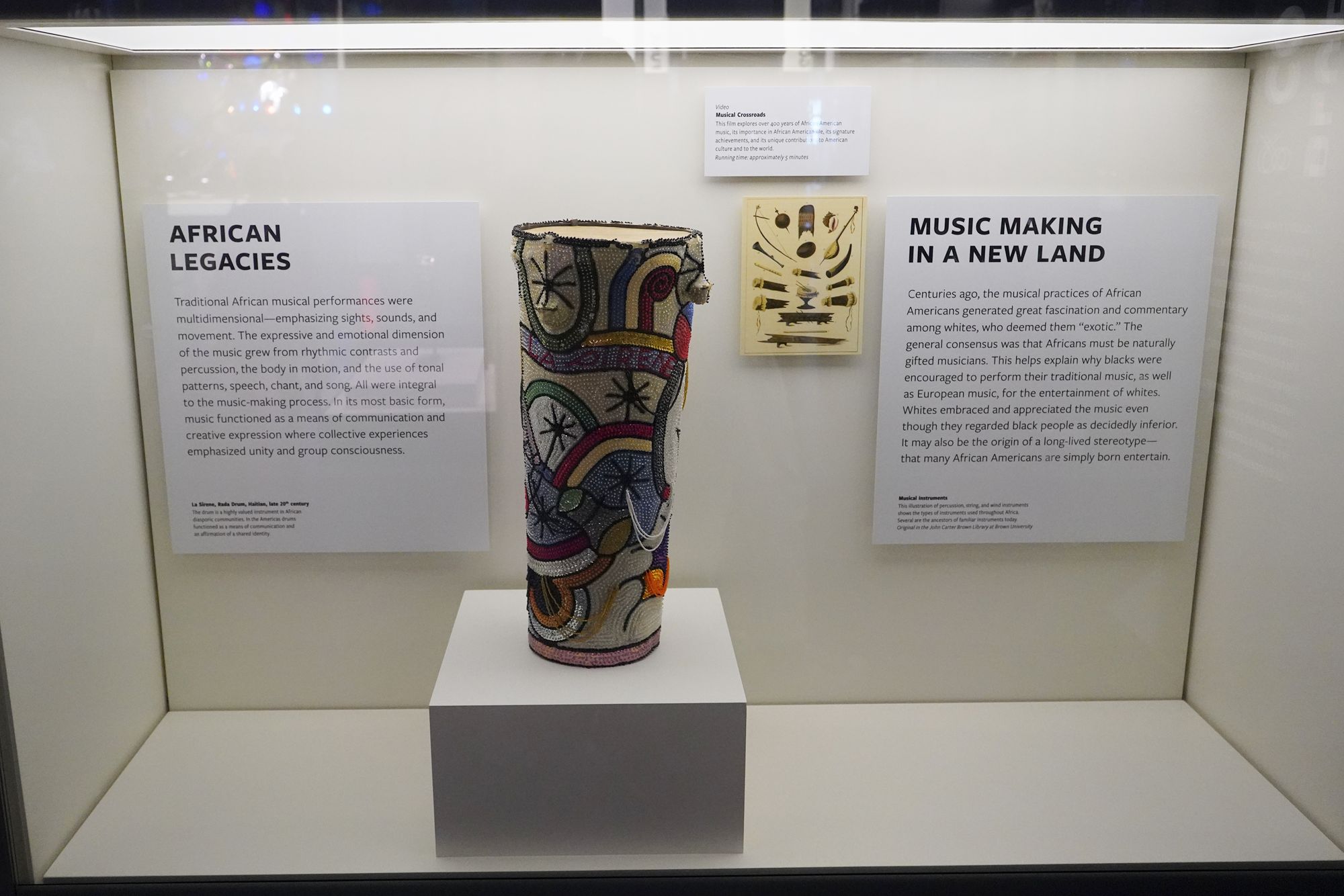
The roots of African music continue to live in the pulse of American culture today, reminding us that the heart of much of the world’s music beats to an African rhythm.
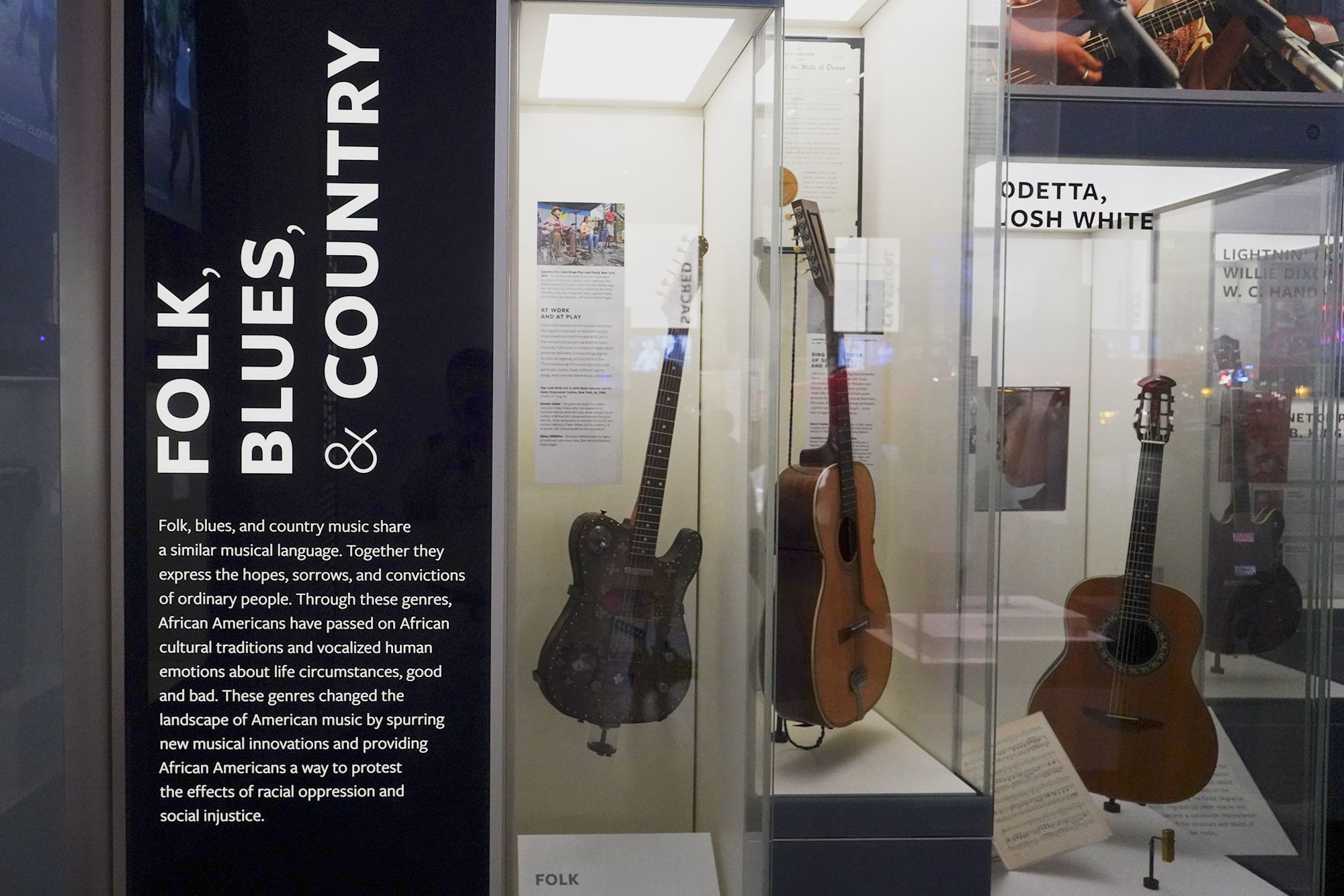
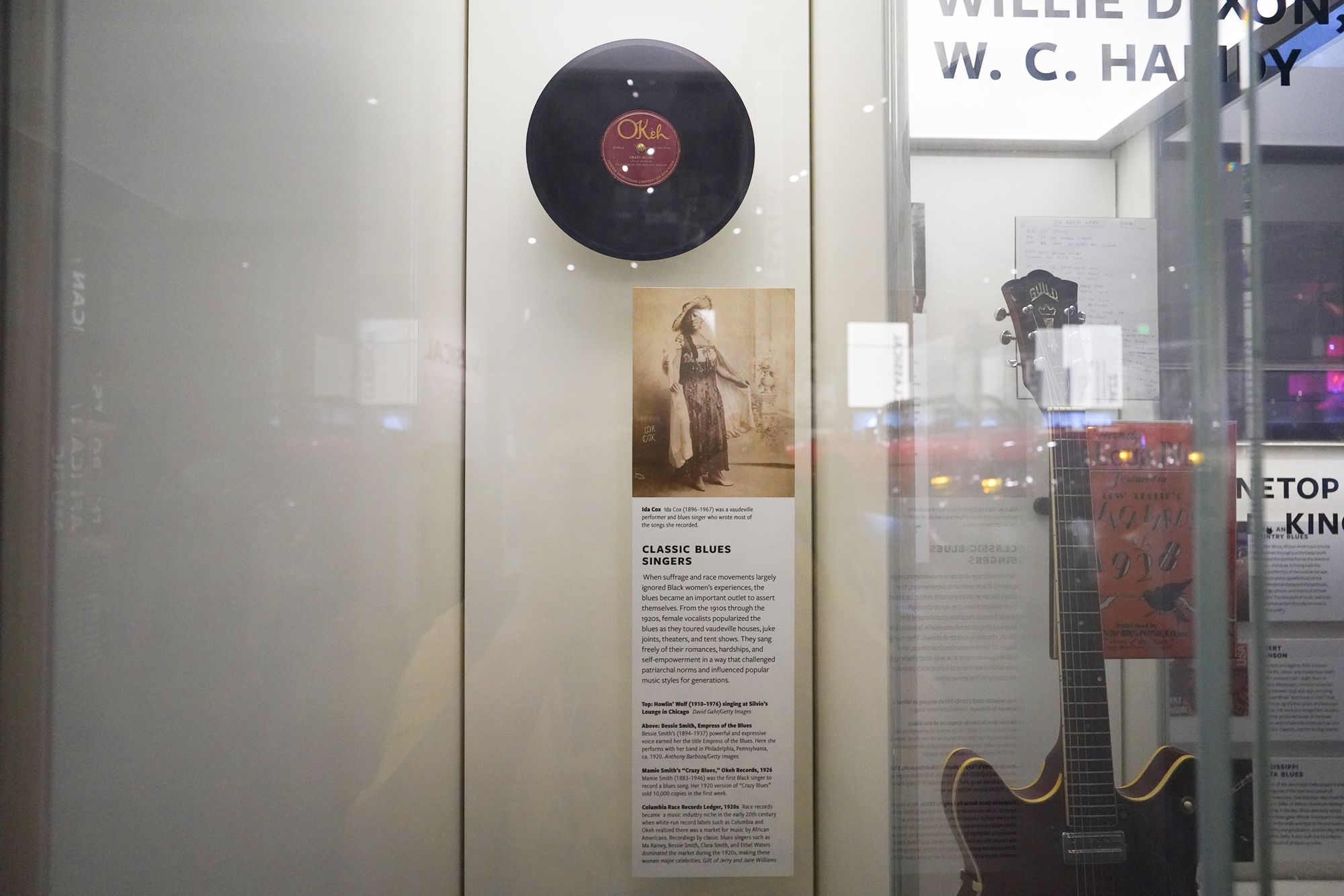
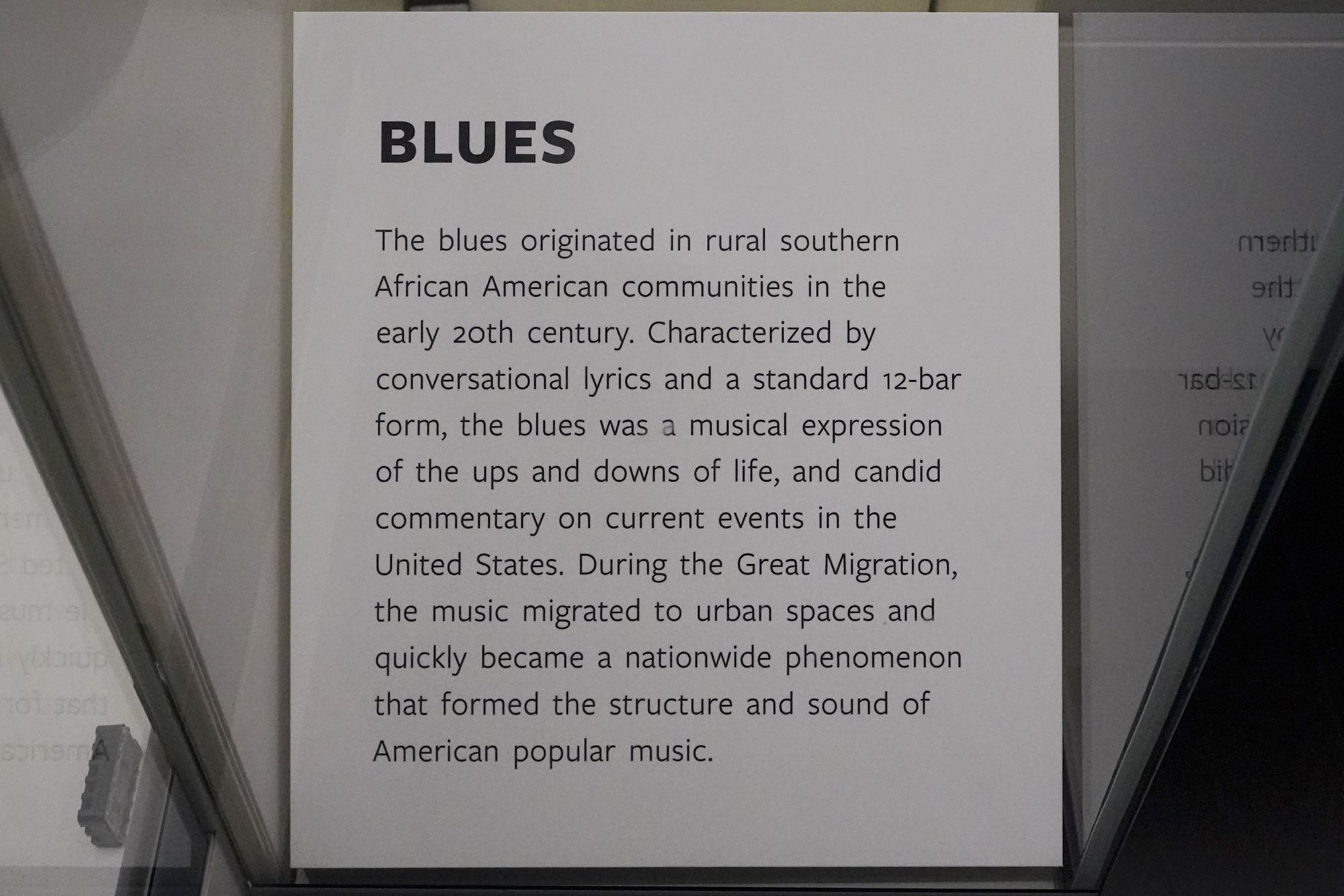
The blues is one of the most influential and enduring forms of American music, created by African Americans in the Deep South during the late 19th and early 20th centuries. It grew from spirituals, work songs, field hollers, and African rhythms, expressing the pain, hope, and resilience of people emerging from slavery and facing segregation.
Built on a distinctive 12-bar structure and characterized by soulful vocals and expressive guitar melodies, the blues spoke of love, loss, struggle, and endurance in everyday life. Early pioneers such as W.C. Handy, Bessie Smith, Robert Johnson, and Muddy Waters shaped its form, while later artists like B.B. King and Howlin’ Wolf brought it to a wider audience.
The blues became the foundation for jazz, rock and roll, R&B, and soul, making it one of the cornerstones of modern American and global music. Its honesty and emotion continue to influence artists around the world.
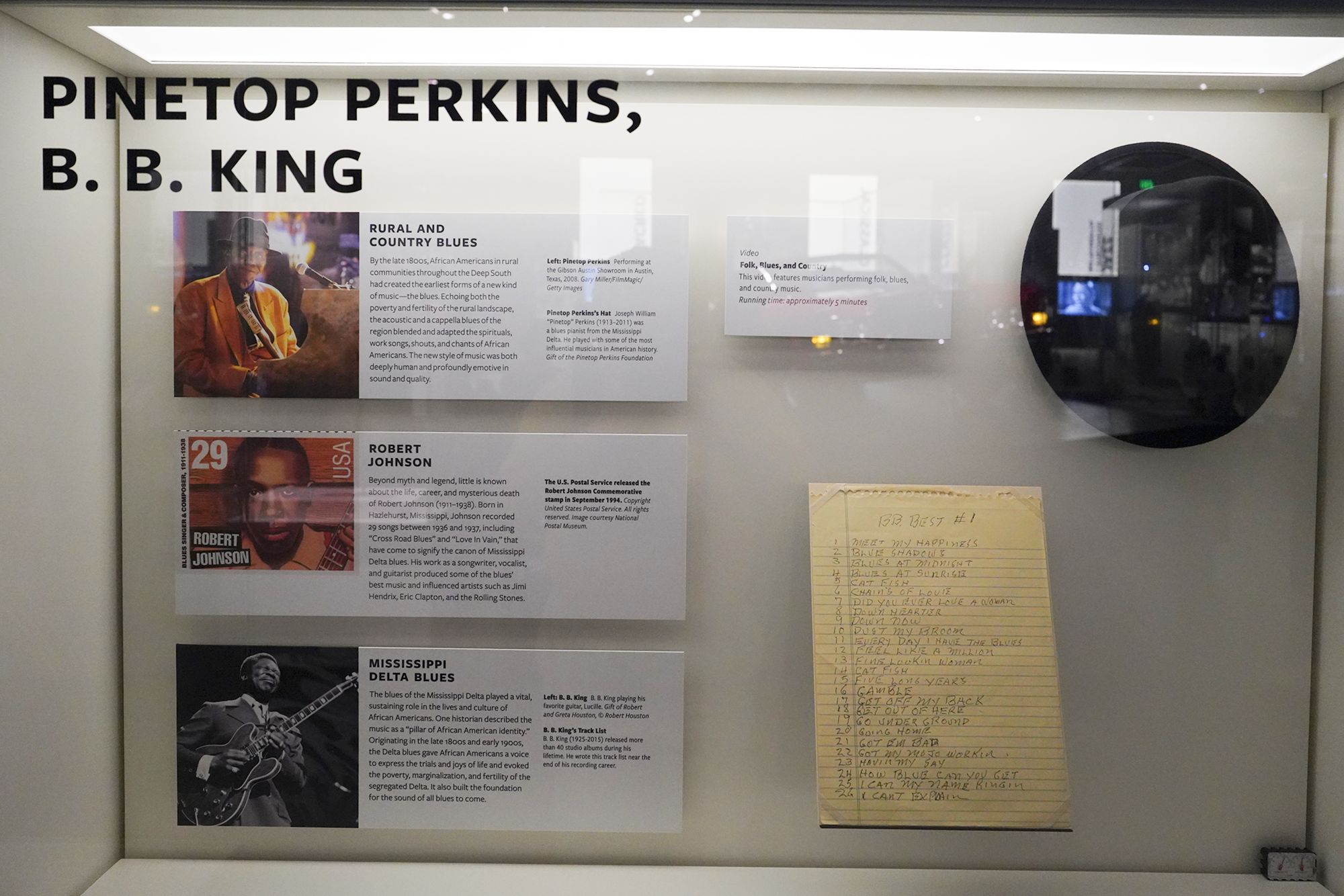
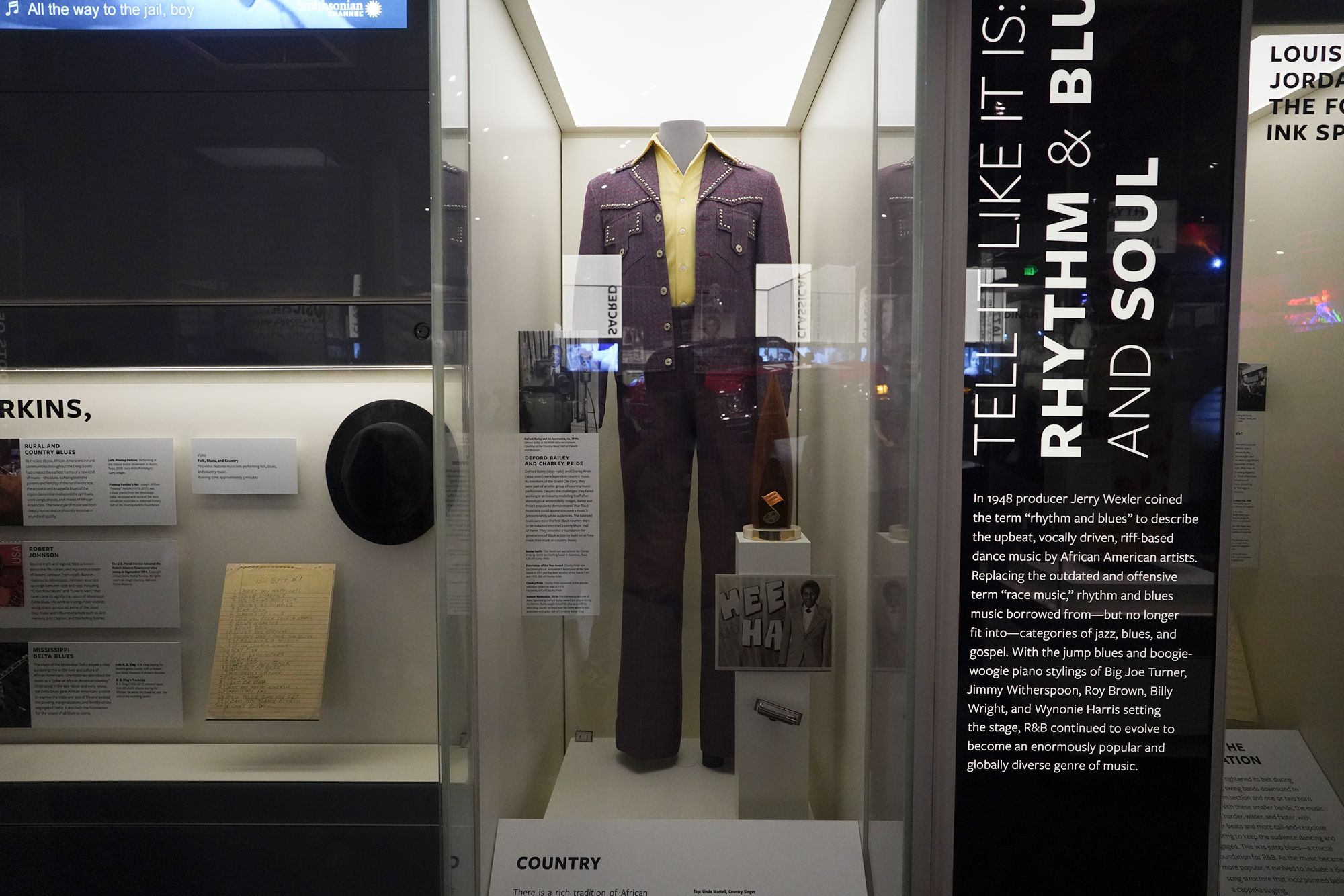
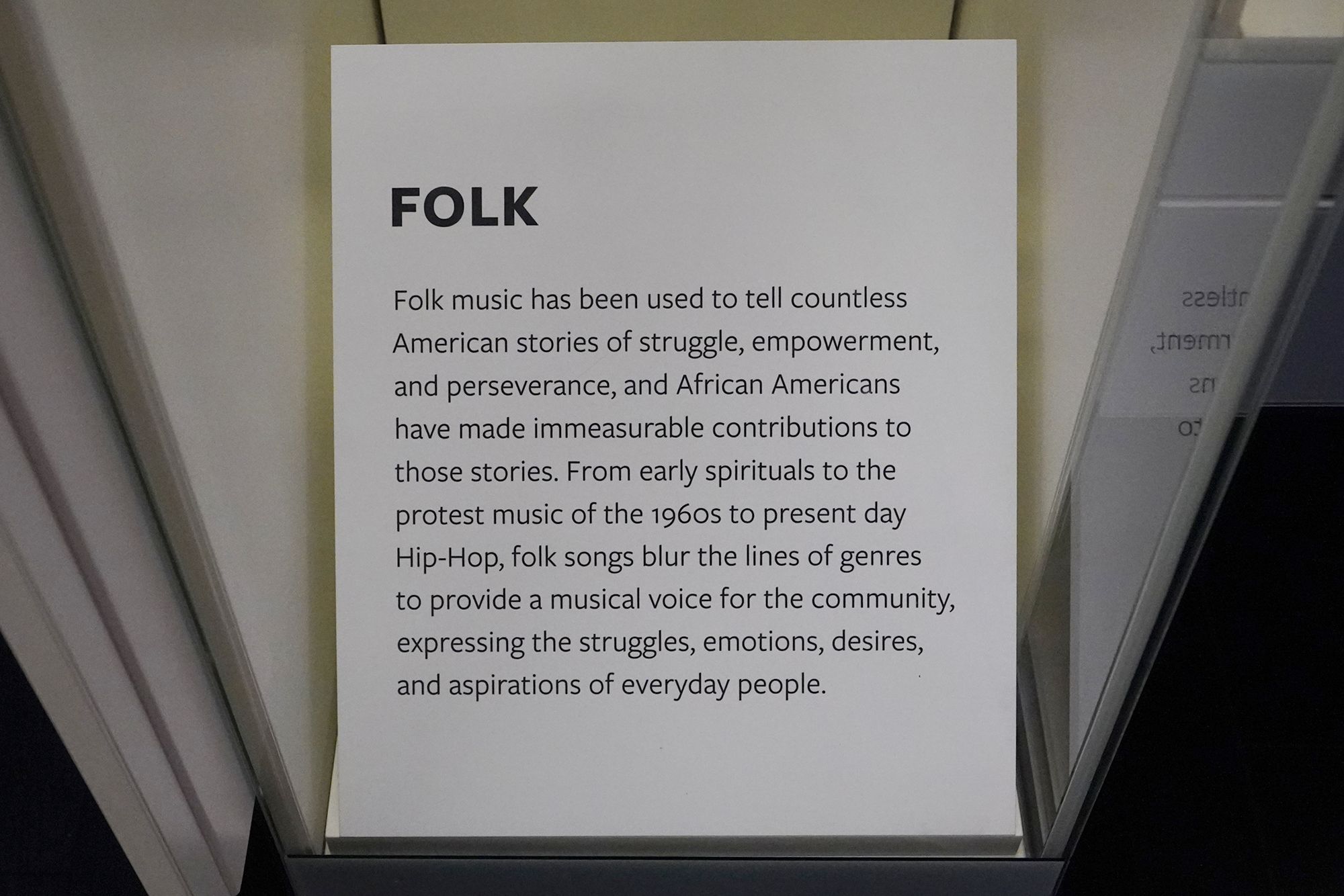
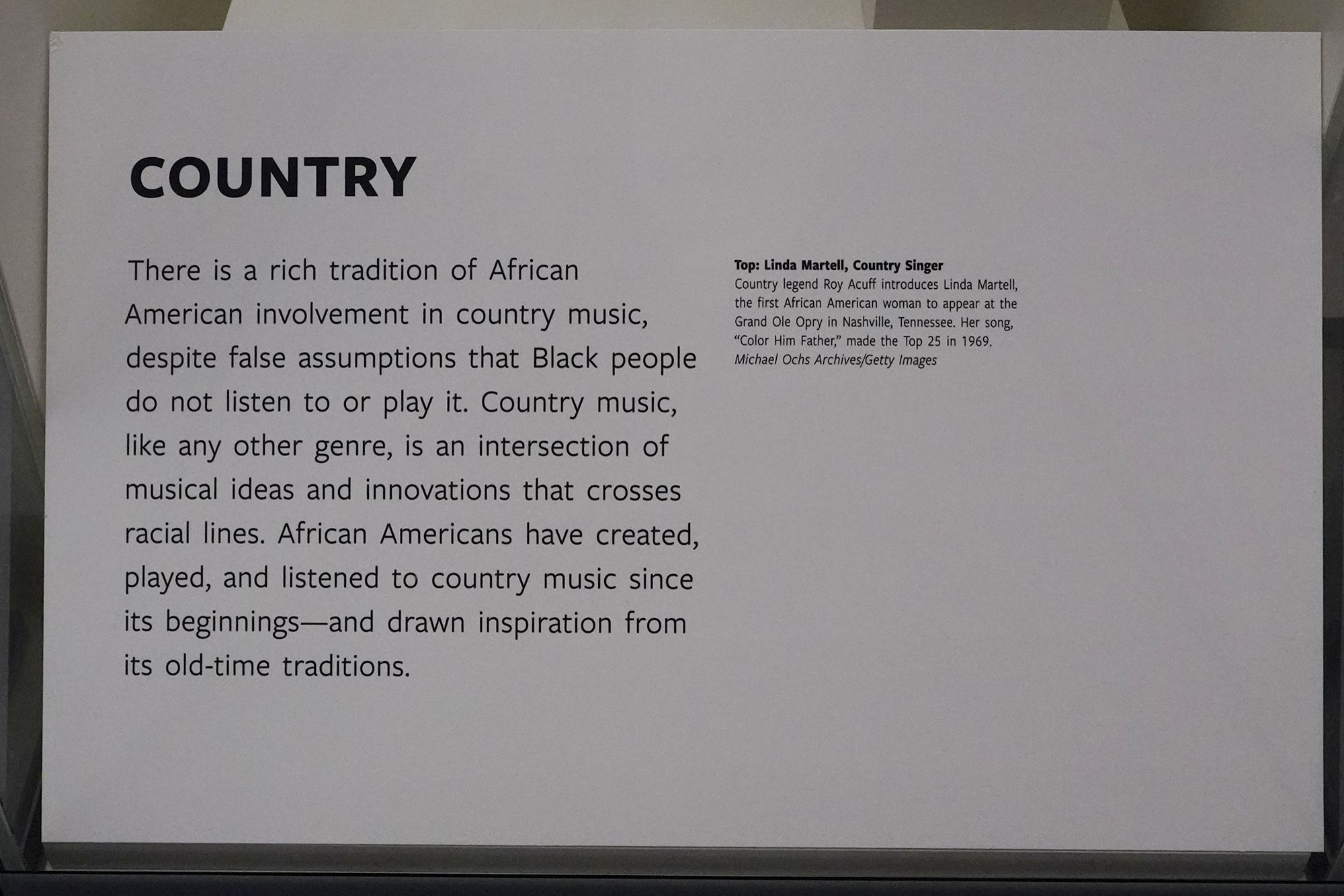
Country music, often seen as a purely rural white tradition, actually has deep African American roots that shaped its sound and style from the very beginning. Emerging in the Southern United States in the early 20th century, country music blended African rhythms, blues, and spirituals with European folk ballads and fiddle tunes.
Black musicians played a crucial role in the genre’s development. The banjo, one of country music’s signature instruments, originated from African stringed instruments brought by enslaved Africans. Early blues and gospel melodies also influenced the storytelling and emotional tone of country songs.
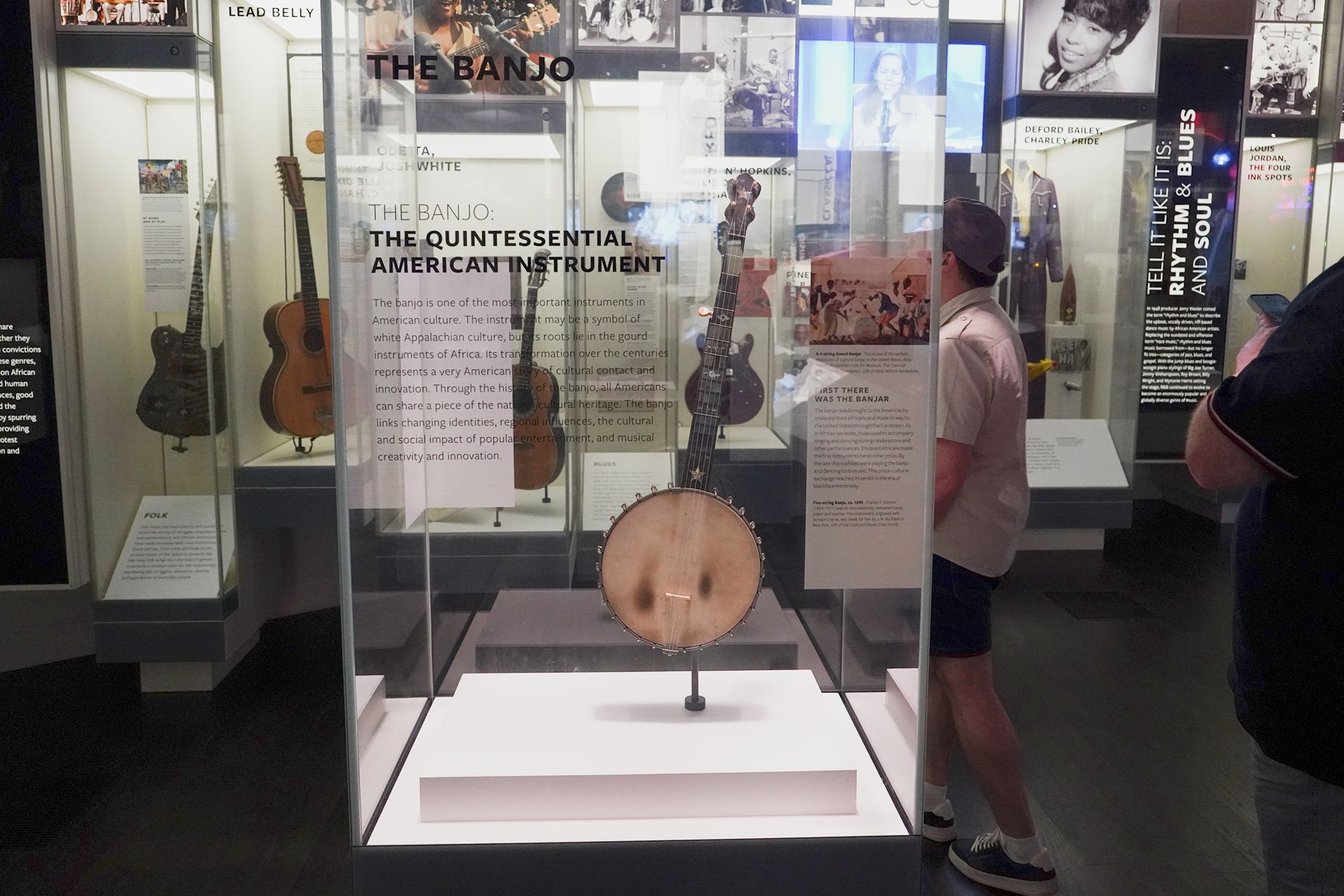
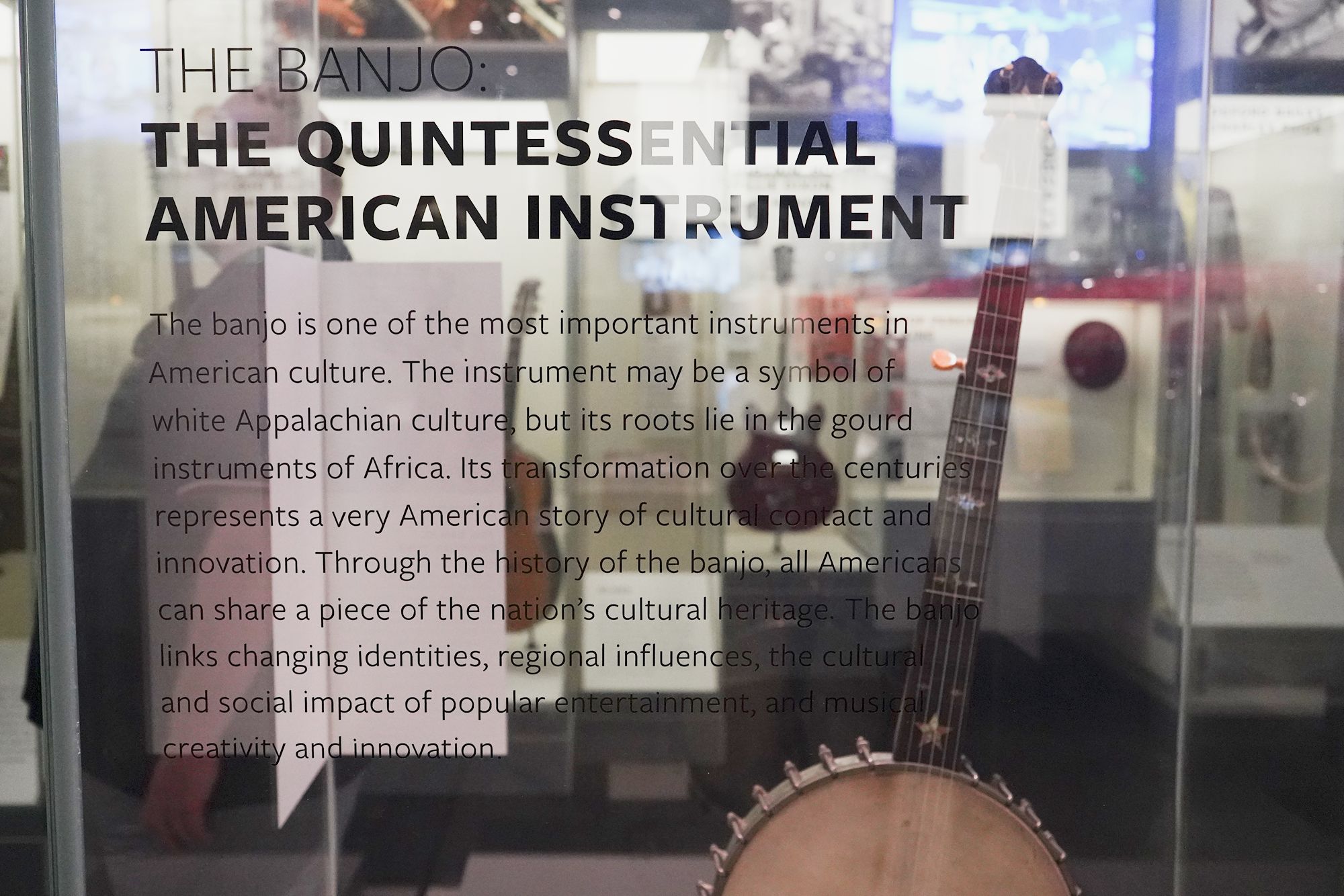
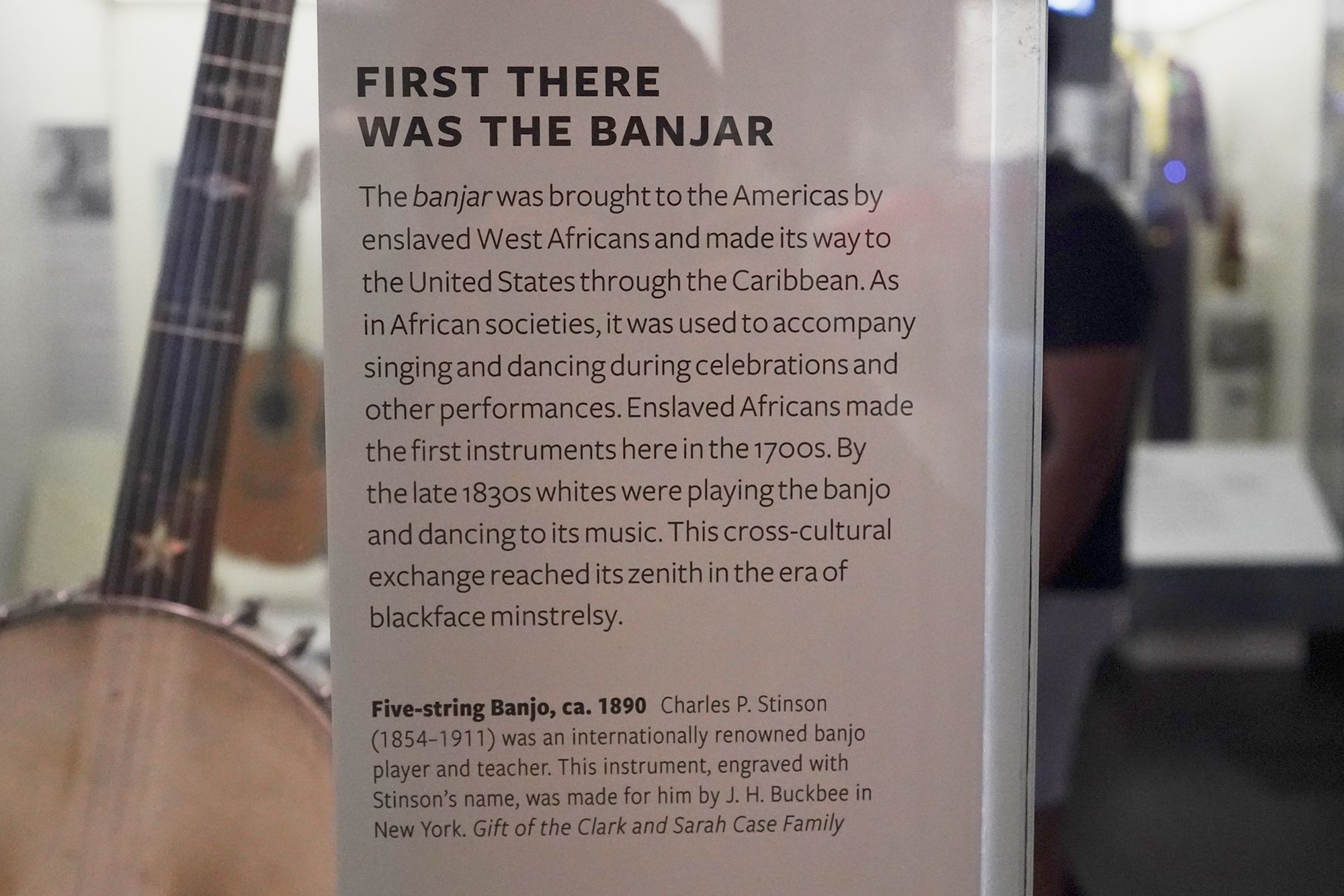
The banjo is one of the most iconic instruments in American music, and its roots are firmly African. It evolved from several West African stringed instruments such as the akonting and ngoni, which enslaved Africans brought to the Americas in the 17th and 18th centuries. These early instruments were made with a gourd body, animal skin covering, and a wooden neck—designs that would later inspire the modern banjo.
In the American South, the banjo became central to Black folk music and early slave songs, often accompanying singing and dancing on plantations. White musicians later adopted and adapted the instrument, especially during the 19th century, when it became popular in minstrel shows and eventually in country, bluegrass, and folk music.
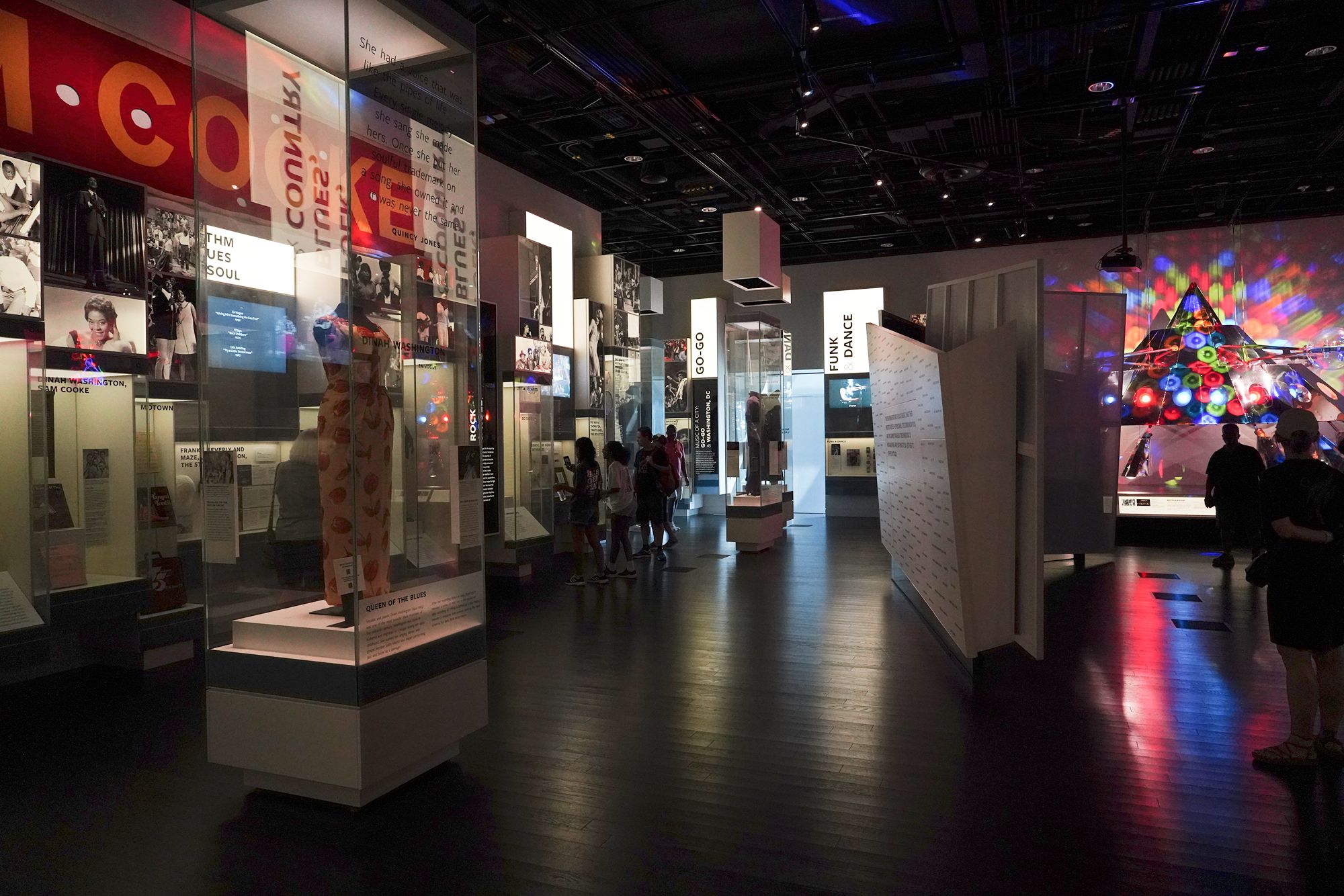
Rhythm and Blues (R&B) emerged in the 1940s, created by African American musicians who blended elements of blues, jazz, and gospel into a new, energetic sound. Originally used by record companies to describe popular Black music, R&B soon became the heartbeat of postwar urban America.
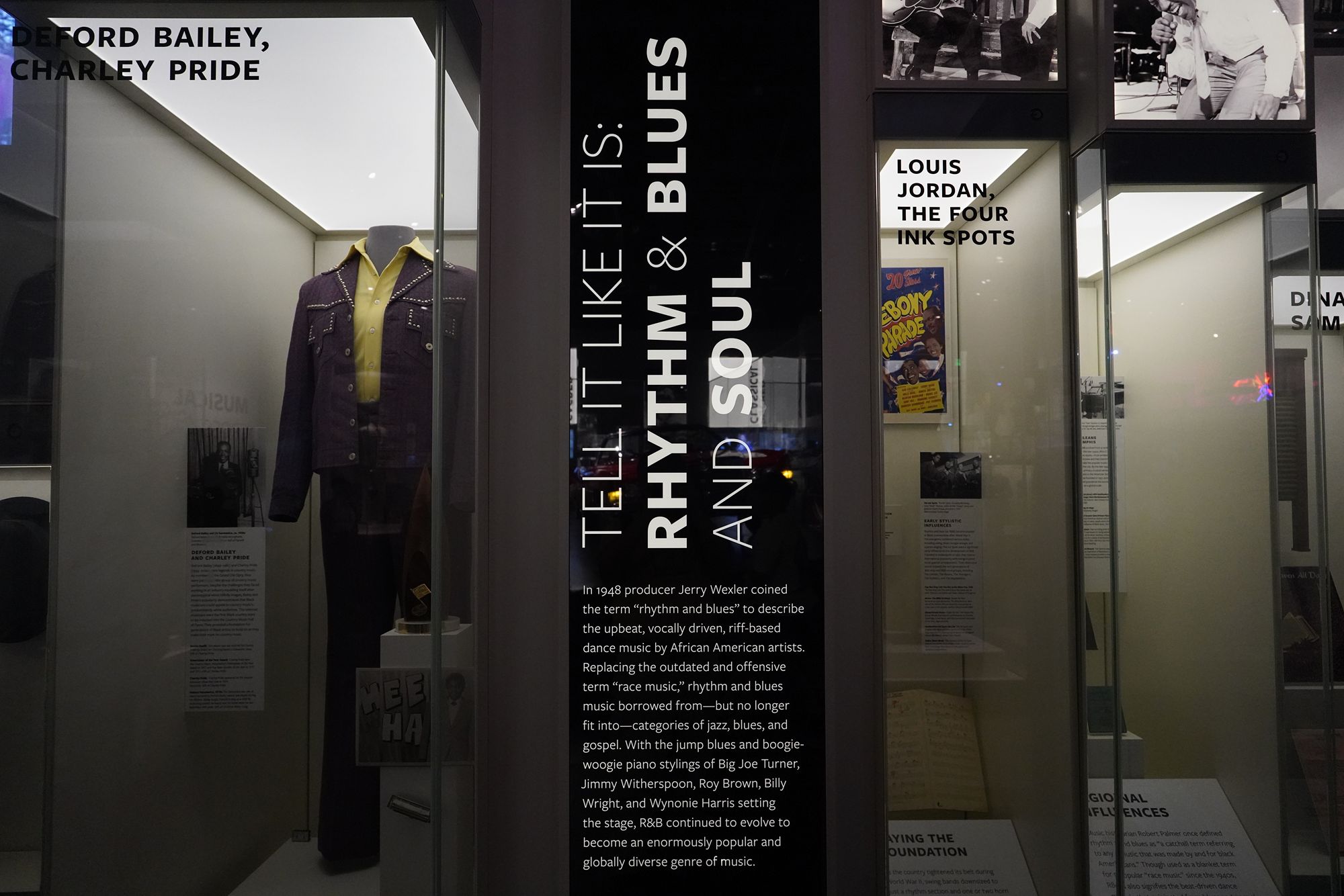
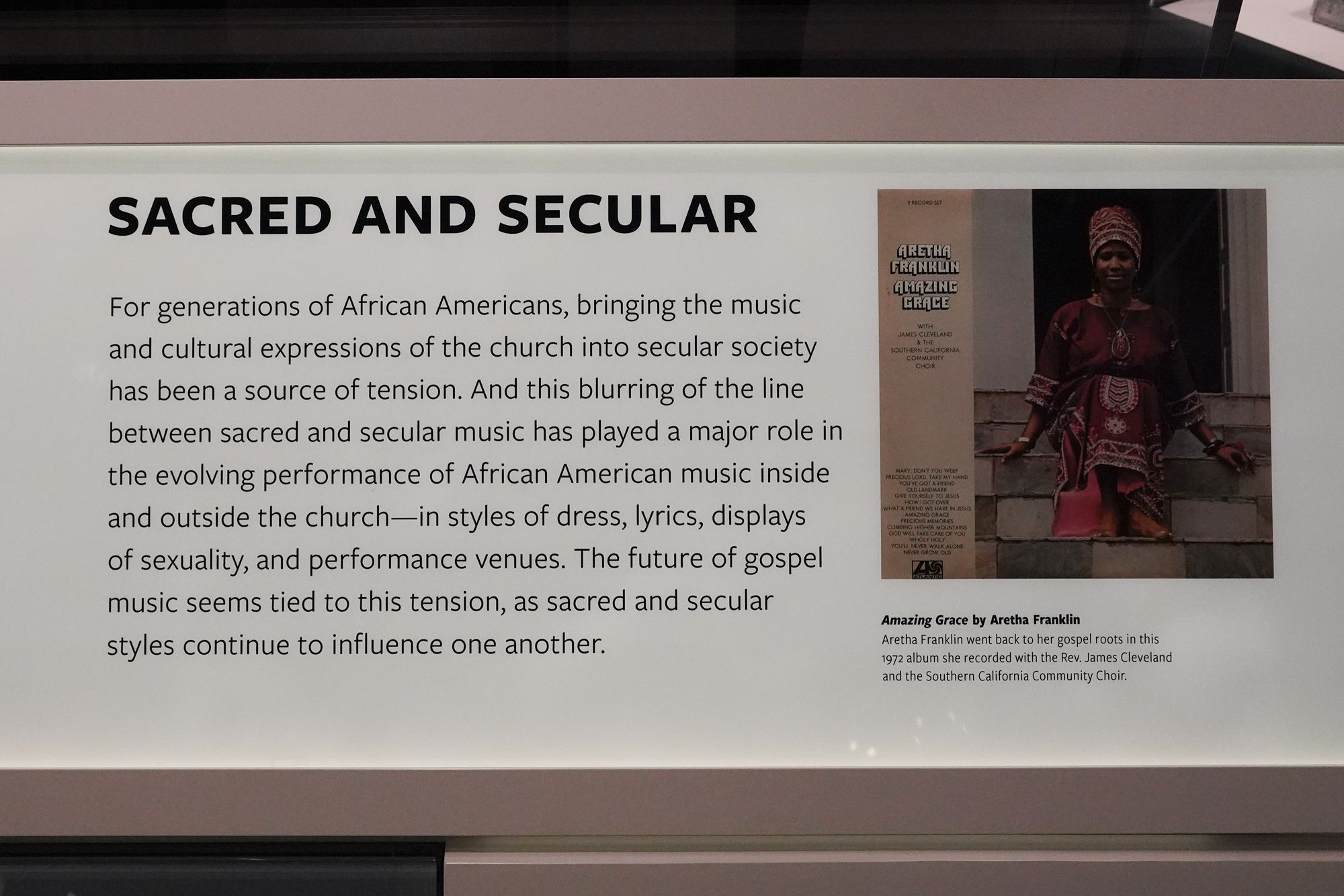
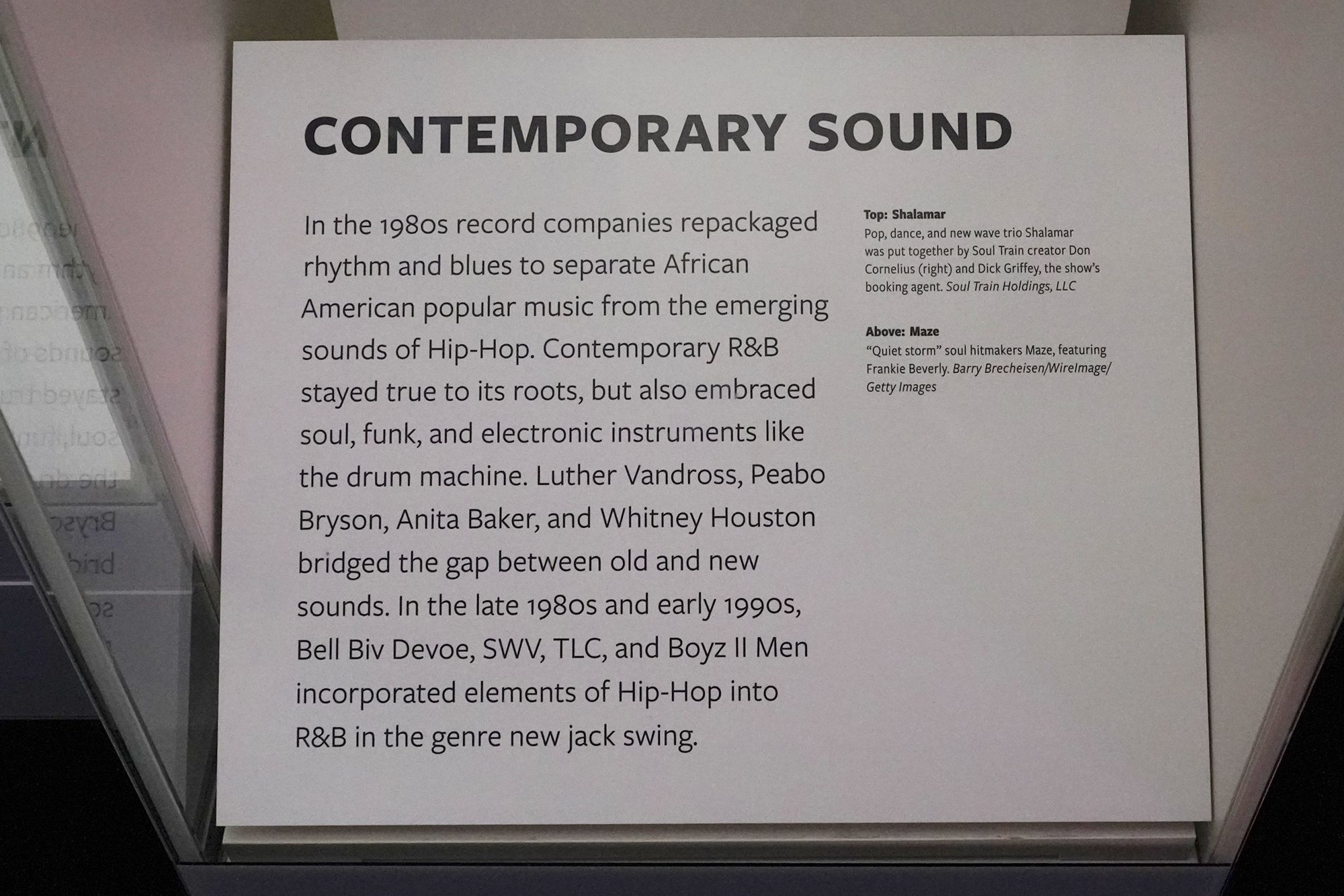
In the 1950s and 1960s, R&B evolved into soul and rock and roll, influencing artists like Elvis Presley and later defining the Motown sound with stars such as Stevie Wonder, Aretha Franklin, and Marvin Gaye. Modern R&B continues to shape global music through artists like Whitney Houston, Beyoncé, Usher, and Alicia Keys.
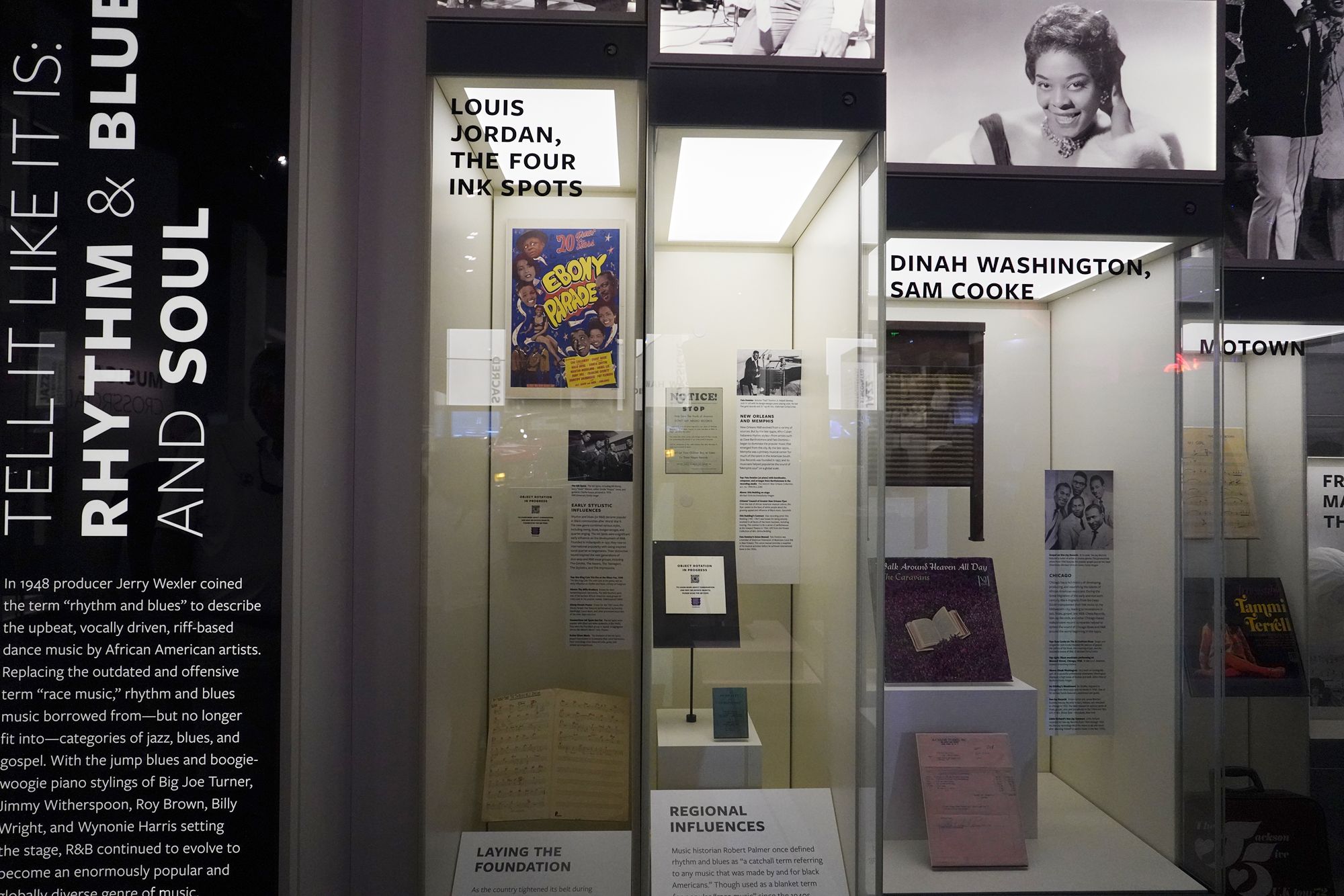
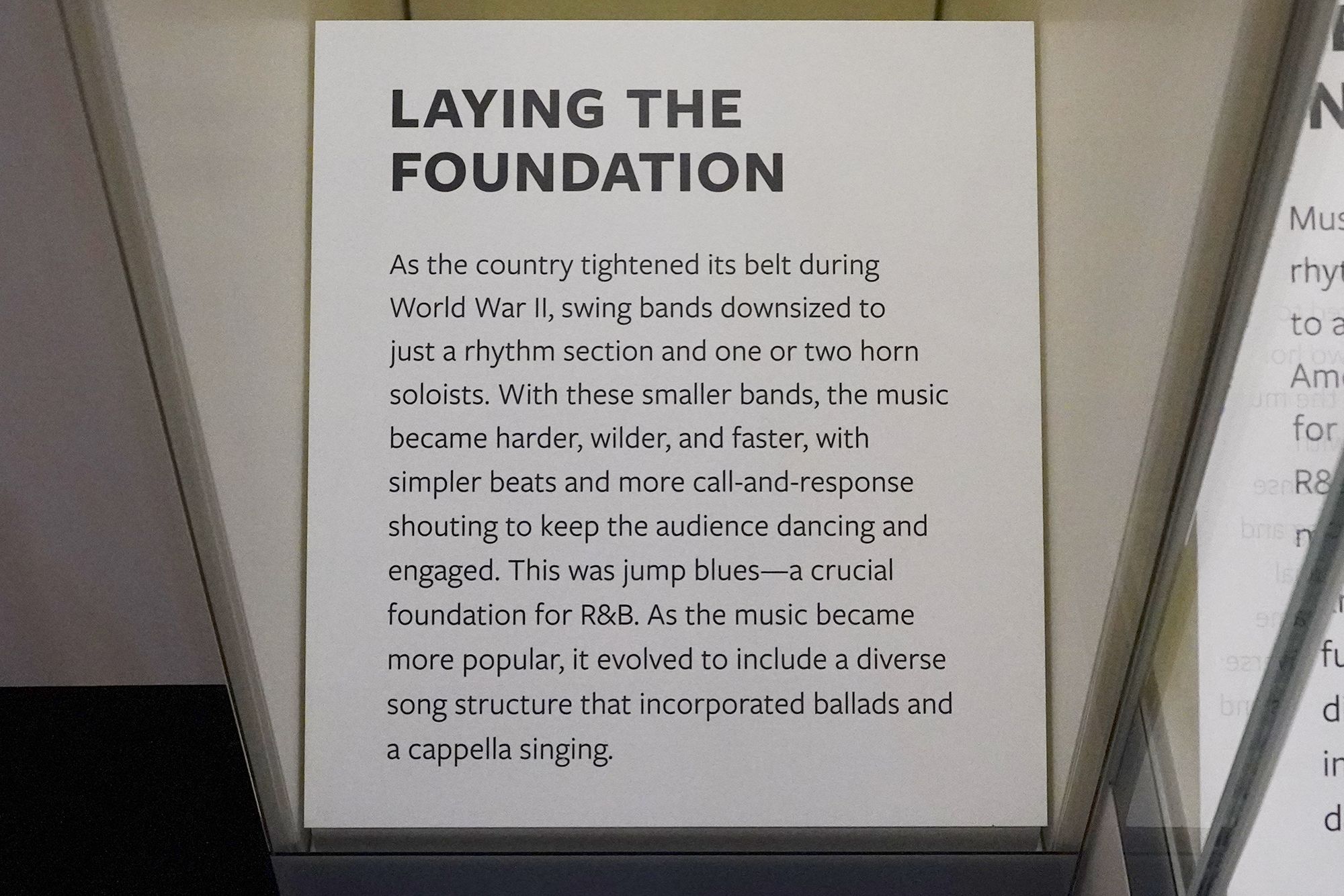
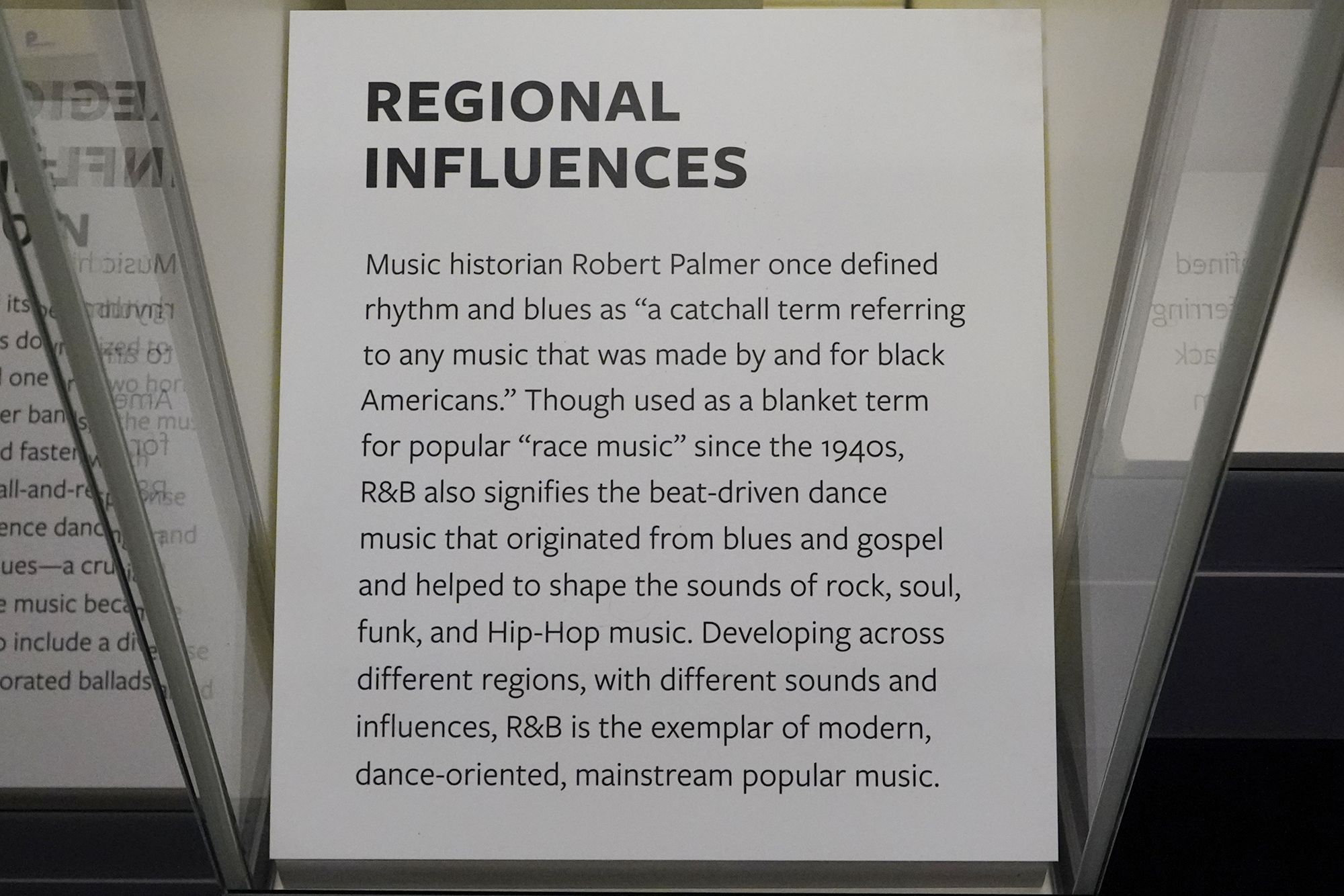
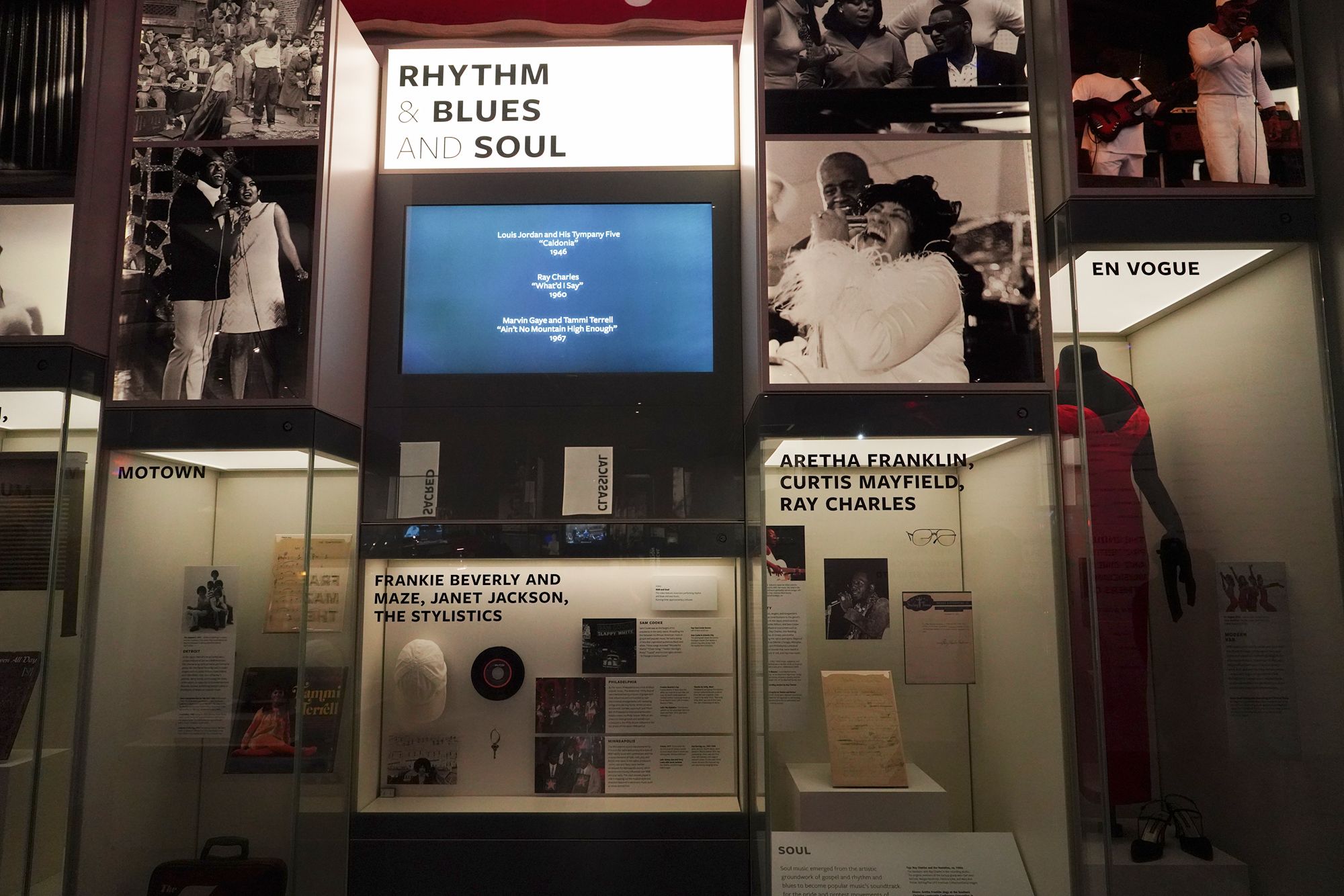
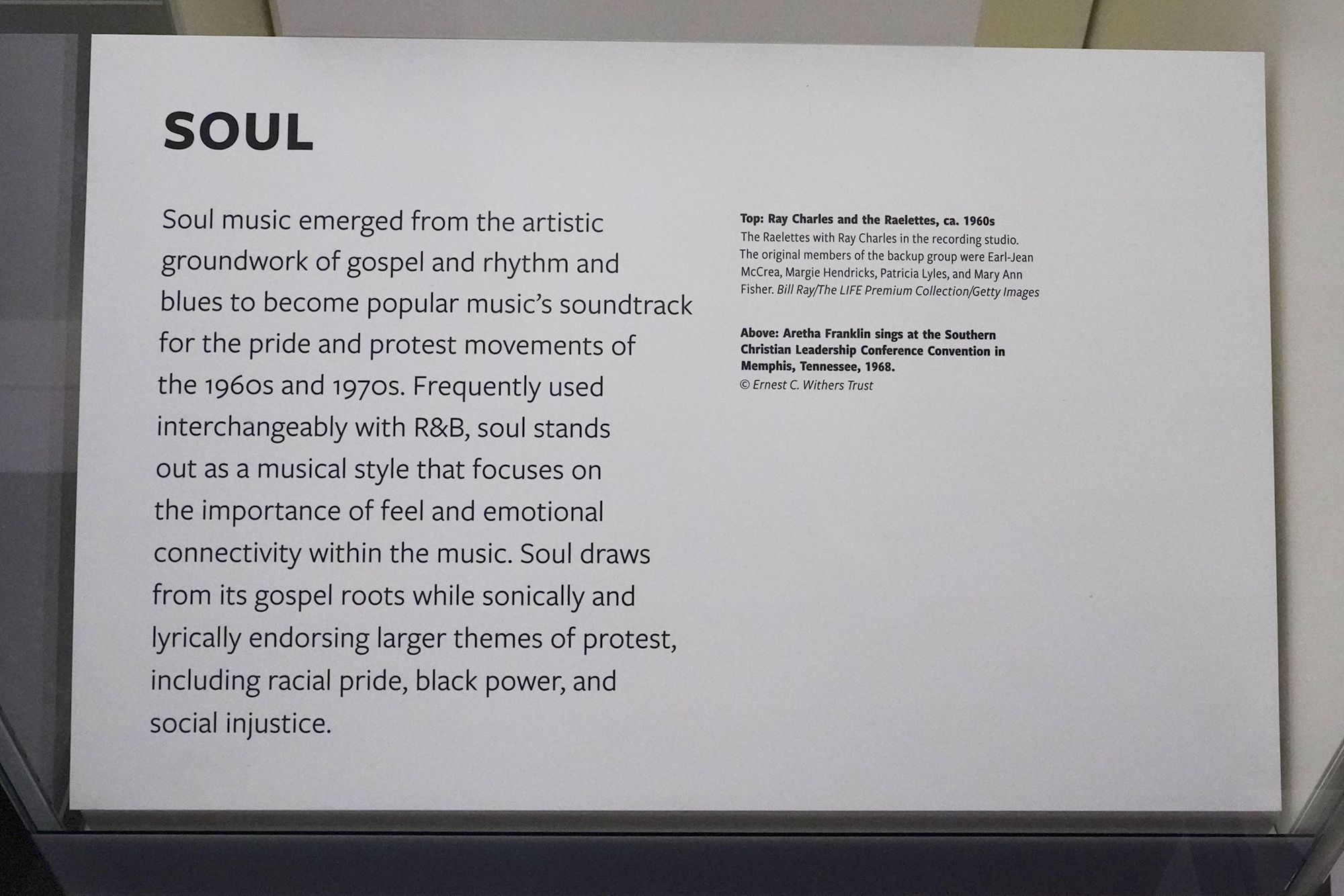
Soul music emerged in the 1950s and 1960s, born from the fusion of gospel, rhythm and blues, and jazz. It expressed the deep emotions, faith, and struggles of African American life during a time of great social change. With passionate vocals, strong rhythms, and heartfelt lyrics, soul became the soundtrack of the Civil Rights era, giving voice to hope, pride, and resilience.
Rock and Roll emerged in the 1950s as a powerful blend of rhythm and blues, gospel, jazz, and country music, all deeply influenced by African American musical traditions. Its driving beats, electric guitars, and energetic vocals revolutionized popular music and youth culture in America and beyond.
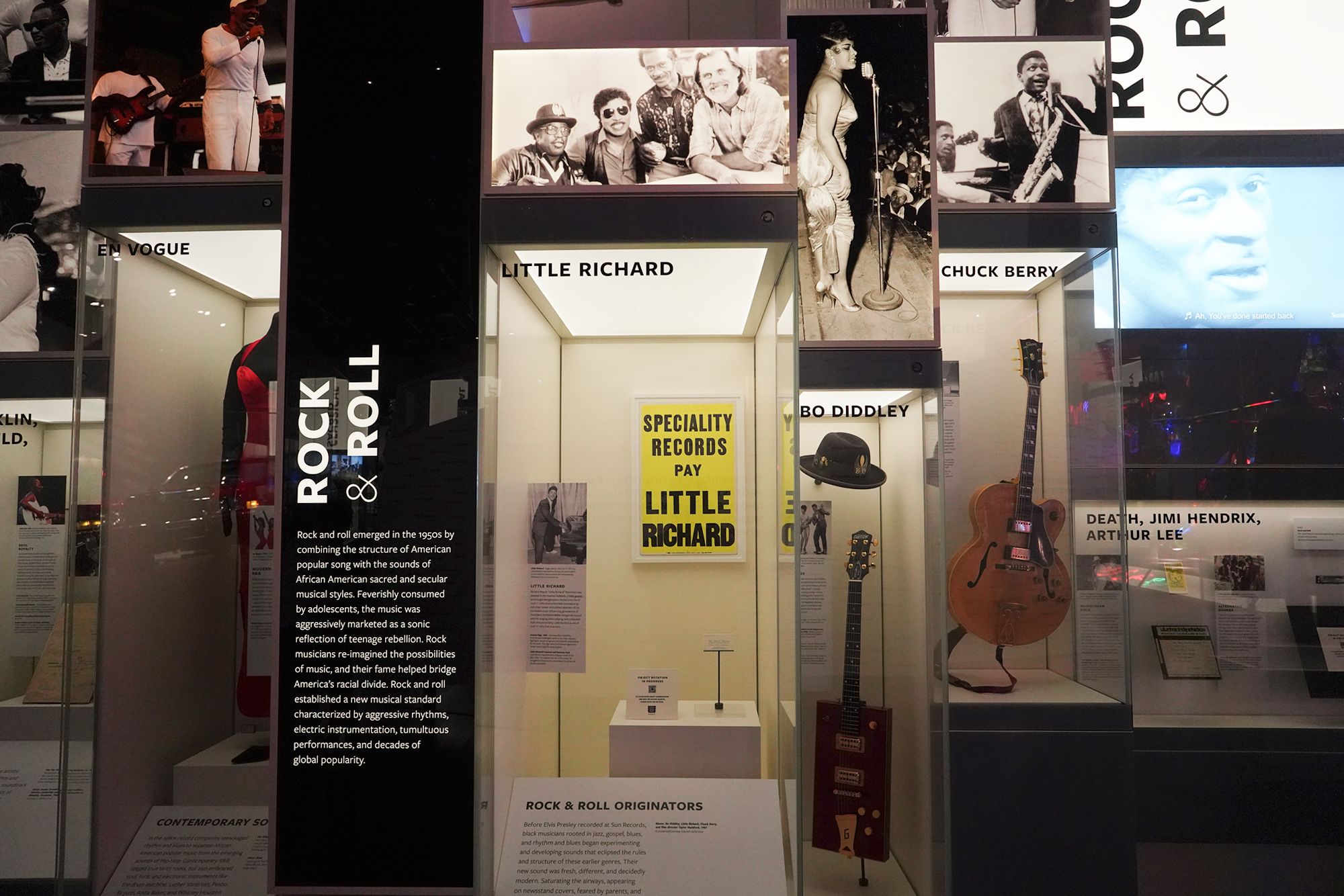
African American artists such as Chuck Berry, Little Richard, Fats Domino, Bo Diddley, Sister Rosetta Tharpe, and Big Mama Thornton were the true pioneers of rock and roll. Their creativity, rhythm, and performance style laid the foundation for the genre long before it became mainstream. Chuck Berry’s guitar riffs, Little Richard’s wild energy, and Tharpe’s gospel-infused electric sound defined what rock and roll would become.
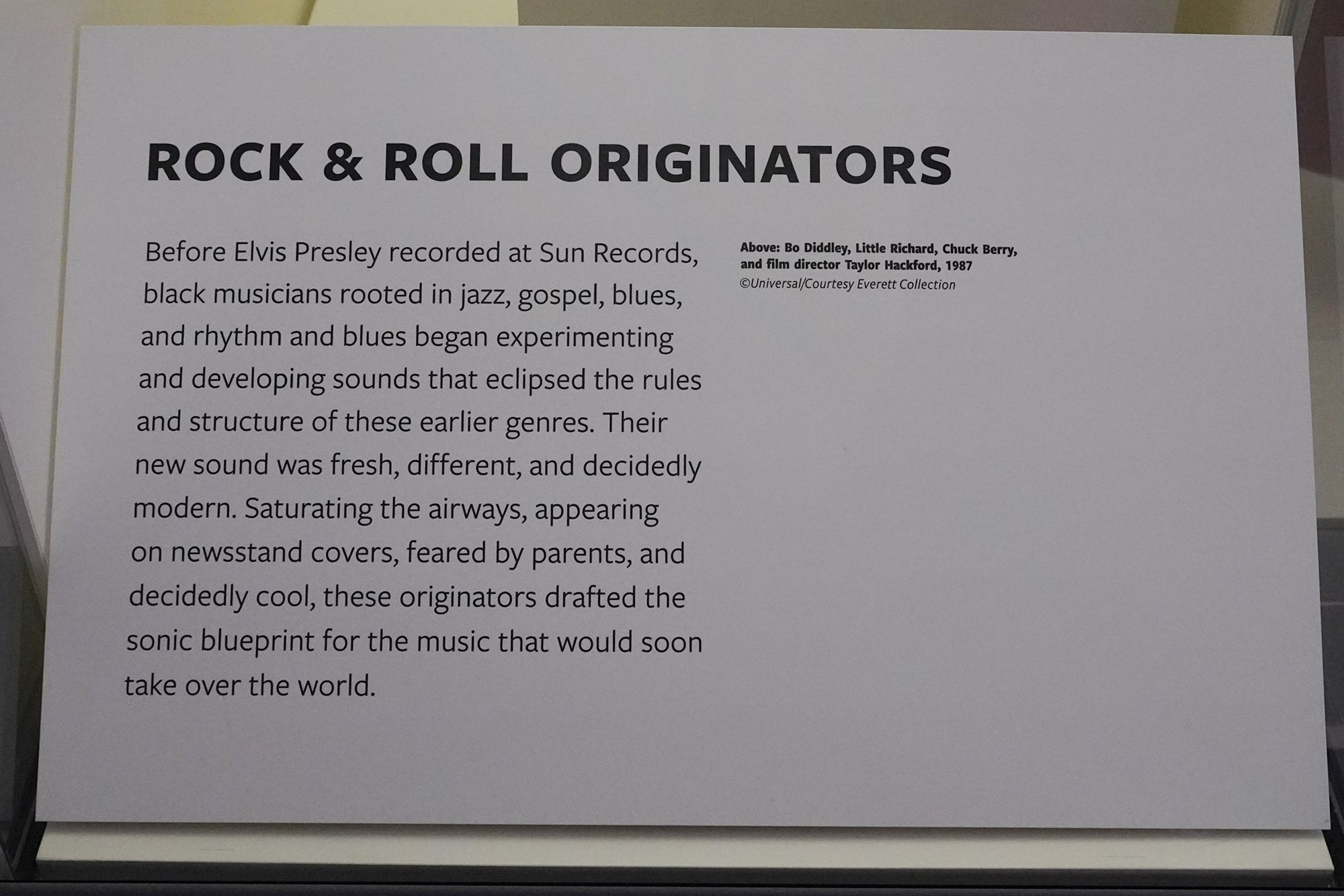
Though many white performers later popularized the genre, the roots of rock and roll are unmistakably African American. The music’s rebellious spirit, improvisation, and emotional power reflected the struggle and vitality of Black life in mid-20th-century America. Its influence continues to shape nearly every form of modern popular music—from pop and punk to metal and hip-hop.
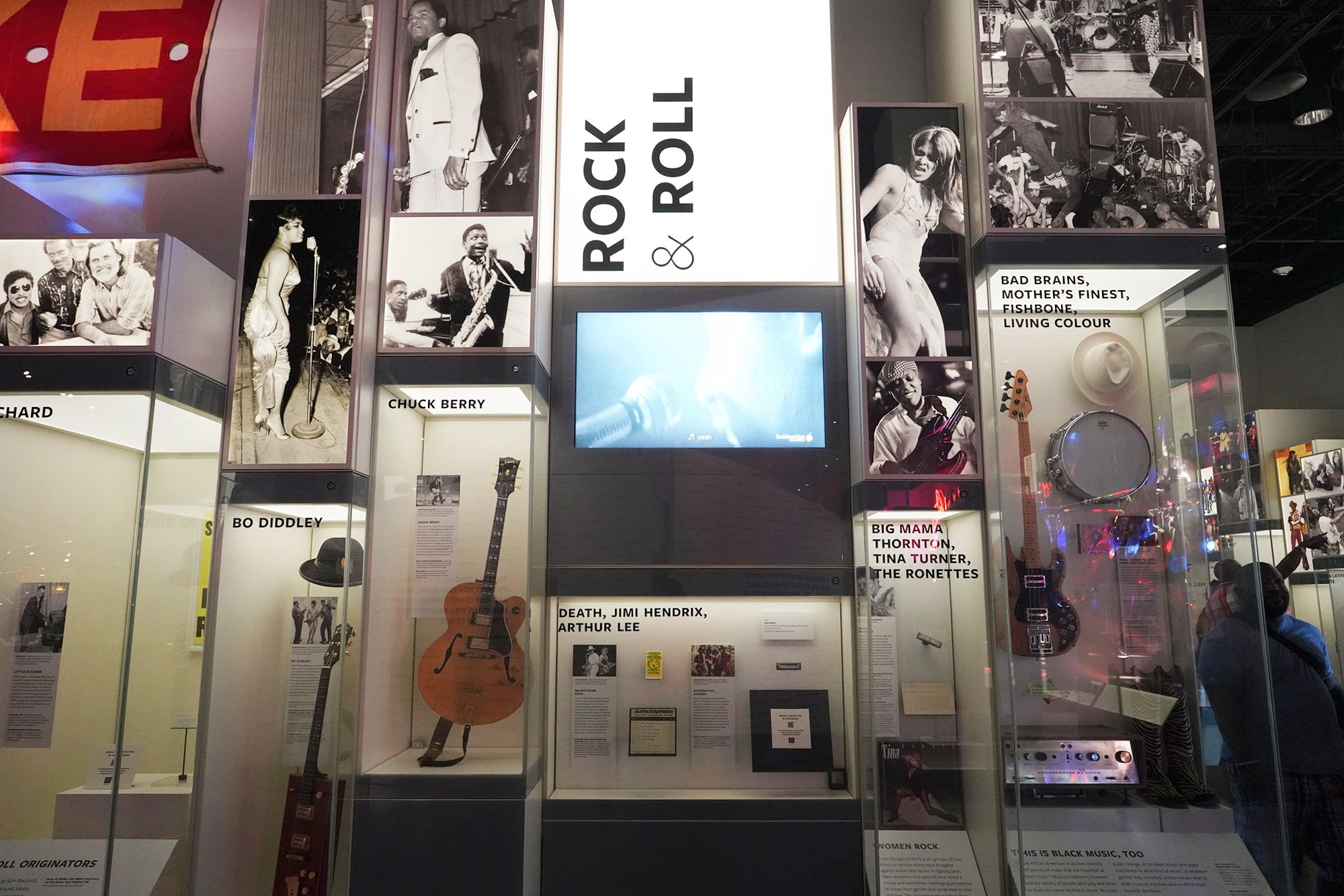
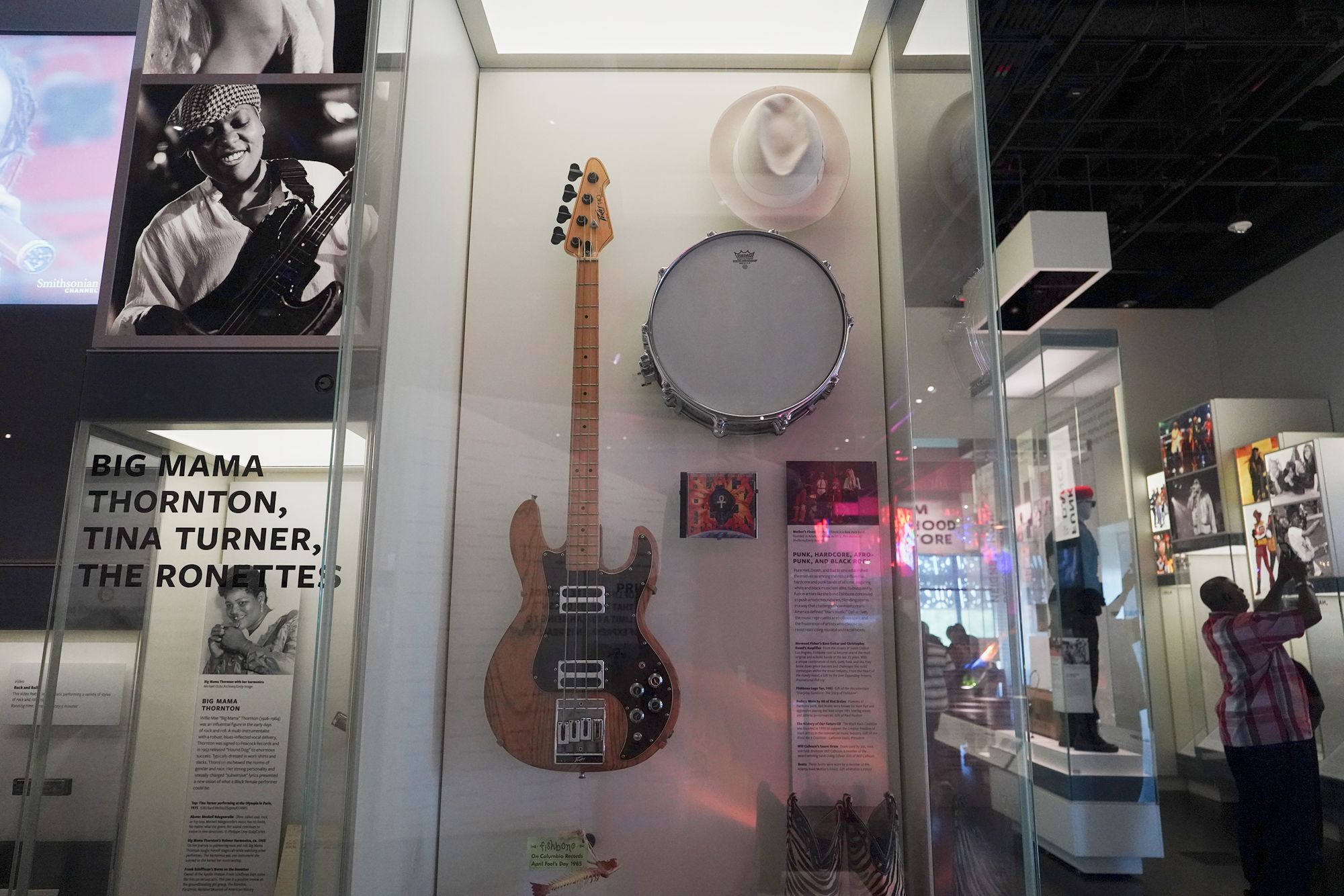
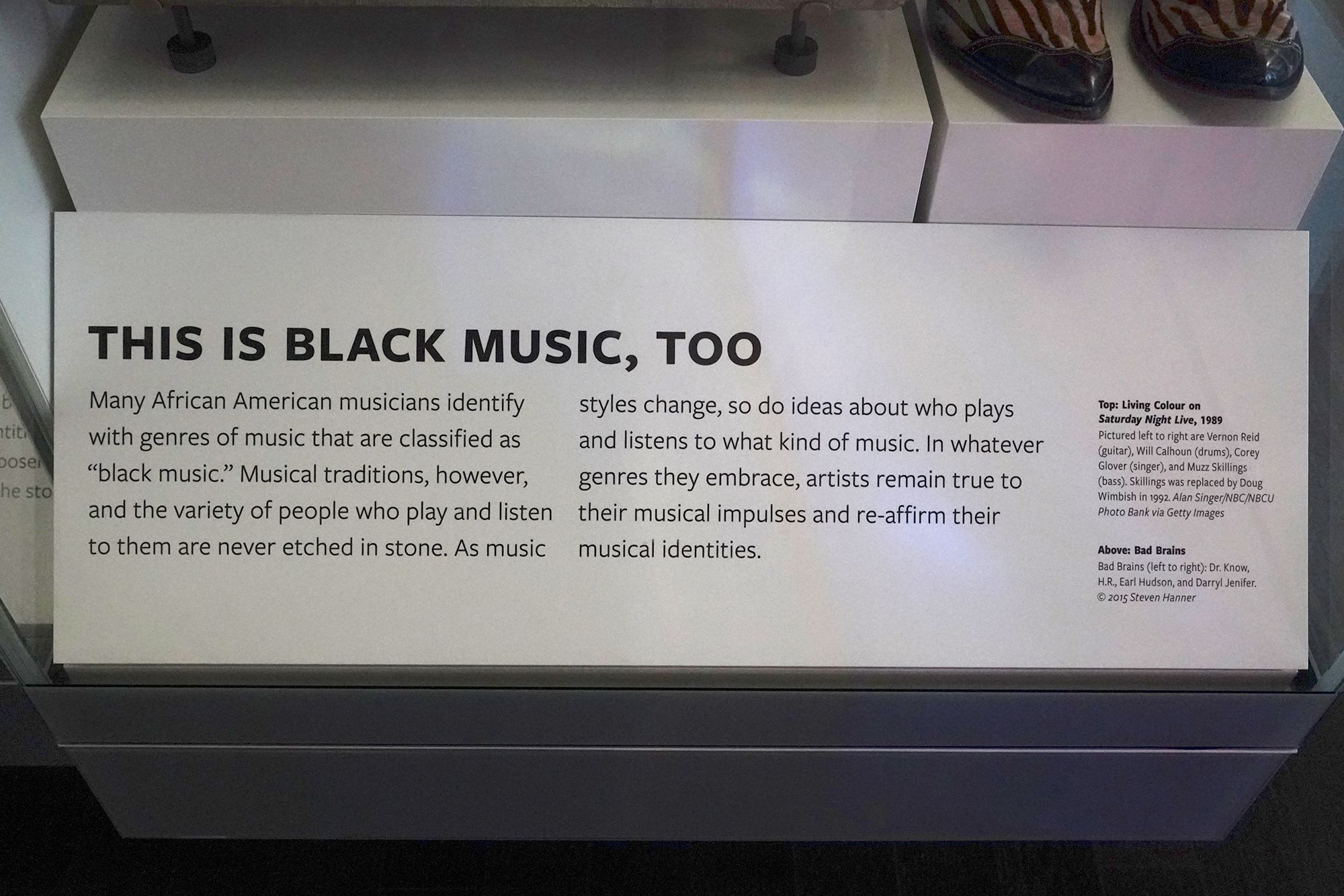
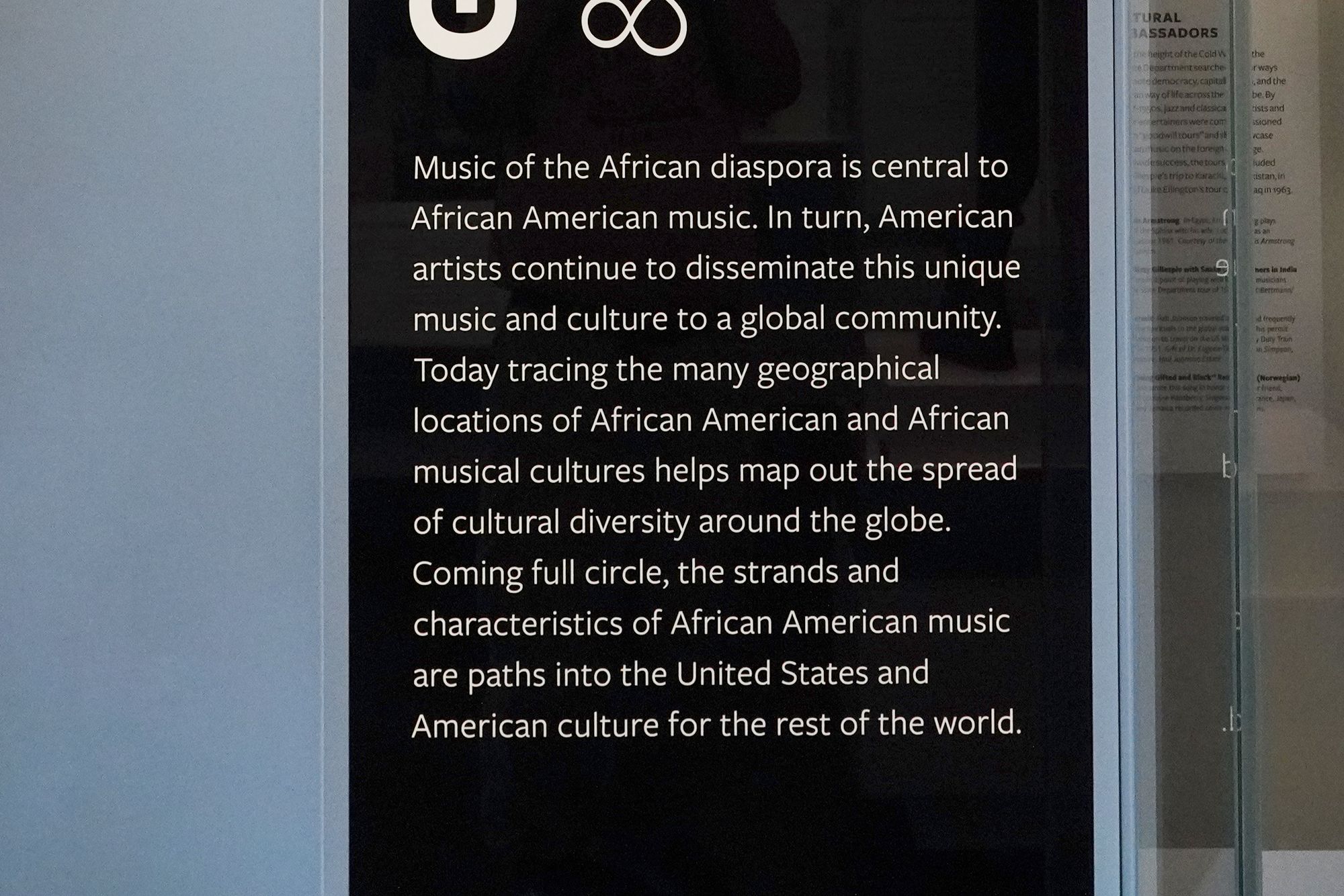
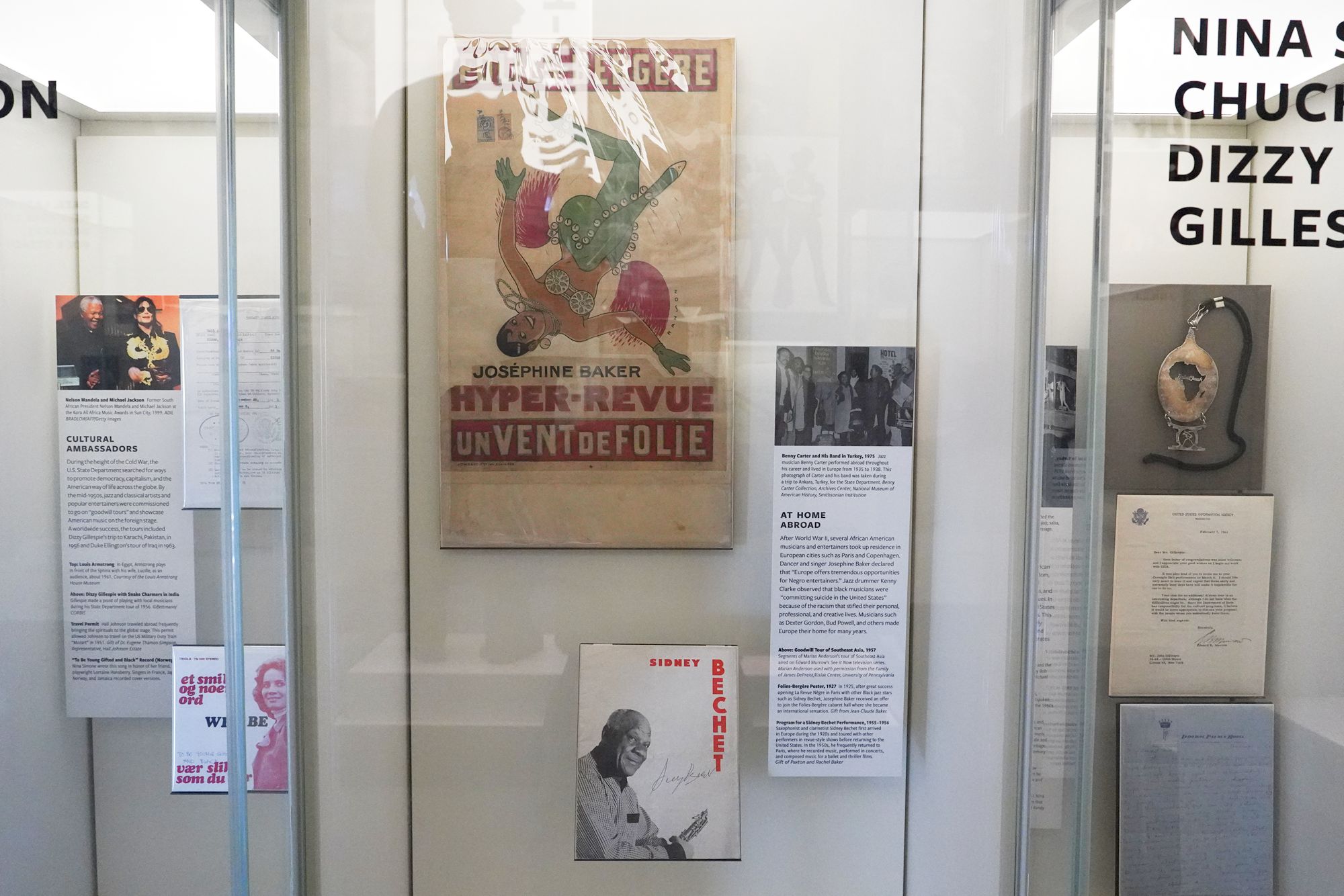
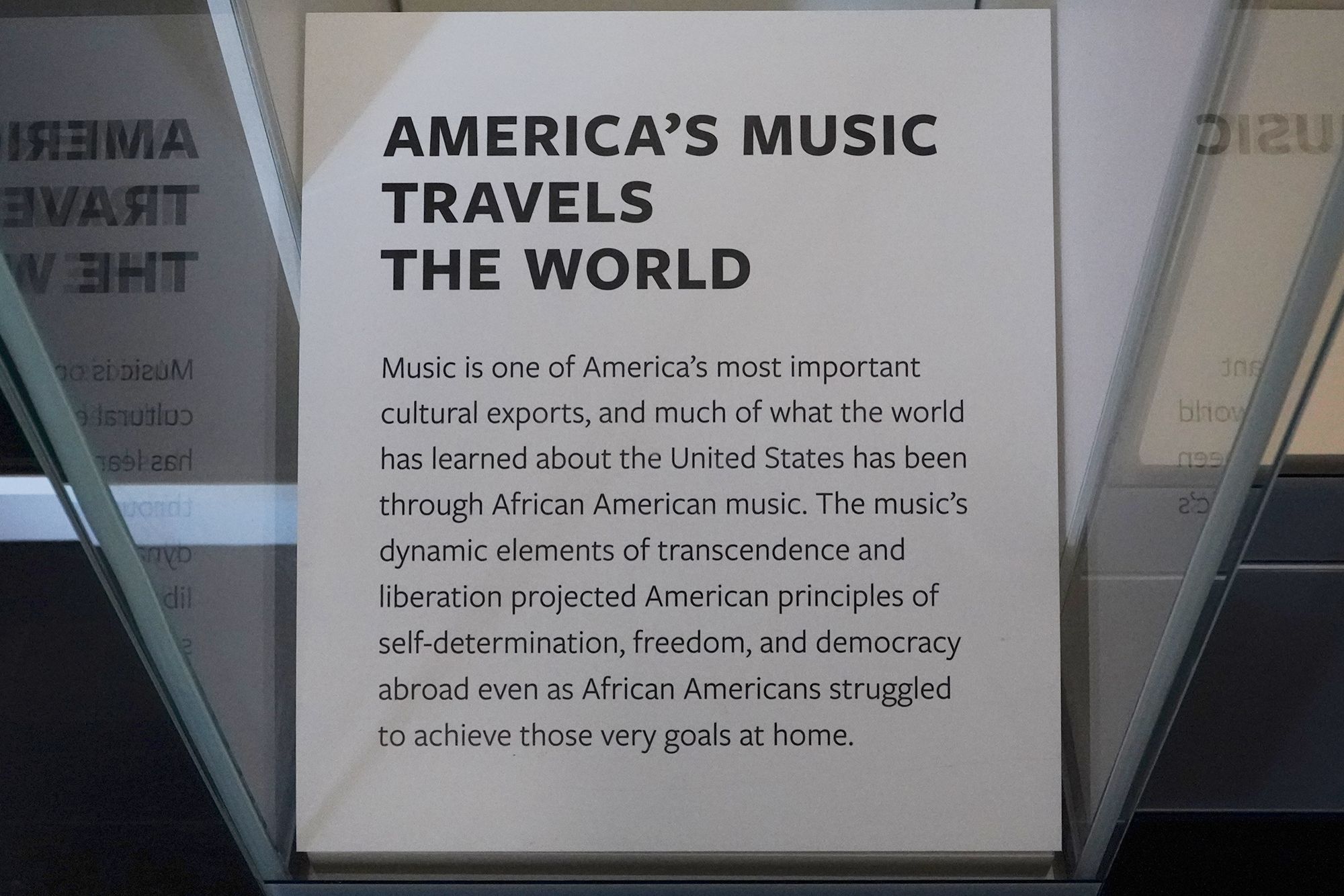
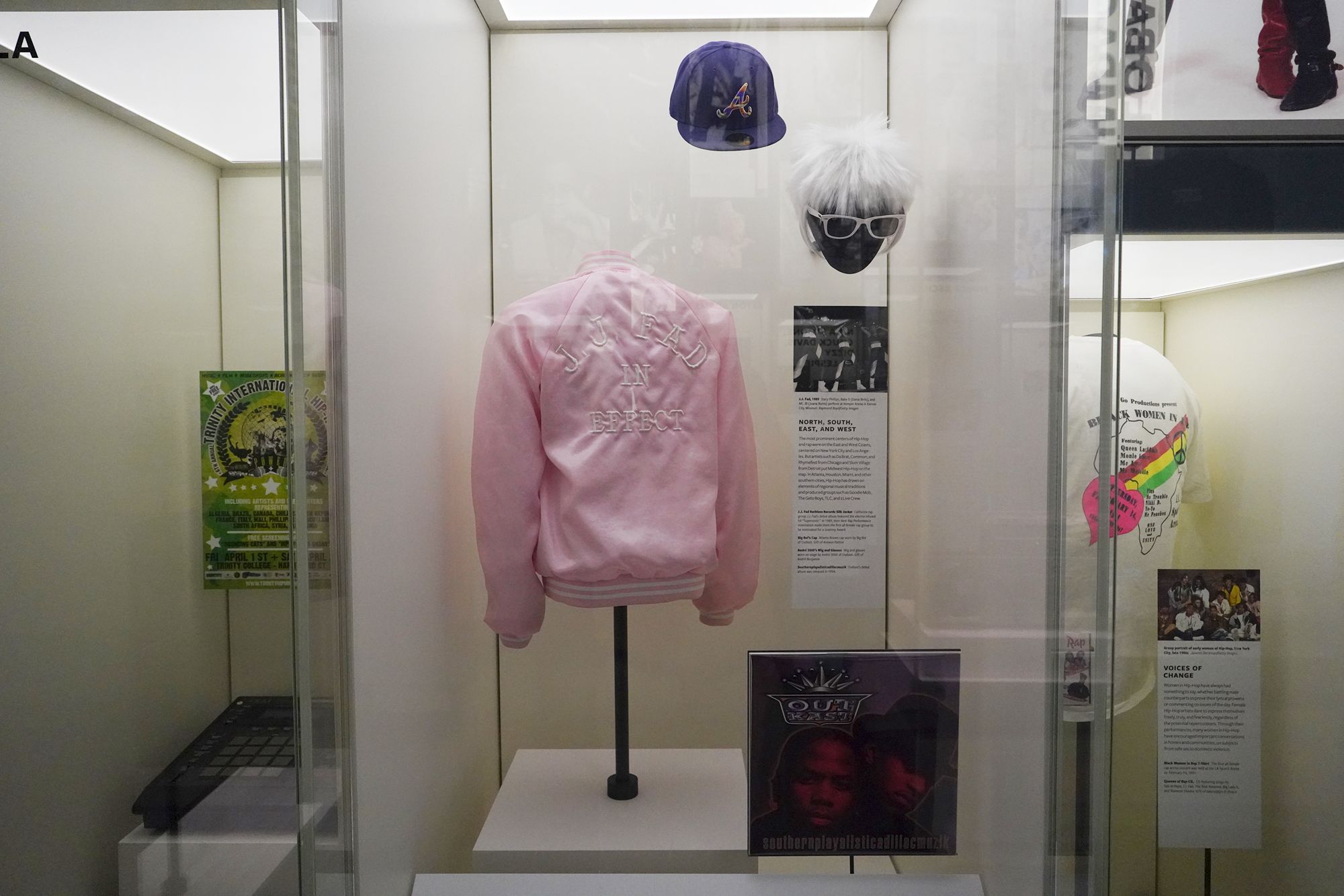
Genres created or transformed by African Americans—blues, jazz, gospel, rock and roll, soul, funk, R&B, and hip-hop—have traveled far beyond the United States, inspiring artists on every continent. Jazz became the language of freedom in Europe and Asia; soul and funk energized movements for independence in Africa; and hip-hop gave a voice to marginalized youth from London to Lagos, Tokyo to Rio.
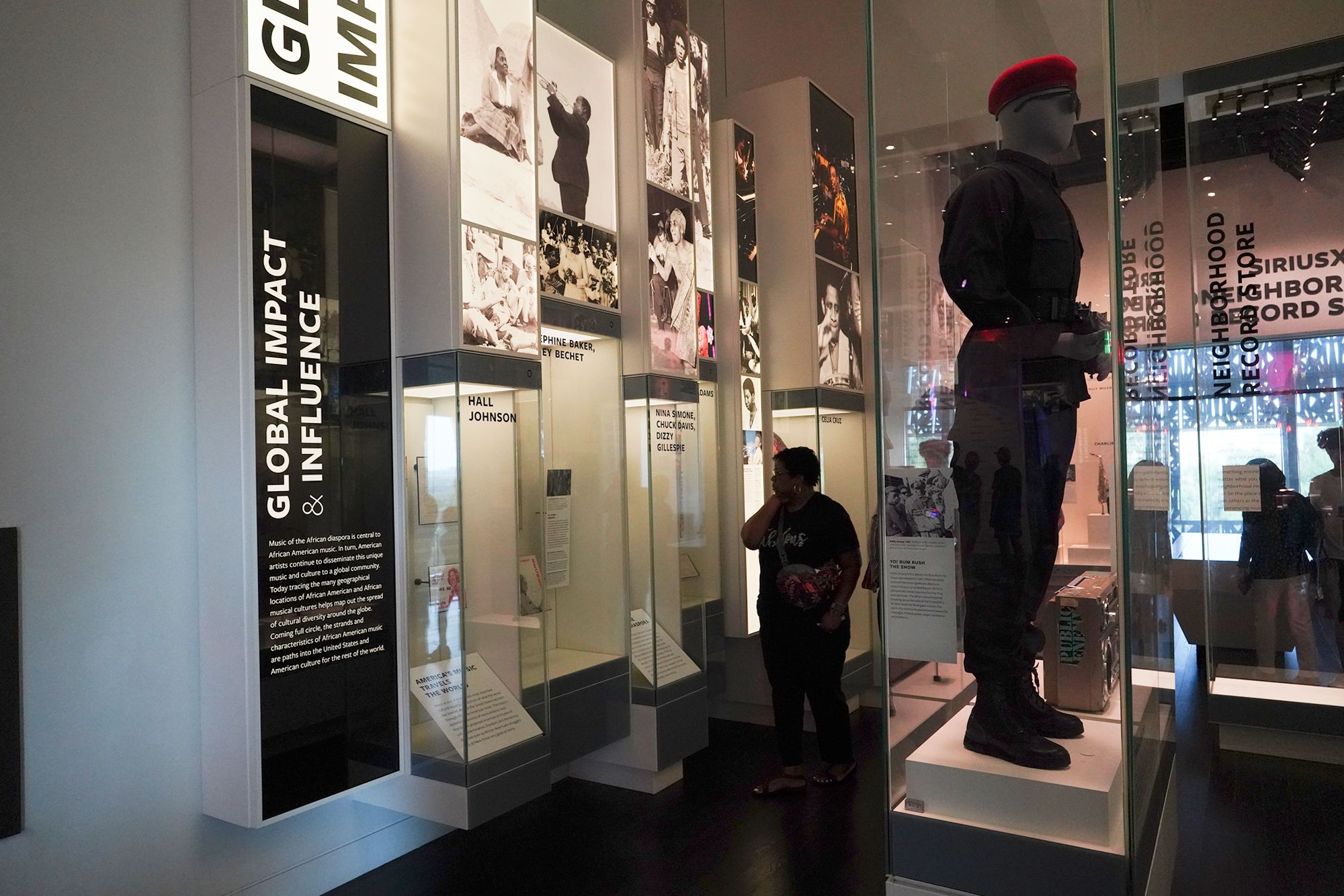
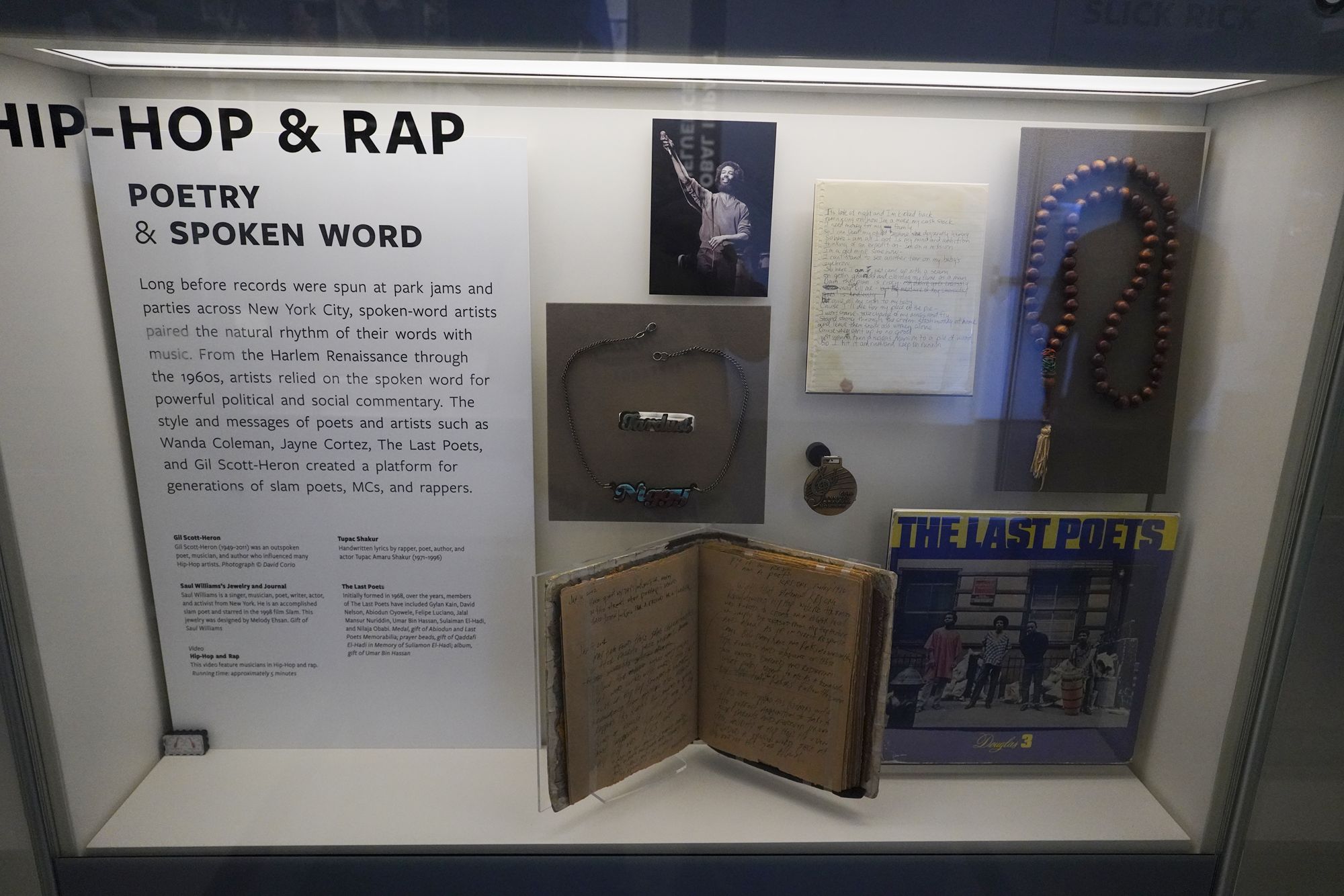
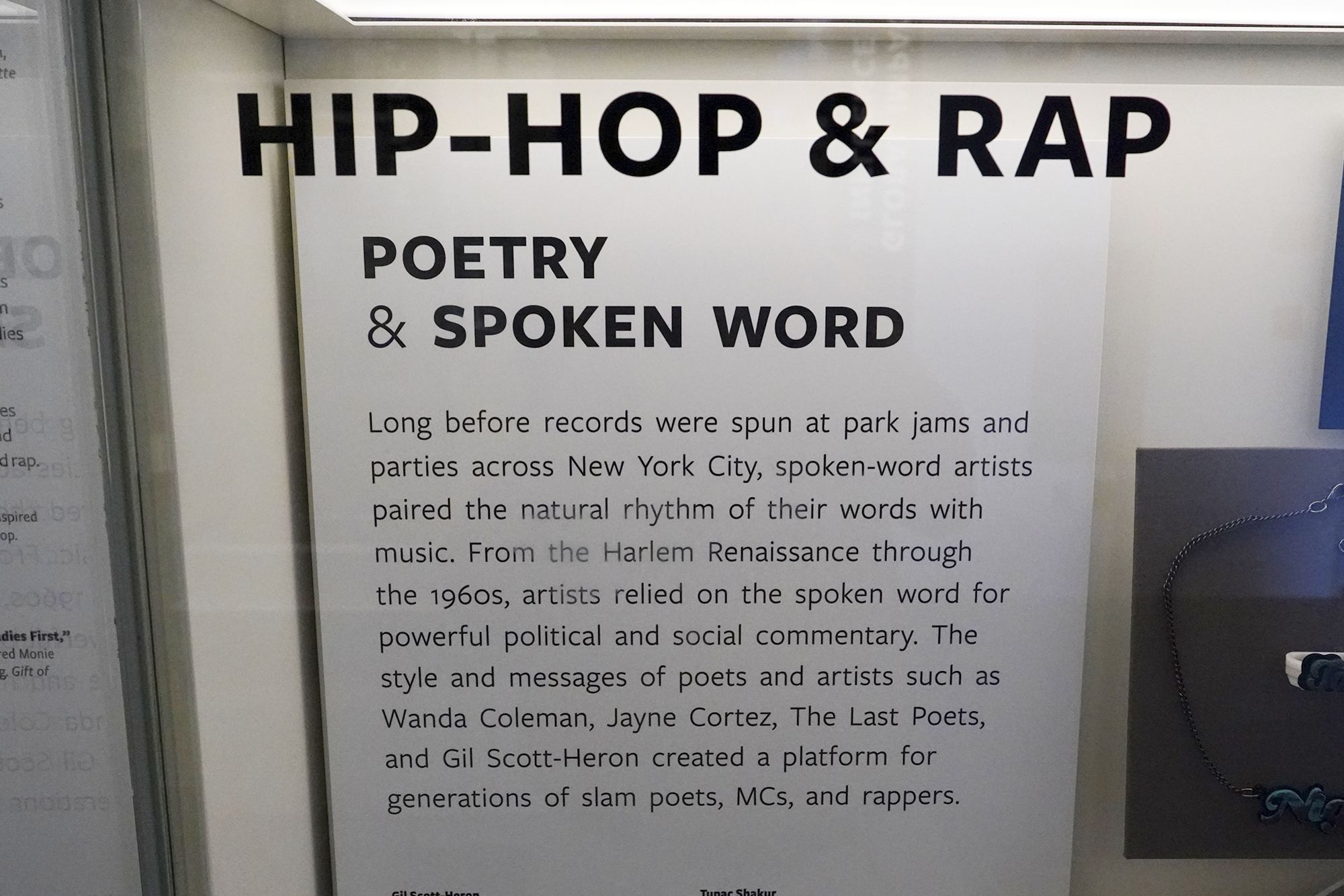
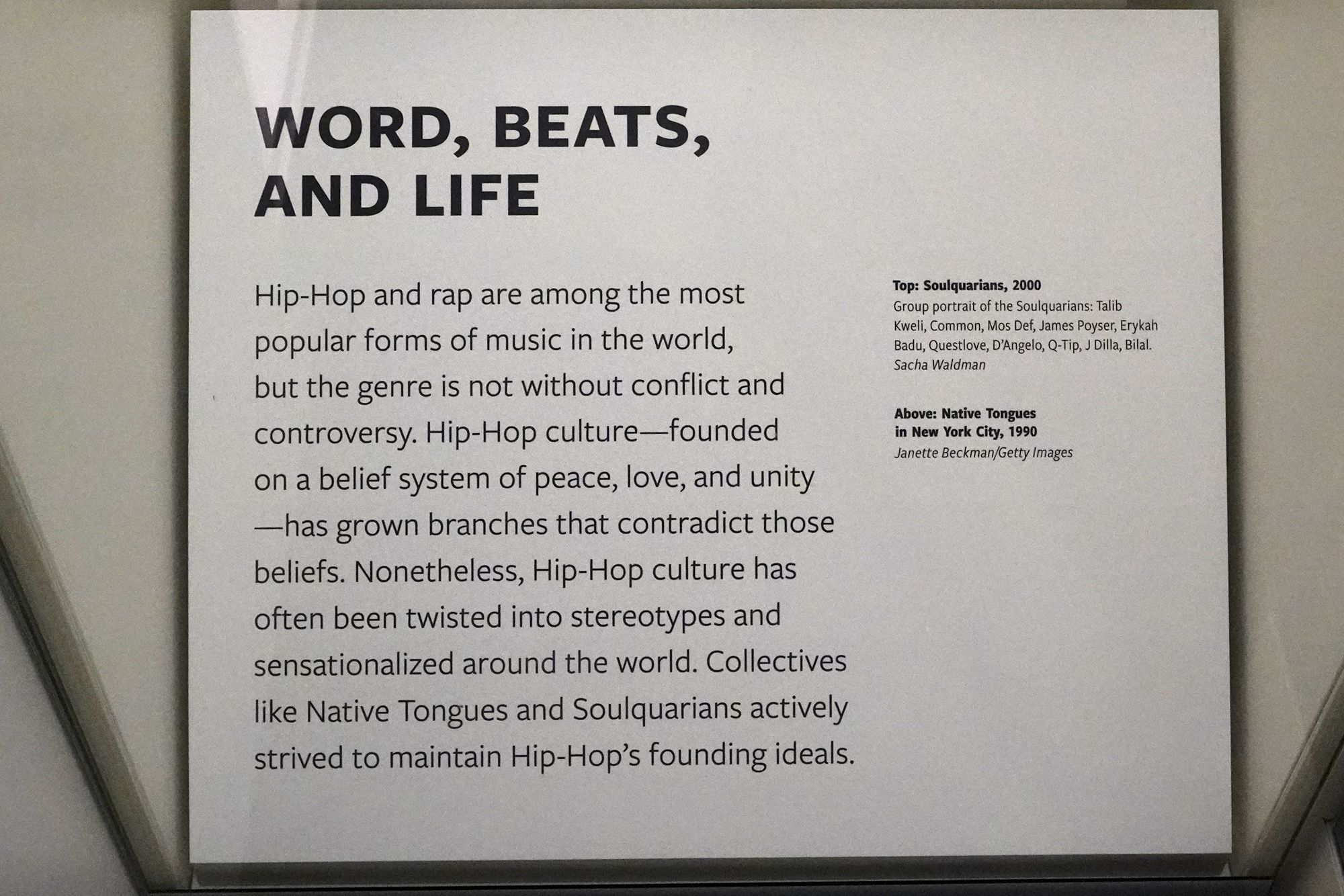
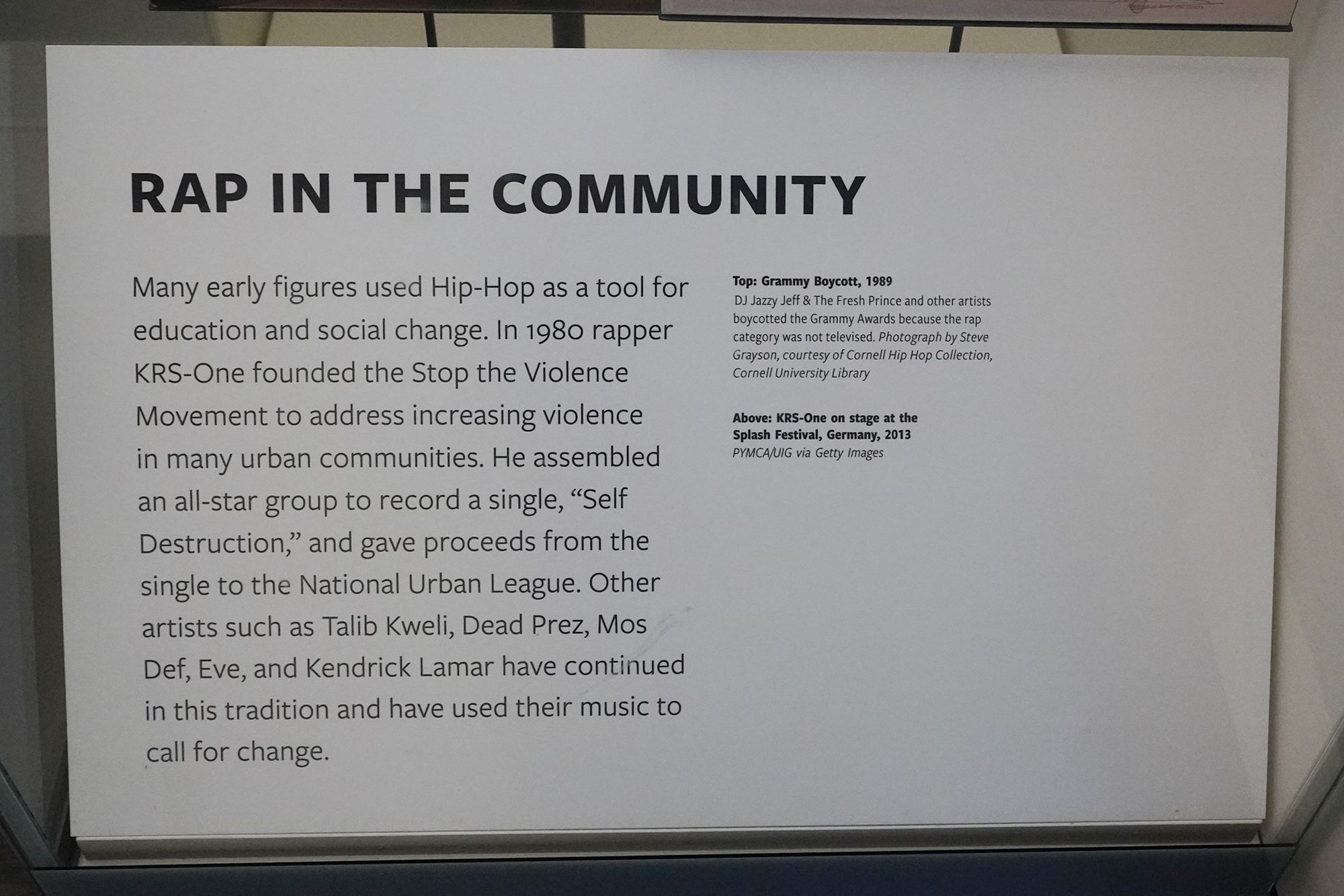
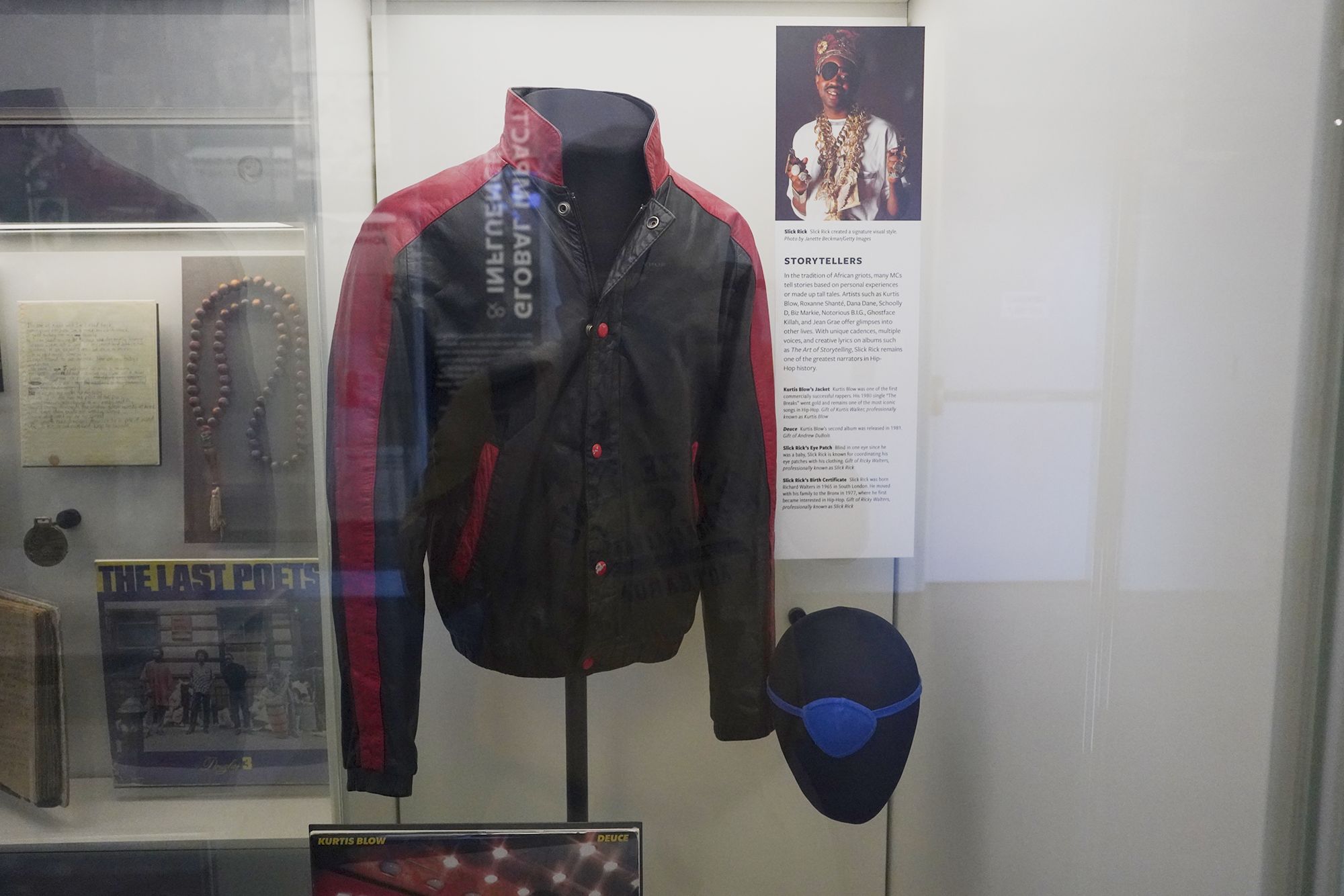
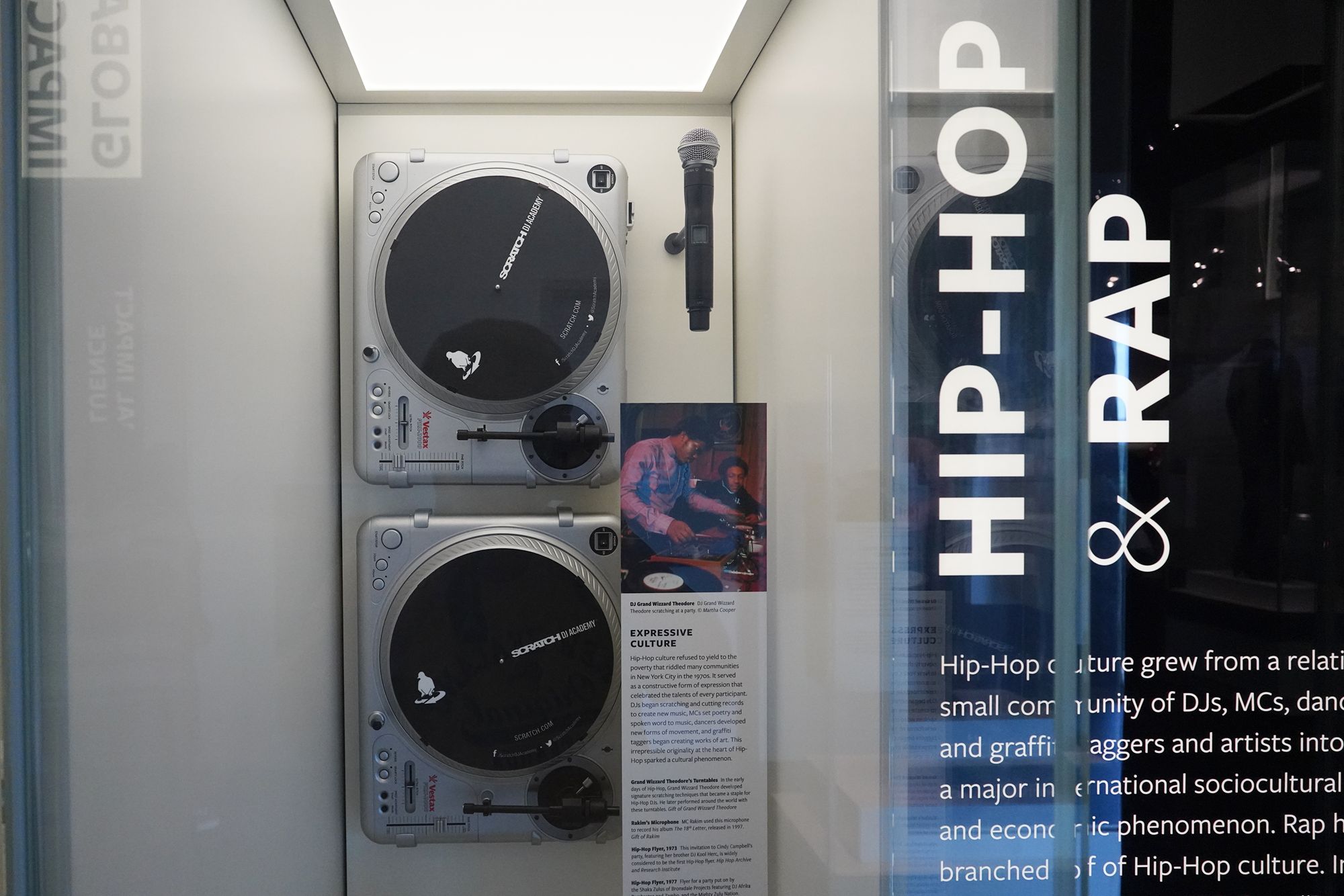
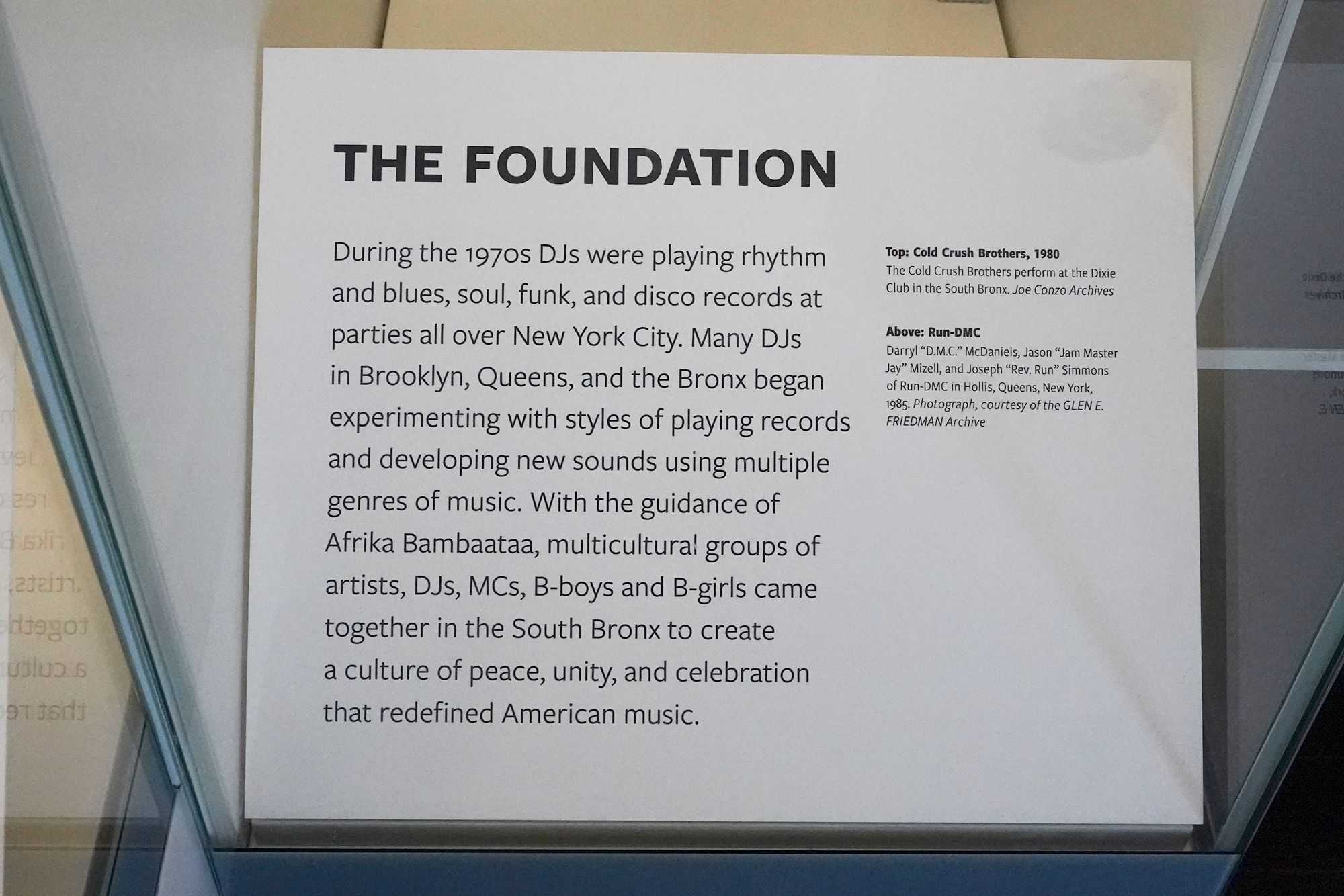
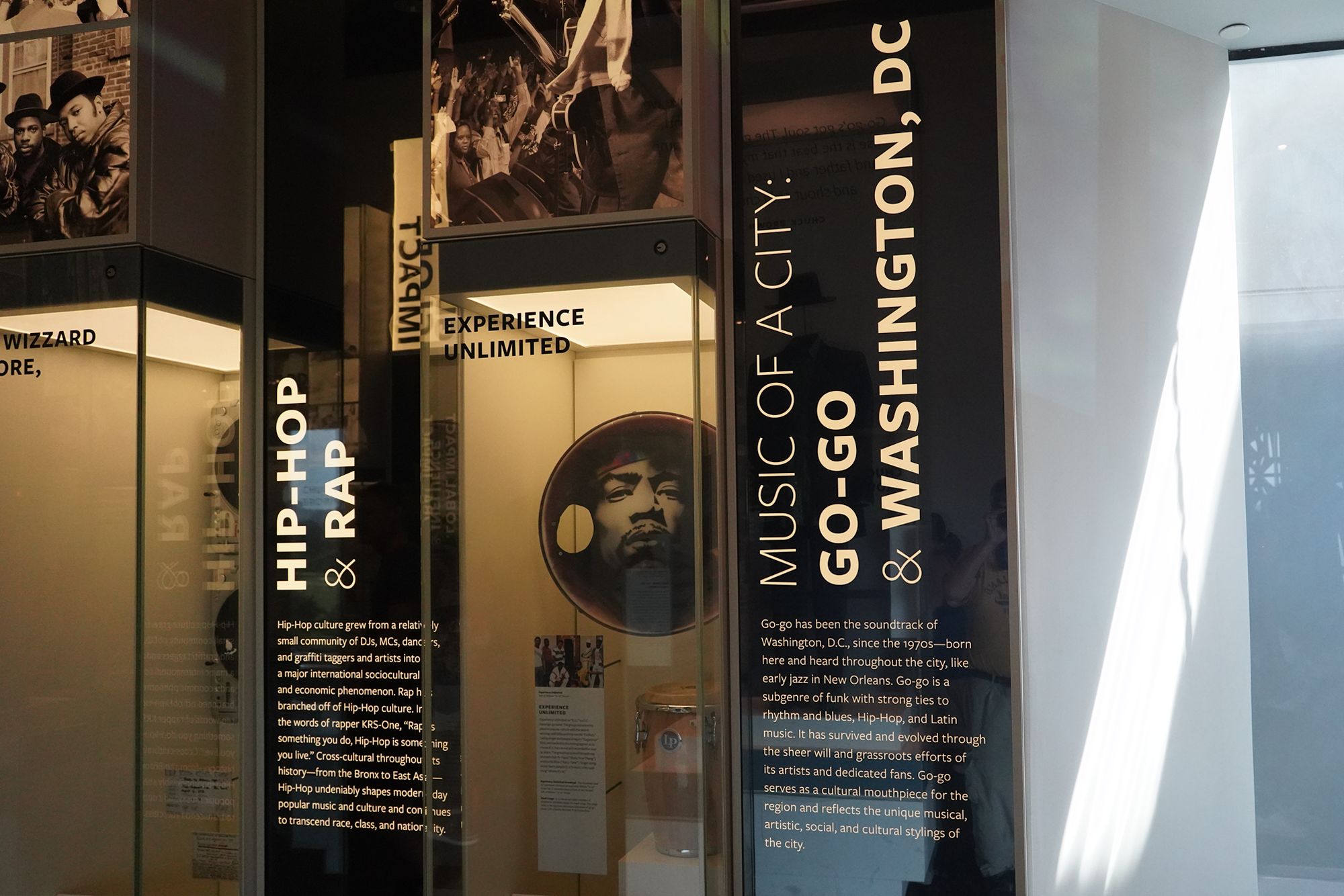
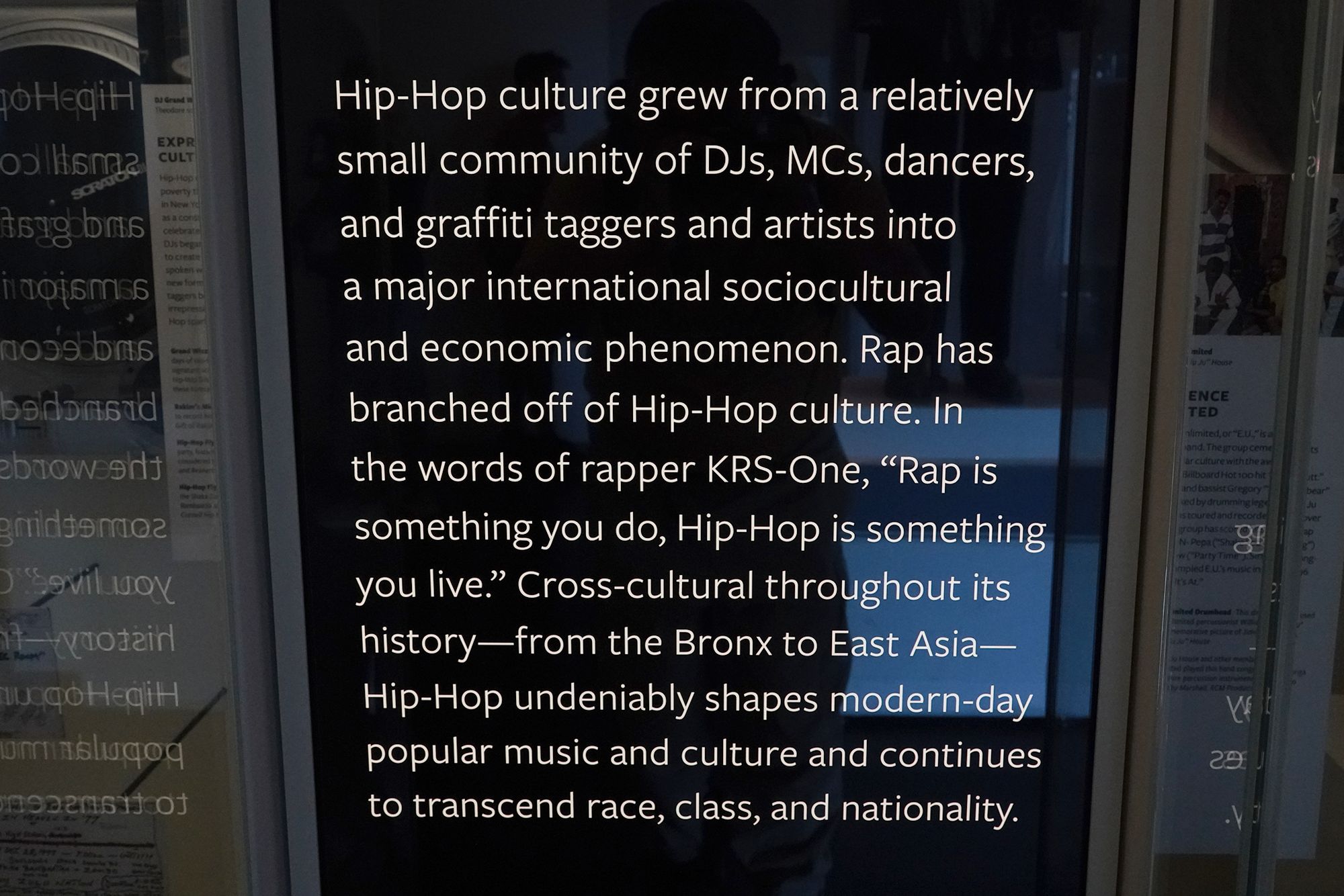
Hip-hop and rap originated in the Bronx, New York City, during the 1970s, created by African American and Latino youth who turned limited resources into powerful cultural expression. Using turntables, microphones, and rhythm, they transformed block parties into creative revolutions.
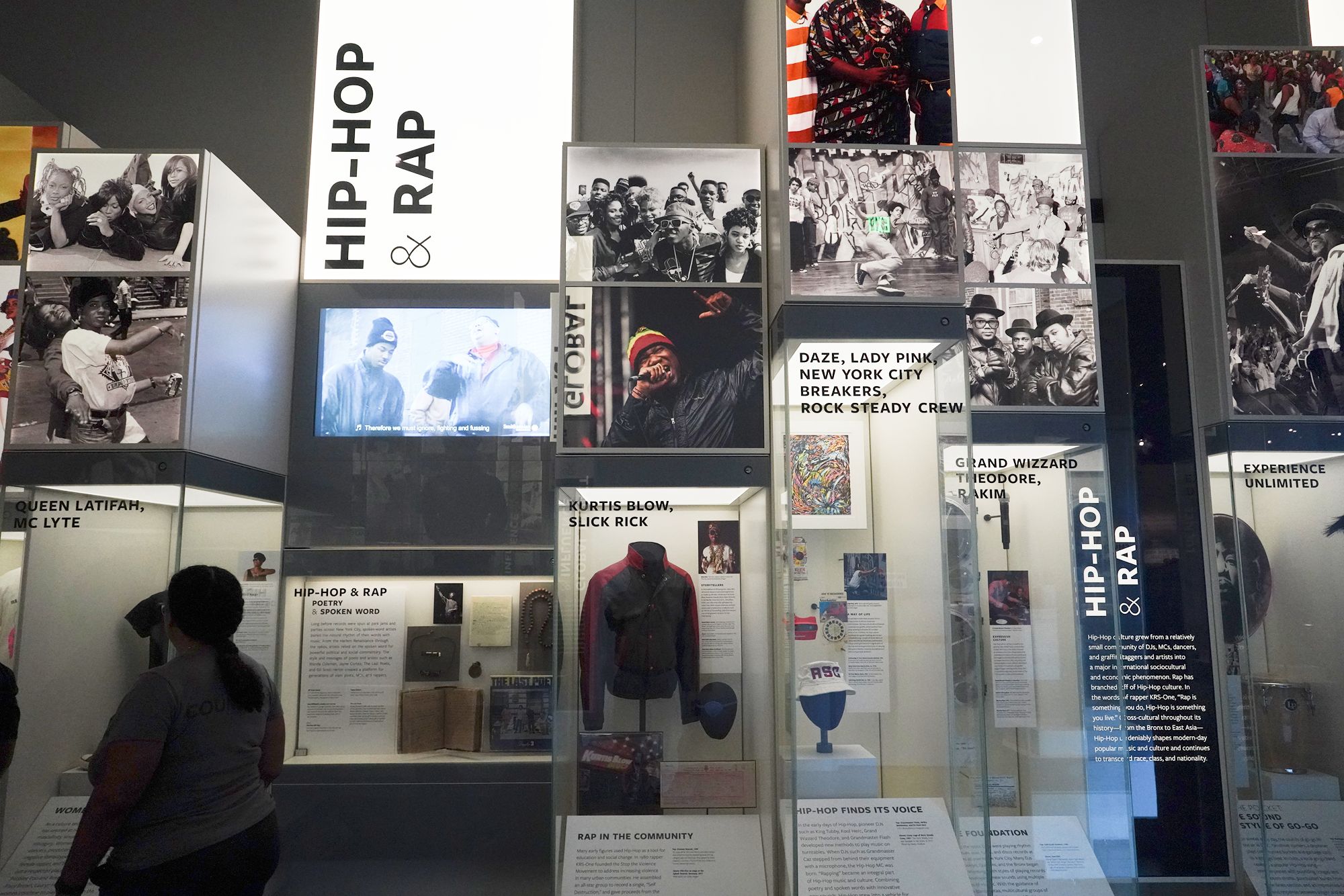
Hip-hop is more than just rap—it’s a cultural movement built on four core elements: DJing, MCing (rapping), breakdancing, and graffiti art. The early pioneers—DJ Kool Herc, Grandmaster Flash, Afrika Bambaataa, and later Run-D.M.C., Public Enemy, Tupac Shakur, The Notorious B.I.G., and Nas—used rhythm and rhyme to tell stories about urban life, social struggle, and pride.
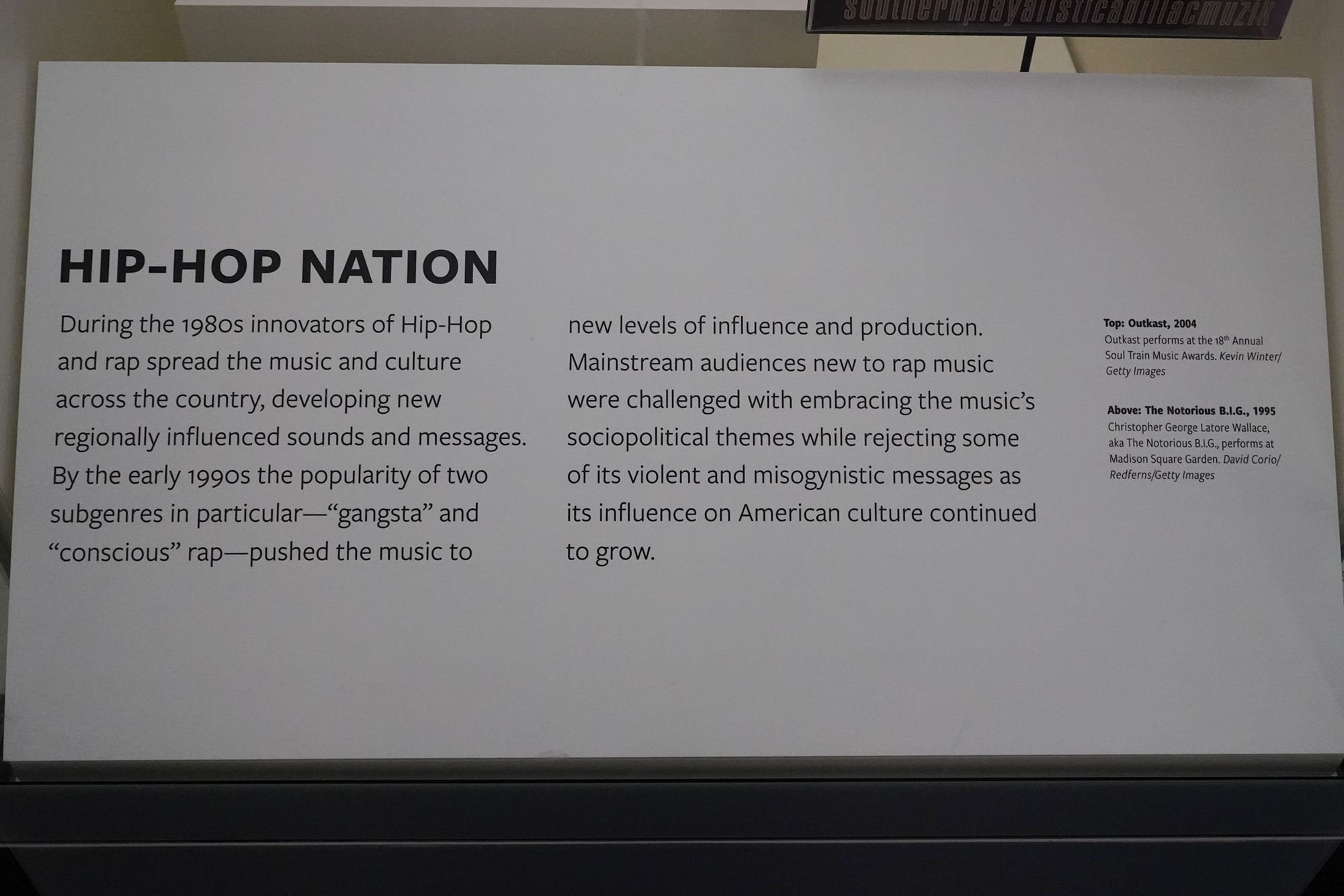
By the 1980s and 1990s, hip-hop evolved into a global phenomenon, influencing fashion, language, dance, and identity. Rap became its lyrical core, giving voice to generations who felt unheard.
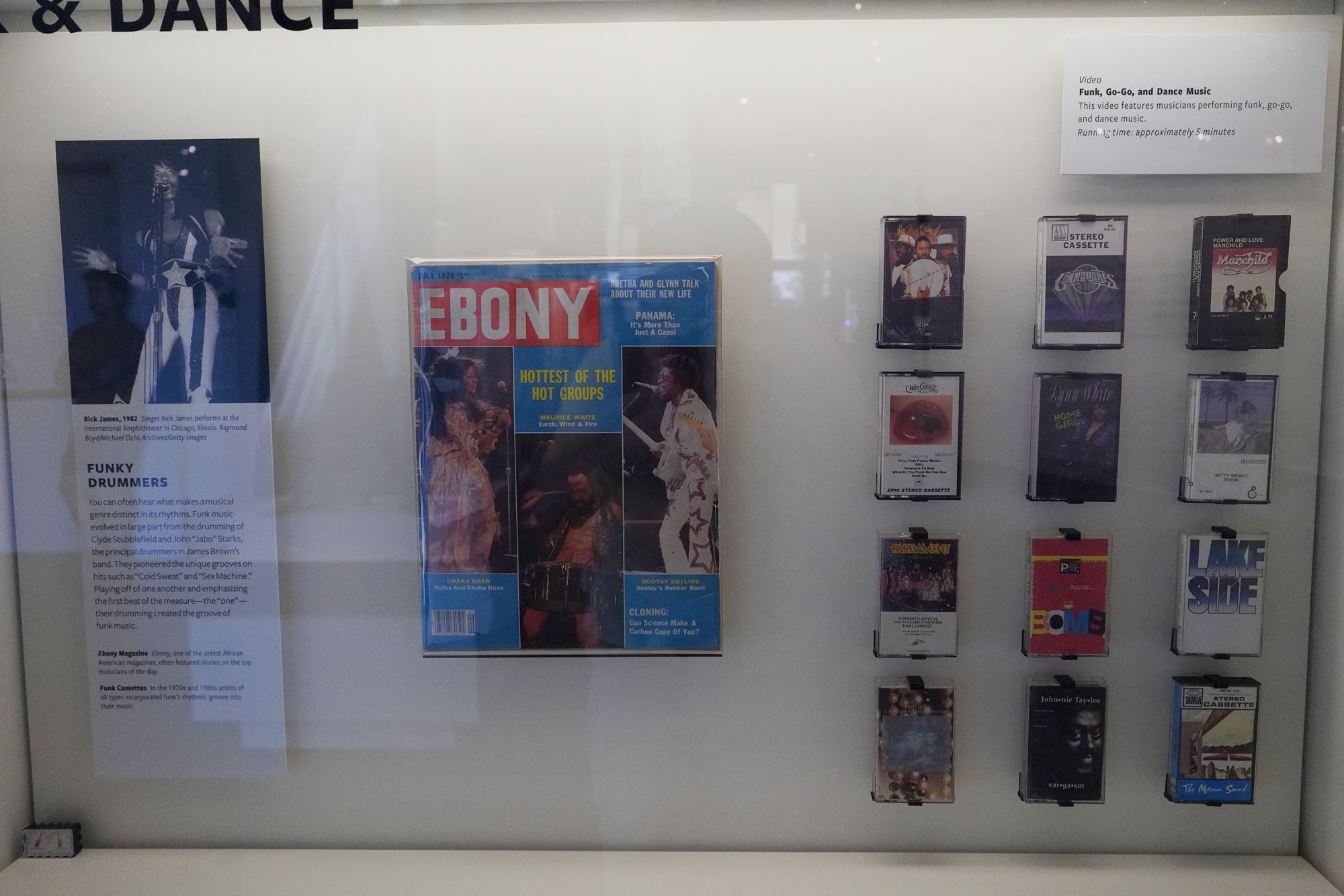
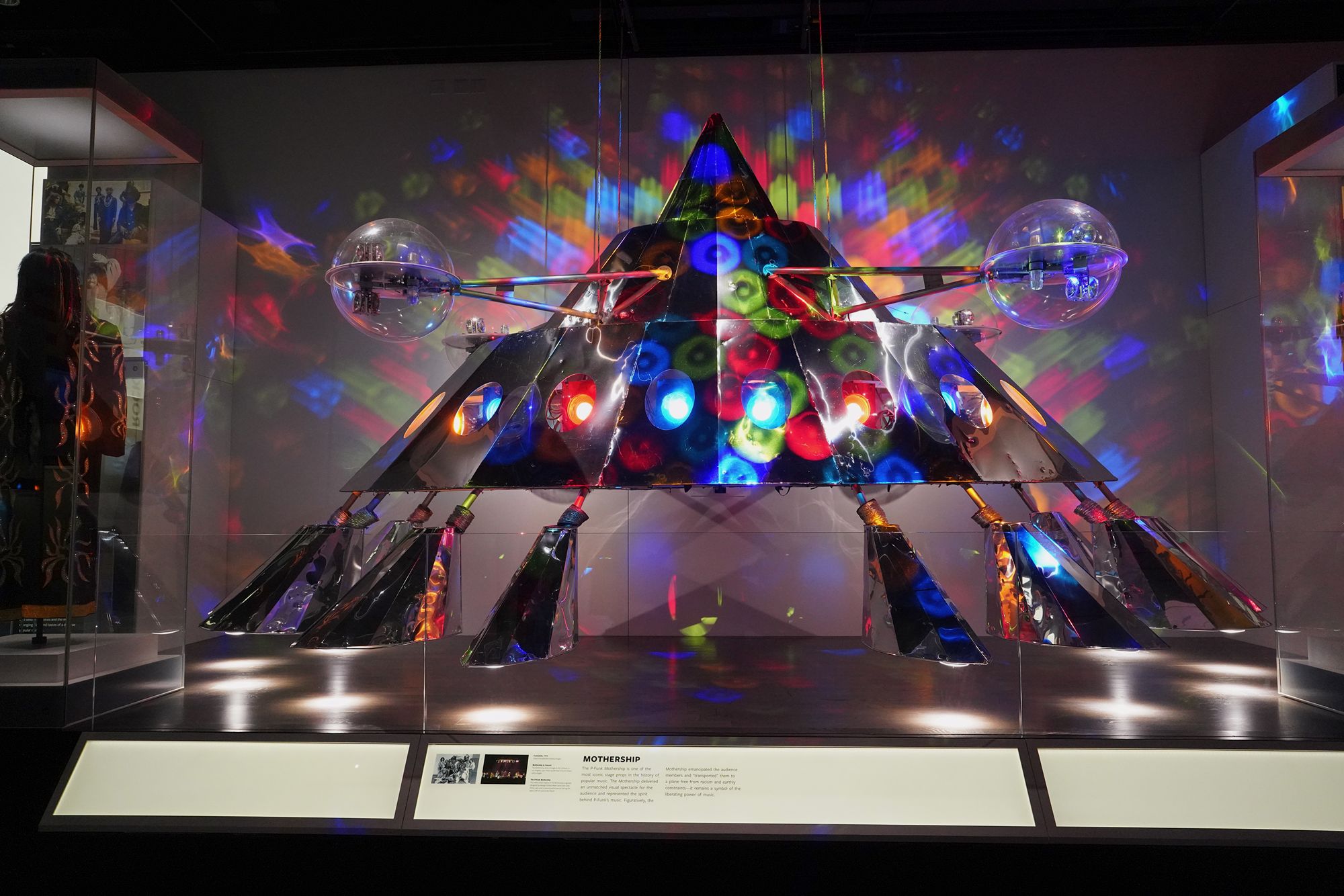
Funk and dance music grew out of the soul and R&B traditions of the 1960s and 1970s, driven by African American musicians who wanted to emphasize rhythm, groove, and movement. Funk placed the beat at the center—deep bass lines, syncopated drums, and tight horn sections created music made for dancing and feeling.
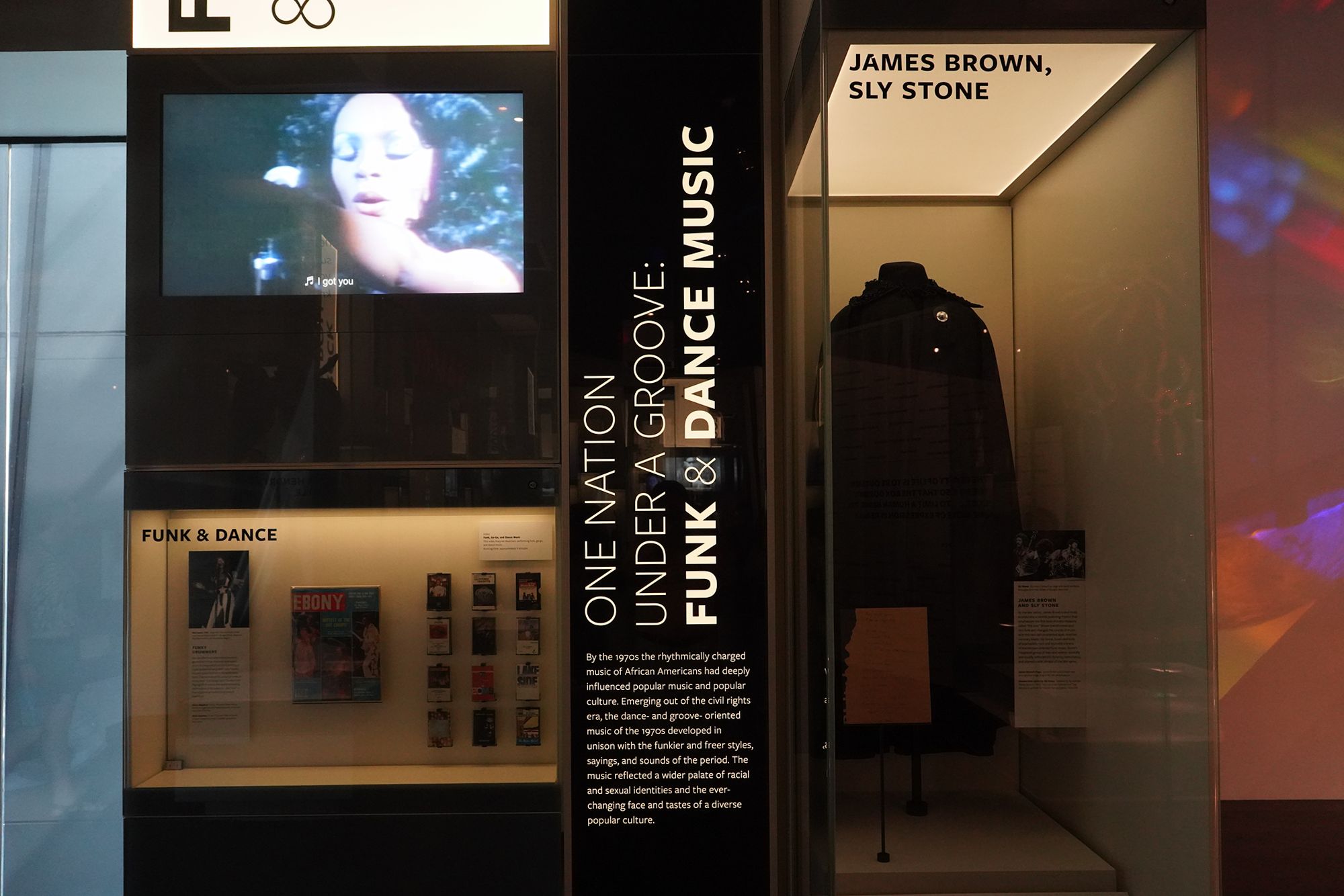
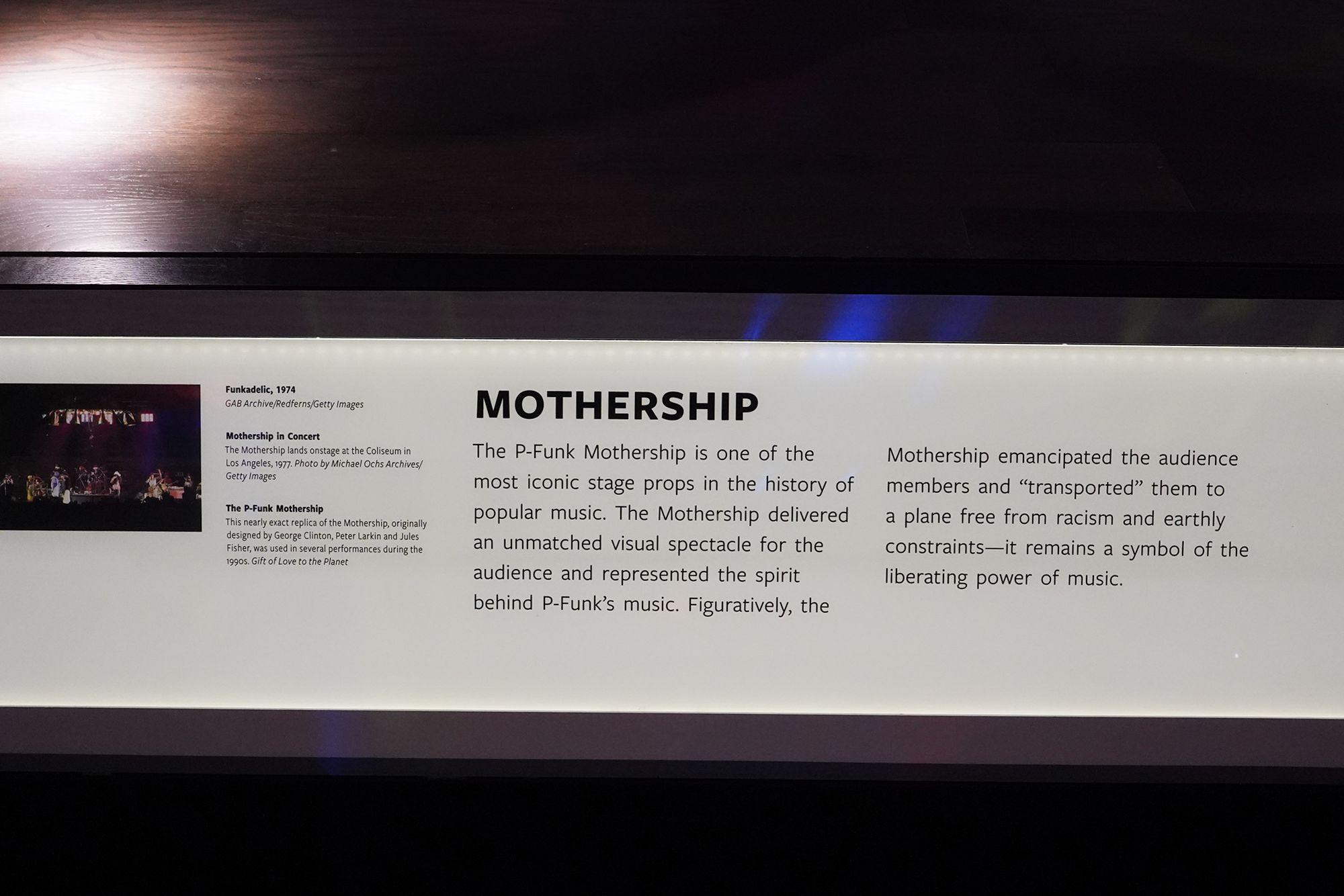
Pioneers such as James Brown, Sly and the Family Stone, George Clinton (Parliament-Funkadelic), and Earth, Wind & Fire defined funk with powerful rhythms and a bold sense of style. Their music celebrated freedom, joy, and unity while influencing later genres such as disco, hip-hop, and electronic dance music (EDM
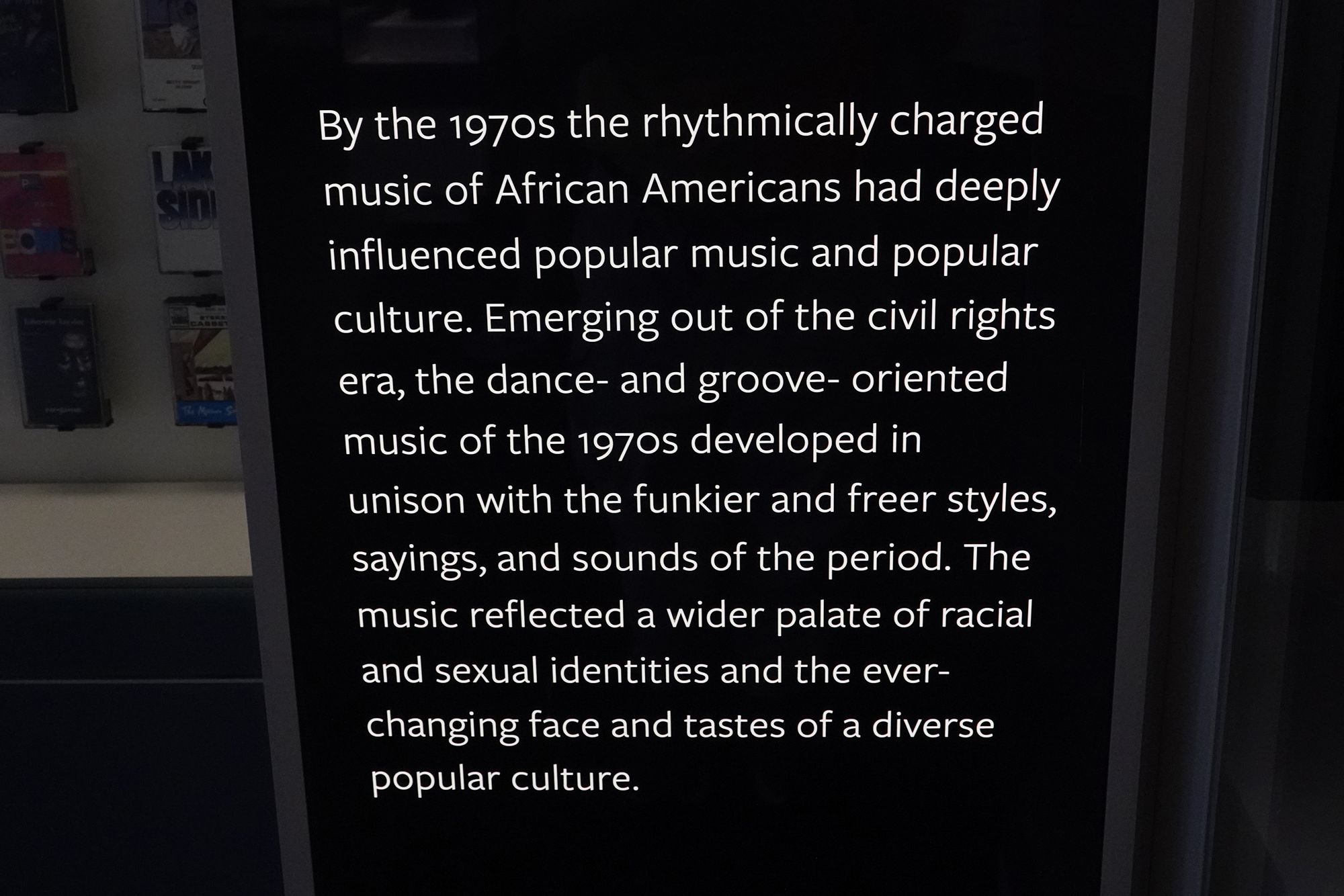
Dance music, from disco in the 1970s to house and techno in the 1980s, also has deep African American roots. Donna Summer, Chic, Frankie Knuckles, and Larry Heard helped create the modern dance-club sound that spread worldwide.
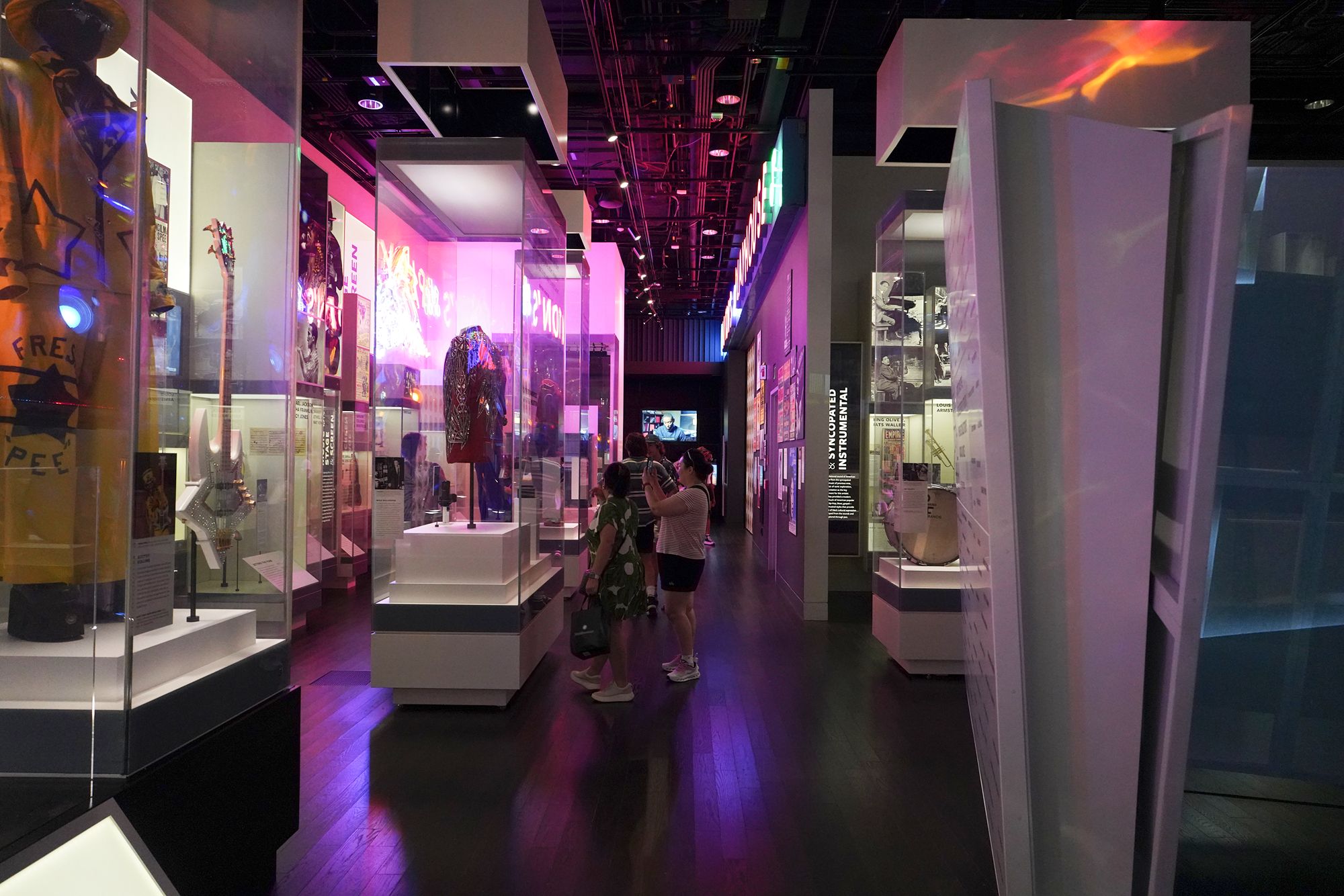
The “Beyond Category” exhibition showcases music whose artistry transcends musical boundaries and defies easy classification.
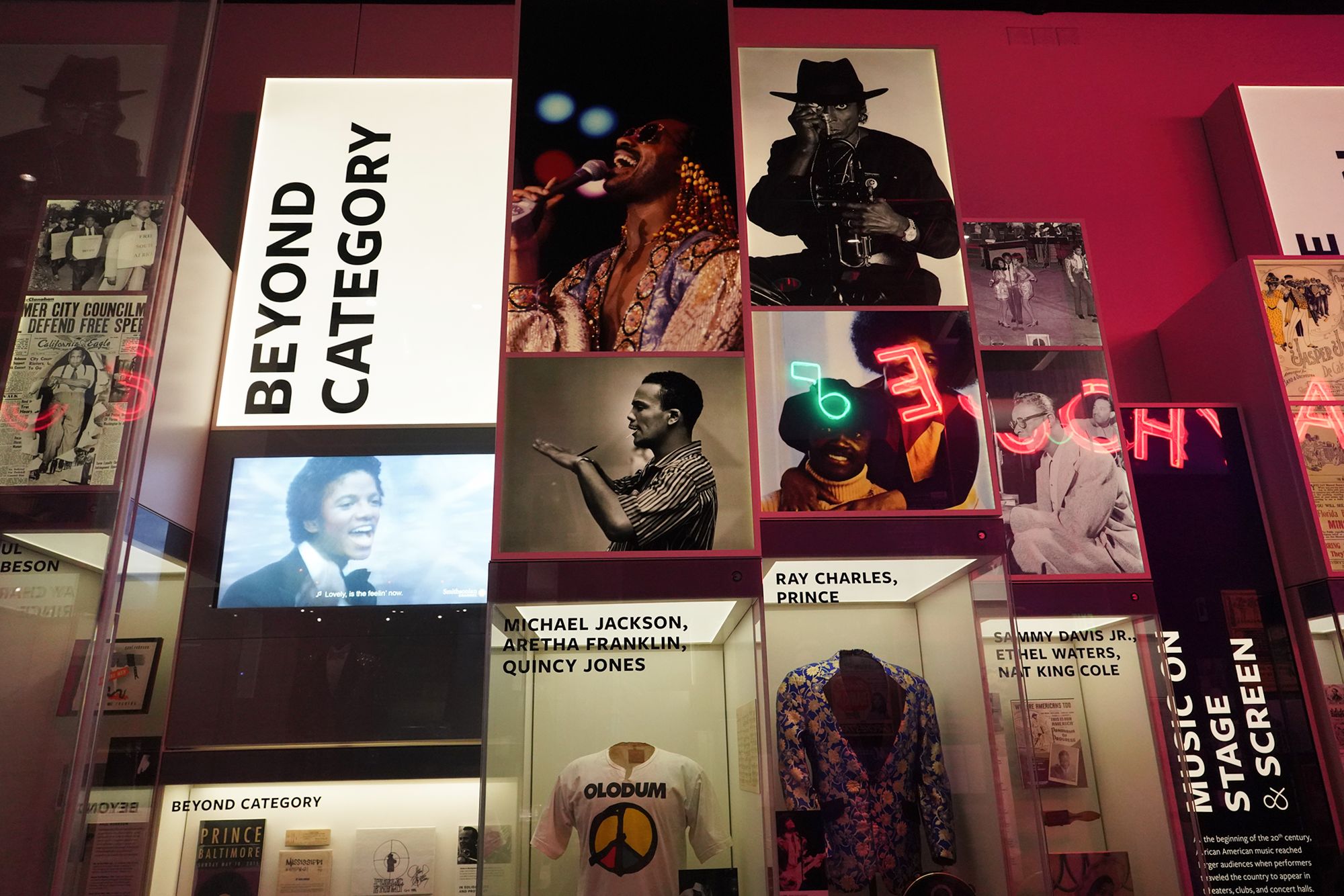
“Beyond Category” reminds visitors that African American musicians have always pushed the limits of art and identity. Their genius goes beyond style or label—it is about innovation, freedom, and the universal power of music to express the full range of the human experience.
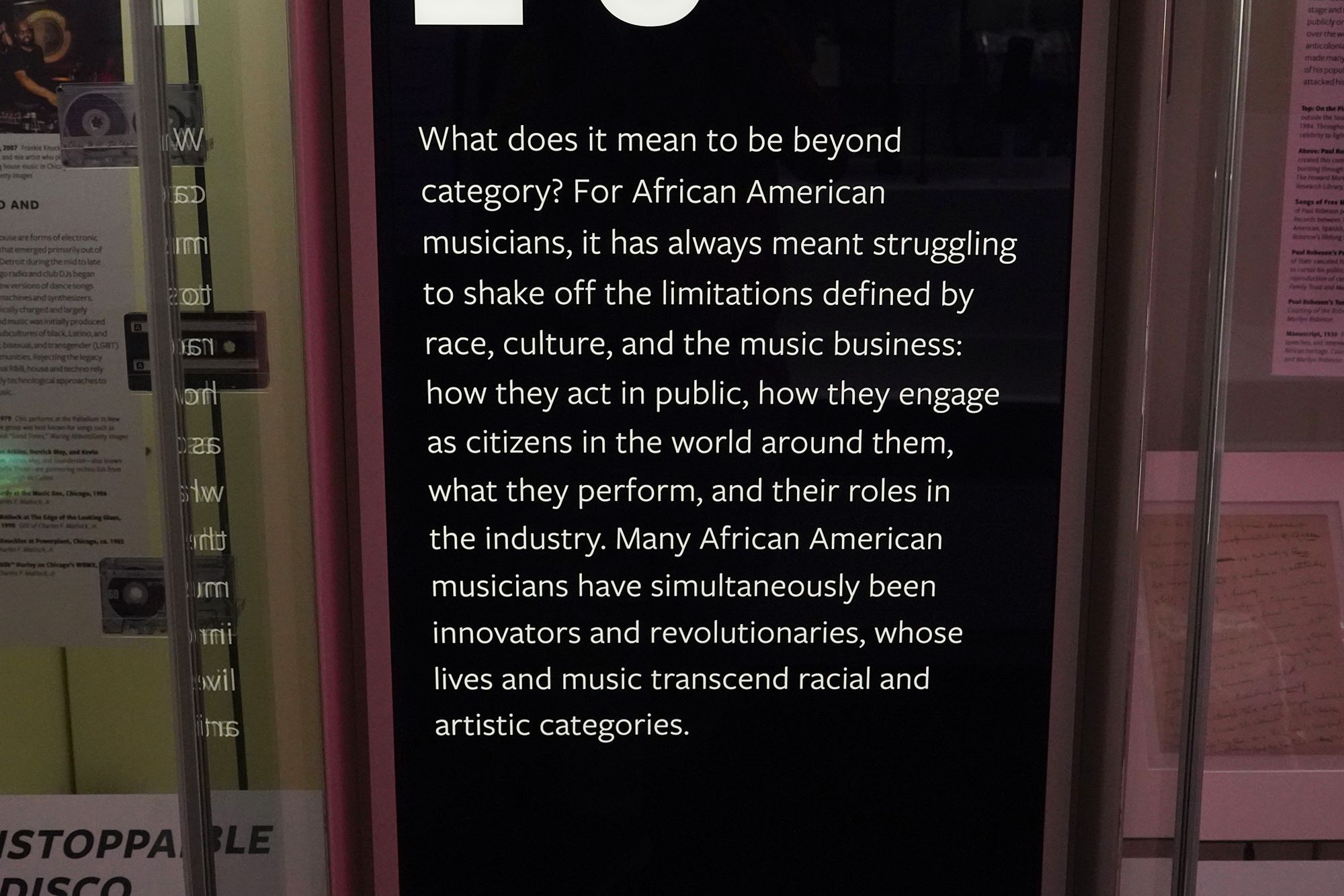
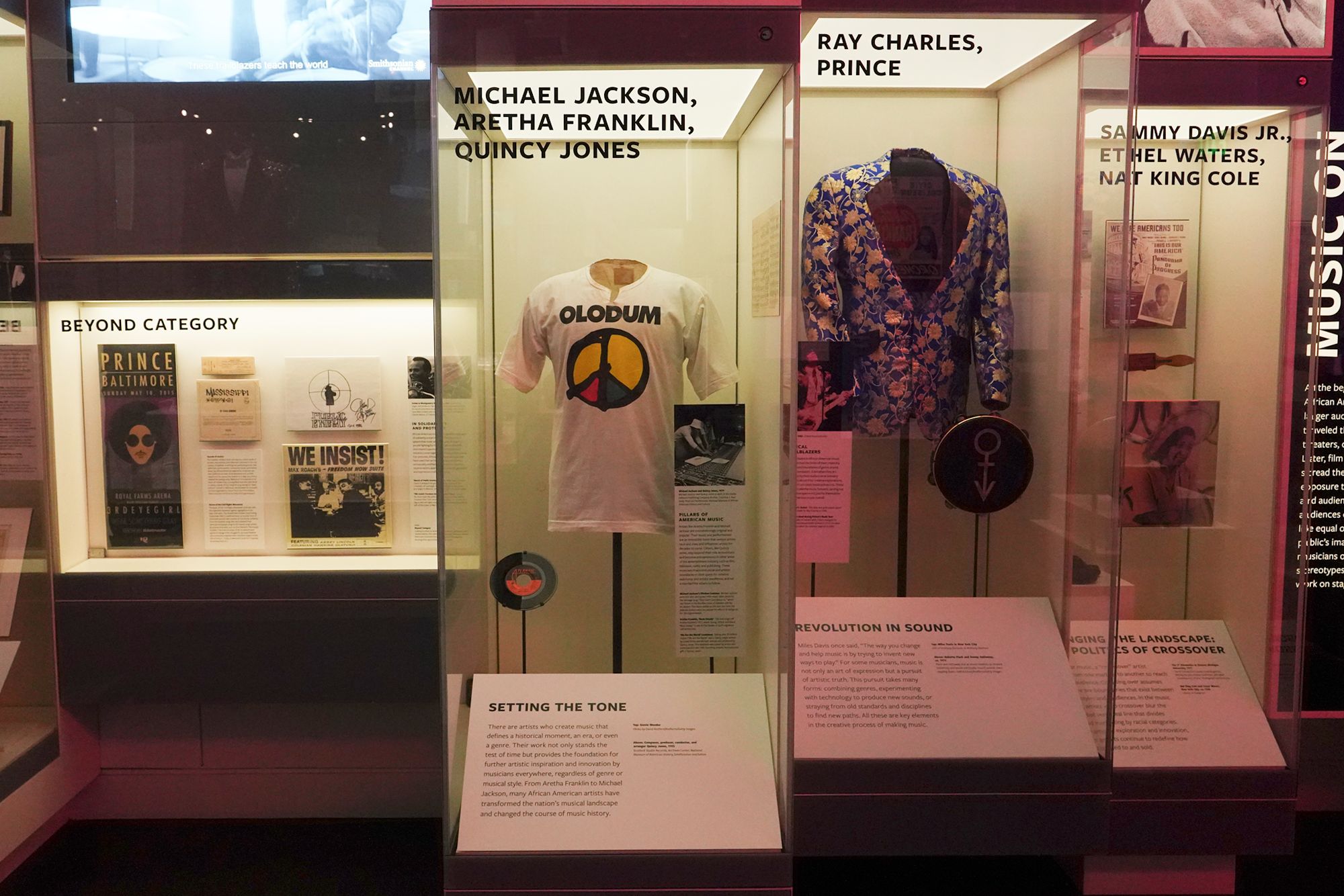
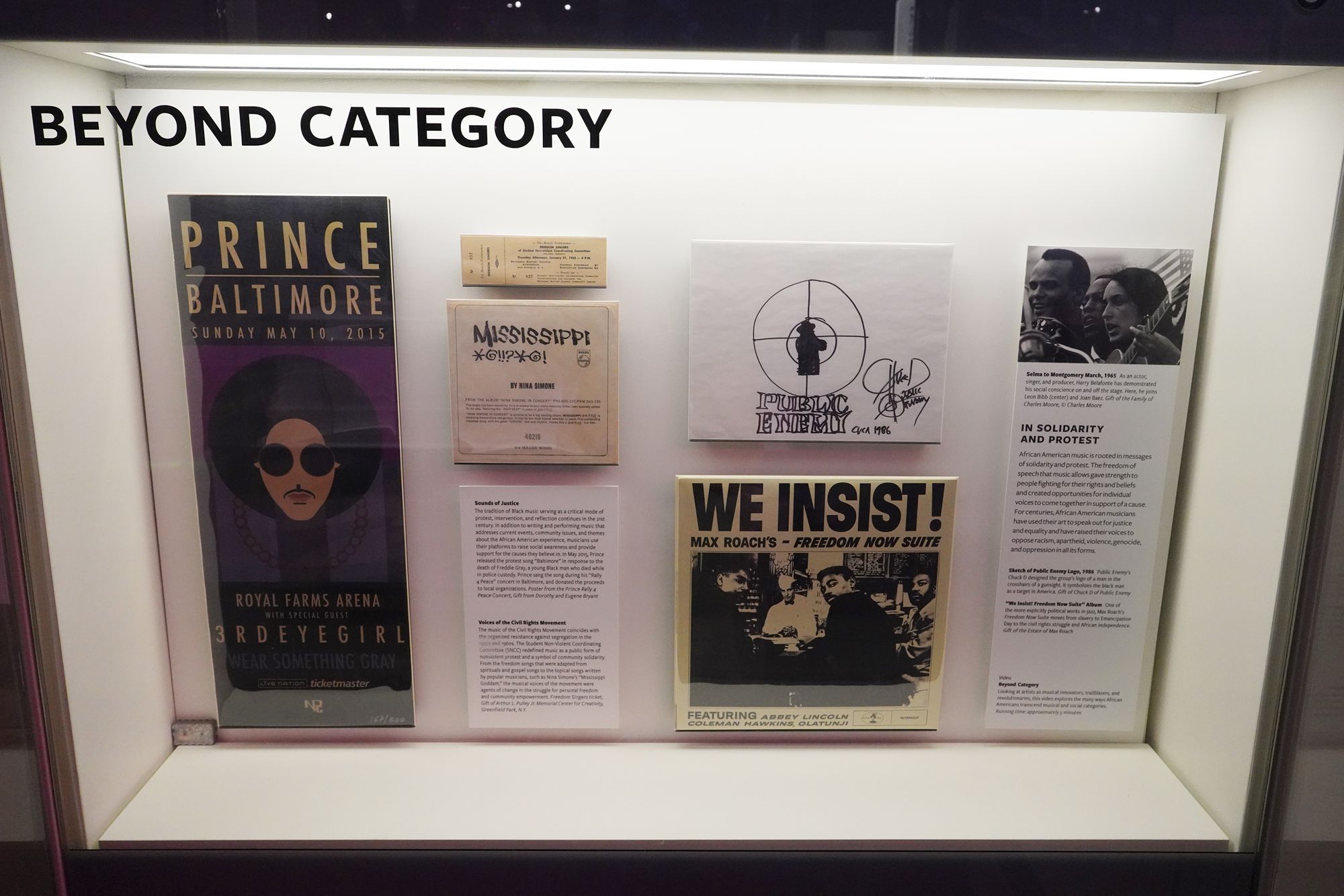
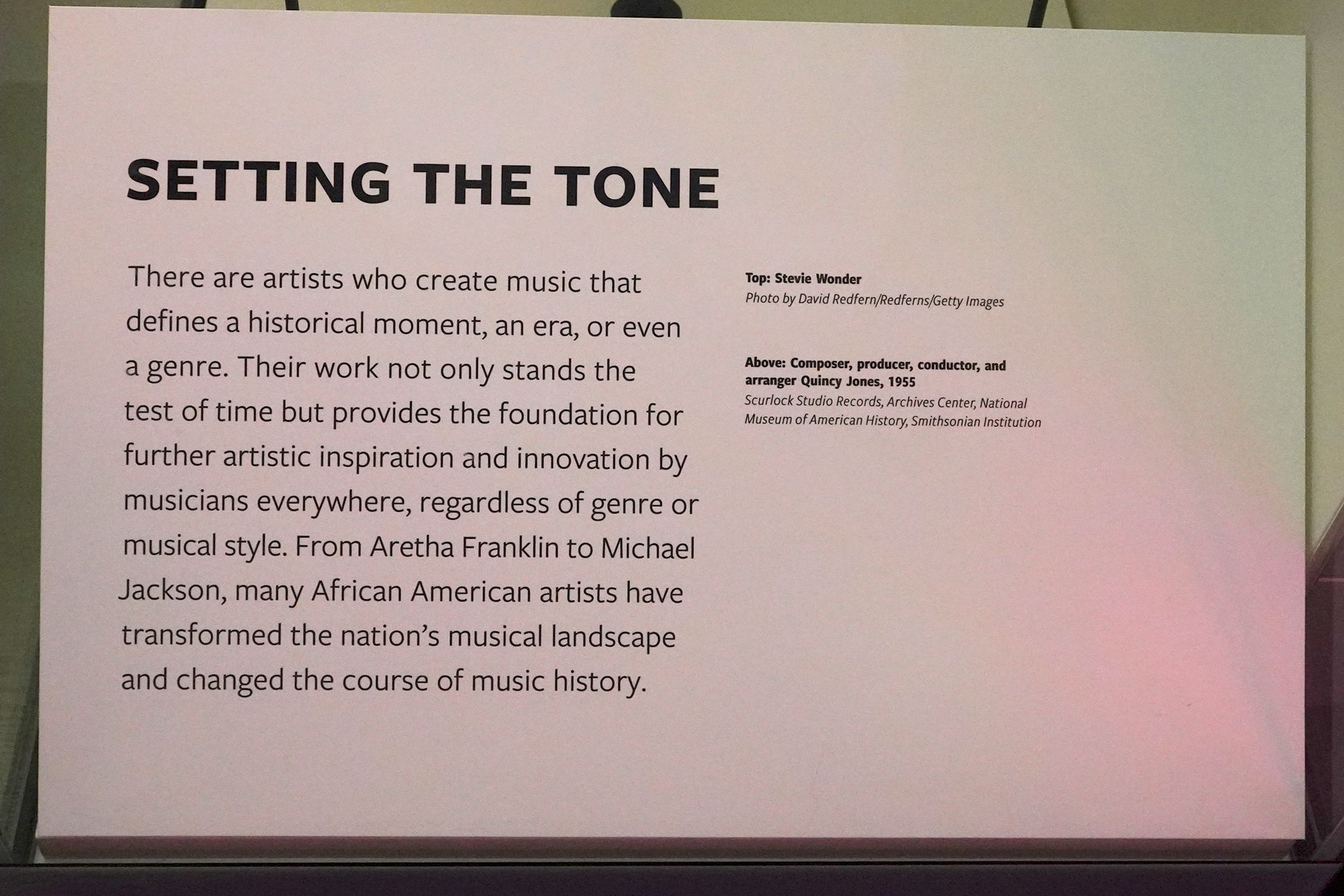
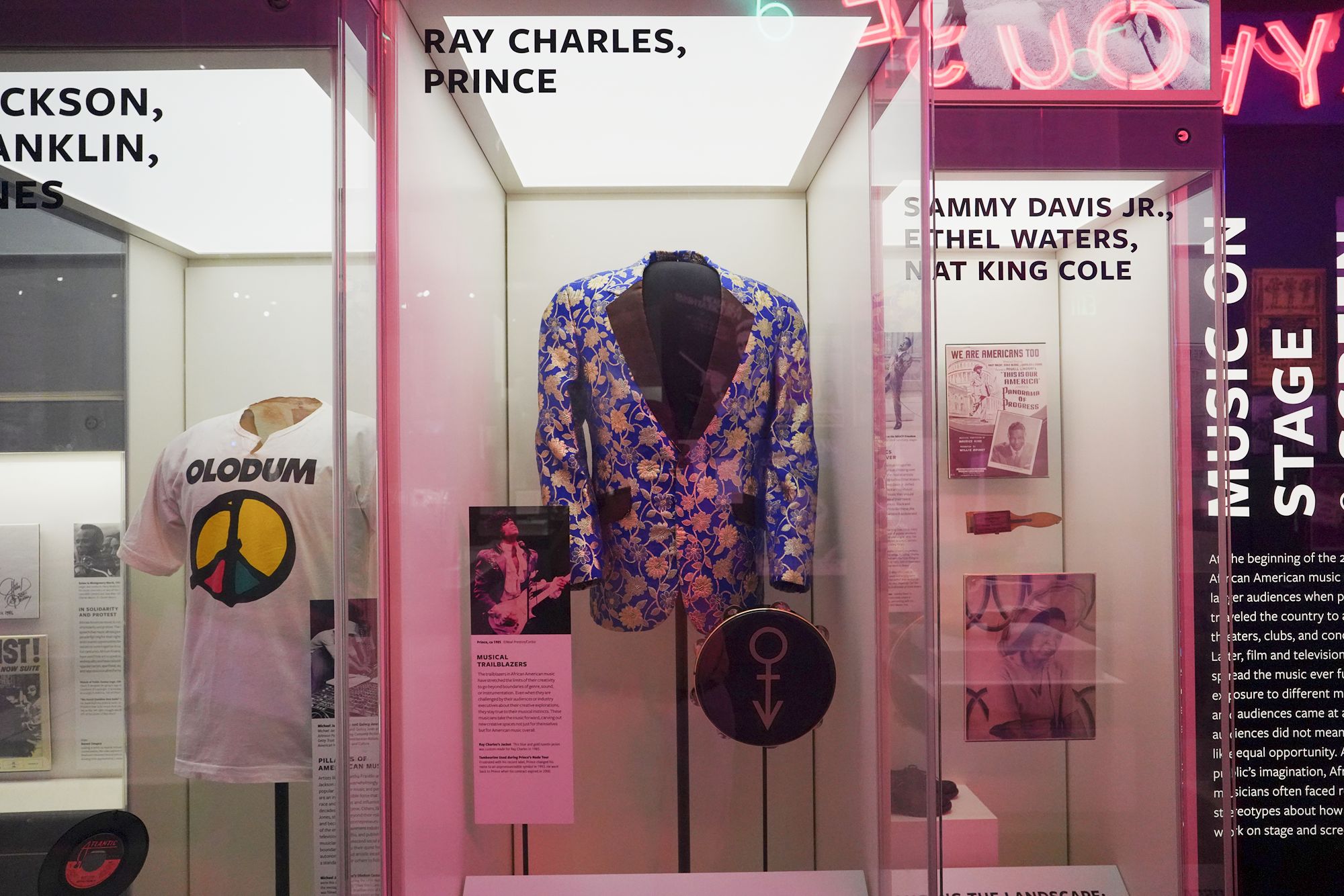
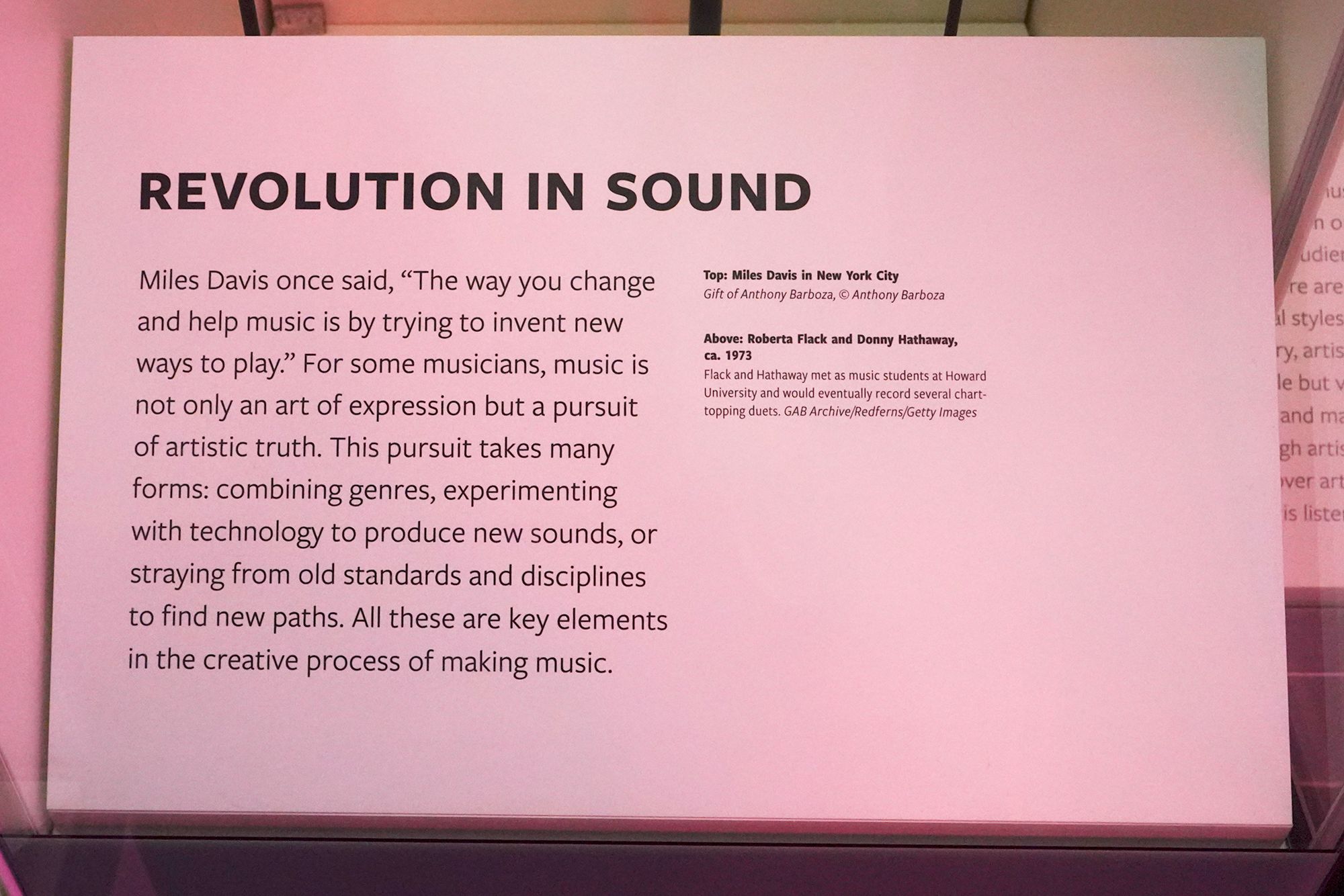
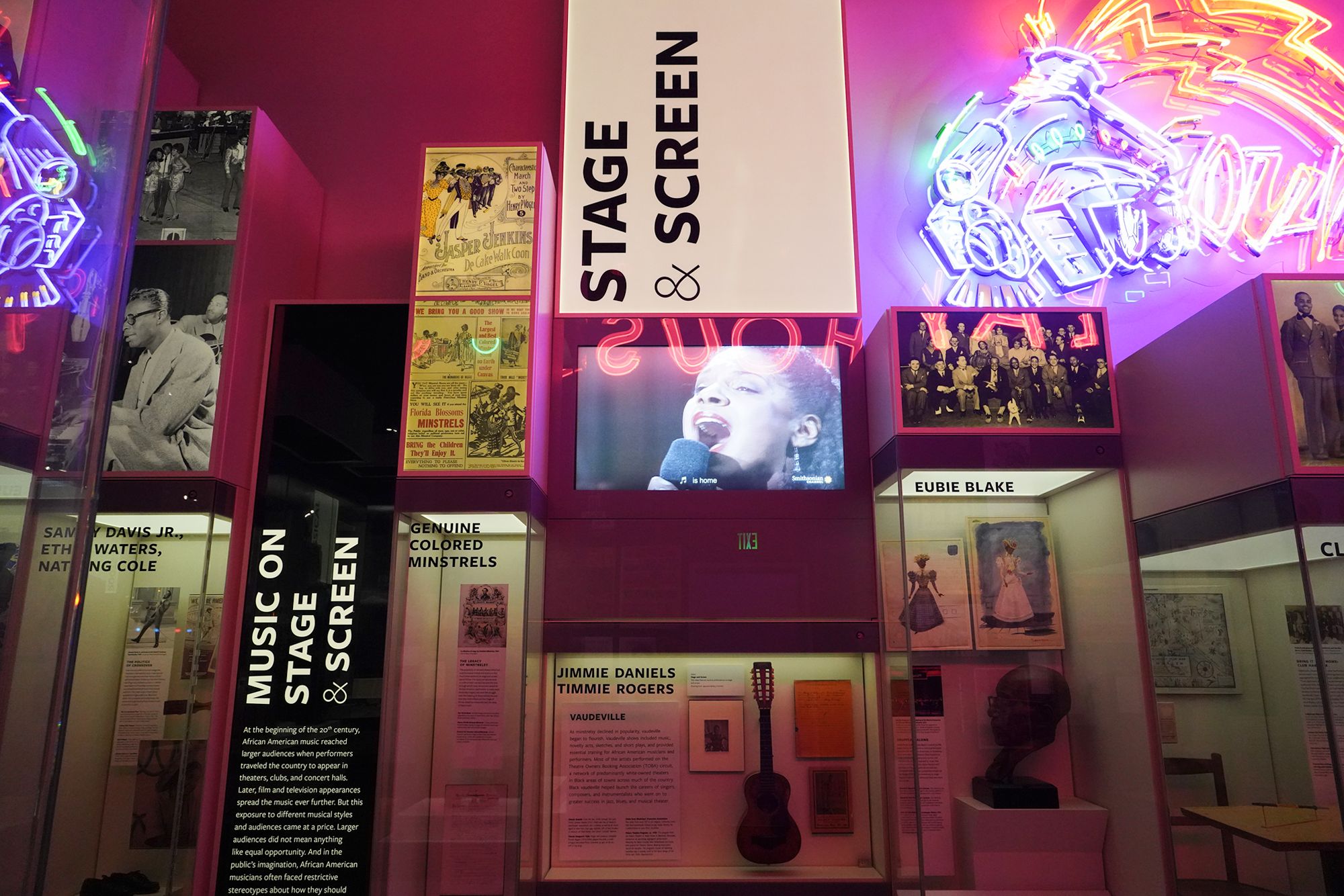
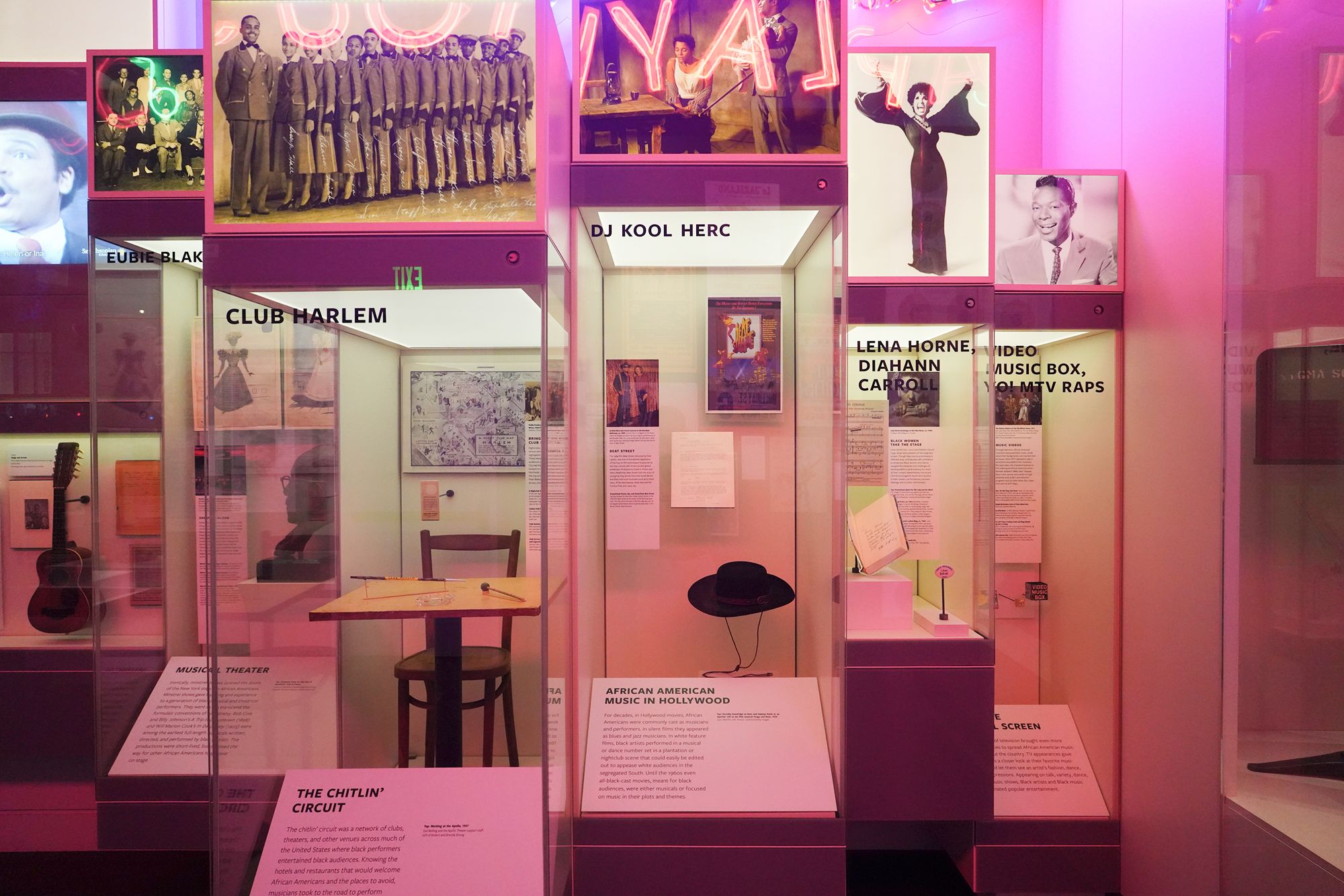
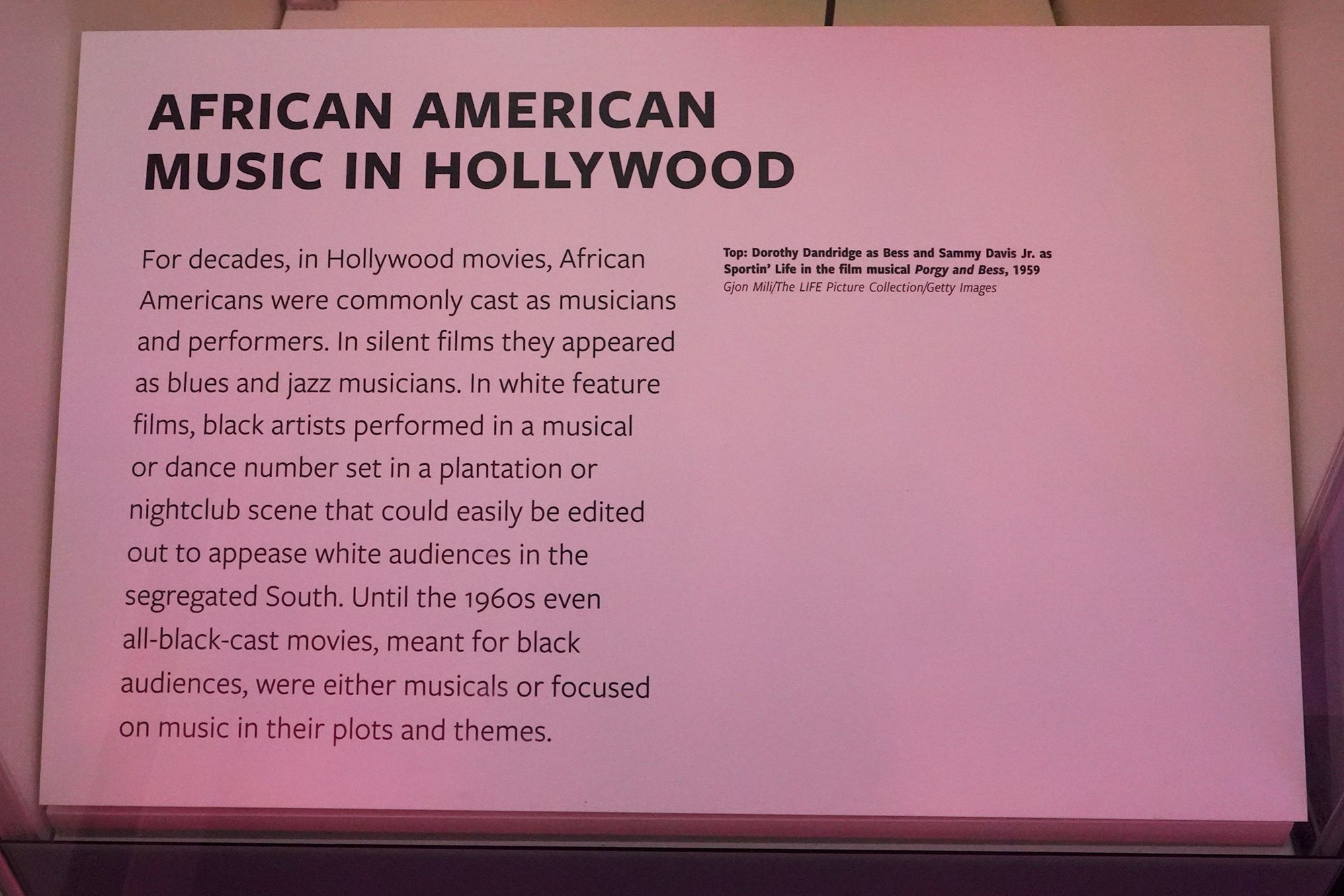
For many years, African American music was restricted or limited on stages, radio, and the screen.
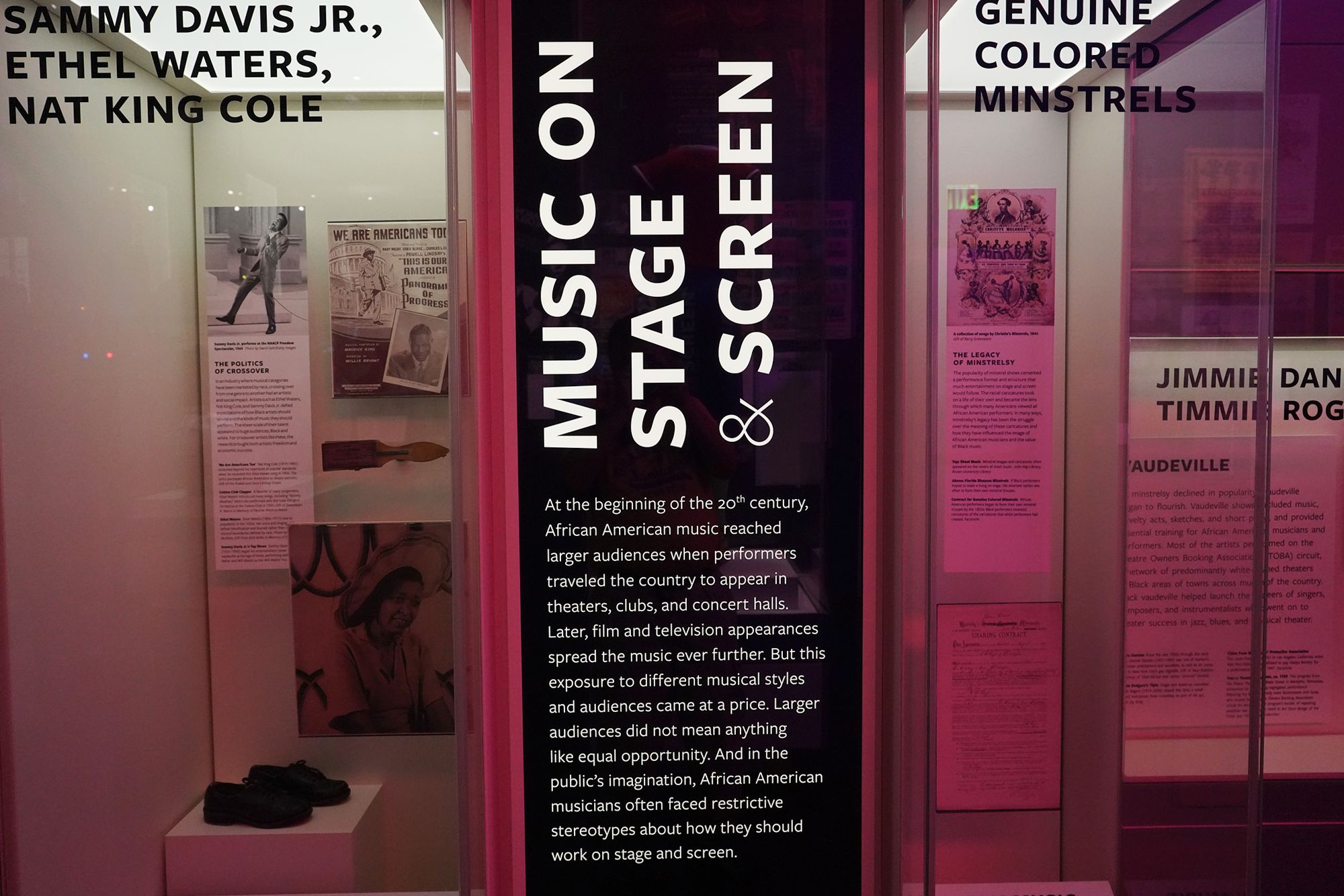
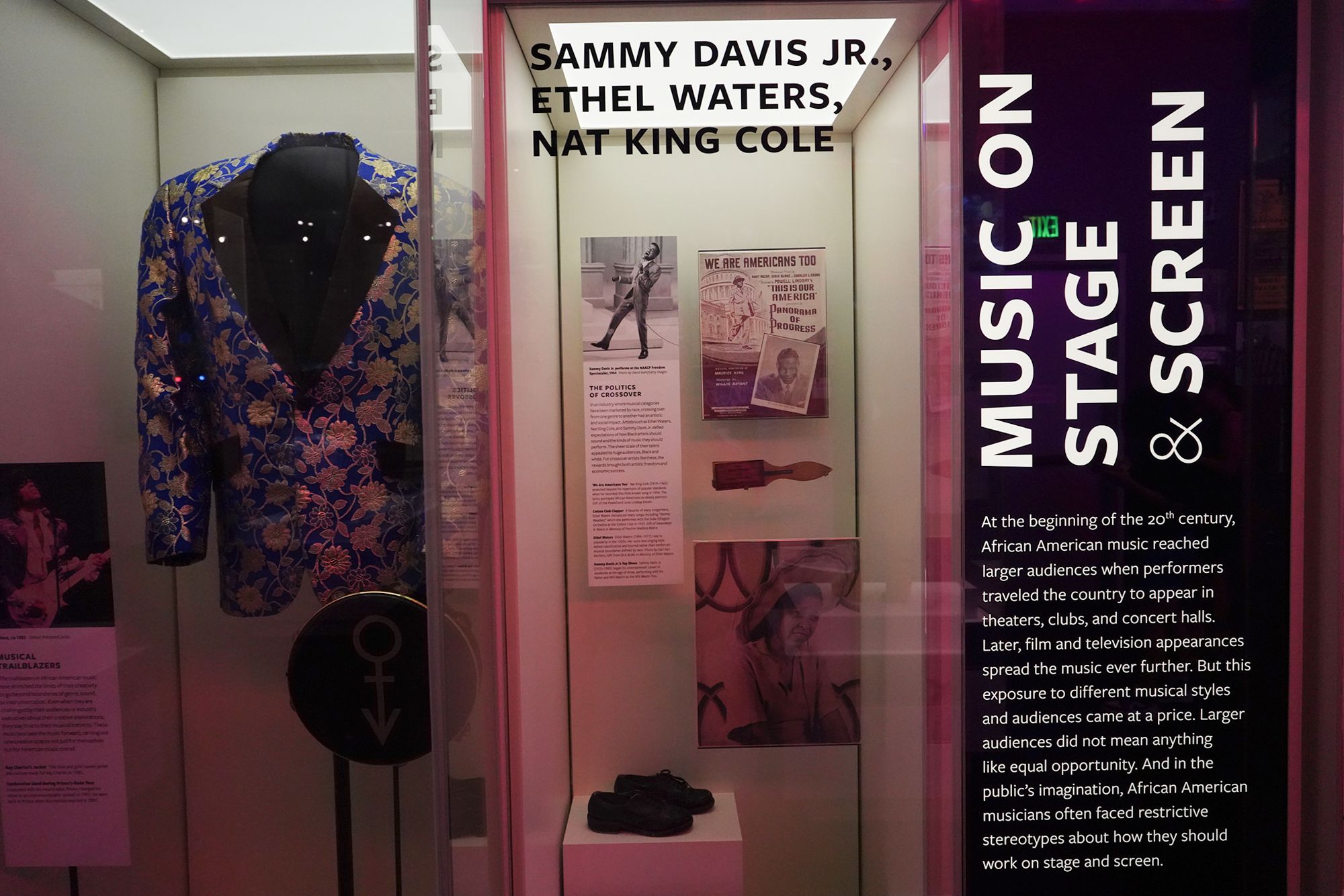
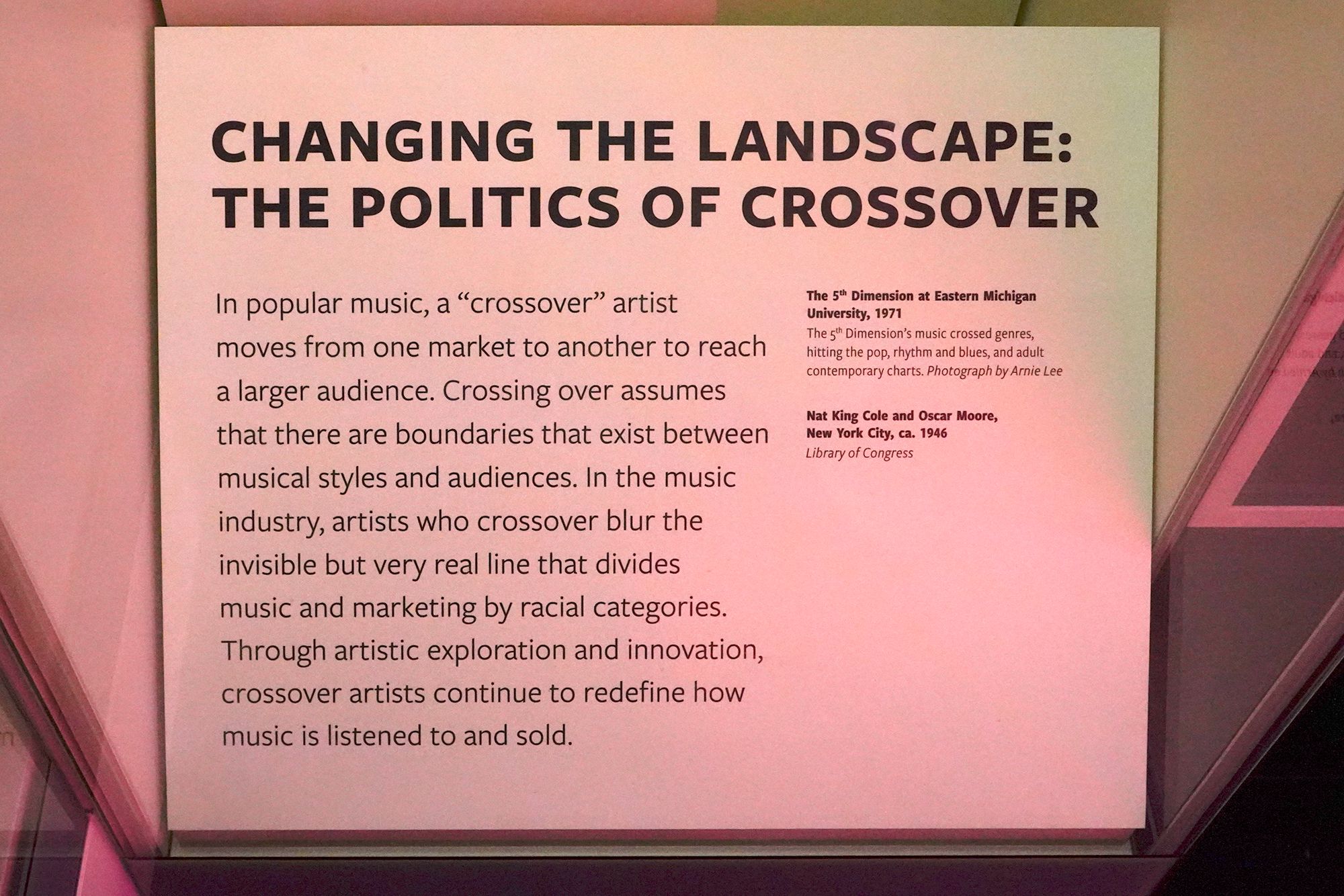
For decades, Black musicians faced barriers to radio play, record sales, and television appearances because the entertainment industry was segregated. To “cross over” meant reaching white audiences and broader commercial markets—but doing so often required compromises in image, style, or sound to fit mainstream expectations.
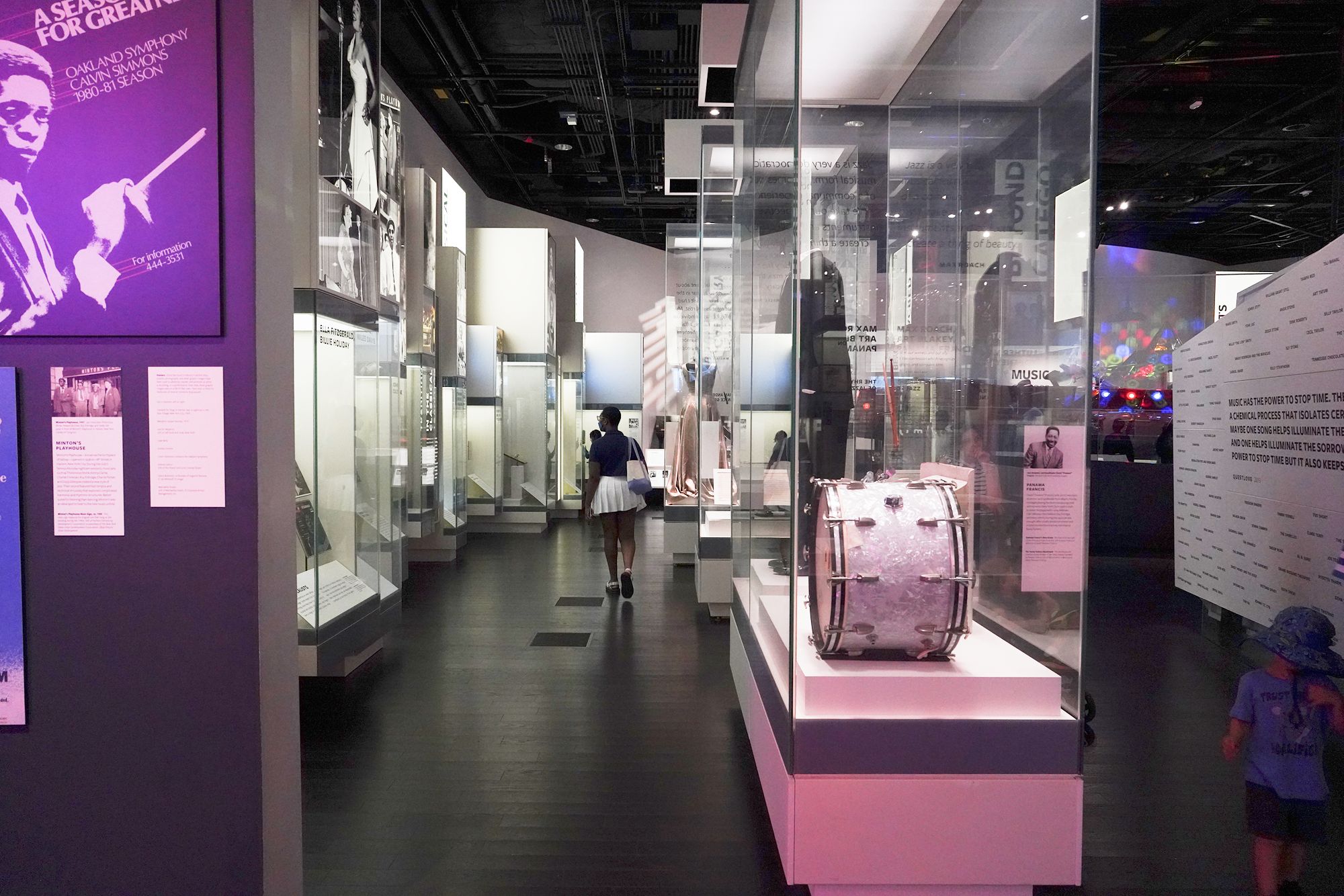
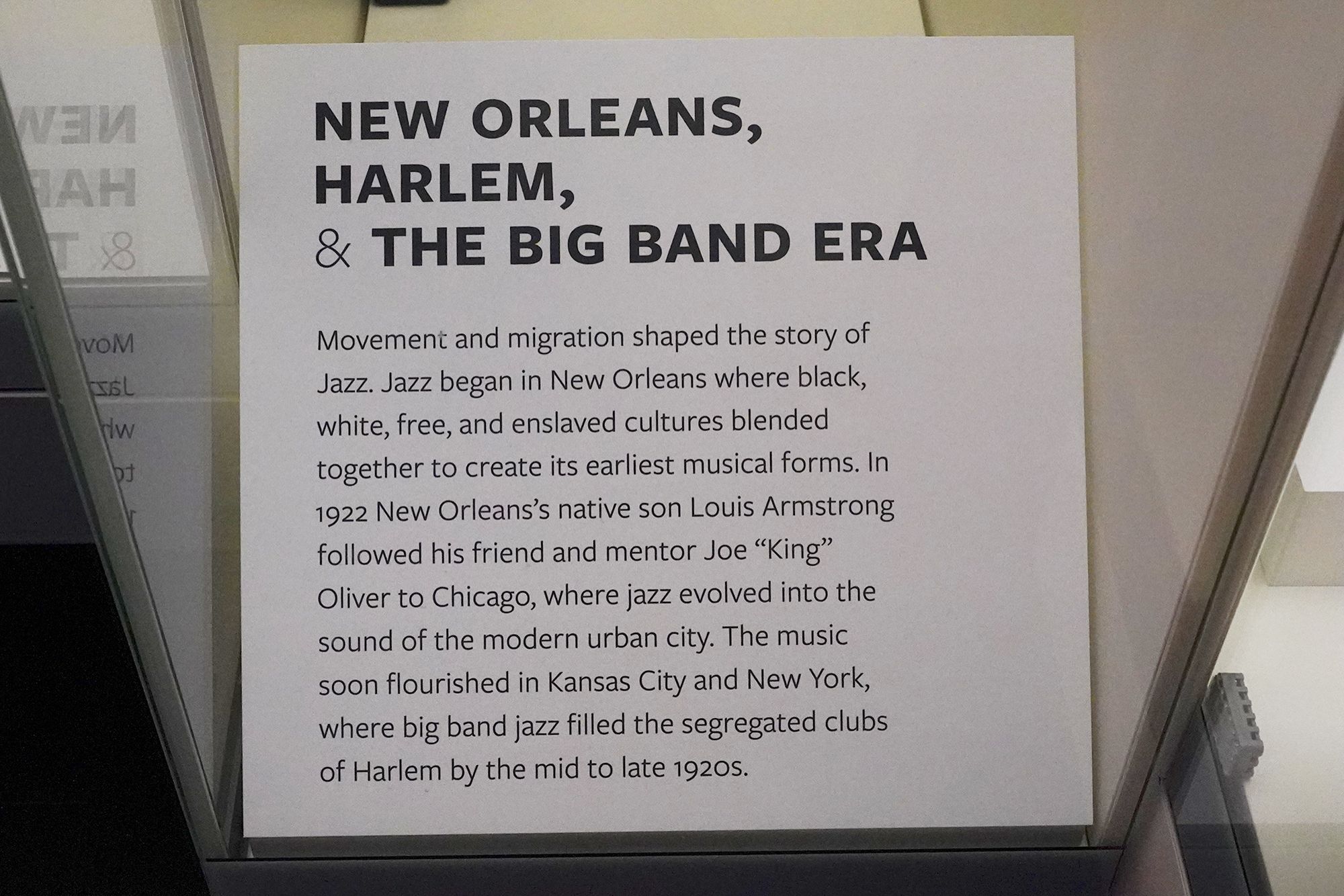
Jazz is one of the greatest cultural achievements of the United States—and it was created by African American musicians in the early 20th century. Born in New Orleans, jazz grew out of the blending of blues, ragtime, gospel, and African rhythms. It became a new musical language built on improvisation, syncopation, and swing, expressing both individuality and collaboration.
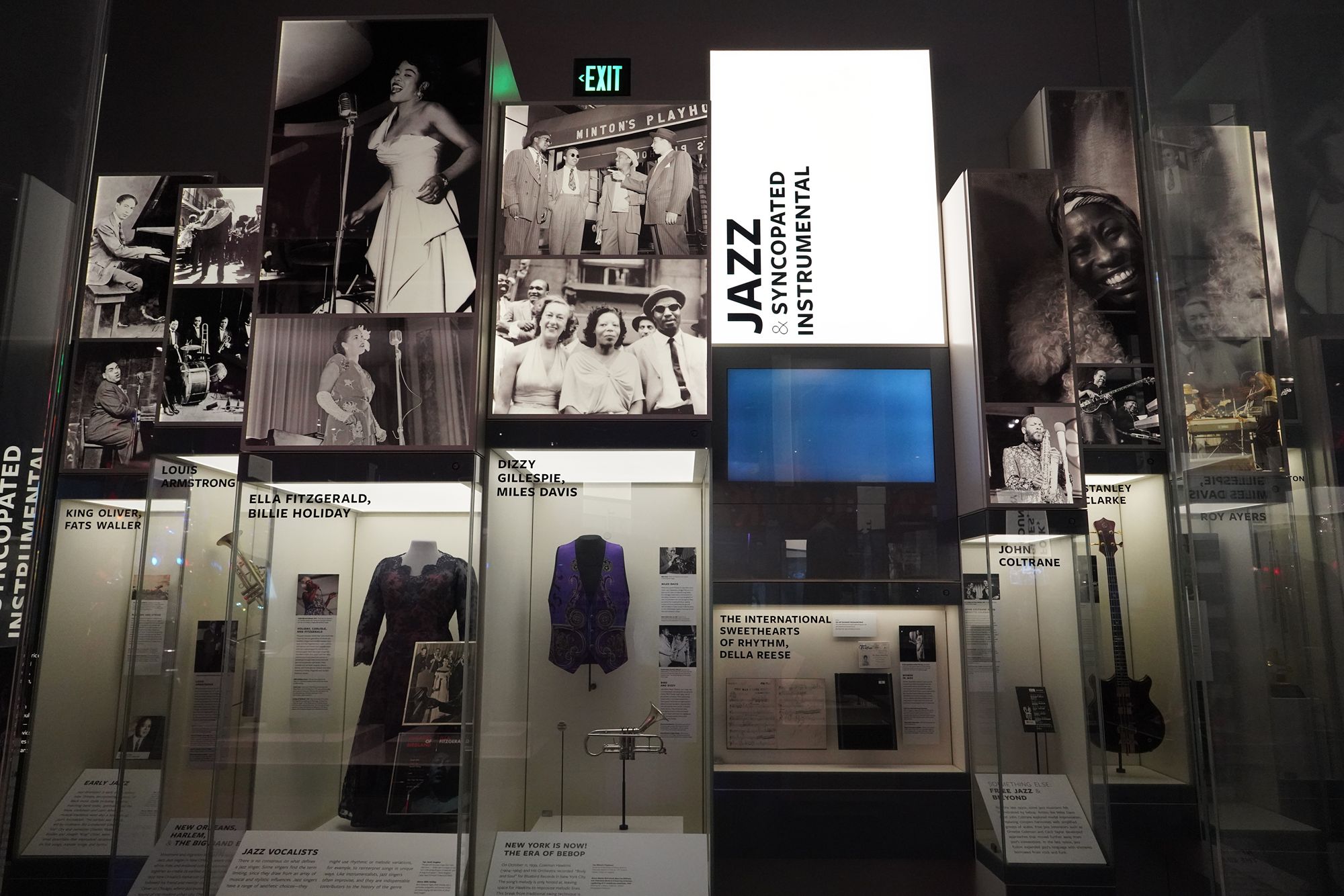
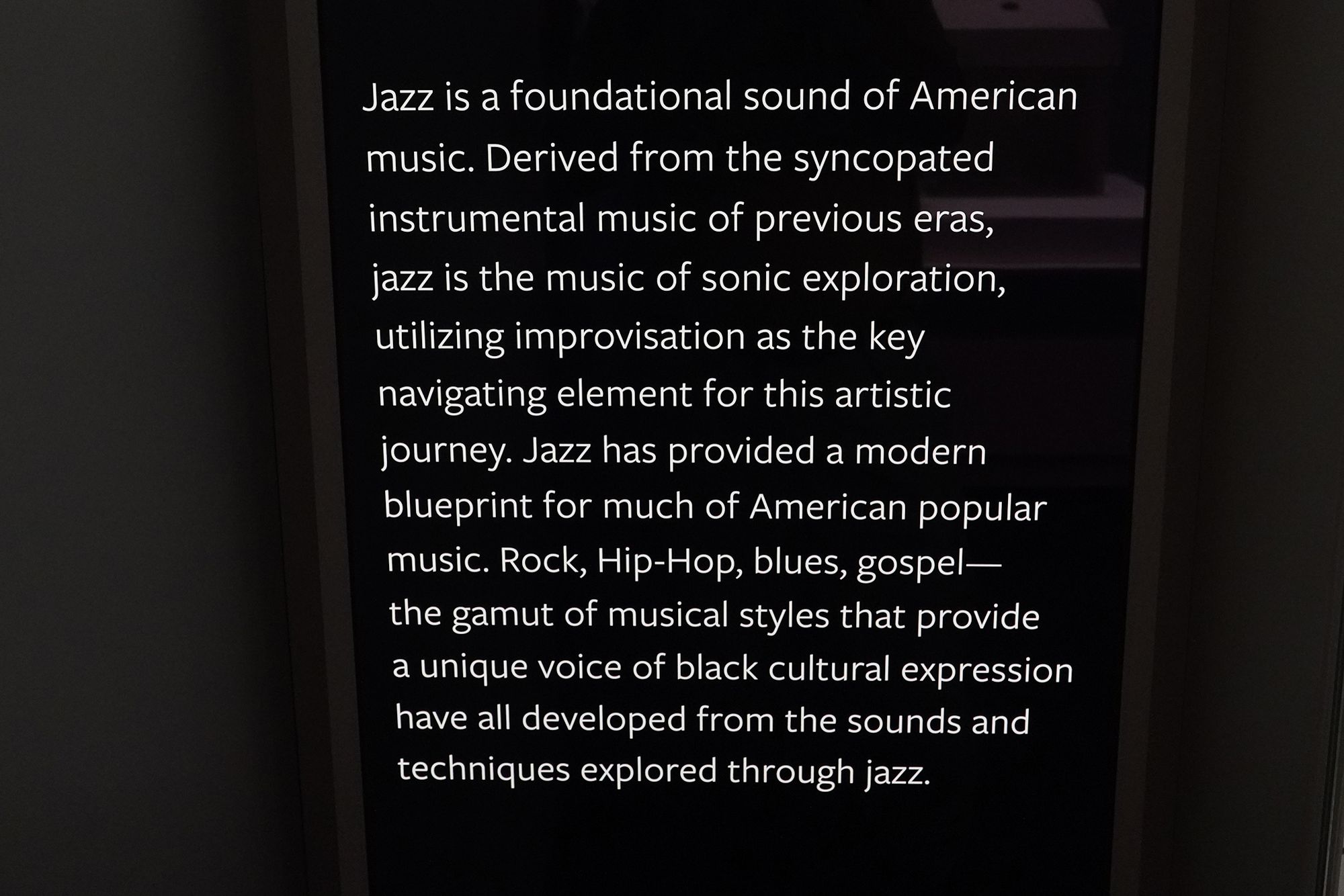
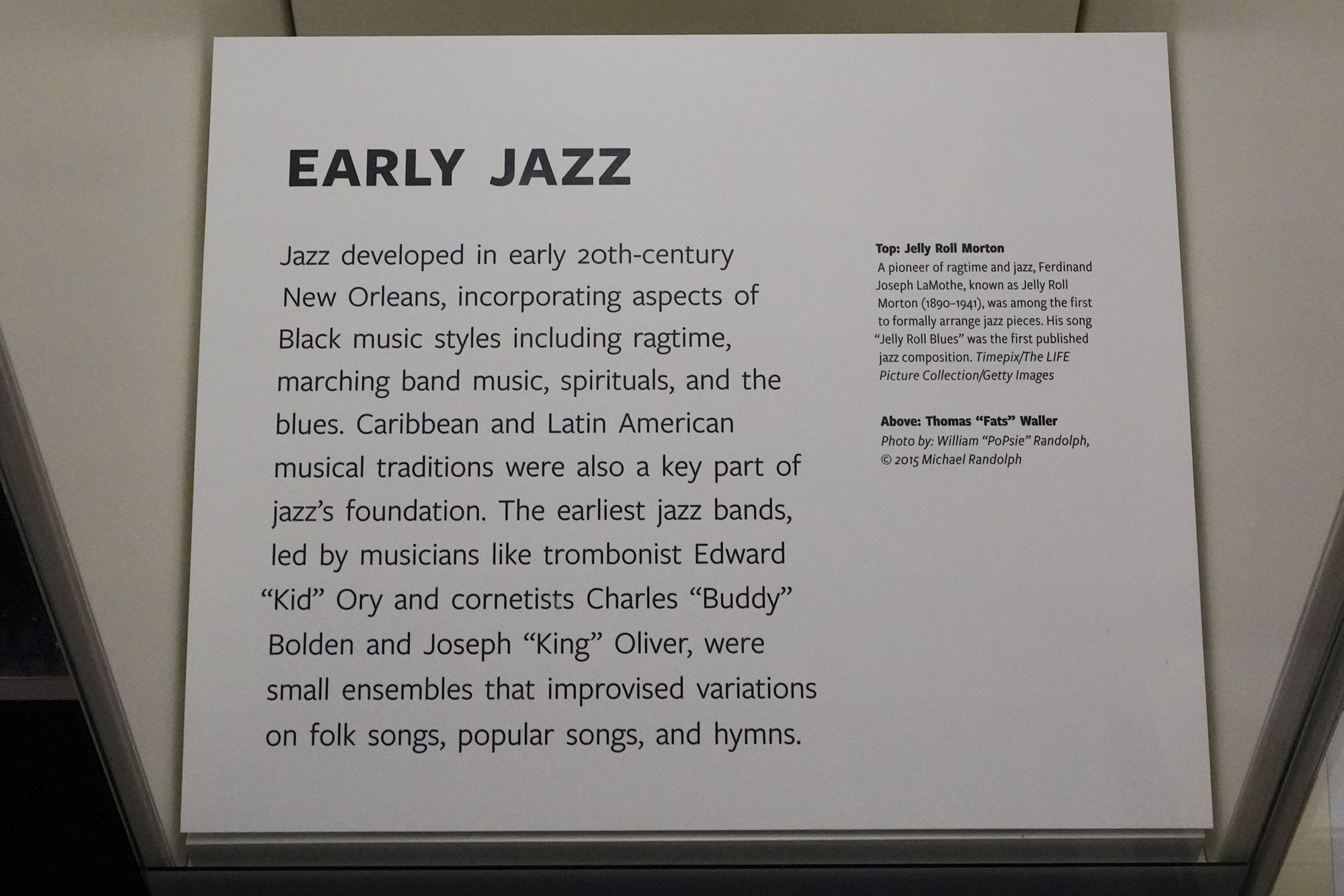
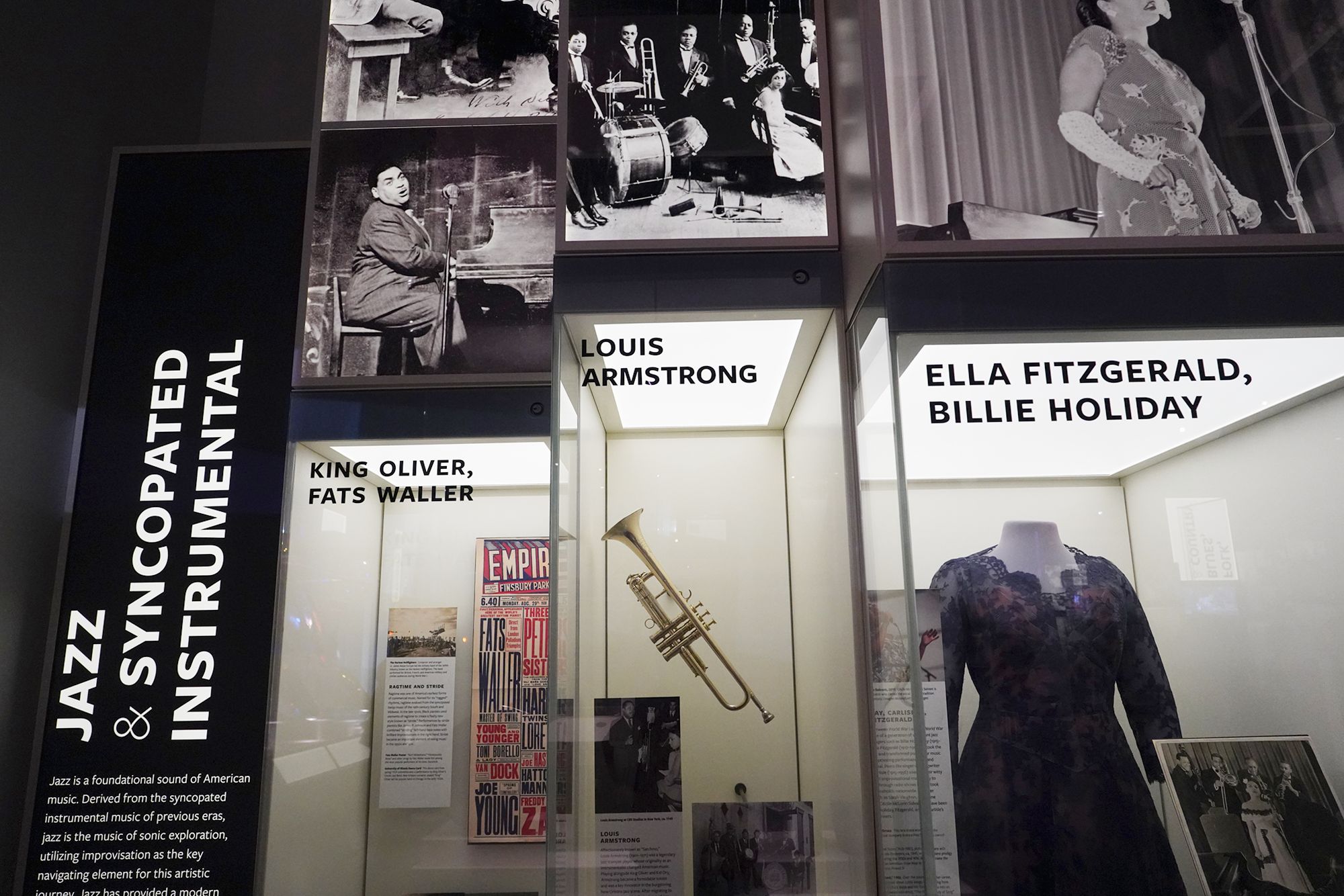
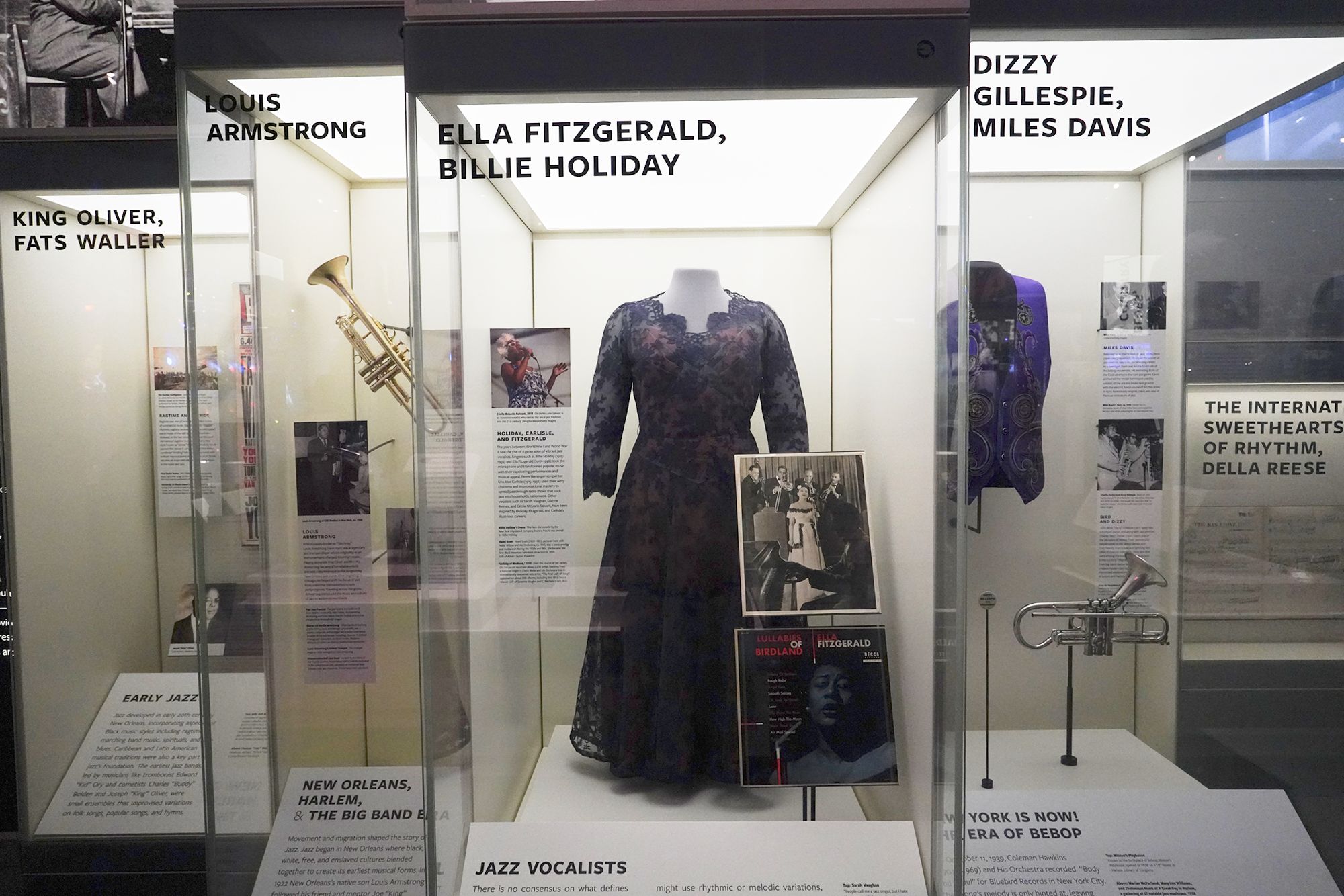
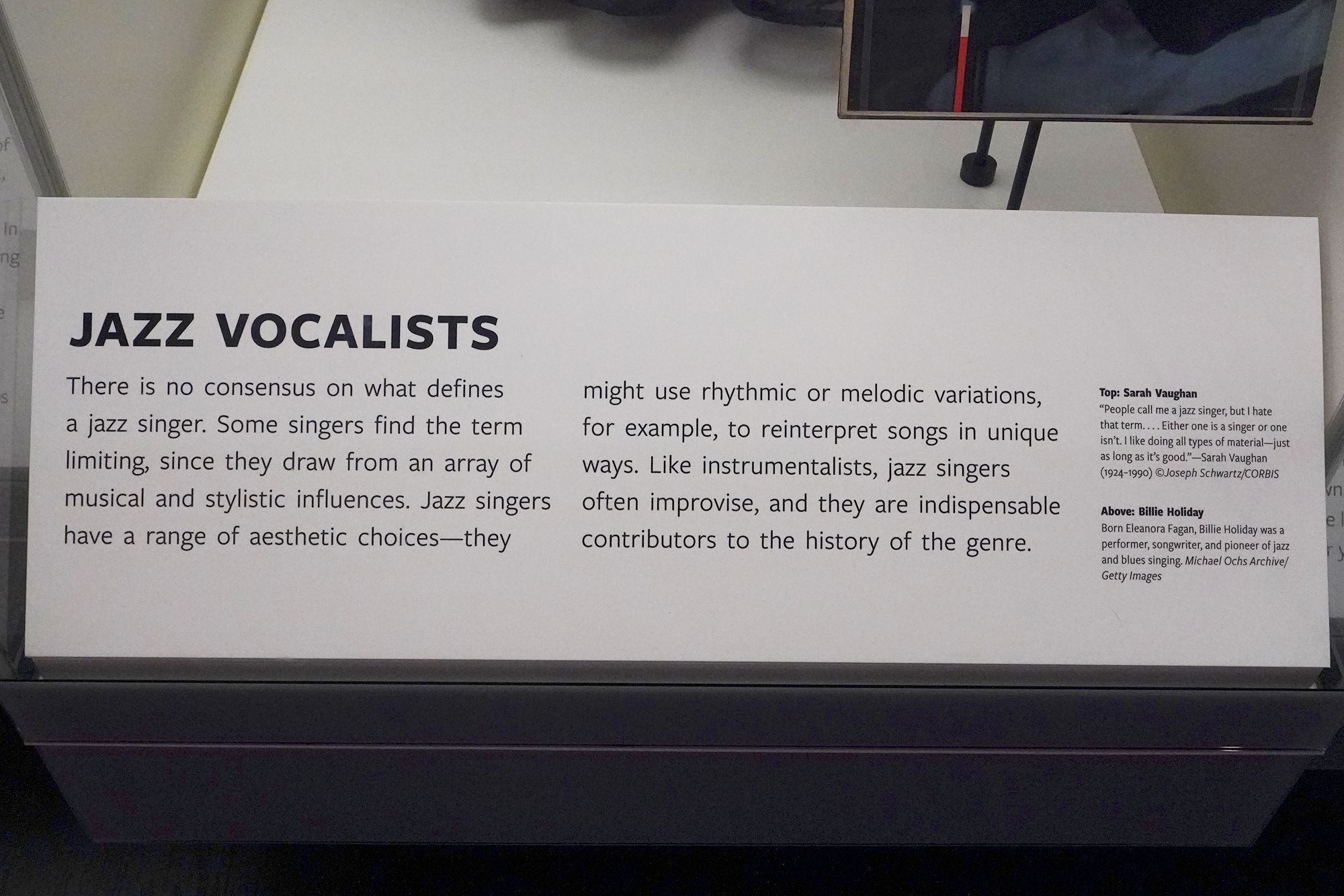
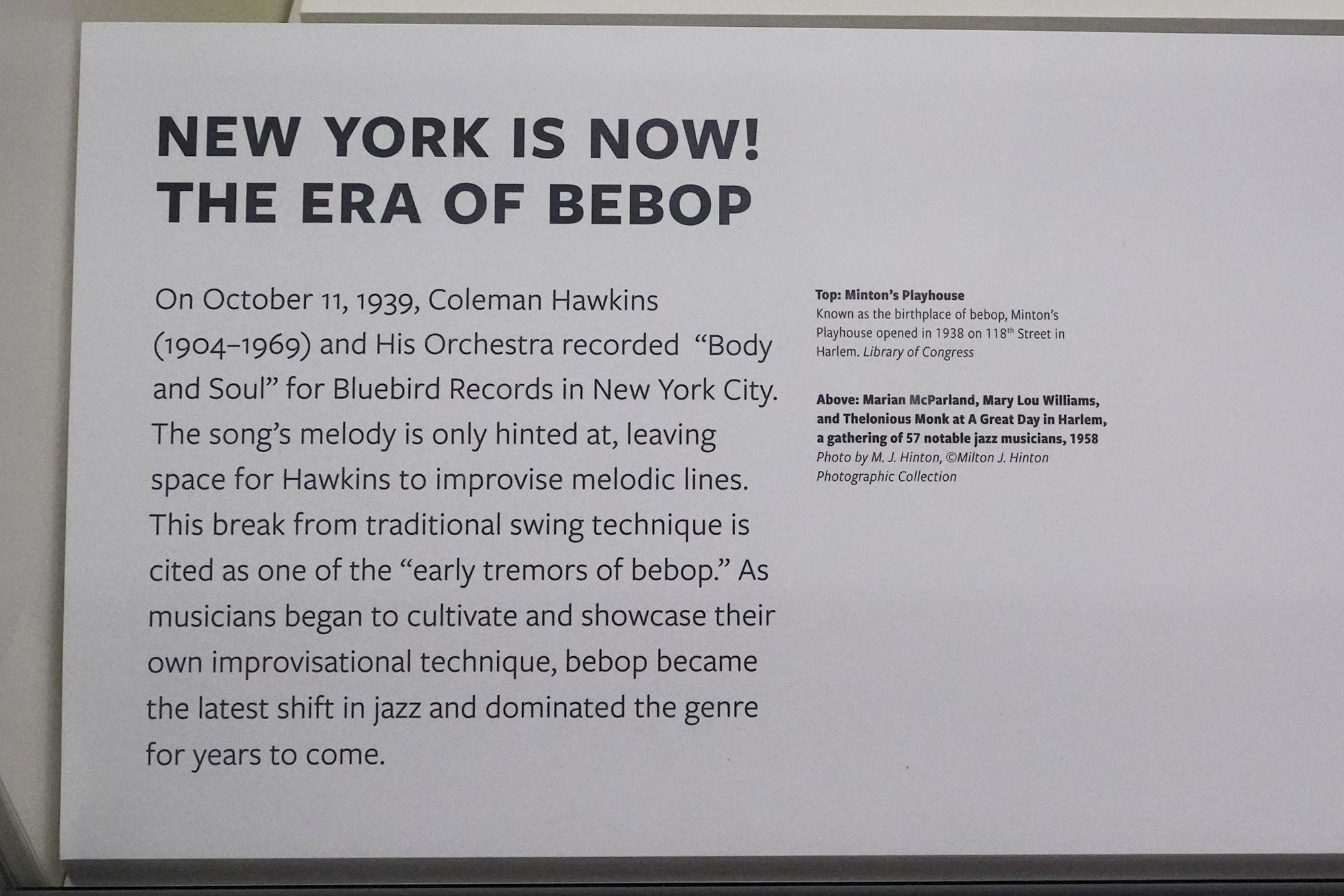
Bebop was a revolutionary style of jazz that emerged in the 1940s, marking a shift from dance-oriented swing to a more complex, fast-paced, and expressive form of music. Created mainly by young African American musicians, bebop emphasized artistry, individuality, and improvisation over commercial entertainment.
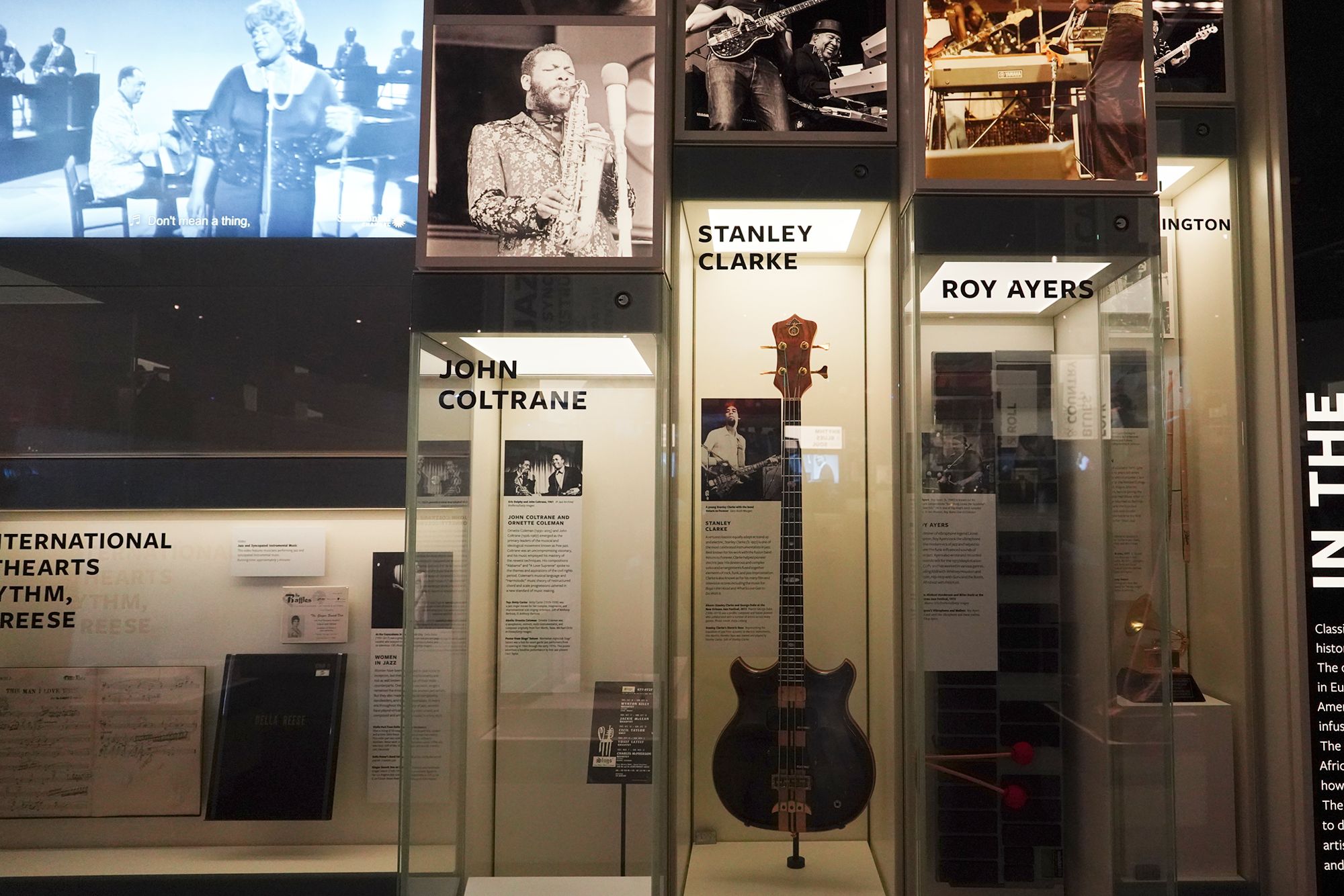
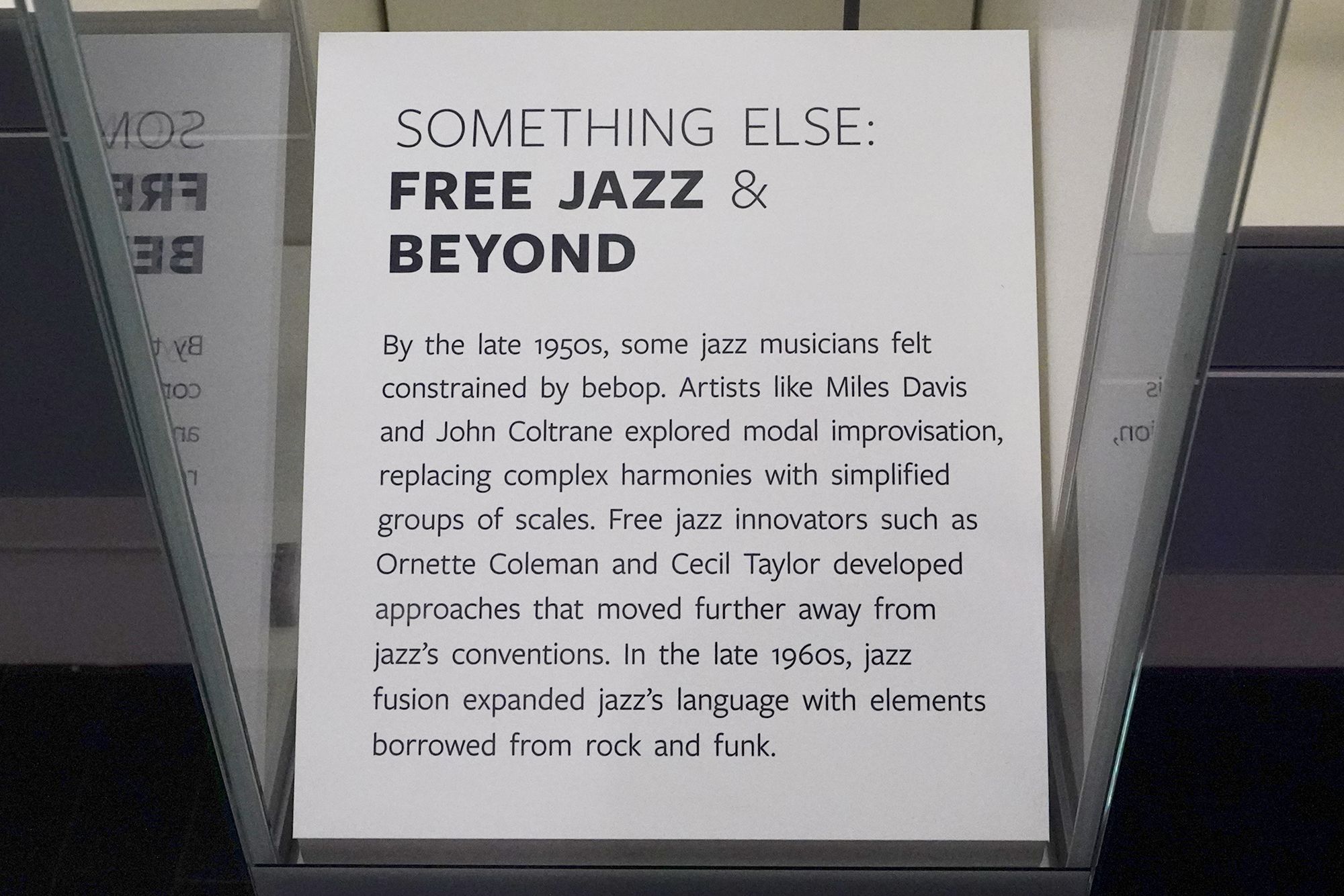
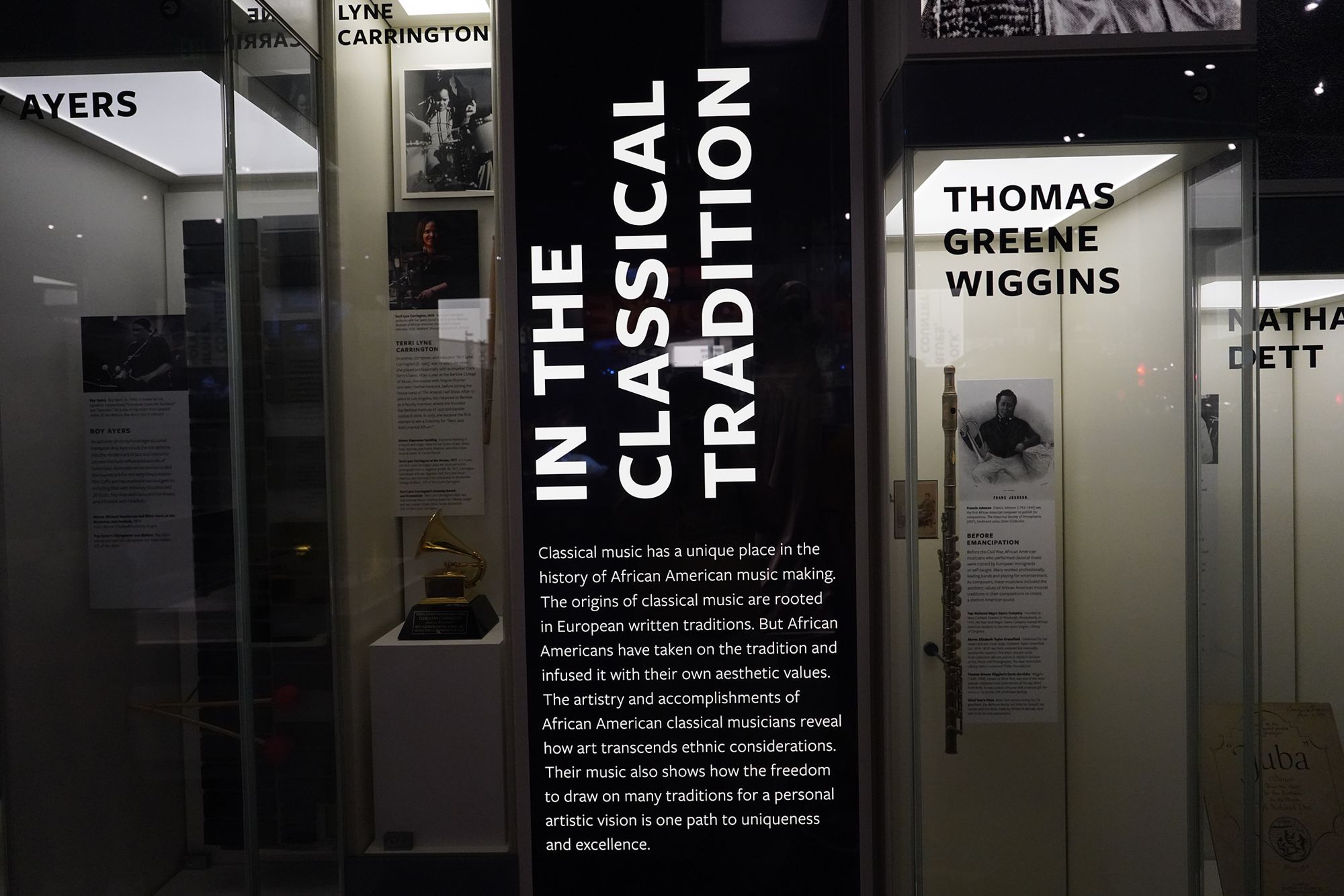
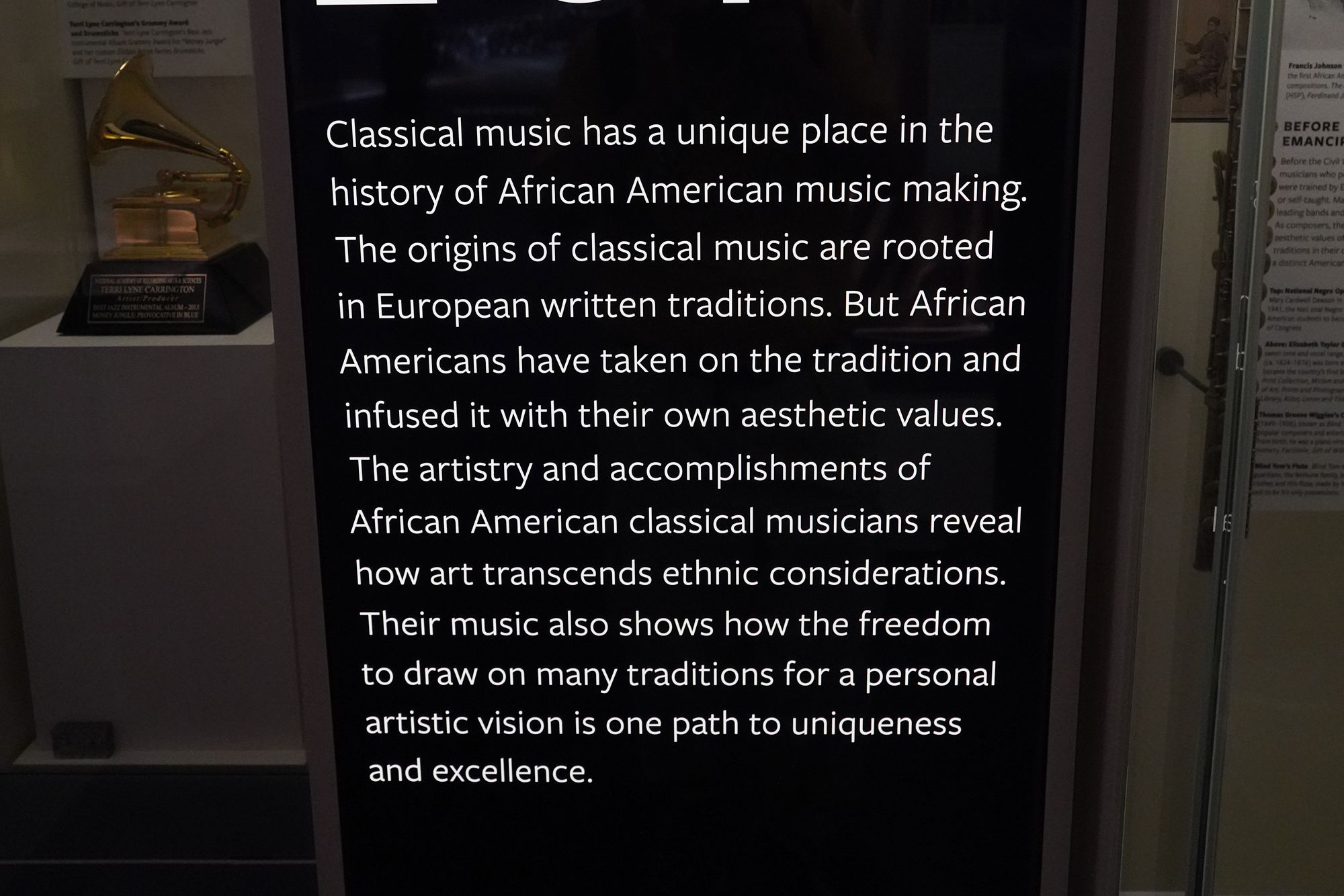
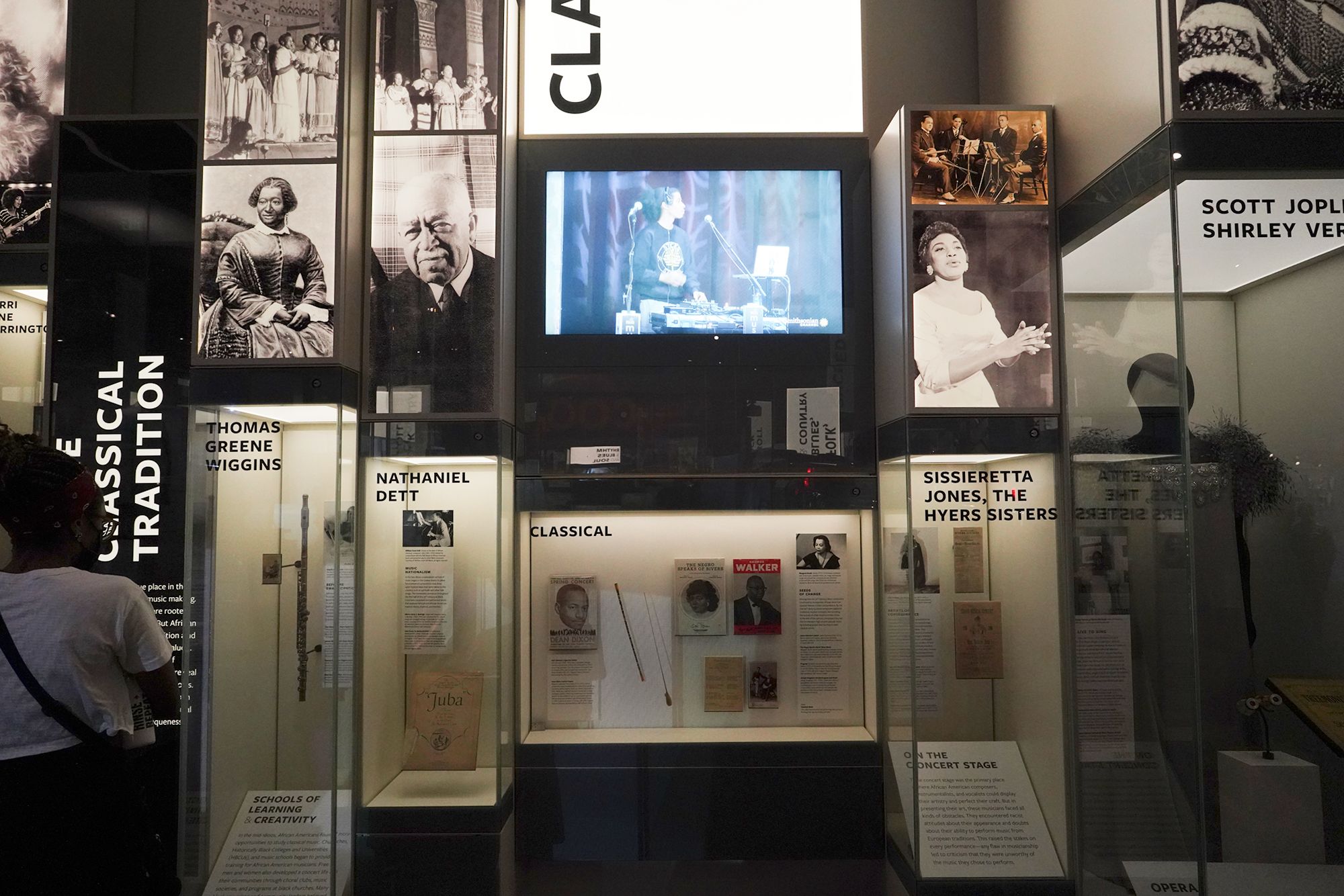
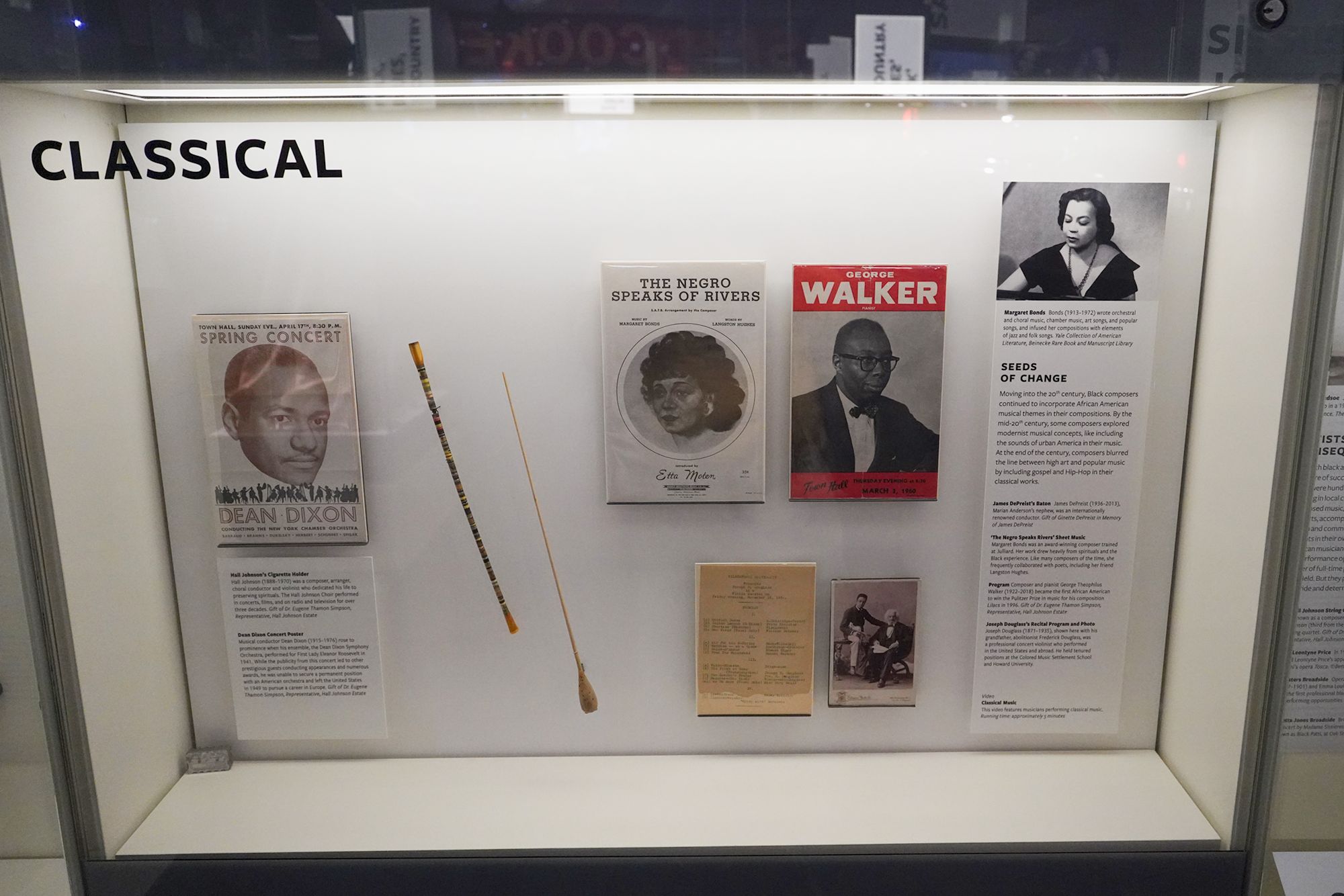
The section “In the Classical Tradition” highlights the achievements of African American composers, conductors, and musicians who excelled in classical music—a field long dominated by European traditions. Despite facing racial barriers and limited opportunities, these artists proved that musical excellence knows no color.

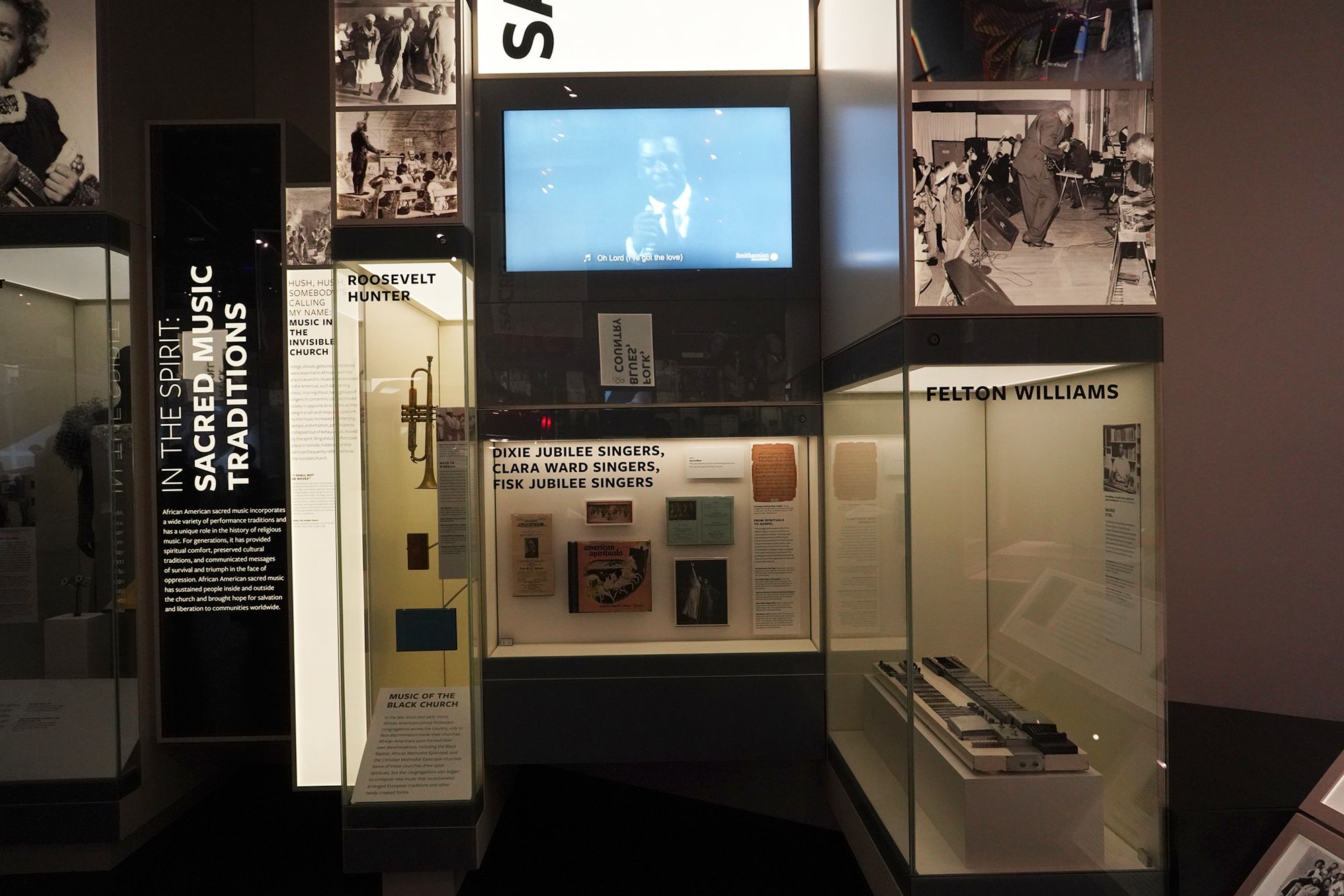
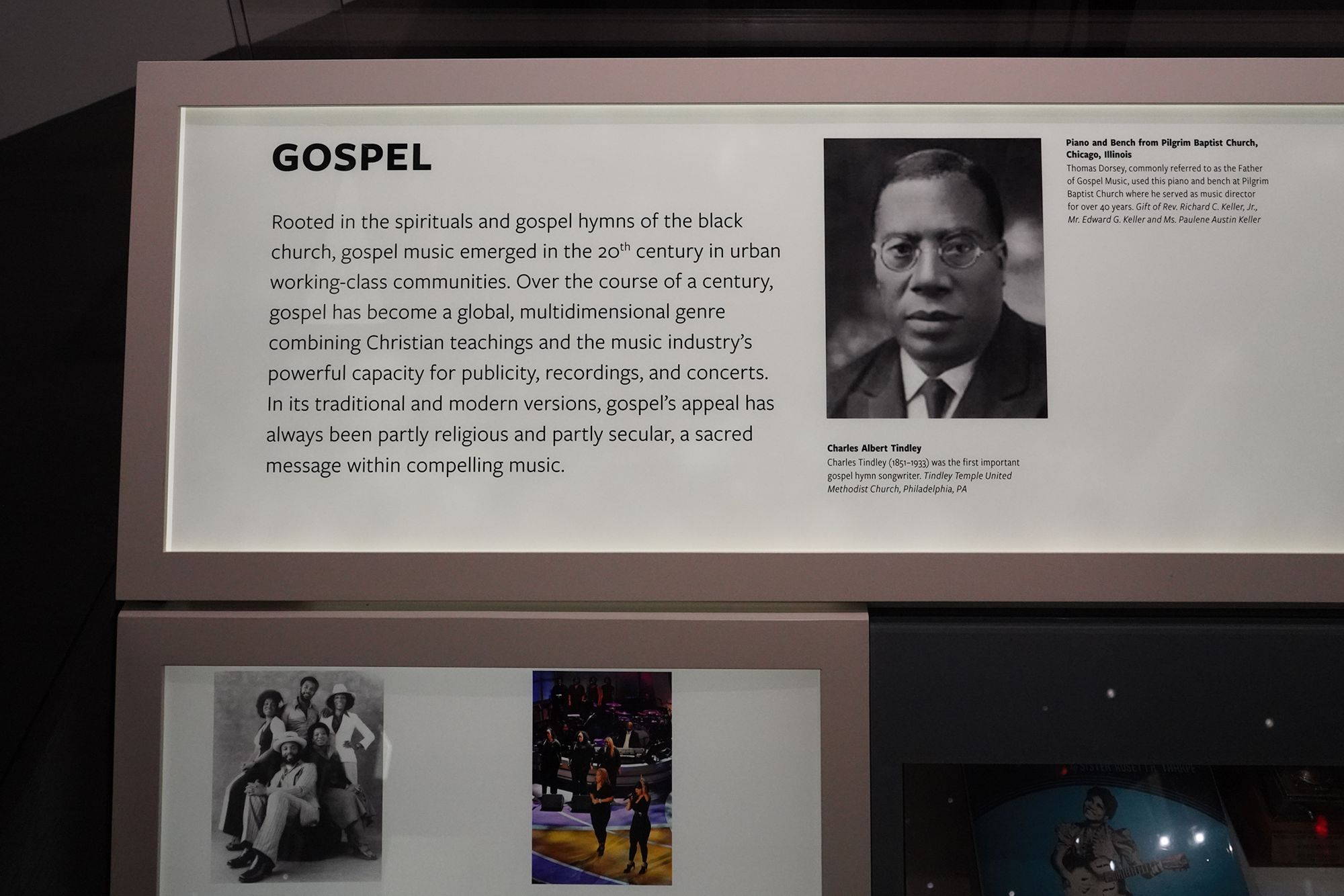
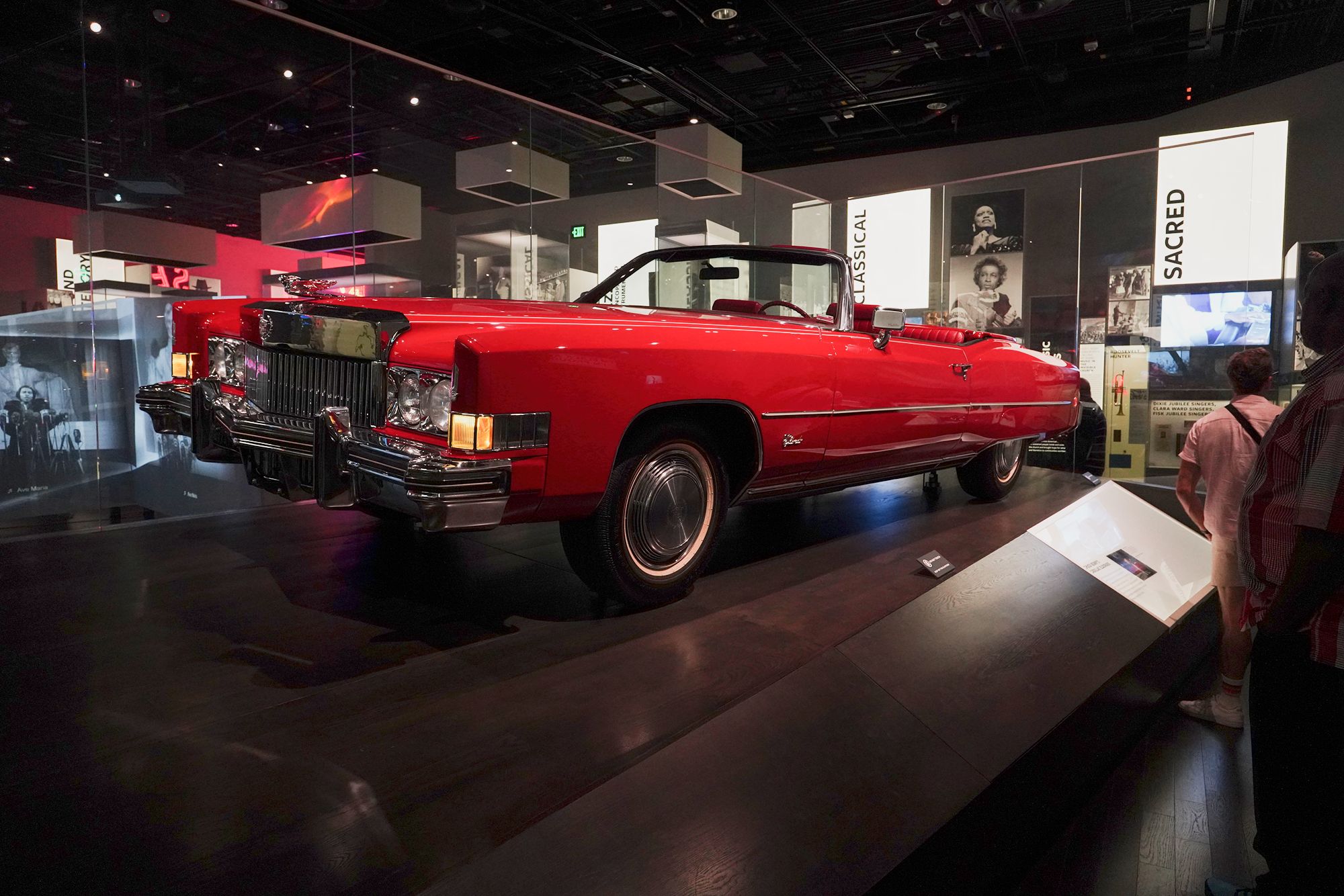
Sacred music lies at the heart of the African American experience, expressing faith, endurance, and hope across generations. Rooted in African spiritual traditions and shaped by the realities of slavery and oppression, it evolved into powerful forms such as spirituals, hymns, gospel, and choral music.
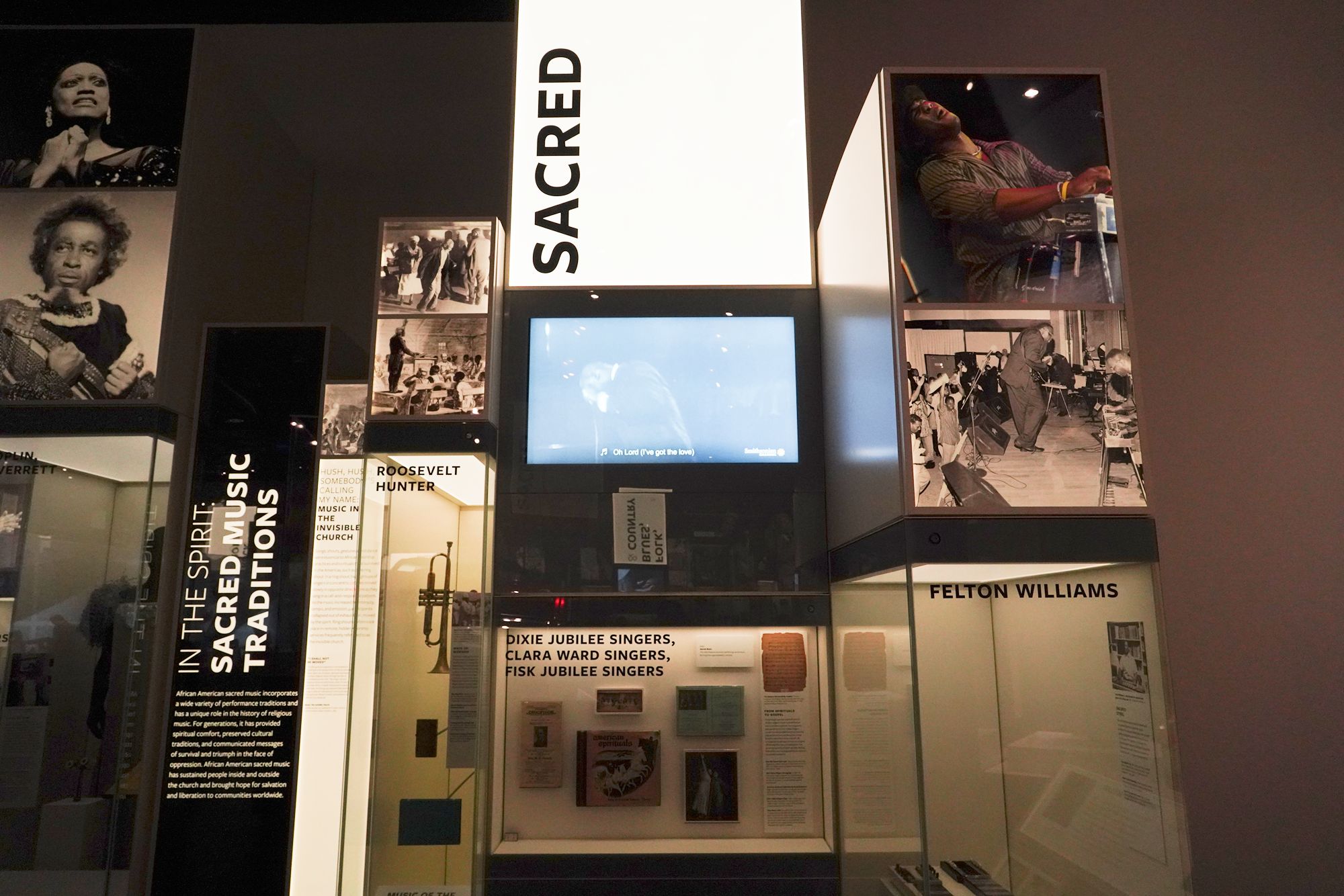
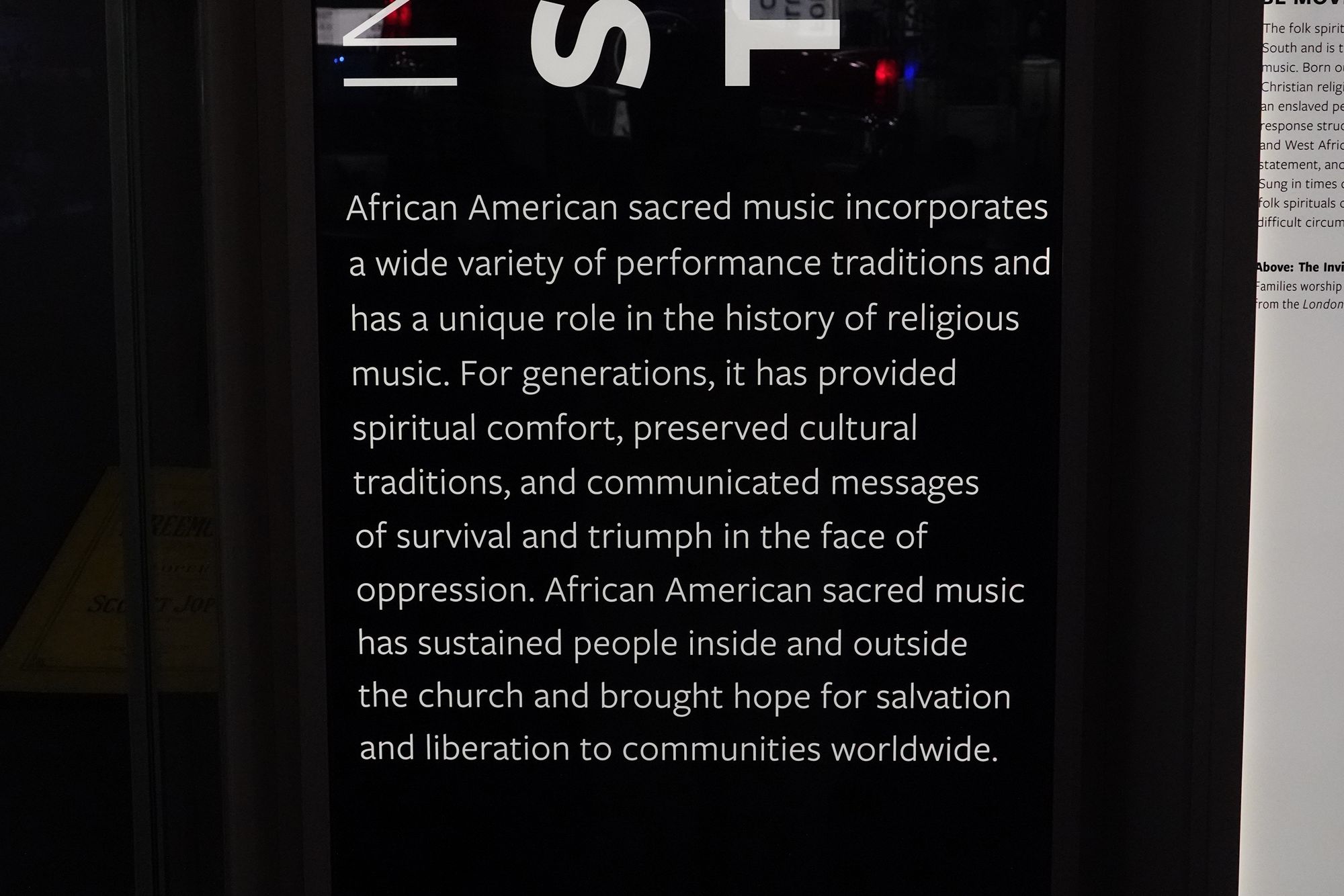
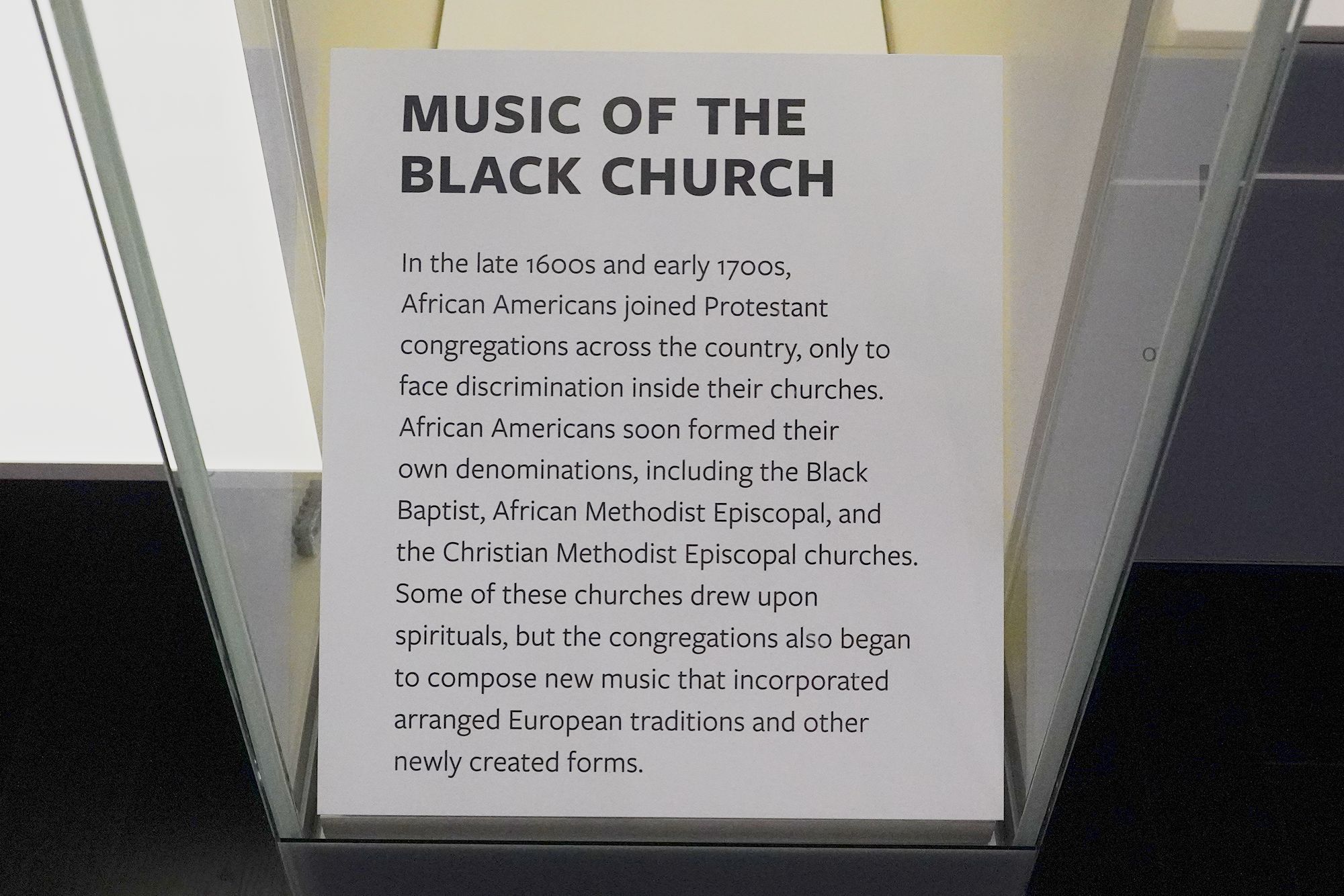
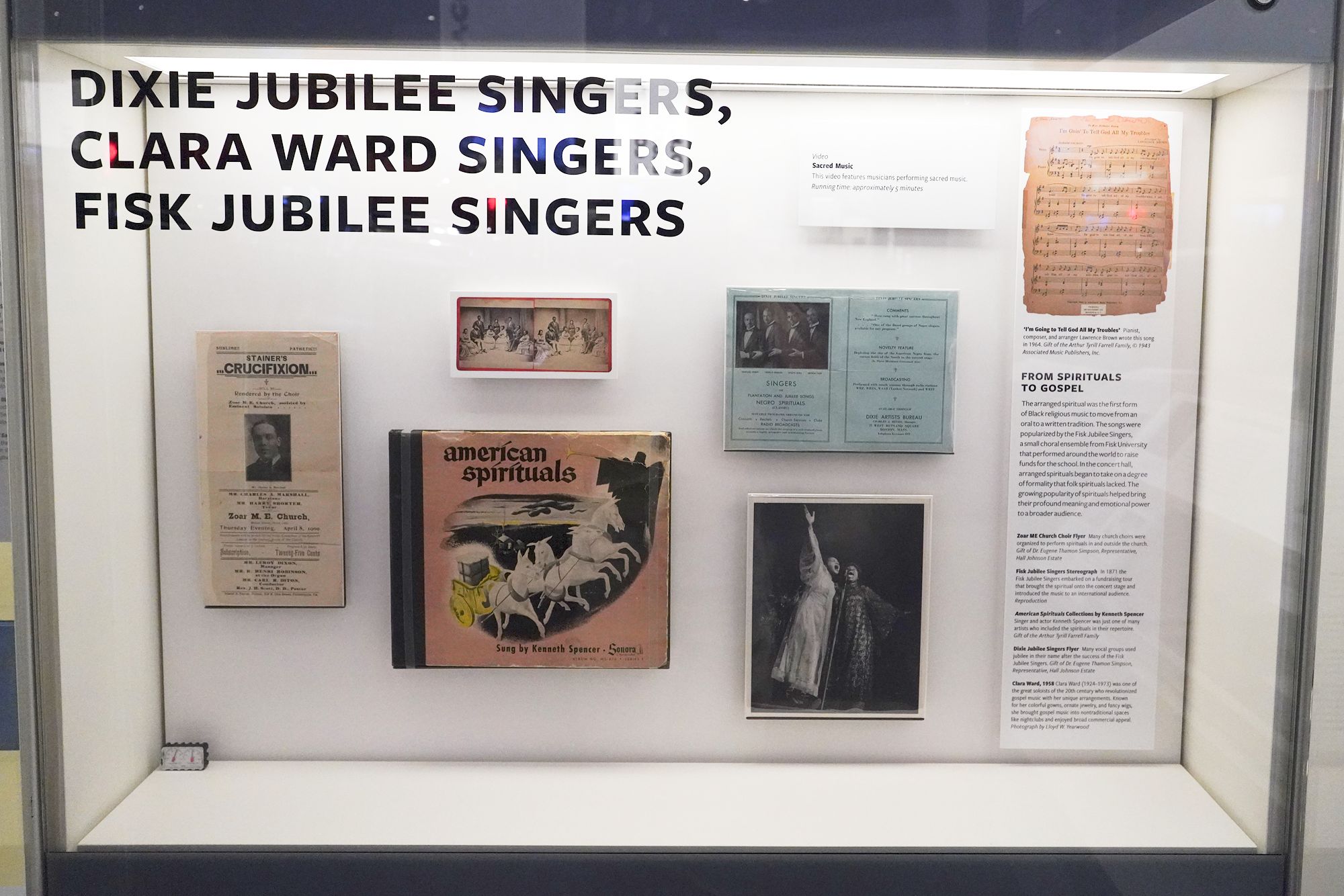
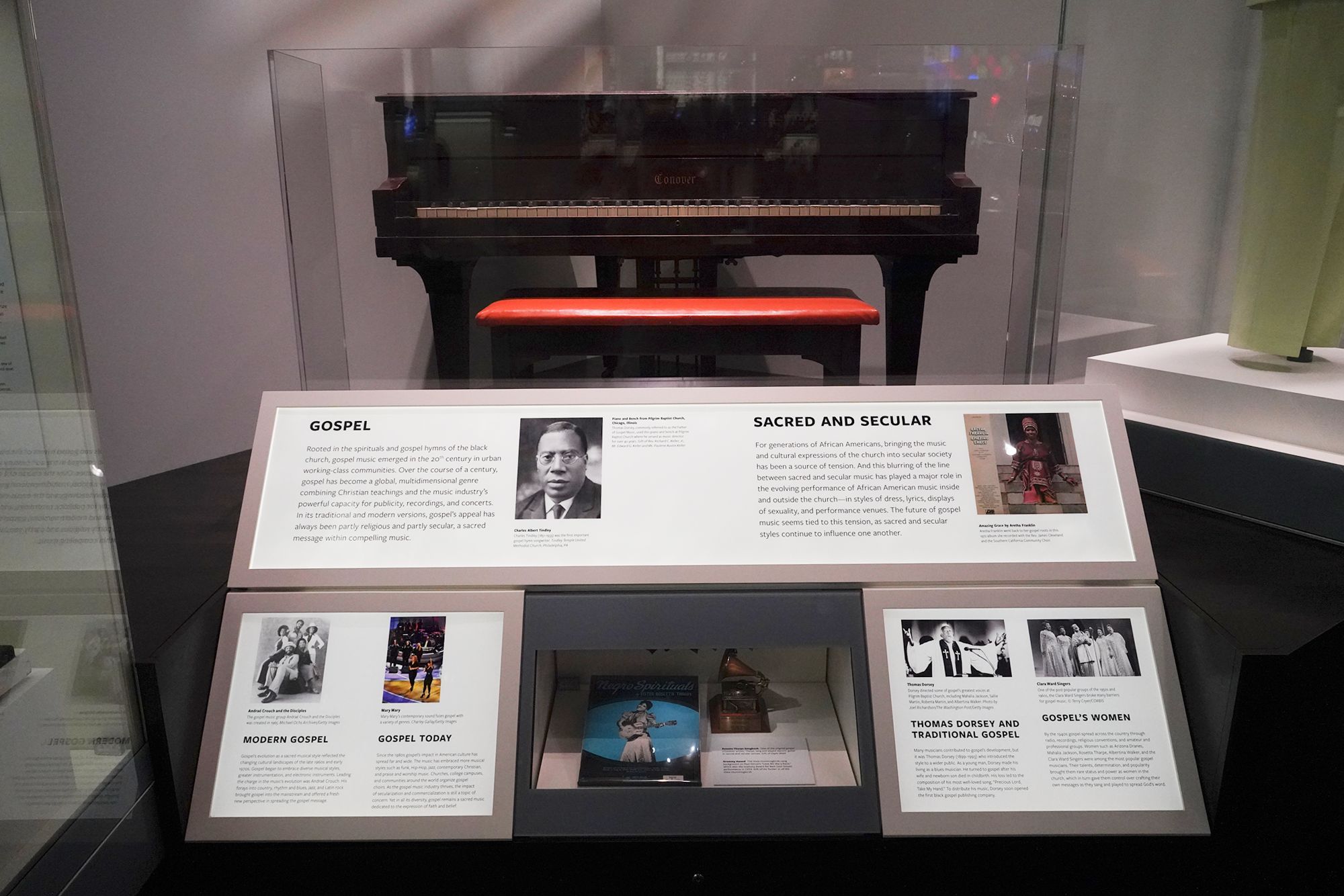
Gospel music is one of the most powerful and enduring expressions of African American faith and creativity. Emerging in the early 20th century, gospel combined Christian hymns, spirituals, blues, and jazz rhythms into a sound filled with emotion, energy, and praise. It became both a form of worship and a source of strength for Black communities facing hardship and discrimination.