Andy Warhol Museum, Pittsburgh, Pennsylvania, USA
The Andy Warhol Museum celebrates the artist’s life, work, and lasting influence on modern art. 1203
The Andy Warhol Museum: 117 Sandusky St, Pittsburgh, PA 15212
Date Picture Taken: September 2025
The Andy Warhol Museum, located in Pittsburgh, explores the life and legacy of pop art icon Andy Warhol. Through paintings, films, photographs, and personal artifacts, it reveals how Warhol transformed everyday imagery into powerful commentary on fame, consumerism, and culture.
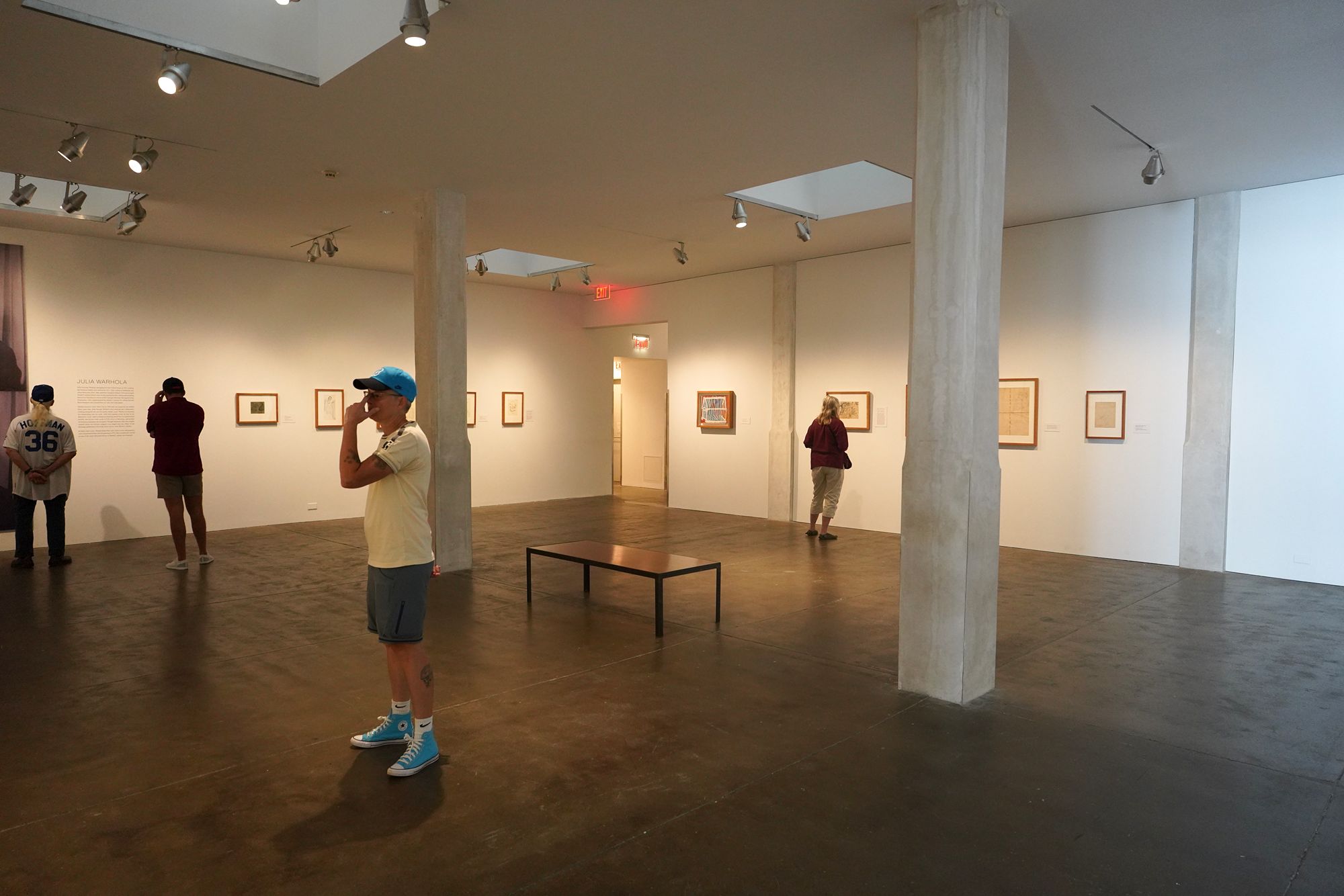
Pittsburgh, once known as the Steel City, was undergoing a quiet transformation during Andy Warhol’s lifetime.
Born in Pittsburgh in 1928, Warhol grew up while the city was still dominated by steel mills, smoke, and industrial labor. By the mid-20th century, however, Pittsburgh began shifting away from heavy industry toward culture, education, and urban renewal. Warhol’s move from Pittsburgh to New York mirrored this transition—from an industrial past to a new, modern, image-driven world shaped by media, art, and consumer culture.
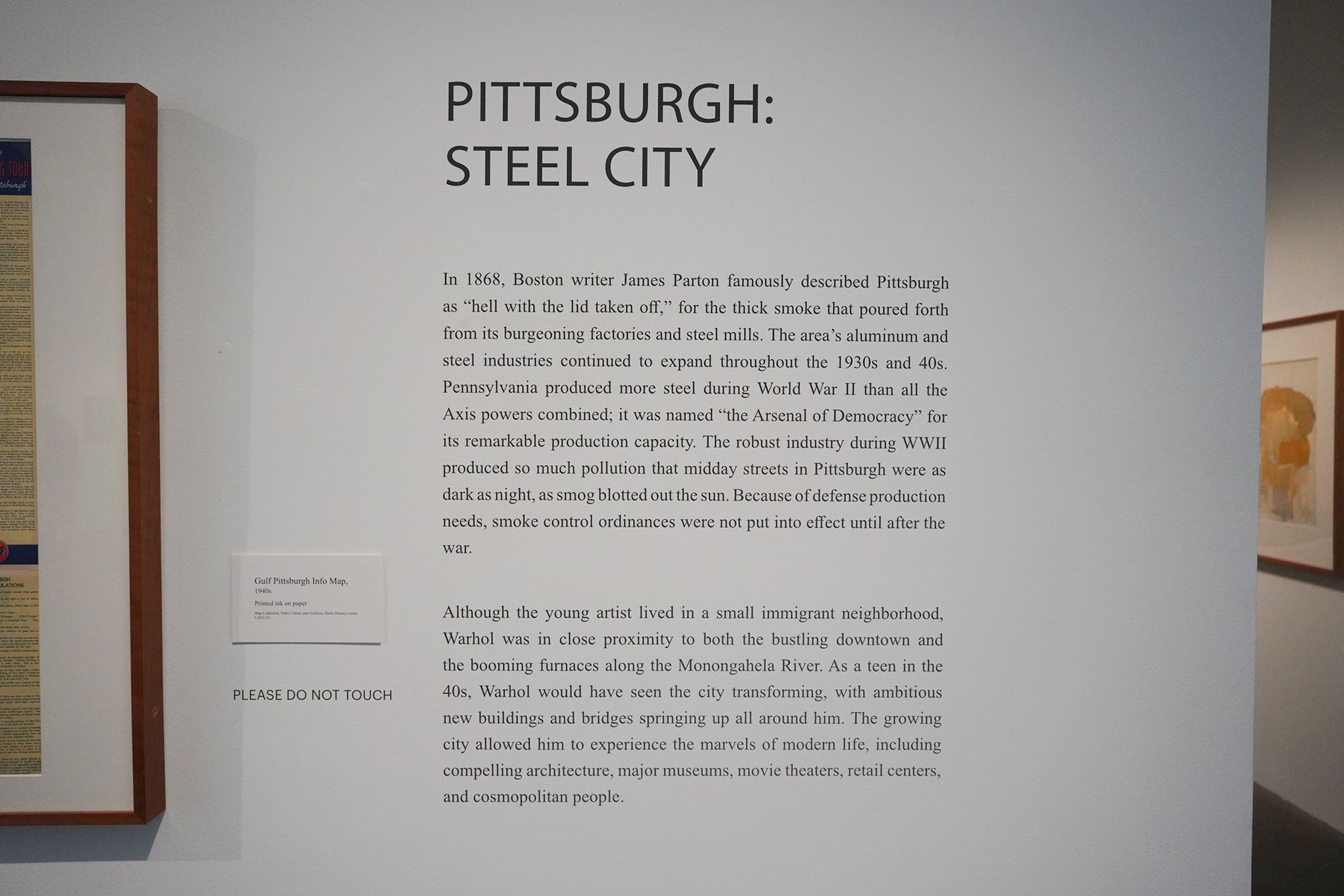
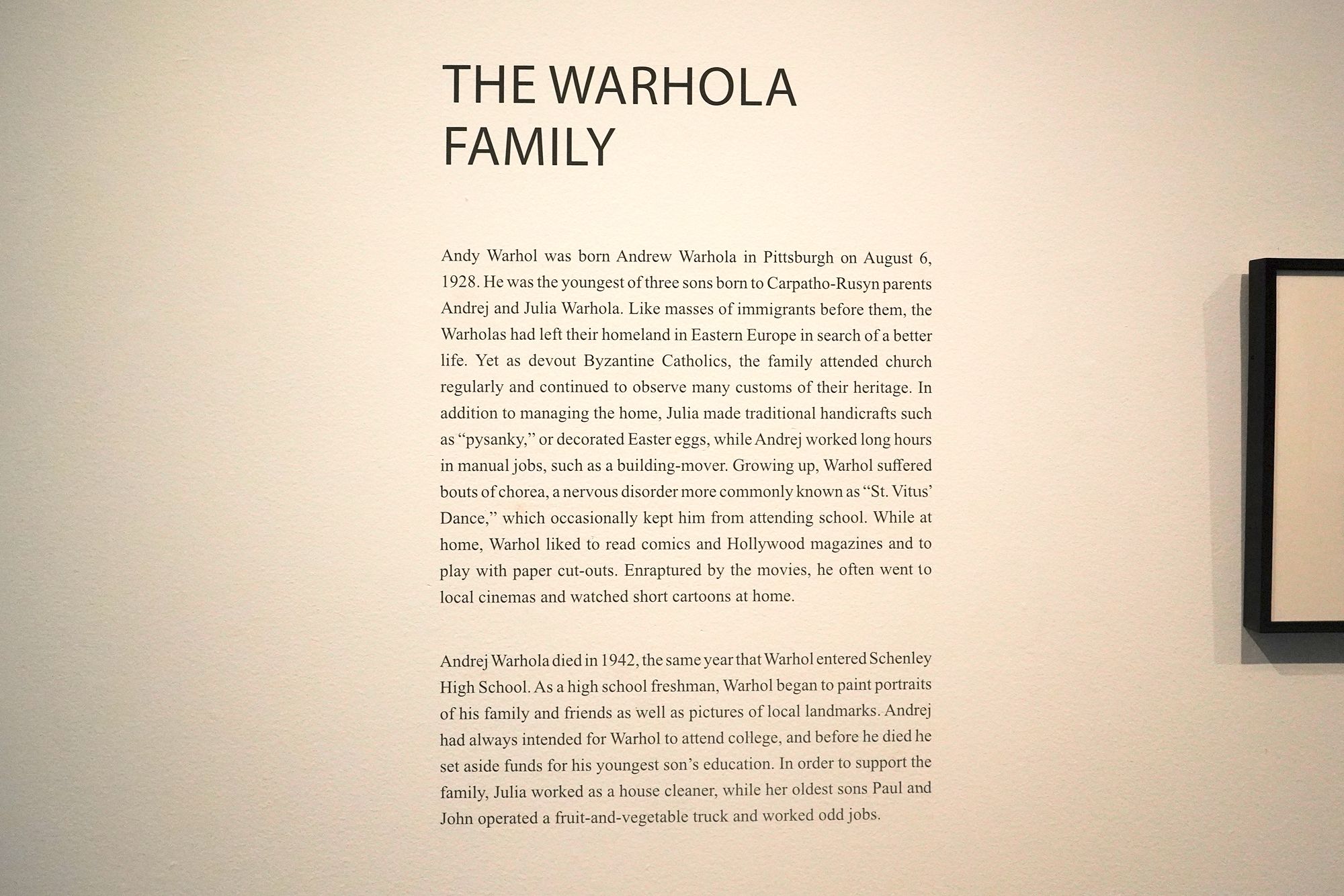
The Warhola family were working-class immigrants whose background shaped Andy Warhol’s early life and outlook.
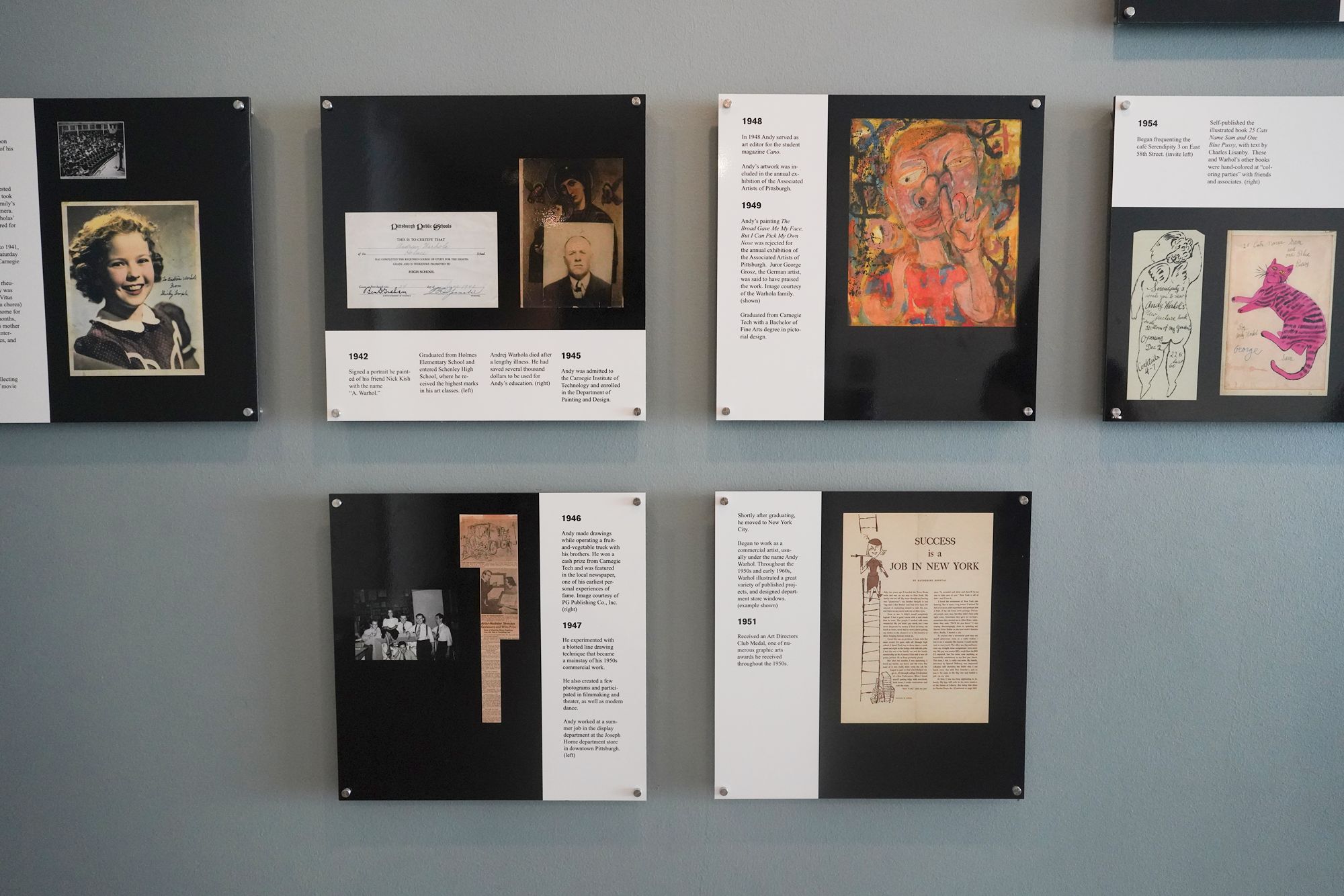
Andy Warhol (born Andrew Warhola) was the son of Slovak immigrants who settled in Pittsburgh. His father worked in construction, and his mother, Julia Warhola, encouraged his artistic interests through drawing, crafts, and folk art. Their modest home, strong religious faith, and immigrant experience deeply influenced Warhol’s sensitivity to identity, repetition, and everyday imagery—elements that later defined his art.
His mom and his brother
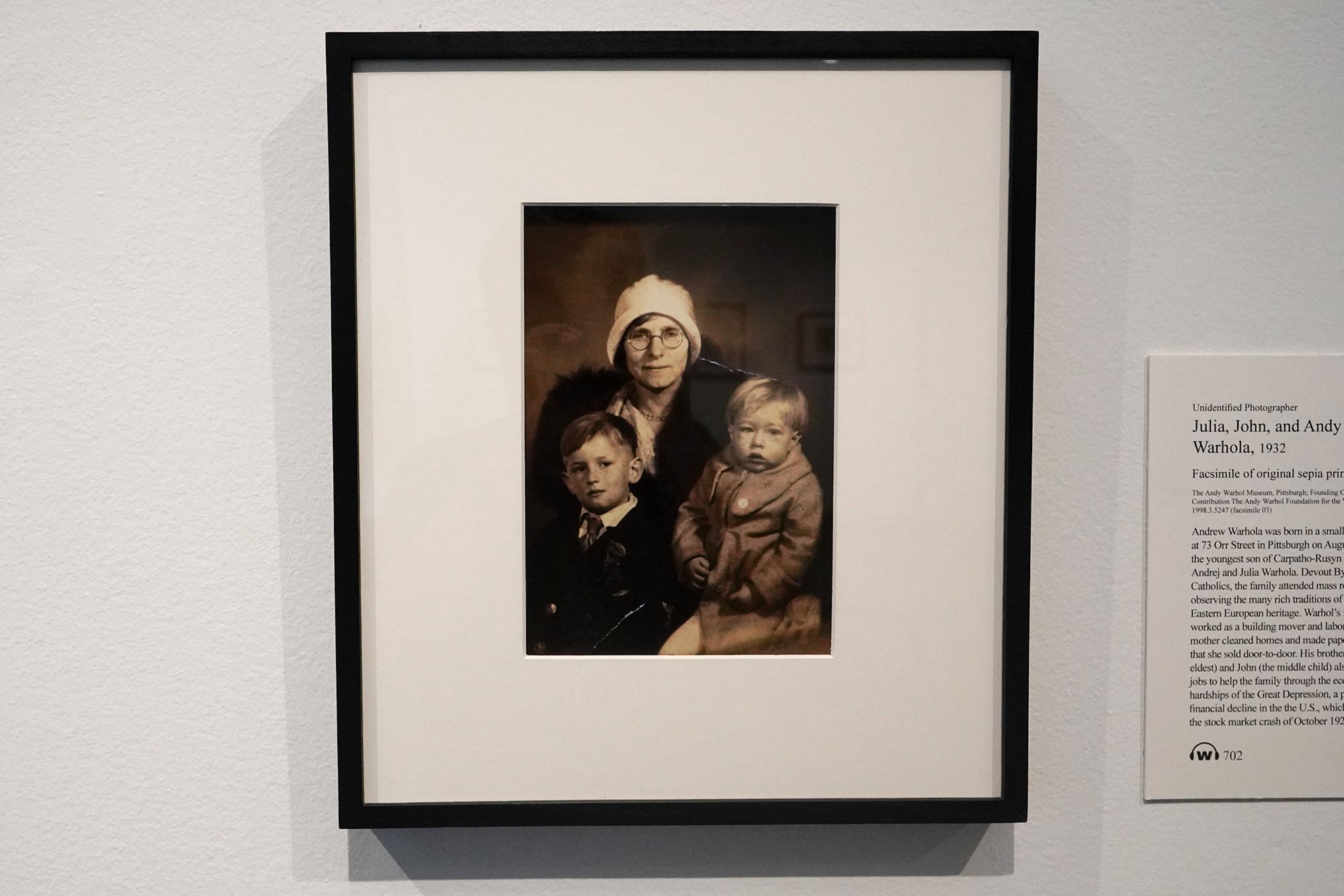
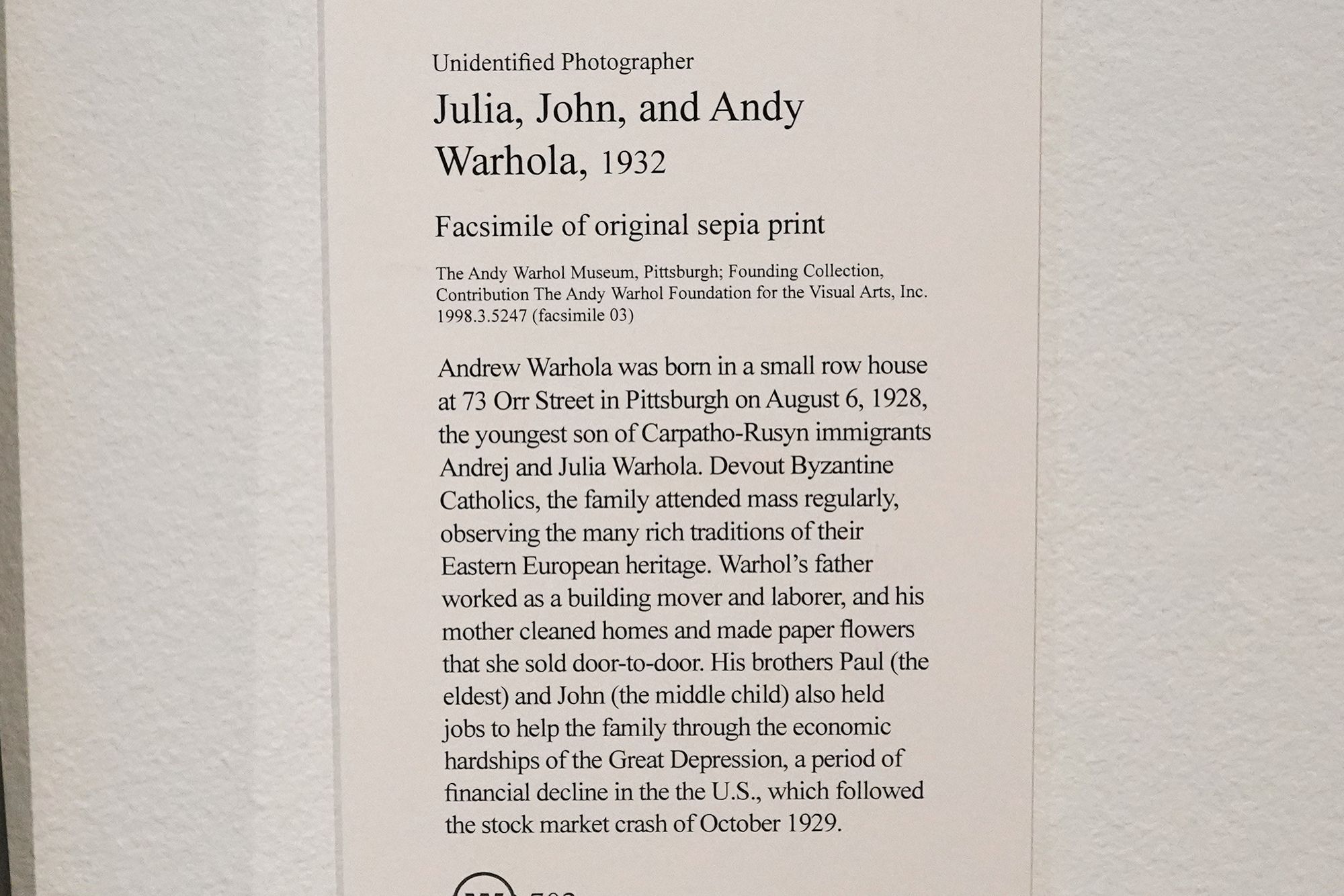
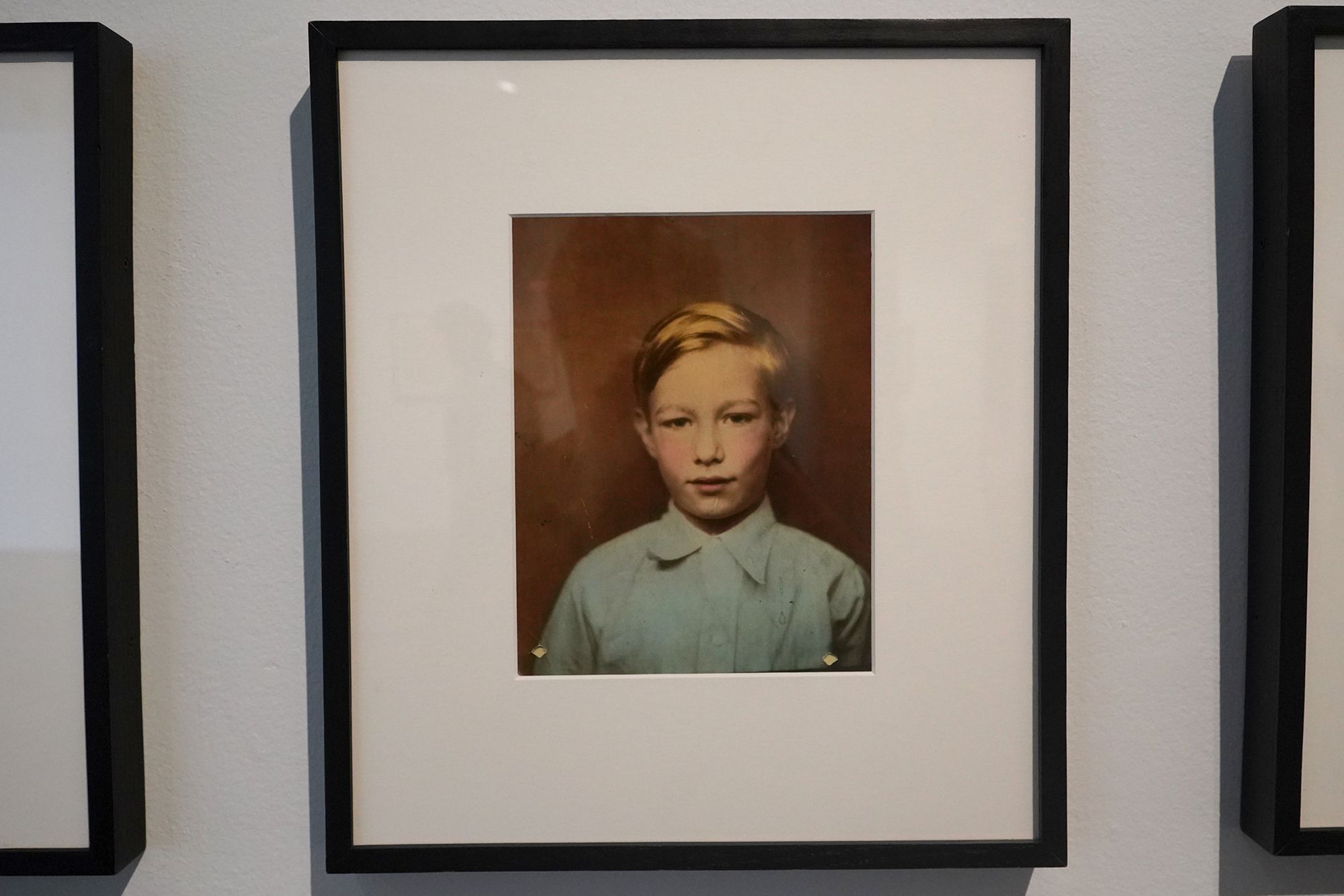
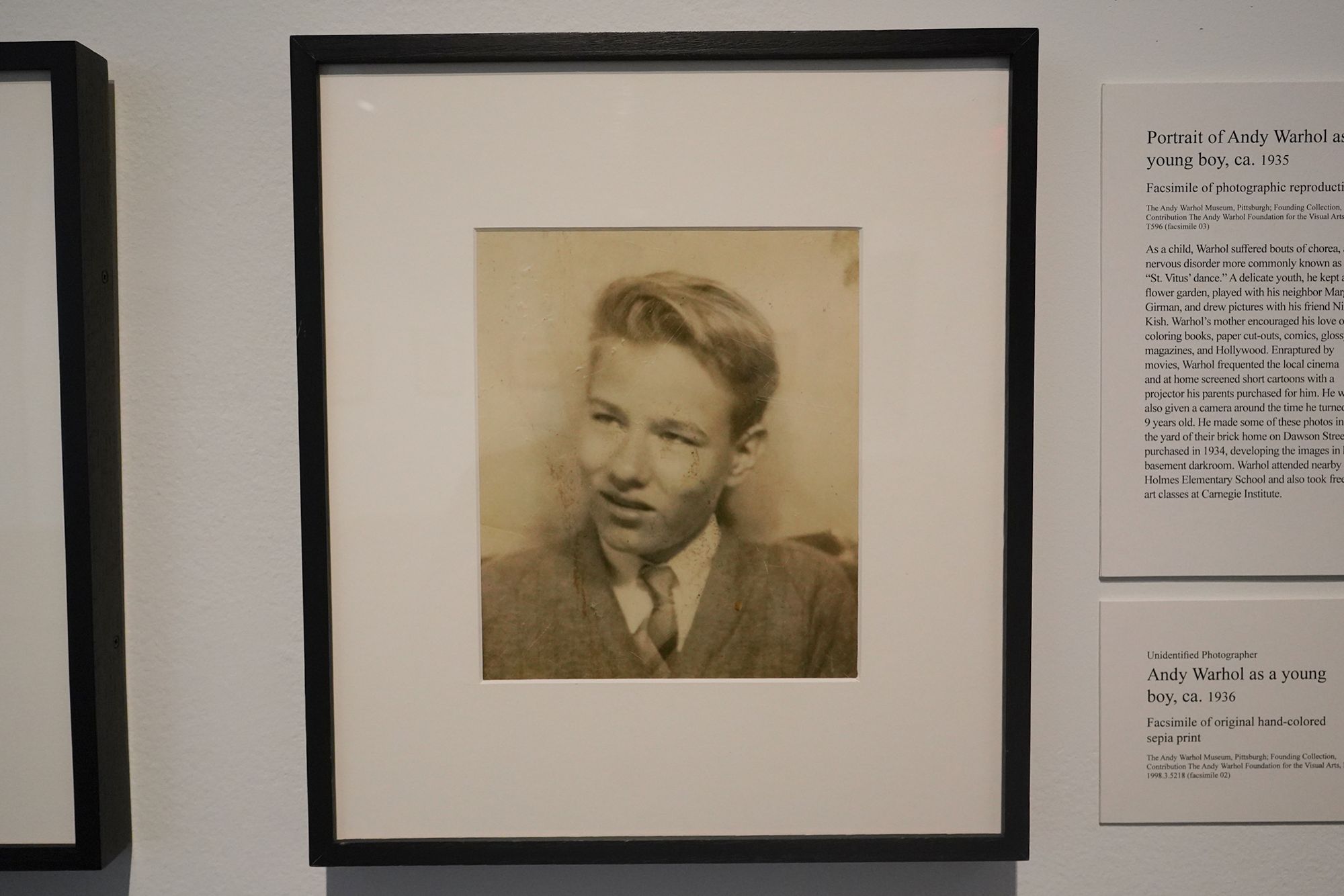
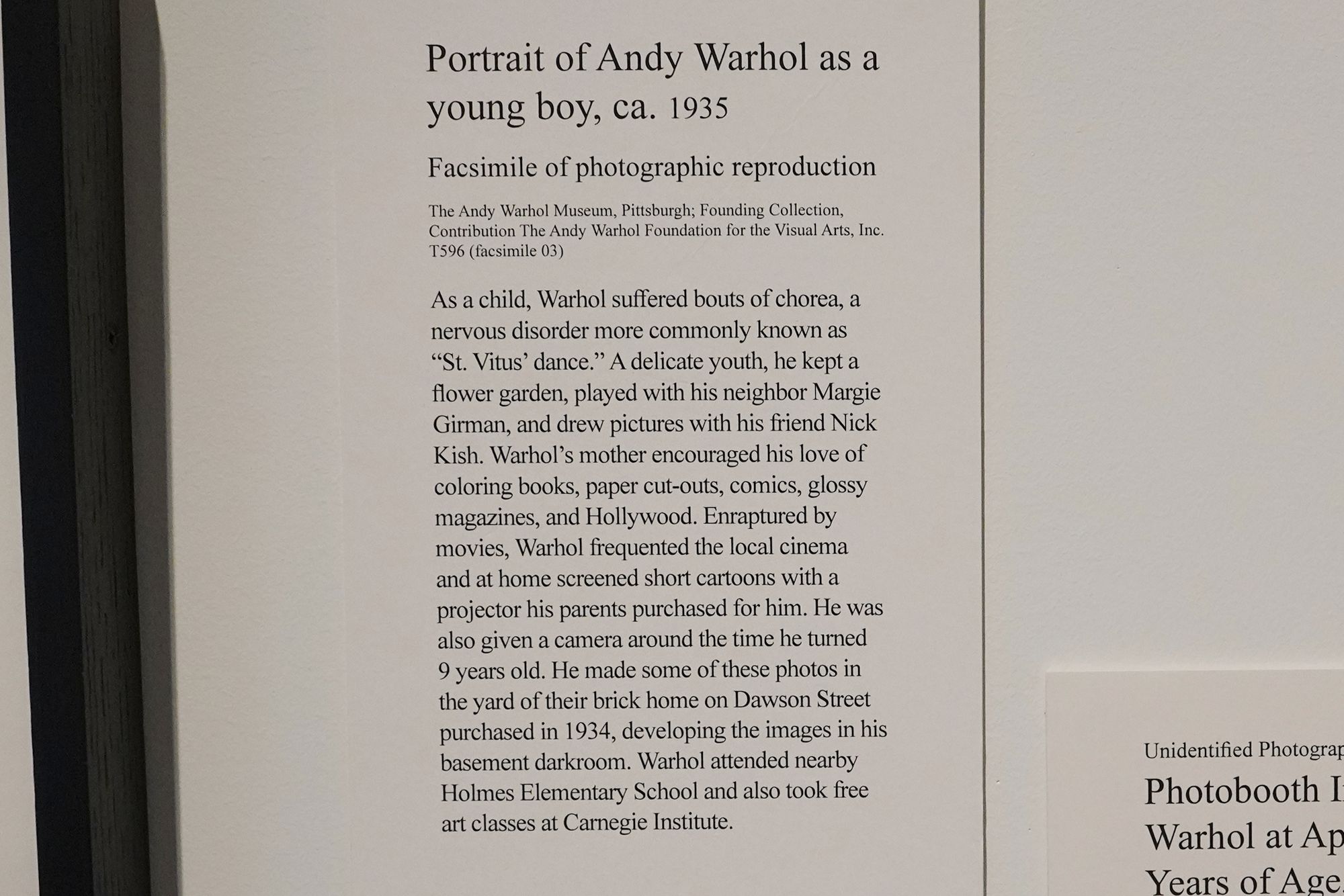
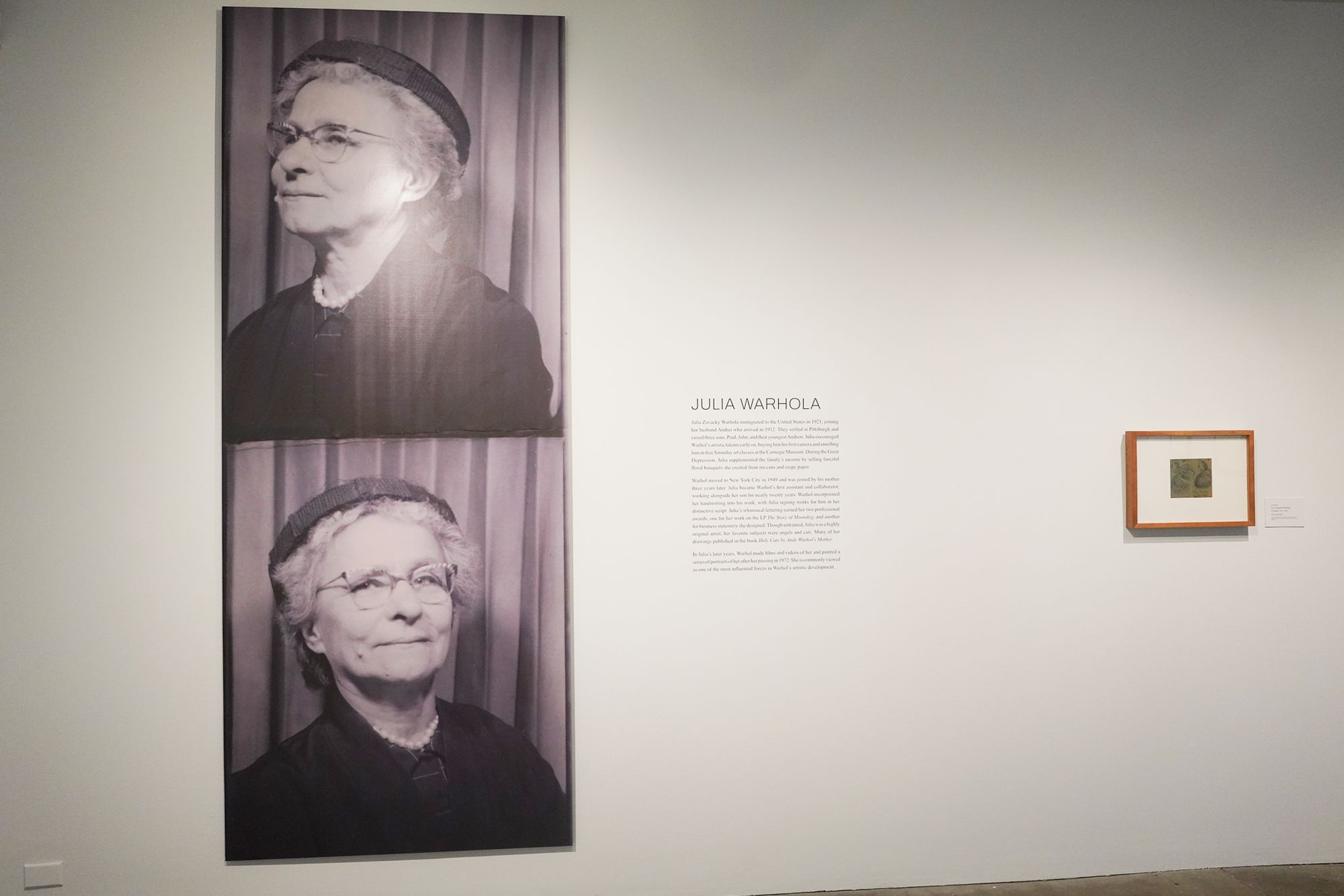
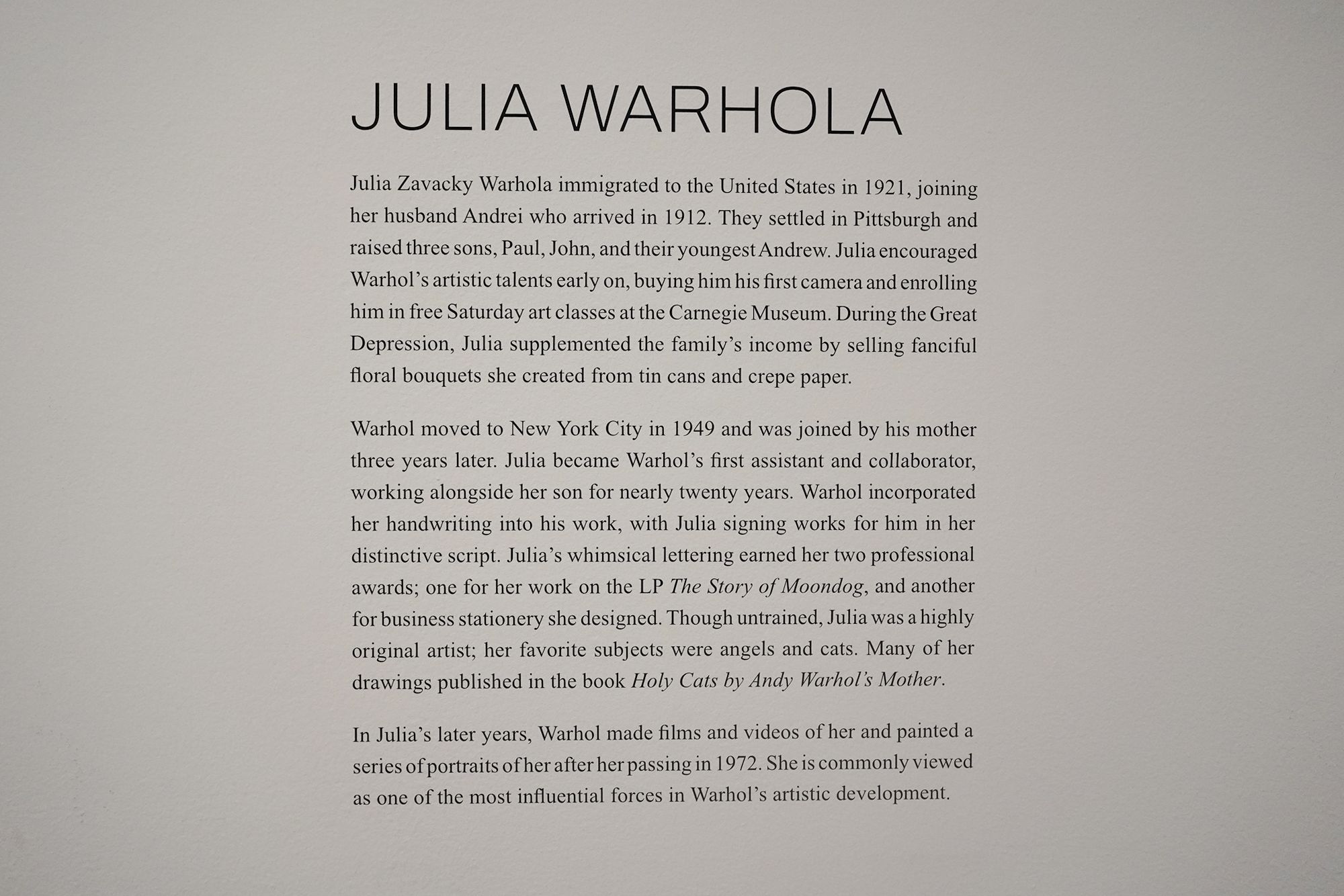
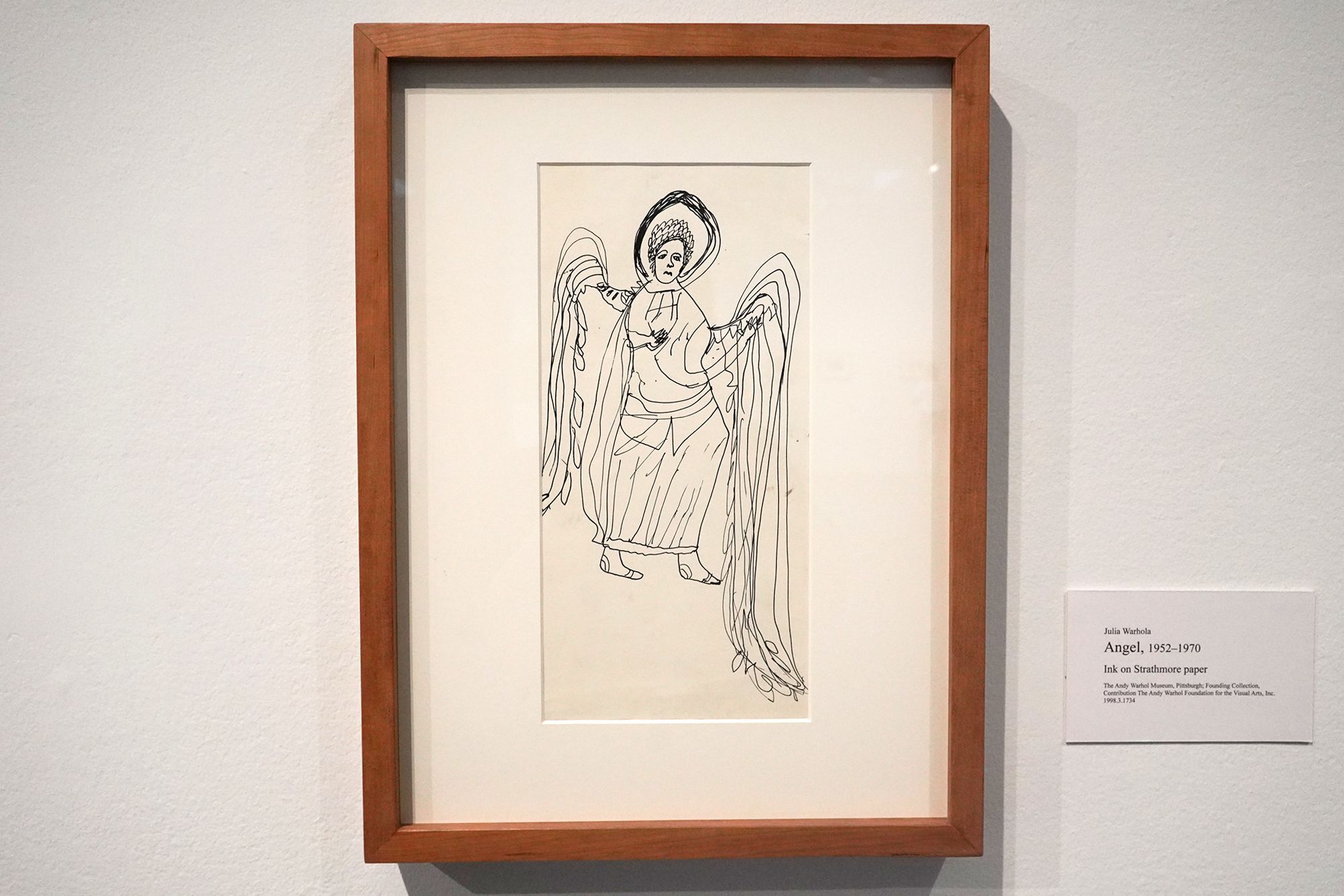
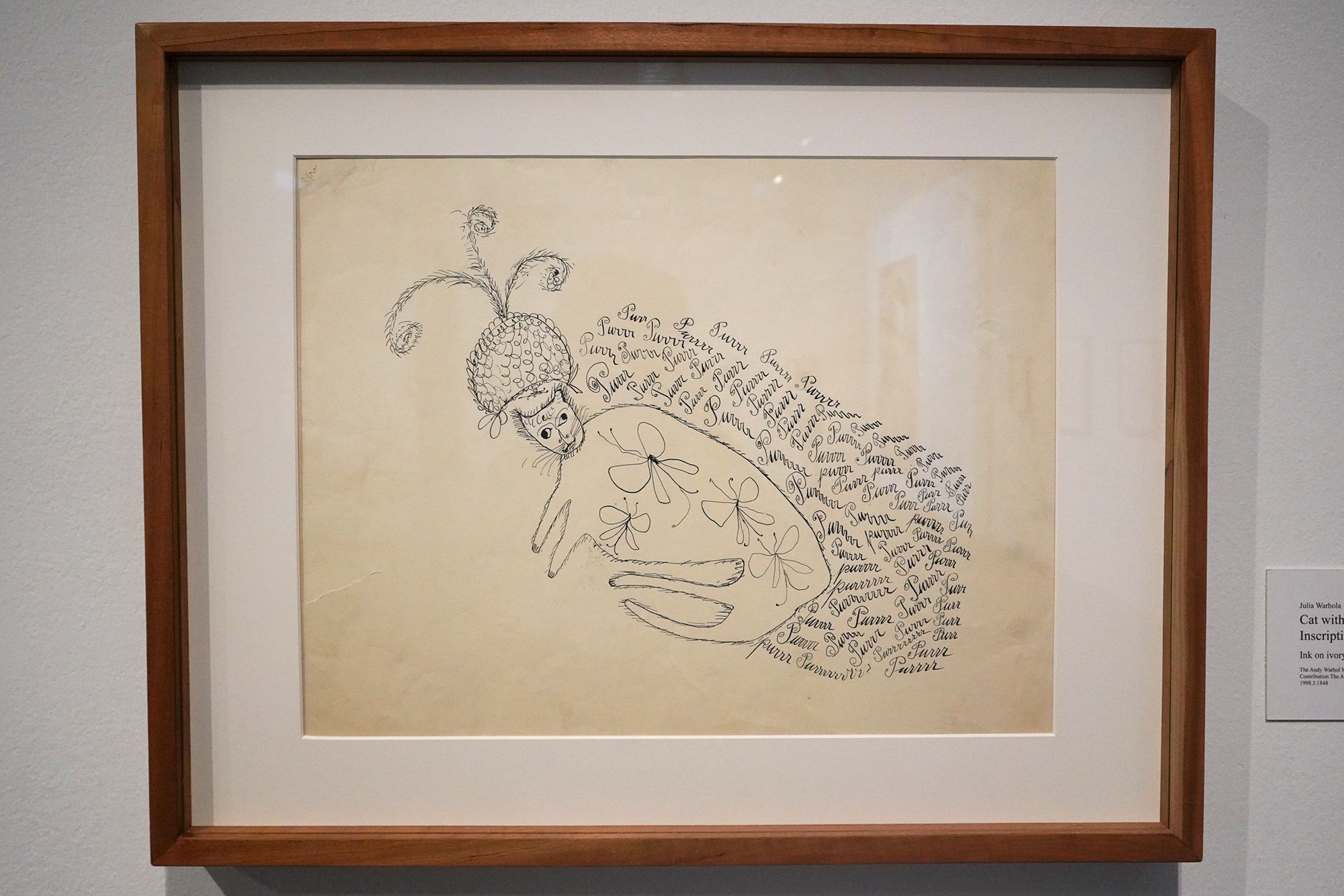
Julia Warhola was a key influence on Andy Warhol’s life and art.
Born in present-day Slovakia, she immigrated to Pittsburgh and raised her family in a close-knit, working-class community. Julia was deeply religious, creative, and expressive—she drew, made paper flowers, and practiced decorative lettering. Her playful handwriting and folk-art sensibility directly influenced Andy Warhol’s early drawings and graphic style. Beyond being his mother, she was his first artistic collaborator and lifelong emotional support.
Andy Warhol in New York marked the transformation of a Pittsburgh-born artist into a global cultural icon.
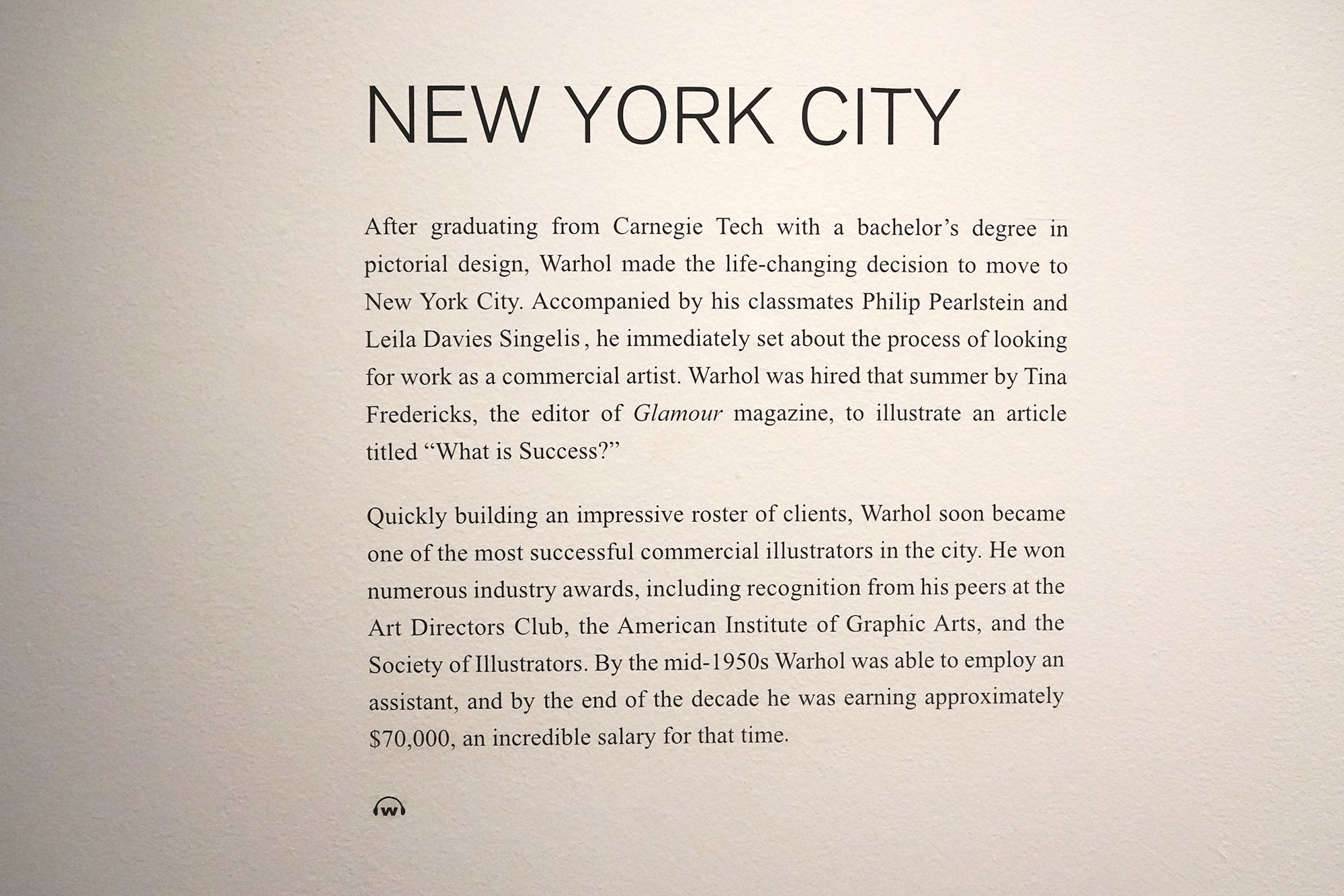
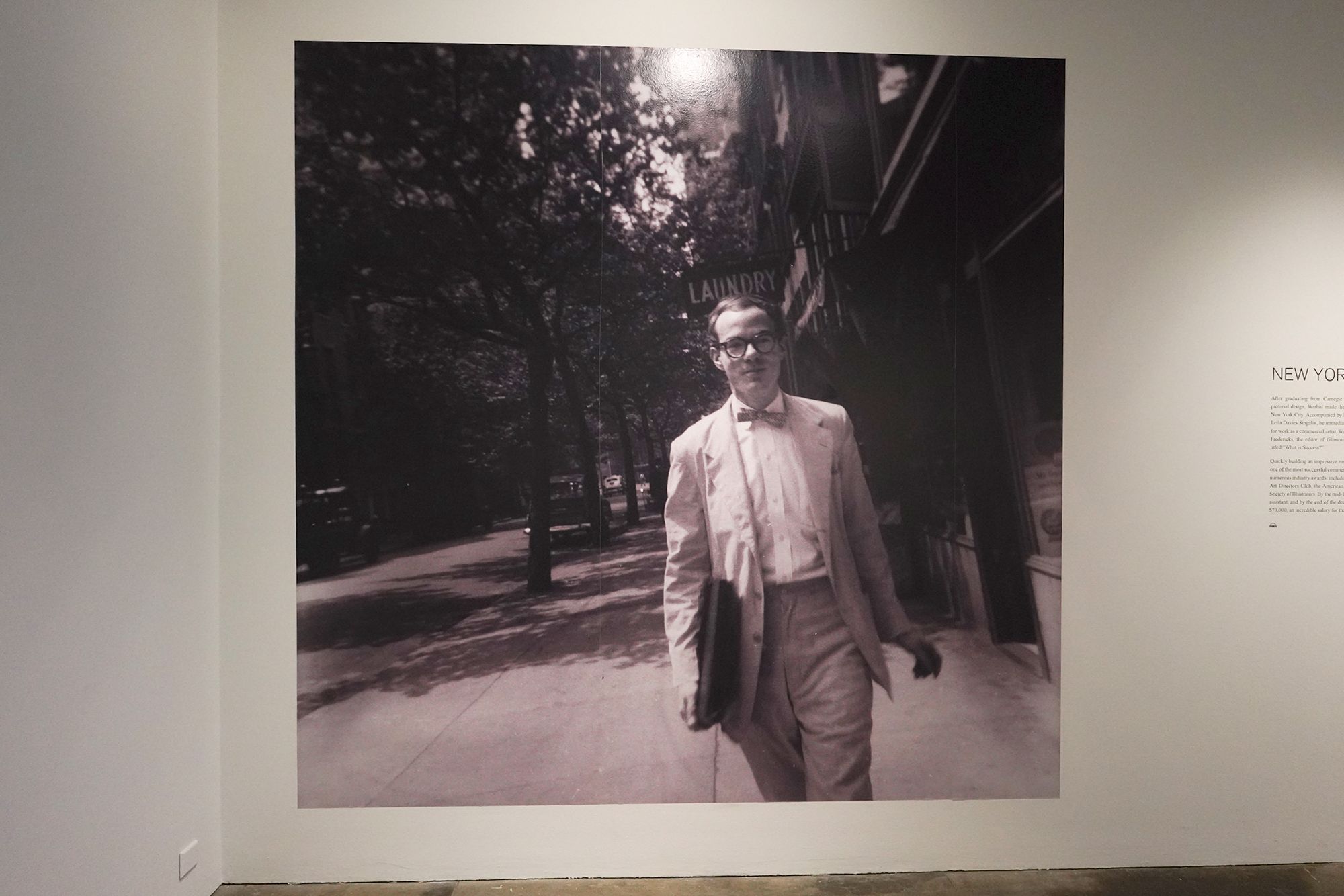
After moving to New York in the late 1940s, Warhol began as a successful commercial illustrator before redefining art through Pop imagery. In the 1960s, his studio, the Factory, became a hub for artists, musicians, and outsiders. In New York, Warhol explored fame, repetition, media, and celebrity—turning everyday images into lasting statements about modern life.
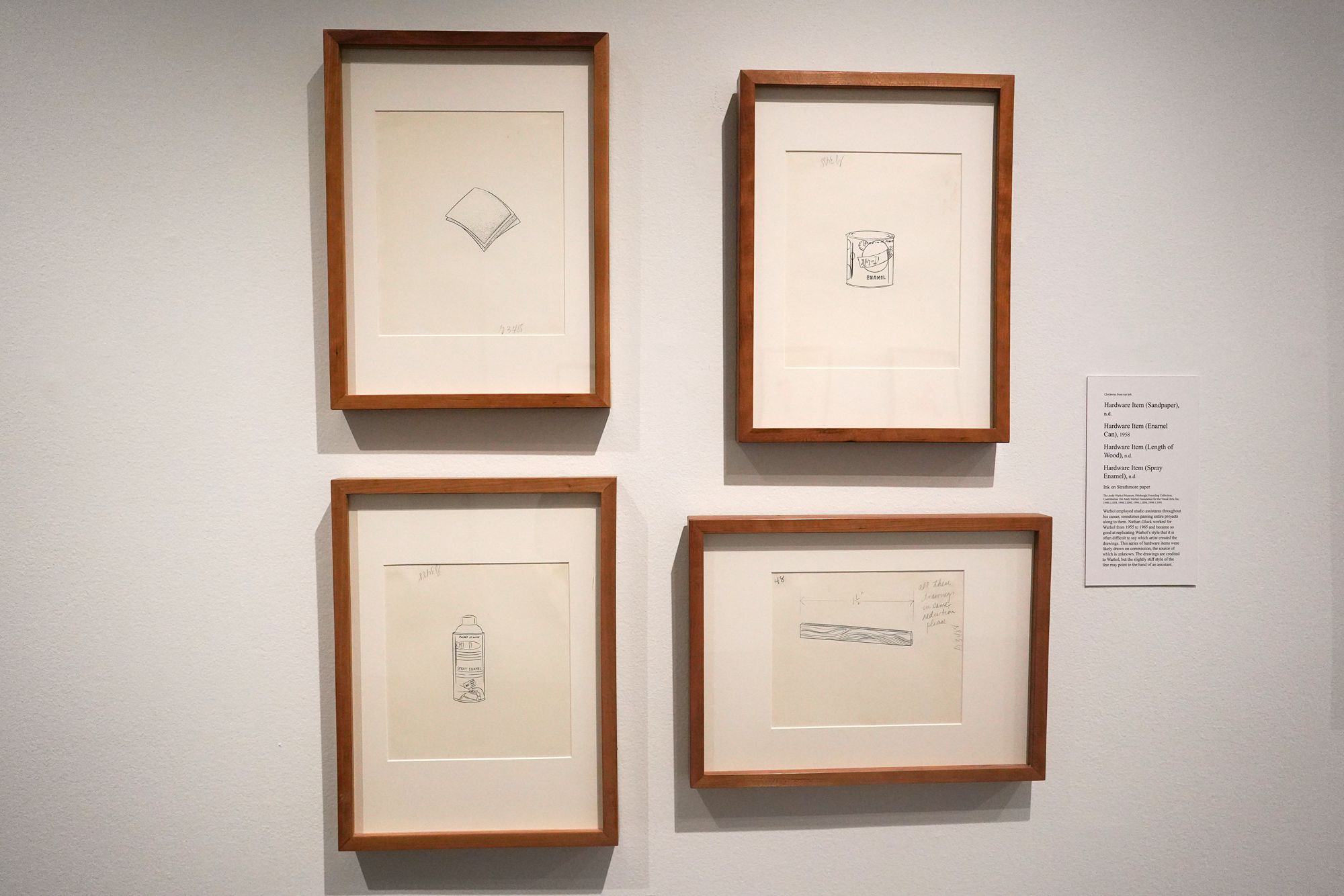
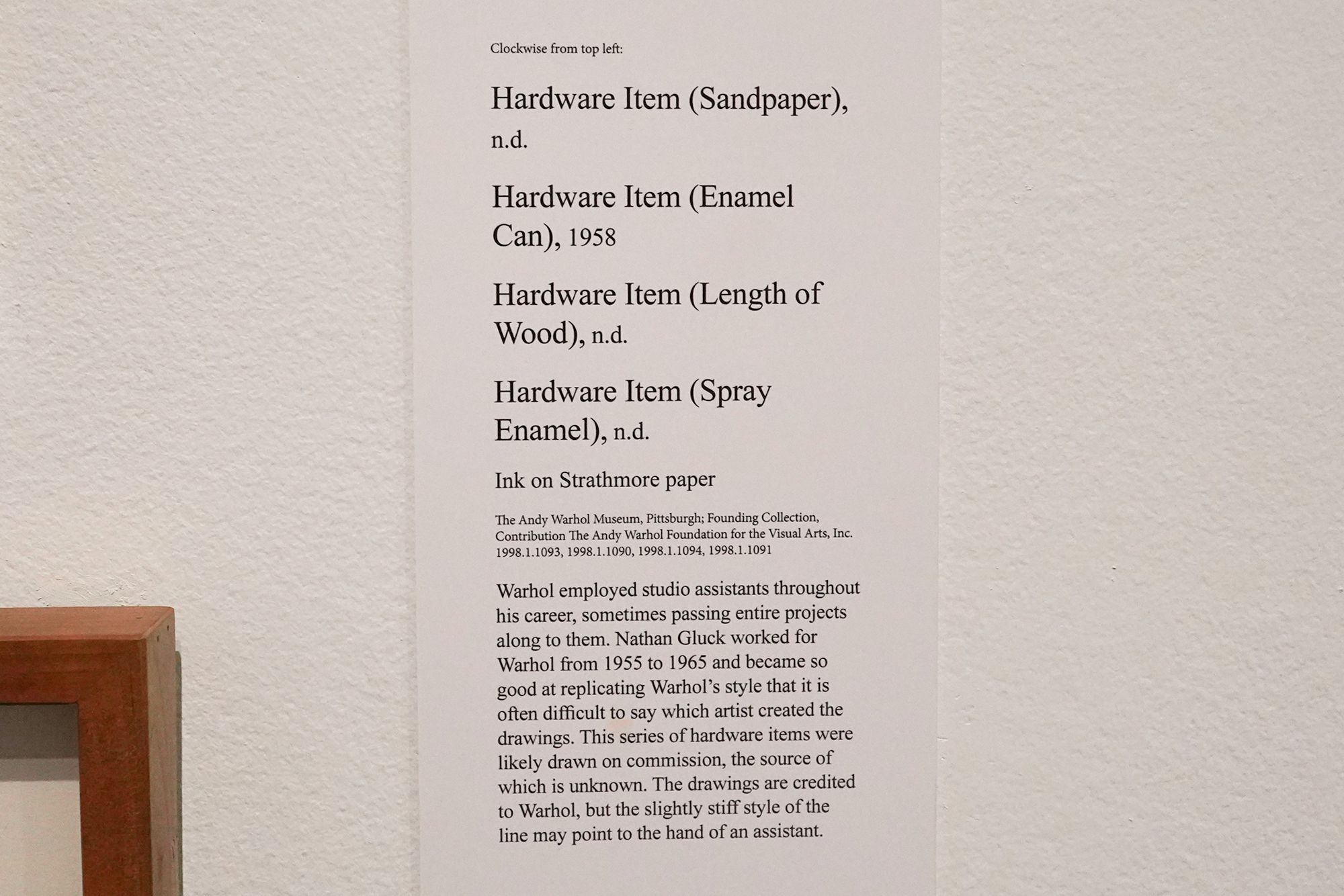
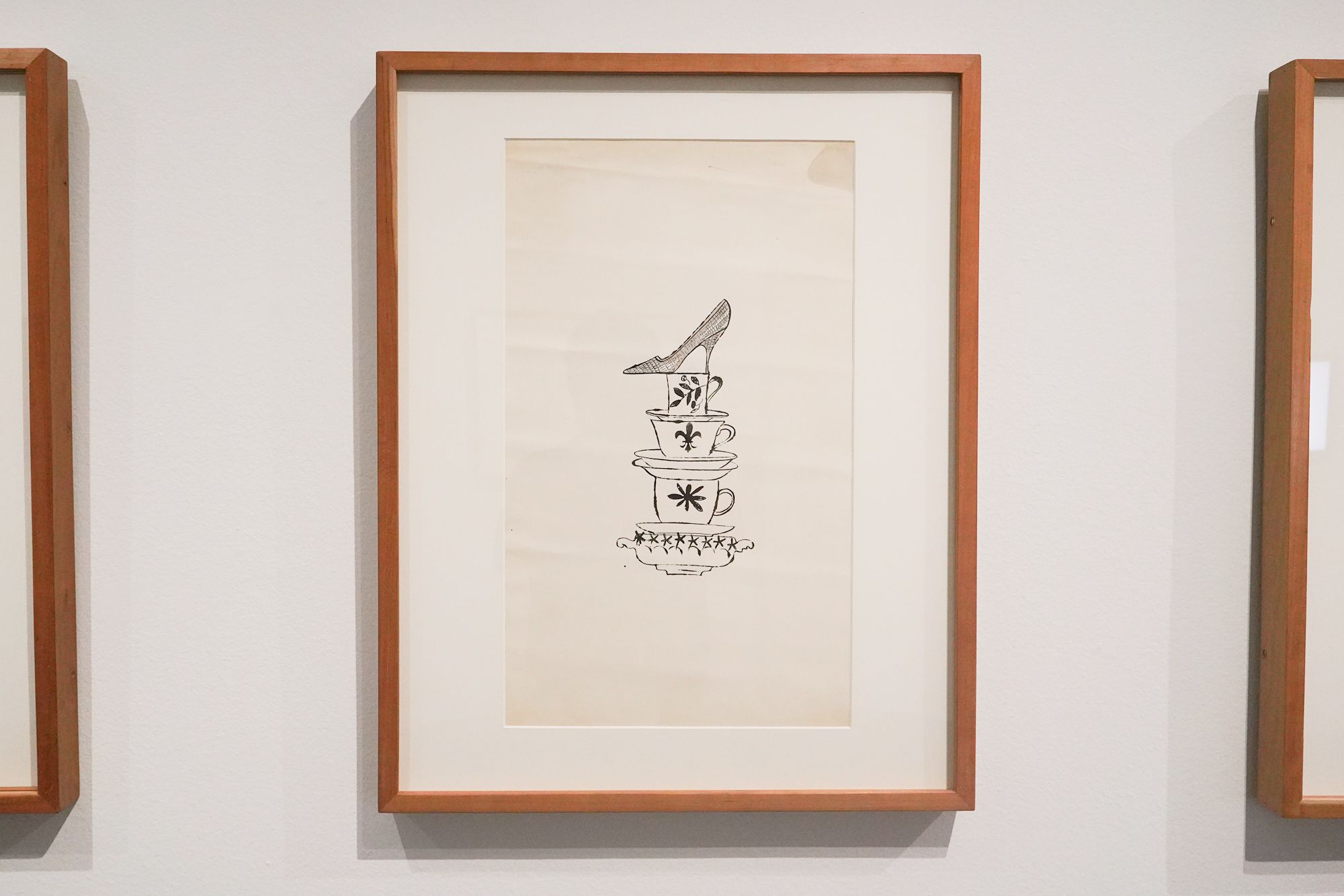
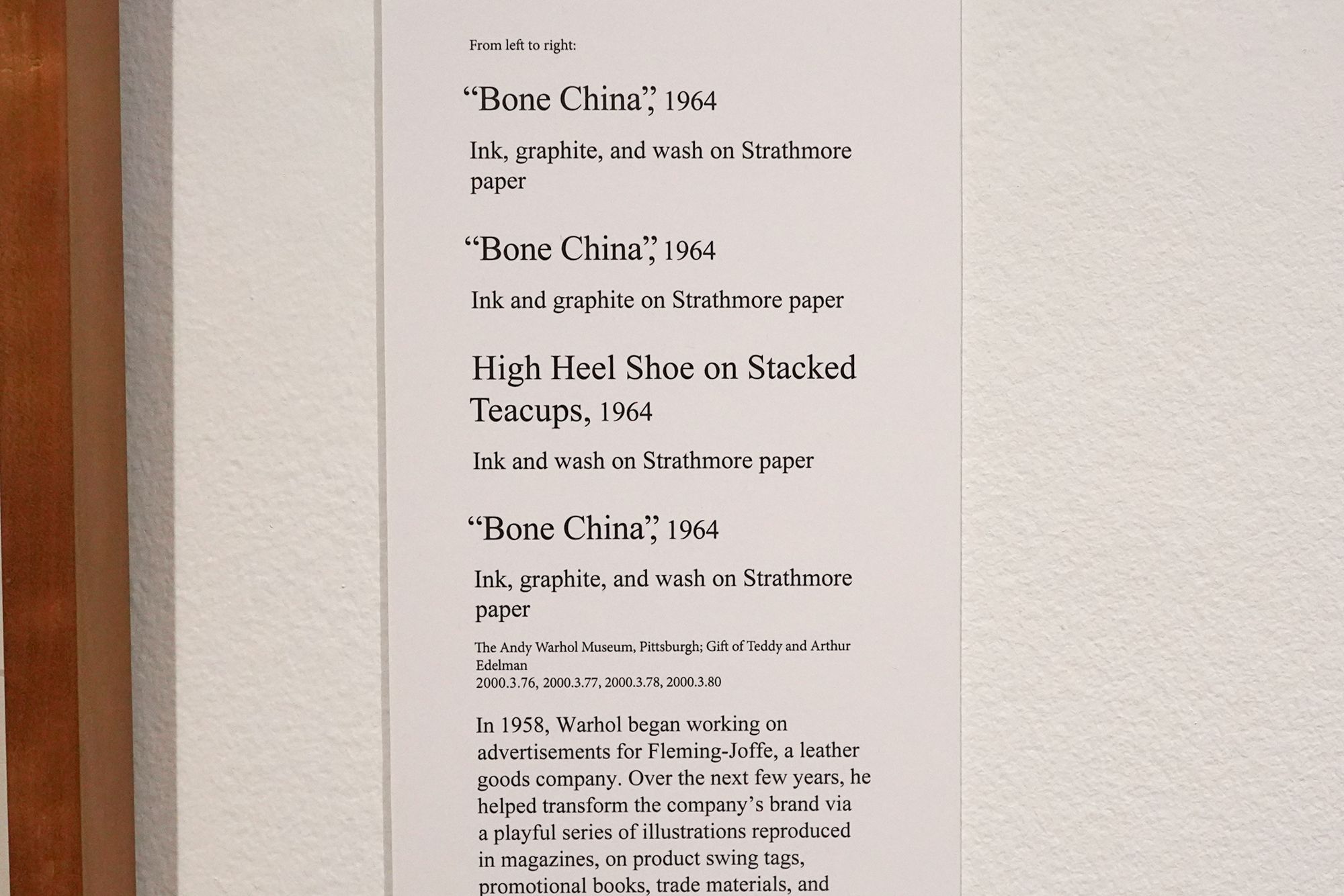
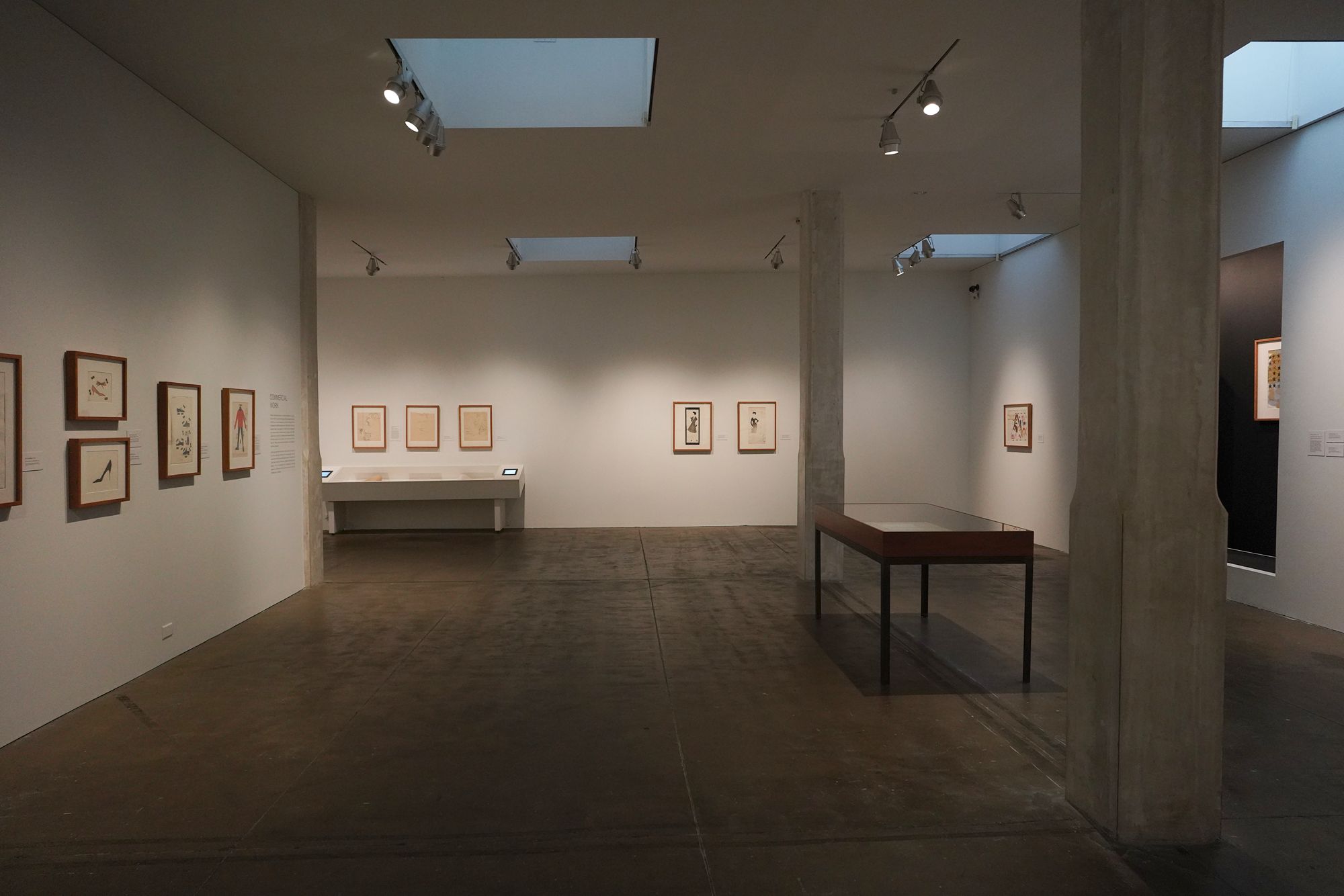
The blotted line technique is an early drawing method developed by Andy Warhol, blending drawing with printmaking.
Warhol drew an image in ink on one sheet of paper, then pressed a second sheet on top while the ink was still wet. When the papers were pulled apart, the ink transferred unevenly, creating a broken, dotted, or “blotted” line. He often reinforced parts by hand, mixing mechanical repetition with personal touch.
The result feels delicate, imperfect, and slightly mechanical at the same time. This technique suited Warhol’s early commercial illustrations—especially shoes and figures—and foreshadowed his later fascination with repetition, mass production, and the tension between handmade art and industrial processes.
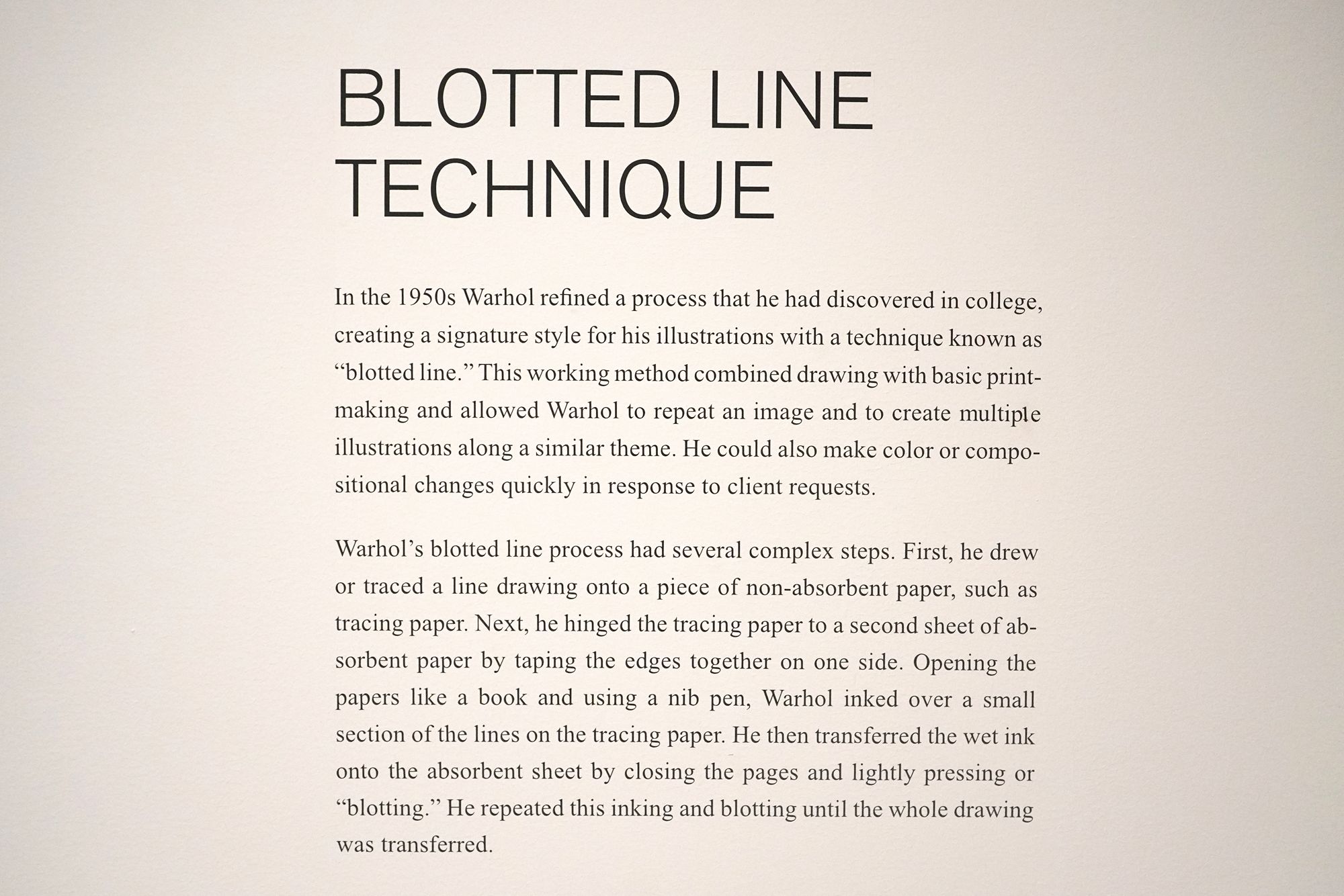
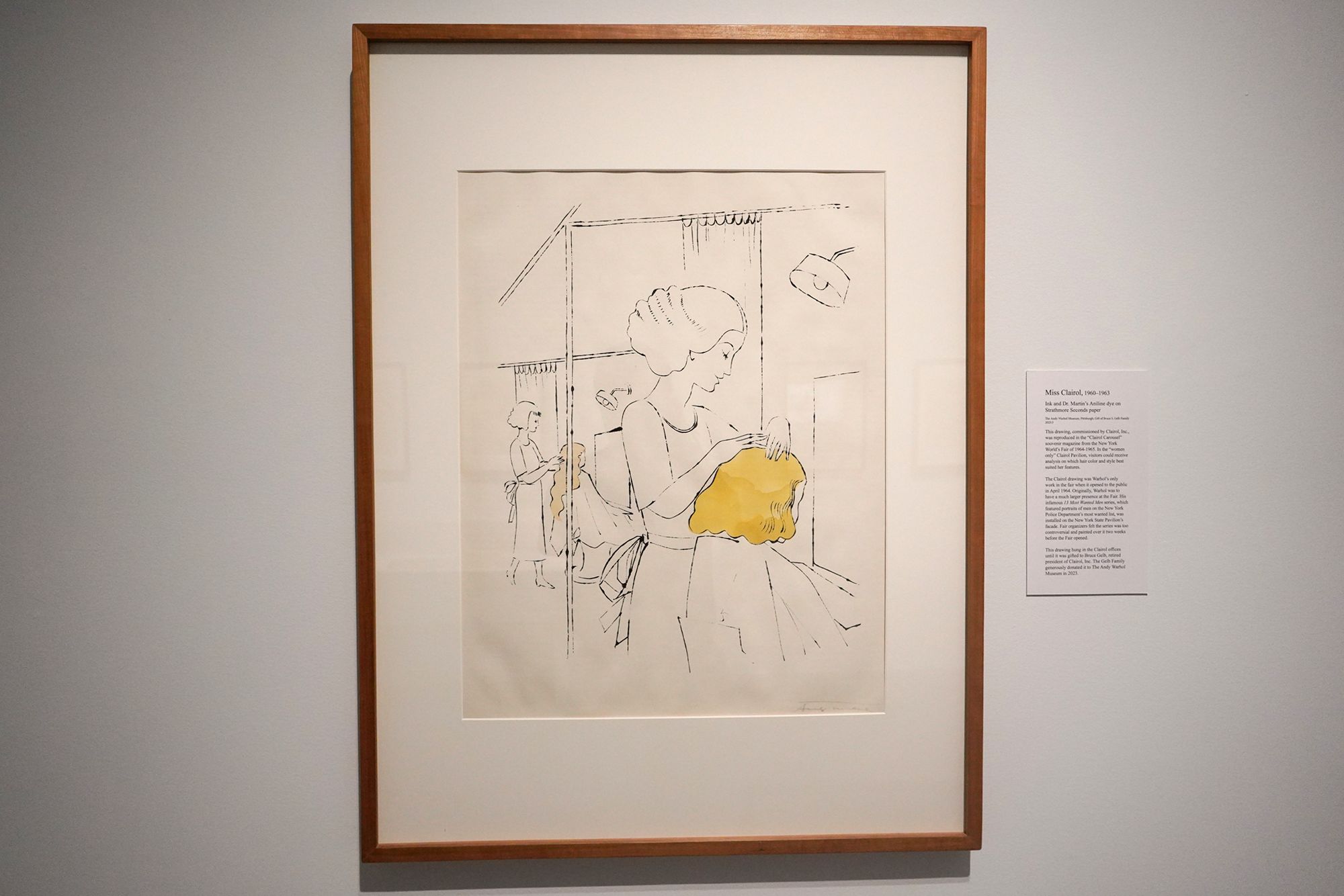
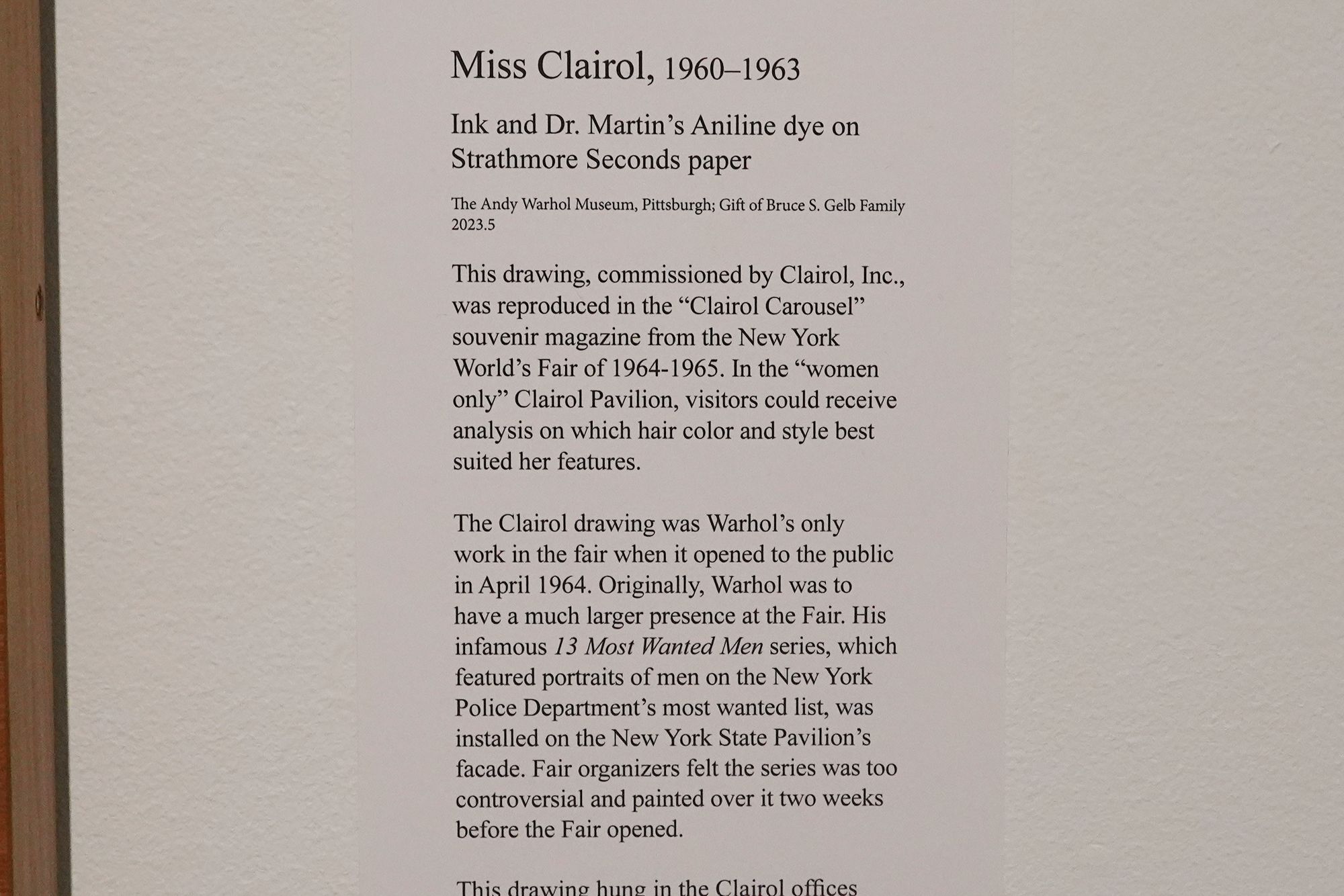
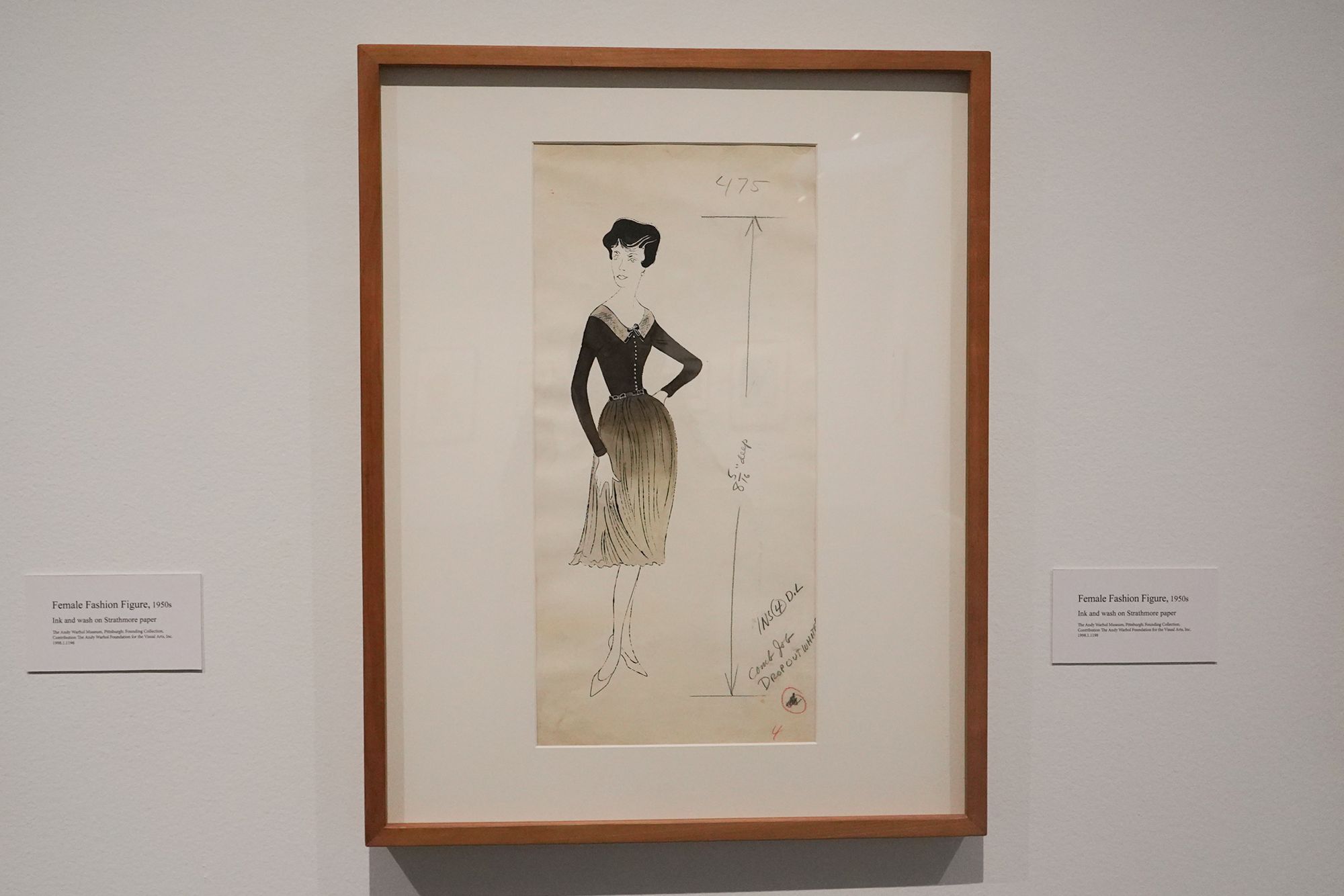
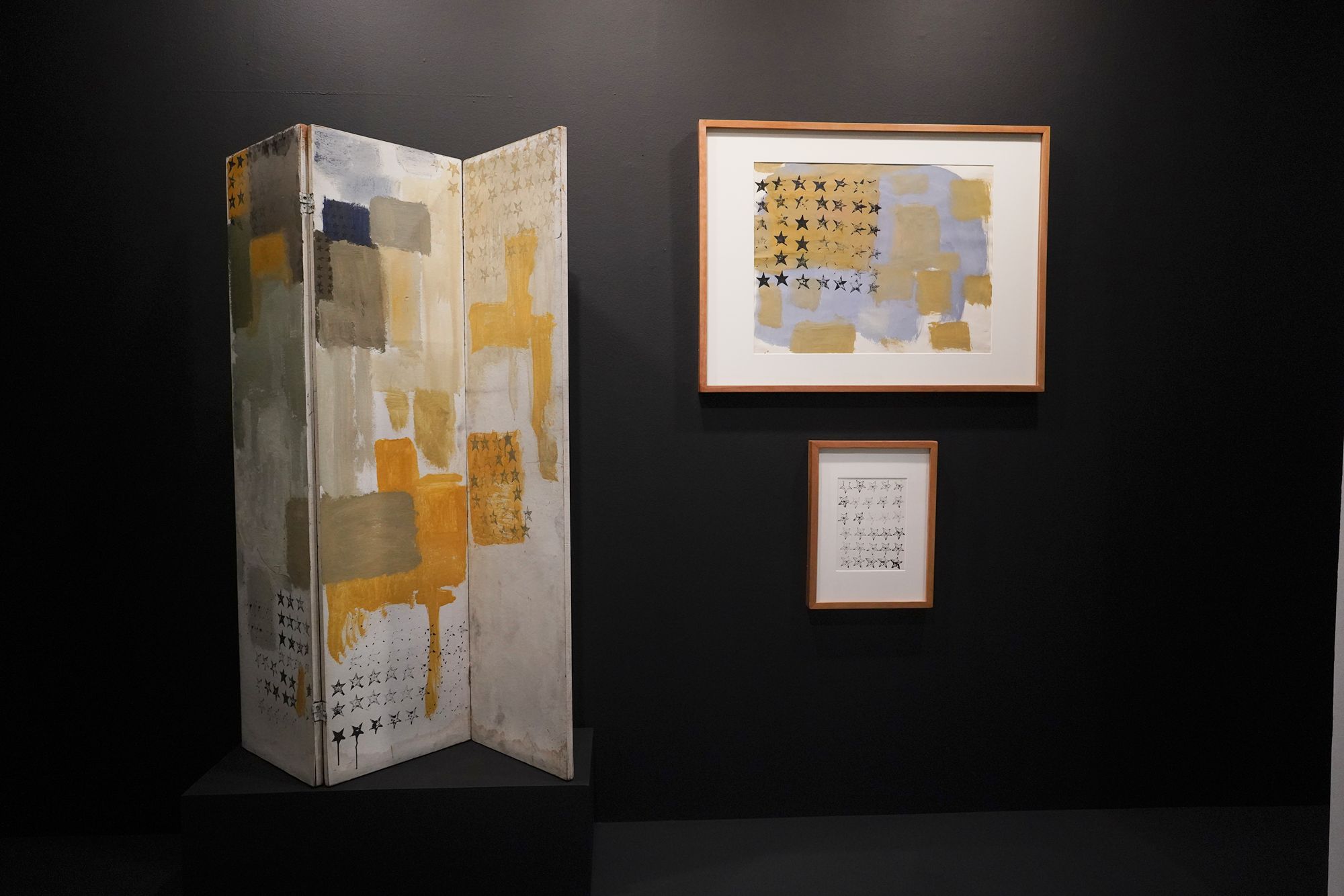
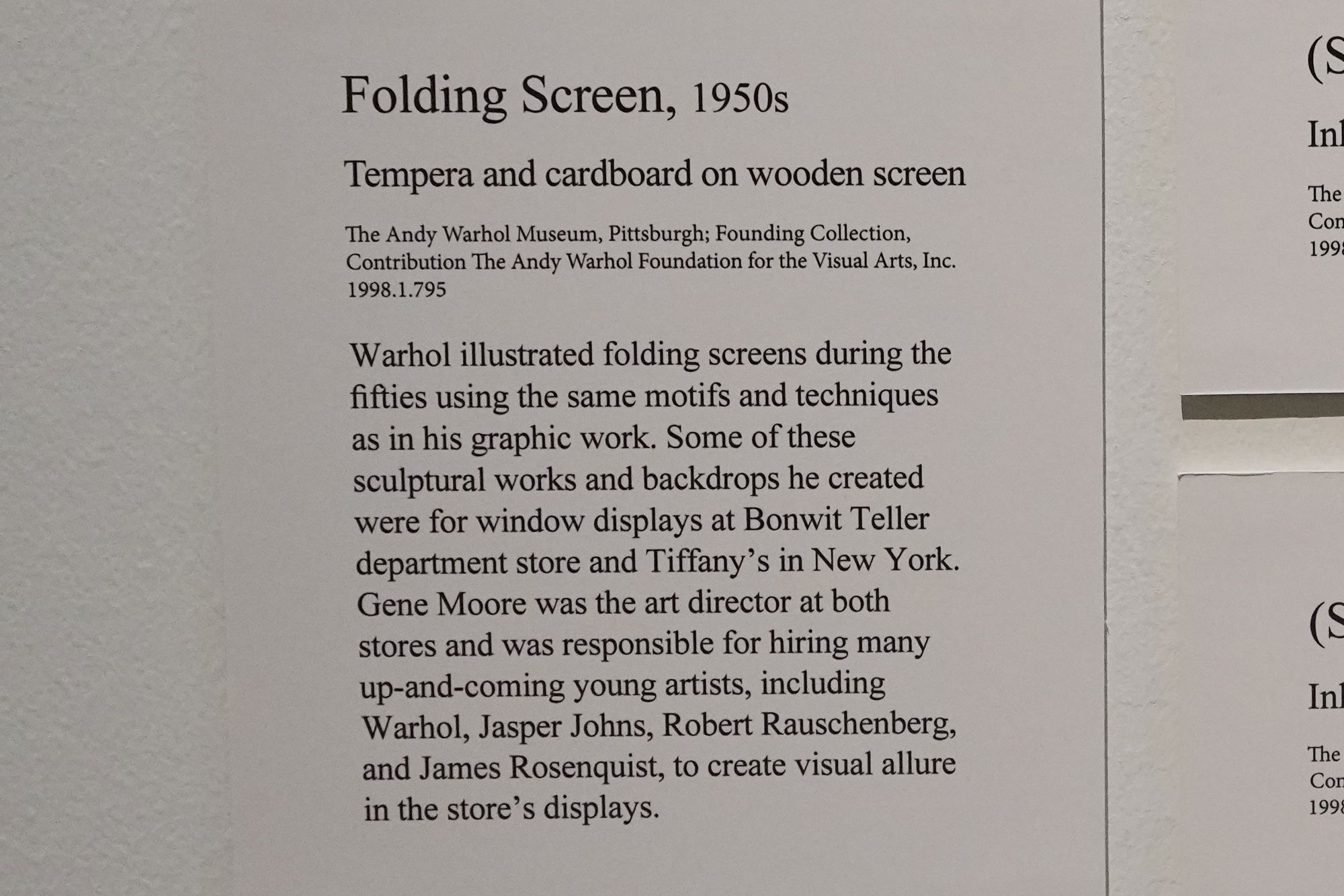
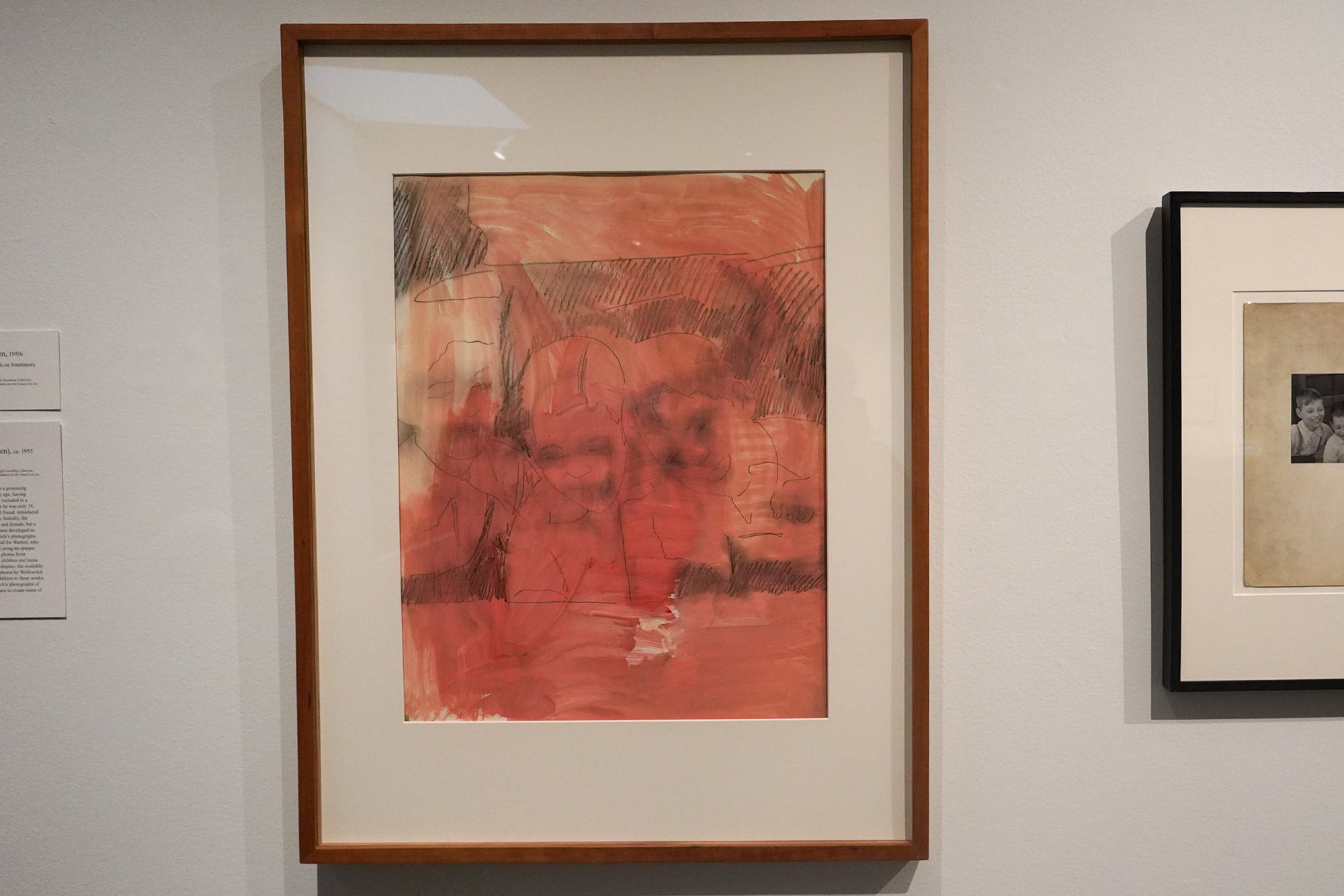
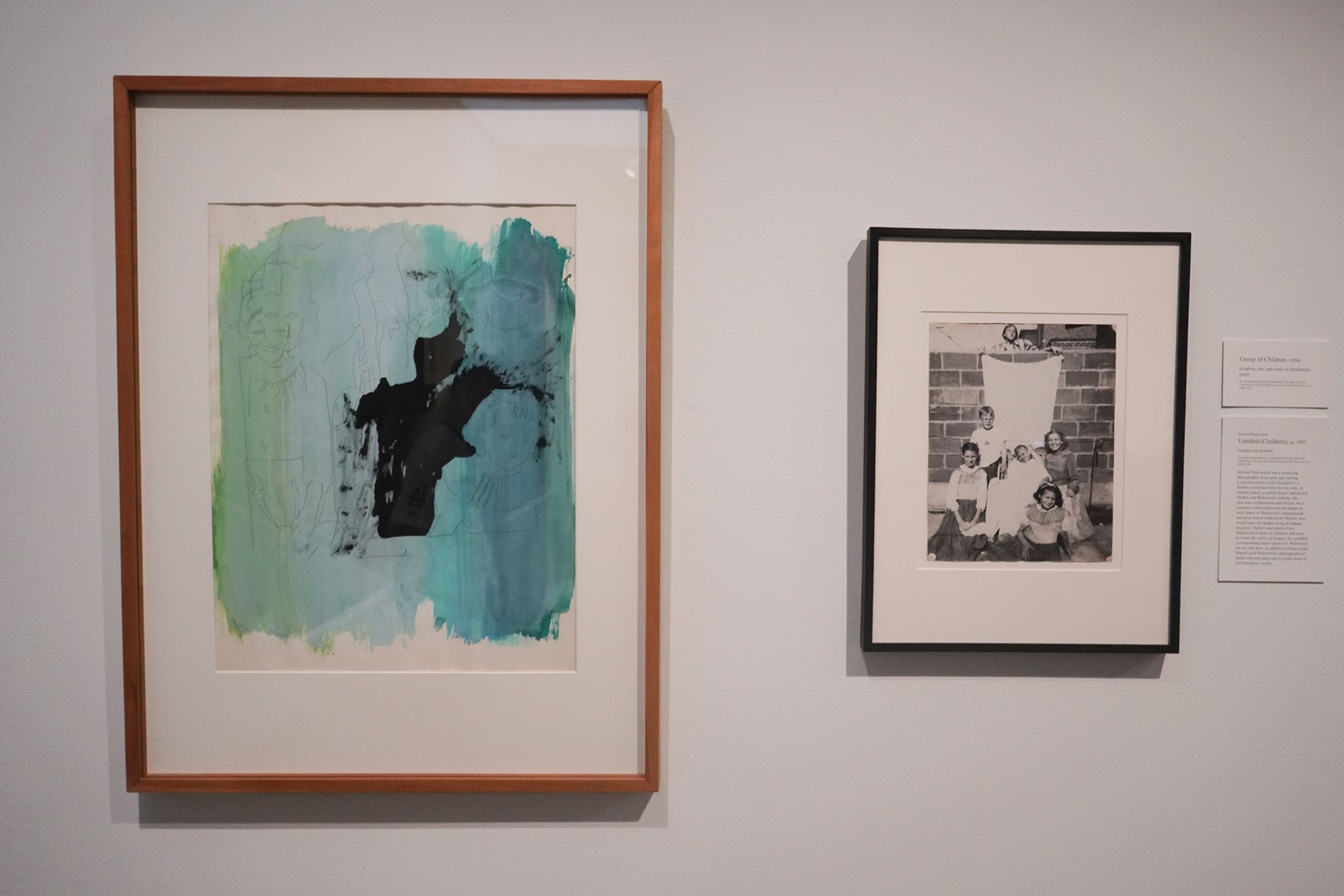
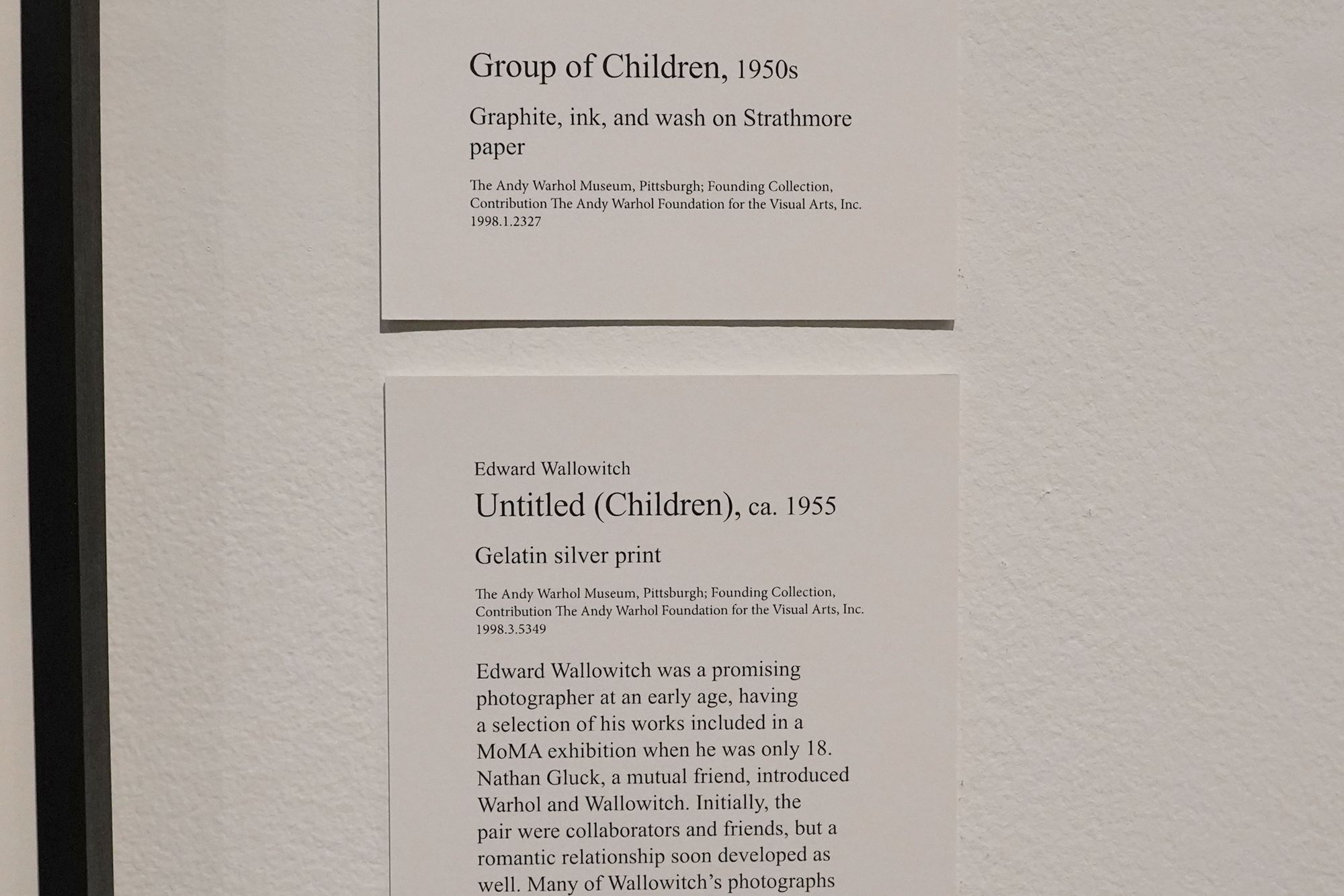
After moving to New York in the late 1940s, Andy Warhol entered the world of commercial illustration to make a living. He quickly found success drawing for magazines, record covers, and fashion advertising, especially in the shoe industry. His distinctive blotted line technique set his work apart, combining elegance with a slightly mechanical look that appealed to editors and designers.
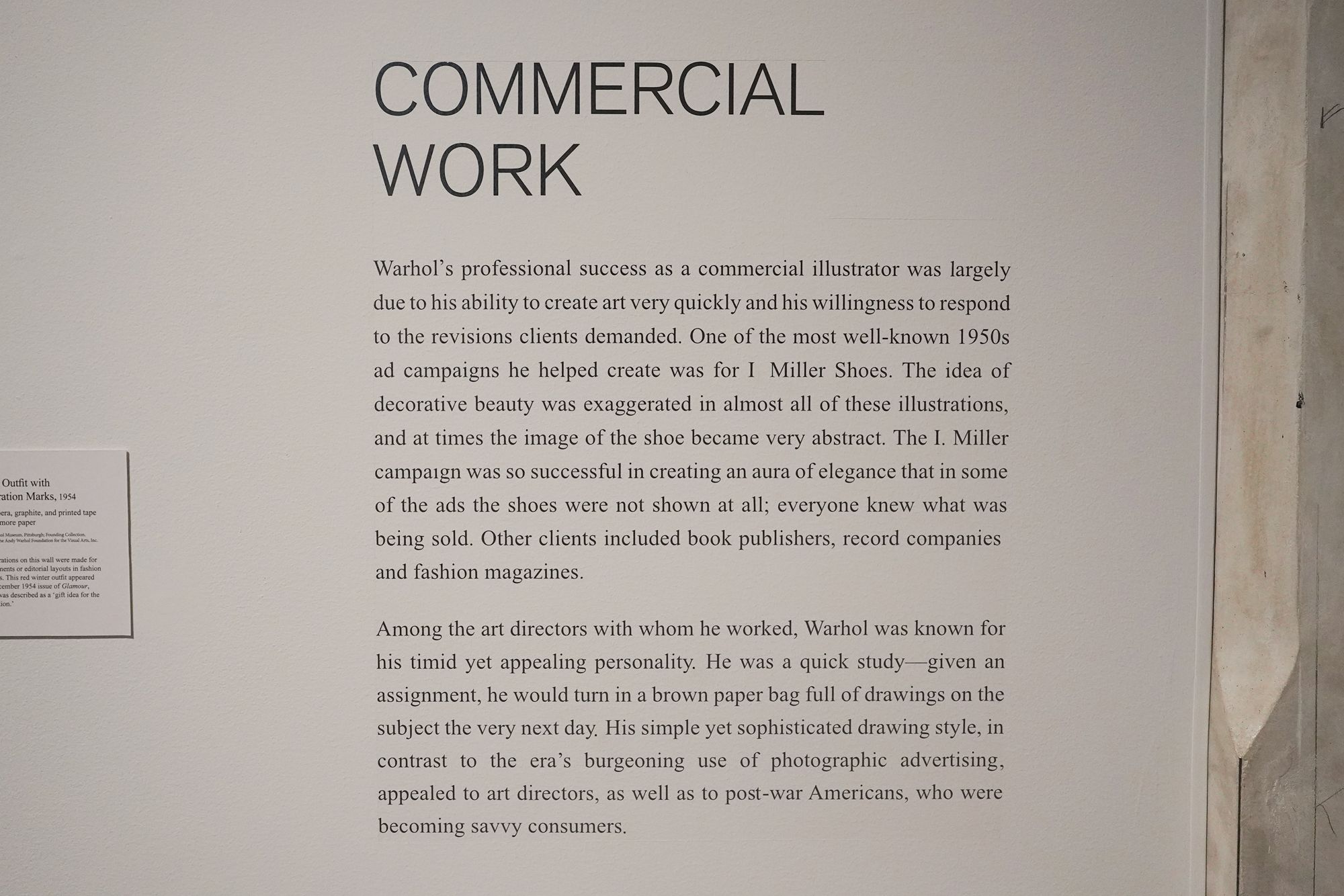
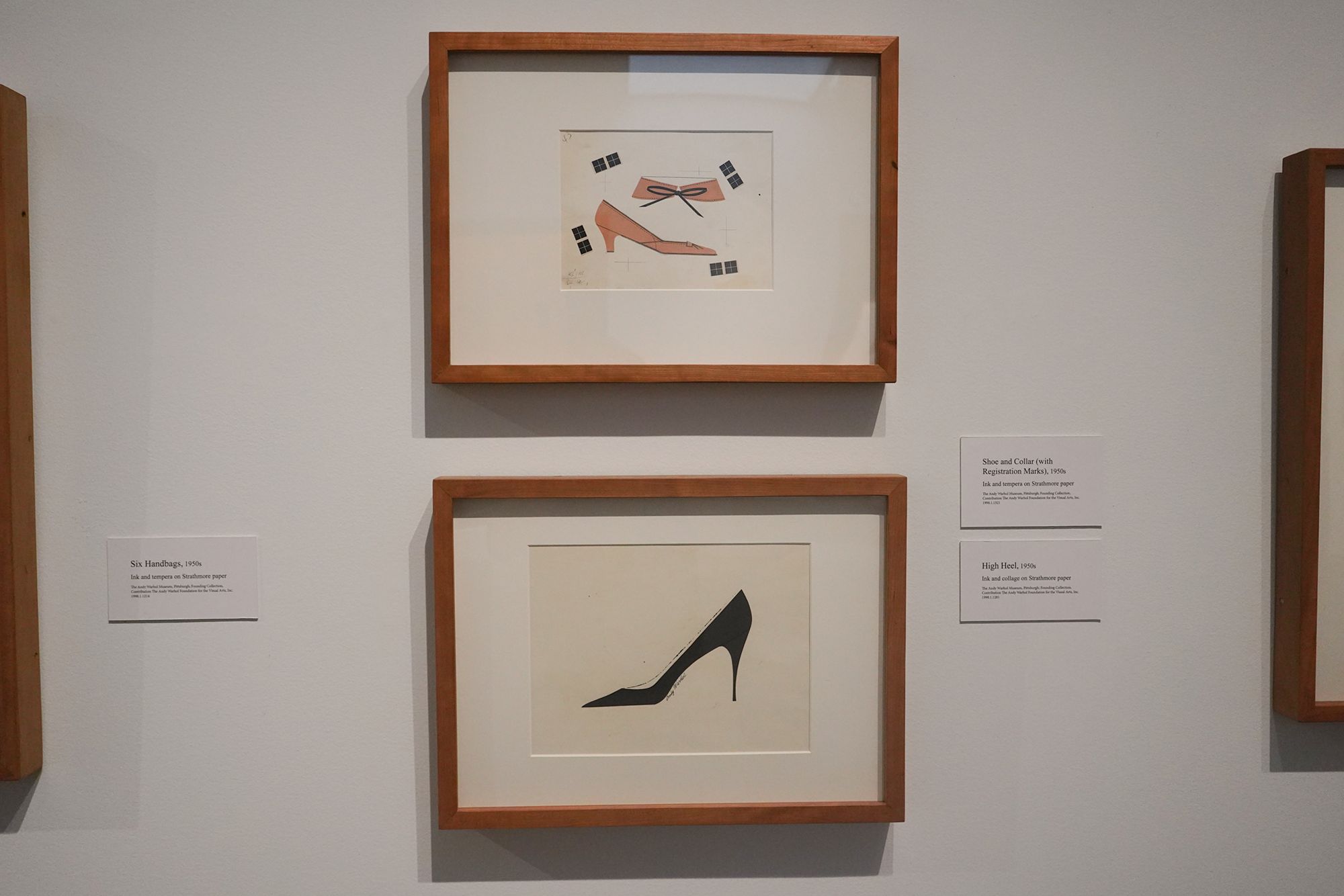
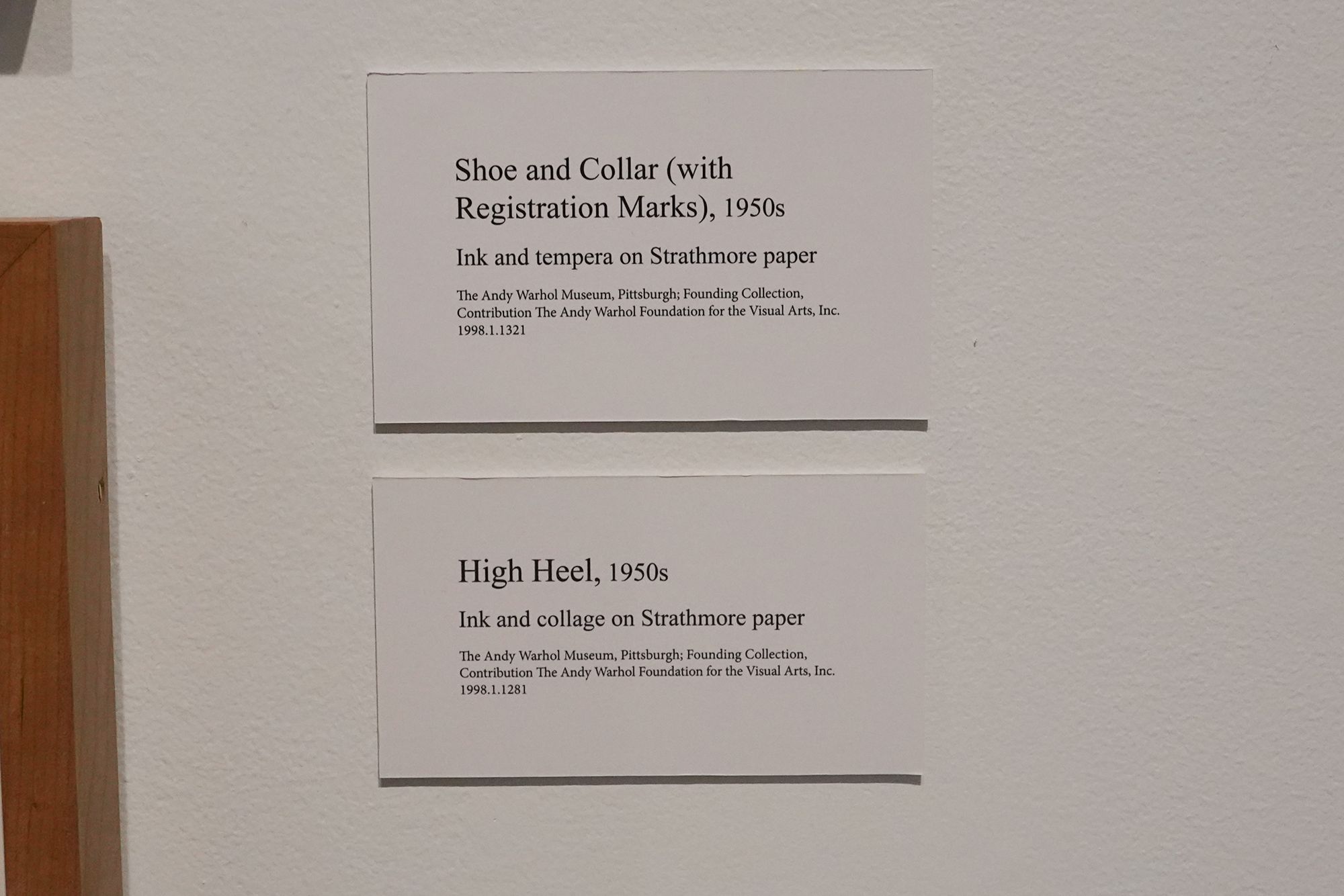
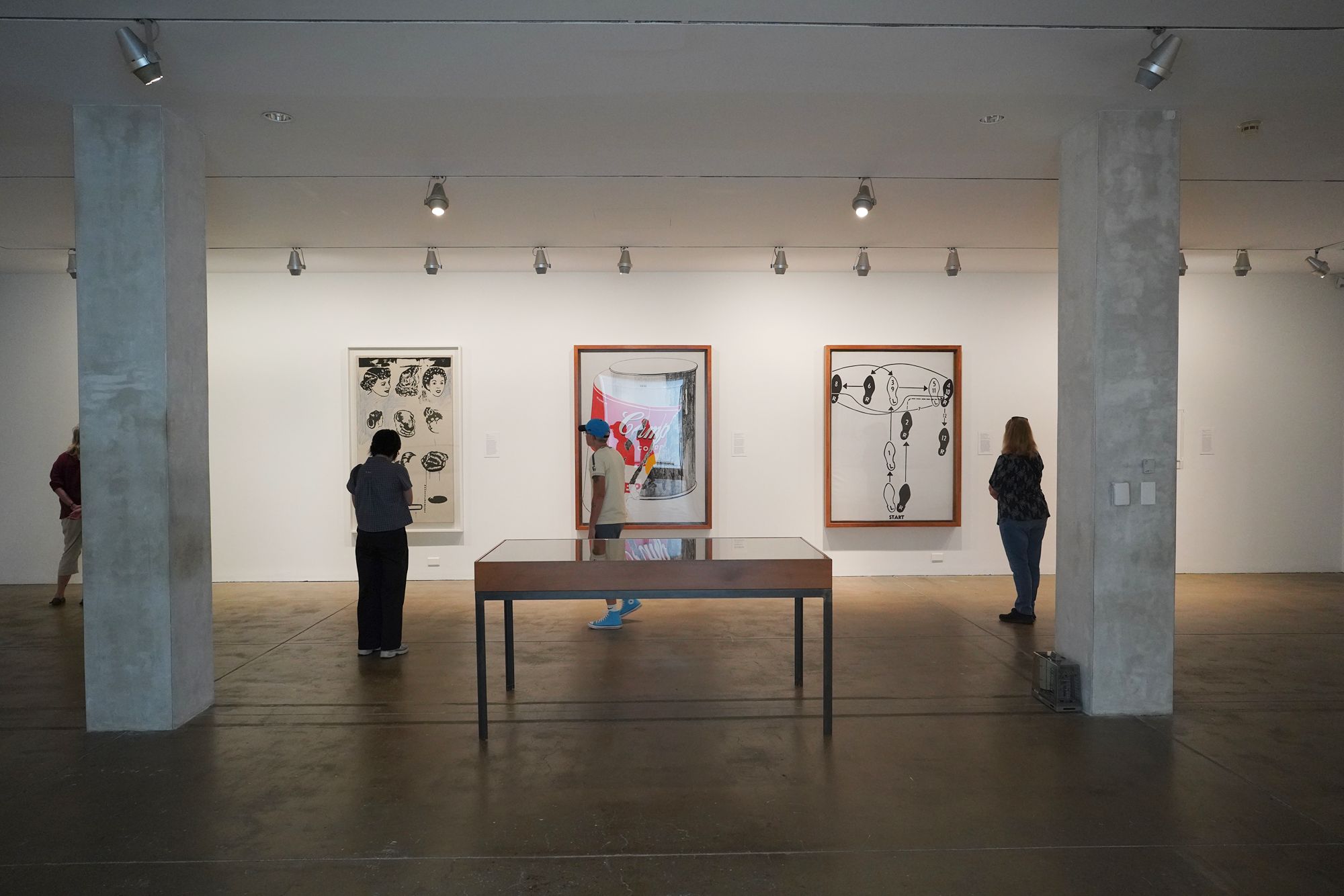
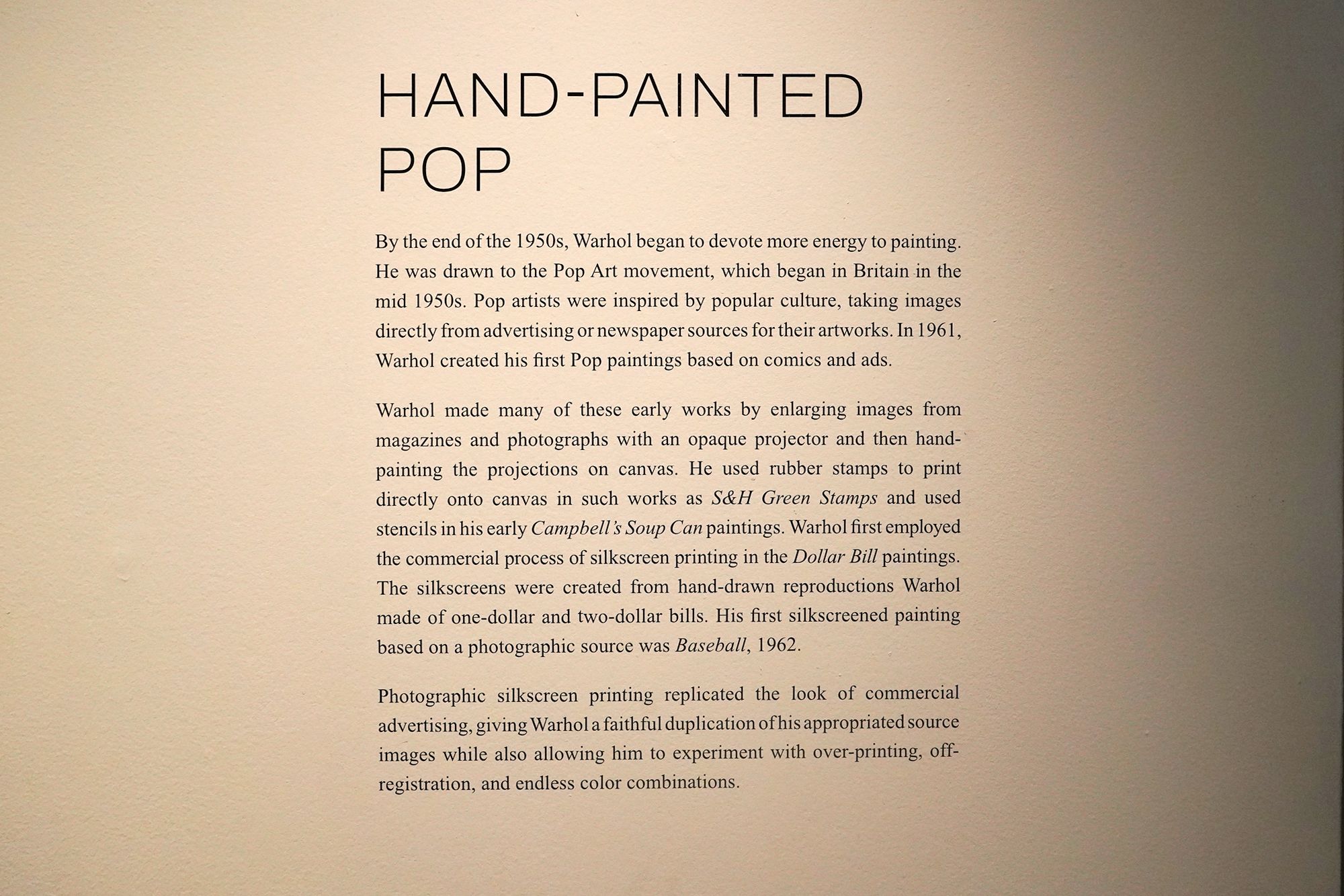
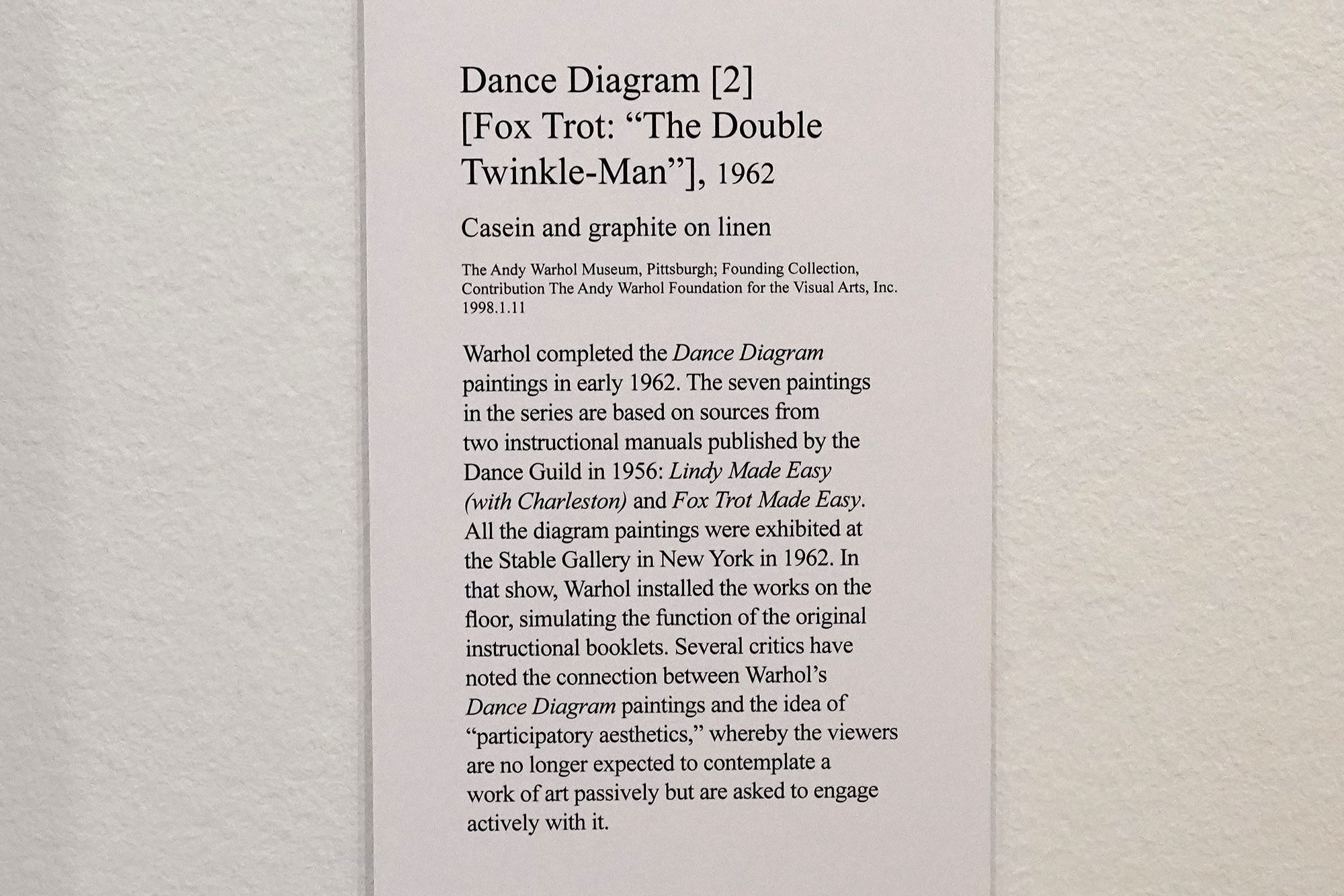
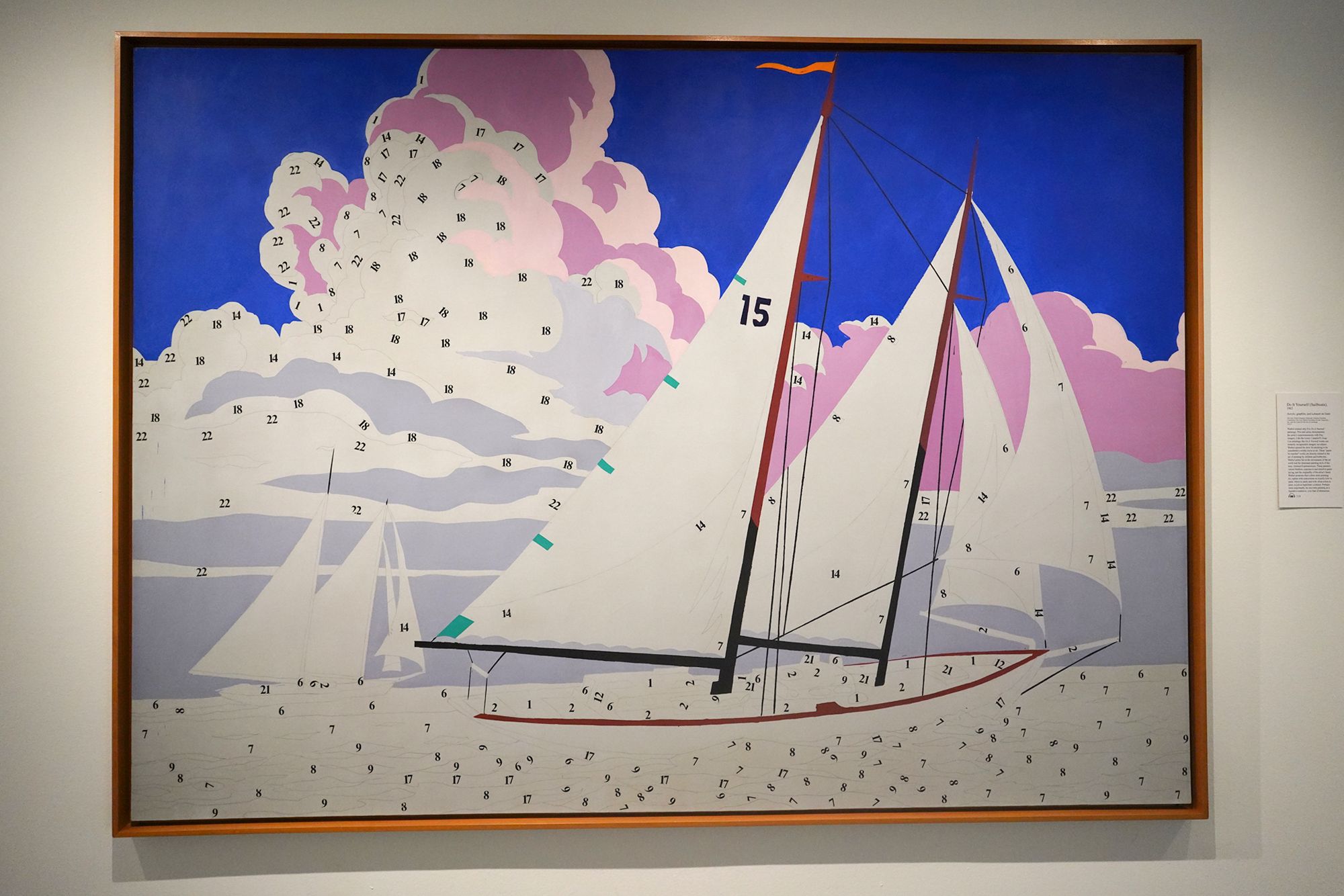
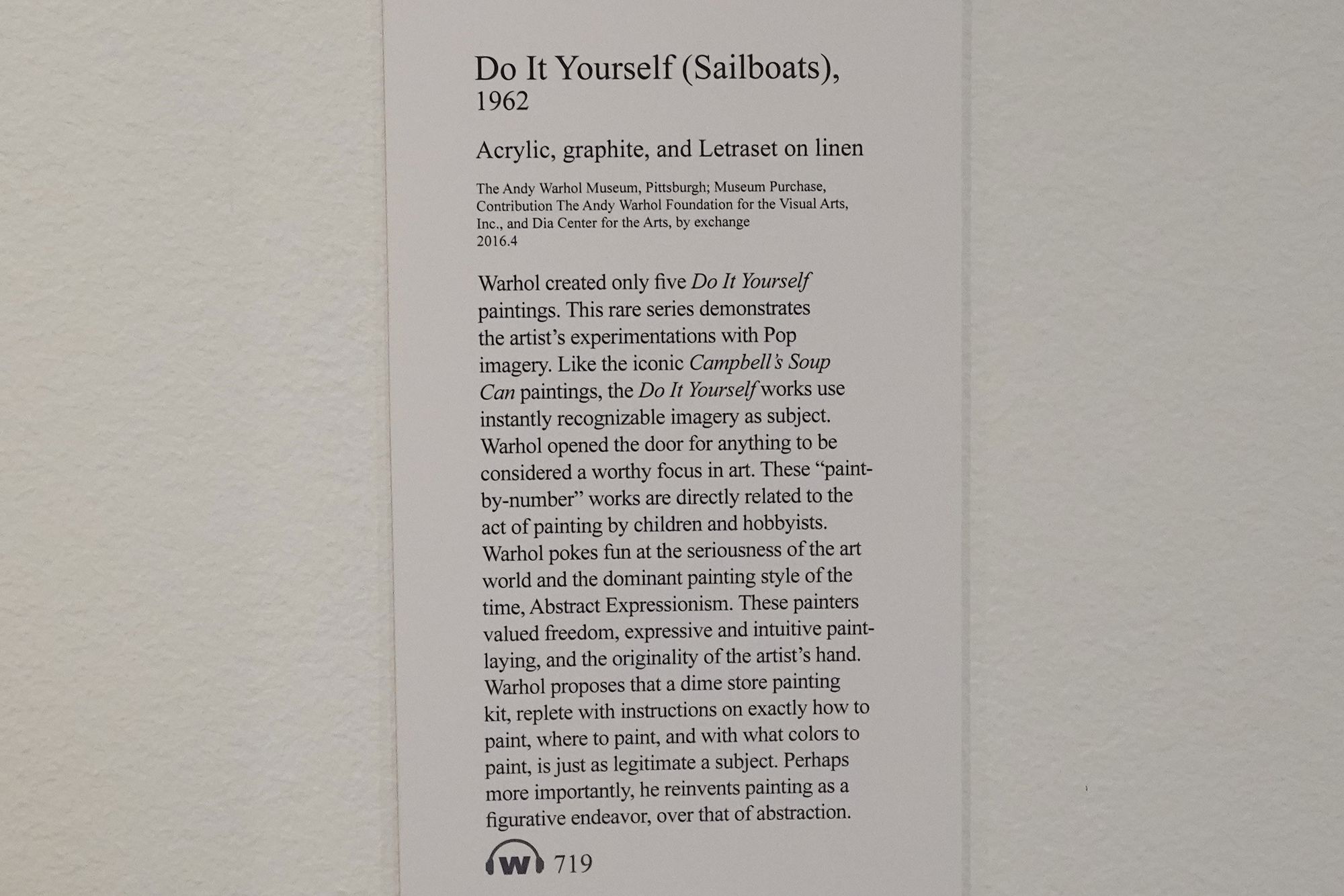
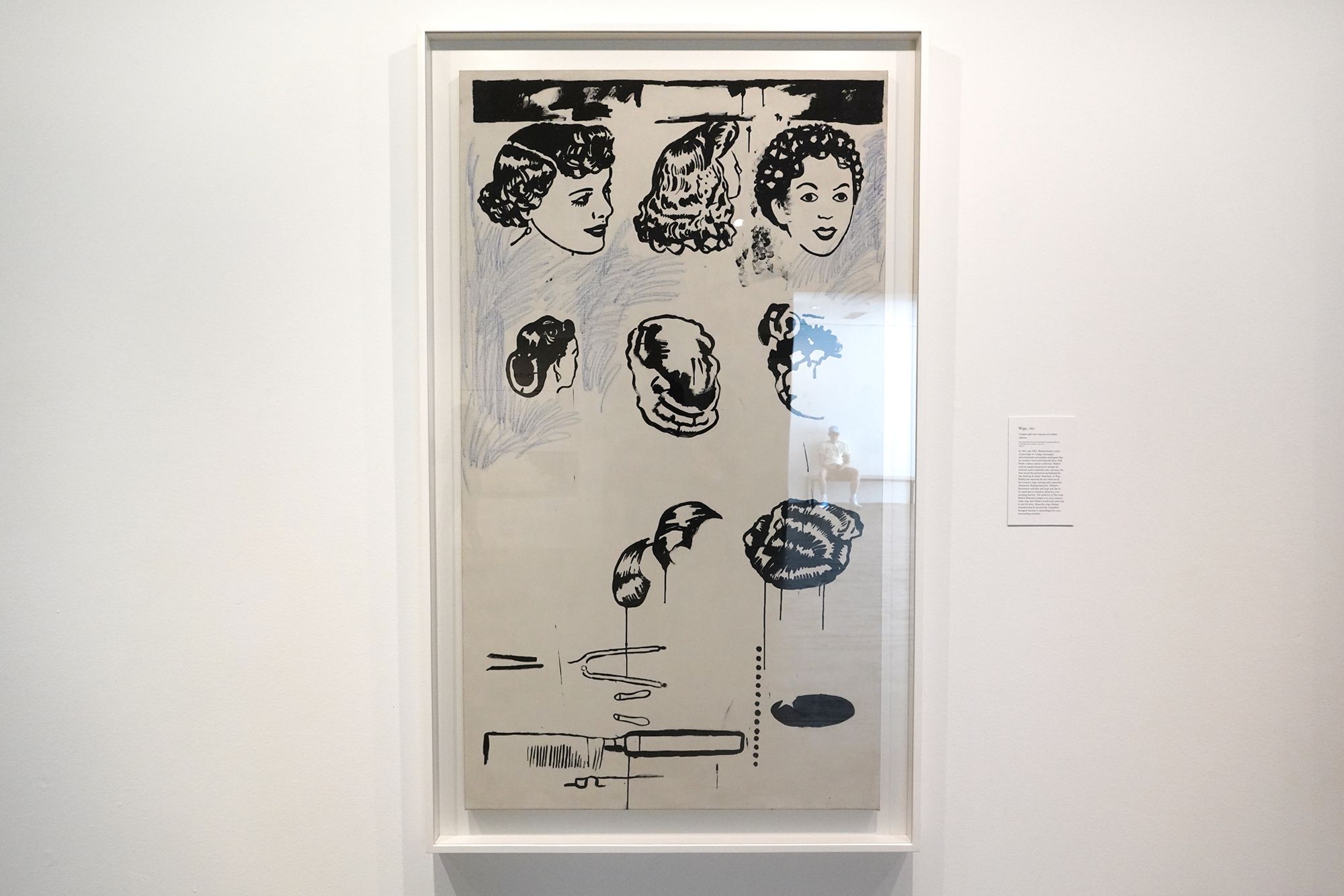
Andy Warhol began hand-painted Pop Art in the late 1950s as a deliberate break from both commercial illustration and abstract expressionism.
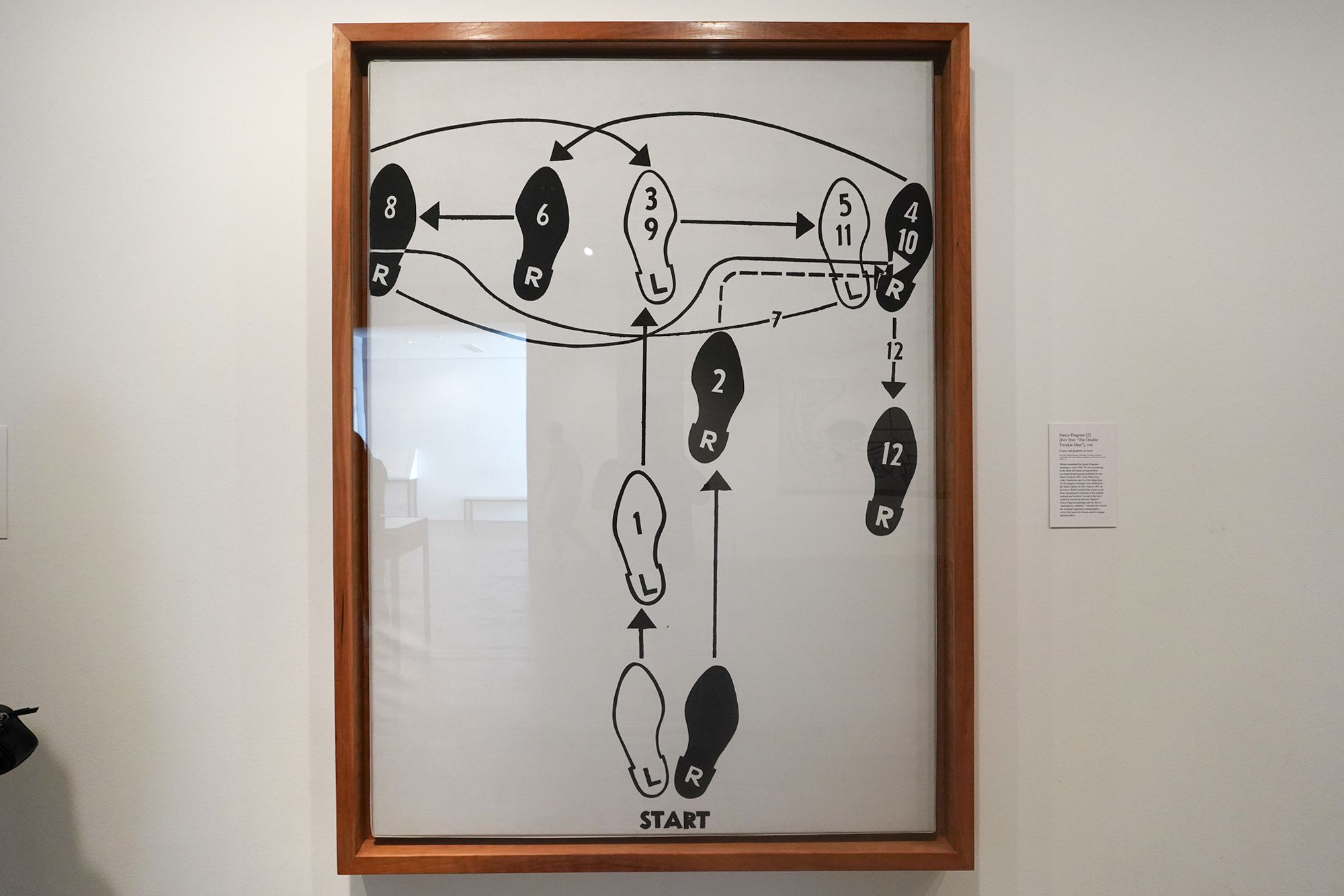
After achieving success as a commercial illustrator in New York, Warhol became interested in the imagery of everyday consumer life—advertisements, product packaging, newspapers, and celebrities. His earliest Pop works were hand-painted, not screen-printed. He painted objects like Coca-Cola bottles, dollar bills, and comic-style images, often copying them directly from ads or printed sources.
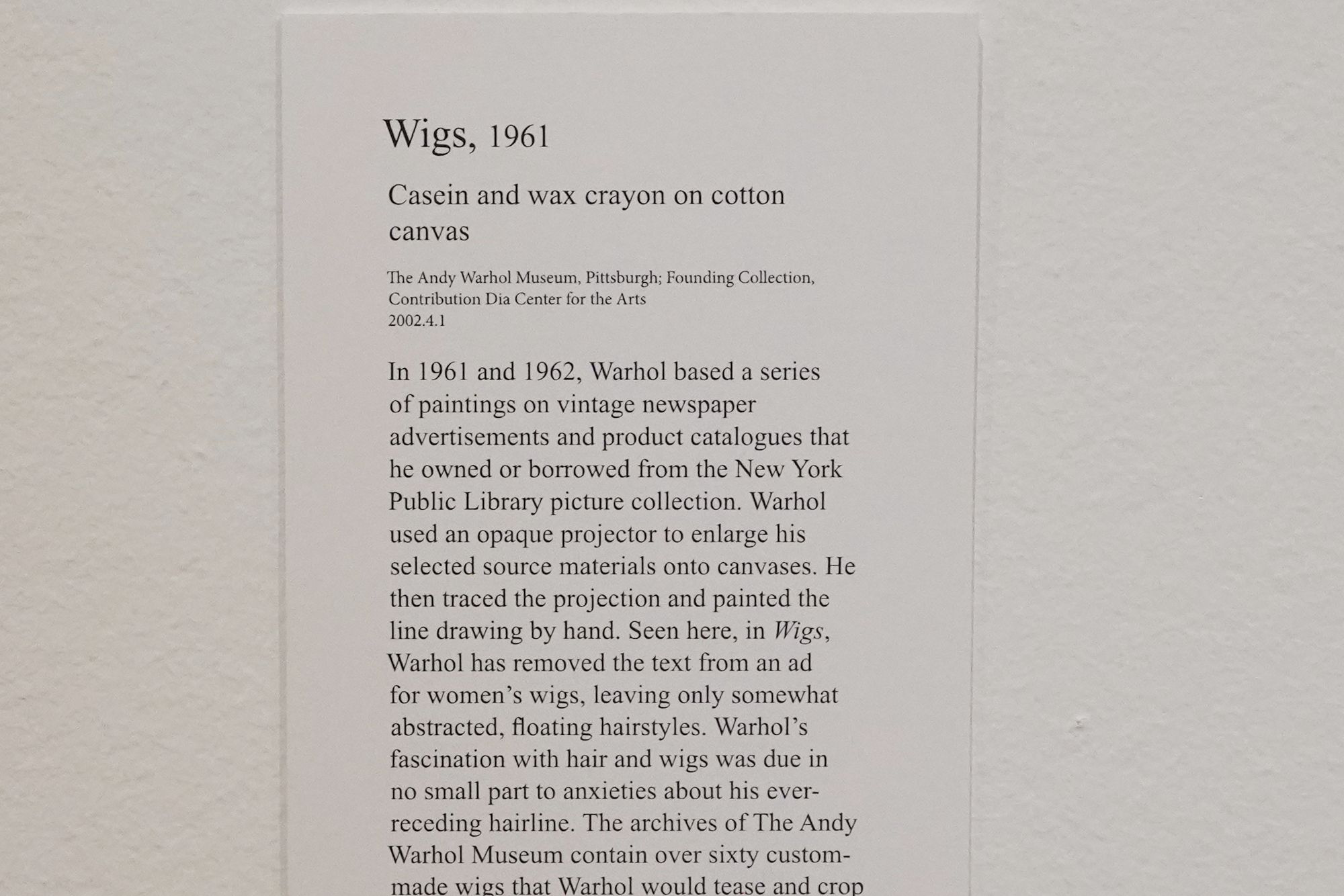
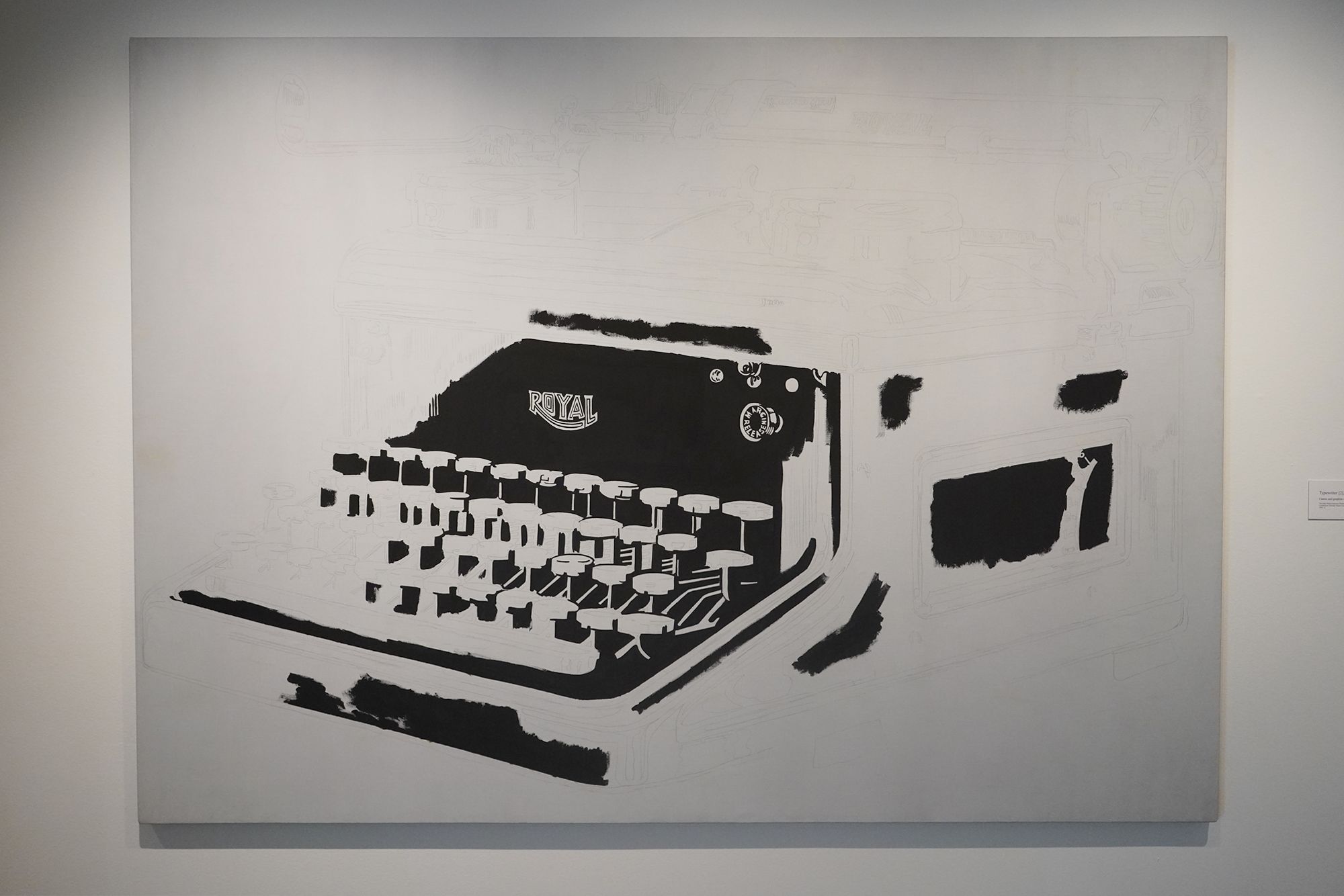

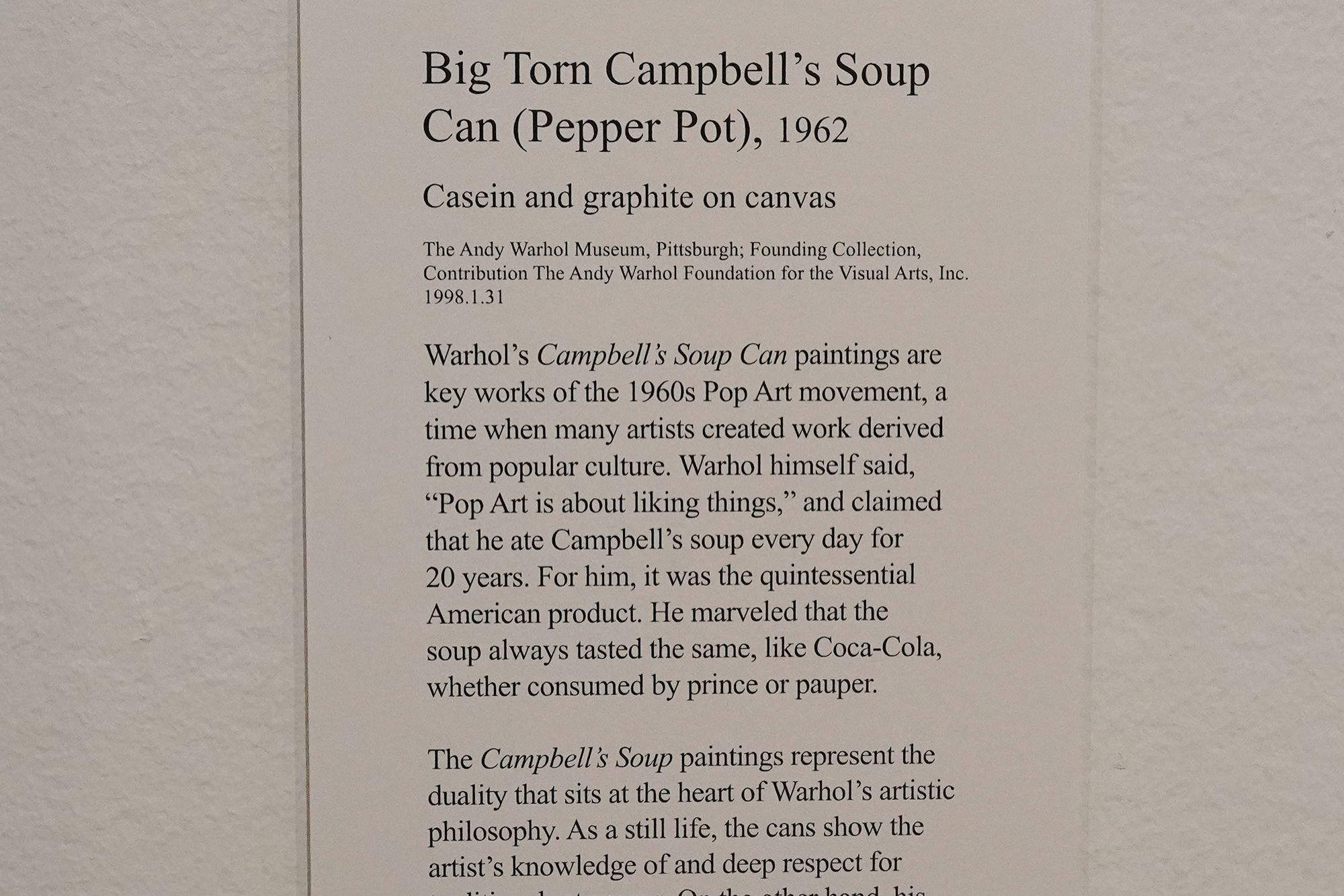
History of his life and work
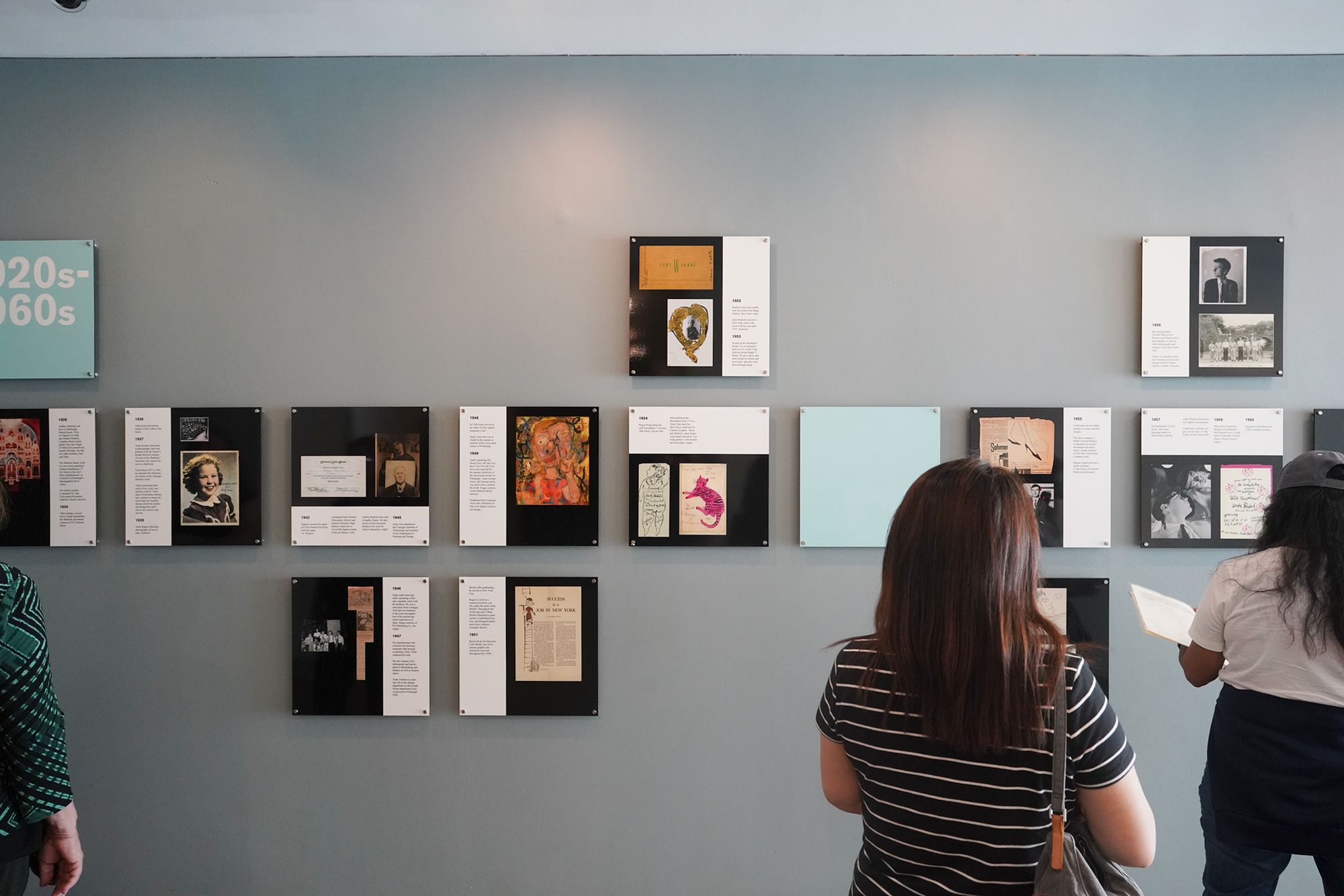
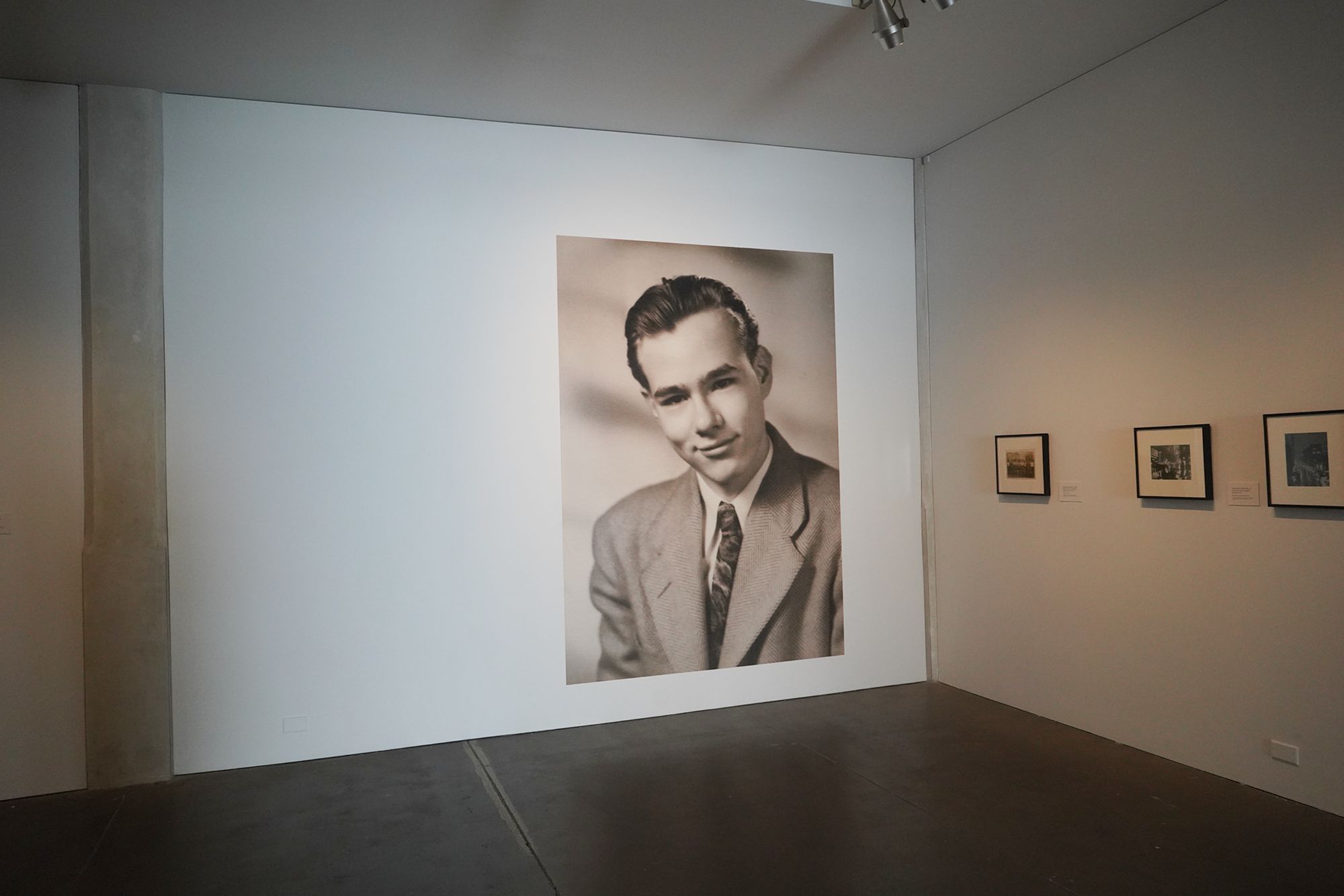
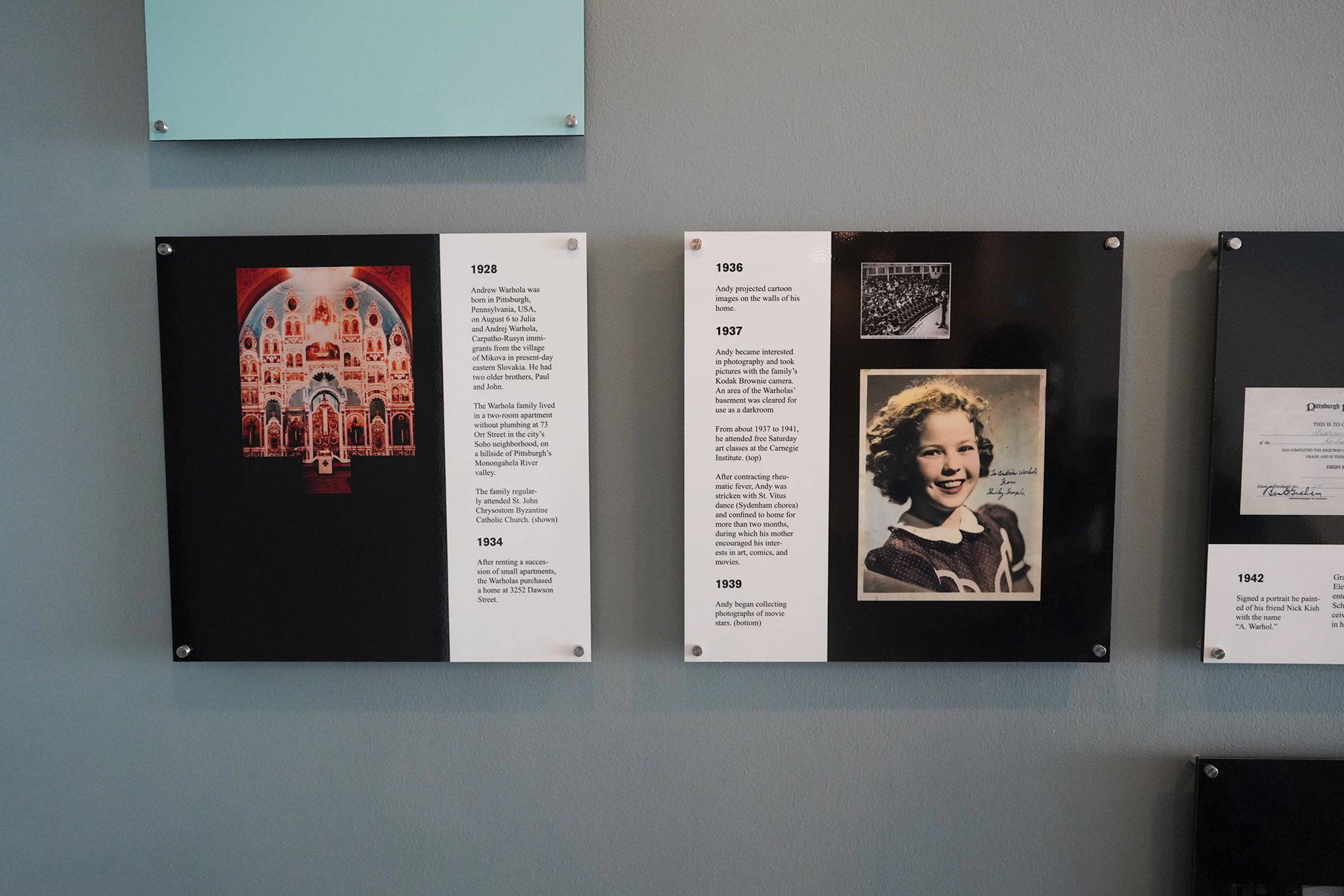
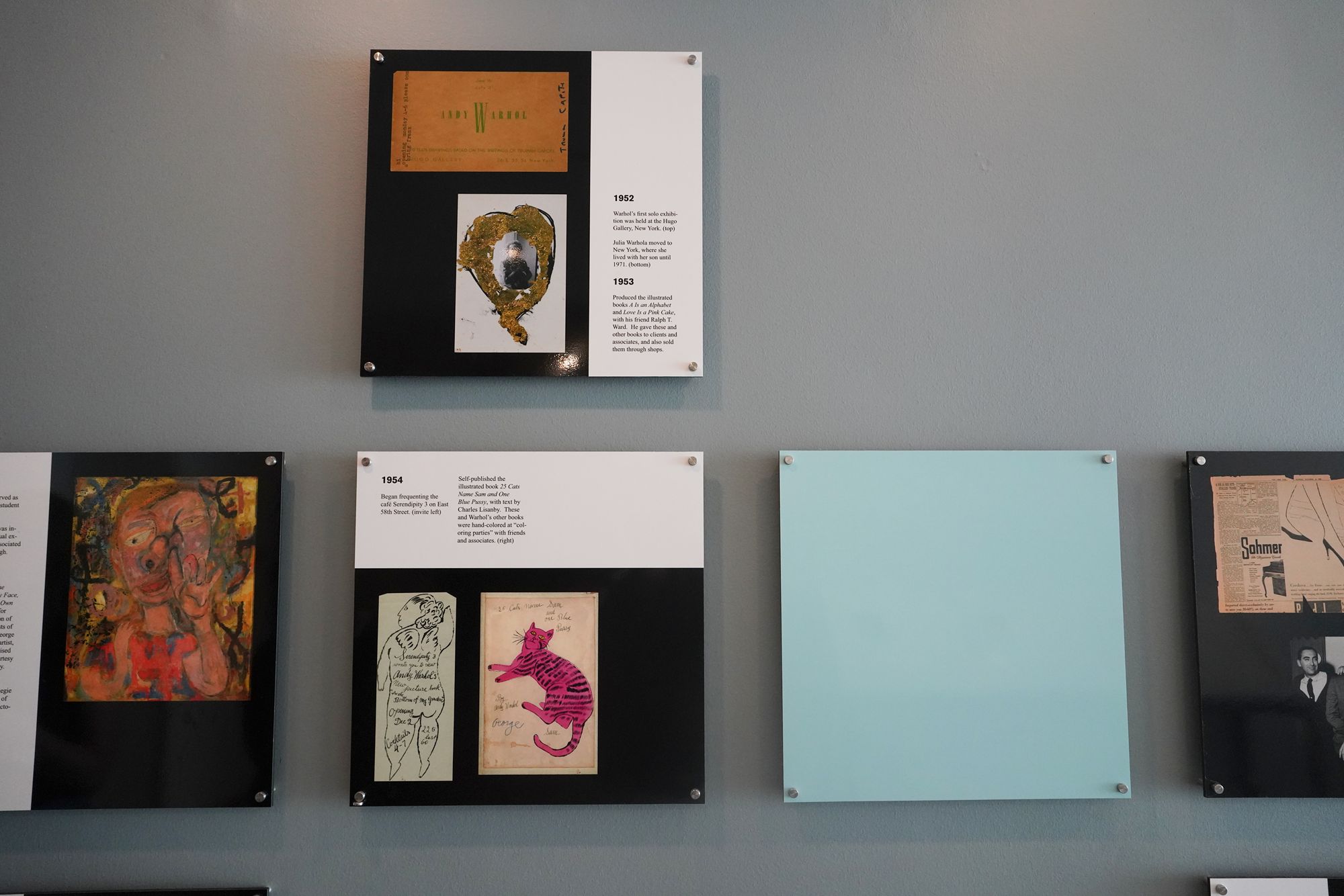
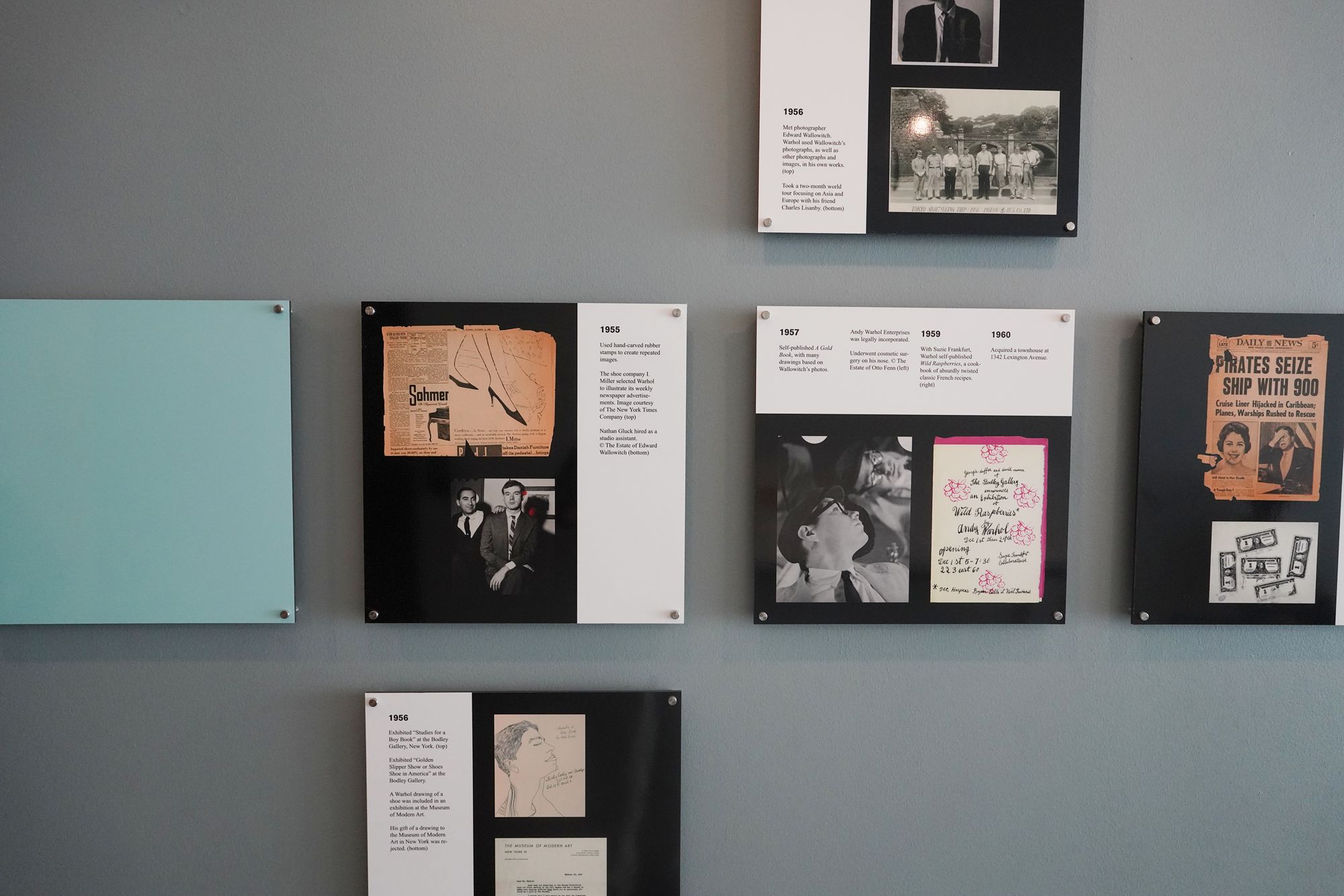
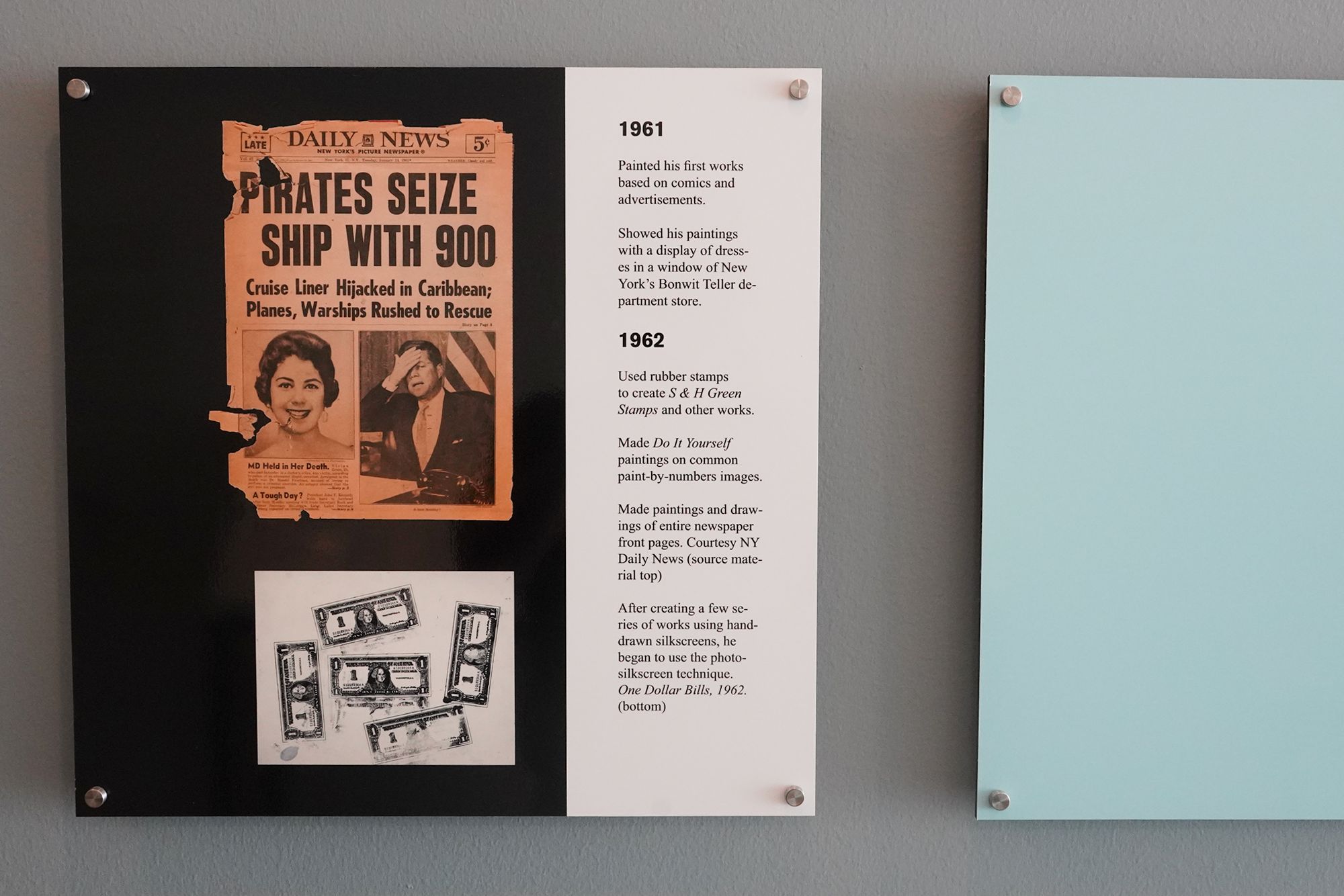
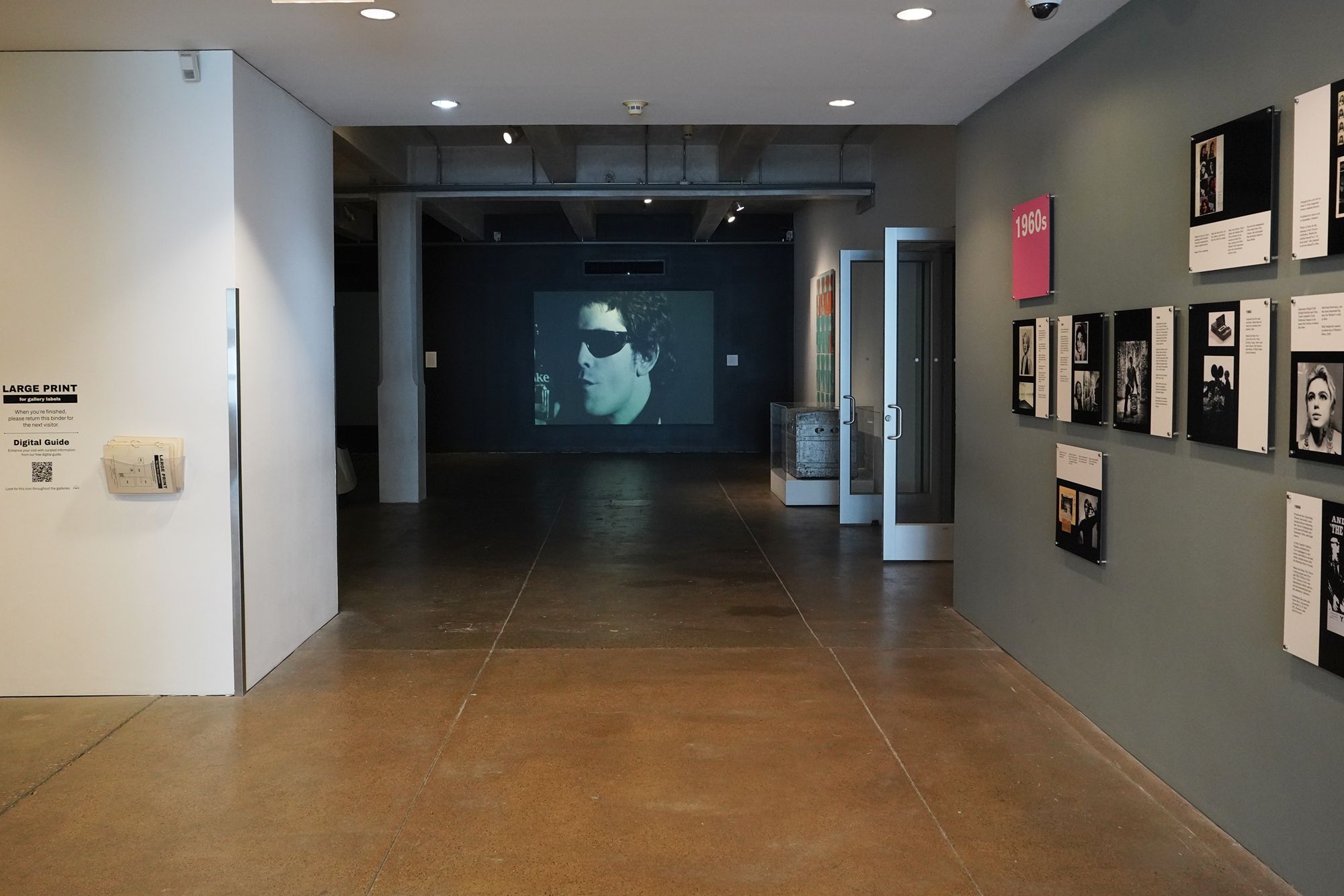
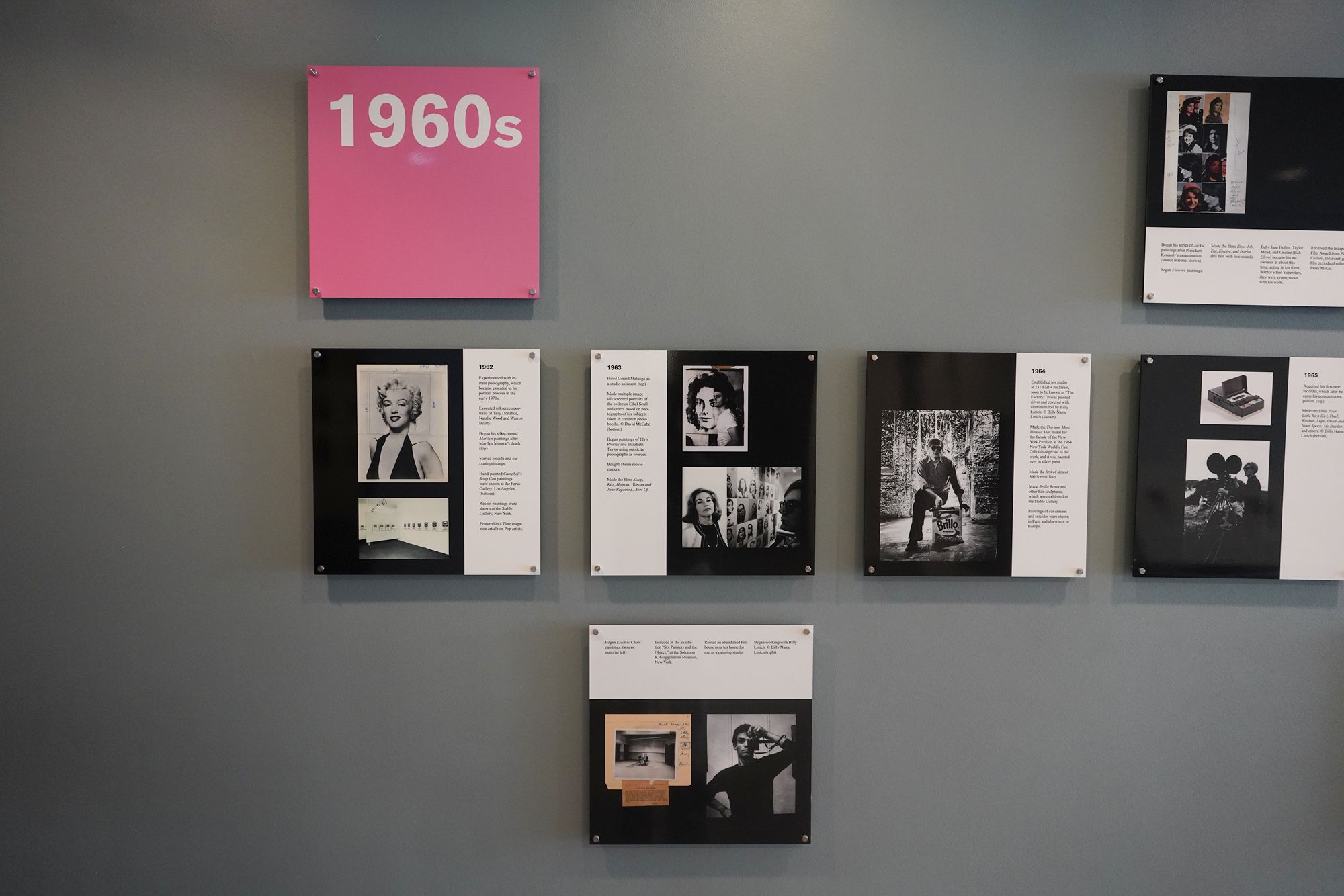
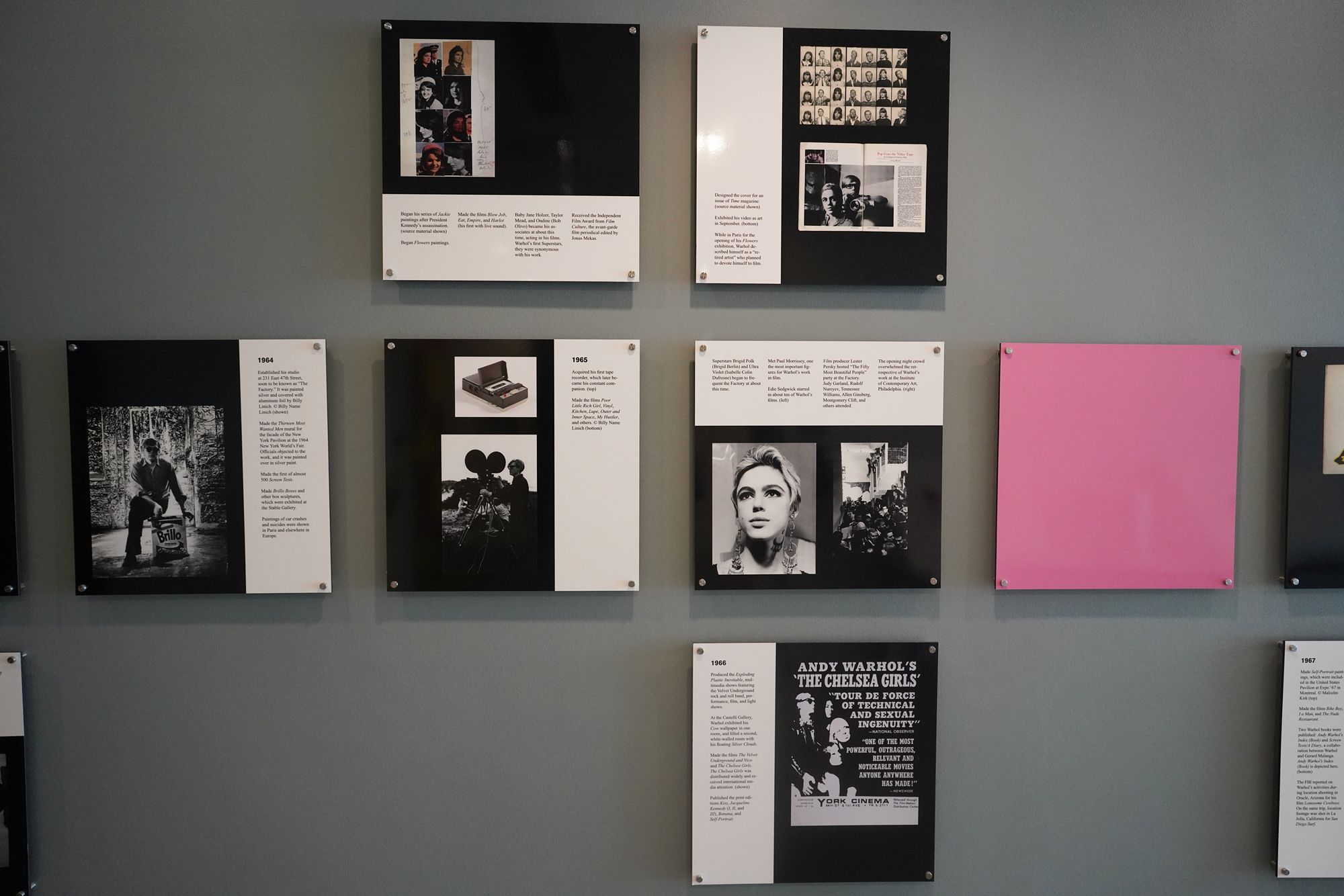
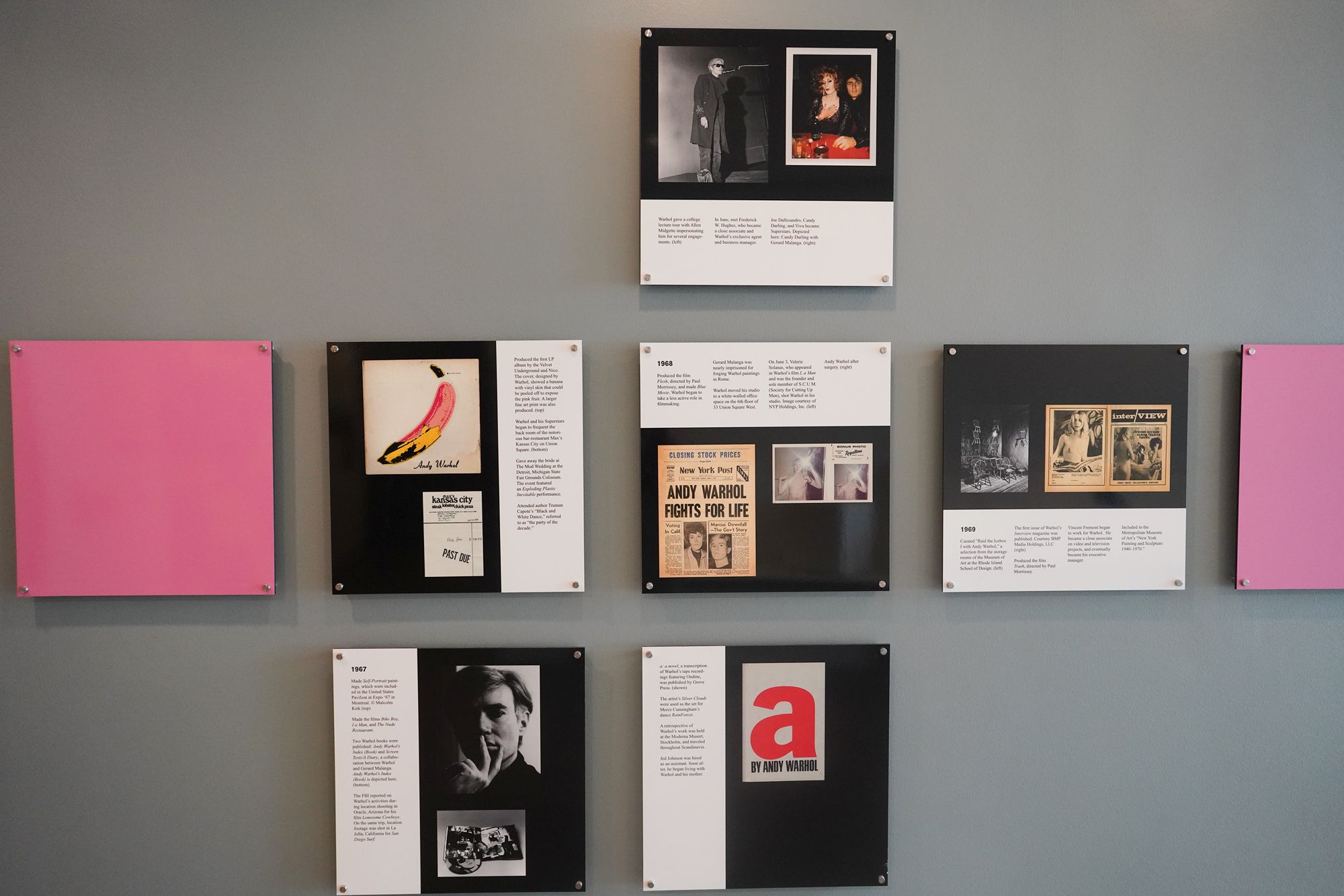
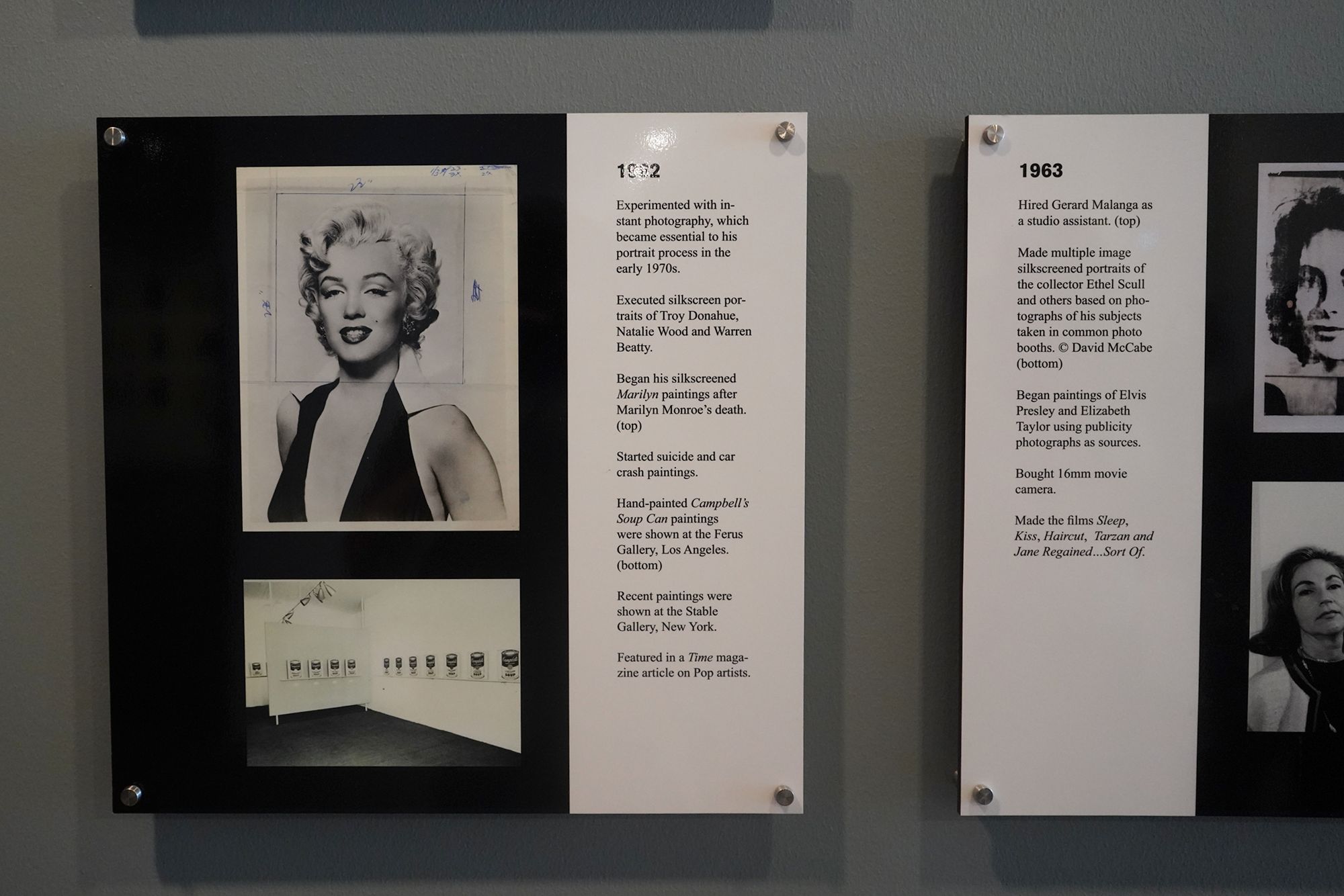
Andy Warhol in the 1960s was at the center of a radical shift in art, culture, and media.
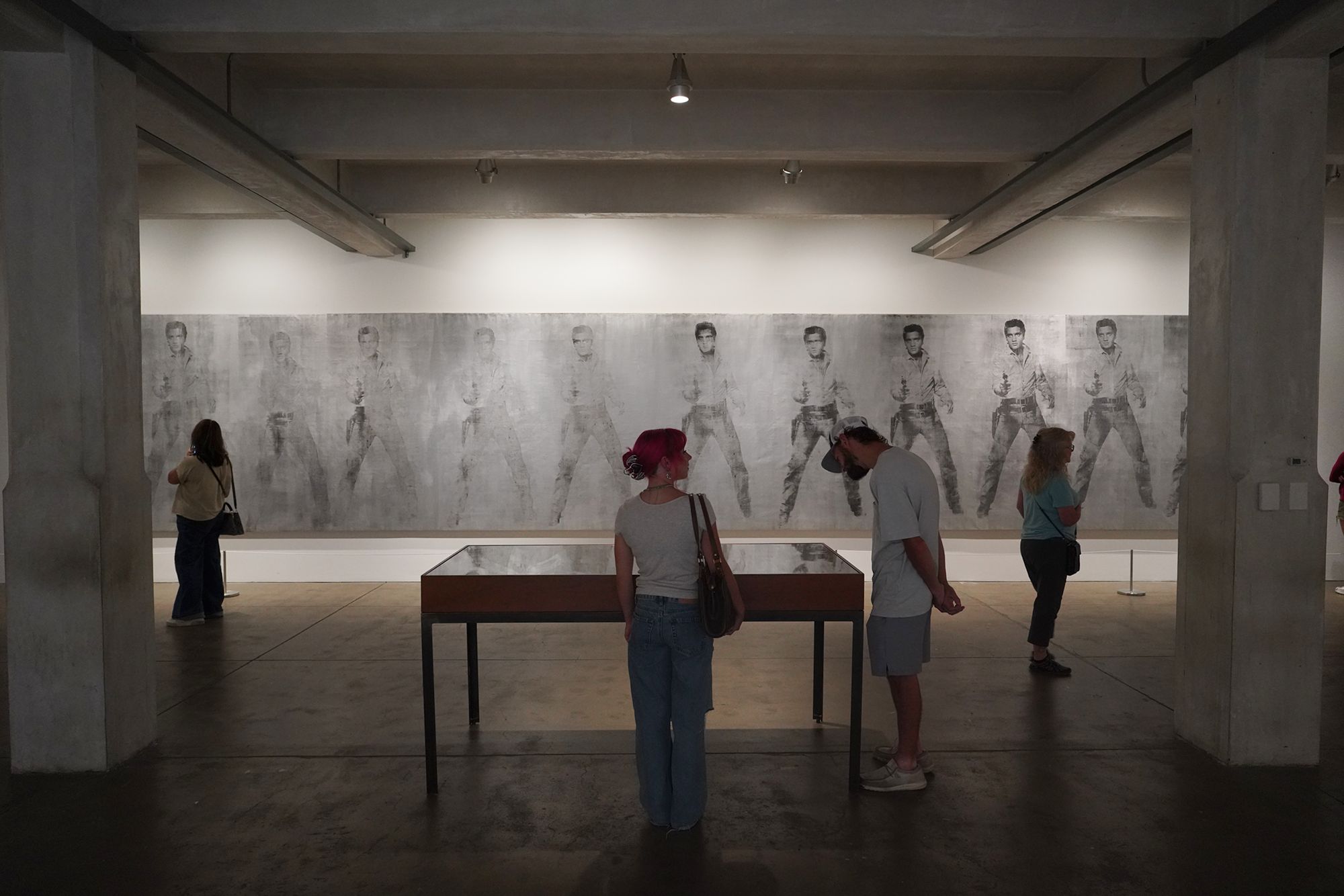
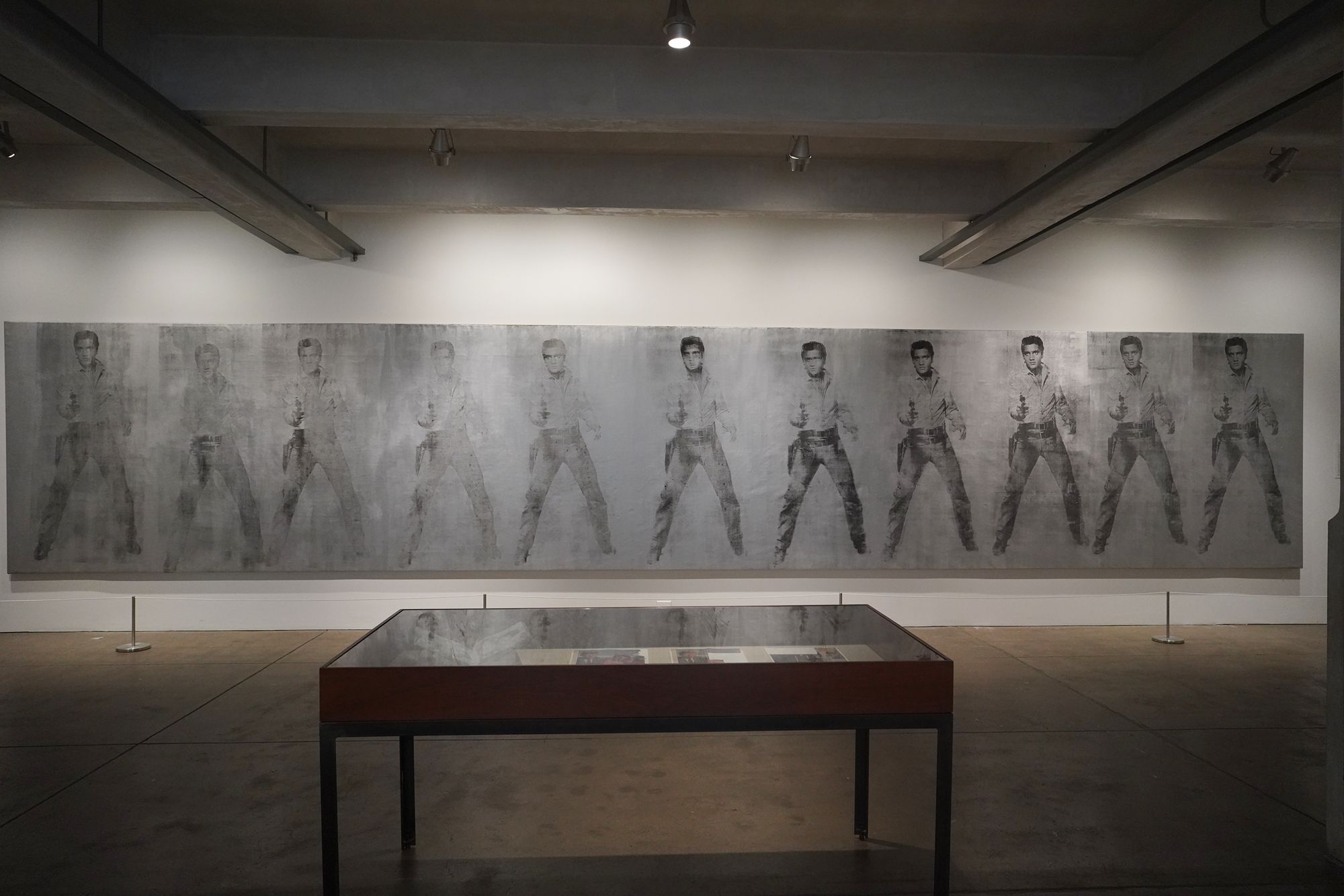
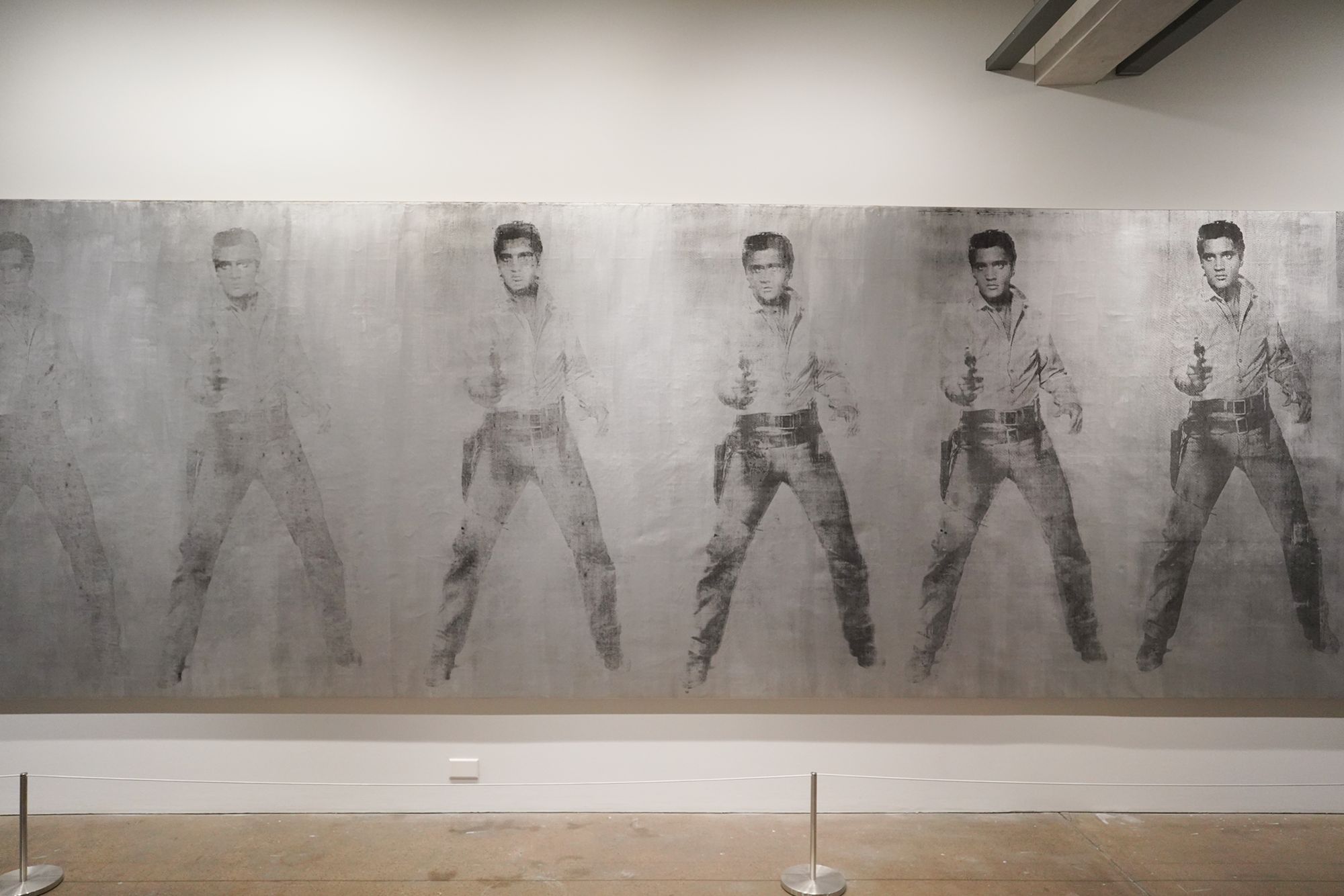
At the beginning of the decade, Warhol moved away from commercial illustration and embraced Pop Art, turning everyday consumer images—Campbell’s soup cans, Coca-Cola bottles, dollar bills, and comic panels—into fine art. By using repetition and flat, impersonal imagery, he challenged the emotional intensity of Abstract Expressionism that dominated the art world at the time.
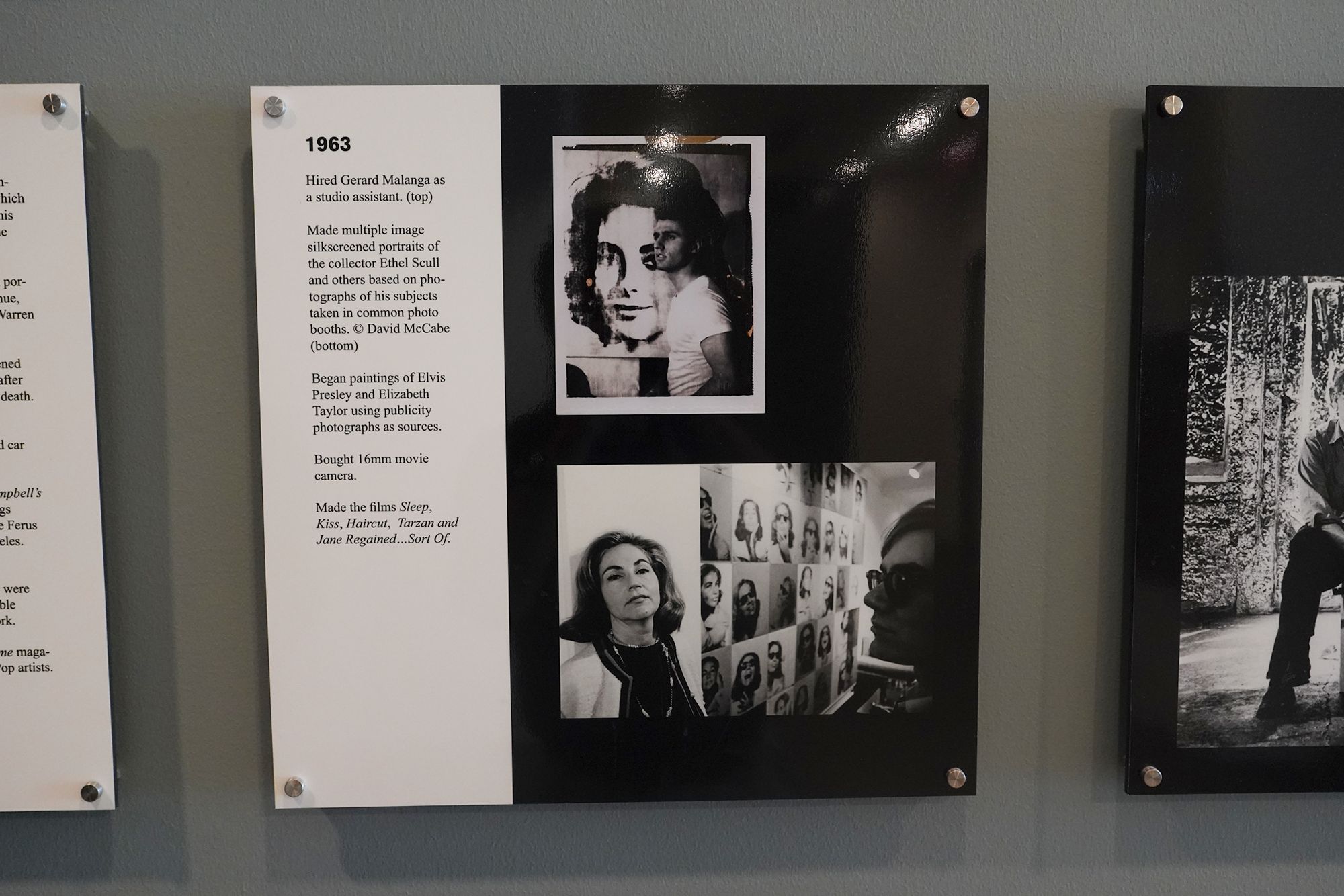
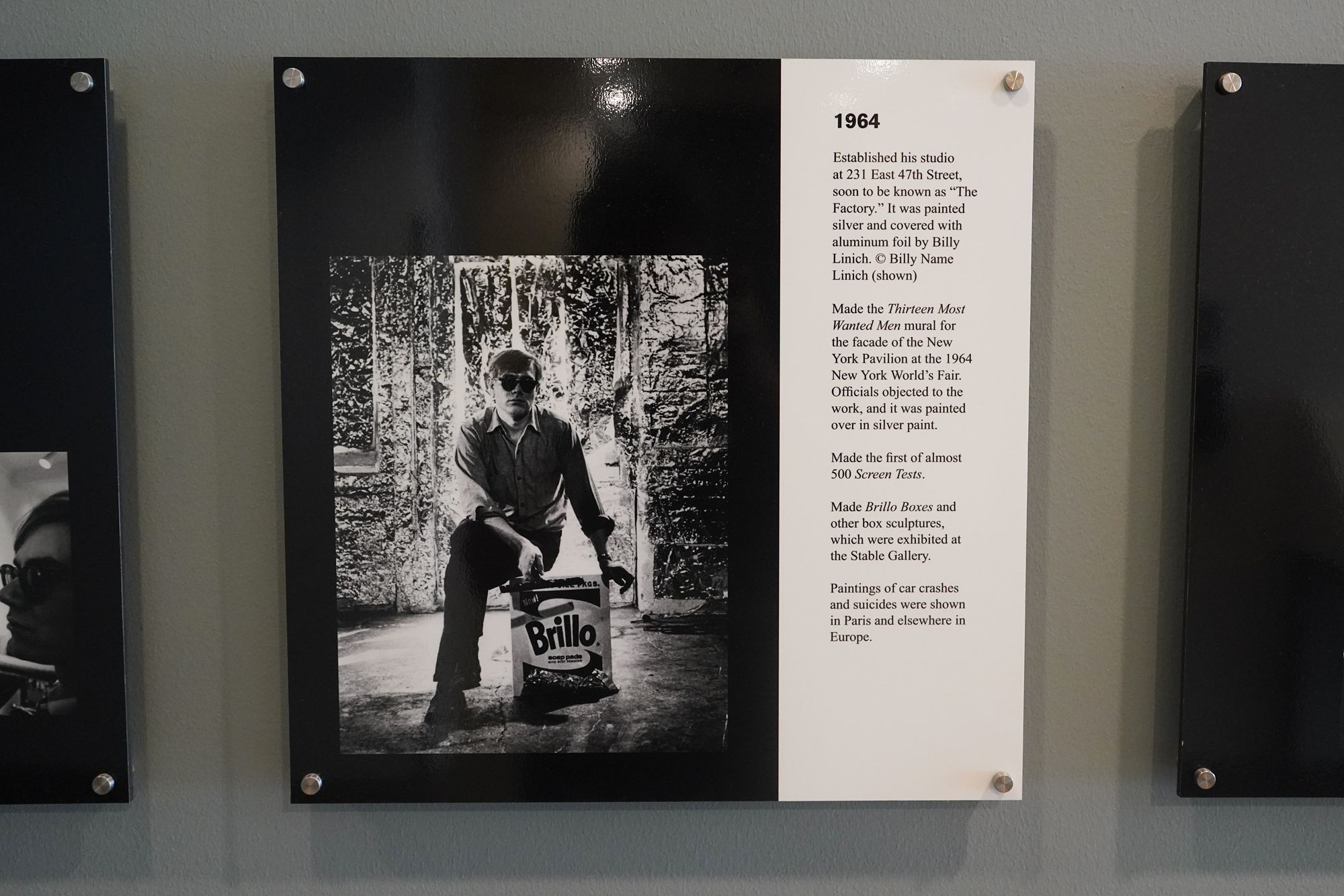
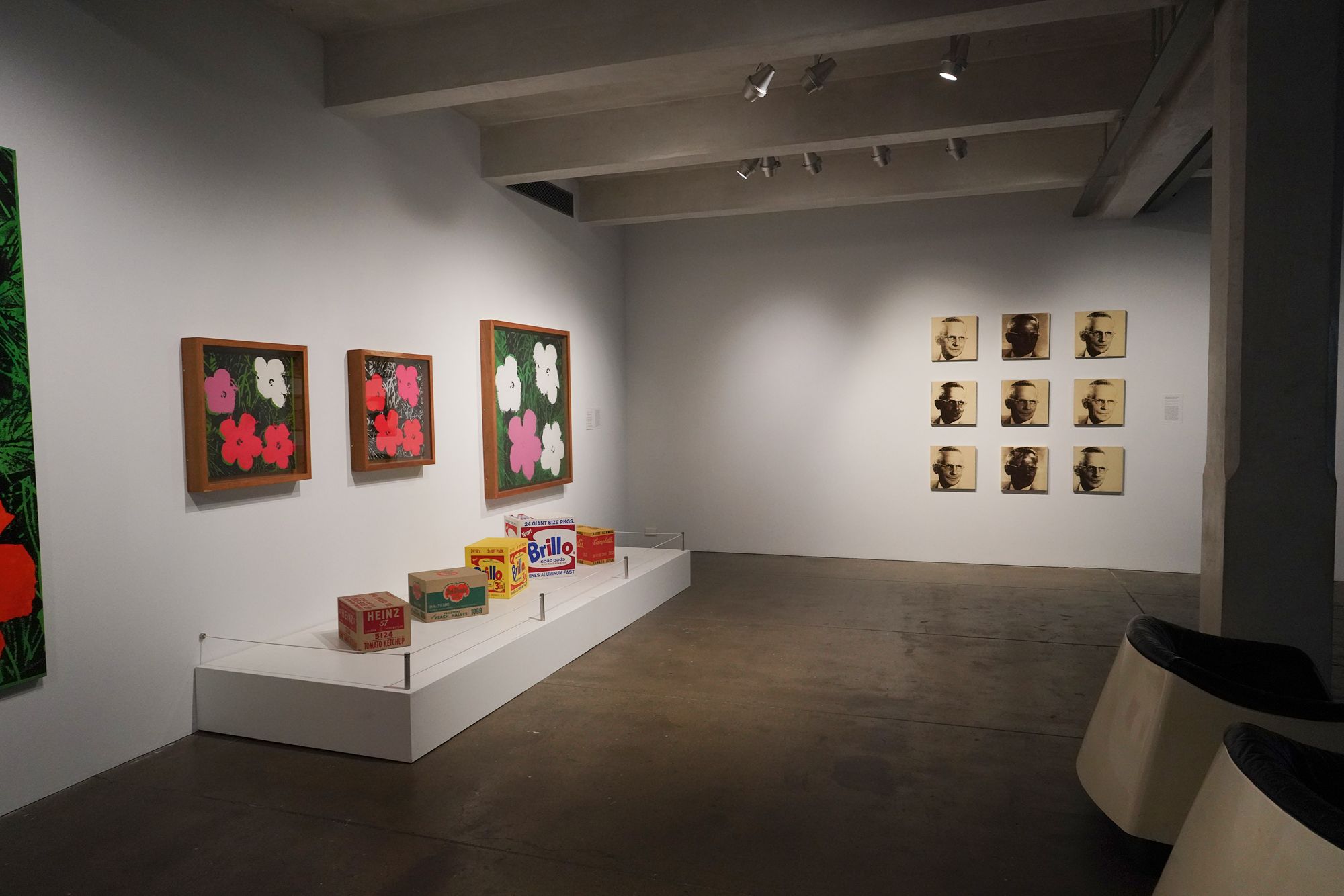
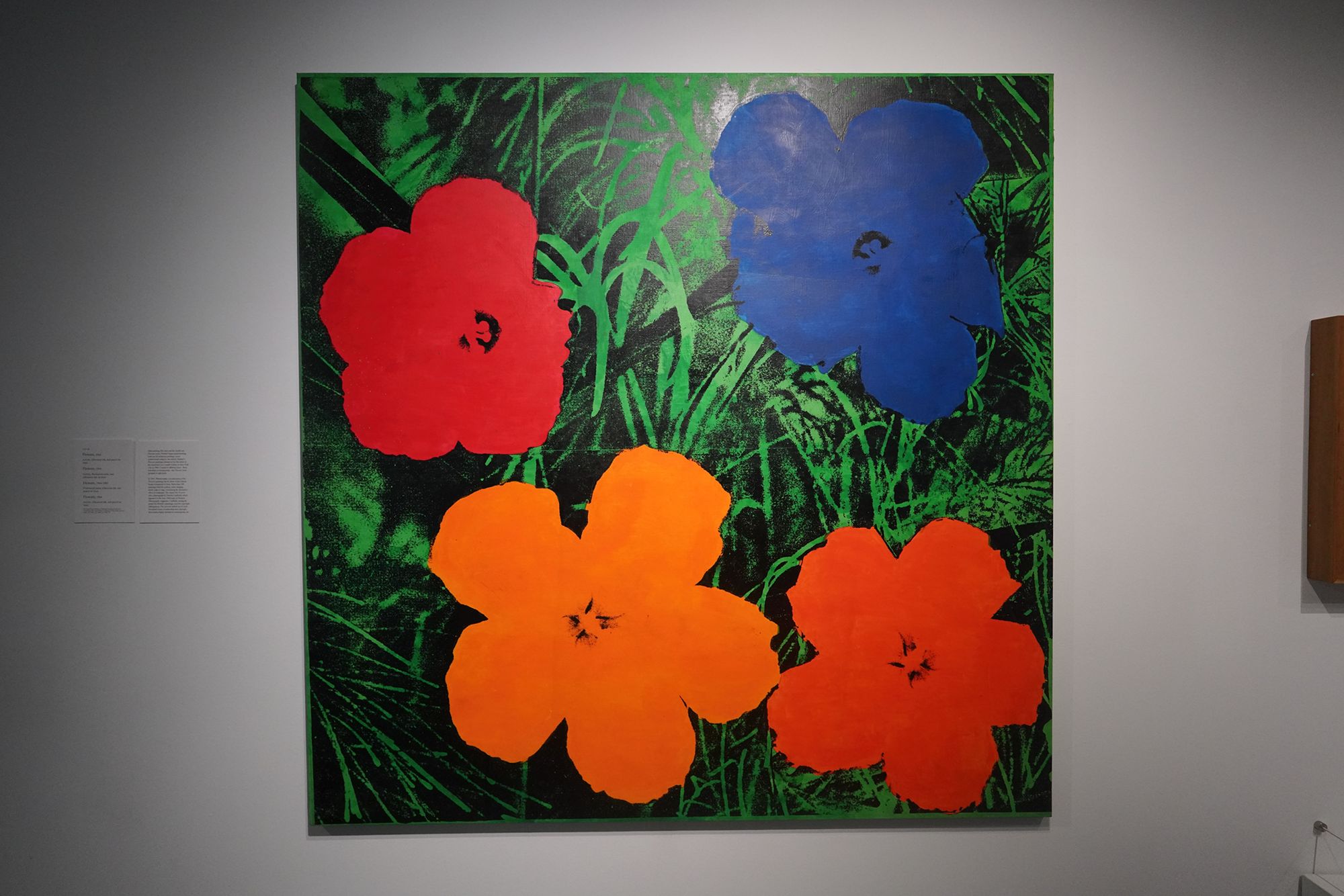
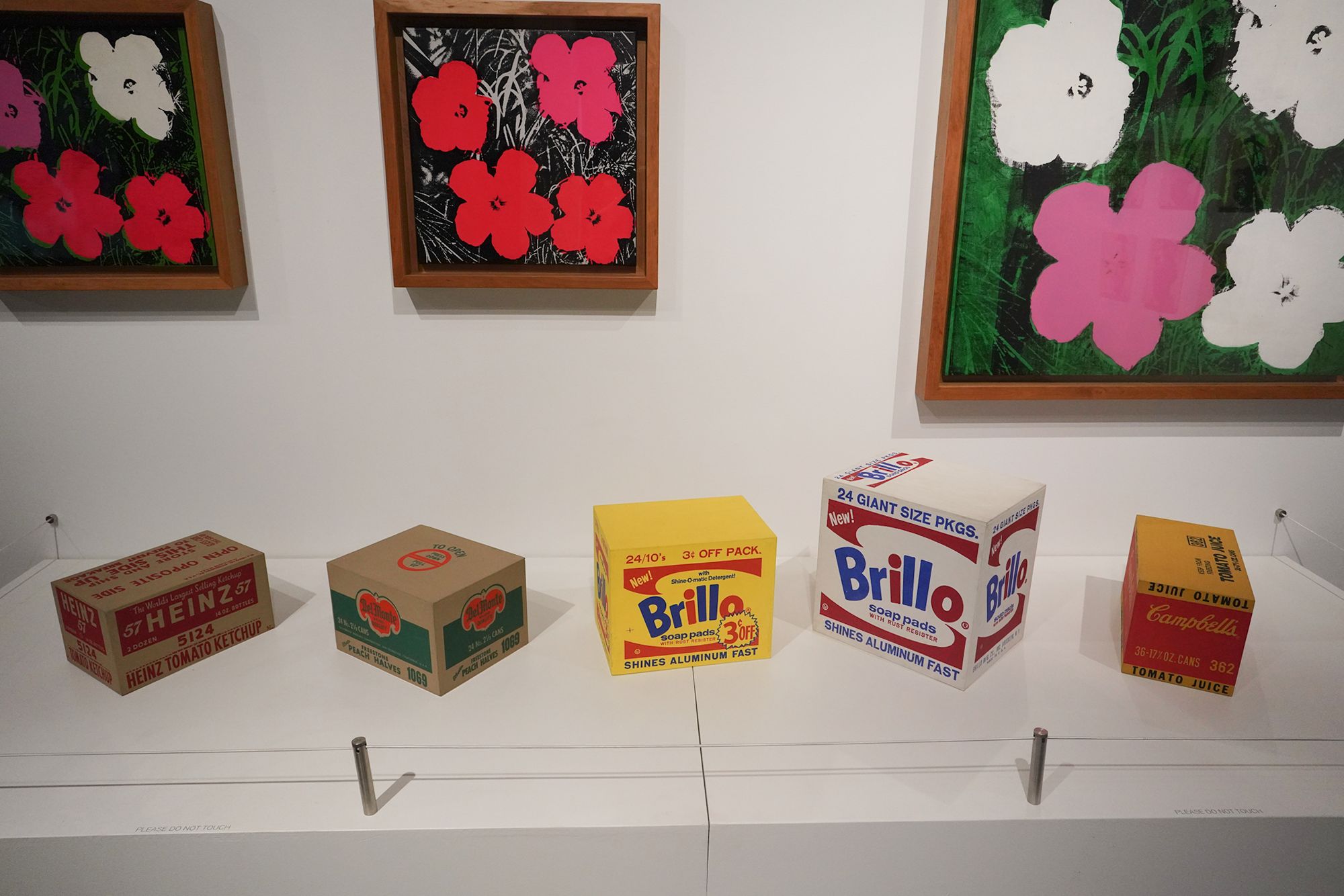
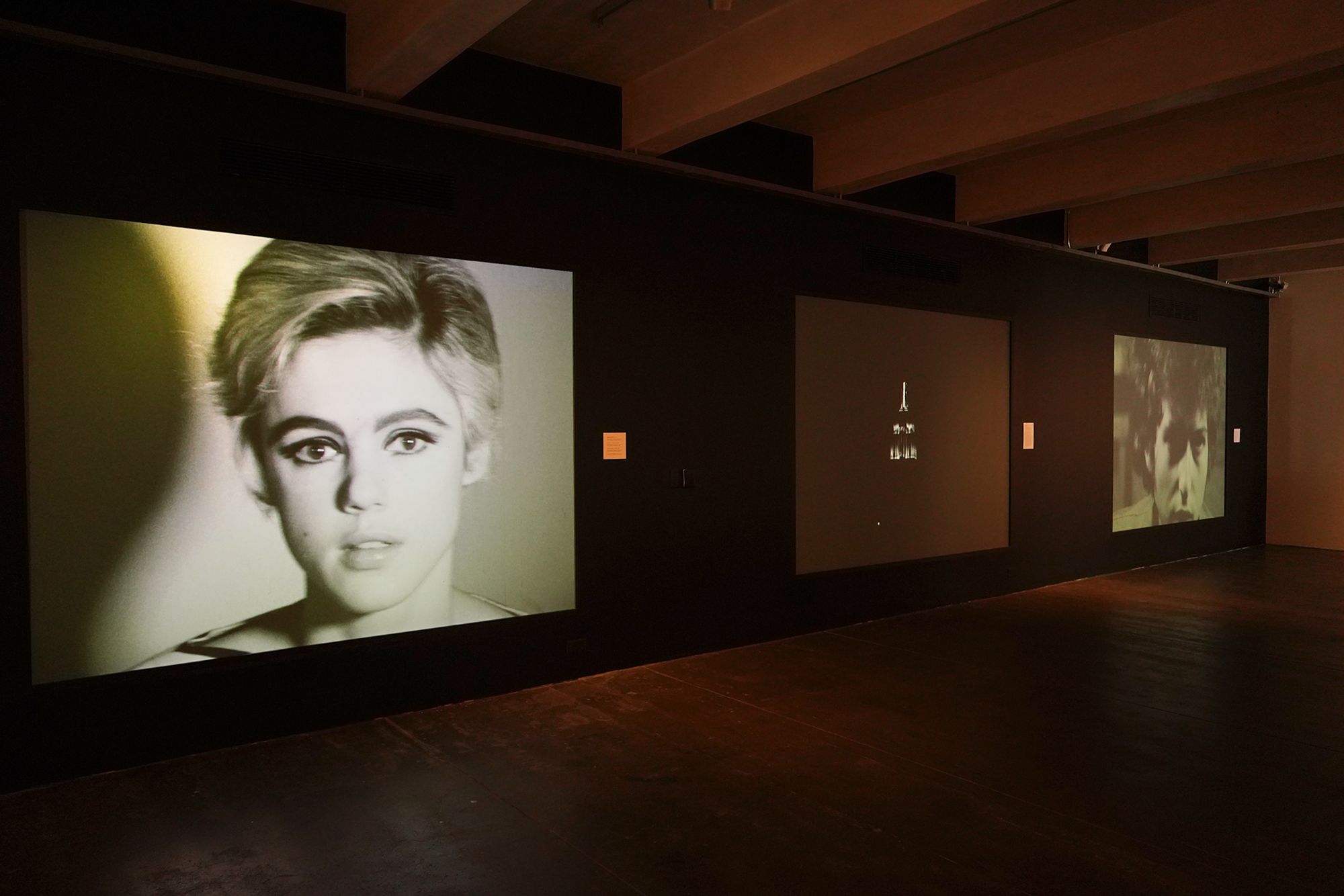
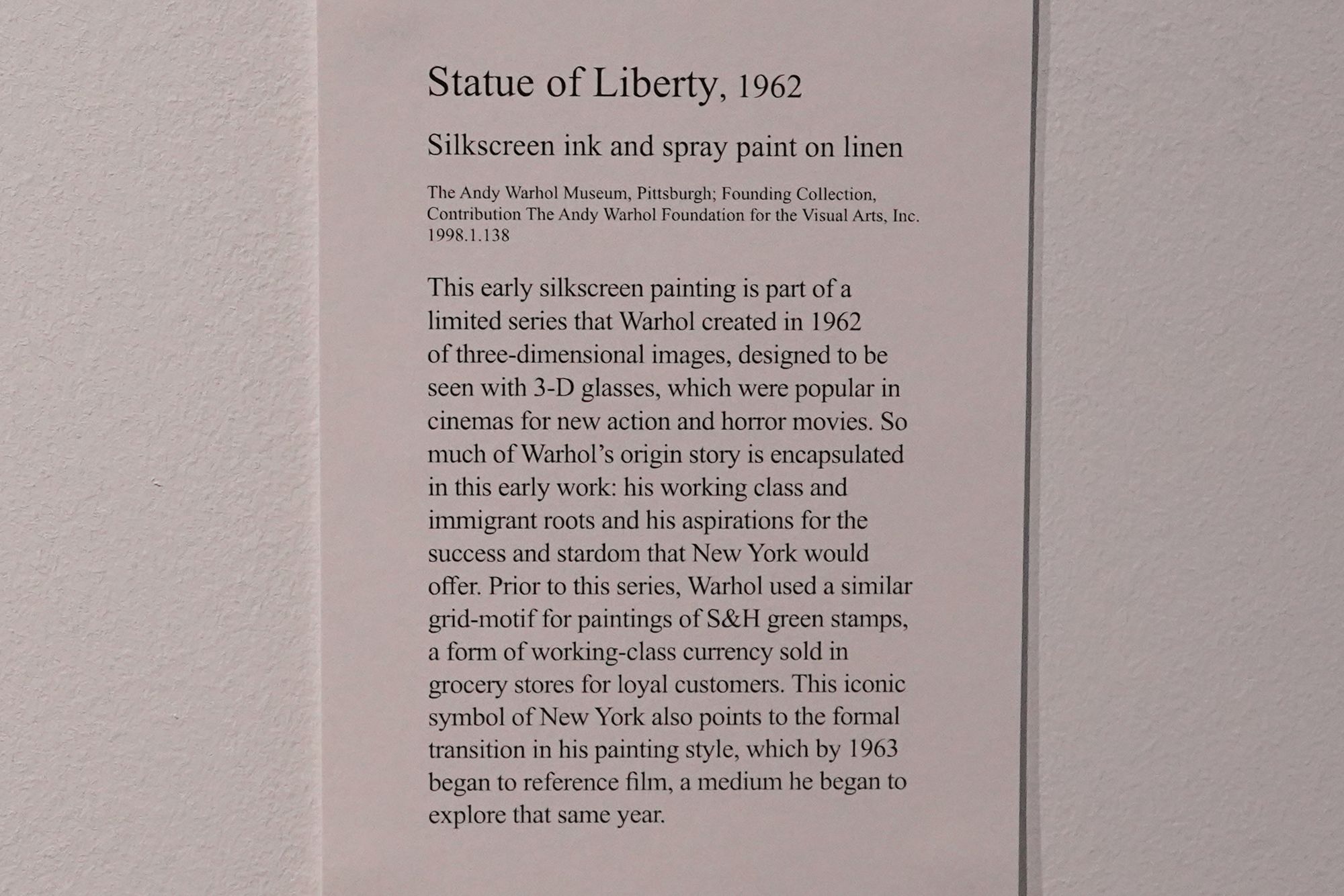
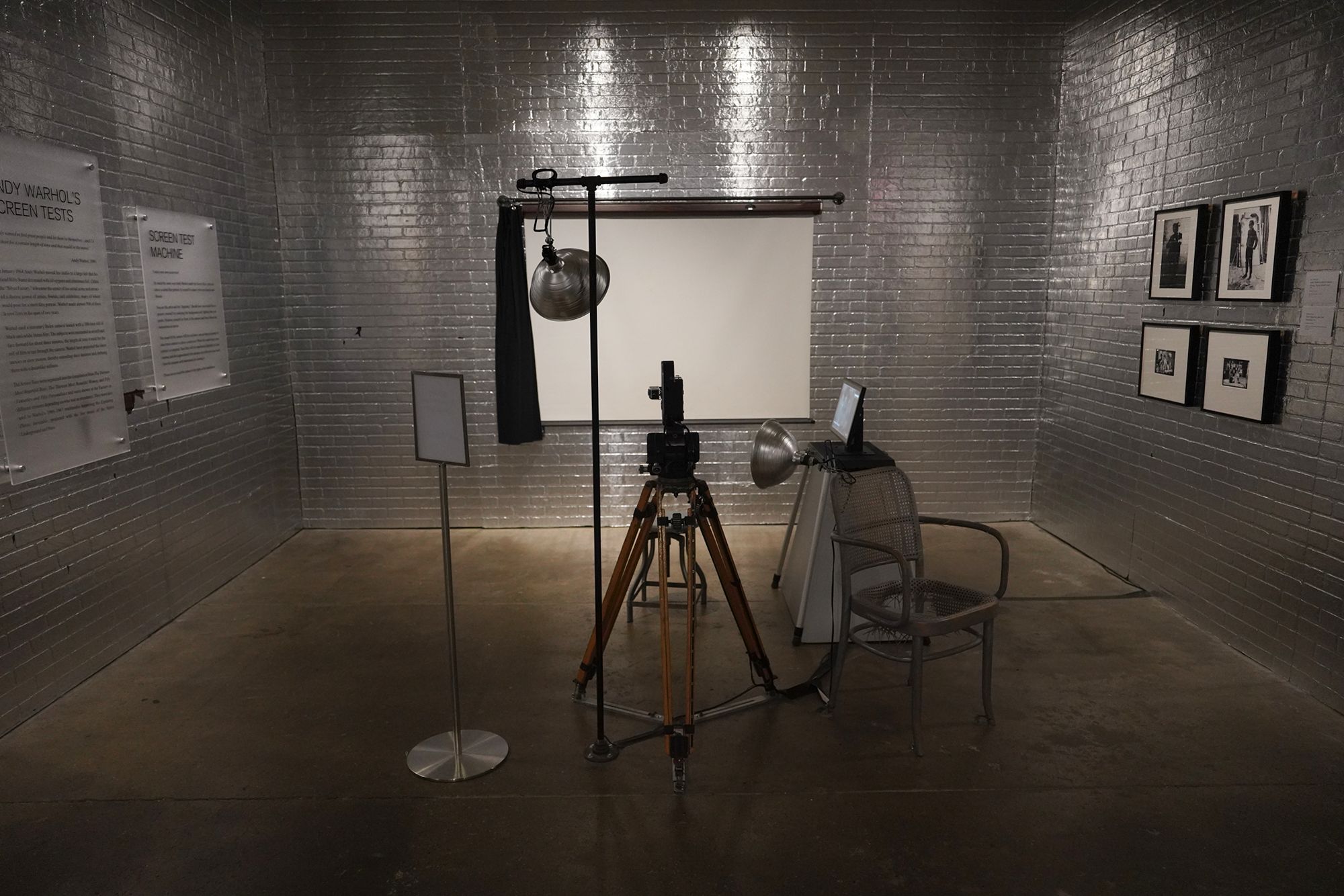
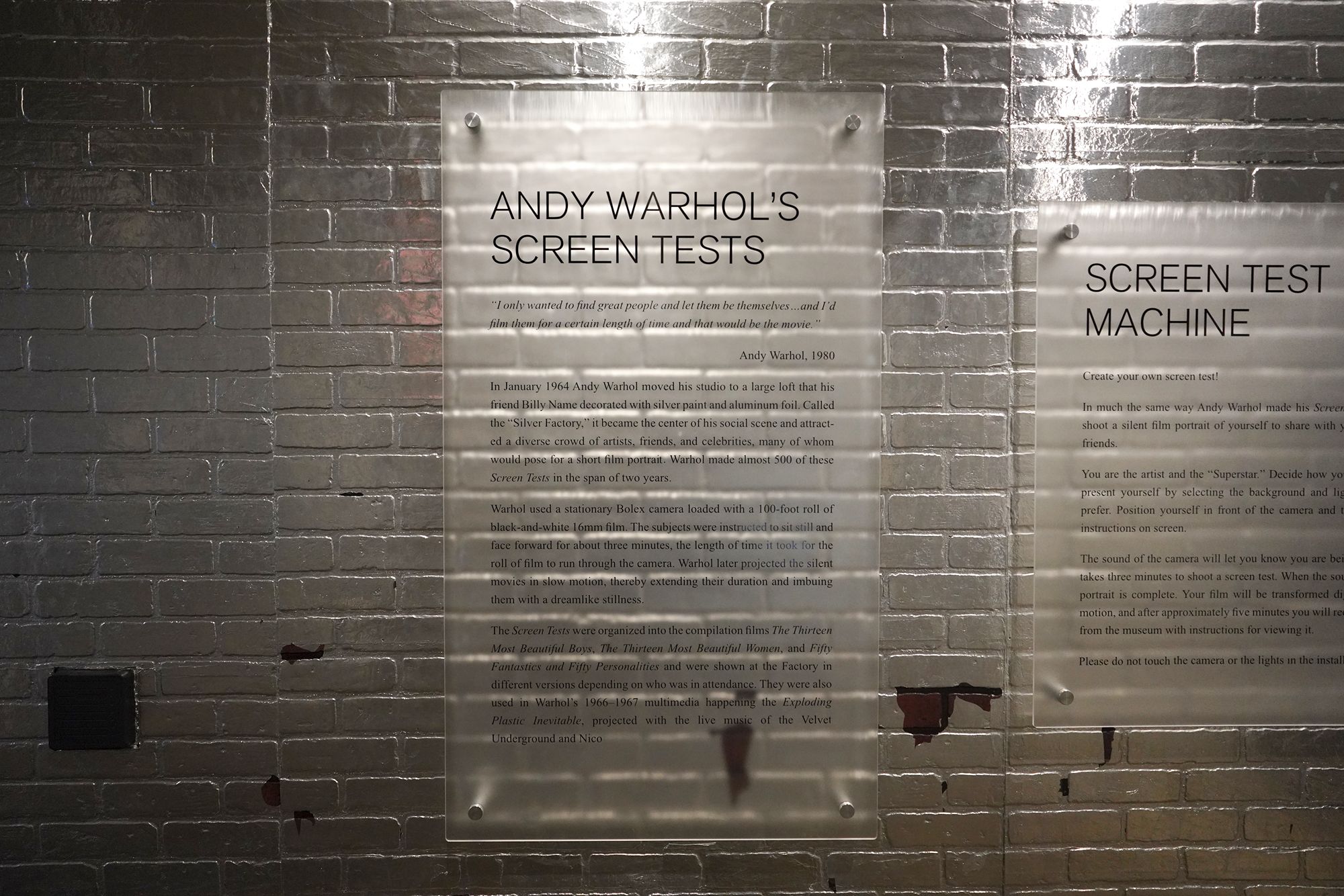
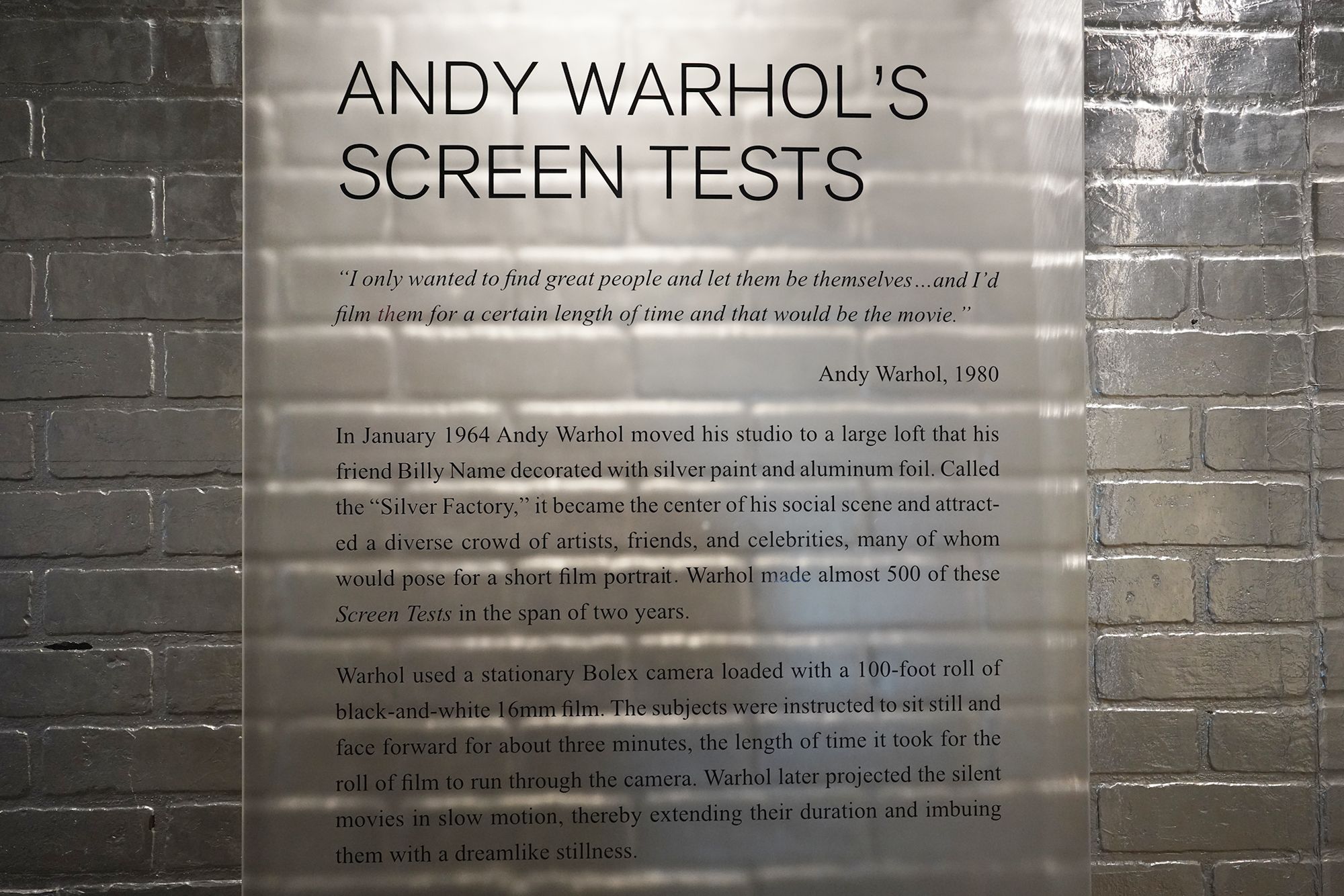
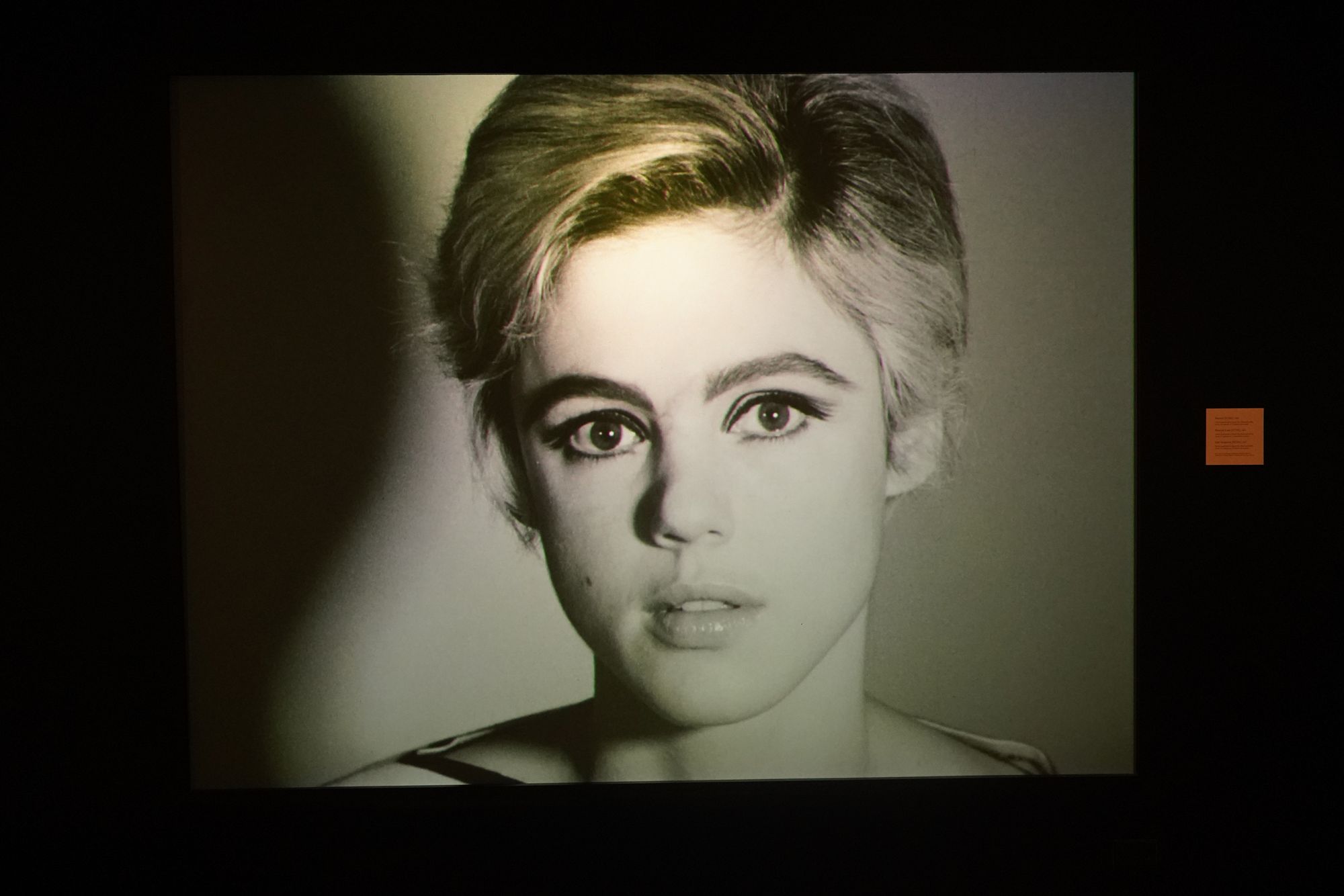
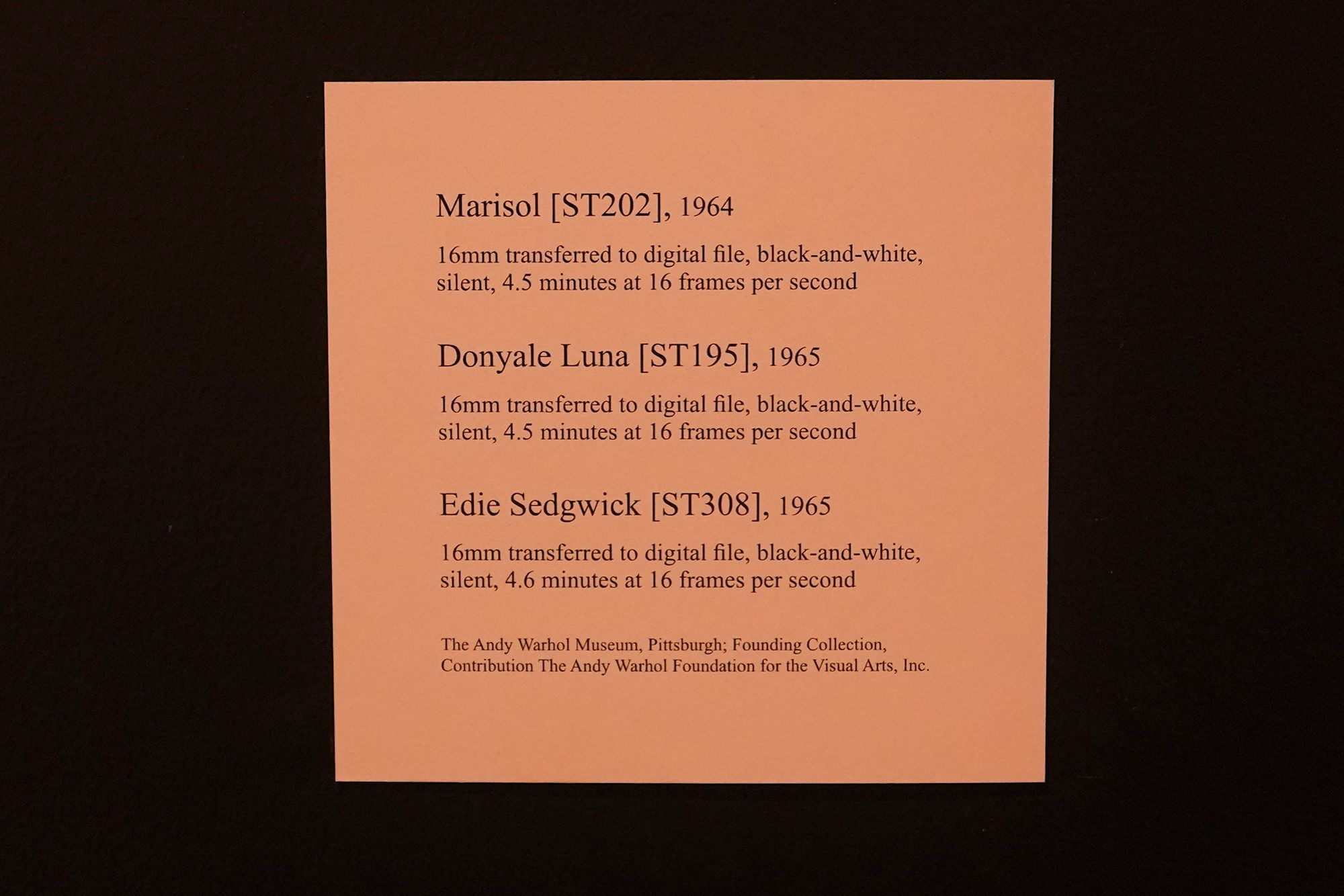
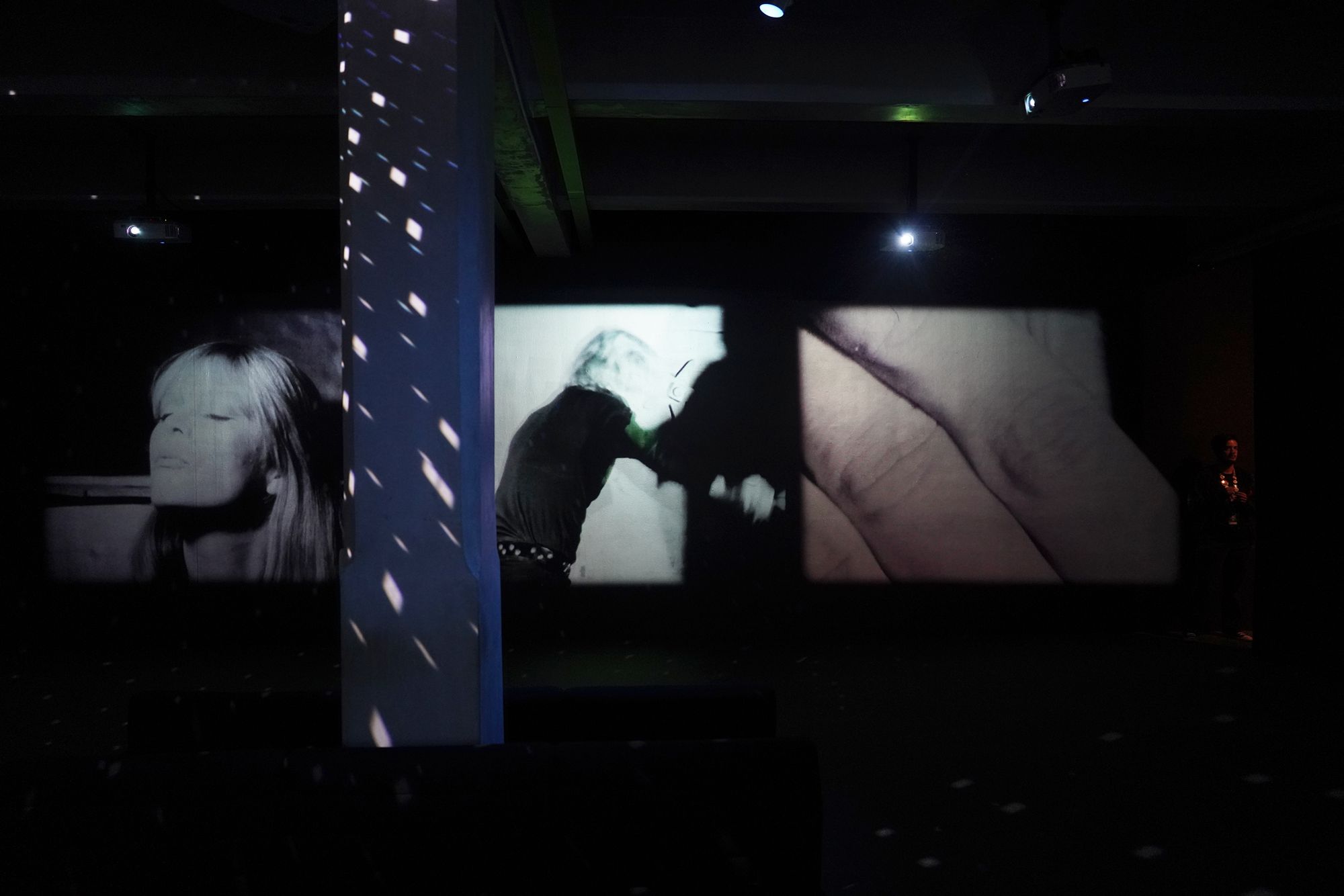
Andy Warhol’s Screen Tests are among his most quietly radical works.
Created in the mid-1960s, the Screen Tests are short, silent black-and-white films in which Warhol filmed friends, artists, celebrities, and visitors to the Factory. Each subject sat in front of the camera for several minutes, usually without instructions, while the camera rolled steadily.
Nothing dramatic happens—and that was the point. The films strip away narrative, performance, and editing, forcing viewers to confront time, presence, and observation. Small gestures—blinking, shifting posture, moments of discomfort—become the entire subject.
Founded in 1955, The Village Voice became the leading alternative weekly newspaper in New York City. It gave voice to underground art, experimental music, film, theater, and countercultural politics—covering scenes that mainstream media often ignored. Writers and critics used the paper to challenge authority, question taste, and spotlight emerging movements.
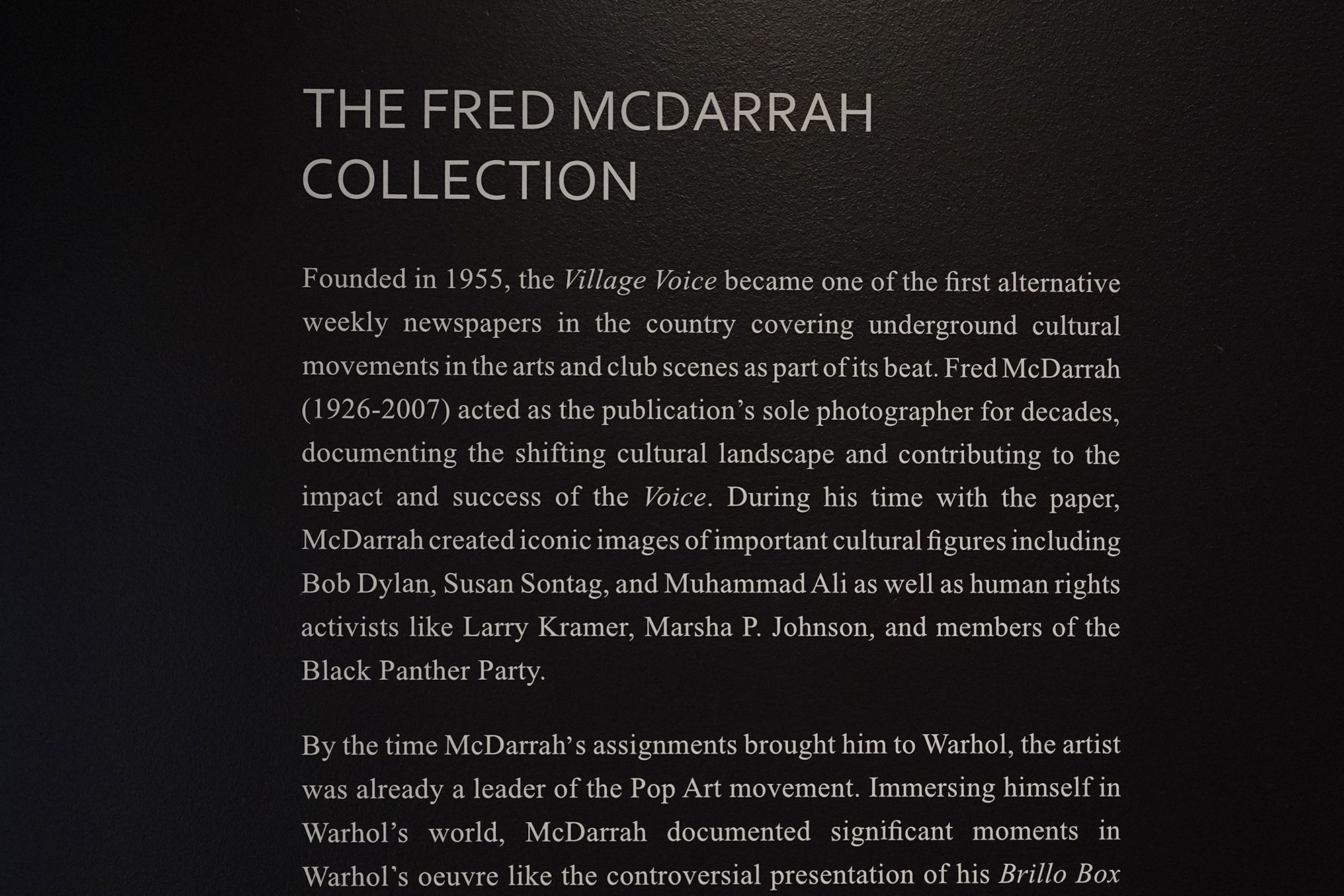
For artists like Andy Warhol and the broader downtown scene, The Village Voice helped legitimize alternative culture.
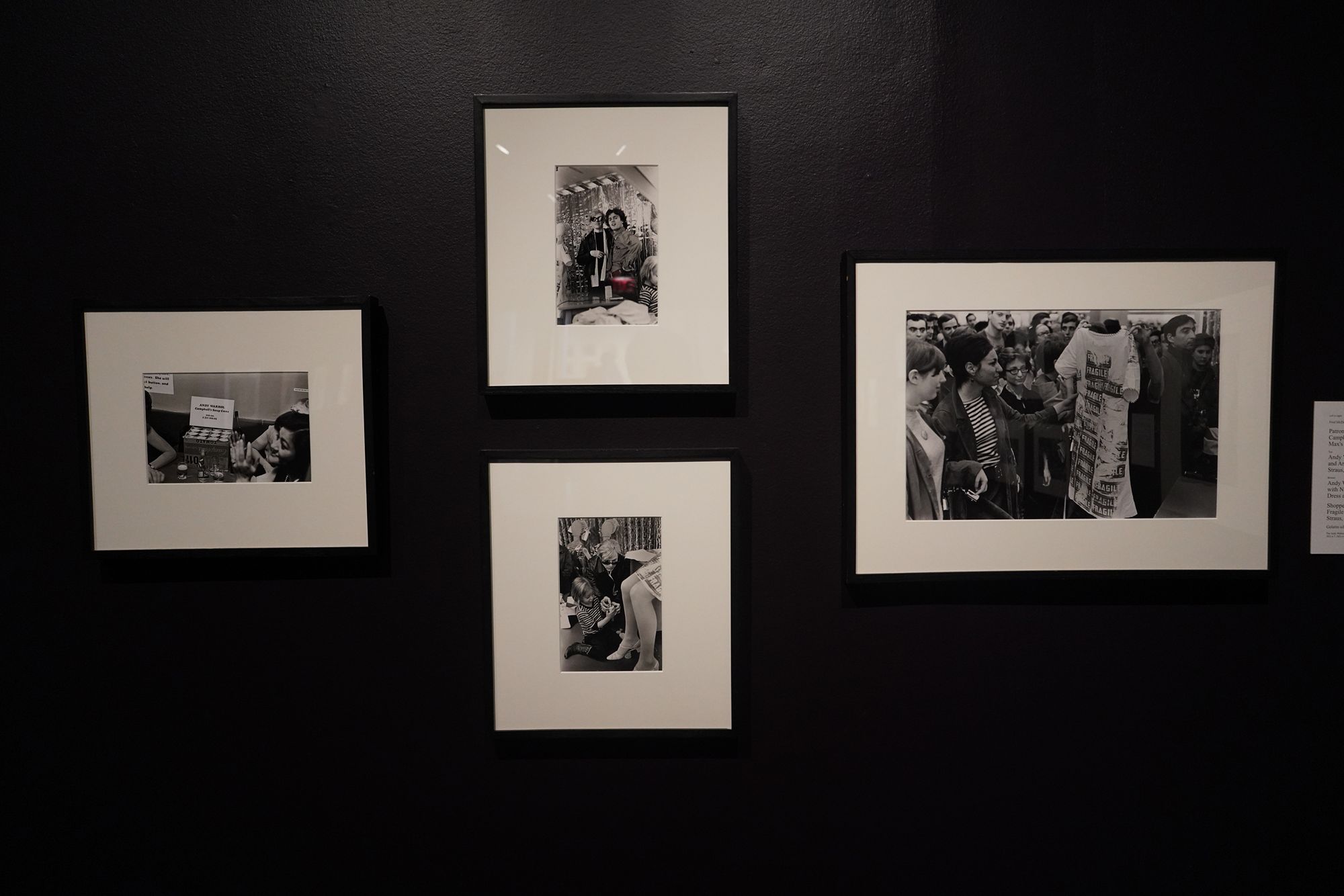
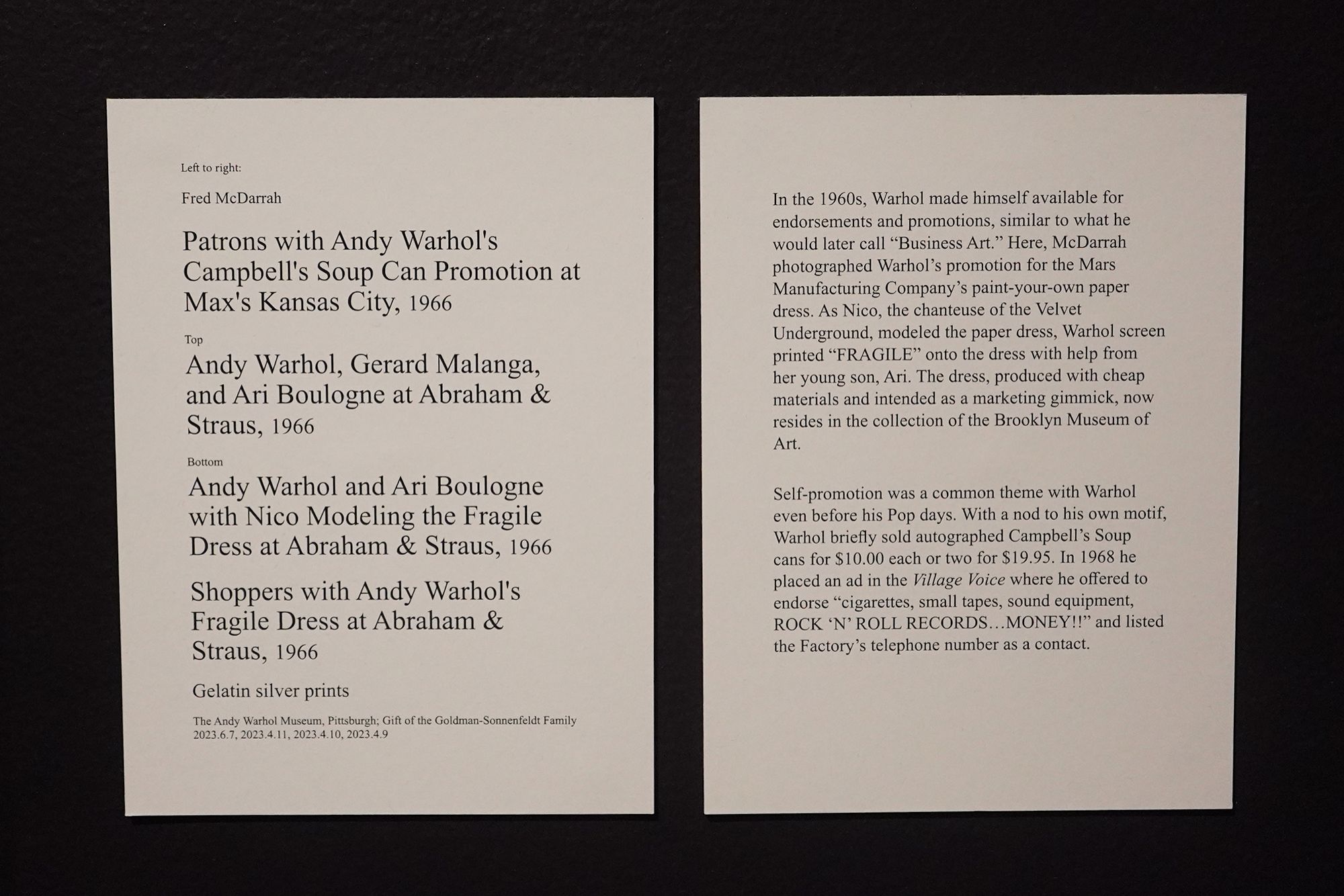
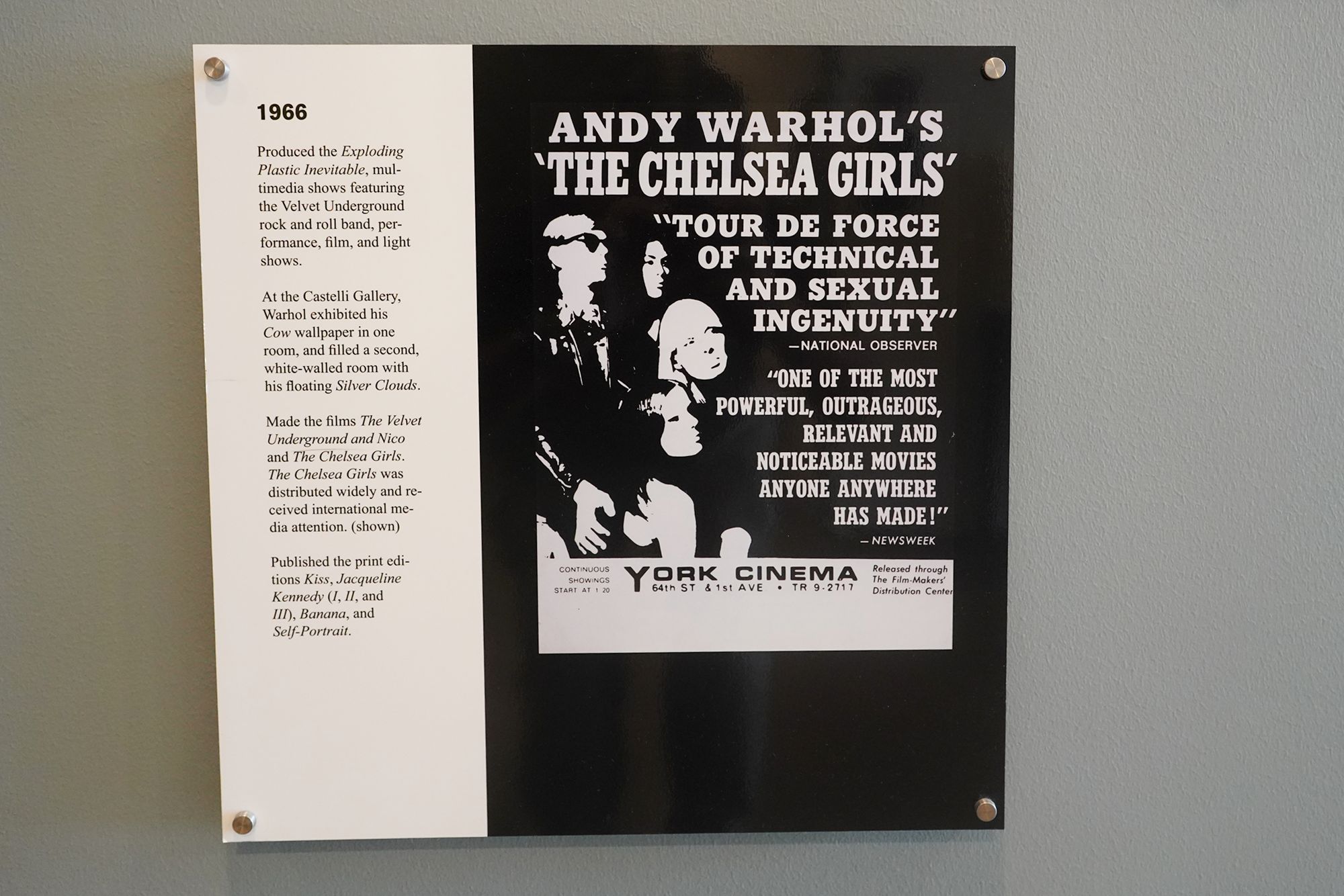
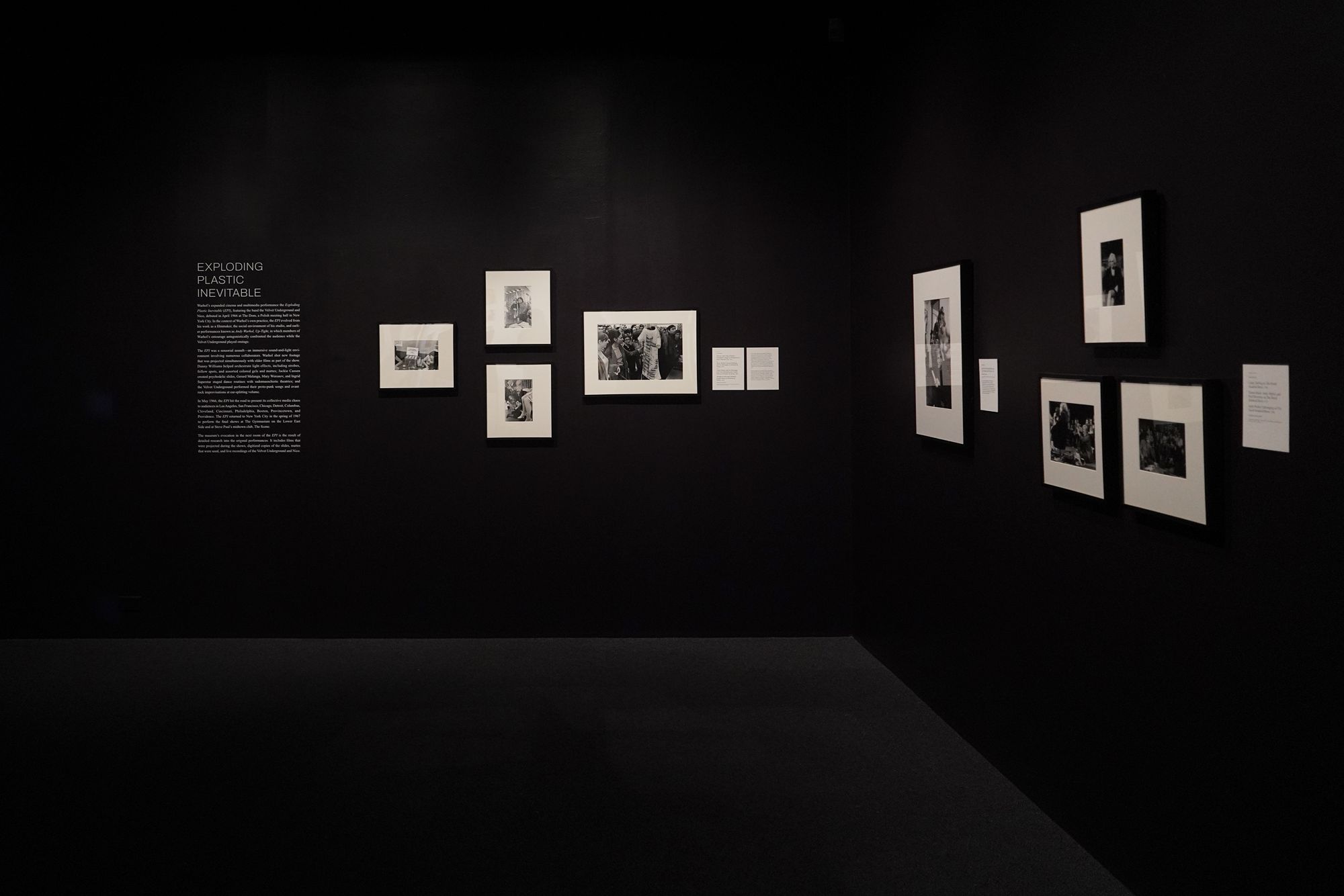
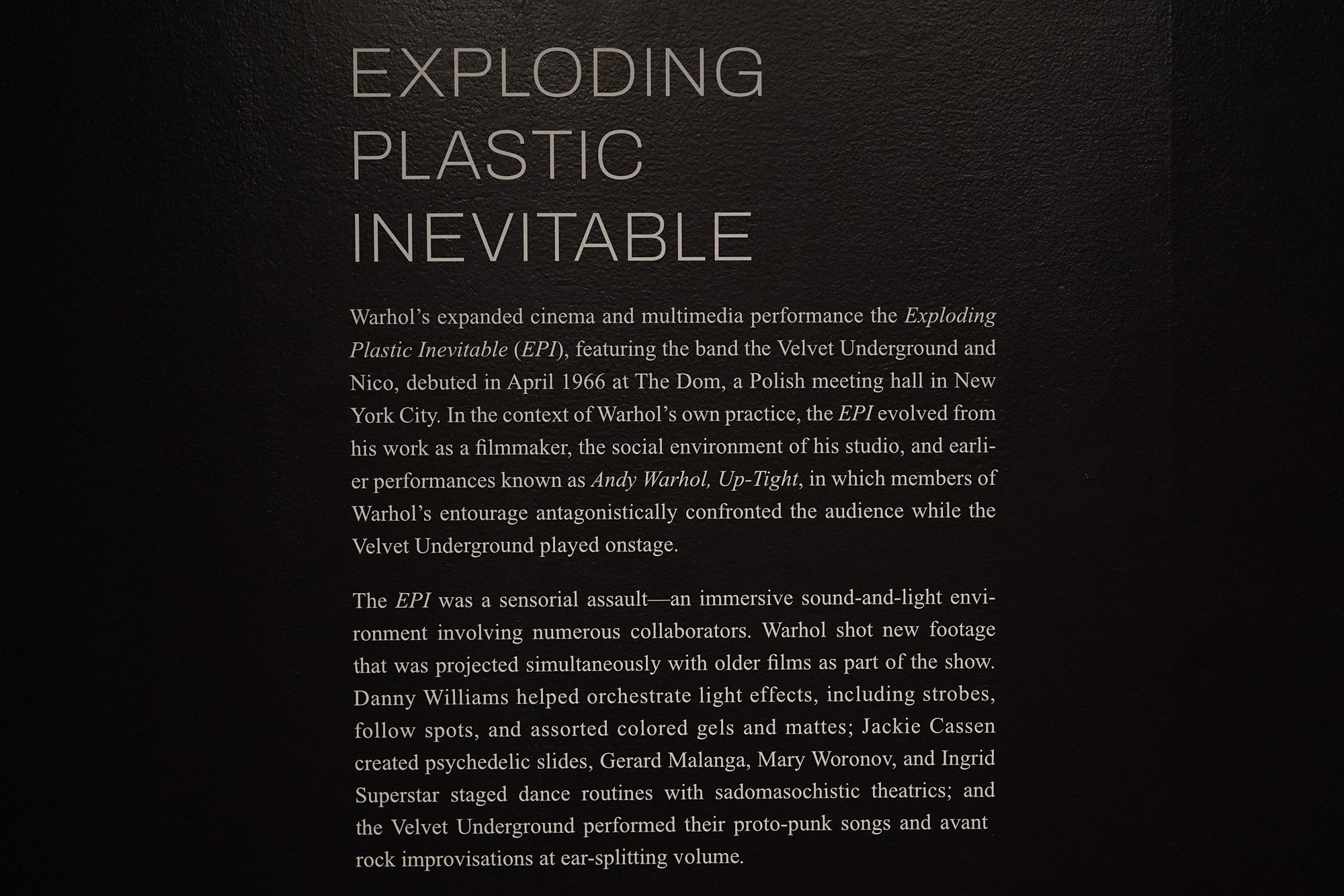
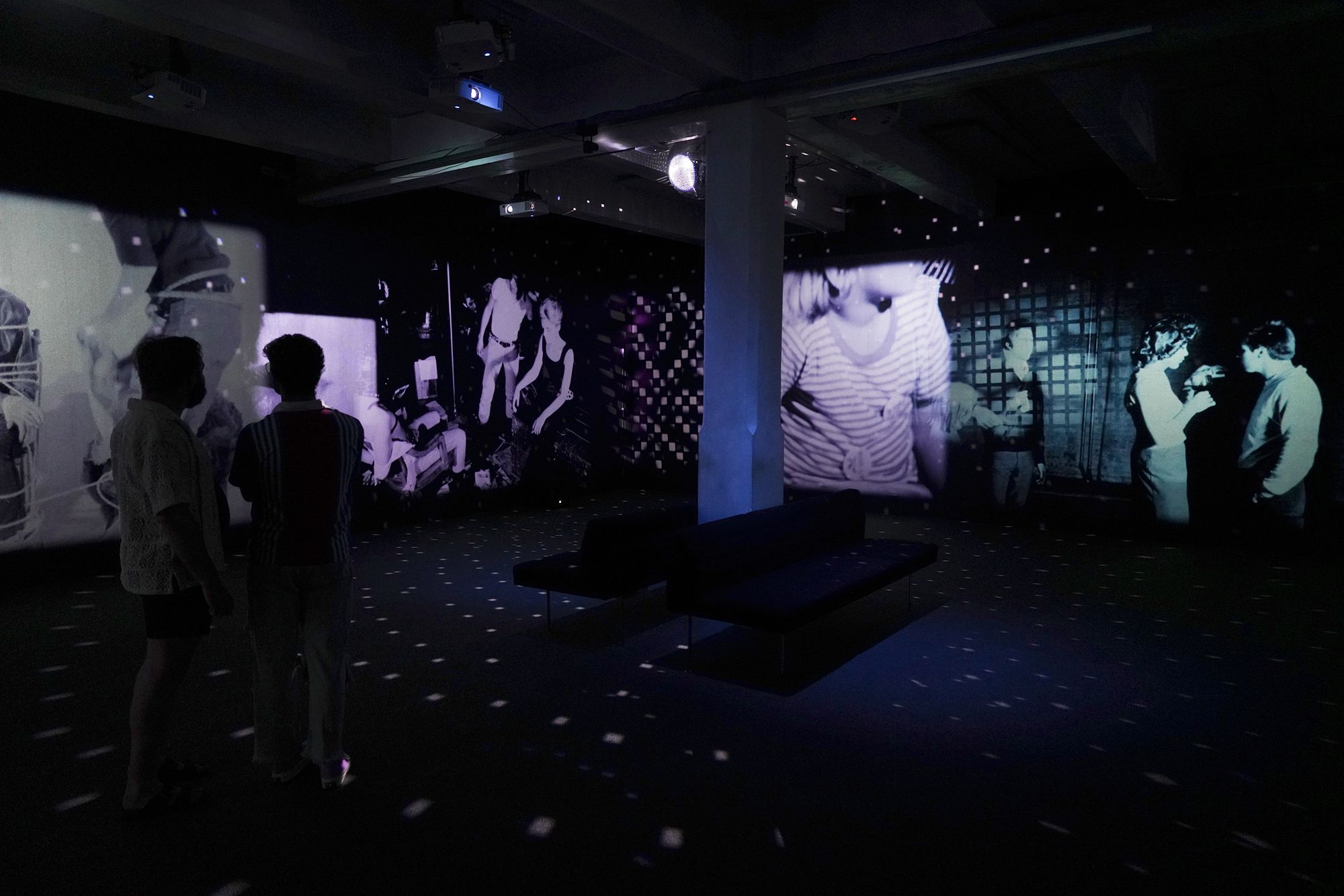
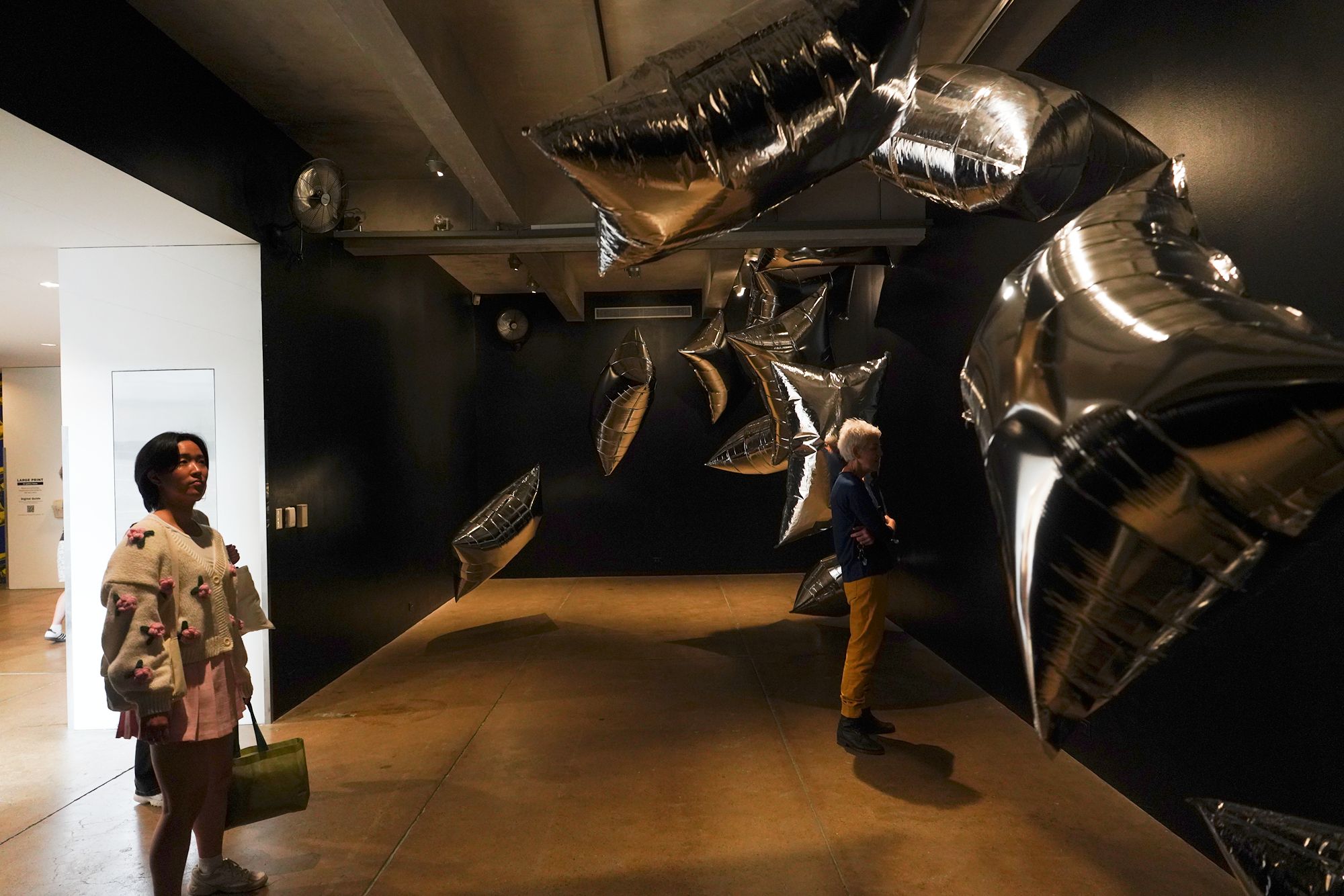
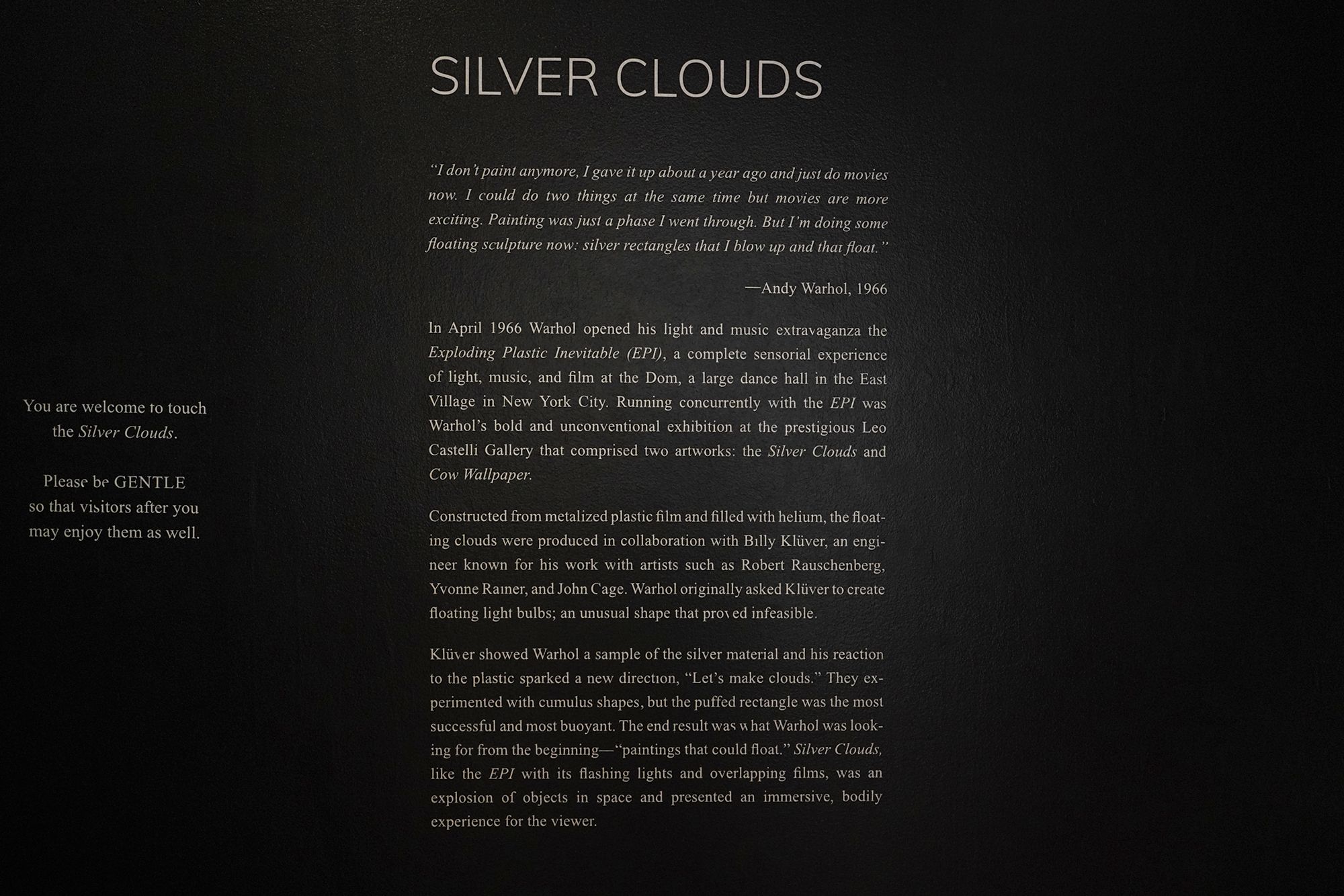
The Exploding Plastic Inevitable (EPI) was Andy Warhol’s radical multimedia performance project of the mid-1960s.
Created by Warhol and centered on The Velvet Underground, EPI combined live music with projected films, strobe lights, colored gels, dancers, and overwhelming volume. Rather than a traditional concert, it was an immersive sensory environment—chaotic, loud, disorienting, and deliberately confrontational.
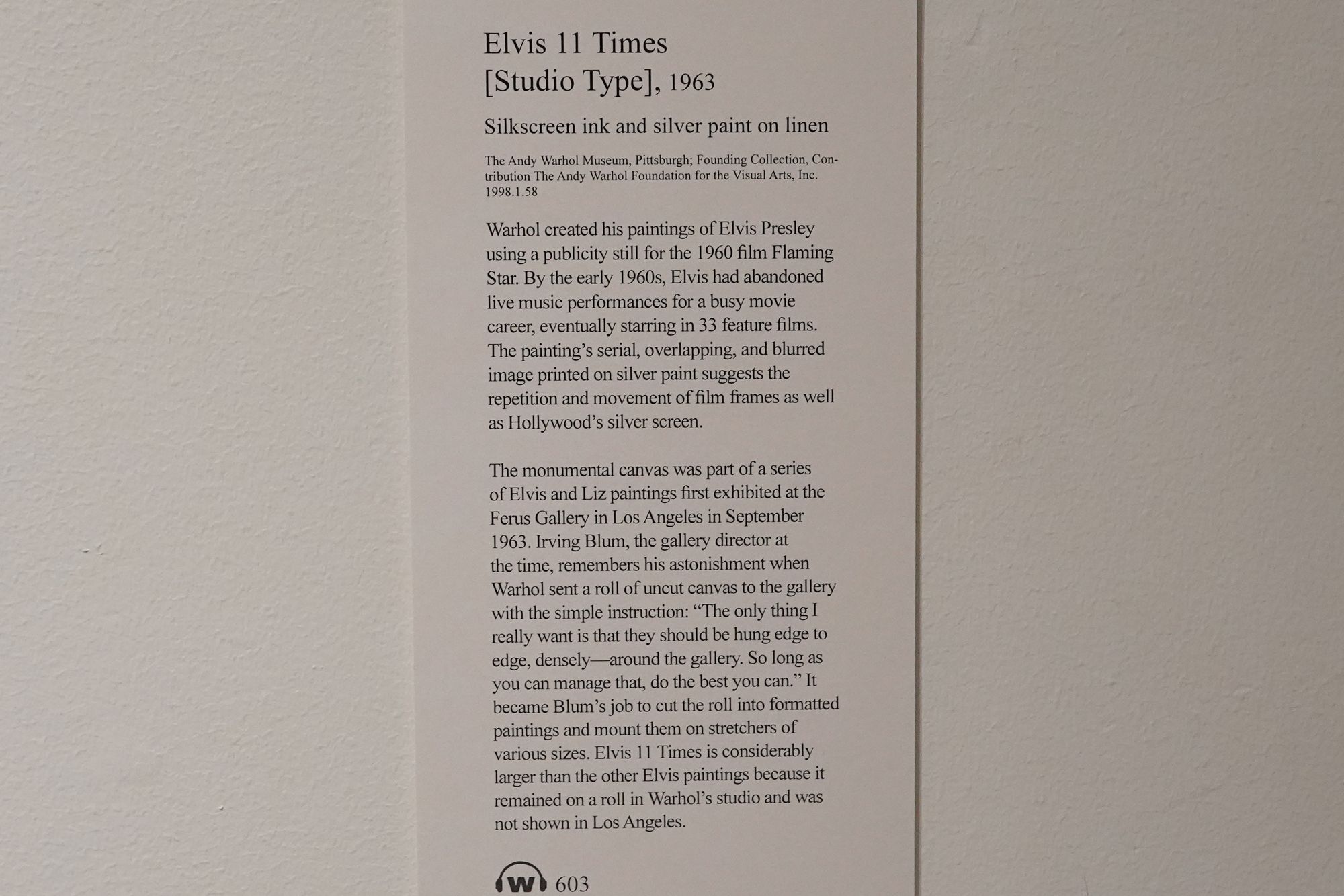
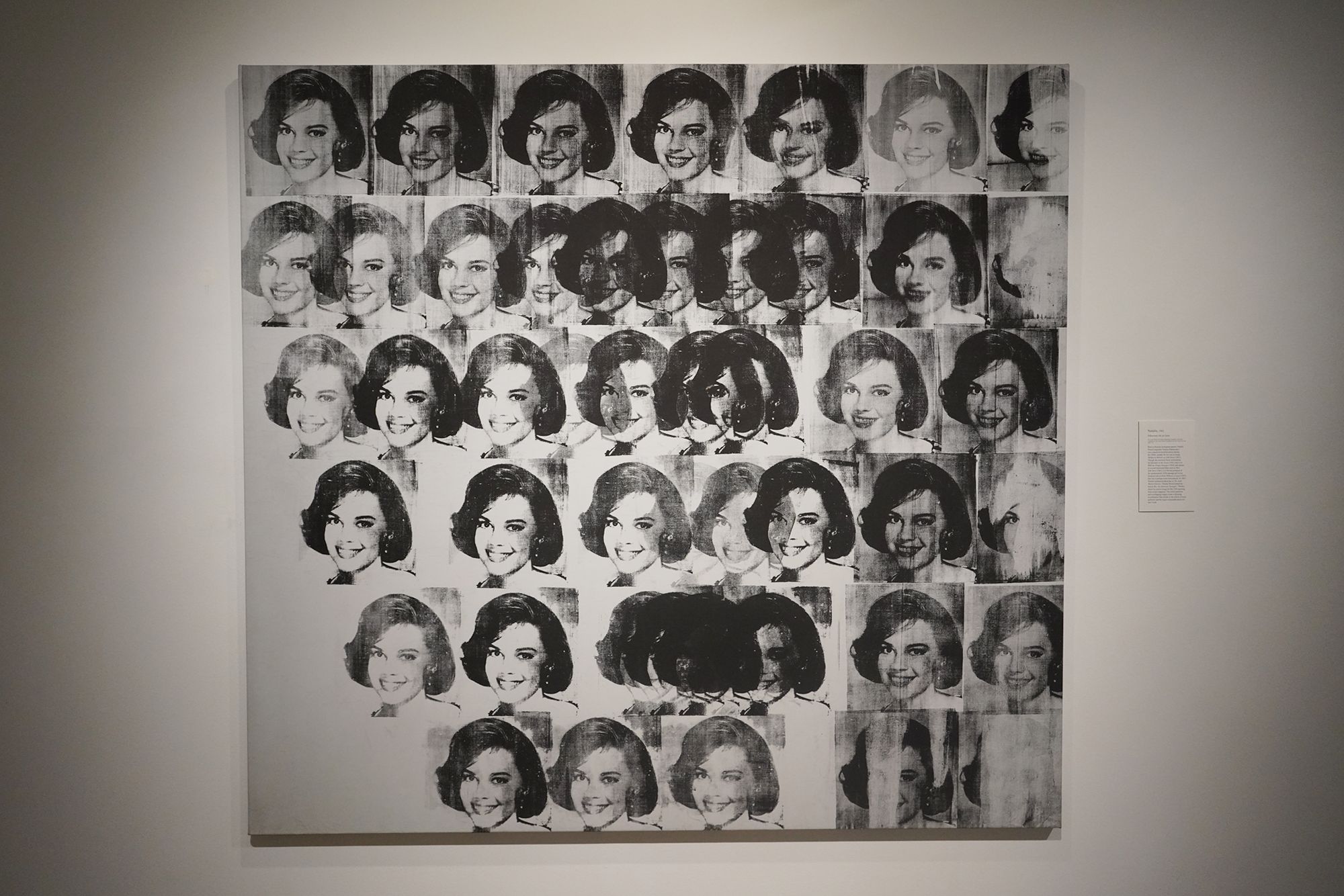
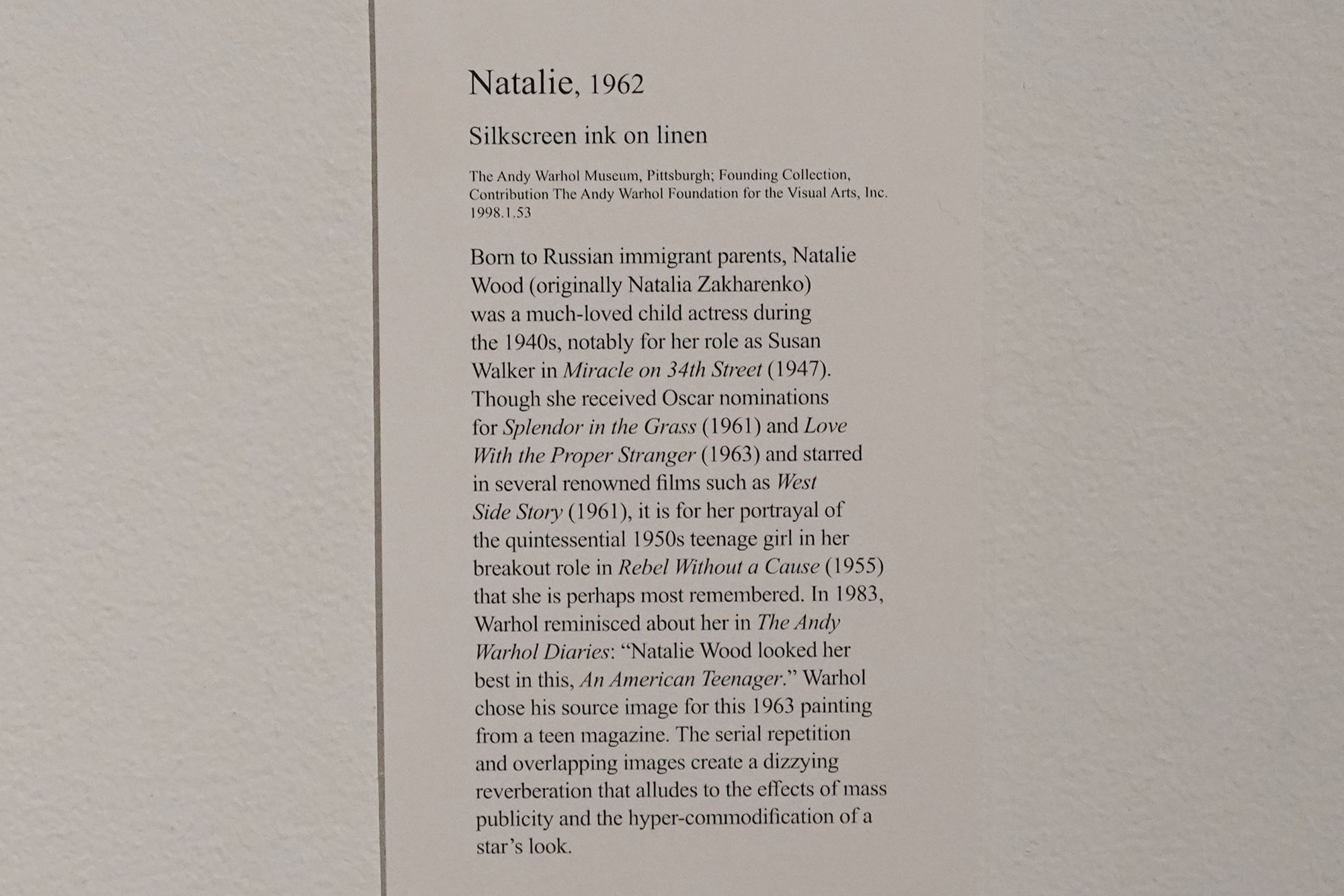
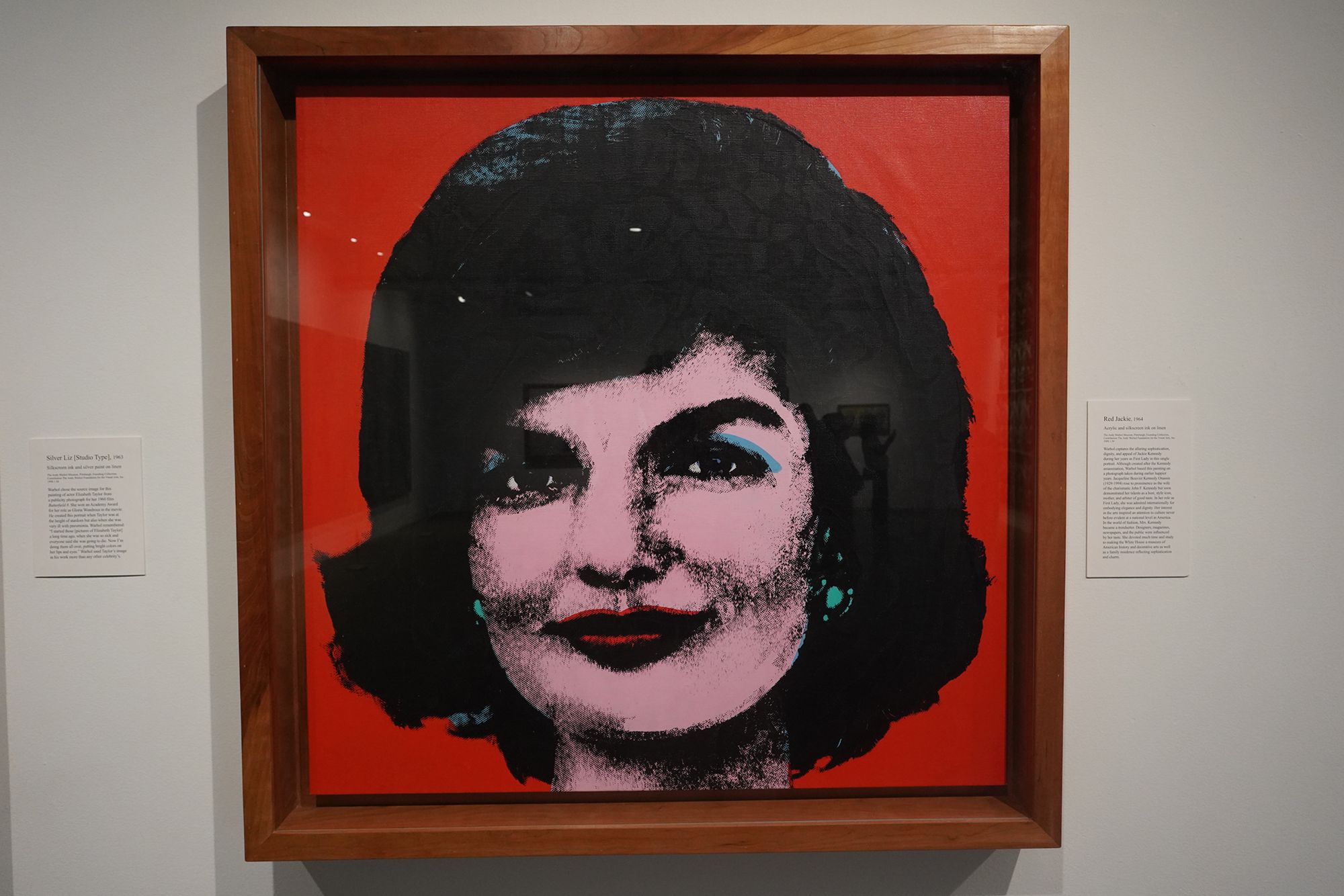
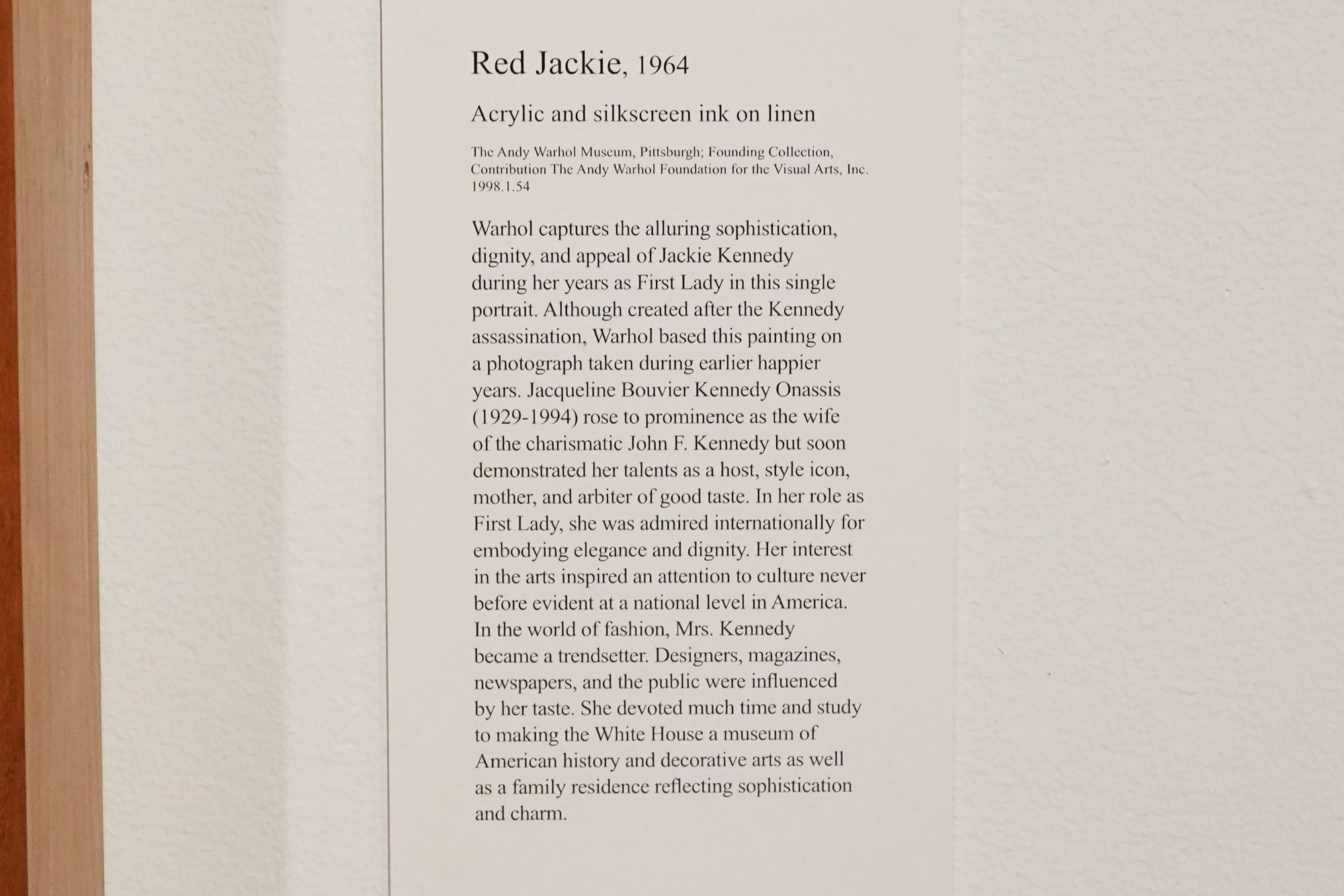
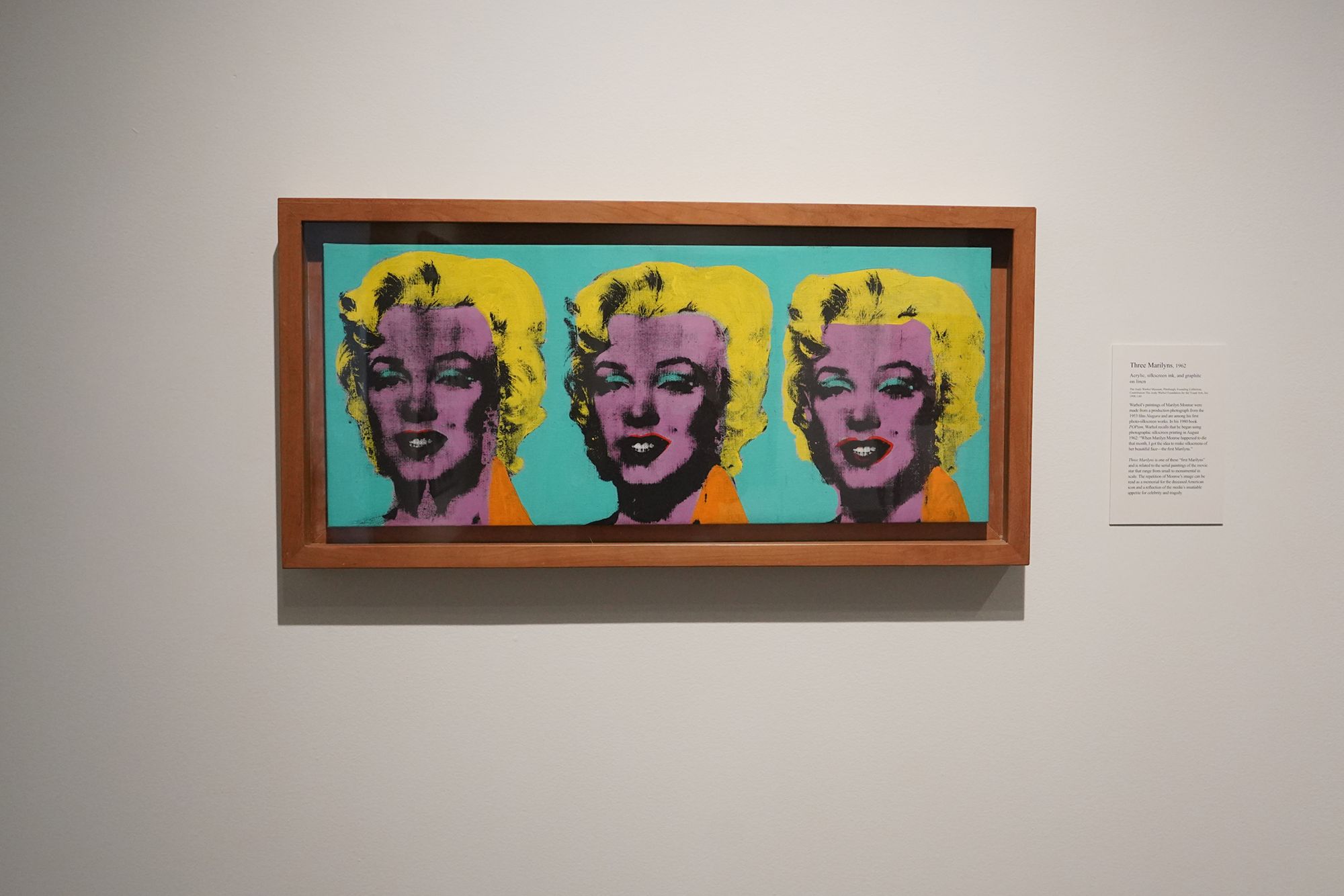
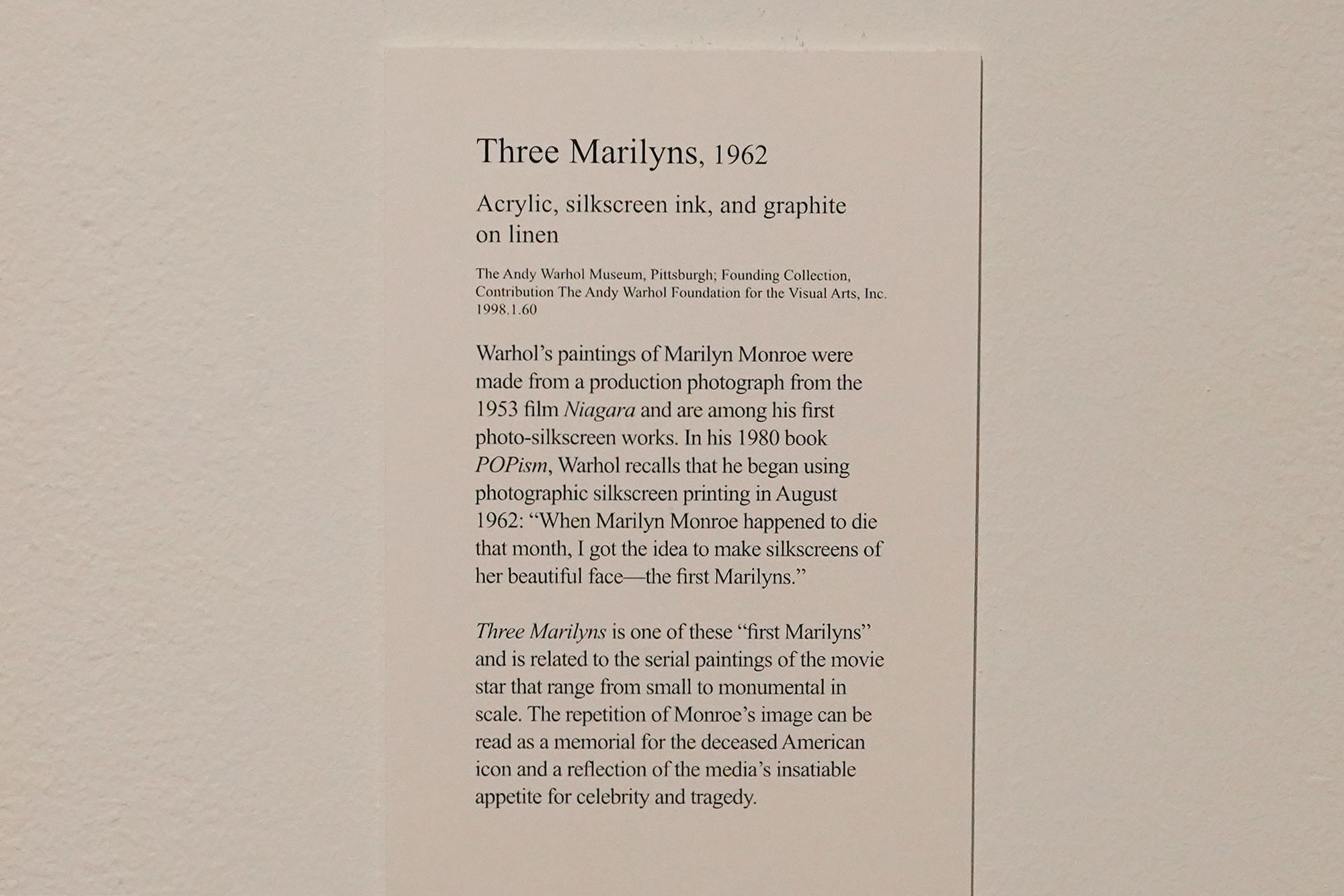
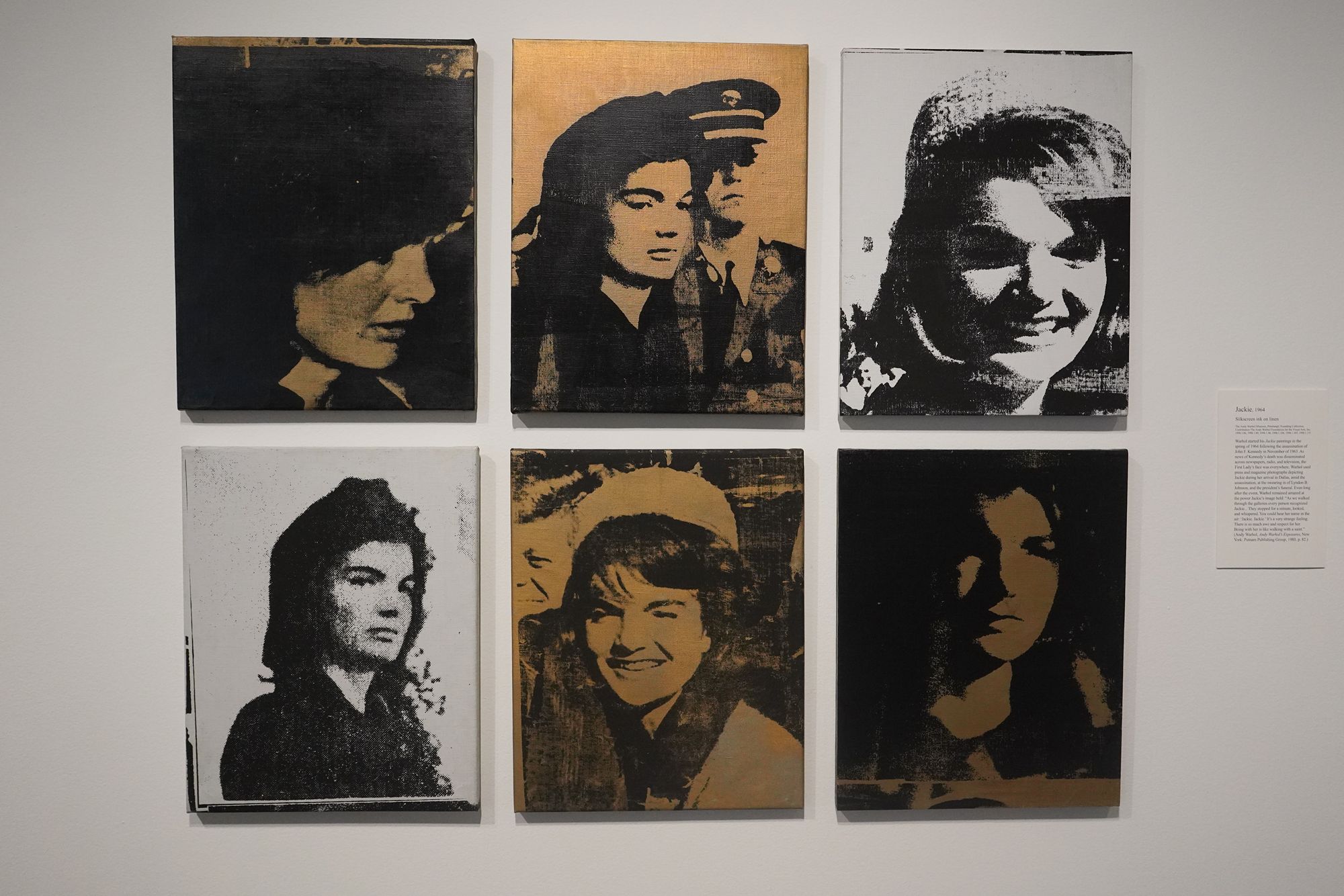
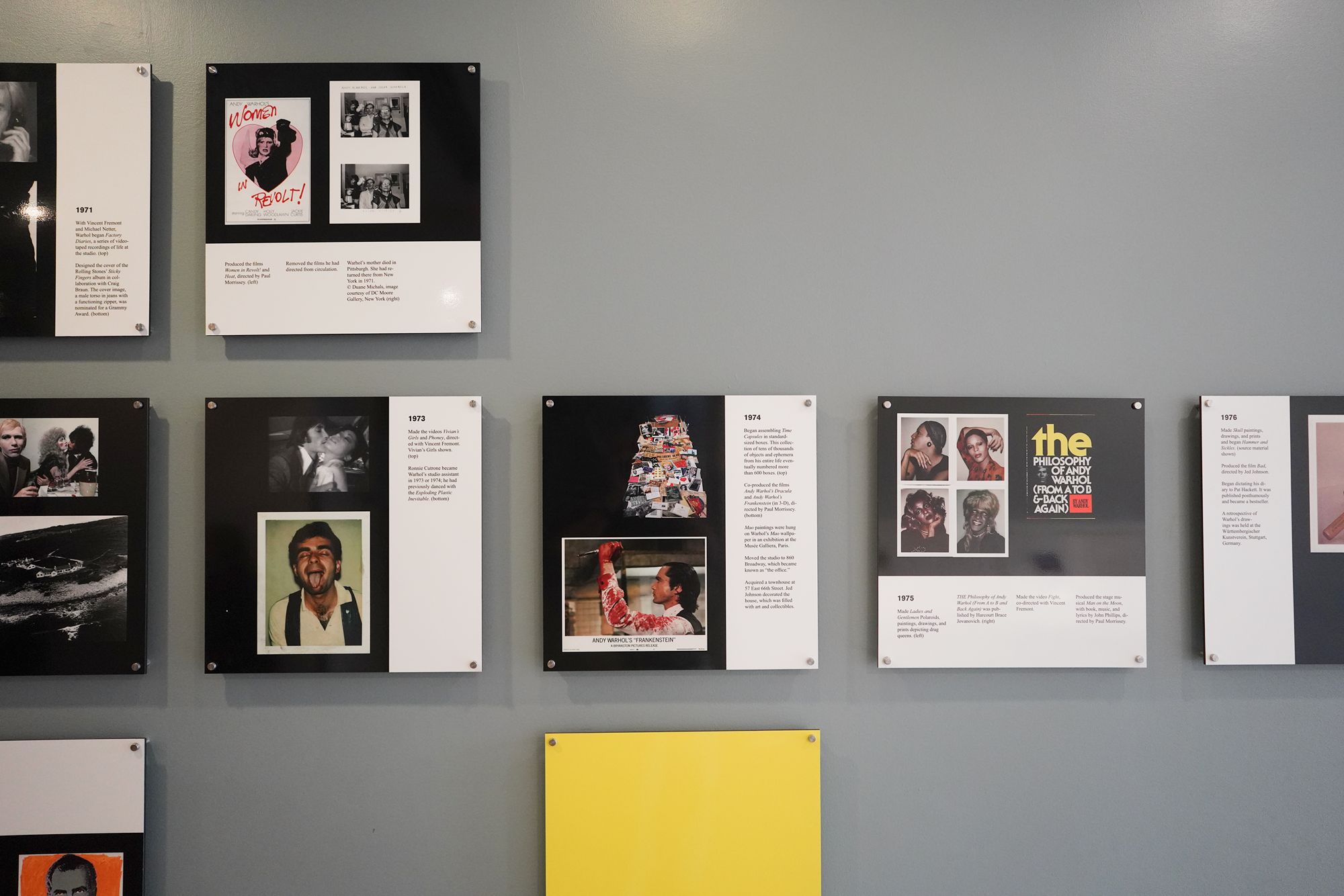
Andy Warhol in the 1970s shifted from radical experimentation to cultural observation and social documentation.
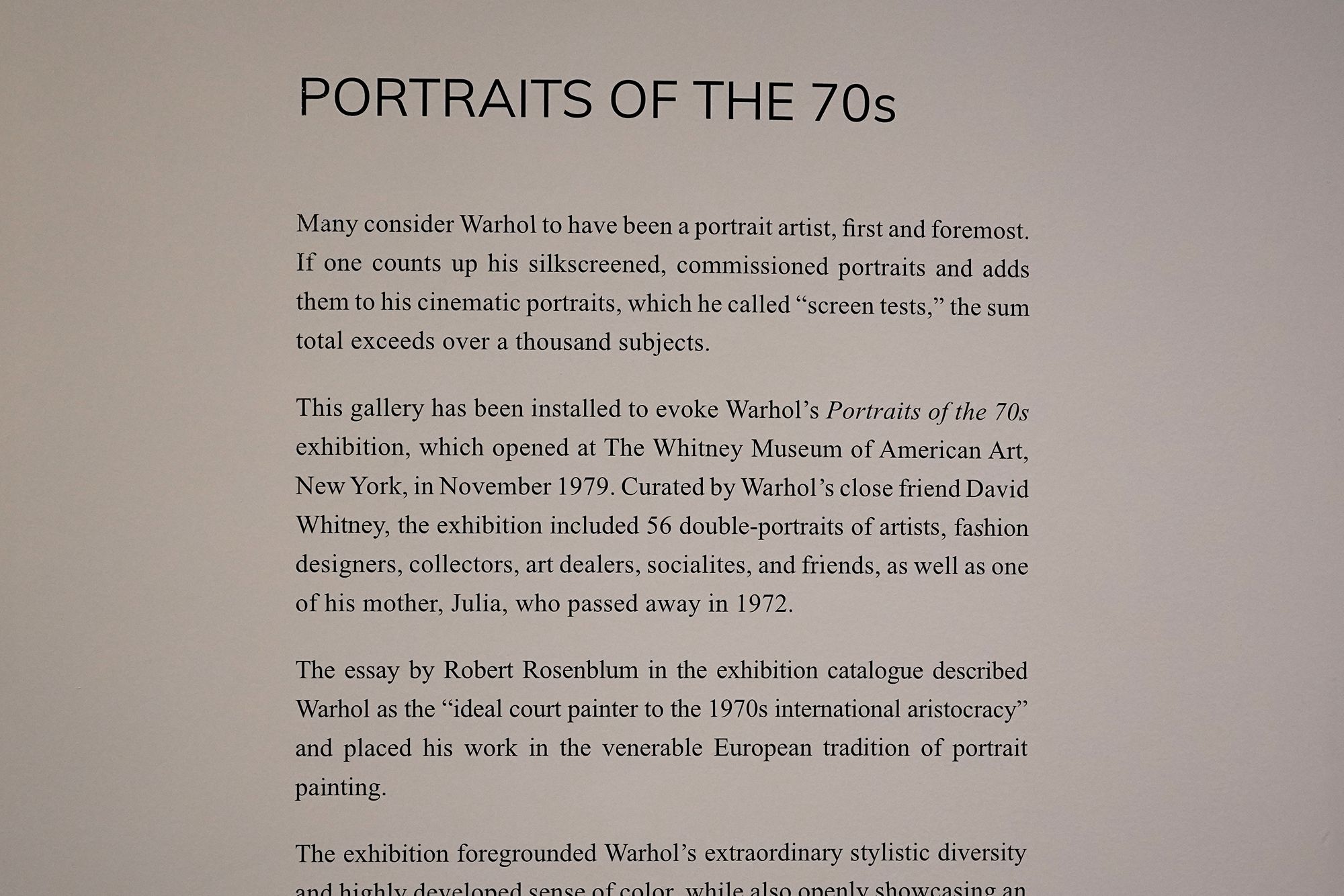
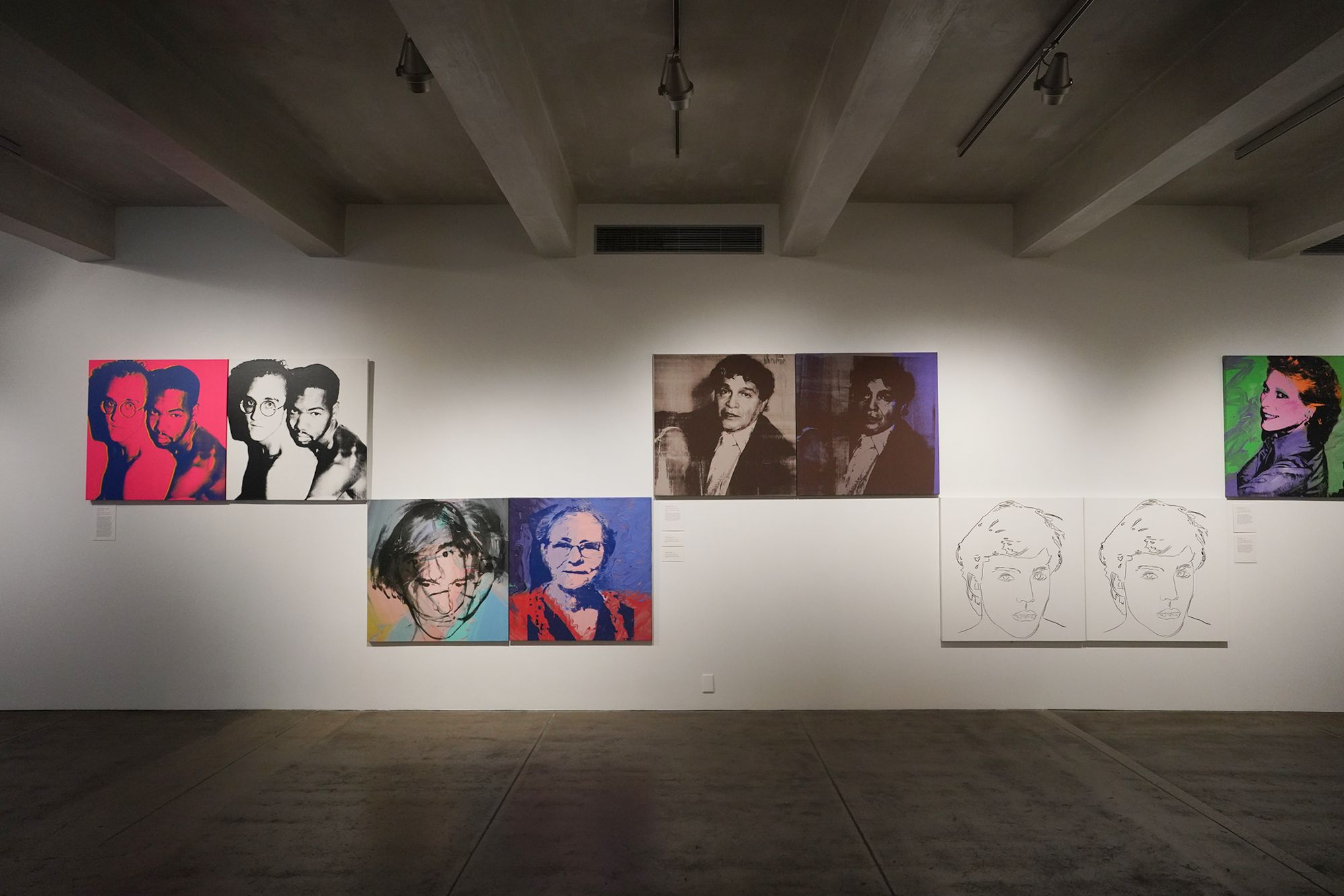
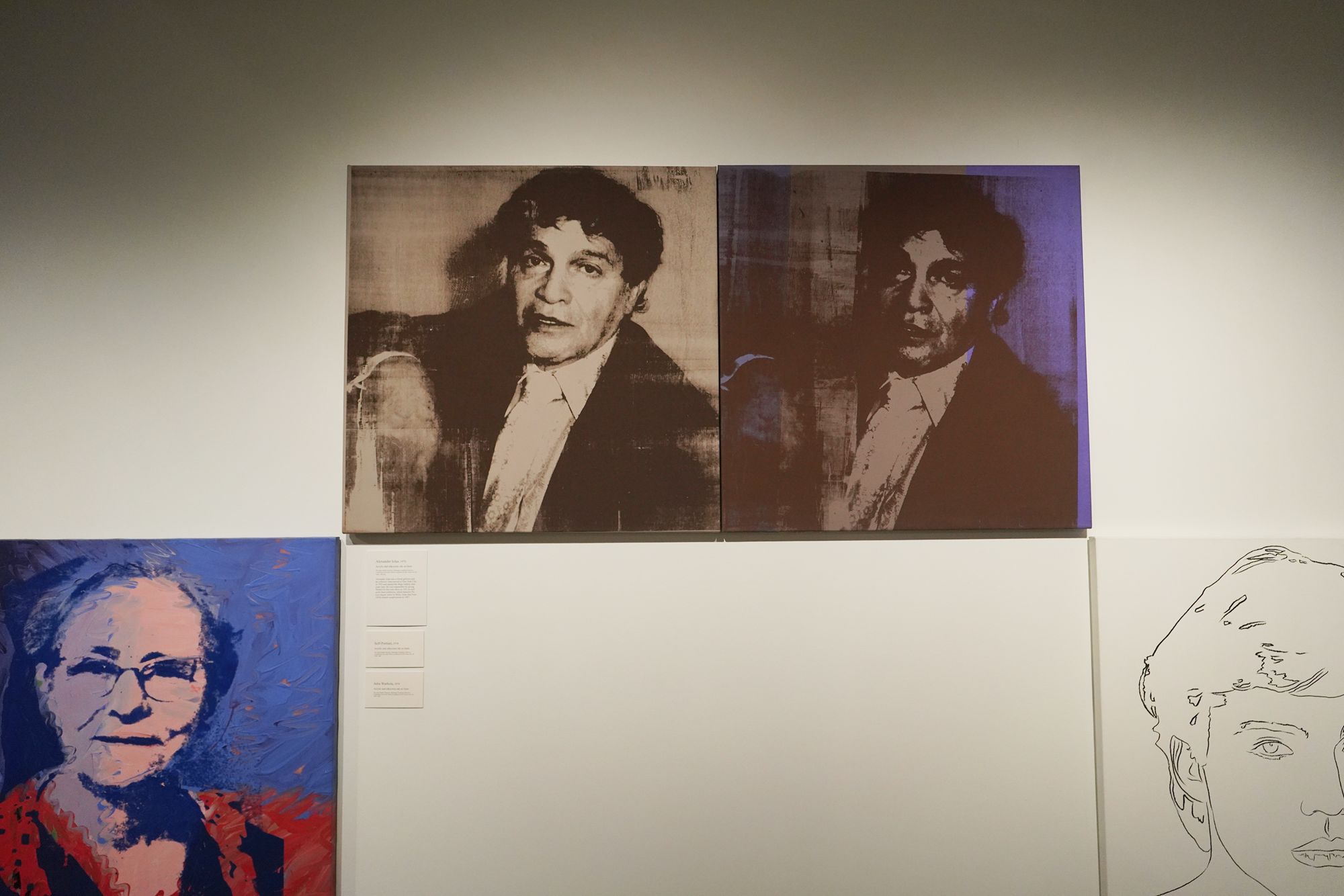
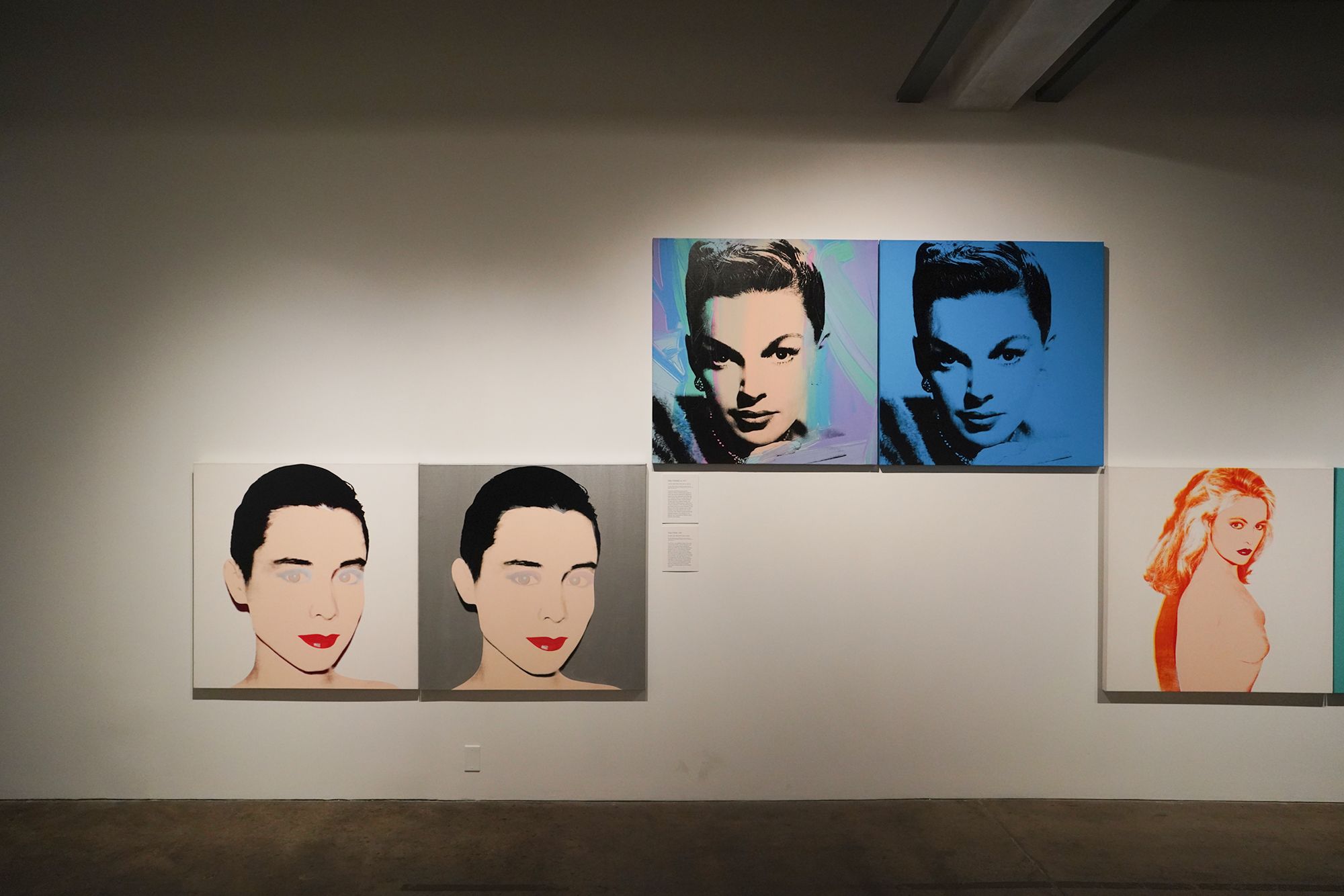
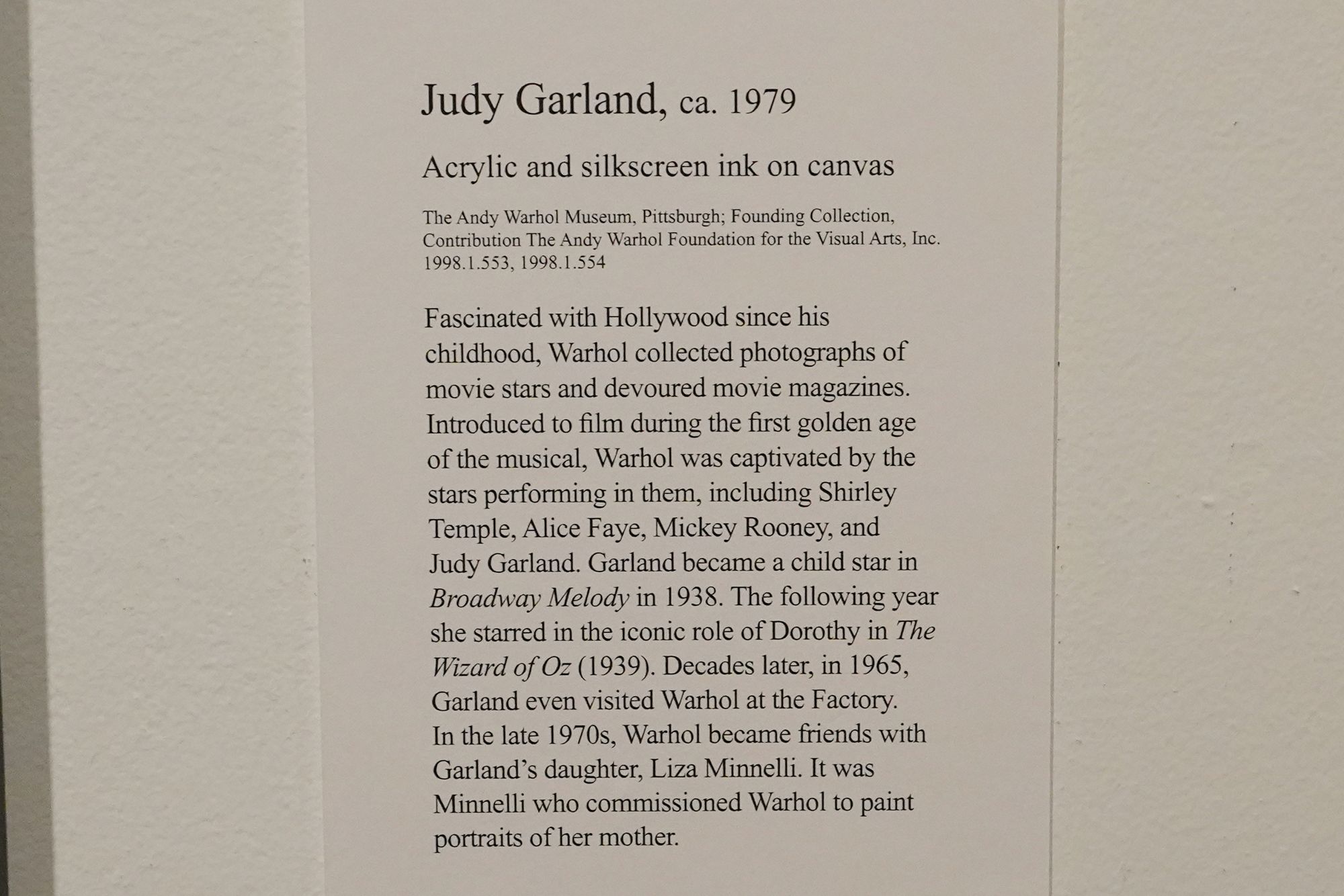
After the turbulence of the late 1960s and the 1968 shooting, Warhol’s work became more controlled and outward-facing. He focused on portraiture, producing silkscreen images of celebrities, socialites, musicians, and business figures. These commissioned portraits reflected the decade’s obsession with status, fame, and image, turning society itself into his subject.
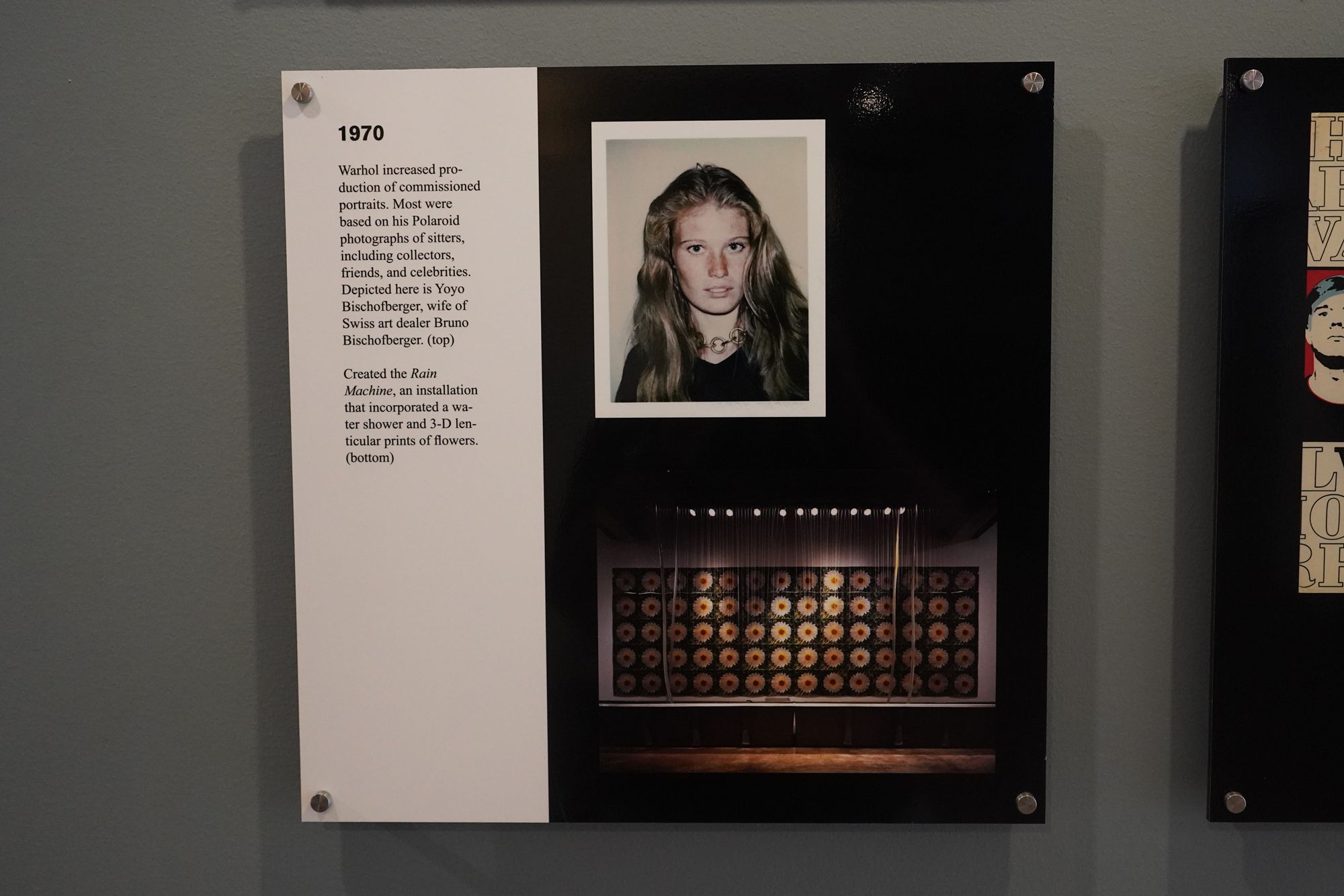
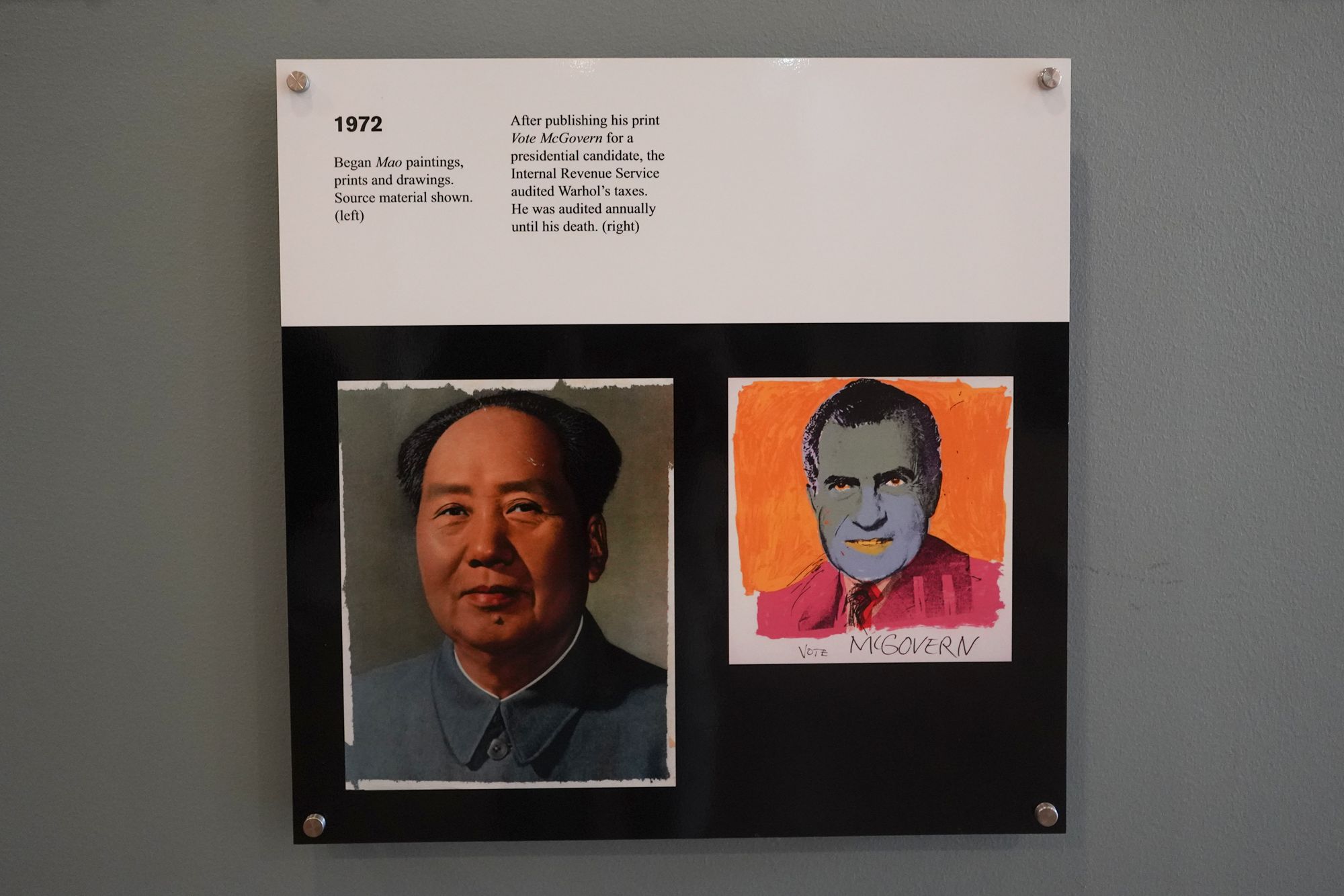
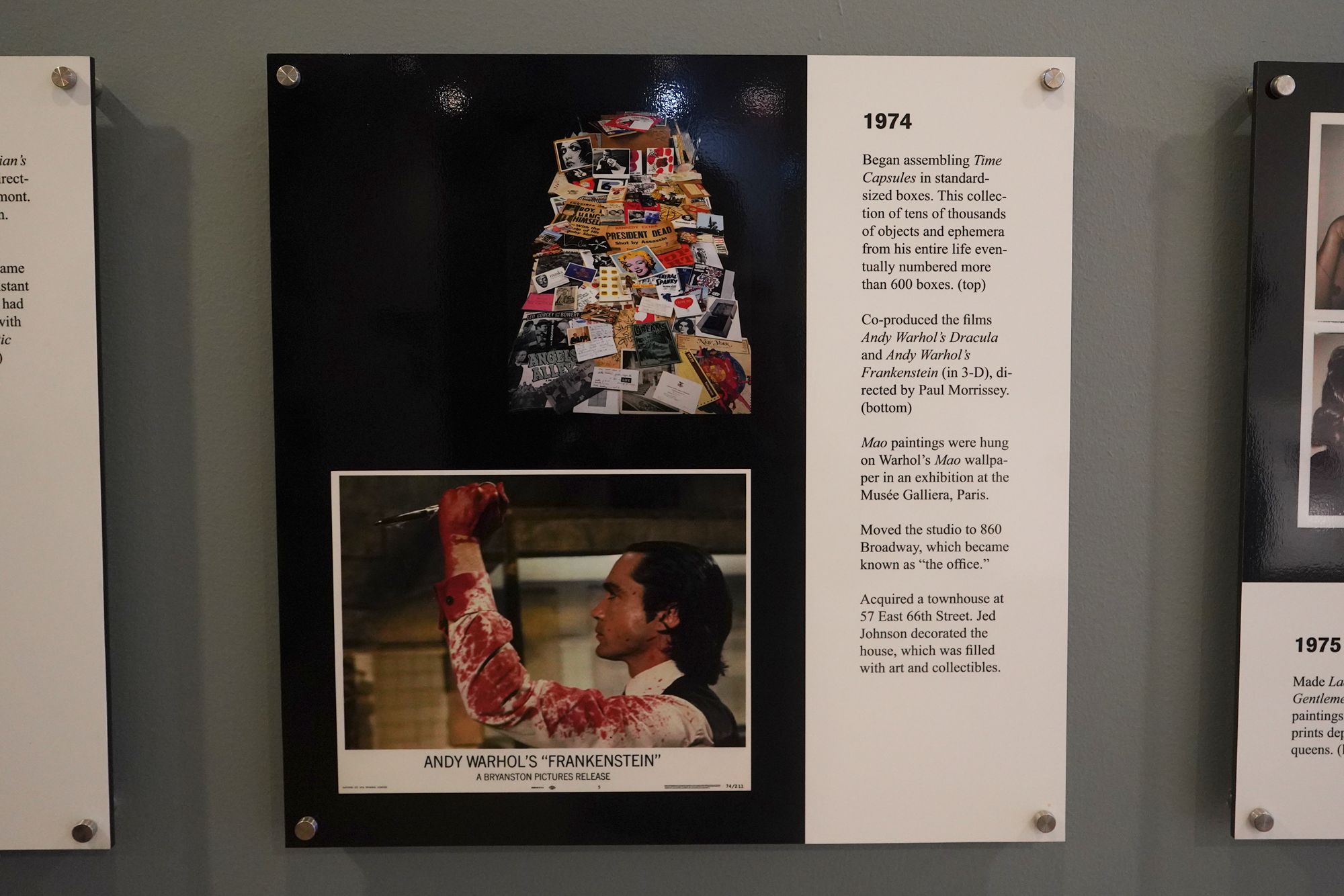
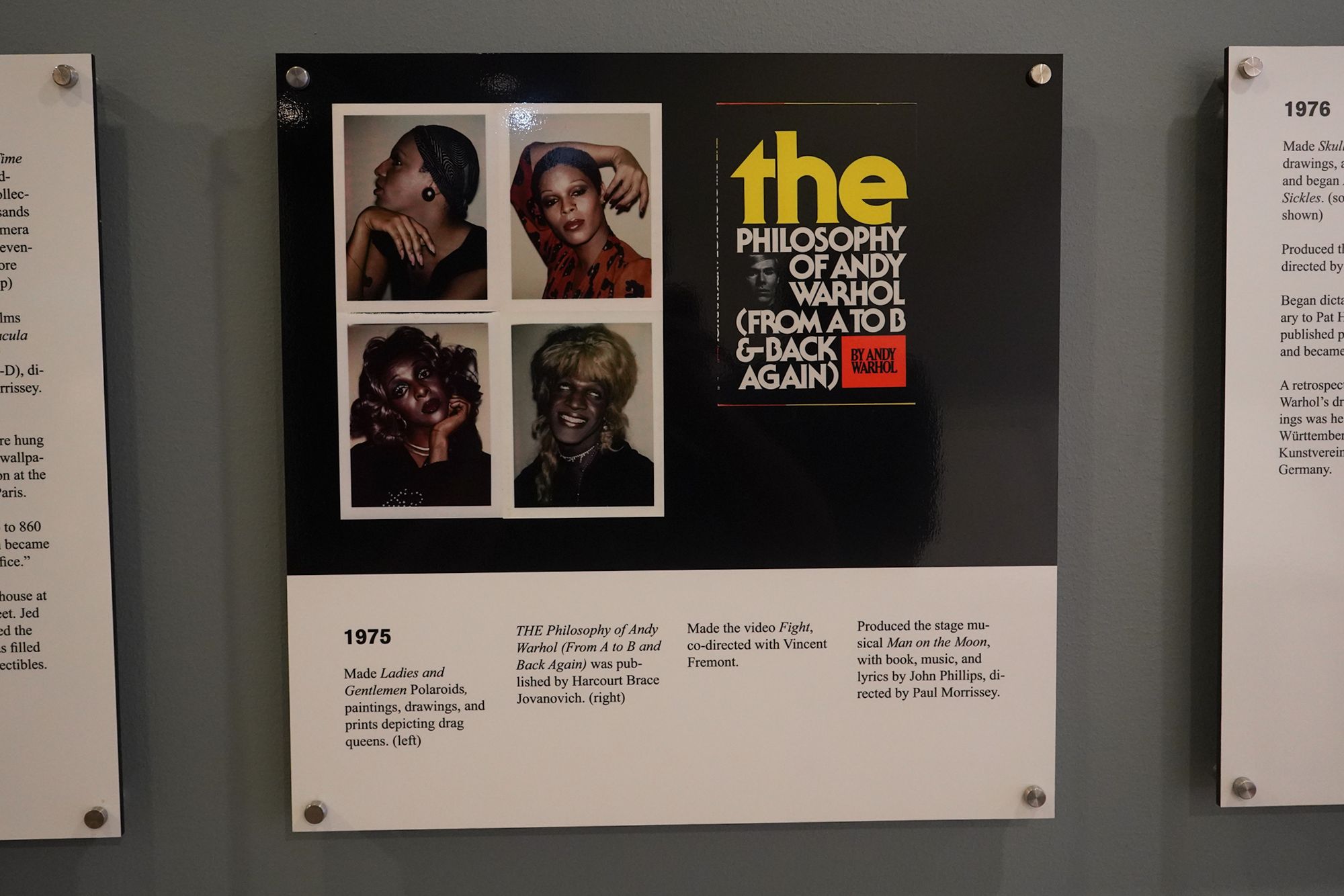
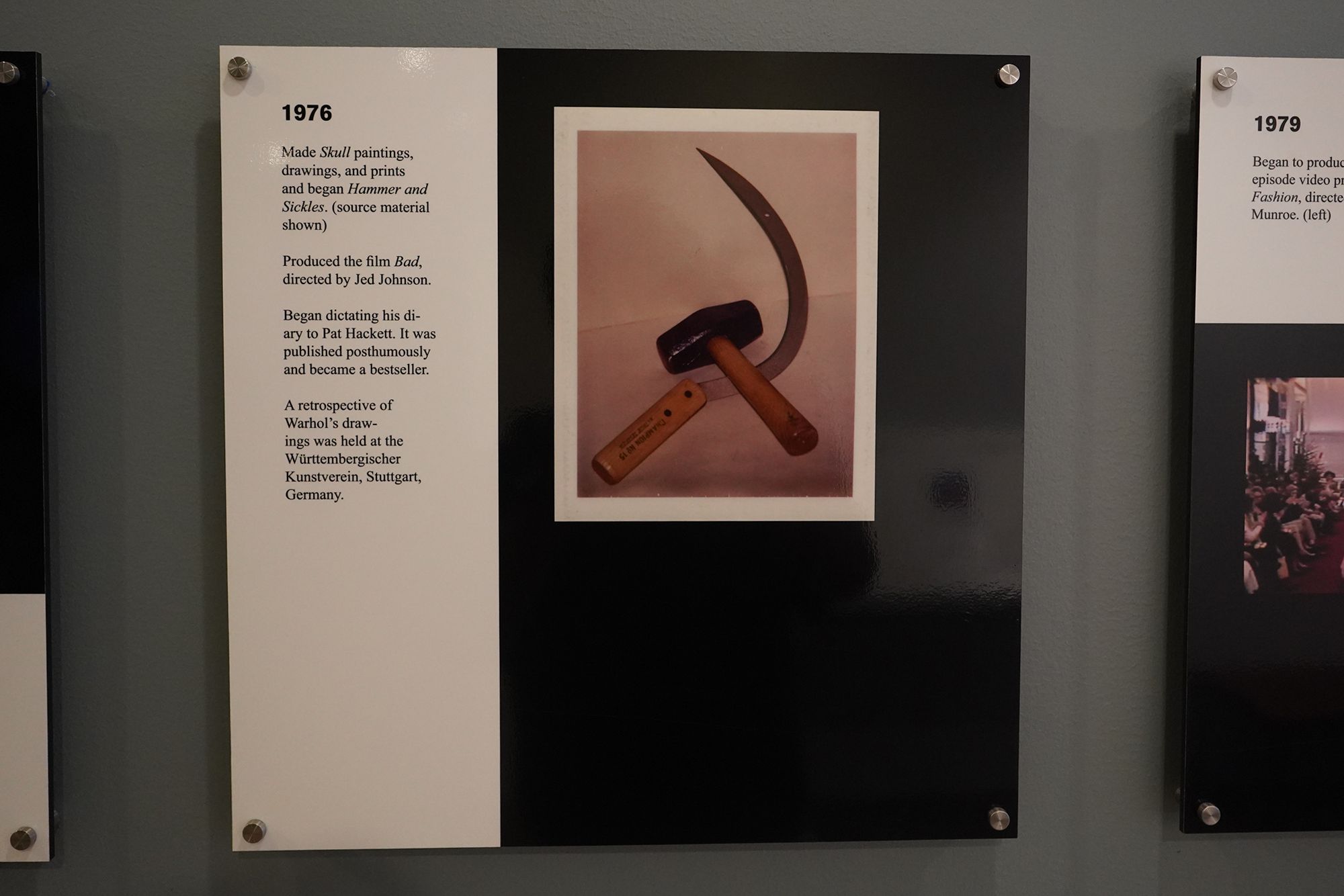
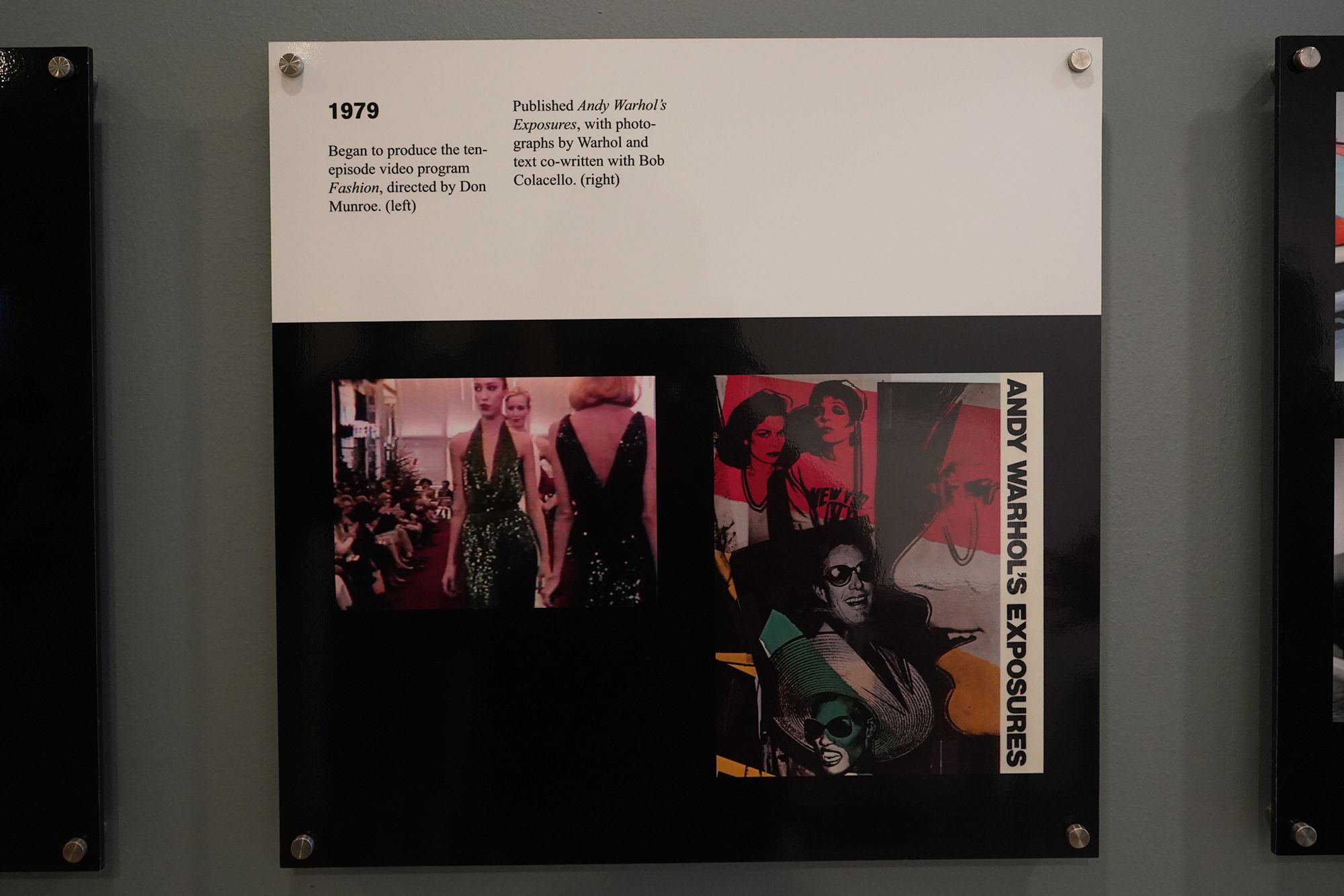
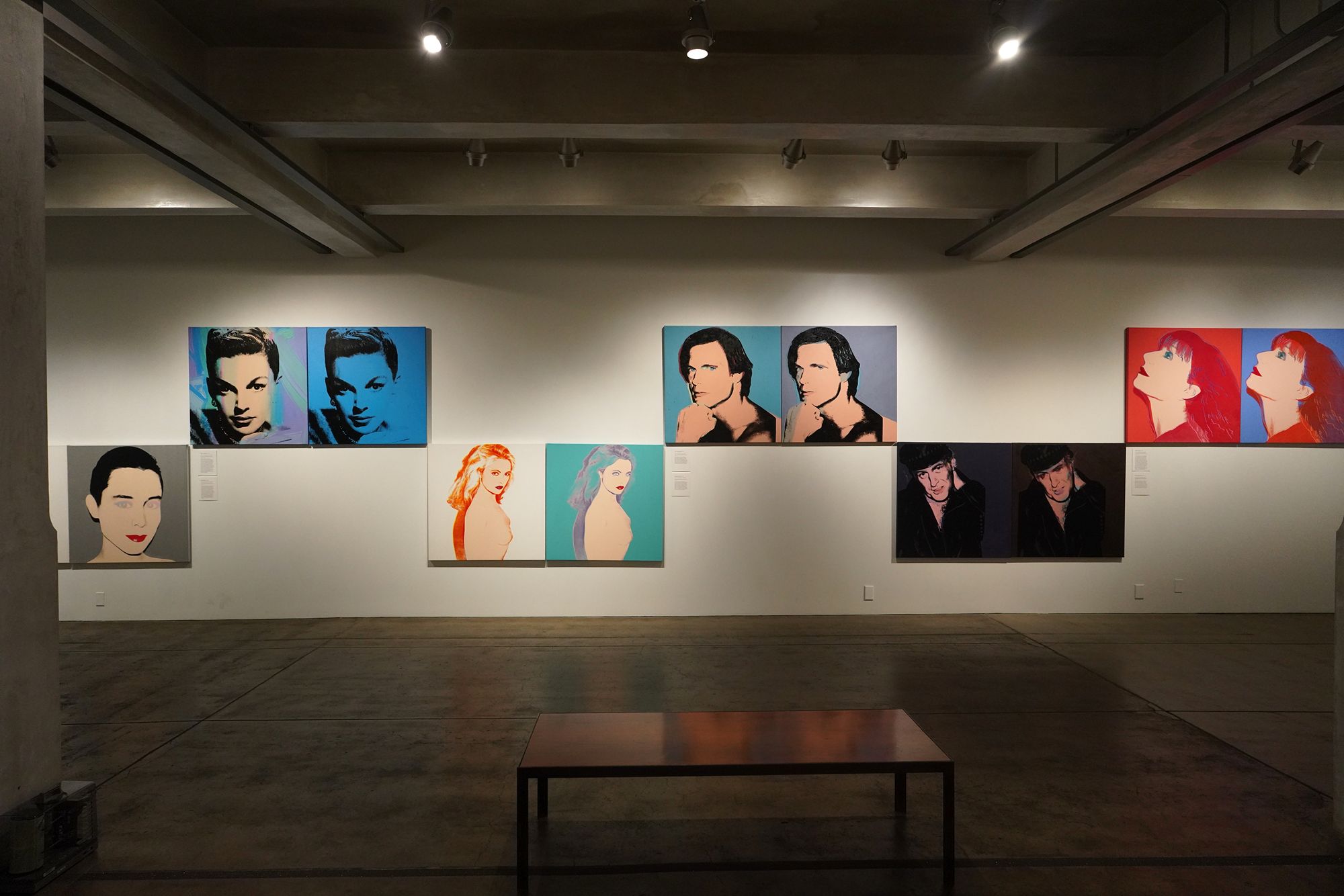
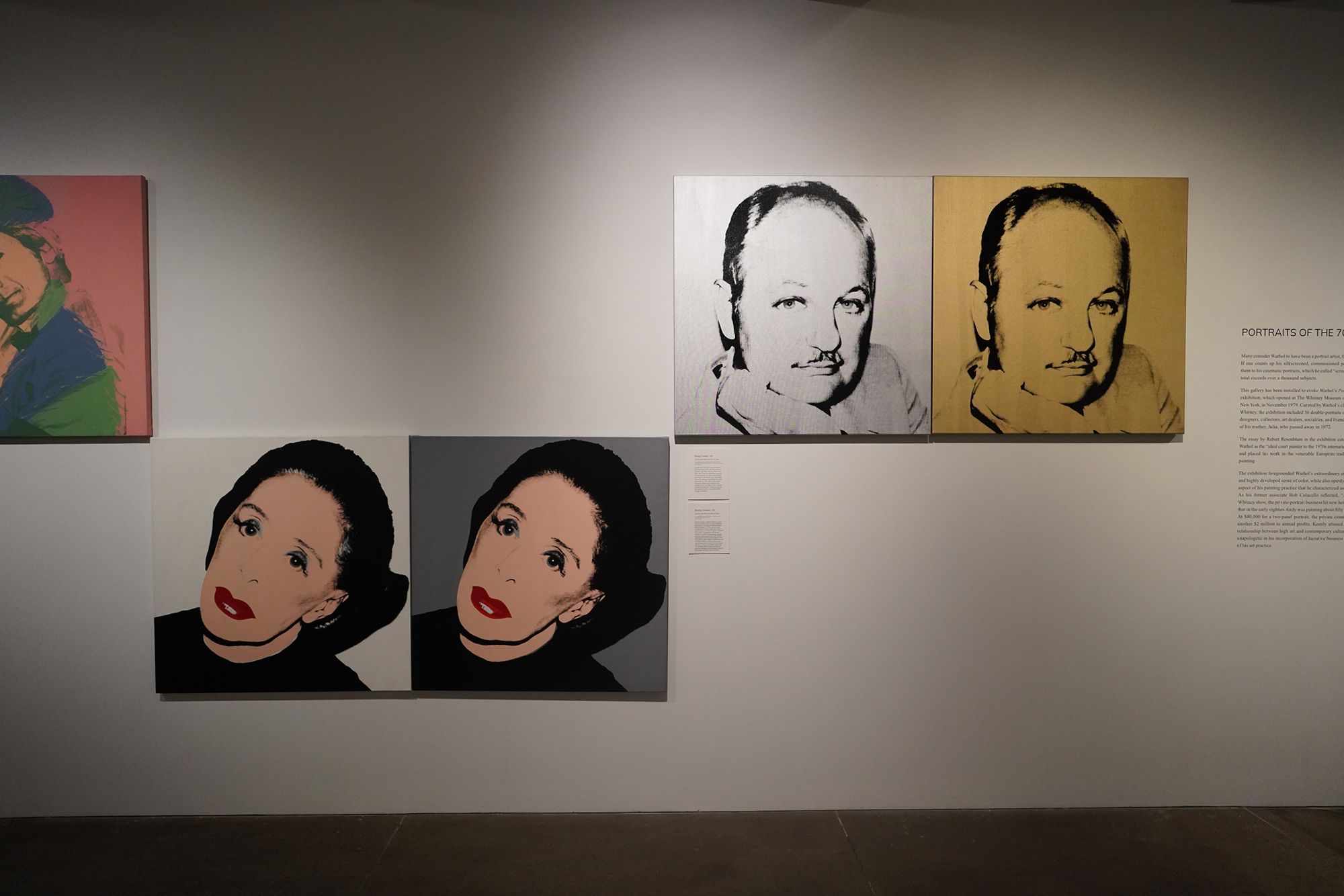
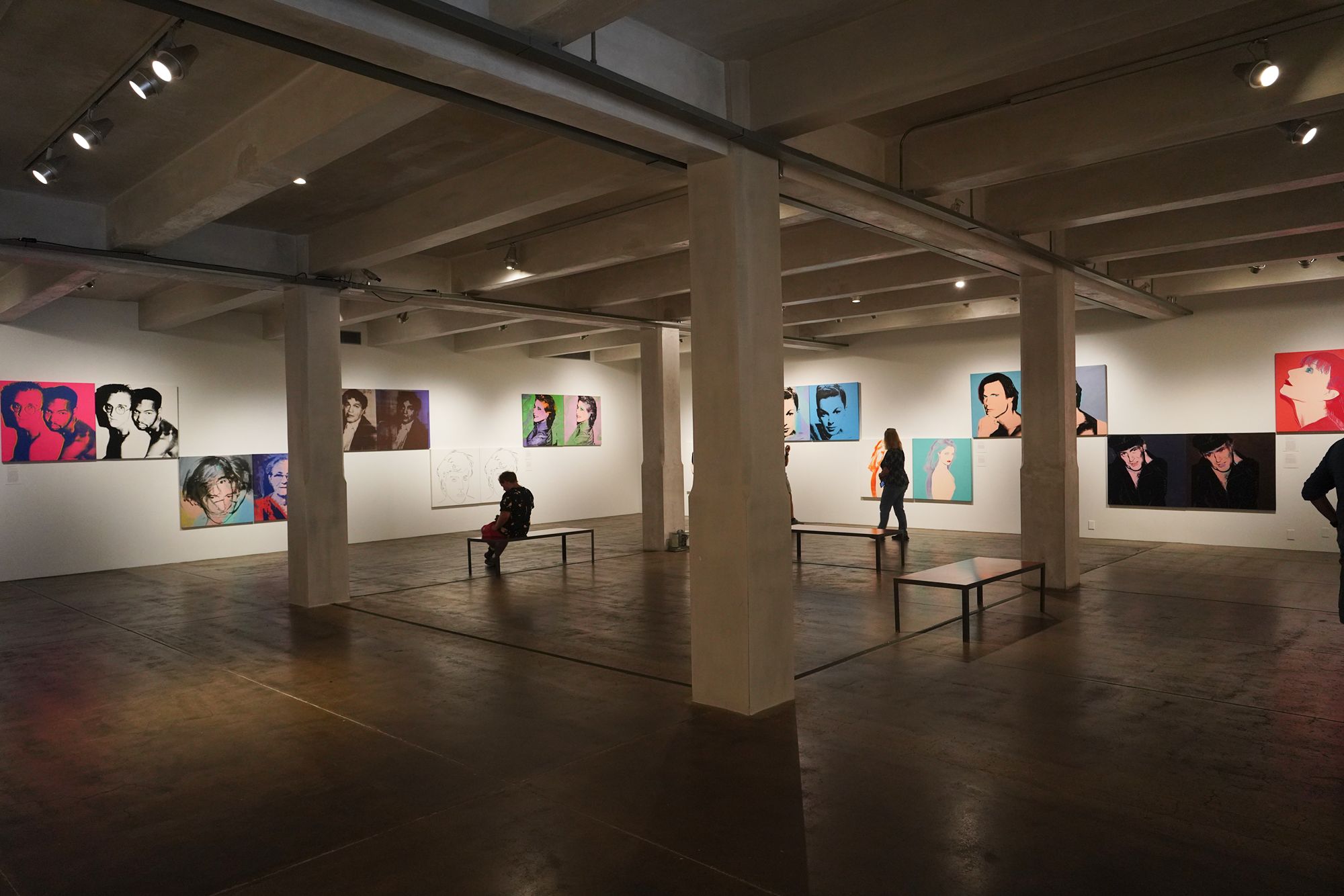
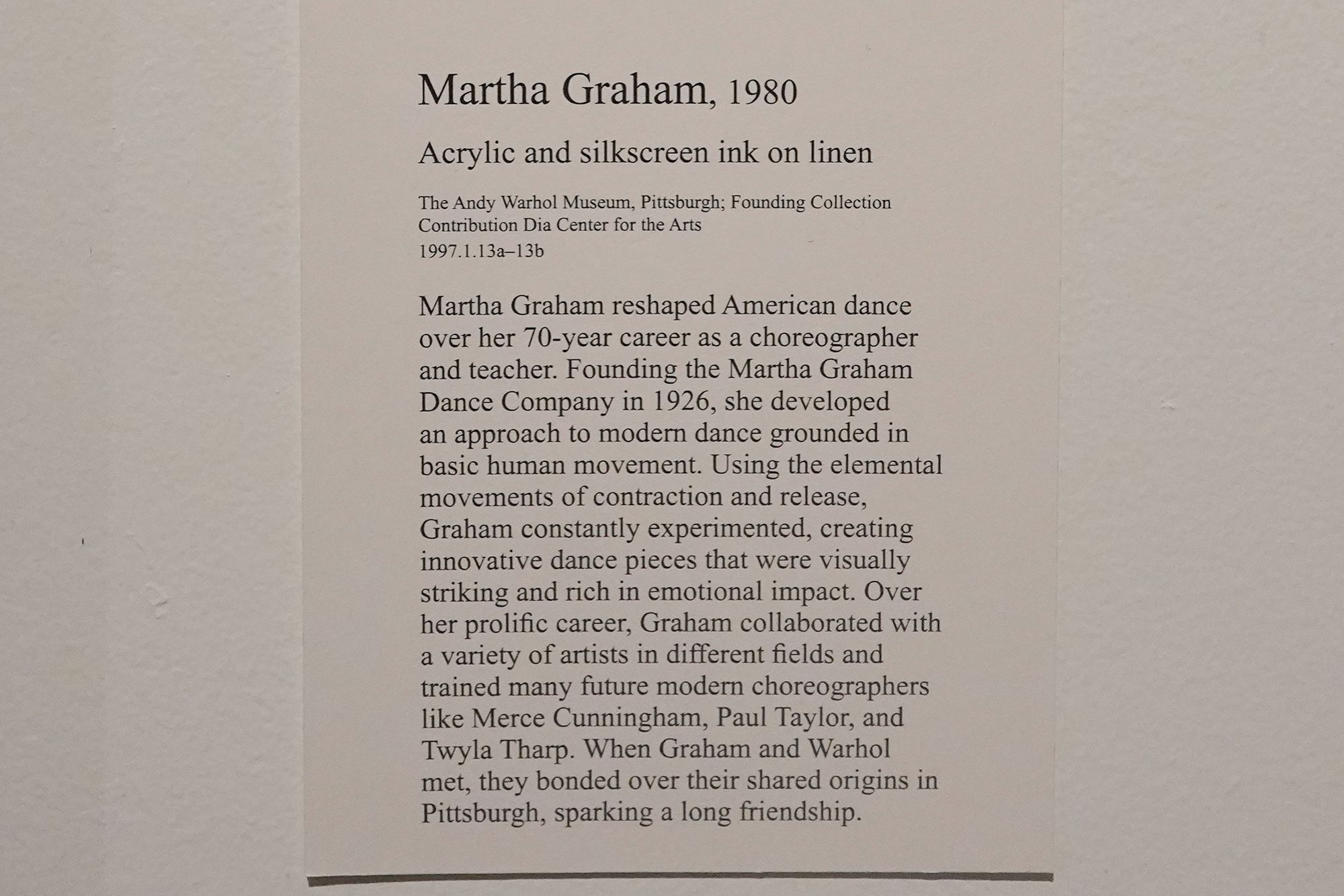
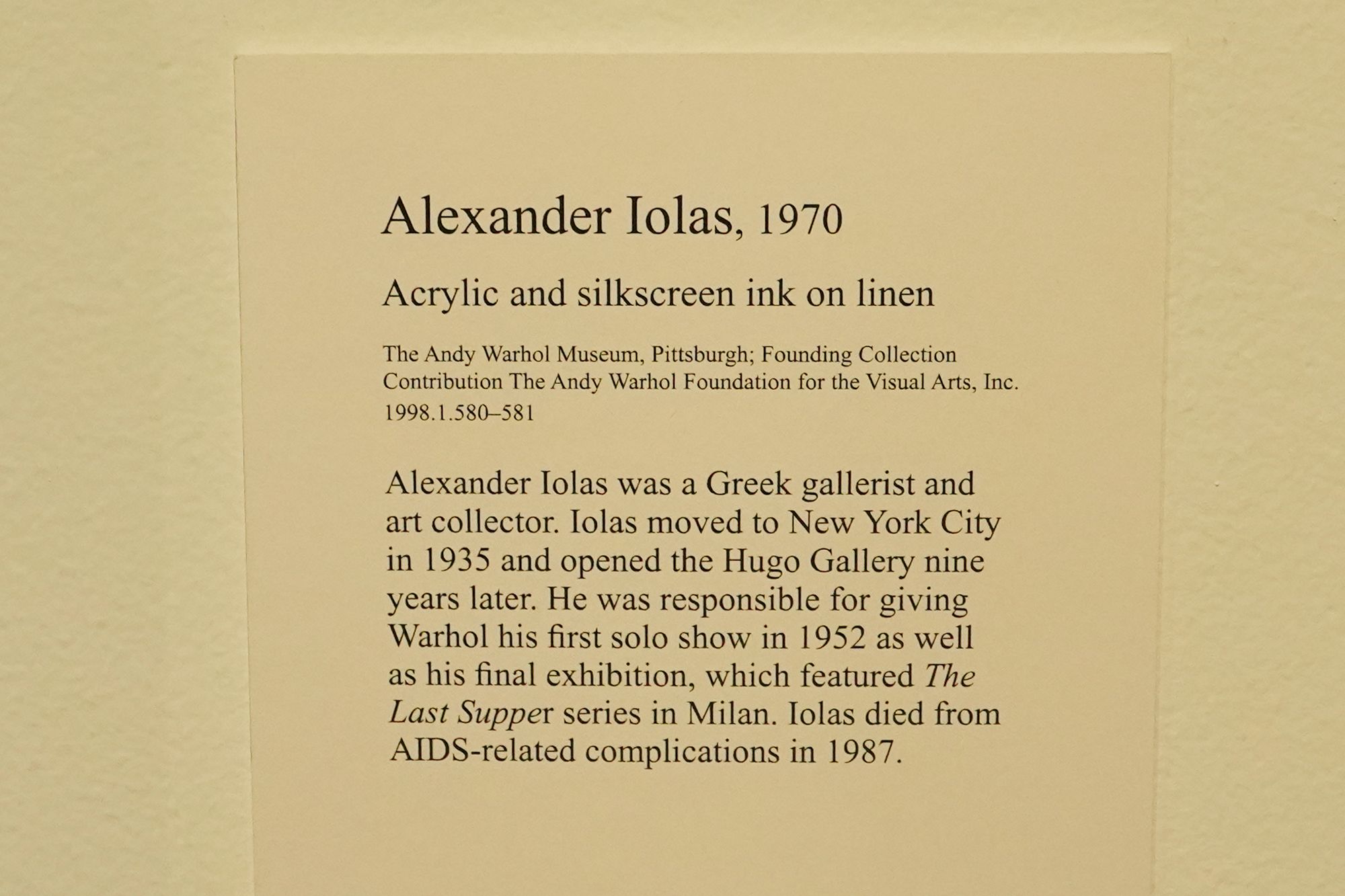
Portraits of the 70s
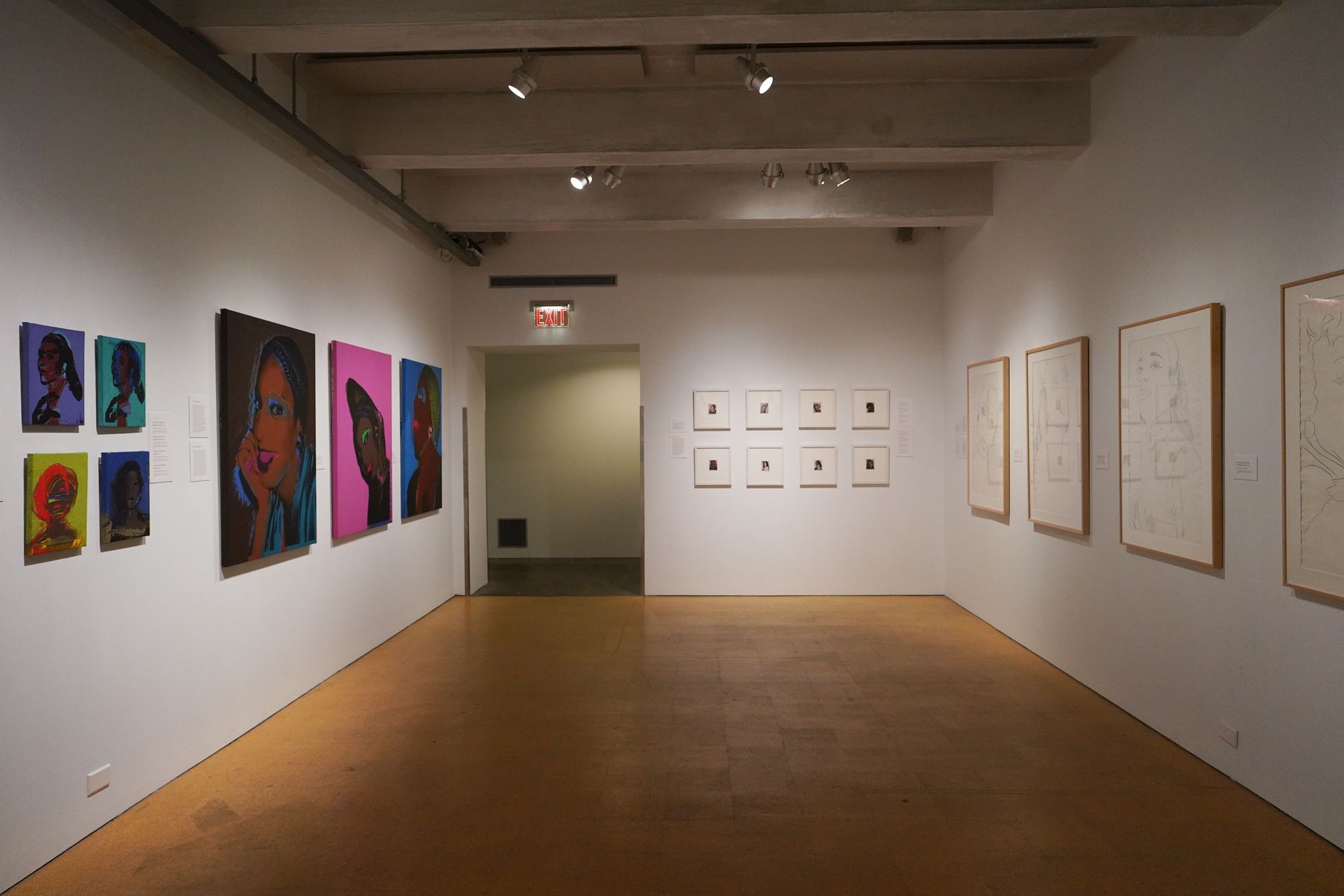
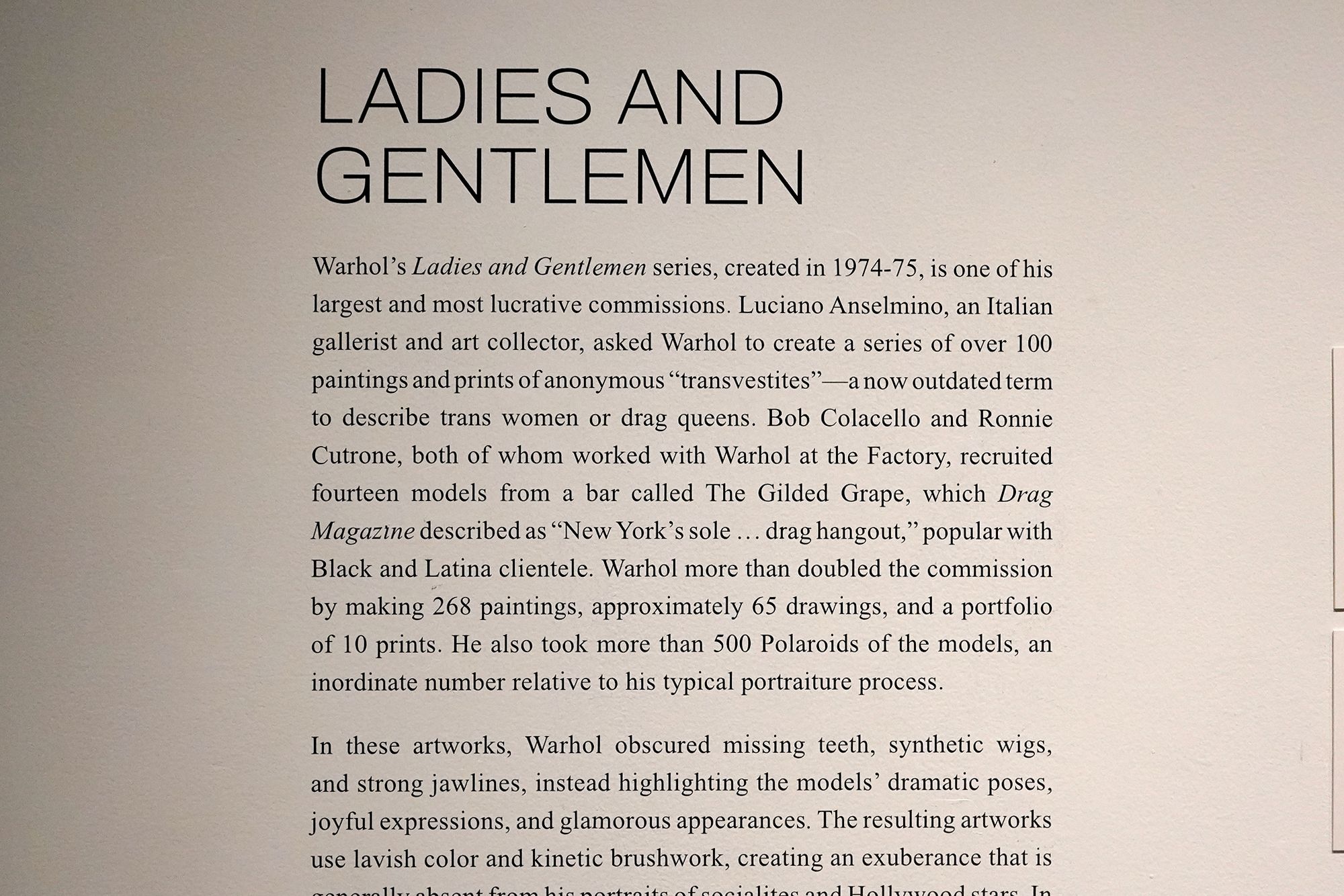
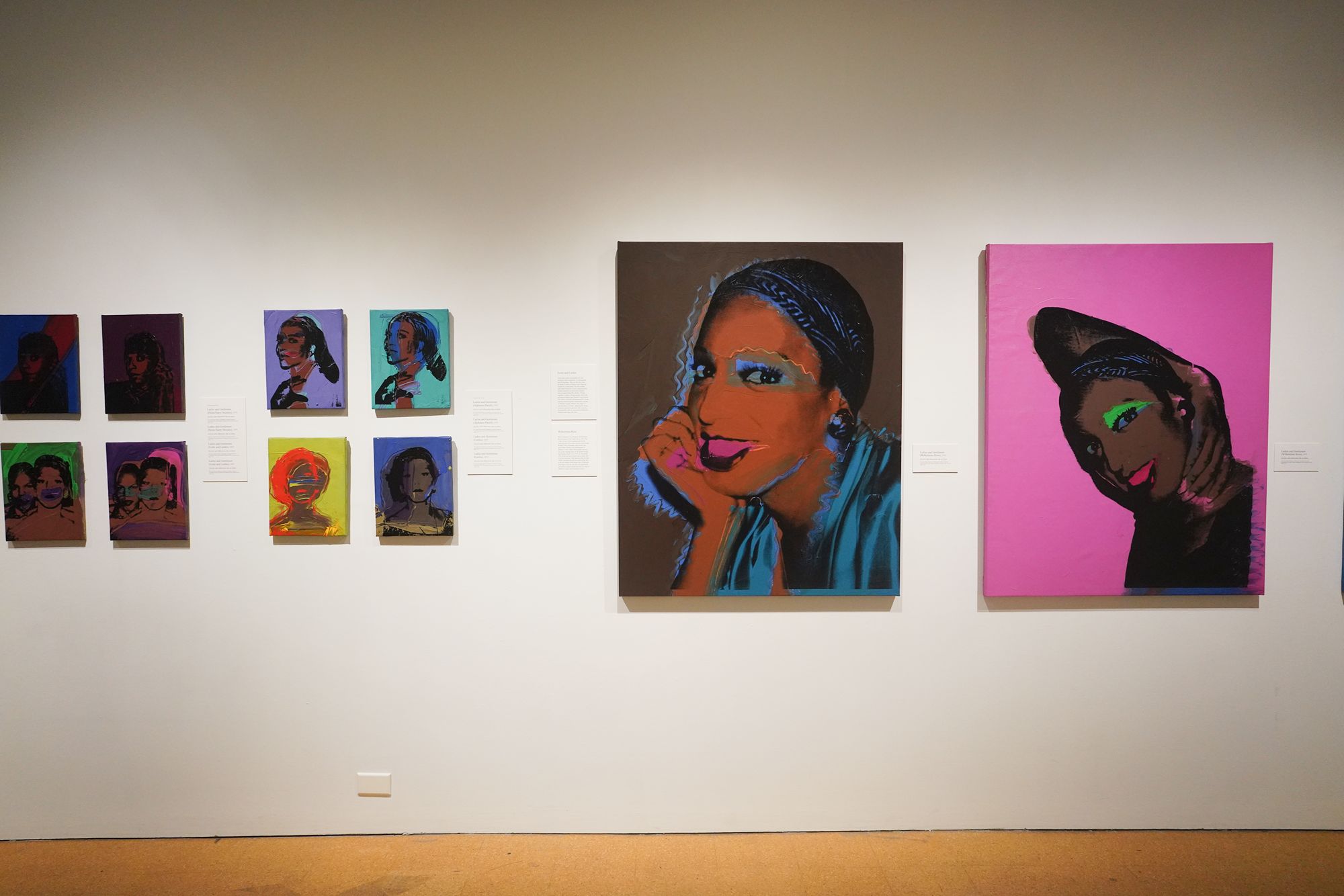
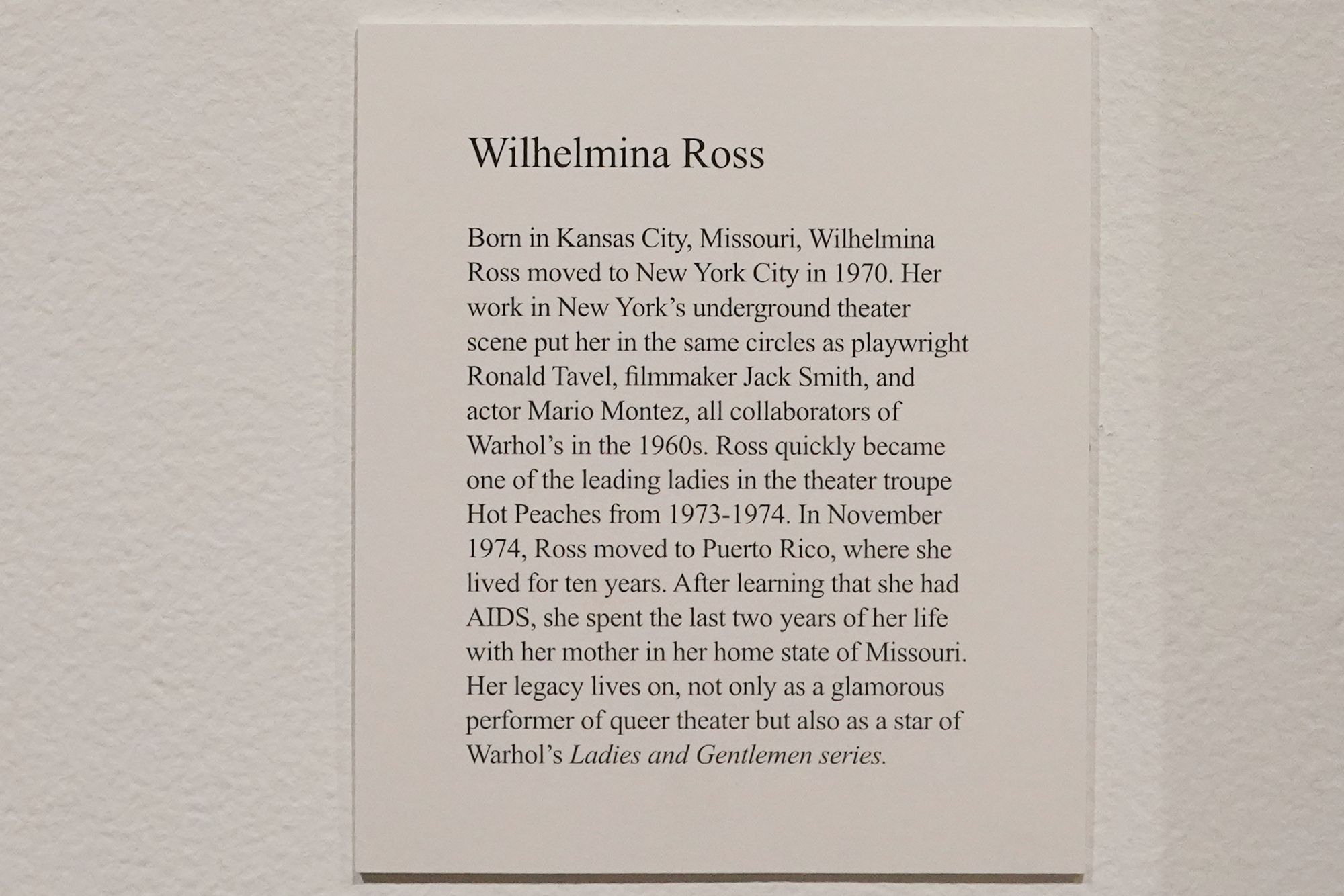
“Ladies and Gentlemen” is a major portrait series created in the mid-1970s by Andy Warhol.
Commissioned by an Italian dealer, the series features large silkscreen portraits of Black and Latinx drag performers and transgender women from New York’s underground scene. Using bold colors and repeated formats, Warhol applied the same visual language he used for celebrities—elevating marginalized subjects to monumental scale.
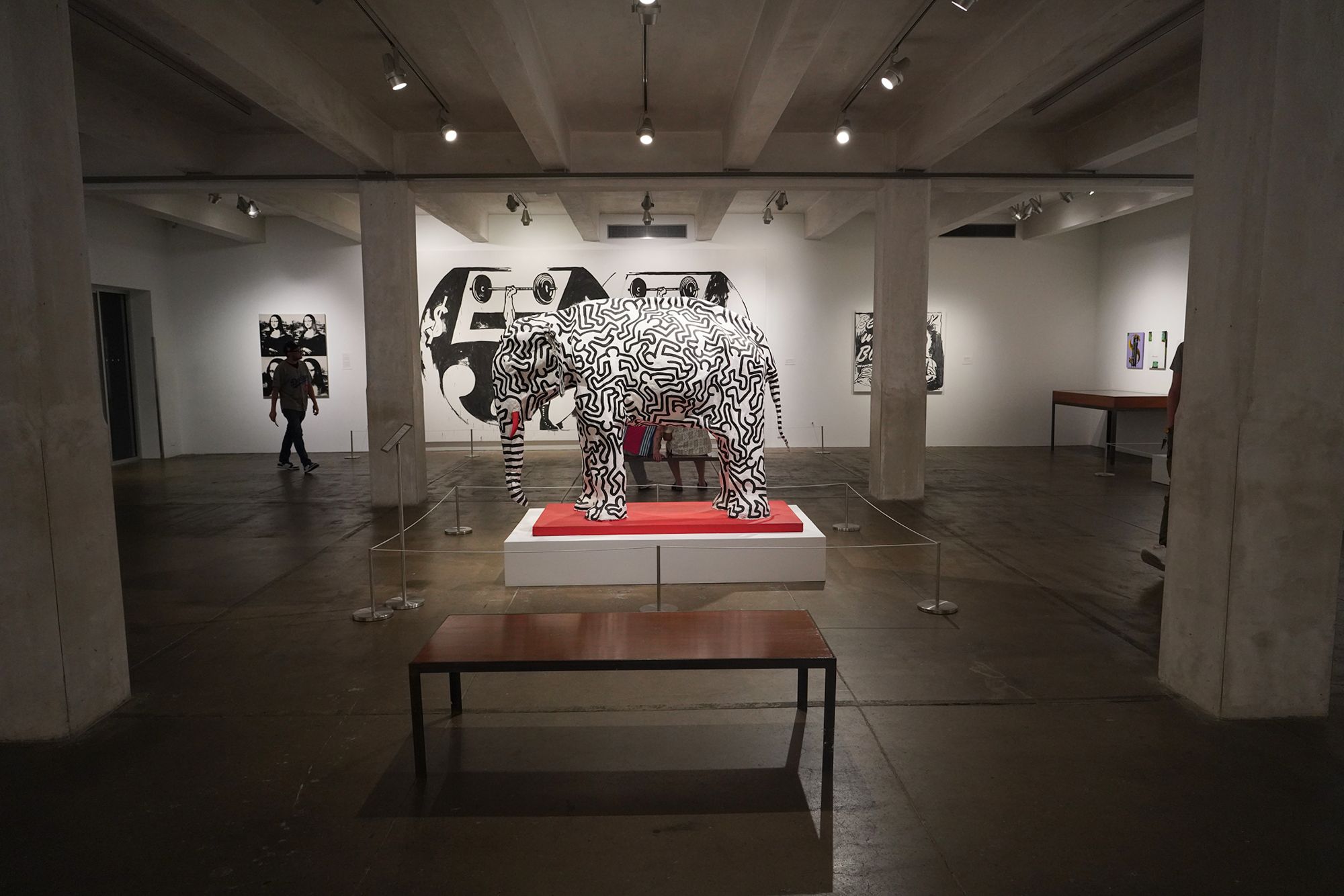
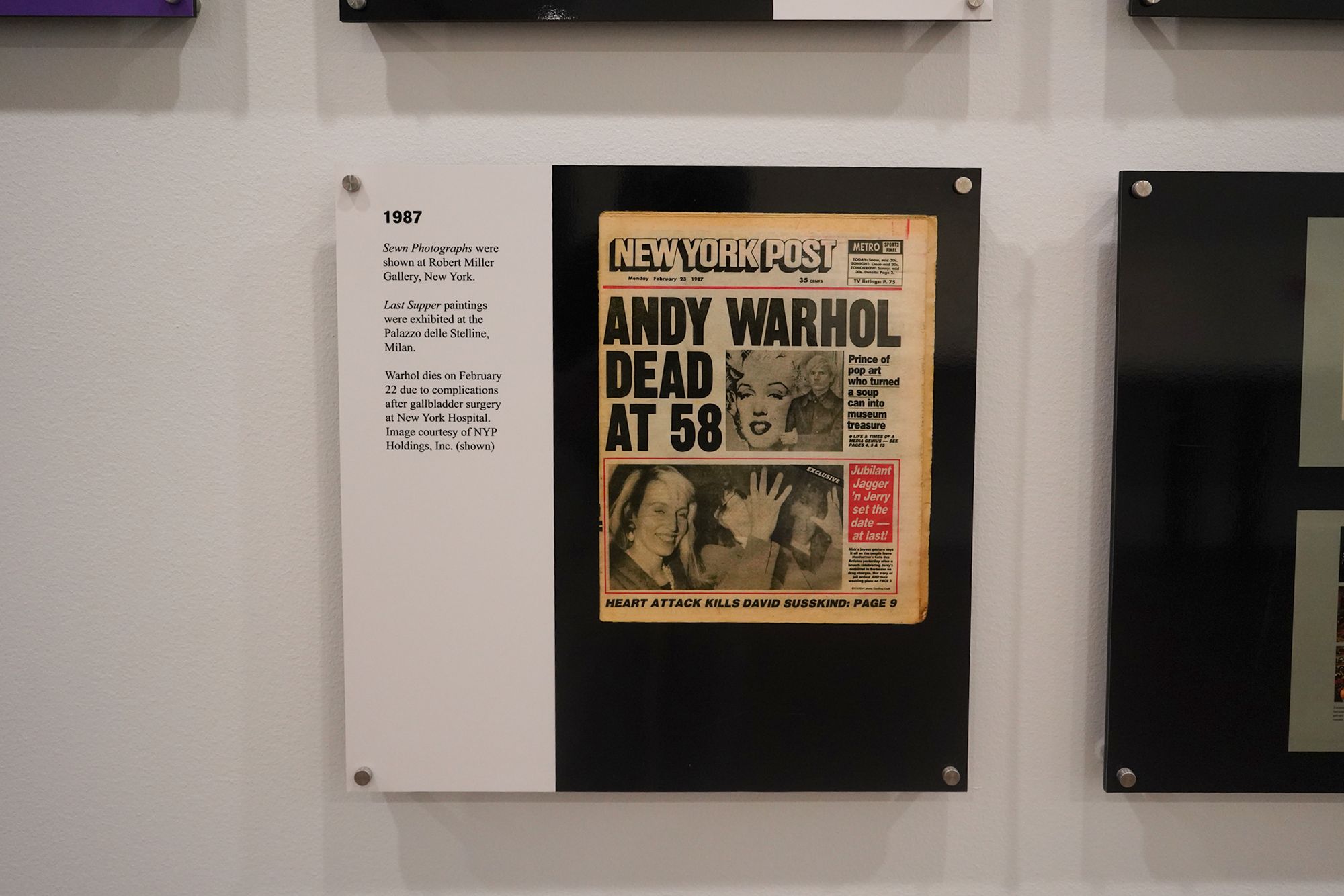
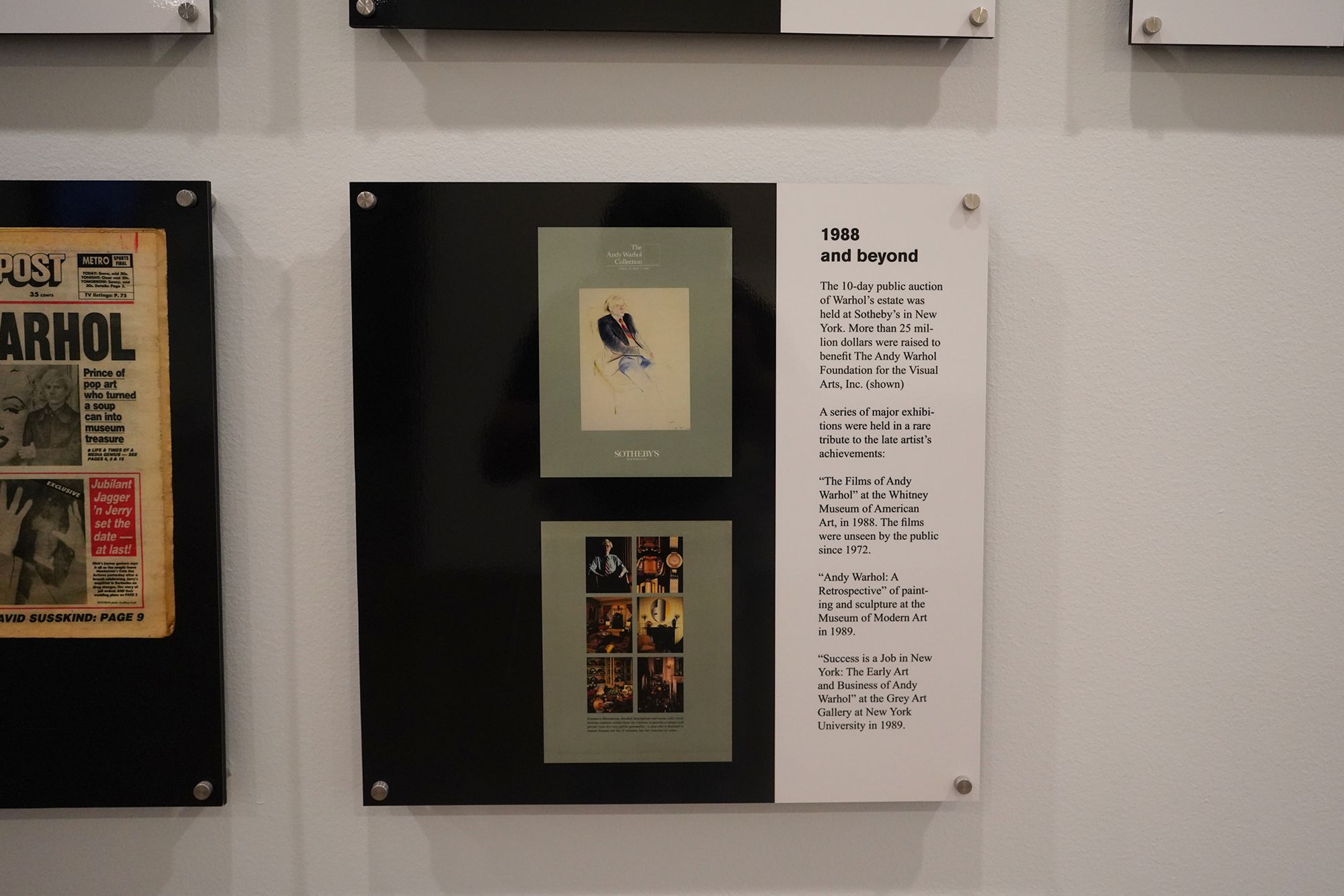
Andy Warhol in the 1980s was marked by reflection, collaboration, and a late creative resurgence.
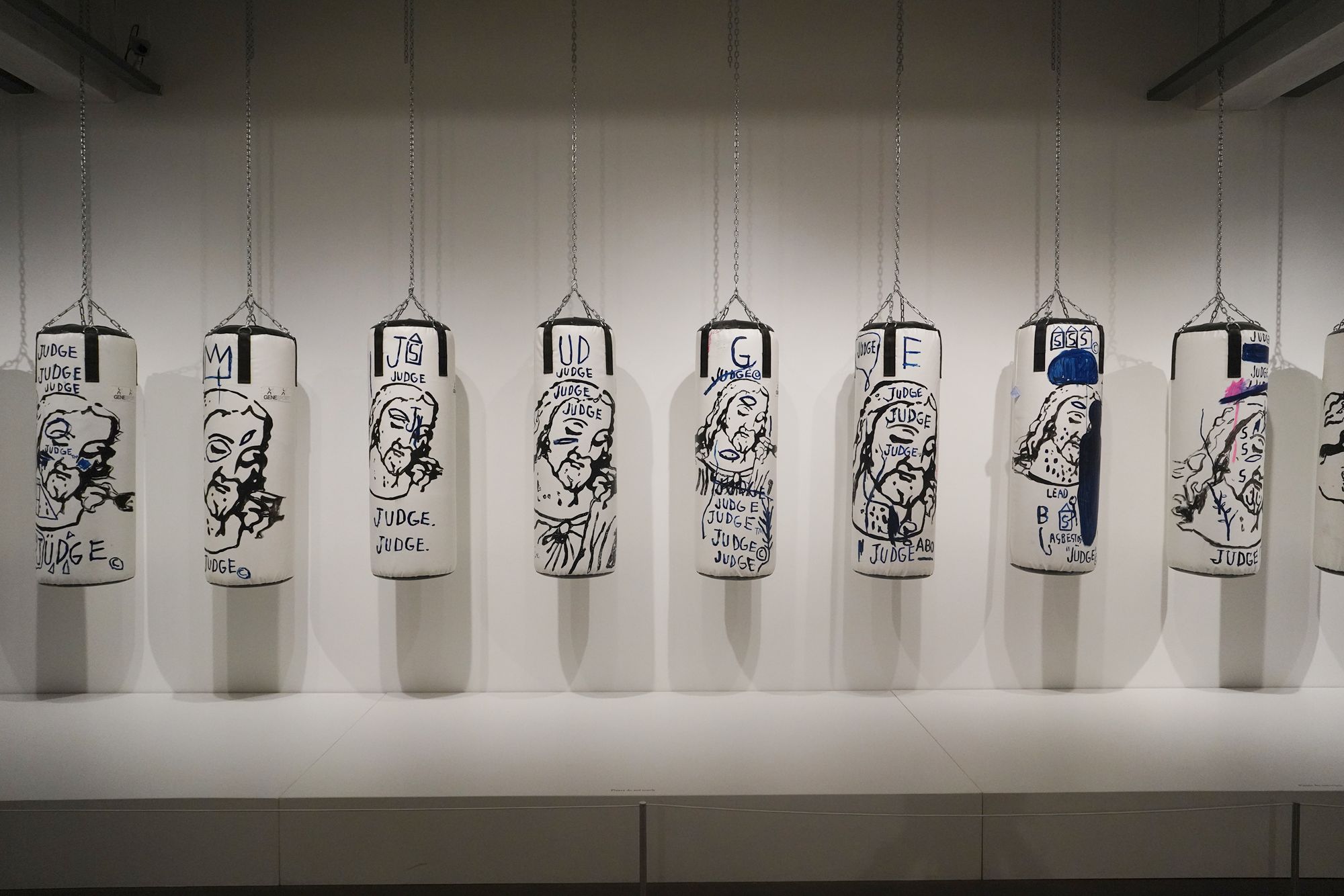
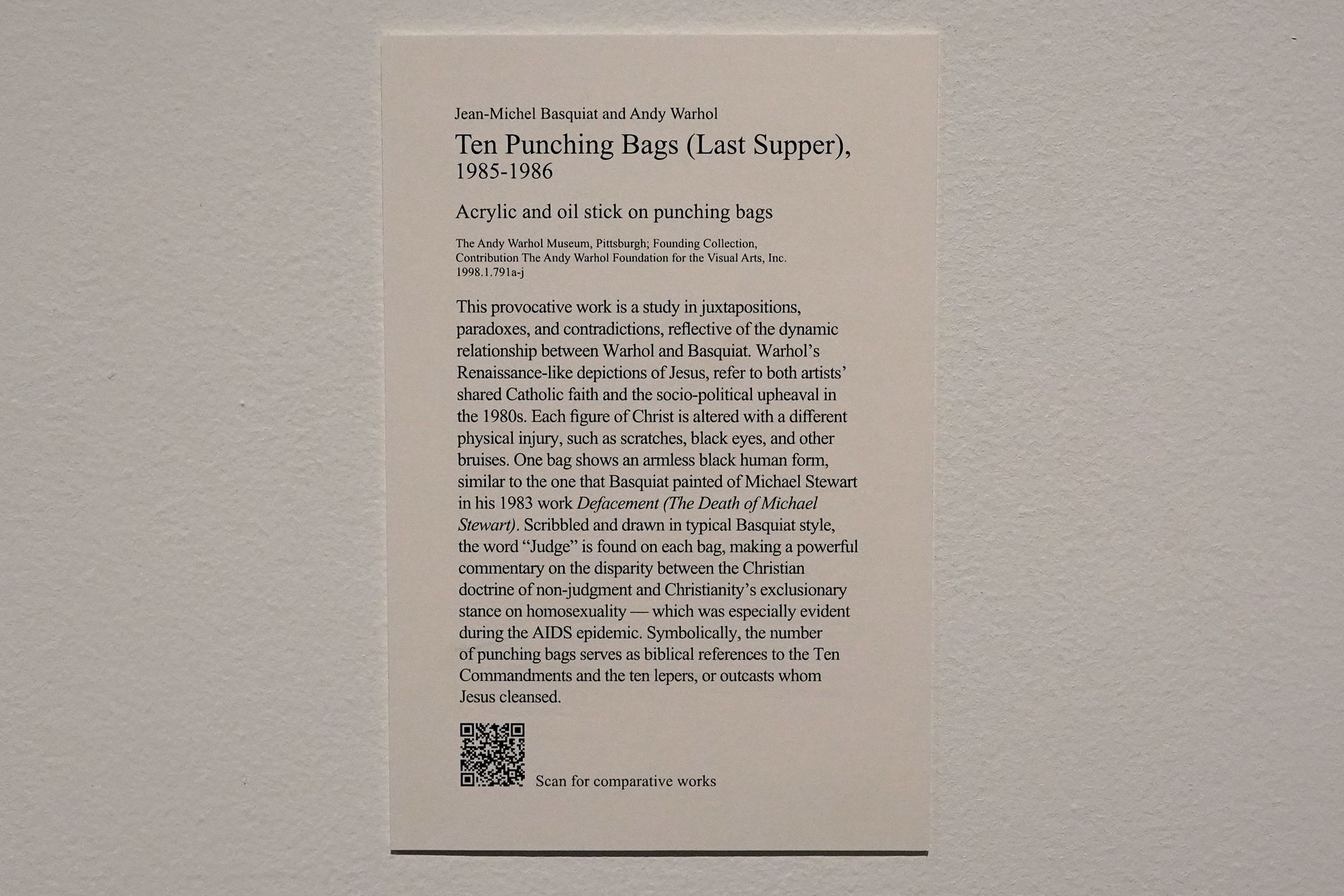
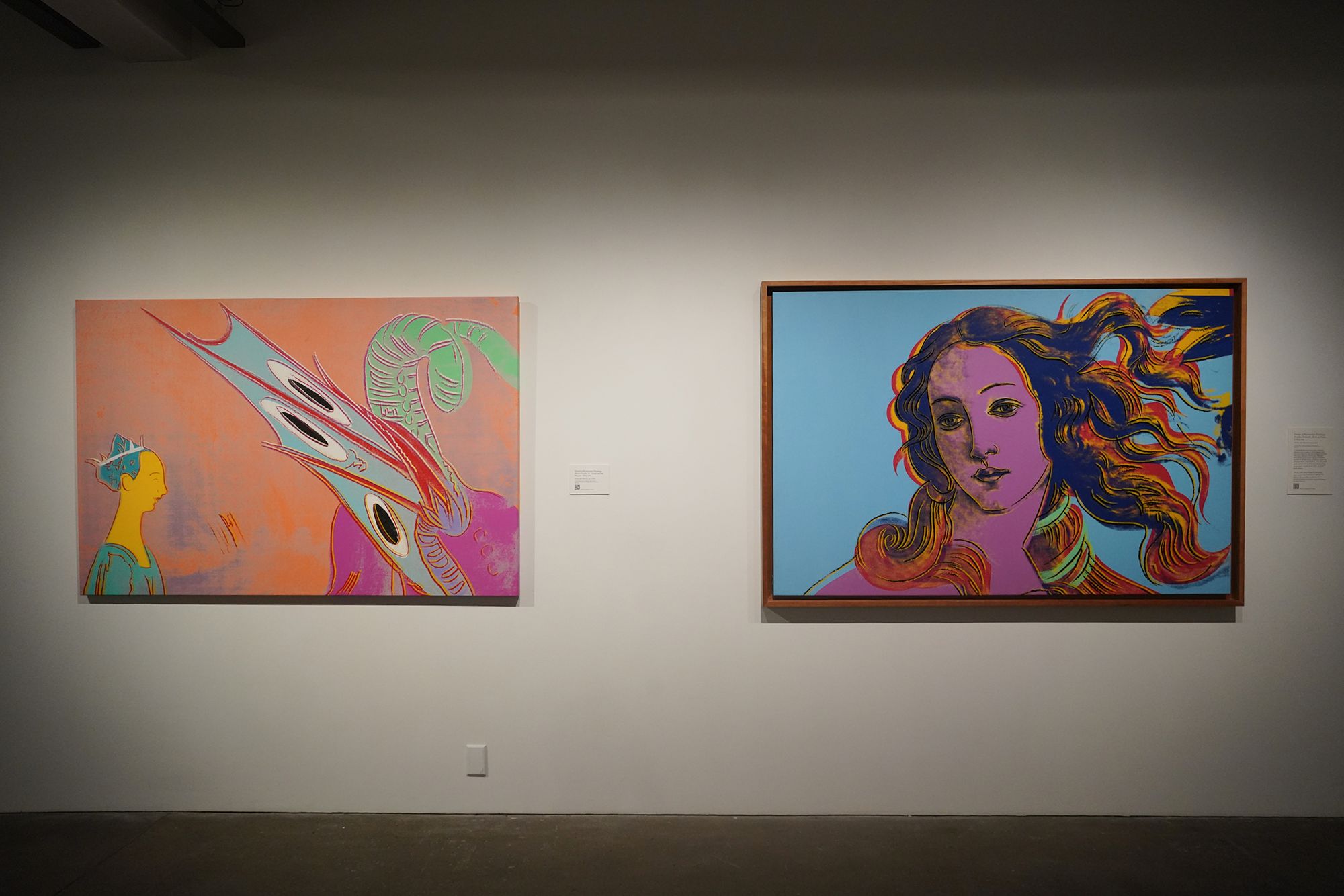
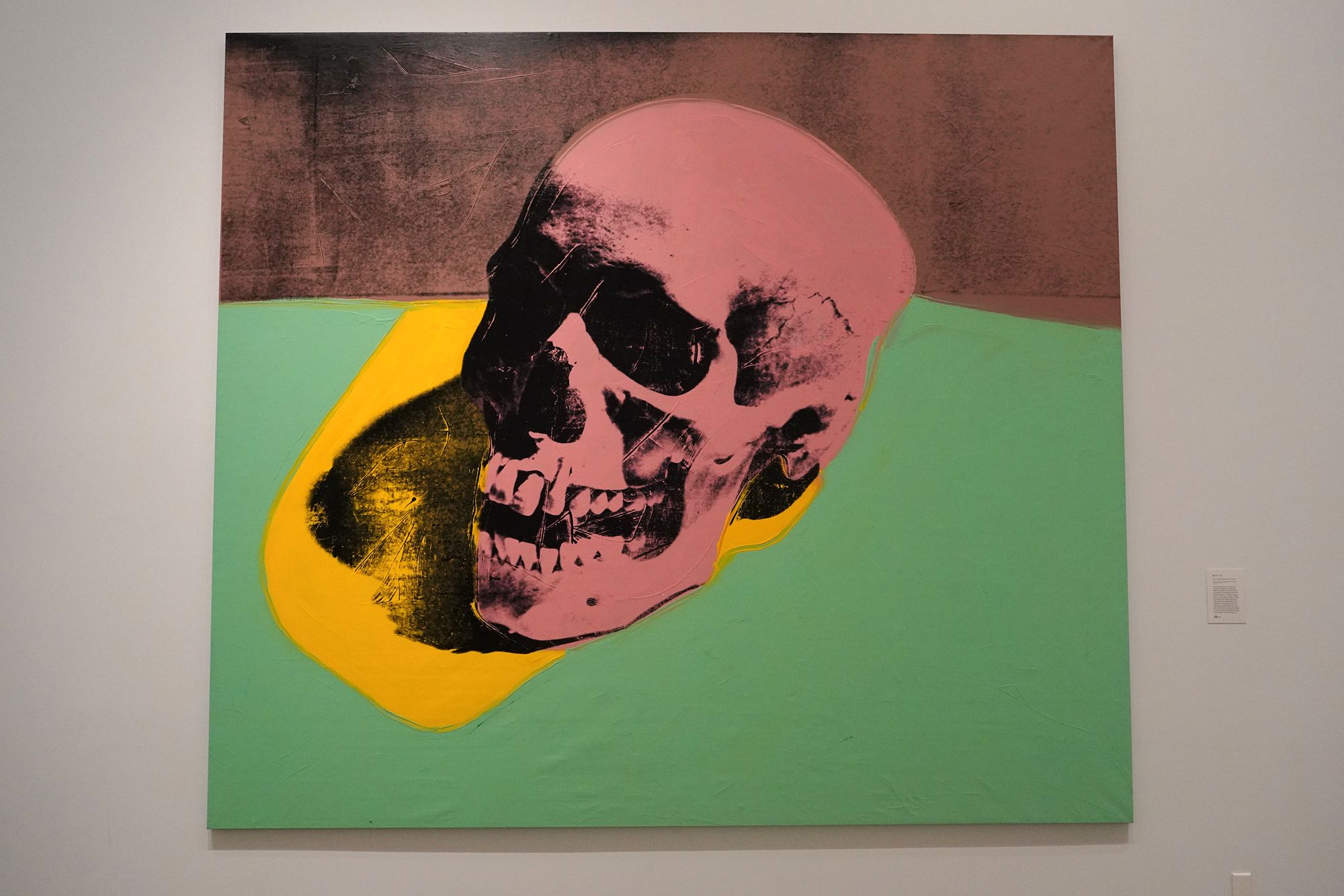
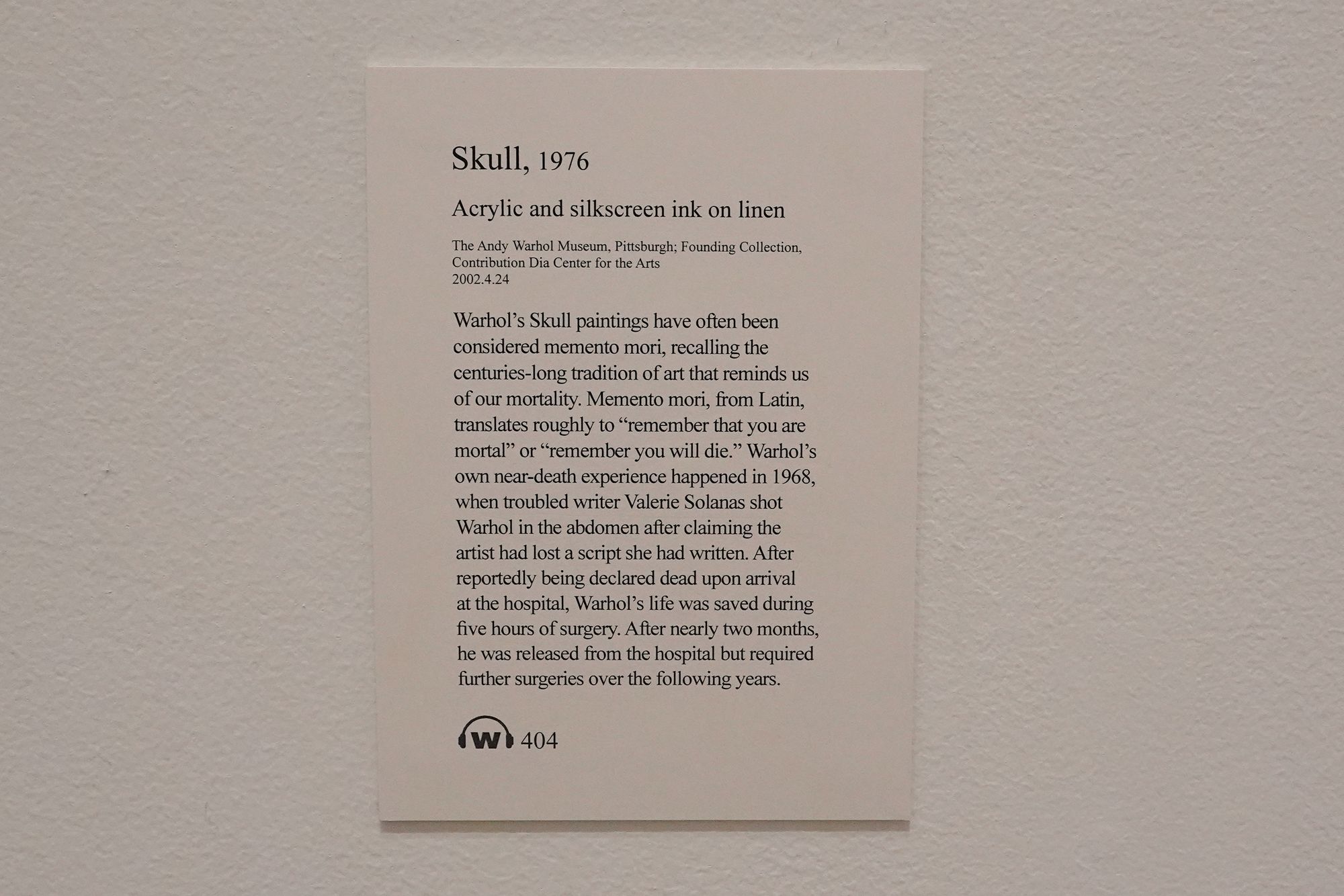
In this decade, Andy Warhol revisited earlier themes—death, repetition, and image—while responding to a rapidly changing art world. Series such as Skulls, Camouflage, and Endangered Species blended bold color with darker undertones, suggesting a renewed seriousness beneath his familiar Pop surface.
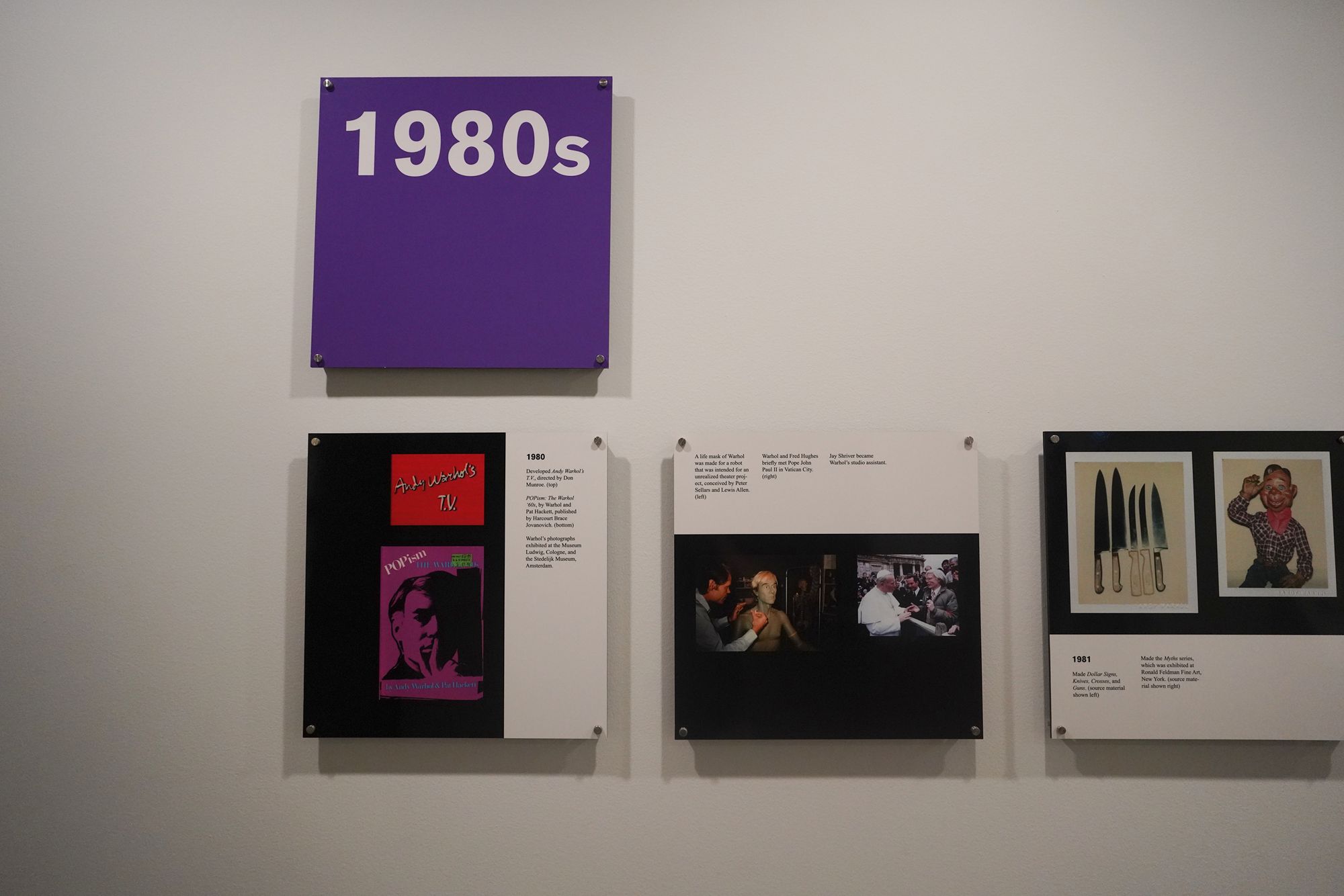
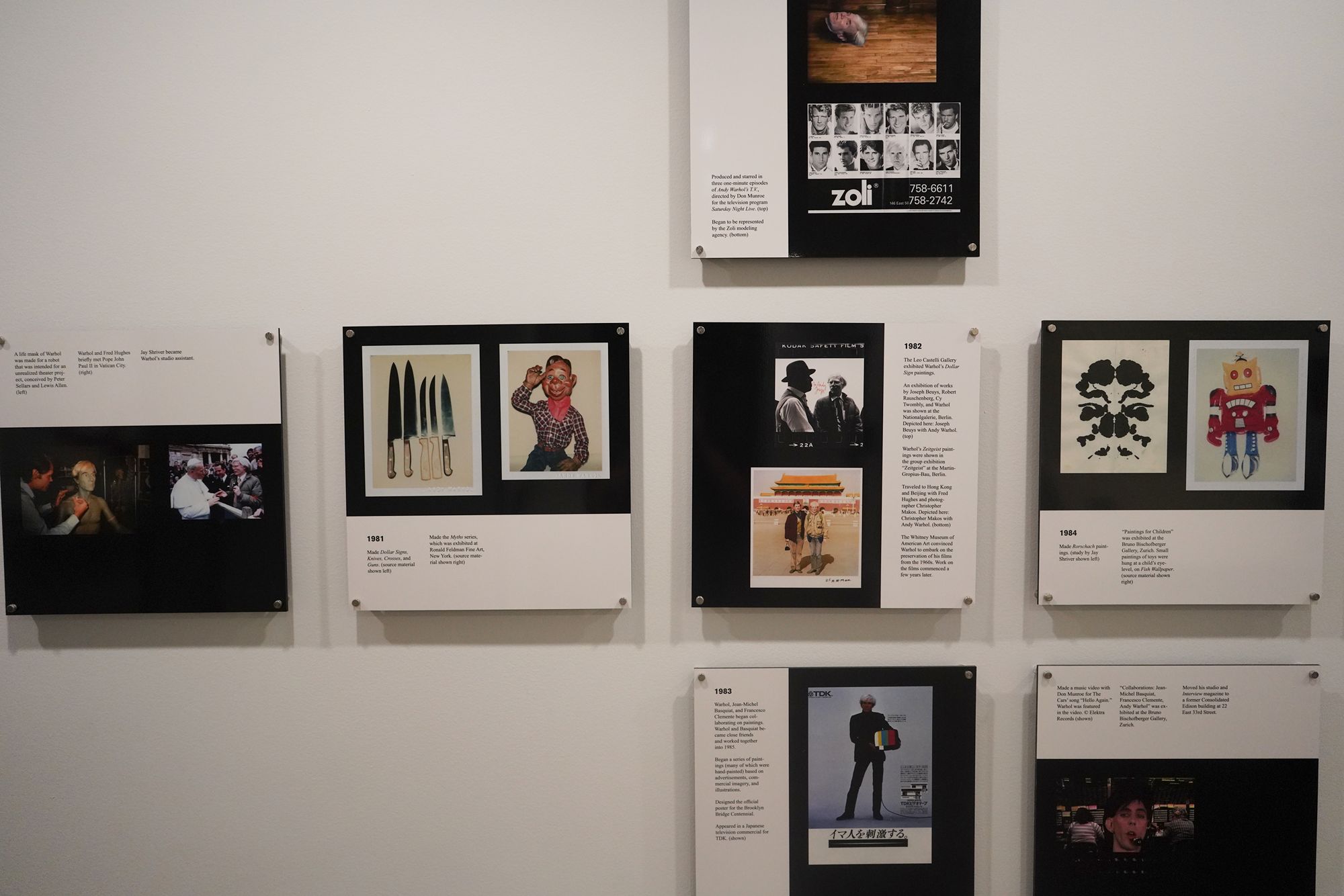
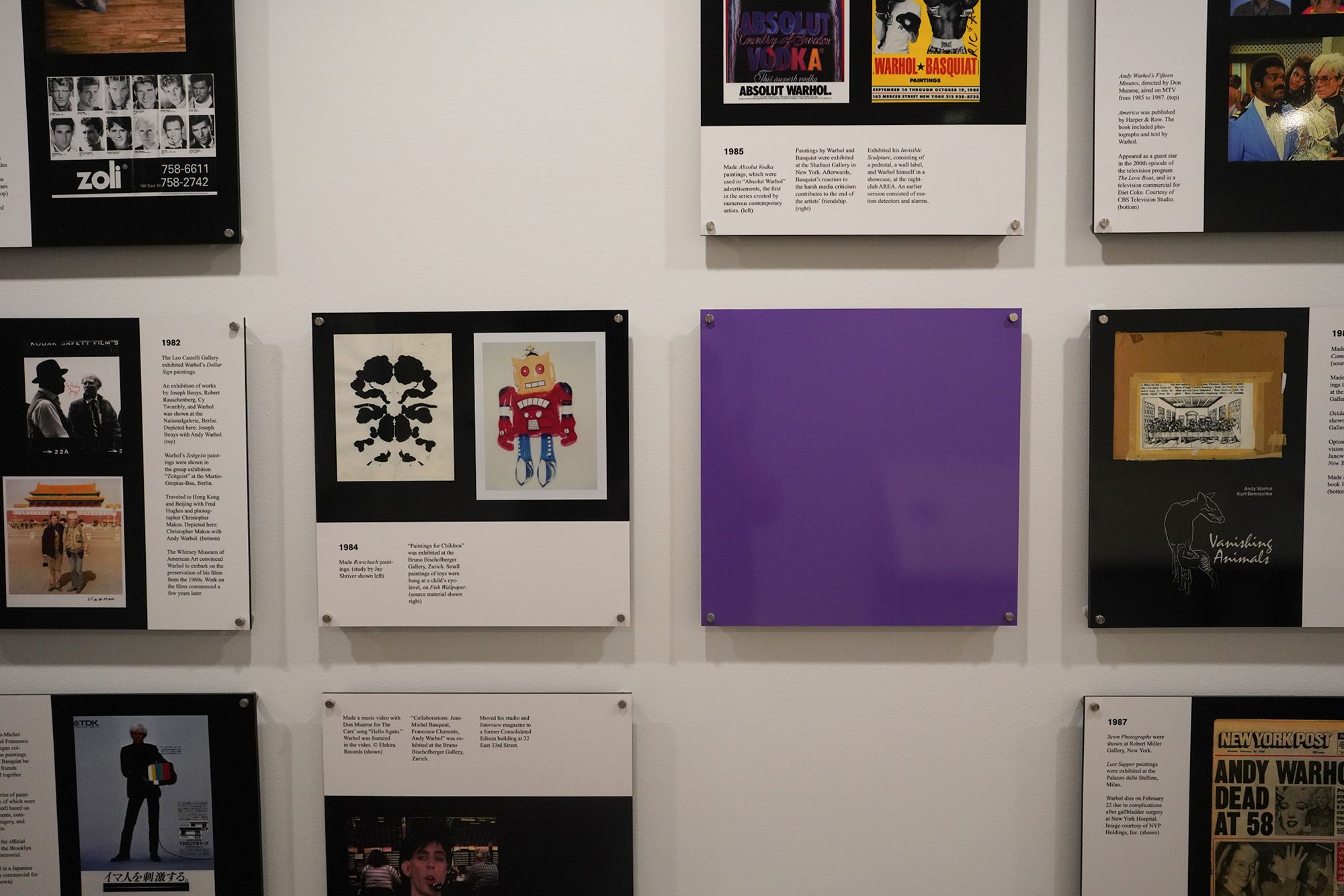
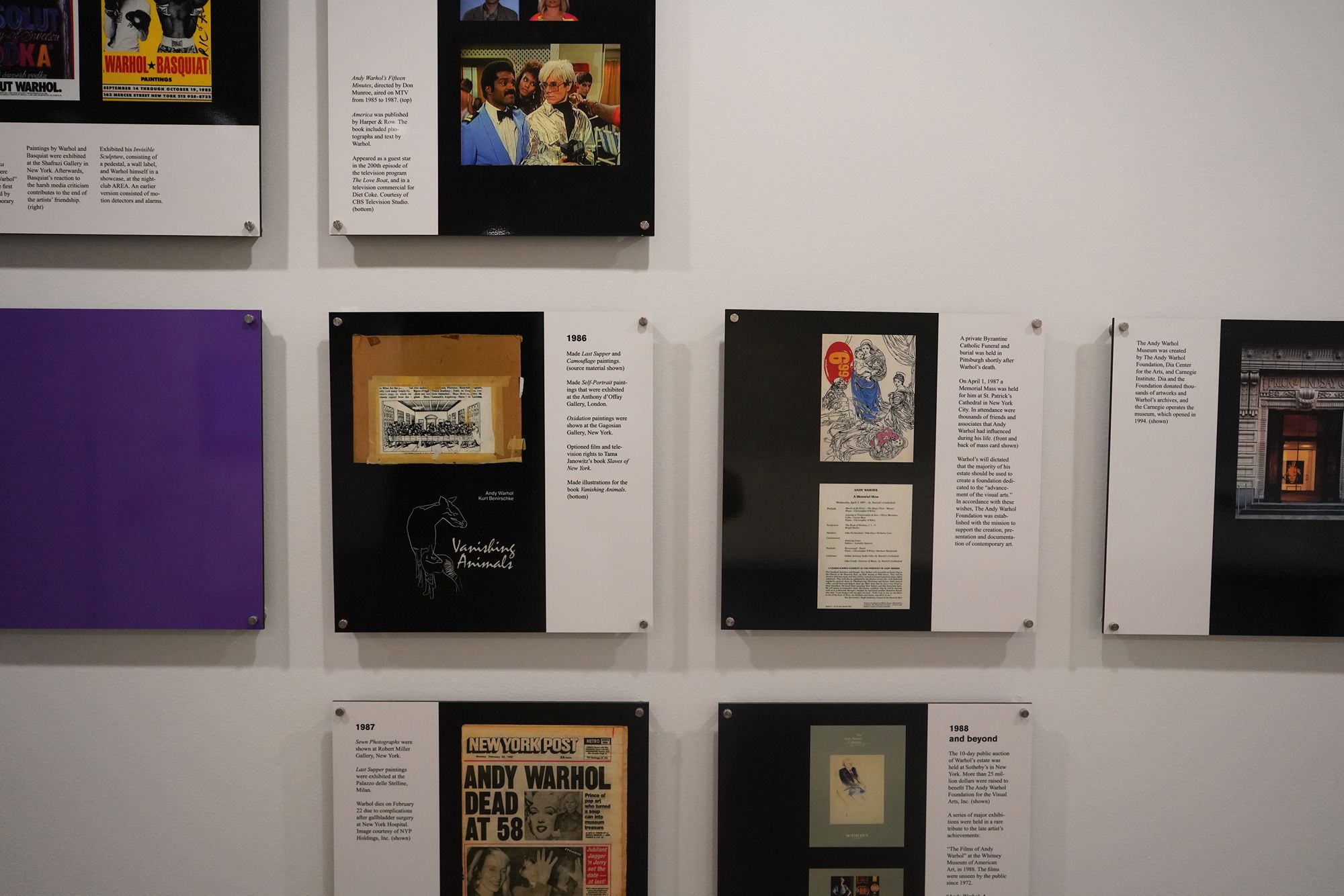
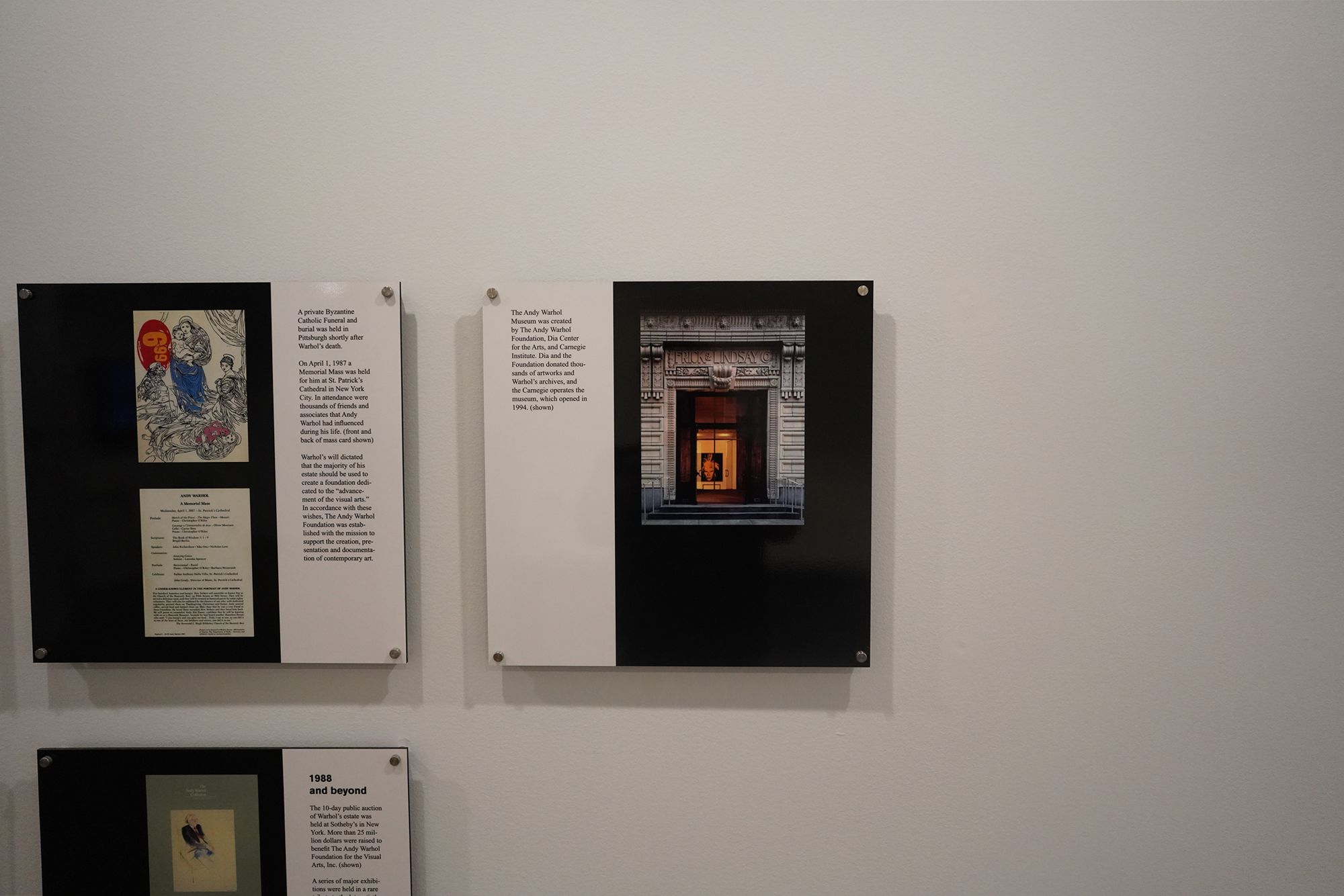
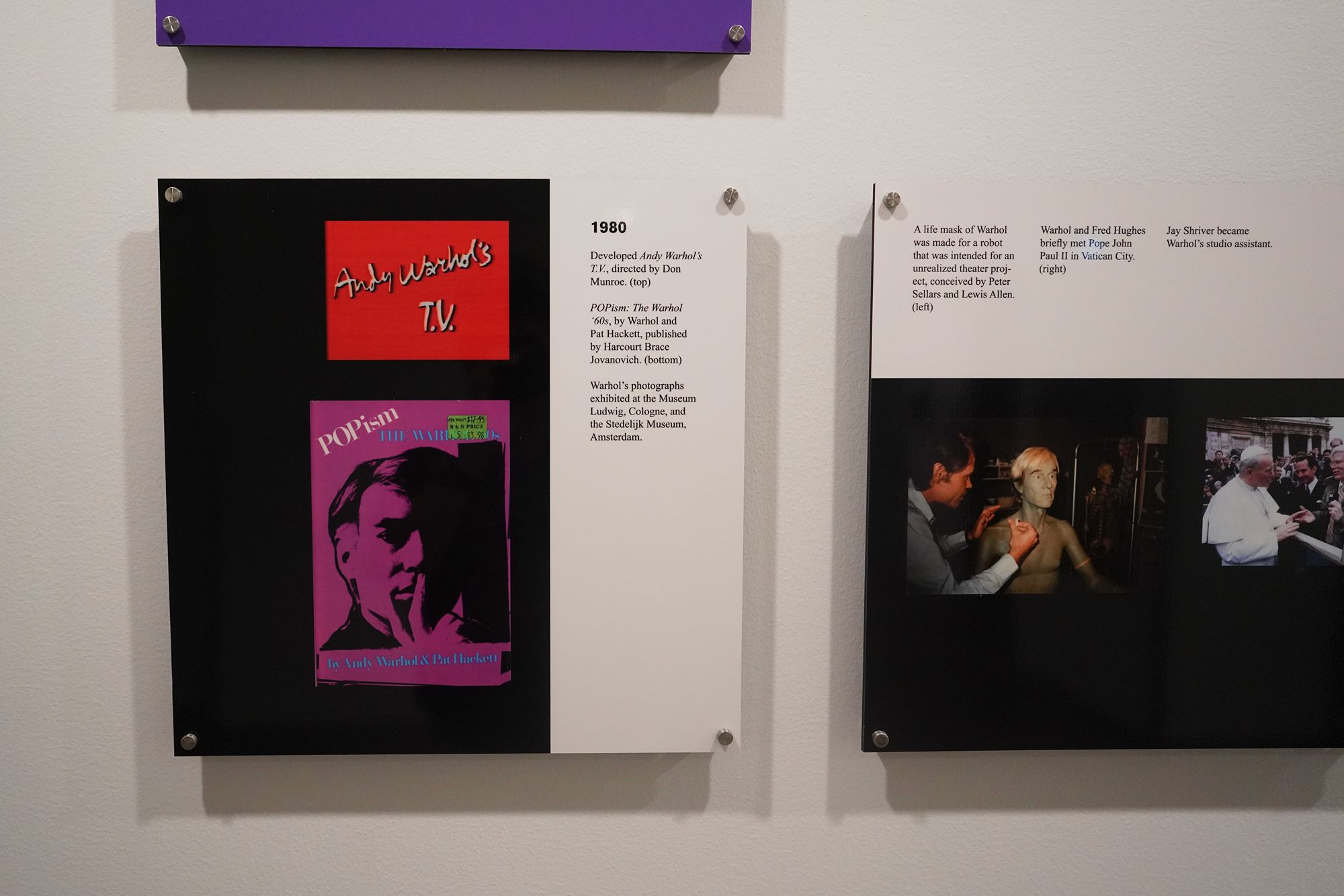
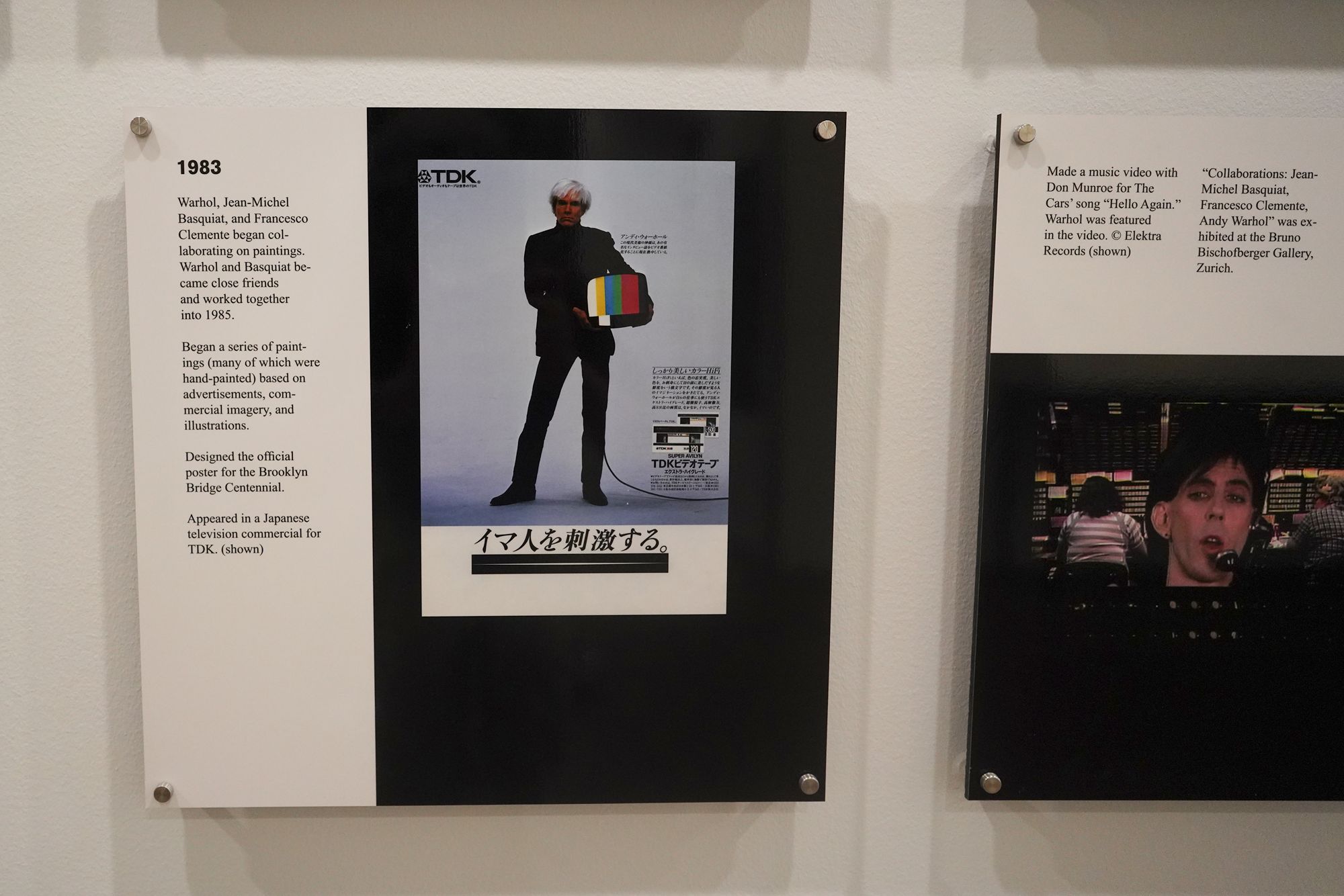
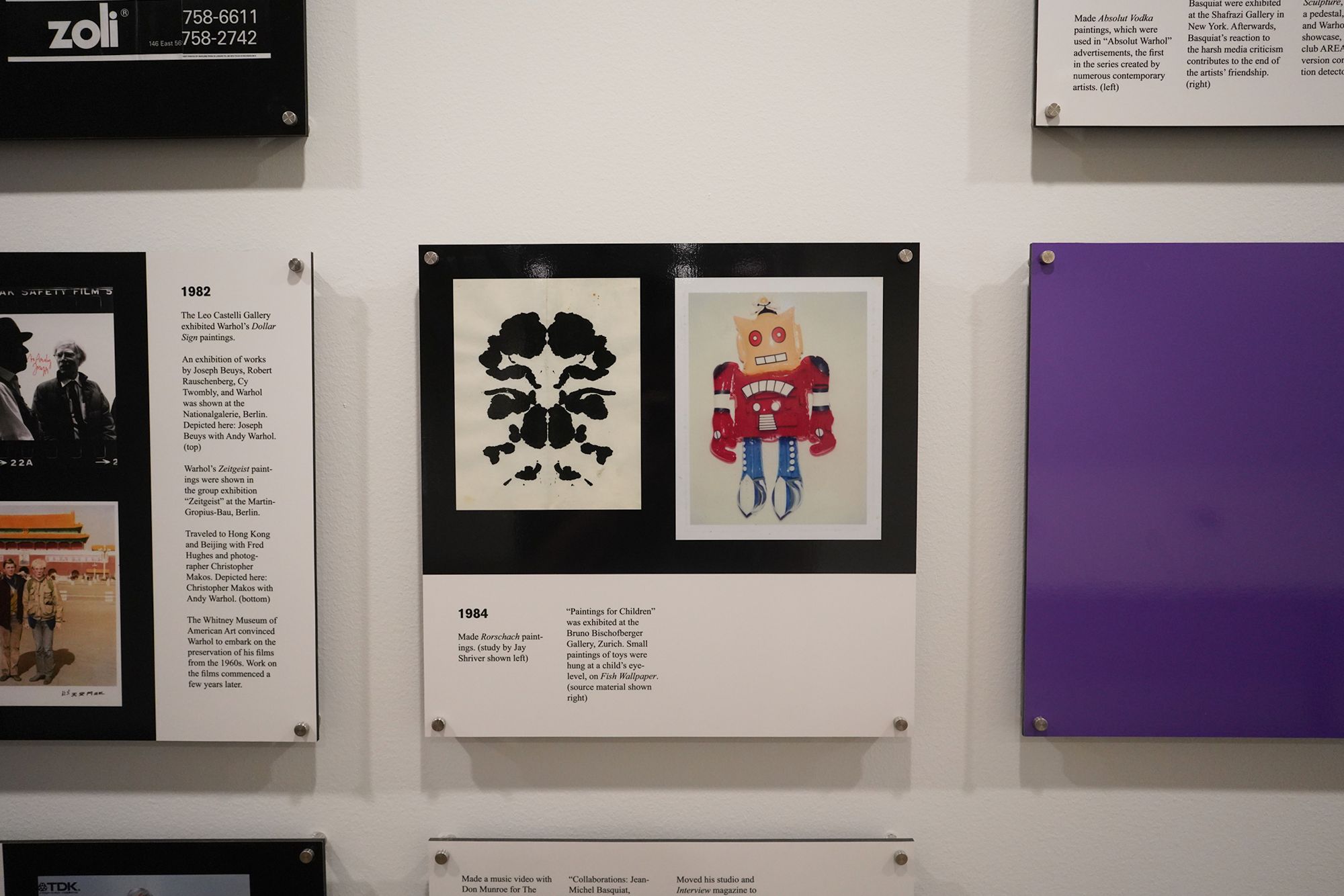
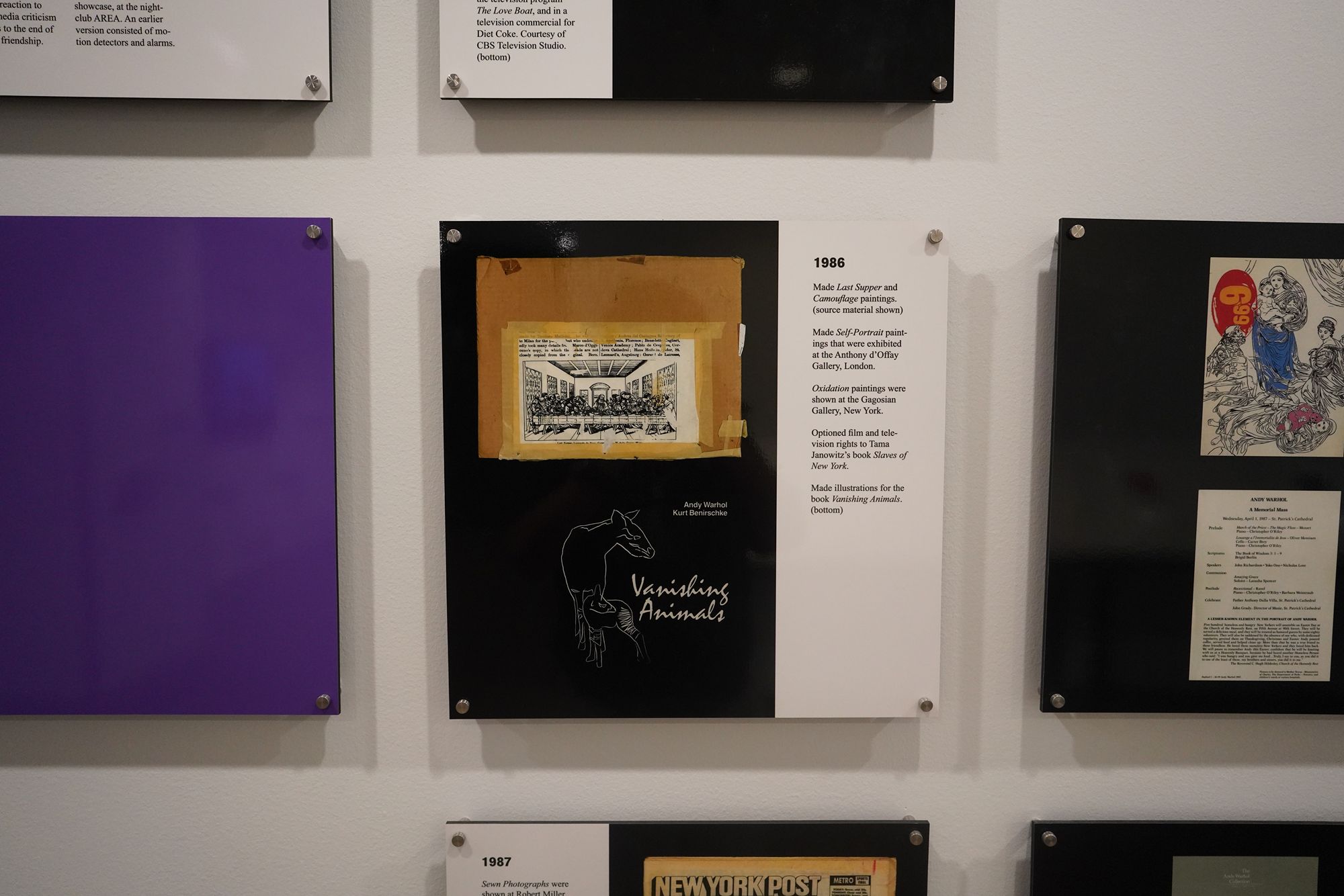
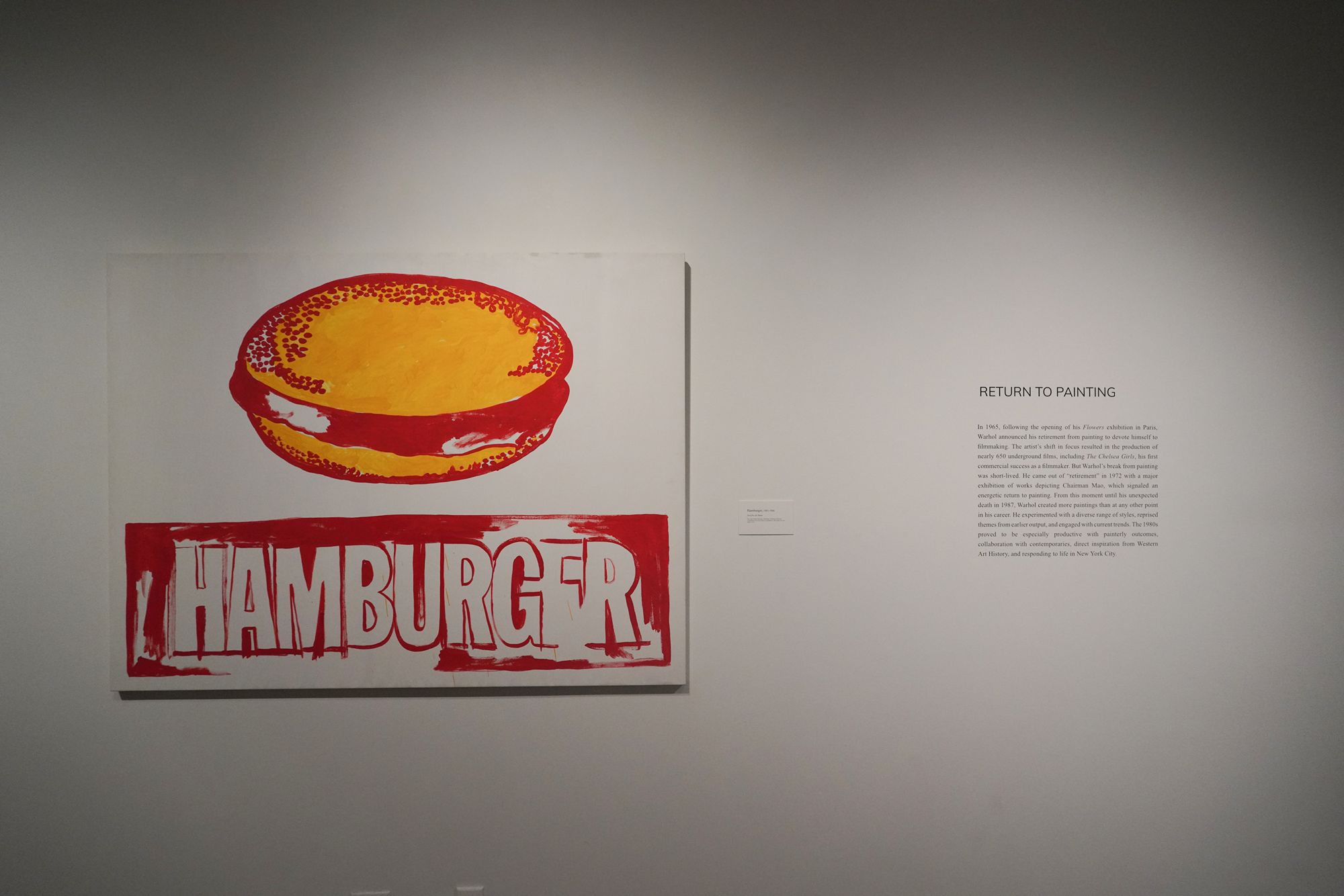
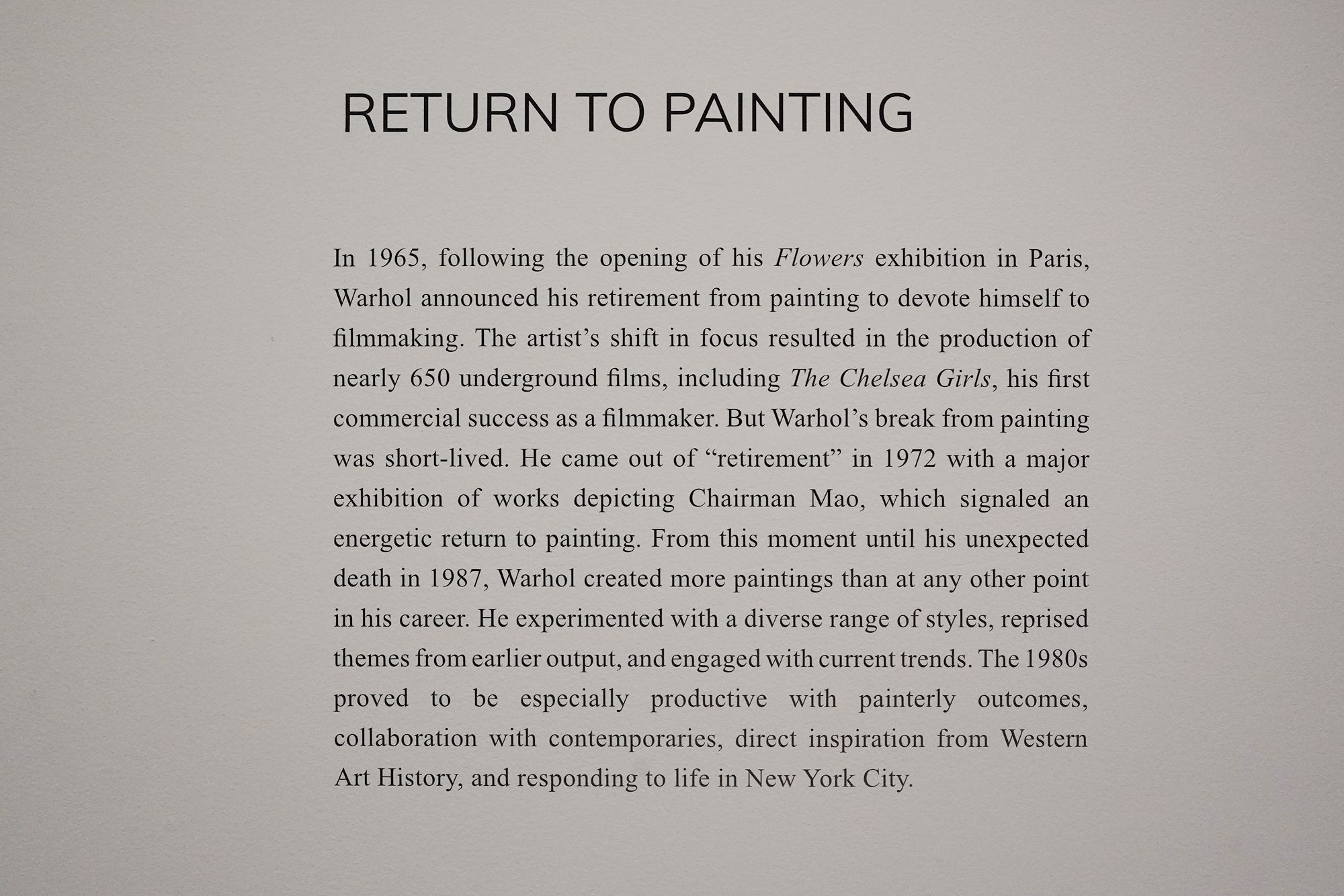
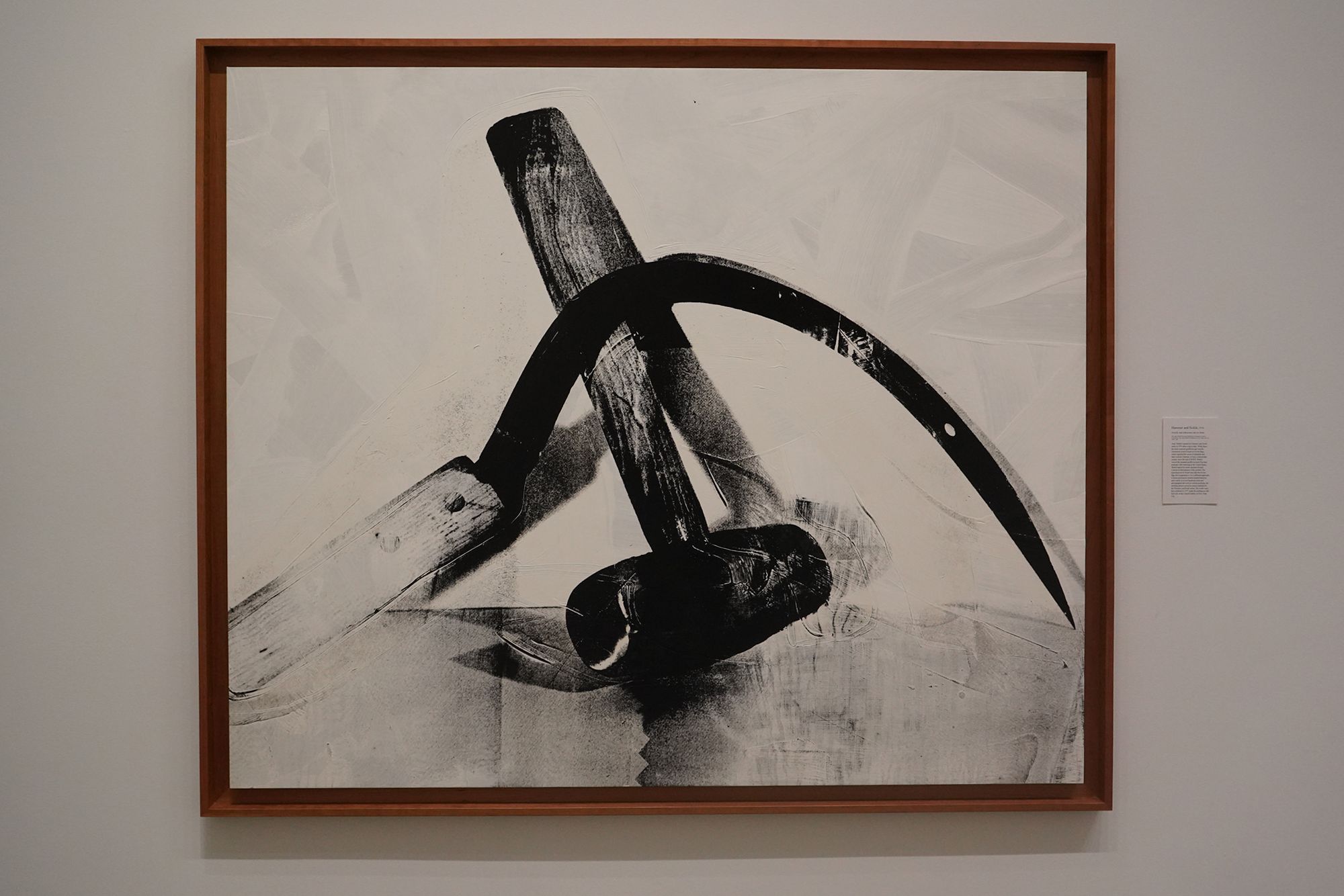
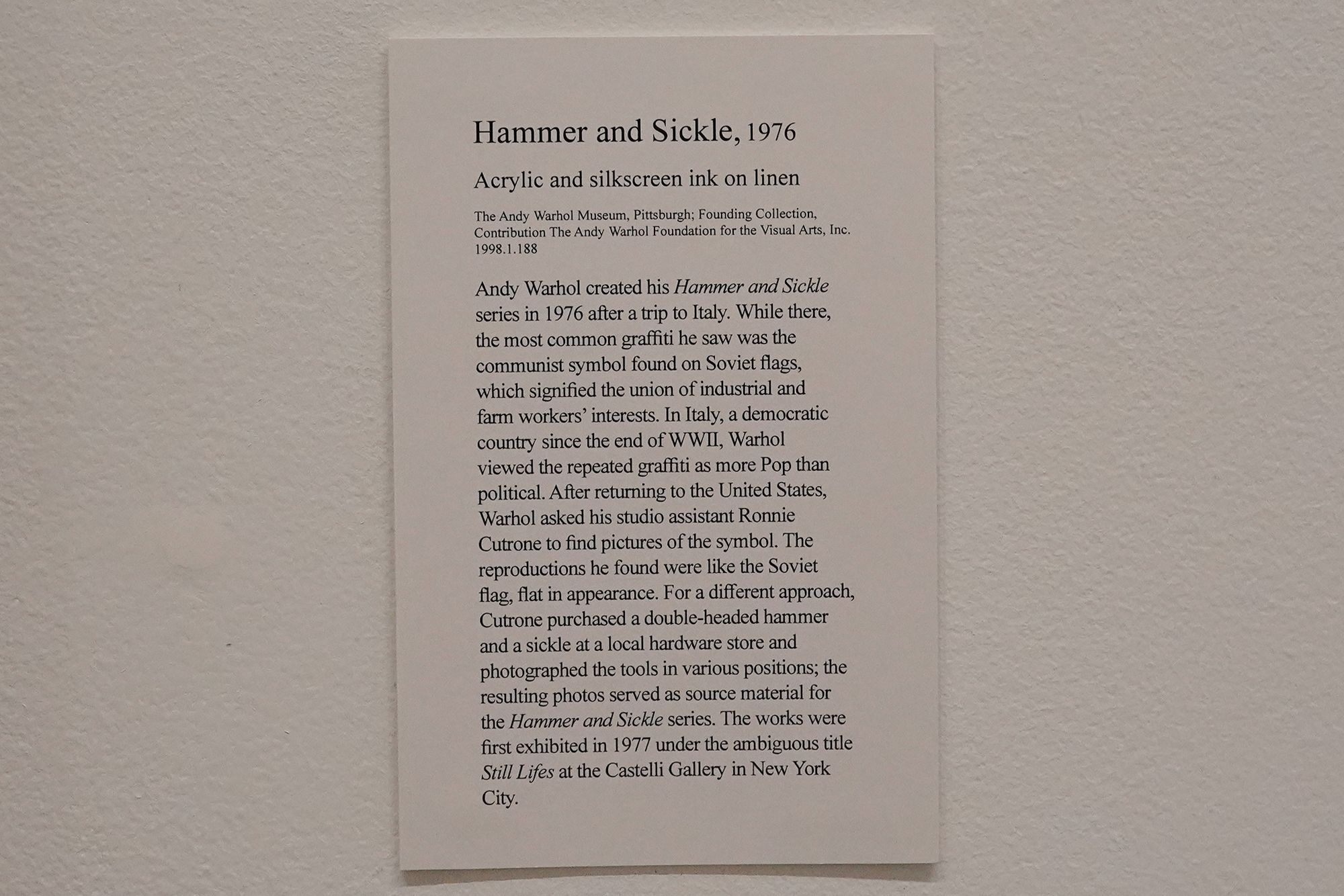
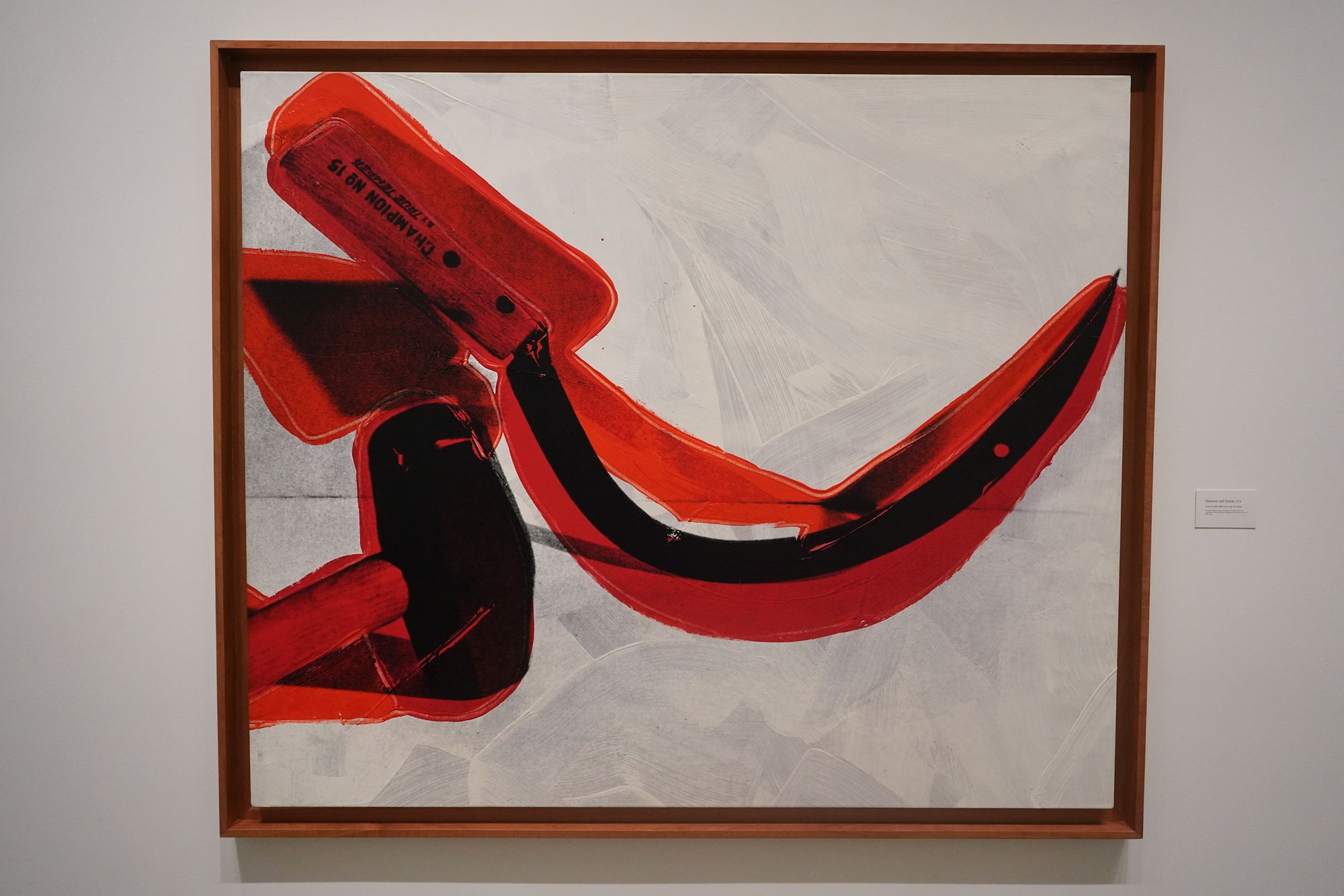
Andy Warhol’s return to painting in the late 1970s and 1980s marked a renewed engagement with the act of making images by hand.
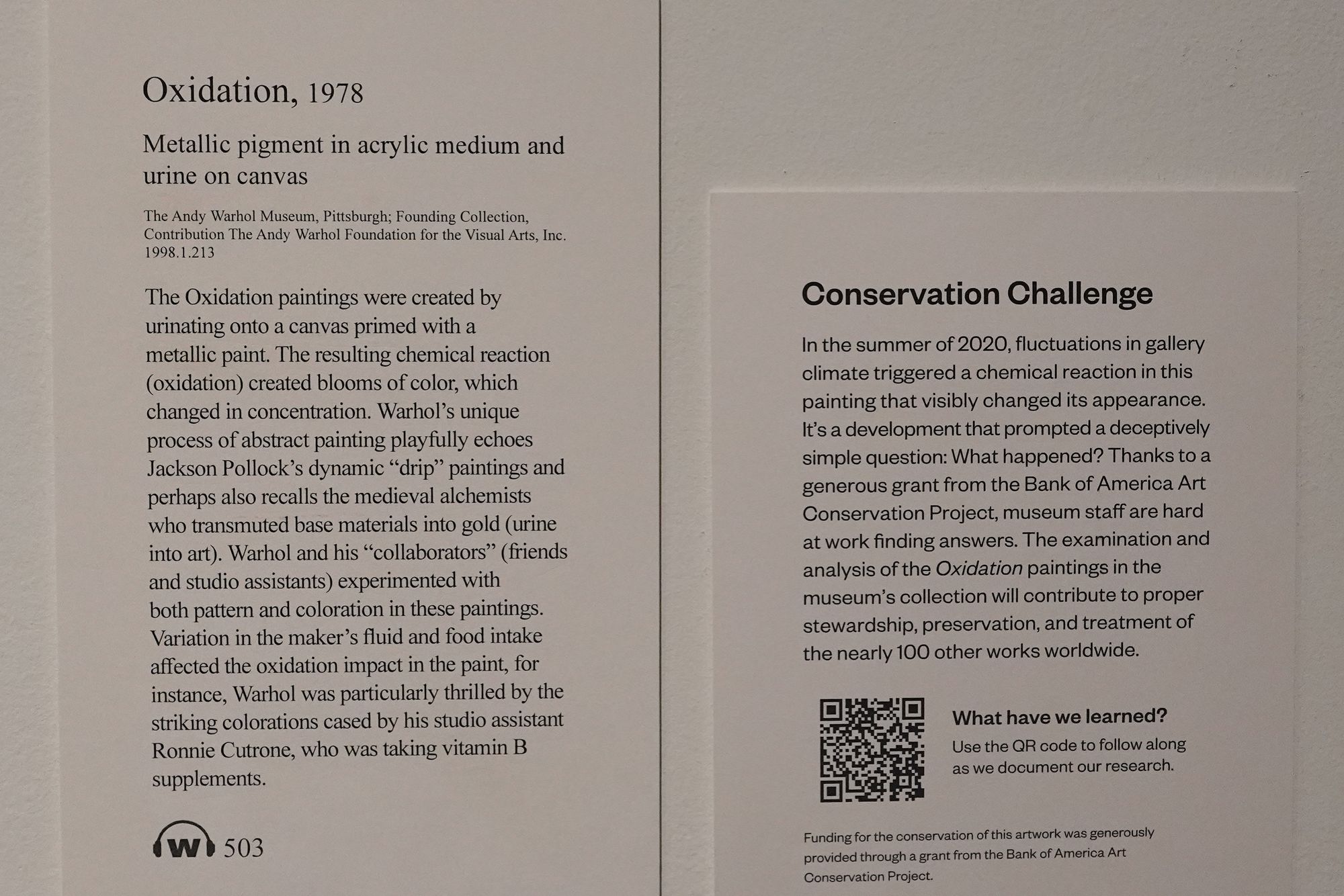
After years focused on film, publishing, and commissioned portraits, Warhol revisited painting as a space for reflection and experimentation. Series like Skulls, Camouflage, Oxidation (Piss Paintings), and later works combined his familiar silkscreen methods with painterly surfaces, gesture, and chance.