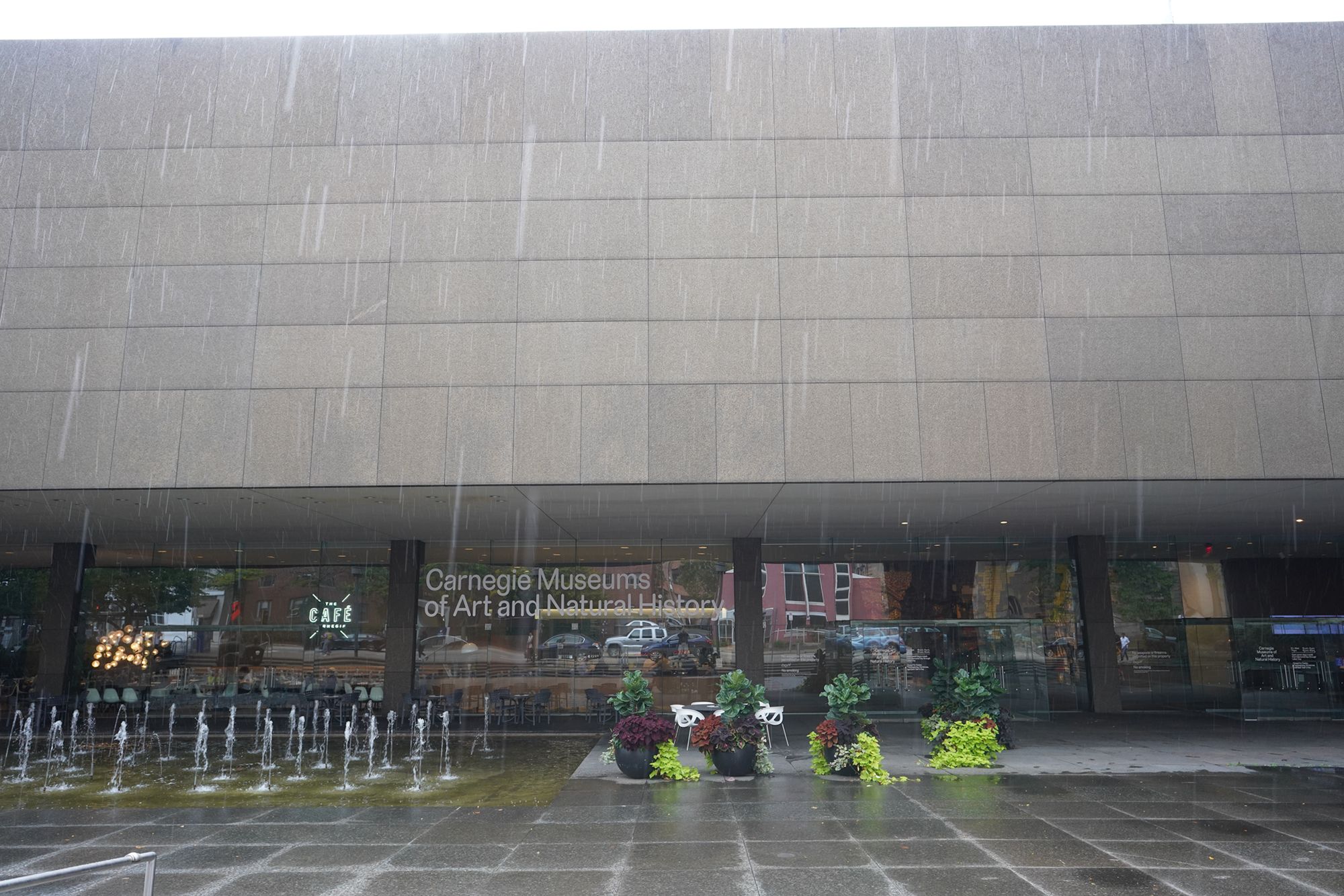
Carnegie Museum of Art – Dinosaurs, Minerals, and Architectural Casts, Pittsburgh, Pennsylvania, USA
The Carnegie Museum of Natural History occupies the same building as the Carnegie Museum of Art. 1206
Carnegie Museum of Art: 4400 Forbes Ave, Pittsburgh, PA 15213
Date Picture Taken: September 2025
With one ticket to the Carnegie Museum of Art, visitors can also access the Carnegie Museum of Natural History in the same building, where the dinosaur displays are especially impressive.

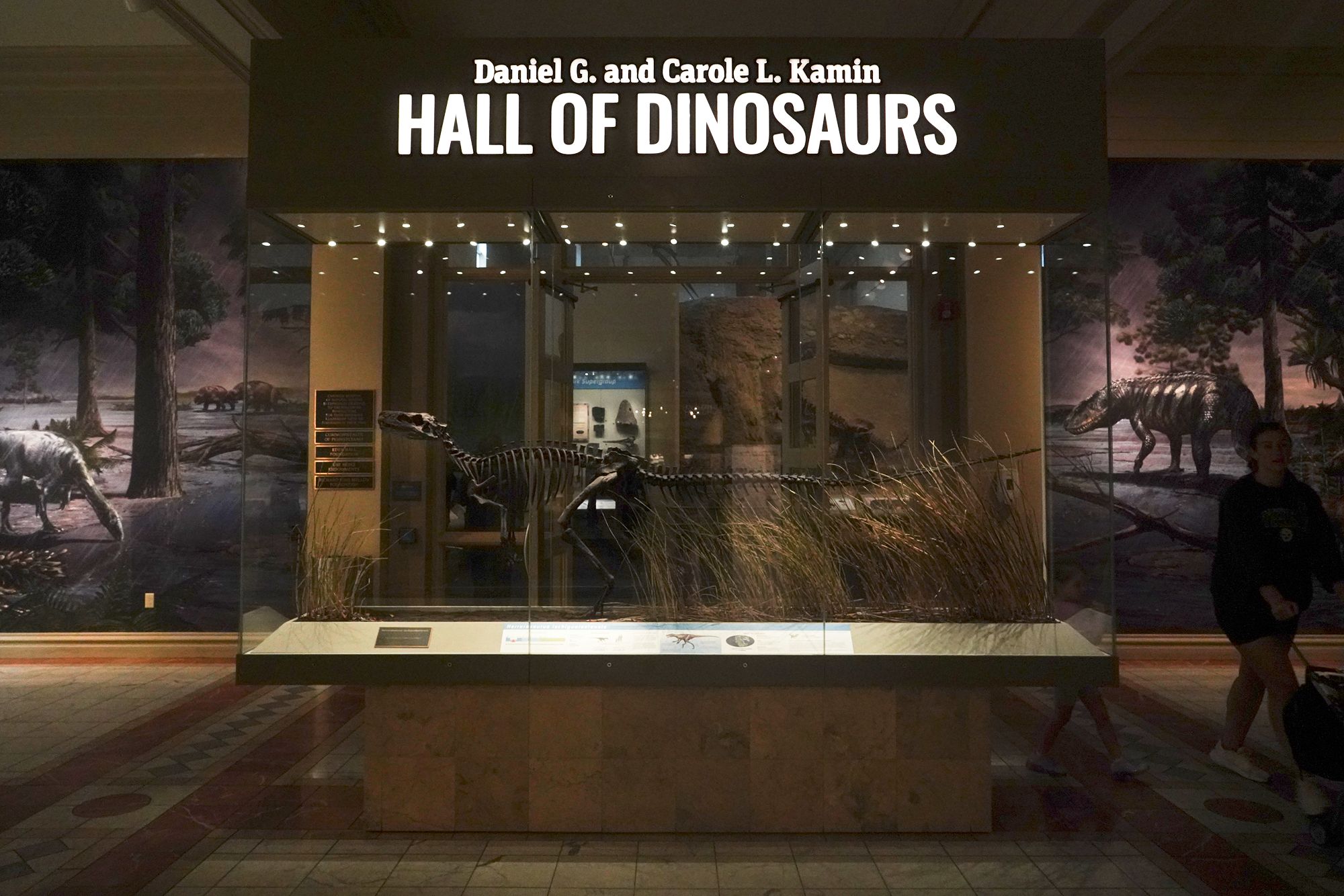
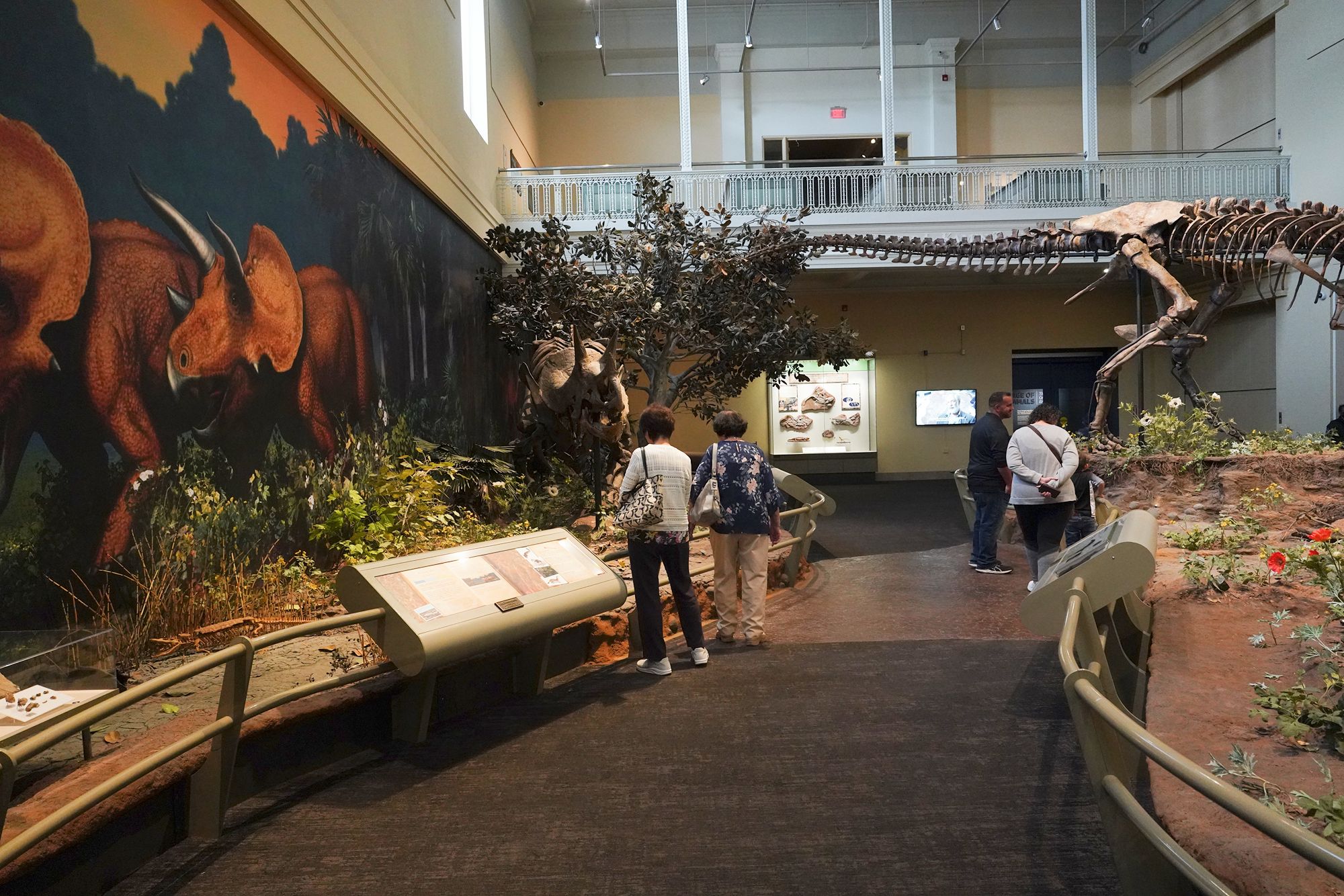
The museum’s Hall of Dinosaurs is one of its most iconic and memorable spaces.
Featuring towering skeletons, dramatic displays, and scientifically accurate reconstructions, the hall showcases some of the world’s finest dinosaur fossils. These exhibits highlight both the scale of prehistoric life and the museum’s historic role in paleontological research, especially in North America.
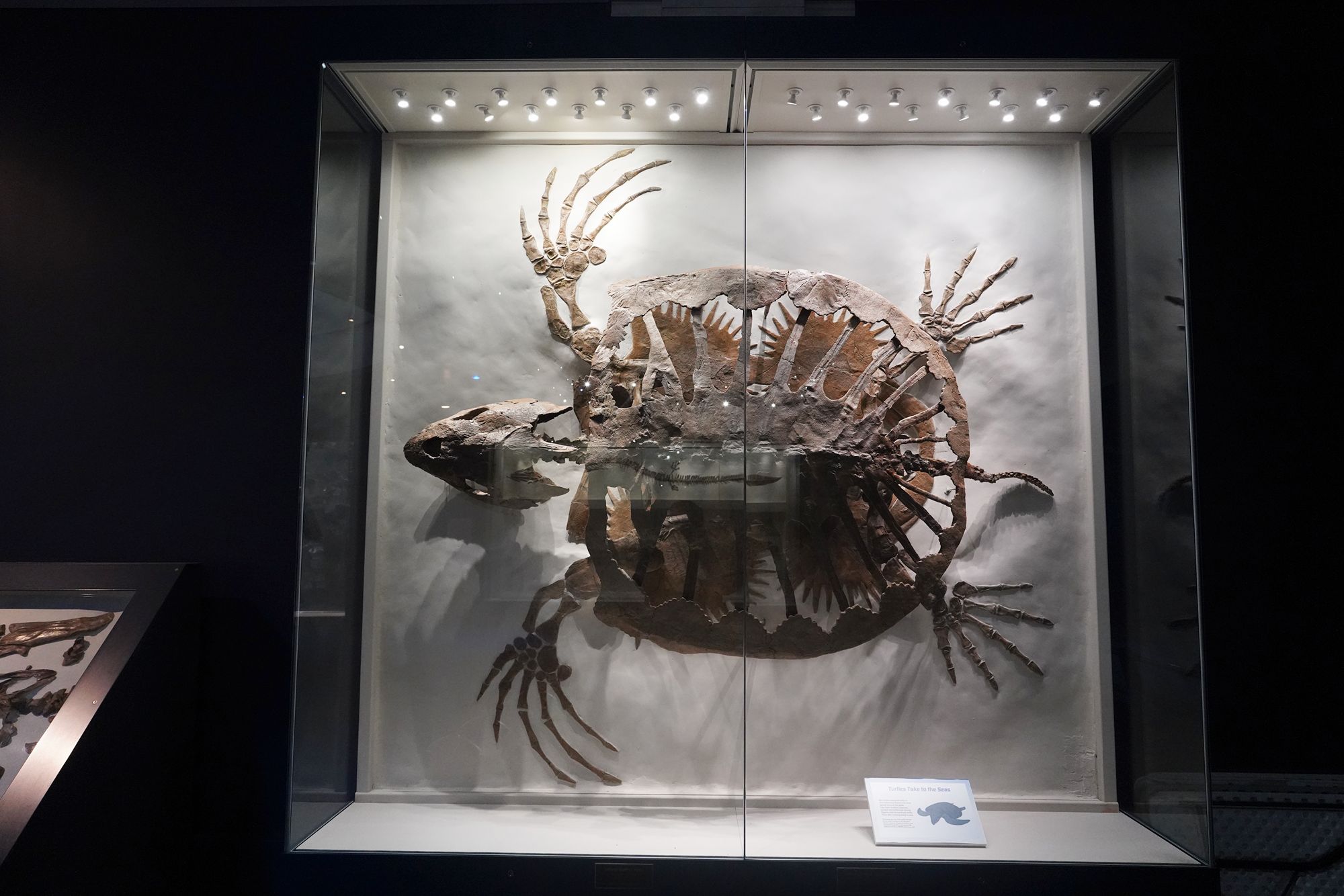
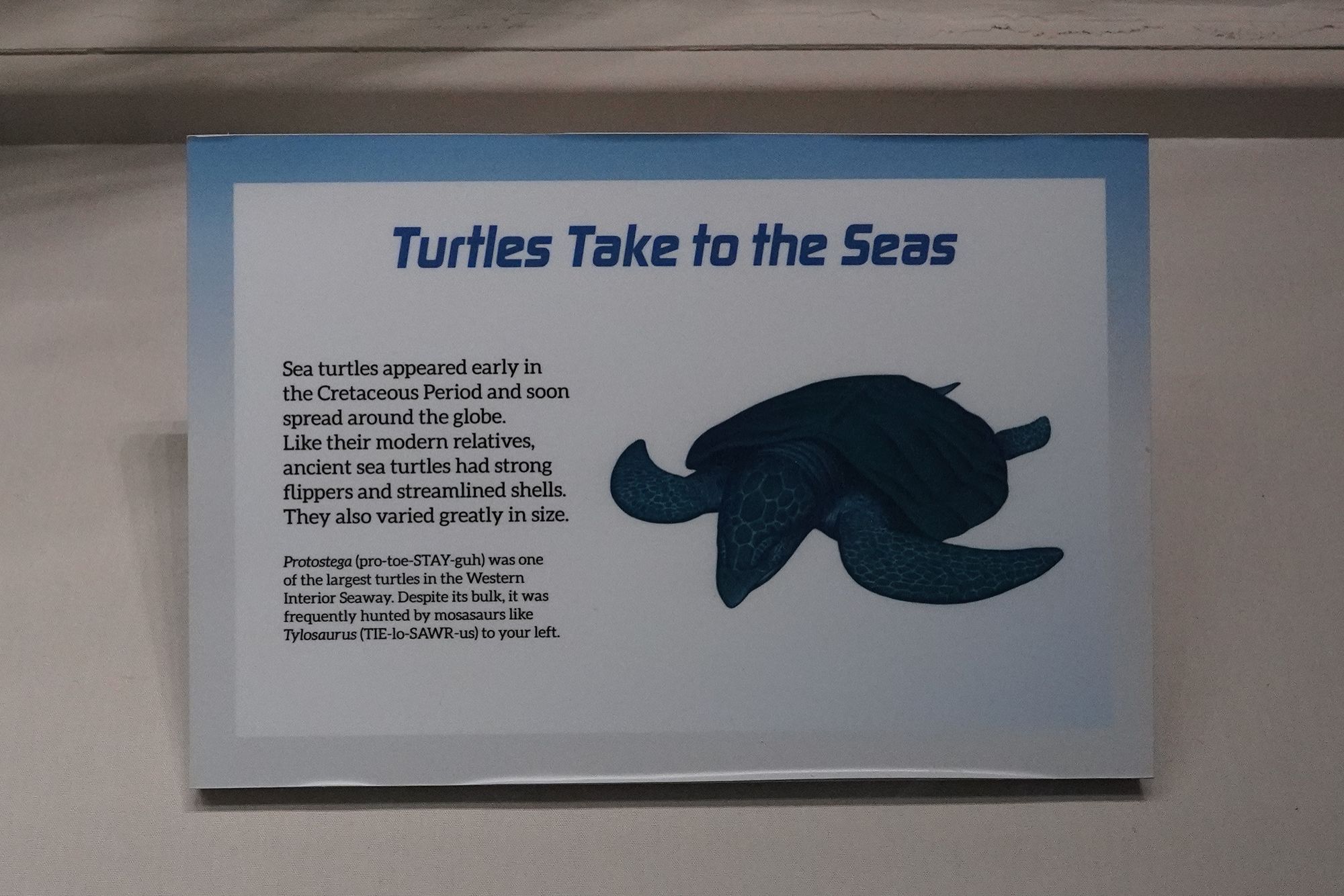
Giant Turtle
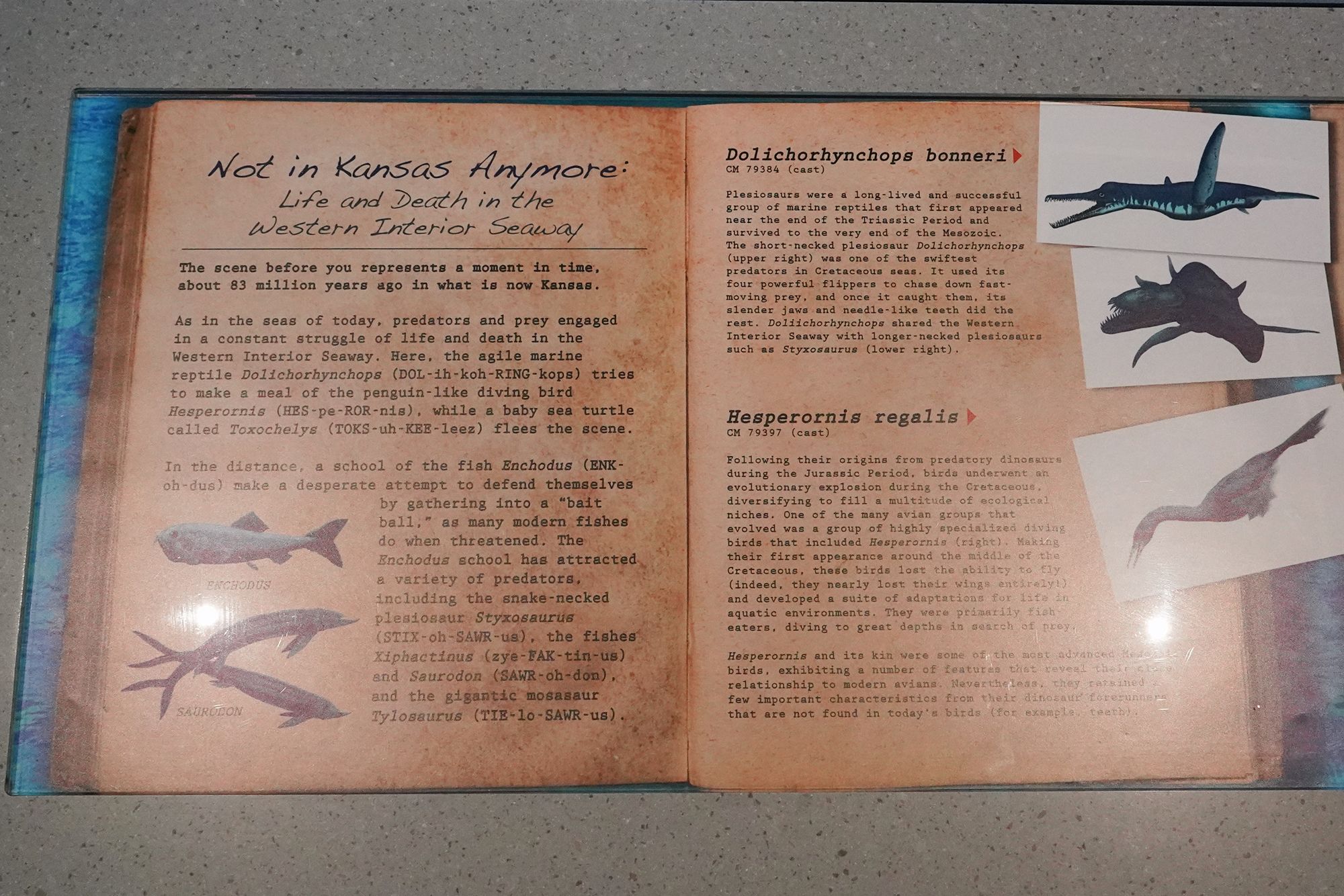
Life and Death in the Western Interior Seaway
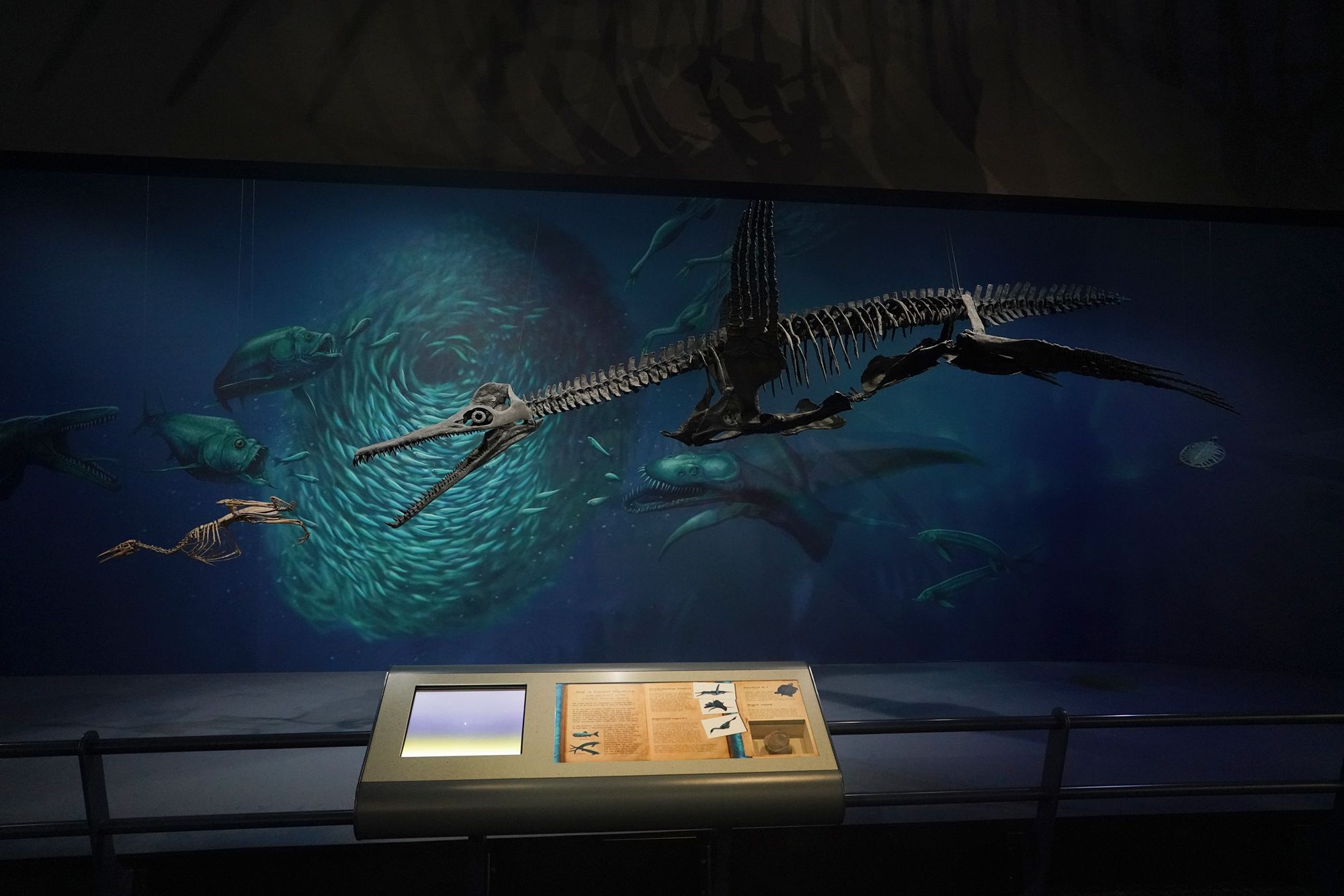
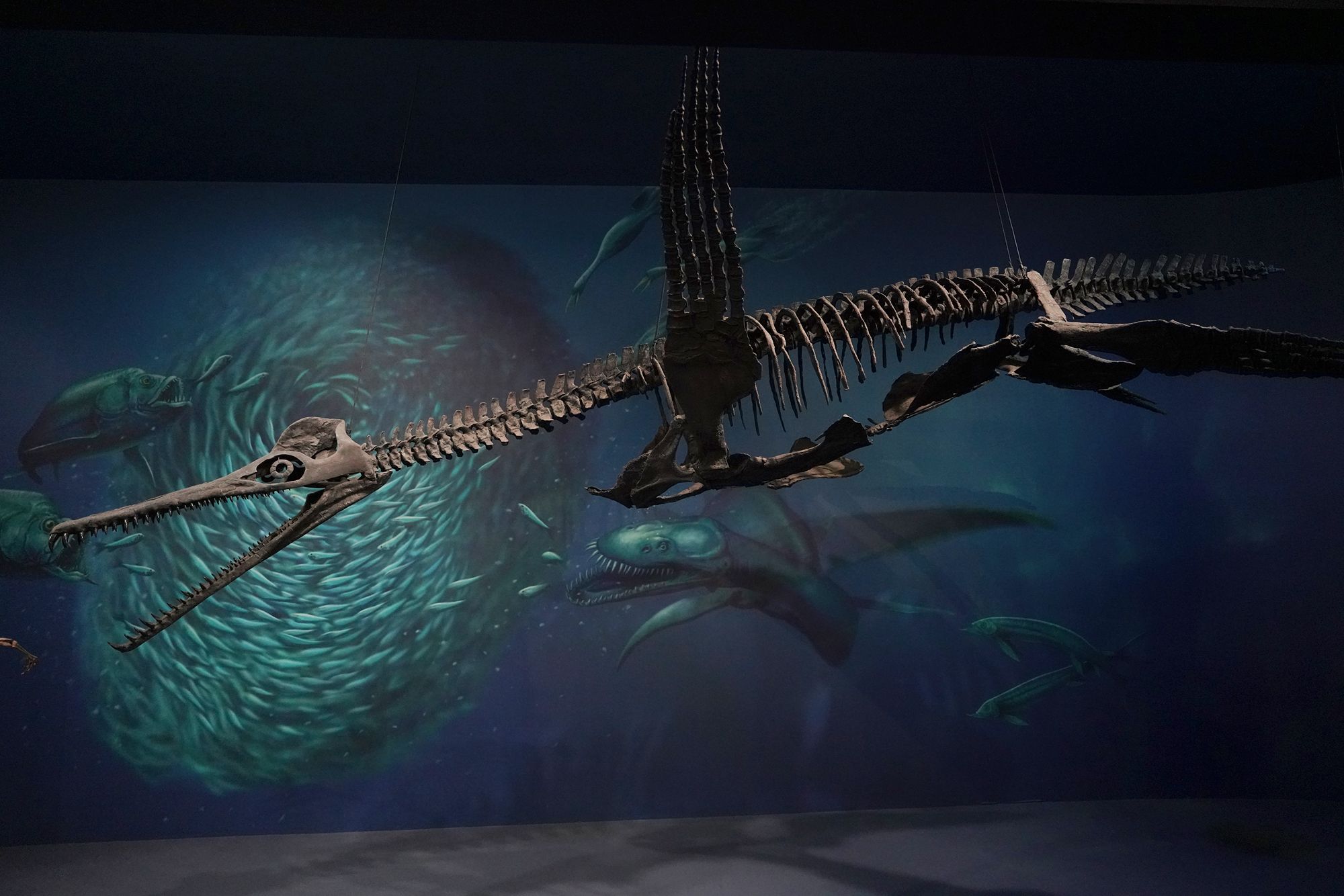
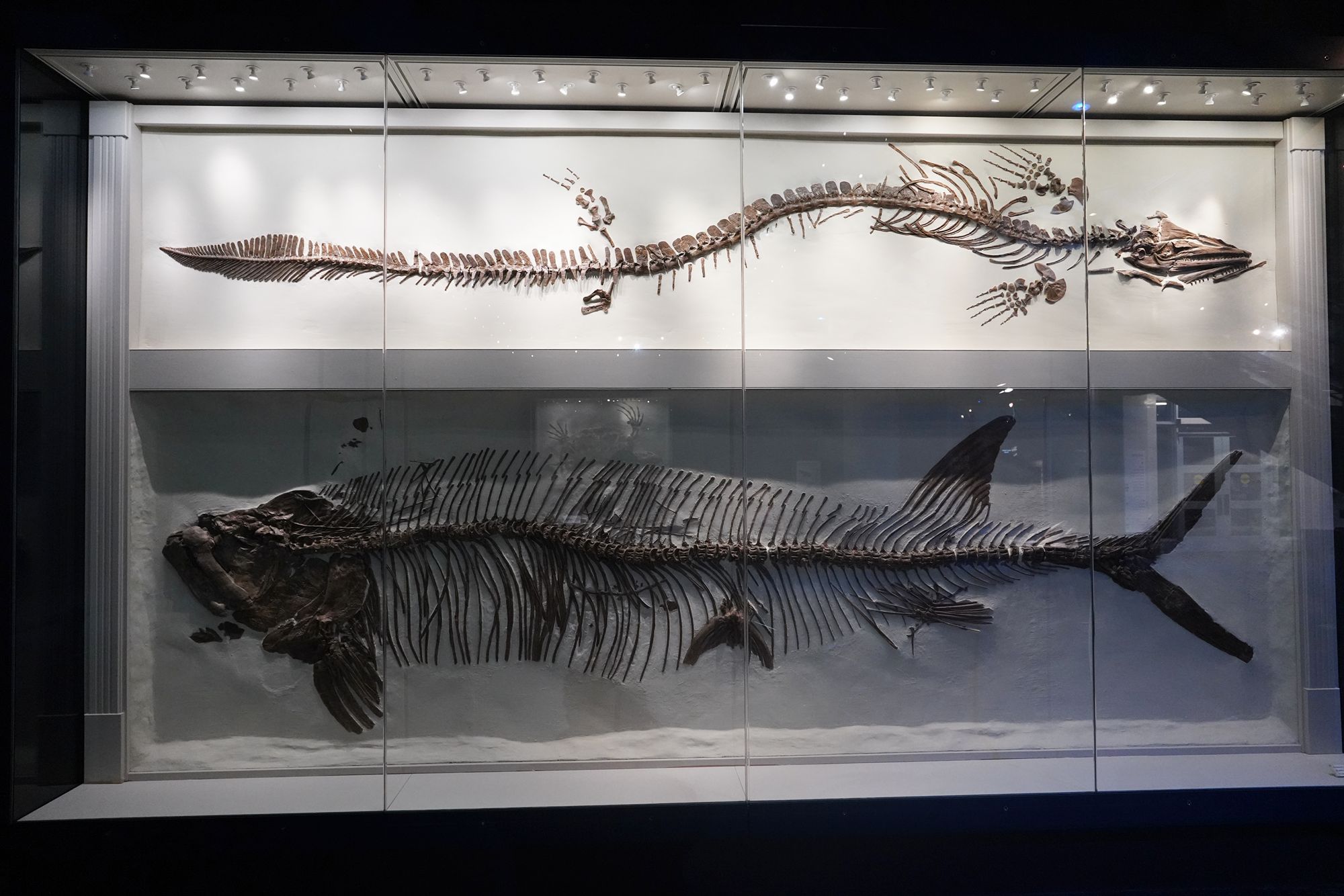
Mosasaurs
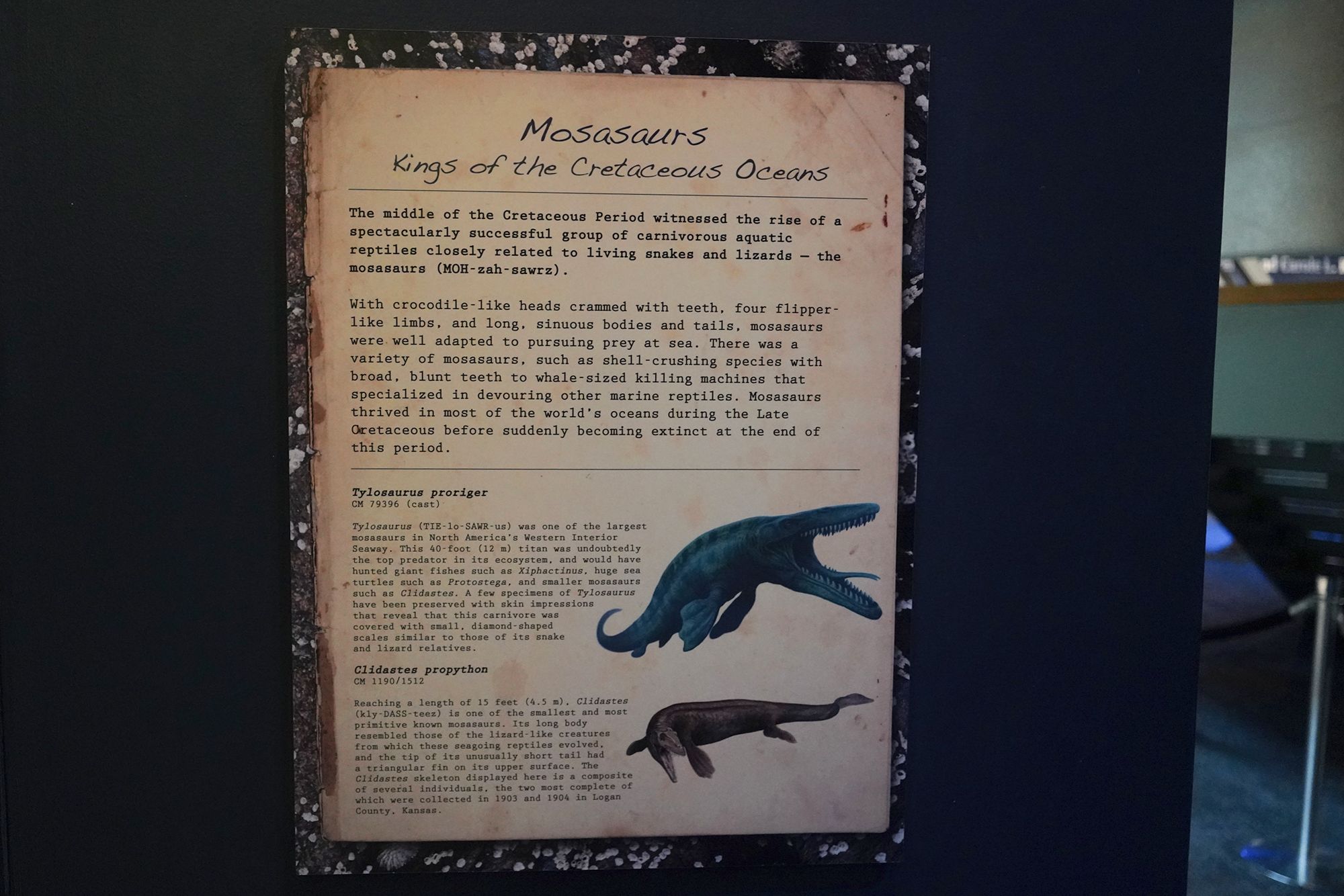
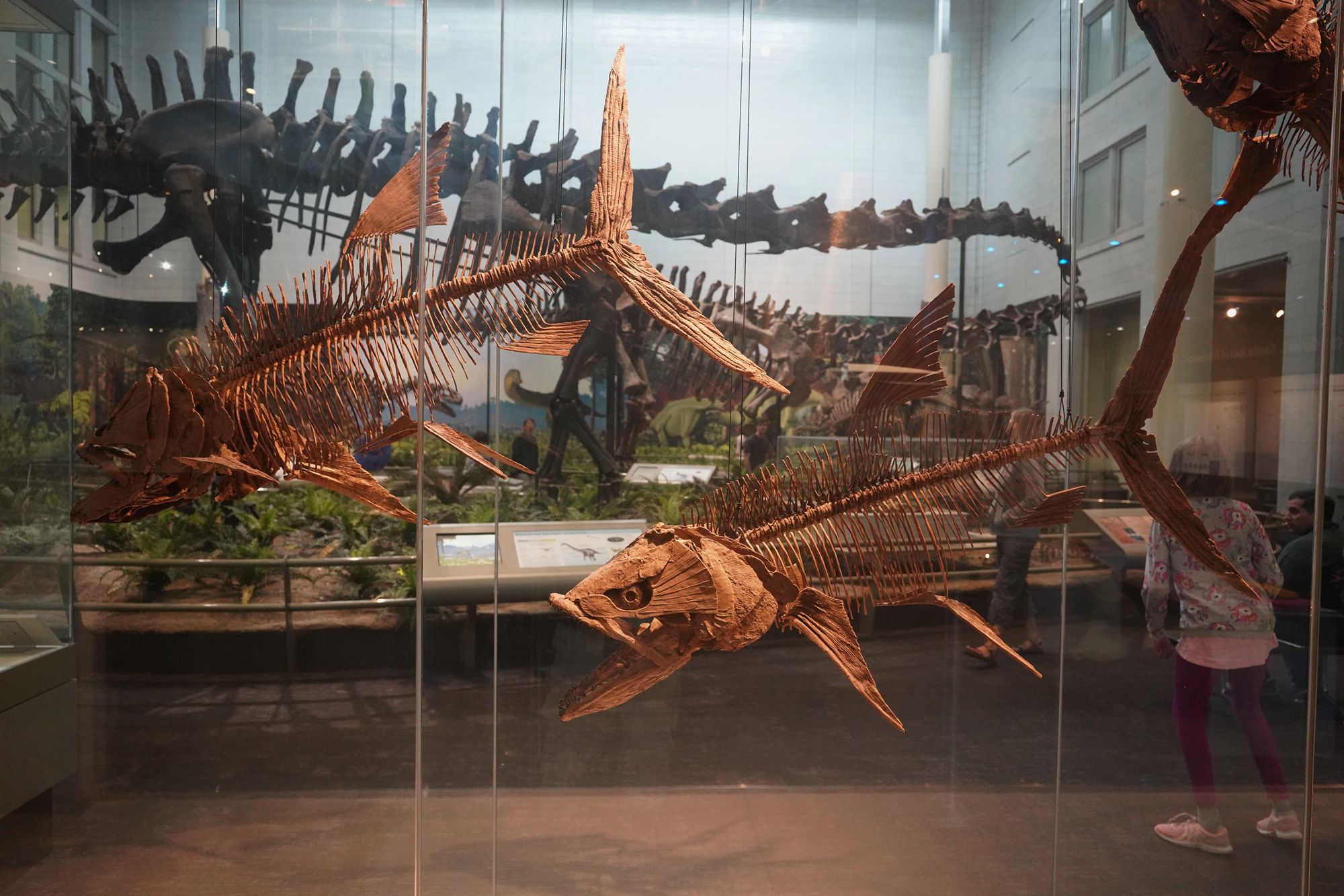
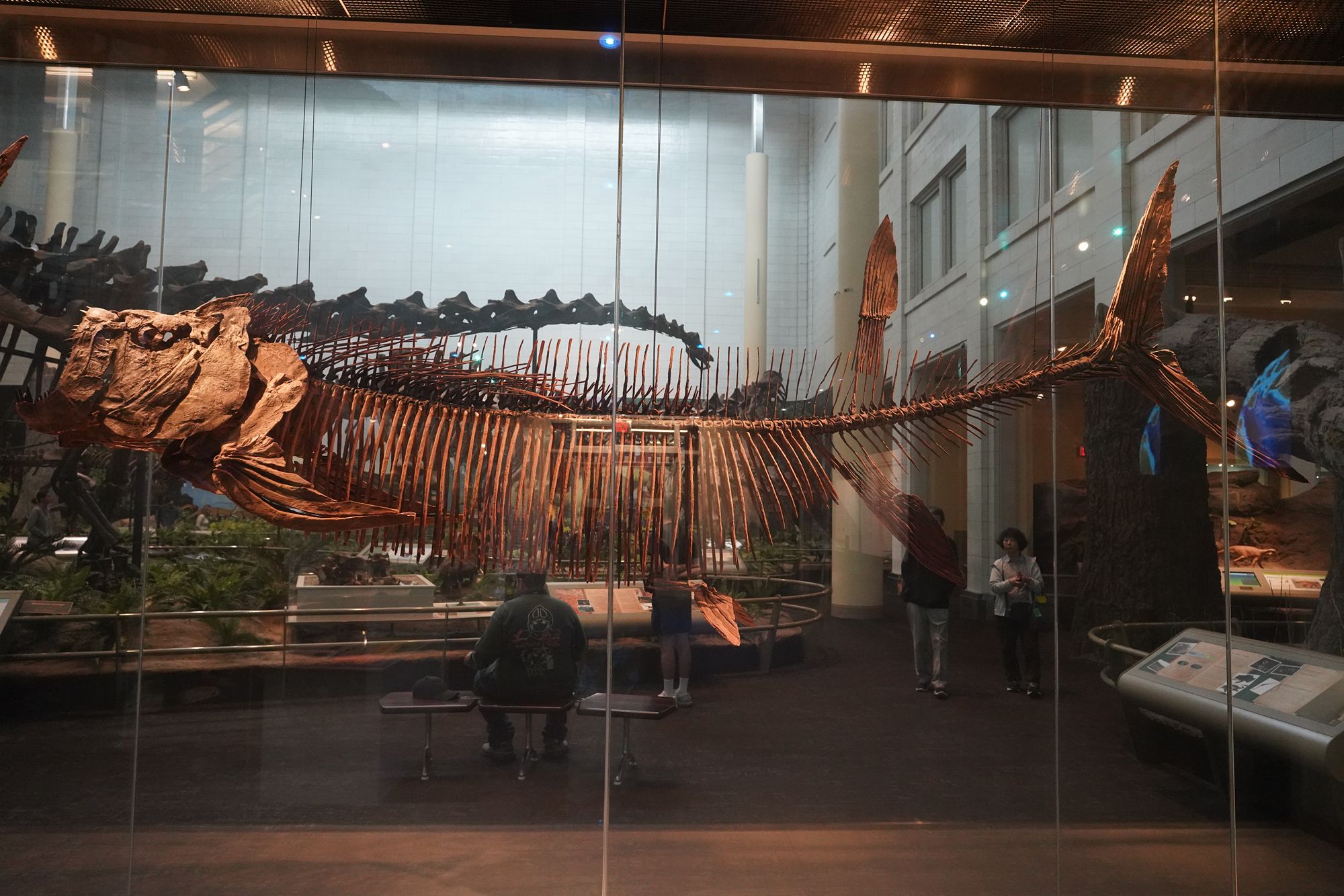
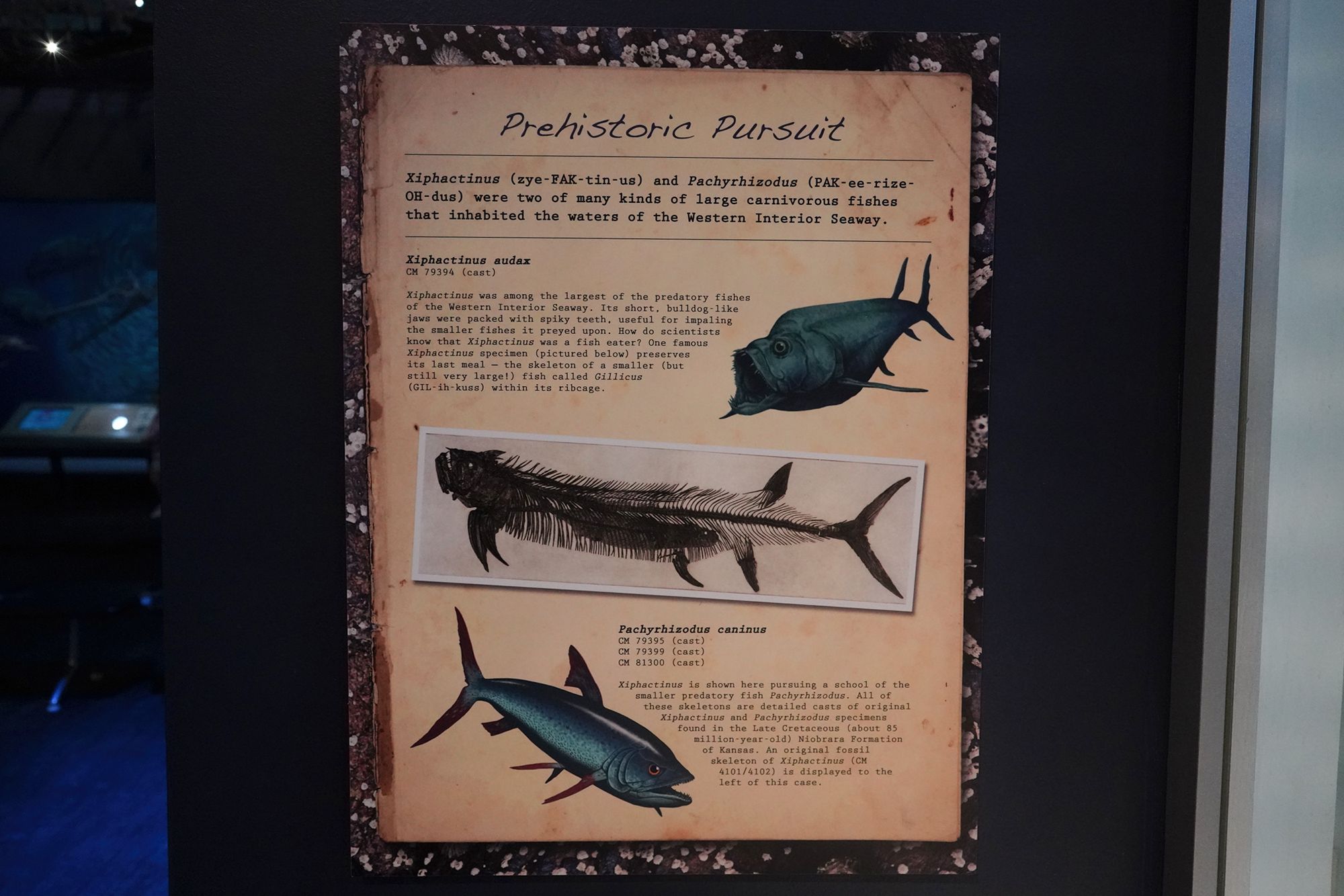
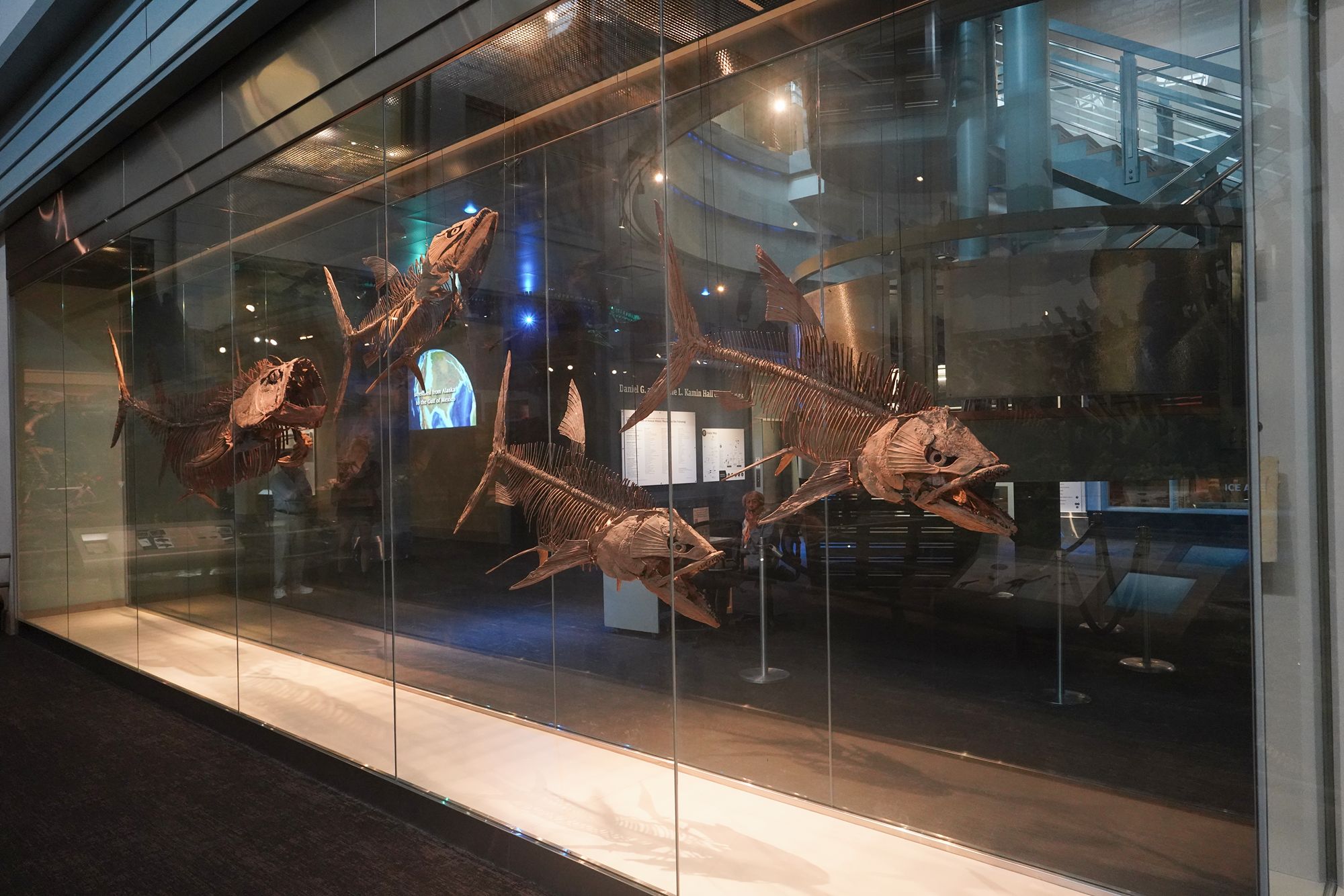
Prehistoric Pursuit
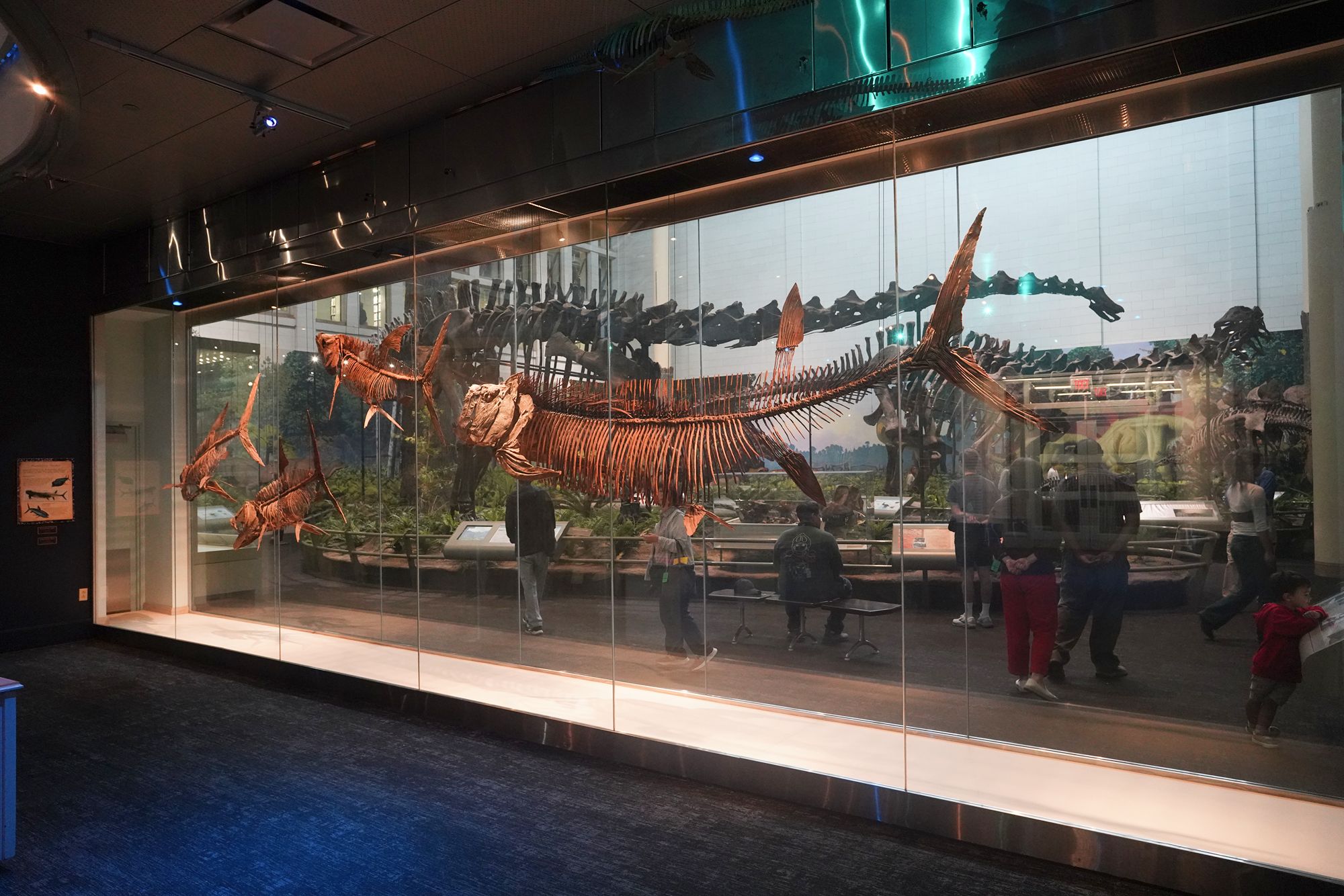
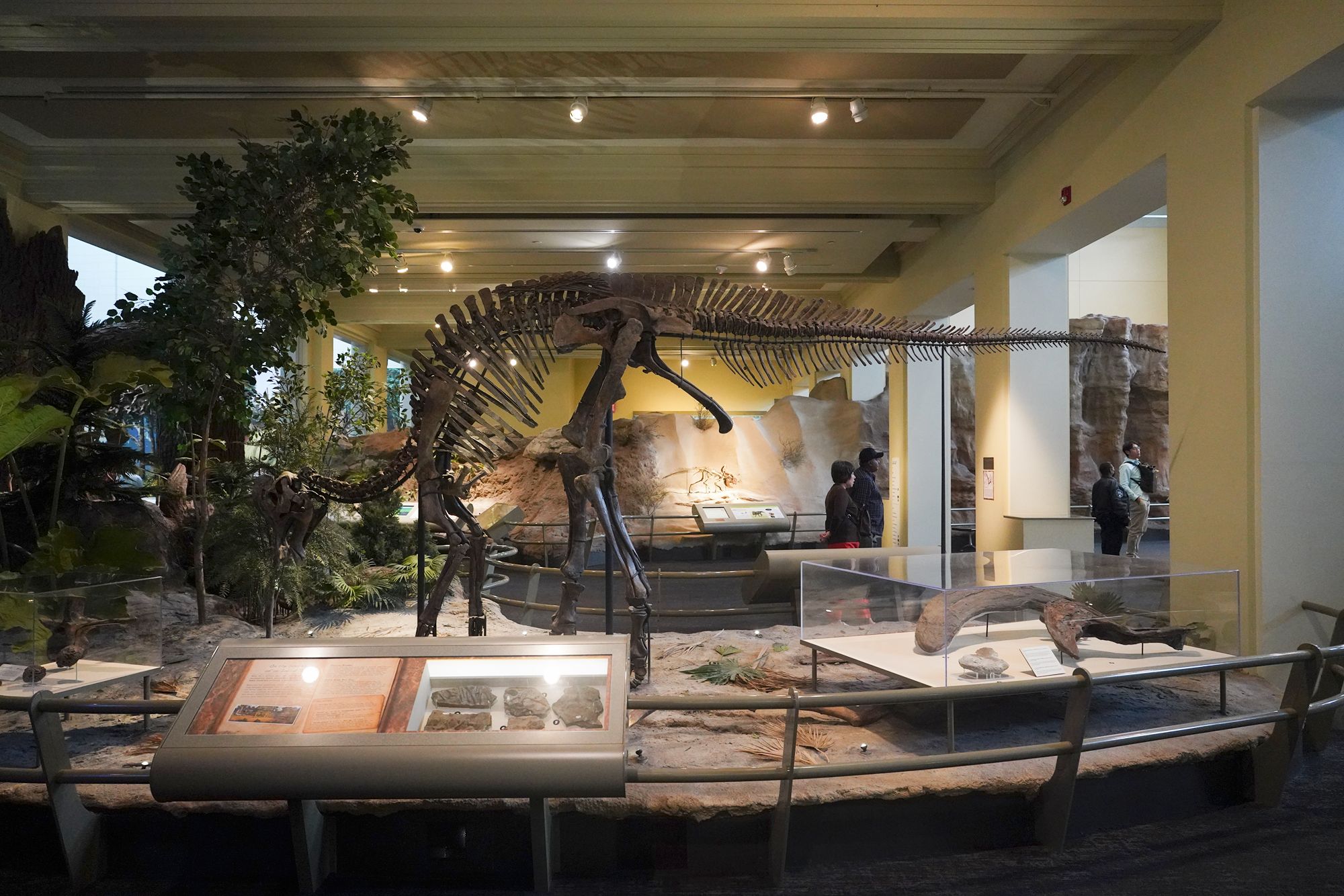
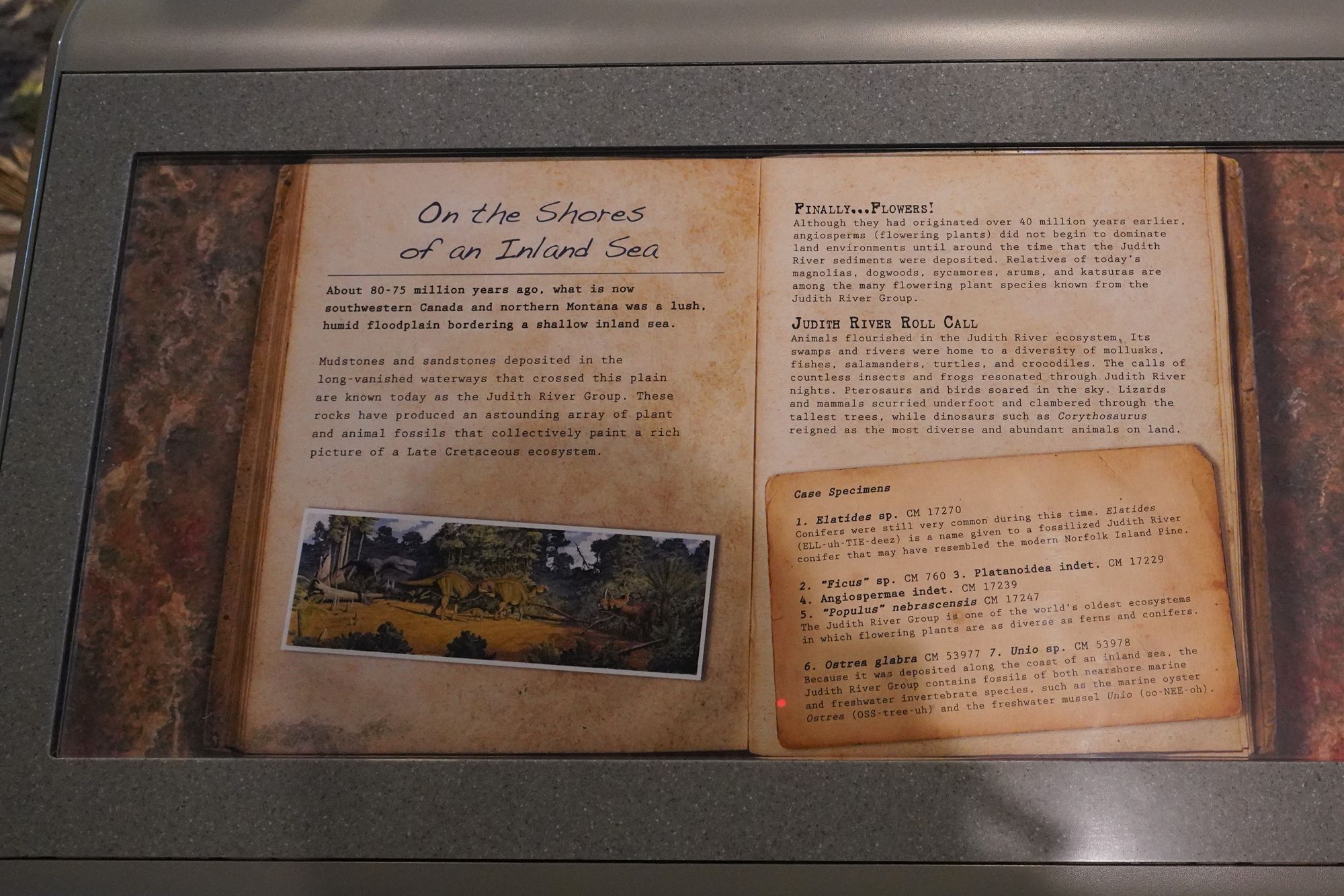
On the Shores of an Inland Sea
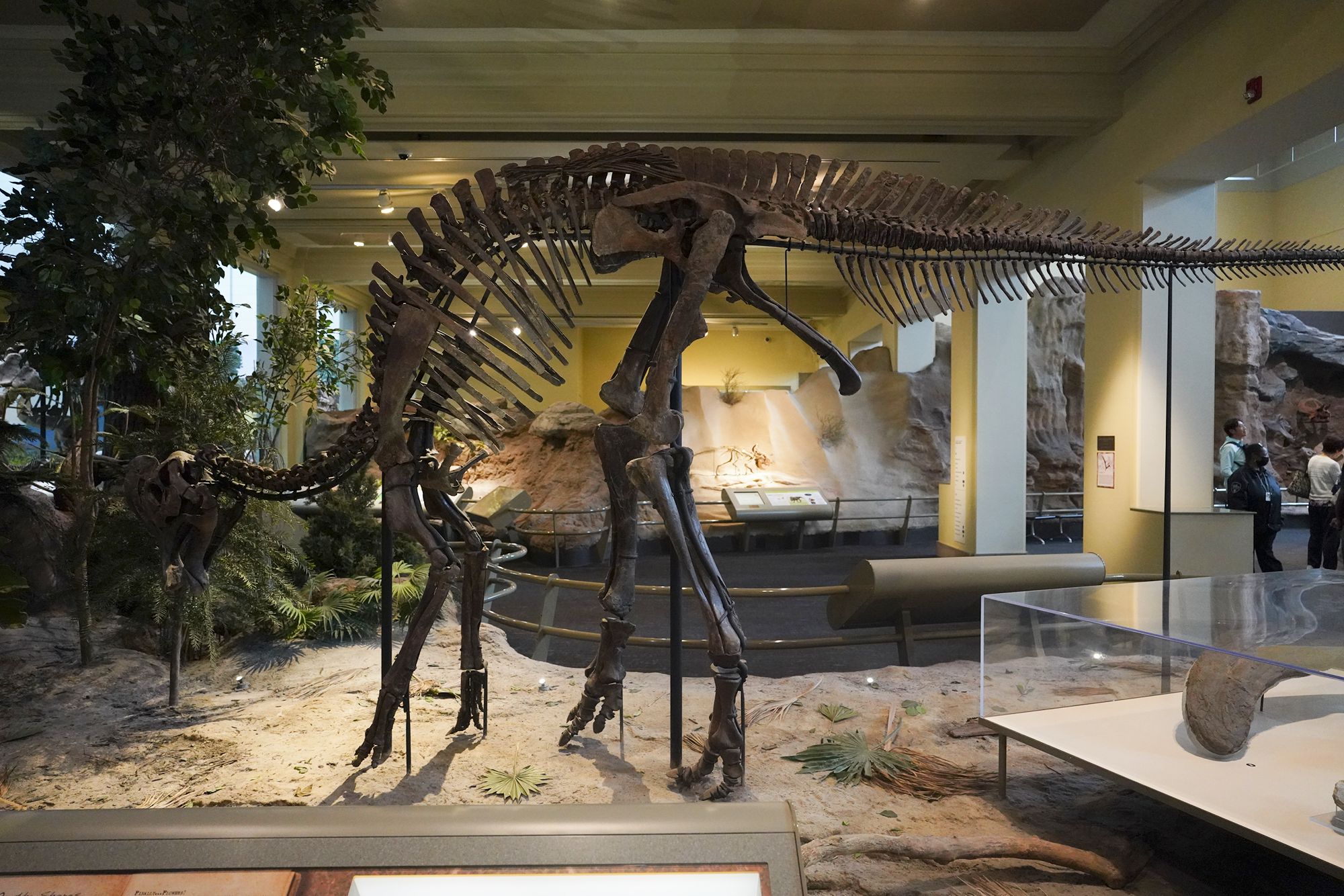
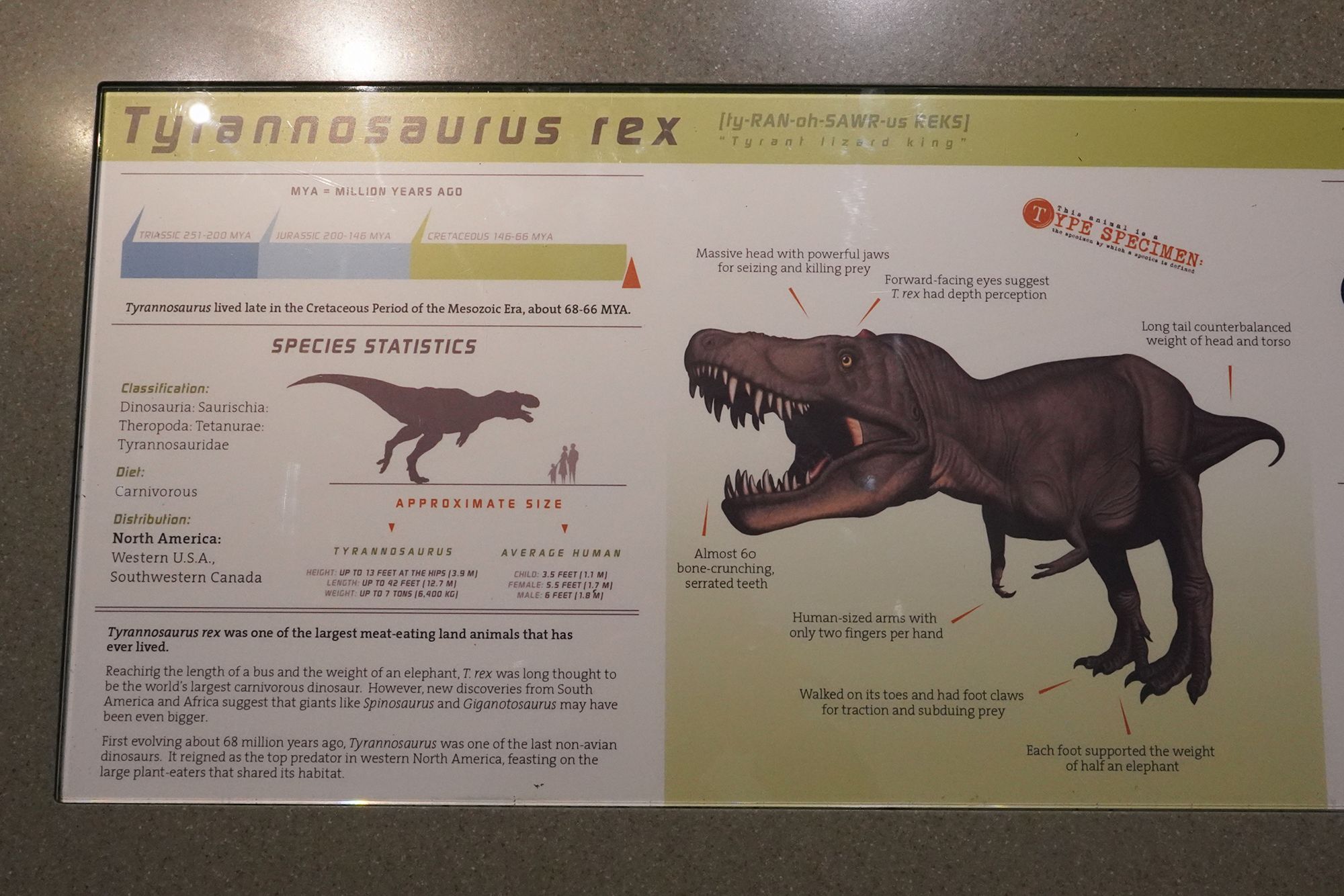
Tyrannosaurus rex
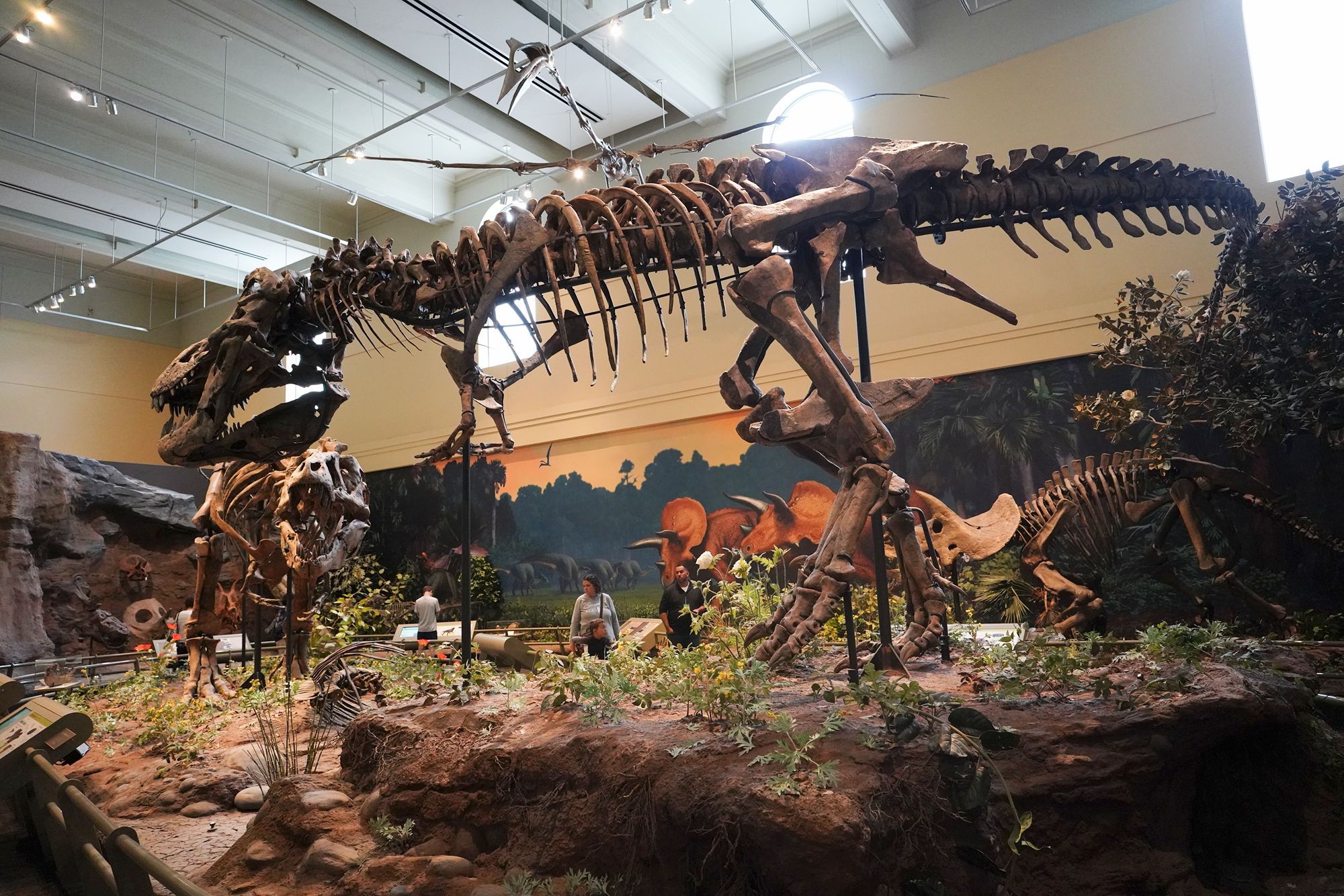
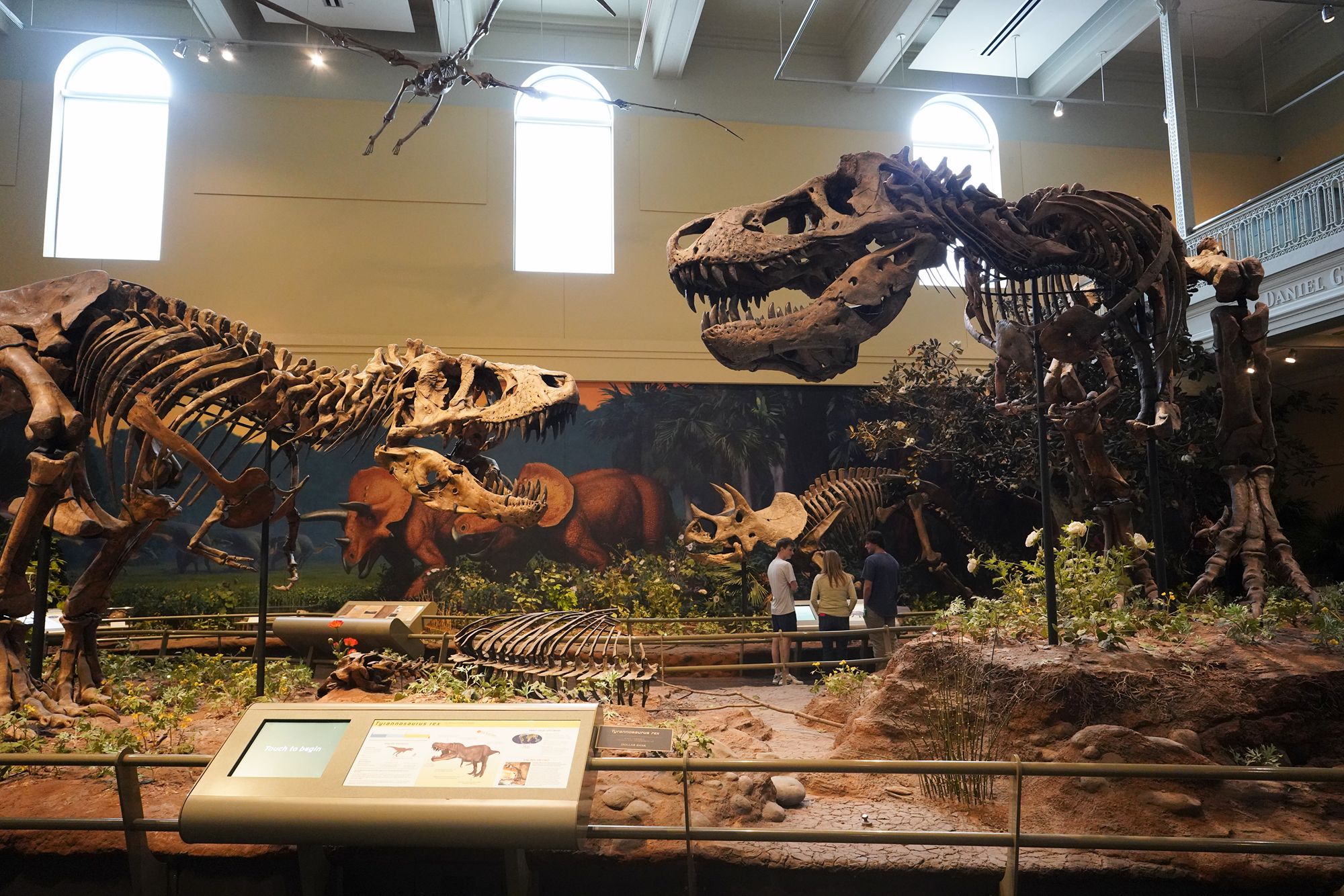
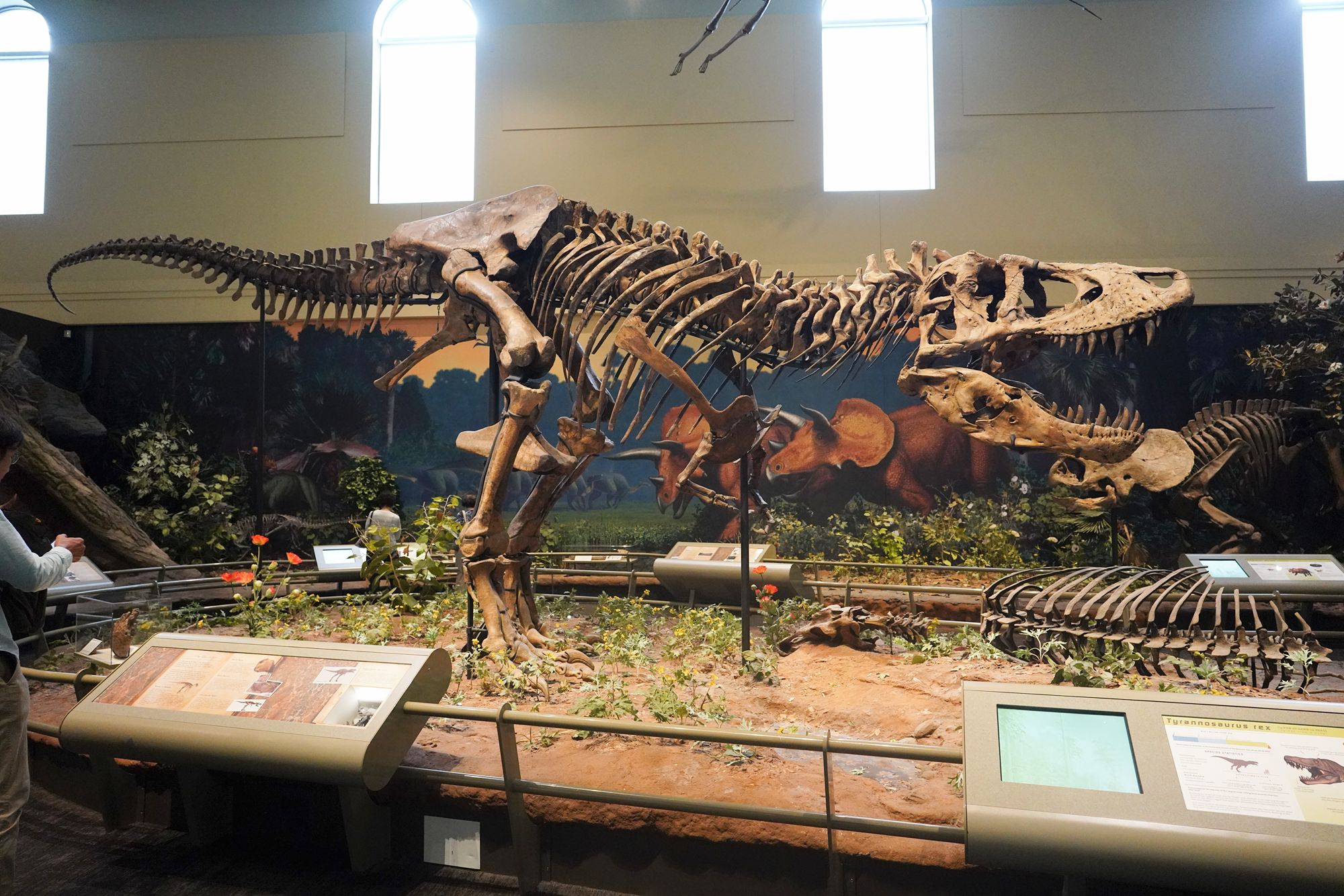
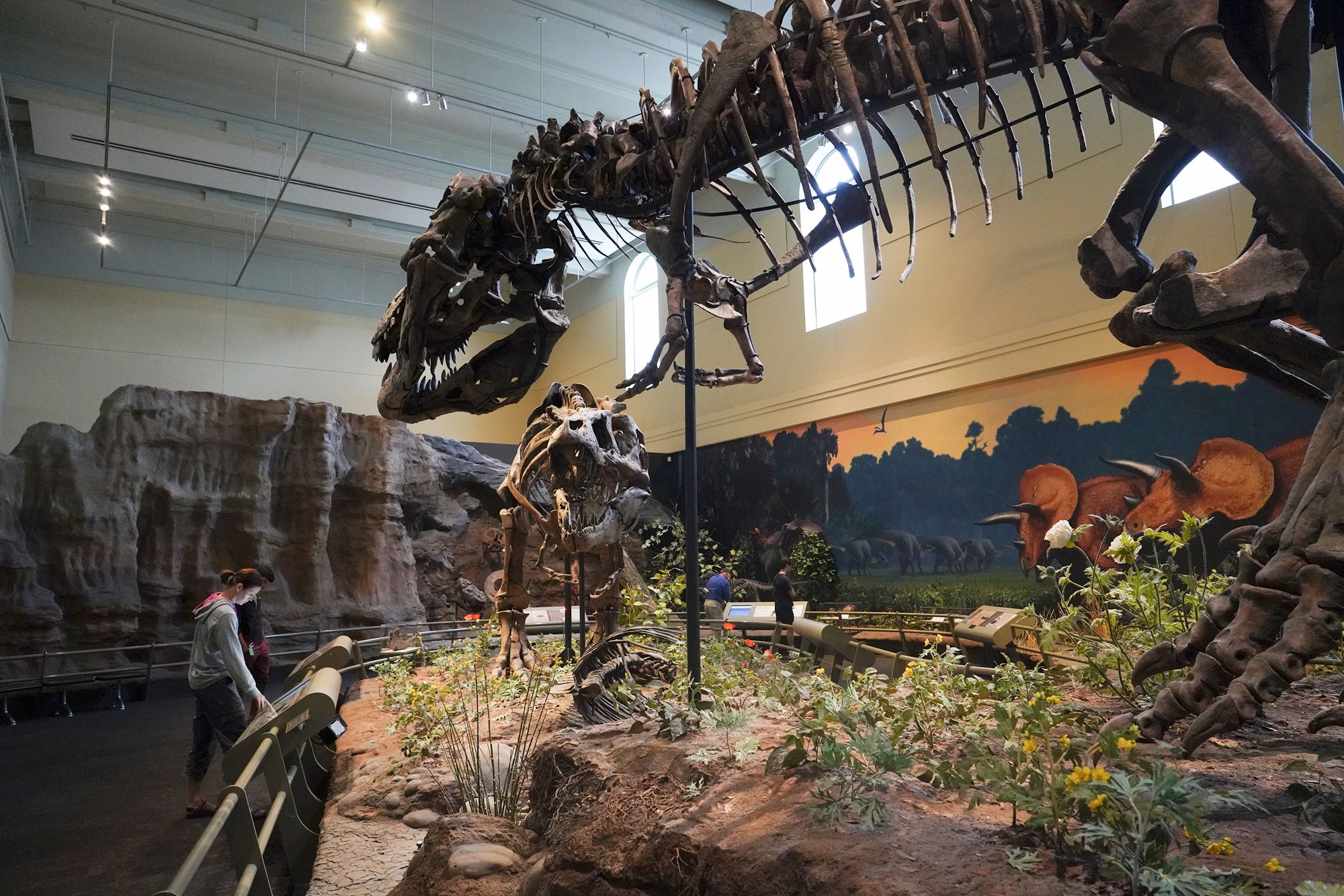
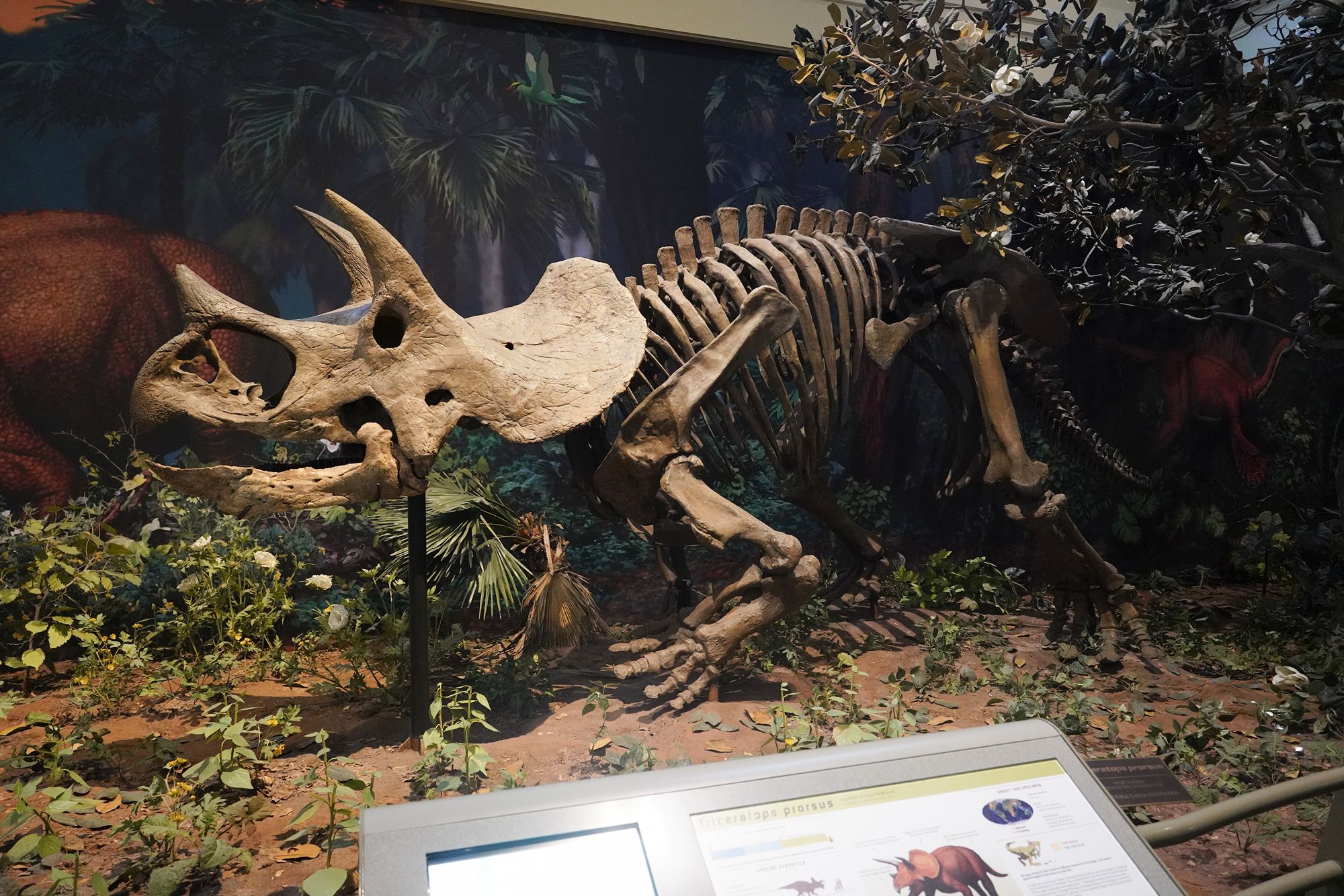
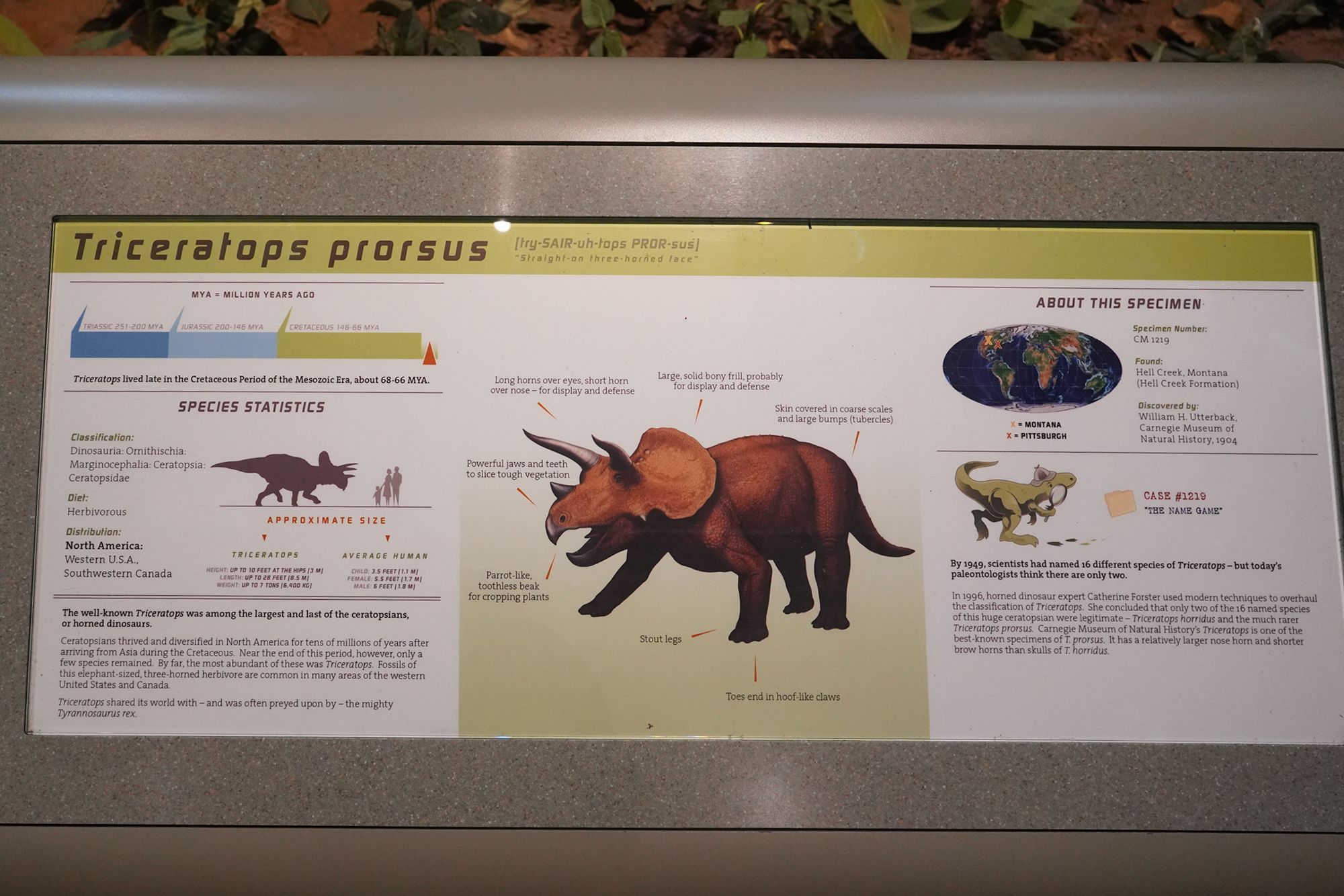
Triceratops prorsus
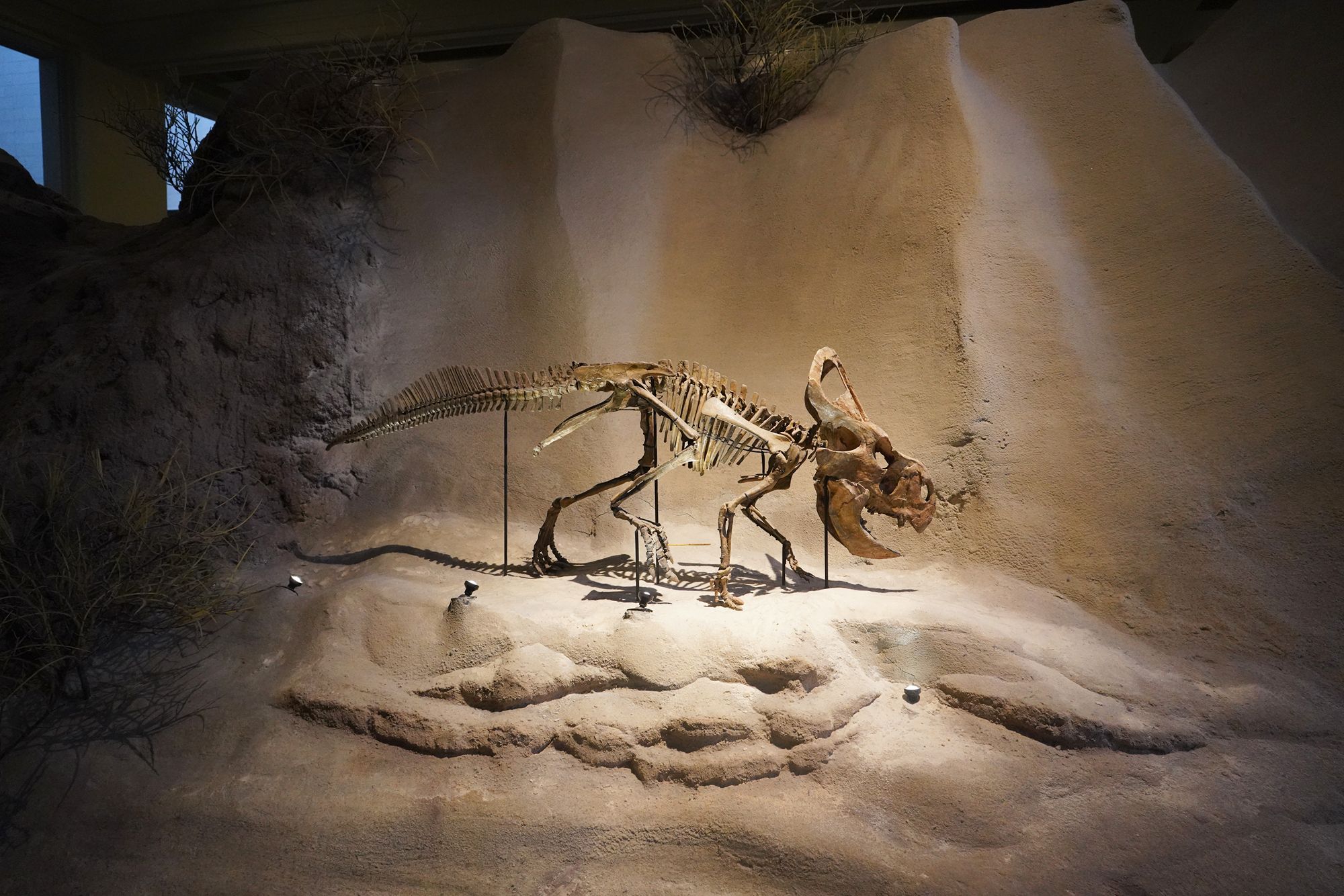
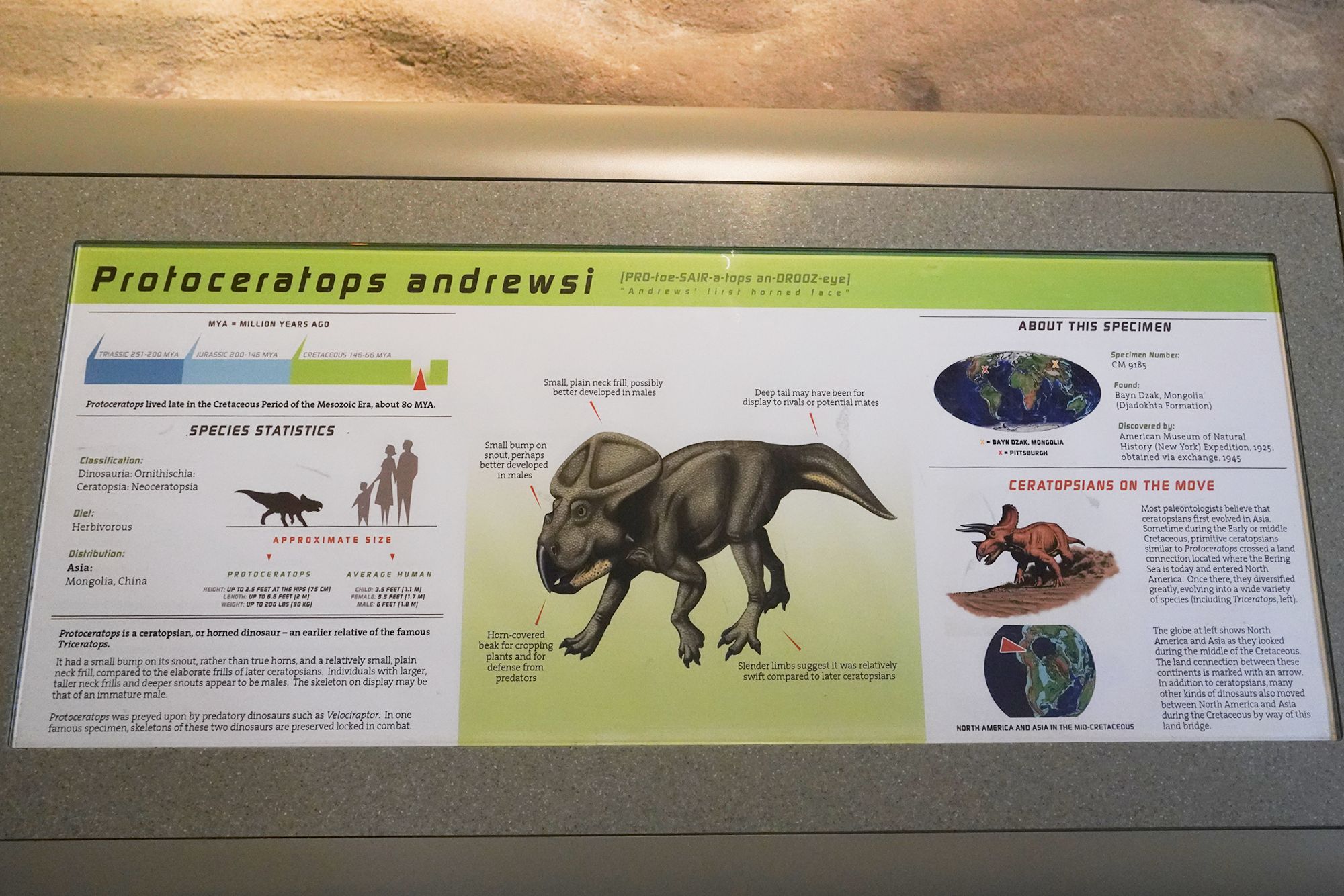
Protoceratops andrewsi
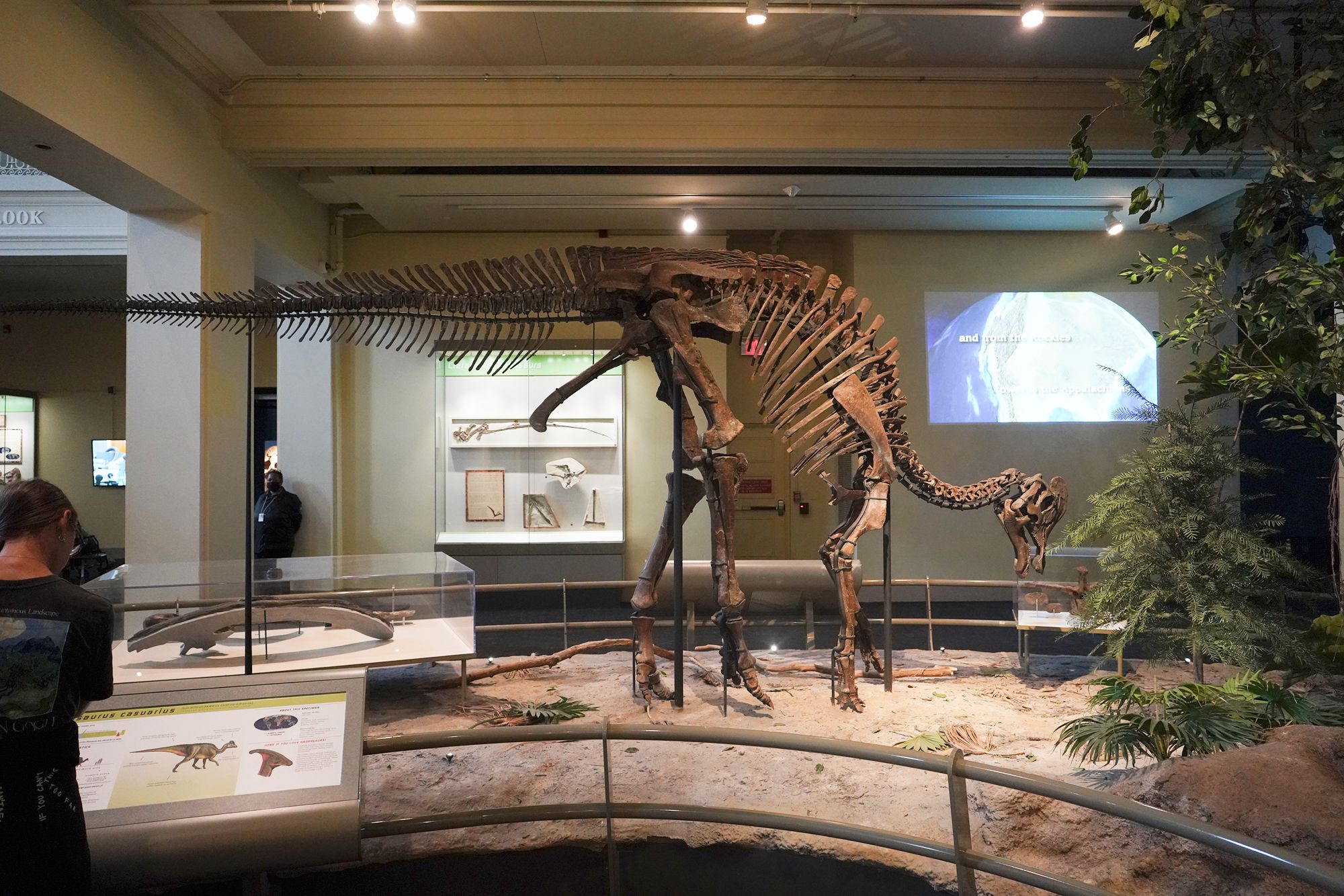
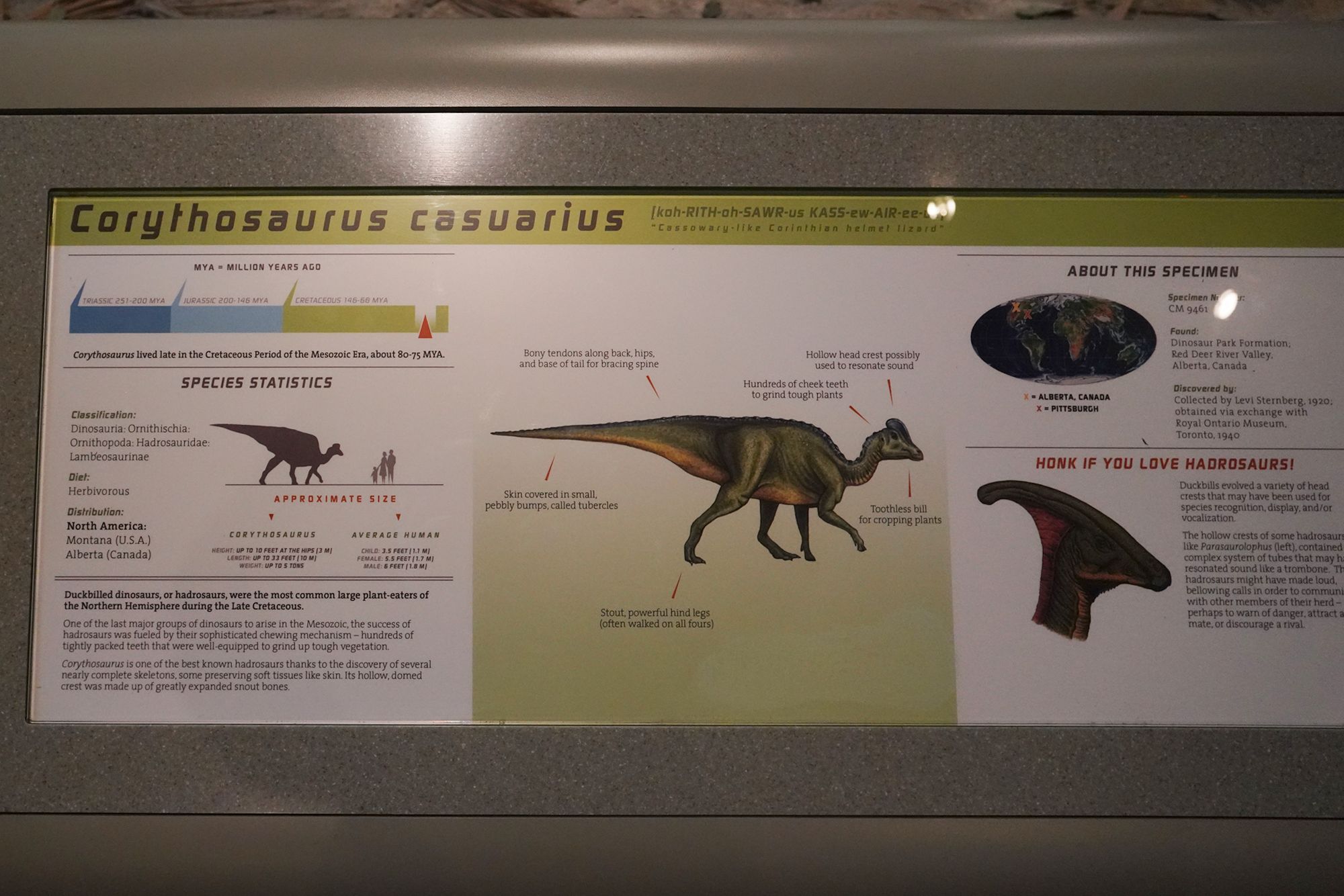
Corythosaurus casuarius
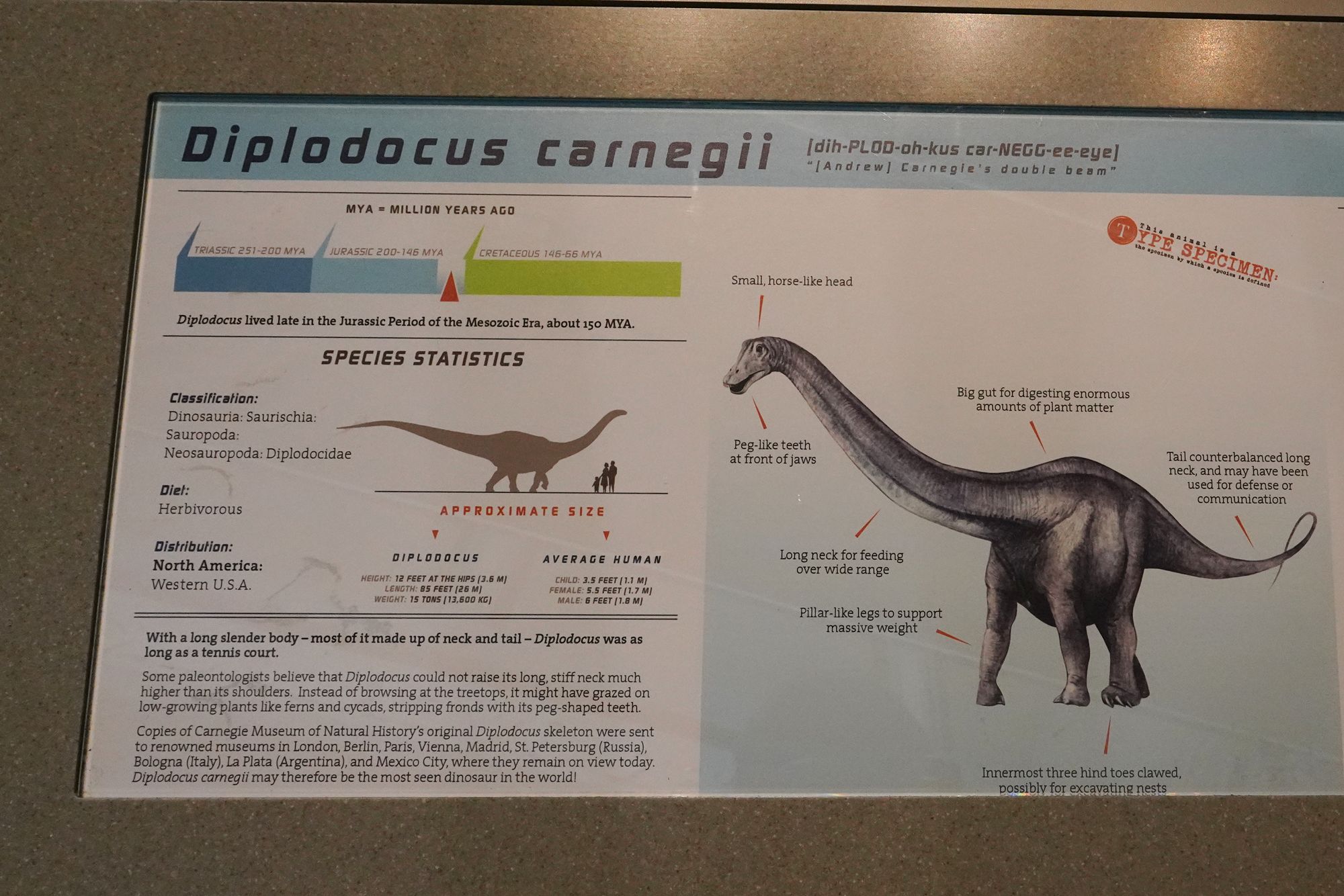
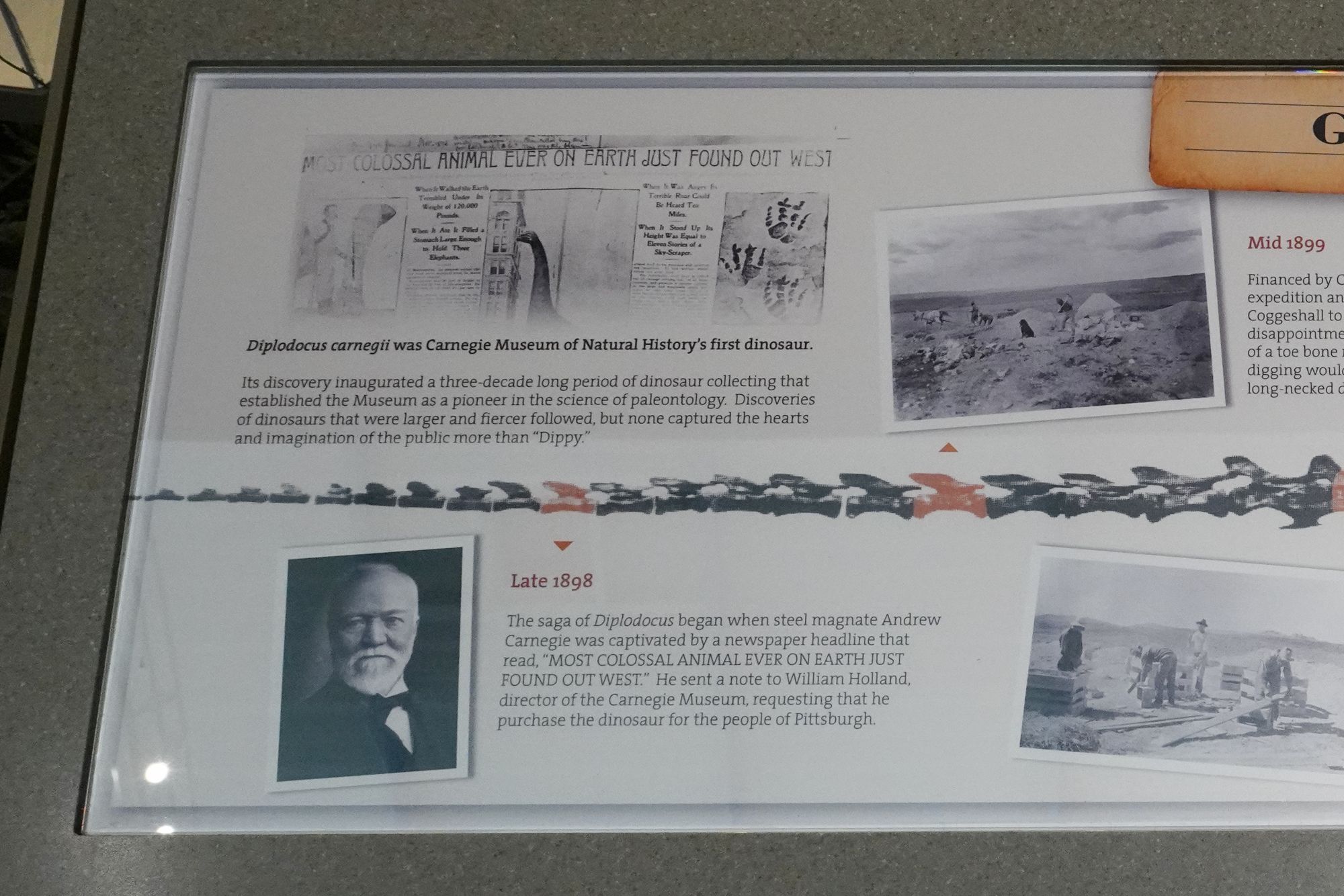
Diplodocus carnegii
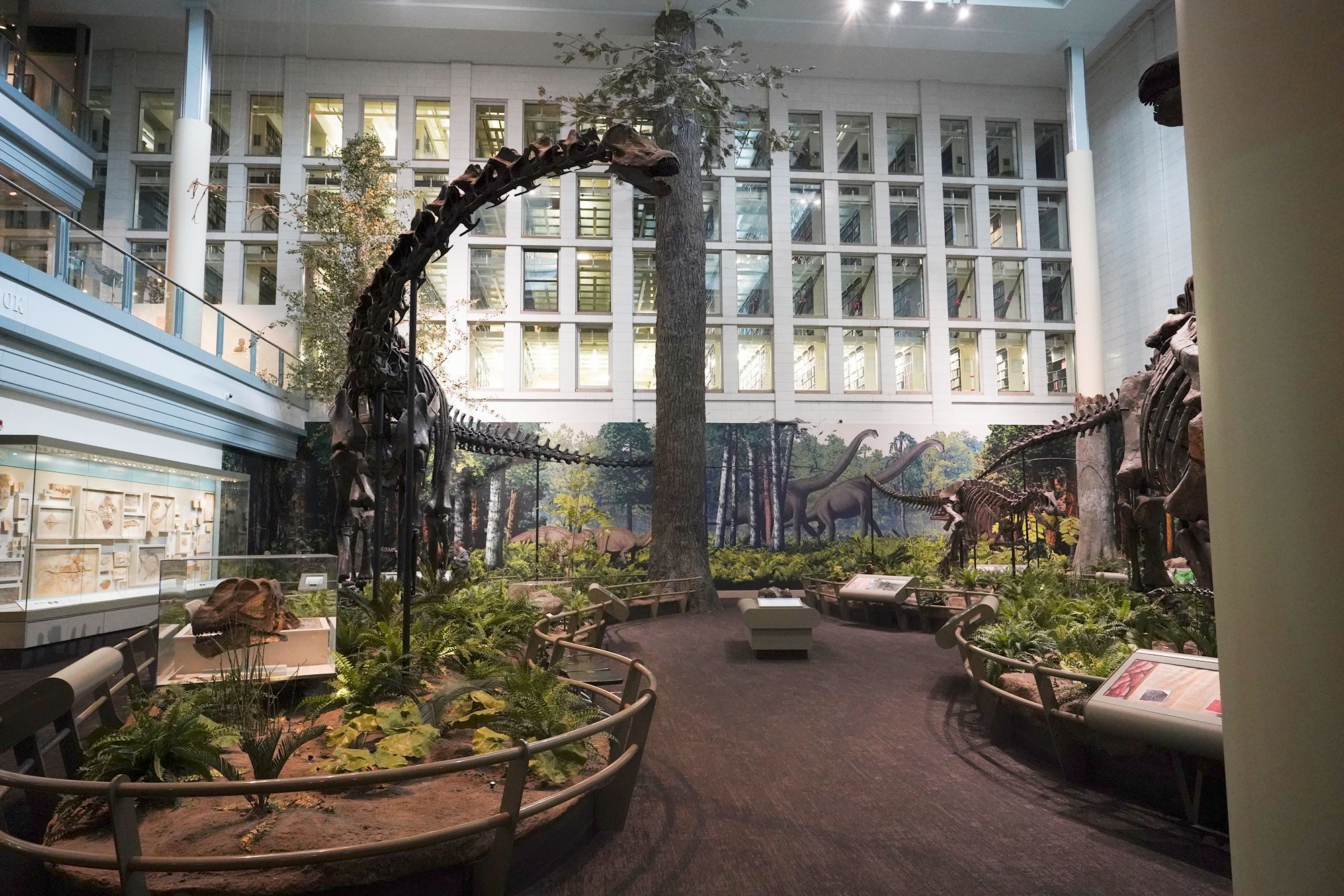
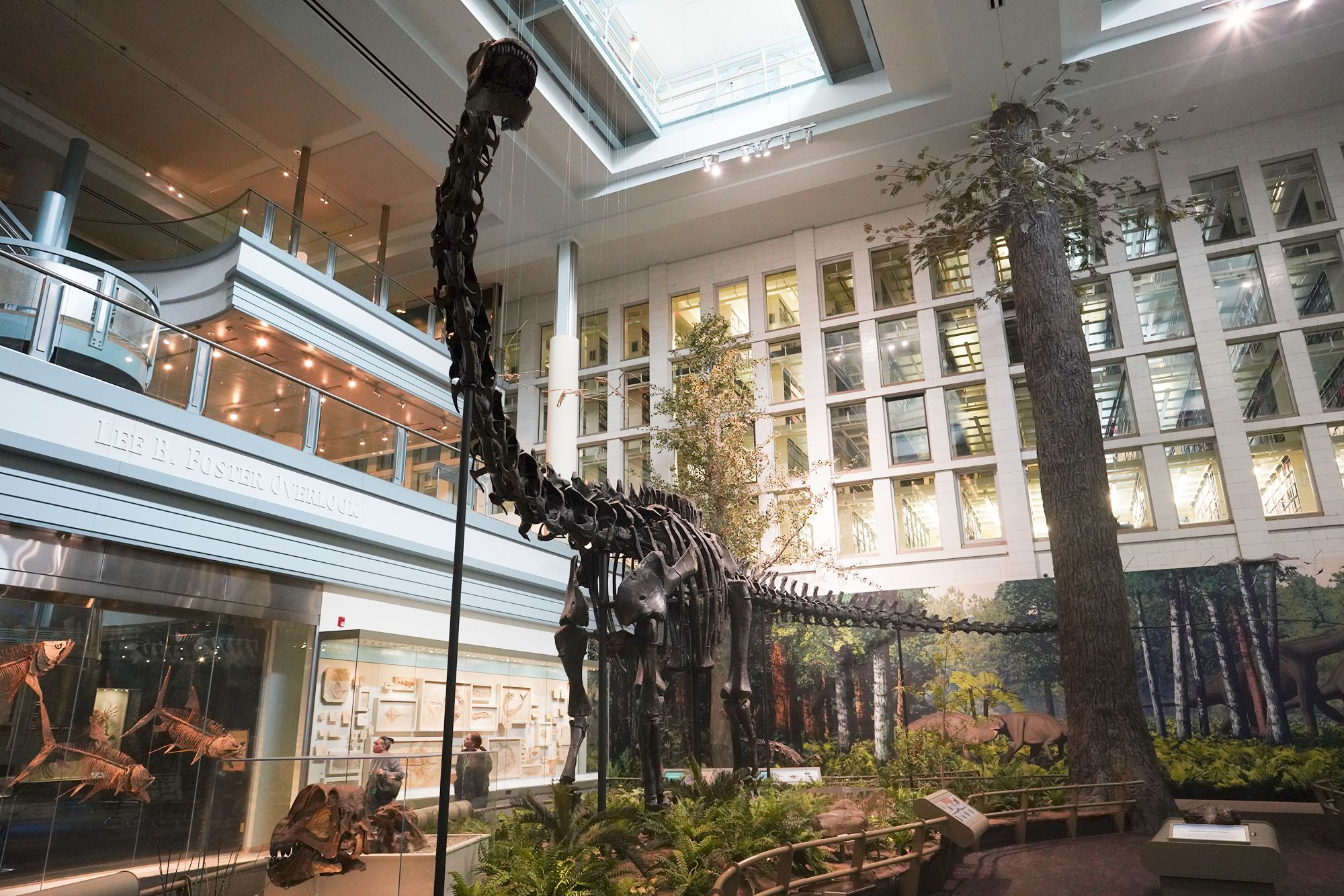
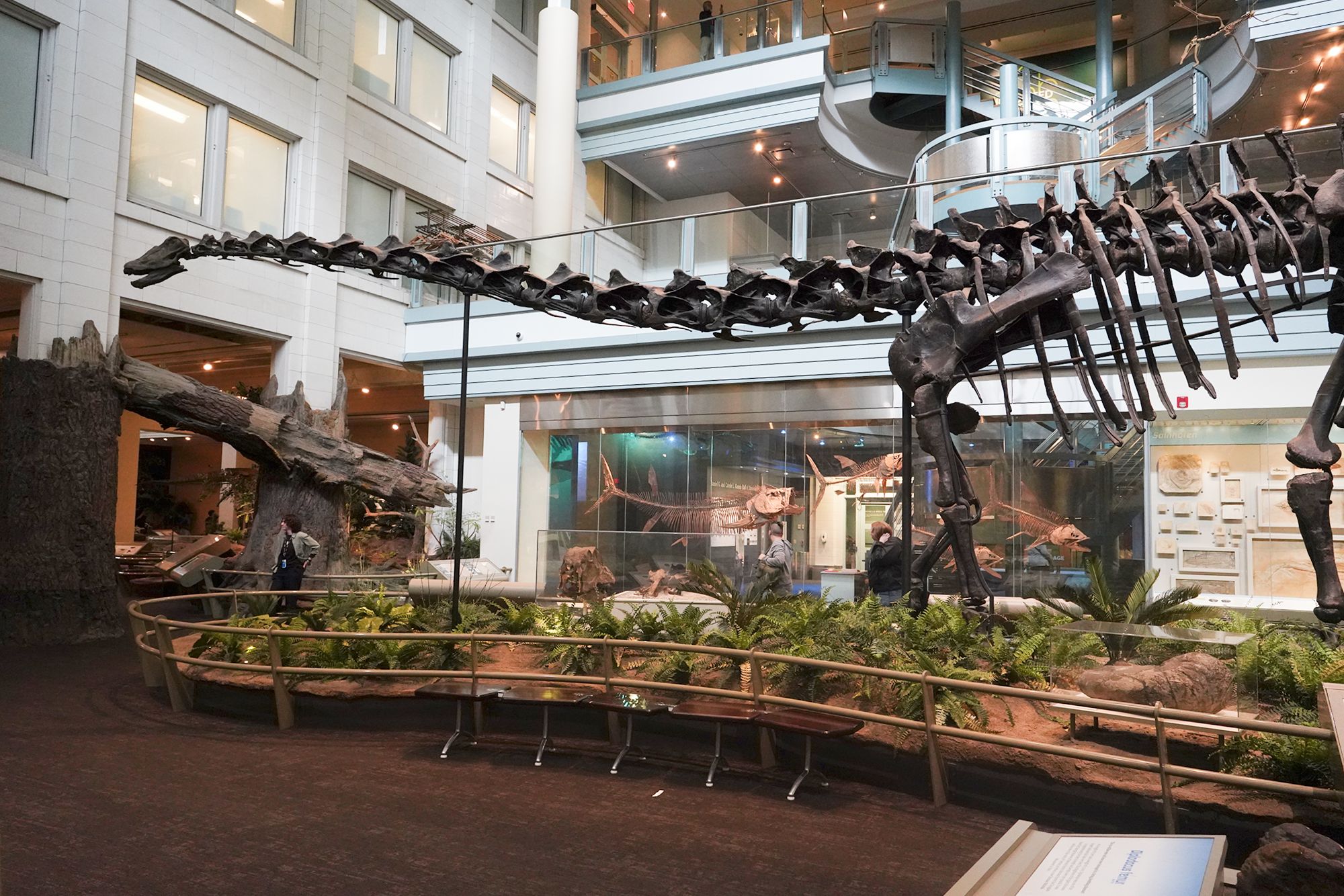
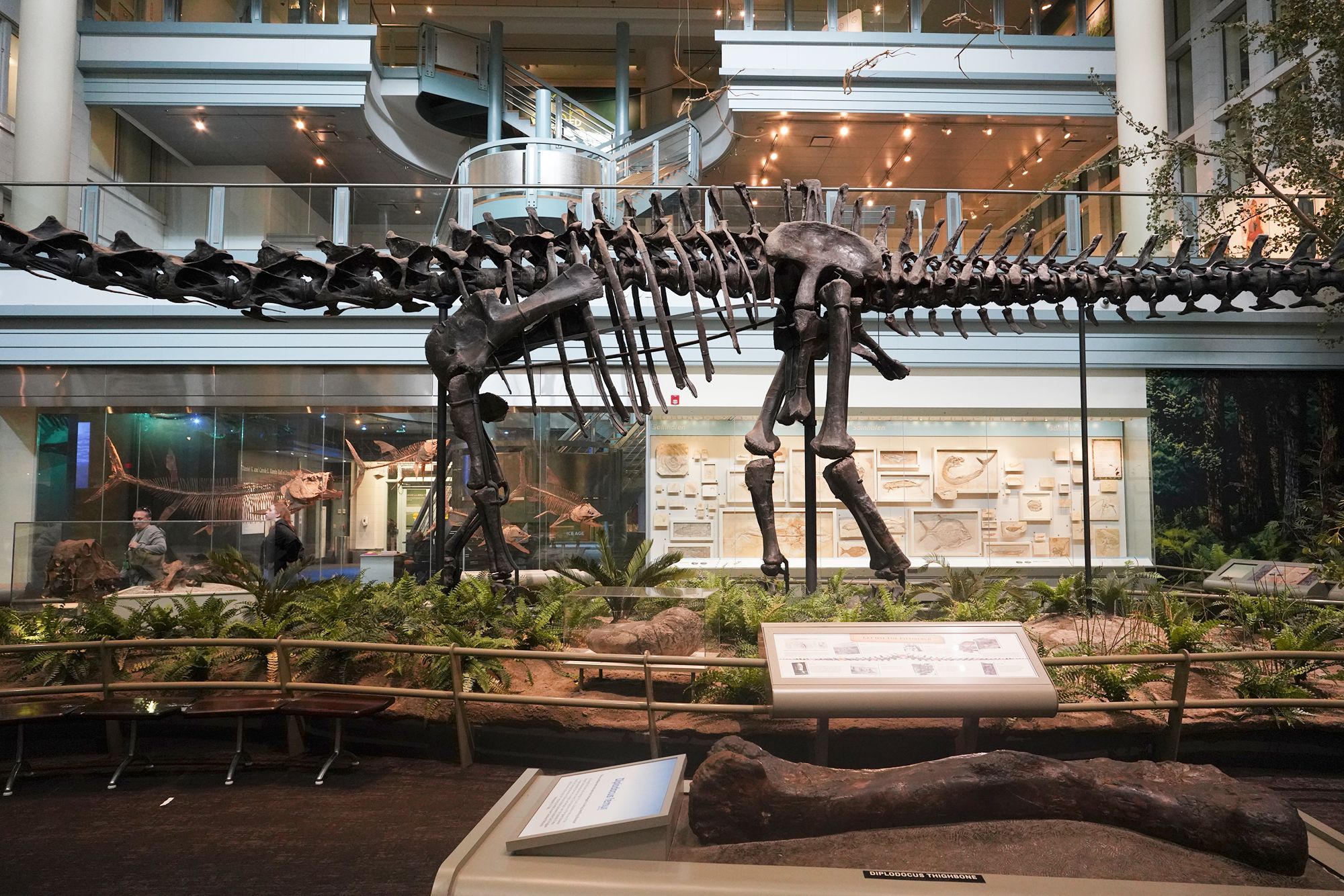
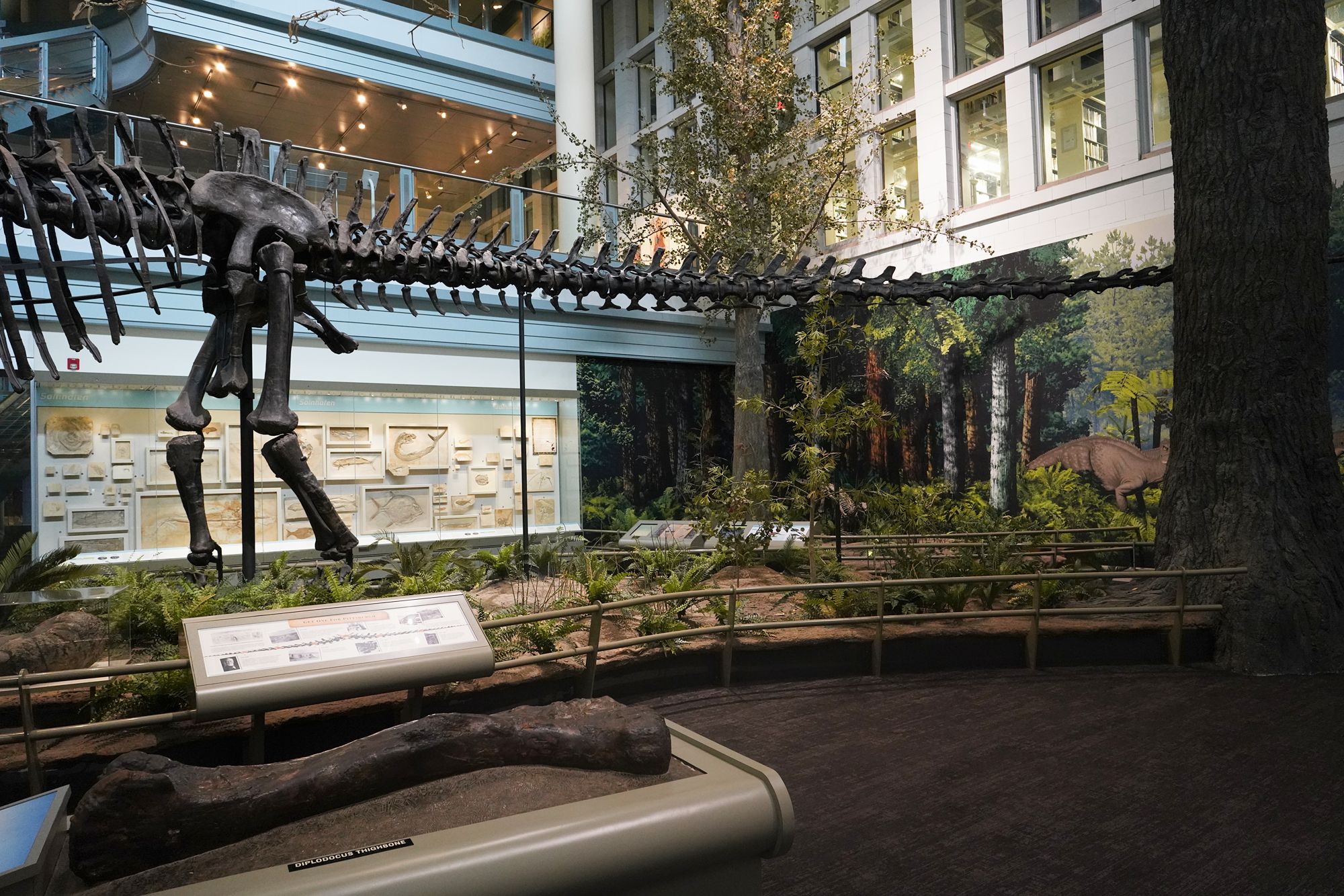
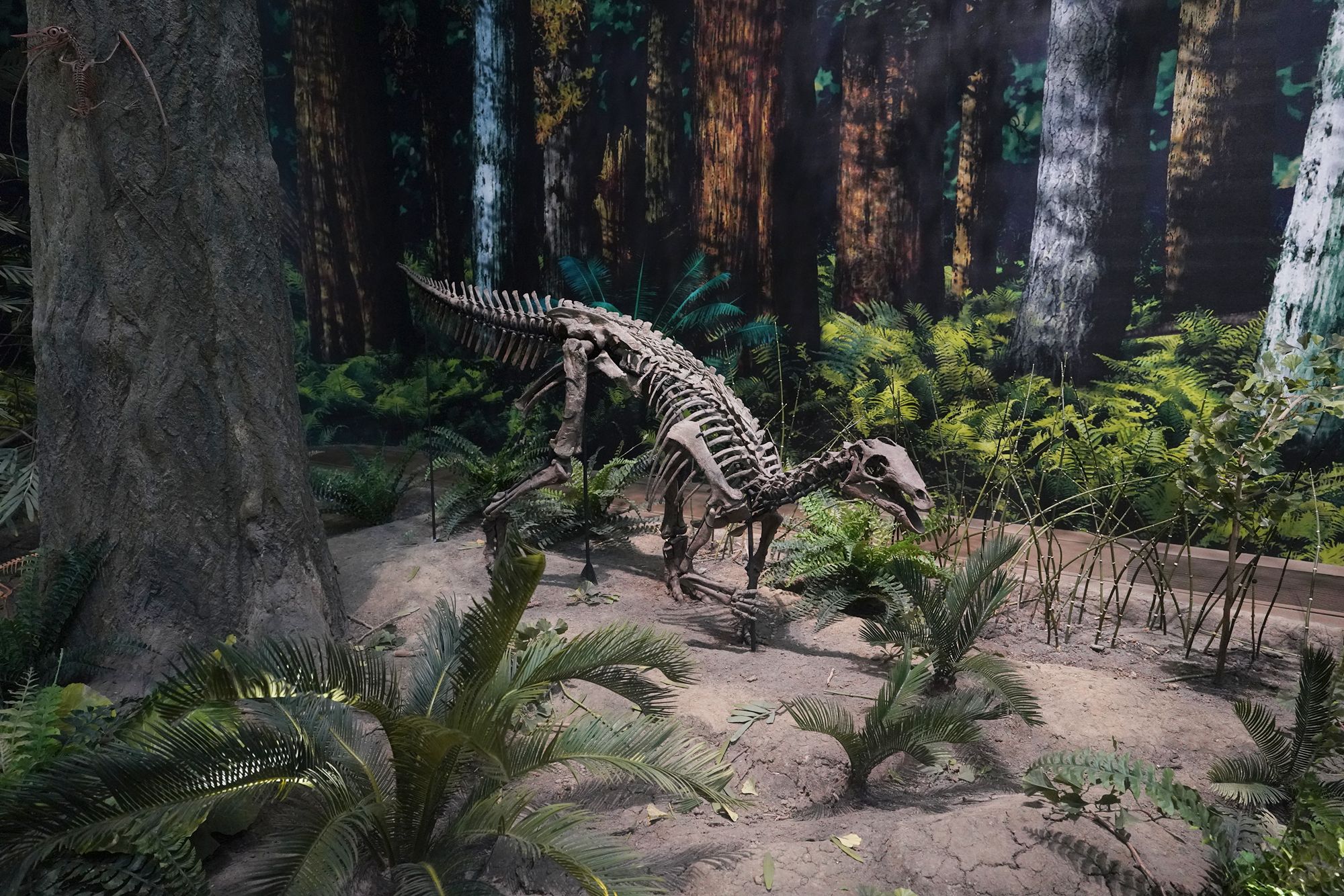
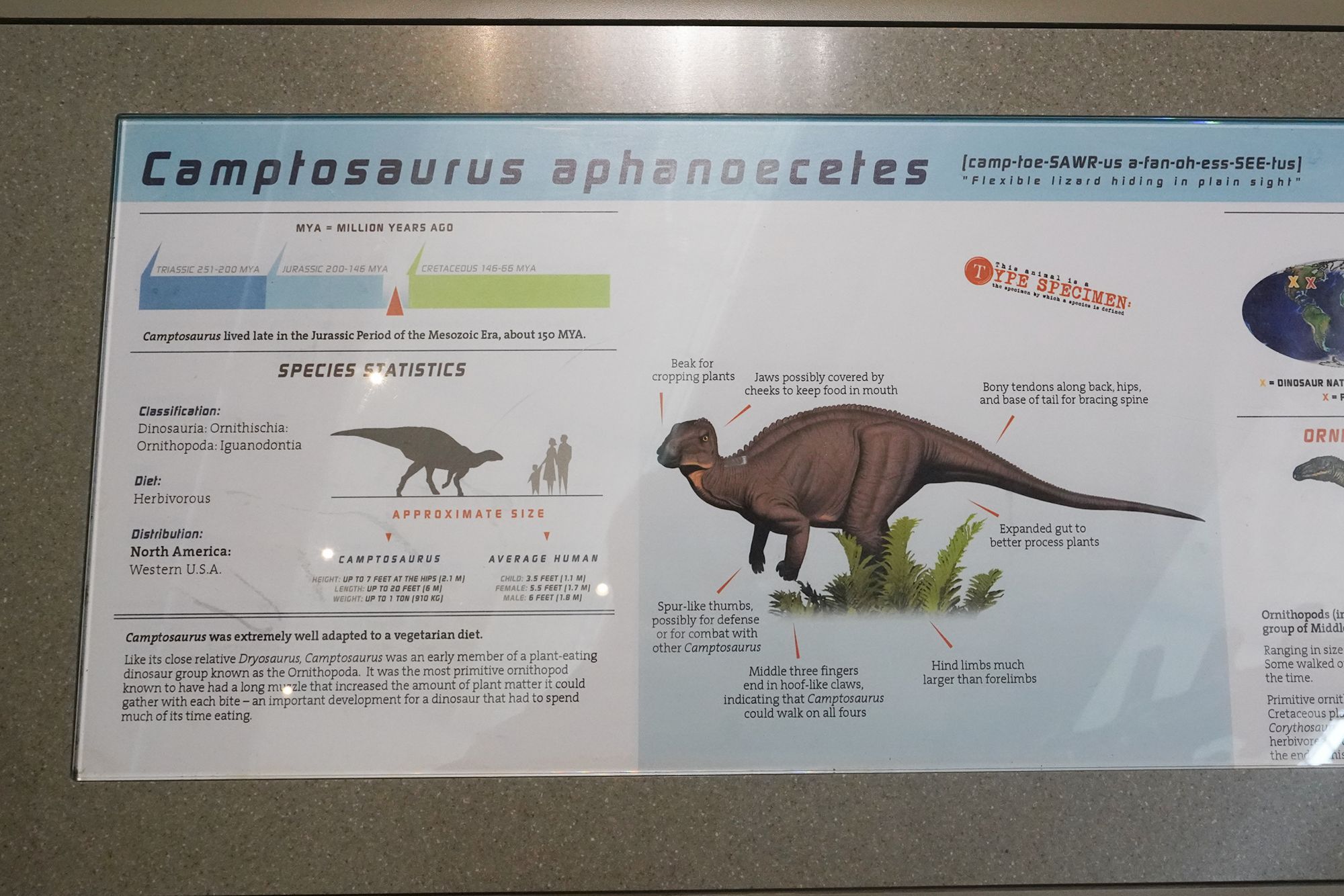
Camptosaurus aphanoecetes
Apatosaurus louisae
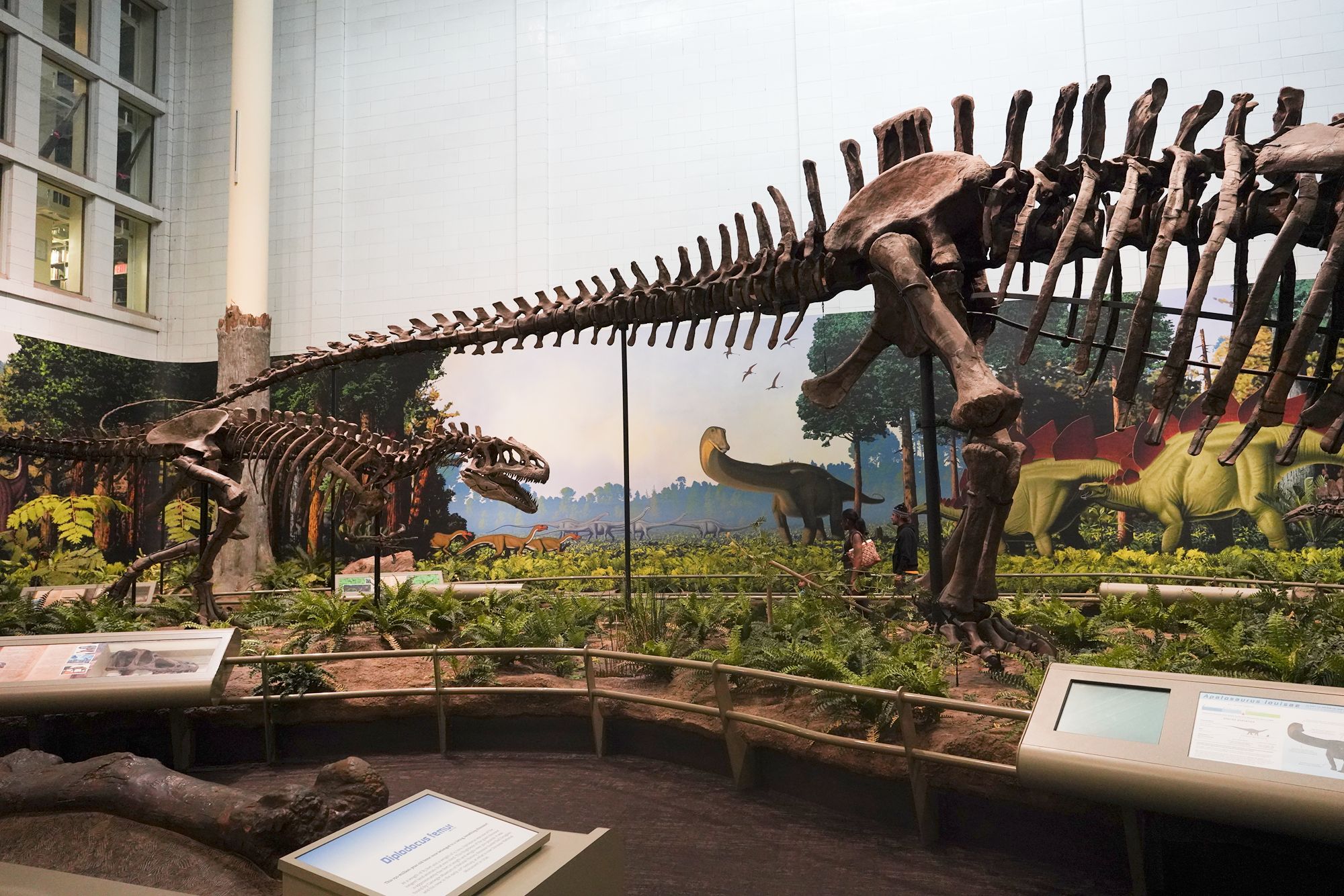
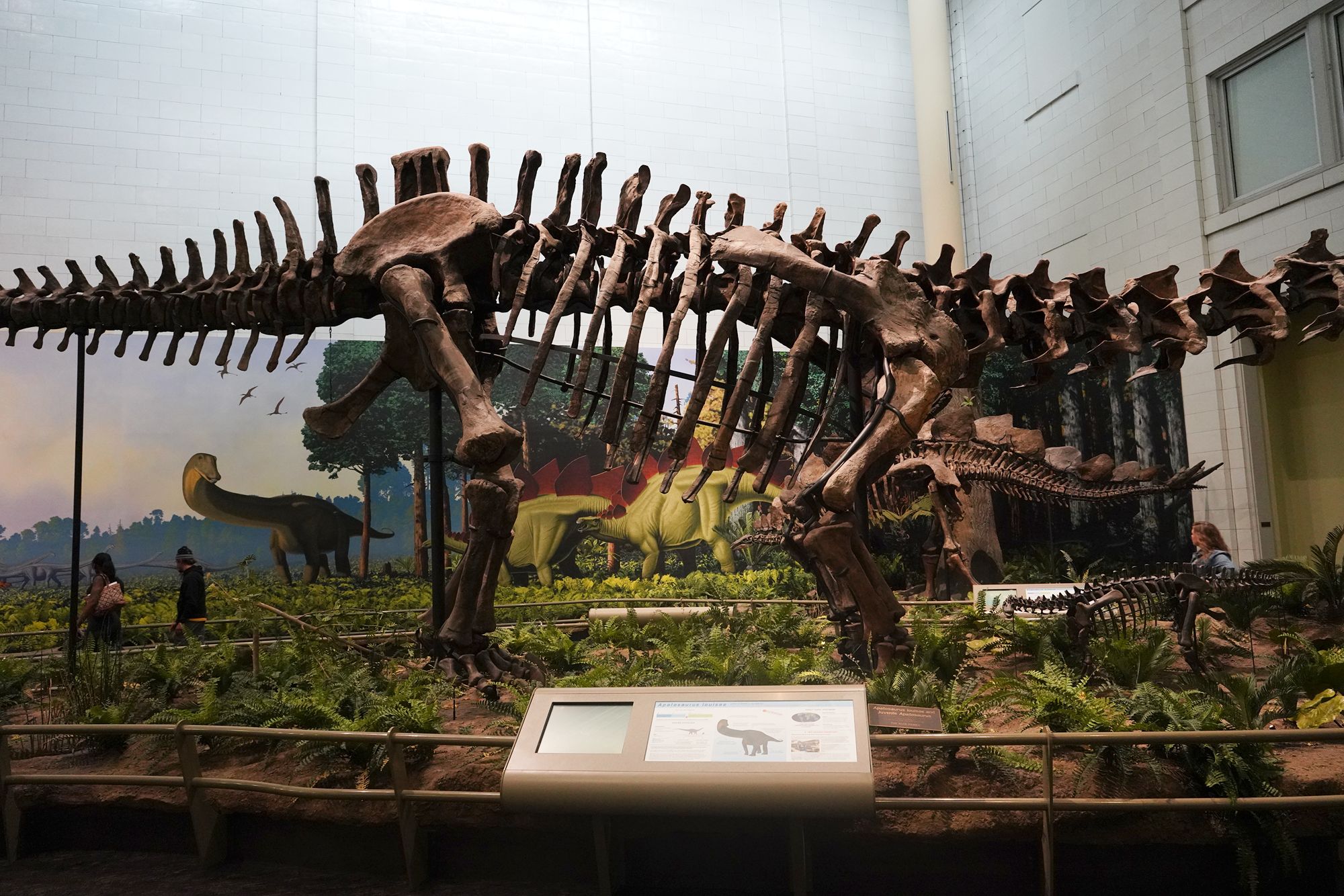
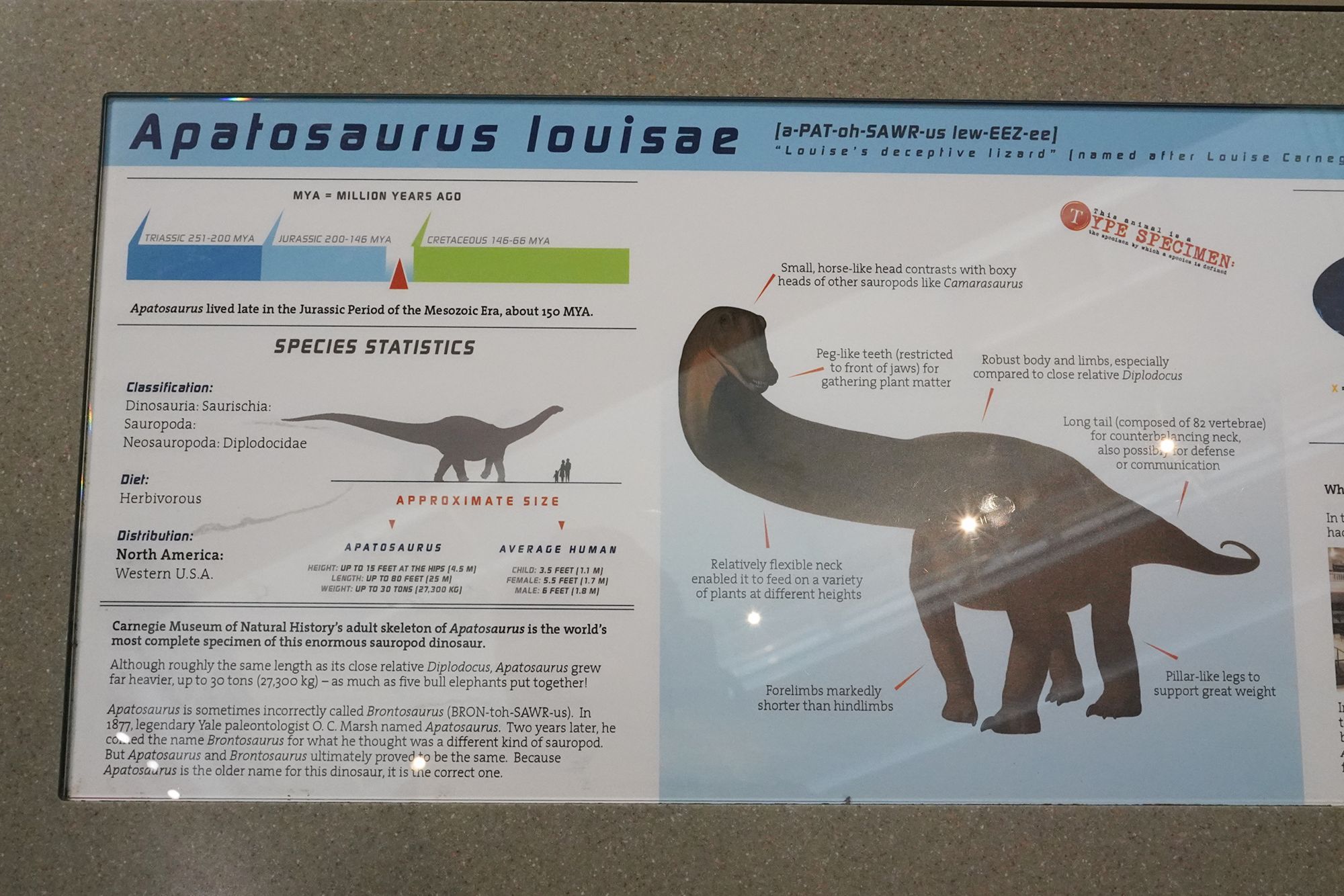
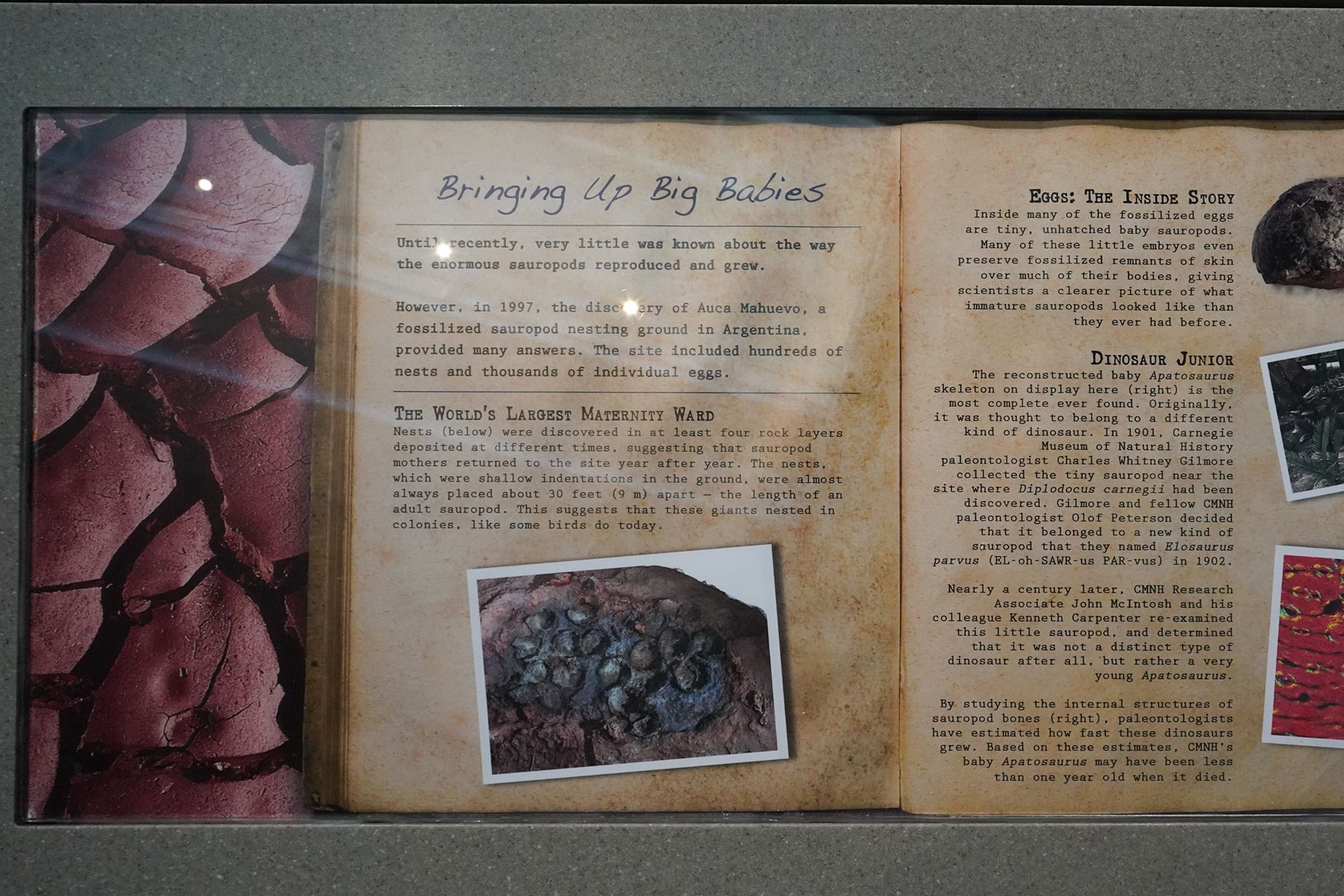
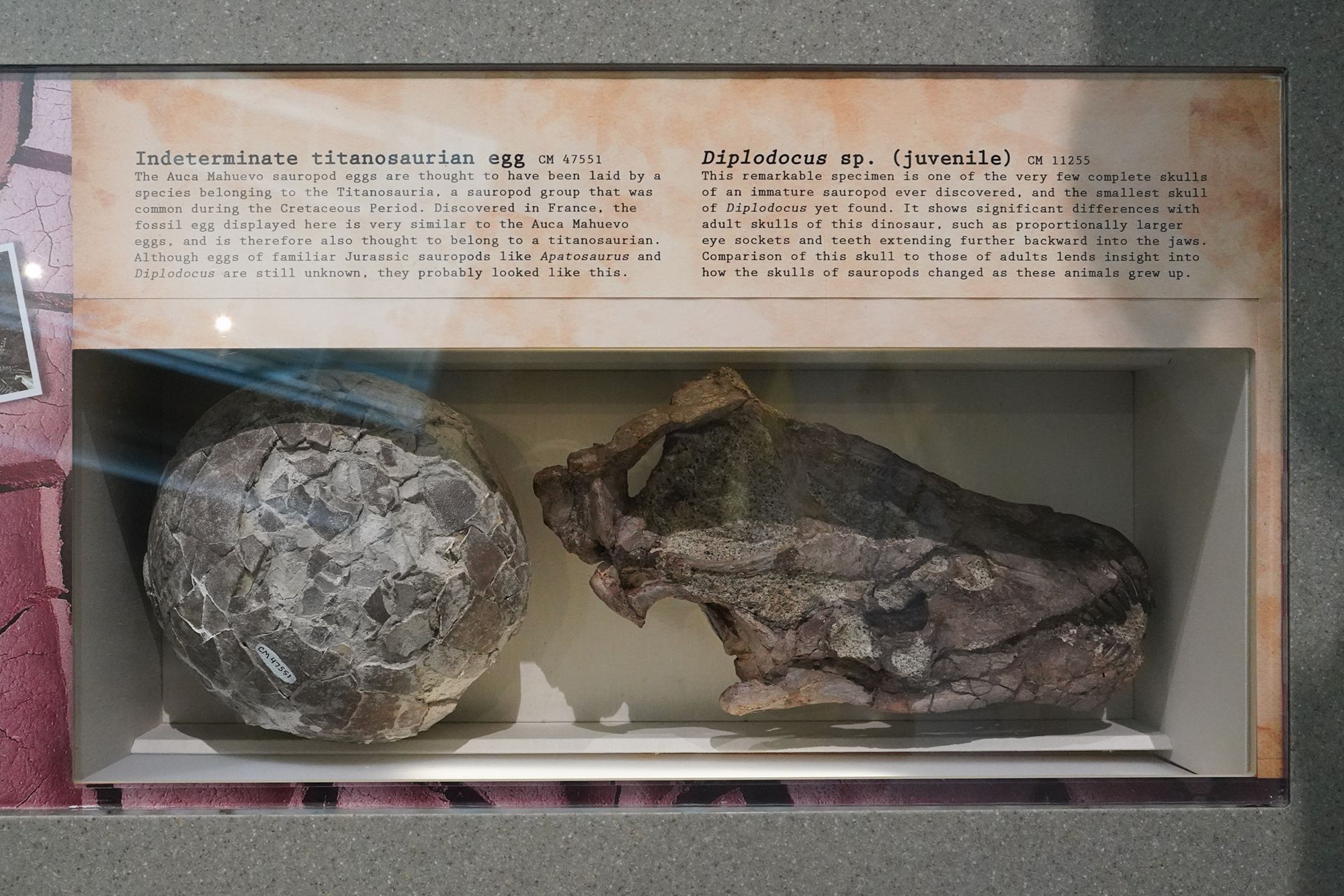
Titanosaurian Egg
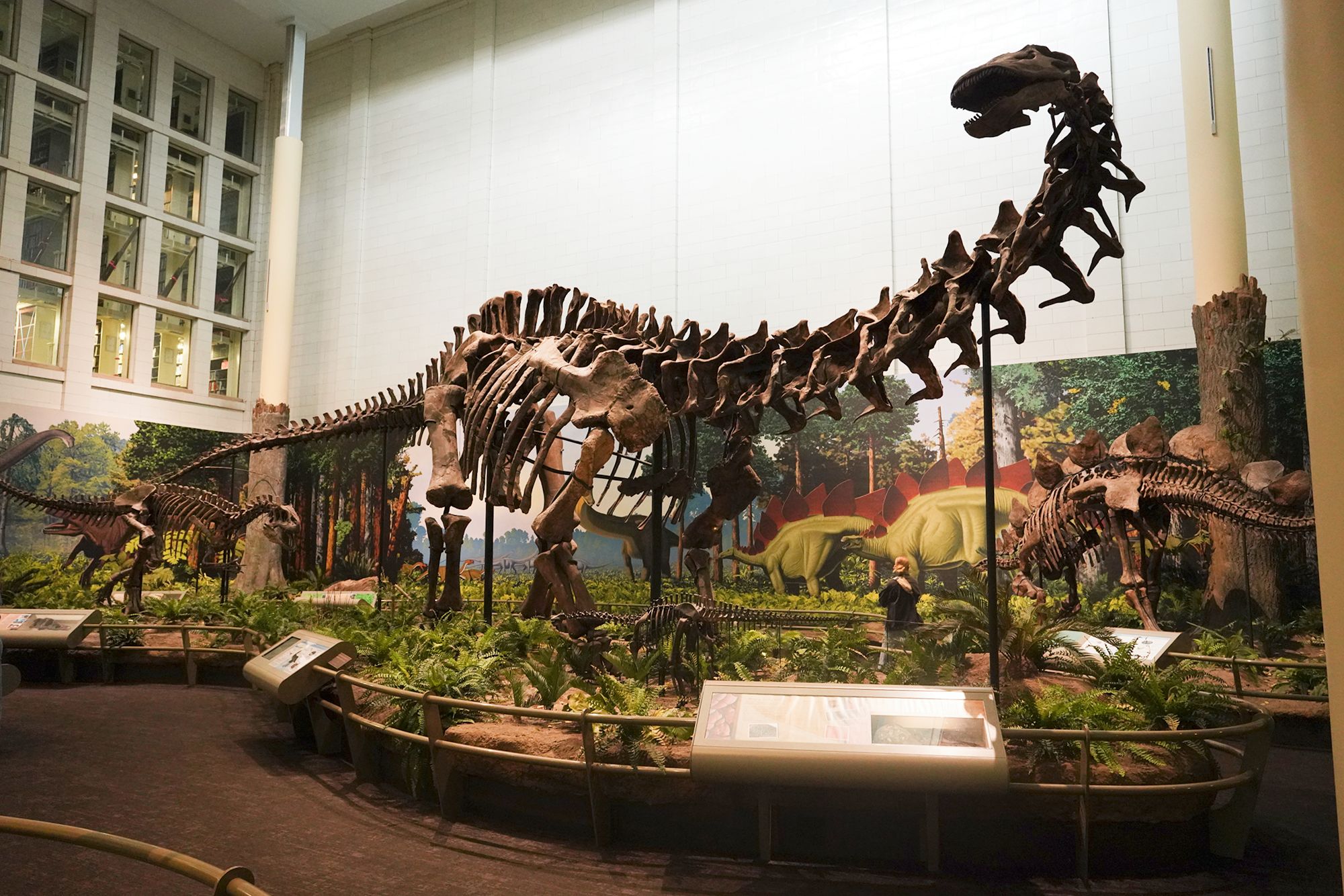
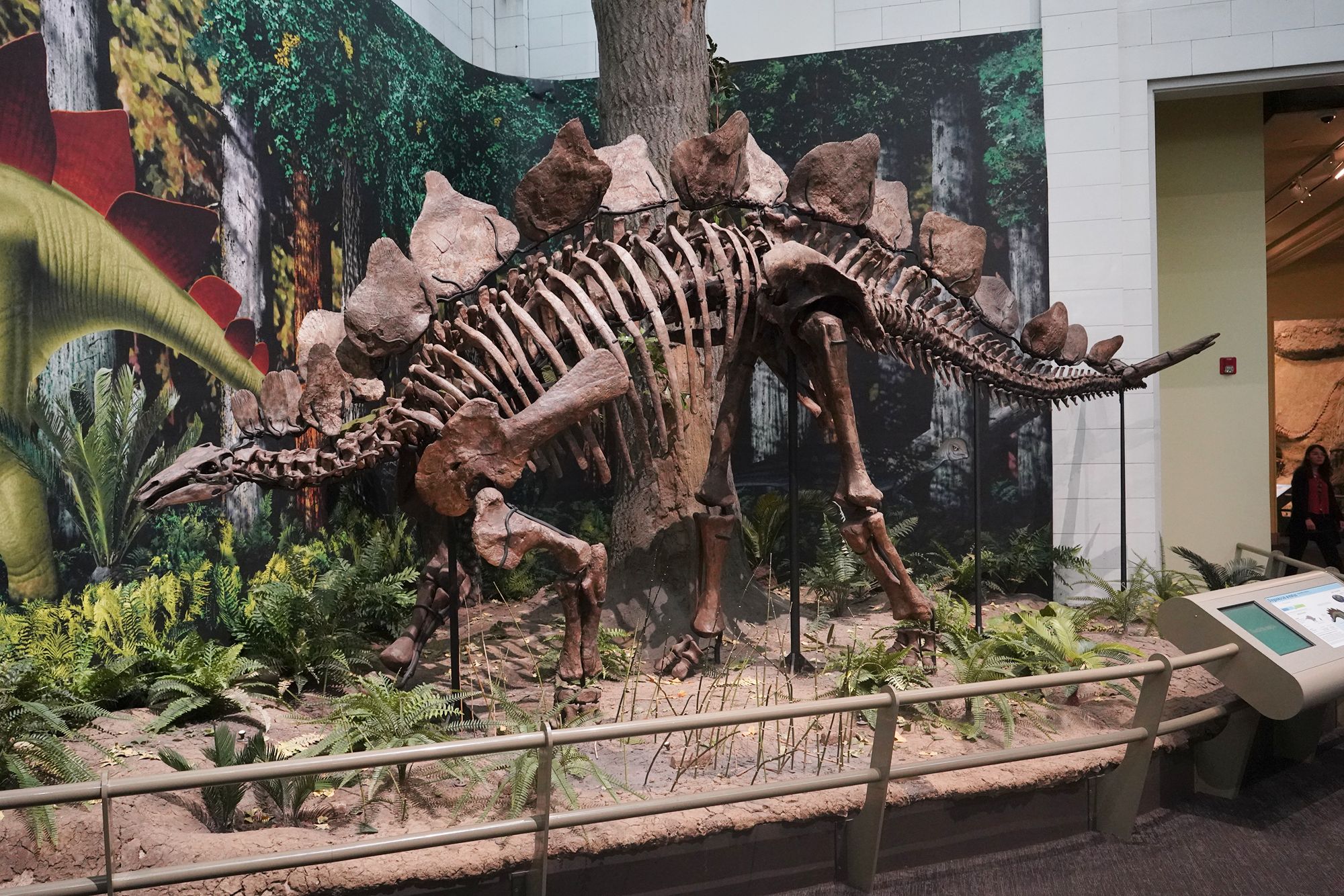
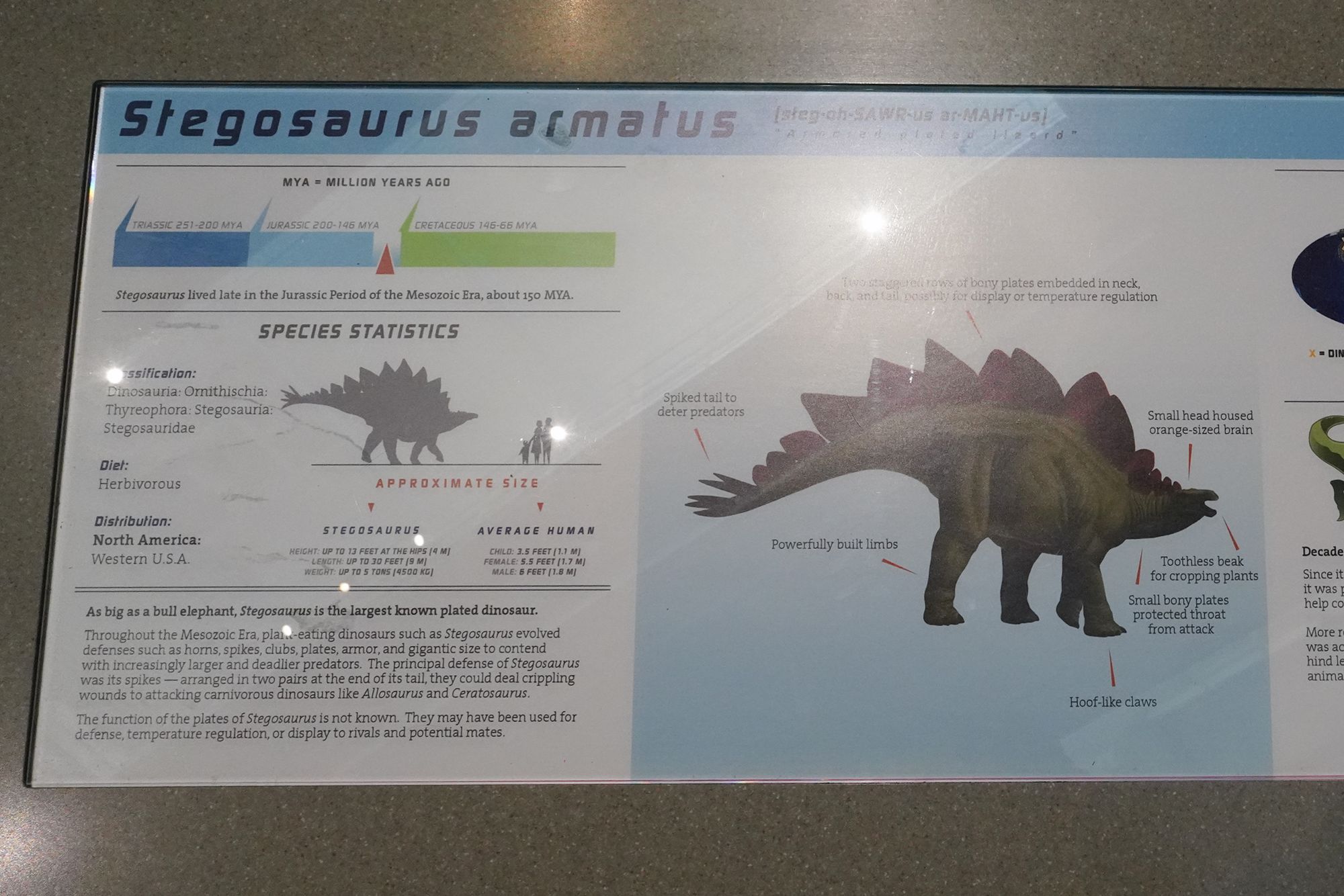
Stegosaurus armatus
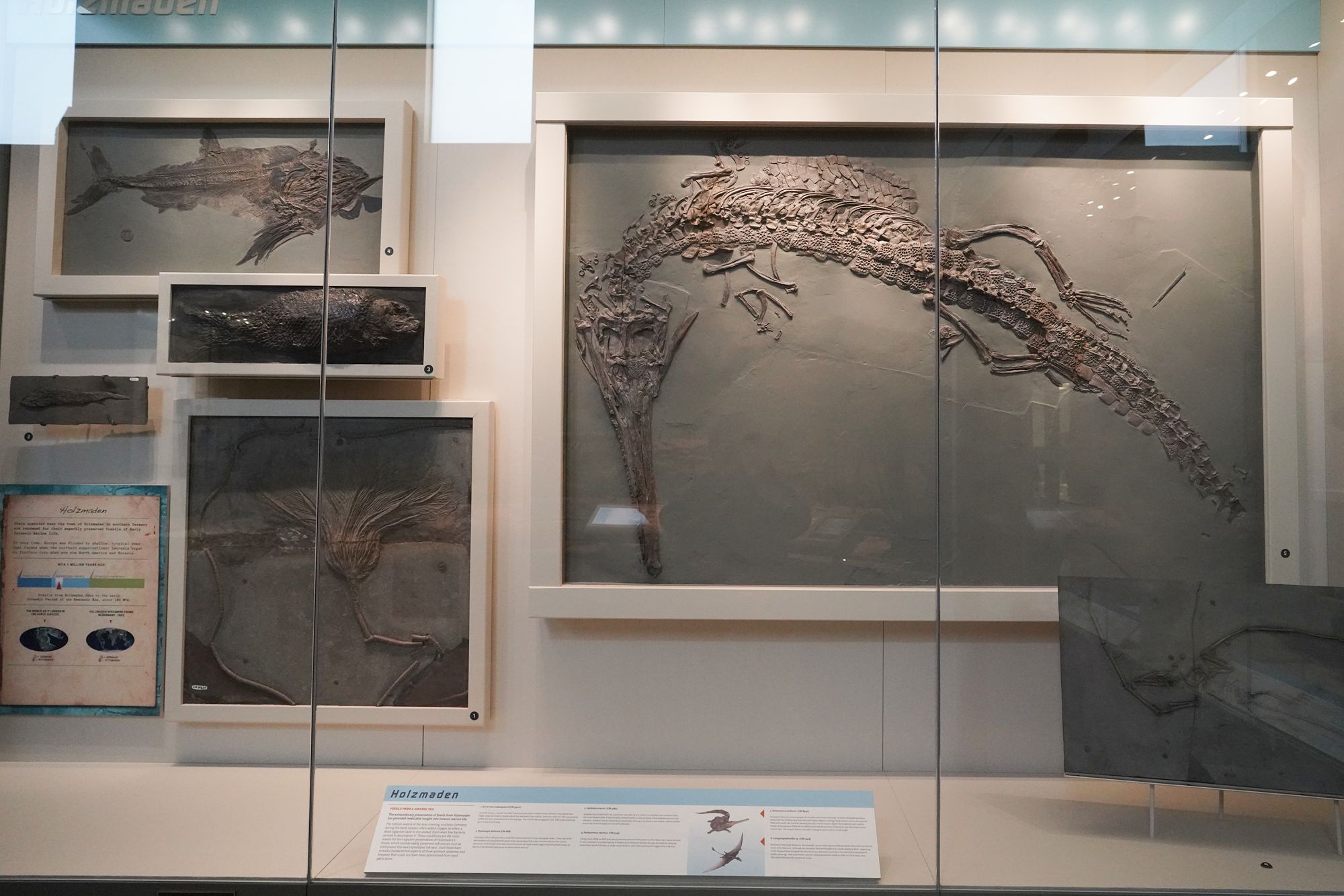
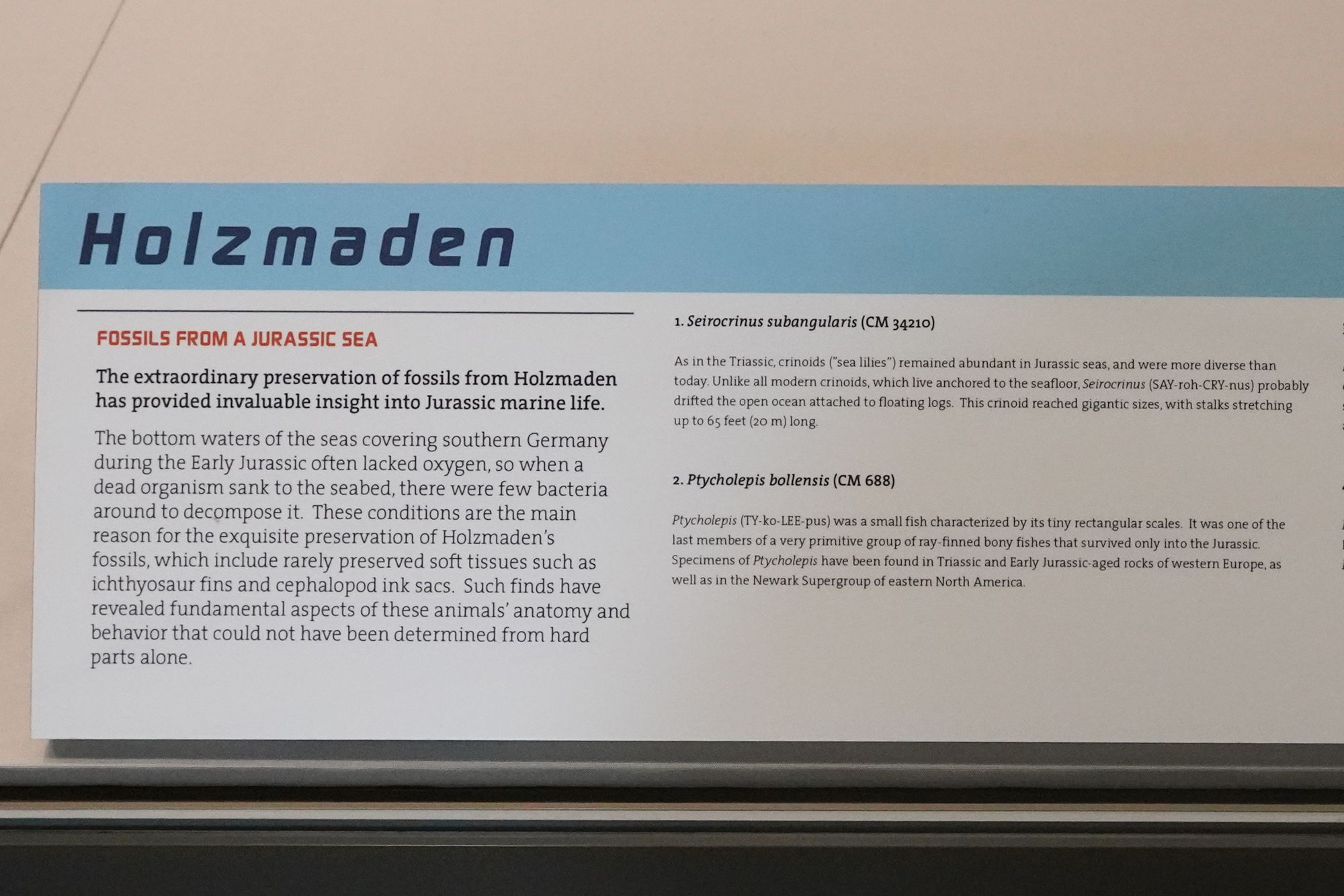
Holzmaden
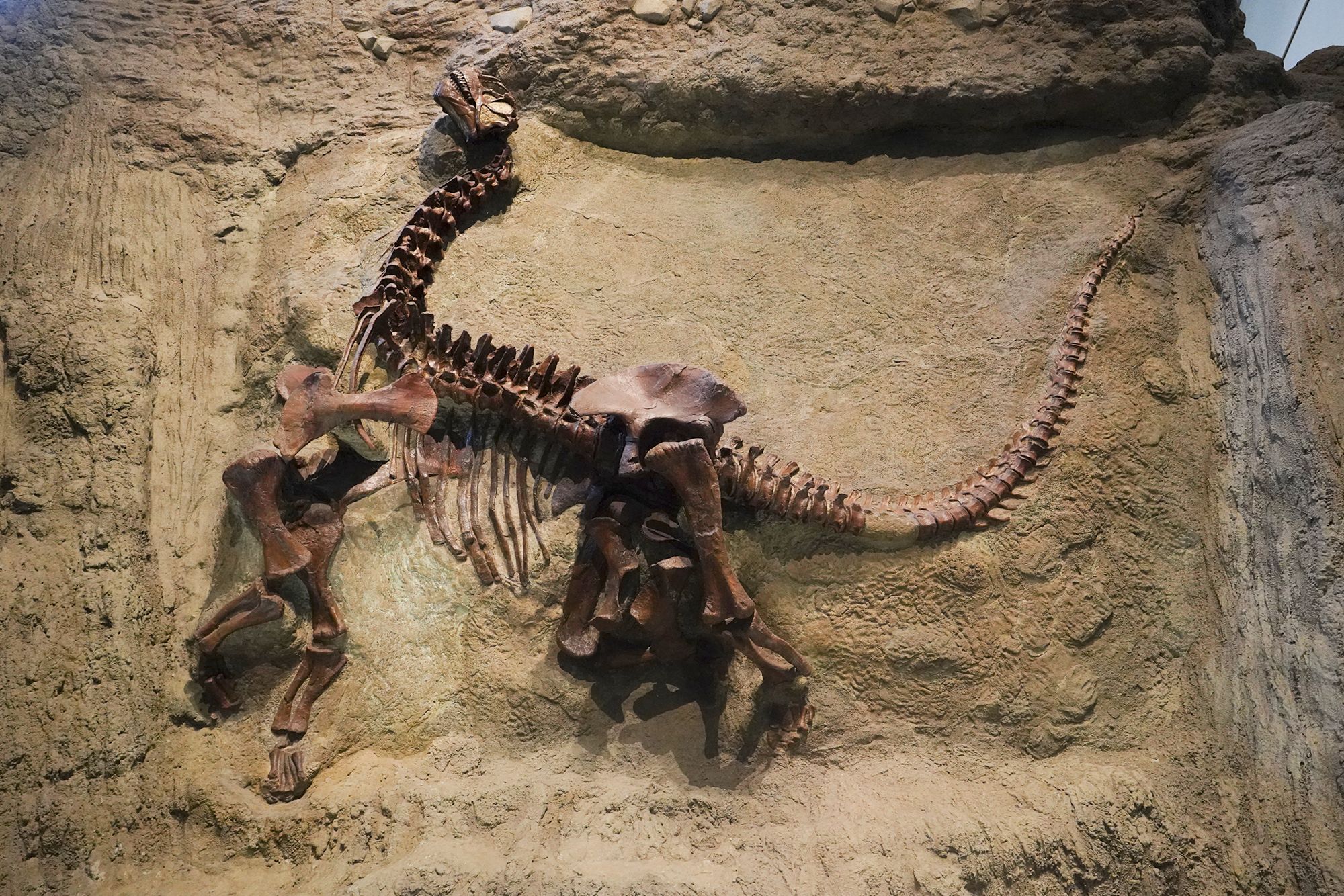
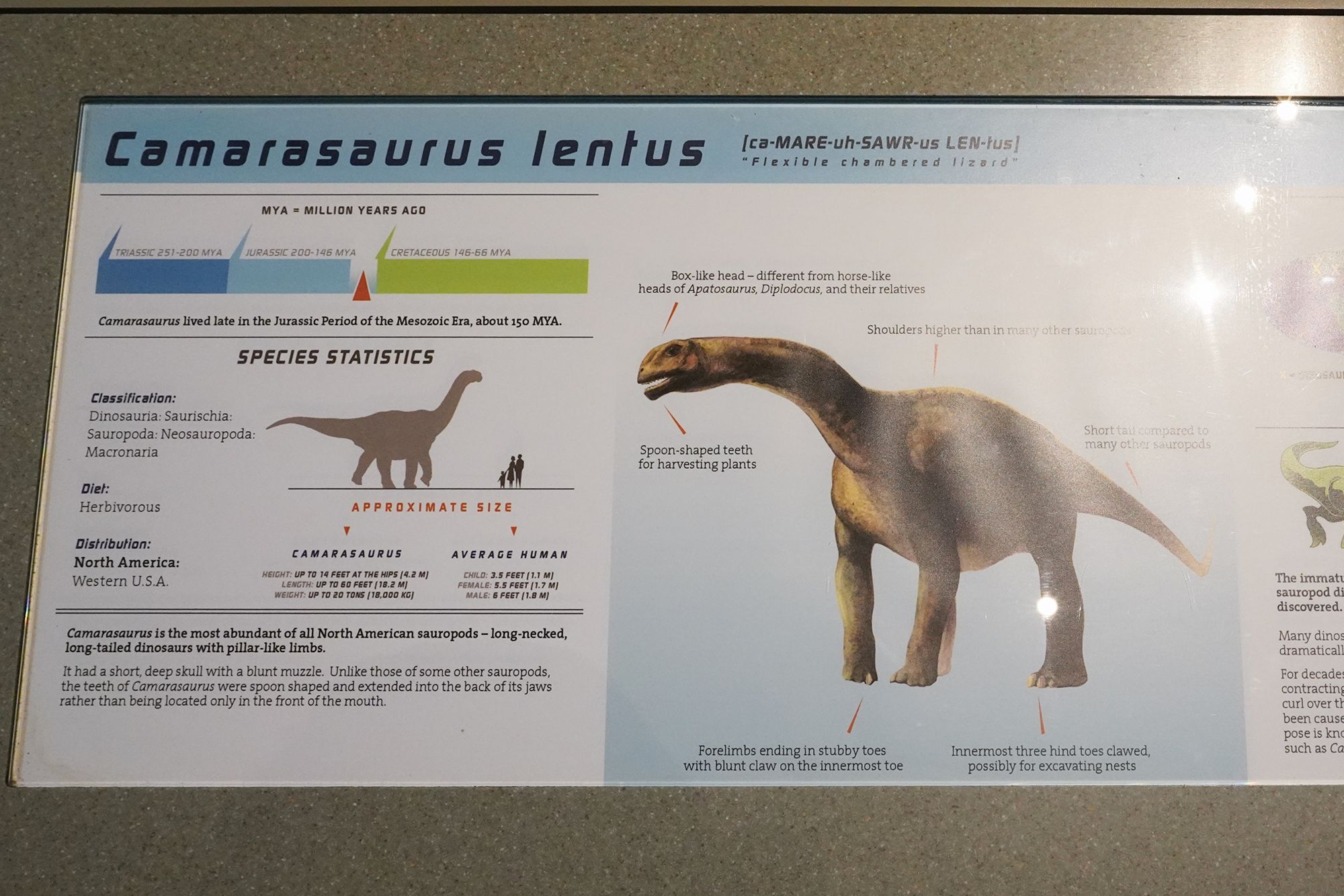
Camarasaurus lentus
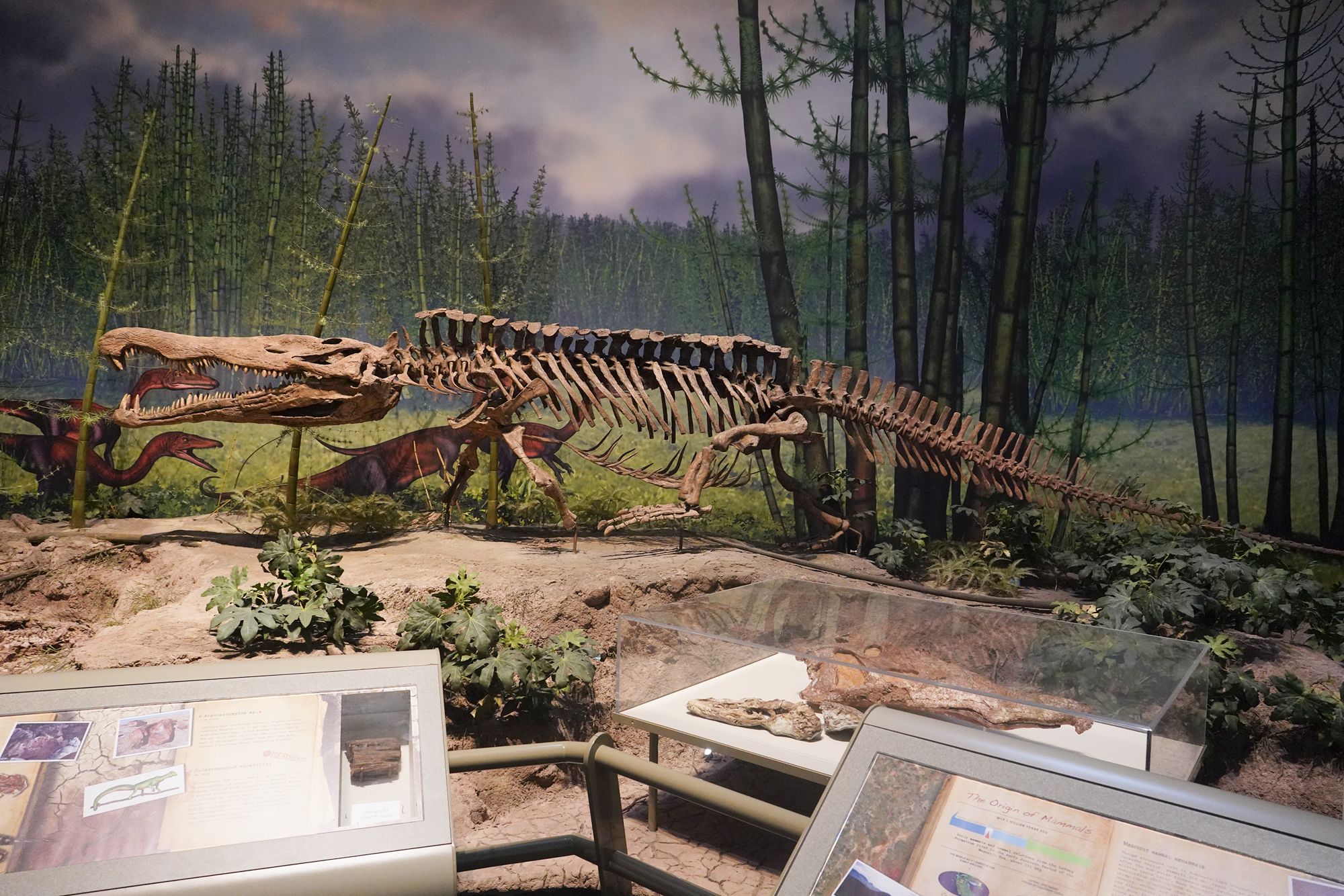
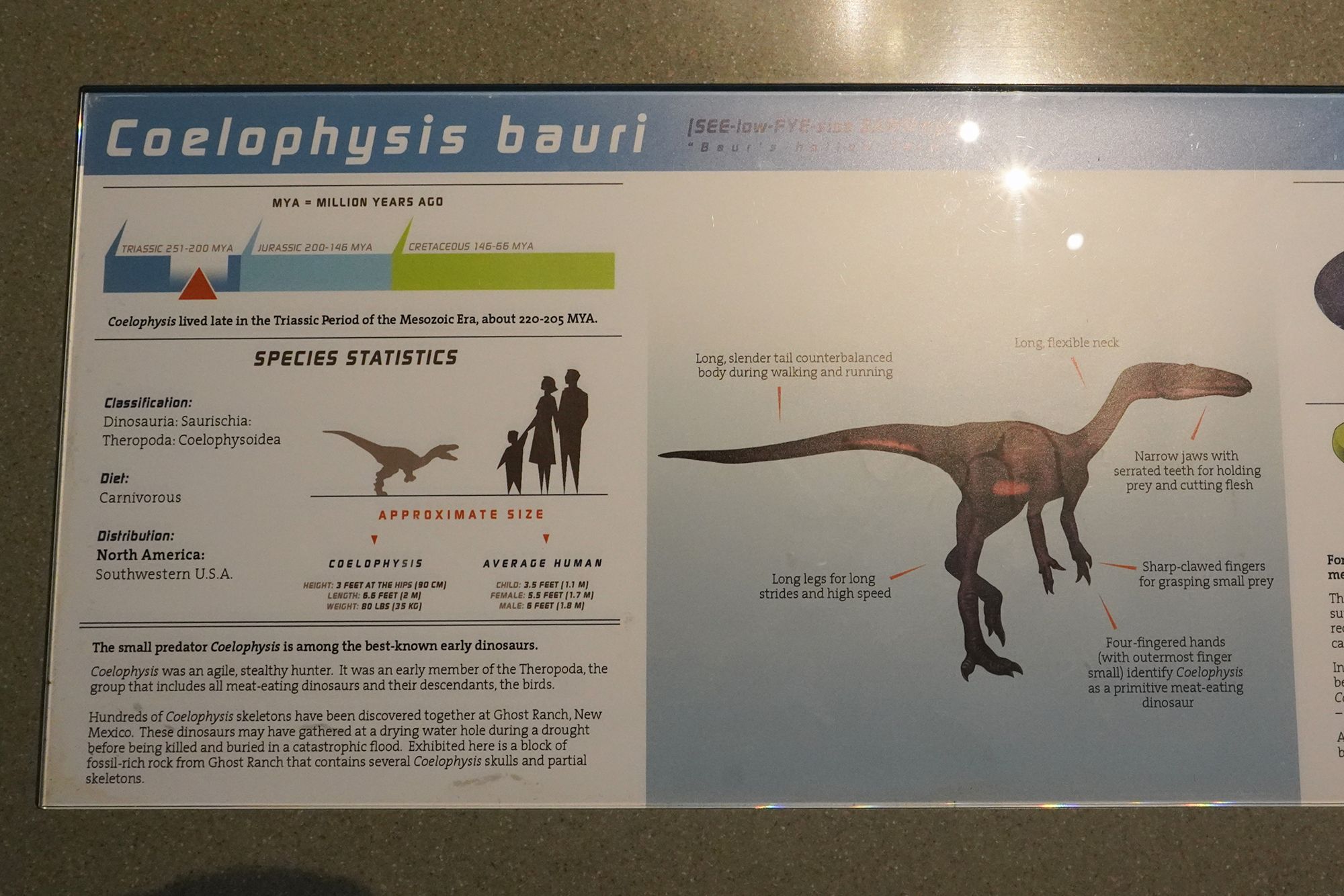
Coelophysis bauri
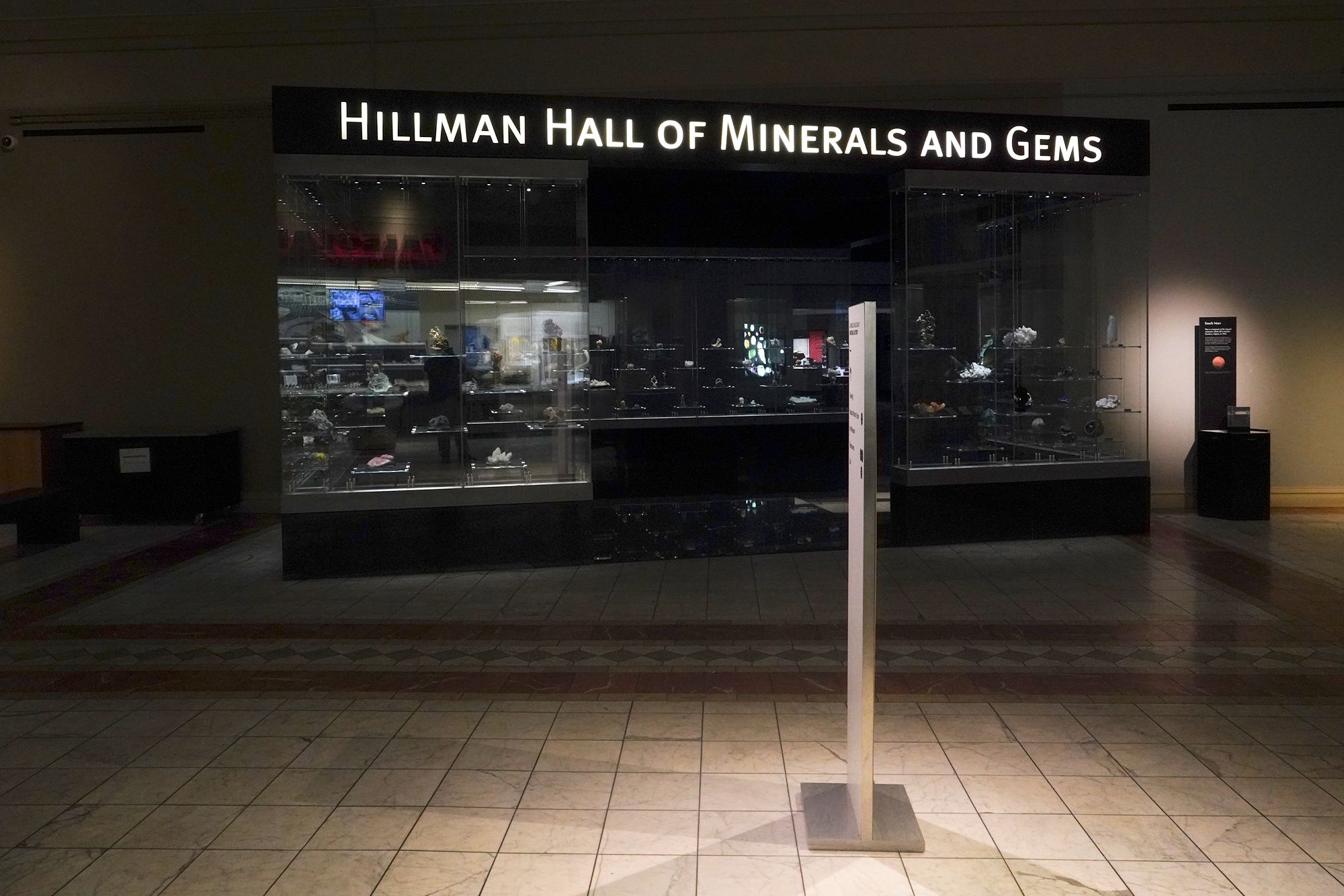
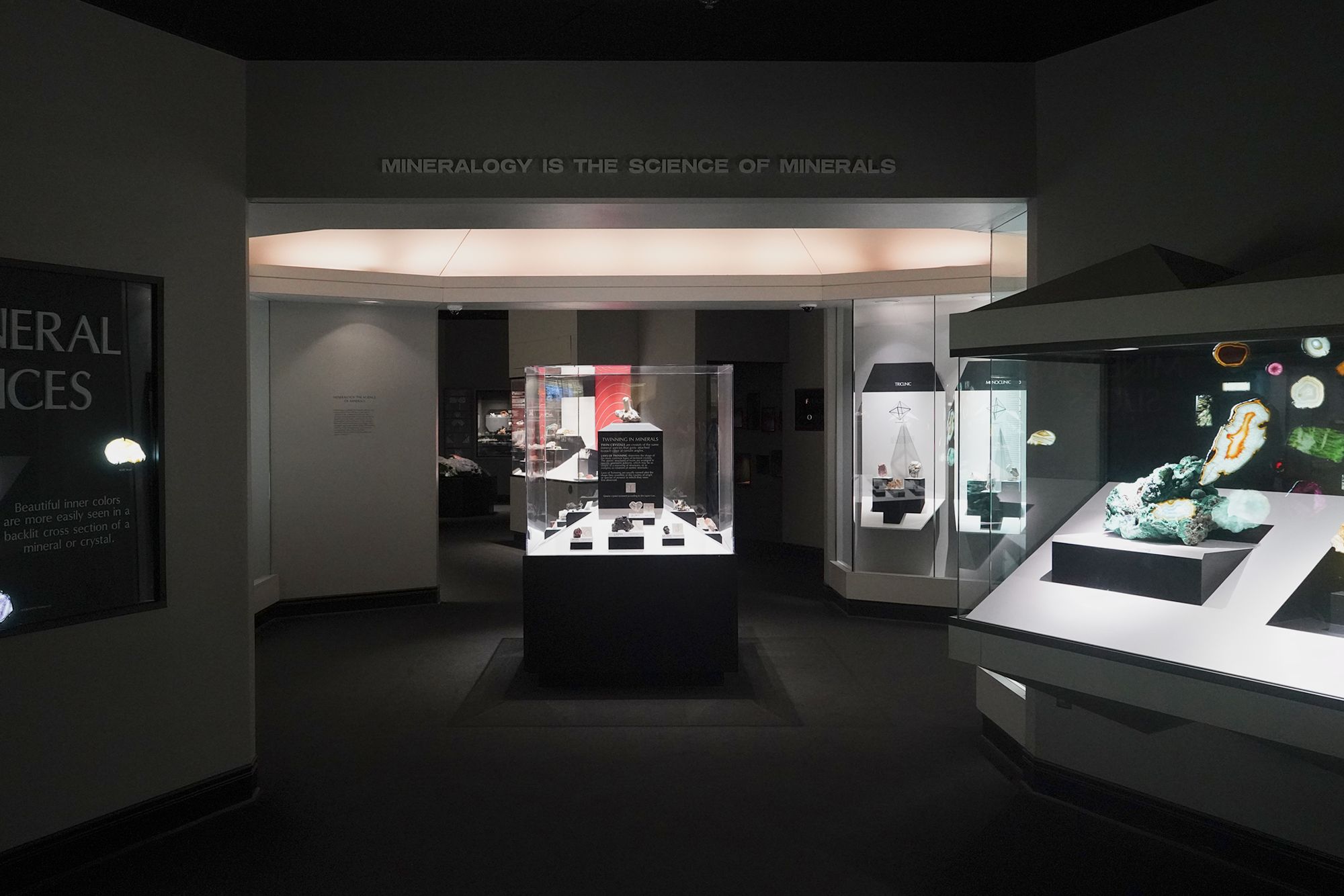
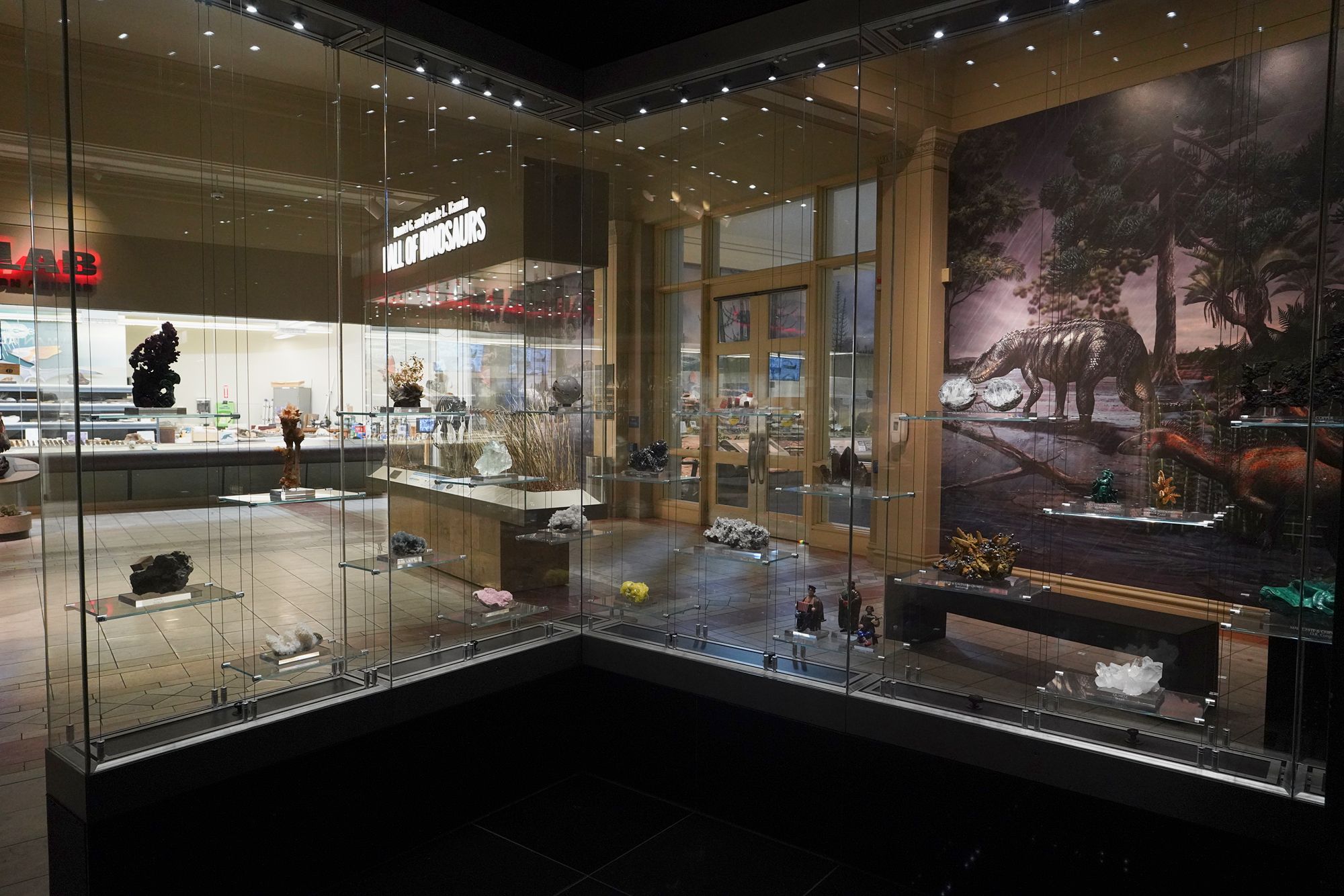
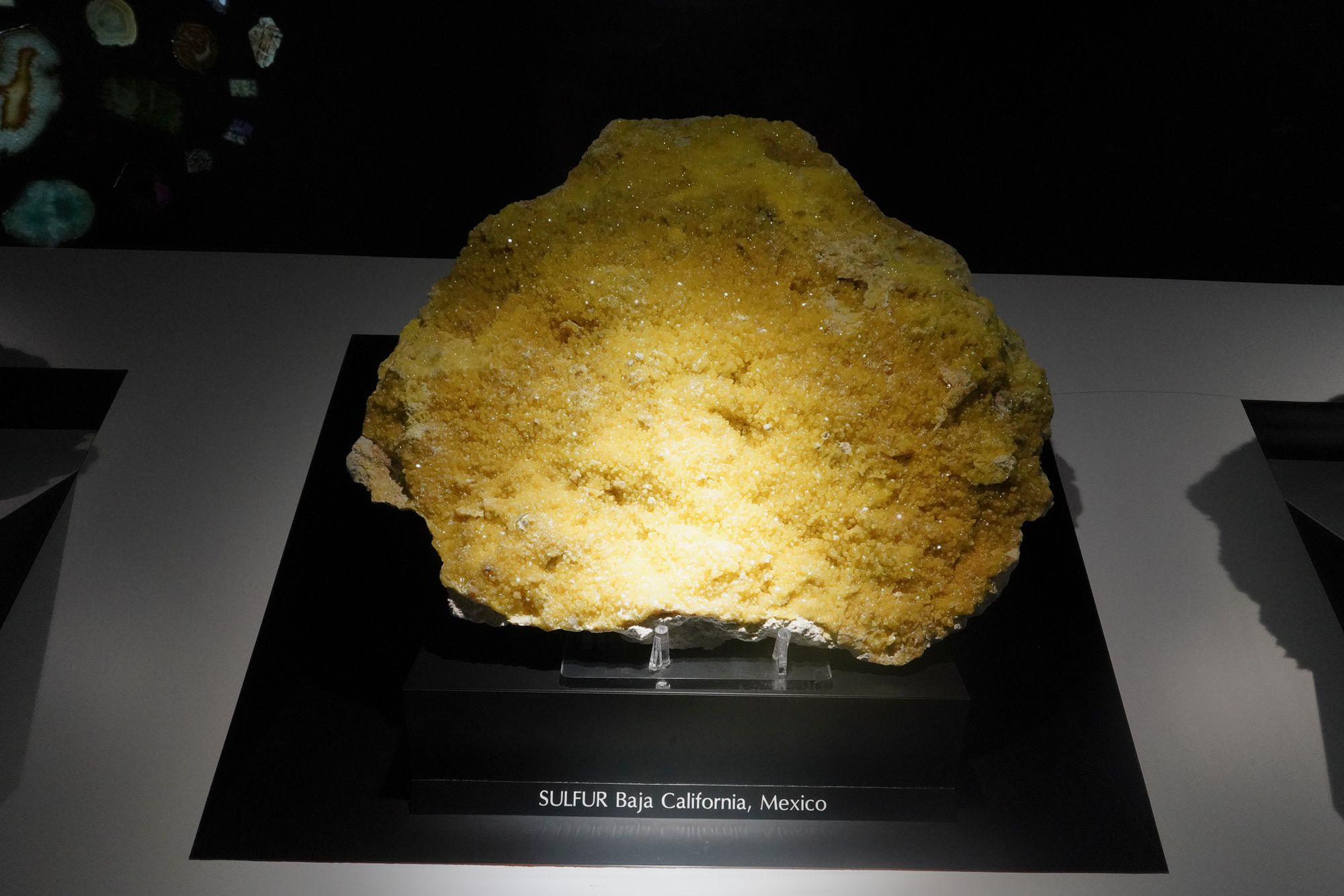
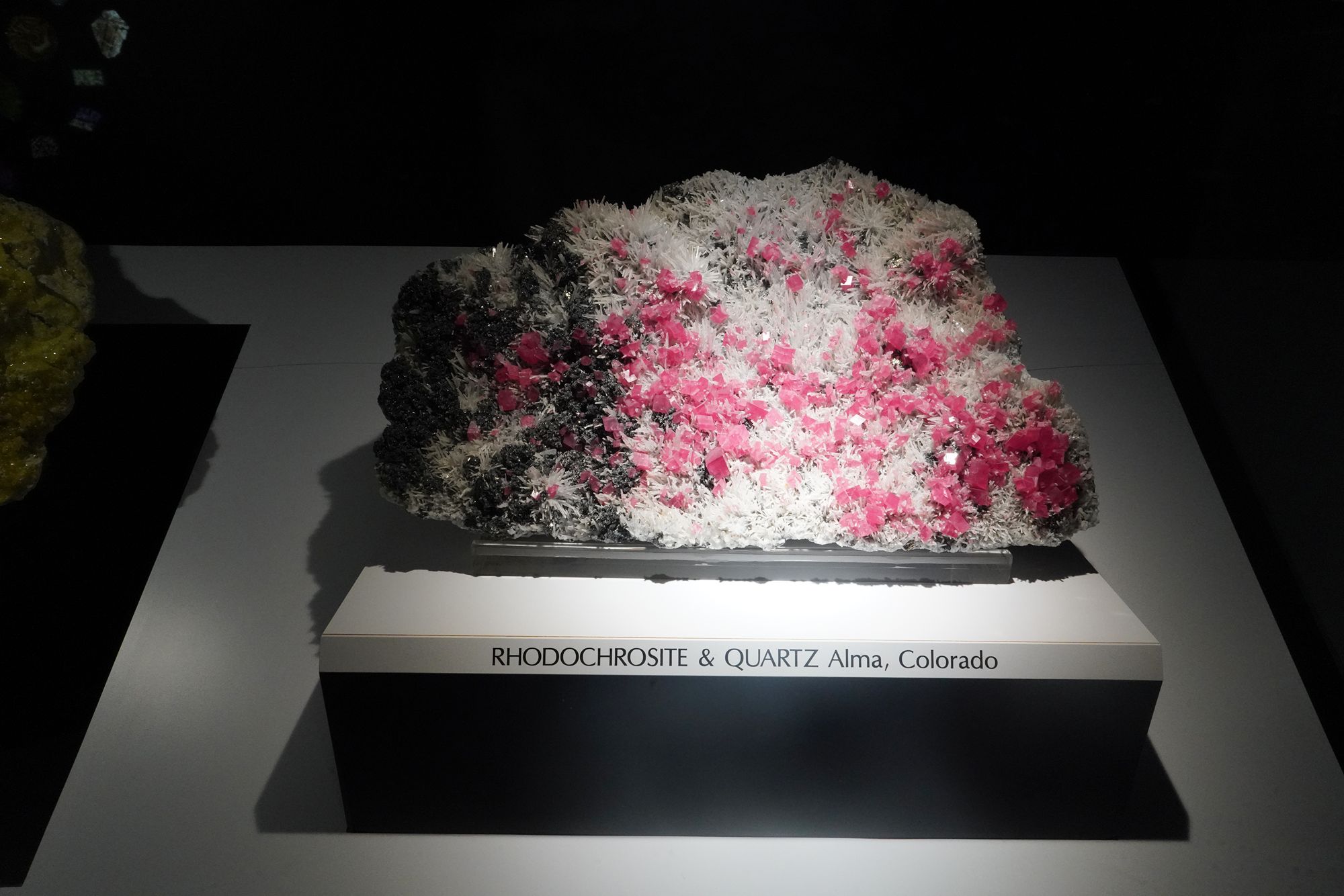
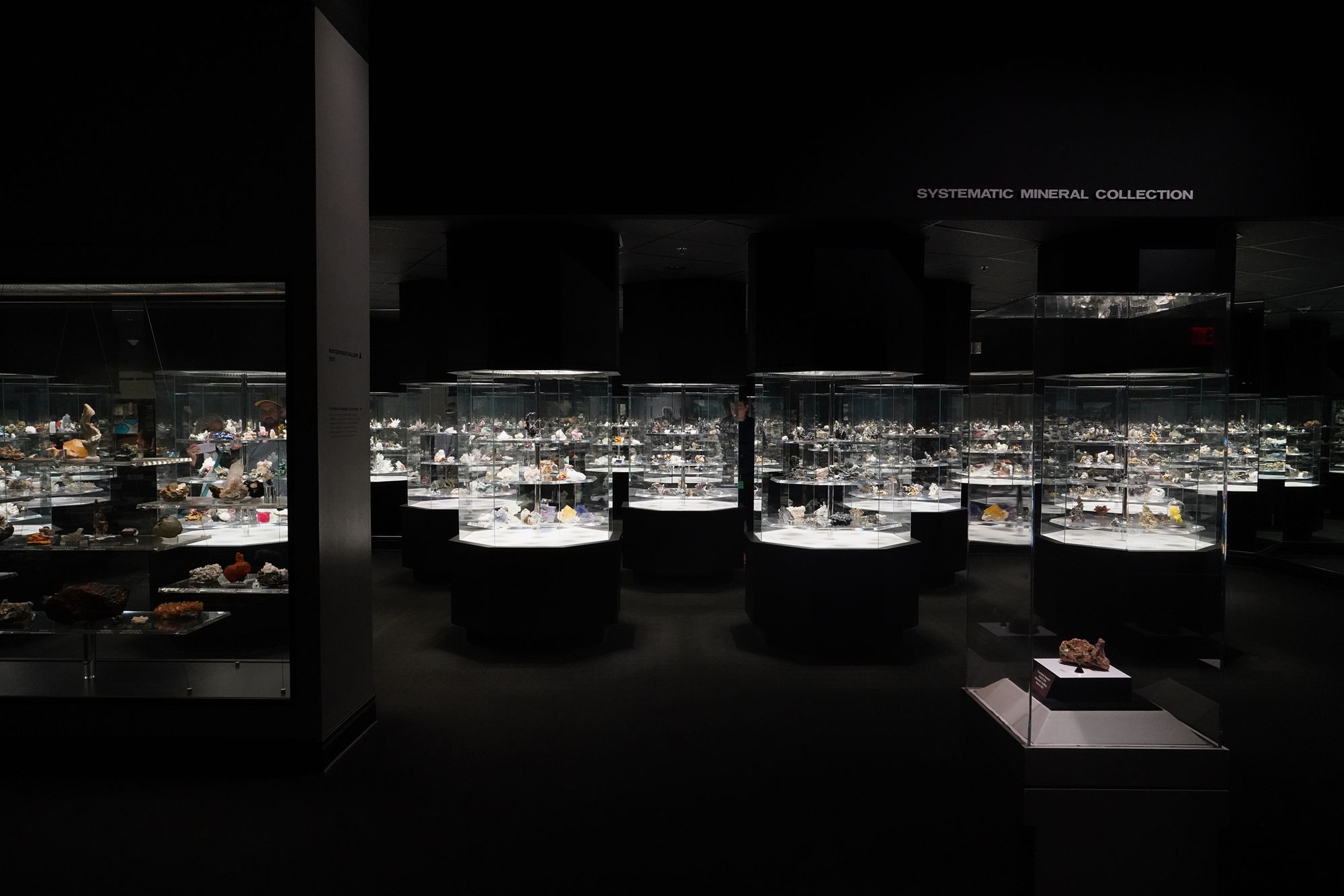
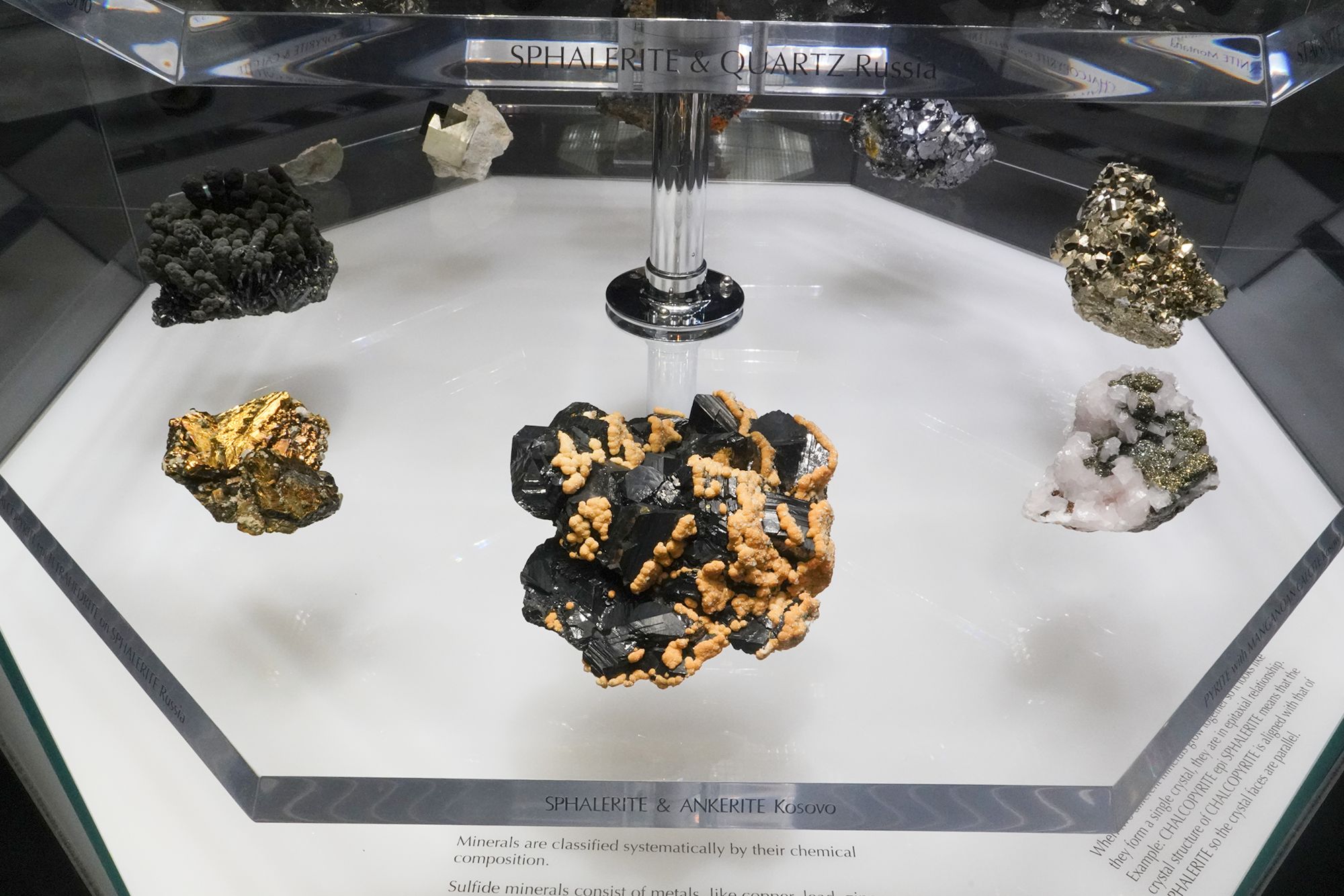
Minerals and Gems – the museum’s mineral collection
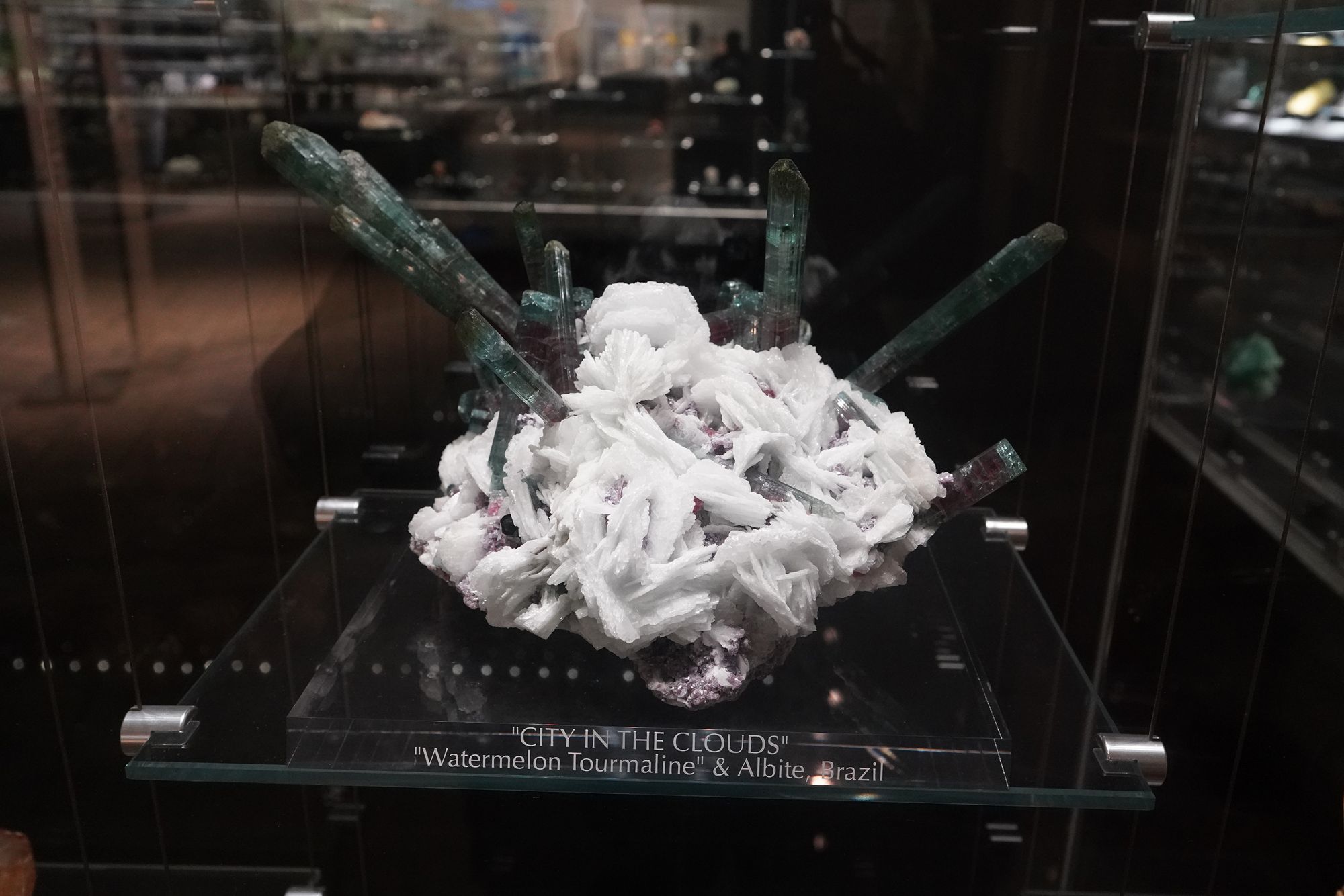
“Watermelon Tourmaline” & Albite
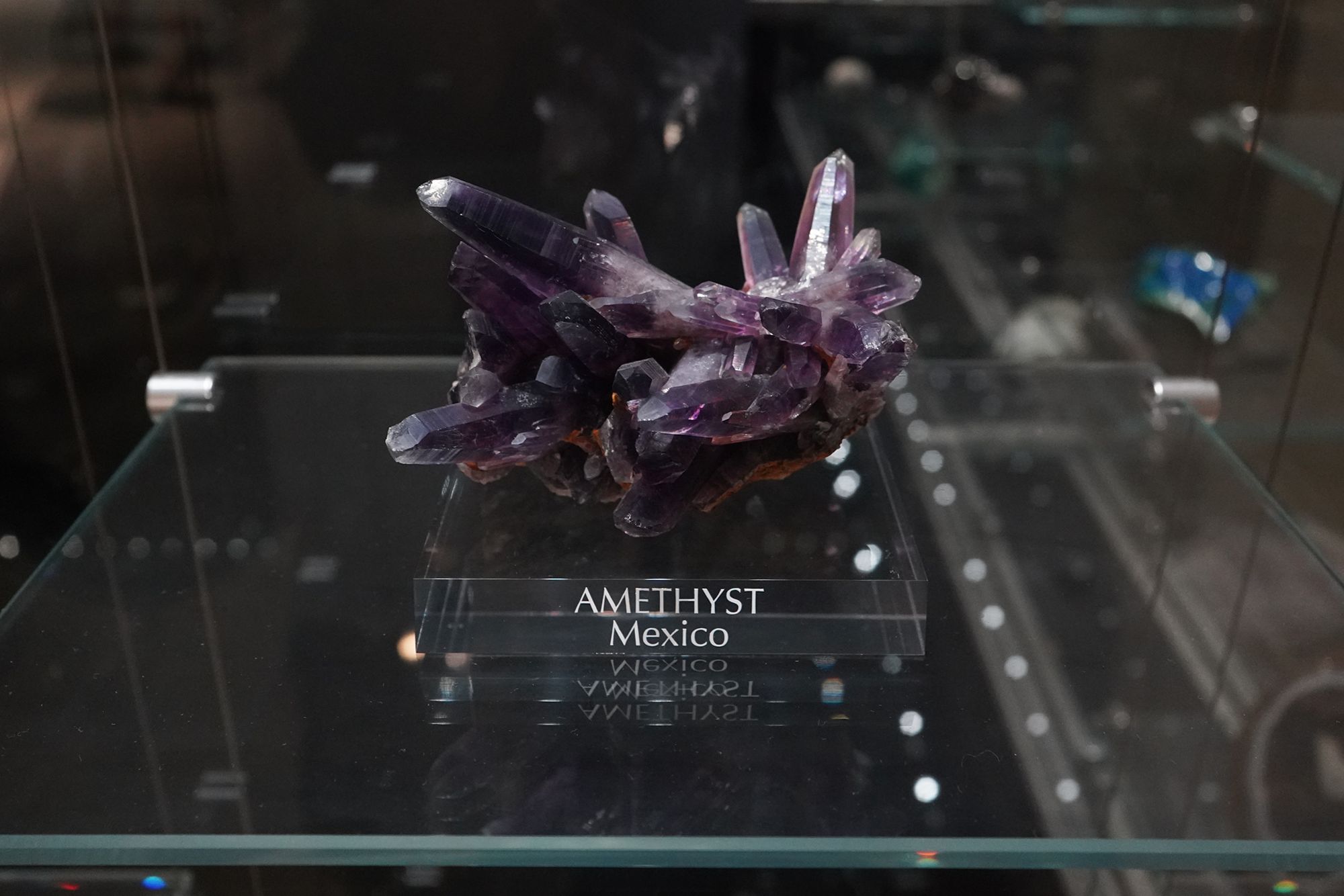
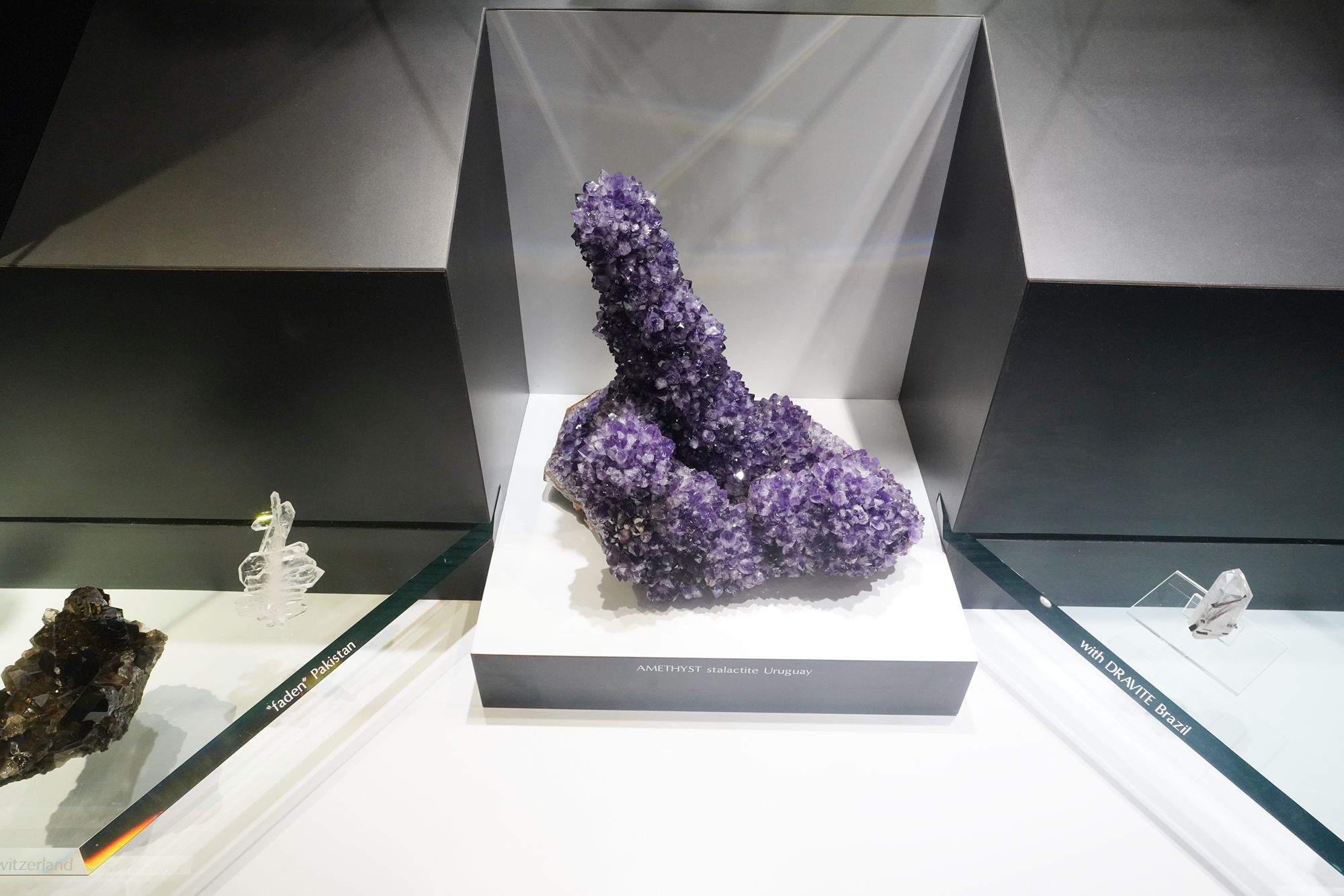
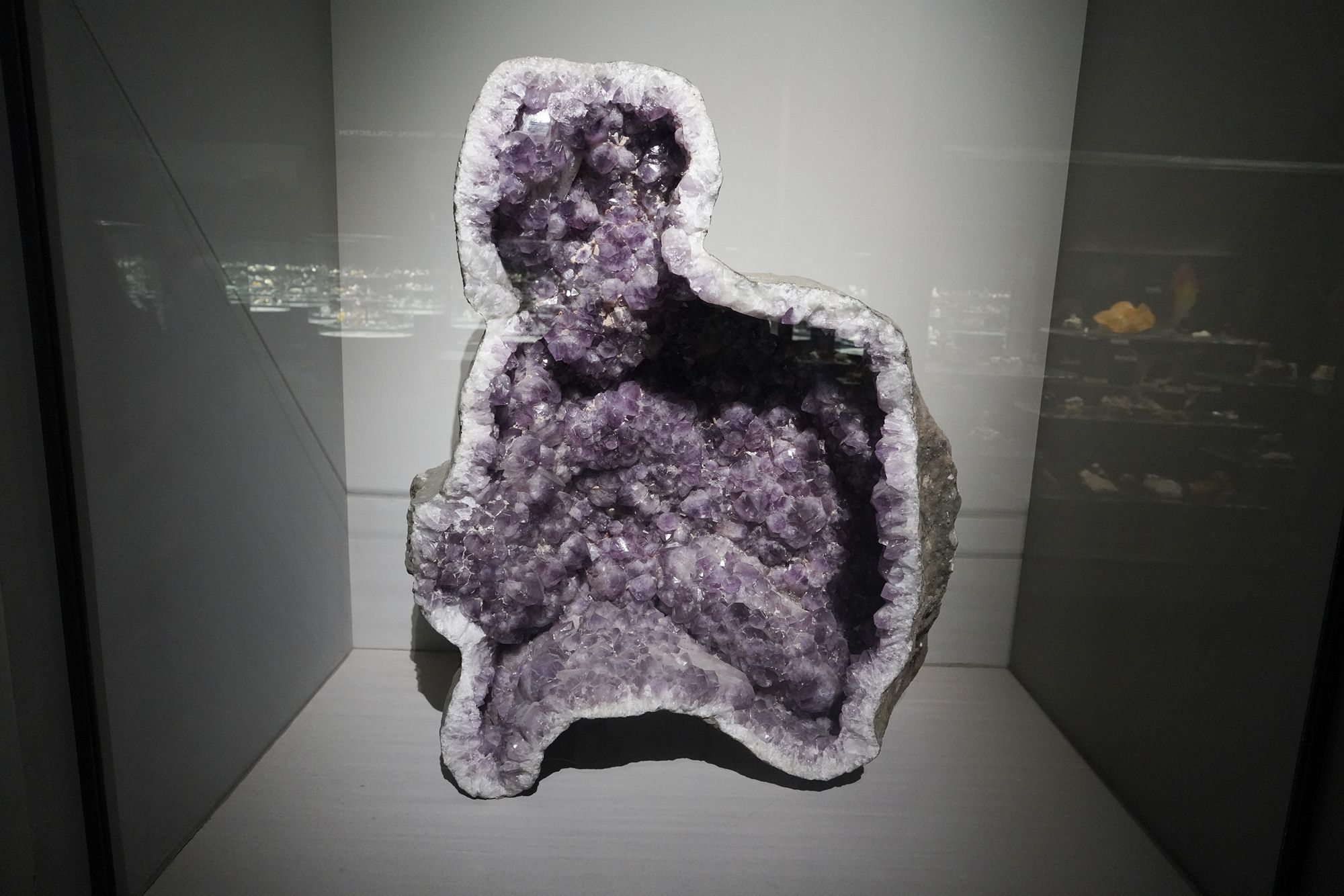
Amethyst
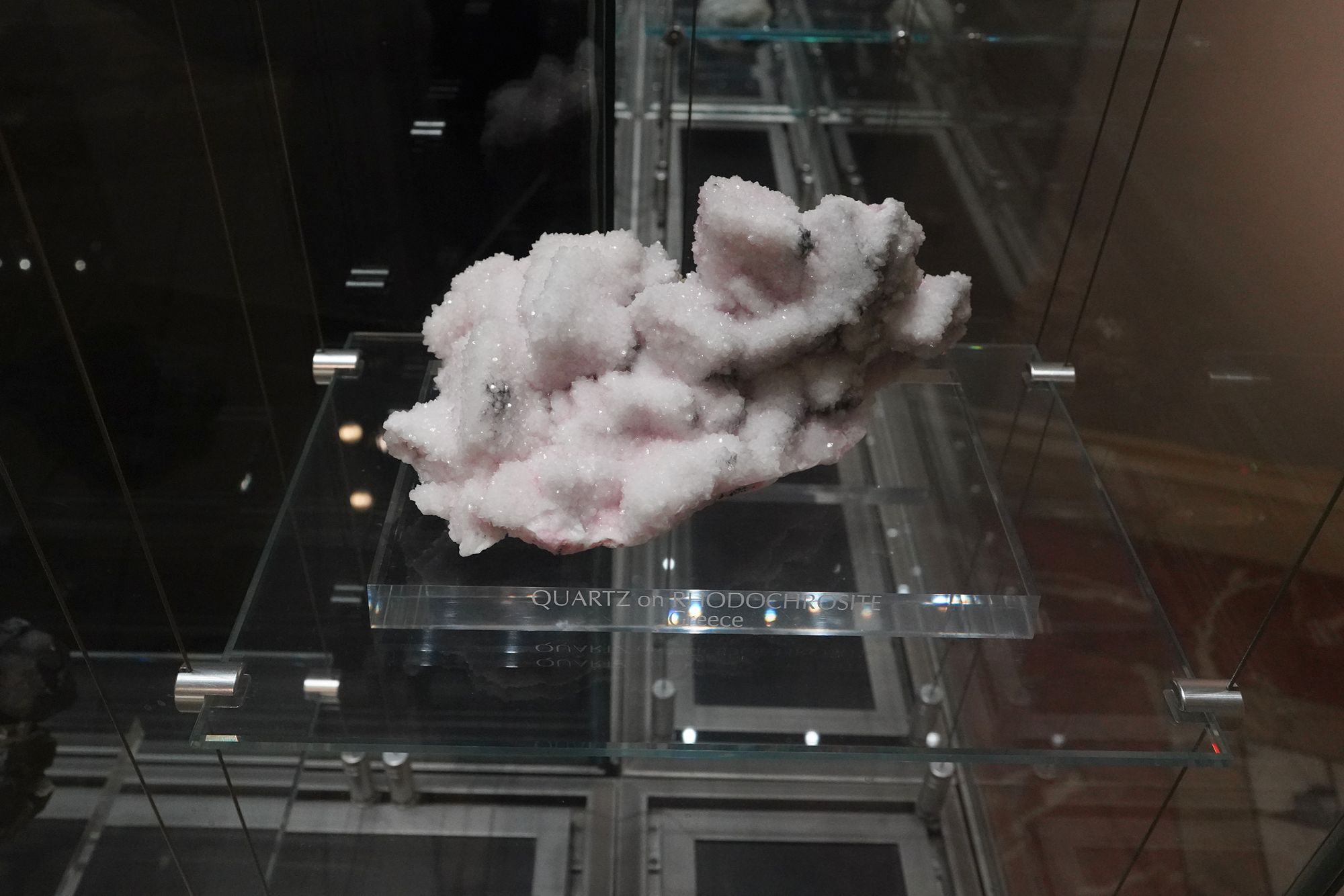
Quartz
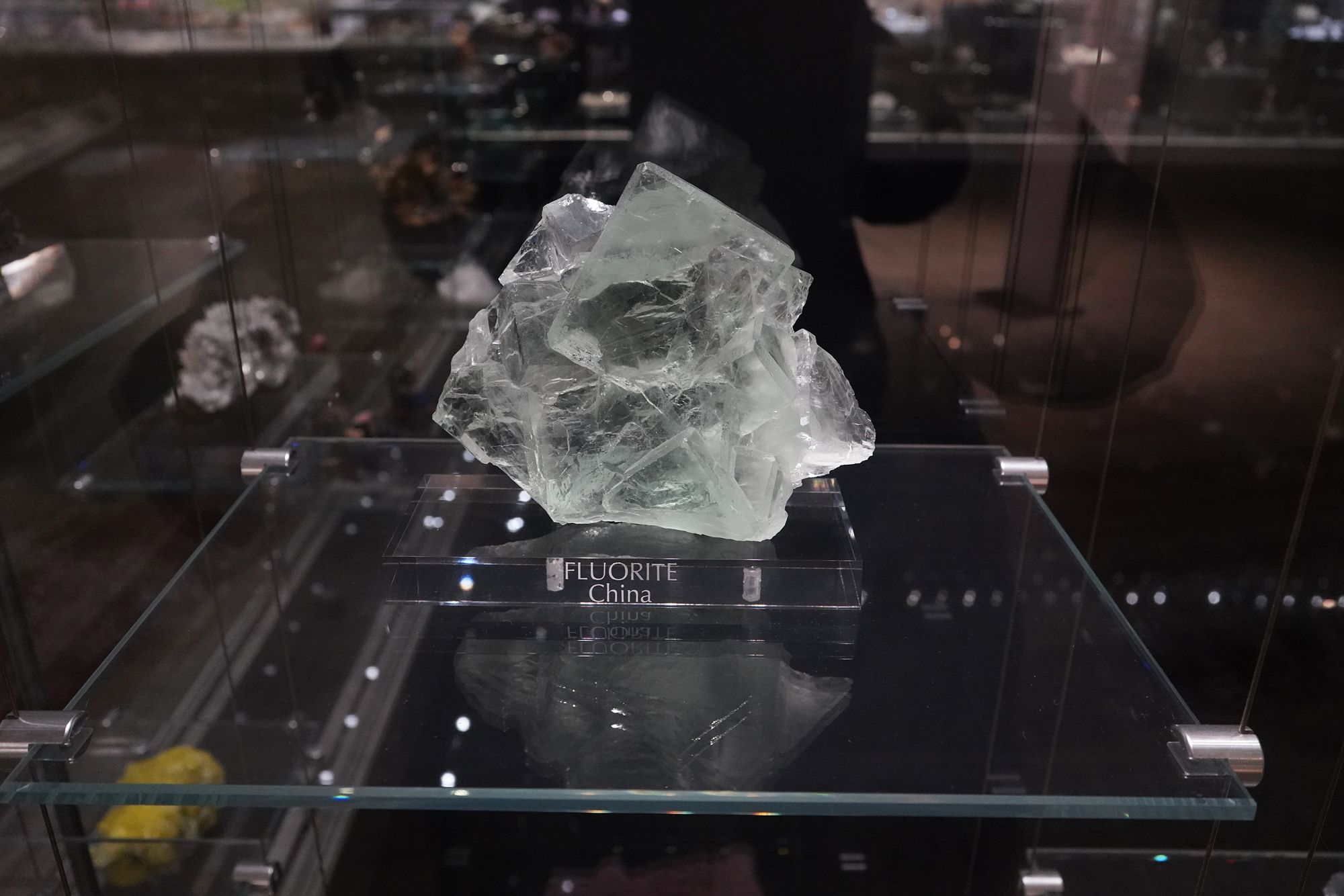
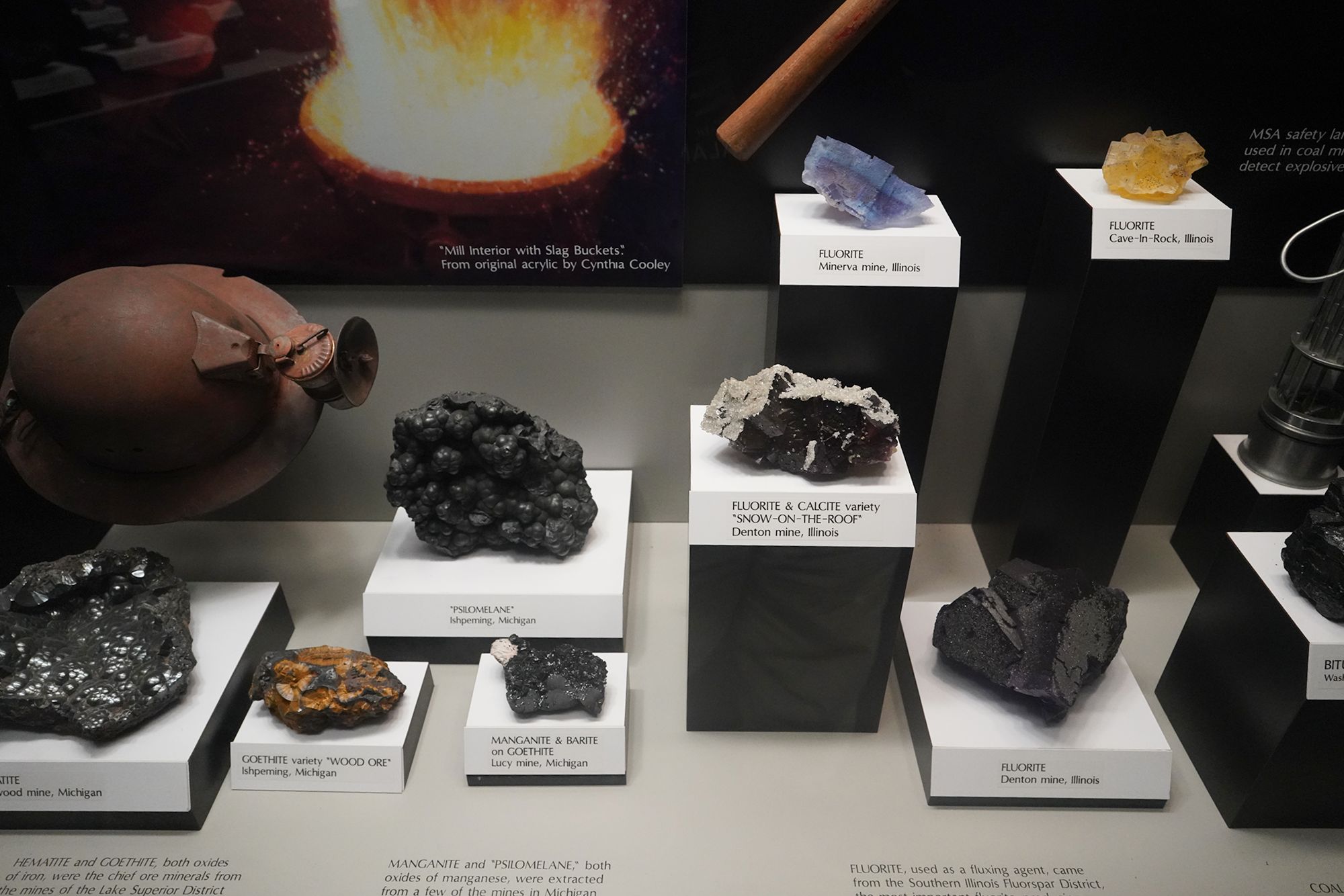
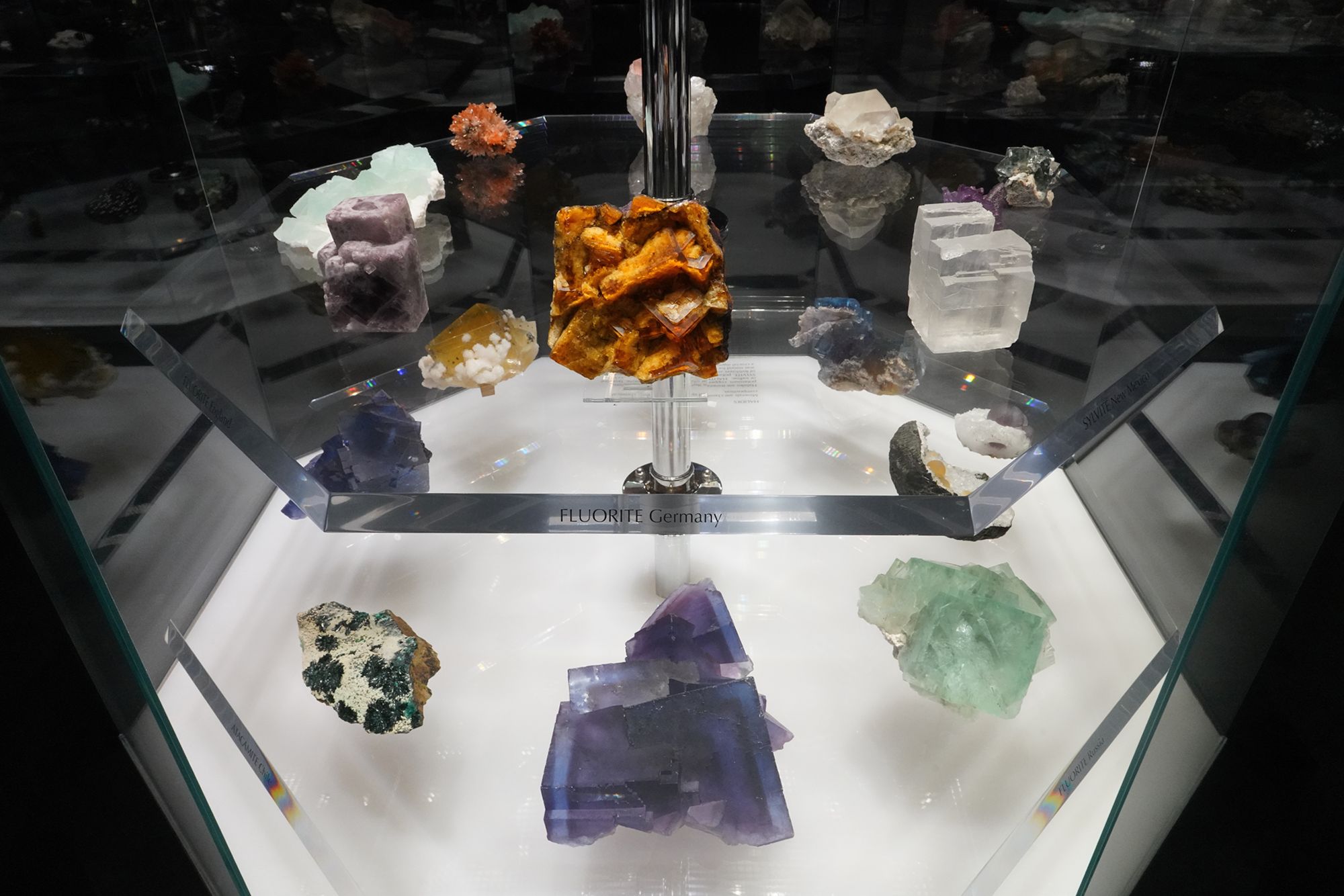
Fluorite
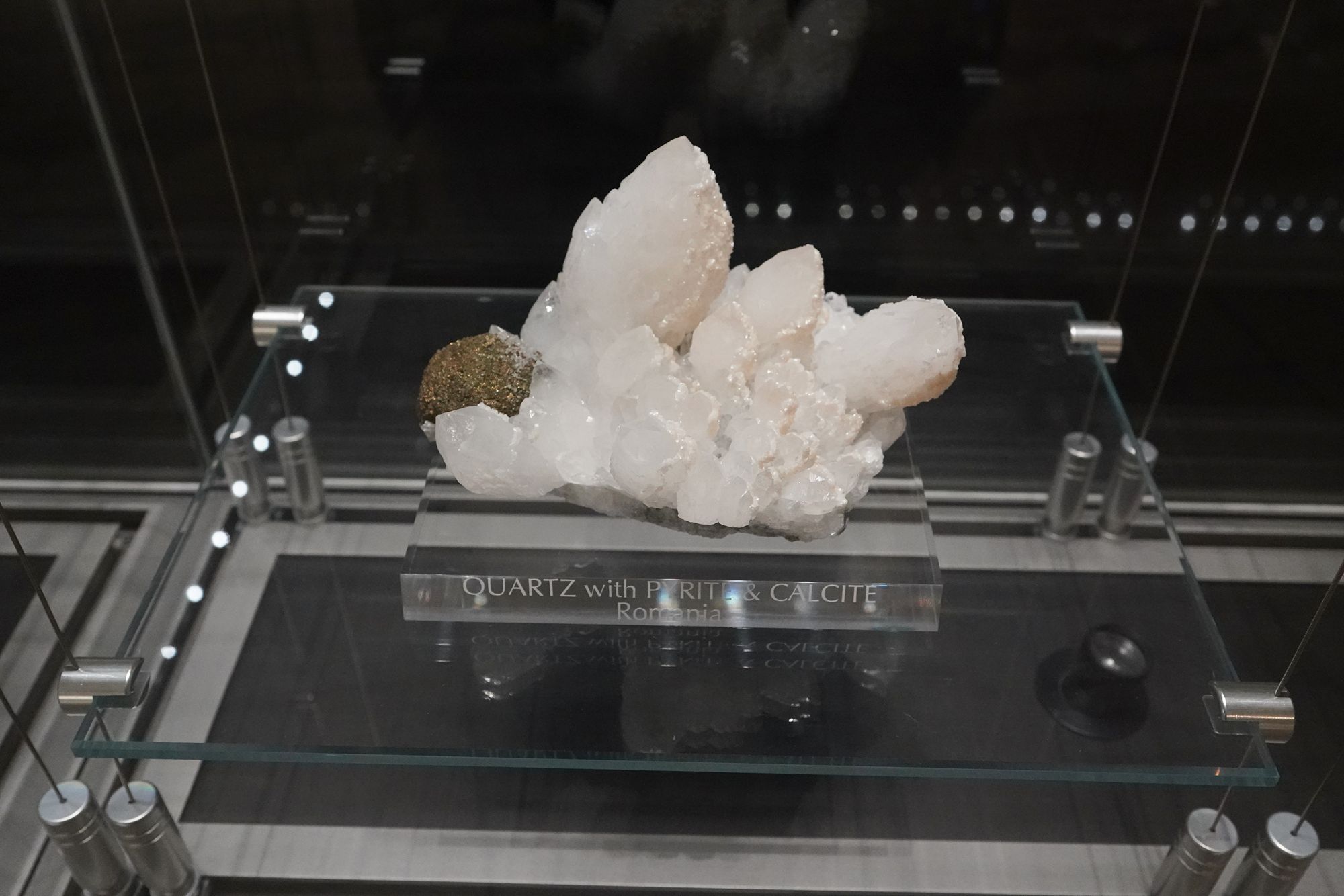
Quartz
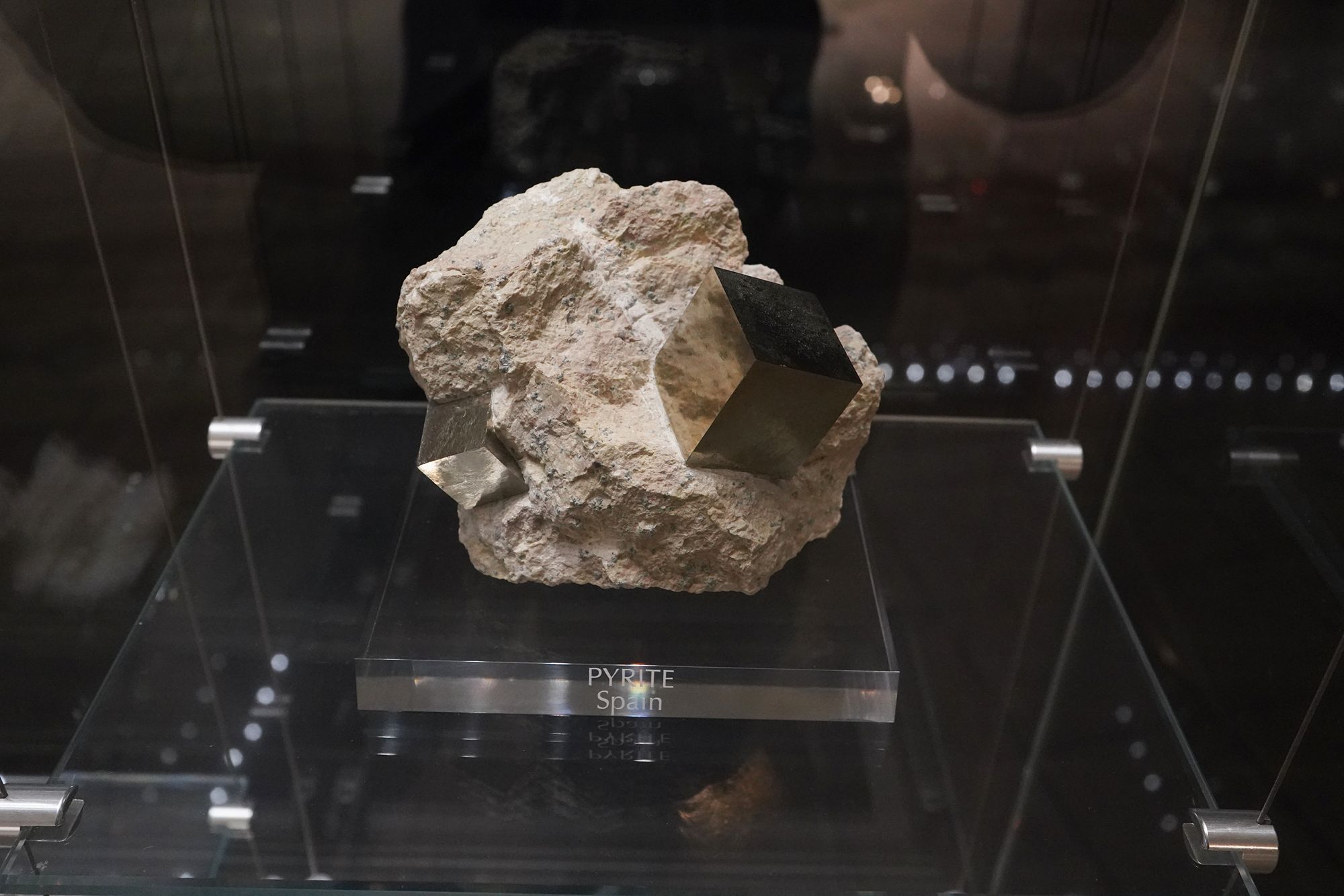
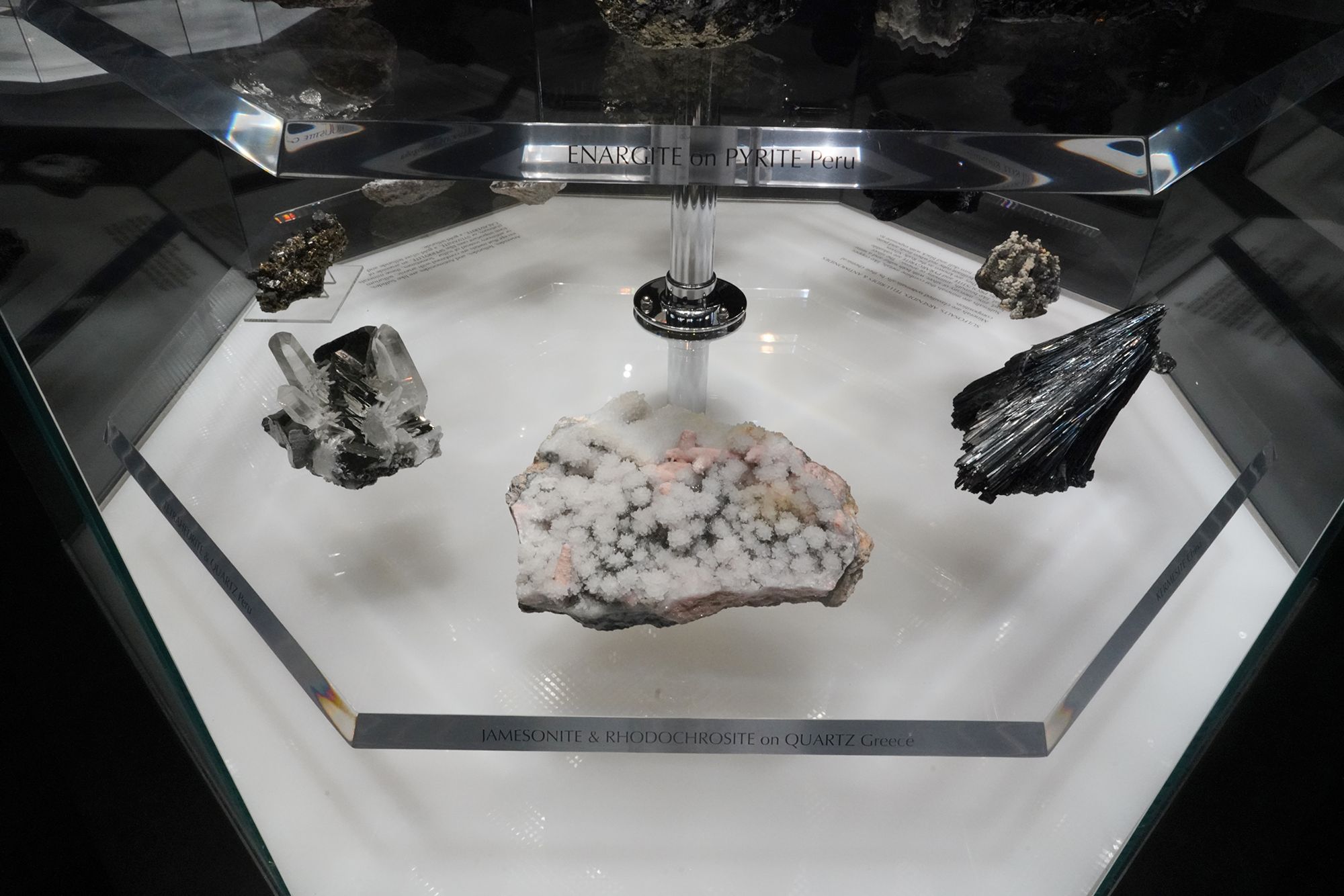
Pyrite
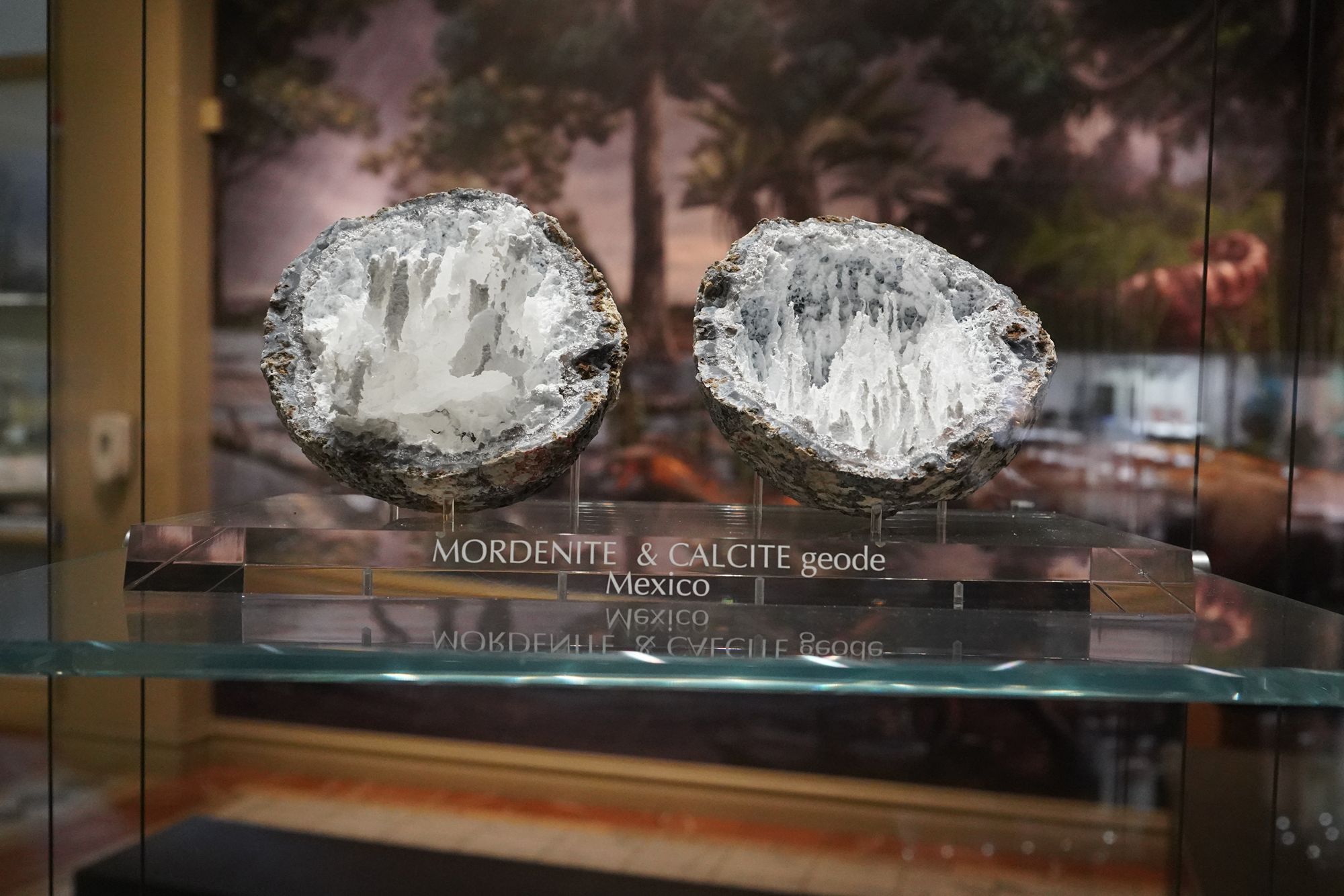
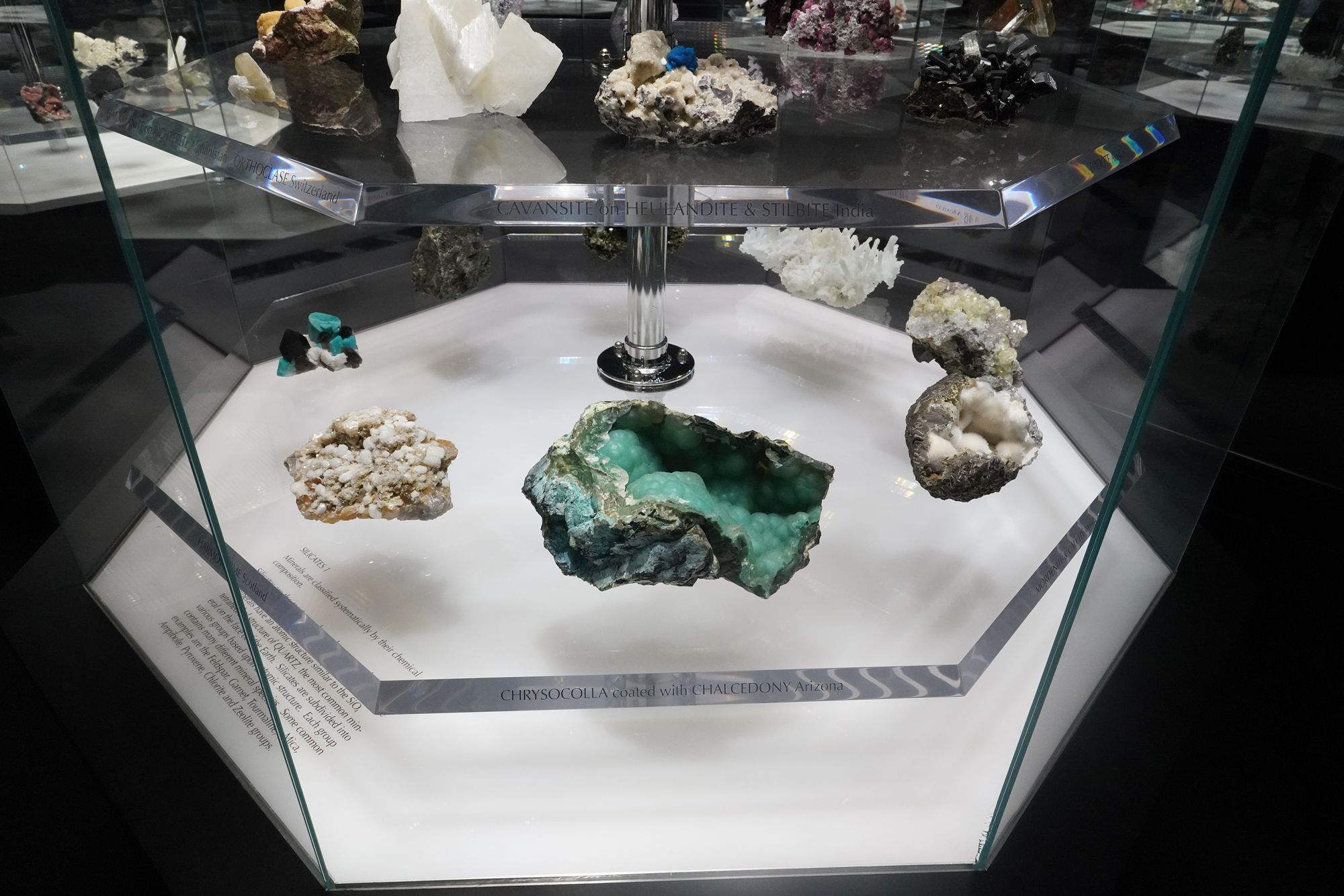
Mordenite & Calcite geode
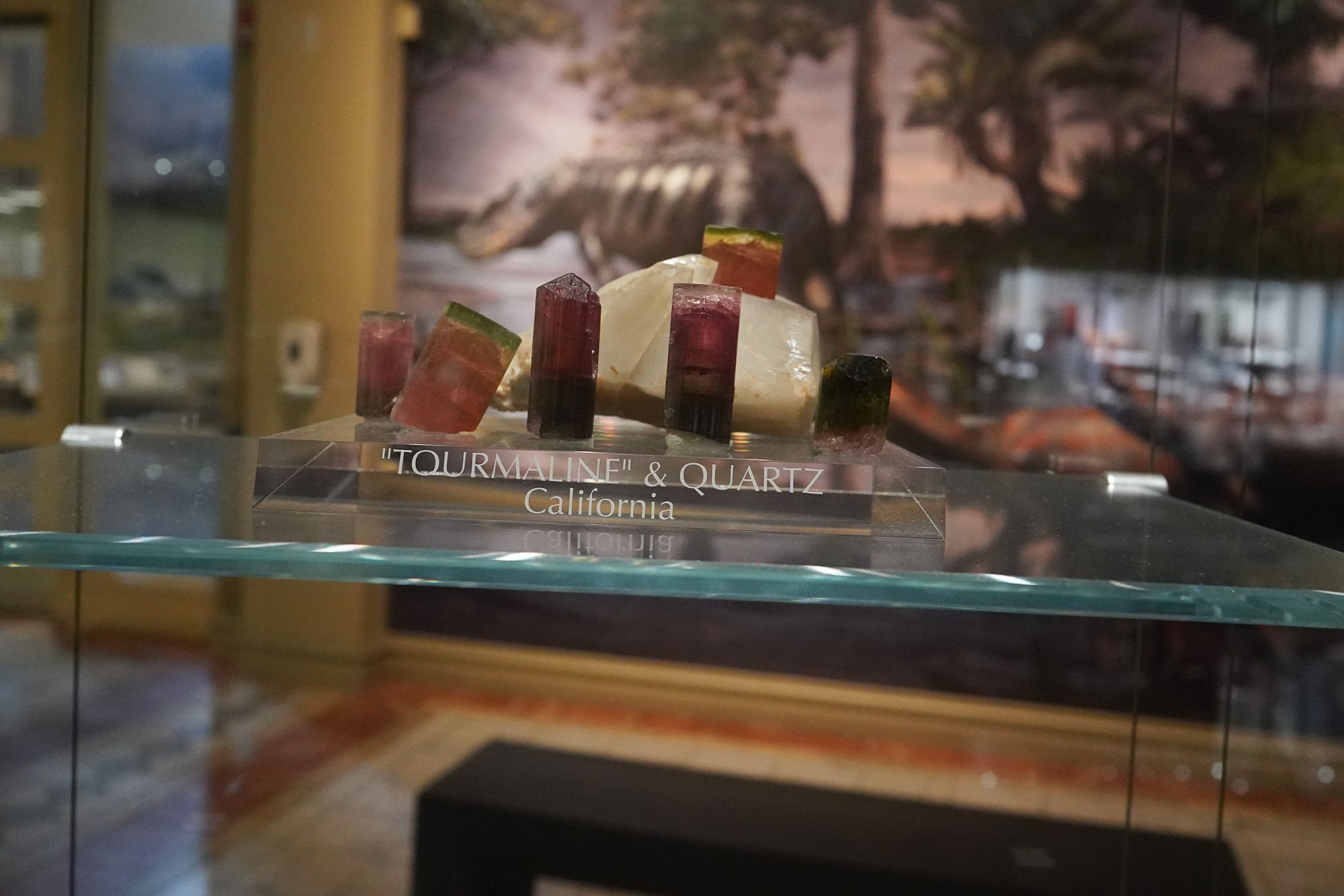
“Tourmaline” & Quartz
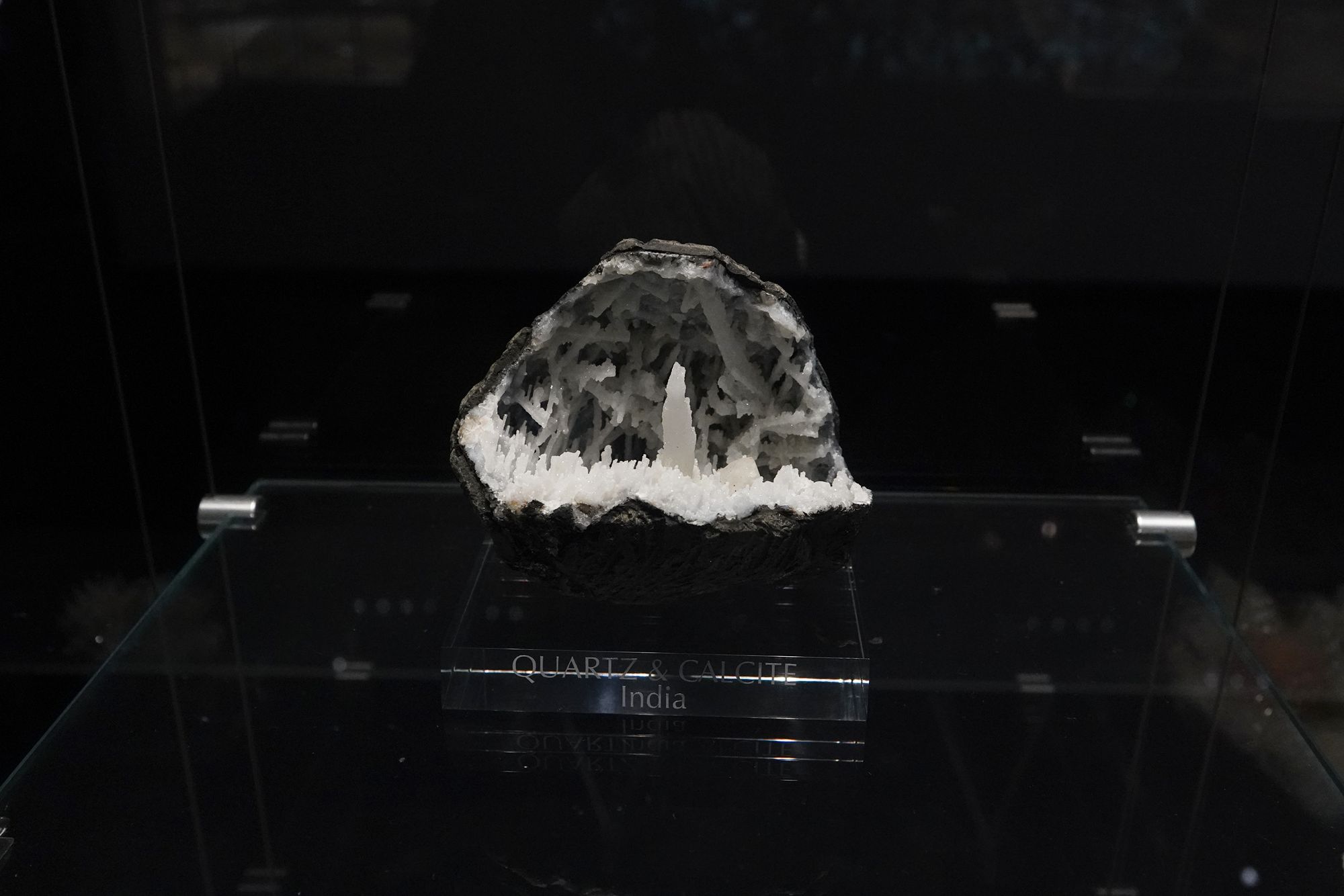
Quartz & Calcite
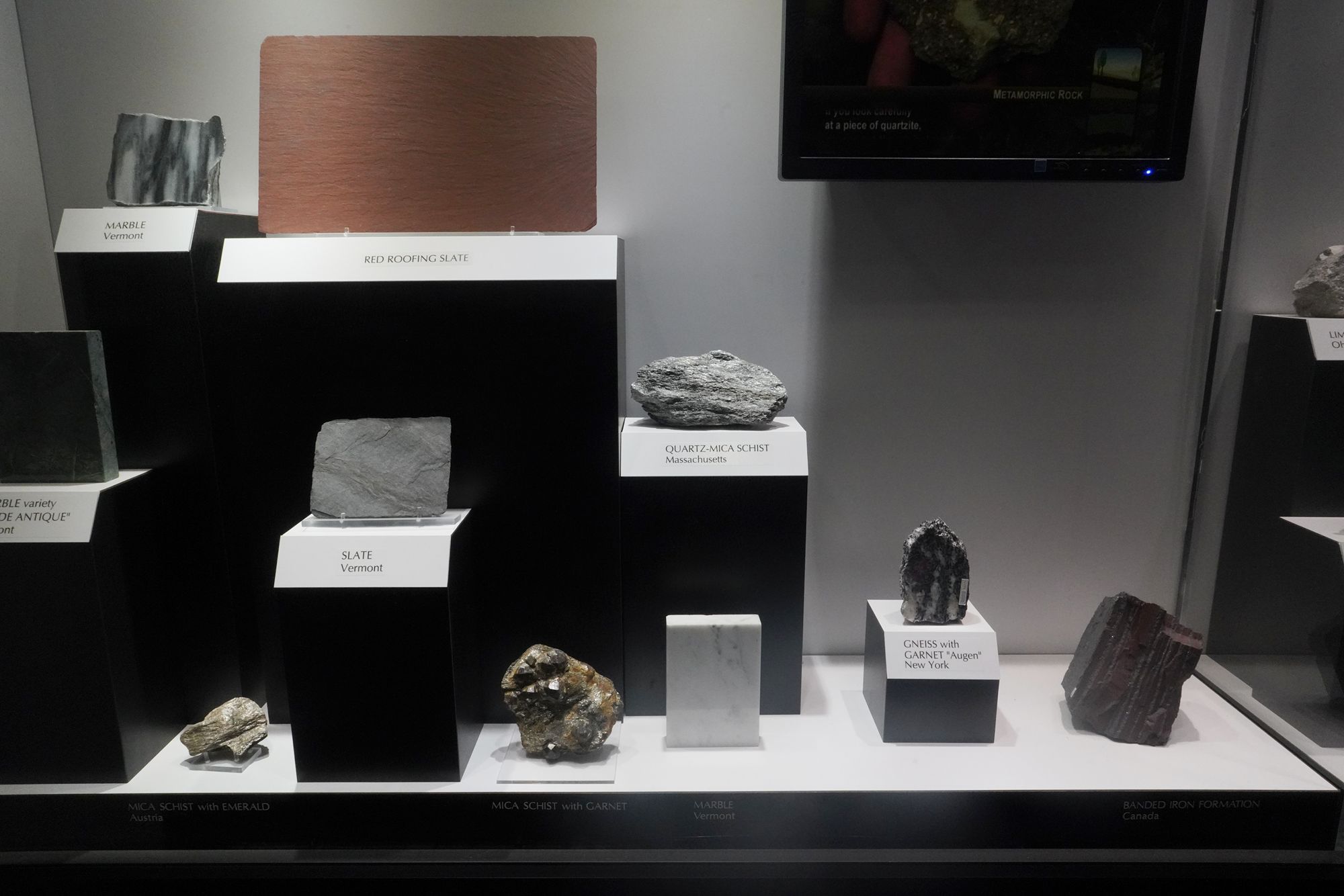
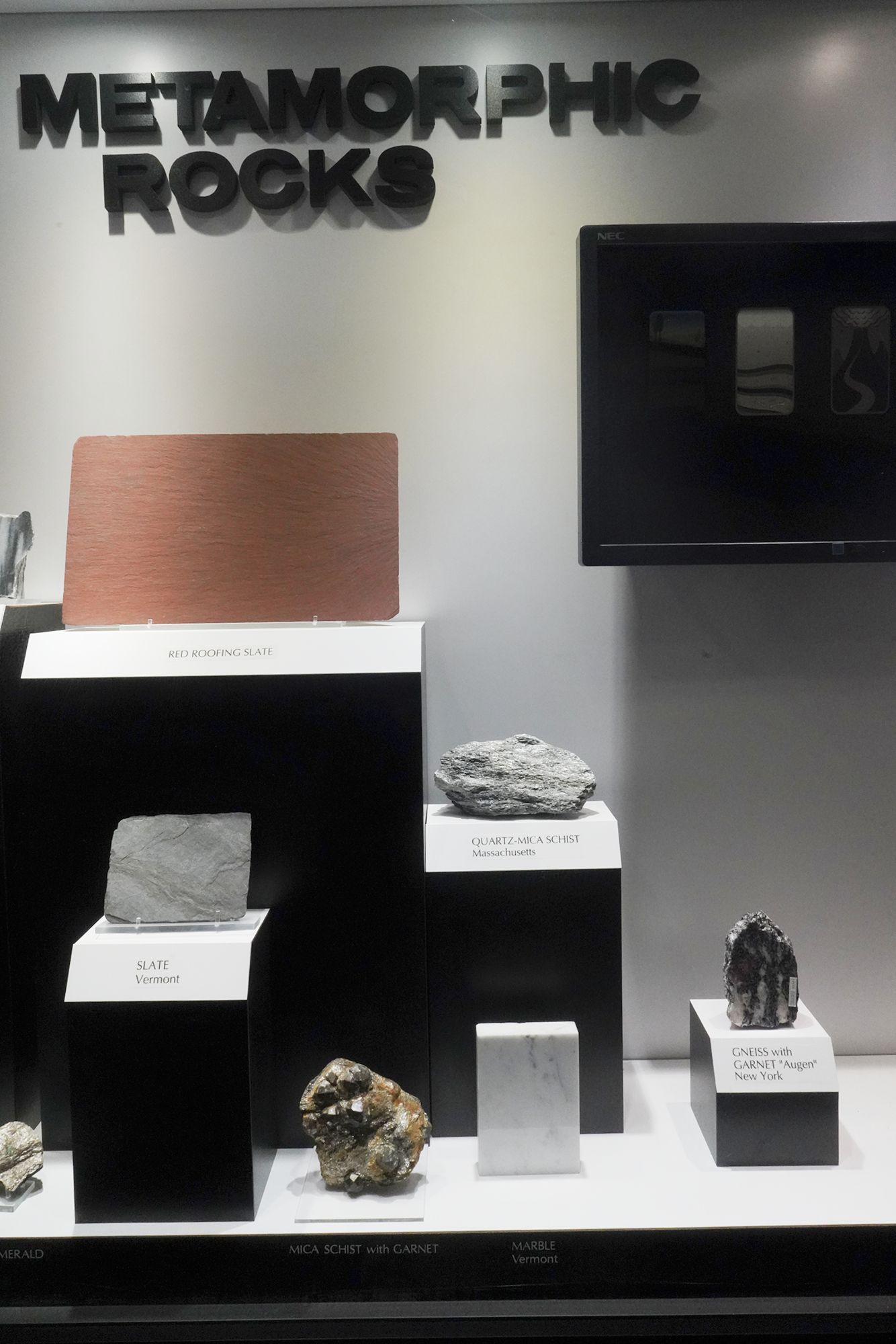
Metamorphic rocks are rocks that have been transformed by heat, pressure, or chemical activity deep within the Earth.
Unlike igneous or sedimentary rocks, metamorphic rocks begin as existing rocks that change form without melting. Intense pressure can realign minerals into bands or layers, while heat can create new crystal structures. Common examples include marble (from limestone), slate (from shale), and gneiss (from granite).
In museum displays, metamorphic rocks help illustrate Earth’s dynamic processes—showing how time, temperature, and pressure reshape the planet’s crust and recycle its materials into new forms.
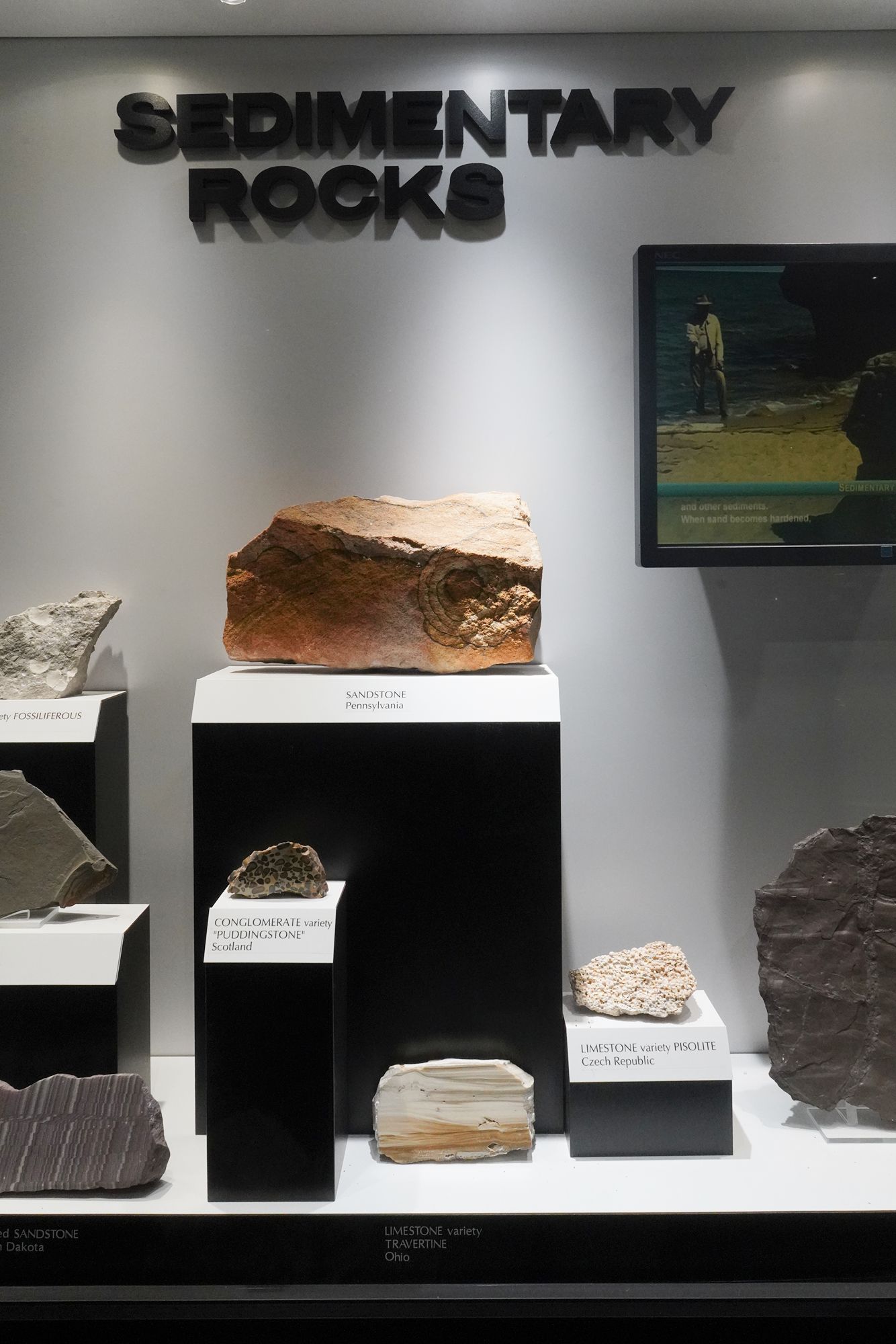
Sedimentary rocks are formed from the accumulation of material at Earth’s surface.
They develop when sediments—such as sand, mud, shells, or plant material—are deposited by water, wind, or ice and gradually compacted and cemented over time. Because they form in layers, sedimentary rocks often preserve fossils and records of past environments. Common examples include sandstone, limestone, and shale, making them key to understanding Earth’s history and ancient life.
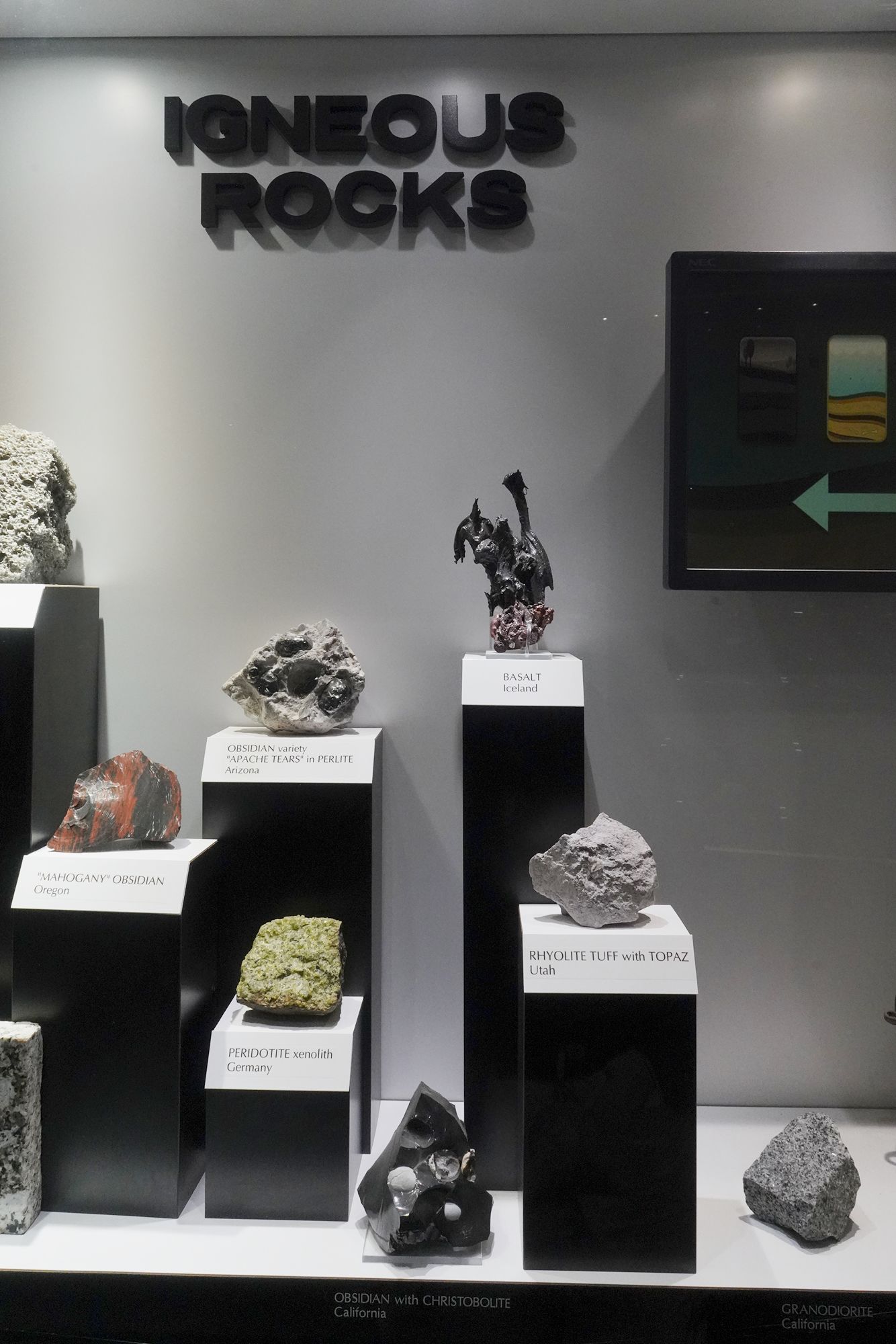
Igneous rocks form from molten rock that cools and solidifies.
They originate either beneath the Earth’s surface as intrusive rocks, such as granite, or at the surface as extrusive rocks, like basalt, formed from lava. Crystal size reflects cooling speed—slow cooling creates large crystals, rapid cooling produces fine-grained textures. Igneous rocks record volcanic activity and the formation of Earth’s crust.
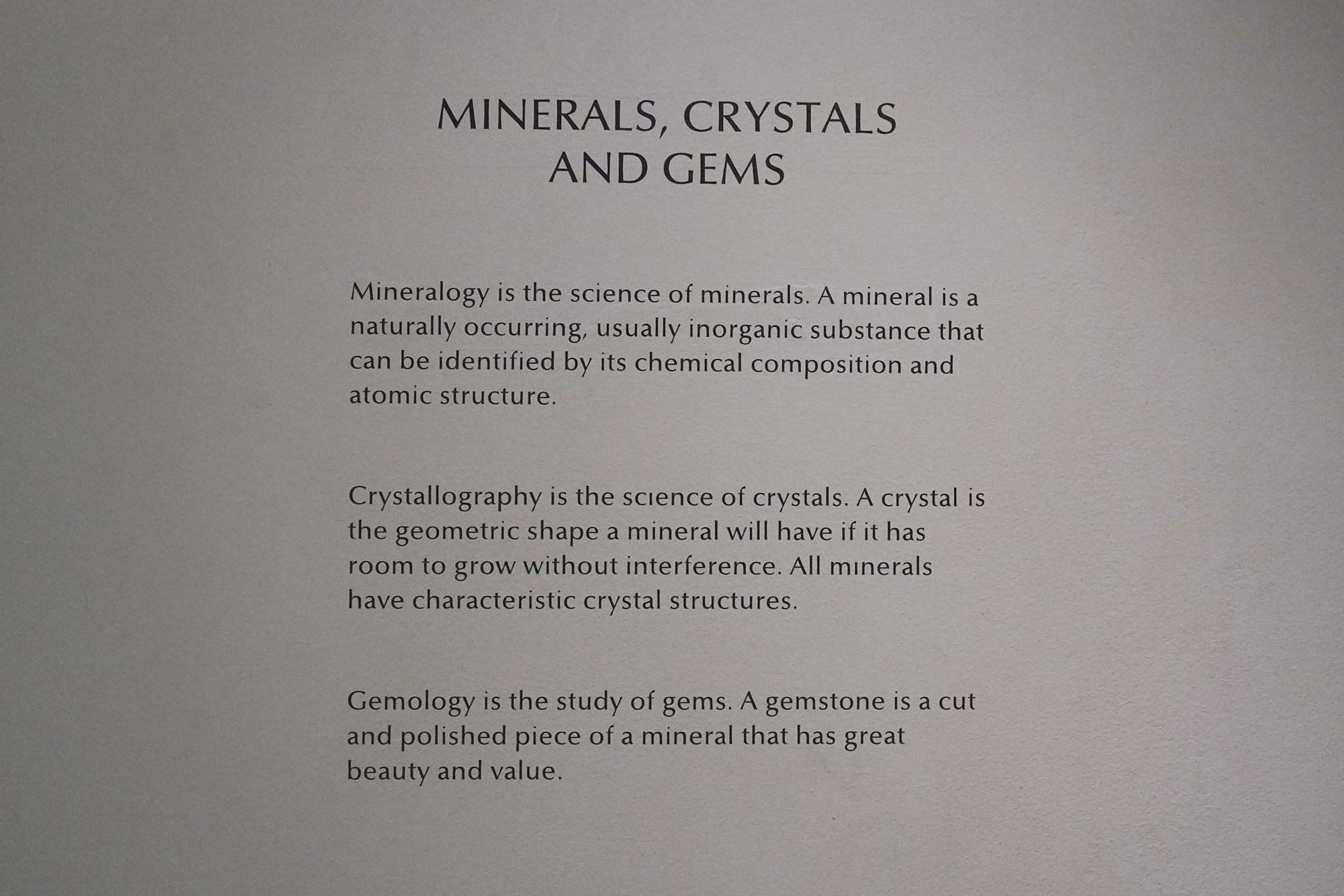
Minerals, Crystals and Gems
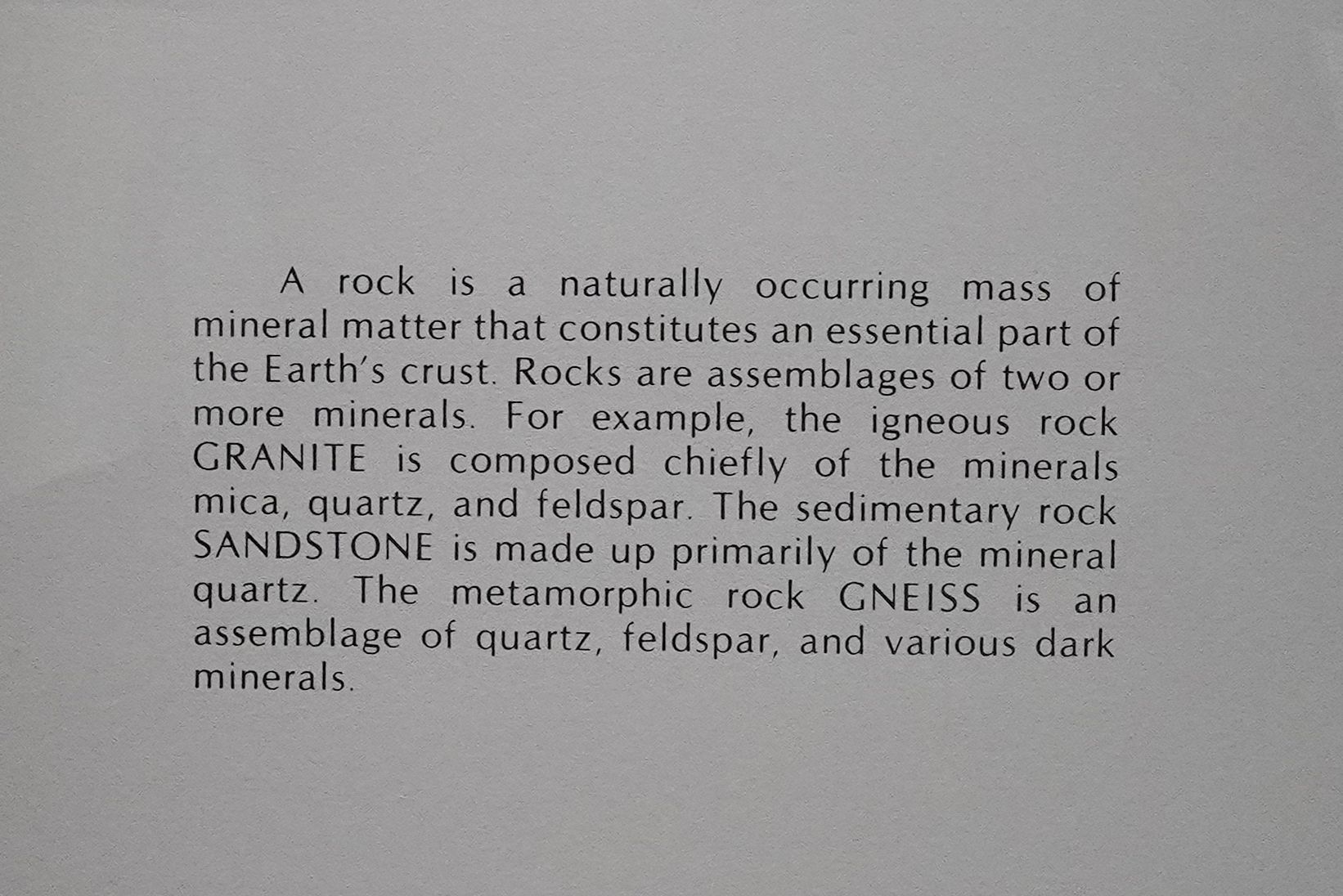
A rock is a naturally occurring solid made of one or more minerals or mineral-like substances.
Rocks form the Earth’s crust and are grouped into three main types—igneous, sedimentary, and metamorphic—based on how they form. Through weathering, pressure, heat, and time, rocks constantly change, linking them together in the rock cycle.
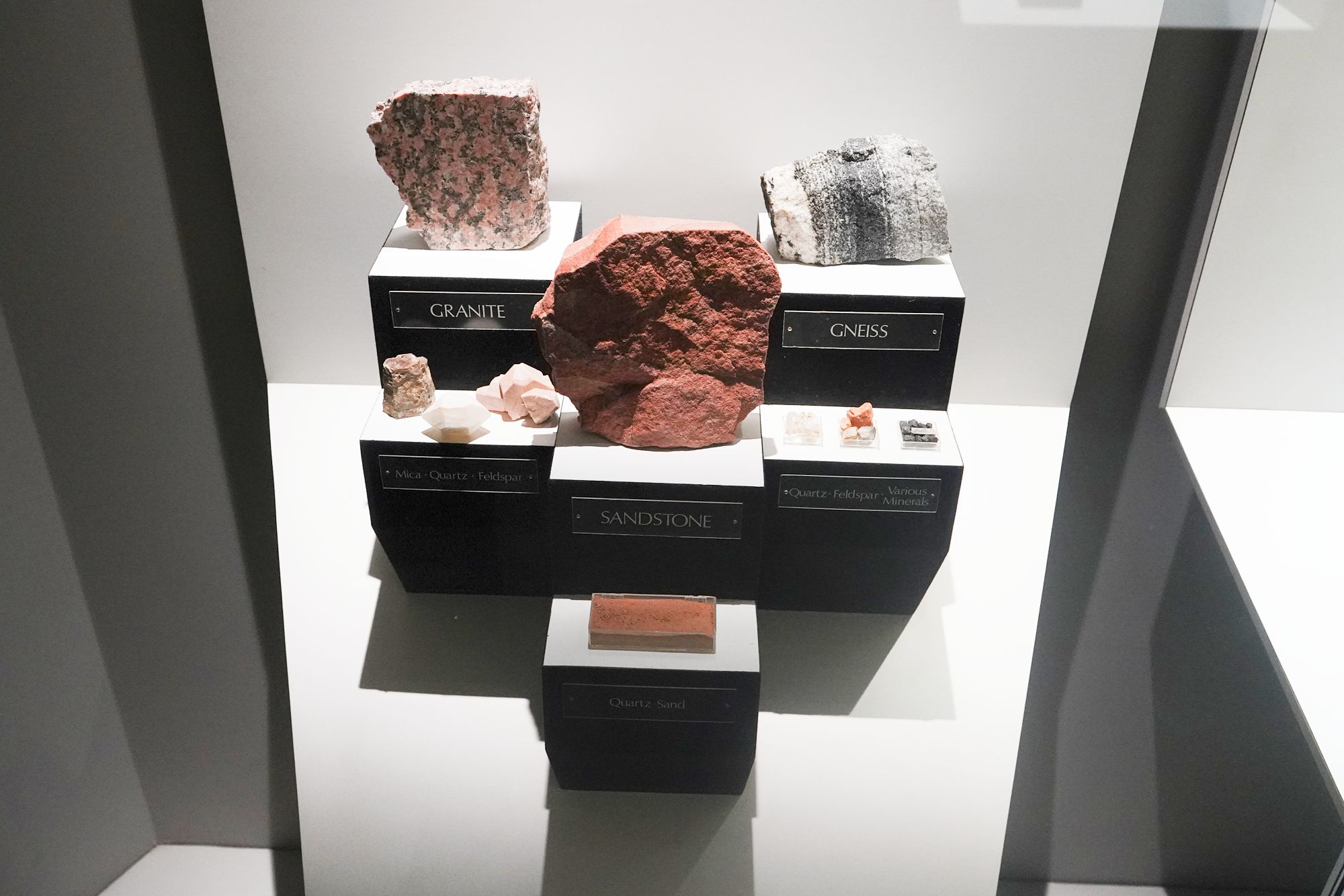
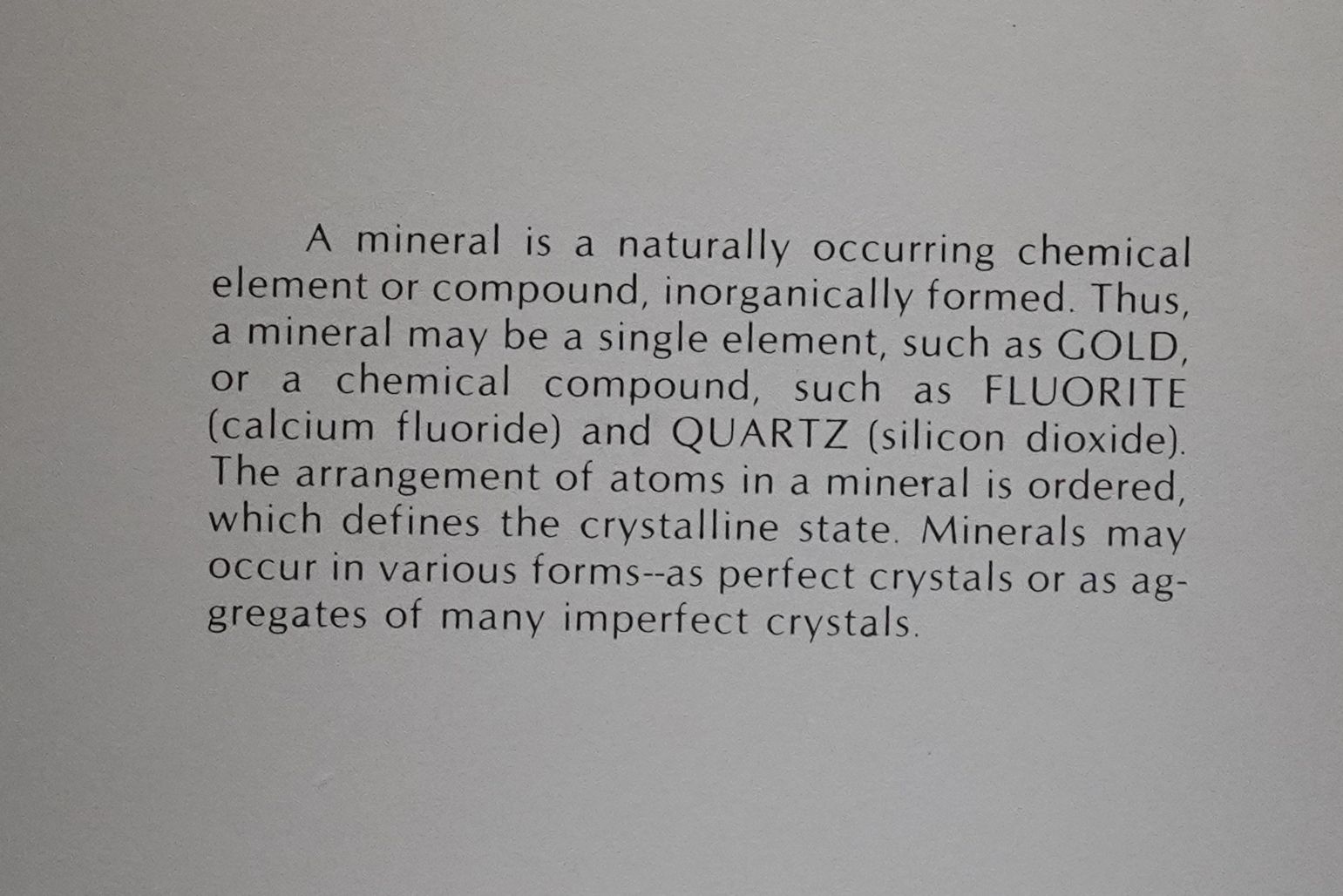
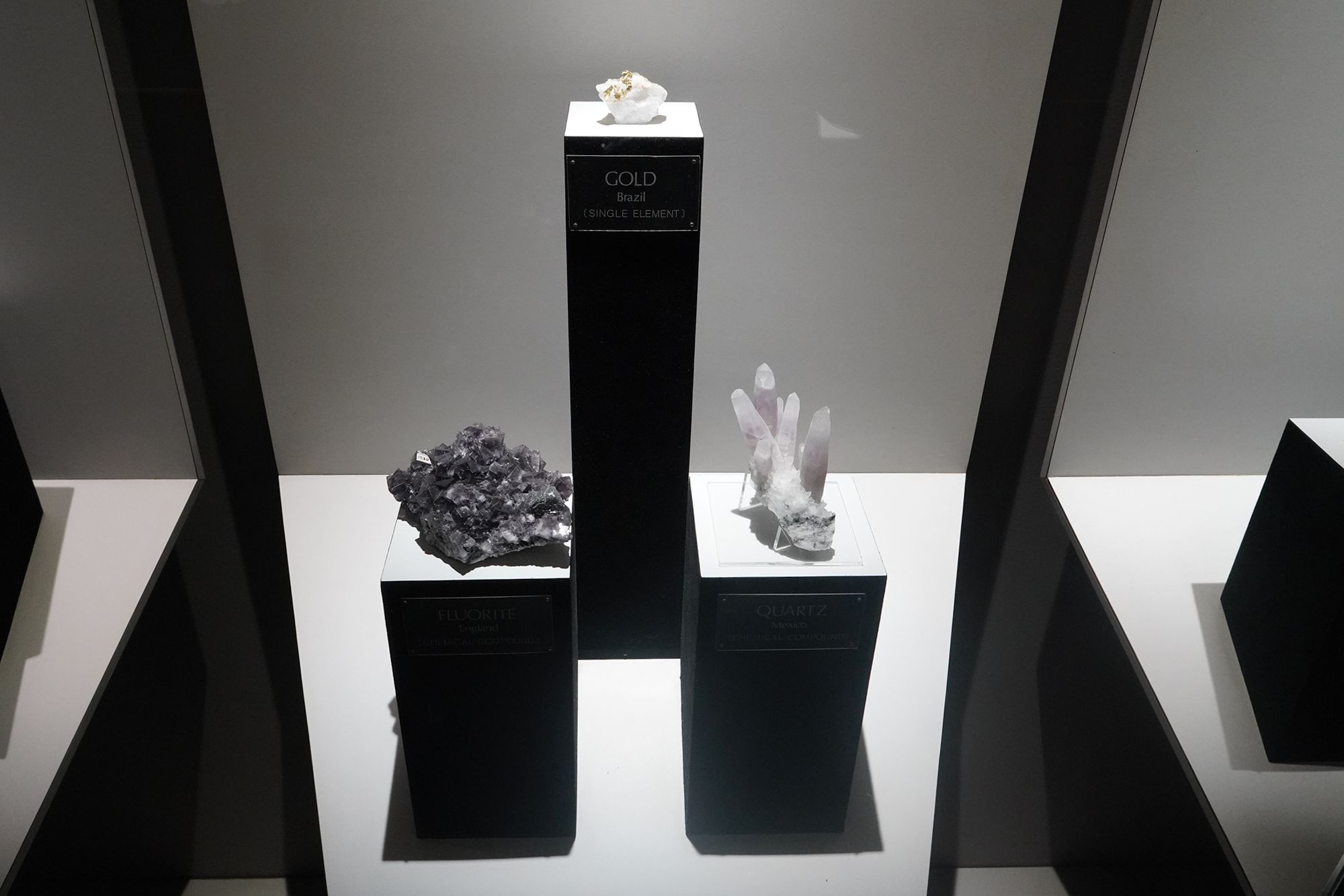
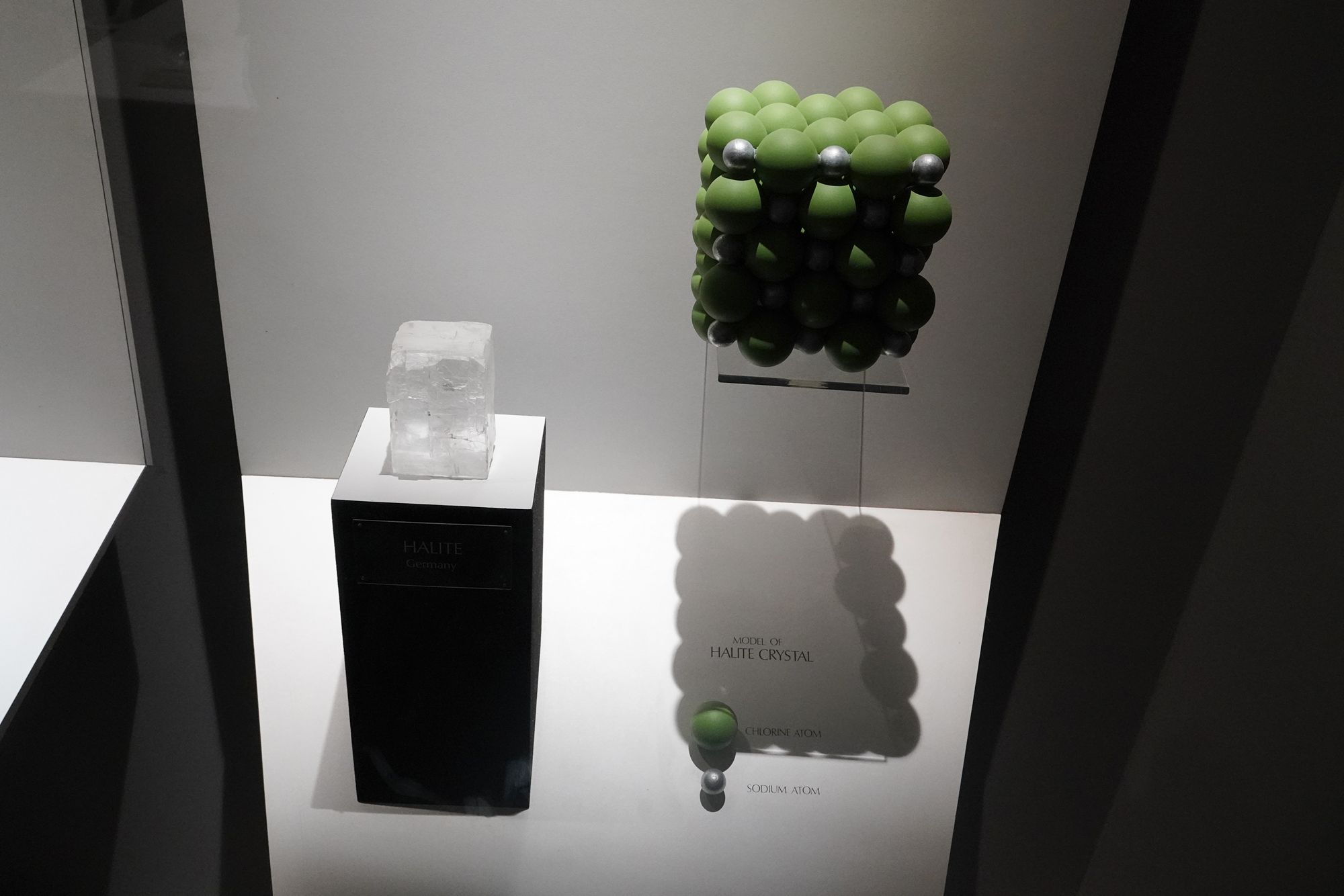
A mineral is a naturally occurring, inorganic solid with a definite chemical composition and an ordered crystal structure.
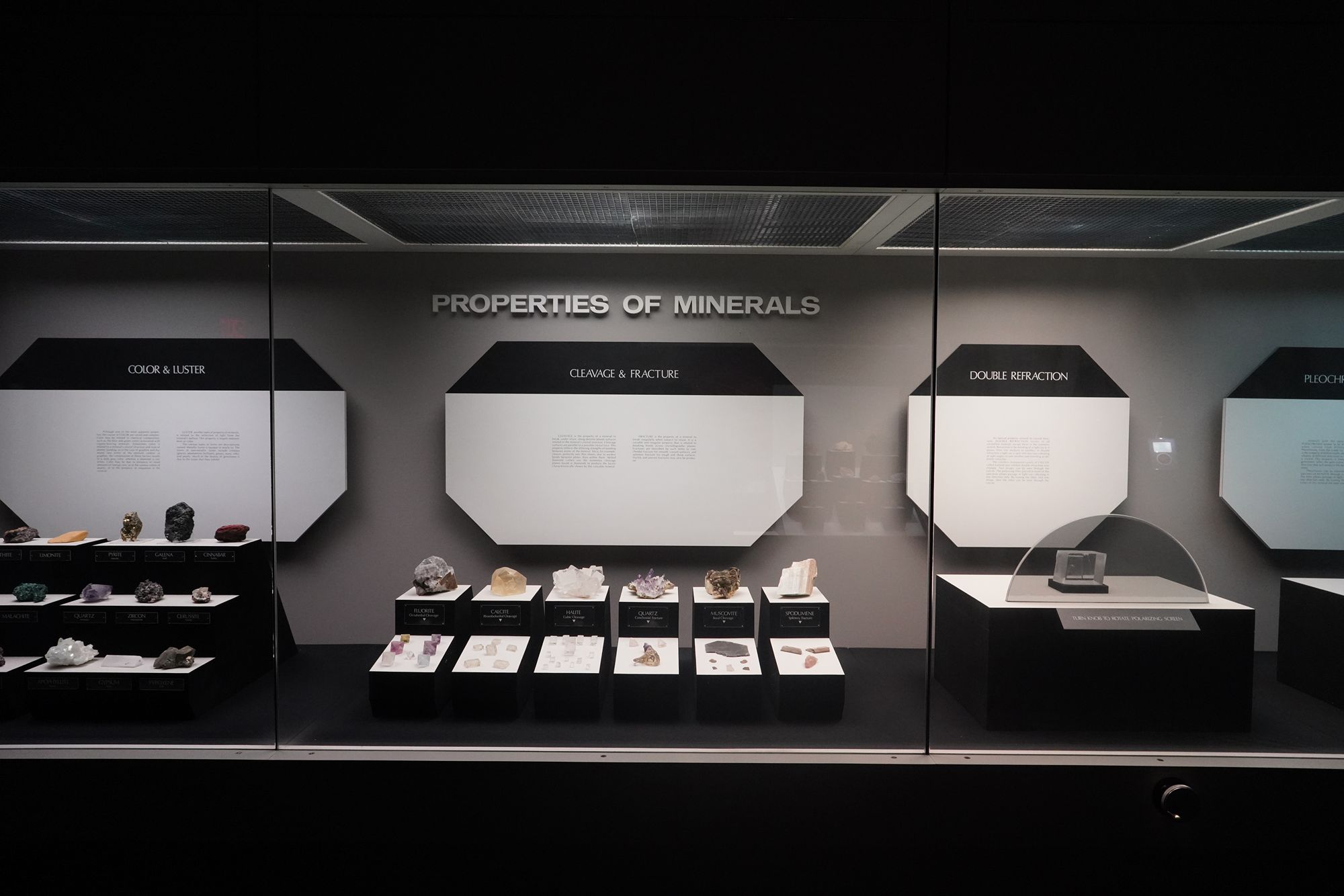
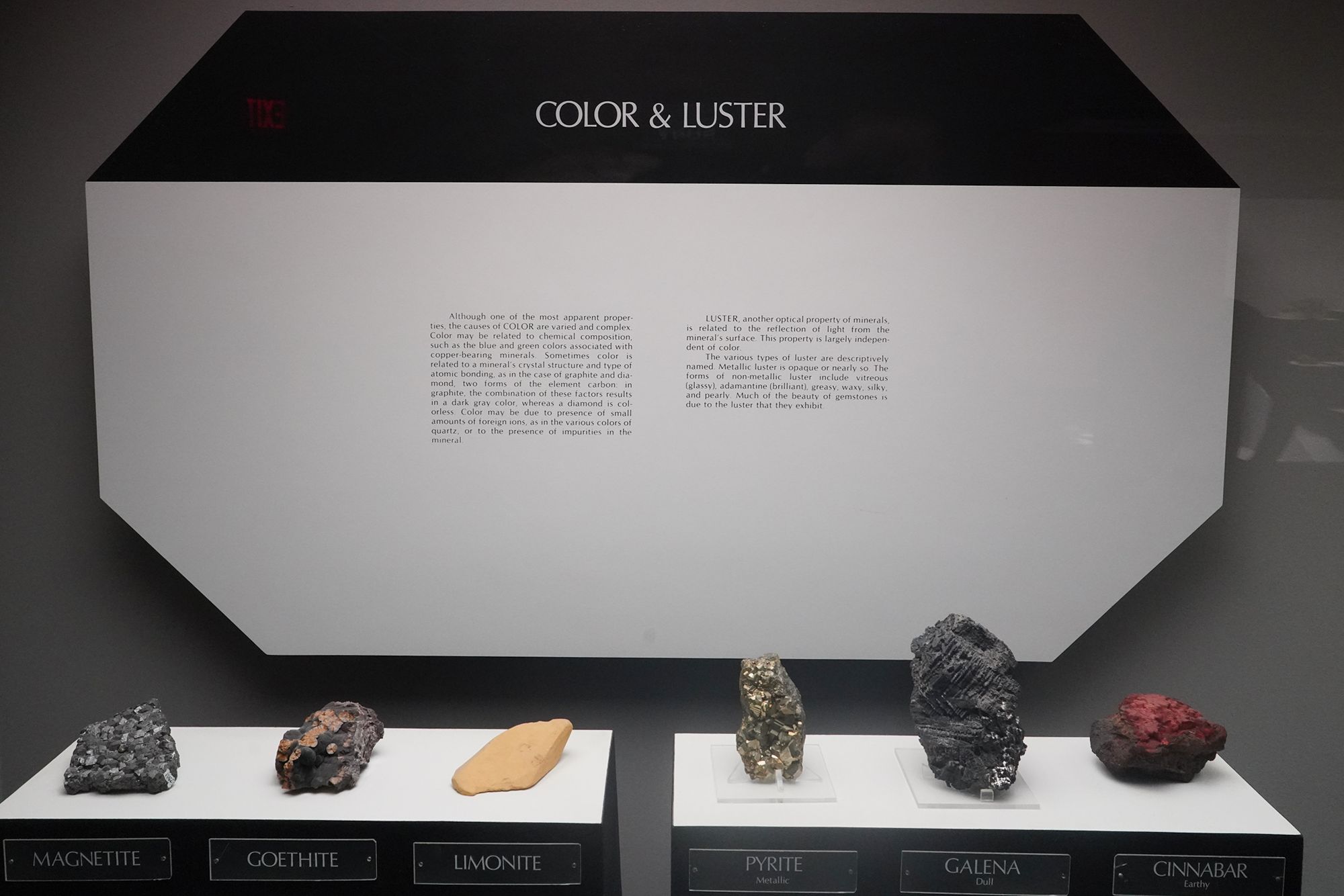
Minerals form through geological processes and are the basic building blocks of rocks. Each mineral has specific physical properties—such as hardness, color, and crystal shape—that allow it to be identified.
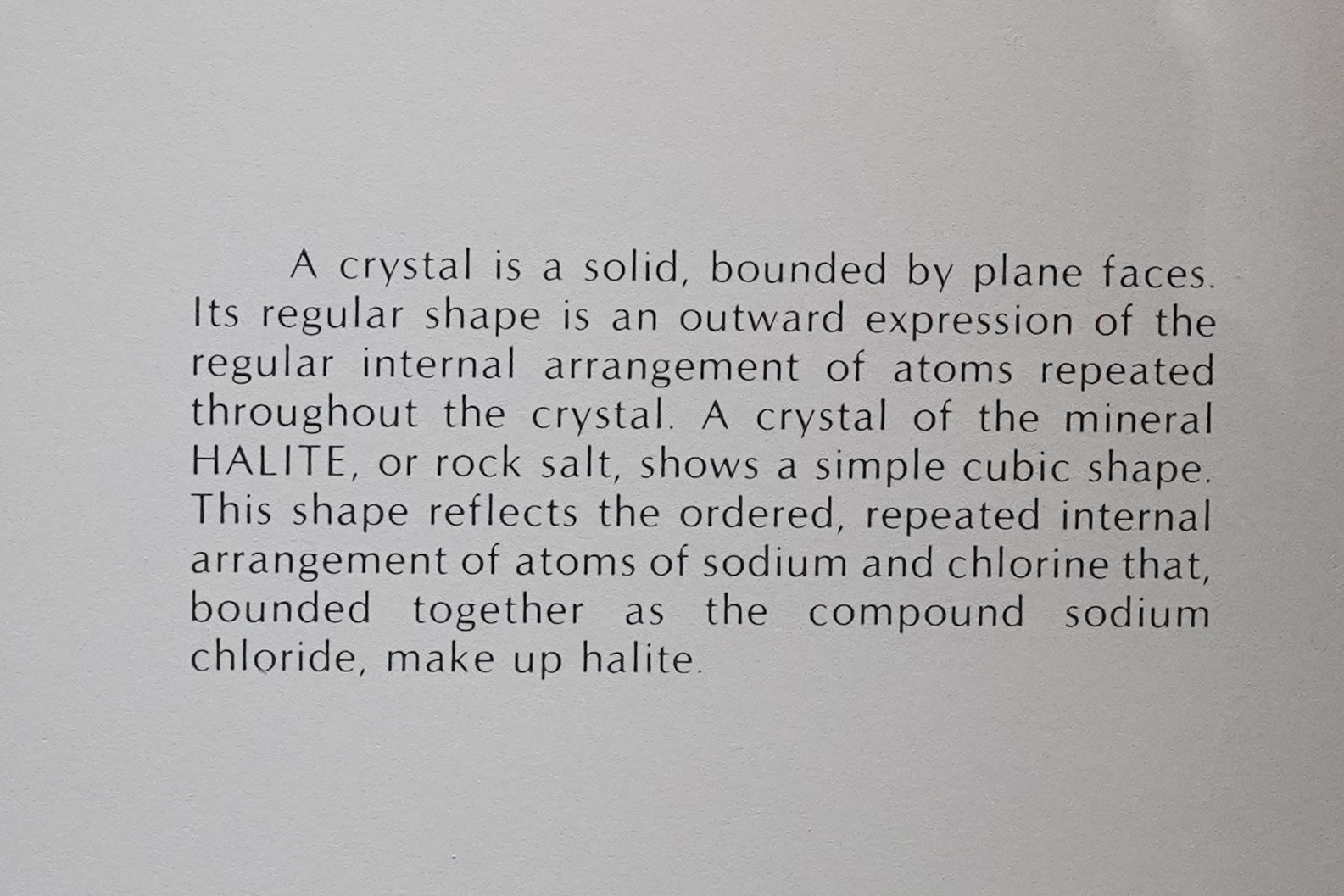
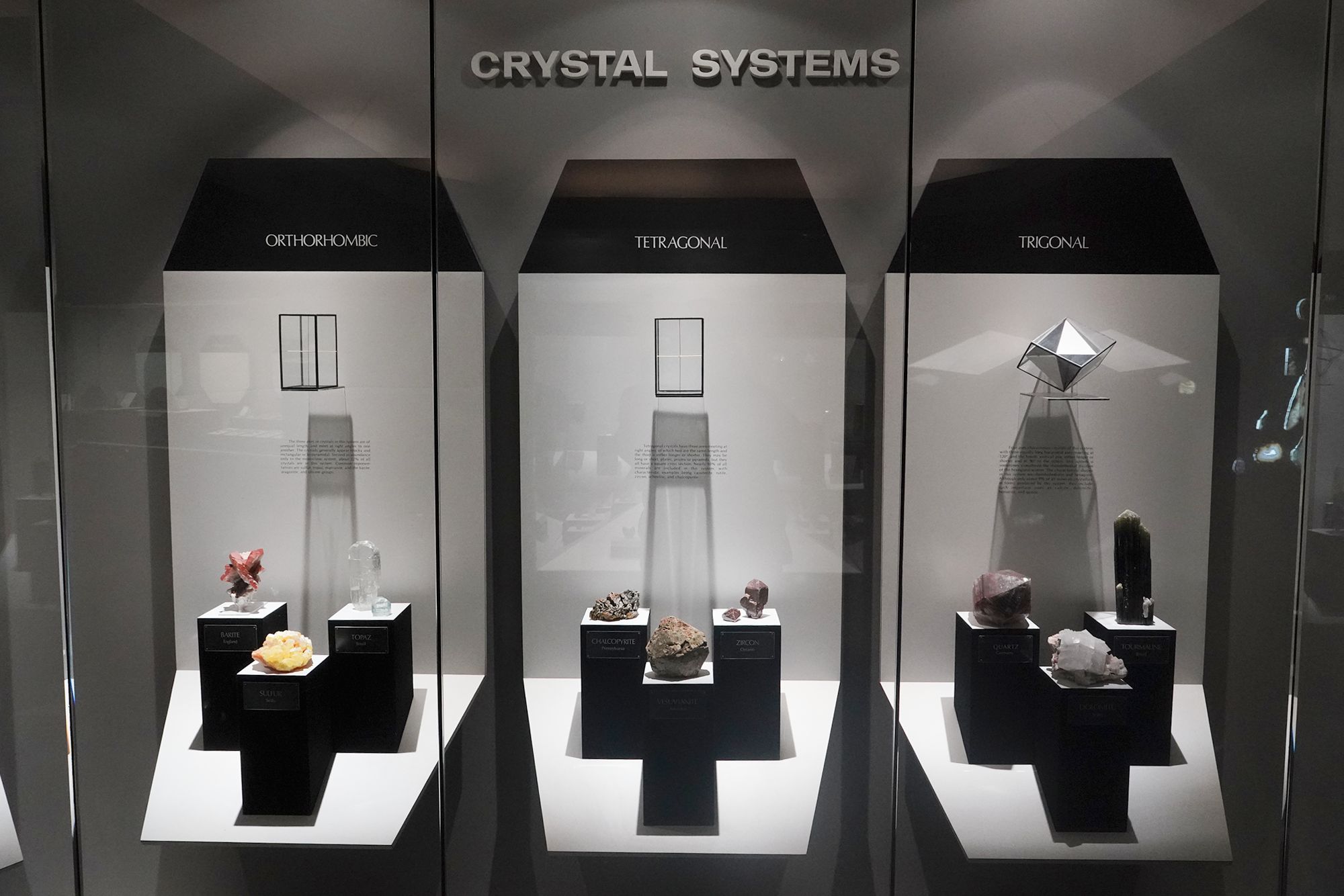
A crystal is a solid in which atoms are arranged in a highly ordered, repeating pattern.
This internal structure gives crystals their regular shapes, flat faces, and consistent angles. Crystals form naturally as minerals grow—often from cooling magma, evaporating solutions, or chemical changes—making crystal shape a visible expression of atomic order.
Crystal Systems
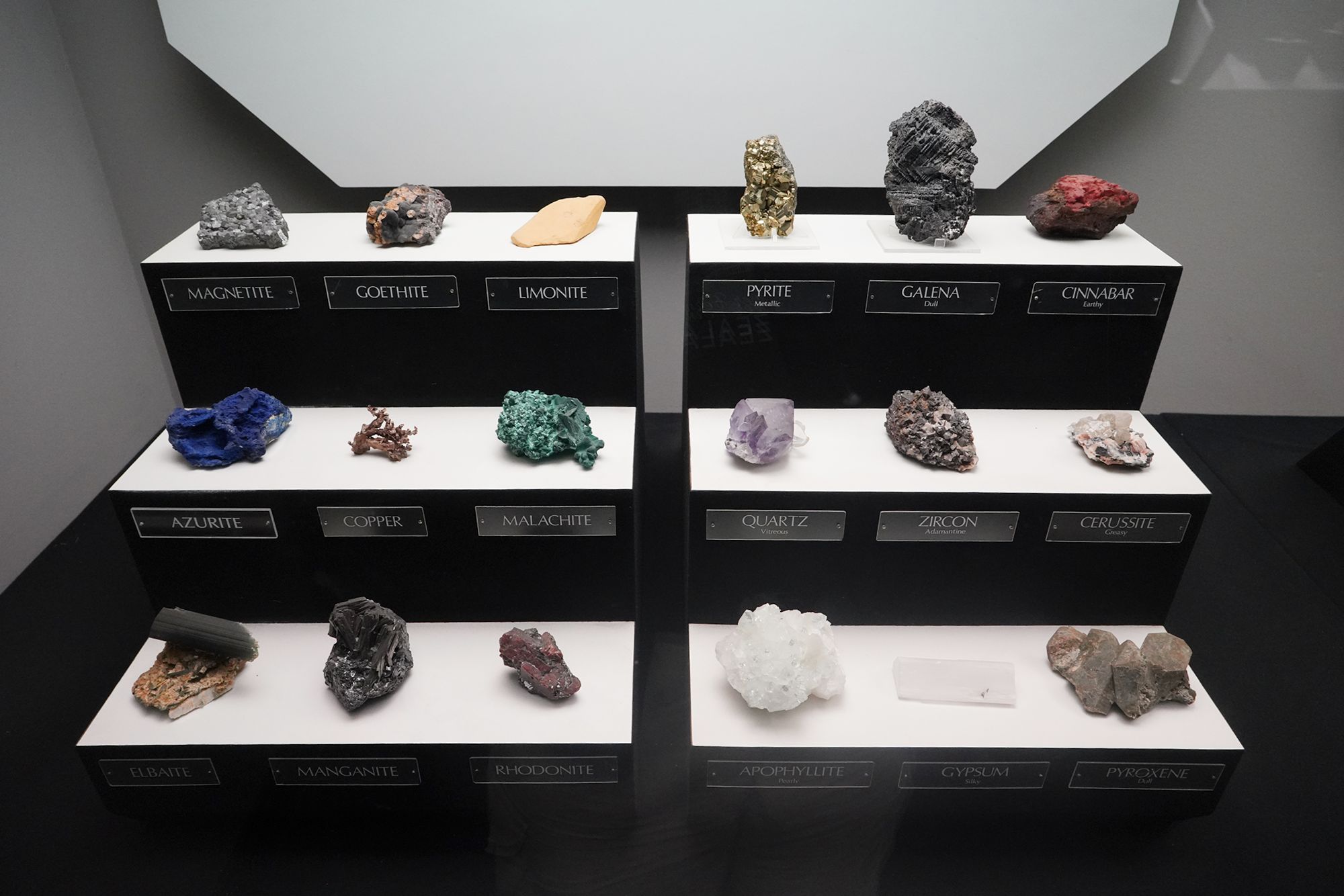
Proprties of Minerals
Color & Luster
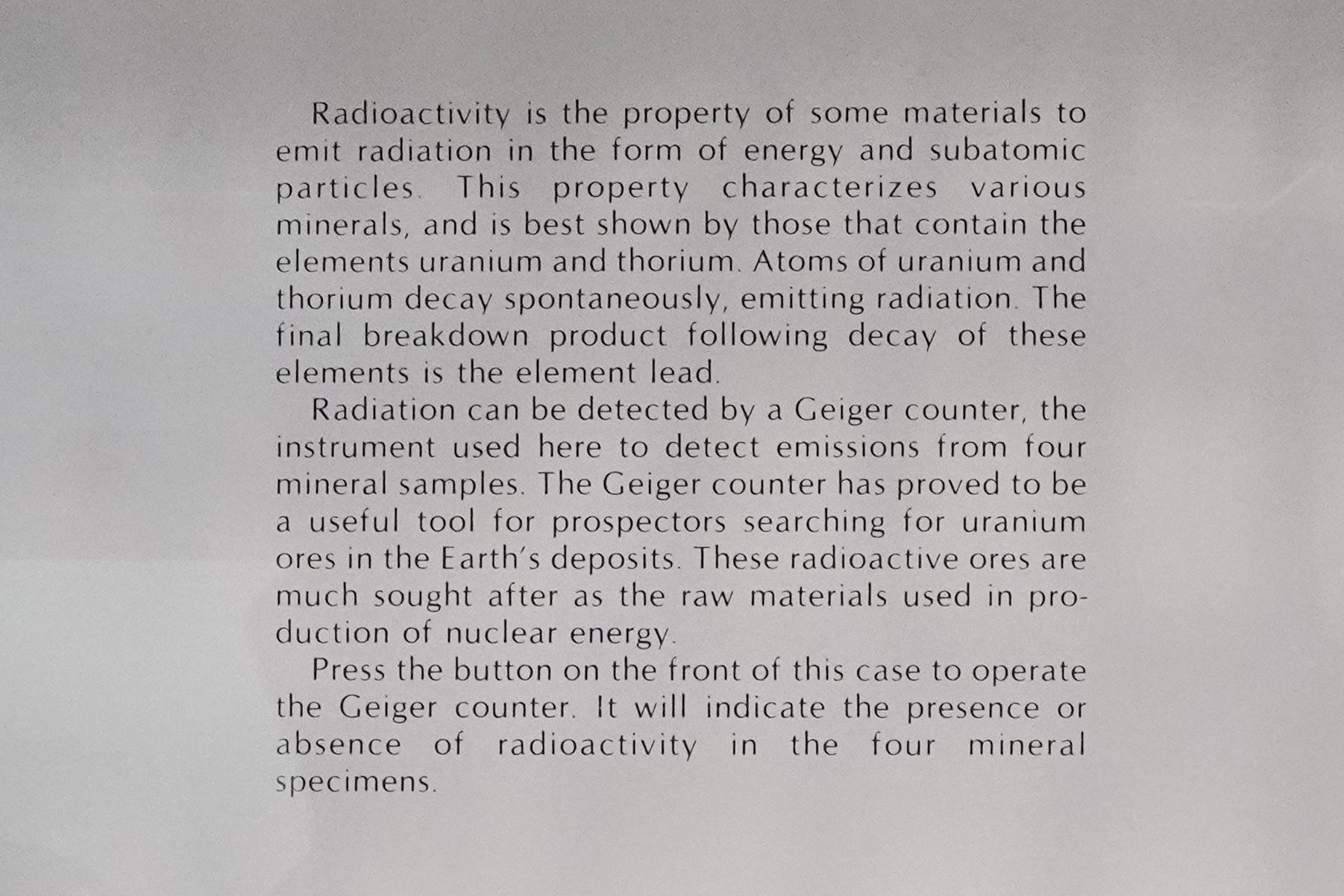
Radioactivity is the natural process by which unstable atoms release energy.
Some atoms have nuclei that are not stable. To become stable, they emit particles or radiation—such as alpha particles, beta particles, or gamma rays. This release of energy is called radioactivity.
Radioactivity occurs naturally in certain minerals and elements (like uranium) and is used in science, medicine, and energy production, while also requiring careful handling due to its potential health effects.
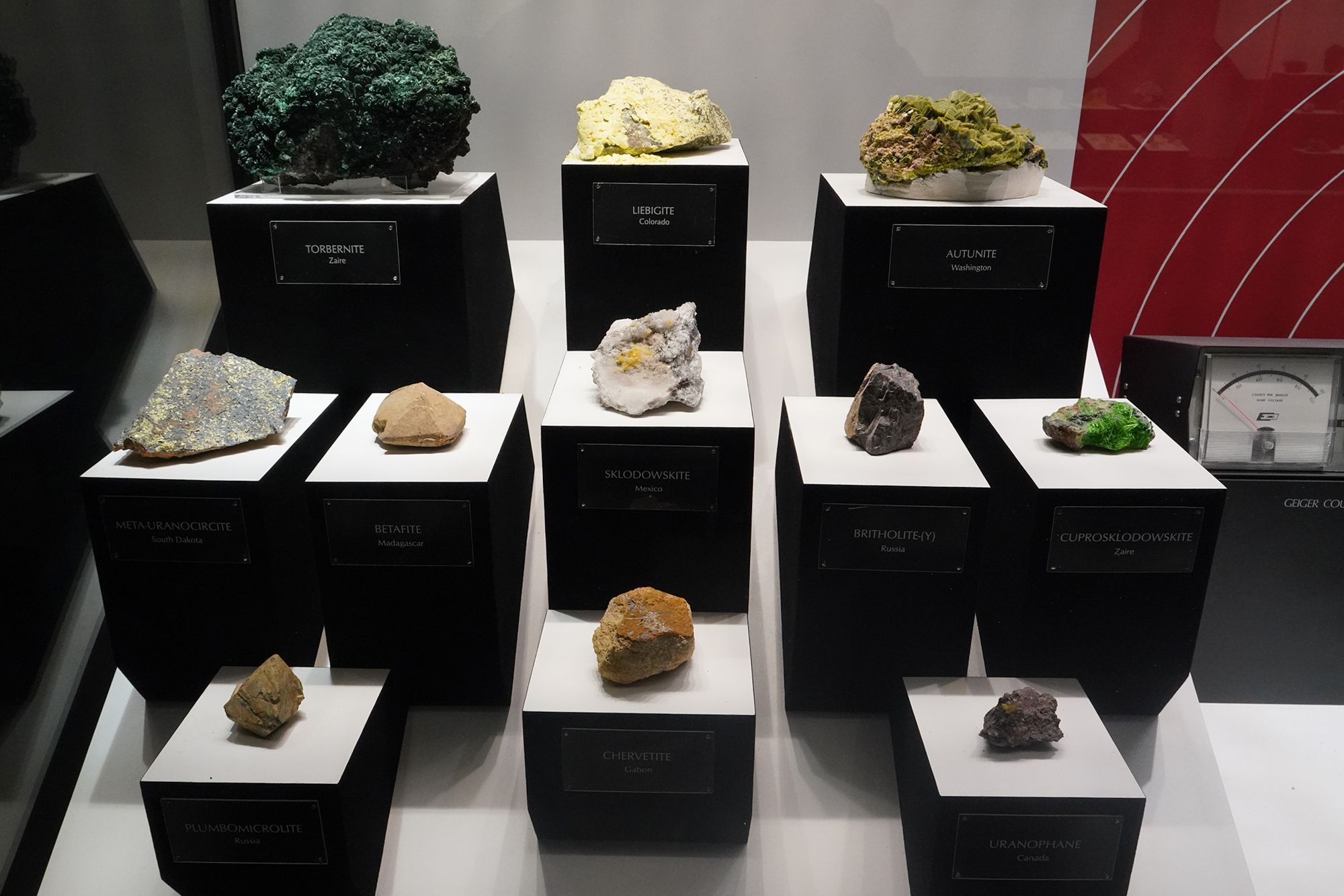
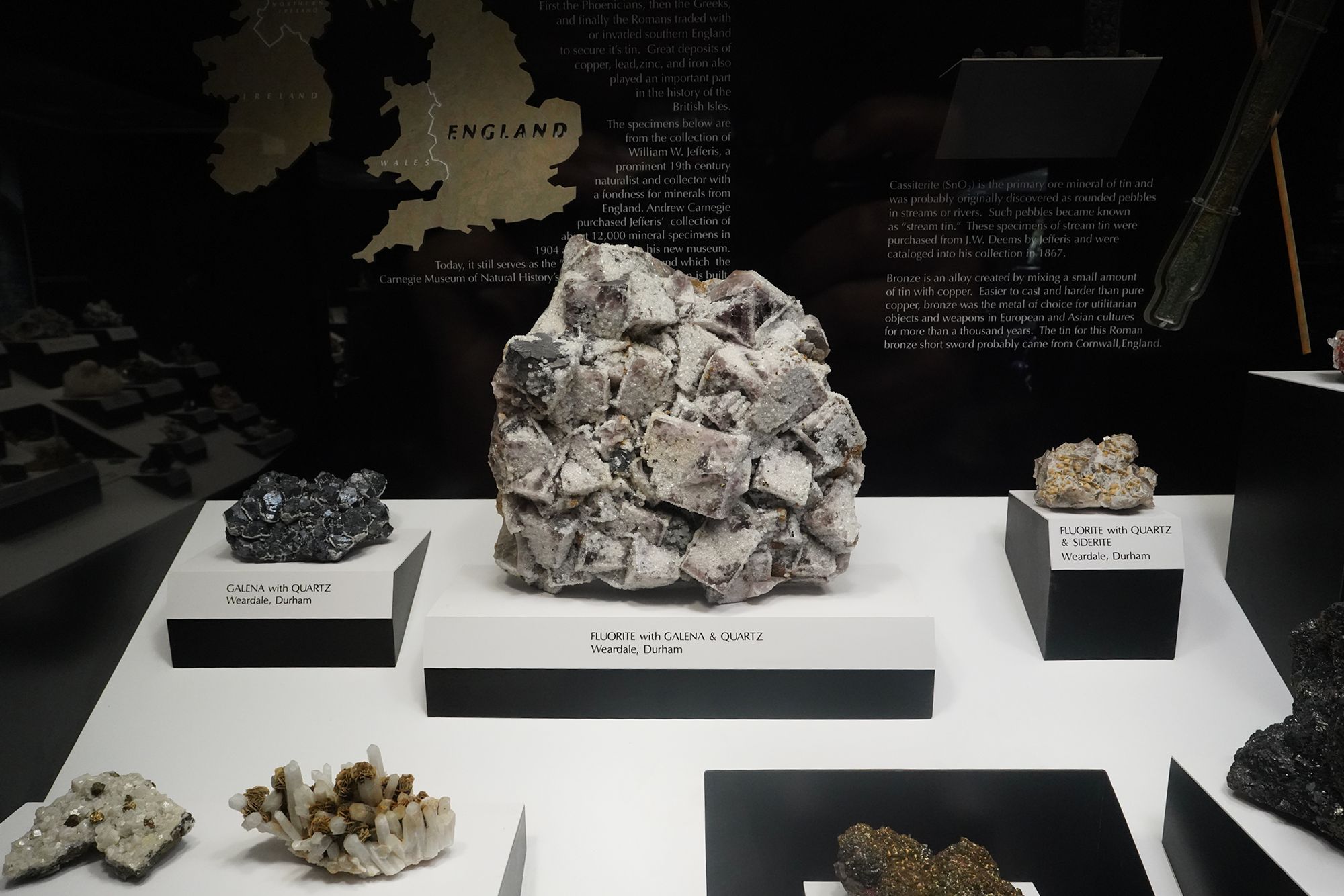
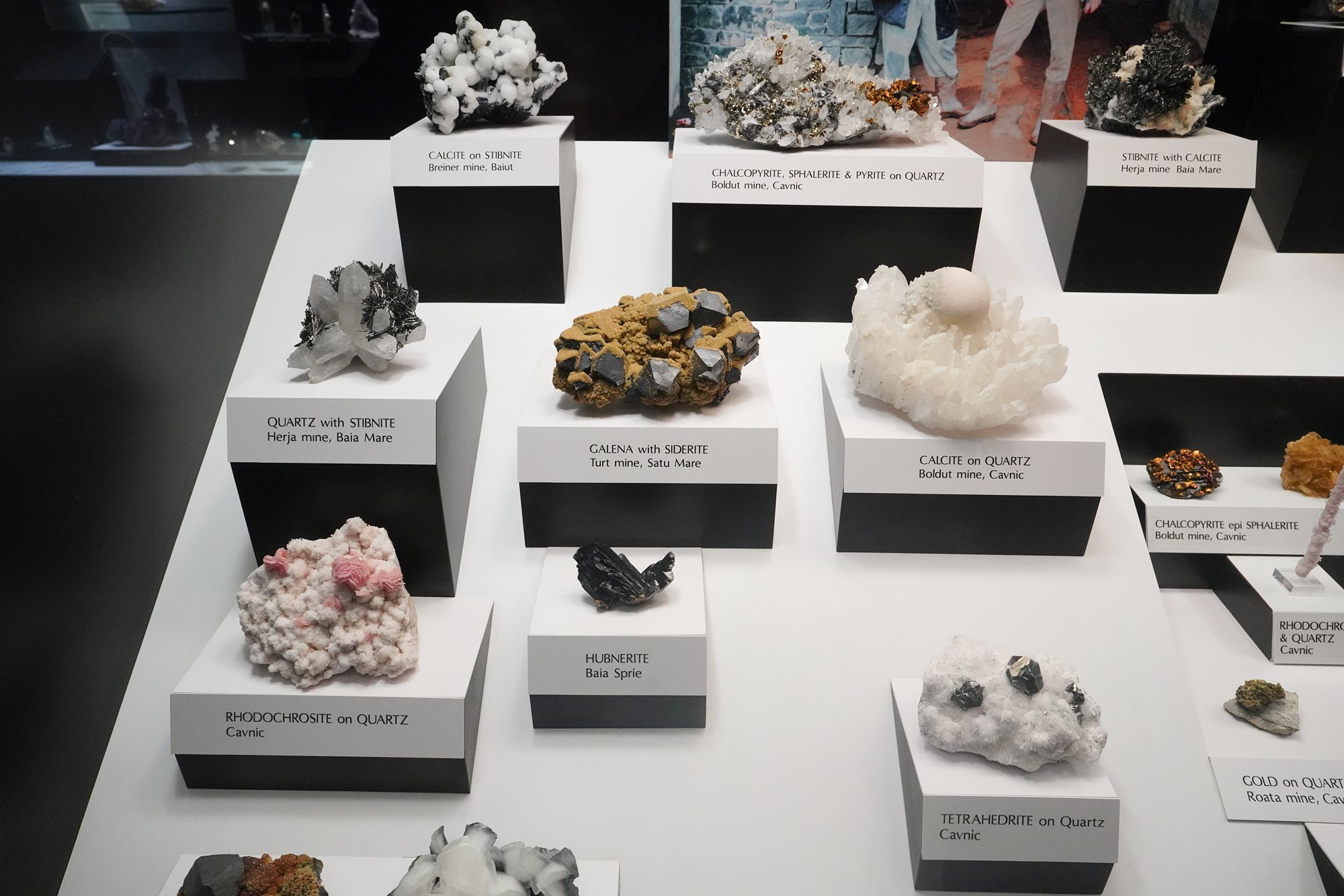
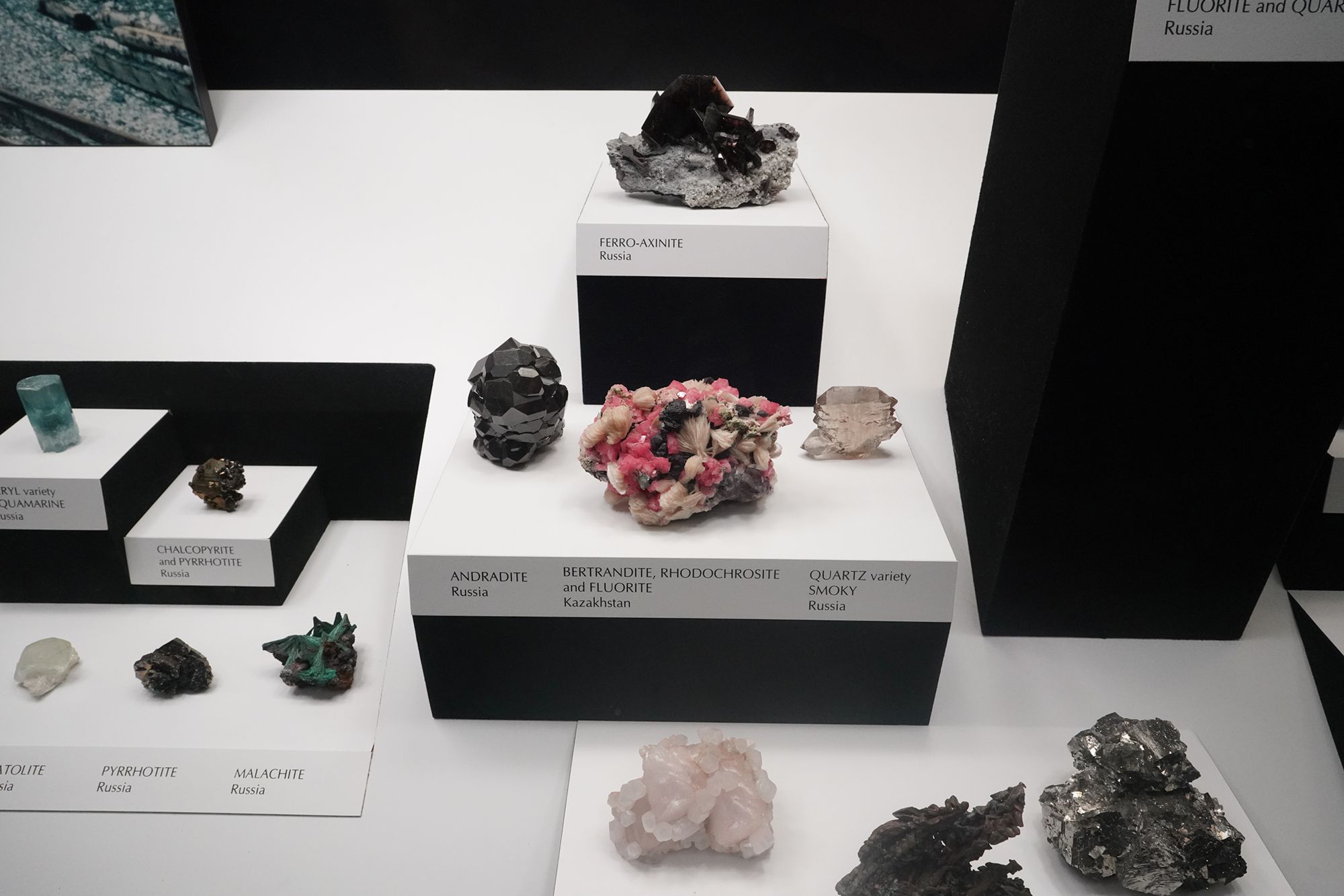
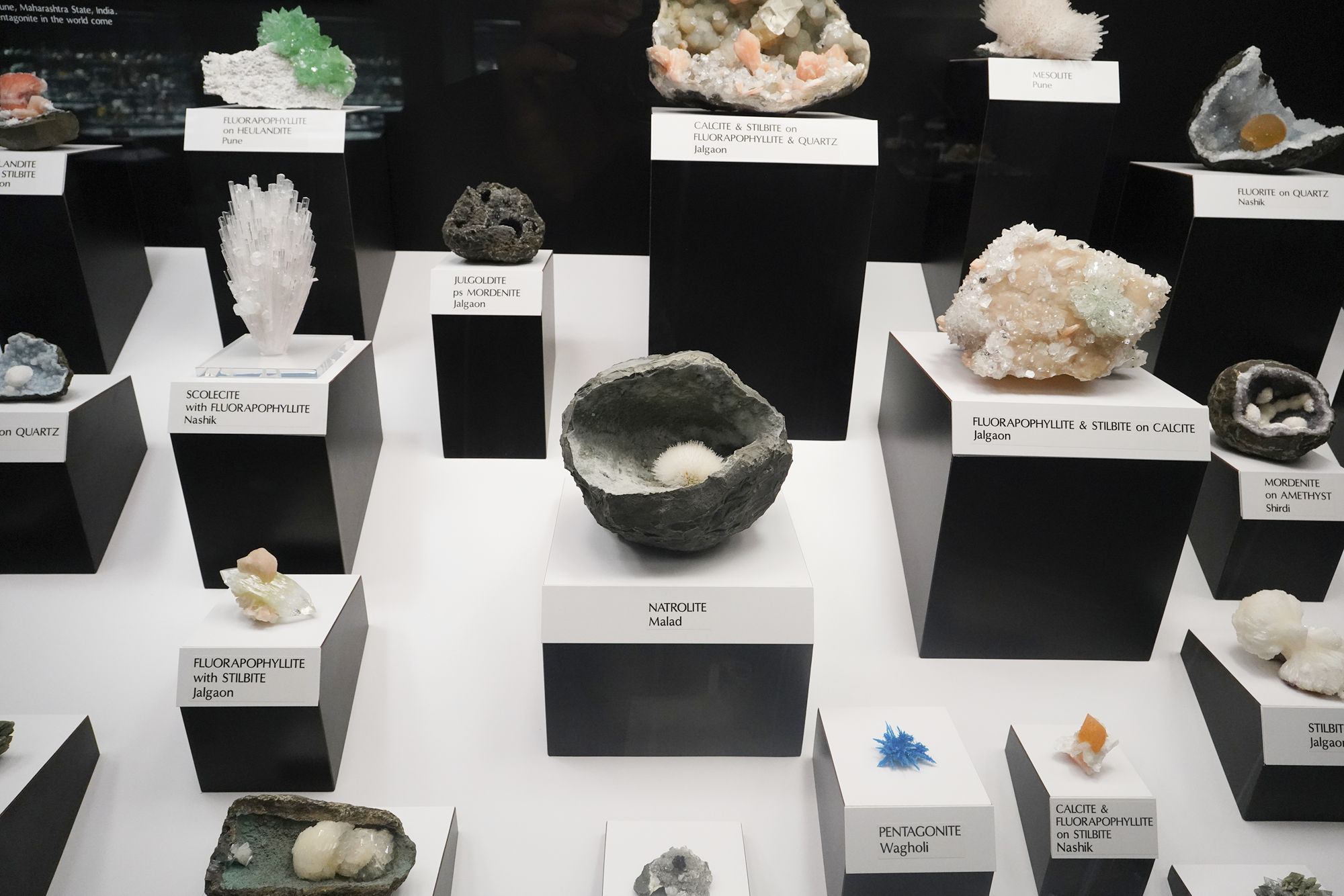
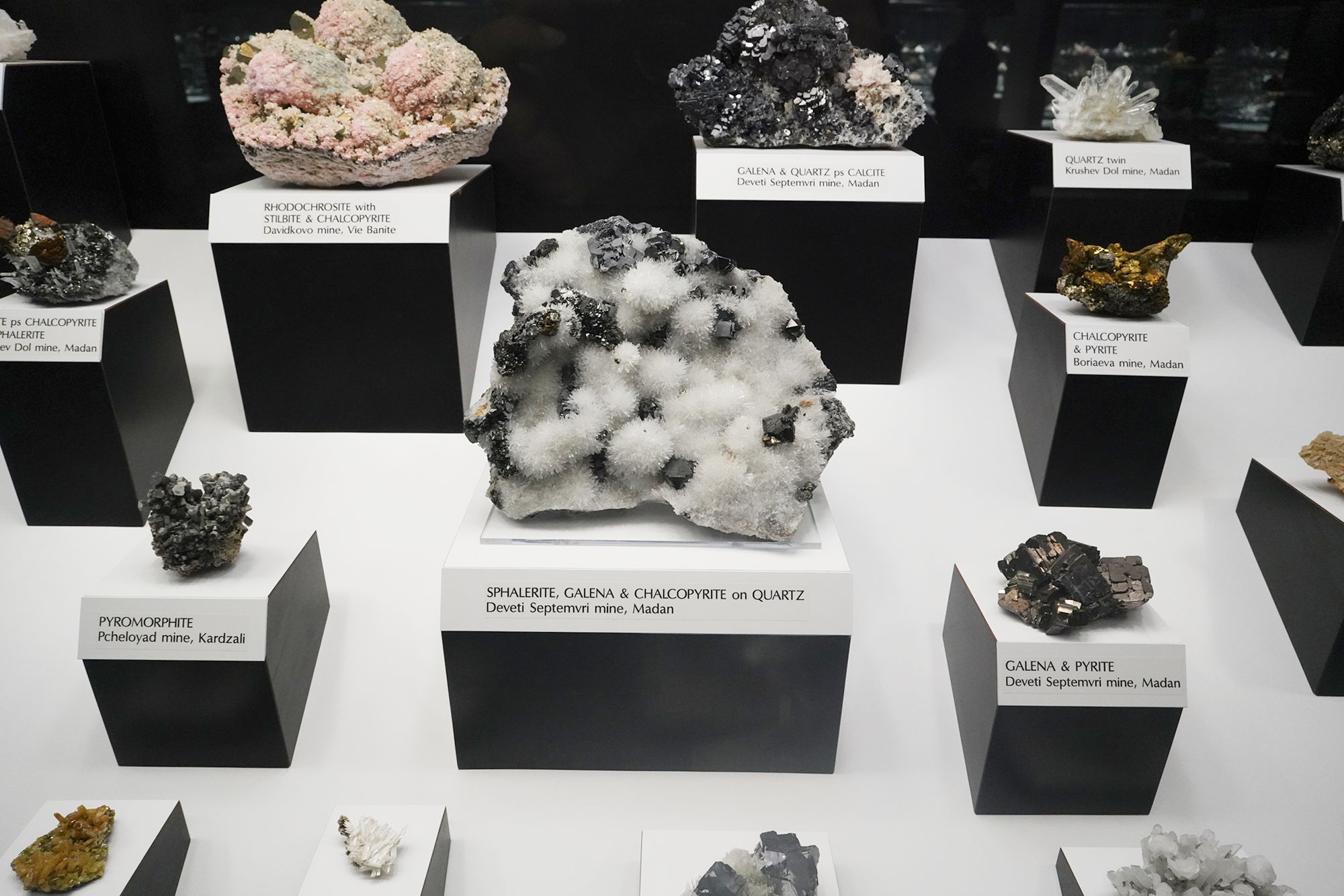
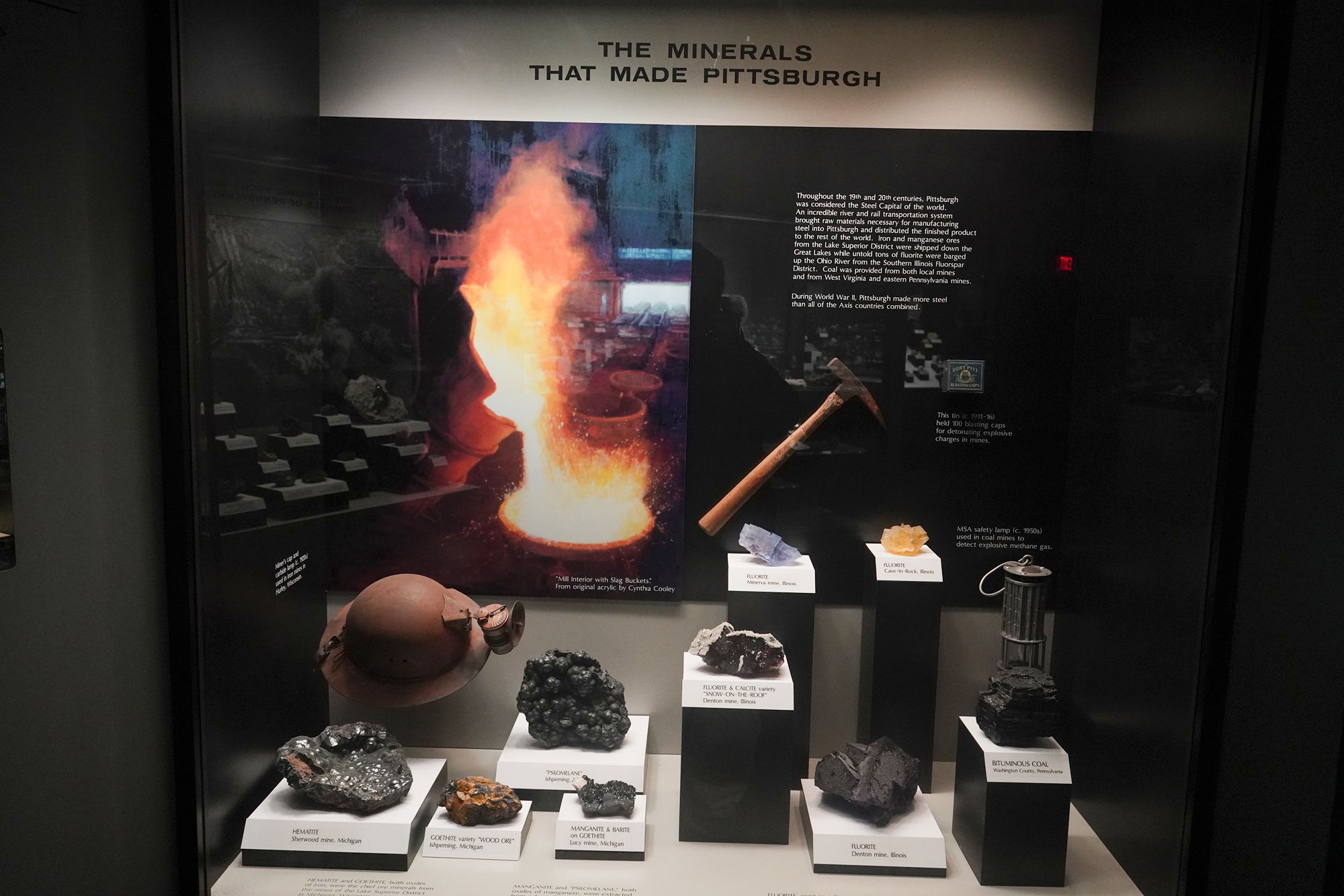
The Minerals that made Pittsburgh
Gems and Jewelry
No Photography
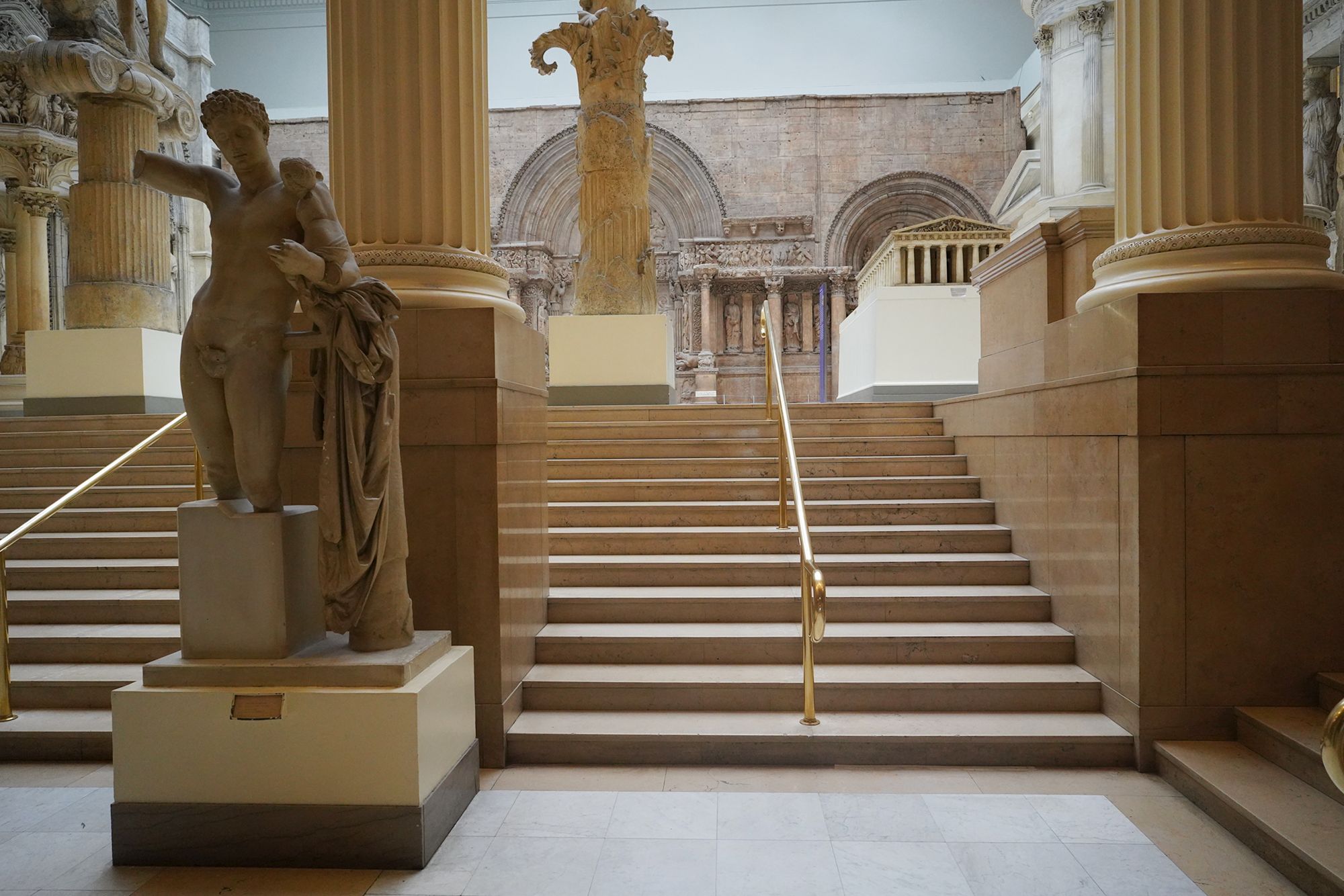
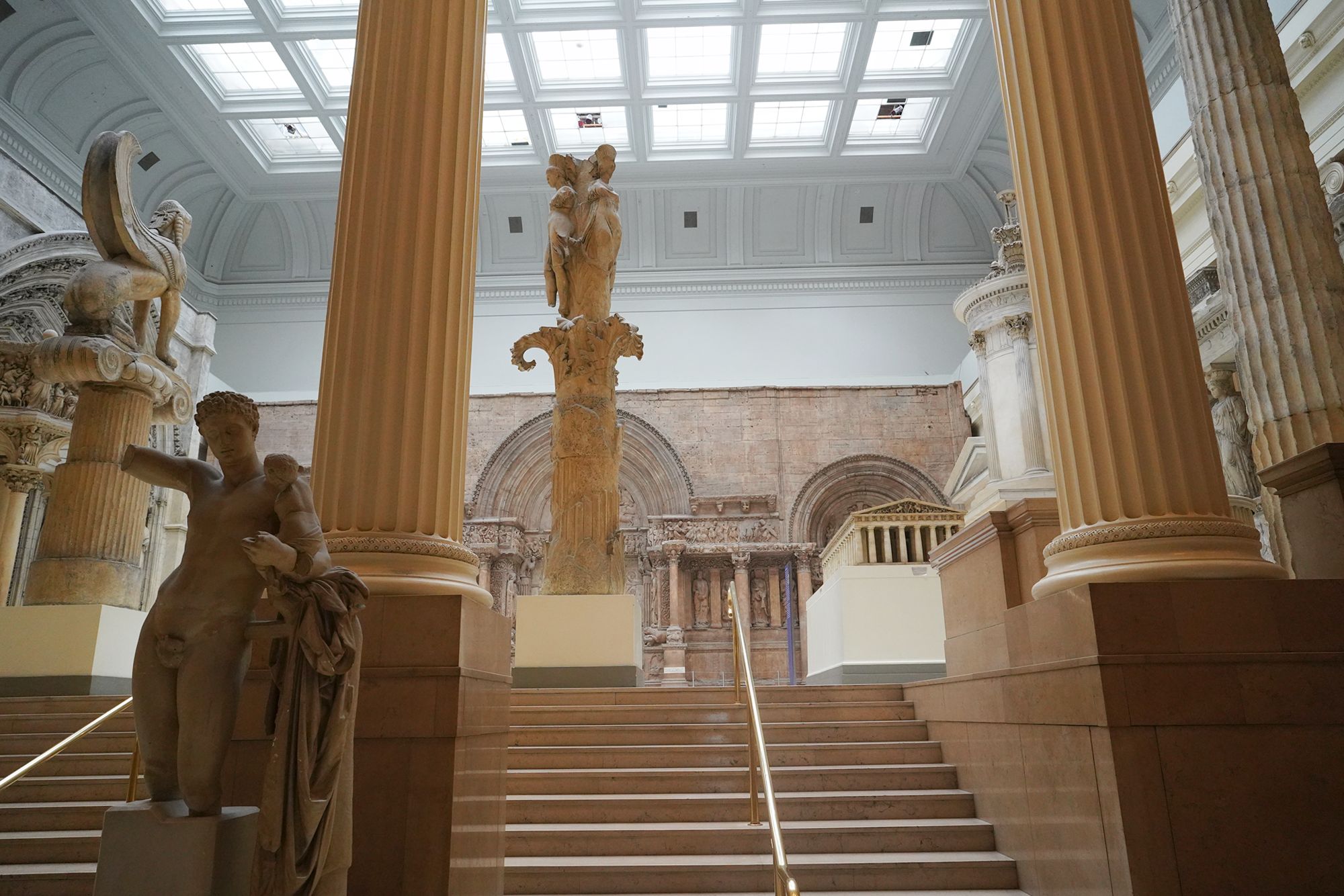
The museum’s cast collection preserves the legacy of classical and historic sculpture.
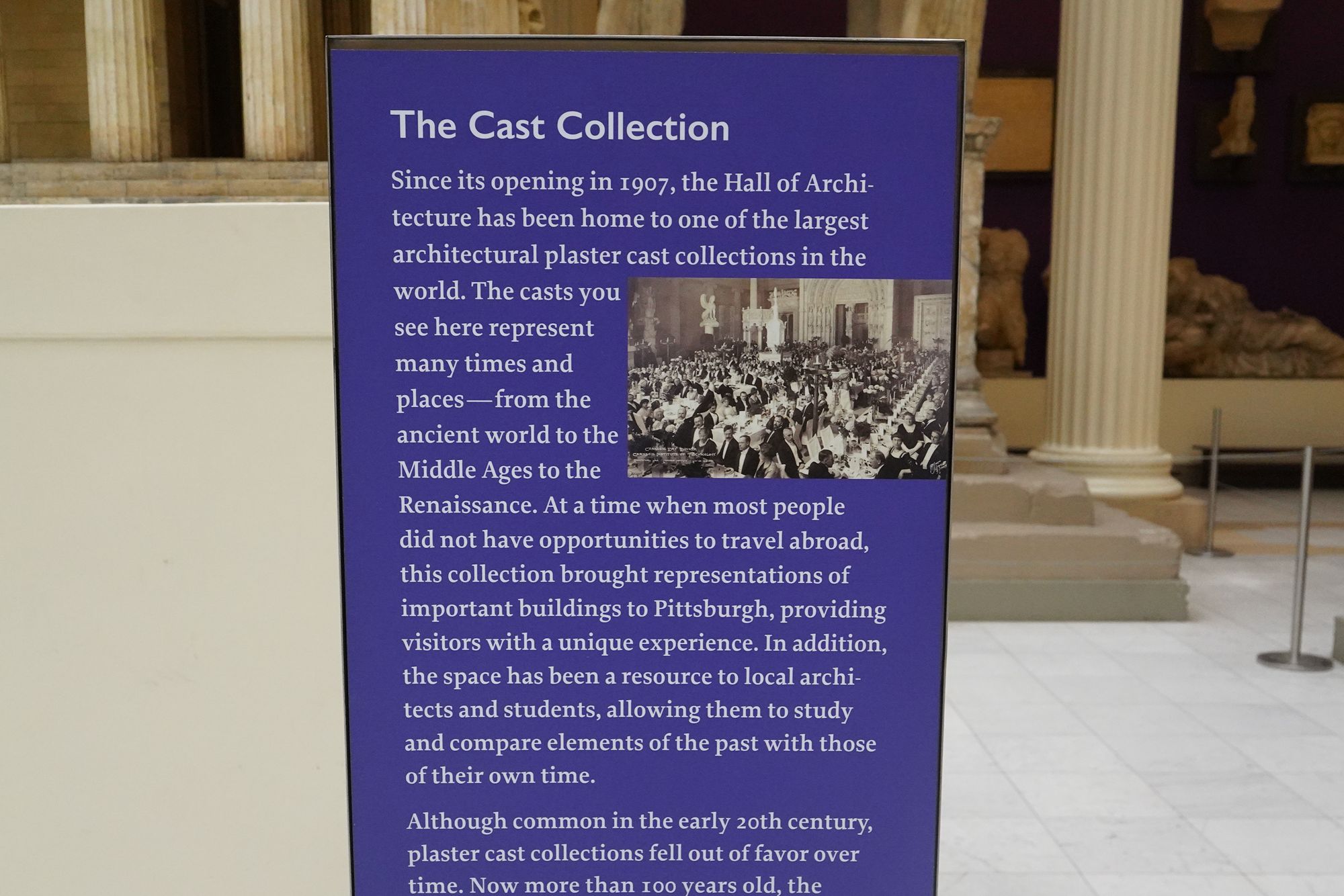
Made from plaster casts of famous Greek, Roman, and Renaissance works, the collection allowed students and the public to study great masterpieces without traveling abroad. These casts capture original scale, form, and detail, reflecting an earlier era of art education and scholarship.
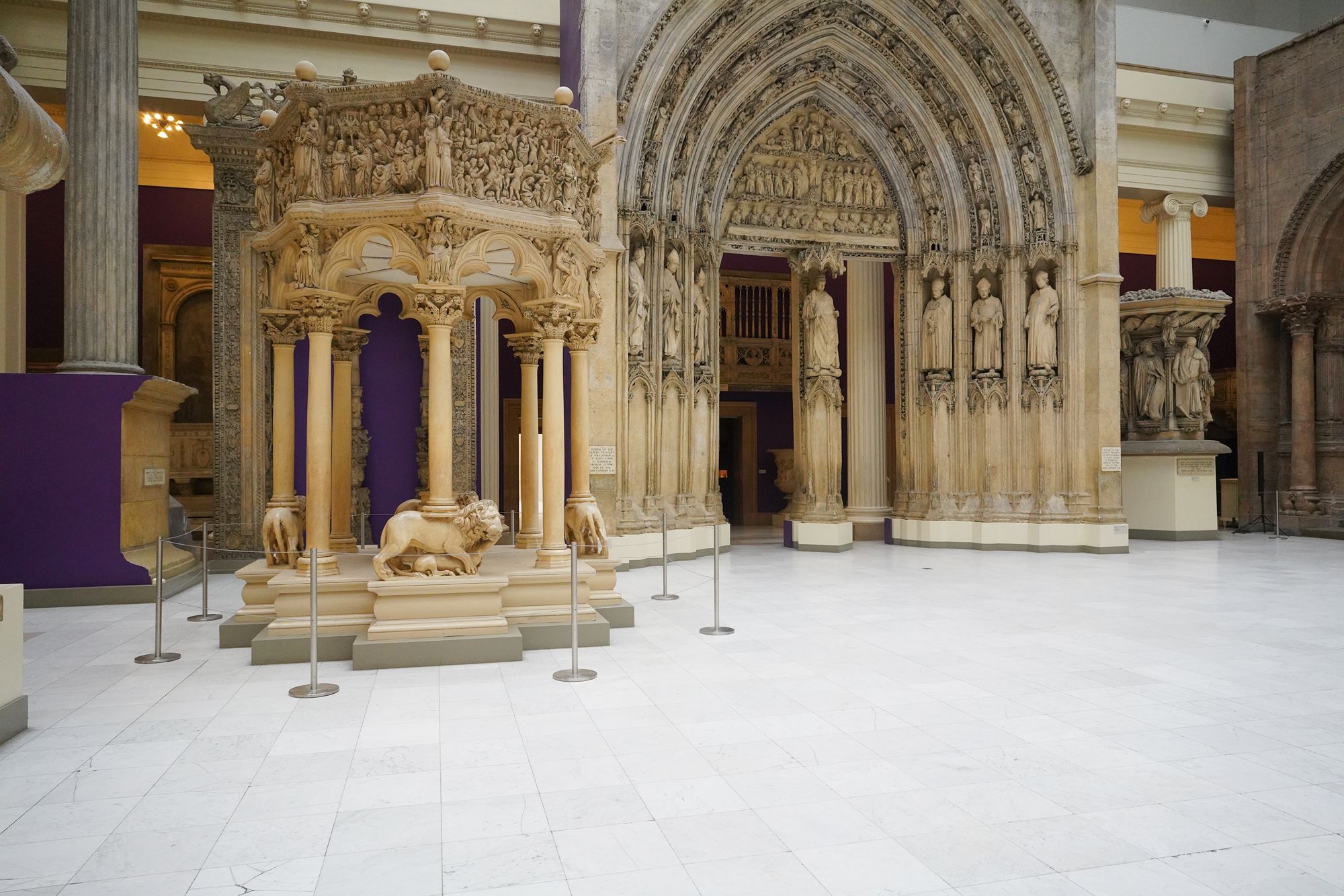
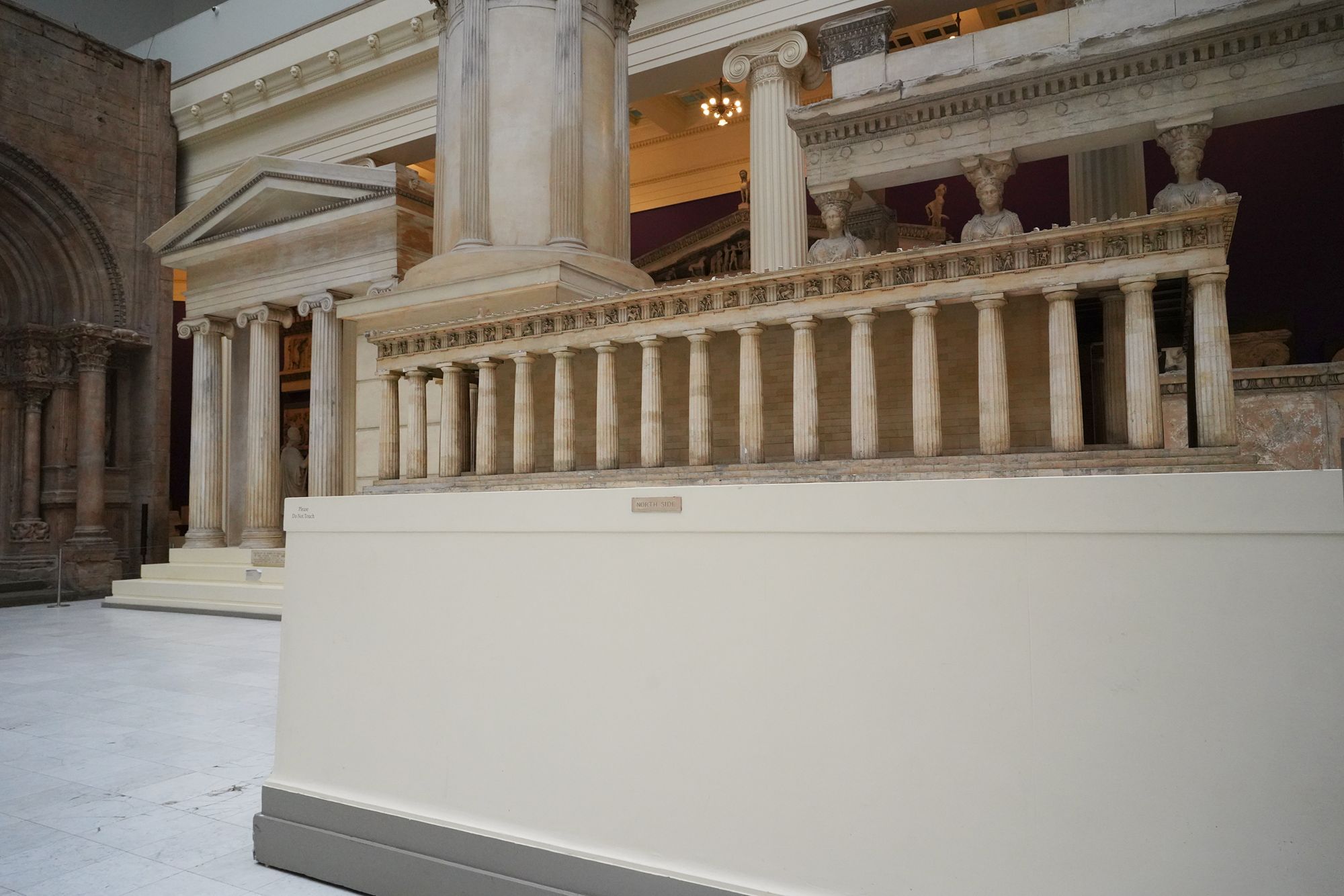
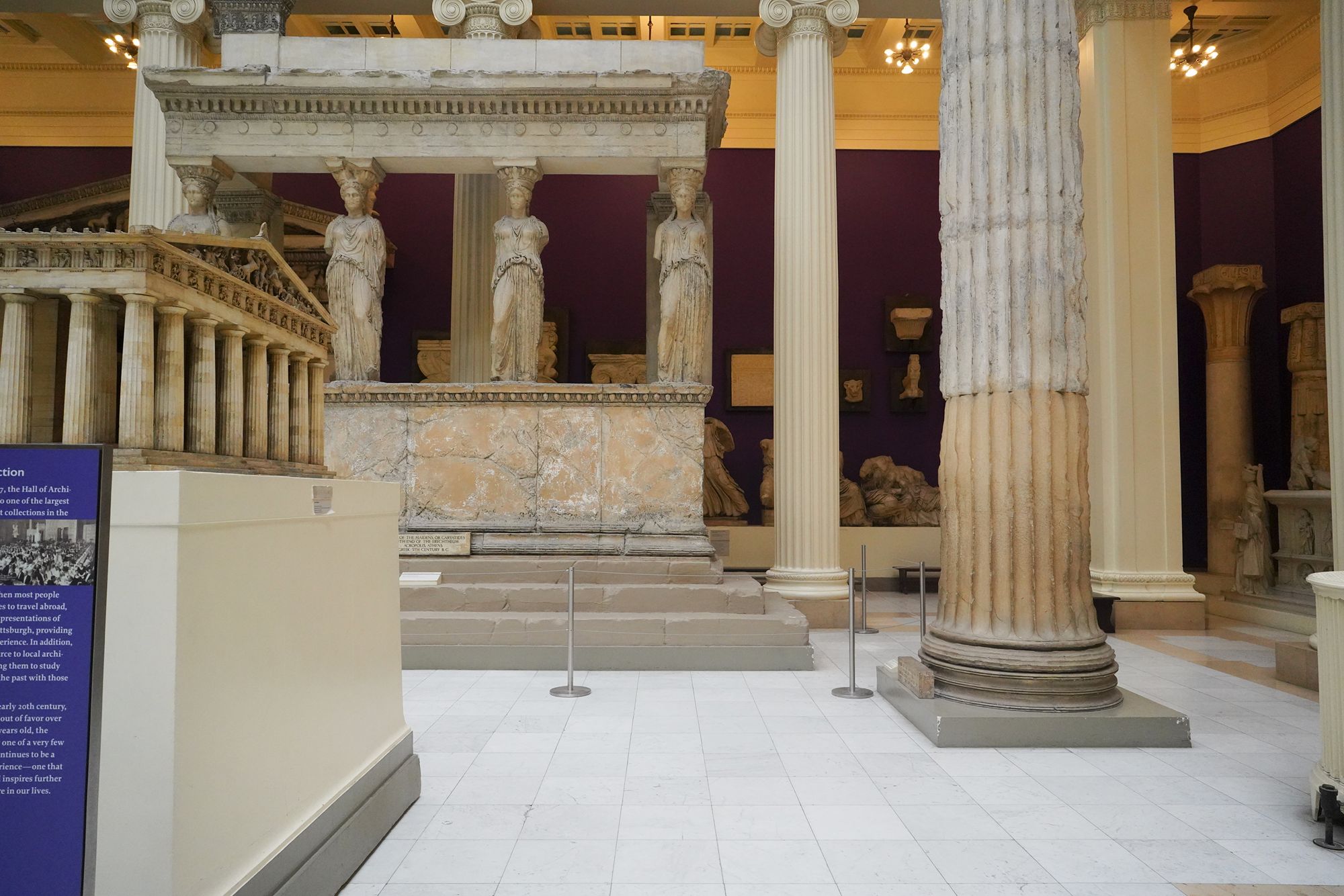
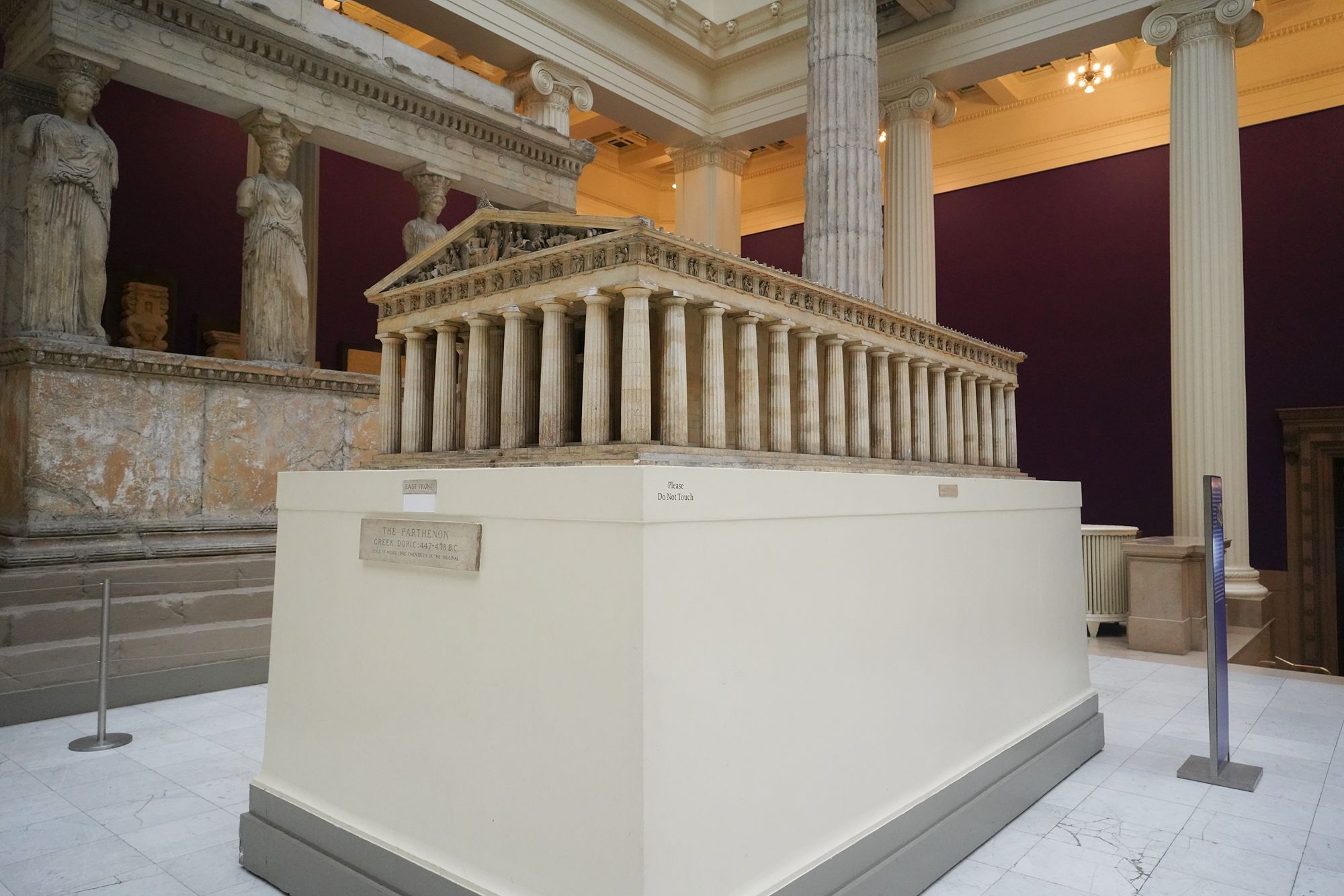
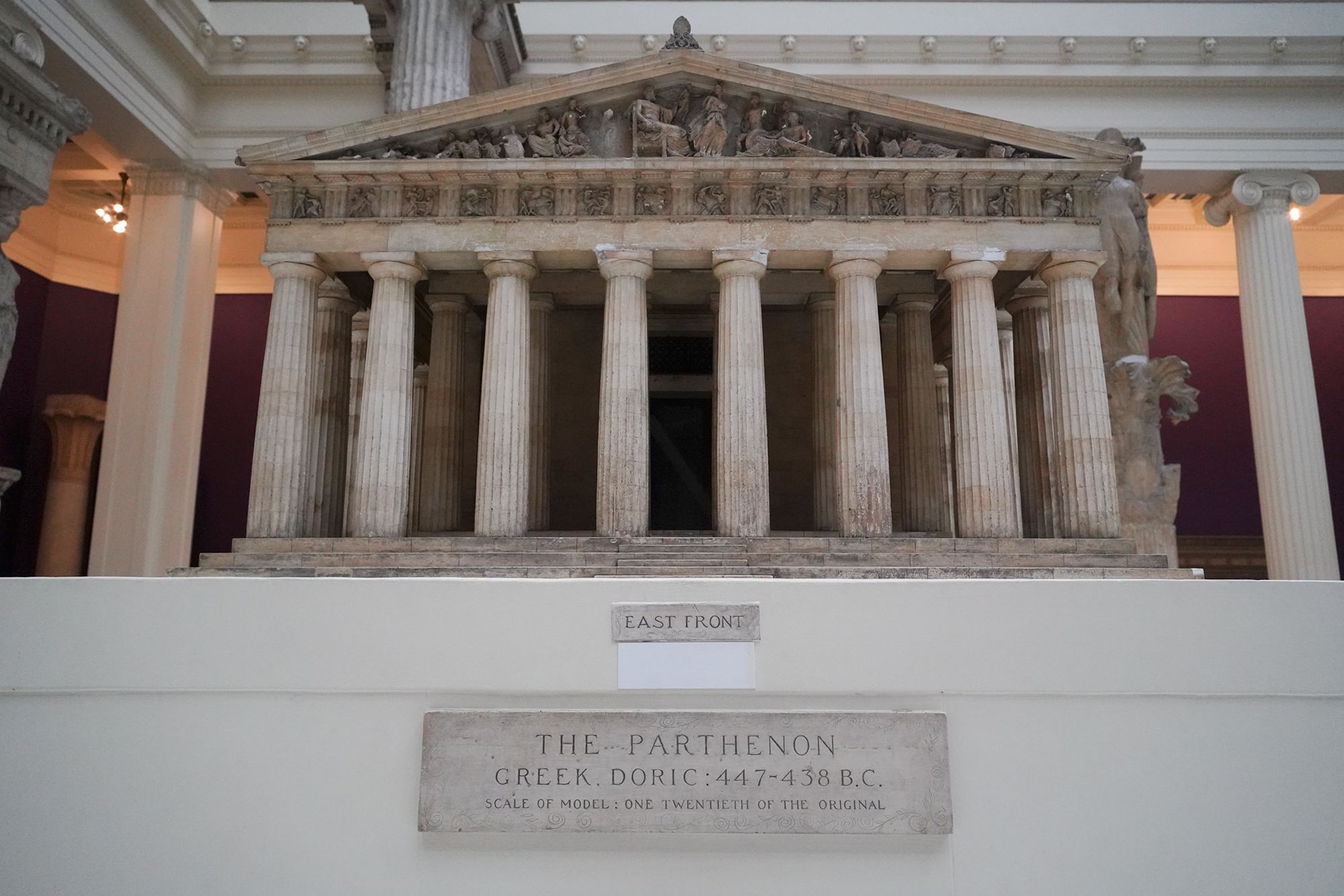
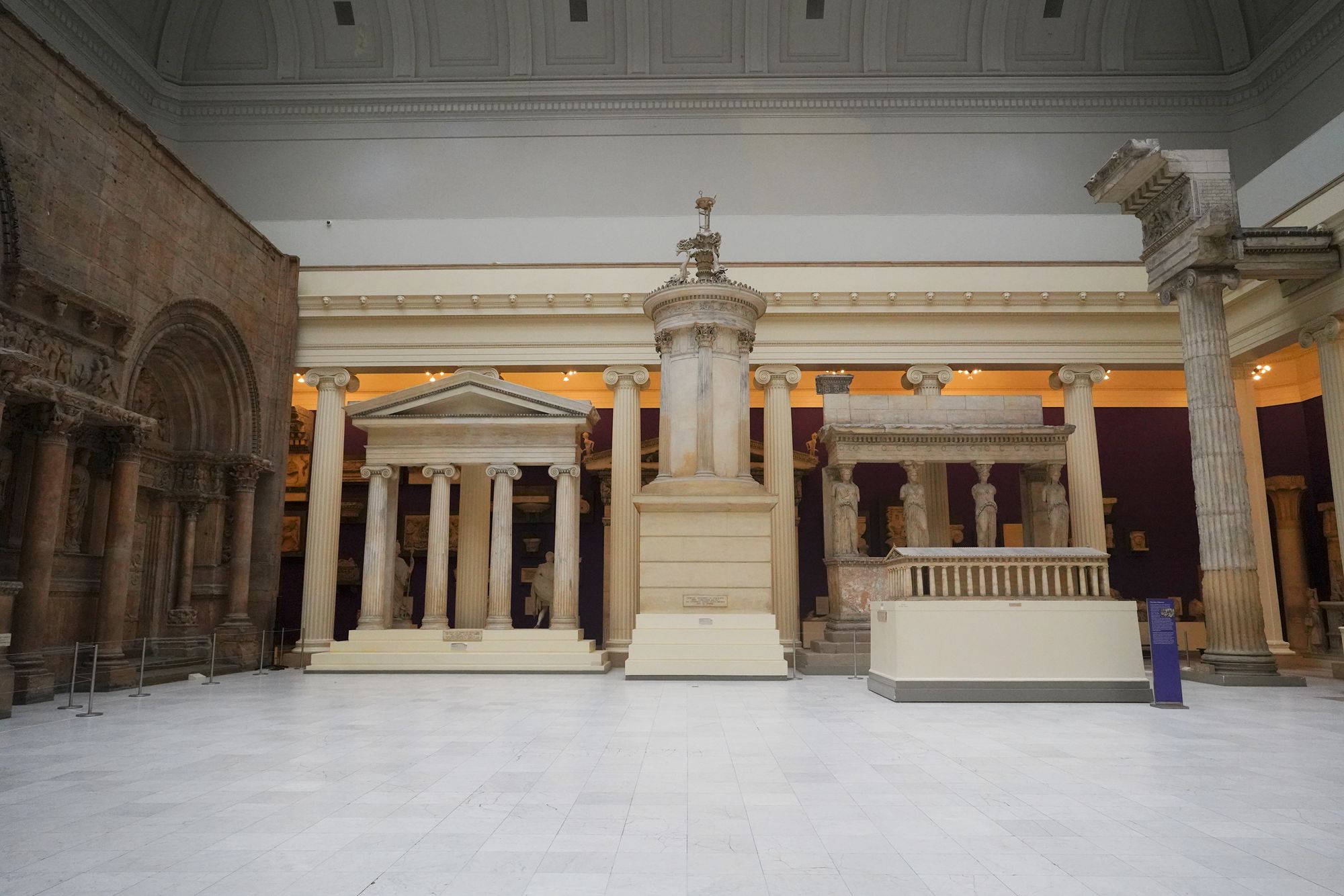
The Parthenon
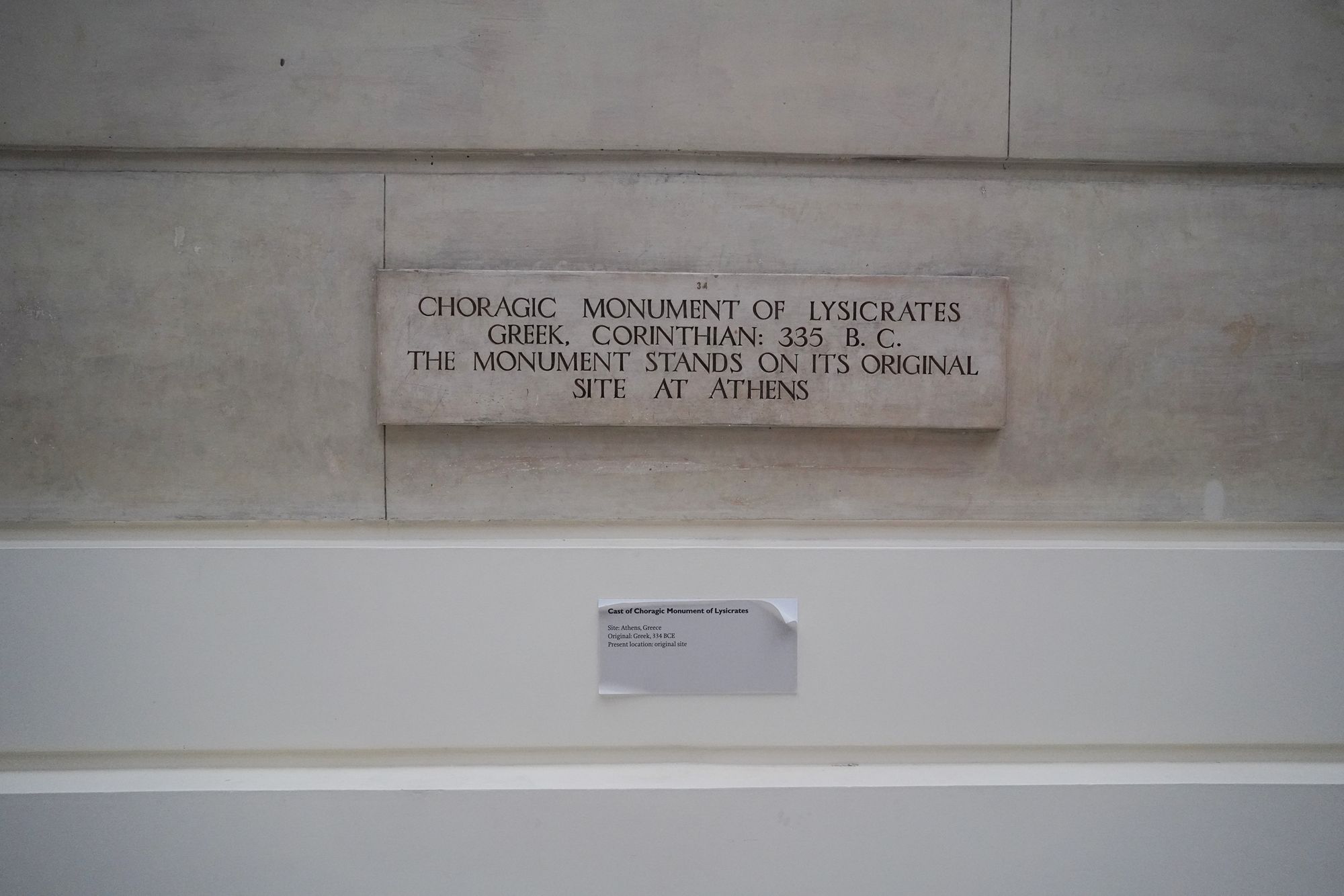
Choragic Monuments of Lysicrates
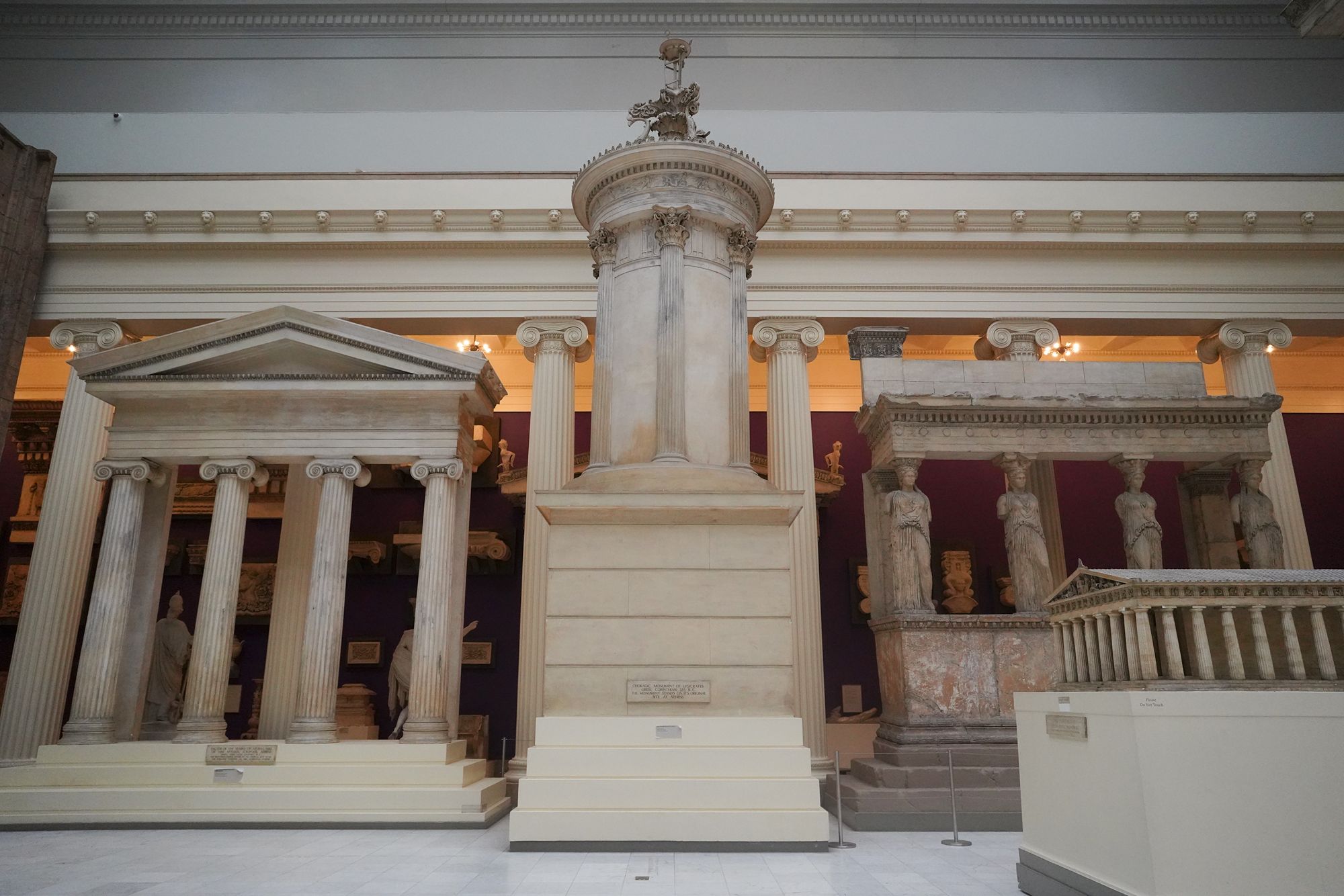
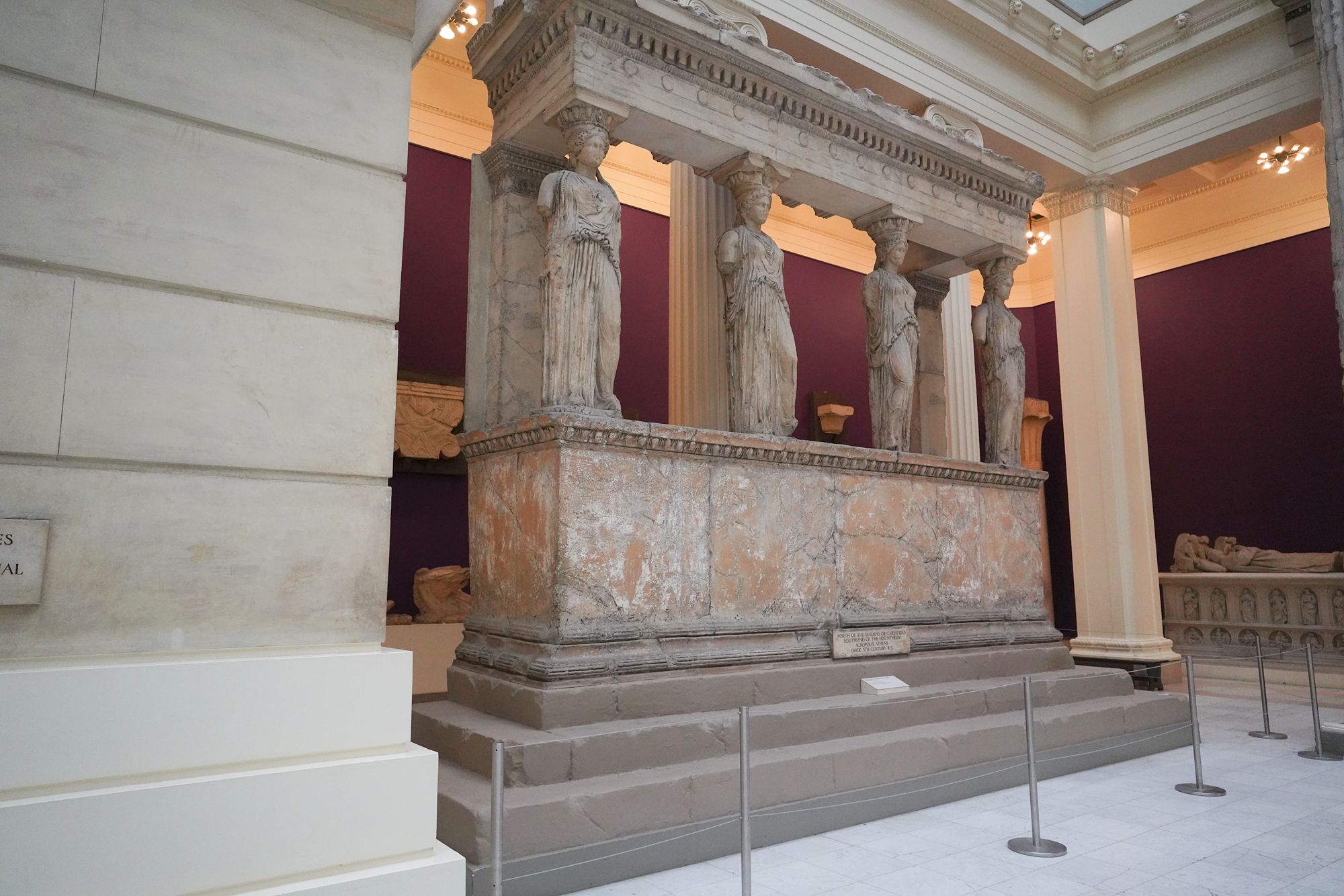
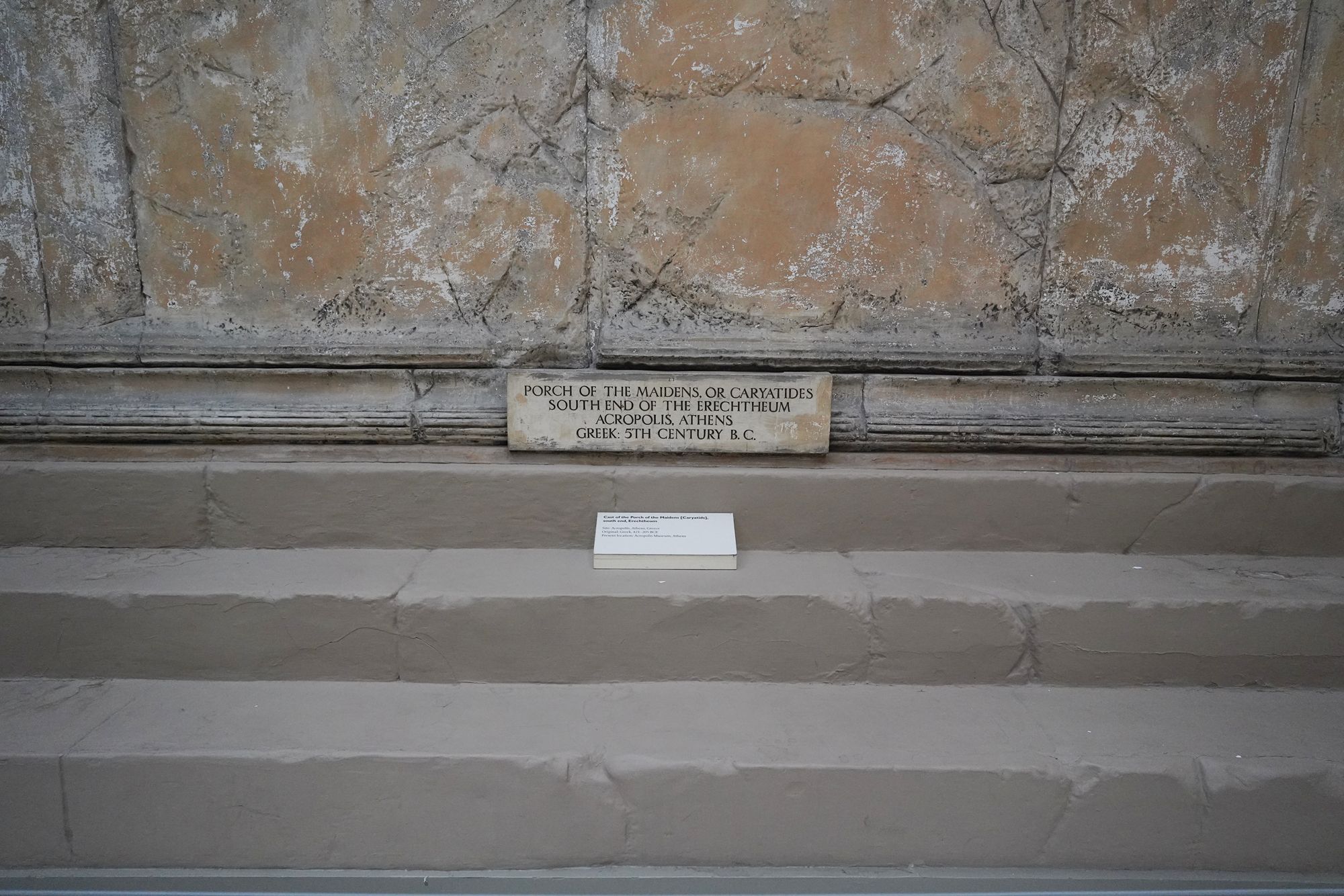
Porch of the Maidens, or Caryatides in Acropolis, Athens, Greek
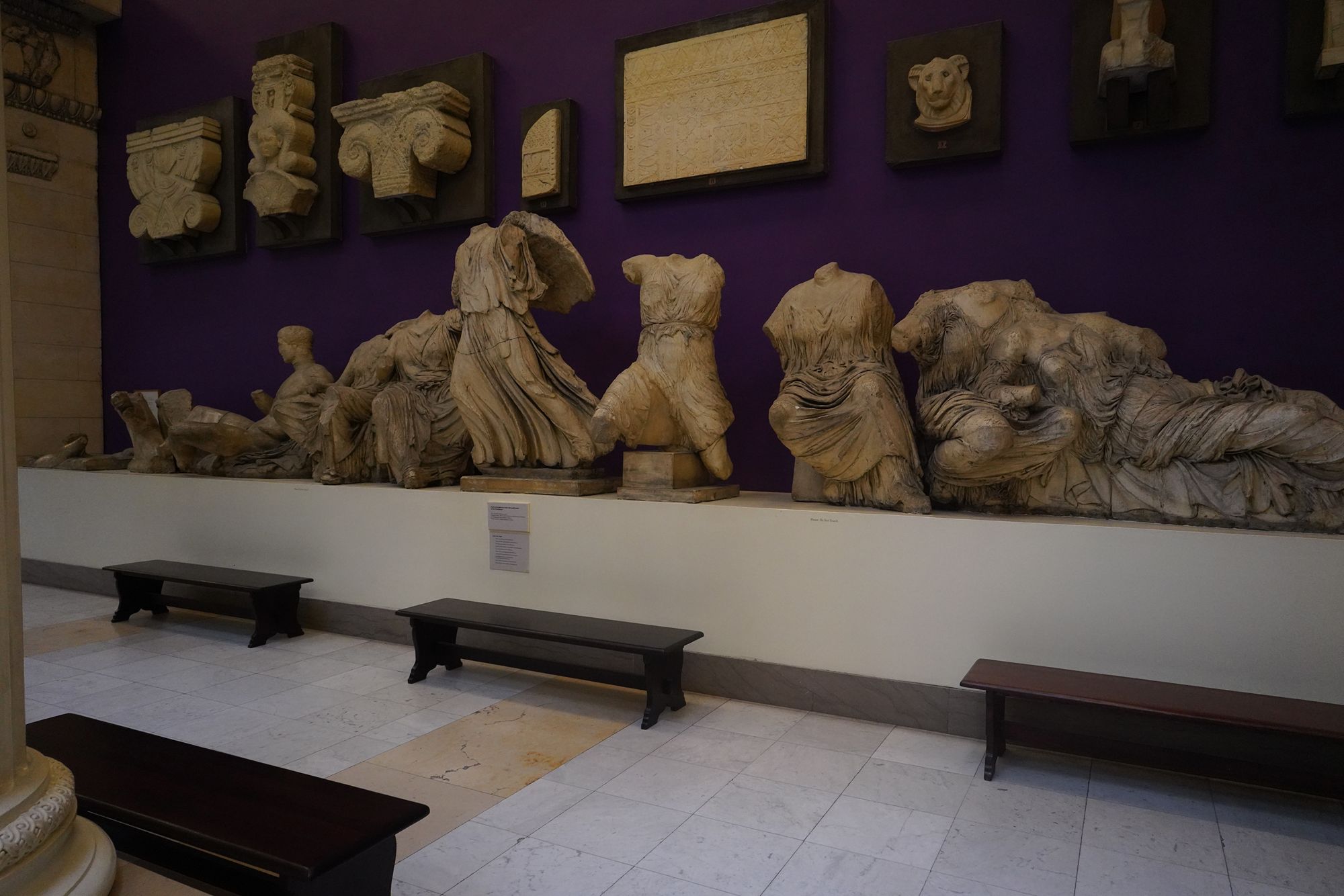
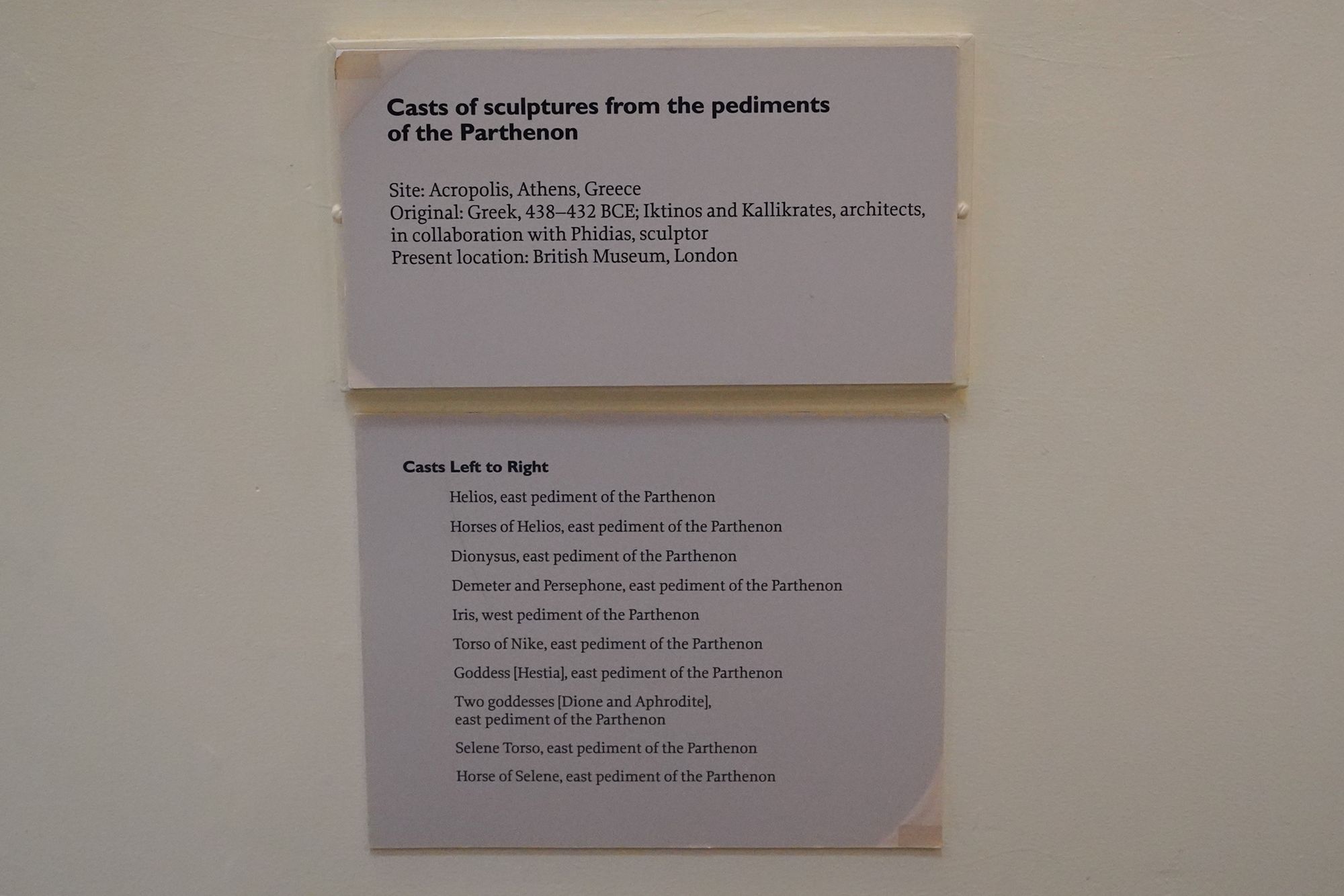
Casts of sculptures from the pediments of the Parthenon
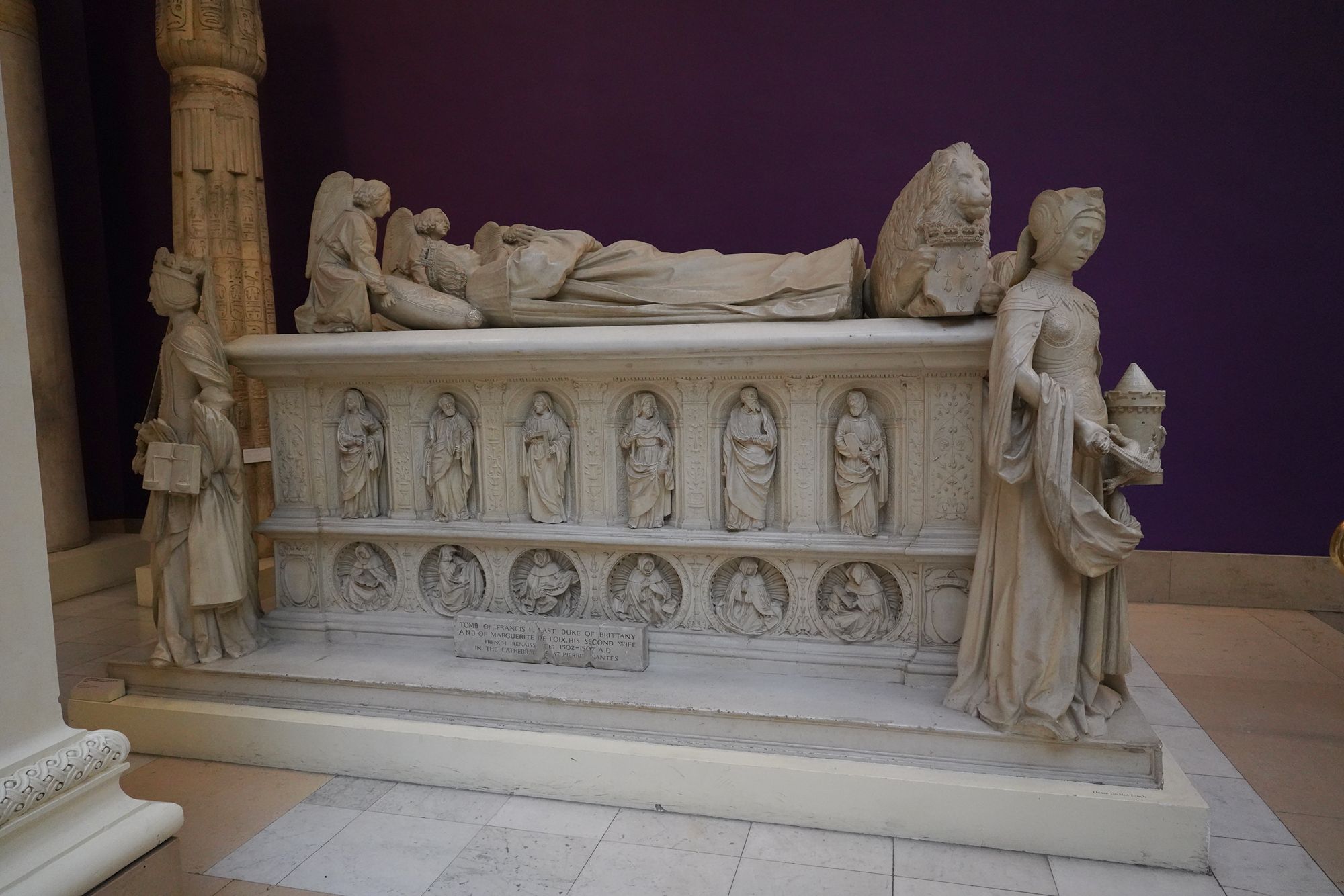
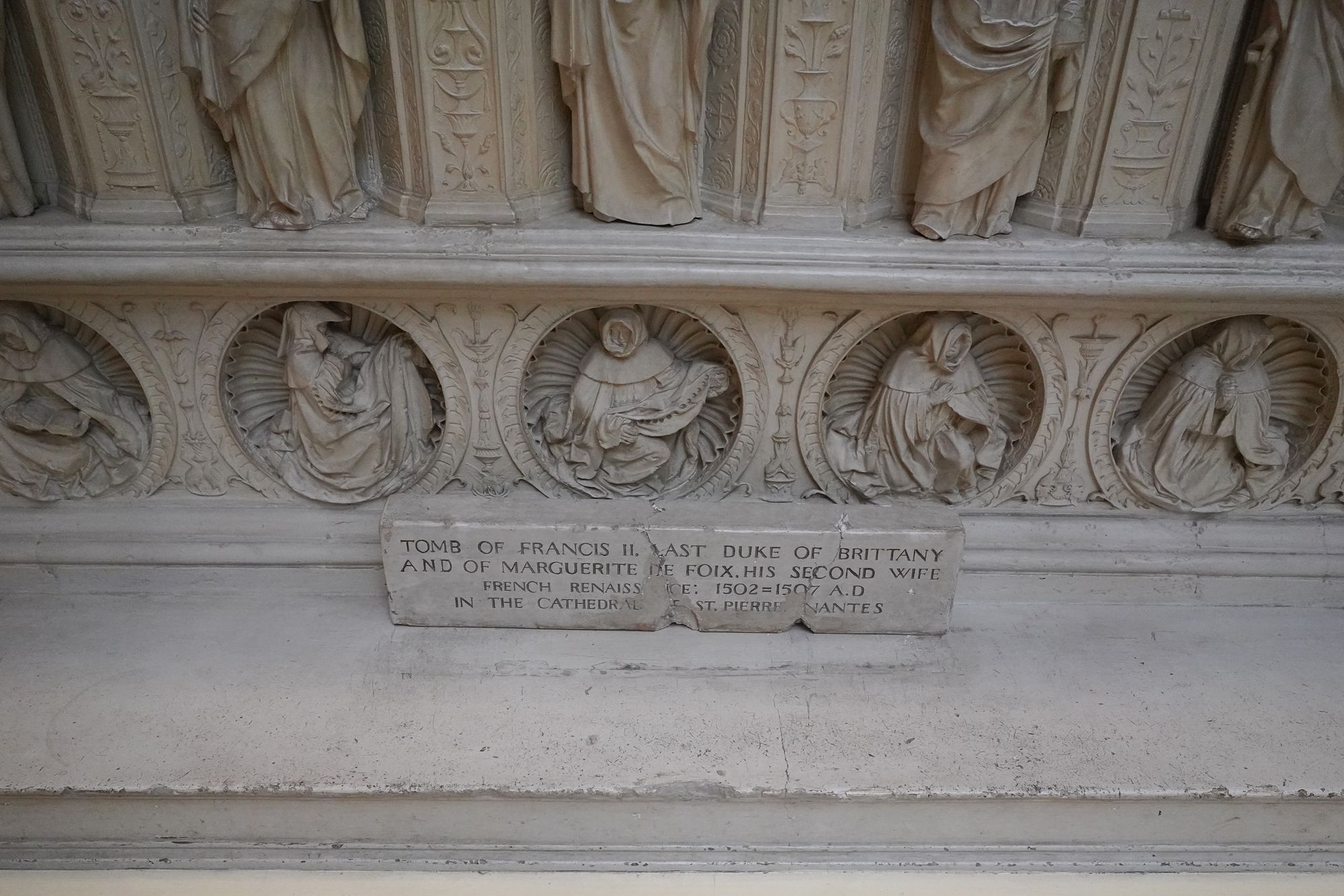
Tomb of Francis II. Last Duke of Brittany
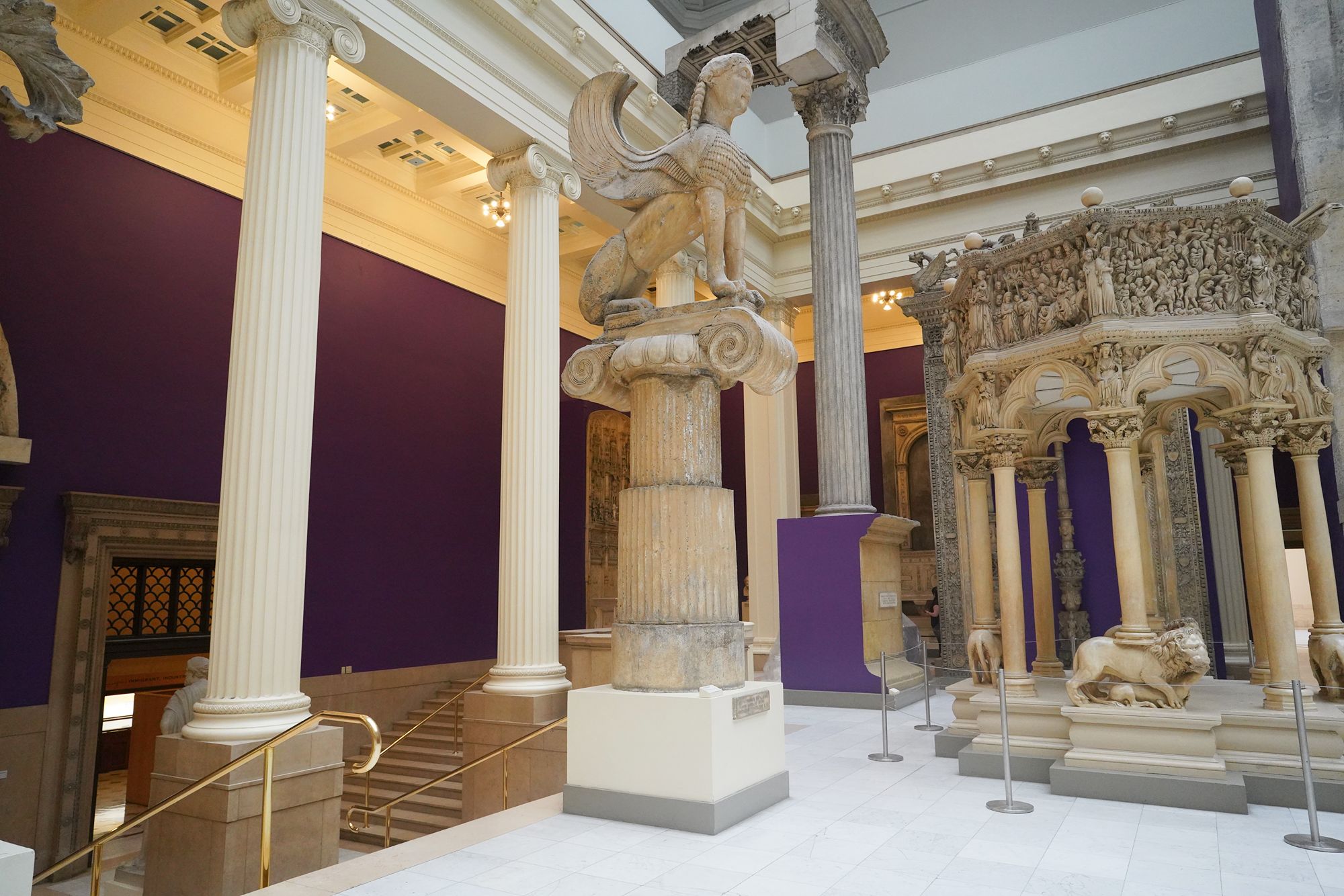
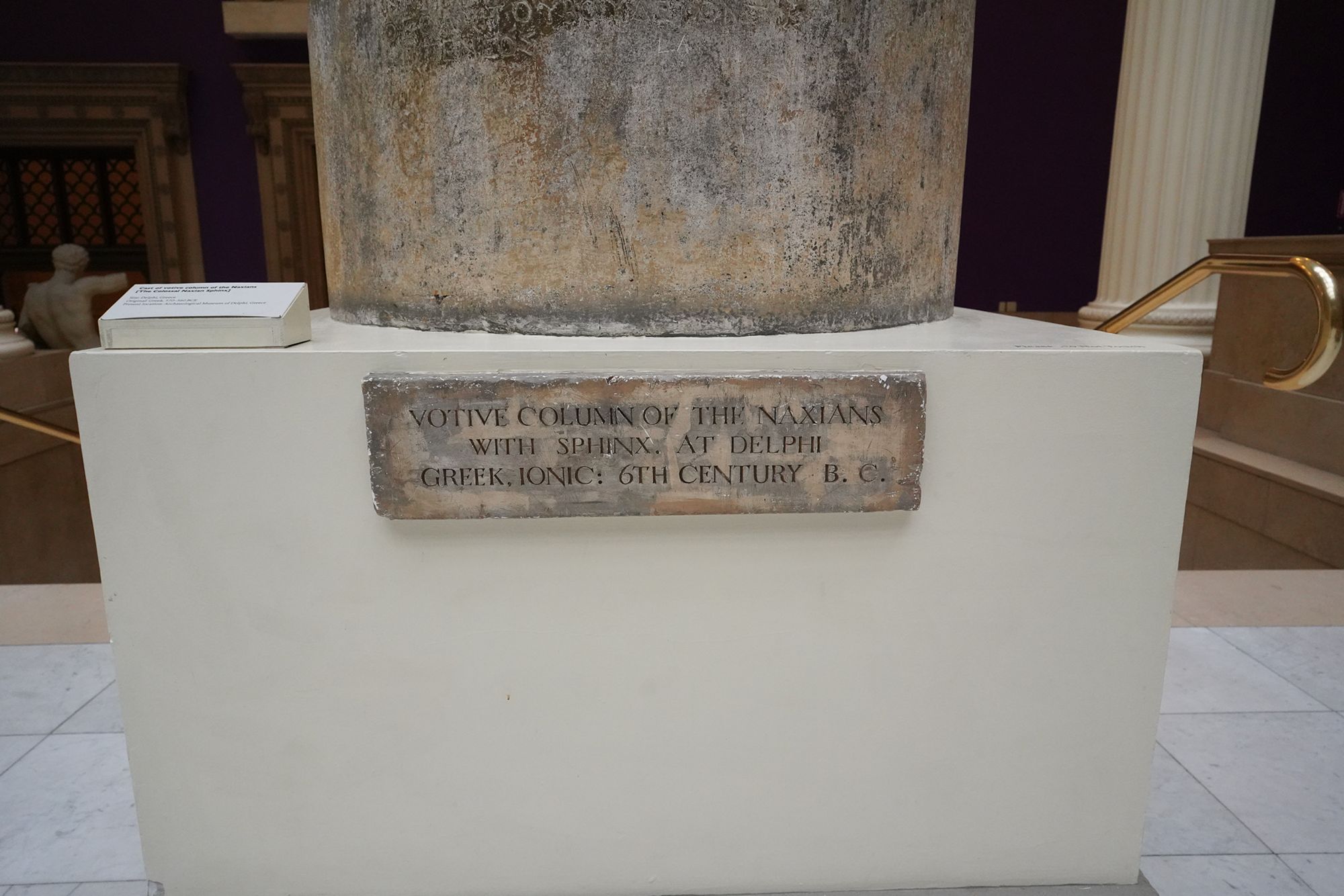
Votive Column of the Naxians with Sphinx at Delphi, Greek
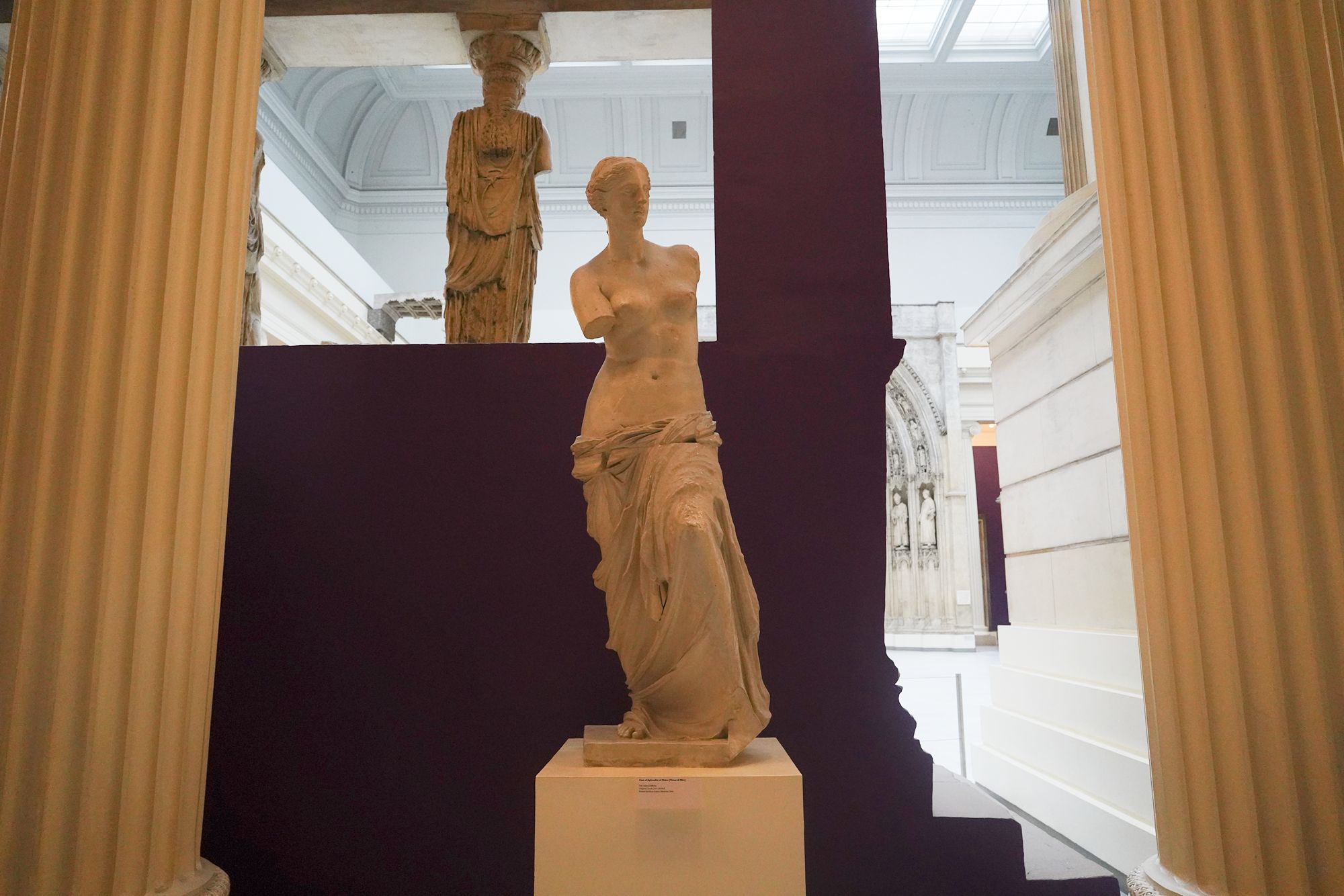
Venus de Milo
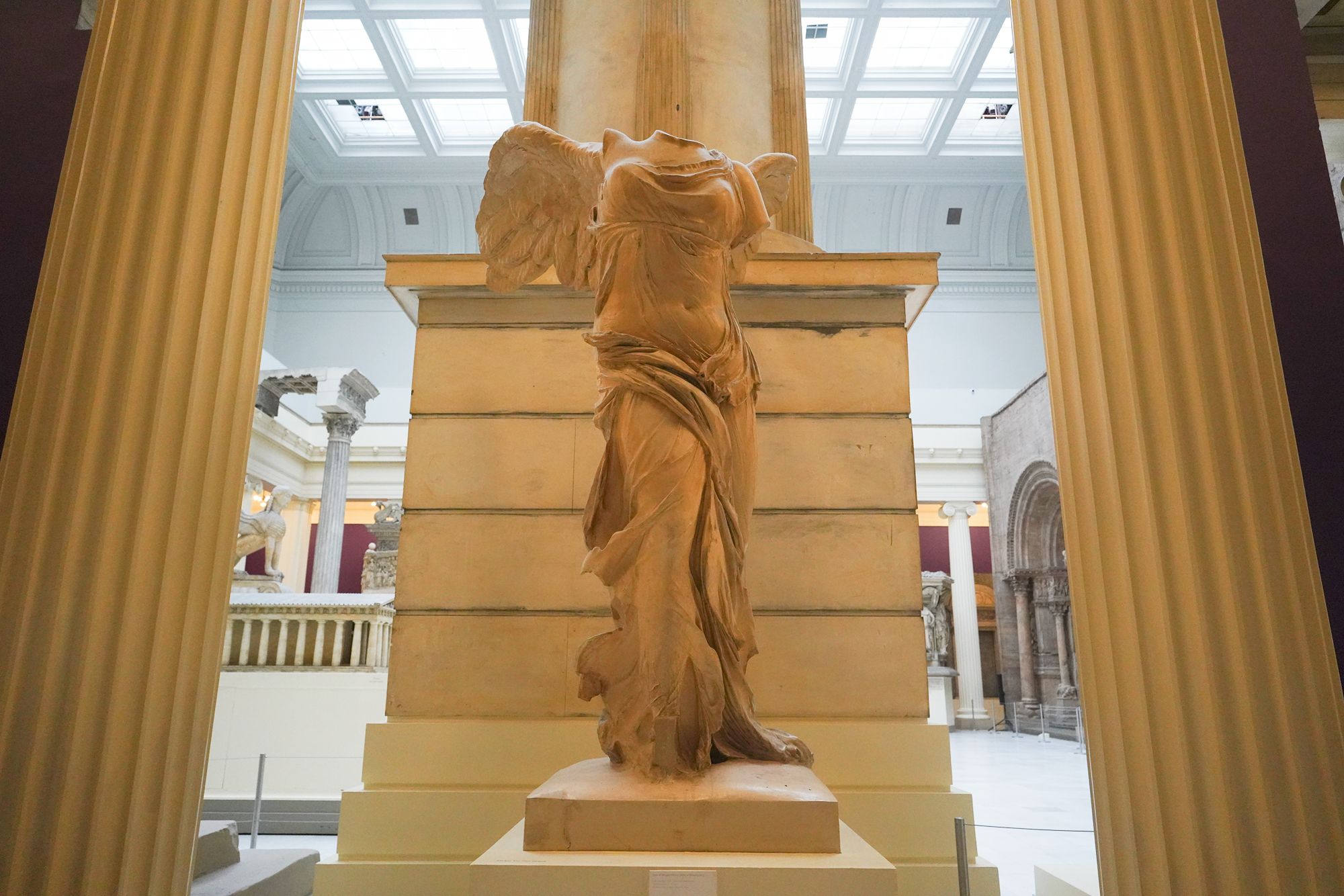
Winged Victory (Nike of Samothrace)
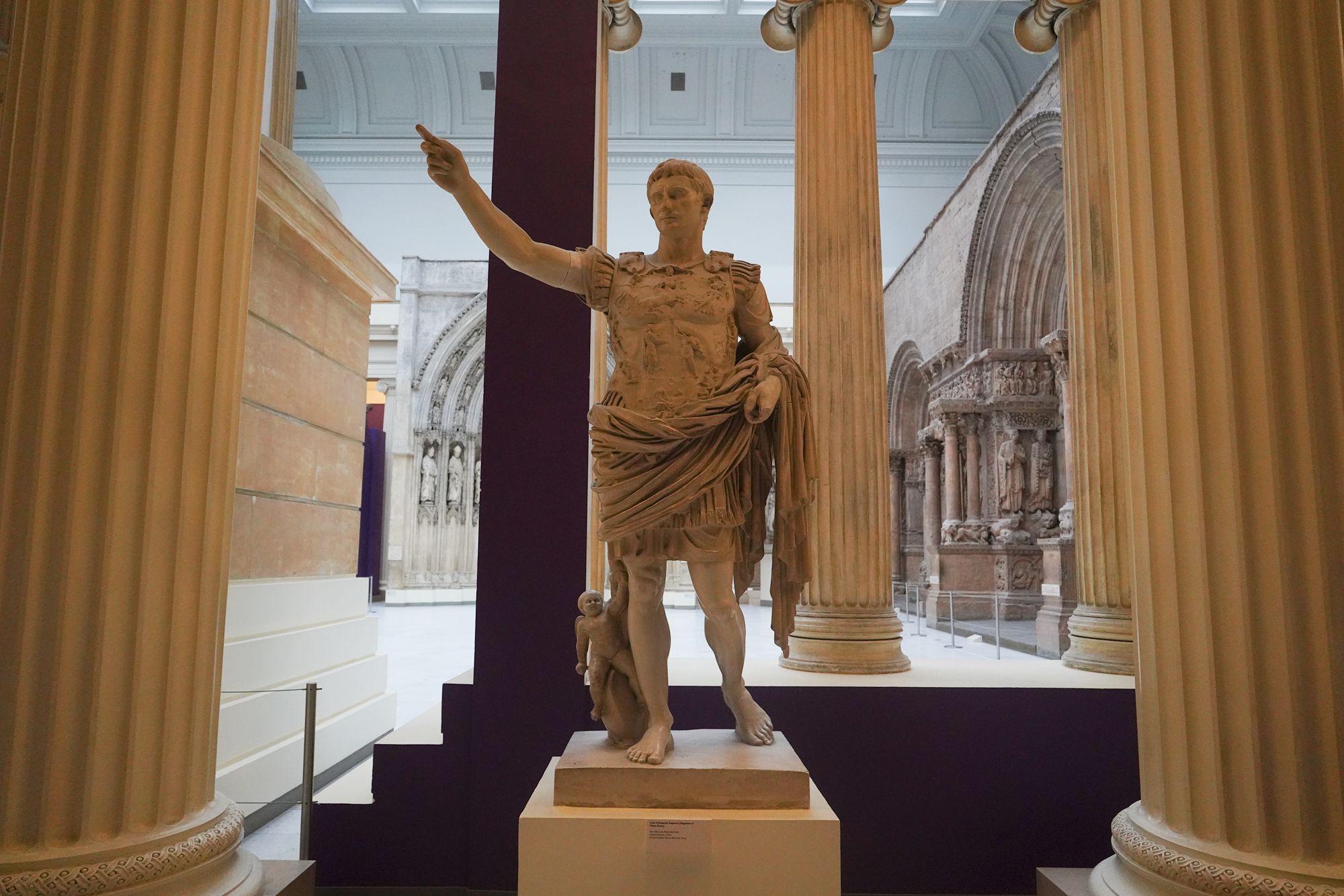
Emperor Augustus
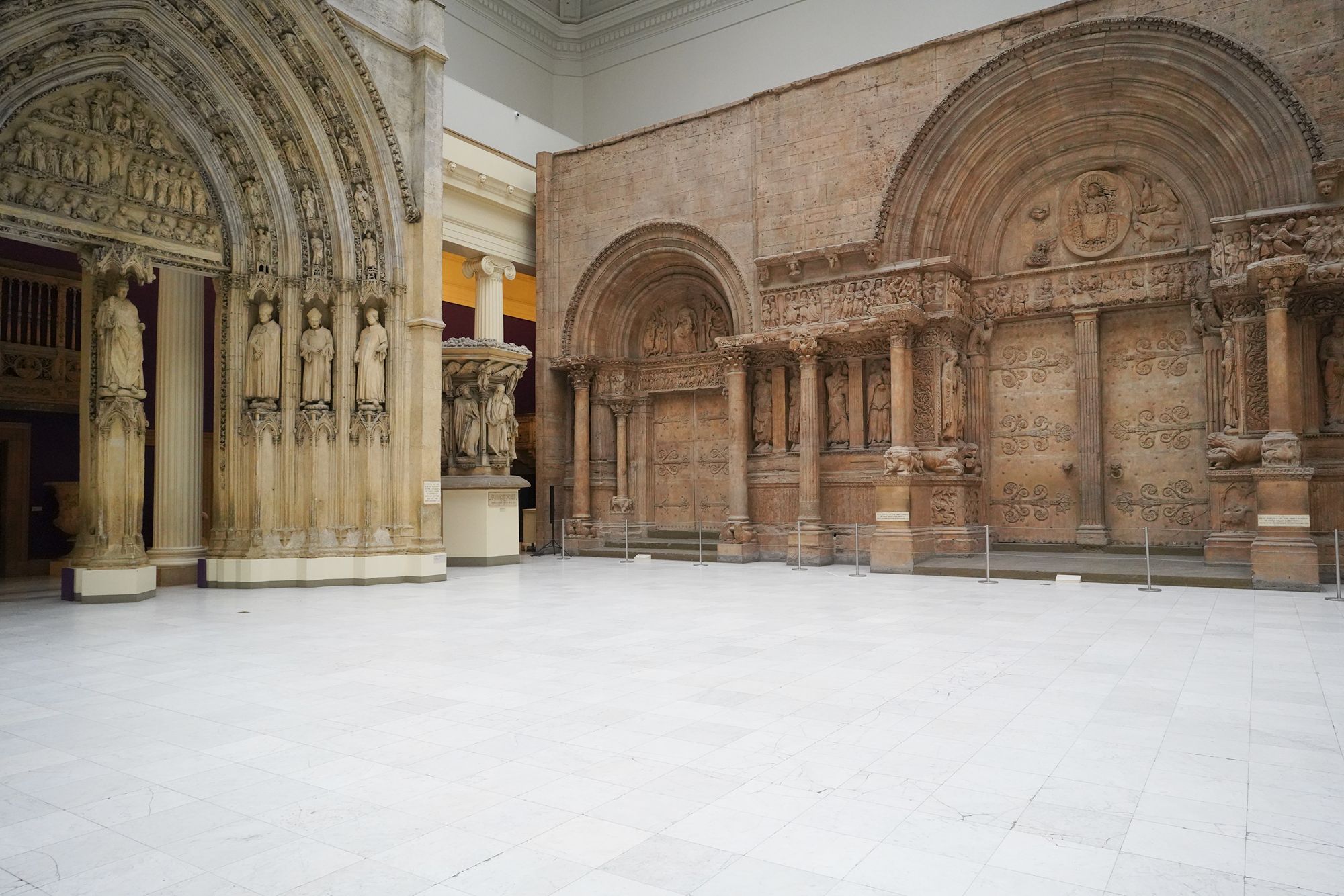
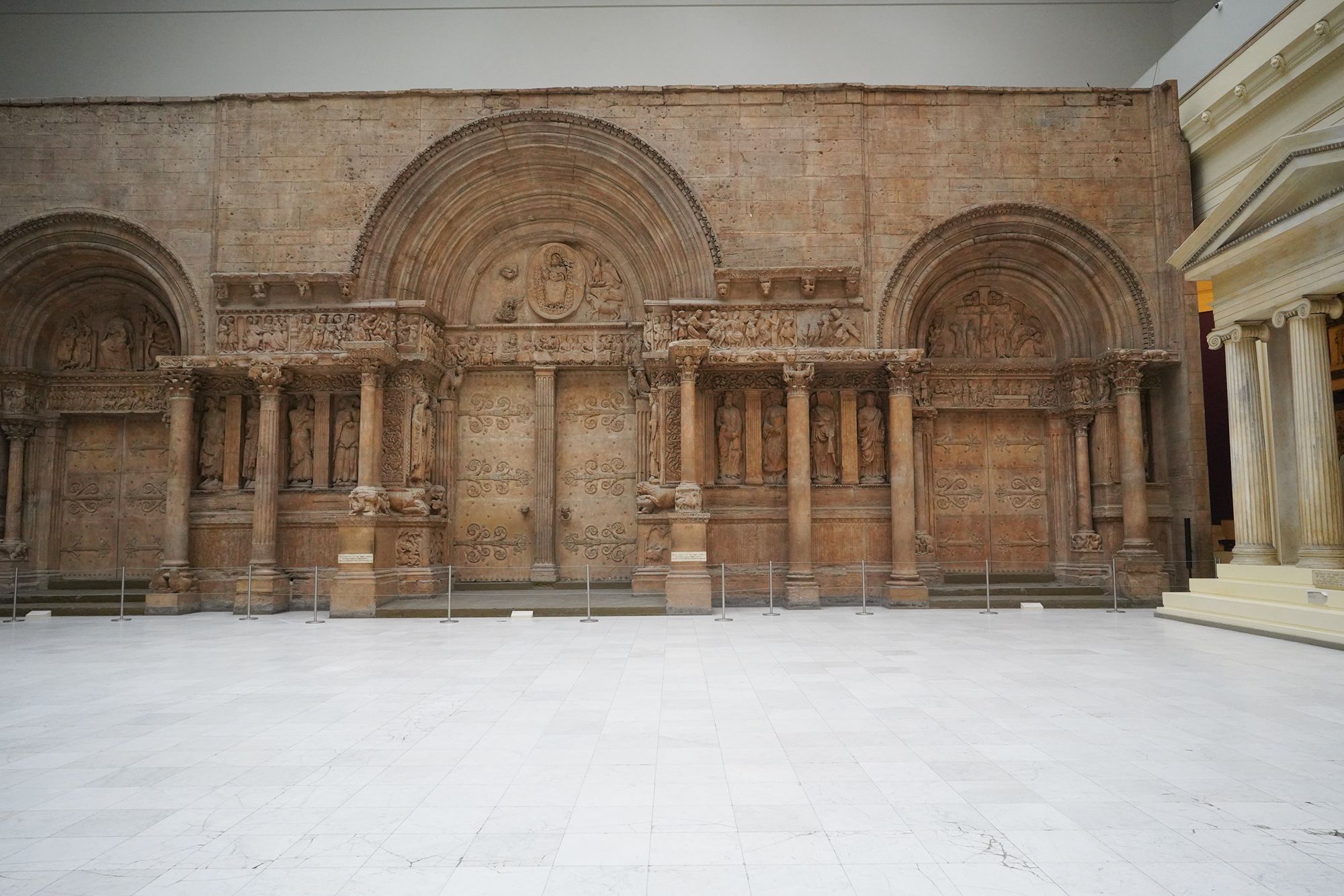
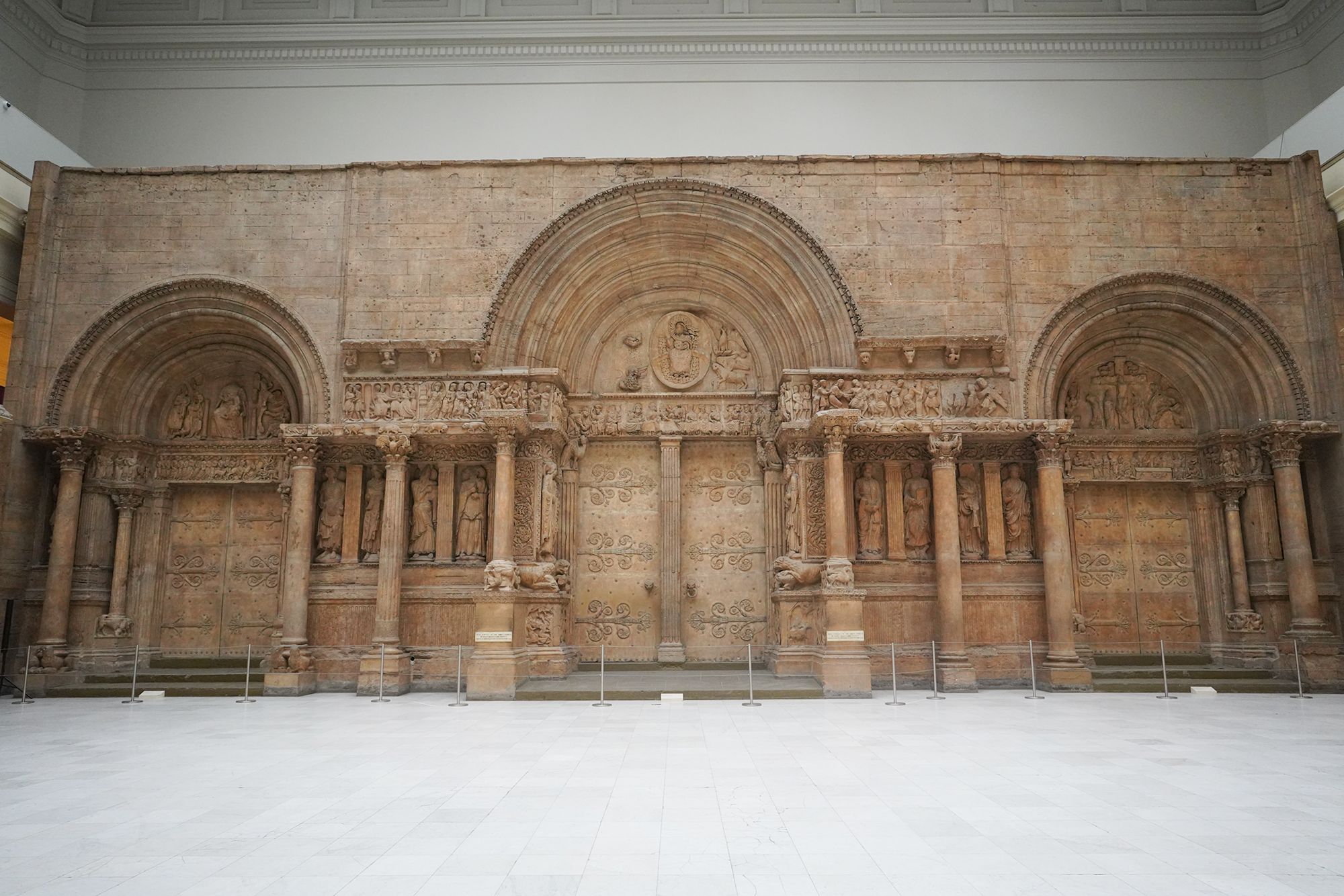
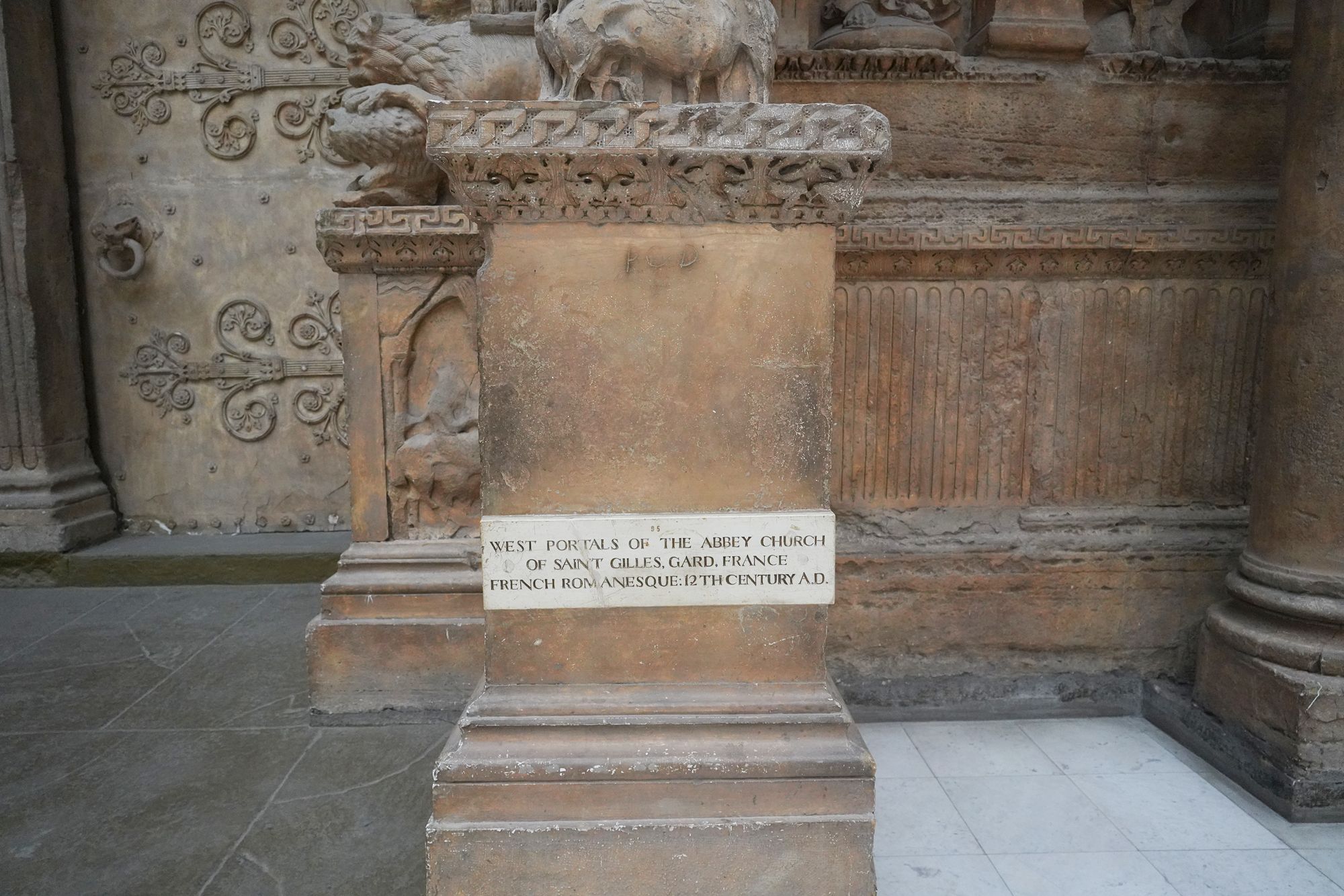
West Portals of the Abbey Church of Saint Gilles
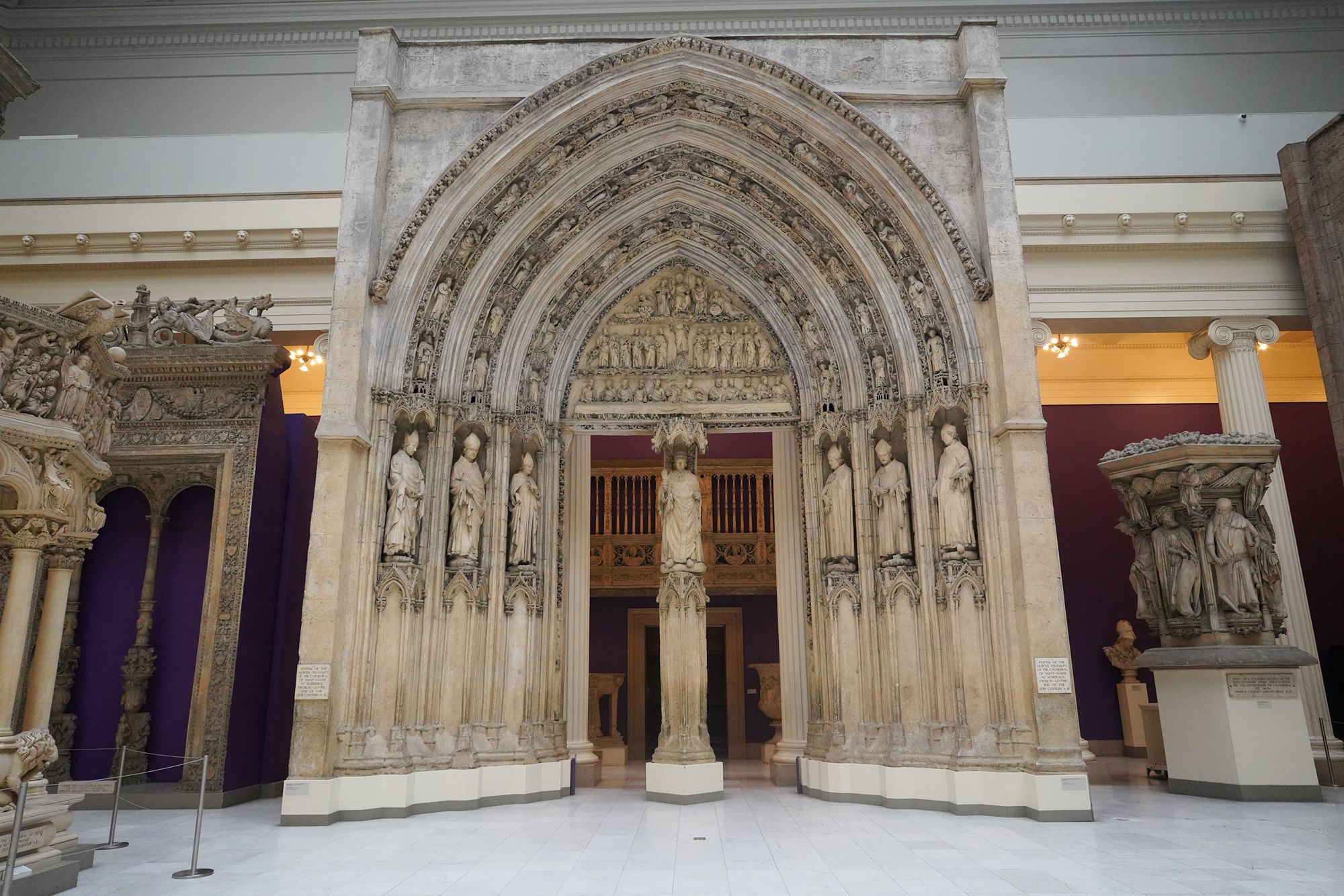
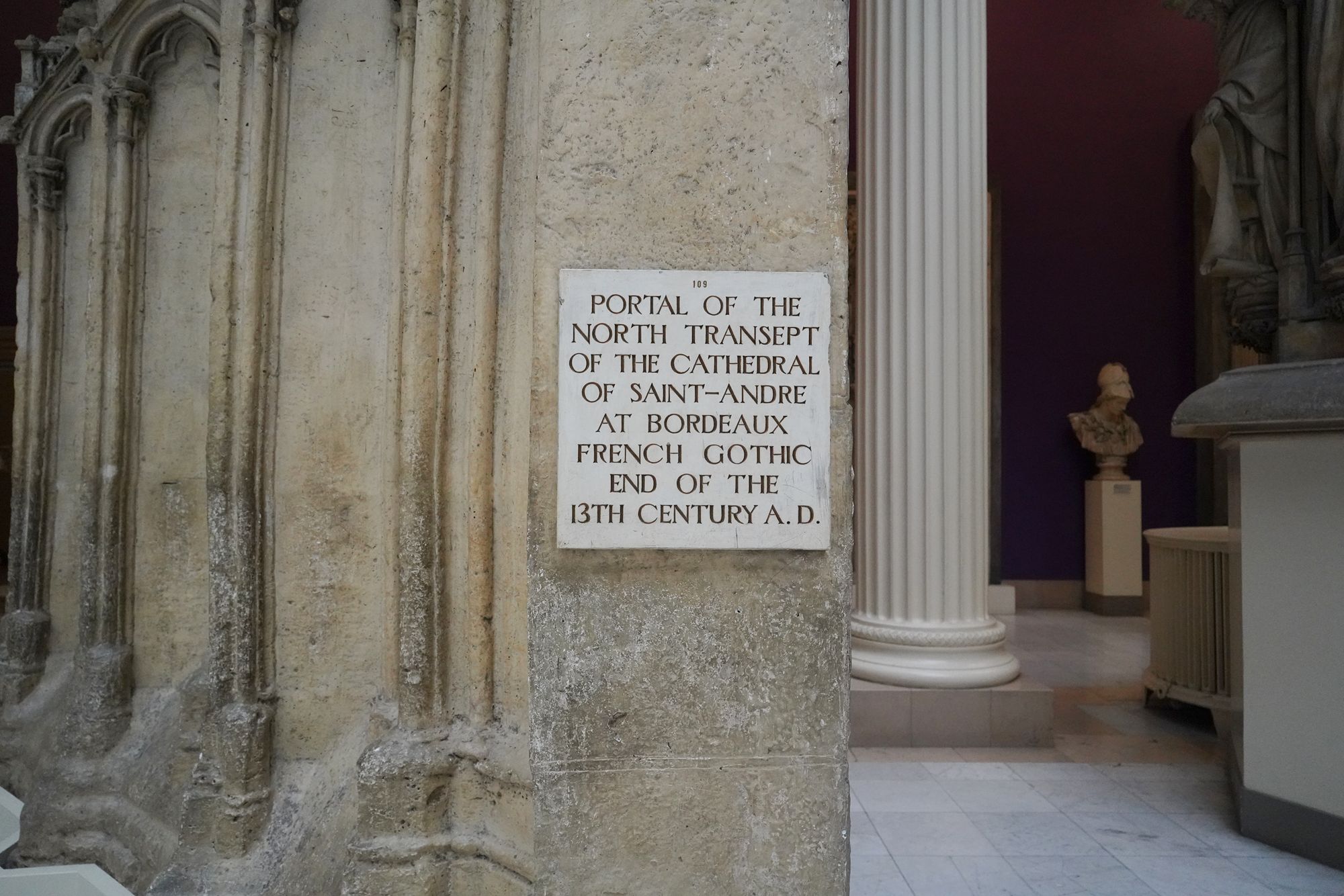
Portal of the North Transept of the Cathedral of Saint-Andre at Bordeaux, France
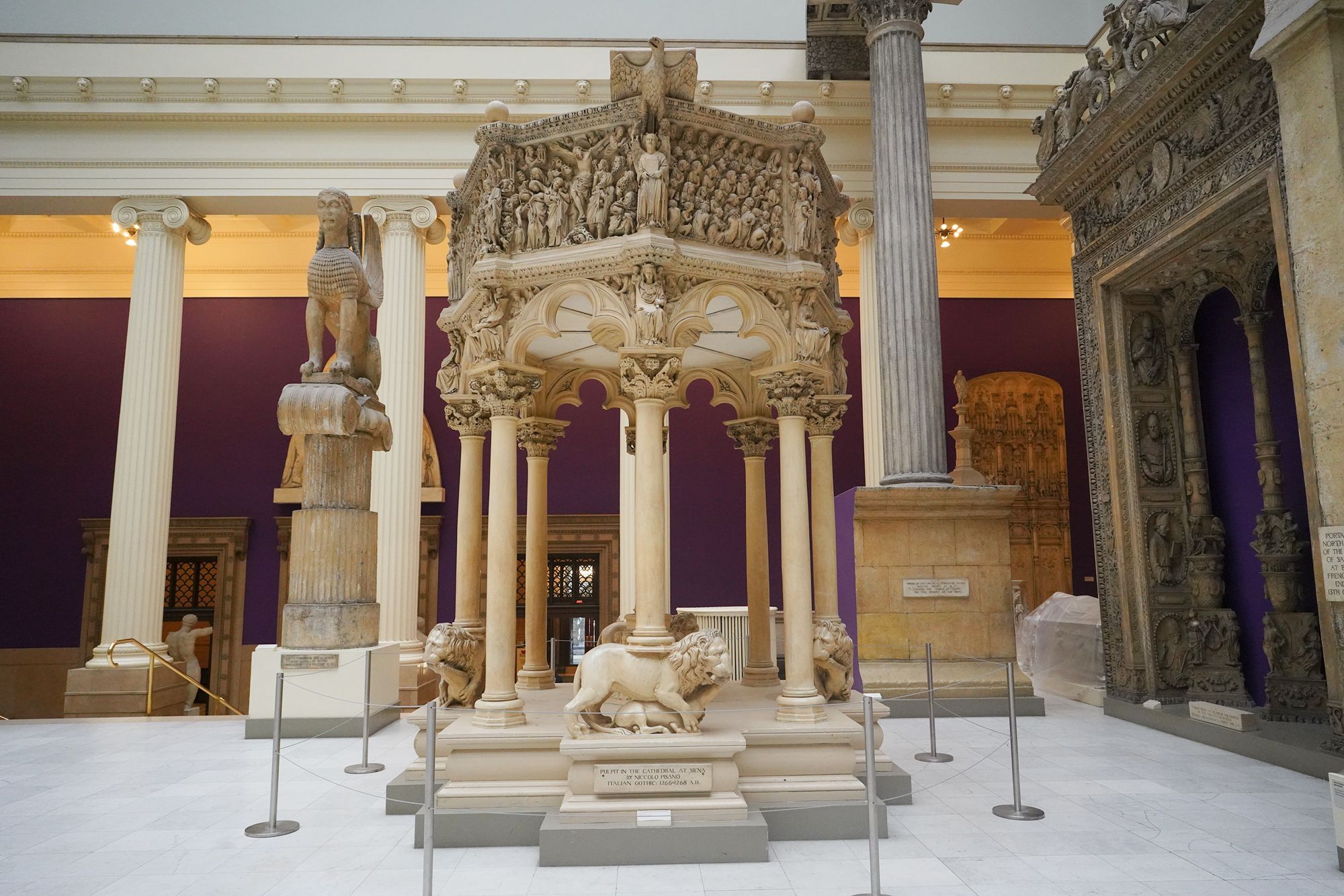
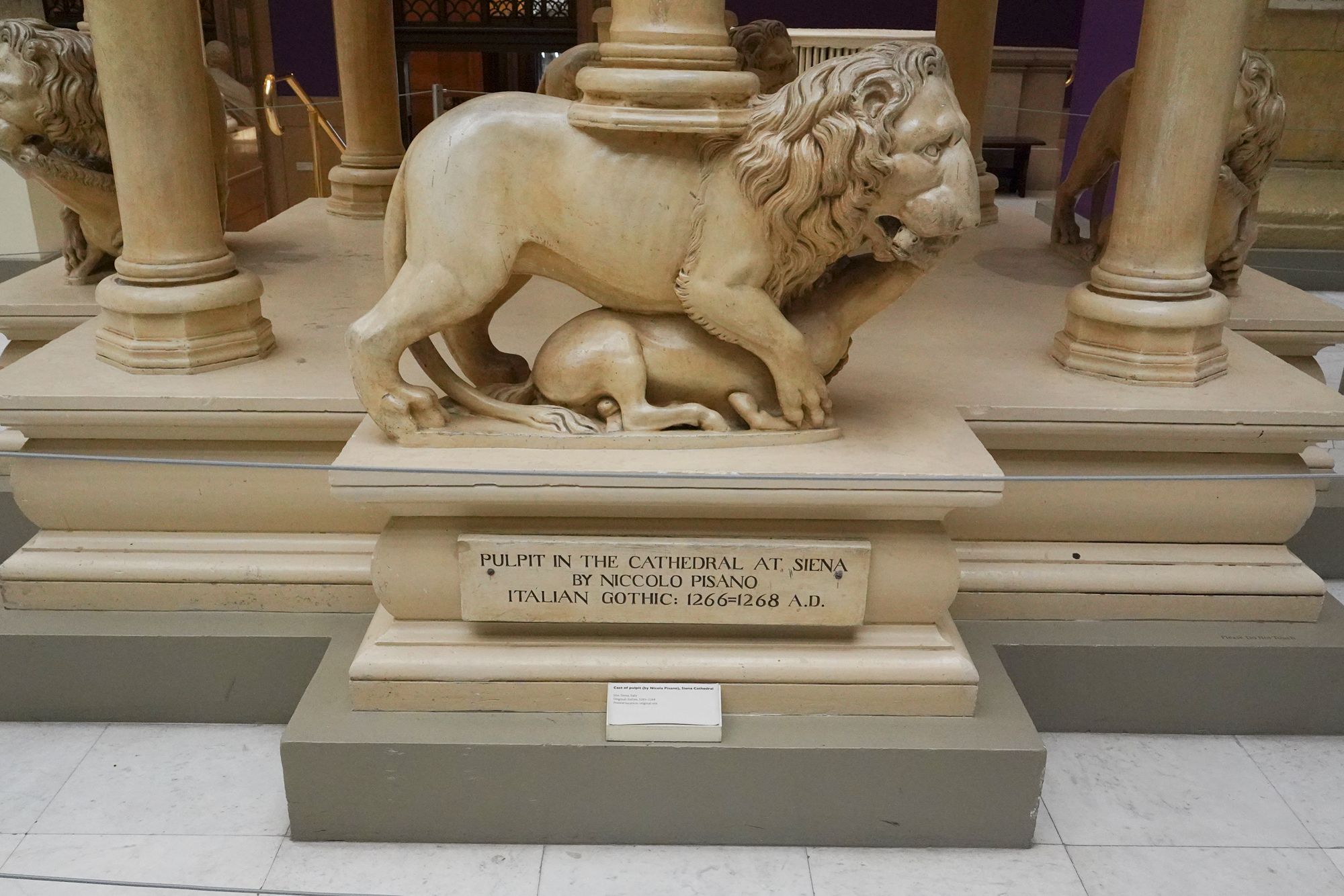
Pulpit in the Cathedral at Siena
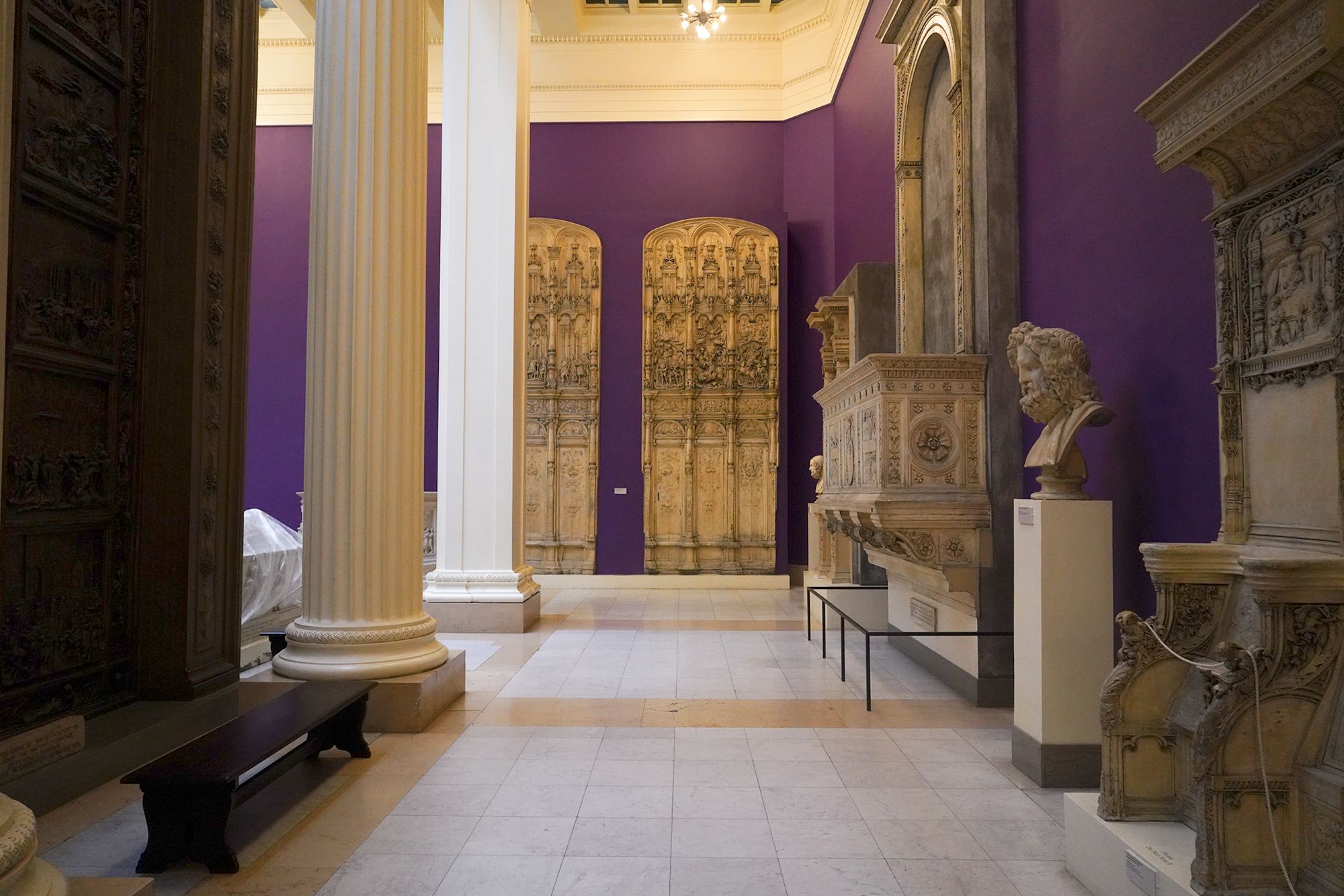
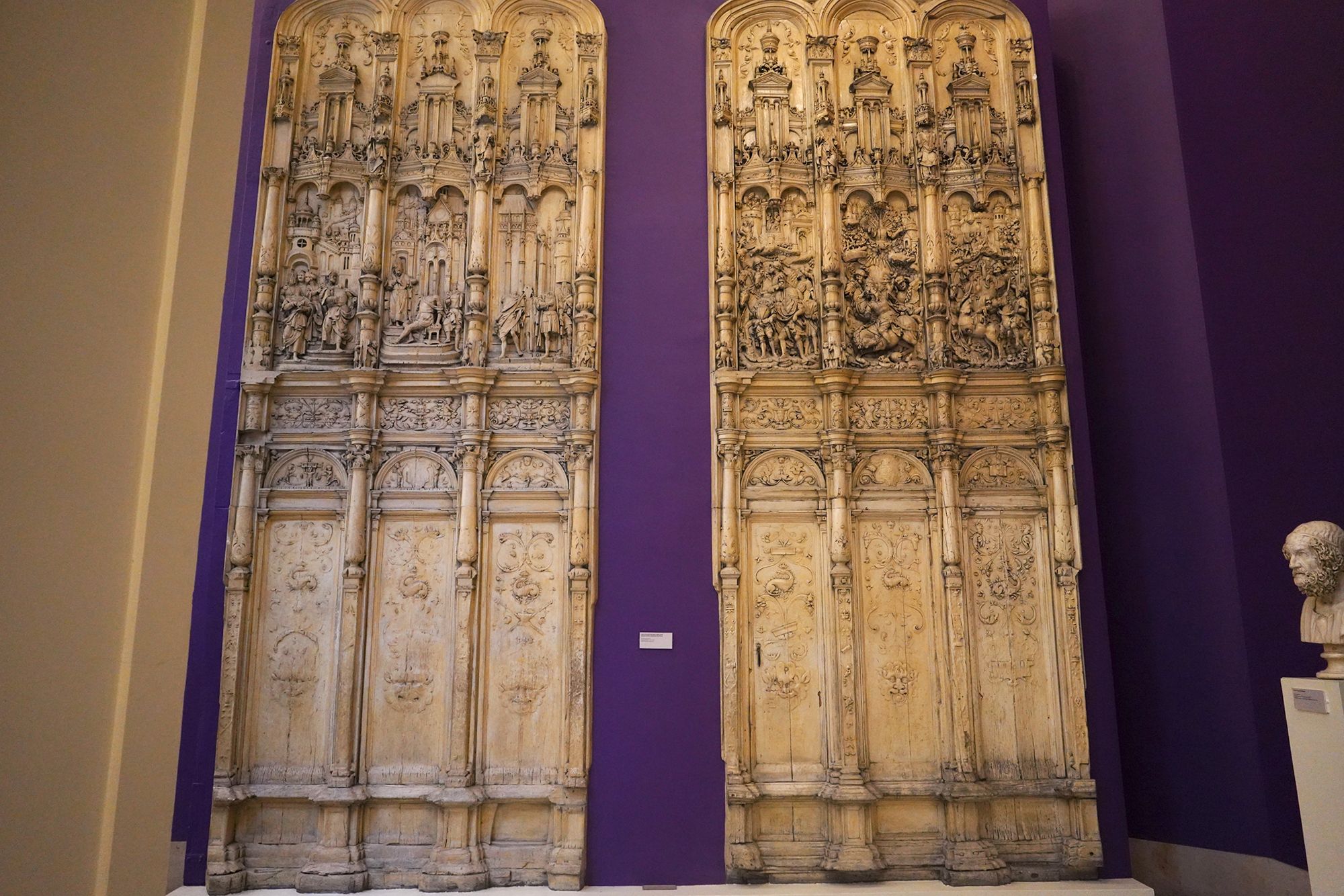
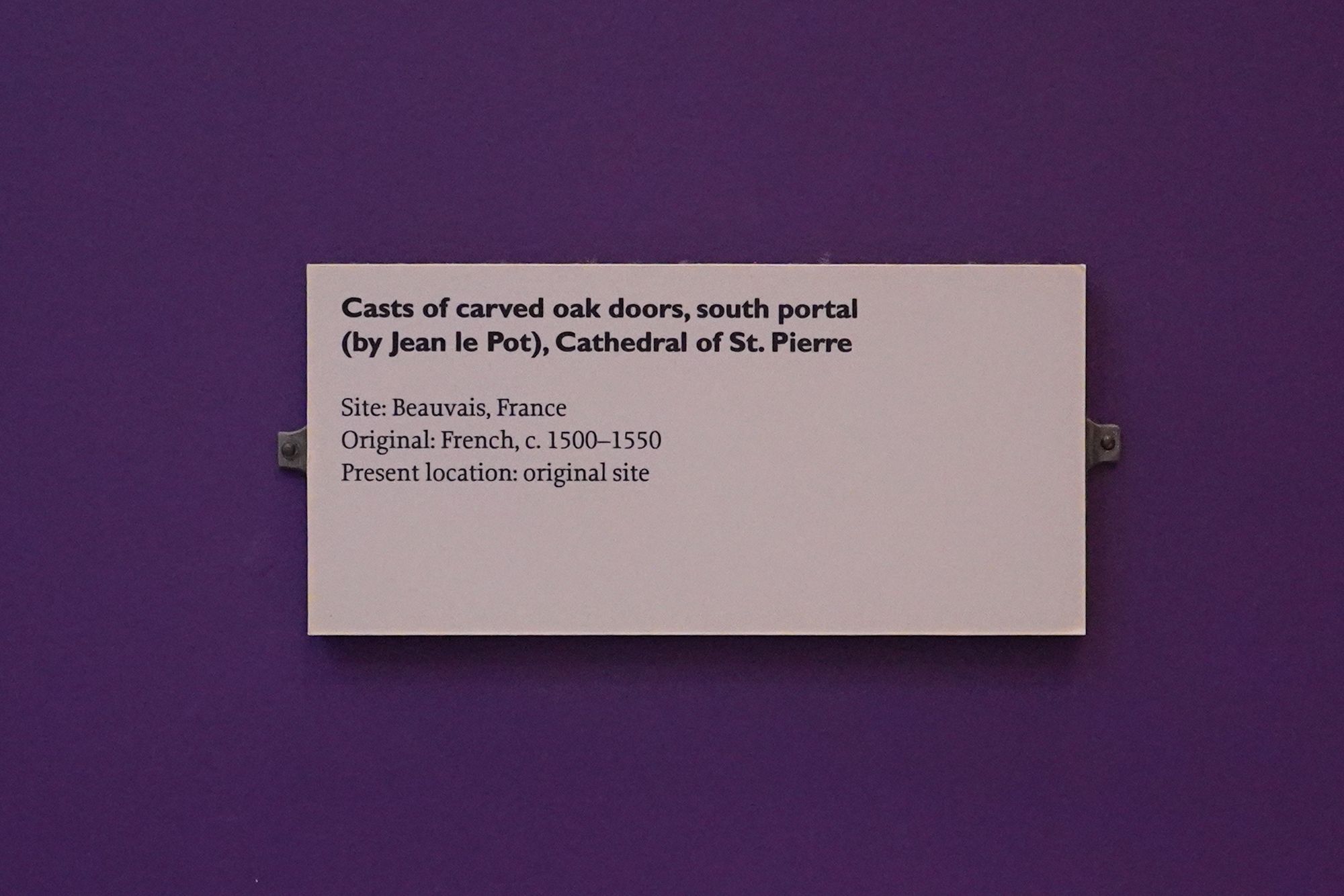
Carved oak doors, south portal, Cathedral of St. Pierre, France
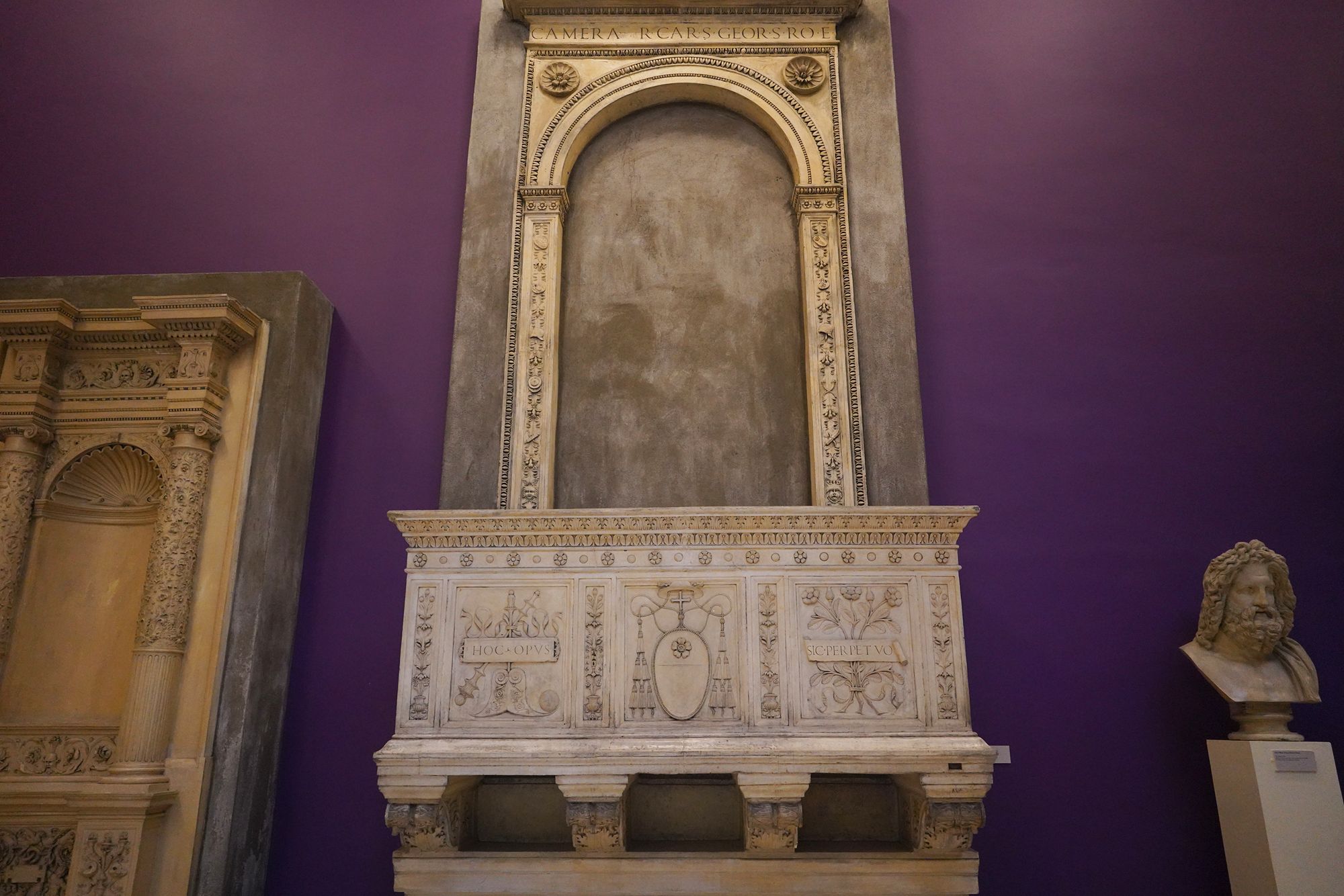
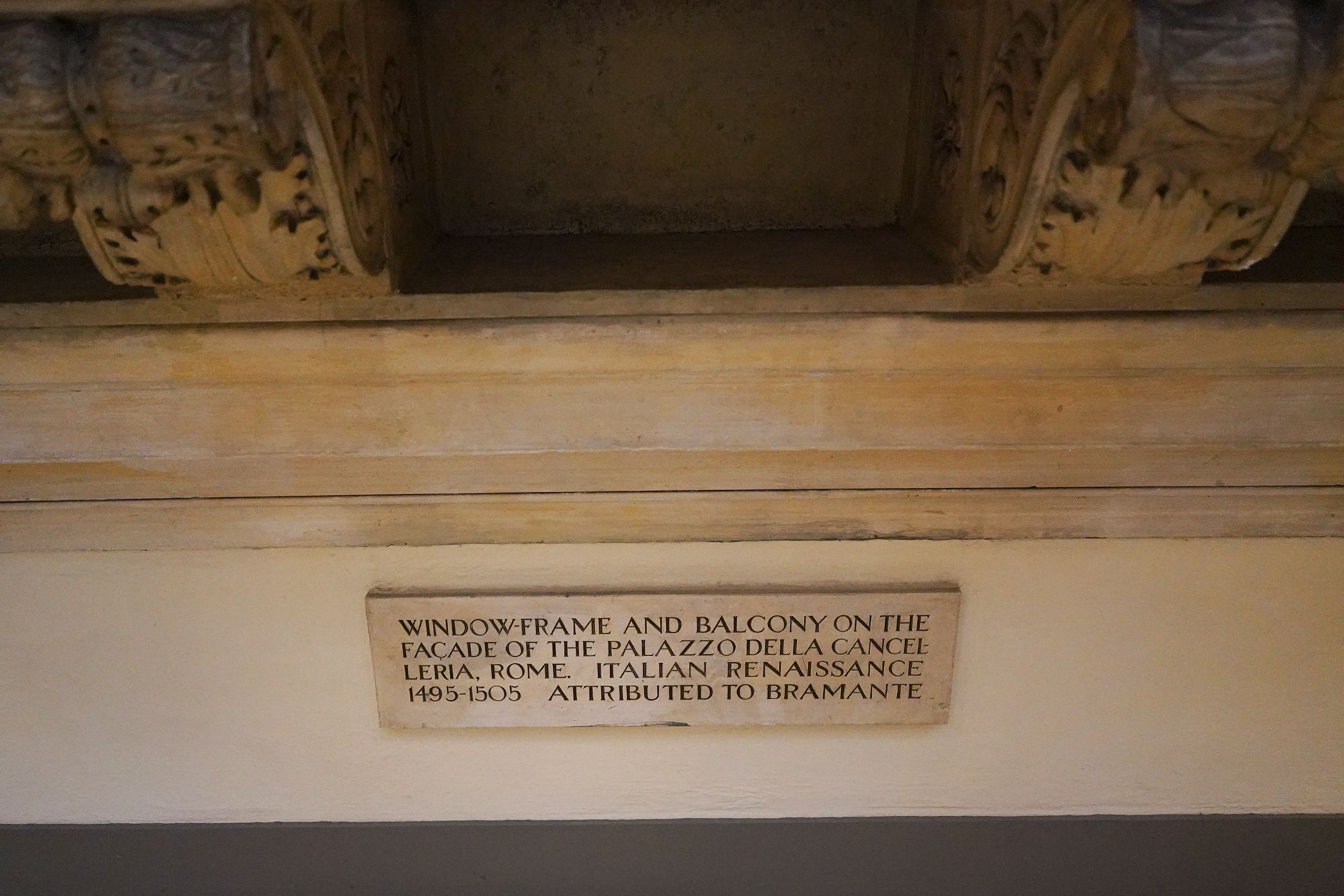
Window frame and balcony on the facade of the Palazzo Della Cancelleria, Rome.
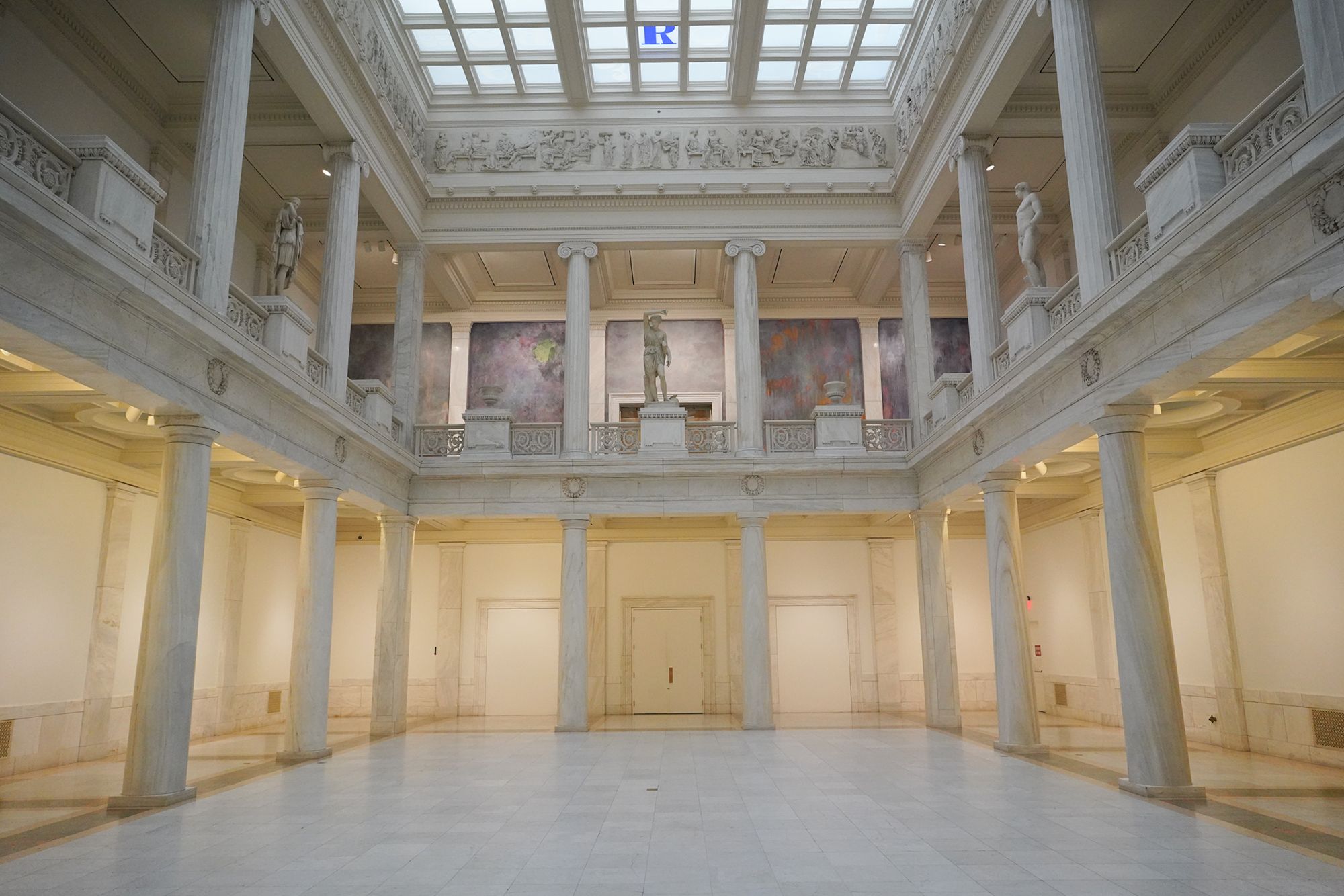
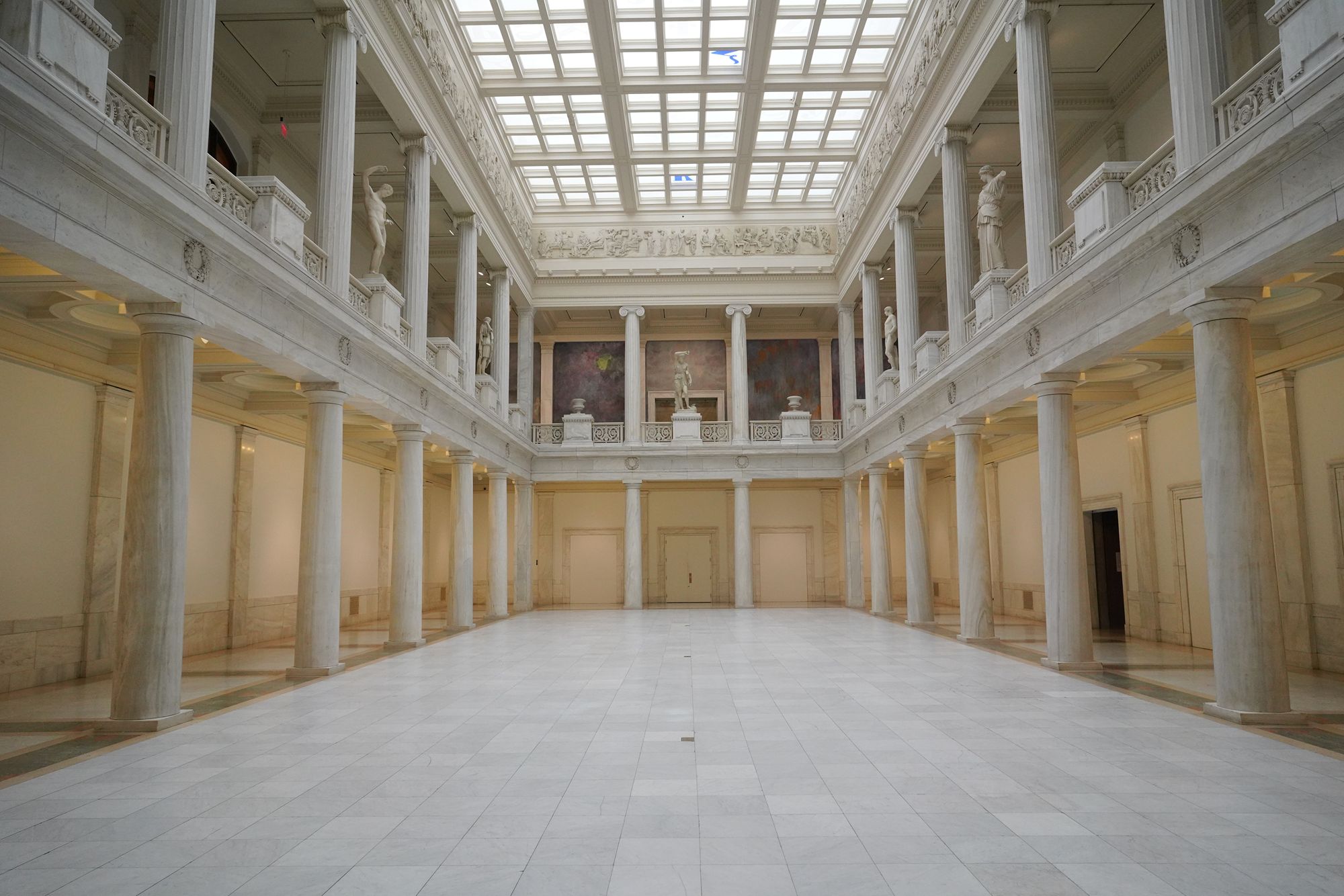
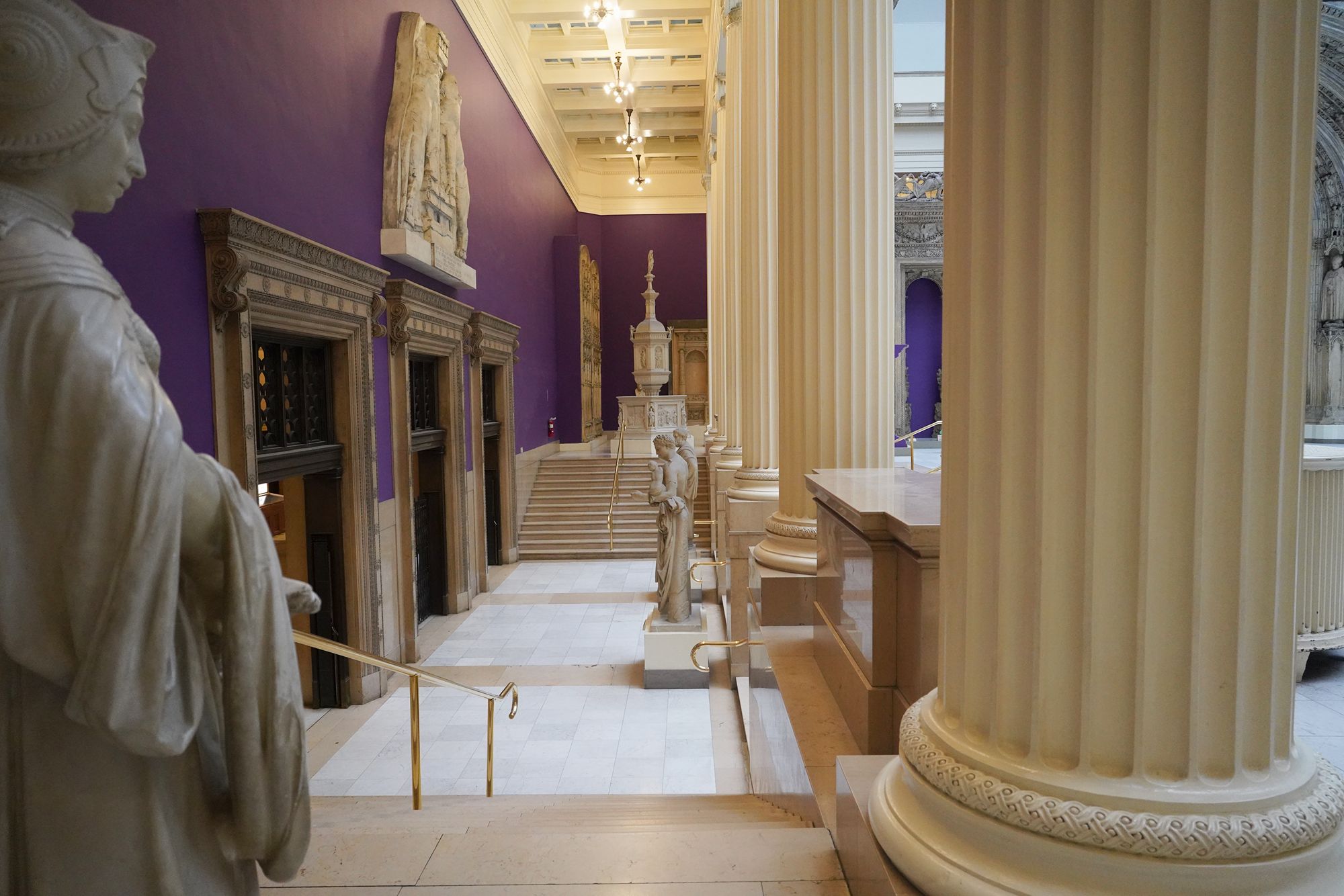
The Hall of Sculpture is modeled after the Parthenon’s inner sanctuary, or cella, which featured a double tier of columns. The hall was constructed using brilliant white marble from the same quarries in Greece that provided the stone for the Parthenon.