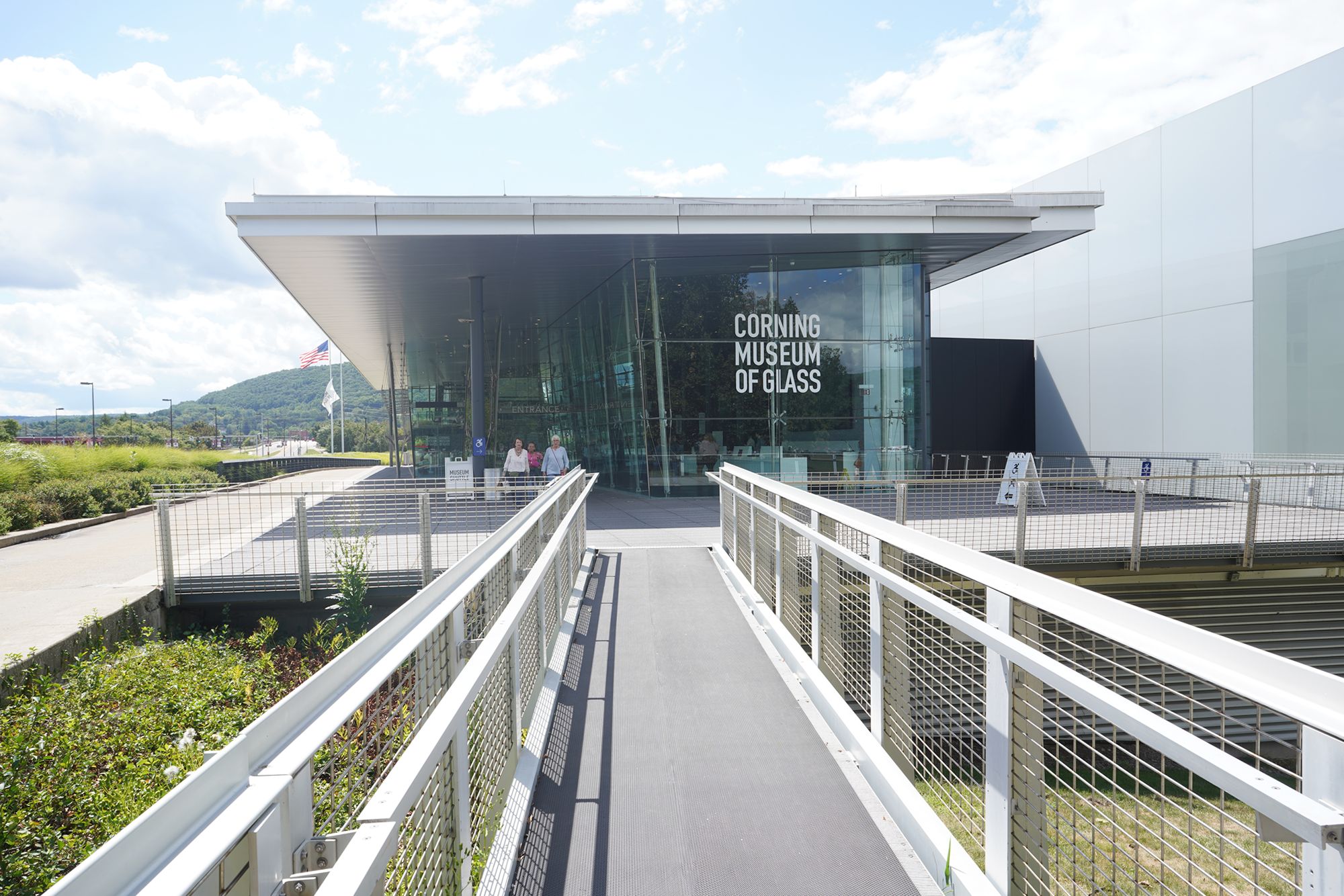
Corning Museum of Glass, Corning, New York, USA
Museum showcasing glass art, history, live demonstrations, and stunning contemporary and ancient glass works. 1182
Corning Museum of Glass: 1 Museum Way, Corning, NY 14830
Date Picture Taken: August 2025
The Corning Museum of Glass explores glass across history and culture, from ancient artifacts to cutting-edge contemporary art. Visitors see live glass-blowing demonstrations, interactive exhibits, and brilliant installations showcasing craftsmanship, science, and innovation in glassmaking.

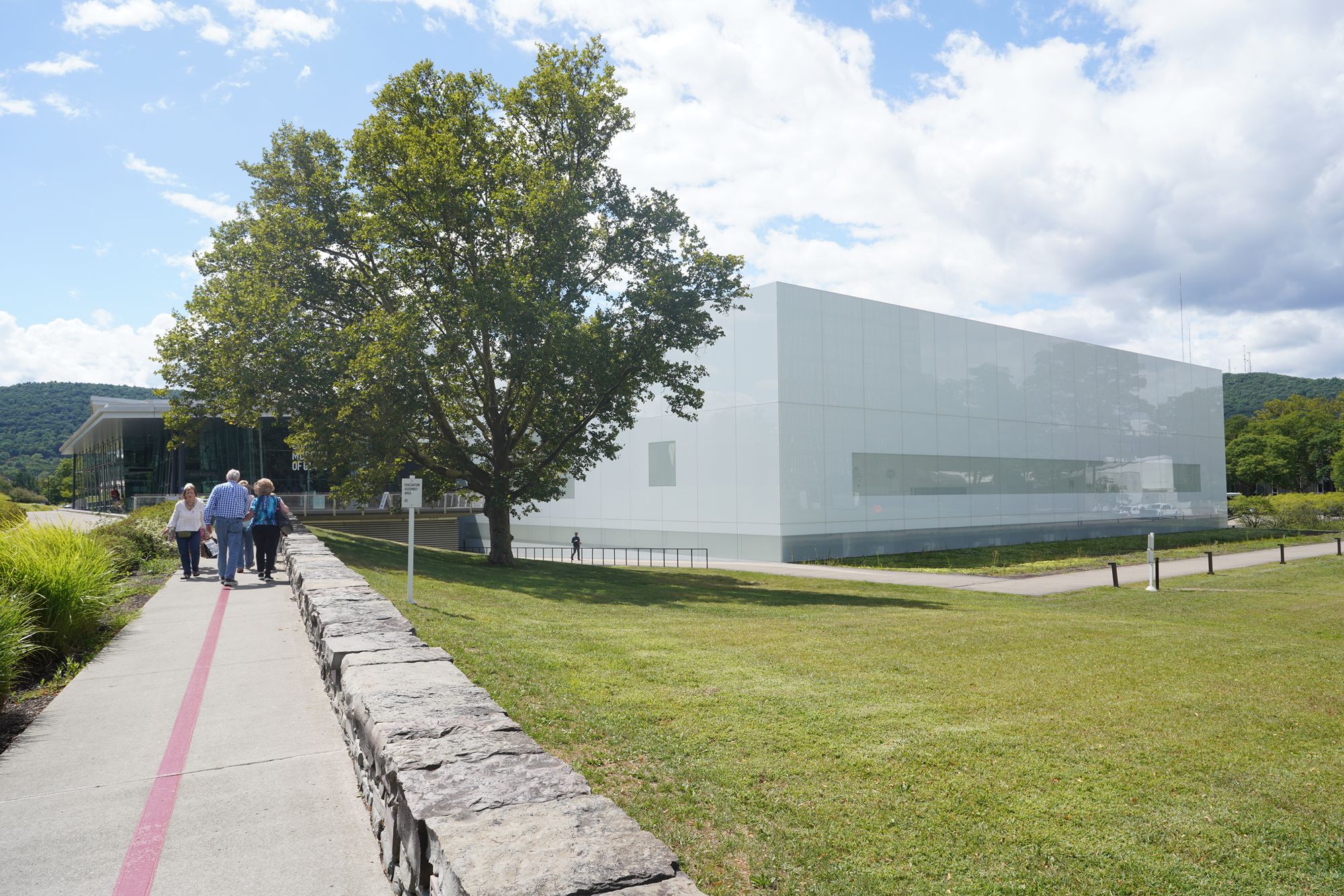
My back side

Corning Museum of Glass
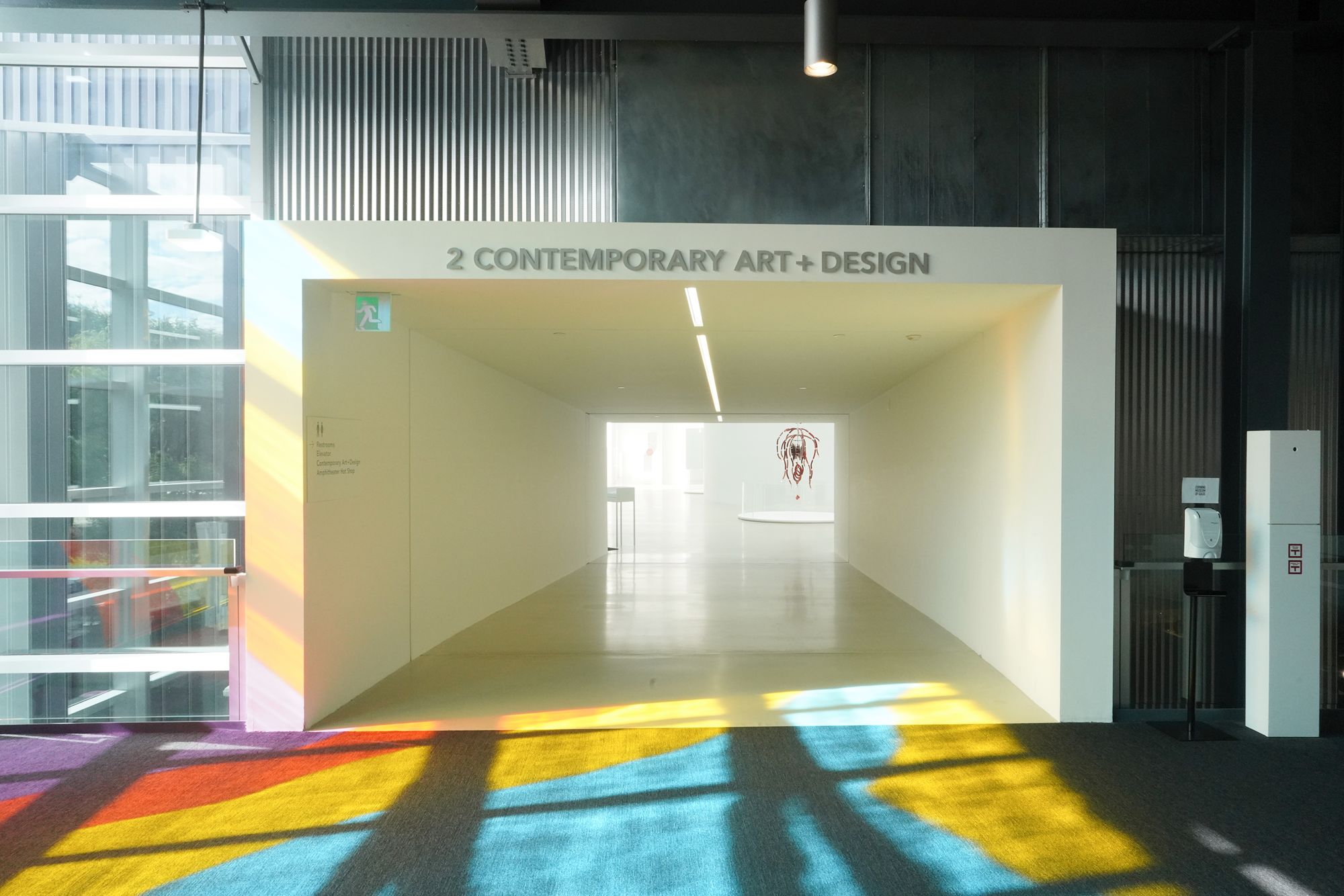
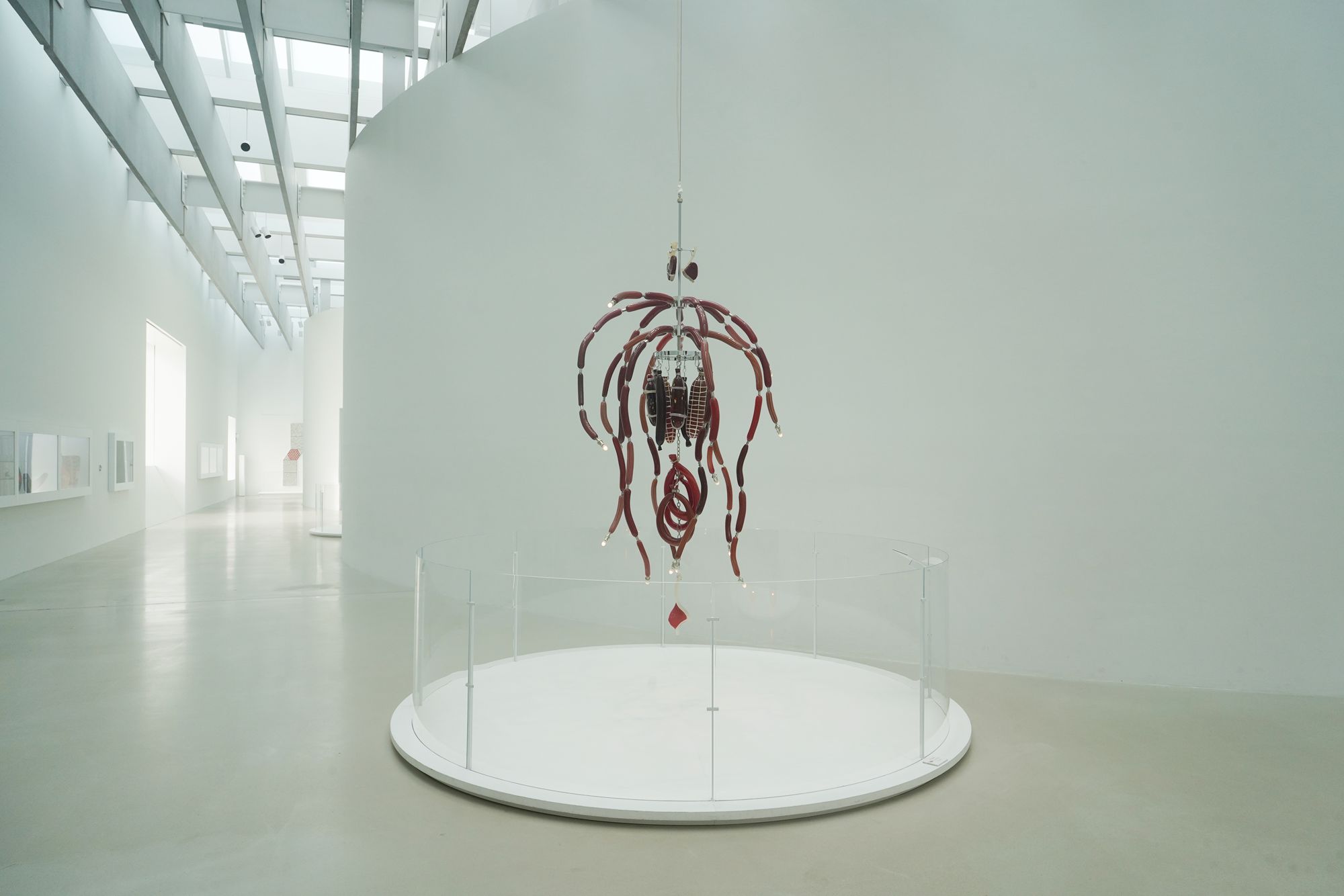
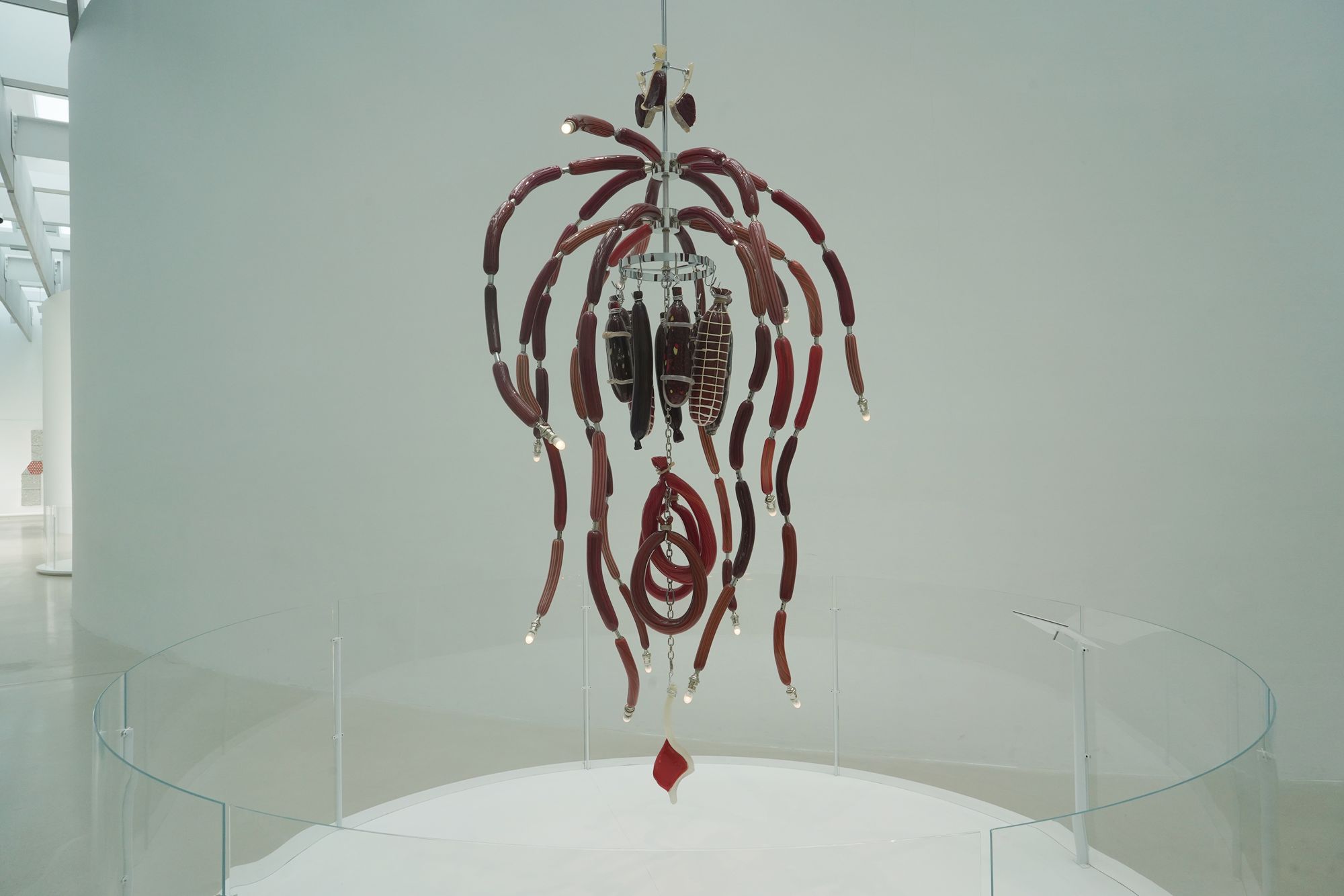
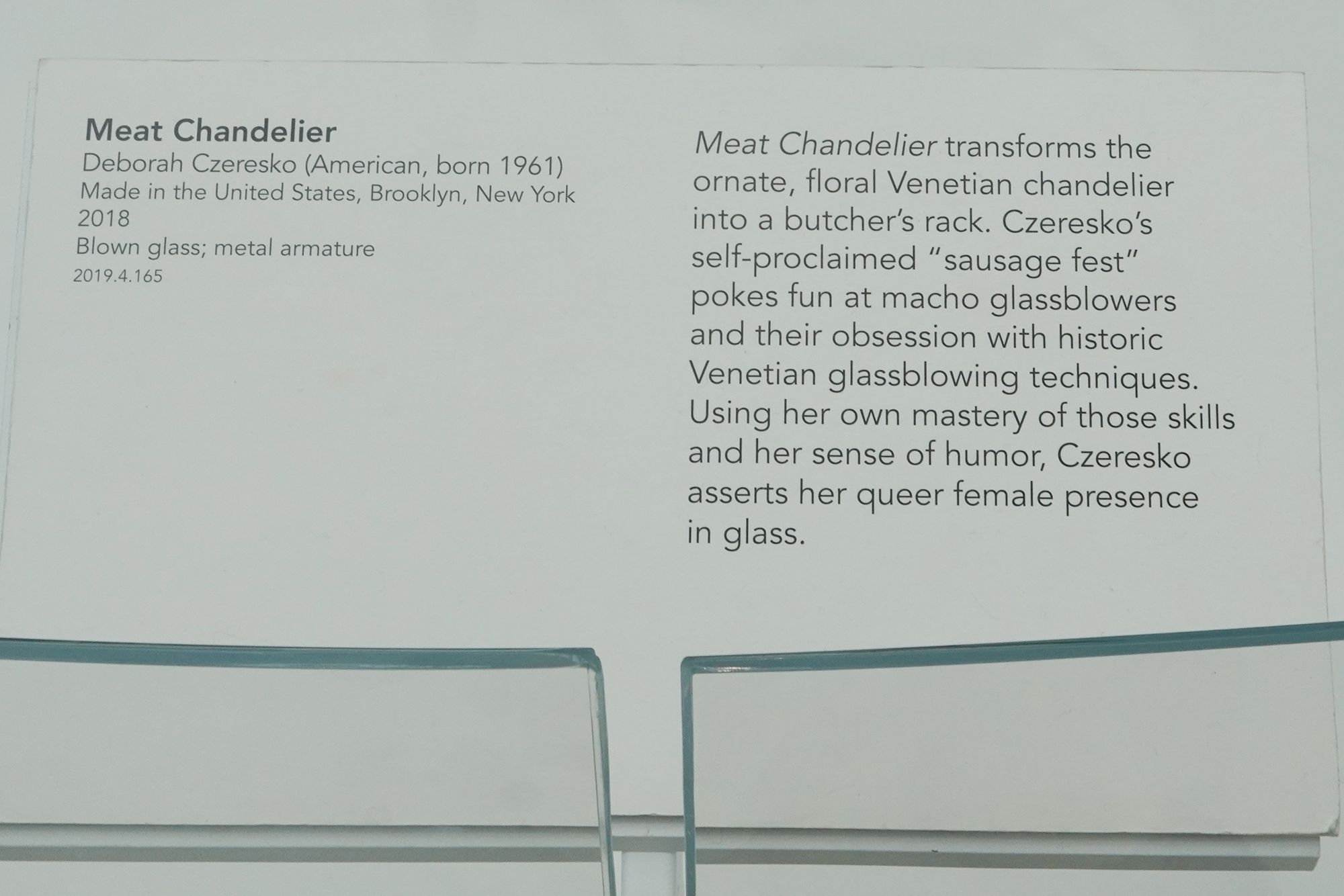
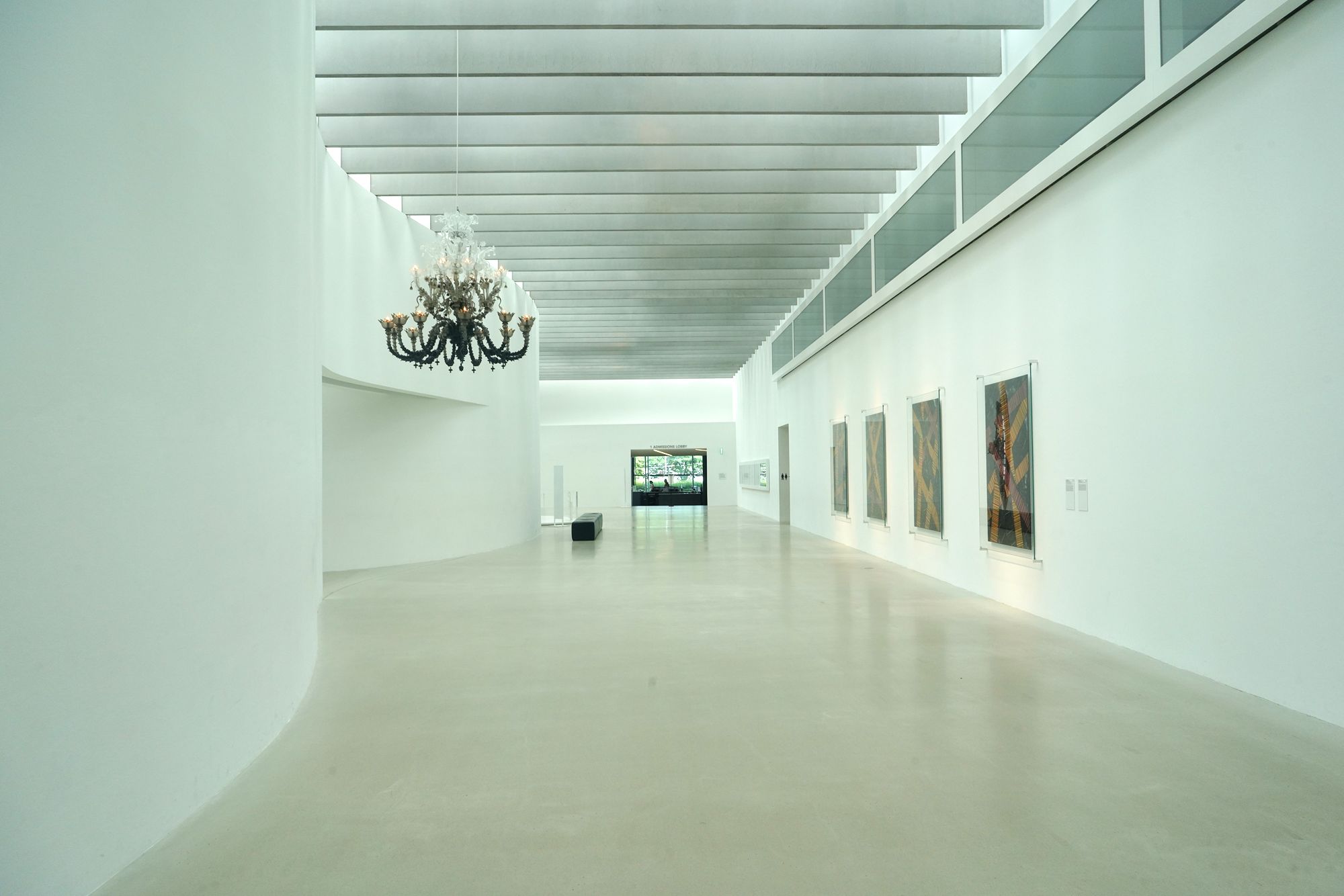
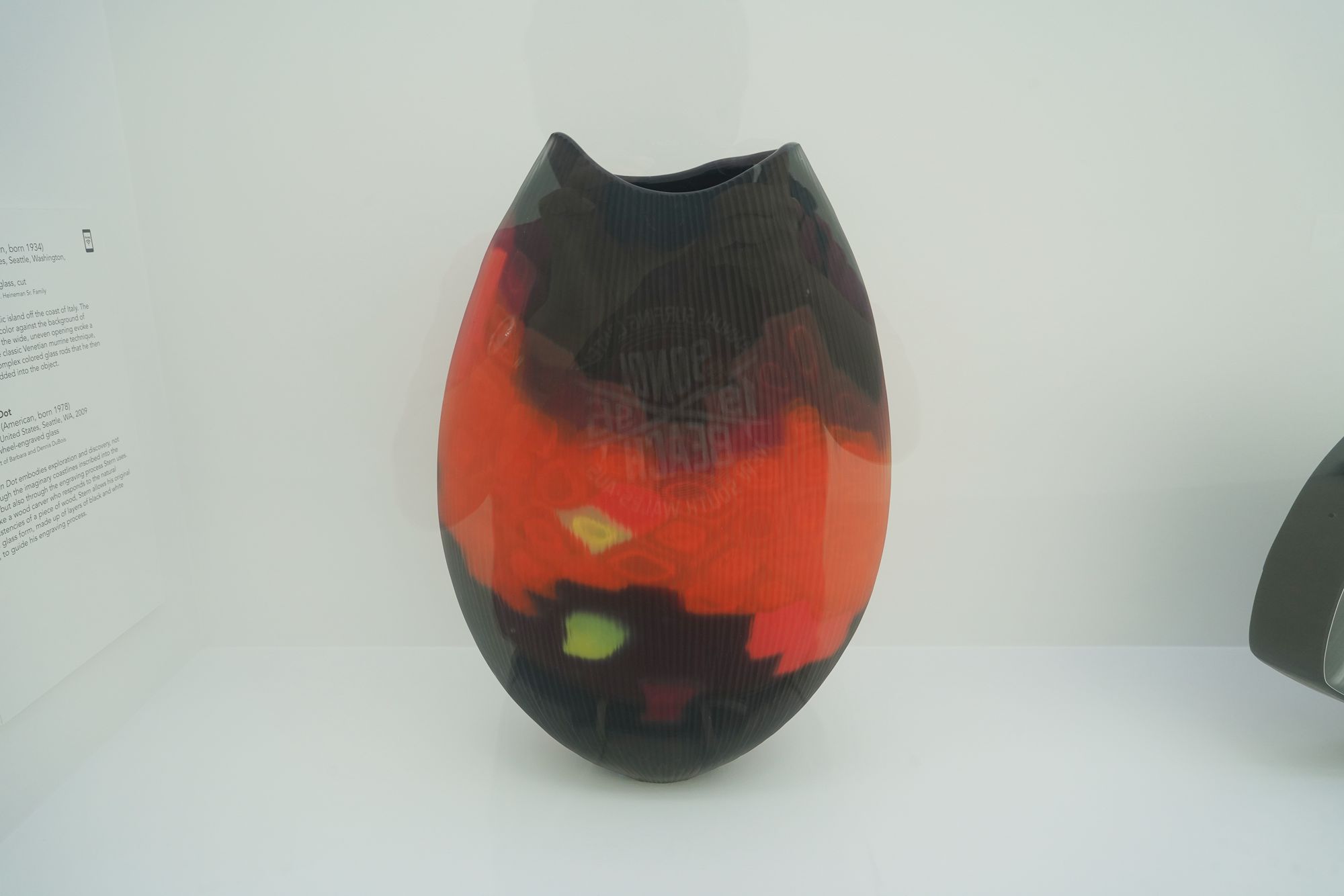
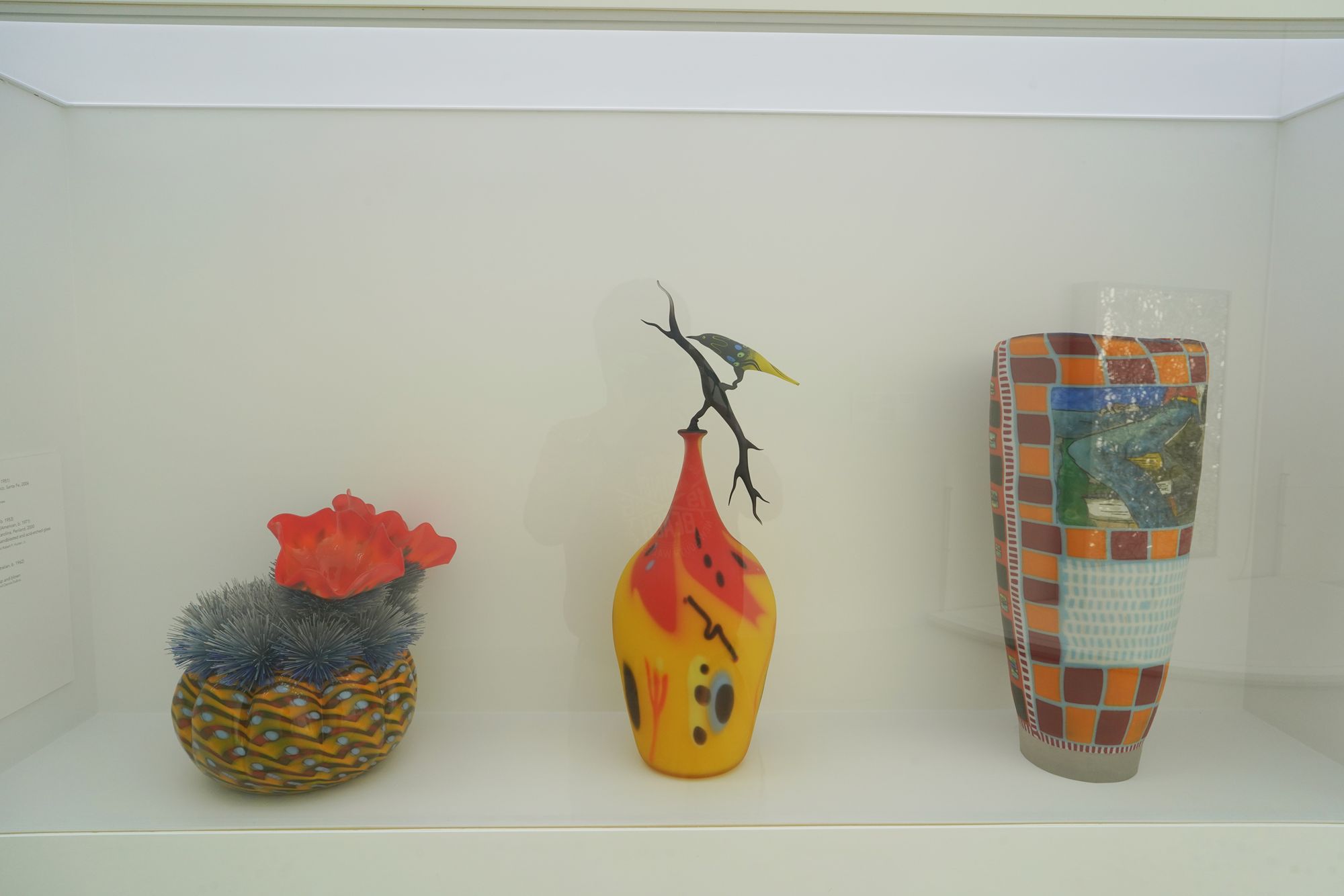
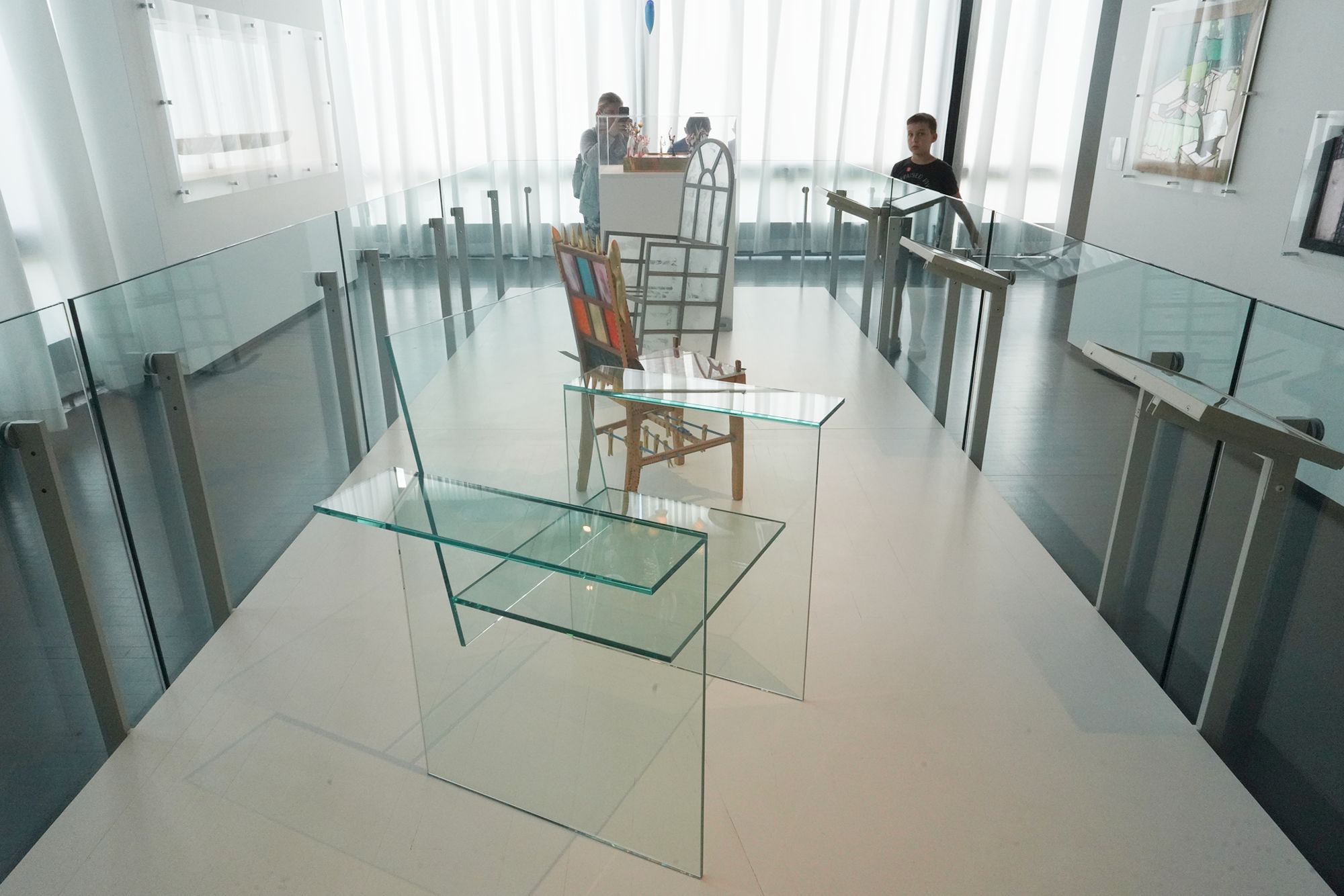
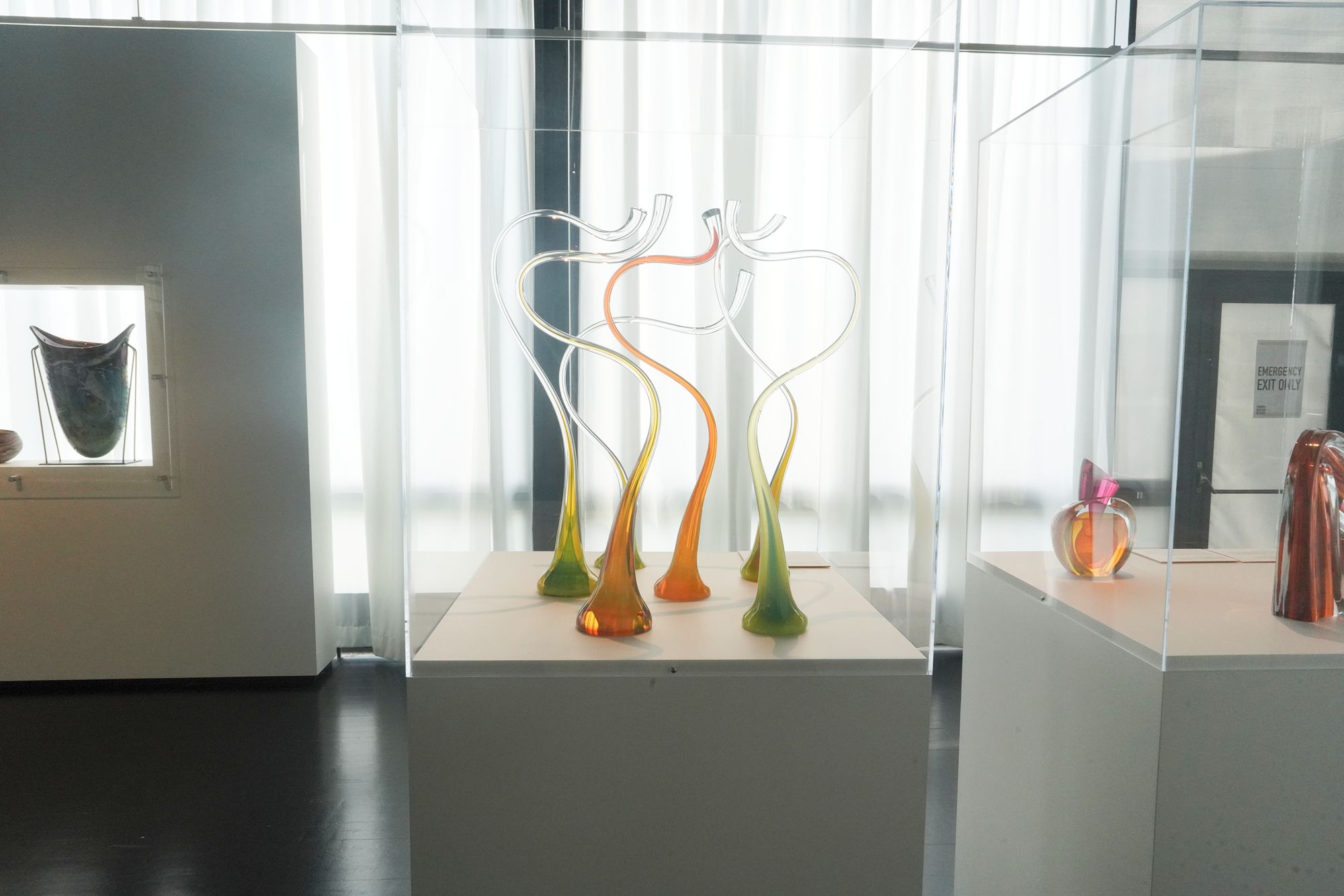
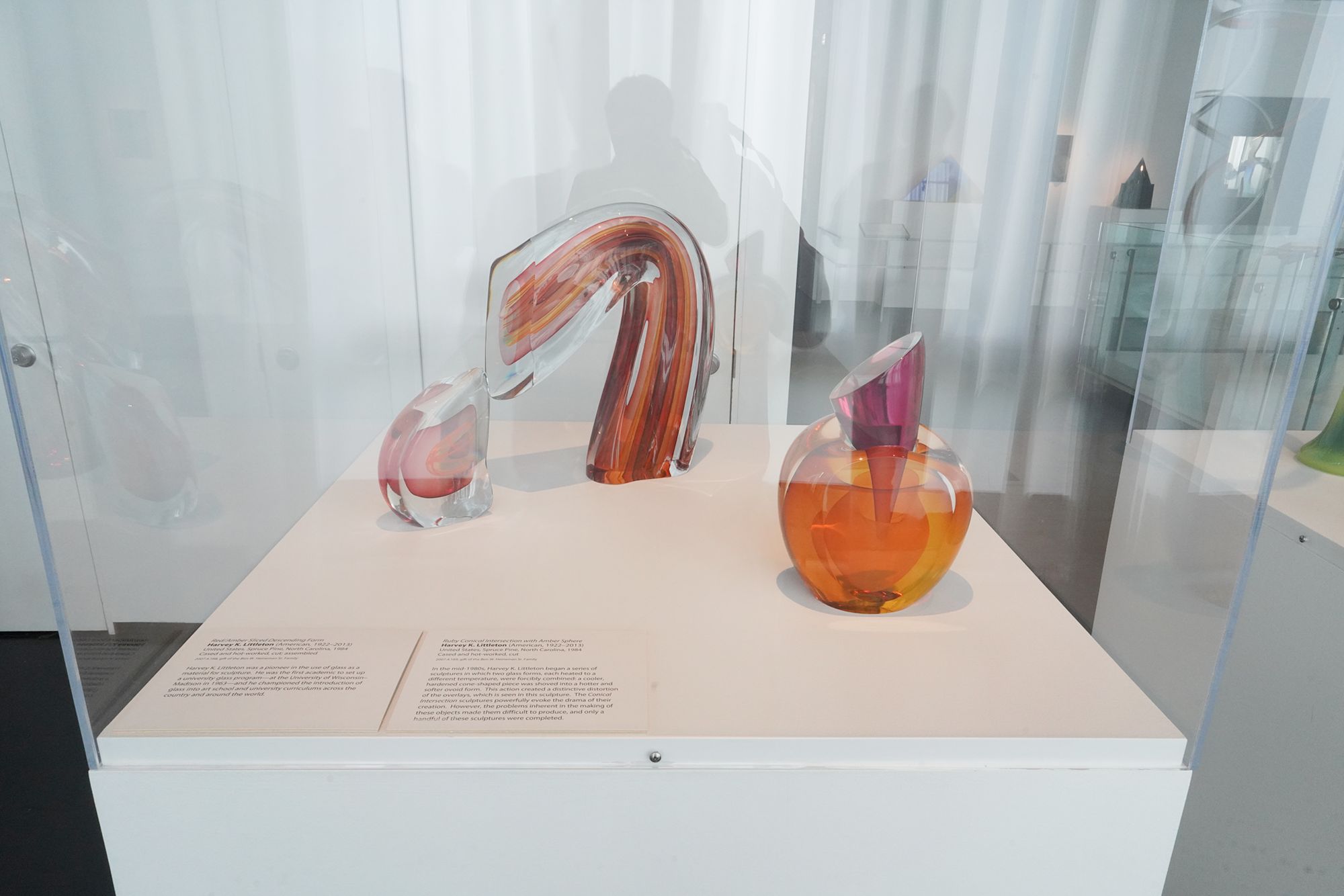
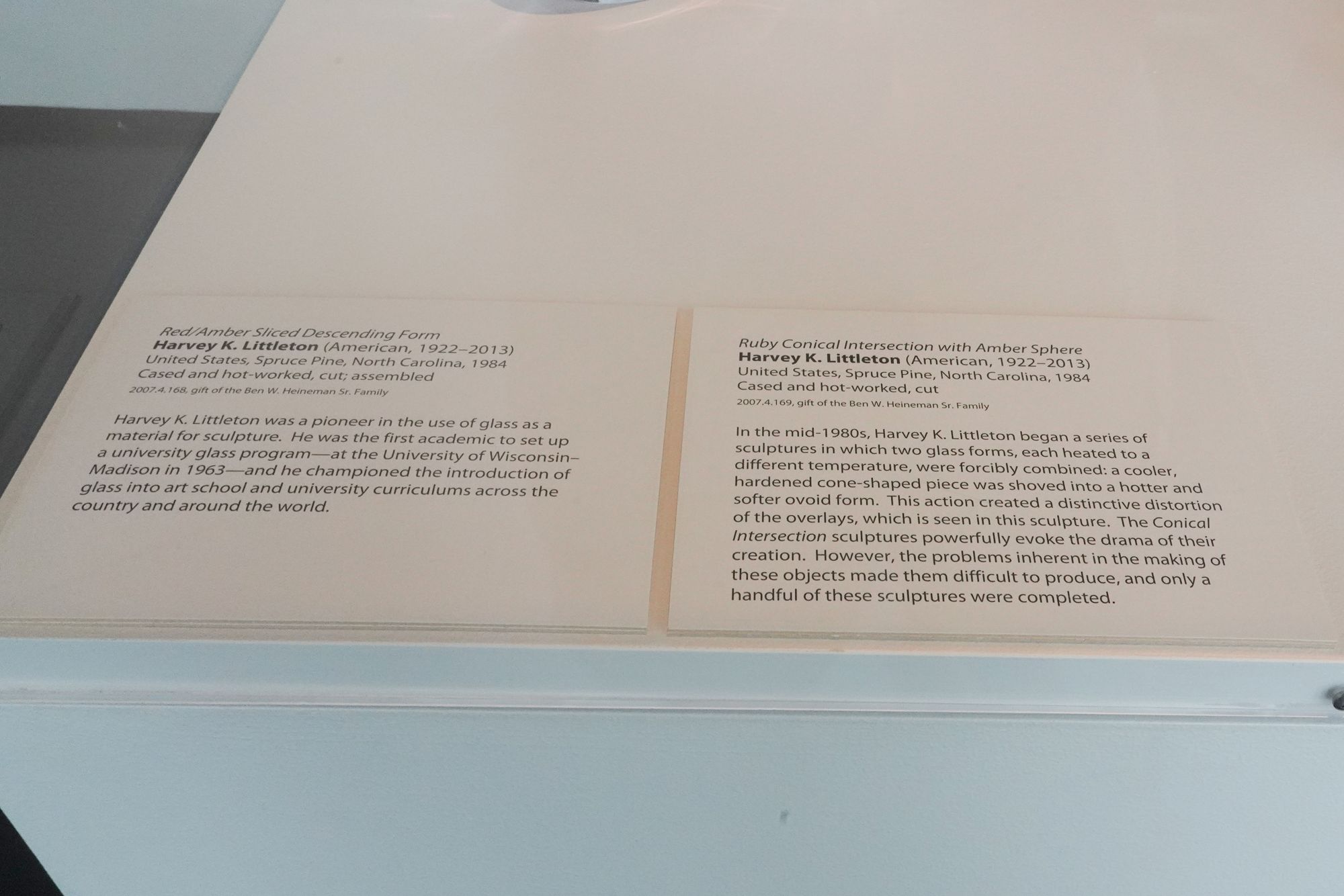
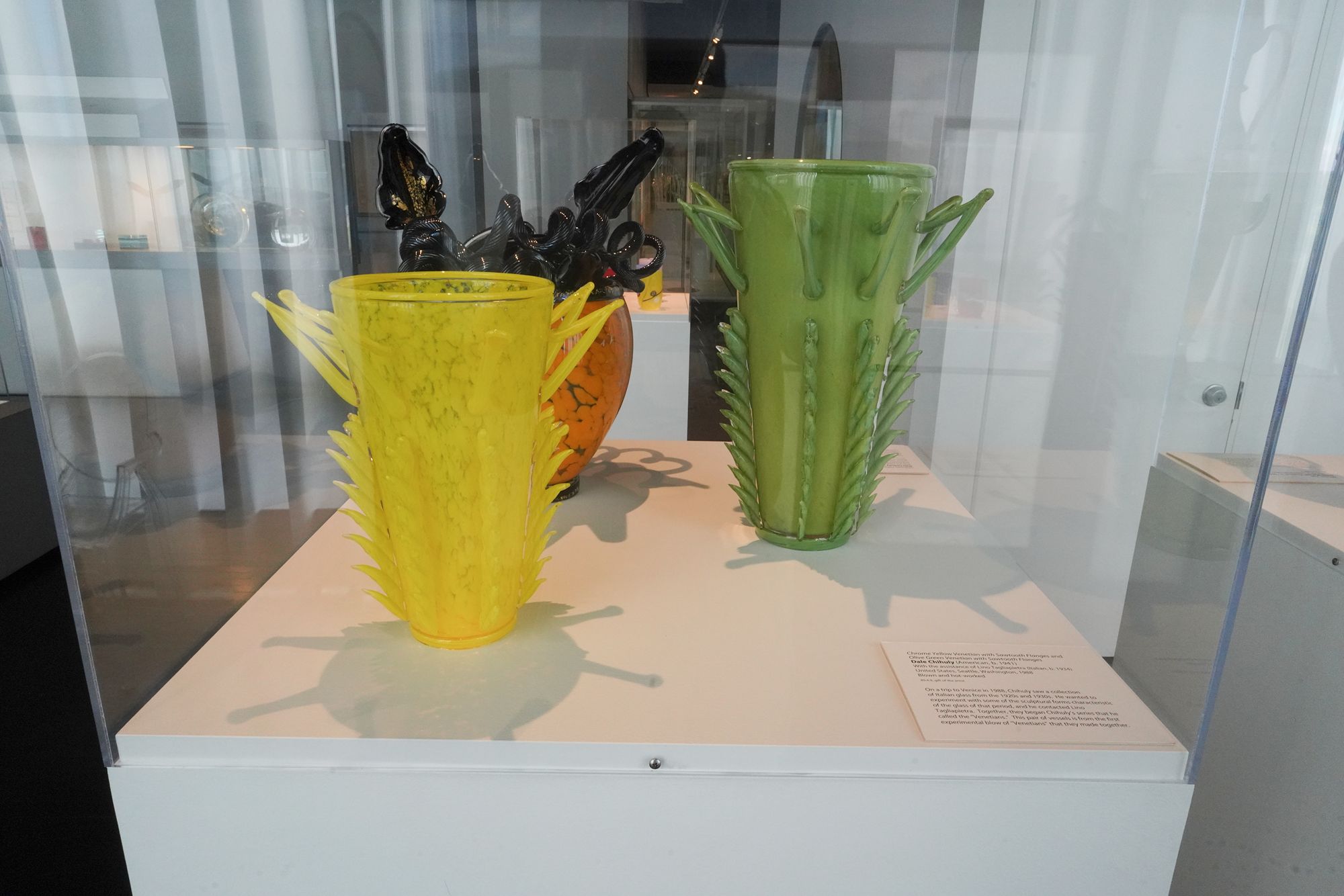
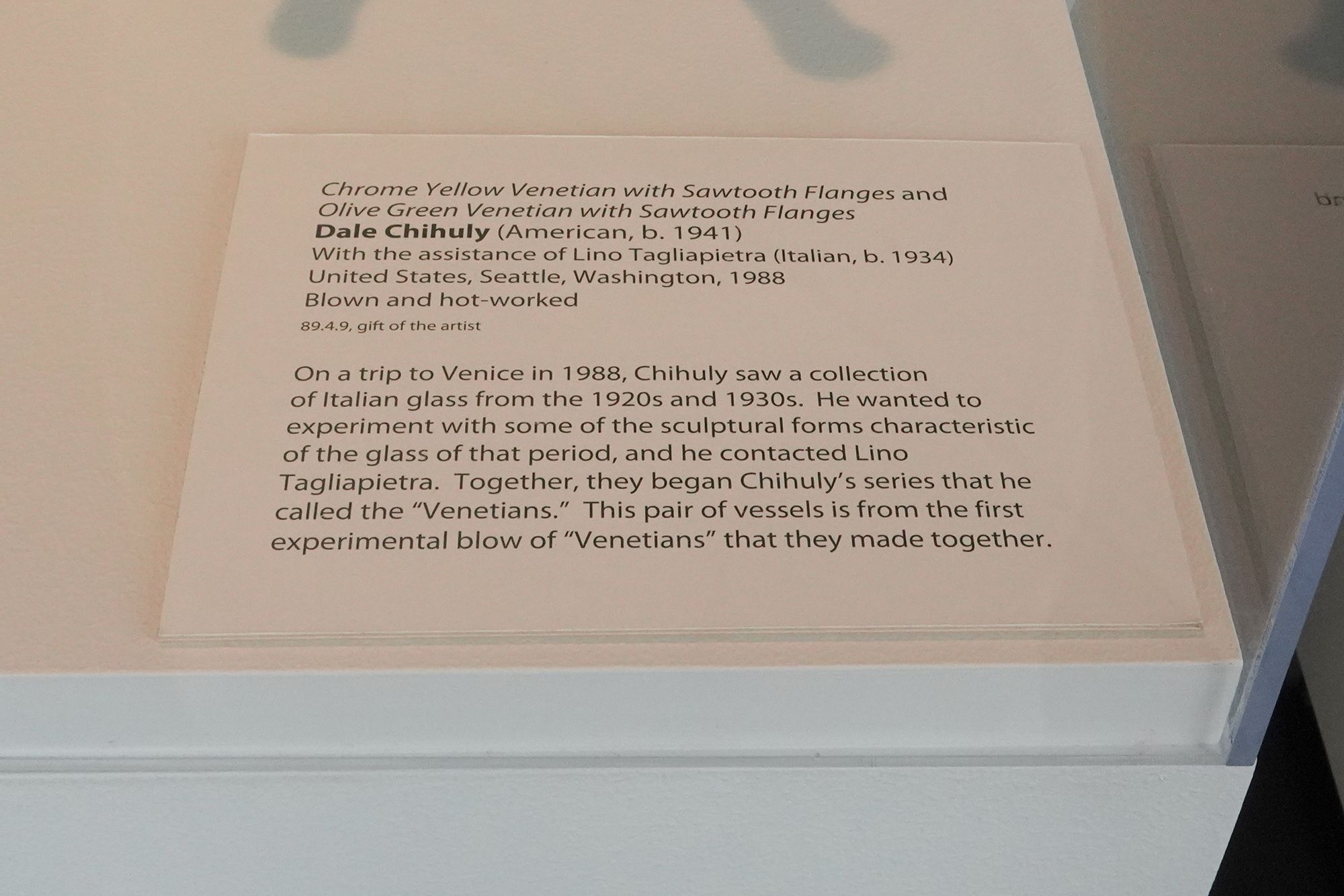
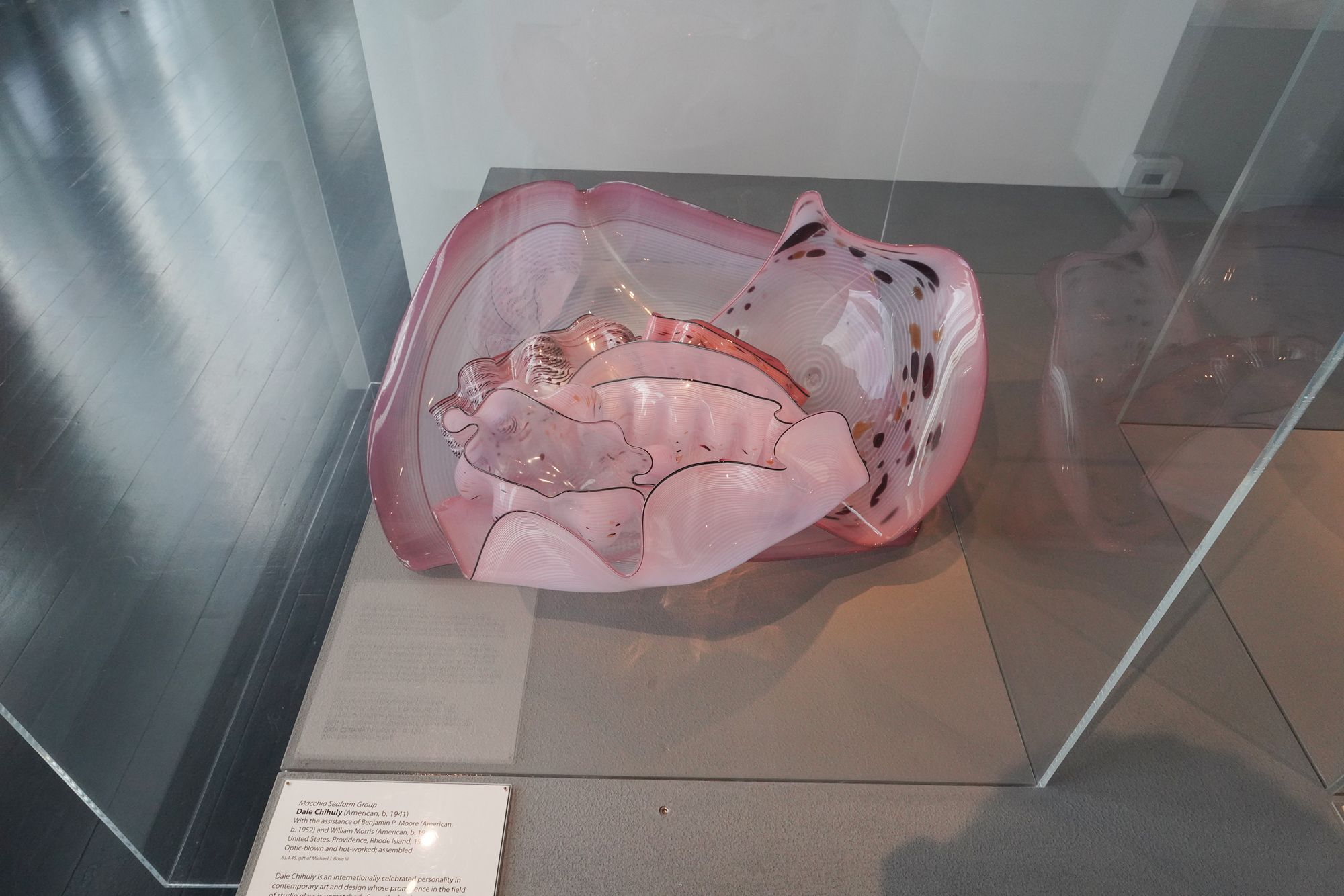
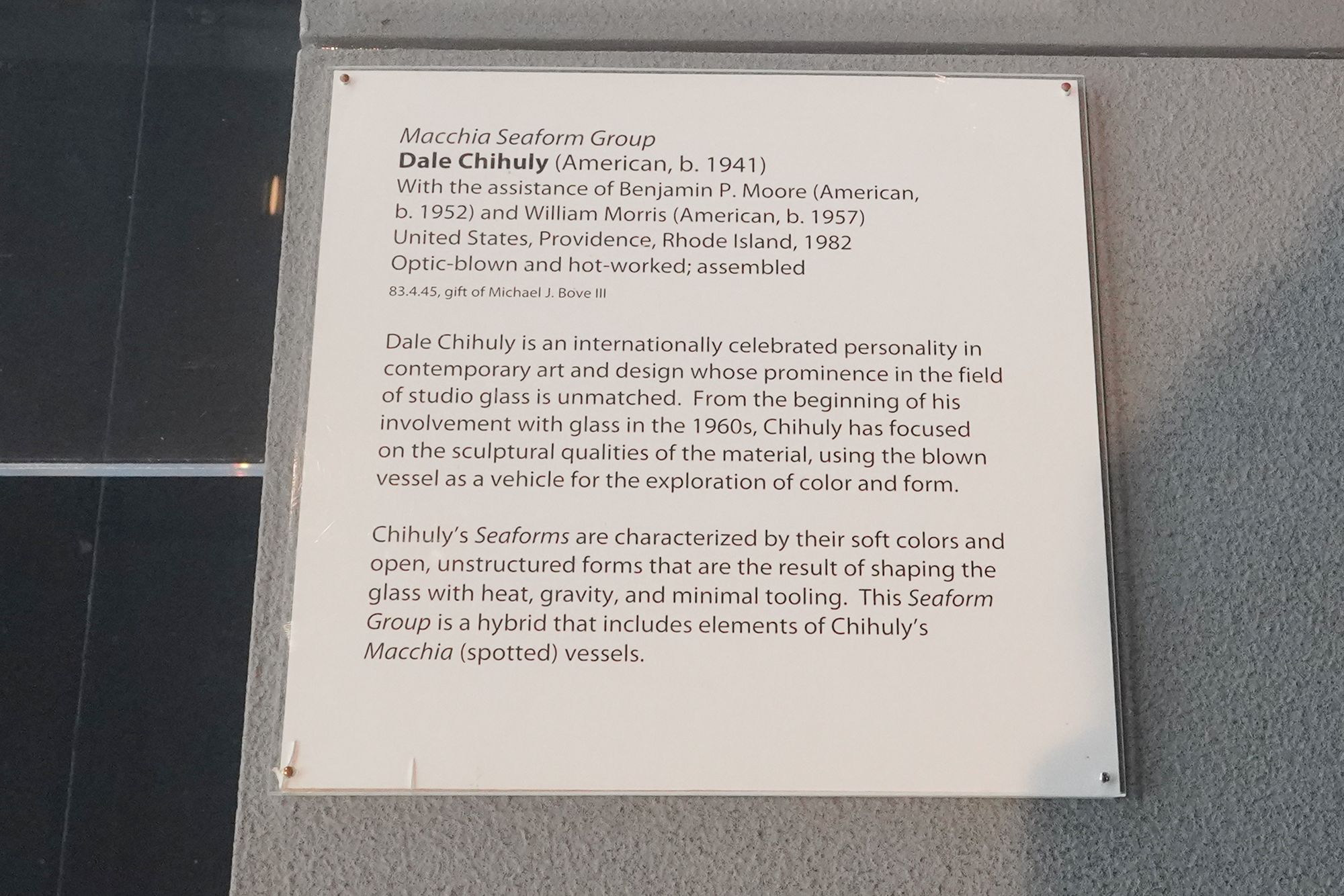
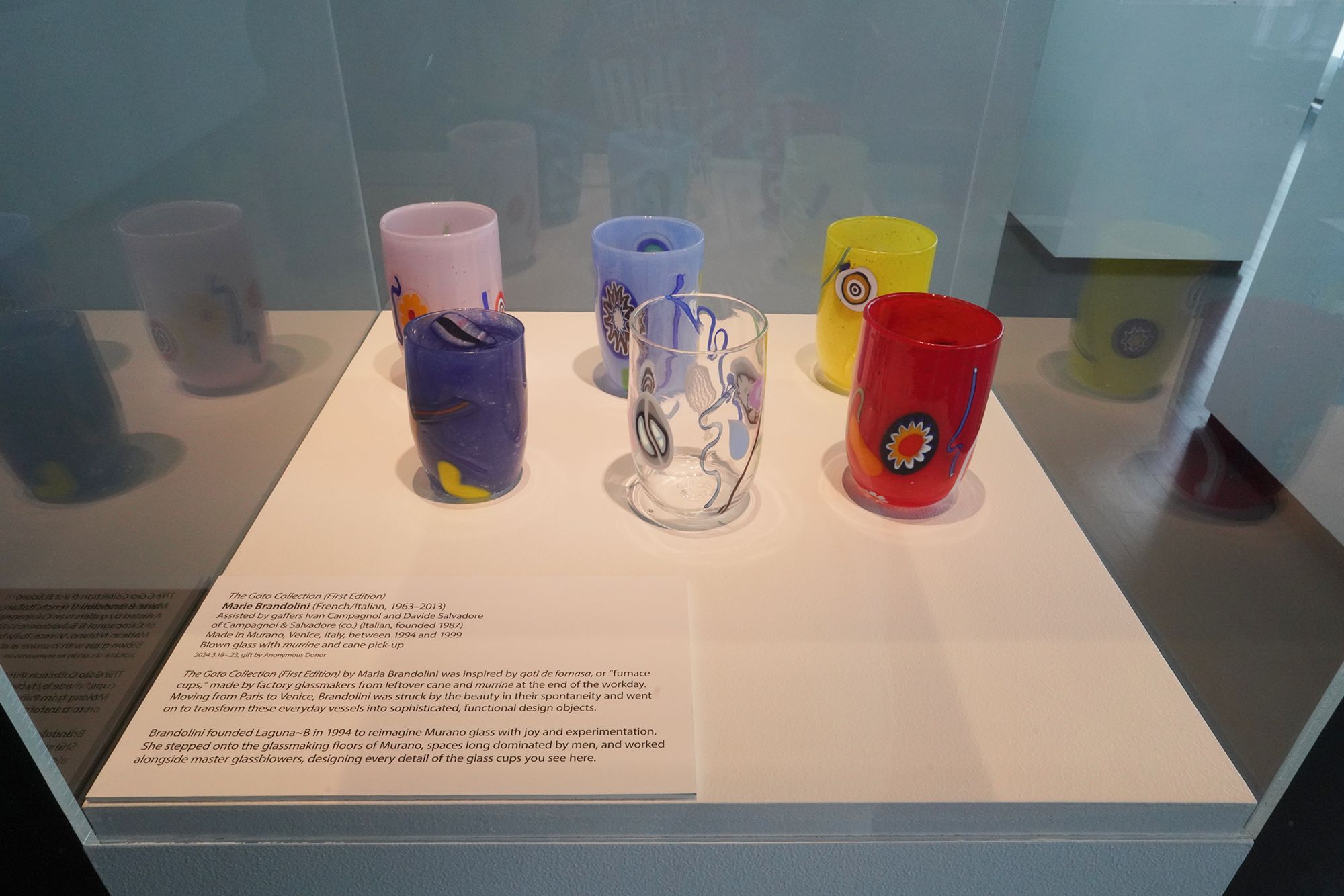
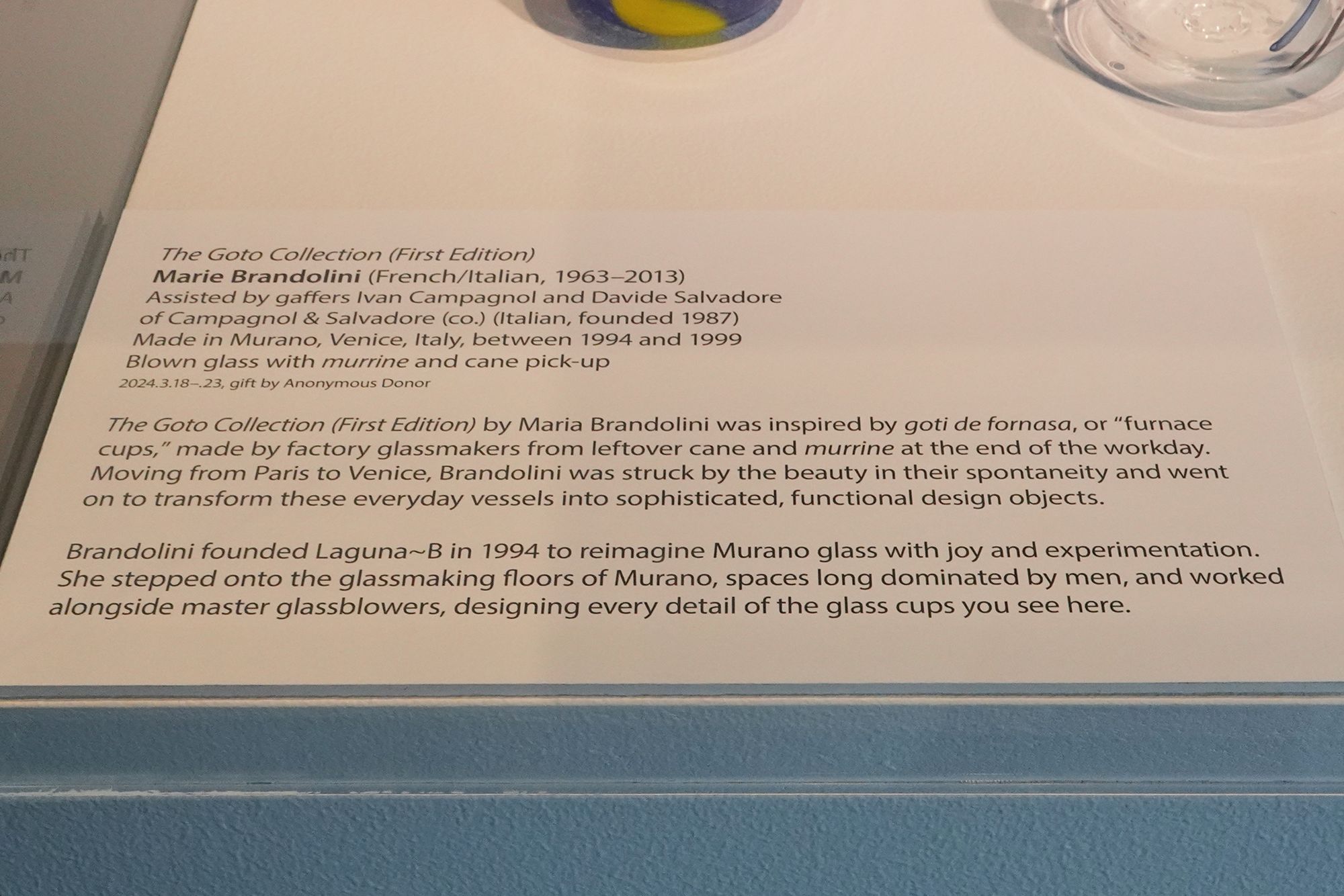
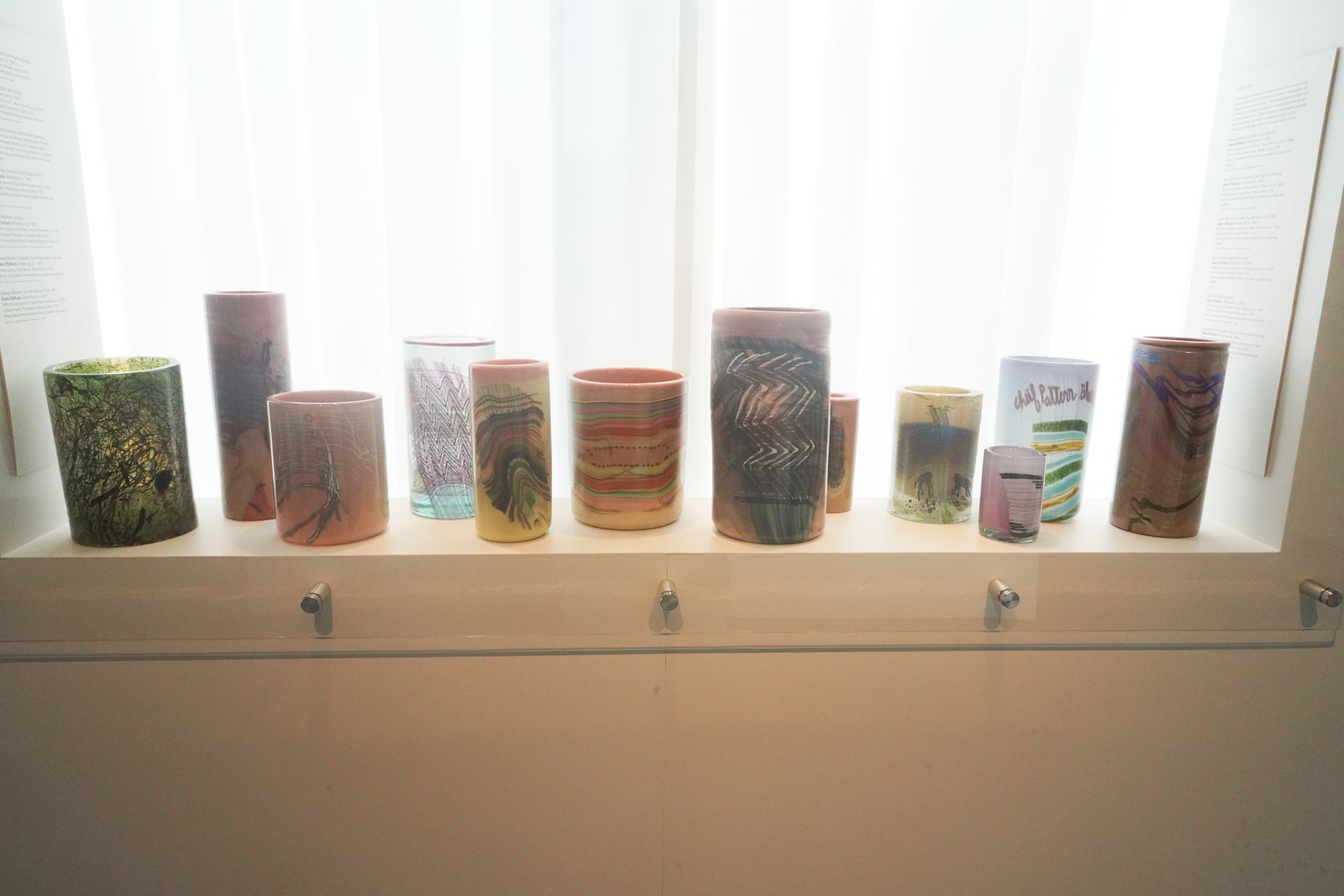
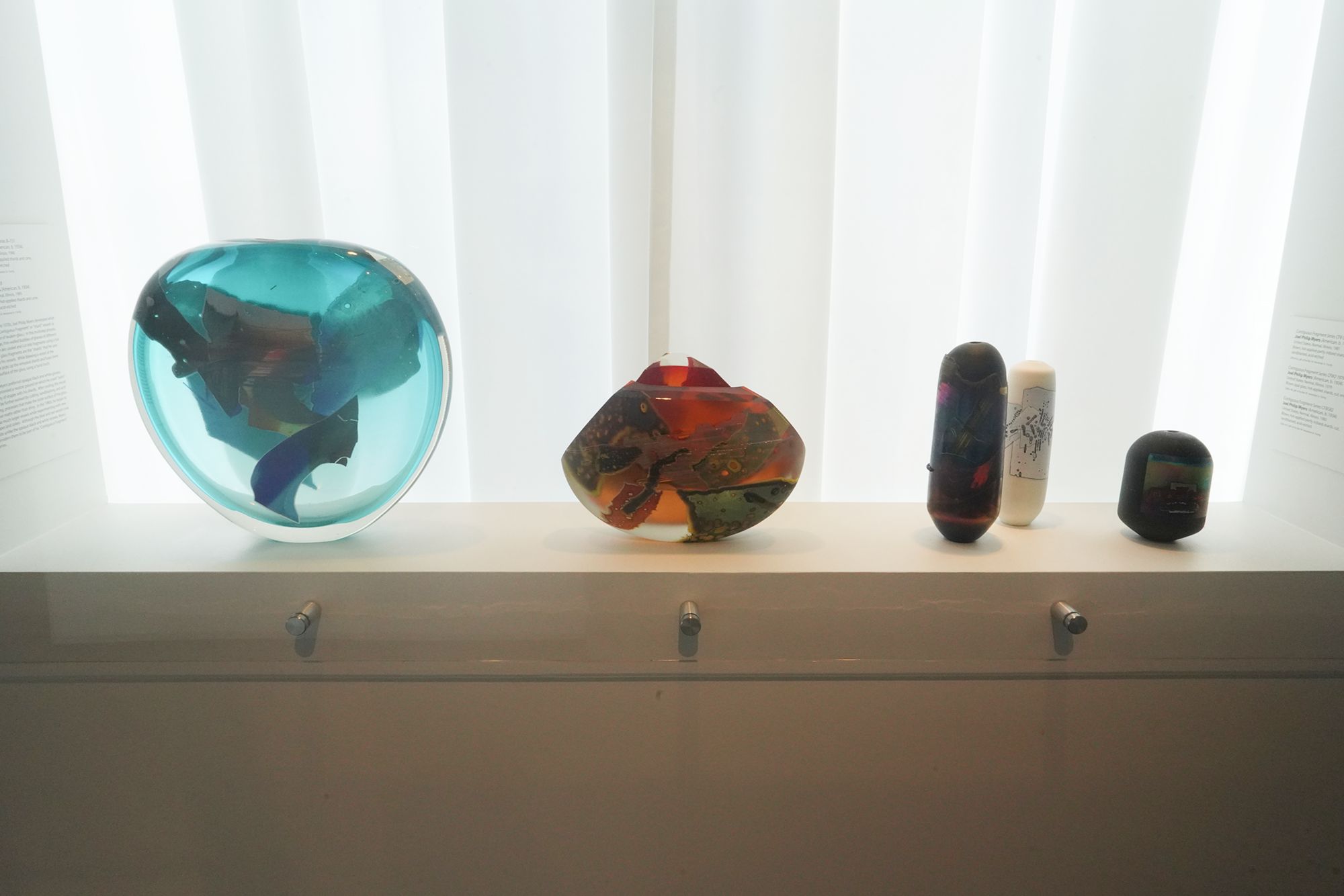
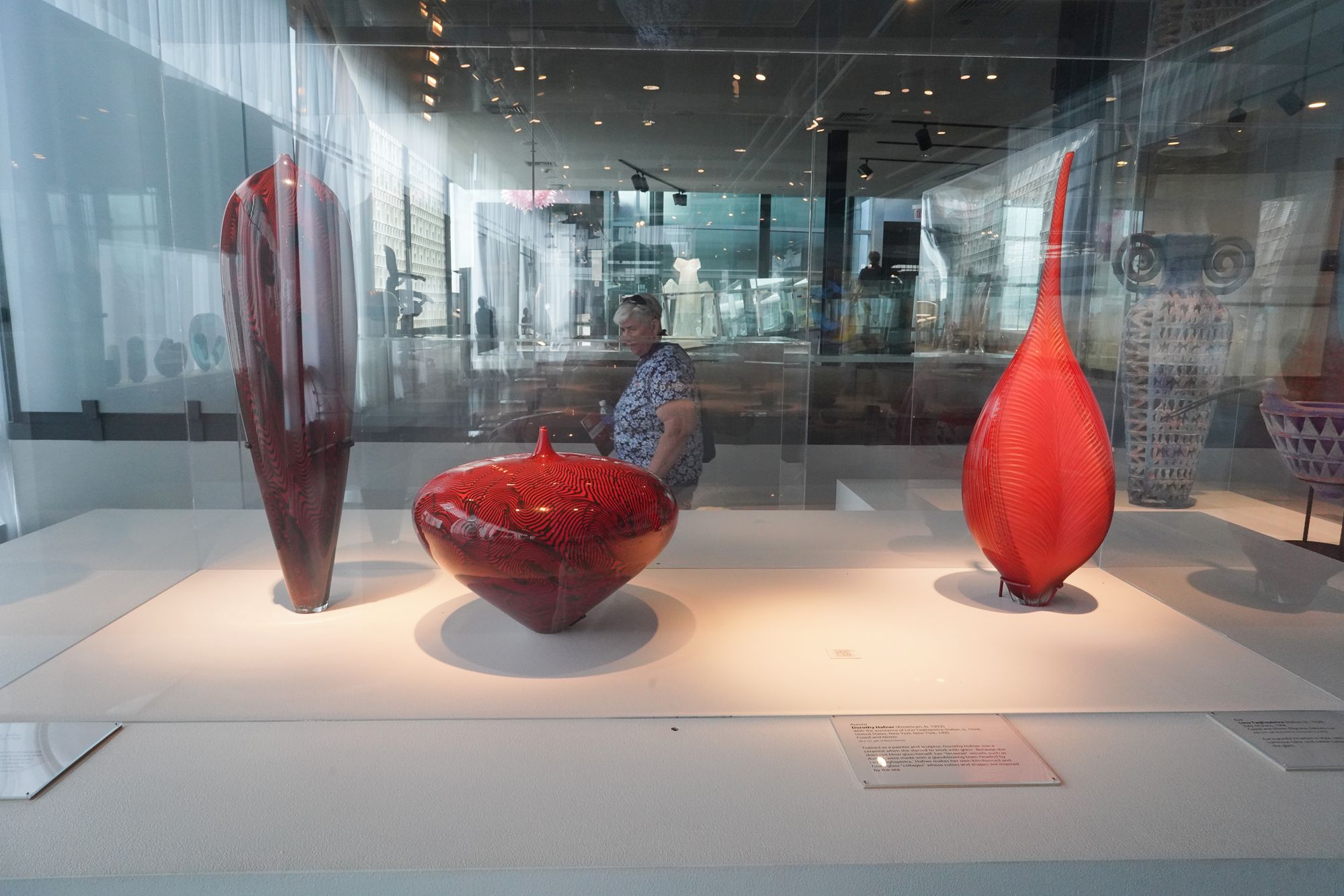
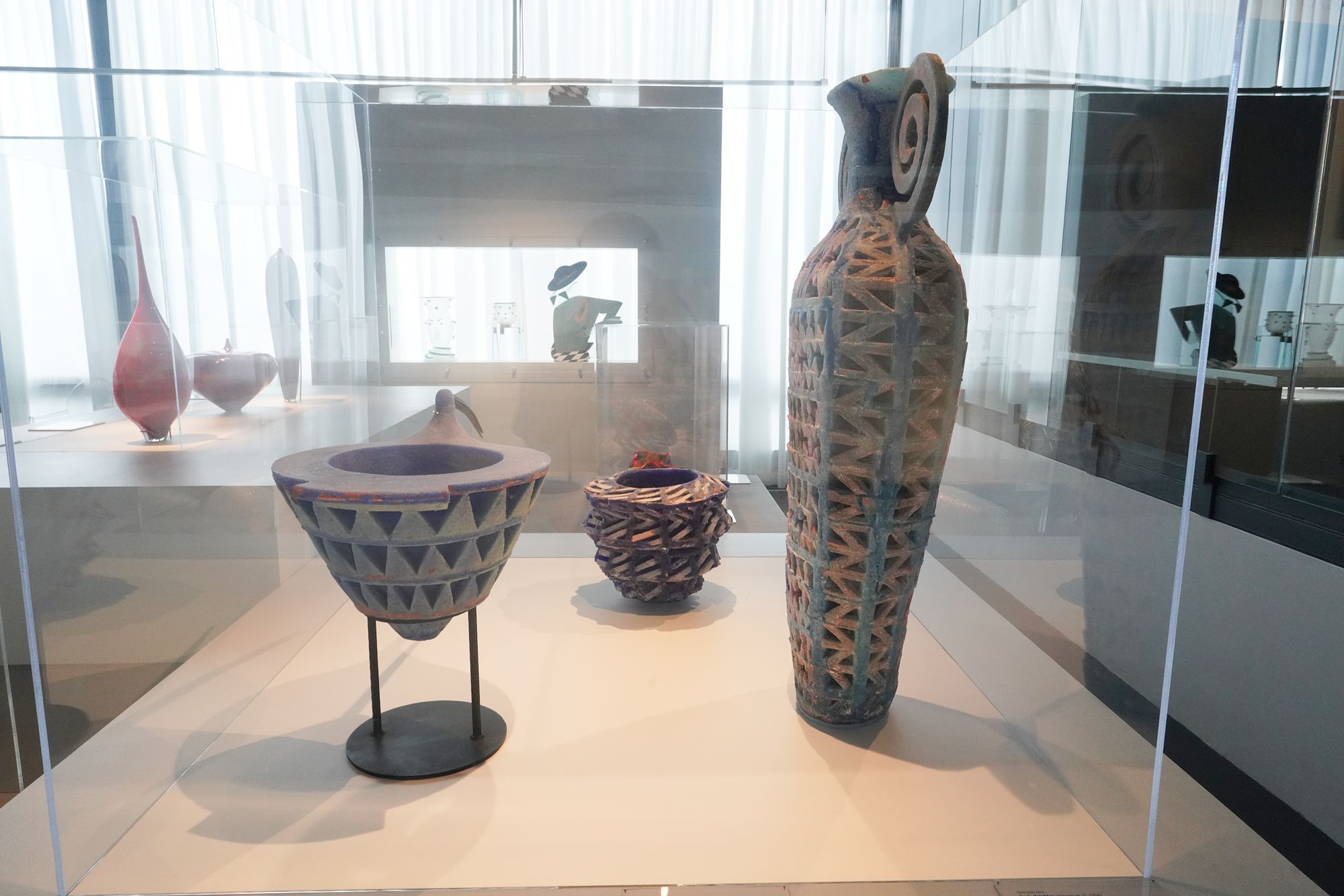
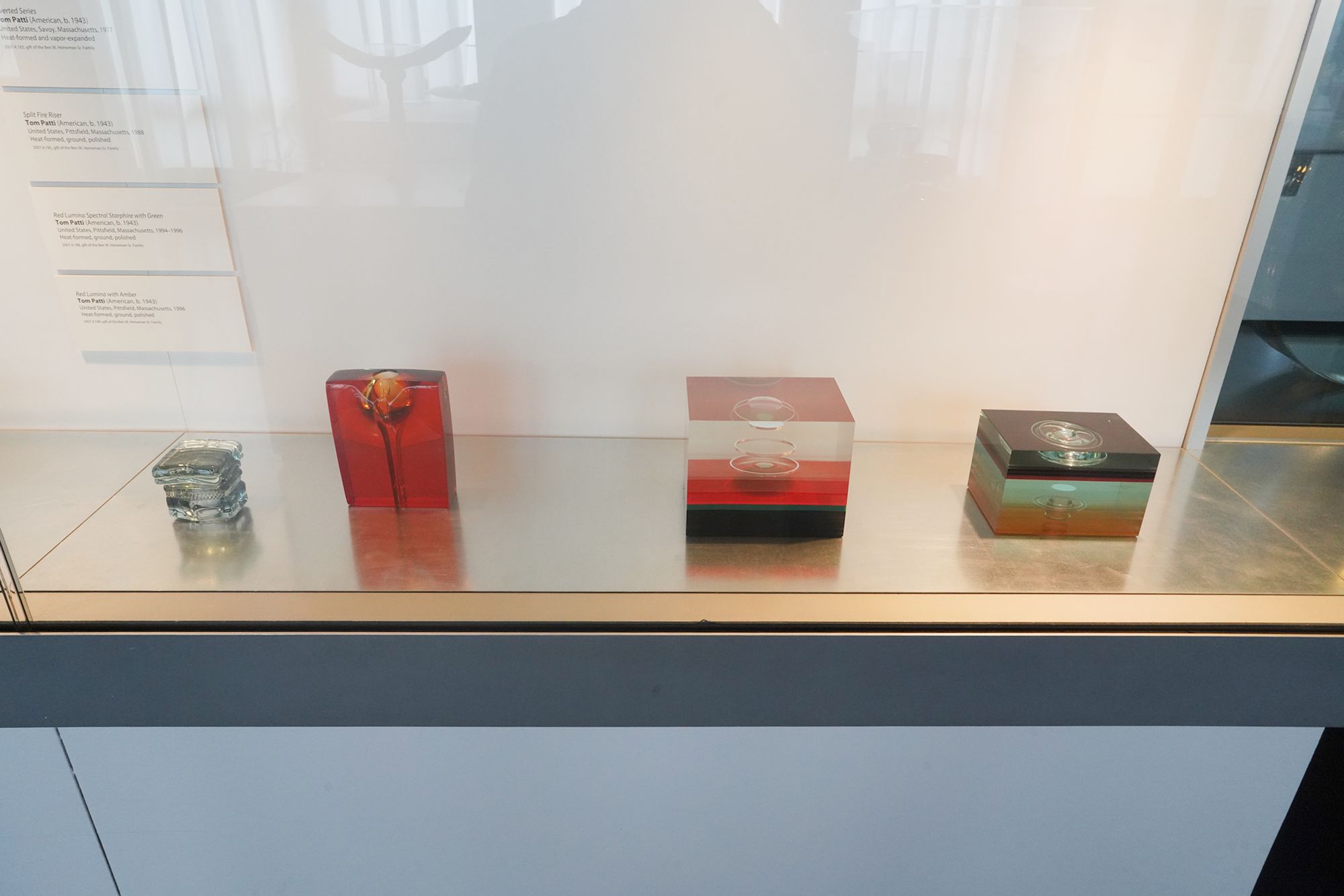
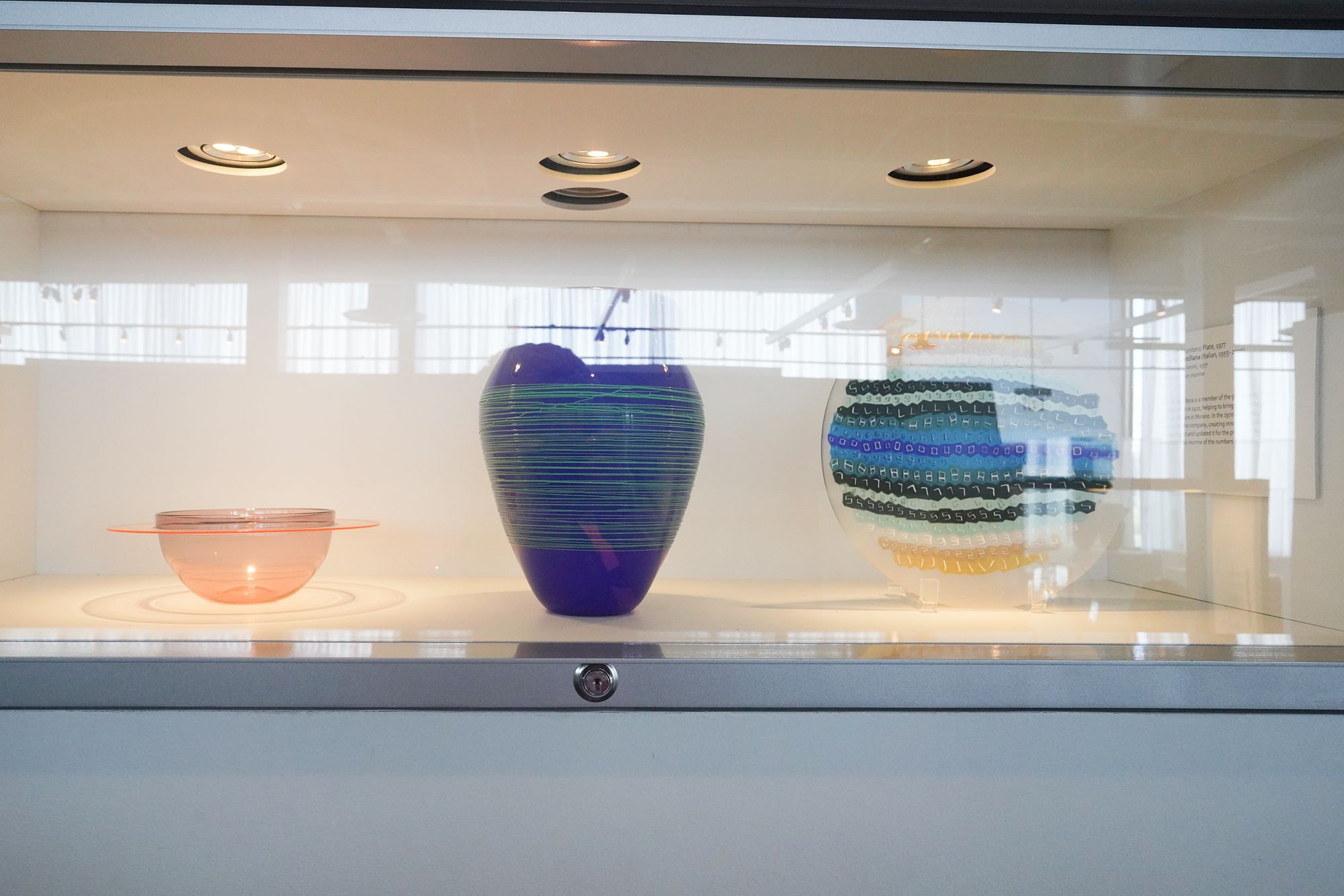
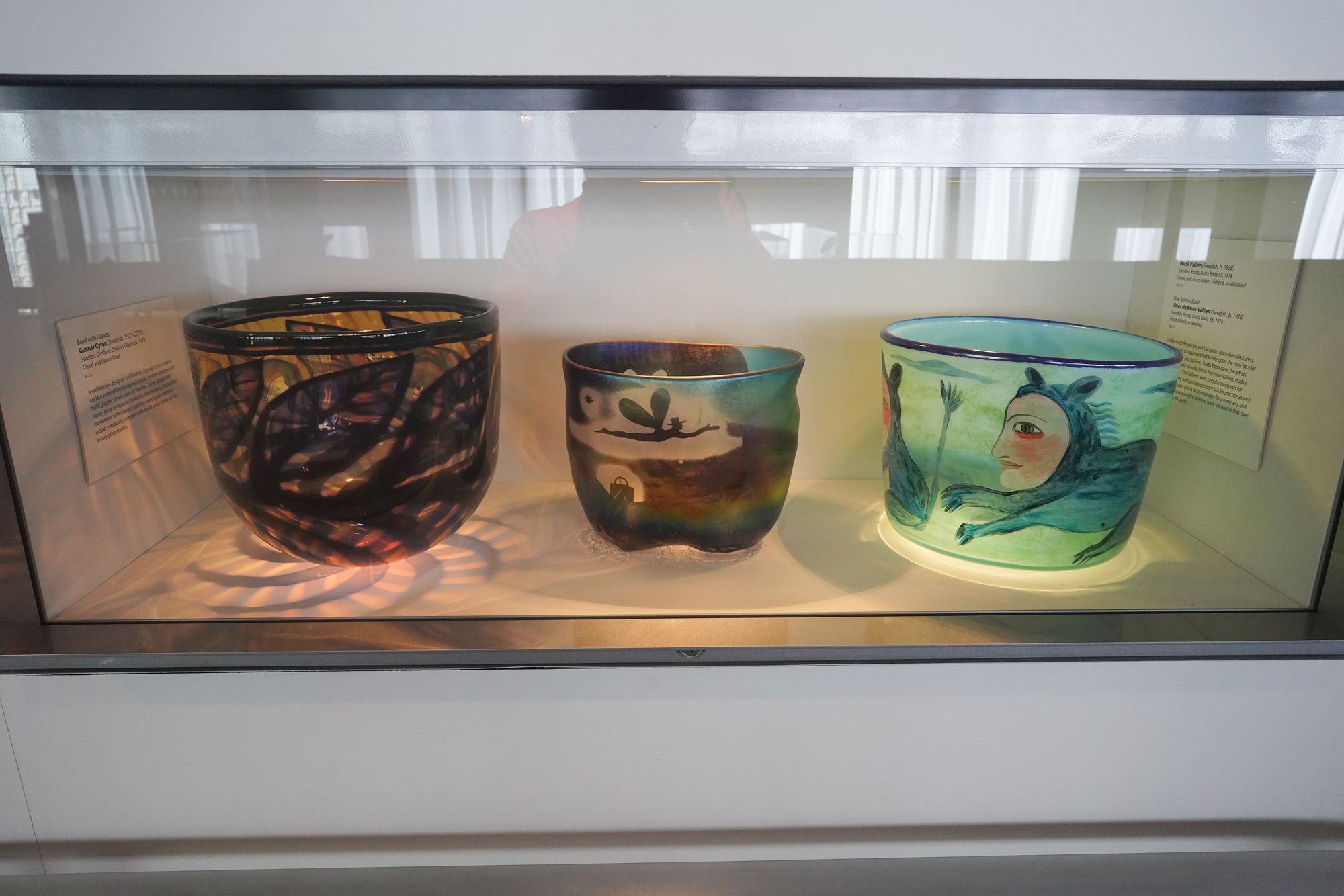
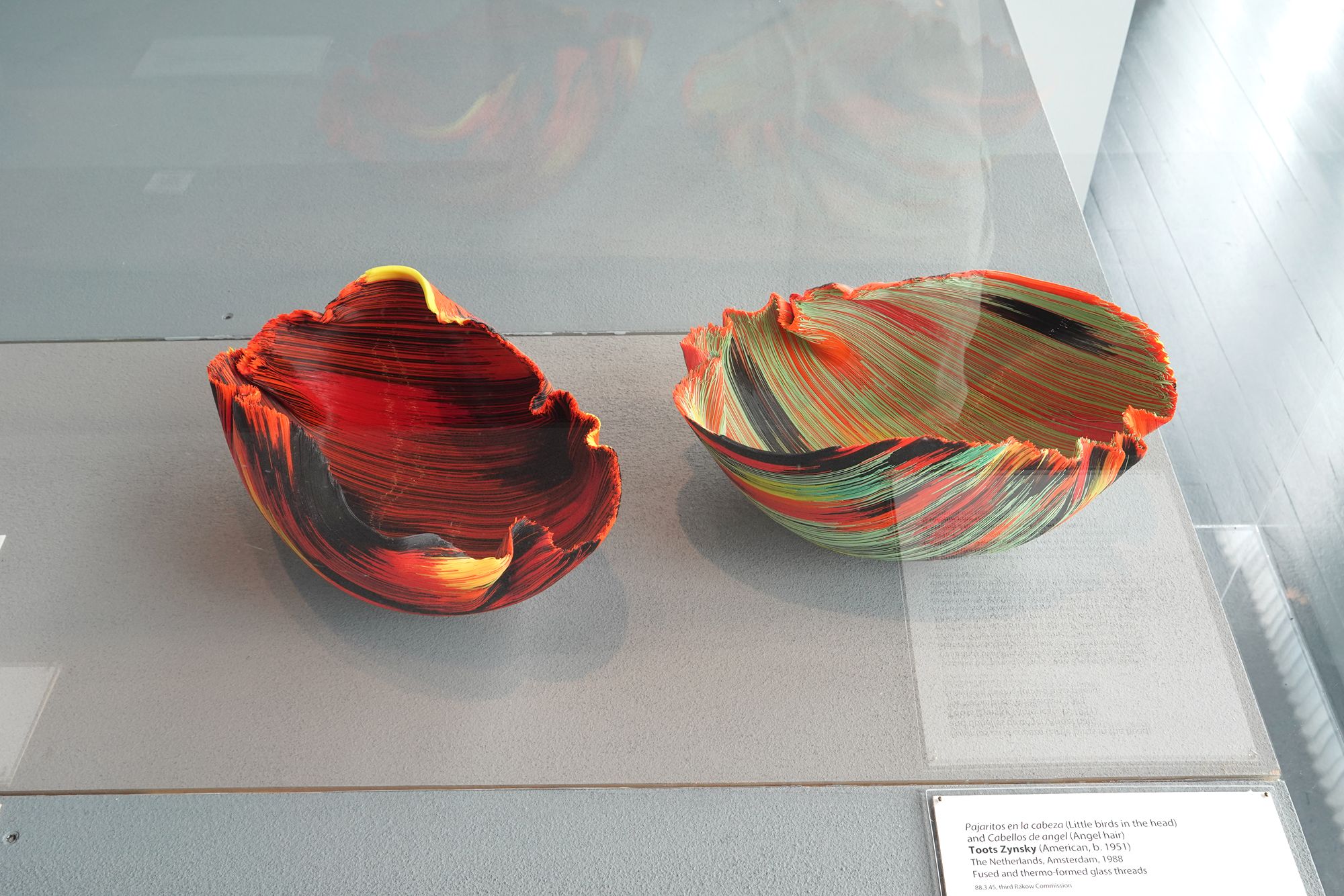
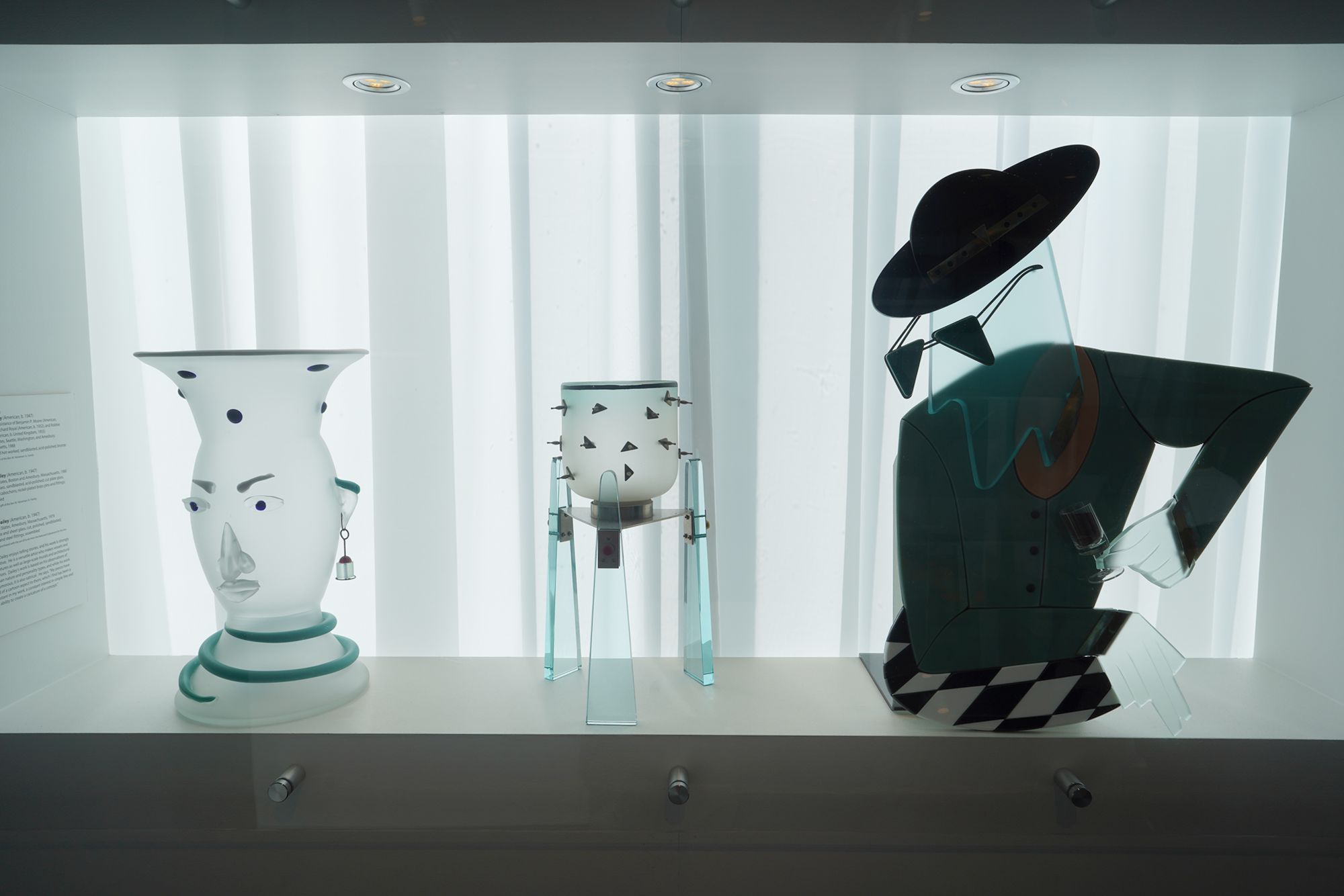
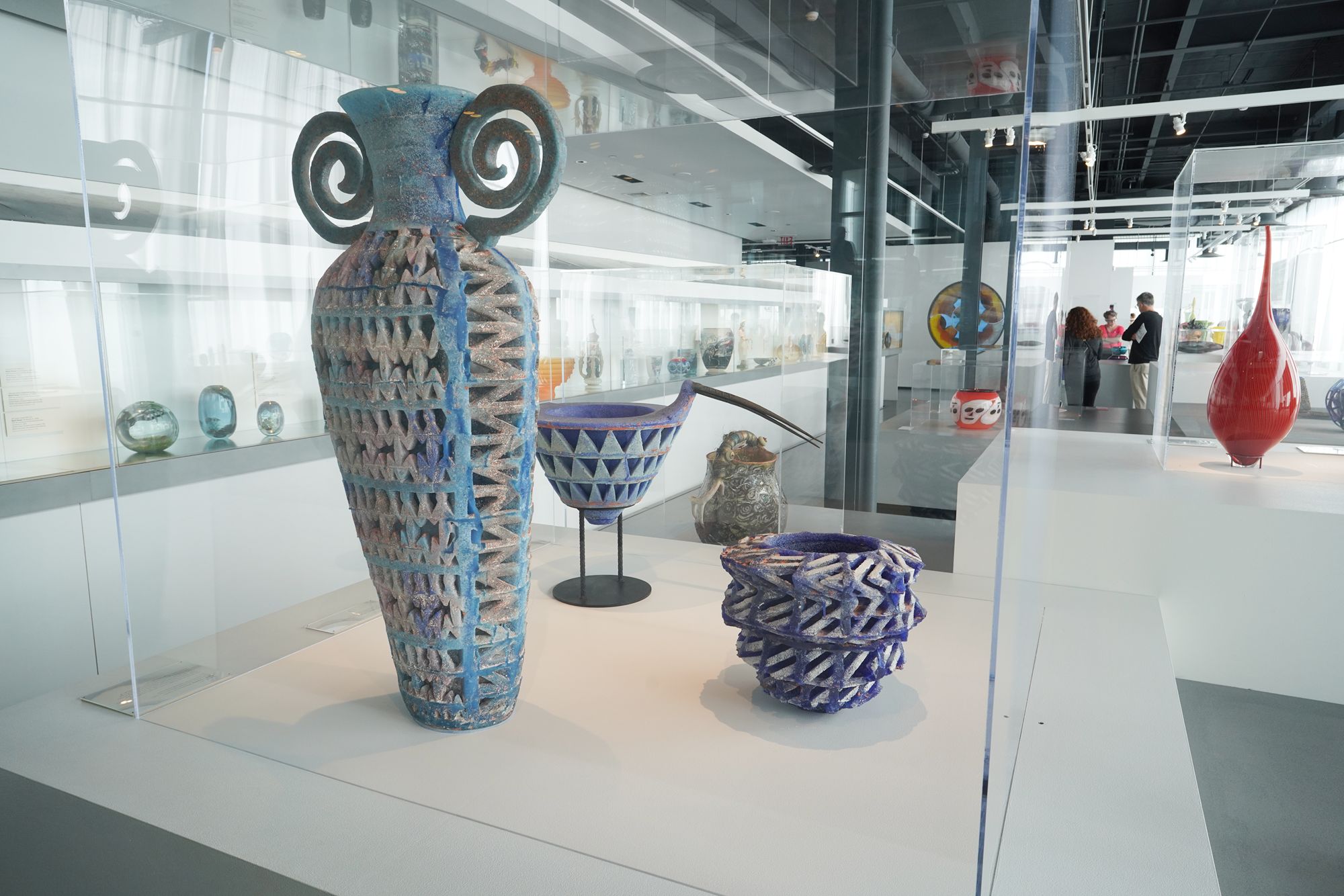
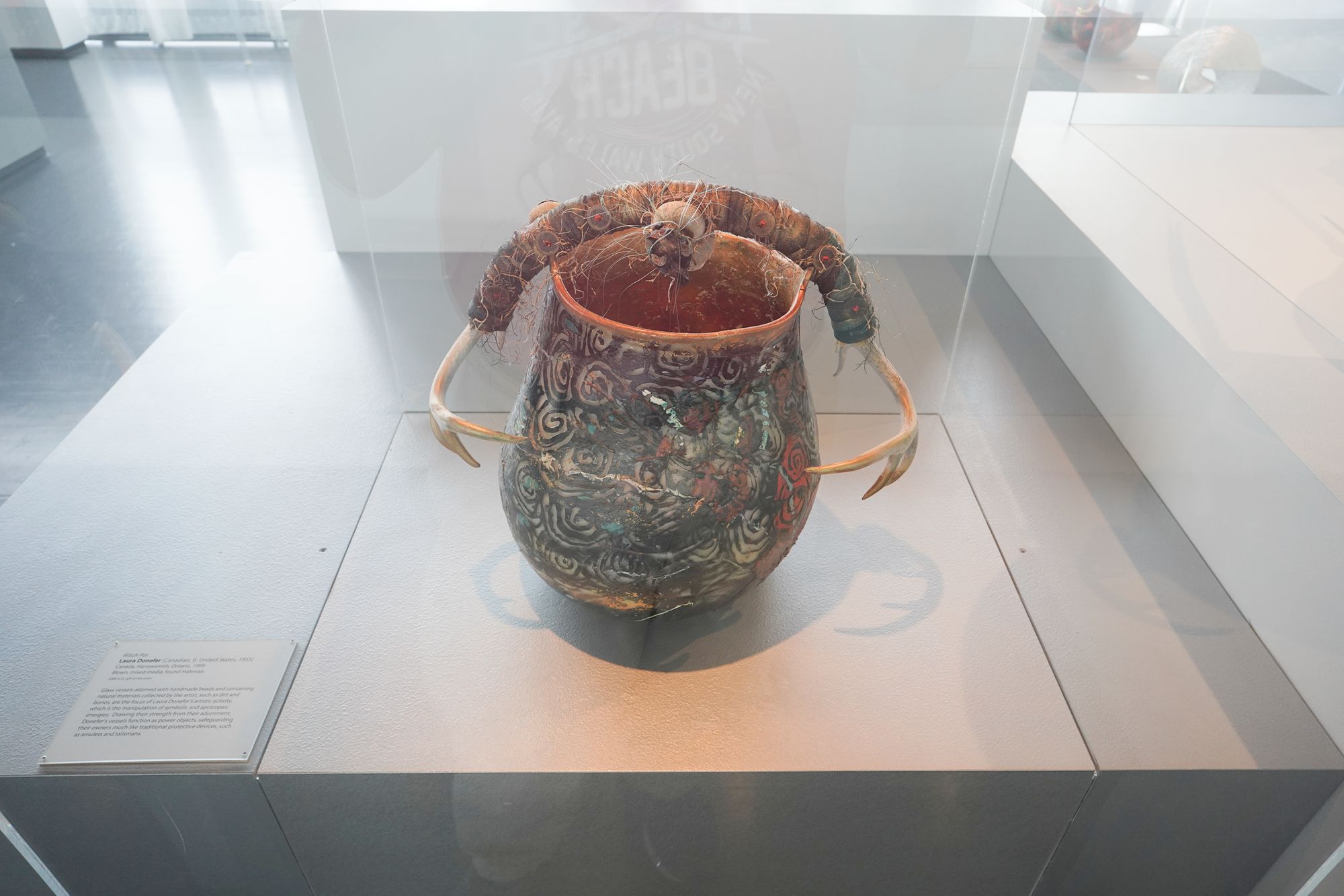
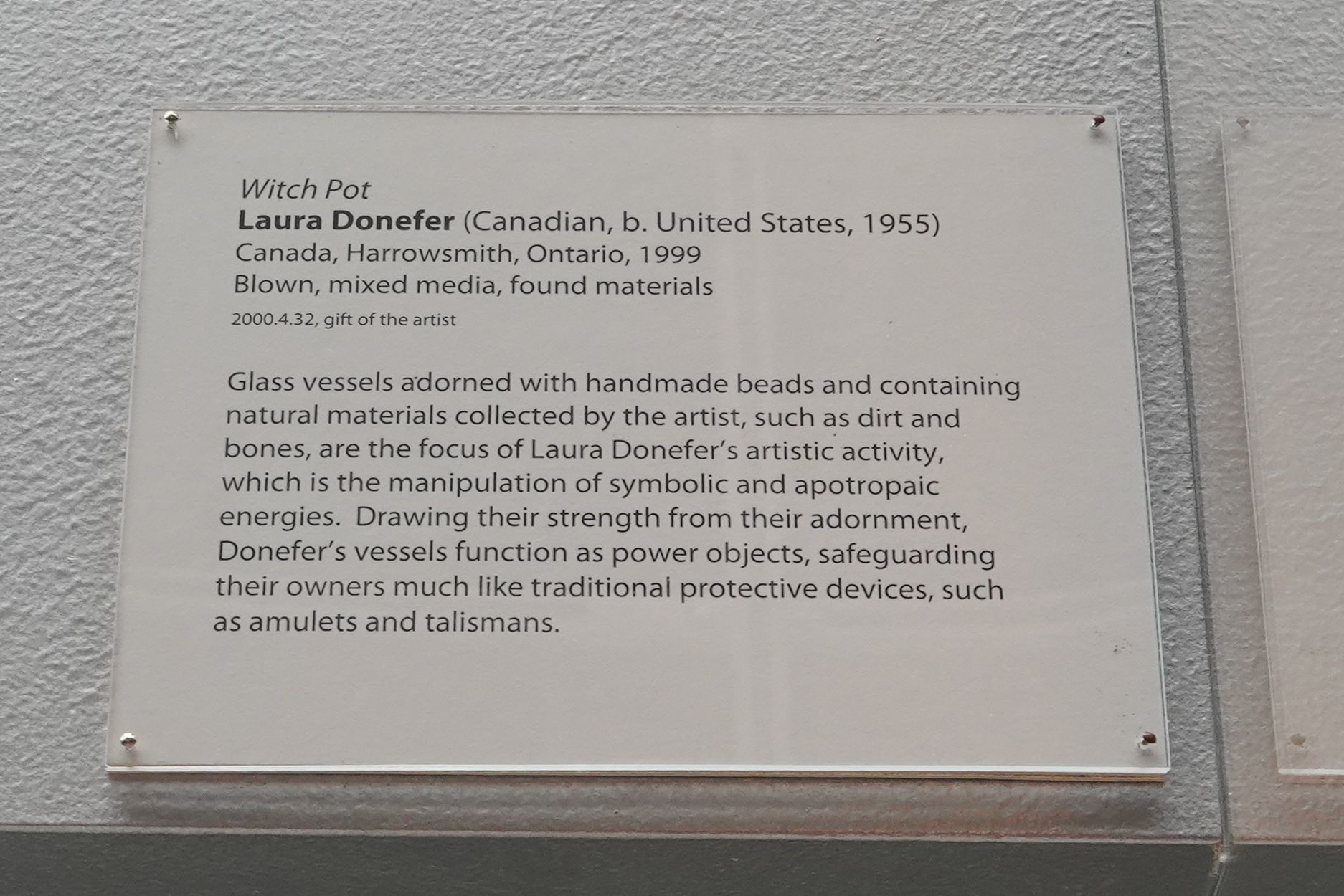
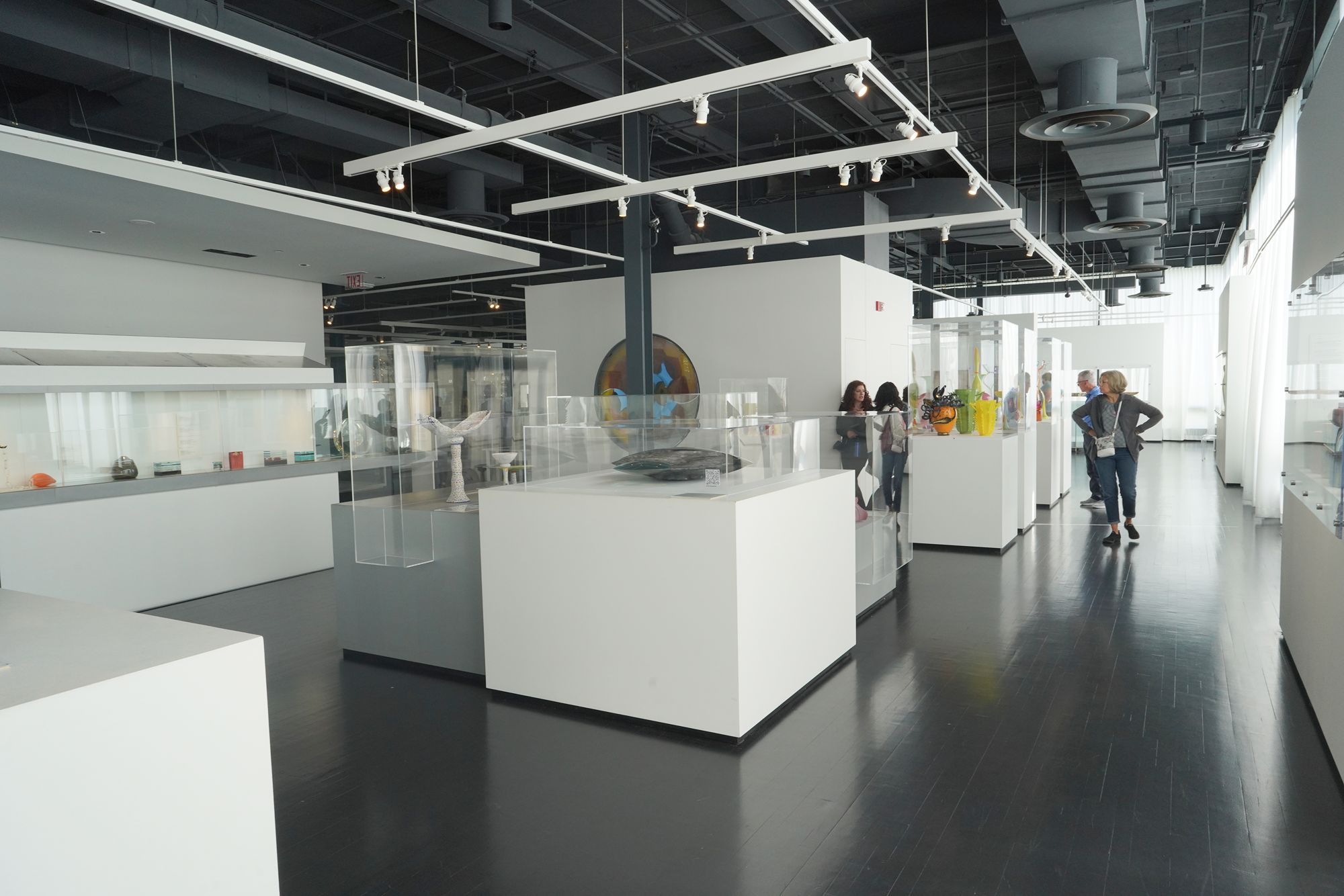
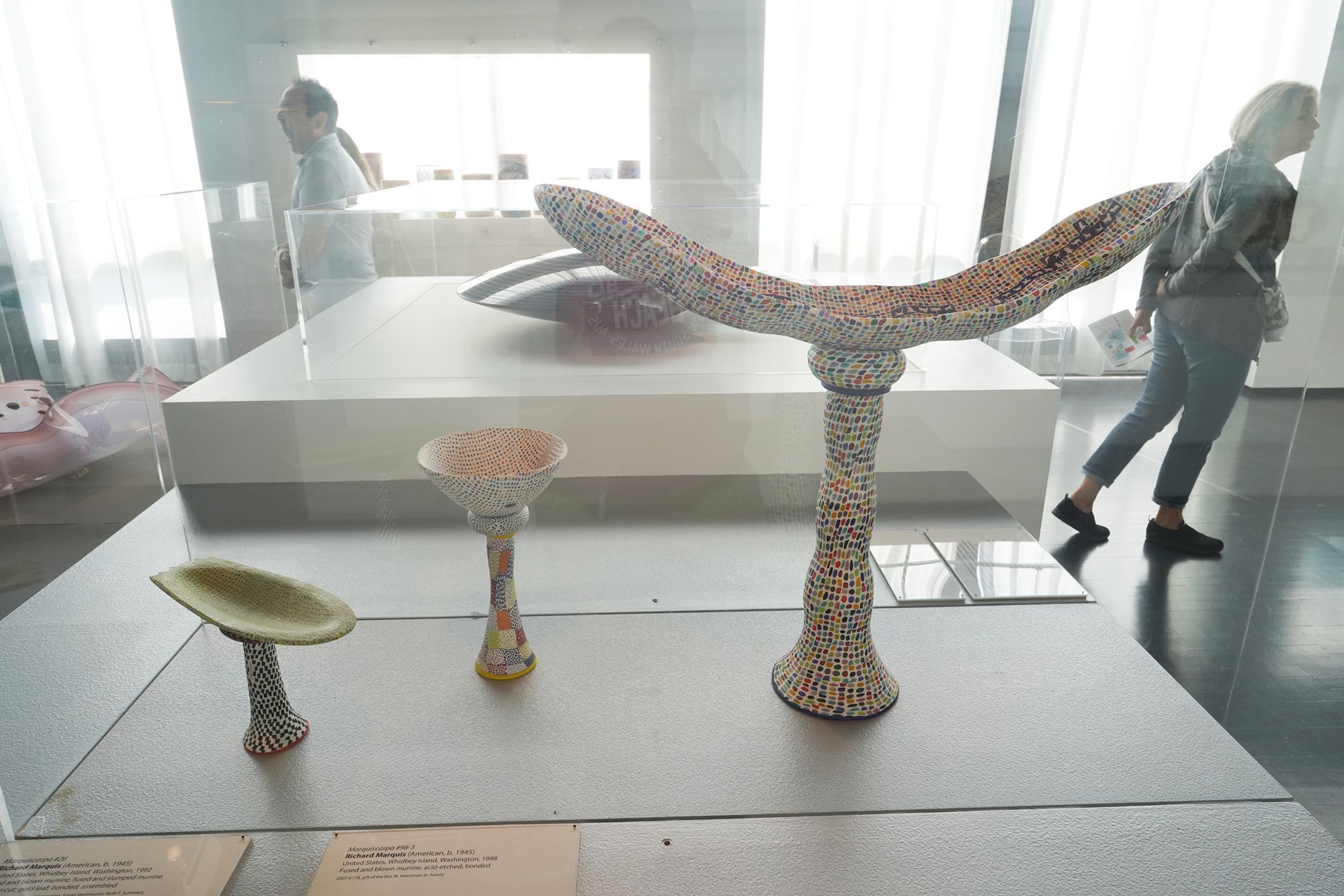
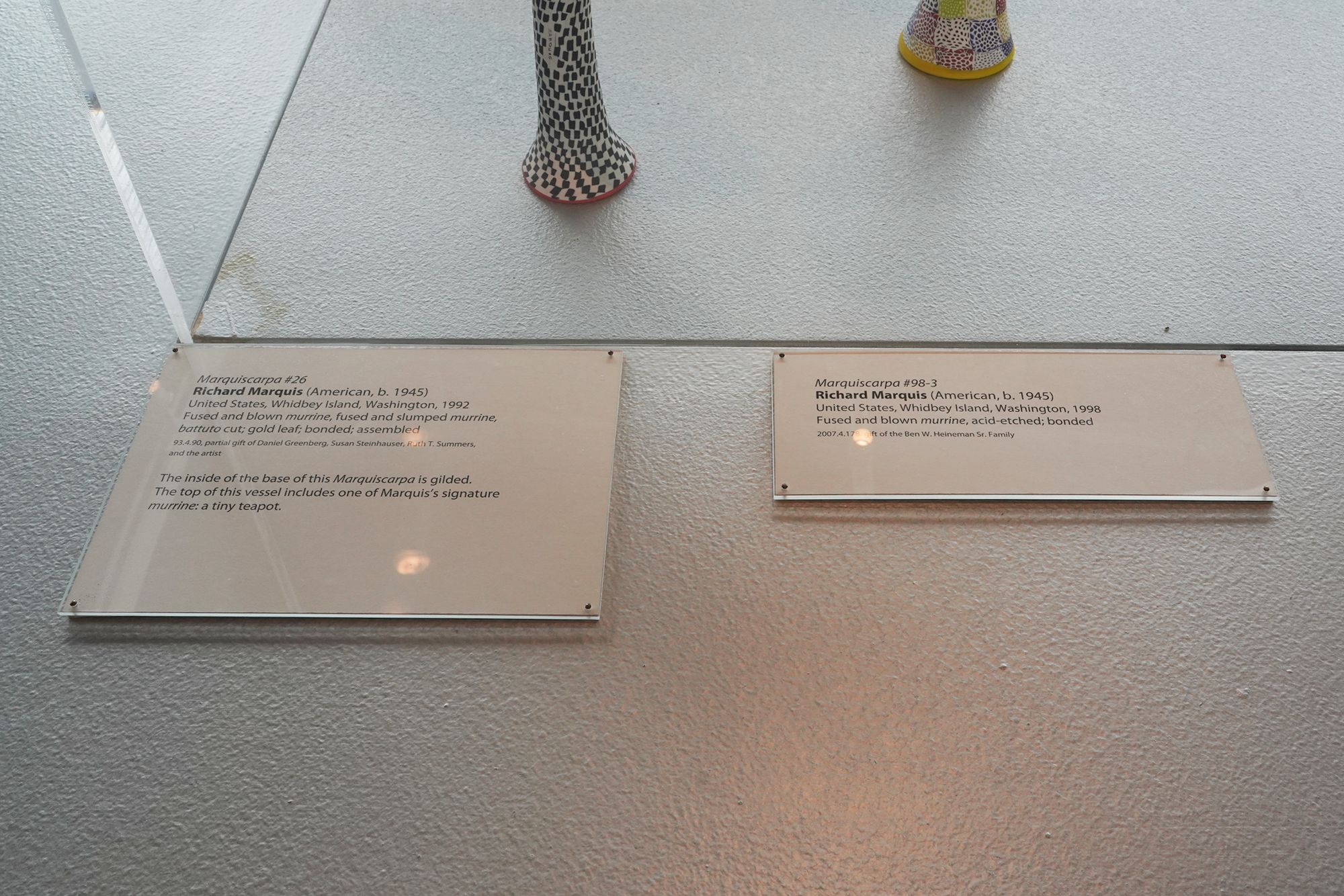
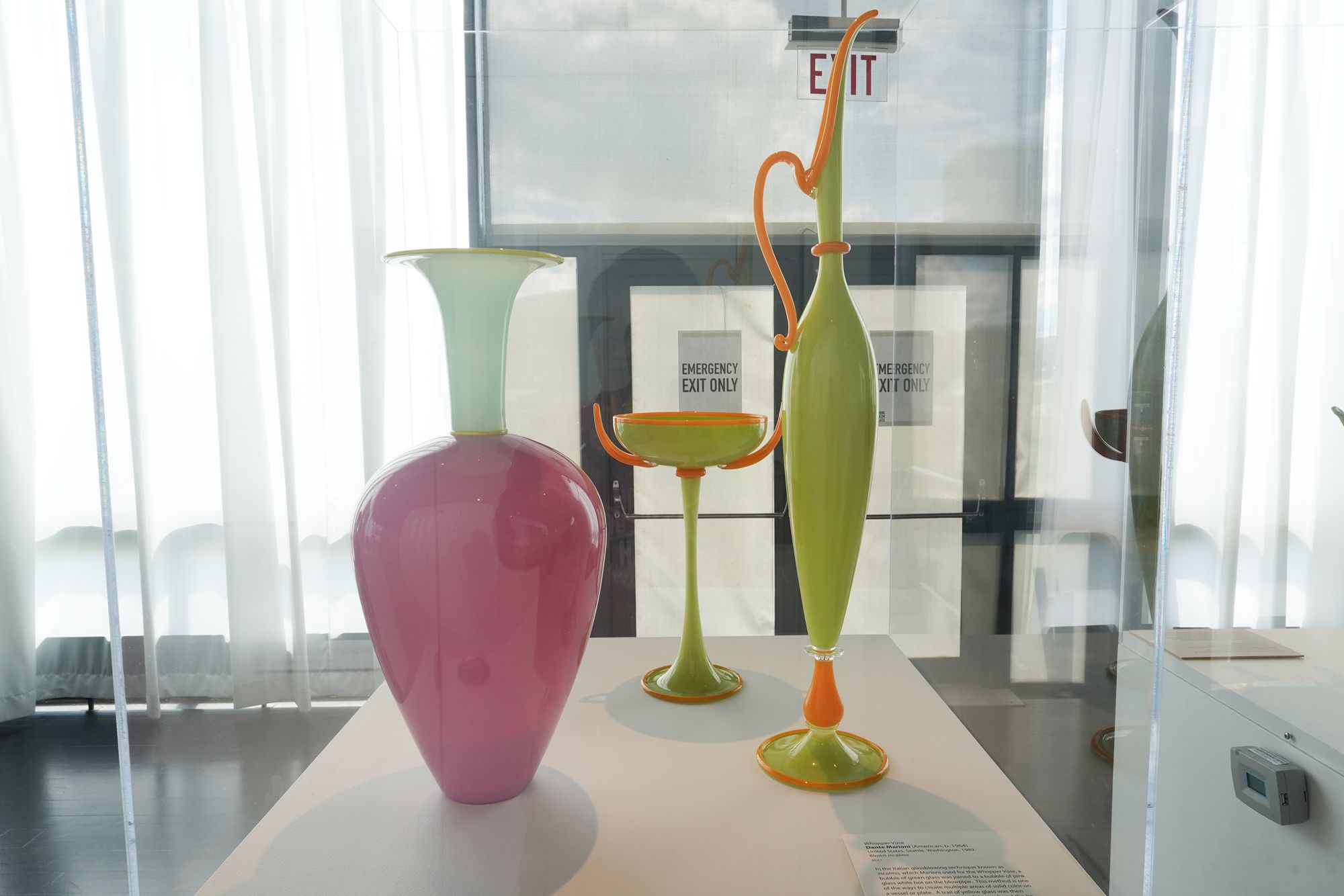
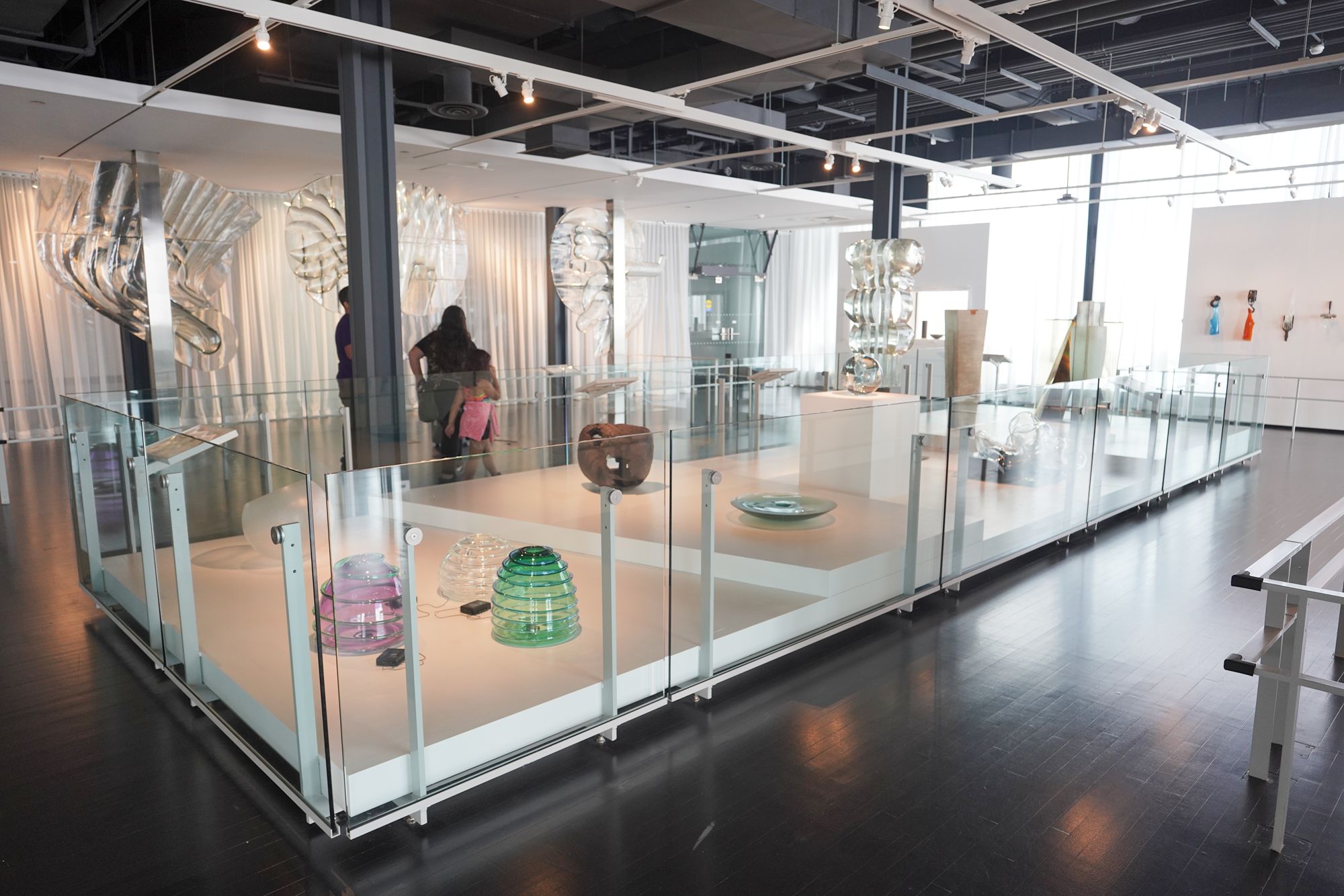
Contemporary Glass Art
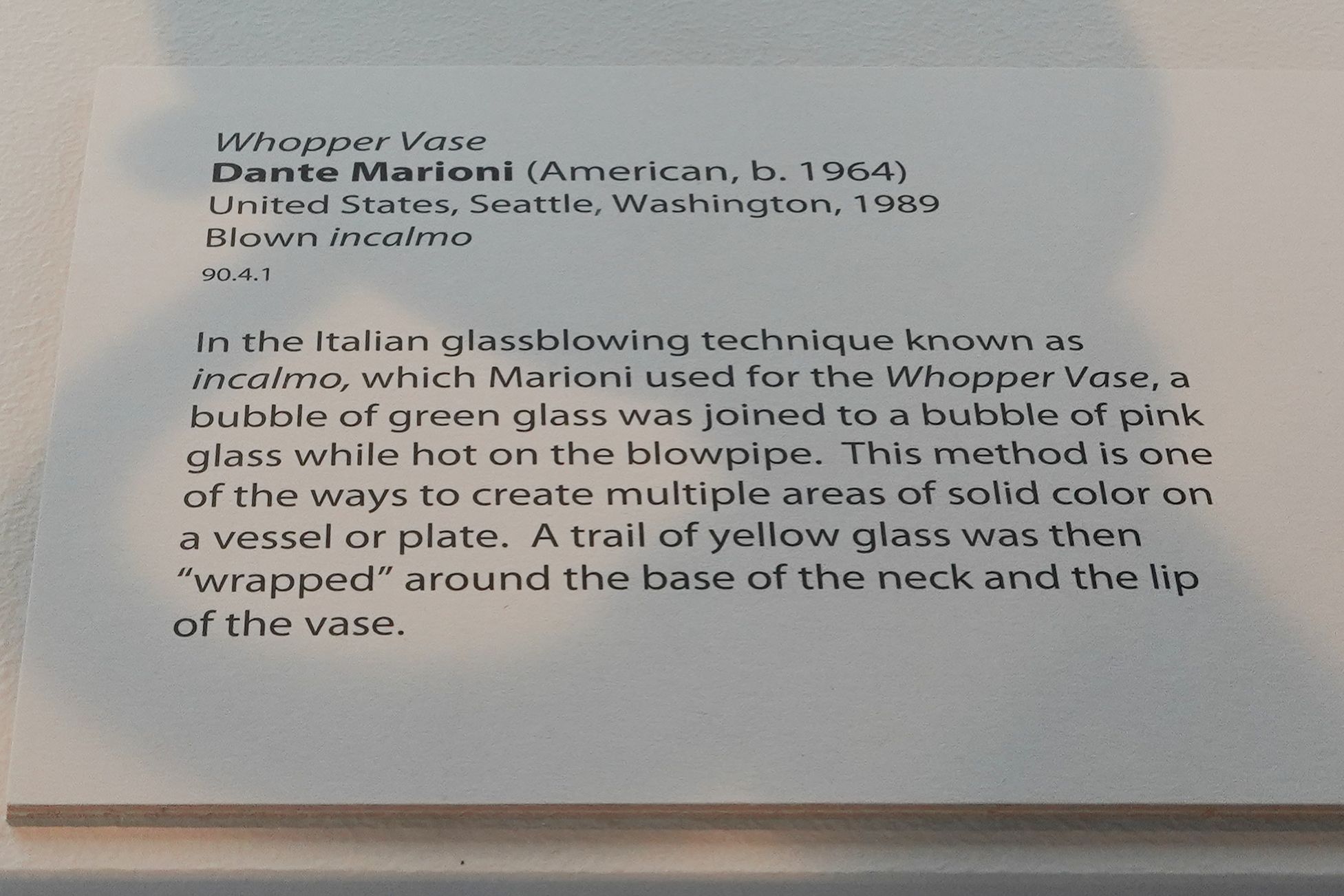


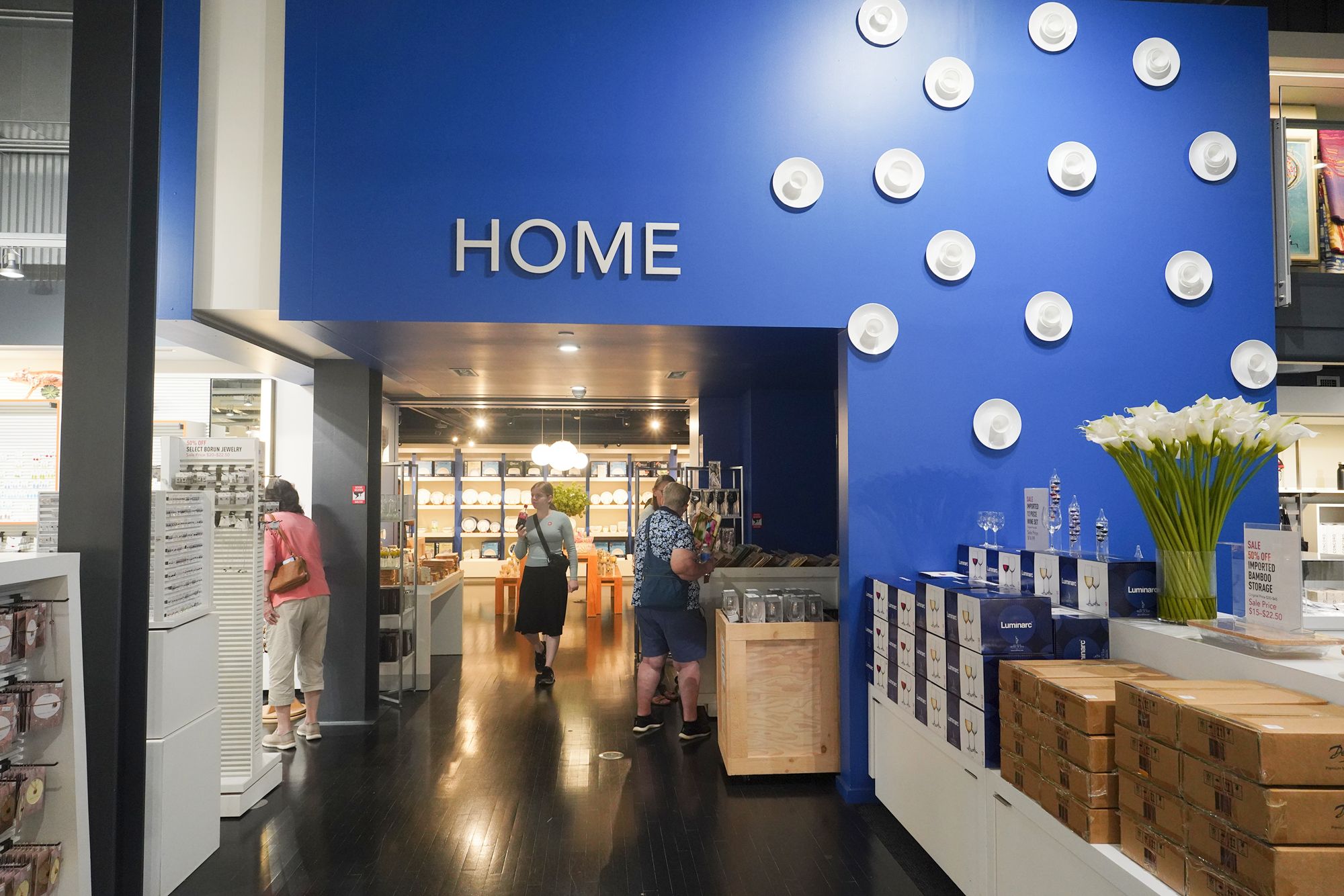
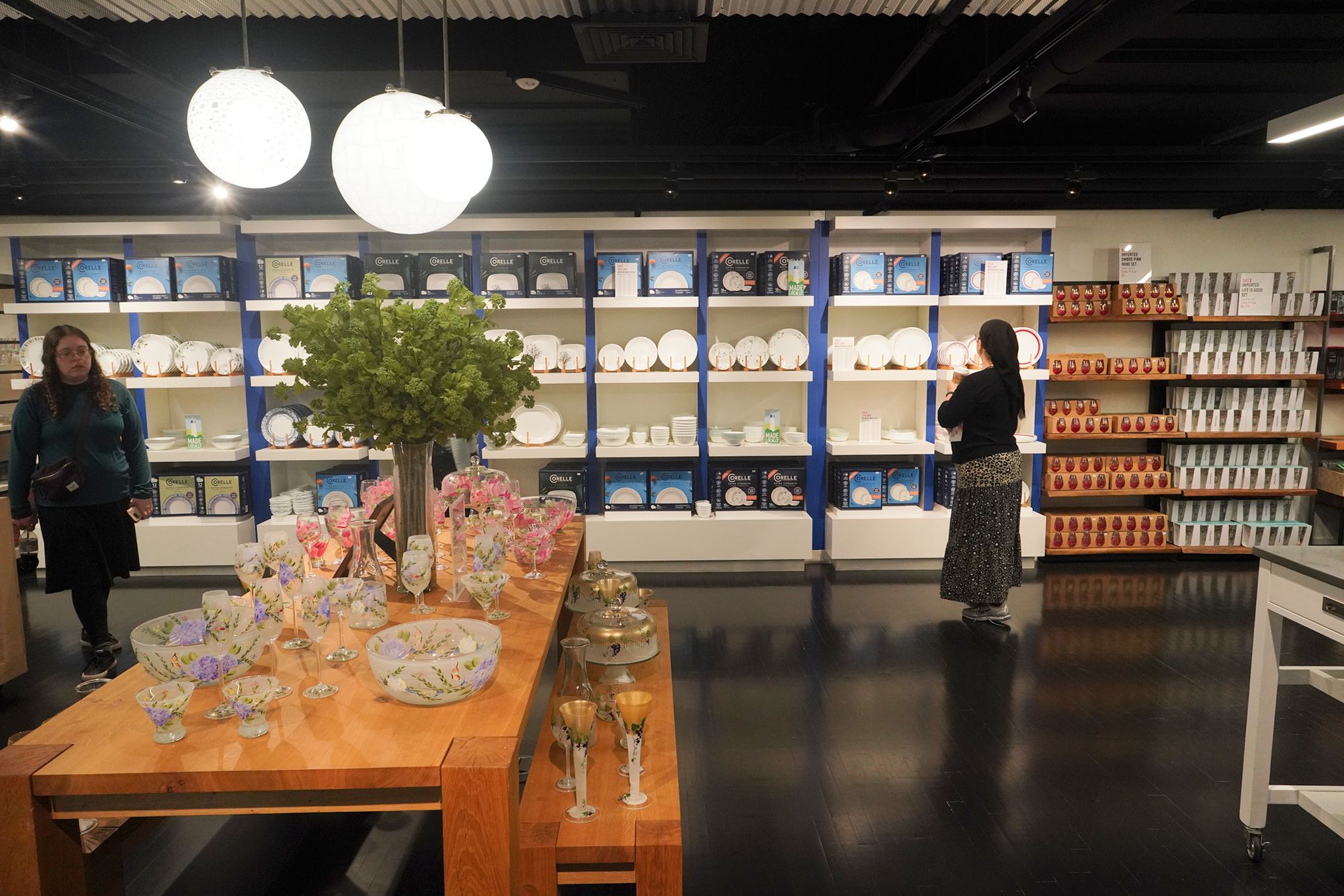
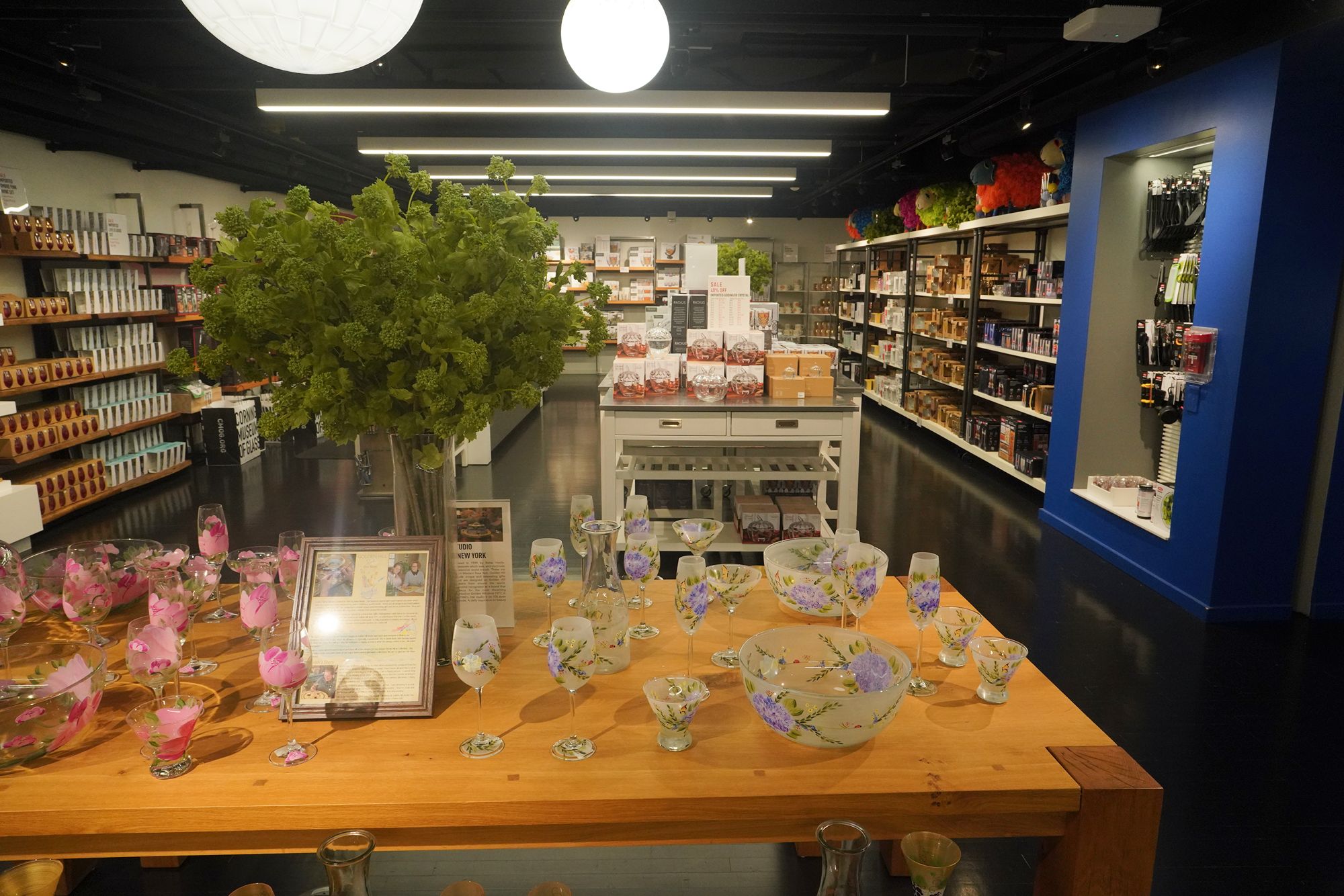
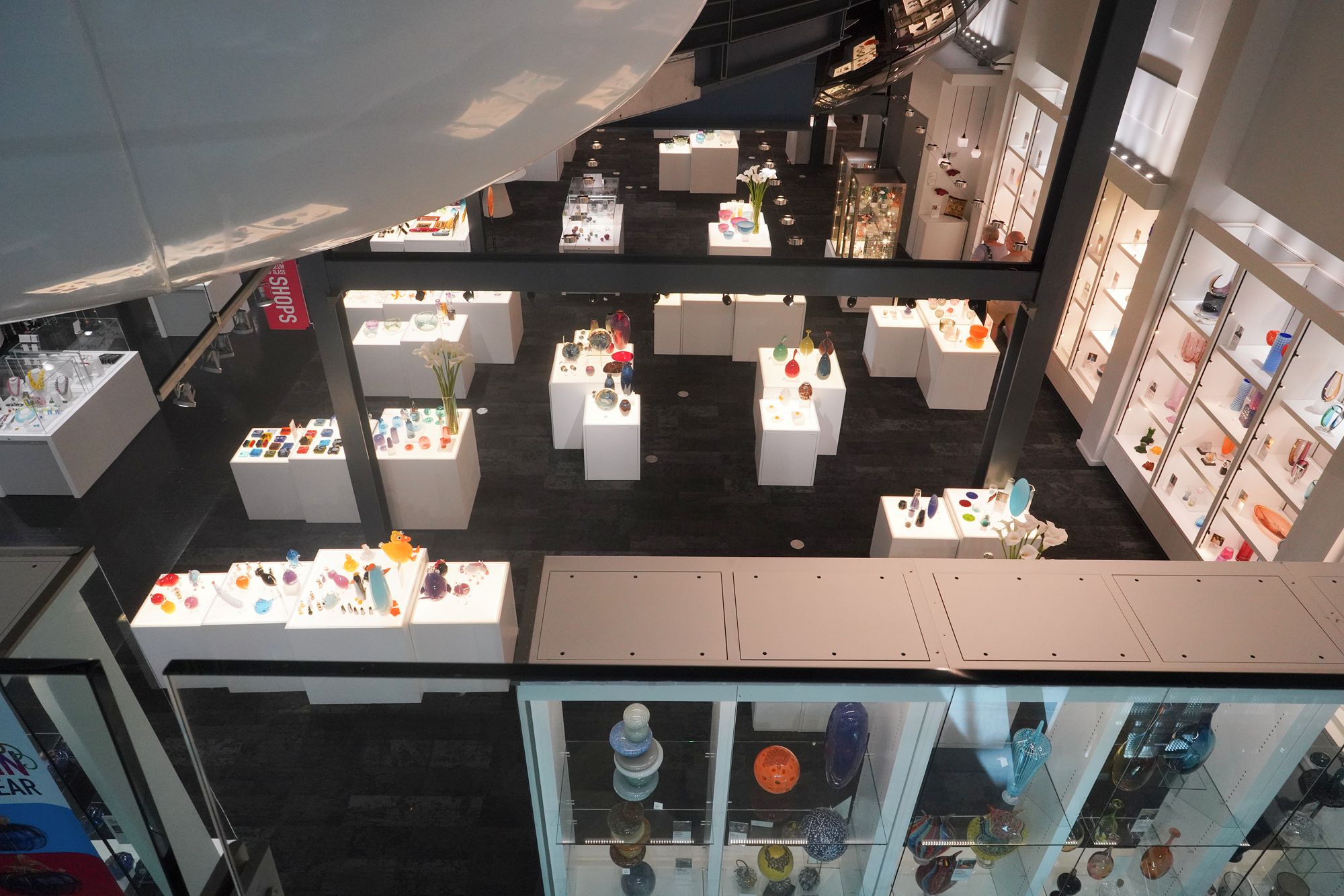
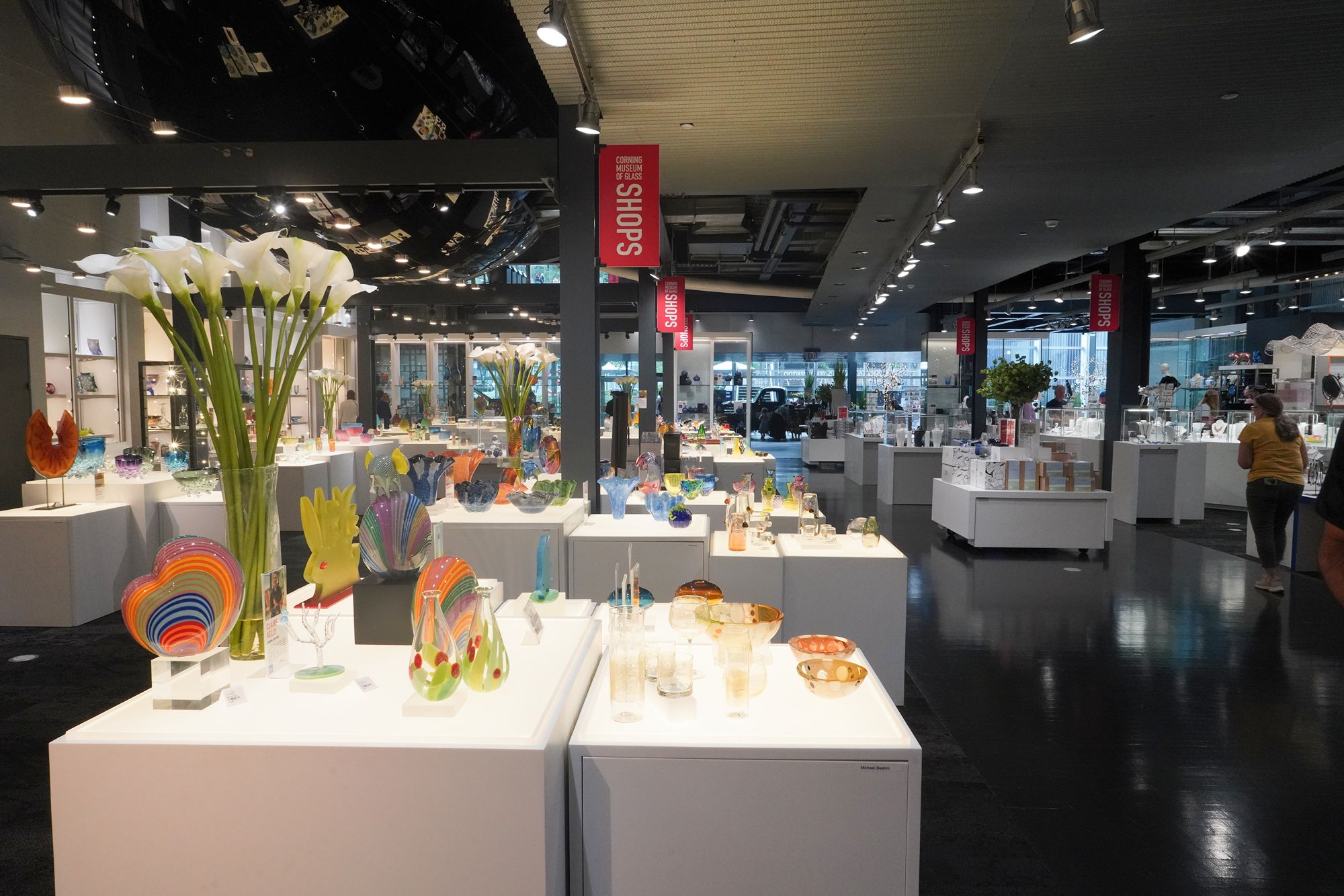
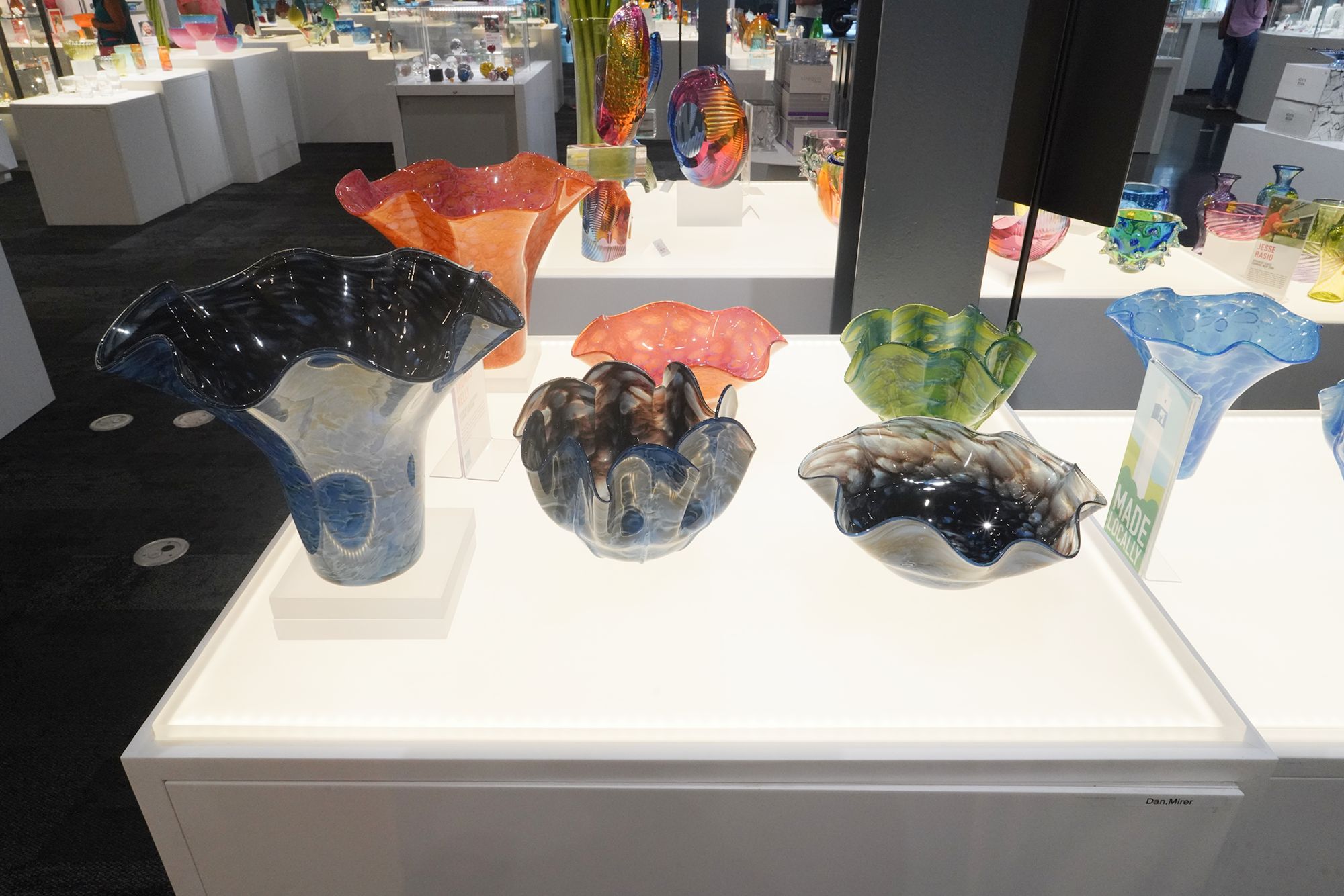
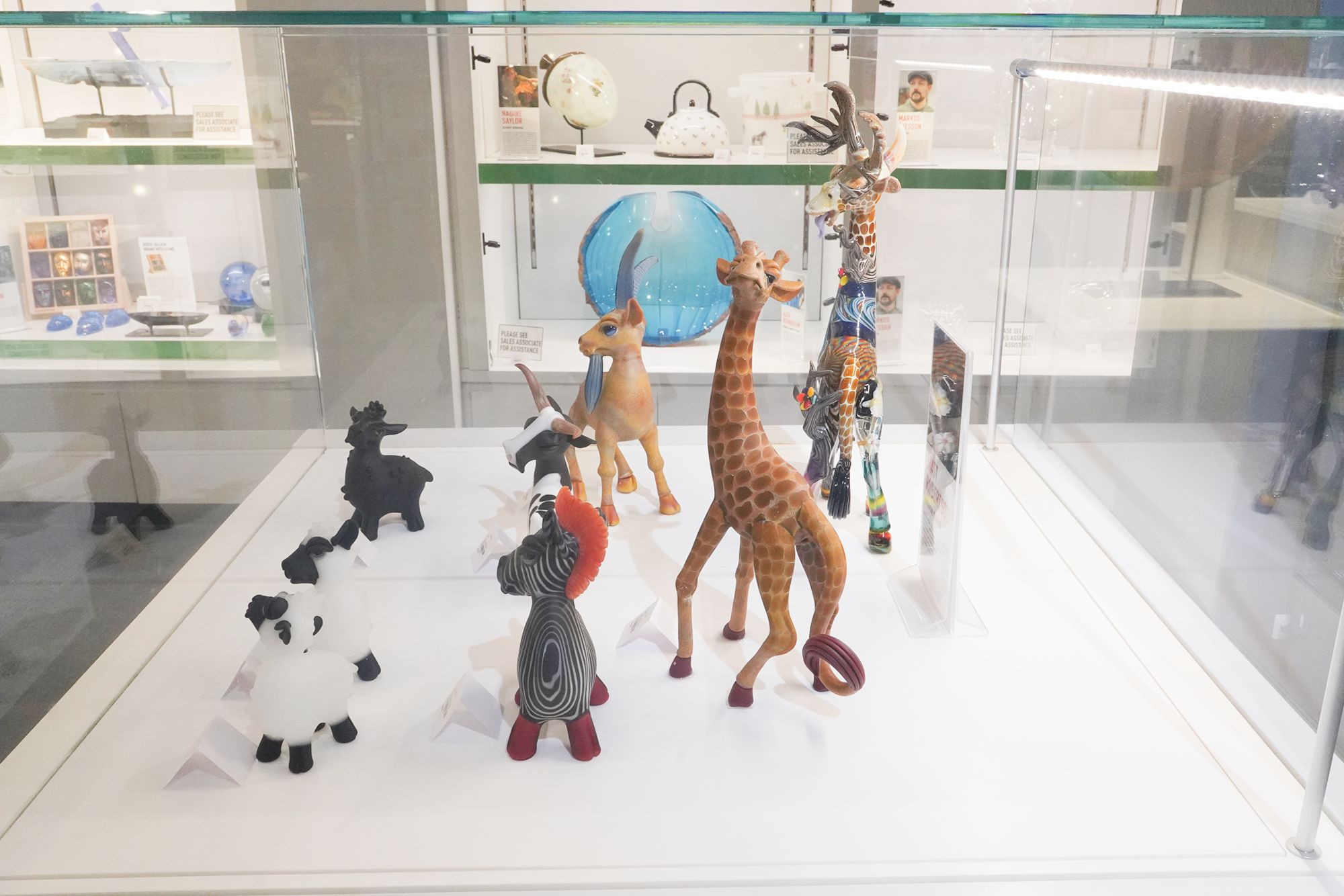
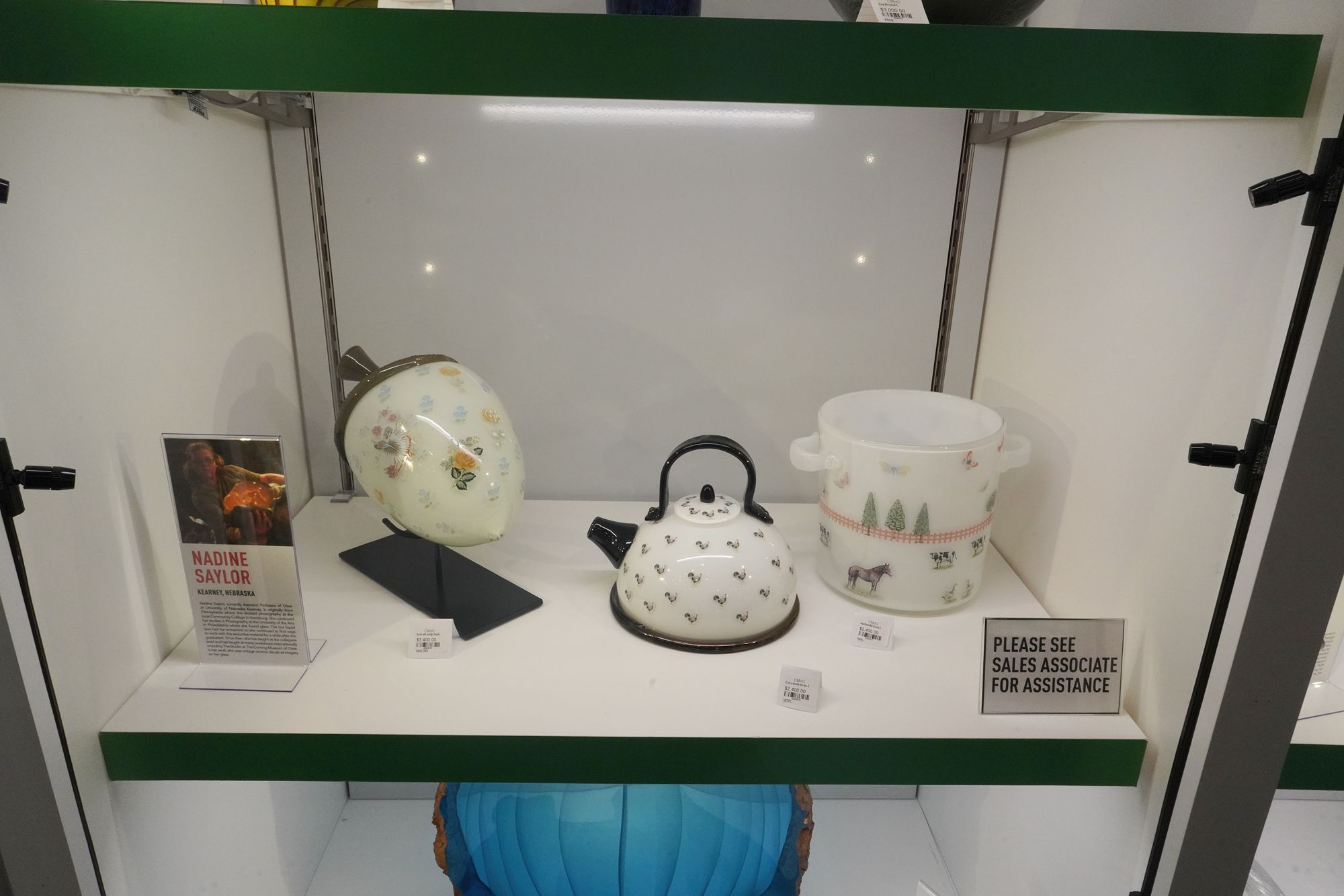
Merchandise Shop
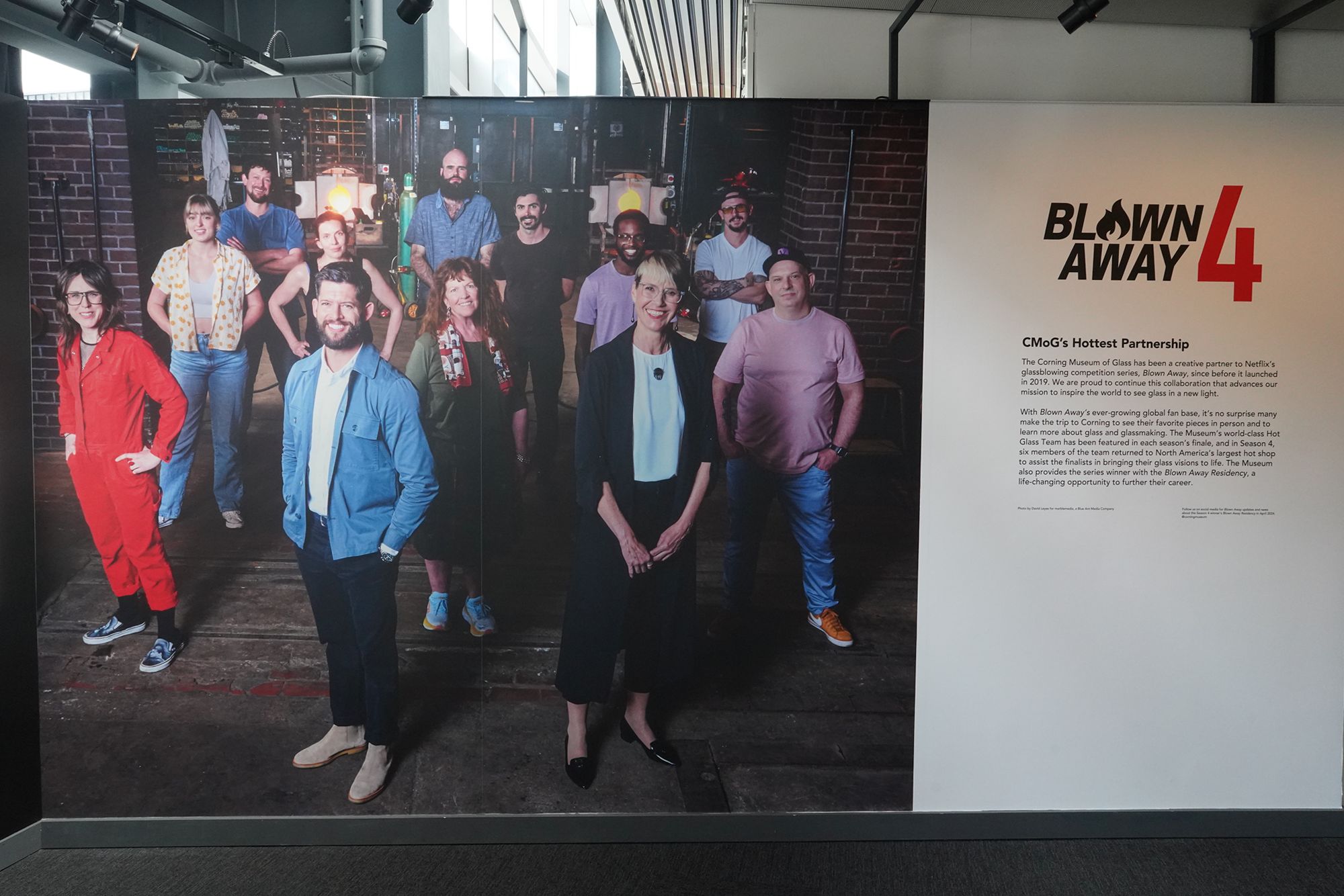
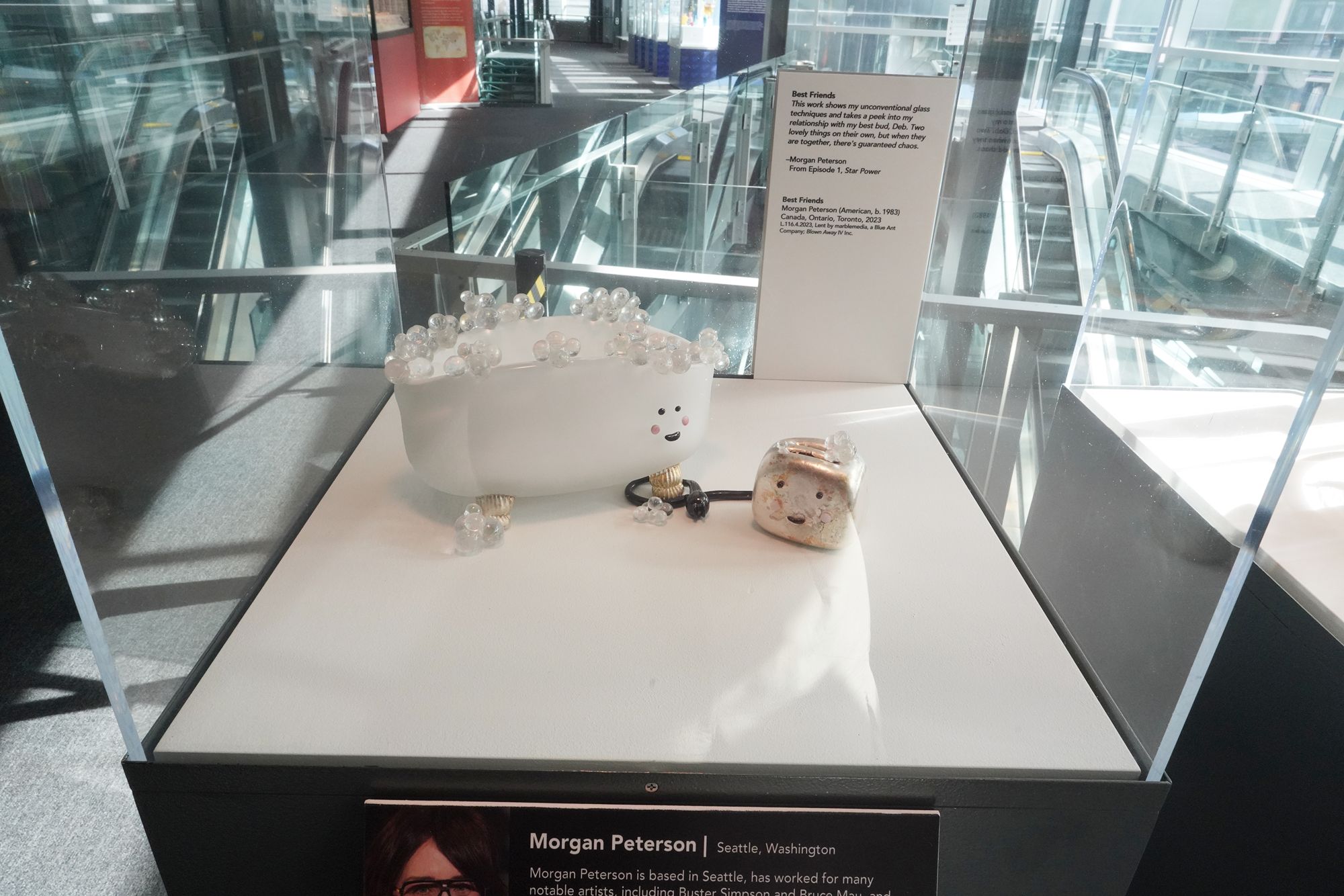
Displaying glass artworks designed by competitors from Blown Away Season 4.

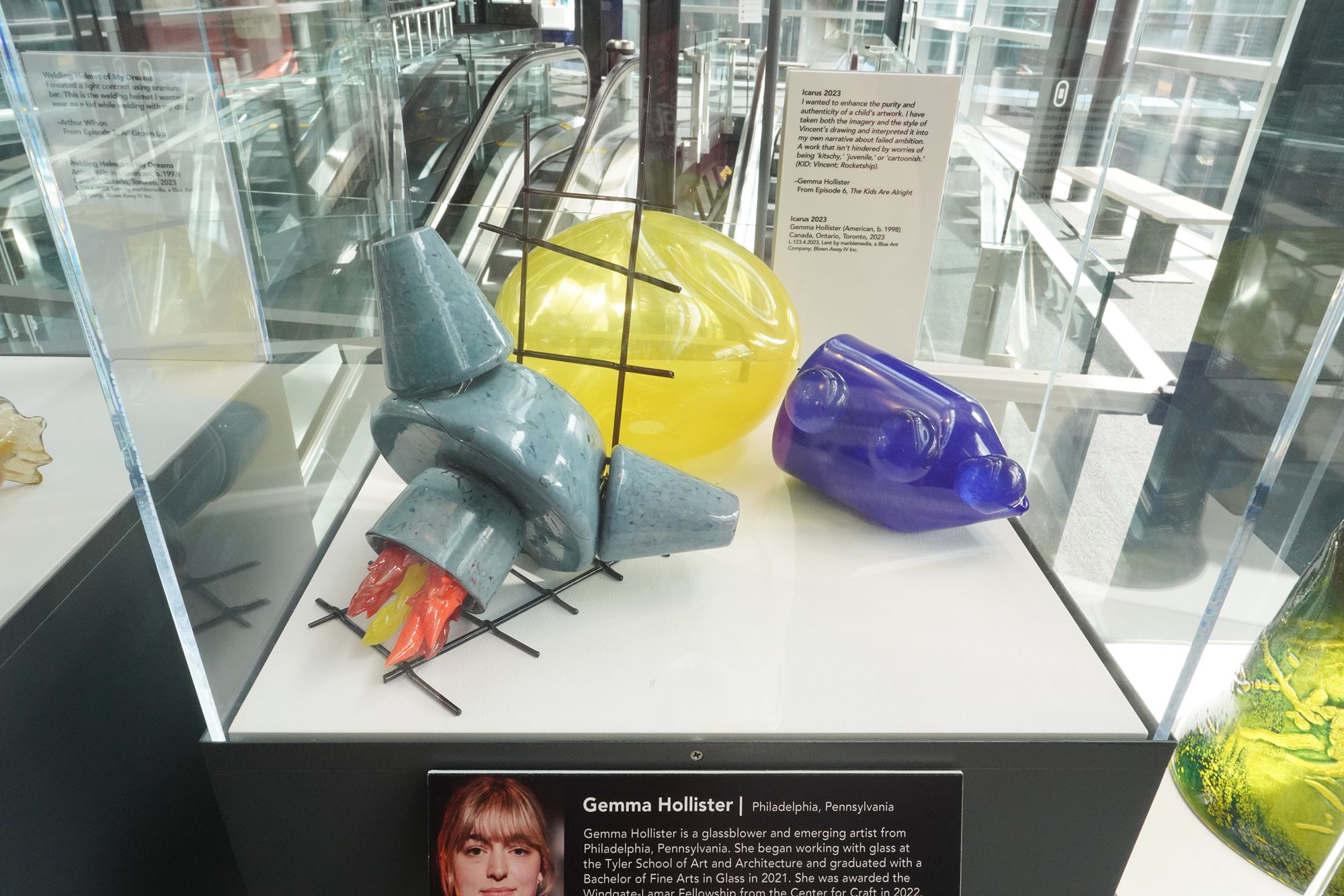
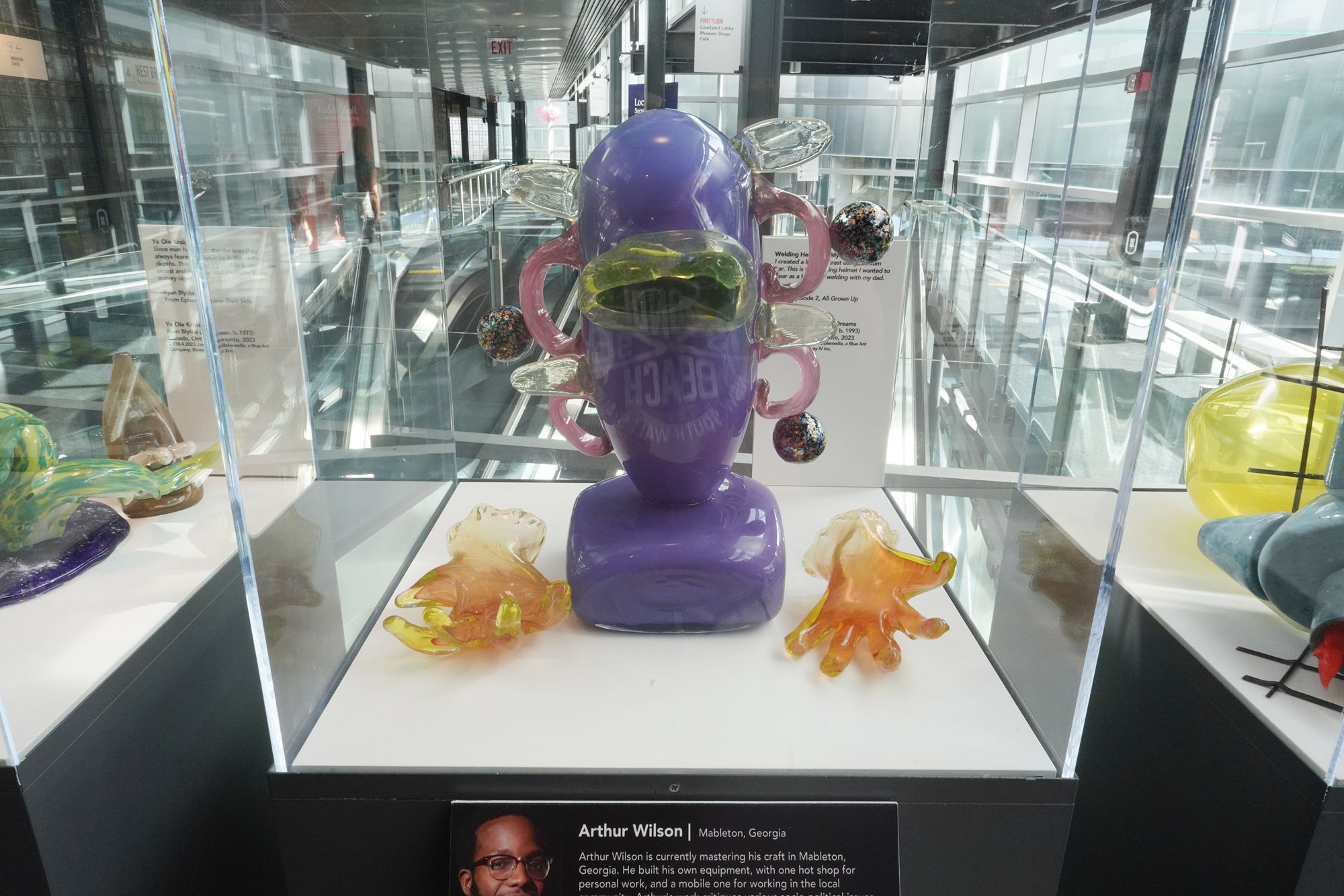
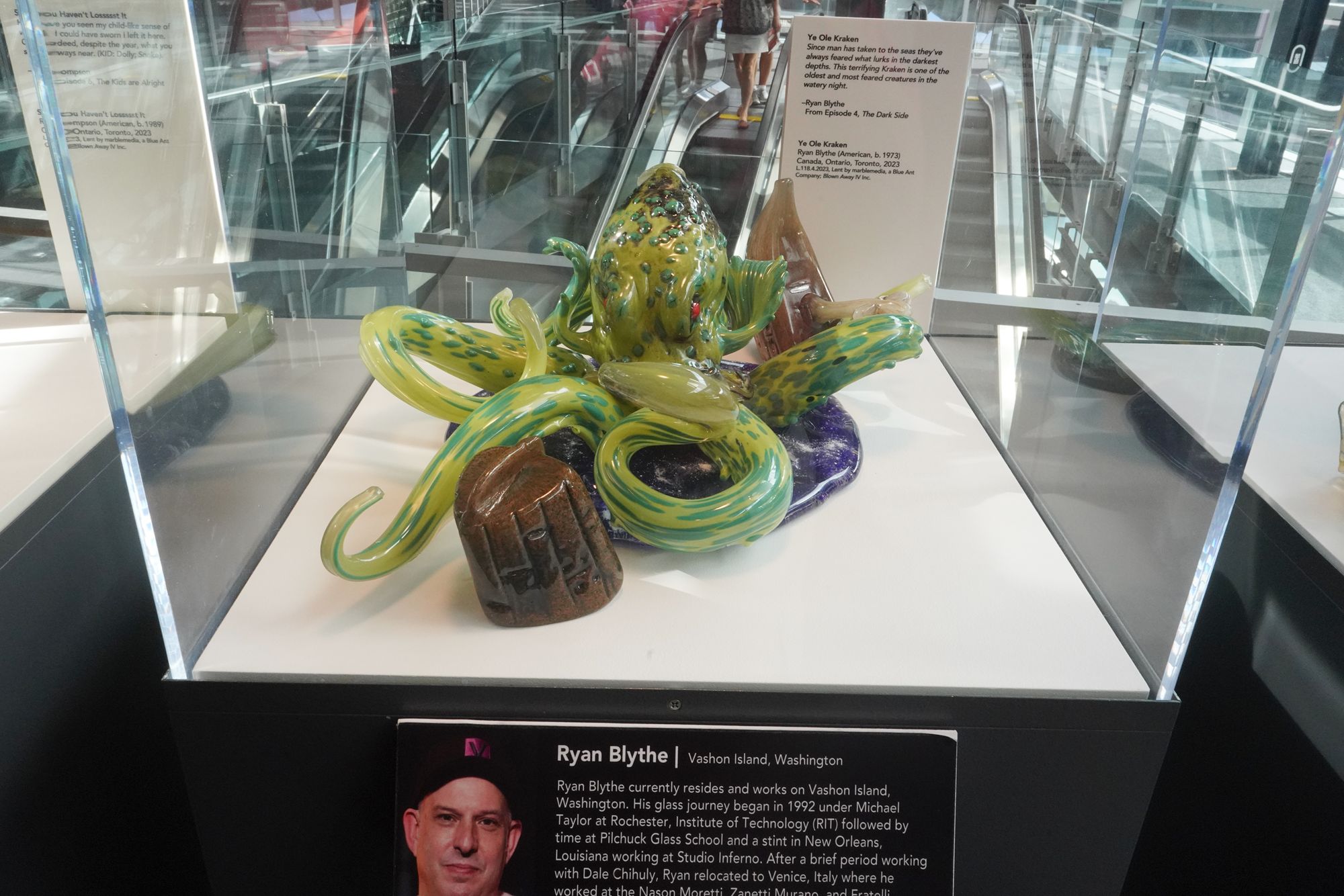
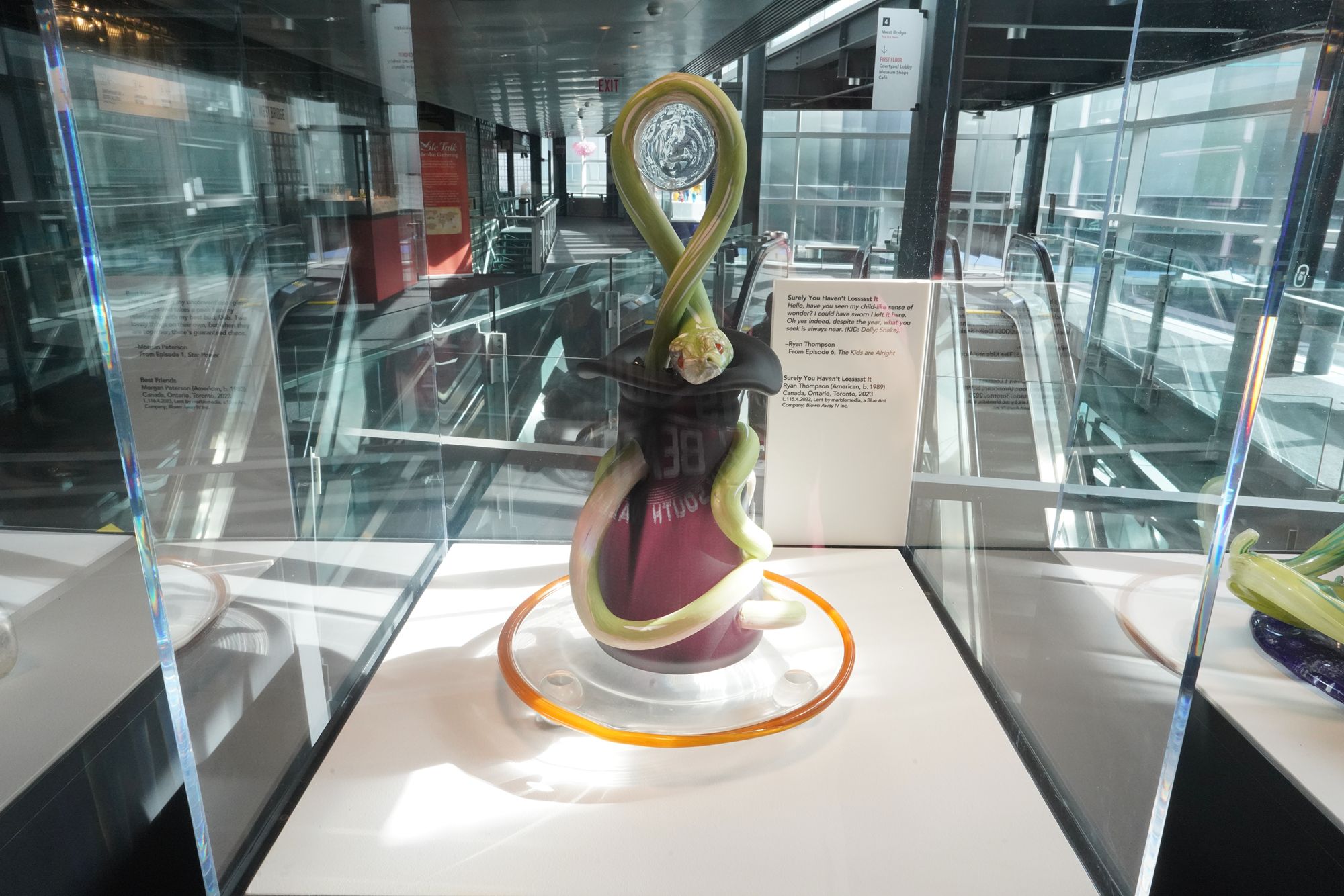
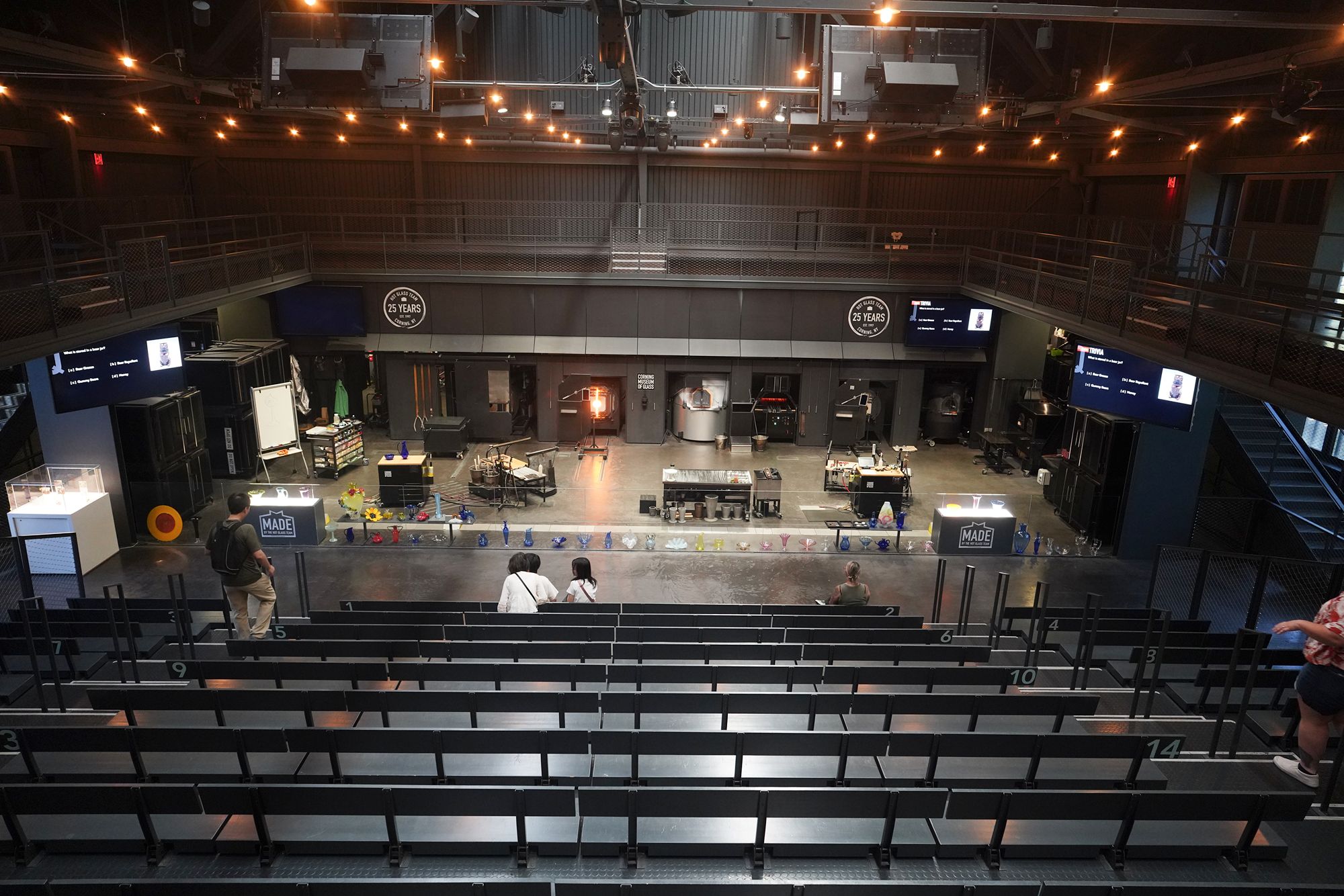
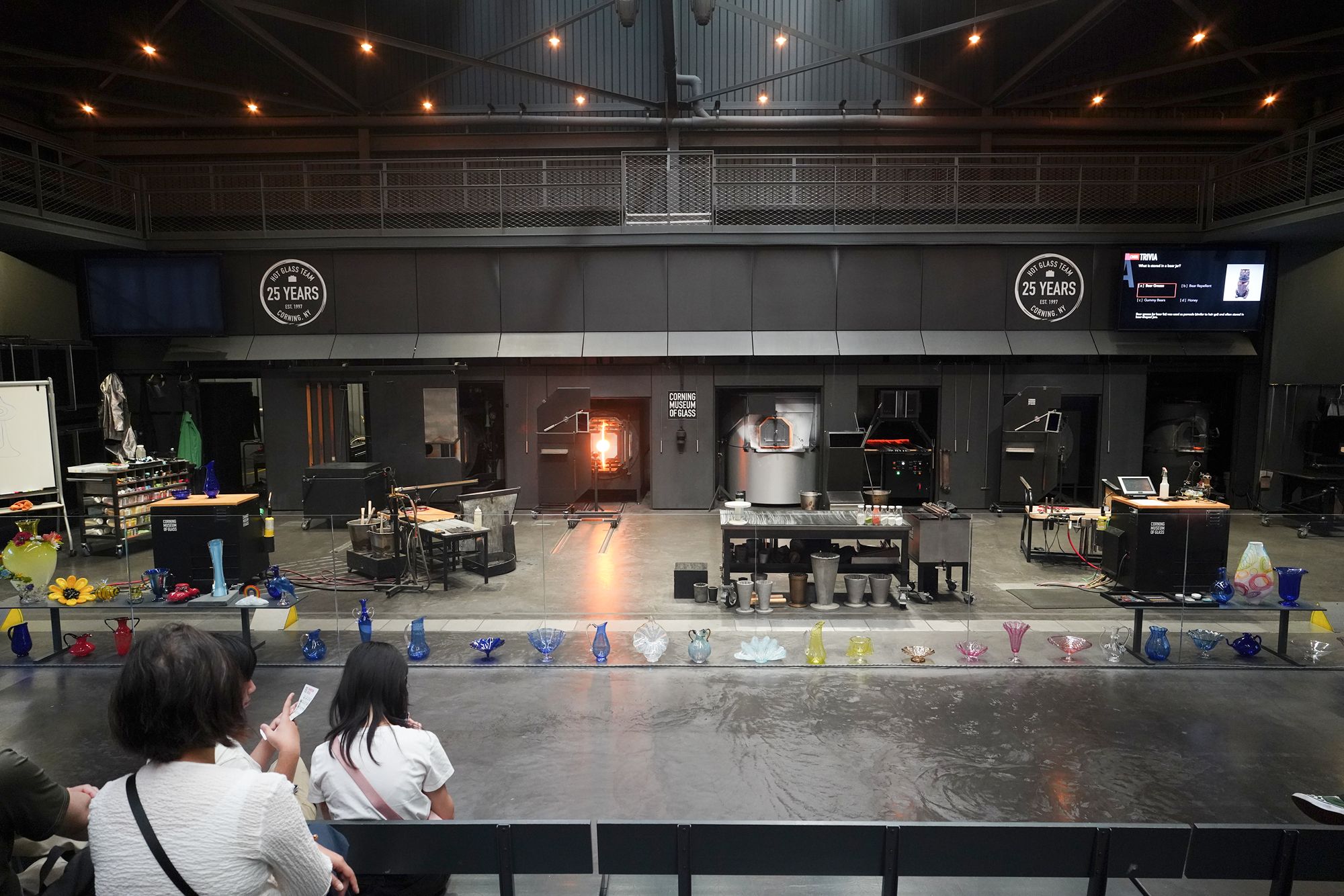
A stage for live glass-blowing demonstrations.
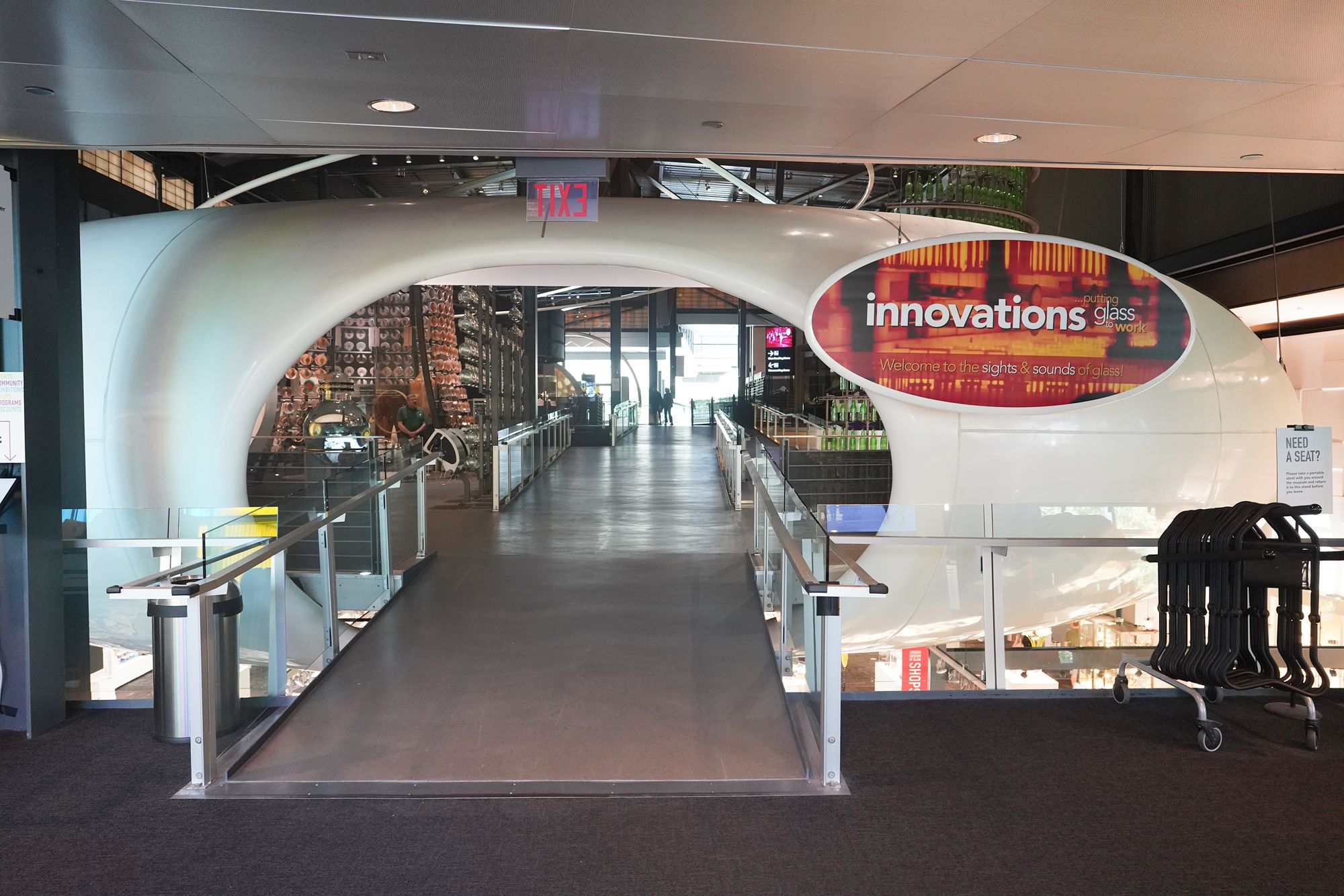
Museum on Glass
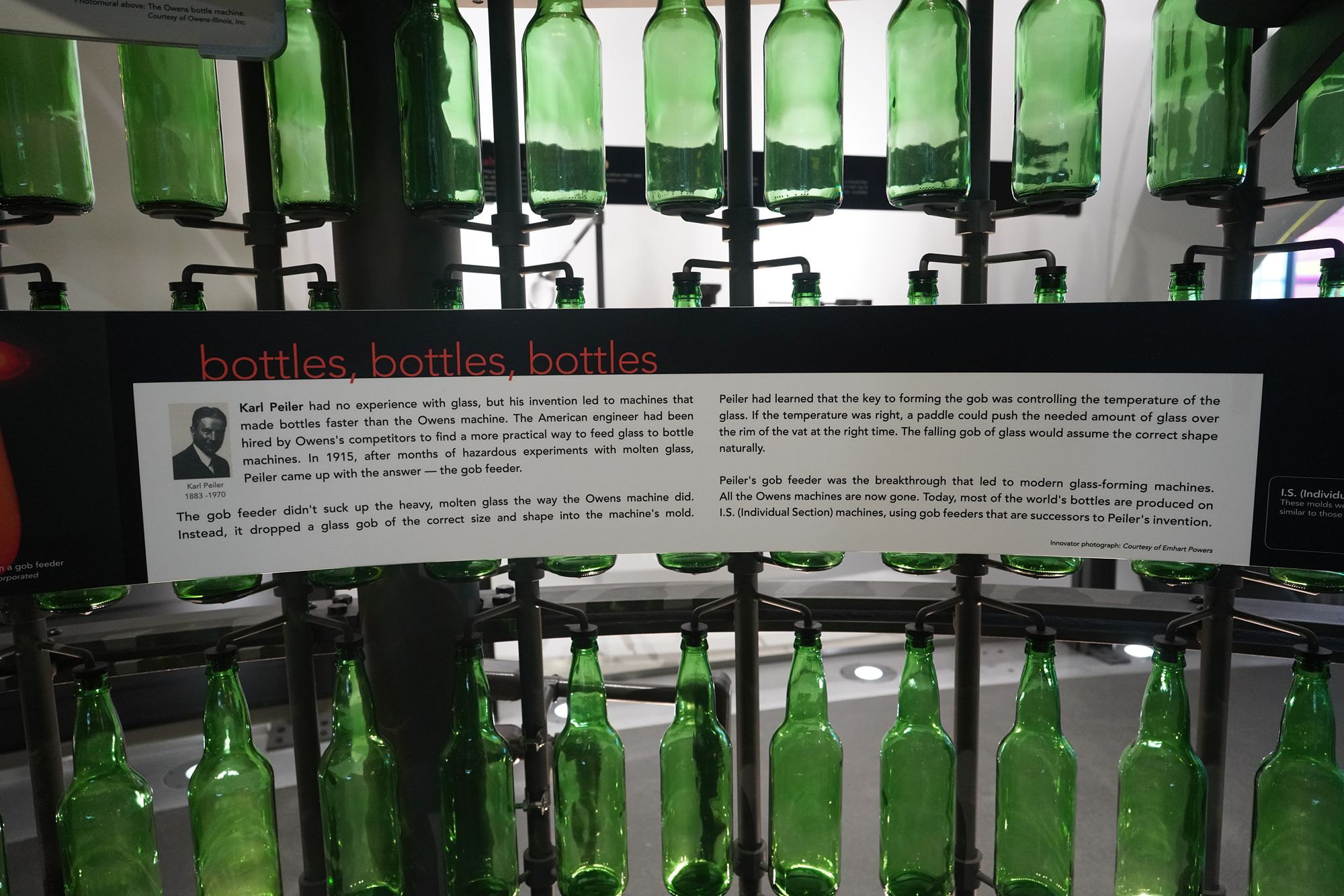
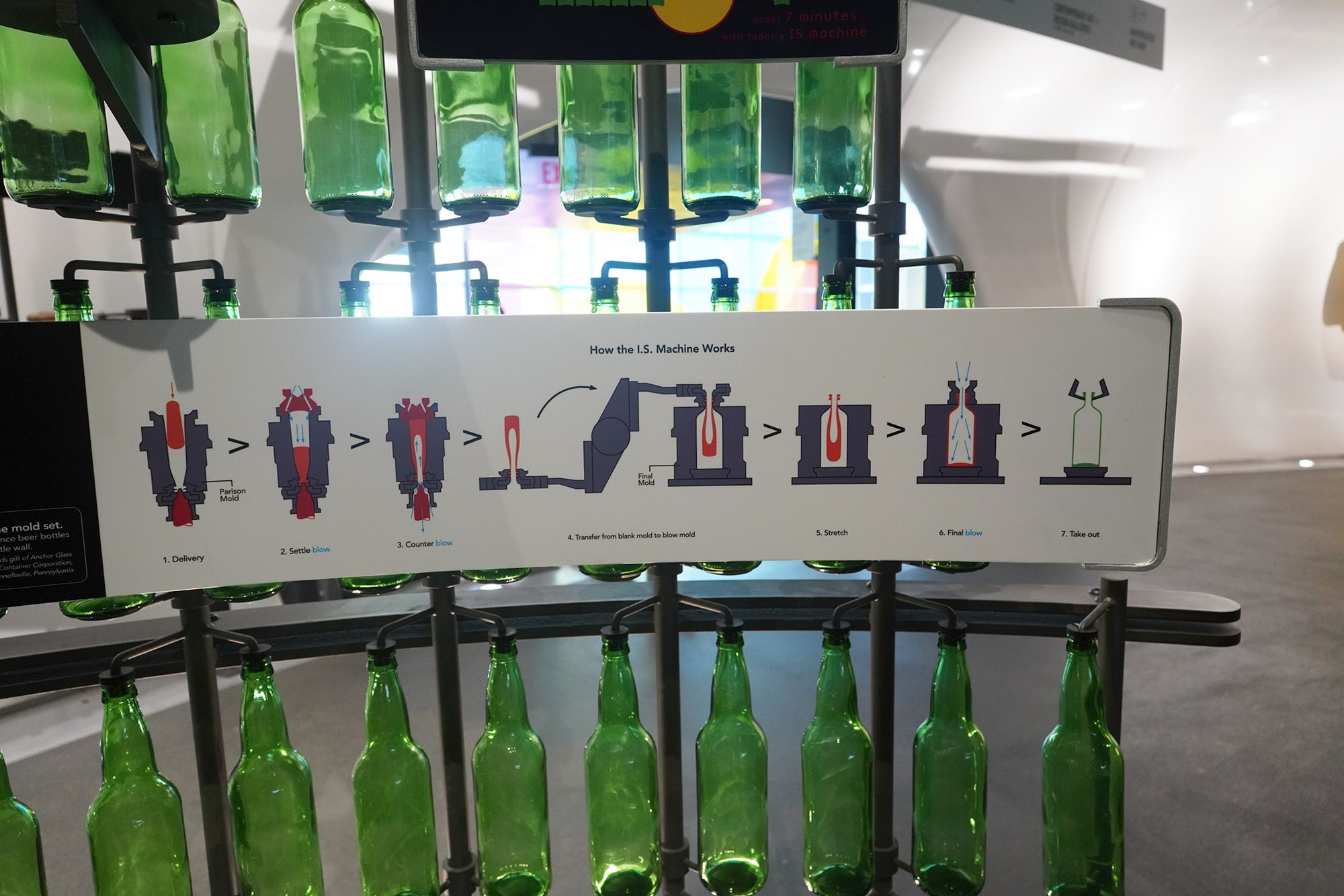
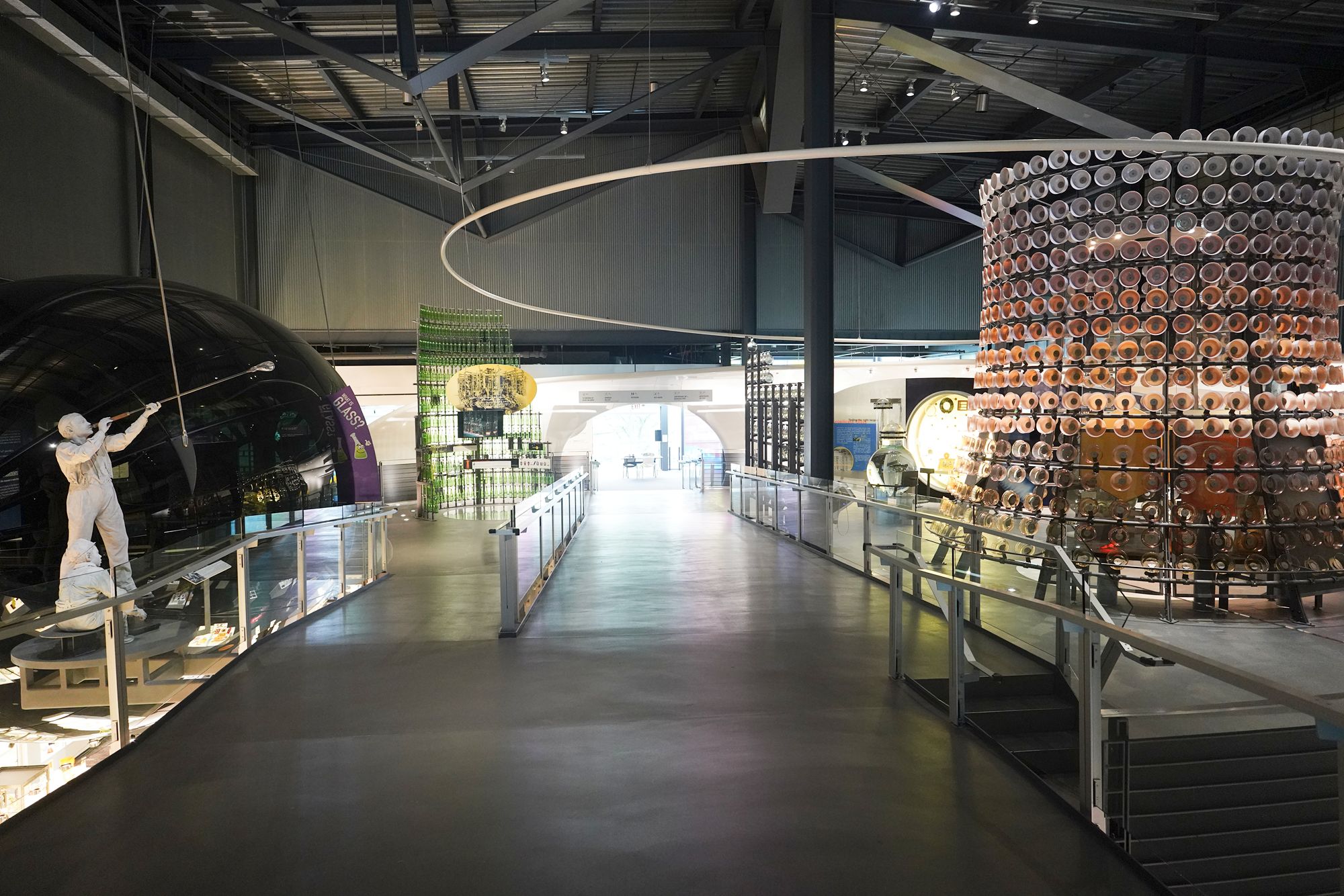
The Owens Bottle Machine was the first commercially successful fully automated glass-bottle making machine, invented by Michael Joseph Owens in 1903.
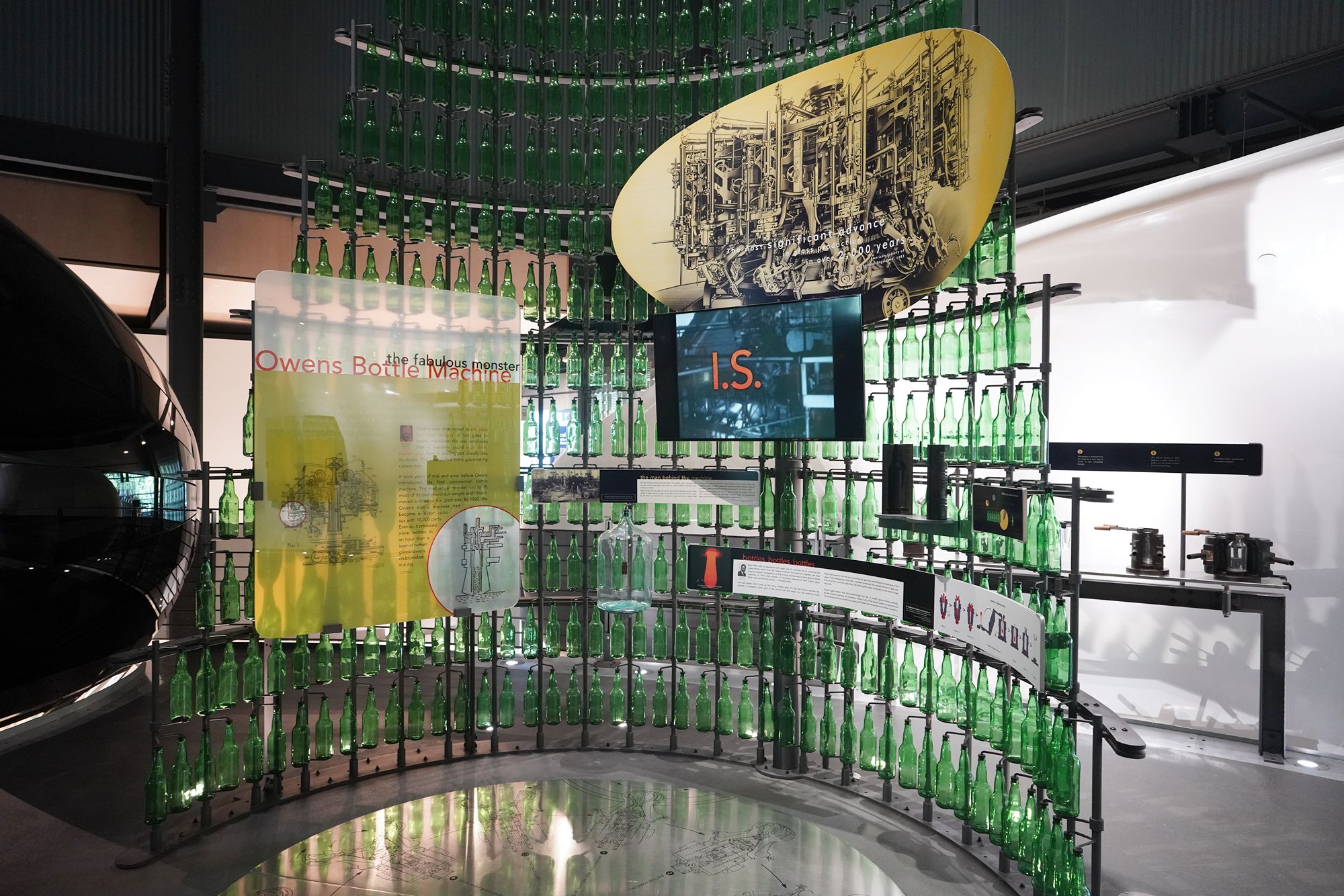
Before this invention, glass bottles were made by hand — molten glass was gathered and blown into molds by skilled glassblowers, a slow, labor-intensive process.
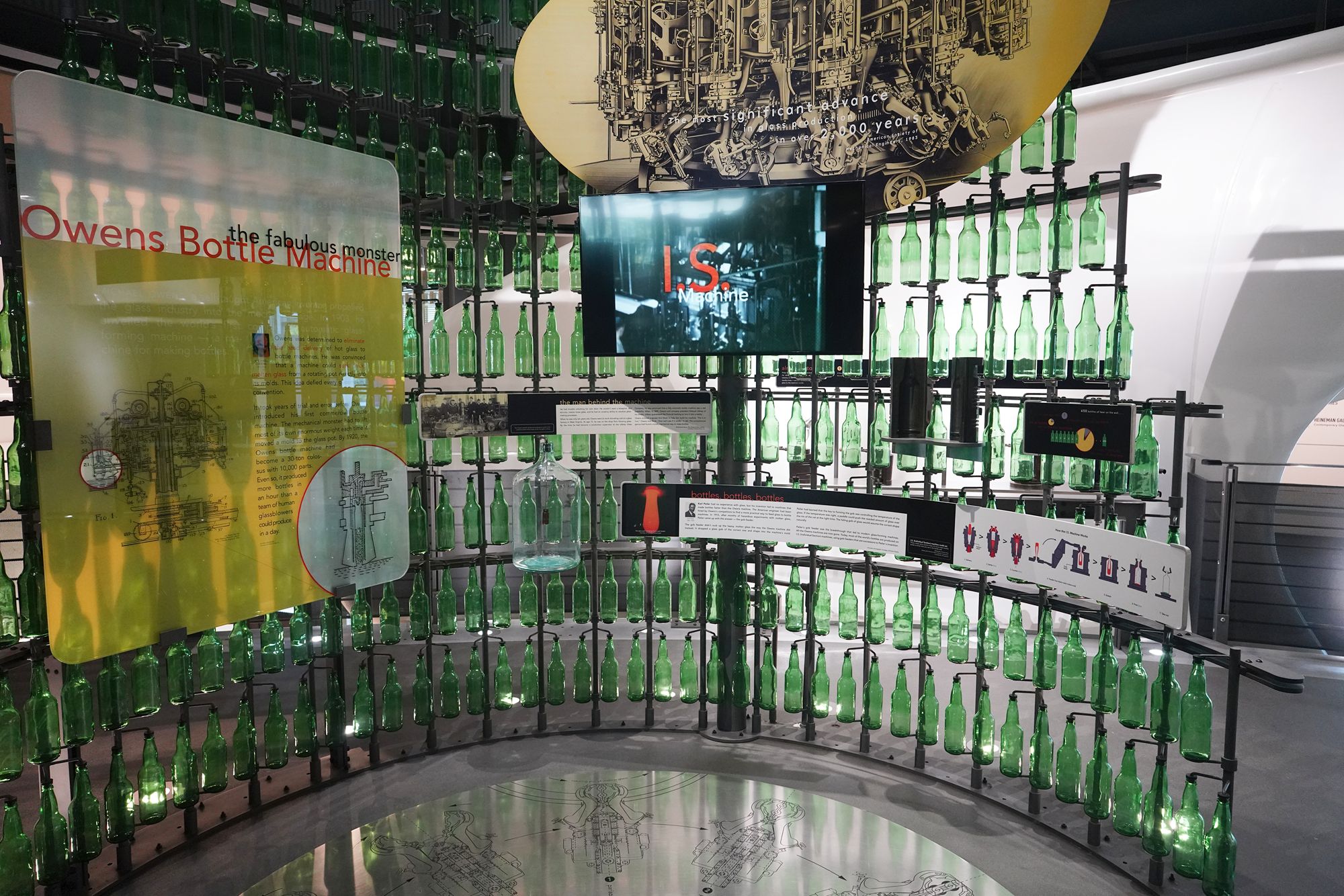
The machine used suction to pick up molten glass, then blew it into molds using air pressure — automating the process from molten glass to finished bottle without requiring the traditional “gather-and-blow” manual steps.
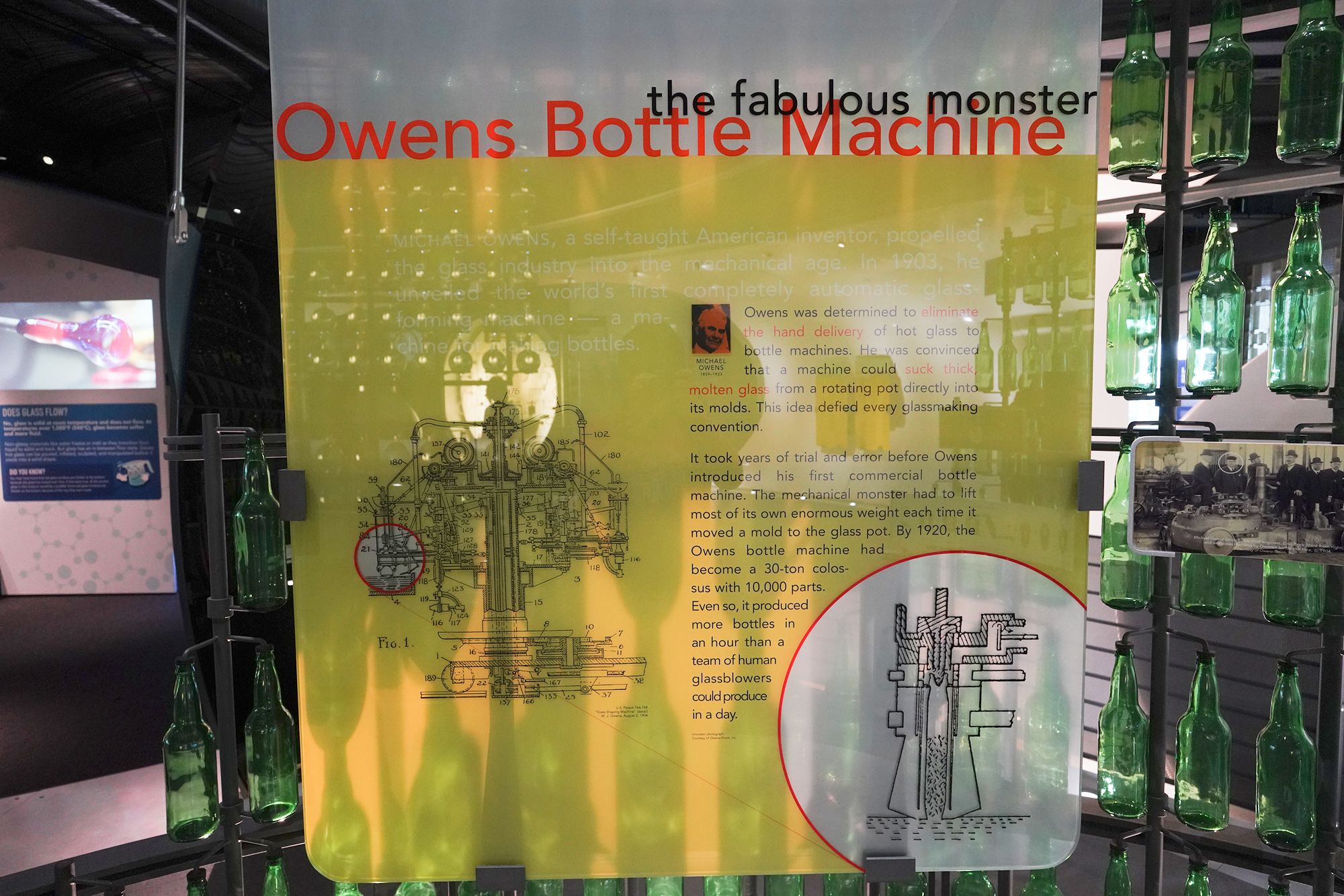
The Owens Bottle Machine revolutionized glassmaking by automating bottle production, increasing speed, lowering cost, and reducing reliance on skilled and child labor. It standardized bottle shapes for mass distribution, transforming food, beverage, and pharmaceutical industries and making glass containers widely accessible and affordable.
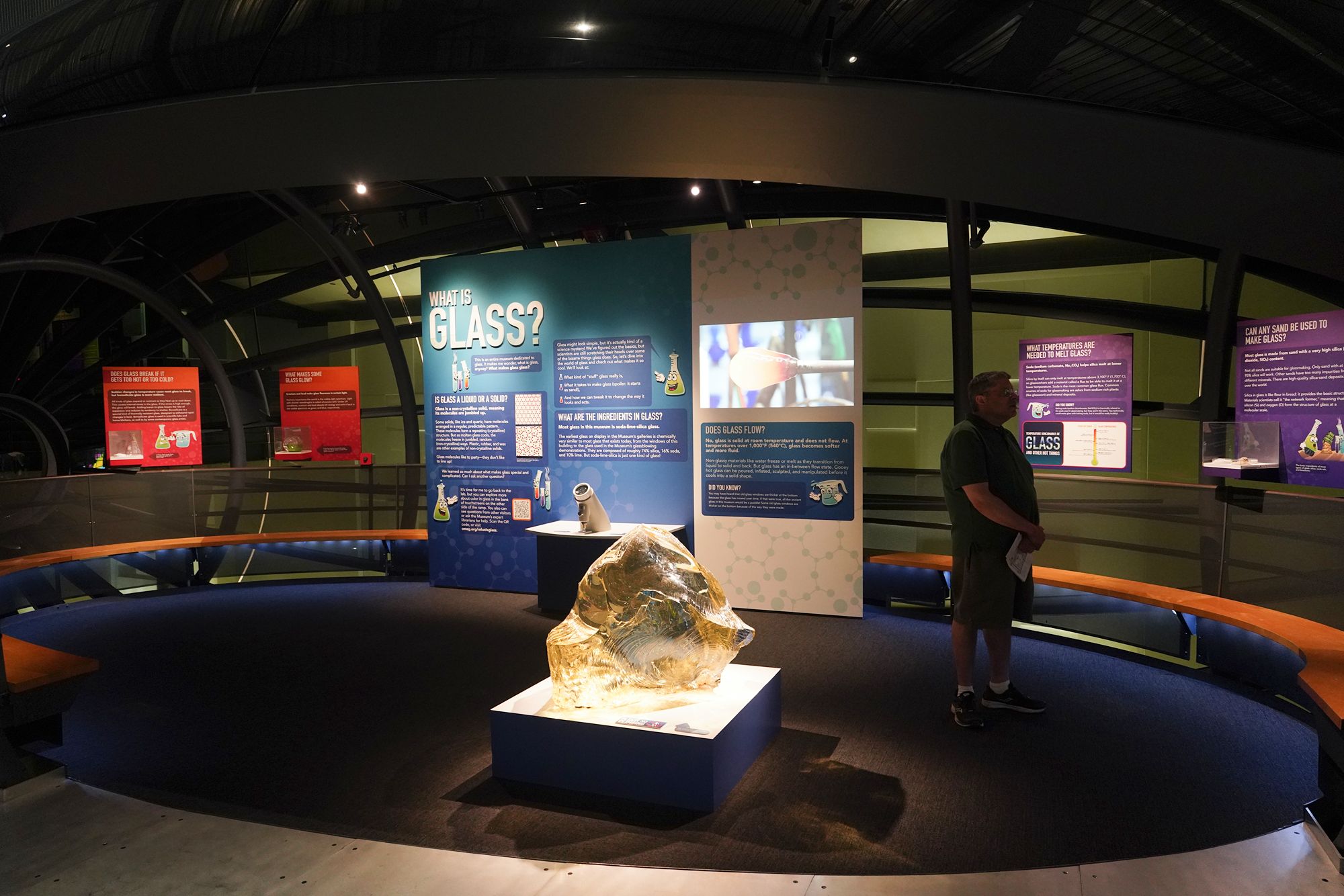
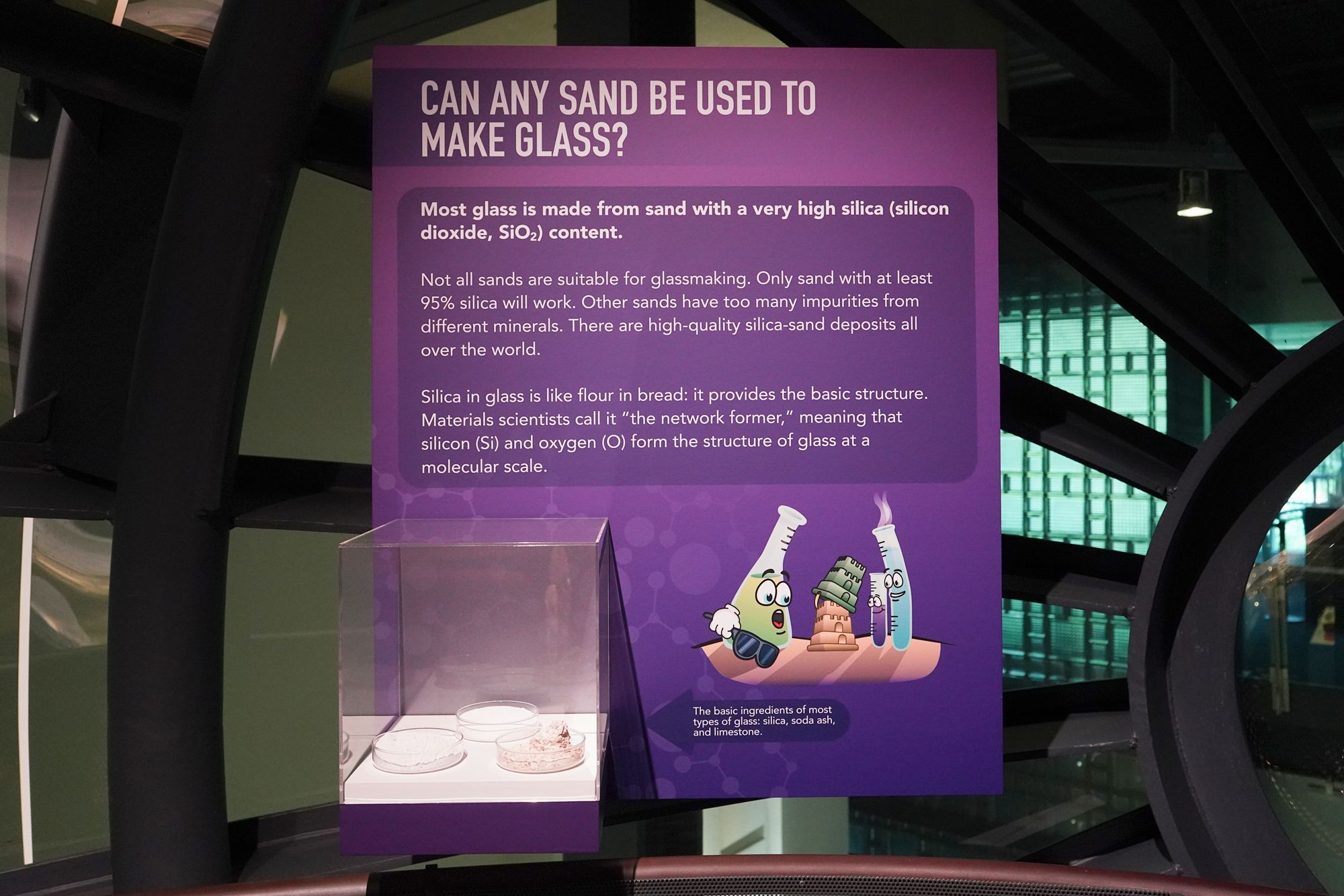
What is Glass?
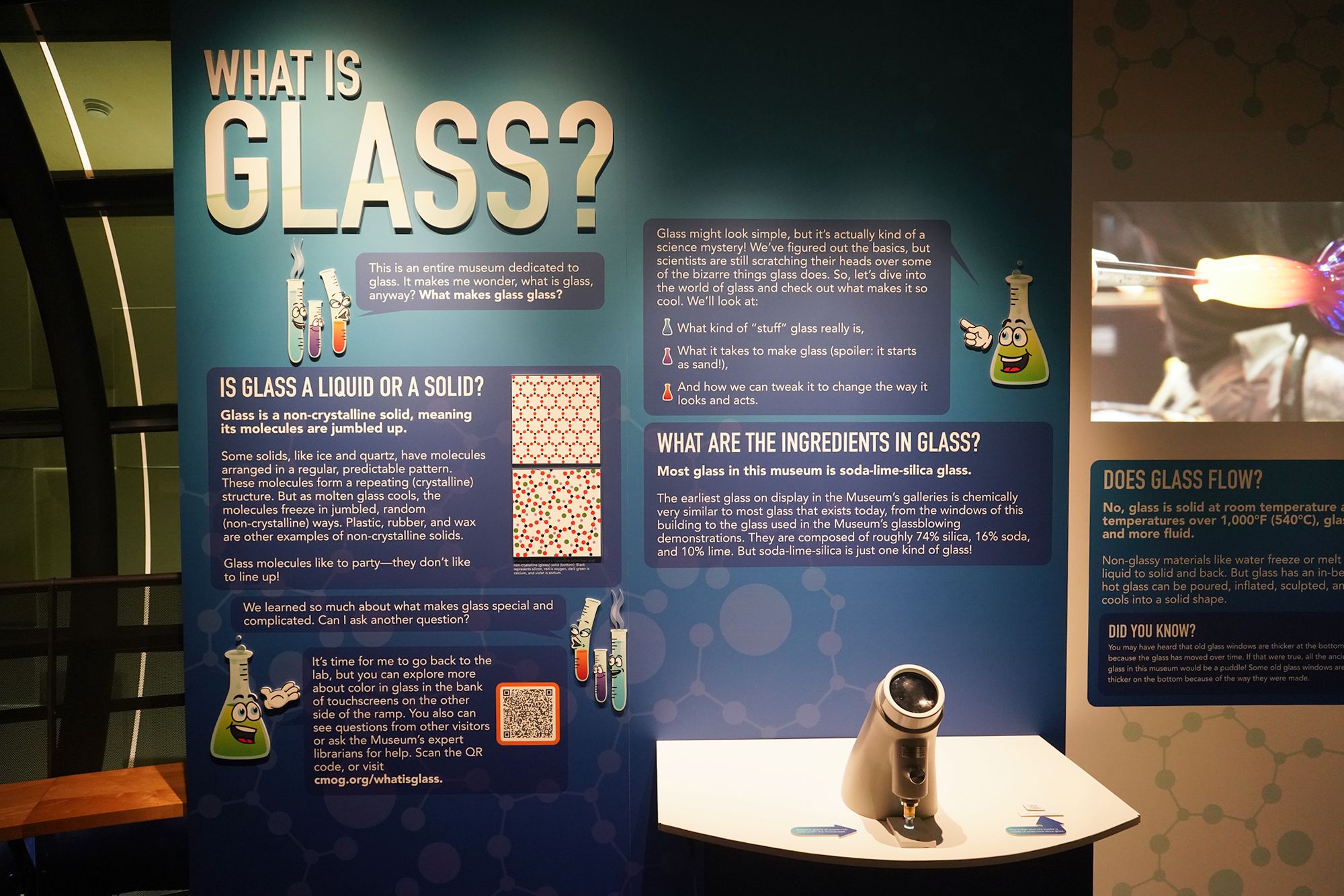
Is glass a liquid or a solid?
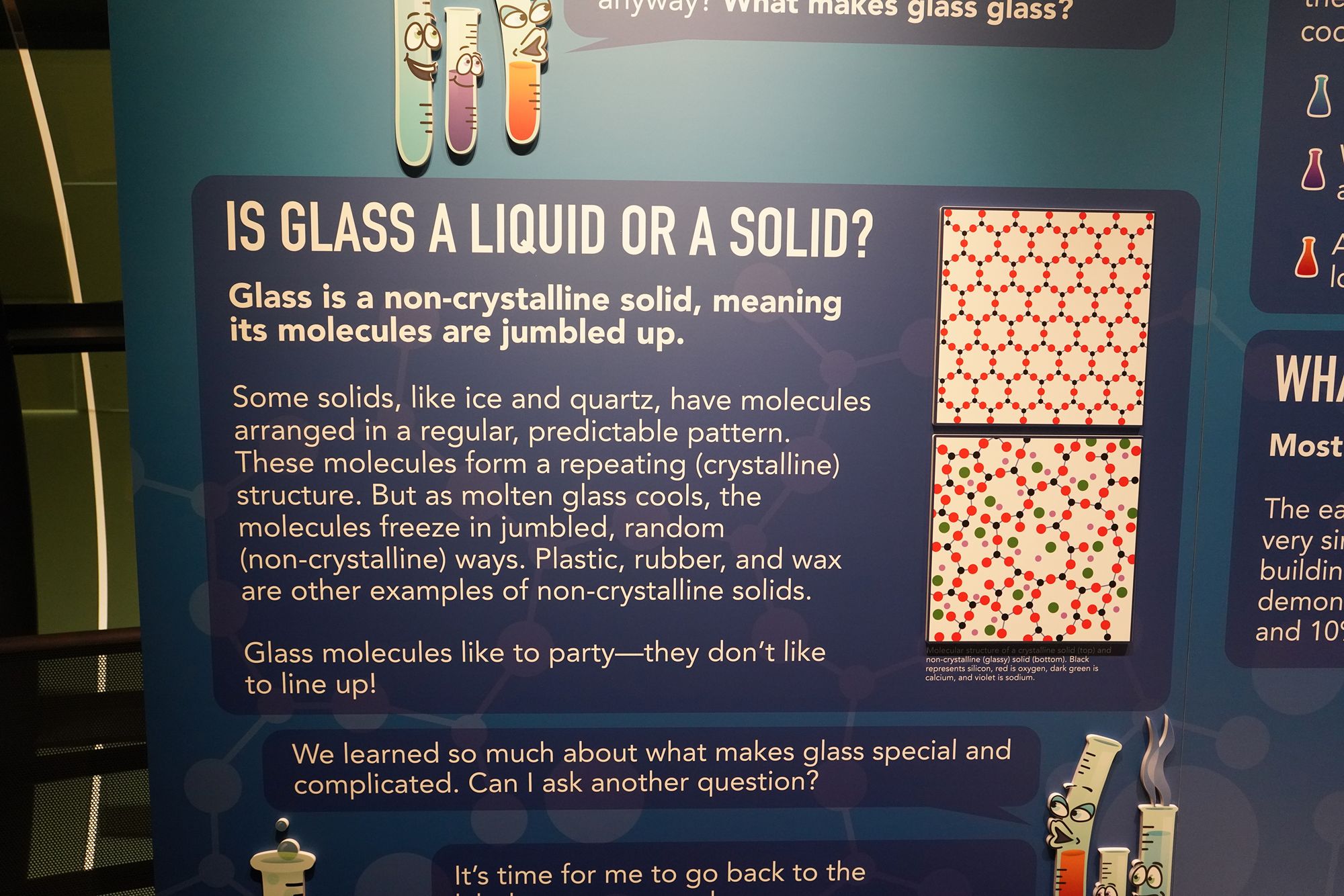
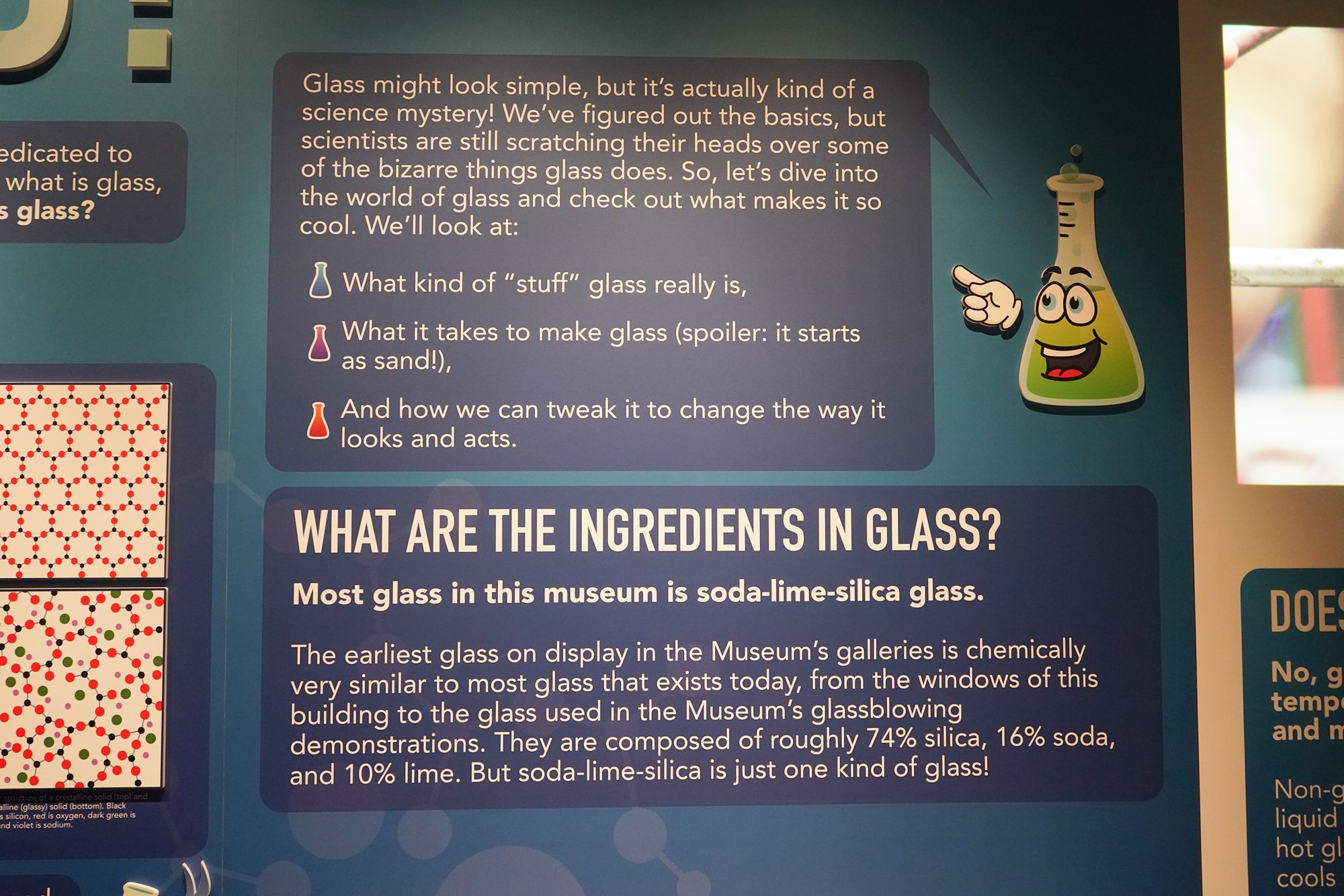
Does glass flow?
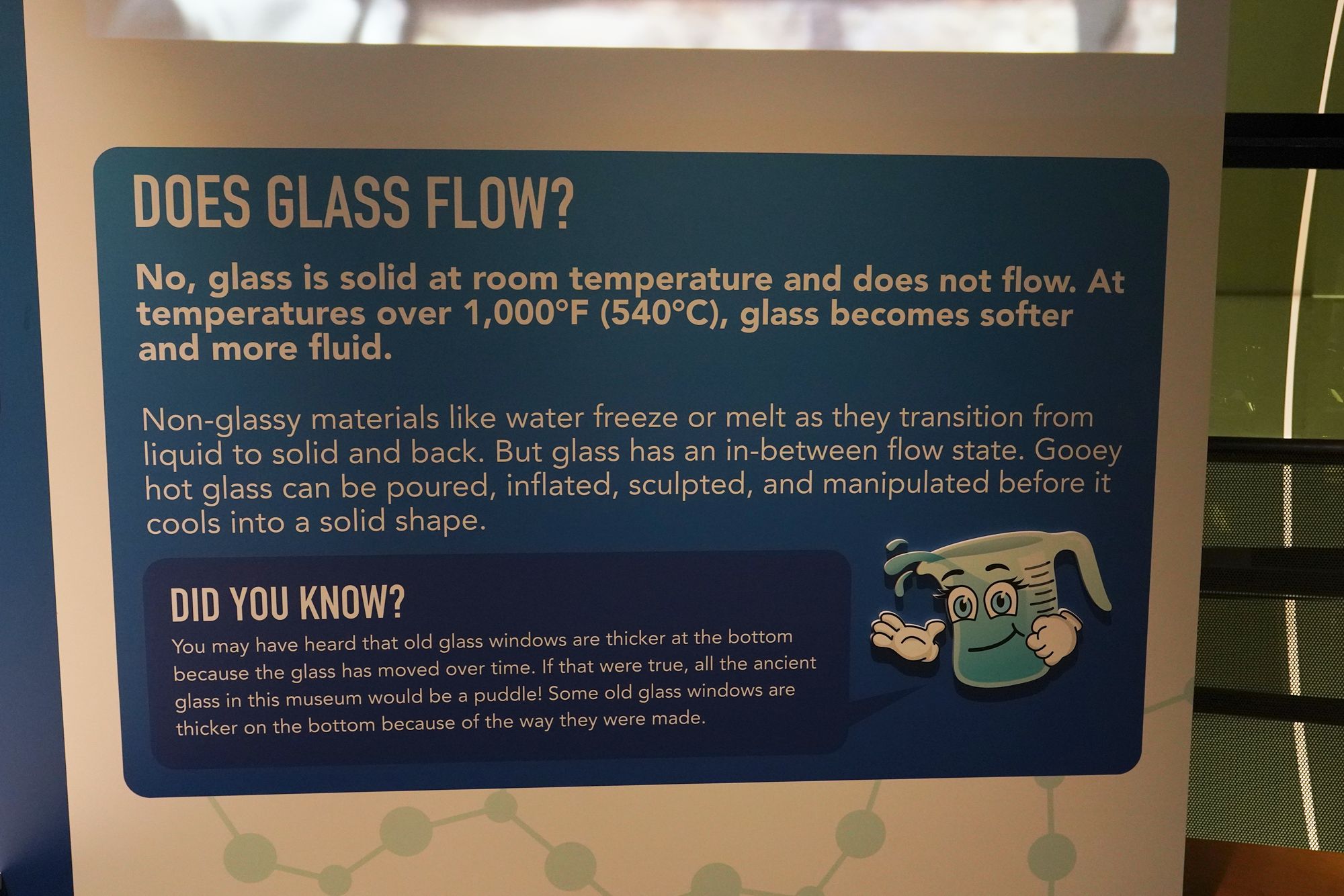
What temperature are needed to melt glass?
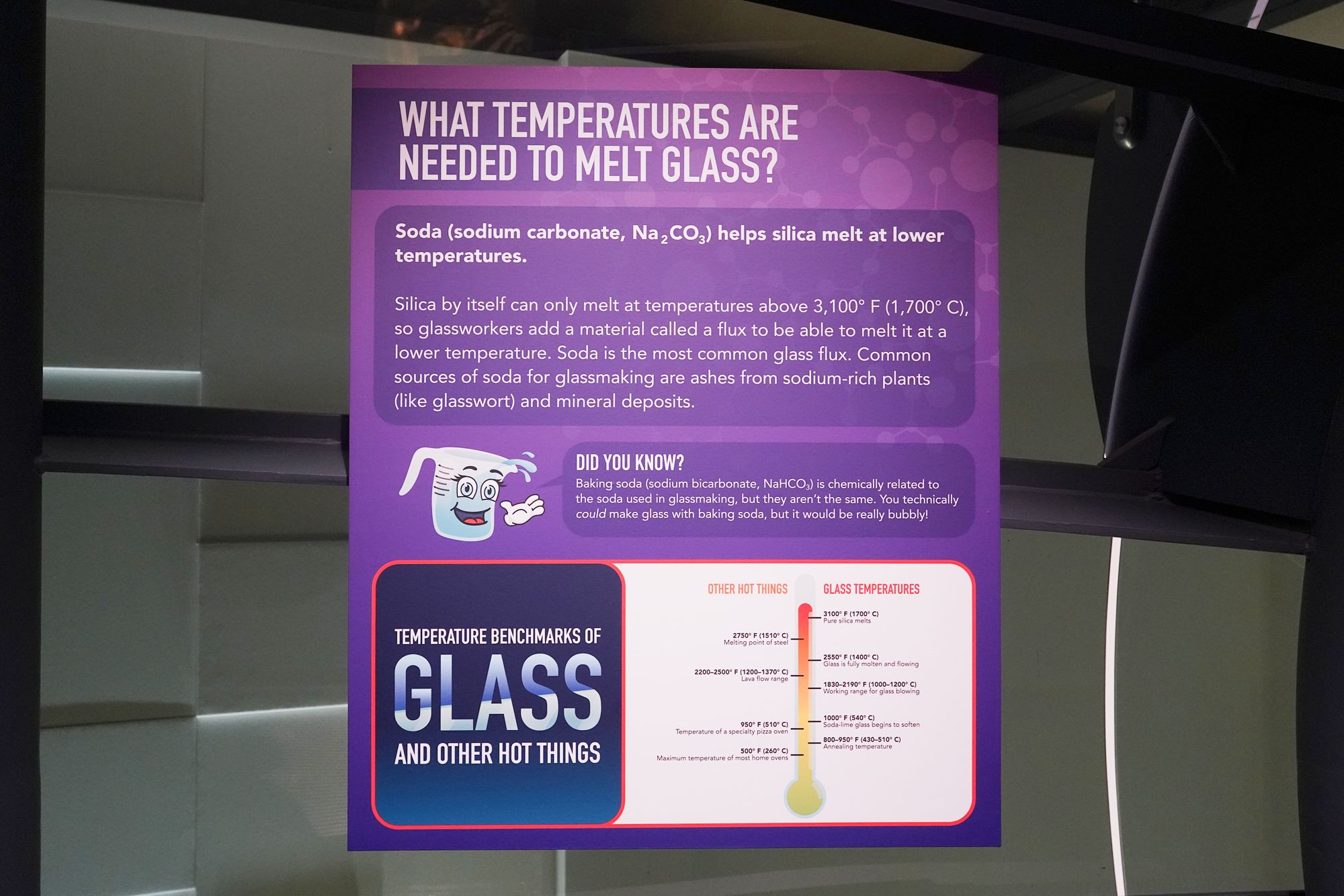
Can any sand be used to make glass?
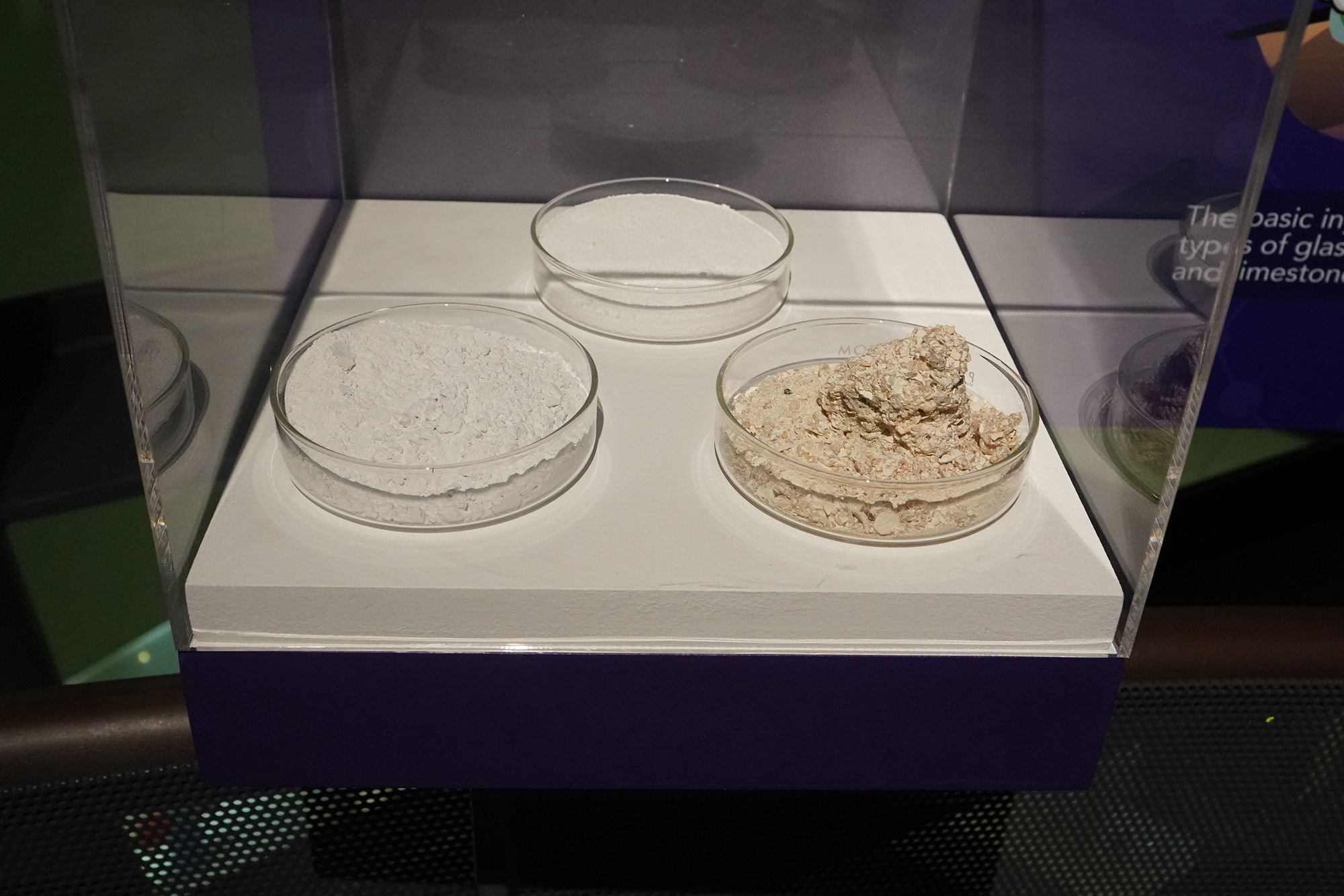
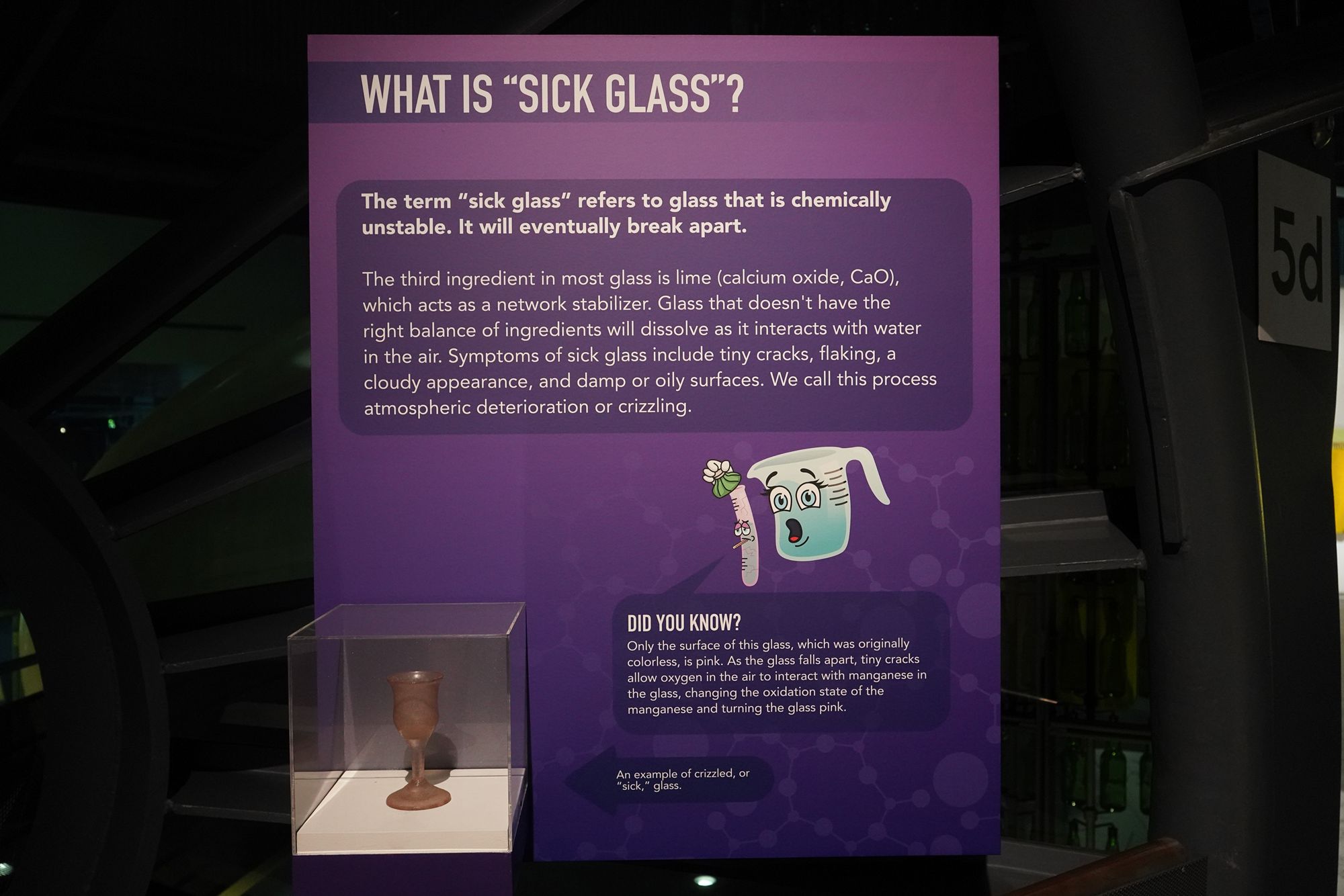
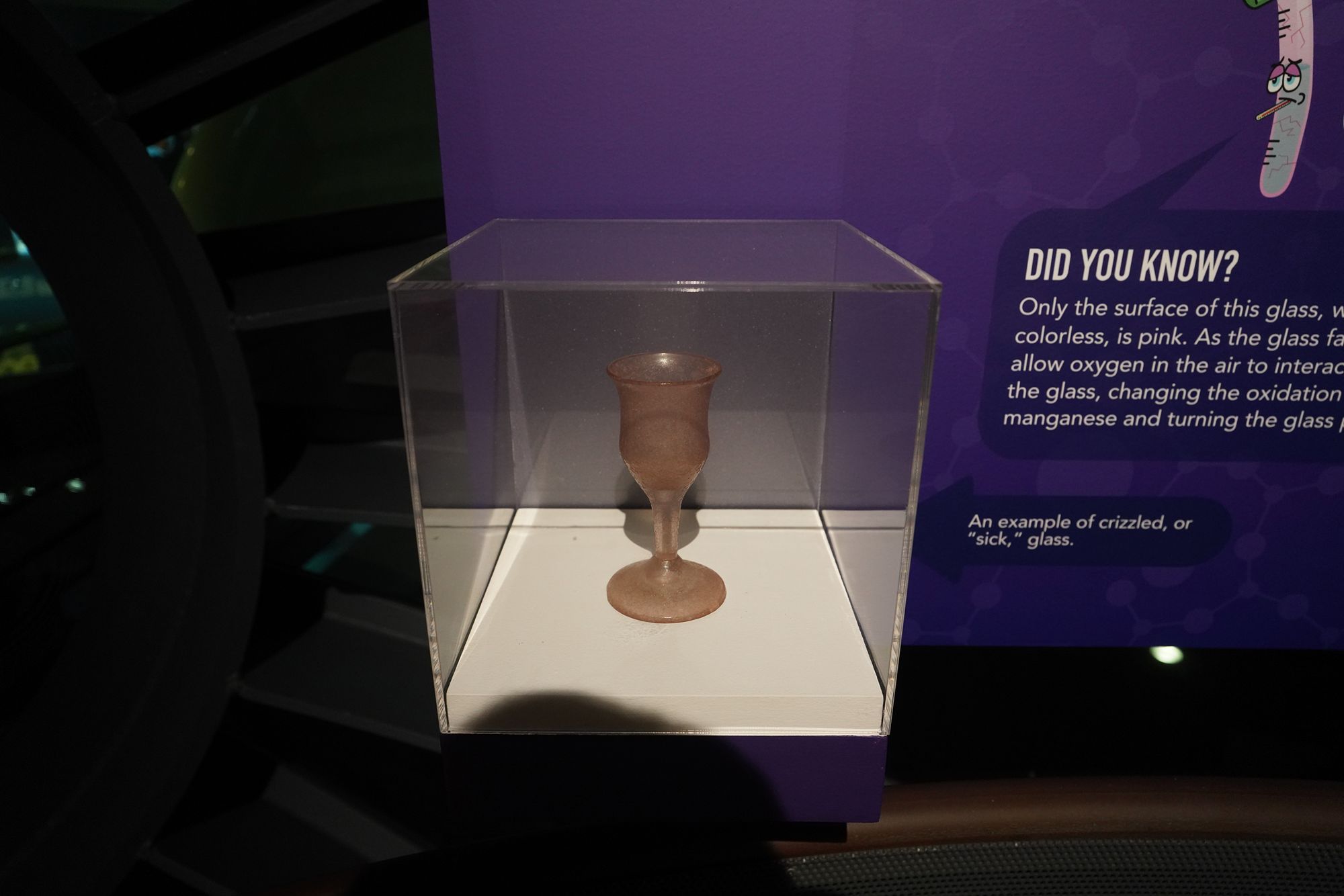
What is “Sick Glass”?
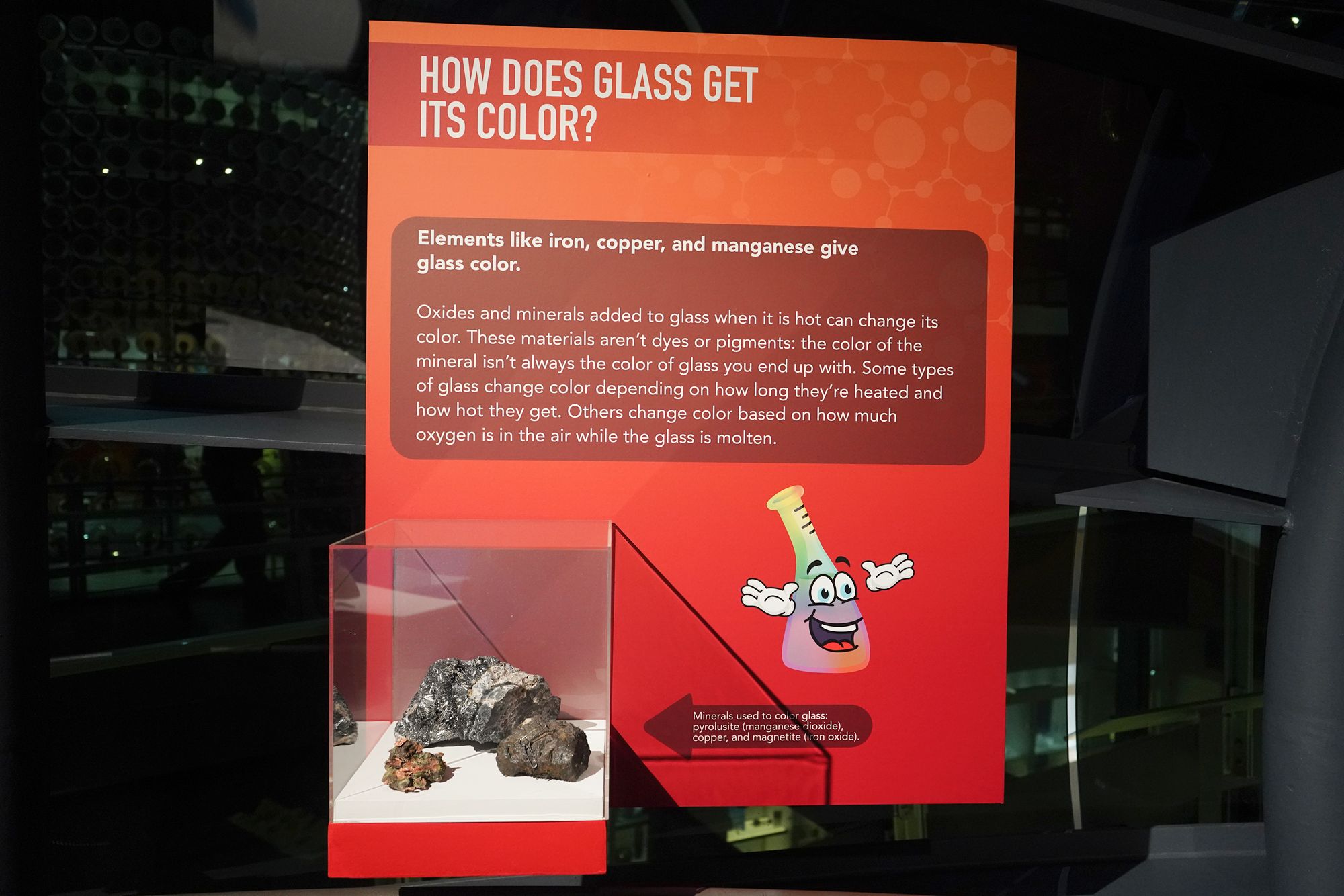
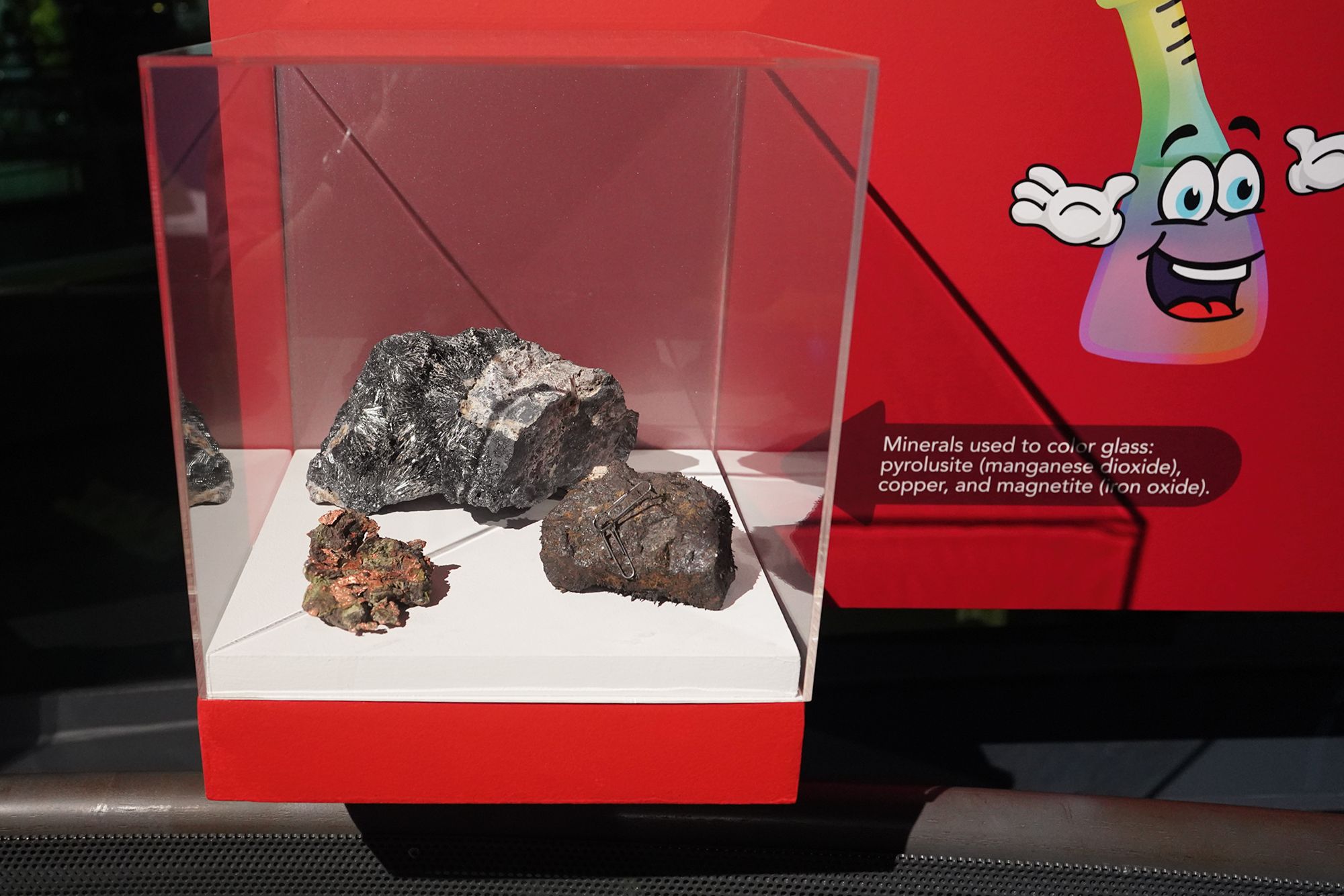
How does glass get its color?
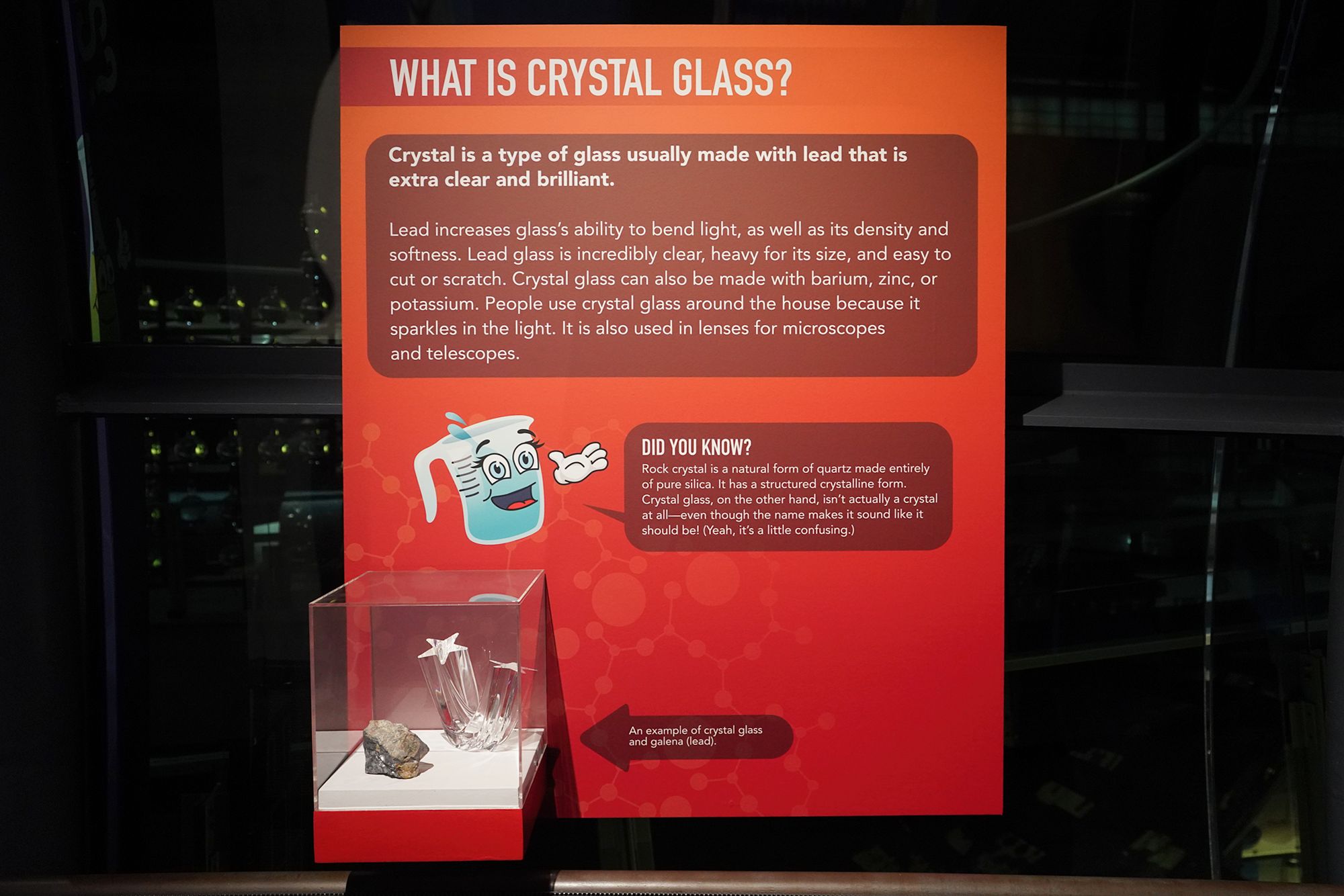
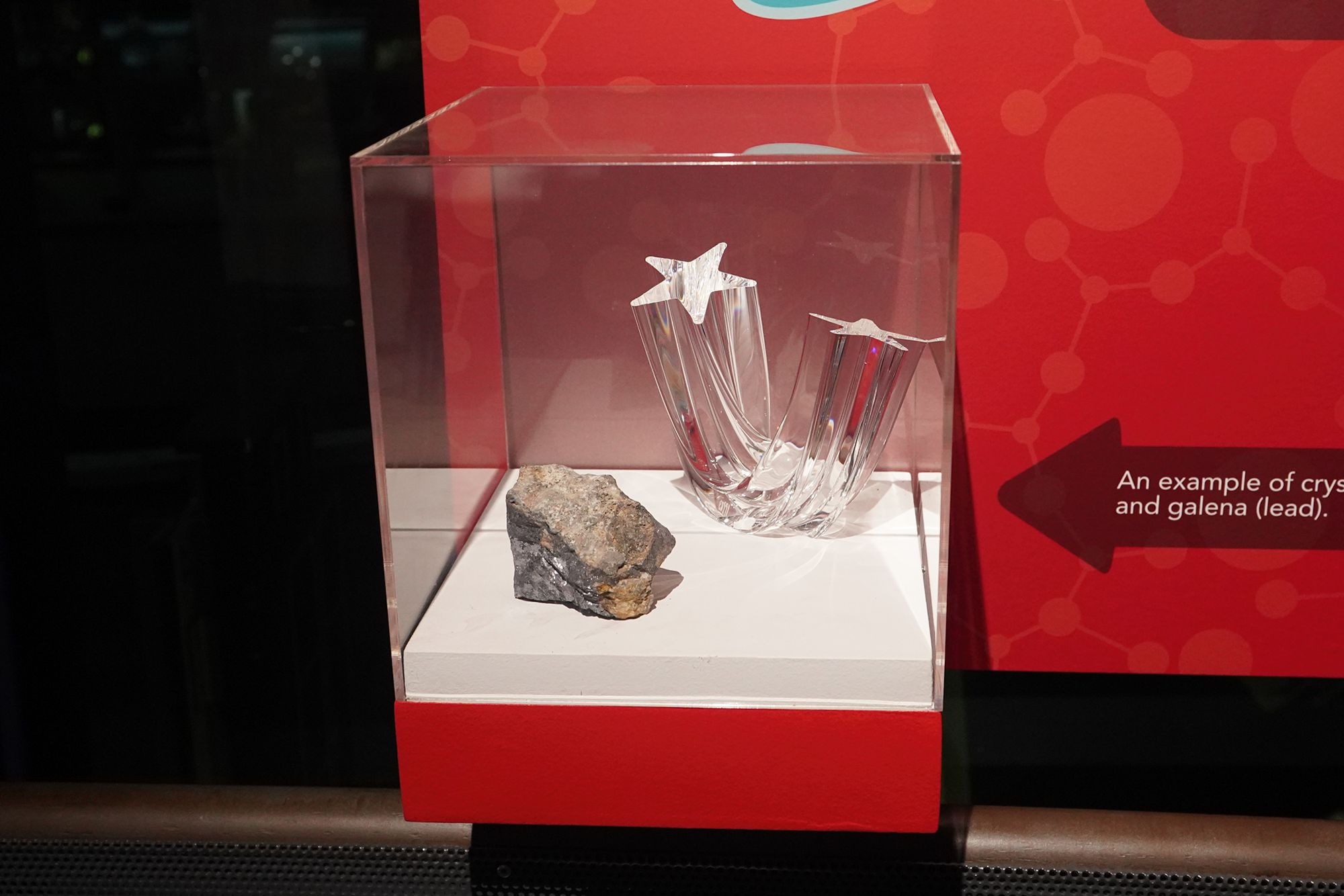
What is crystal glass?
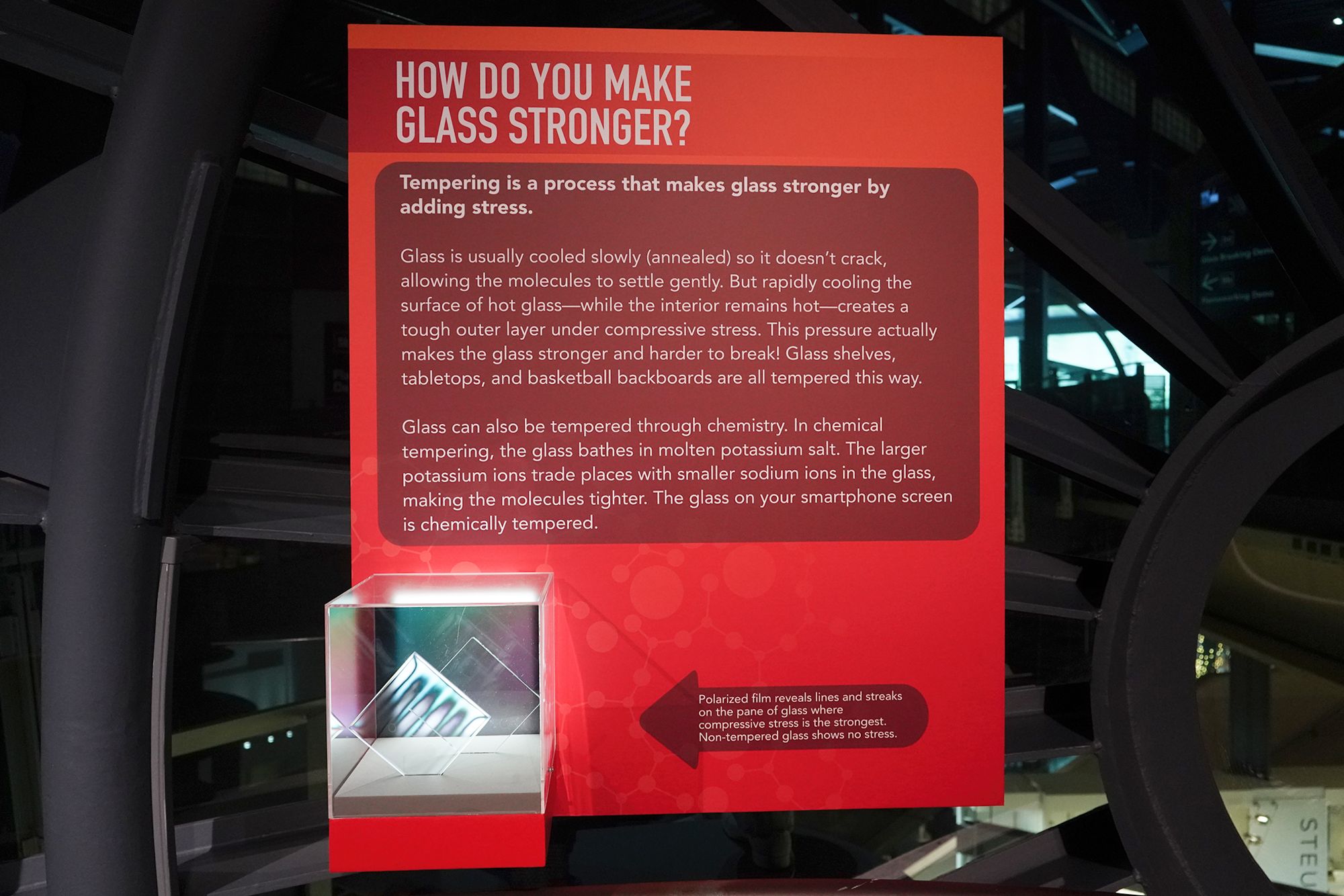
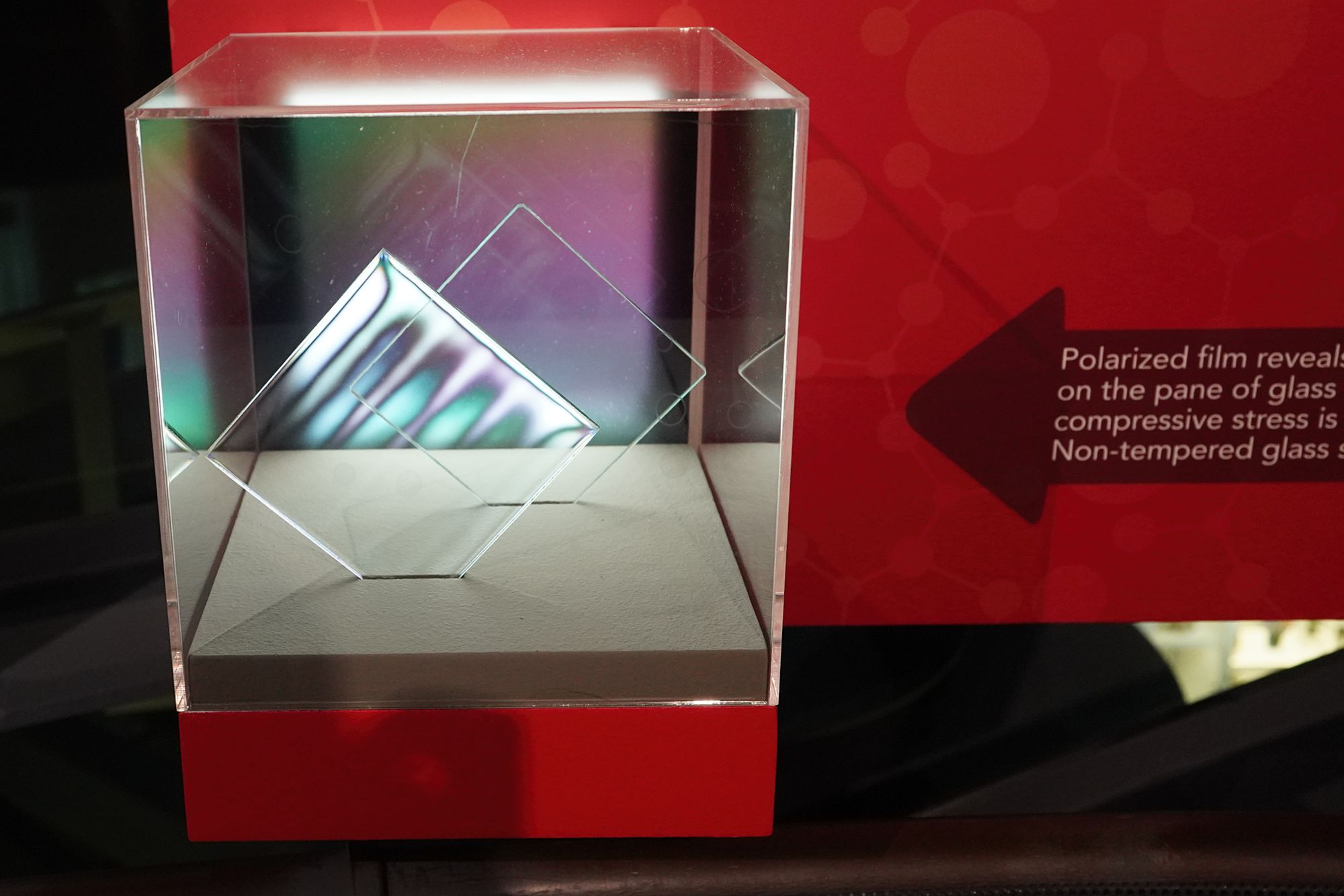
How do you make glass stronger?
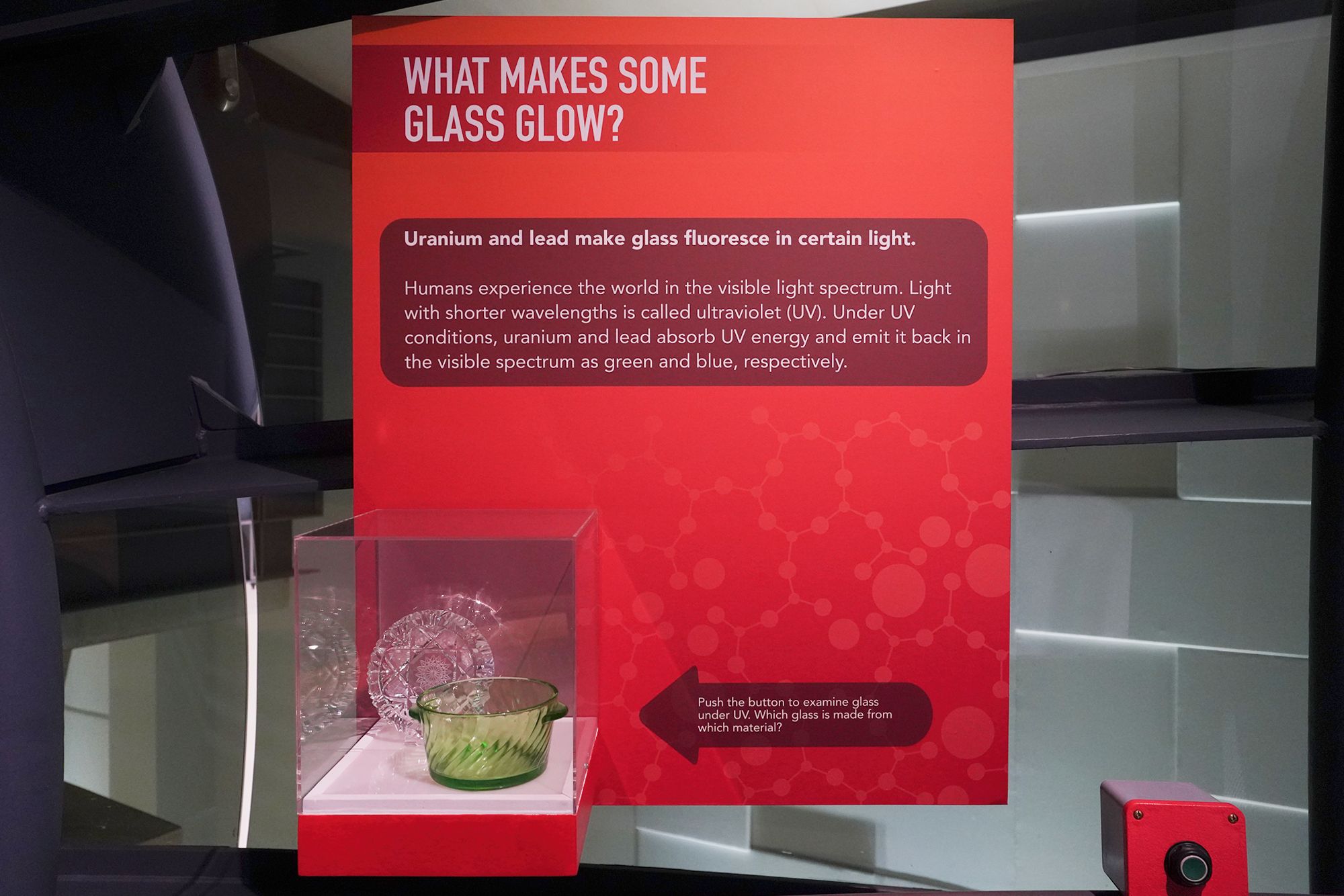
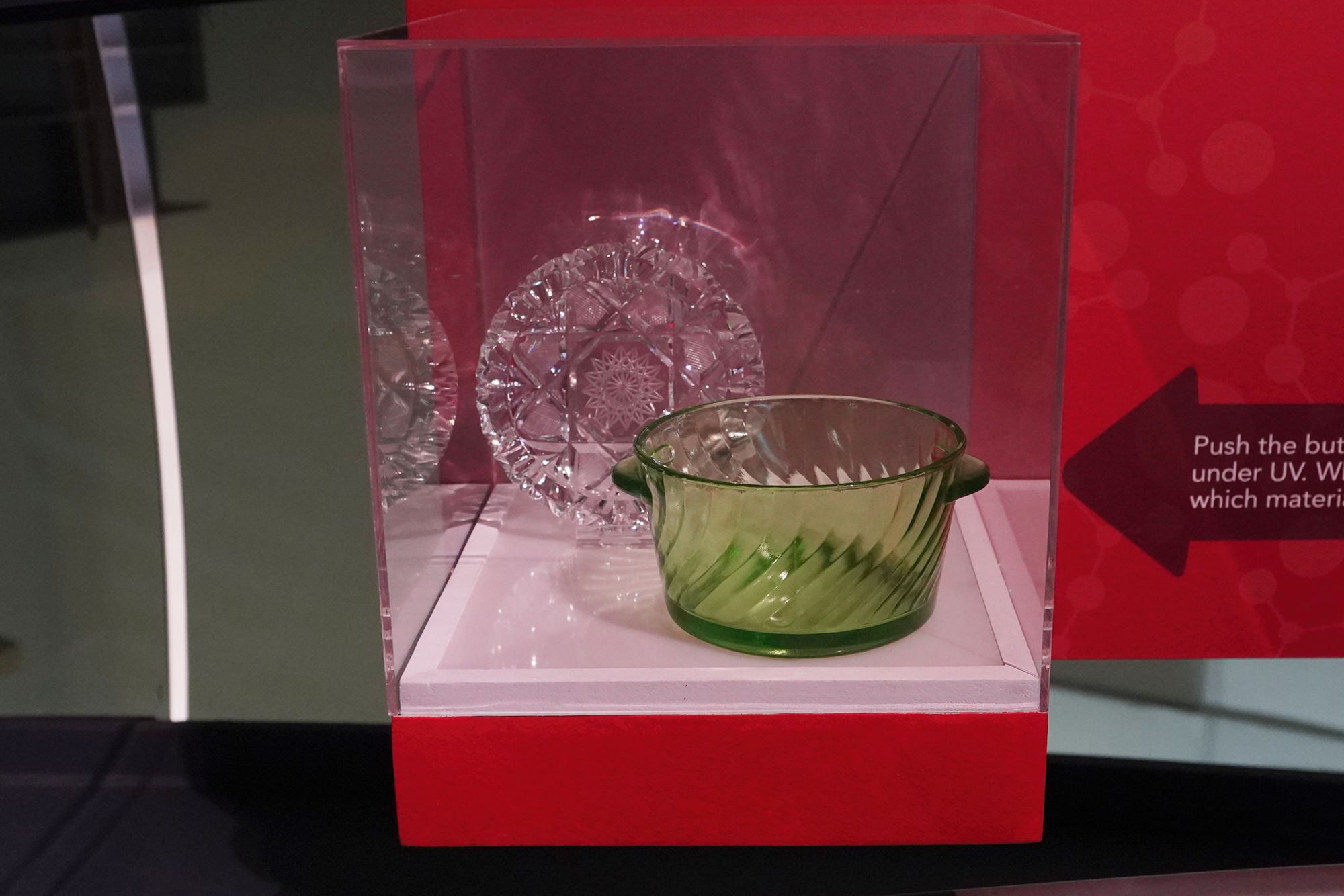
What makes some glass glow?
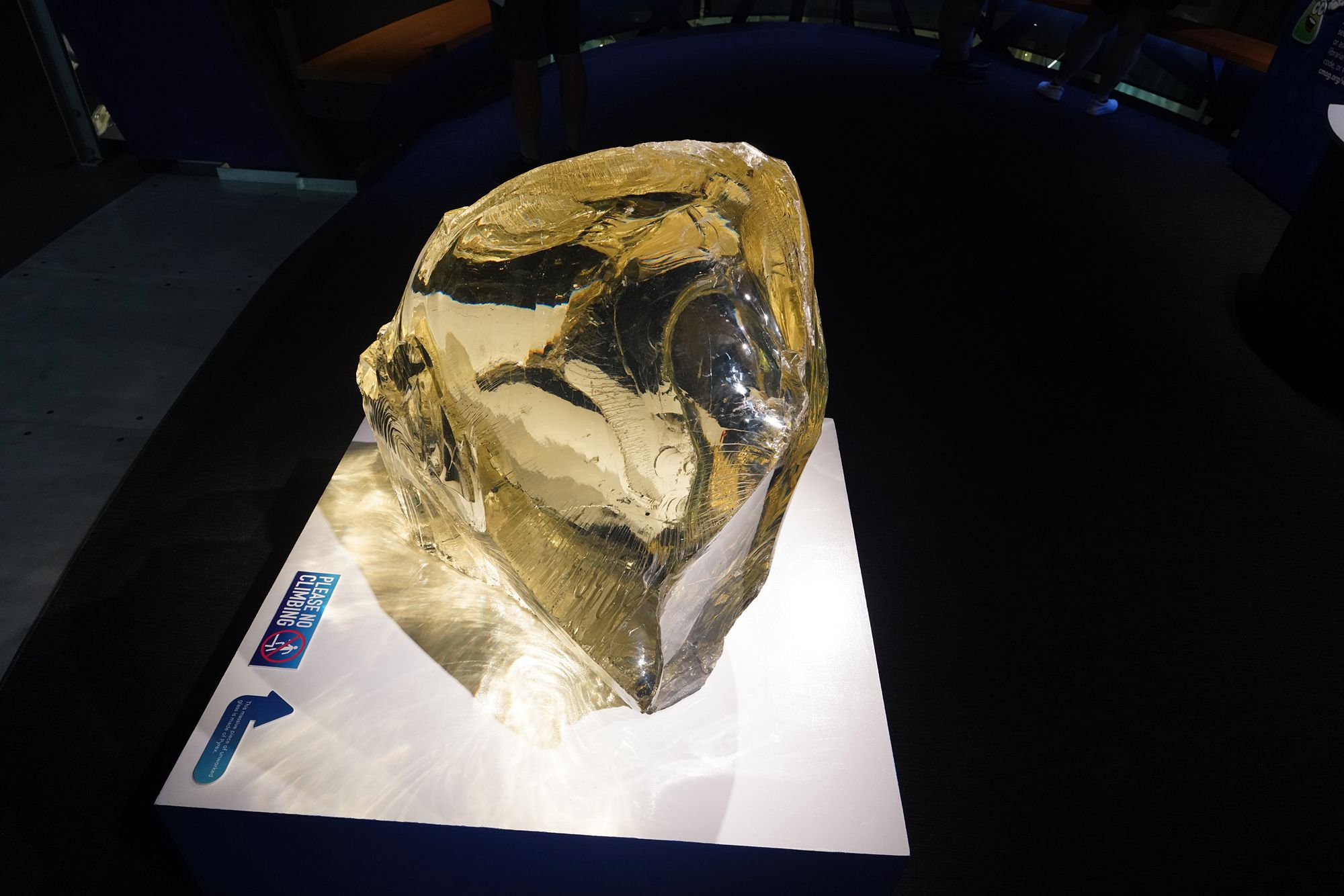
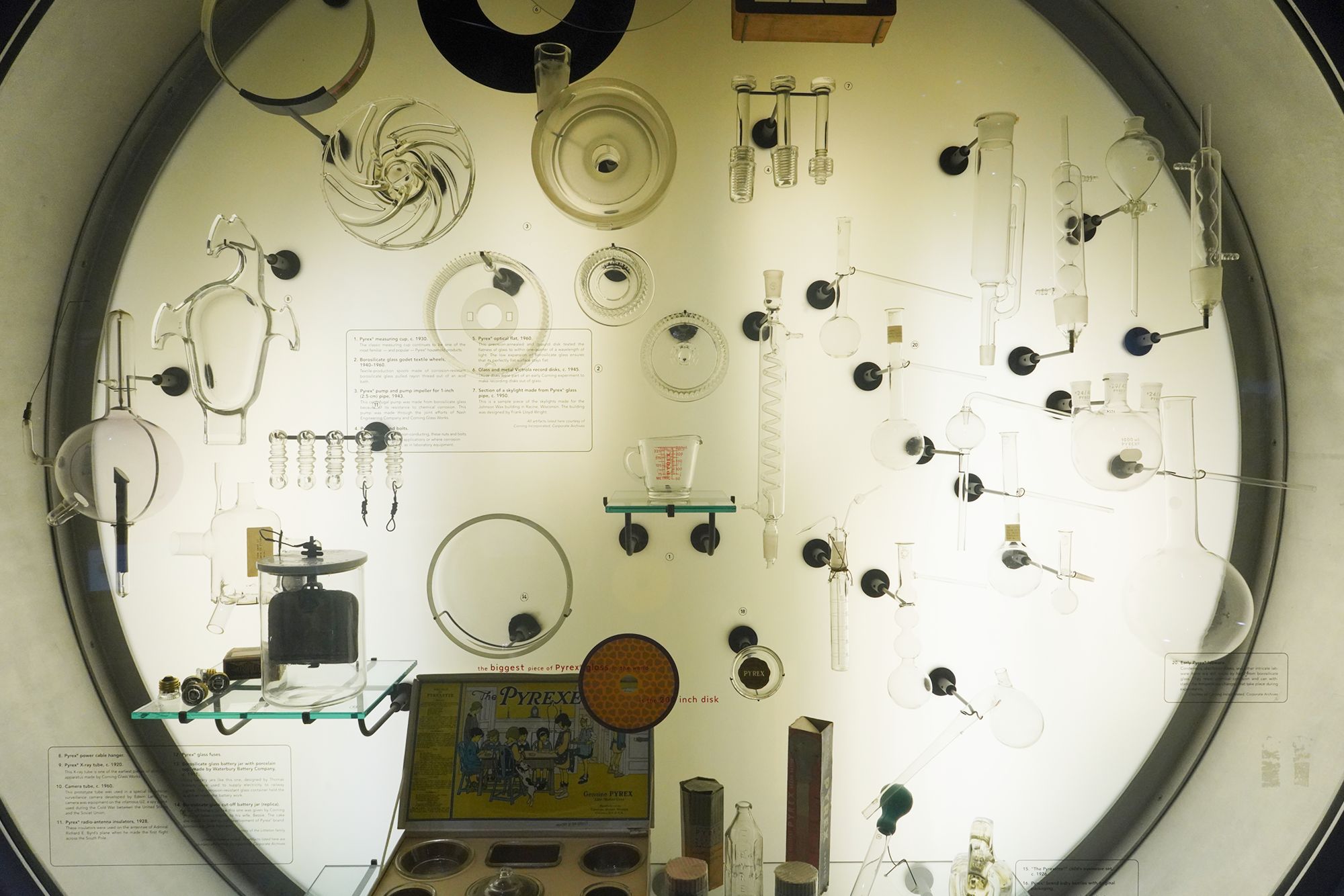
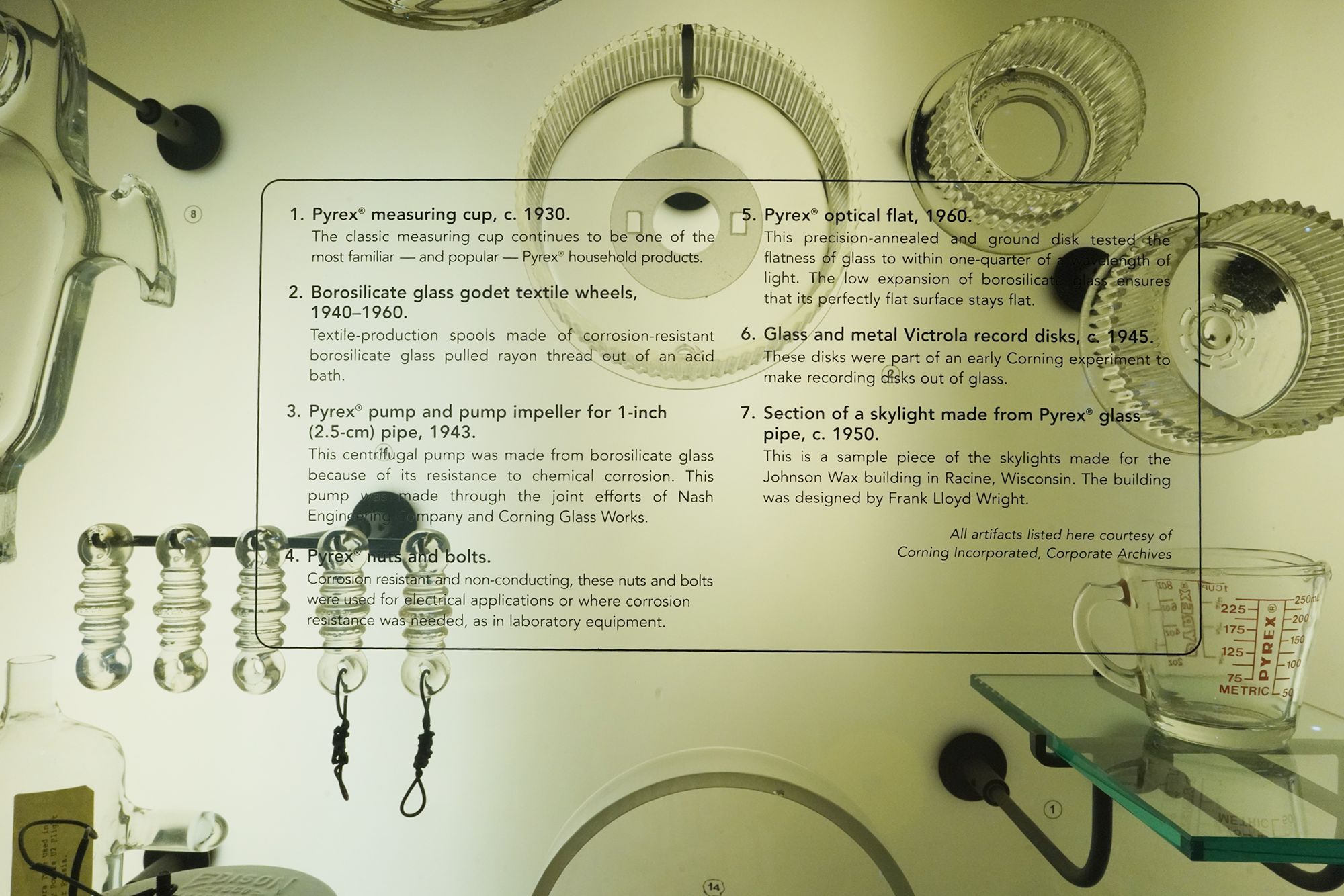
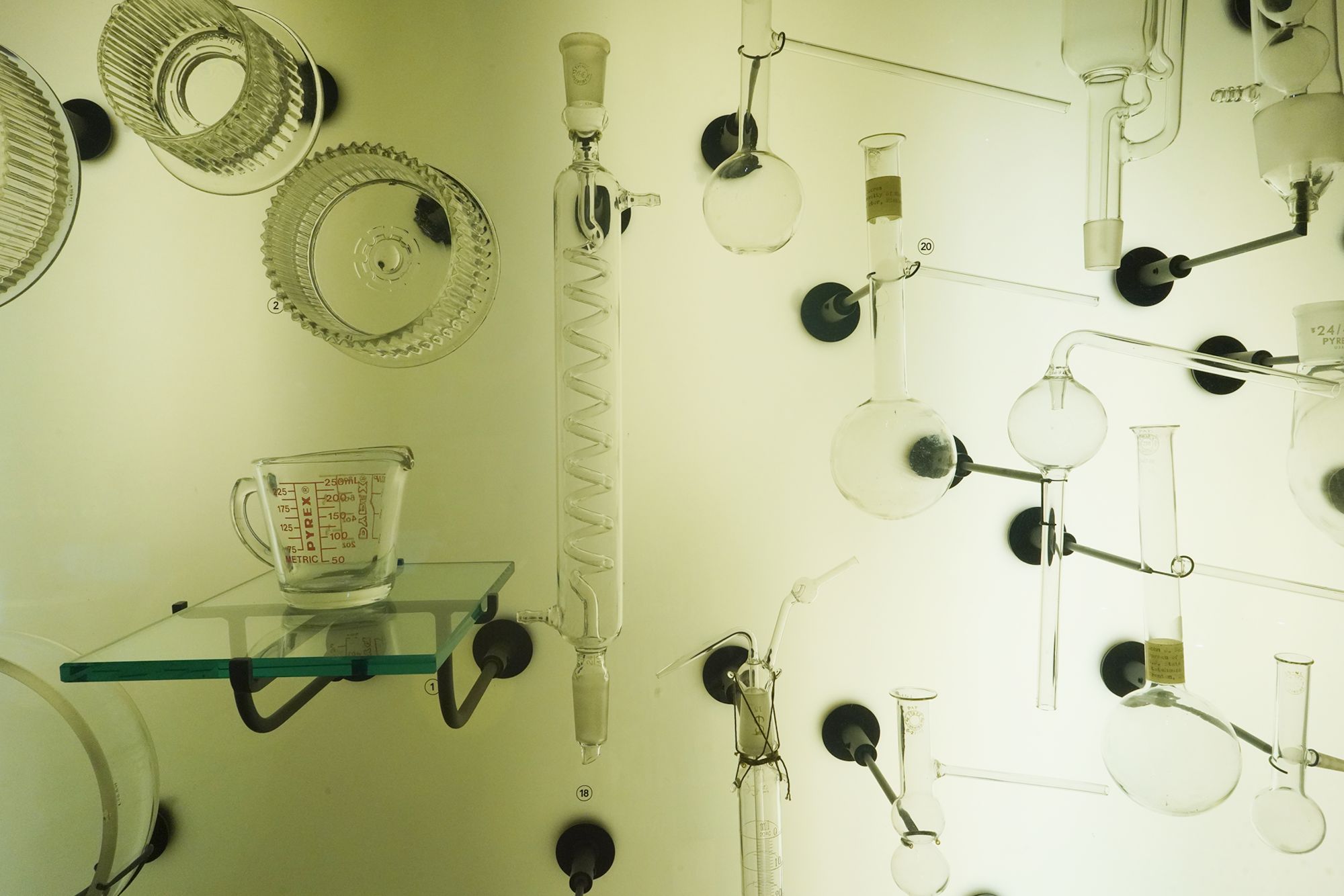
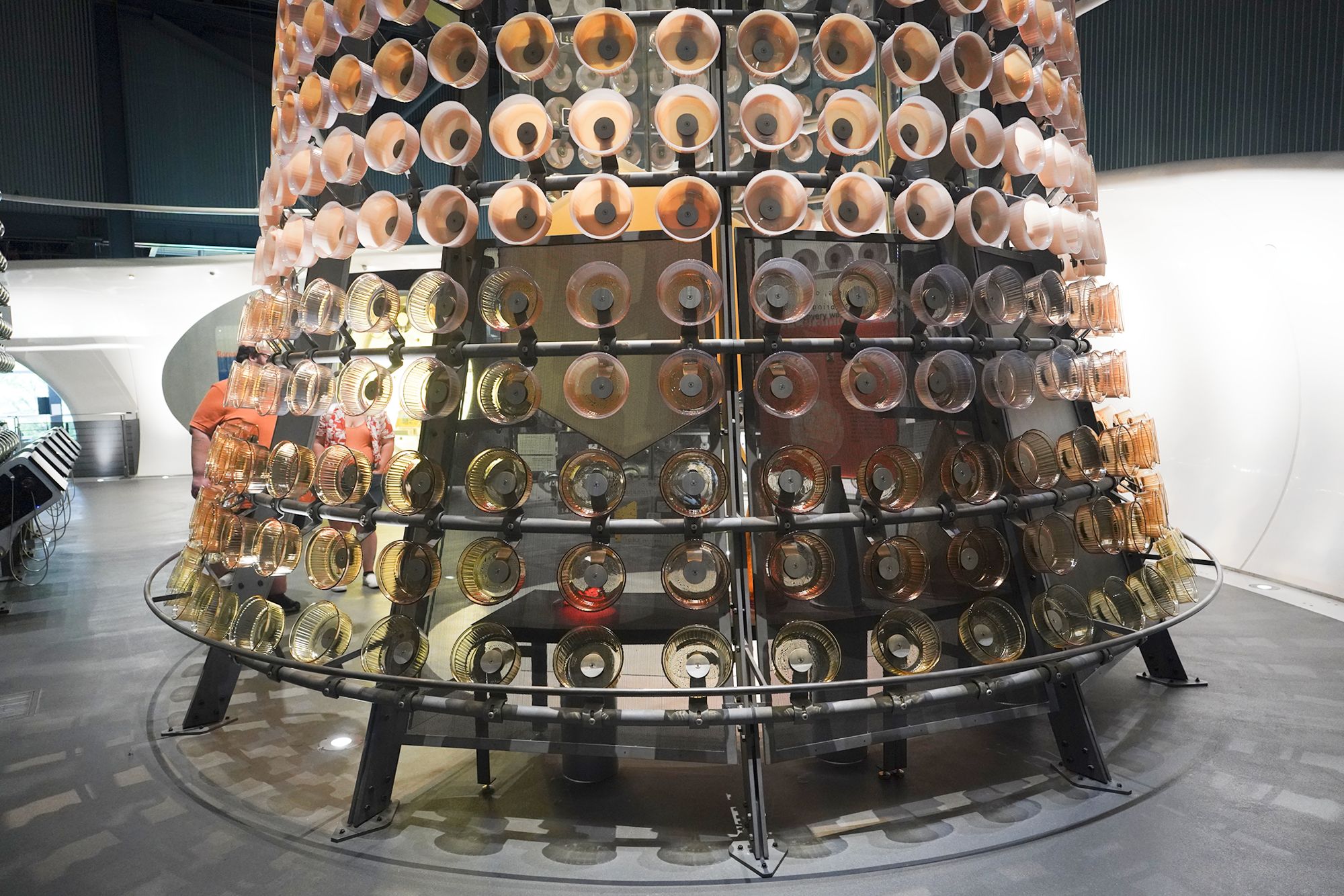
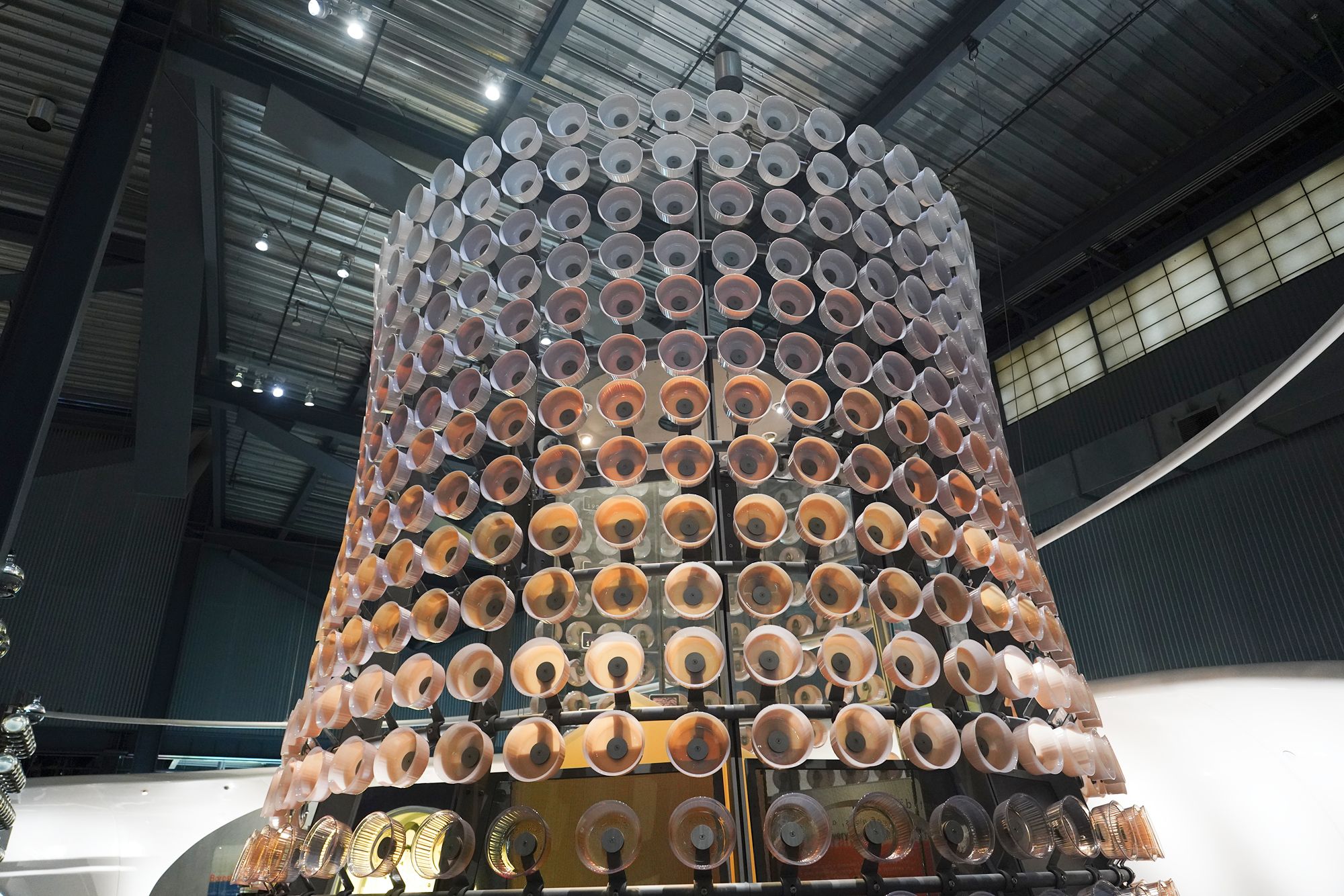
Pyrex is a well-known brand of glassware famous for being heat-resistant, durable, and versatile in both home and laboratory use. Its key innovation is the type of glass it was originally made from — borosilicate glass, developed by Corning Glass Works in 1915. This glass can withstand sudden temperature changes without breaking, making it ideal for baking, cooking, and scientific applications.
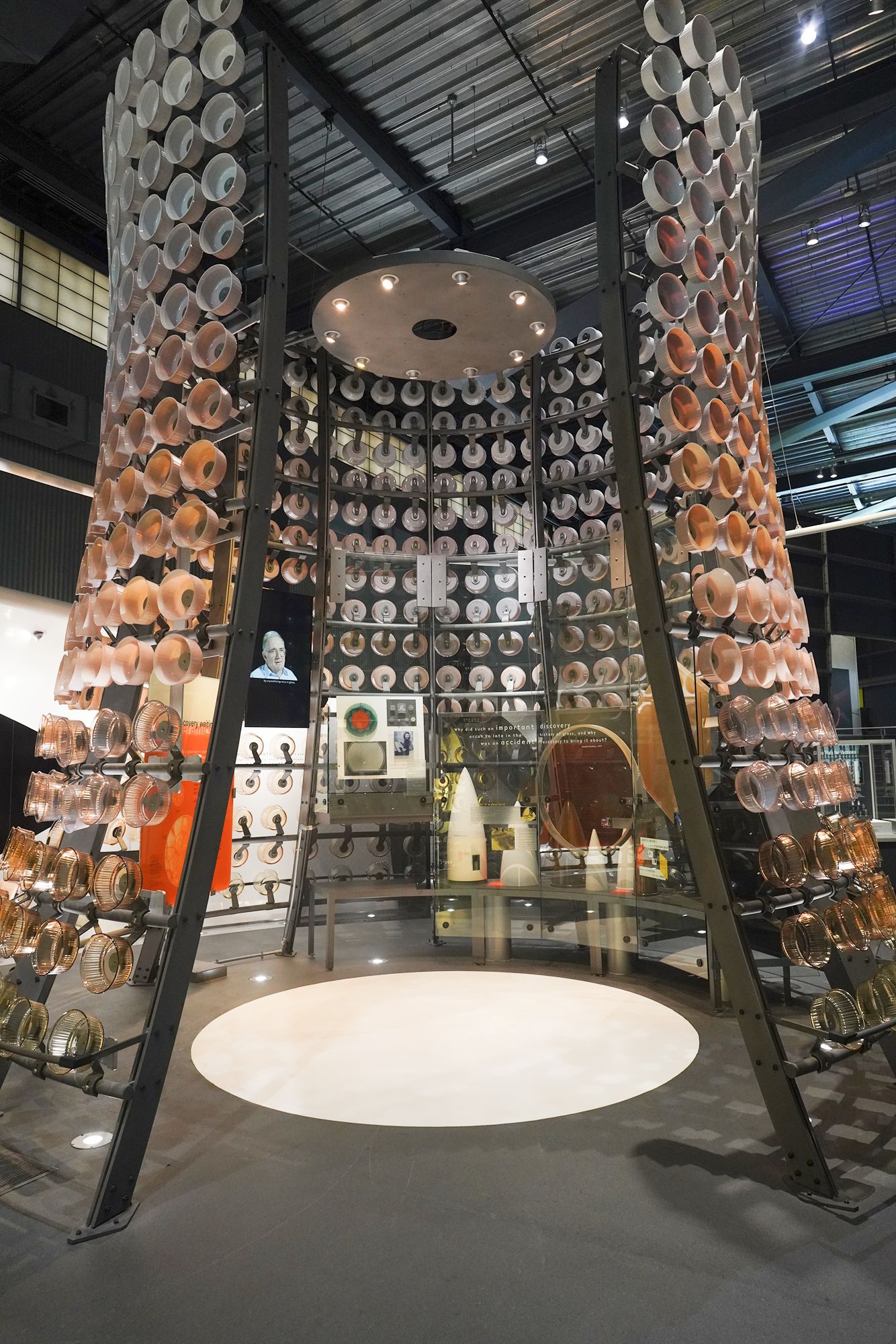
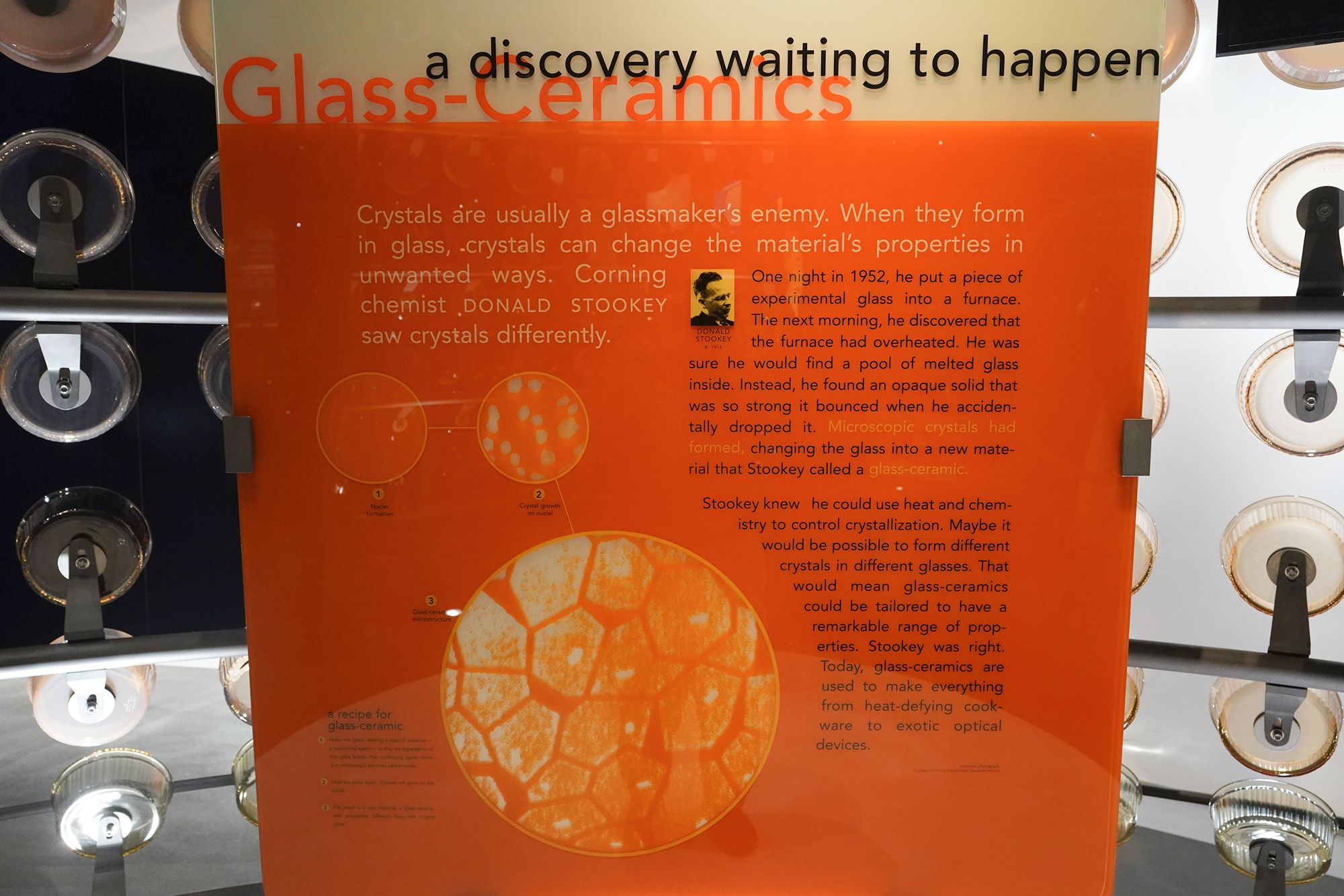
Glass-ceramics are materials that begin as glass but are then controlled-crystallized through heat treatment, resulting in a solid that combines properties of both glass and ceramics. They are strong, heat-resistant, and used in cooking, electronics, aerospace, and medicine.
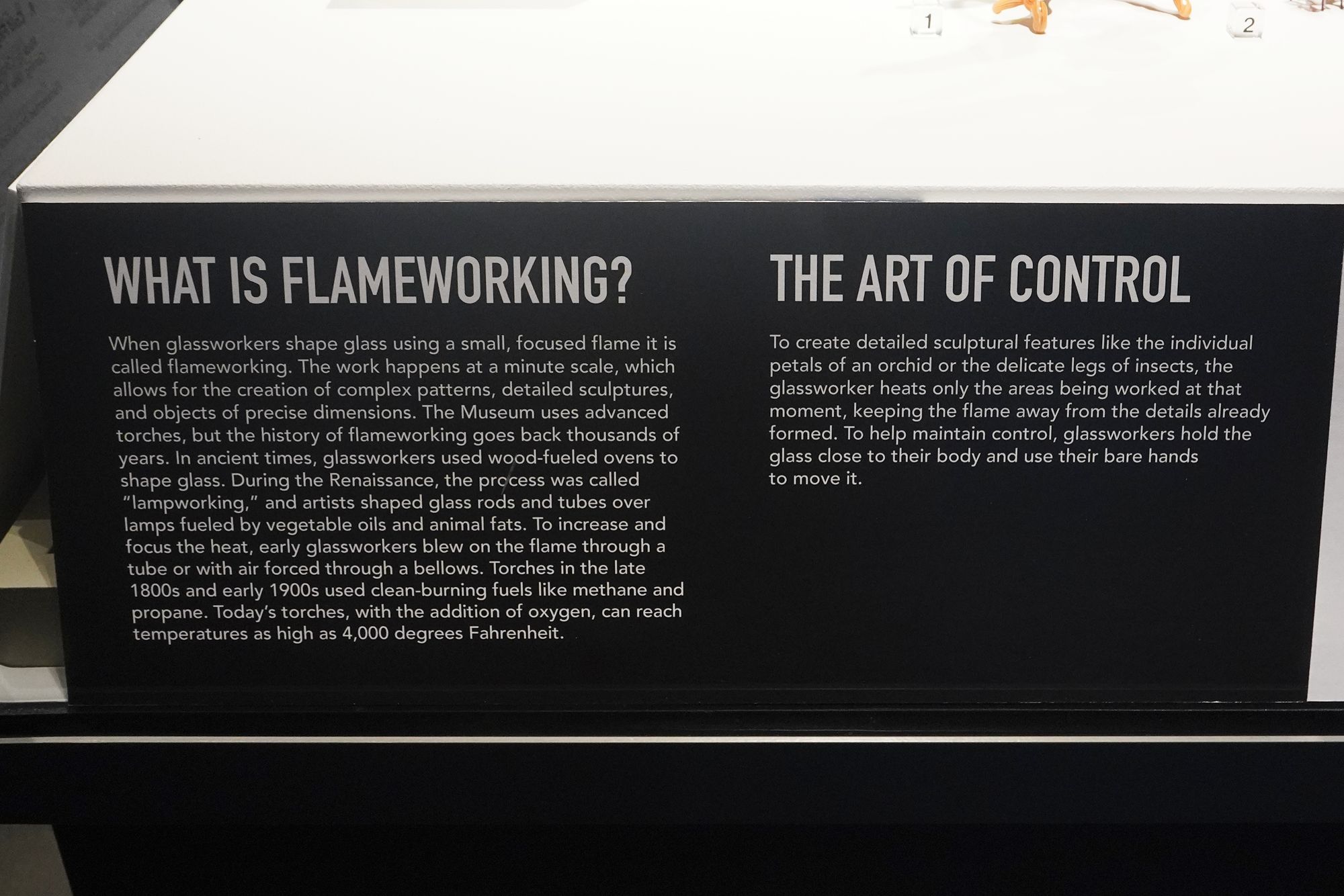
Flameworking (also called Lampworking or torchworking) is a glass-working technique where glass rods or tubes are heated with a torch flame — typically fueled by propane and oxygen — until they soften.
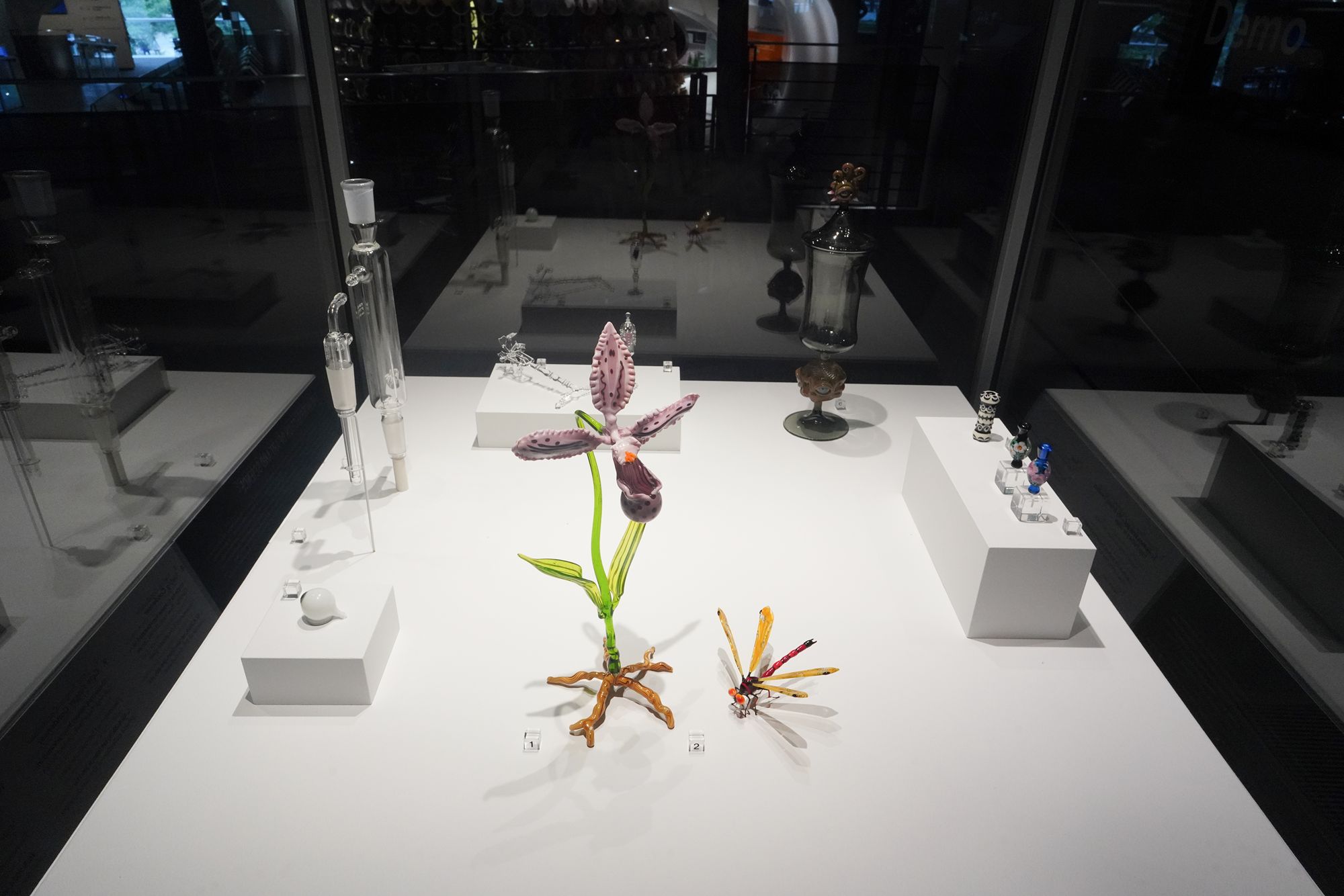
Once the glass becomes molten and pliable under the flame, the artist manipulates it with tools and hand movements — shaping, stretching, blowing, or combining pieces — to form the desired object.
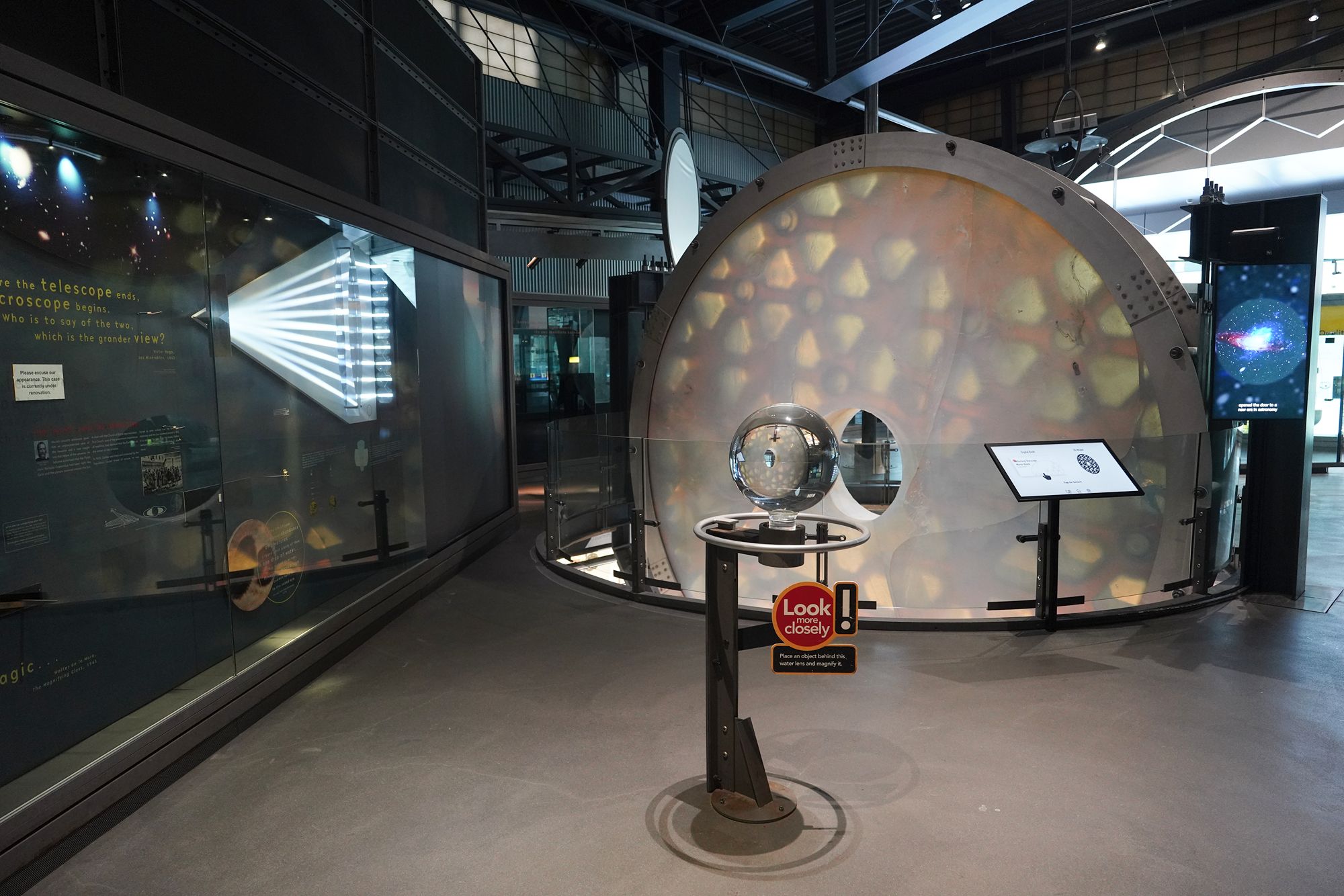
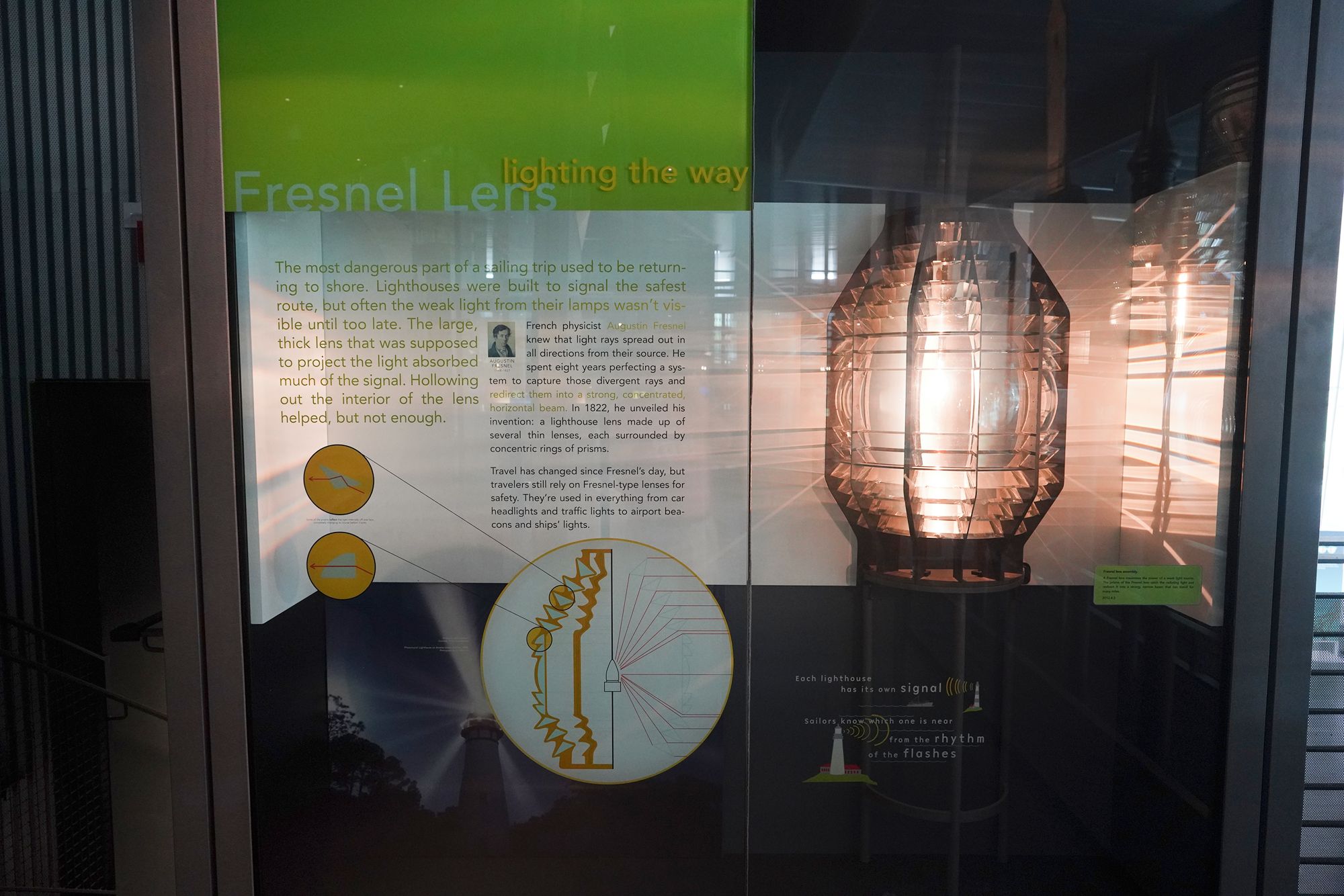
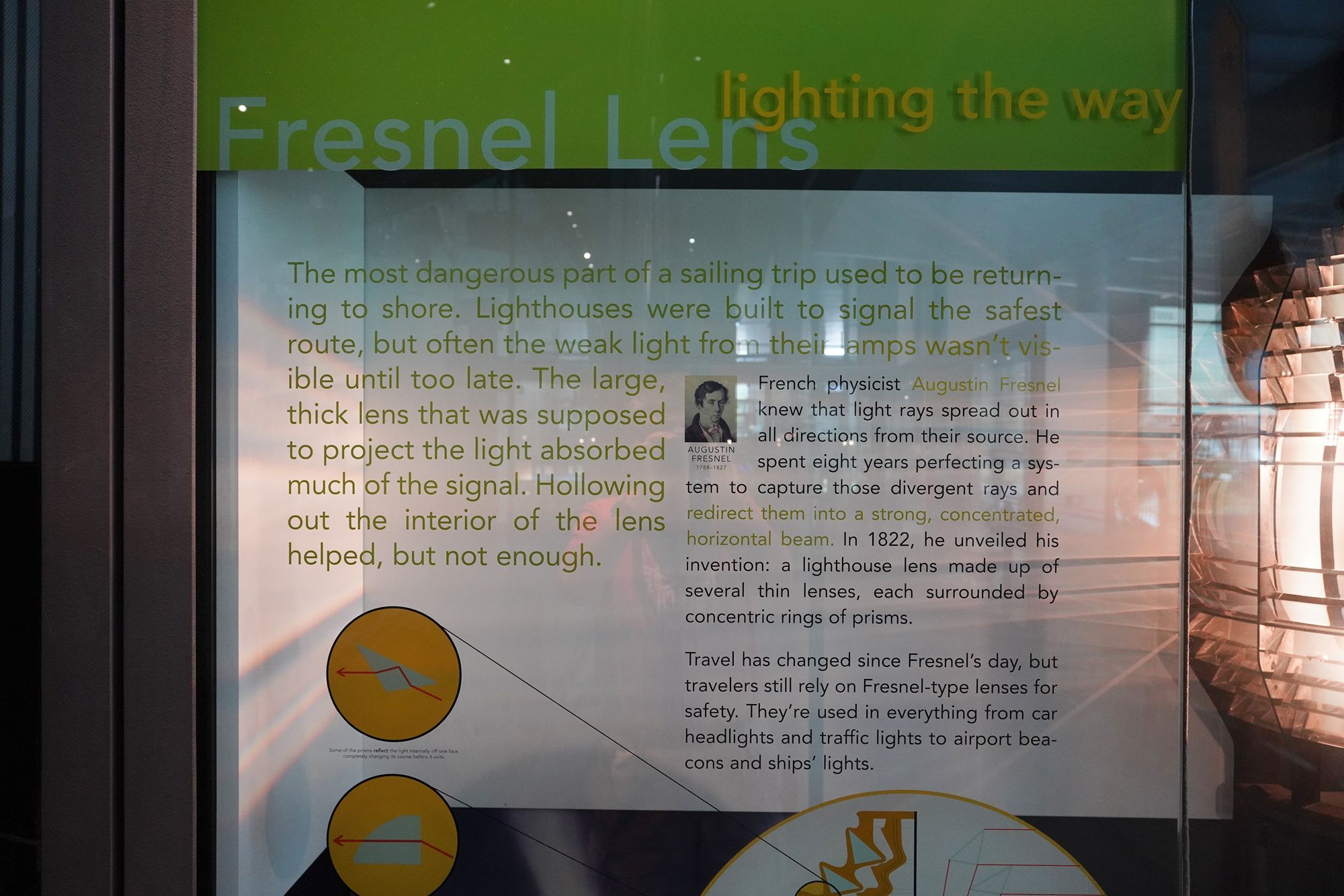
A Fresnel lens uses a series of concentric grooved rings — instead of a bulky curved surface — to bend and focus light. This design makes it thin, lightweight, and efficient at concentrating light. It revolutionized lighthouse beams and remains widely used in lighting, optics, sensors, and solar applications.
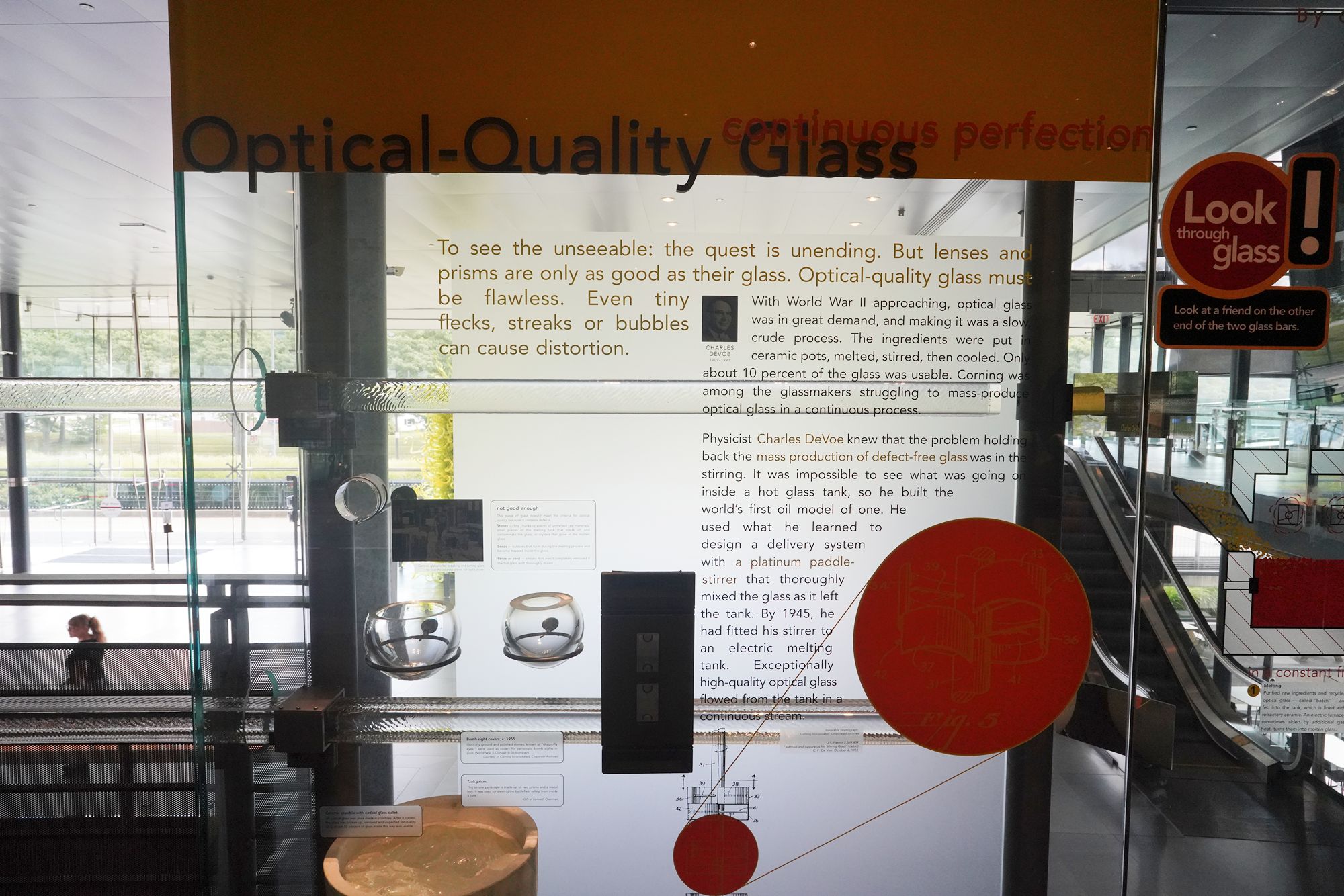
Optical-quality lenses are precision-made lenses designed to bend, focus, and transmit light with minimal distortion, scattering, or color fringing. Unlike simple magnifying plastics or decorative glass, optical lenses require exceptionally smooth surfaces, controlled curvature, and highly pure materials to produce clean, accurate images.
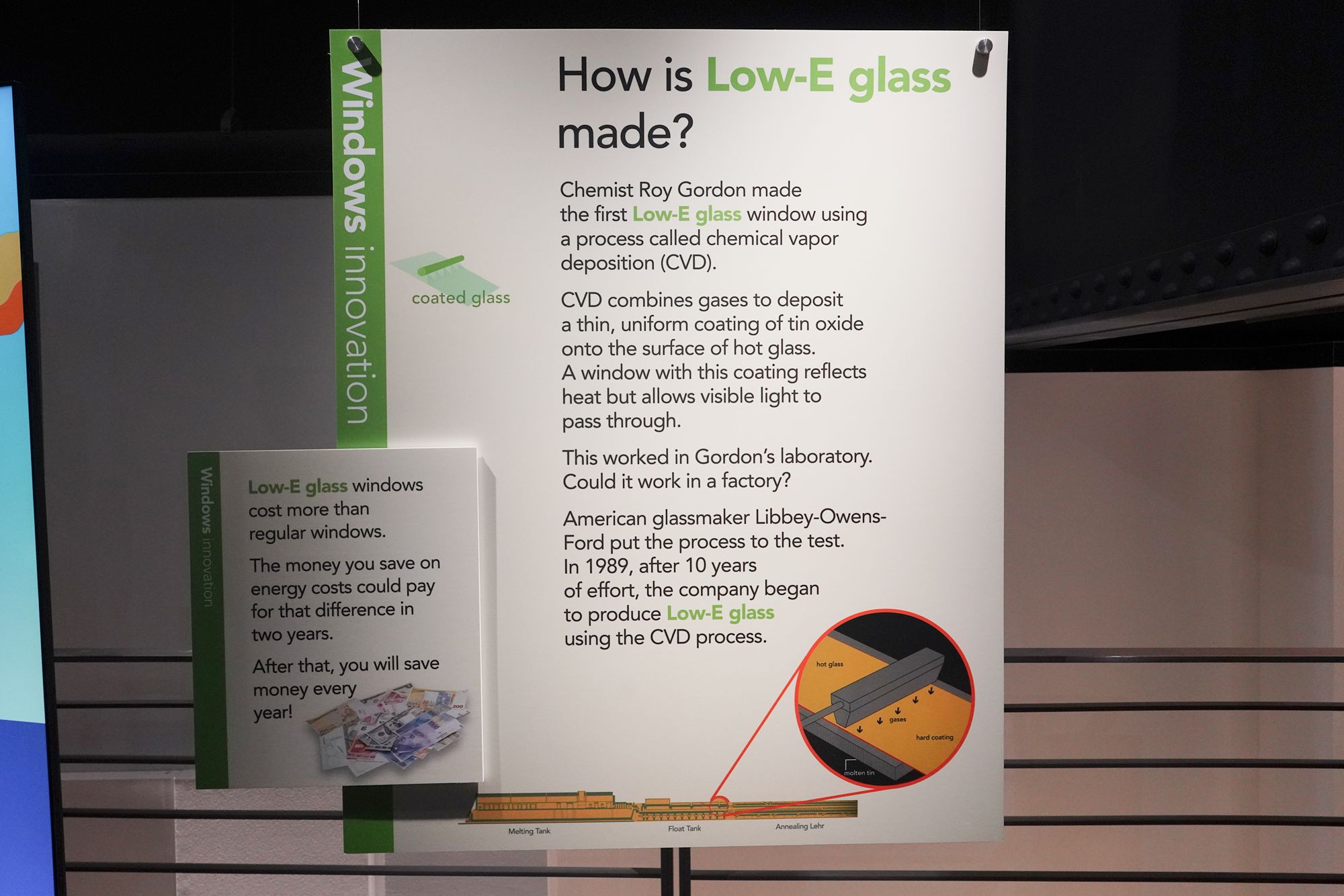
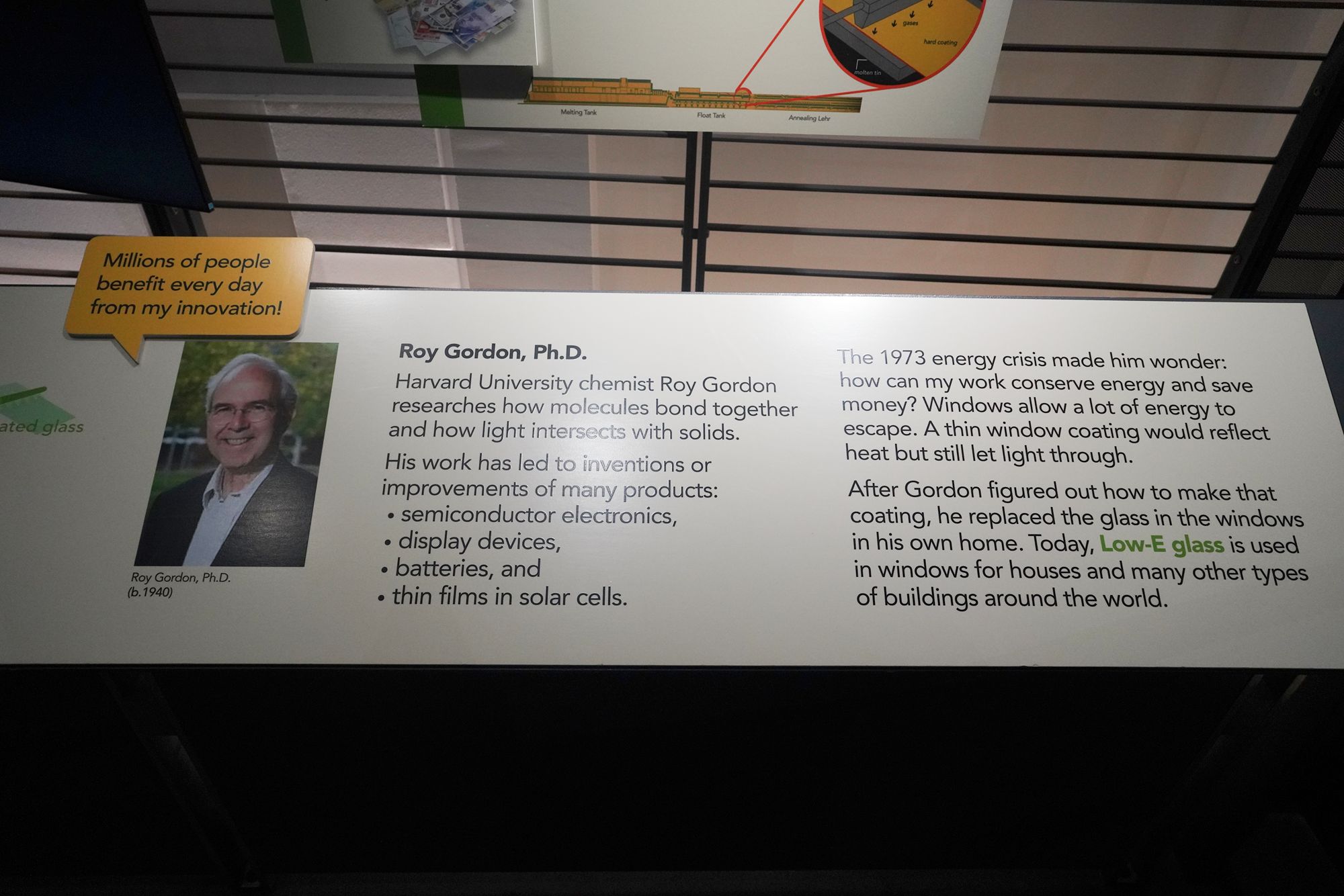
Low-E glass (low-emissivity glass) is a type of energy-efficient glass designed to control heat transfer. It has an ultra-thin, invisible metallic coating that reflects infrared heat while allowing visible daylight to pass through. This helps keep buildings cooler in summer, warmer in winter, and reduces energy costs.

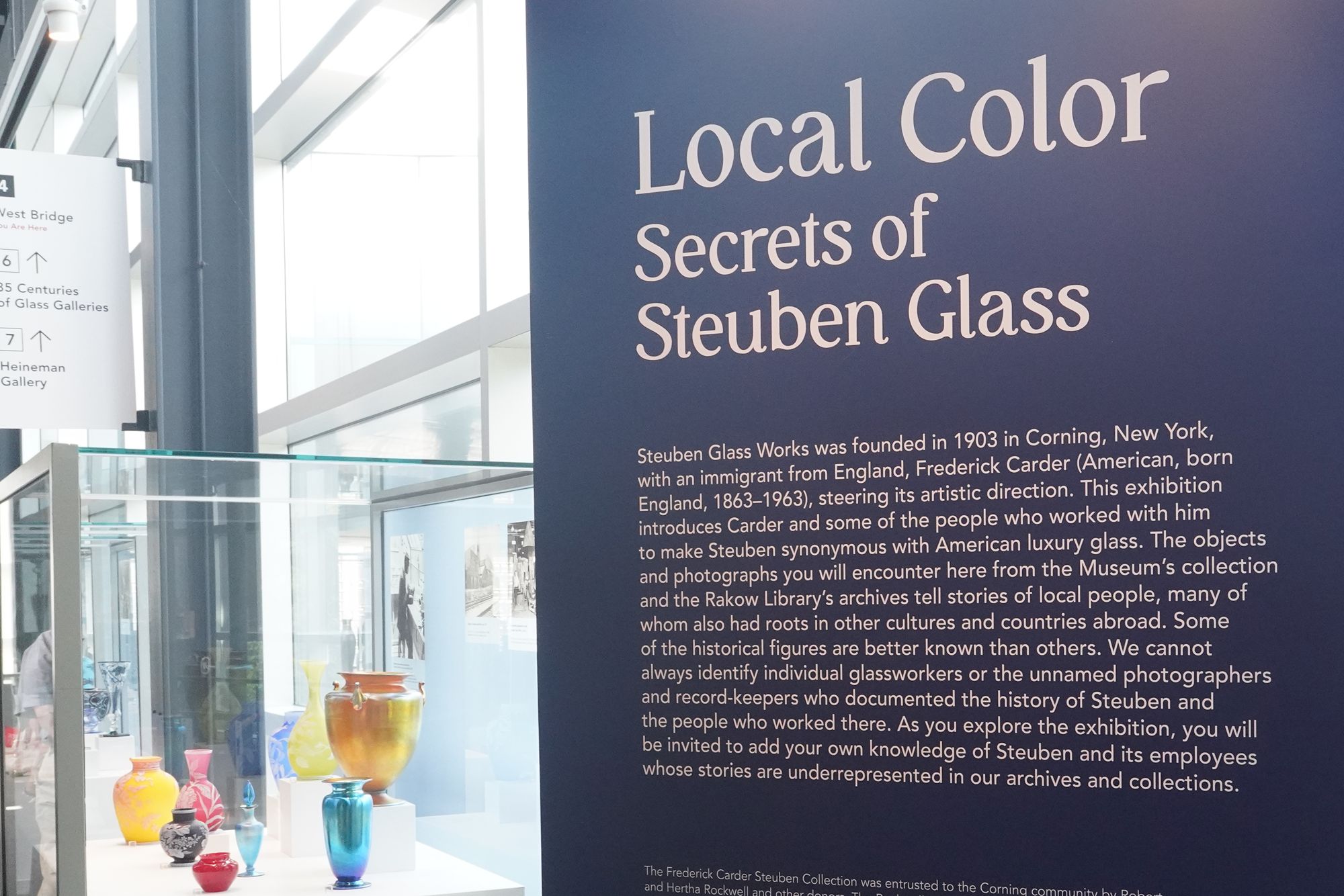
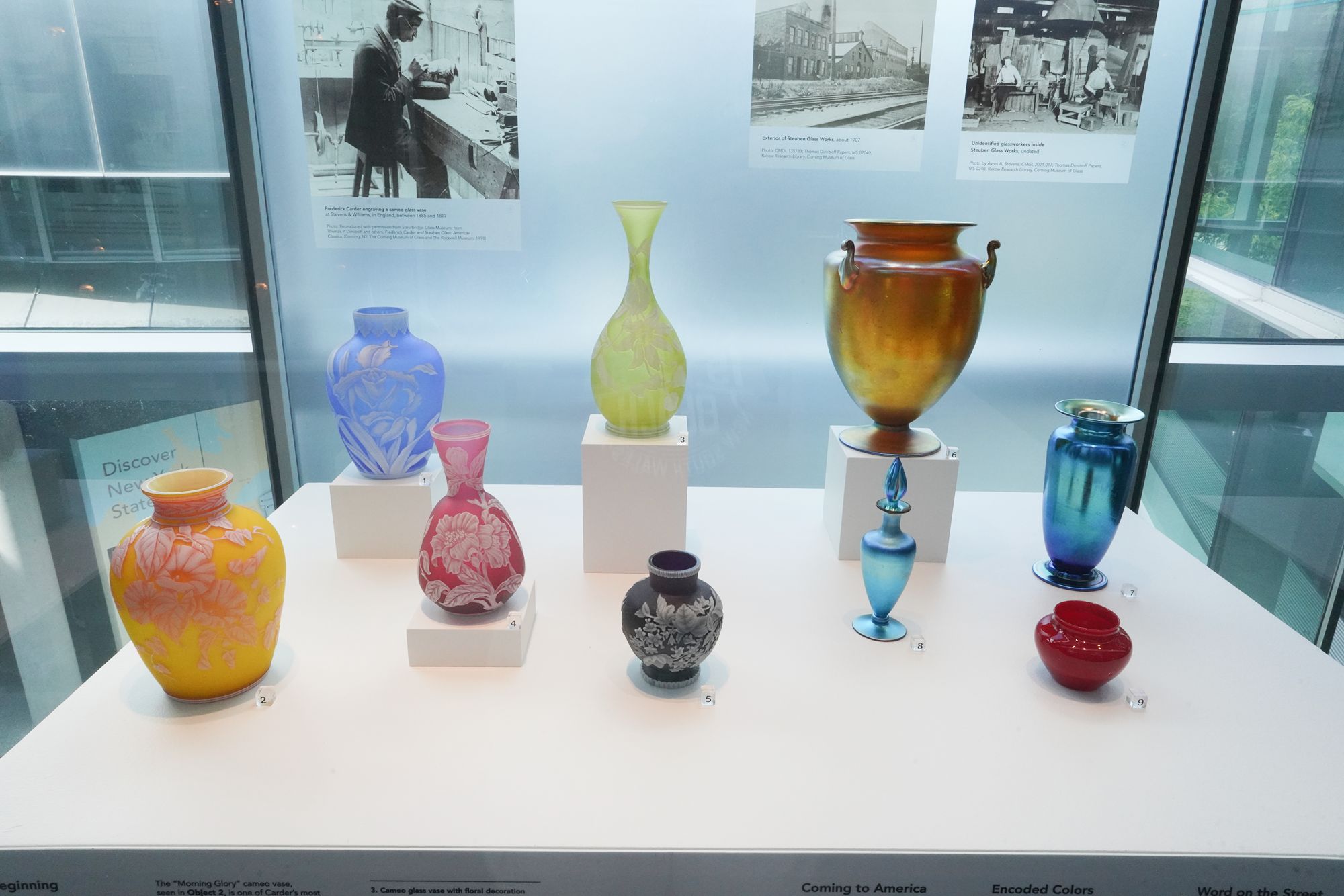
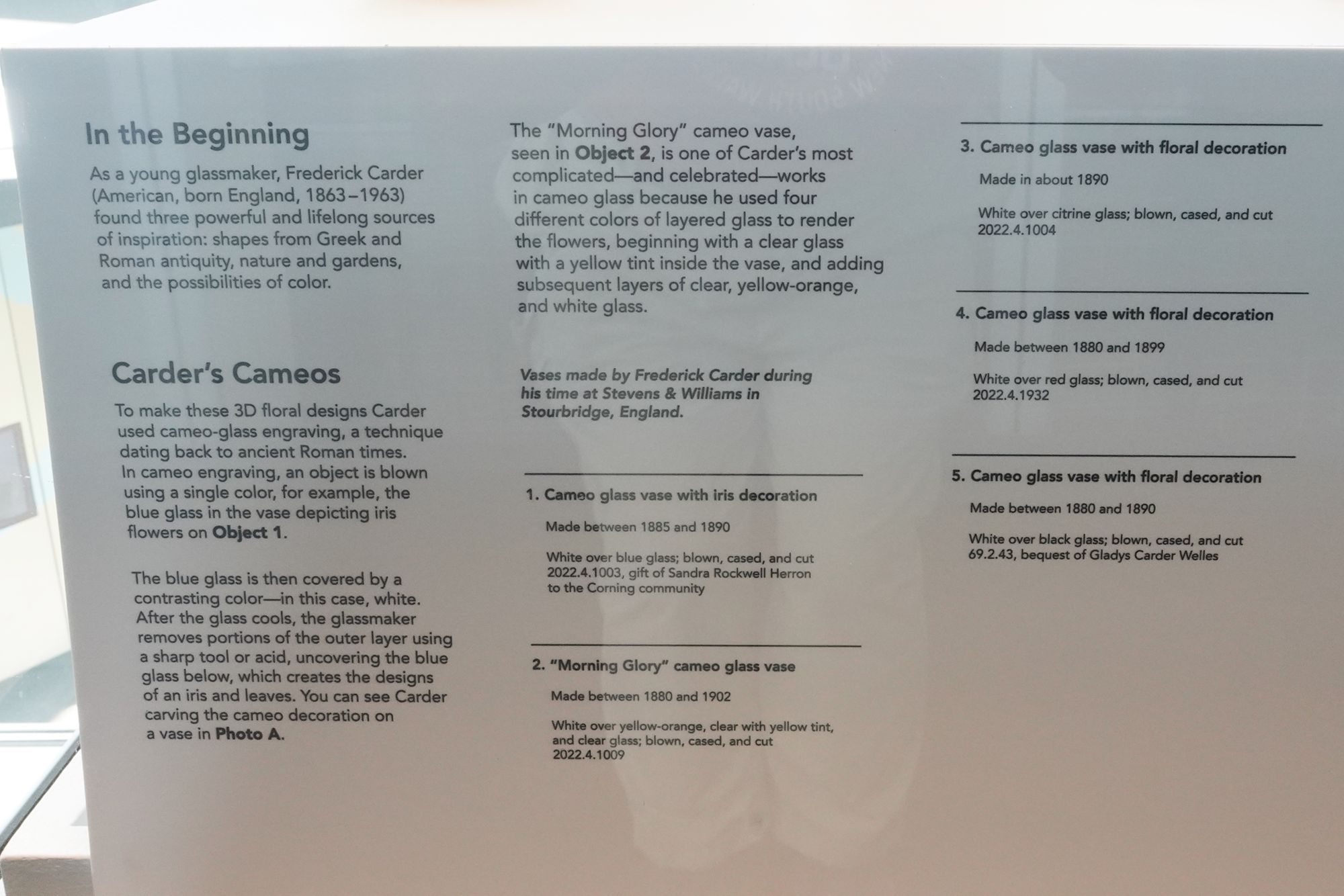
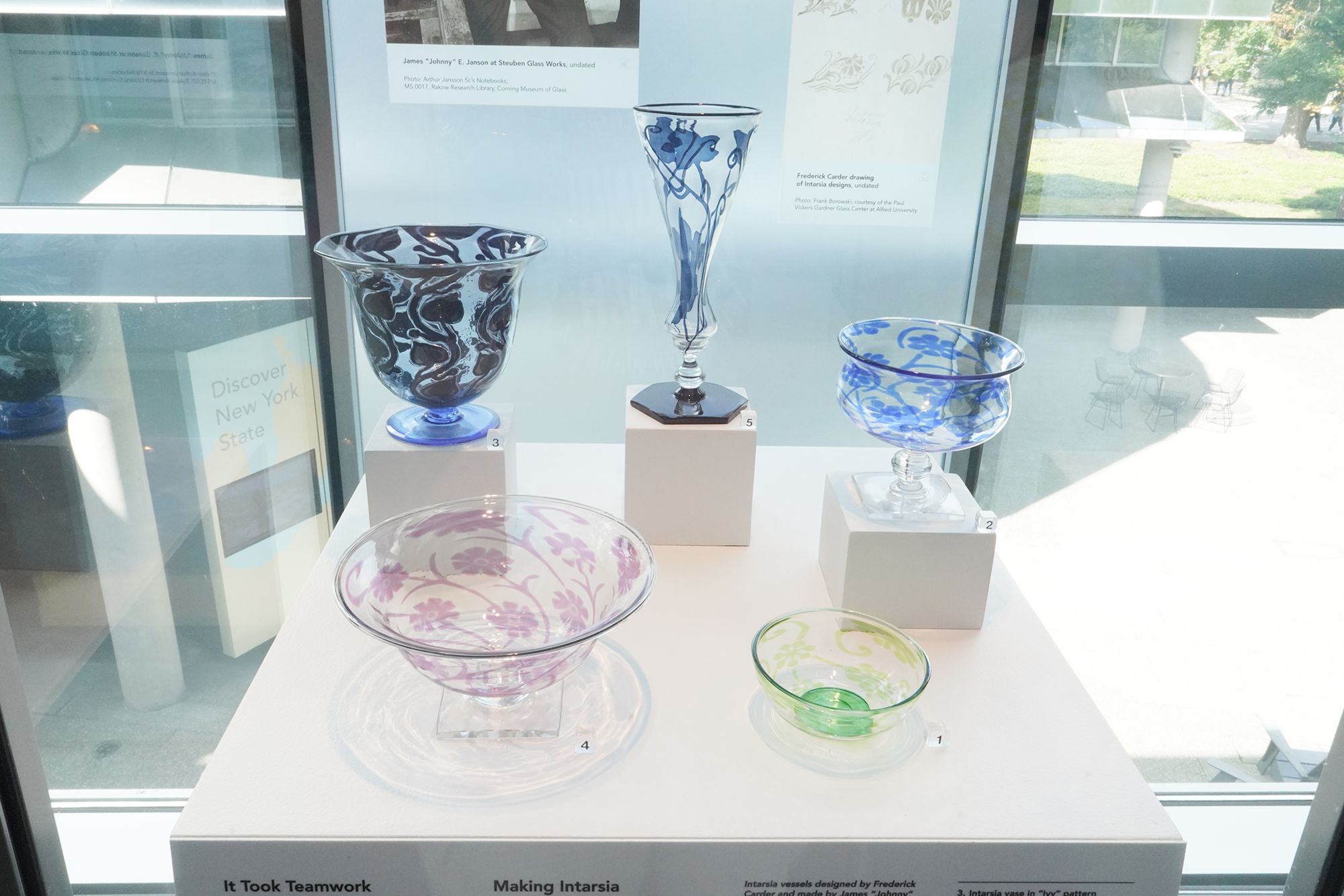
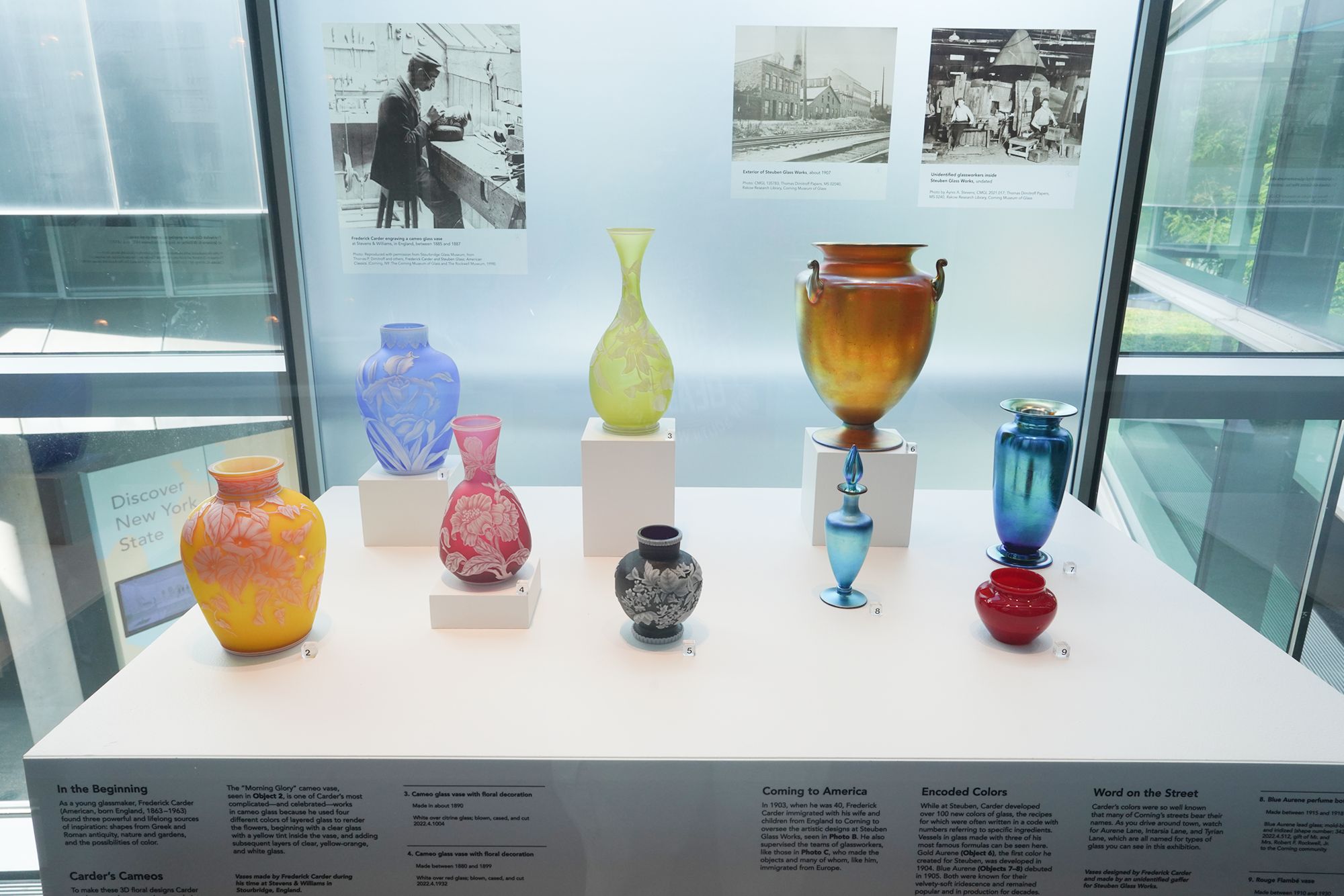
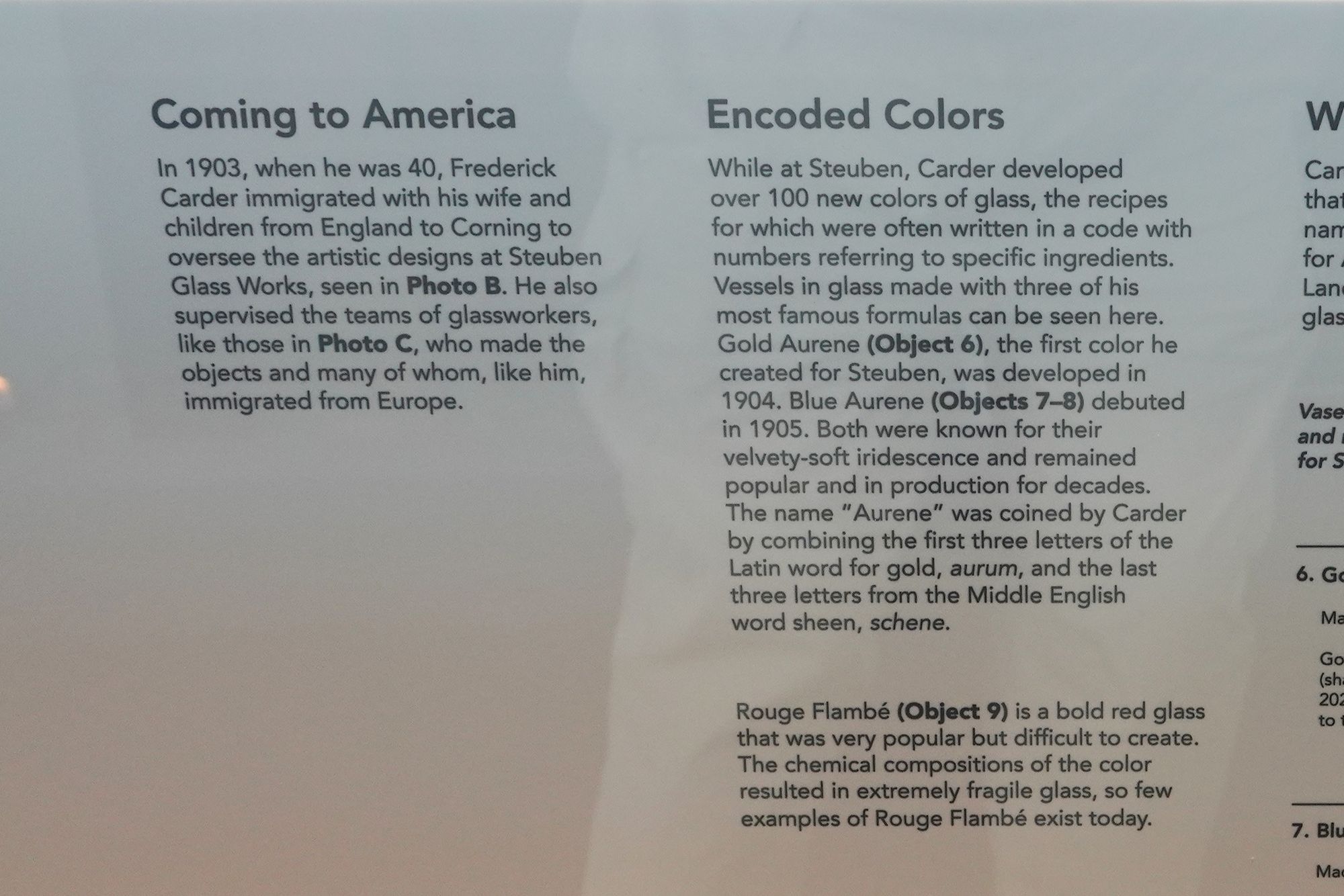
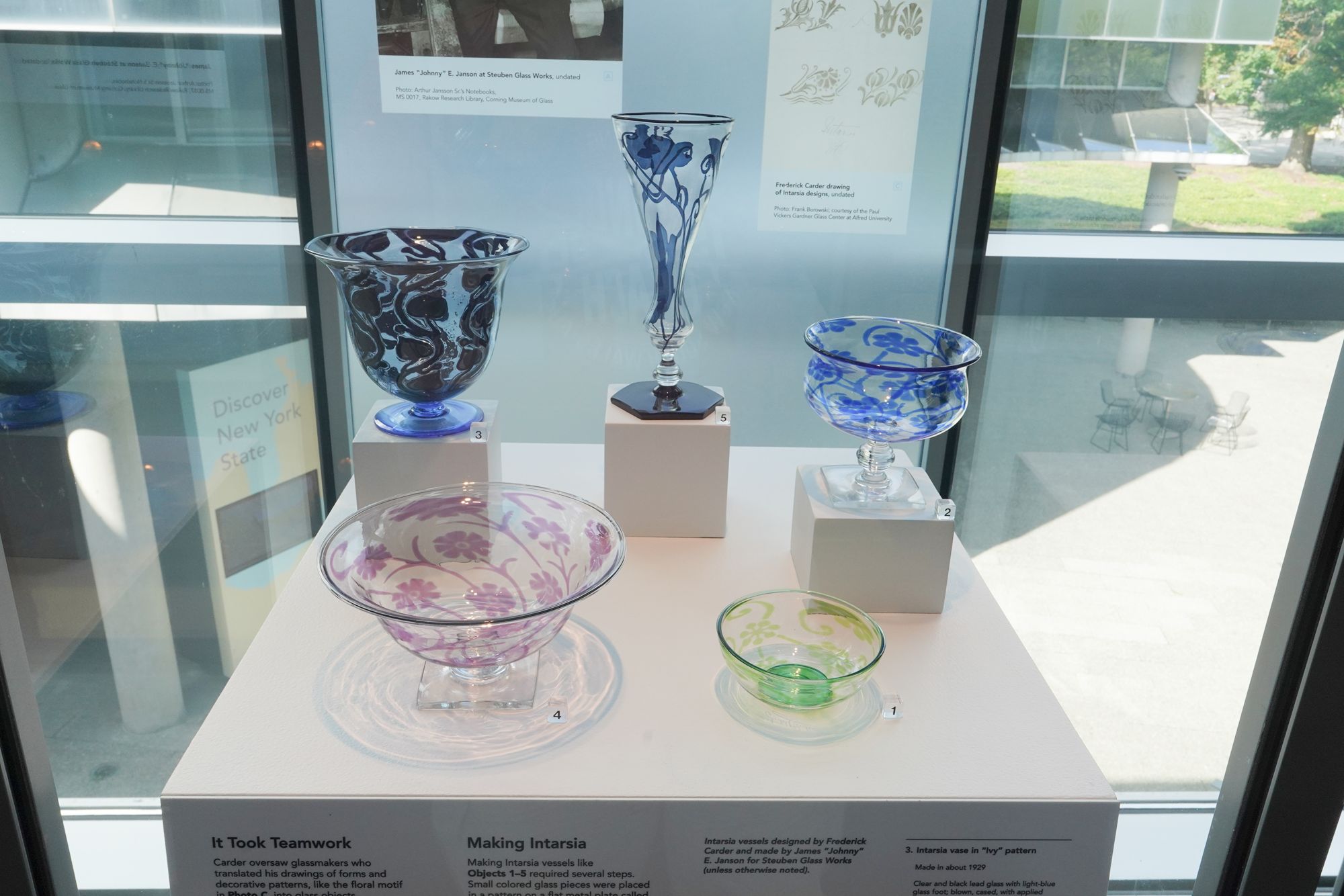
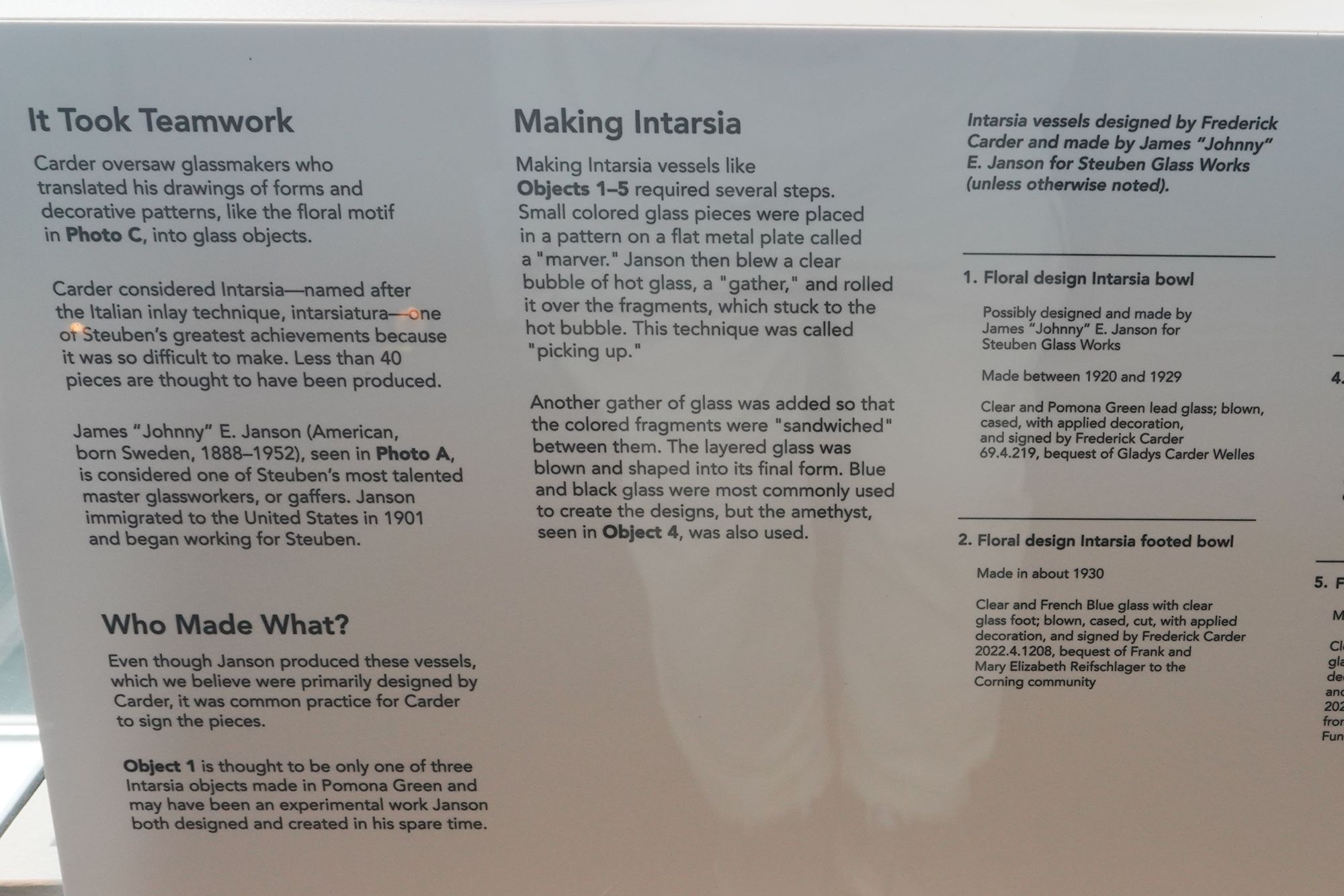
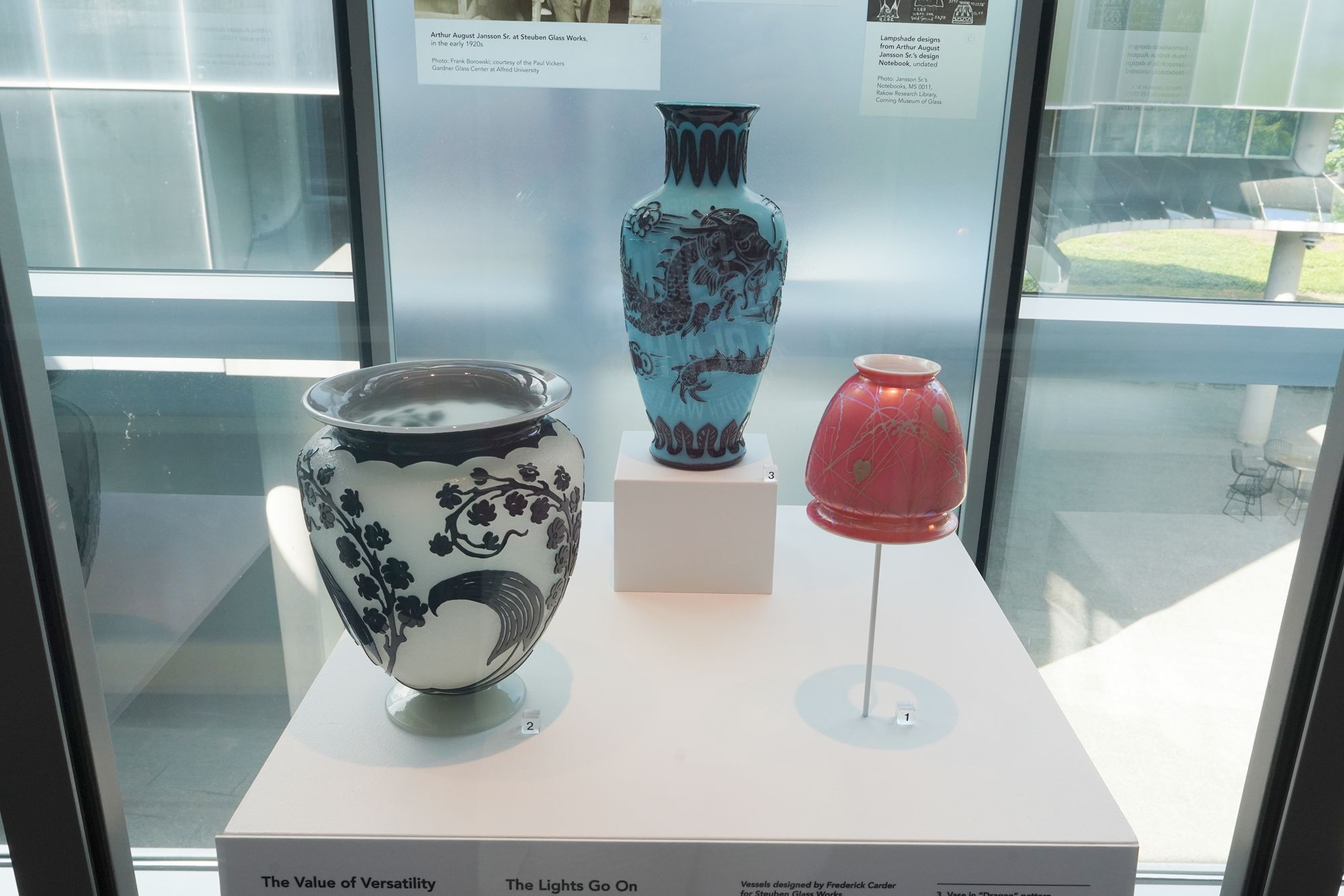
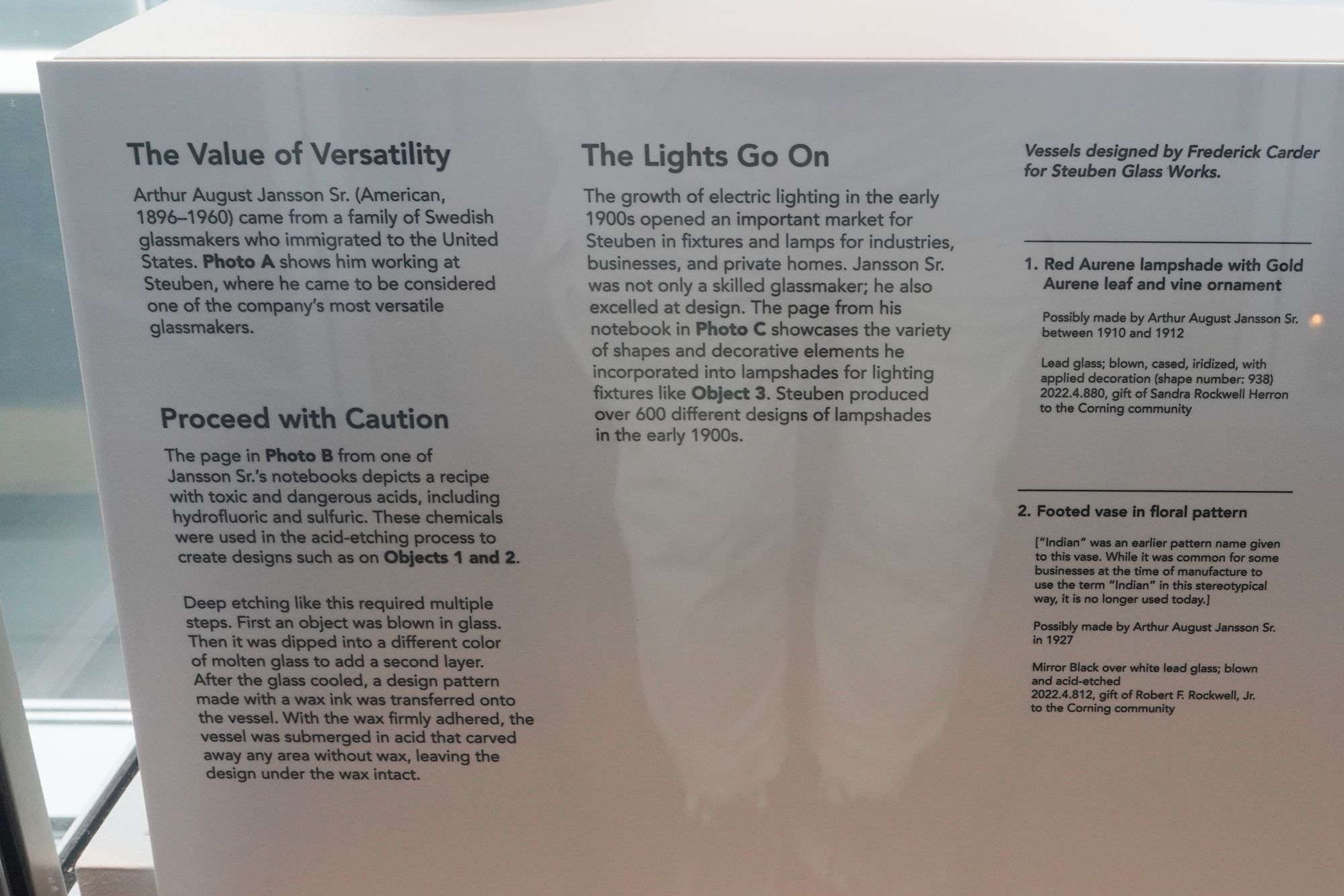
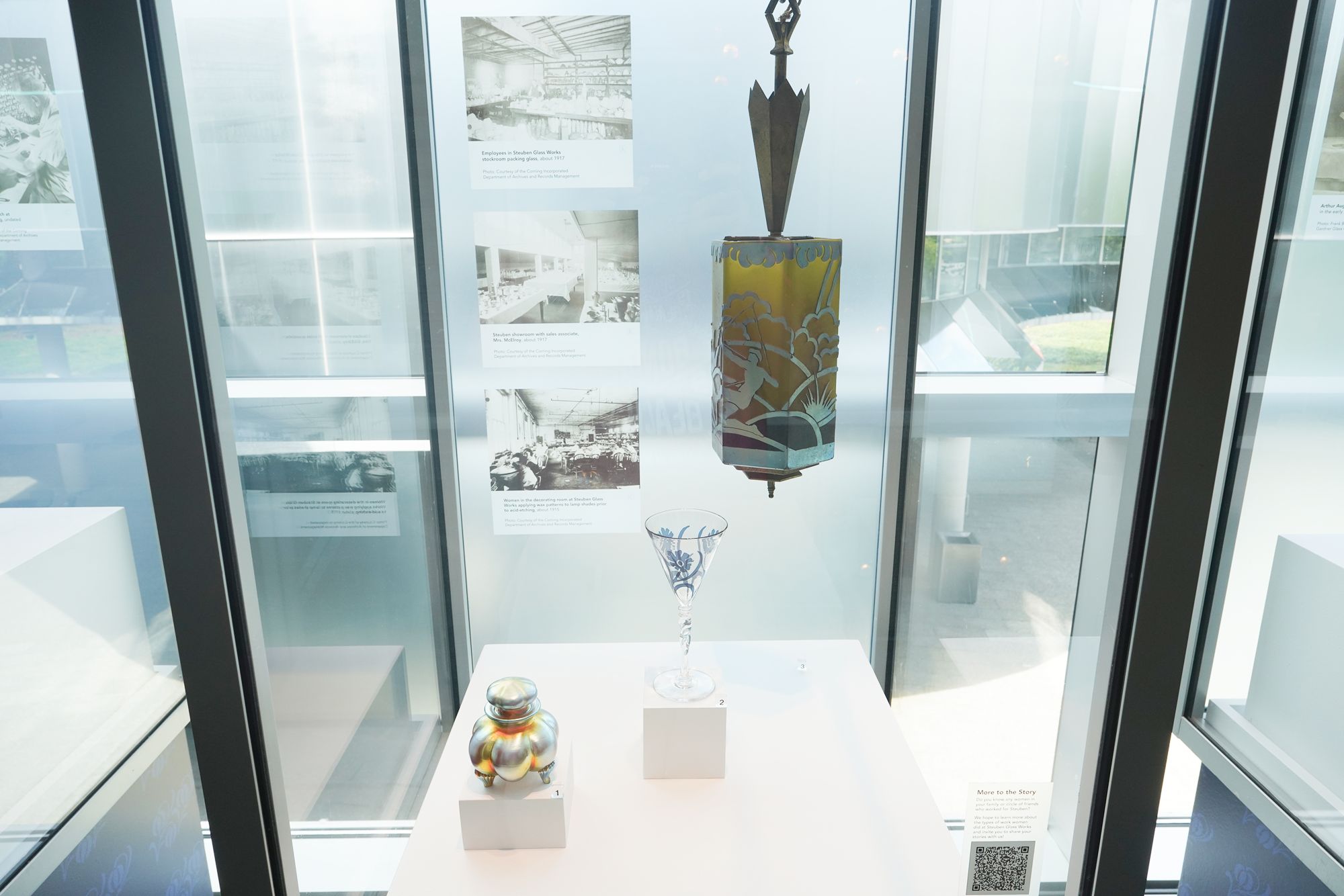
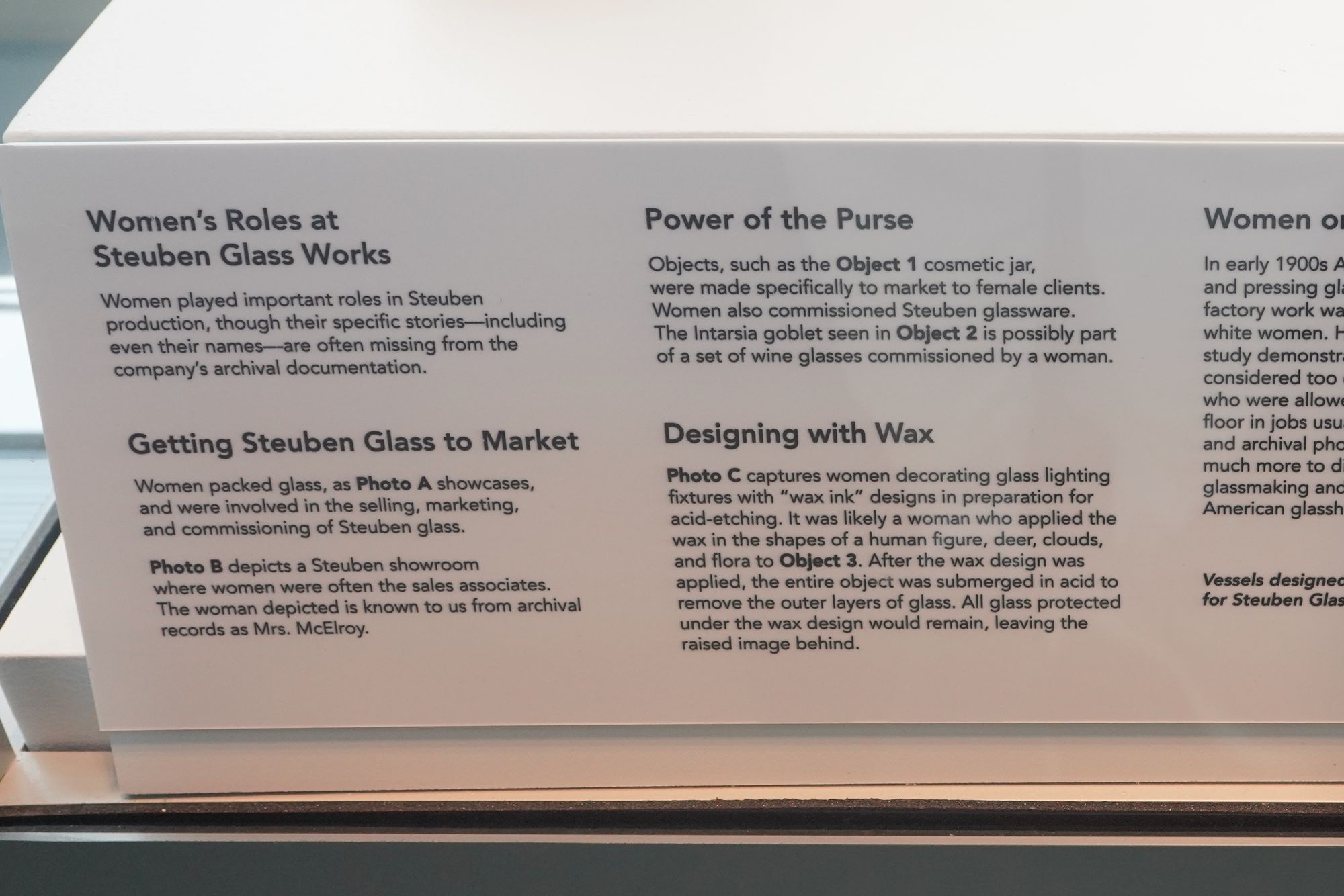
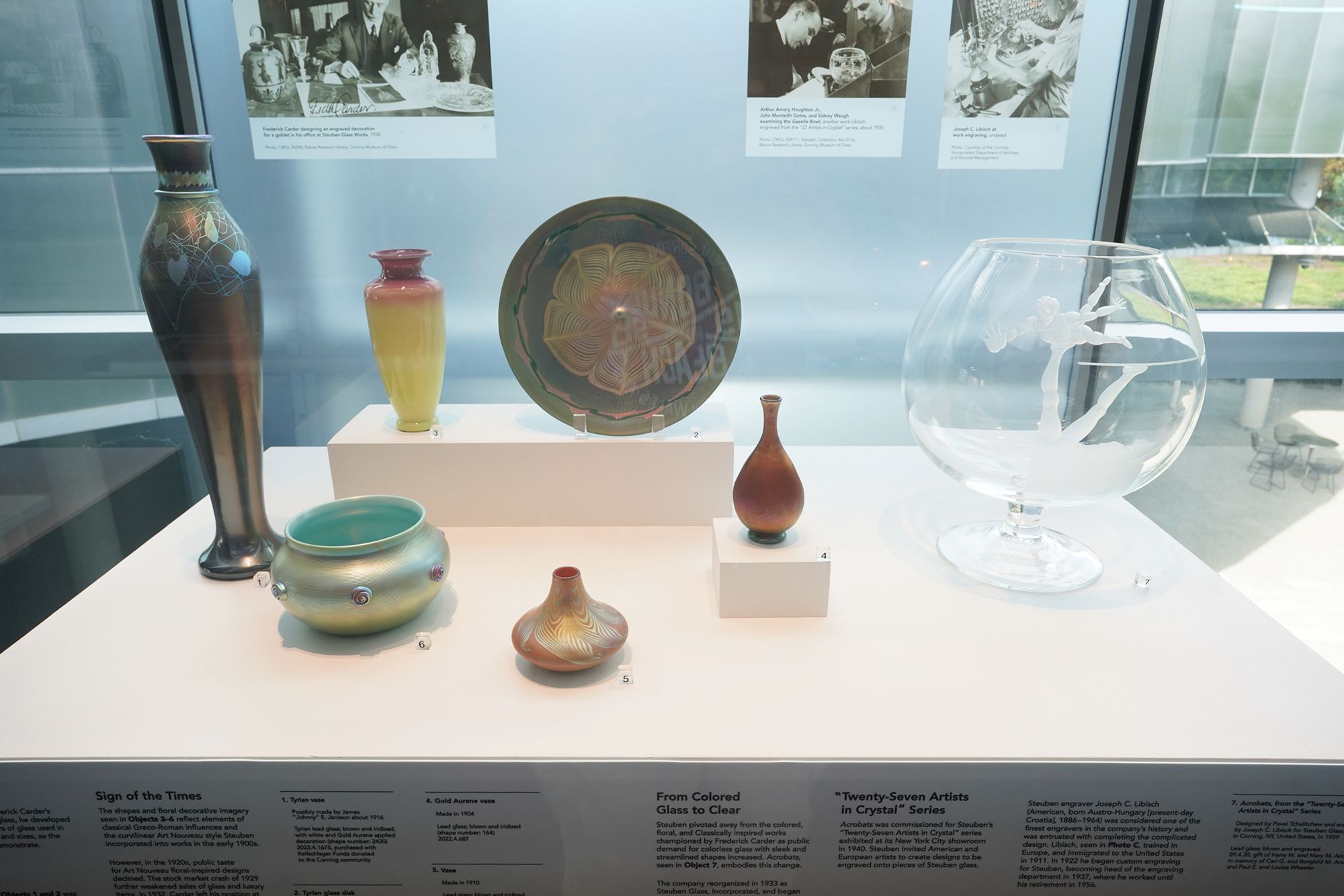
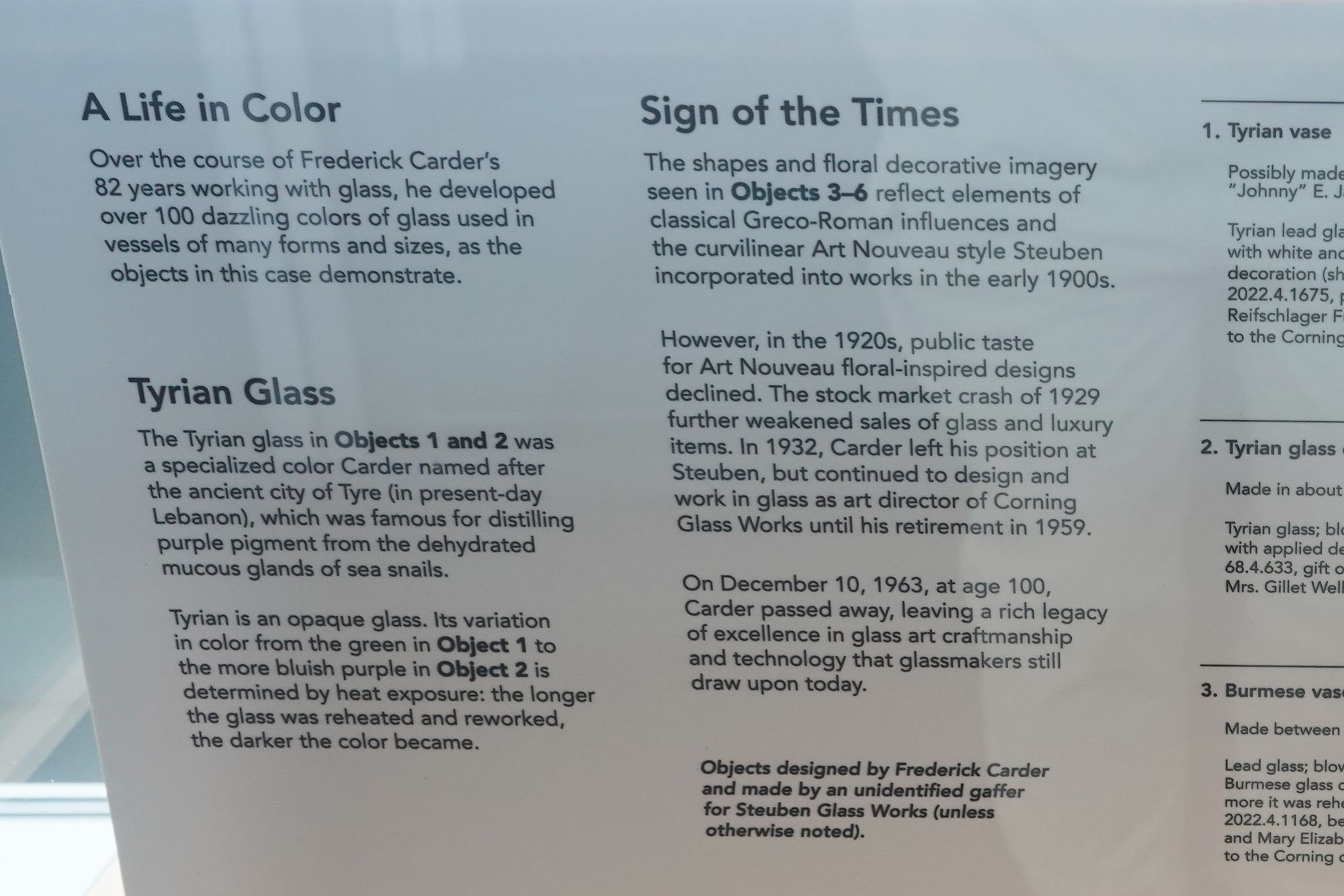
Steuben Glass was a renowned American luxury glass manufacturer known for creating highly polished, crystal-clear art glass sculptures, vases, and hand-crafted decorative pieces. Founded in 1903 in Corning, New York, it became famous for exceptional craftsmanship, optical purity, and elegant, modern design.
The museum’s glass market is located downstairs.
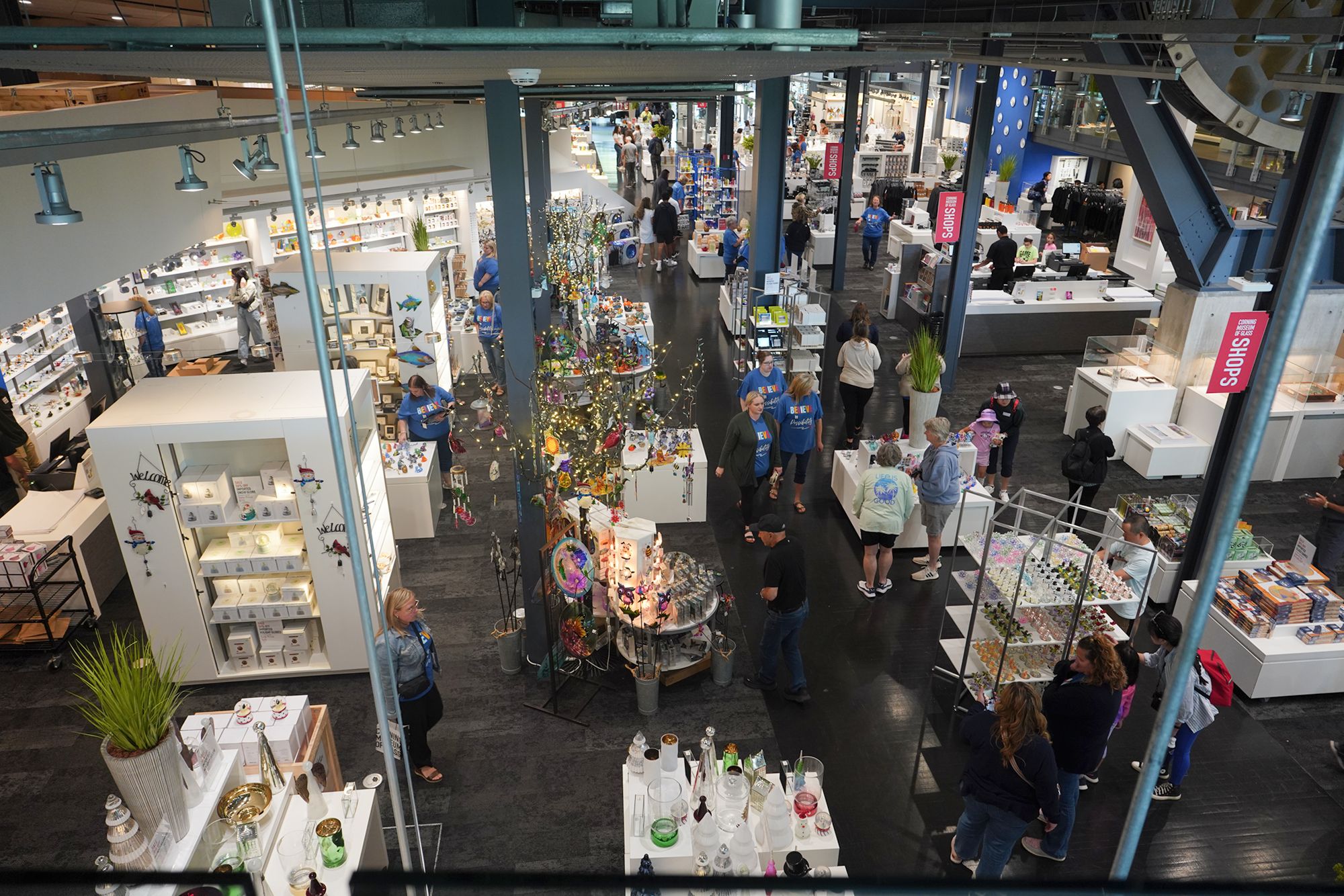

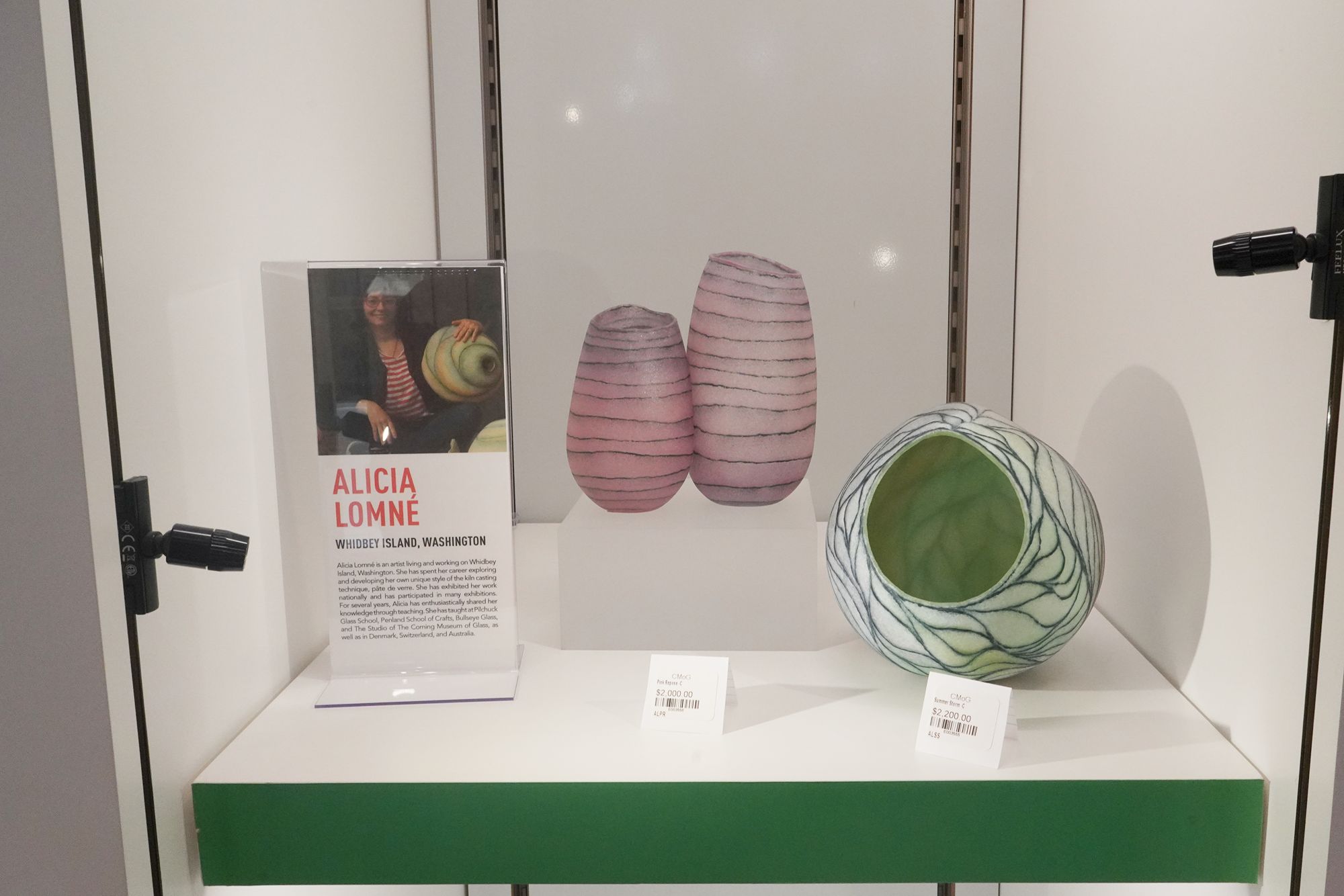
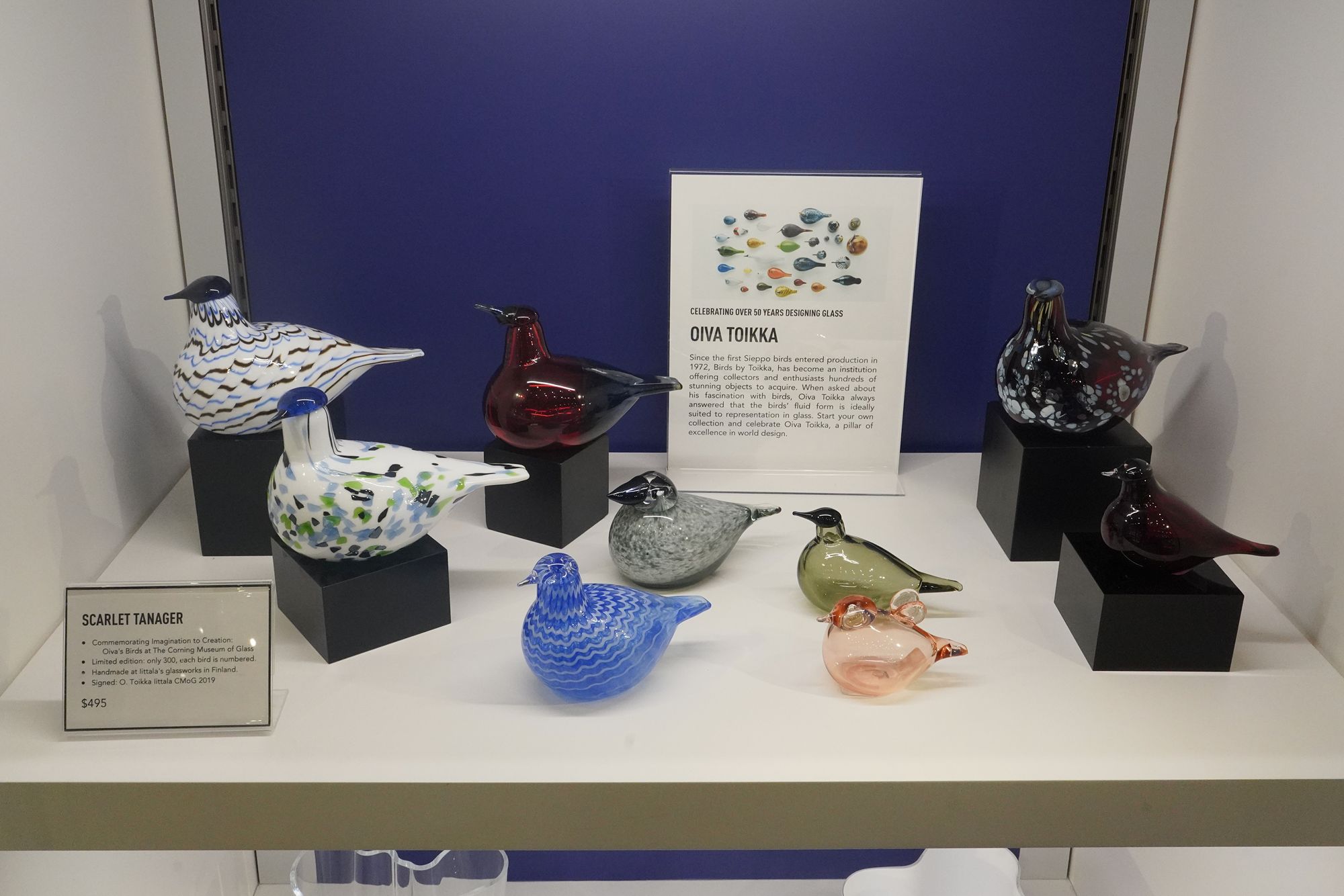
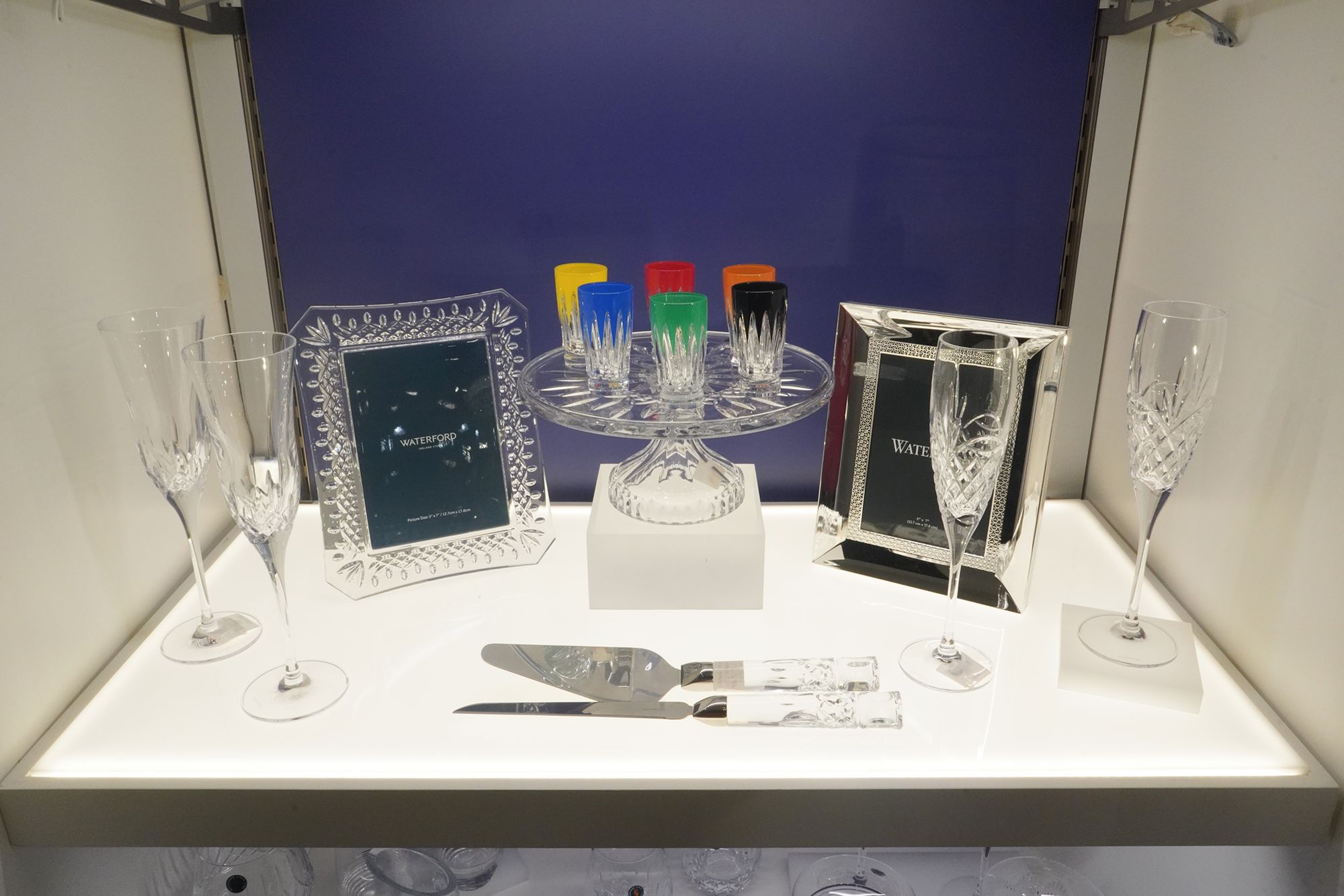
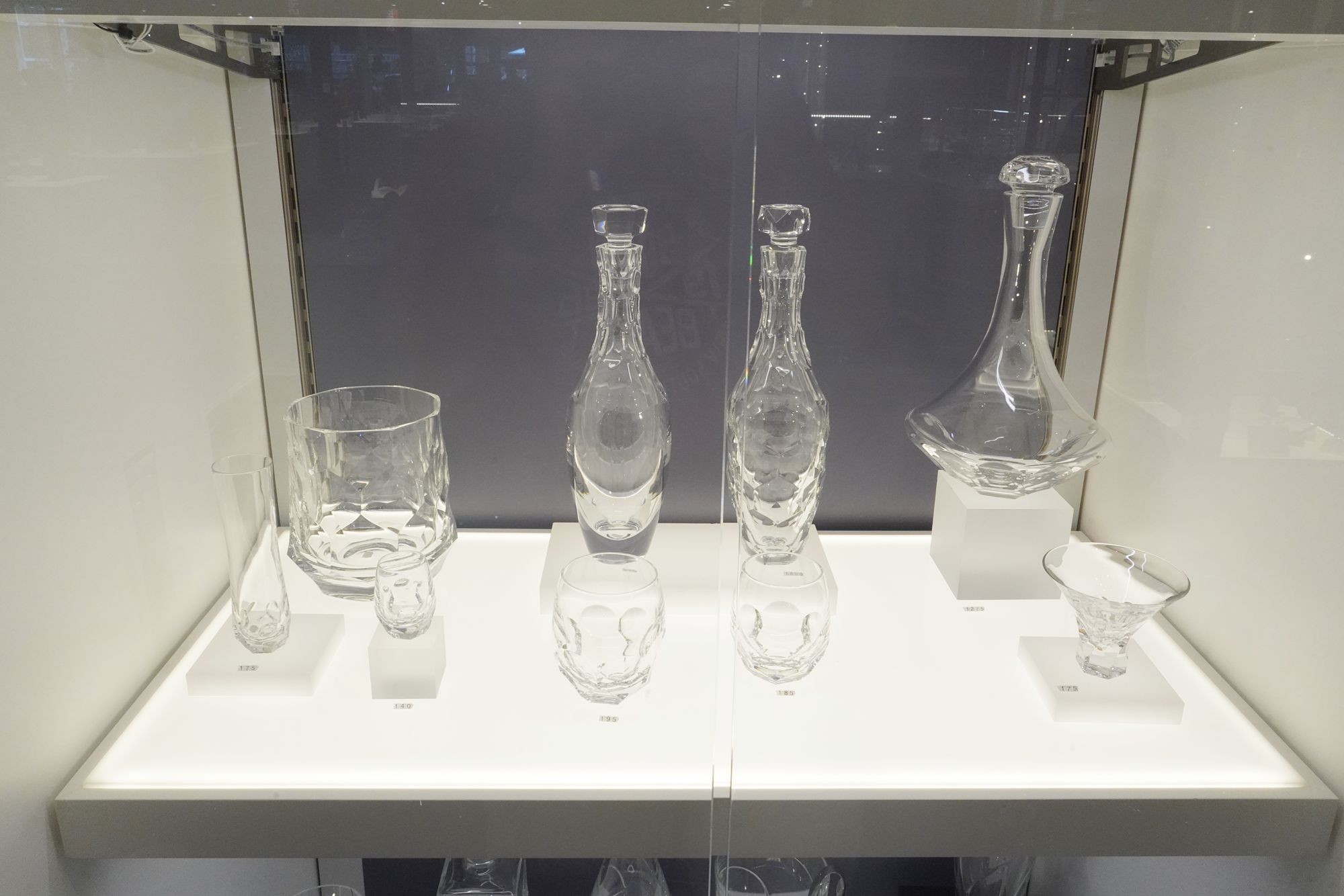
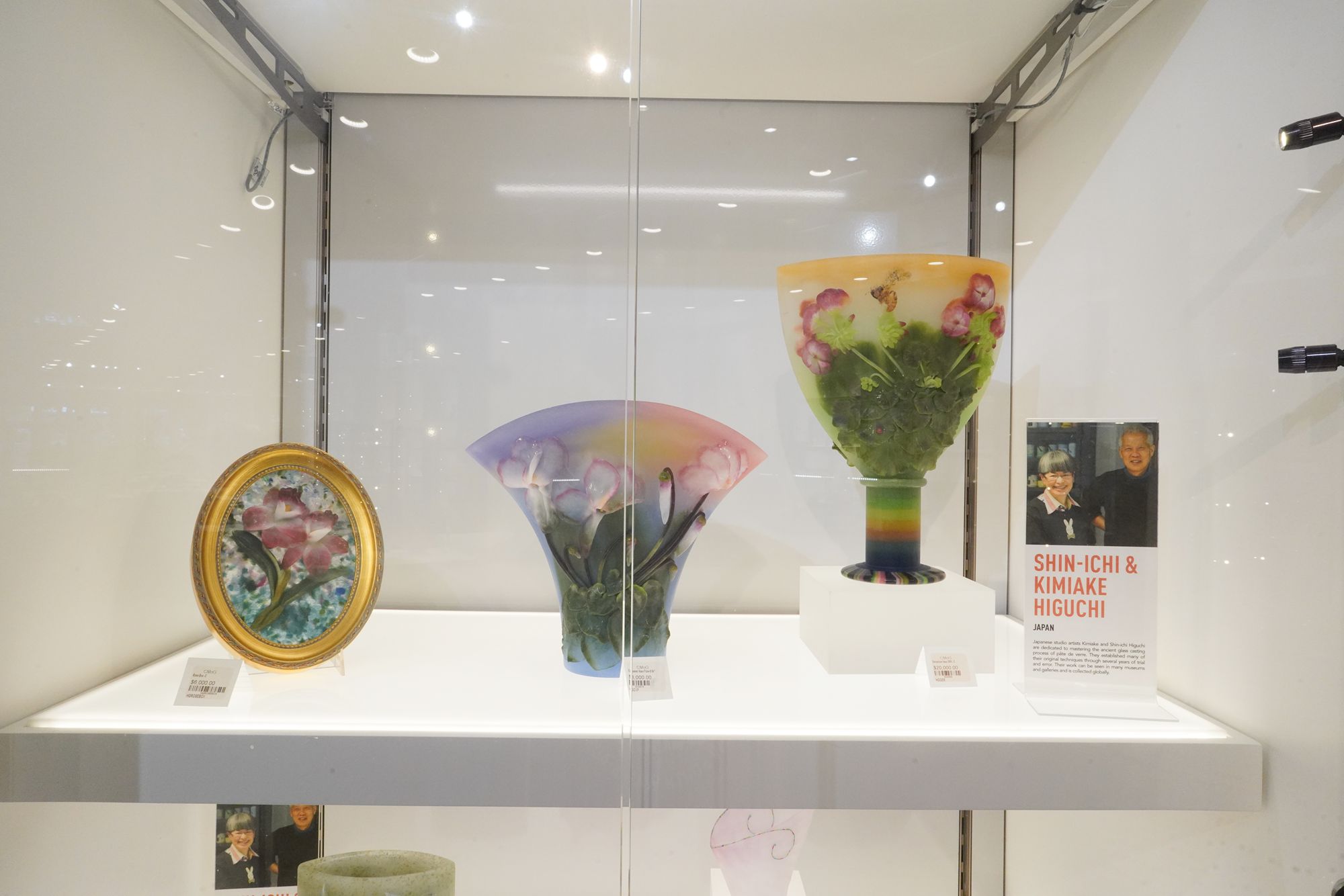
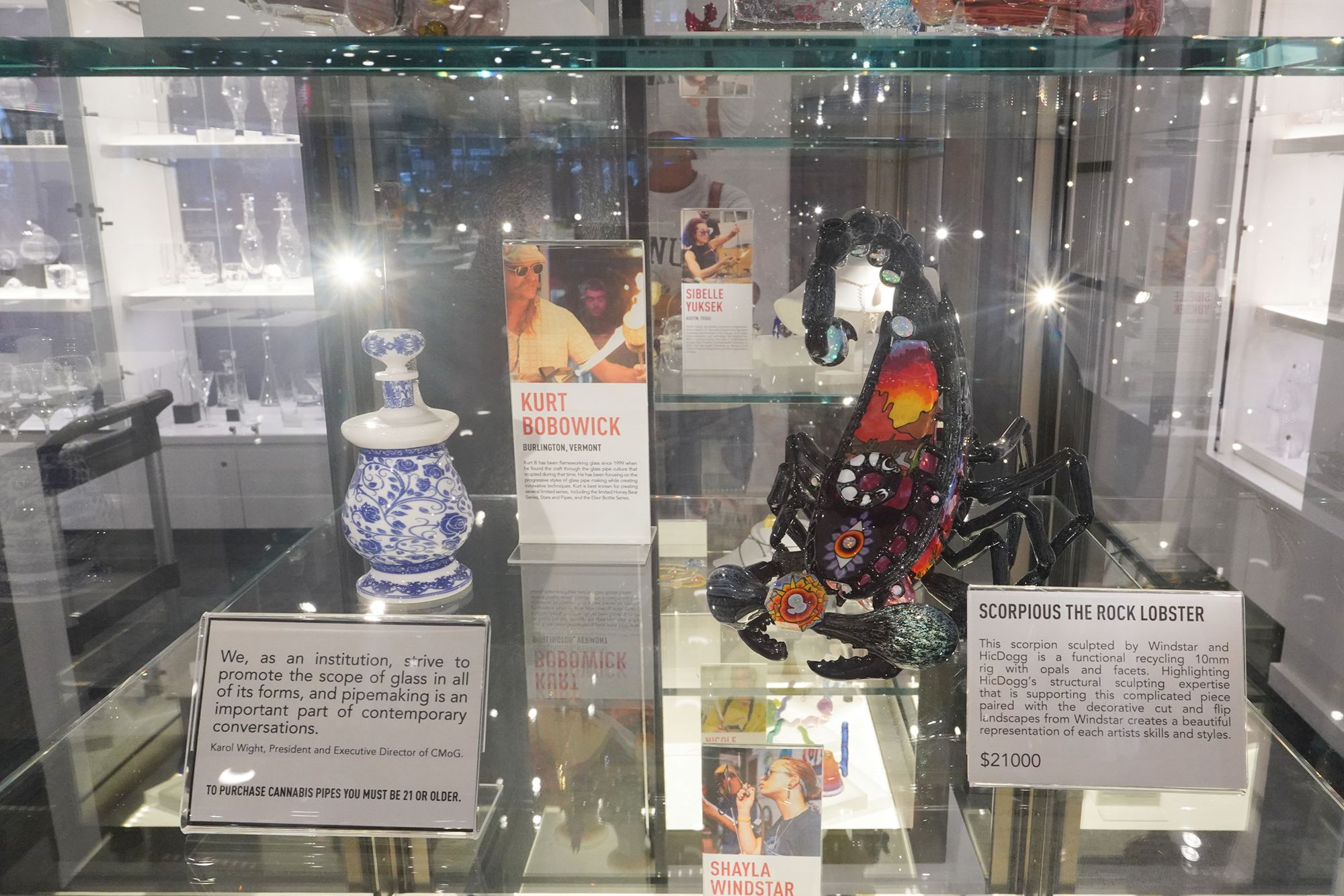
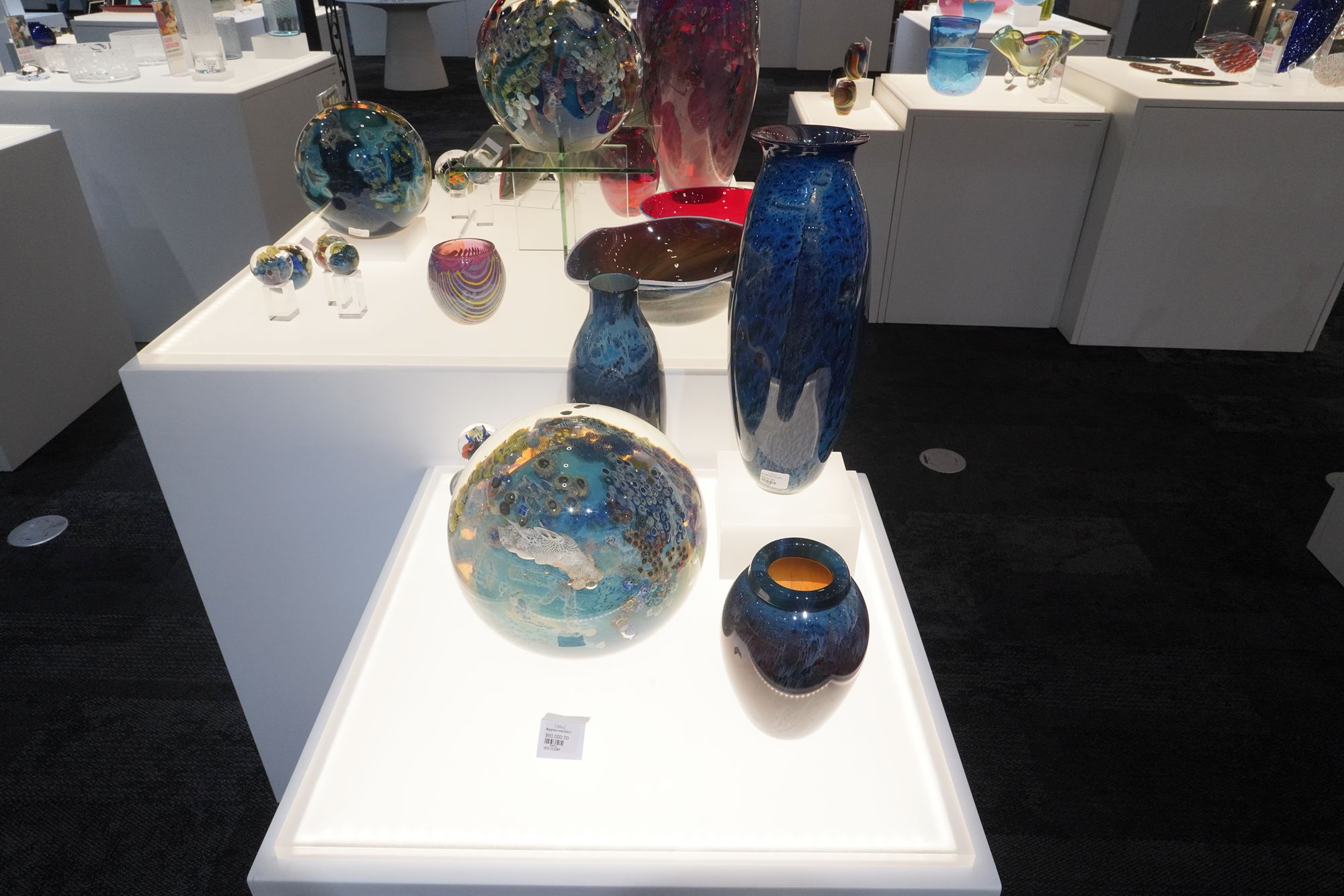
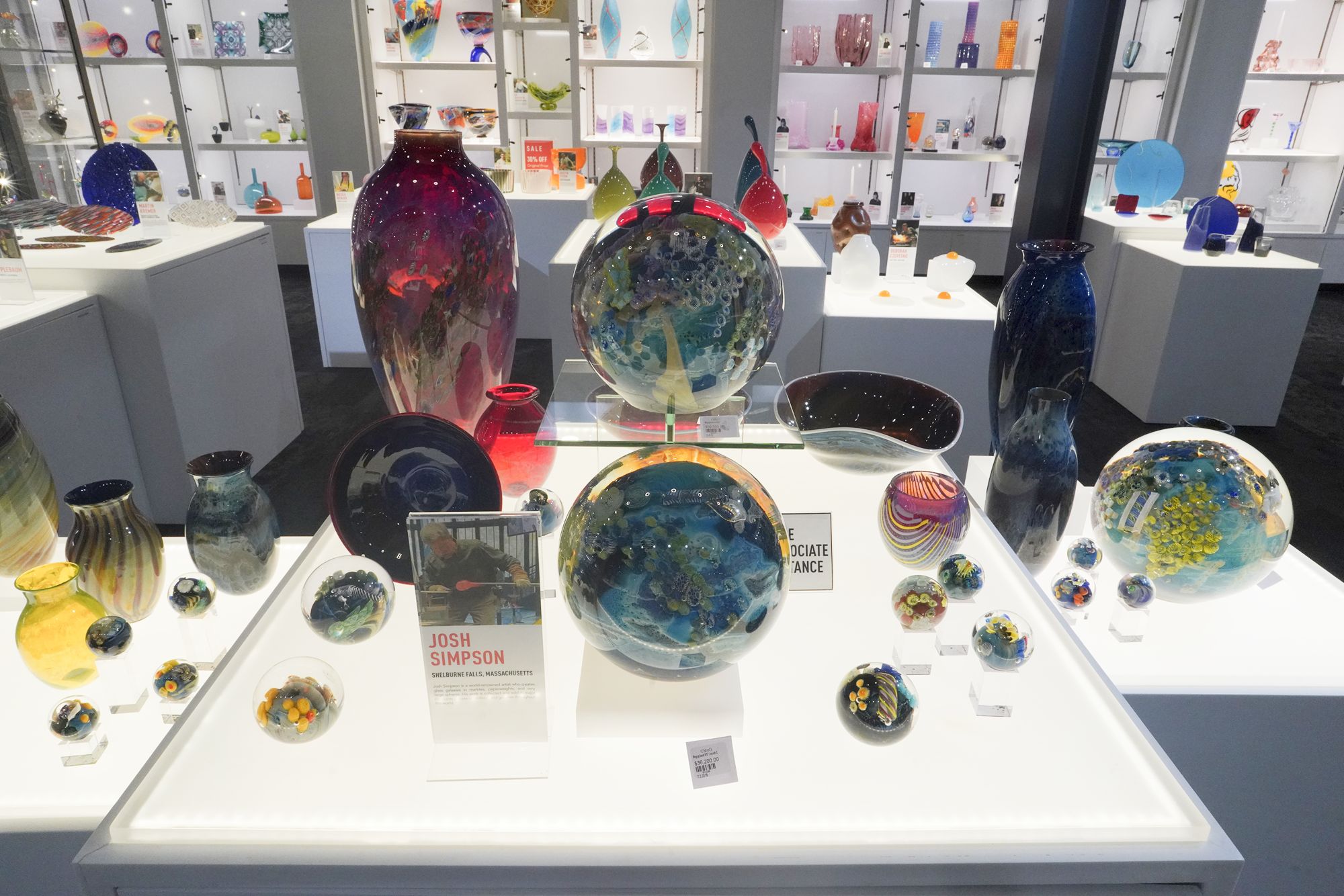
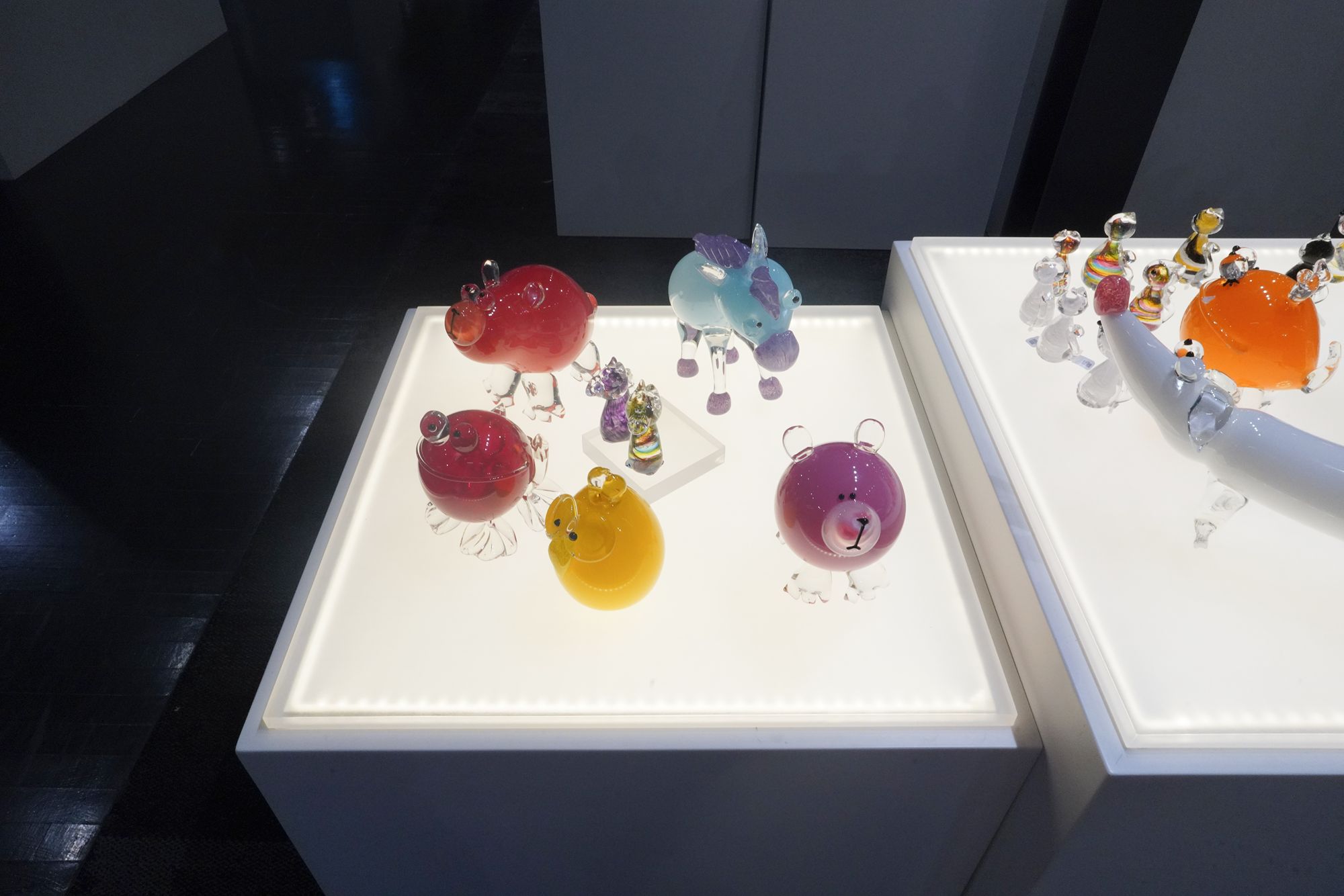
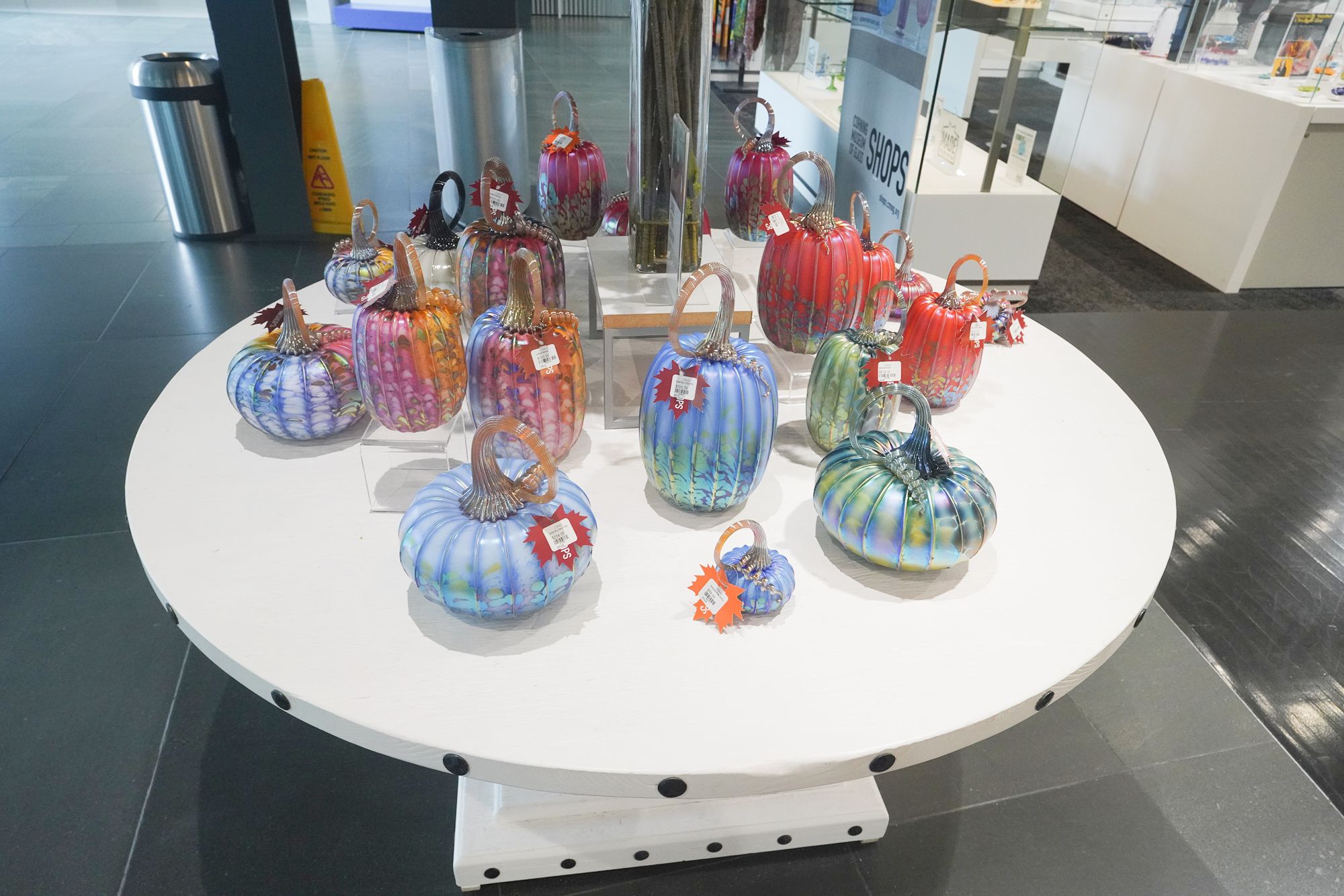

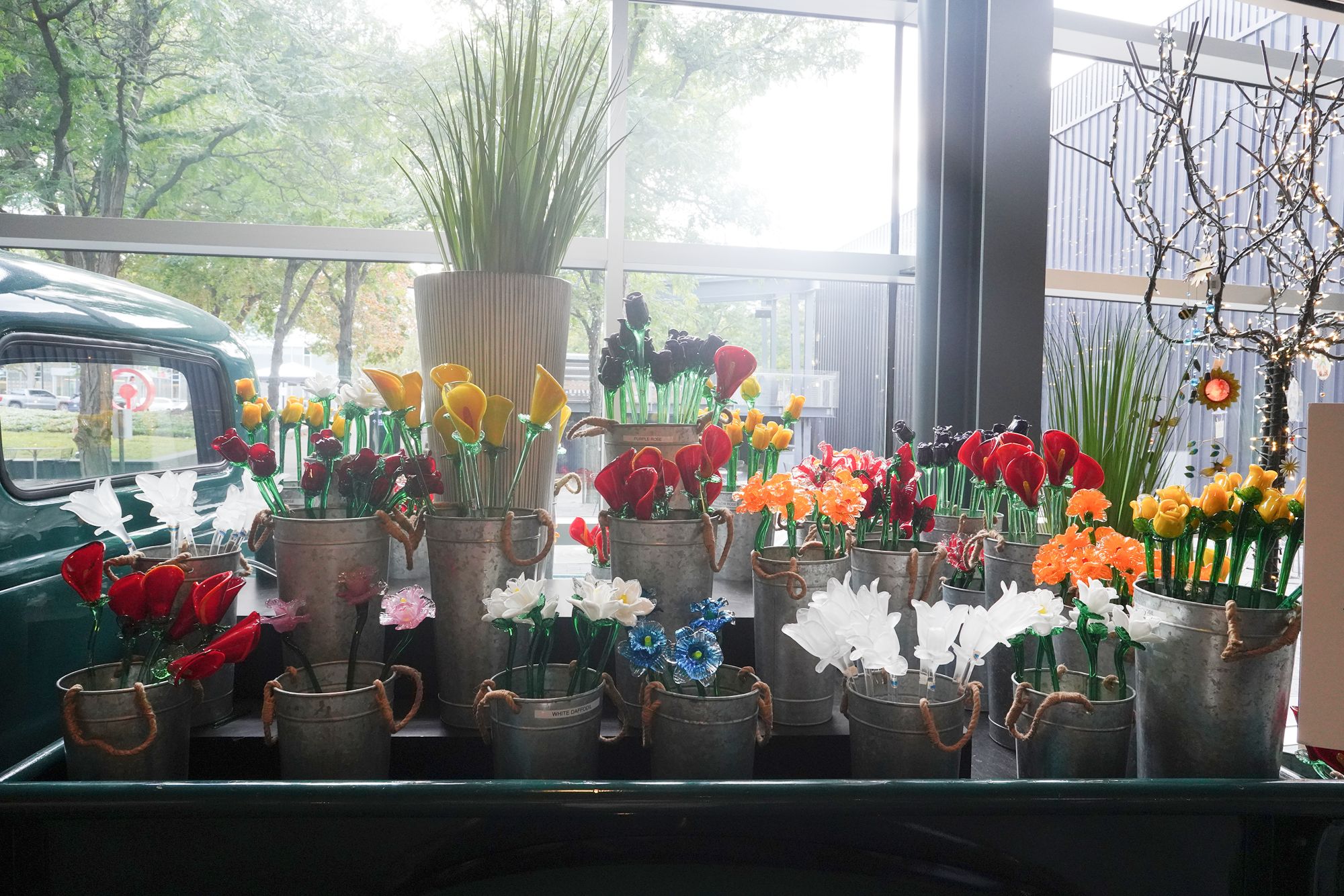
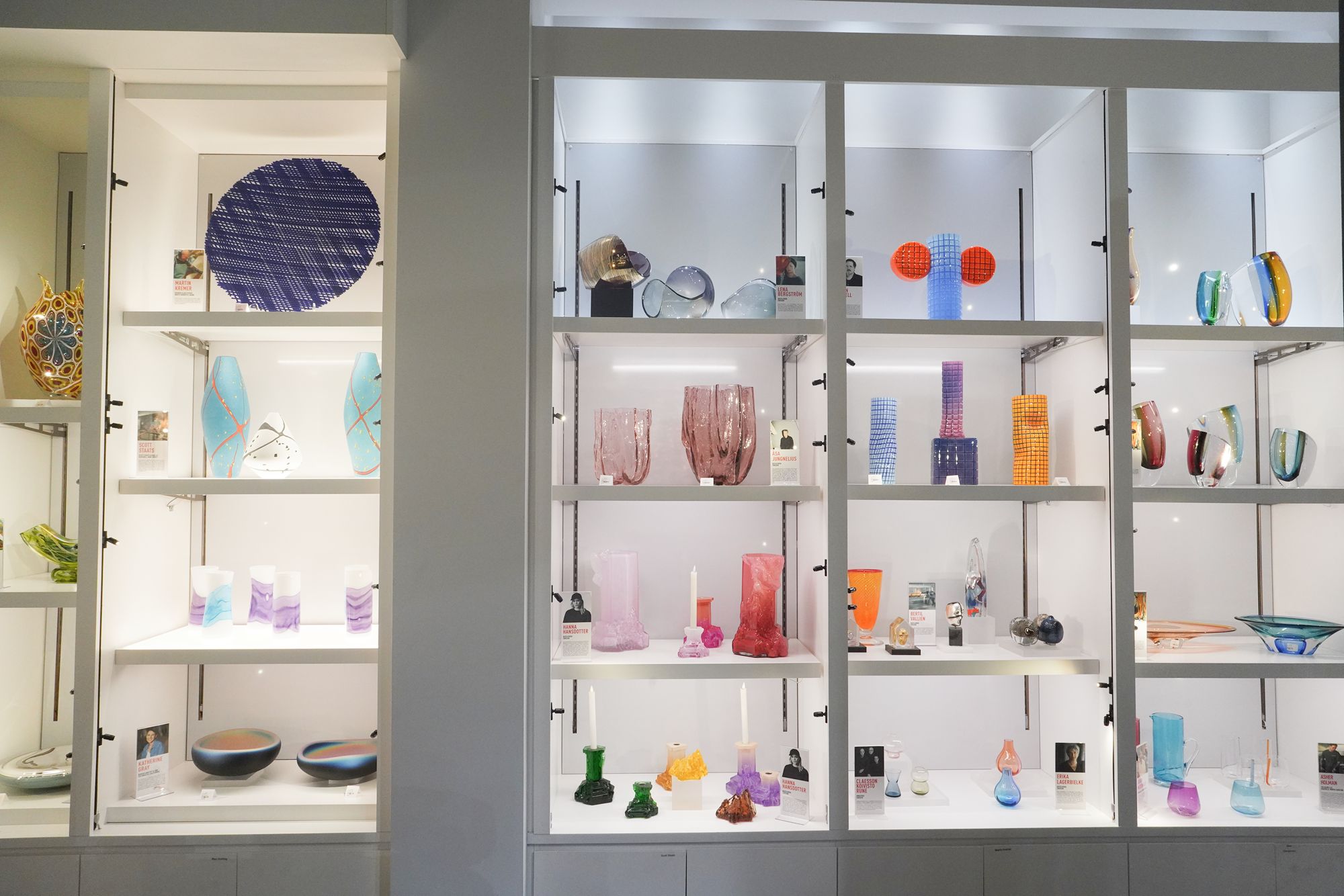
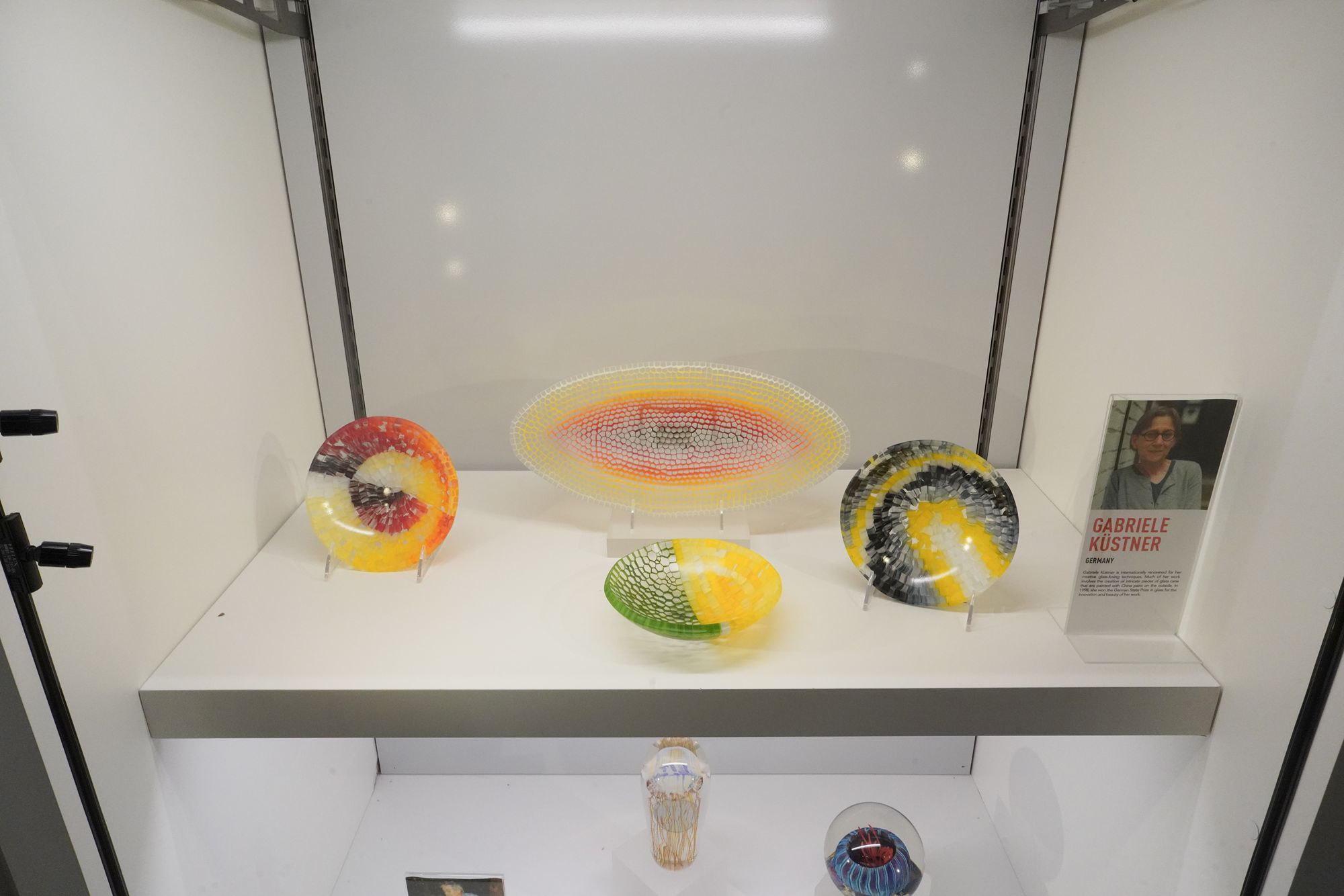
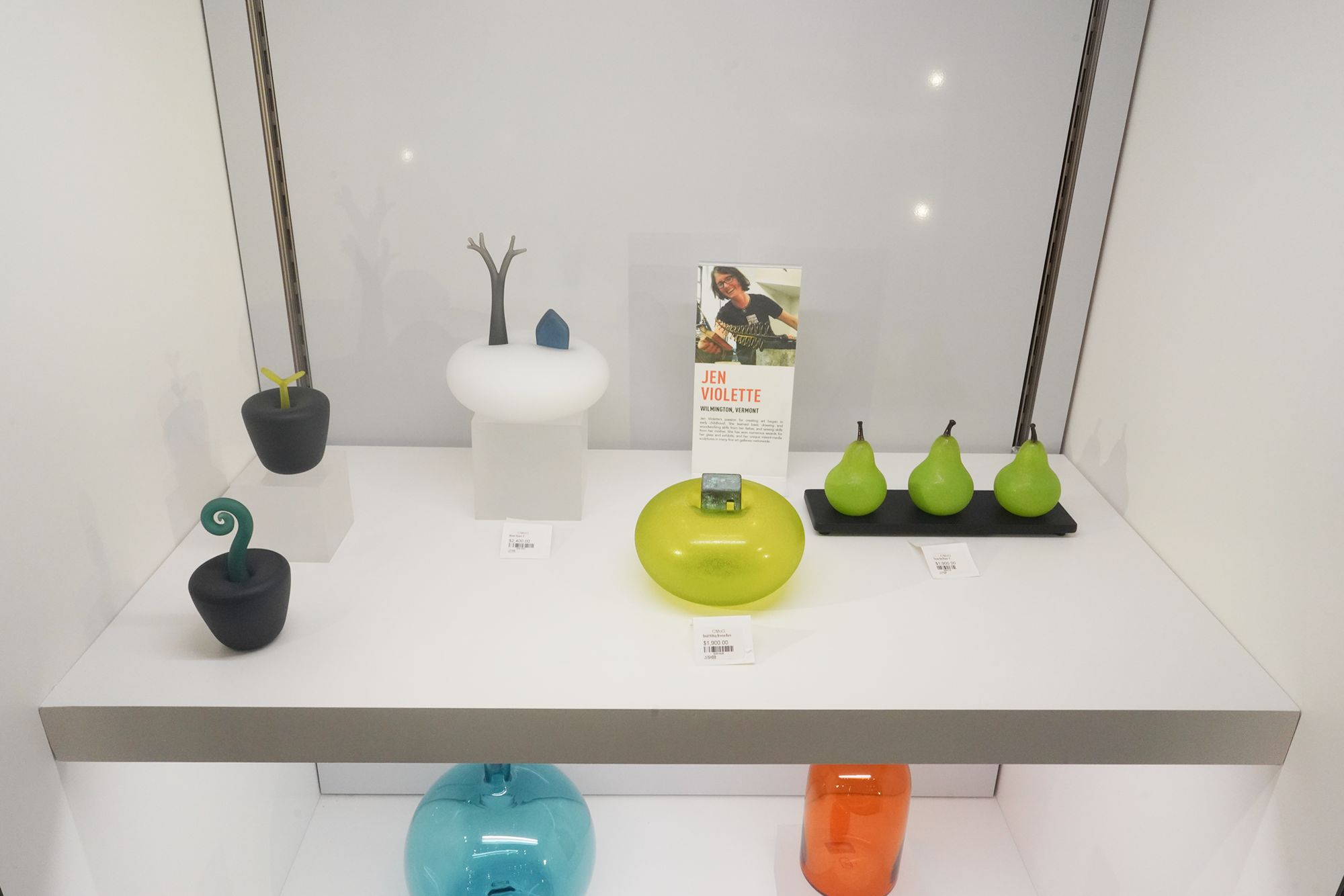
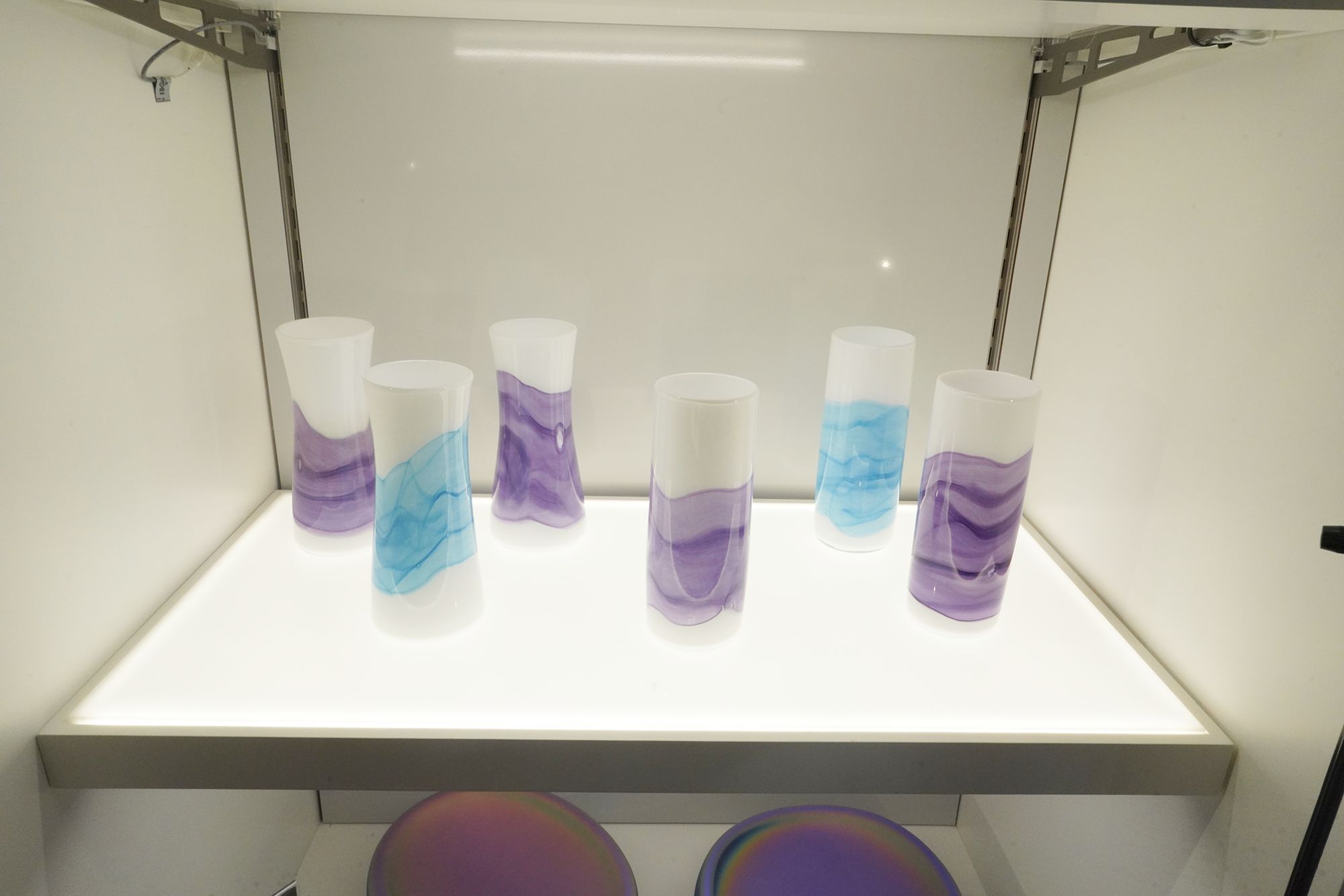
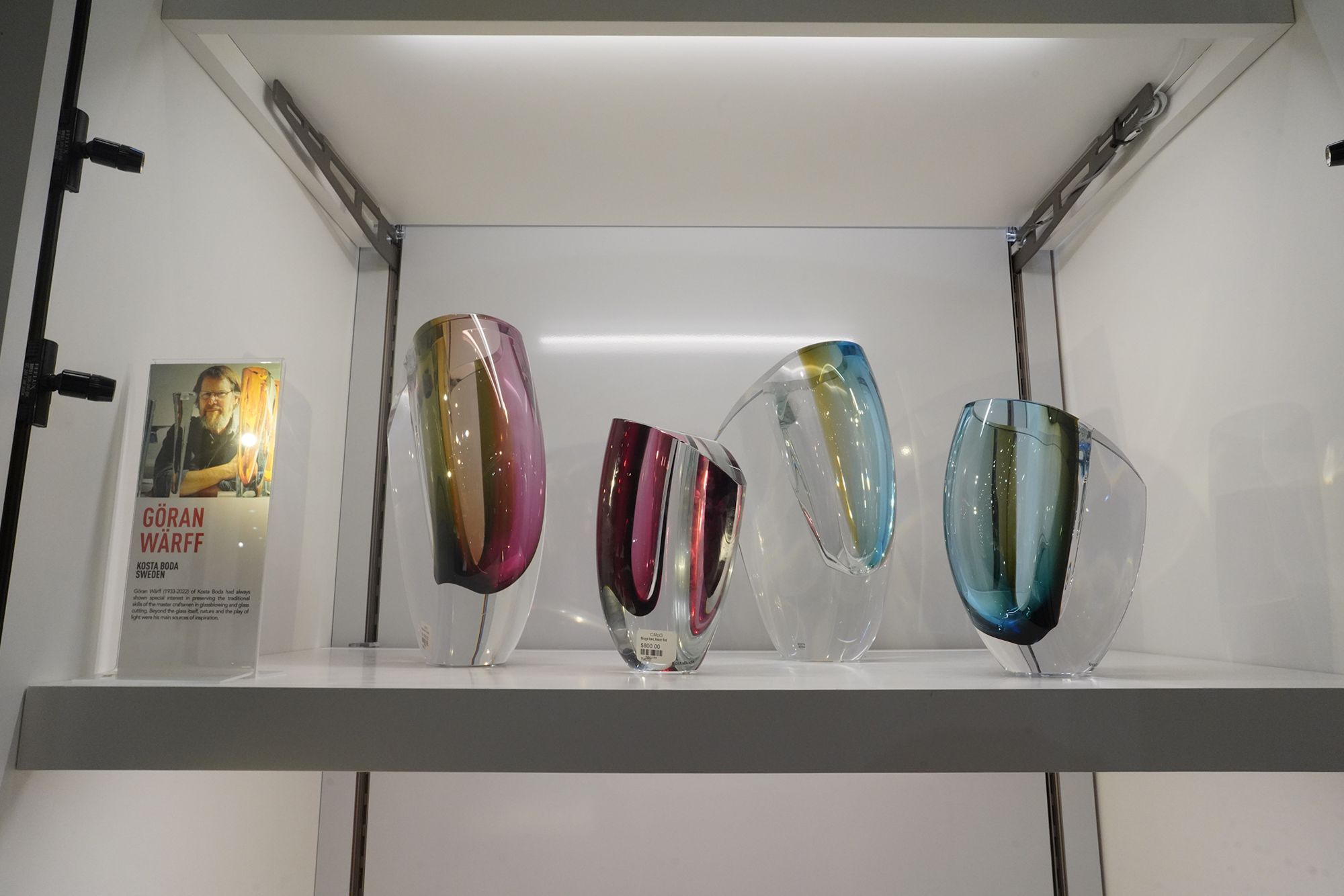
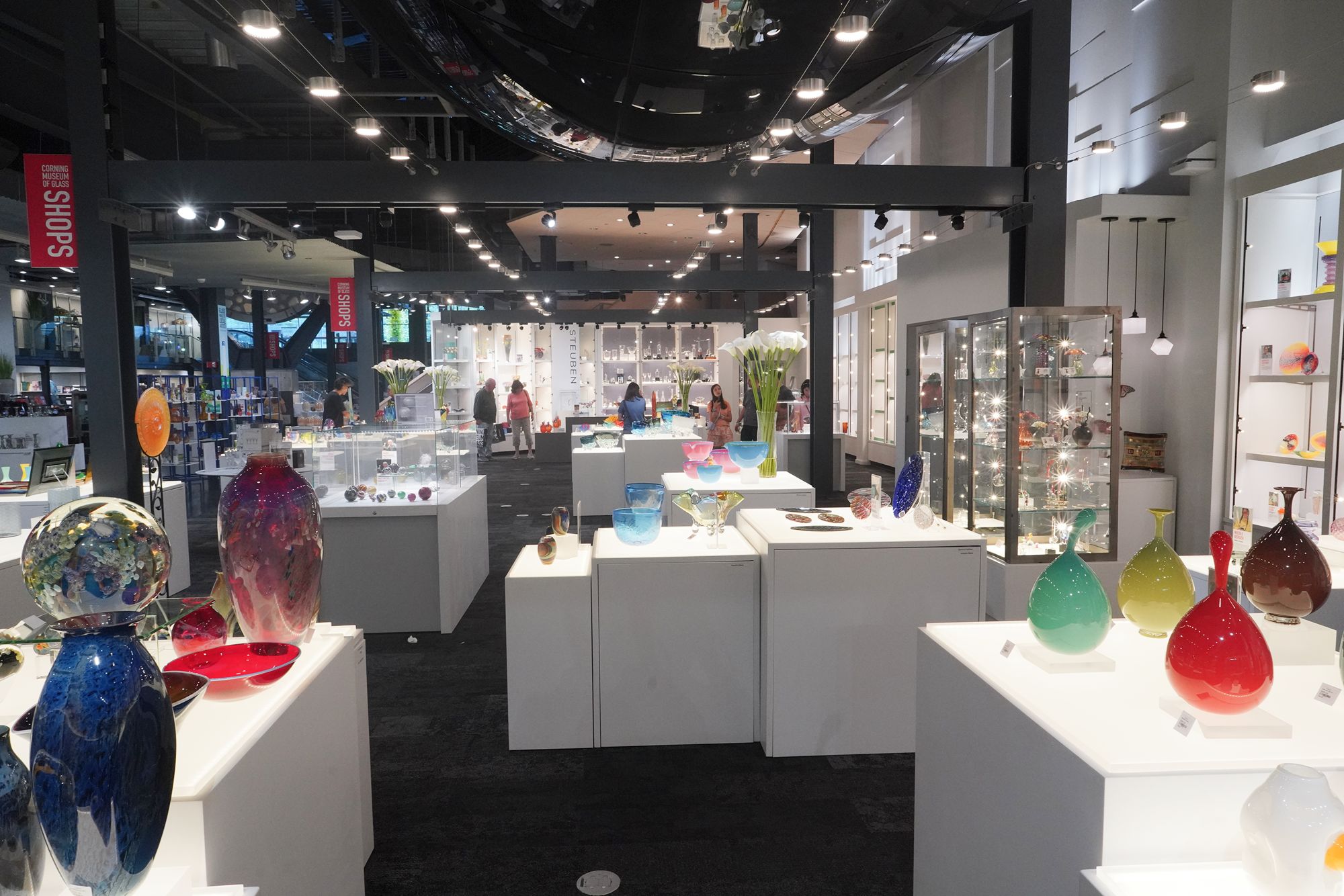
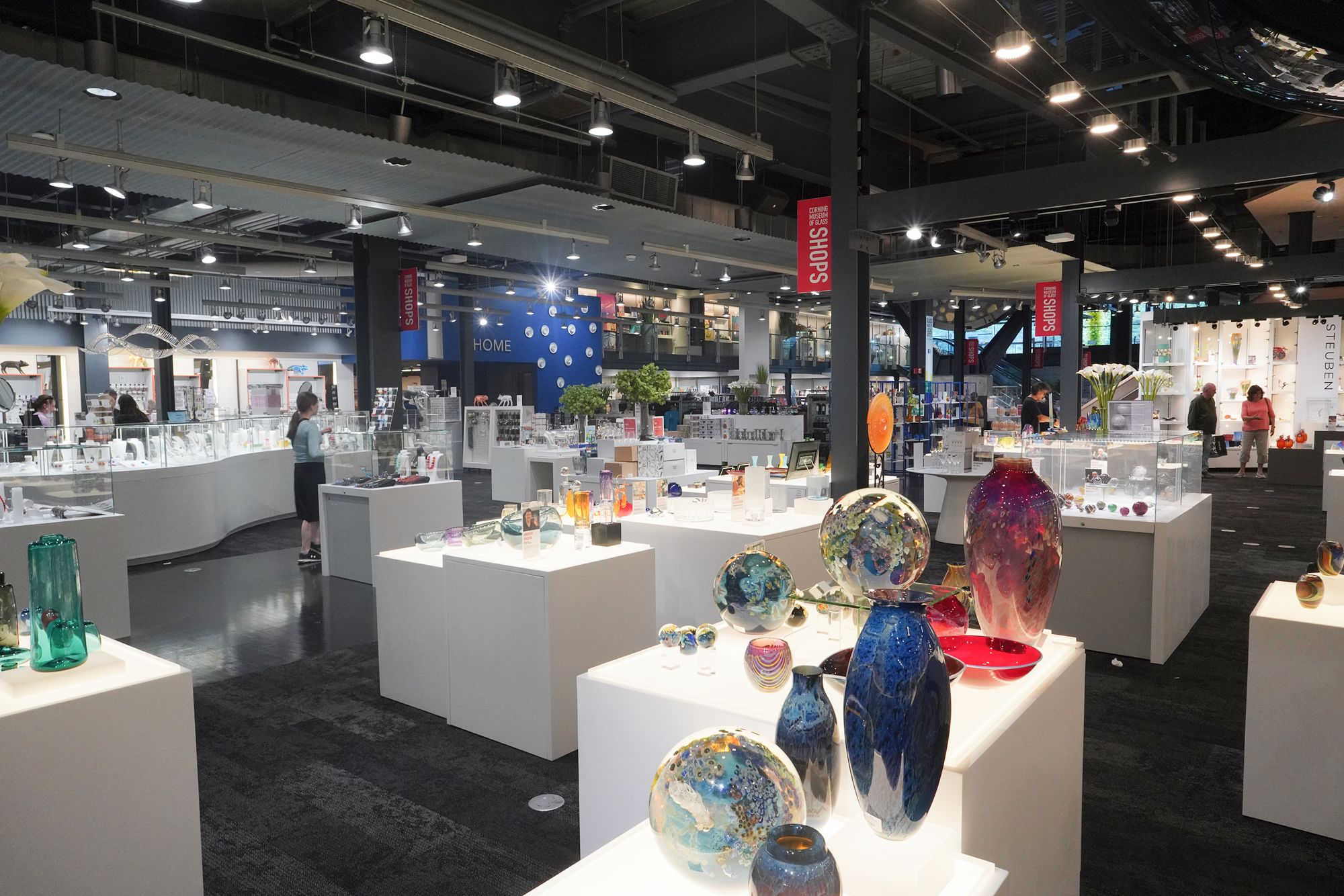
Products for home