Fado Museum, Lisbon, Portugal
Exploring Lisbon’s Fado Museum reveals the music’s history, Portuguese guitars, and the life of musician Carlos Paredes. 1386
Fado Museum: Alfama, Largo do Chafariz de Dentro 1, 1100-139 Lisboa, Portugal
Date Picture Taken: Jul, 2026
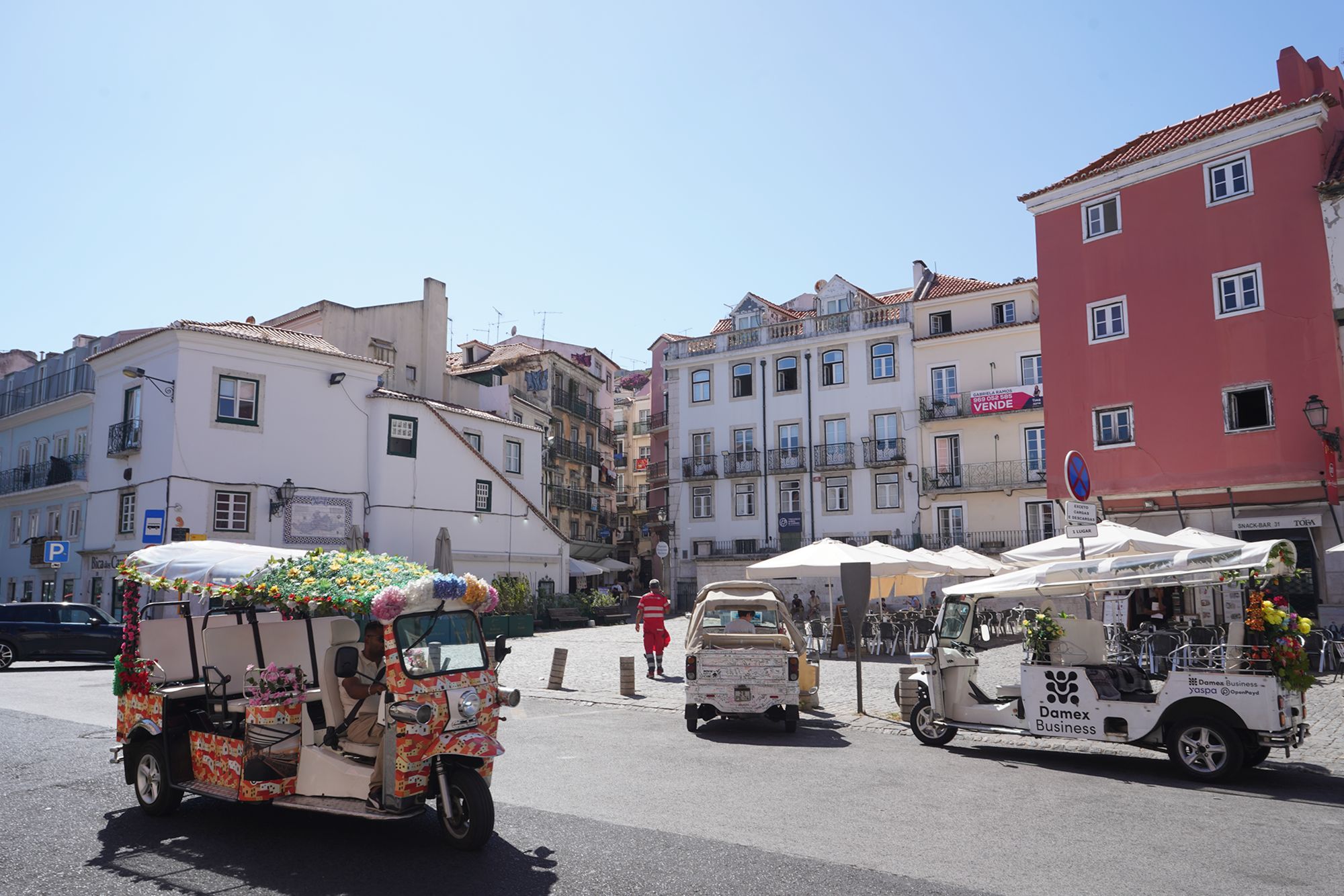
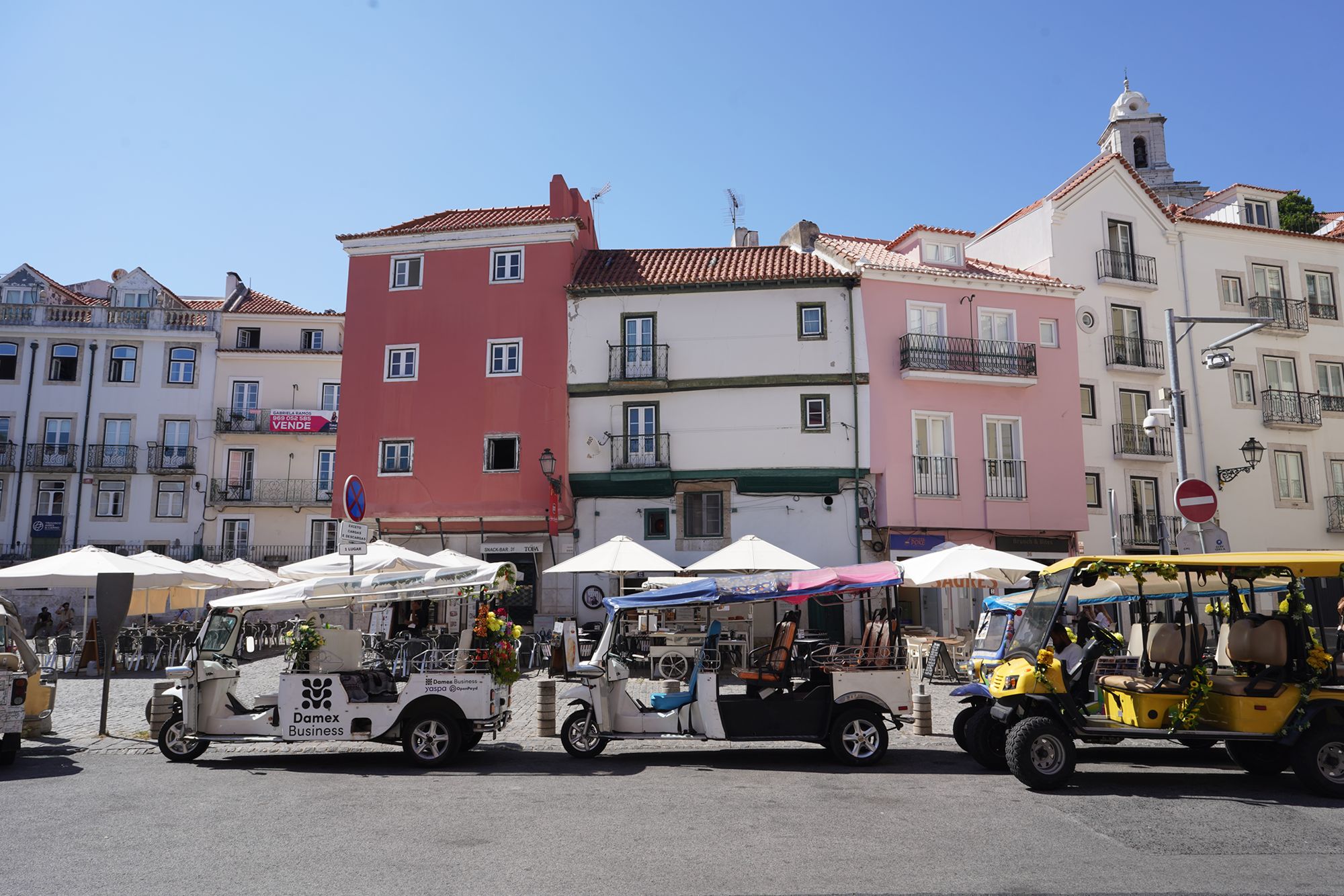
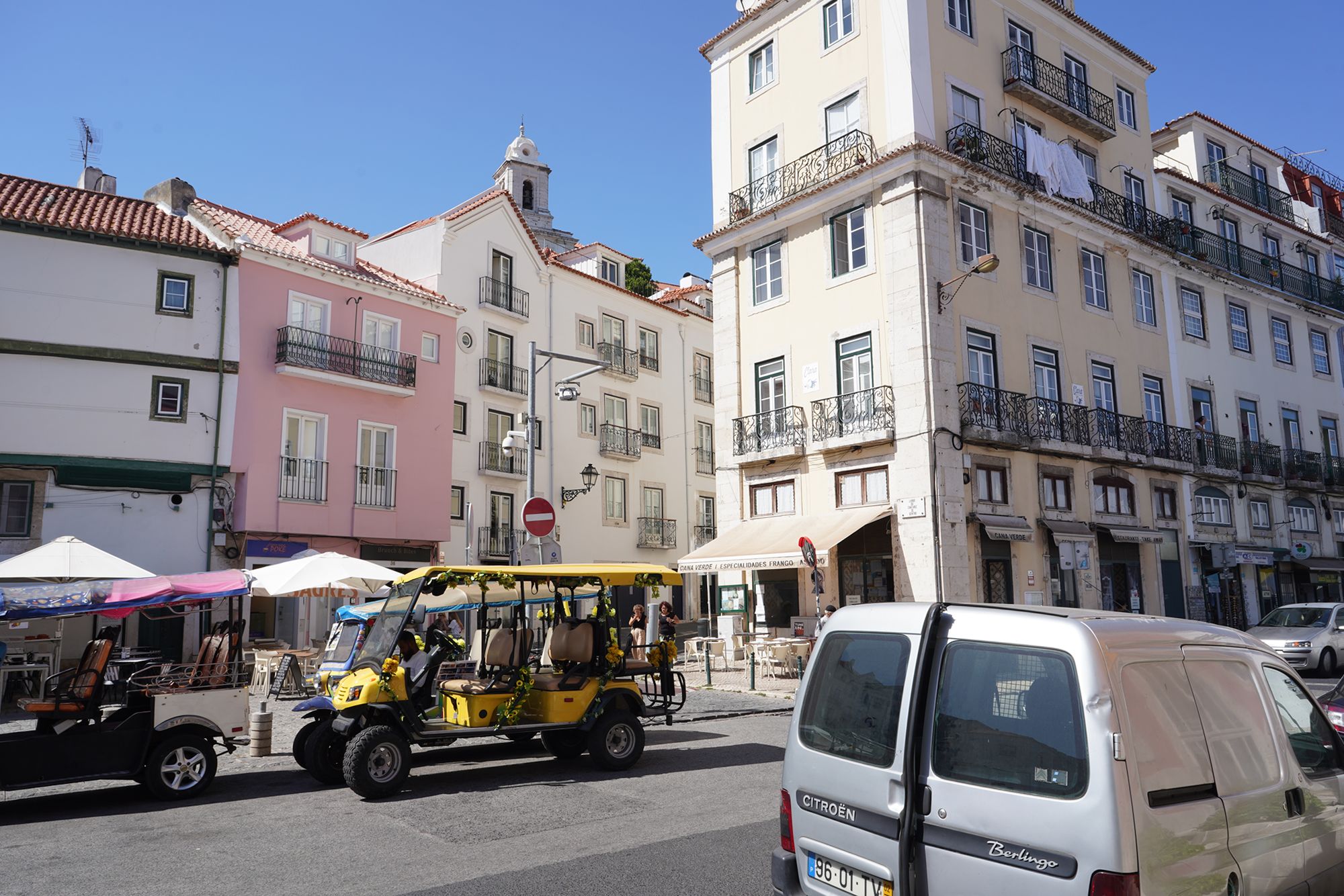
Largo do Chafariz de Dentro. The Fado Museum is located at Largo do Chafariz de Dentro, a square in the heart of Alfama. This historic neighborhood is closely associated with Fado, which developed in Lisbon’s old neighborhoods.
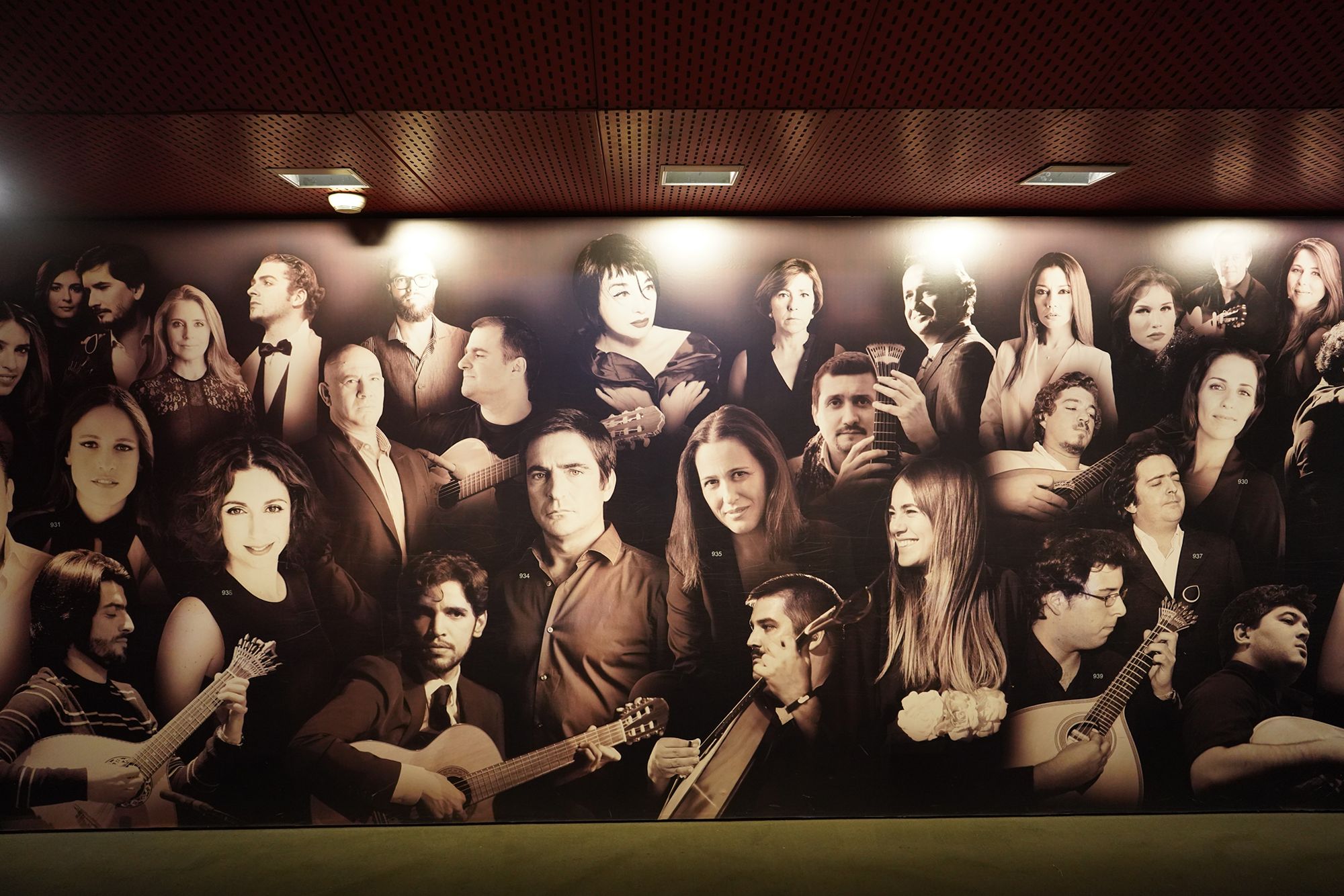
Inside the Fado Museum, a very small museum dedicated to this traditional Portuguese music.
Fado is one of Portugal’s best-known musical traditions. It developed in Lisbon during the 19th century, when people sang in taverns, streets, and gathering places. It became closely connected with everyday life in the city’s historic neighborhoods.
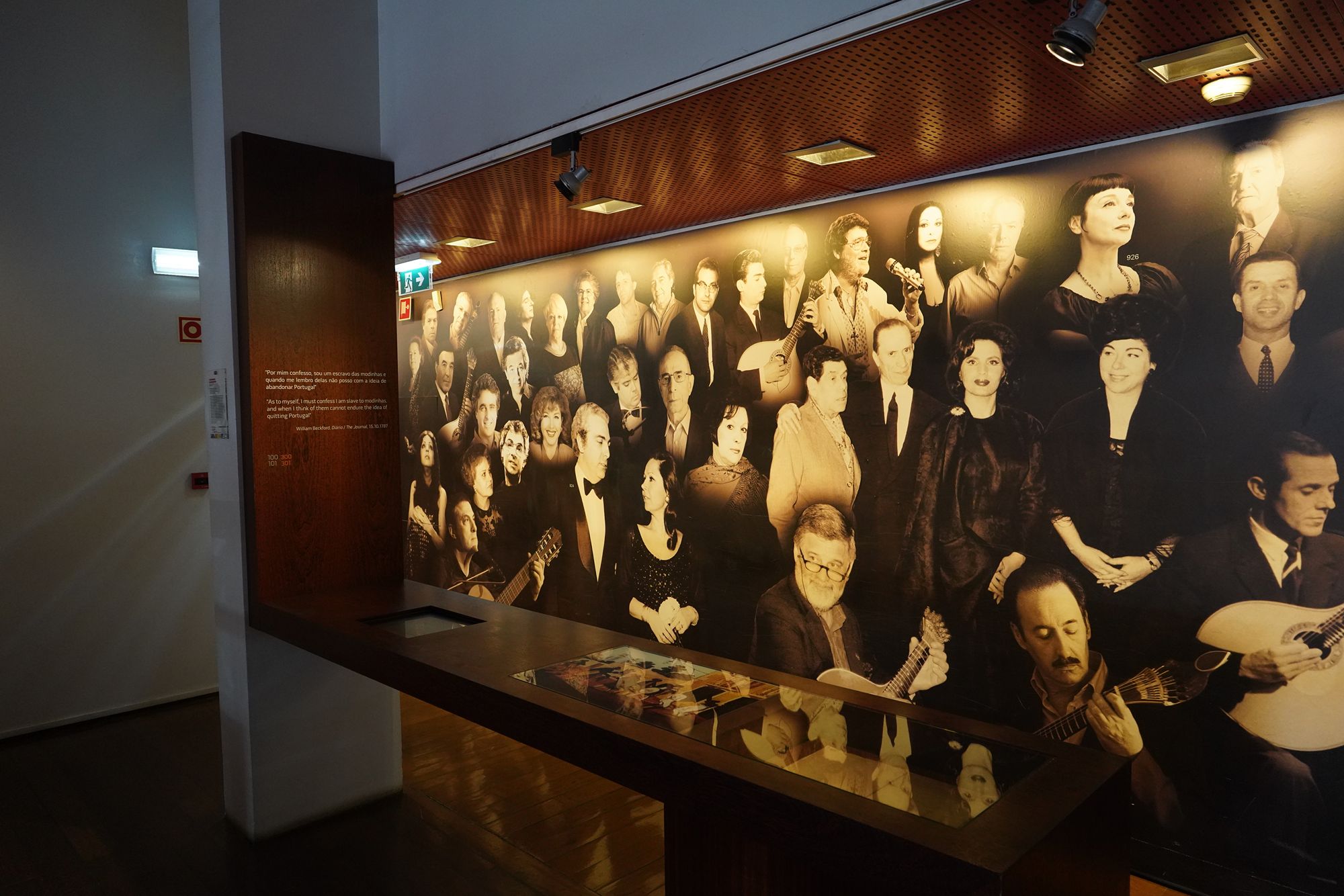
Its songs often express love, loss, longing, and the hardships of life. Fado is especially associated with saudade, a Portuguese word describing a deep longing for someone, somewhere, or something that is absent. Although often melancholy, Fado can also be lively and playful.
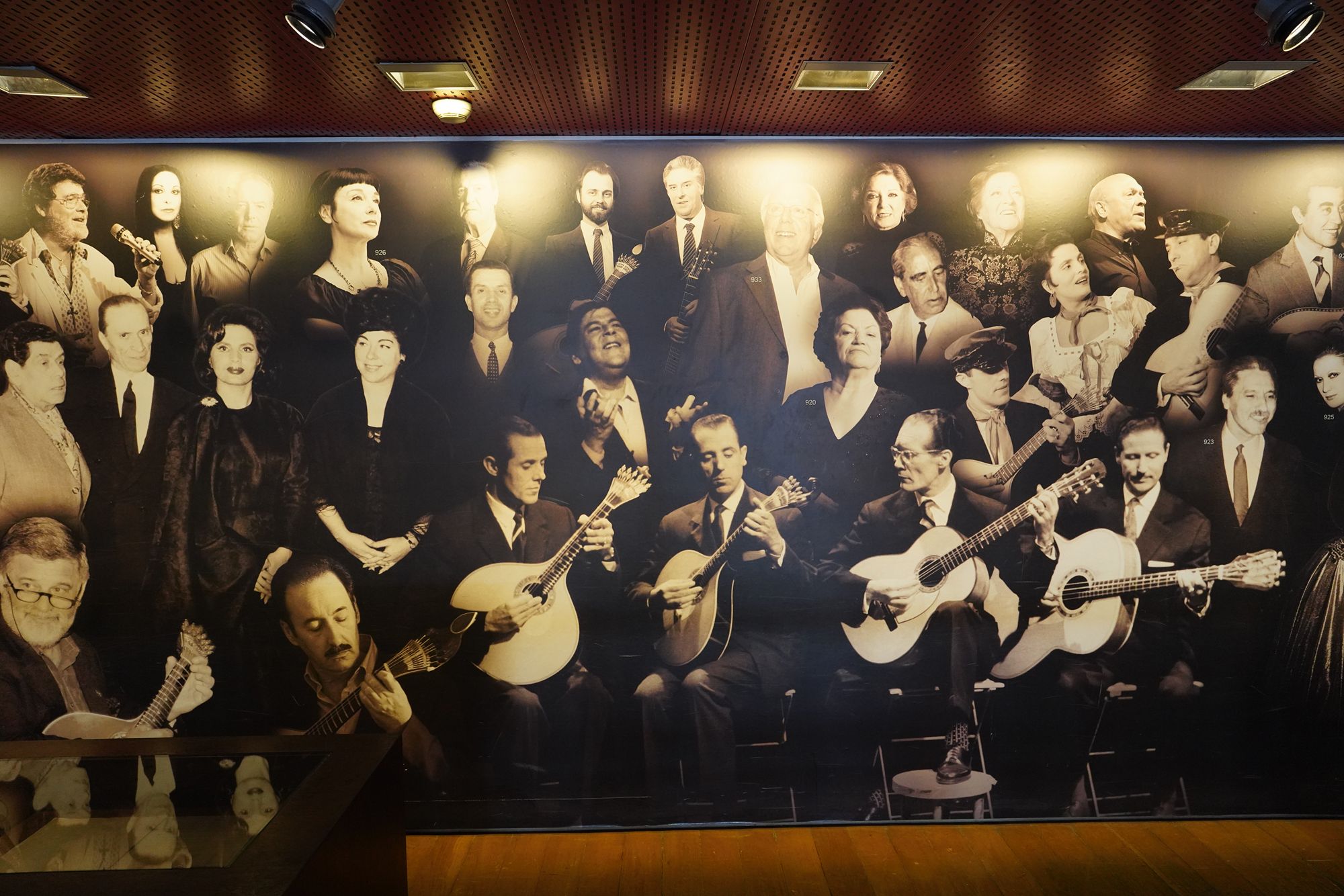
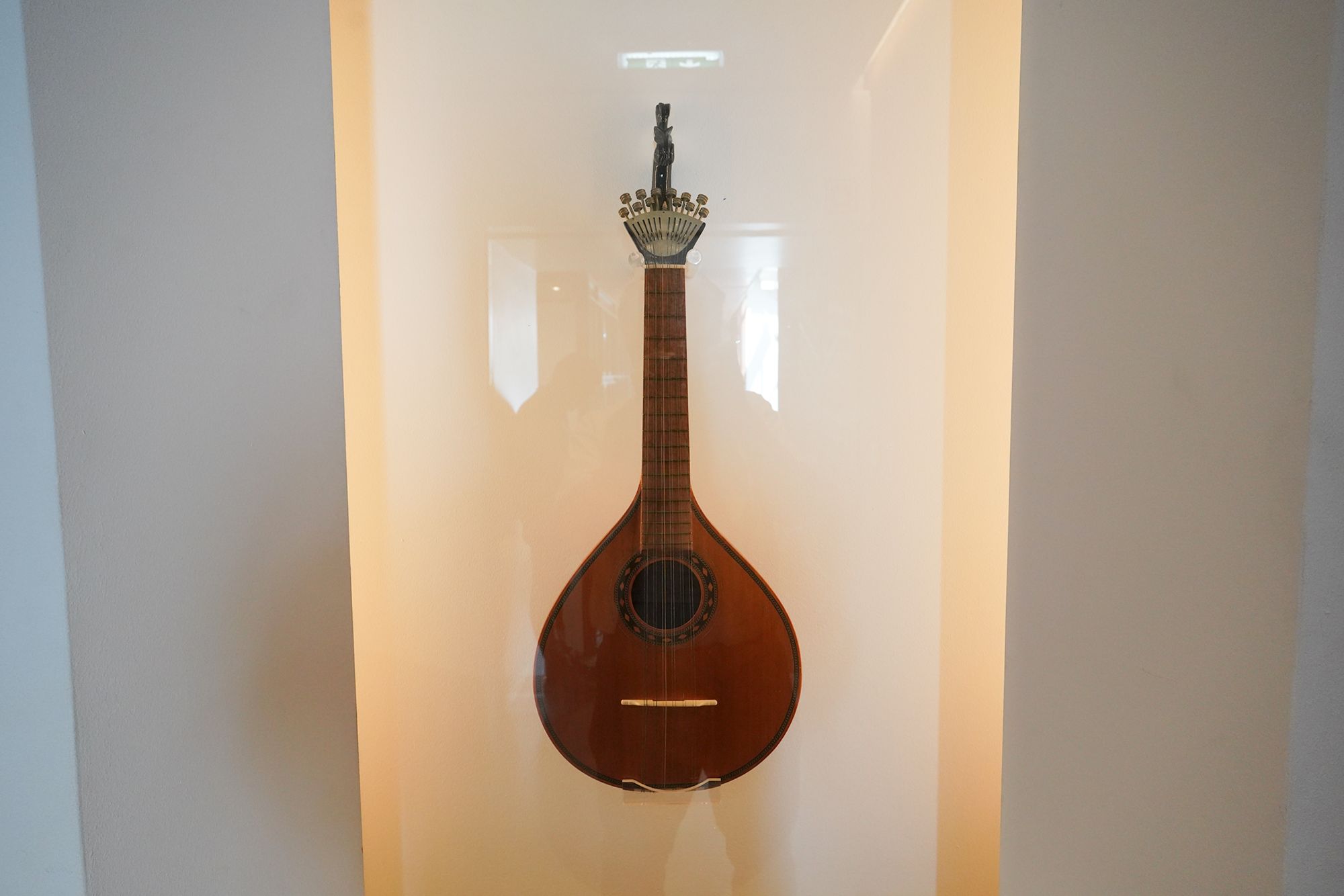
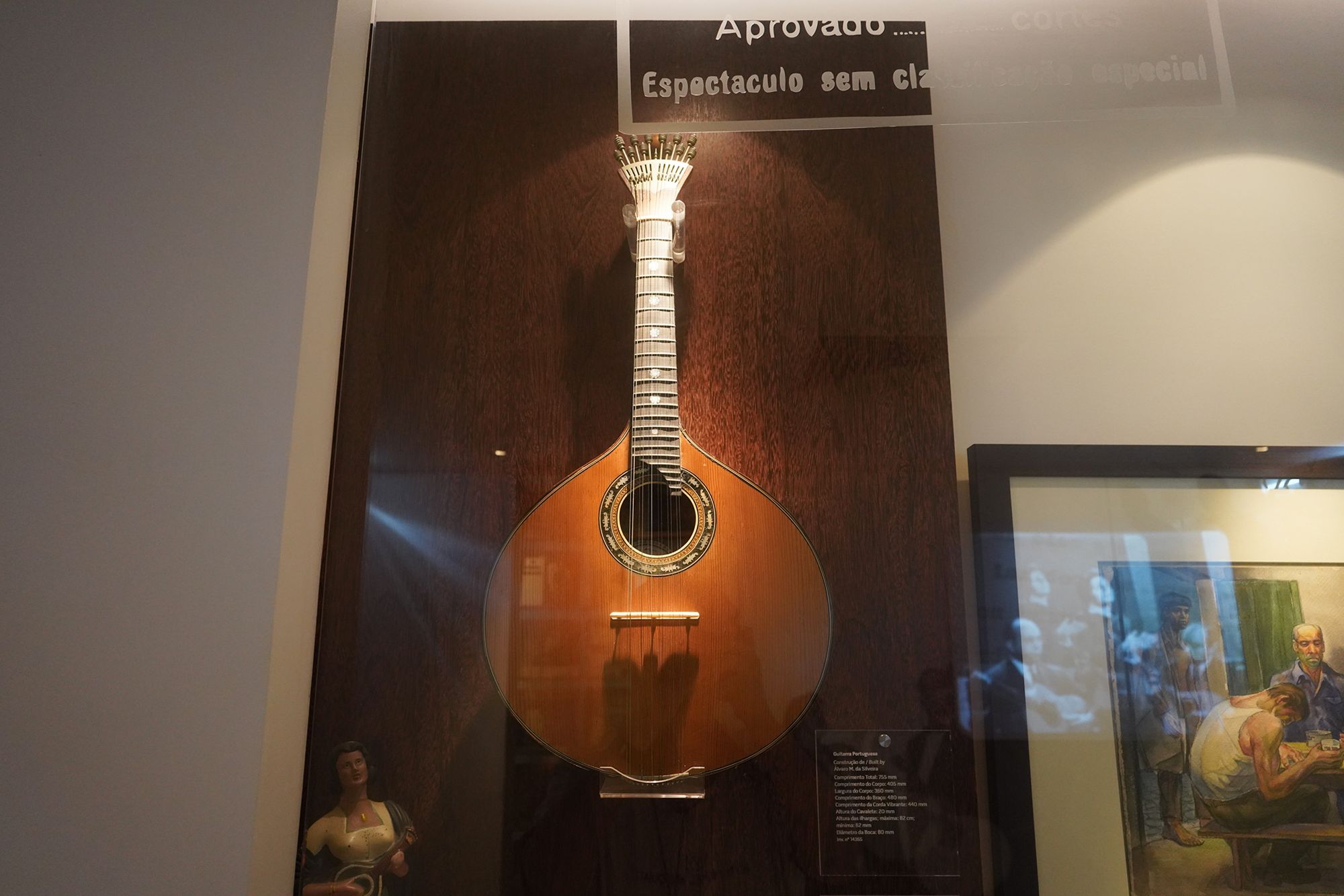
A typical performance features a solo singer, called a fadista, accompanied by a Portuguese guitar and an acoustic guitar. The Portuguese guitar has a rounded, pear-shaped body and twelve steel strings, giving the music its distinctive bright, ringing sound.
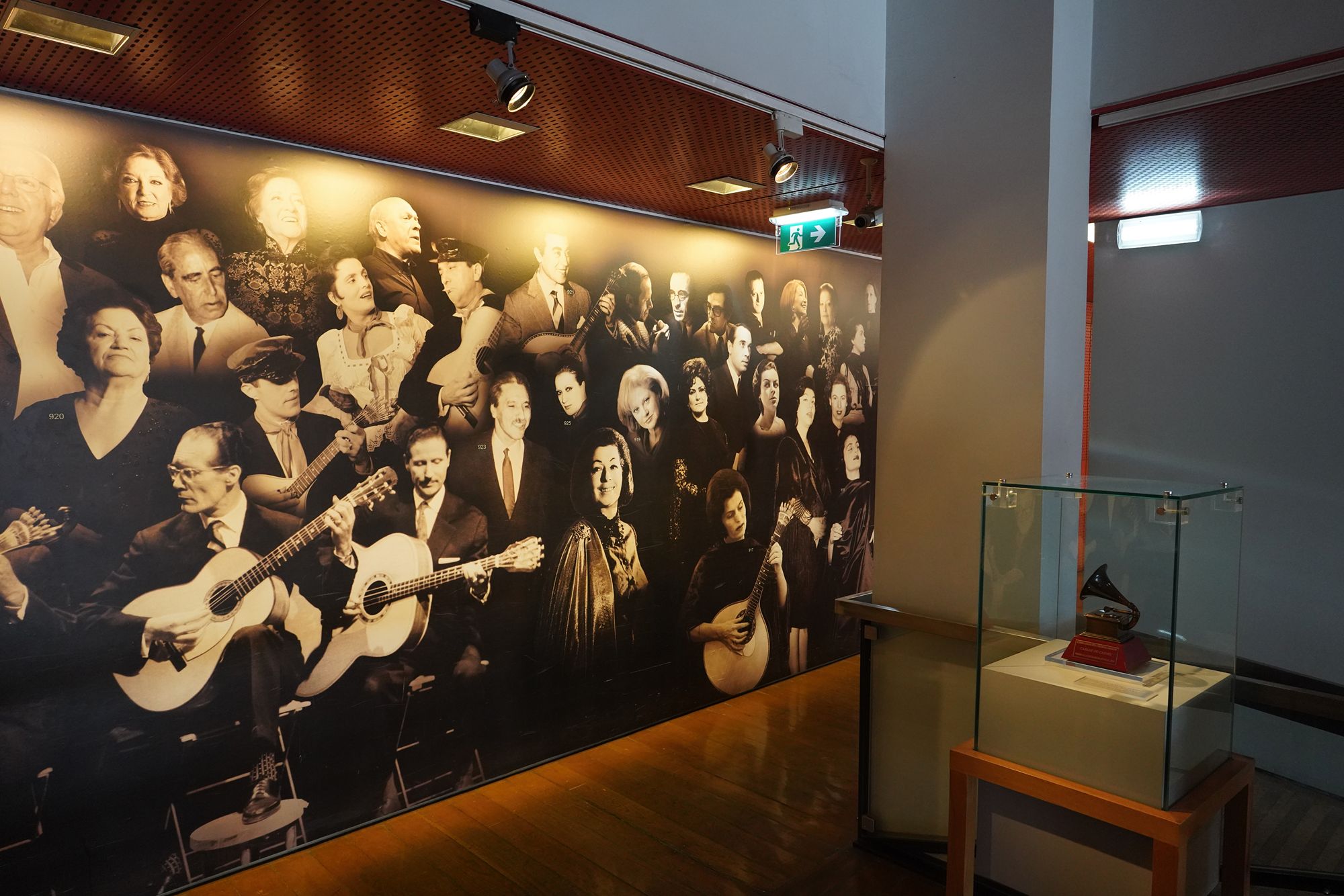
The singer’s expression is central to the performance. Changes in phrasing, intensity, and tone give familiar songs a personal meaning. Even without understanding Portuguese, listeners can often sense the emotion in the voice.
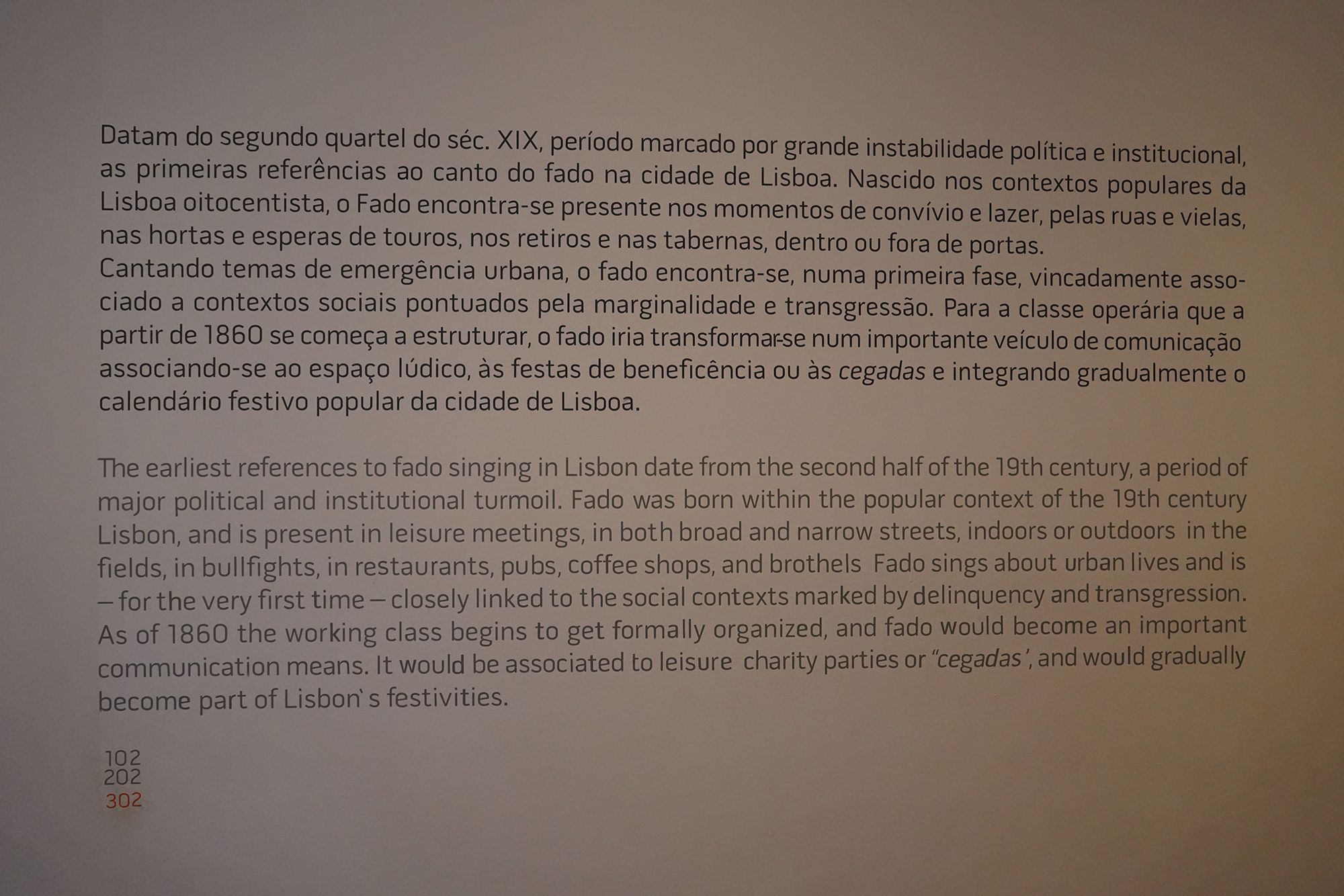
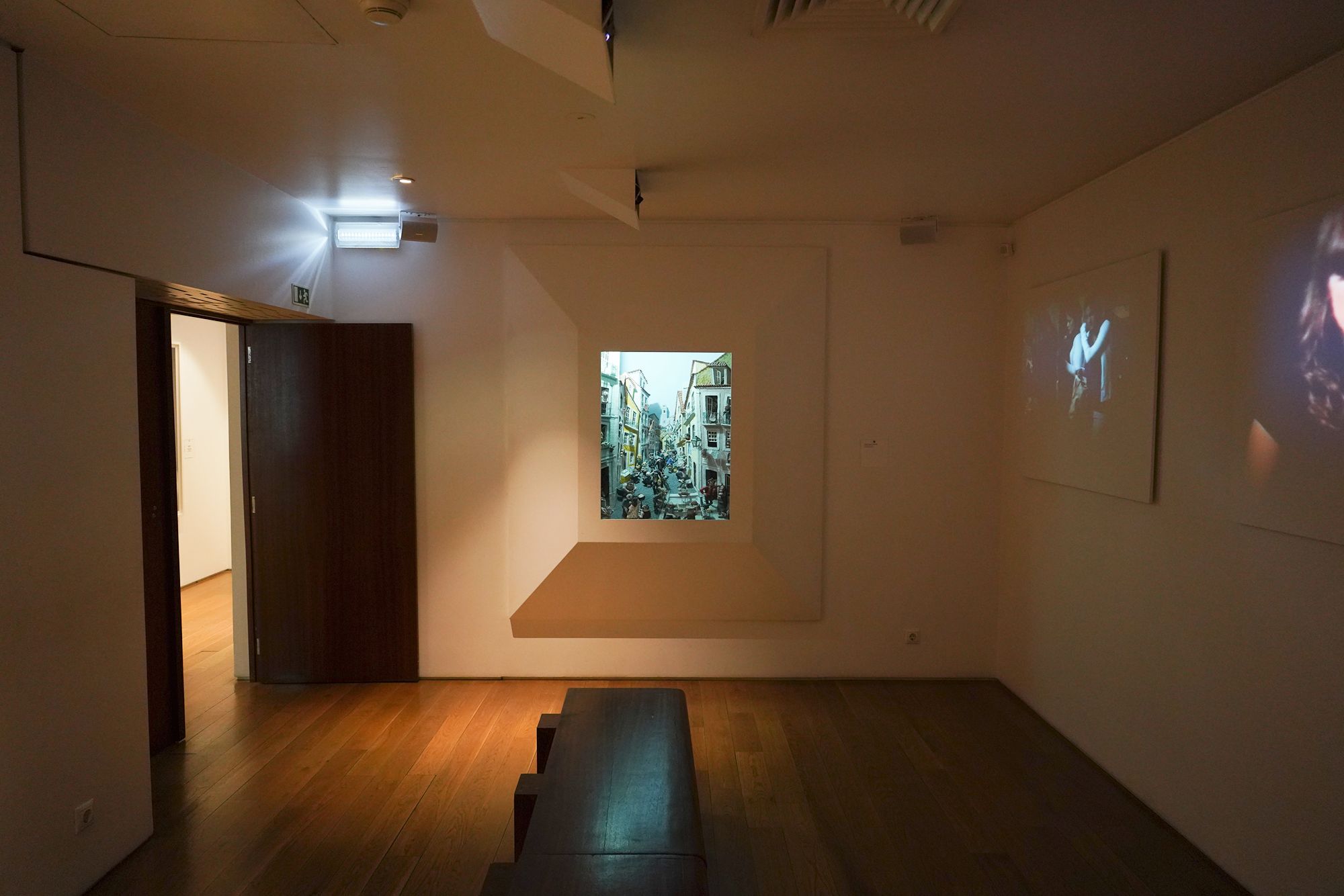
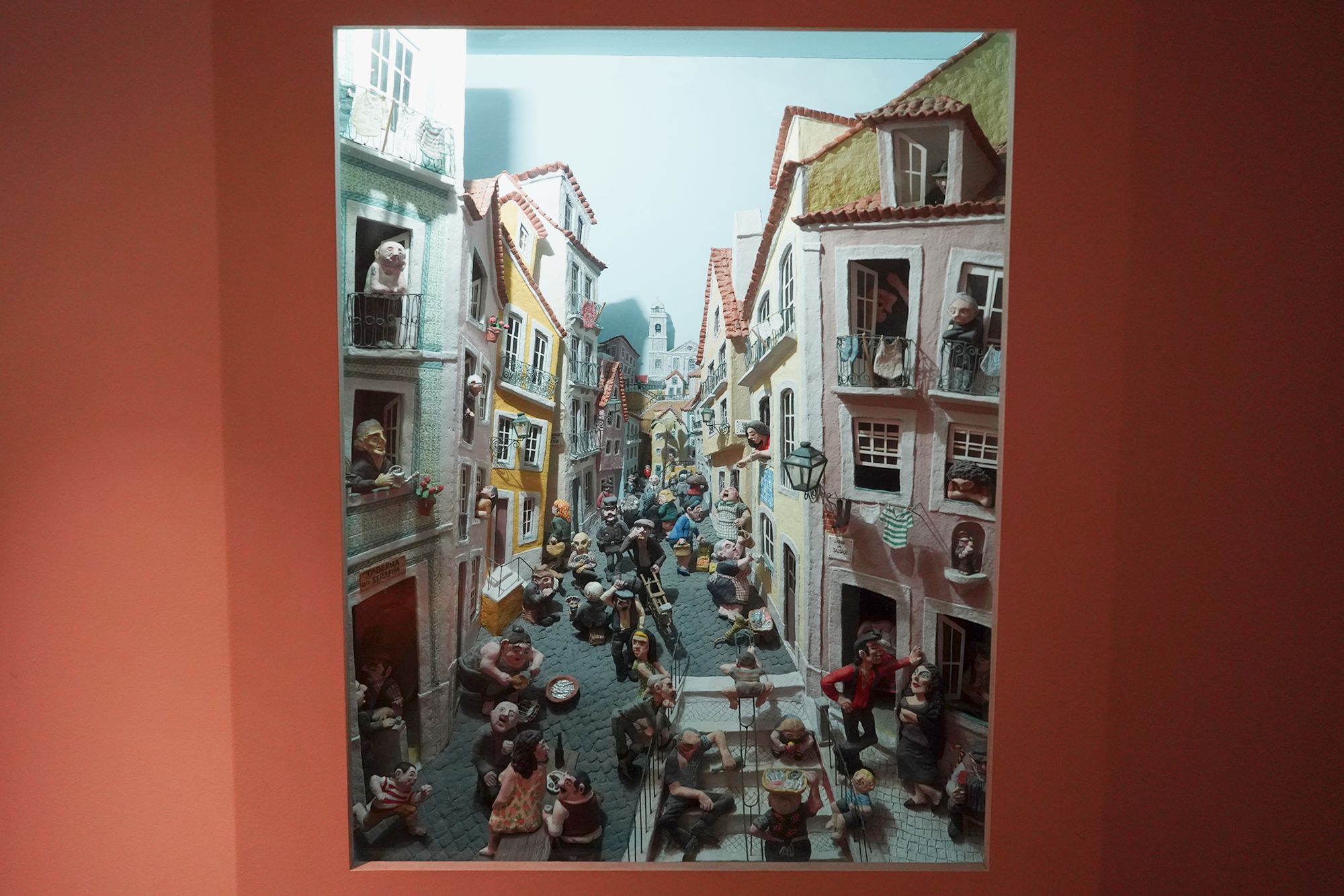
This display explains how Fado grew out of everyday life in 19th-century Lisbon. People sang in streets, taverns, cafés, and other gathering places, with songs reflecting urban life and the experiences of people on the margins of society.
From around 1860, as workers began organizing, Fado also became a way to communicate their concerns. It gradually became part of charity events, popular entertainment, and Lisbon’s festivities
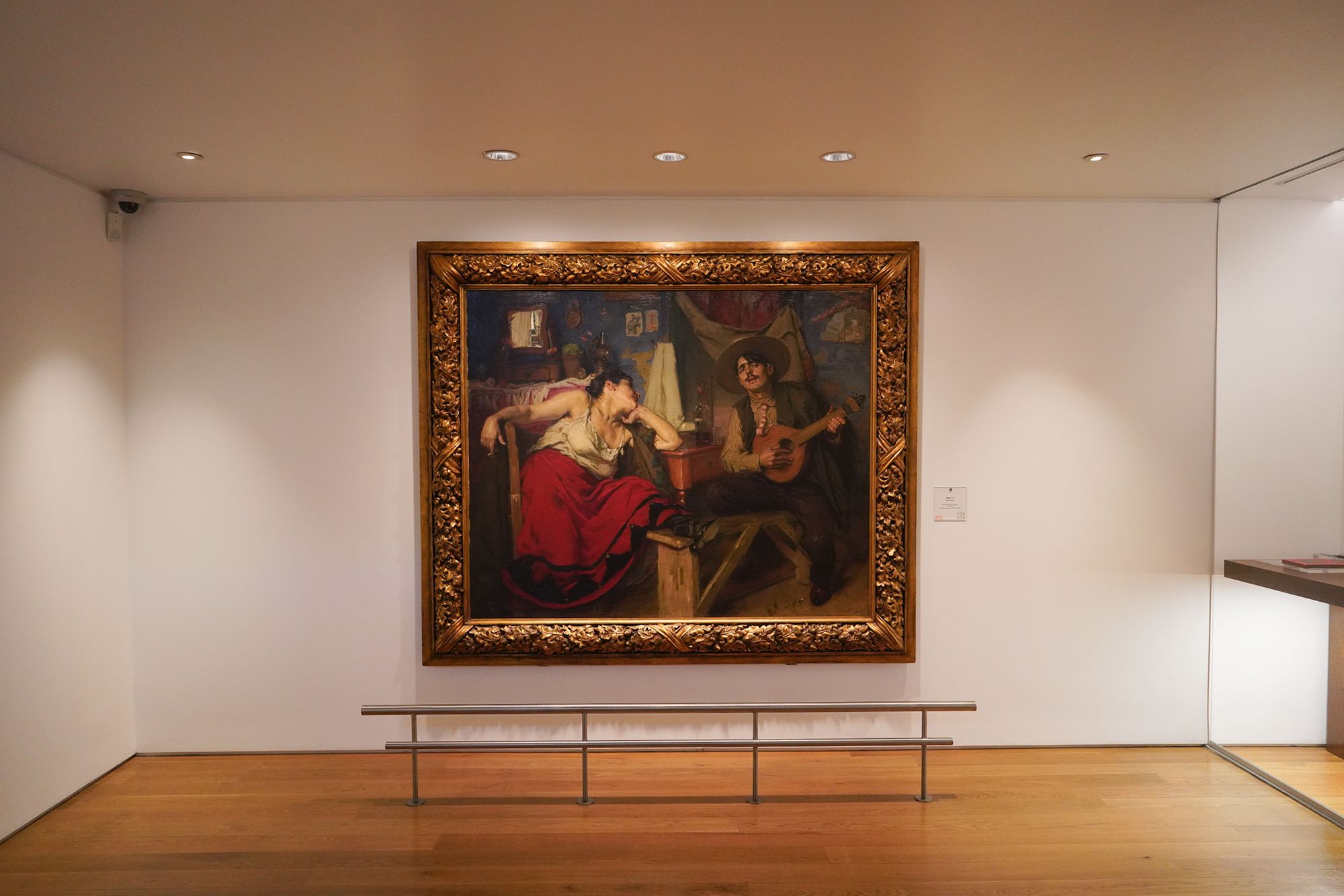
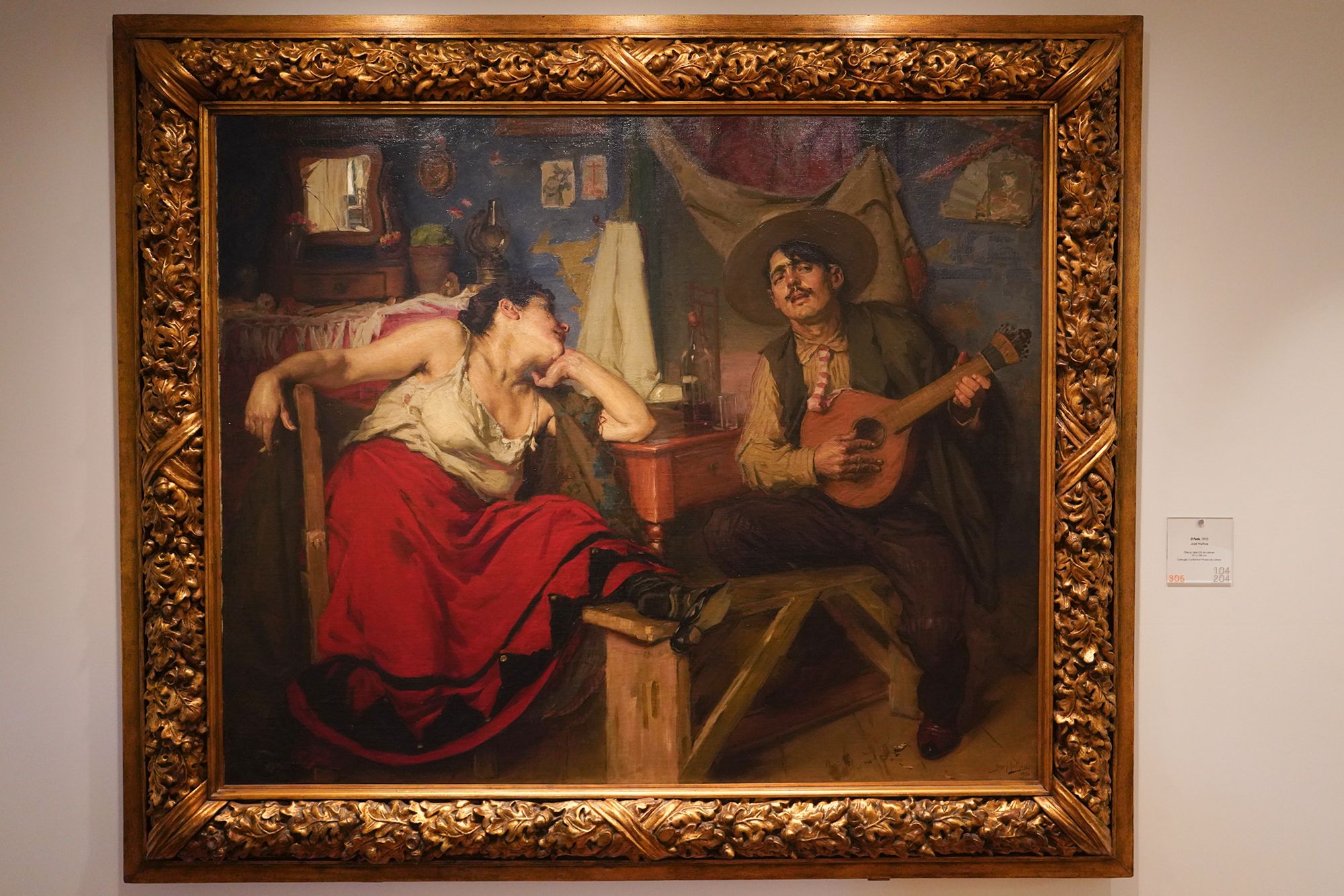
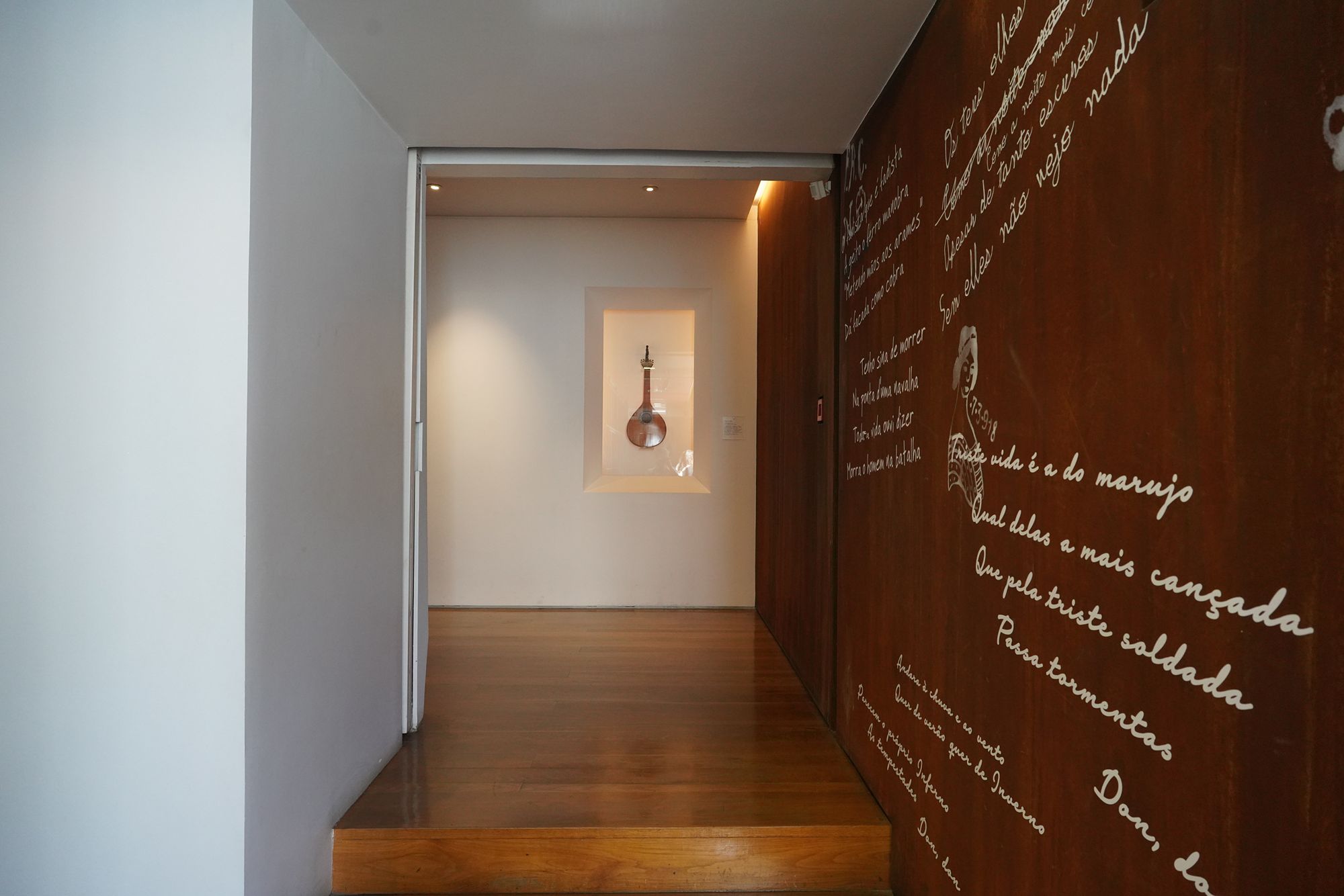
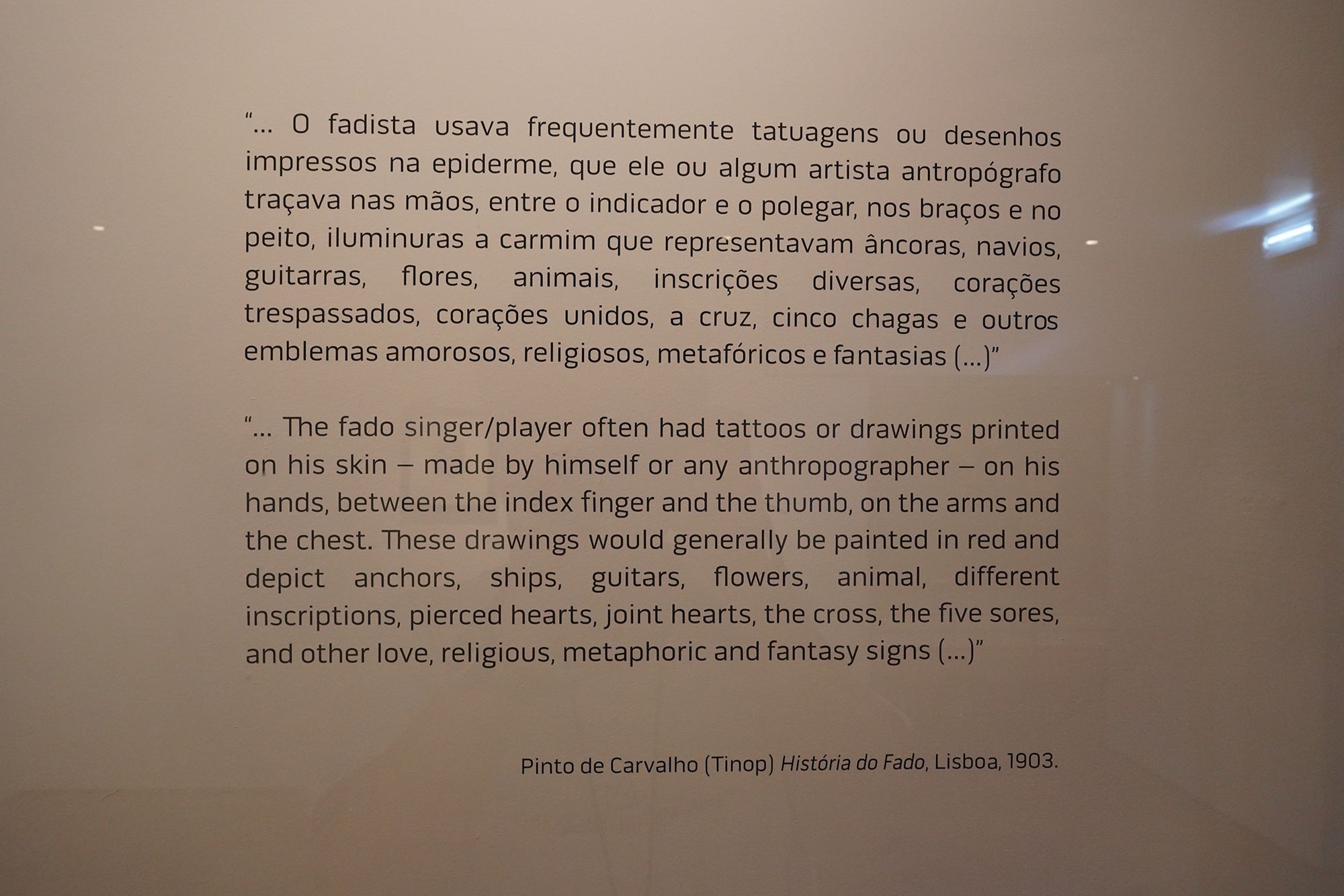
This display describes the tattoos worn by some early Fado singers and musicians. Their hands, arms, and chests carried images of anchors, ships, guitars, flowers, hearts, and religious symbols.
The passage comes from Pinto de Carvalho’s 1903 book, História do Fado. It offers a glimpse of the personal imagery associated with Fado’s early performers, including symbols of love, faith, and life at sea.
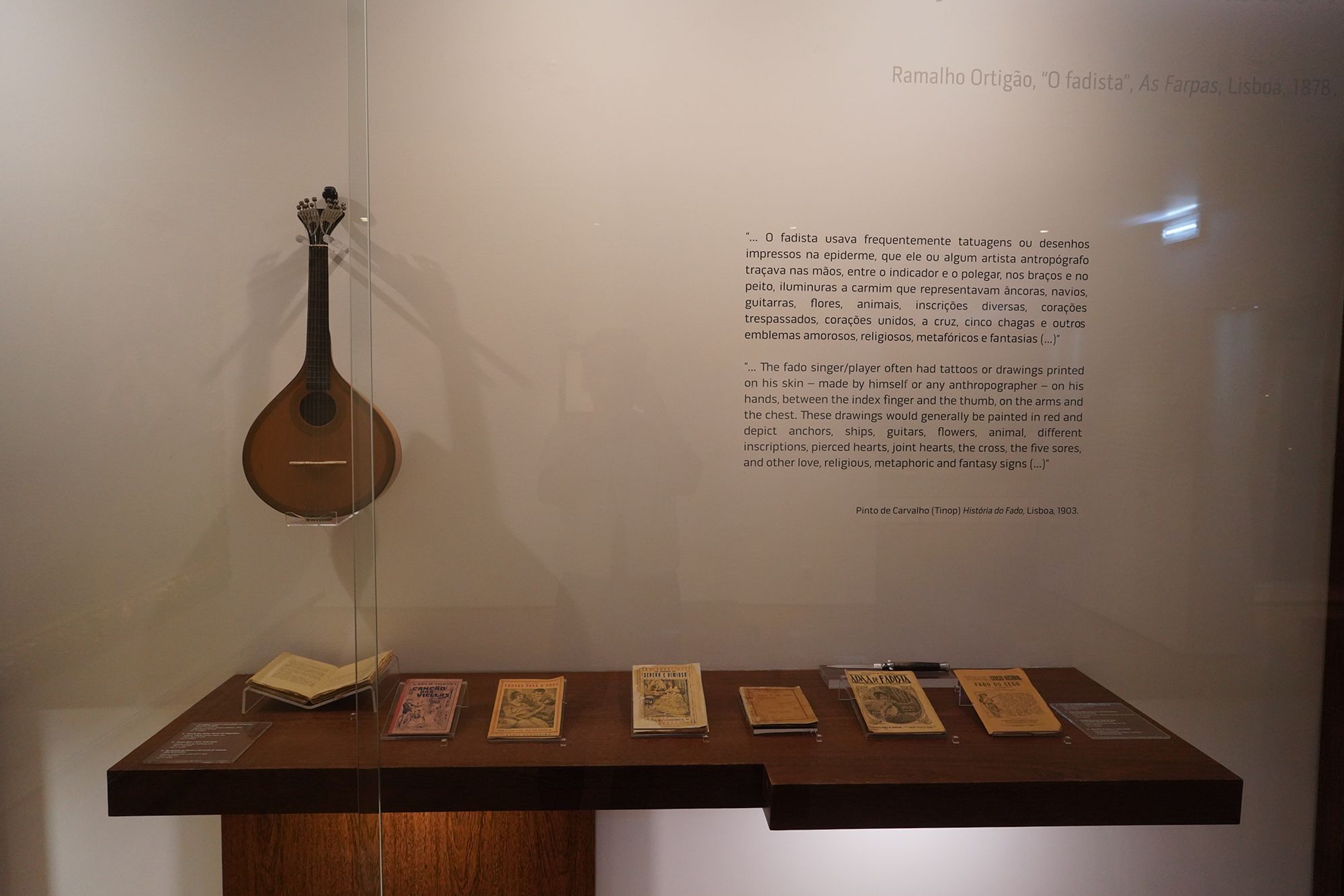
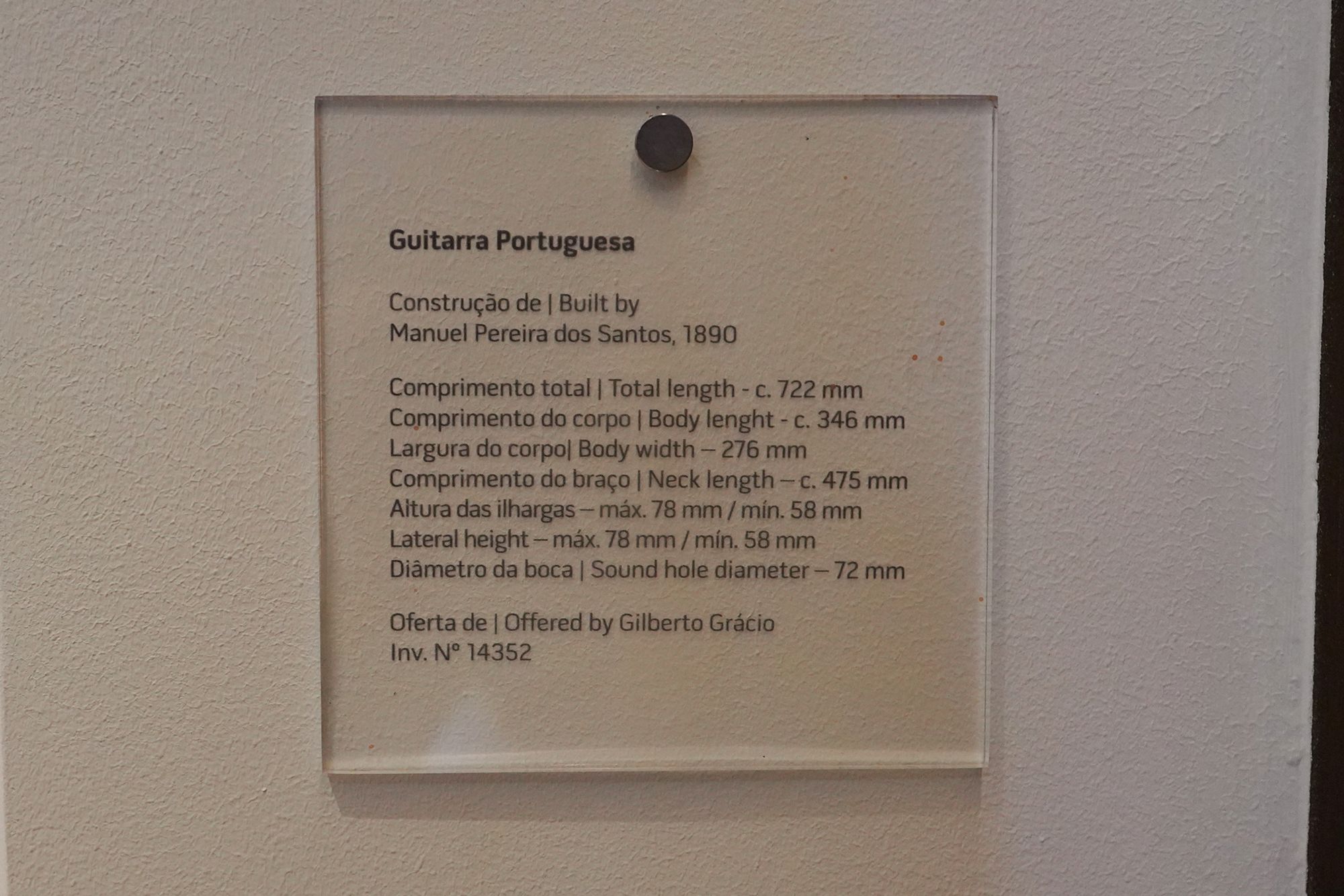
This label identifies a Portuguese guitar made by Manuel Pereira dos Santos in 1890 and donated to the museum by Gilberto Grácio. The Portuguese guitar is a central instrument in Fado, providing the bright, ringing accompaniment to the singer’s voice.
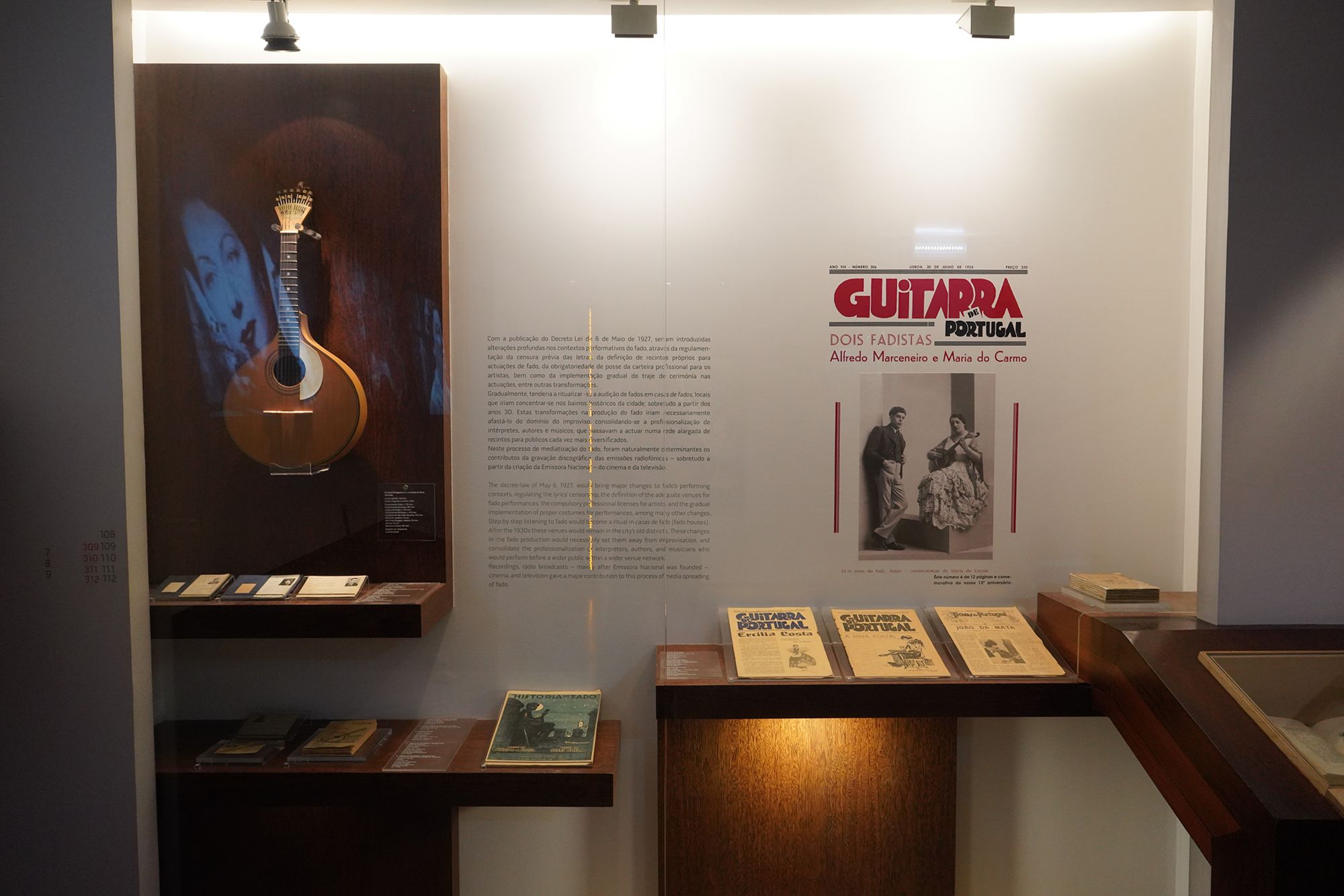
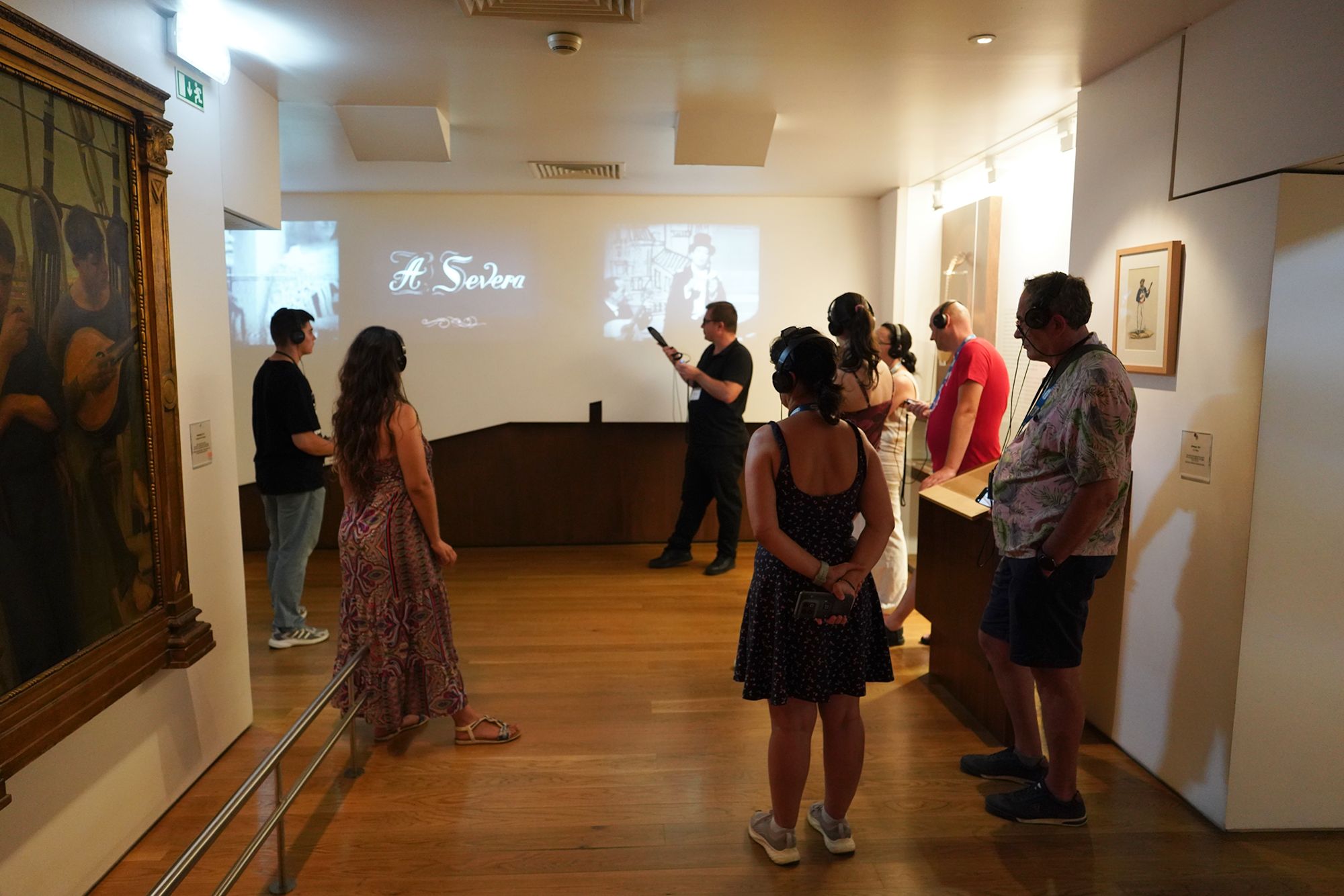
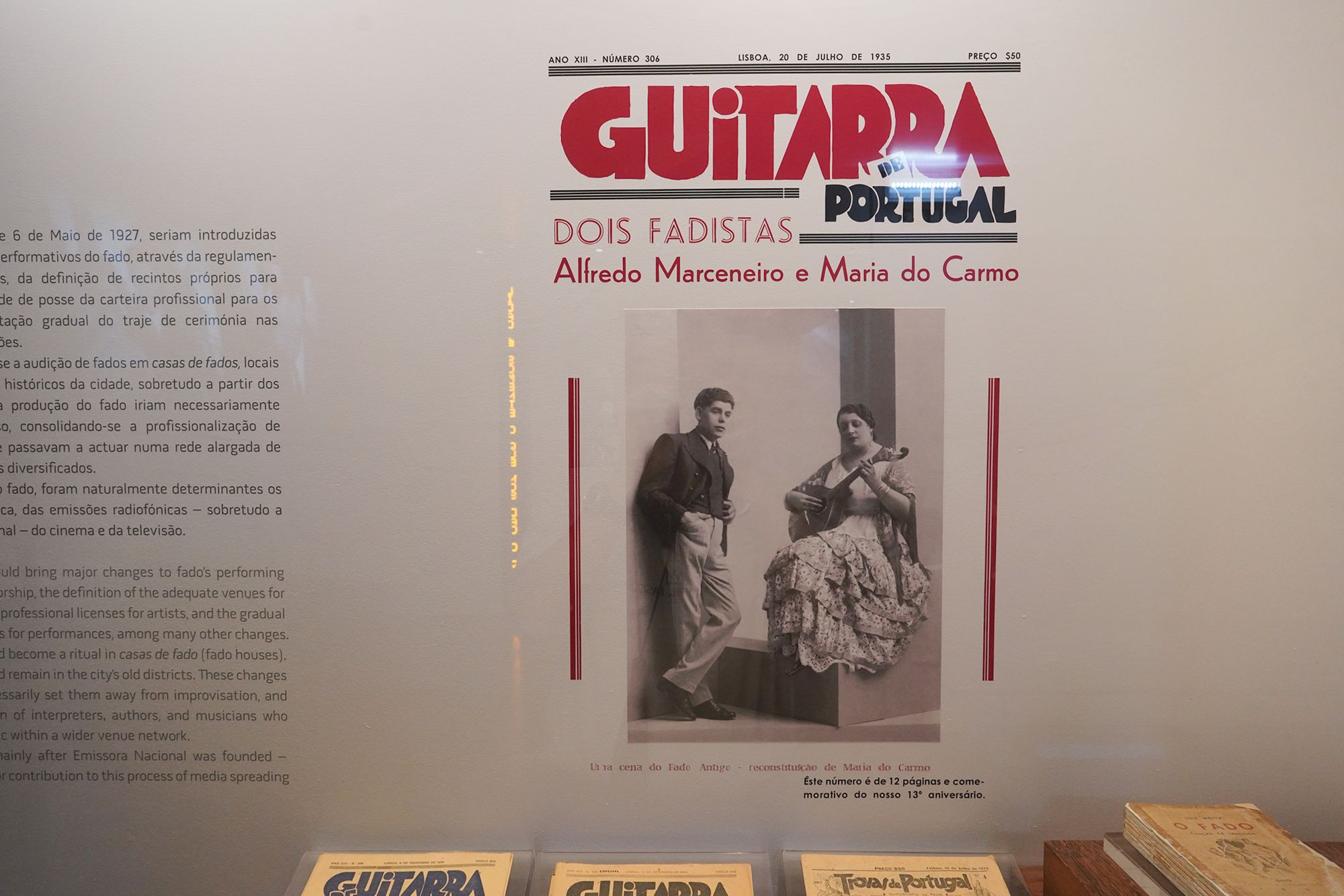
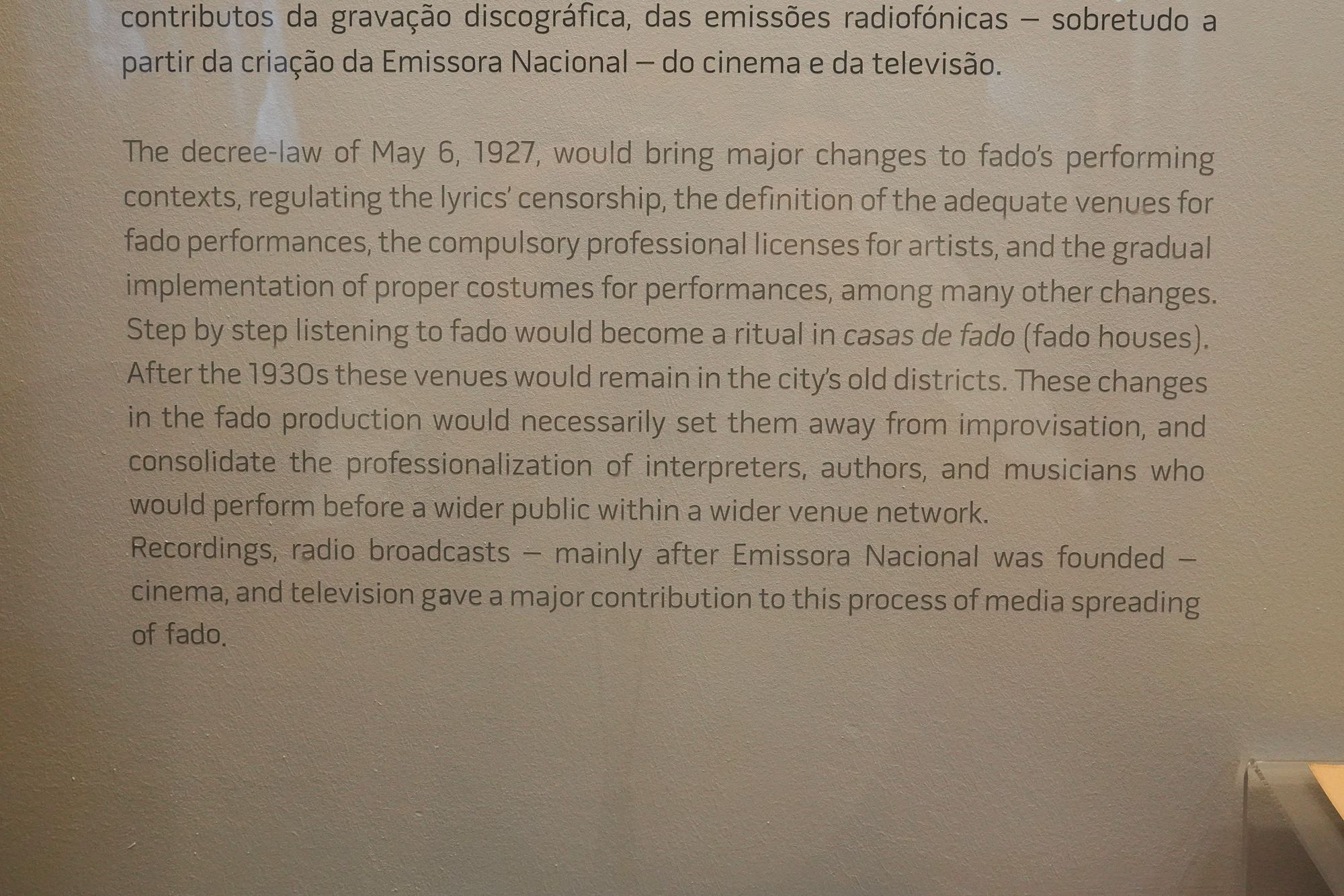
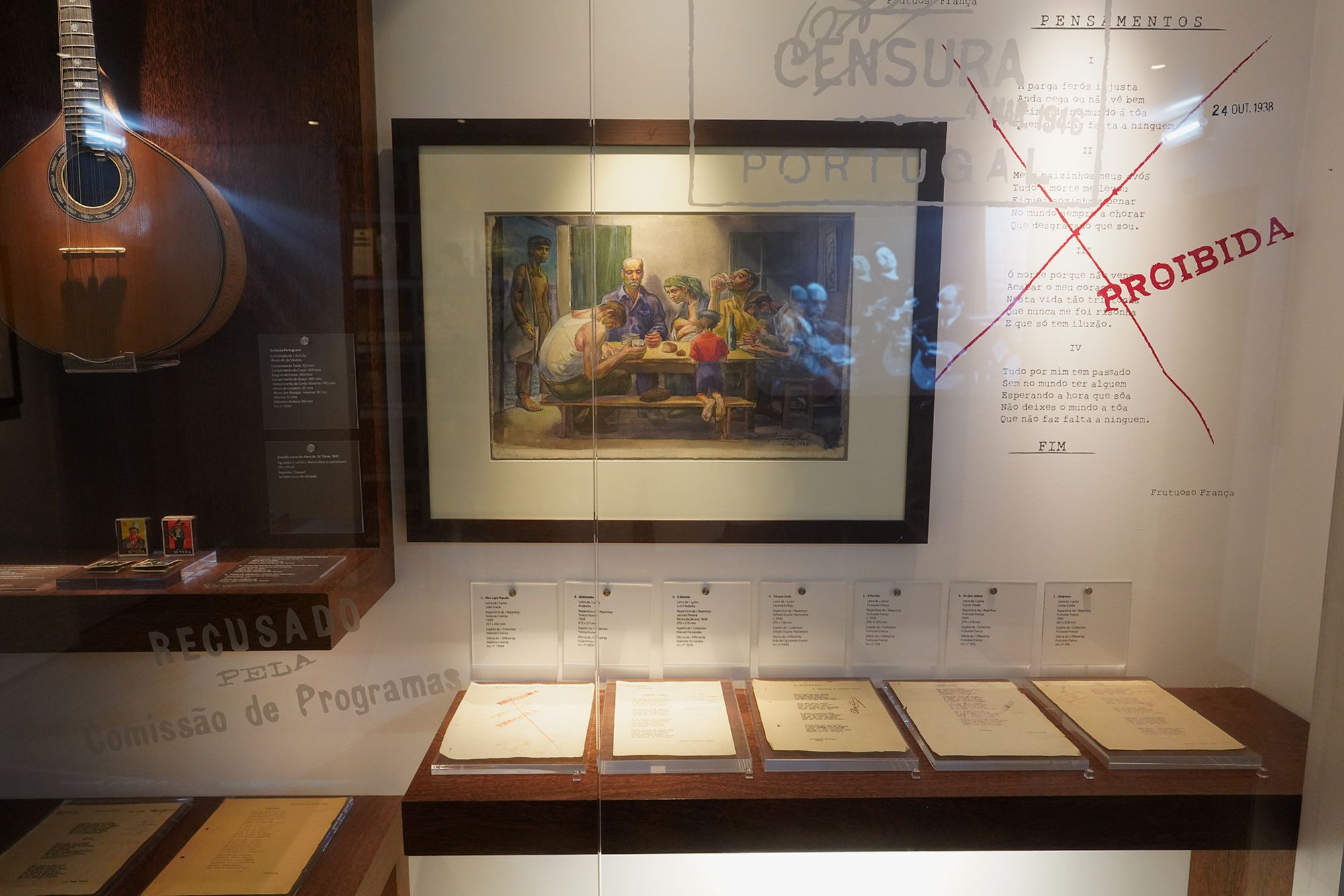
A law introduced on May 6, 1927, brought major changes to Fado. Lyrics became subject to censorship, performers needed professional licenses, and rules governed performance venues and clothing.
Fado gradually moved away from informal, improvised gatherings toward organized performances in casas de fado, or Fado houses. These venues became established in Lisbon’s historic neighborhoods, helping singing and playing Fado develop into professional careers.
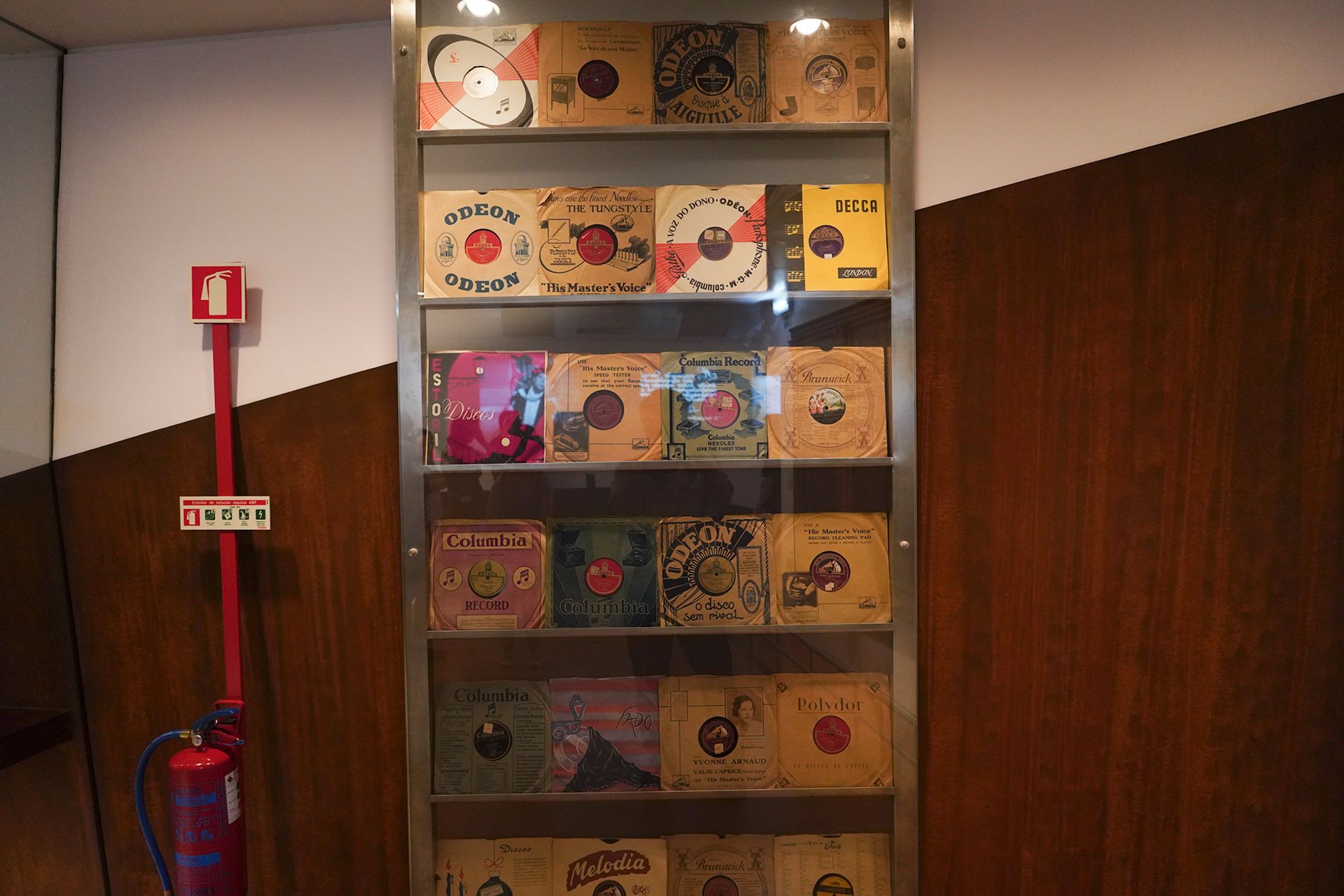
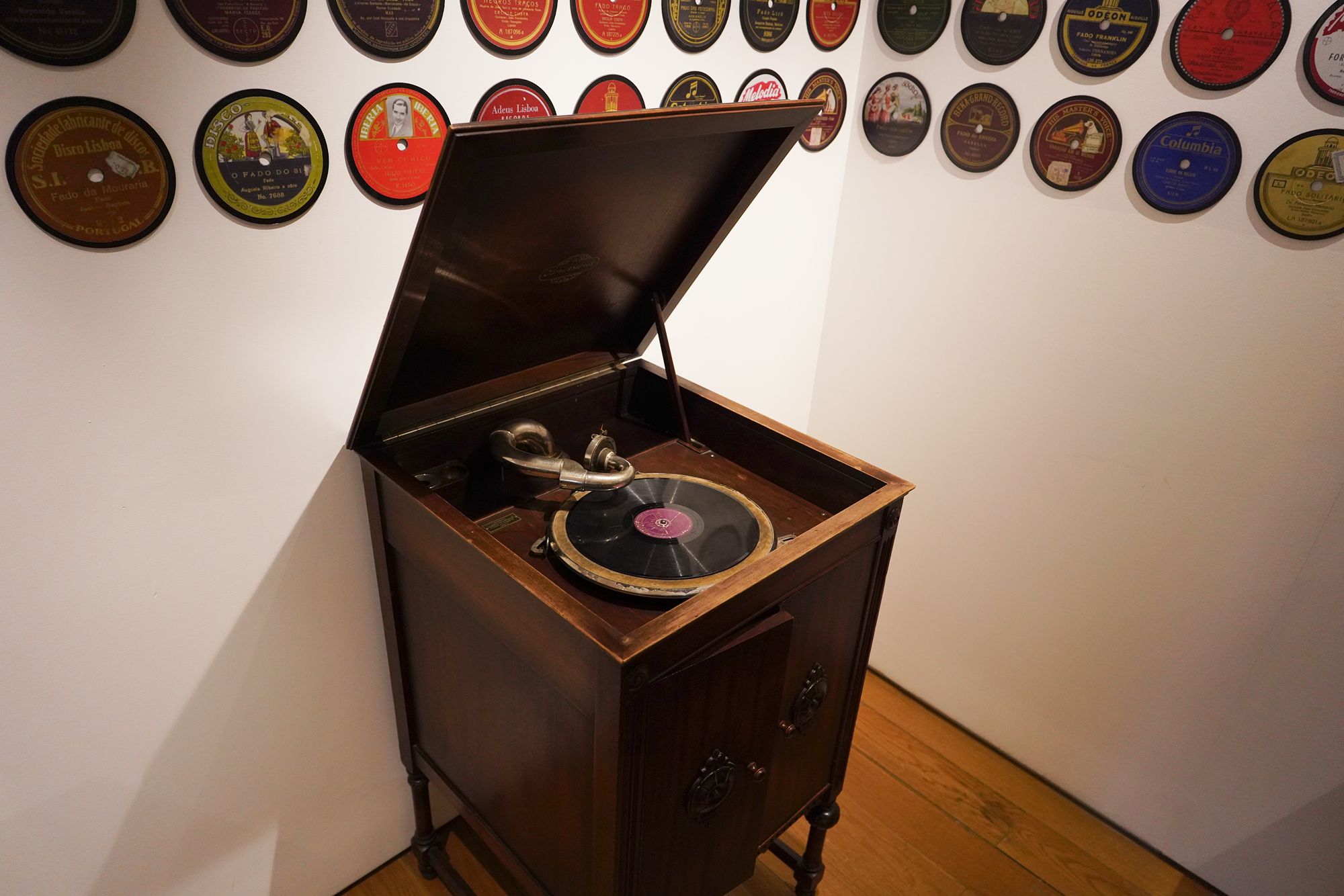
Recordings, radio, cinema, and later television brought the music to a much wider audience, extending its reach beyond the small venues where people traditionally heard it.
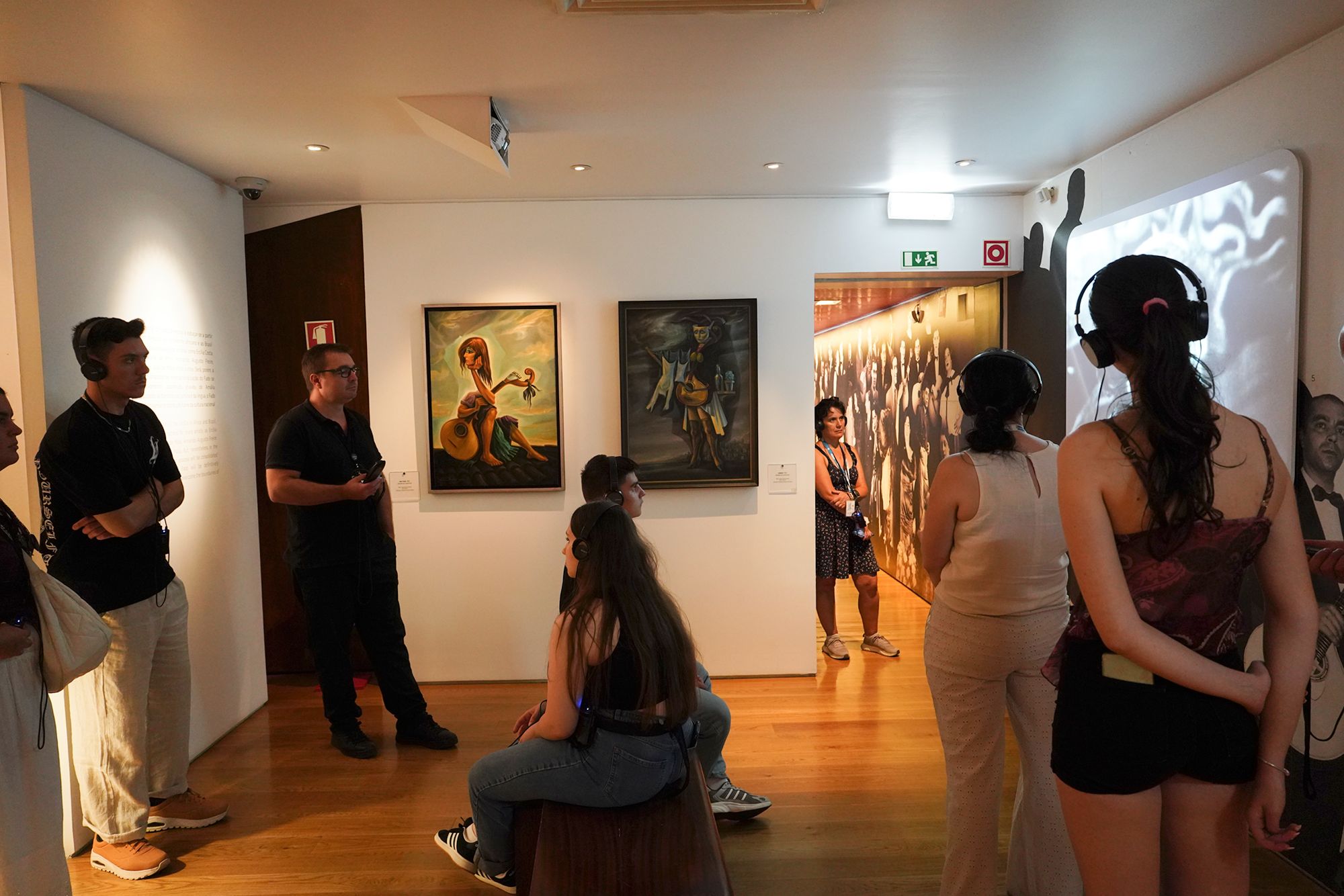
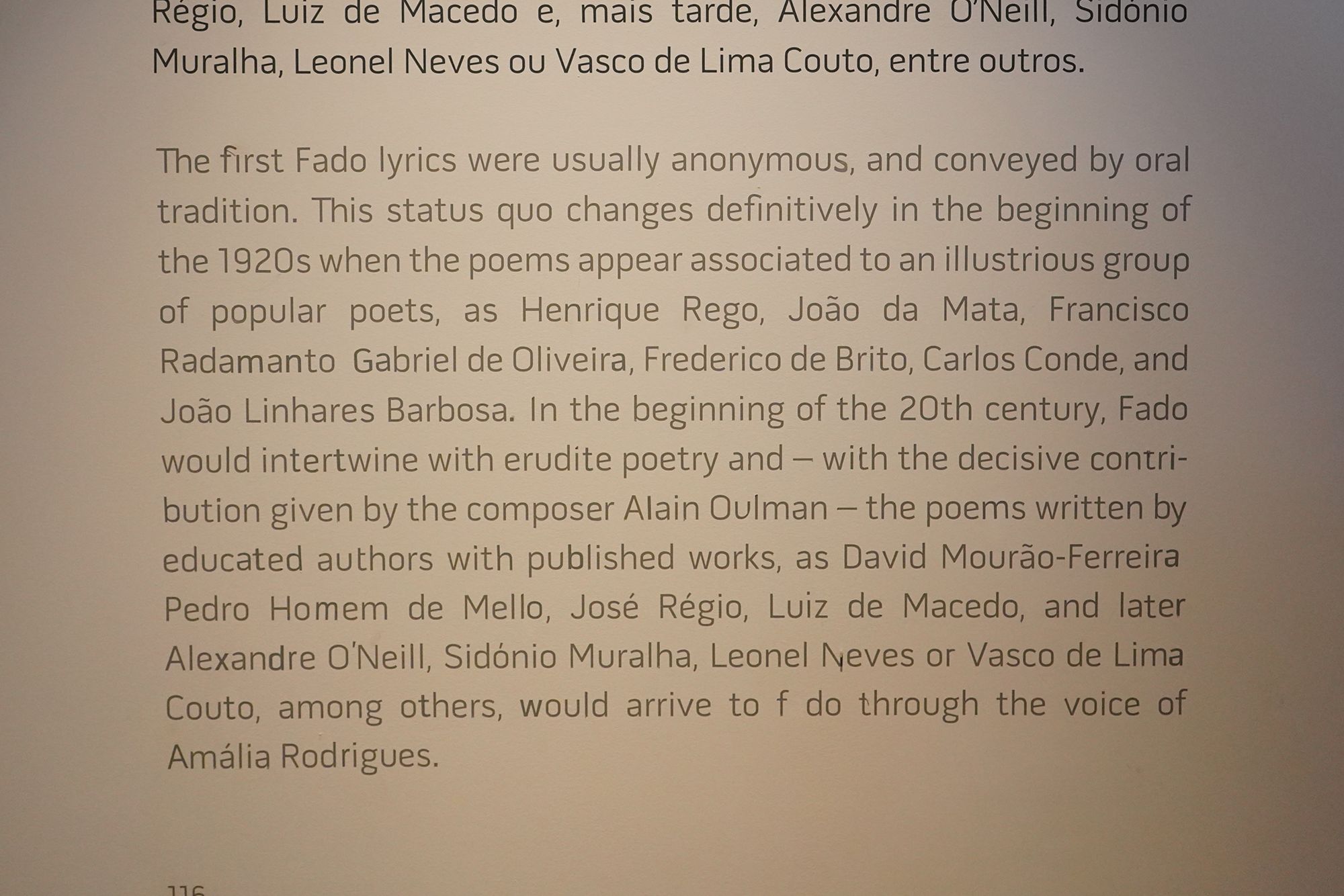
Early Fado lyrics were usually anonymous and passed down by word of mouth. In the 1920s, recognized popular poets began writing lyrics, giving the songs identifiable authors.
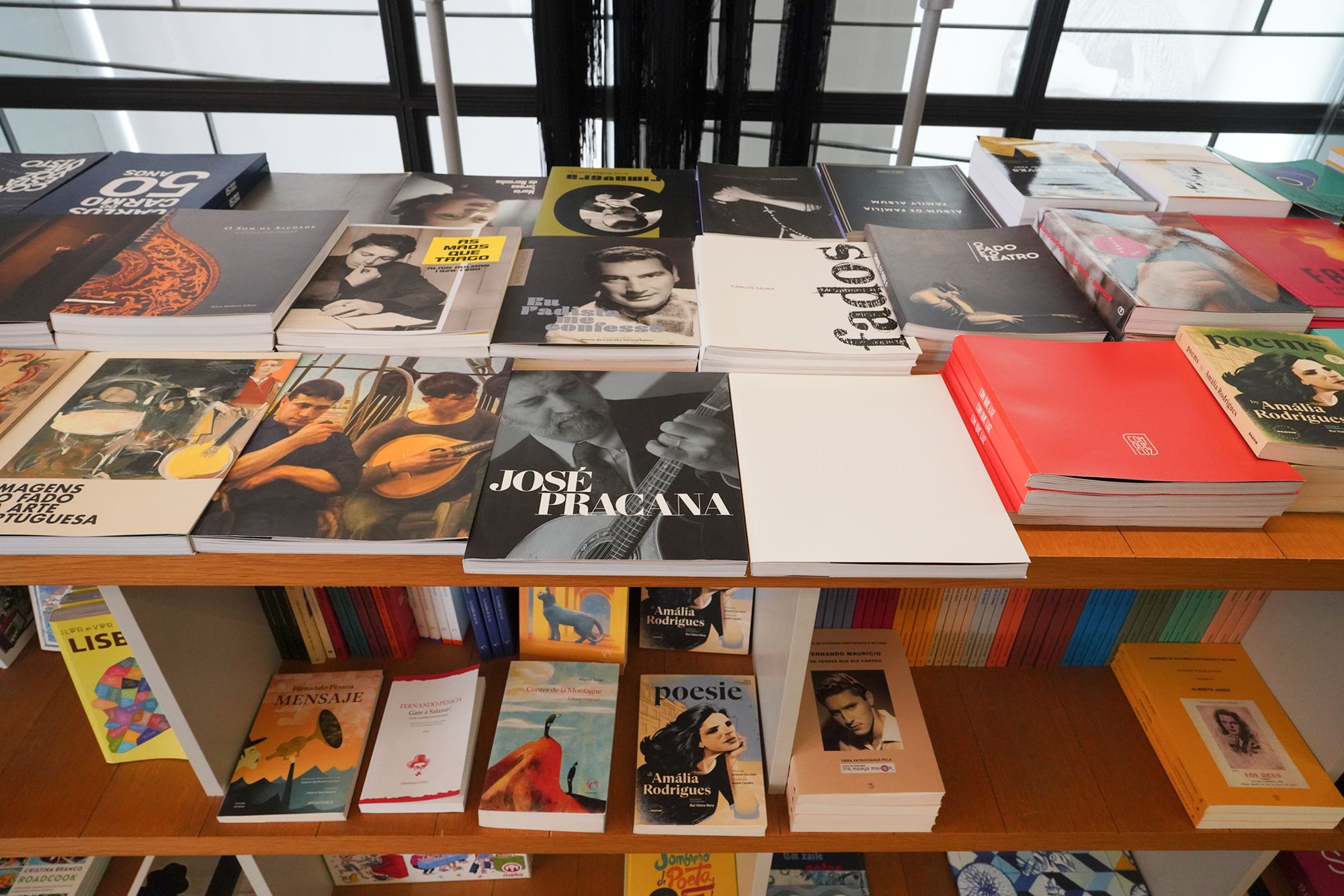
Later, Fado developed a stronger connection with literary poetry. Composer Alain Oulman set poems by established writers to music, and Amália Rodrigues brought these works to audiences through her singing. Their collaboration helped broaden Fado’s musical and poetic expression.
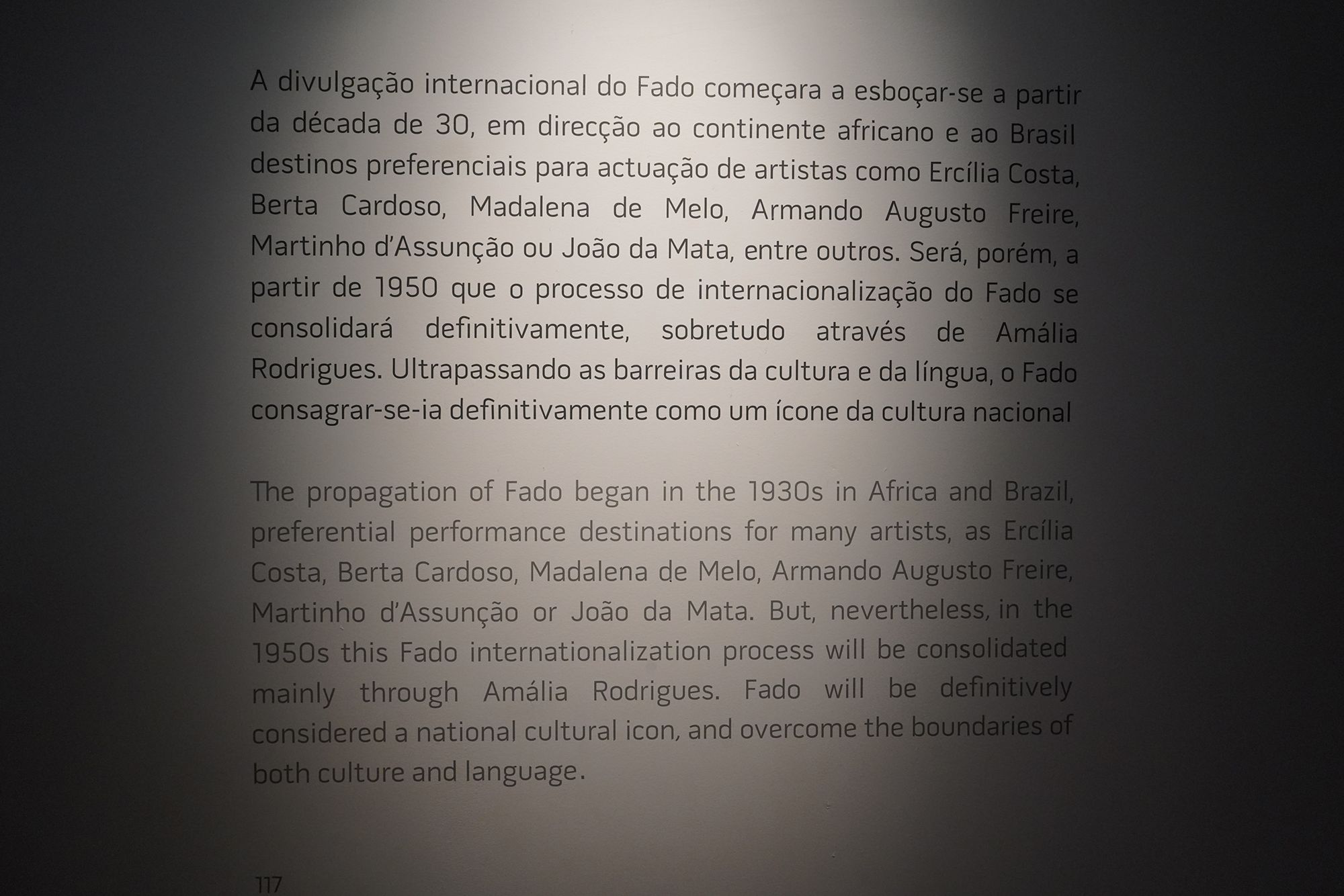
Fado began reaching audiences abroad in the 1930s, when singers and musicians toured parts of Africa and Brazil. These performances helped carry Lisbon’s music beyond Portugal.
In the 1950s, Amália Rodrigues played a leading role in establishing Fado internationally. Her singing reached across language and cultural barriers, helping make Fado a widely recognized symbol of Portuguese culture.
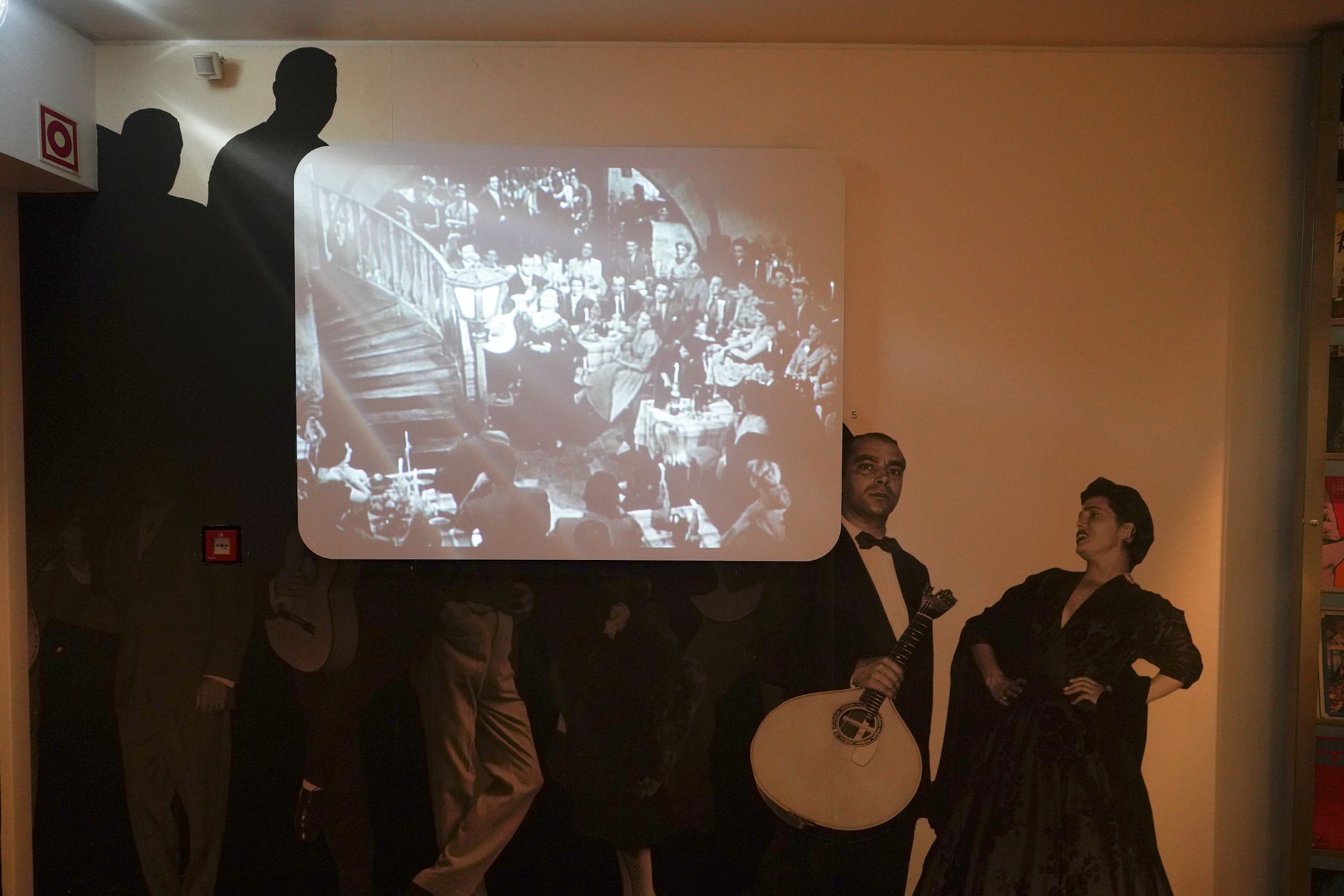
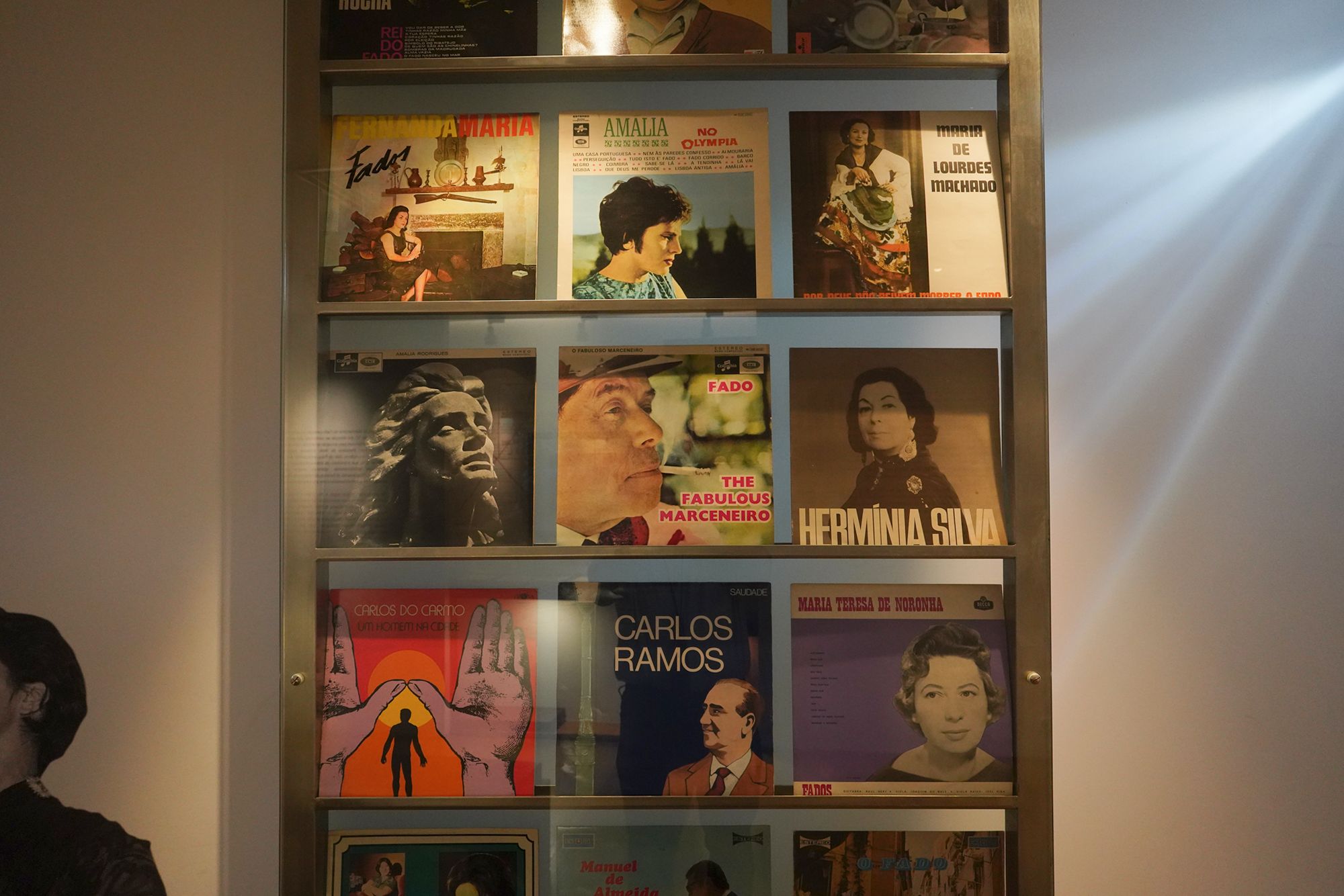
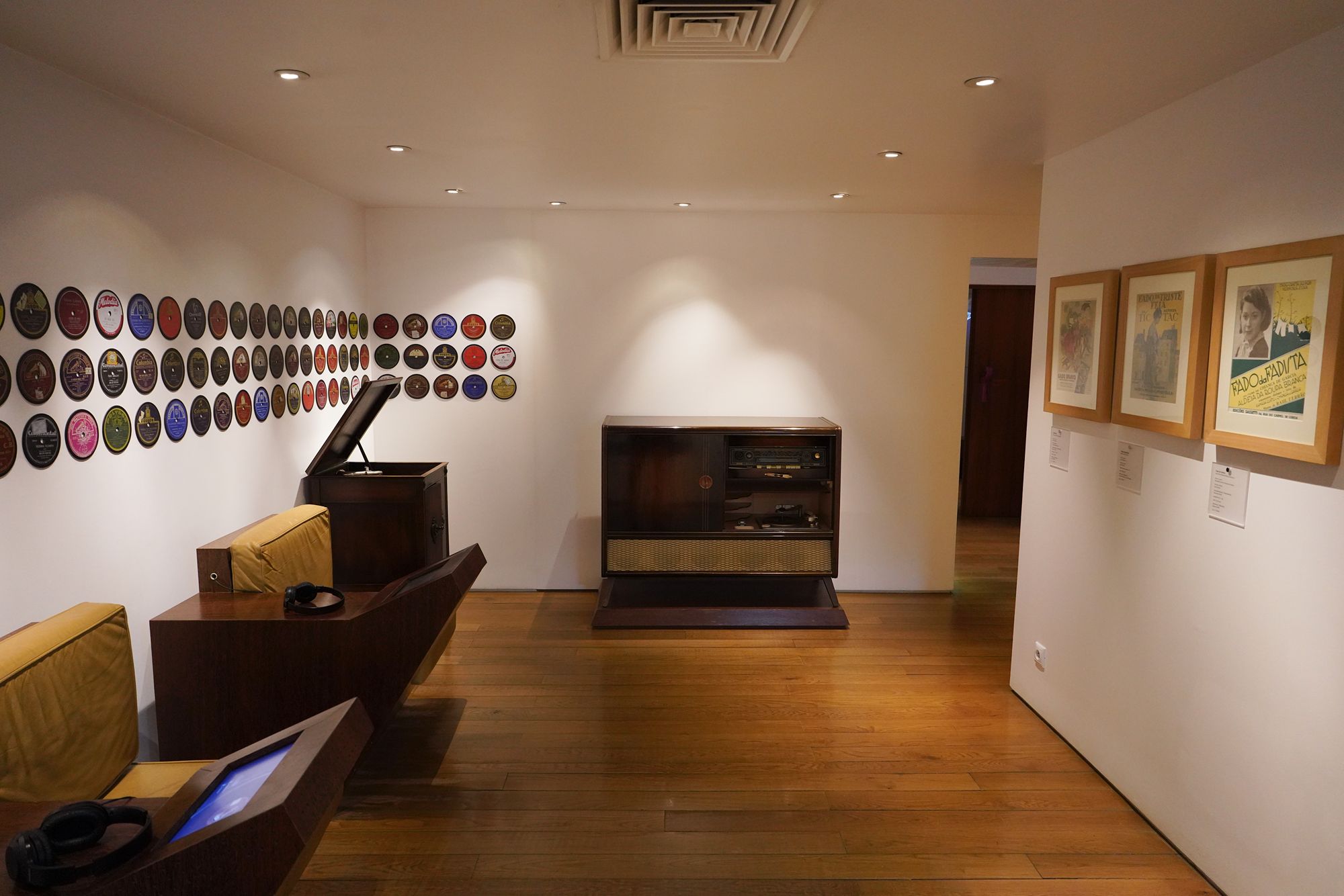
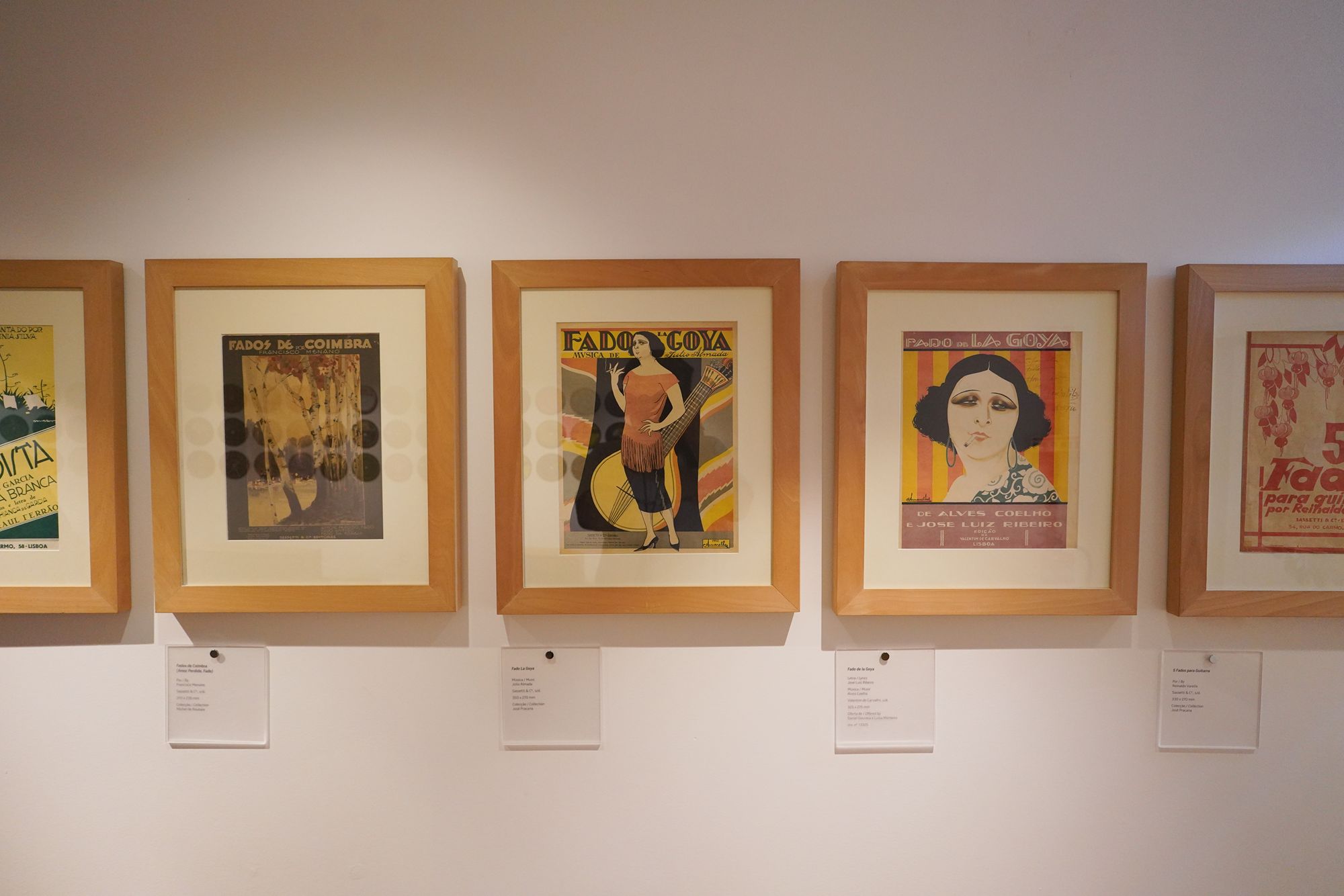
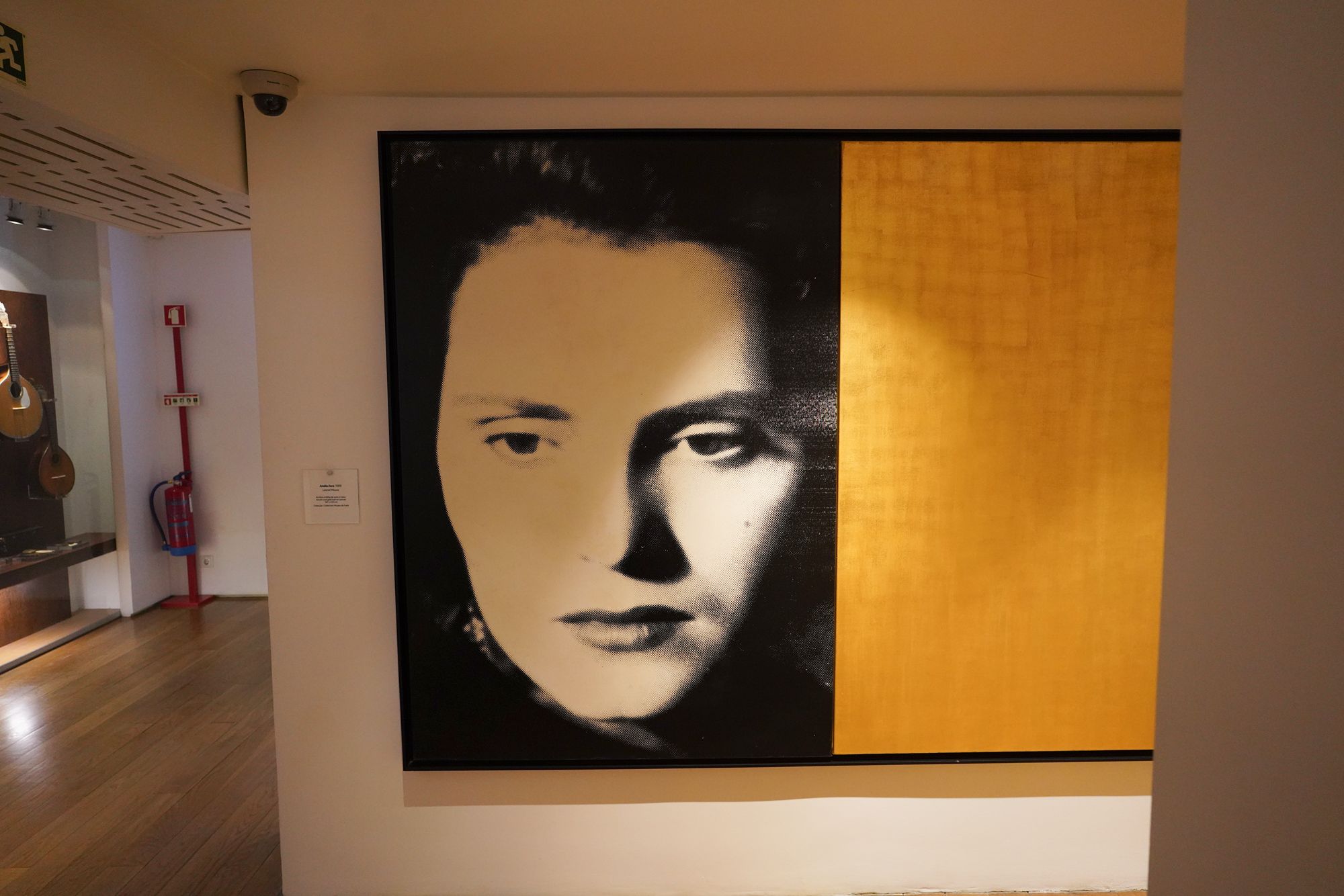
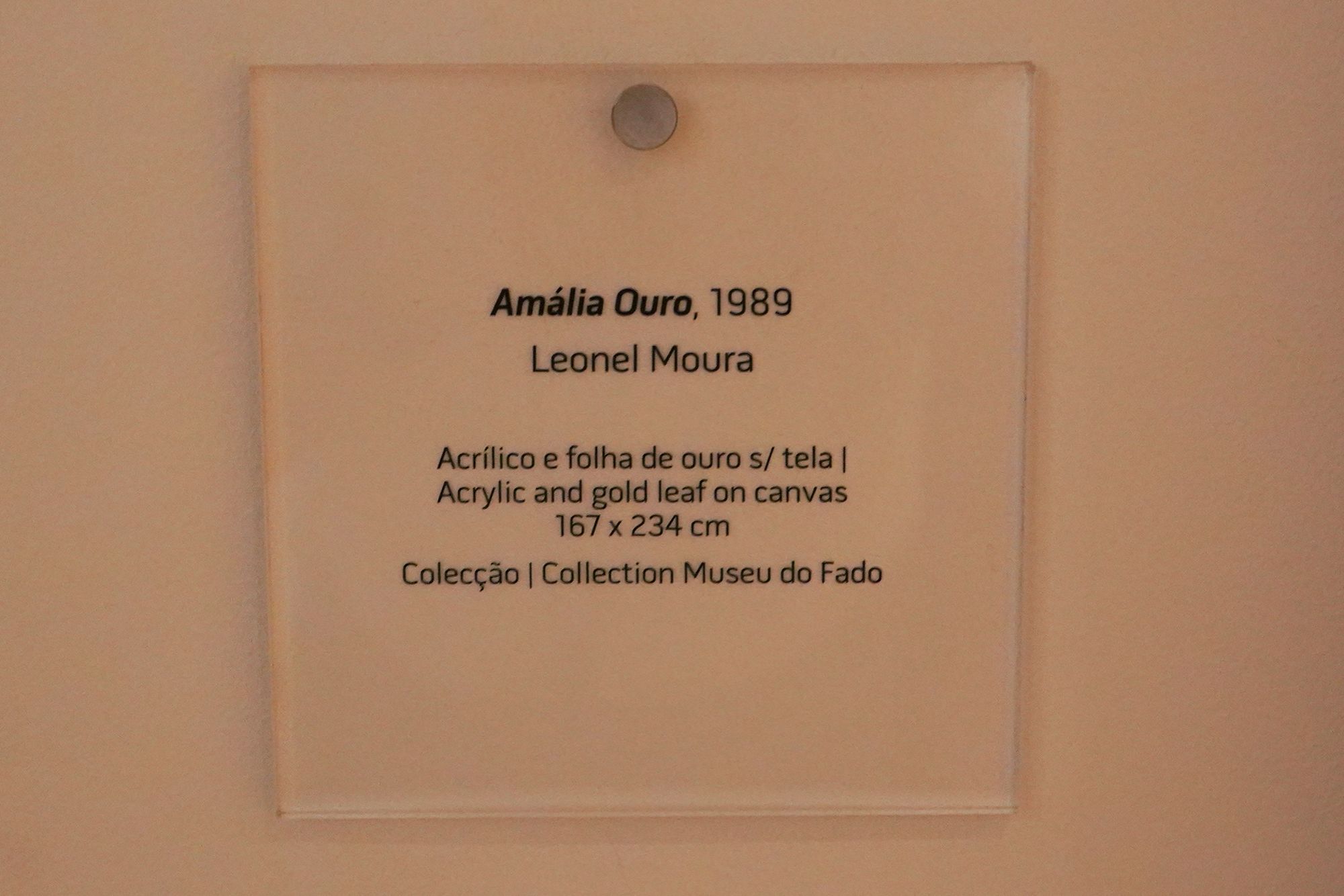
Amália Rodrigues (1920–1999) was Portugal’s most celebrated Fado singer. Often called the “Queen of Fado,” she helped bring this music from Lisbon’s traditional venues to international audiences.
Her expressive voice gave songs about love, loss, and longing a strong emotional presence. From the 1950s onward, her extensive tours helped make Fado widely known beyond Portugal.
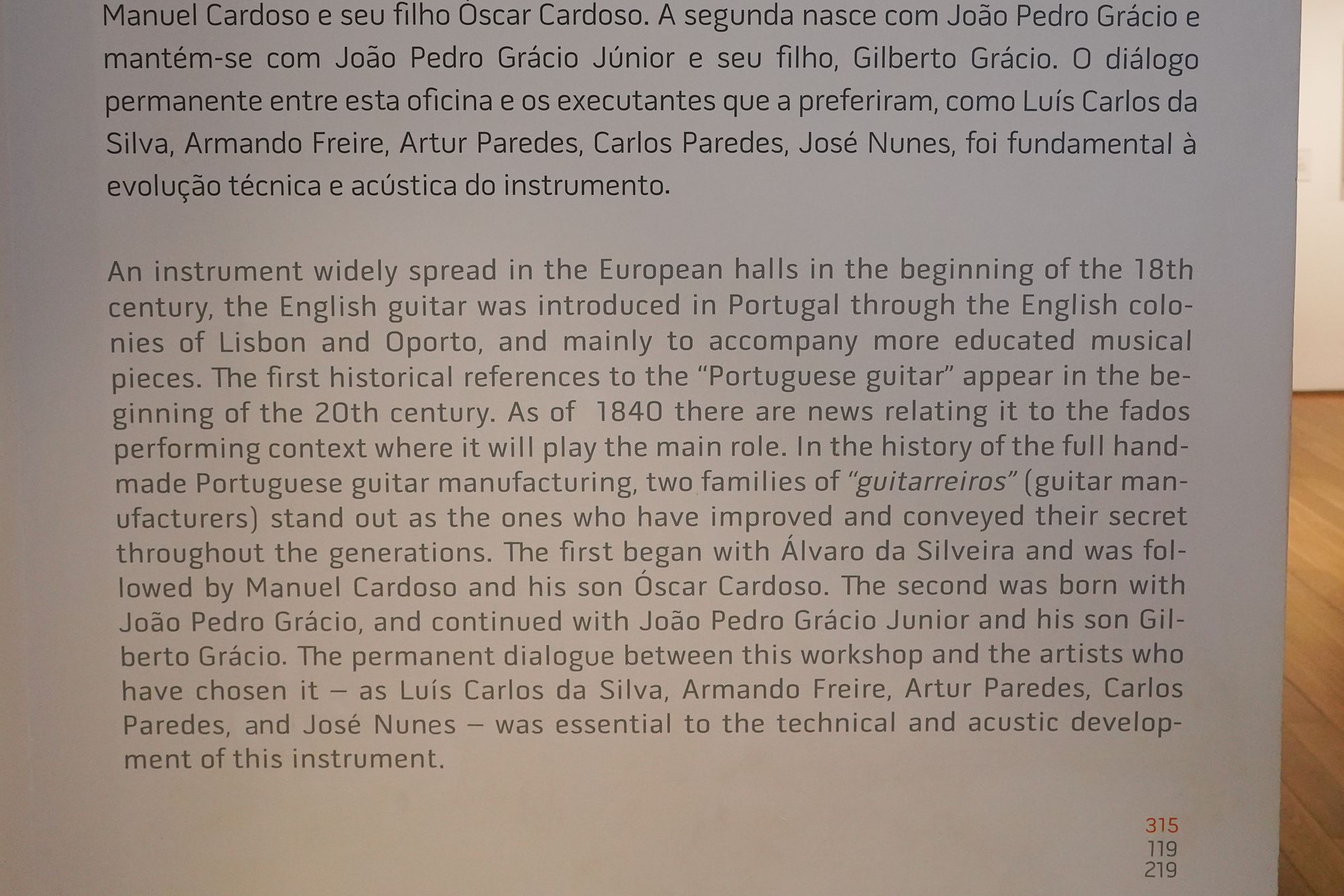
This display traces the Portuguese guitar’s development from the English guitar, introduced to Portugal through British communities in Lisbon and Porto. Initially used for more formal music, it became associated with Fado by around 1840.
The instrument’s development also depended on skilled makers who passed their craft through generations. The Cardoso and Grácio families were particularly important, working closely with musicians to improve the guitar’s sound and playing qualities.
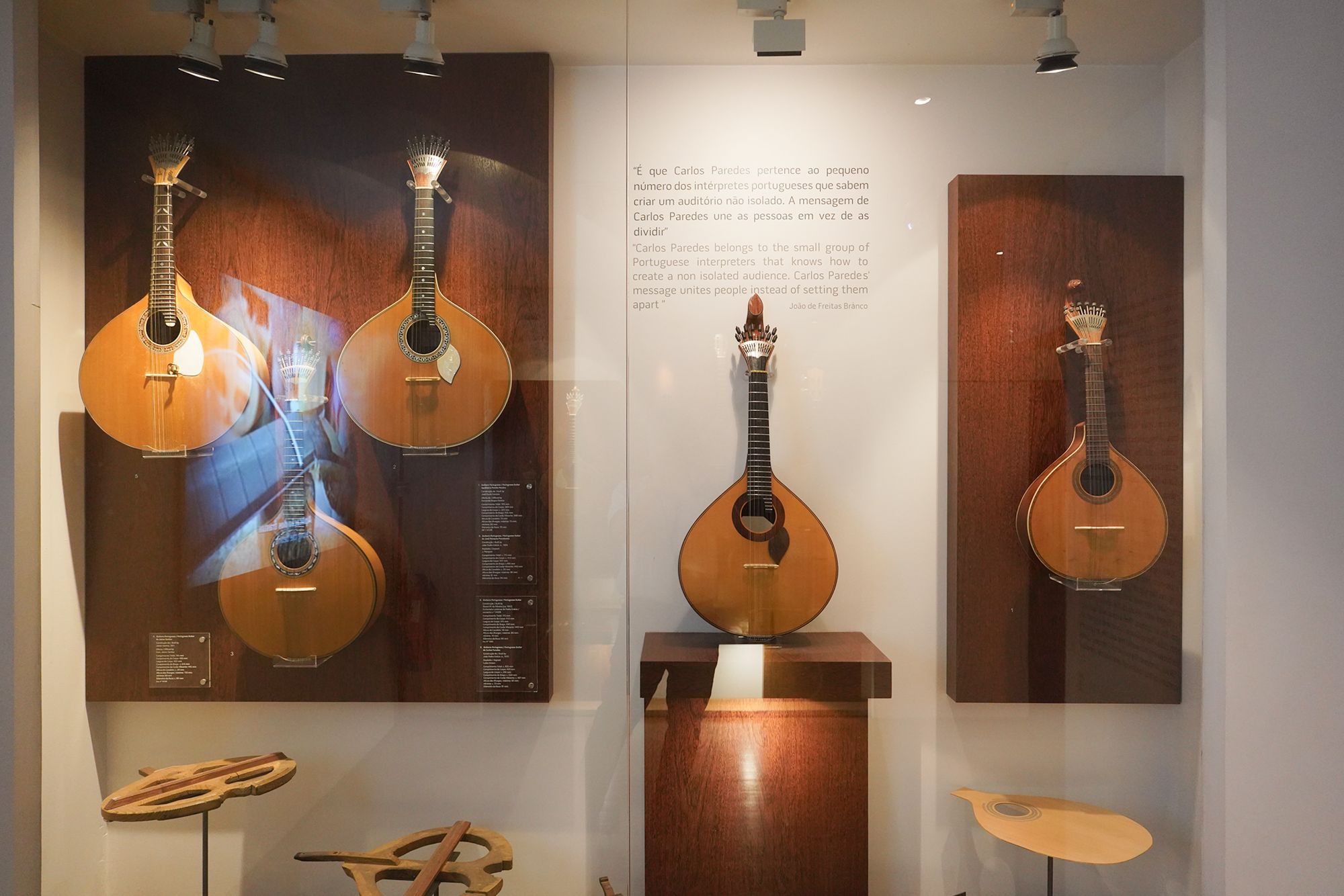
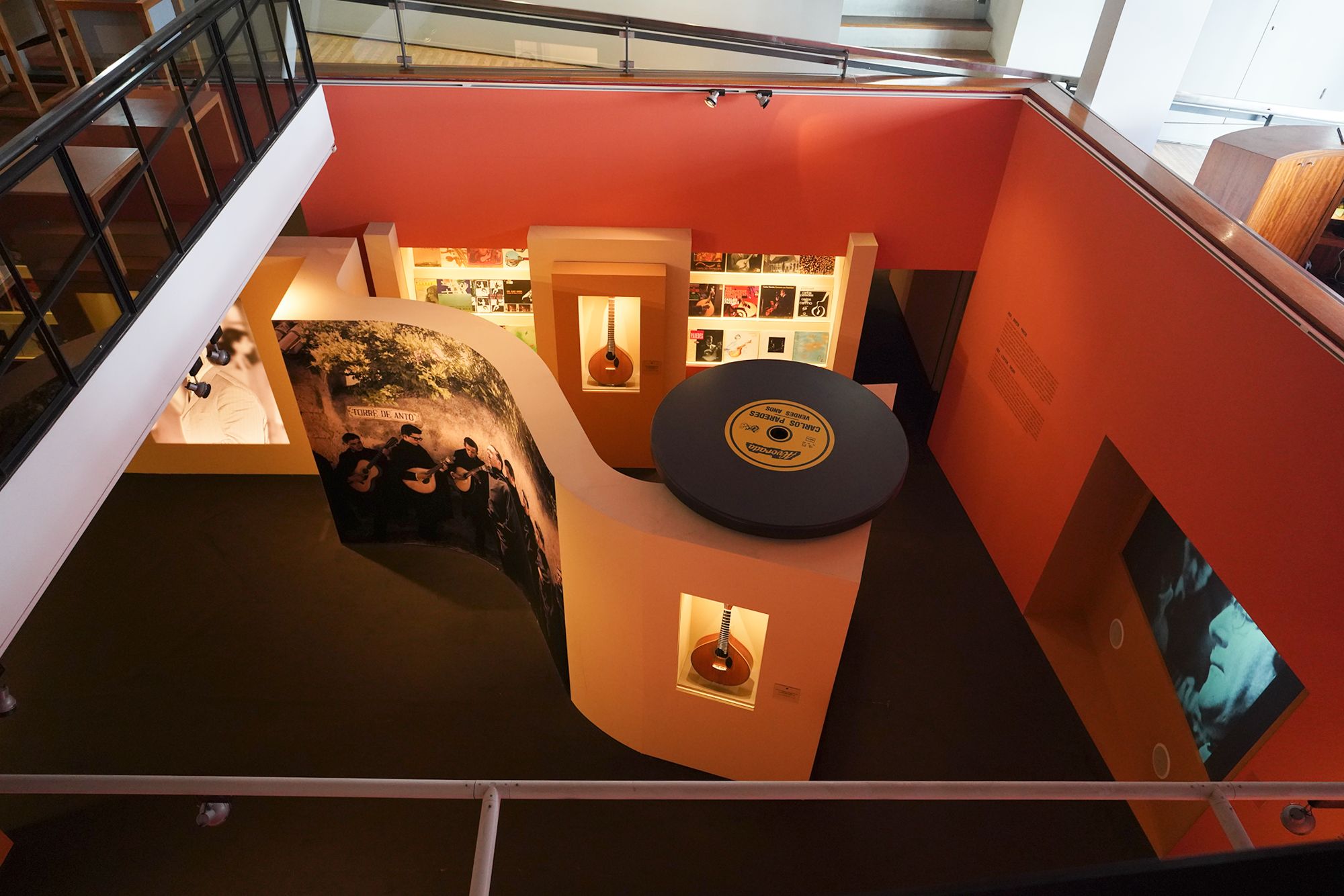
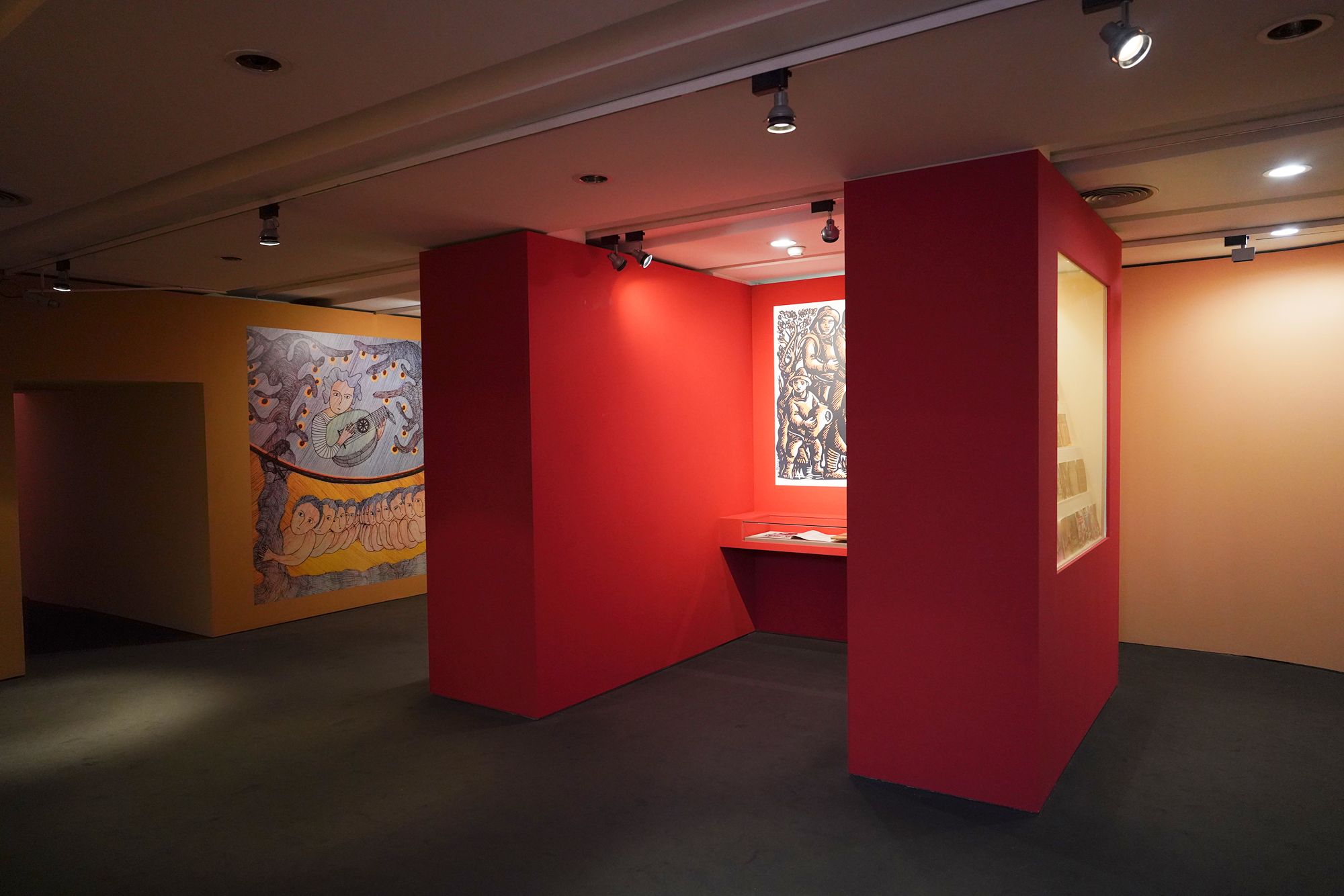
There was also an exhibition about Carlos Paredes, a renowned Portuguese guitarist and composer.
Carlos Paredes (1925–2004) was one of Portugal’s most influential Portuguese guitar players and composers. Born in Coimbra, he learned from his father, Artur Paredes, a leading musician in the Coimbra guitar tradition.
He helped expand the Portuguese guitar’s role beyond accompanying singers. His instrumental compositions placed the guitar at the center, revealing its range of melody, rhythm, and emotional expression.
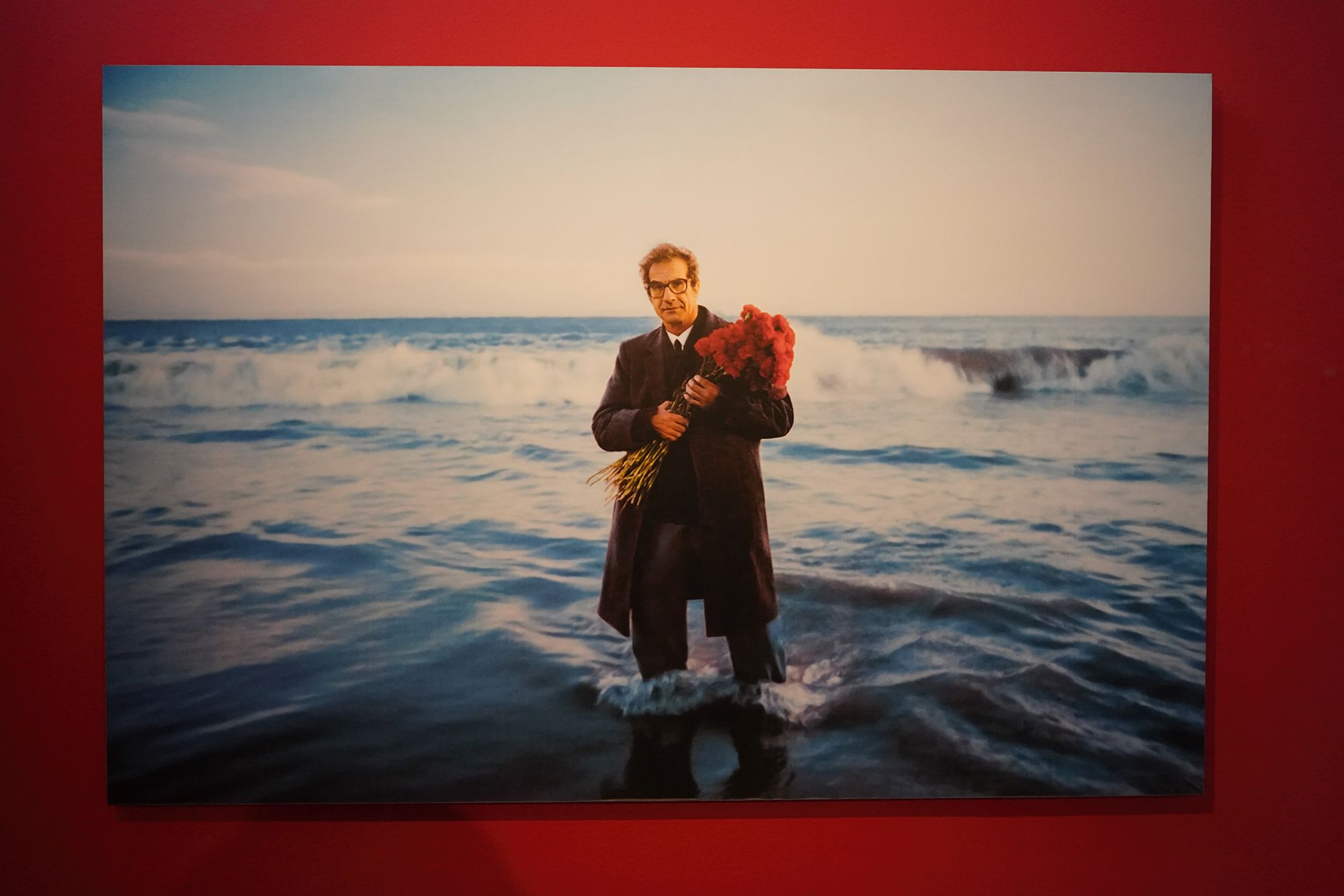
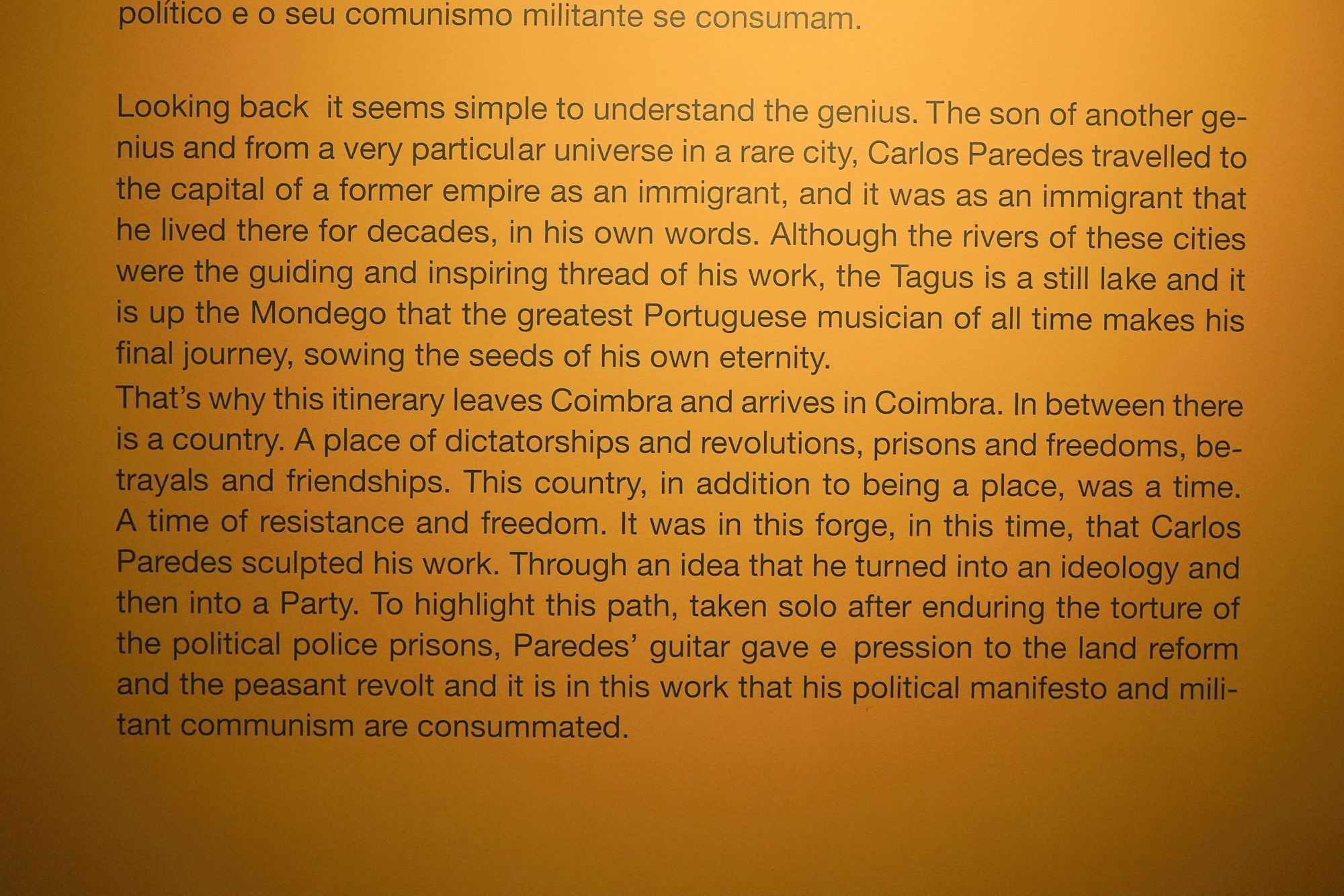
This display explores Carlos Paredes’s ties to Coimbra and Lisbon. Although he lived in Lisbon for decades, Coimbra remained central to his identity. The rivers of both cities—the Mondego and the Tagus—serve as symbols of his life and musical journey.
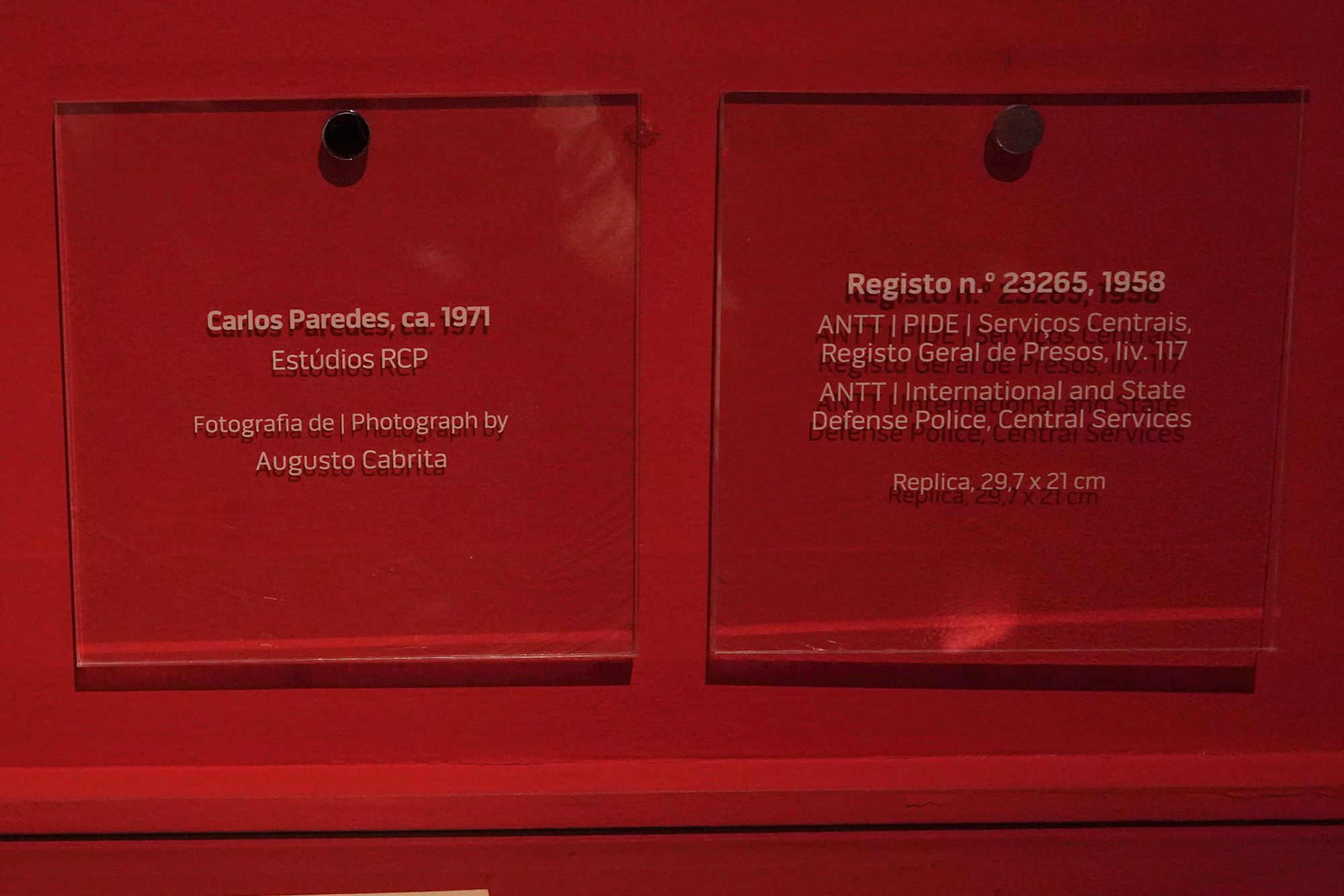
It also presents the political side of his work. His communist convictions and imprisonment by Portugal’s political police formed part of a life shaped by dictatorship, resistance, and the struggle for freedom.
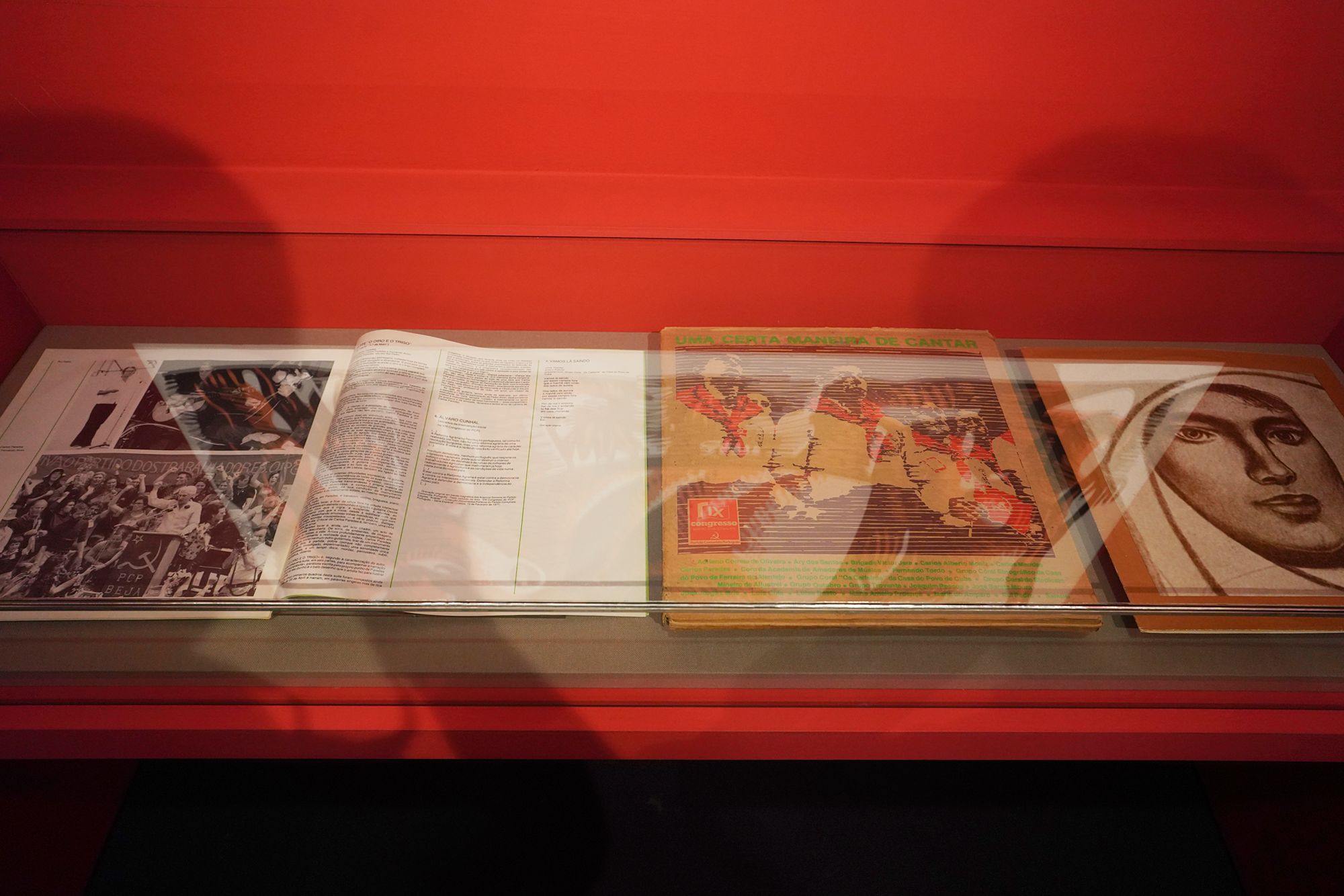
The exhibition interprets his guitar music as an expression of those beliefs, connecting it with rural workers, land reform, and hopes for social change.
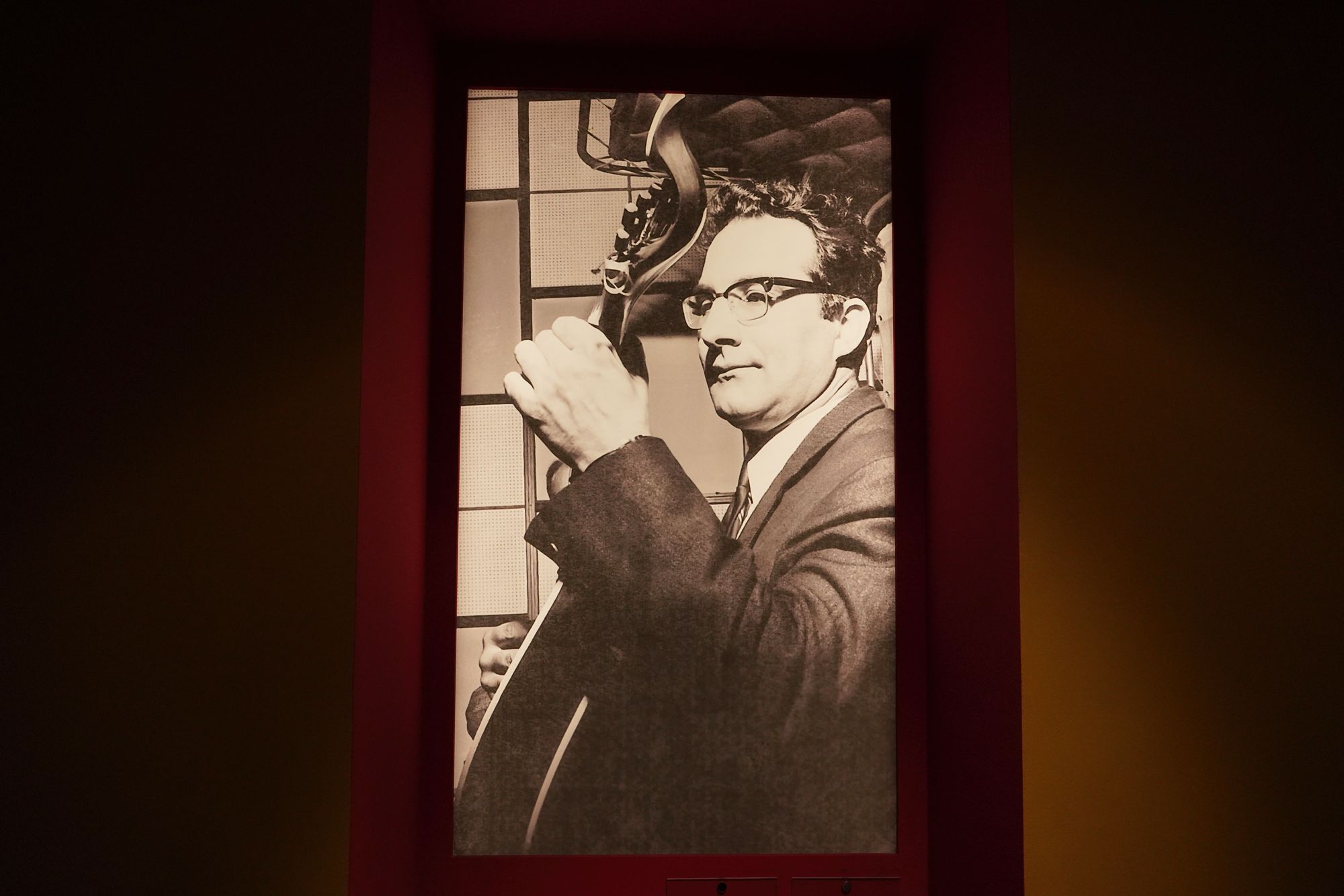
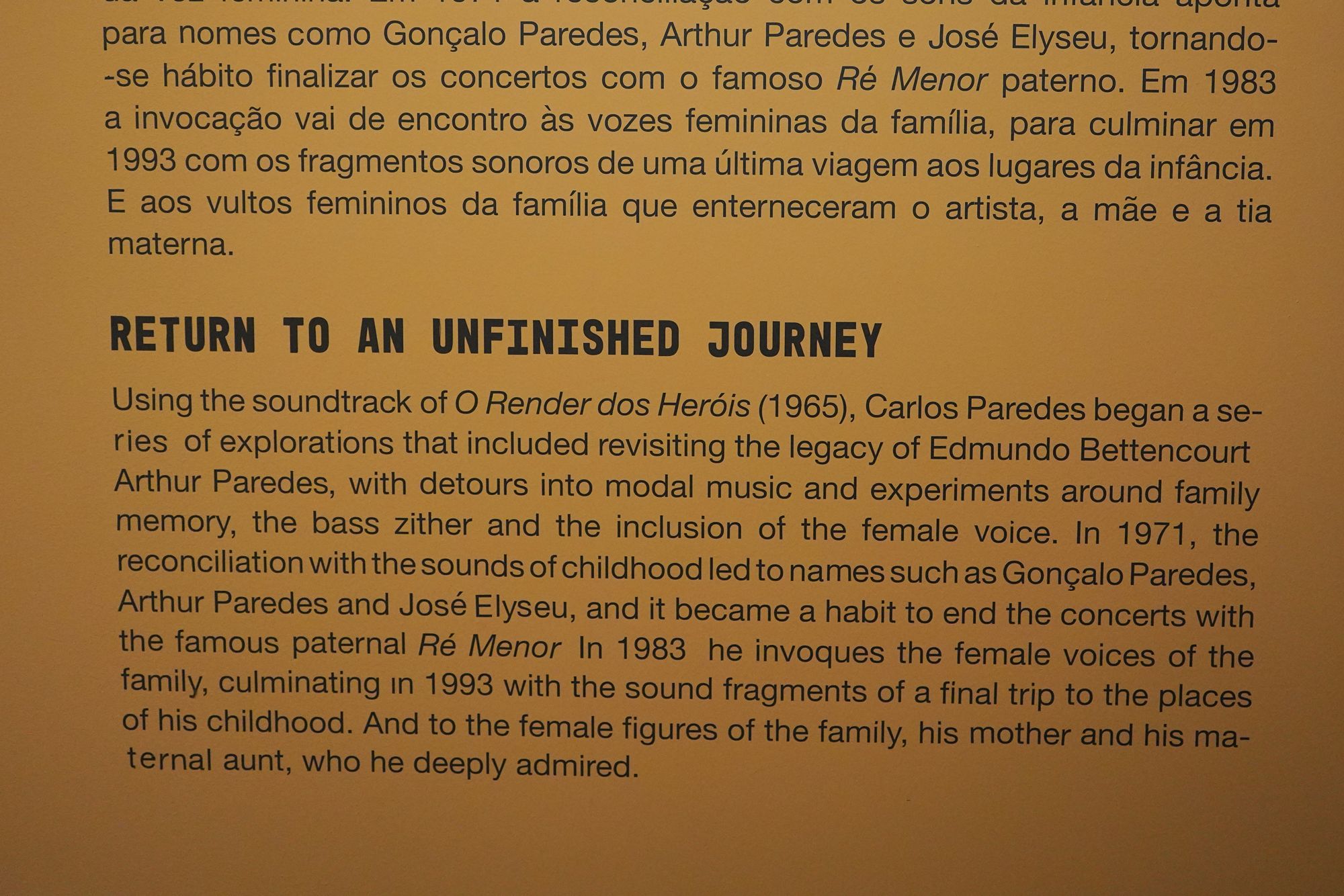
This display explores how Carlos Paredes returned to his family’s musical heritage throughout his career. From the mid-1960s, he revisited earlier musicians’ work while experimenting with different musical approaches, instruments, and the female voice.
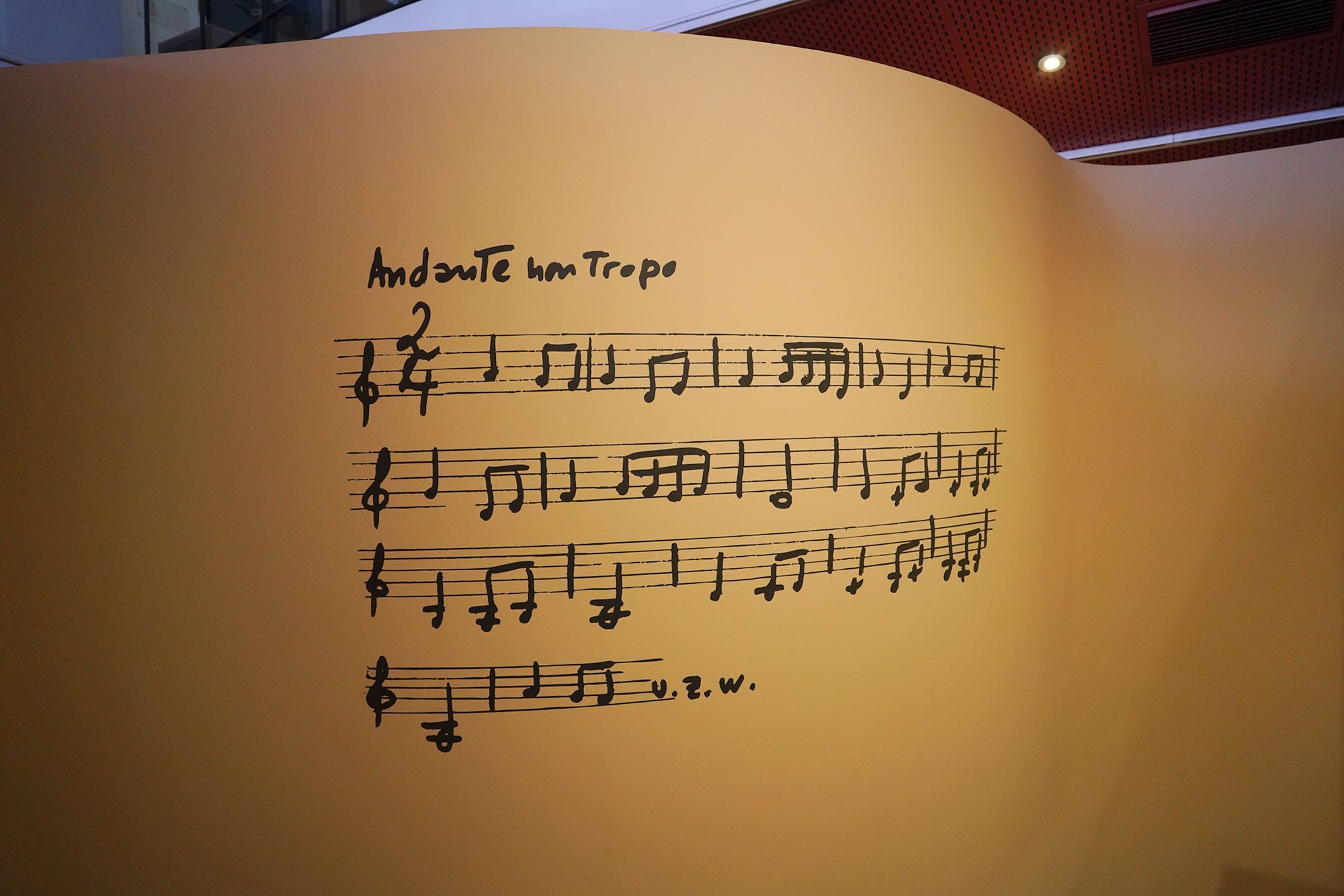
Memories of childhood became increasingly important to his music. He often ended concerts with his father’s piece, “Ré Menor,” maintaining a connection with the sounds he had grown up hearing.
His later work also paid tribute to his mother and maternal aunt, whom he deeply admired. The exhibition presents these explorations as a continuing journey through music, family, and memory.
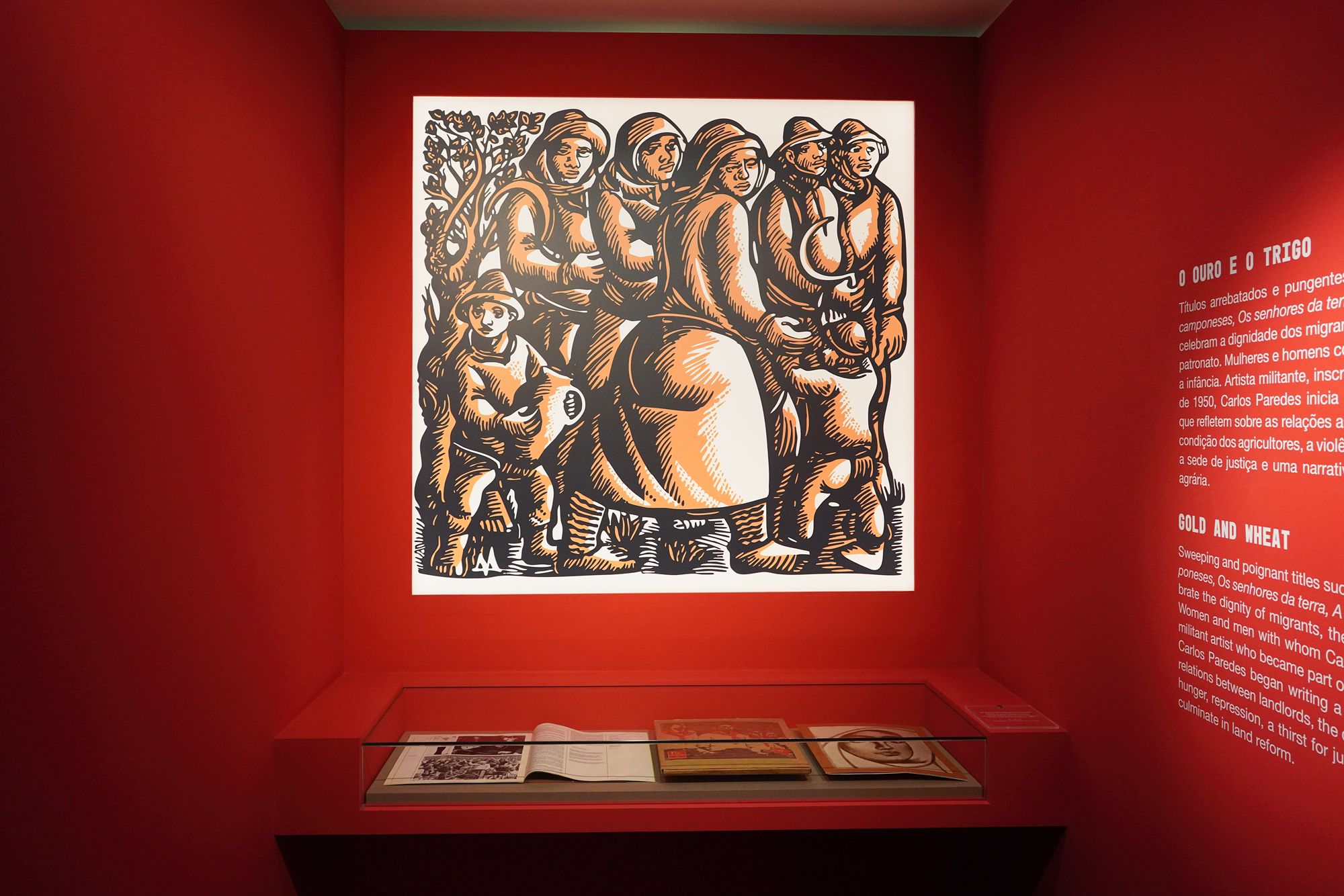
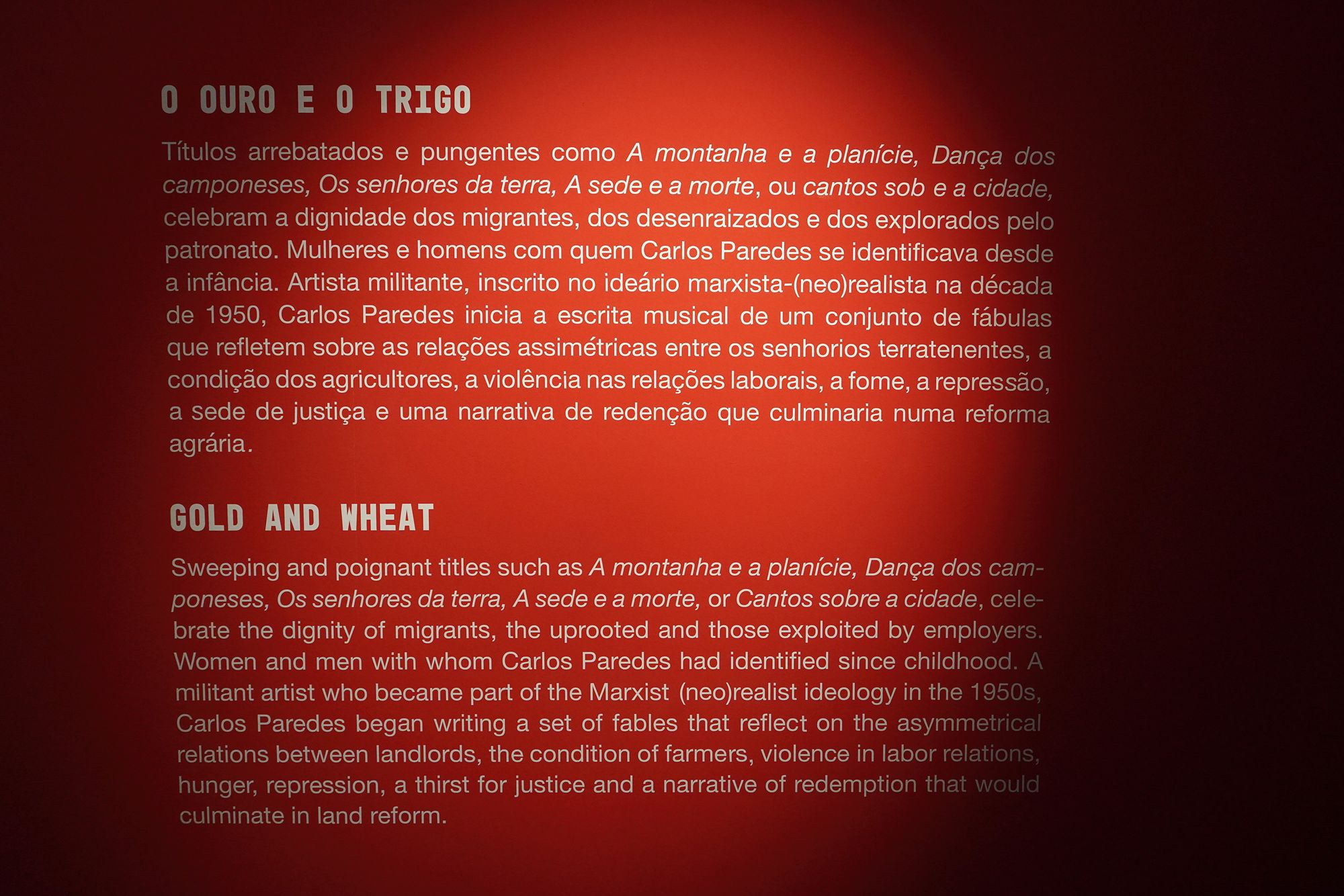
The section titled “Gold and Wheat” explores the social concerns behind Carlos Paredes’s compositions. The exhibition presents his music as honoring migrants, displaced people, and workers facing exploitation—people with whom he had identified since childhood.
Influenced by Marxist and neorealist ideas, his work reflected rural hardship, unequal relations between landowners and farmers, hunger, and repression. Through these musical stories, he expressed a desire for justice and social change, including land reform.
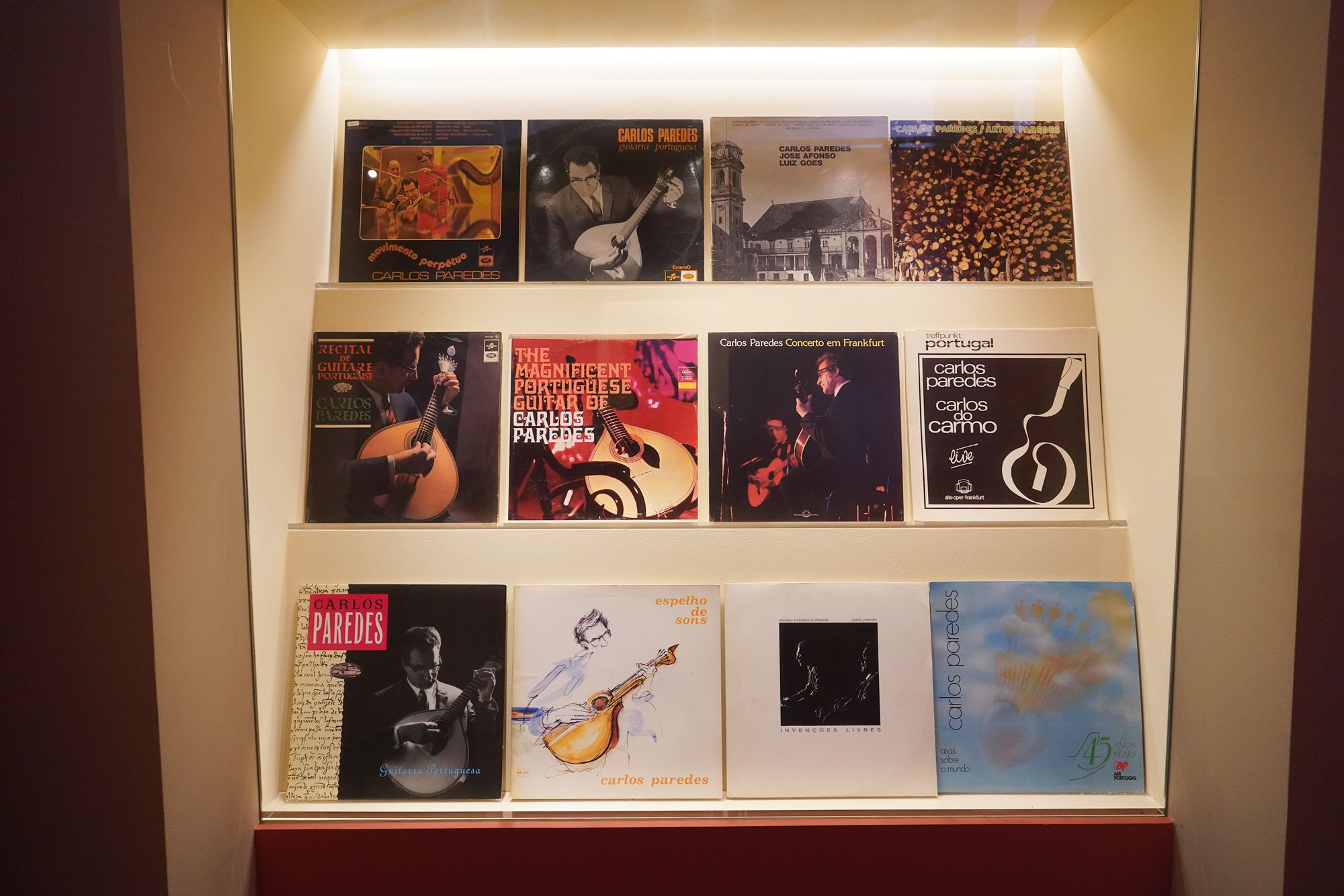
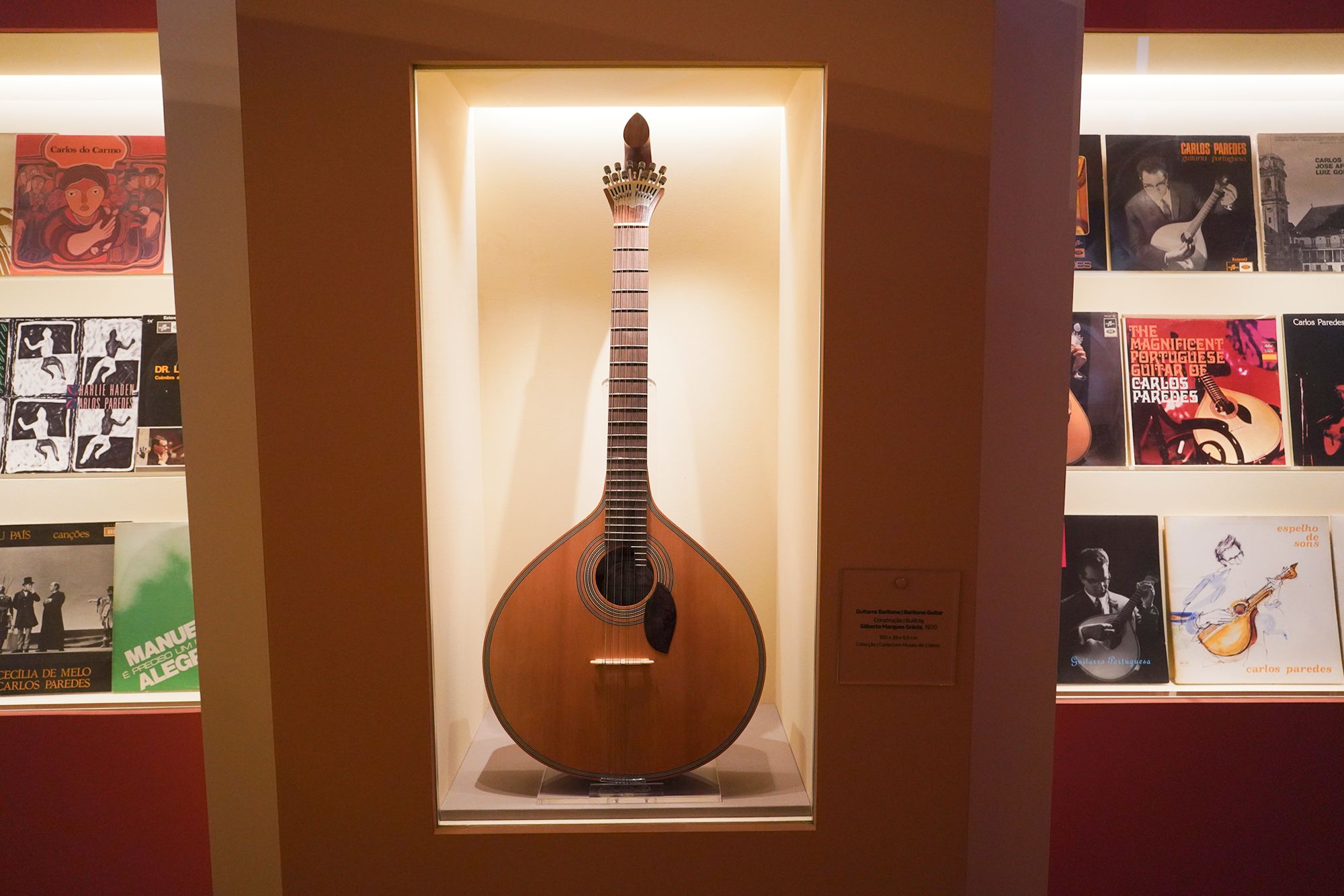
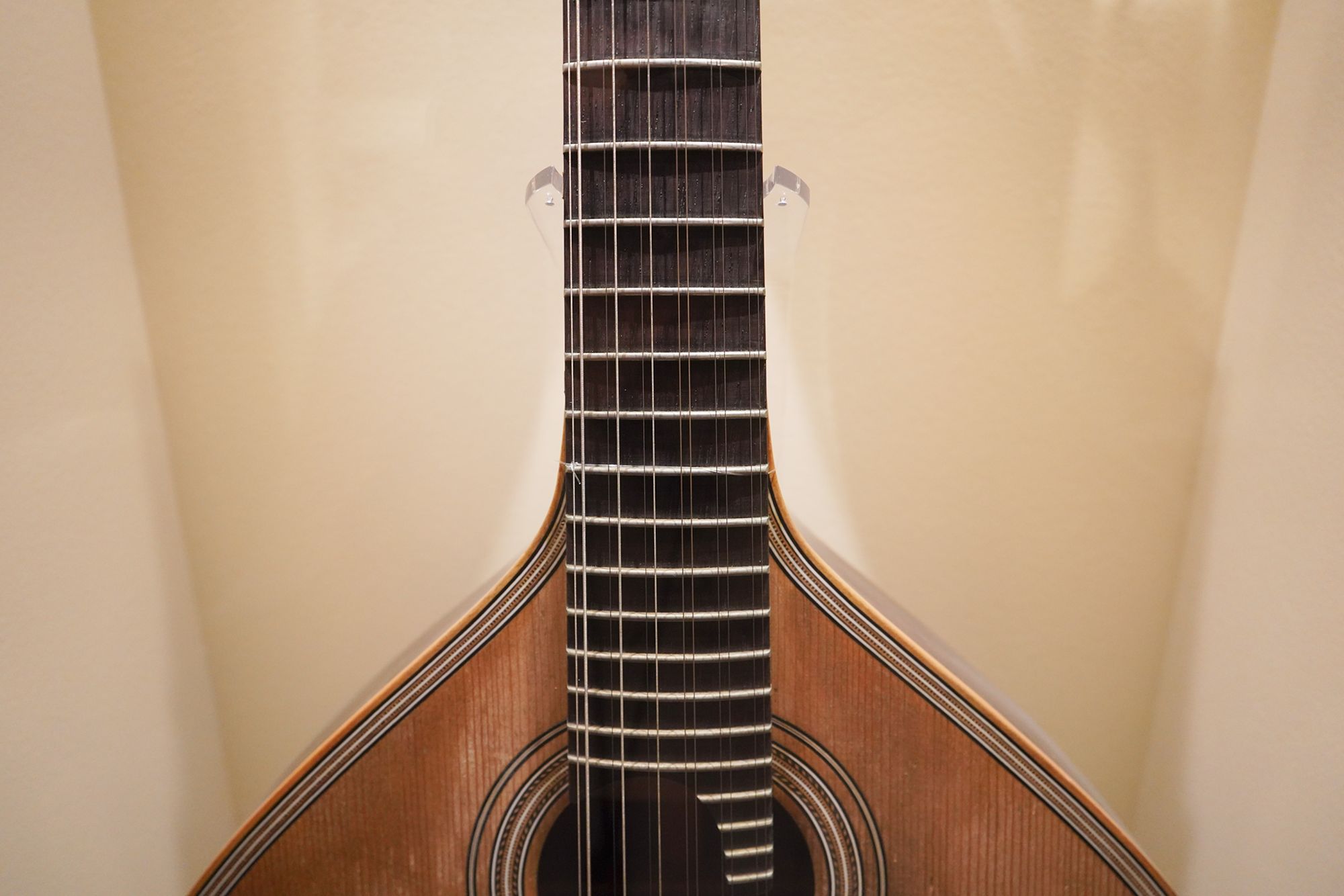
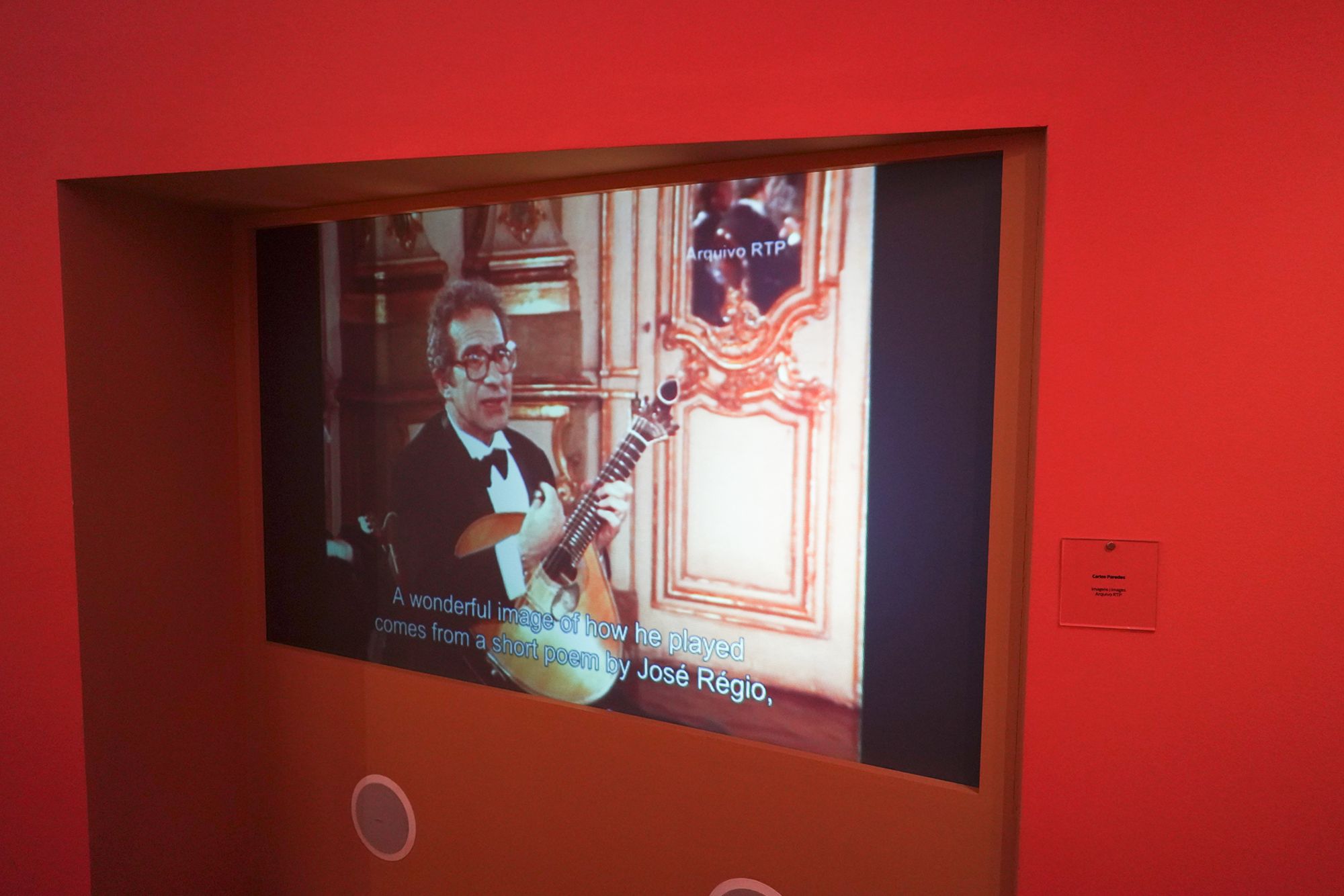
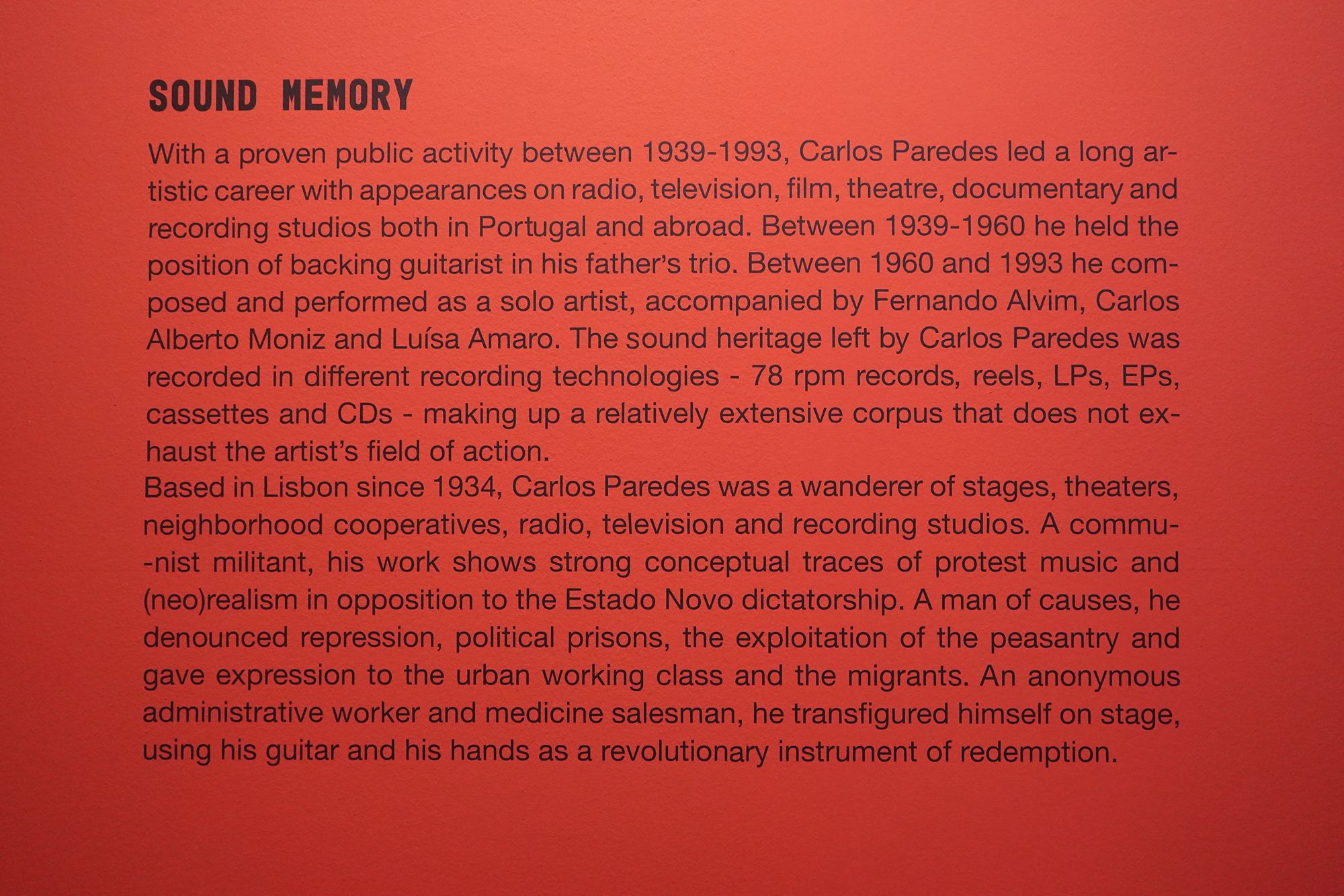
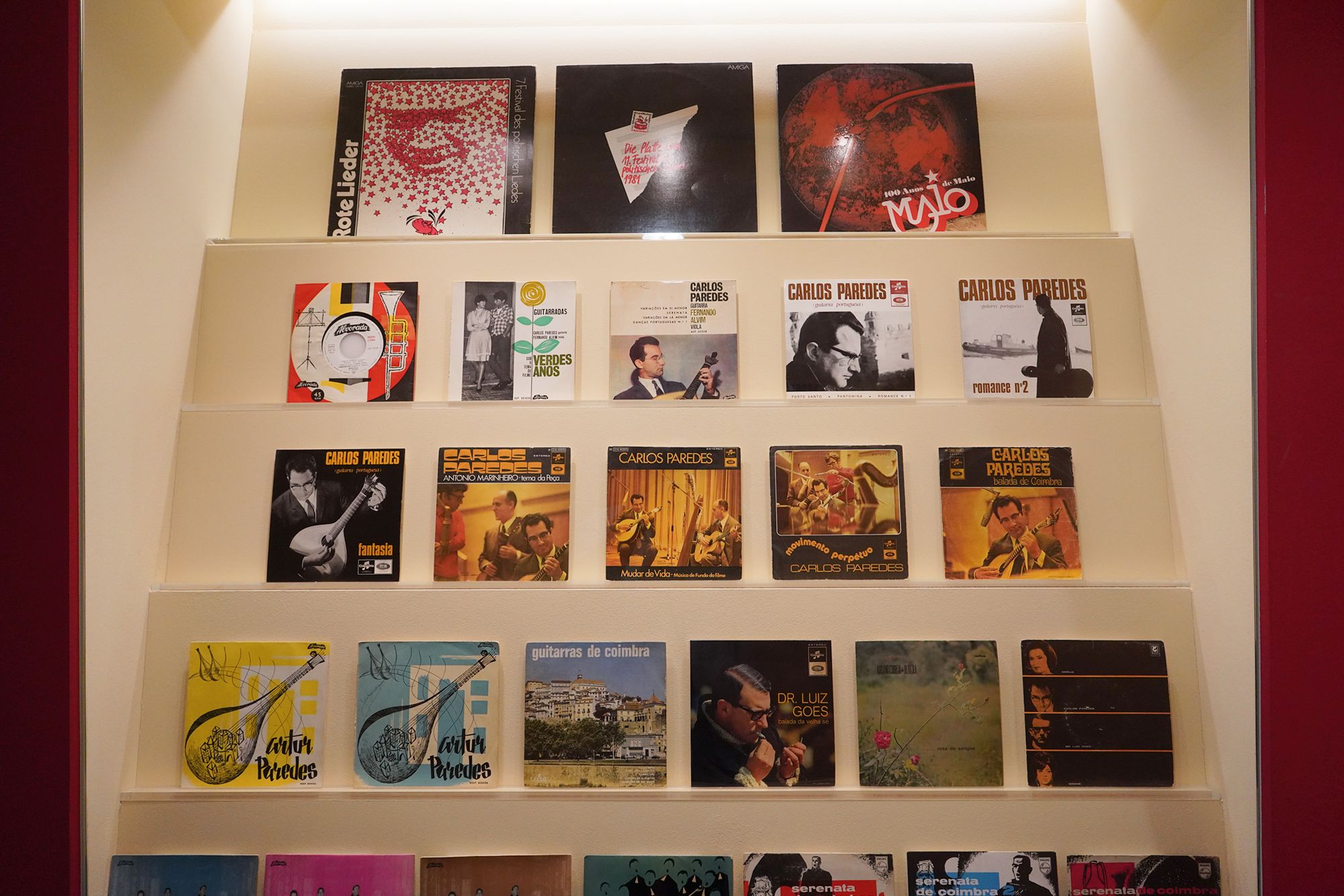
The “Sound Memory” display traces Carlos Paredes’s performing career from 1939 to 1993. He first played in his father’s trio, then developed his own career as a composer and featured guitarist, accompanied by musicians including Fernando Alvim and Luísa Amaro.
His music reached audiences through concerts, radio, television, cinema, and recordings. His surviving work spans many recording formats, from 78 rpm records and reel tapes to vinyl, cassettes, and CDs.
The exhibition also connects his music with his opposition to Portugal’s Estado Novo dictatorship and his concern for workers, farmers, and migrants. Alongside his musical career, he held ordinary jobs, including administrative work and selling medicines.