Great Smoky Mountain National Park – Museum of Cherokee People and Oconaluftee Indian Village, Cherokee, North Carolina, USA
Cherokee is a small mountain town known for its Cherokee cultural heritage, with museums, craft shops, and riverfront scenery near the entrance to Great Smoky Mountains National Park. 1090
Museum of Cherokee People: 589 Tsali Blvd, Cherokee, NC 28719
Oconaluftee Indian Village: Oconaluftee Indian Village
Date Picture Taken: June, 2025
Cherokee is a small mountain town located on the North Carolina side of Great Smoky Mountains National Park, known as the ancestral homeland of the Eastern Band of Cherokee Indians.
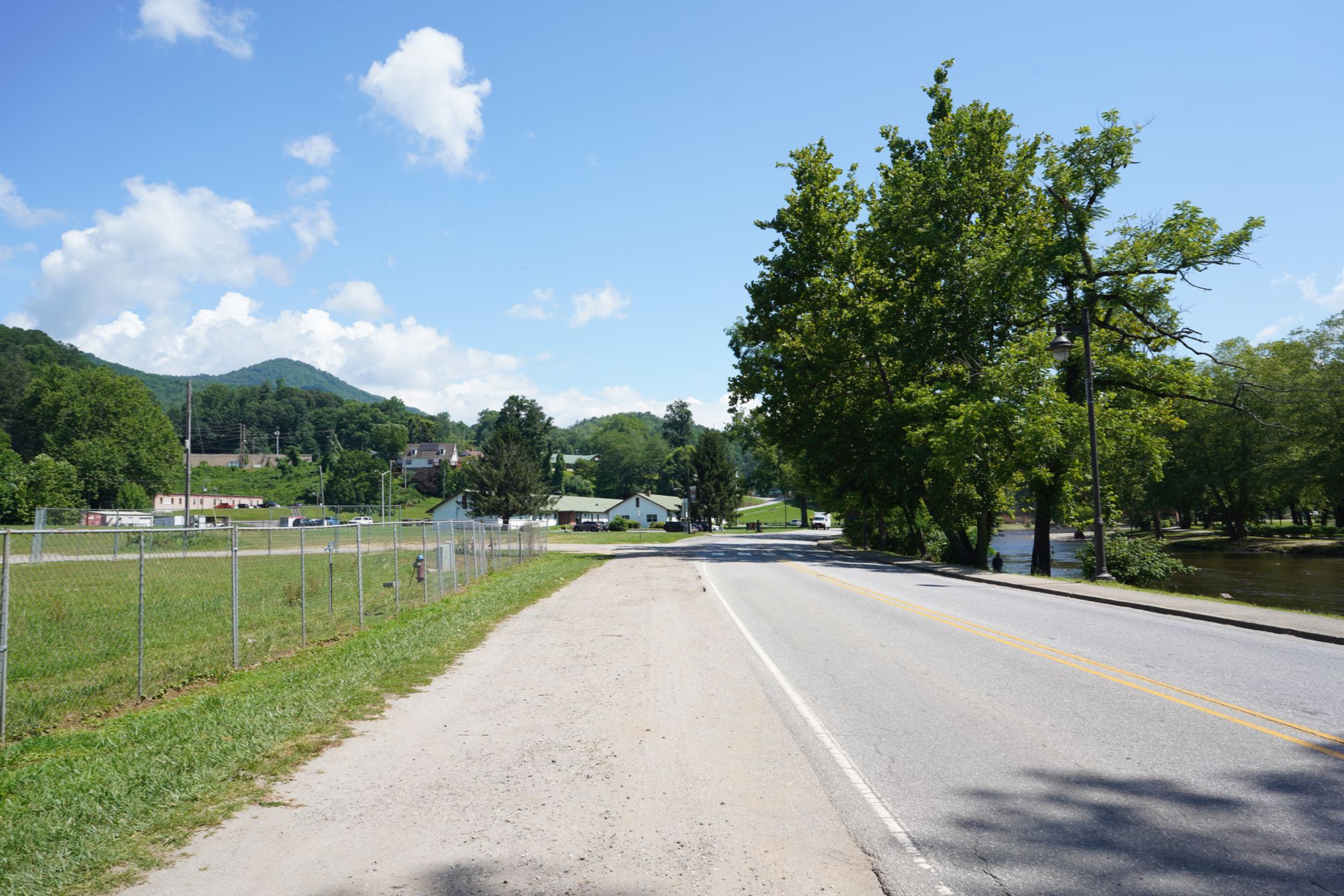
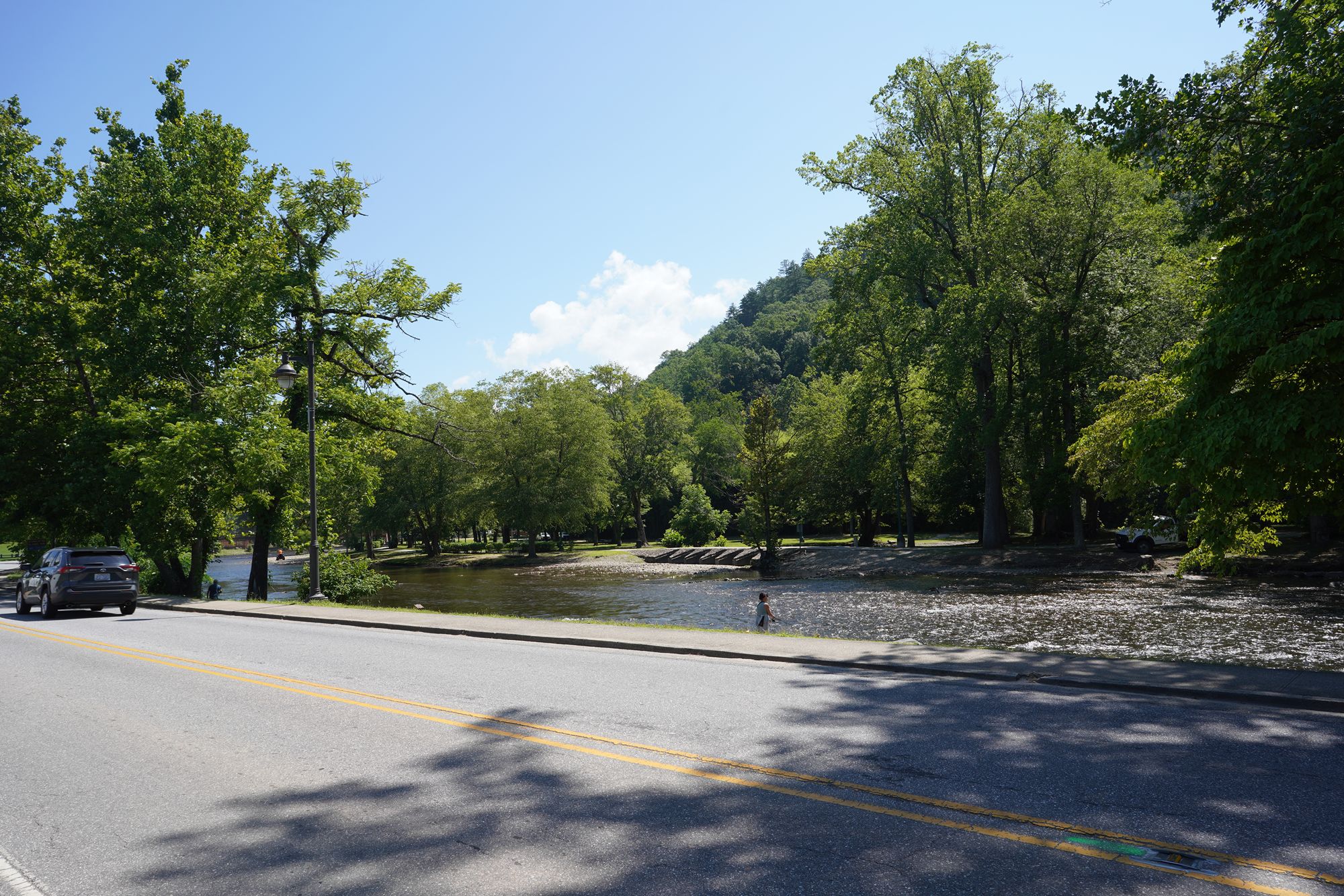
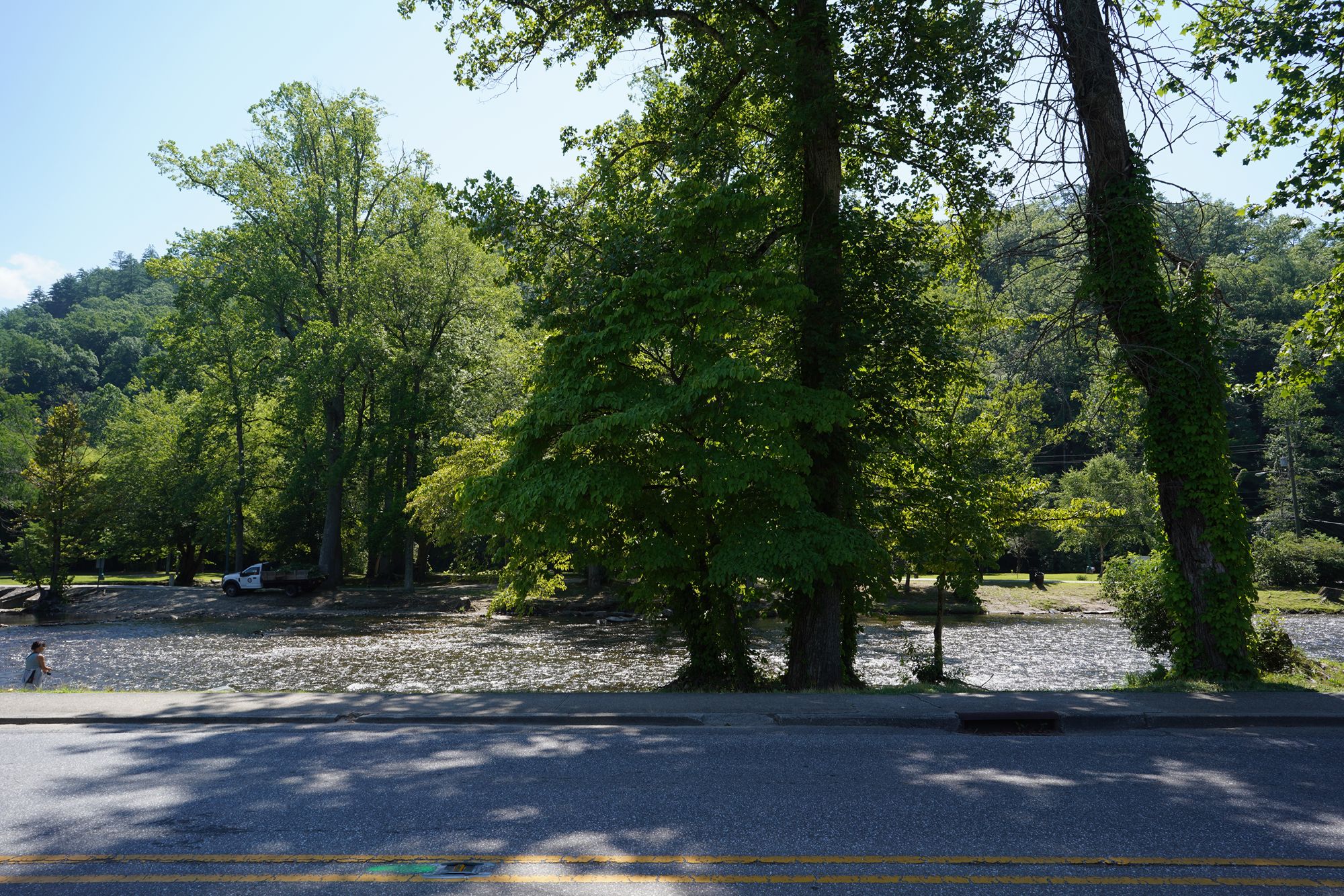
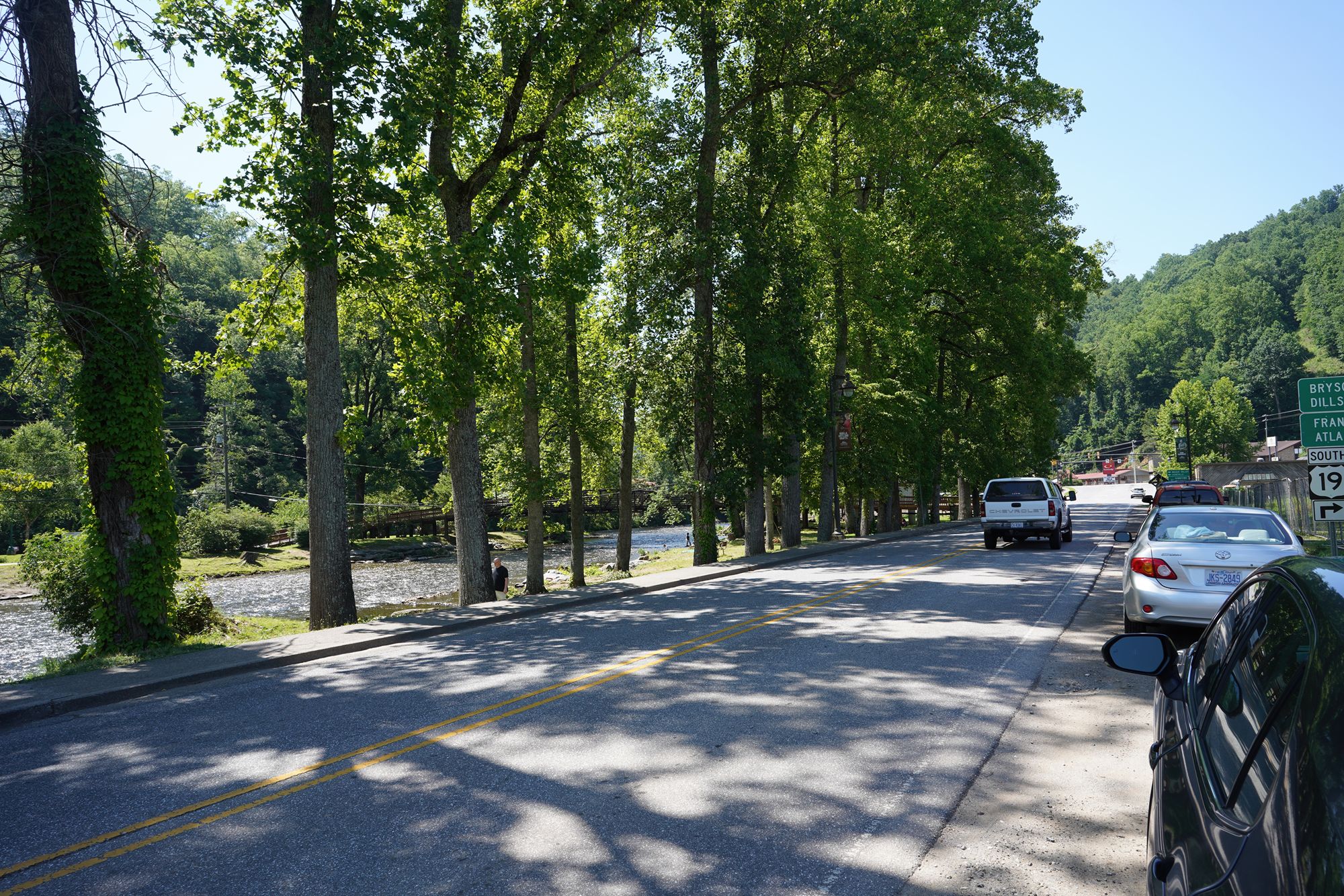
The Oconaluftee River runs through town, giving it a peaceful, scenic setting.
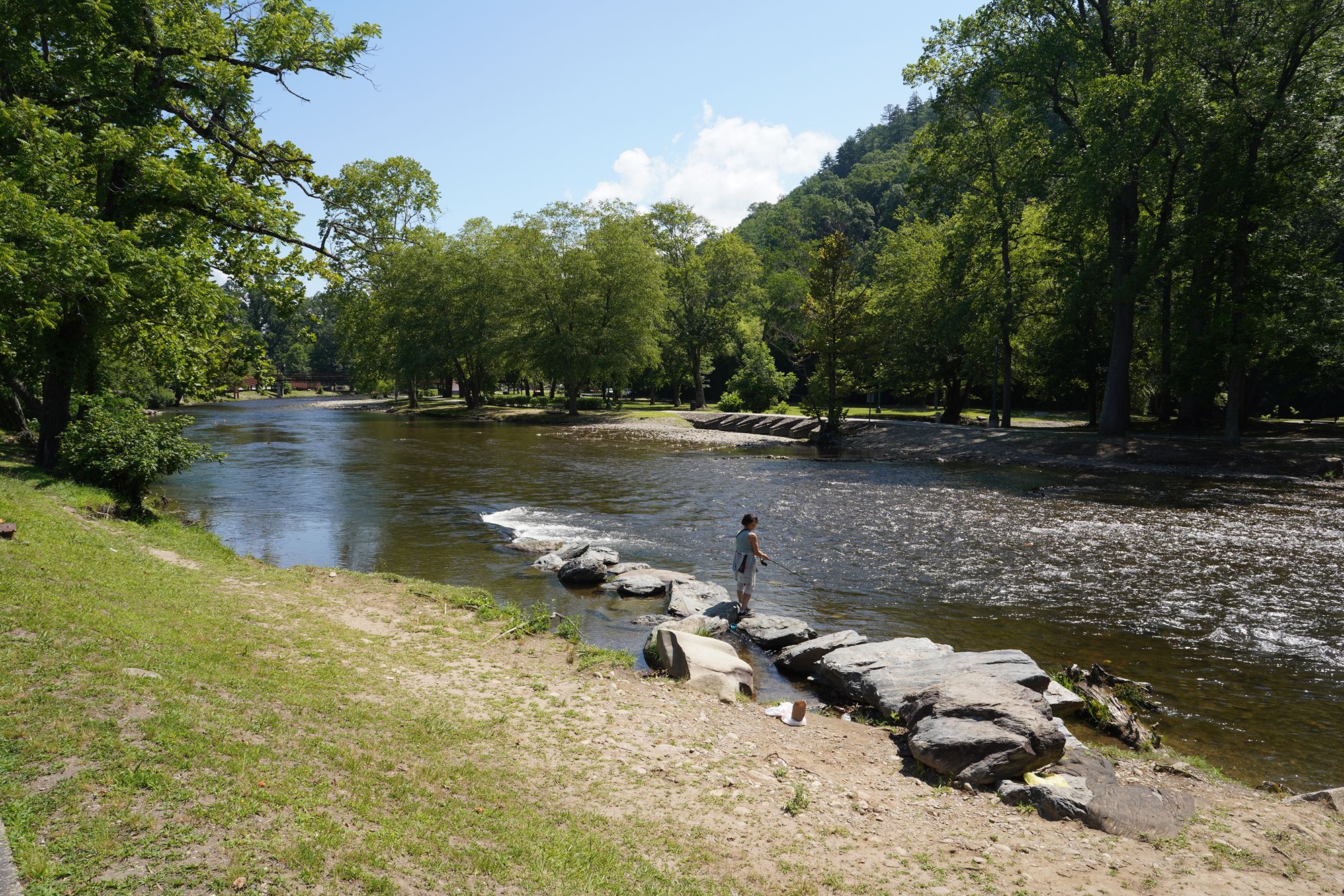
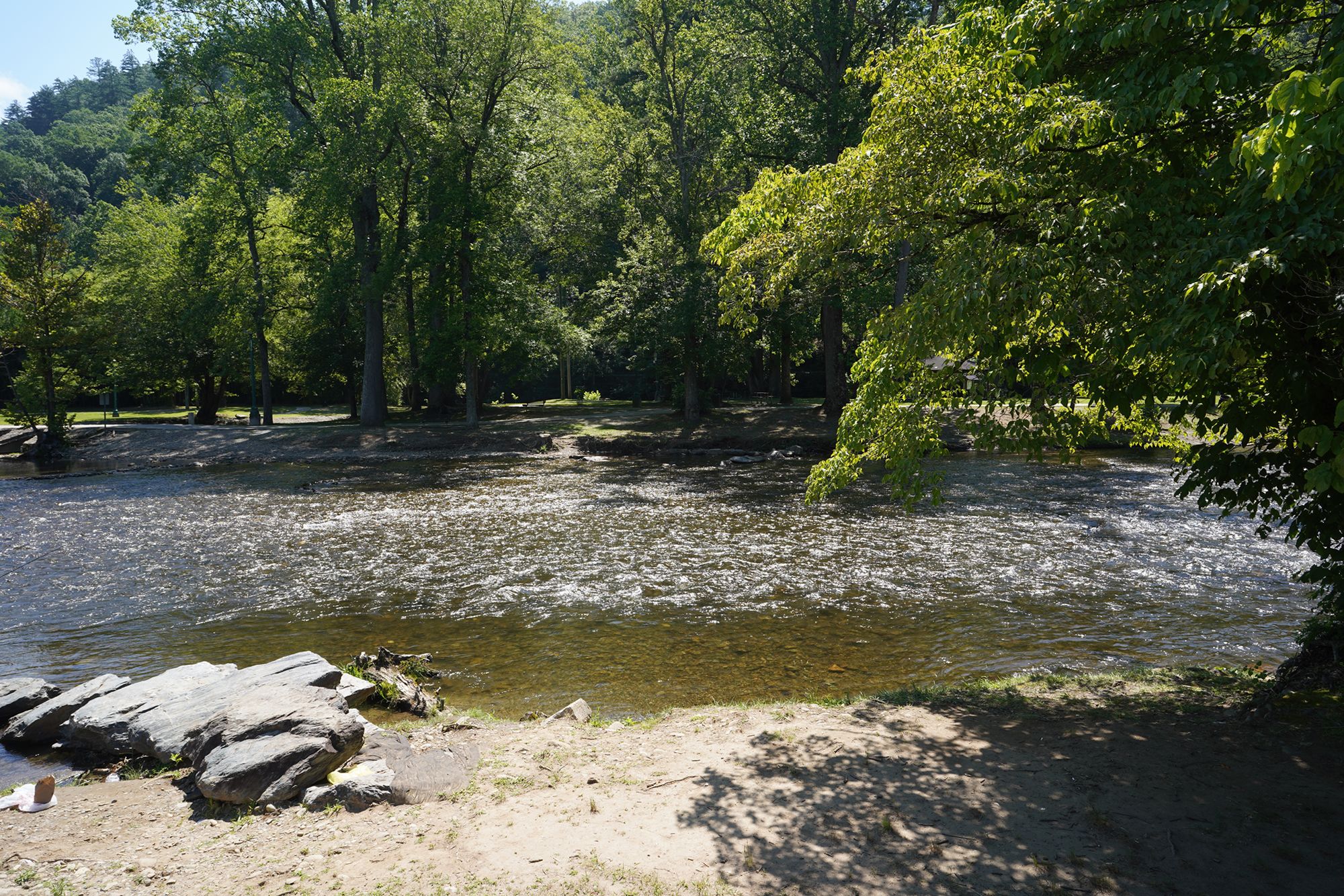
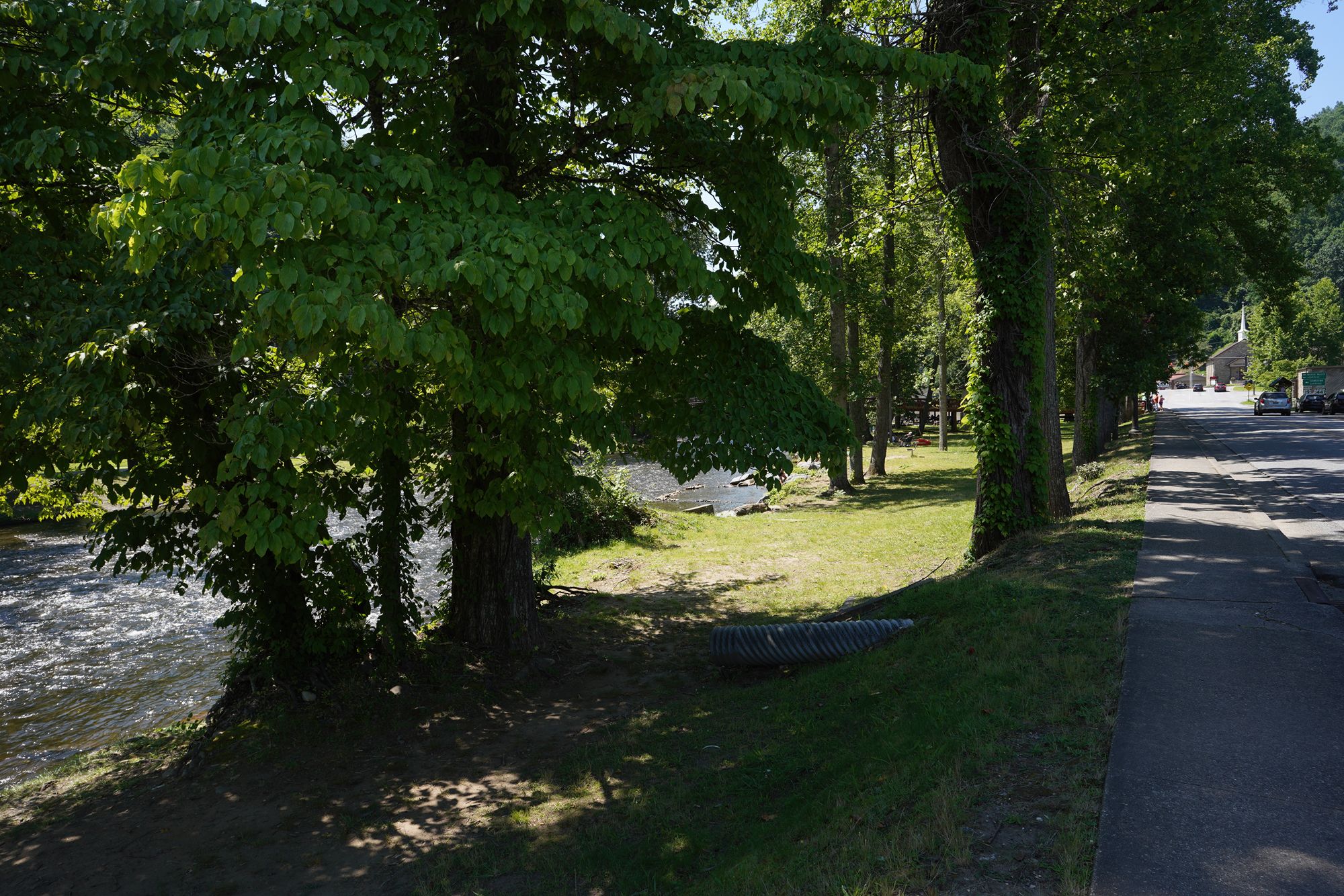
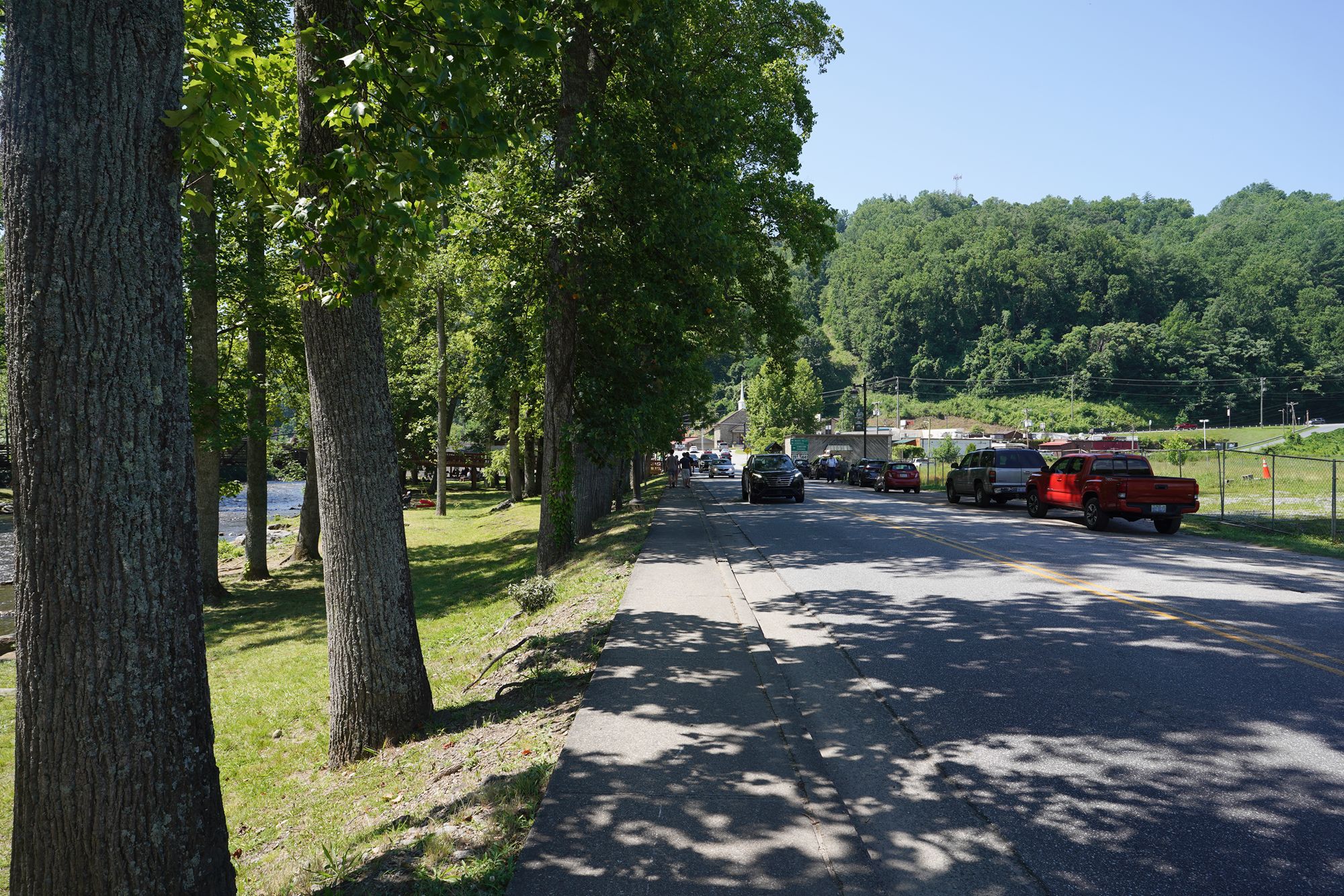
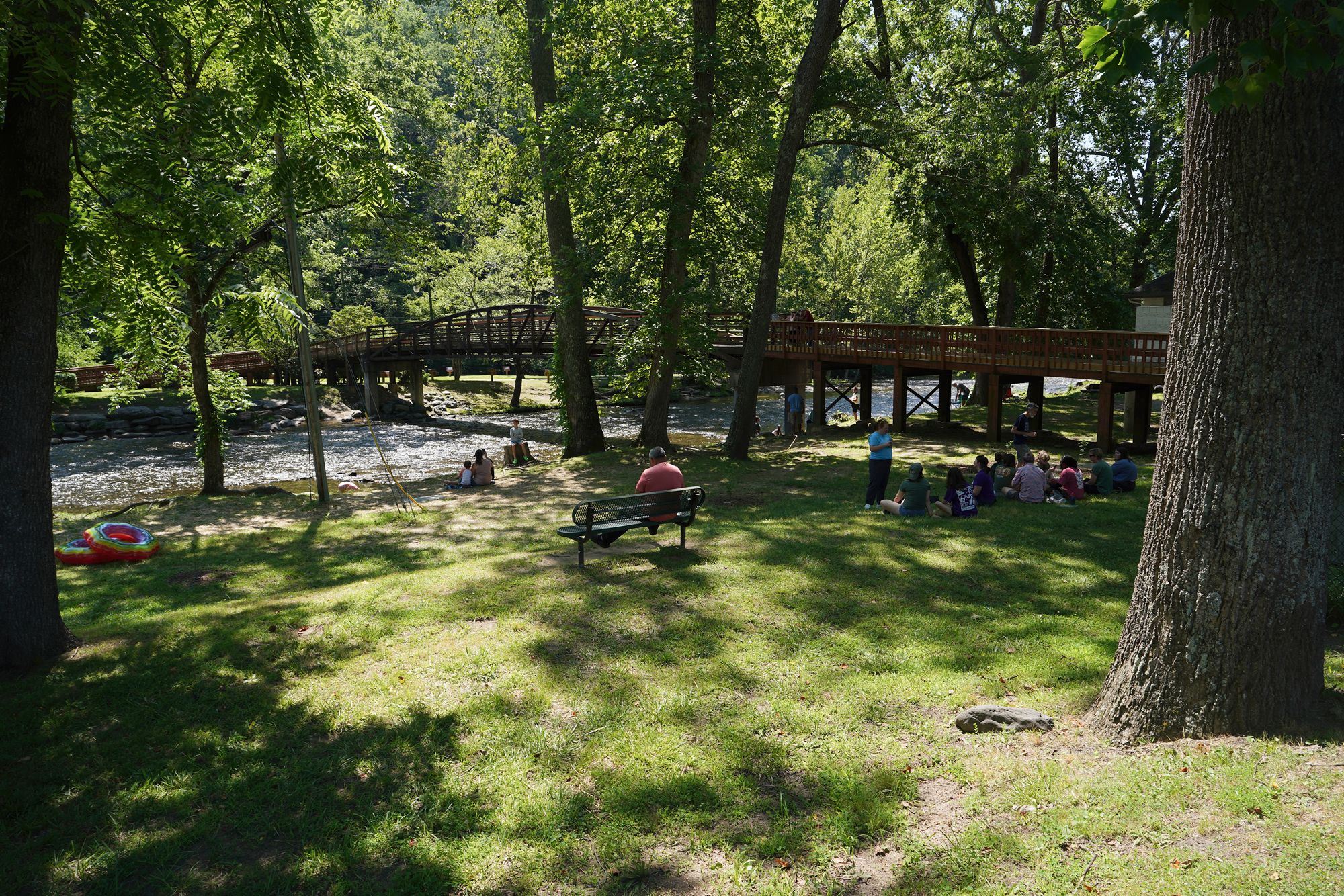
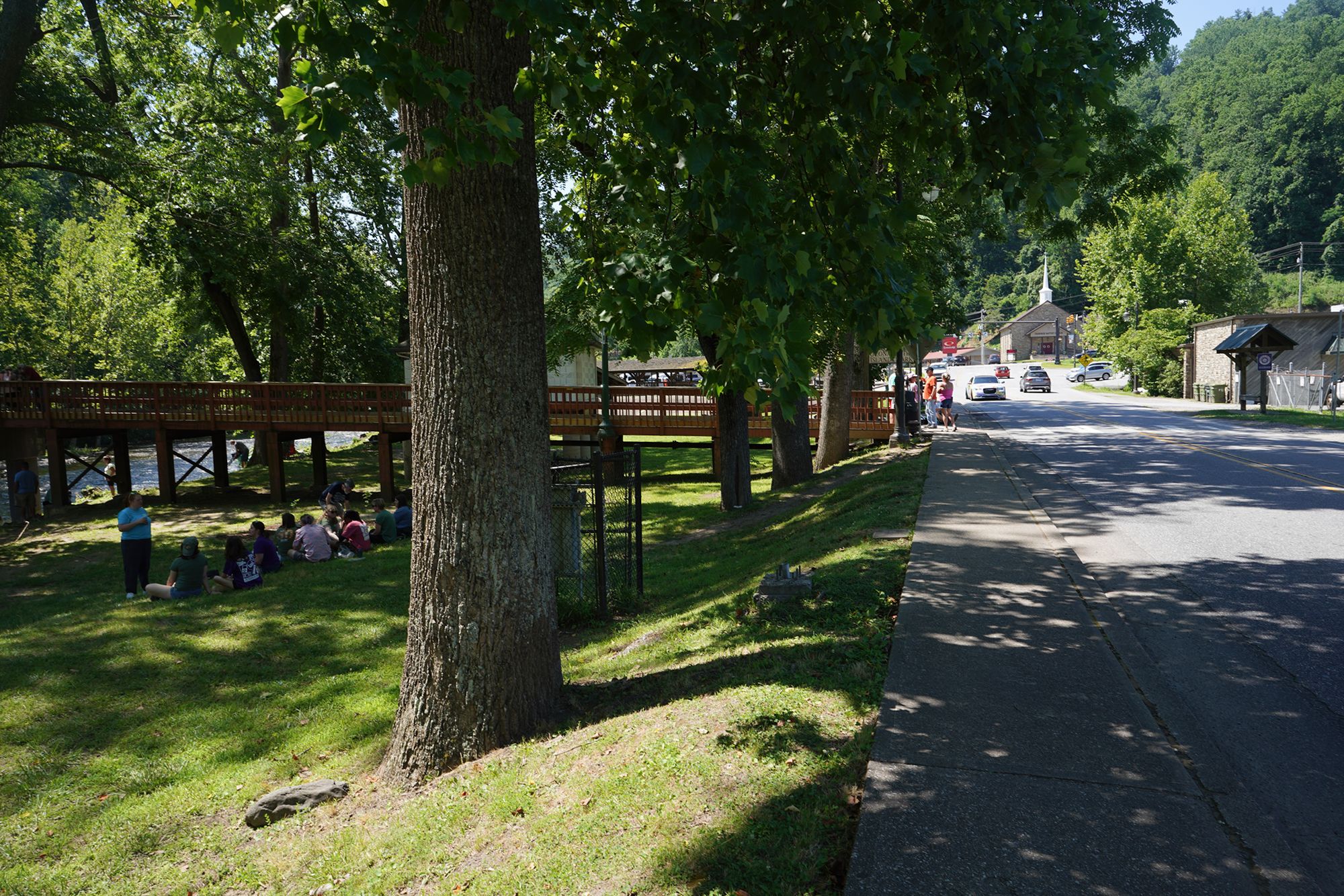
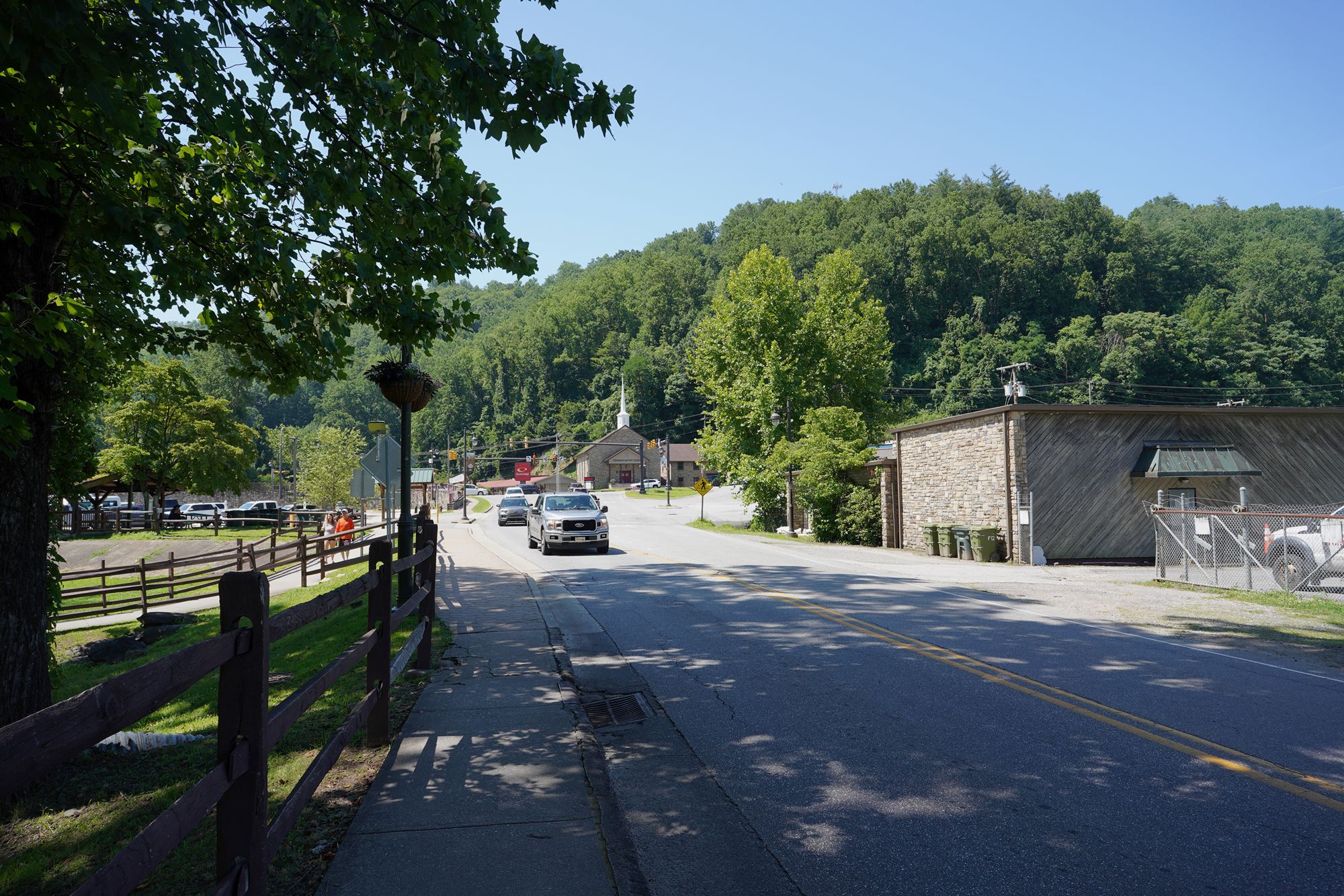
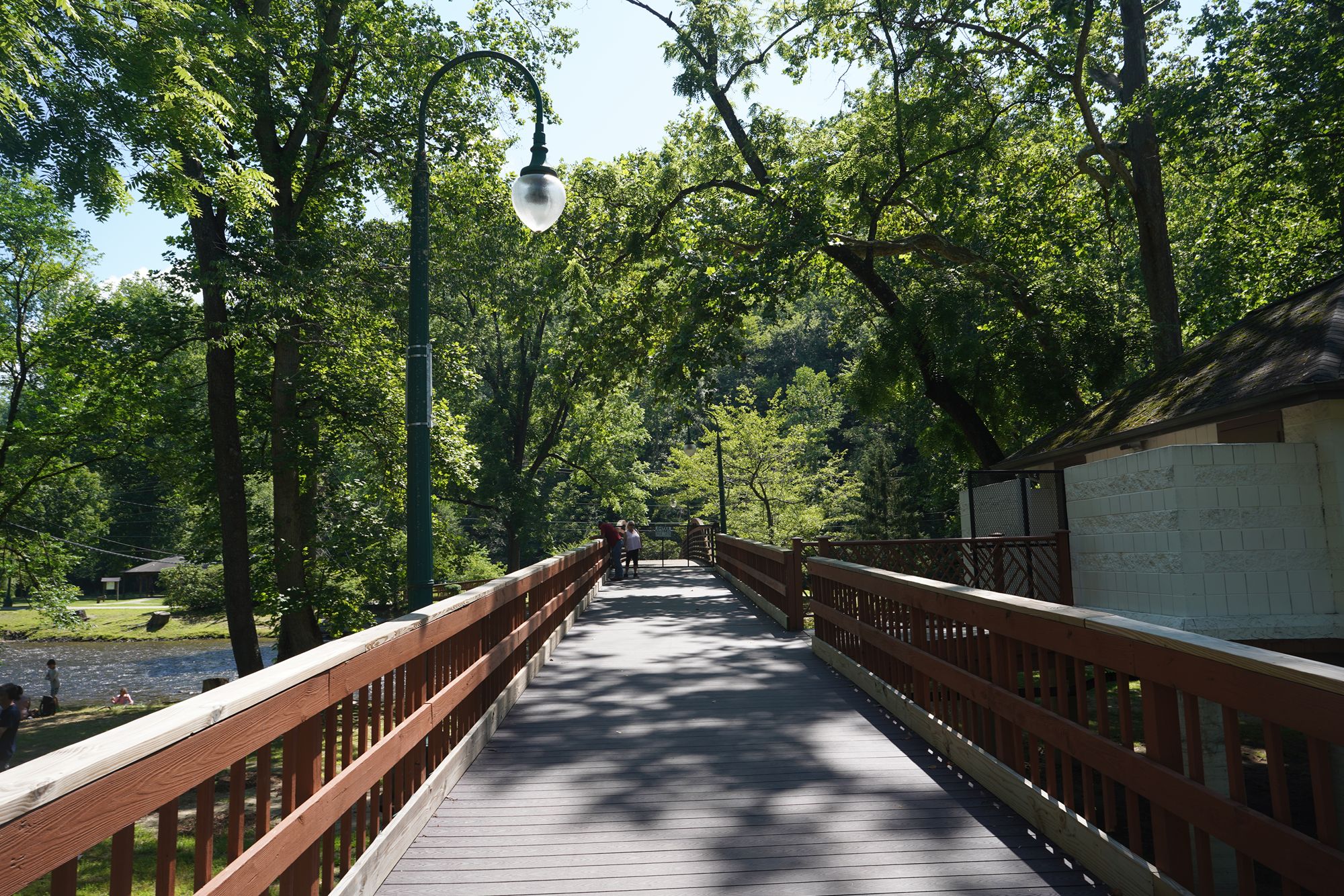
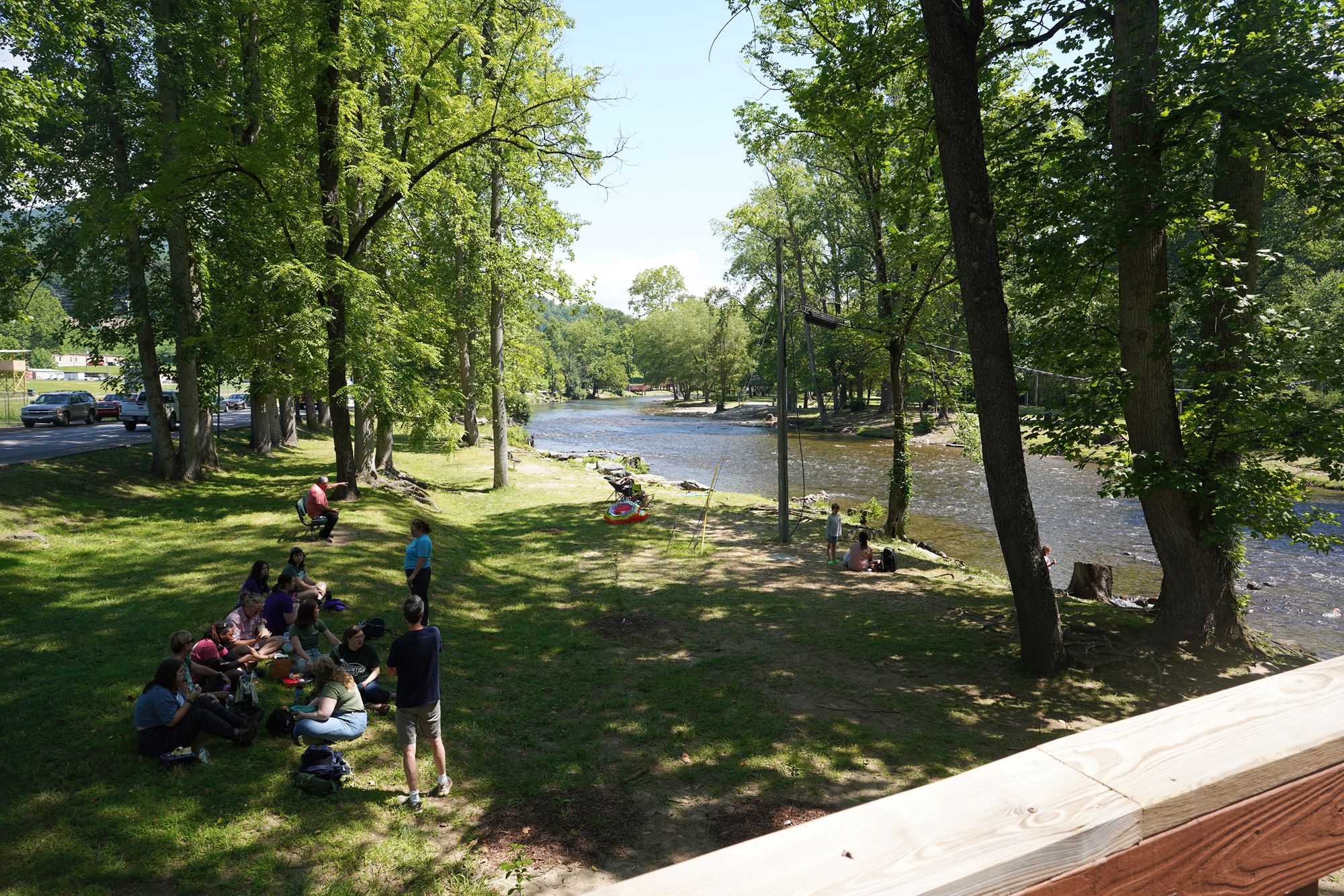
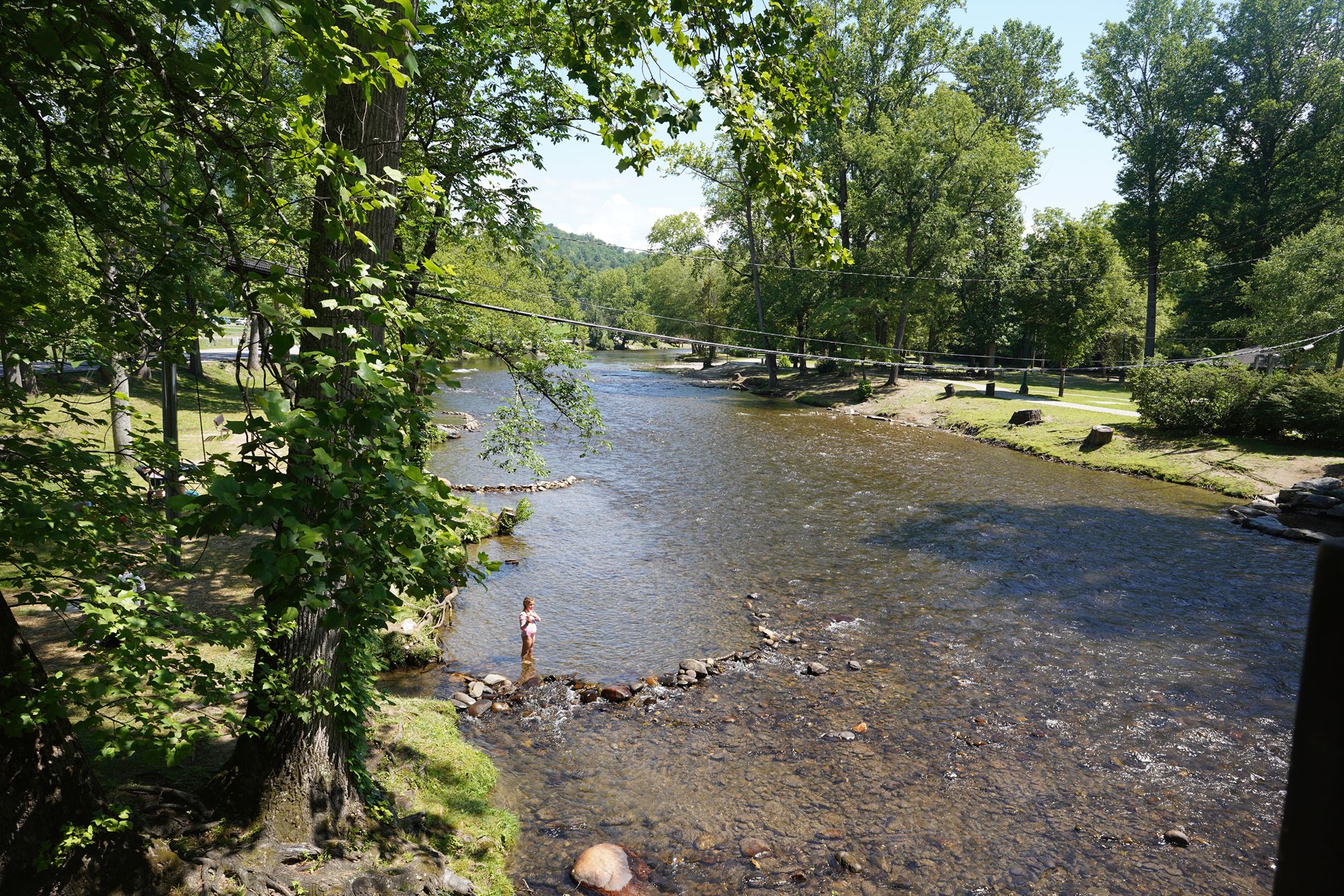
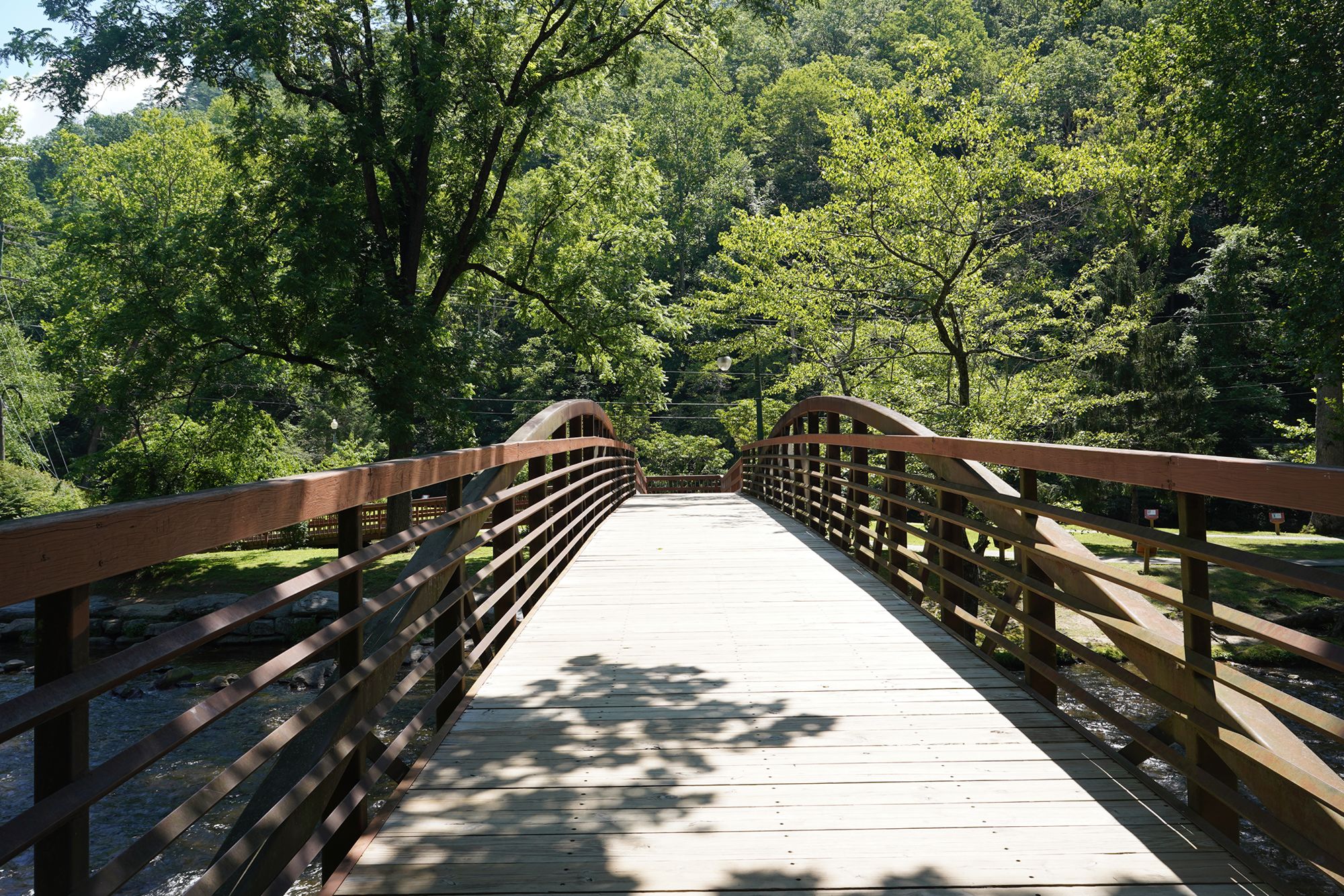
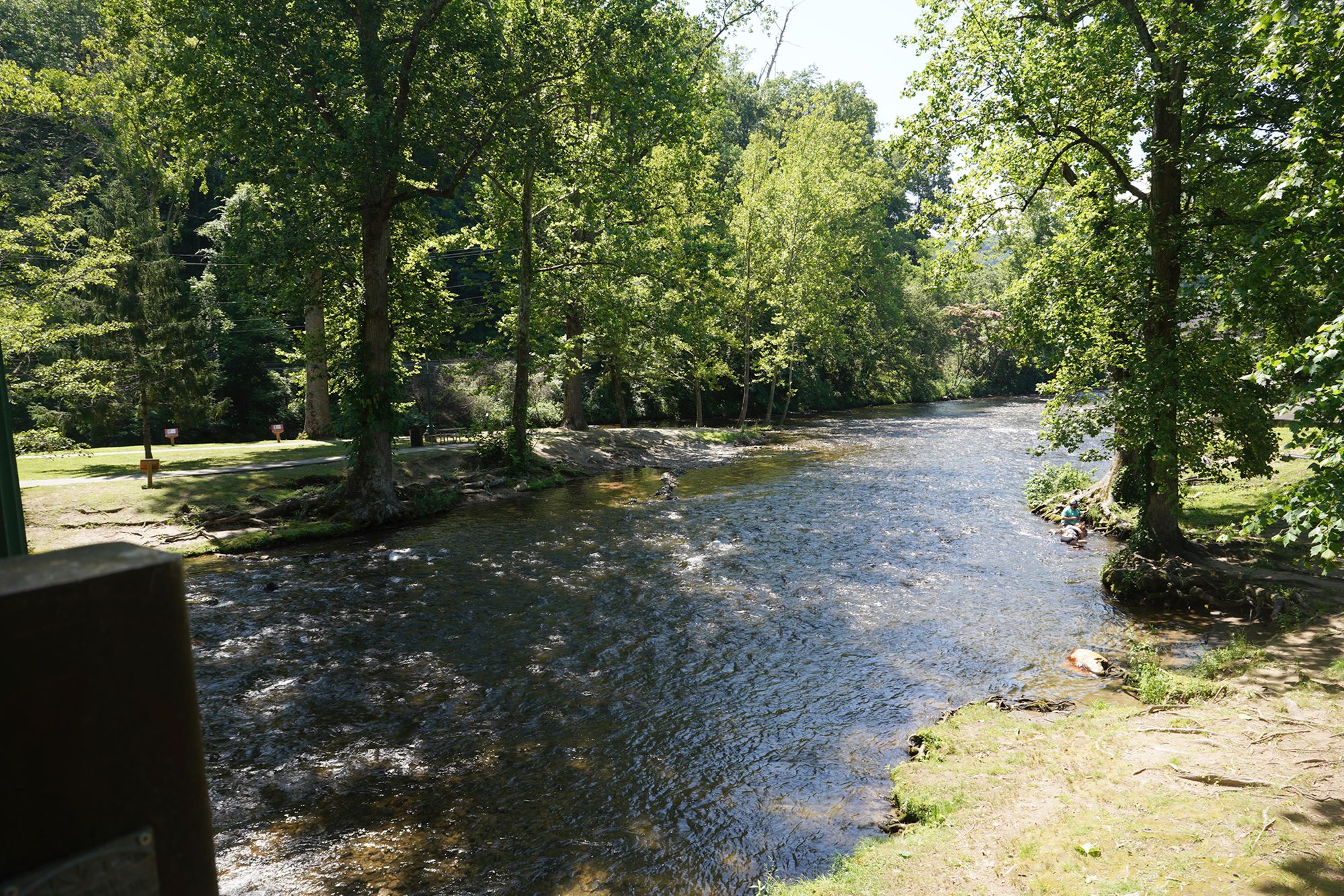


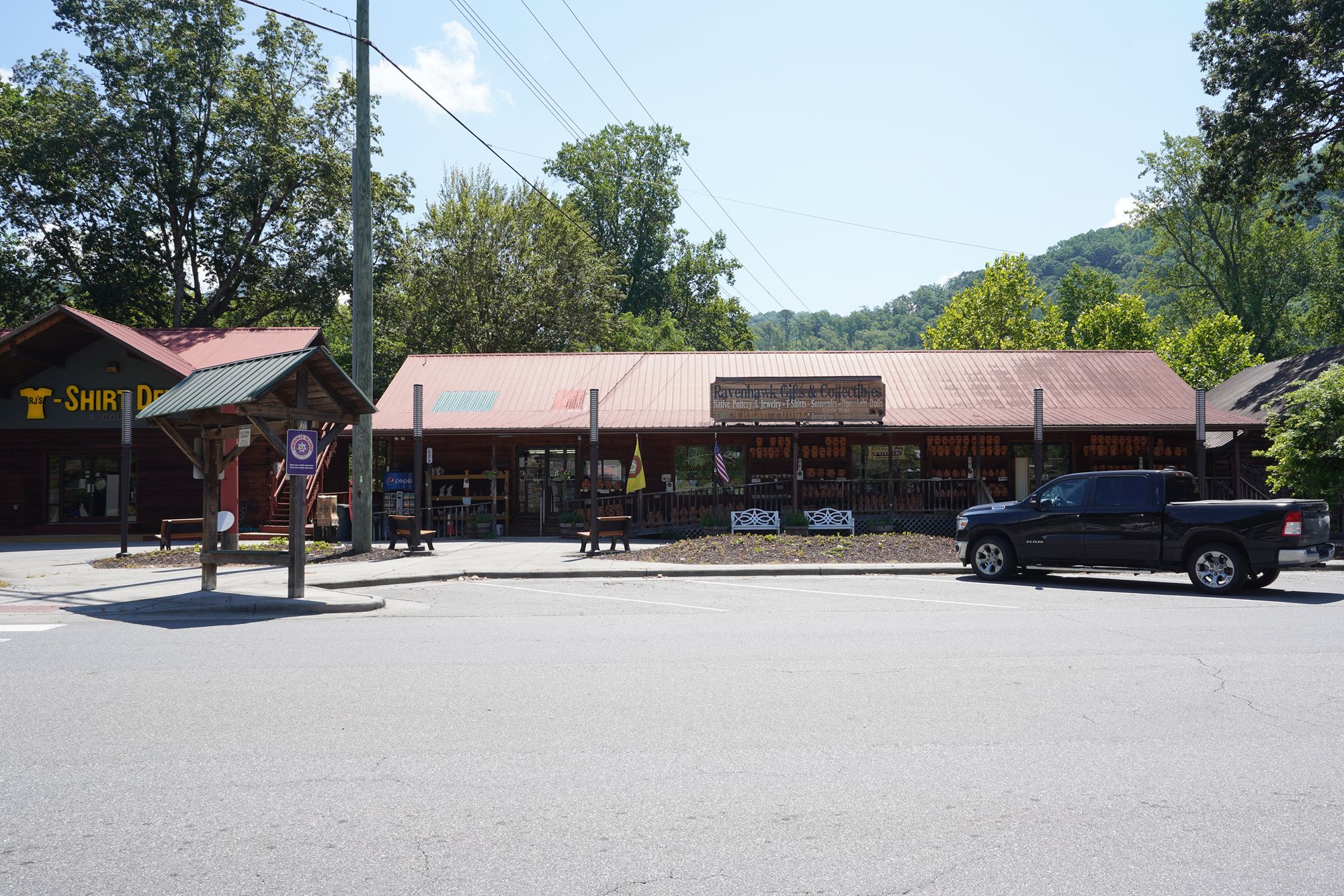
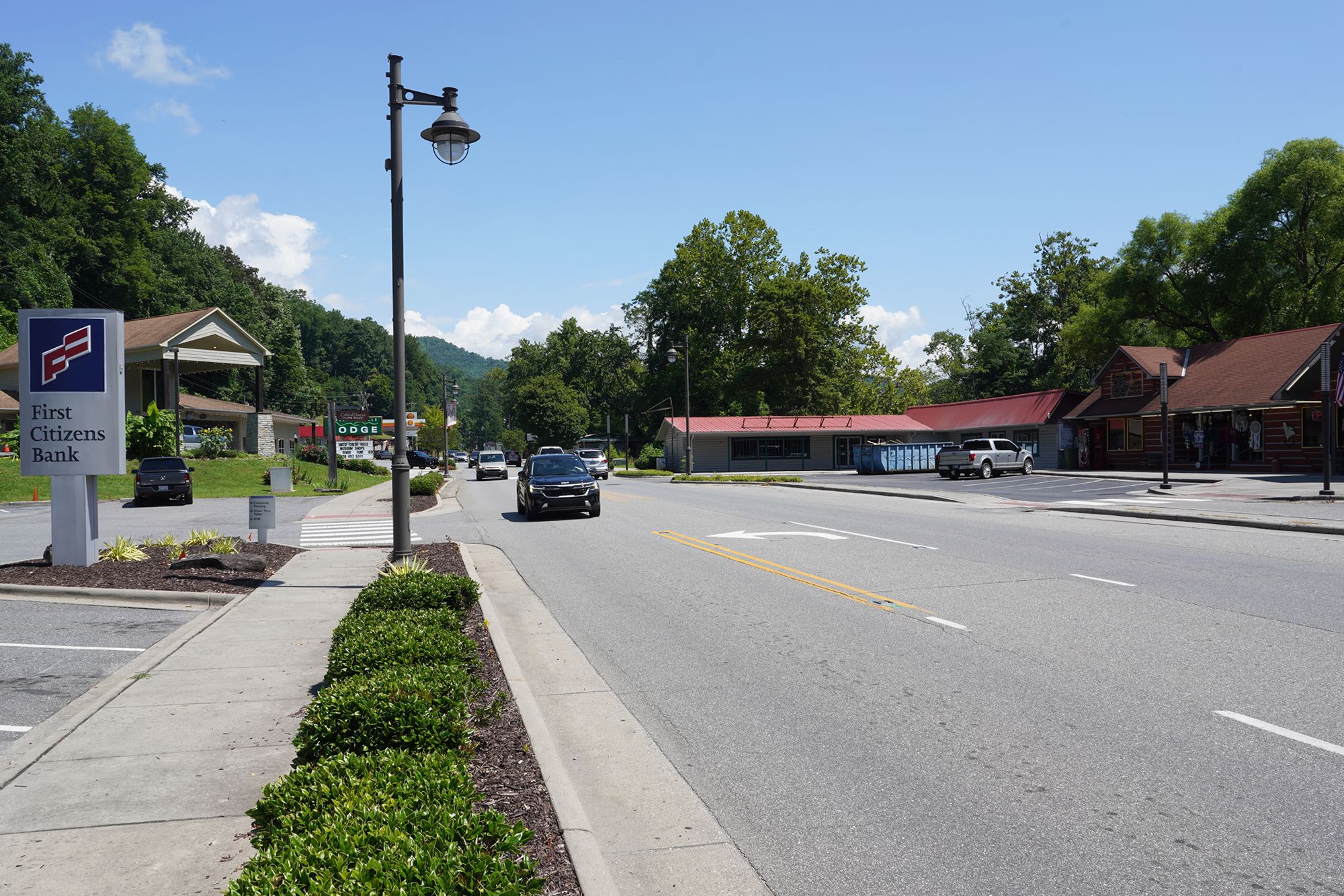

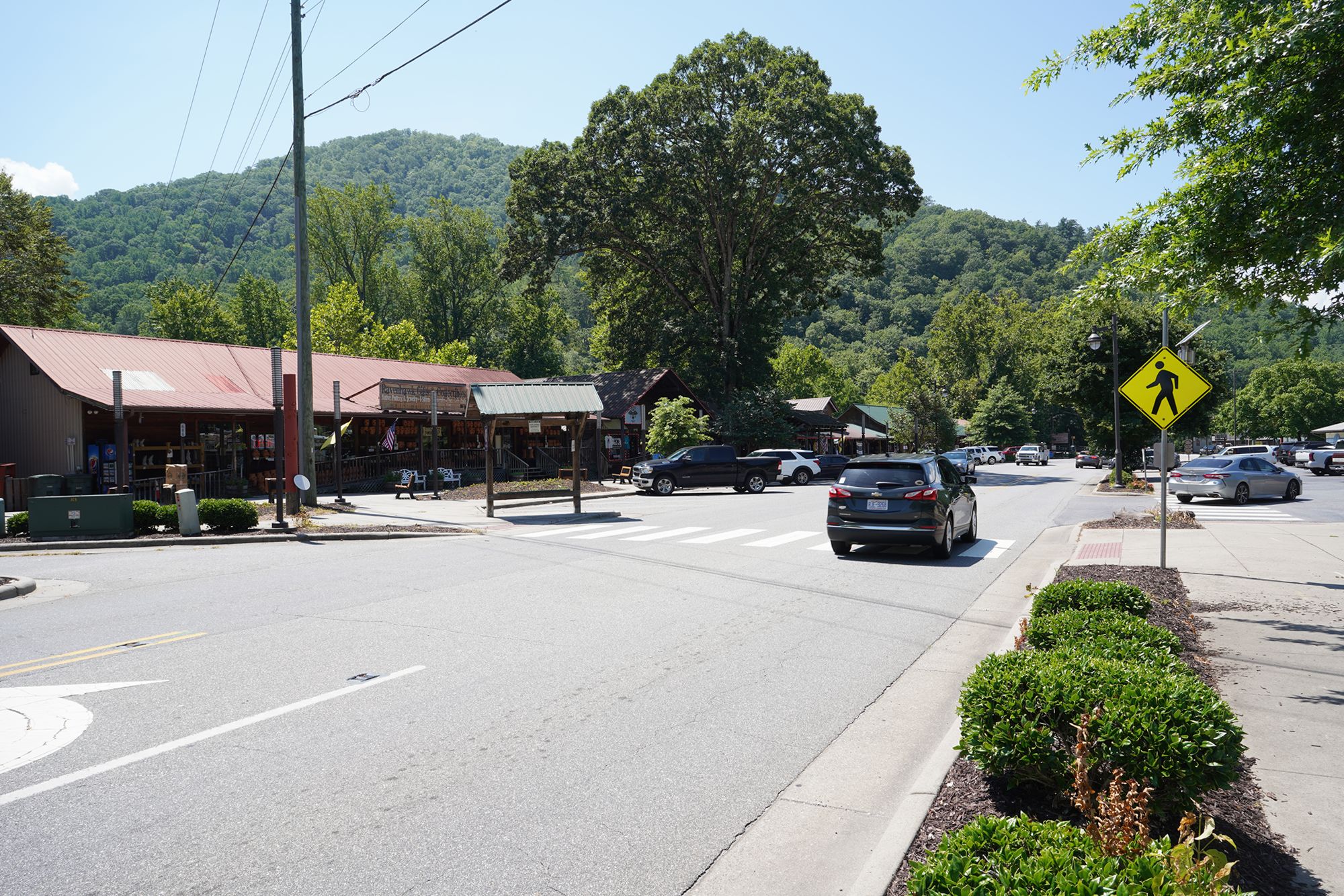
The town features museums, cultural centers, and craft shops that preserve and share Cherokee history, language, and traditions. Visitors can learn about Native American life through exhibits, outdoor dramas, and demonstrations of traditional arts such as beadwork and woodworking.
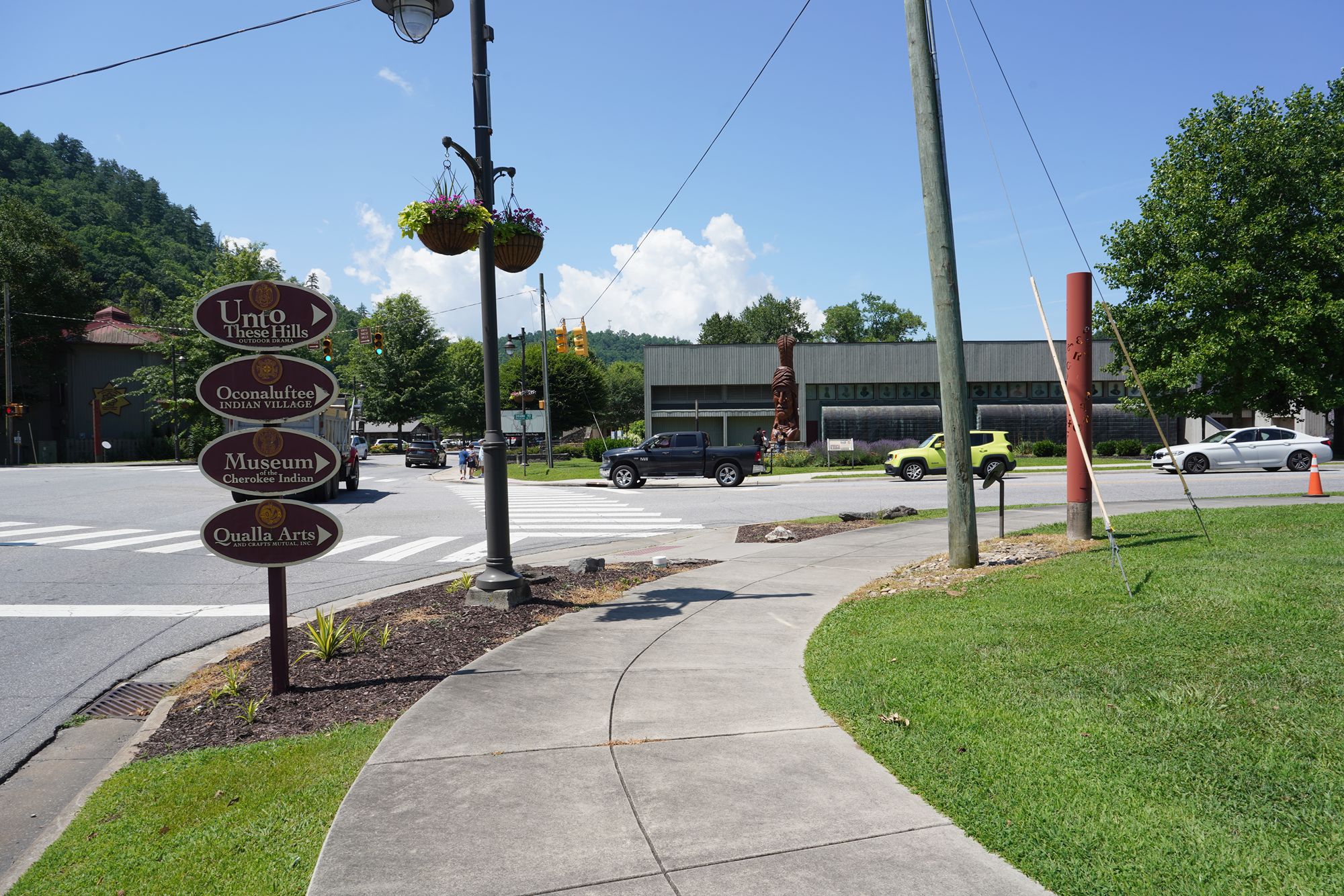

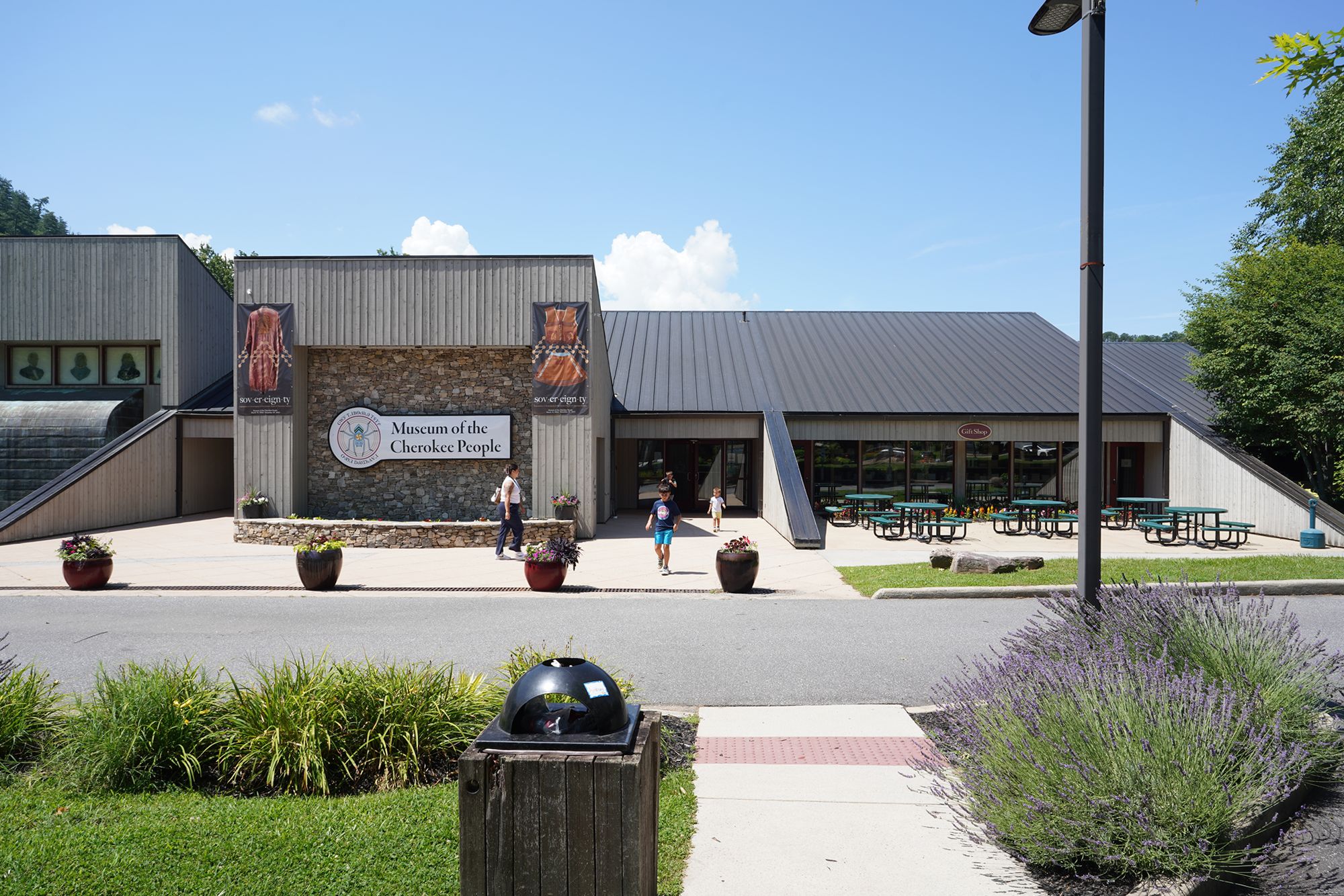
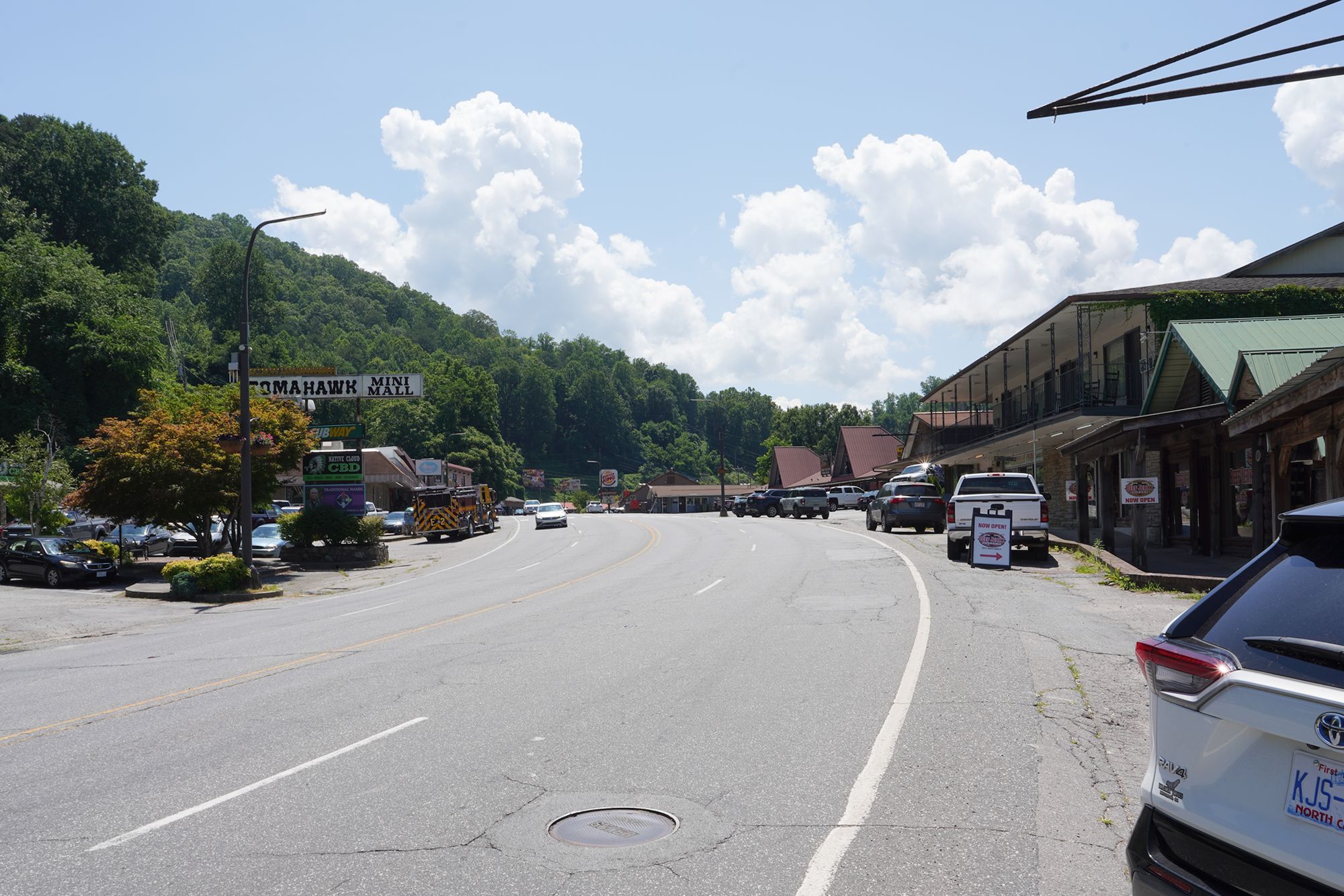
With casinos, souvenir stores, and easy access to scenic drives, Cherokee blends tourism with living cultural heritage, offering a quieter, more educational atmosphere compared to nearby resort towns.
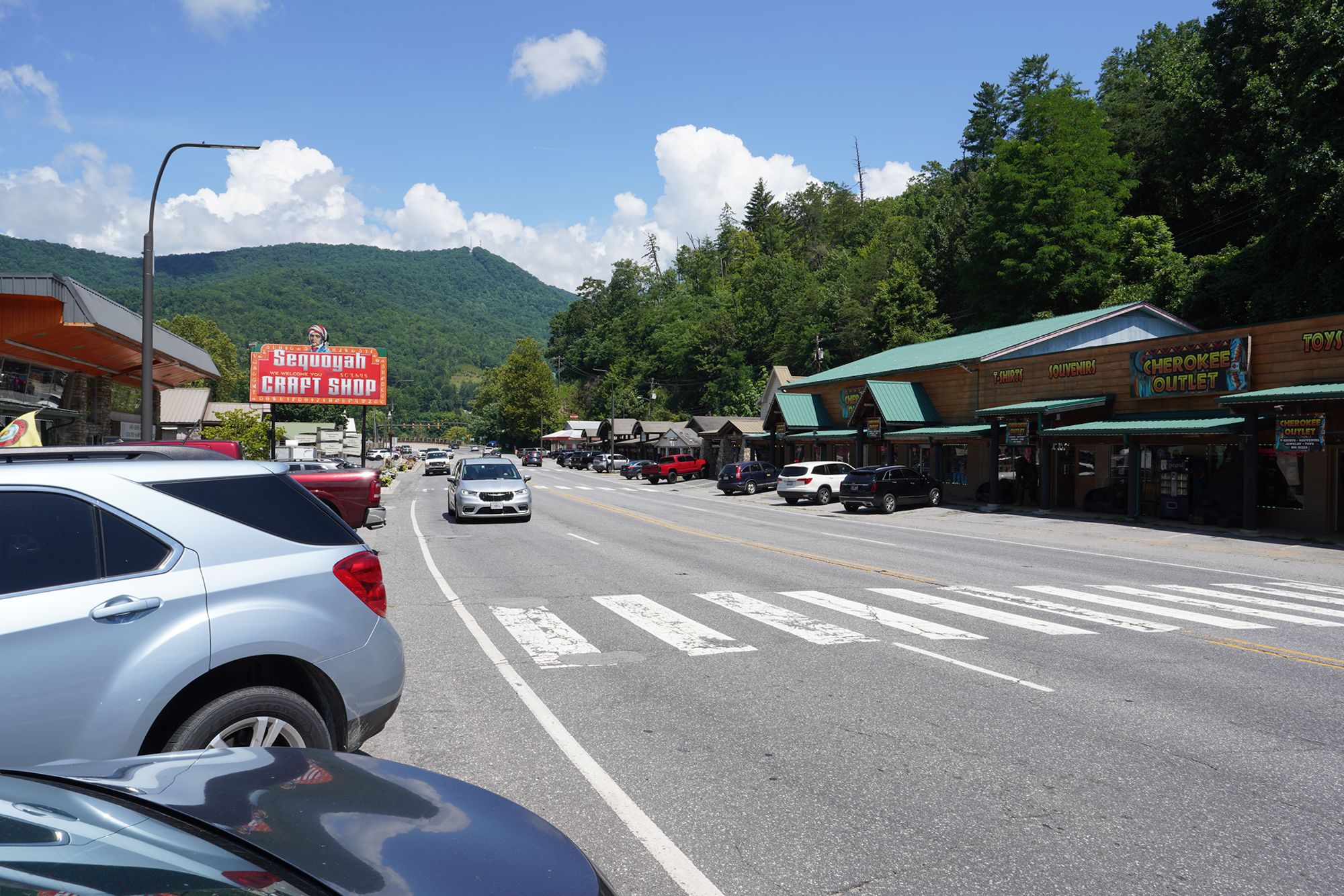




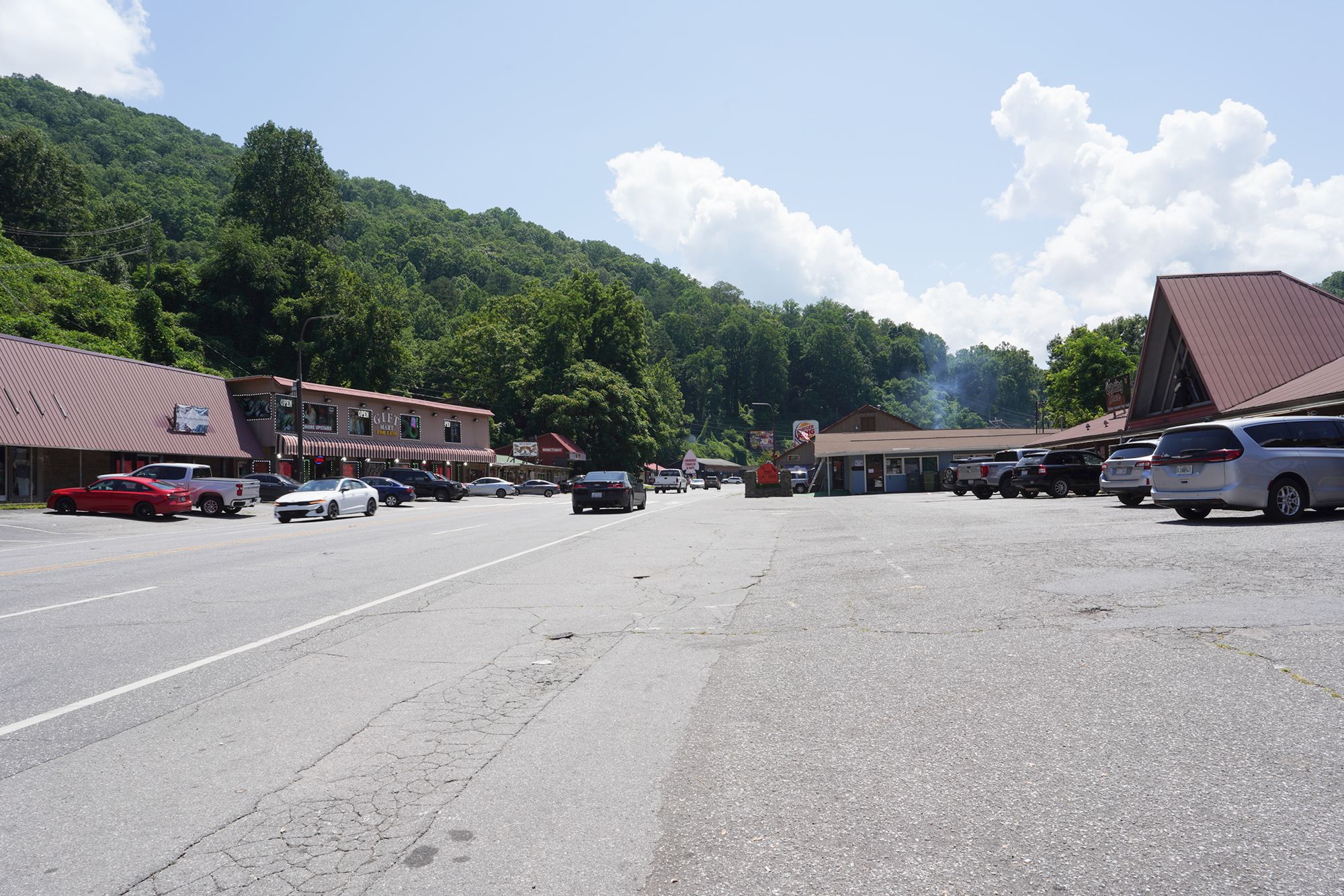


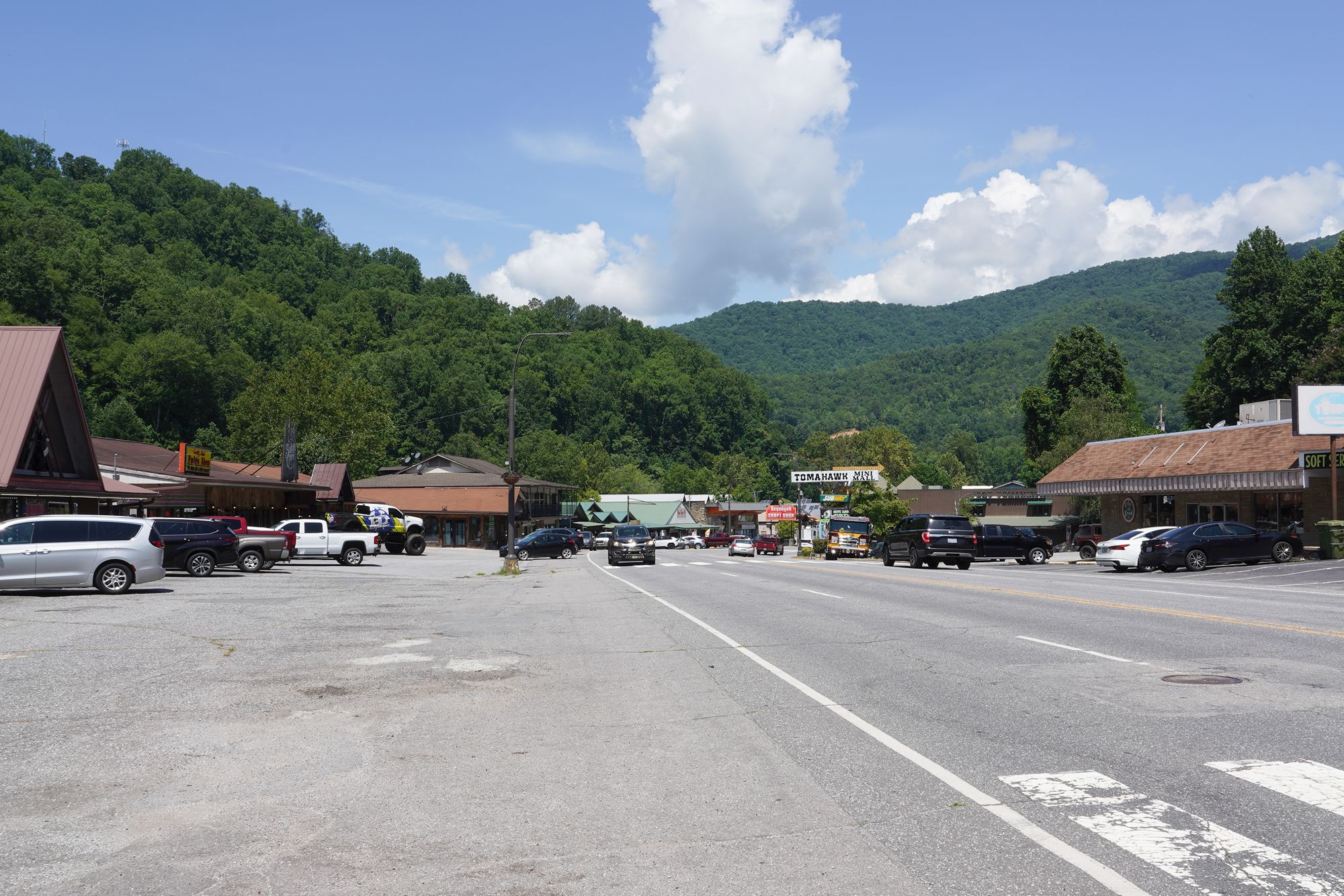

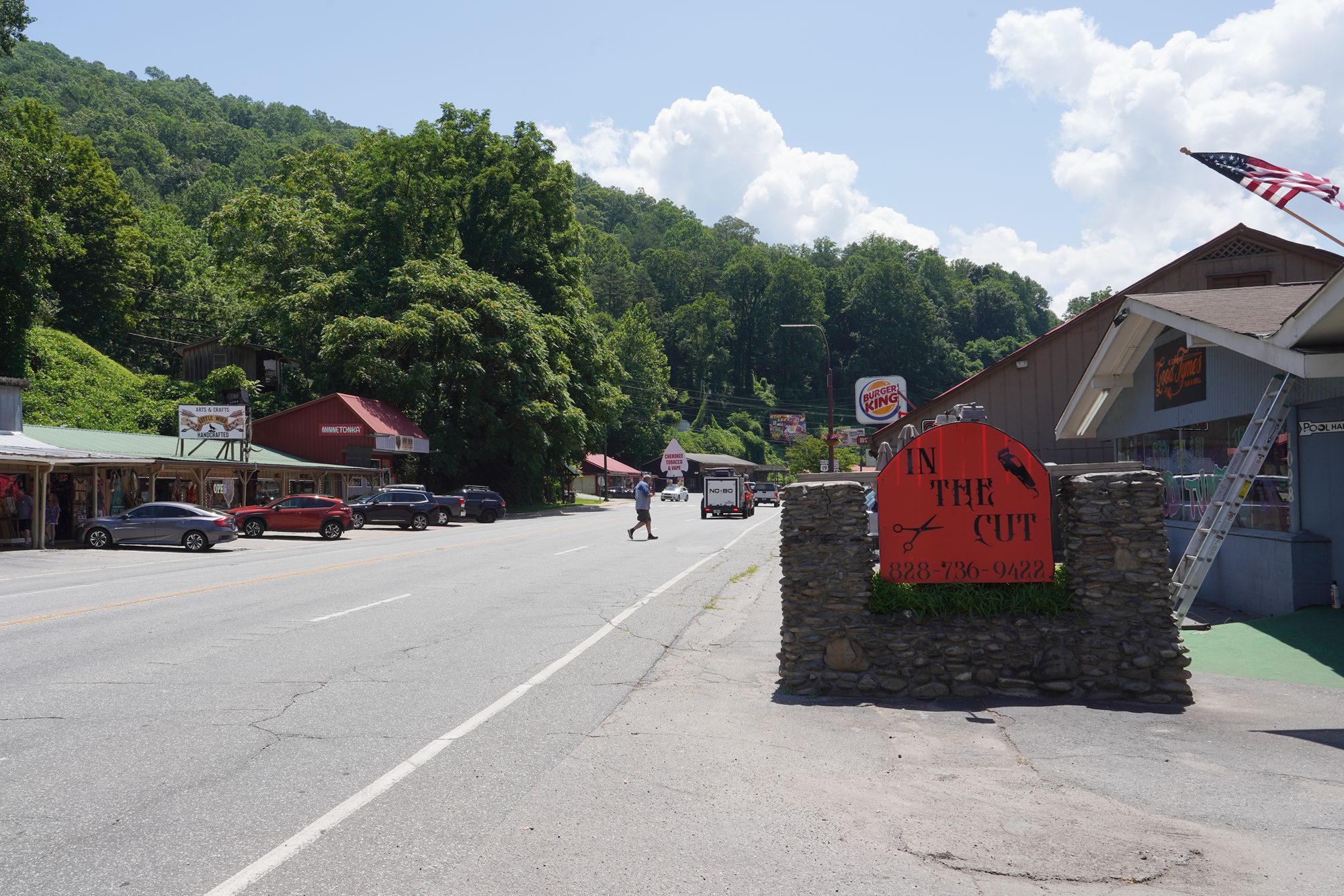
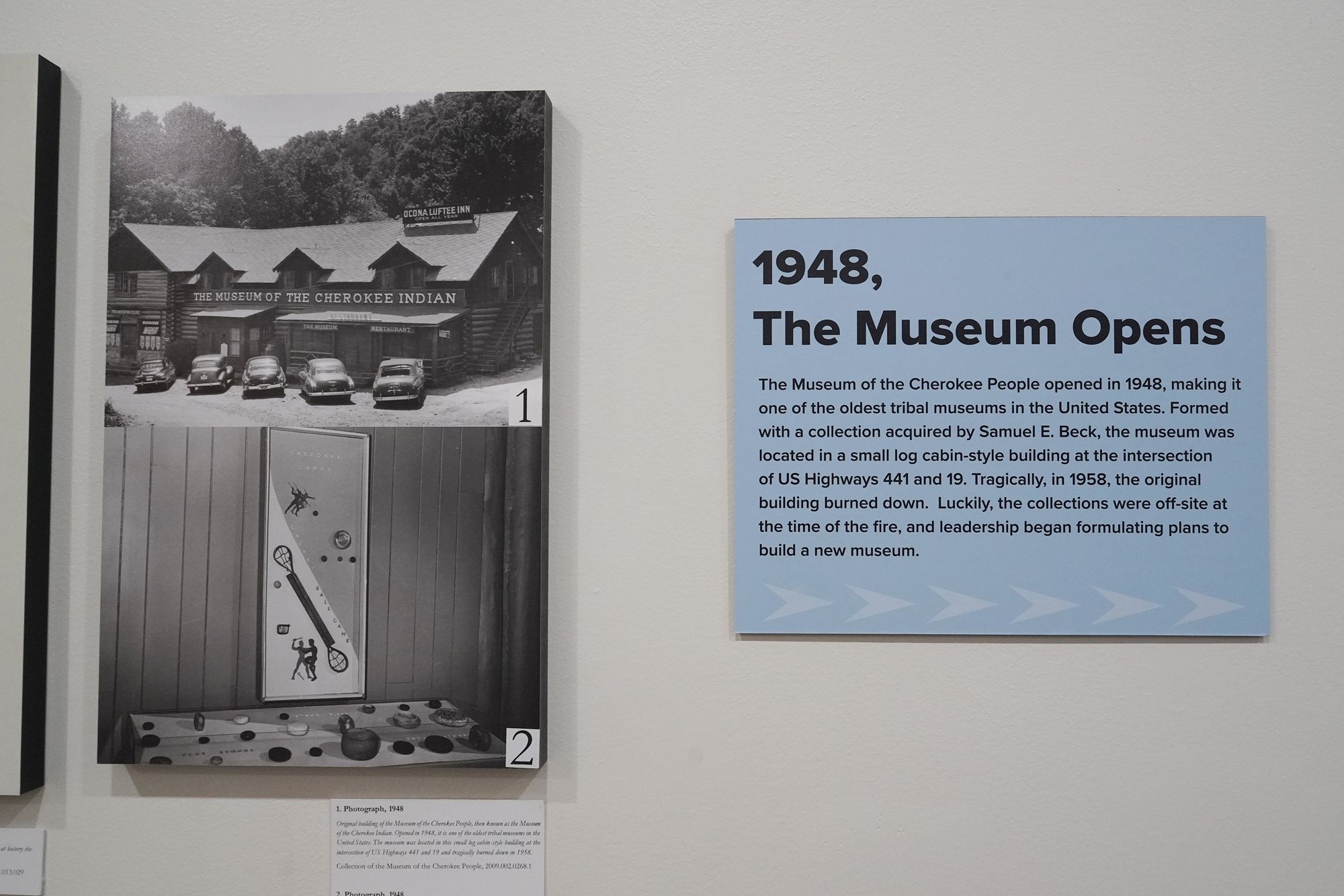
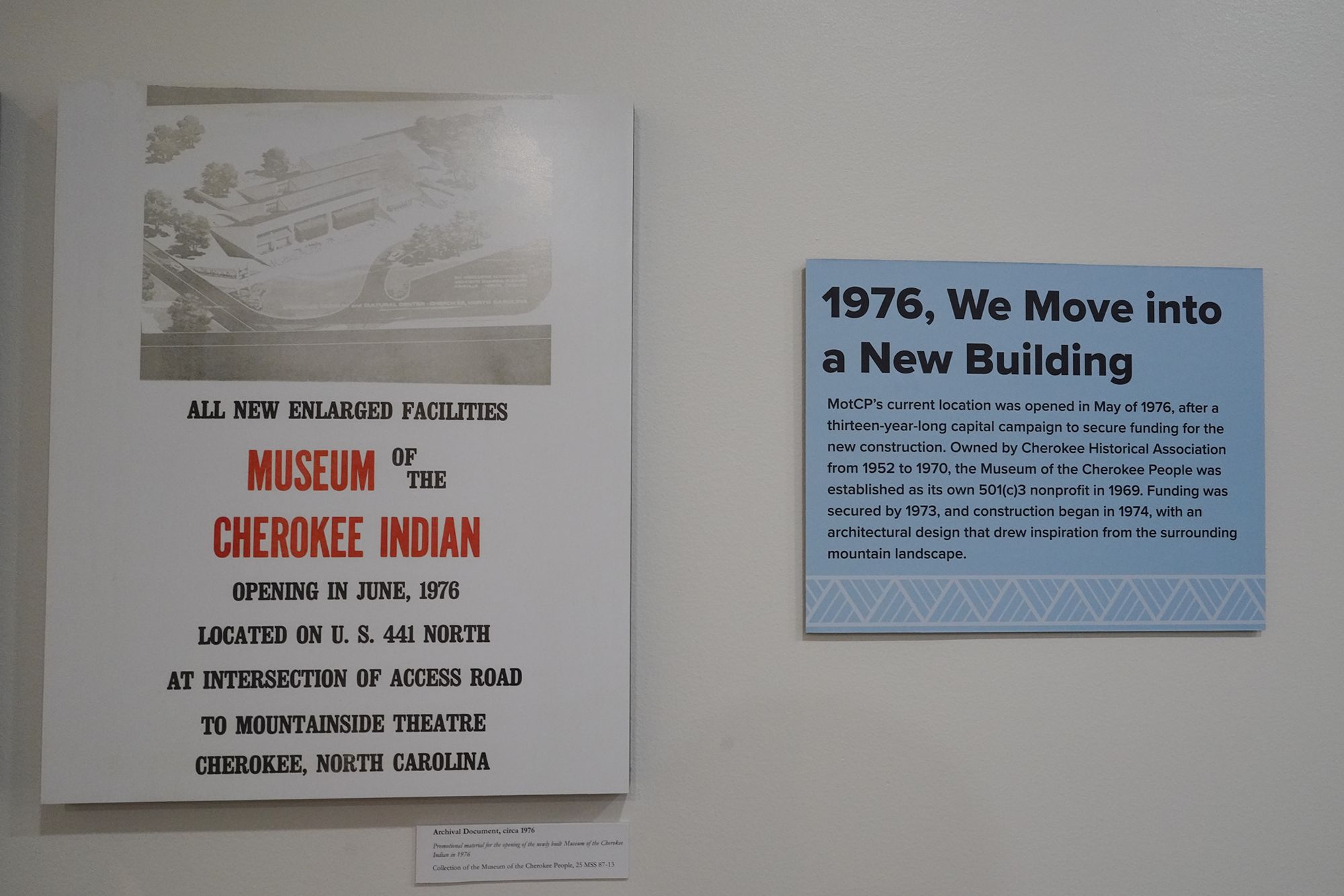
The Museum of the Cherokee People is in the town center
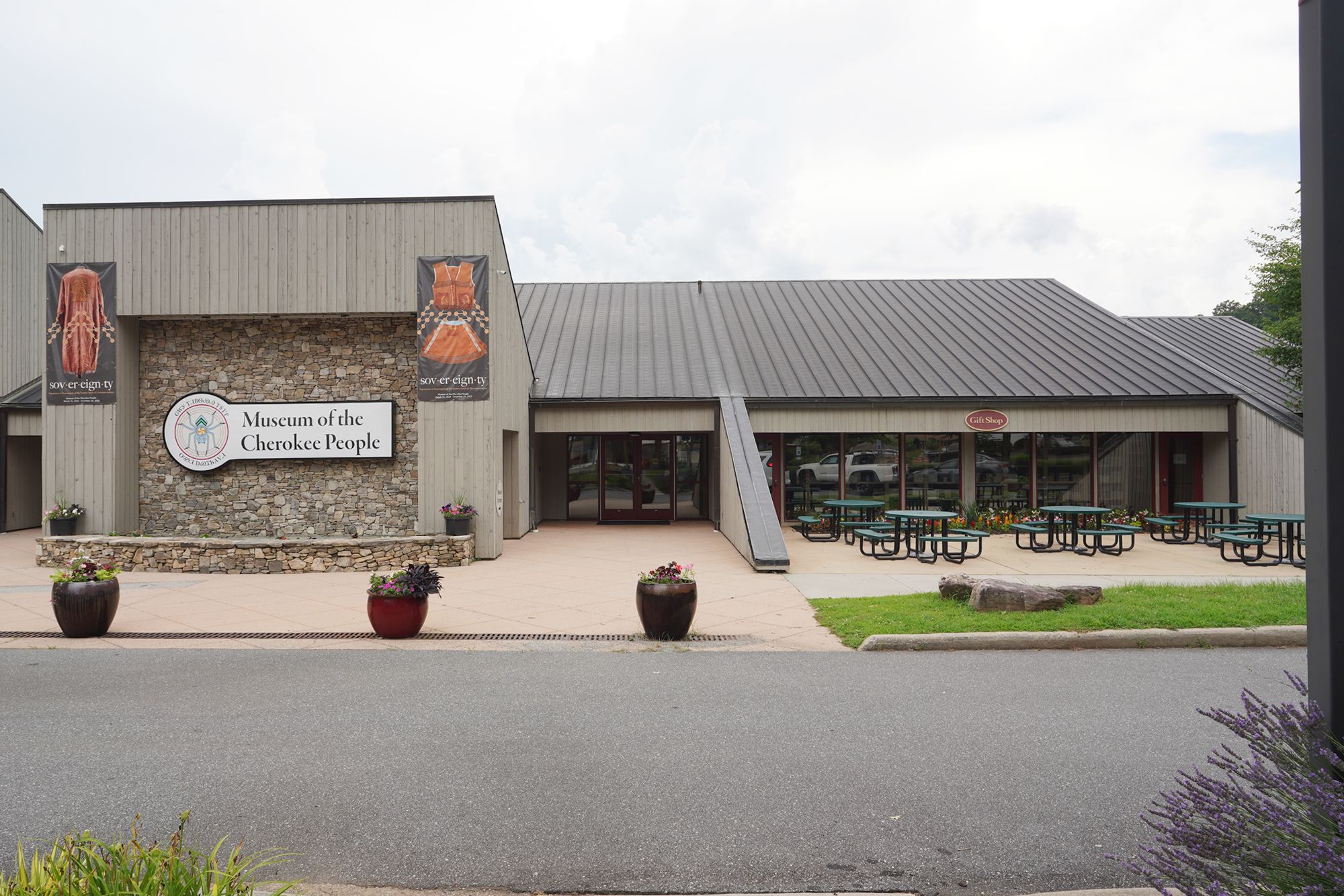
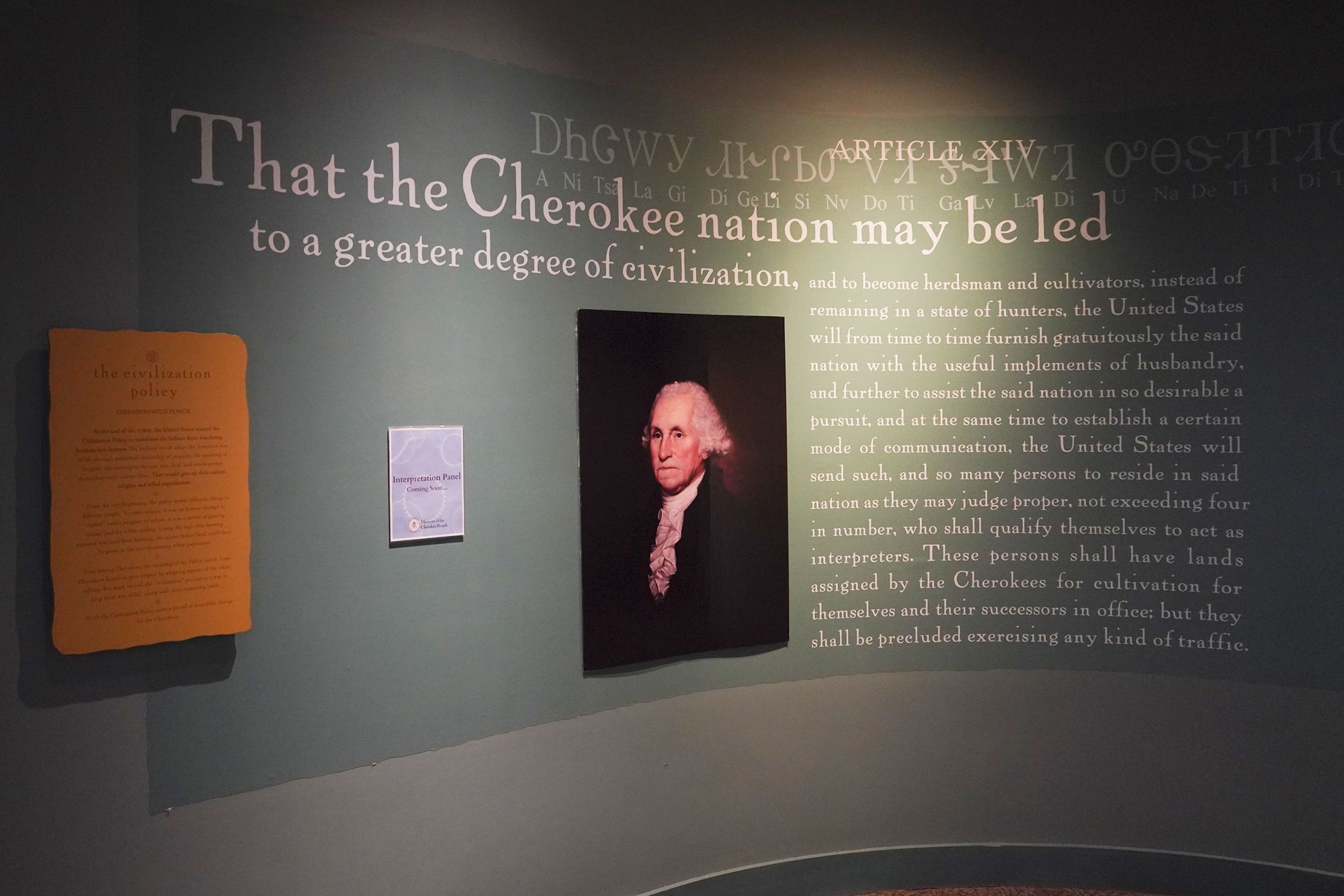
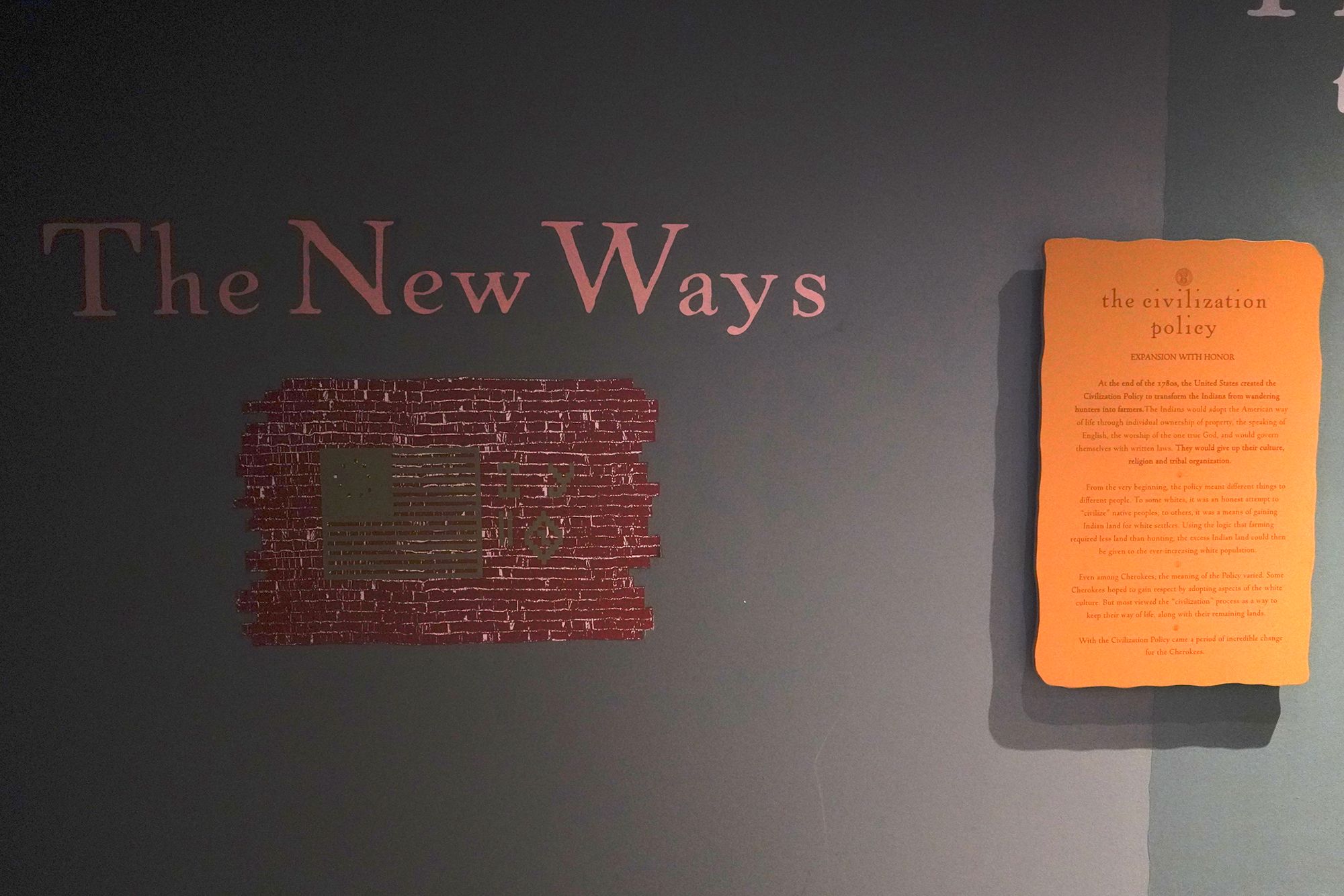
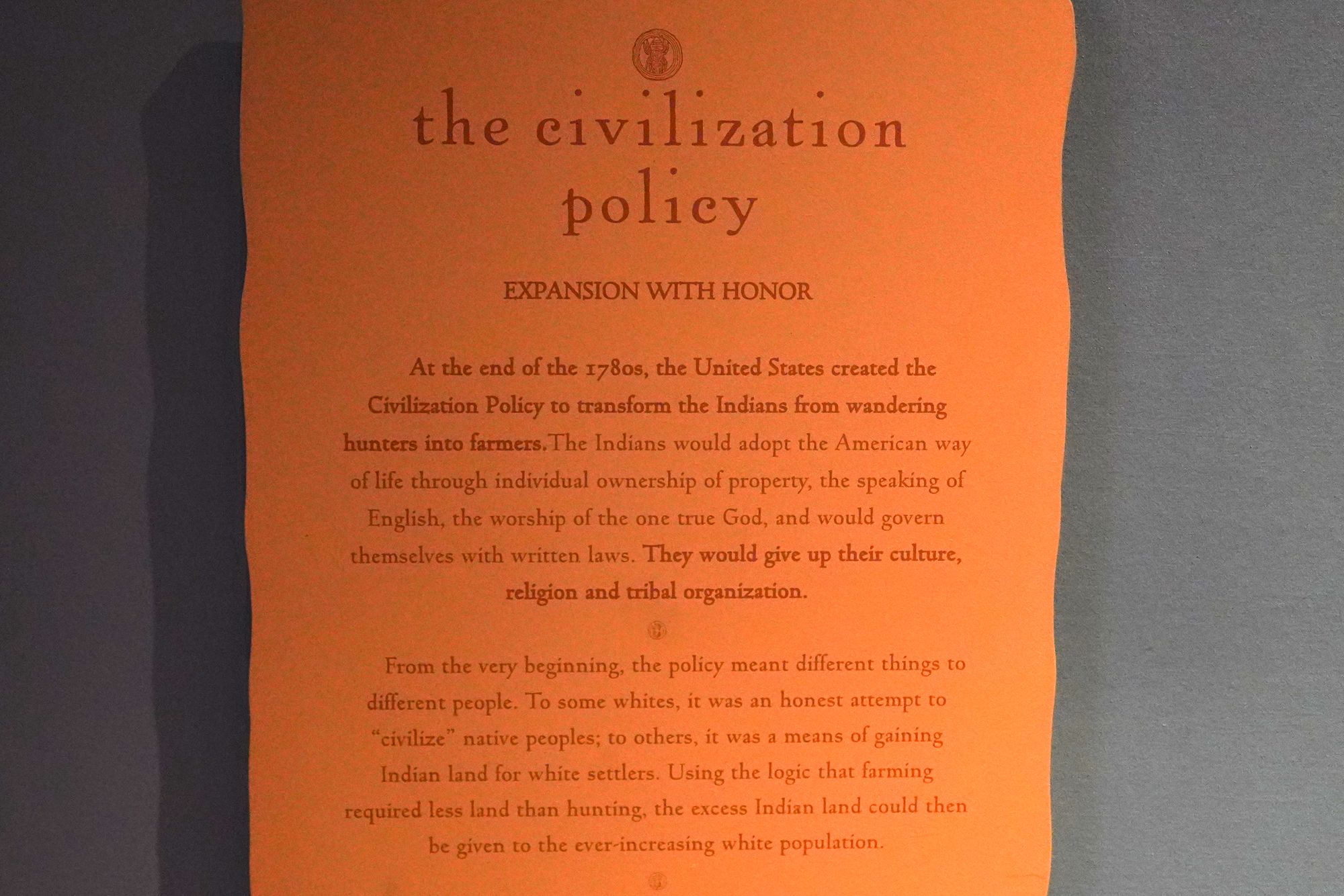
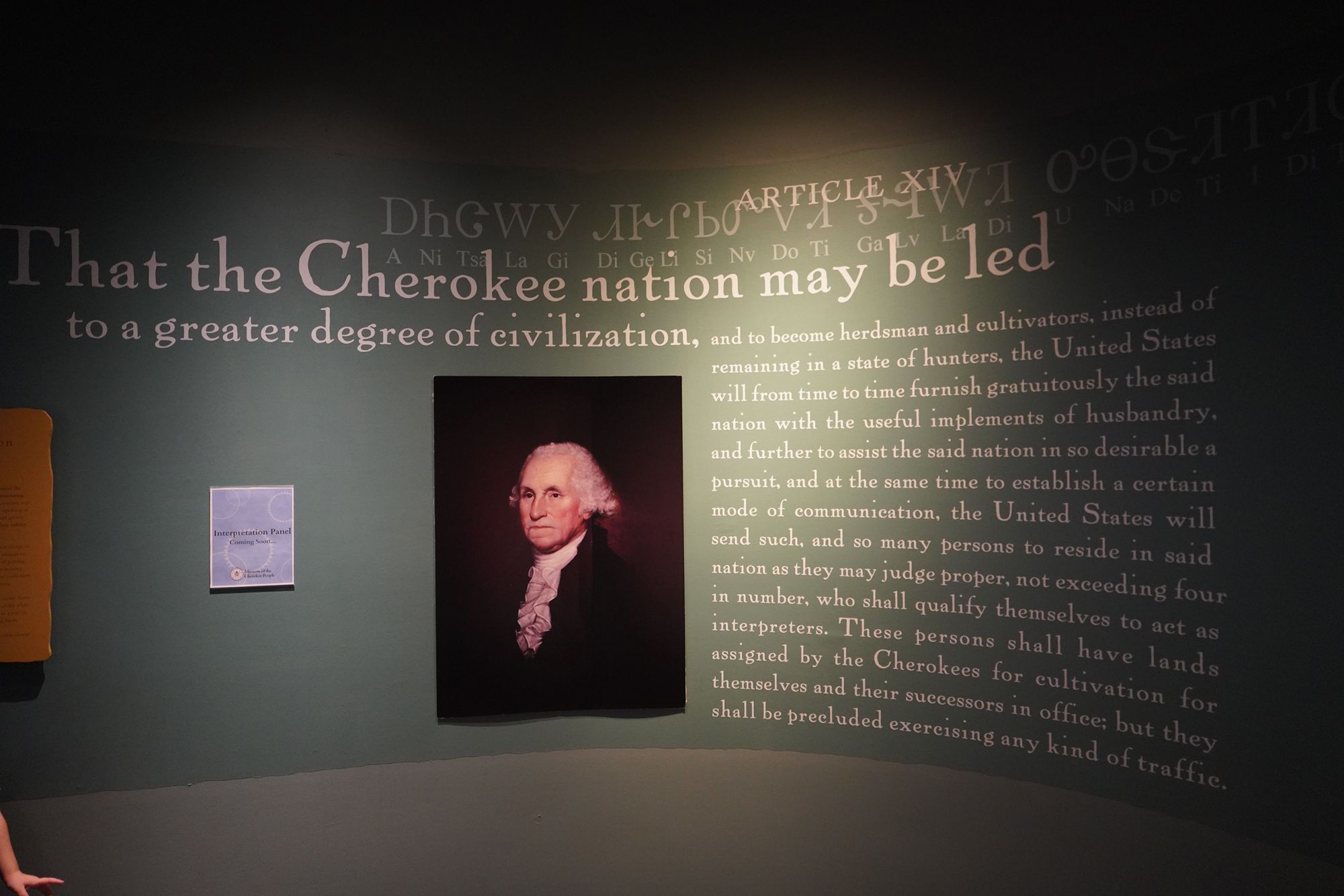
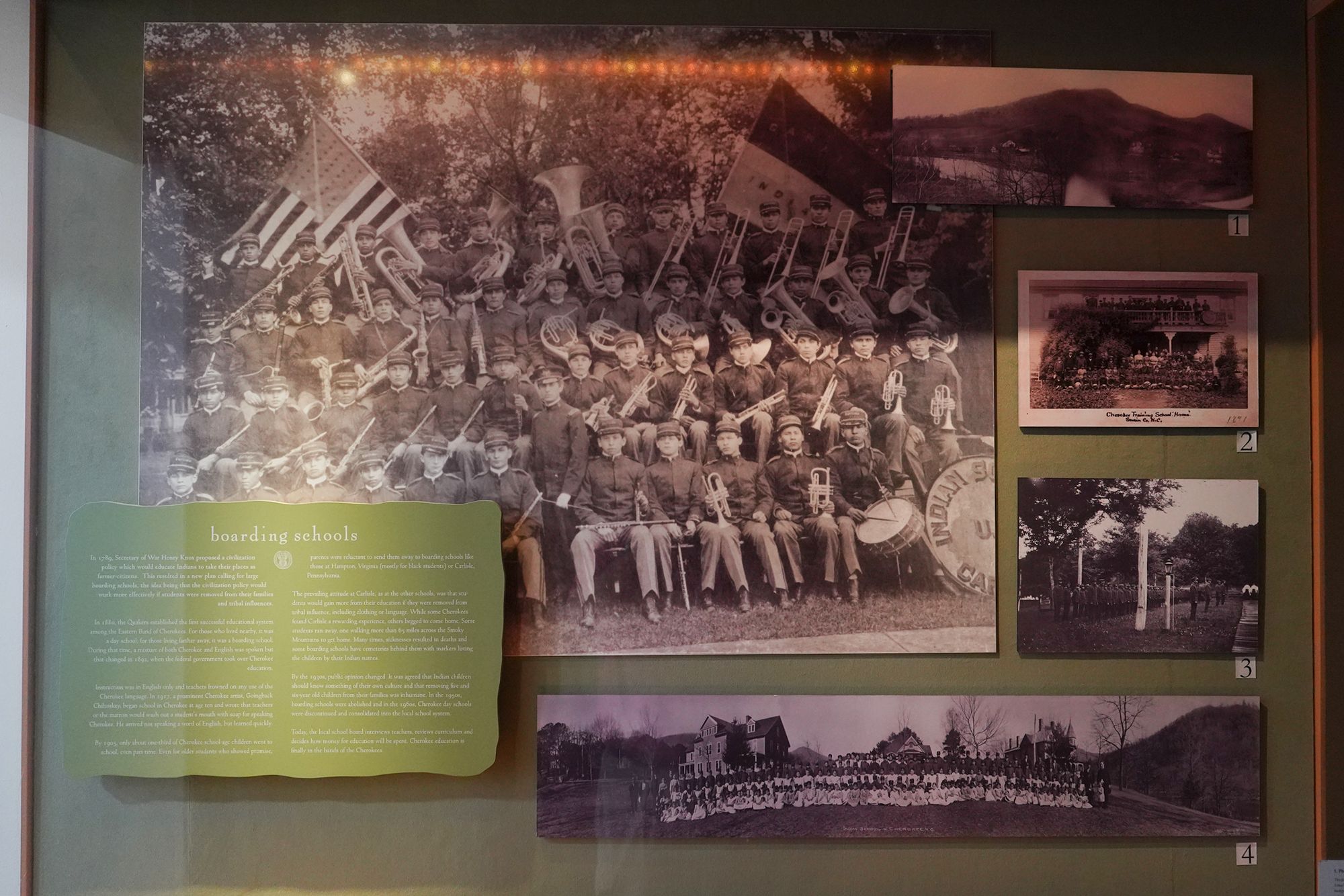
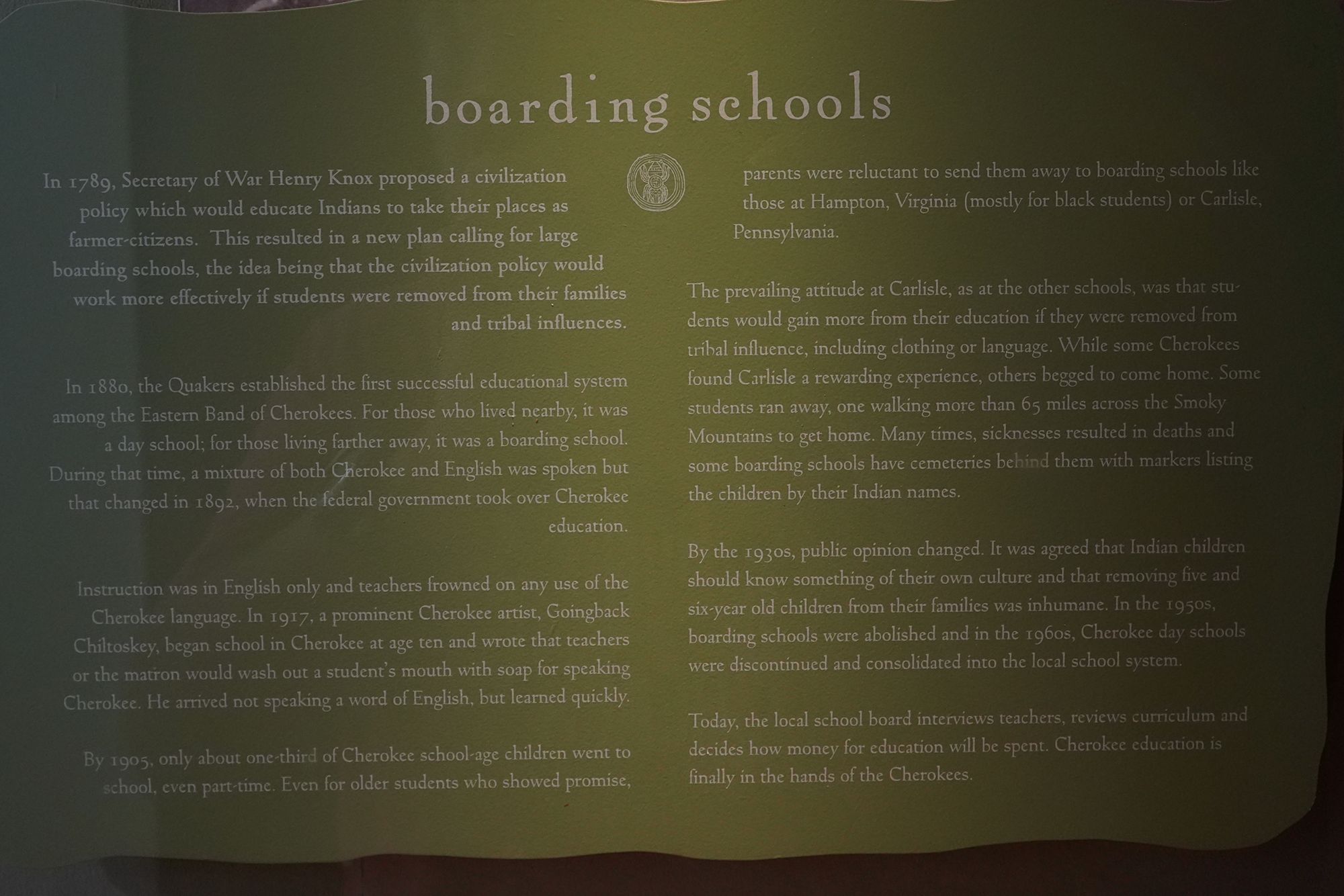
The Museum of the Cherokee People presents the history and culture of the Cherokee Nation through detailed exhibits, artifacts, and multimedia displays.
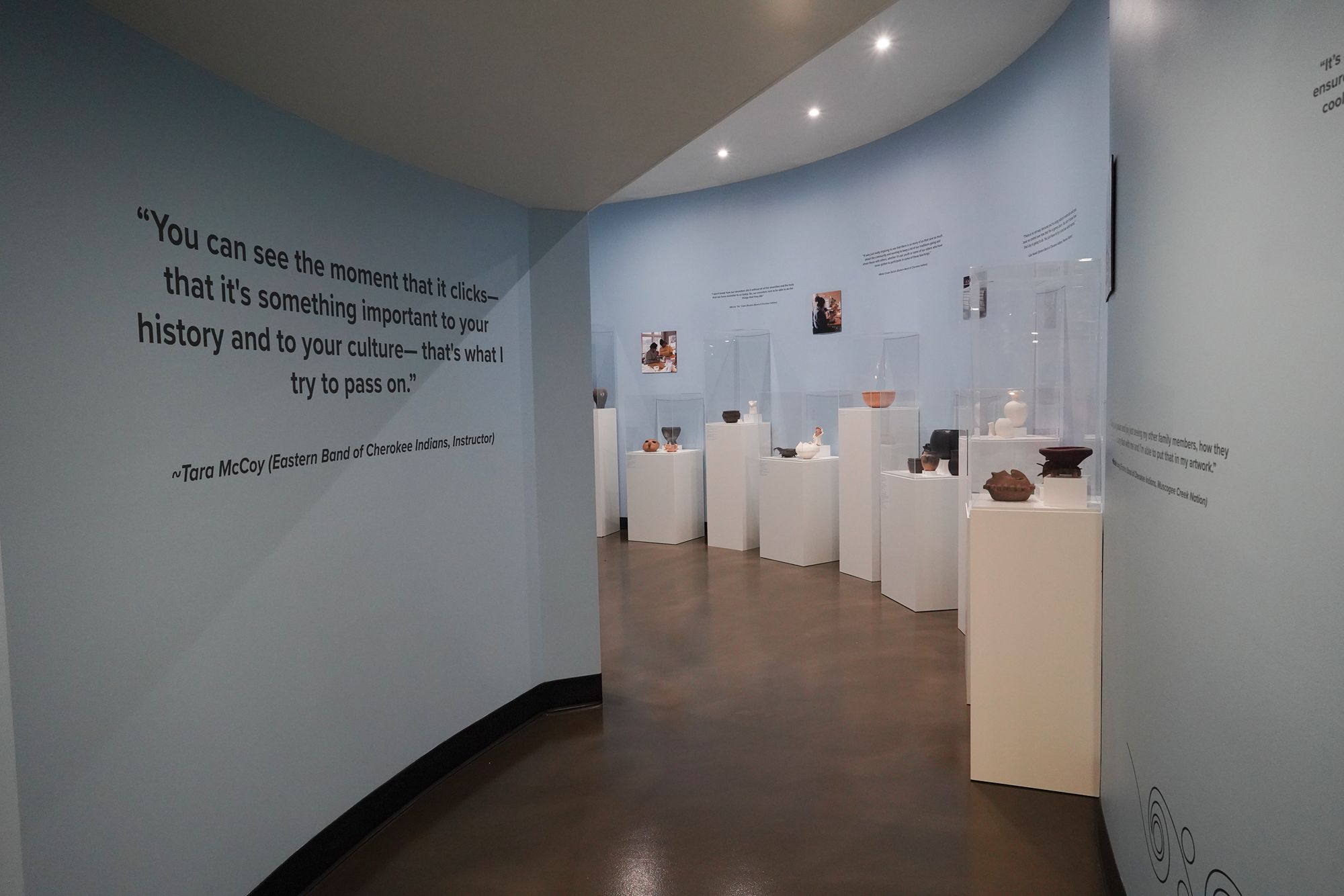
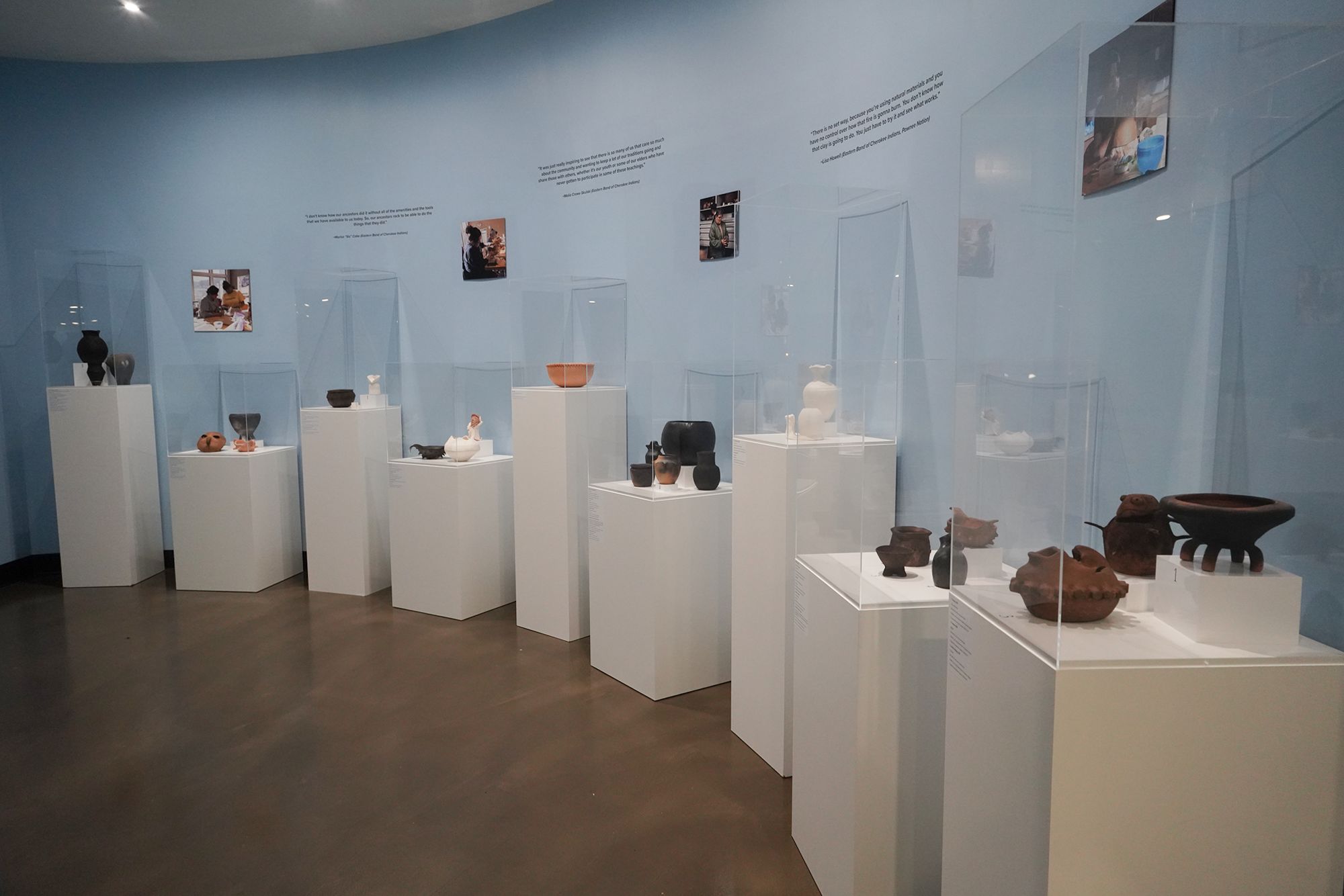
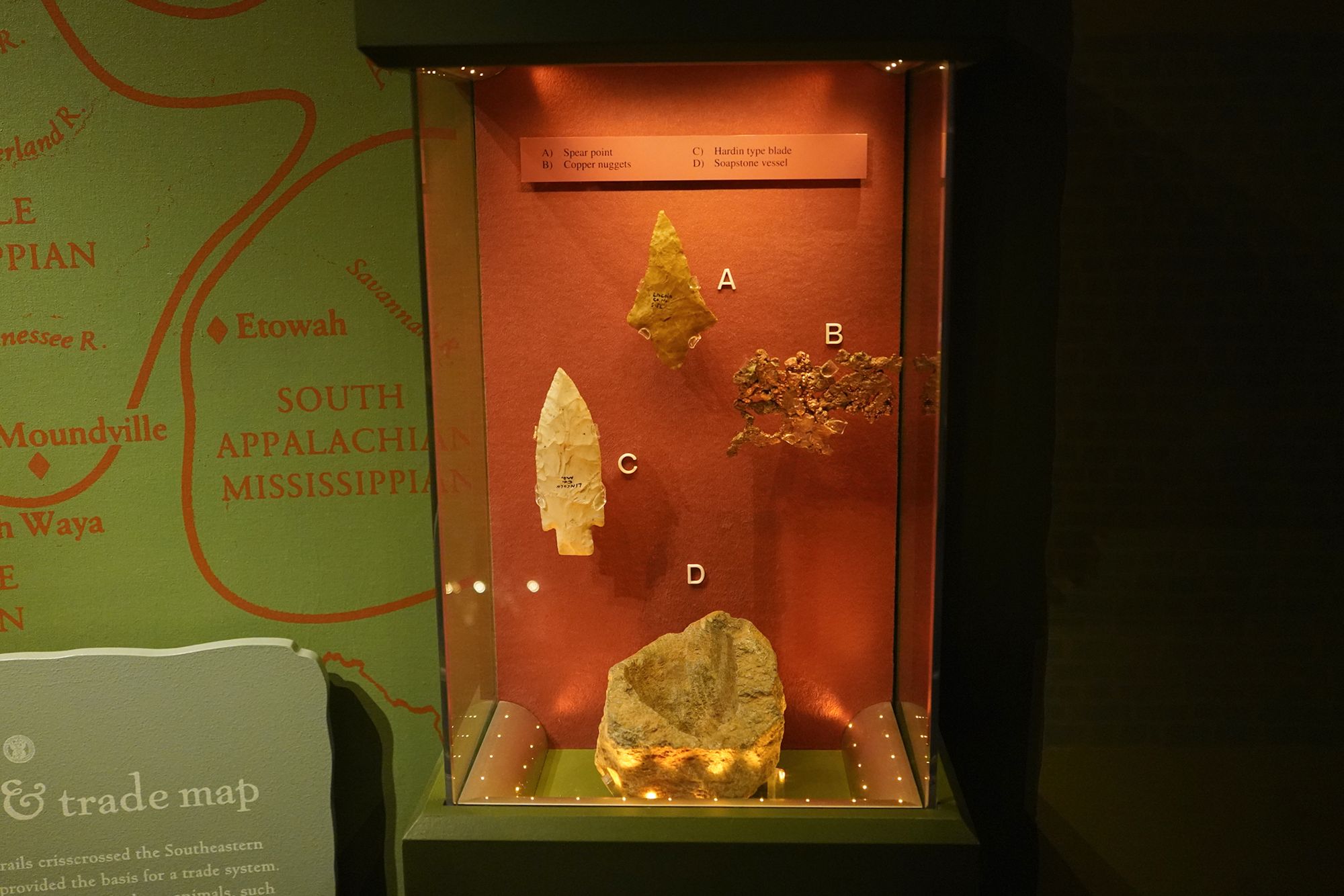
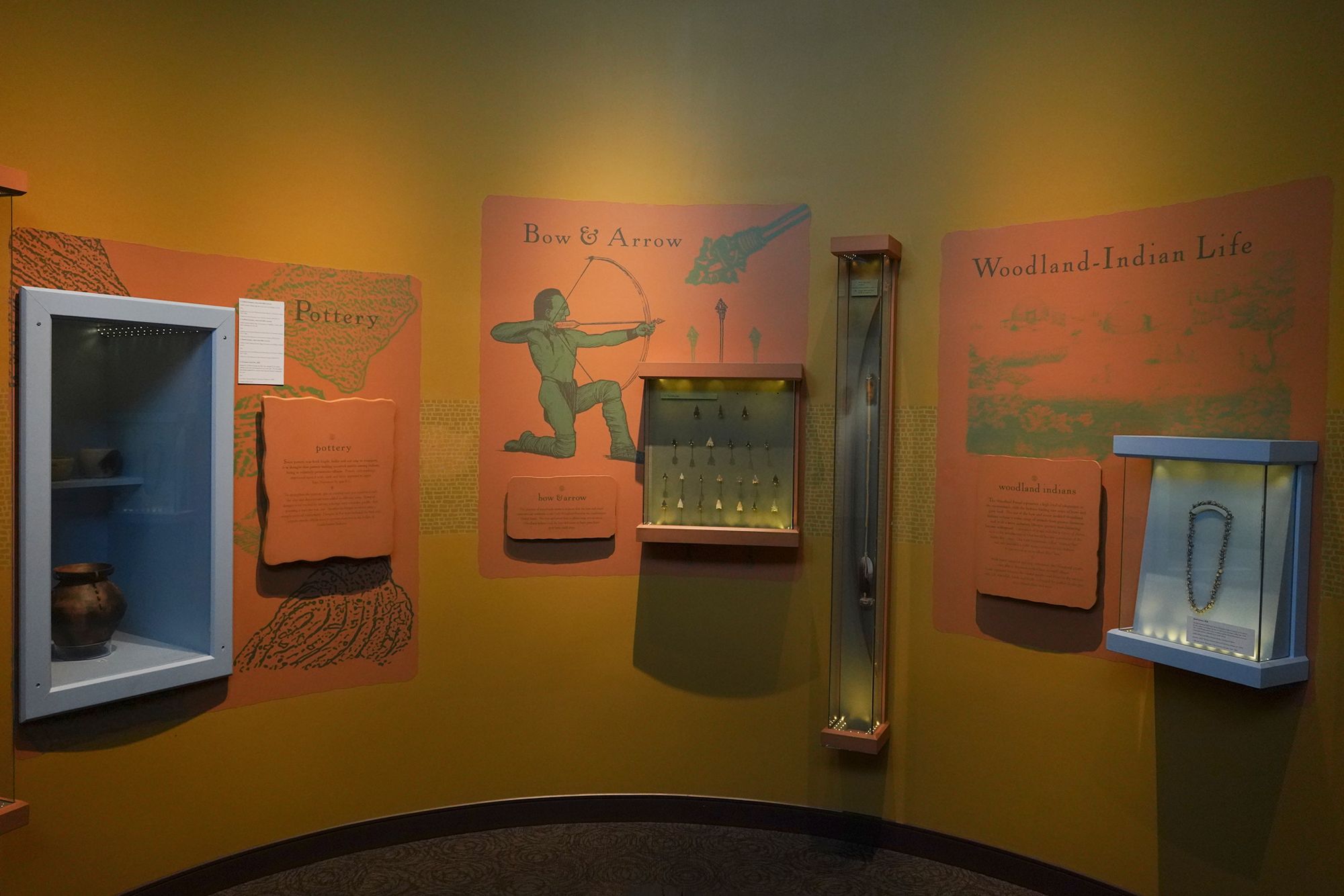
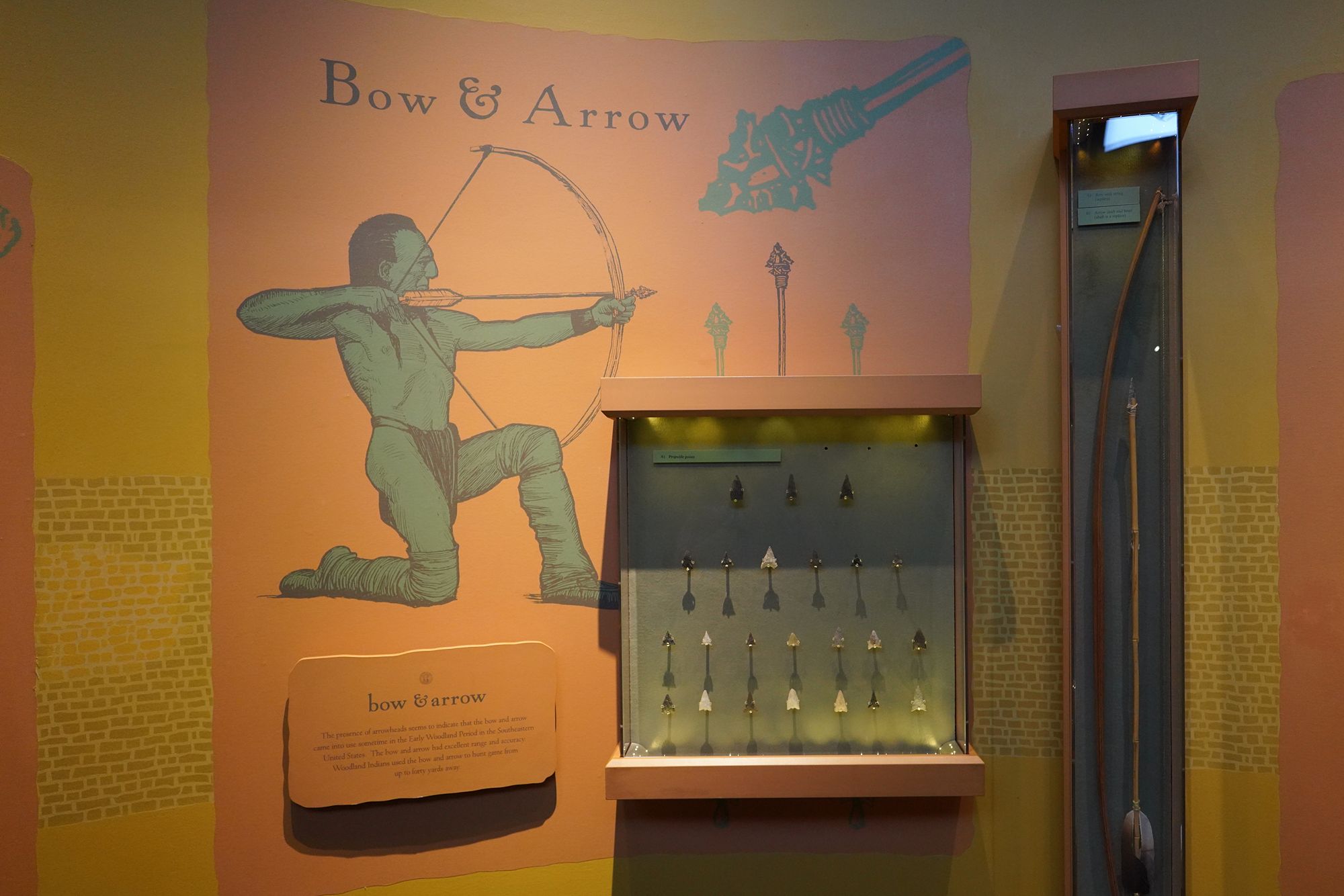
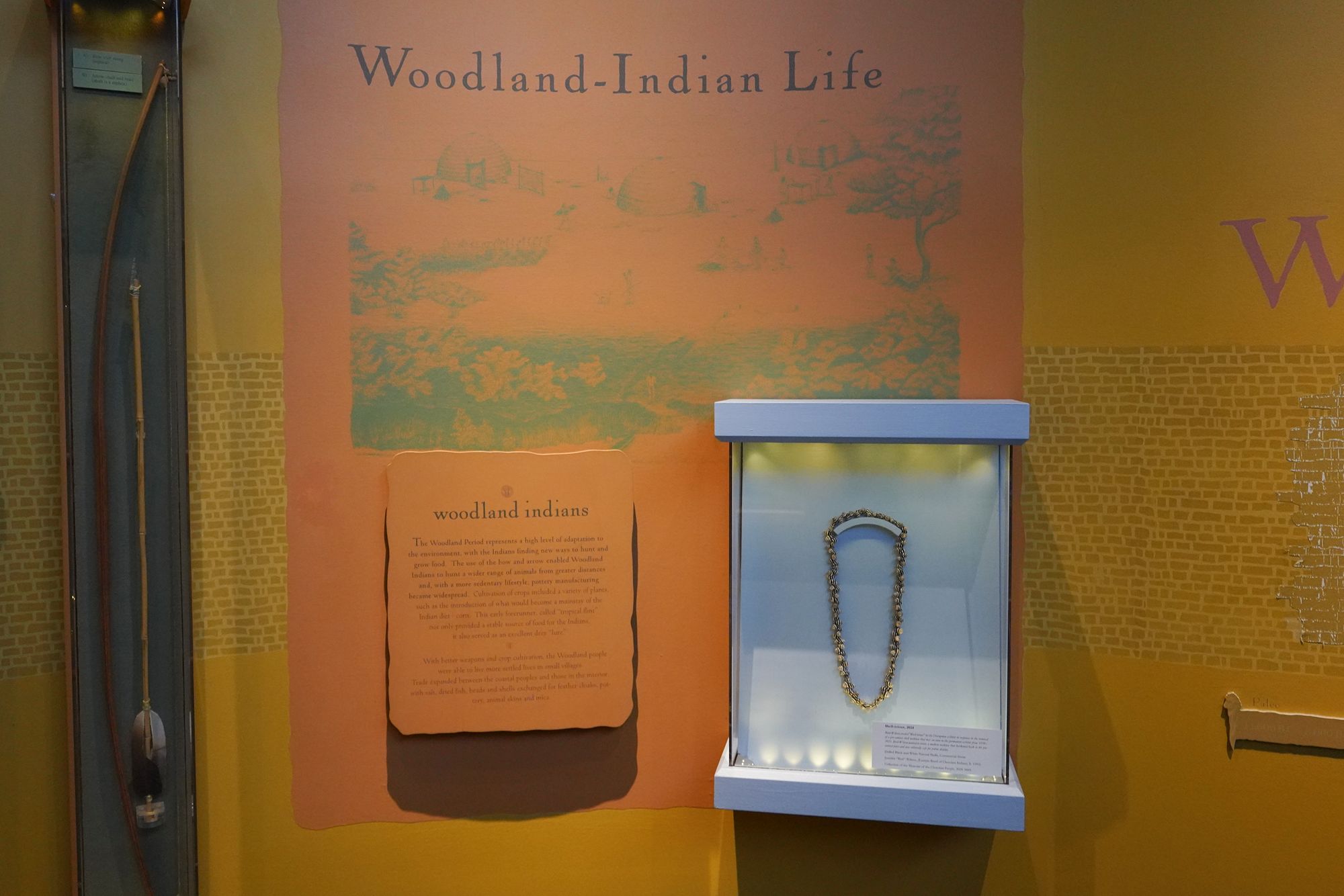
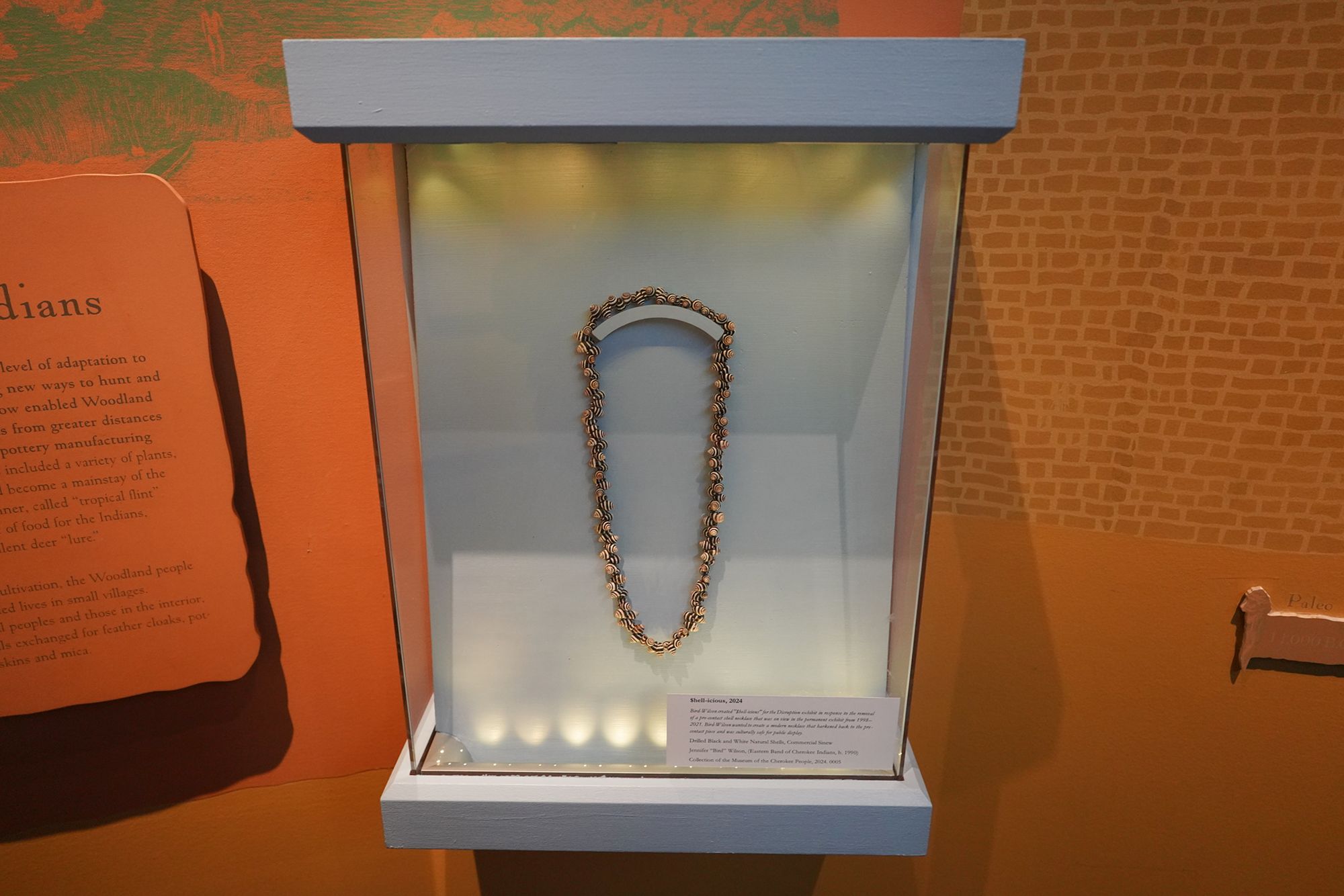
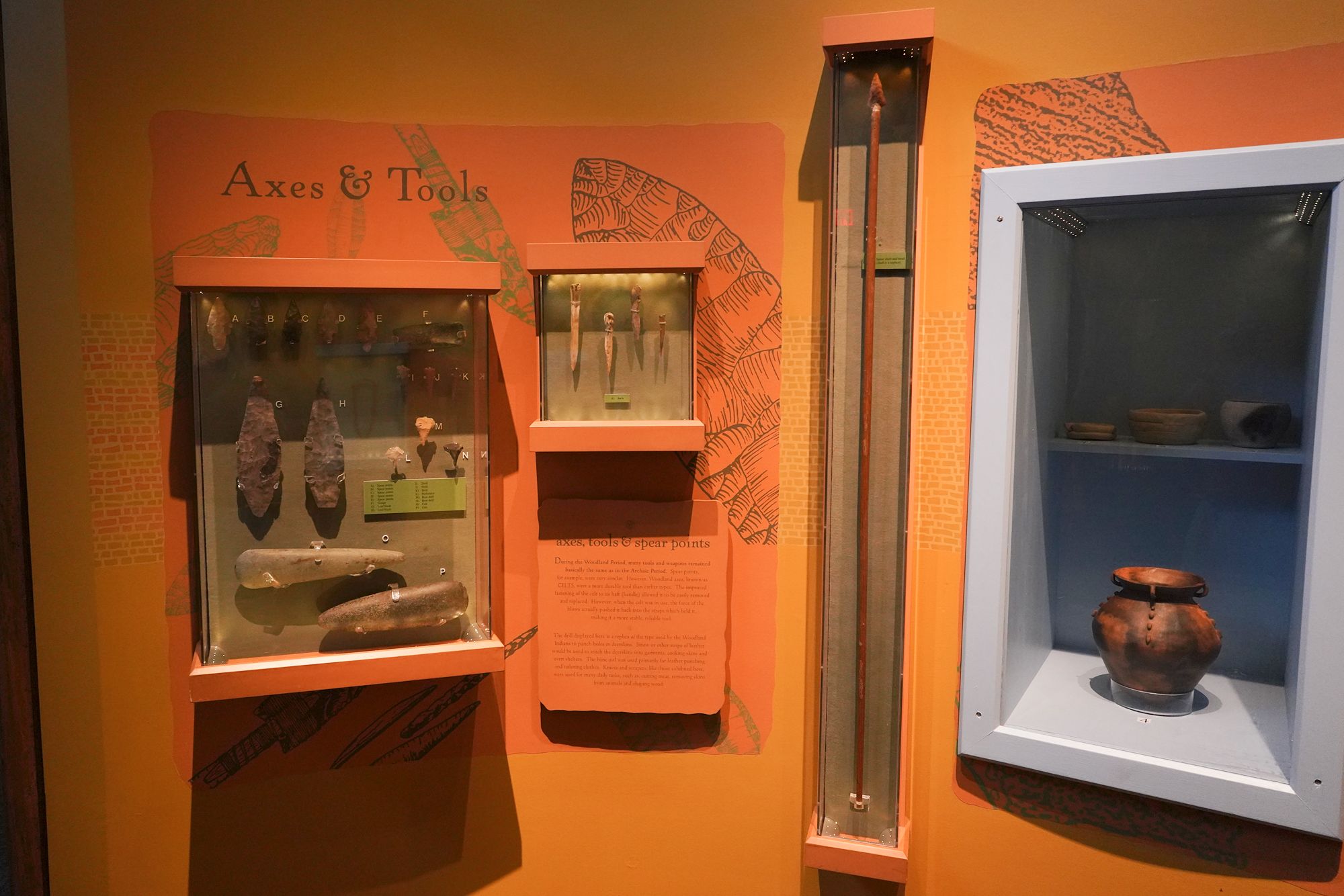
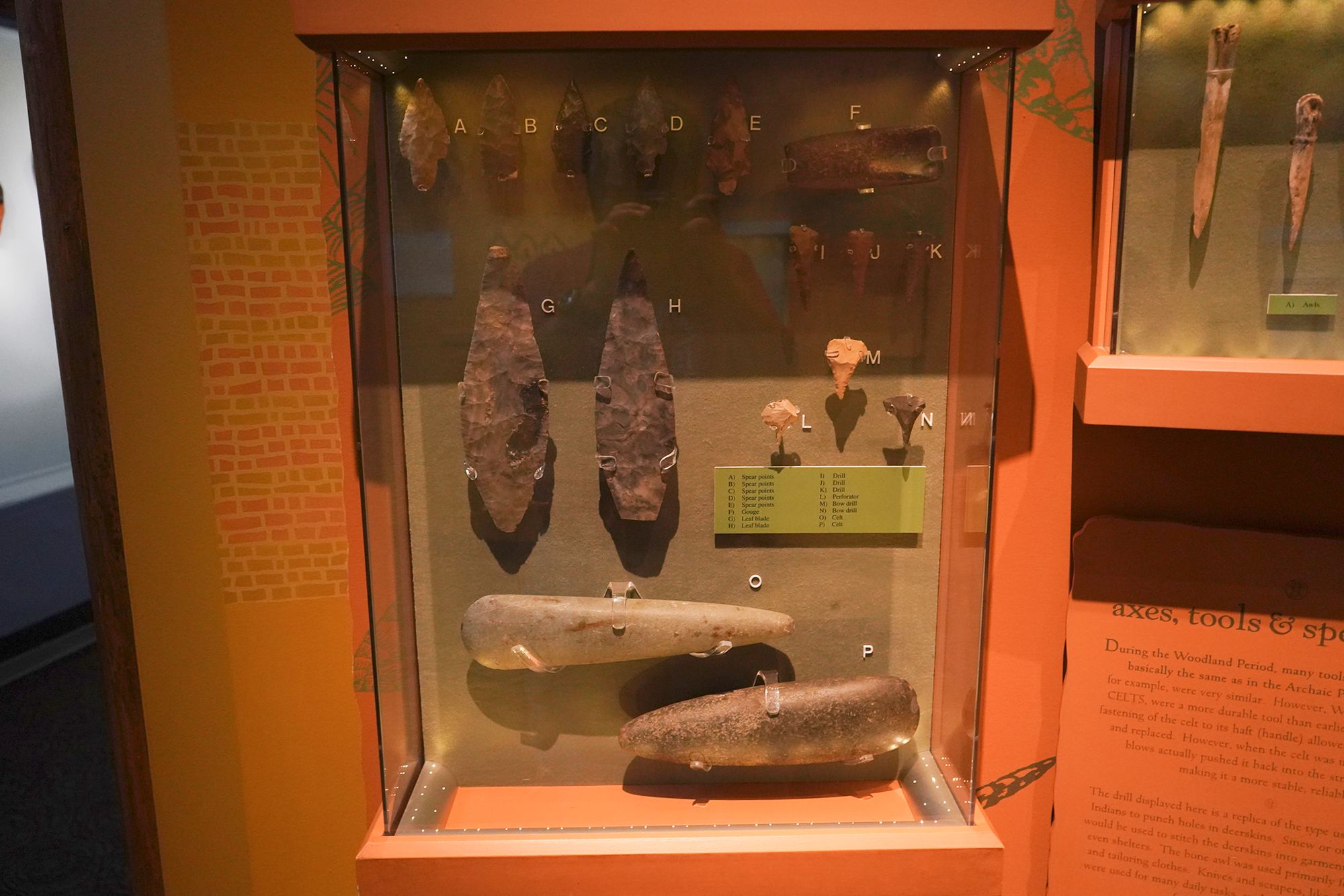
Traditional crafts, tools, clothing, and art are showcased alongside archaeological findings and historical documents.
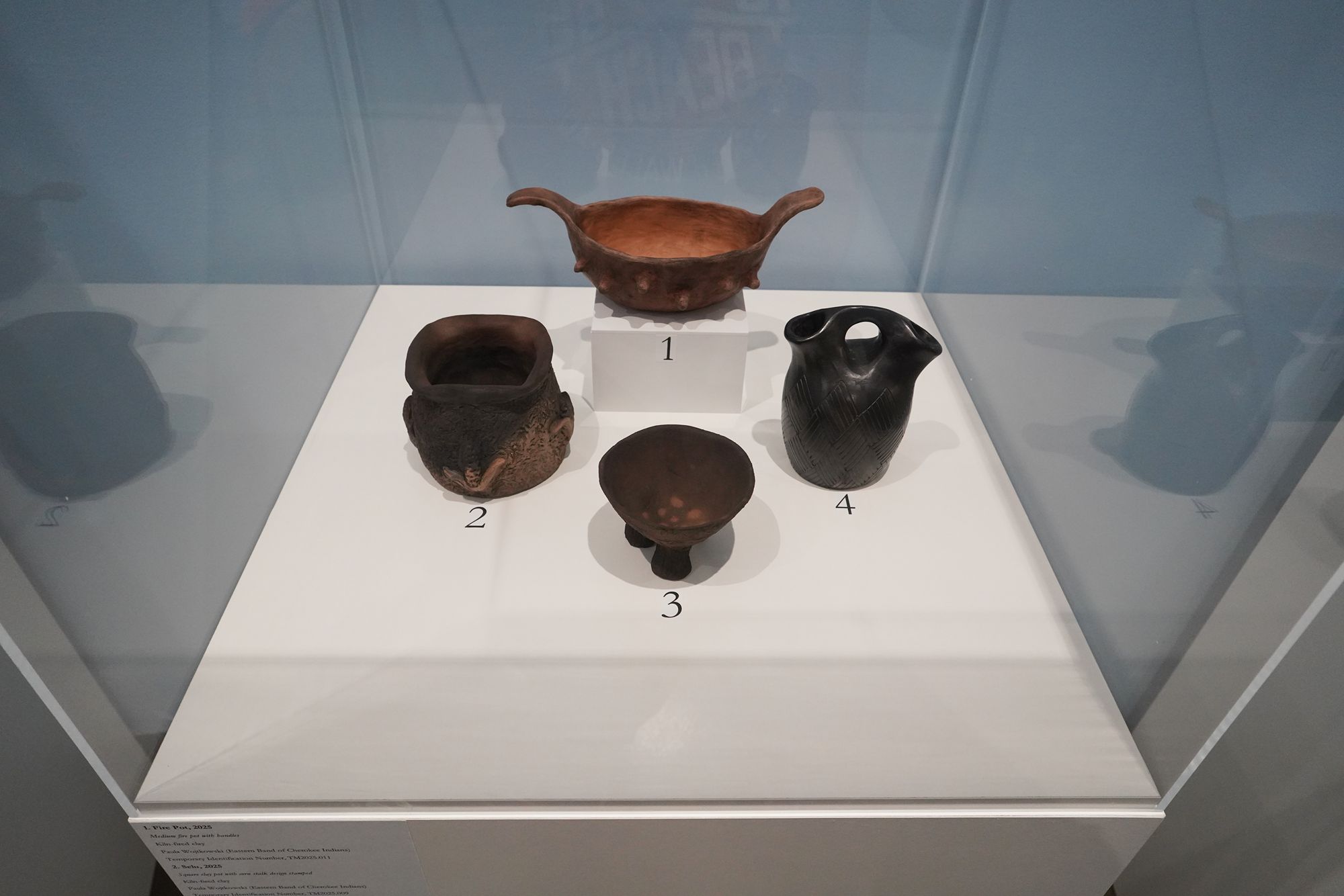
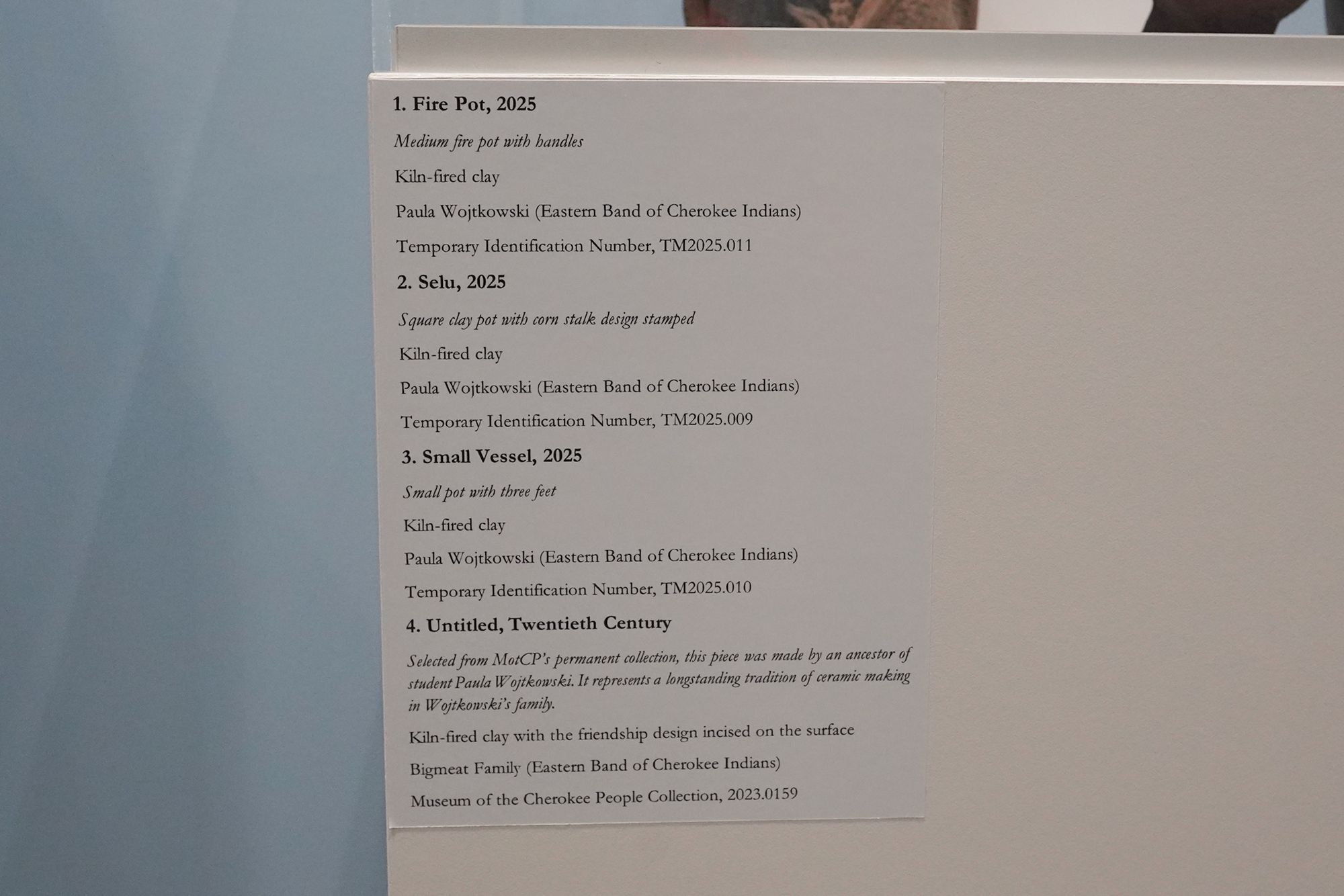
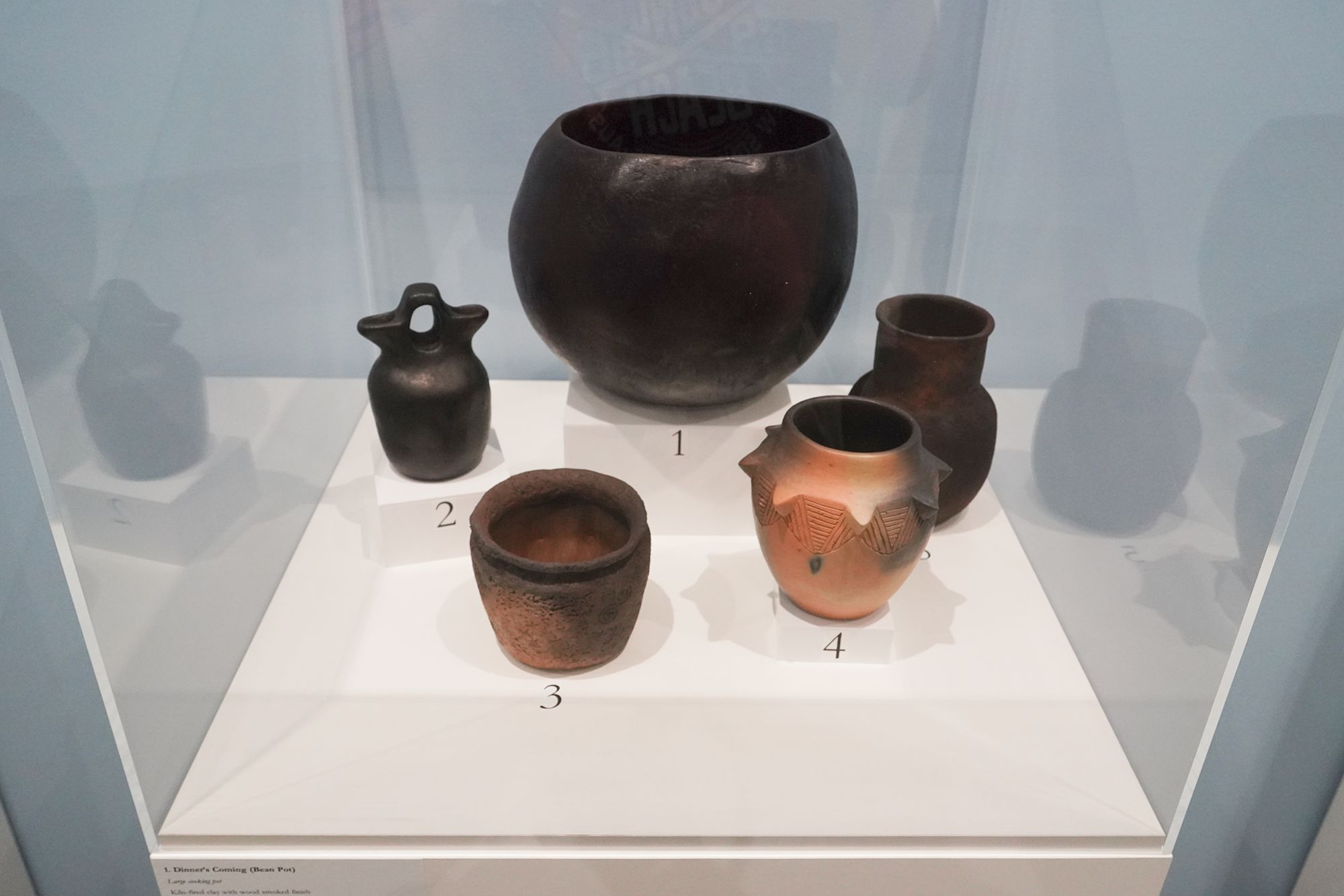
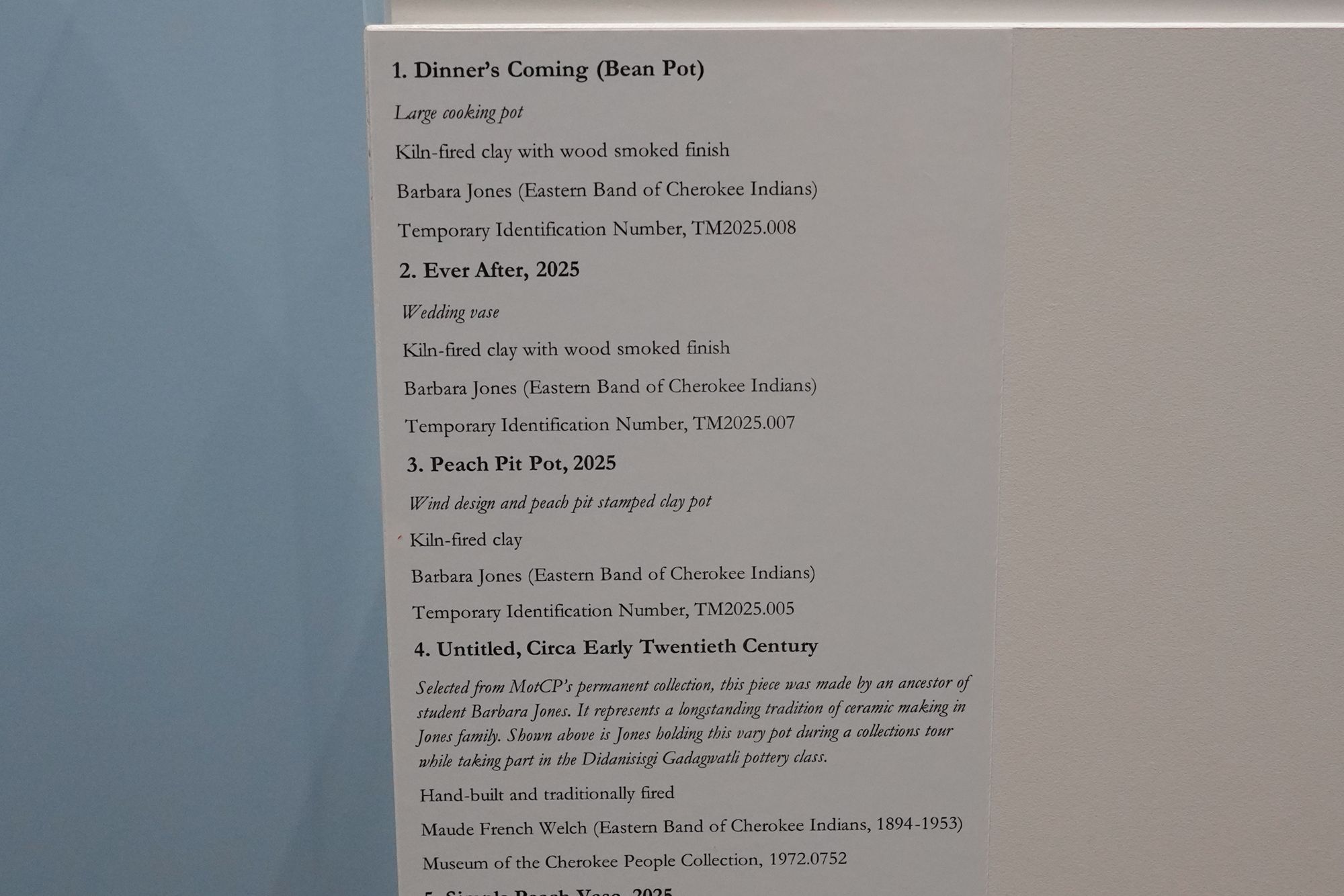
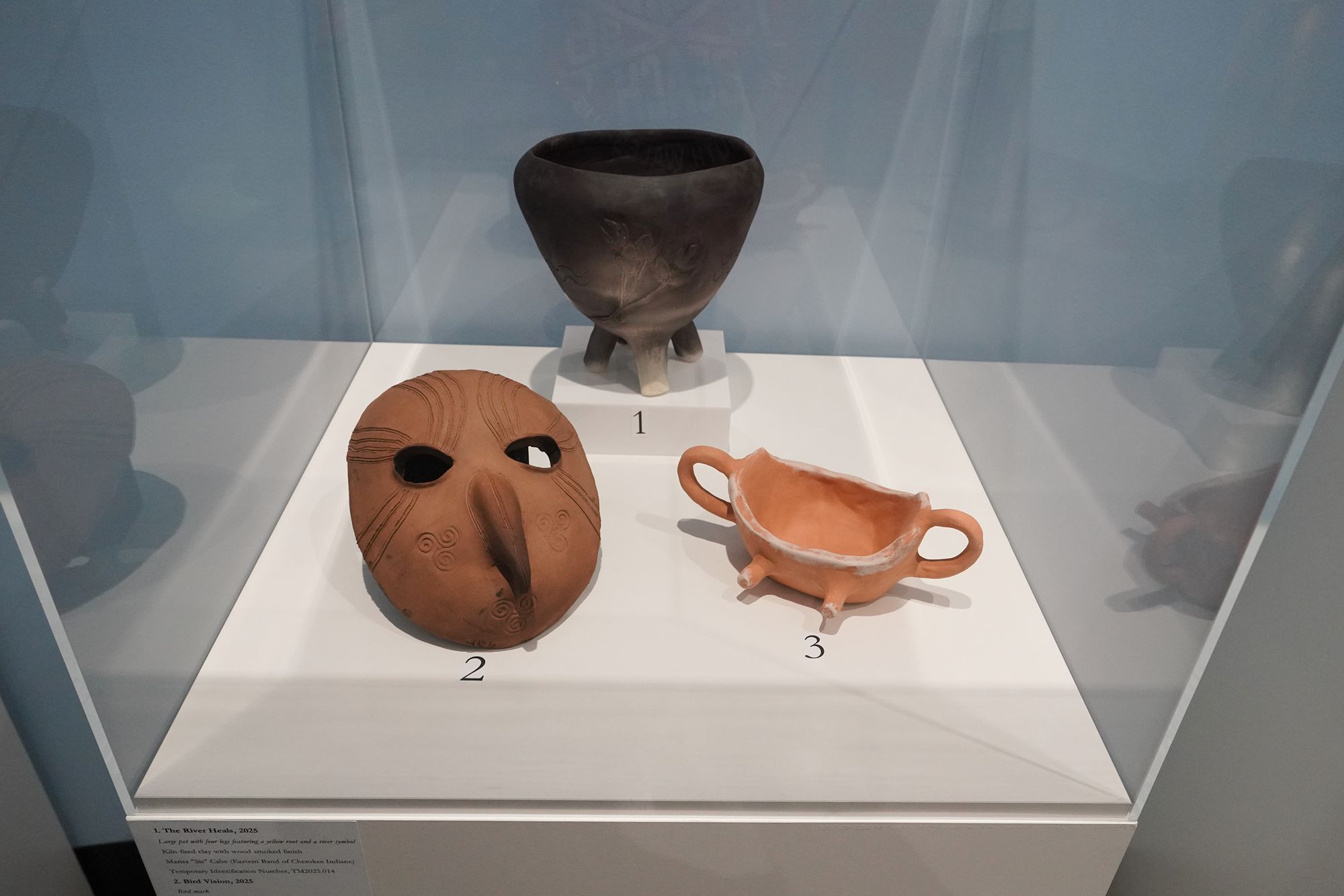
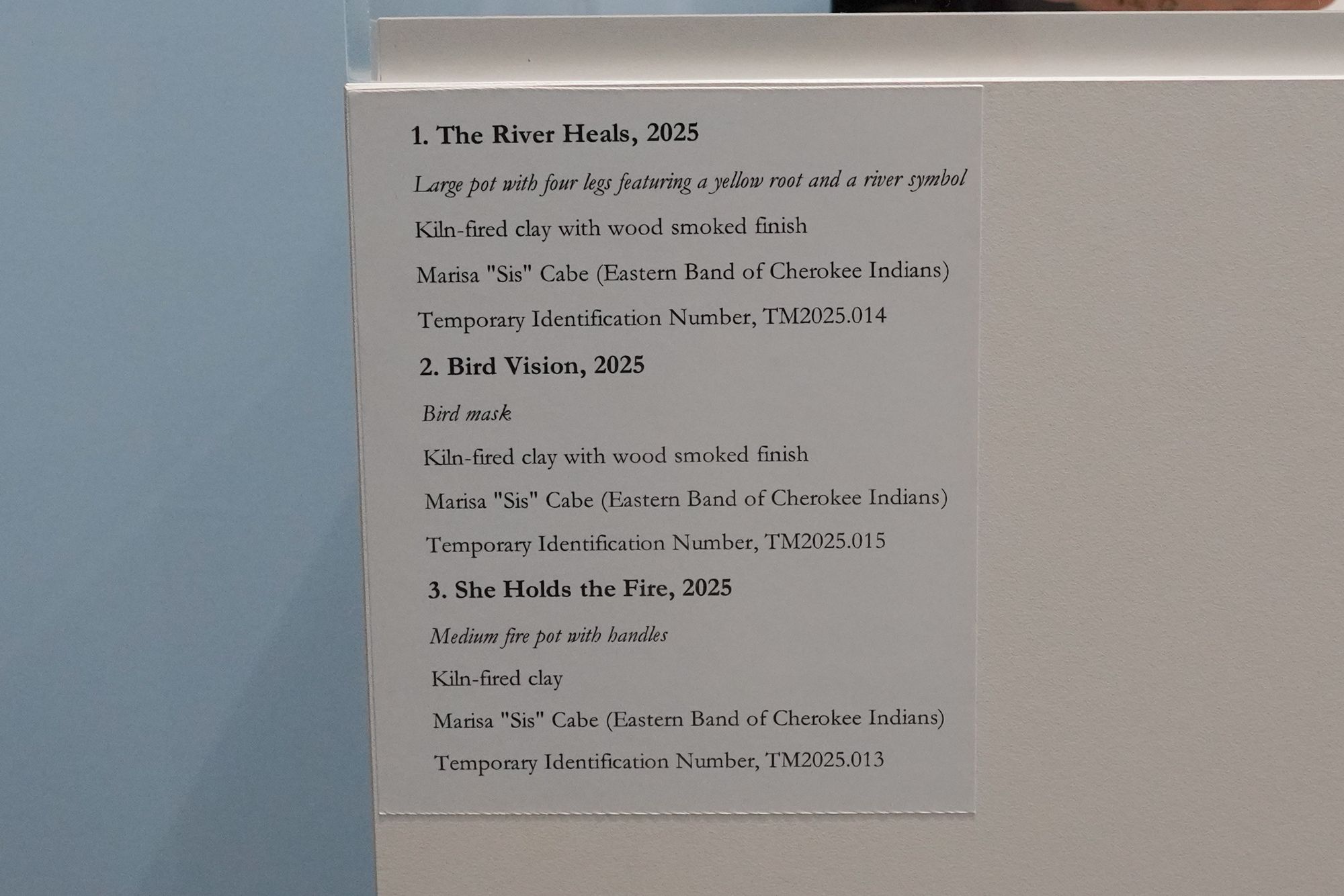
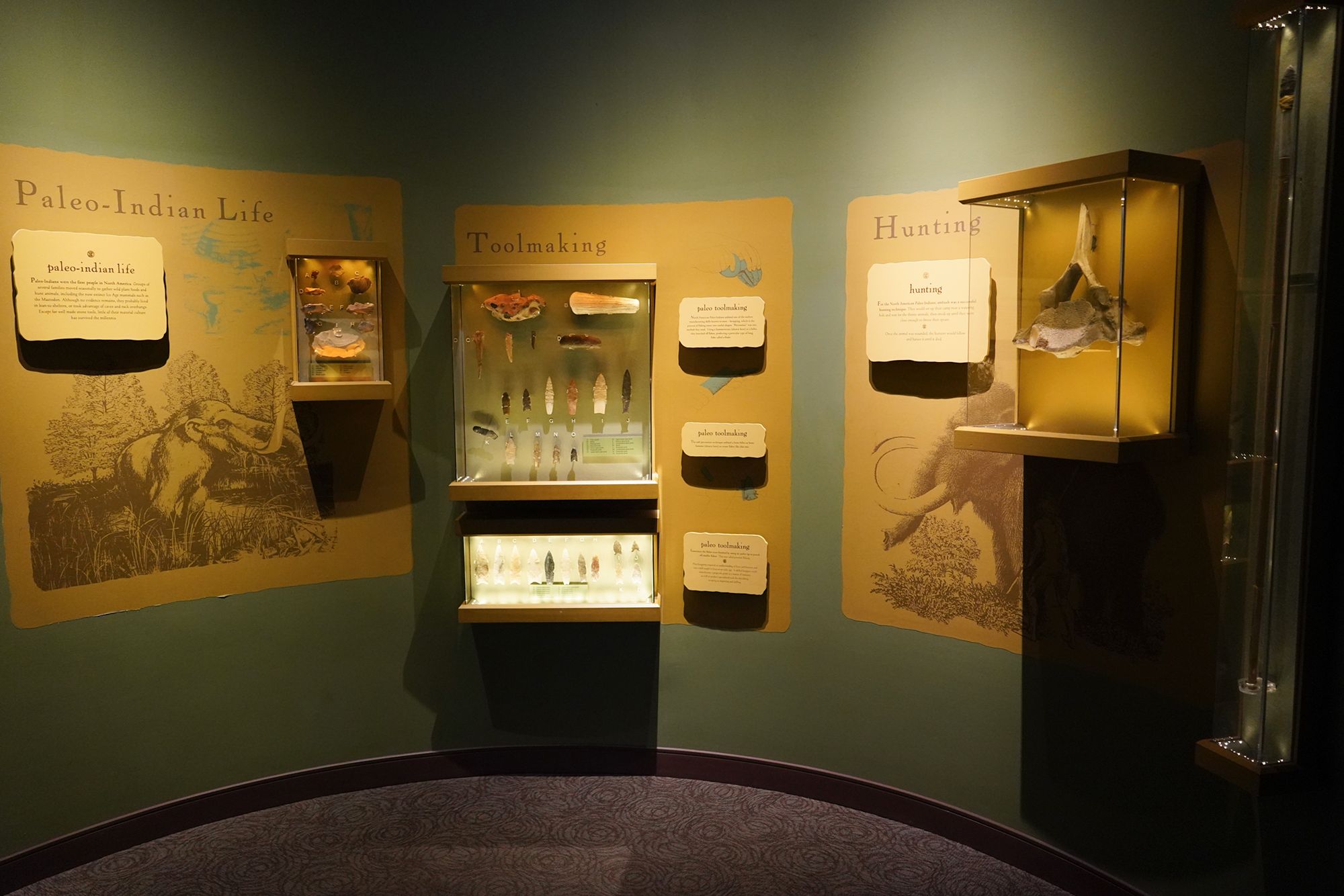
Visitors can follow the story of the Cherokee from ancient times through European contact, forced removal, and modern life.
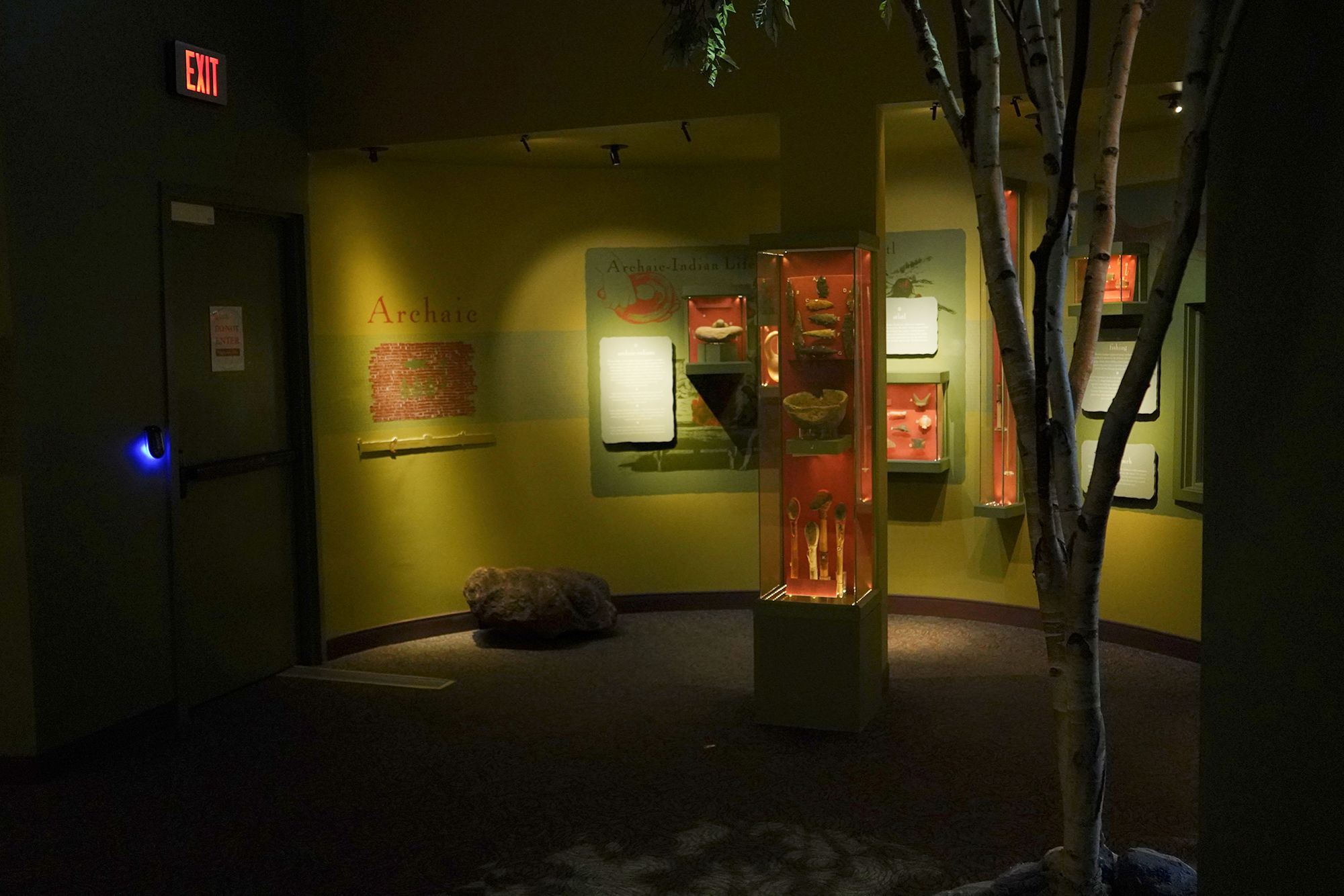
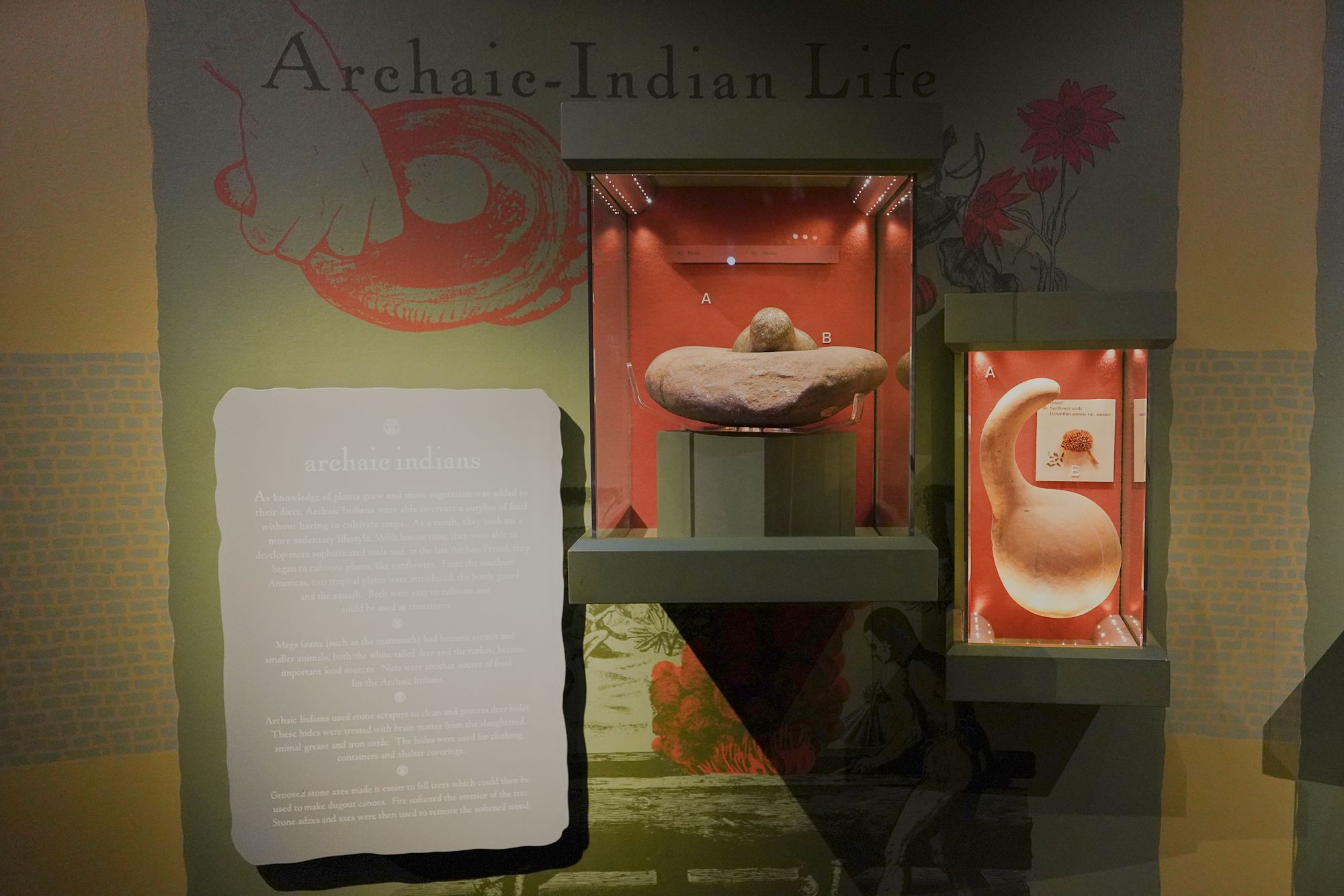
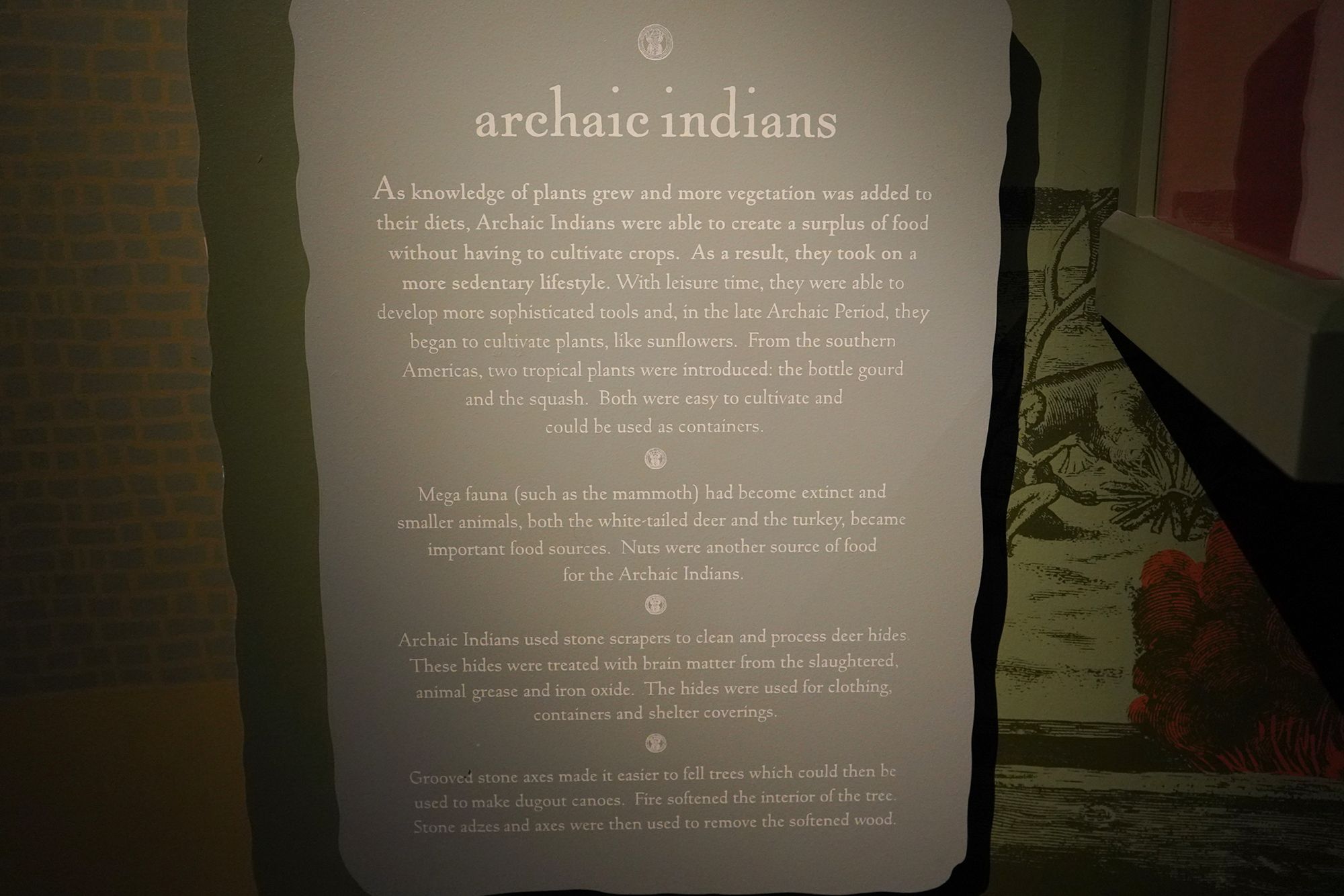
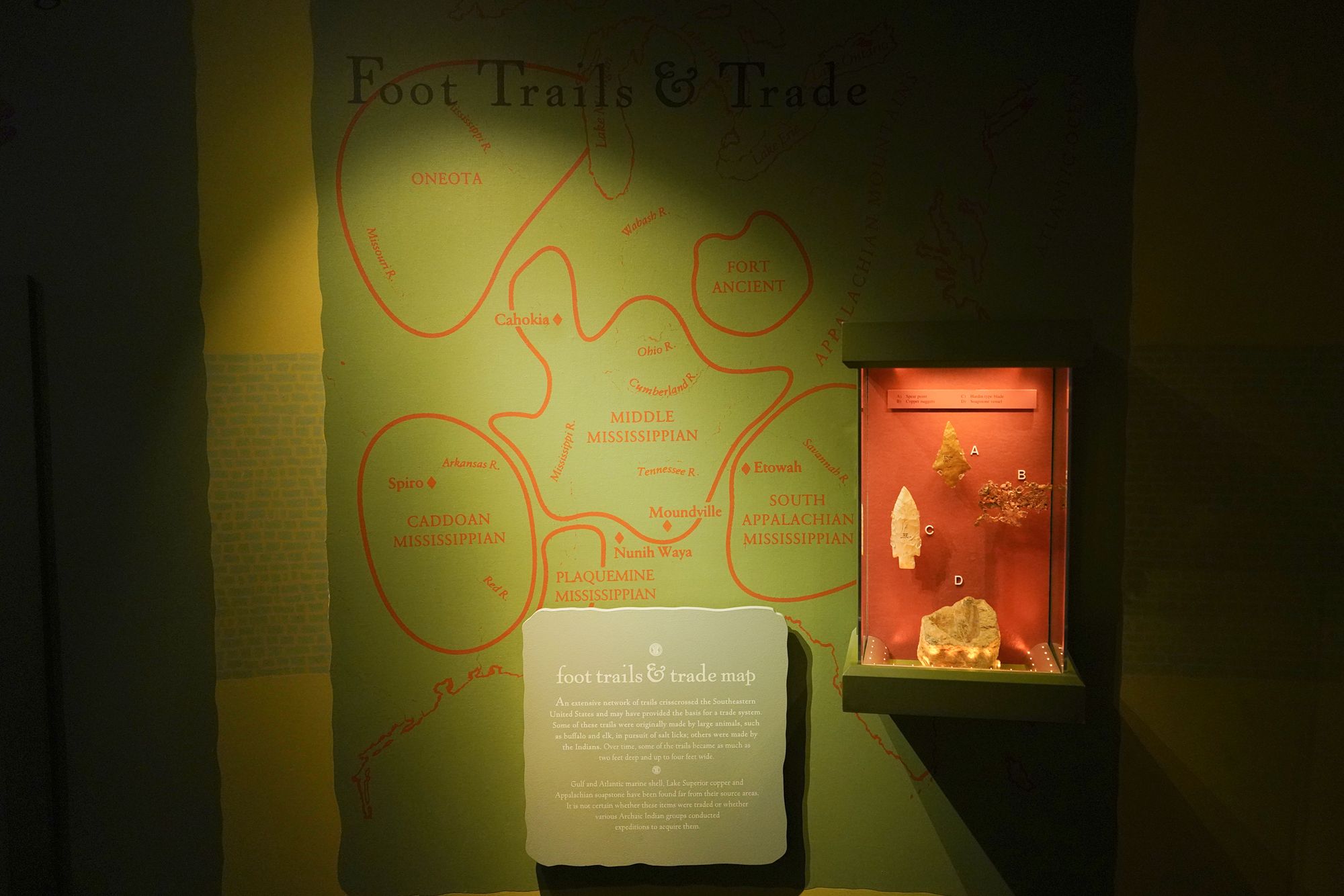
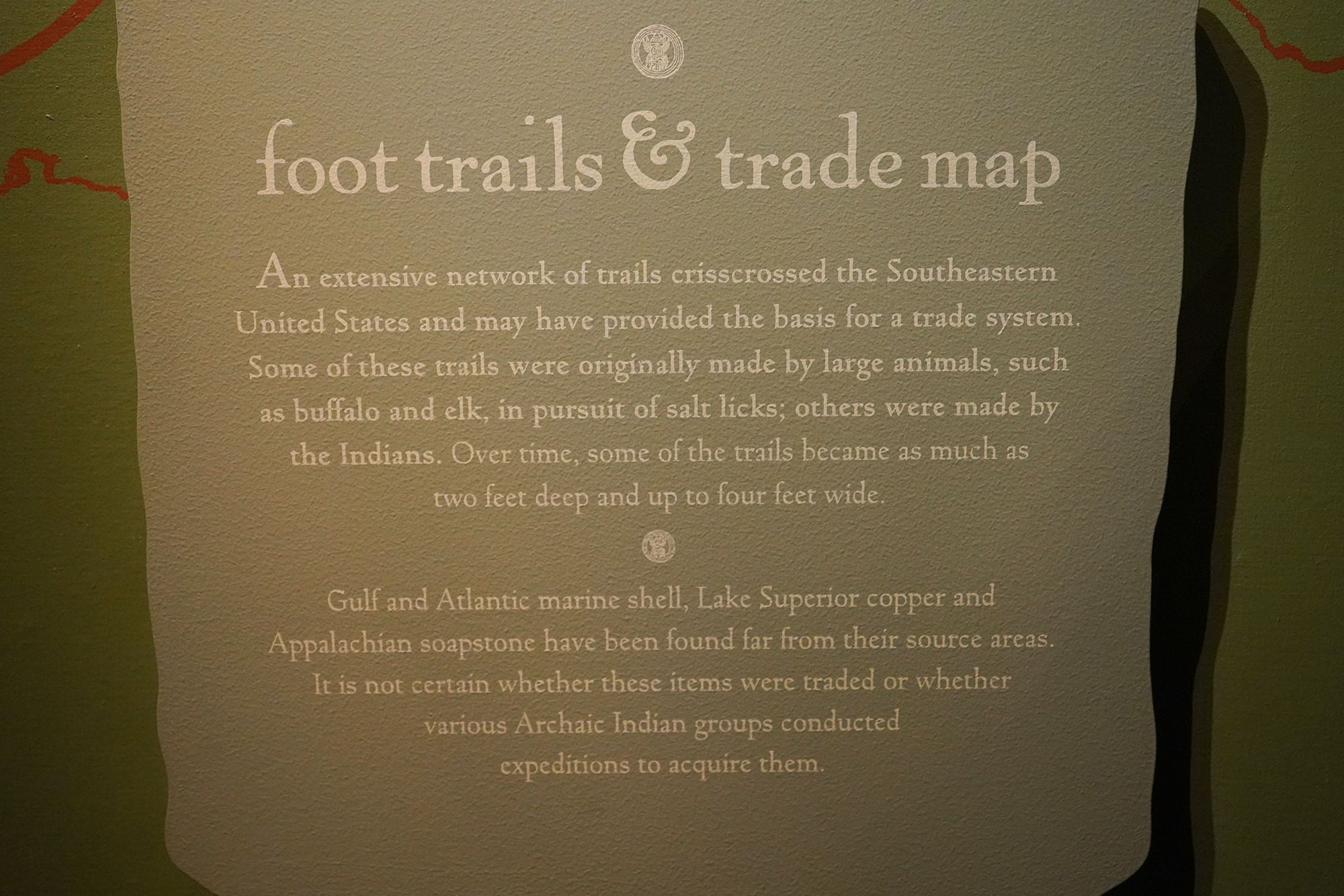
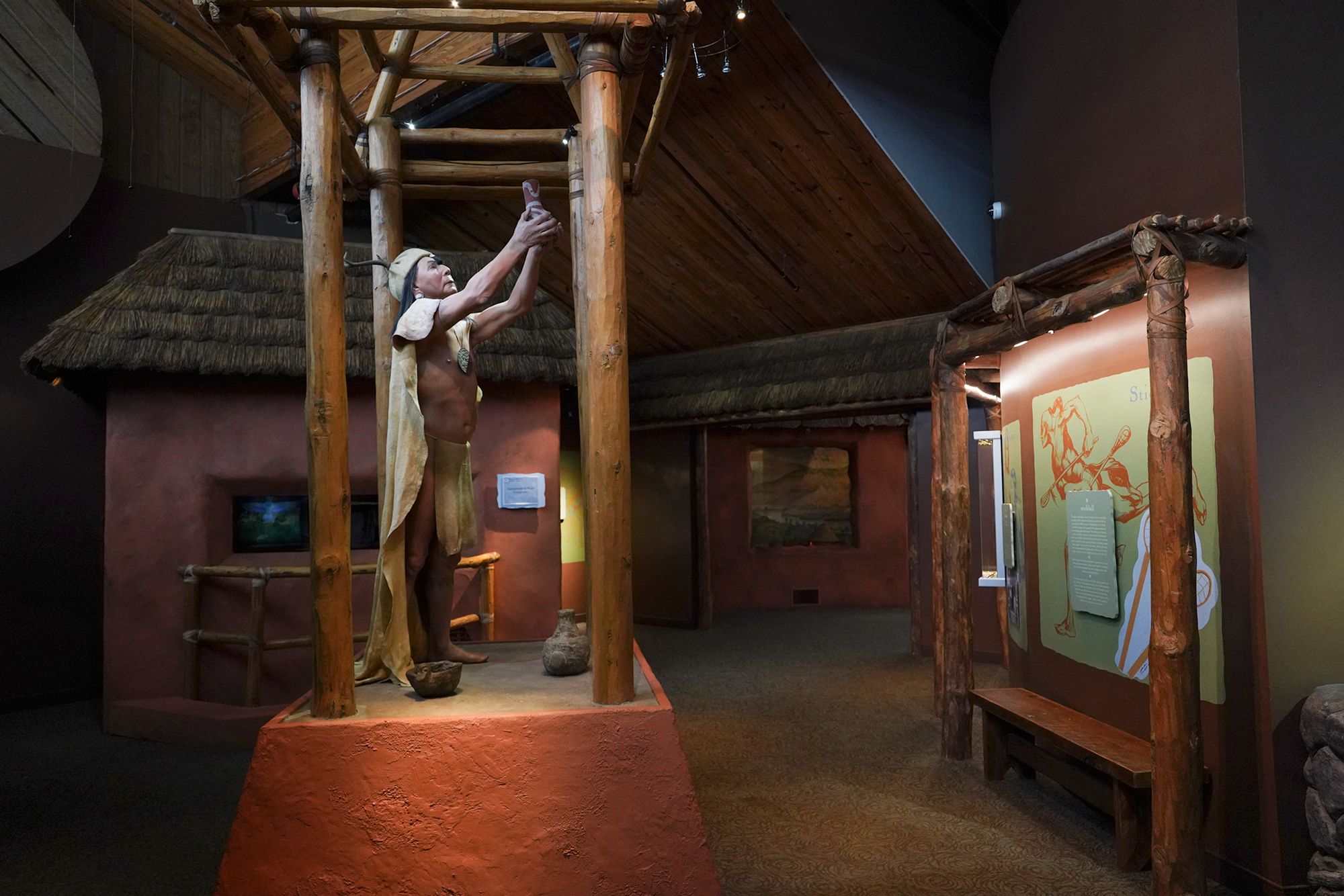
Ancient Time
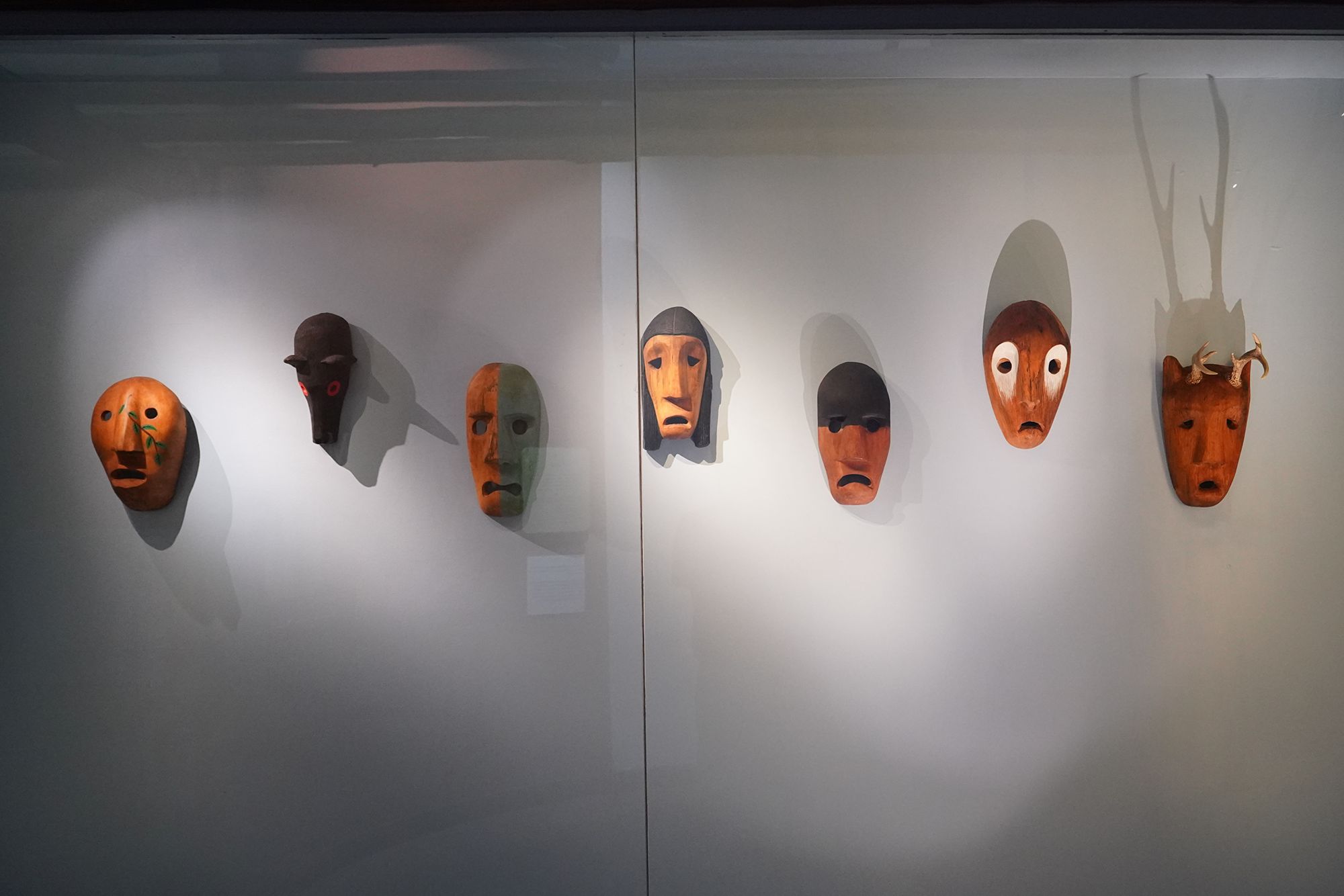
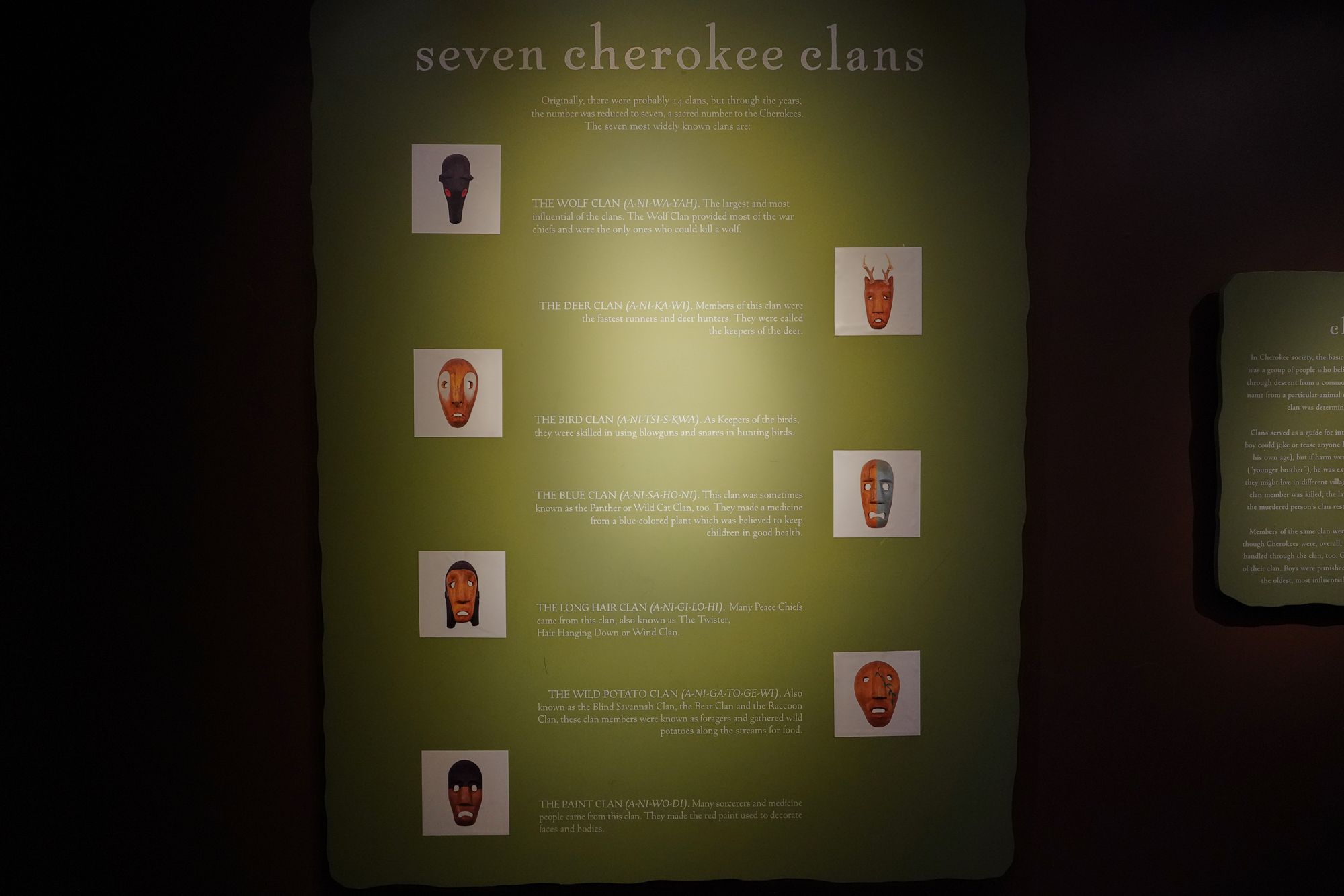
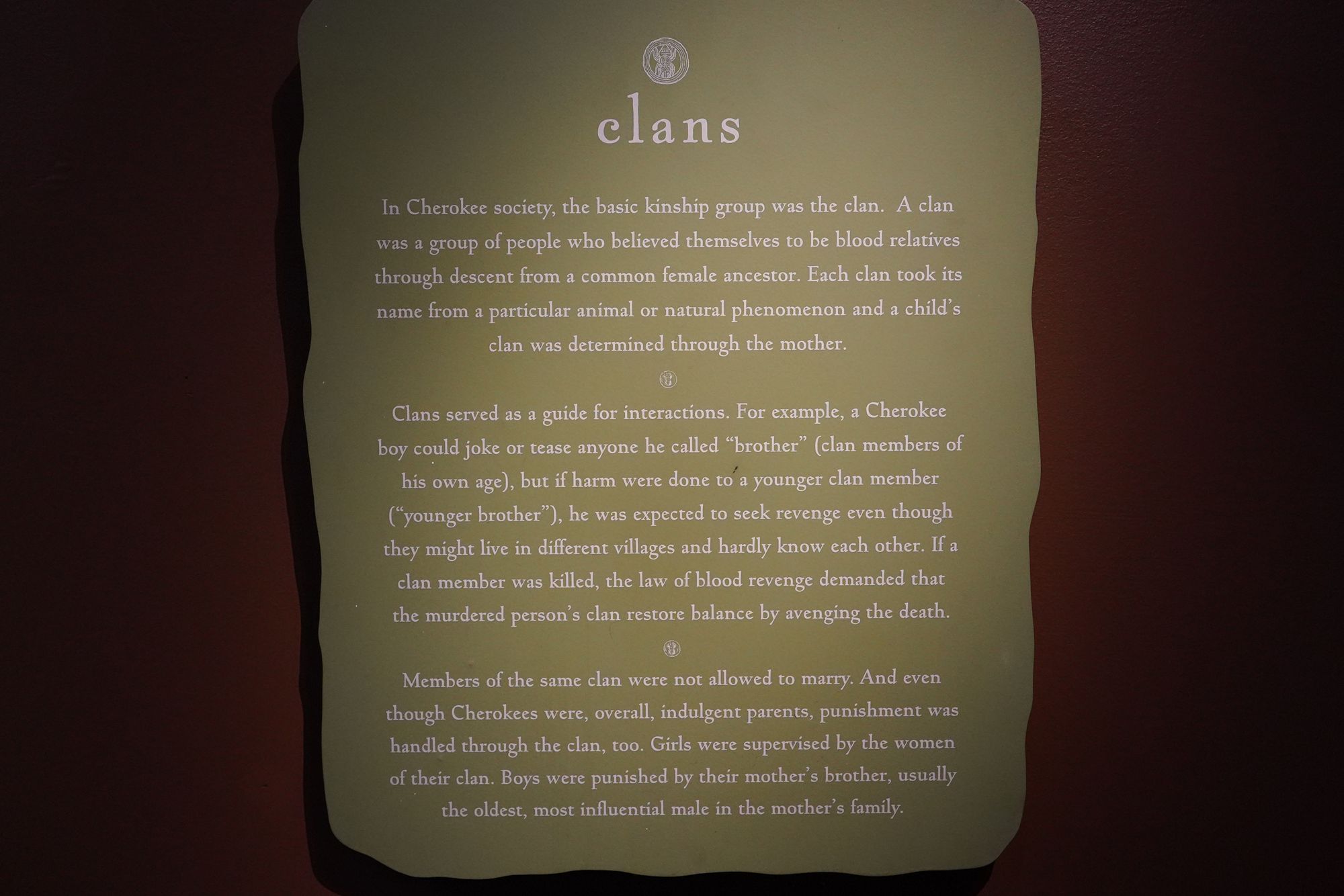
Seven Cherokee Clans
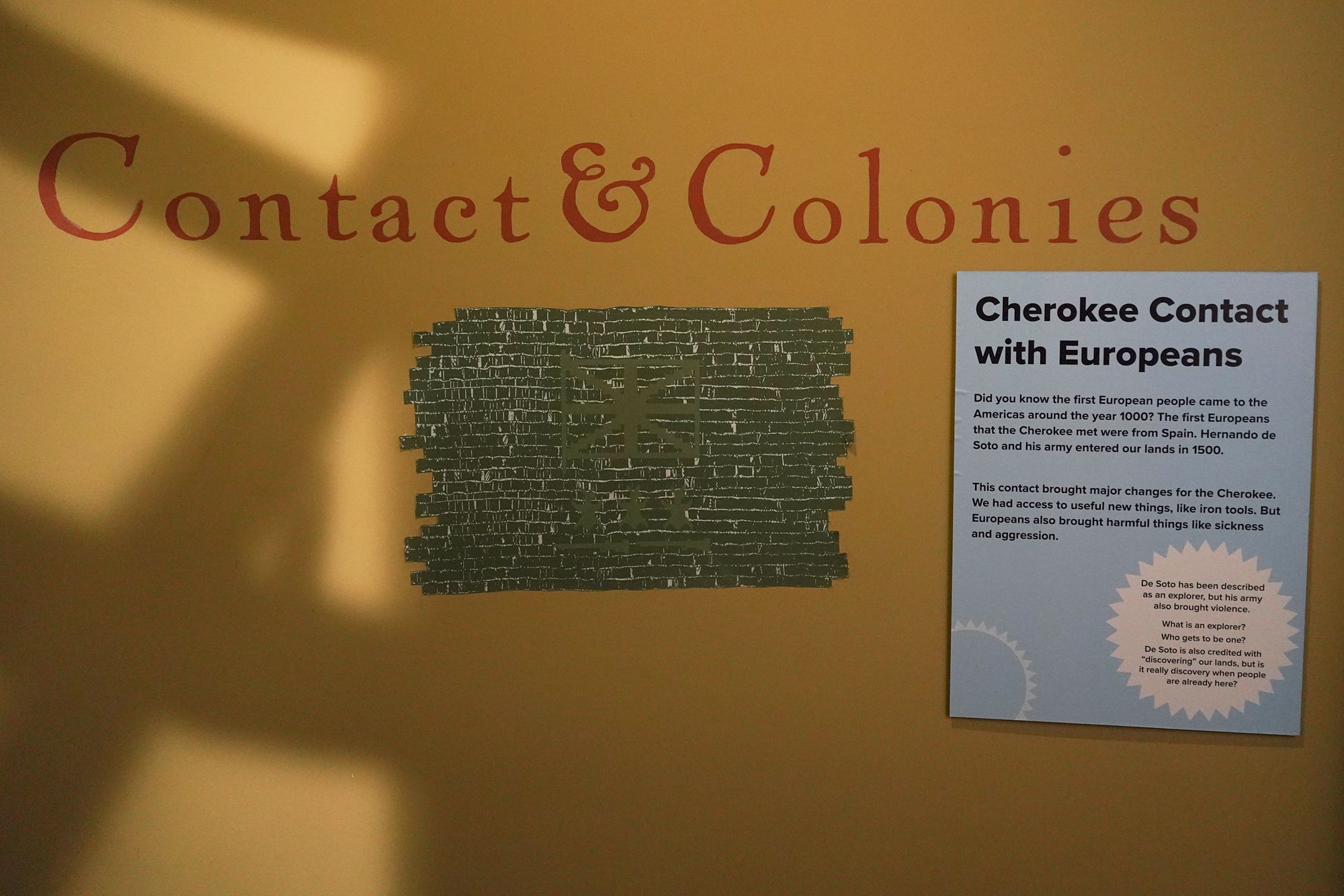
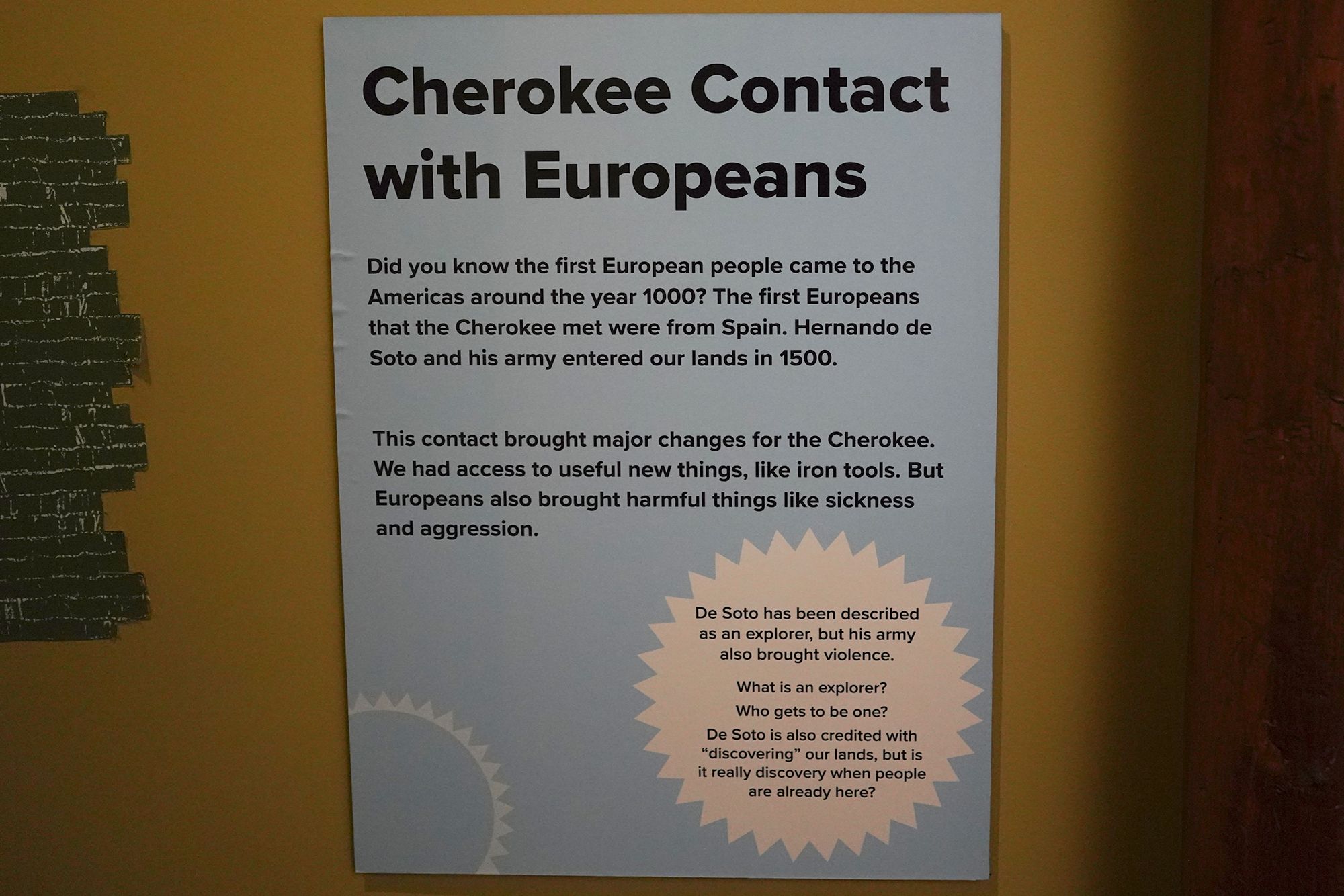
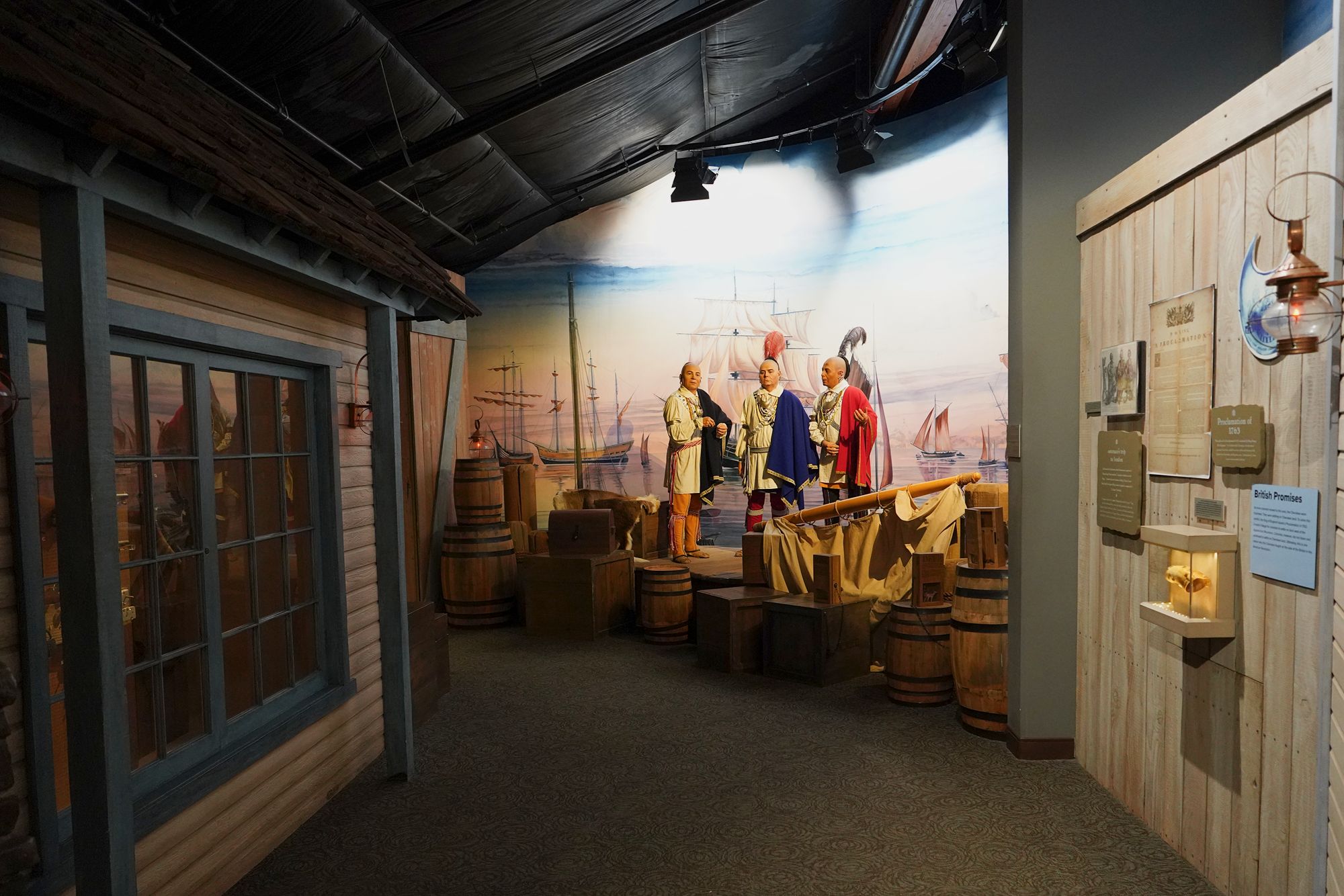
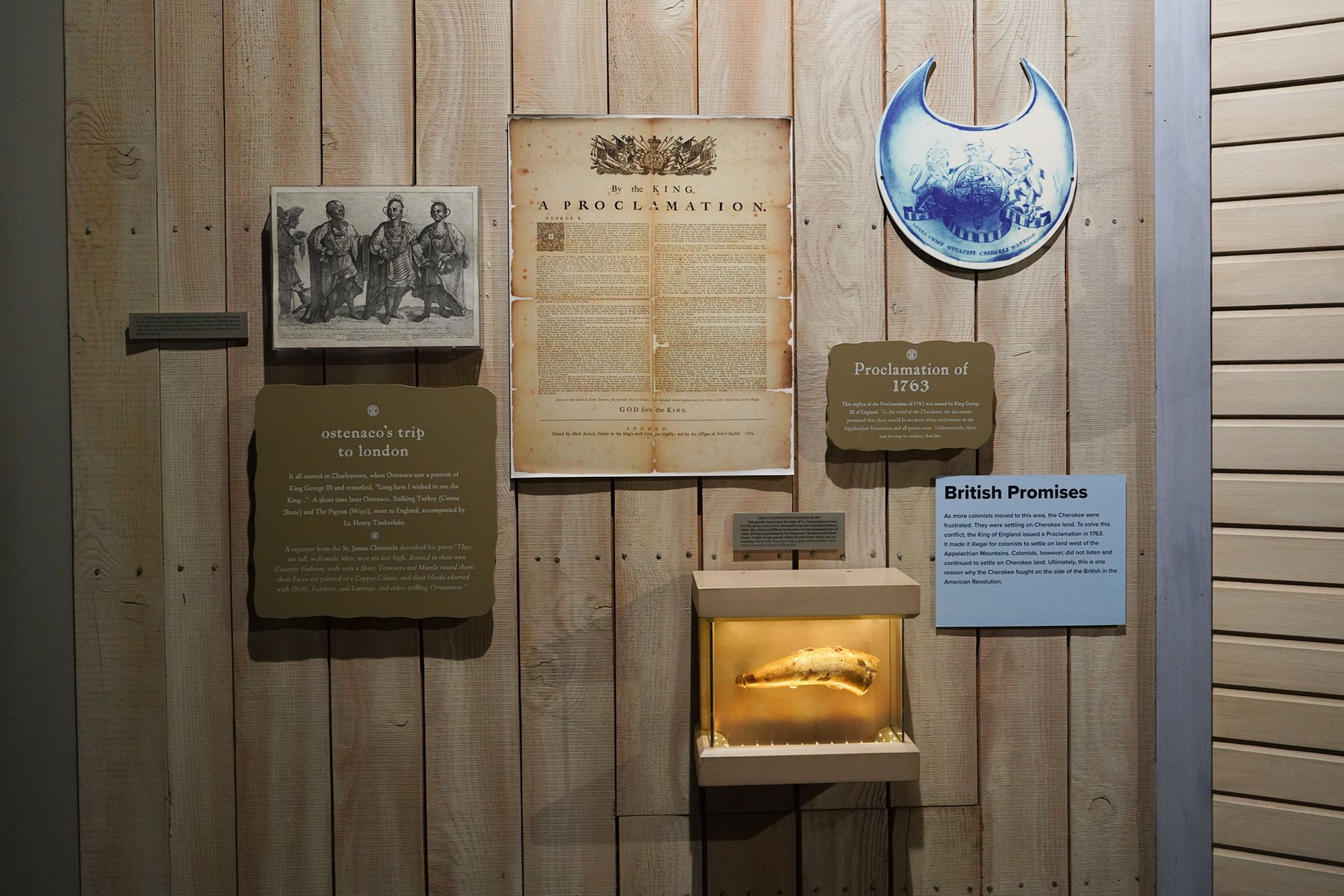
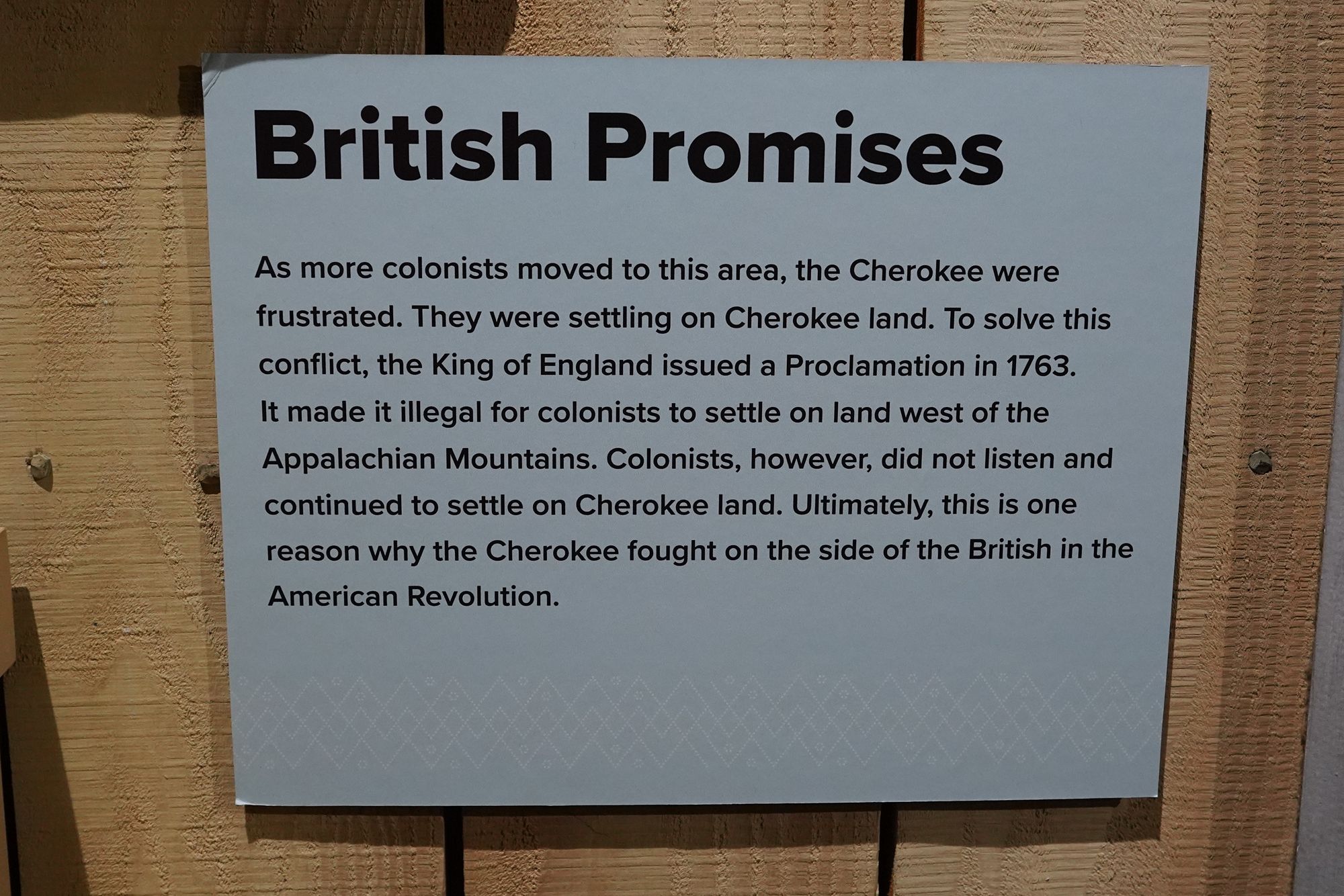
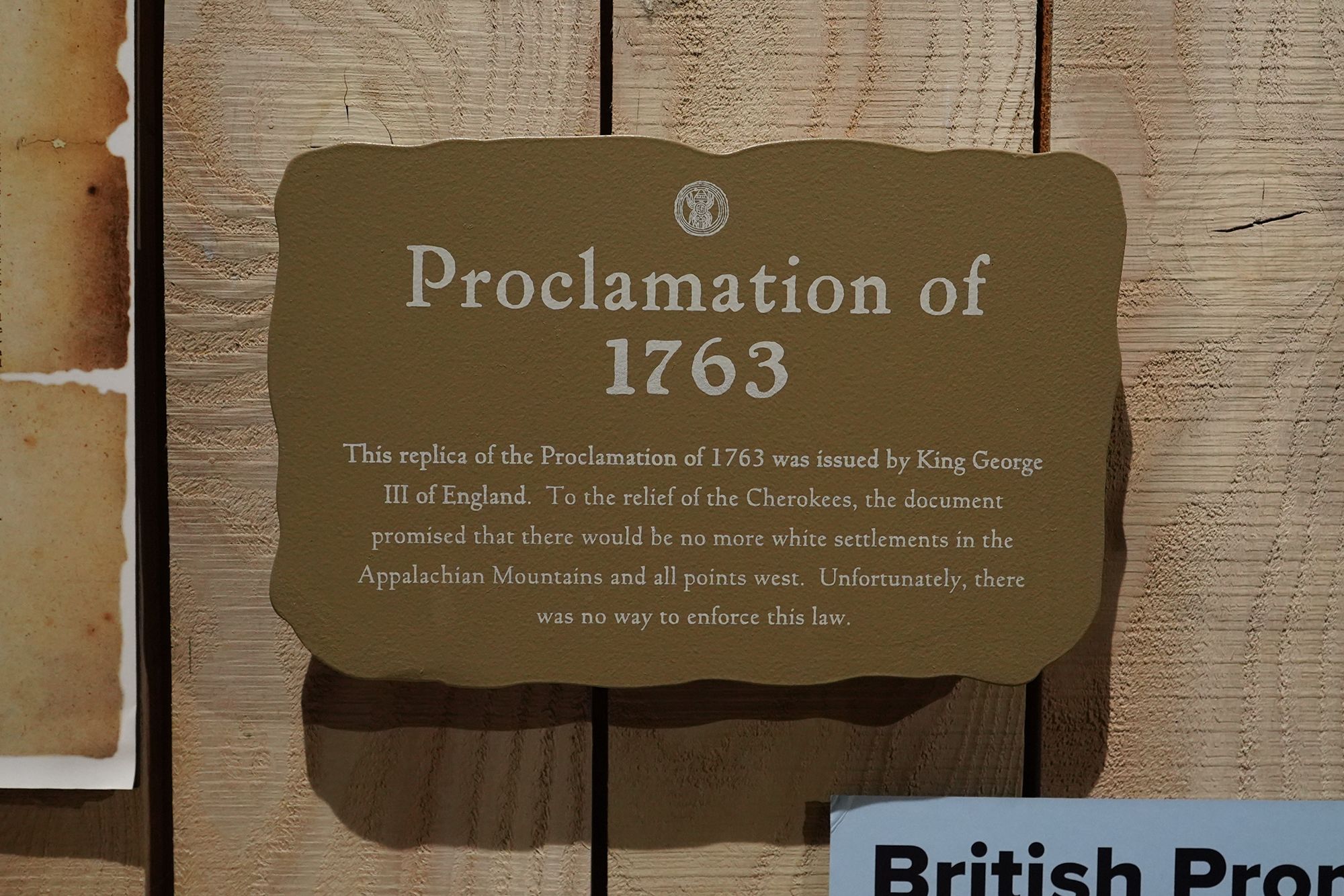
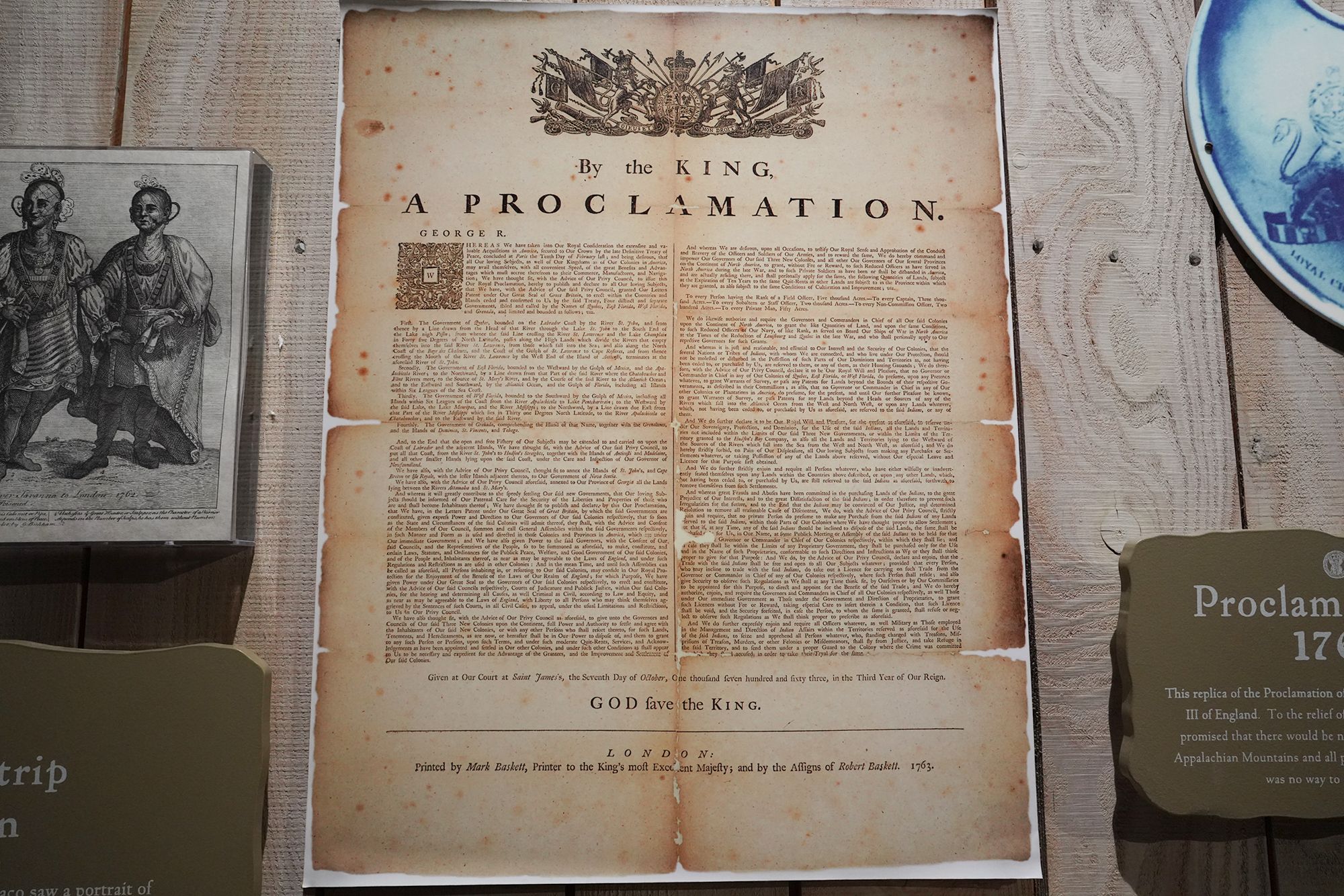
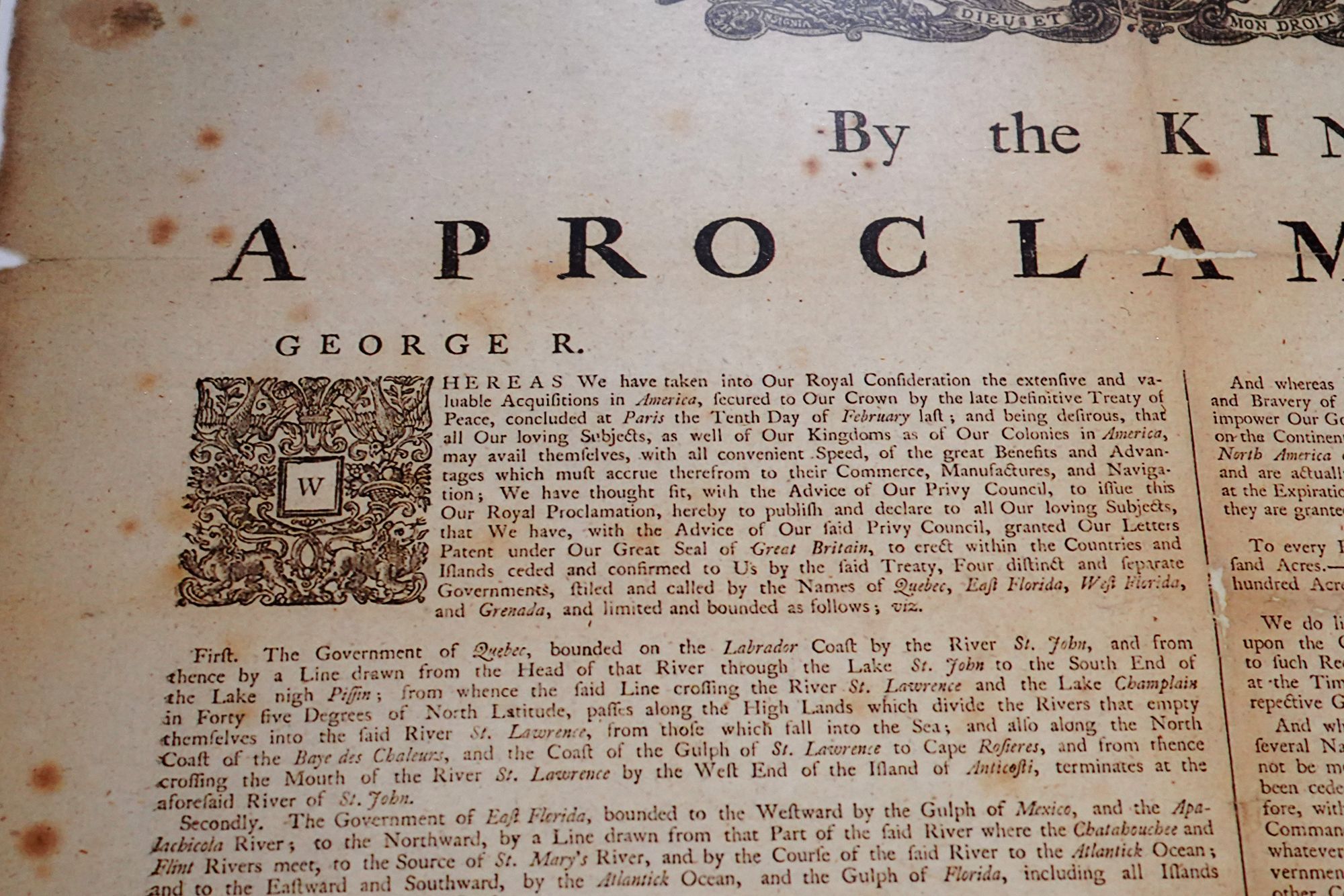
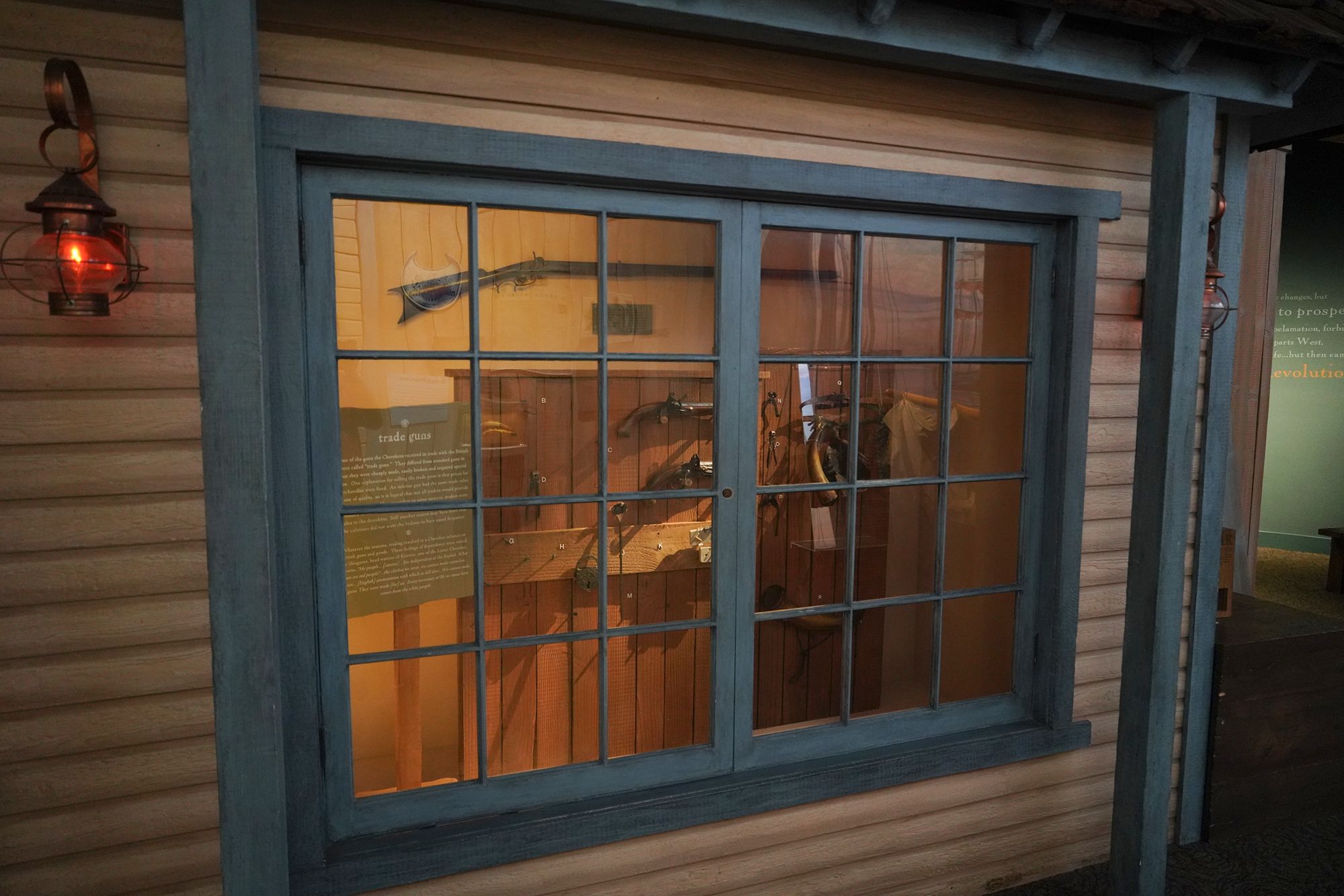
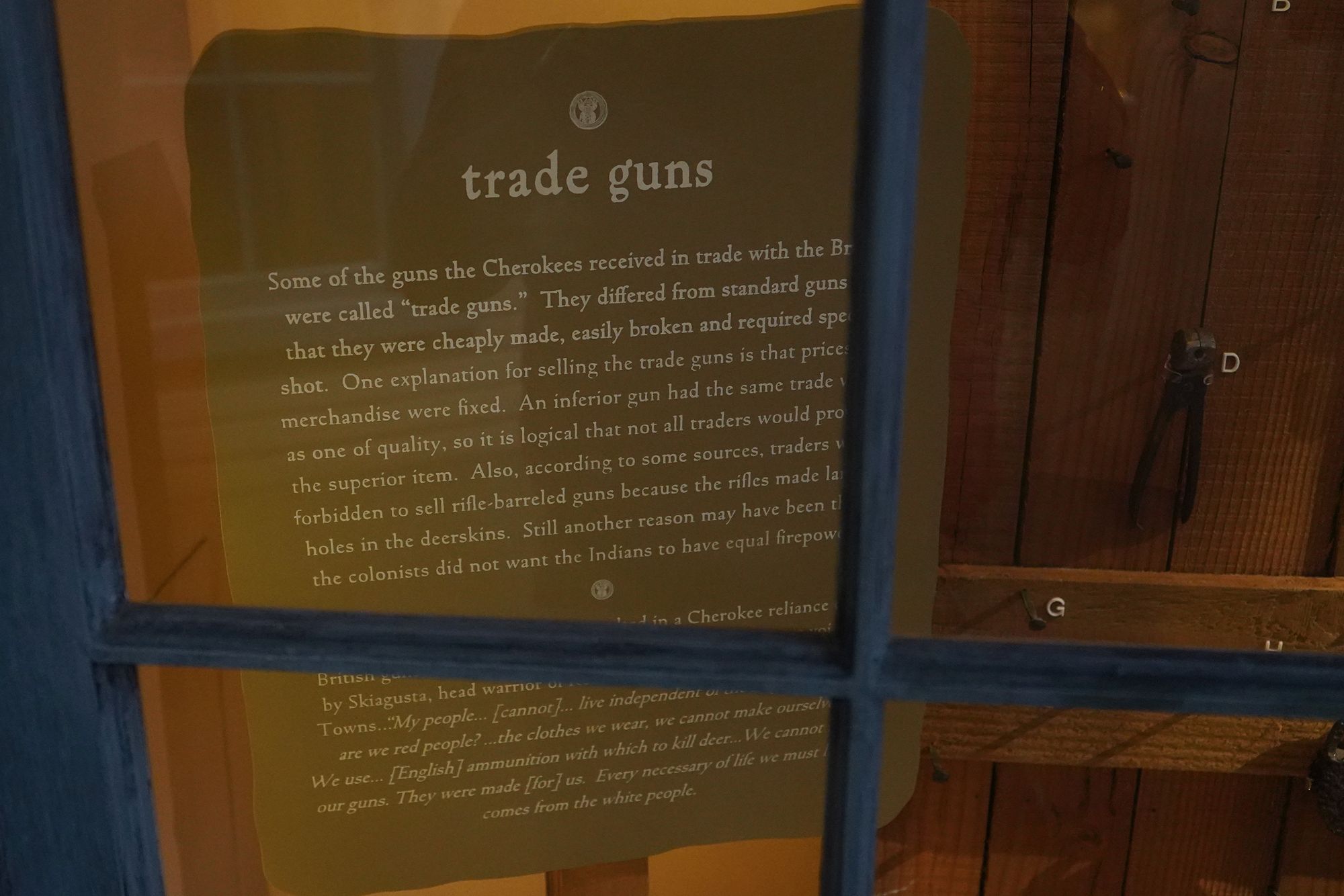
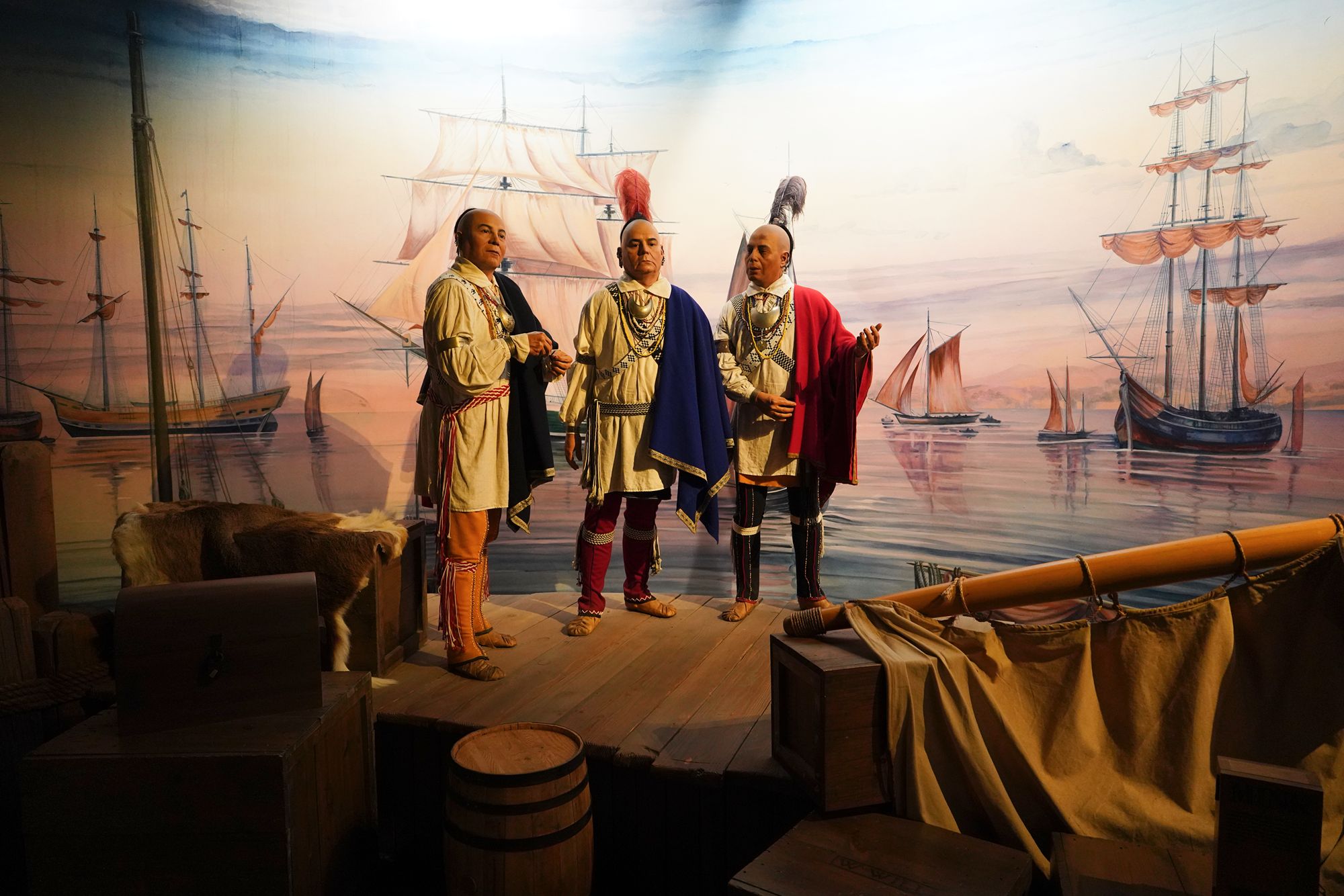
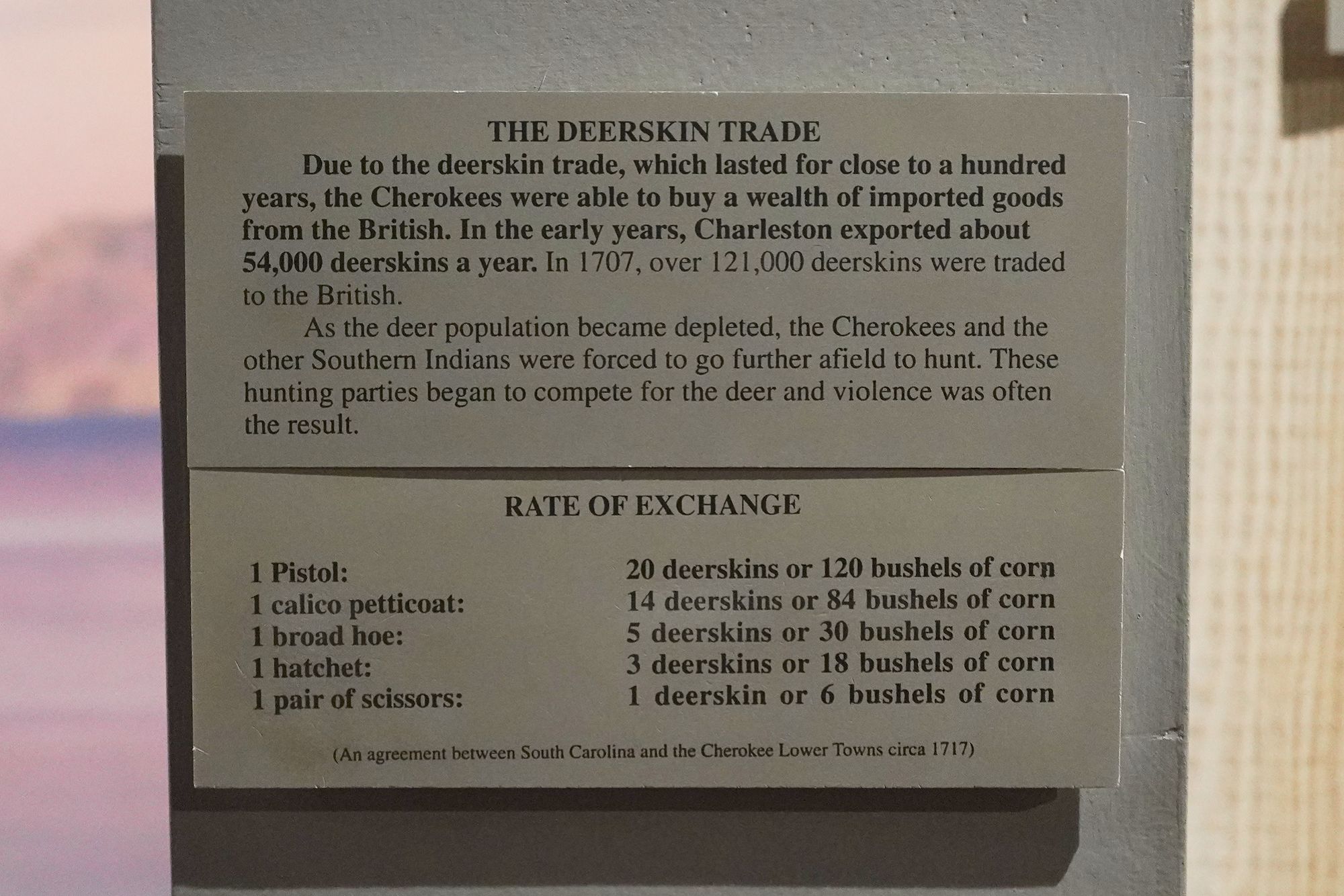
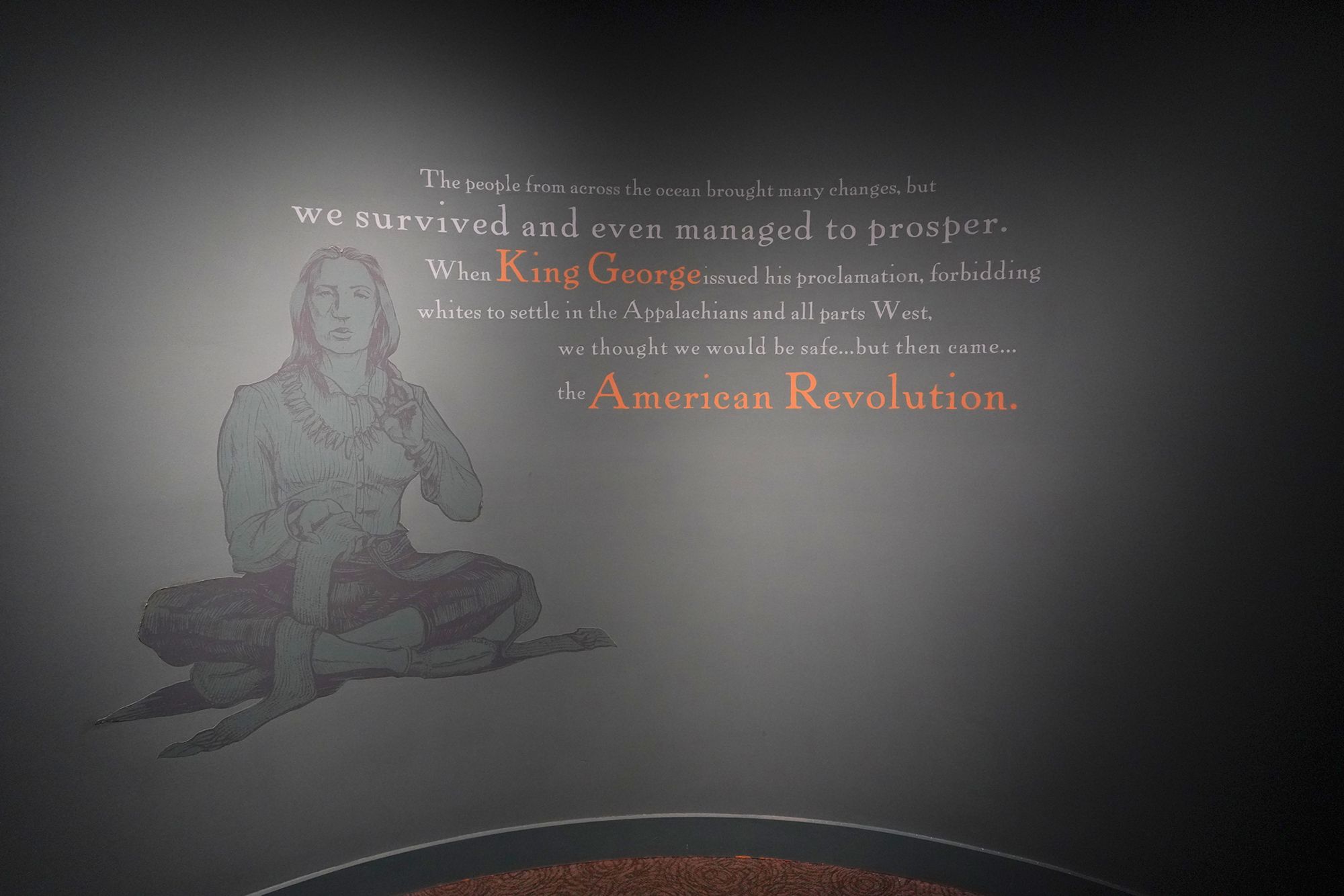
Cherokee Contact with Europeans
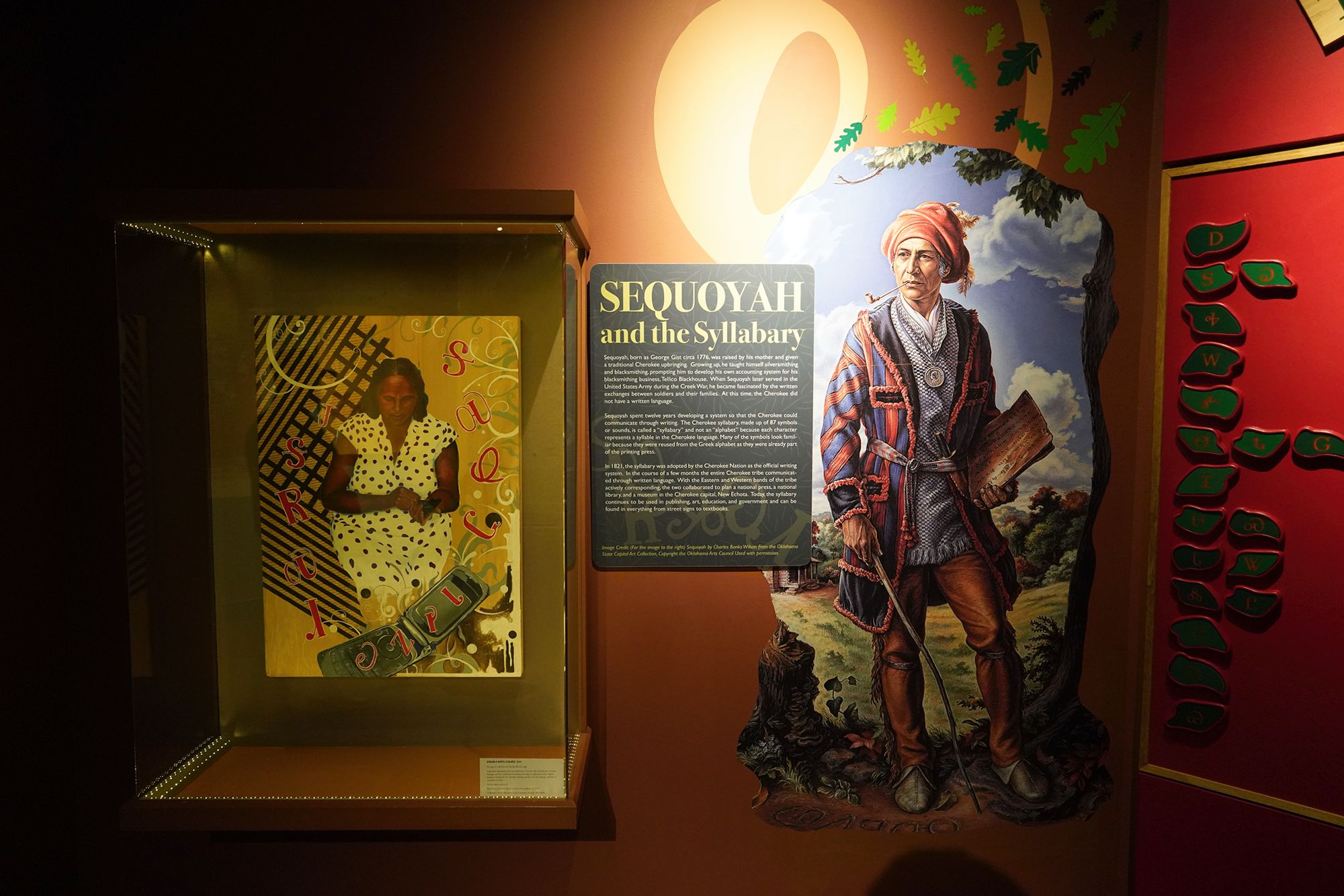
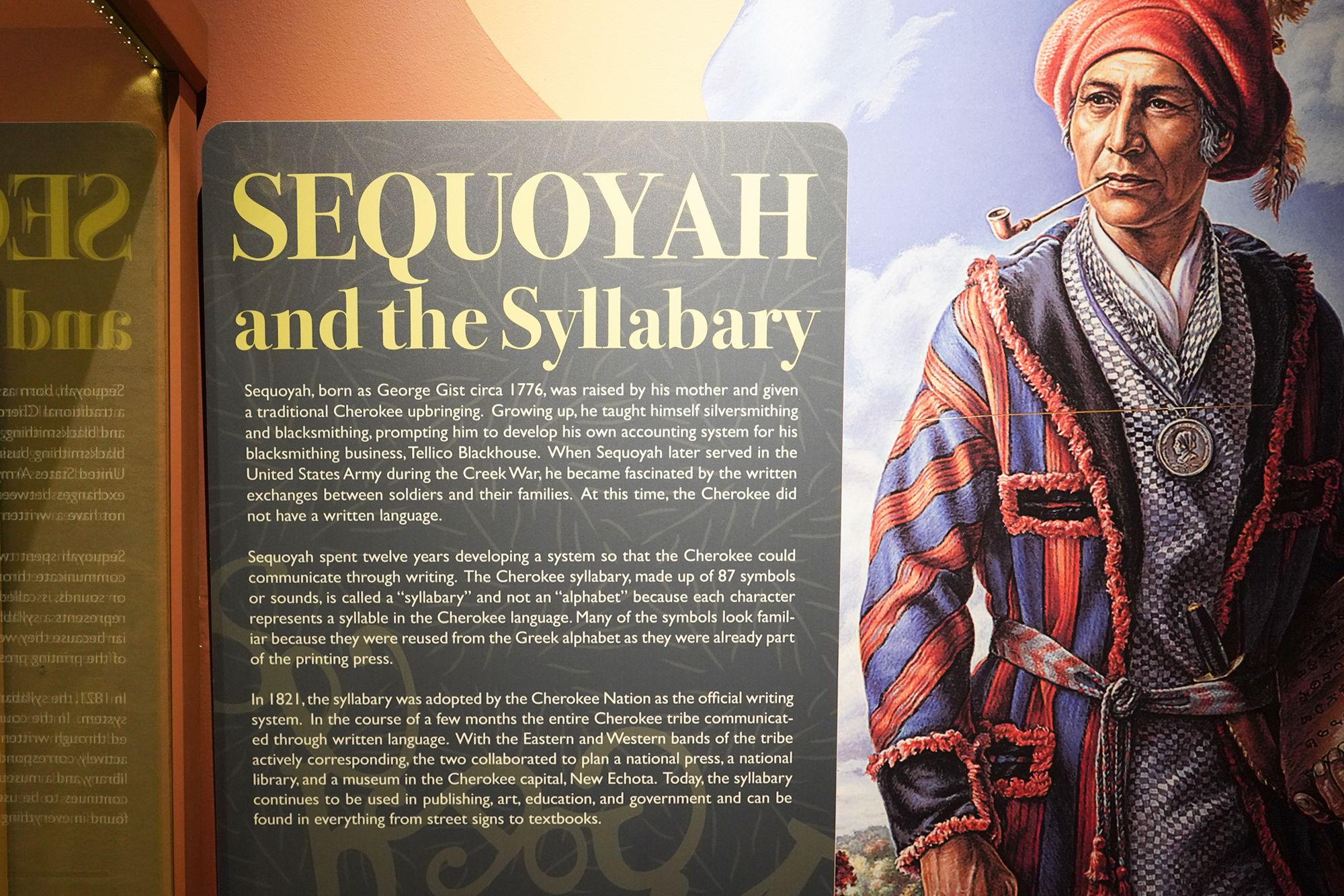
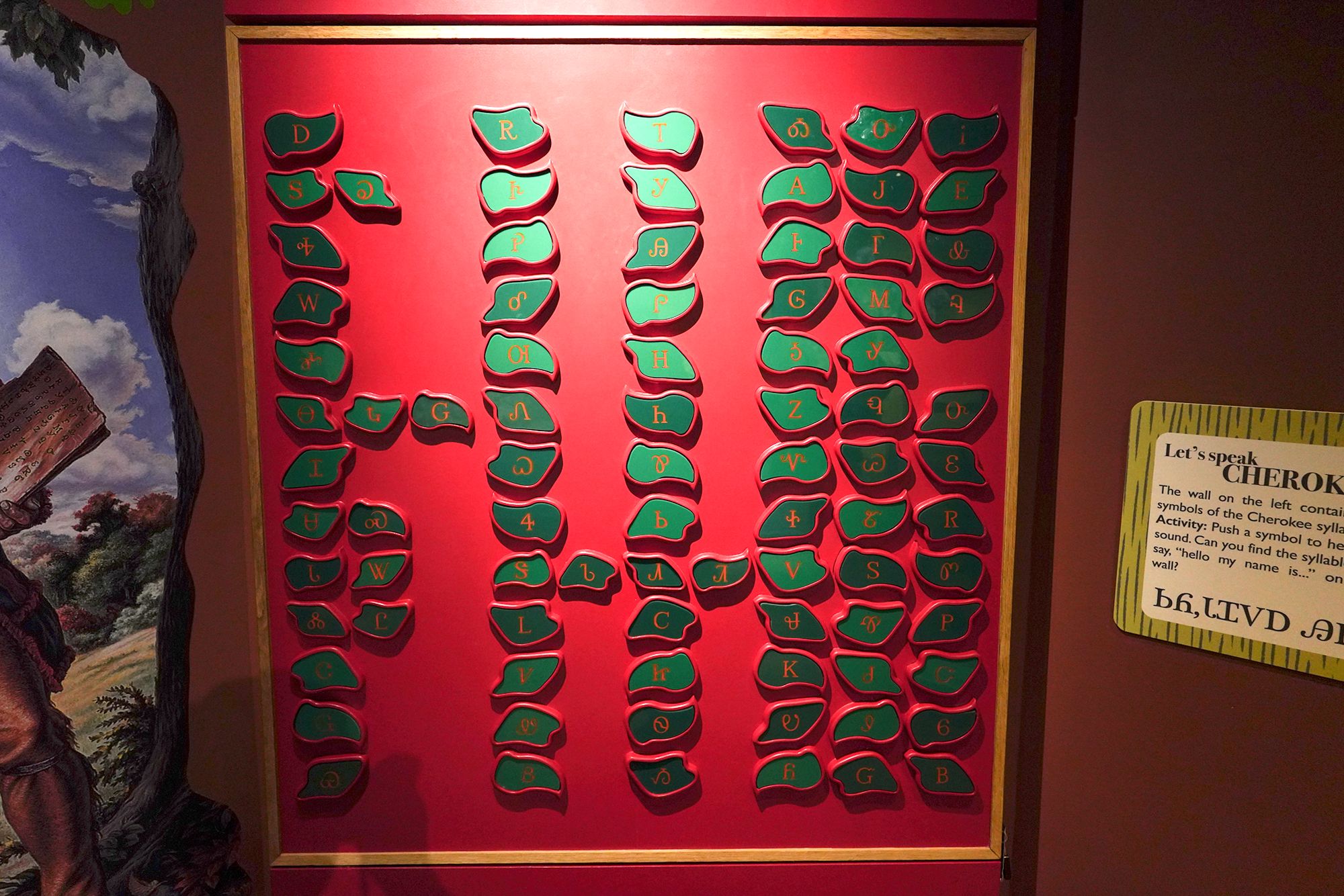
Inventing Indian Writing
The Battle of Horseshoe Bend took place on March 27, 1814, near a sharp curve of the Tallapoosa River in present-day Alabama. It was a major conflict during the Creek War, where U.S. forces led by Andrew Jackson, along with allied Cherokee and lower-Creek warriors, attacked the Upper Creek (Red Stick) stronghold.
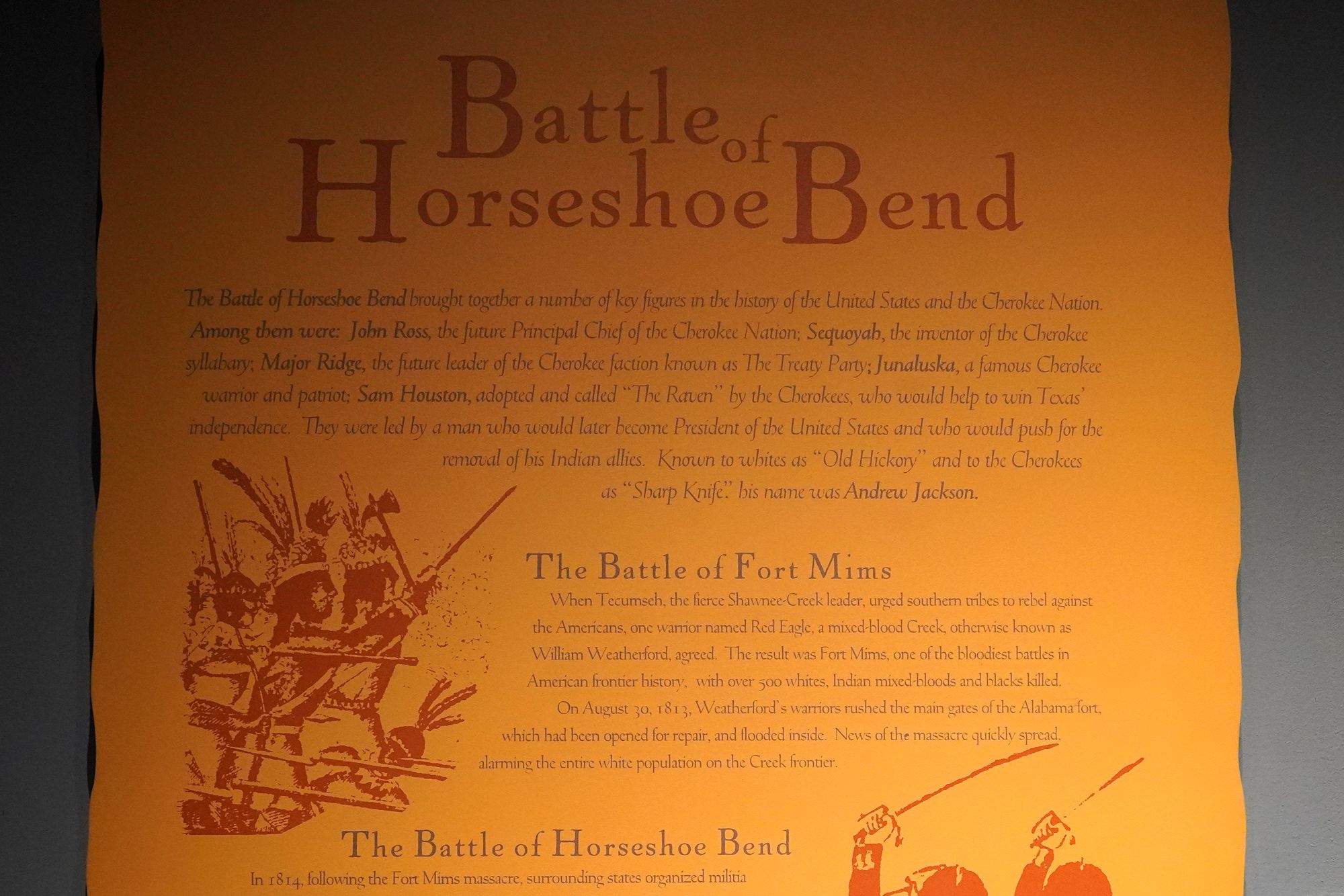
The battle ended in a decisive U.S. victory, resulting in heavy casualties for the Red Stick faction and effectively breaking their military resistance.
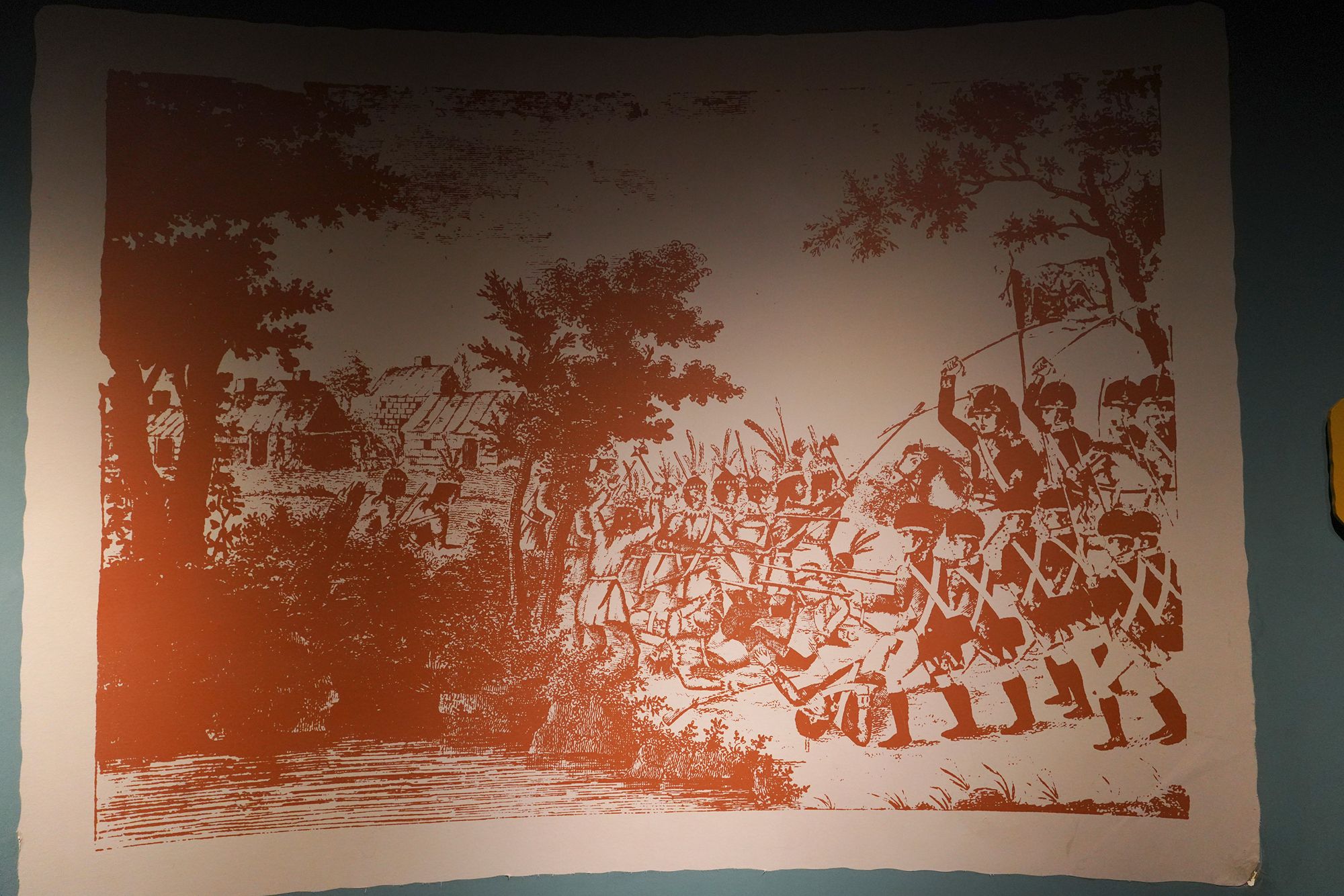
Afterward, a treaty forced the Creek Nation to cede millions of acres of land to the United States, greatly expanding American settlement in the Southeast and paving the way for later Indian removal policies.
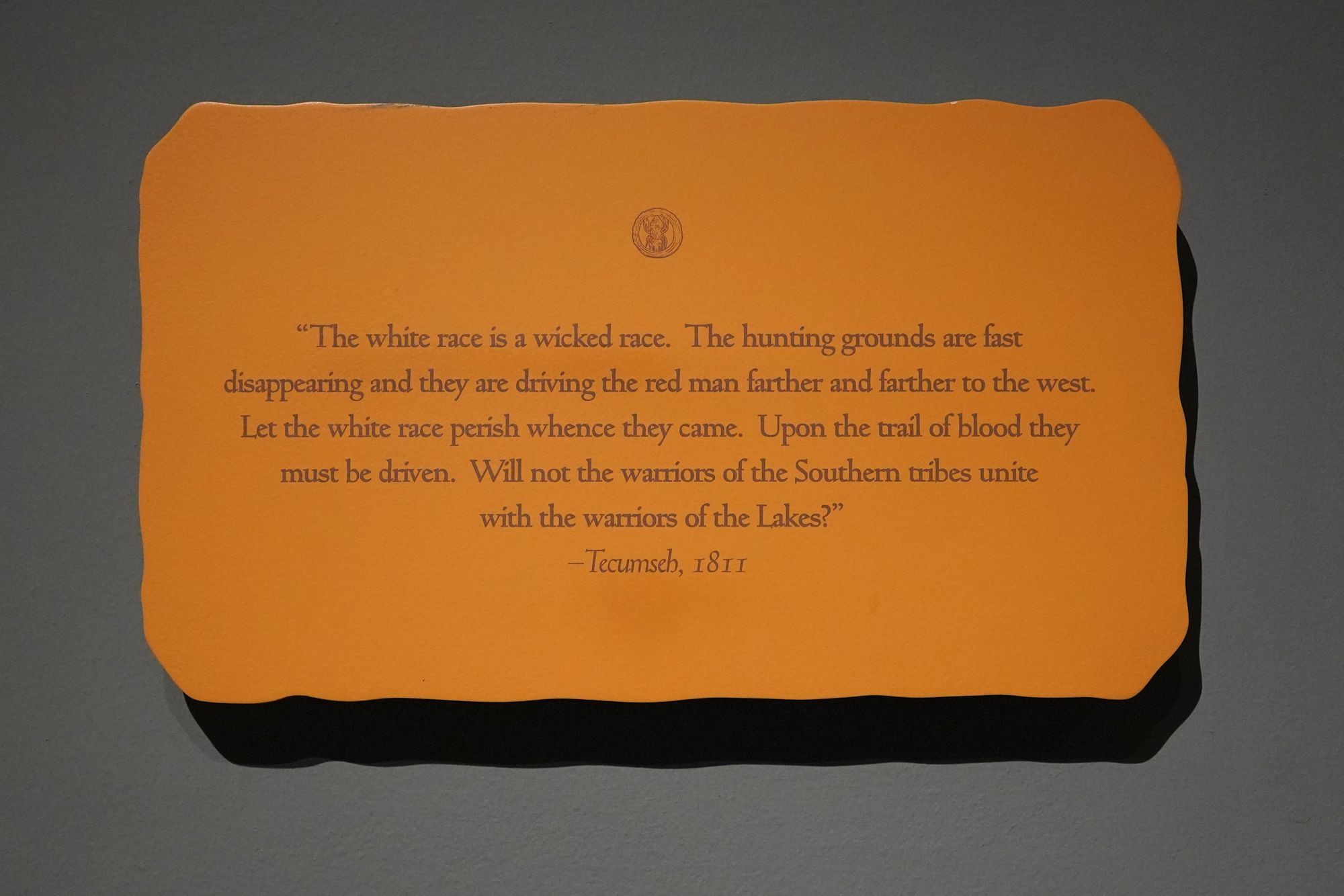
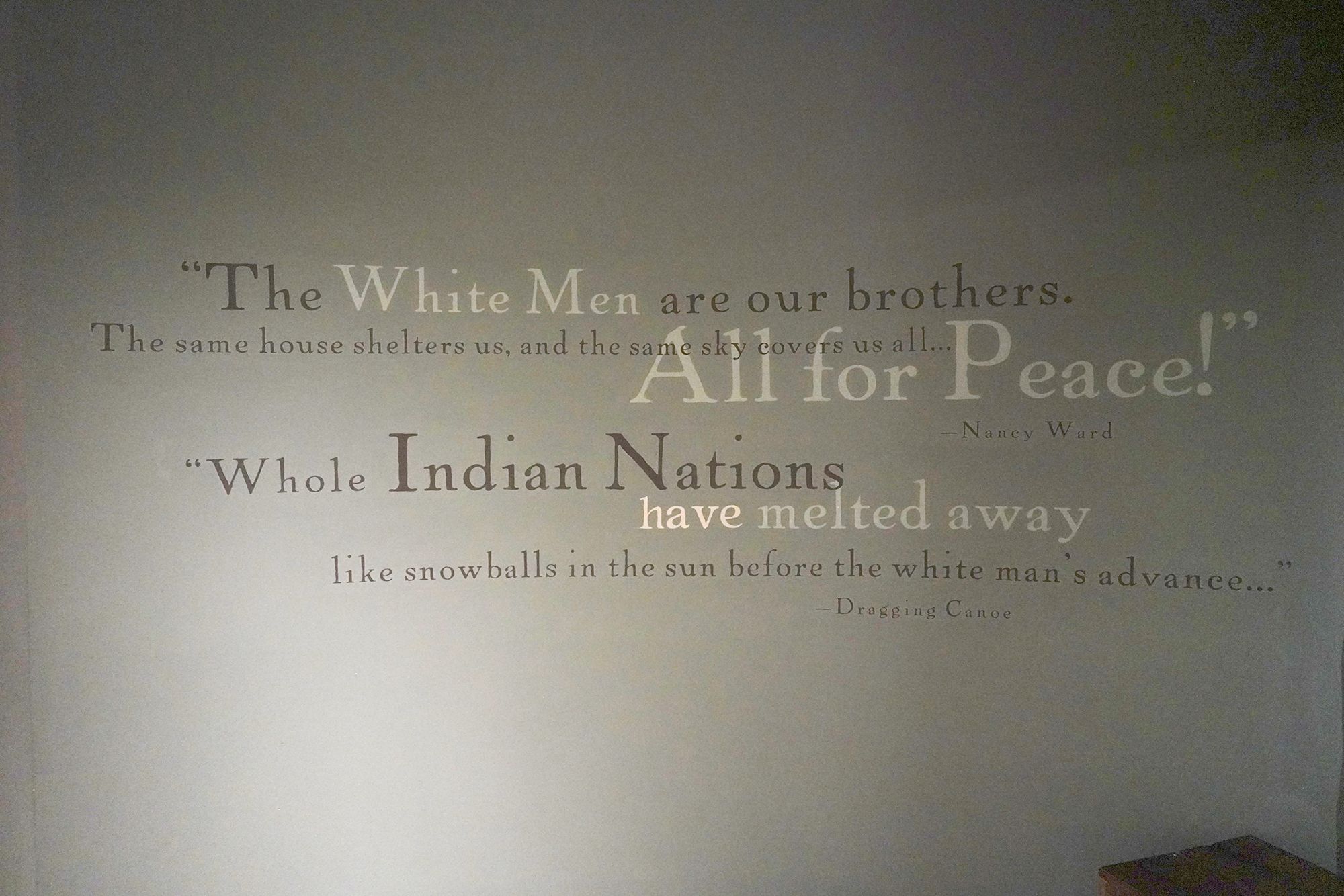
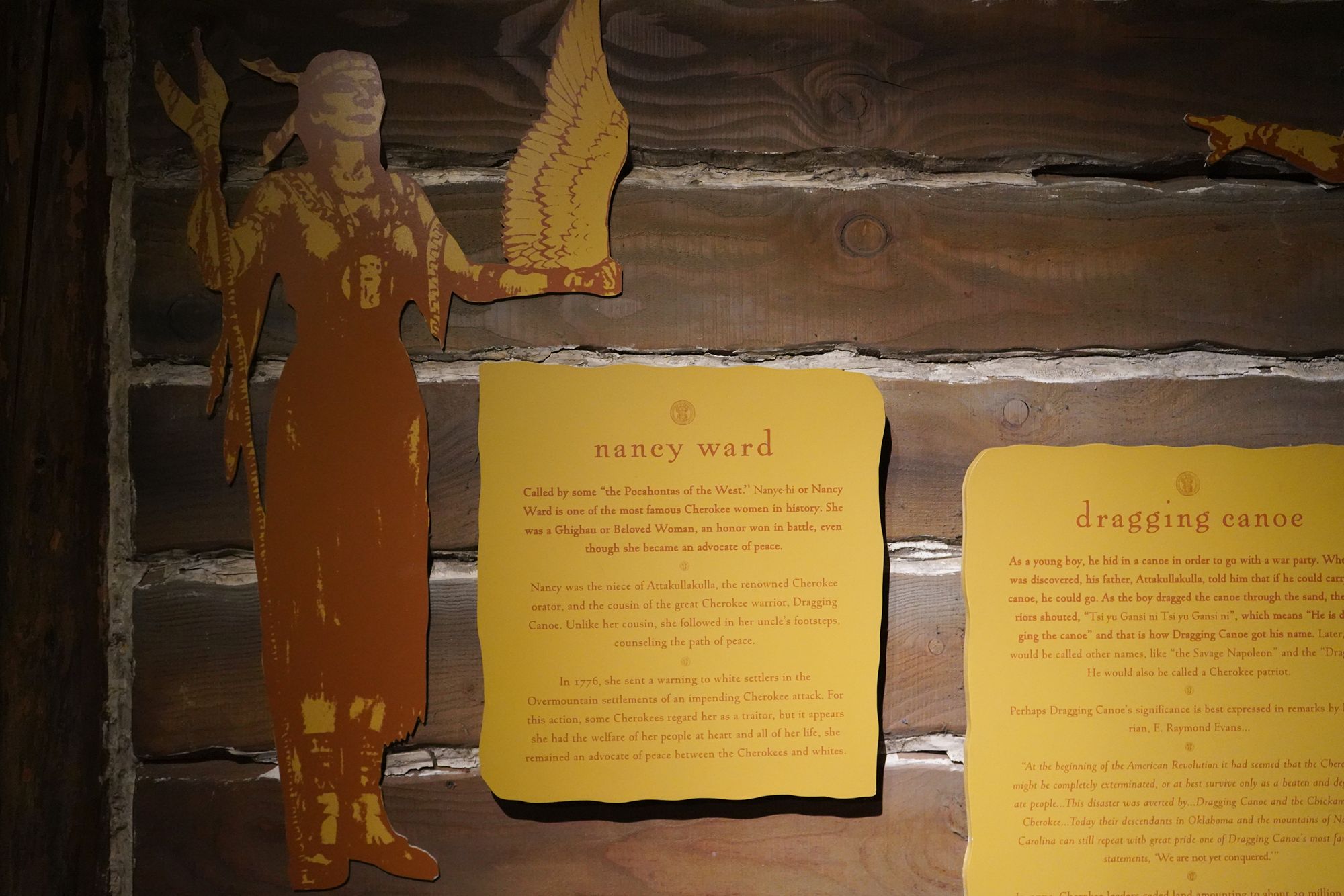
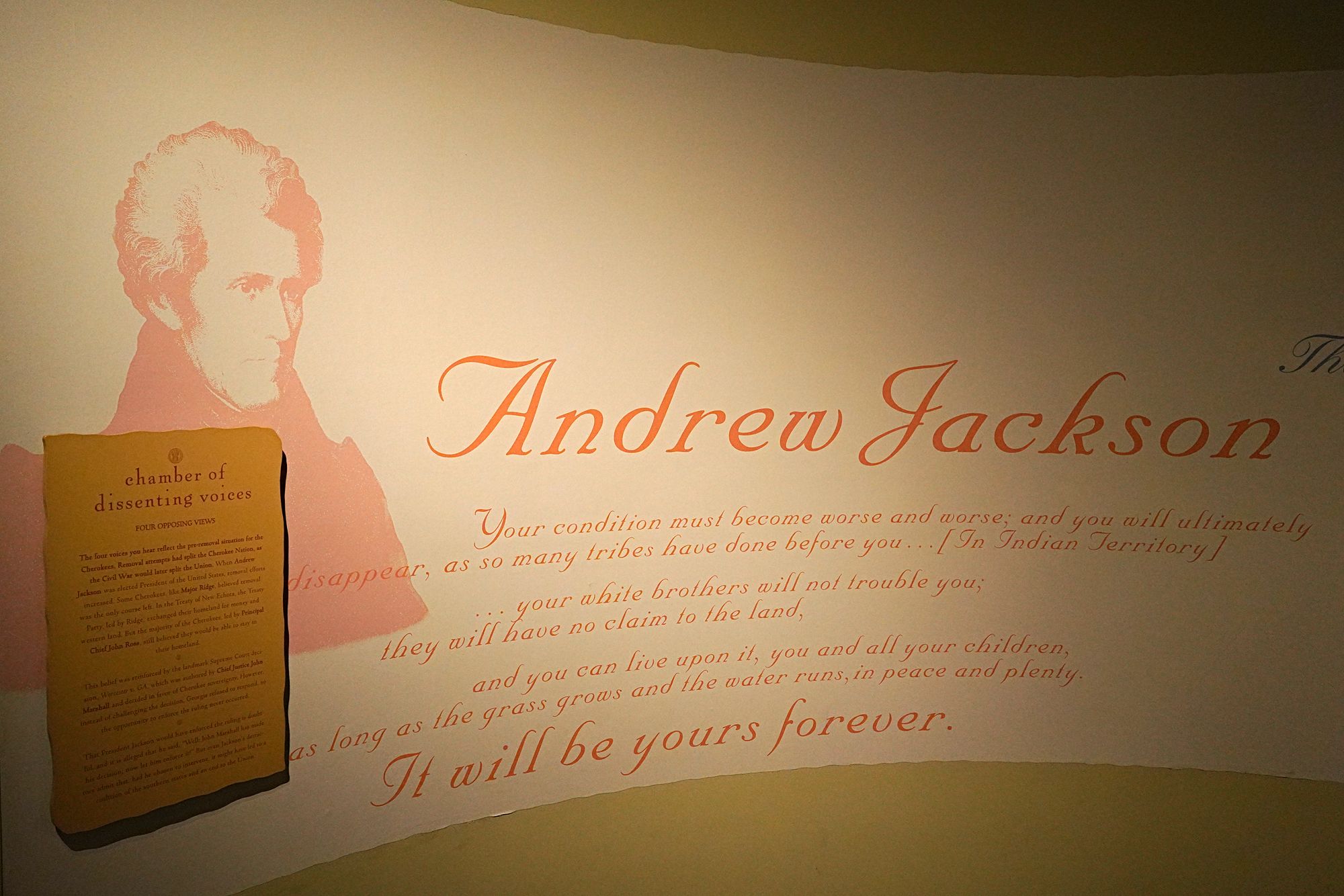
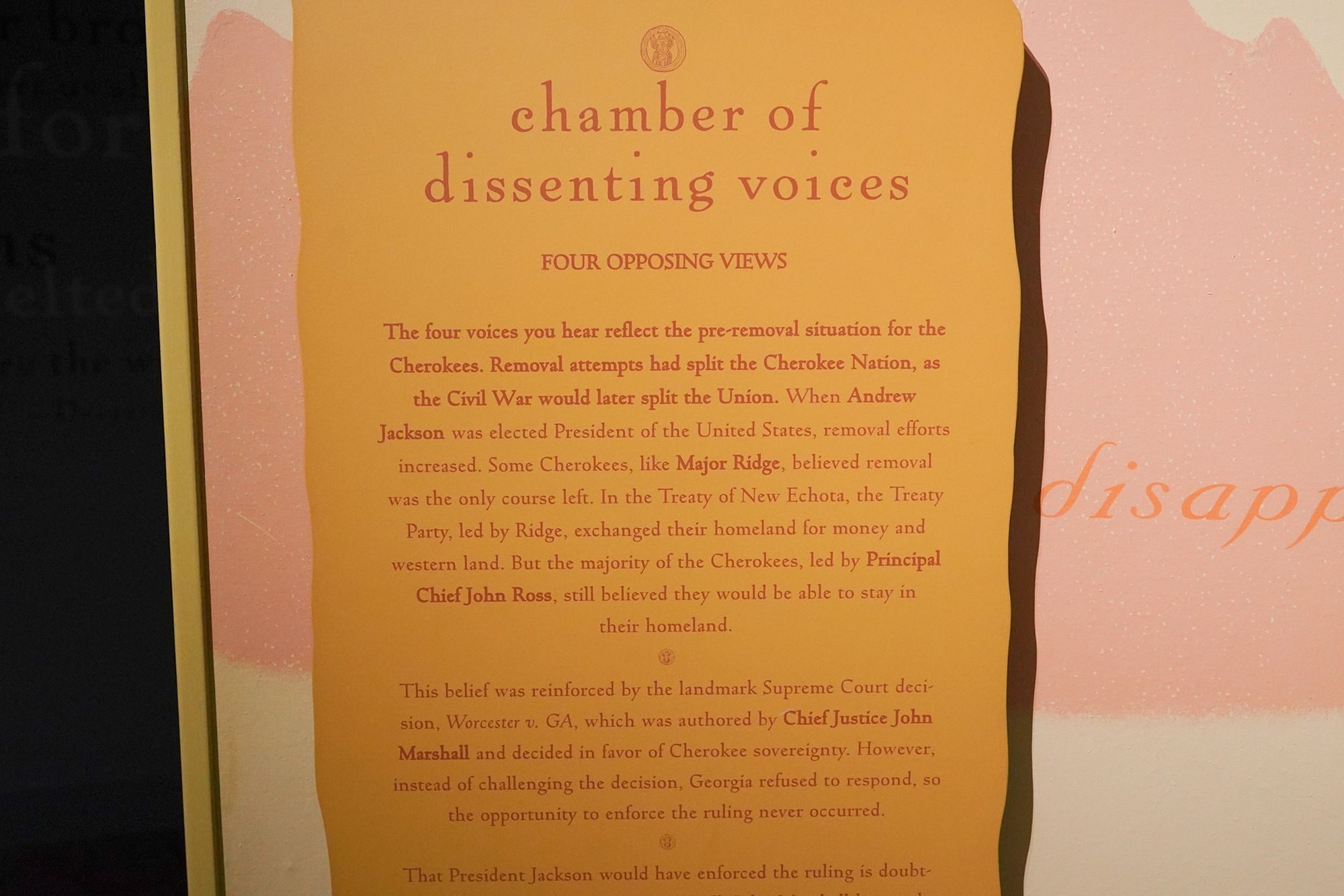
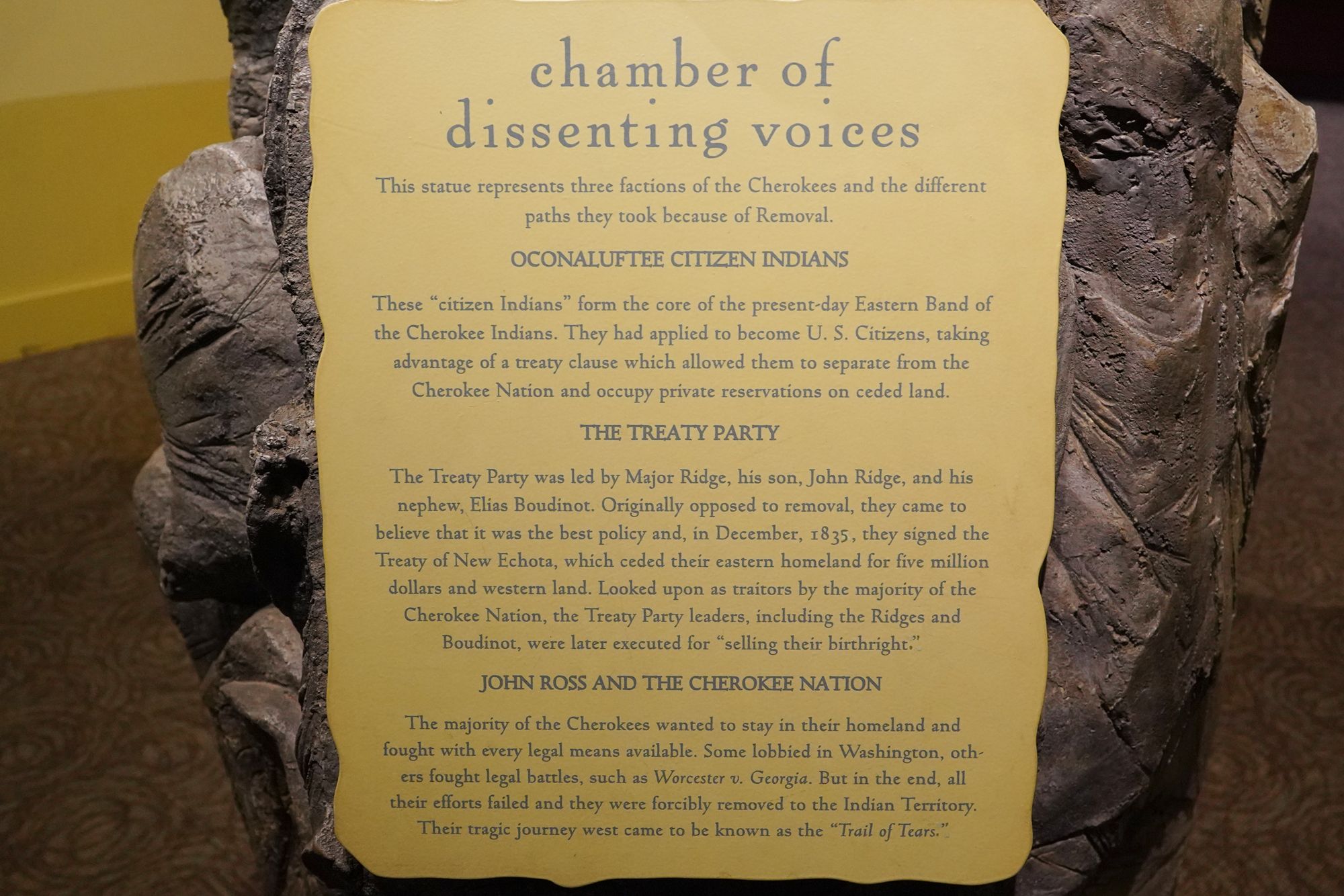
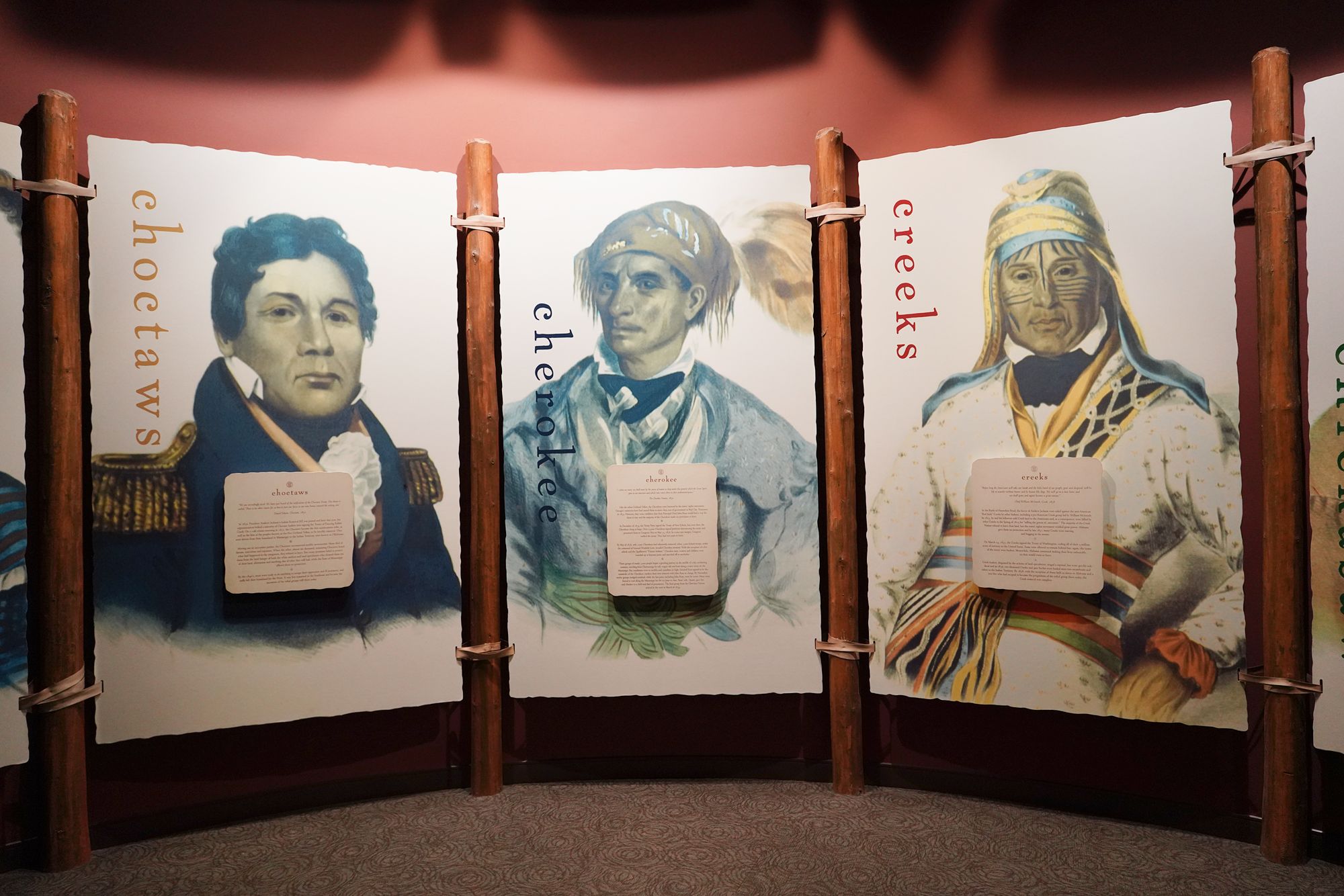
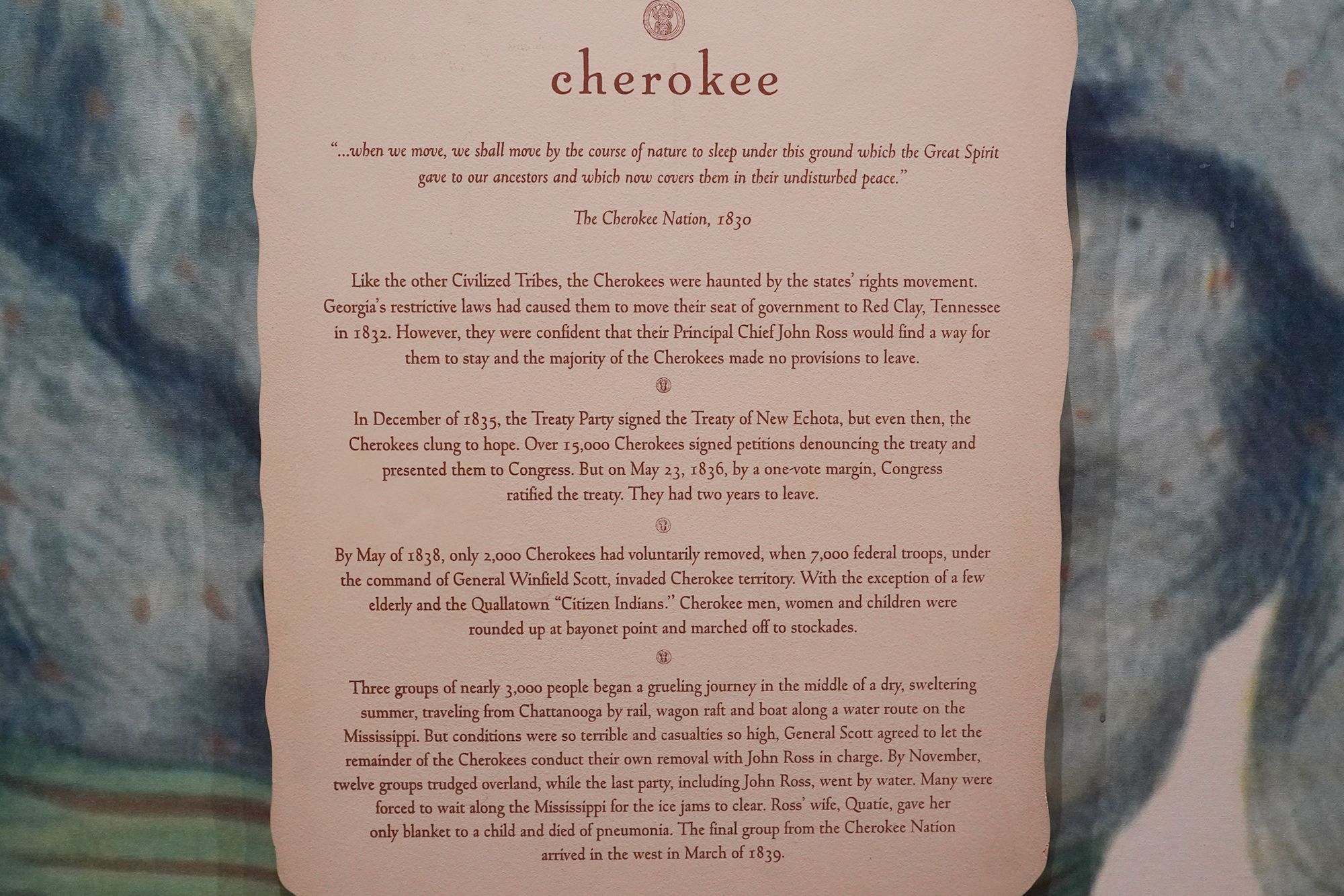
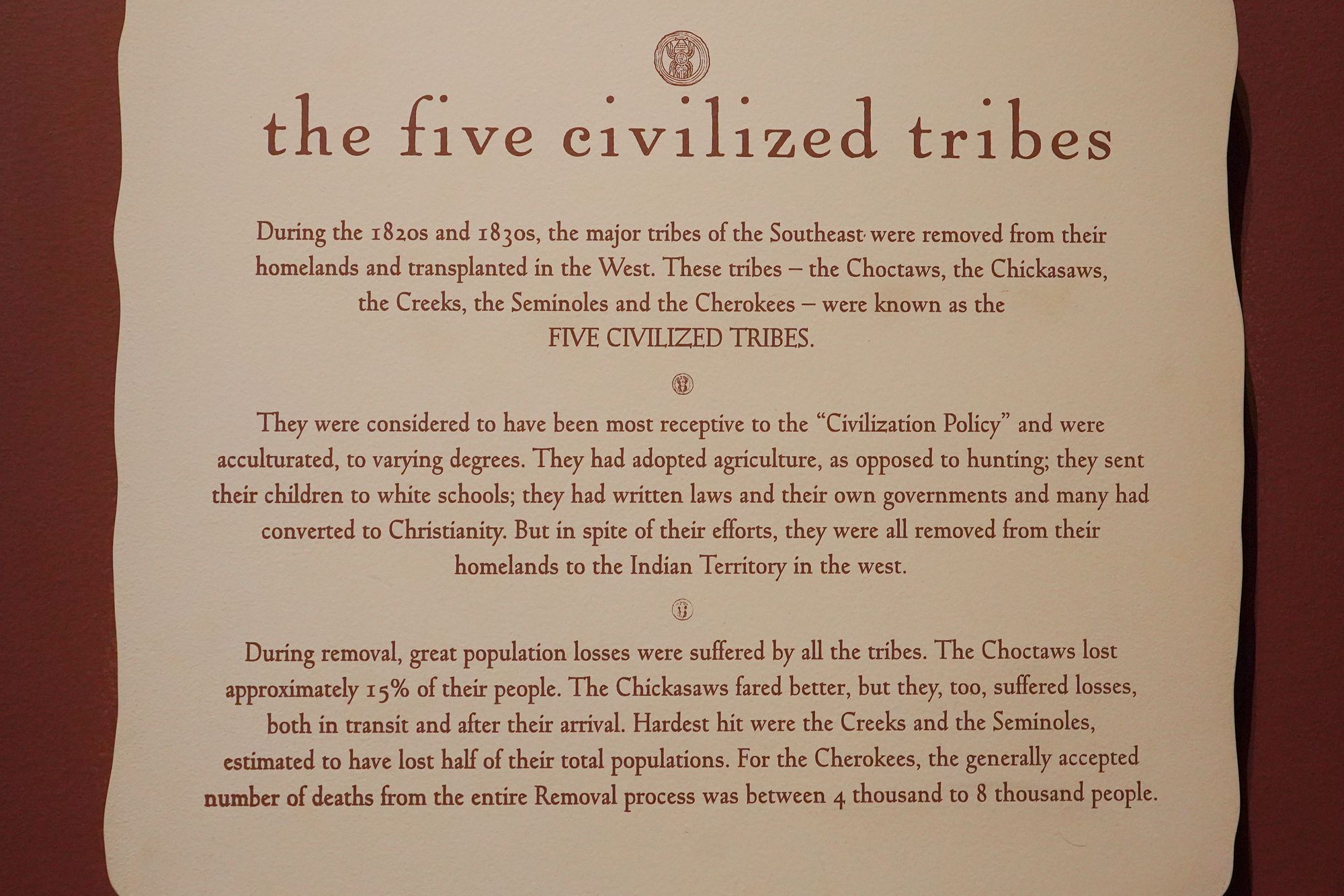
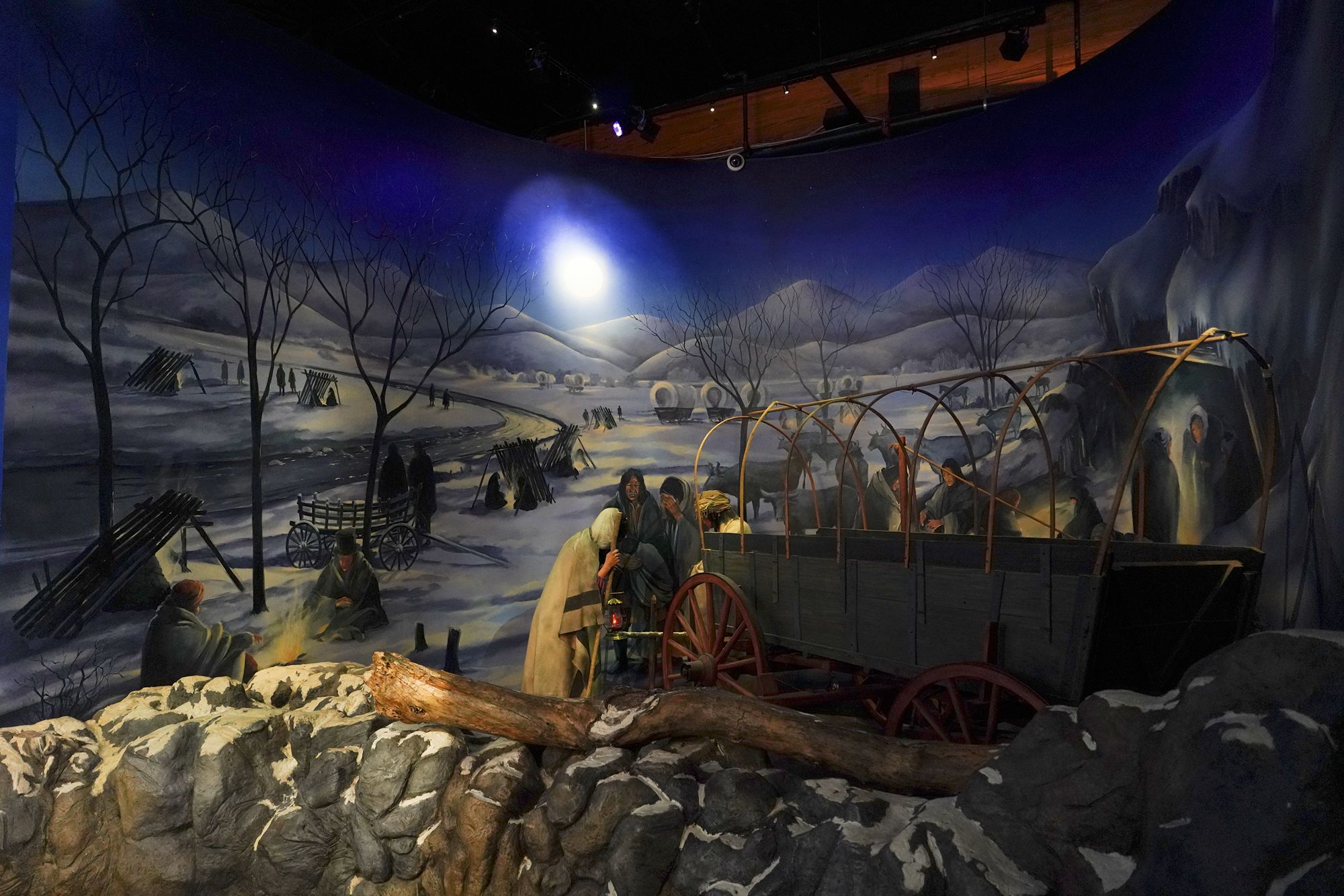
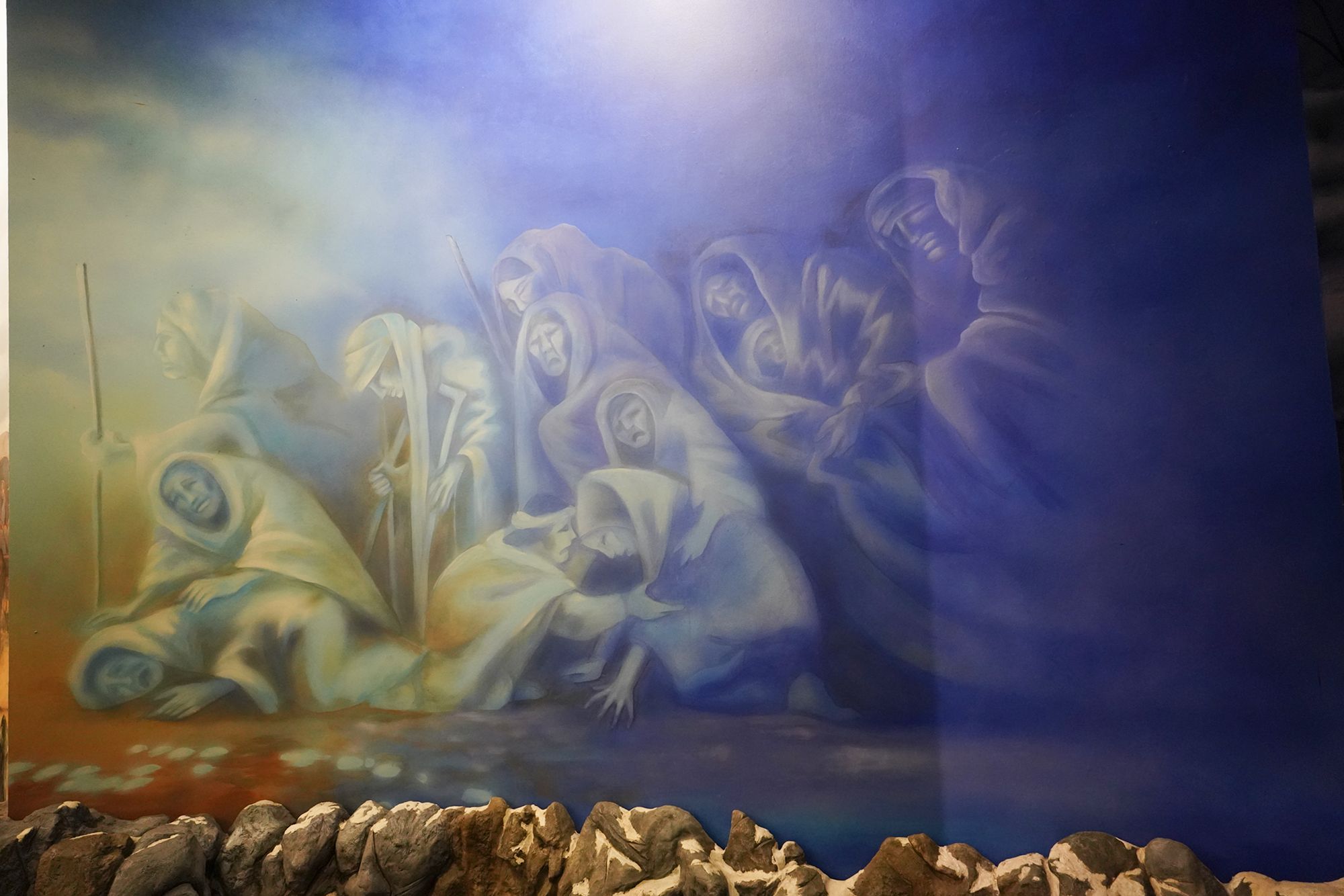
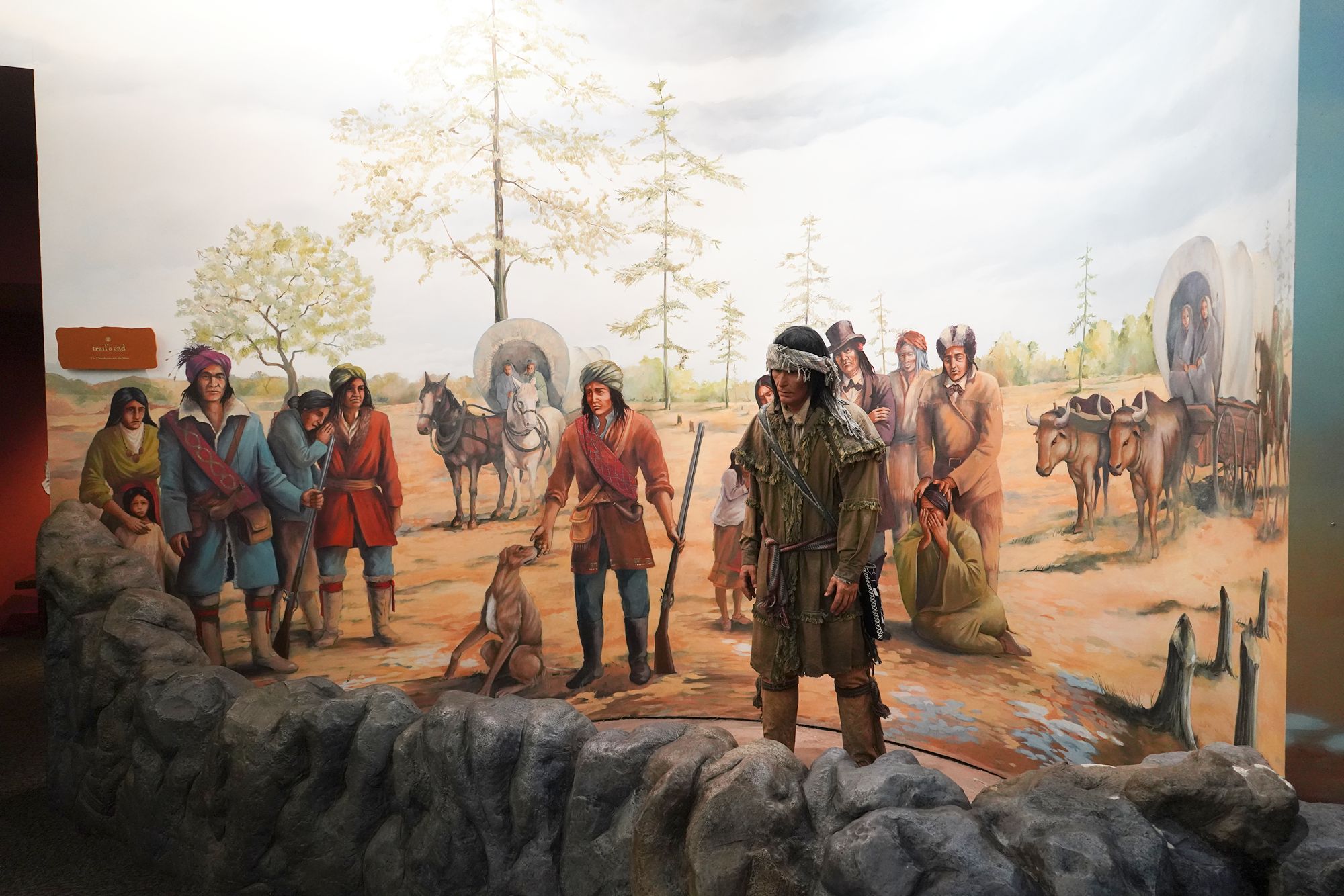
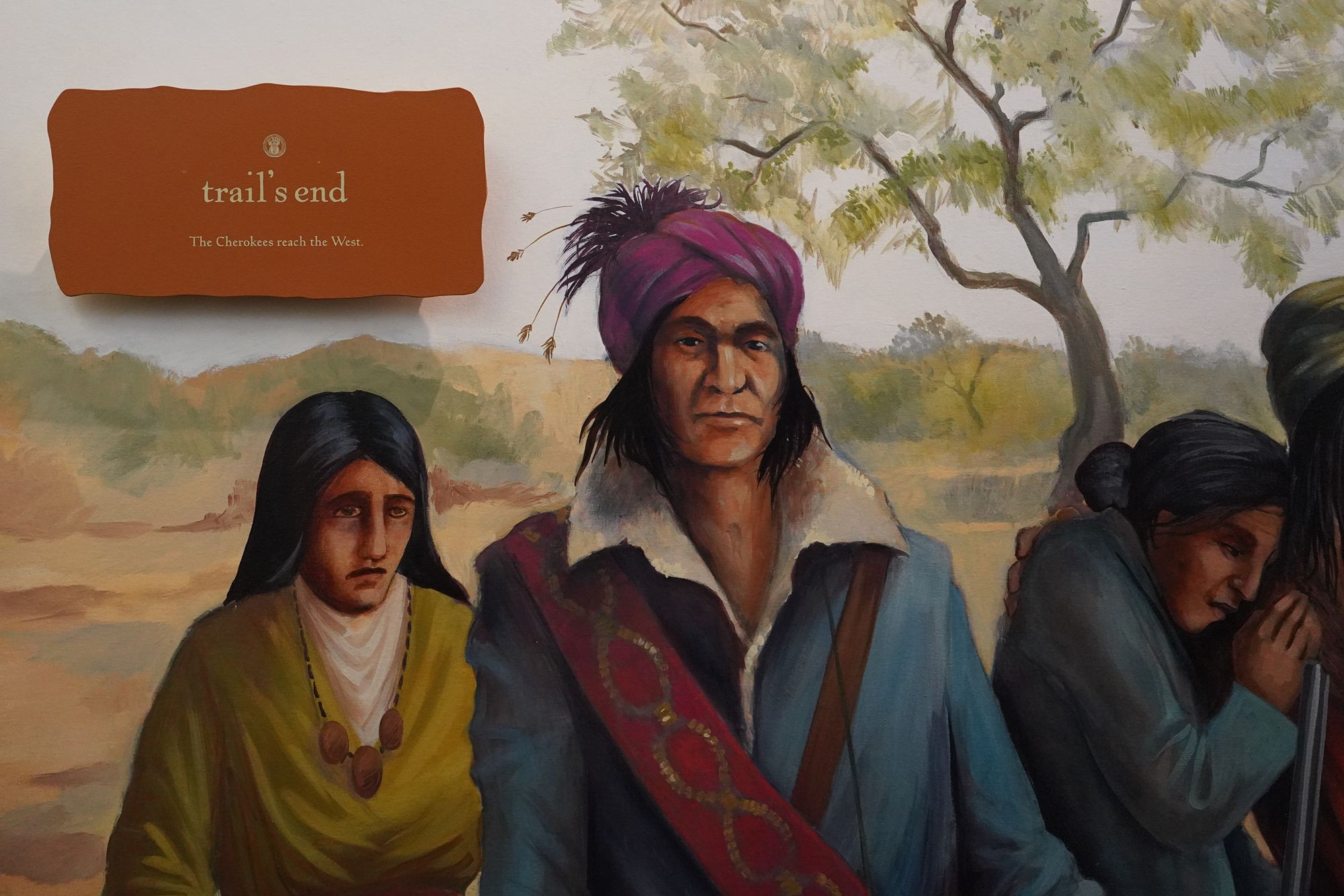
The Trail of Tears refers to the forced removal of several Native American nations—primarily the Cherokee, but also the Creek, Choctaw, Chickasaw, and Seminole—from their homelands in the southeastern United States during the 1830s.
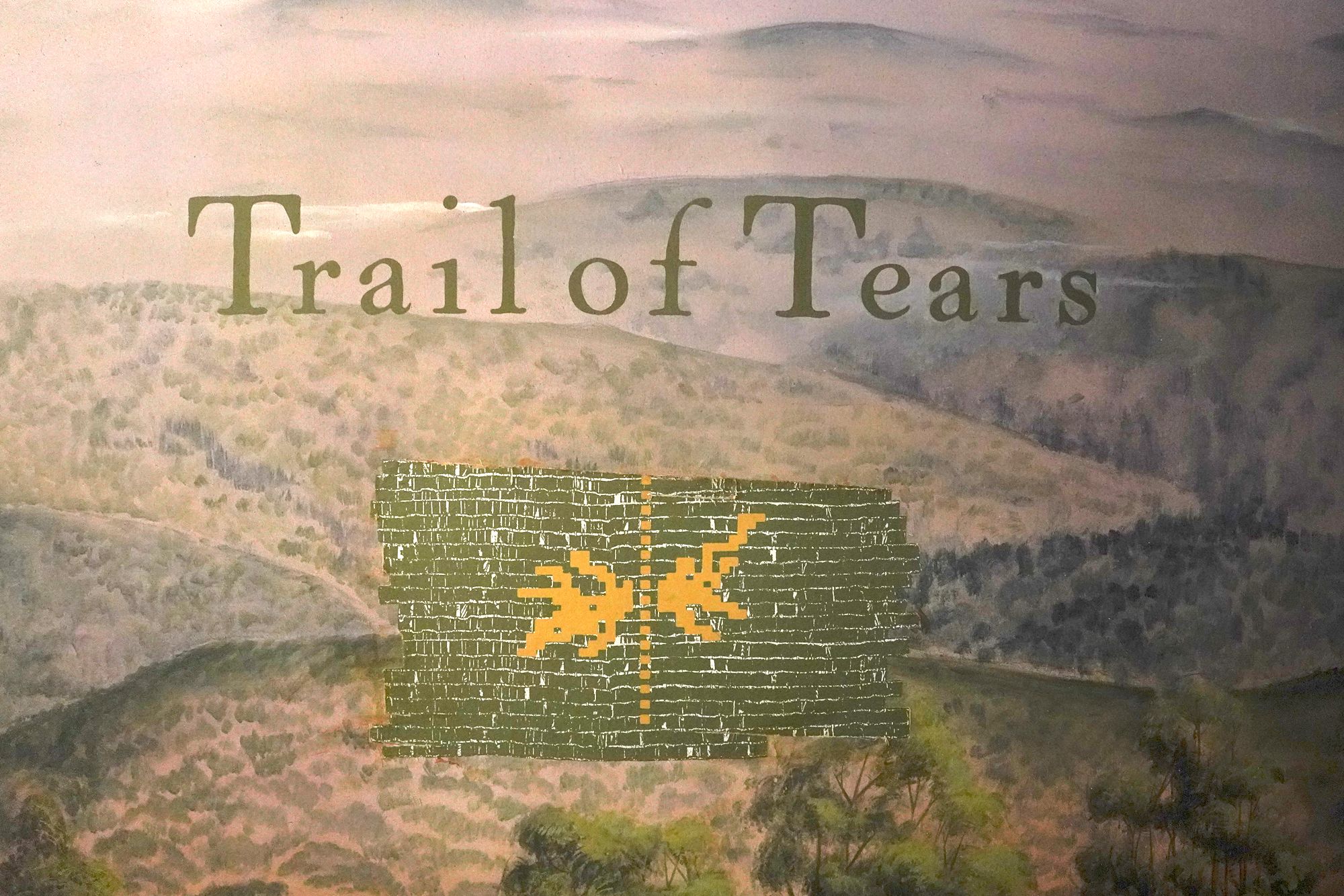
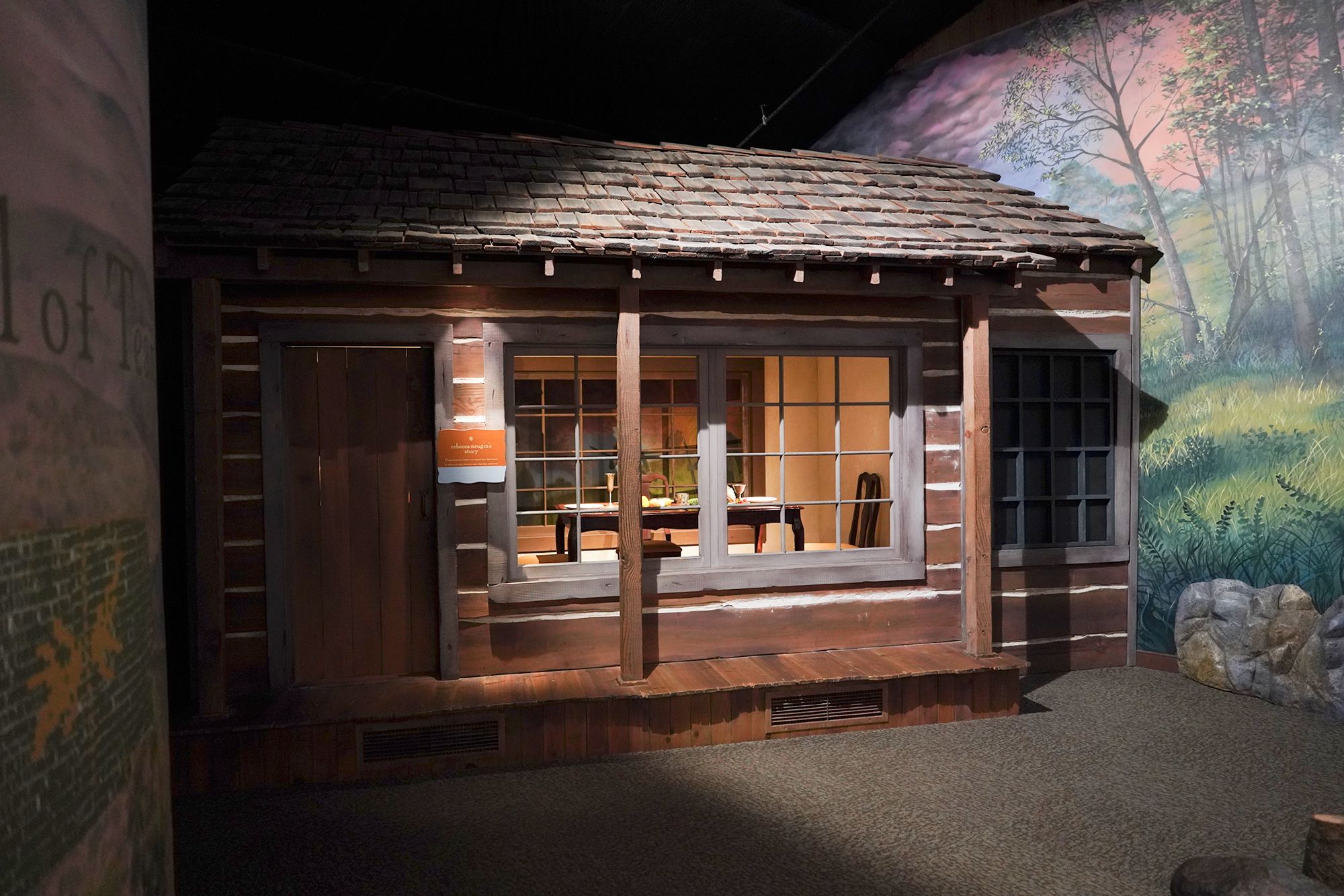
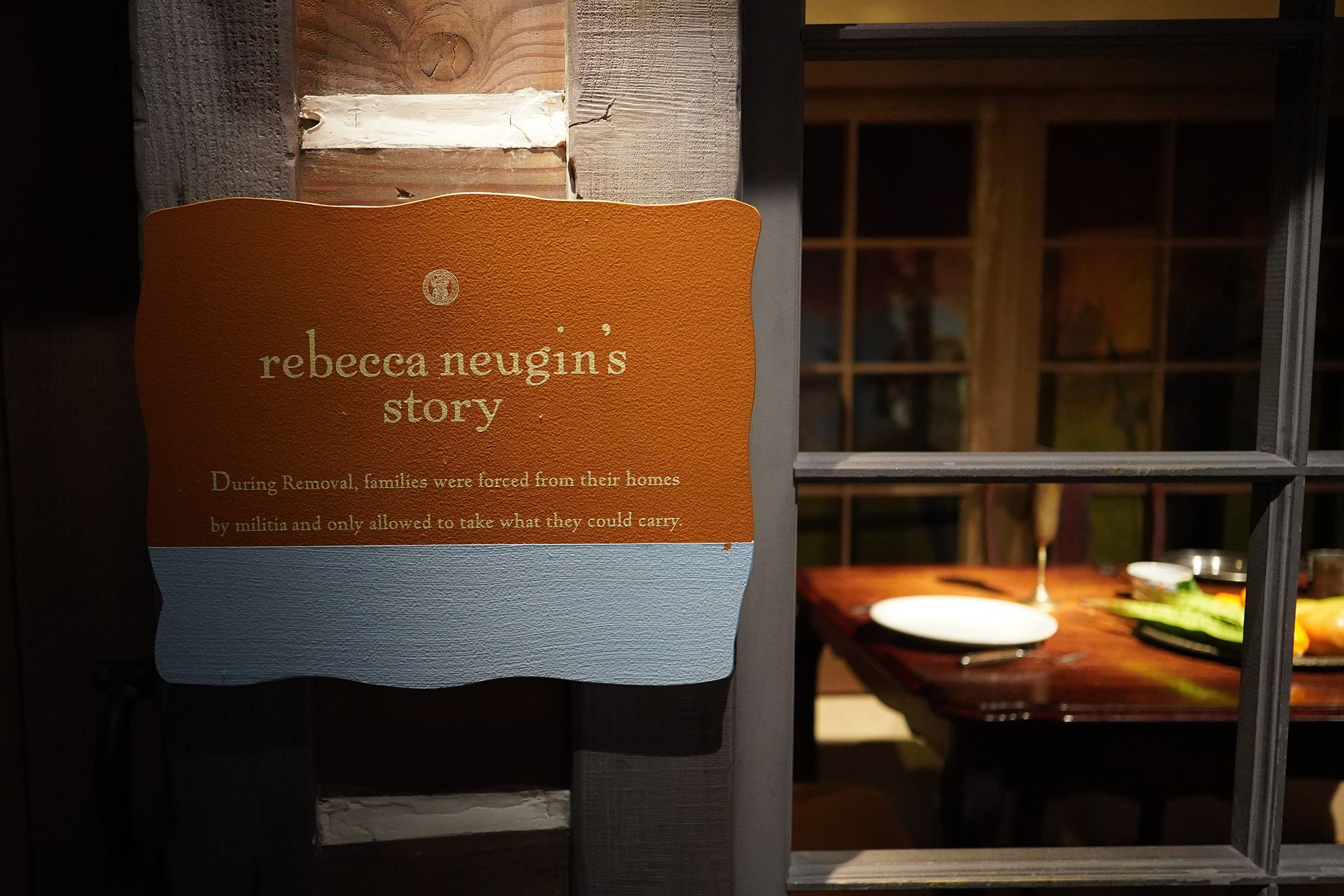
Under government pressure and the Indian Removal Act of 1830, about 15,000 were marched west to designated territory in present-day Oklahoma. The journey was long, poorly supplied, and harsh, leading to deaths from disease, starvation, and exposure.
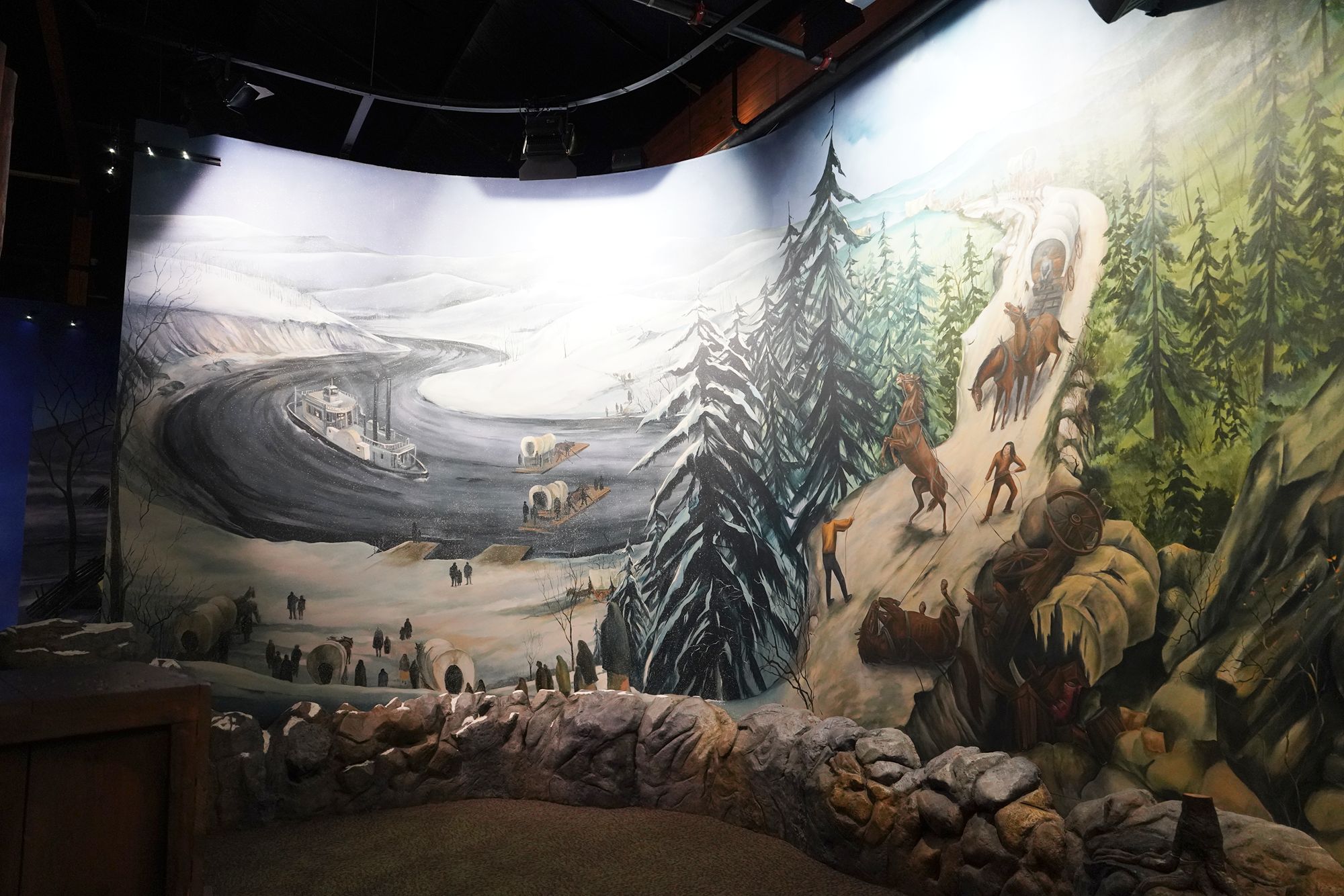
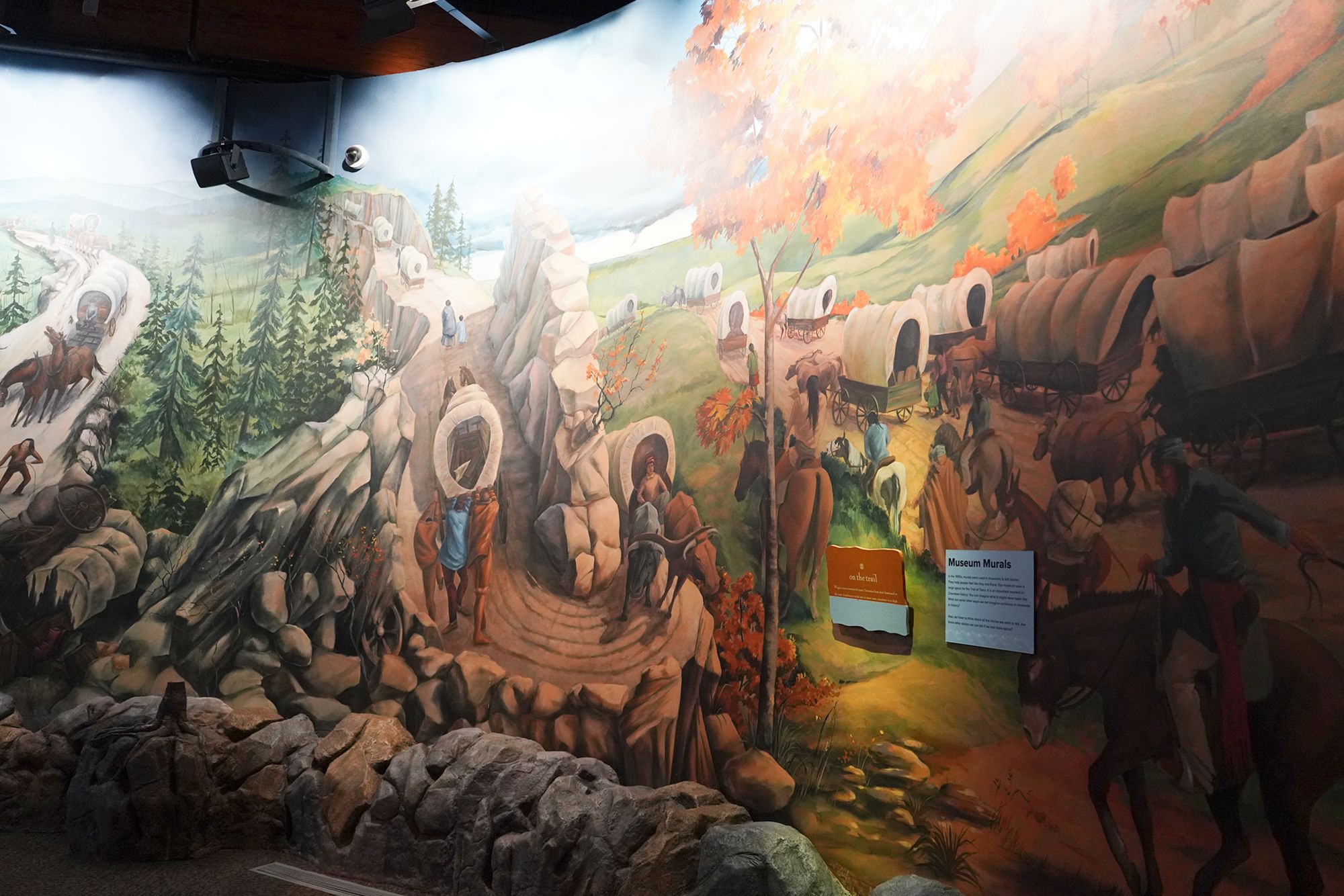
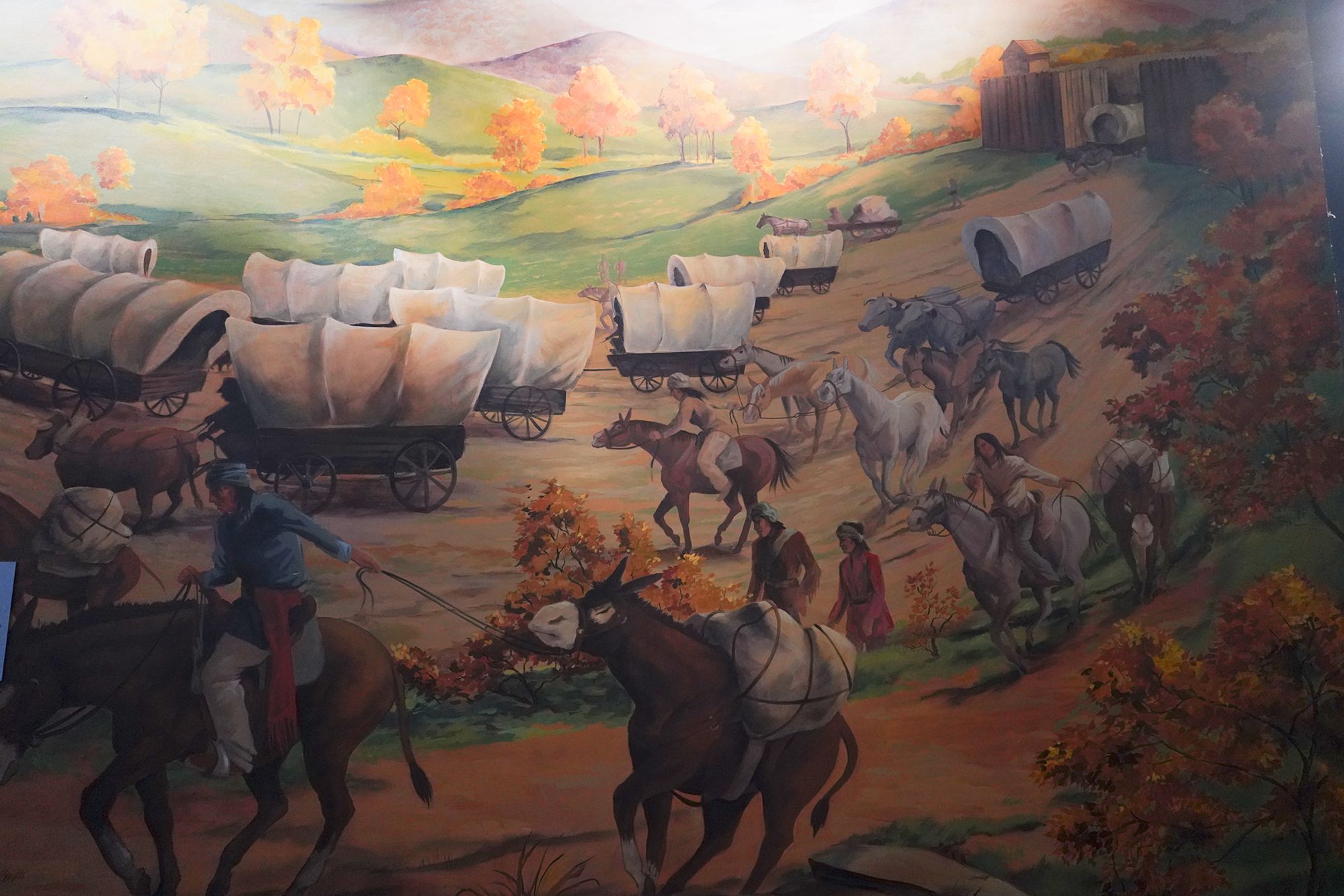
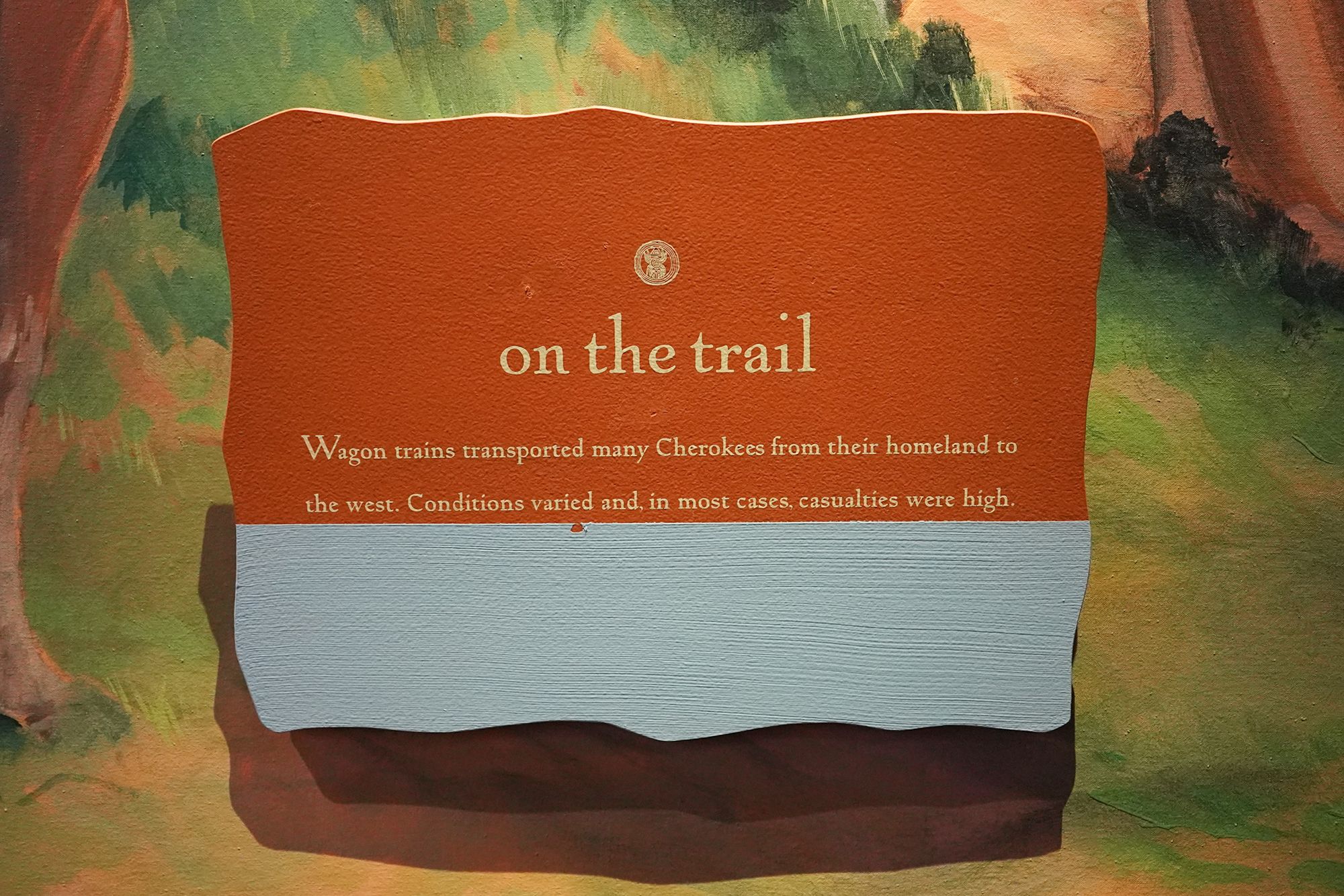
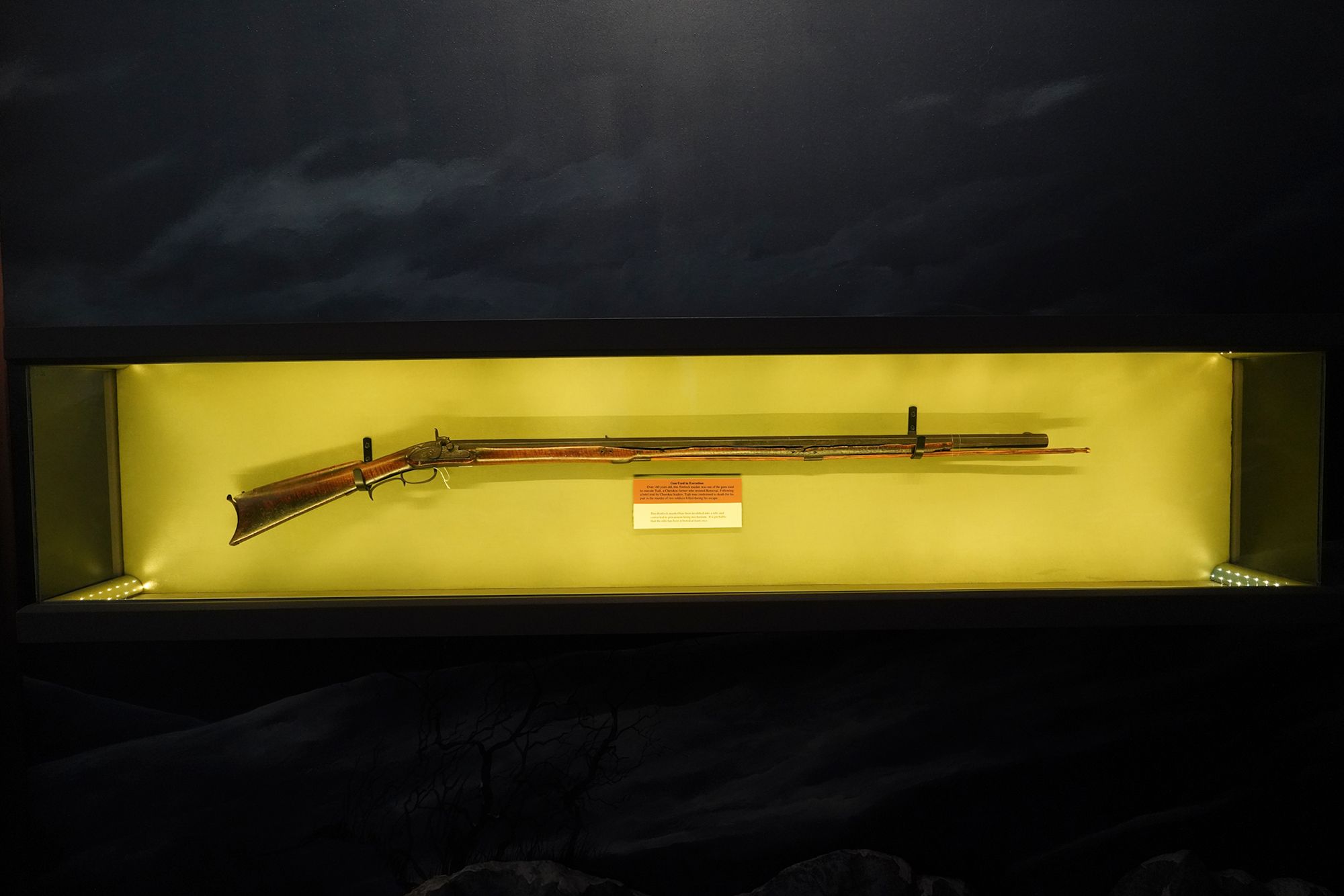
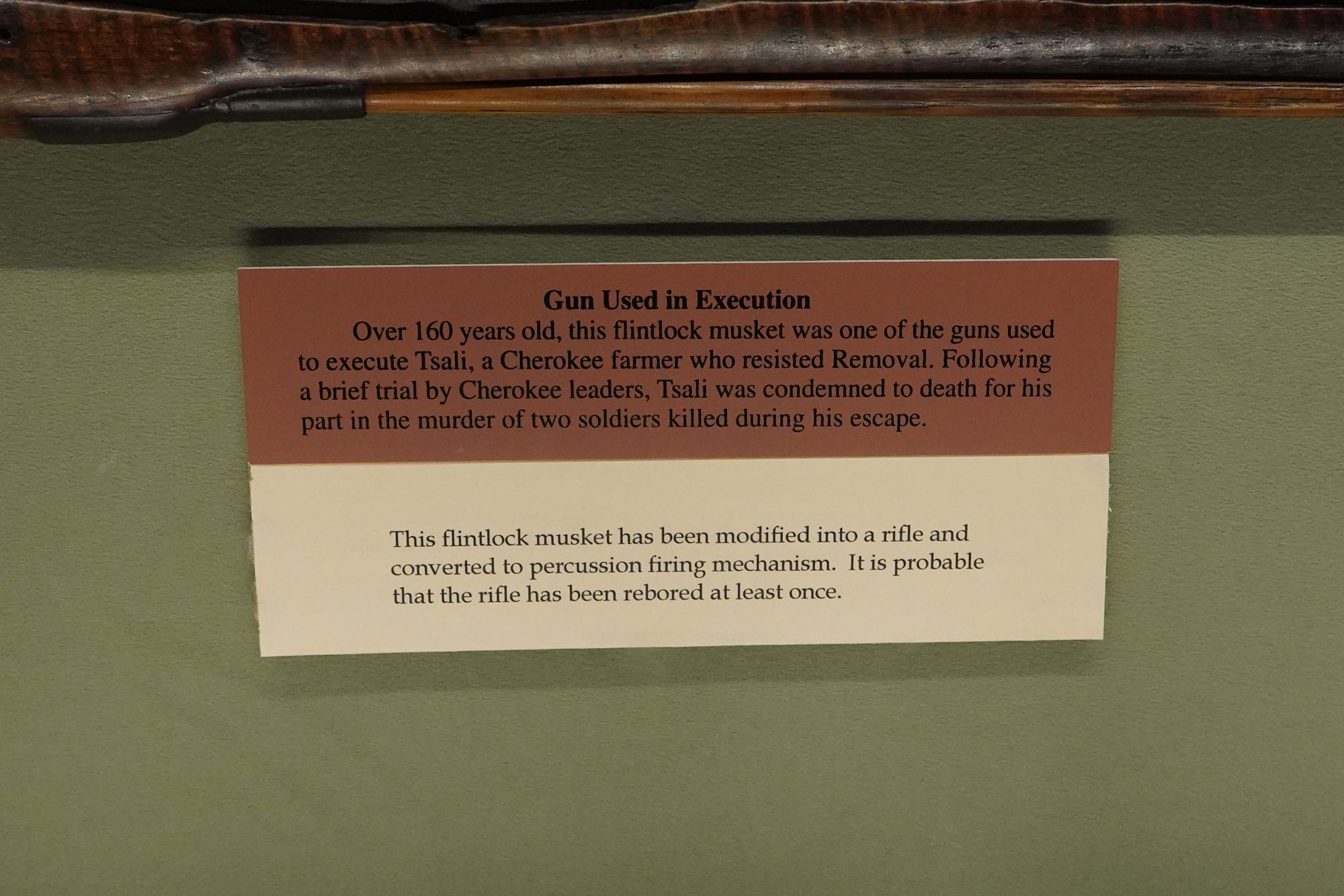
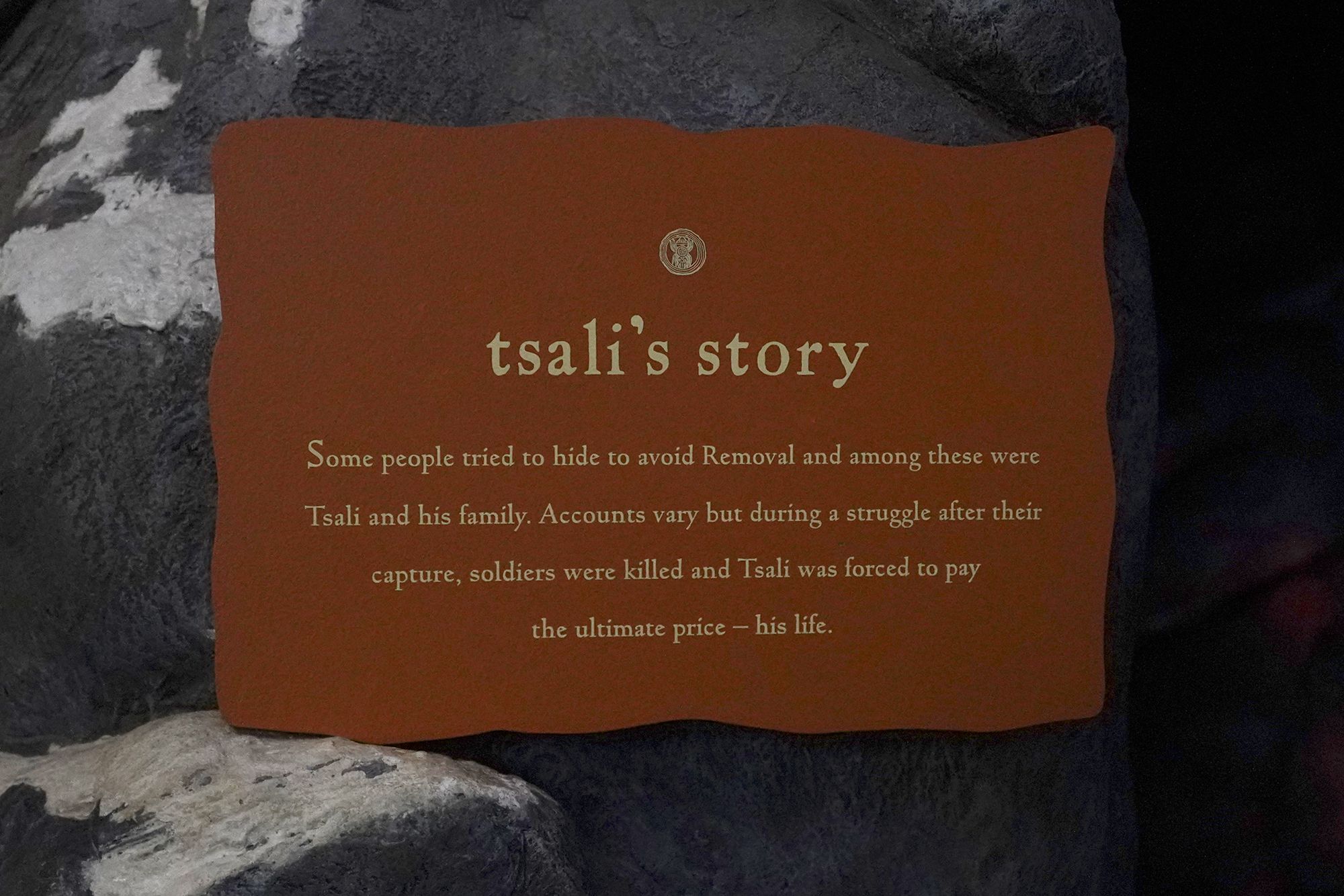
About 4,000 of Cherokee died along the route, leaving a deep cultural and emotional scar. Today, the Trail of Tears is remembered as a tragic chapter in American history and a symbol of the suffering caused by forced displacement.
Nearby the museum is the Oconaluftee Indian Village.
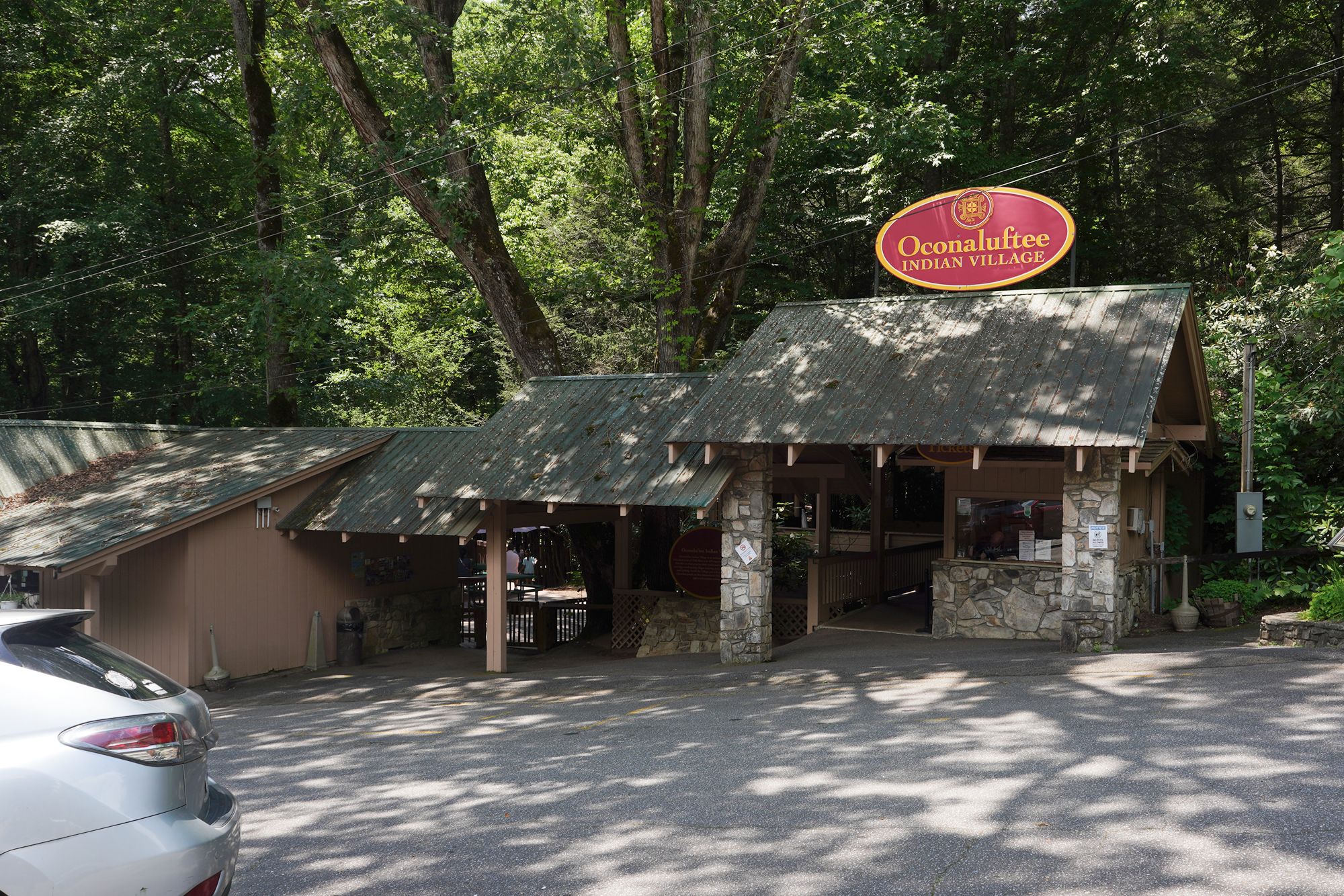
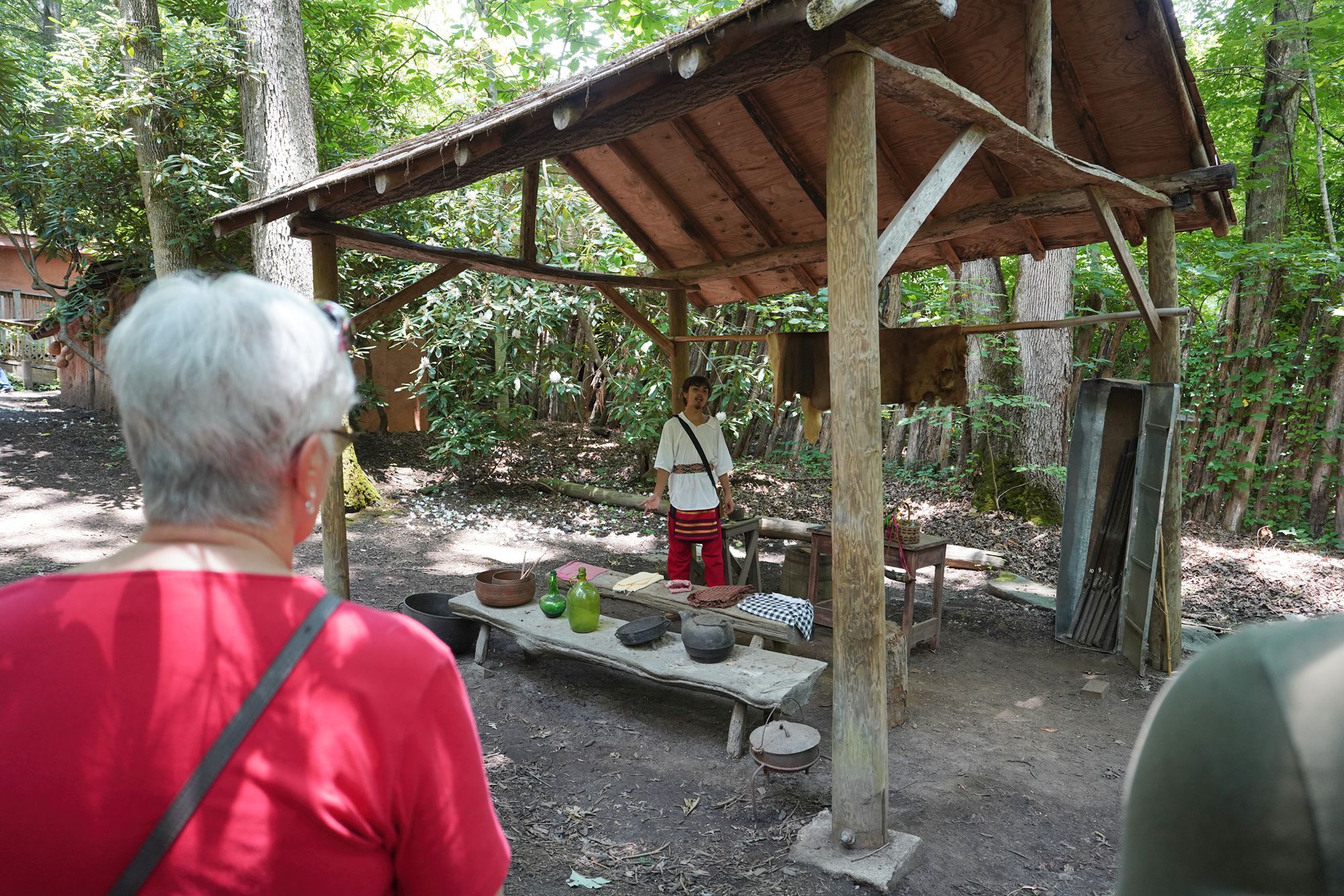
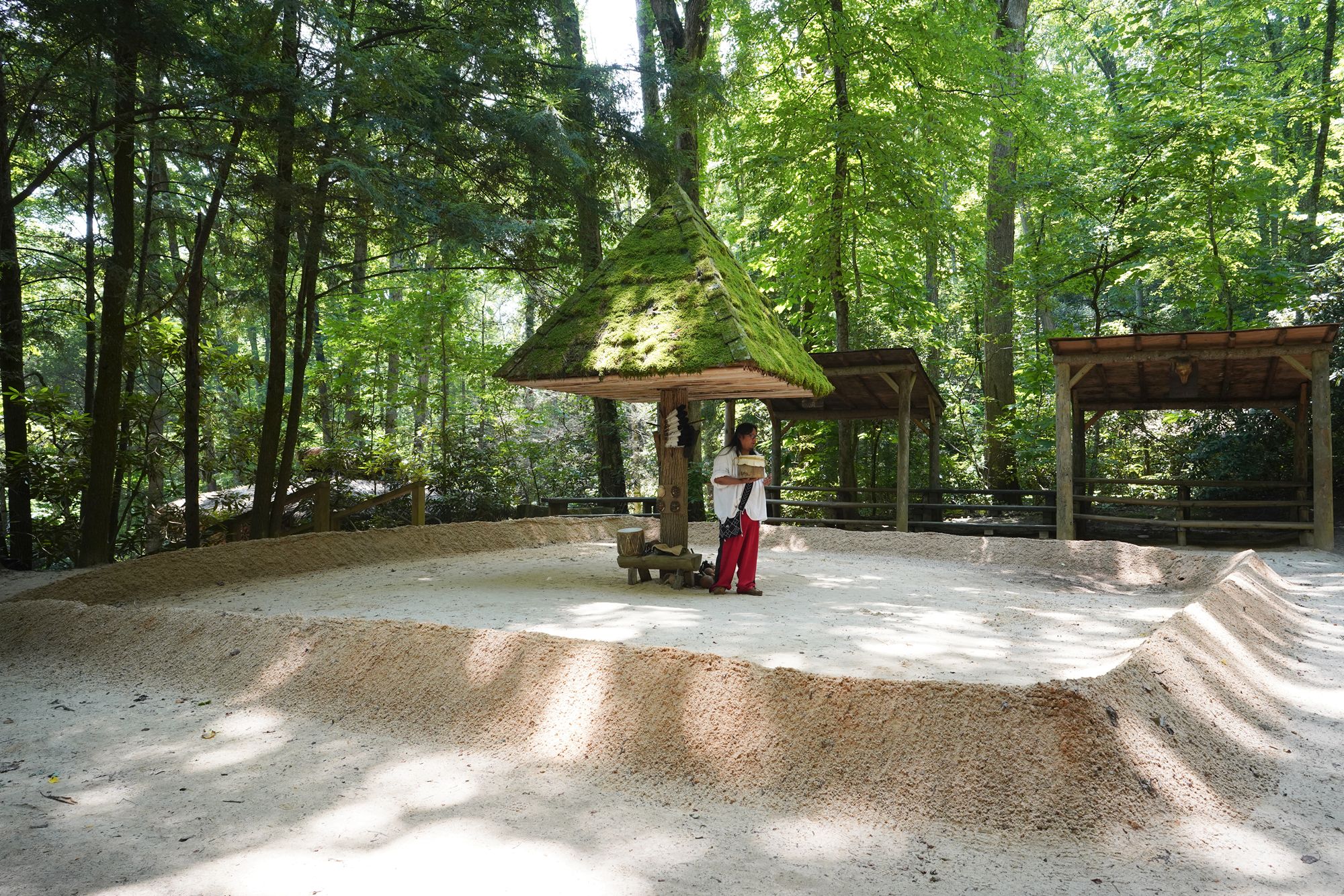
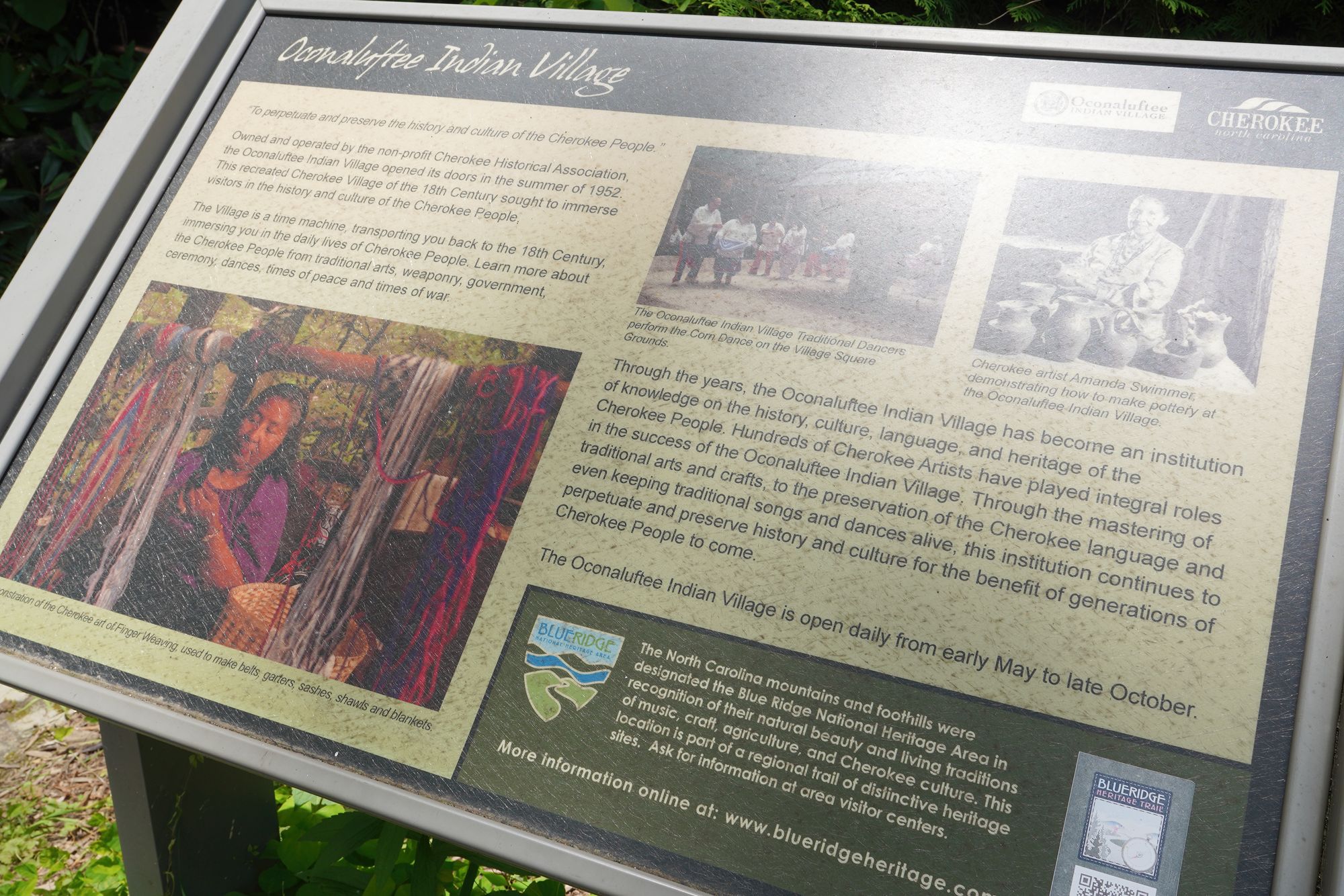
The Oconaluftee Indian Village is a living history site that recreates an 18th-century Cherokee community, allowing visitors to experience traditional daily life.
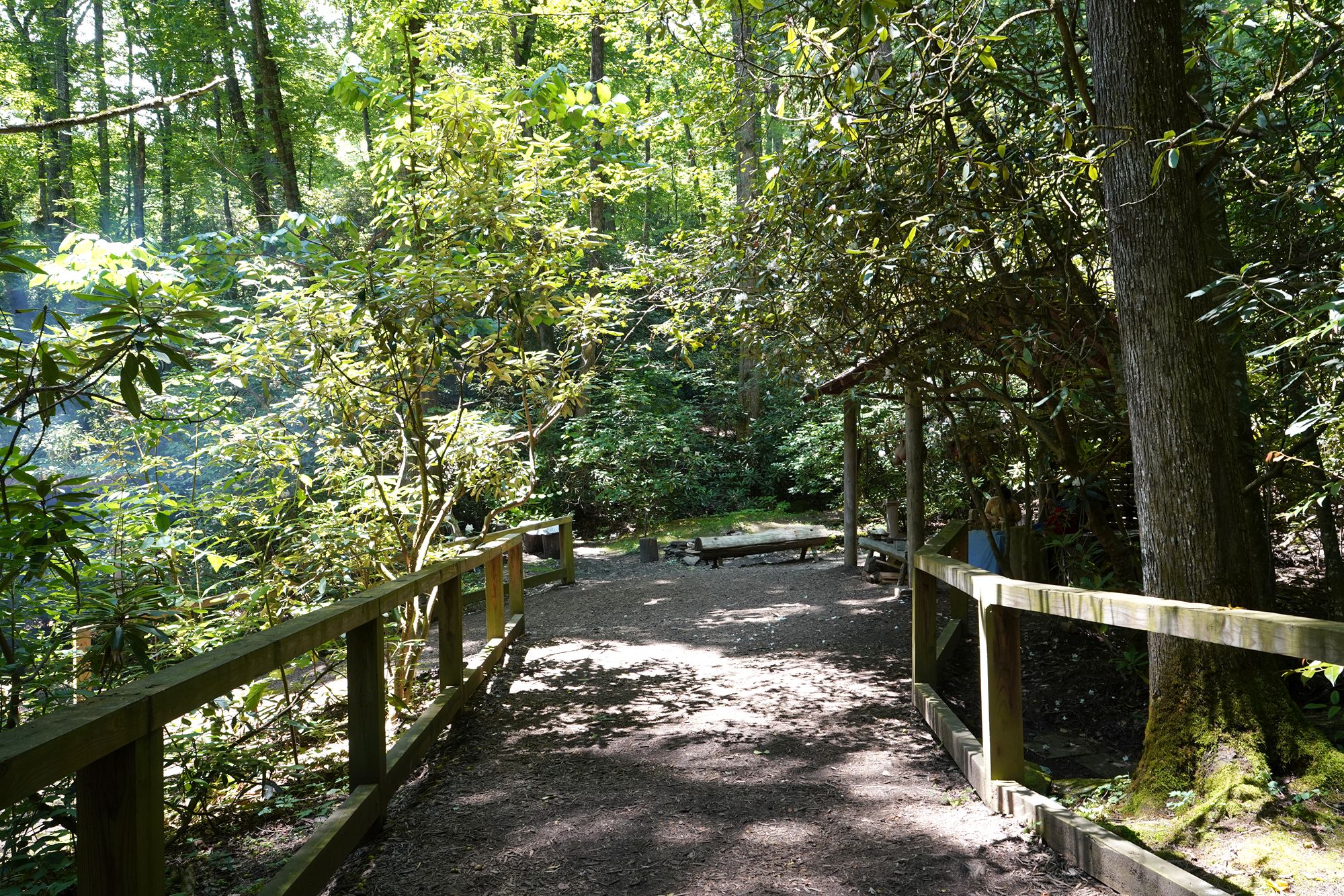
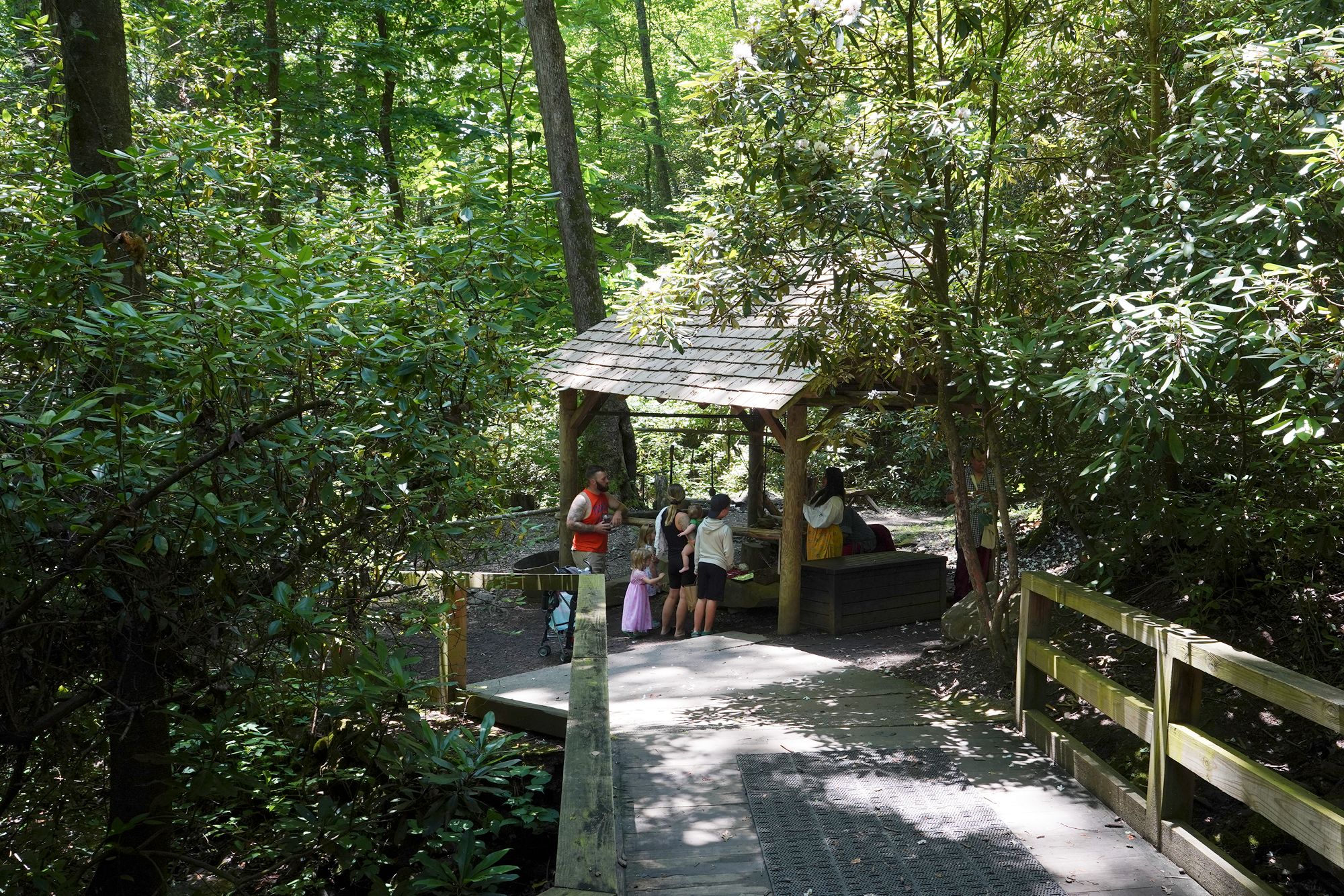
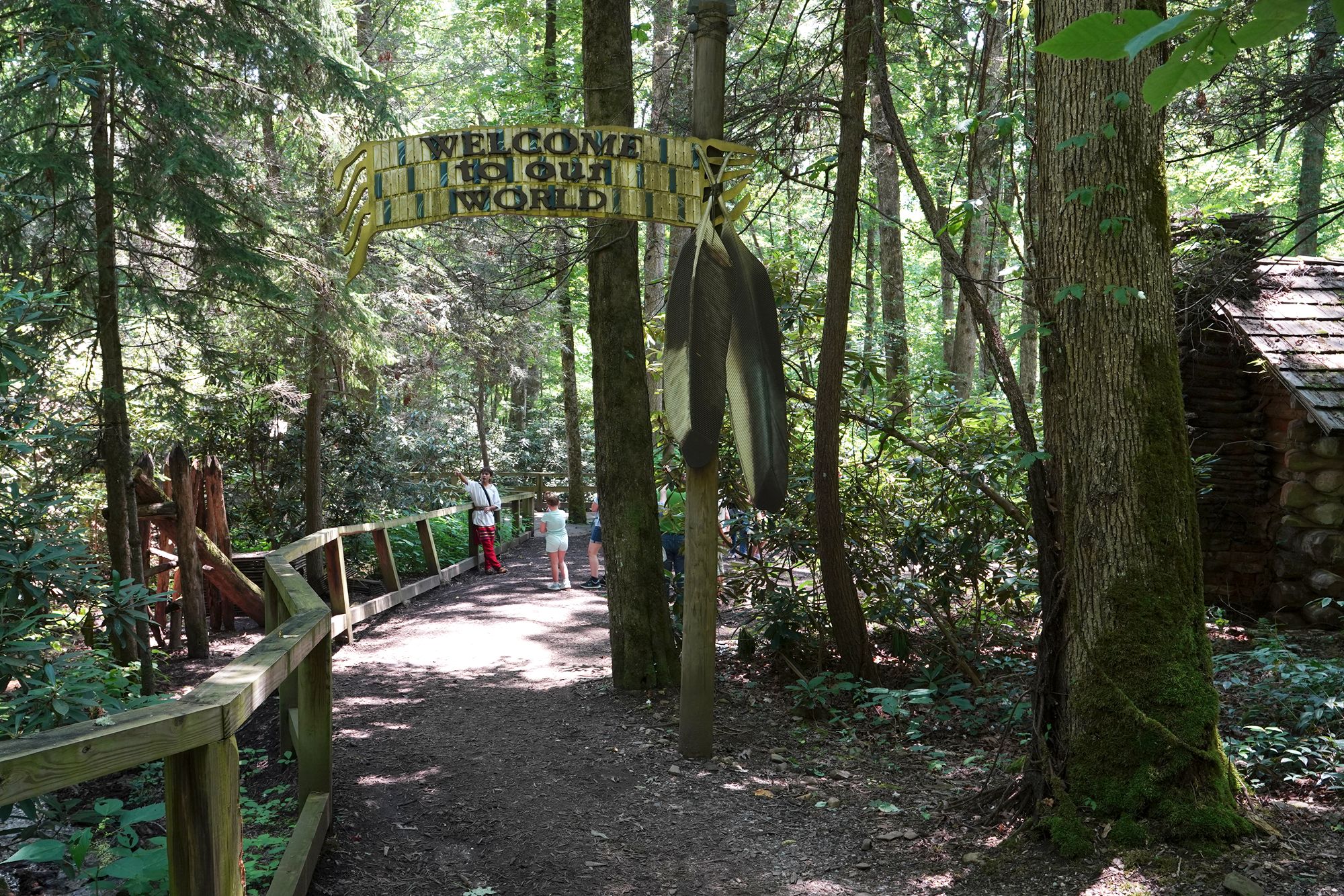
Costumed guides demonstrate pottery, beadwork, woodcarving, and basket weaving, while interpreters explain customs, beliefs, and social structure.
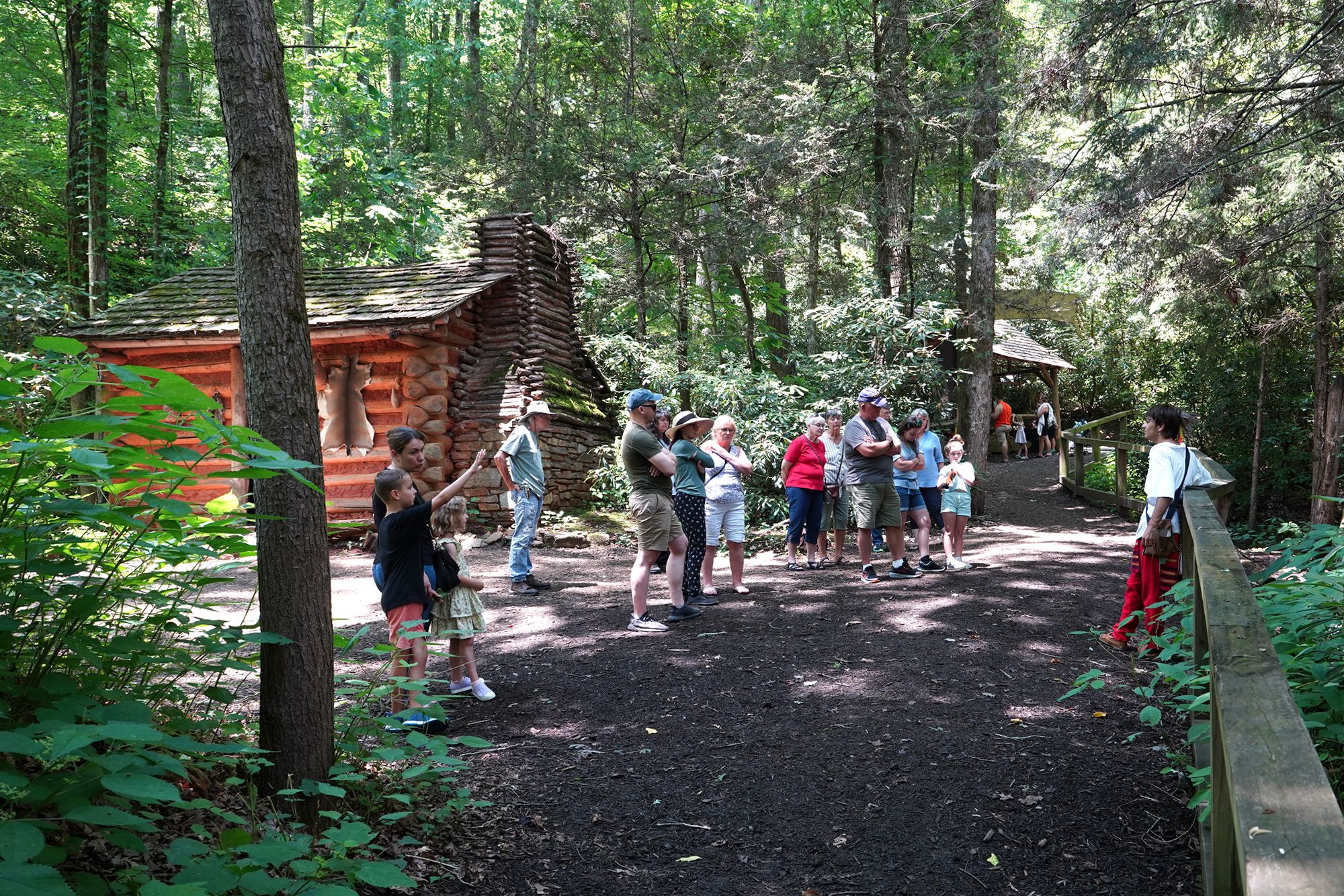
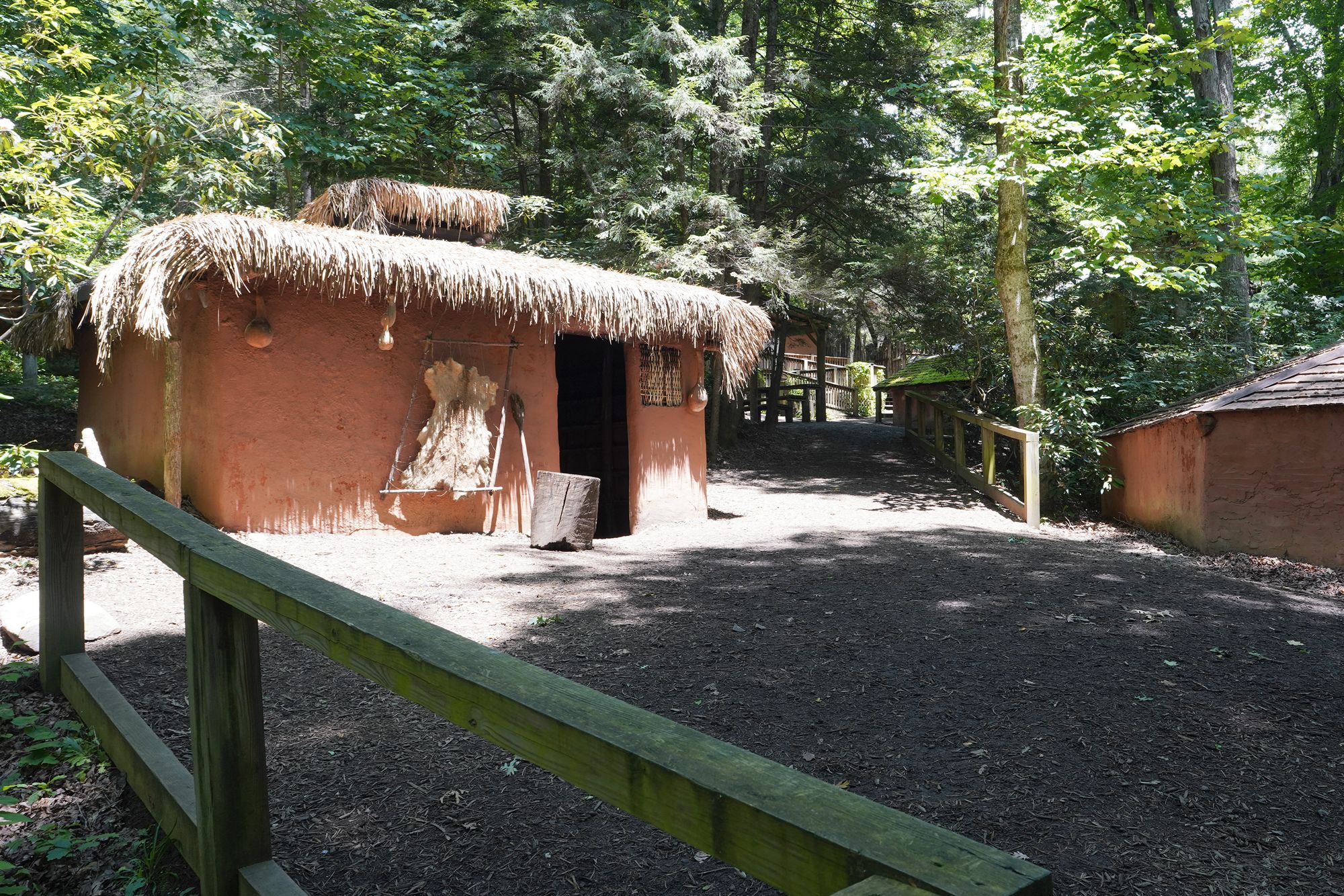
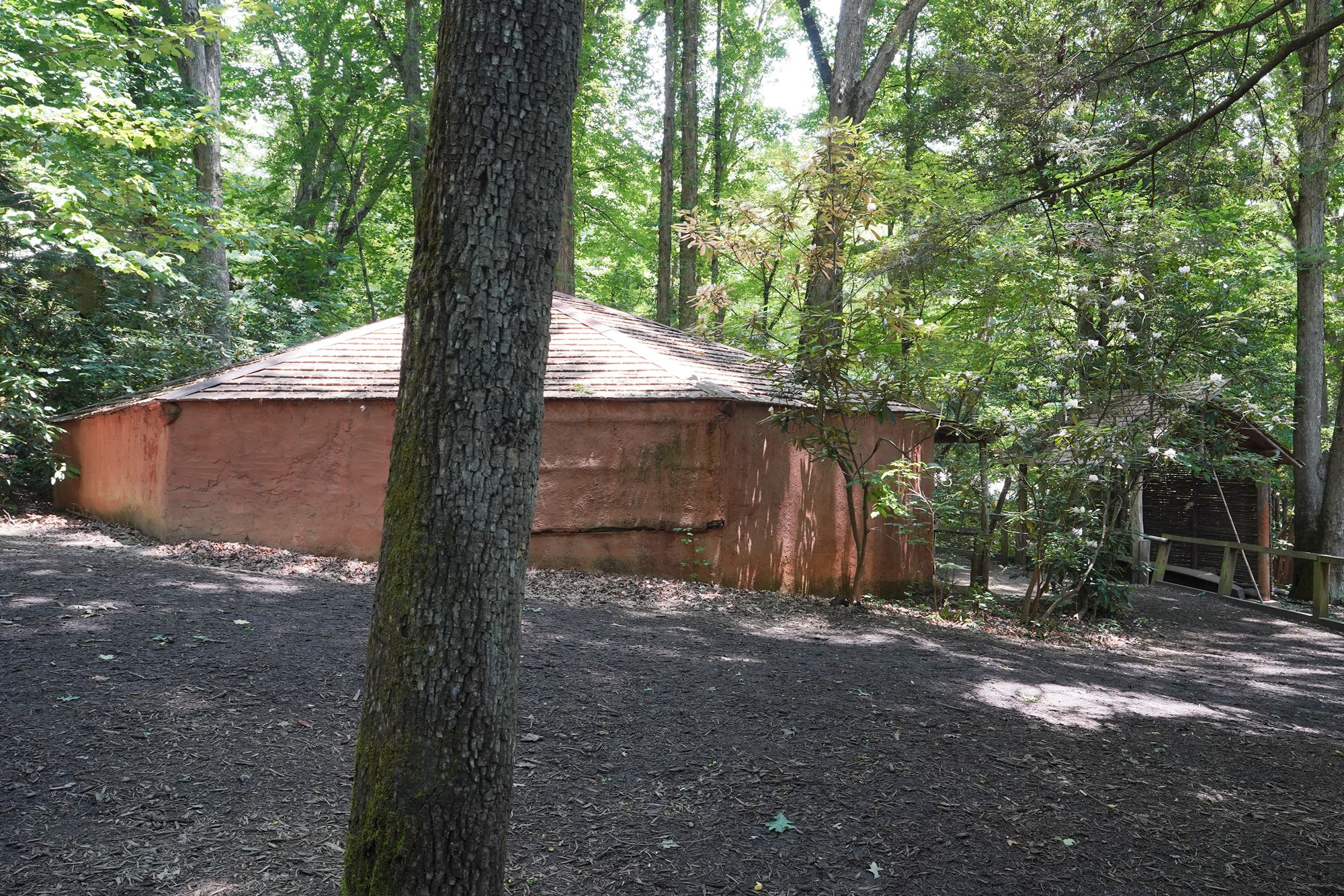
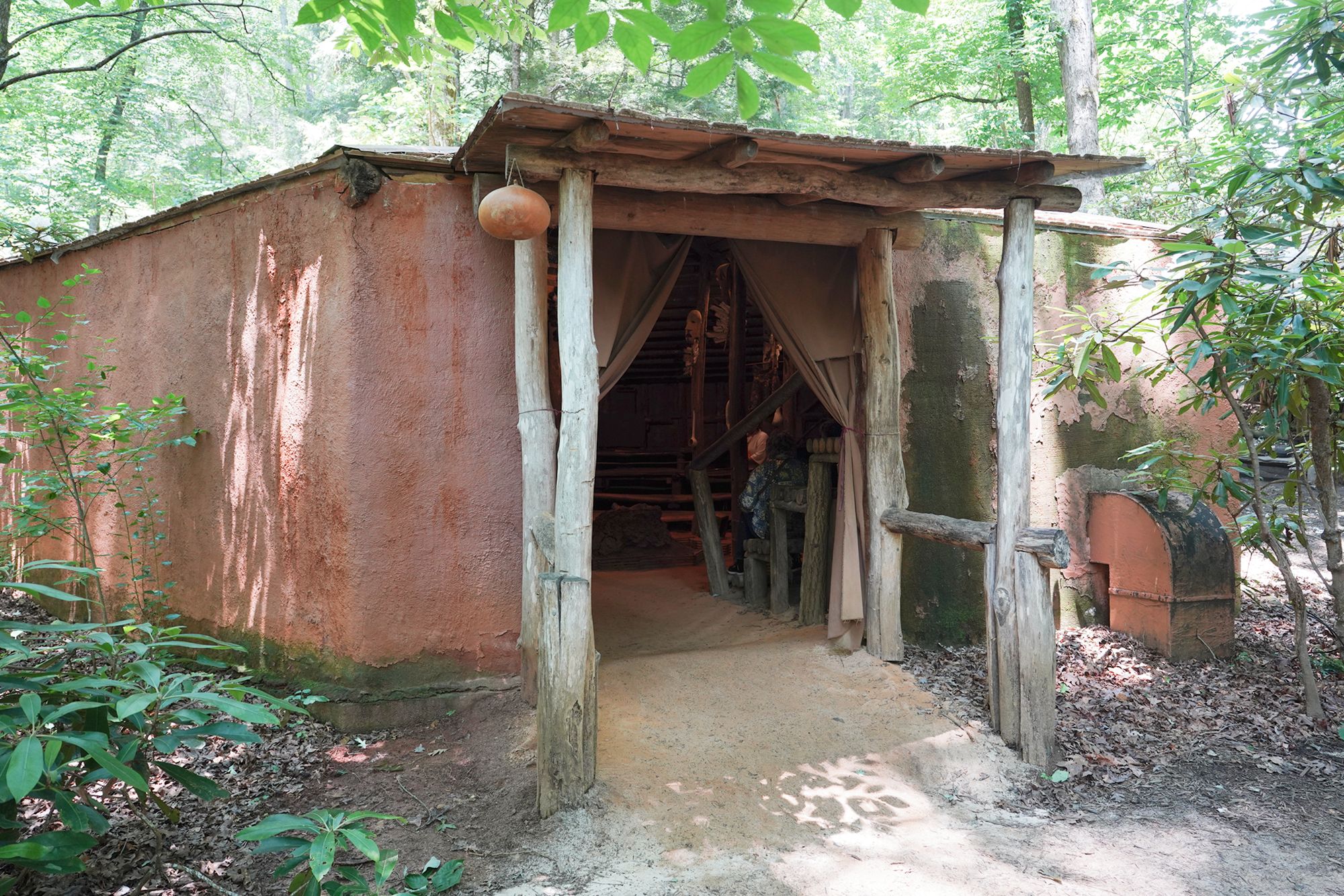
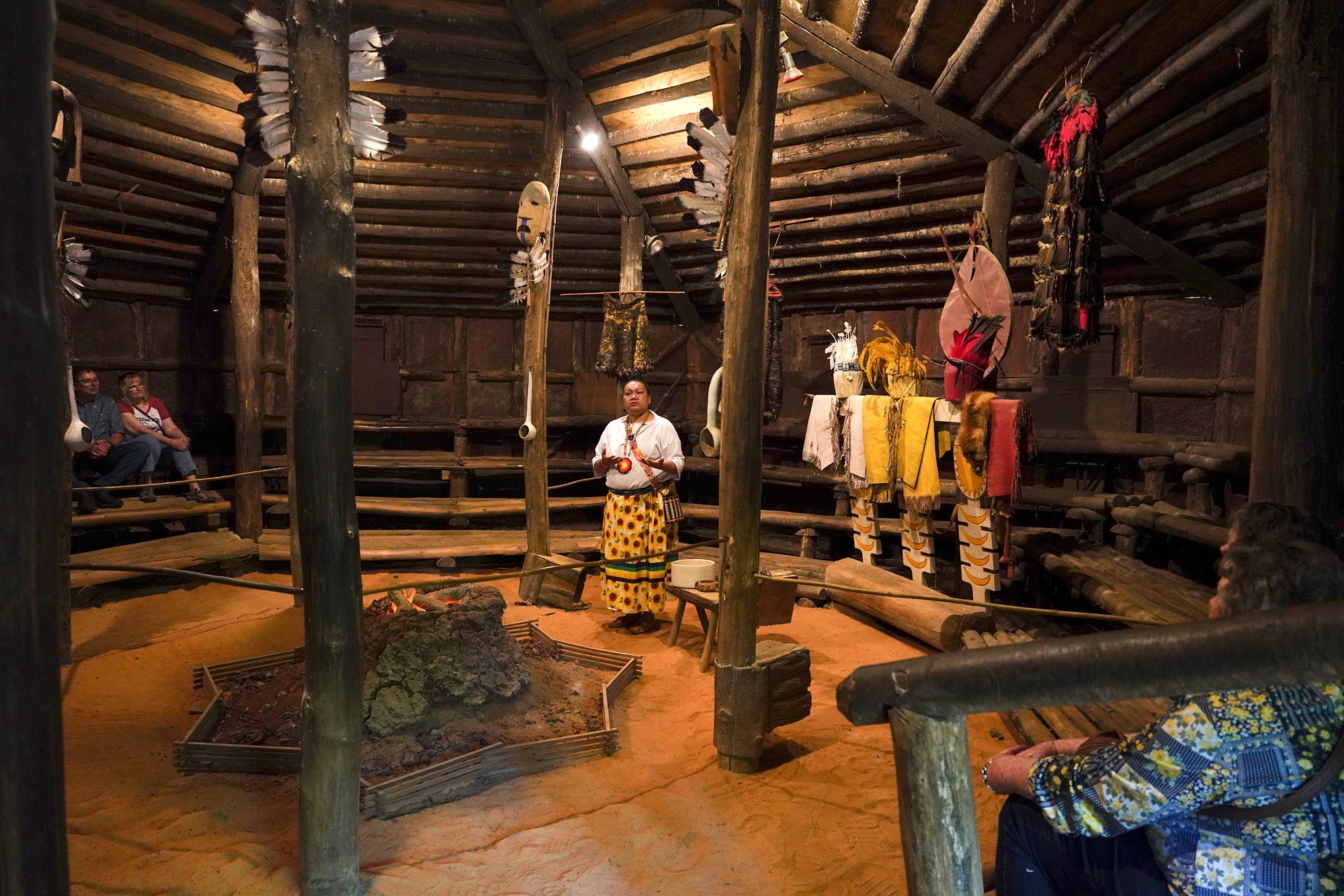
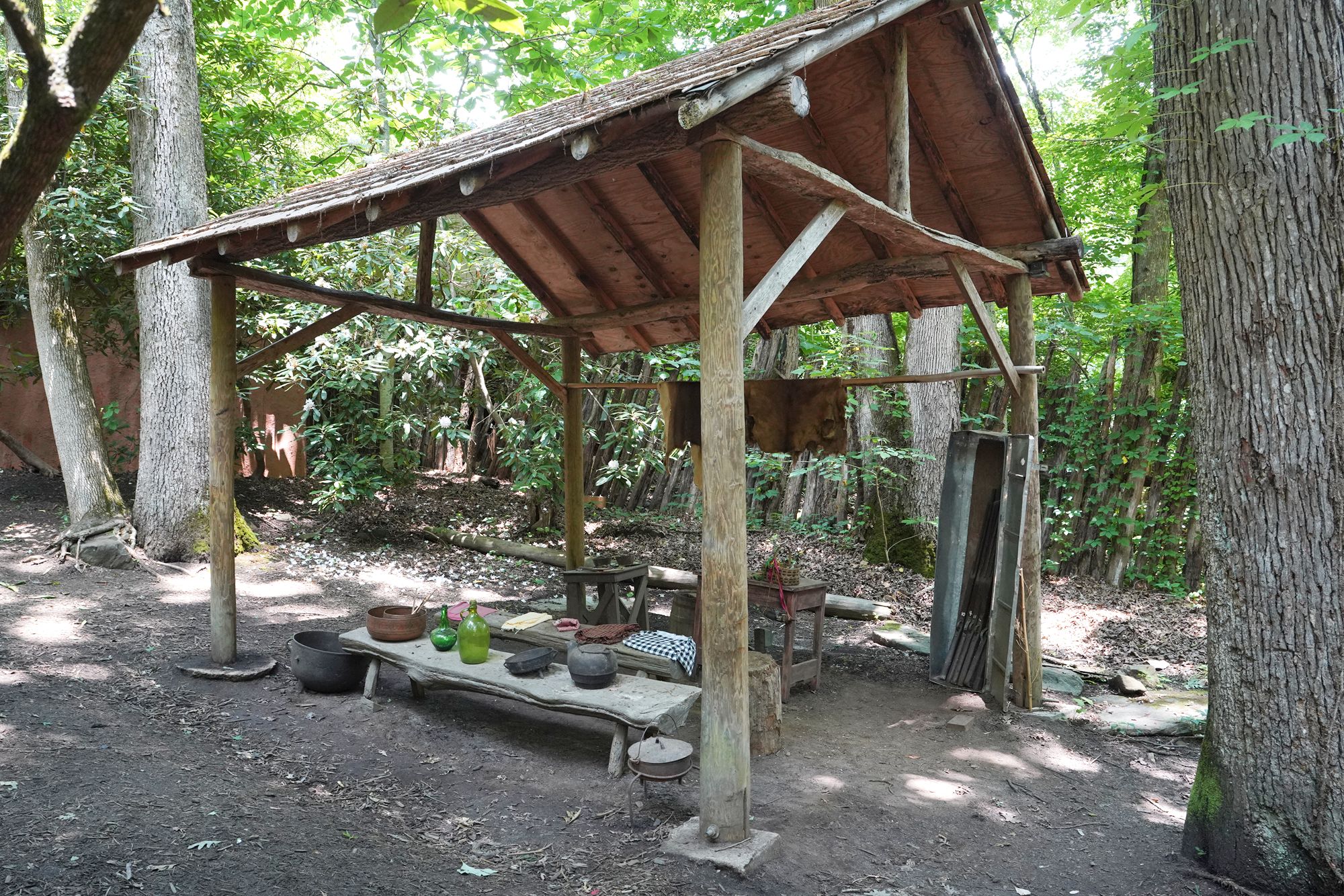
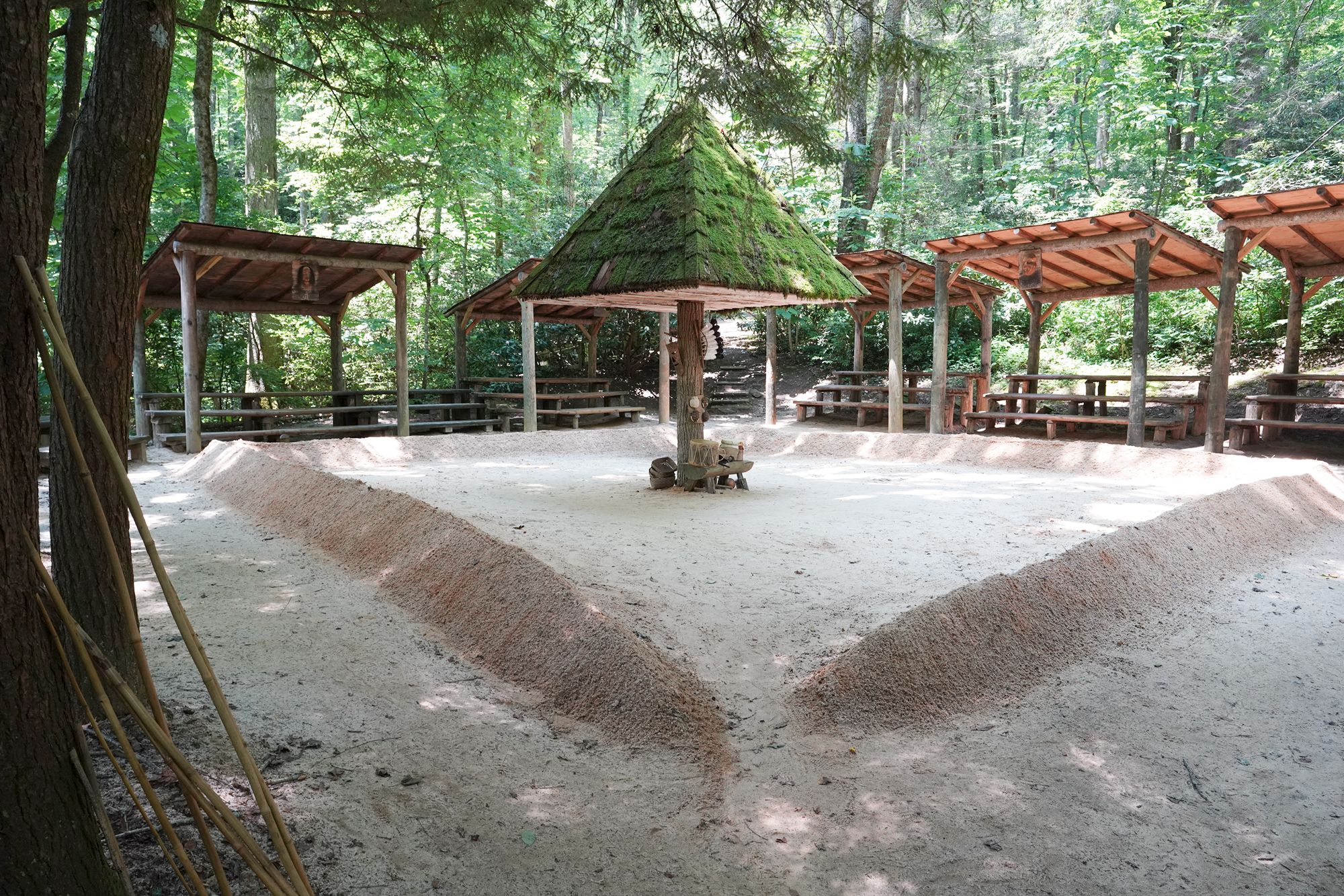
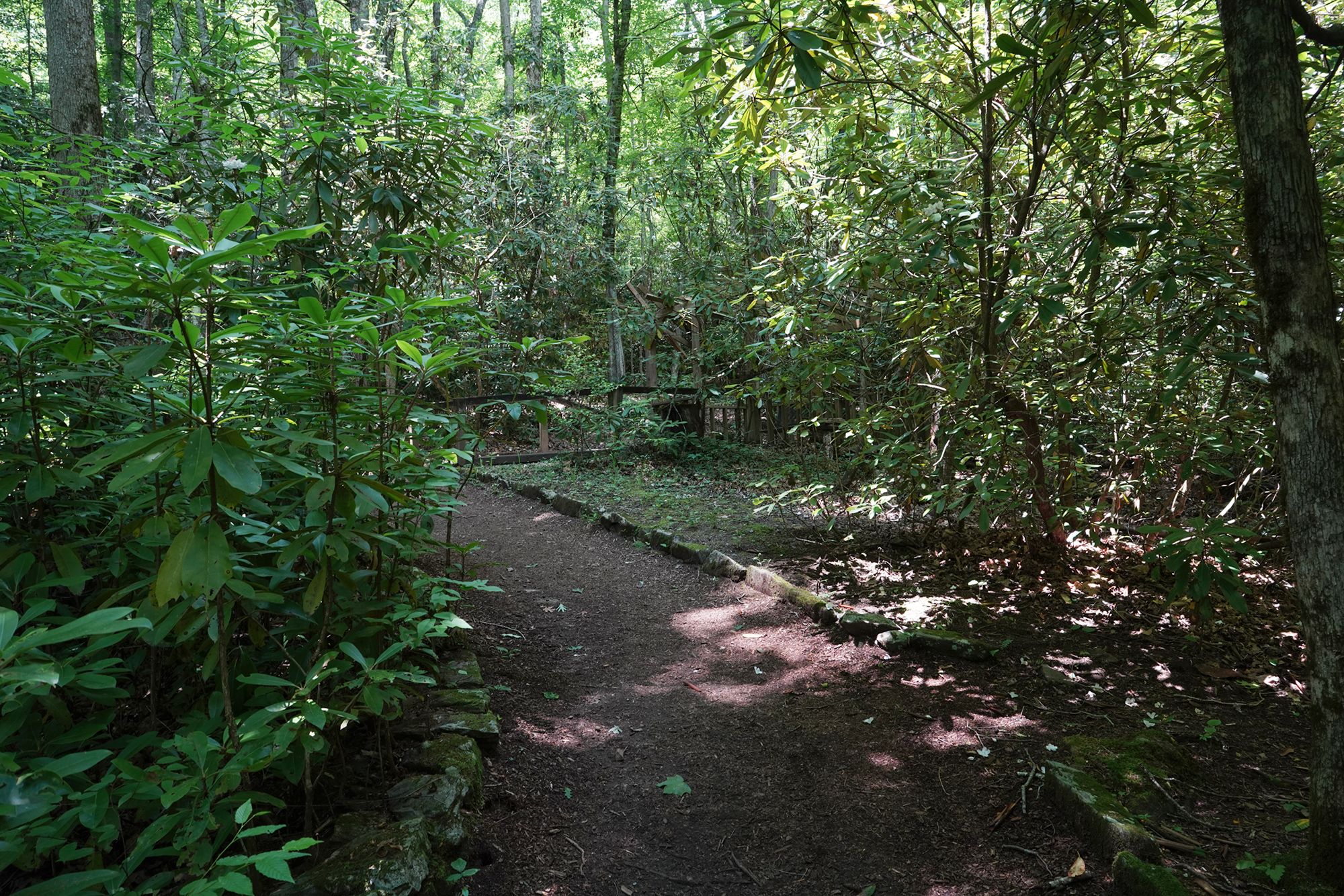
Walking paths lead past reconstructed homes, council houses, gardens, and work areas, showing how the Cherokee lived before European settlers arrived.
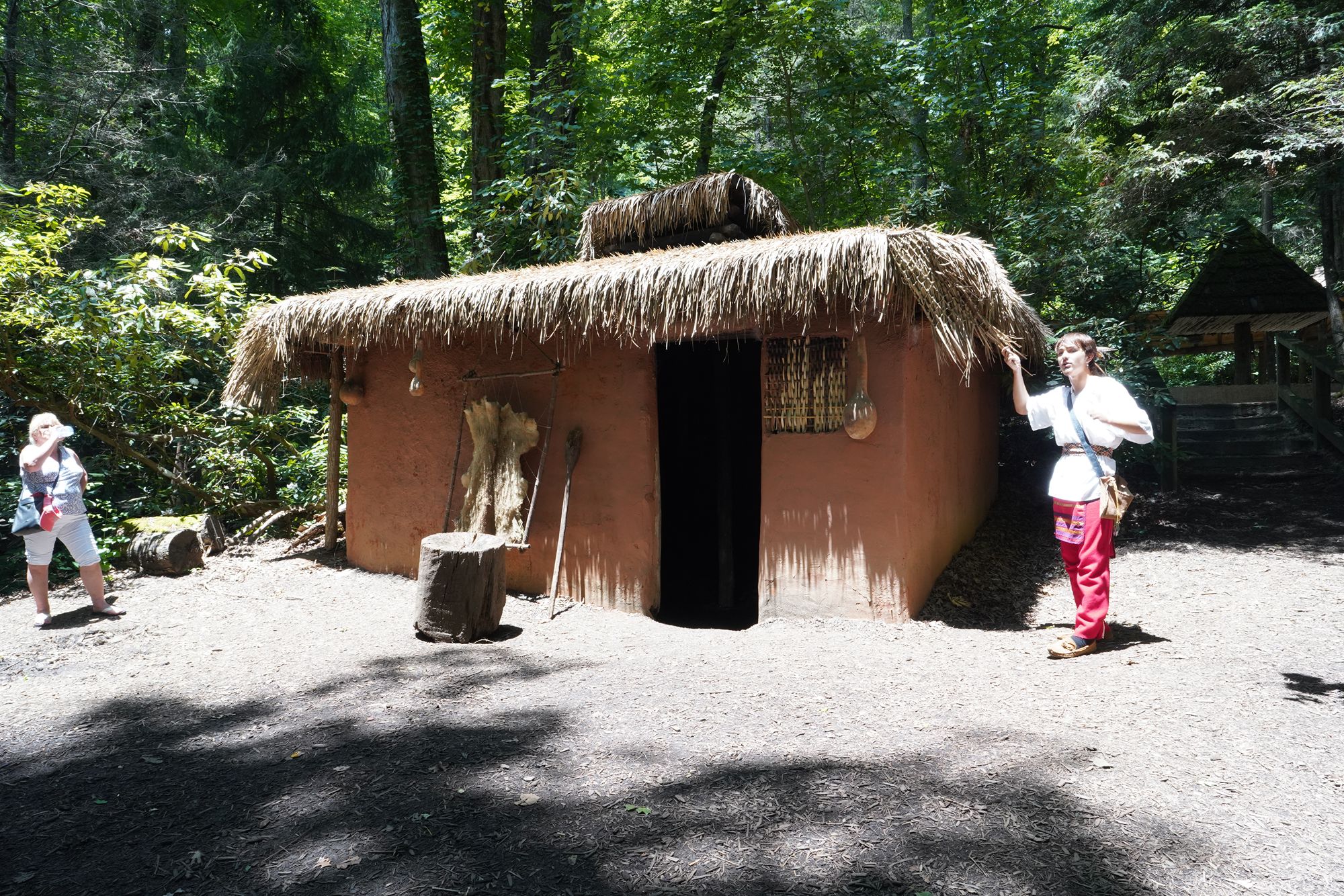
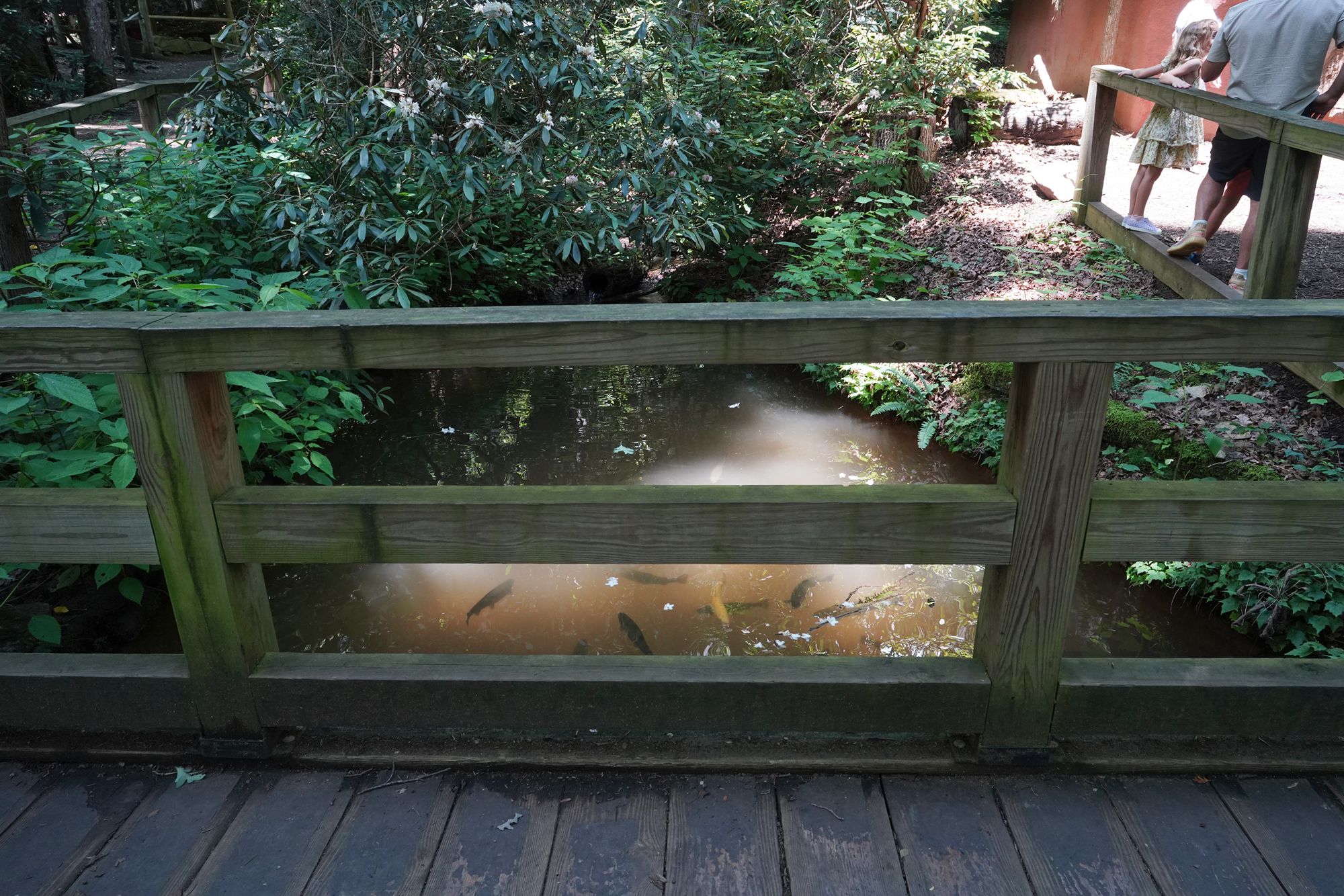
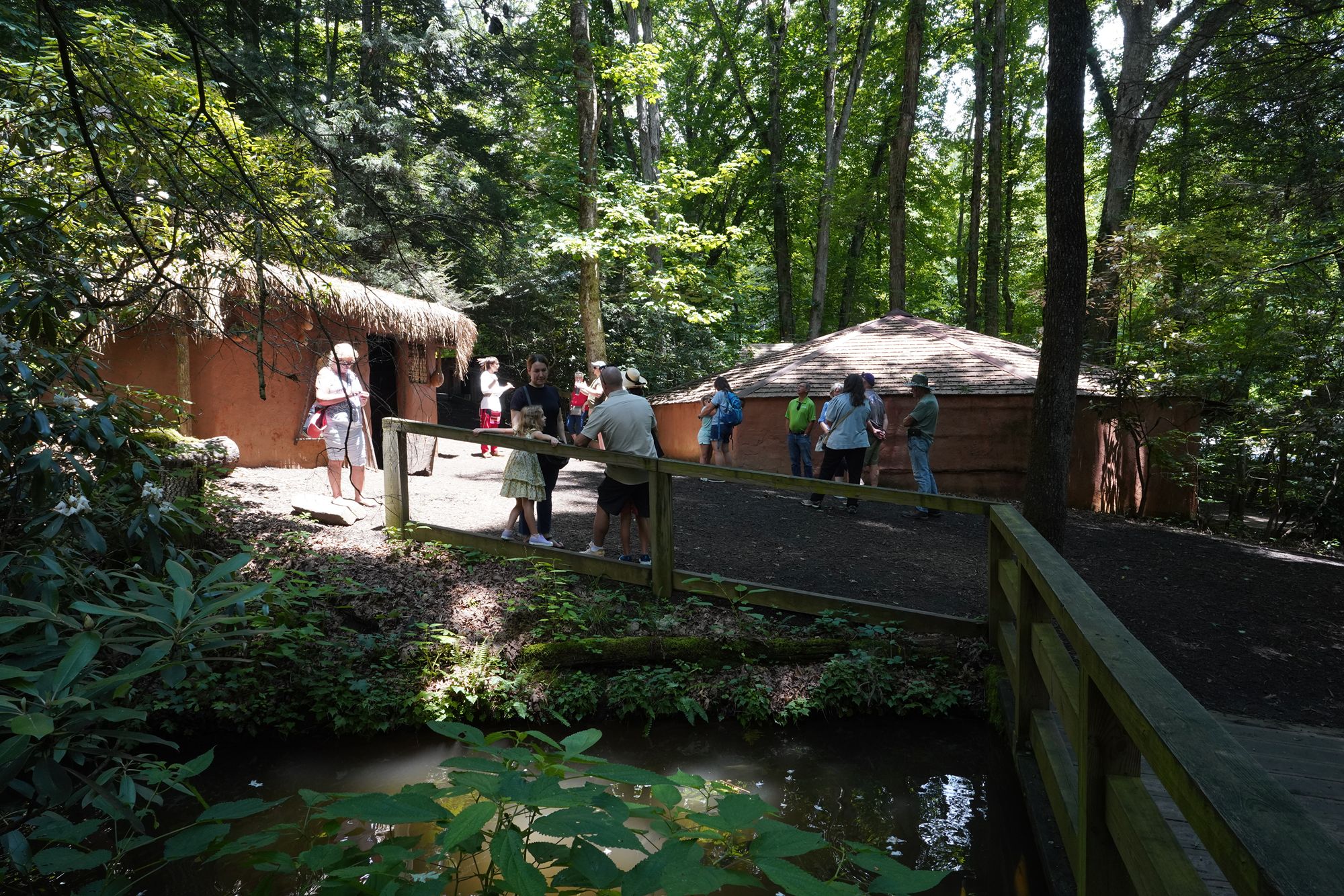
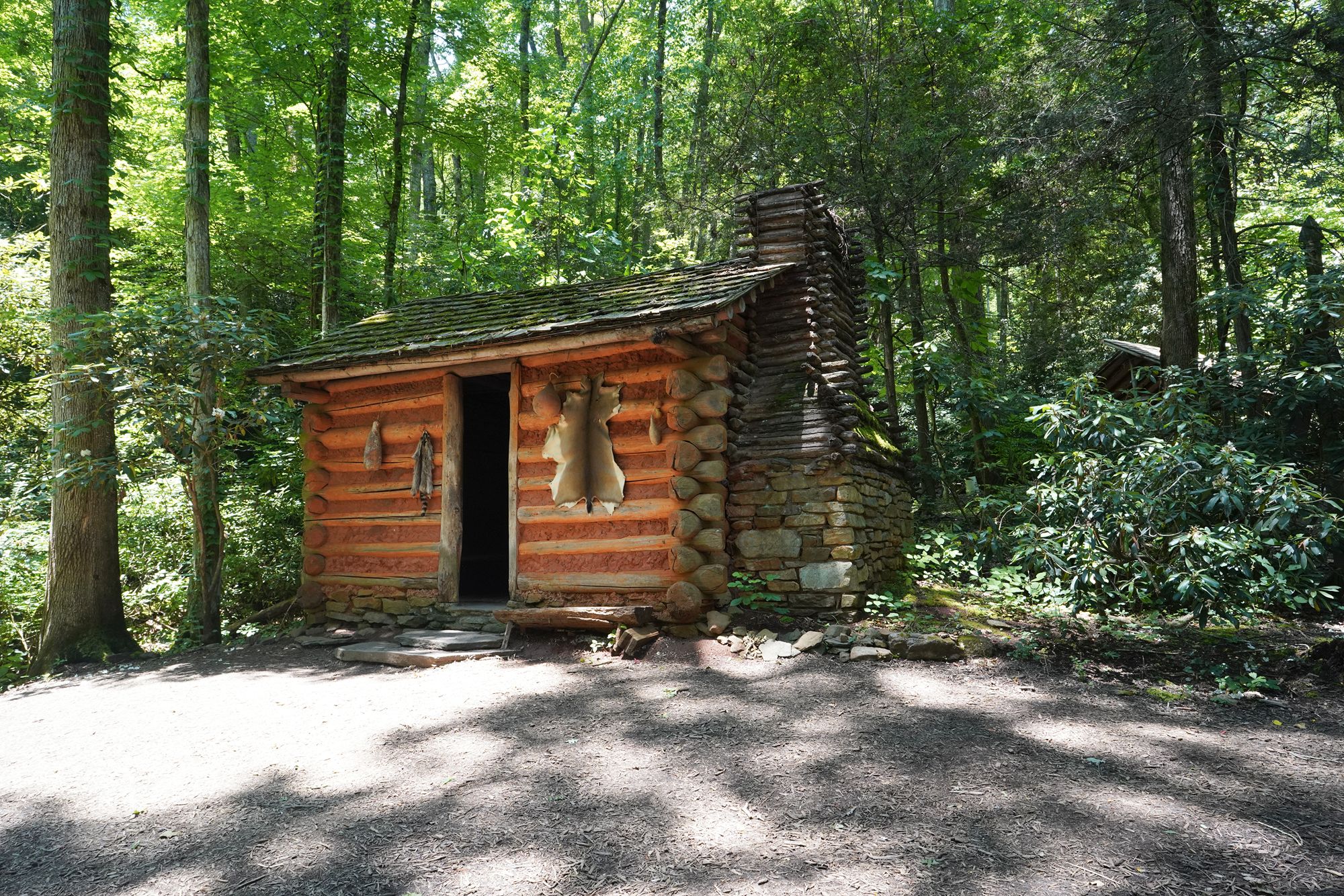
Live demonstrations, storytelling, and occasional reenactments make the village feel active rather than like a static exhibit.
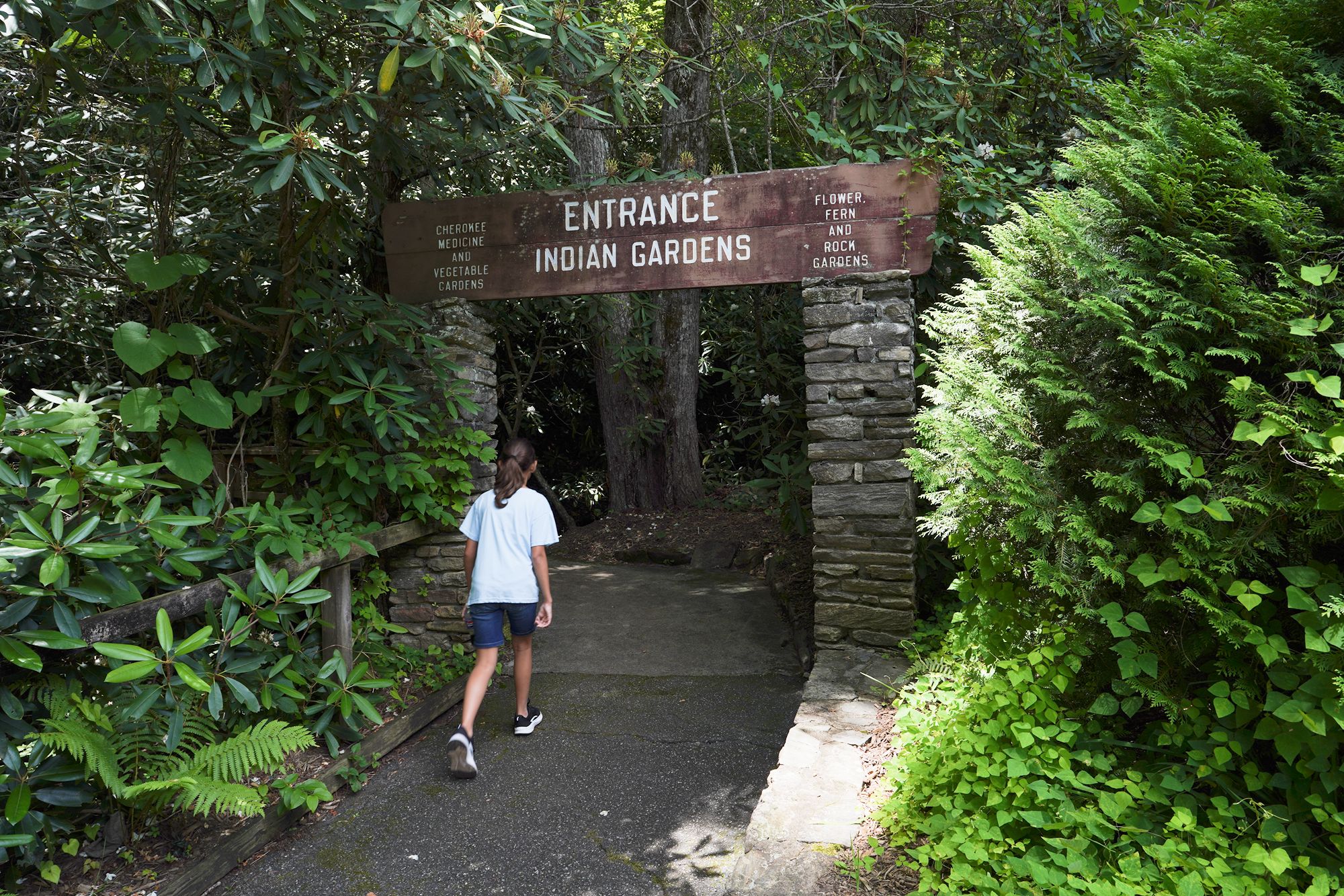
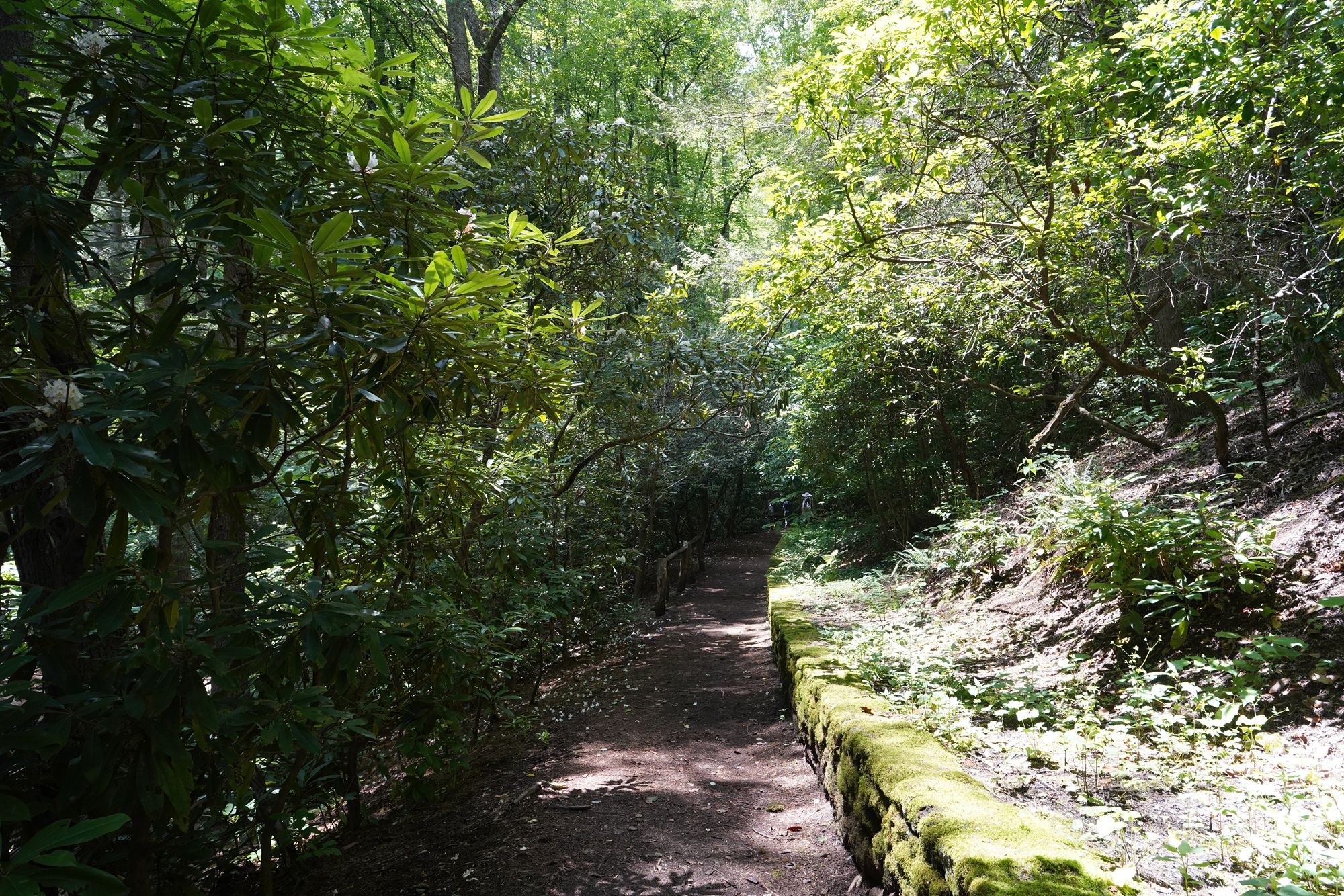
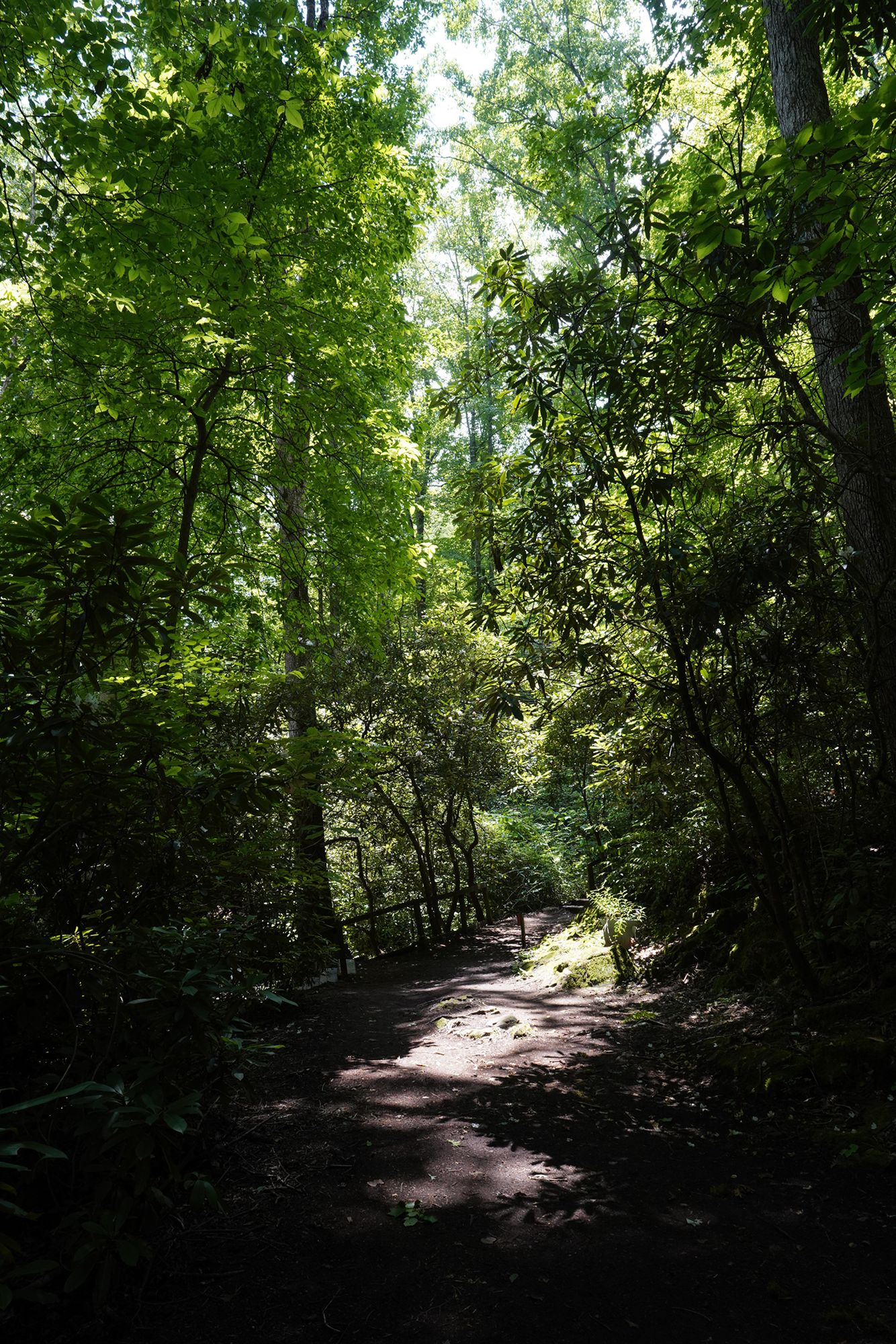
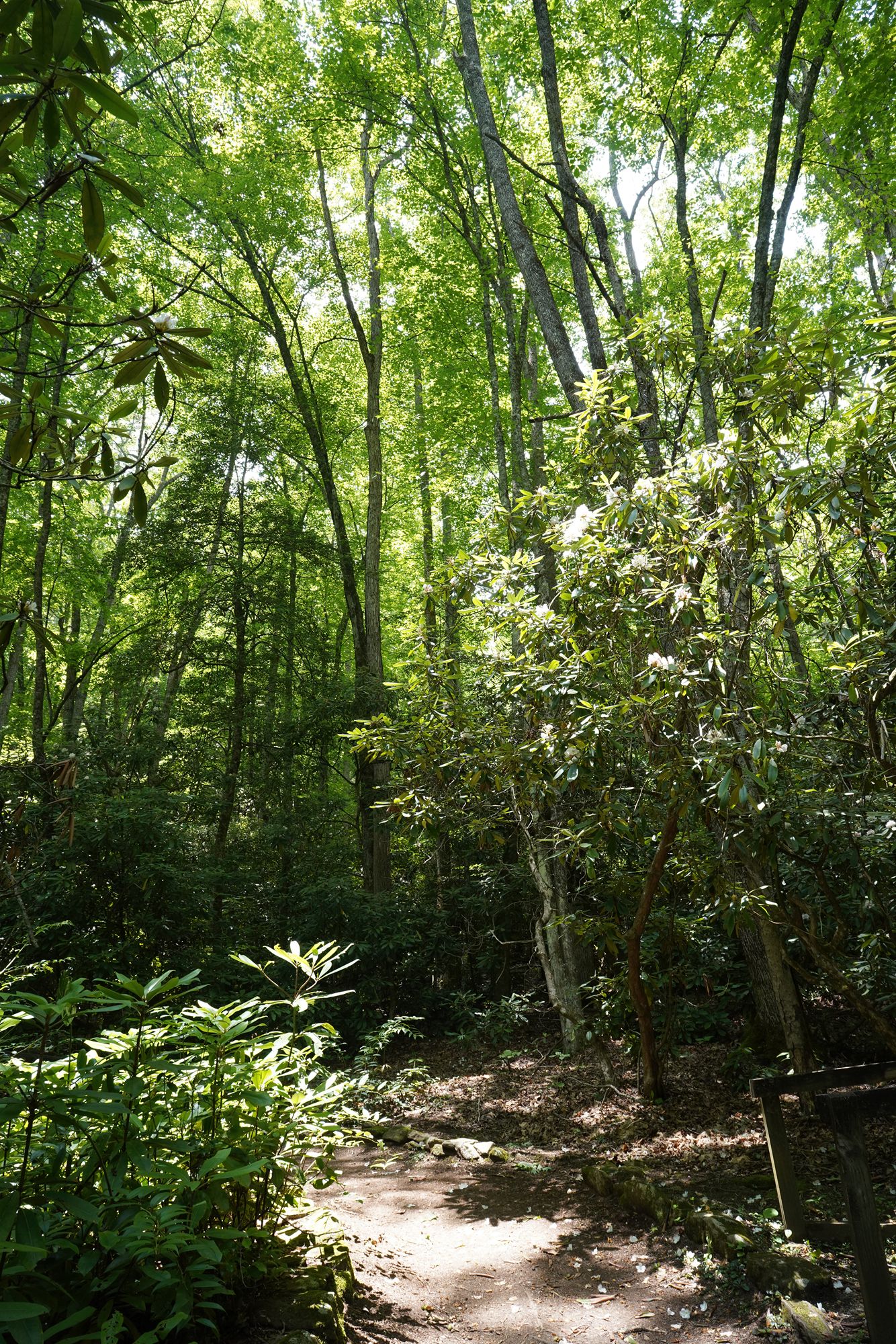
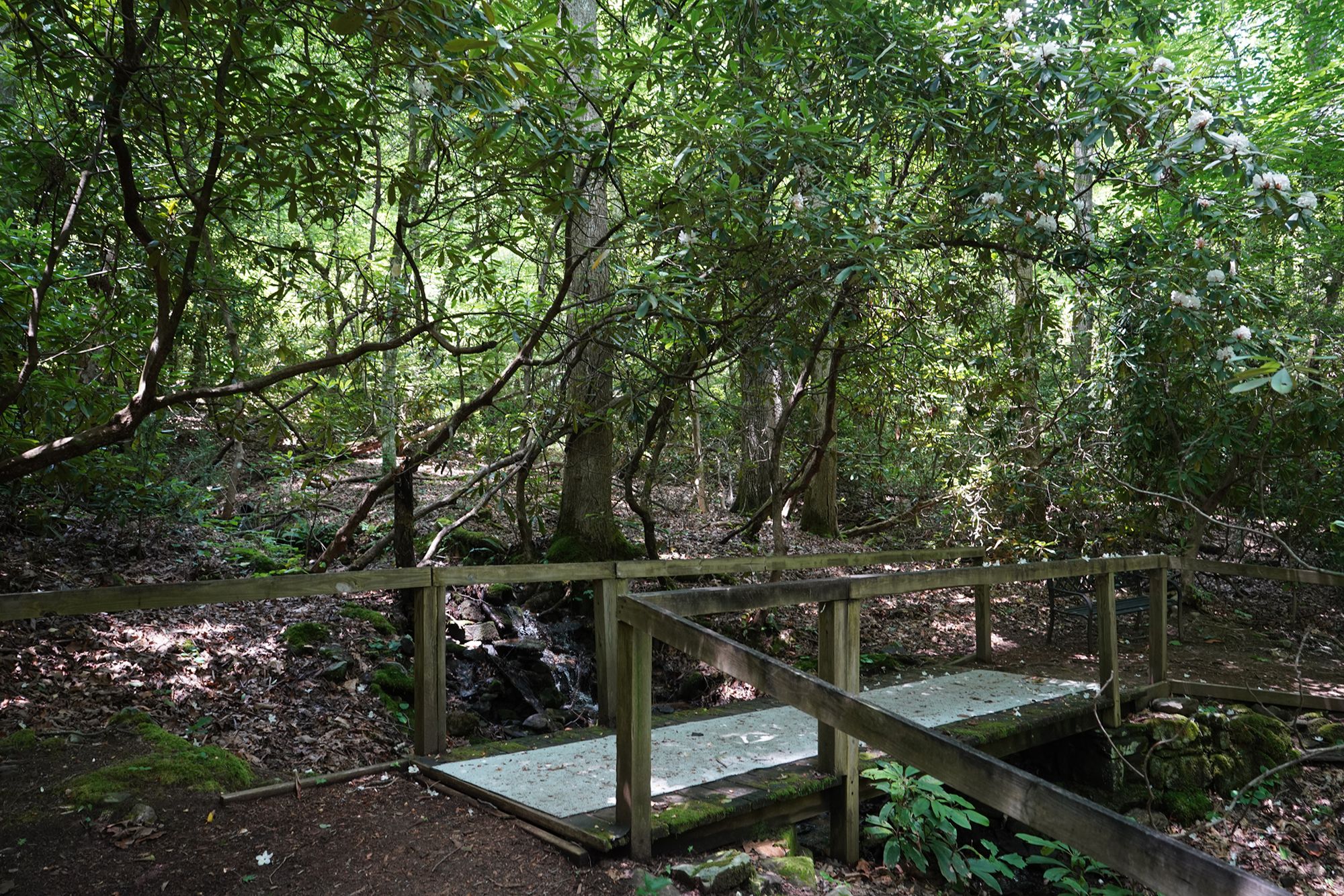
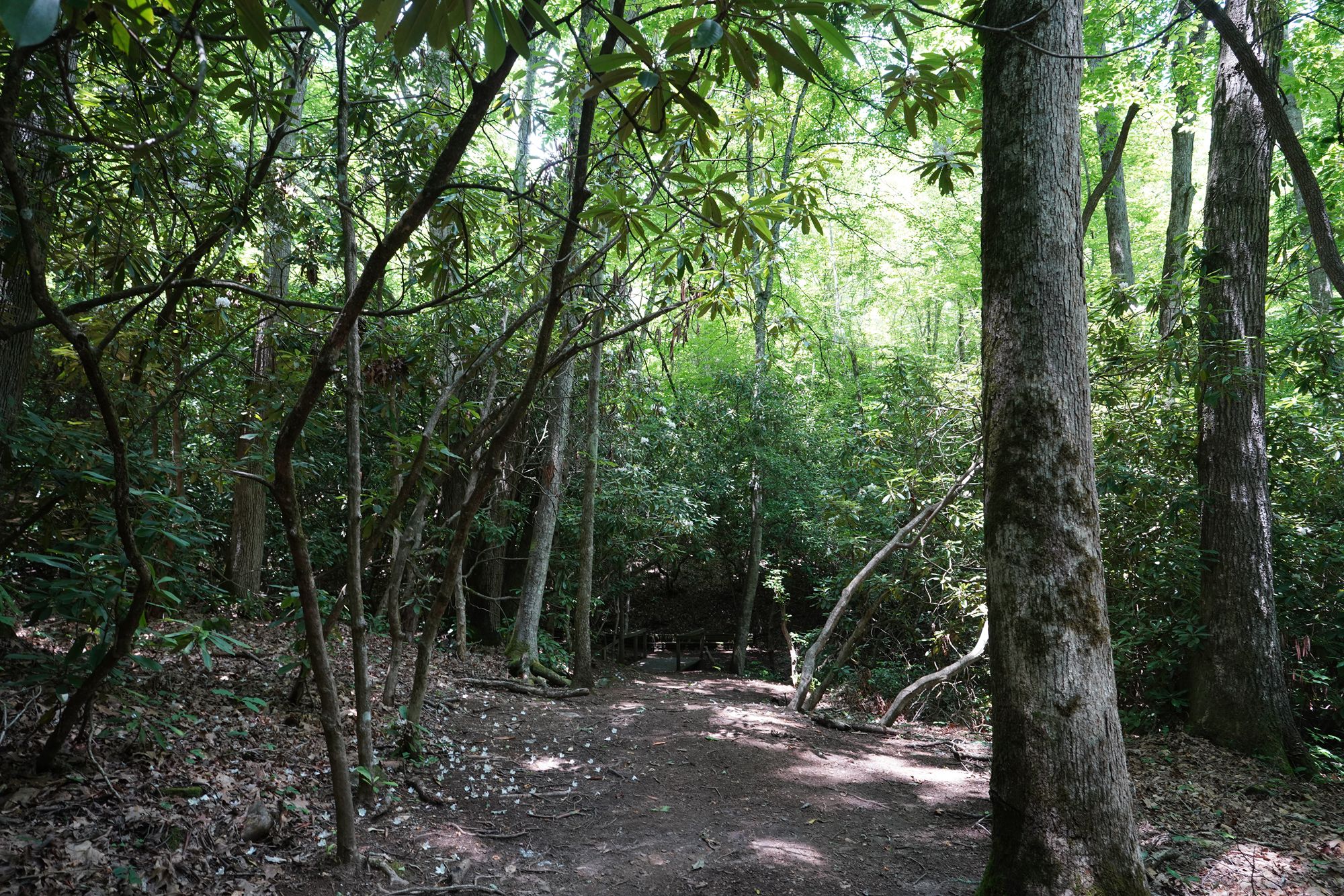
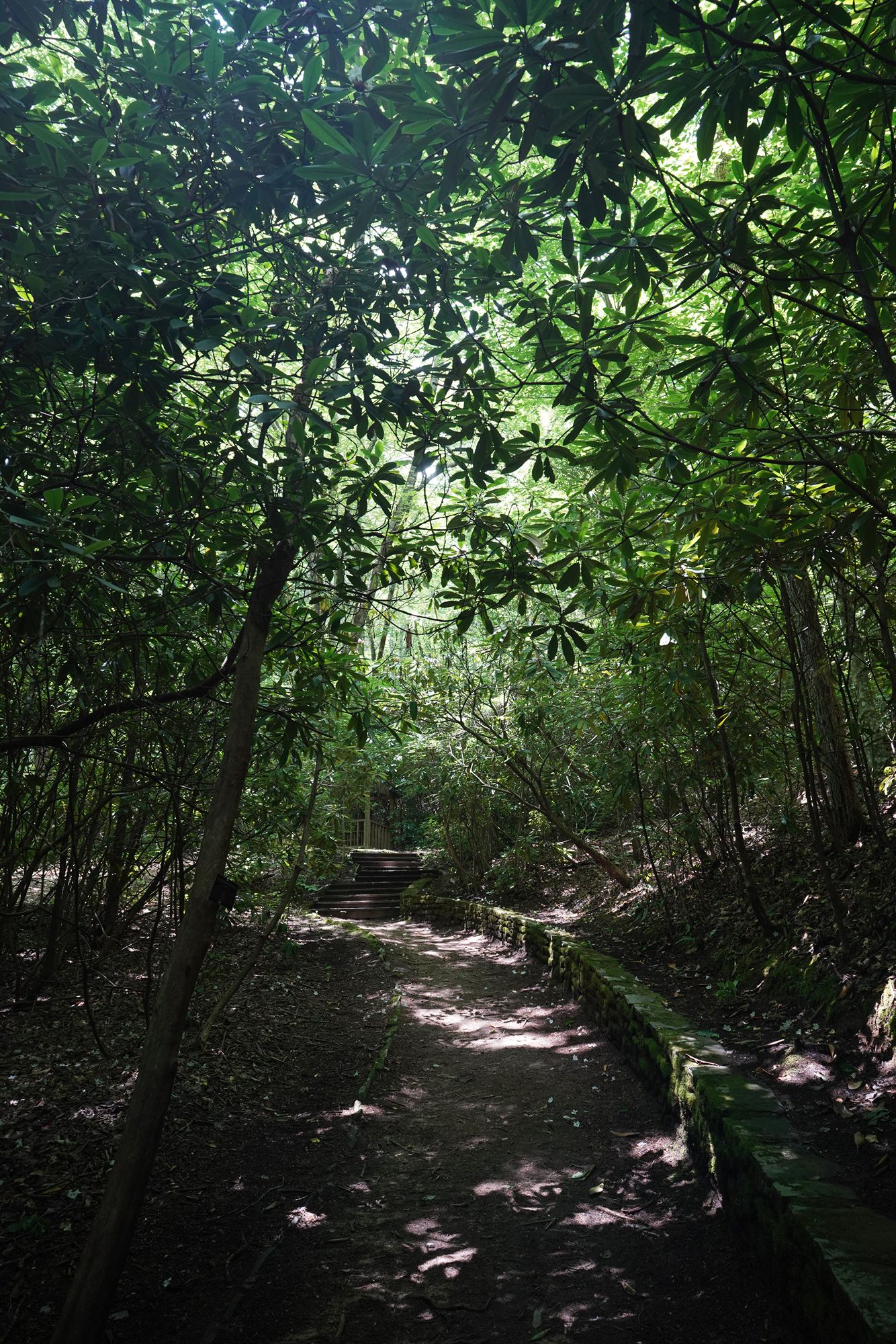
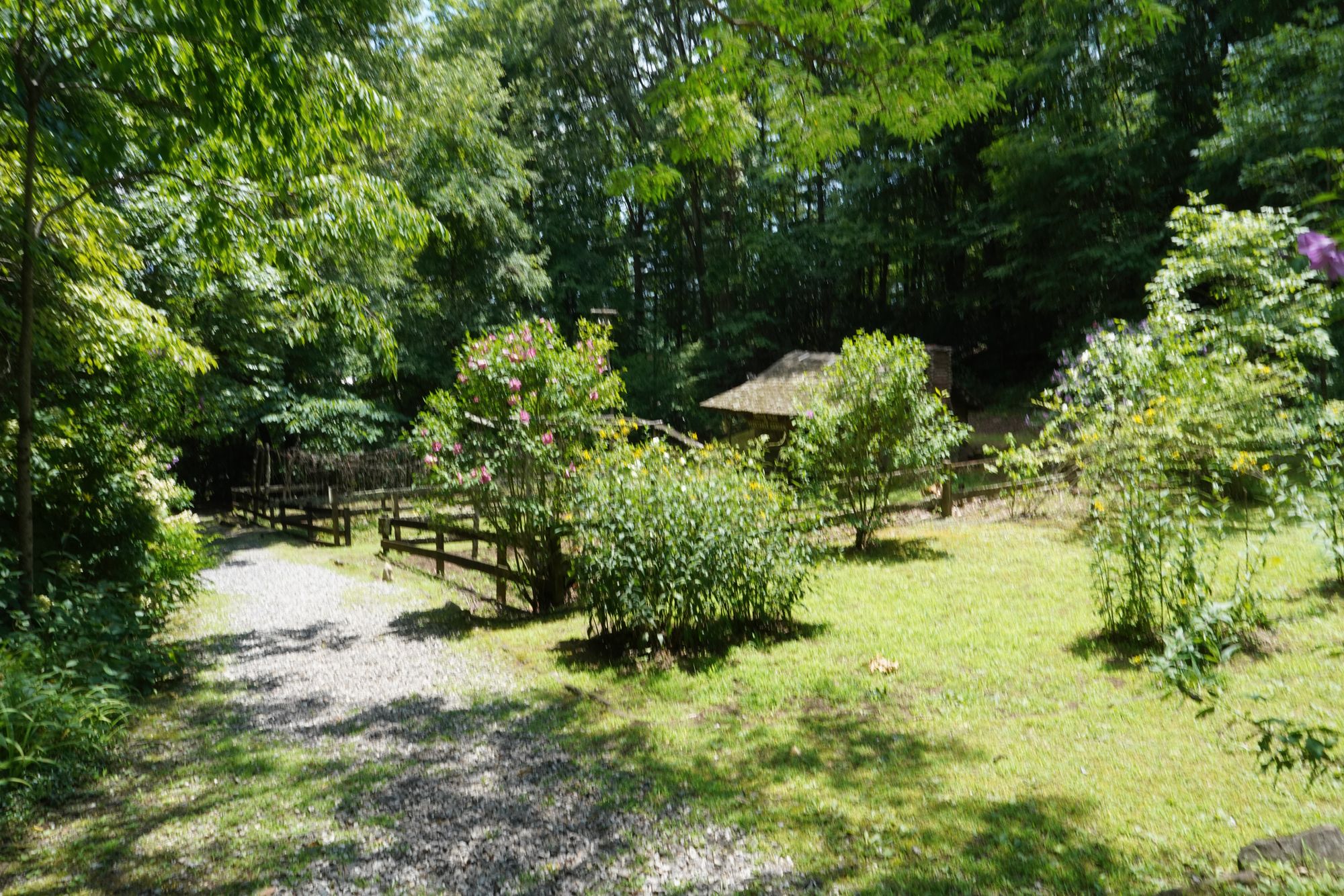
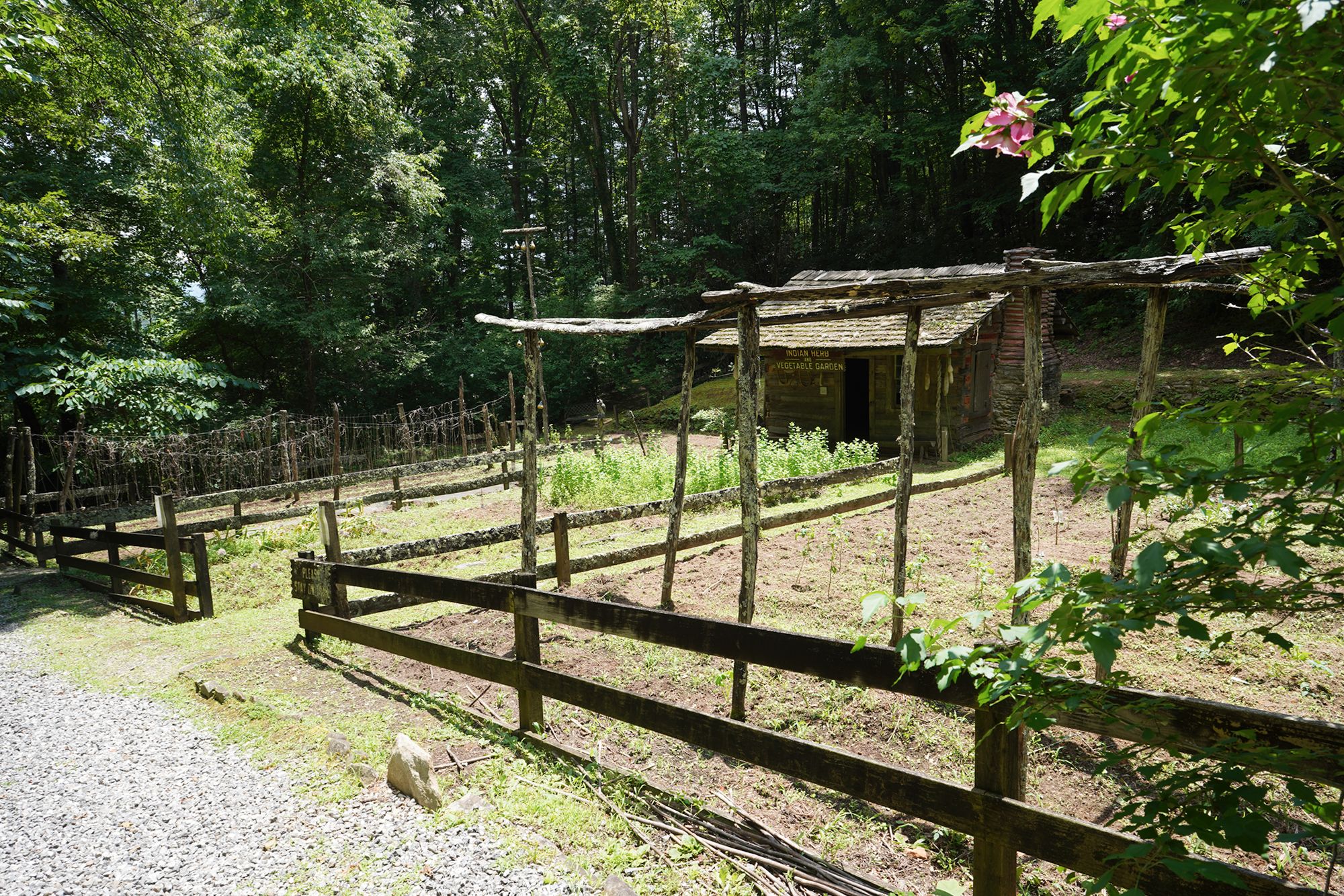
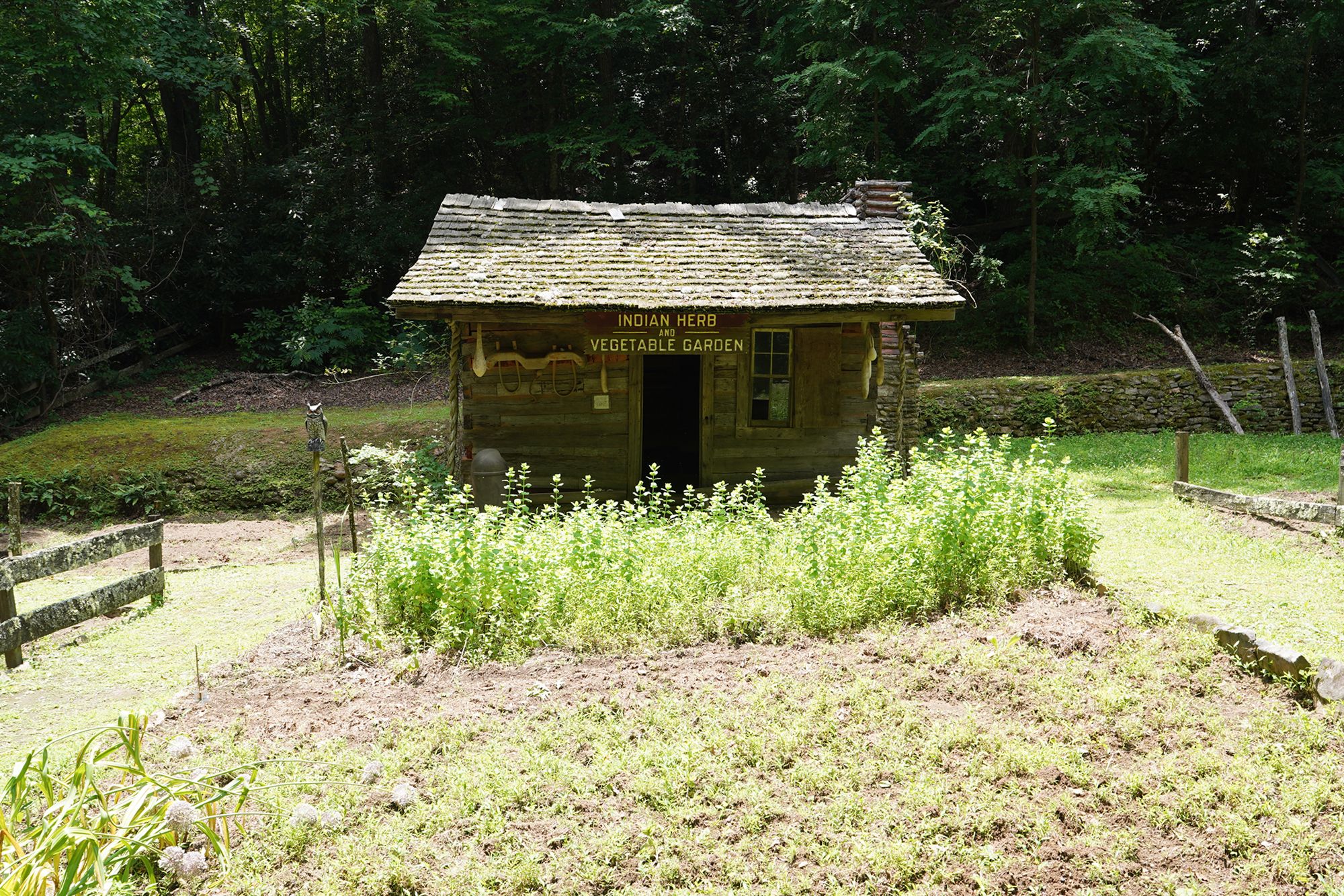
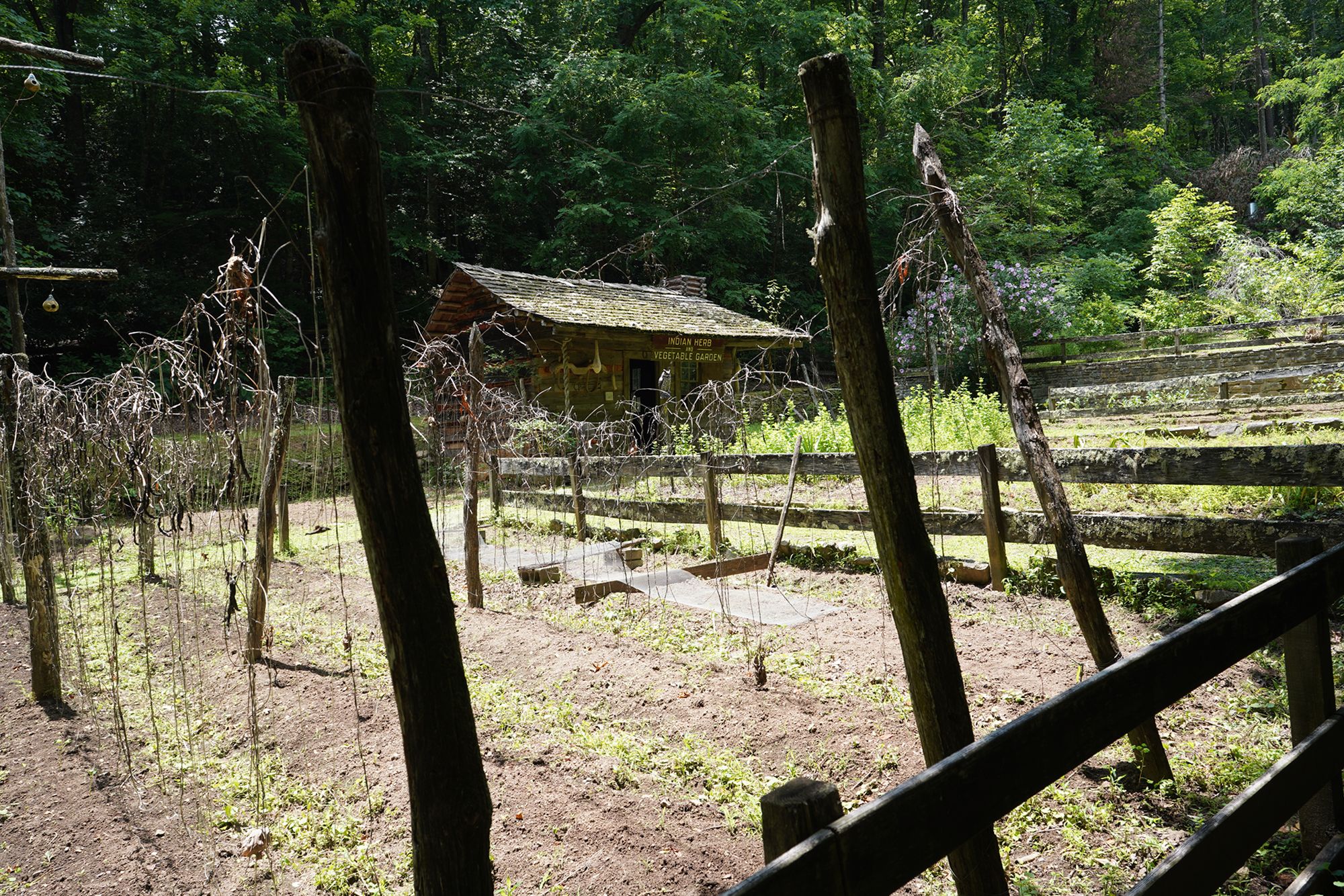
The Indian Garden on the Indian Village