Gyeongju National Museum, South Korea
u003cpu003eThe museum holdings are largely devoted to relics of the Silla (or Shilla) kingdom, of which Gyeongju was the capital. 341u003c/pu003e
u003cpu003eu003cspan class=u0022LrzXru0022u003eGyeongju National Museum: u003c/spanu003eu003cspan class=u0022LrzXru0022u003e186 Iljeong-ro, Gyeongju-si, Gyeongsangbuk-do, South Koreau003c/spanu003eu003cspan class=u0022LrzXru0022u003eu003c/spanu003eu003cbr /u003eu003cspan class=u0022LrzXru0022u003eu003cspanu003eDate Picture Taken: December 2021u003c/spanu003eu003c/spanu003eu003c/pu003enu003ch2 class=u0022qrShPb kno-ecr-pt PZPZlf mfMhocu0022 data-dtype=u0022d3ifru0022 data-local-attribute=u0022d3bnu0022 data-attrid=u0022titleu0022 data-ved=u00222ahUKEwj8h_D8vd_wAhVaUd4KHYQQAtgQ3B0oADAeegQITBABu0022u003eu003cspan class=u0022LrzXru0022u003eu003c/spanu003eu003c/h2u003e
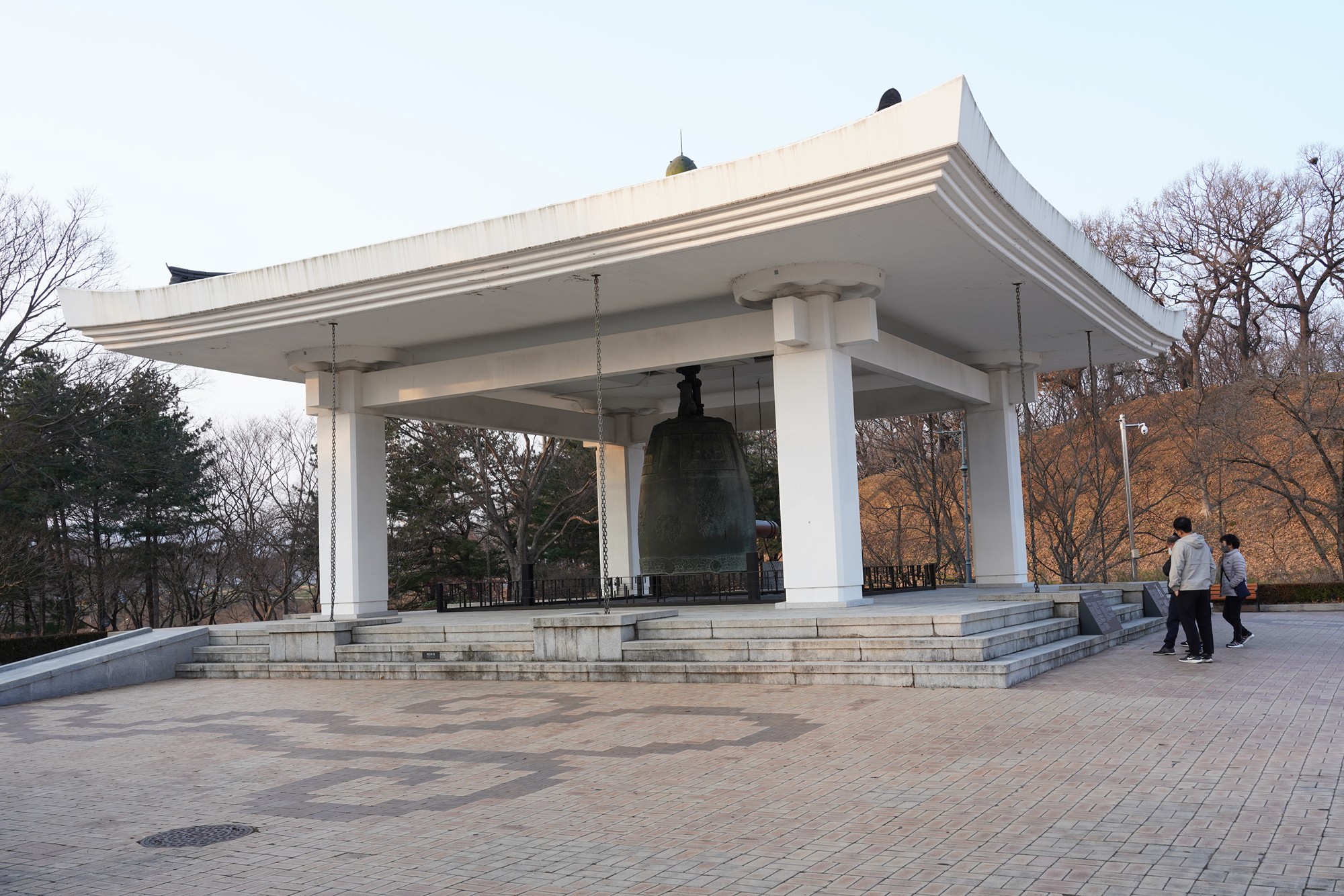
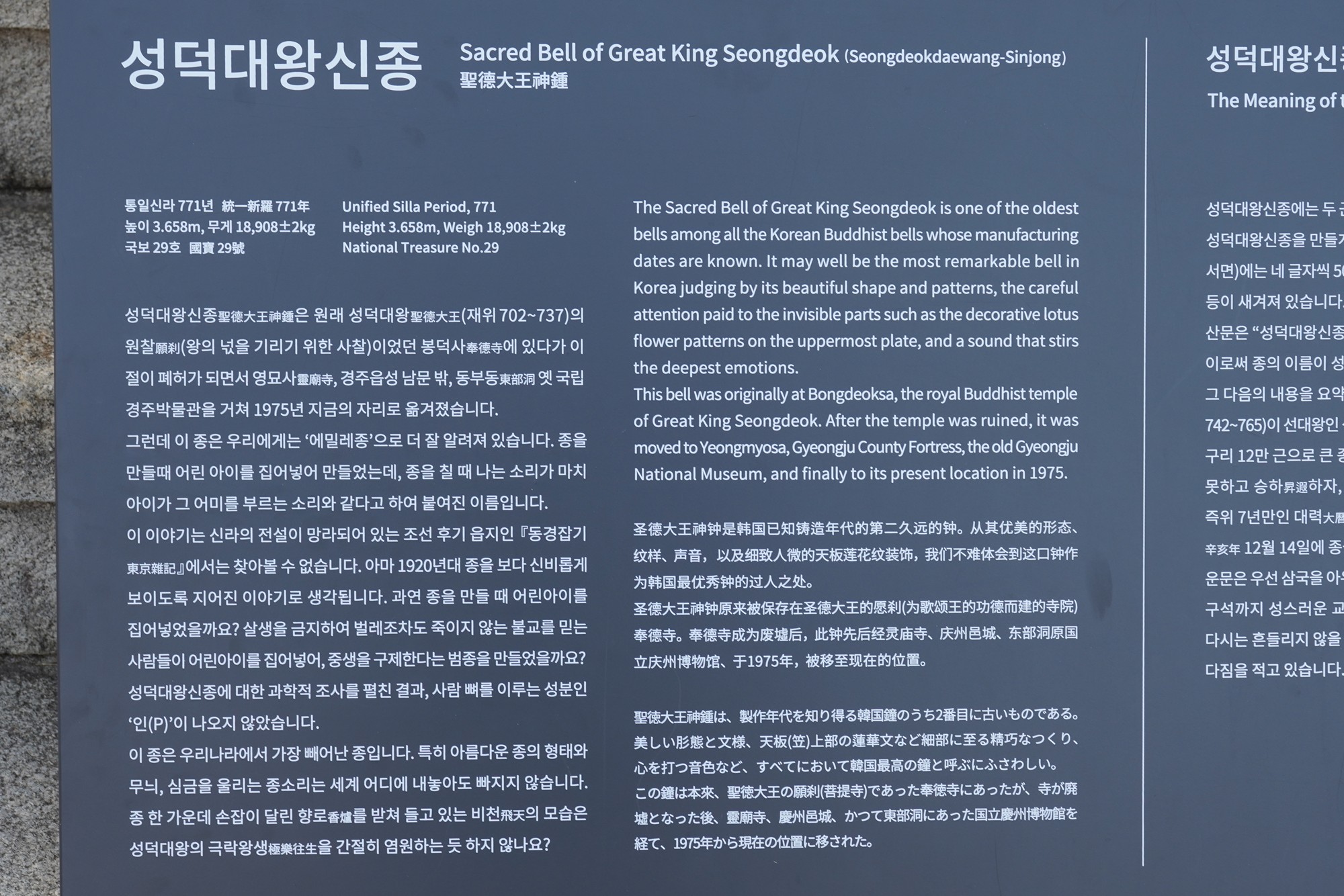
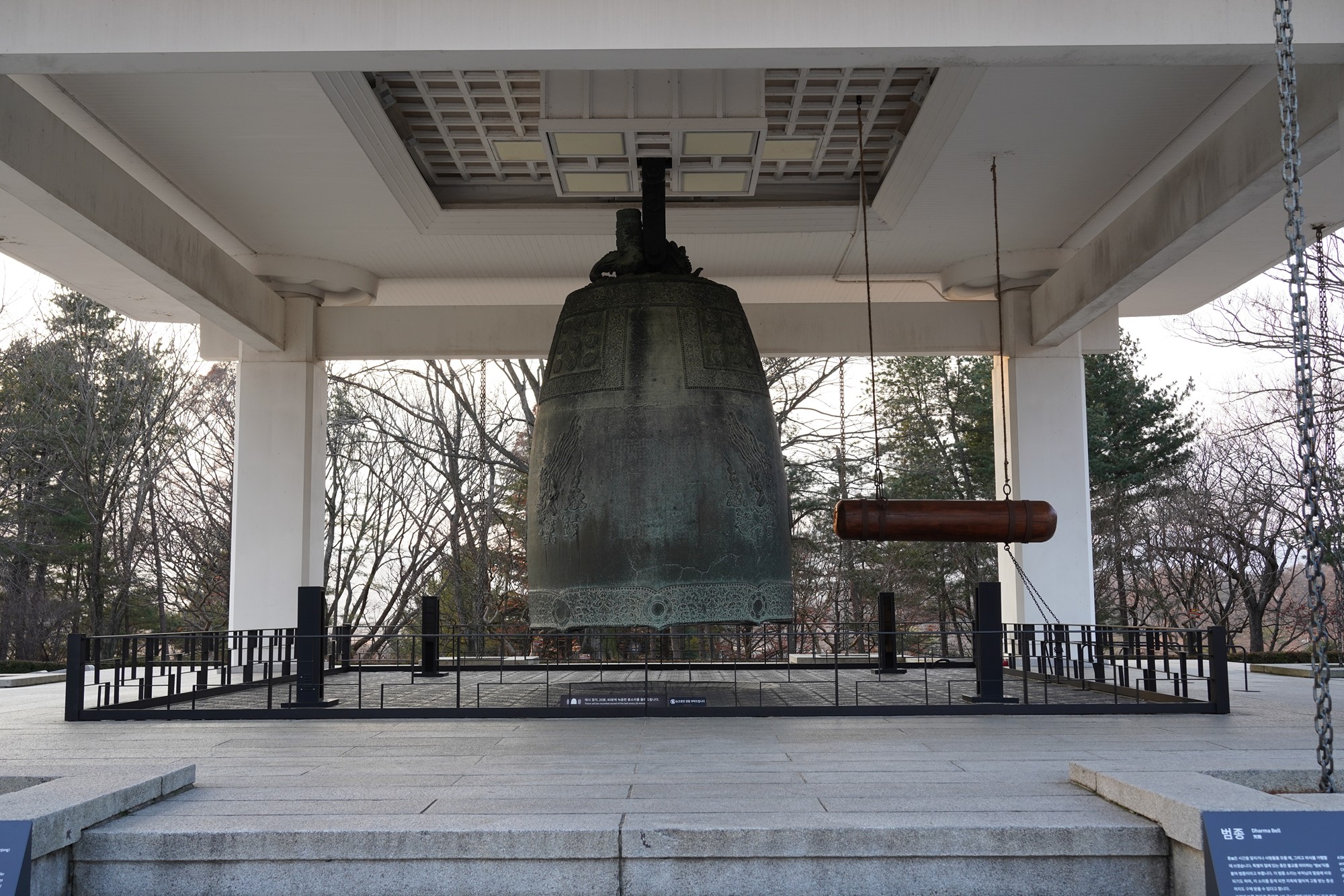
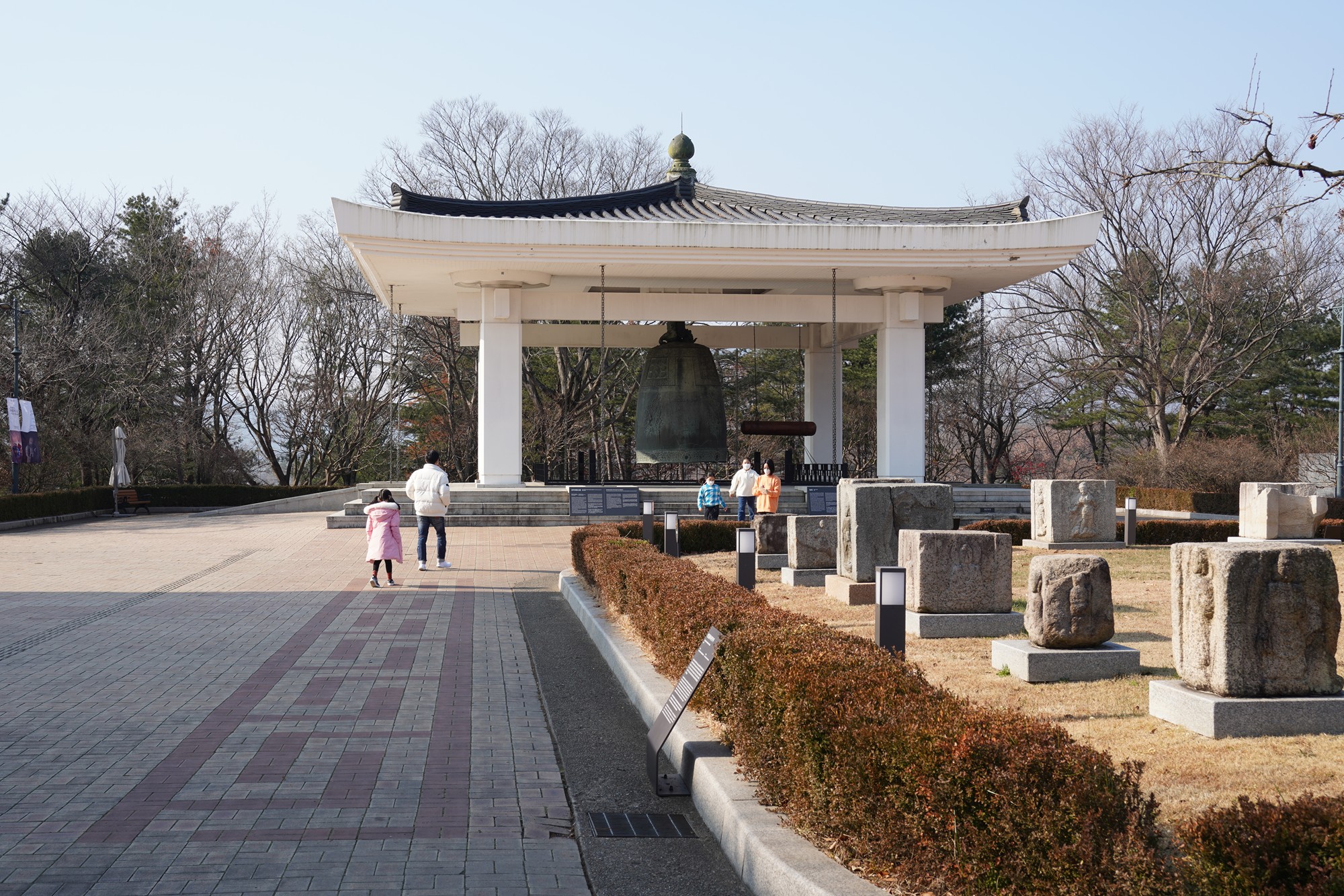
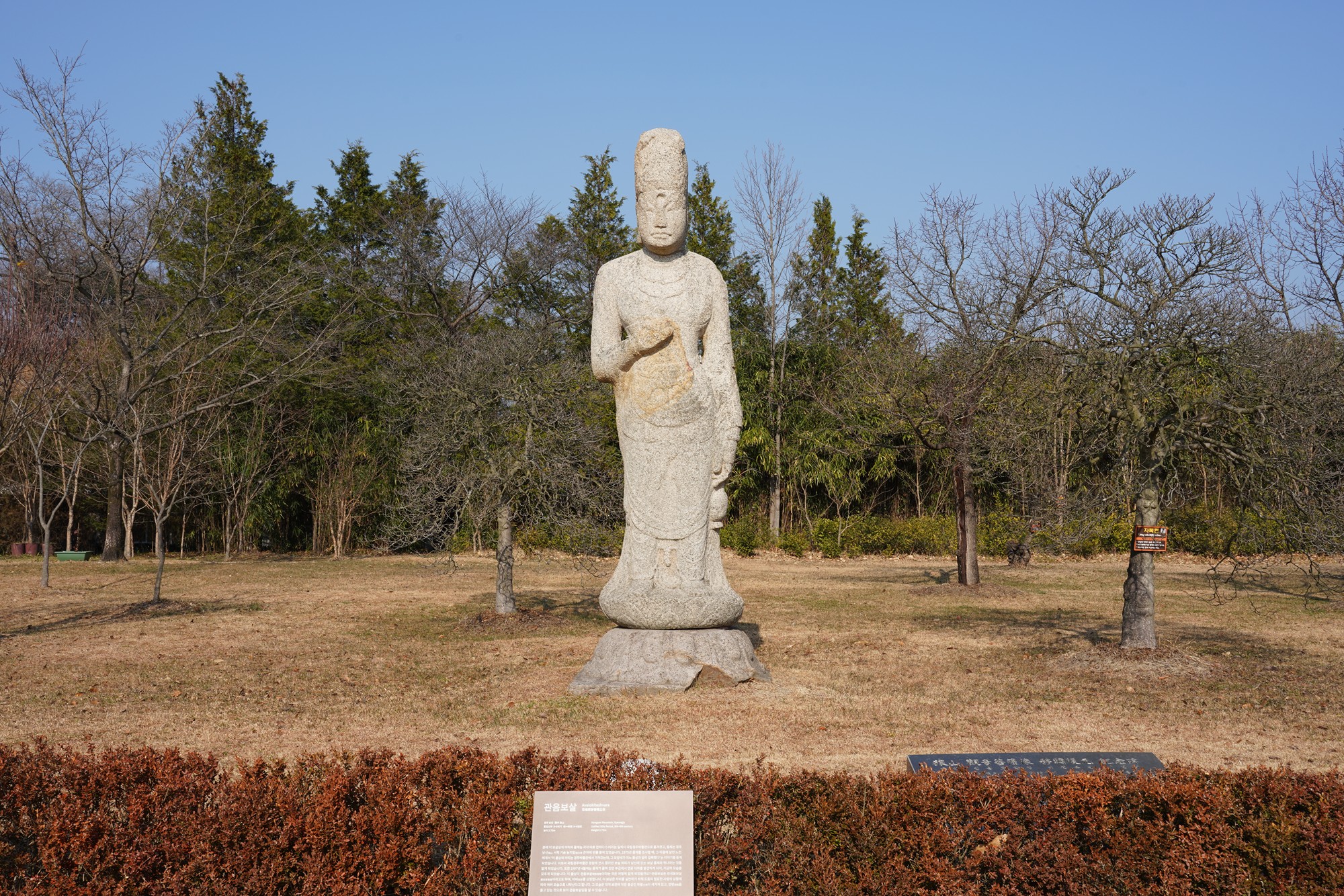
u003cpu003eThis ancient bell constructed in the seventh century is at the one corner of the museum.u003c/pu003e
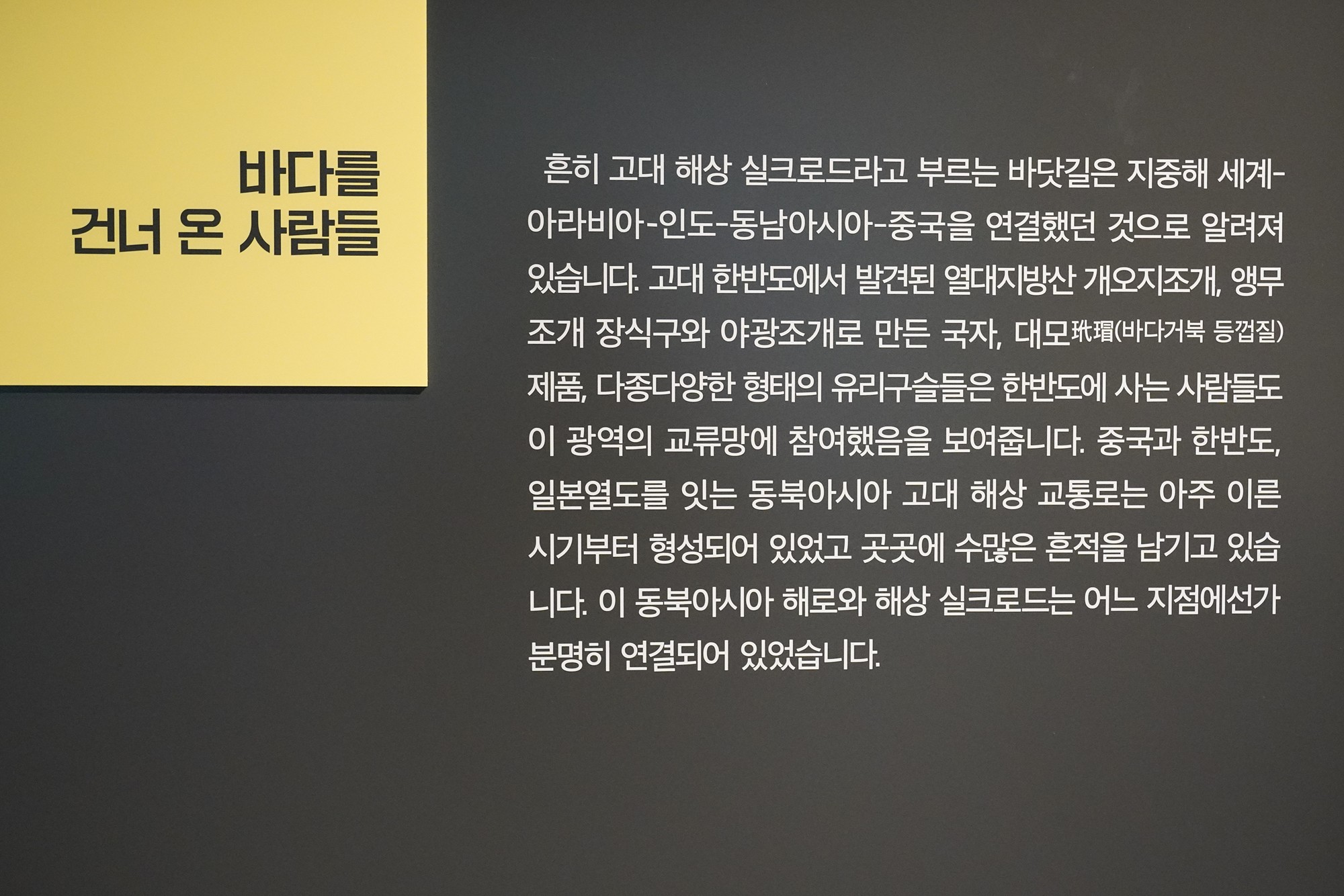
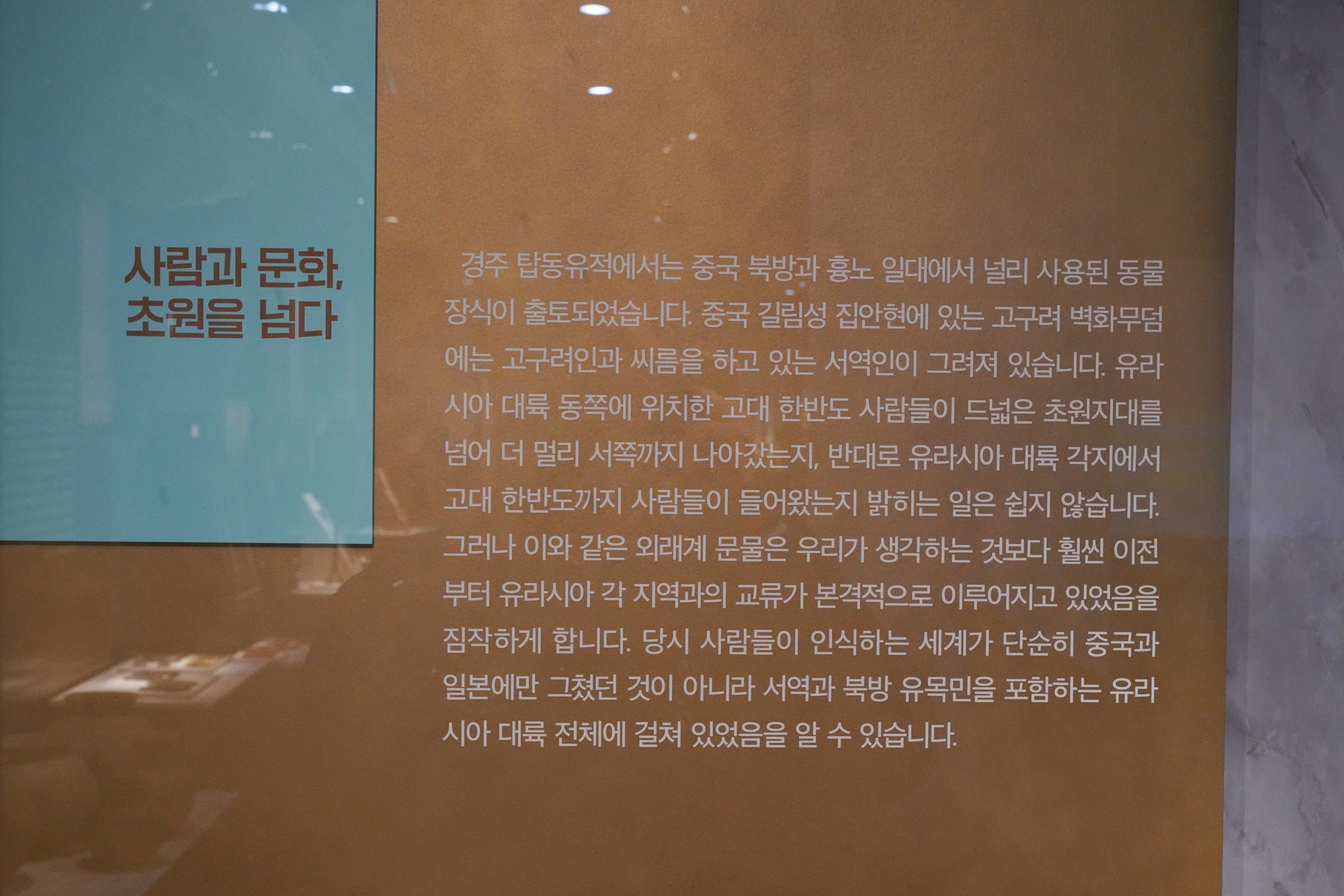
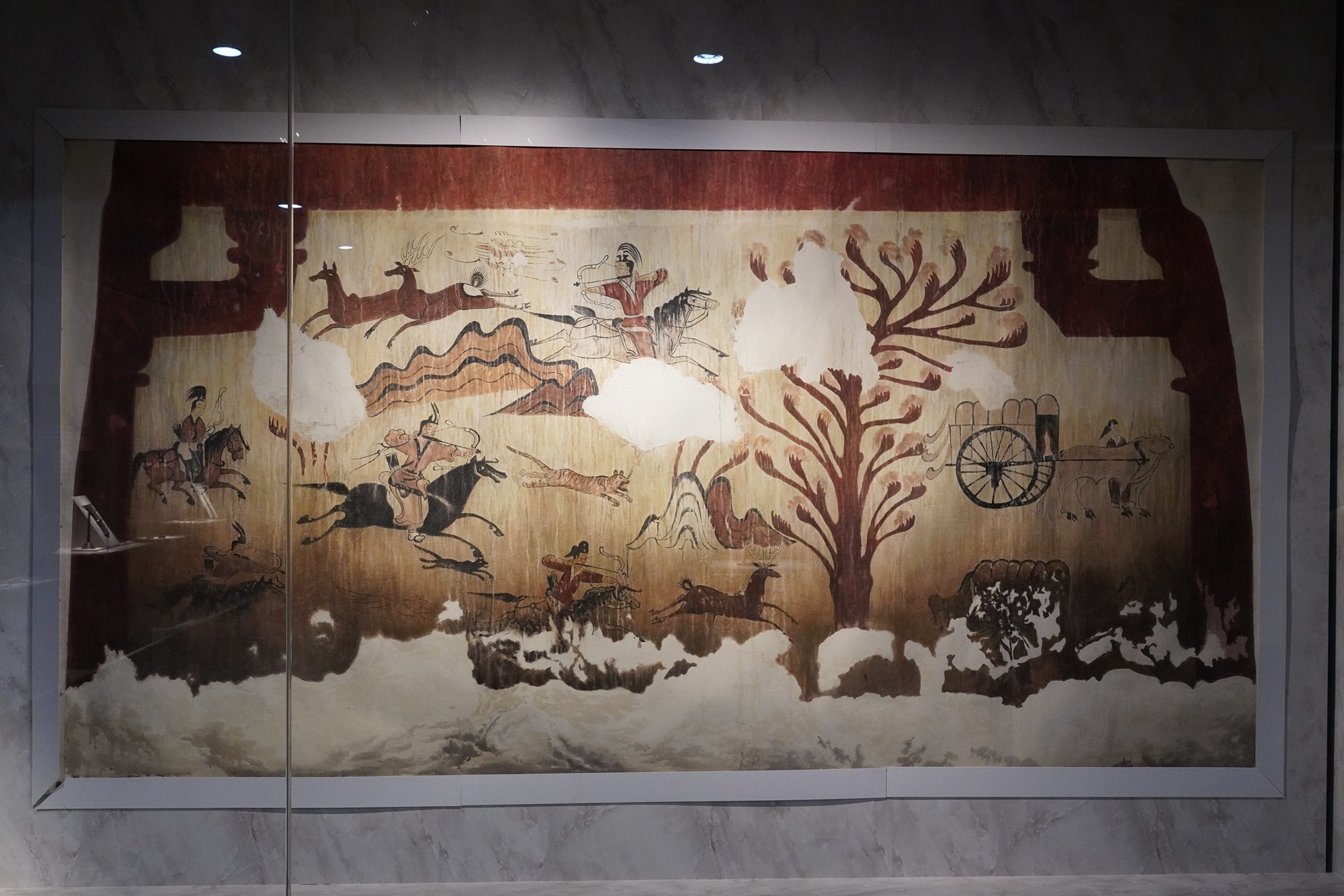
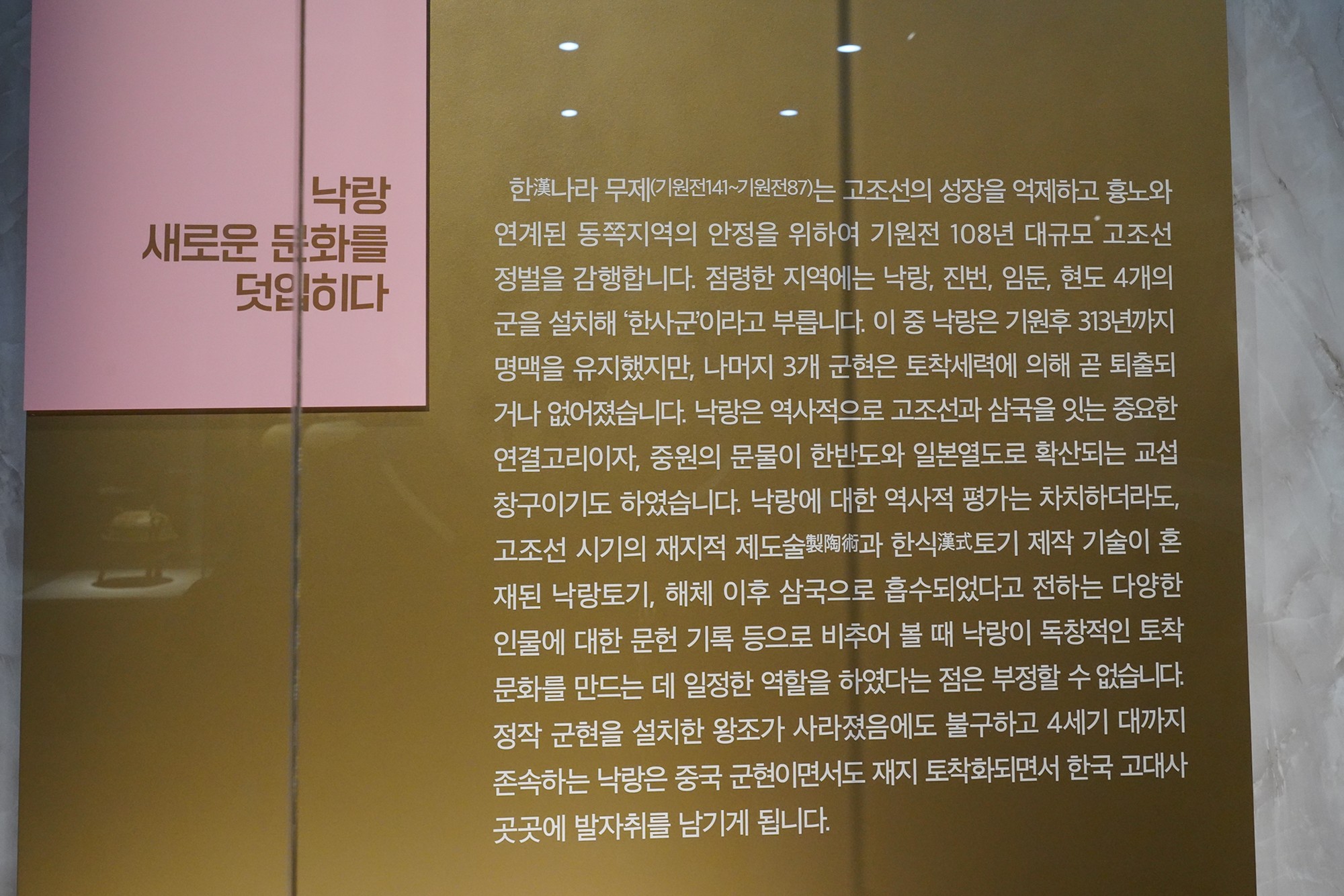
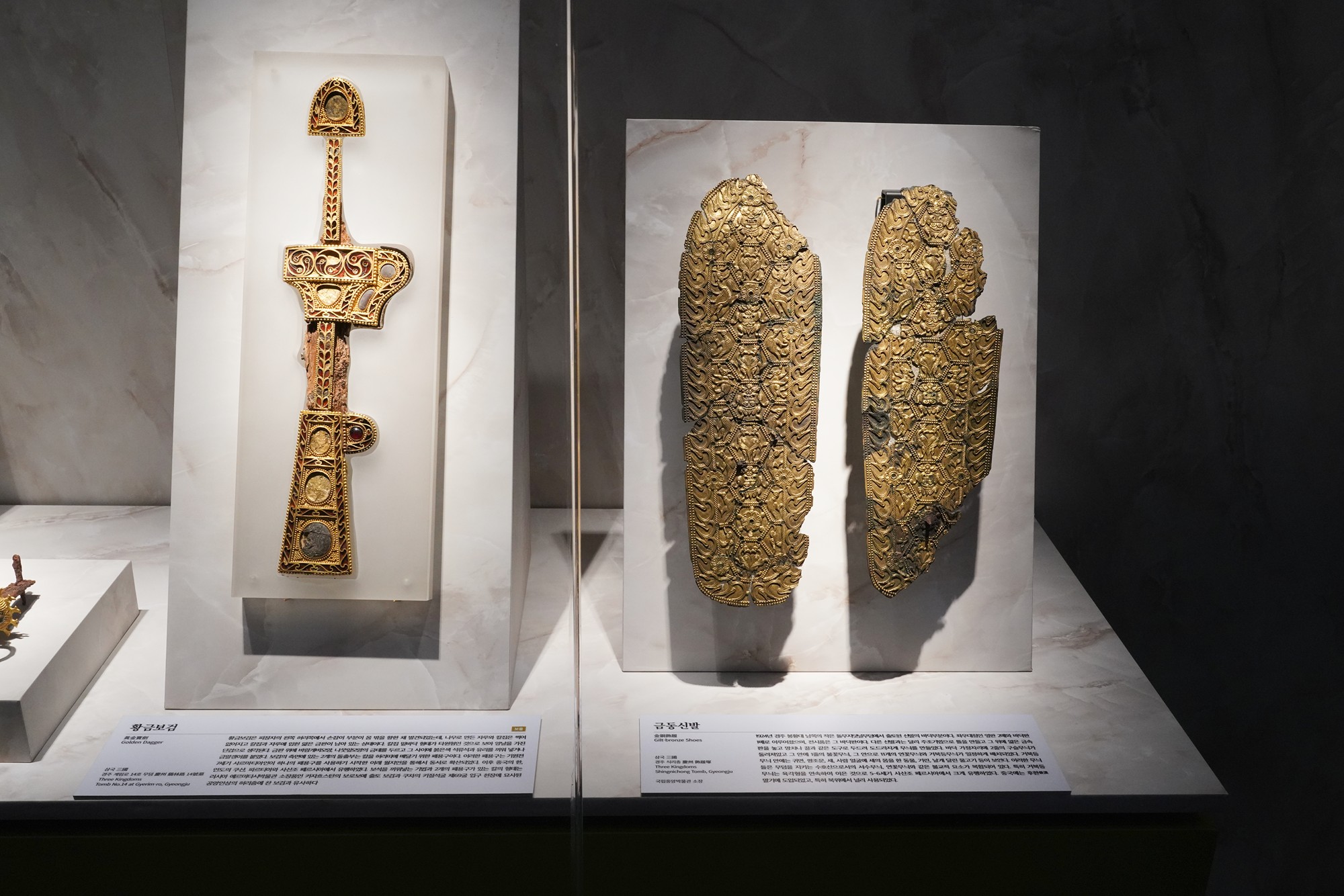
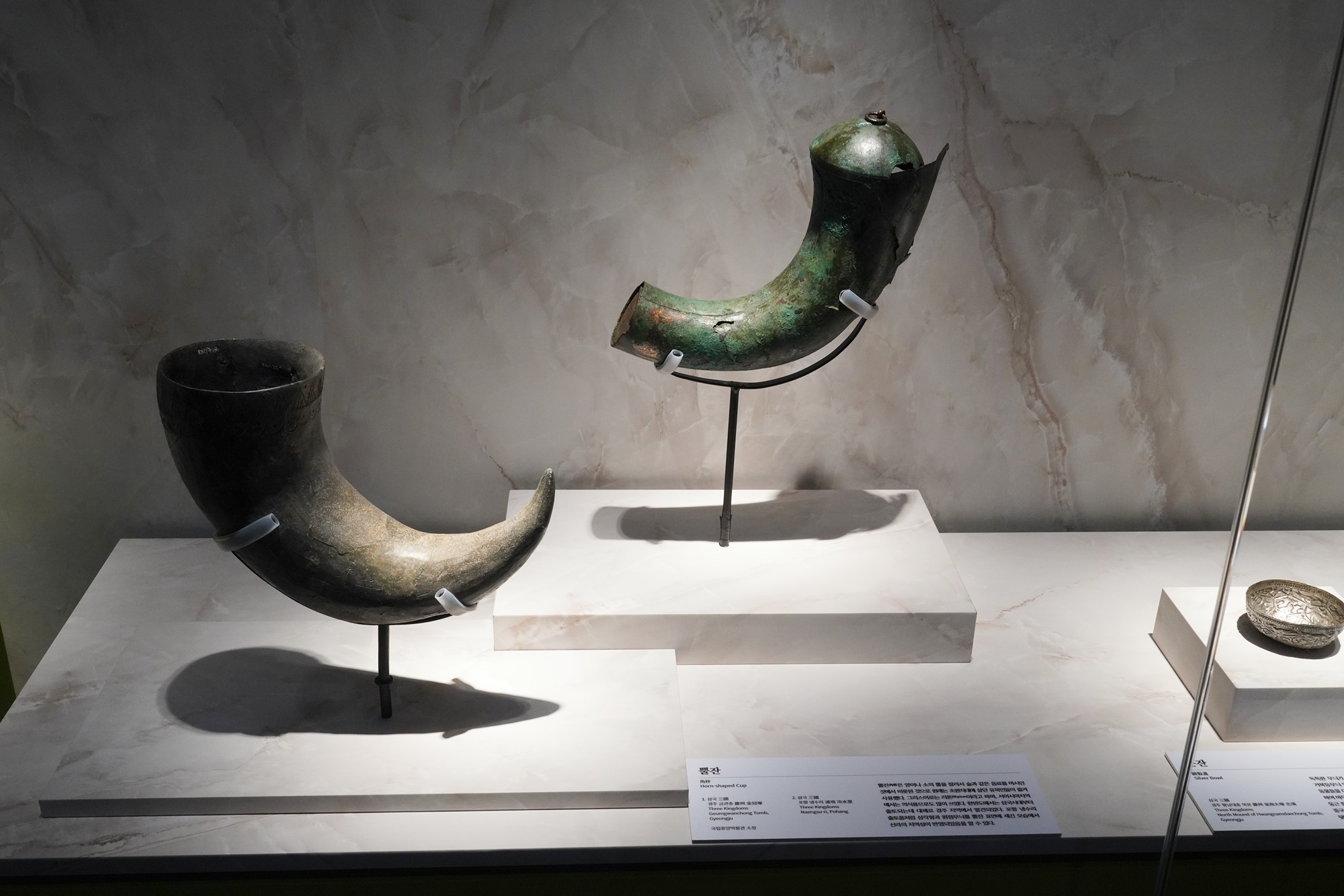
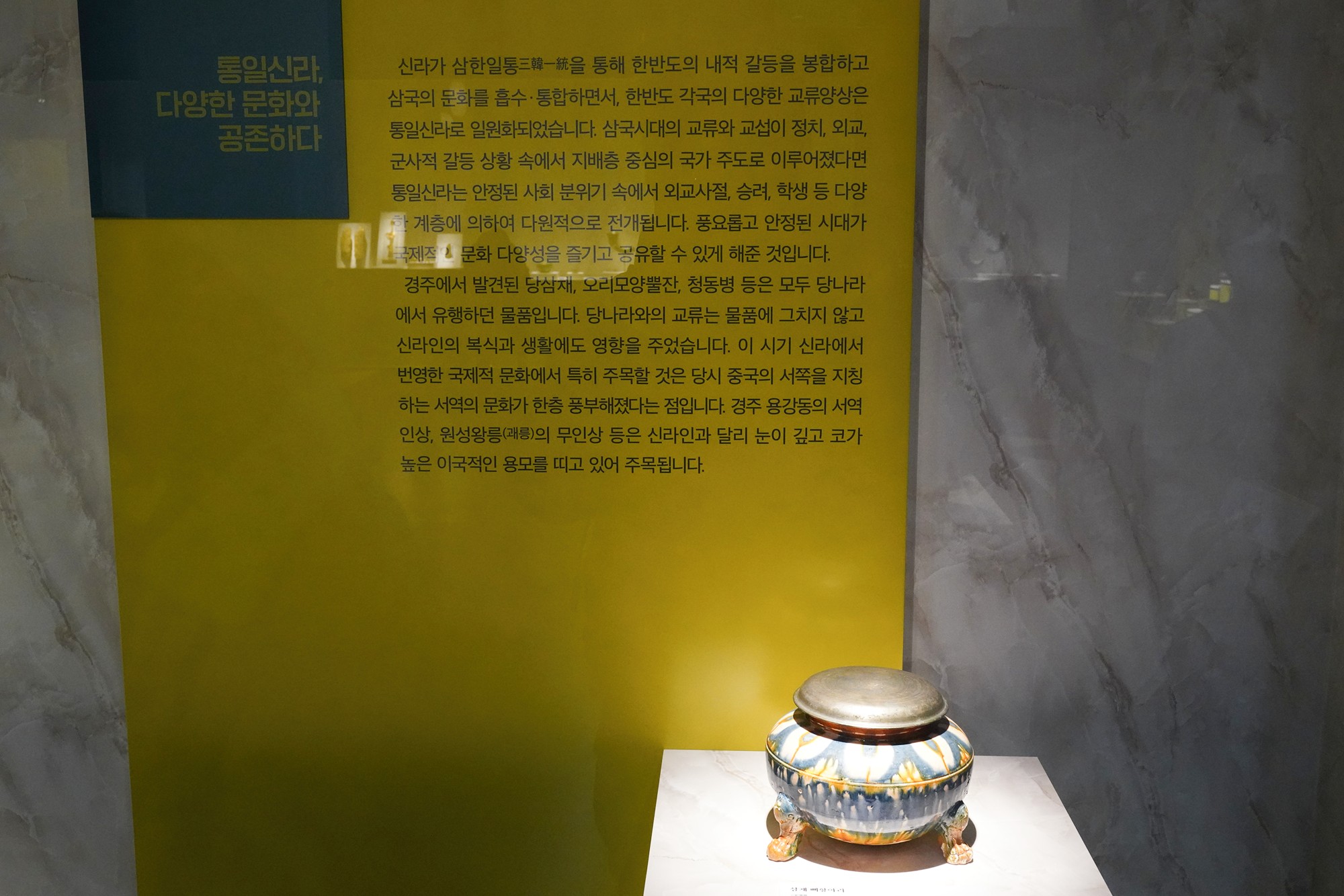
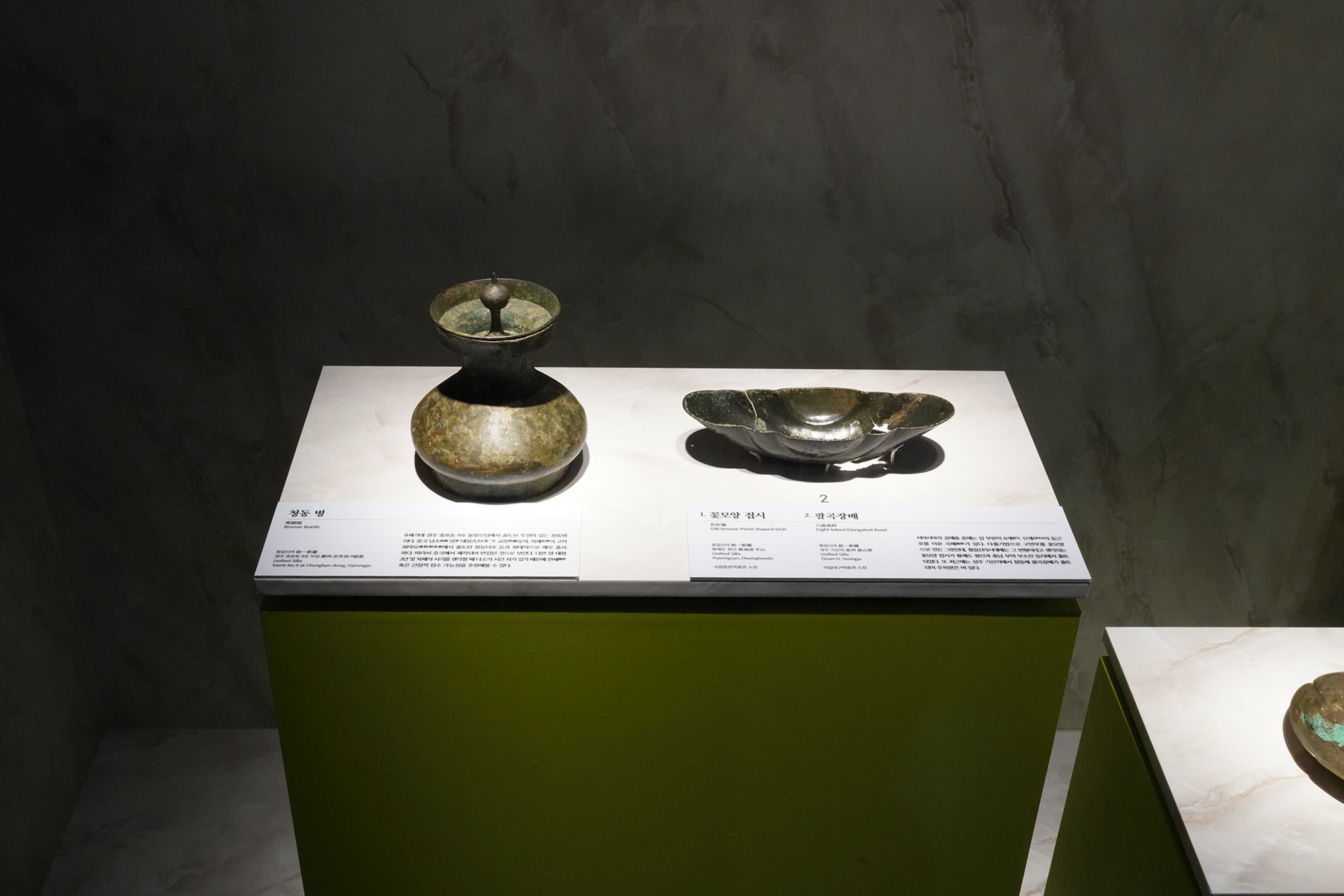
u003cpu003eThe first museum building I entered displayed ancient artifacts that originated from foreign lands. This shows that even in the seventh century, international commerce was active.u003c/pu003e
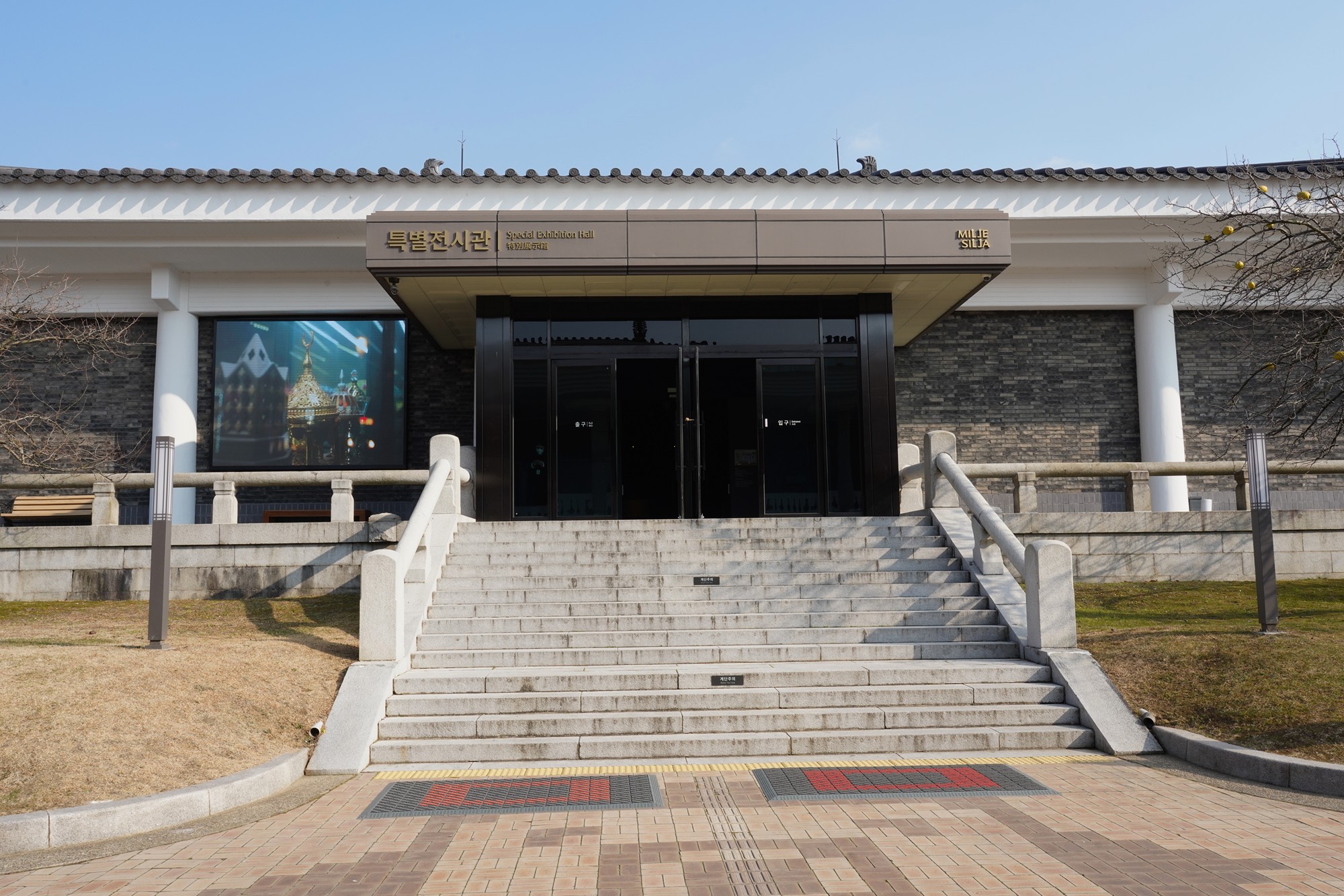
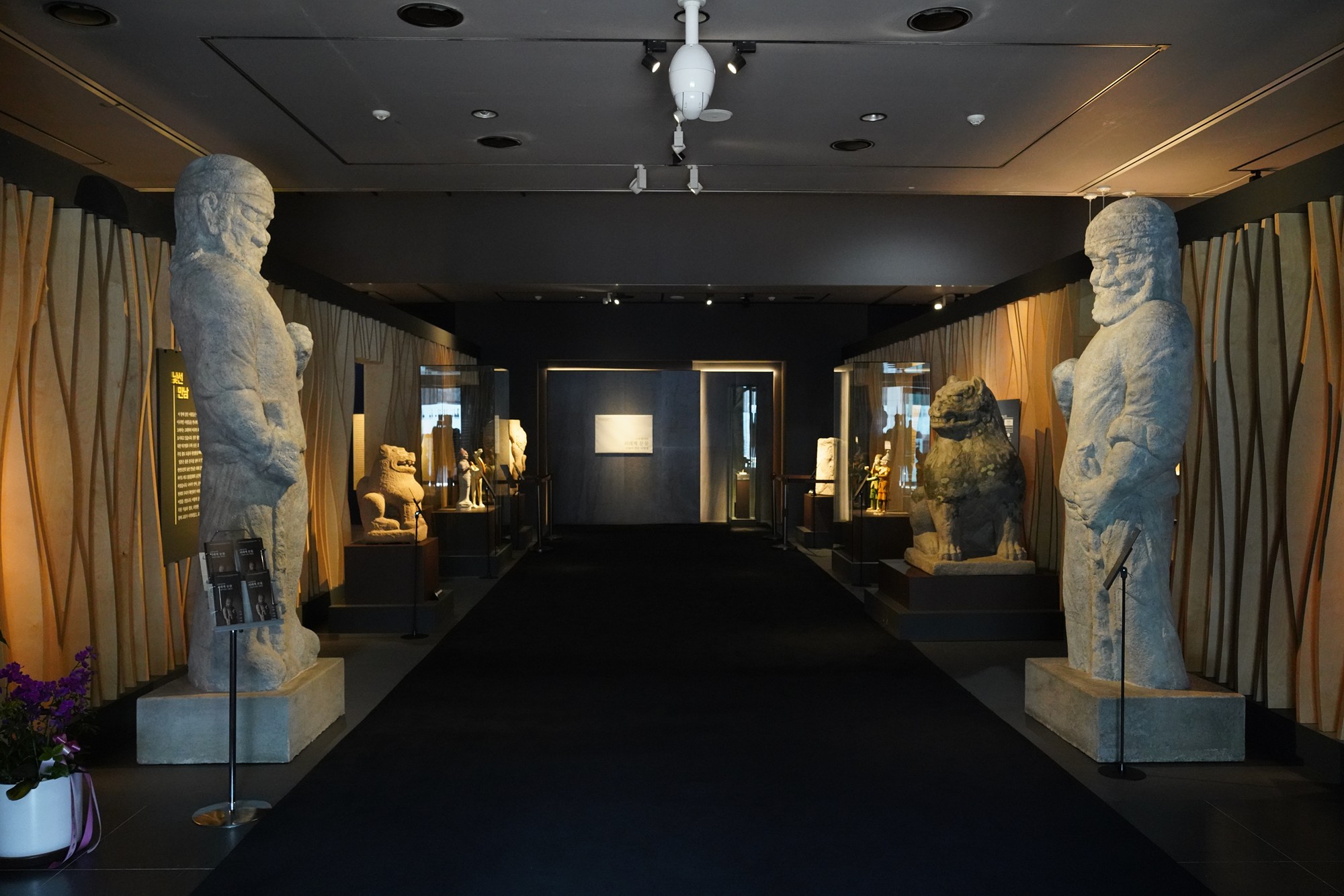
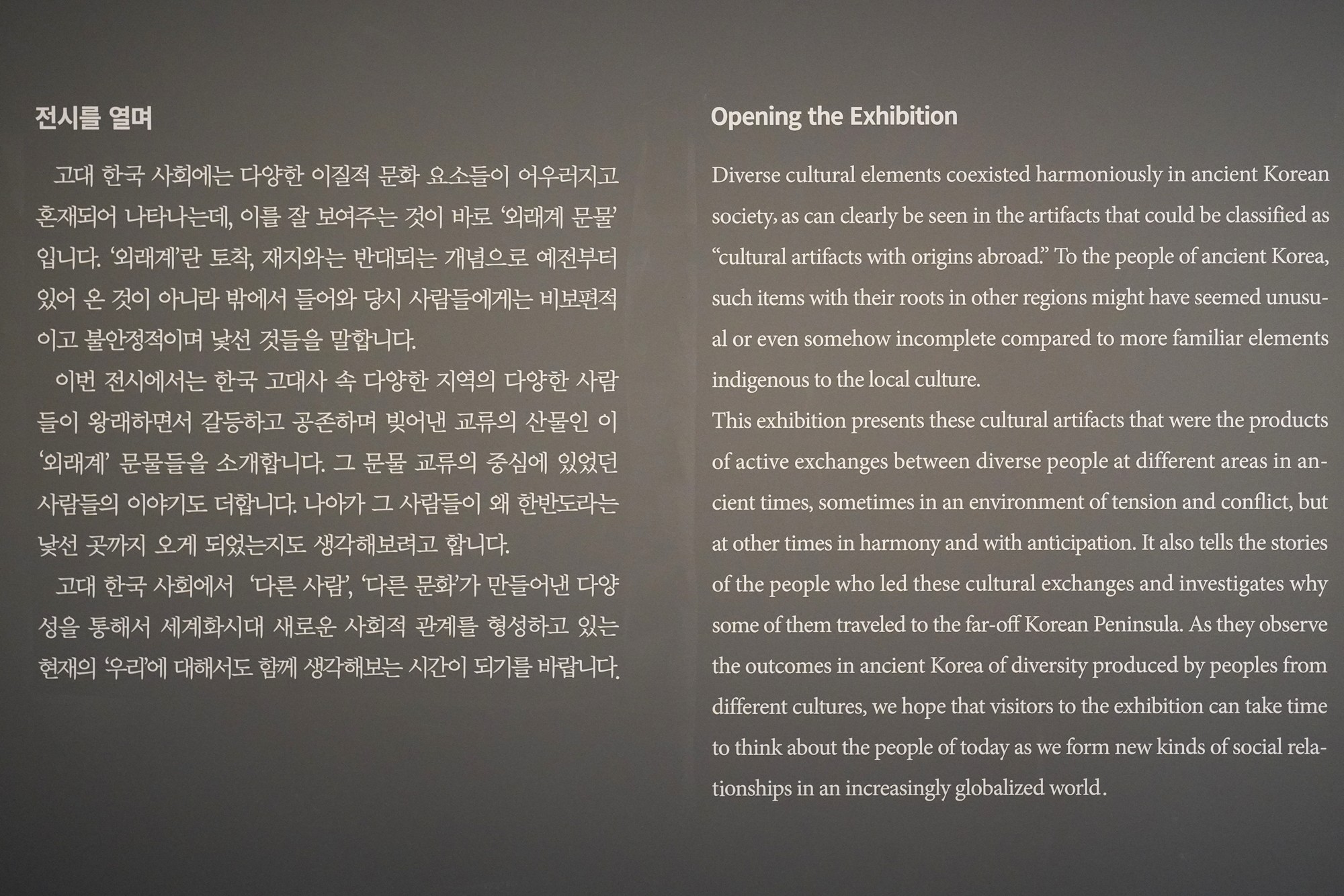
u003cpu003eMany items came by across the ocean.u003c/pu003e
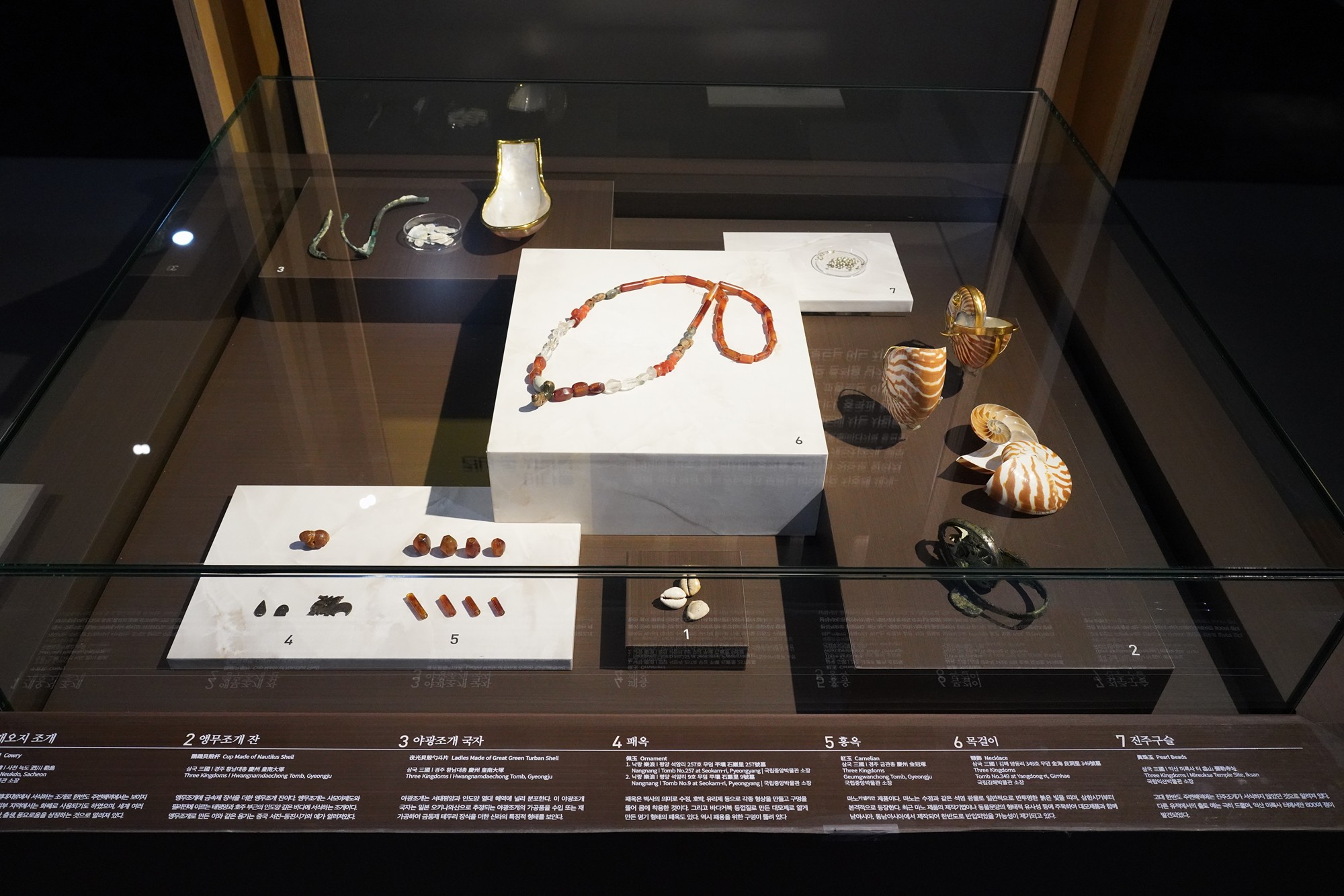
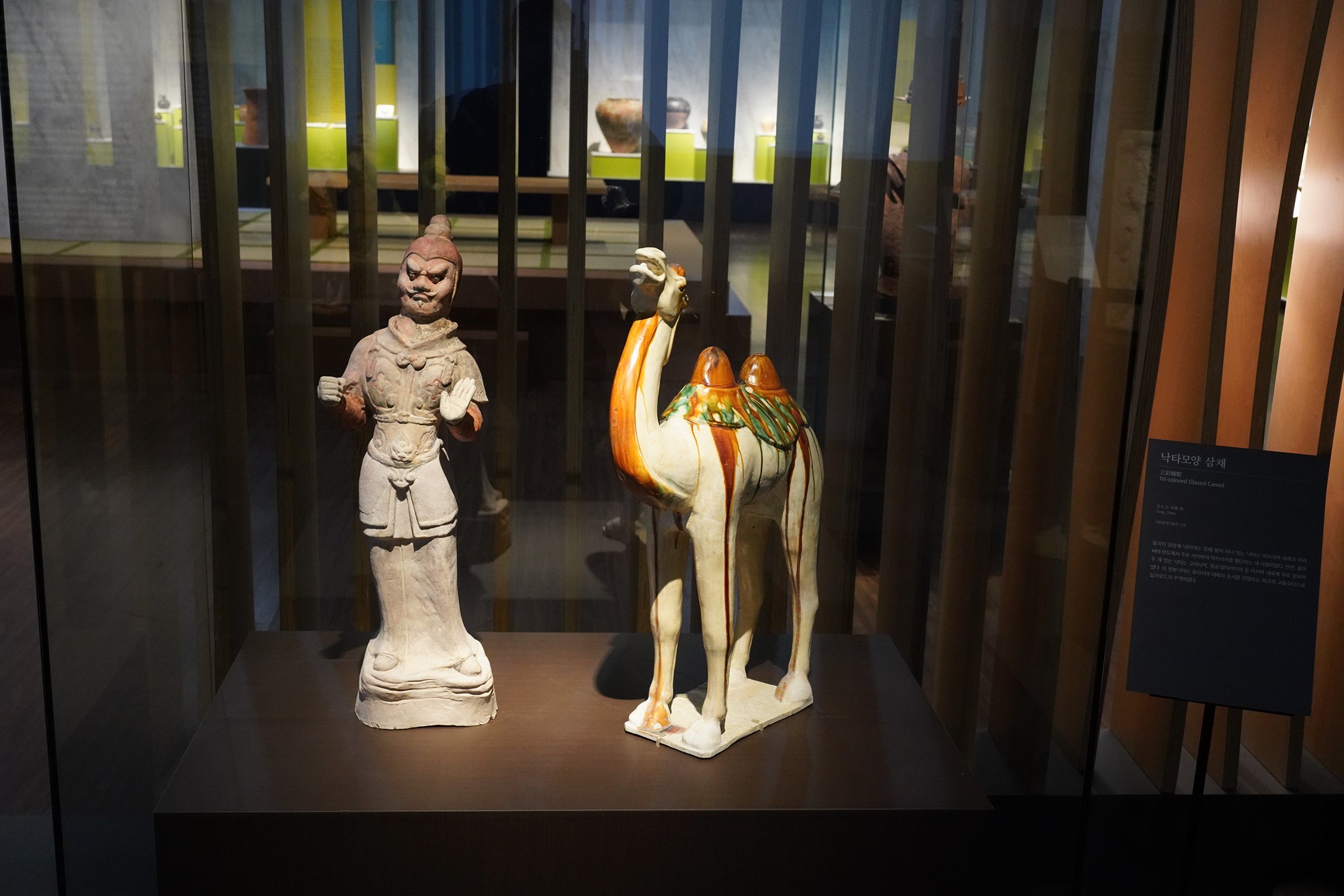
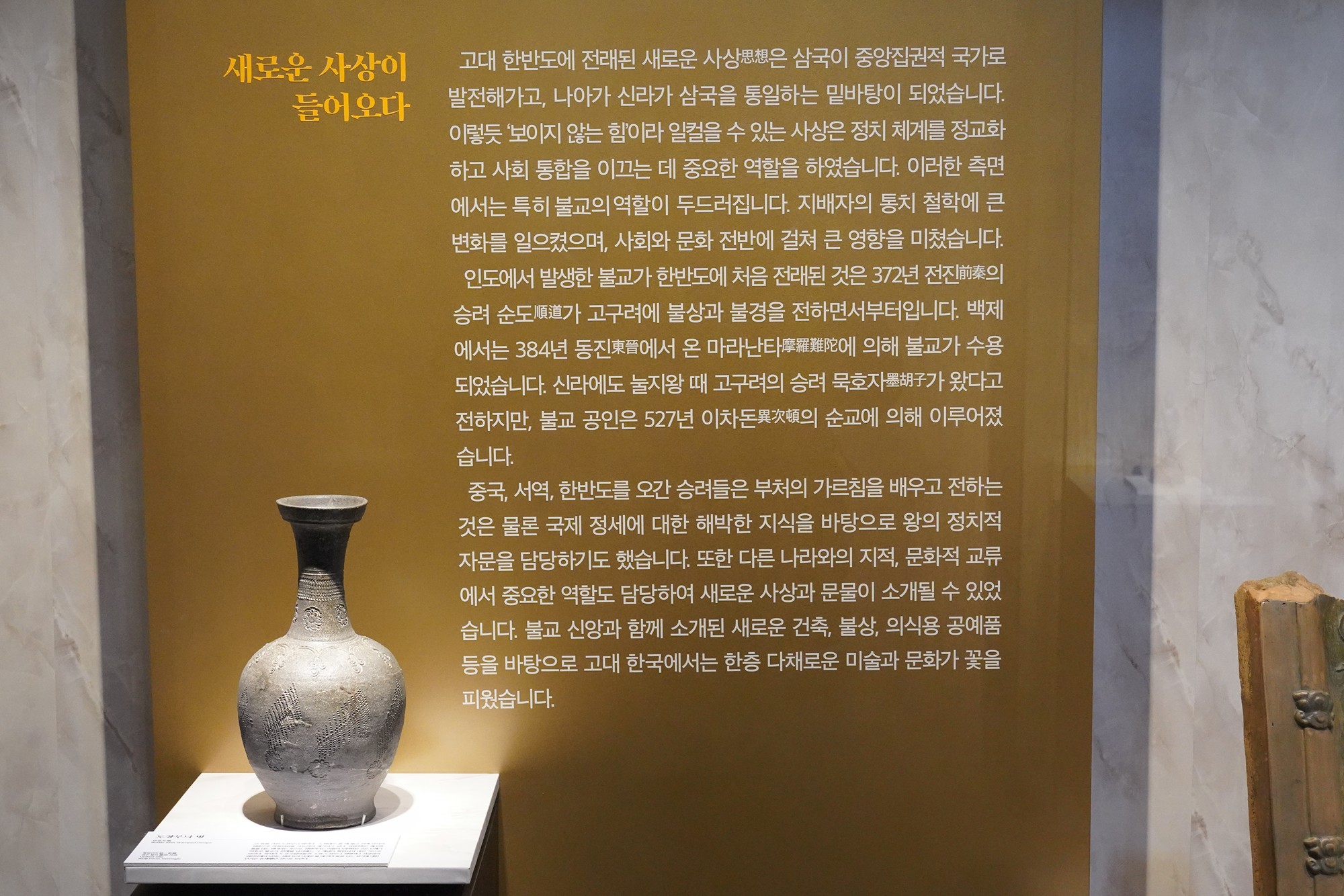
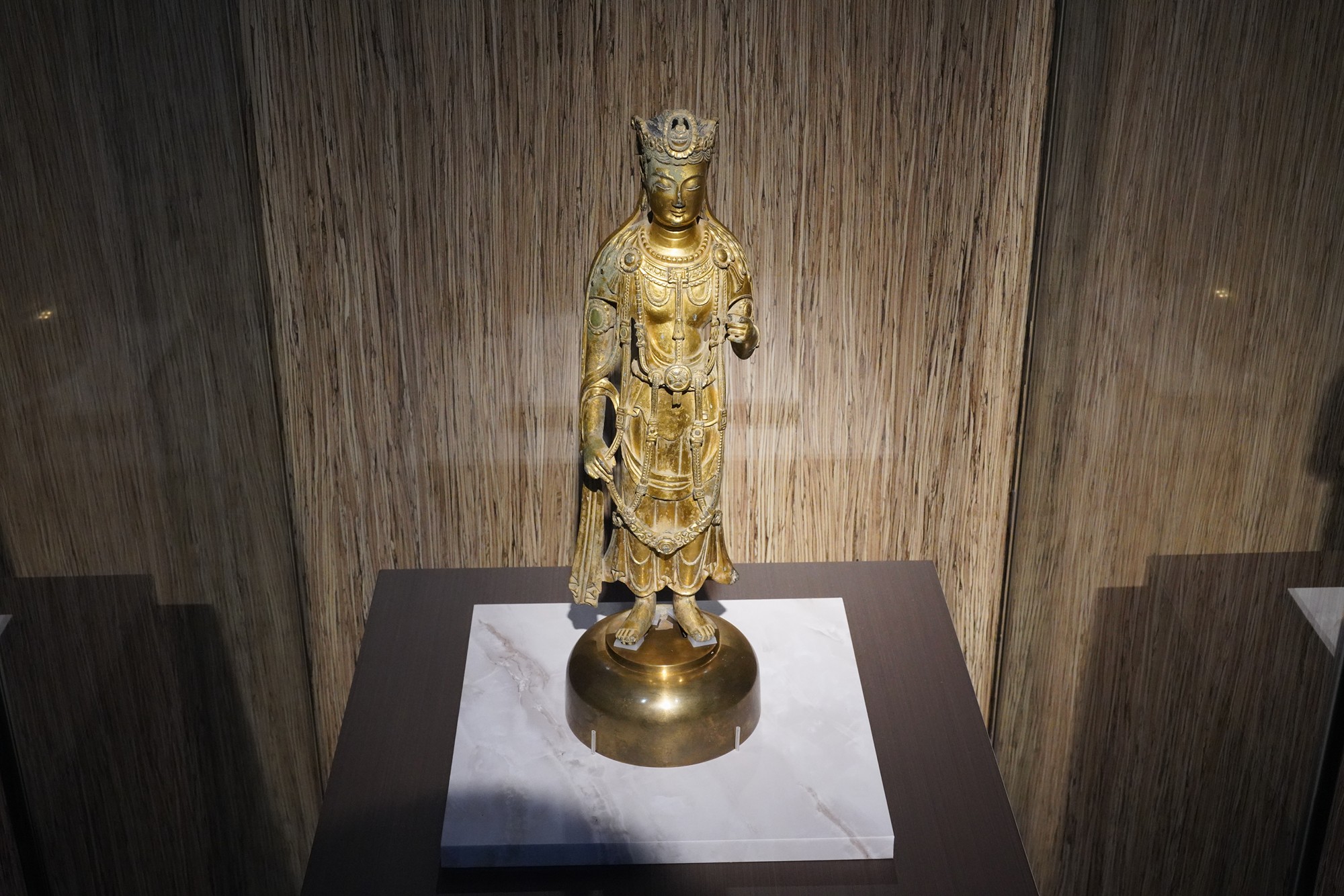
u003cpu003eNew ideologies came into Silla.u003c/pu003e
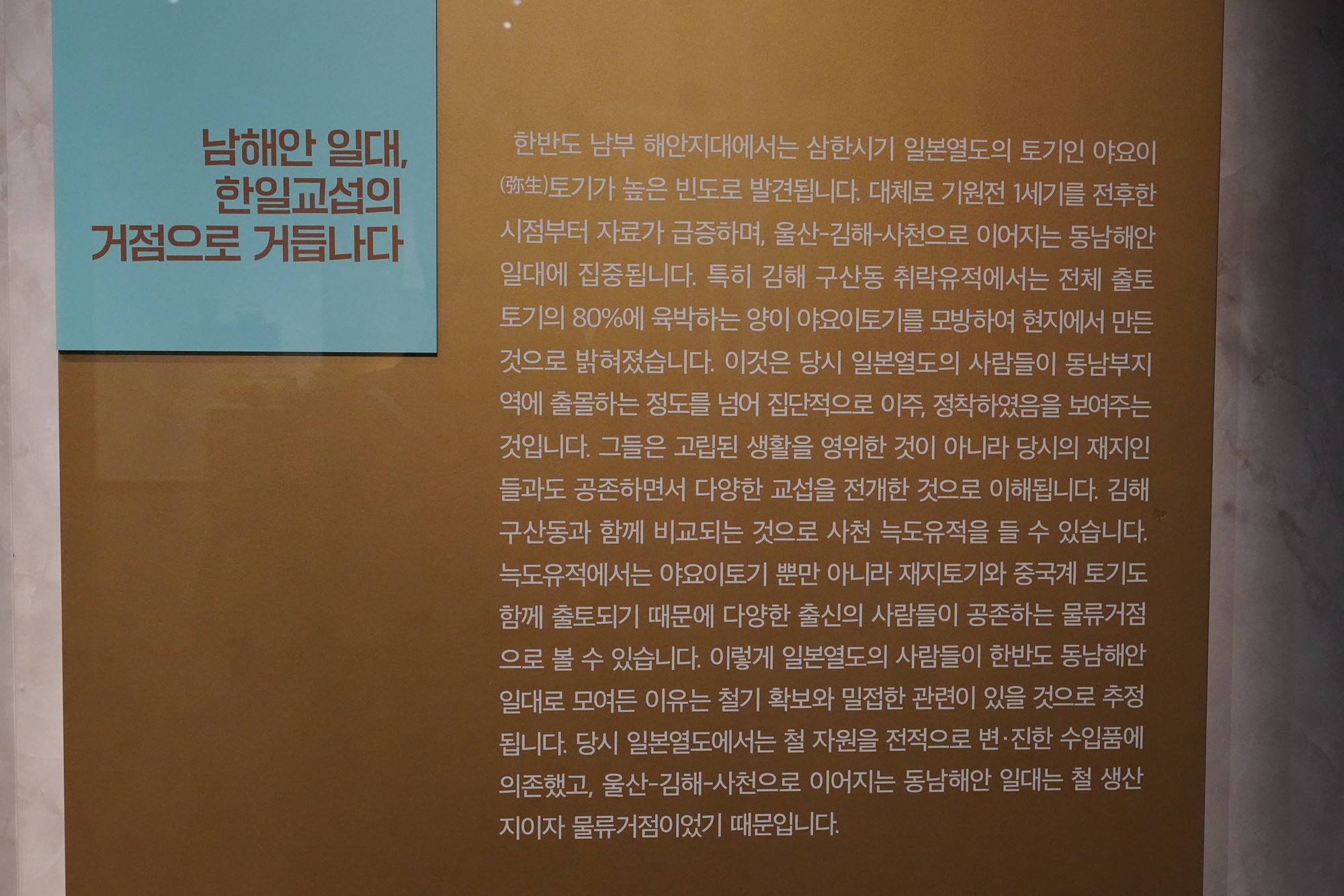
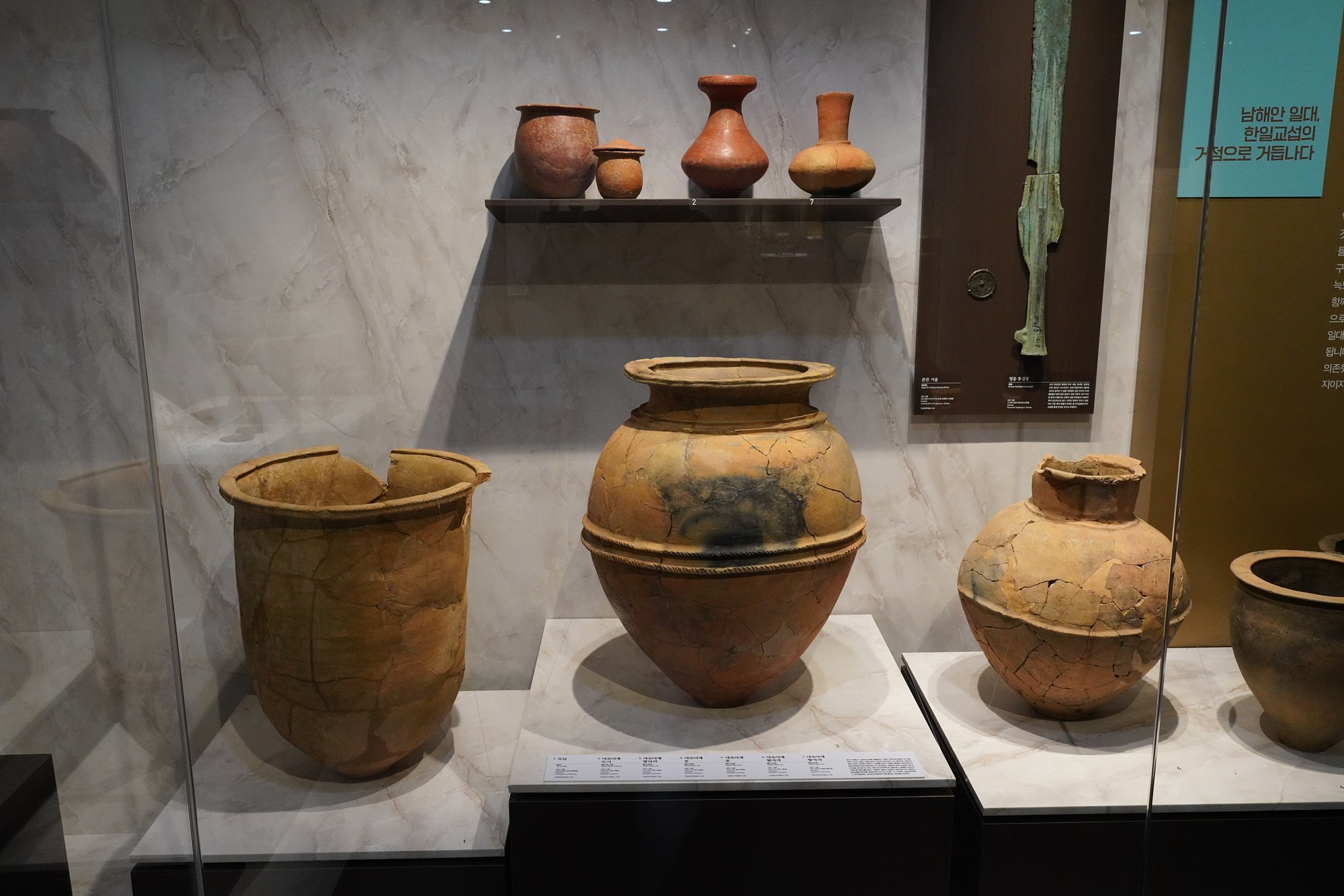
u003cpu003eJapanese influences.u003c/pu003e
u003cpu003eFrom Chinau003c/pu003e
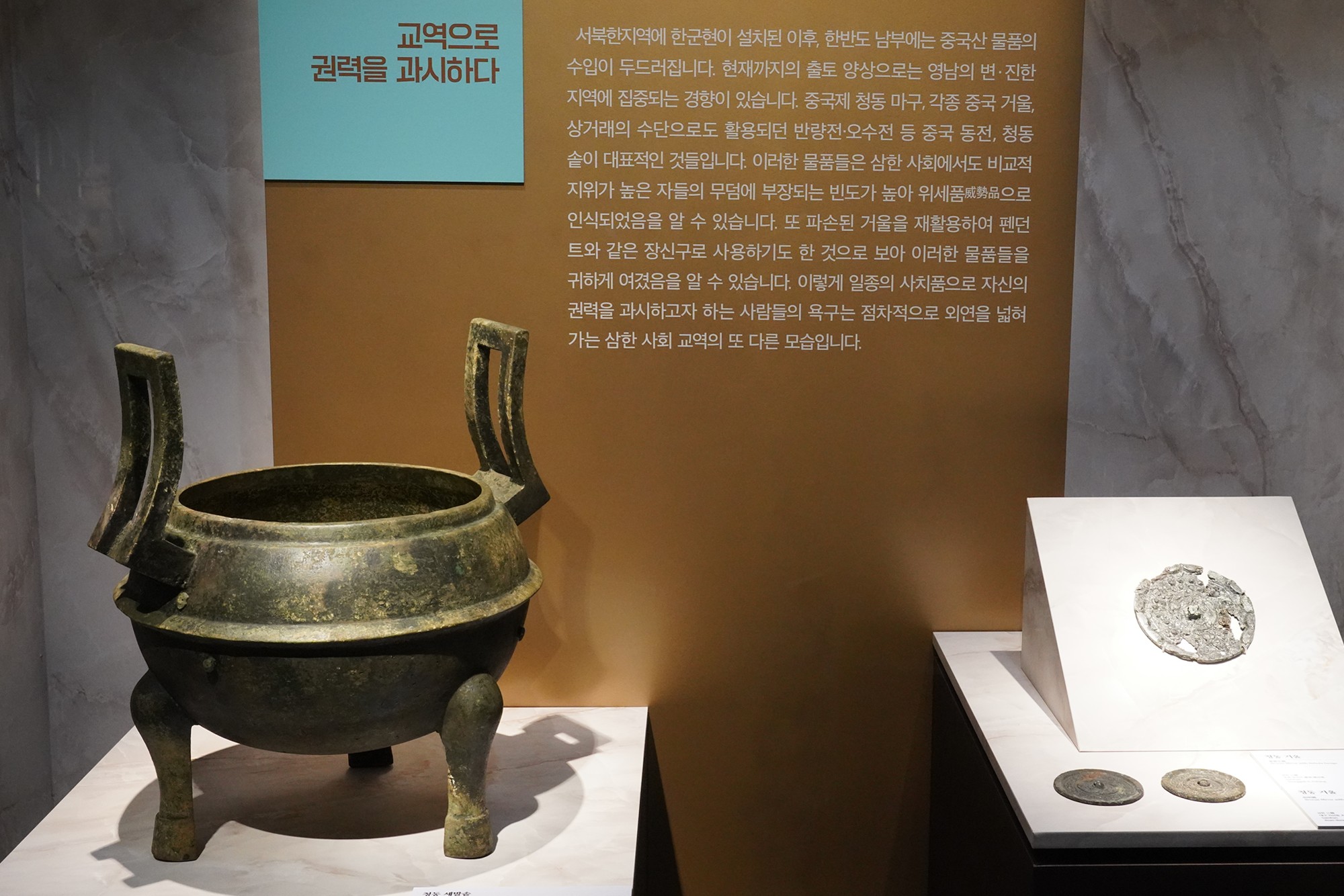
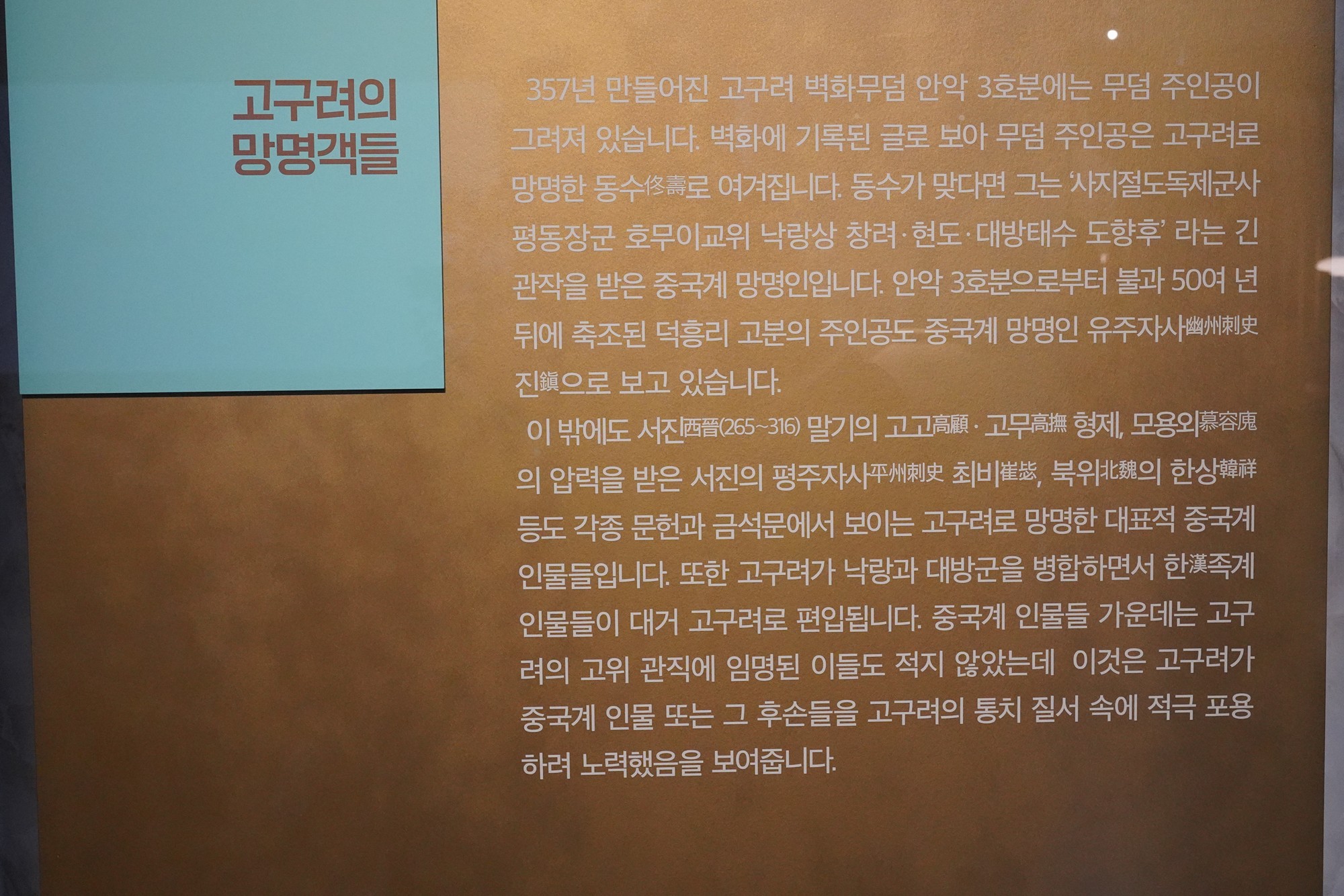
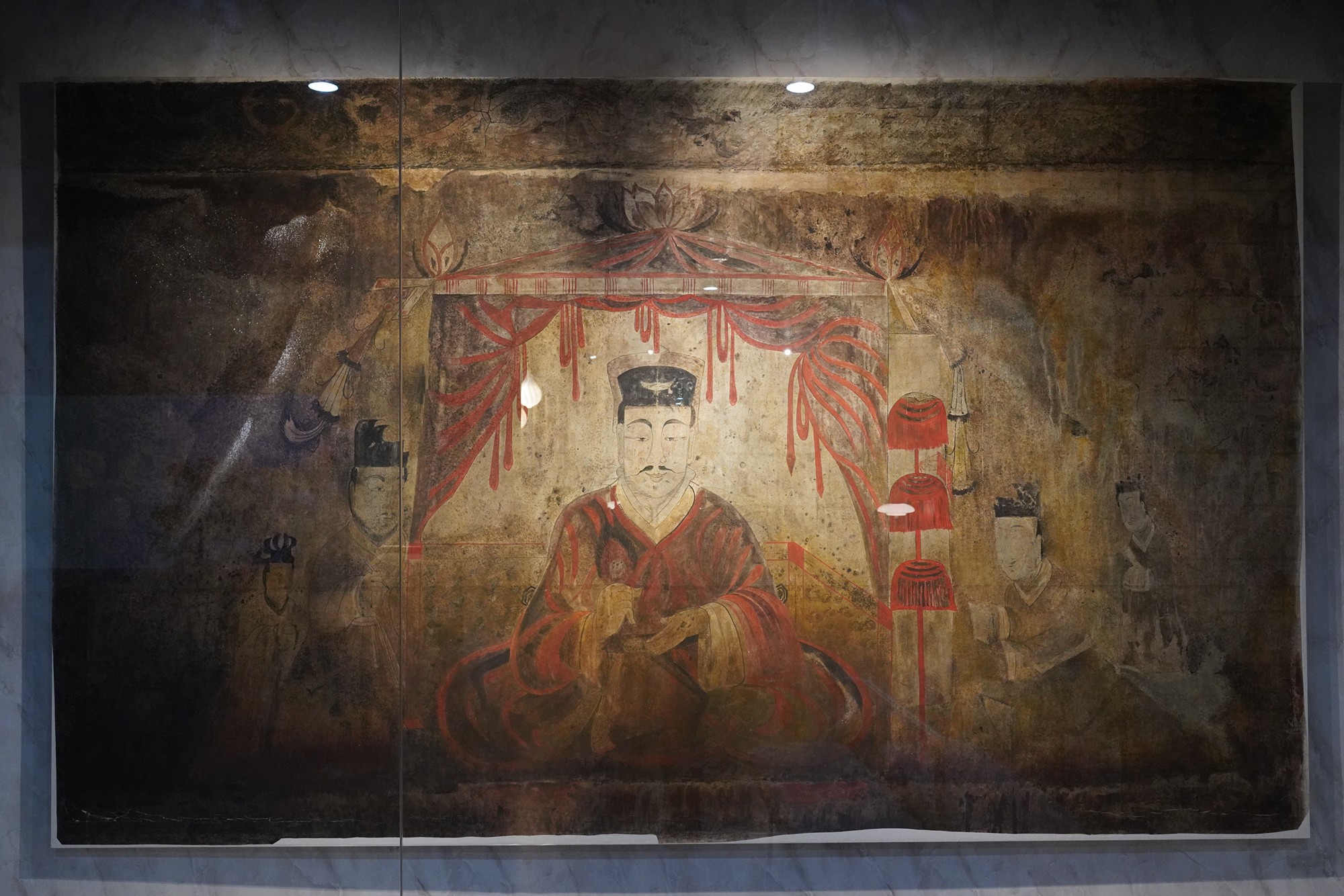
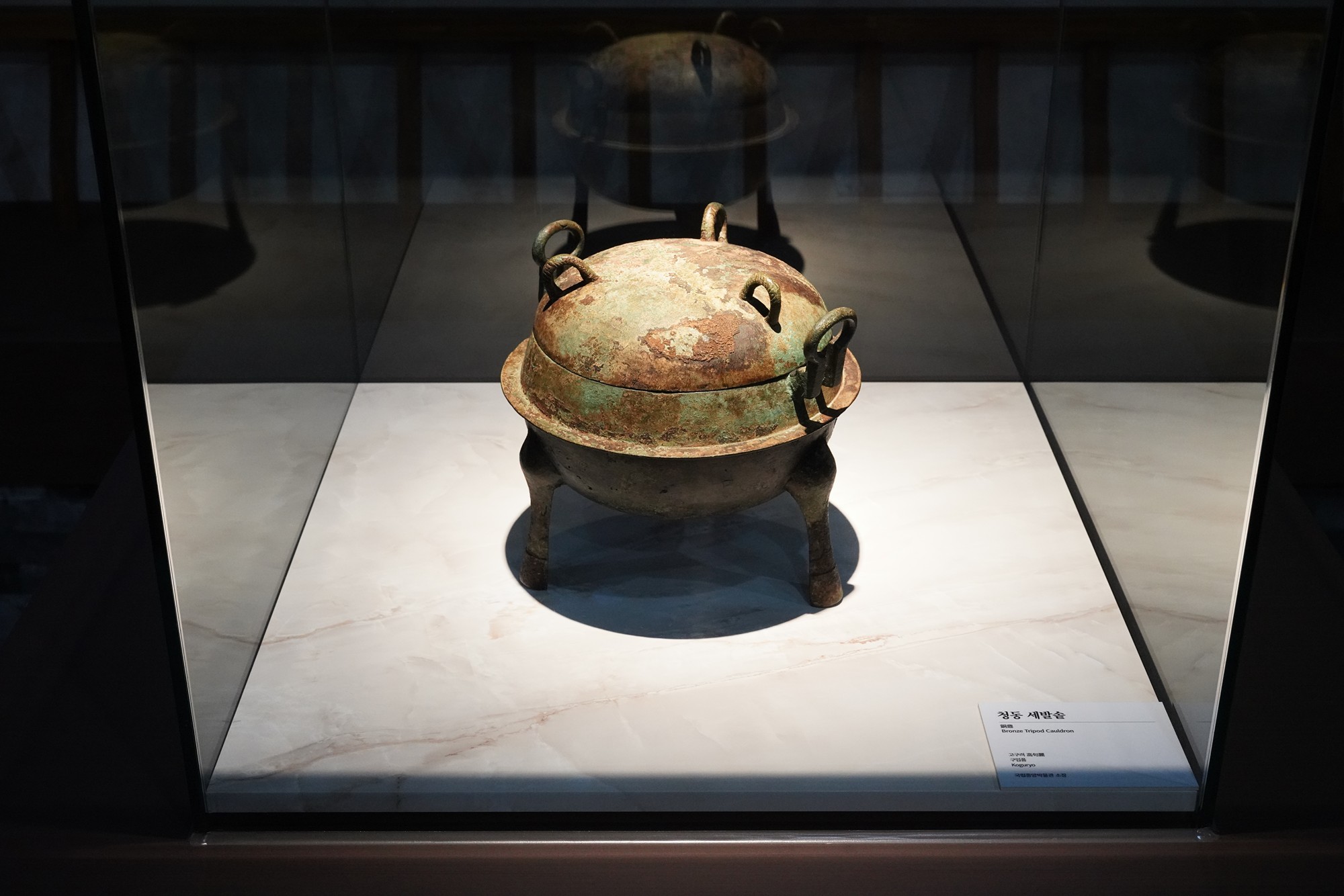
u003cpu003eFrom Goguryeo Dynasty (one of the ancient Three Kingdoms in the Korean Peninsula).u003c/pu003e
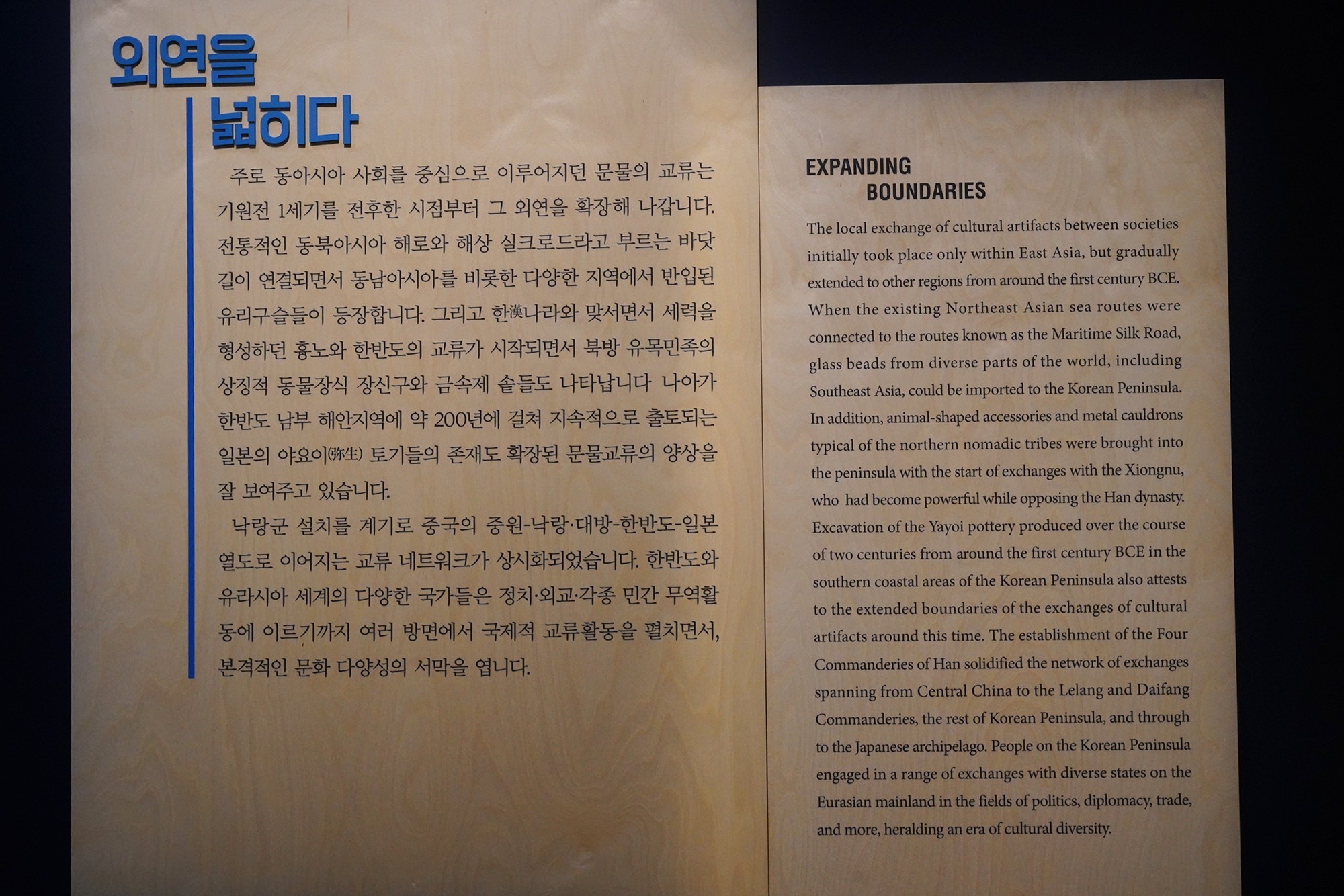
u003cpu003eFrom Eurasiau003c/pu003e
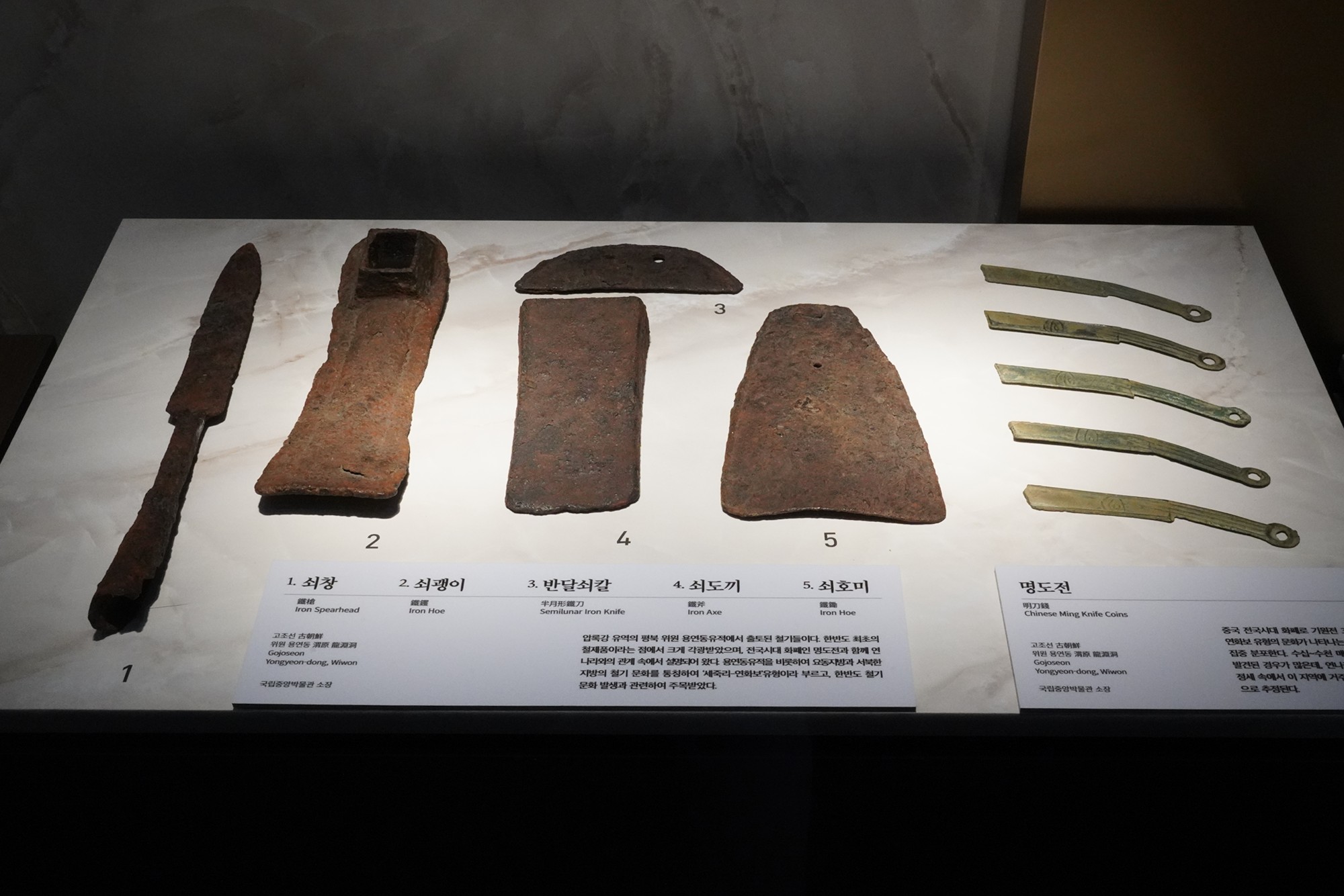
u003cpu003eFrom northern Korea (Gojoseon) two thousand years ago.u003c/pu003e
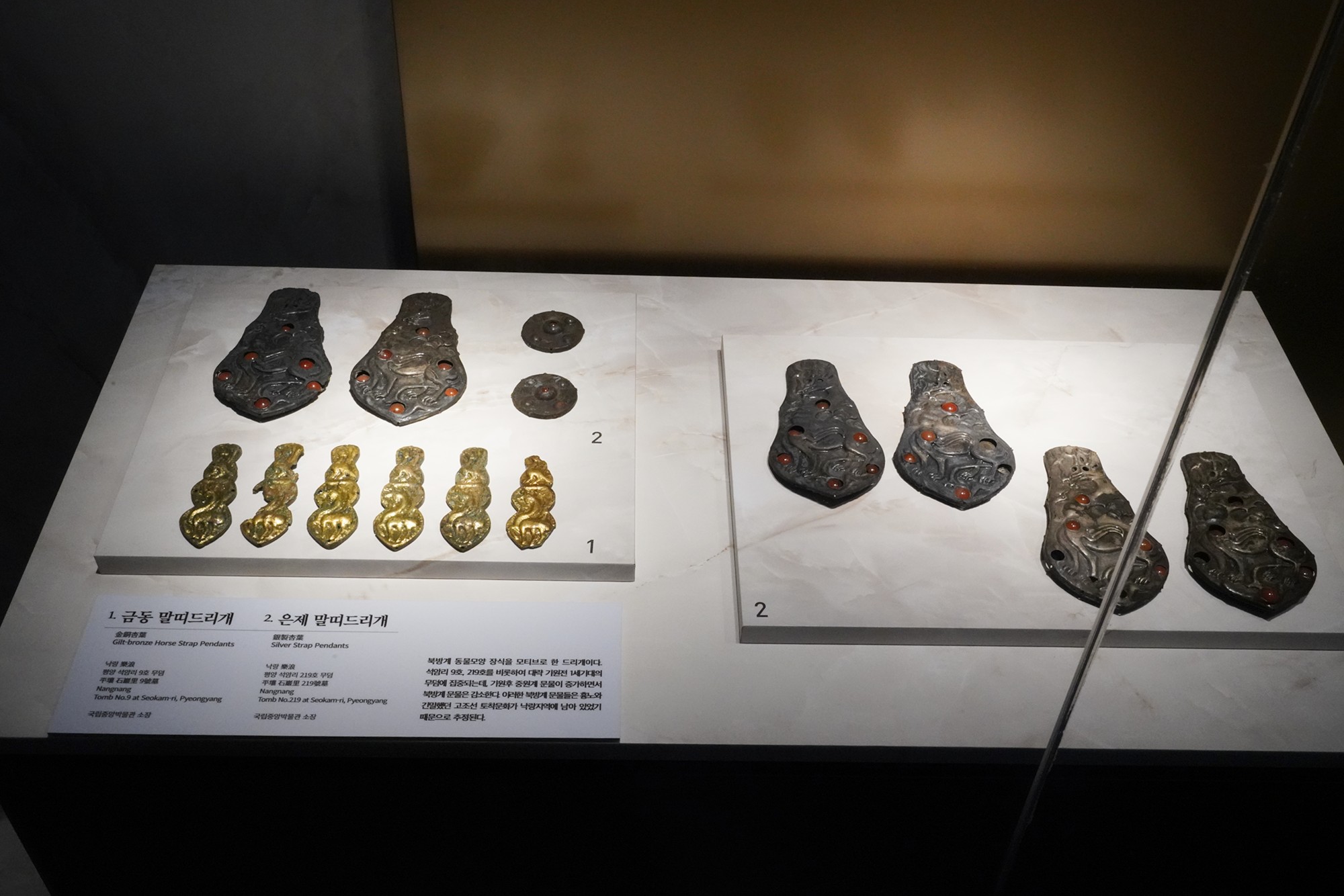
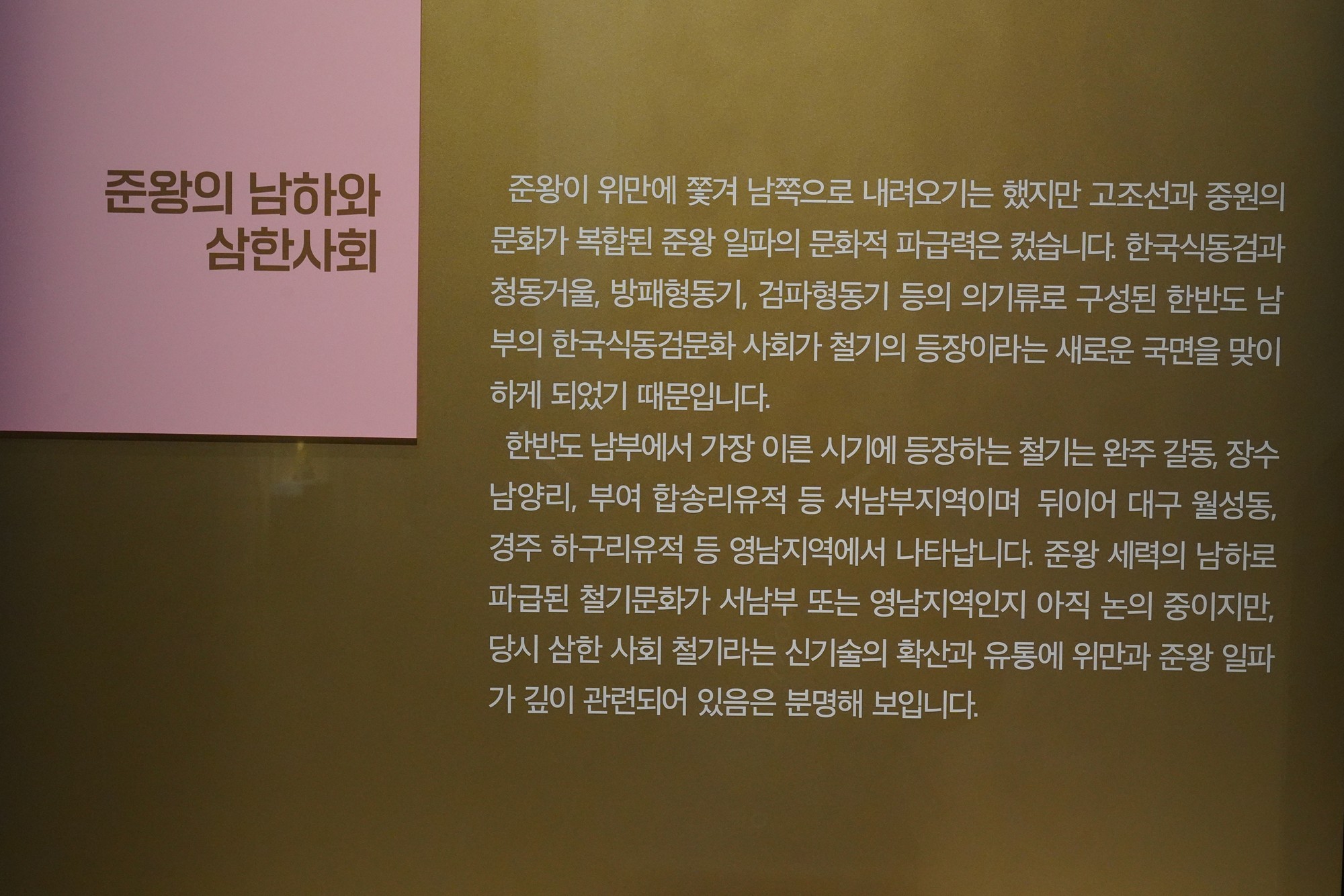
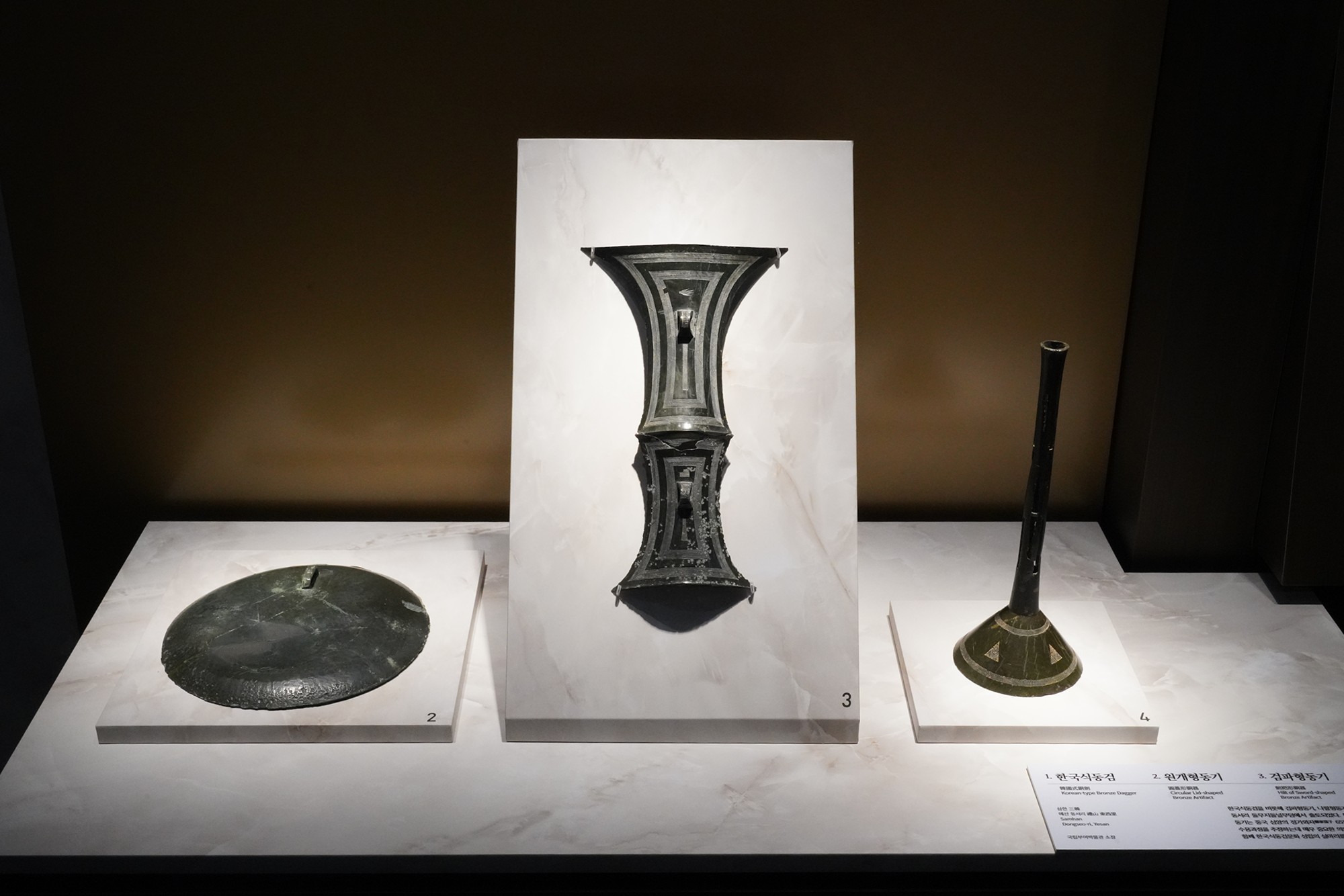
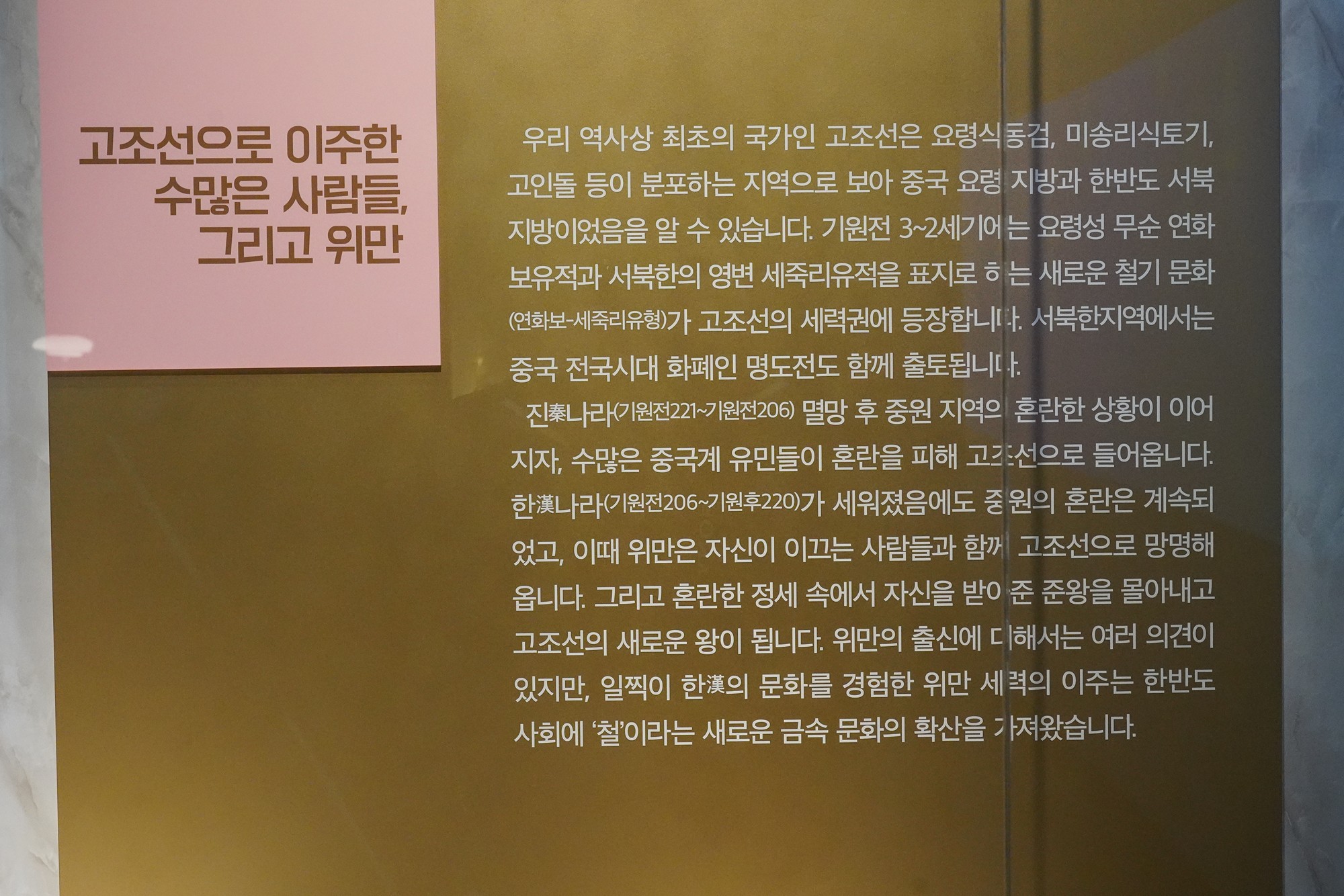
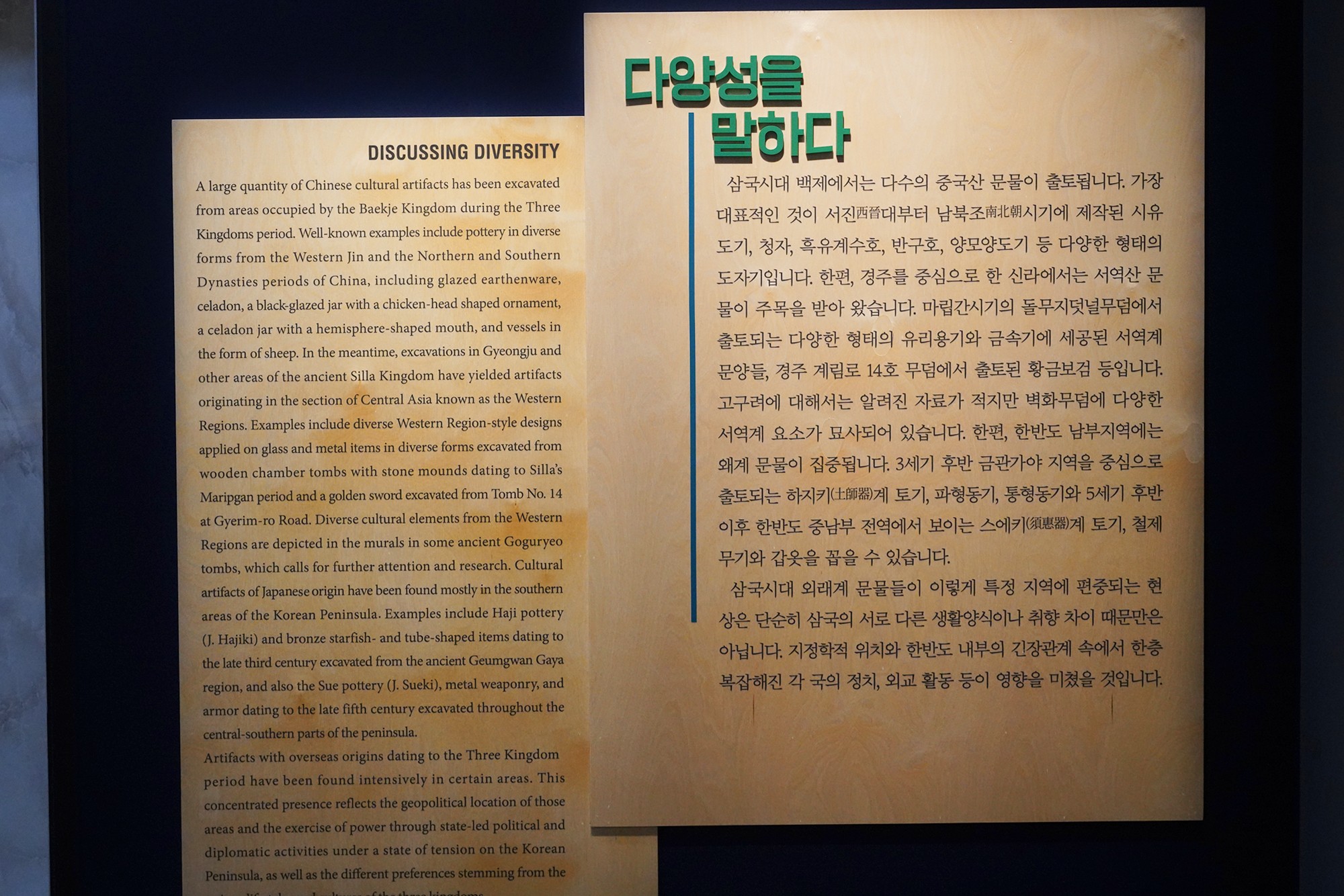
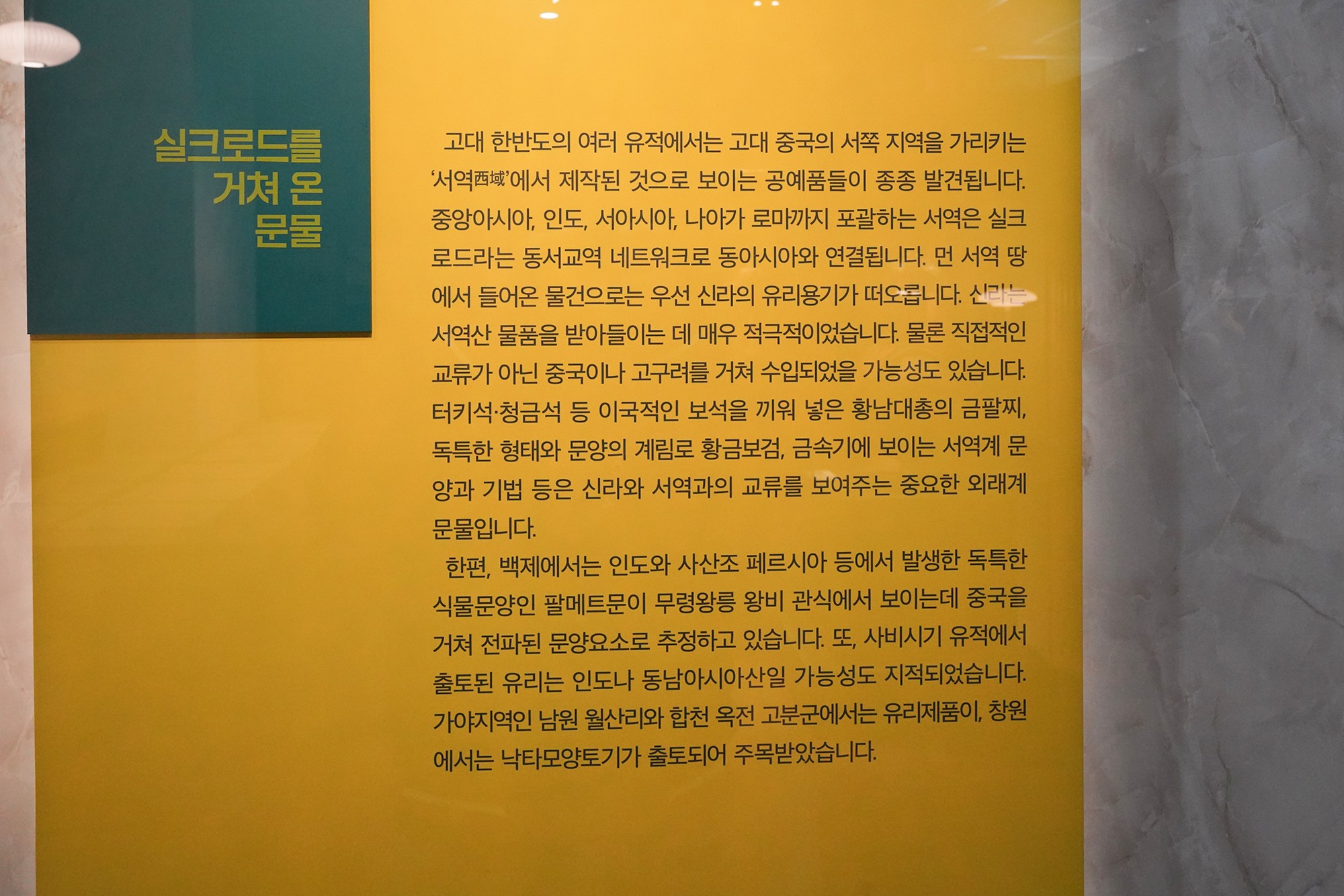
u003cpu003eThrough the Silk Roadu003c/pu003e
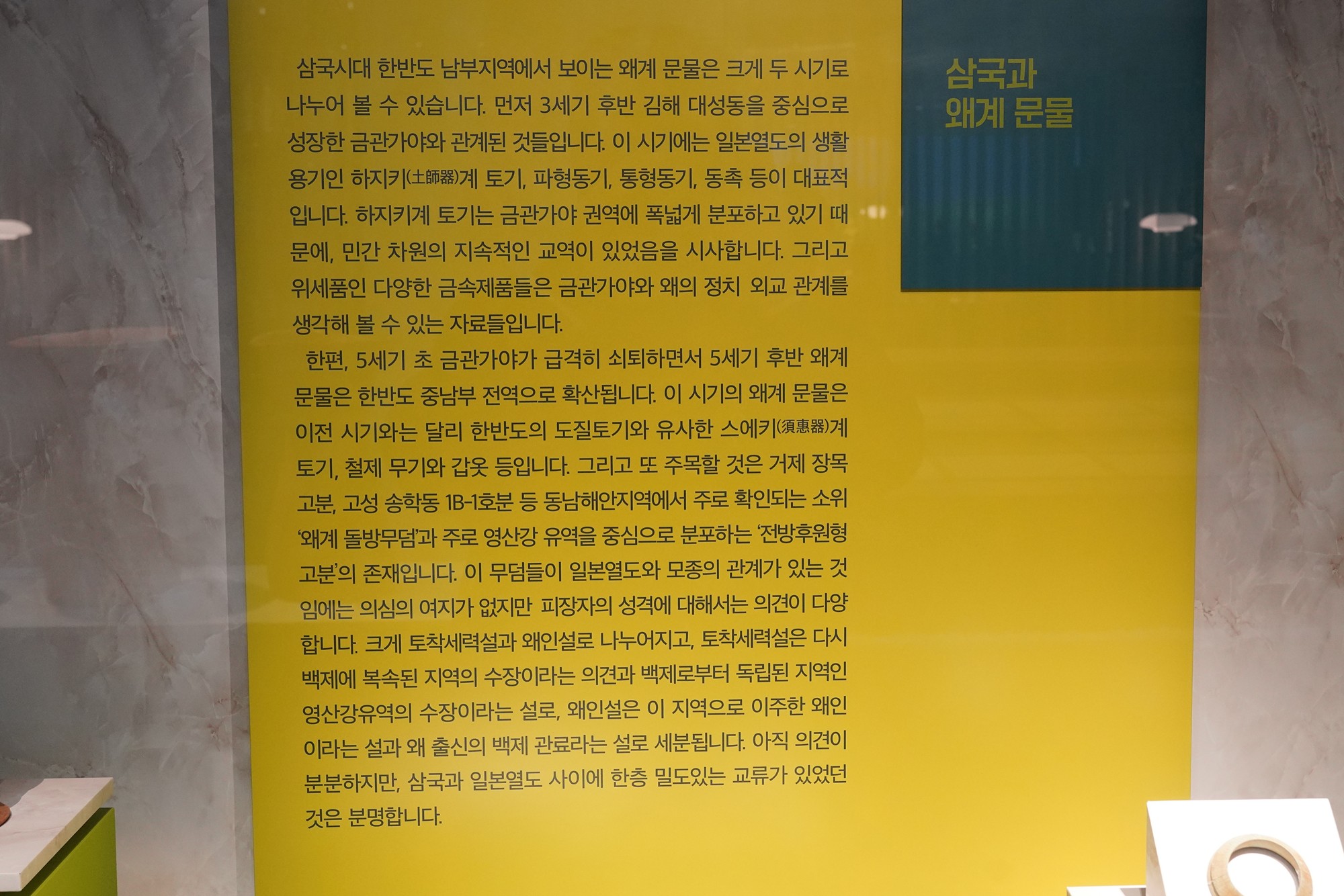
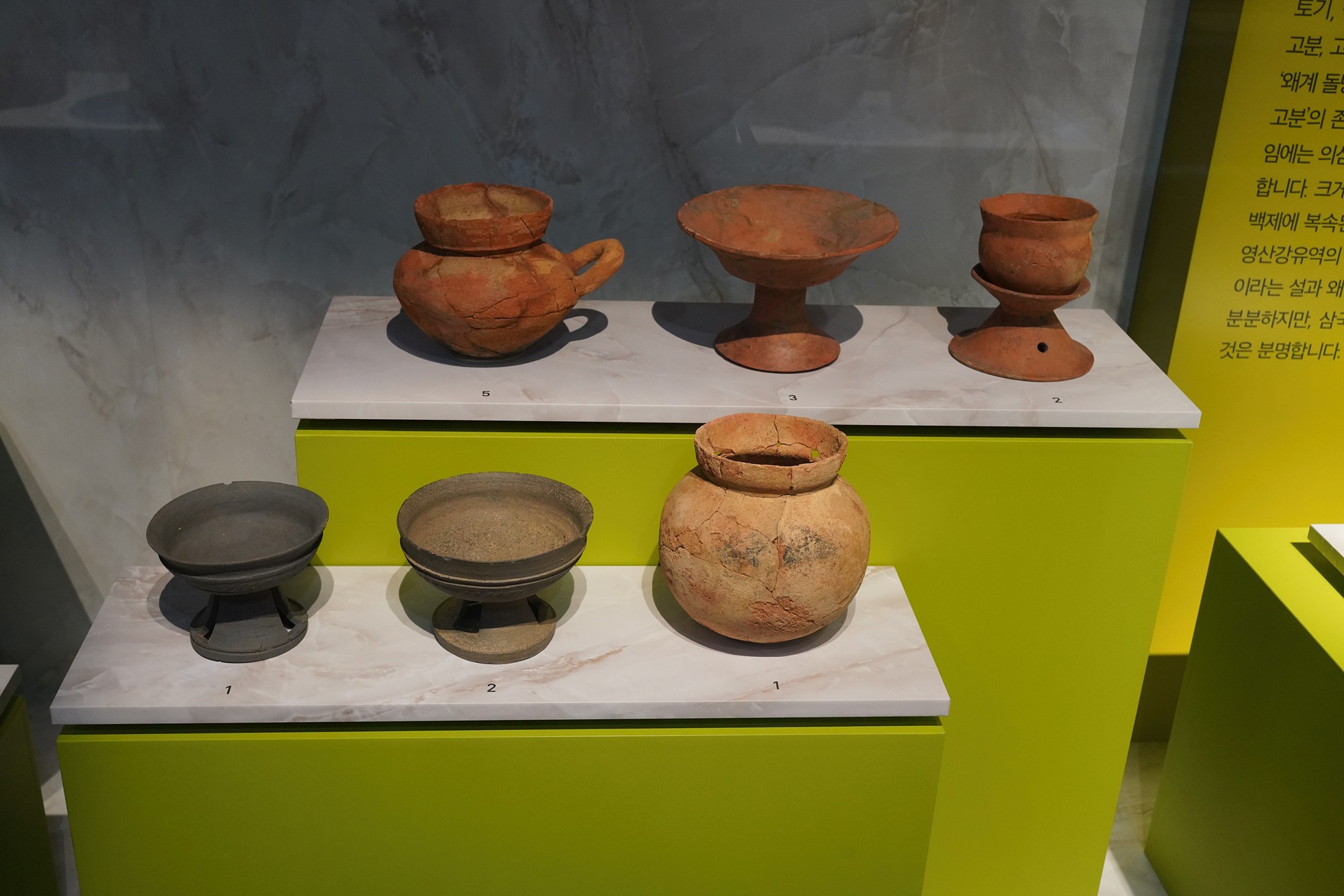
u003cpu003eFrom Japan in the third century.u003c/pu003e
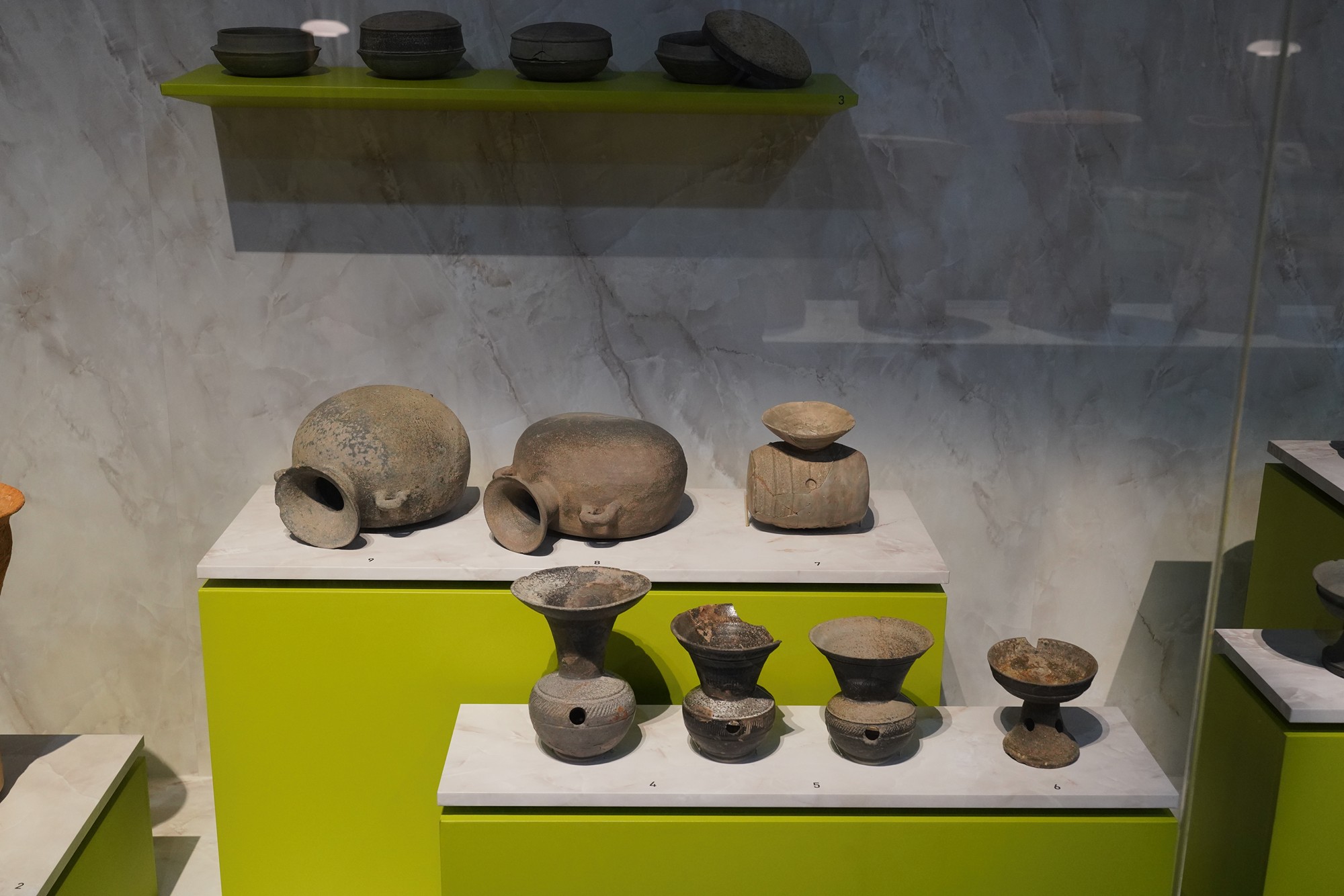
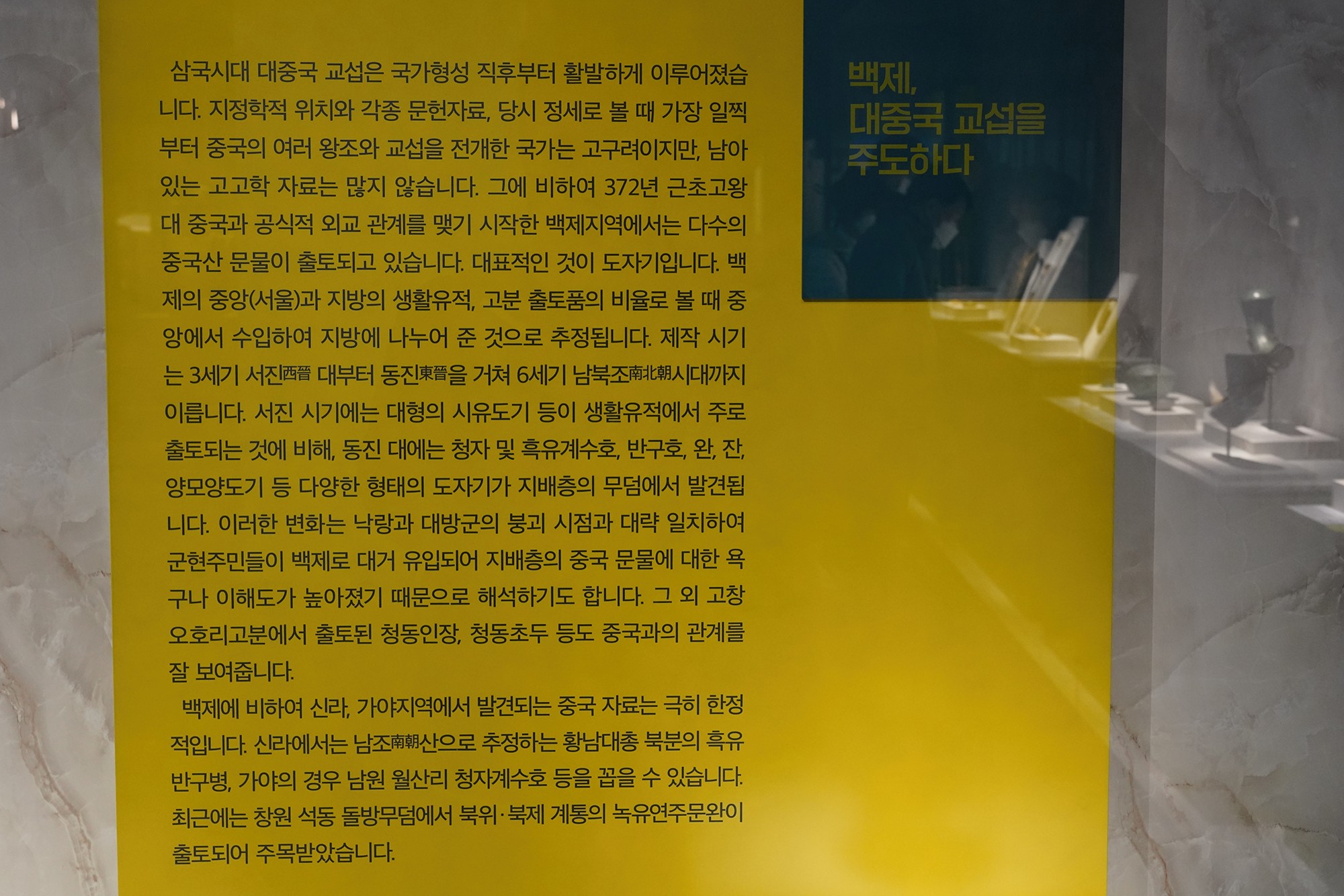
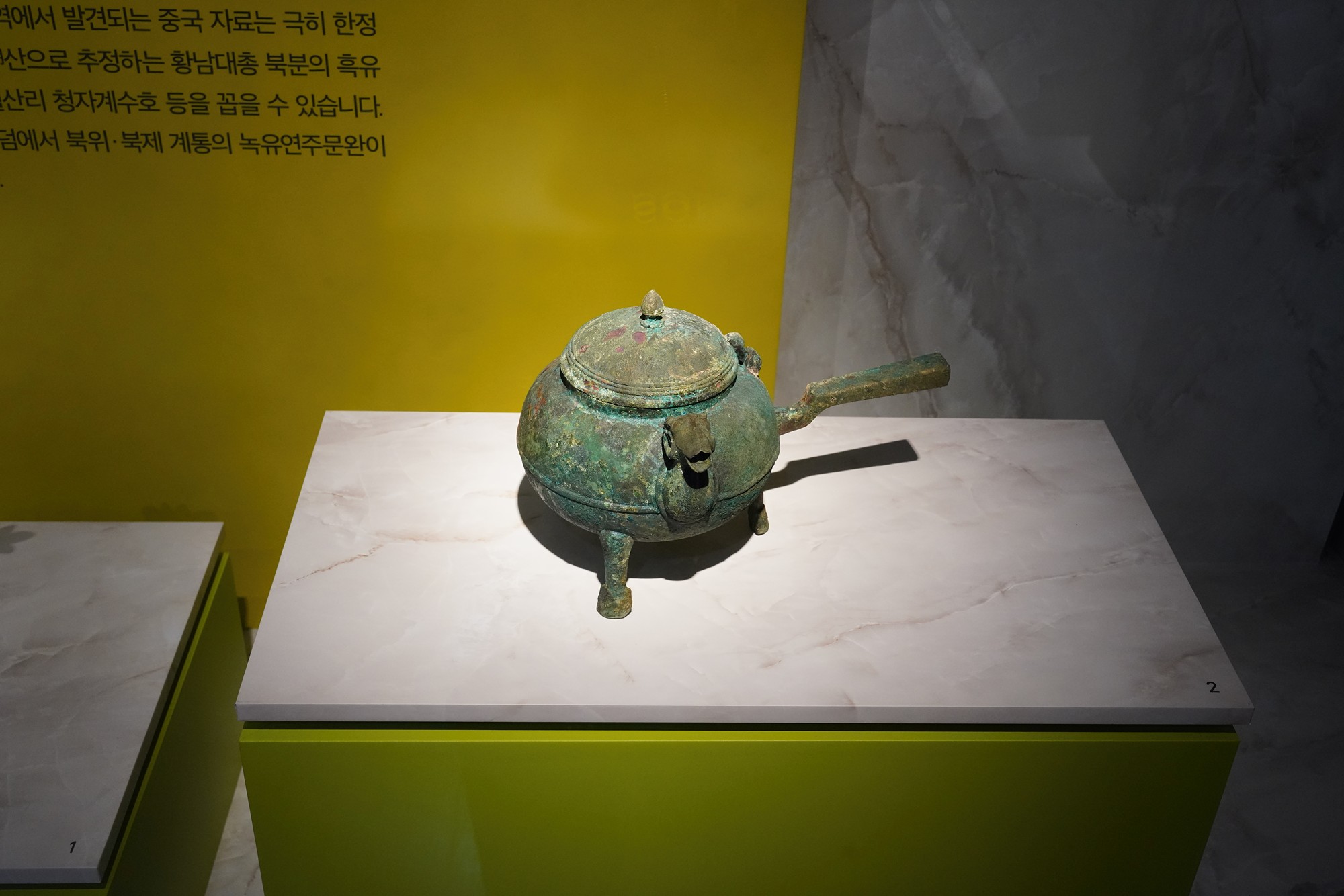
u003cpu003eFrom China in the third centuryu003c/pu003e
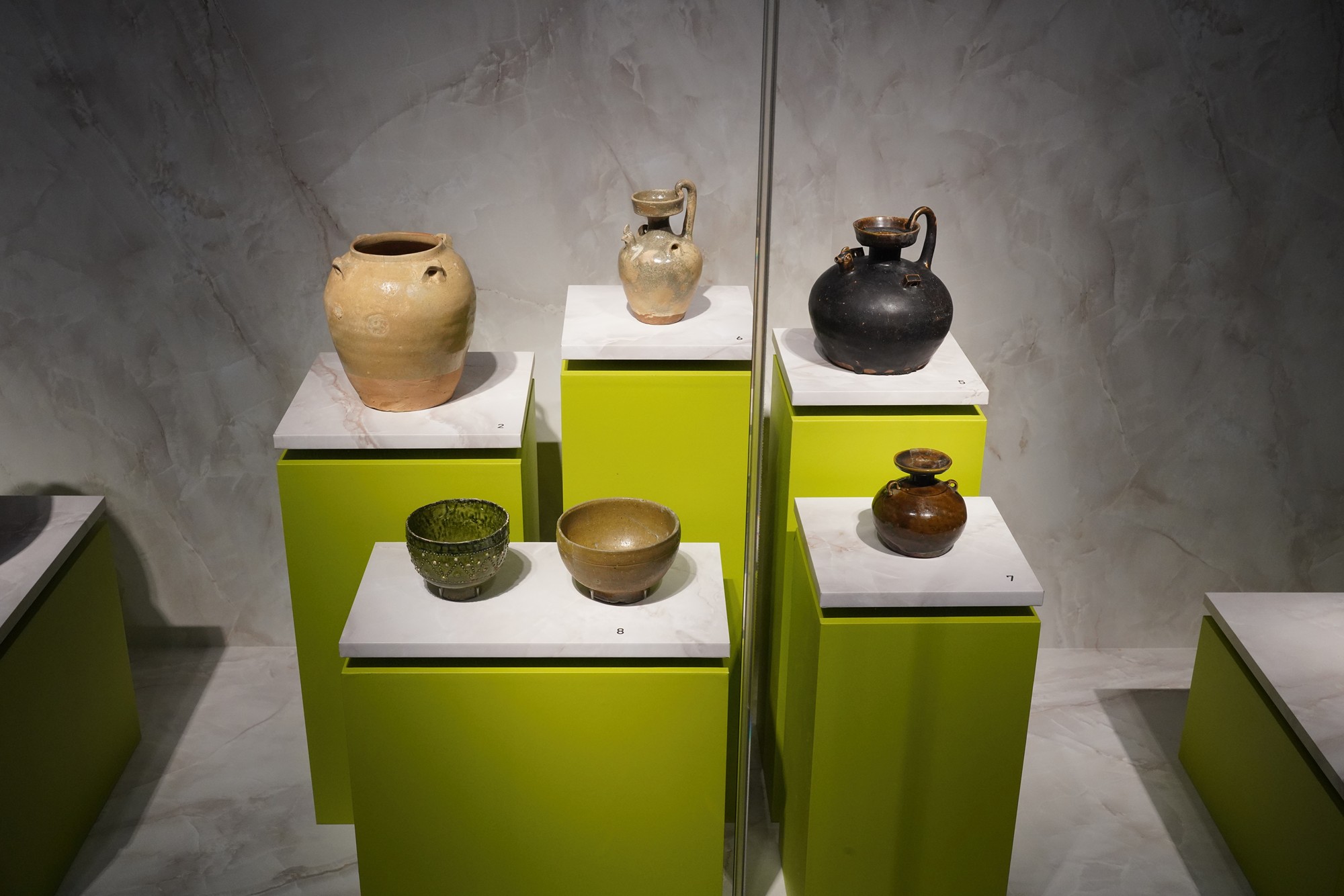
u003cpu003eFrom China in the sixth centuryu003c/pu003e
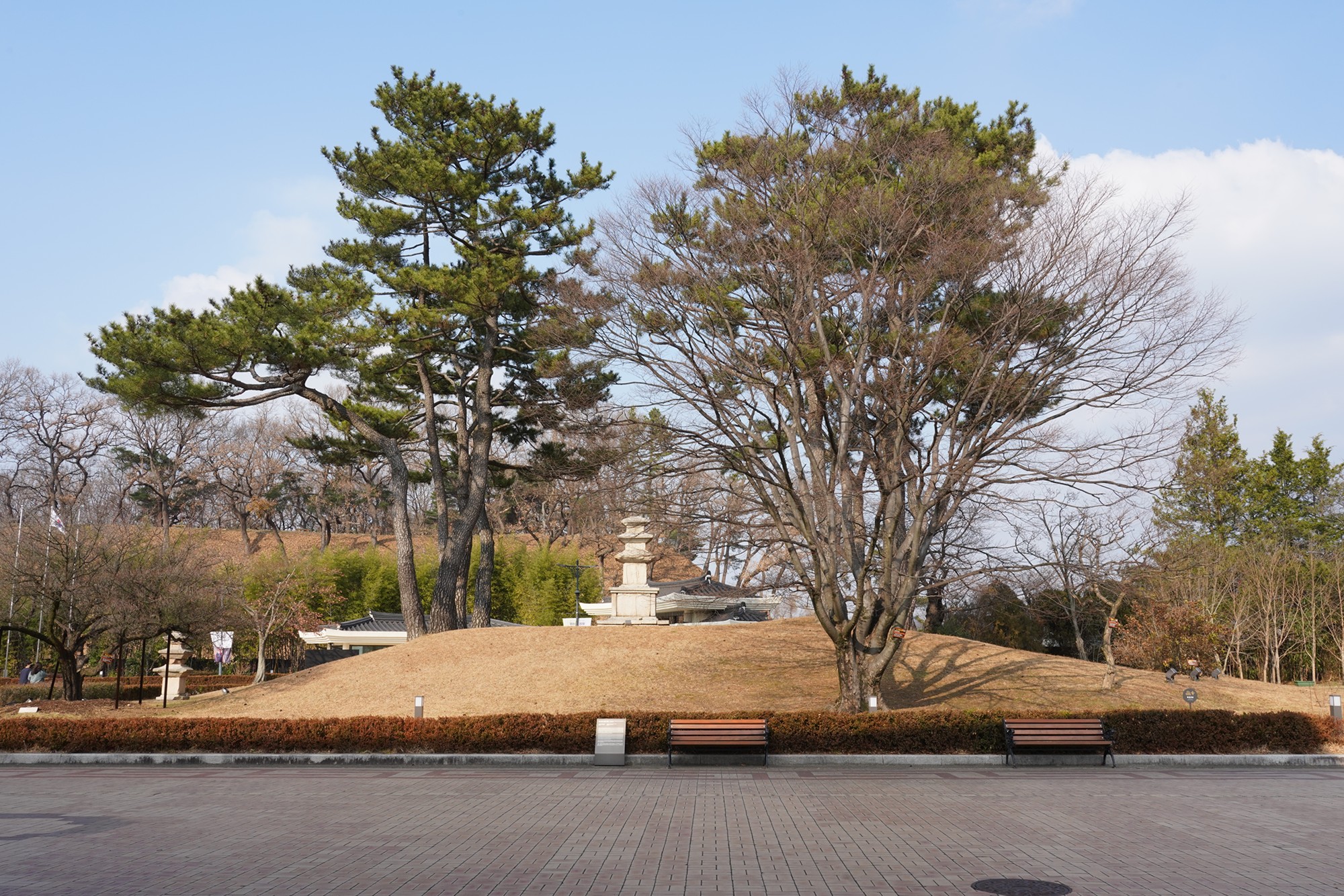
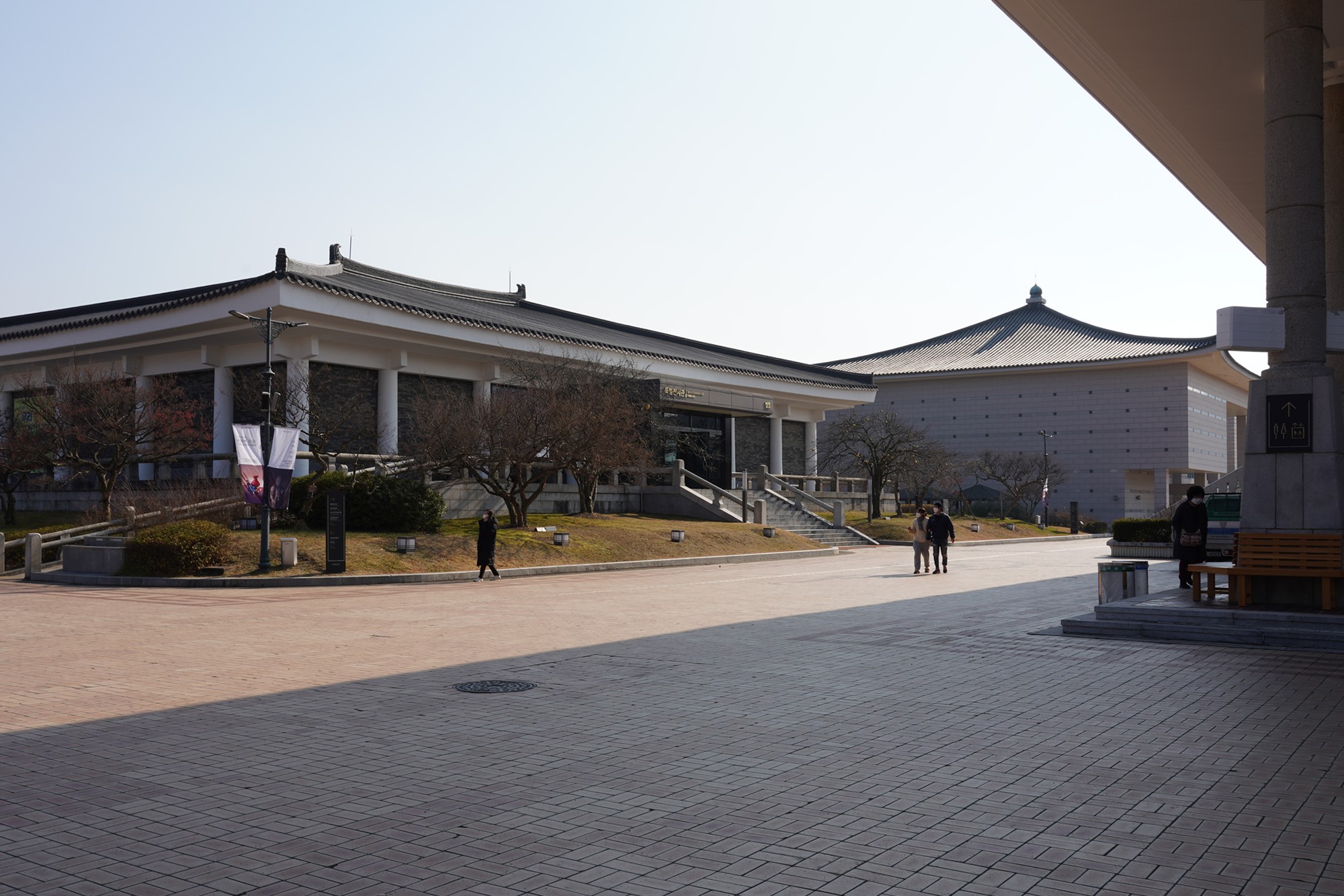
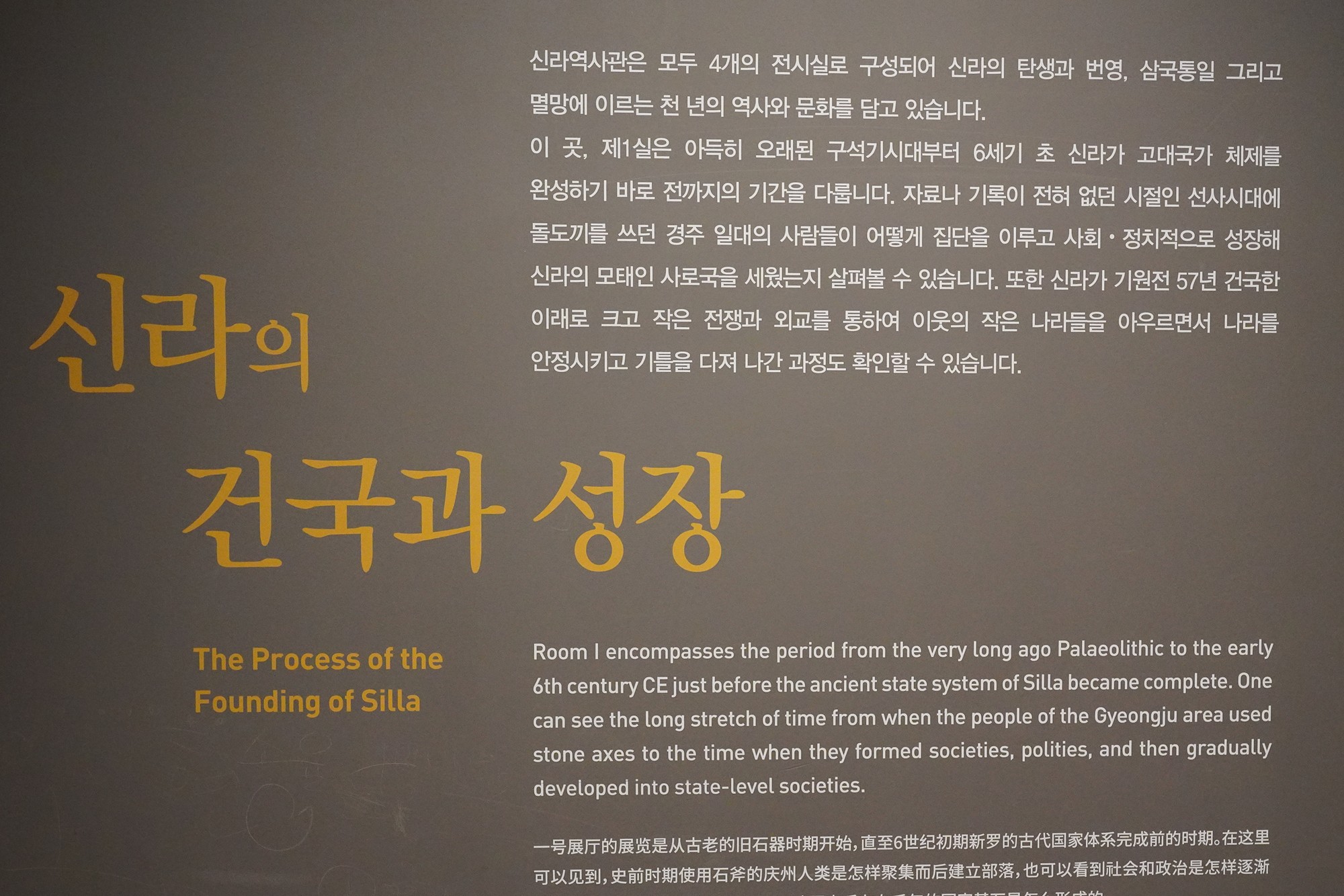
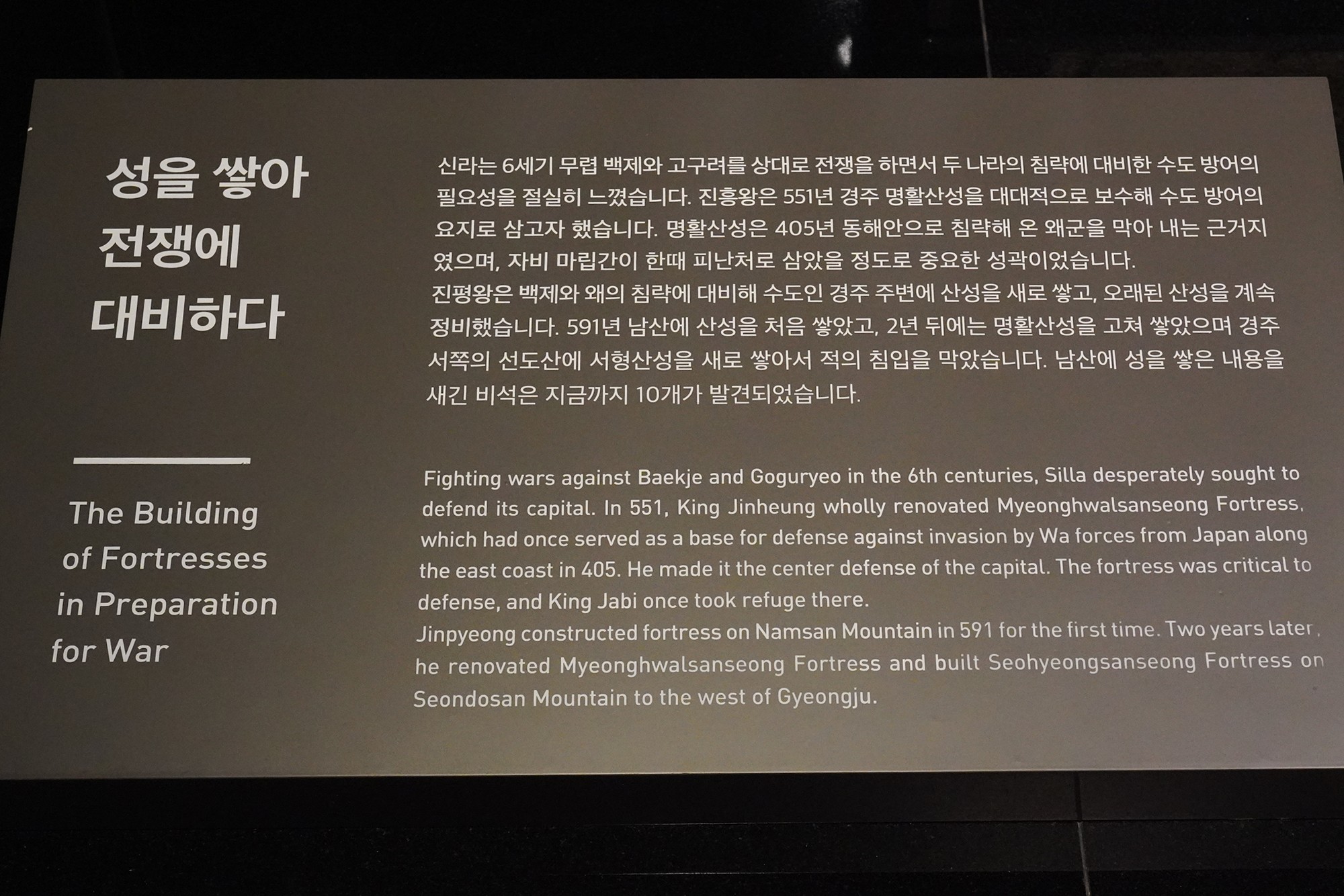
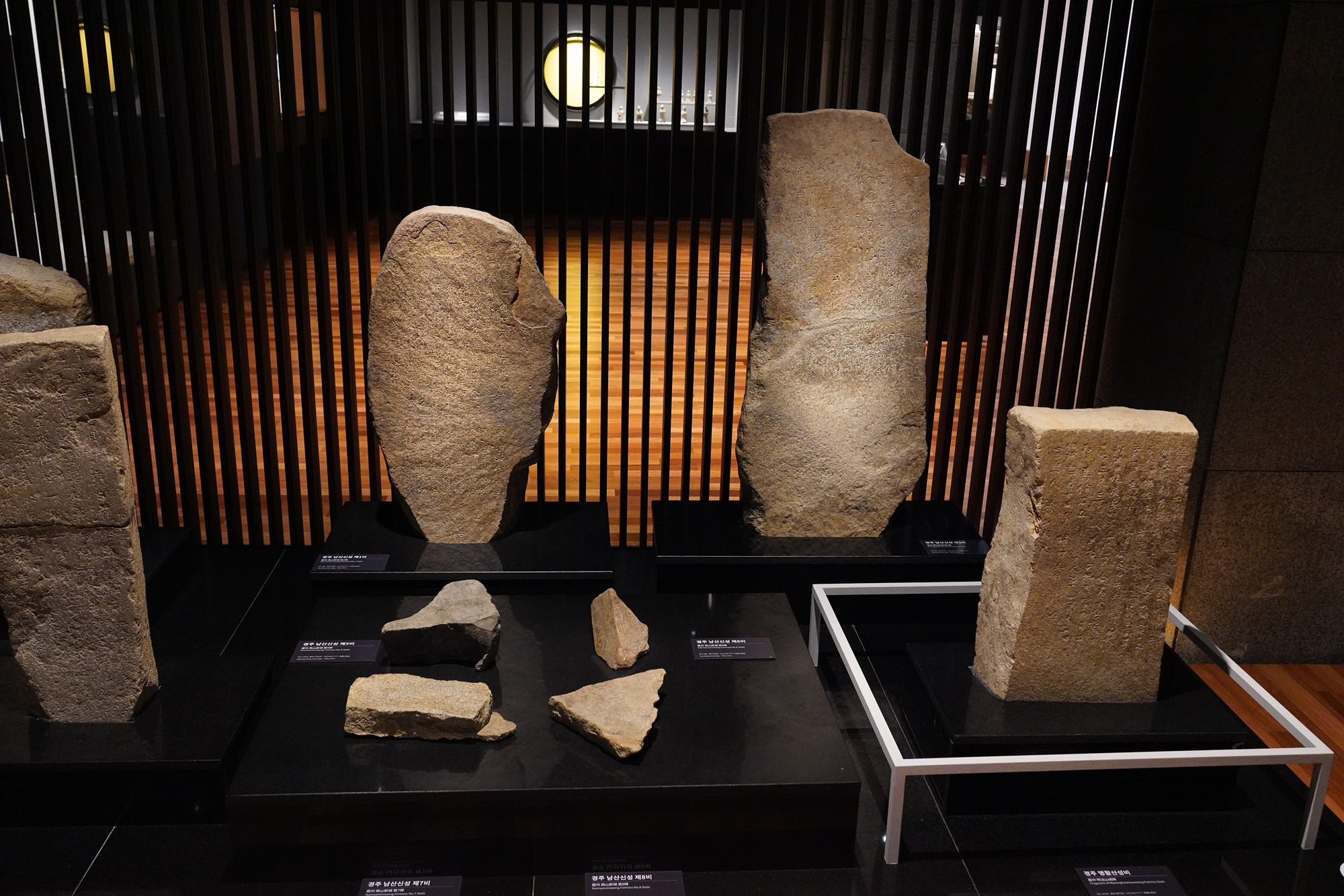
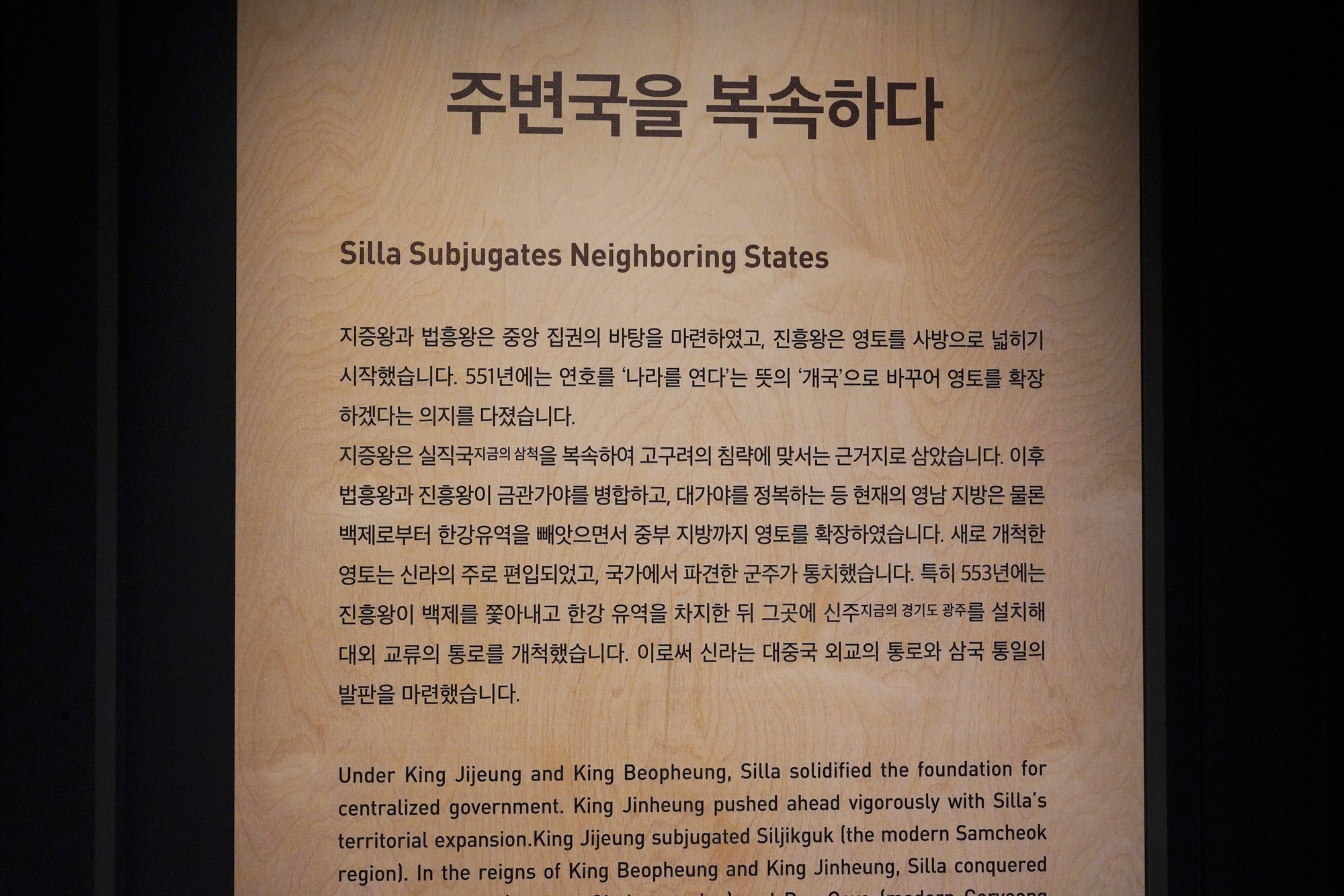
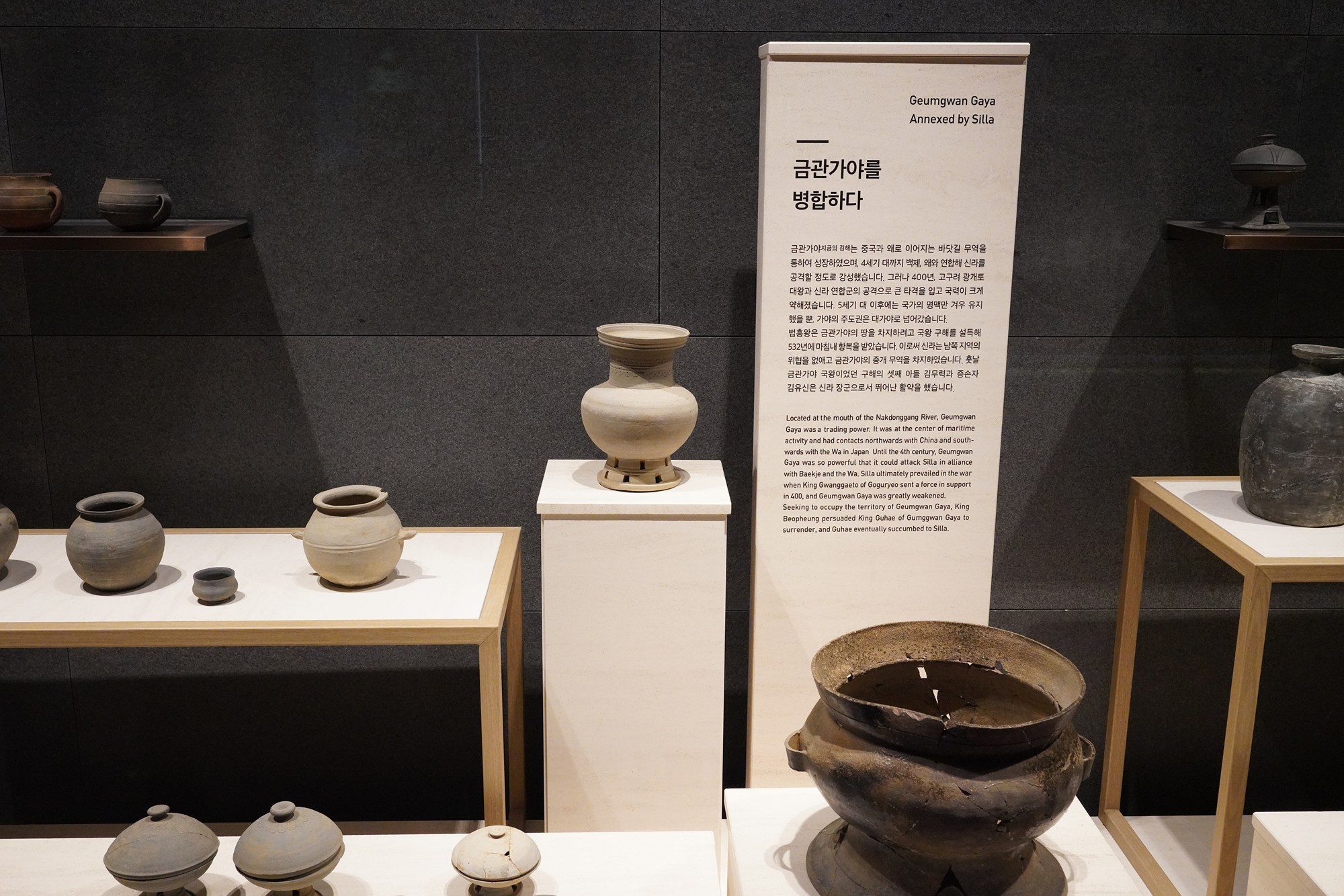
u003cpu003eMuseum building on history of Silla Dynasty. Gyeongju was Shilla's capital.u003c/pu003e
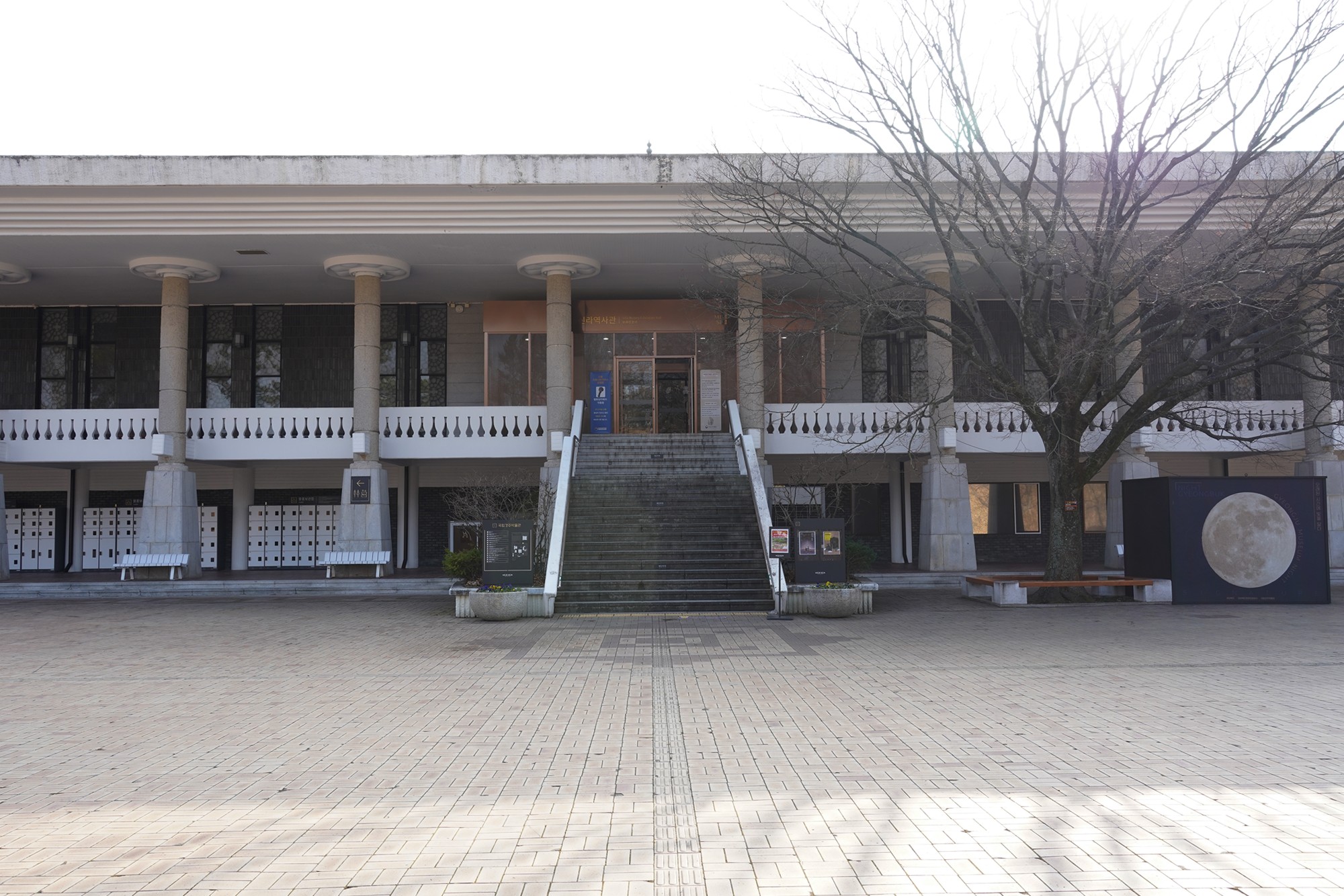
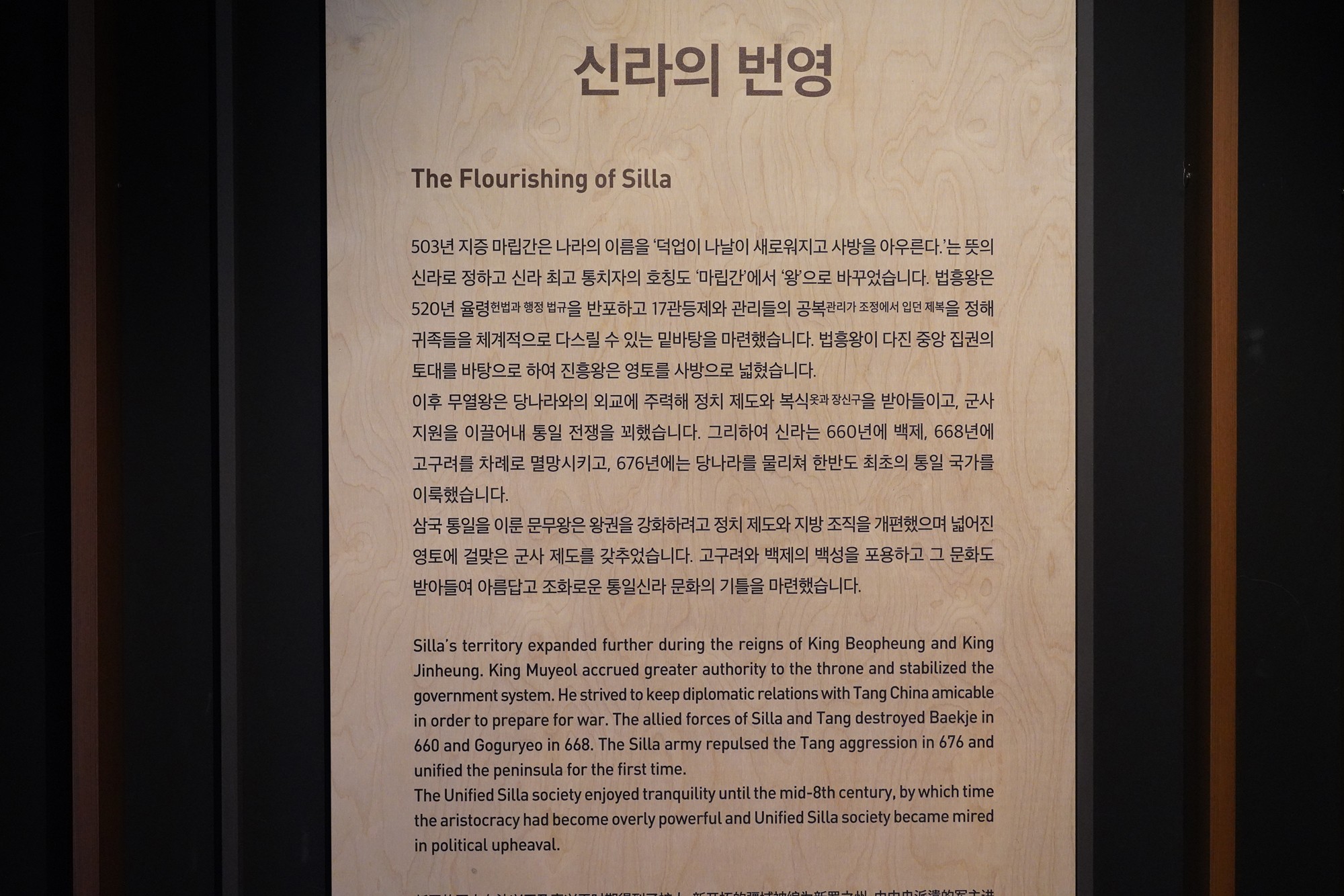
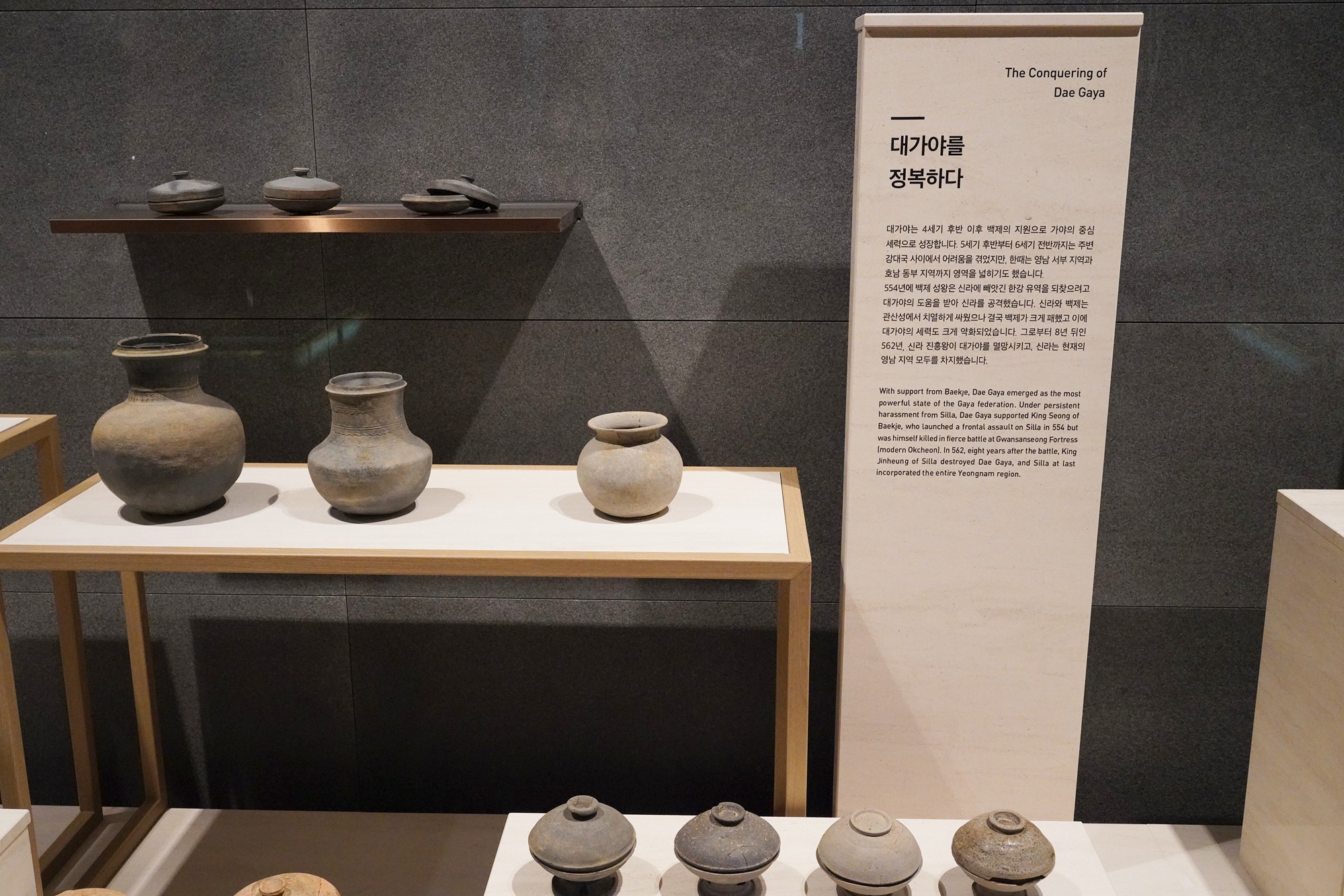
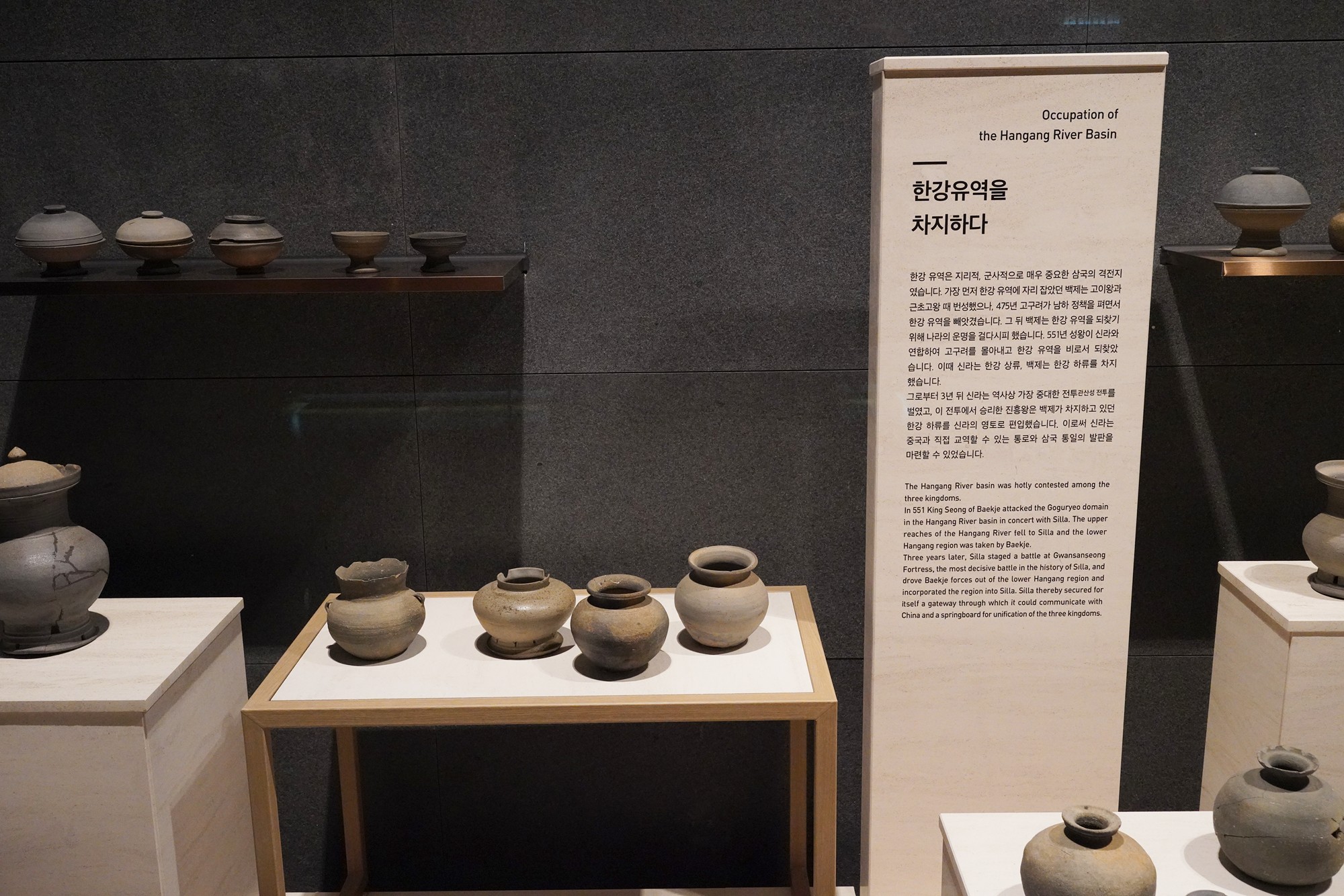
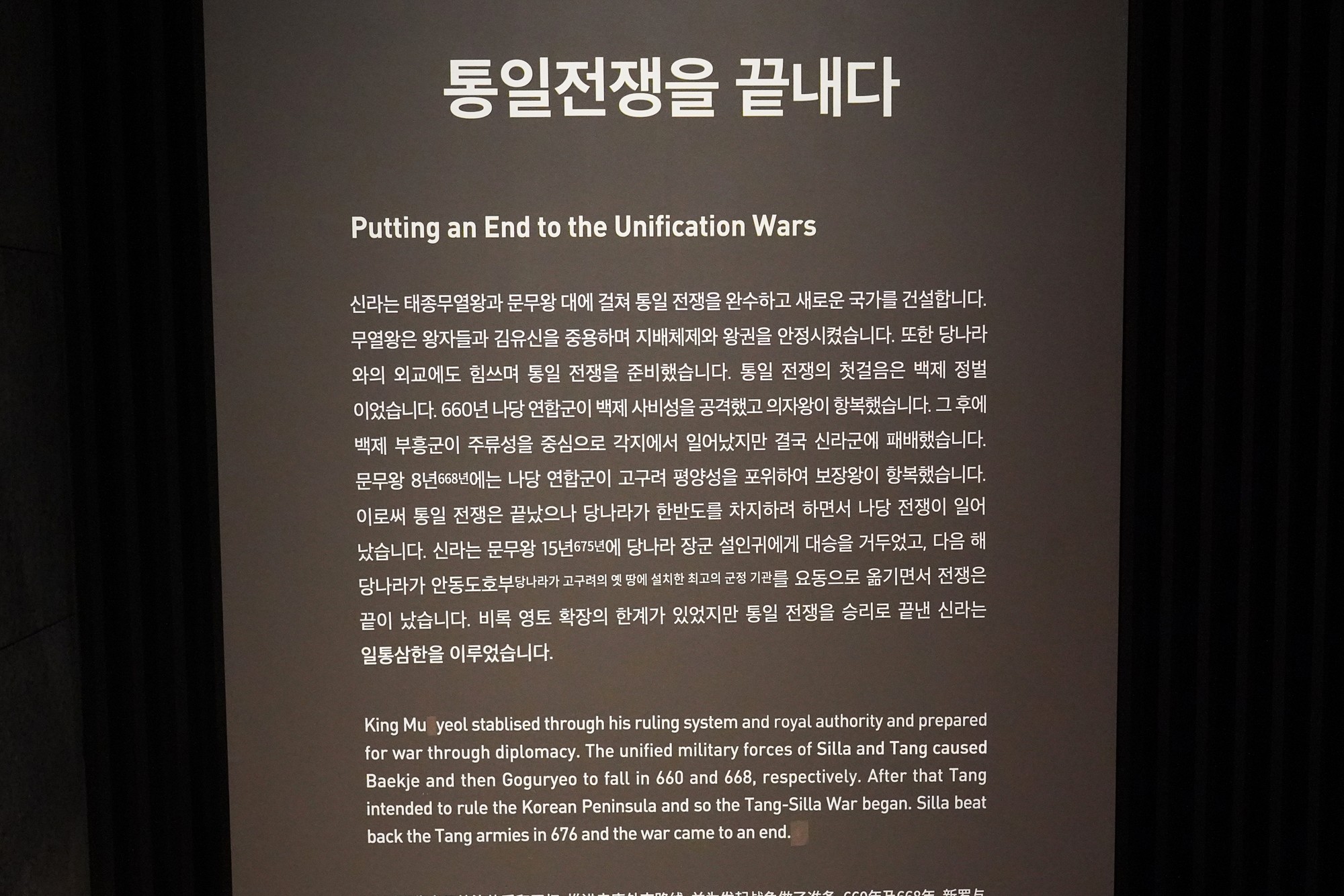
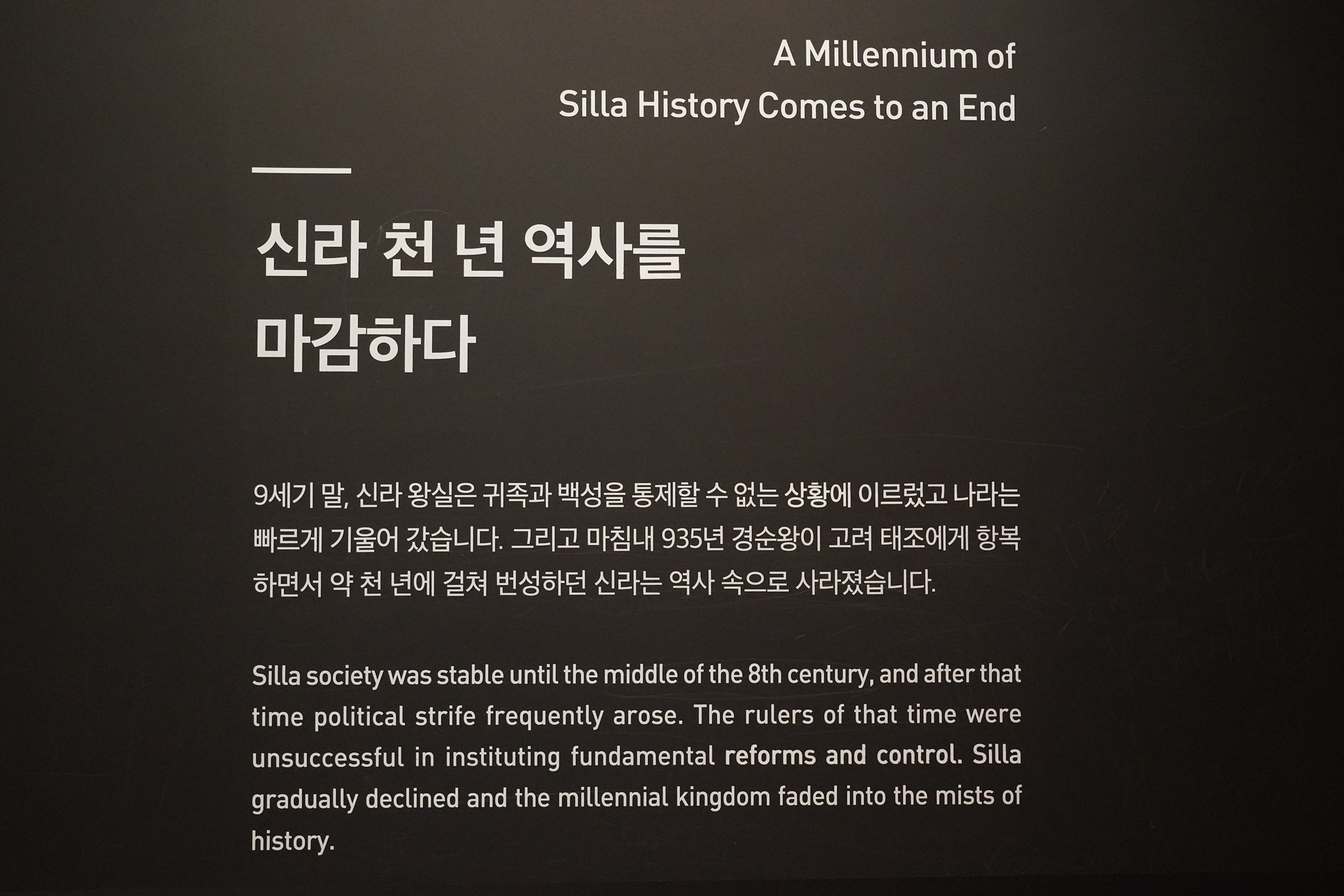
u003cpu003eHistory of Silla Dynasty until the year 900, when the Goryeo Dynasty conquered it.u003c/pu003e
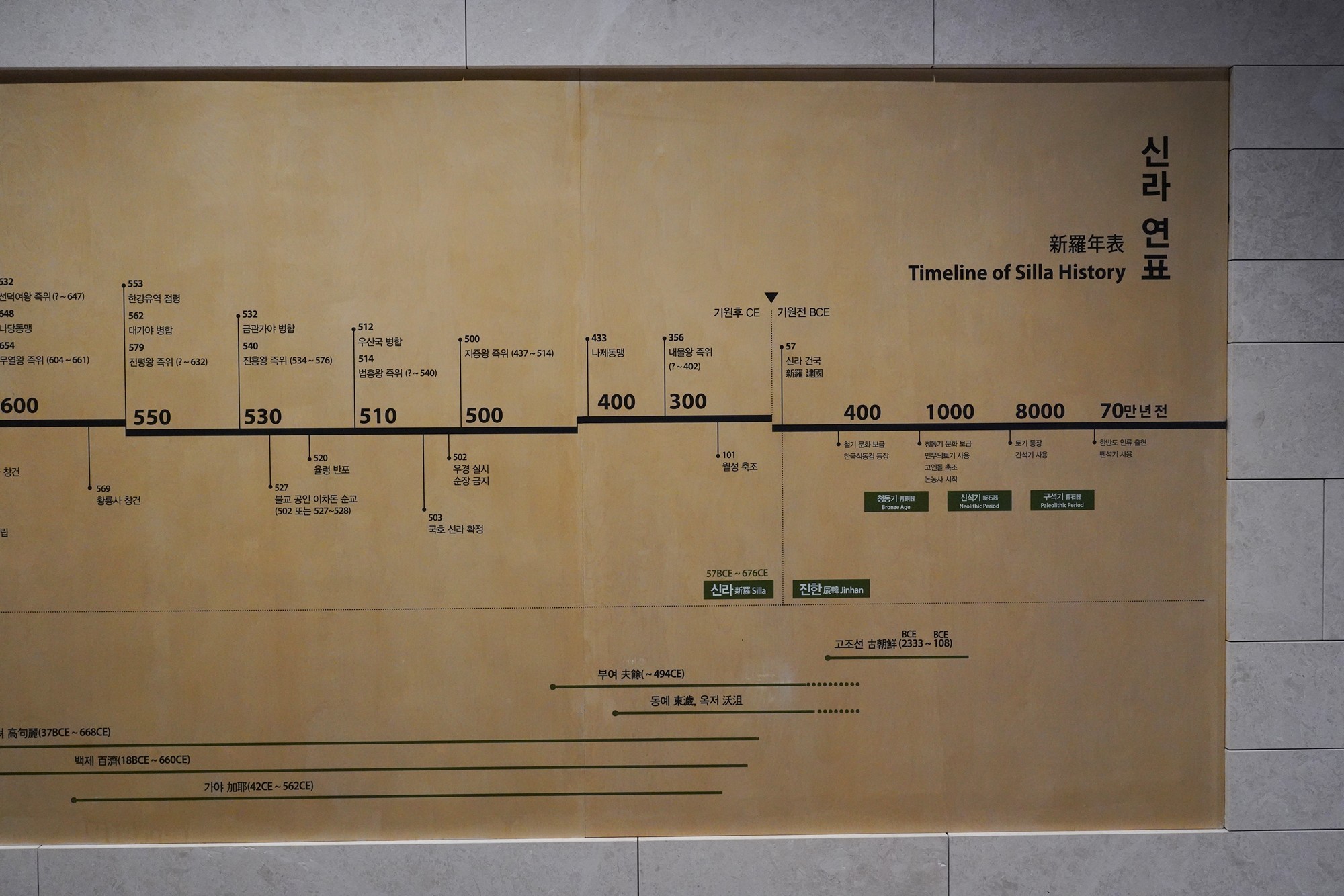
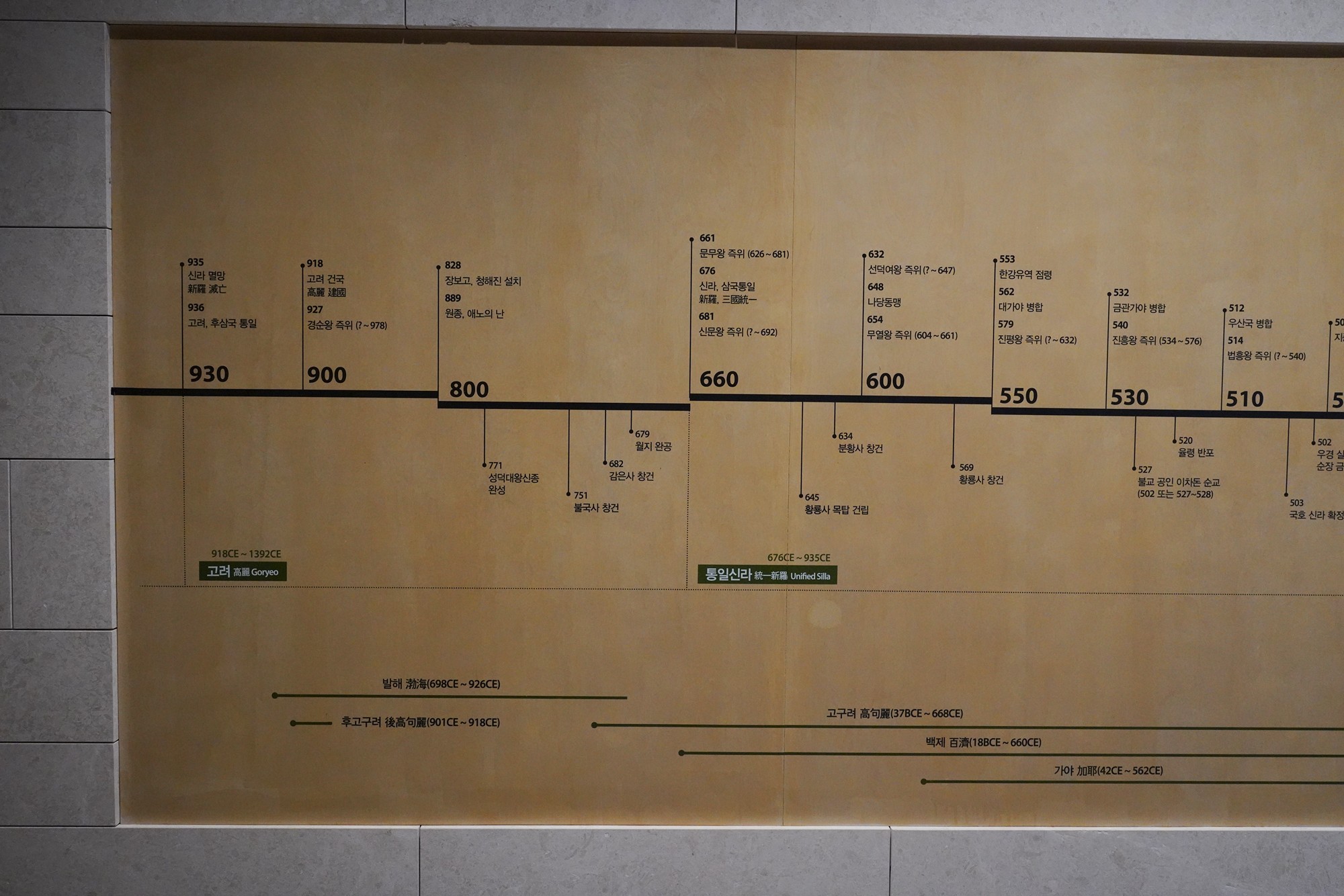
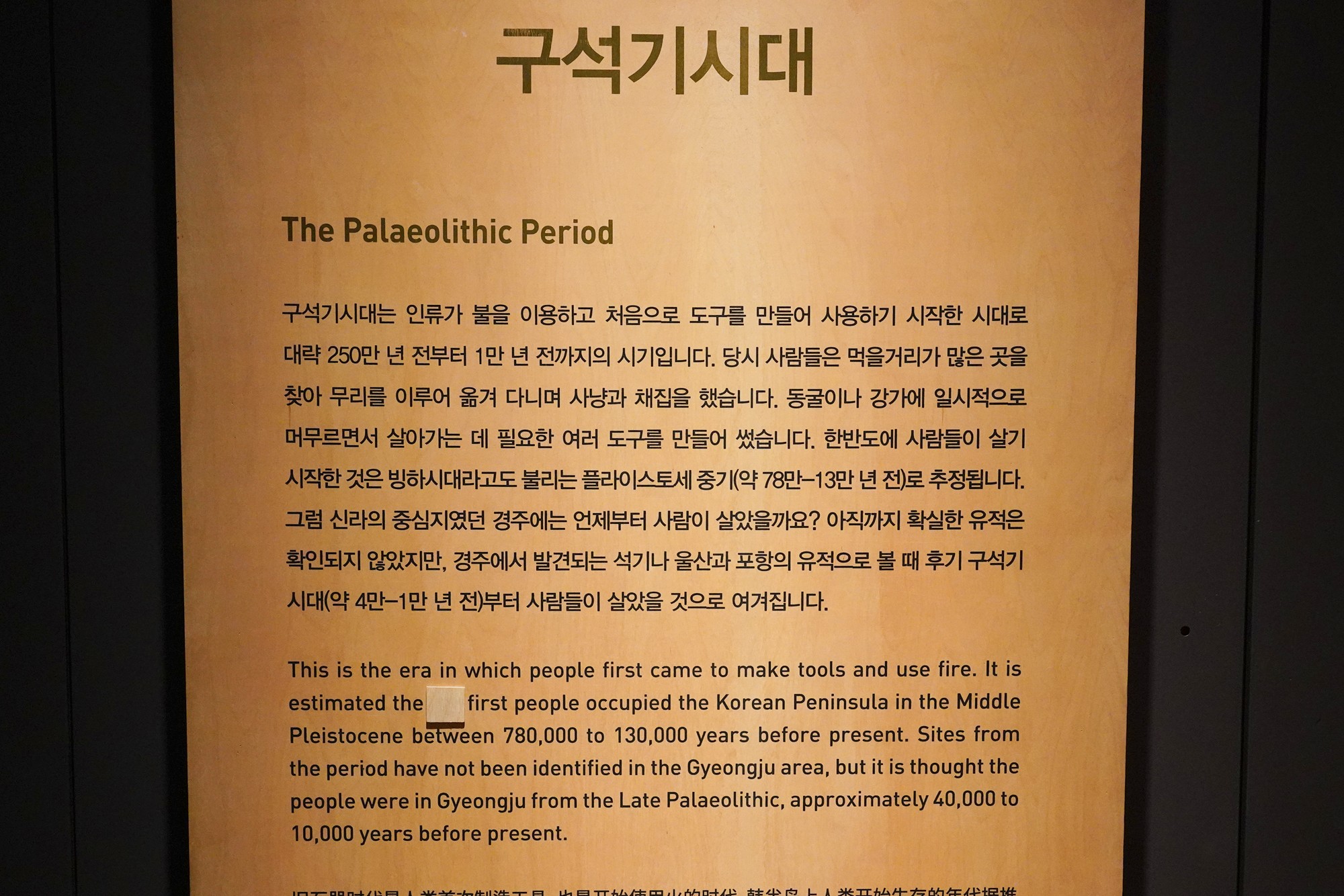
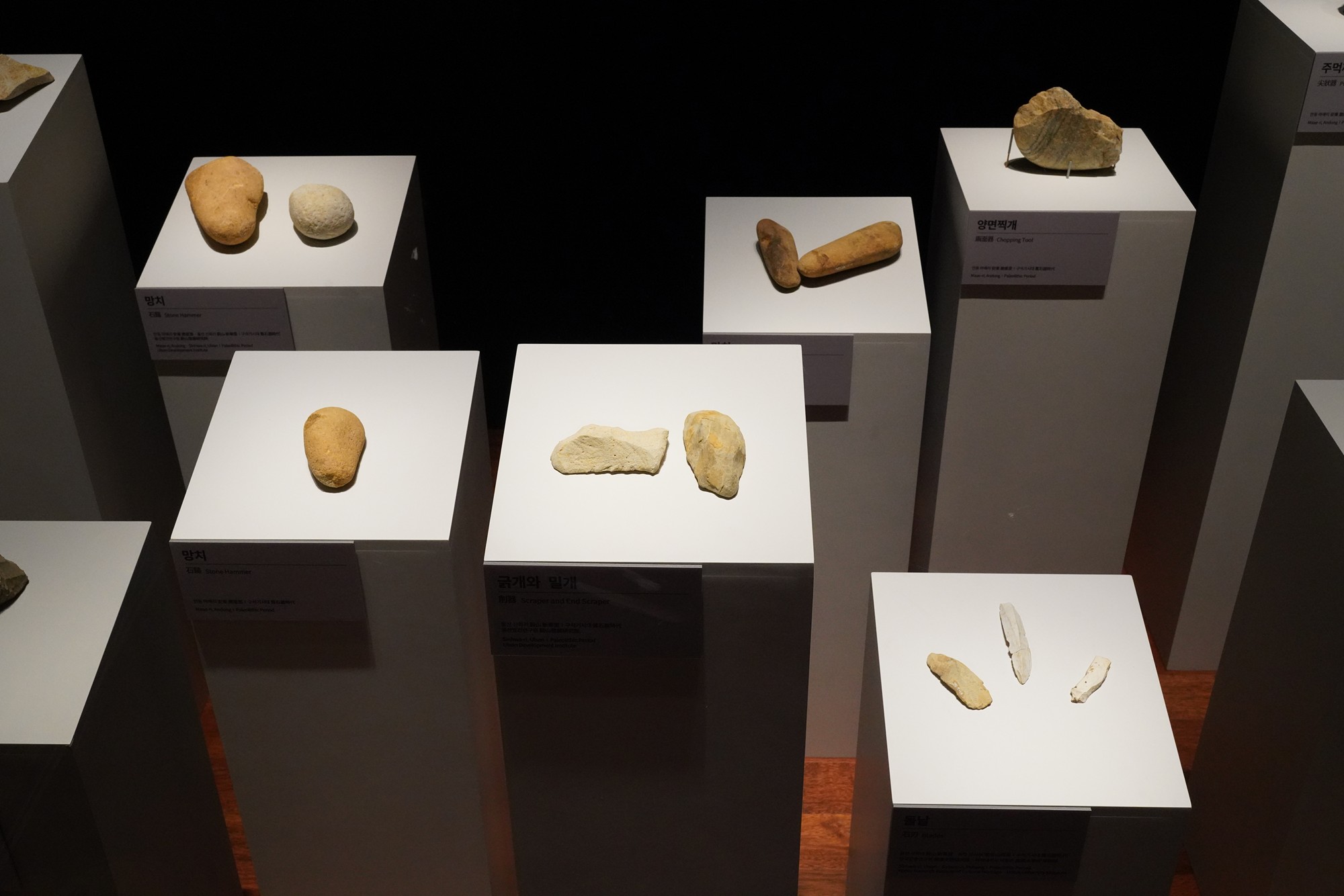
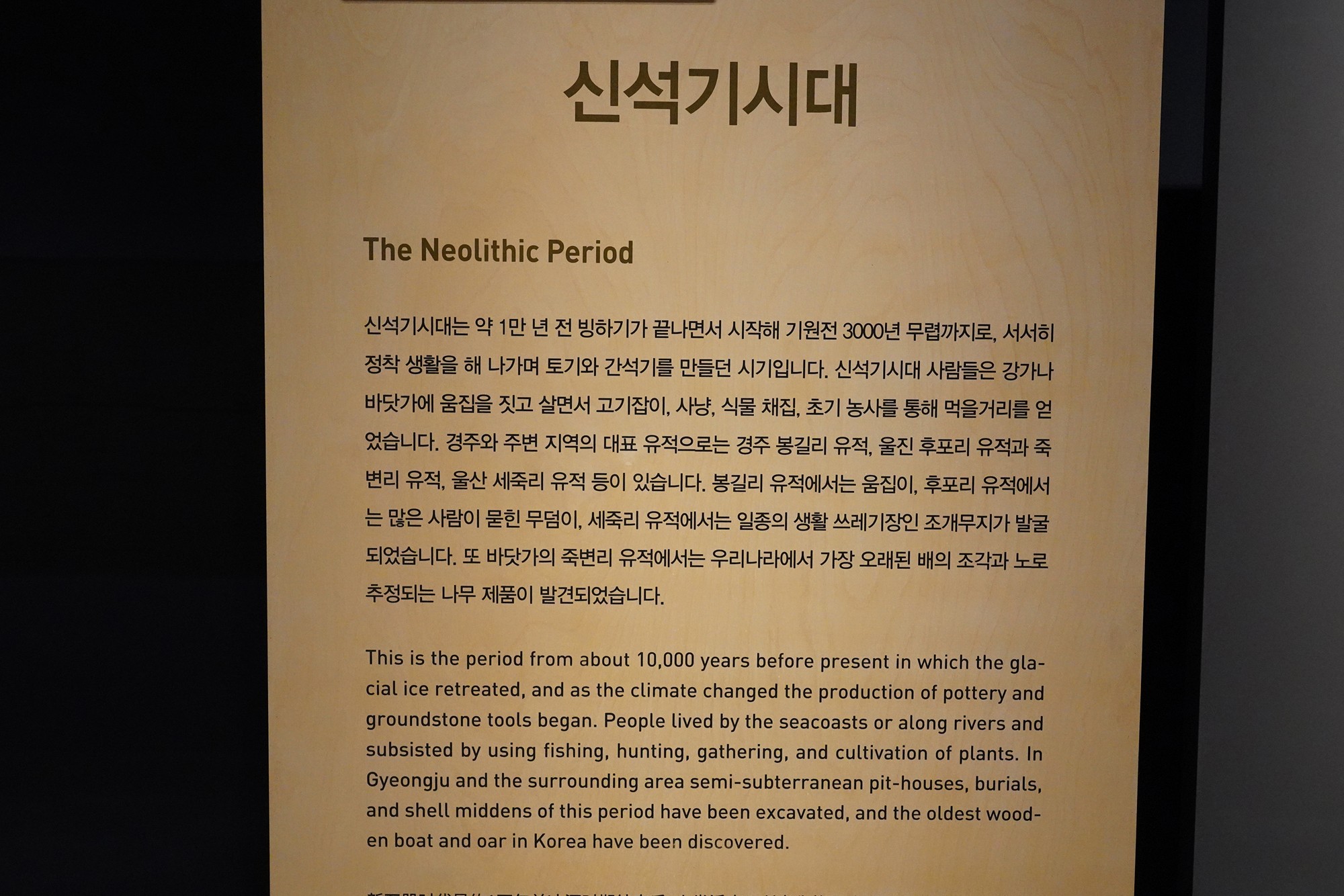
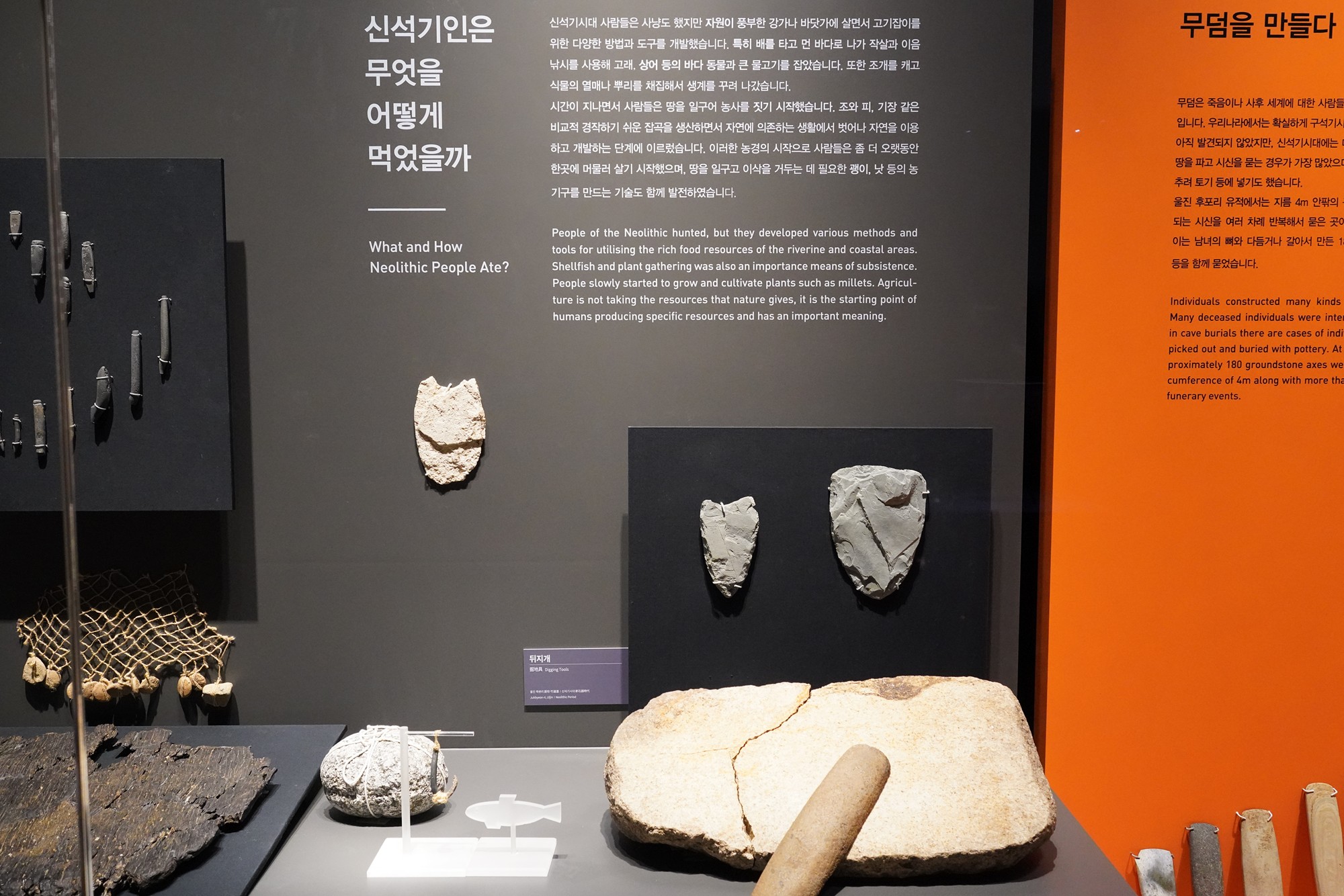
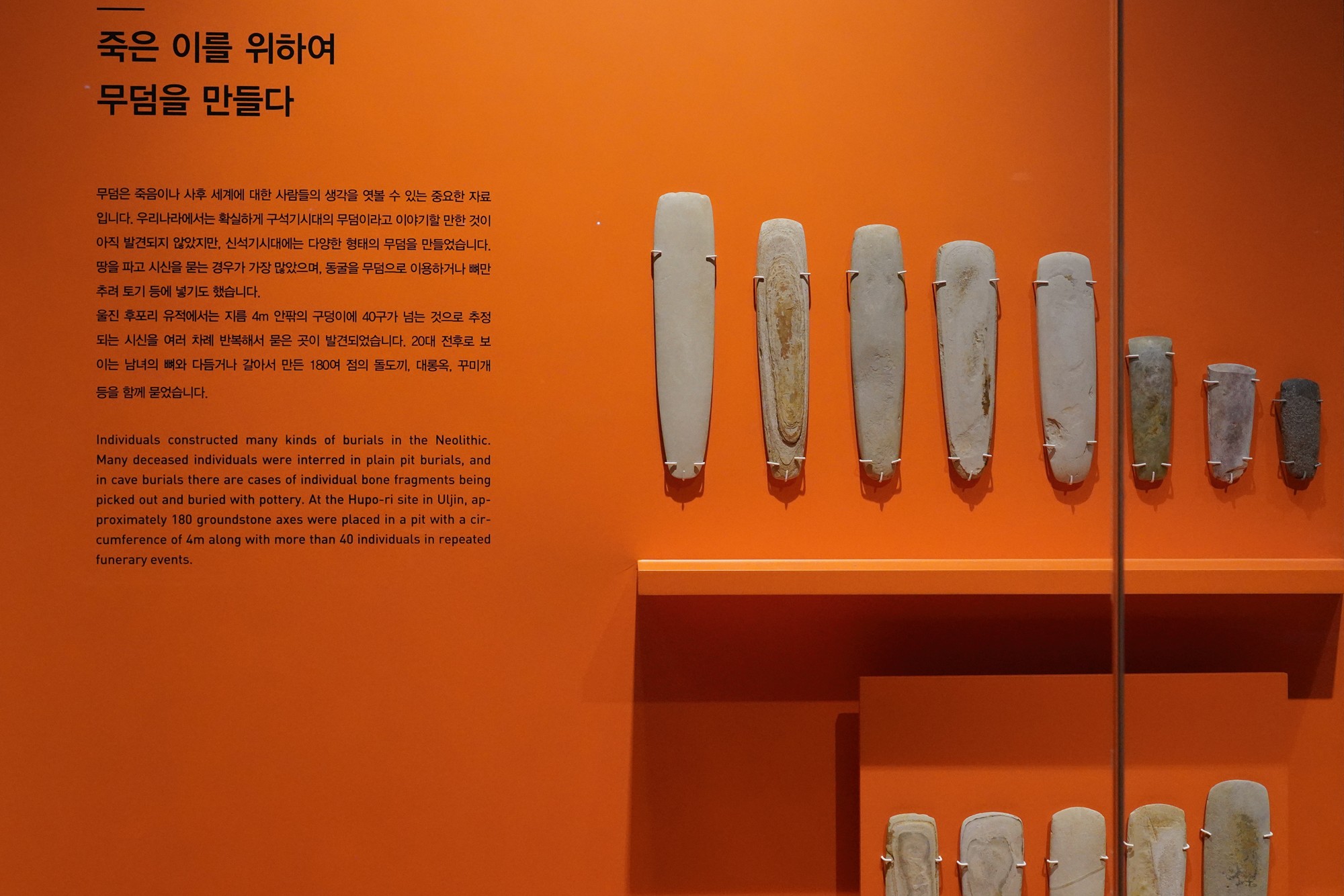
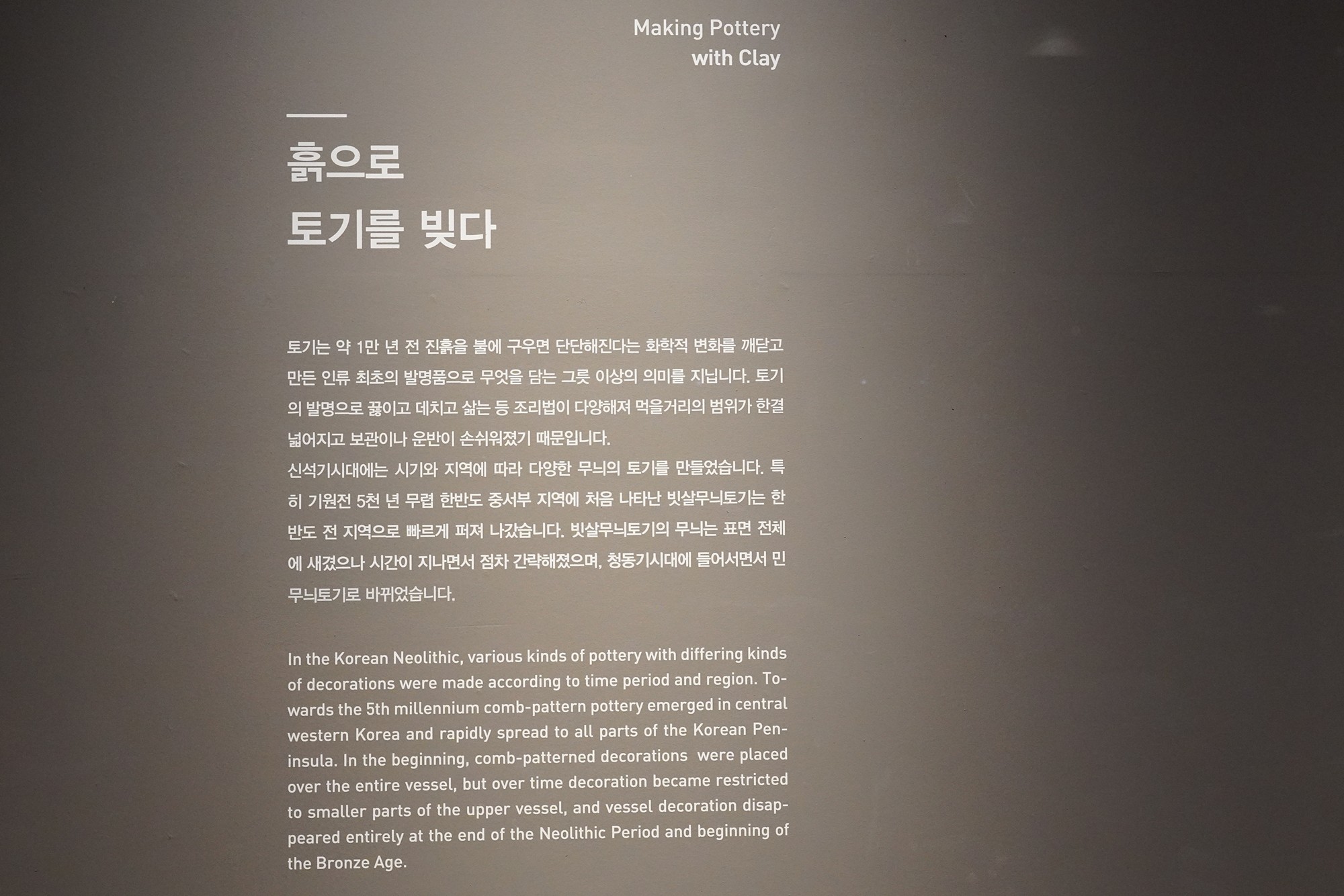
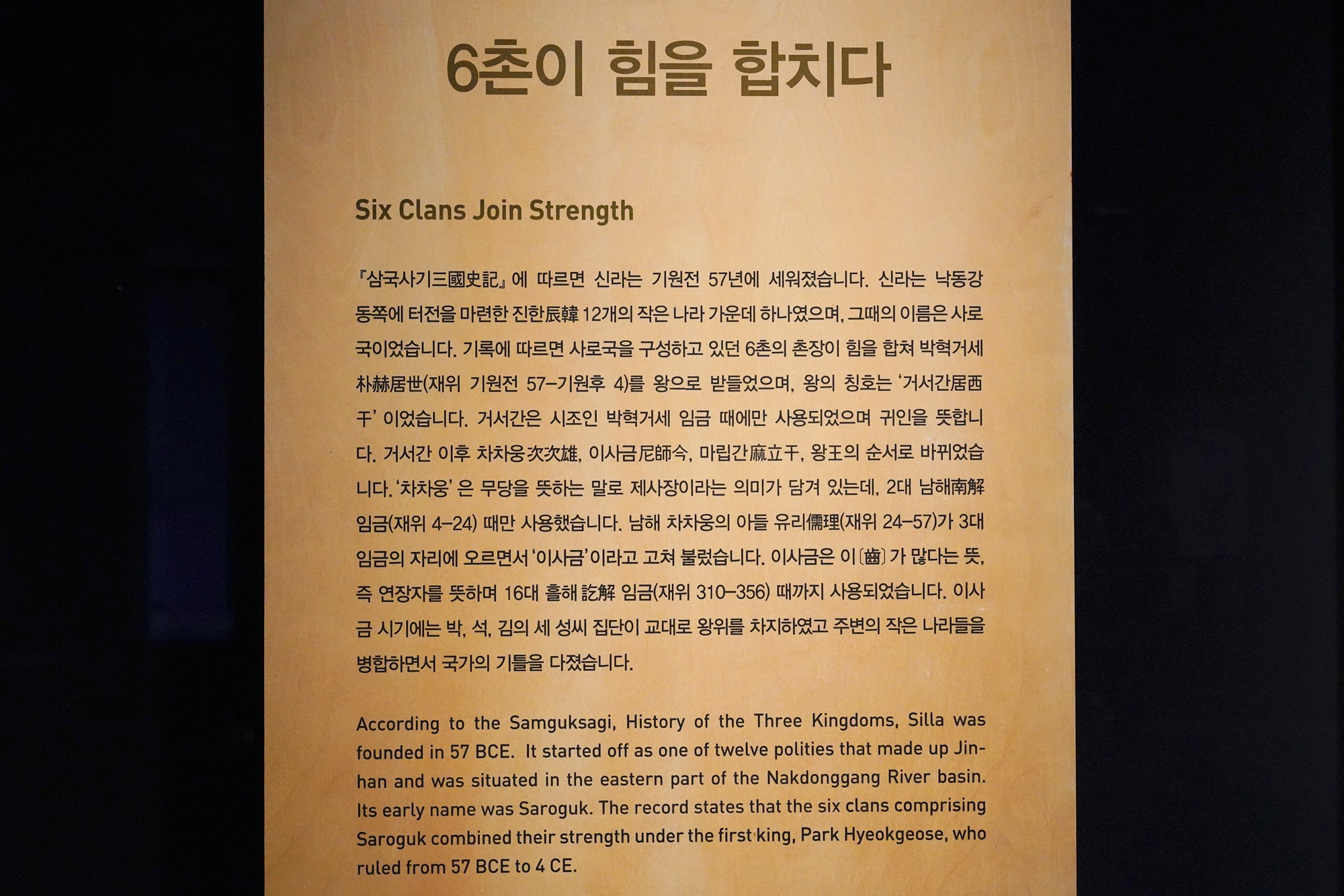
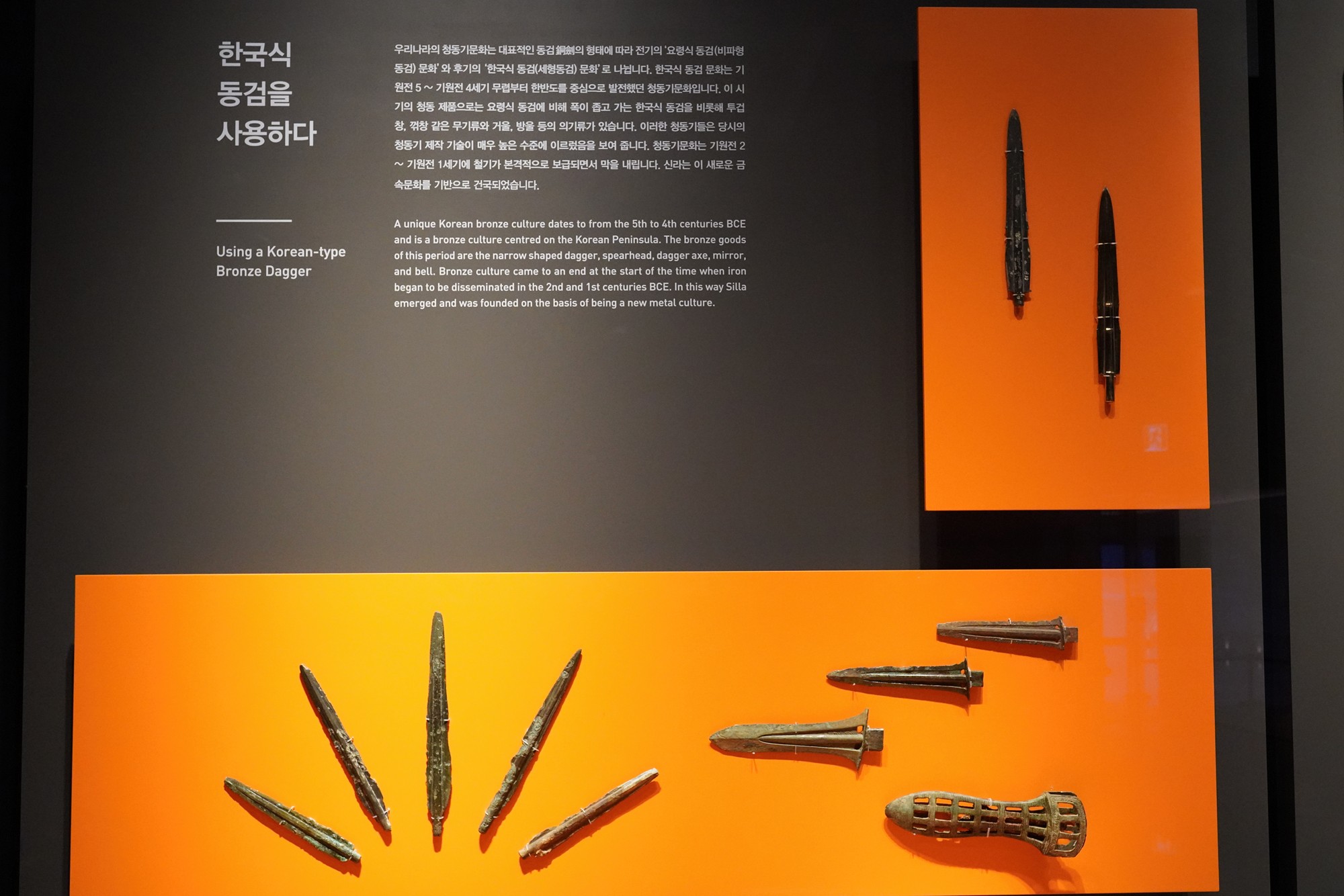
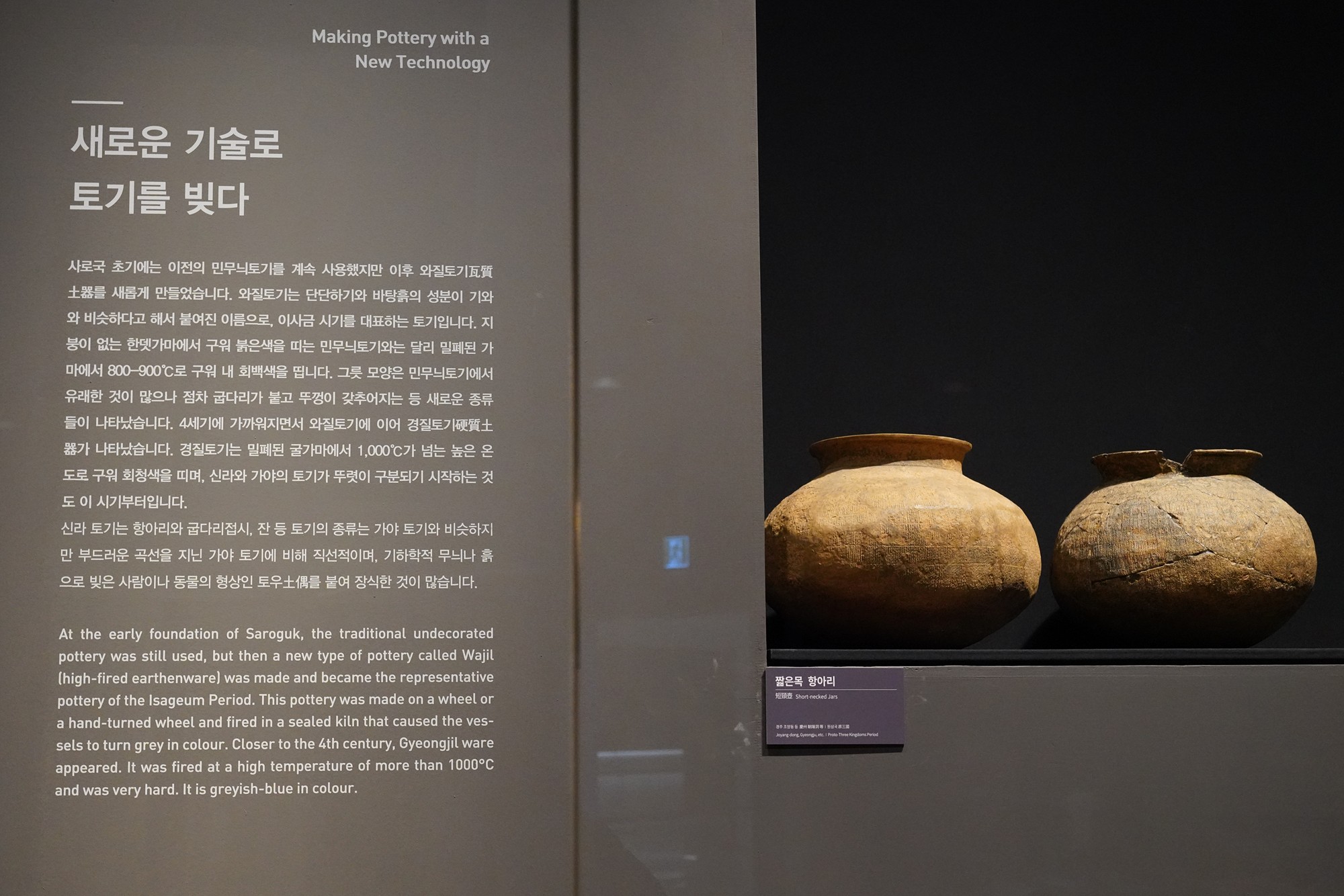
u003cpu003eStart of the Silla Dynasty.u003c/pu003e
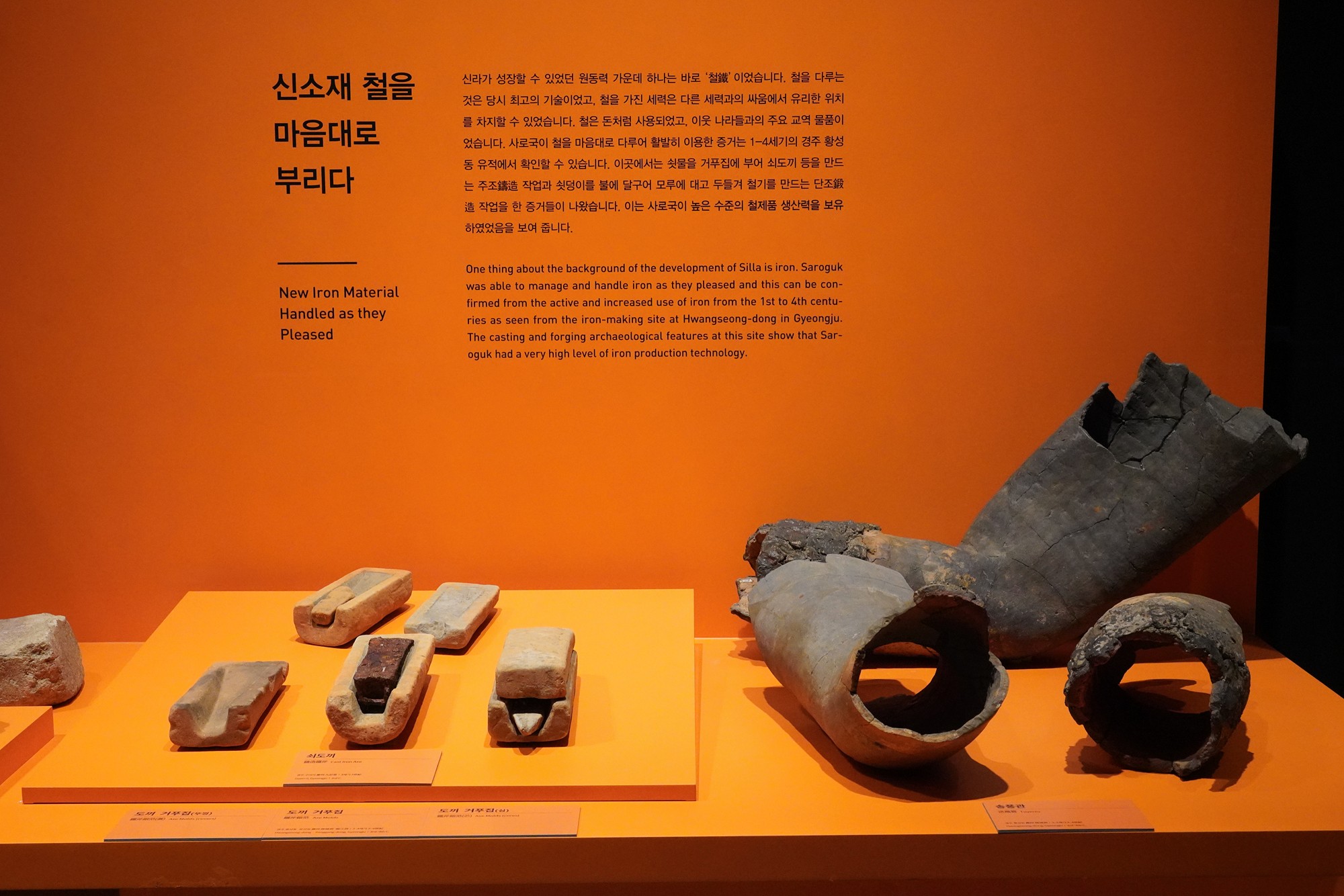
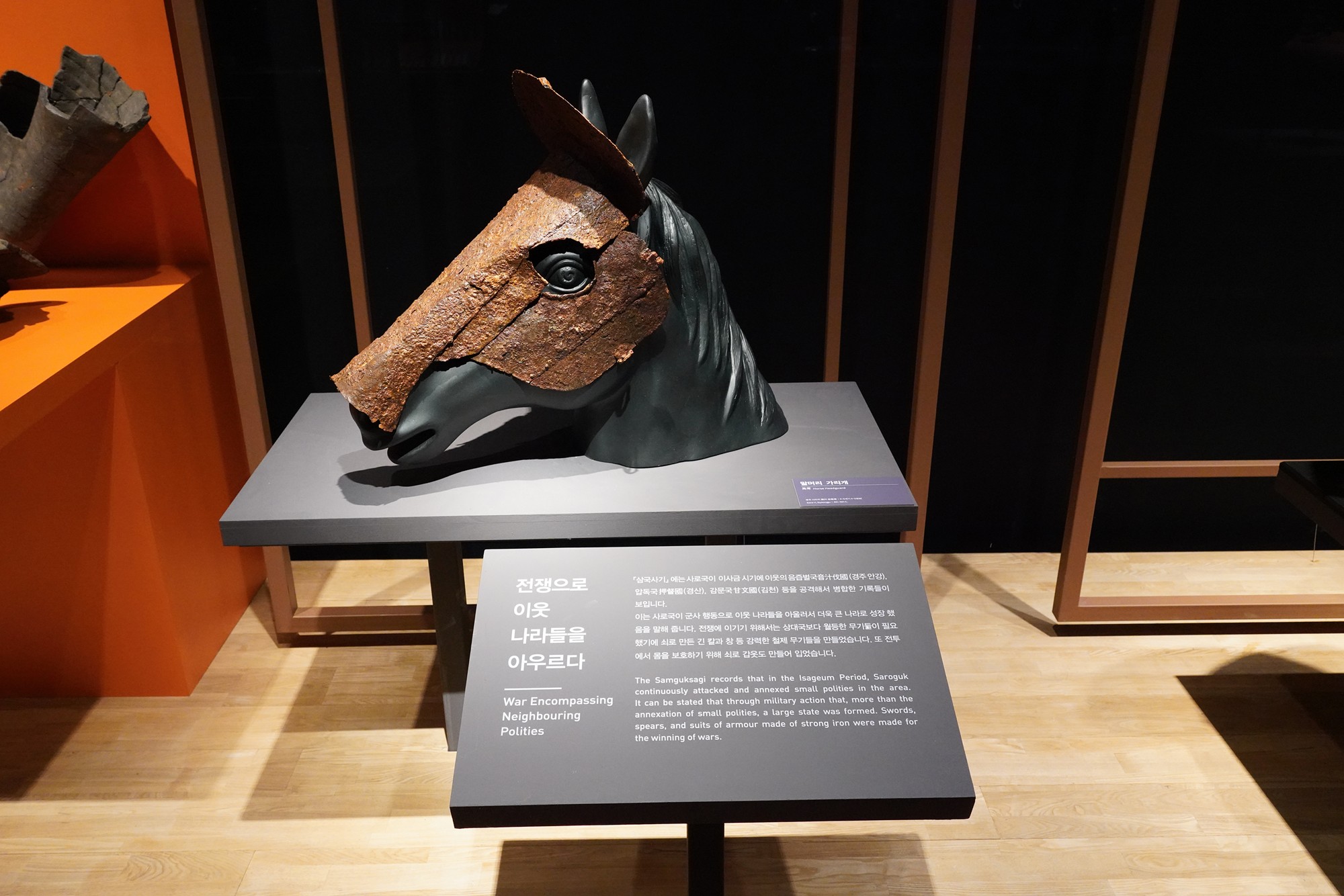
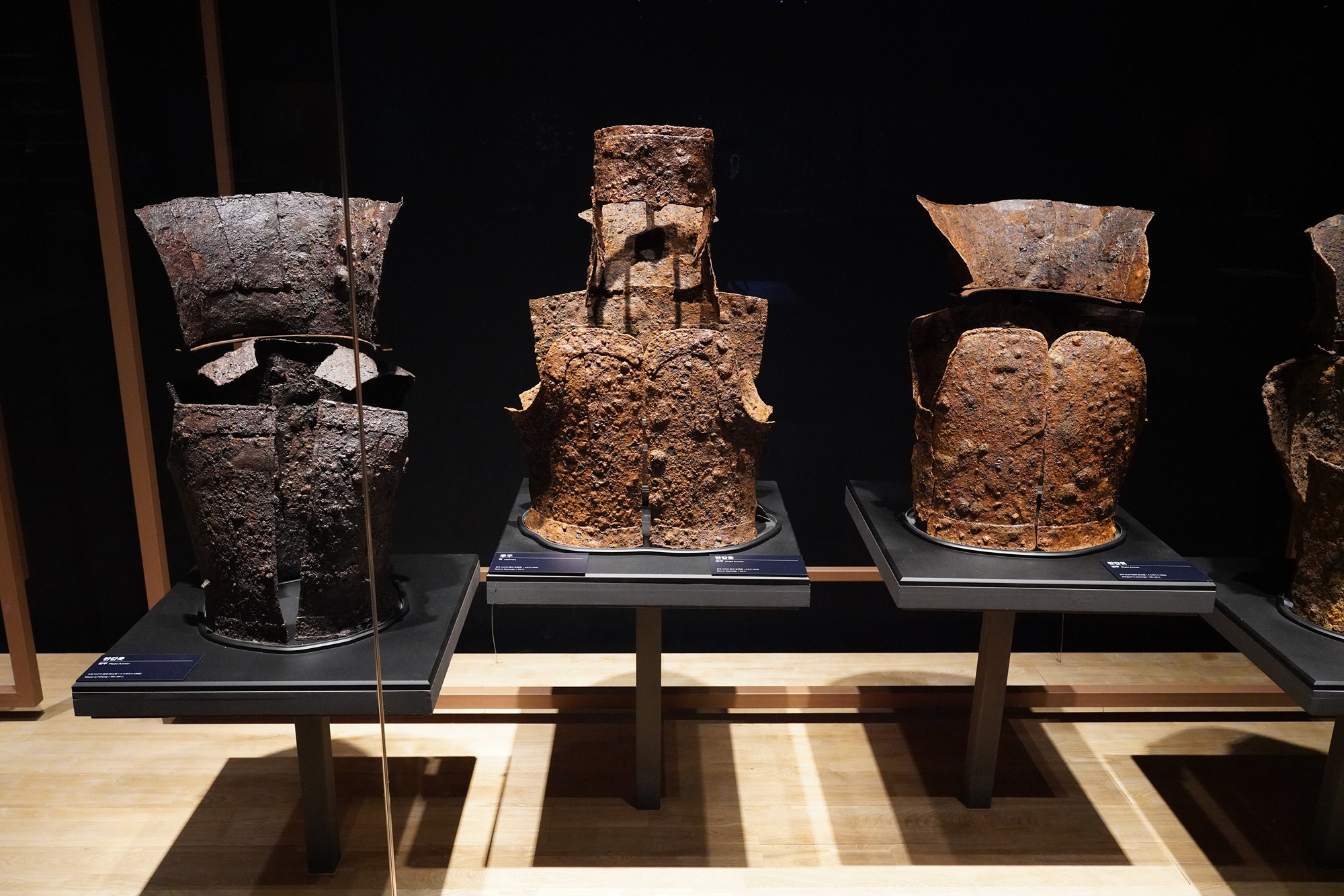
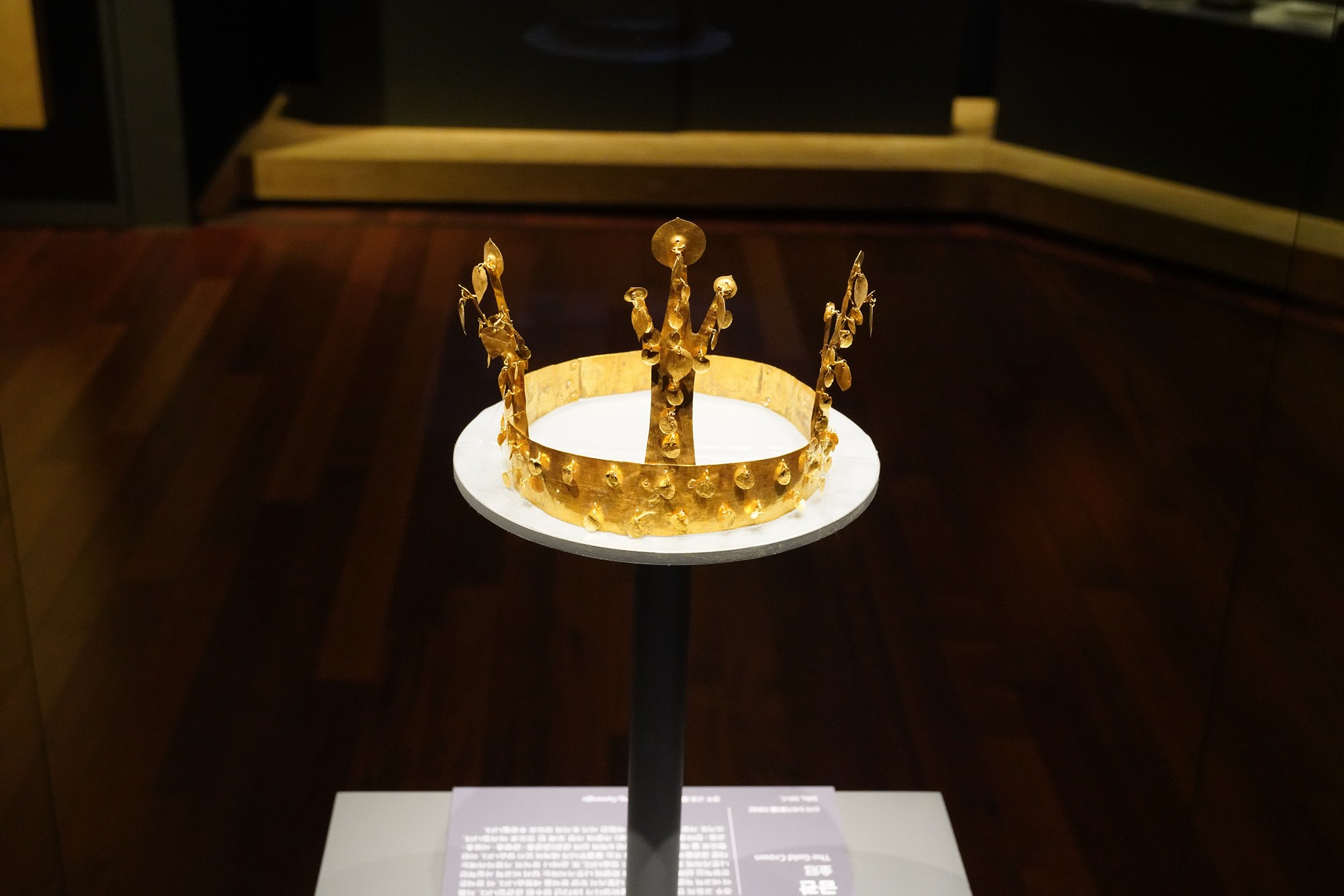
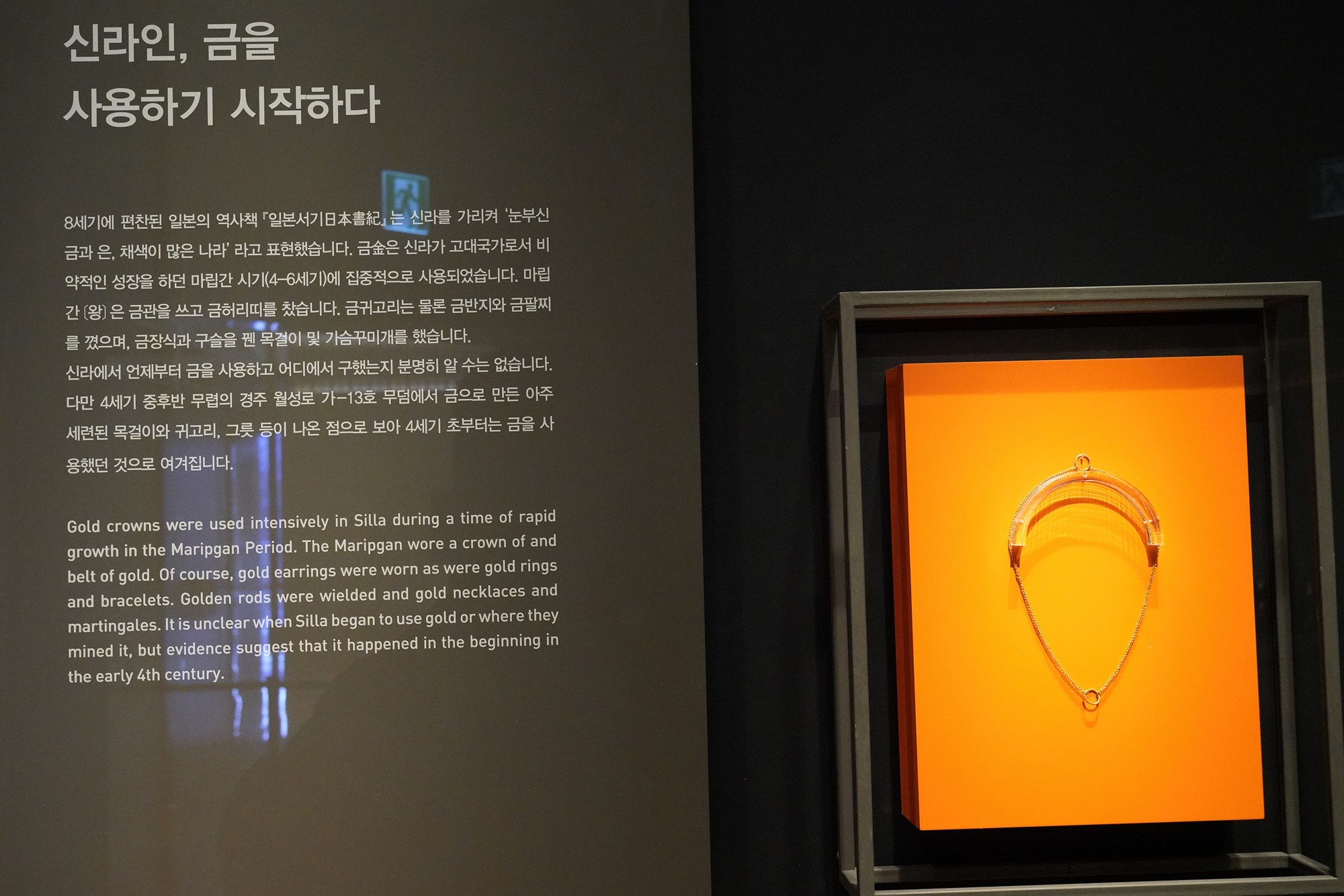
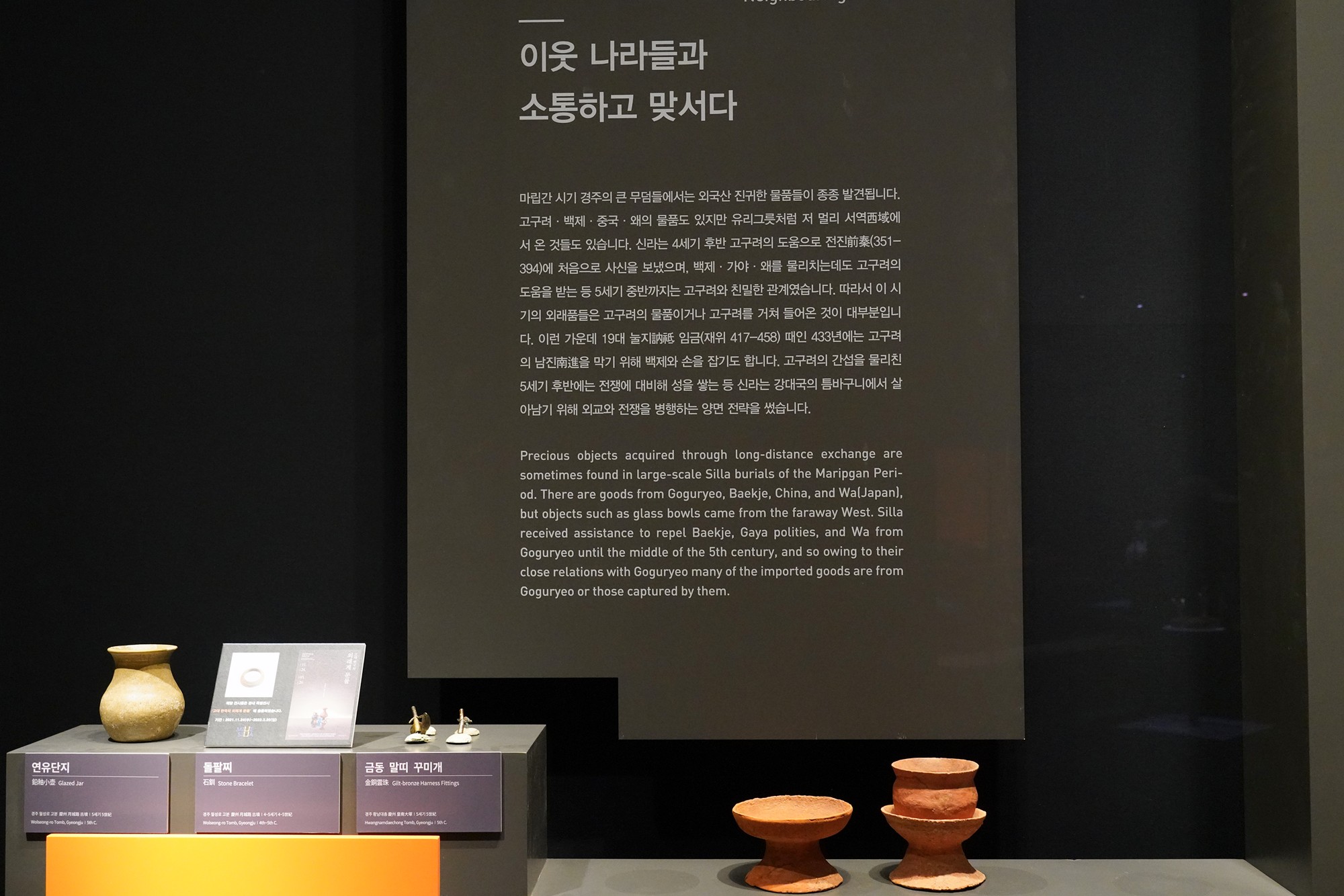
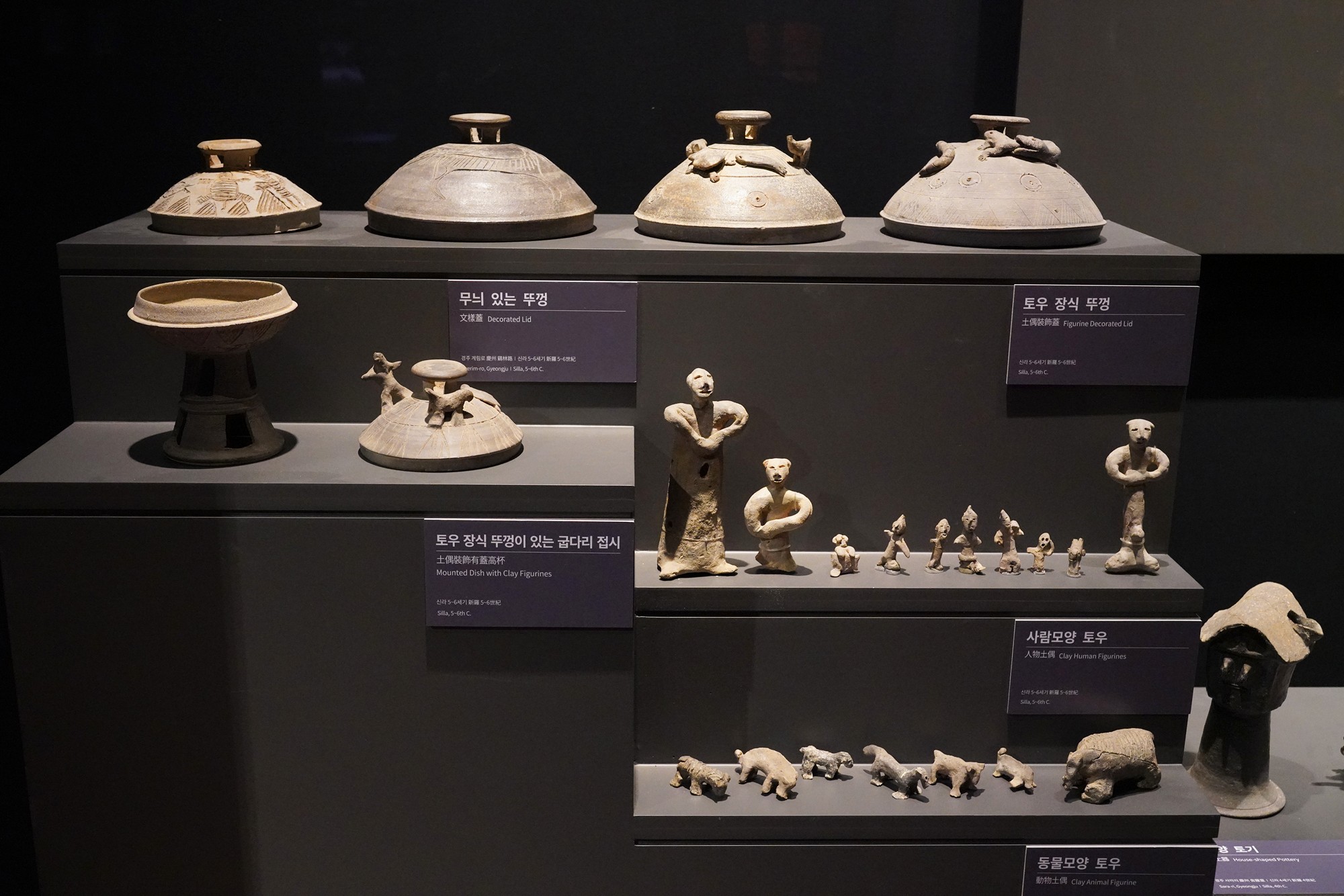
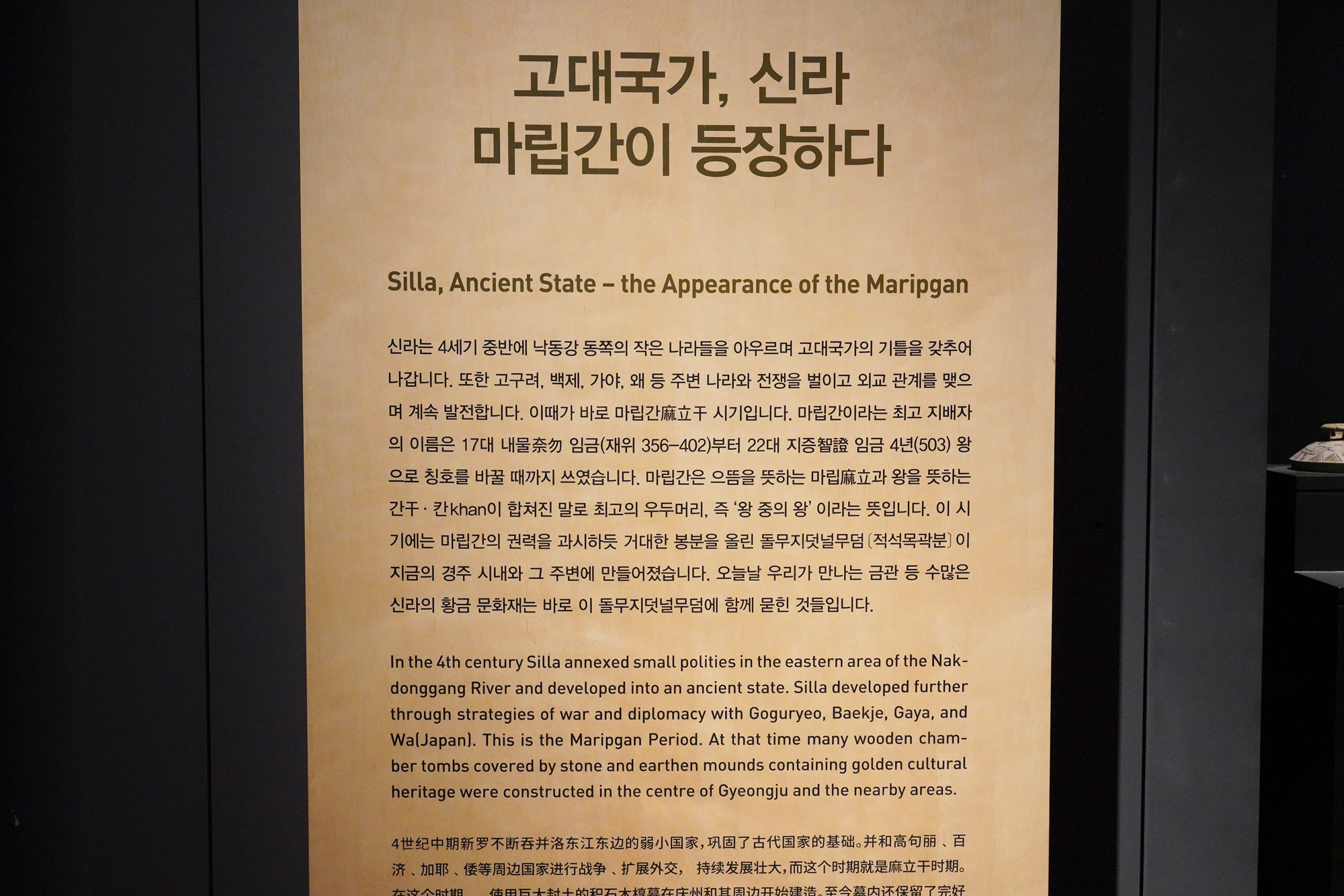
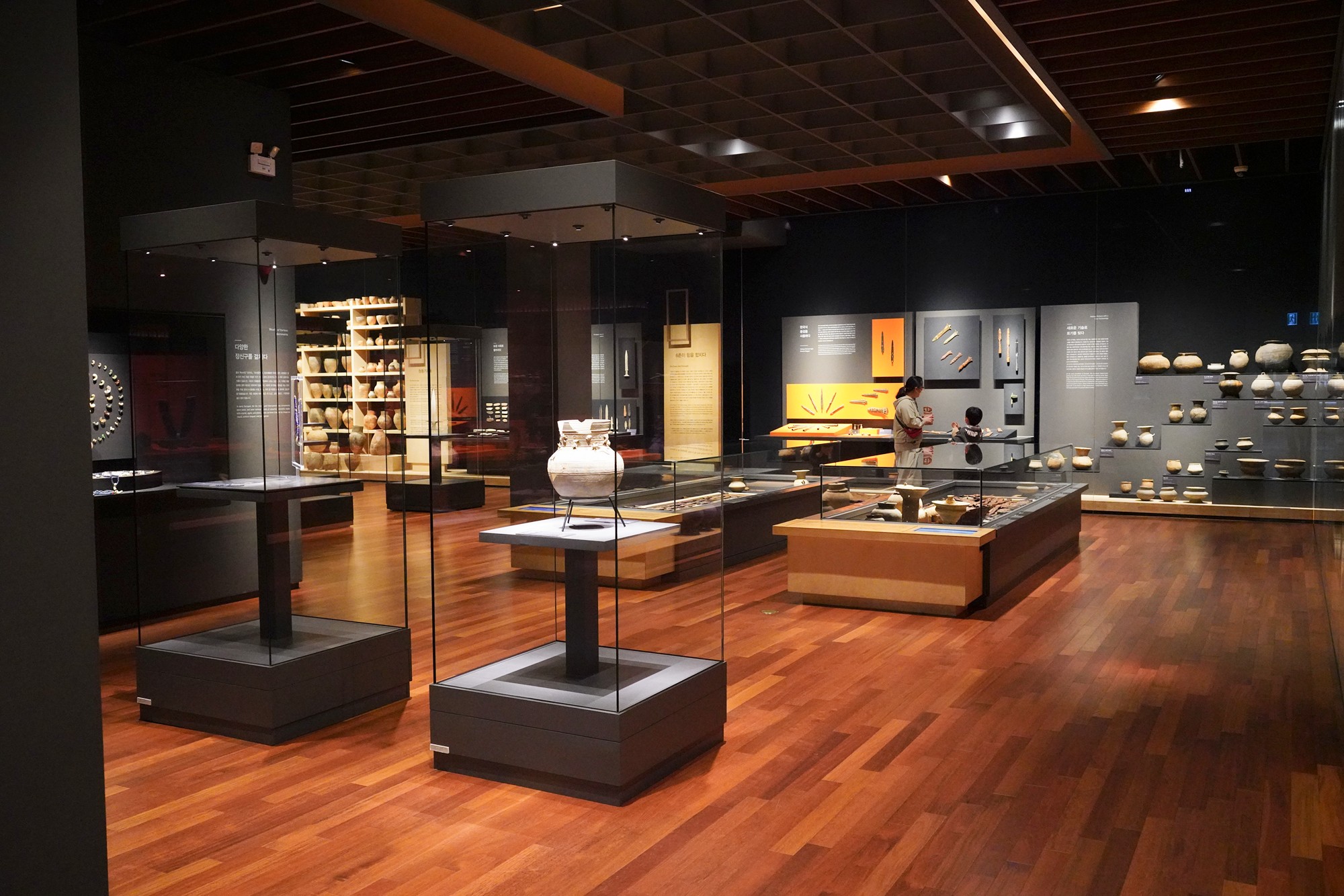
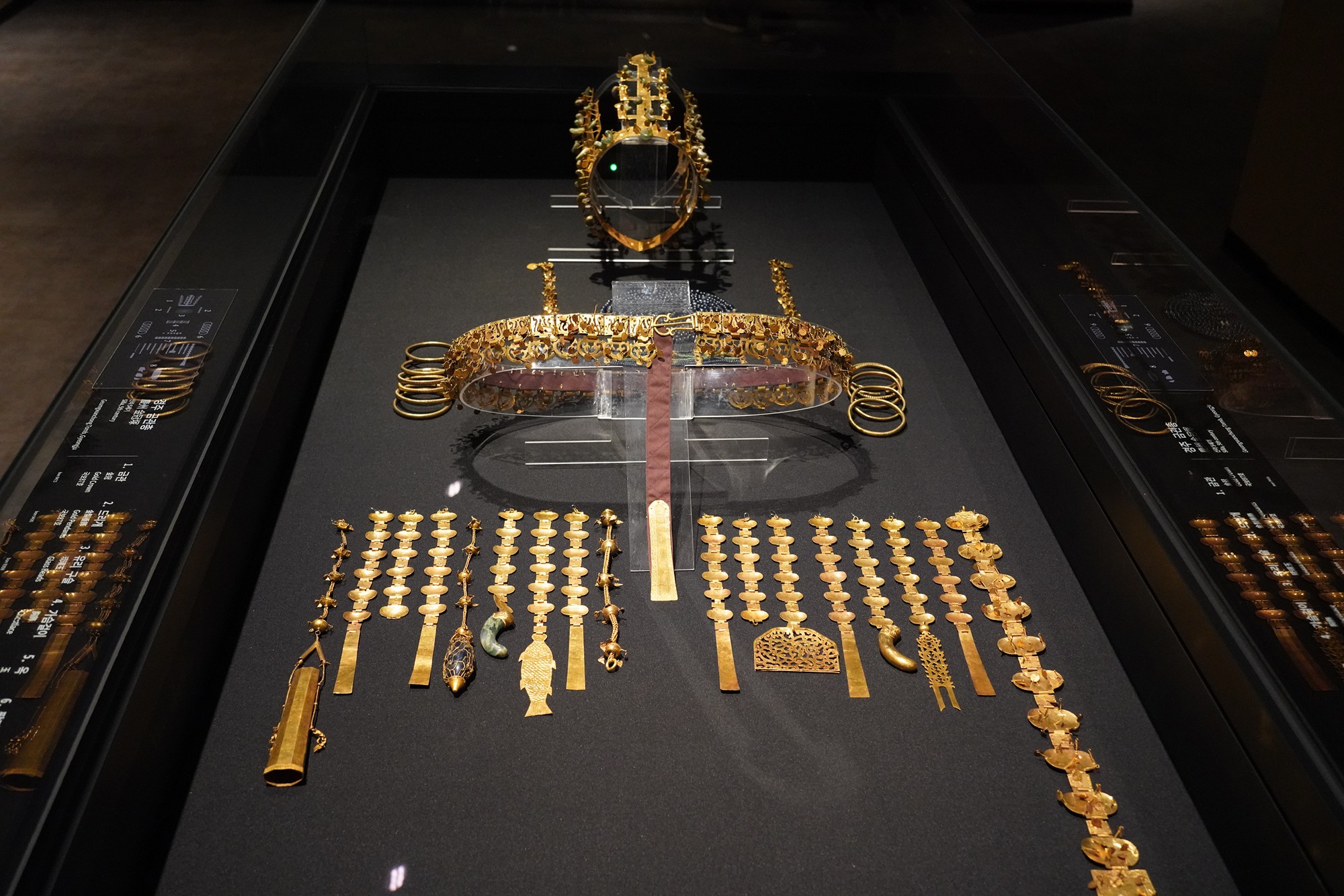
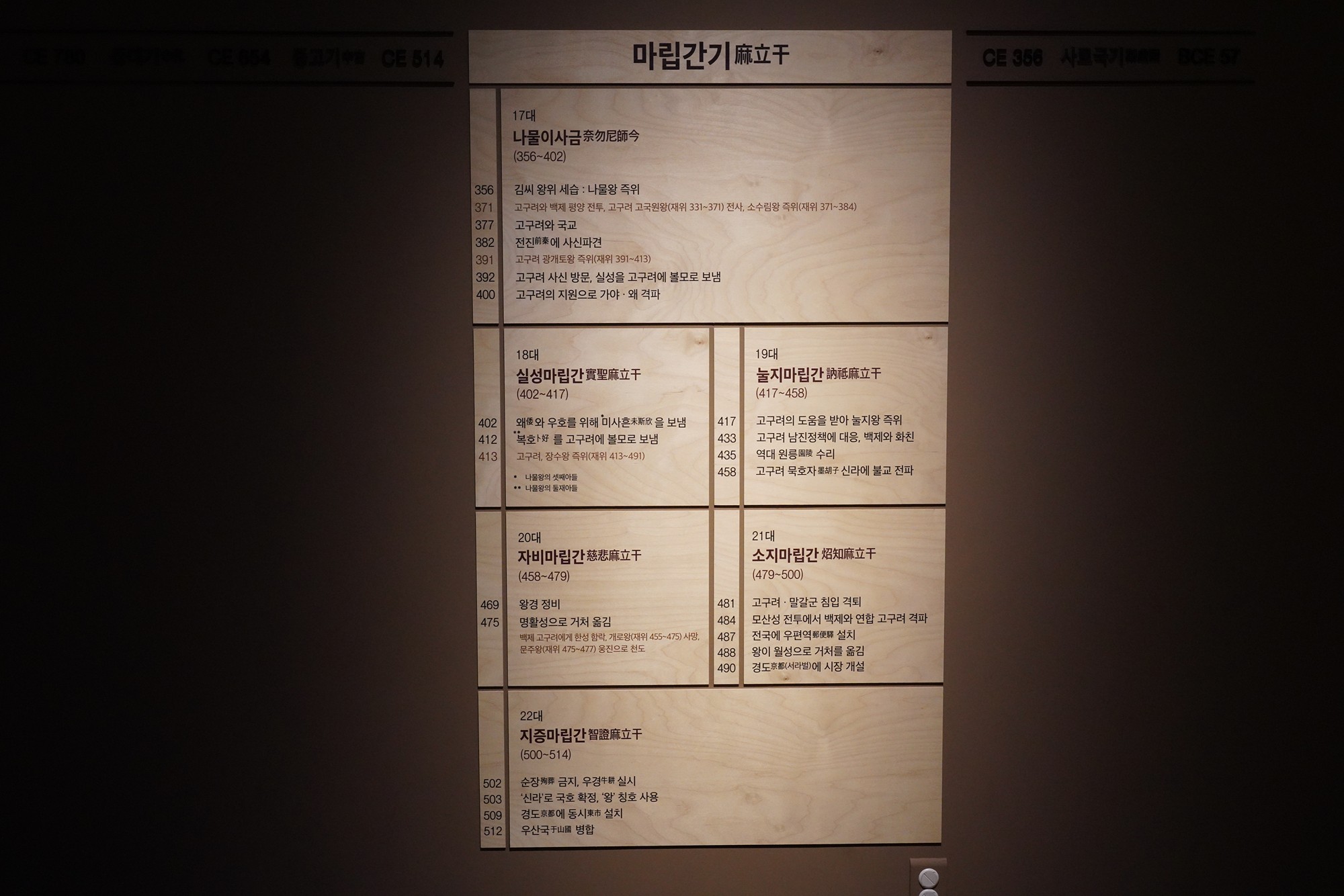
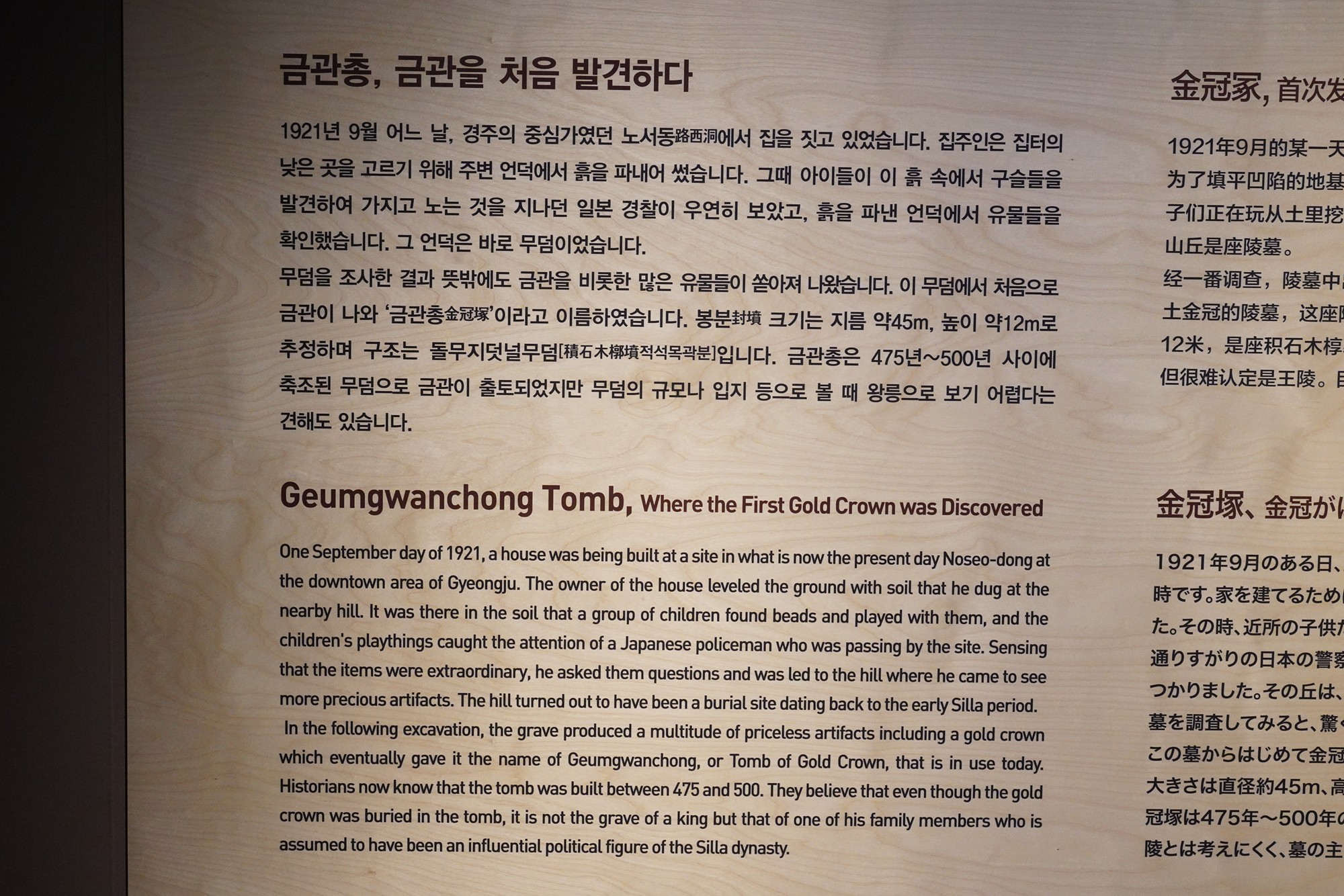
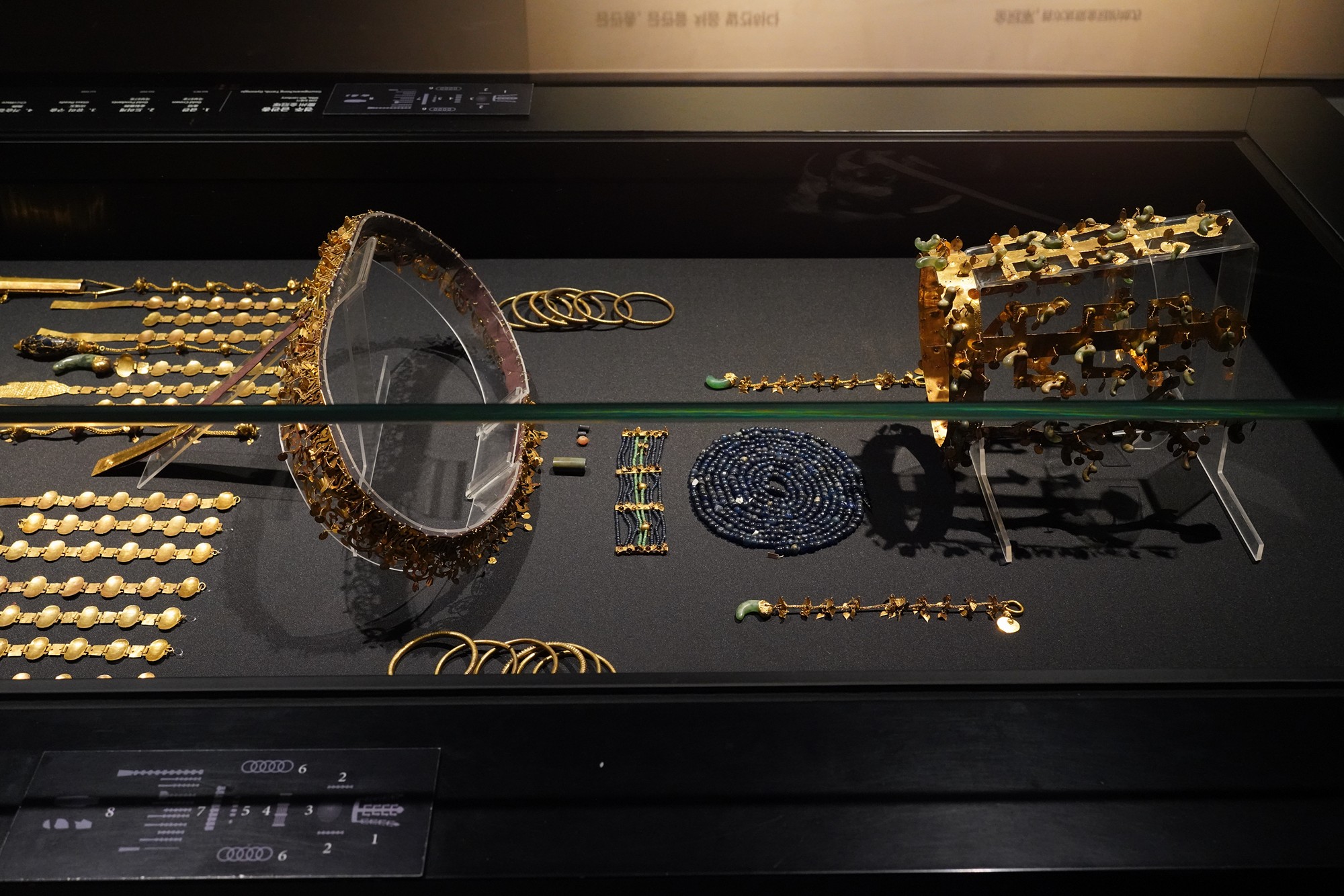
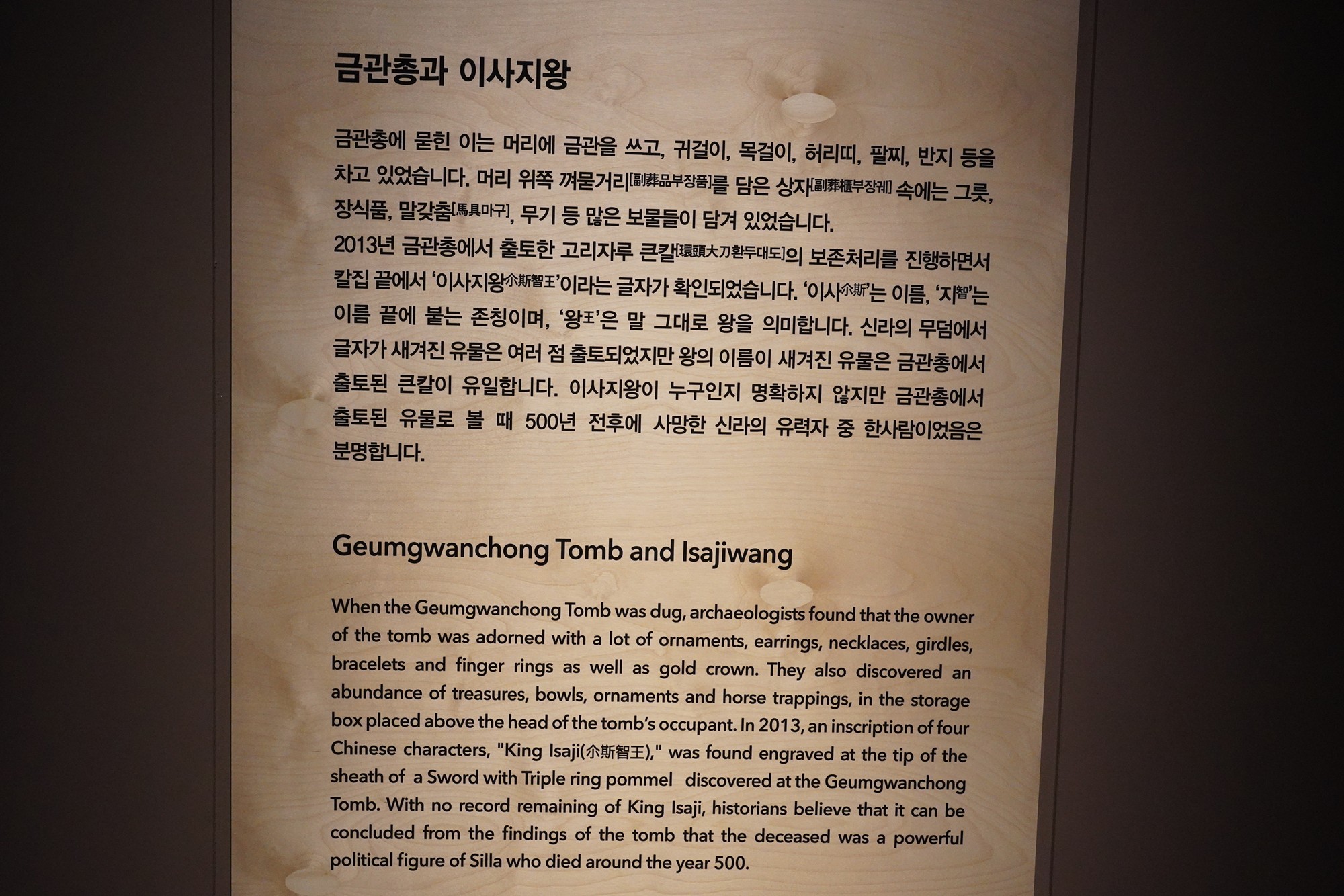
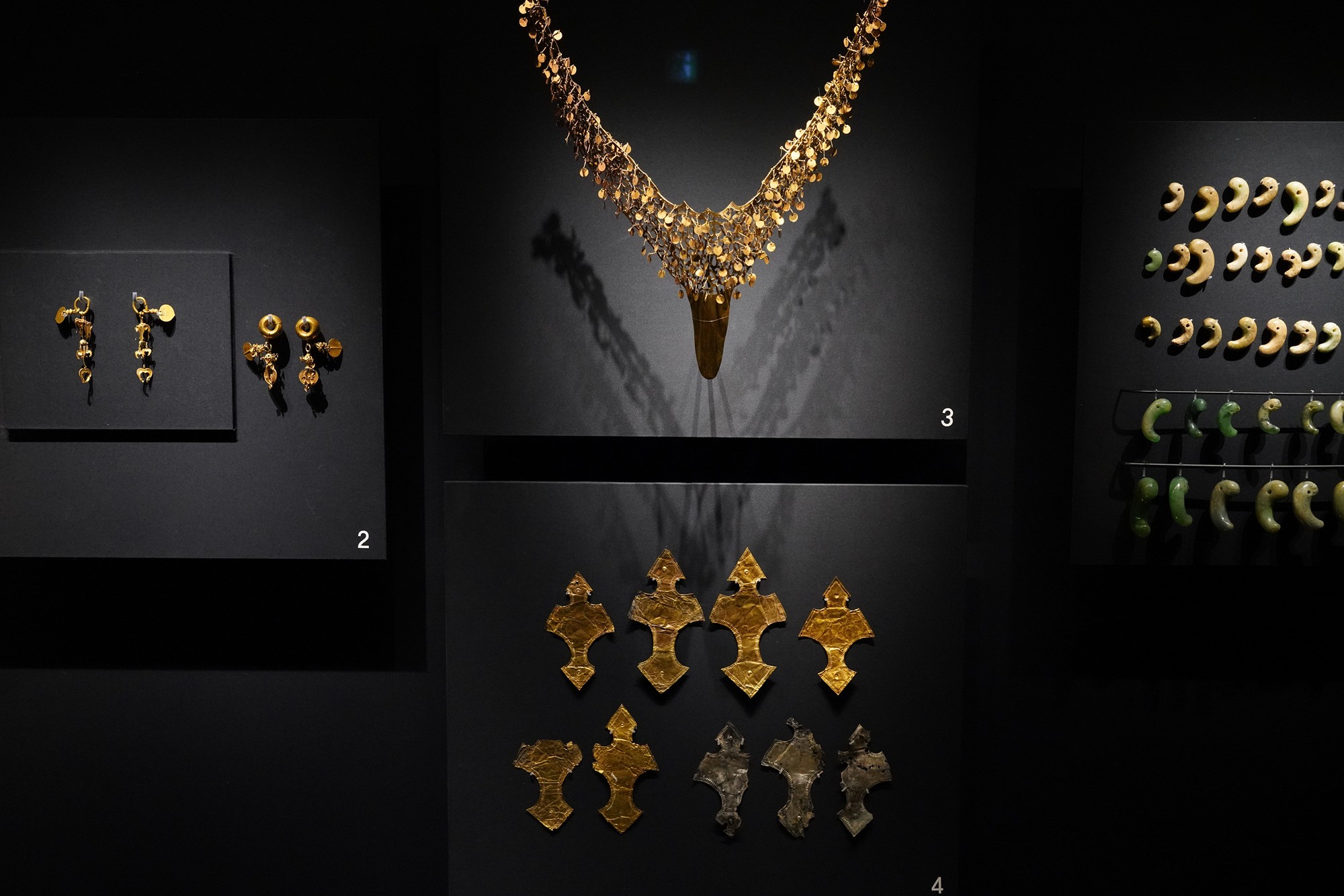
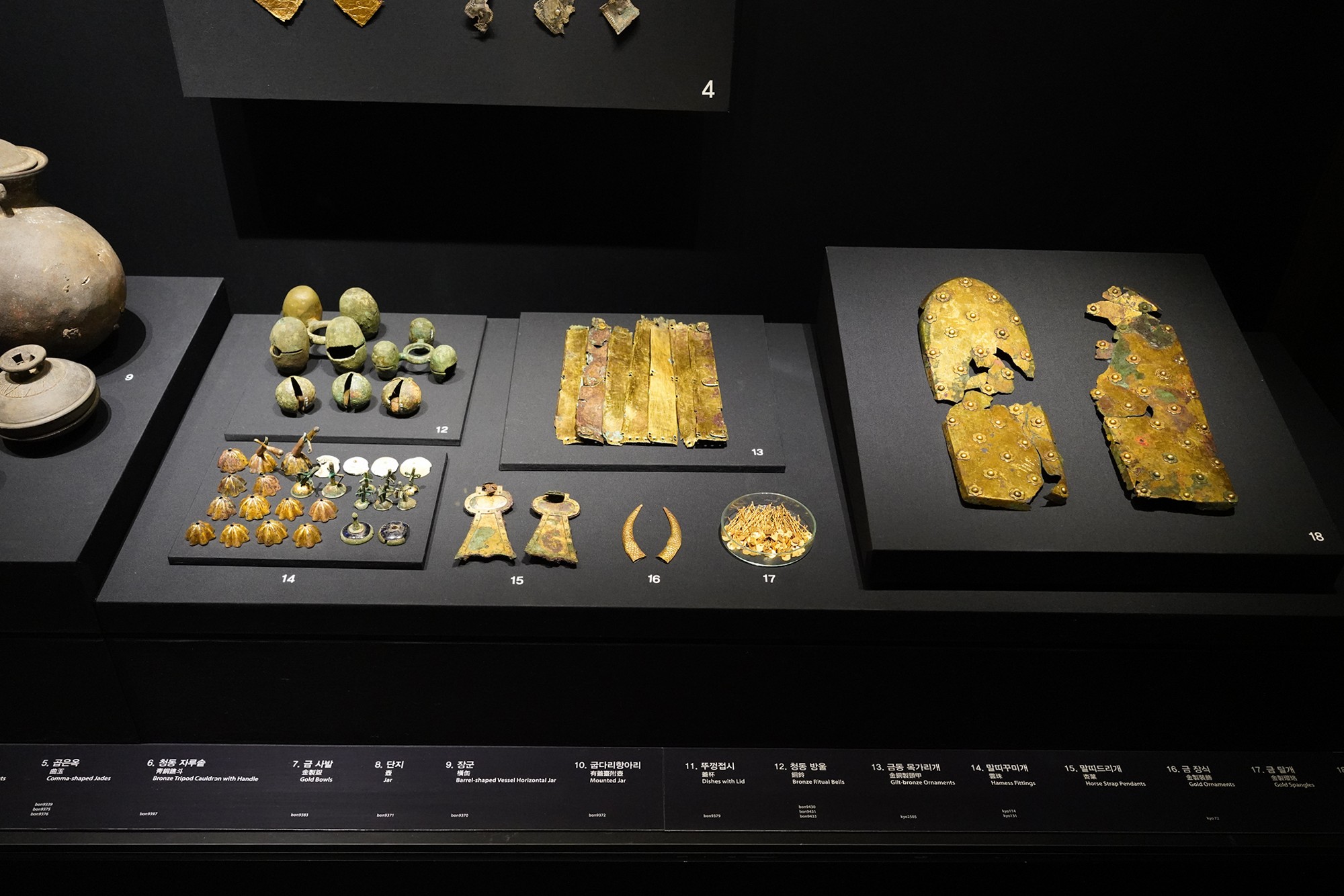
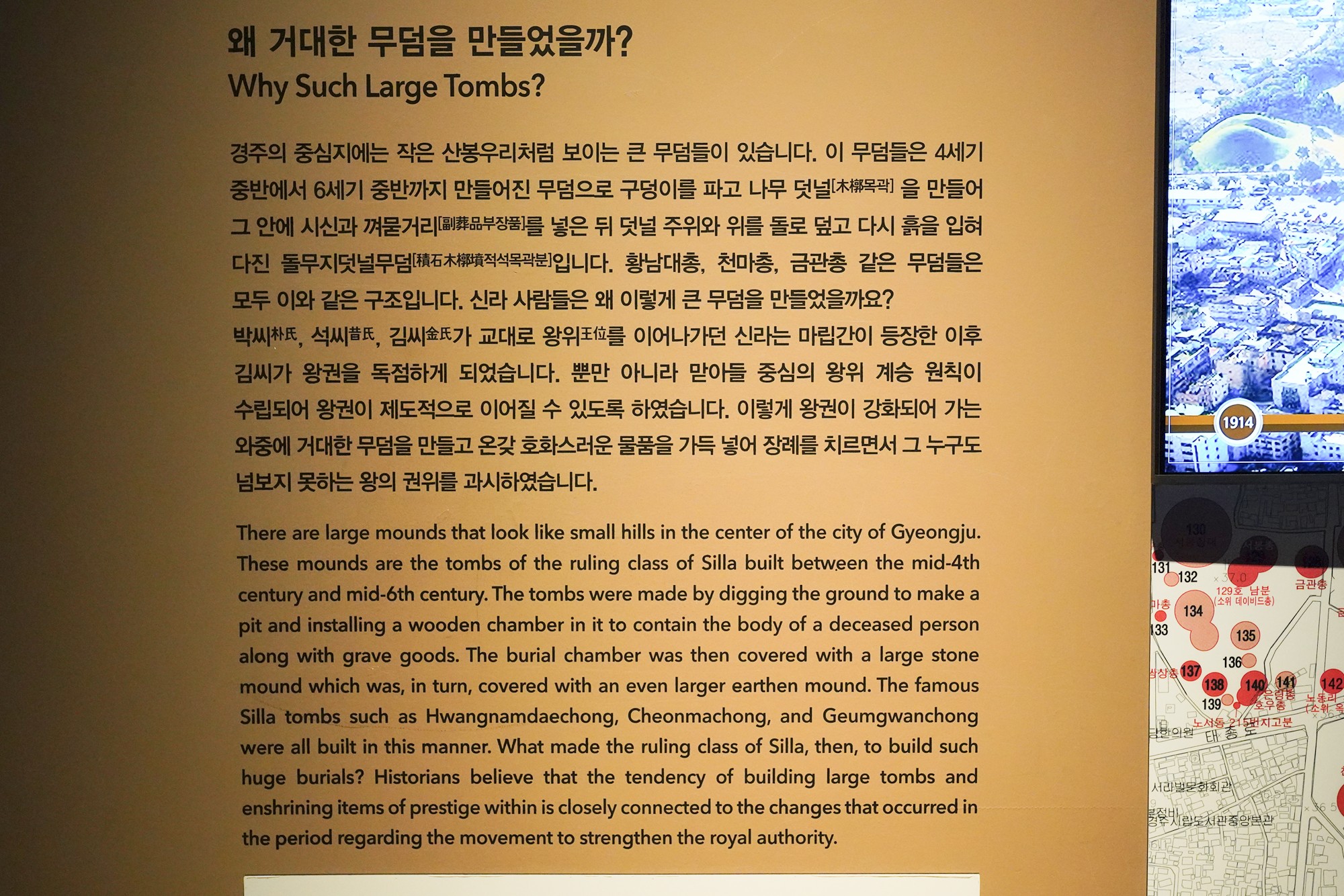
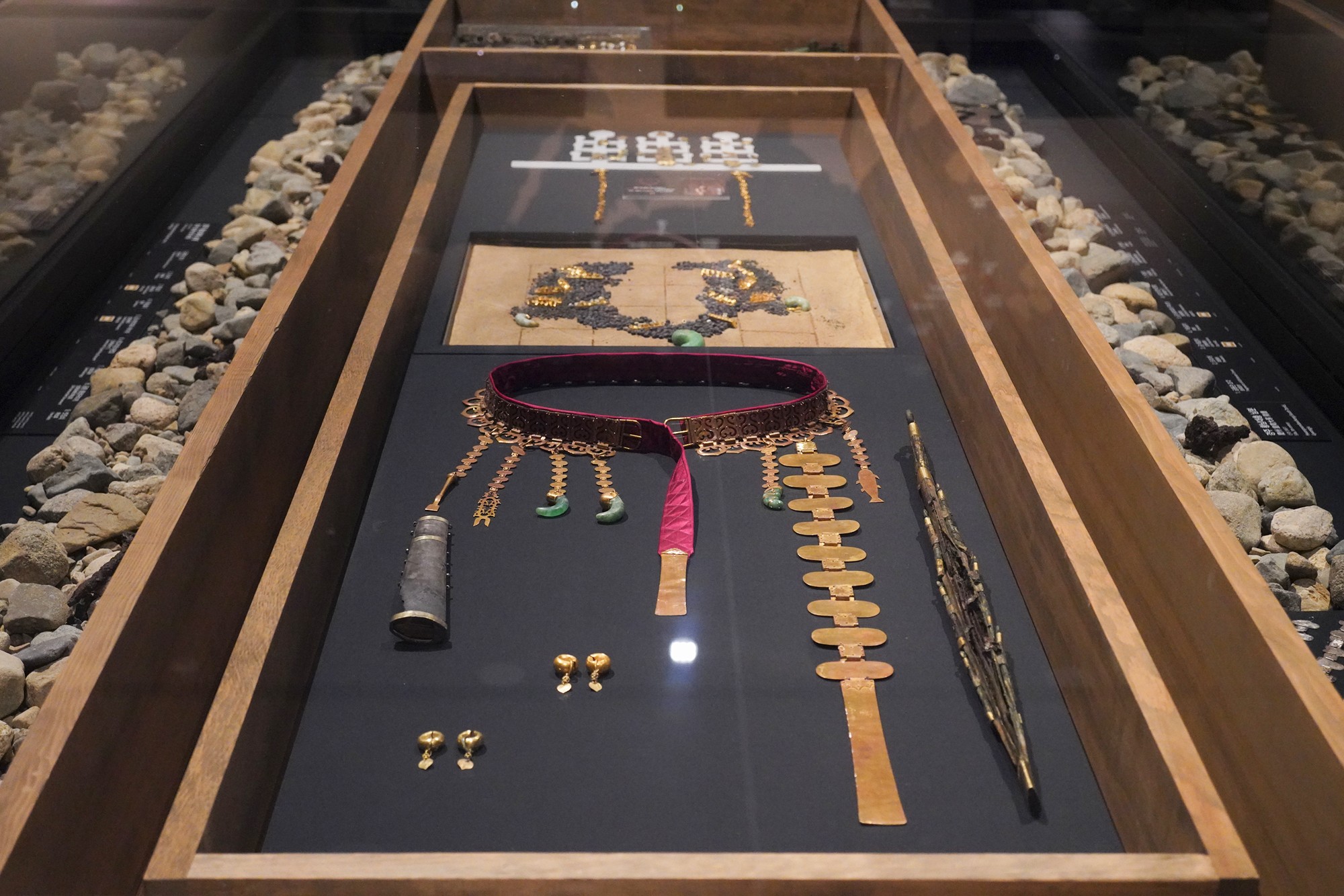
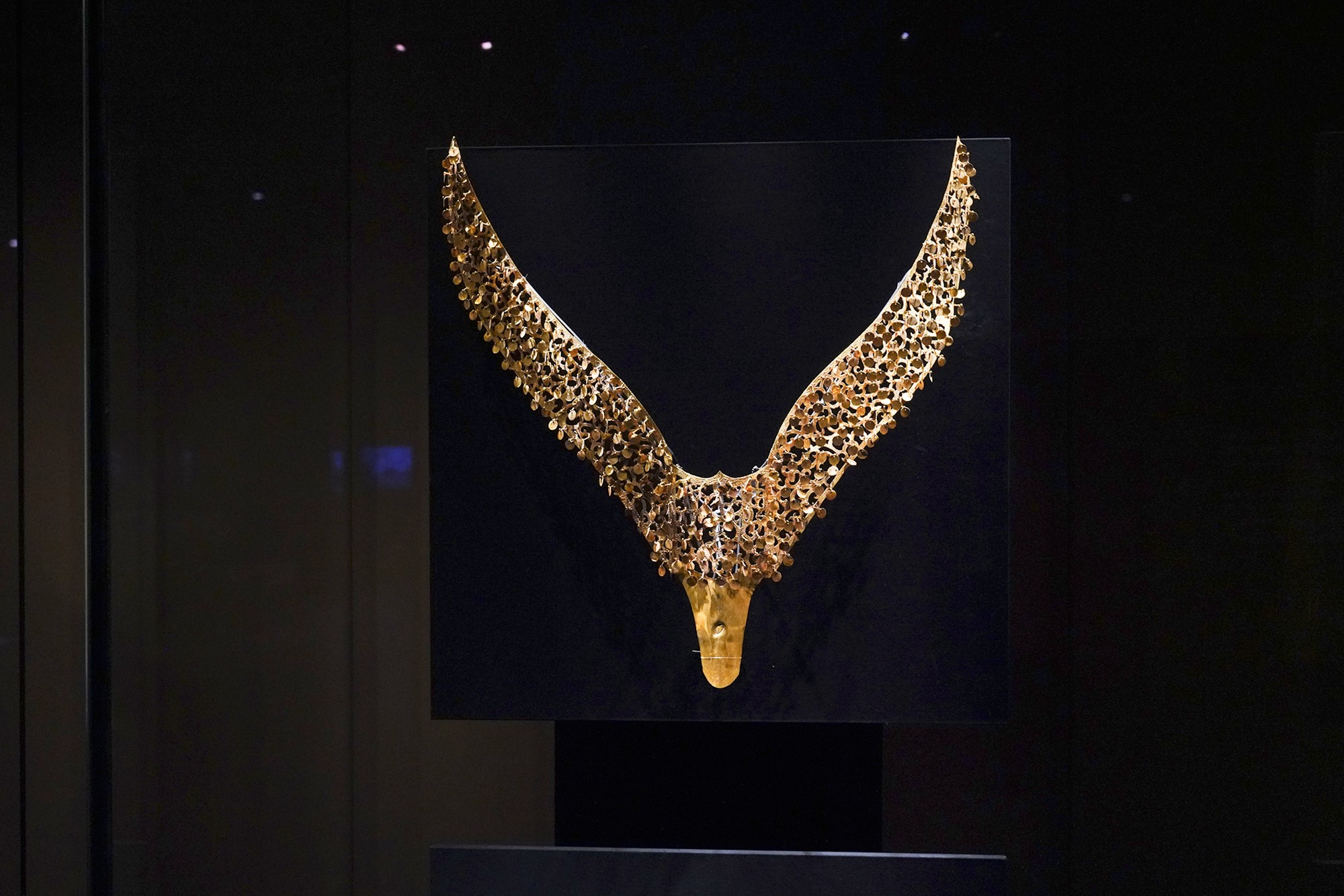
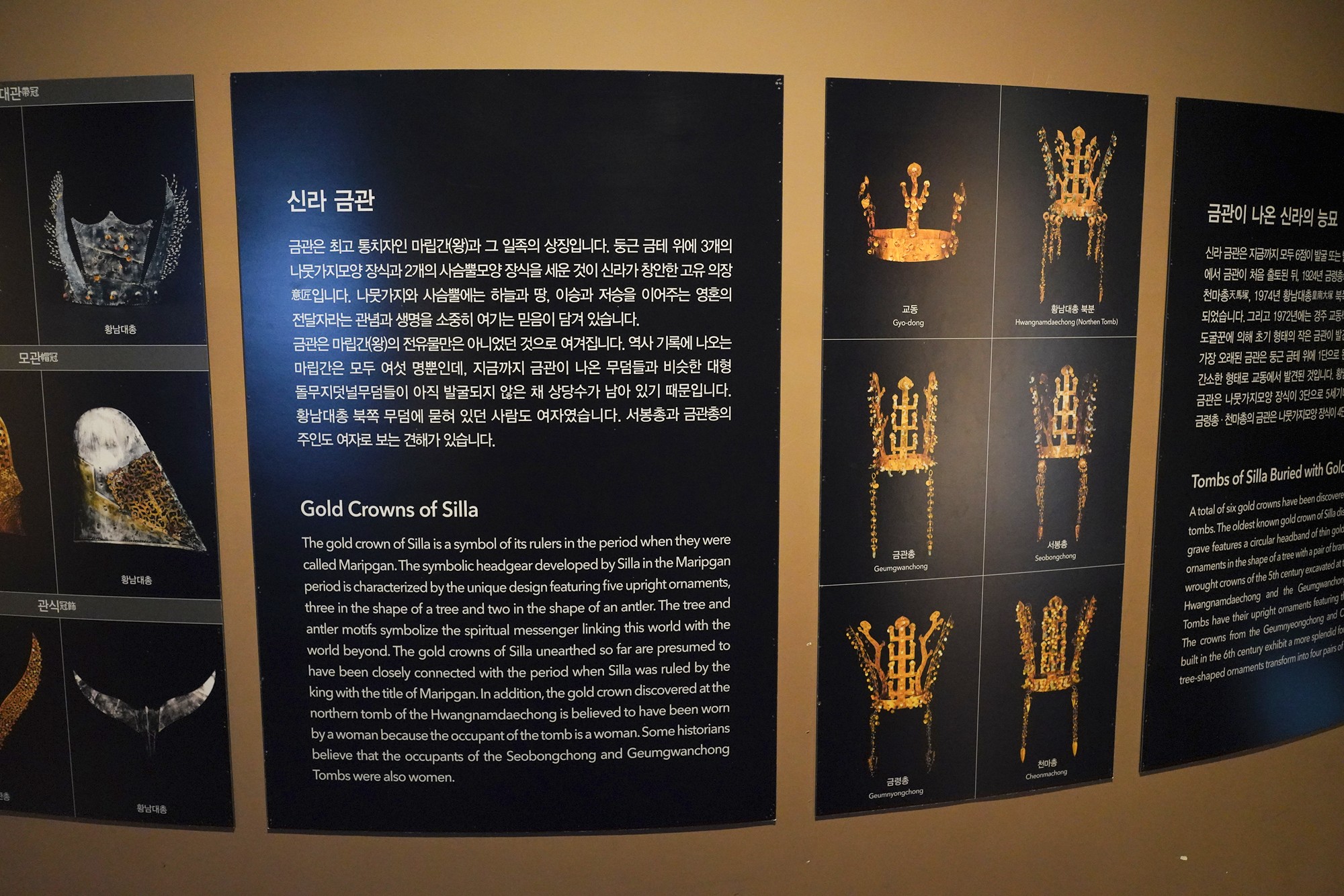
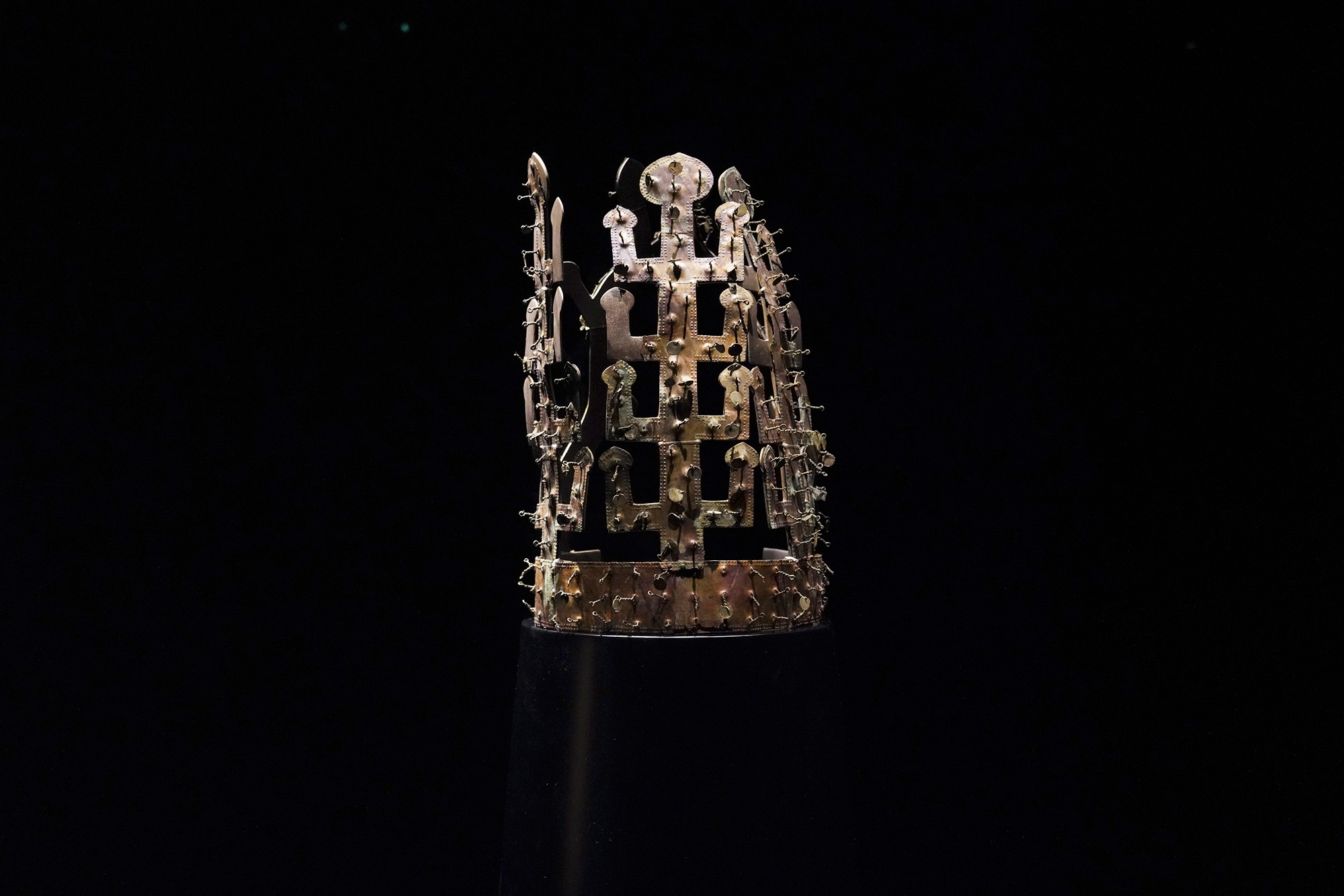
u003cpu003eArtifacts found in Geumgwanchong Tomeu003c/pu003e
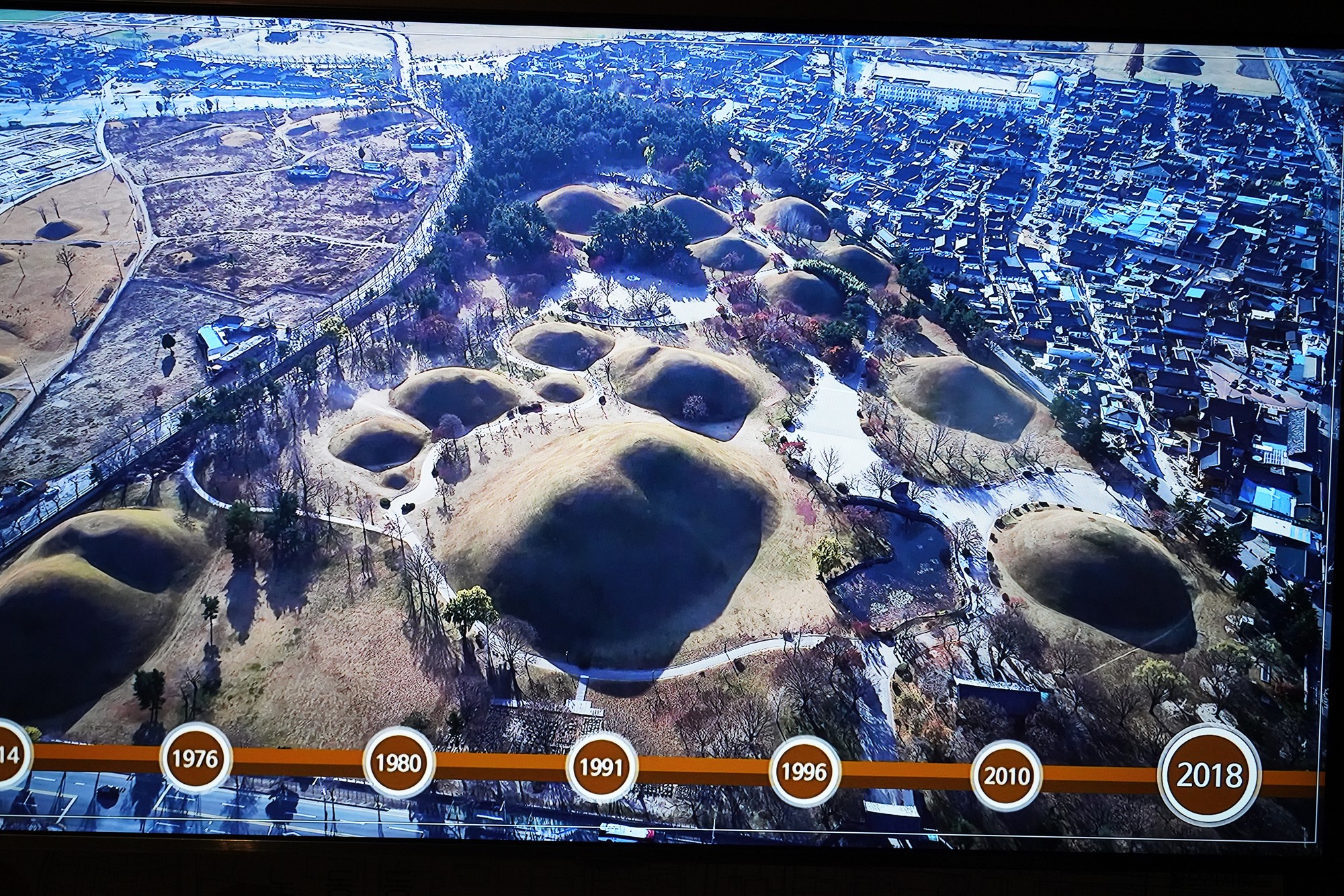
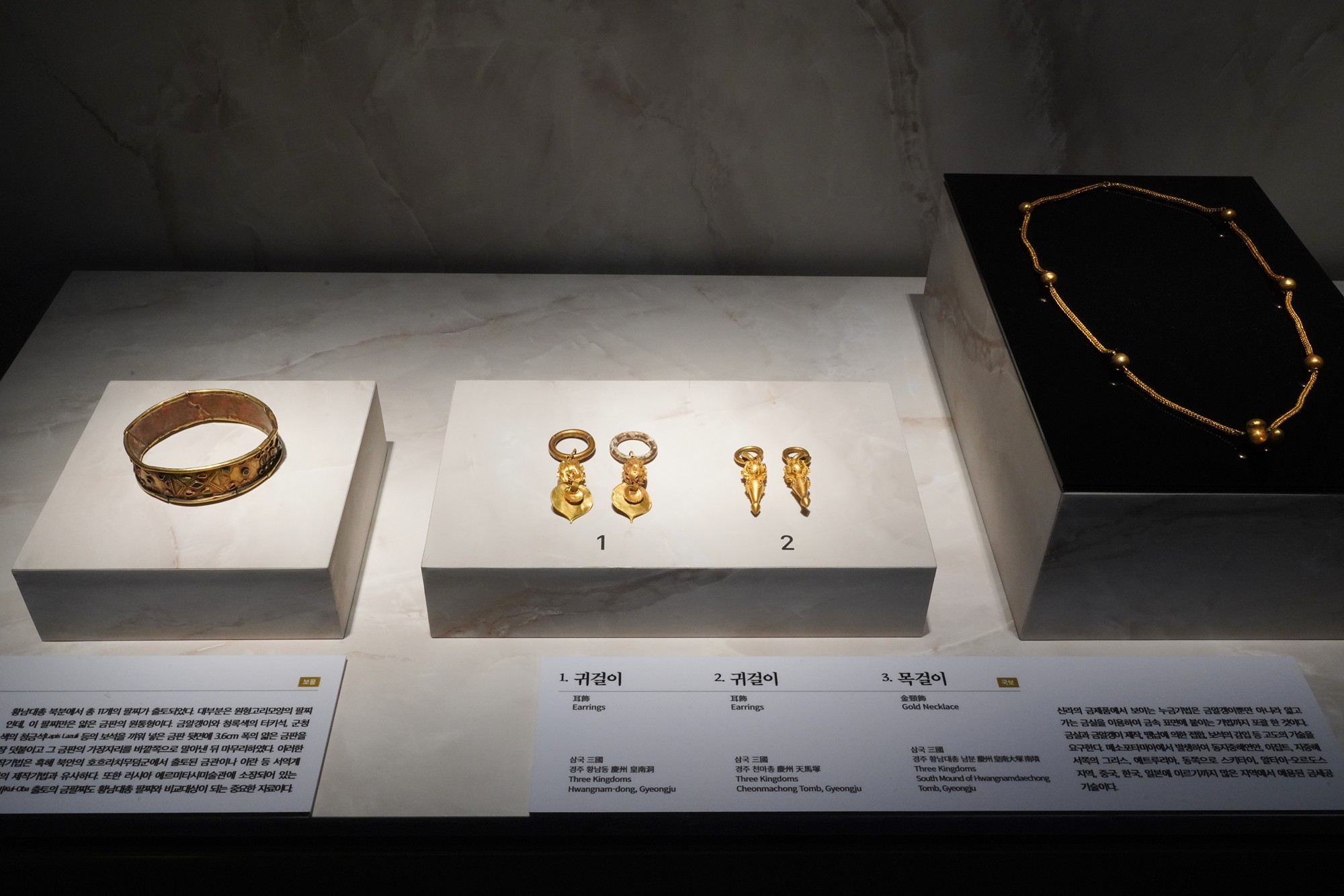
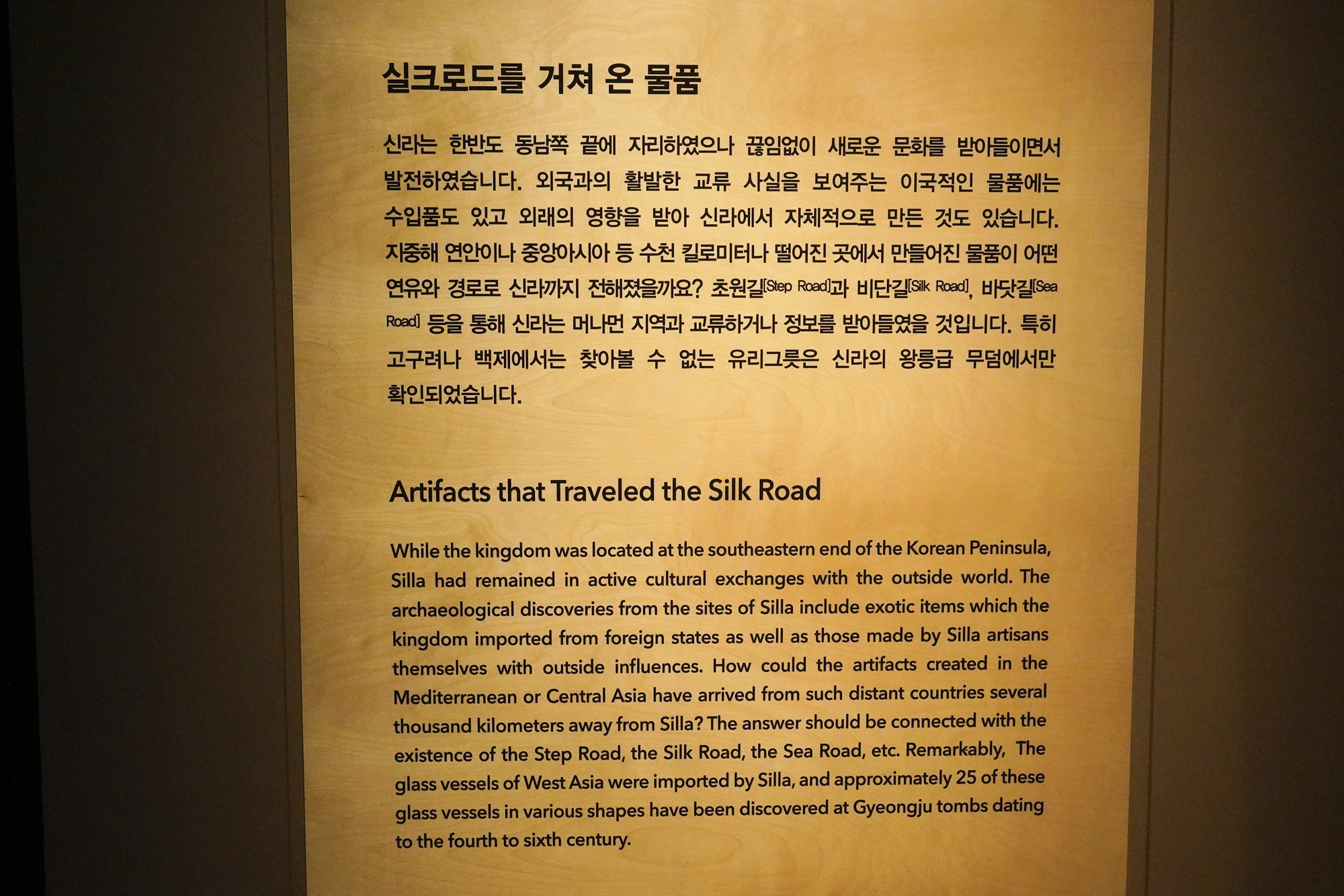
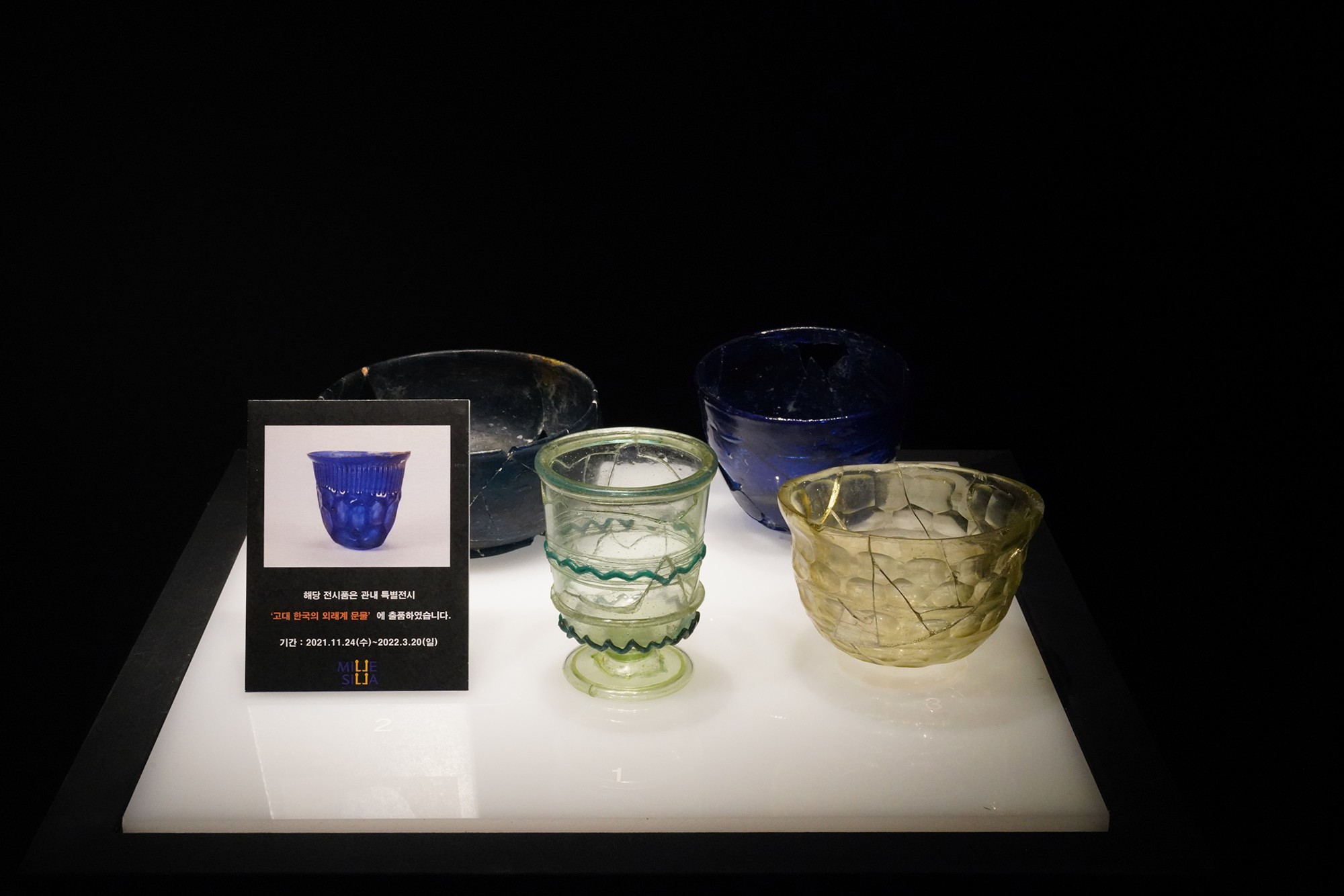
u003cpu003eProducts through Silk Roadu003c/pu003e
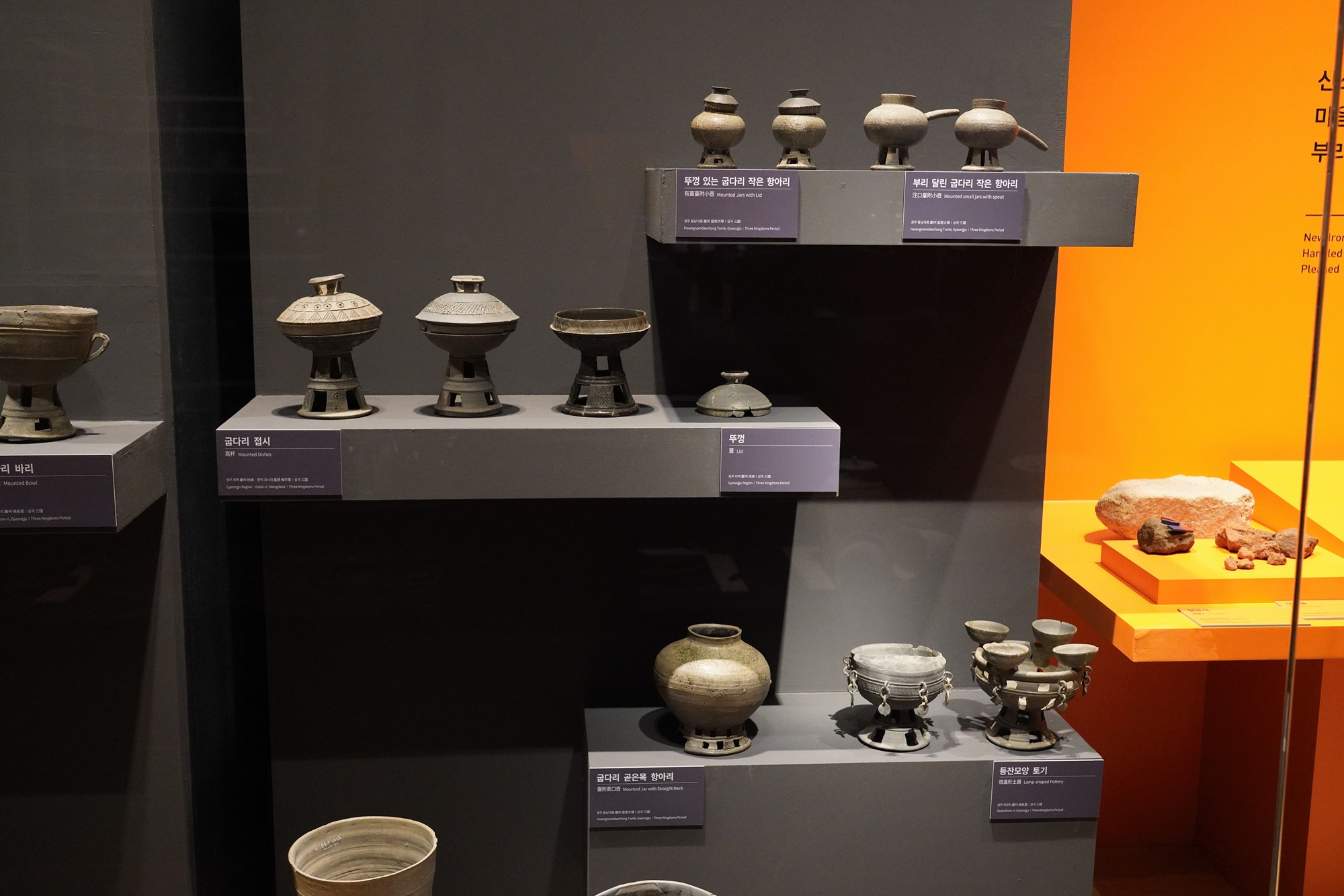
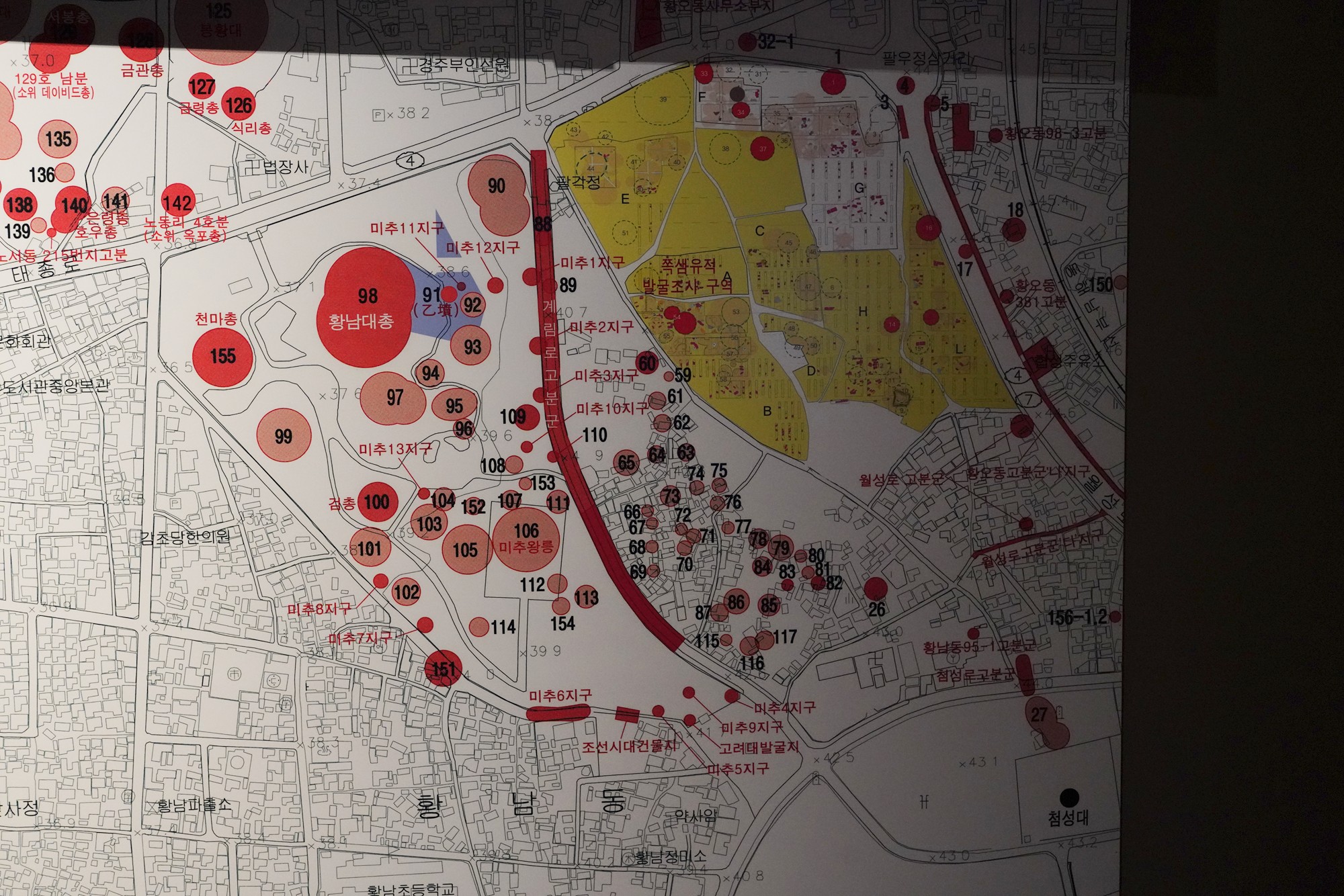
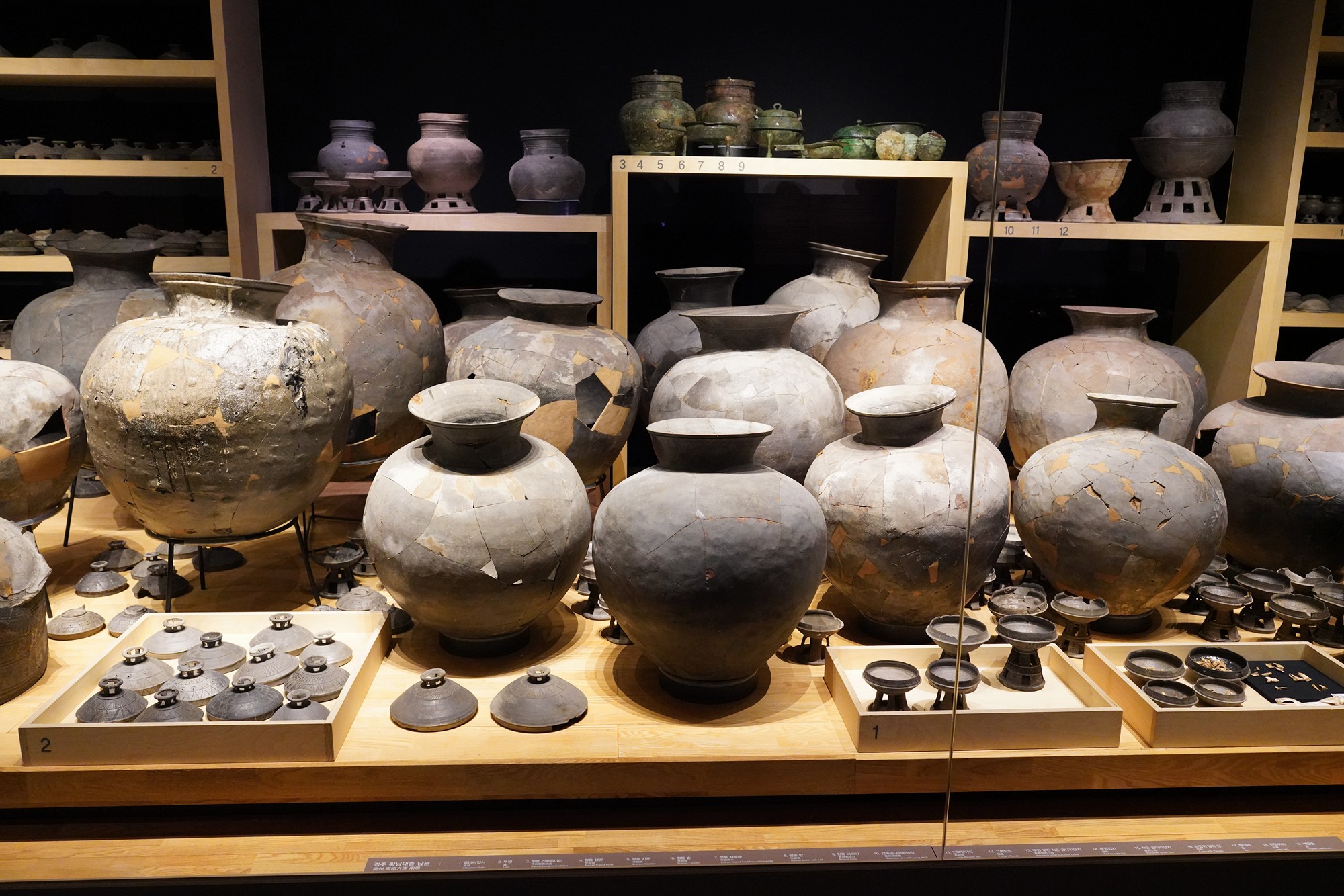
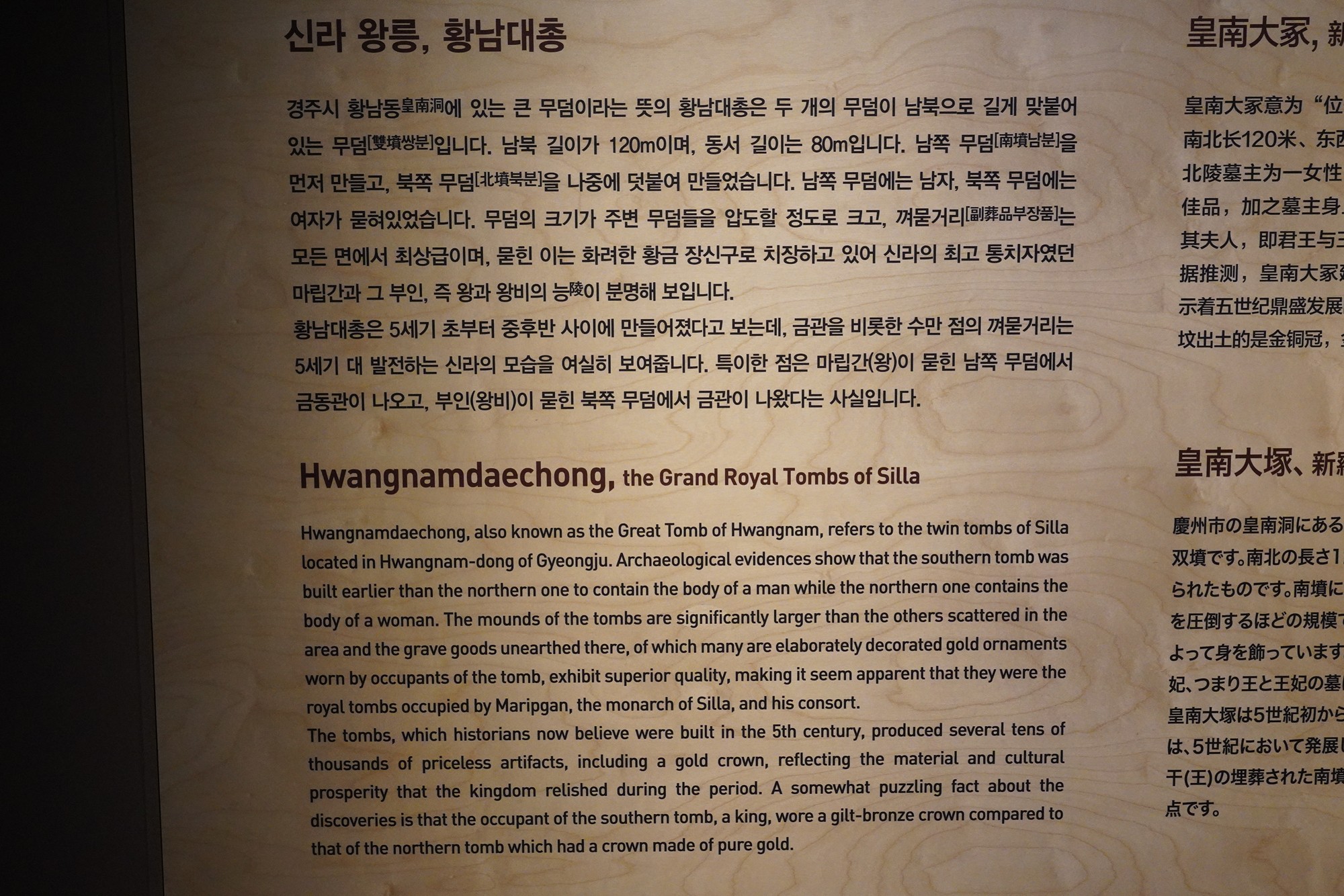
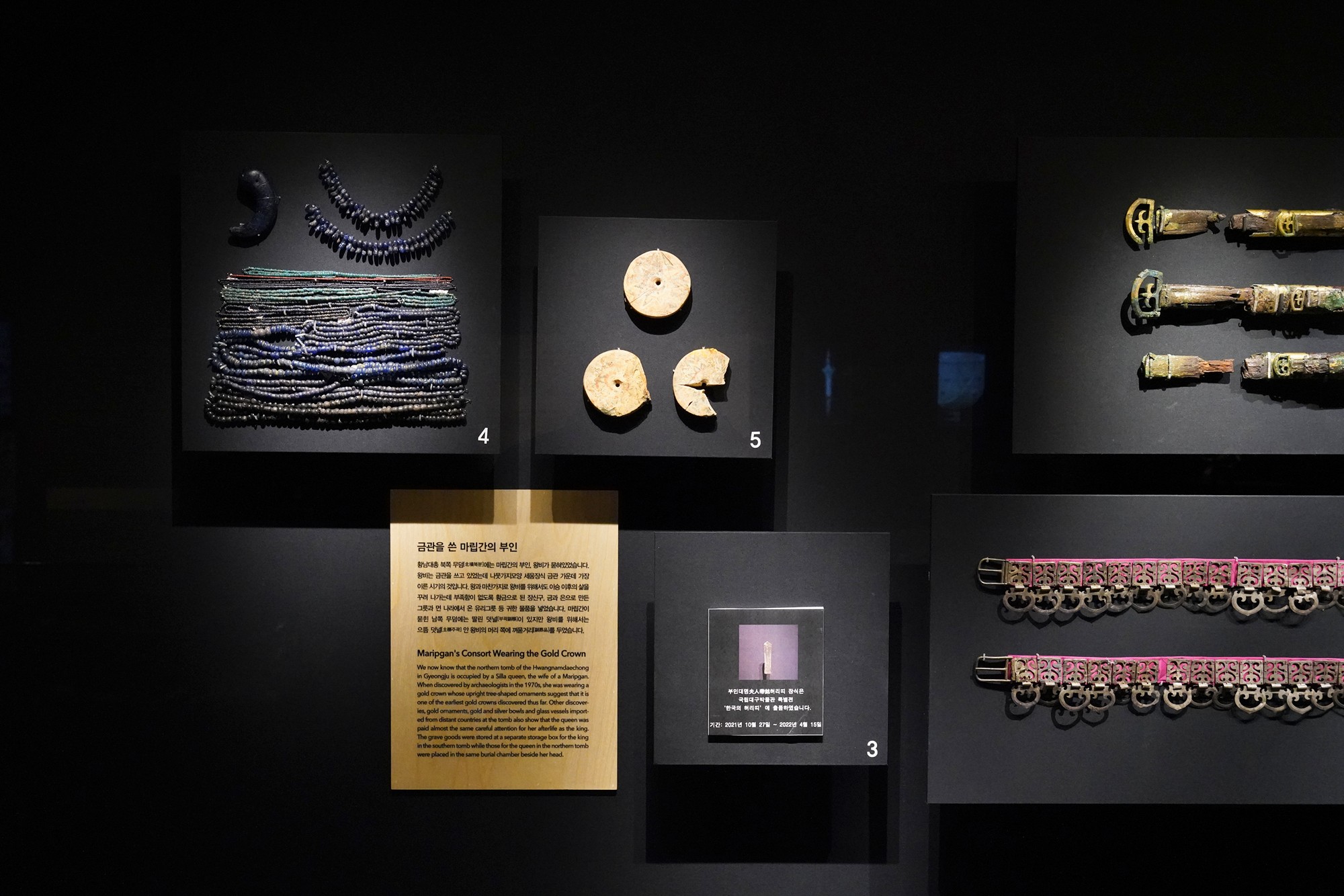
u003cpu003eArtifacts found in Hwangnamdaechongu003c/pu003e
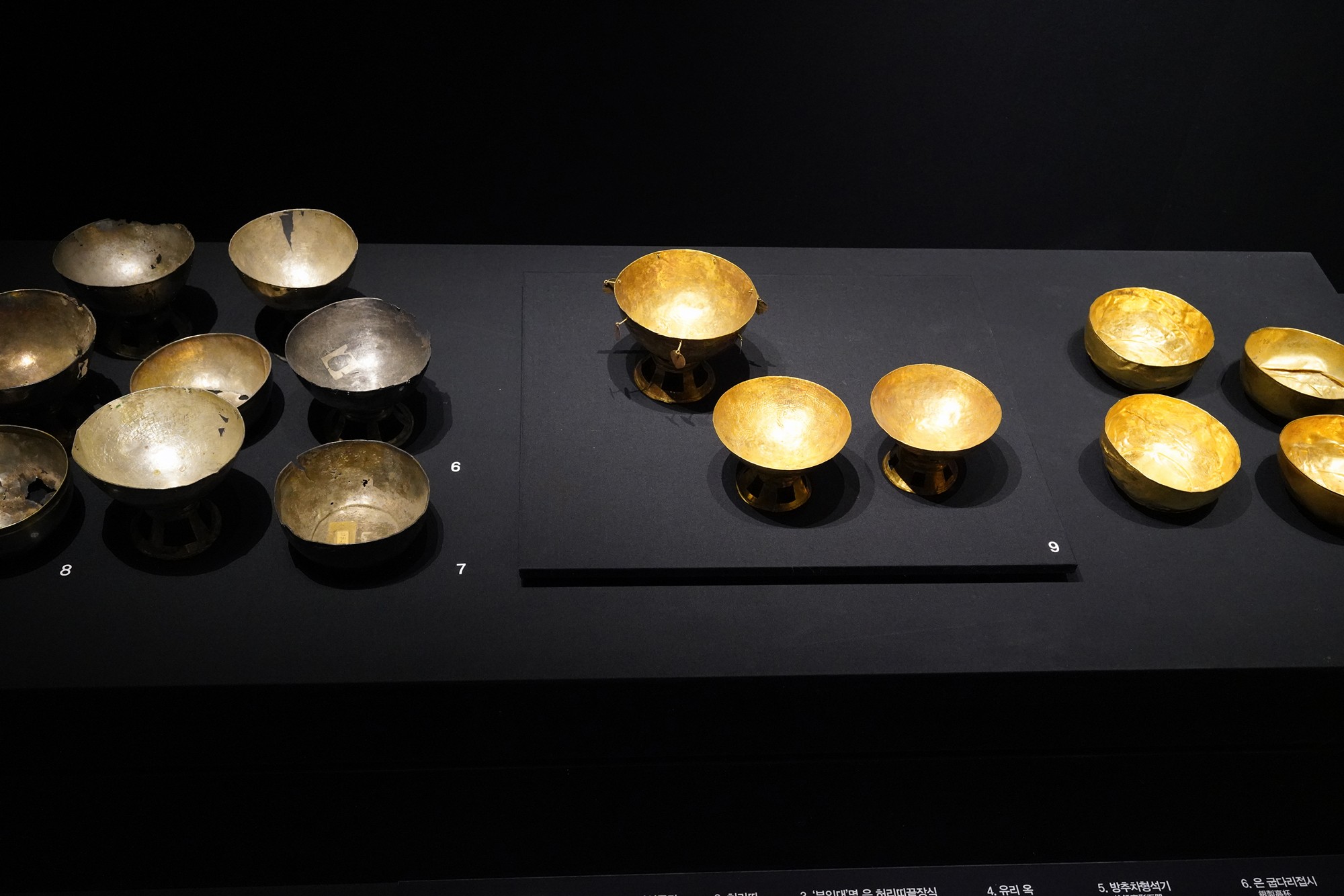
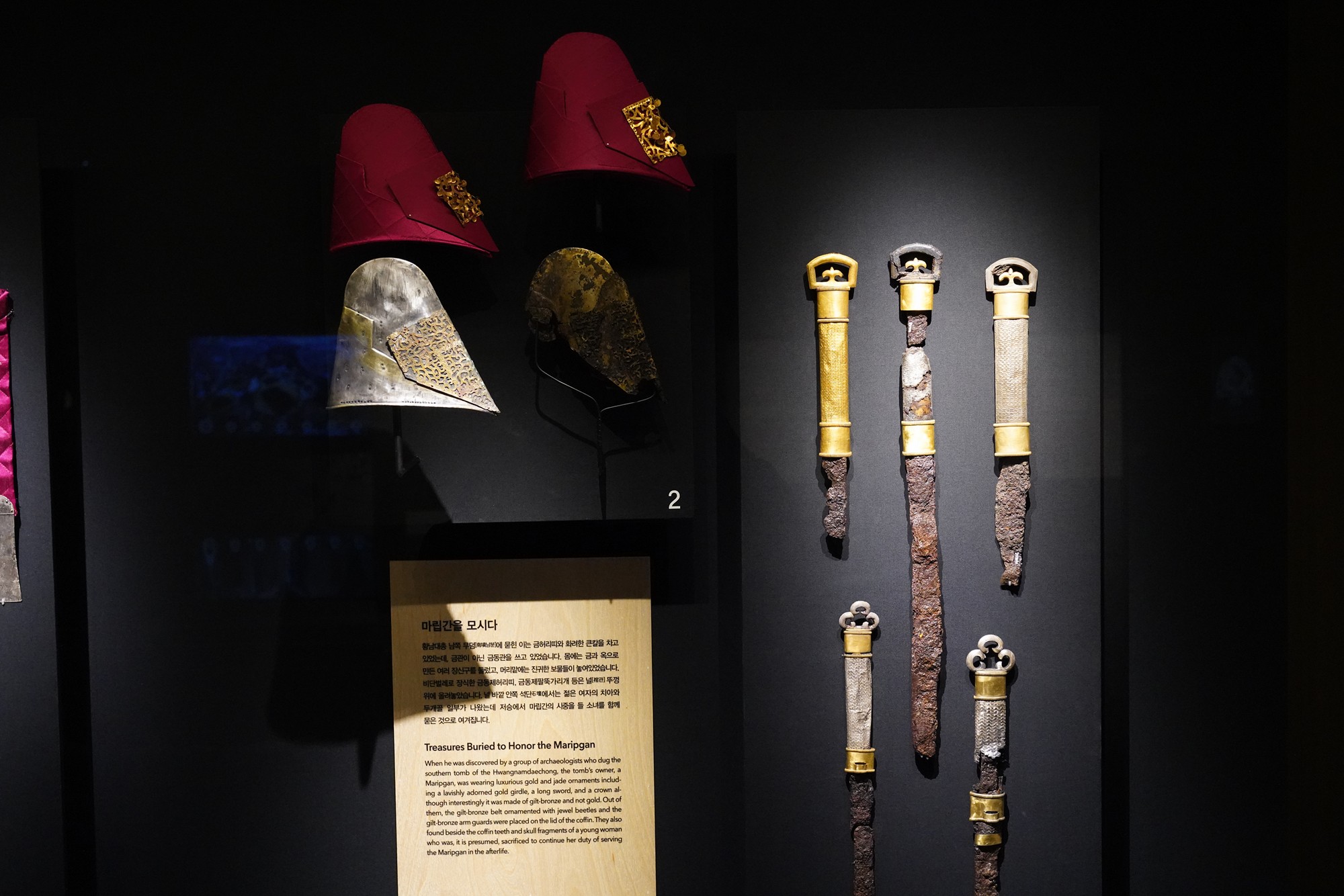
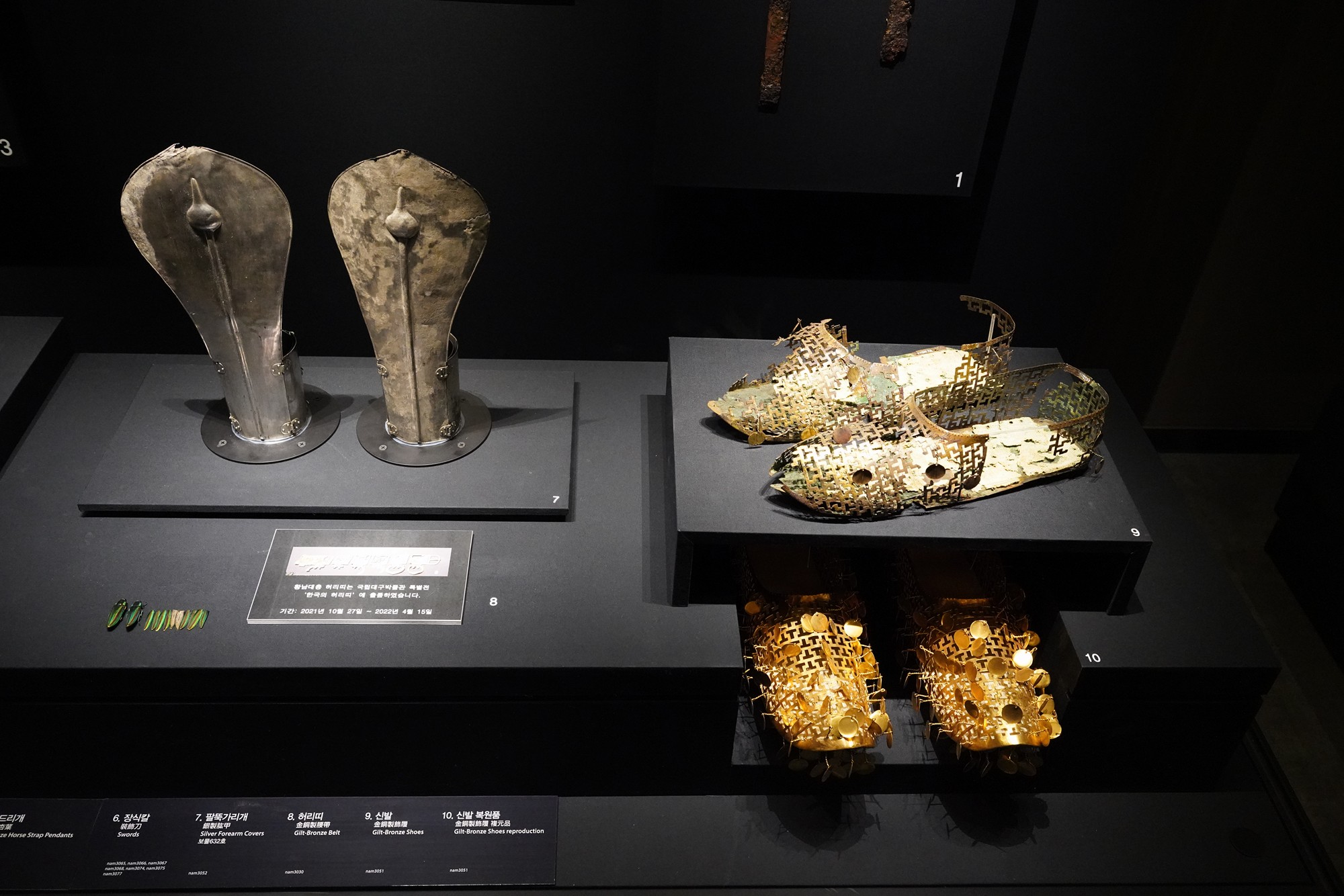
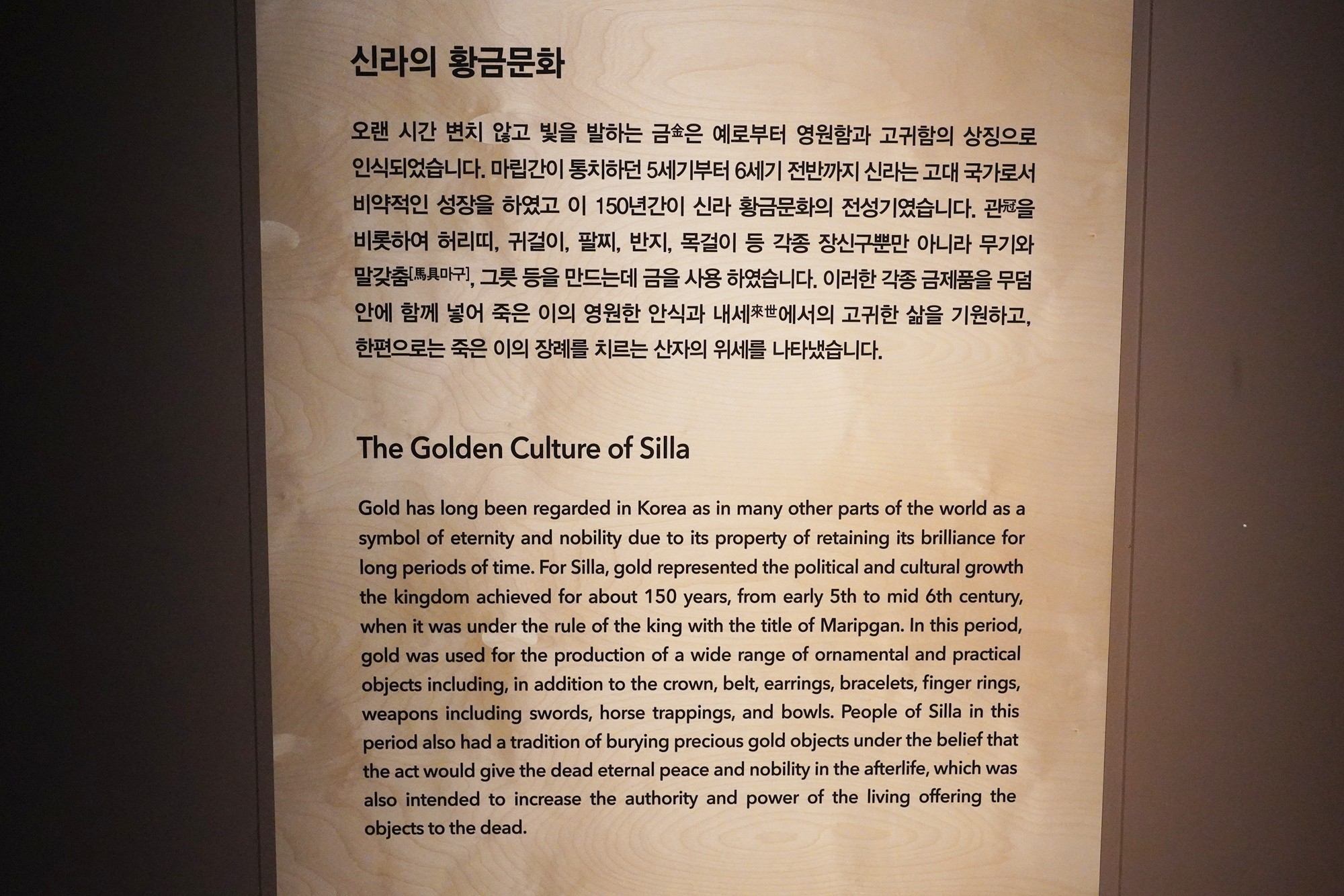
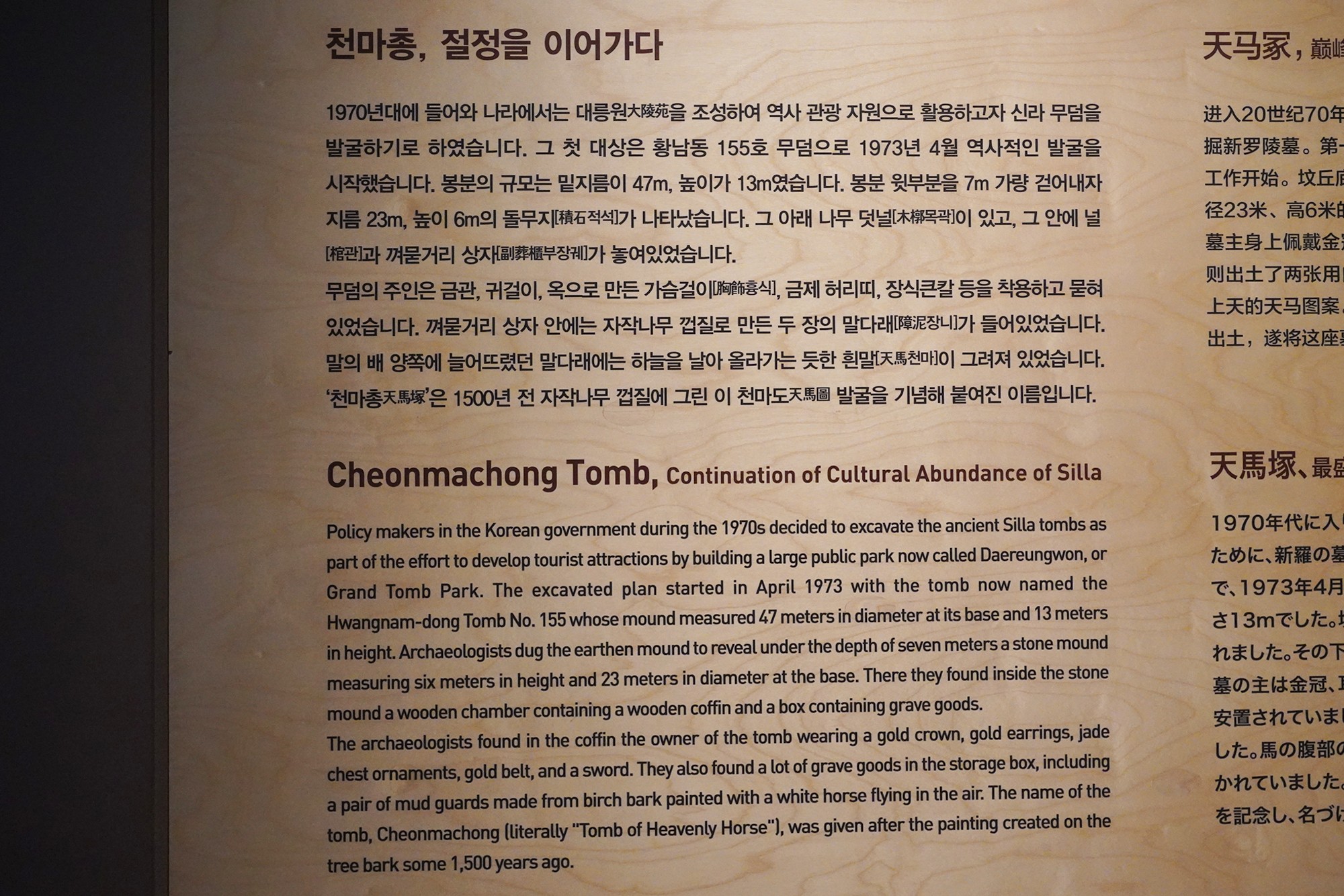
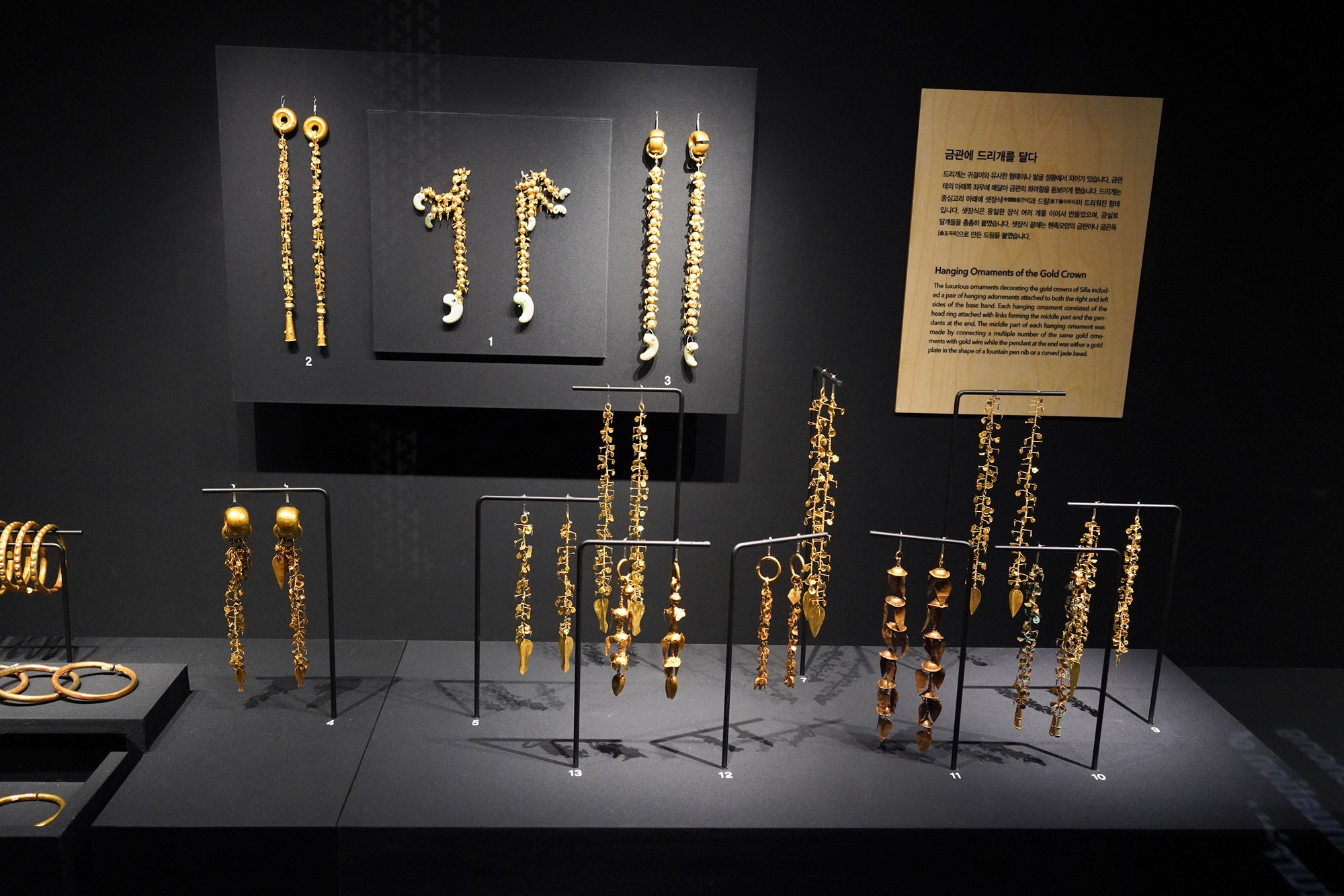
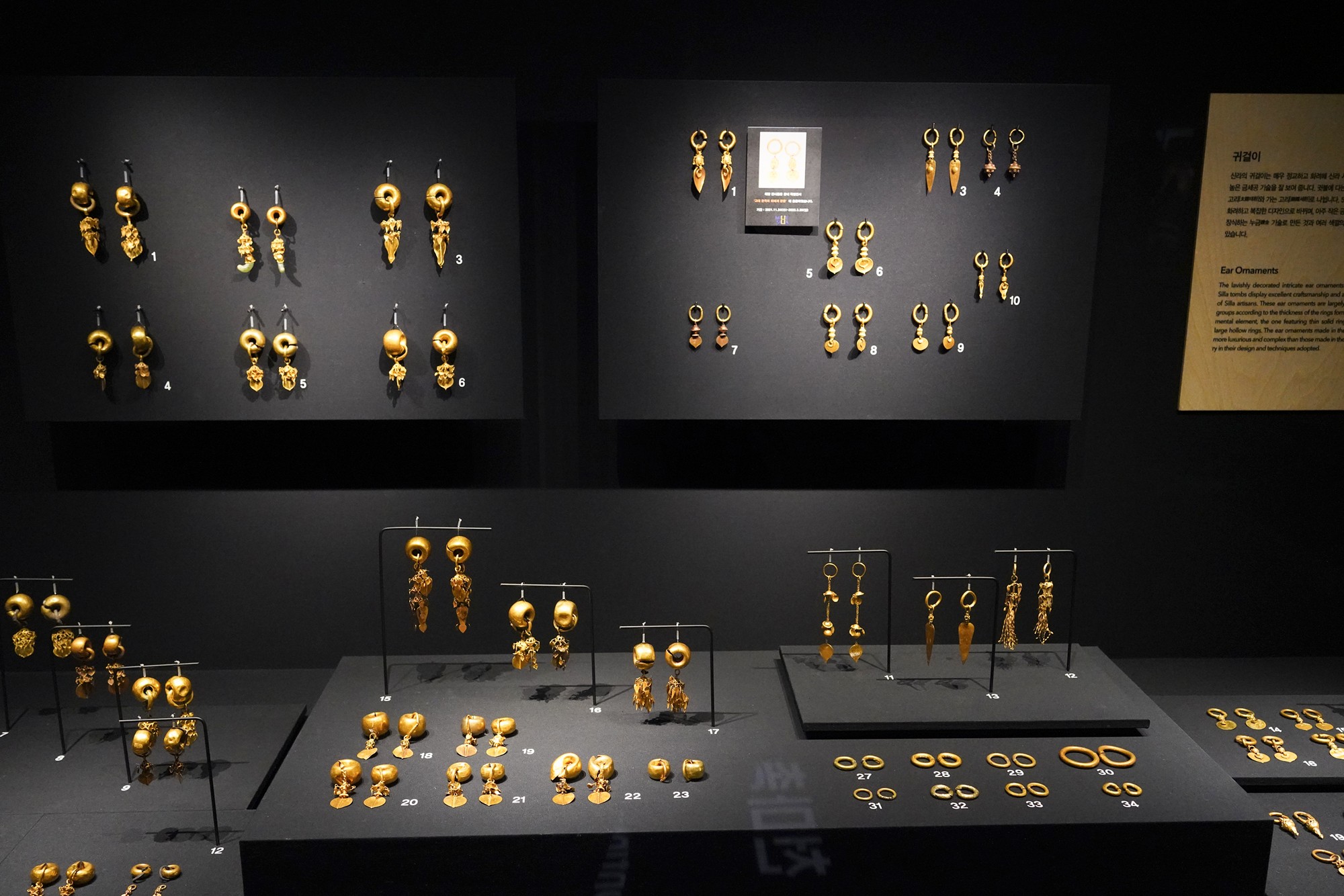
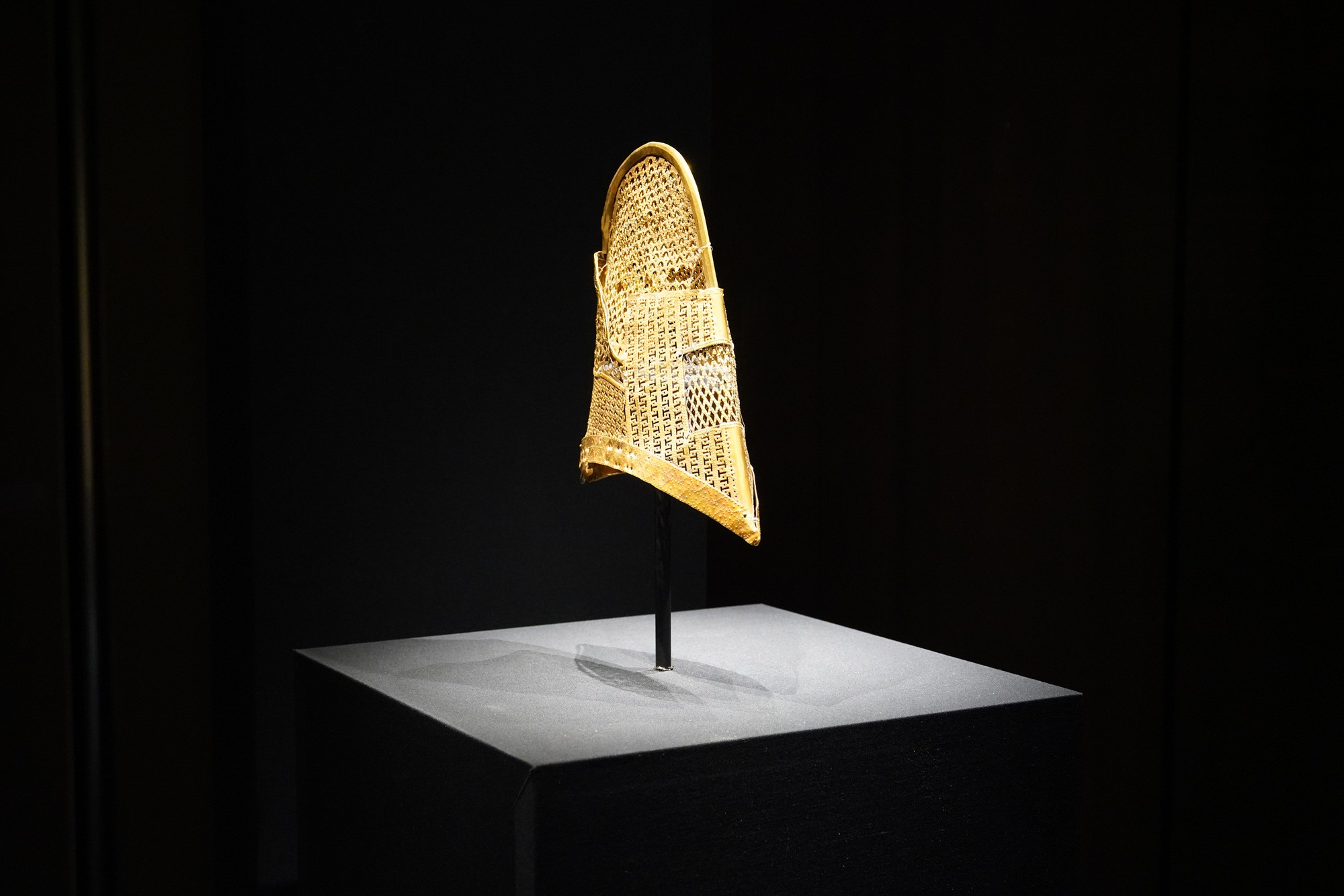
u003cpu003eArtifacts found in Cheonmachong Tombu003c/pu003e
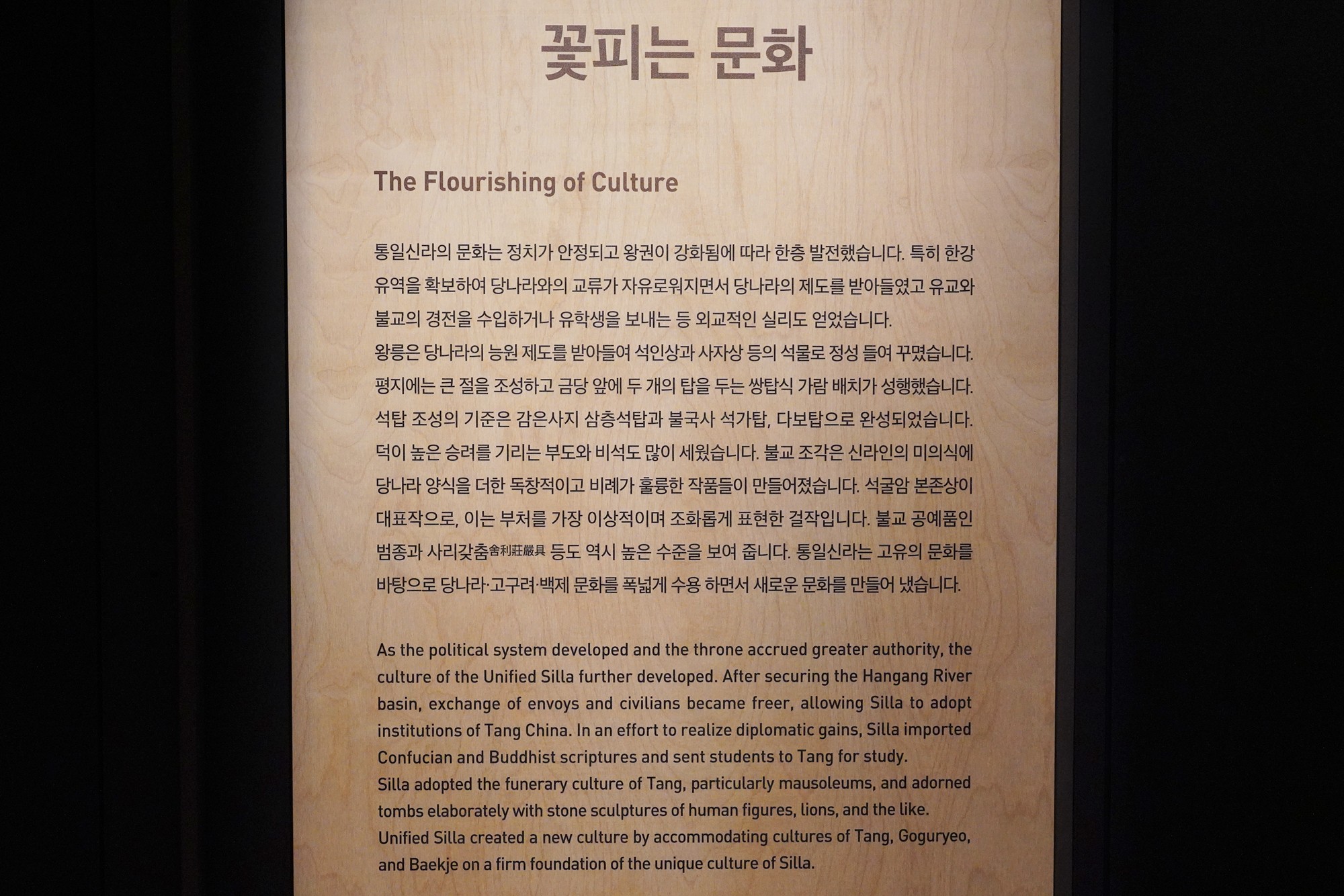
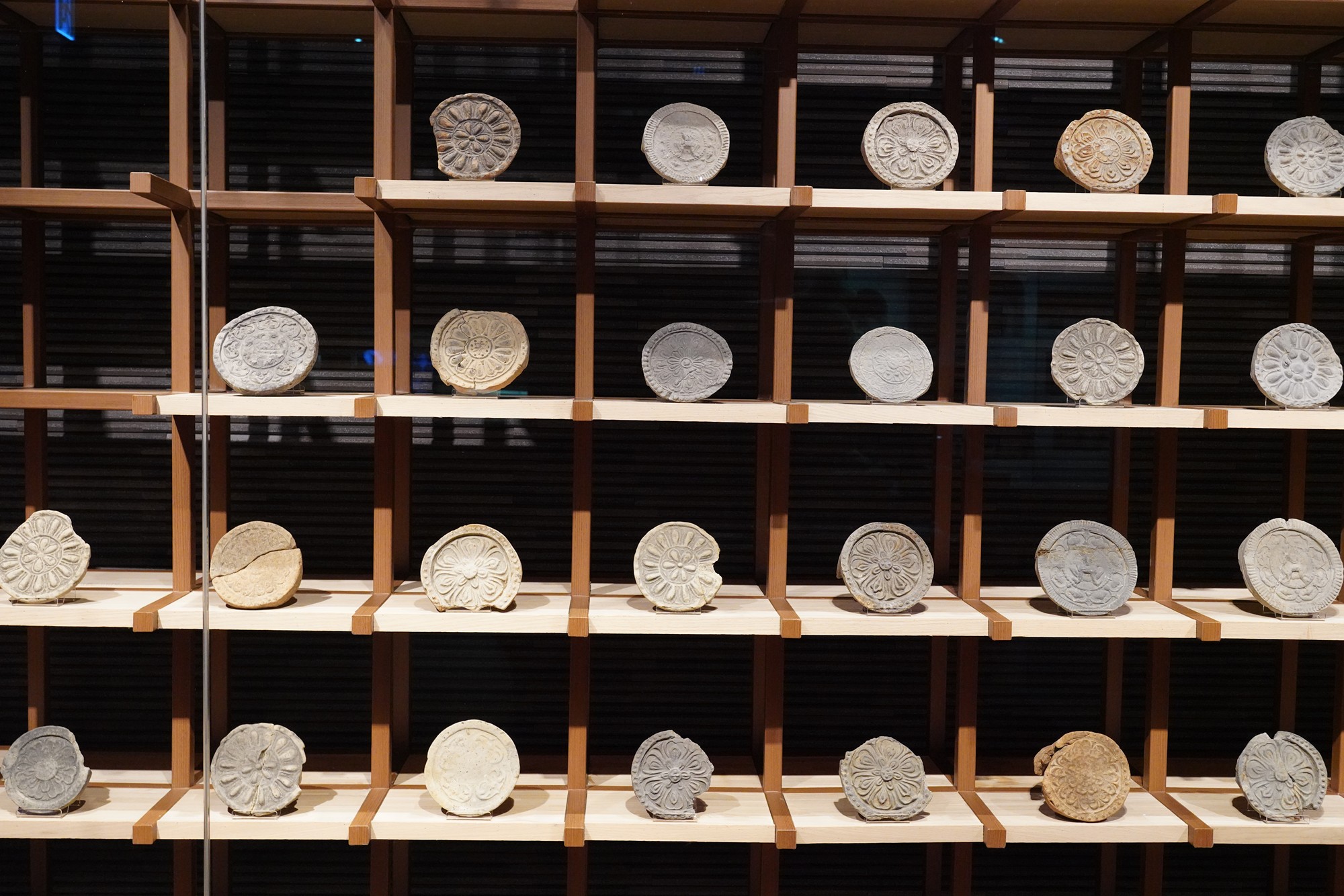
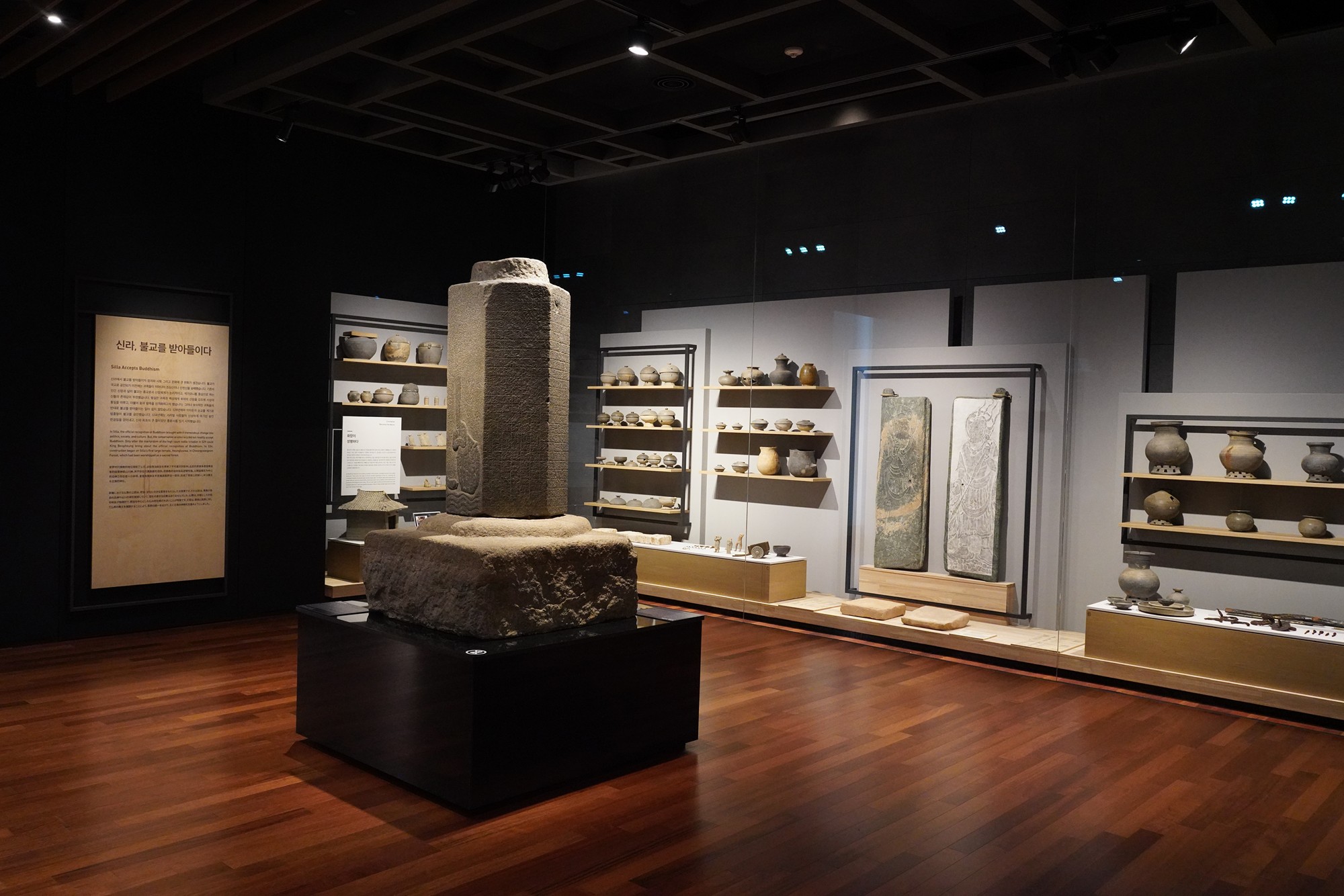
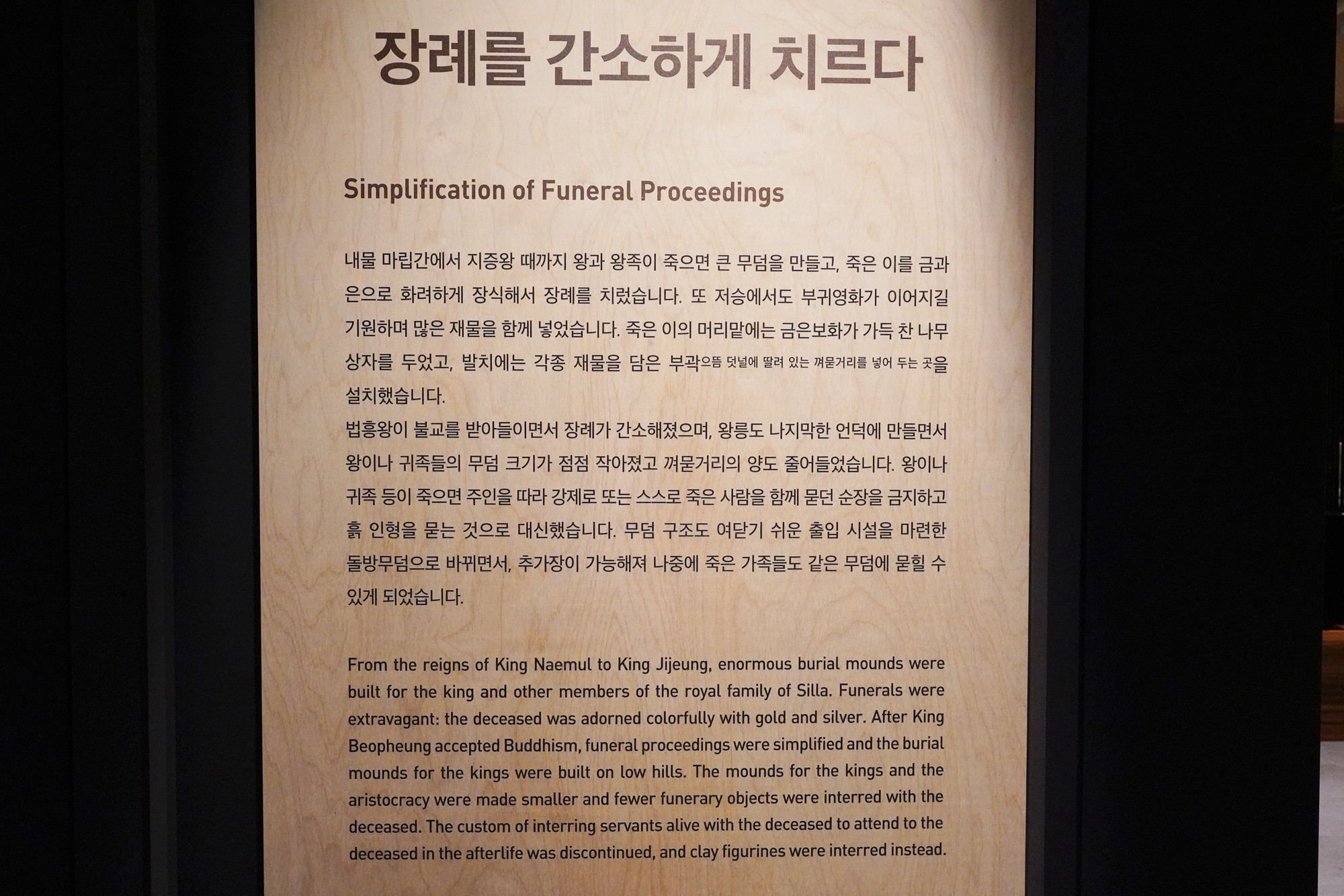
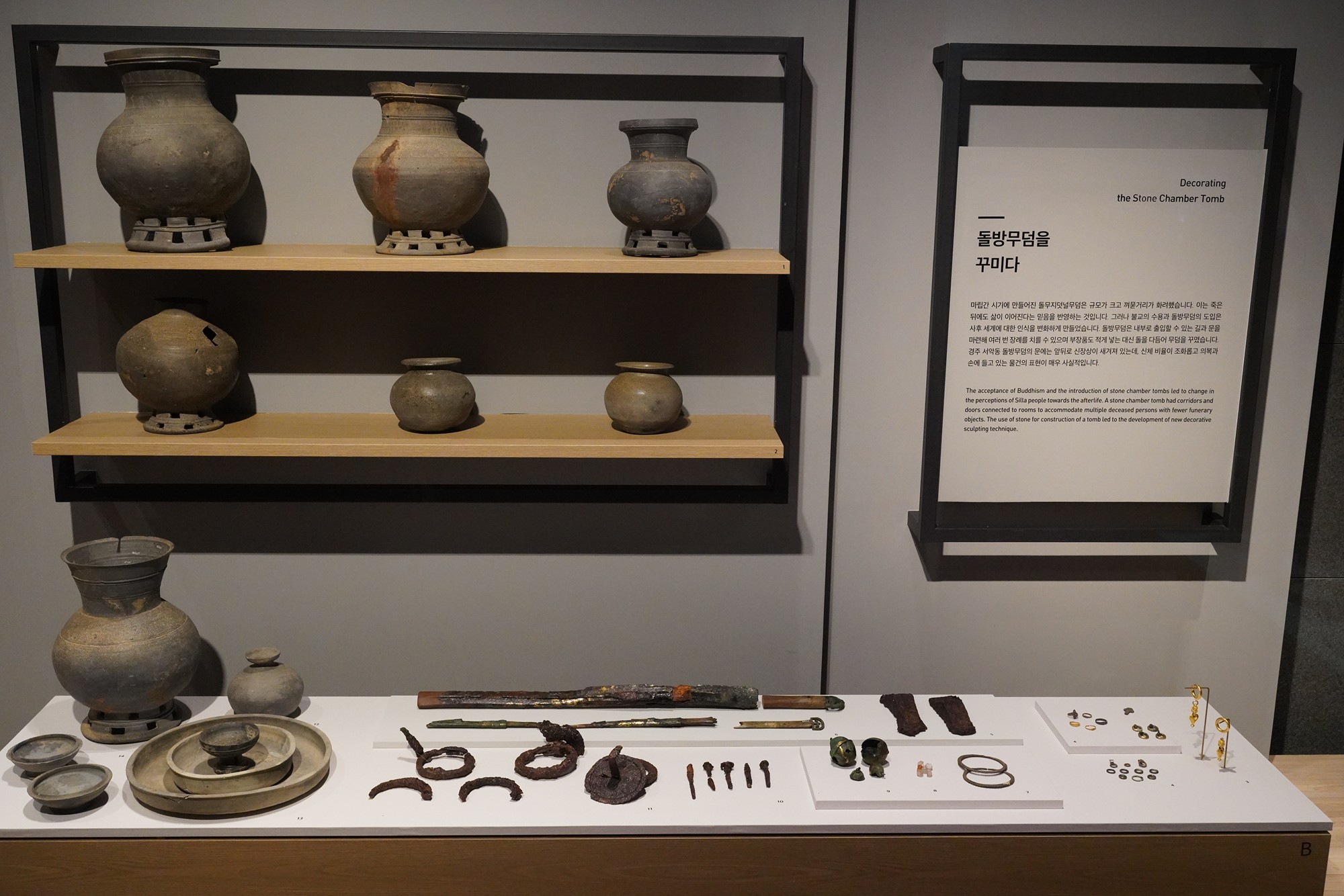
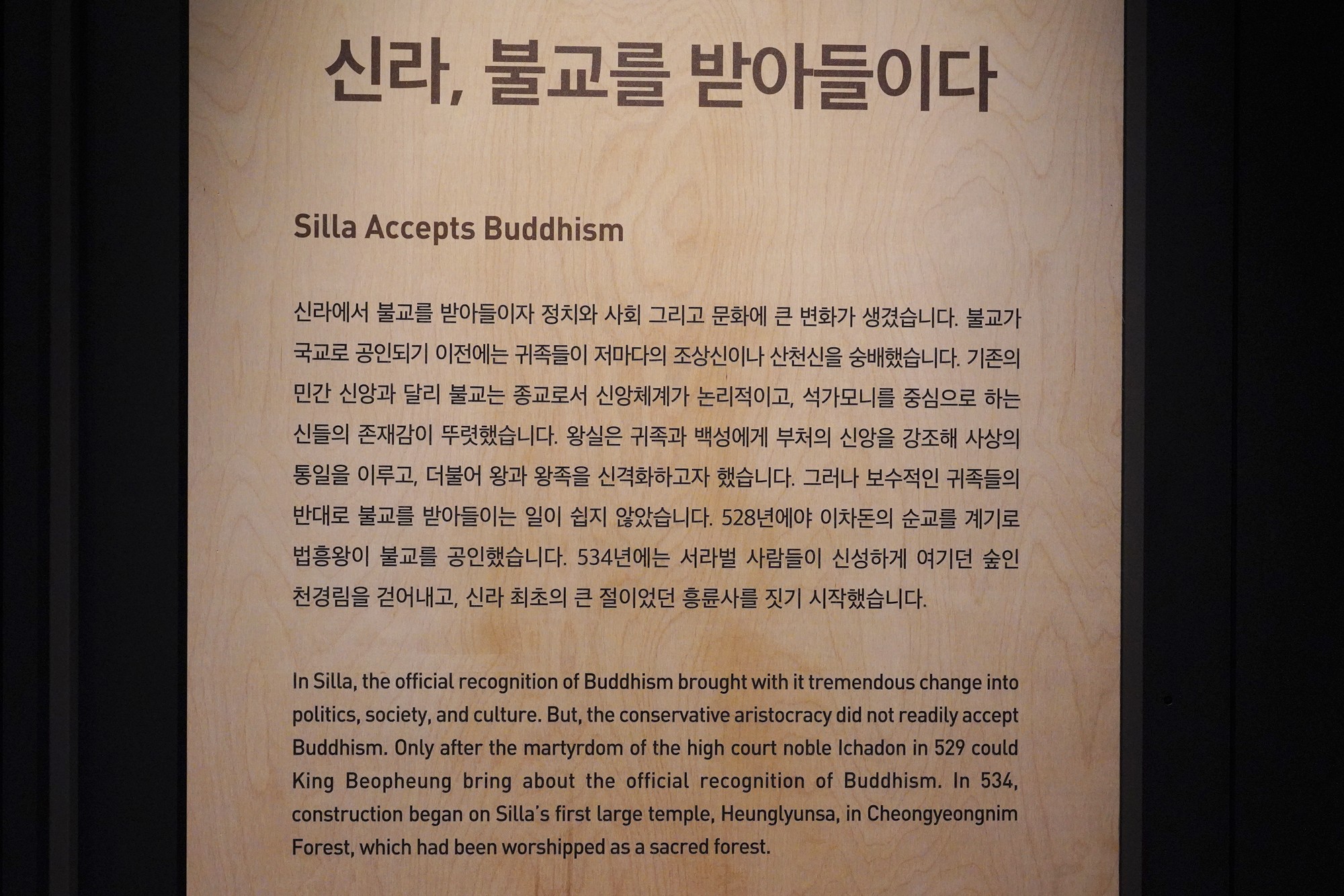
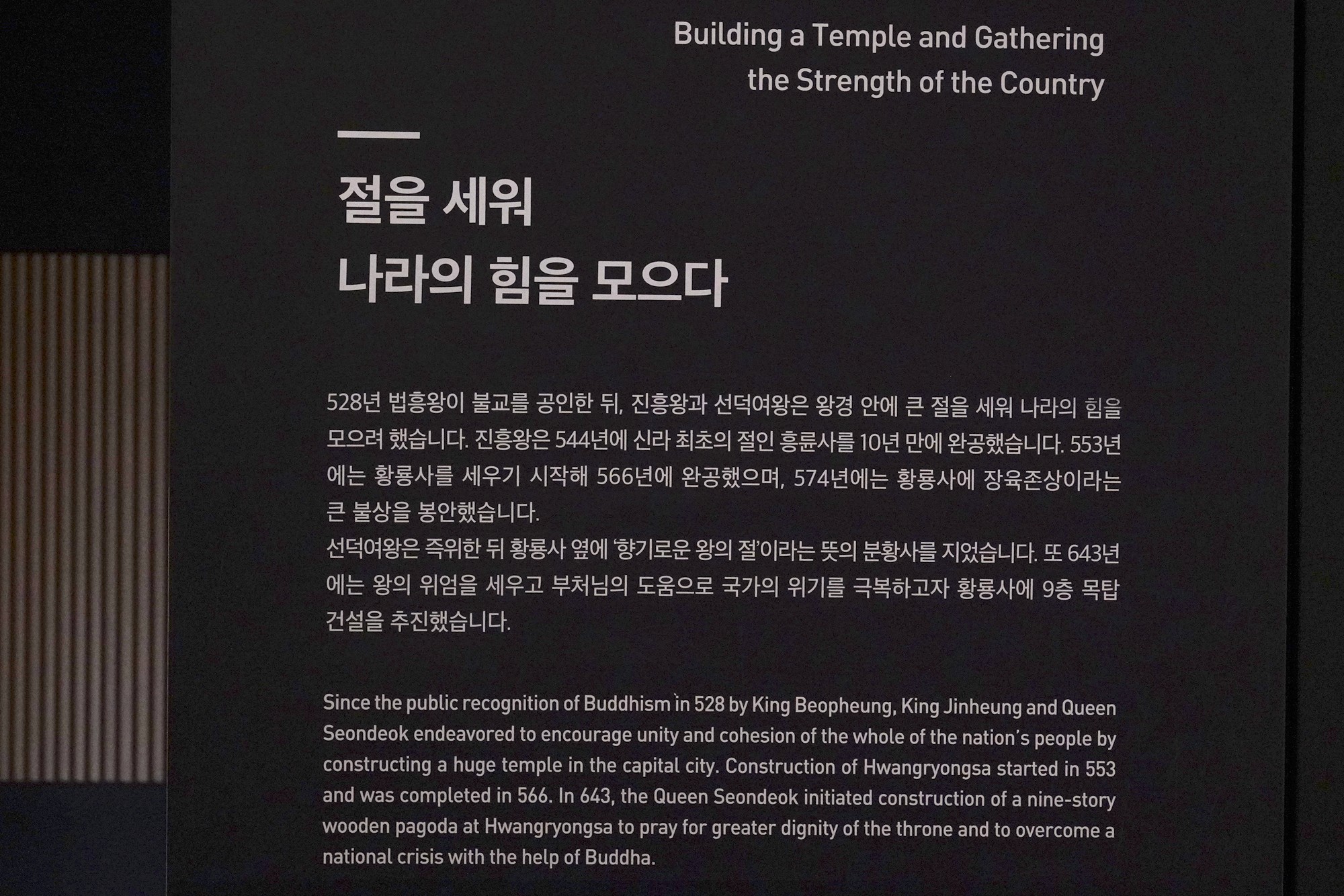
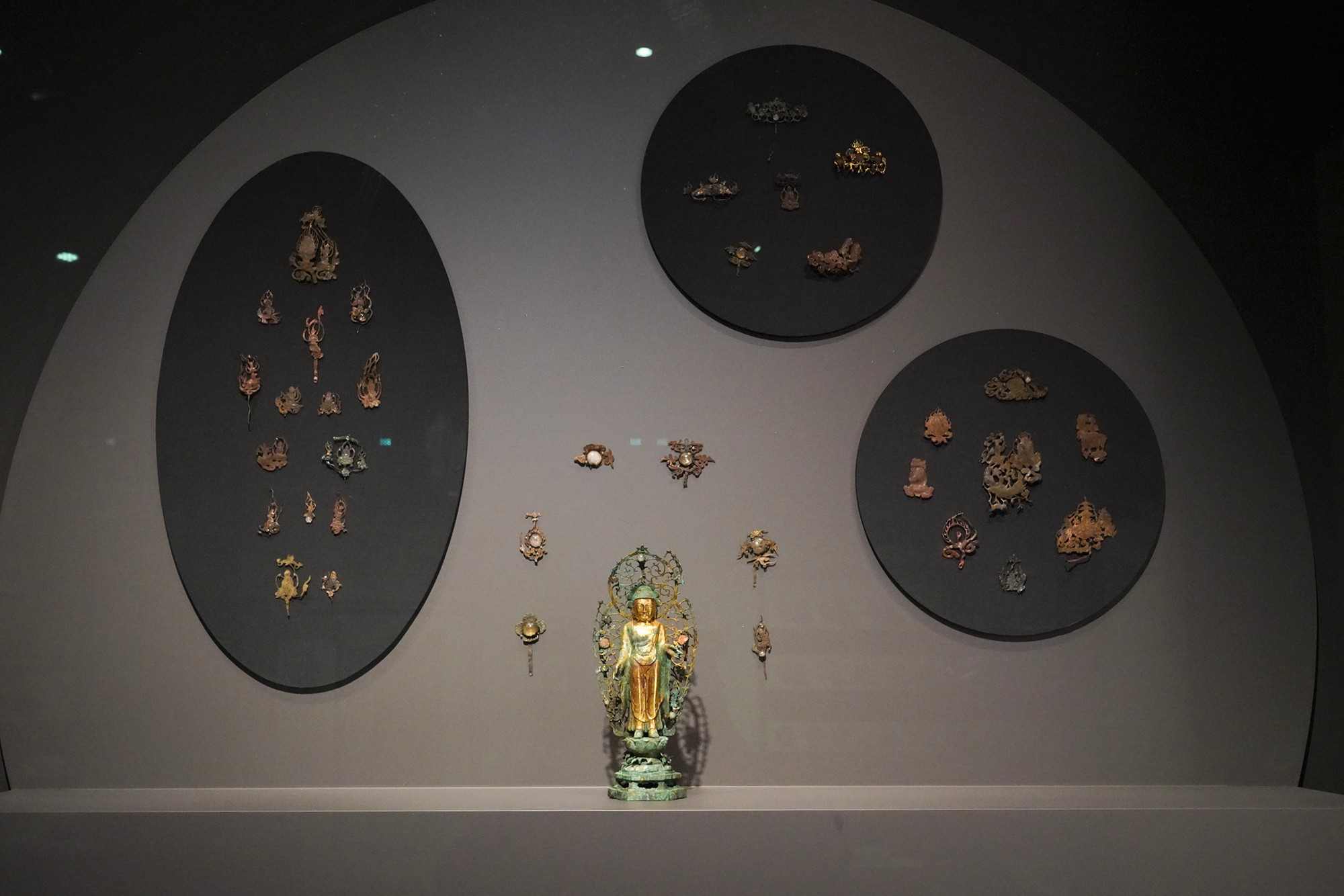
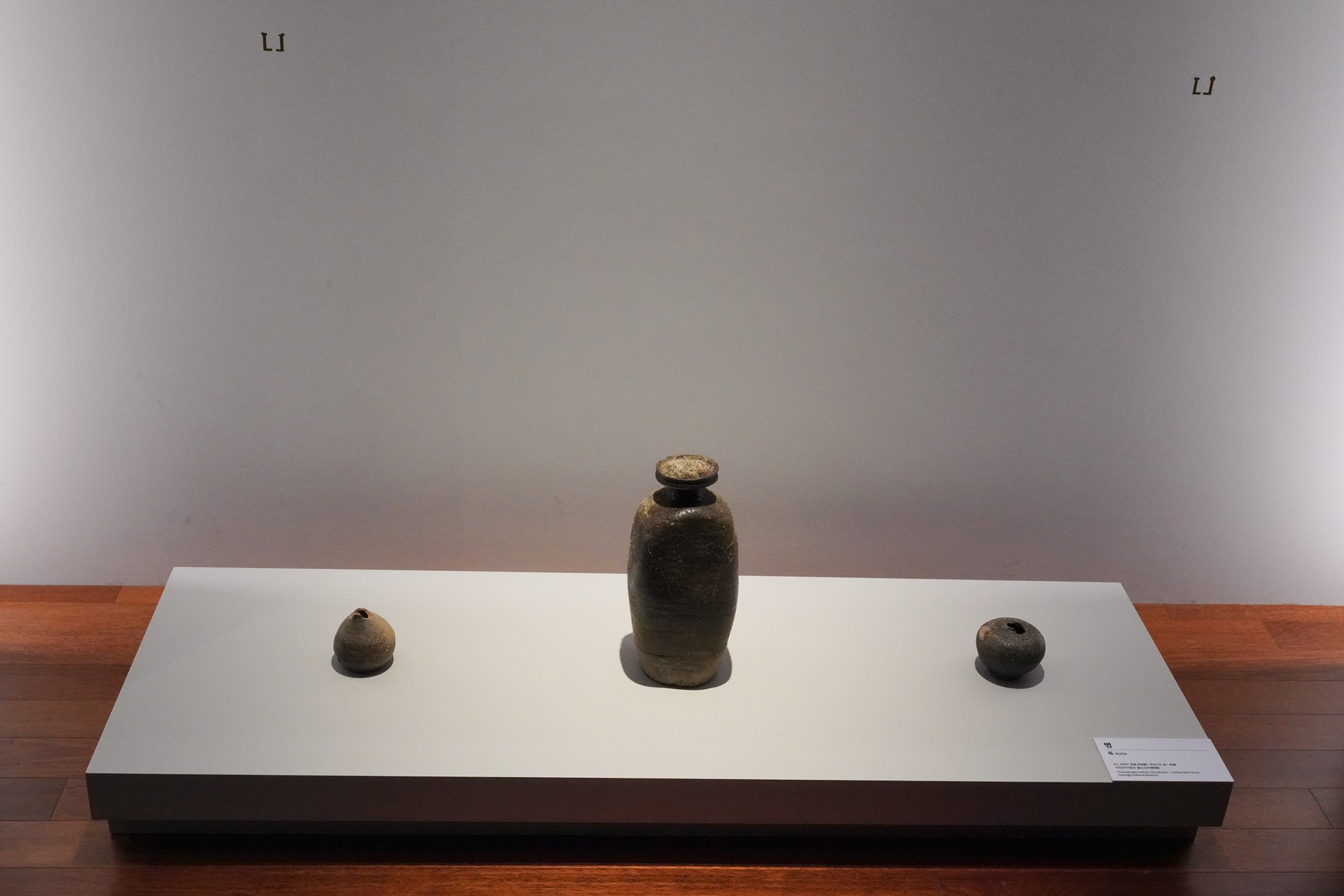
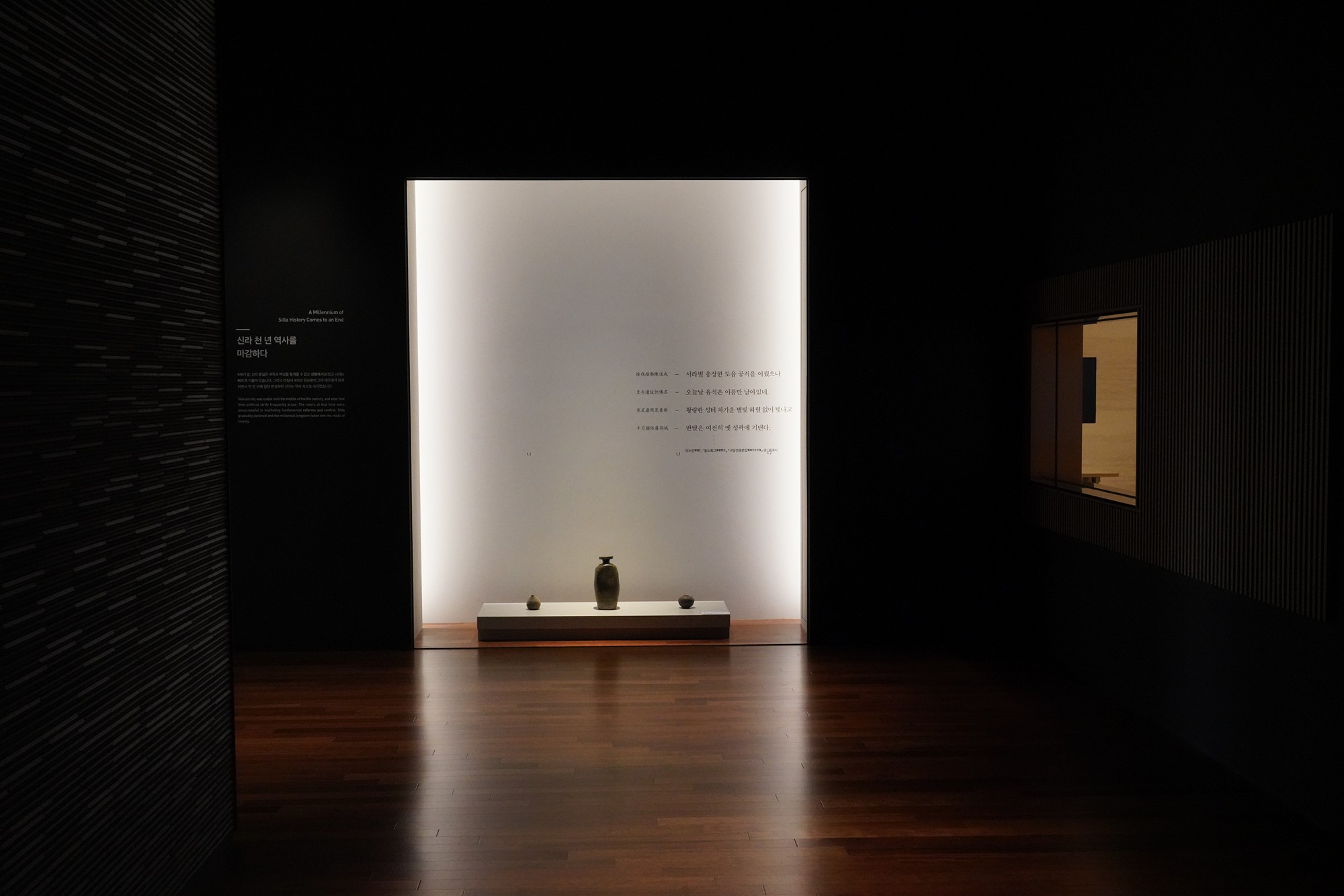
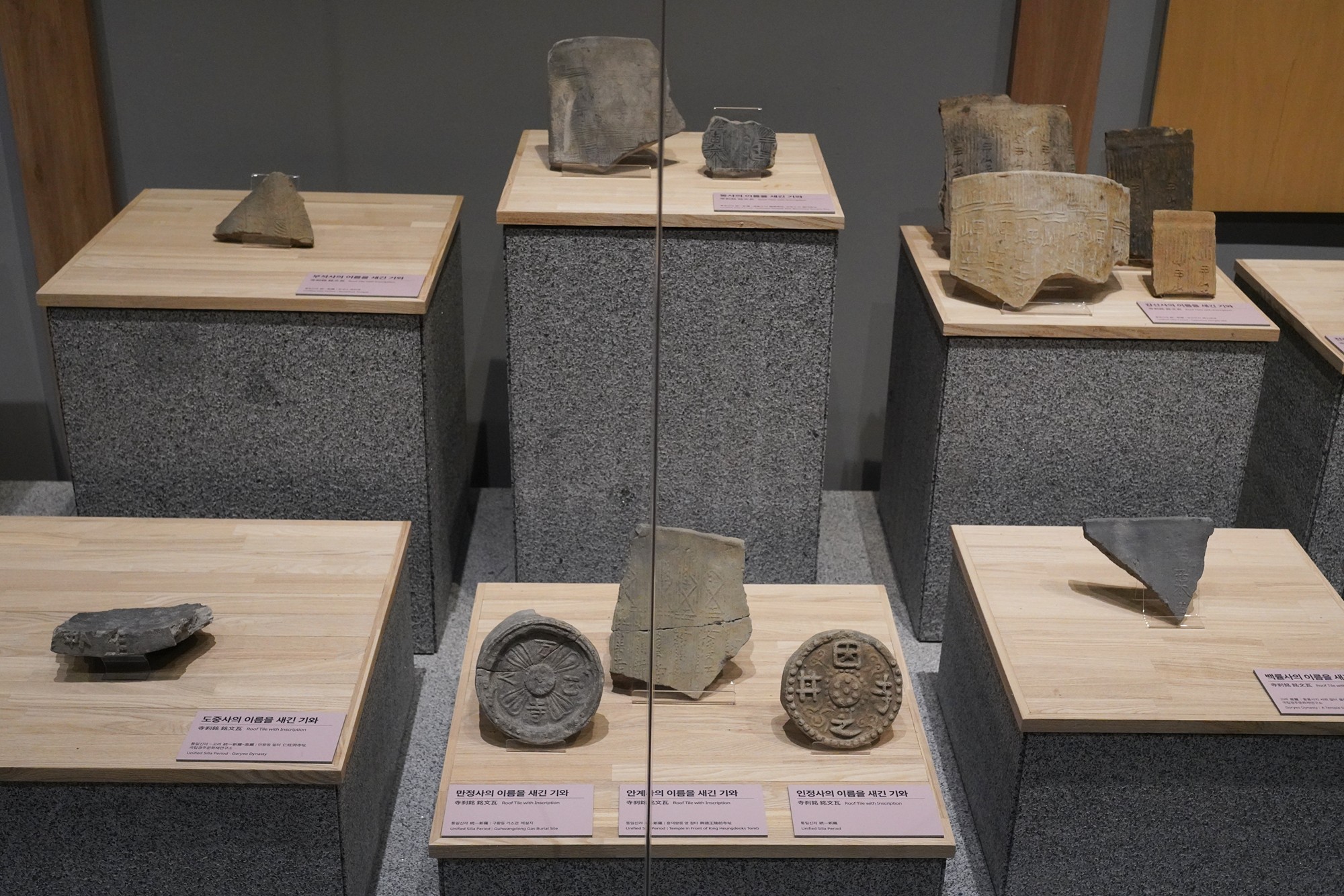
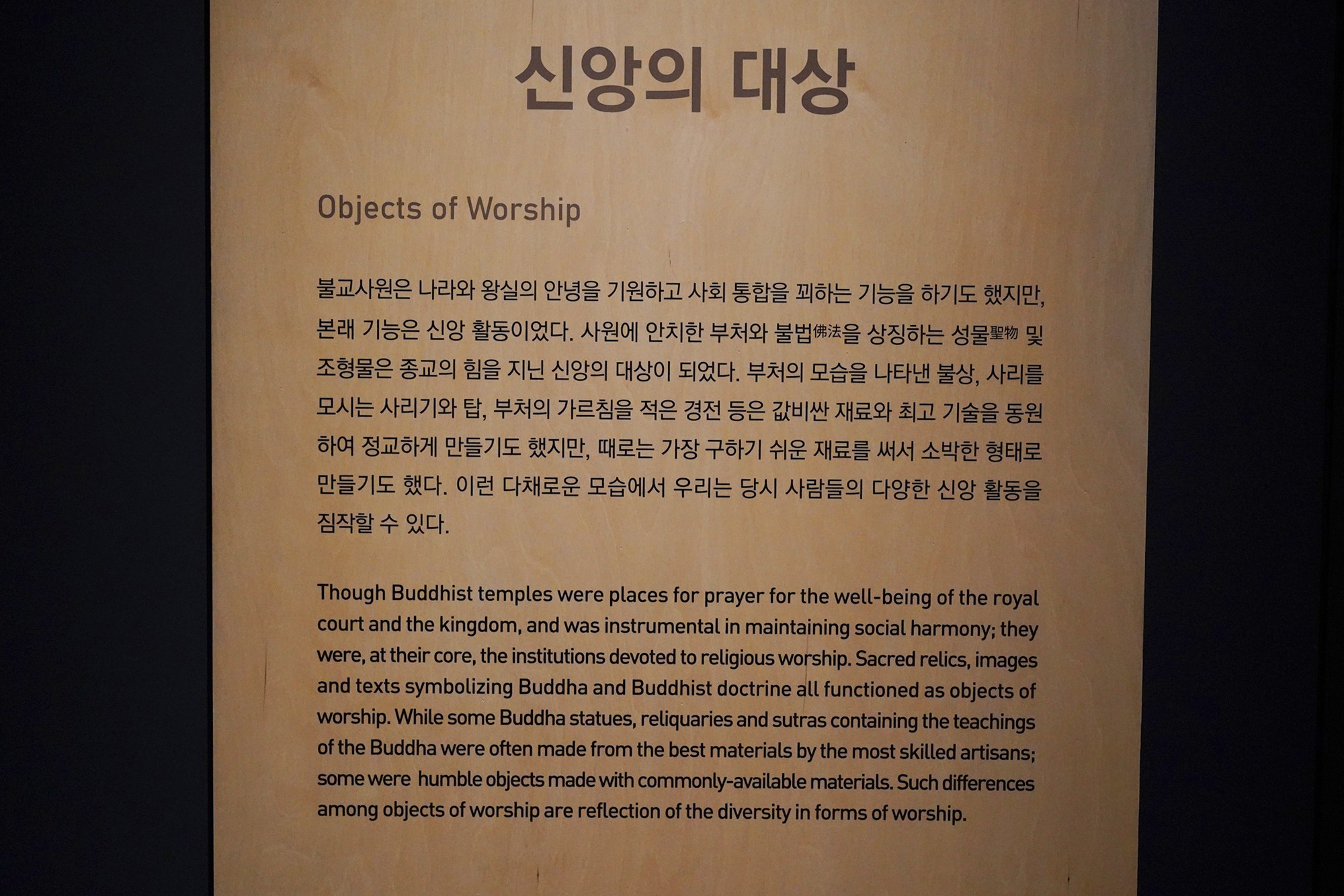
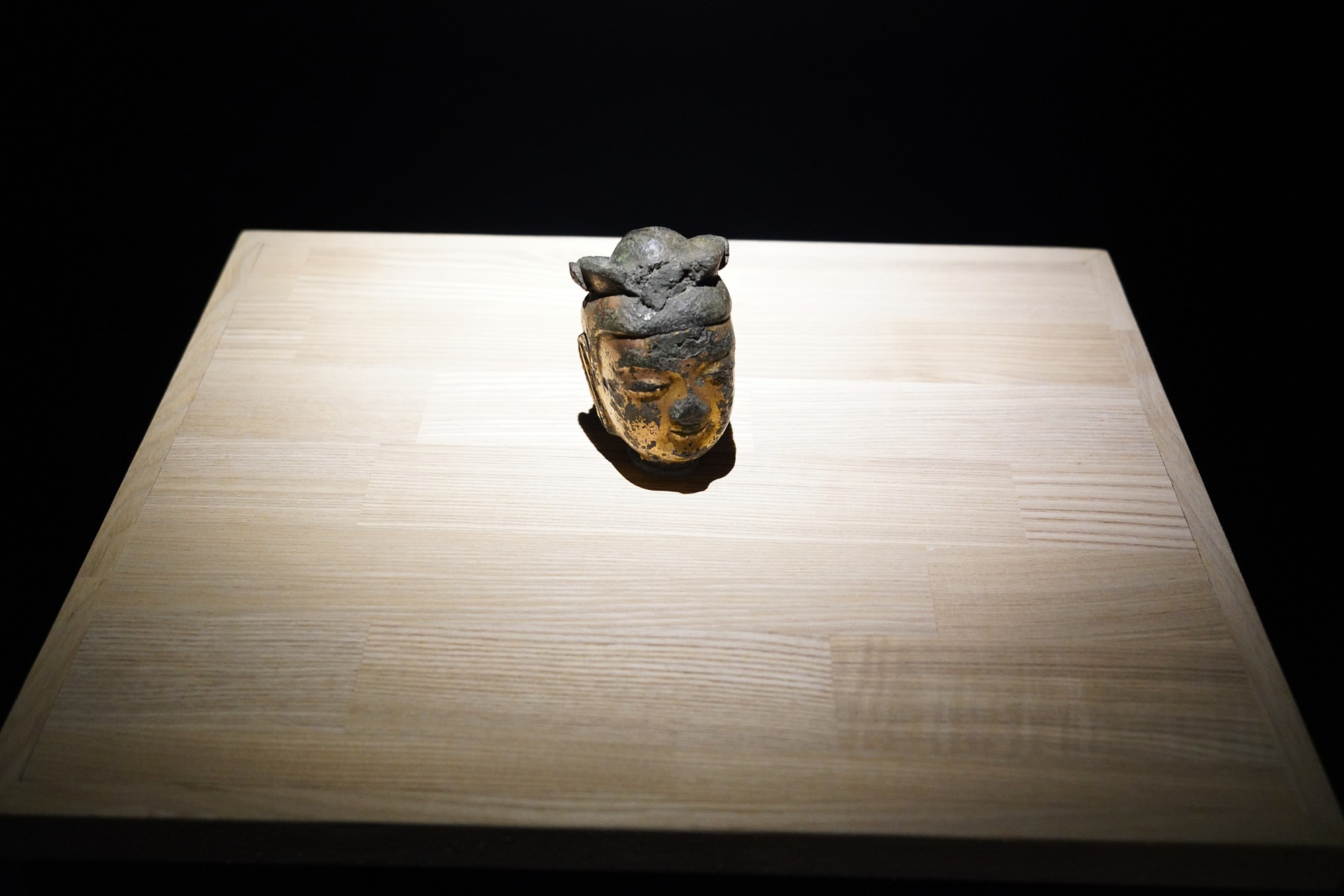
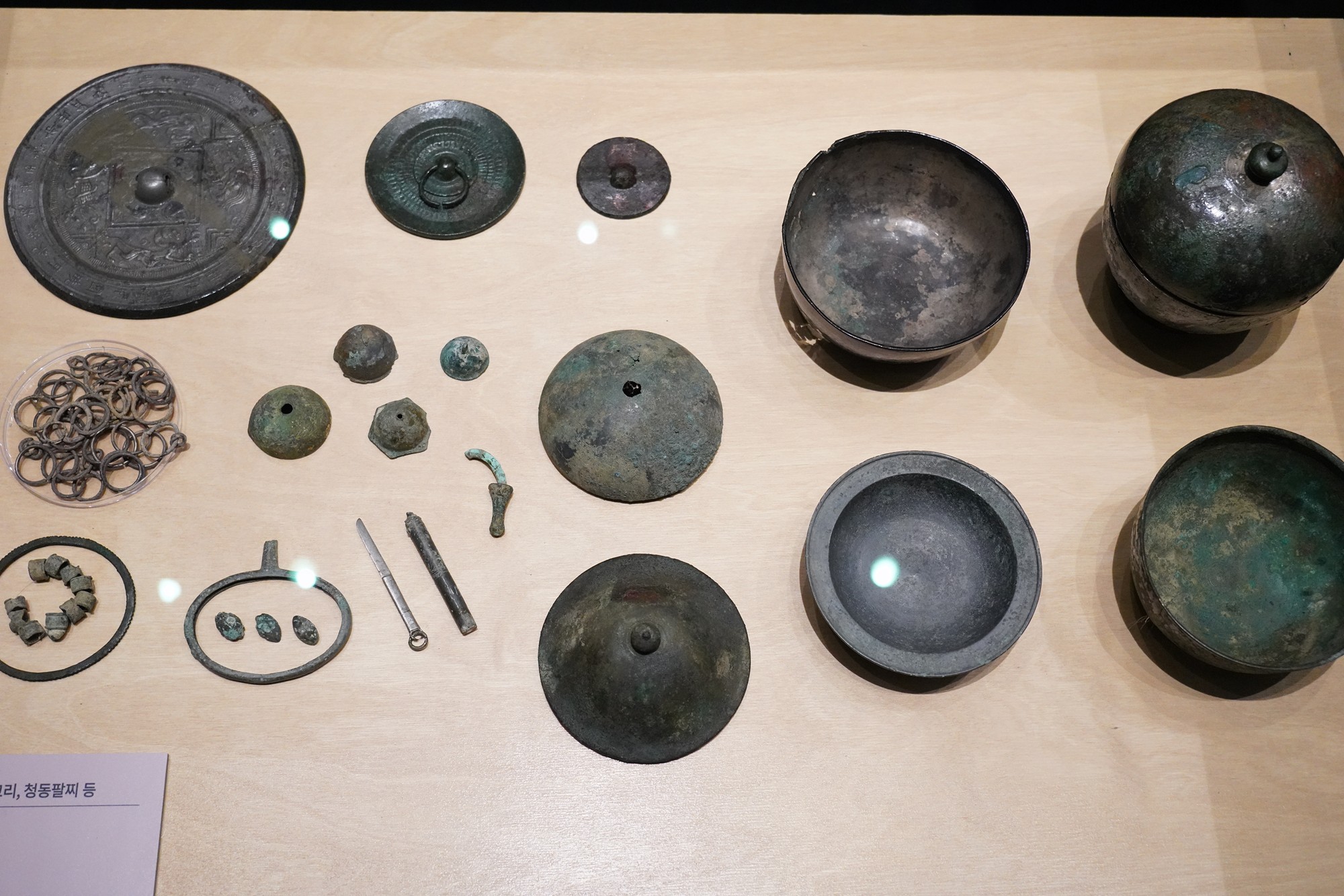
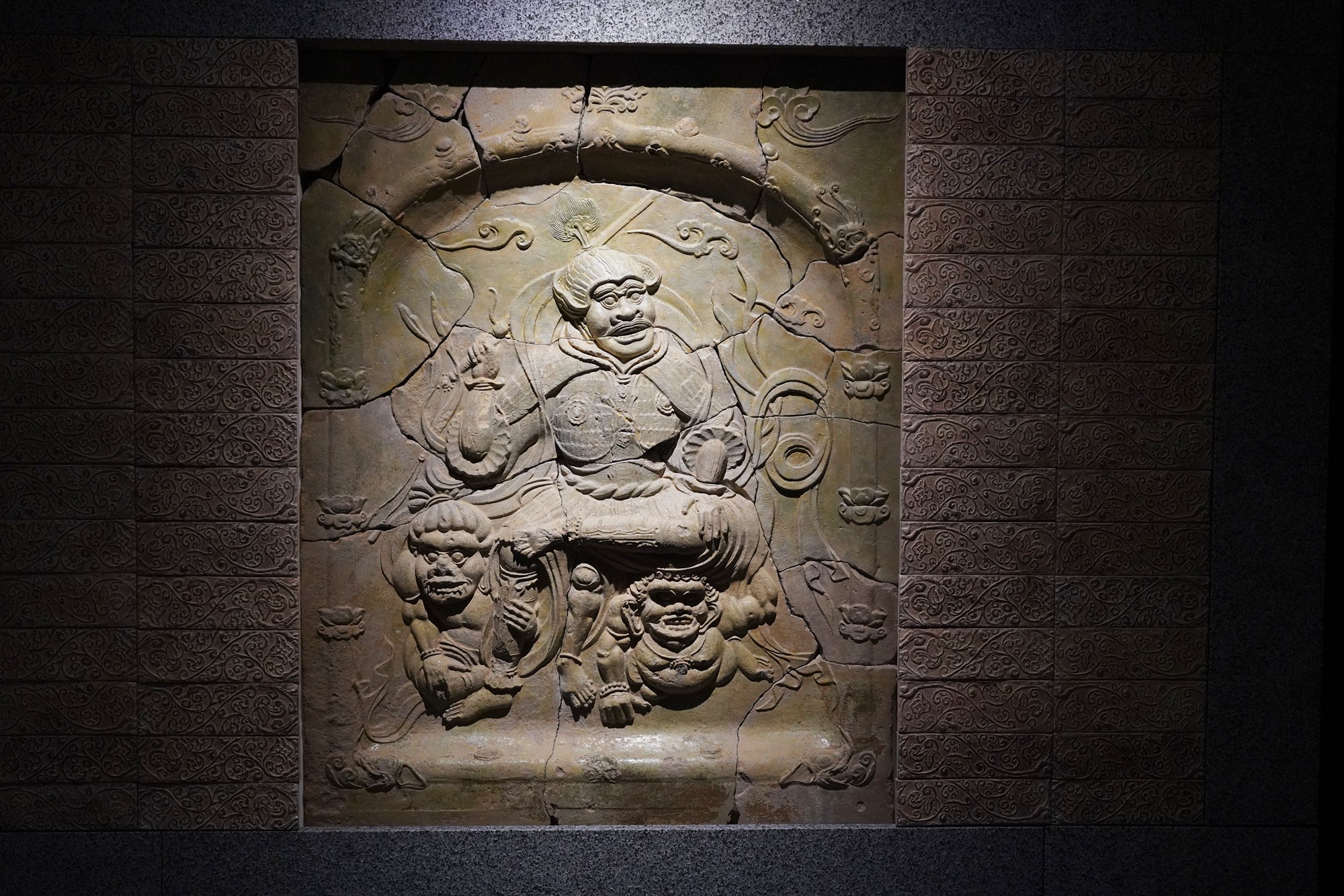
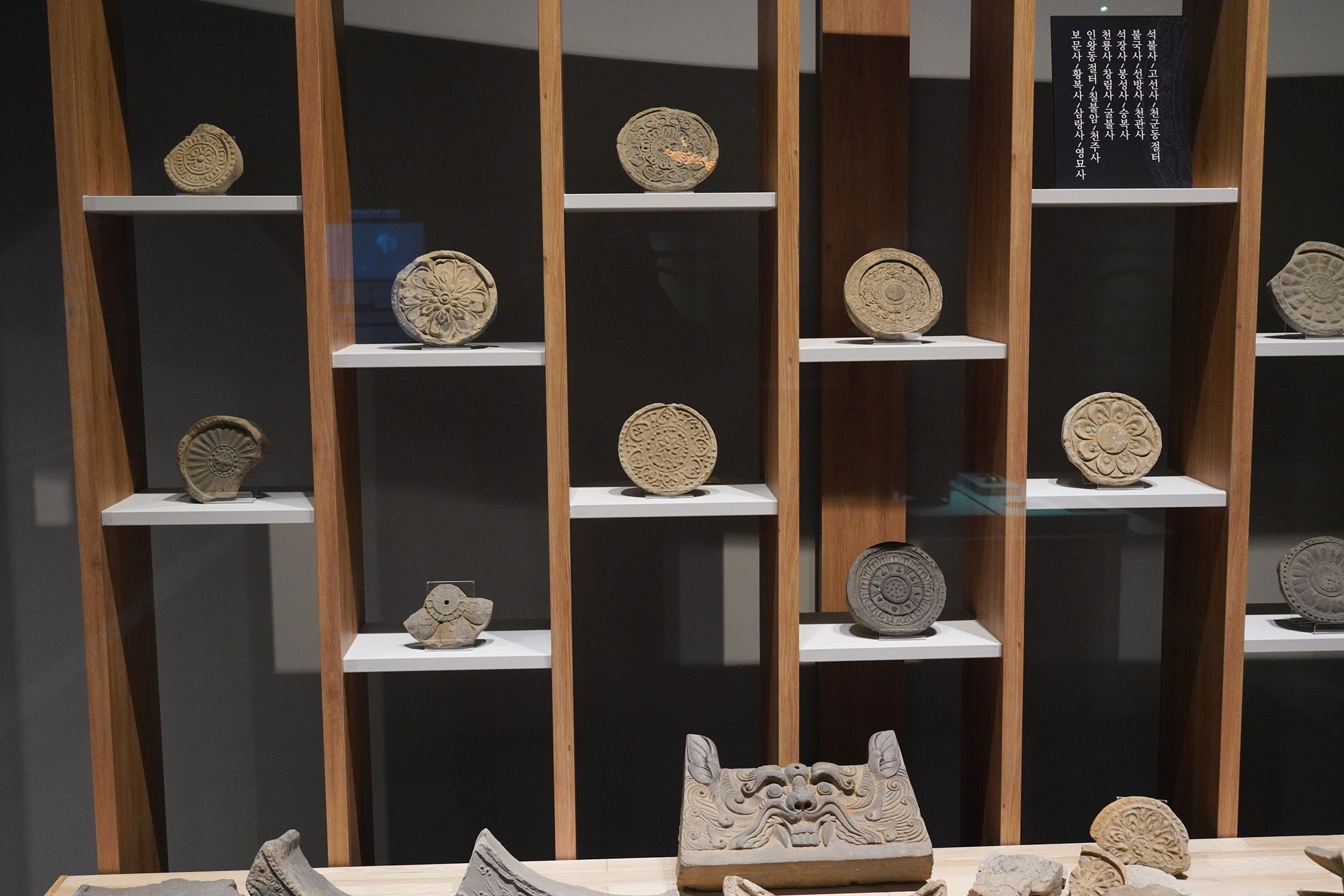
u003cpu003eThe third museum building displays Buddhism in Silla.u003c/pu003e
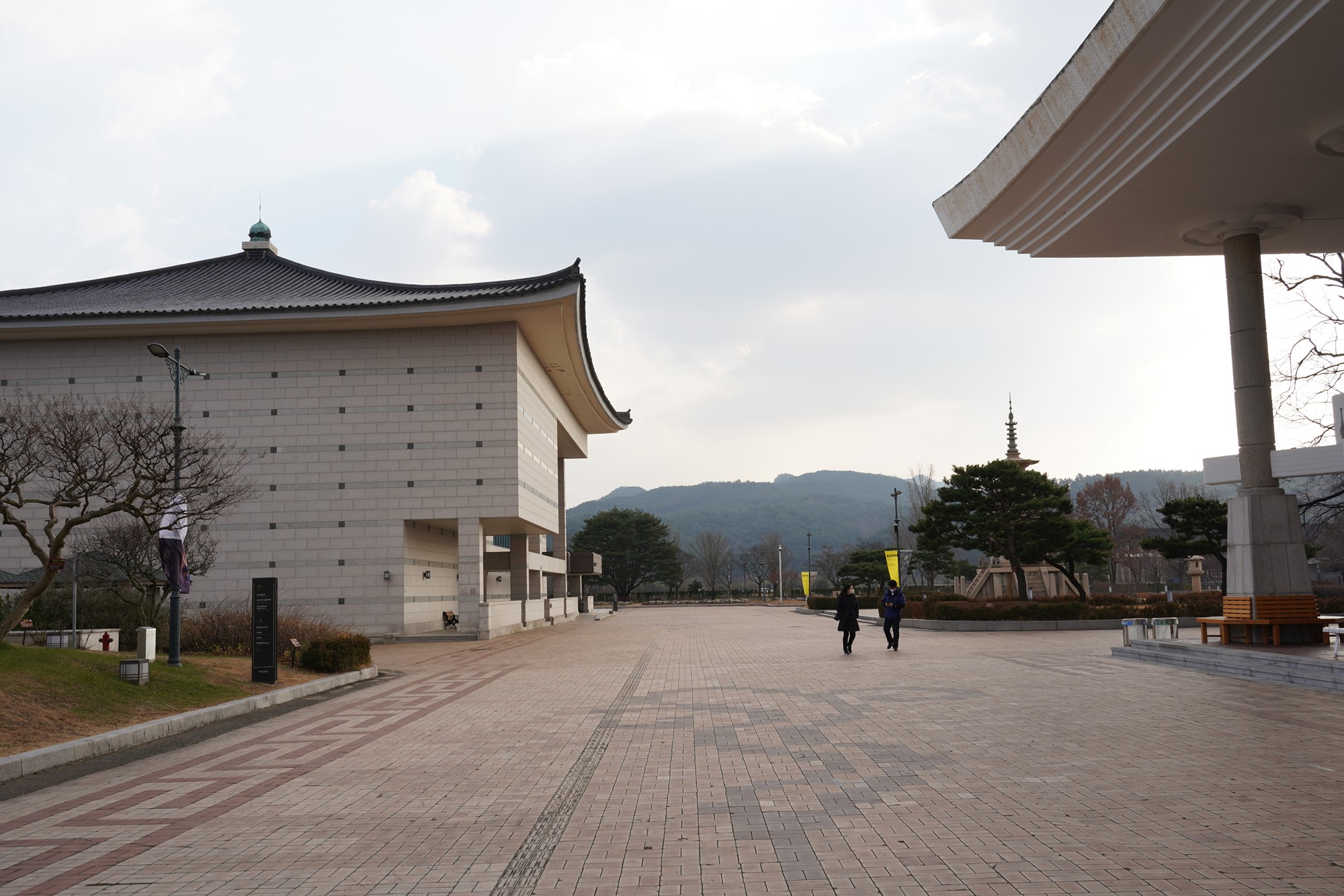
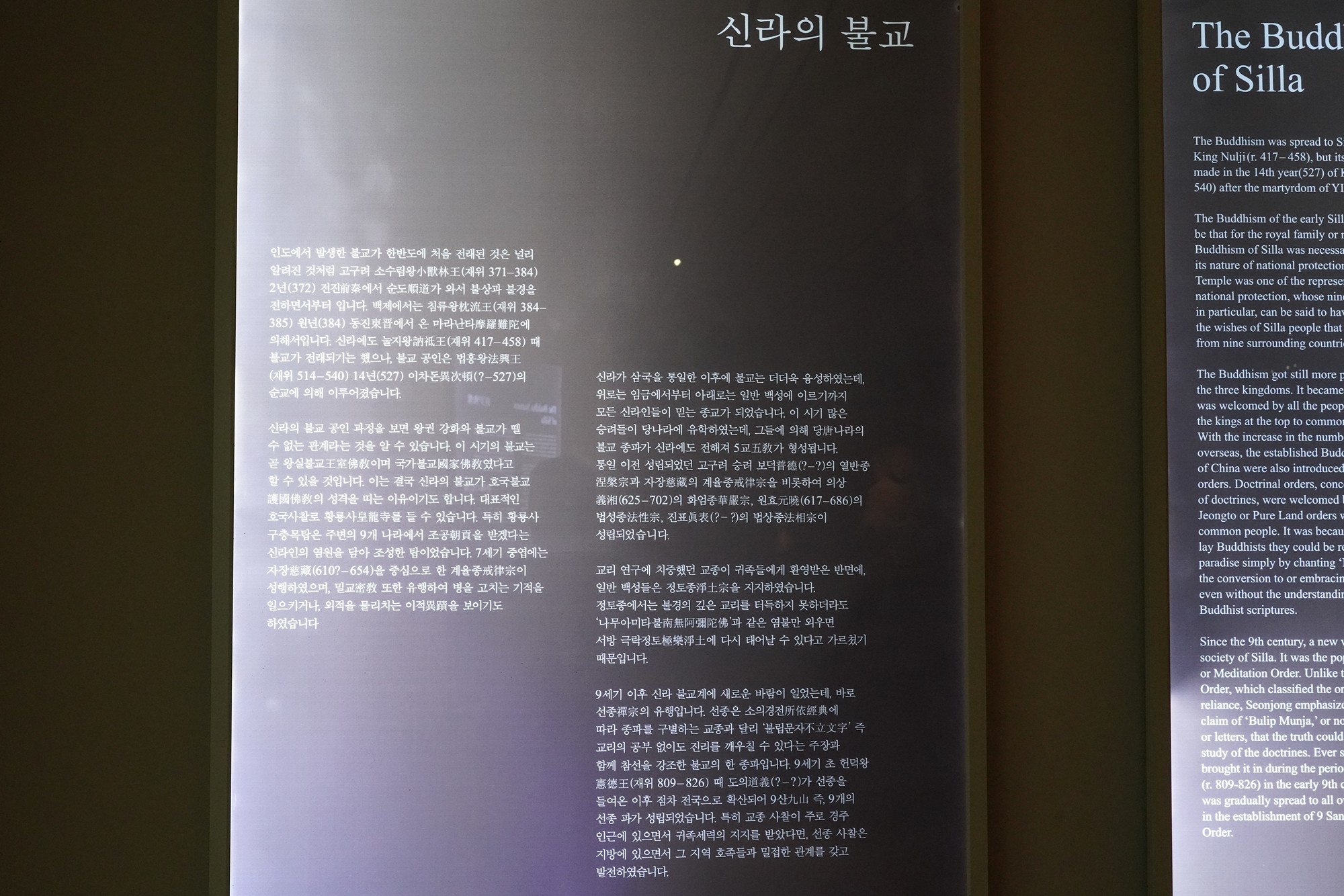
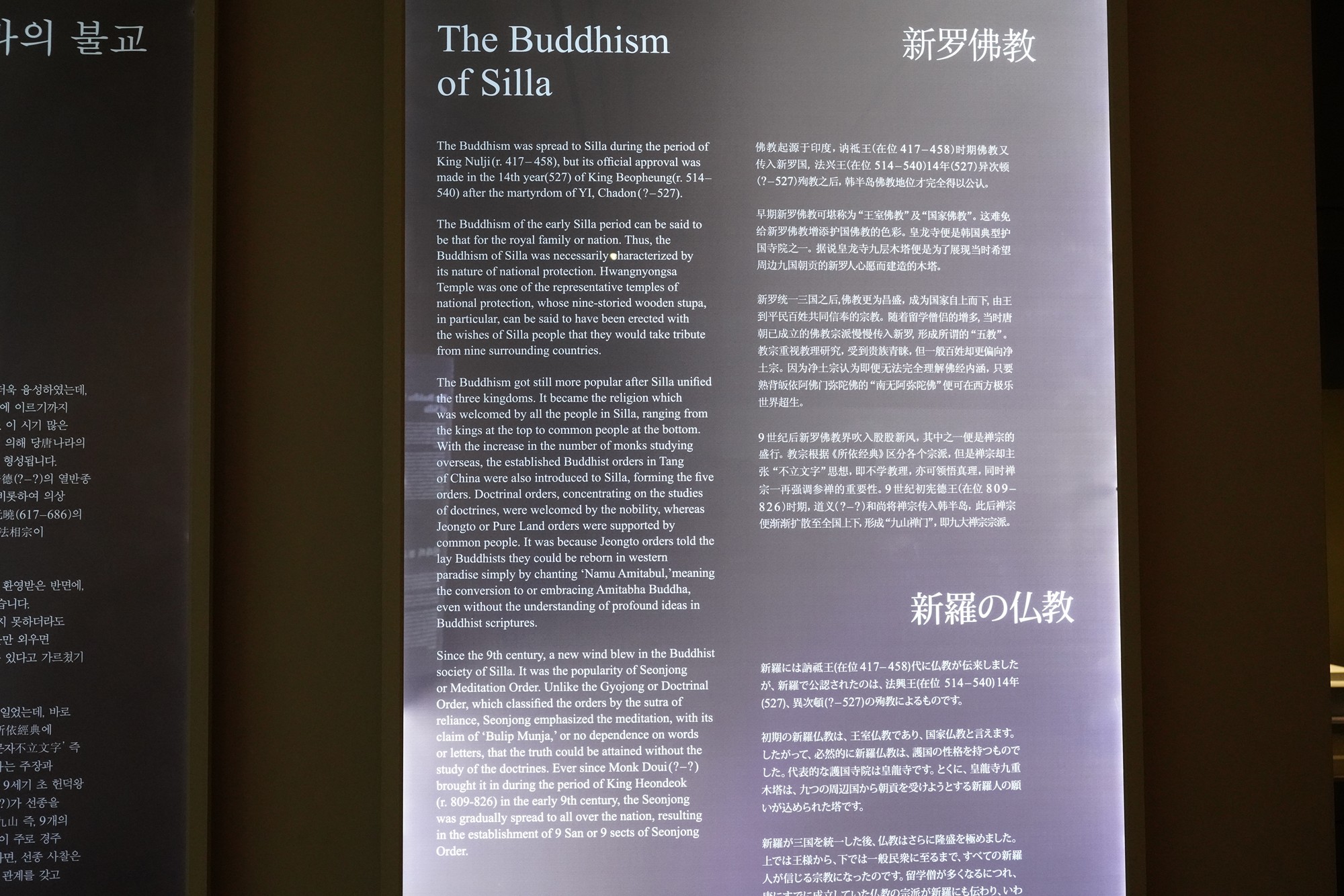
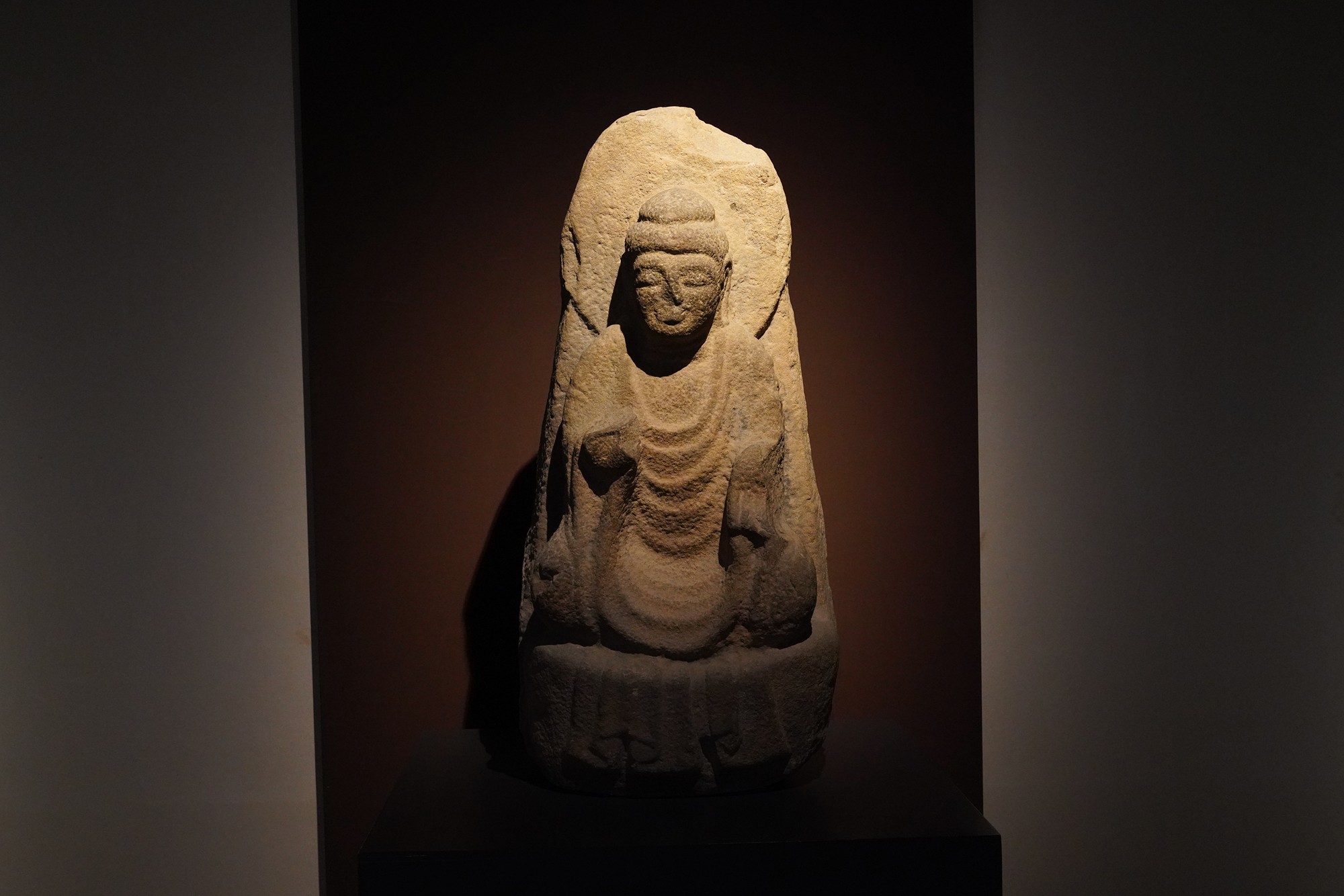
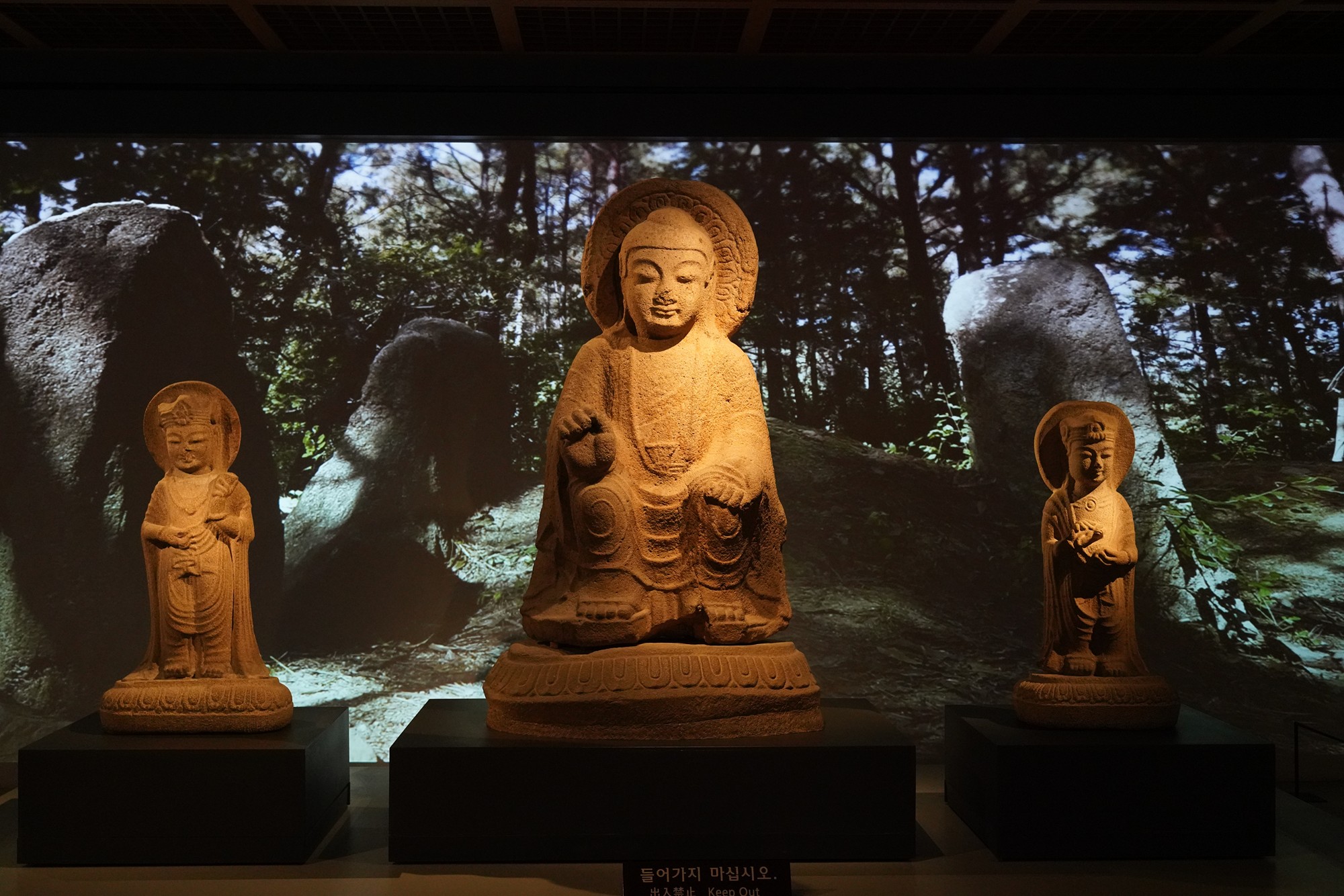
u003cpu003eArtifacts found in Hwangboksa Templeu003c/pu003e
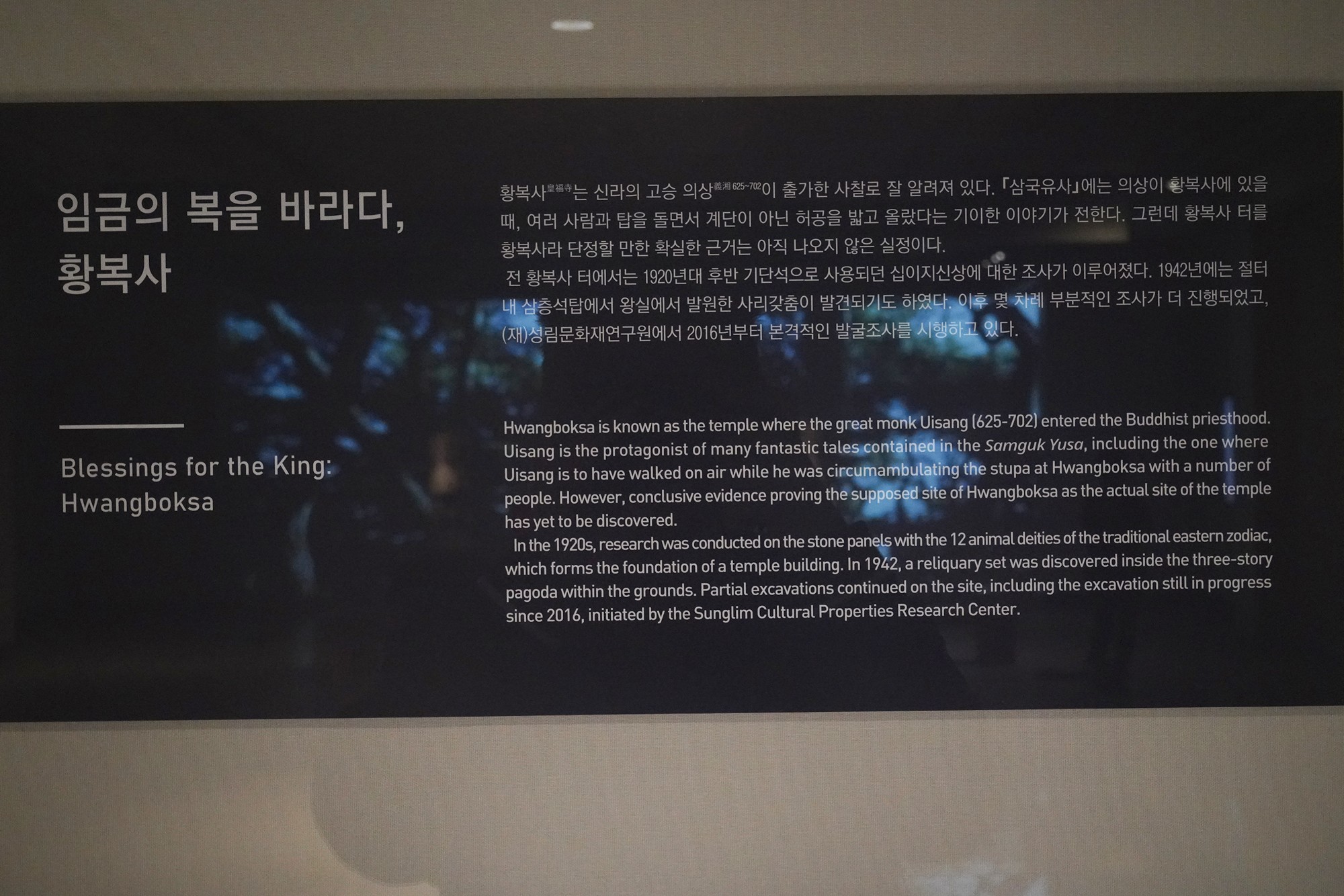
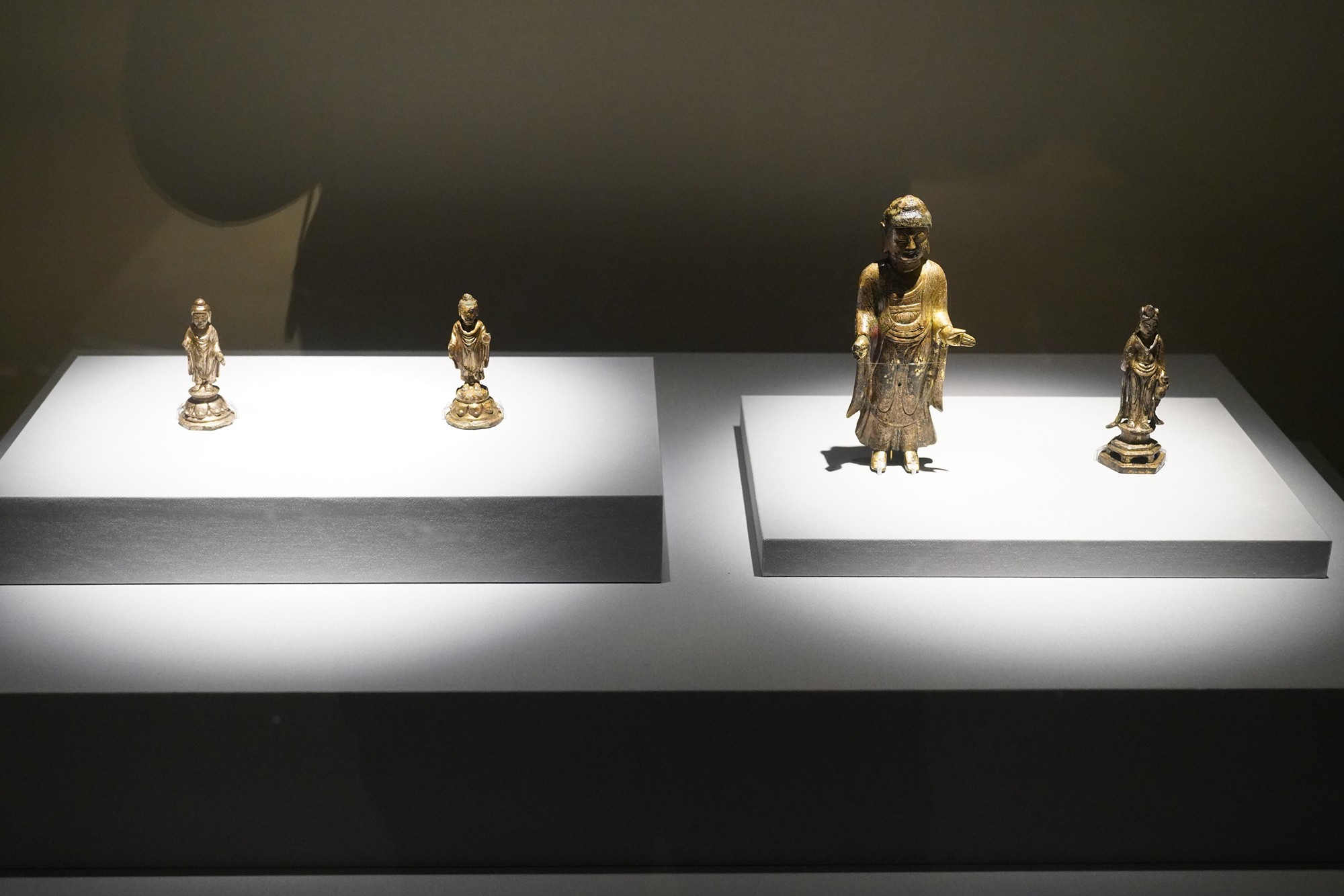
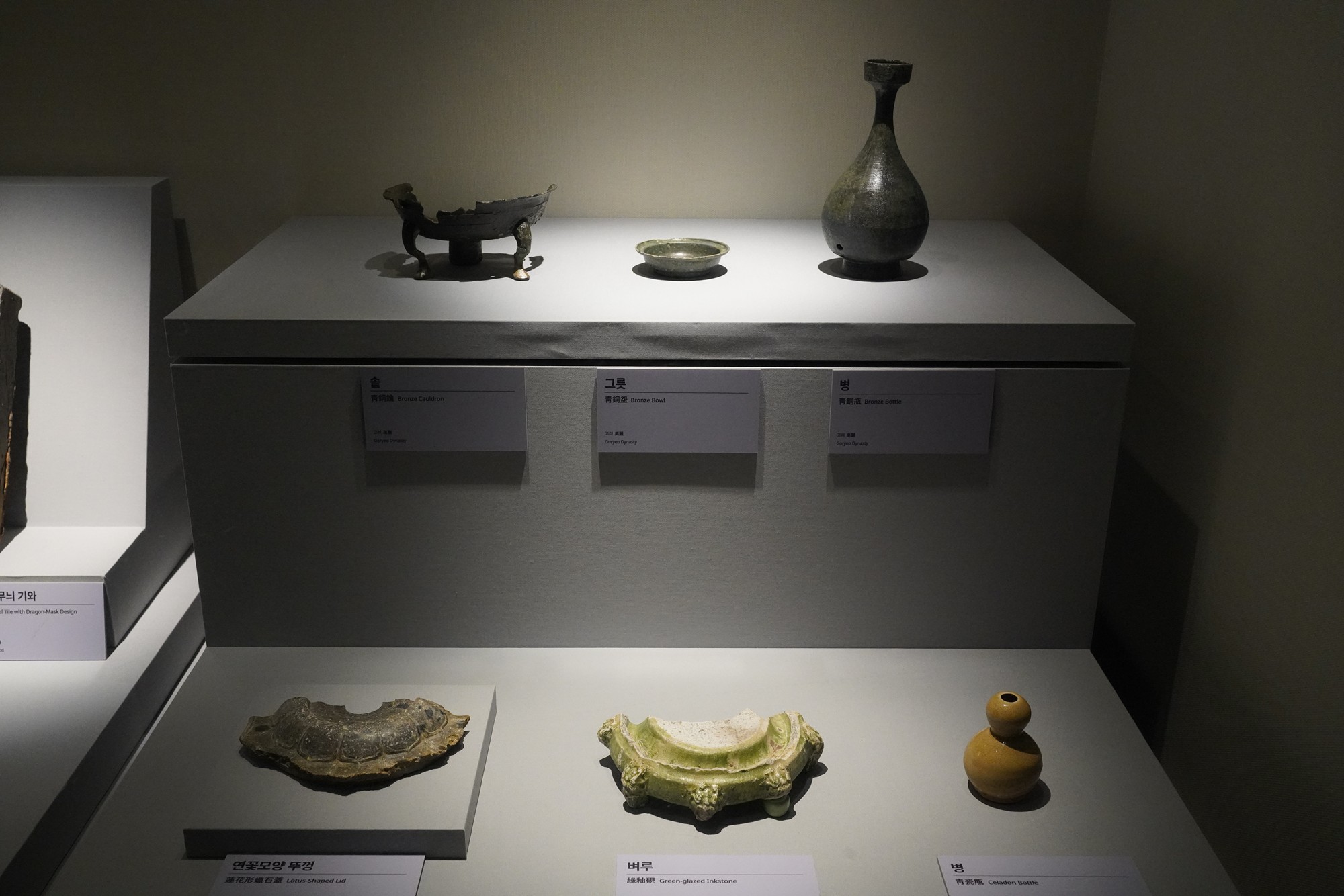
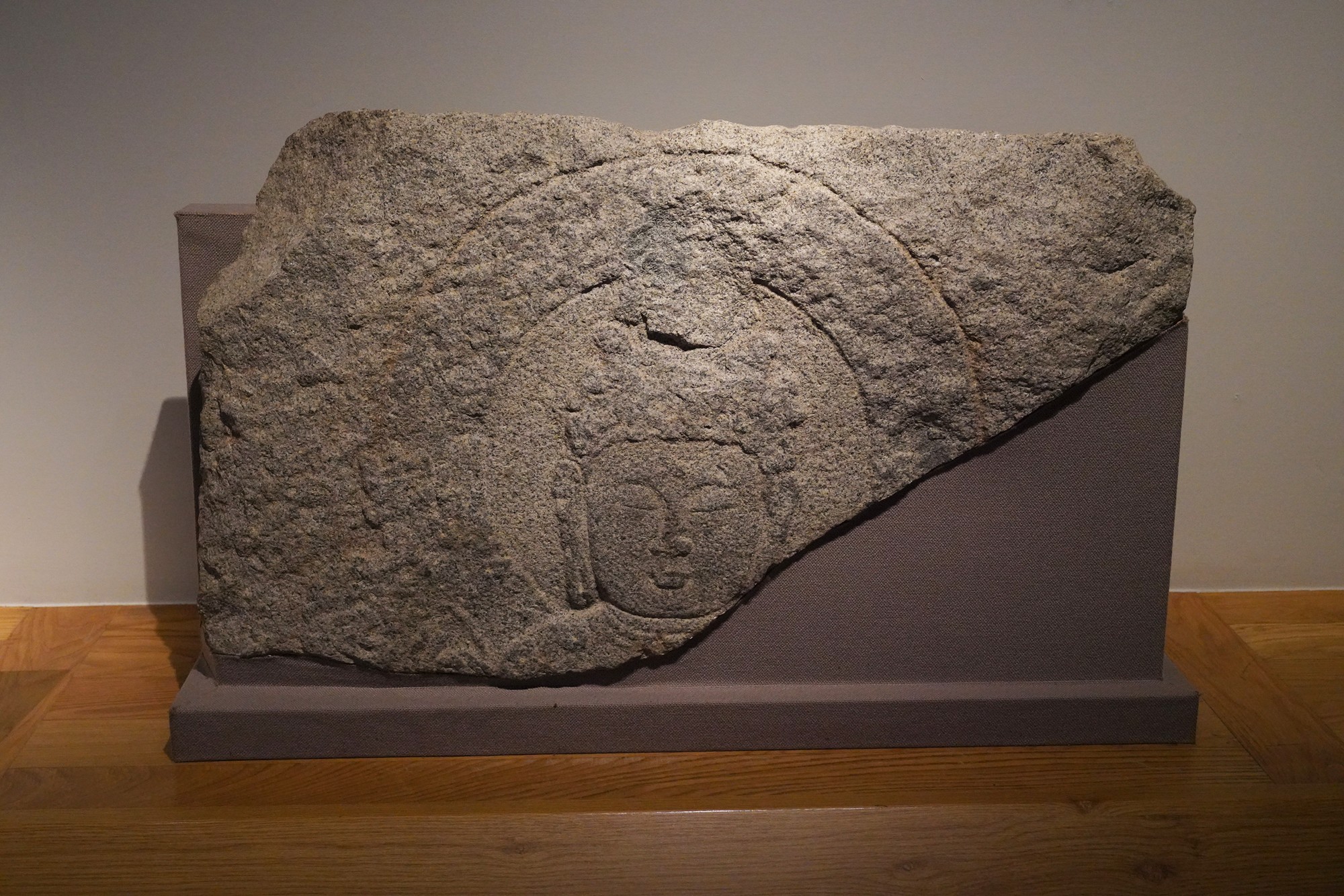
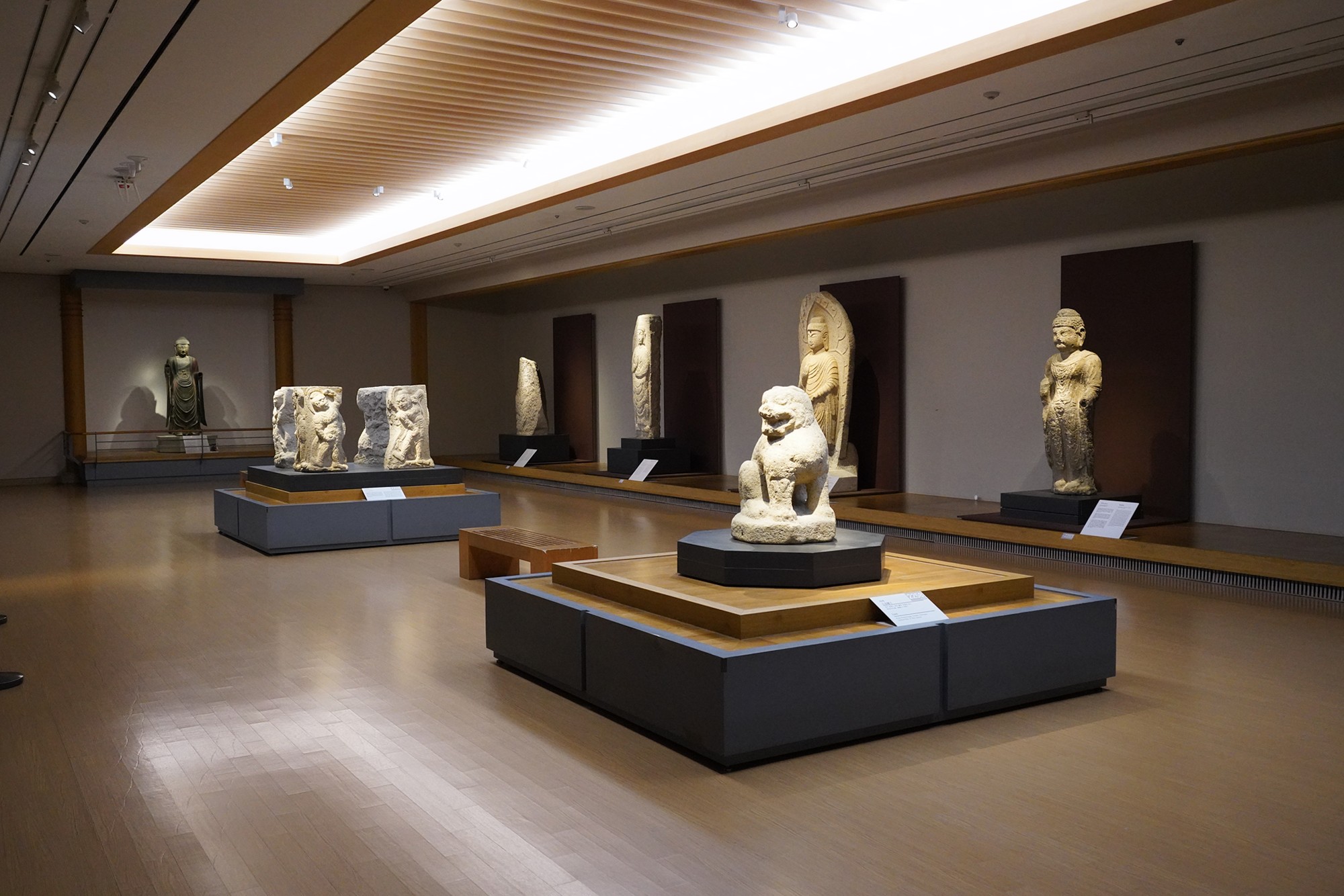
u003cpu003eGeneral collectionu003c/pu003e
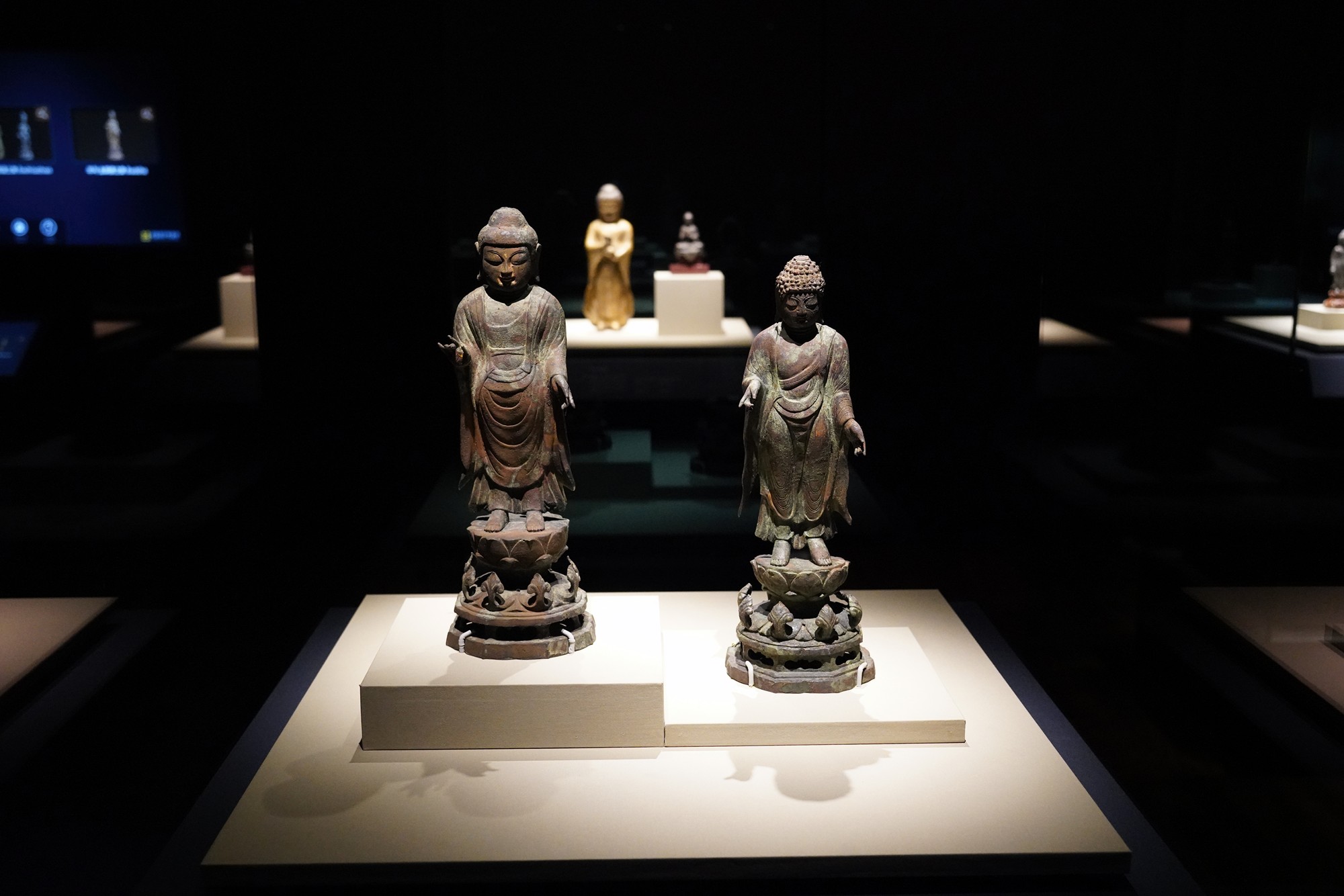
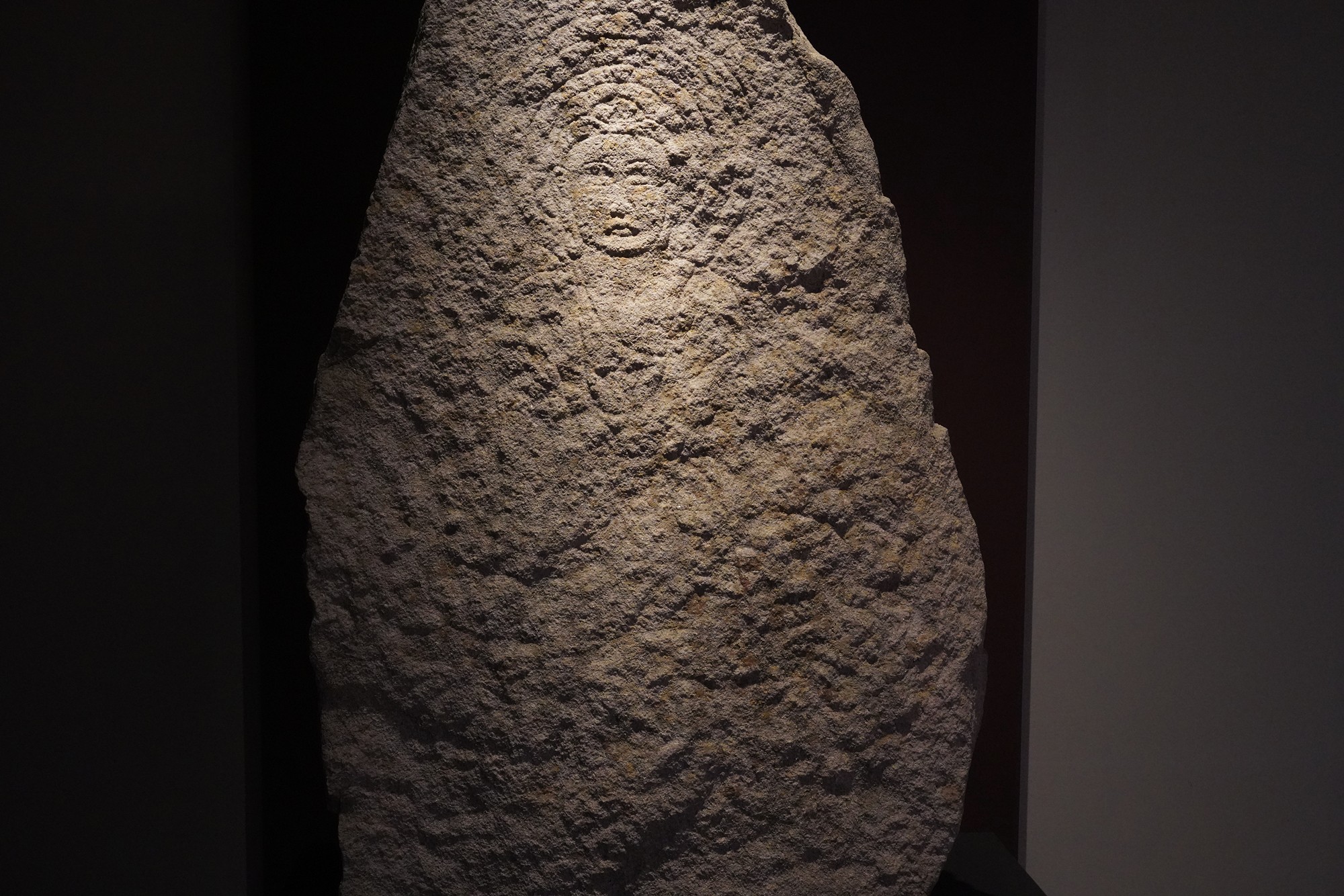
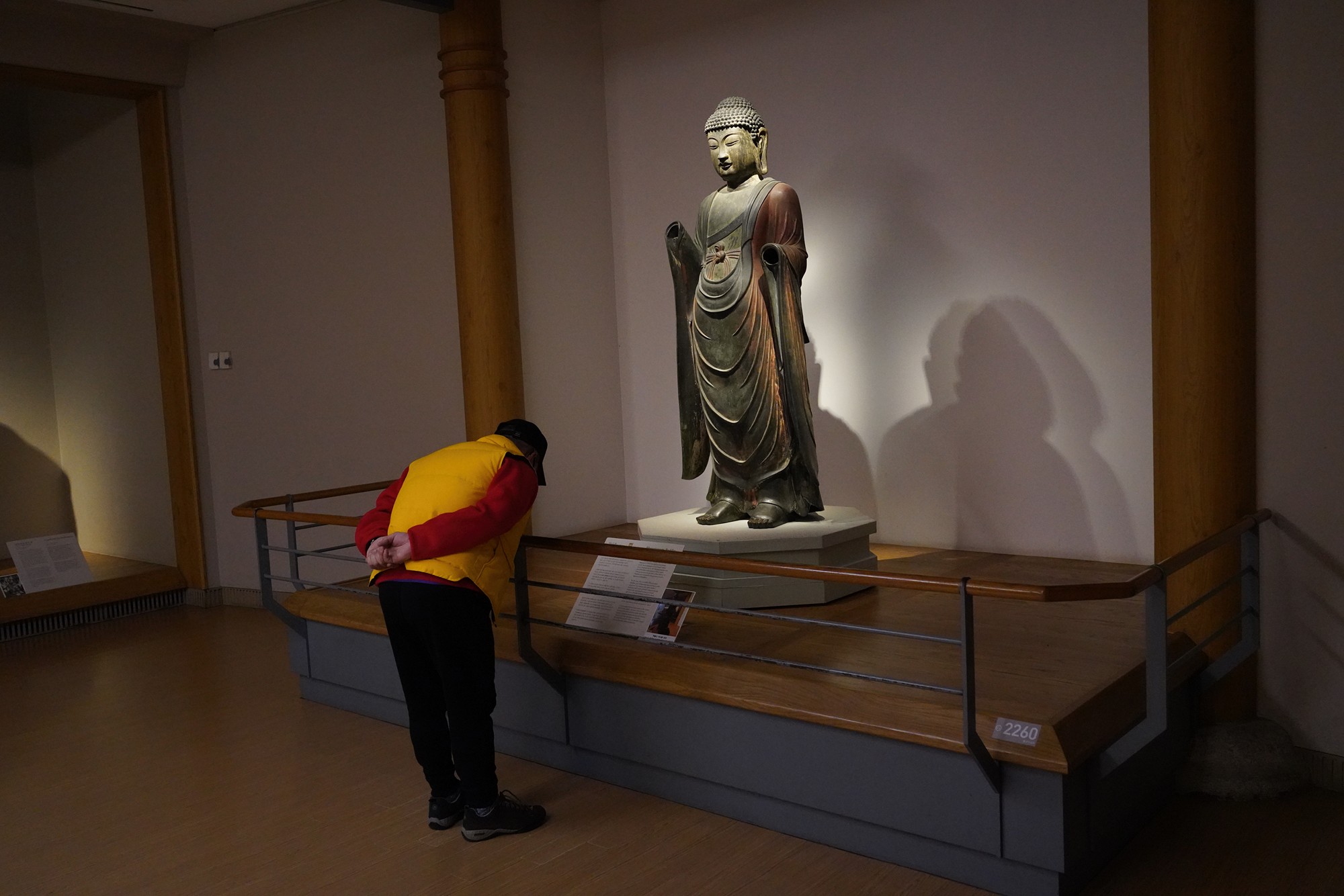
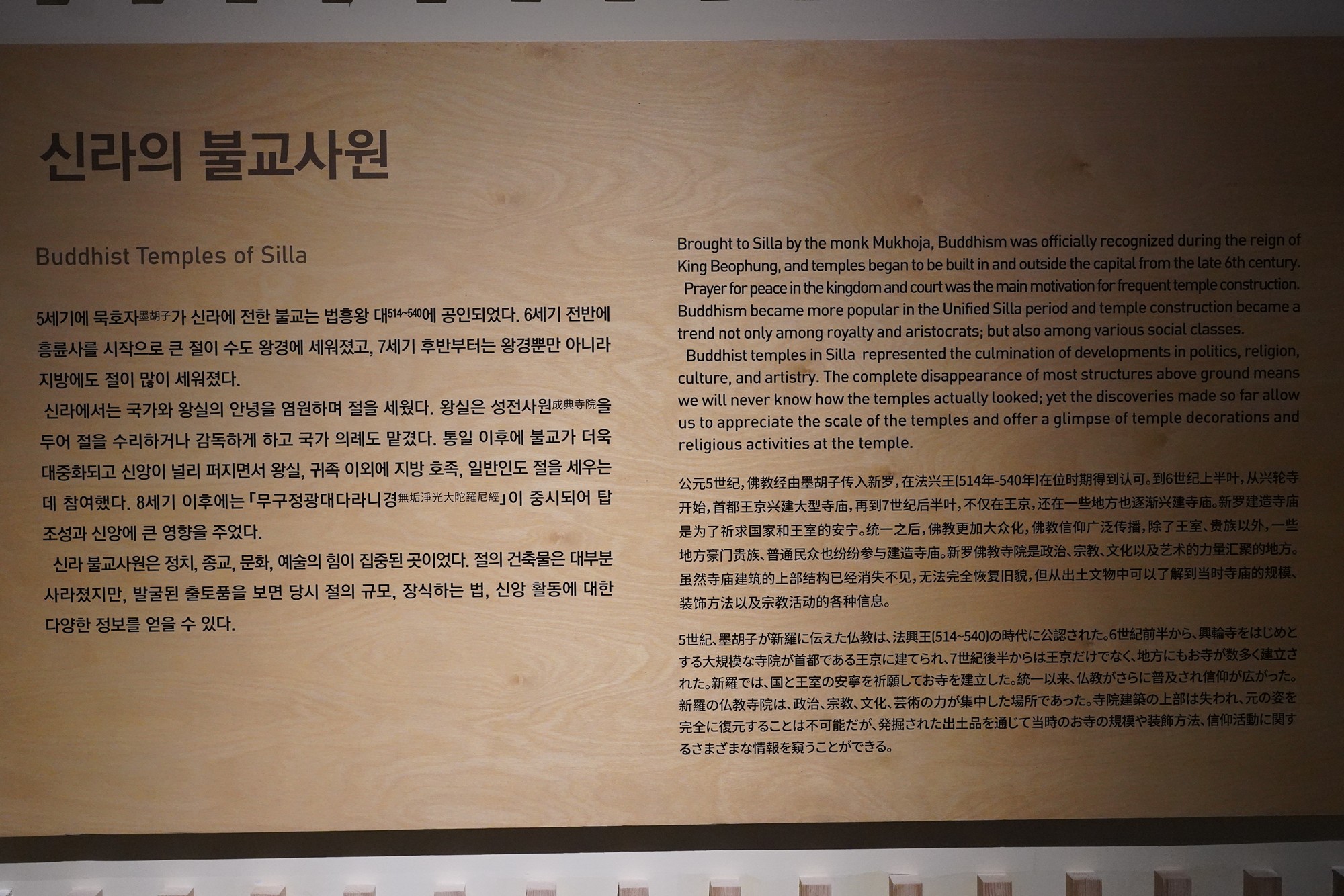
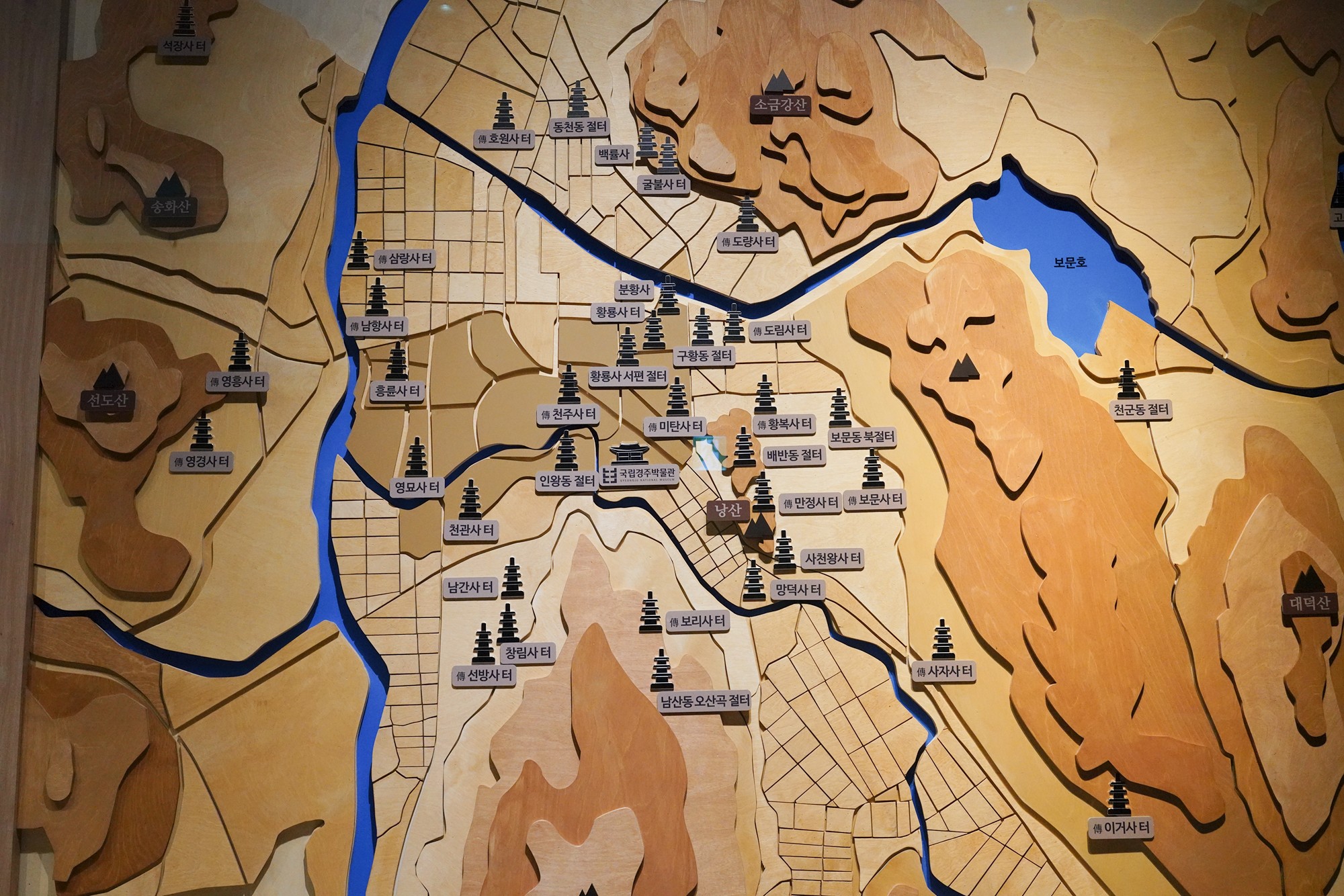
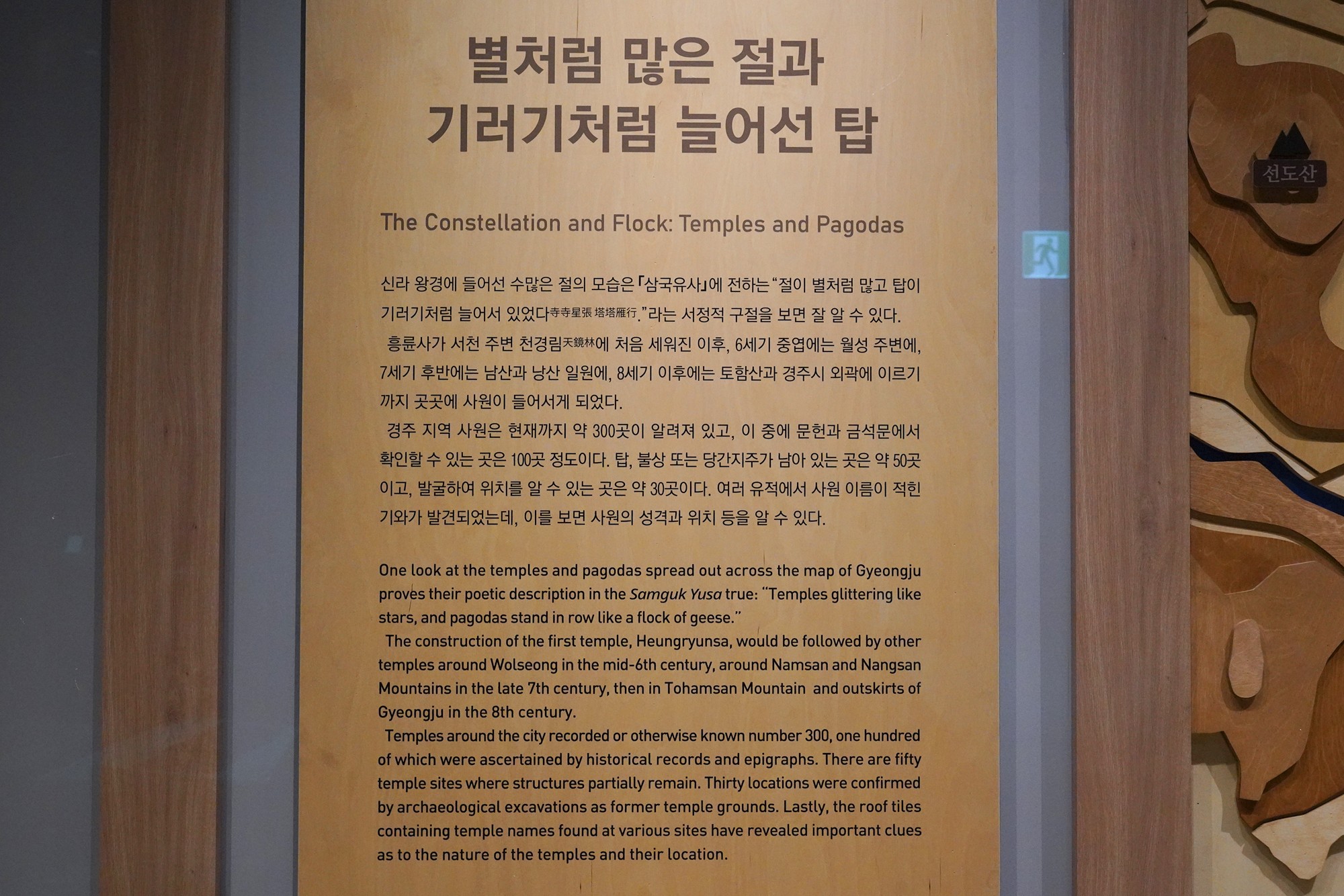
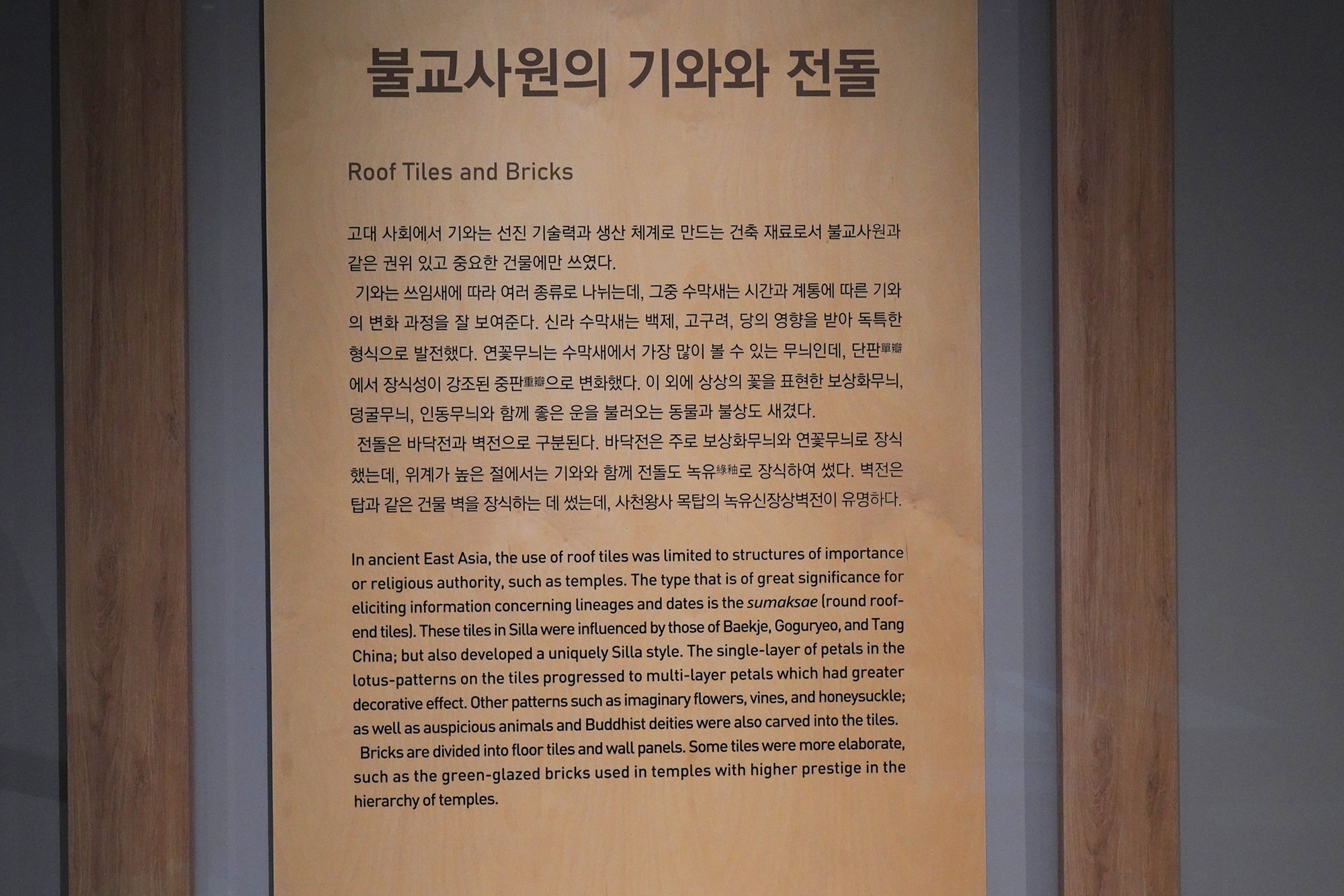
u003cpu003eThere were many Buddhist temples in Sillau003c/pu003e
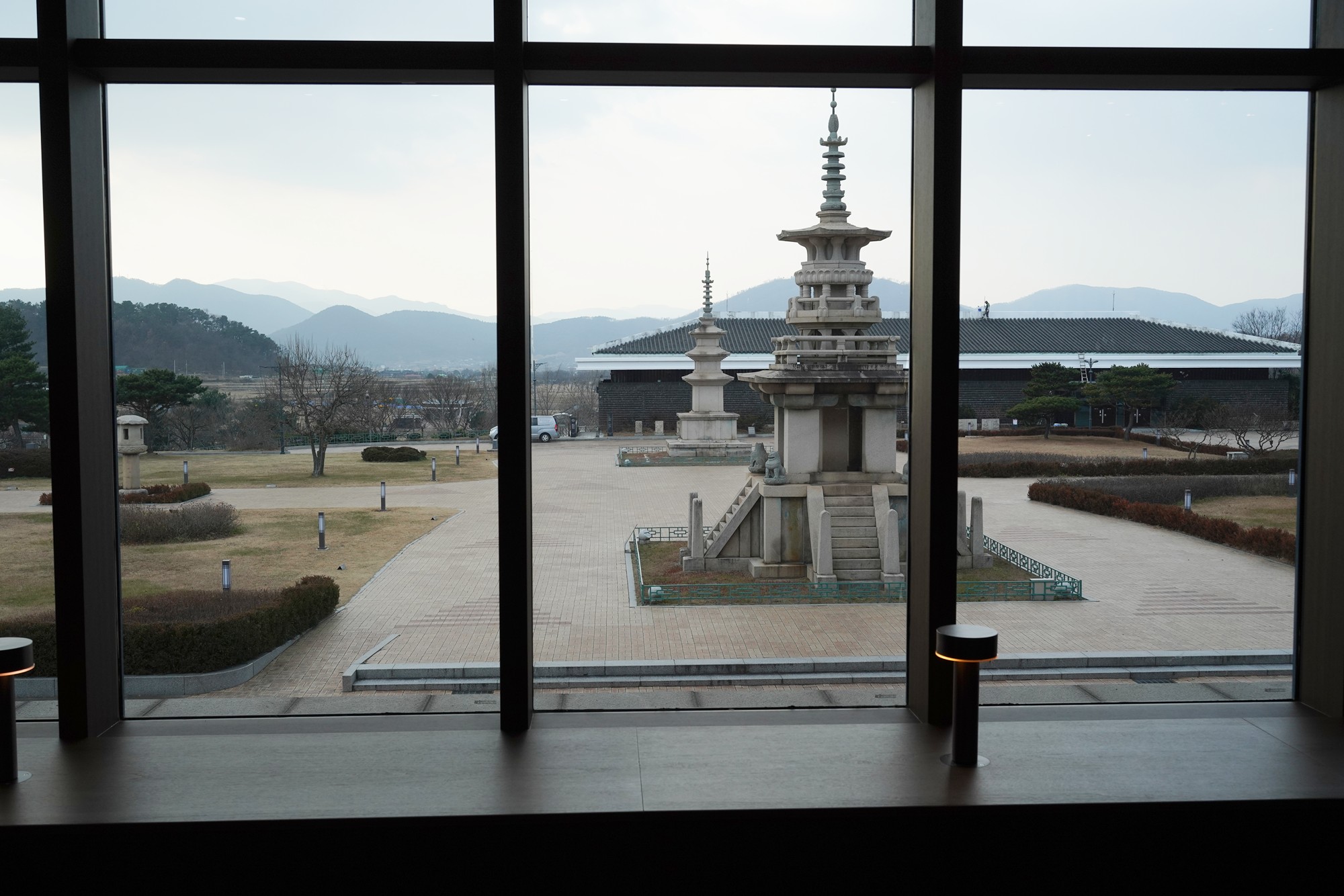
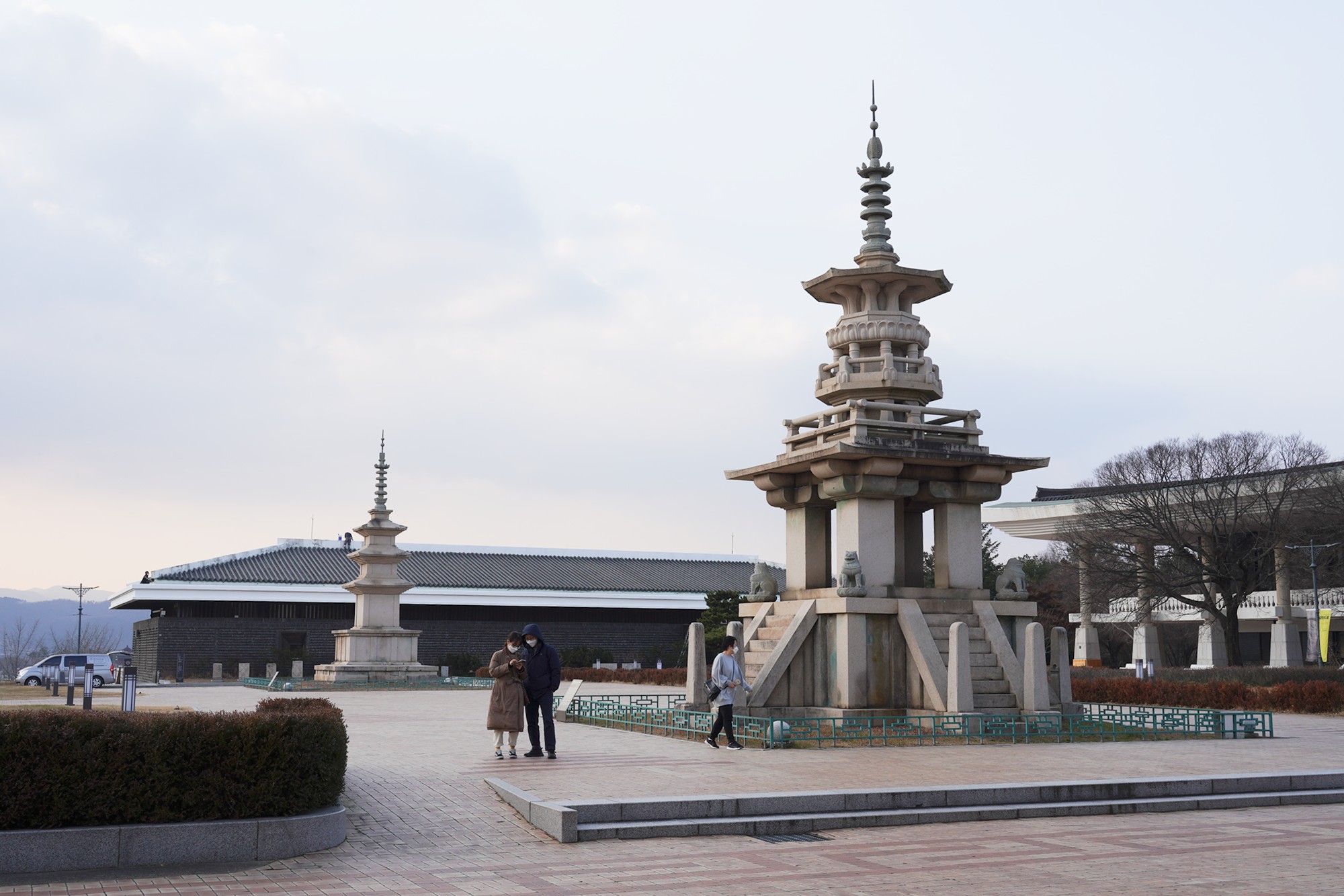
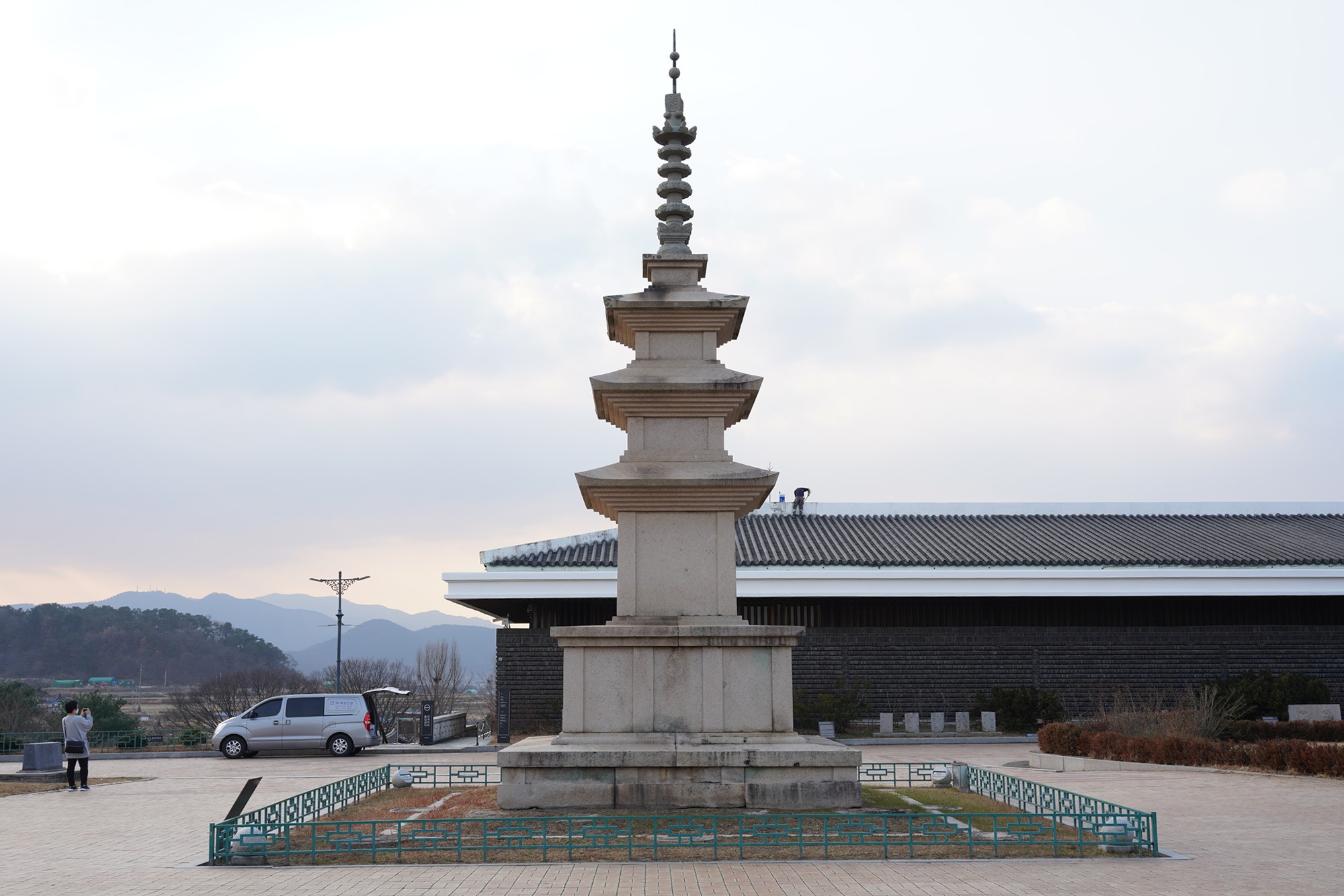
u003cpu003eThese two tops are duplicates of originals in Bulguksa temple.u003c/pu003e
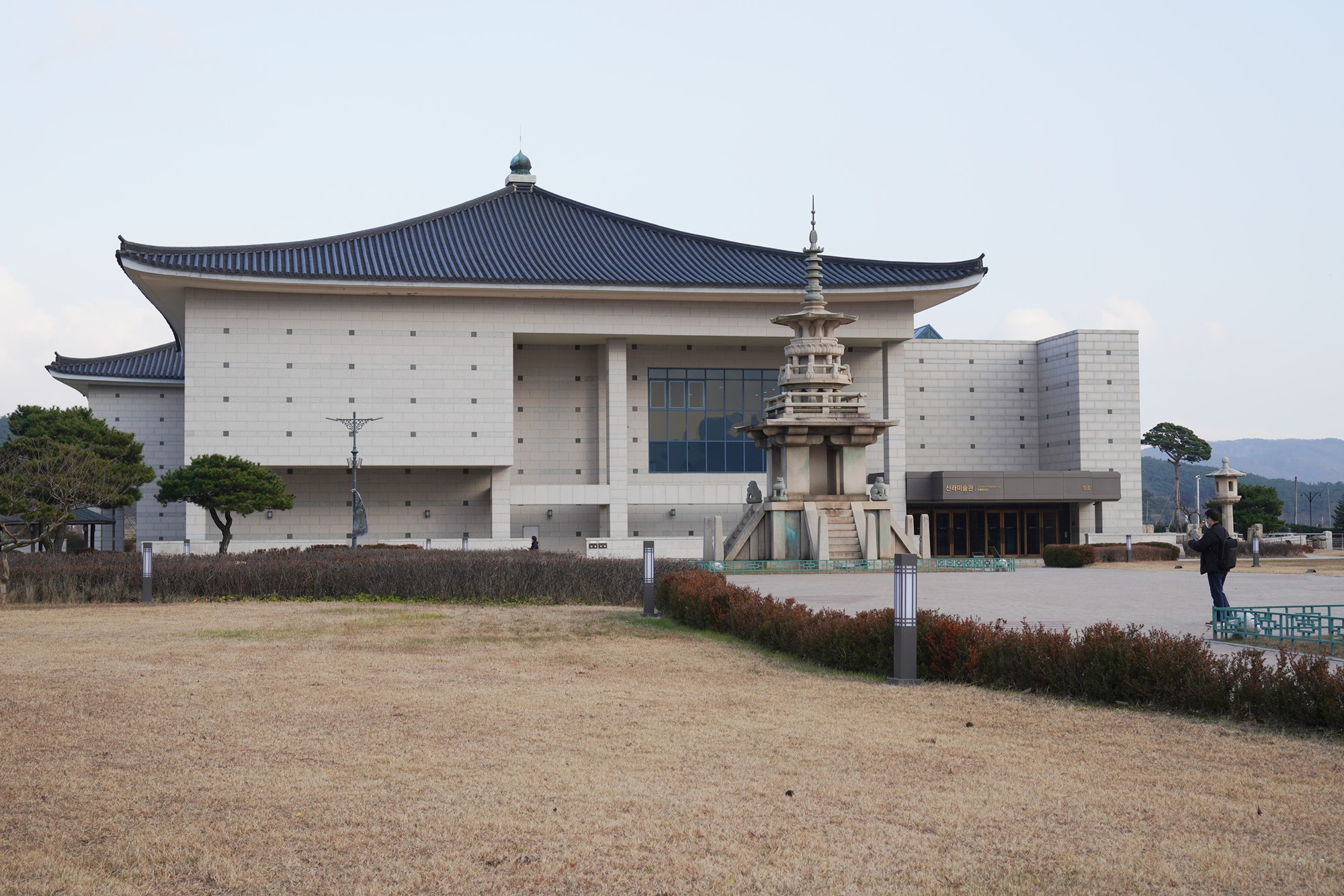
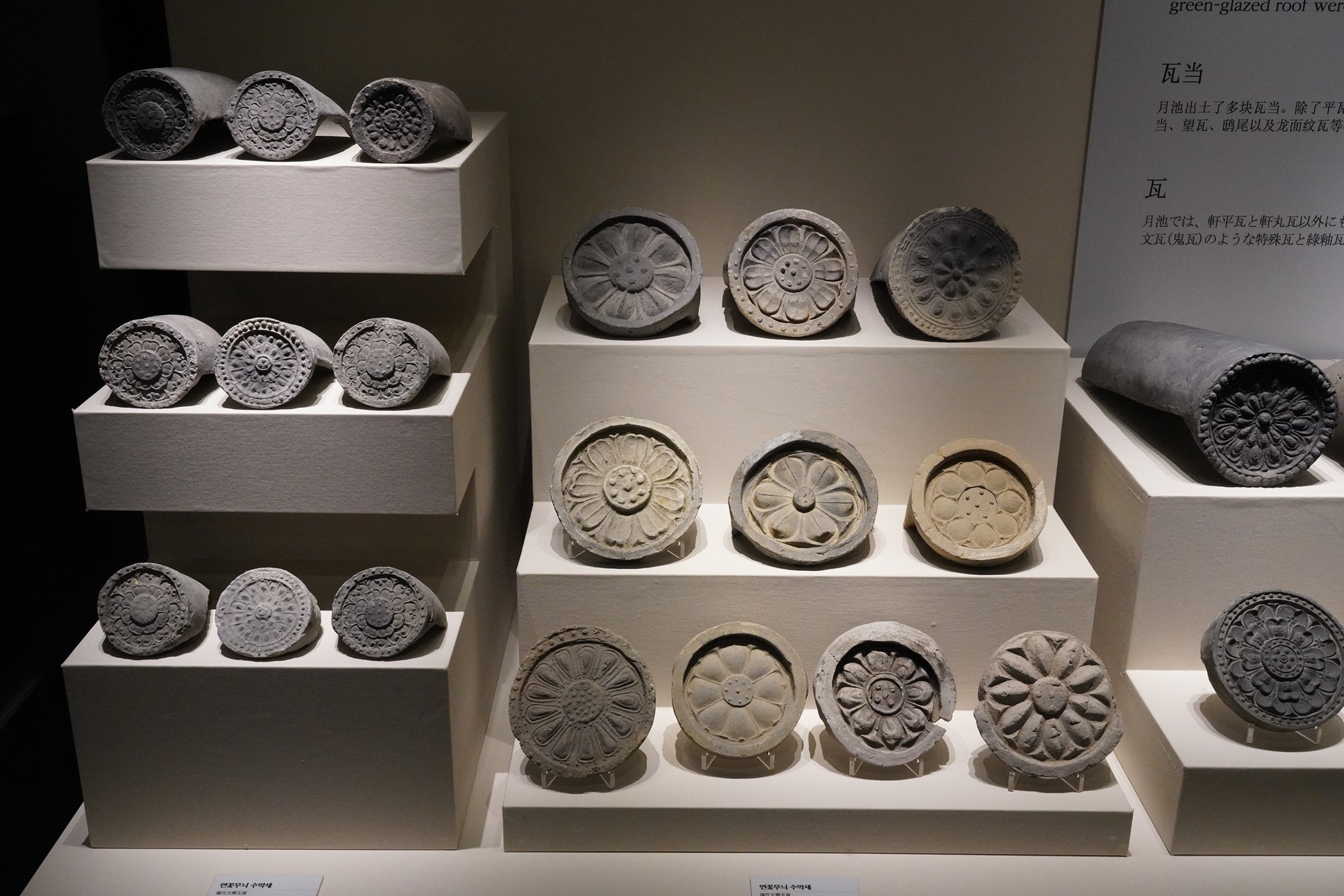
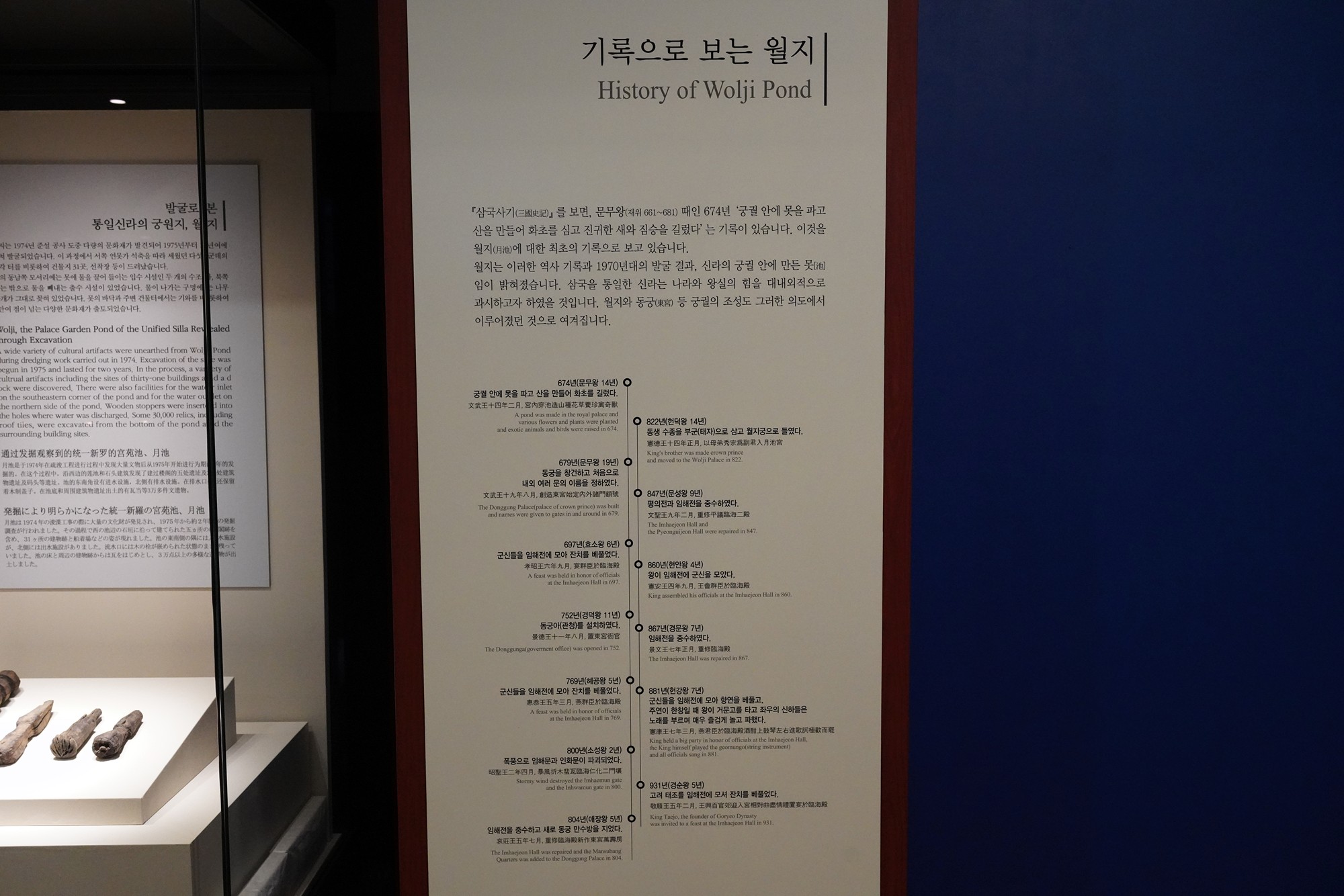
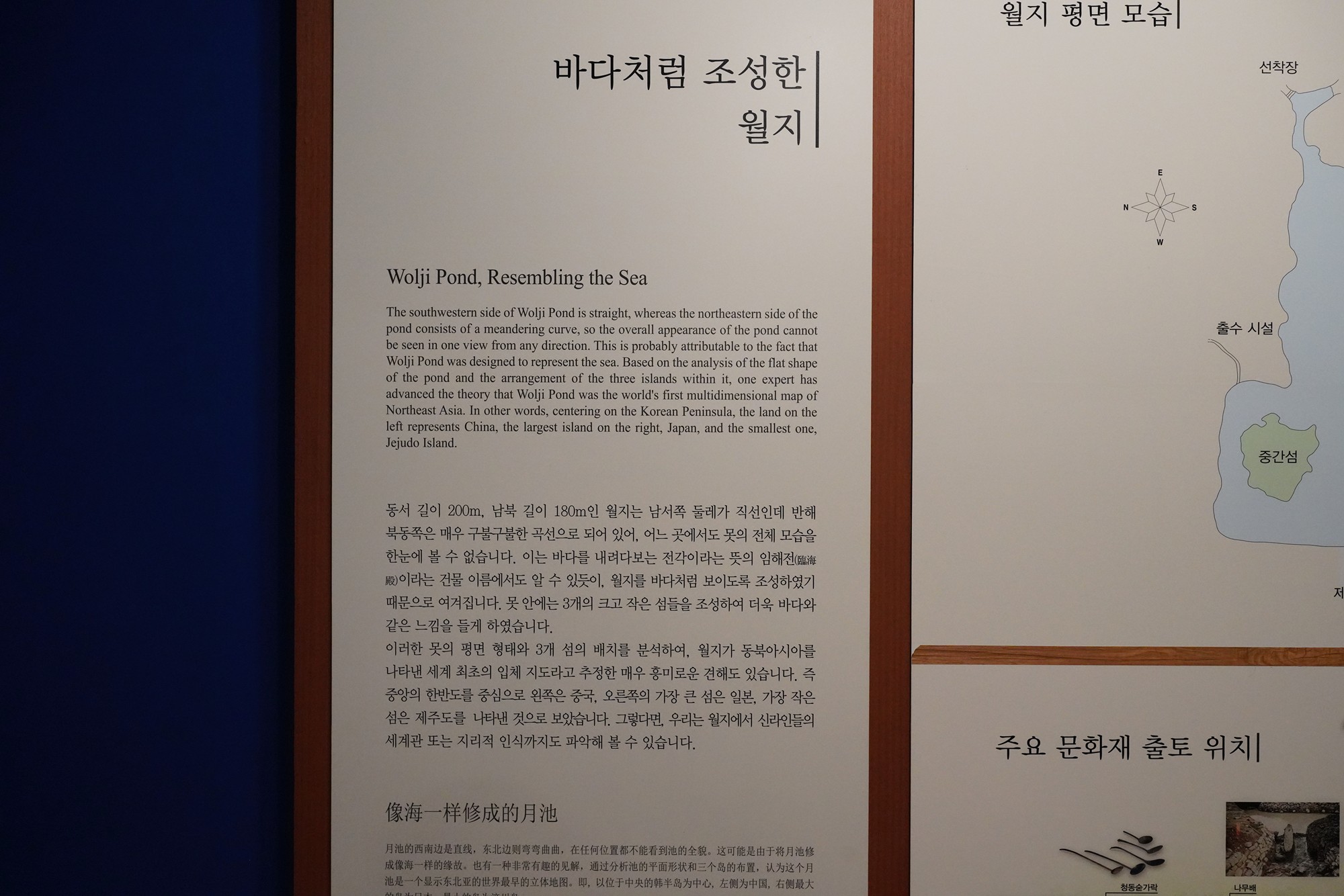
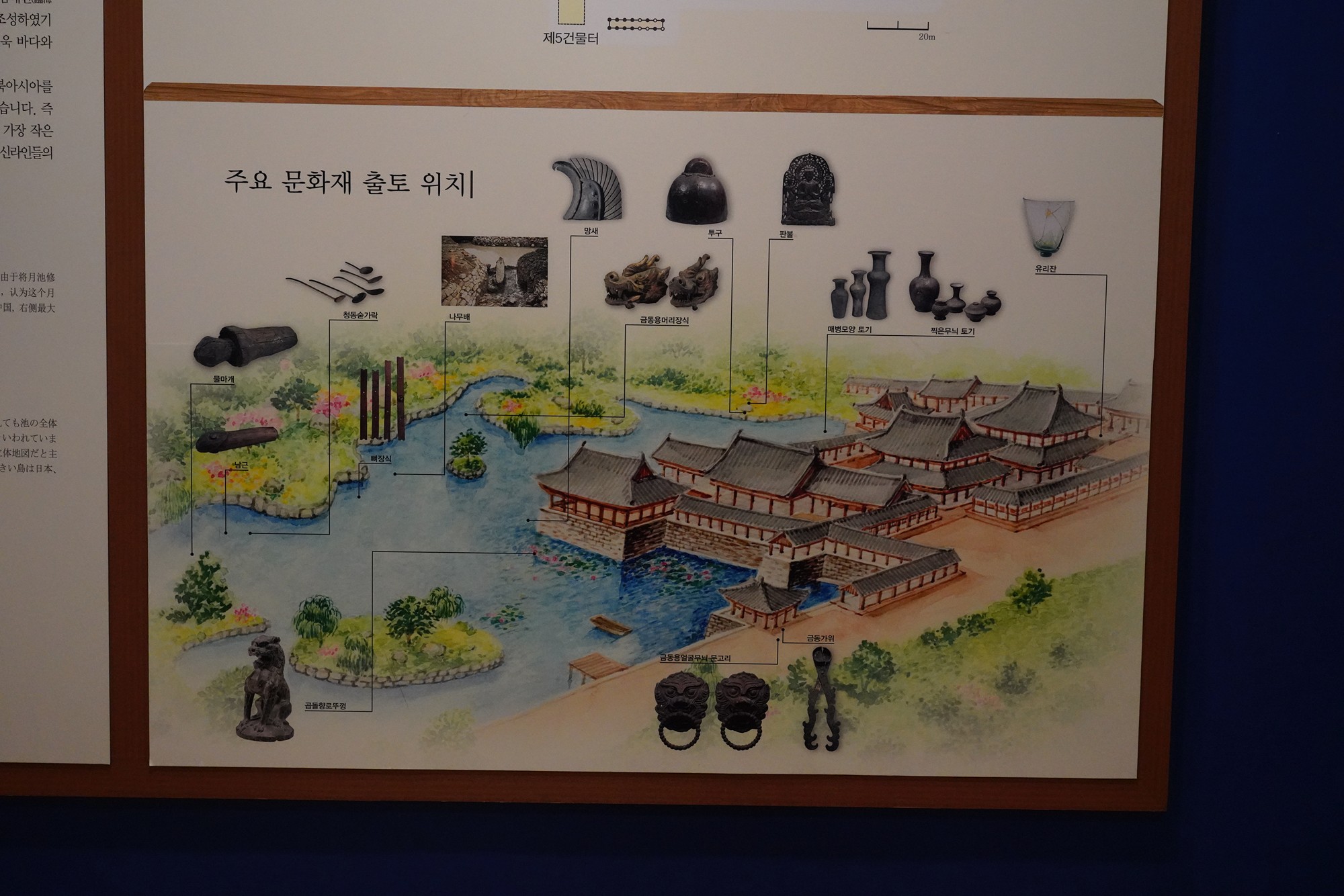
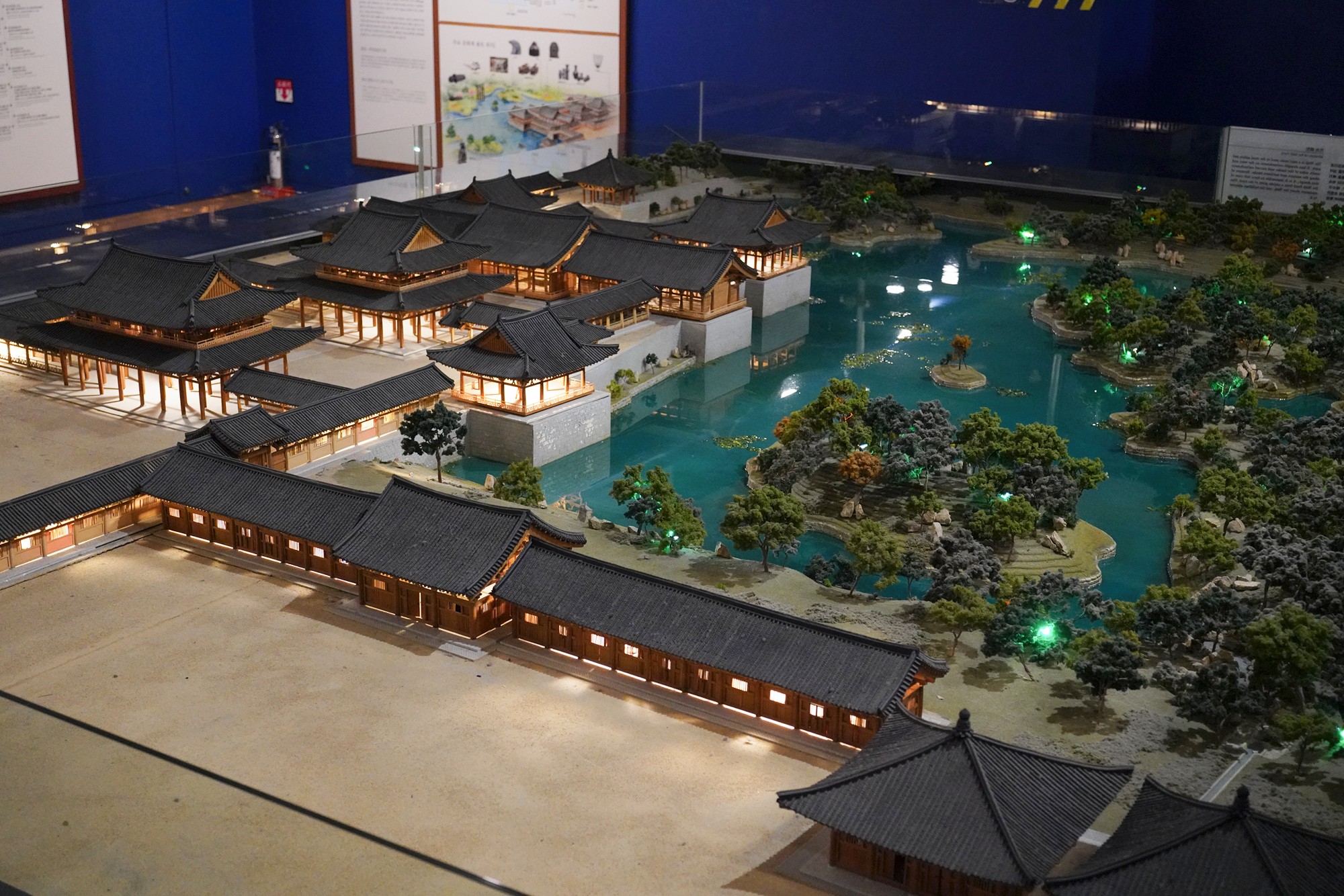
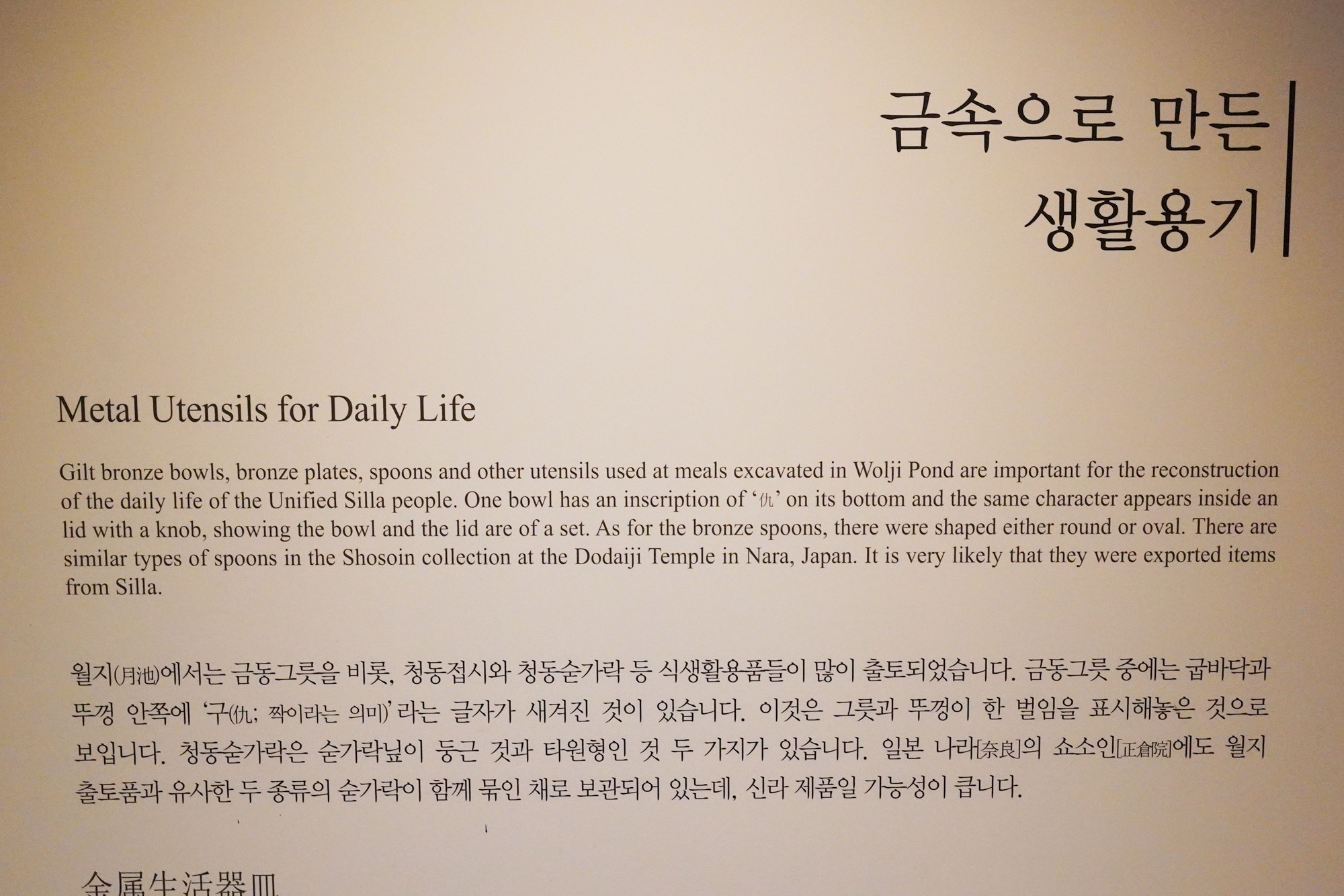
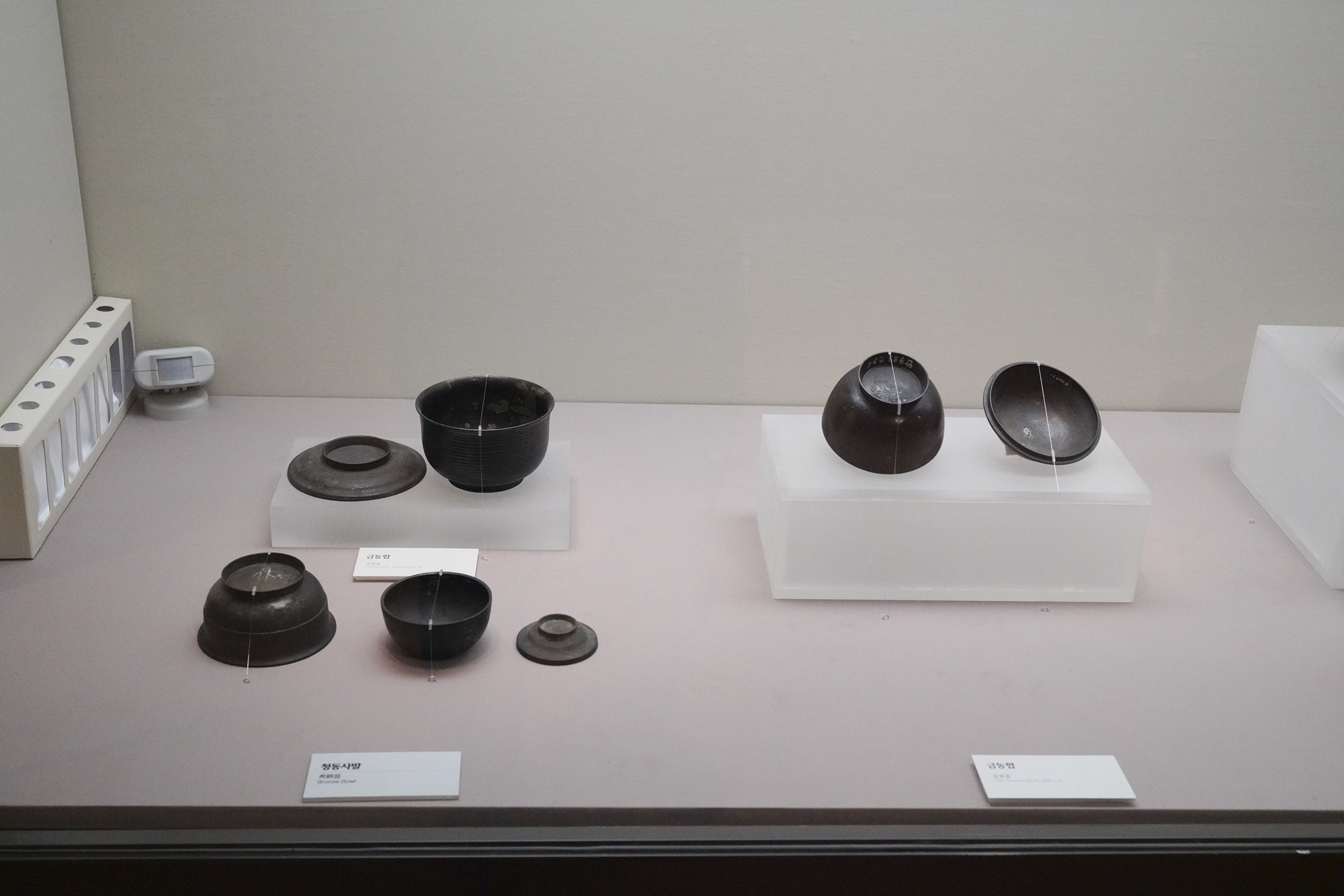
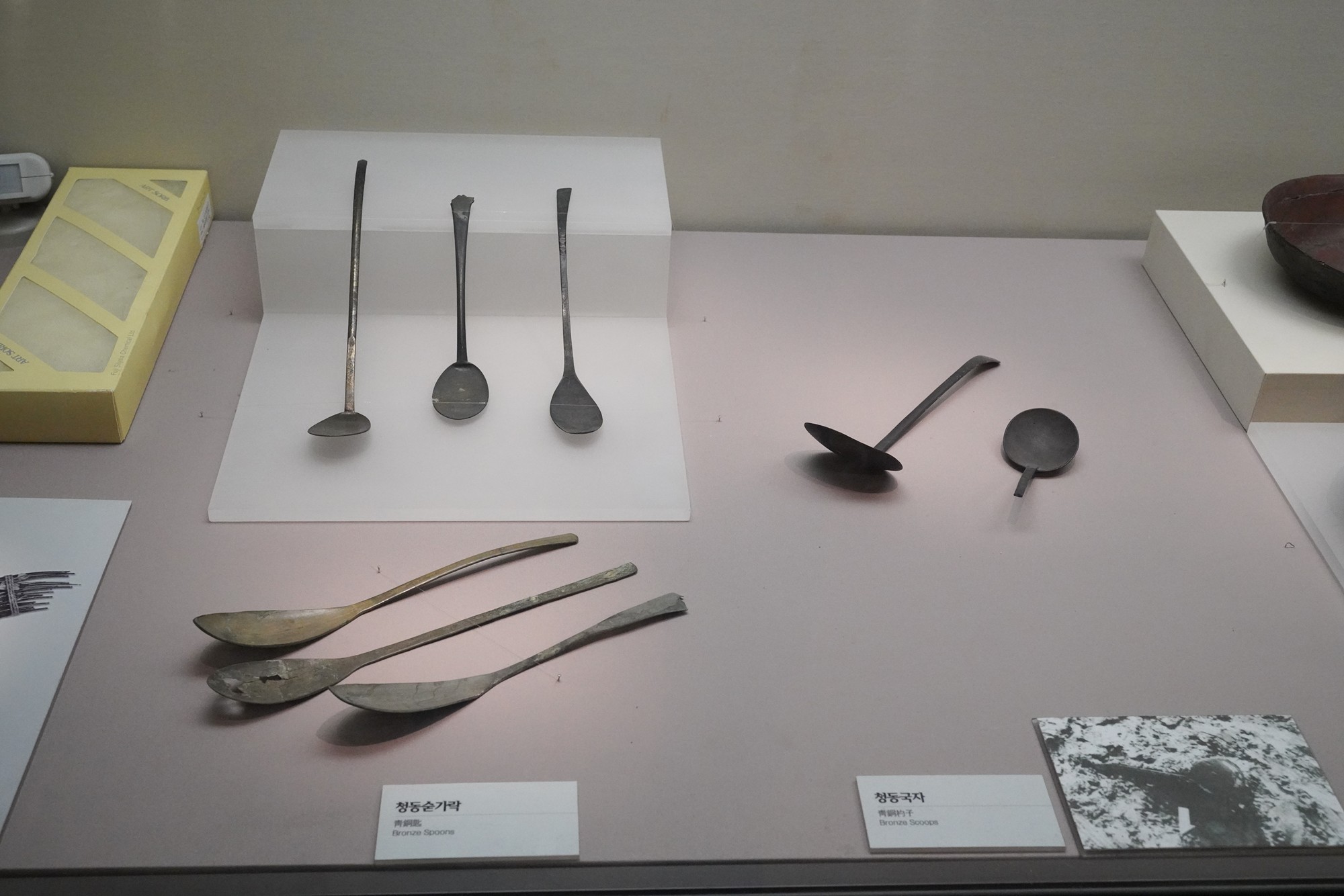
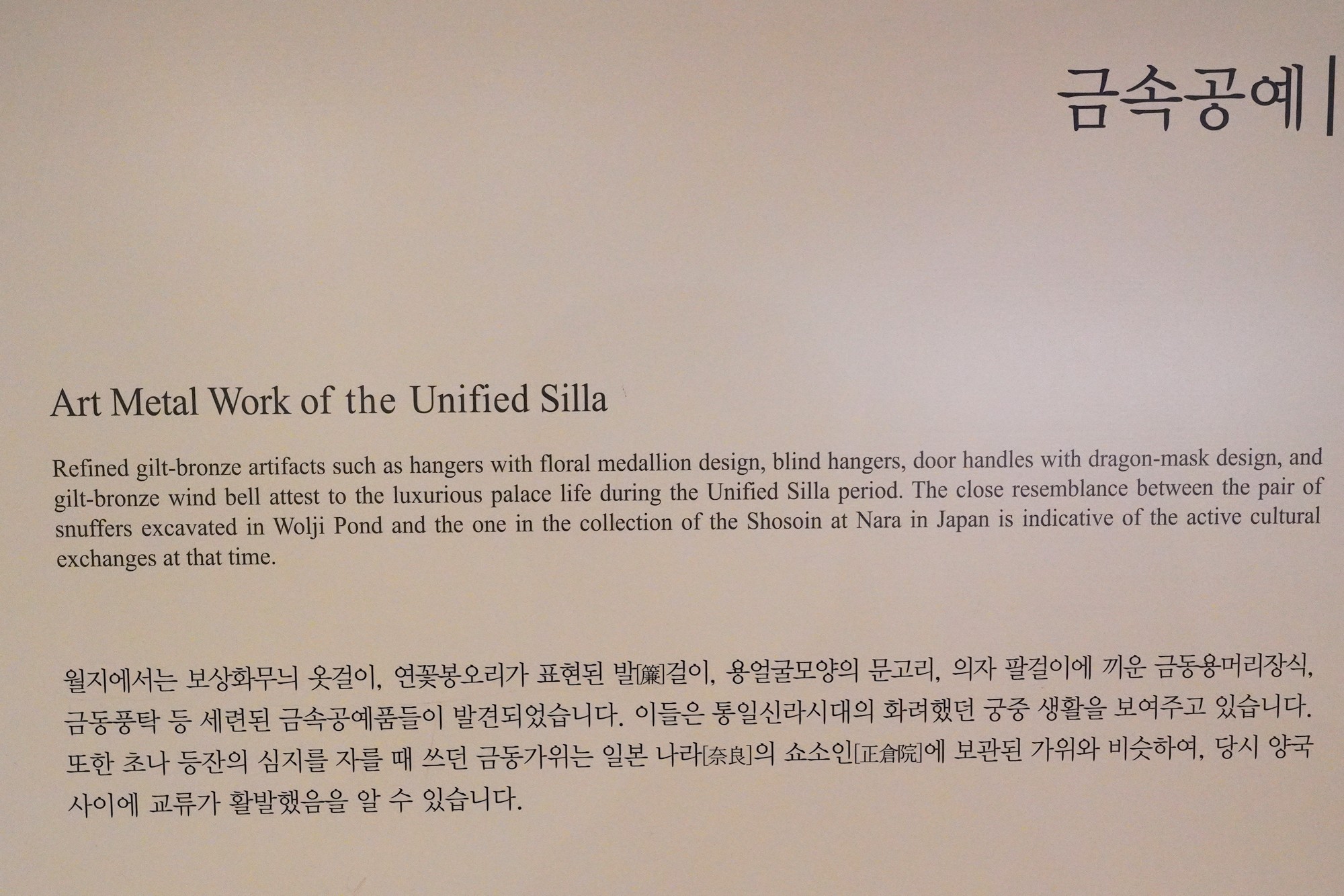
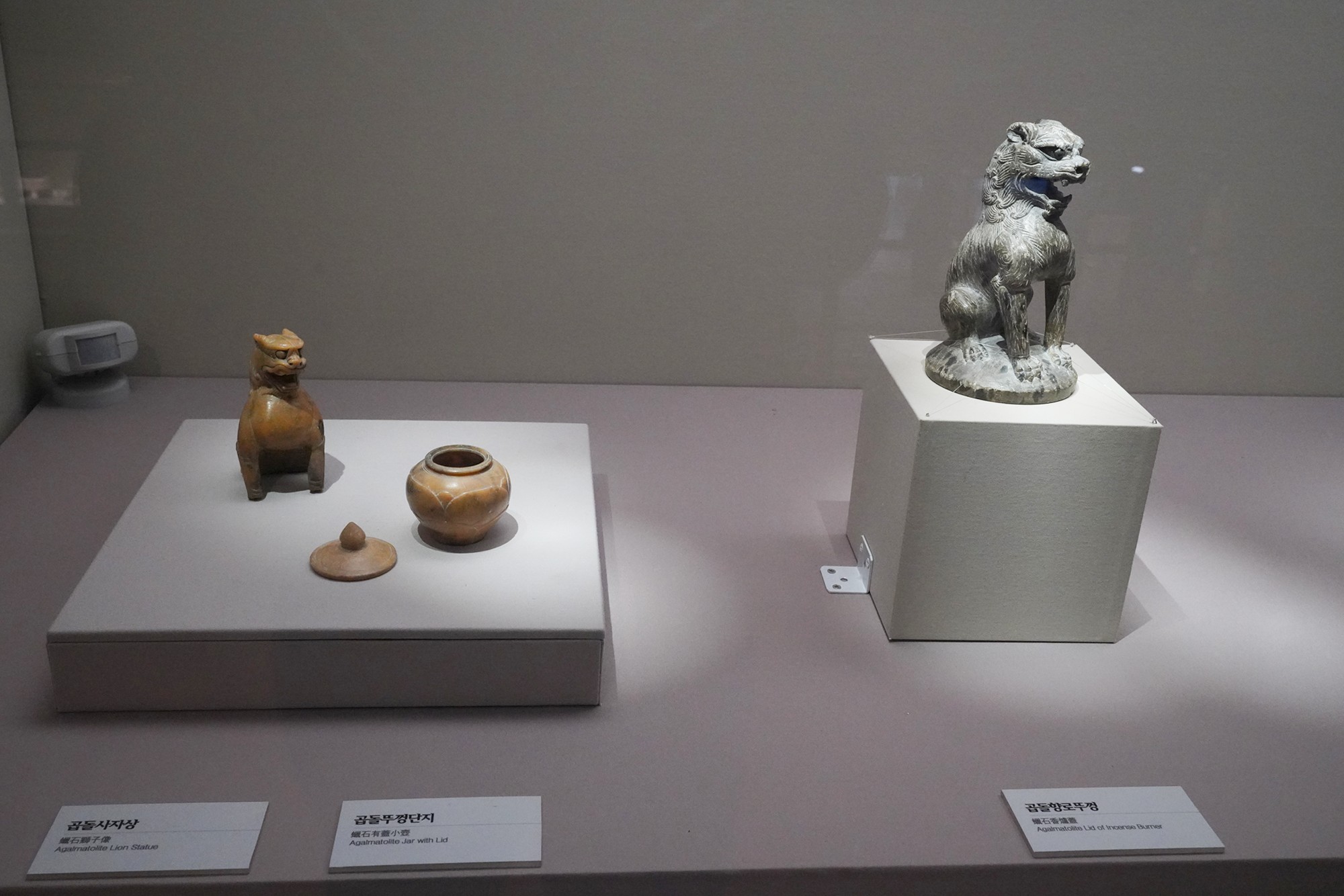
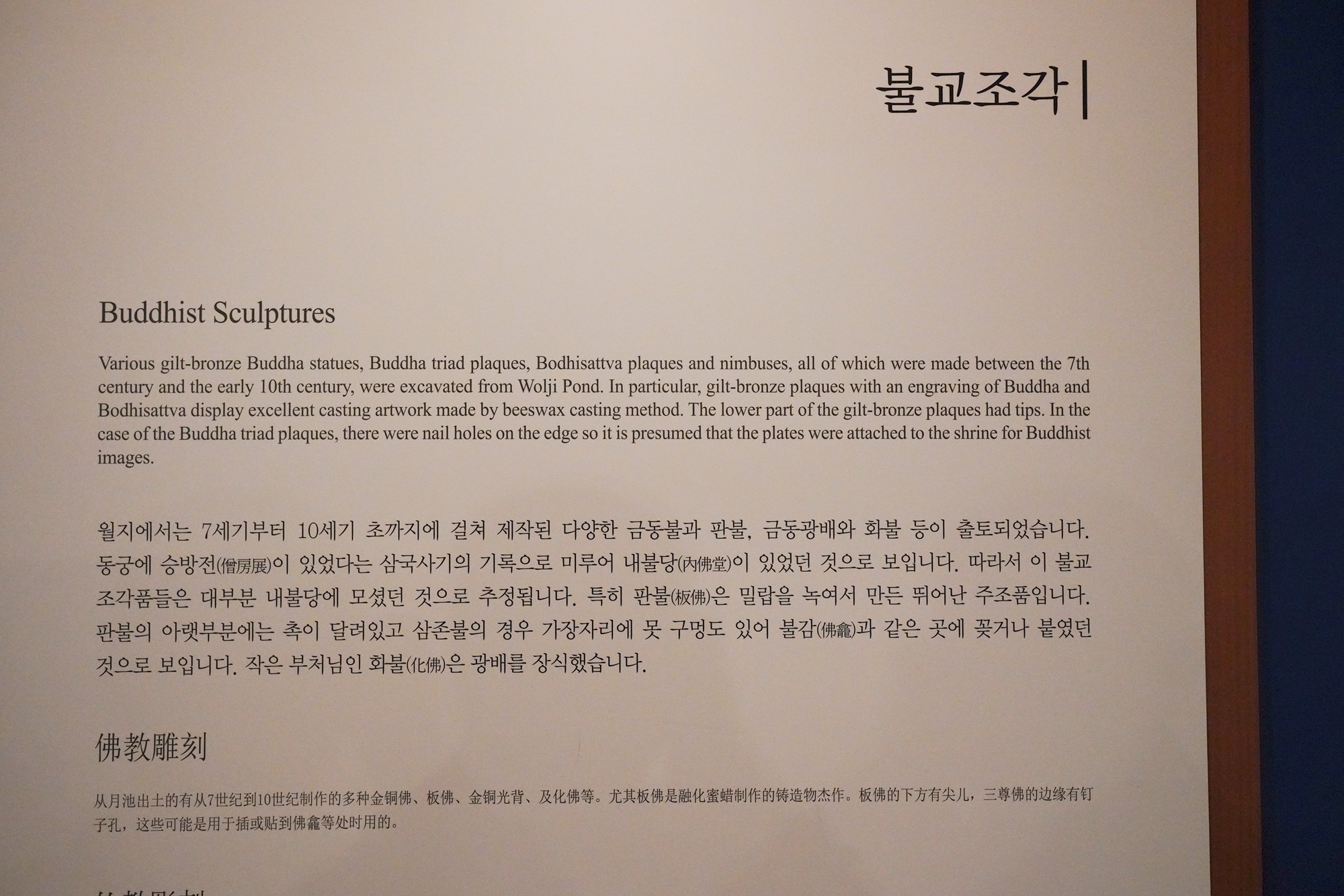
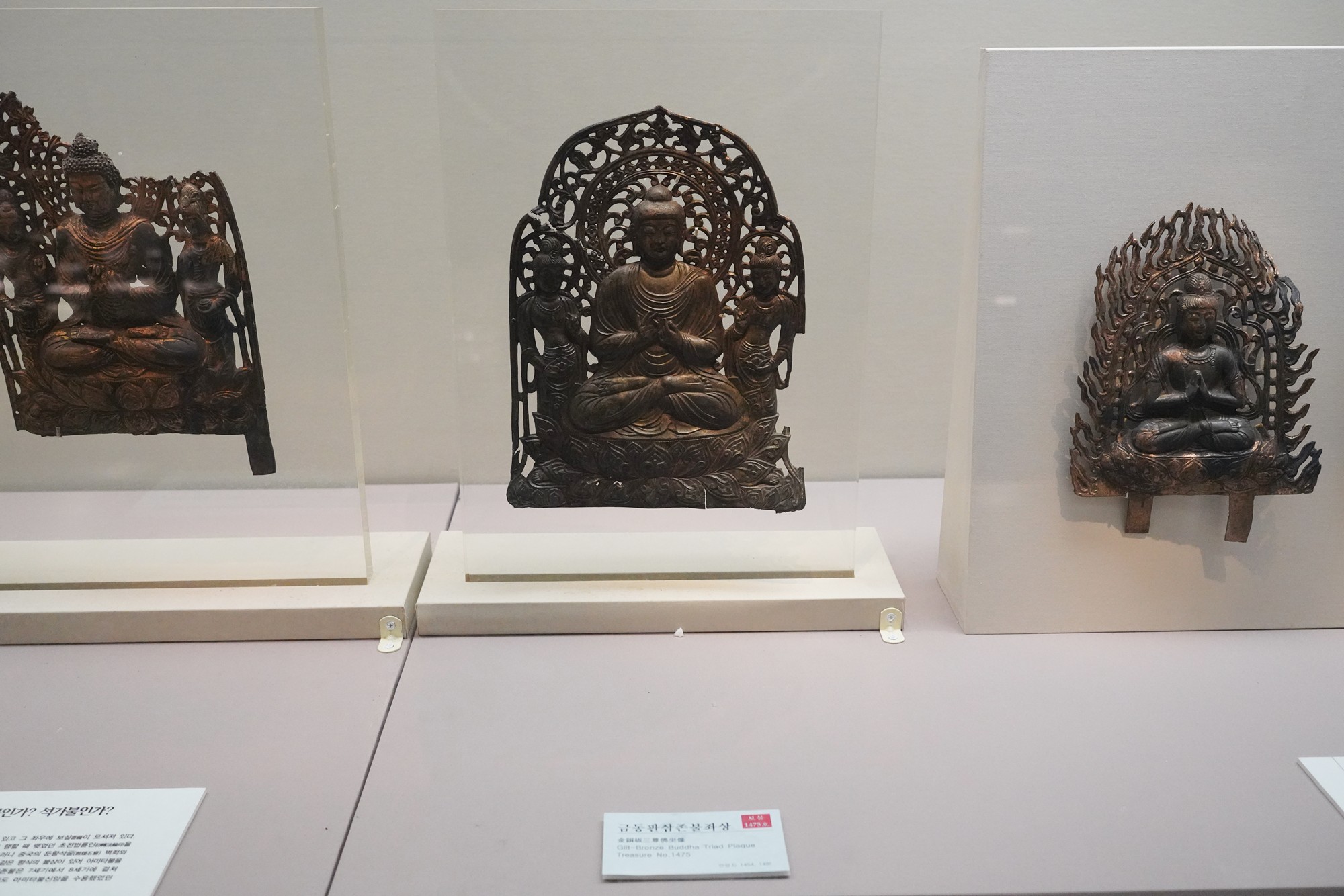
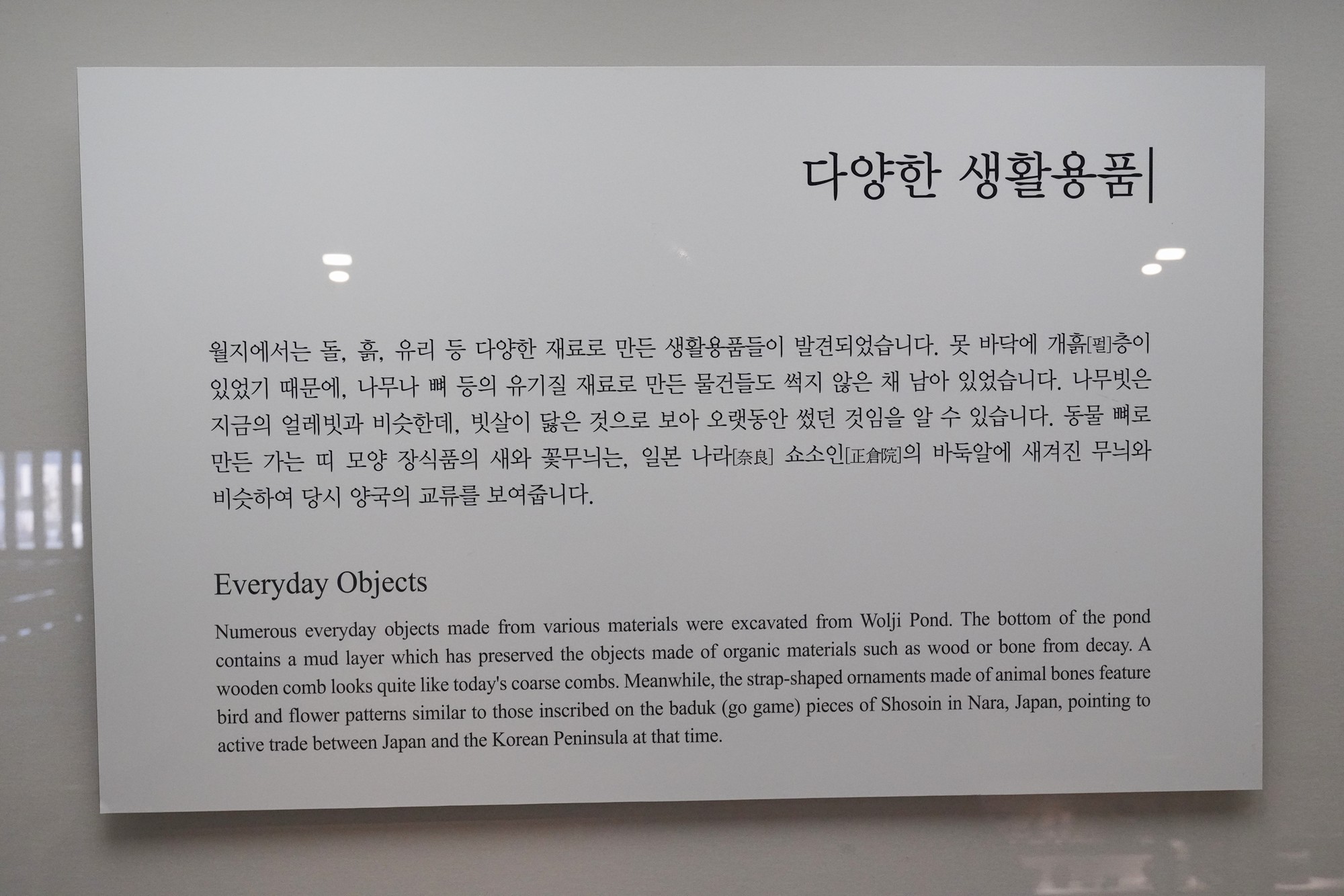
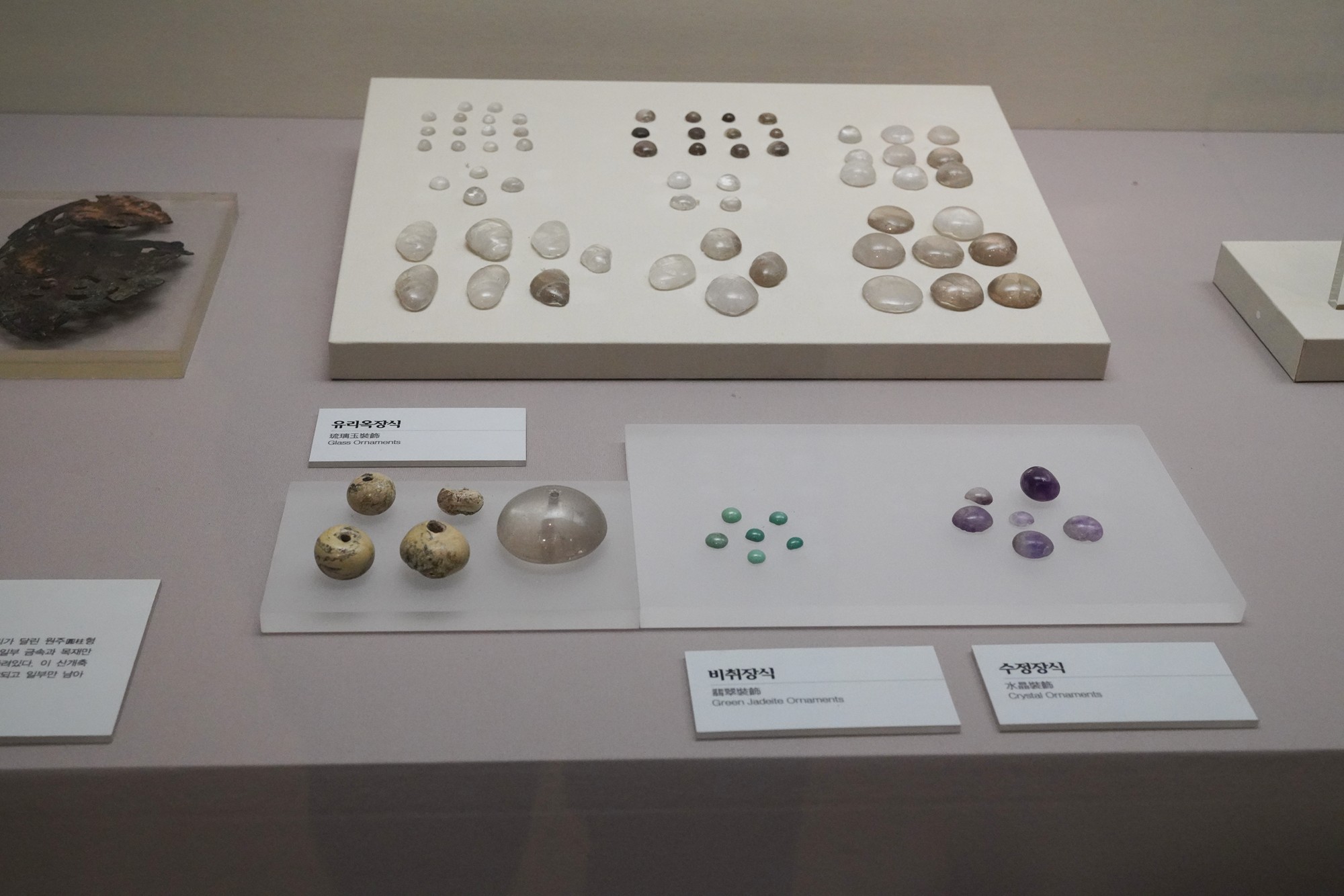
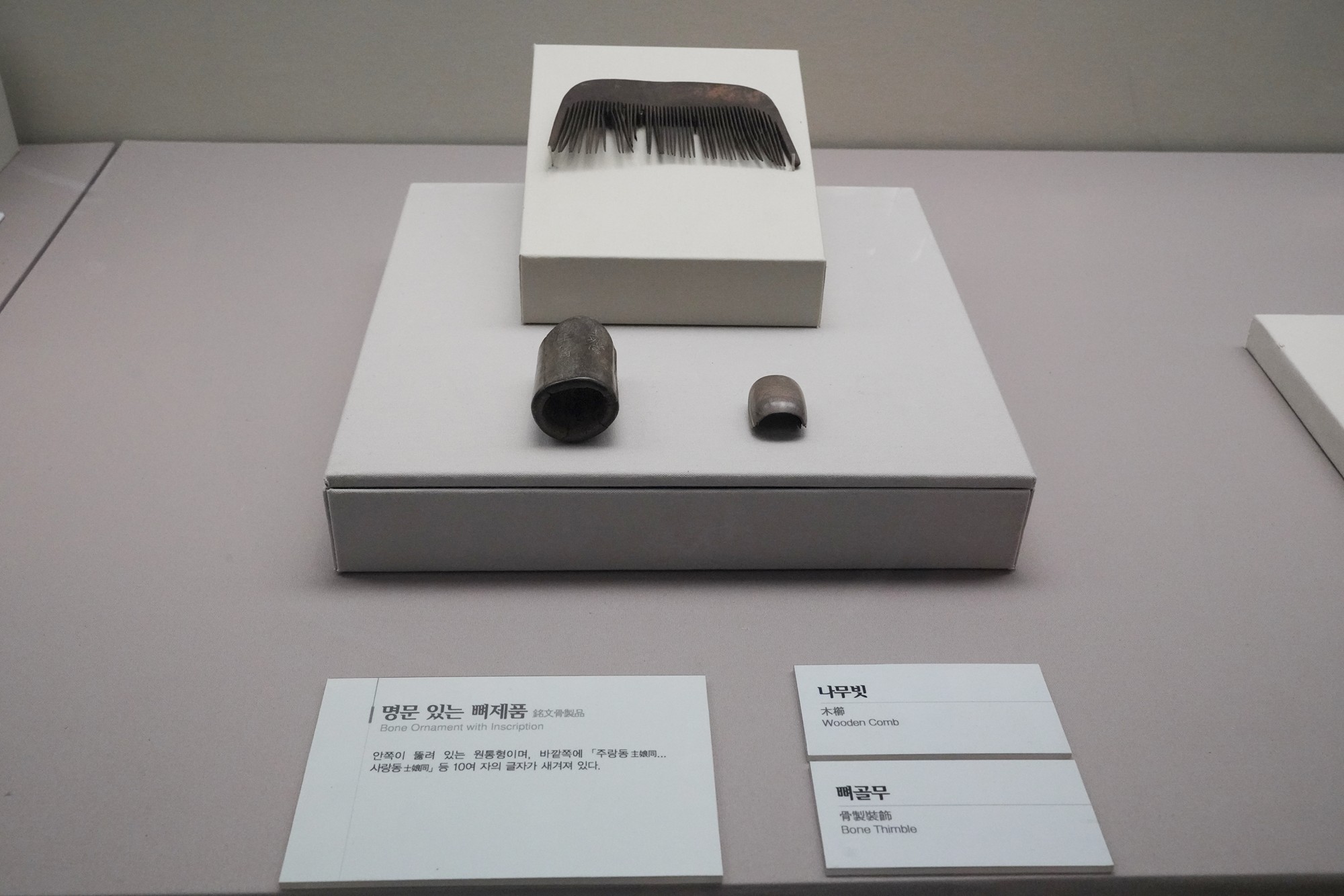
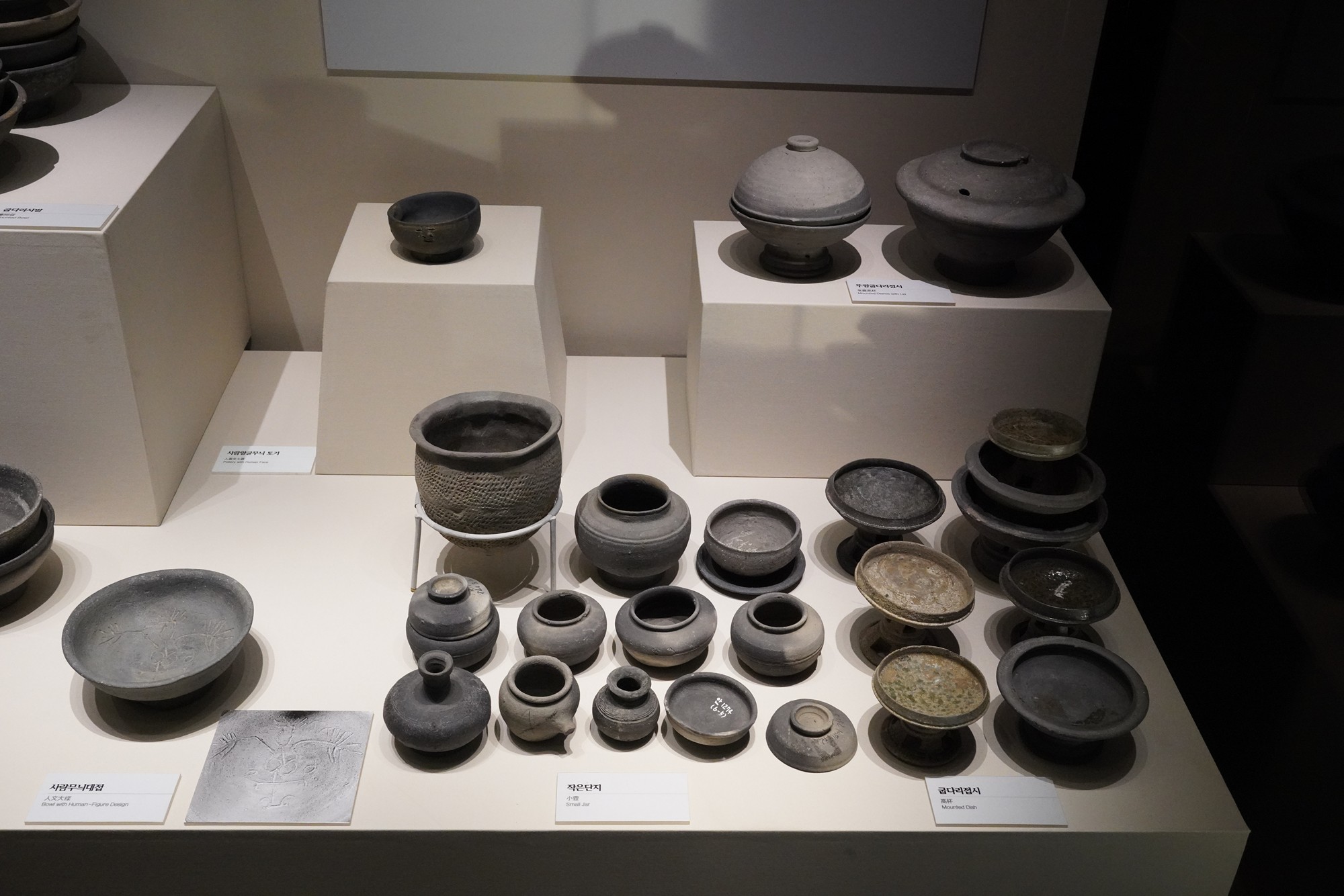
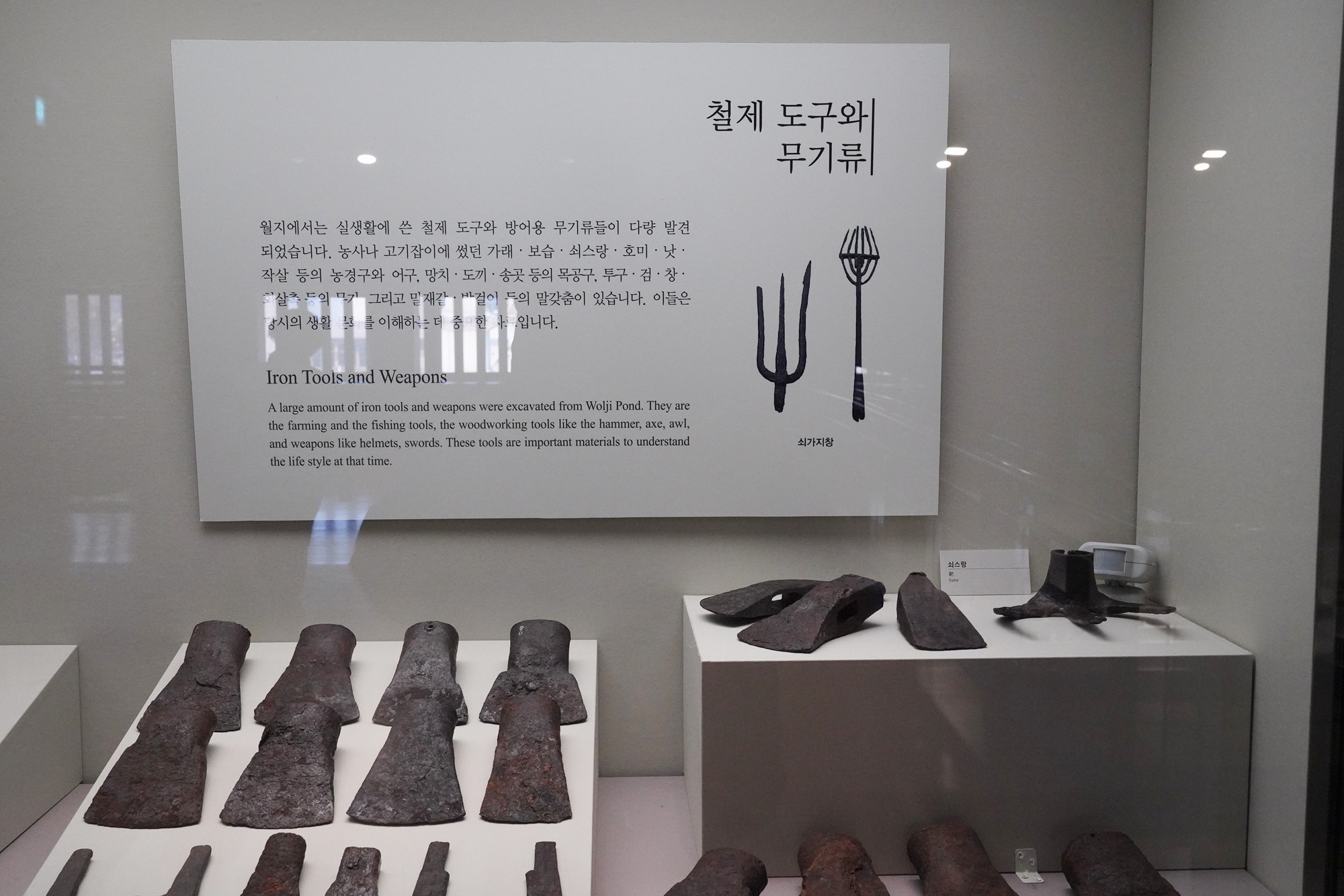
u003cpu003eThe fourth museum building displays artifacts found in Donggung Palace and Wolji Pond area.u003c/pu003e
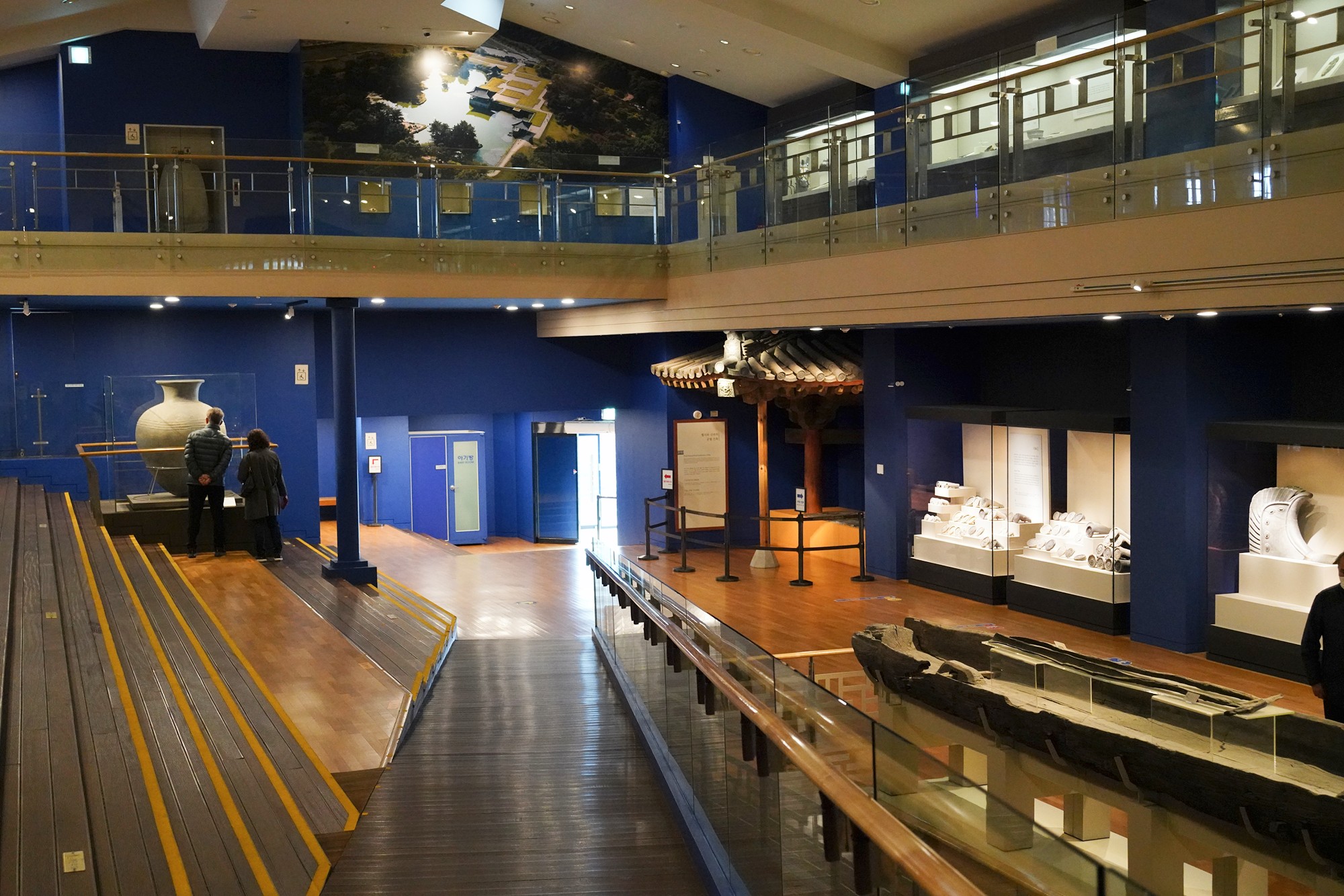
u003cpu003eThis is a diagram of the original Donggung Palace complex. Only part of the complex is reconstructed.u003c/pu003e
u003cpu003eIn the museum complex is this bell constructed in the Silla period.u003c/pu003e