Holocaust Museum, Part 1, Washington DC, USA
The United States Holocaust Memorial Museum honors the millions who died in the Holocaust and teaches the dangers of hatred and indifference. 1134
United States Holocaust Memorial Museum: 100 Raoul Wallenberg Pl SW, Washington, DC 20024
Date Picture Taken: July 2025
The United States Holocaust Memorial Museum, located near the National Mall in Washington, D.C., honors the six million Jews and millions of others murdered during the Holocaust.
On the way to the Holocaust Museum
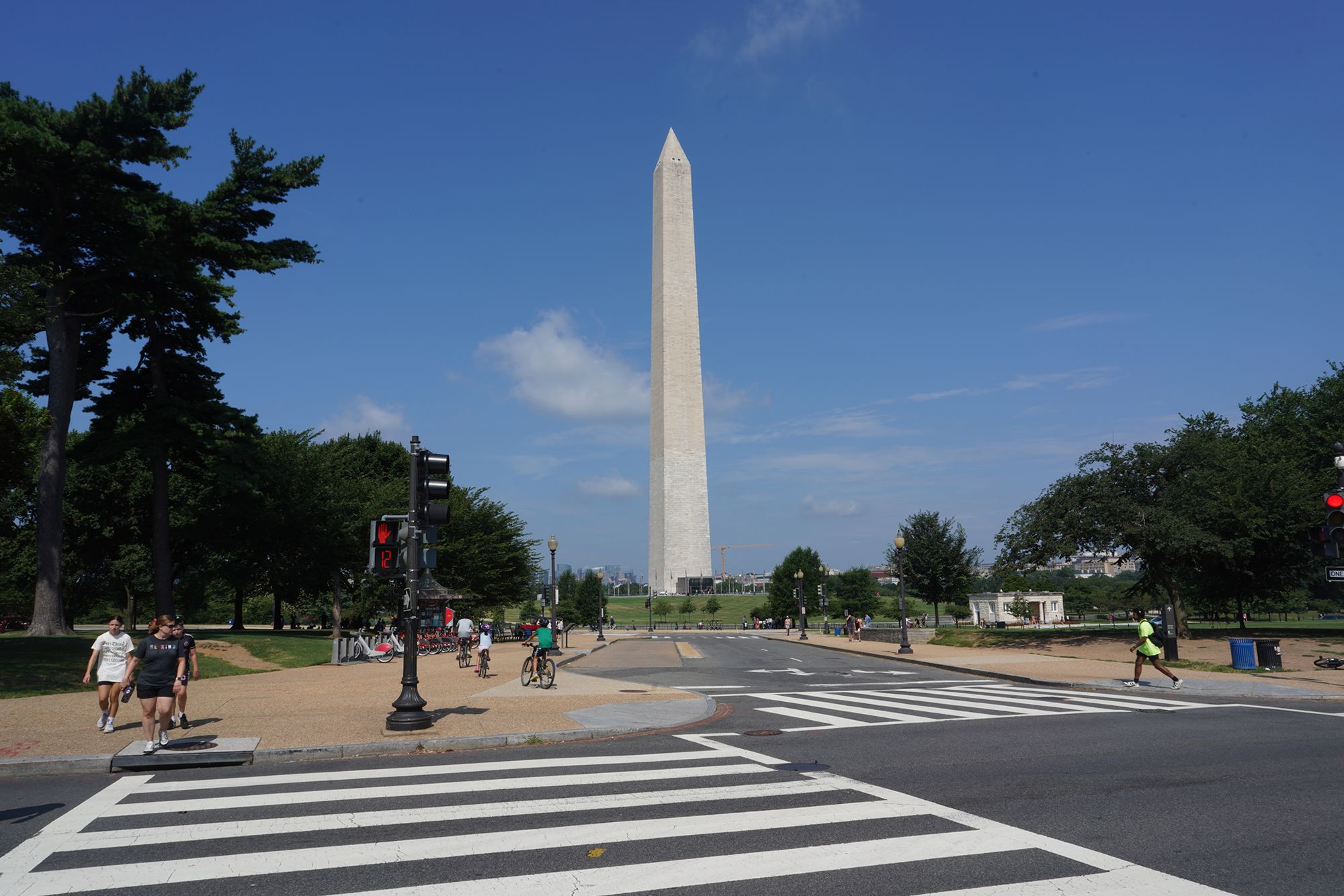
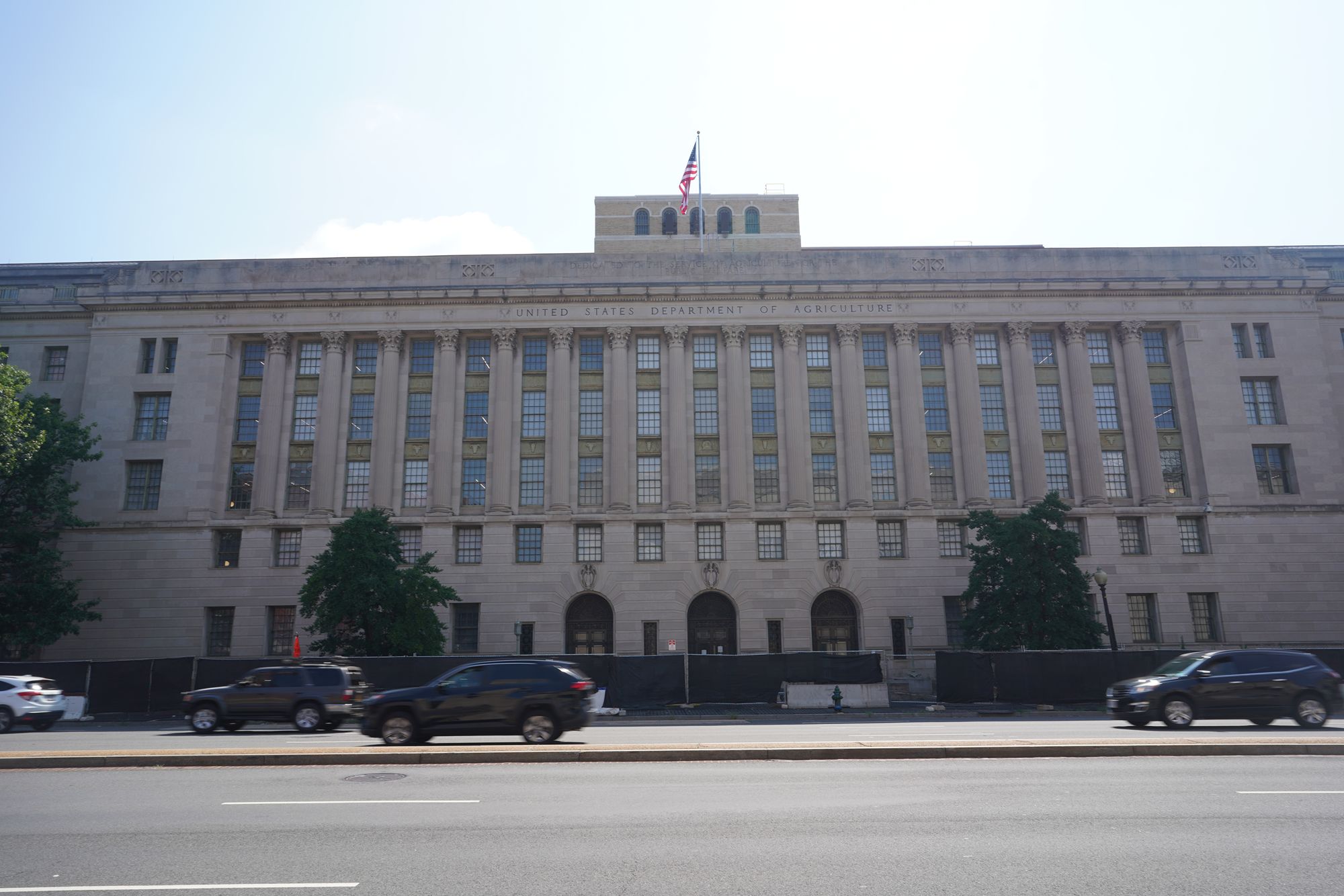
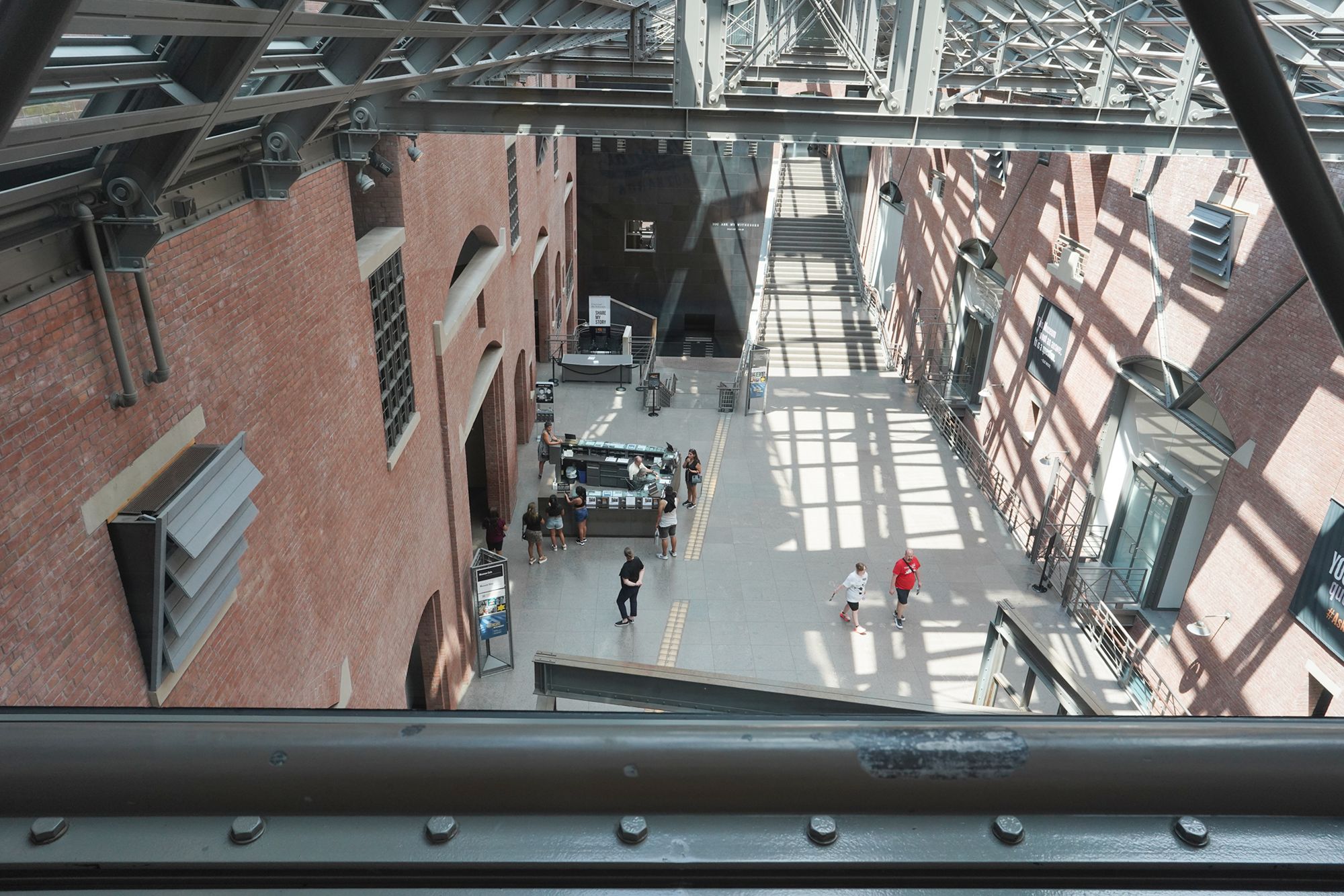
The Holocaust Museum
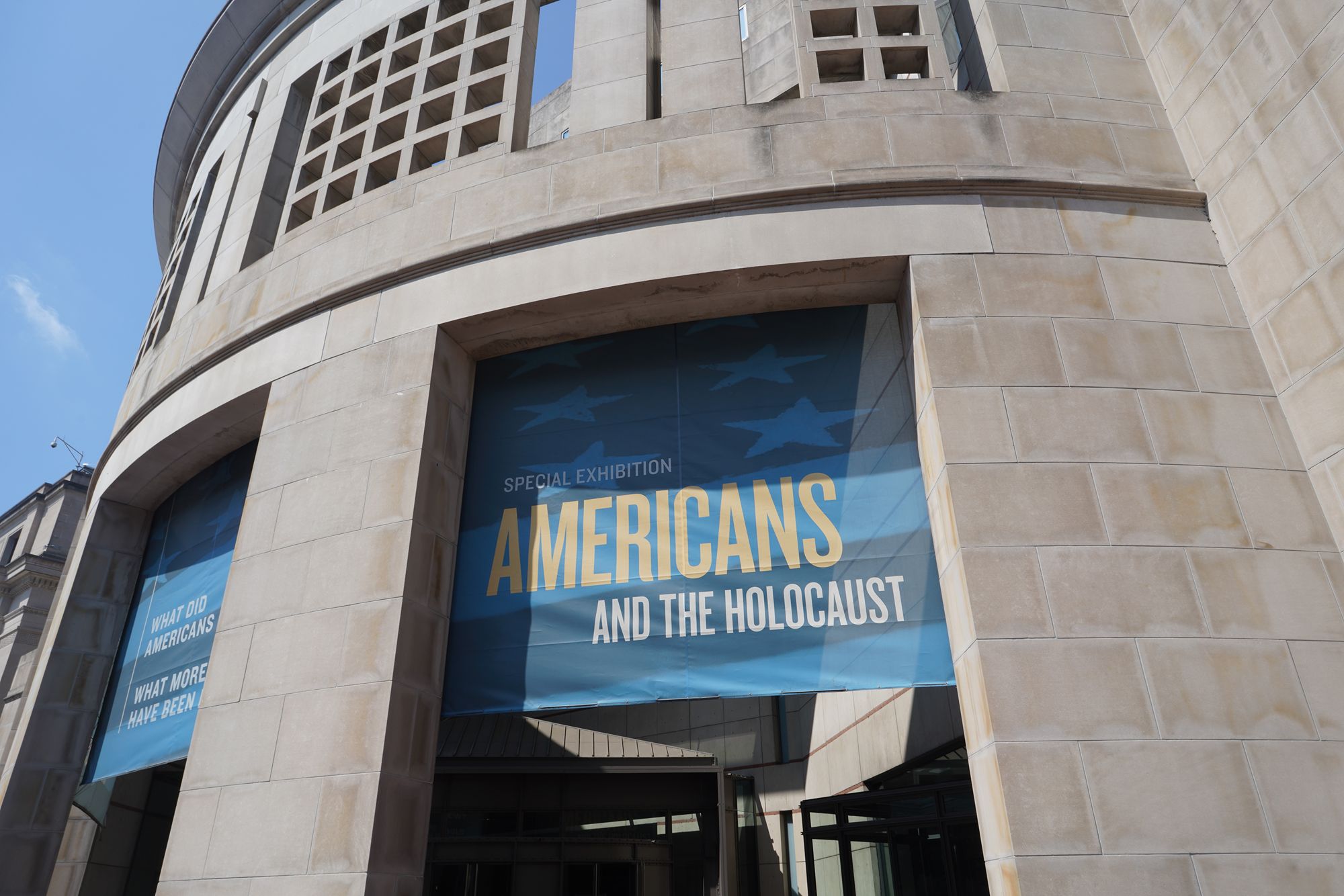
Opened in 1993, it serves as both a memorial and an educational center, dedicated to preserving survivor stories, documenting historical evidence, and teaching future generations about the consequences of hatred, prejudice, and indifference.
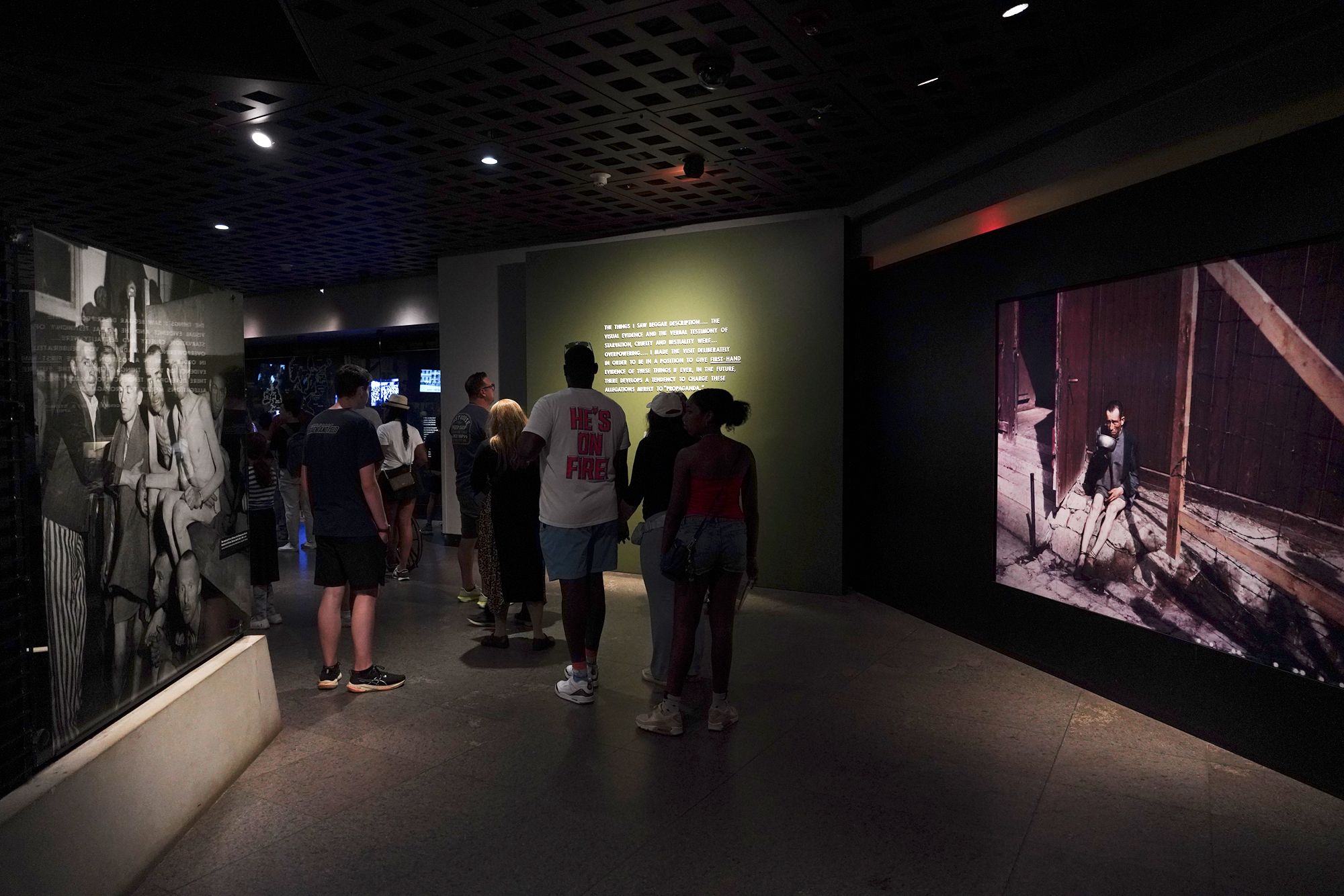
Through powerful exhibits and testimonies, the museum encourages reflection on human rights and moral responsibility.
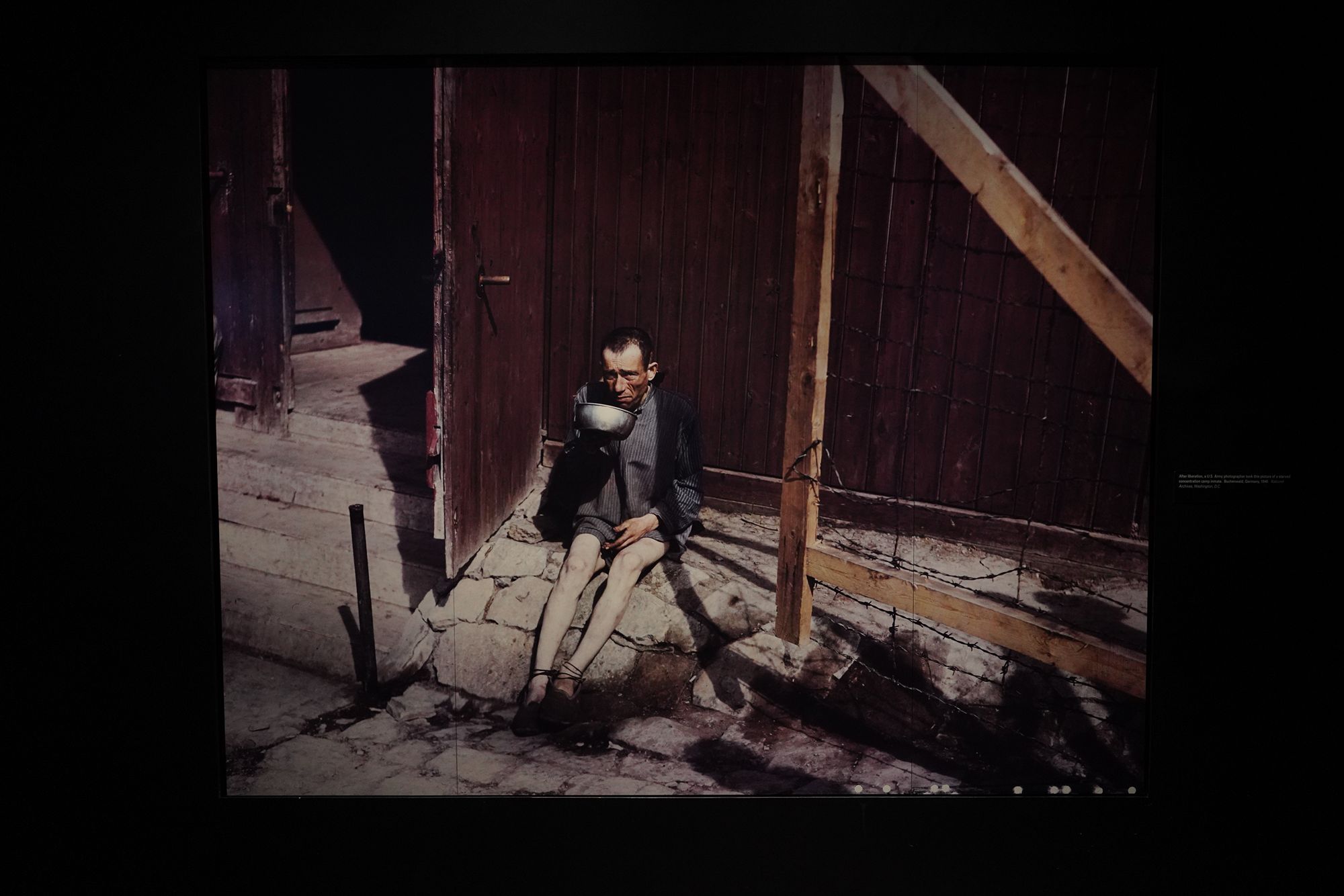
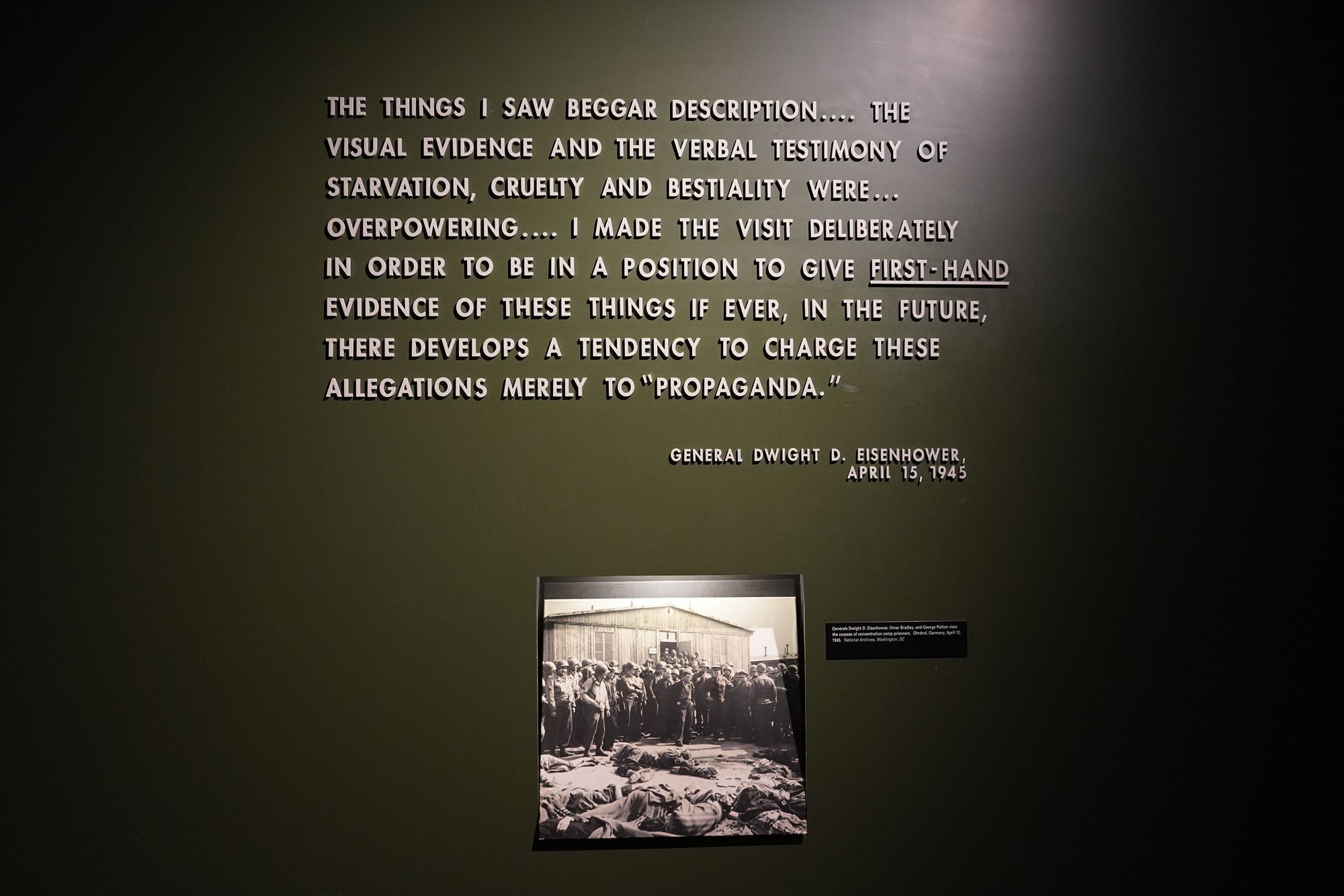
Before the Holocaust
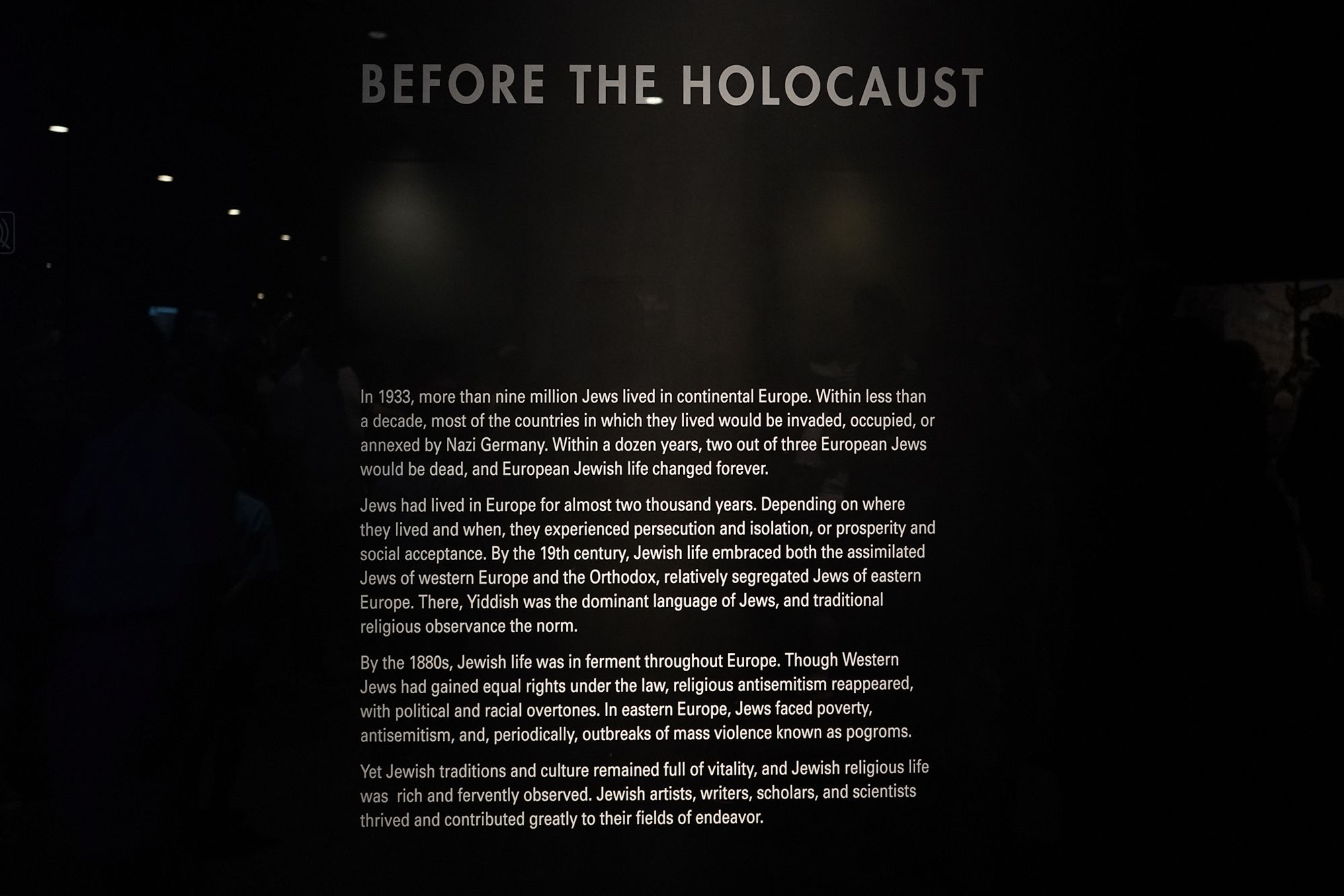
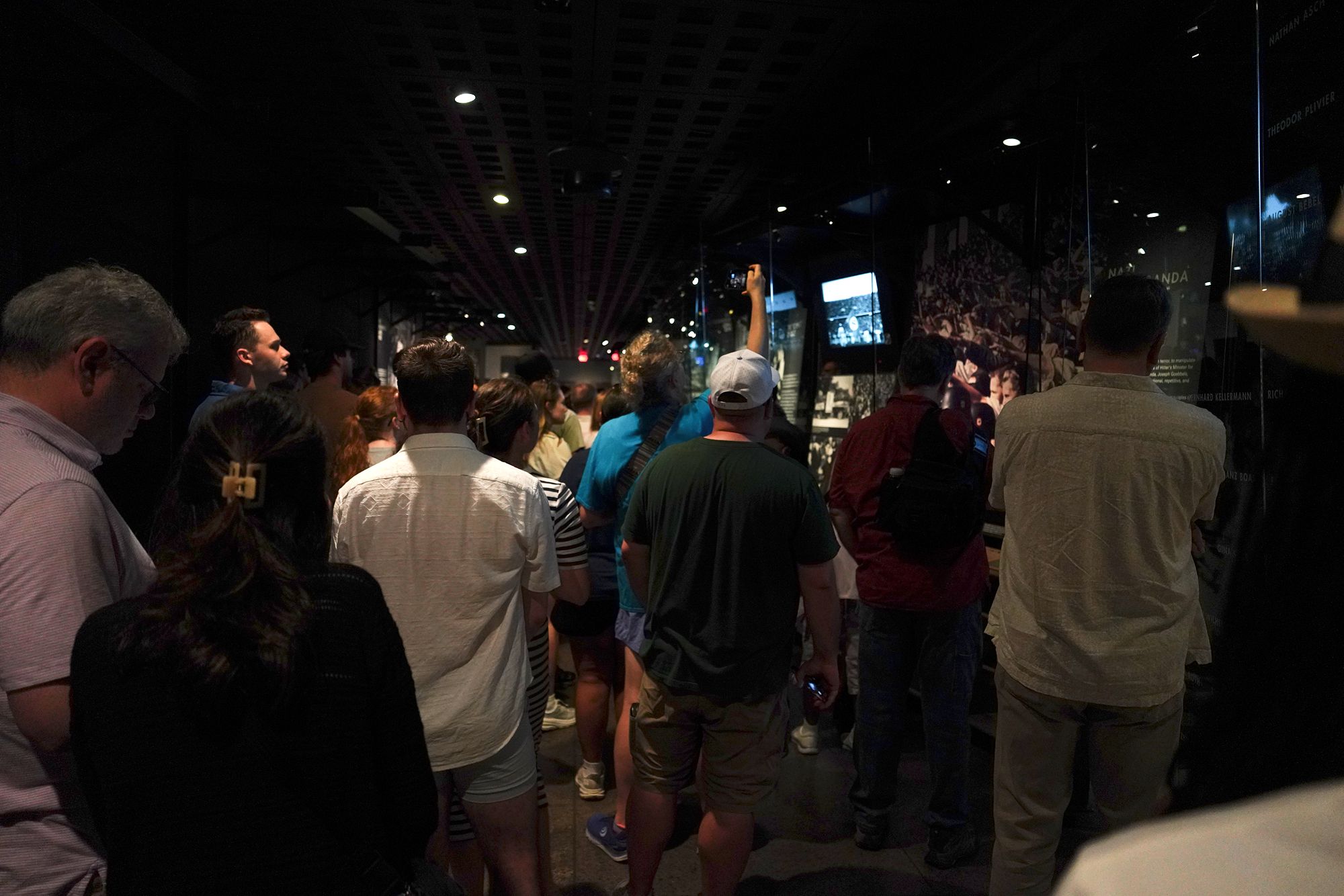
The museum was very crowded, even with timed entry.
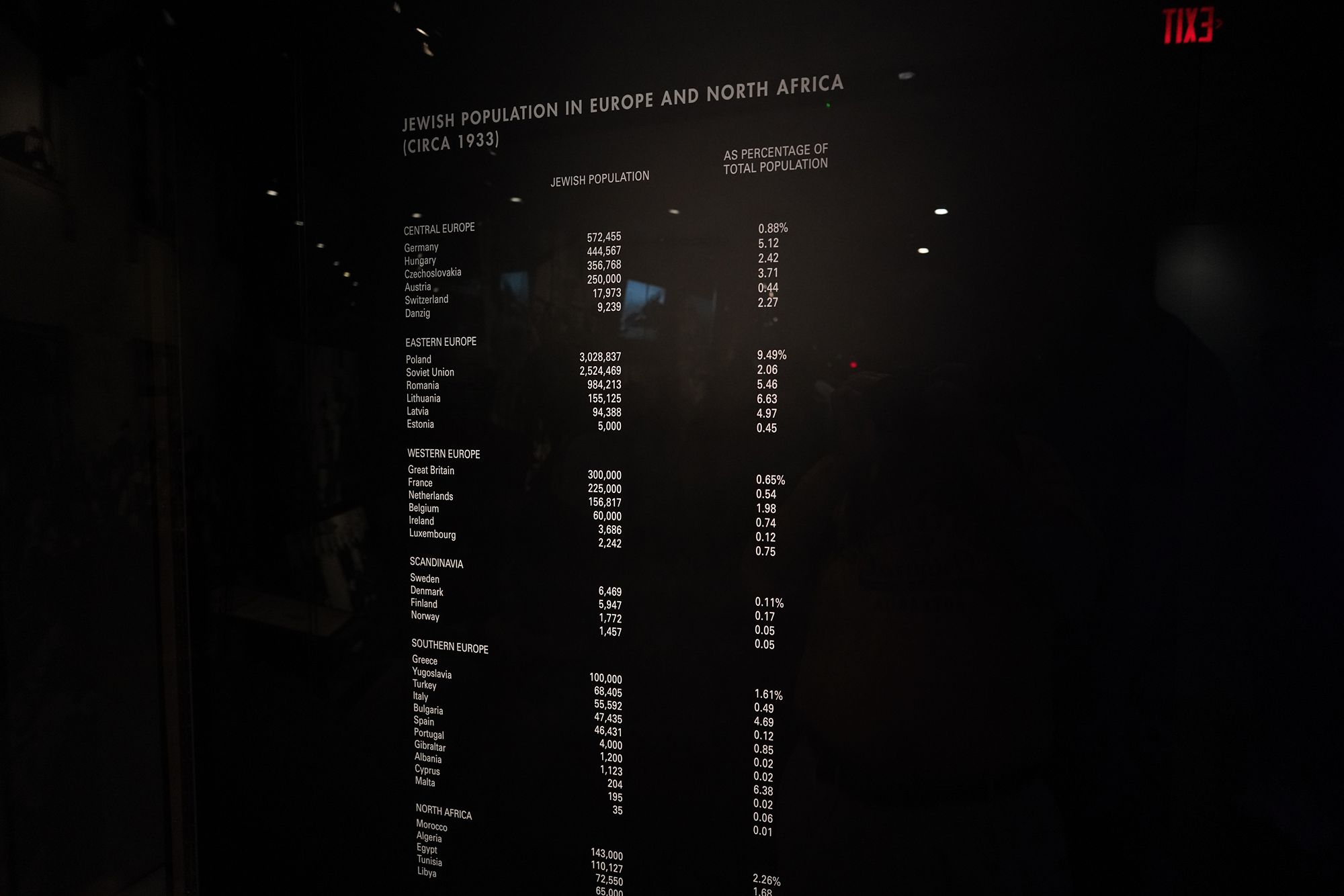
Jewish Population in Europe and North Africa in 1933
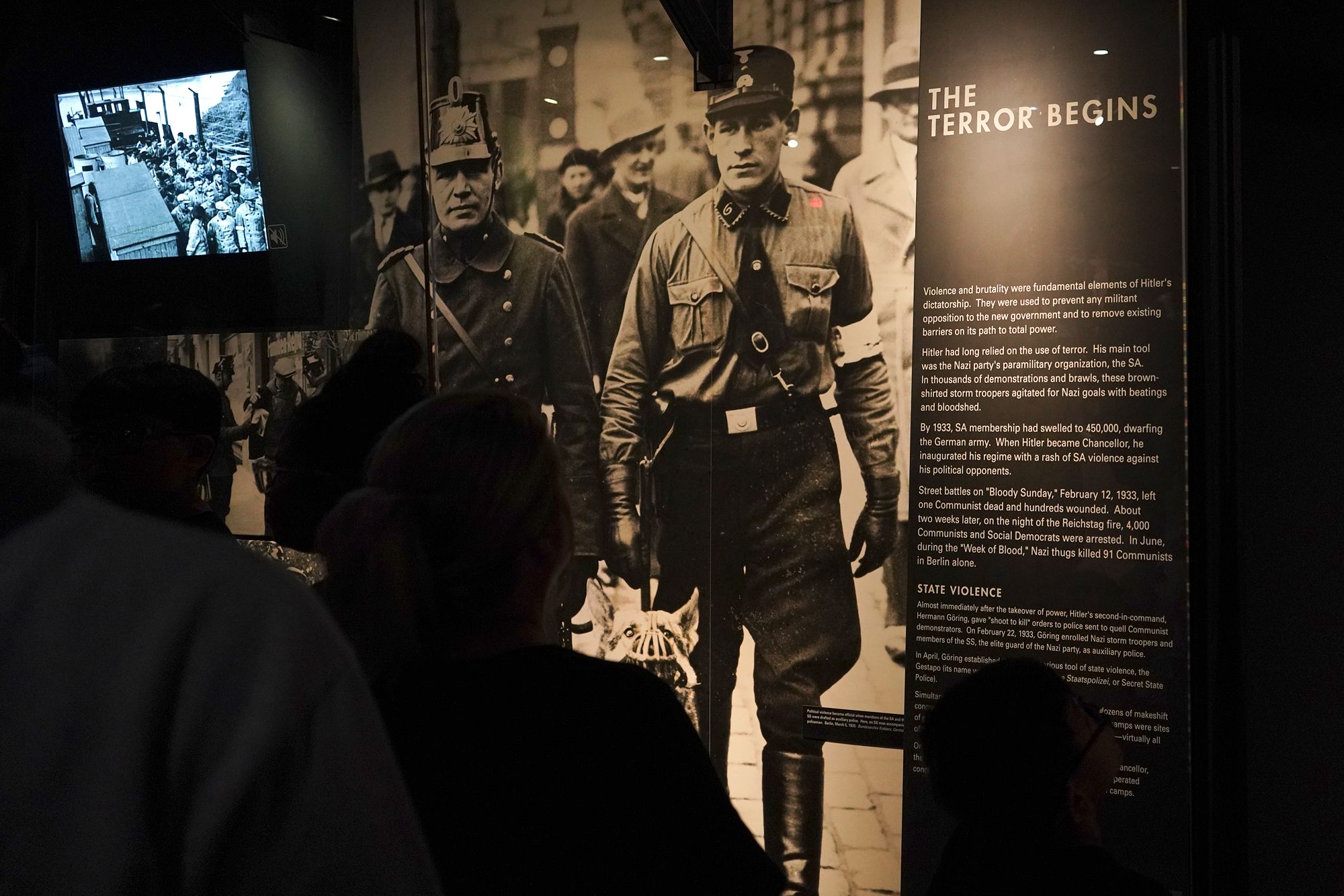
In 1933, Adolf Hitler and the Nazi Party took power in Germany, marking the beginning of the Third Reich. Hitler was appointed Chancellor on January 30, 1933, and quickly moved to dismantle democracy, turning Germany into a dictatorship.
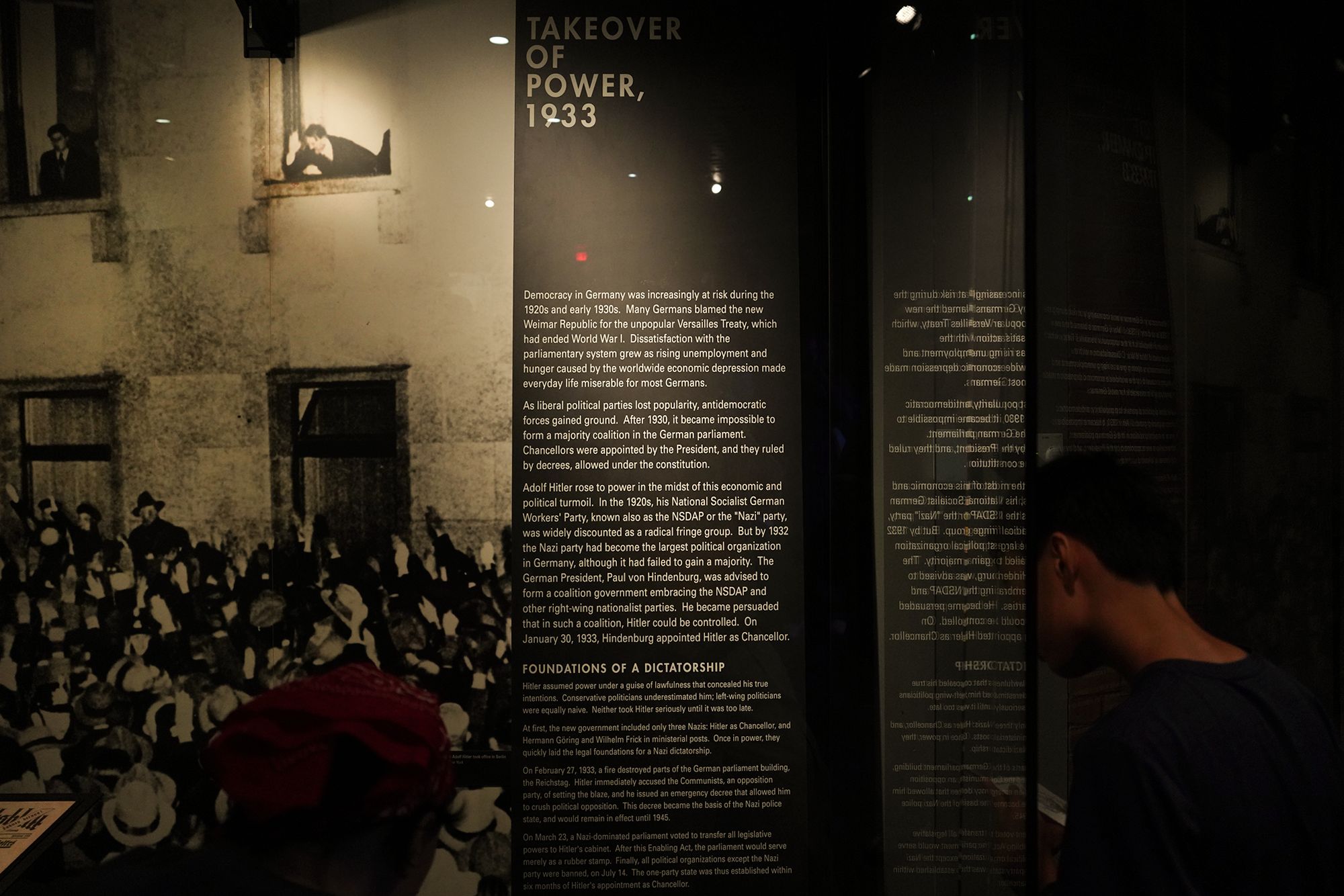
By the end of 1933, Germany had become a one-party totalitarian state, with Hitler as Führer and the Nazi ideology shaping every aspect of life—laying the foundation for World War II and the Holocaust.
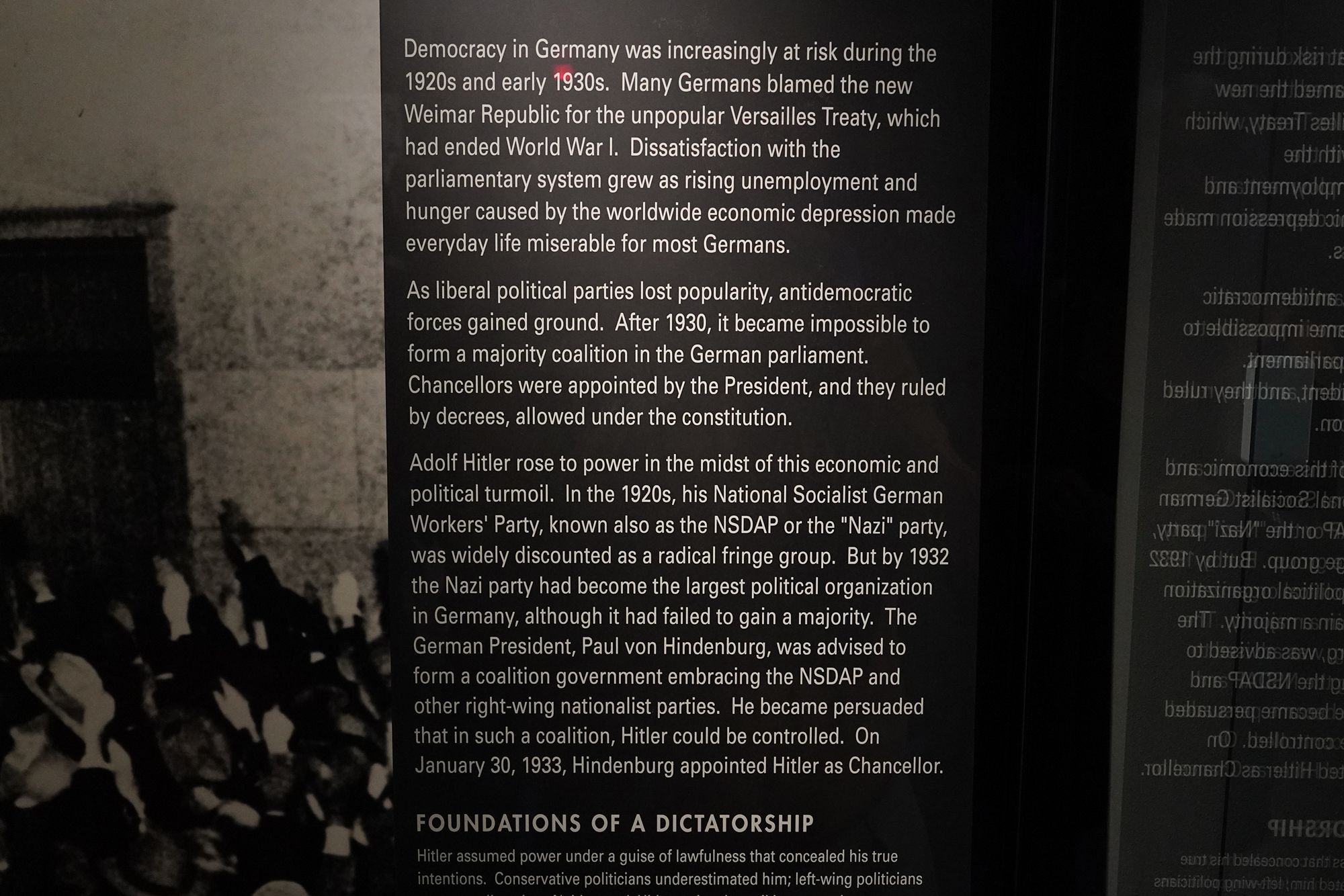
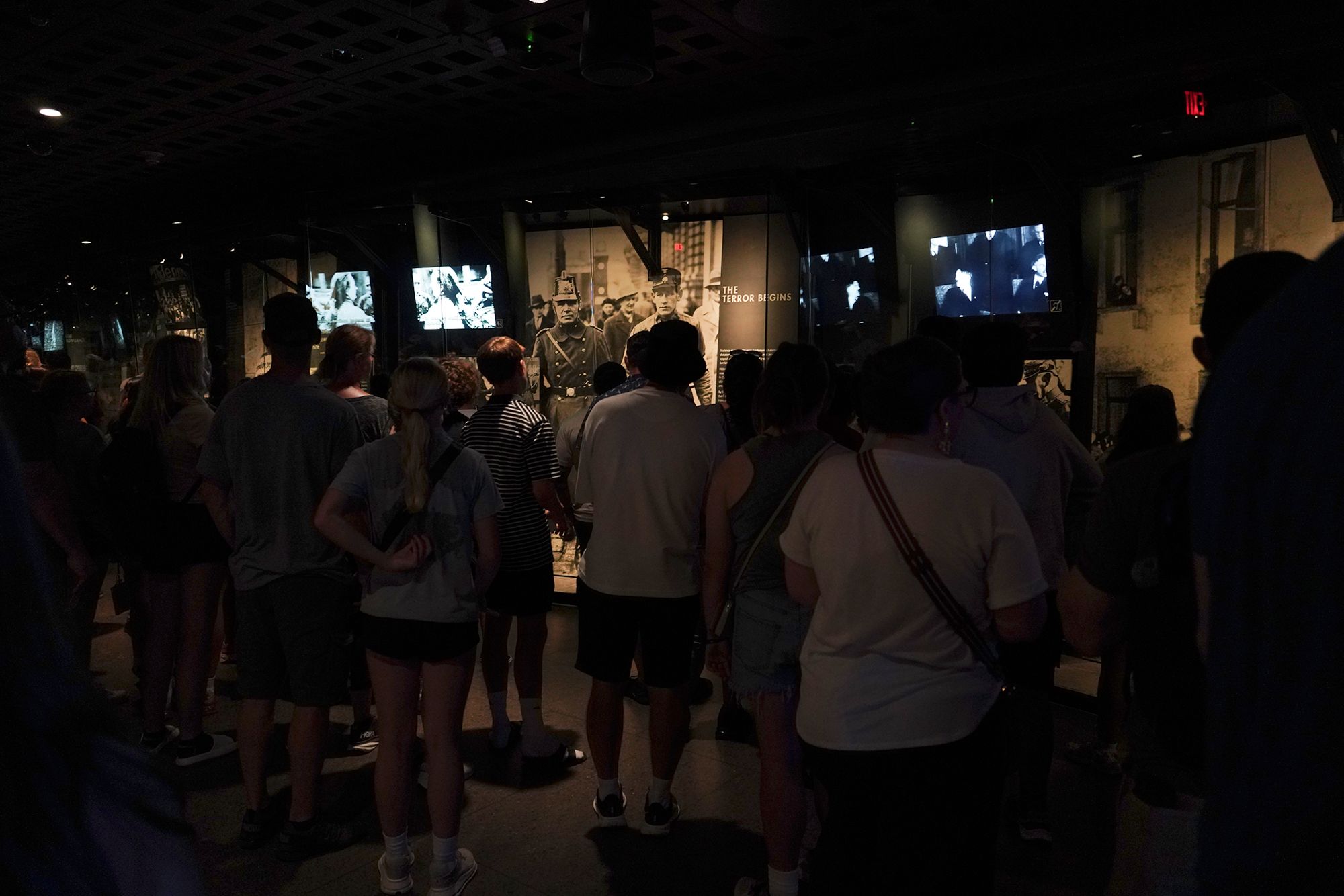
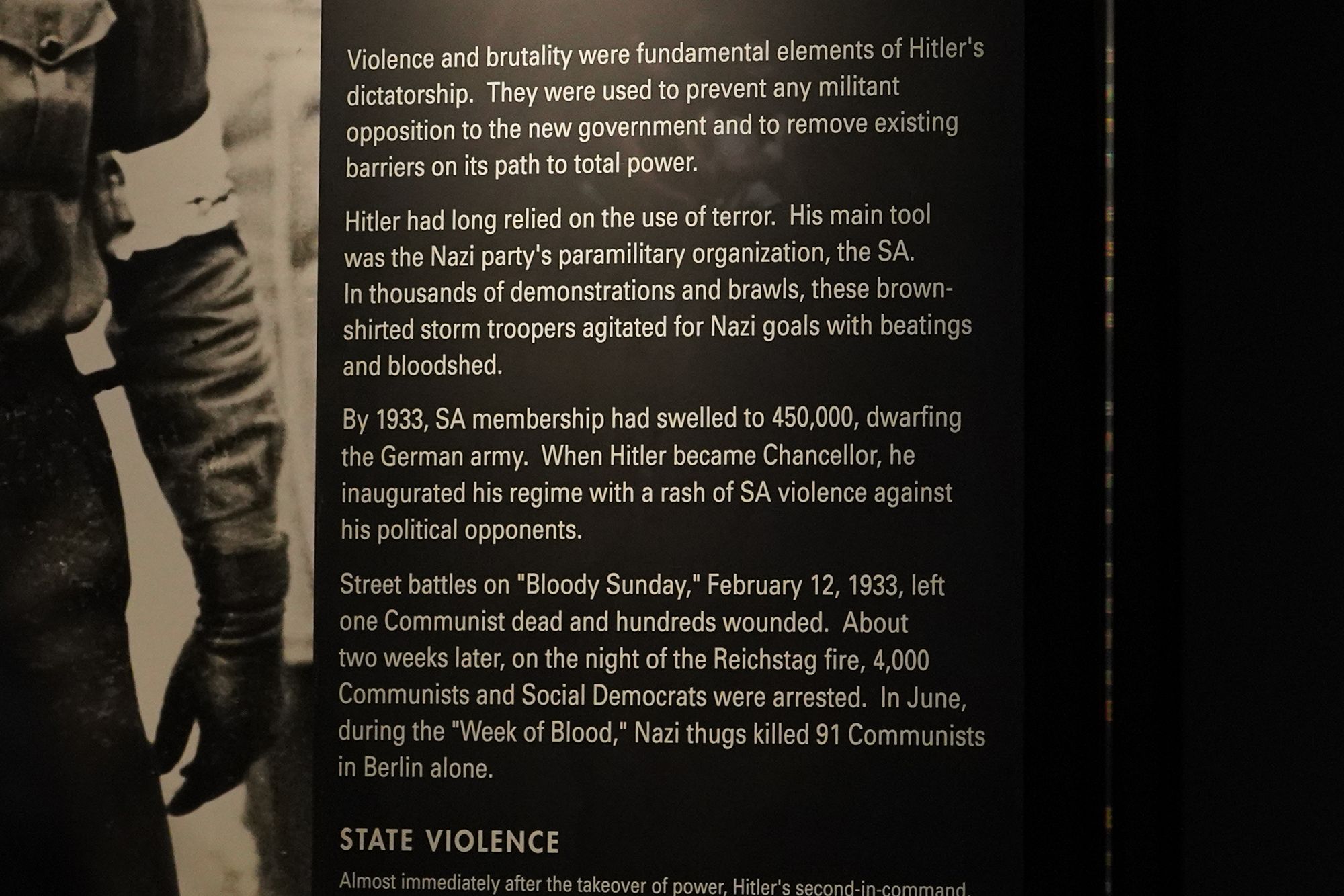
“The Terror Begins” refers to the period shortly after the Nazis seized power in 1933, when the new regime began using fear, violence, and propaganda to eliminate opposition and control German society.
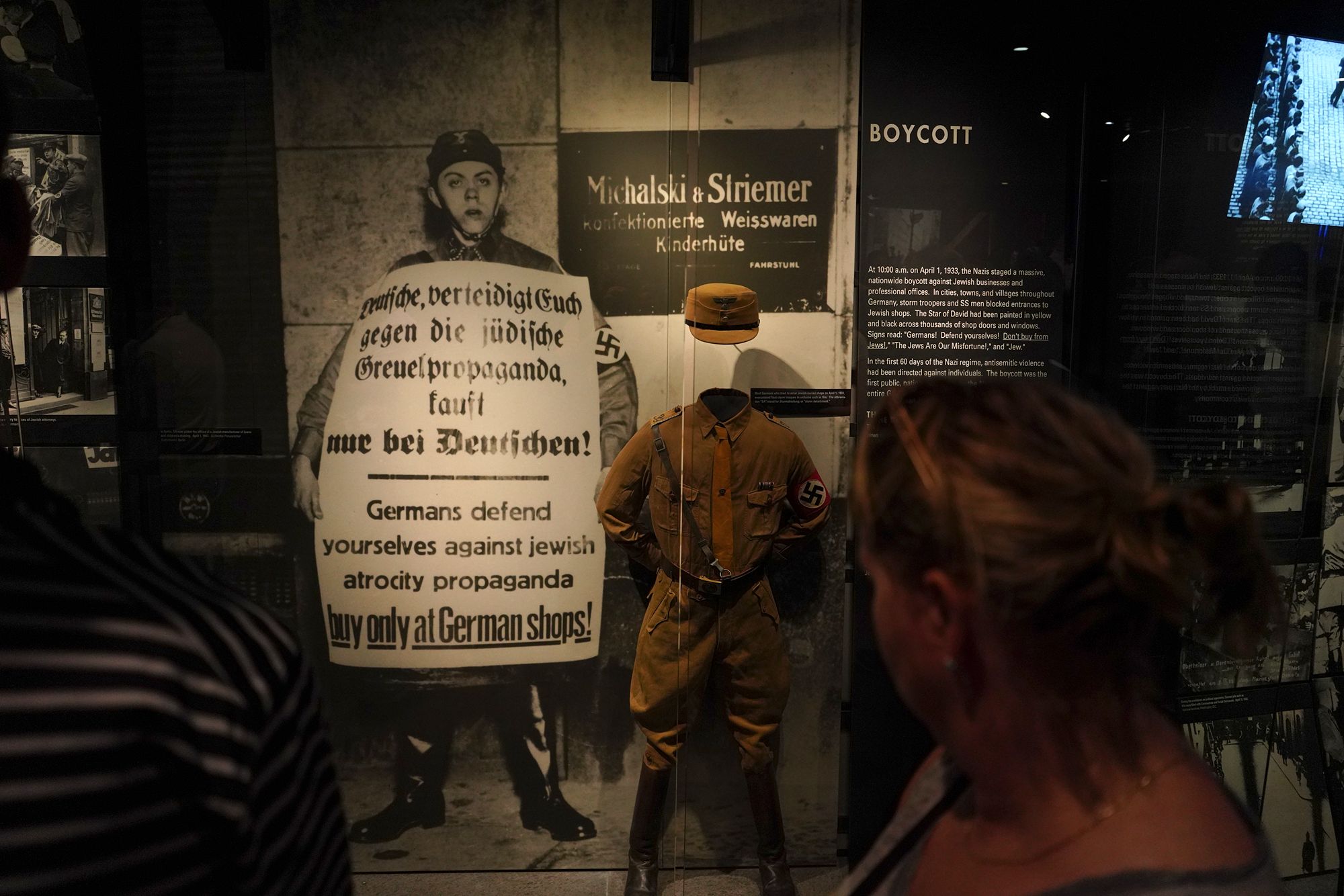
The boycott of Jewish businesses began on April 1, 1933, shortly after the Nazis came to power. It was the first nationwide act of anti-Jewish persecution organized by the Nazi government.
Nazi propaganda was a powerful tool used by Adolf Hitler’s regime to control public opinion, spread Nazi ideology, and maintain loyalty to the Third Reich. Directed by Joseph Goebbels, the Minister of Propaganda, it reached nearly every aspect of German life—press, radio, film, education, art, and even children’s books.
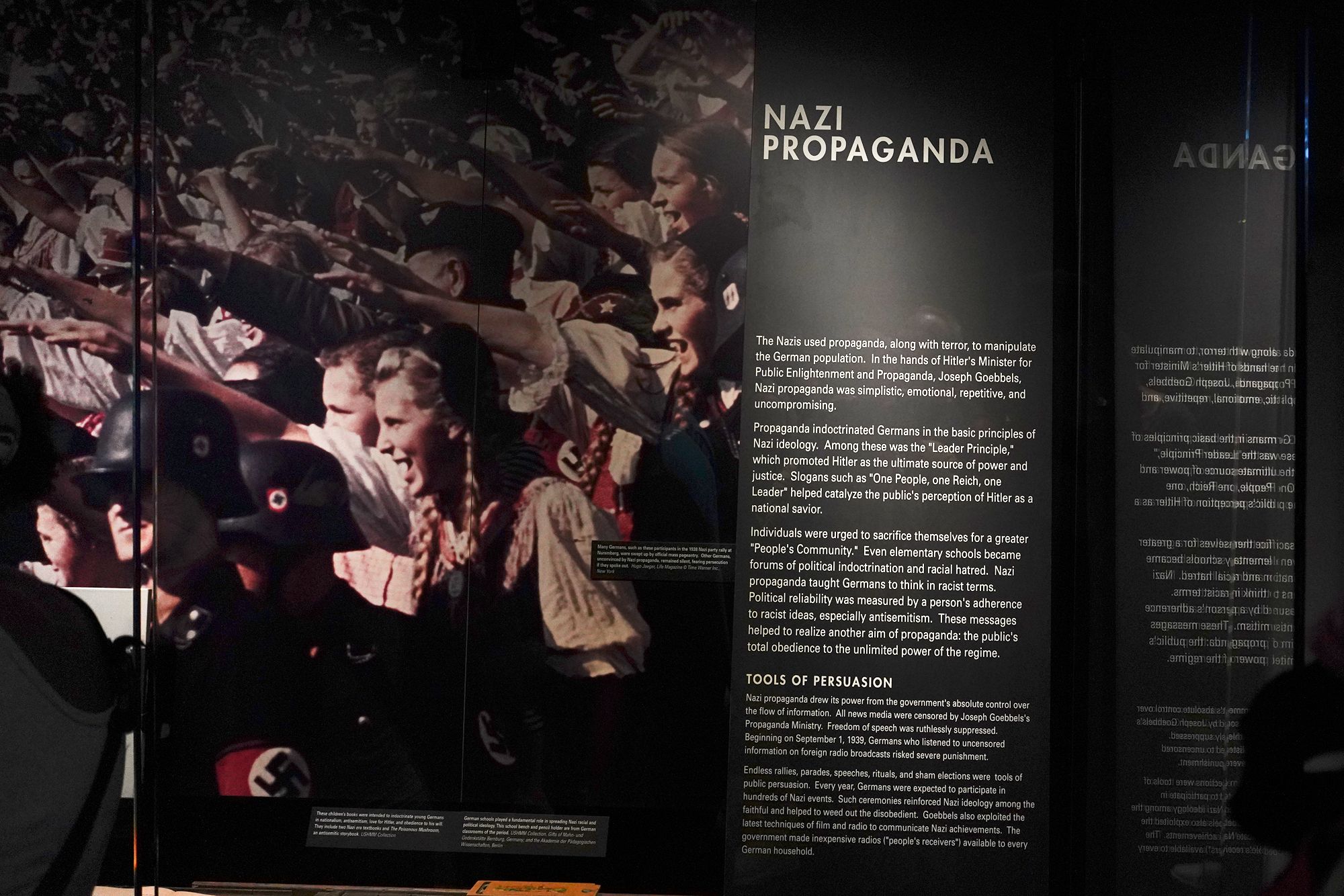
Propaganda glorified Hitler as Germany’s savior, promoted ideas of Aryan racial superiority, and blamed Jews and other groups for the nation’s troubles. Posters, speeches, and films portrayed Jews as enemies, while emphasizing unity, obedience, and nationalism. Massive rallies, like those in Nuremberg, used spectacle, music, and symbols such as the swastika to stir emotion and devotion.
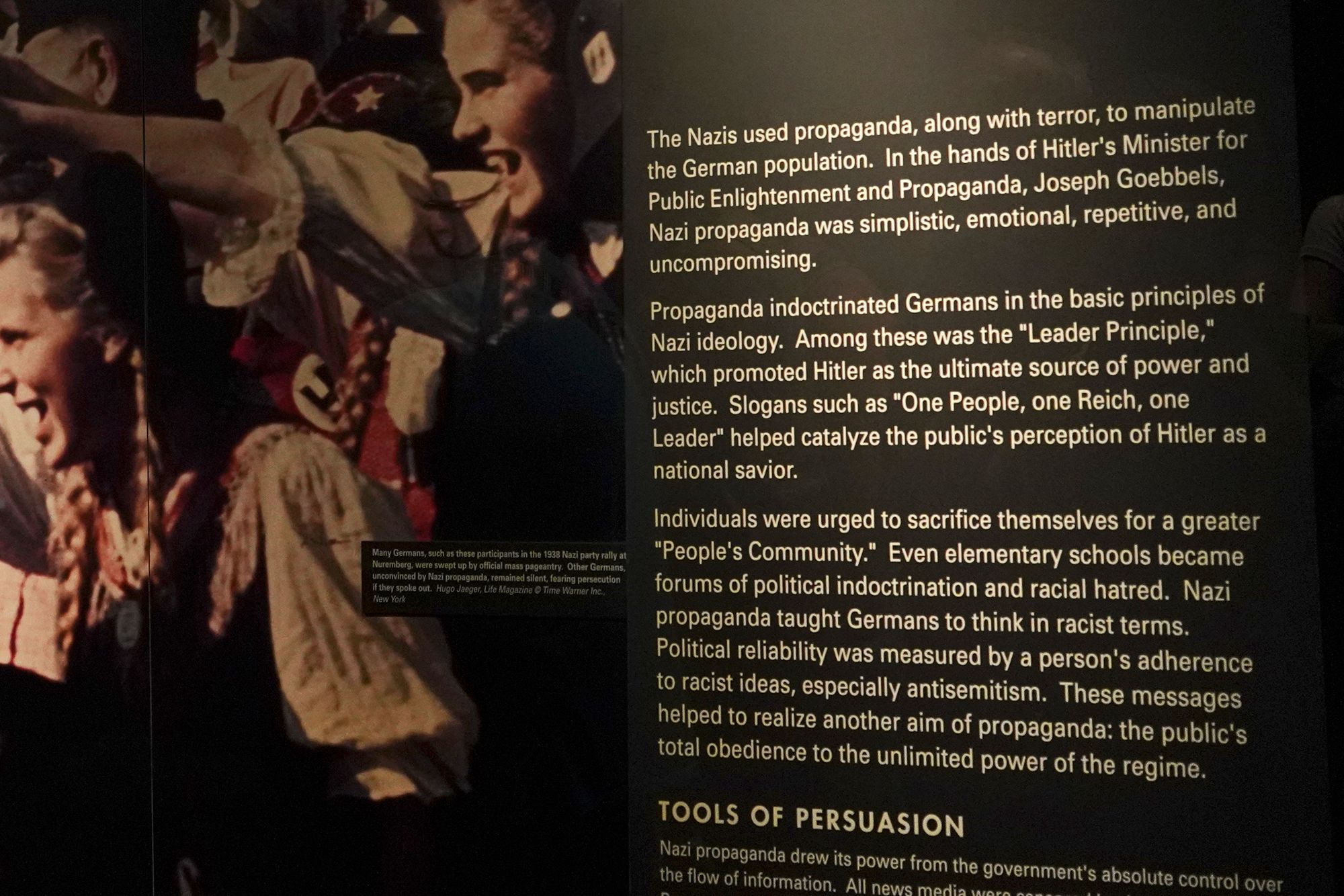
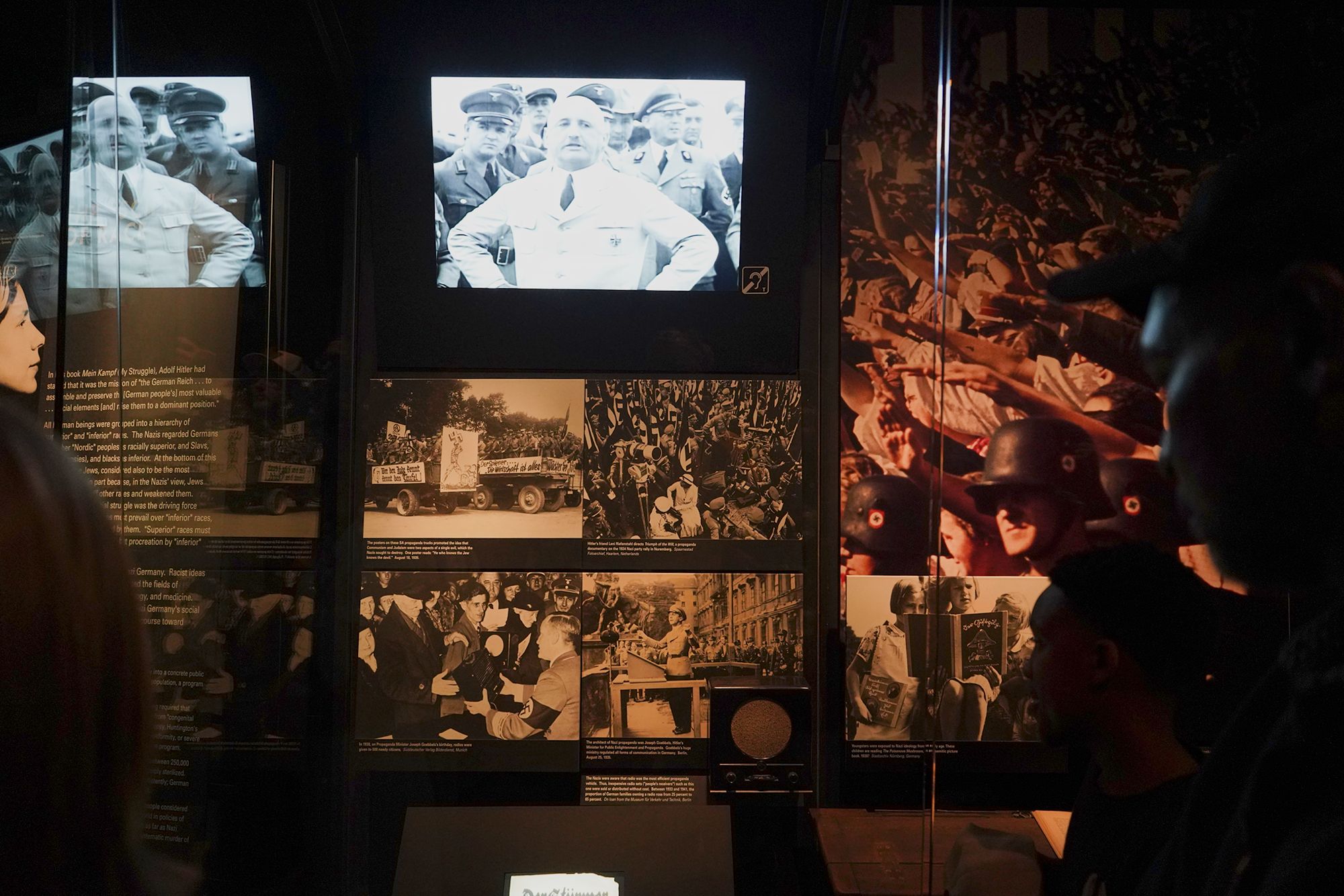
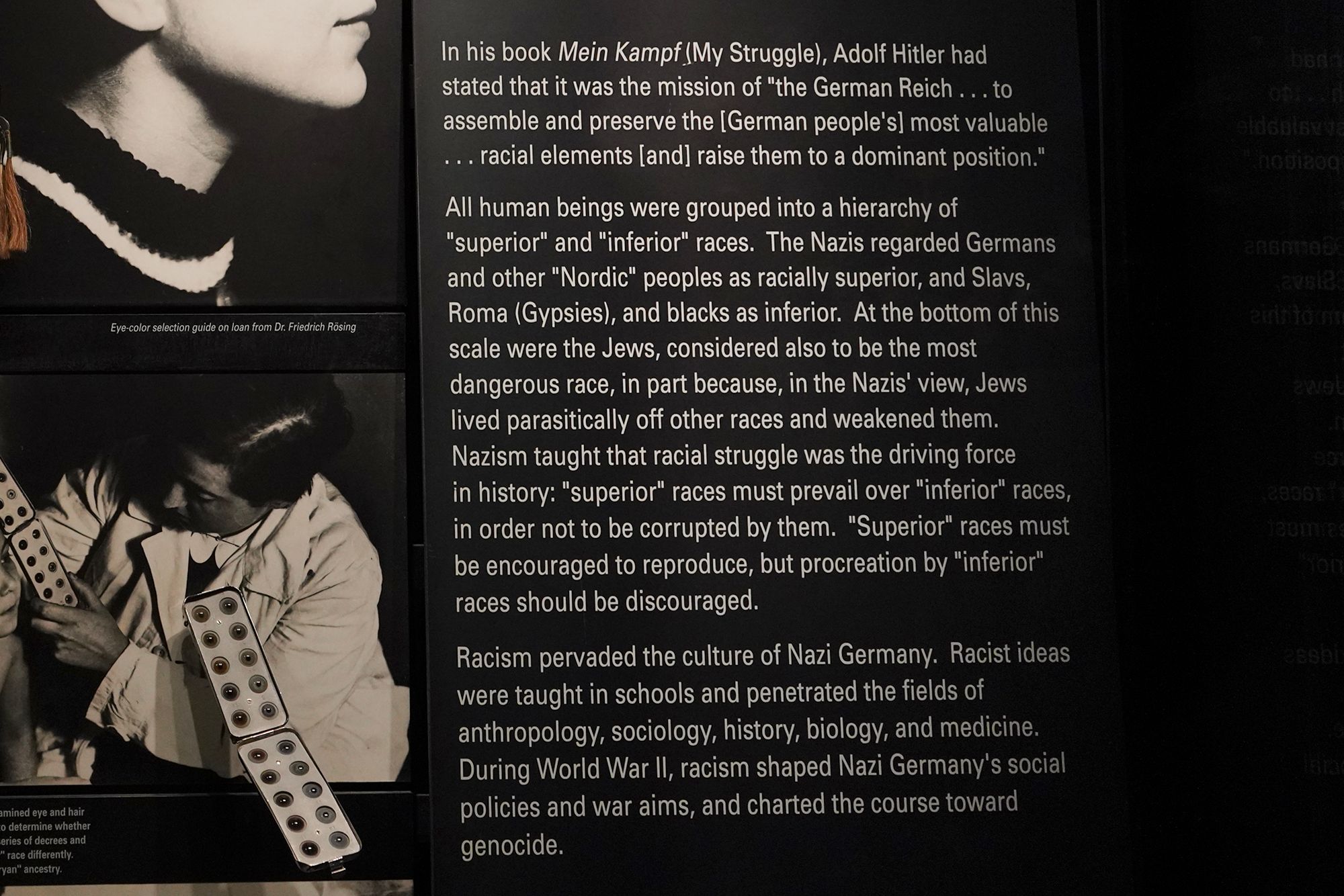
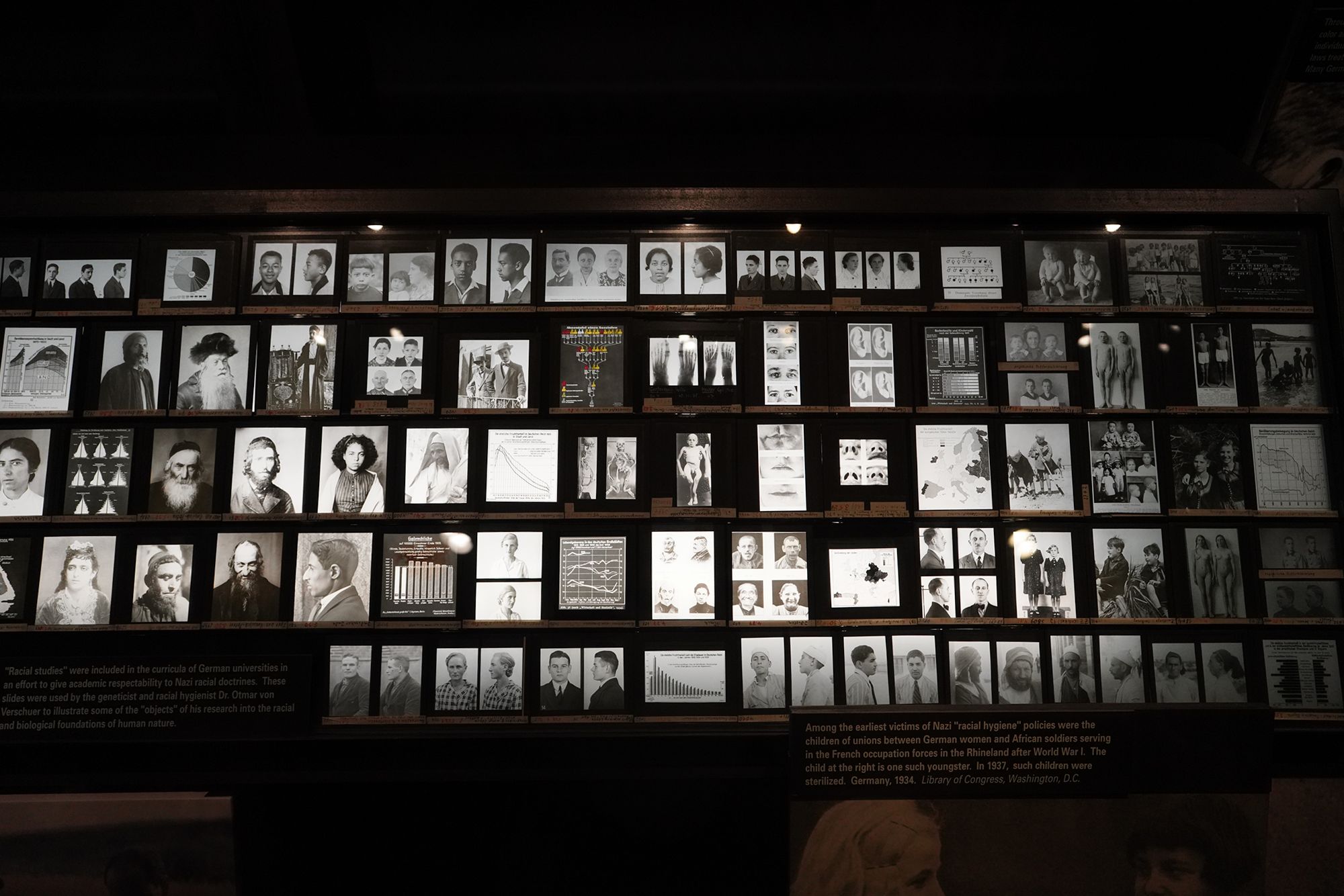
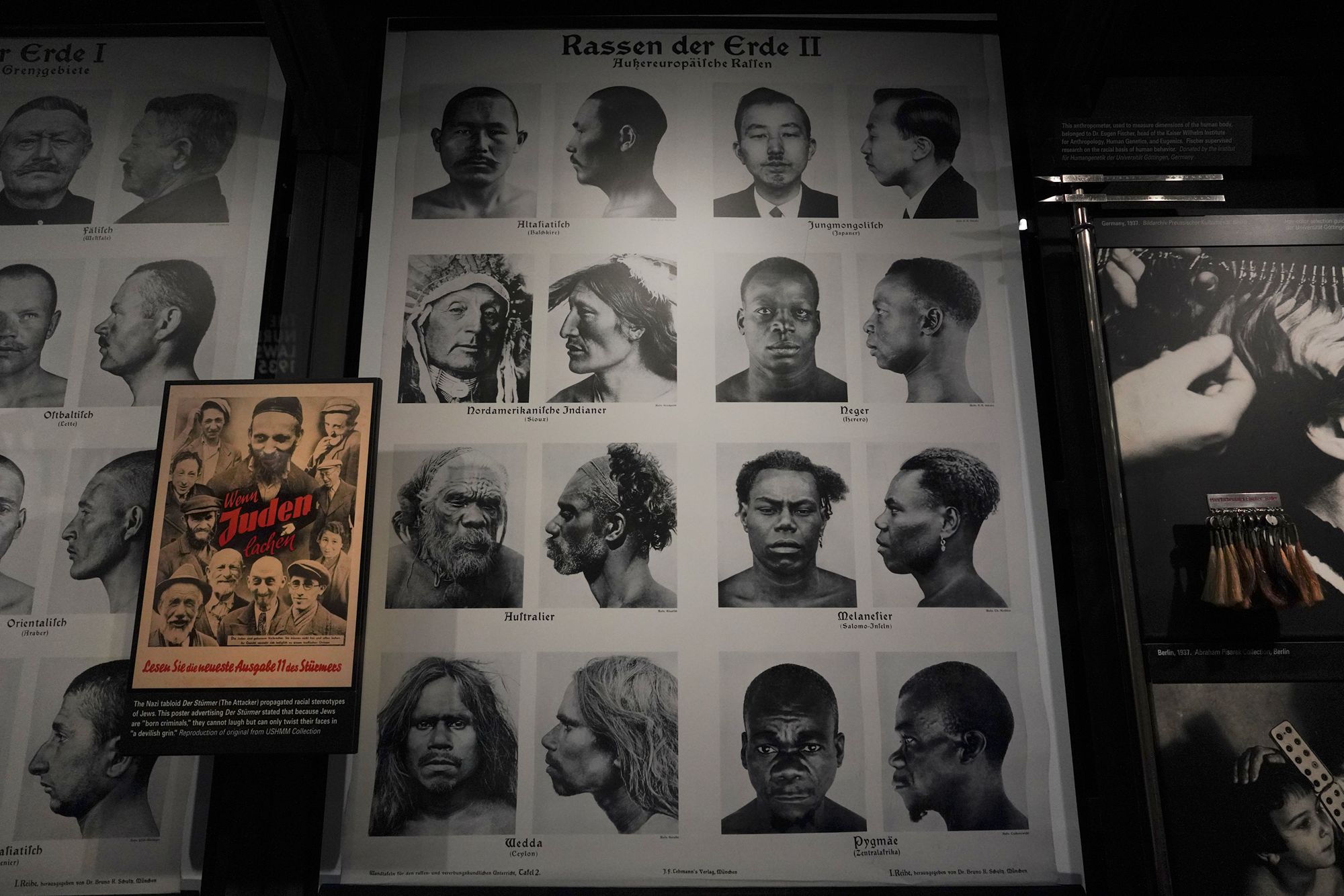
The so-called “science” of race was a false and dangerous theory promoted by the Nazis and other racial ideologues in the early 20th century. It claimed that humanity was divided into distinct racial groups with different physical and moral qualities, and that some races—especially the so-called “Aryan” or “Nordic” race—were superior to others.
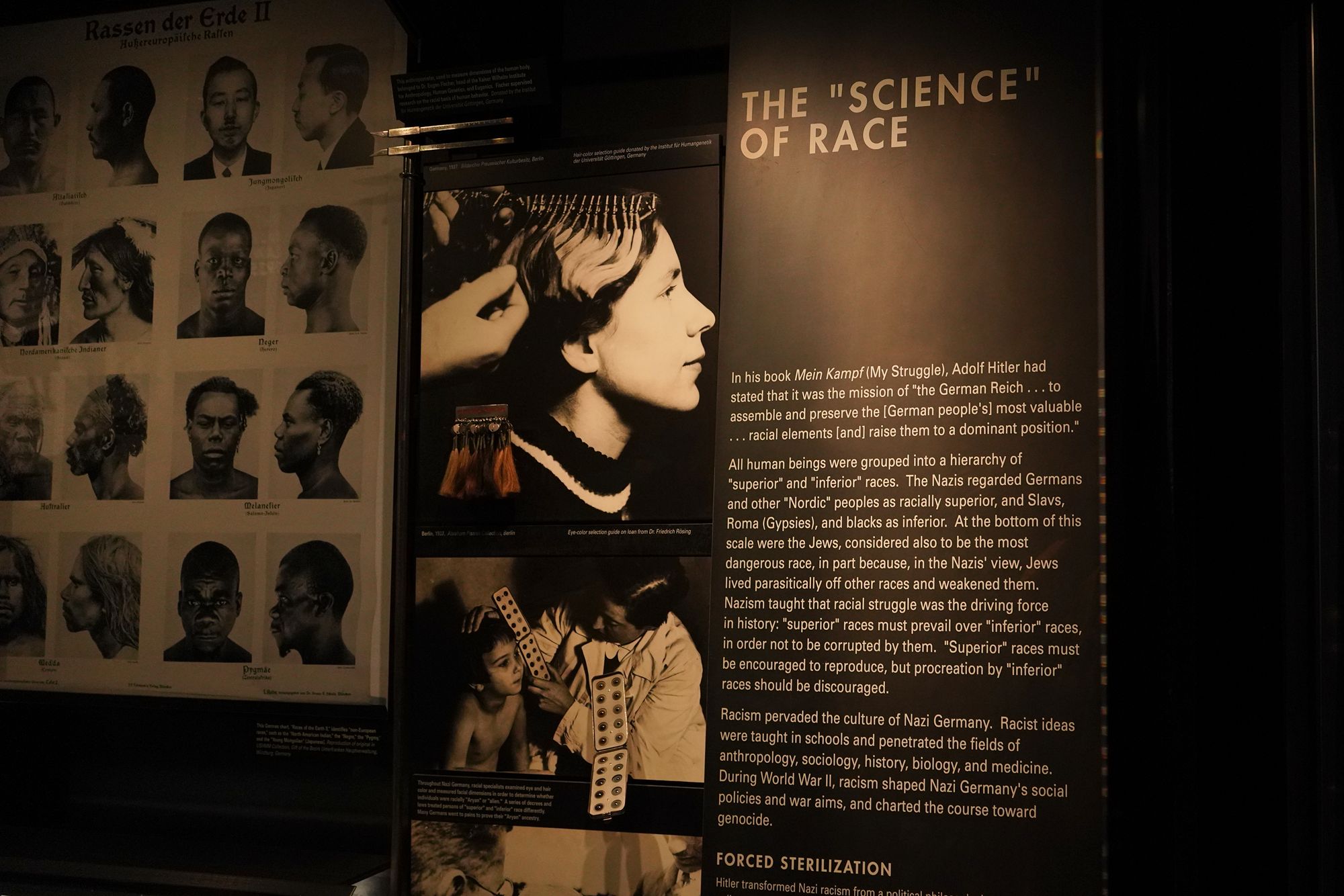
Under this pseudoscience, Jews, Roma (Gypsies), Black people, and Slavs were labeled as inferior or “degenerate.” The Nazis used these ideas to justify racism, discrimination, and ultimately genocide. They misused biology and anthropology, conducting biased studies and measuring skulls and facial features to “prove” their theories.
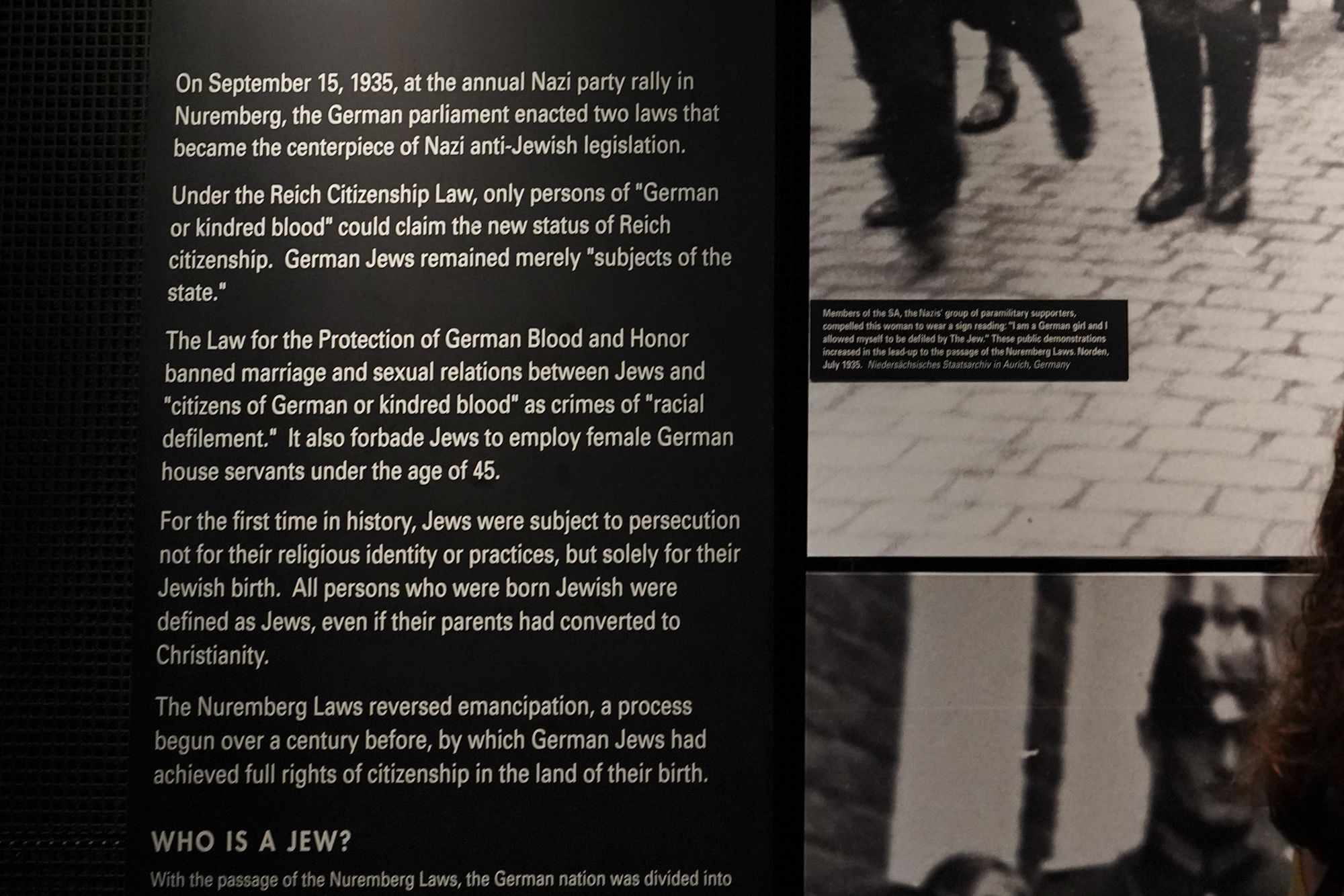
The Nuremberg Laws, enacted in 1935 in Nazi Germany, were a key step in the legal persecution of Jews and a cornerstone of Nazi racial policy. Announced at the Nazi Party Rally in Nuremberg on September 15, 1935, the laws stripped Jews of their rights as citizens and institutionalized racial discrimination.
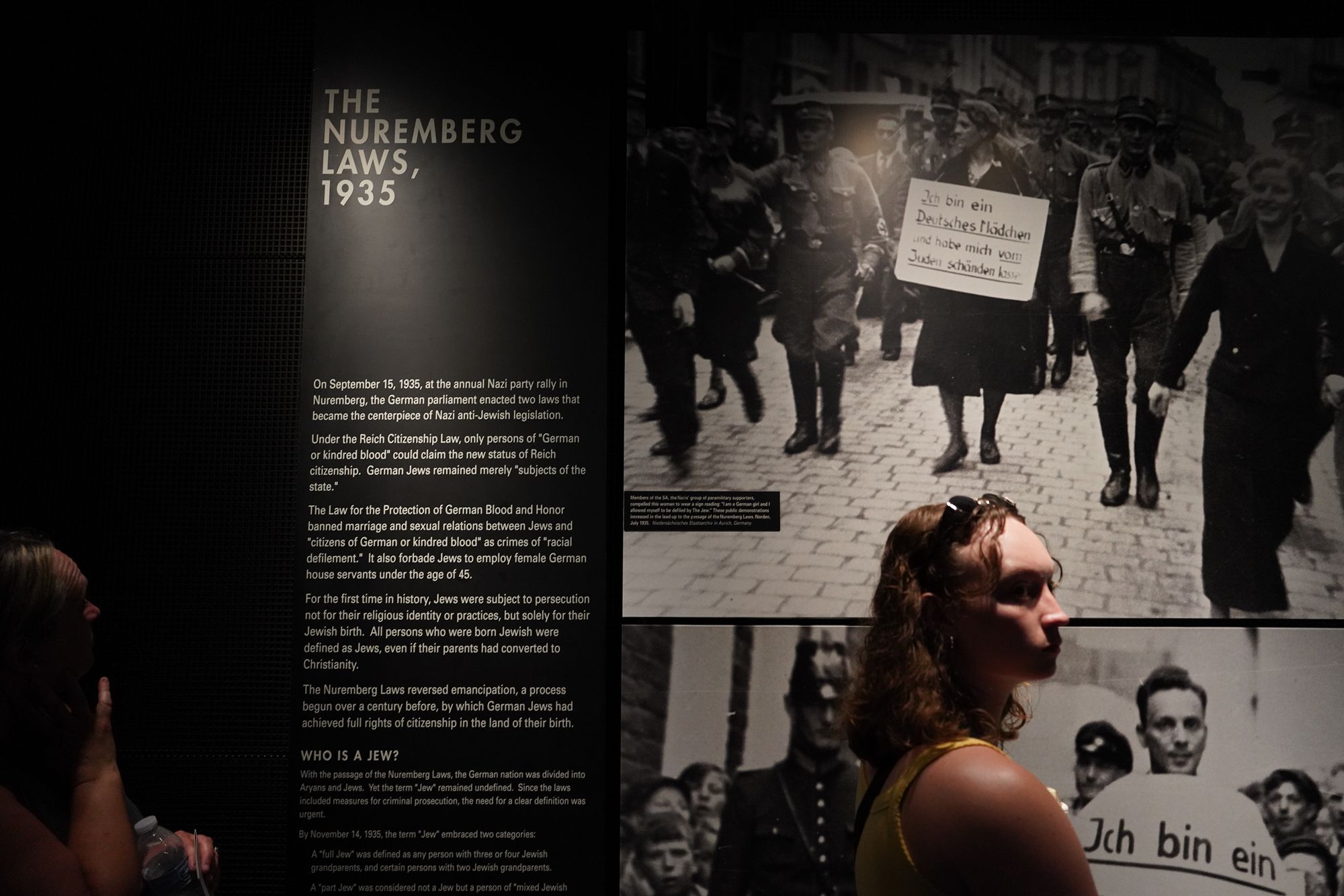
The Nuremberg Laws legitimized antisemitism, turning prejudice into official policy. They isolated Jews socially and legally, paving the way for their economic exclusion, deportation, and ultimately the Holocaust.
Before 1933, Jews were full citizens of Germany, active in education, business, the arts, and government. But once the Nazis came to power, antisemitic propaganda, boycotts, and discriminatory laws began to strip Jews of their rights and dignity.
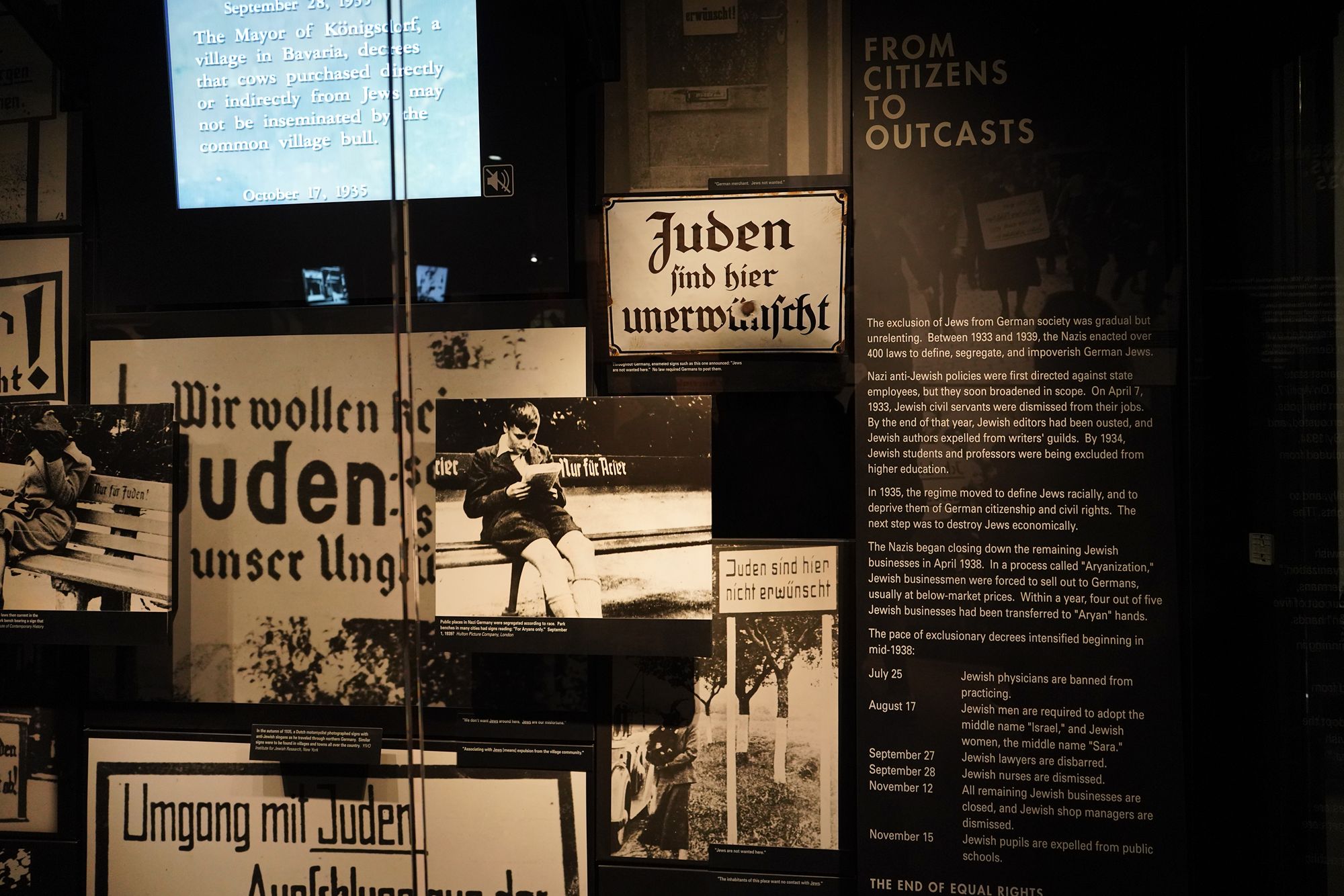
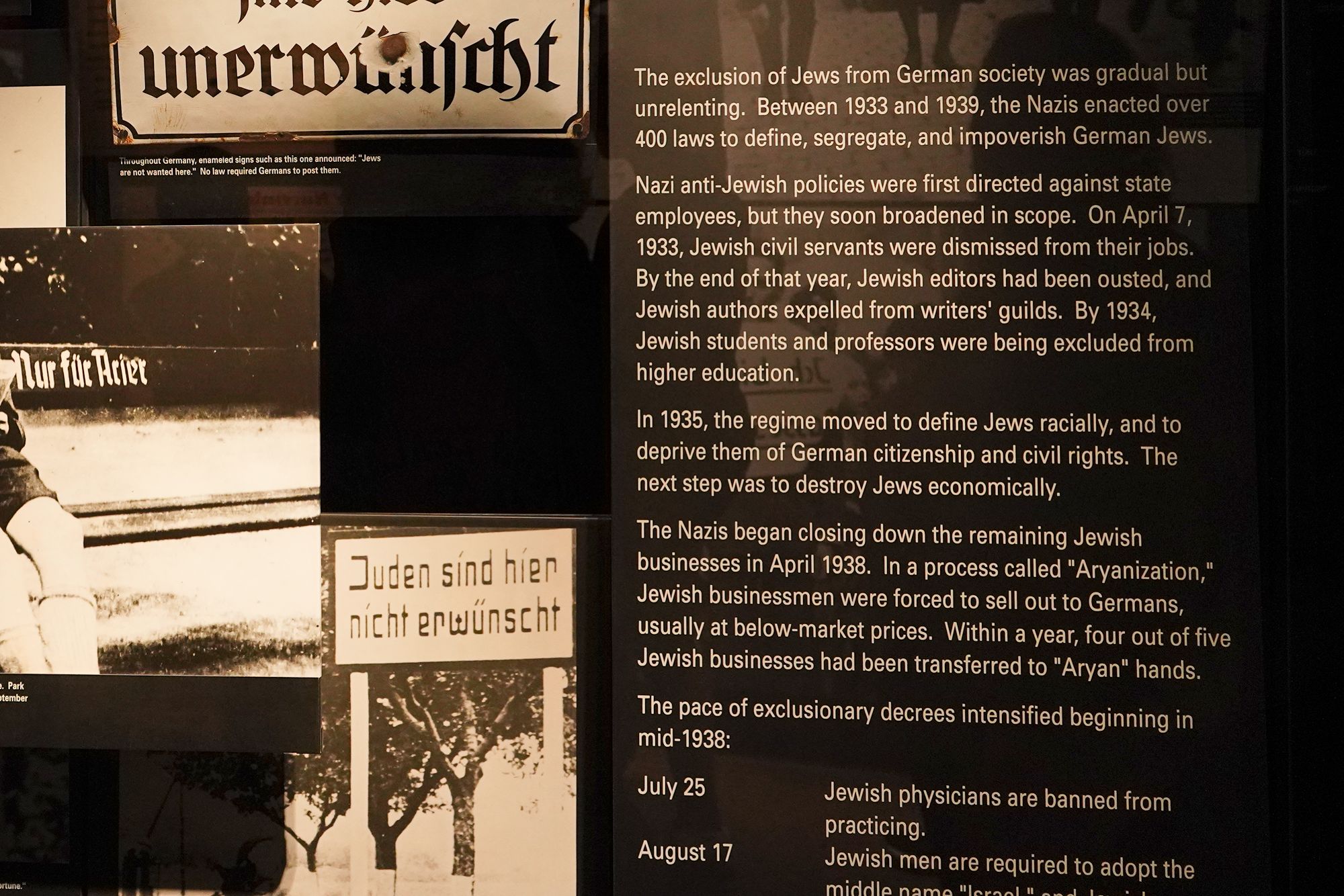
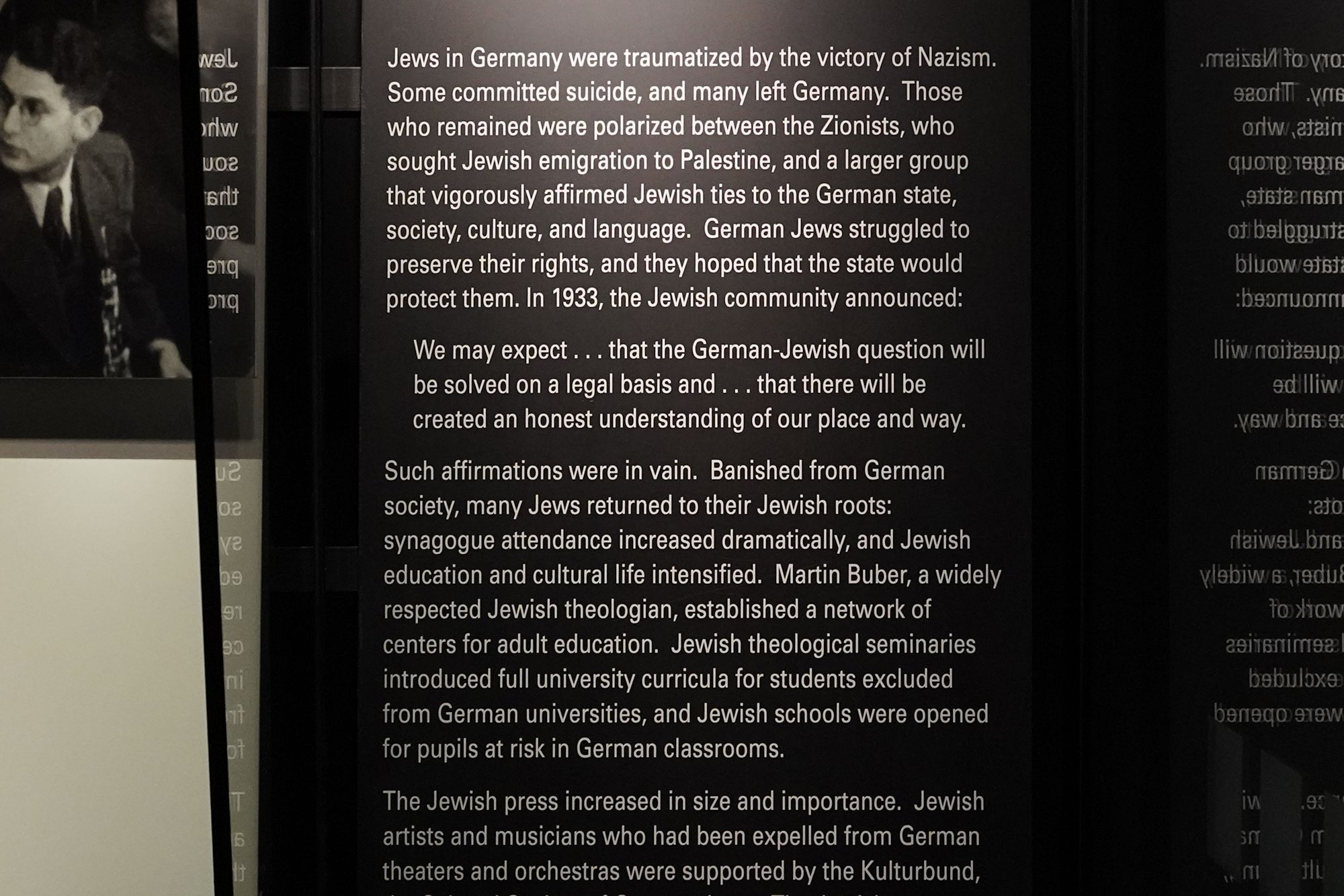
Jewish responses to Nazi persecution varied over time, reflecting courage, resilience, and an effort to preserve dignity in the face of growing oppression.
At first, many German Jews tried to adapt and endure, believing the violence and discrimination would pass.
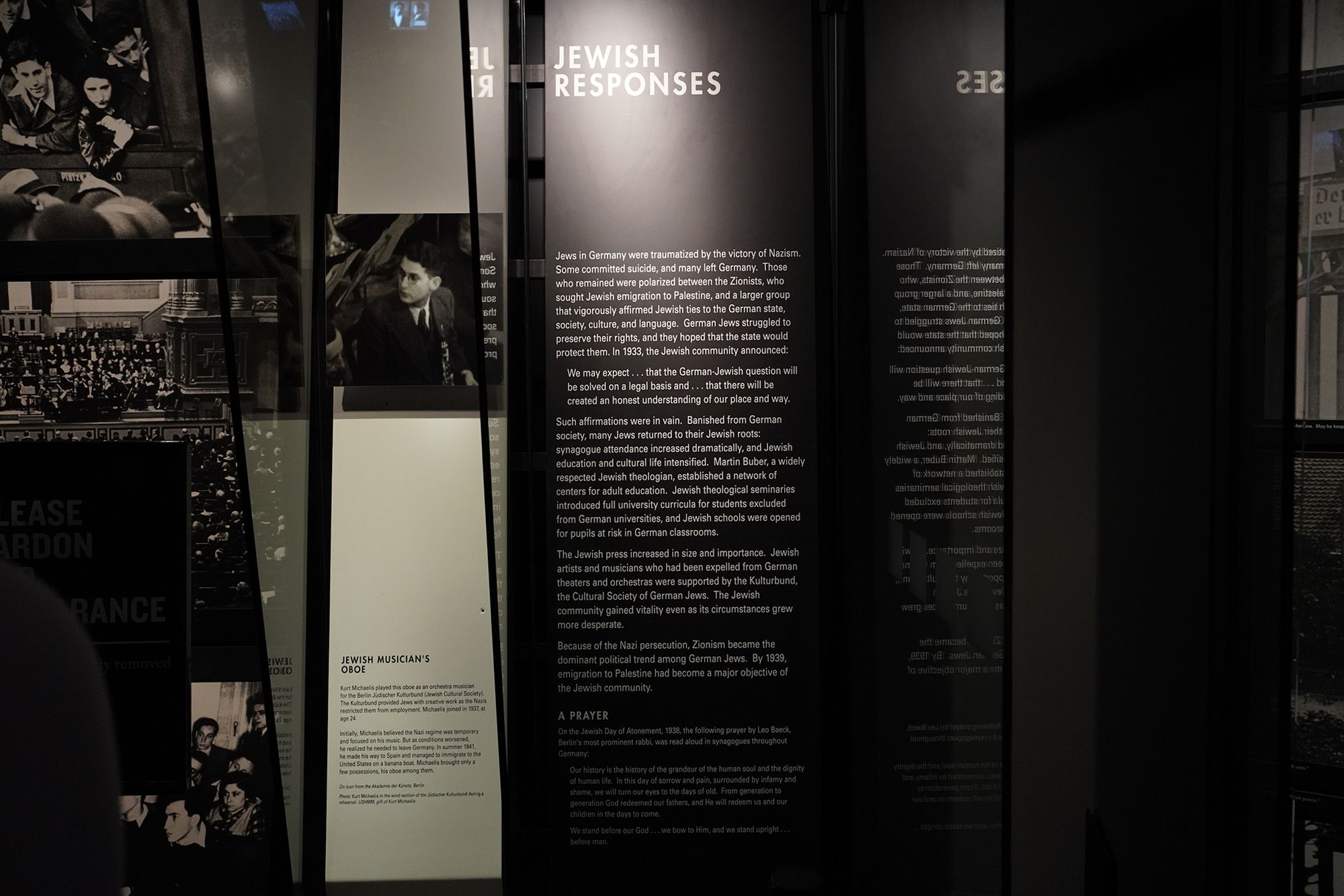
As Nazi policies worsened, Jewish communities worked to maintain religious and cultural life, keeping schools, synagogues, and charities functioning as long as possible. They also documented events and preserved history, even in ghettos and camps, to bear witness for the future.
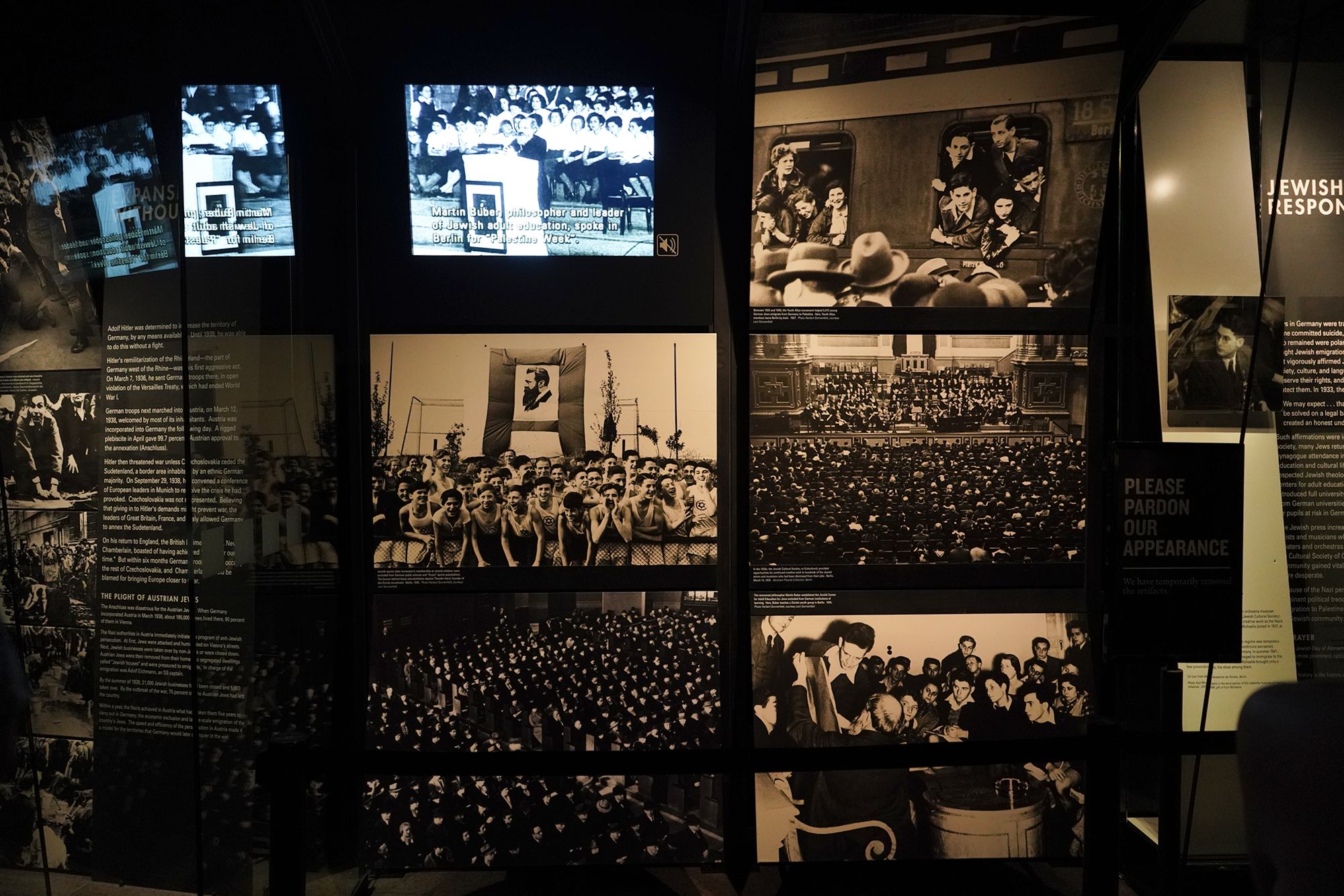
“Expansion Without War” refers to the period in the late 1930s when Adolf Hitler expanded Germany’s territory and power without direct military conflict, using intimidation, propaganda, and diplomacy instead of open warfare.
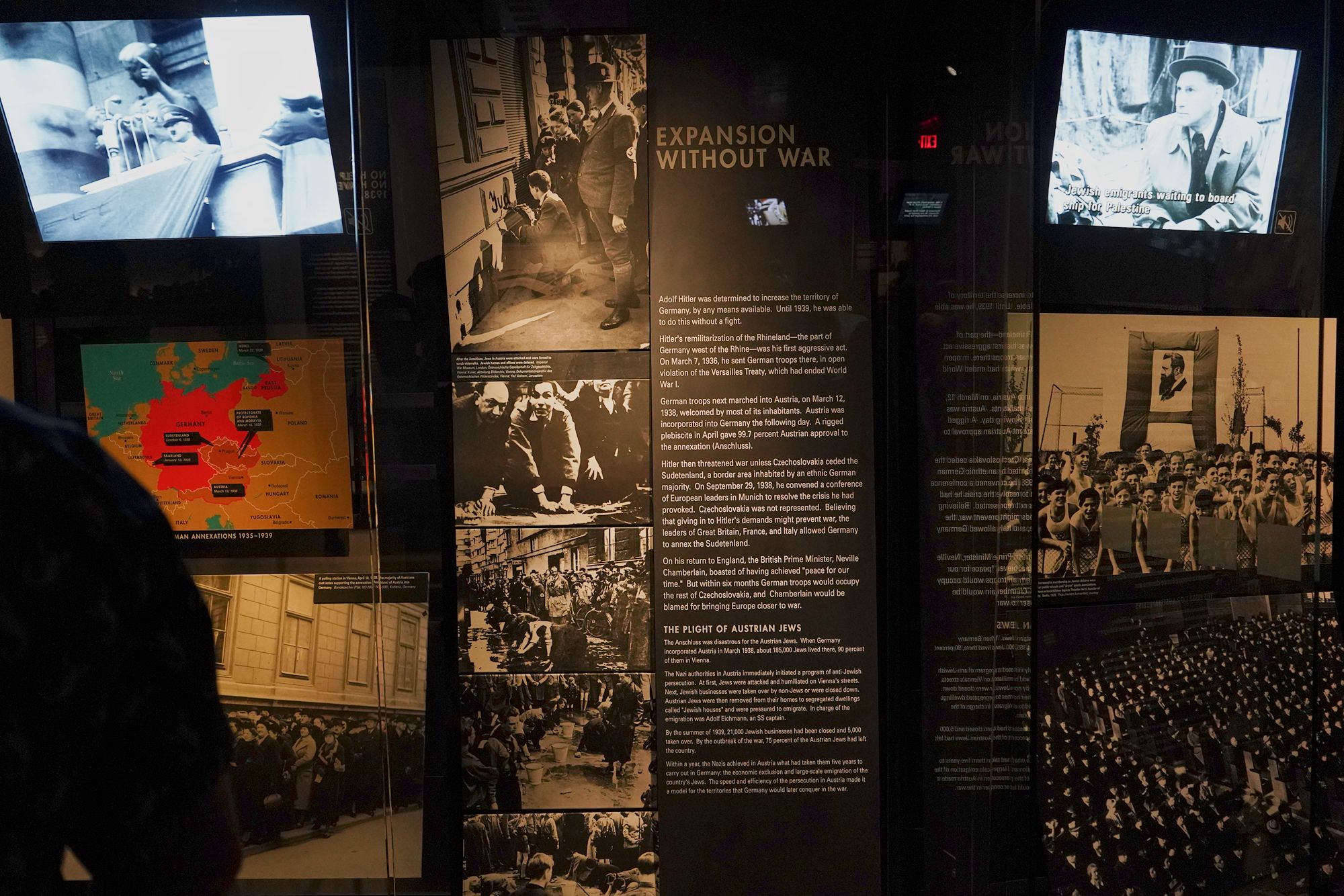
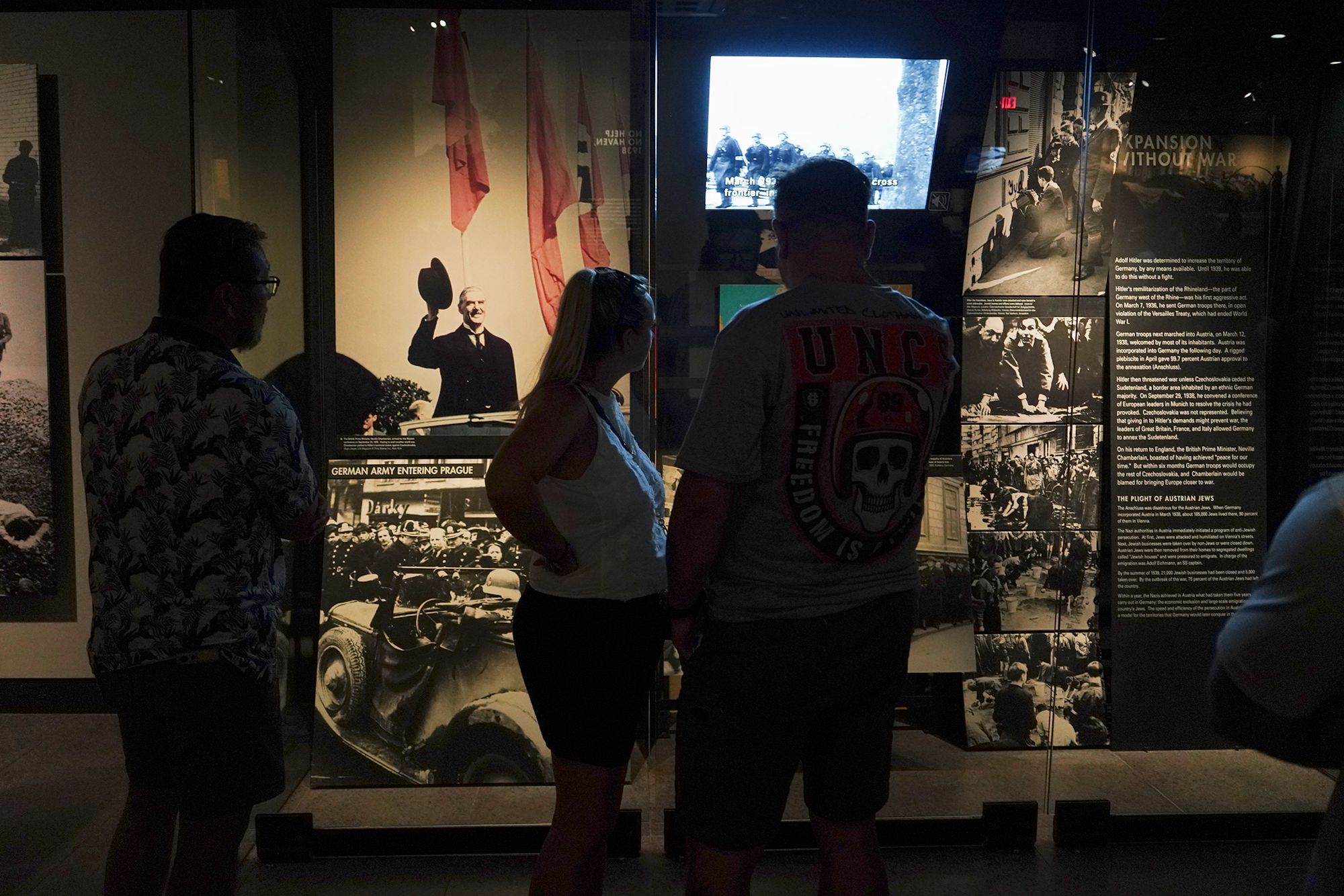
Hitler’s goal was to unite all ethnic Germans under one Reich and overturn the Treaty of Versailles. In 1936, Germany remilitarized the Rhineland, violating the treaty while Britain and France did nothing to stop him. In 1938, Germany achieved the Anschluss, or union with Austria, welcomed by many Austrians. Later that year, the Munich Agreement allowed Germany to take the Sudetenland—a German-speaking region of Czechoslovakia—after promises of peace made to Britain and France.
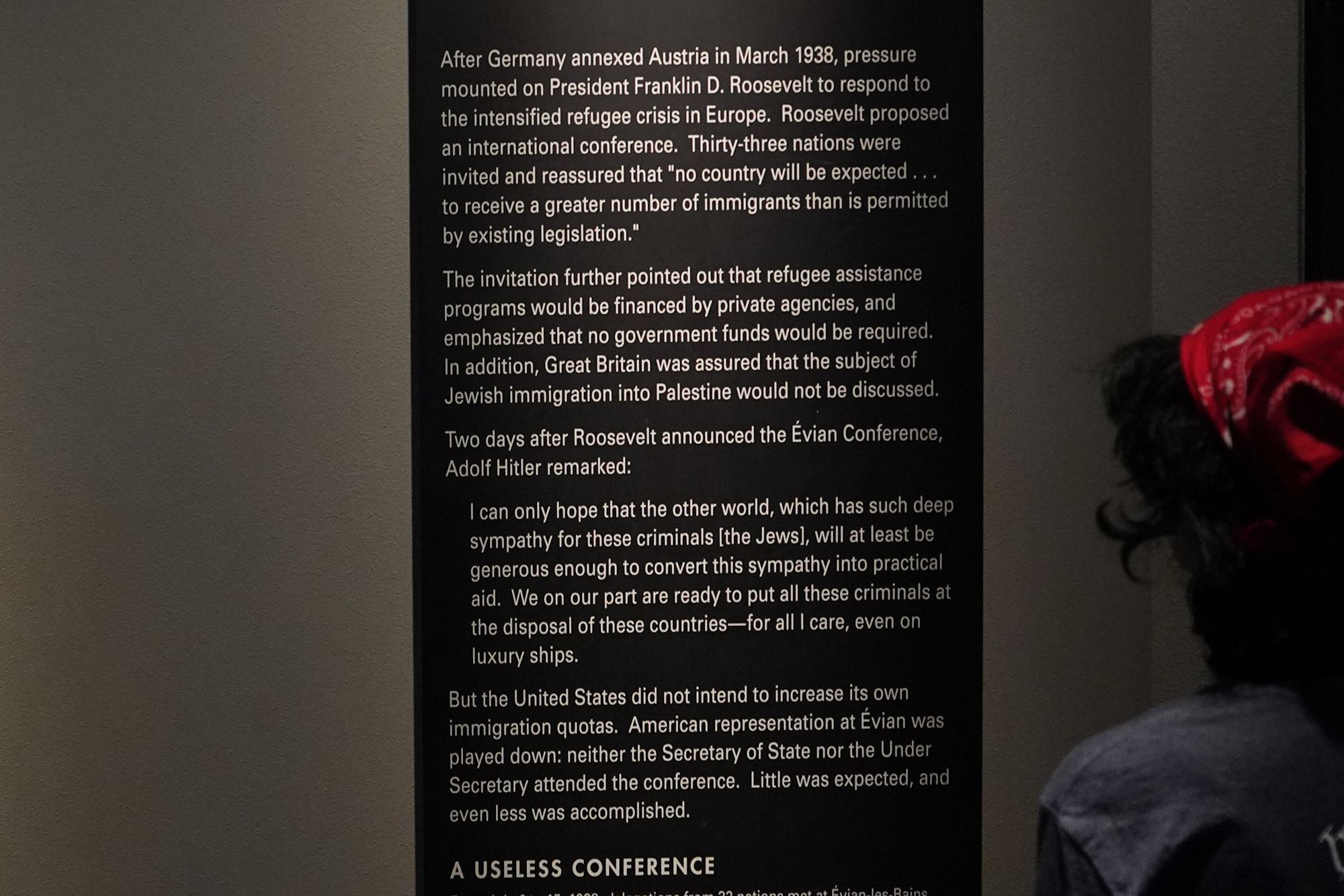
“Enemies of the State” was the term the Nazi regime used to label anyone they viewed as a threat to their control or ideology. Once the Nazis came to power in 1933, they used laws, propaganda, and terror to silence and eliminate these so-called enemies.
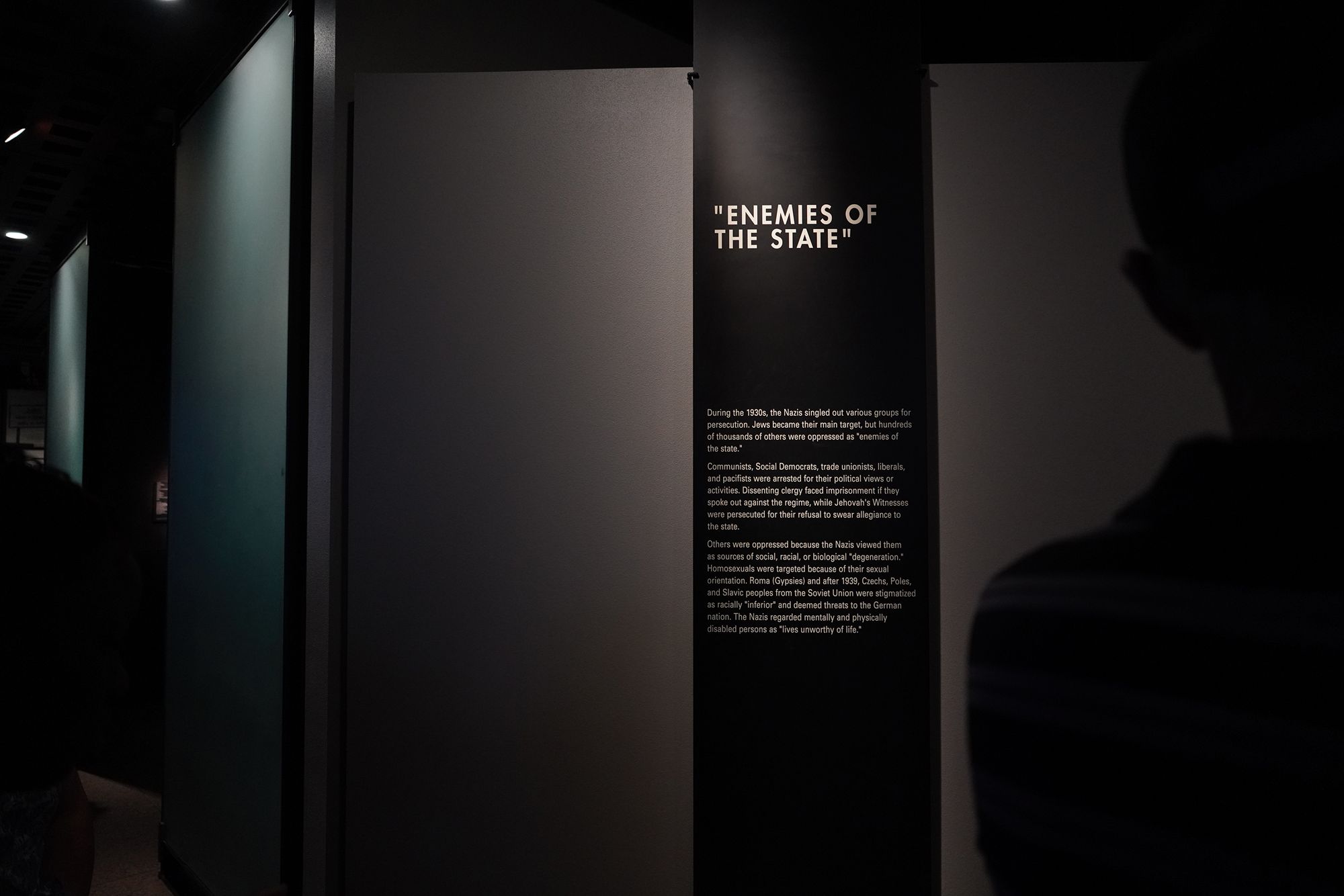
At first, this included political opponents—Communists, Socialists, and trade unionists—who were arrested, imprisoned, or sent to early concentration camps like Dachau. Soon, the category expanded to include Jews, who became the primary targets of Nazi racial policy.
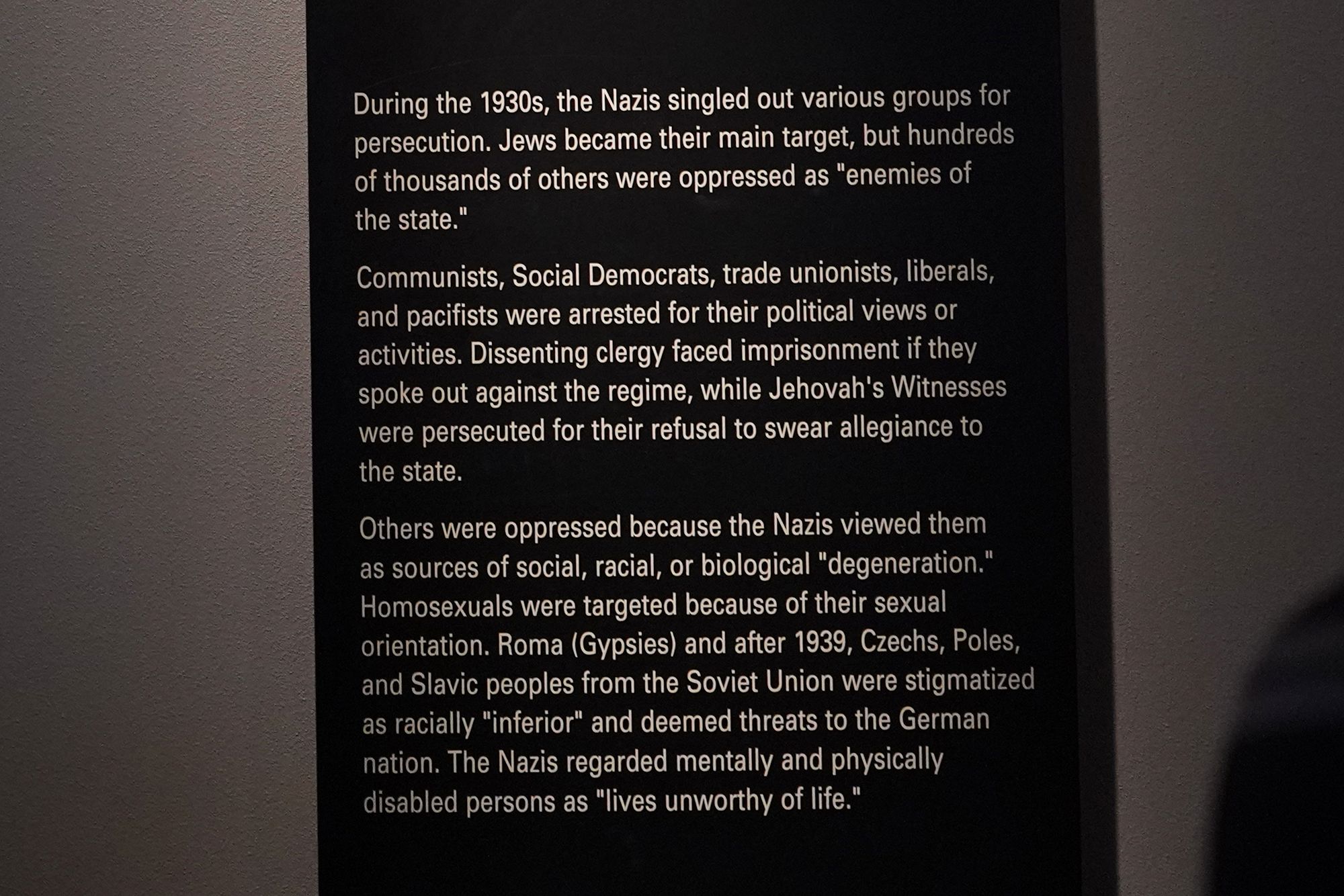
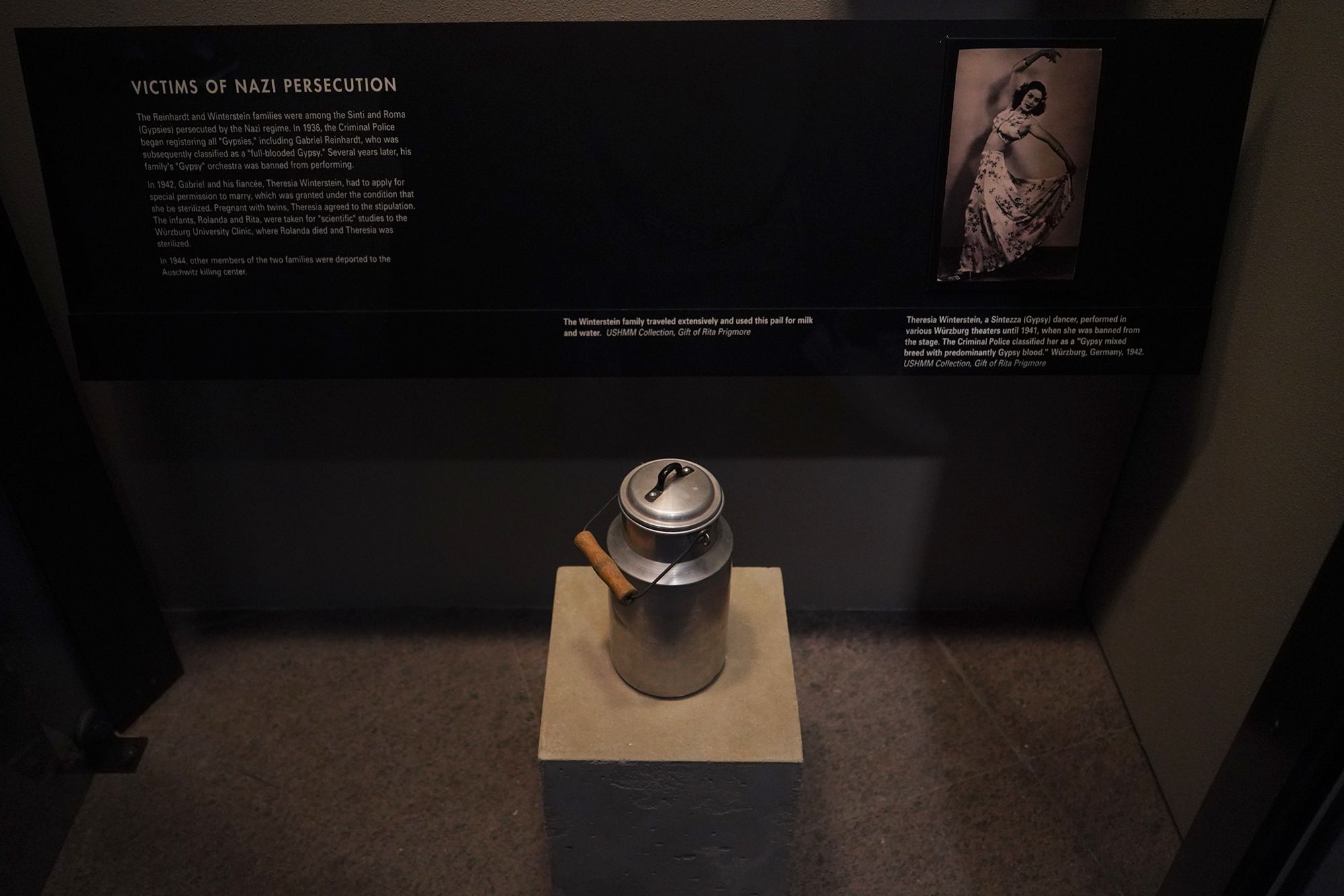
Other groups persecuted as “enemies” included Roma (Gypsies), Jehovah’s Witnesses, people with disabilities, homosexuals, and anyone who opposed or criticized the Nazi government. Many of these people were stripped of rights, sterilized, imprisoned, or murdered under Nazi programs of racial and political “cleansing.”
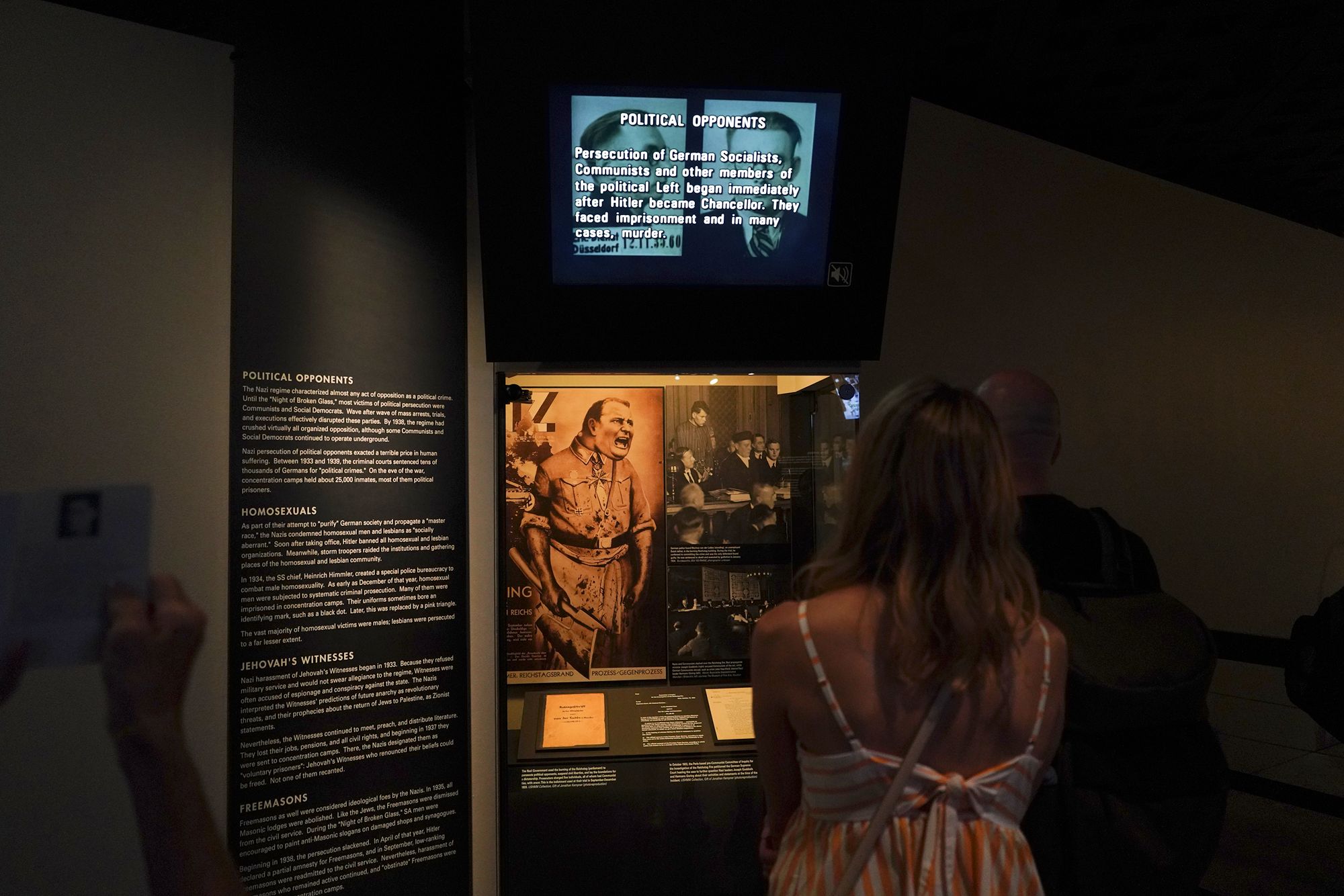
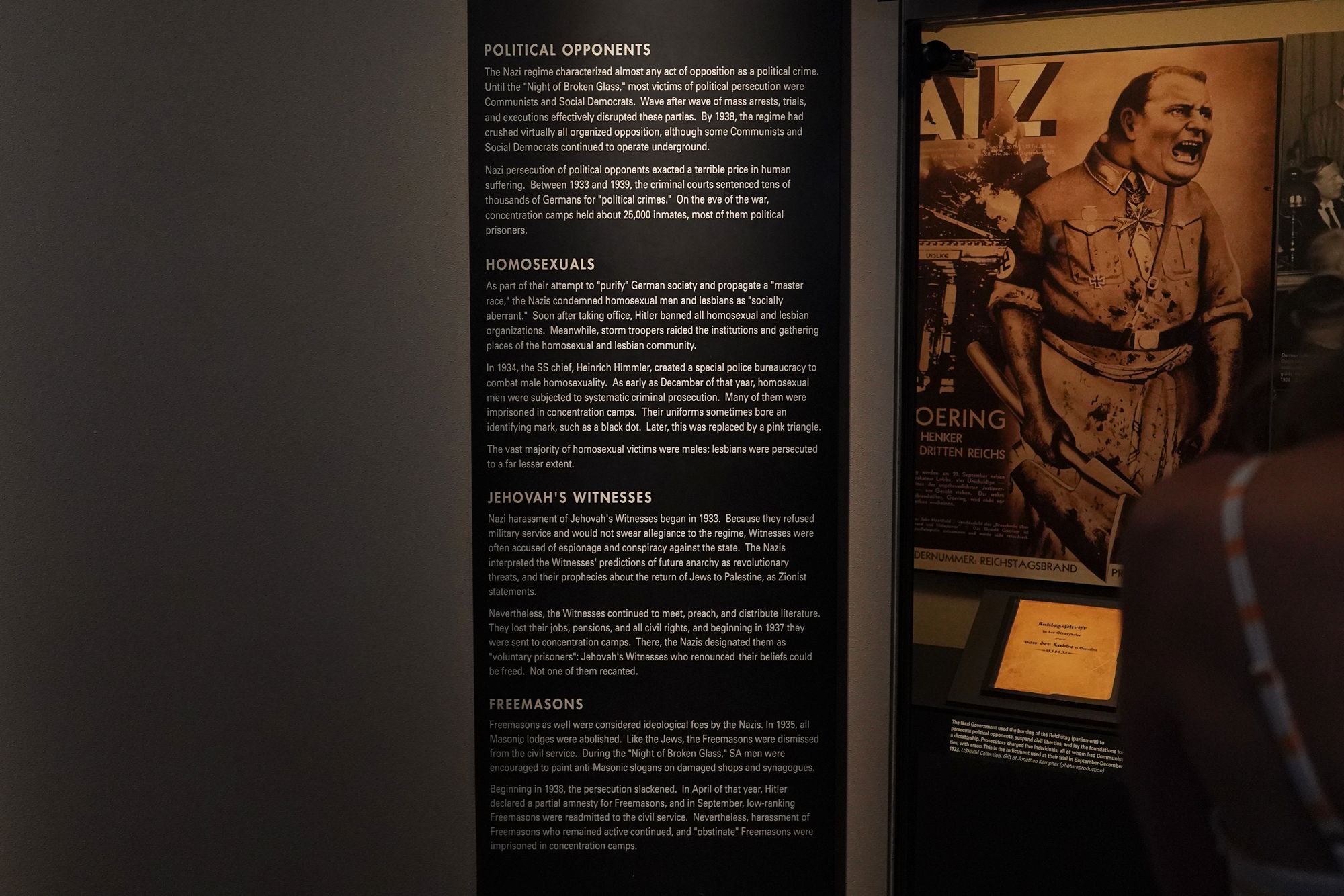
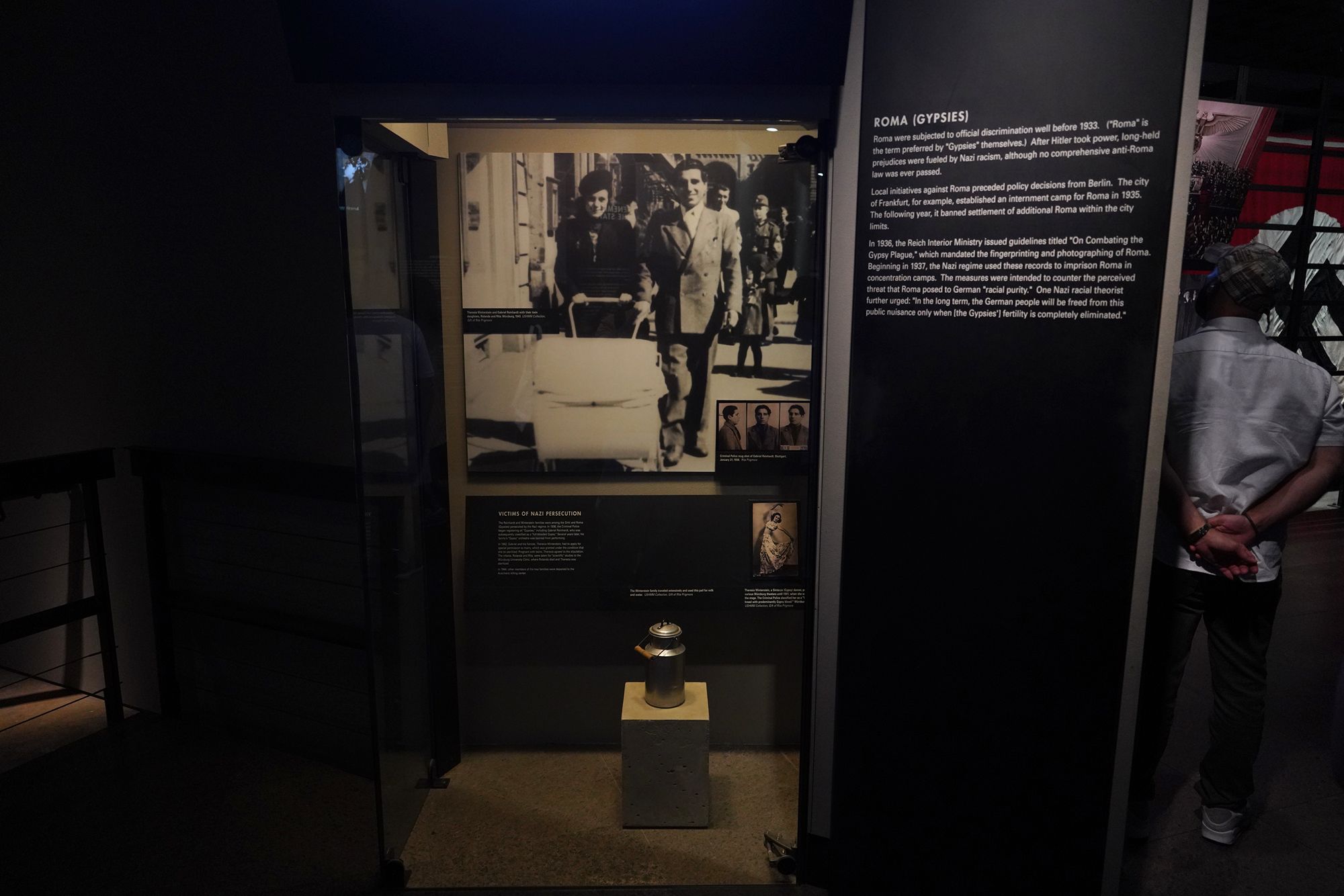
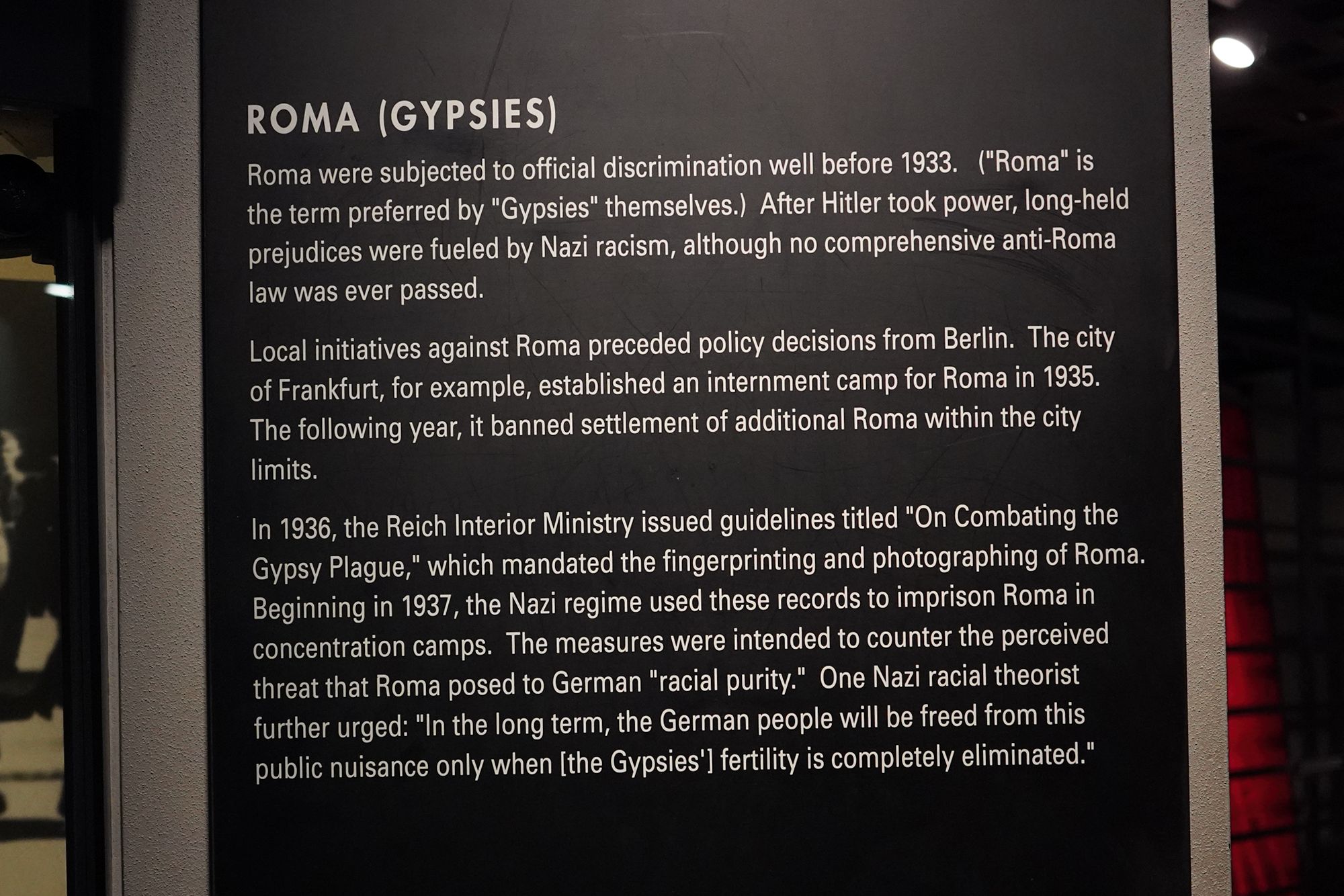
By labeling these individuals as enemies of the state, the Nazis dehumanized them and justified extreme measures against them. This campaign of persecution turned the tools of the government—laws, police, and propaganda—into instruments of terror, laying the foundation for the Holocaust and the regime’s total control over German society.
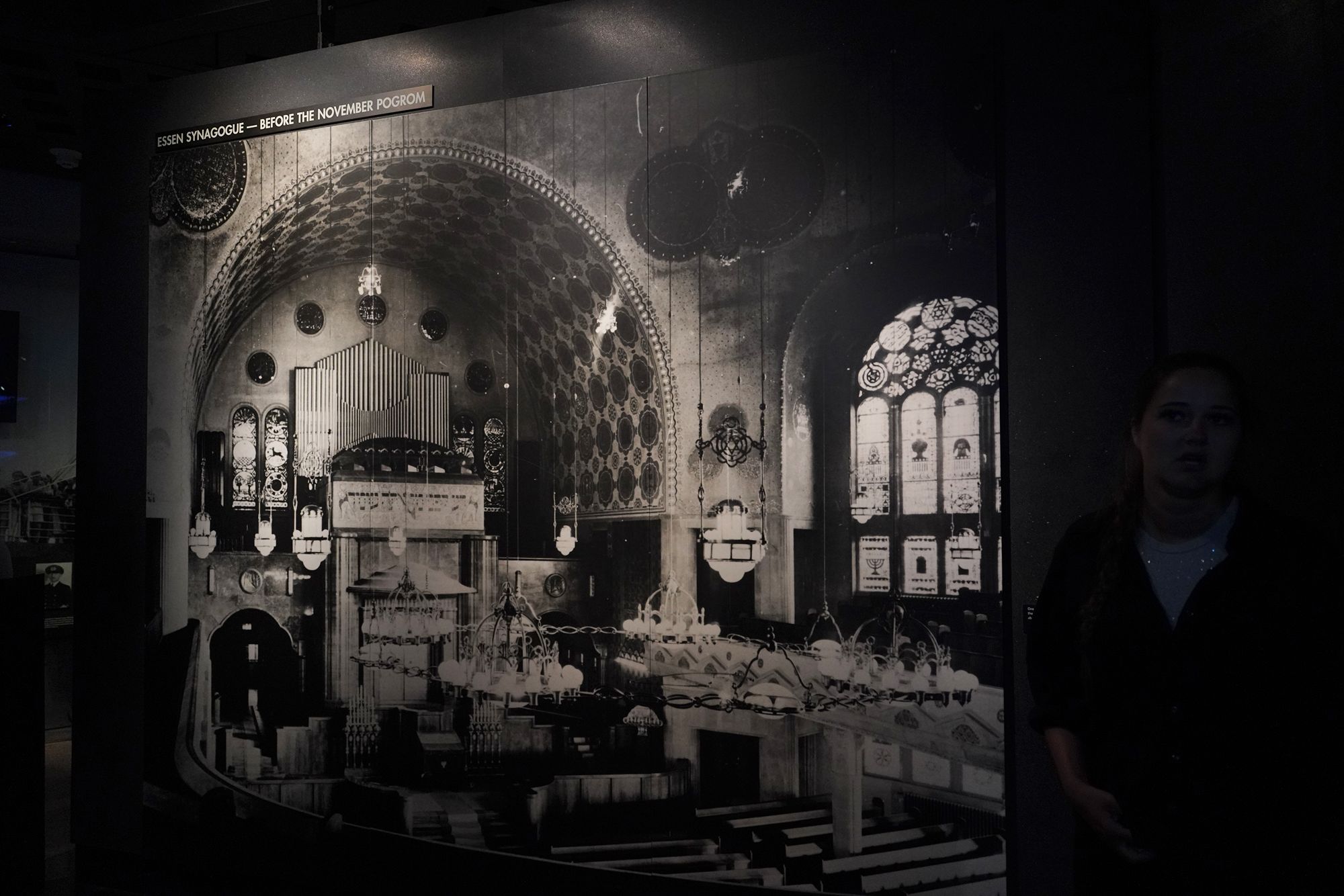
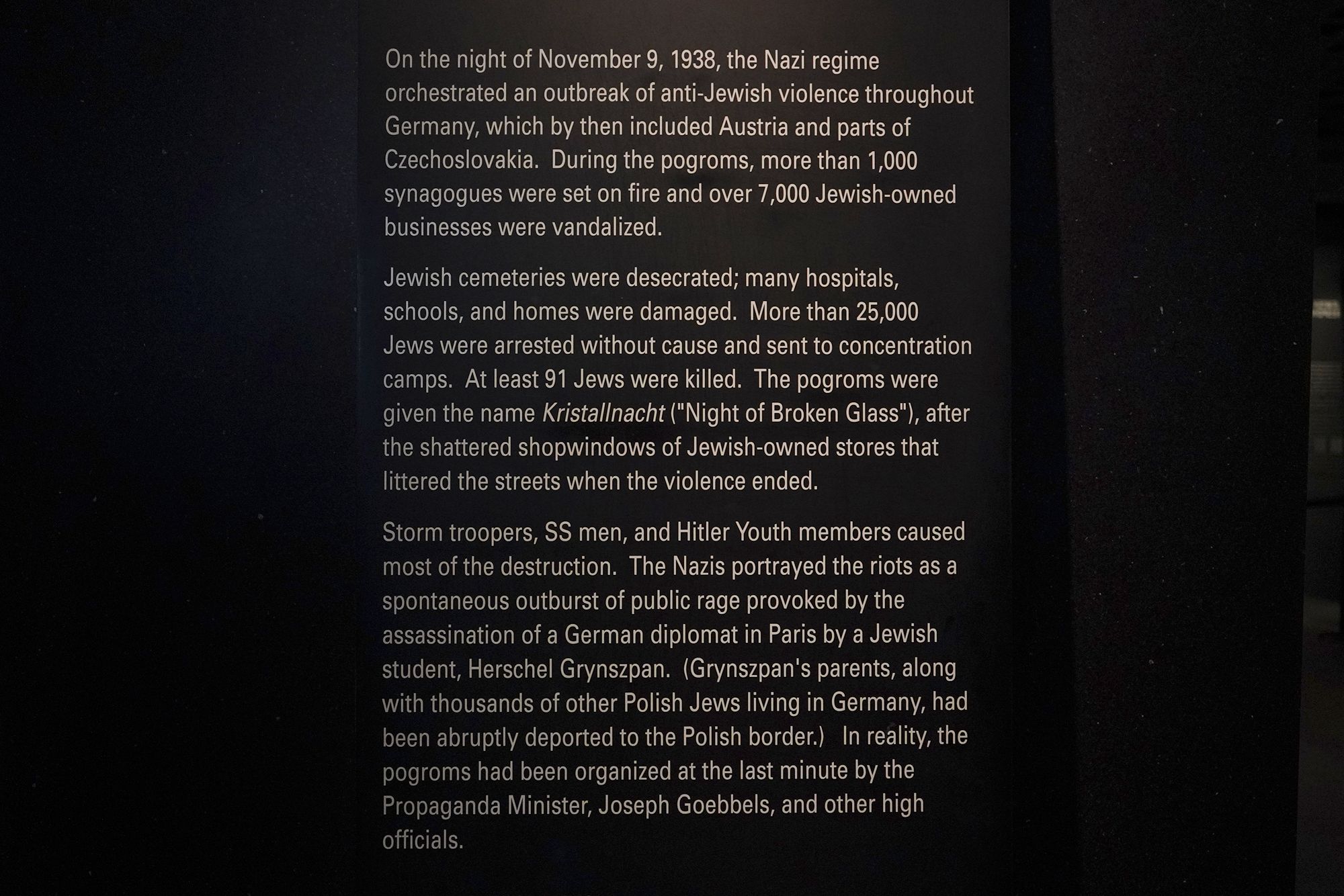
The “Night of Broken Glass” — known in German as Kristallnacht — took place on the night of November 9–10, 1938, and marked a major turning point in Nazi persecution of Jews.
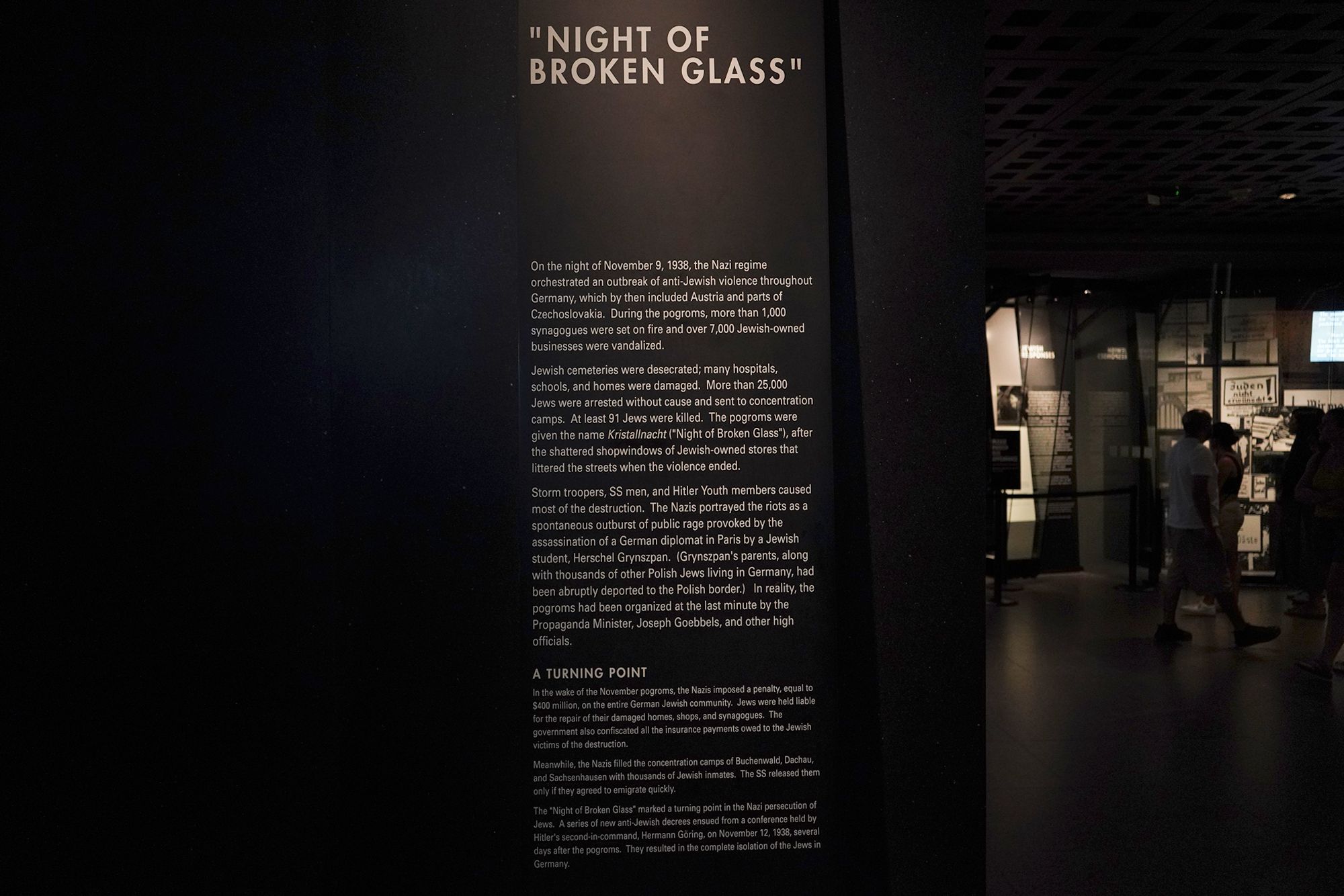
During this coordinated attack, Nazi stormtroopers (SA) and civilians carried out violent assaults across Germany and Austria, smashing windows of Jewish homes, businesses, and synagogues. The shattered glass that littered the streets gave the event its name.
Nazi society was built on the idea of creating a racially “pure” and obedient nation loyal to Adolf Hitler and the Nazi Party. After coming to power in 1933, the Nazis reshaped every part of German life—politics, education, work, culture, and family—to serve their ideology and strengthen the dictatorship.
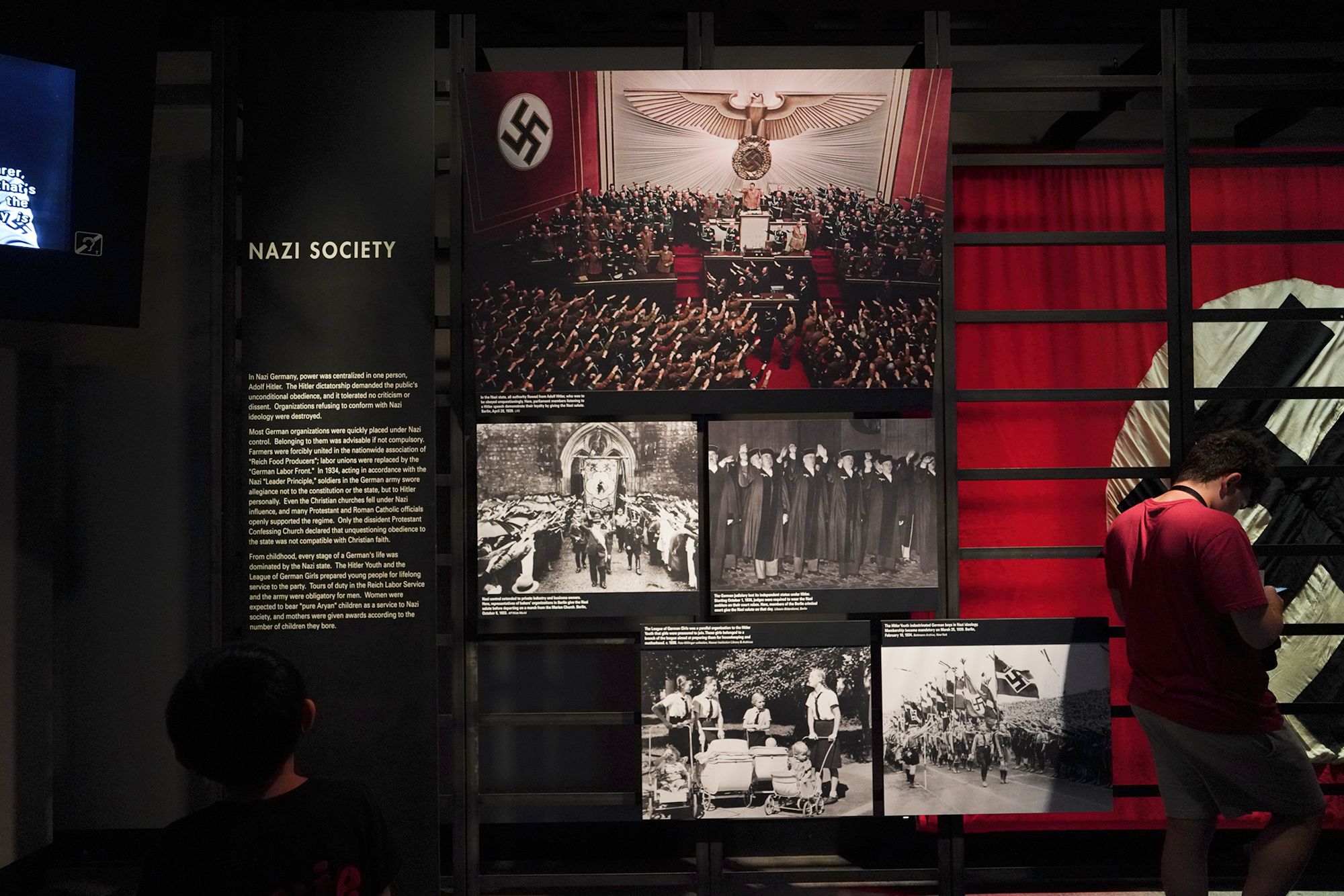
The regime promoted the belief in the superiority of the “Aryan race” and demanded total loyalty to Hitler, who was portrayed as Germany’s savior. Propaganda, rallies, and strict censorship controlled what people saw, read, and believed.
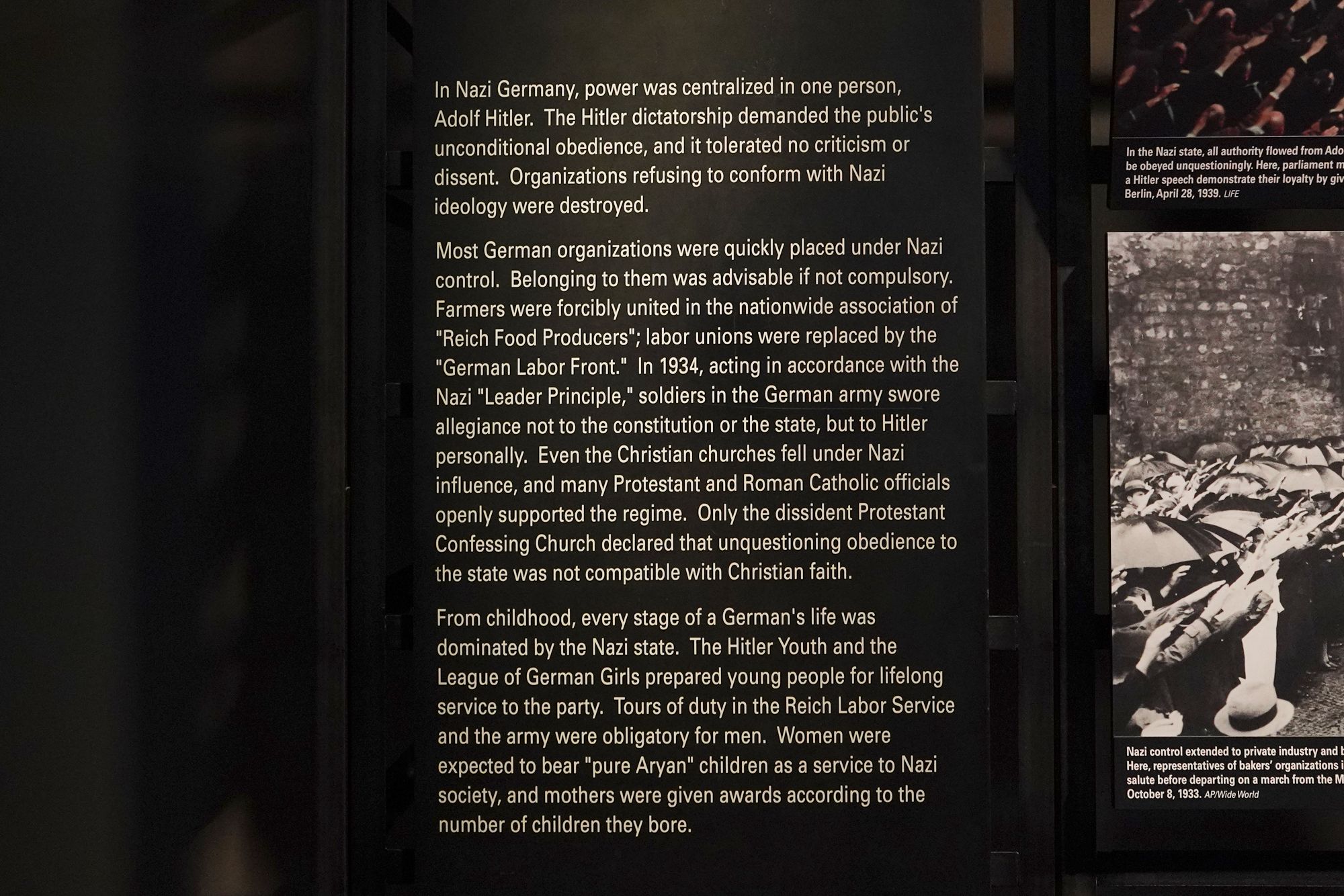
Children were indoctrinated from a young age through Nazi schools and youth groups like the Hitler Youth and League of German Girls, where they were taught obedience, nationalism, and racial hatred. Men were expected to serve as soldiers or workers, while women were encouraged to focus on “Kinder, Küche, Kirche” (children, kitchen, church), raising racially “pure” families for the Reich.
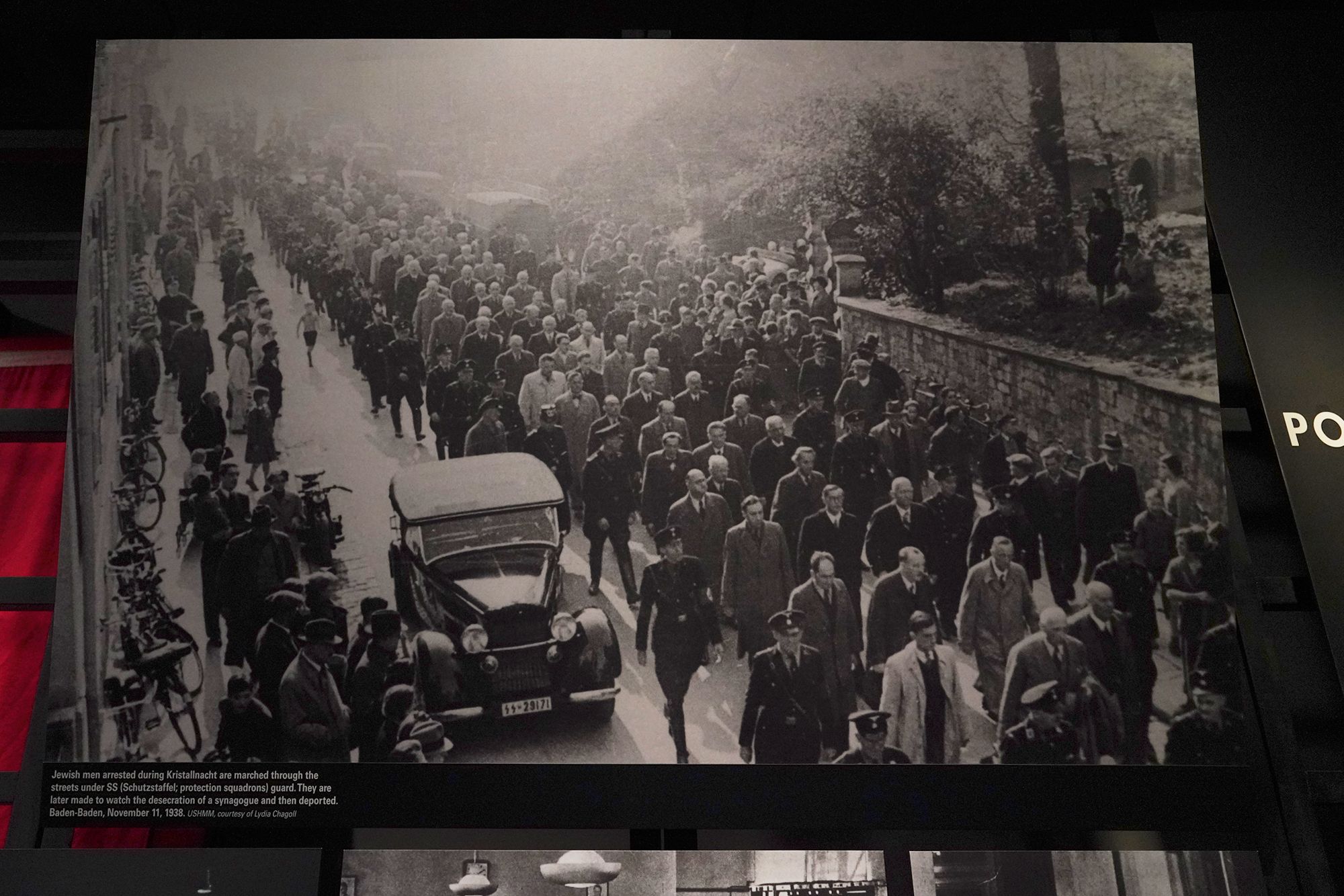
A police state is a government in which authorities use fear, surveillance, and violence to control every aspect of people’s lives — and Nazi Germany became one of the most extreme examples of this system.
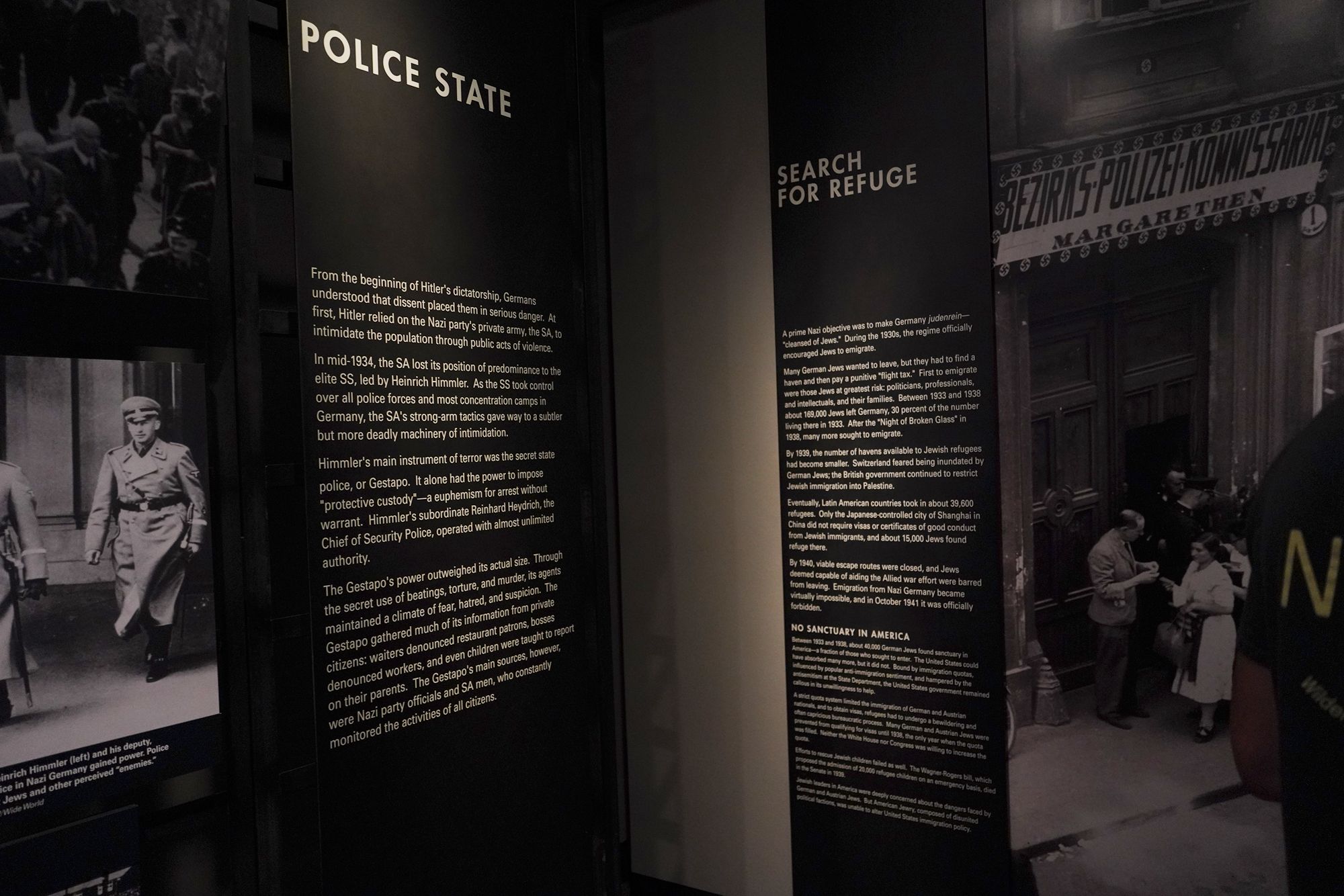
After coming to power in 1933, the Nazis quickly eliminated democracy and used the police and secret services to silence all opposition. The Gestapo (secret state police) could arrest anyone without trial, while the SS (Schutzstaffel) ran the concentration camps and enforced Nazi racial policies. Ordinary police forces were also brought under Nazi control, ensuring that law enforcement served the regime, not the people.
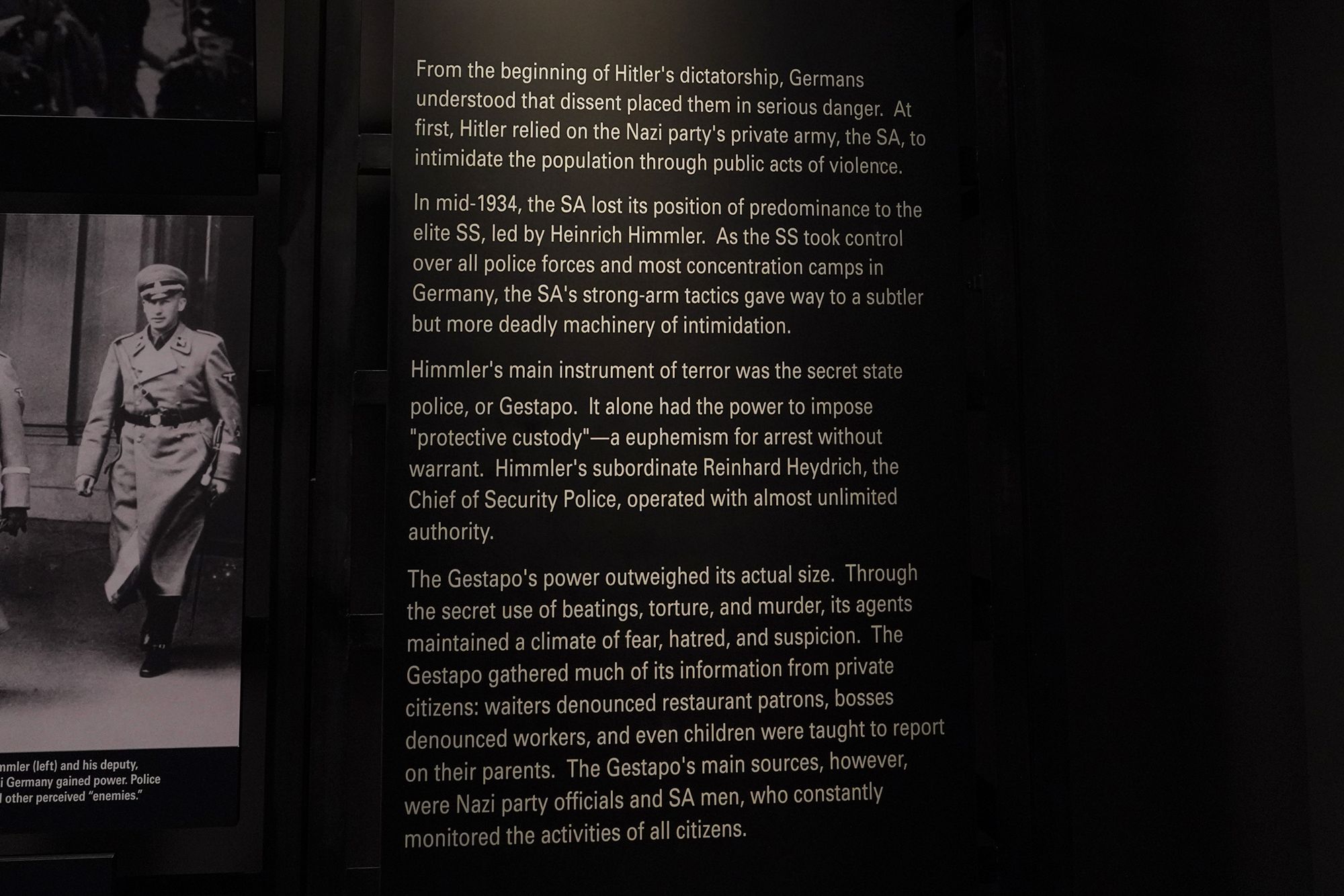
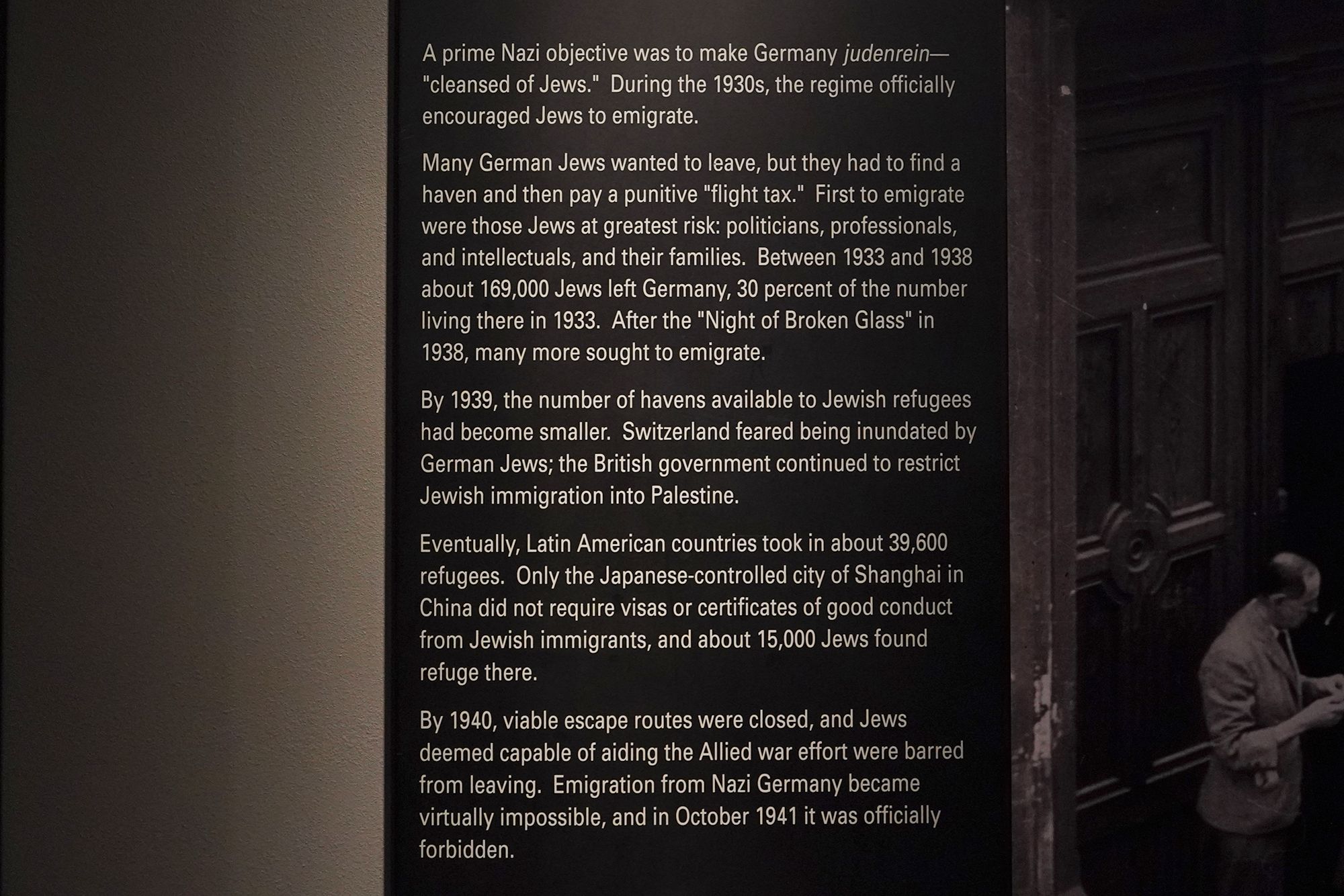
“Search for Refuge” refers to the desperate efforts of Jews and other persecuted groups to escape Nazi-controlled Europe before and during World War II.
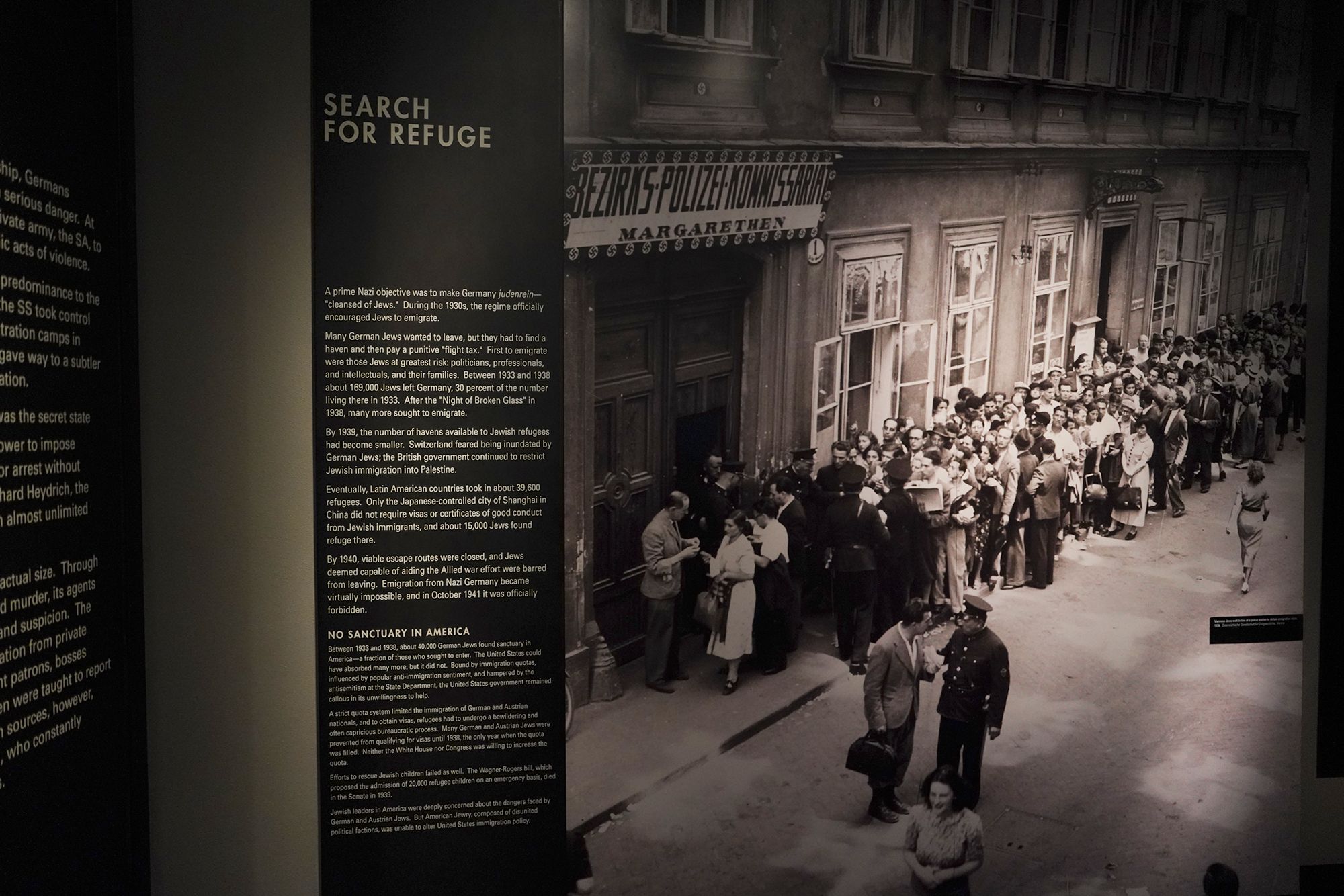
As Nazi persecution intensified in the 1930s, especially after Kristallnacht (1938), thousands of Jews tried to flee Germany and Austria. However, finding safety was extremely difficult. Many countries, including the United States, Britain, and others, imposed strict immigration quotas or refused large numbers of refugees due to economic hardship, antisemitism, and fear of foreign influence.
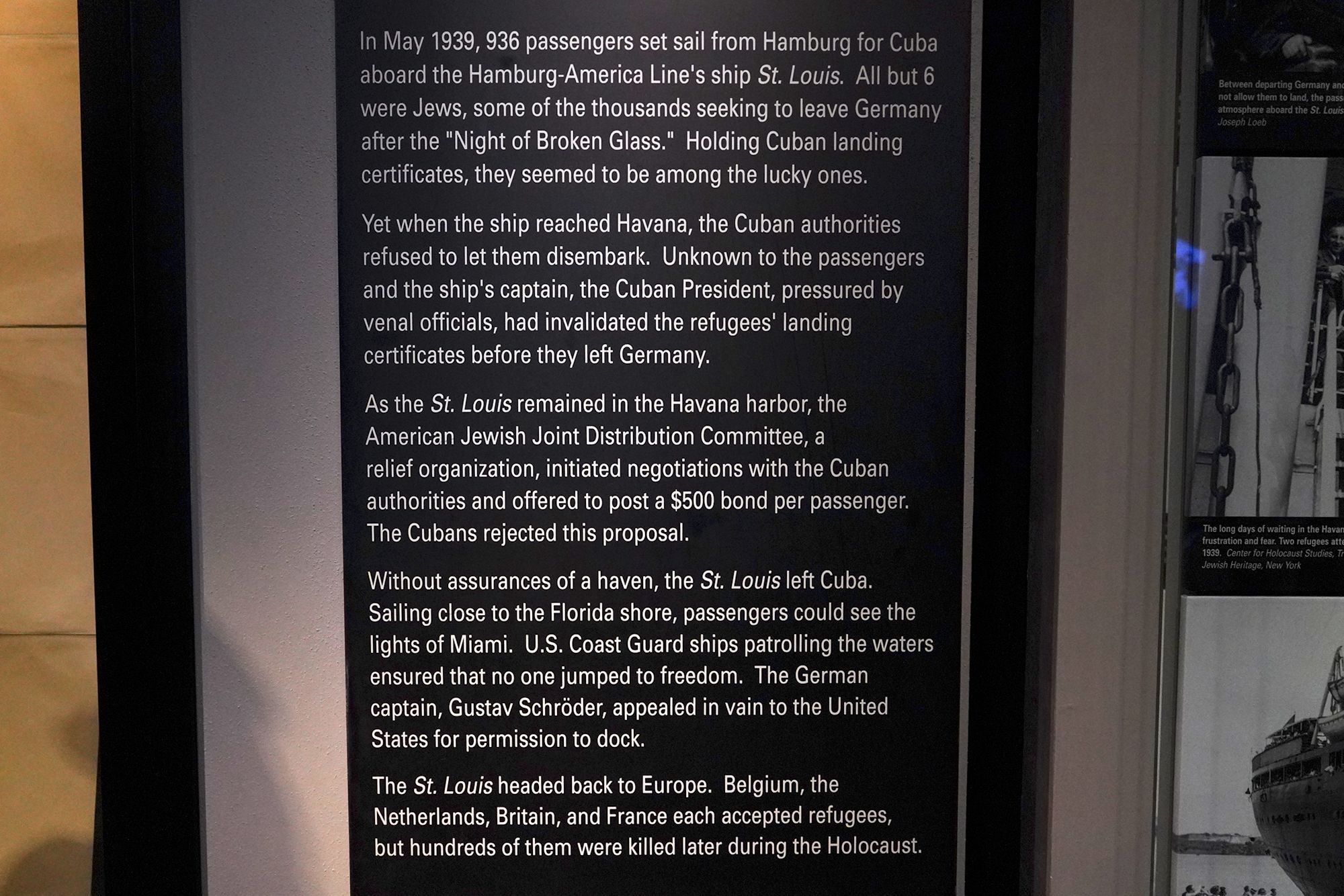
The voyage of the S.S. St. Louis is one of the most tragic episodes of the Holocaust refugee crisis. In May 1939, the German ocean liner departed from Hamburg carrying more than 900 Jewish refugees fleeing Nazi persecution, most of them holding visas for Cuba.
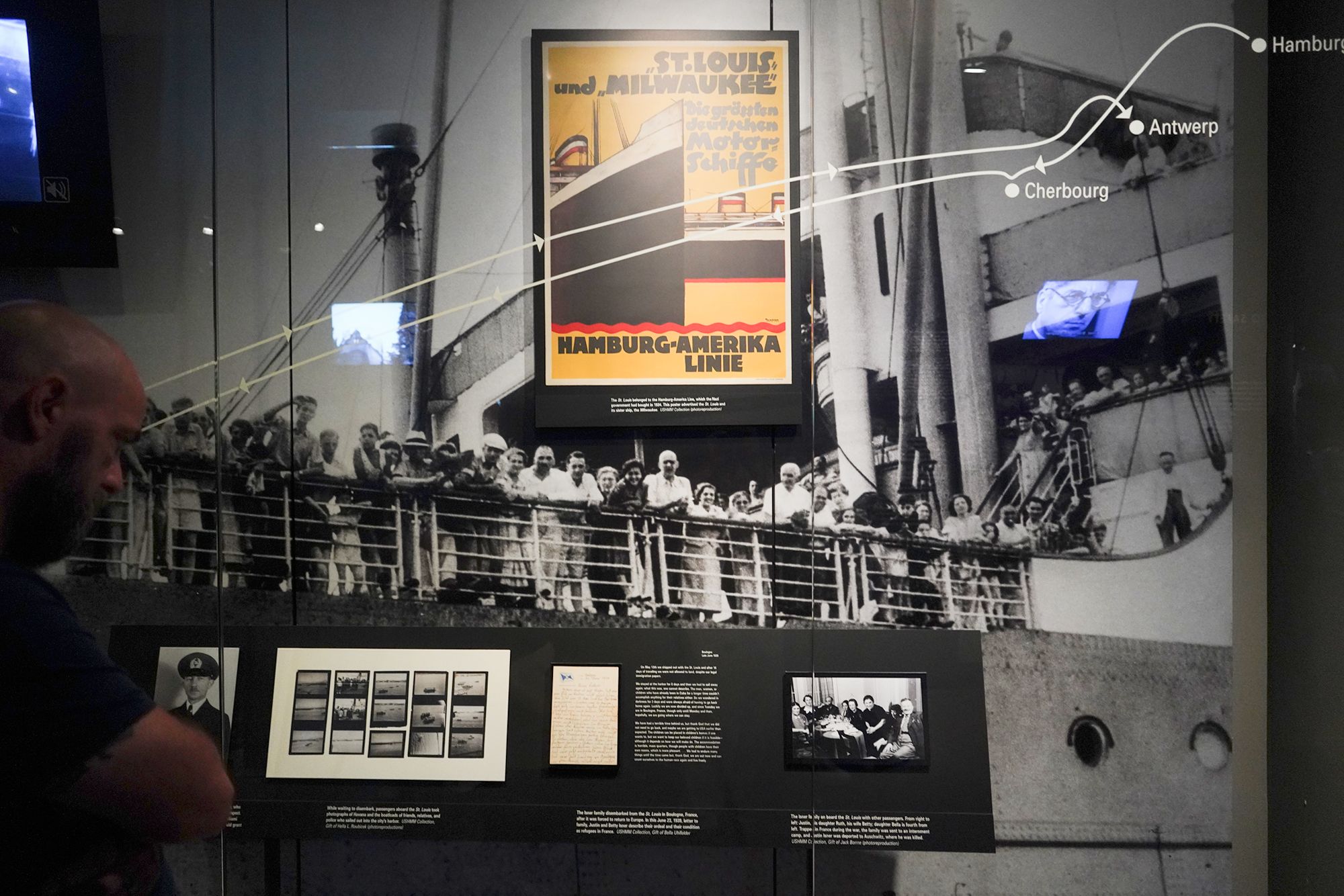
When the ship reached Havana, Cuban authorities refused to honor the passengers’ entry permits. Appeals to the United States and Canada were also denied, despite urgent pleas for help. The St. Louis was forced to return to Europe, where several countries—including Britain, France, Belgium, and the Netherlands—agreed to take in the passengers.
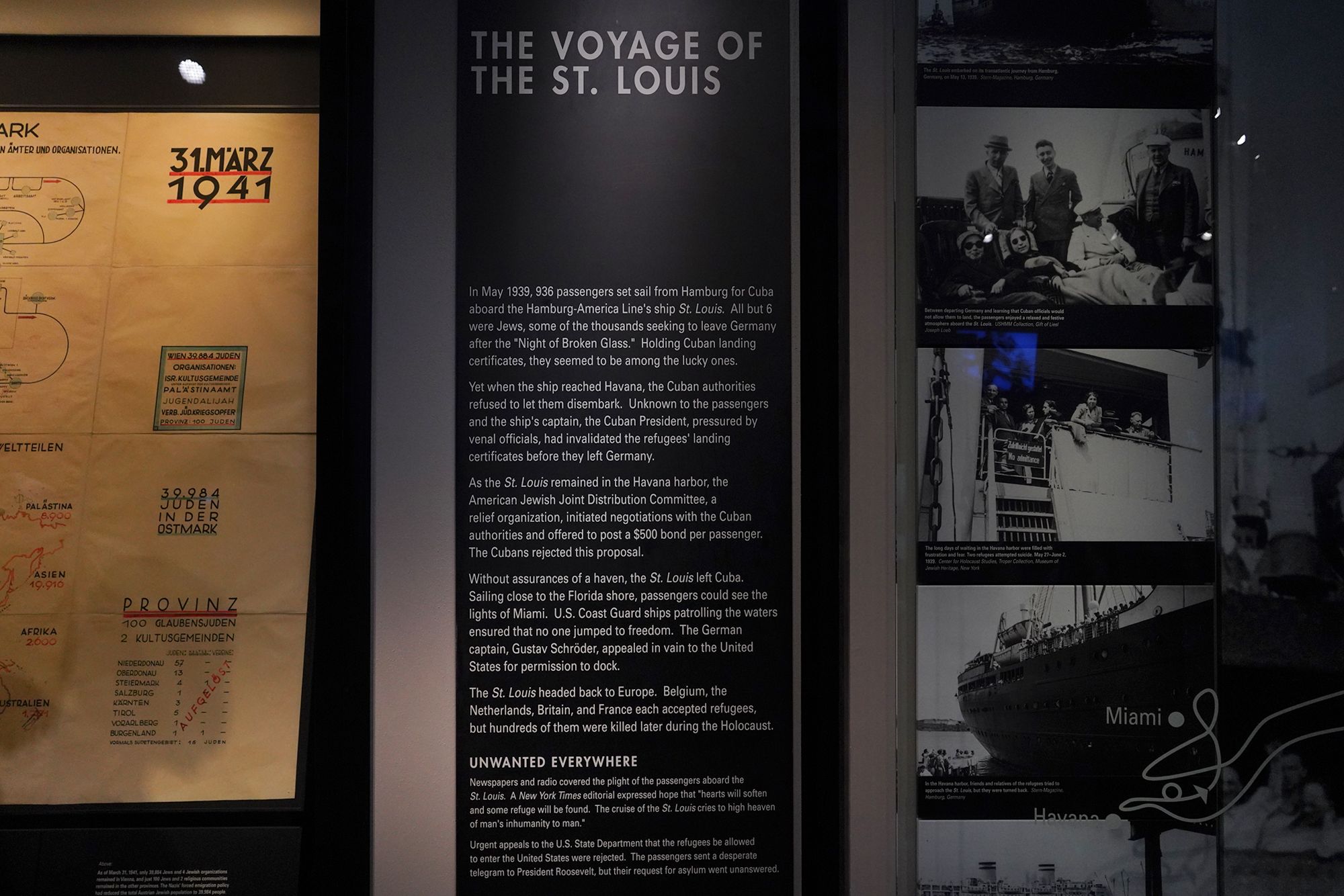
Sadly, after Germany invaded Western Europe the following year, many of those refugees were caught again under Nazi control. Historians estimate that about 250 of the passengers were later murdered in the Holocaust.
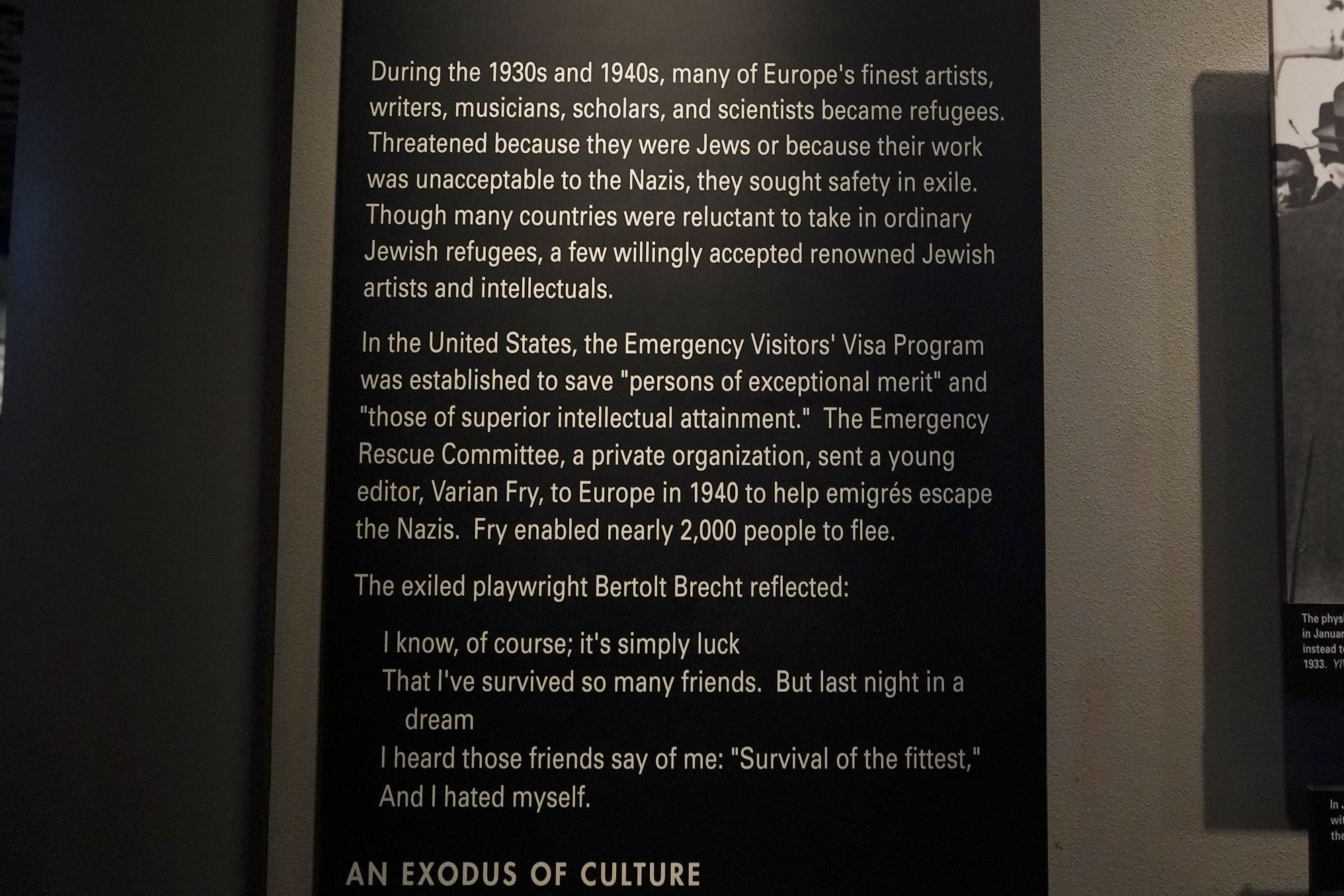
“To Safety” refers to the escape of some Jews and other persecuted people from Nazi-occupied Europe to countries that offered refuge during the Holocaust.
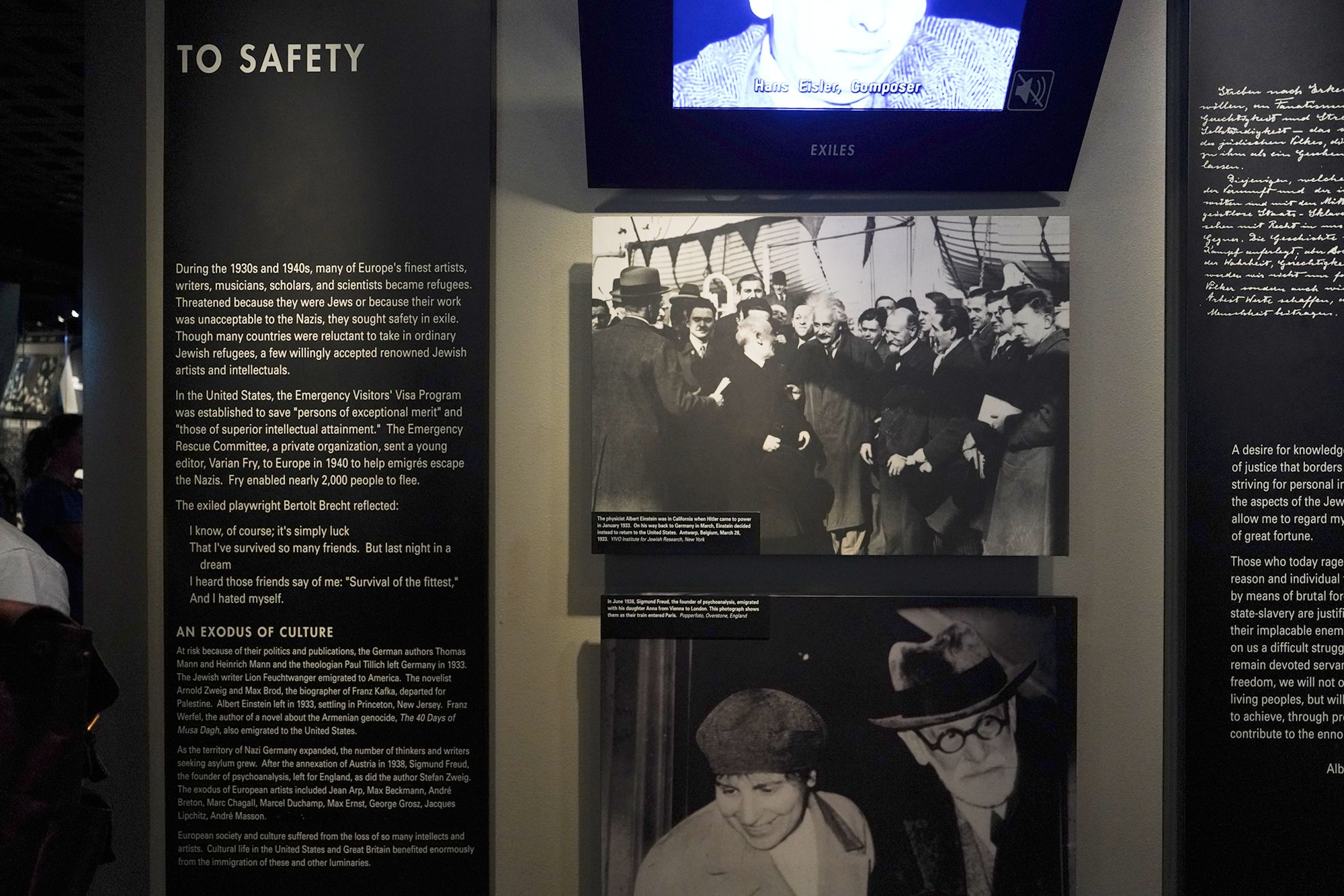
As persecution intensified in the late 1930s and World War II began, finding safety became increasingly difficult. Still, thousands managed to flee through courage, luck, and the help of others. Some escaped to neutral countries such as Switzerland, Sweden, Spain, and Portugal. Others reached Palestine, the United States, or Latin America, often after dangerous journeys with forged papers or secret assistance.
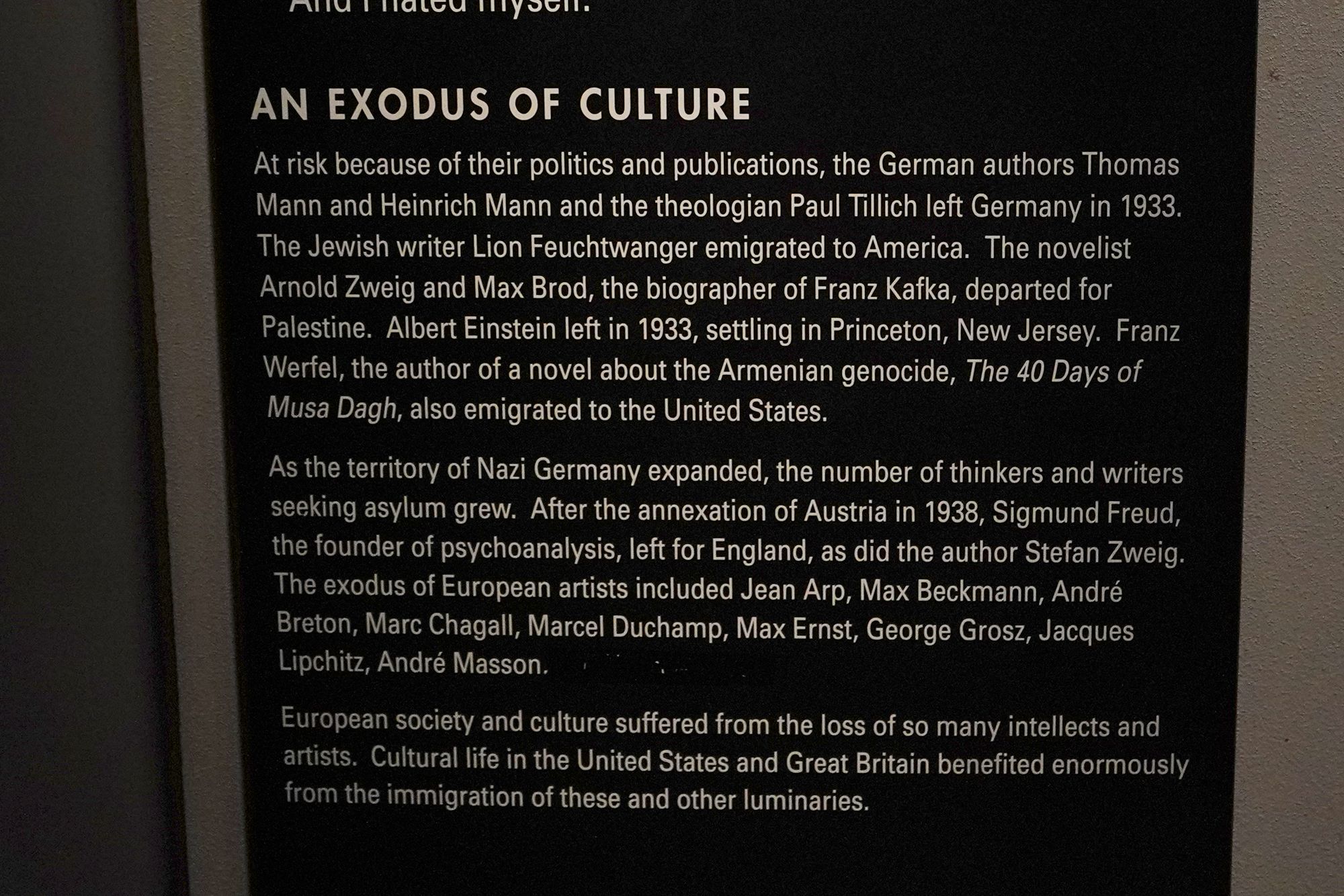
“An Exodus of Culture” describes the massive loss of talent, creativity, and intellectual life that occurred when artists, writers, scientists, and thinkers fled Nazi Germany and occupied Europe during the 1930s and 1940s.
As the Nazis imposed censorship and racial laws, Jewish and anti-Nazi intellectuals were dismissed from universities, banned from performing or publishing, and threatened with arrest. Facing persecution, thousands left for Britain, the United States, and other countries, taking with them the heart of Europe’s artistic and scientific culture.
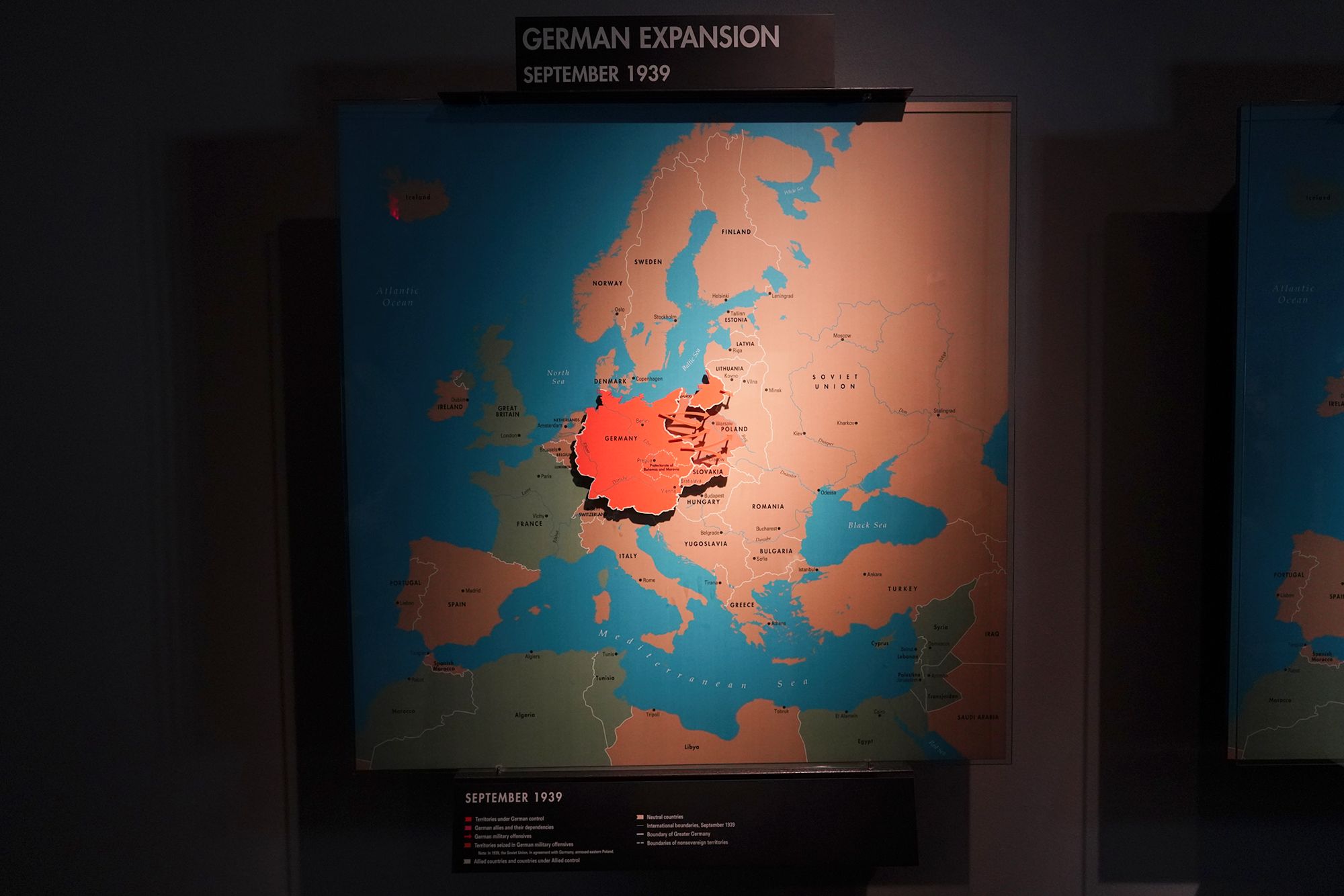
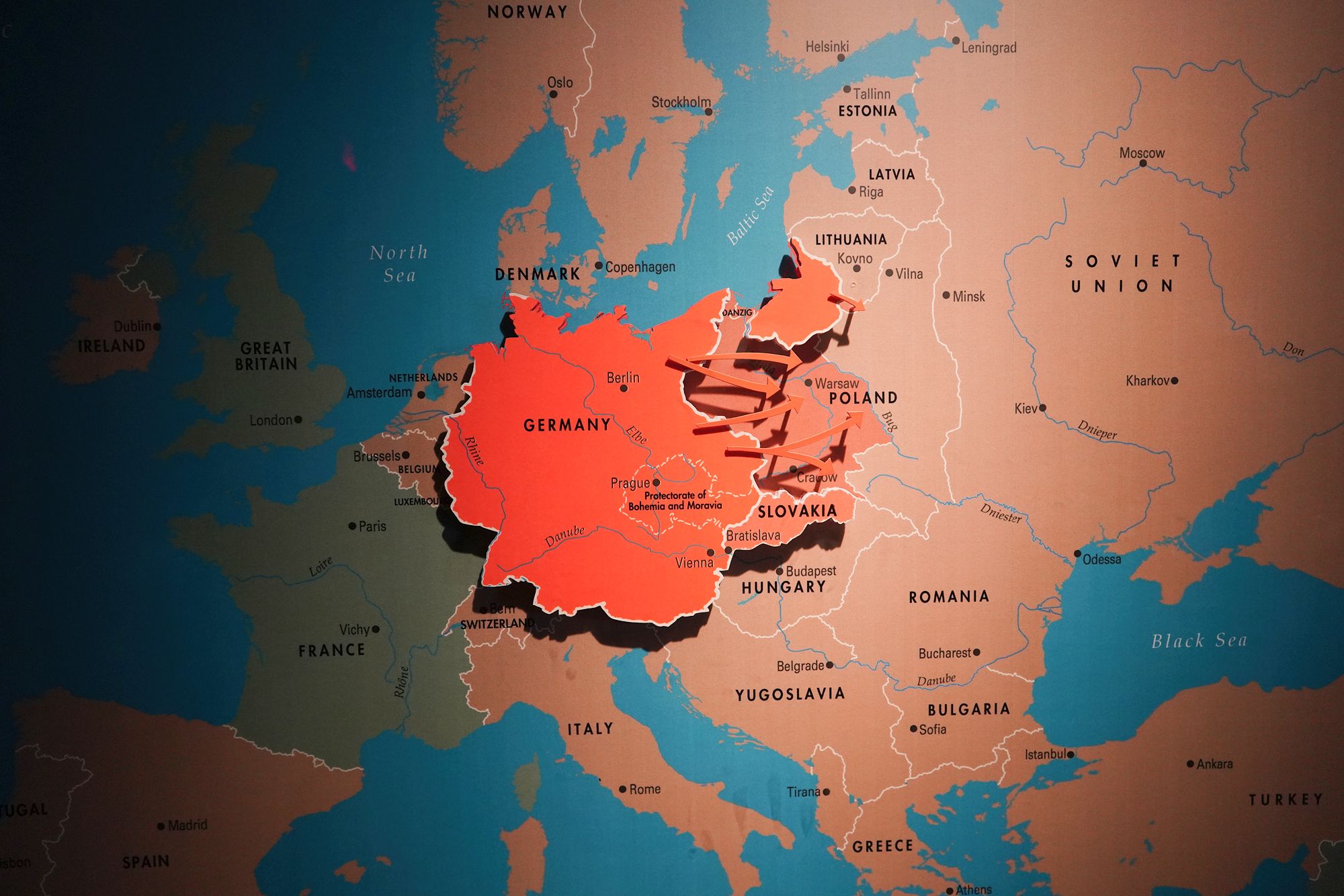
“The War Begins” refers to the start of World War II in September 1939, when Germany invaded Poland.
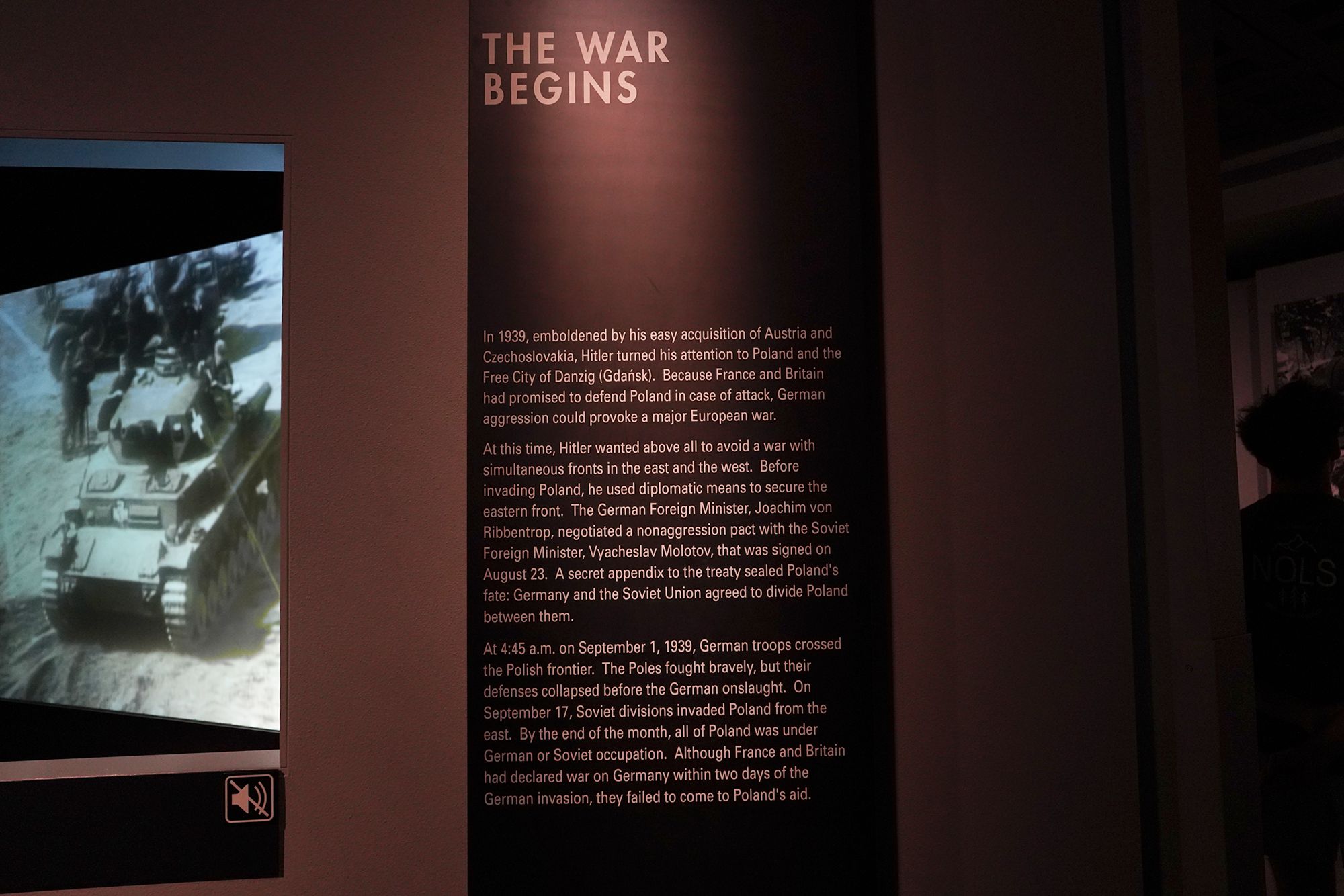
On September 1, 1939, German forces attacked Poland from the west, using the Blitzkrieg (“lightning war”) strategy—fast-moving tanks, aircraft, and infantry that overwhelmed defenses. Two days later, Britain and France declared war on Germany, marking the beginning of a global conflict.
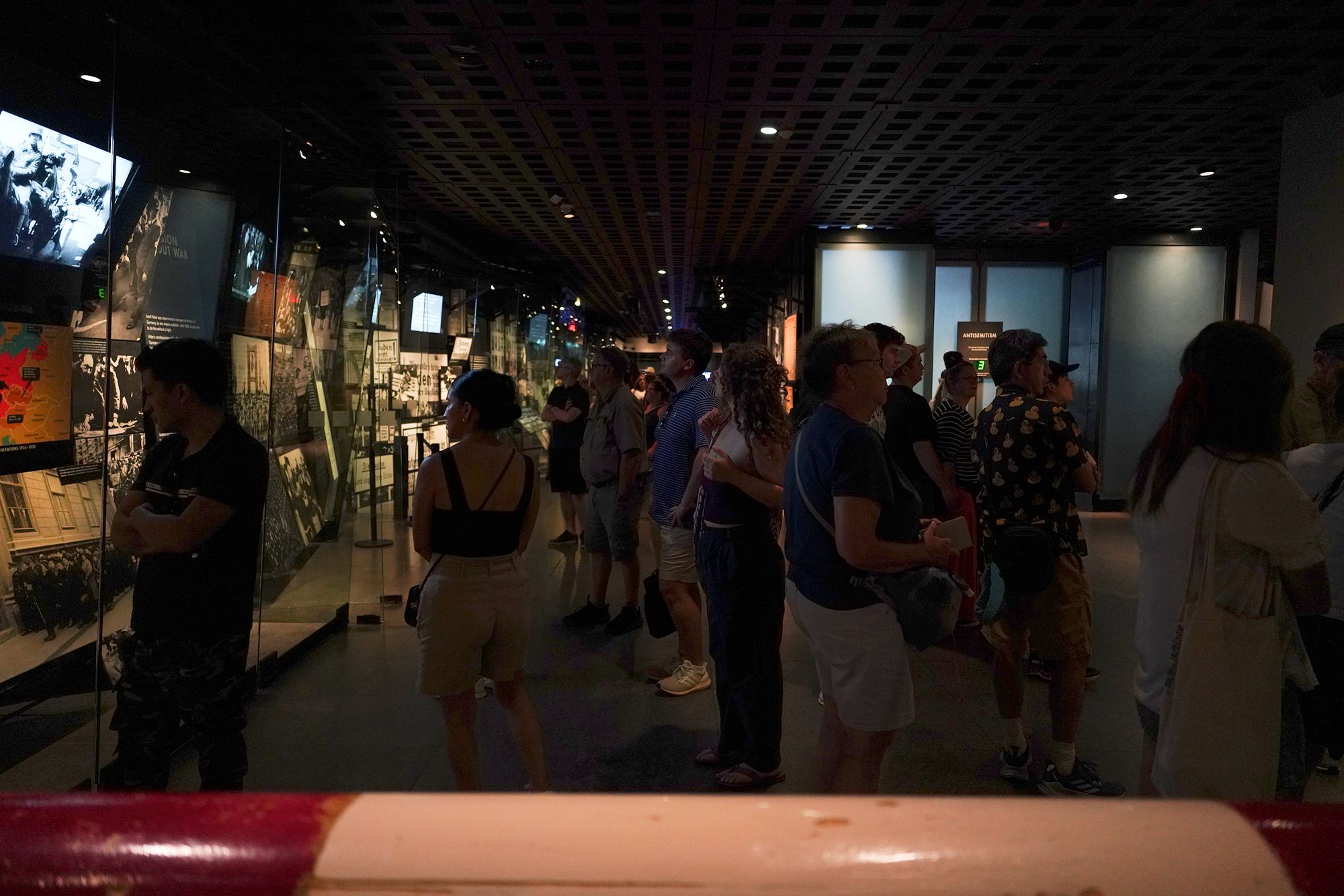
The invasion followed years of Nazi aggression—Hitler’s remilitarization of the Rhineland (1936), the Anschluss with Austria (1938), and the takeover of Czechoslovakia (1939)—none of which had been stopped by Western powers. The attack on Poland, however, could not be ignored.
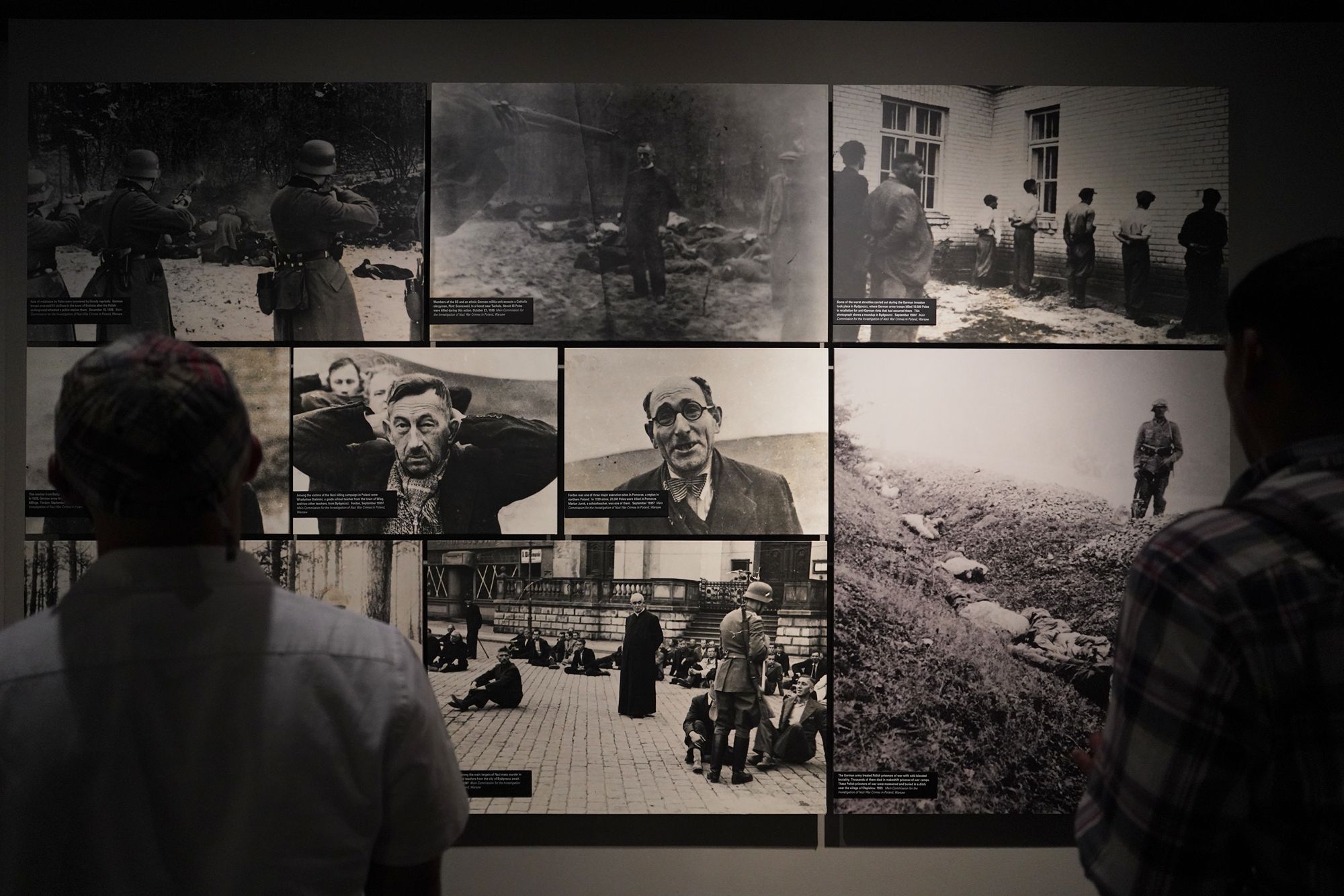
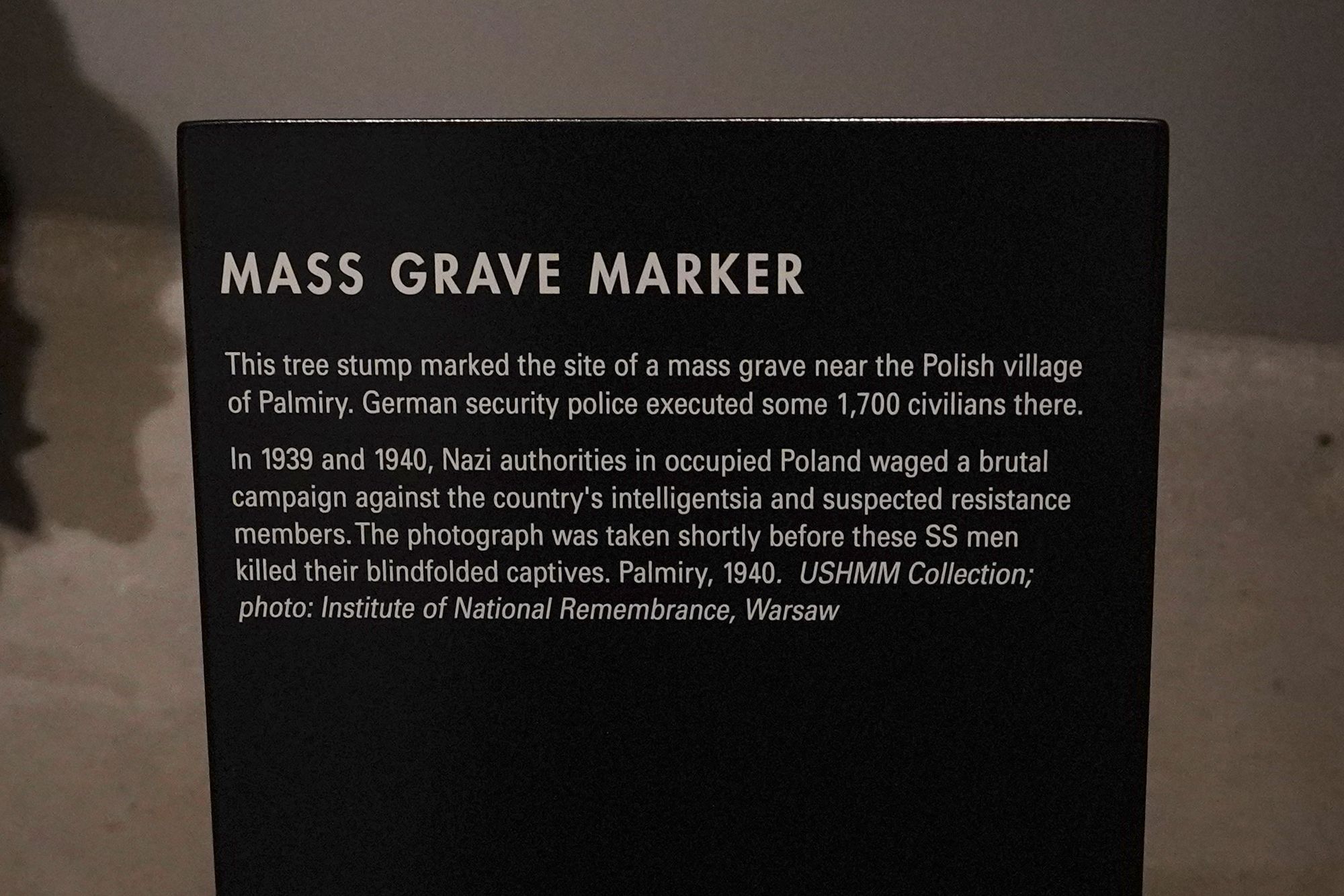
“Terror Against the Poles (1939–1940)” refers to the brutal campaign of violence and repression carried out by Nazi Germany and the Soviet Union after their joint invasion and occupation of Poland at the start of World War II.
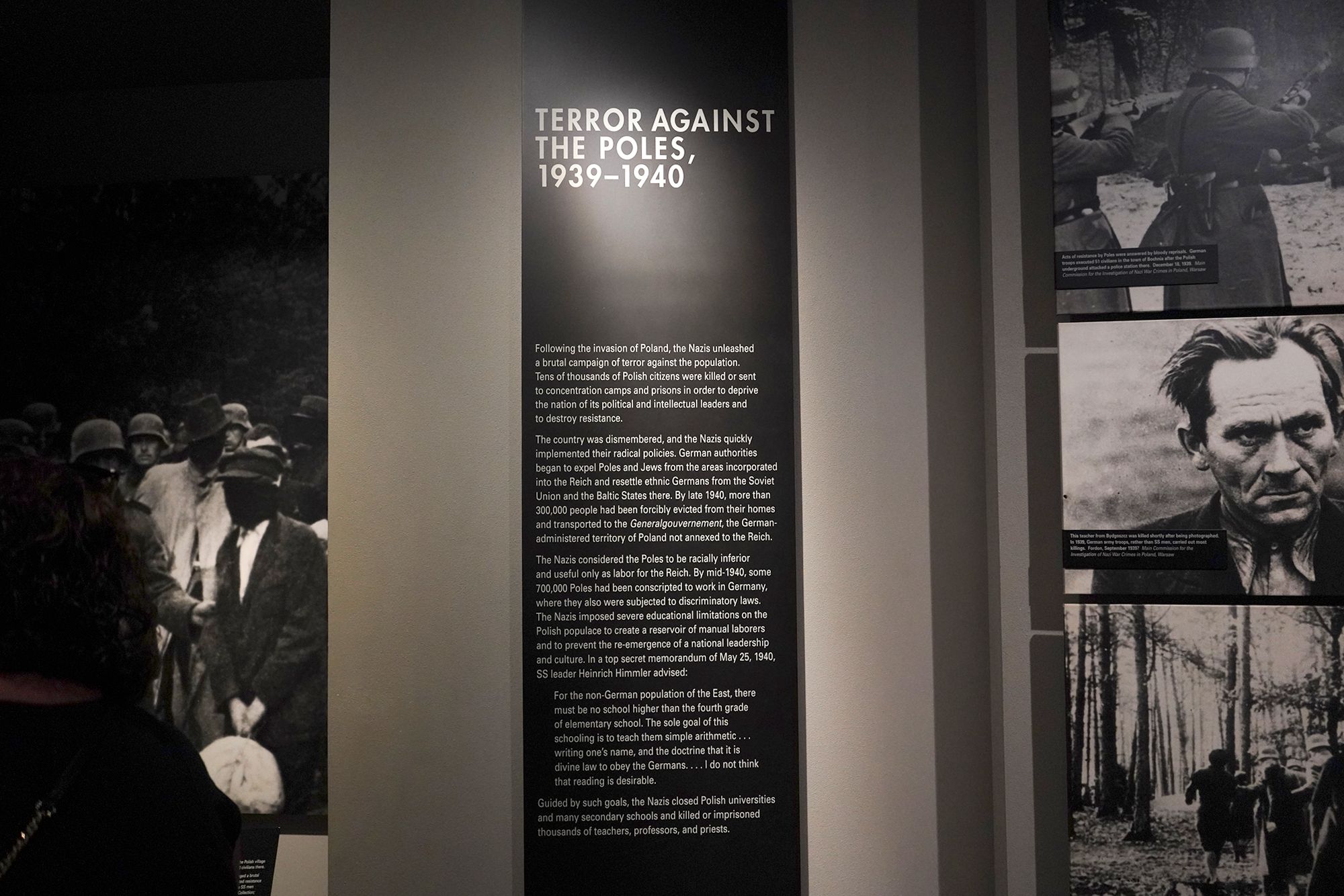
In the German-occupied zone, the Nazis launched the Intelligenzaktion, a systematic effort to murder Poland’s leaders and intellectuals—teachers, priests, doctors, officers, and community figures—believing that without them, the Polish people could be more easily controlled. Thousands were executed in mass shootings, and tens of thousands more were sent to newly built concentration camps, such as Auschwitz and Stutthof.
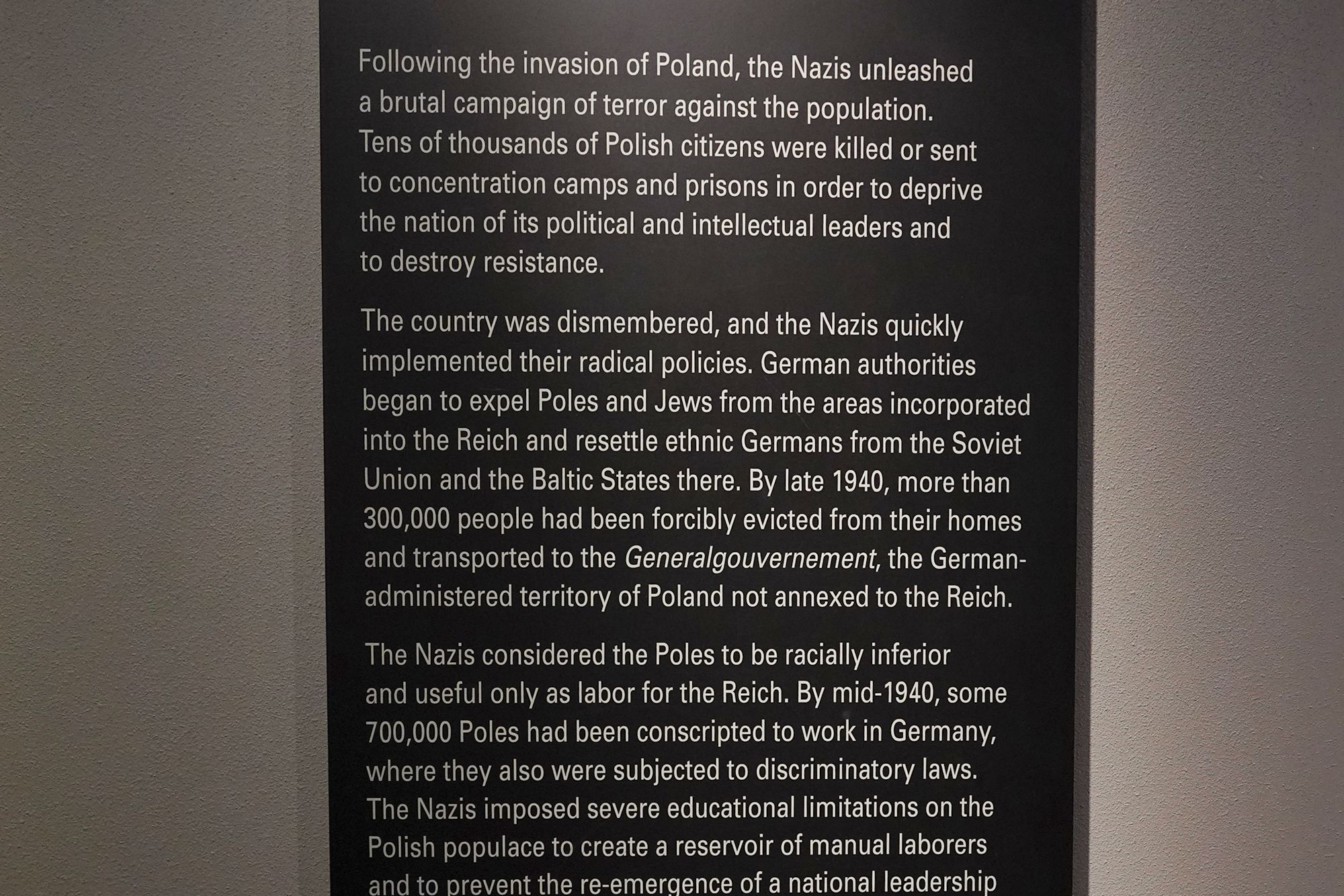
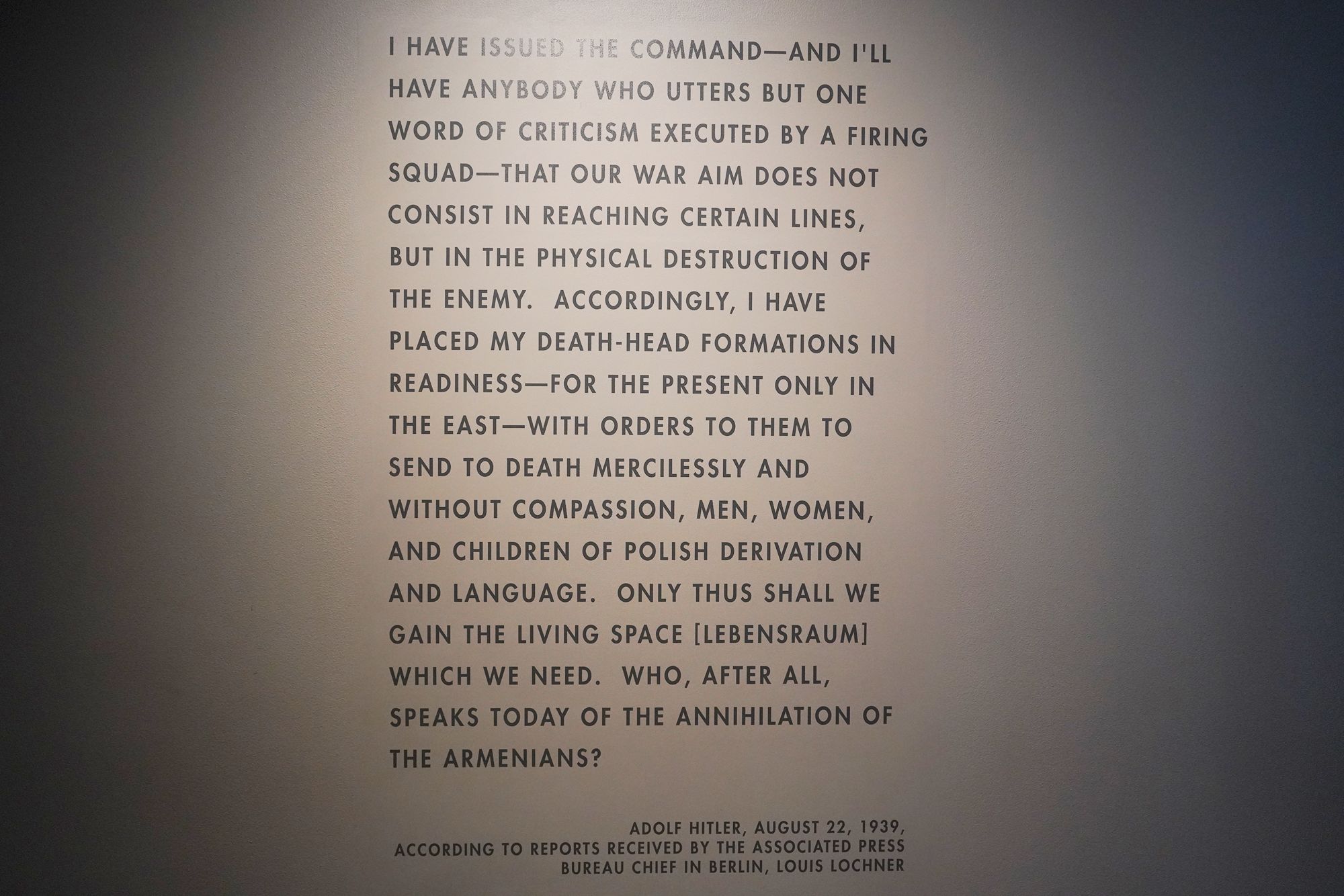
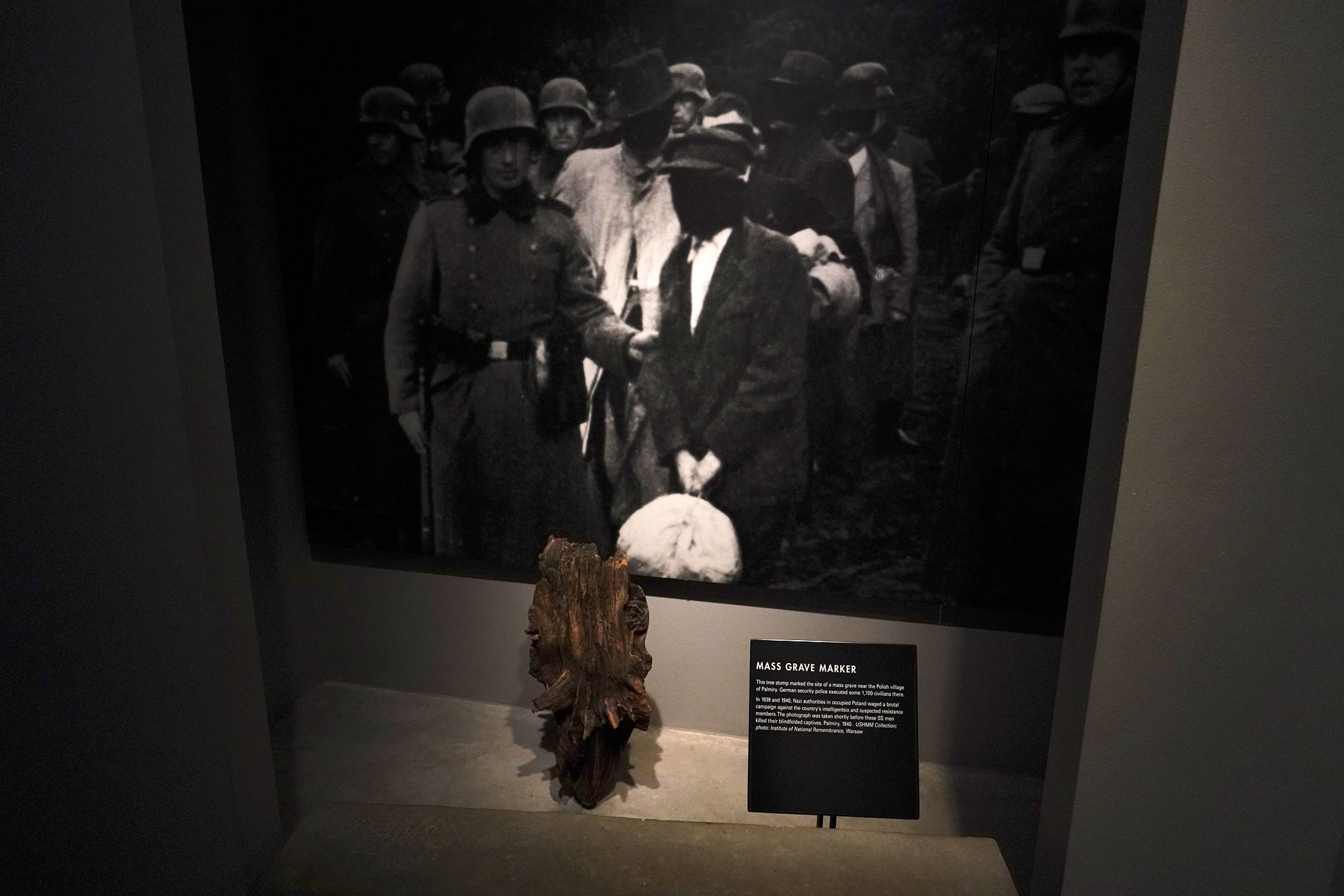
Between 1939 and 1940, Poland suffered immense human and cultural destruction. The campaign against the Poles marked the beginning of a long period of occupation, repression, and genocide, as both totalitarian regimes sought to erase Poland’s national identity and independence.
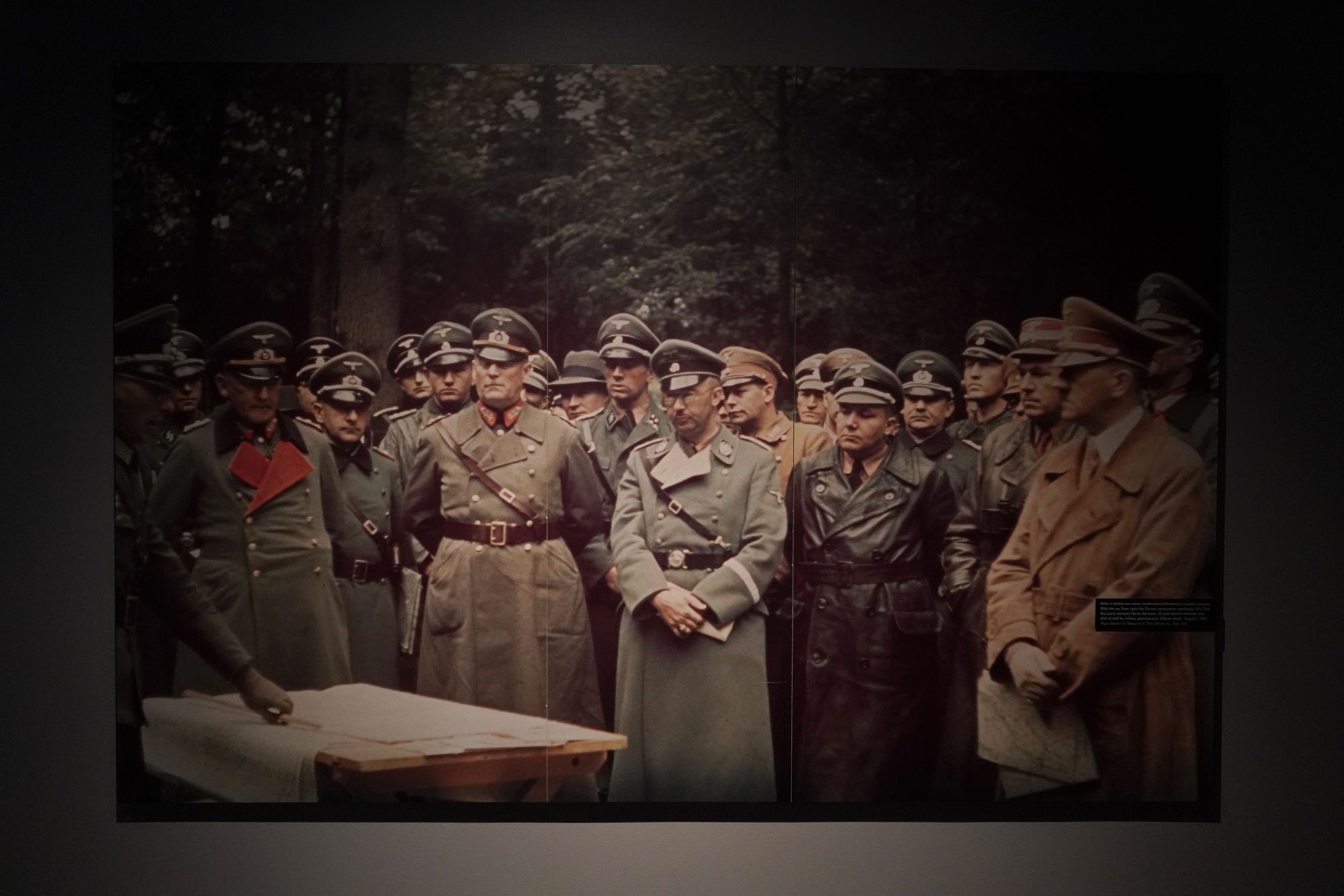
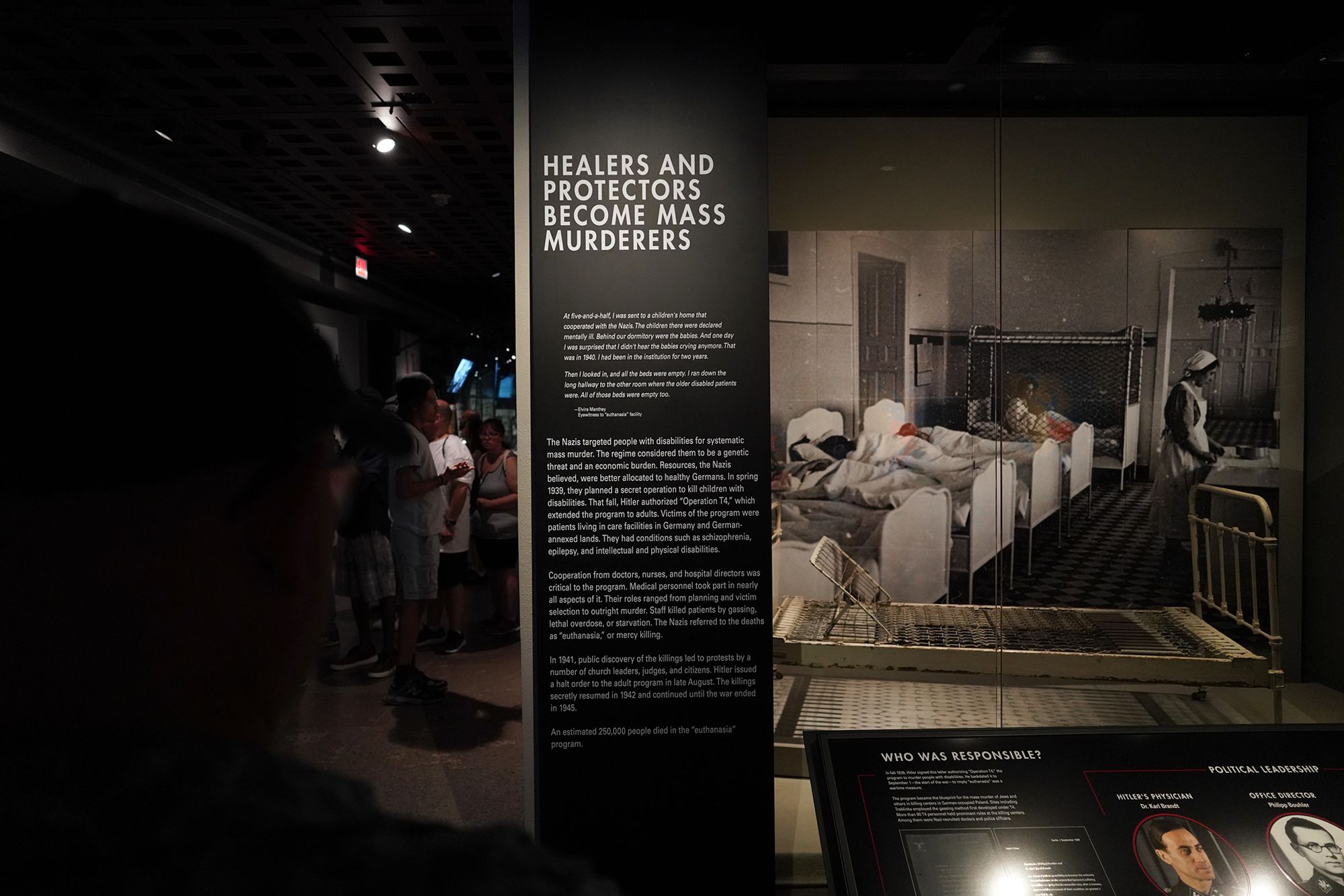
“Healers and Protectors Become Mass Murderers” describes how many doctors, nurses, and medical professionals in Nazi Germany betrayed their ethical duty to care for life and instead became active participants in murder and racial persecution.
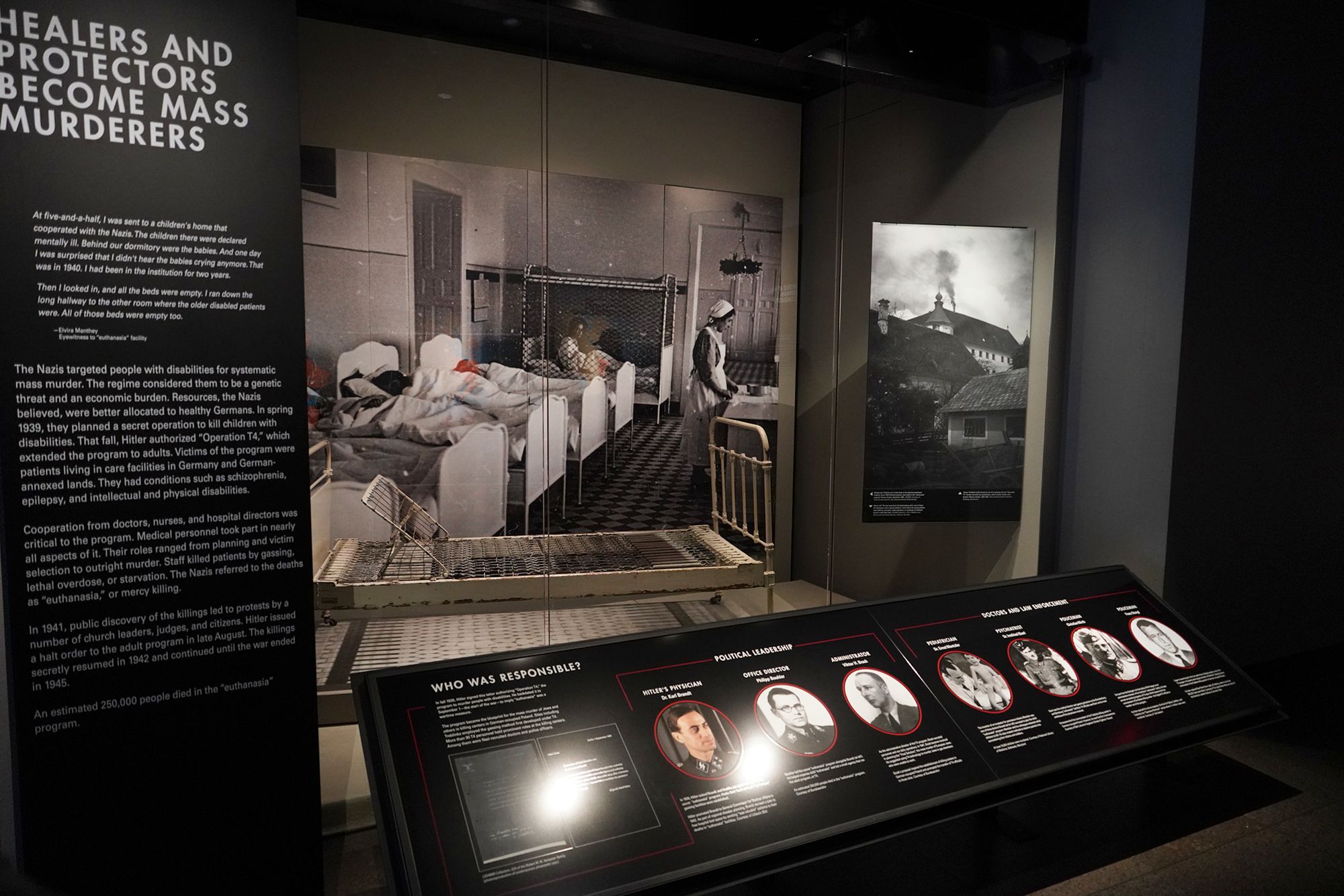
Under the Nazis, medicine was twisted to serve racial ideology rather than healing. Physicians played leading roles in the so-called “euthanasia” program (known as Action T4), which targeted people with mental and physical disabilities. Beginning in 1939, doctors selected patients for death, often without examination, claiming to eliminate “life unworthy of life.” They authorized lethal injections, gas chambers disguised as showers, and starvation as “medical treatment.”
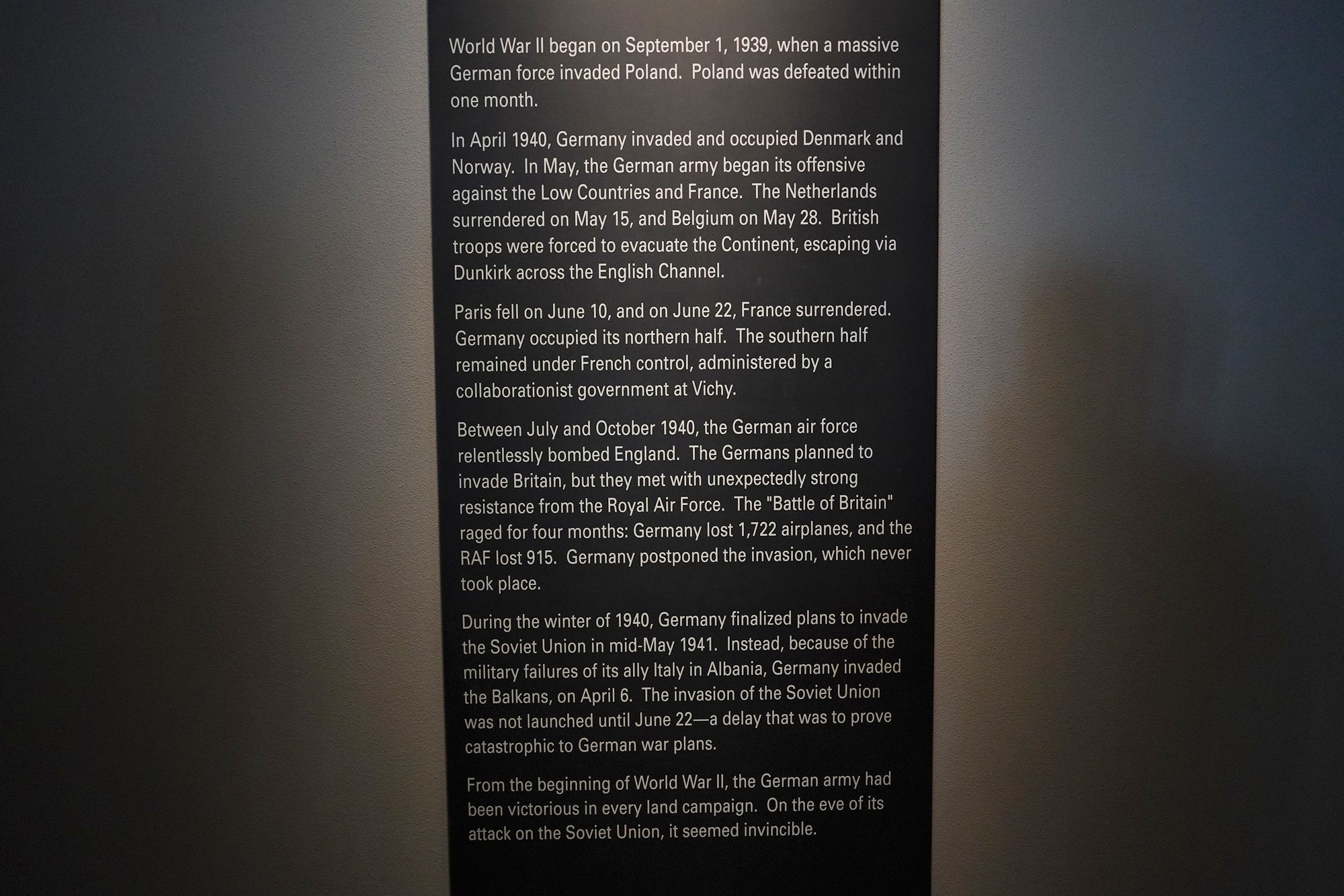
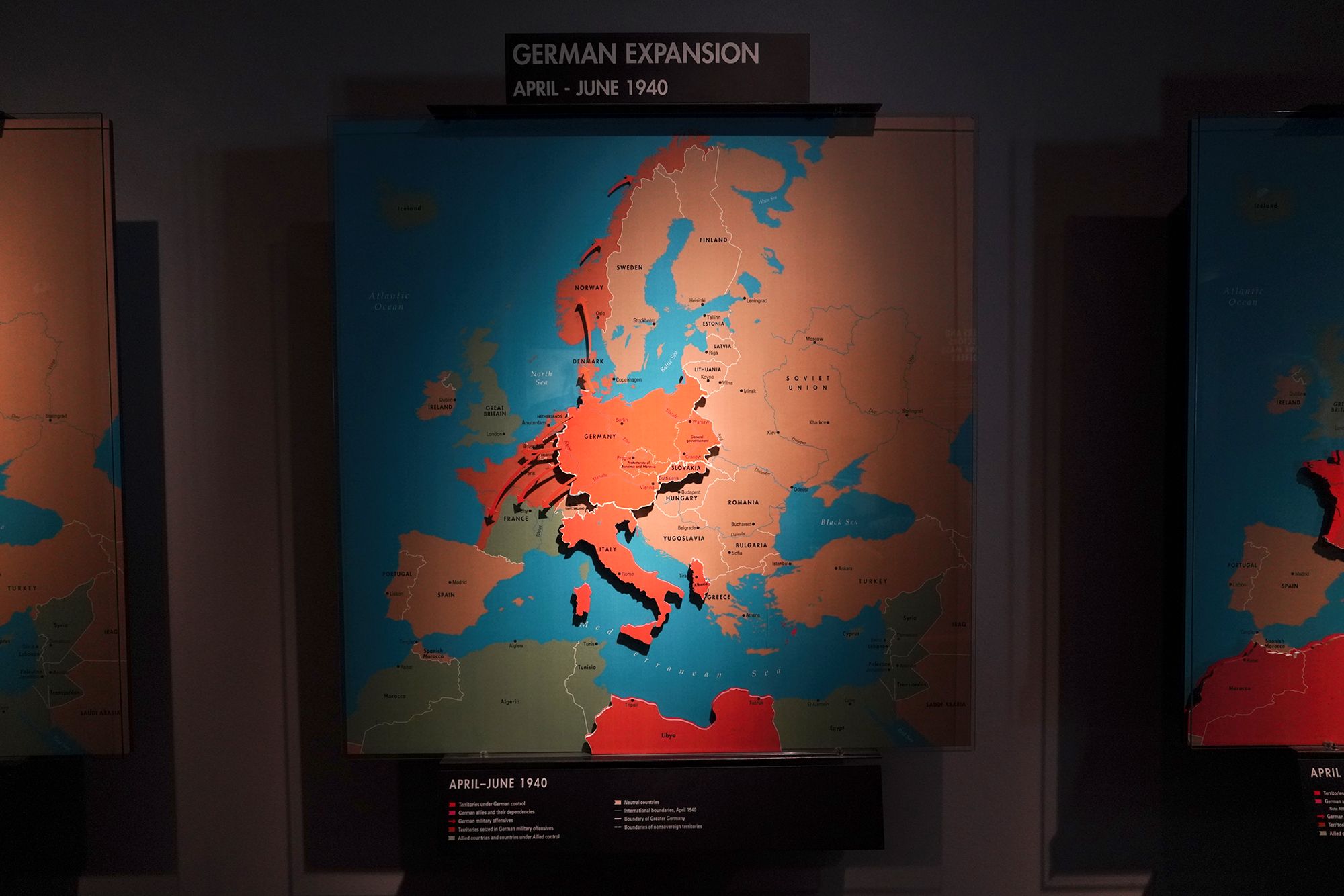
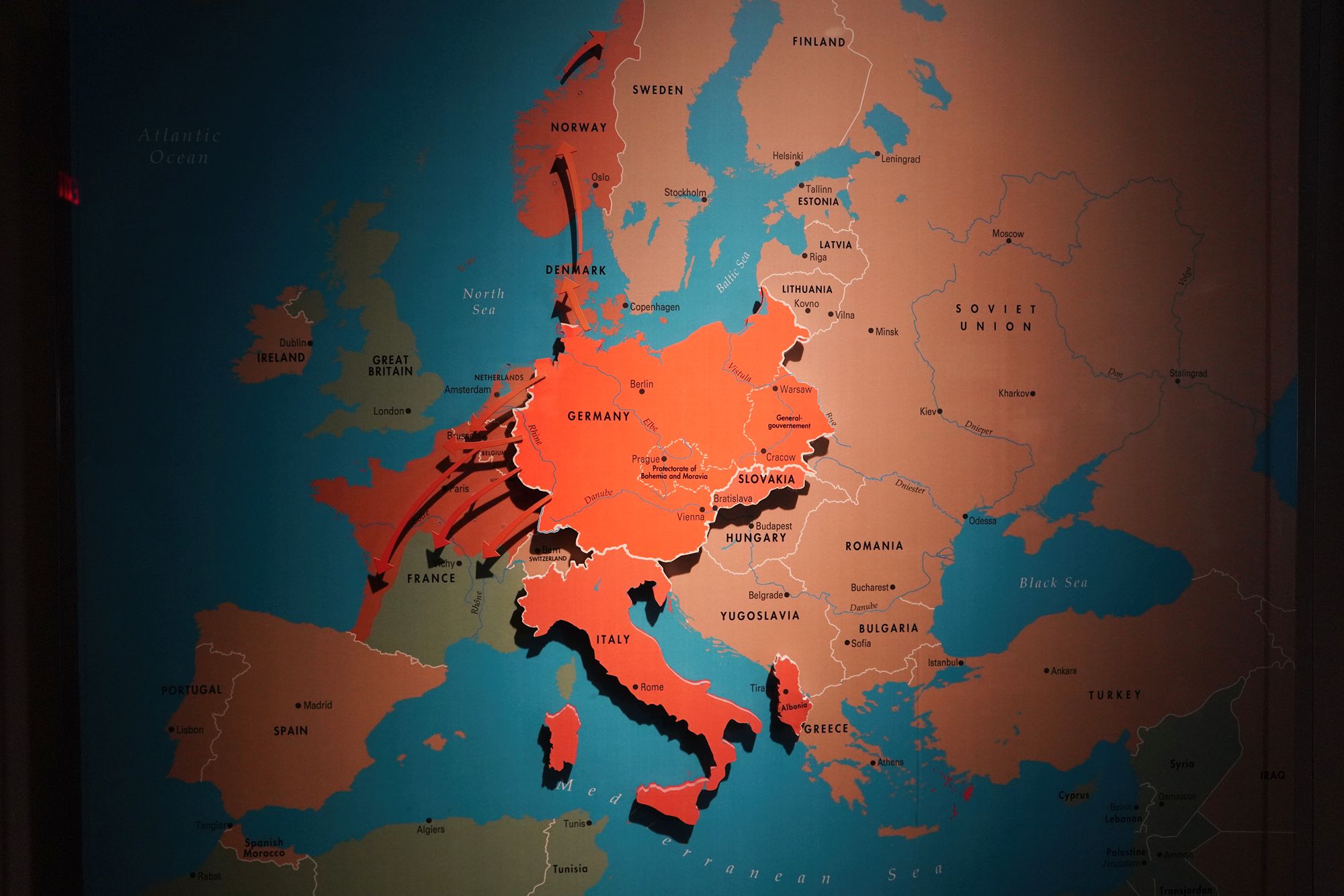
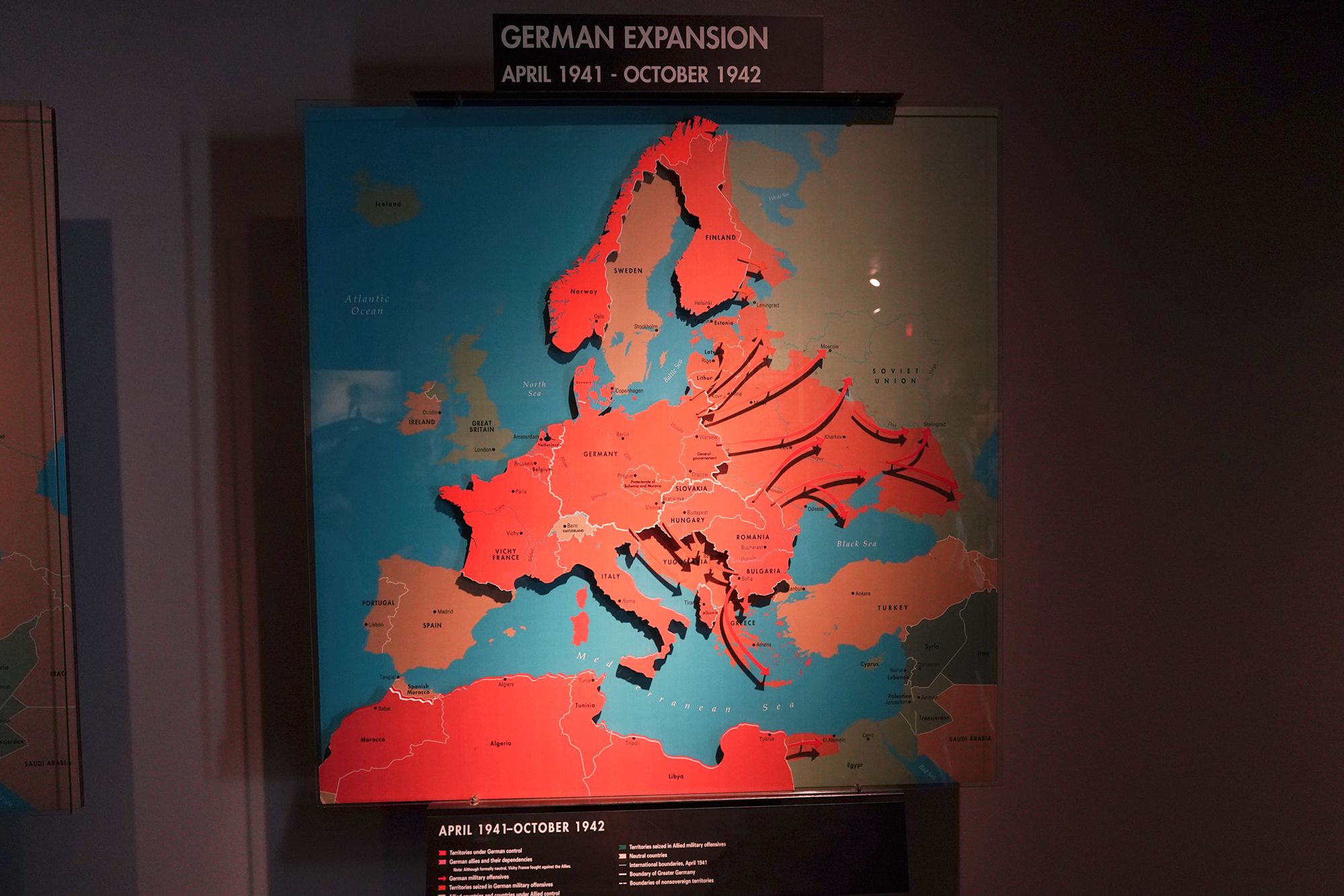
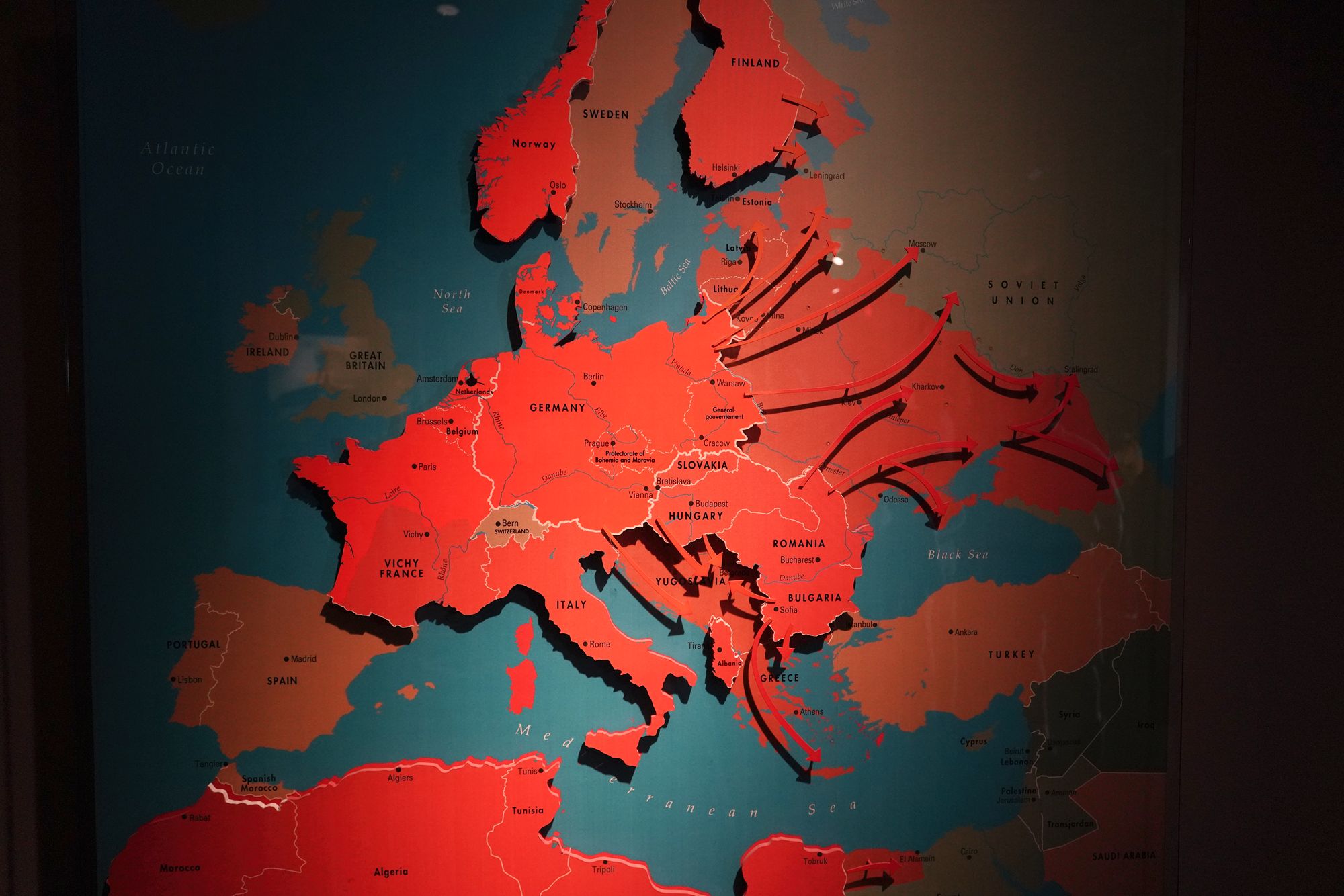
“World’s at War: German Conquests” refers to the rapid expansion of Nazi Germany during the early years of World War II (1939–1941), when Hitler’s armies conquered much of Europe with unprecedented speed and force.
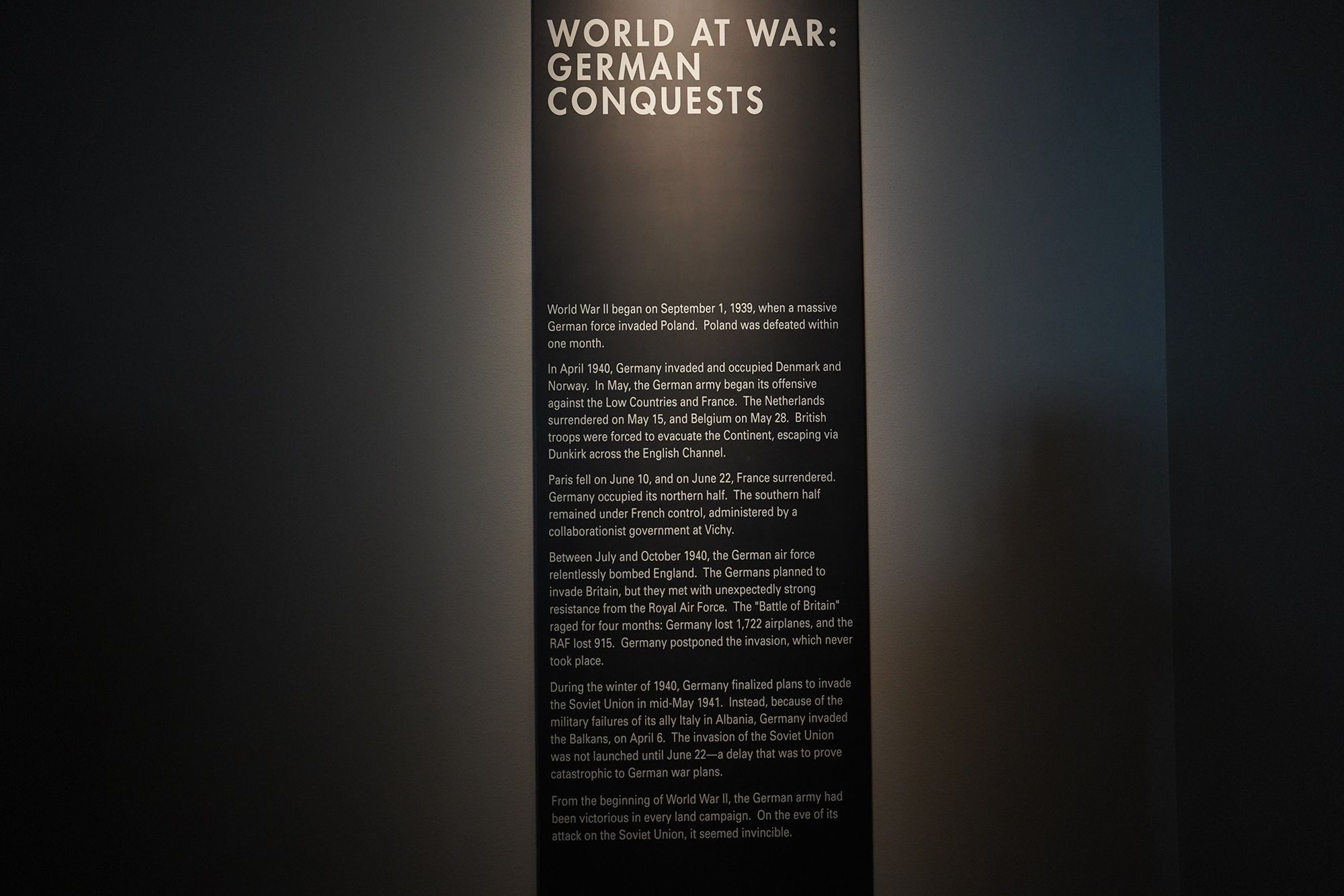
After invading Poland in September 1939, Germany turned west in the spring of 1940, launching a Blitzkrieg (“lightning war”) that overwhelmed its enemies. In just weeks, German forces conquered Denmark and Norway, then swept through the Netherlands, Belgium, and France. By June 1940, Paris had fallen, and France was divided into an occupied zone and the Nazi-controlled Vichy regime.
German Expansion on the Map
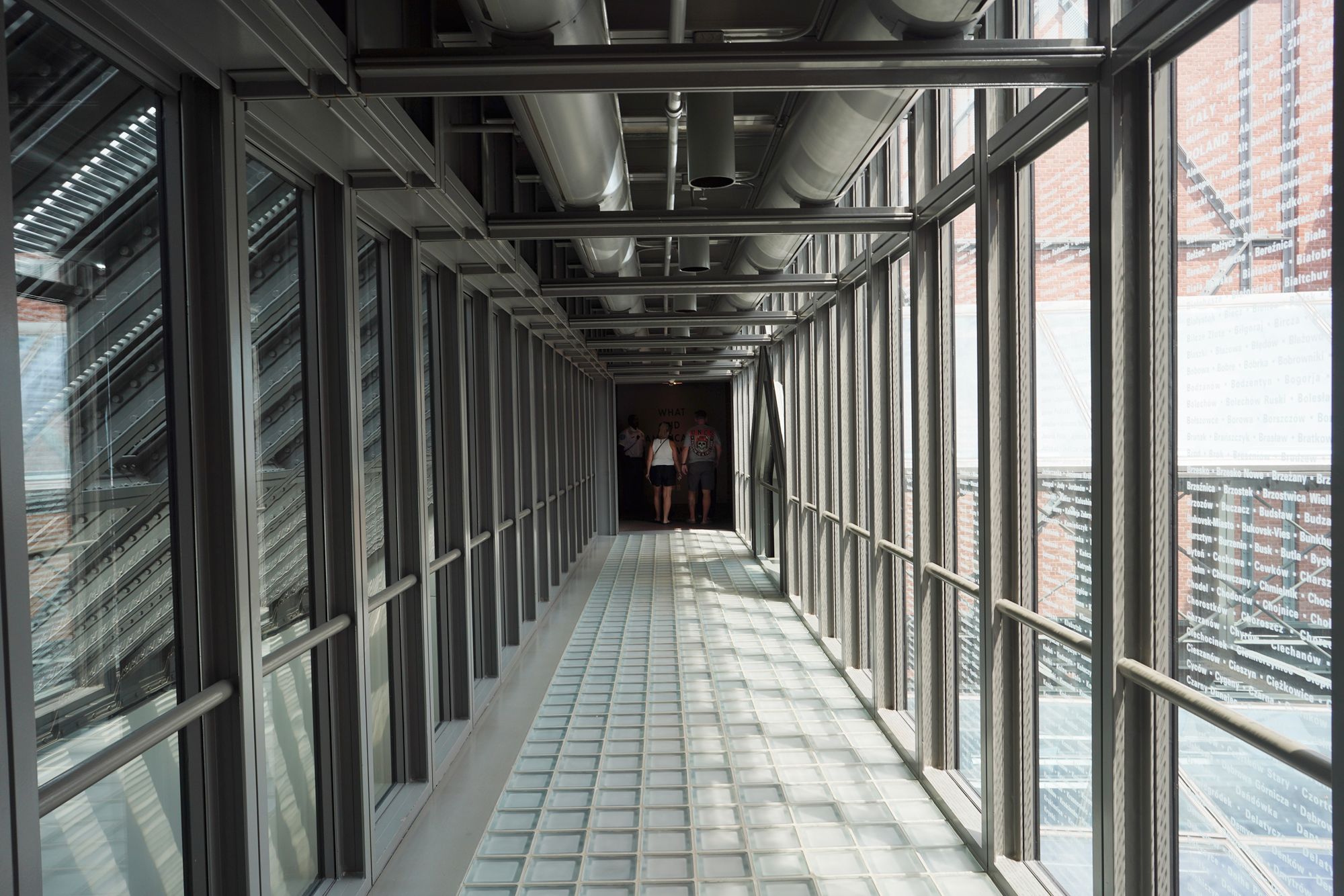
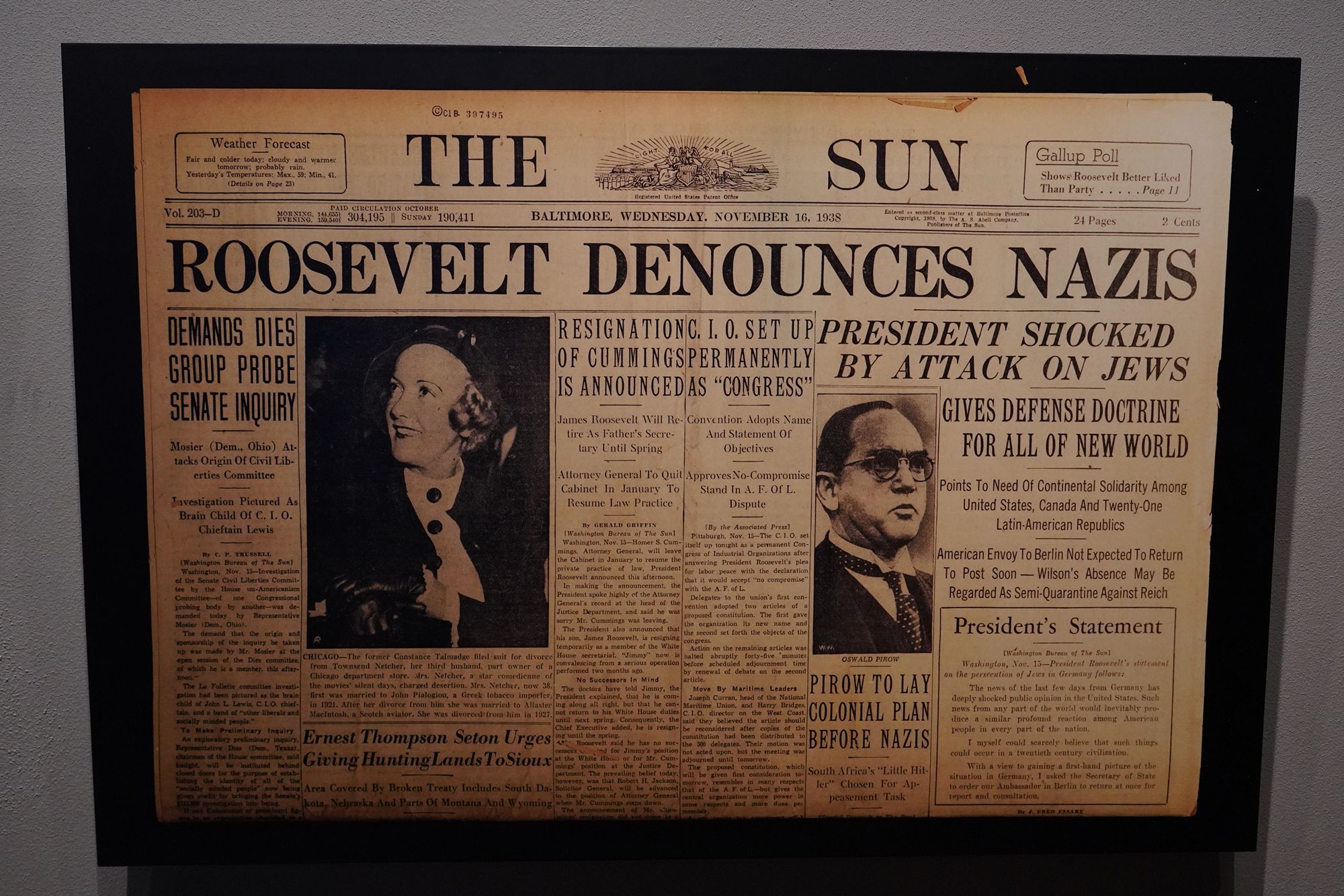
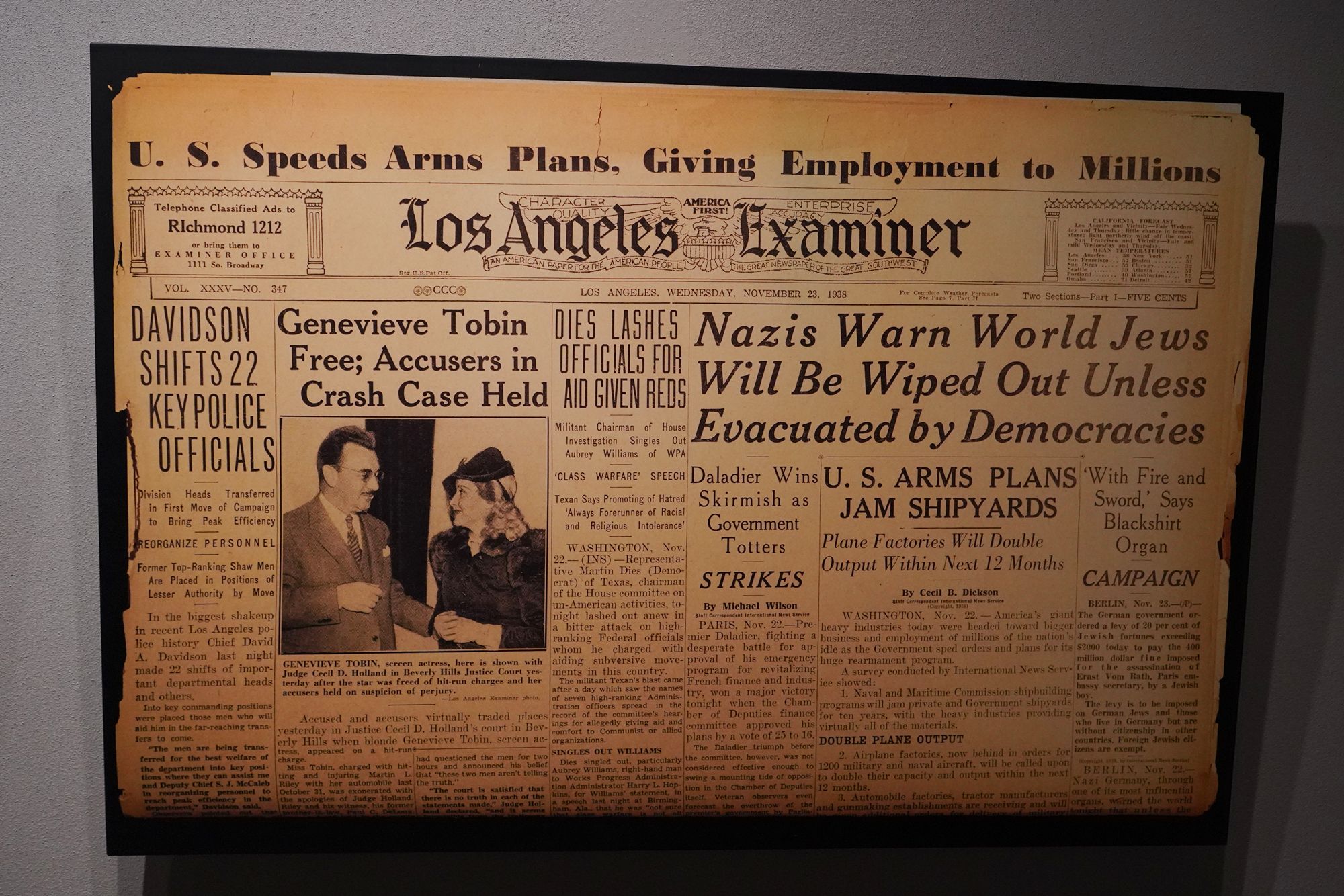
“What Did Americans Know?” refers to the question of how much people in the United States understood about the Nazi persecution of Jews and the Holocaust as it unfolded during the 1930s and 1940s.
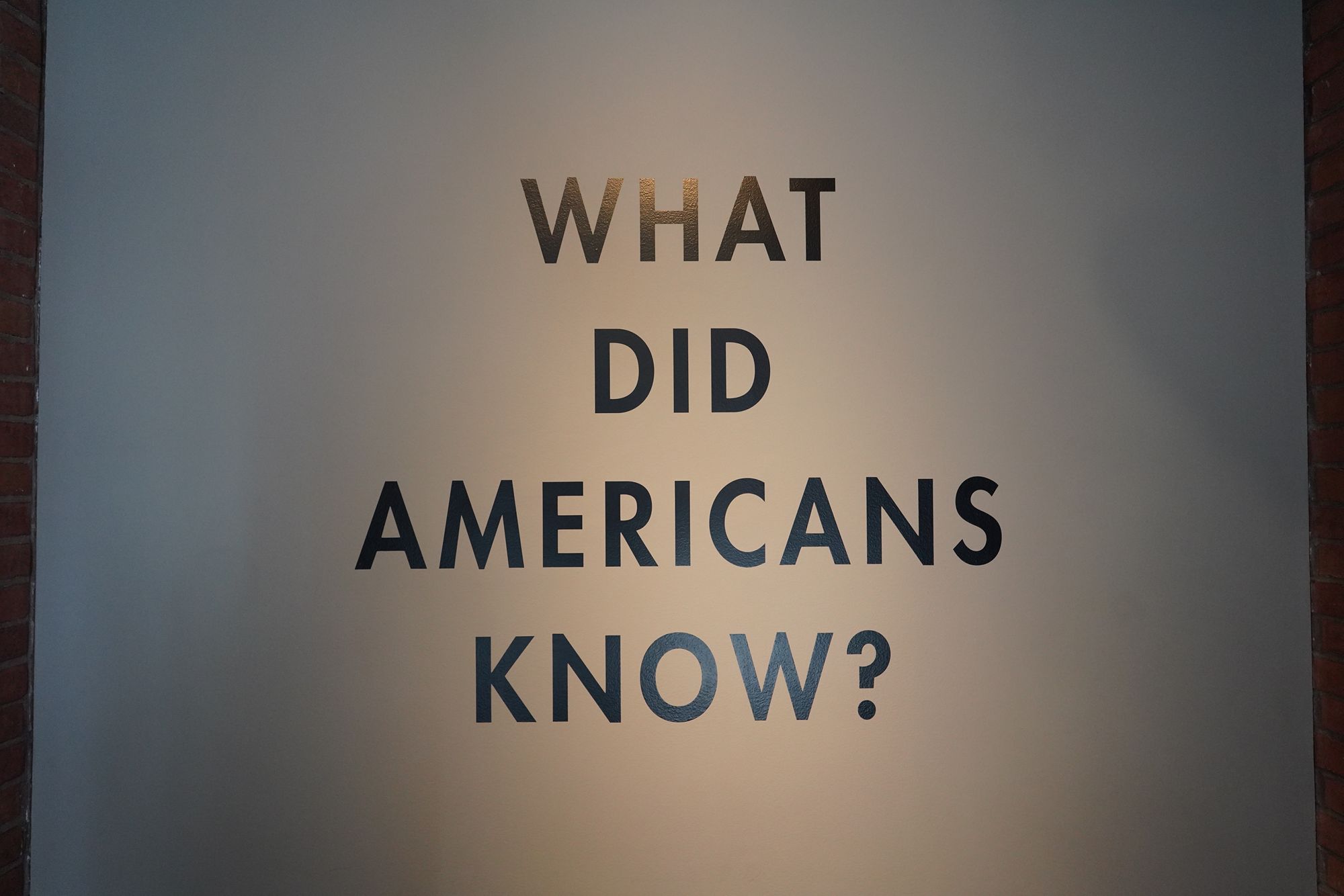
Before and during World War II, news of Nazi violence did reach the U.S. through newspapers, radio, and refugee accounts. Americans read about early events such as Kristallnacht (1938), the boycotts, and anti-Jewish laws in Germany.
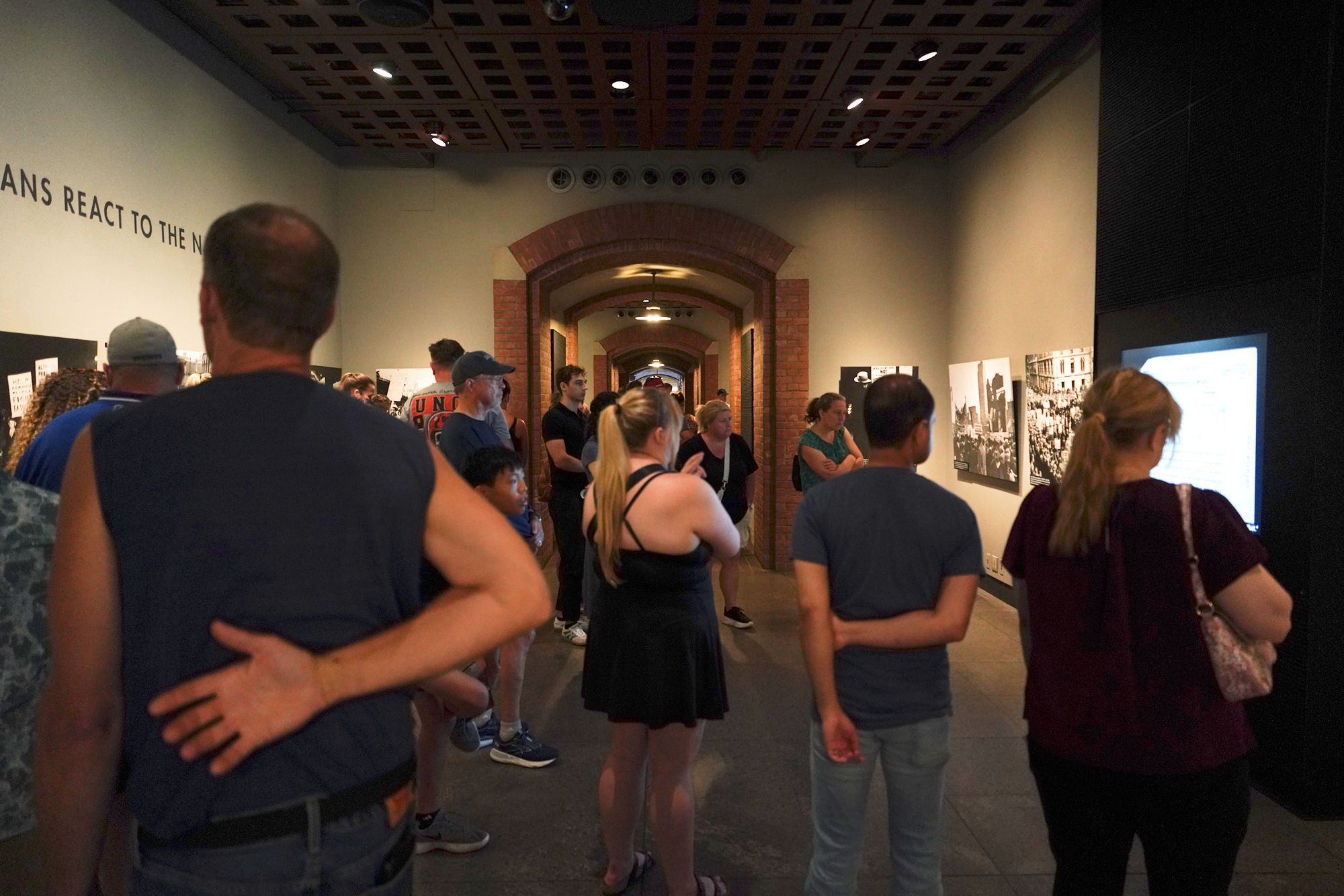
By the early 1940s, reports described mass shootings and deportations in occupied Europe. In 1942, the U.S. government publicly confirmed that the Nazis were carrying out a plan to exterminate Europe’s Jews.
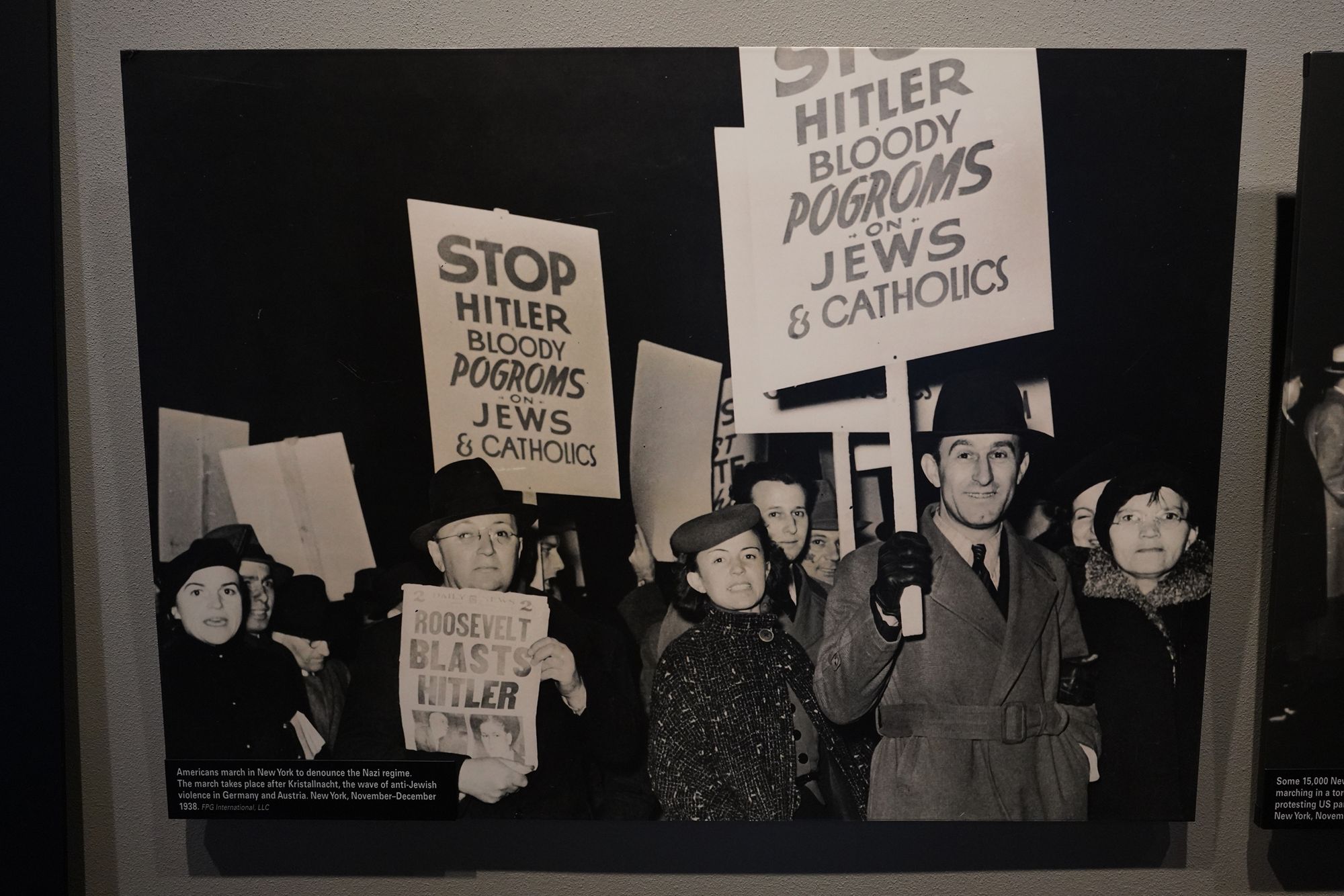
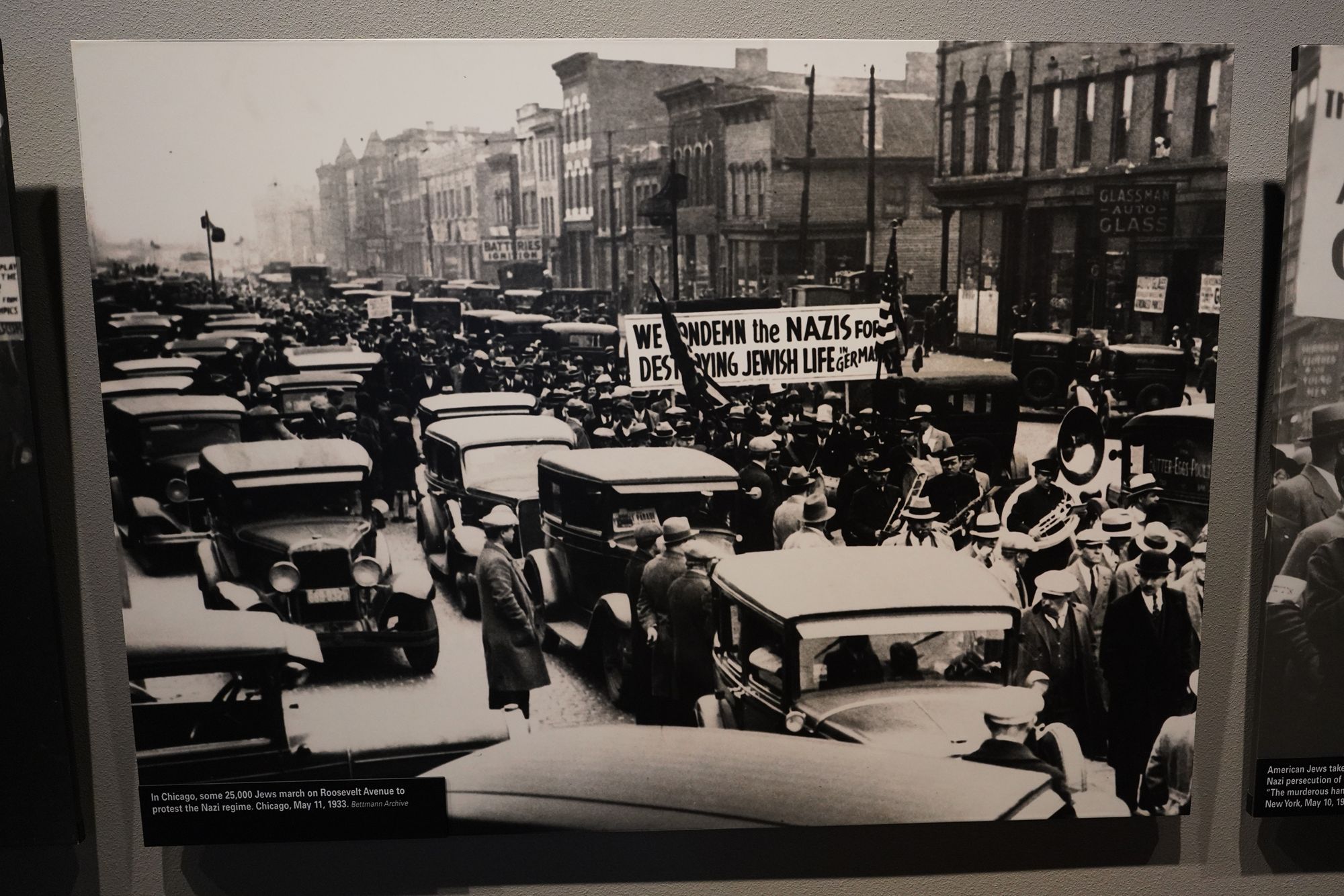
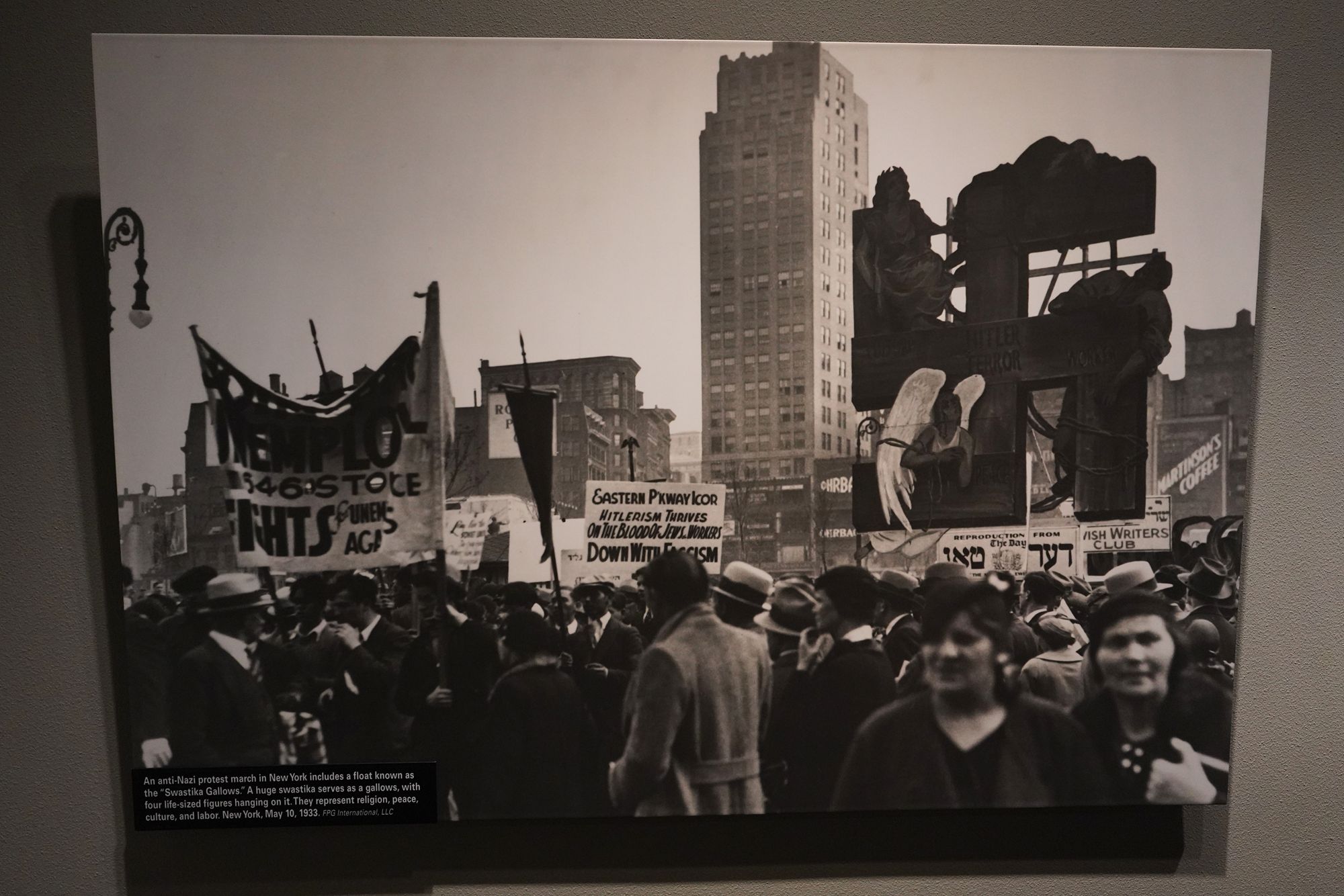
However, many Americans were skeptical or unaware of the full scale of the genocide. Wartime censorship, disbelief, and even antisemitism made it hard for the public to grasp or accept what was happening. Immigration restrictions also remained tight, leaving countless Jewish refugees unable to find safety in the U.S.
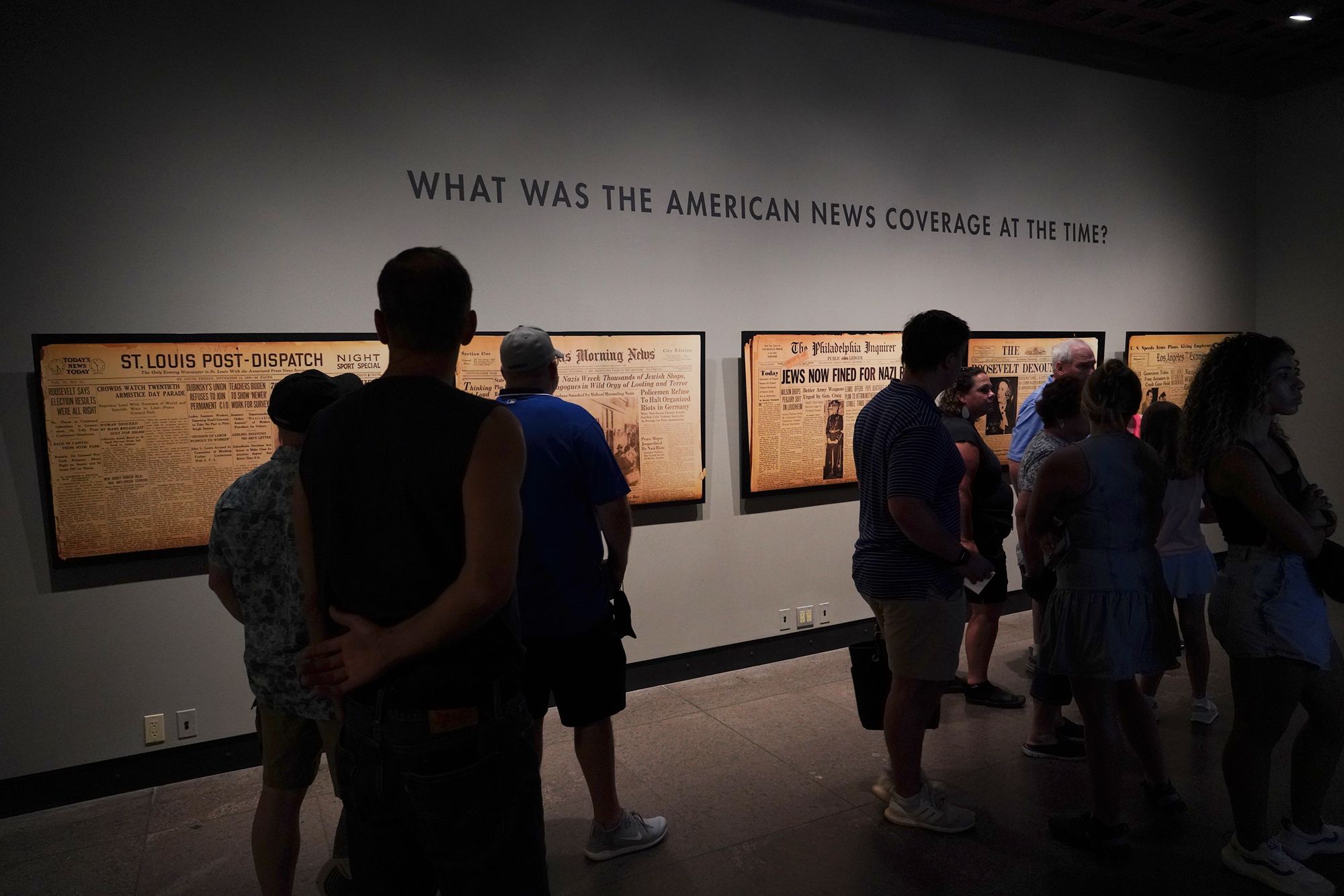
By the time Allied forces liberated the concentration camps in 1945, the horrifying truth was undeniable. Photographs, films, and survivor testimonies revealed the magnitude of the Holocaust—shocking a world that had only partially understood the reality of Nazi crimes.
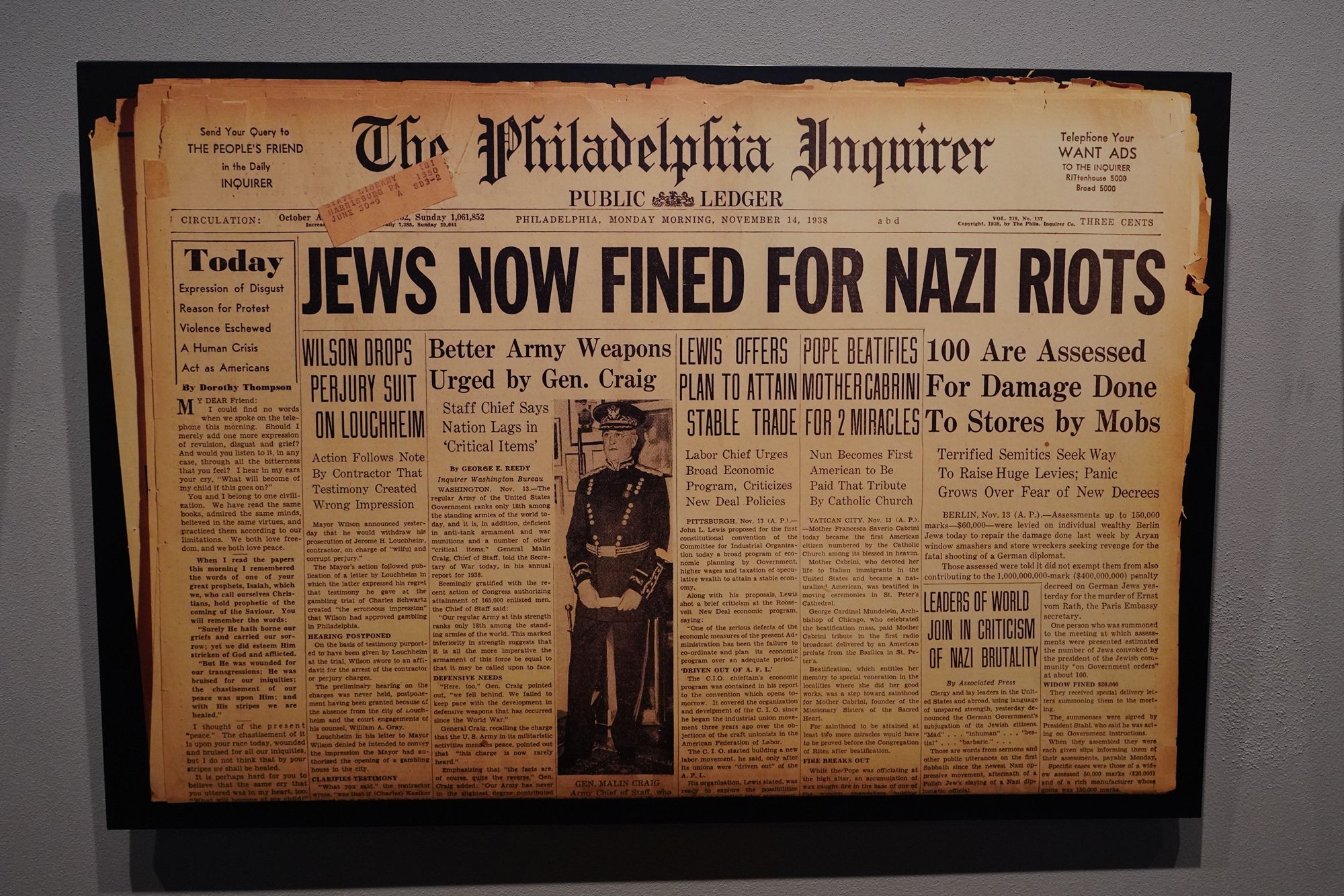
The question “What did Americans know?” continues to be explored by historians as a reminder of how information, indifference, and moral choice intersect during times of human catastrophe.
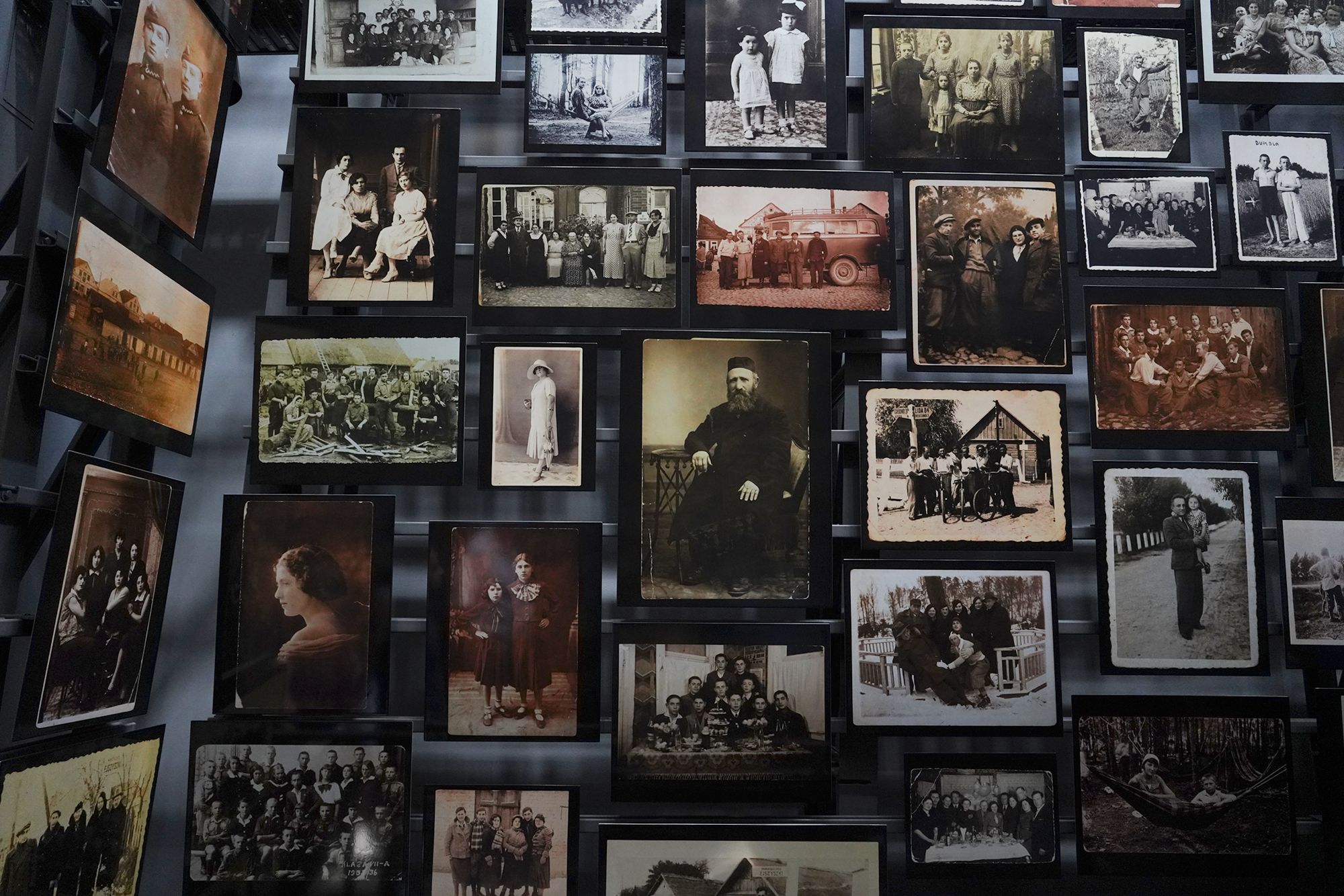
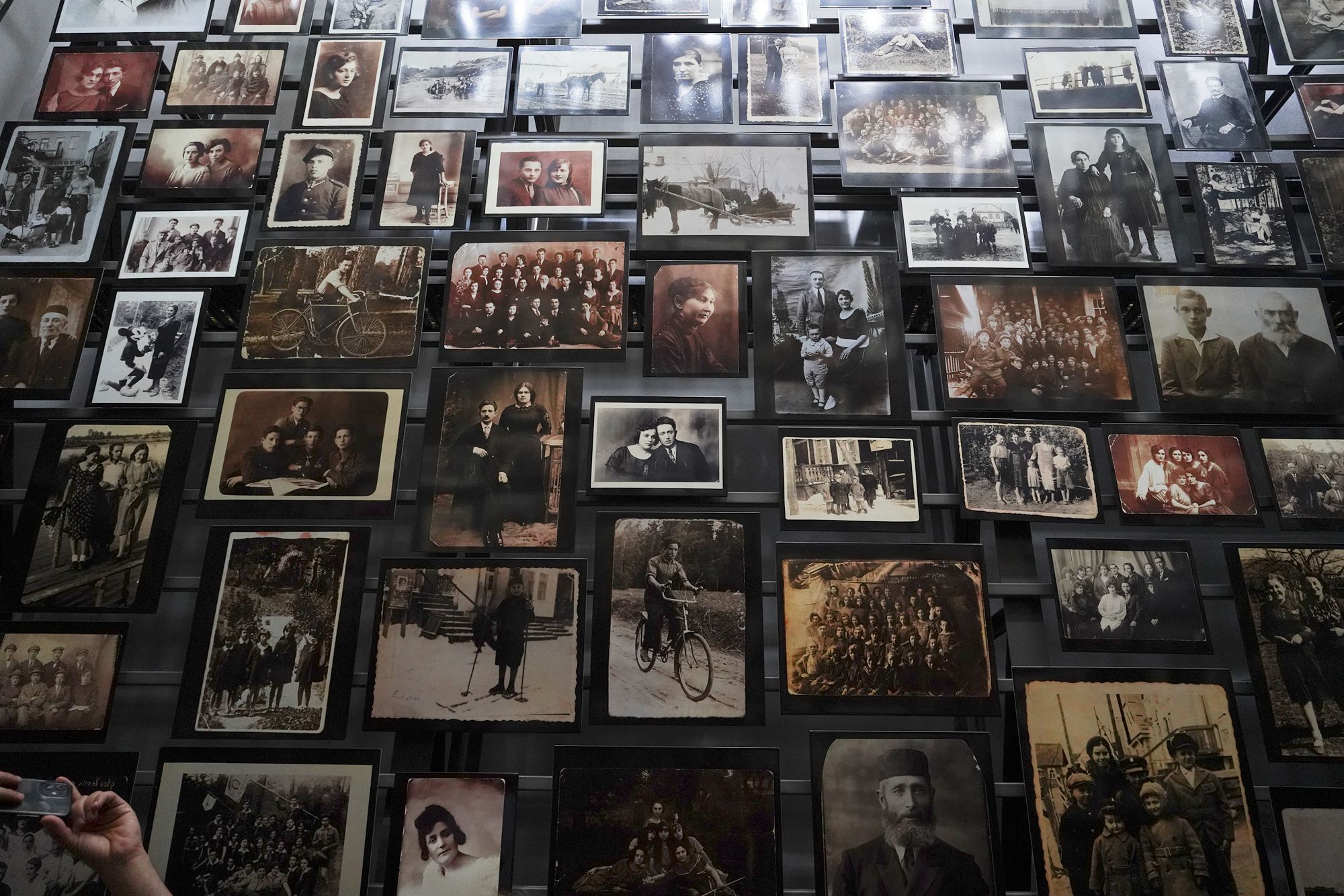
Roman Vishniac (1897–1990) was a Russian-born Jewish photographer best known for his powerful images documenting Jewish life in Eastern Europe before the Holocaust. His photographs serve as one of the most important visual records of communities that were later destroyed by the Nazis.
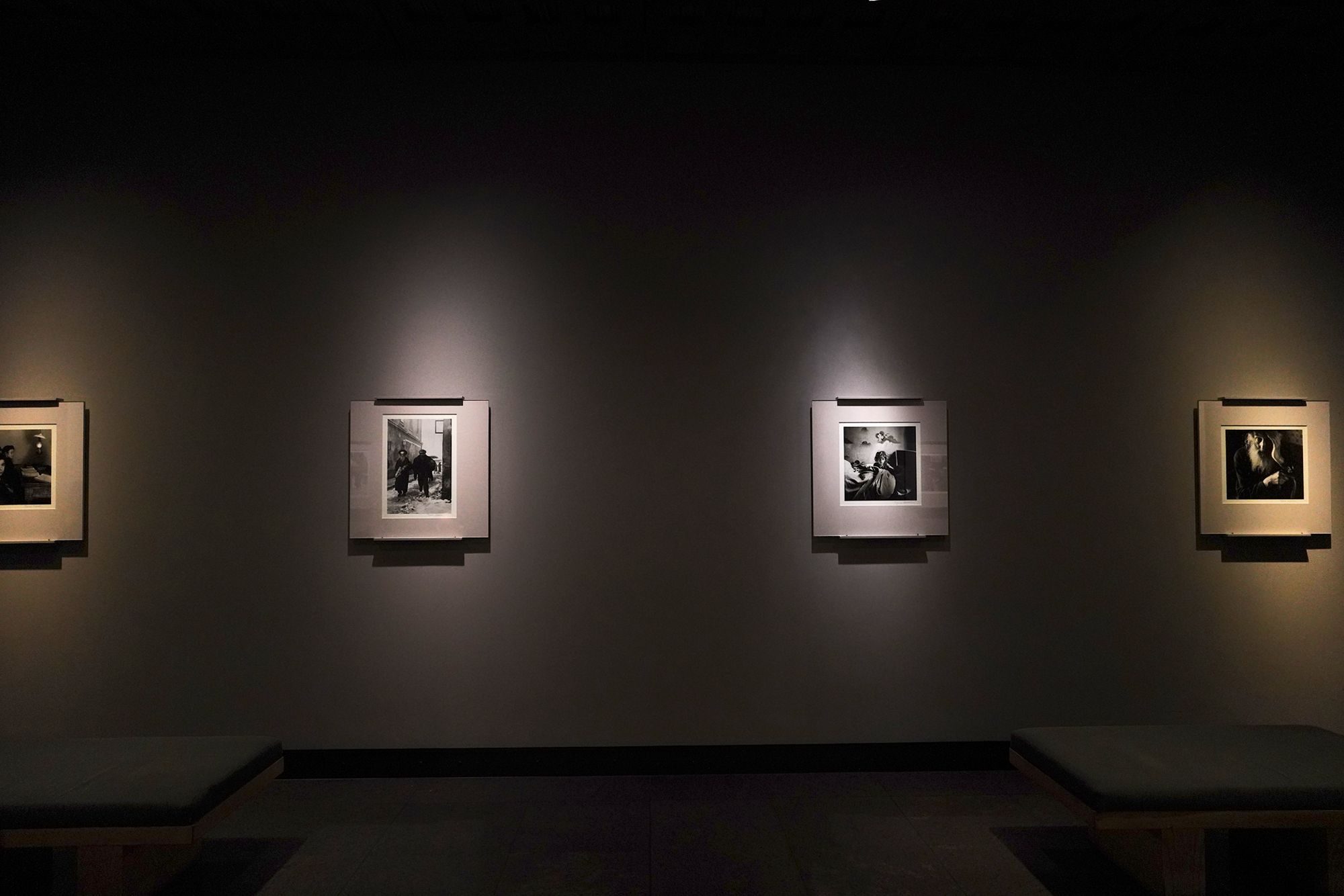
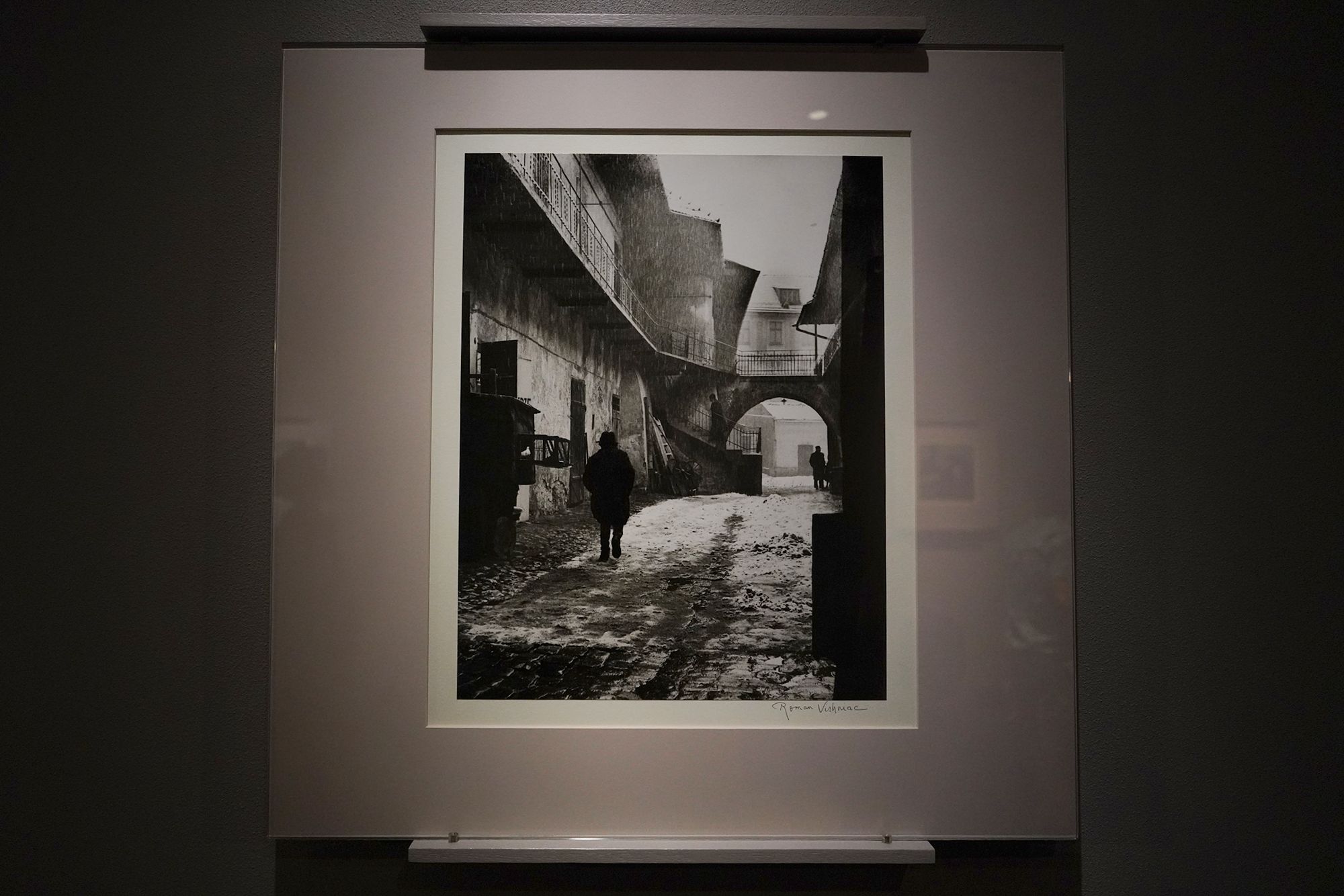
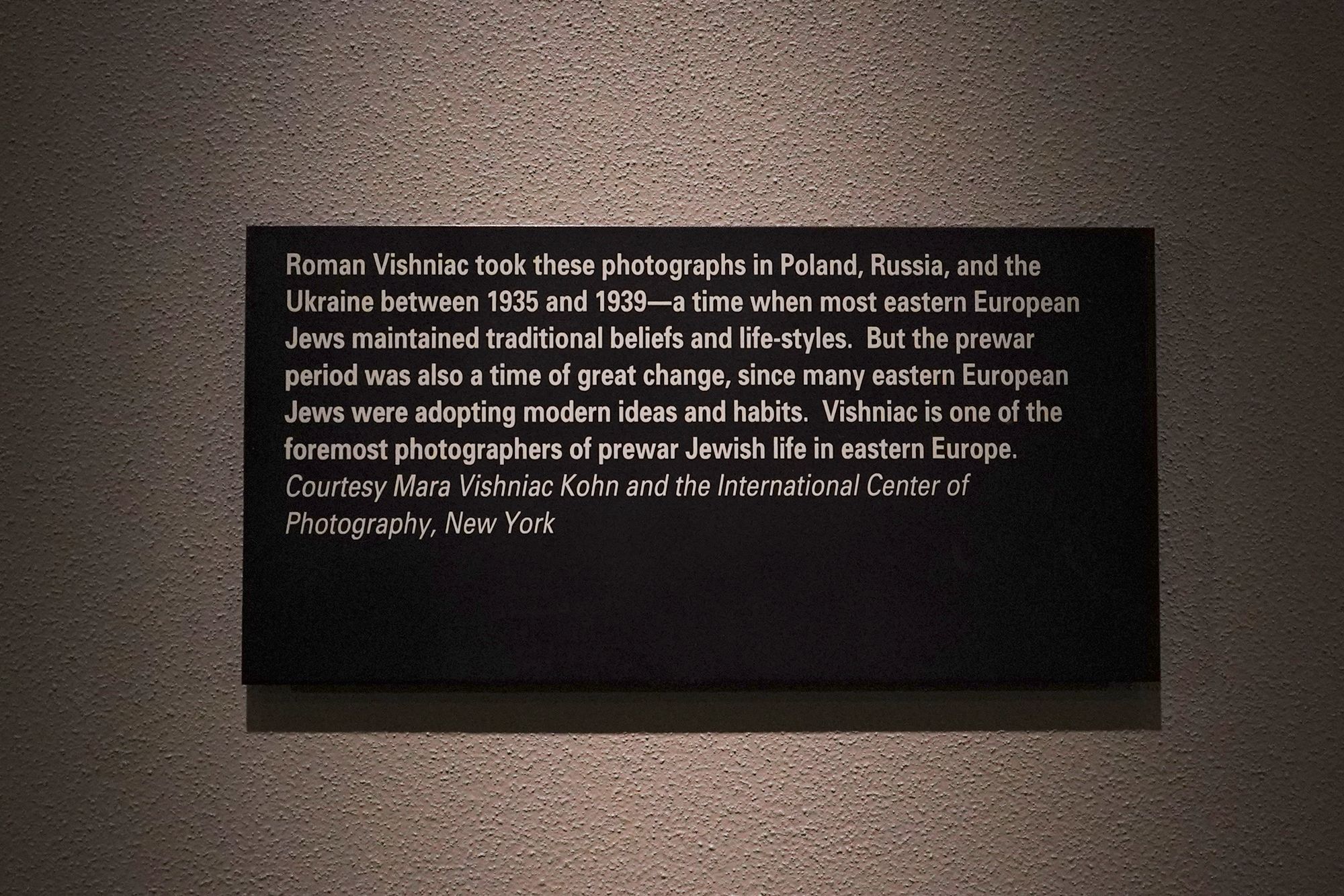
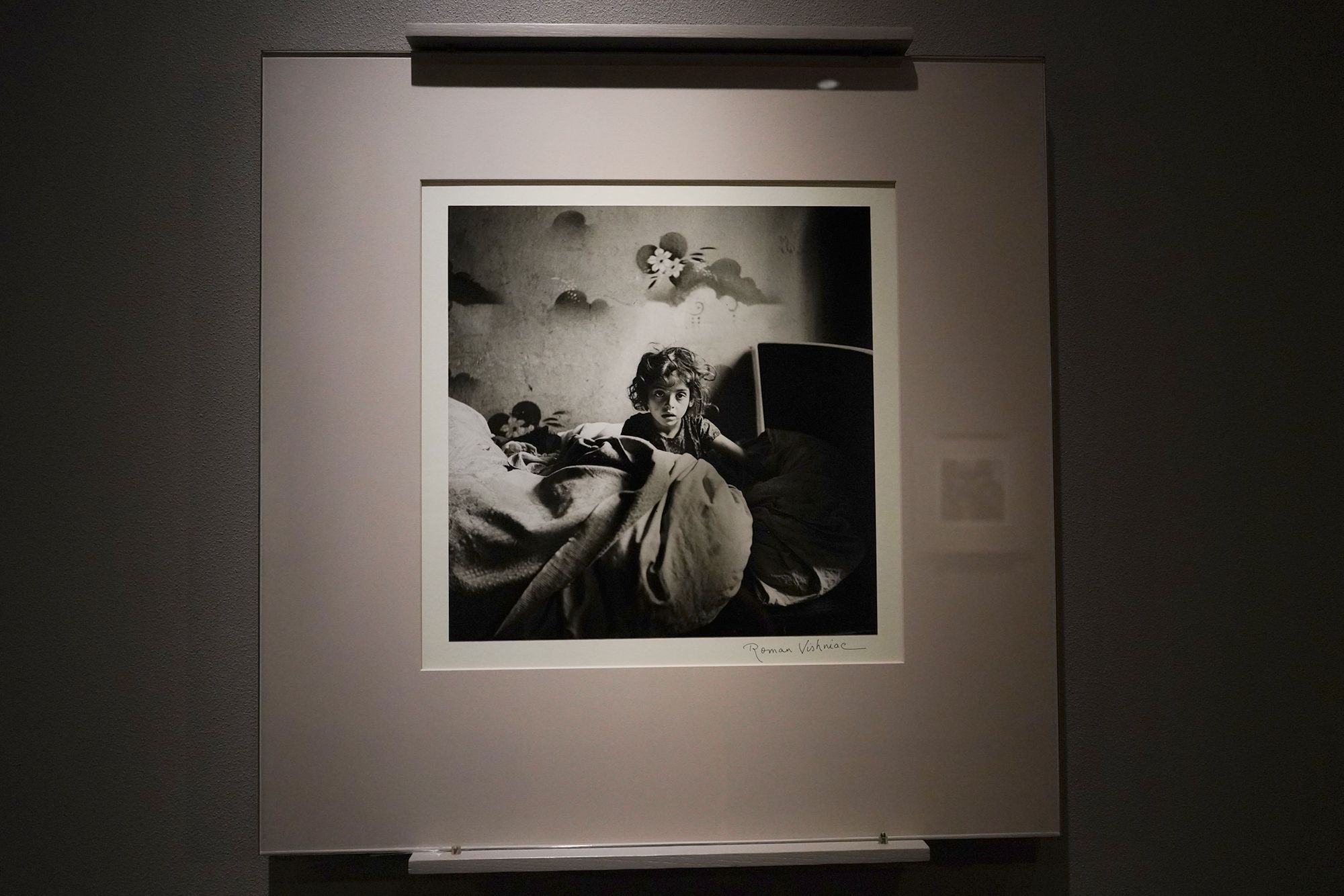
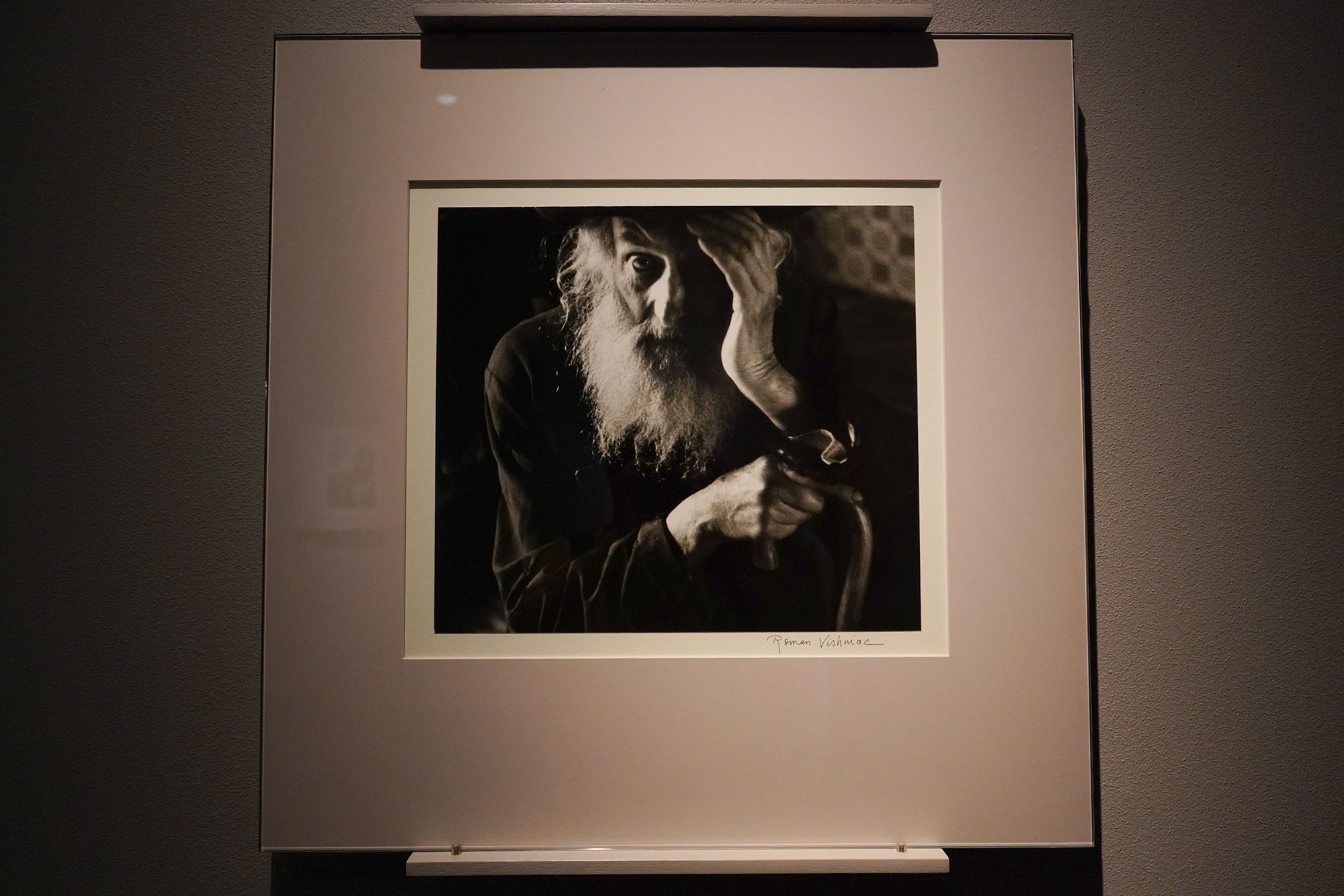
A shtetl (Yiddish for “little town”) was a small Jewish community that existed across Eastern Europe, especially in regions of Poland, Ukraine, Lithuania, and Russia, before the Holocaust.
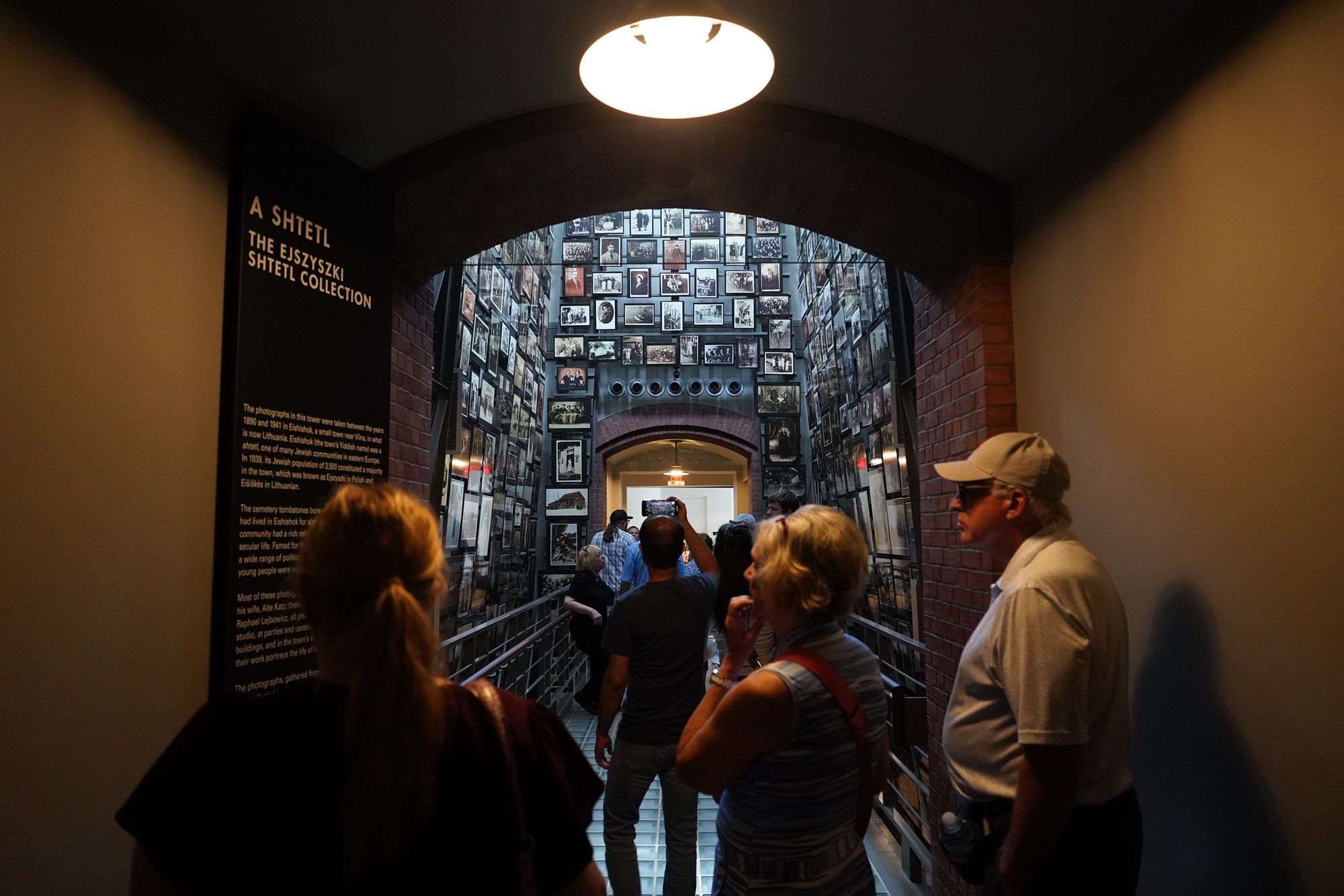
Eishishok (also spelled Ejszyszki or Eišiškės) was a small Jewish shtetl located in what is now Lithuania, about 40 miles south of Vilnius. For more than 900 years, it was home to a vibrant Jewish community that reflected the rich religious, cultural, and social life of Eastern European Jewry.
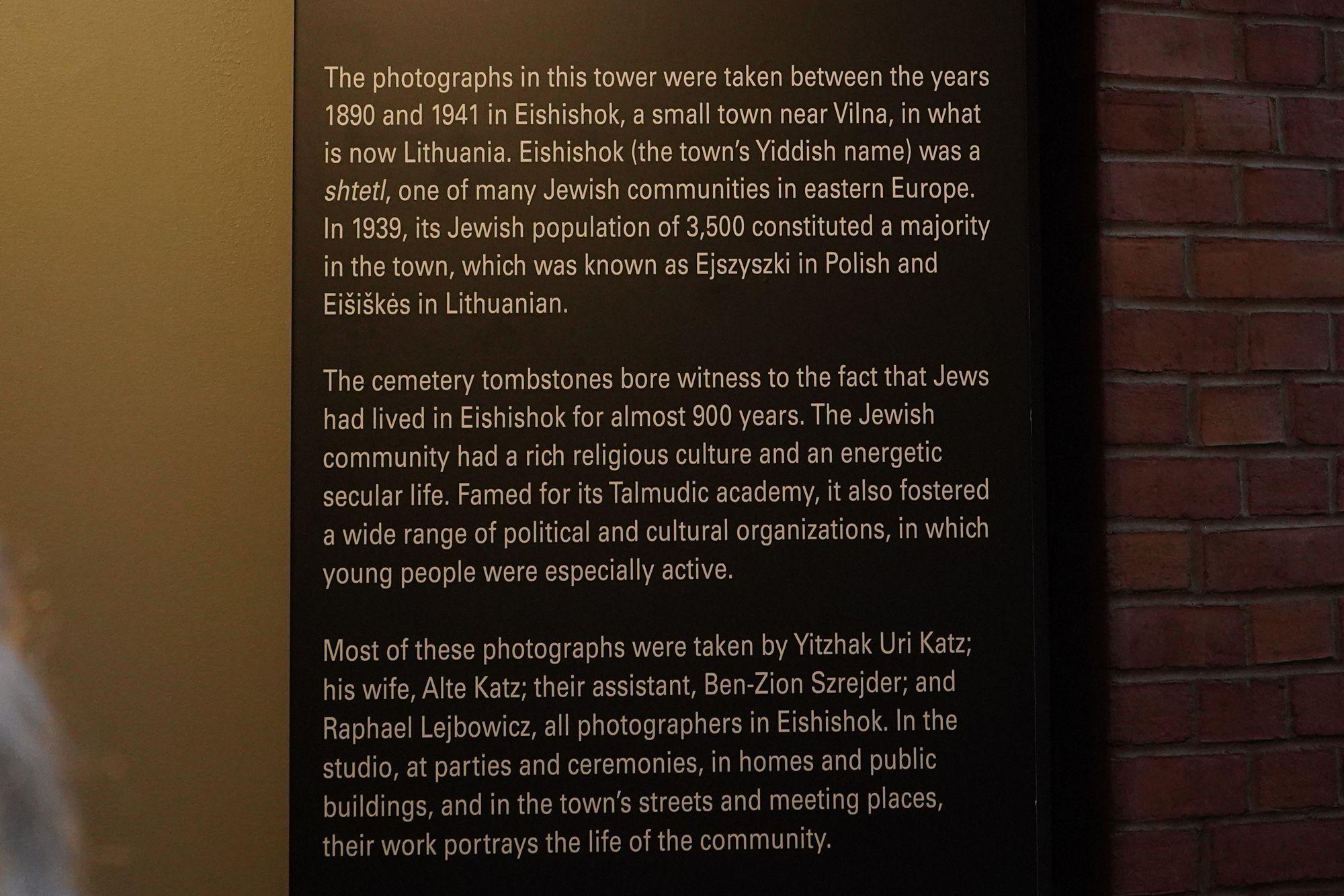
In September 1941, after the Nazi invasion of the Soviet Union, German forces and local collaborators carried out a mass execution of nearly the entire Jewish population of Eishishok. In just two days, over 2,000 men, women, and children were murdered and buried in nearby pits. Only a few escaped or survived the war.
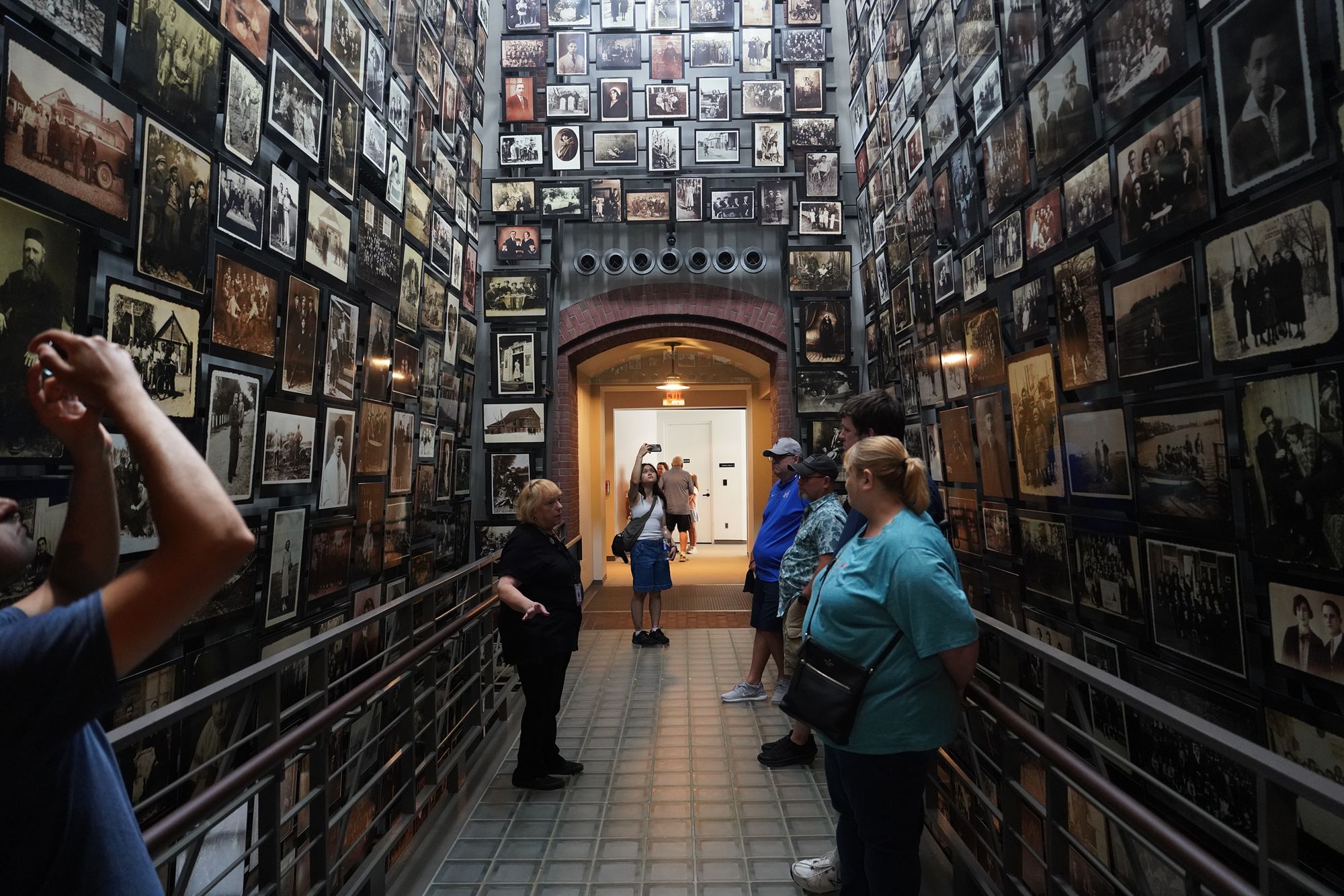
Photographer Roman Vishniac had visited Eishishok before the war, capturing images of its residents, streets, and daily life.
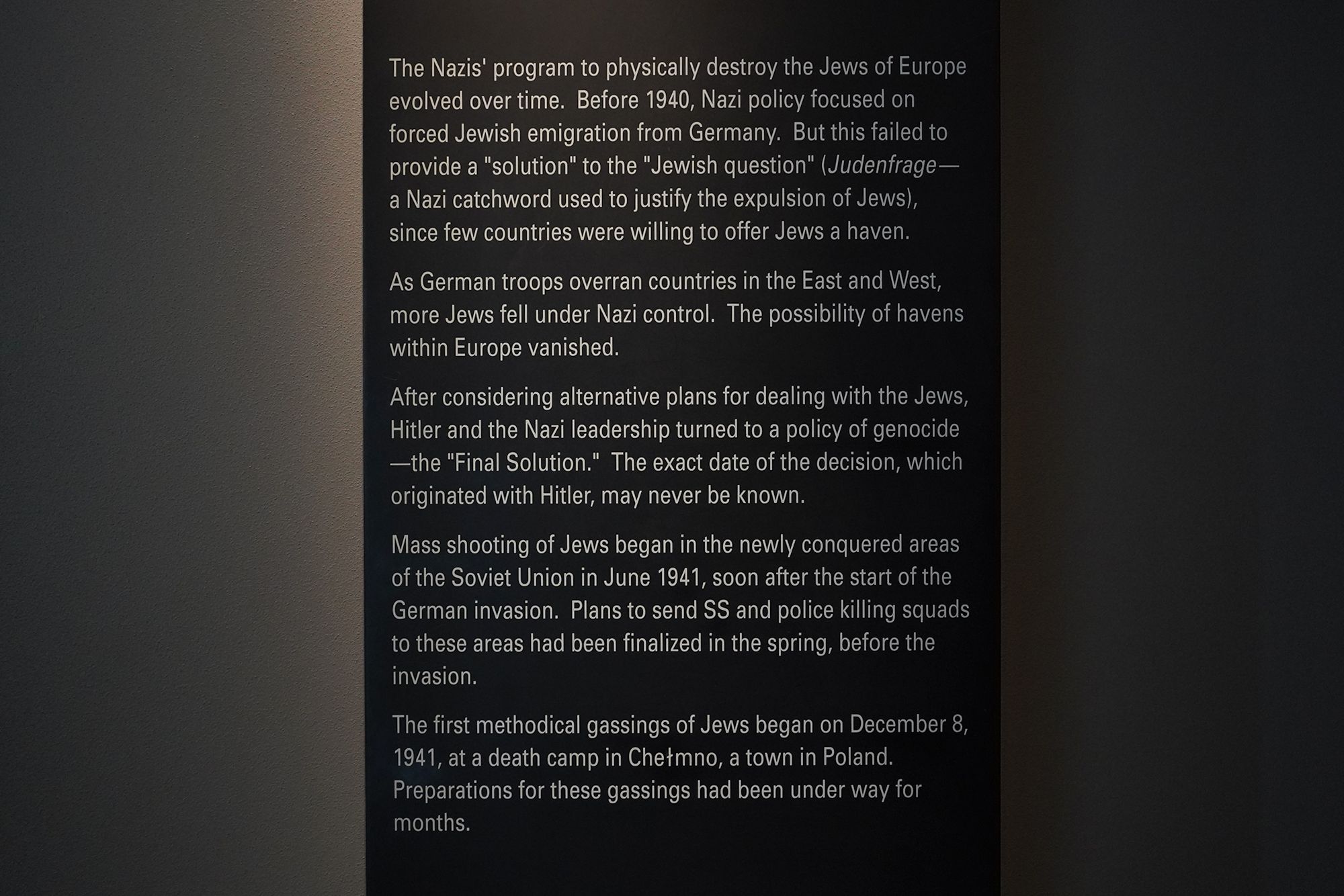
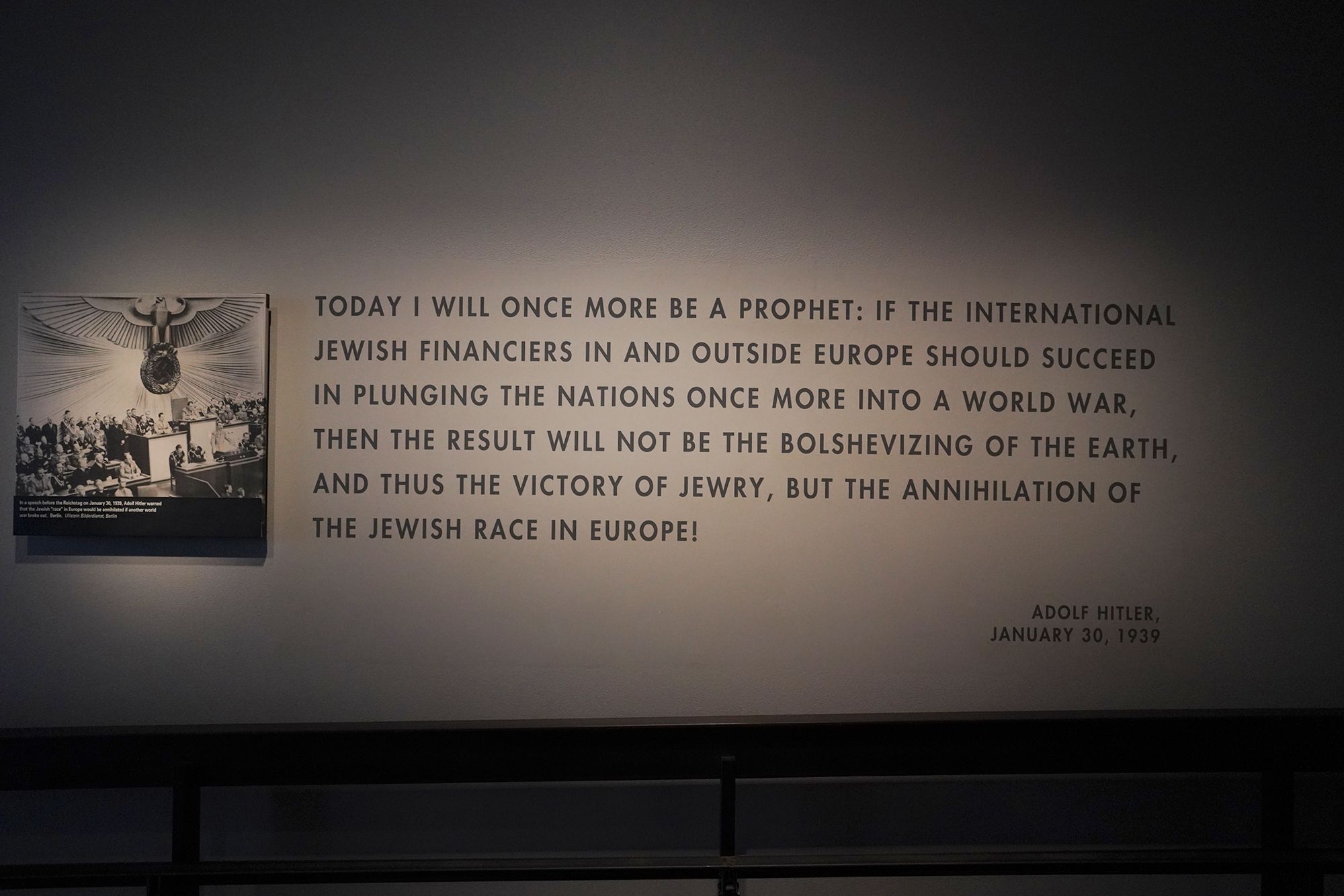
“The Final Solution” was the Nazi plan to annihilate the Jewish people of Europe, turning years of persecution into systematic, industrialized mass murder.
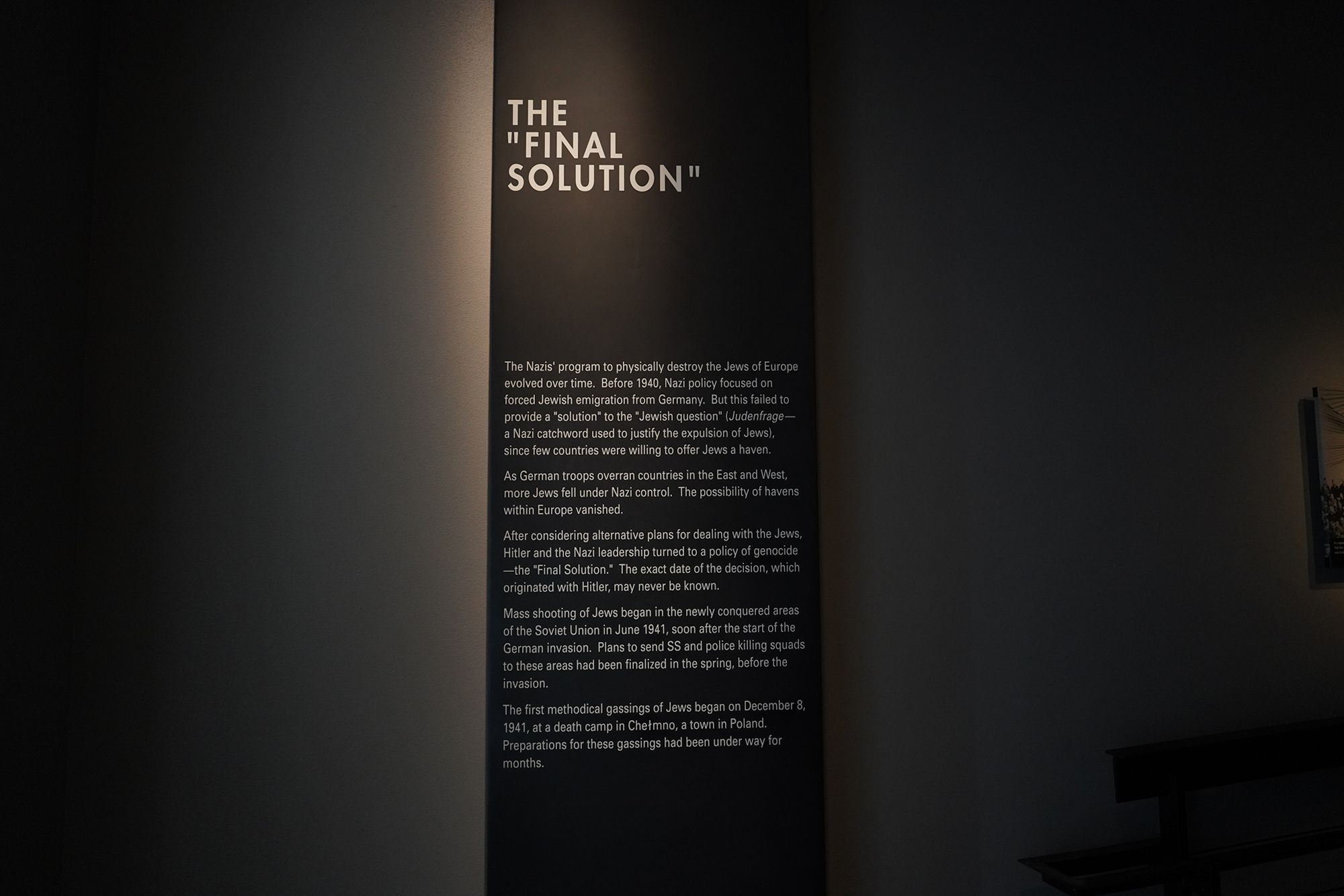
The term, short for “The Final Solution to the Jewish Question,” was used by Nazi officials to describe the genocide of Europe’s Jews. It developed gradually between 1941 and 1942, as Nazi Germany expanded eastward and began mass shootings of Jews by Einsatzgruppen (mobile killing squads) in the Soviet Union.
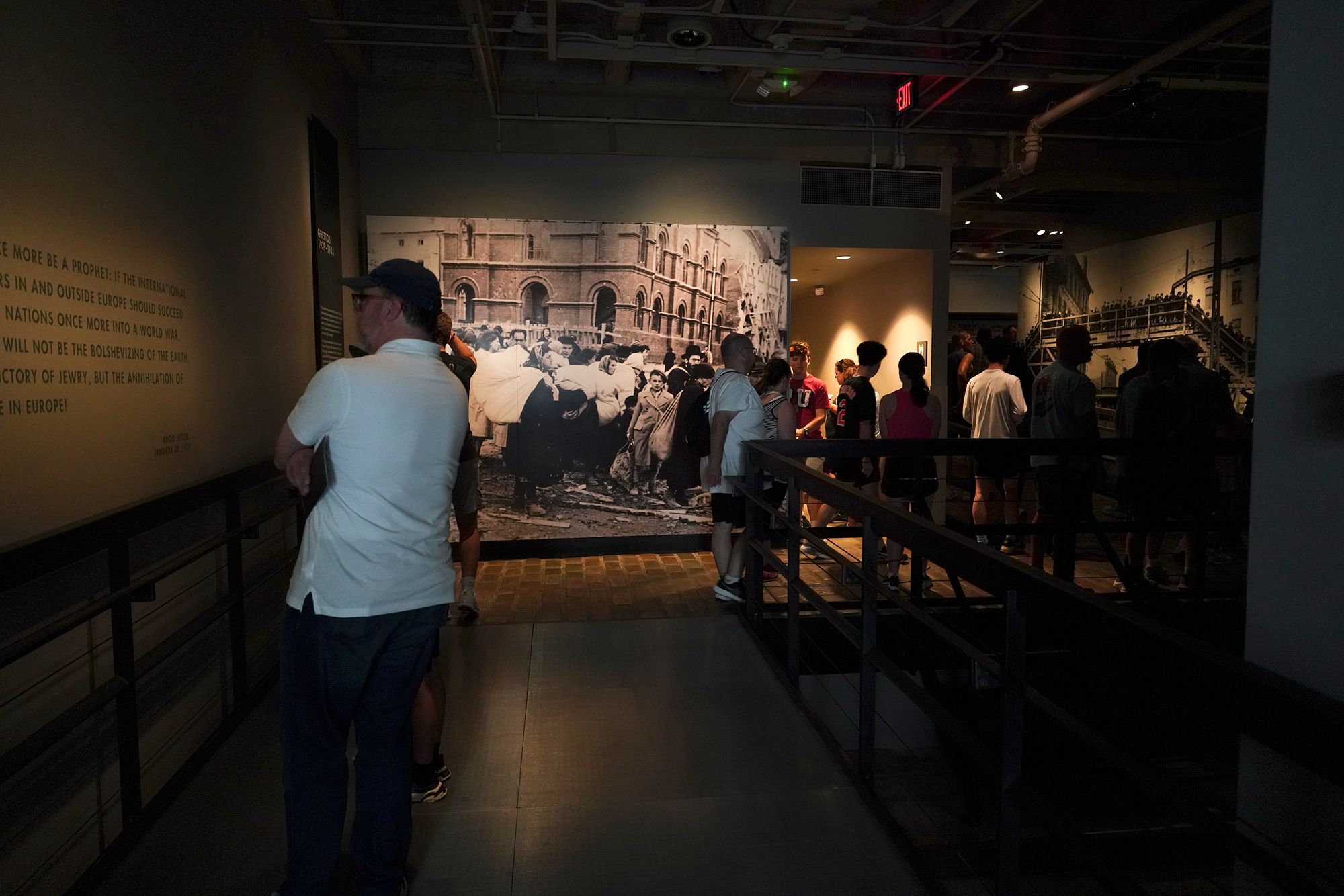
Ghettos (1939–1944) were walled or enclosed districts established by the Nazis to isolate, control, and oppress Jewish populations in occupied Eastern Europe during the Holocaust.
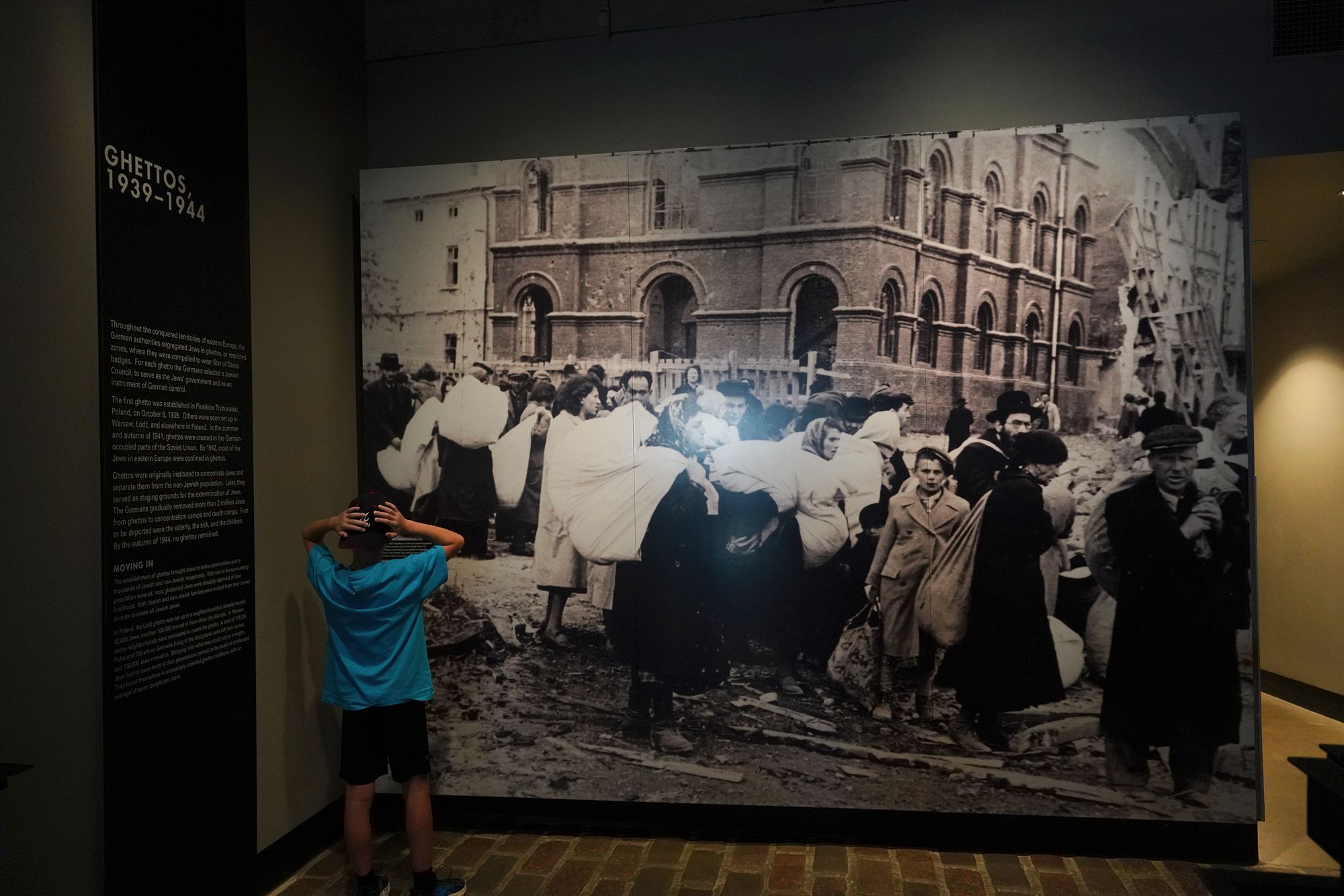
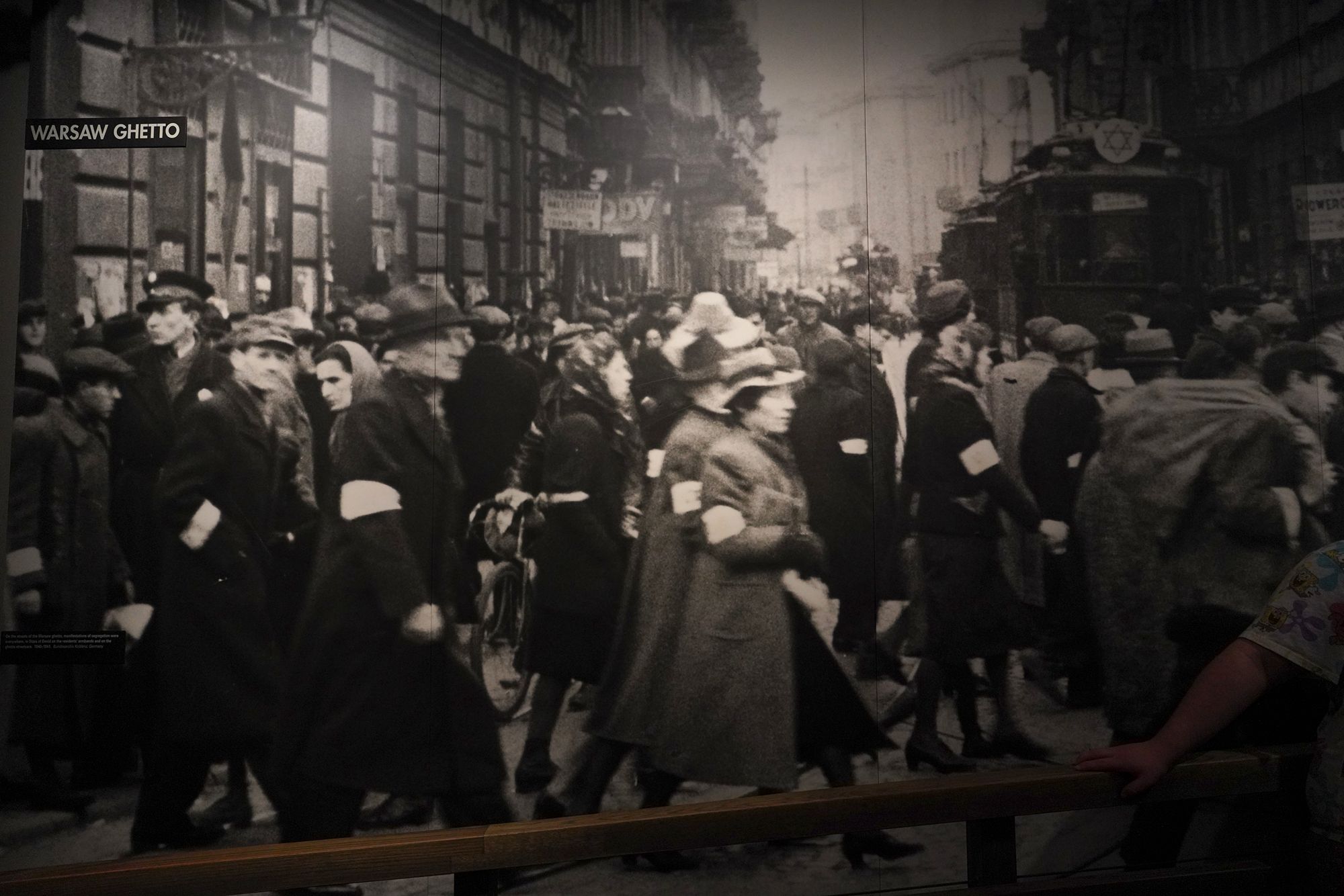
Beginning in 1939, after Germany invaded Poland, the Nazis forced Jews from their homes into overcrowded urban areas called ghettos. These were usually located in the poorest sections of cities and sealed off with walls, barbed wire, and guards. The largest ghettos were in Warsaw, Łódź, Kraków, Vilna, and Lublin.
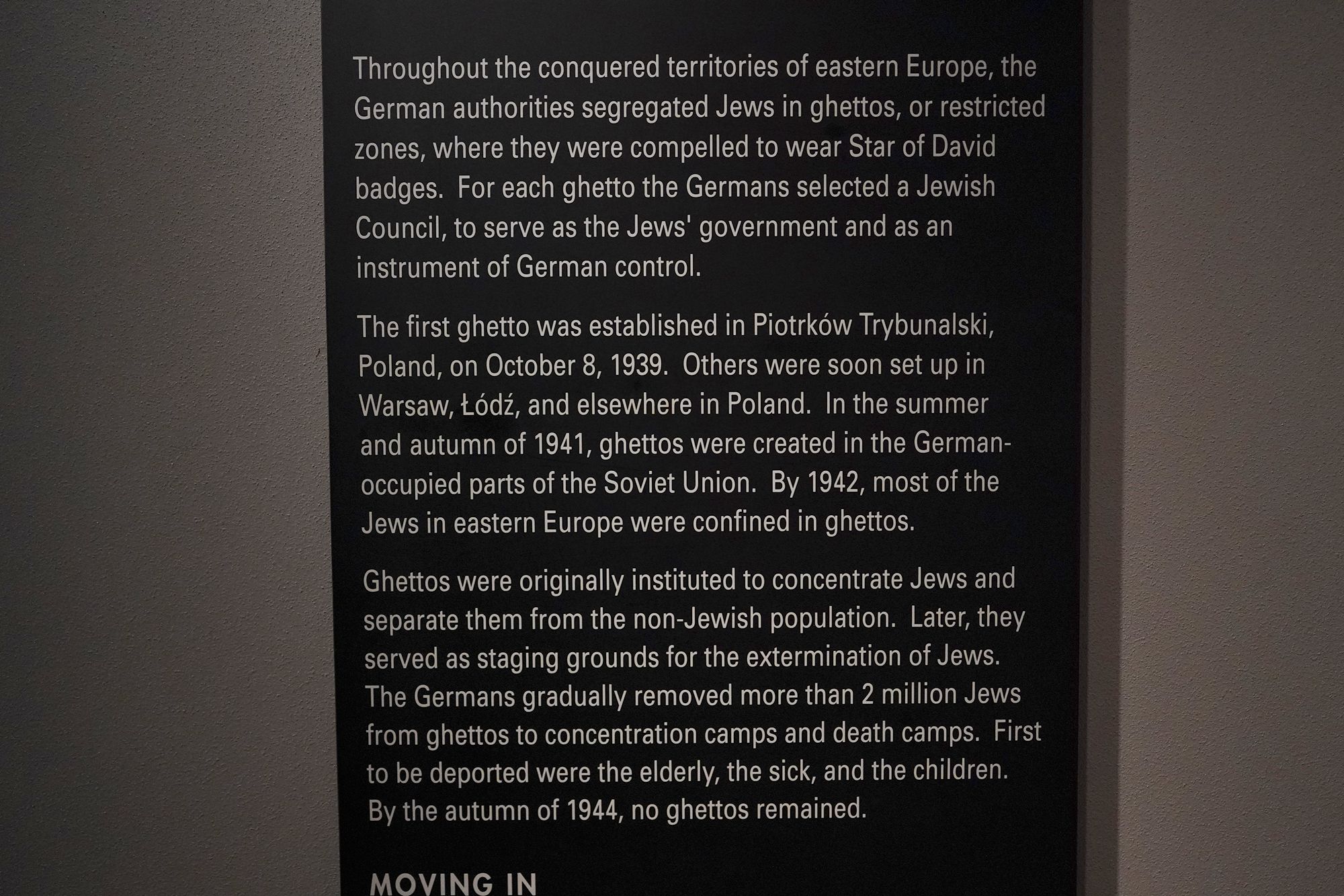
Life inside the ghettos was marked by hunger, disease, forced labor, and despair. Food was scarce, sanitation was poor, and families lived in cramped rooms—often several to one apartment. The Nazis allowed just enough resources to keep people alive temporarily, intending the ghettos to be a step toward deportation and extermination.
Between 1942 and 1944, nearly all ghettos were “liquidated”—their inhabitants deported to extermination camps such as Auschwitz, Treblinka, and Sobibor, where most were murdered.
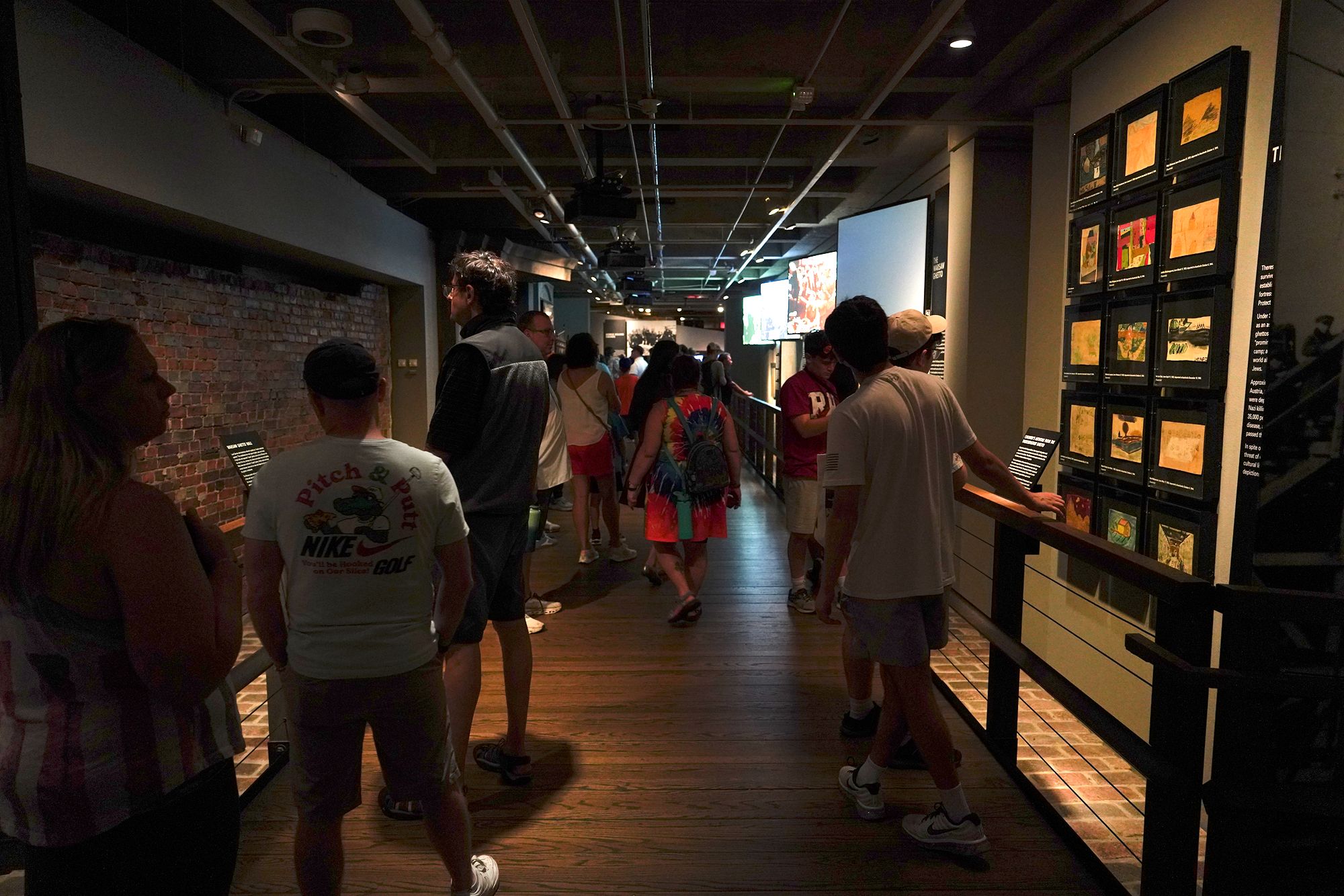
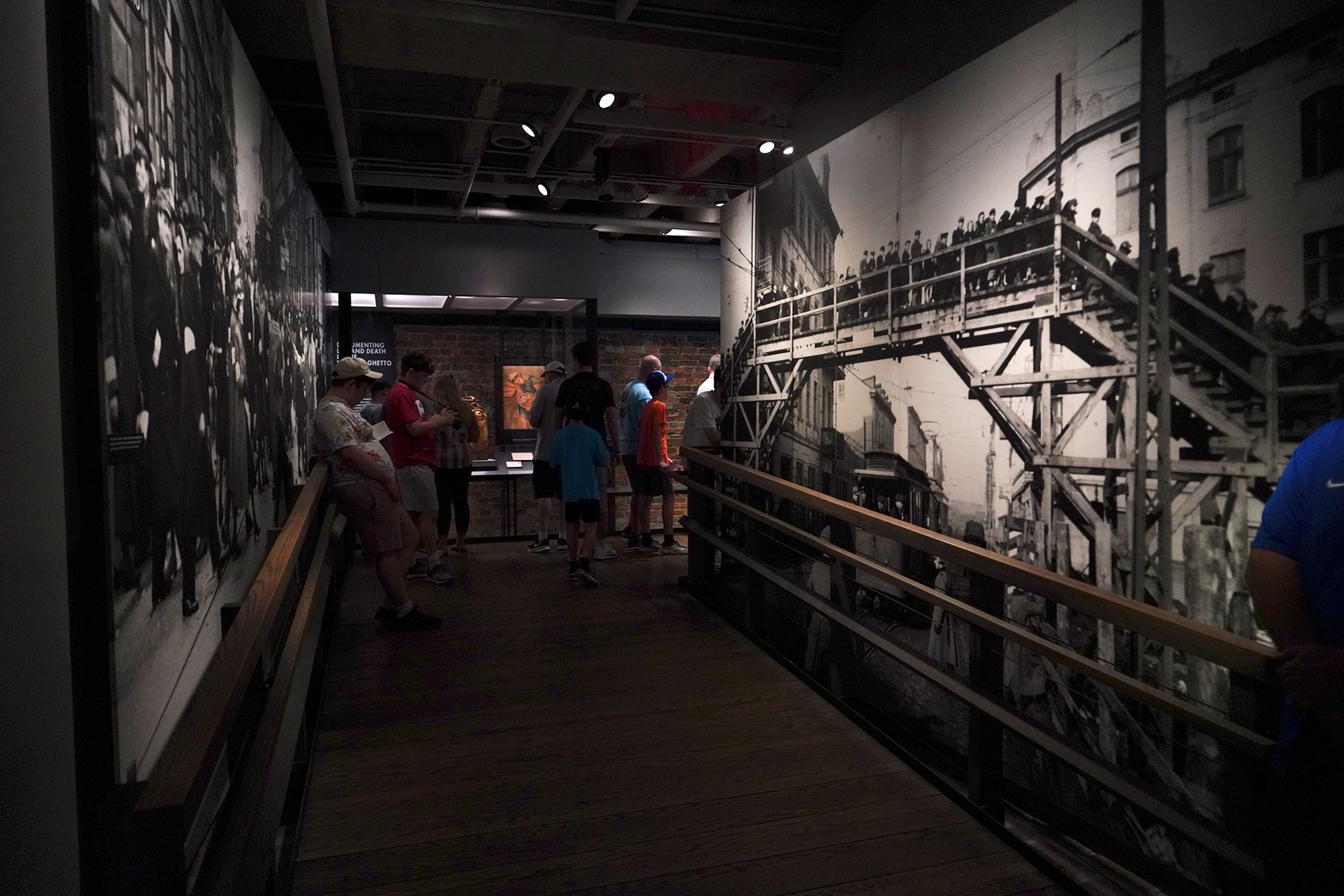
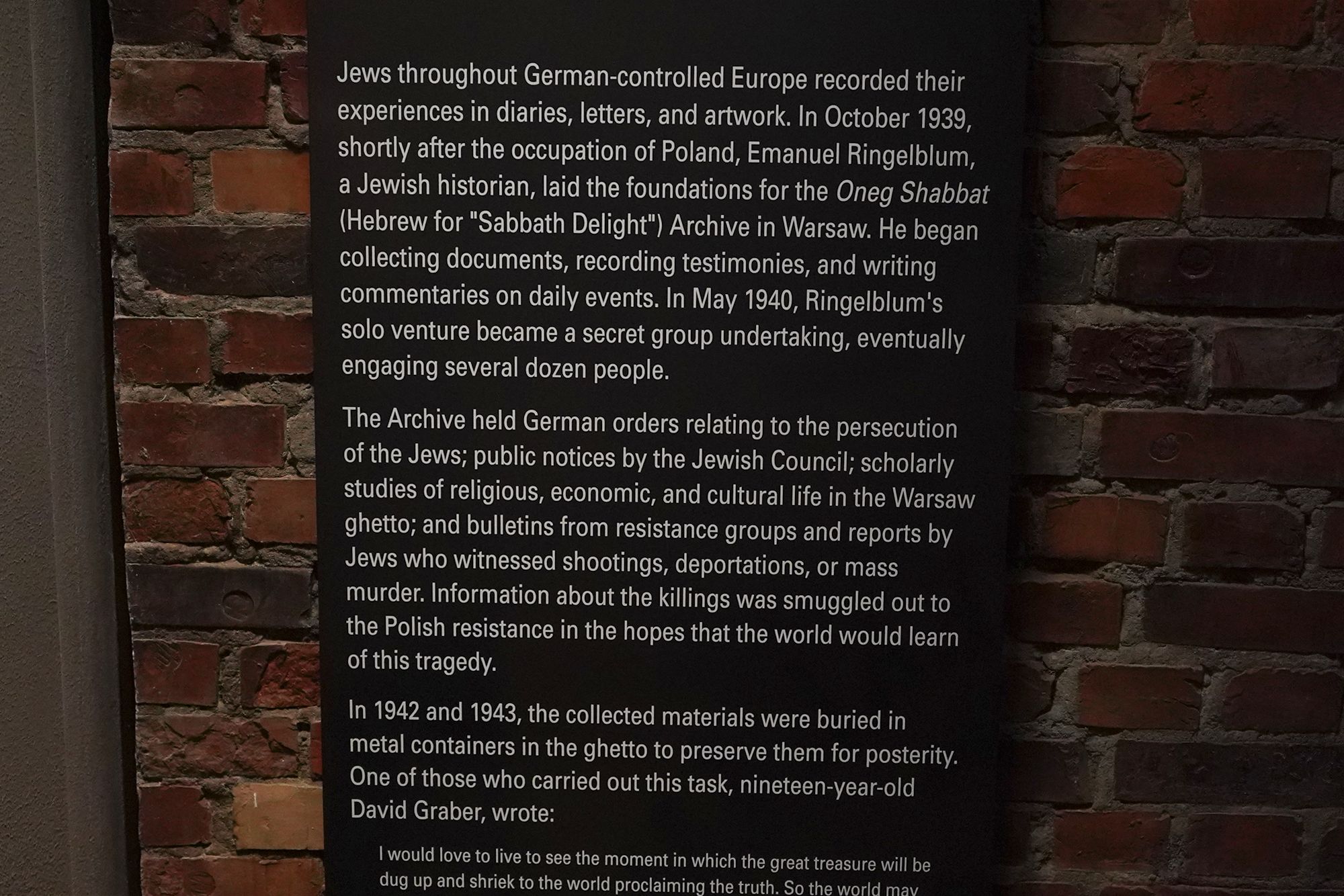
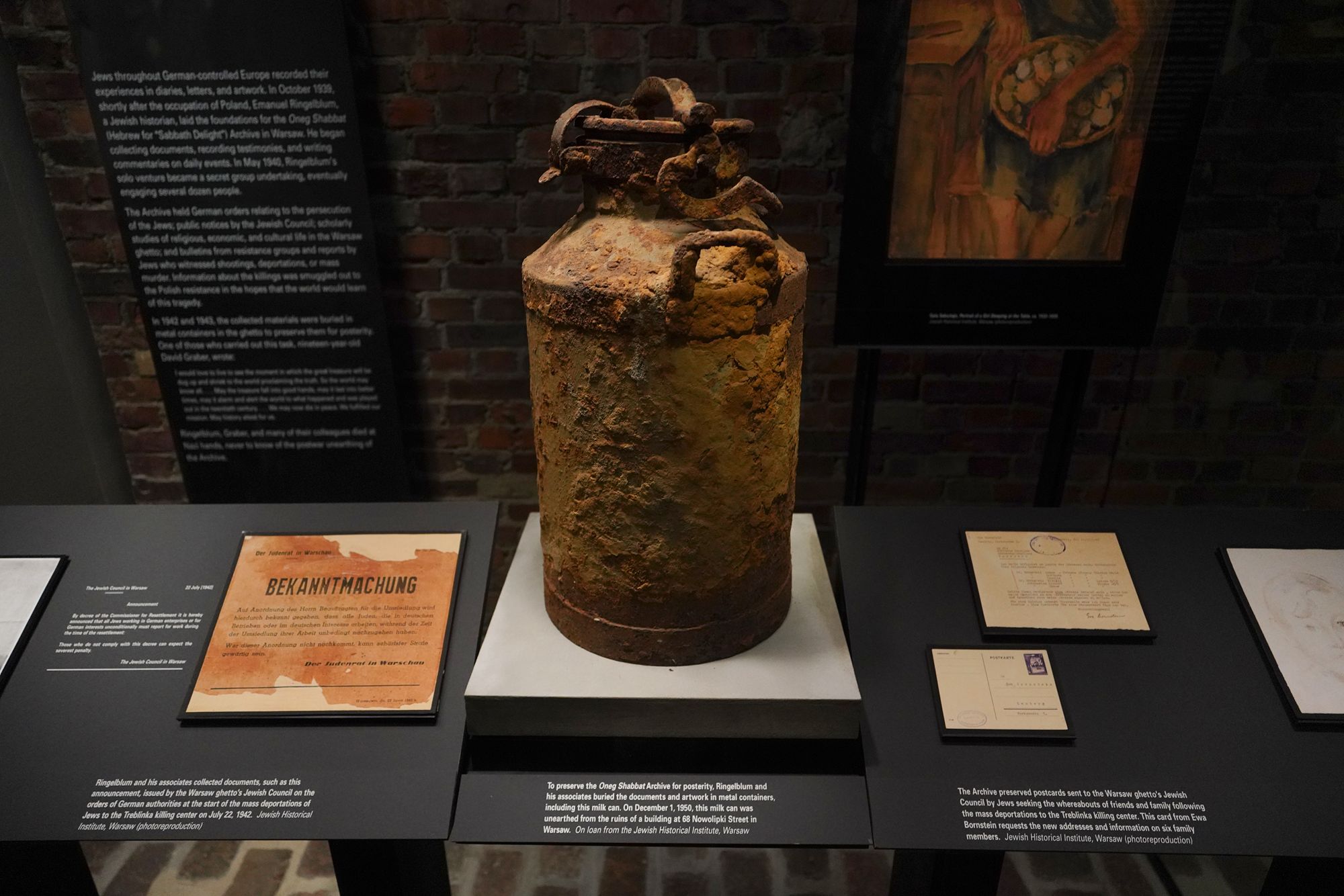
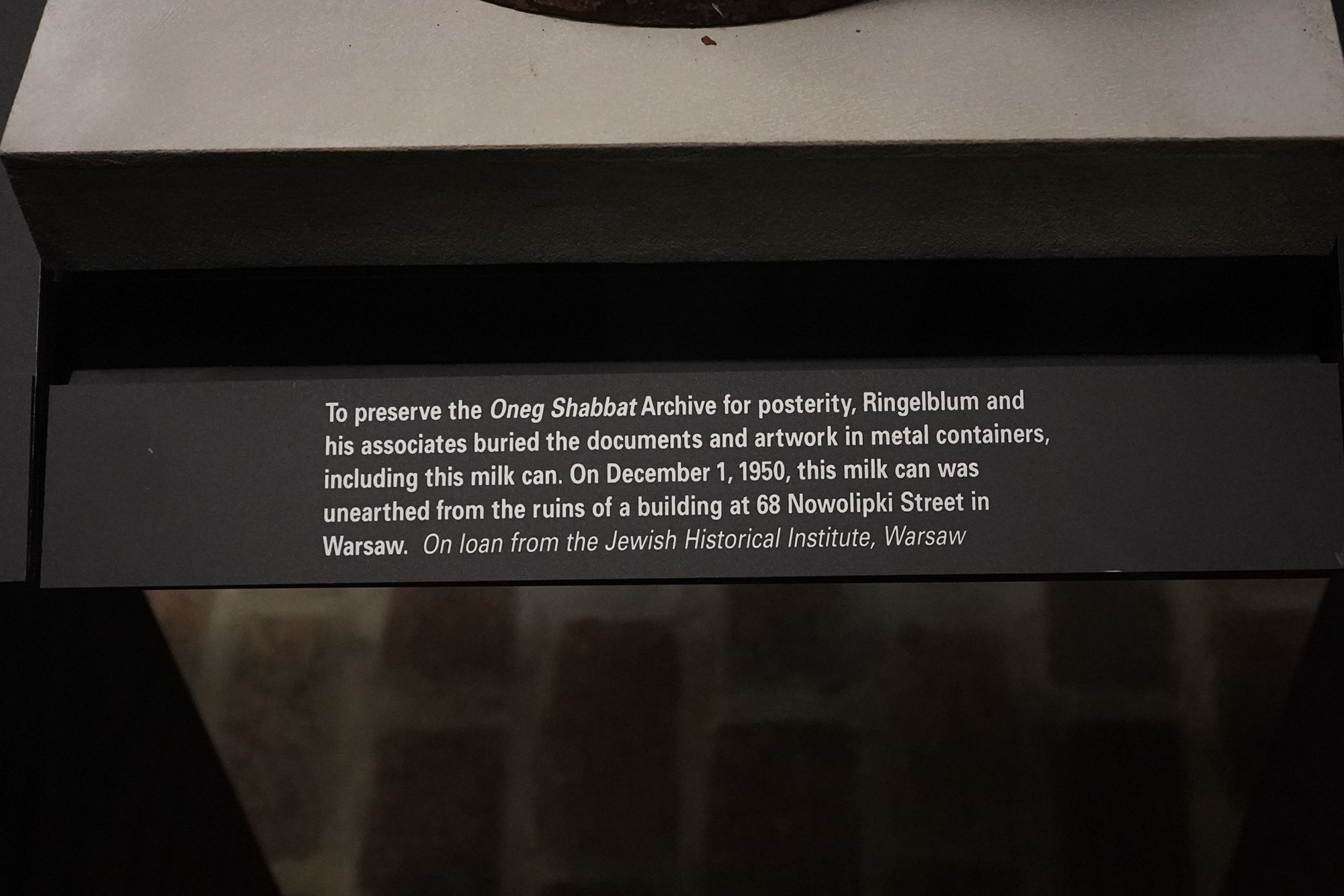
“Documenting Life and Death in the Warsaw Ghetto” refers to the courageous efforts of Jews imprisoned in the Warsaw Ghetto to record the truth of their experiences under Nazi rule between 1940 and 1943.
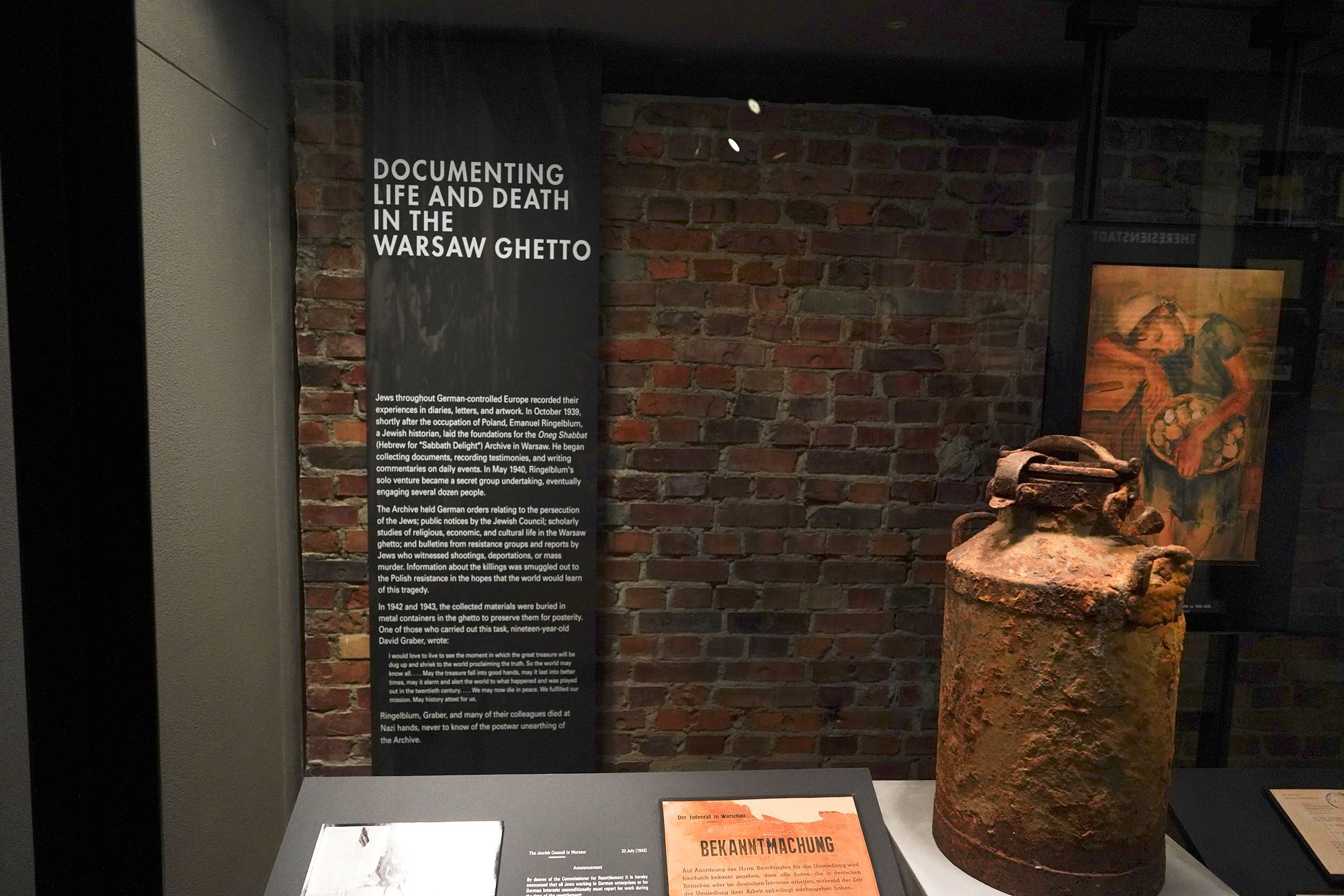
After the Nazis forced more than 400,000 Jews into the ghetto—an area of just 1.3 square miles—conditions quickly became horrific. People suffered from starvation, disease, overcrowding, and violence, while thousands died each month. Despite this, a group of Jewish scholars, writers, and community leaders, led by historian Emanuel Ringelblum, formed a secret underground archive known as Oyneg Shabes (“Joy of the Sabbath”).
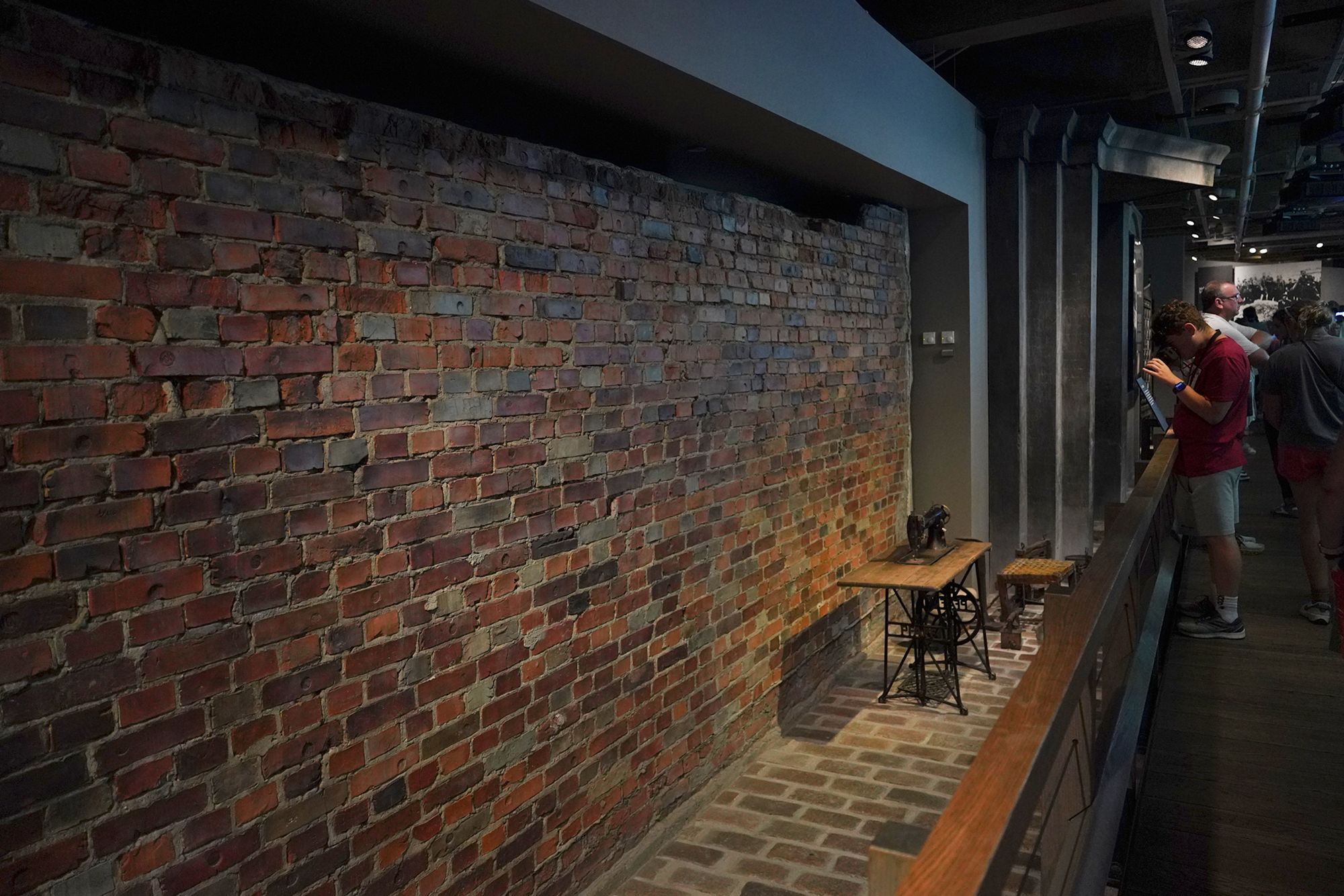
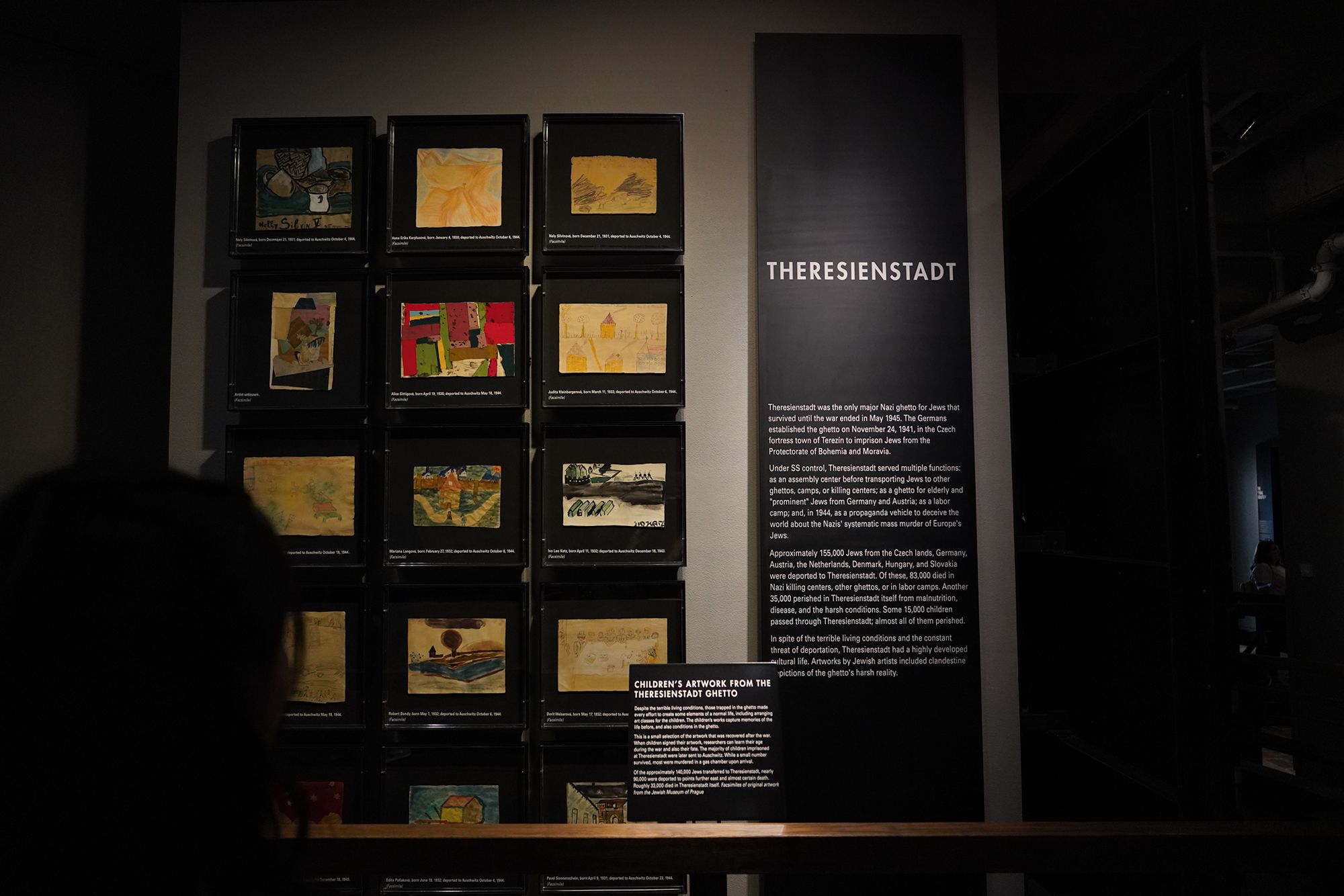
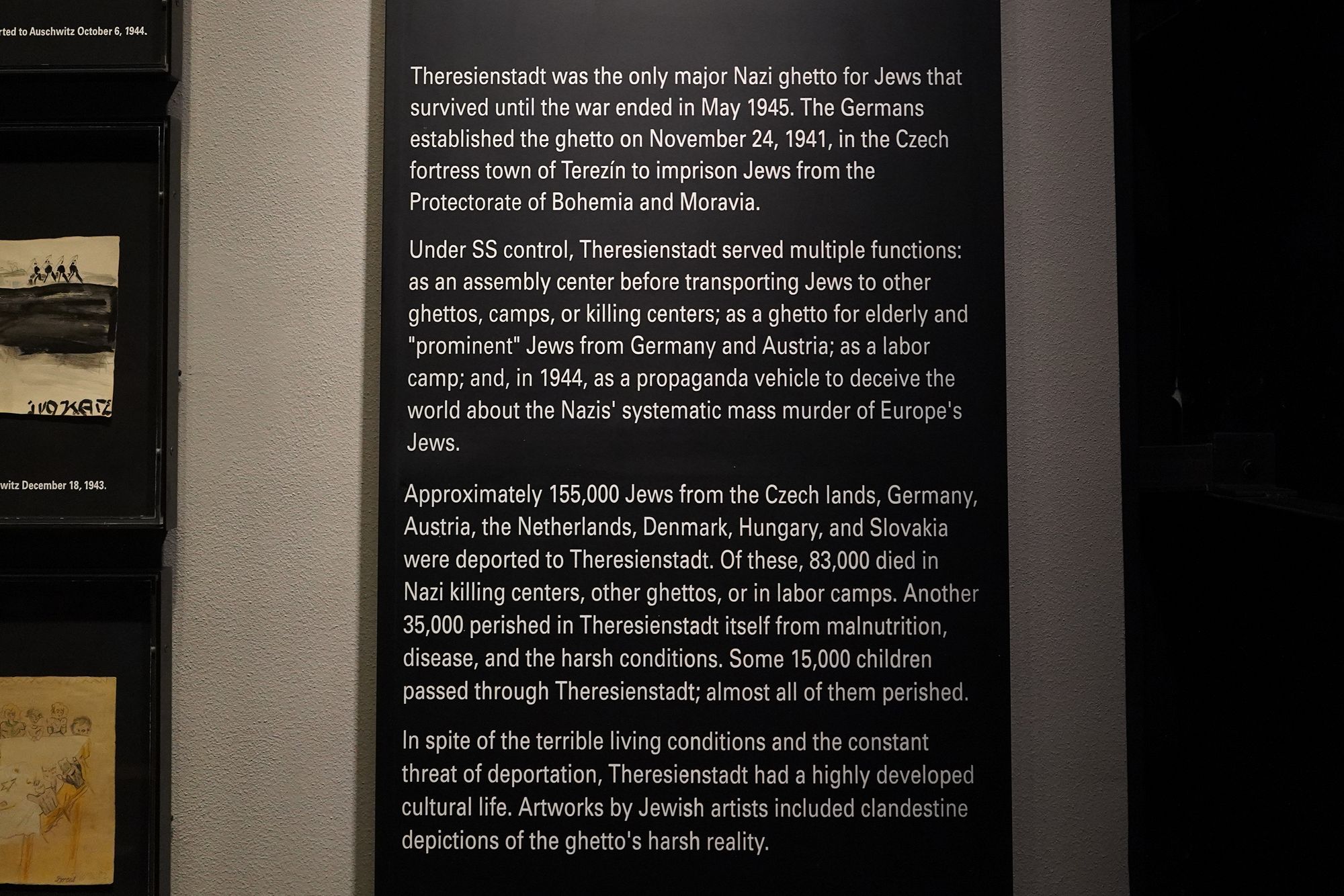
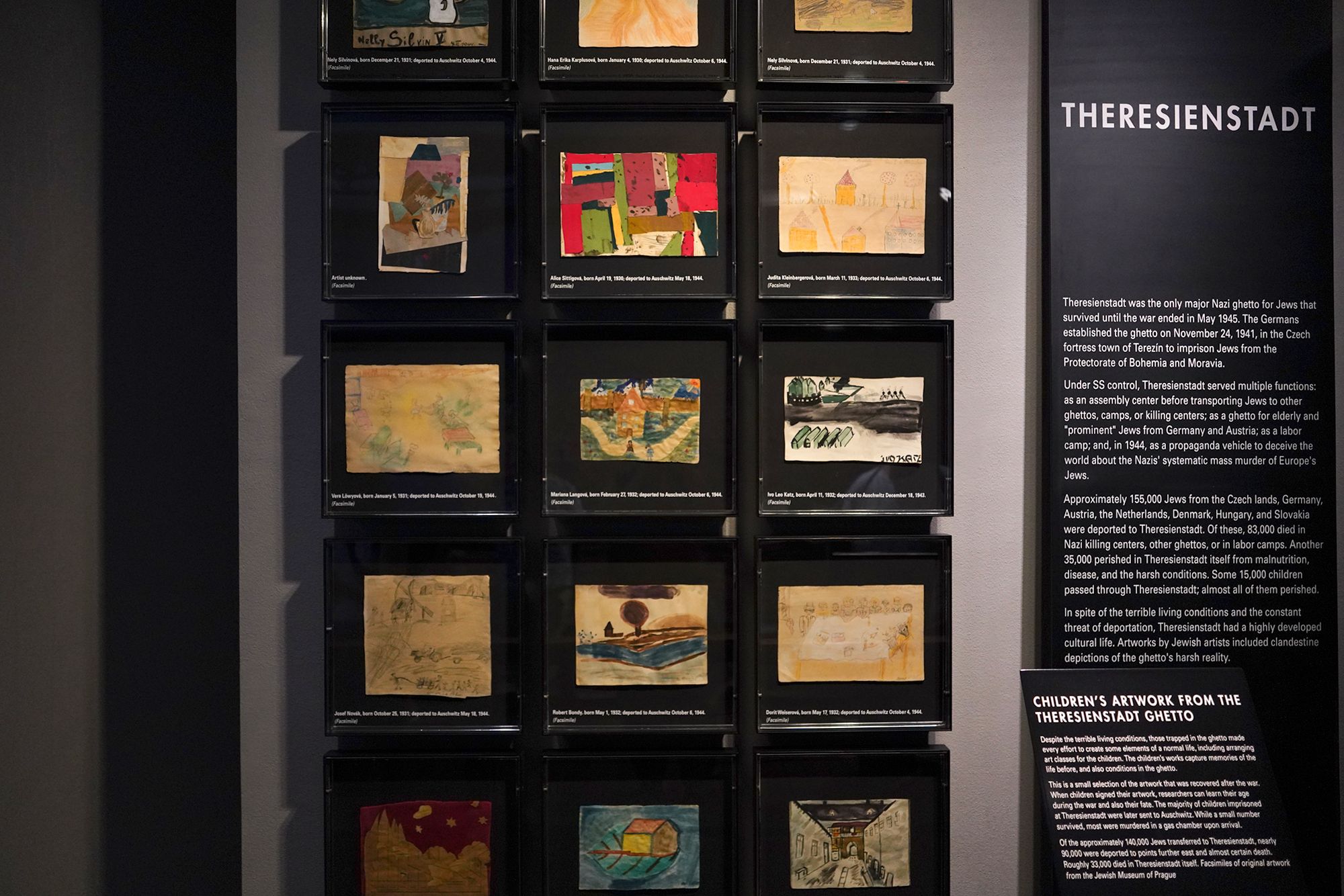
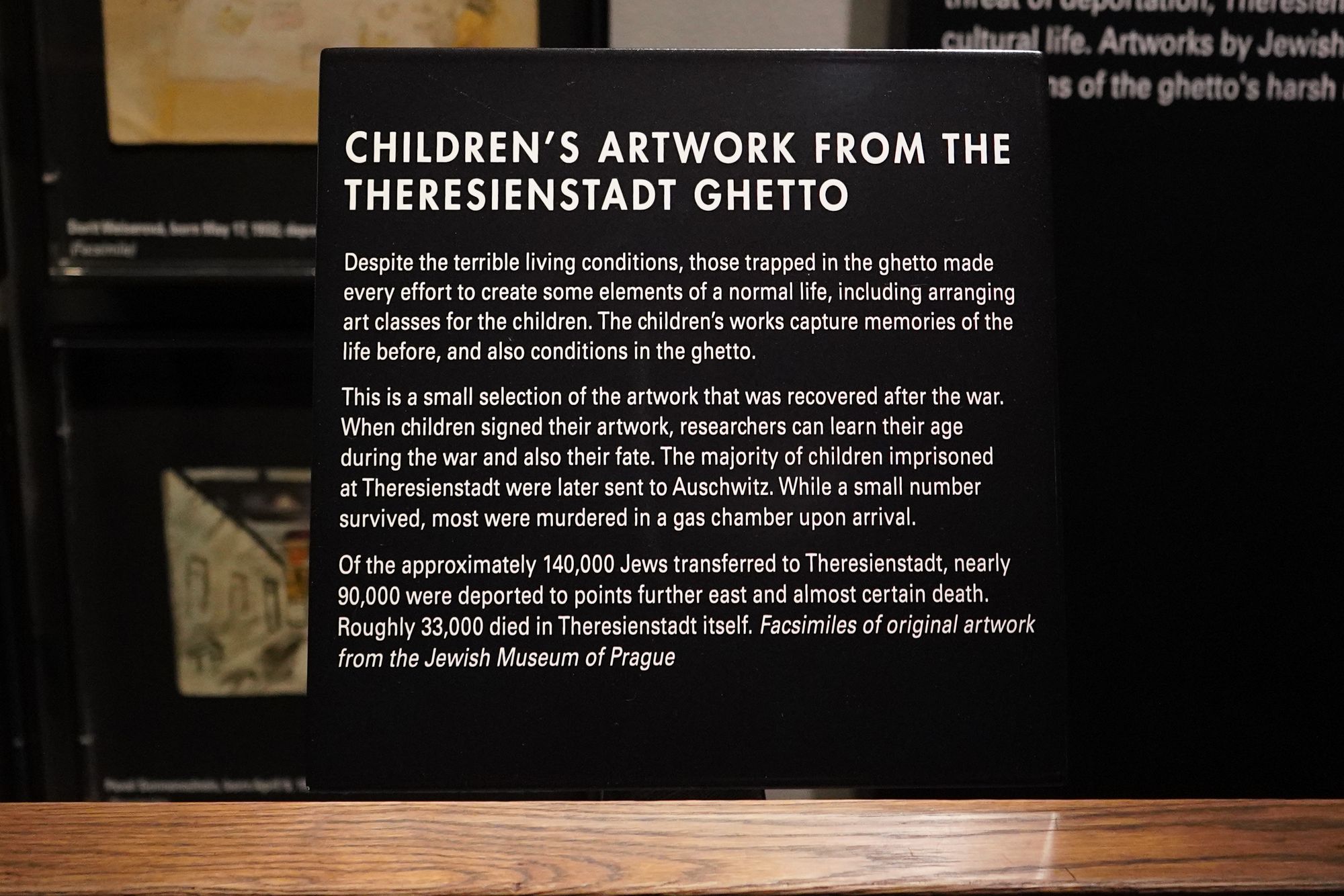
Theresienstadt (Czech: Terezín) was a Nazi concentration camp and ghetto established in 1941 in the Czech town of the same name, about 35 miles north of Prague. It was presented by the Nazis as a “model Jewish settlement”, but in reality, it was a place of imprisonment, suffering, and death.
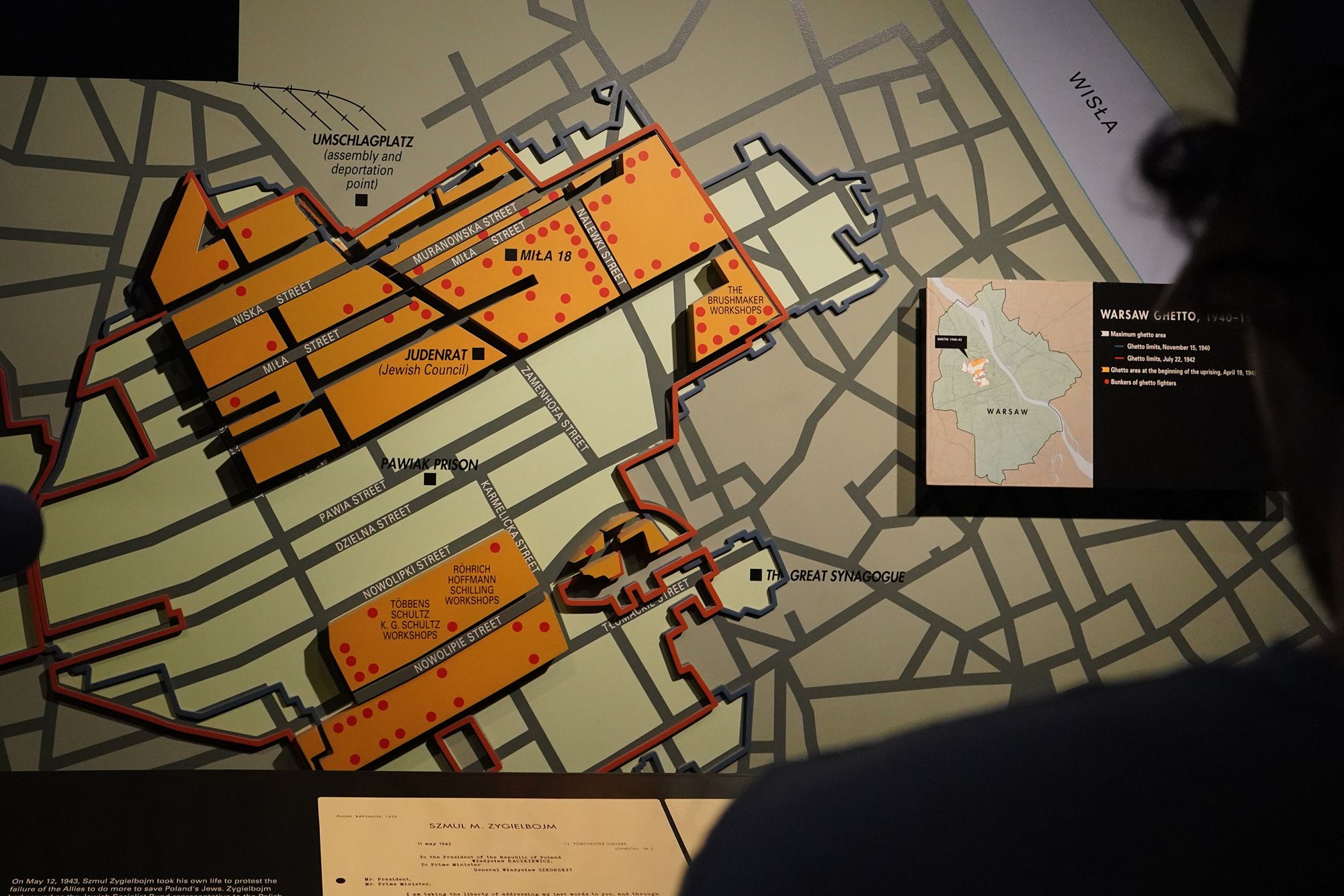
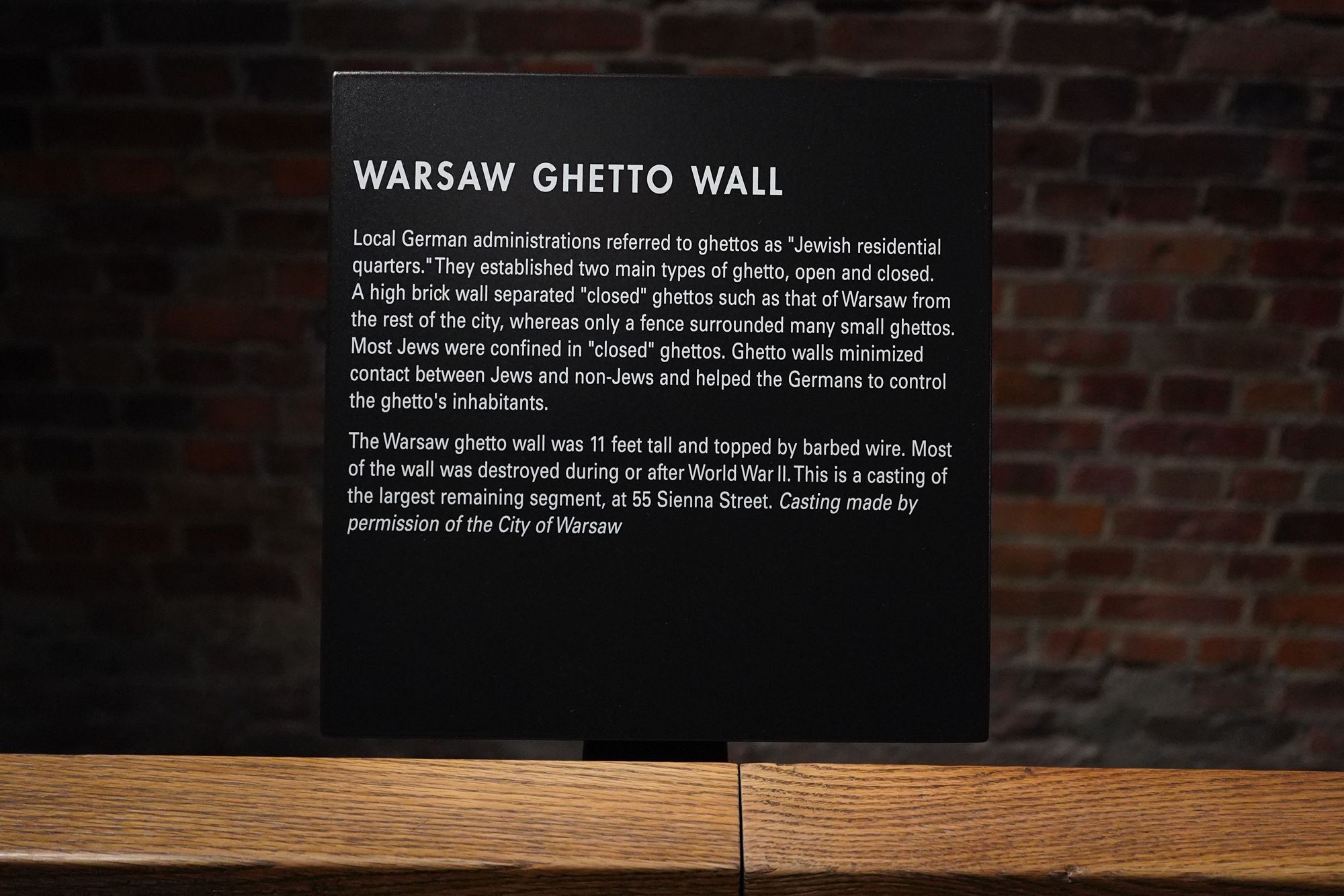
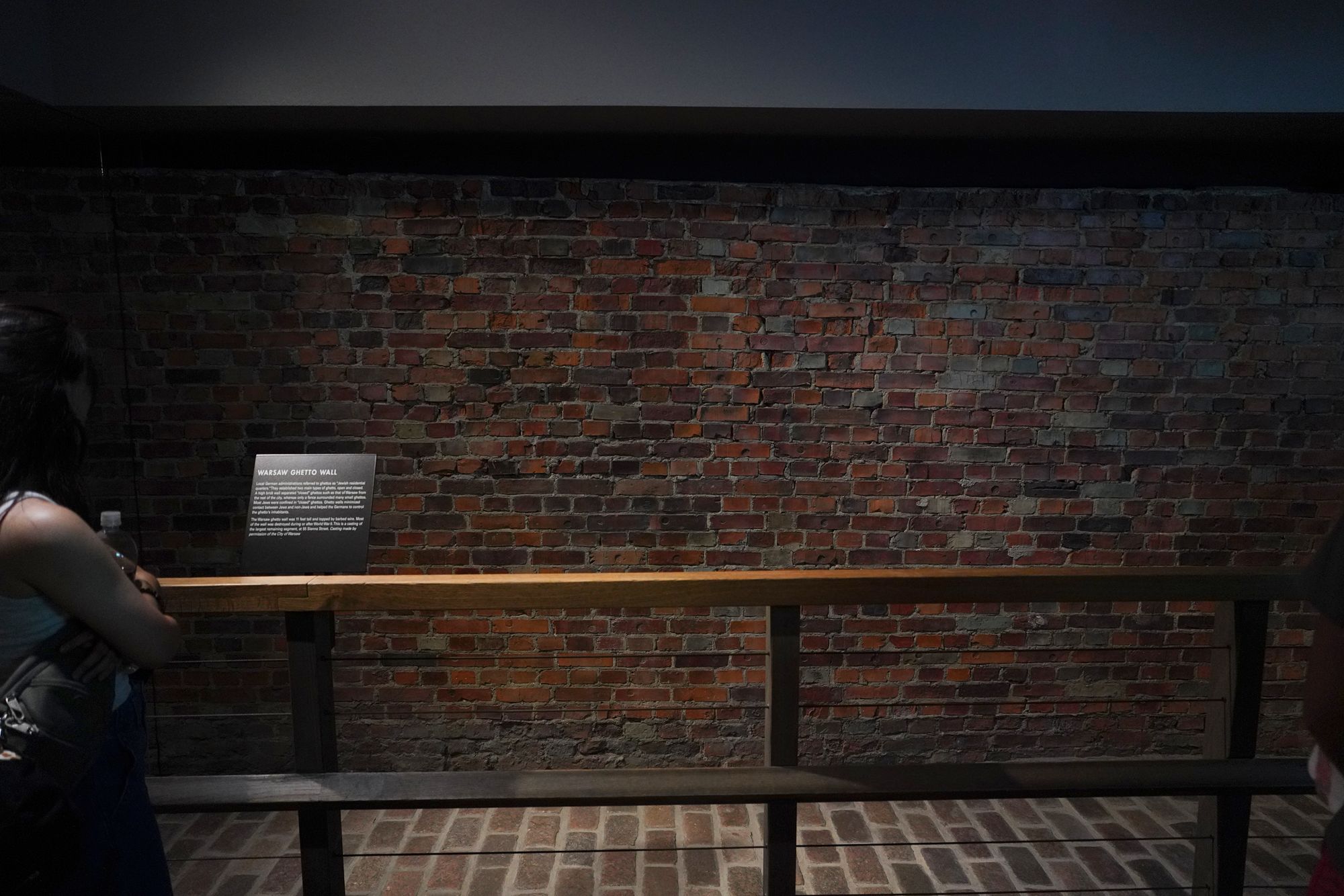
The Warsaw Ghetto, established by the Nazis in 1940, was the largest Jewish ghetto in German-occupied Europe during the Holocaust. Located in the heart of Warsaw, Poland, it confined more than 400,000 Jews—nearly 30% of the city’s population—into an area covering less than 3% of the city.
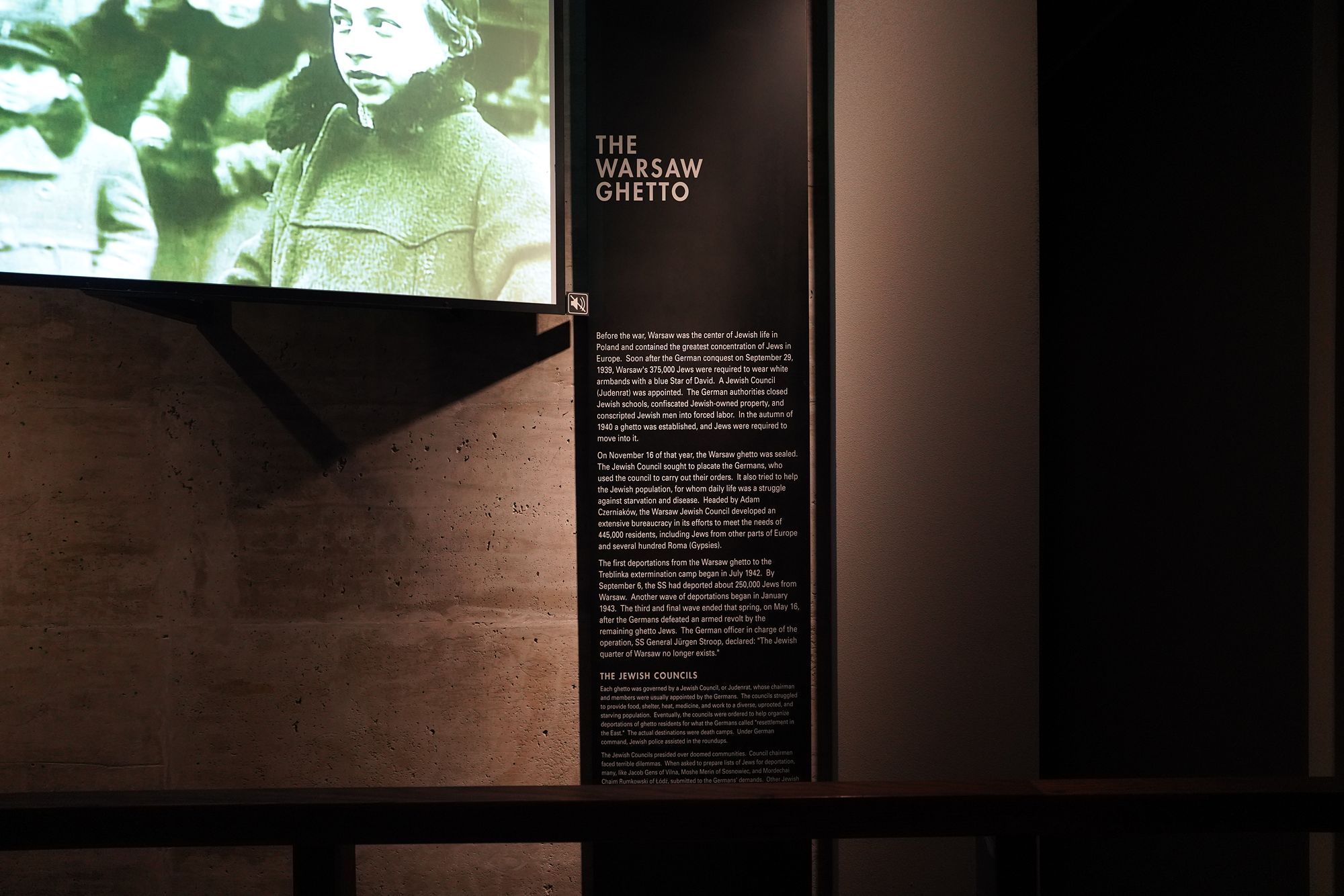
The ghetto was walled off with barbed wire and guards, and living conditions were horrific. Overcrowding, starvation, and disease were constant; families were crammed into small rooms, and food rations were deliberately set far below survival levels. Tens of thousands died from hunger and illness even before mass deportations began.
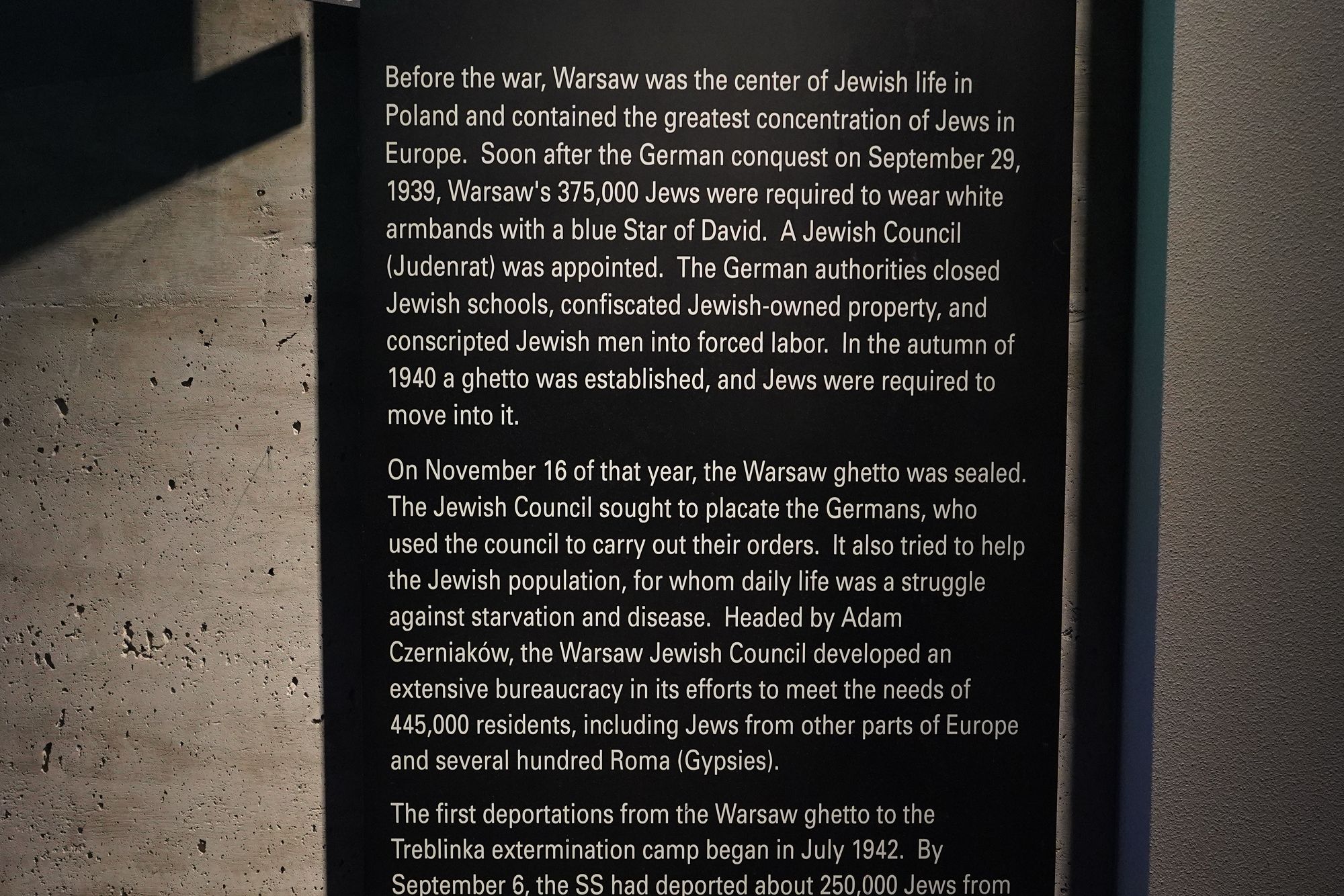
In 1942, as part of the Nazis’ “Final Solution,” most of the ghetto’s residents—around 300,000 Jews—were deported to the Treblinka extermination camp, where nearly all were murdered. Those who remained faced certain death and chose to resist.
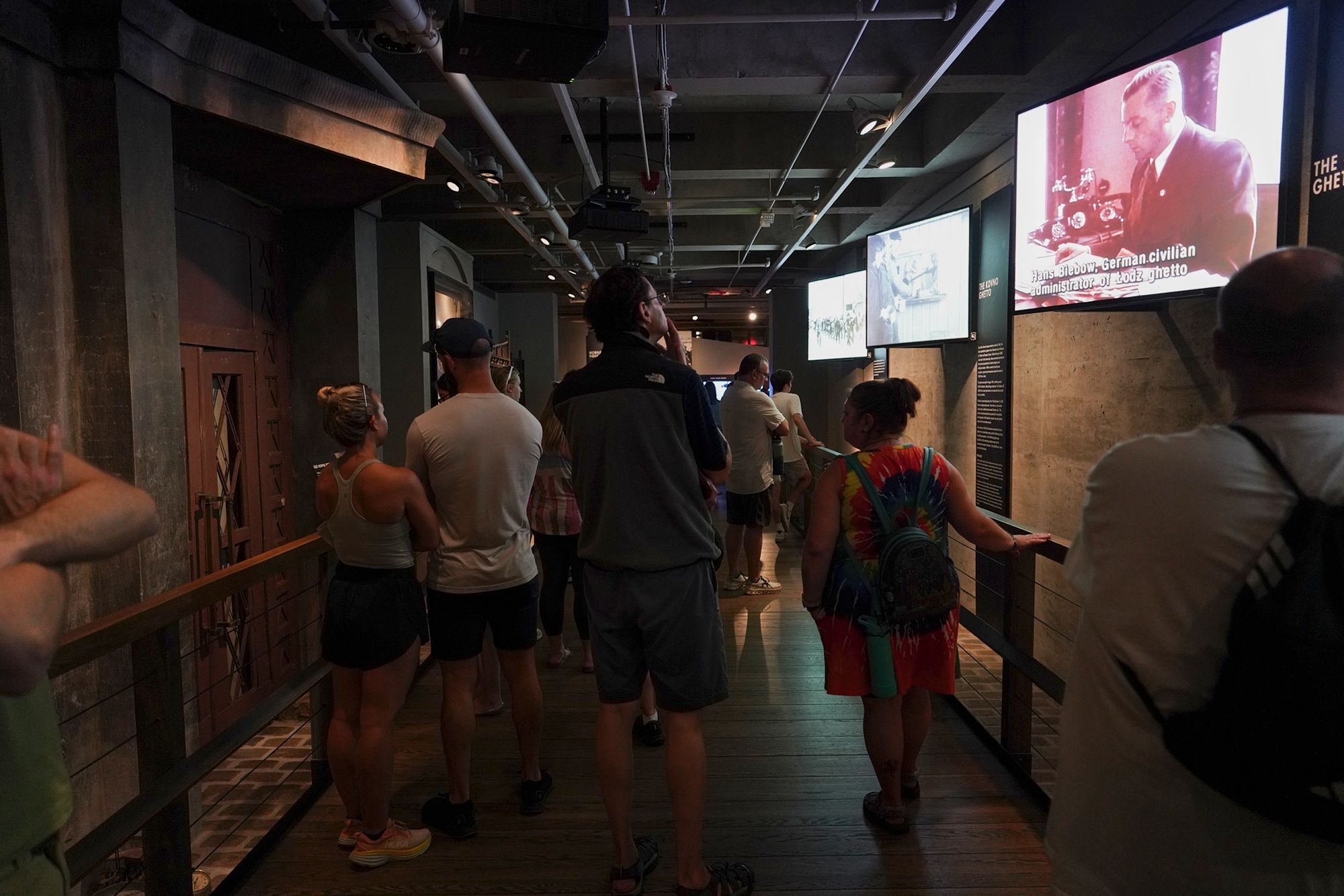
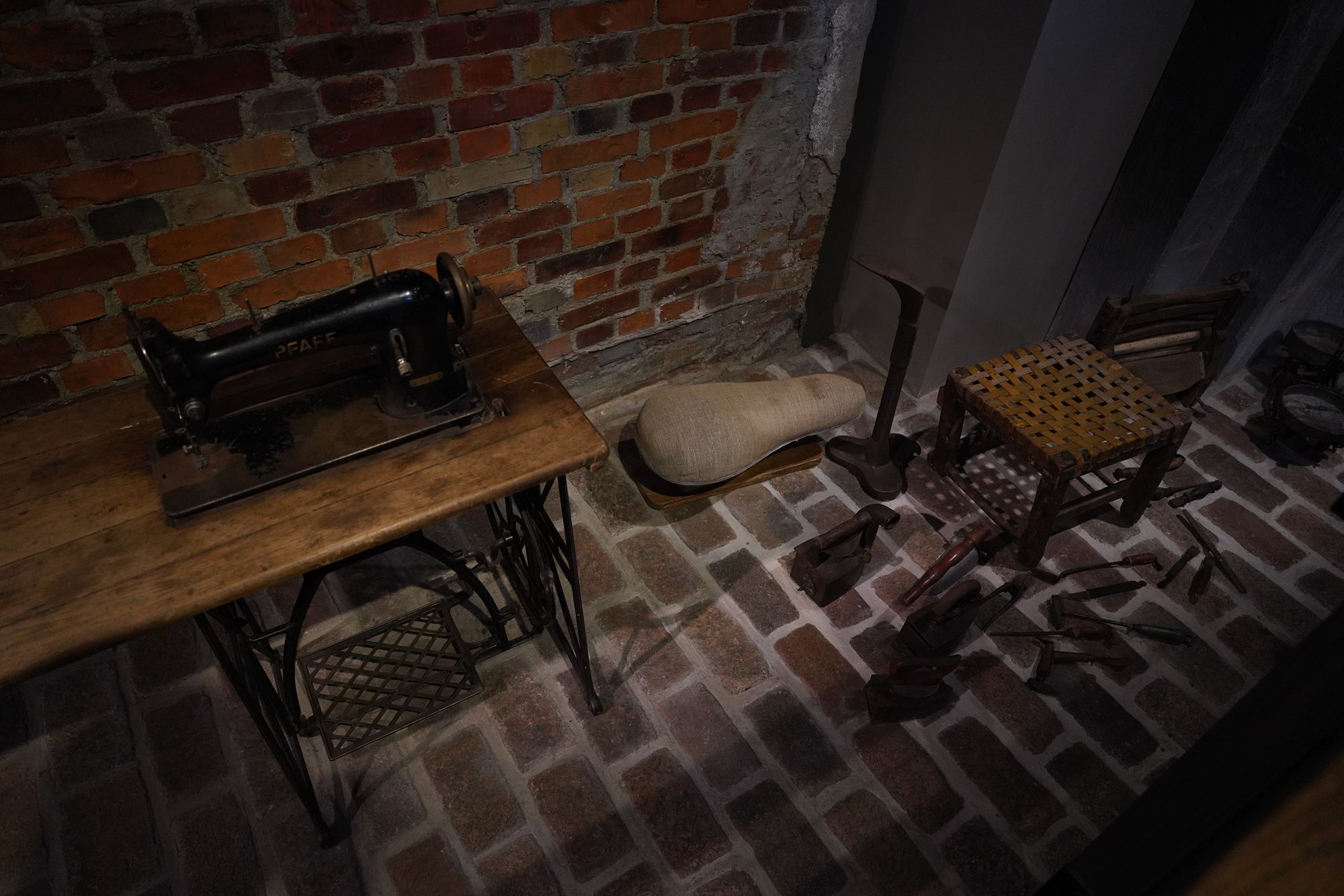
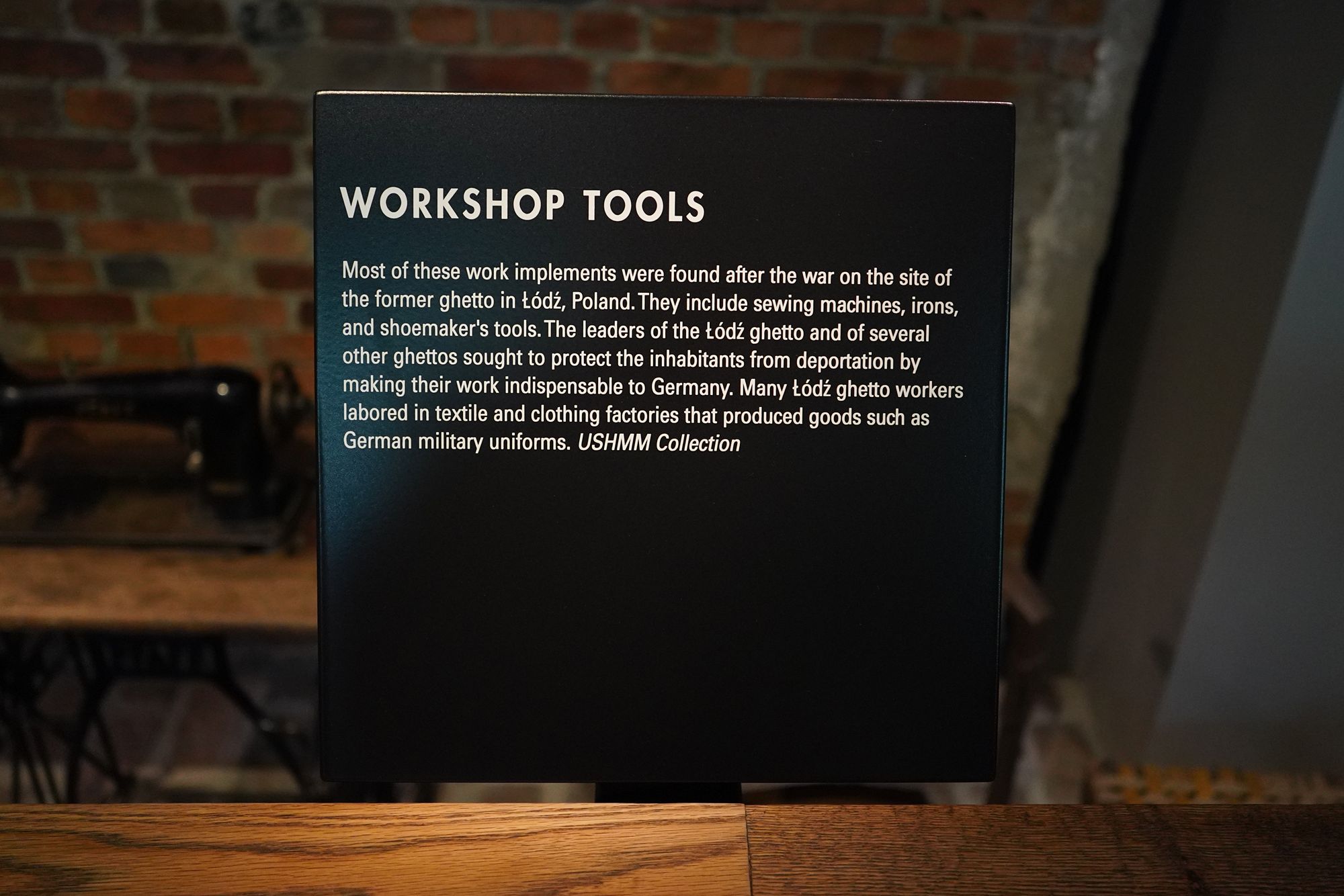
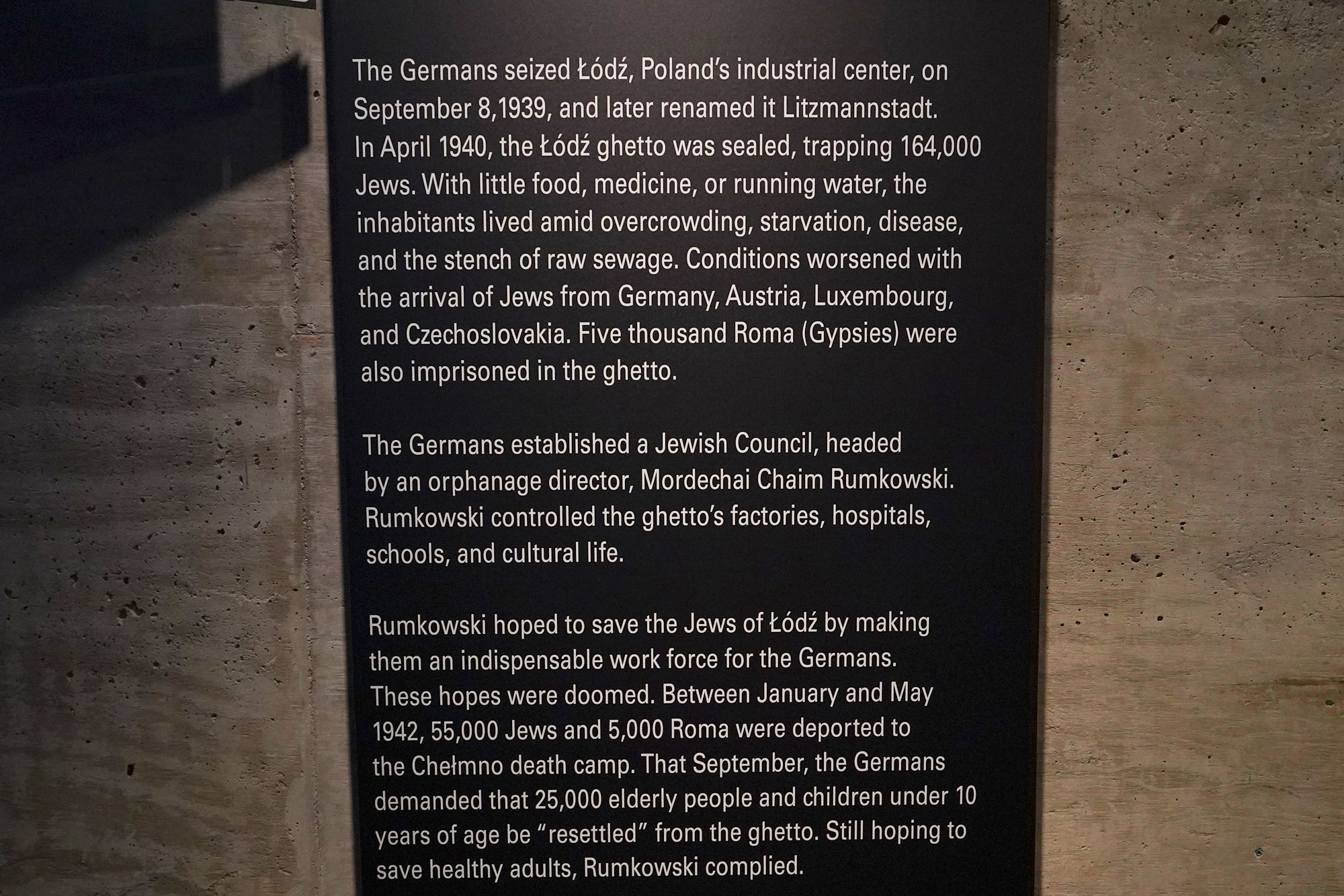
The Łódź Ghetto (pronounced “Woodge”) was the second largest Jewish ghetto in Nazi-occupied Europe, after Warsaw. It was established in April 1940 in the Polish city of Łódź, which the Germans renamed Litzmannstadt.
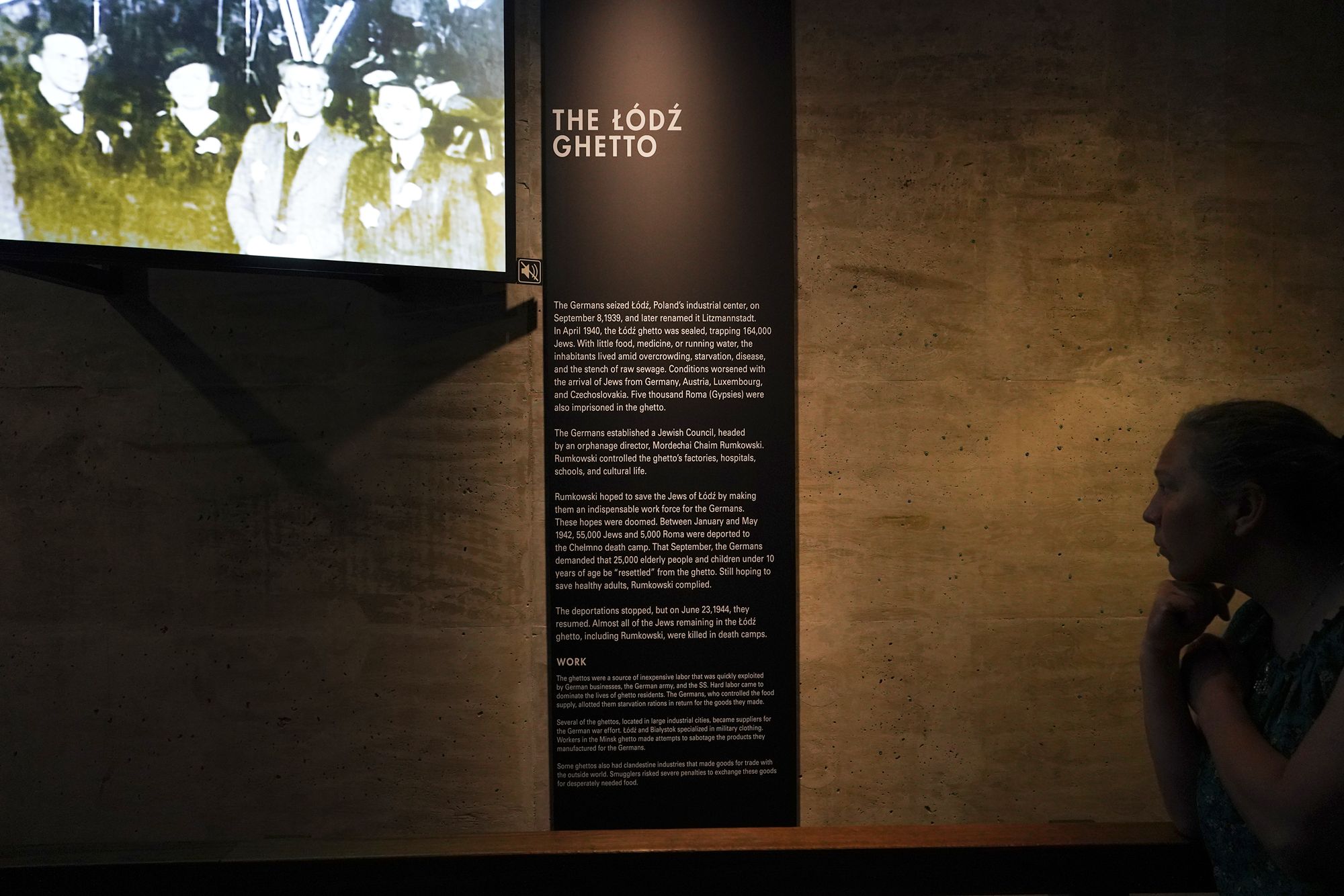
More than 160,000 Jews from Łódź and nearby towns were forced into a small, walled-off section of the city. Later, about 20,000 more Jews from Germany, Austria, and the Czech lands—and several thousand Roma (Gypsies)—were also deported there. The ghetto was sealed, and its inhabitants faced starvation, disease, and forced labor.
Beginning in 1942, the Nazis deported large numbers of residents to the Chelmno extermination camp, where they were murdered in gas vans. By 1944, the ghetto was the last remaining in Poland, and its final residents were sent to Auschwitz as the Soviet army advanced.
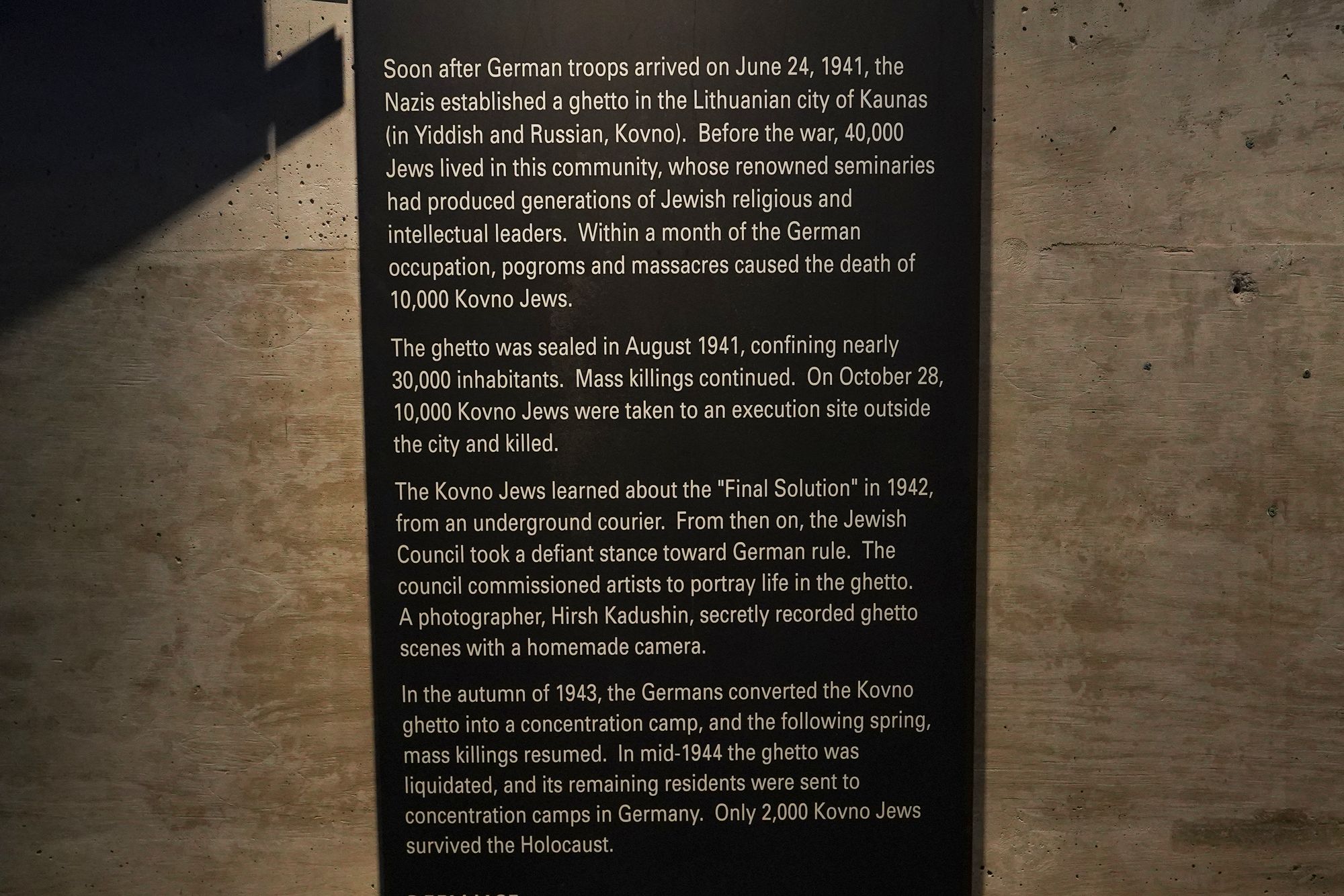
The Kovno Ghetto (also called the Kaunas Ghetto) was established by the Nazis in 1941 in the city of Kaunas (Kovno), Lithuania. Before World War II, Kaunas had a large and vibrant Jewish community—about 35,000 people, nearly one-third of the city’s population.
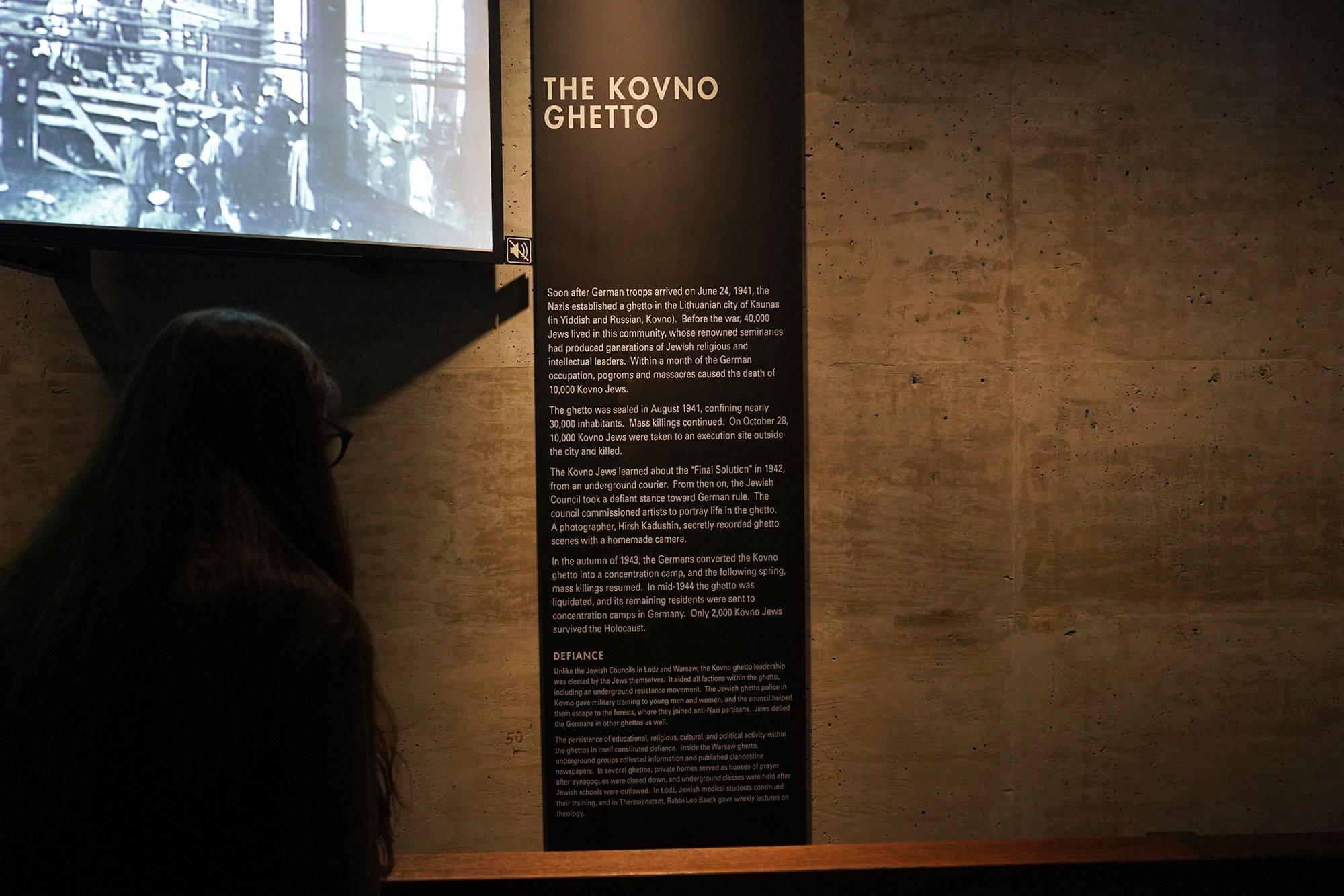
In 1943, the ghetto was turned into a concentration camp, and by 1944, as Soviet forces advanced, the Nazis began liquidating it. Most remaining Jews were deported to Auschwitz and other camps; only a few hundred survived.
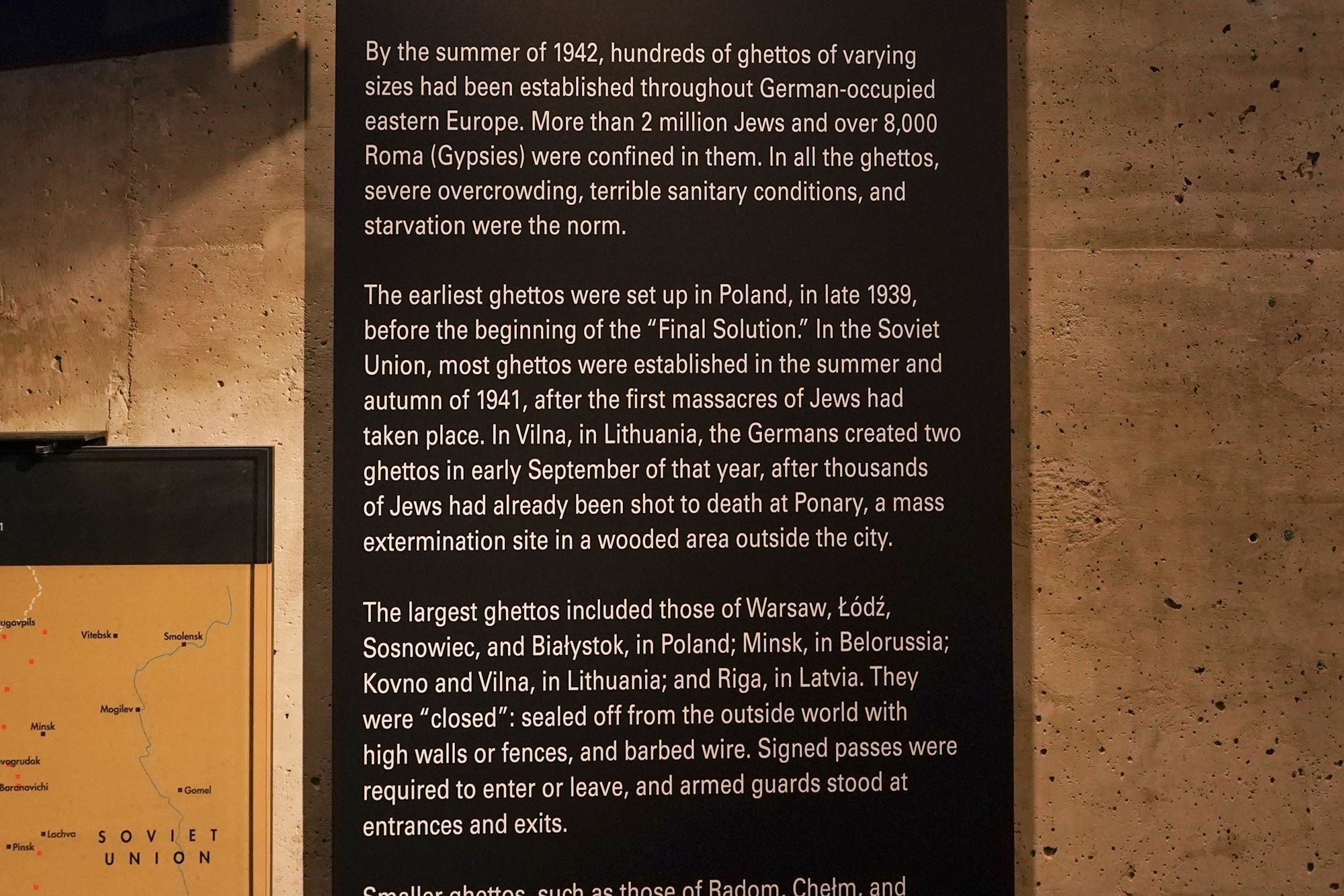
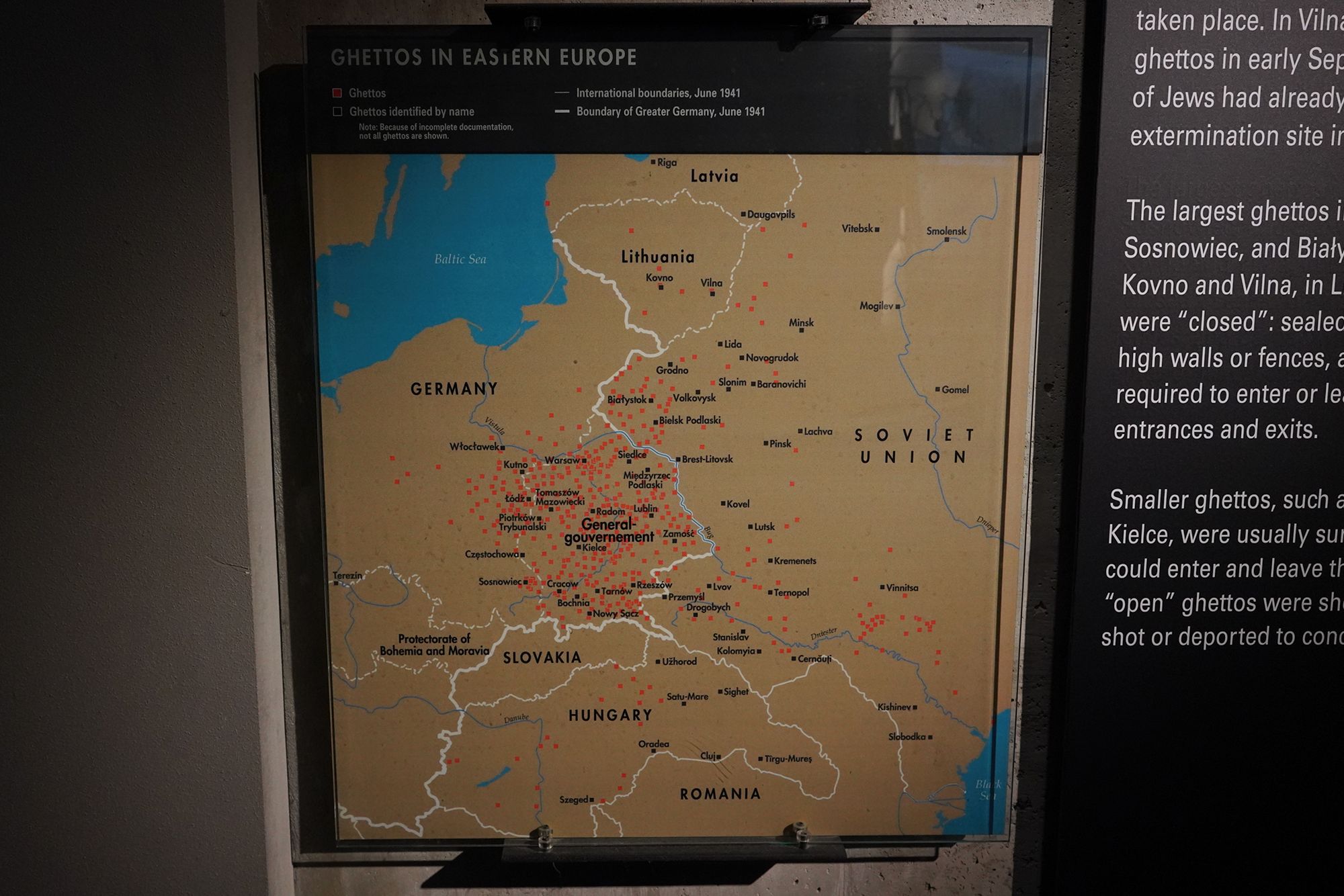
During the Holocaust, the Nazis established hundreds of ghettos across Eastern Europe—in Poland, Lithuania, Latvia, Belarus, Ukraine, Hungary, and Czechoslovakia—to isolate and control Jewish populations before their eventual deportation to concentration and extermination camps.
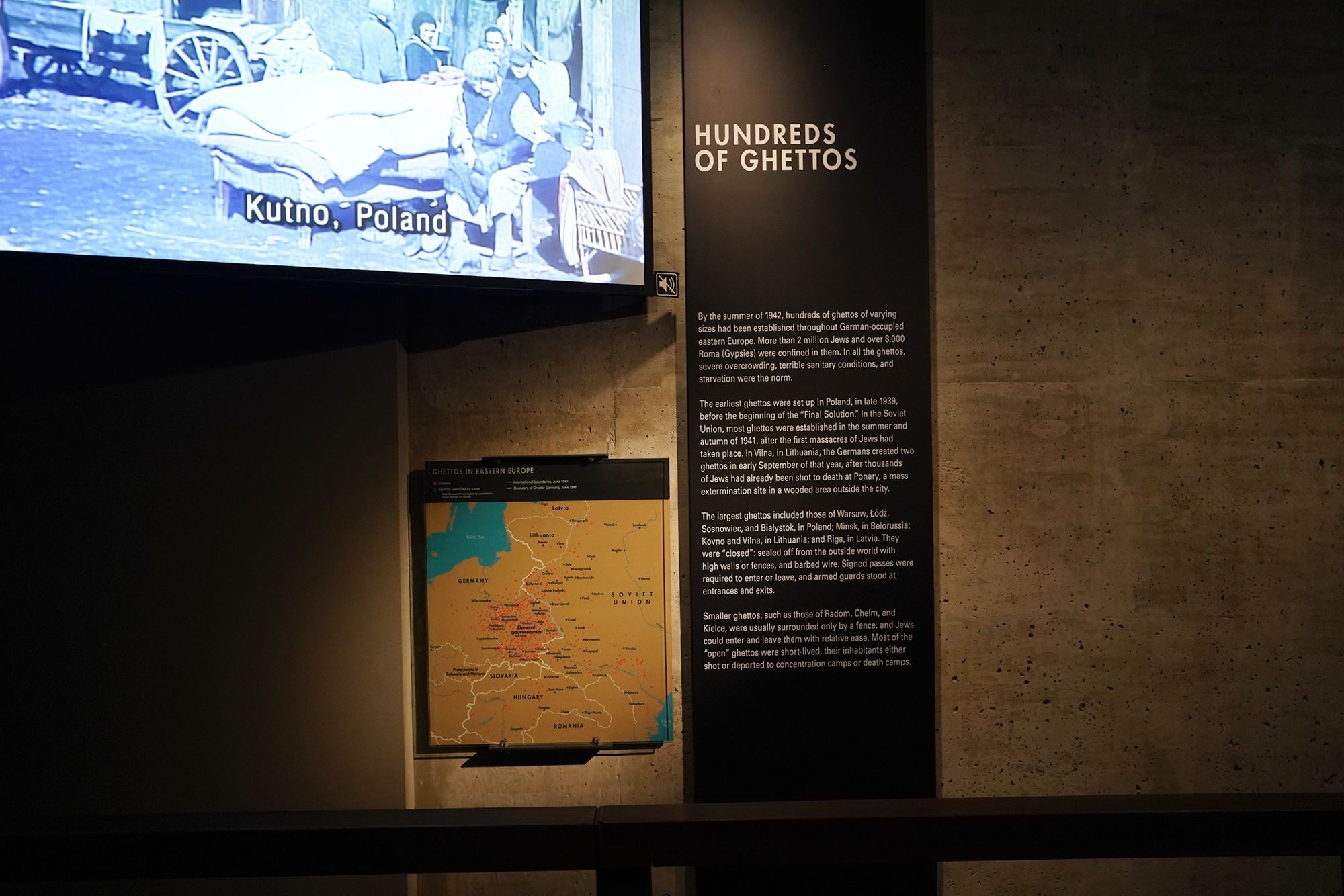
Between 1939 and 1944, more than 1,000 ghettos were created. Some existed only for a few weeks; others, like Warsaw, Łódź, Vilna, Kovno, and Białystok, lasted for years. Jews were forced from their homes into overcrowded, walled-off districts where food, medicine, and heat were scarce. Many died of starvation, disease, and exhaustion long before deportations began.
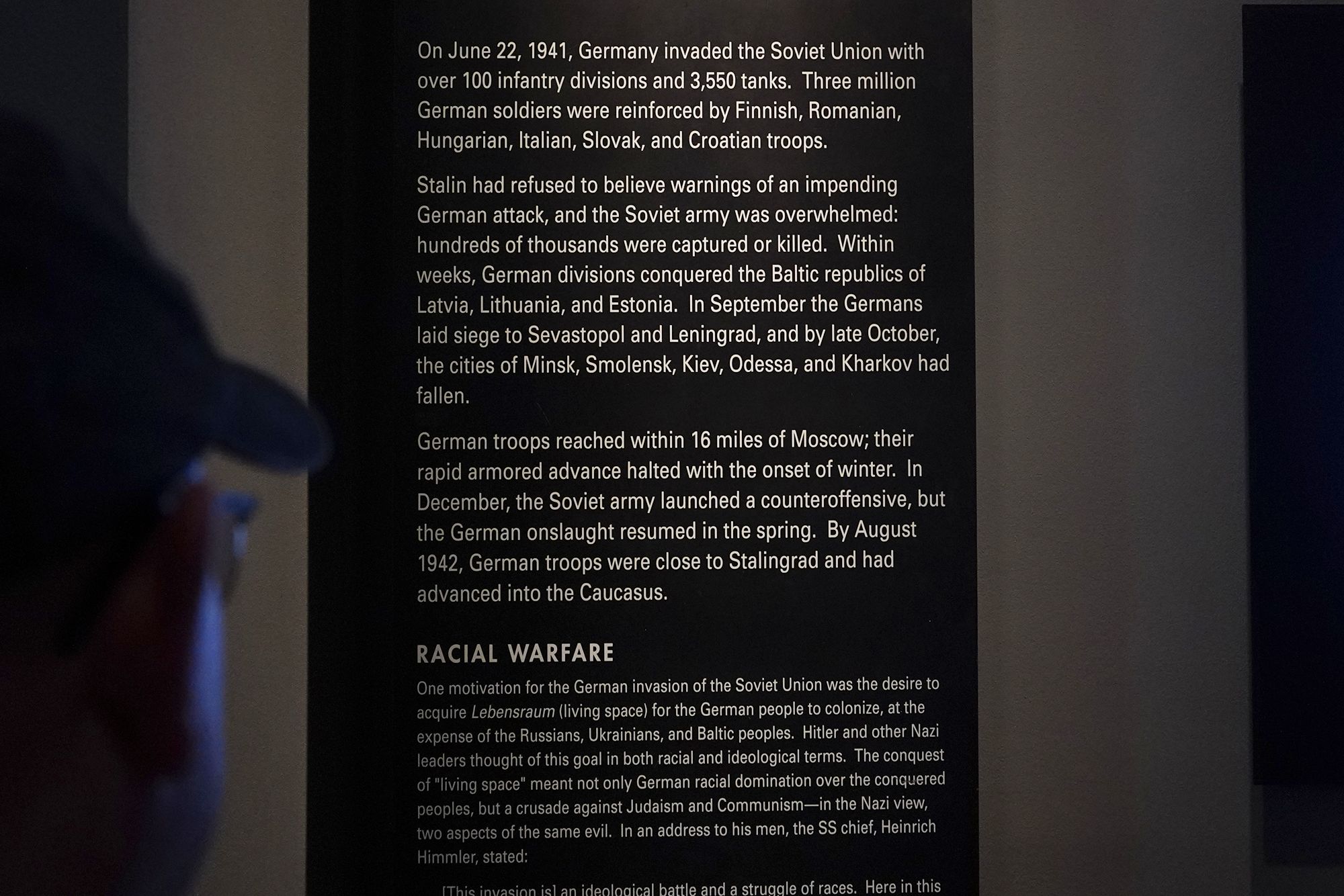
The invasion of the Soviet Union in 1941, known as Operation Barbarossa, was launched by Nazi Germany on June 22, 1941 and marked the beginning of one of the largest and deadliest military campaigns in history.
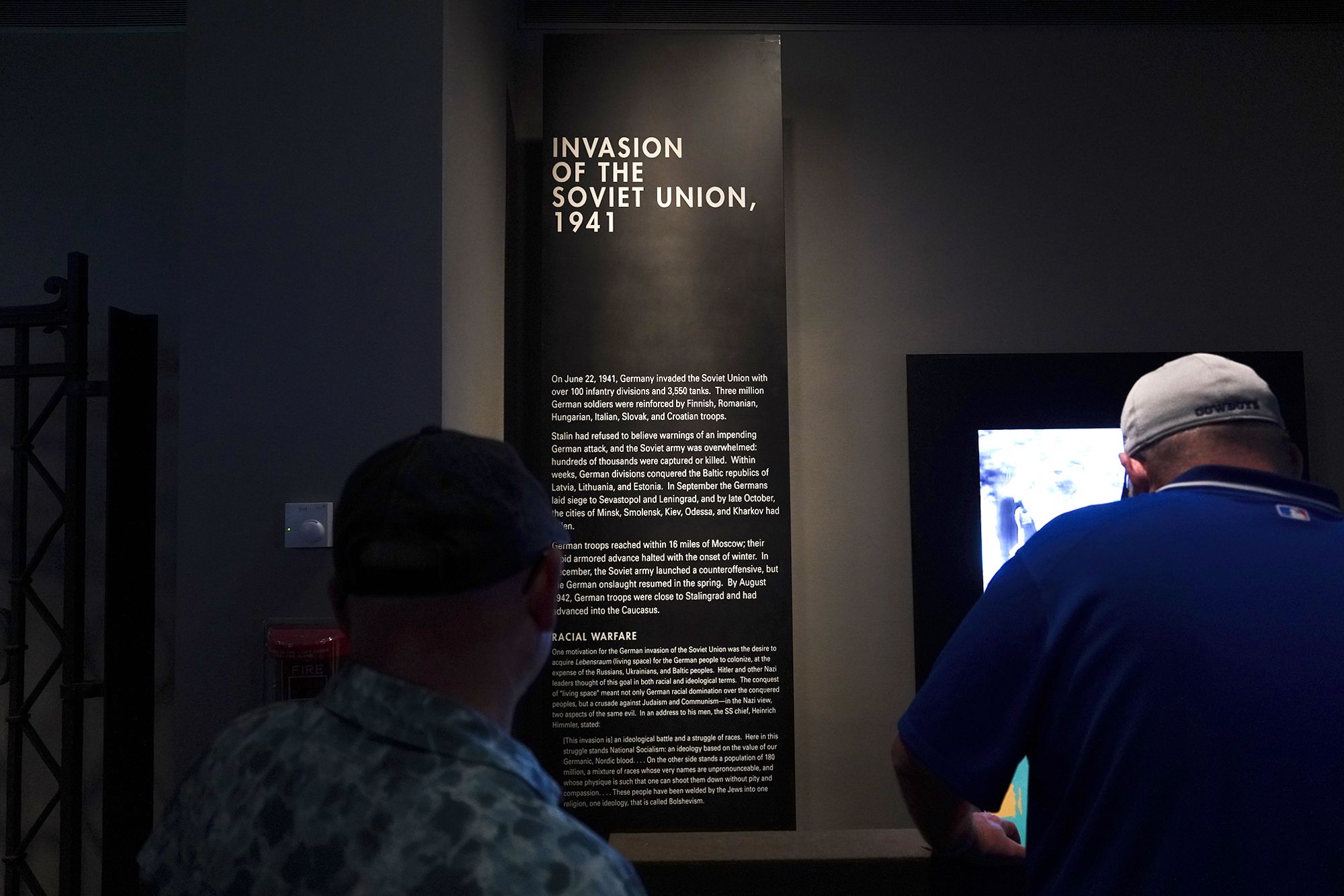
Breaking the Nazi–Soviet Pact of 1939, Hitler sent more than 3 million German soldiers, along with hundreds of thousands from Axis allies, across an 1,800-mile front into Soviet territory. The goal was to conquer the Soviet Union, destroy communism, and seize land and resources for Germany’s “living space” (Lebensraum).
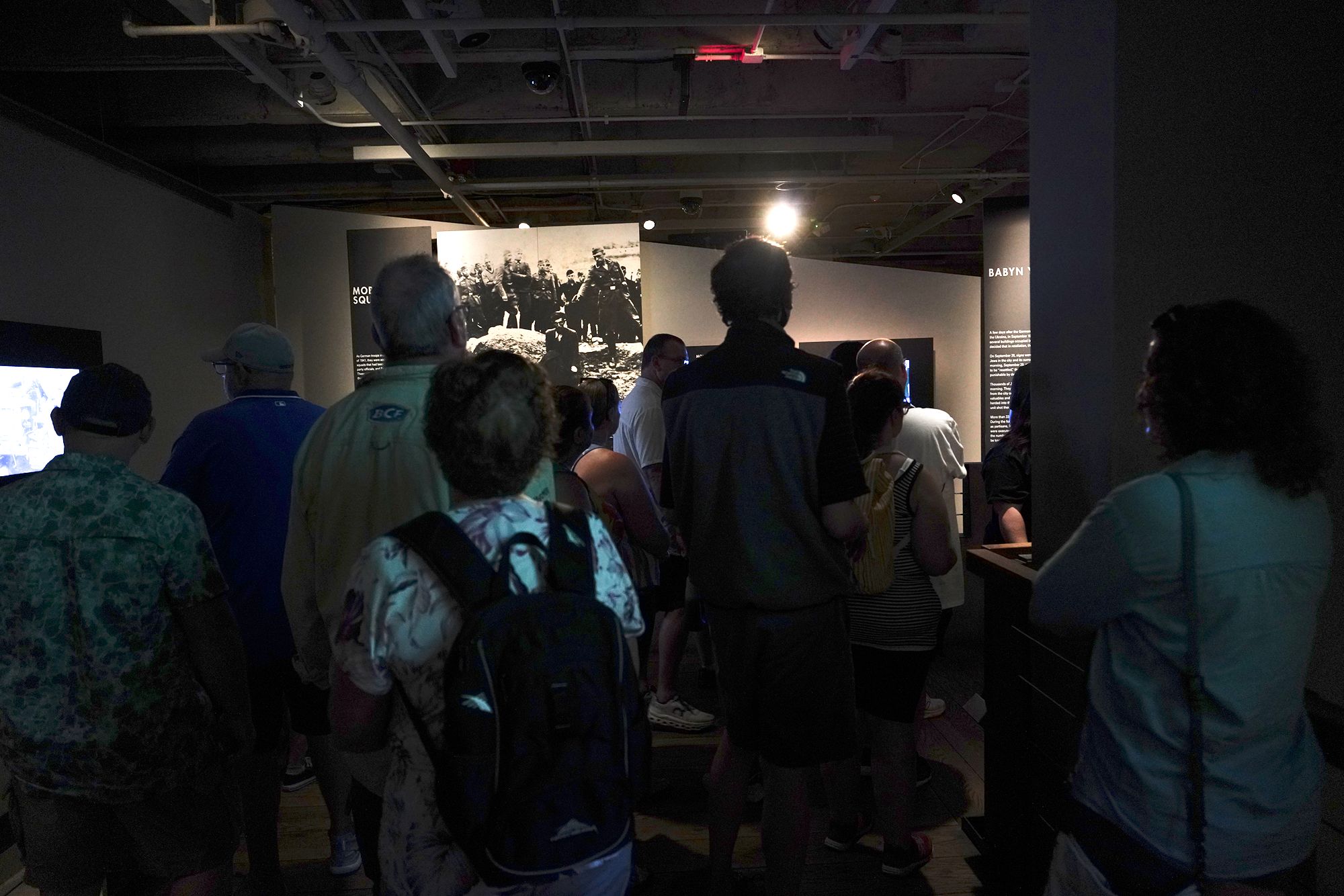
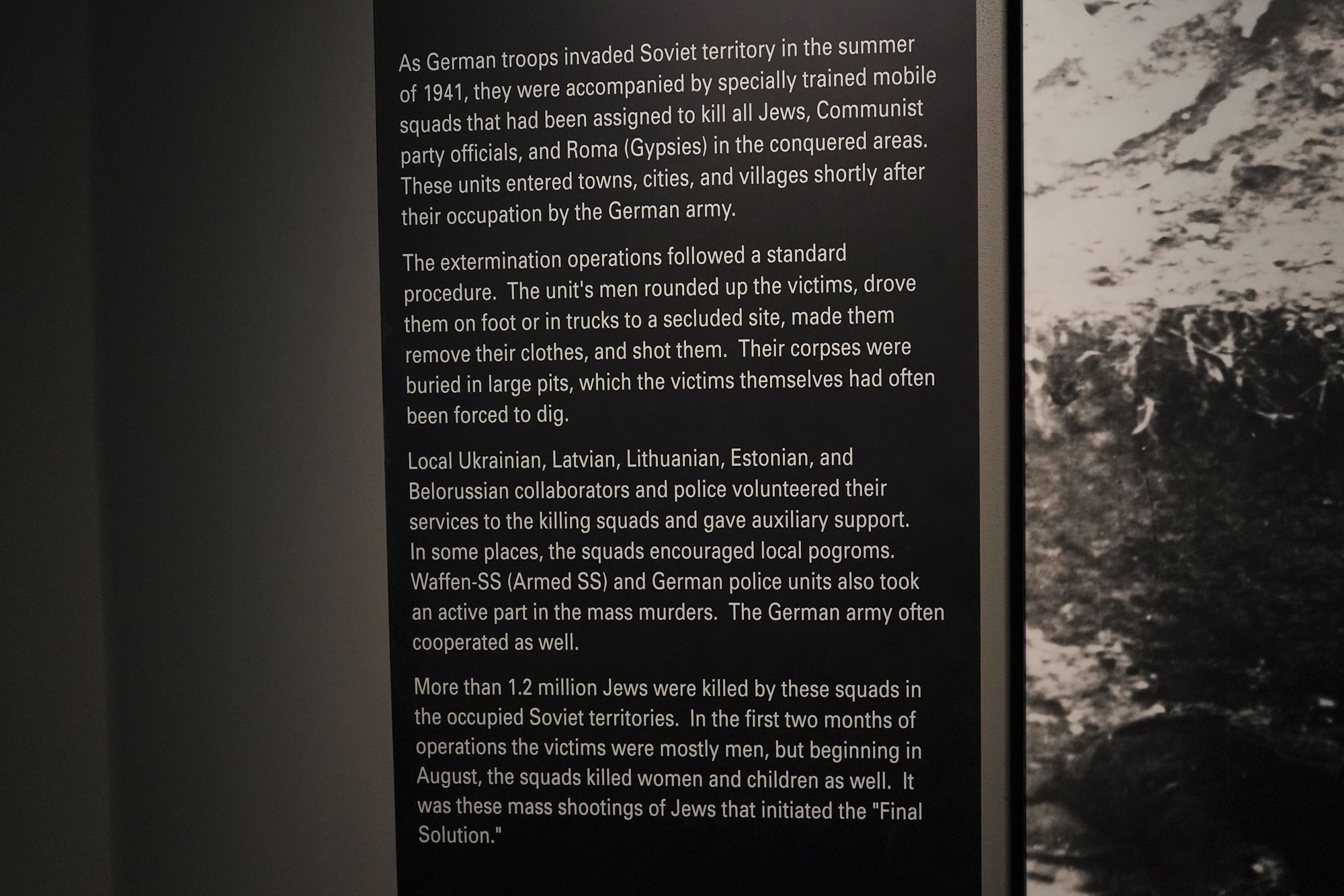
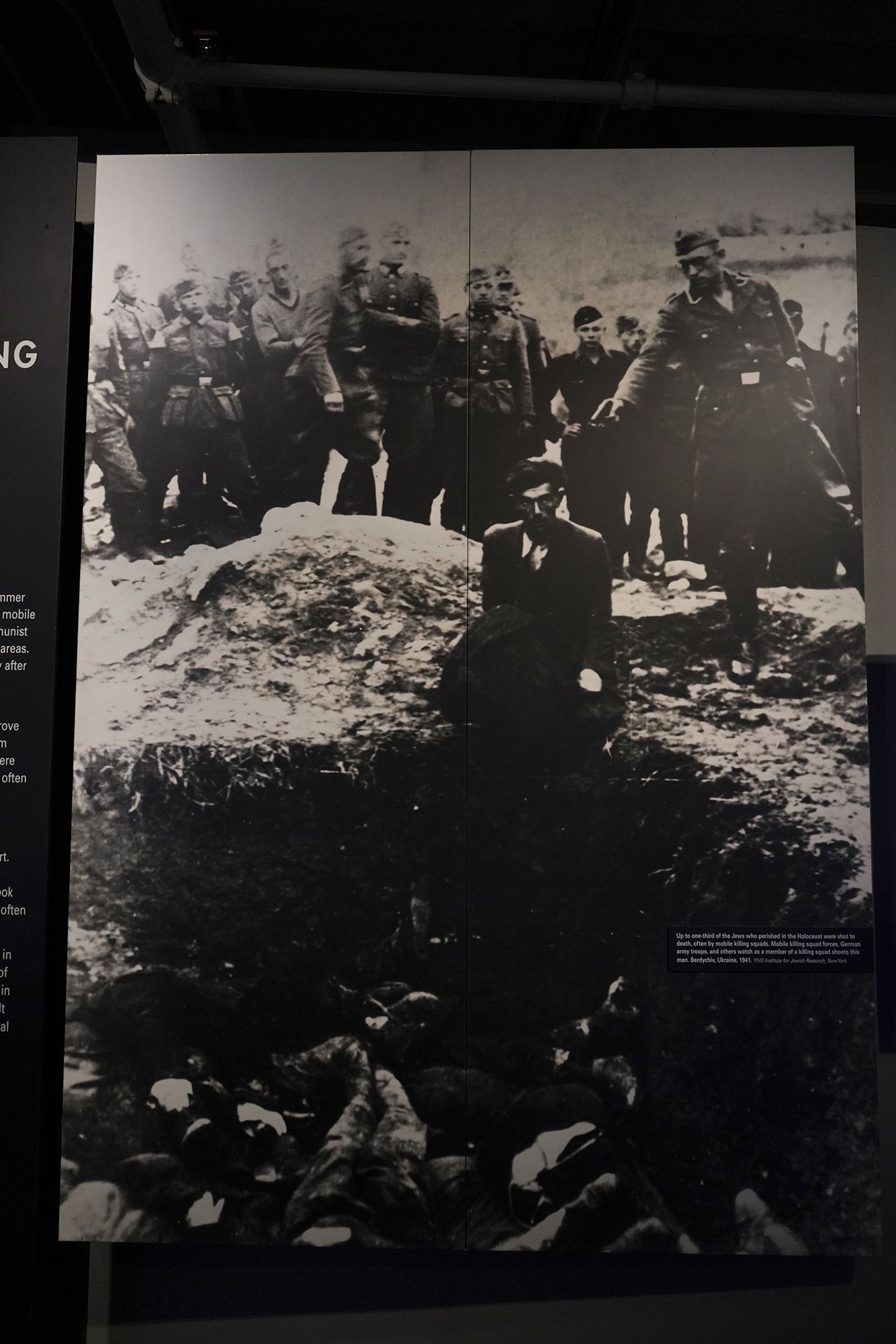
Mobile killing squads, known in German as Einsatzgruppen, were special SS and police units that followed the German army during the invasion of the Soviet Union in 1941. Their mission was to murder Jews, Roma (Gypsies), Communist officials, and other perceived enemies of the Nazi regime.
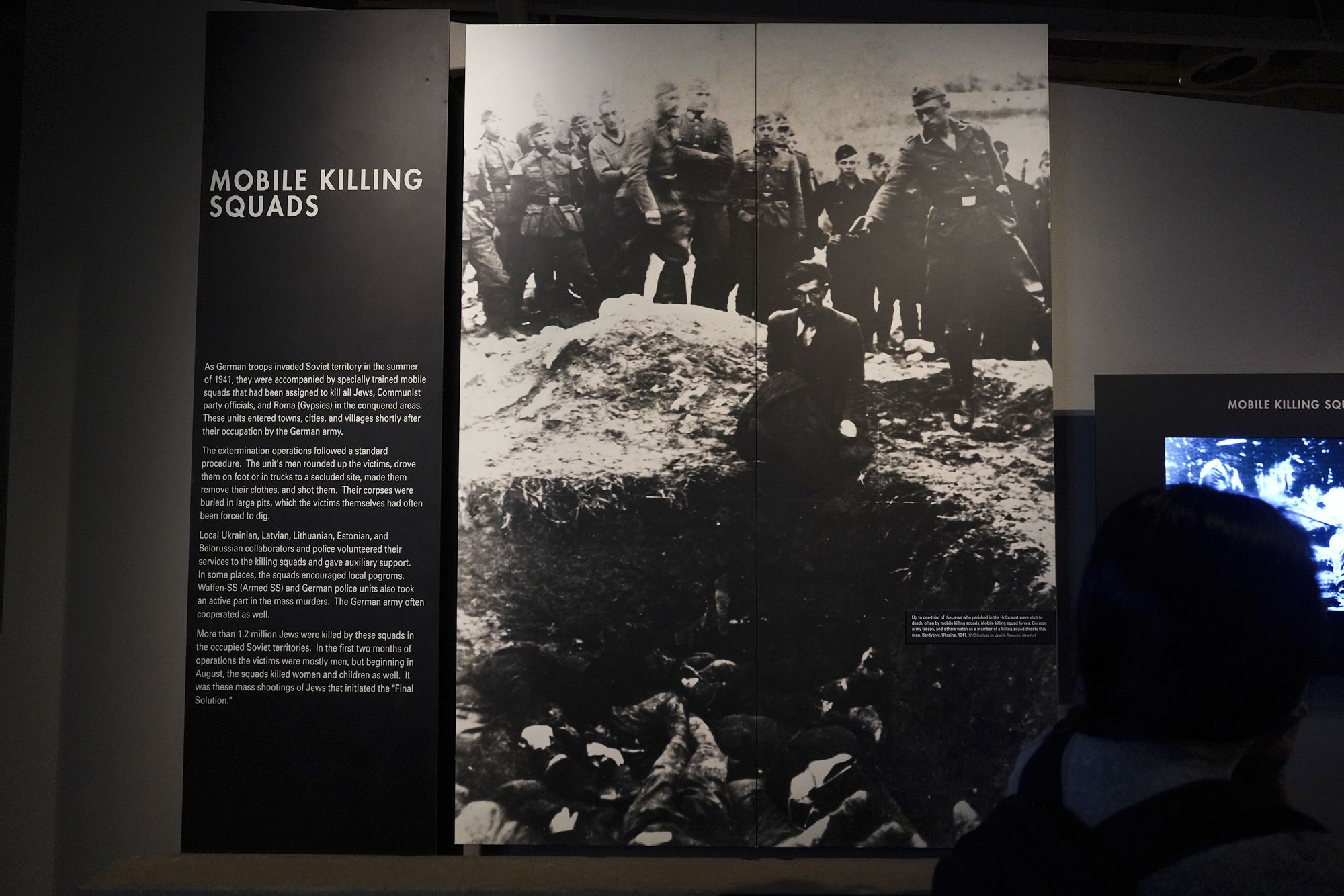
Operating in German-occupied Eastern Europe, these squads conducted mass shootings in towns, villages, and forests. Victims were often forced to dig their own graves before being shot at close range. The massacres took place across Lithuania, Latvia, Belarus, Ukraine, and Russia—with notorious sites including Babi Yar near Kyiv, where more than 33,000 Jews were murdered in just two days in September 1941.
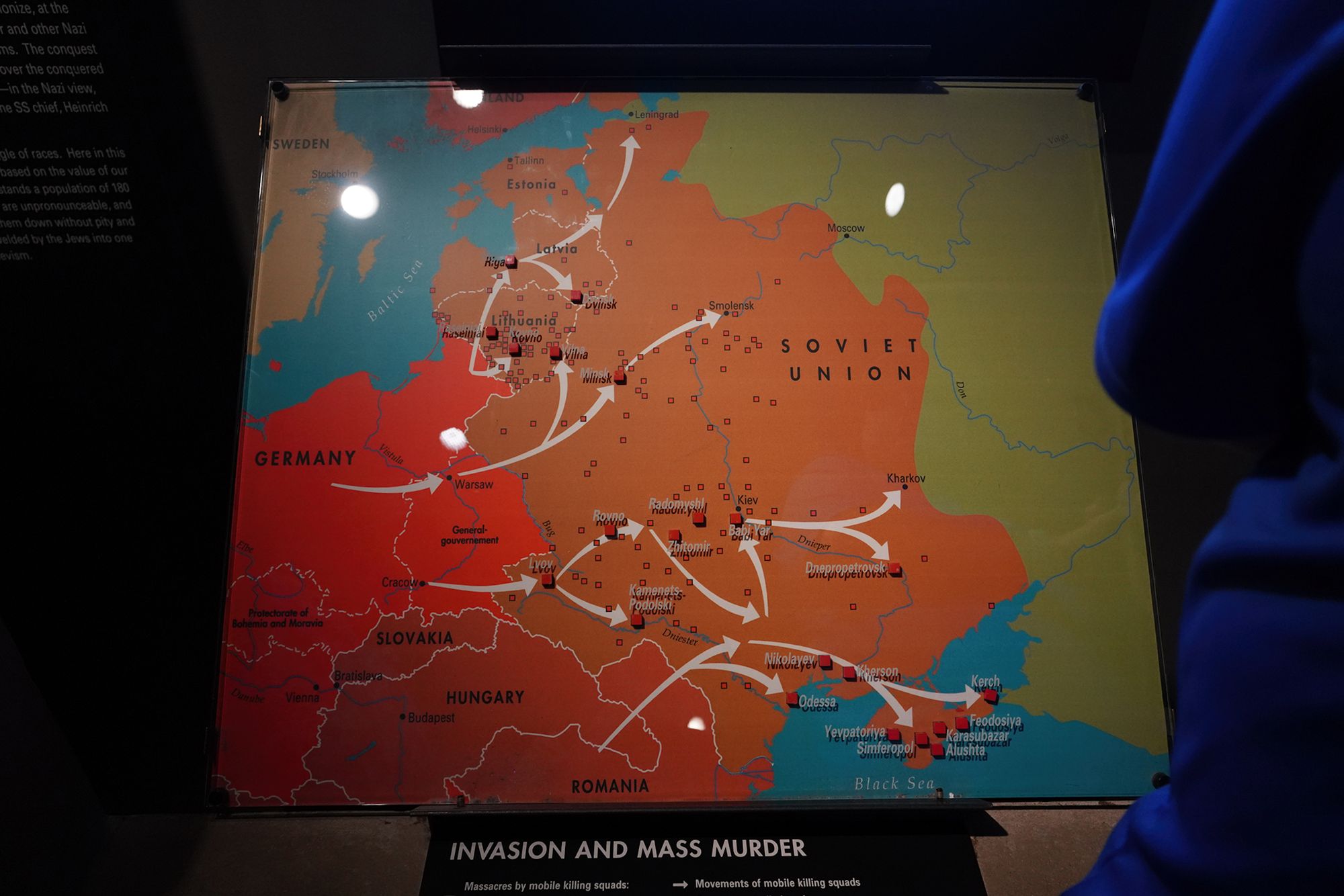
Babyn Yar (also spelled Babi Yar) is a ravine near Kyiv, Ukraine, where one of the largest mass shootings of the Holocaust took place.
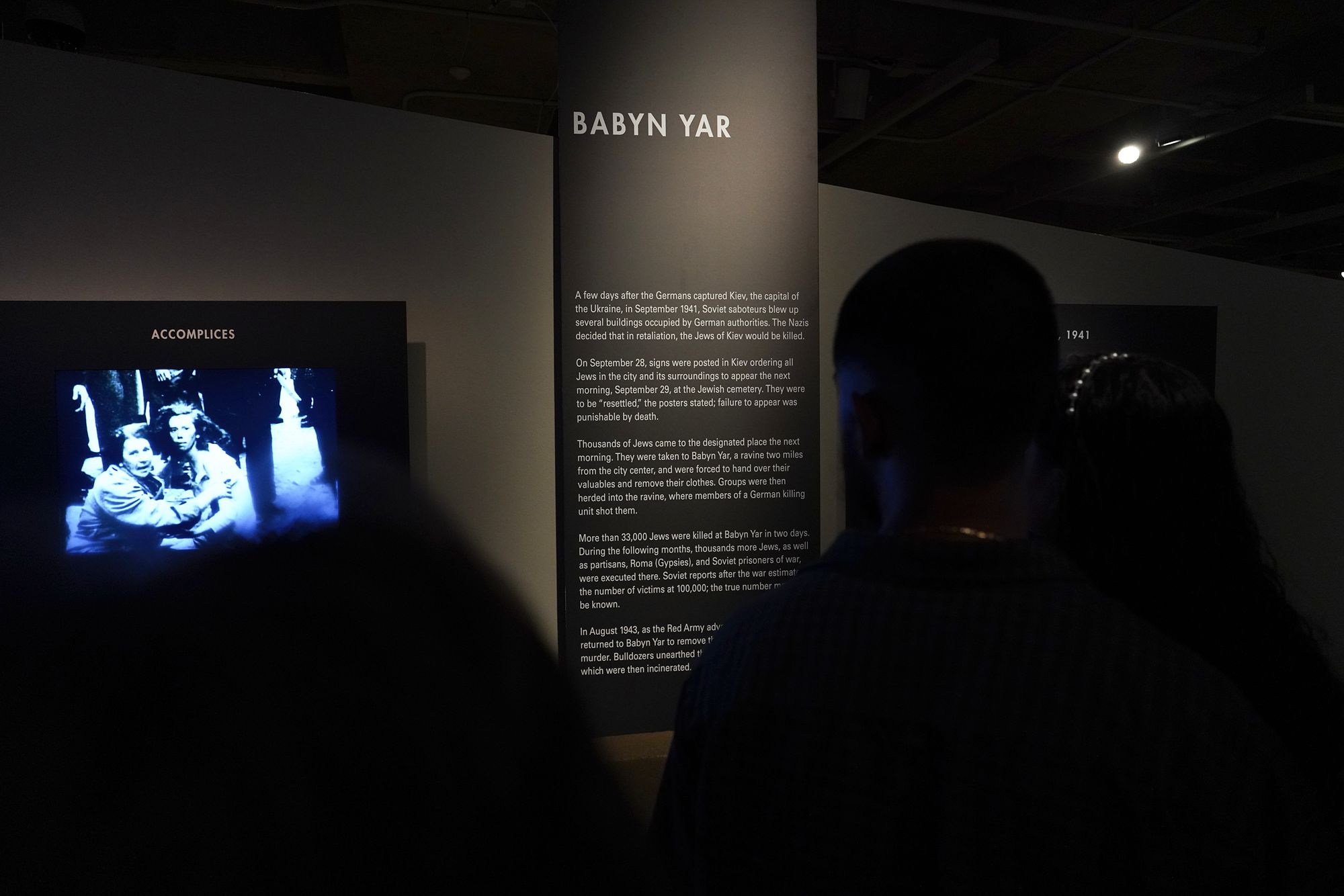
On September 29–30, 1941, shortly after the German army occupied Kyiv, Einsatzgruppe C—a Nazi mobile killing squad—along with German police units and local collaborators, murdered 33,771 Jewish men, women, and children over the course of two days. Victims were ordered to gather with their belongings, told they were being relocated, and then marched to the ravine, where they were forced to undress and shot in groups.
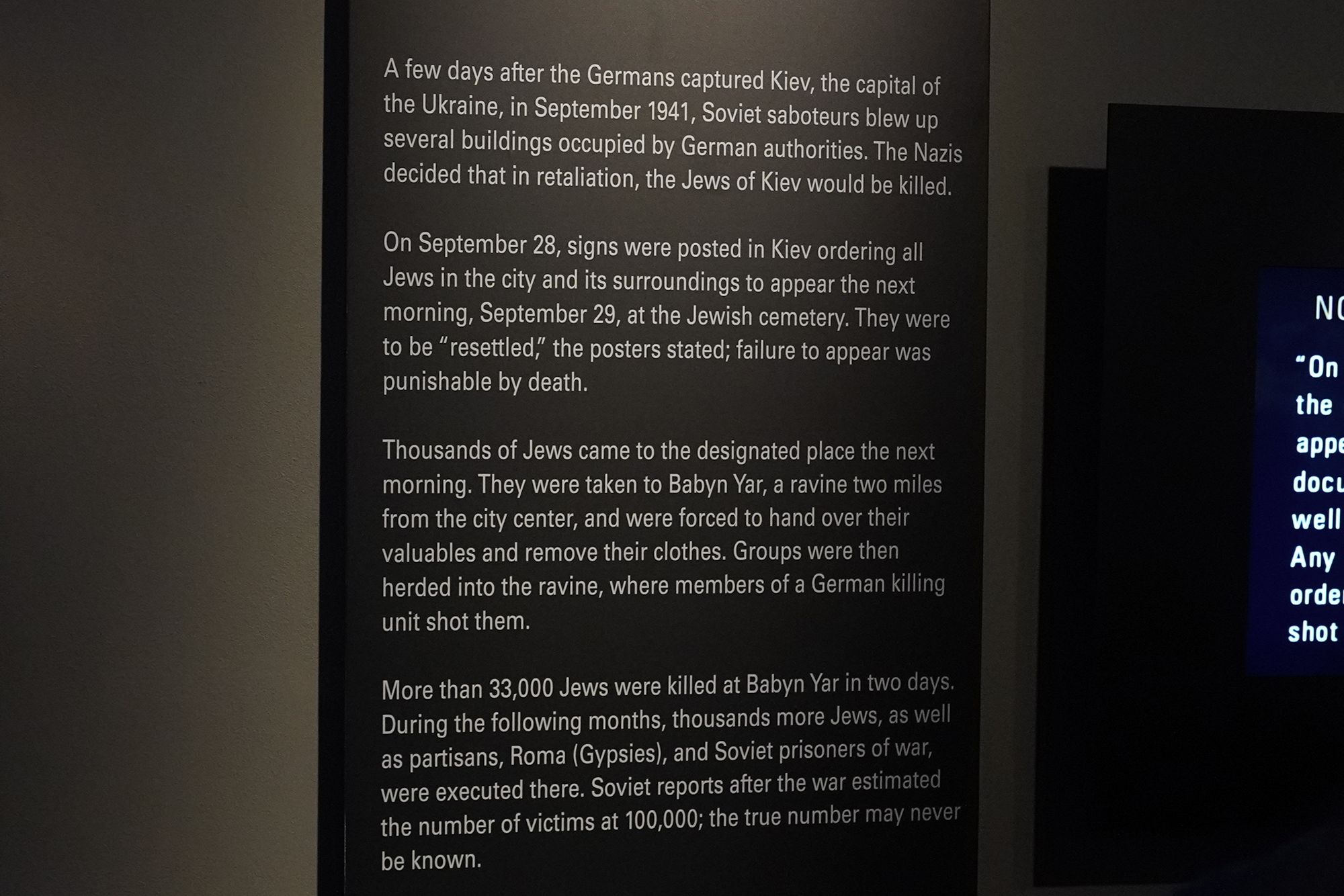
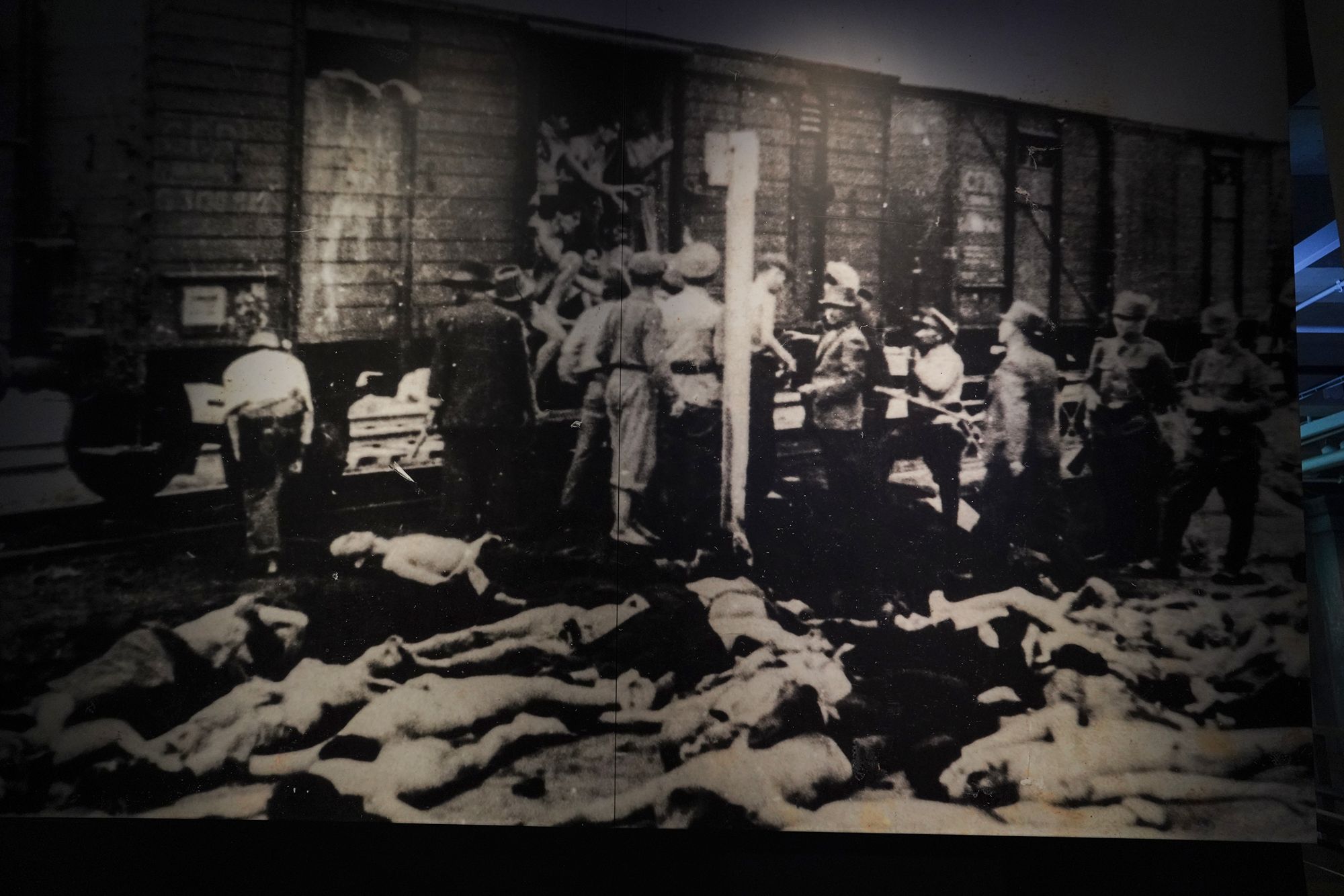
The massacre at Babyn Yar was part of the Nazis’ campaign to exterminate Jews in the Soviet territories, known as the “Holocaust by bullets.” In the following months and years, the site became a killing ground for tens of thousands more, including Roma (Gypsies), Soviet prisoners of war, and Ukrainian nationalists—bringing the total number of victims to over 100,000.
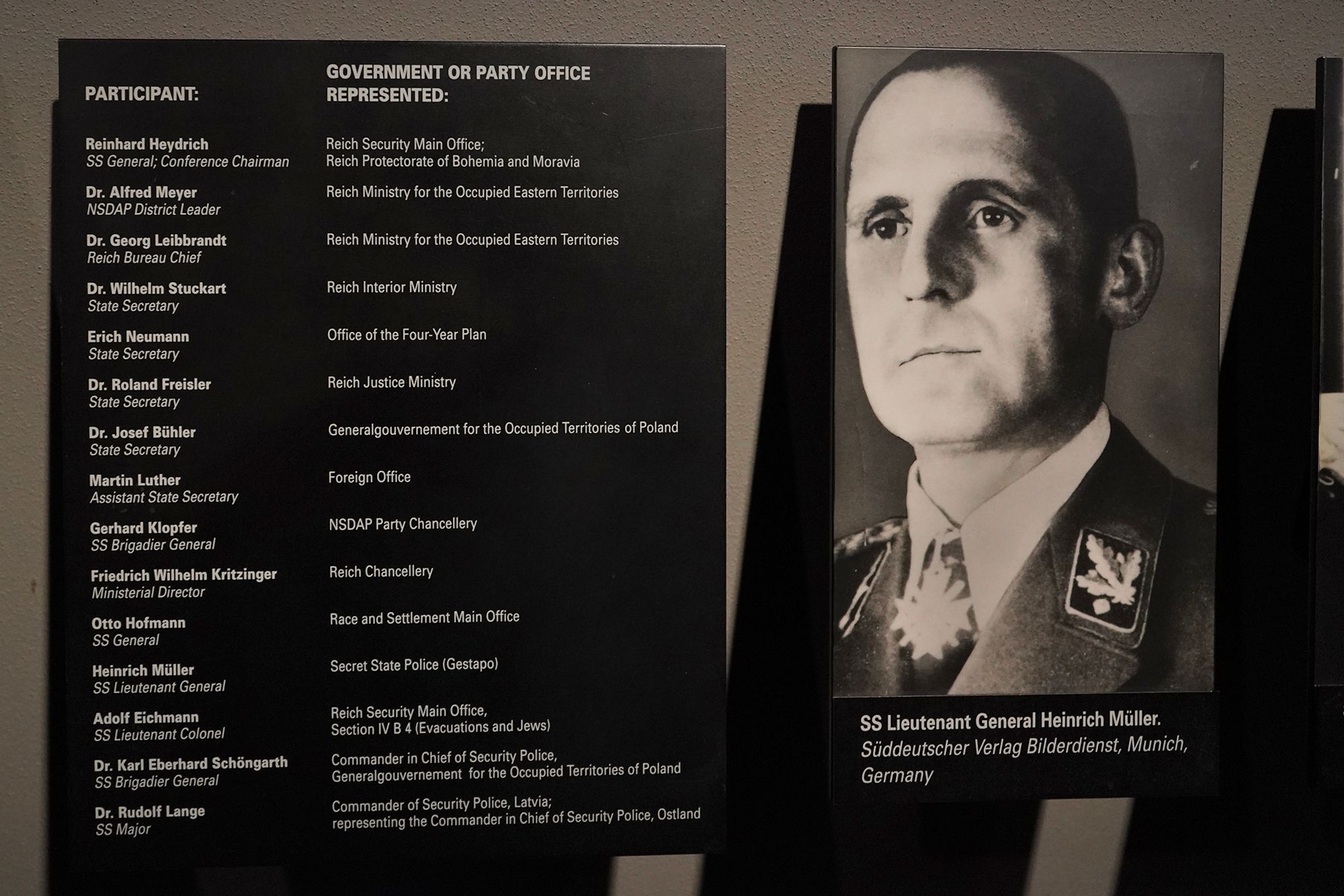
The Wannsee Conference, held on January 20, 1942, was a high-level meeting of Nazi officials near Berlin that coordinated the implementation of the “Final Solution to the Jewish Question”—the systematic extermination of Europe’s Jews.
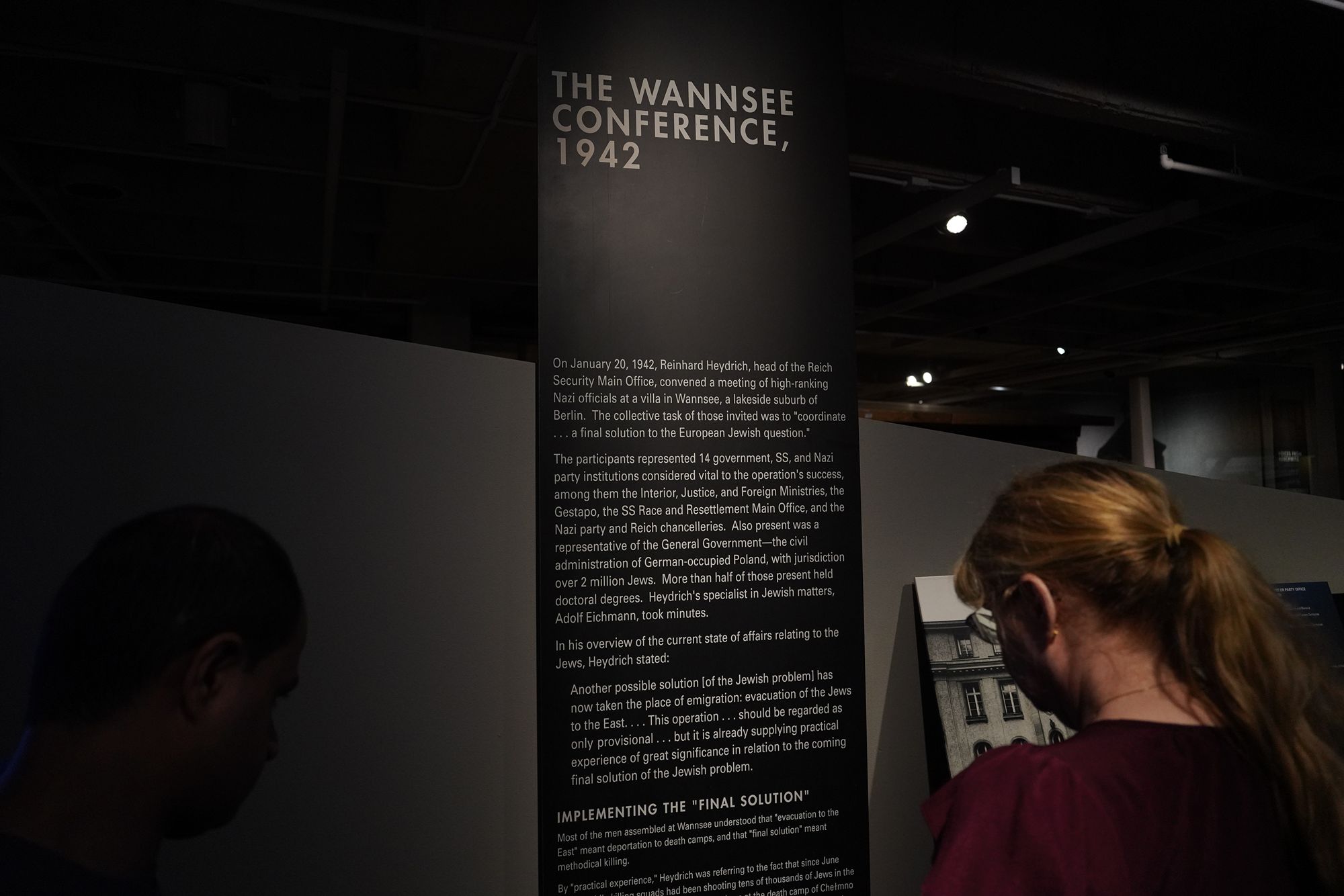
The meeting took place at a villa in the Berlin suburb of Wannsee and was led by Reinhard Heydrich, head of the SS Security Office (RSHA). Fifteen senior Nazi bureaucrats and representatives from various government ministries attended. Their purpose was not to decide whether to kill the Jews—that decision had already been made—but to organize and standardize the process of genocide across German-occupied Europe.
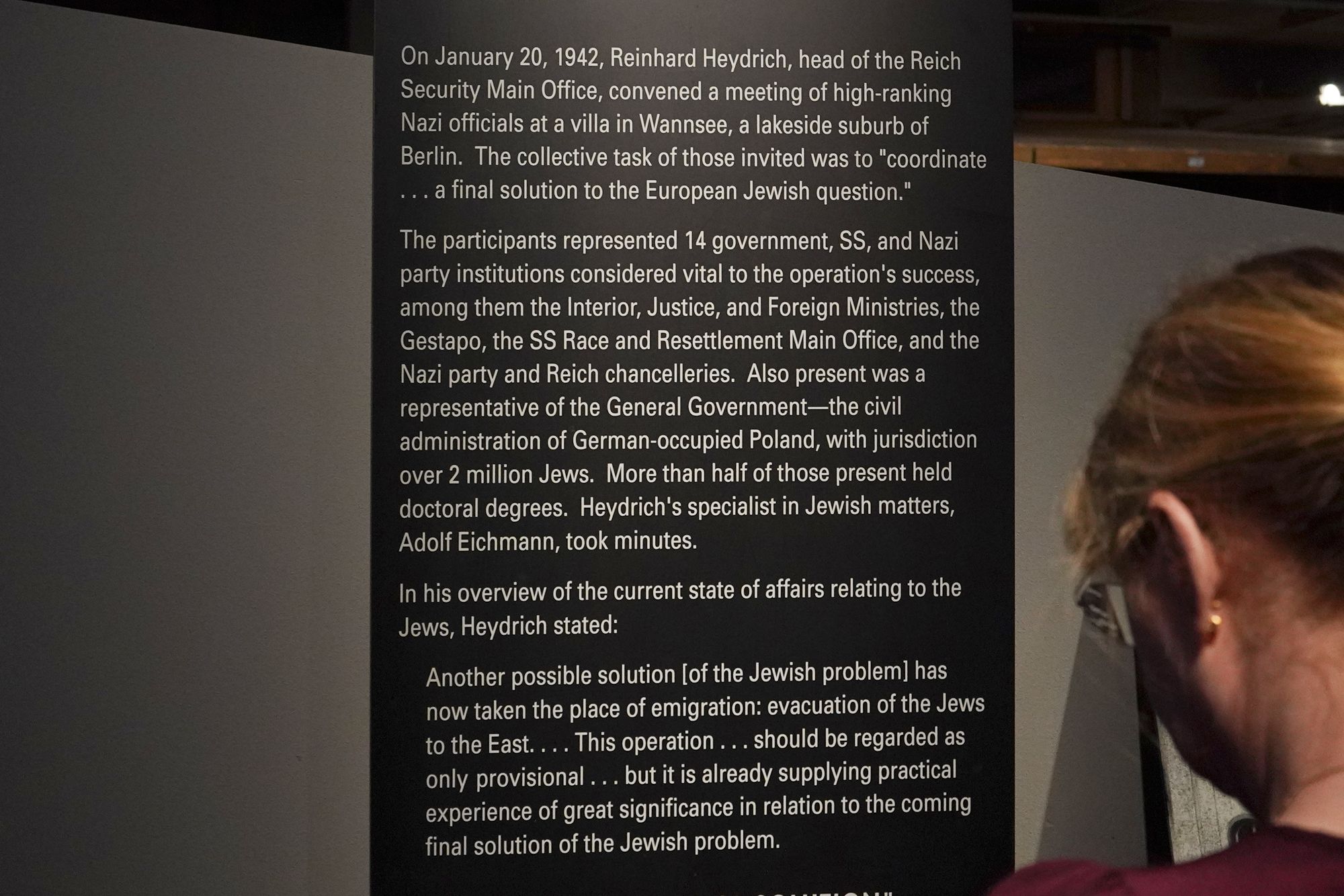
At Wannsee, officials discussed how to identify, deport, and murder the approximately 11 million Jews living in Europe, including those in countries not yet under German control. They coordinated which agencies would manage deportations and how Jews would be sent to extermination camps in occupied Poland, such as Auschwitz, Treblinka, Sobibor, Belzec, Chelmno, and Majdanek.
The Warsaw Ghetto Uprising of 1943 was the largest act of Jewish resistance against the Nazis during the Holocaust. It took place in the Warsaw Ghetto—the largest Jewish ghetto in German-occupied Europe—between April 19 and May 16, 1943.
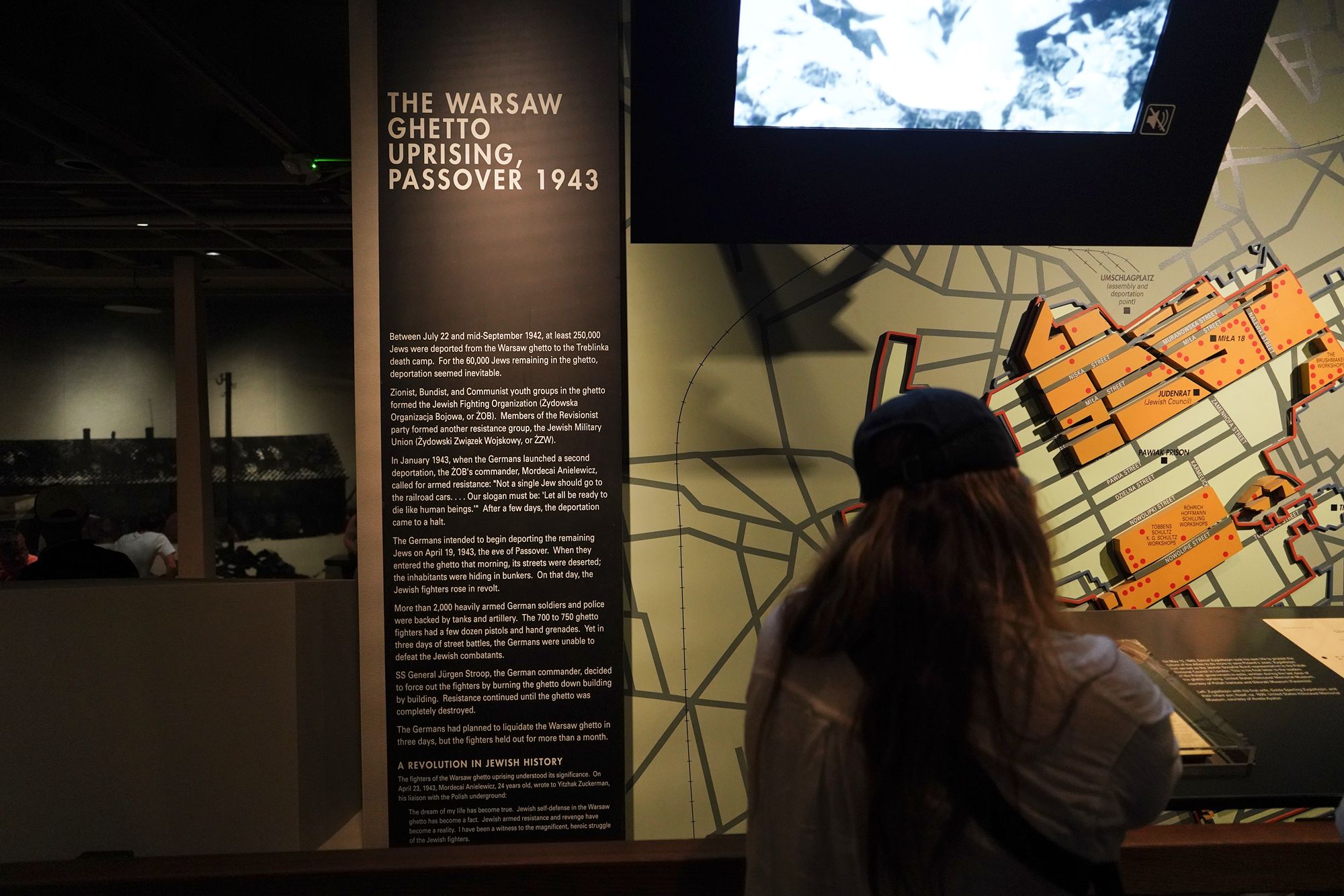
After most of the ghetto’s 400,000 residents had been deported to the Treblinka extermination camp in 1942, around 60,000 Jews remained—many hiding or working in underground bunkers. Knowing that further deportations meant certain death, resistance groups such as the Jewish Combat Organization (ŻOB), led by Mordechai Anielewicz, and the Jewish Military Union (ŻZW) began to arm themselves with smuggled and homemade weapons.
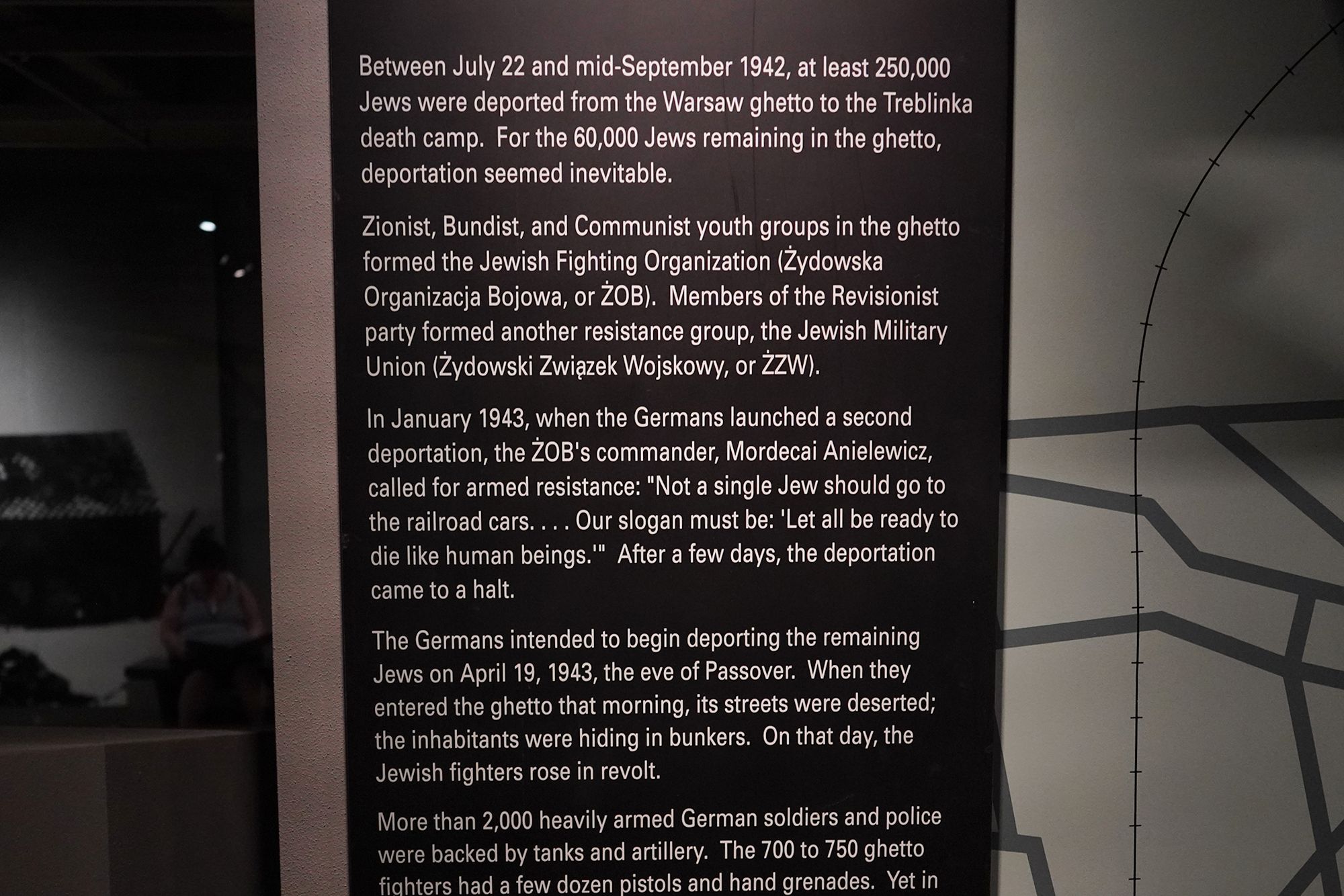
When German troops entered the ghetto on April 19, 1943, to carry out its final liquidation, the fighters launched a surprise attack. Outnumbered and poorly armed, they fought for nearly a month against tanks and artillery, relying on guerrilla tactics and the network of hidden bunkers. The uprising ended on May 16, when the Nazis destroyed the ghetto, burning it block by block. Most of the fighters and remaining civilians were killed or captured.