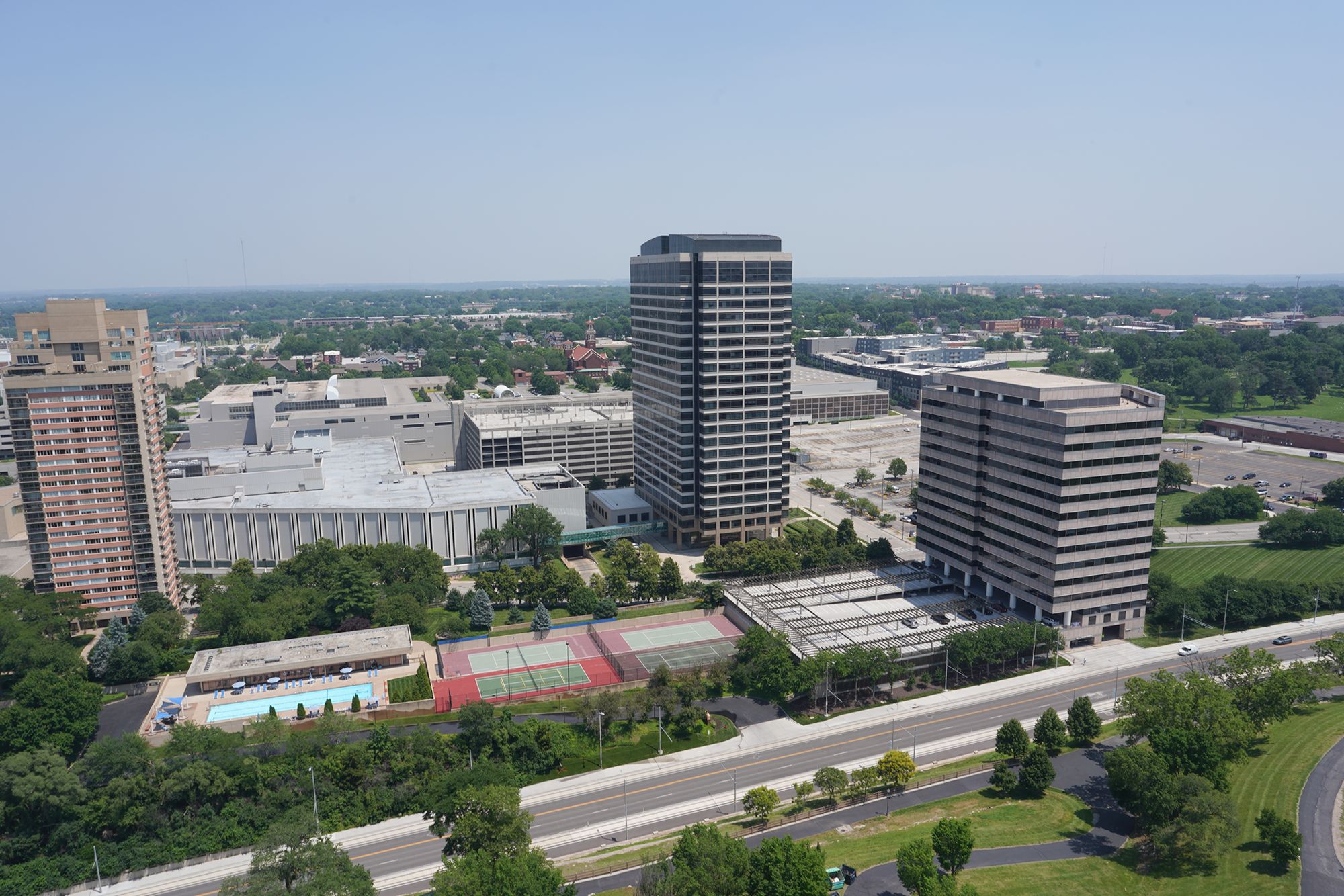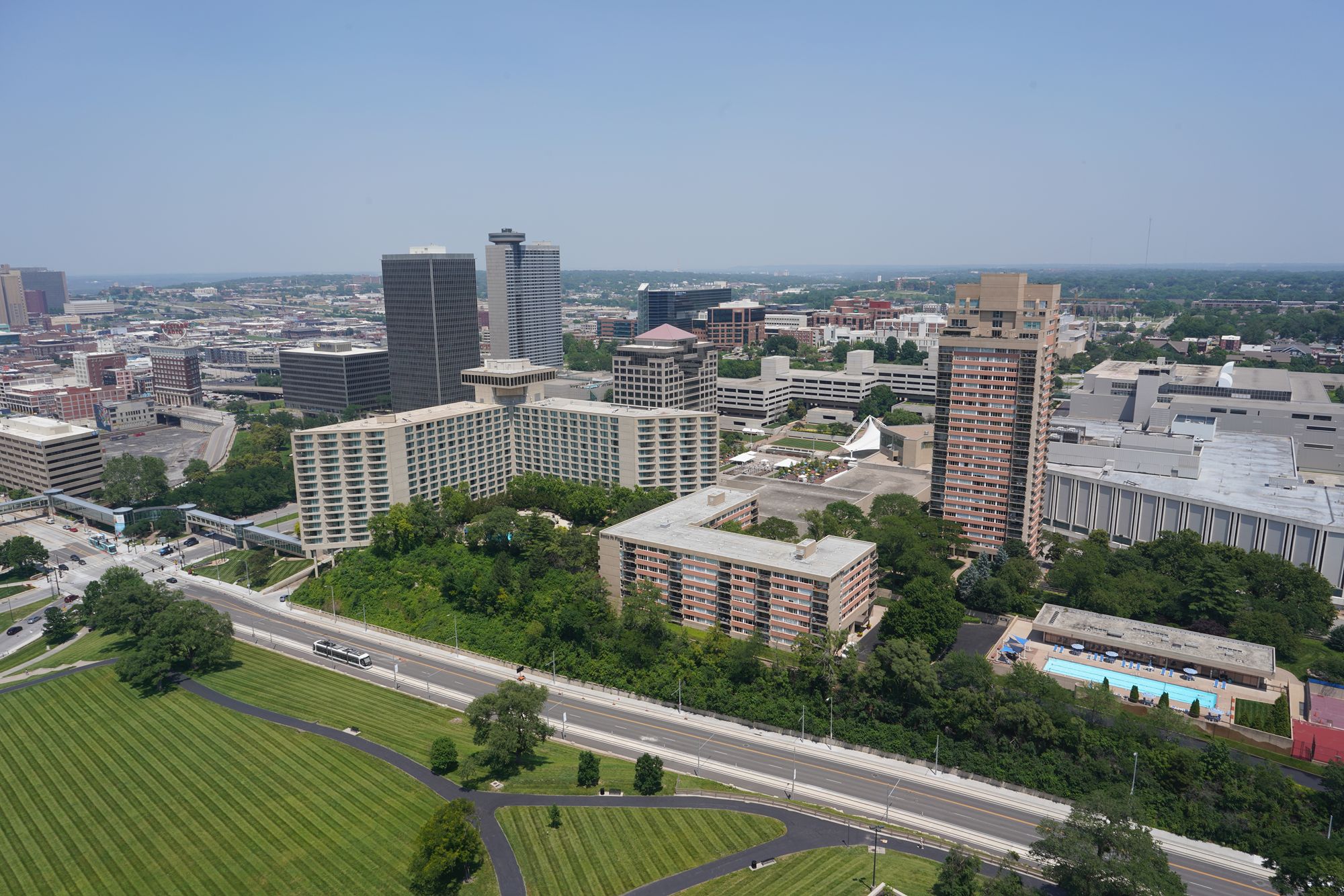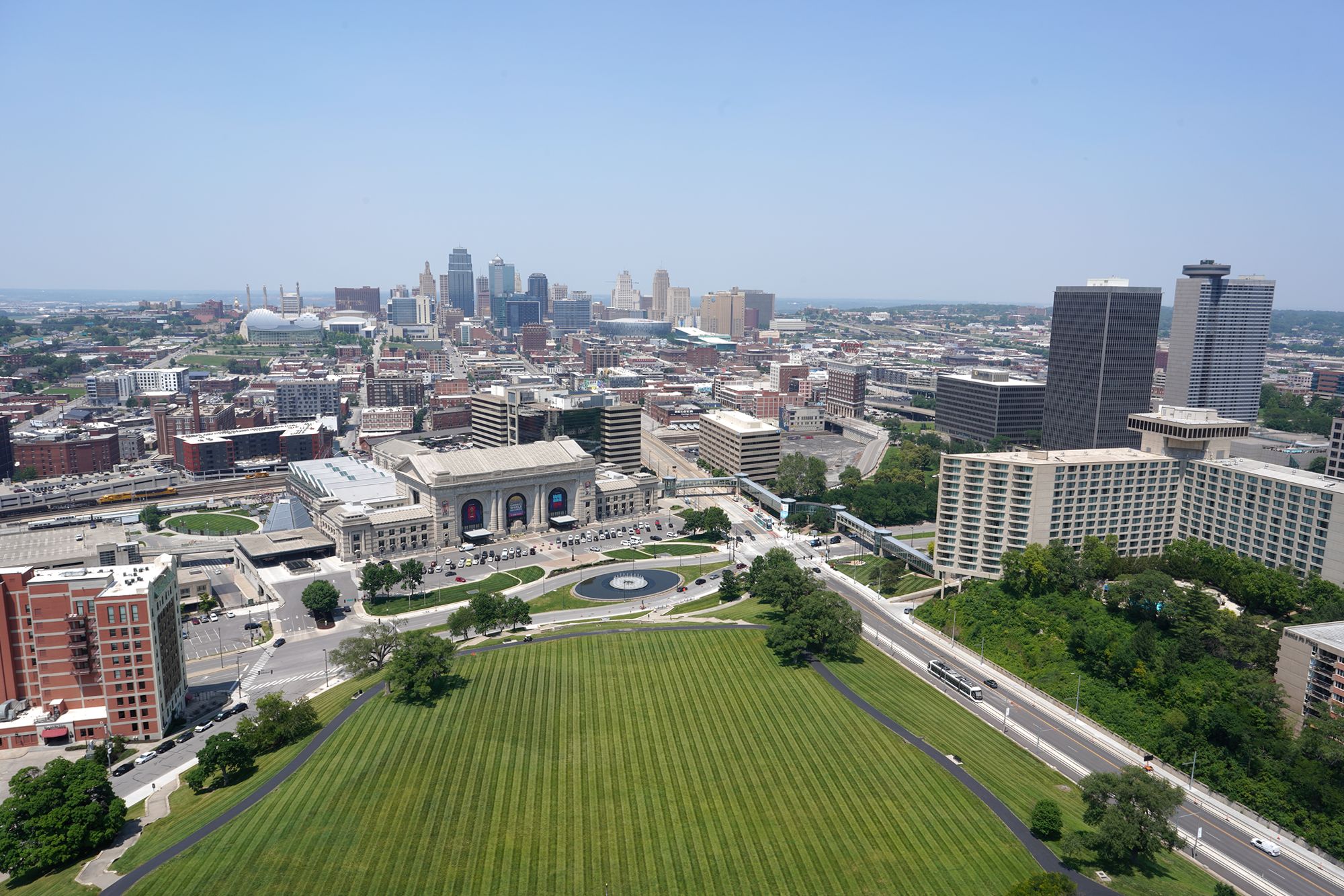
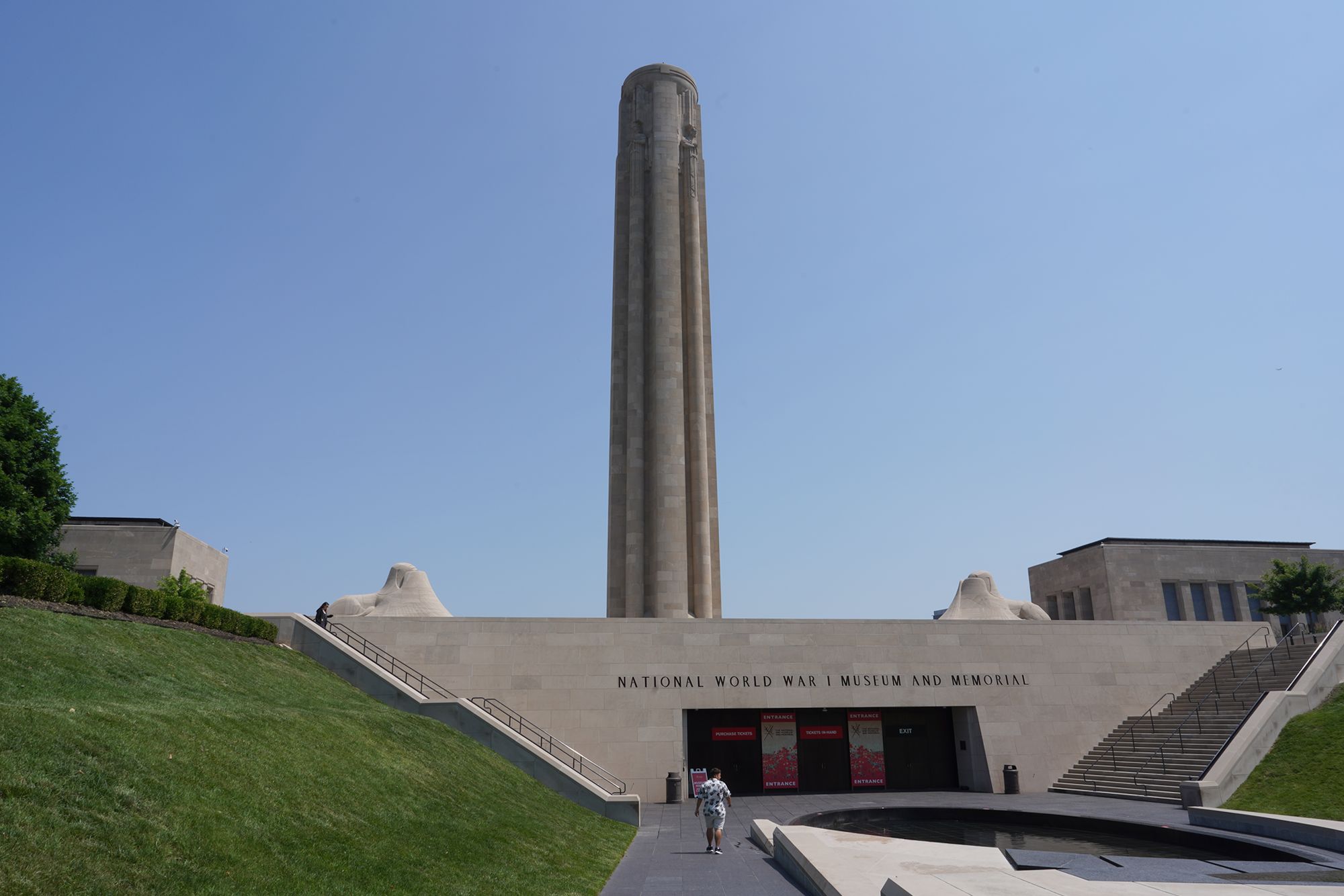
World War I Museum, Kansas City, Missouri, USA
The National WWI Museum and Memorial in Kansas City offers powerful exhibits, artifacts, and immersive displays beneath its iconic Liberty Memorial tower. 1074
National WWI Museum and Memorial: 2 Memorial Dr, Kansas City, MO 64108
Date Picture Taken: June 2025
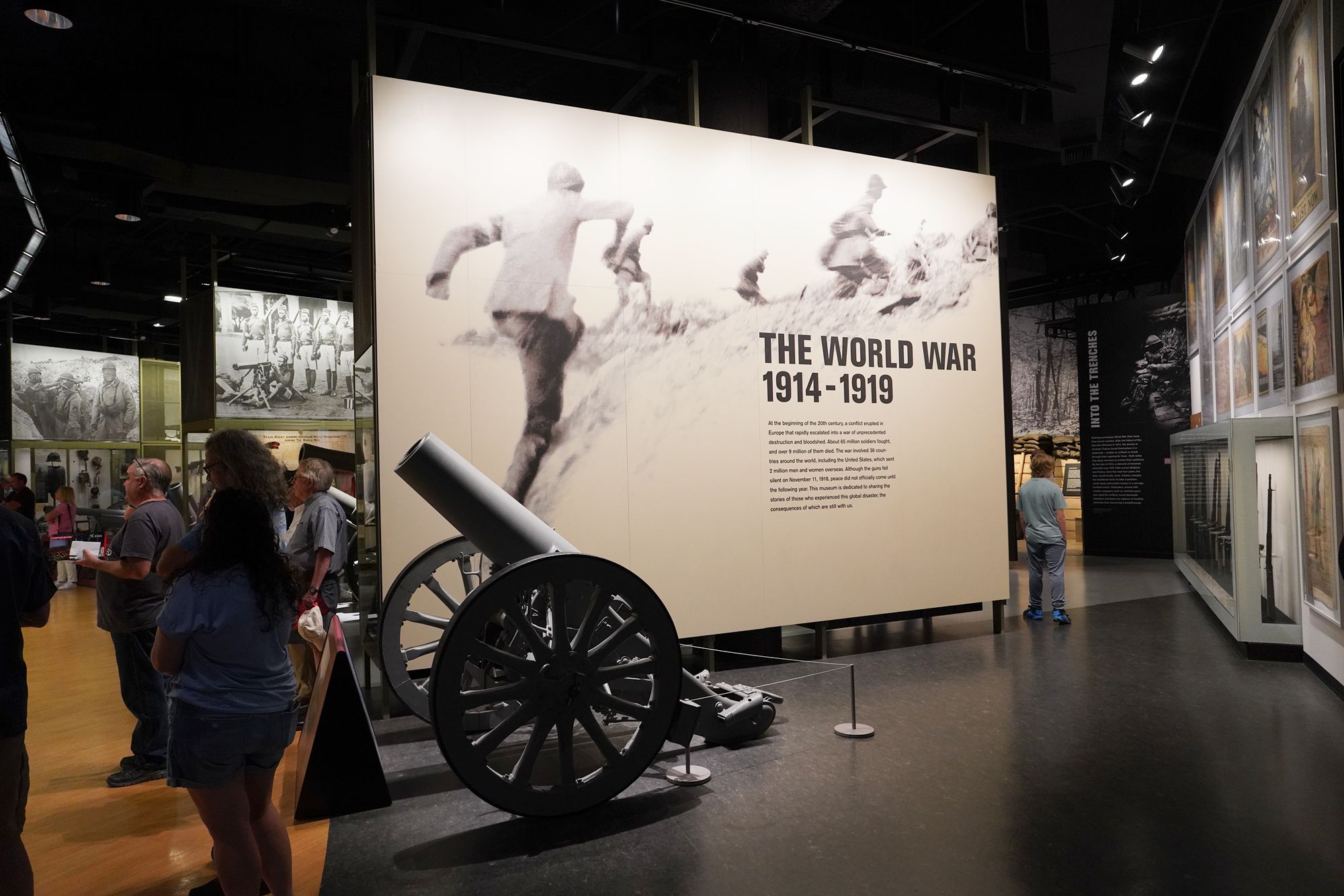
The National WWI Museum and Memorial in Kansas City is a world-class institution featuring extensive artifacts, trenches, multimedia exhibits, and personal stories that vividly explain the causes, combat experience, and global impact of World War I, all anchored by the dramatic Liberty Memorial tower overlooking the city skyline.
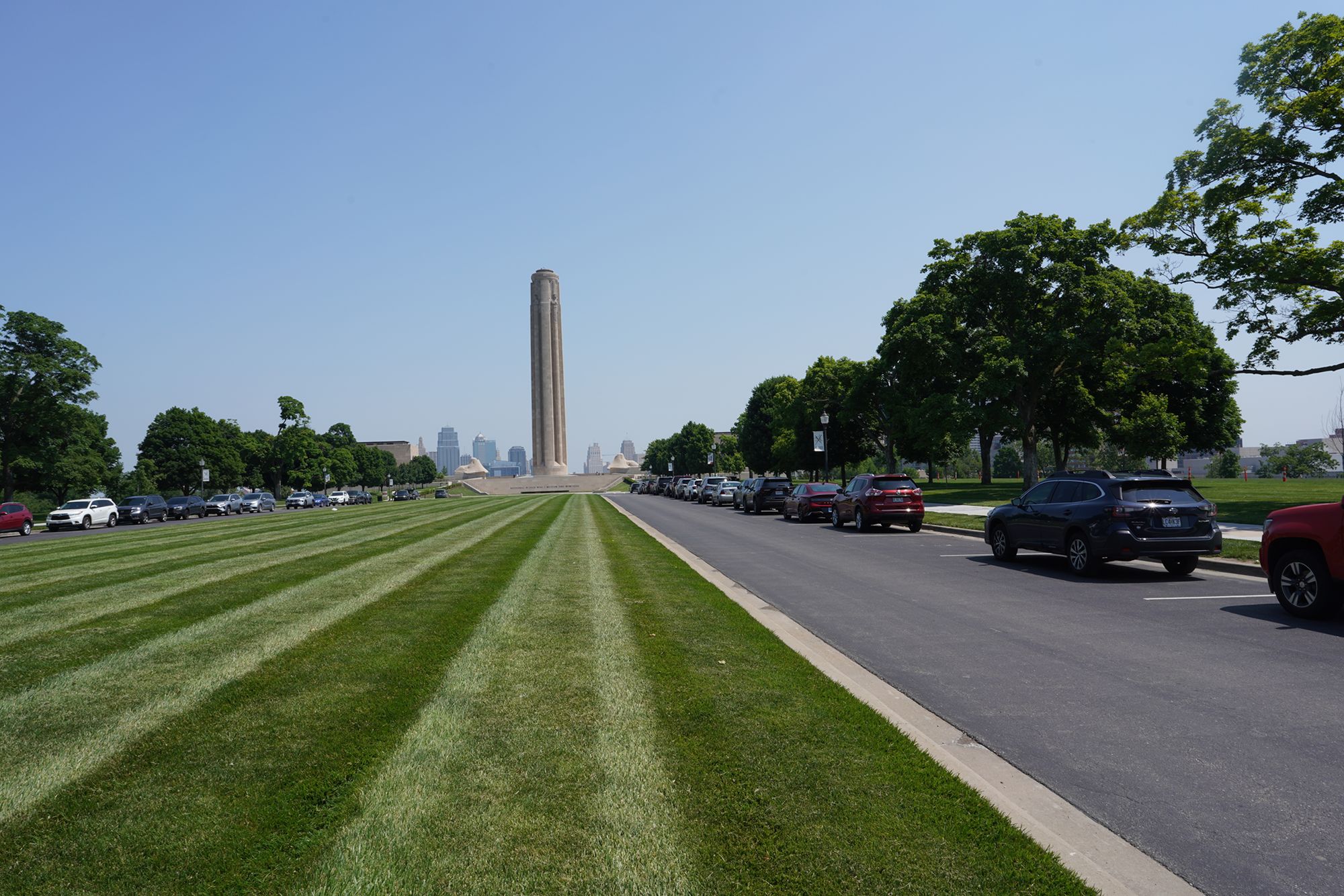
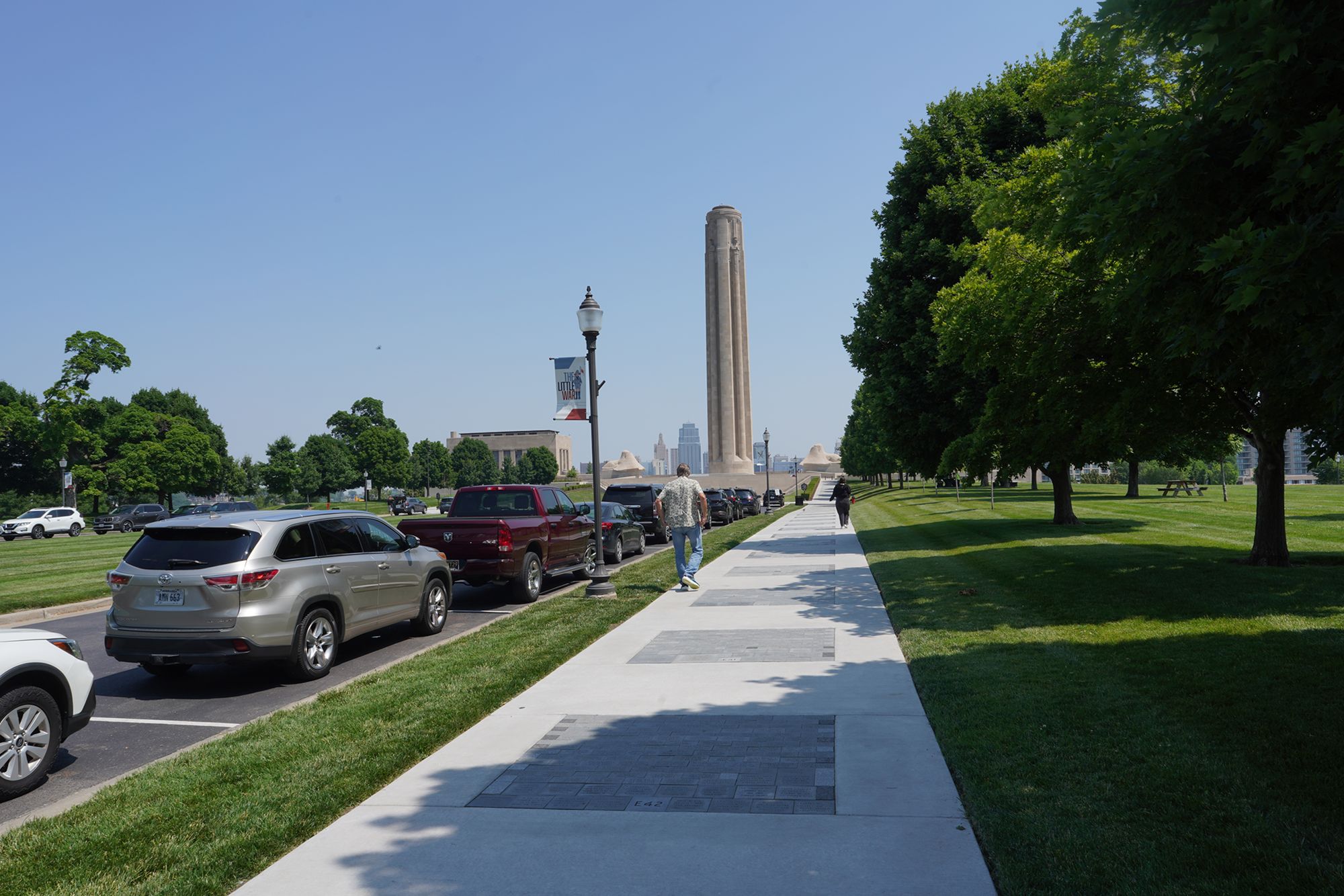
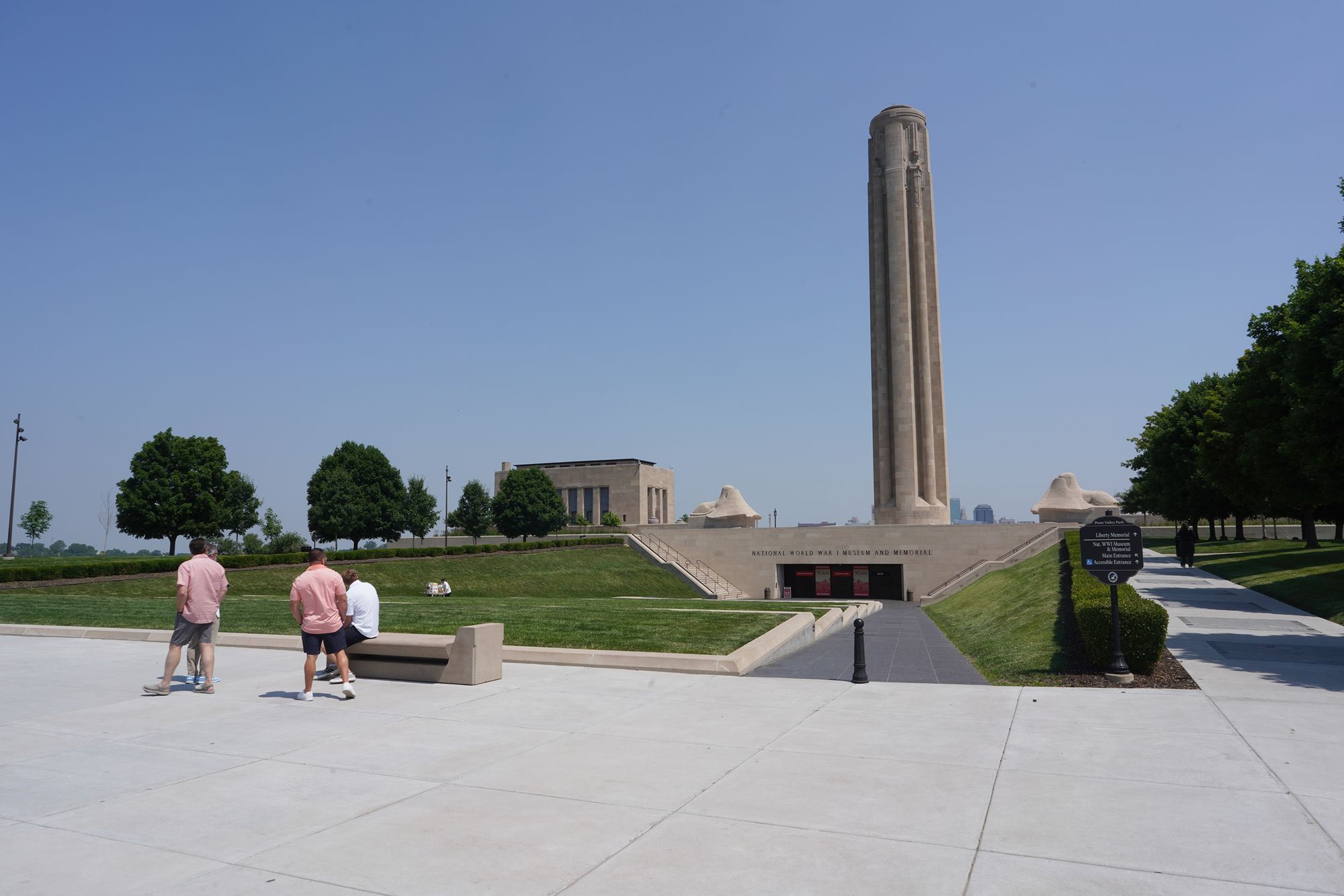
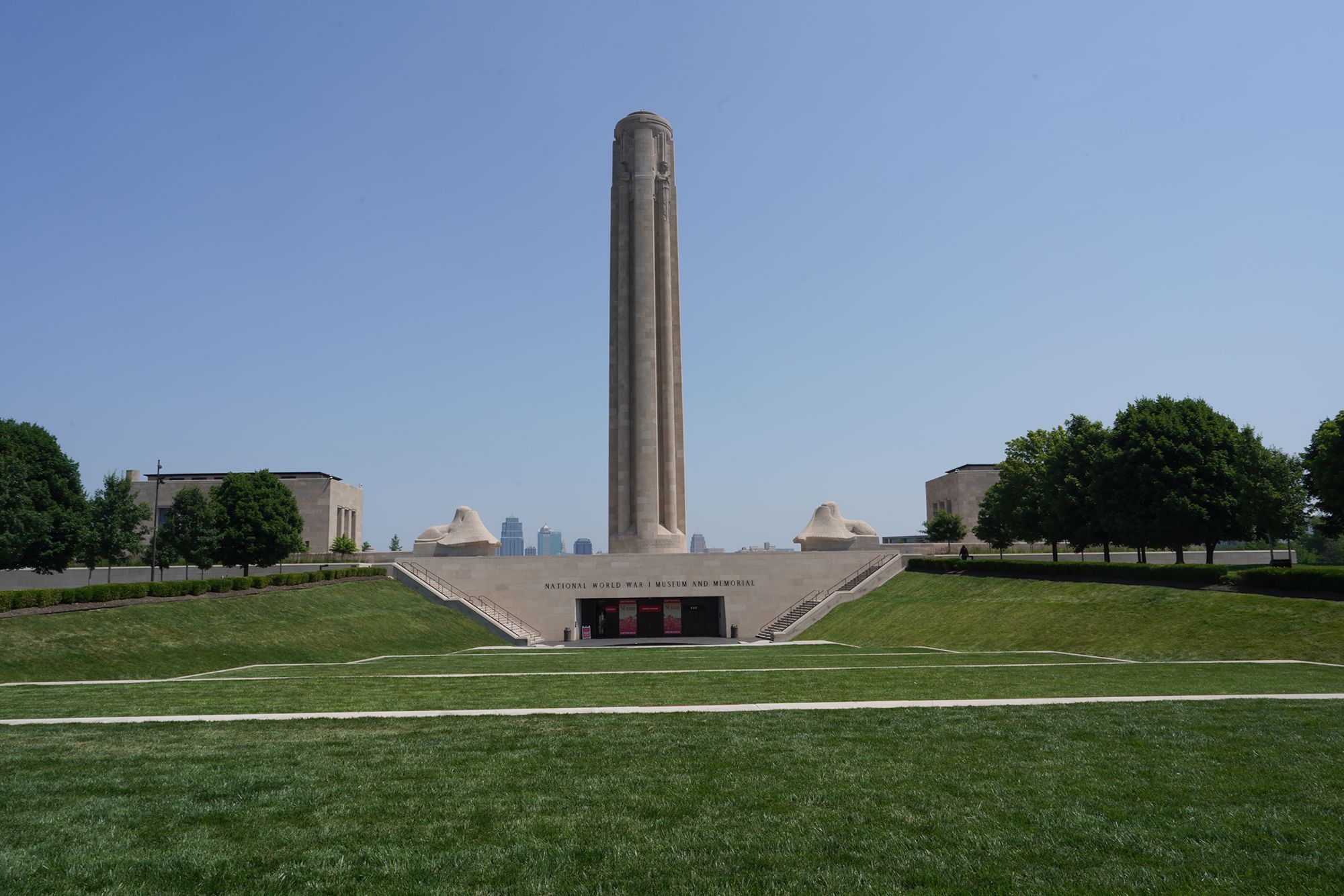
My back side
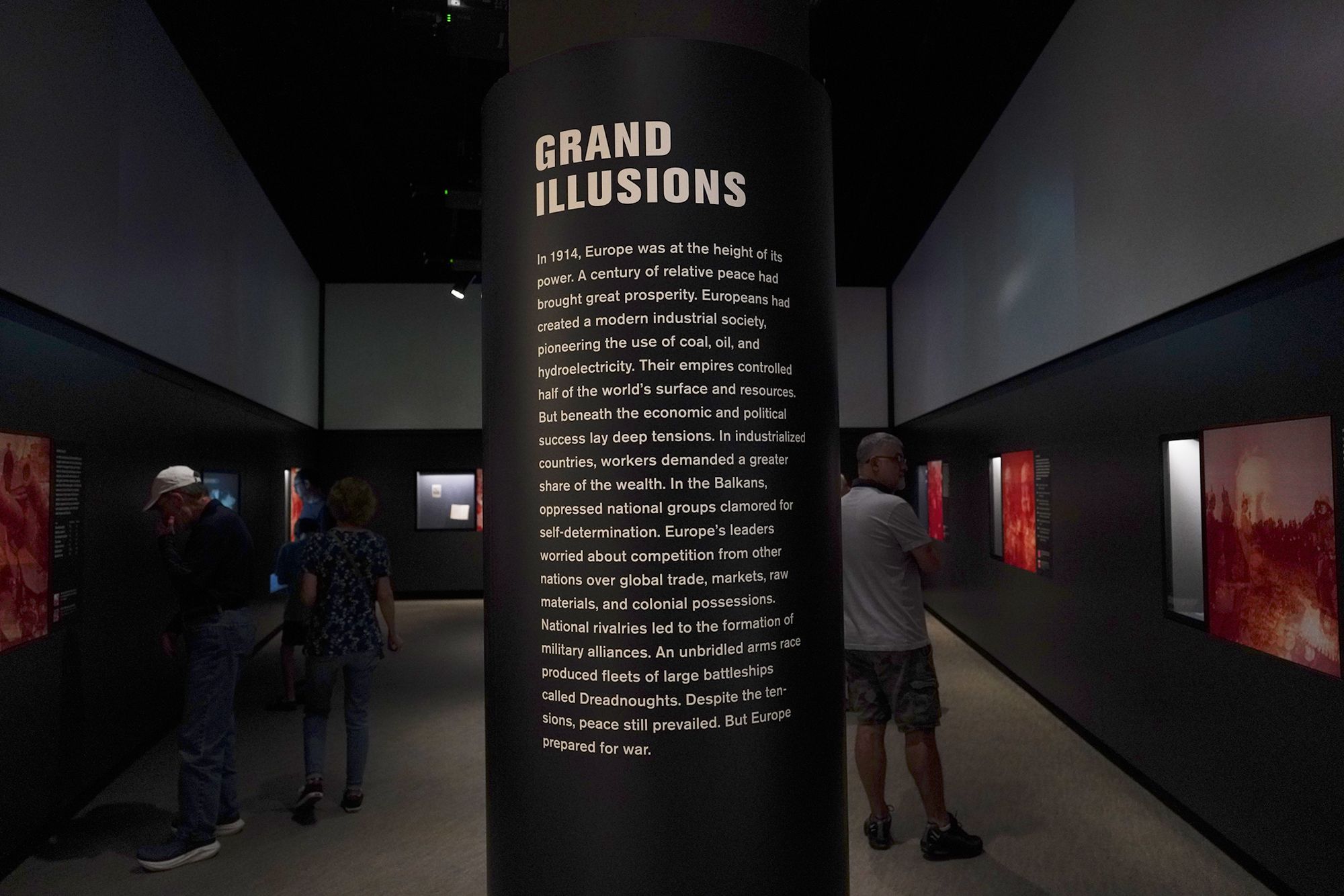
A major grand illusion behind World War I was the widespread belief among European powers that any conflict would be short, decisive, and winnable through quick mobilization, causing nations to rush into war under the false confidence that their alliances, nationalism, and military plans guaranteed victory.
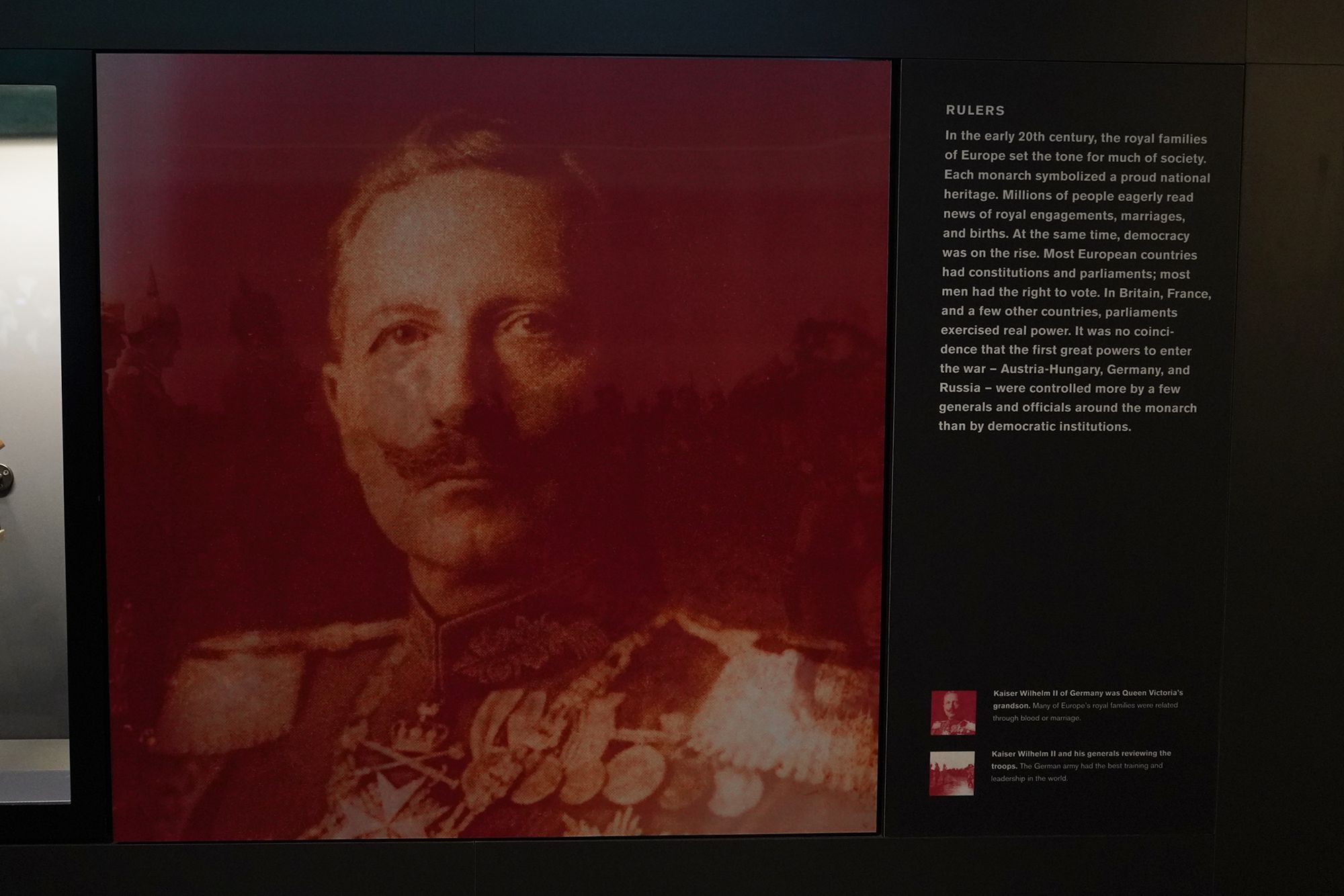
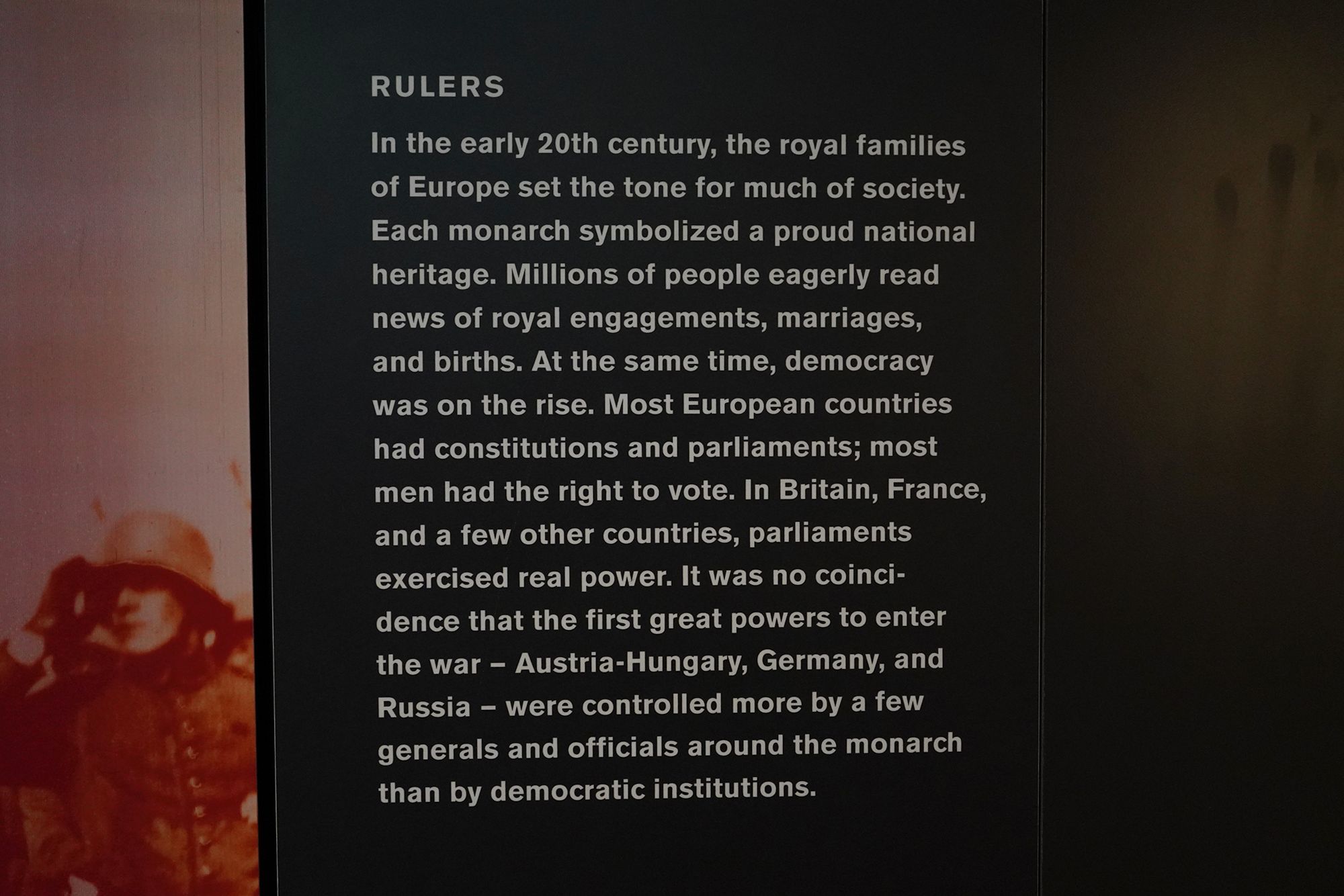
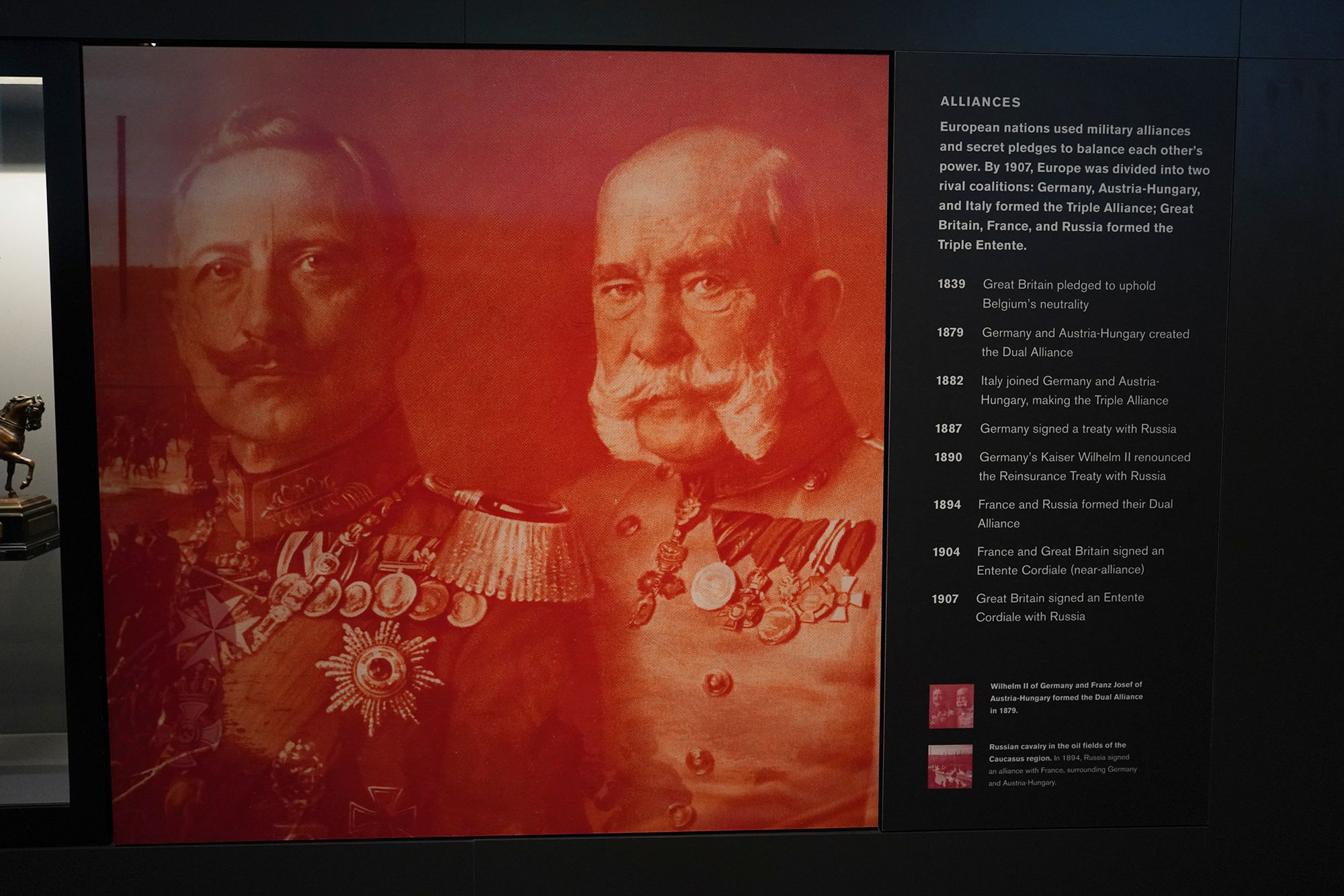
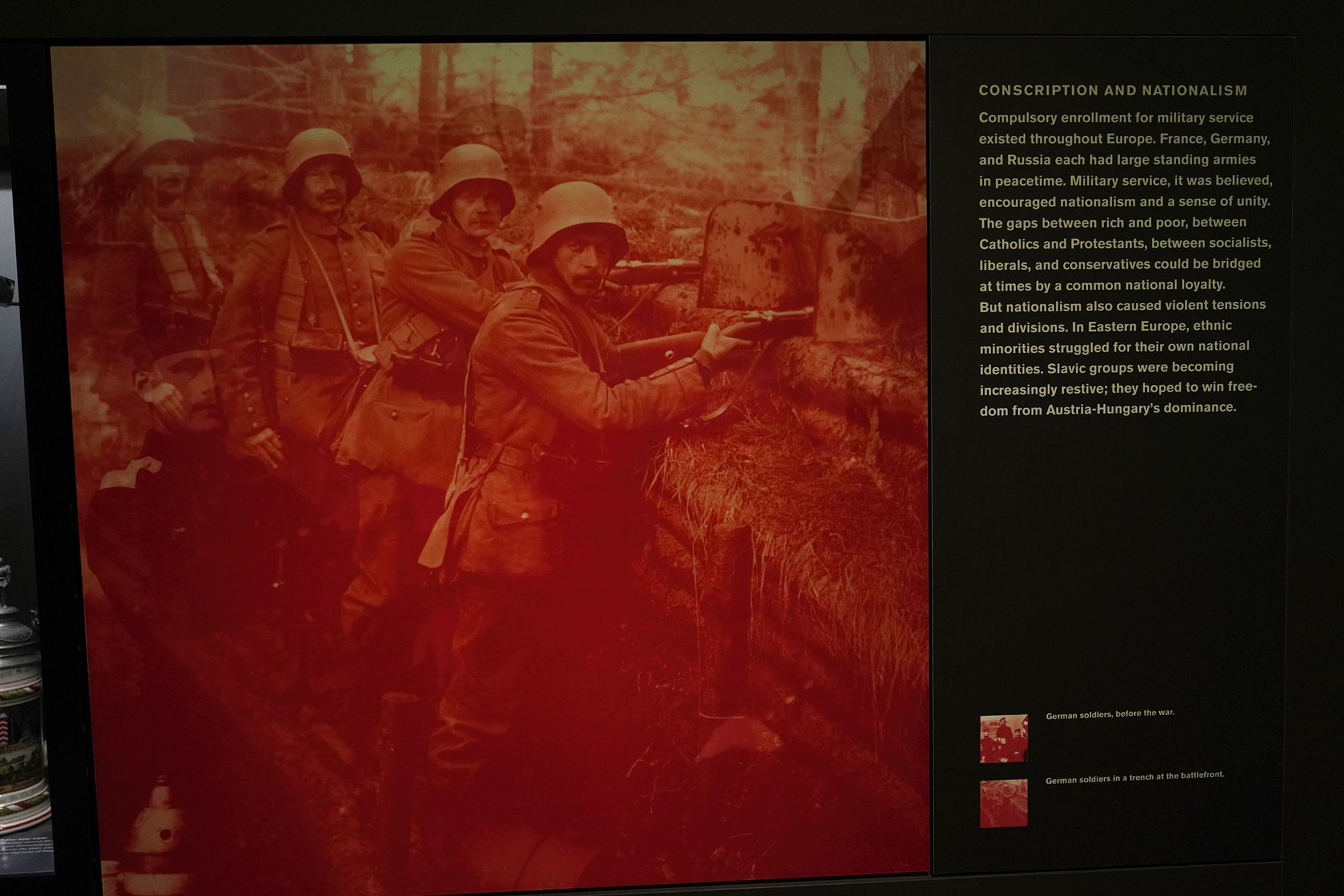
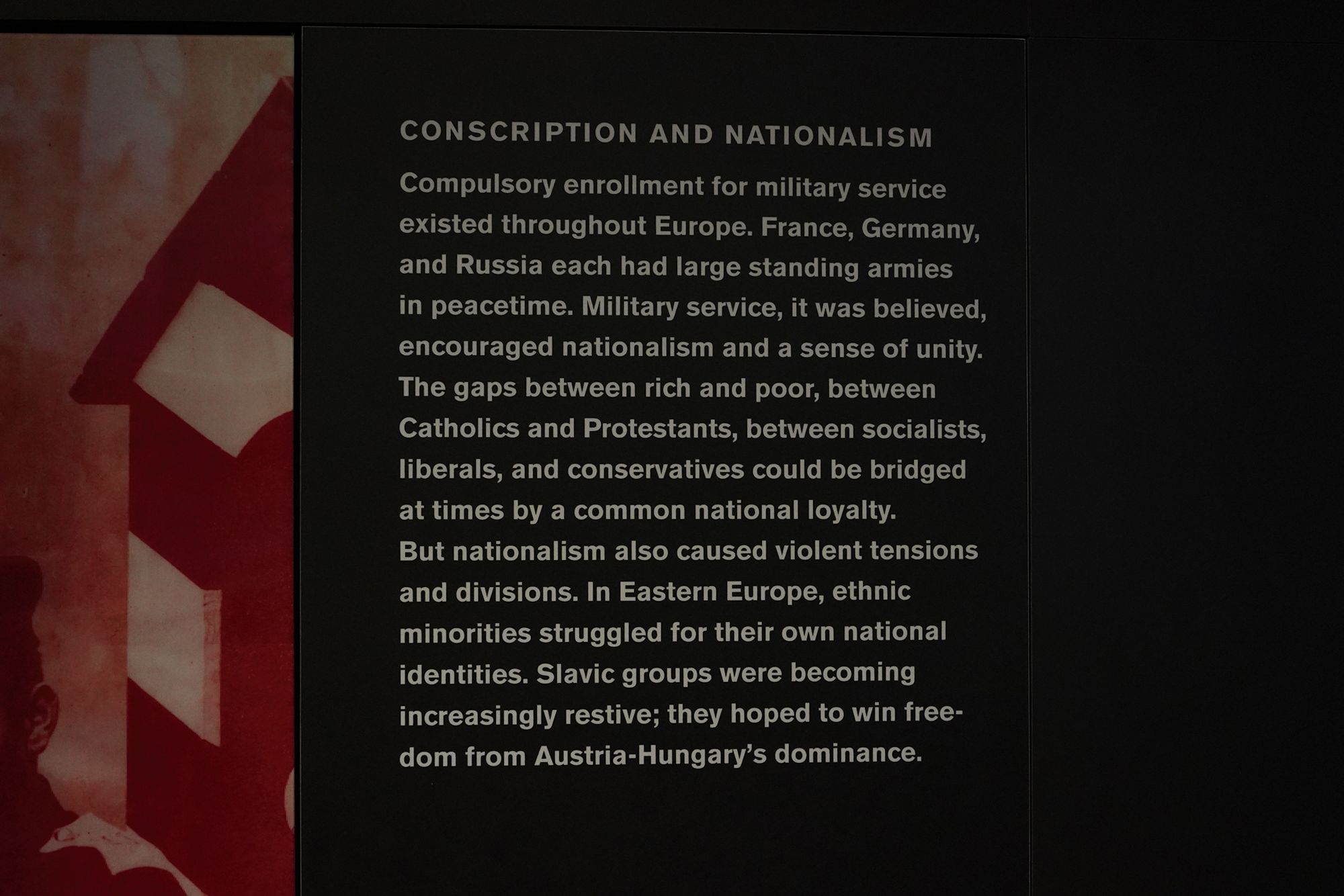
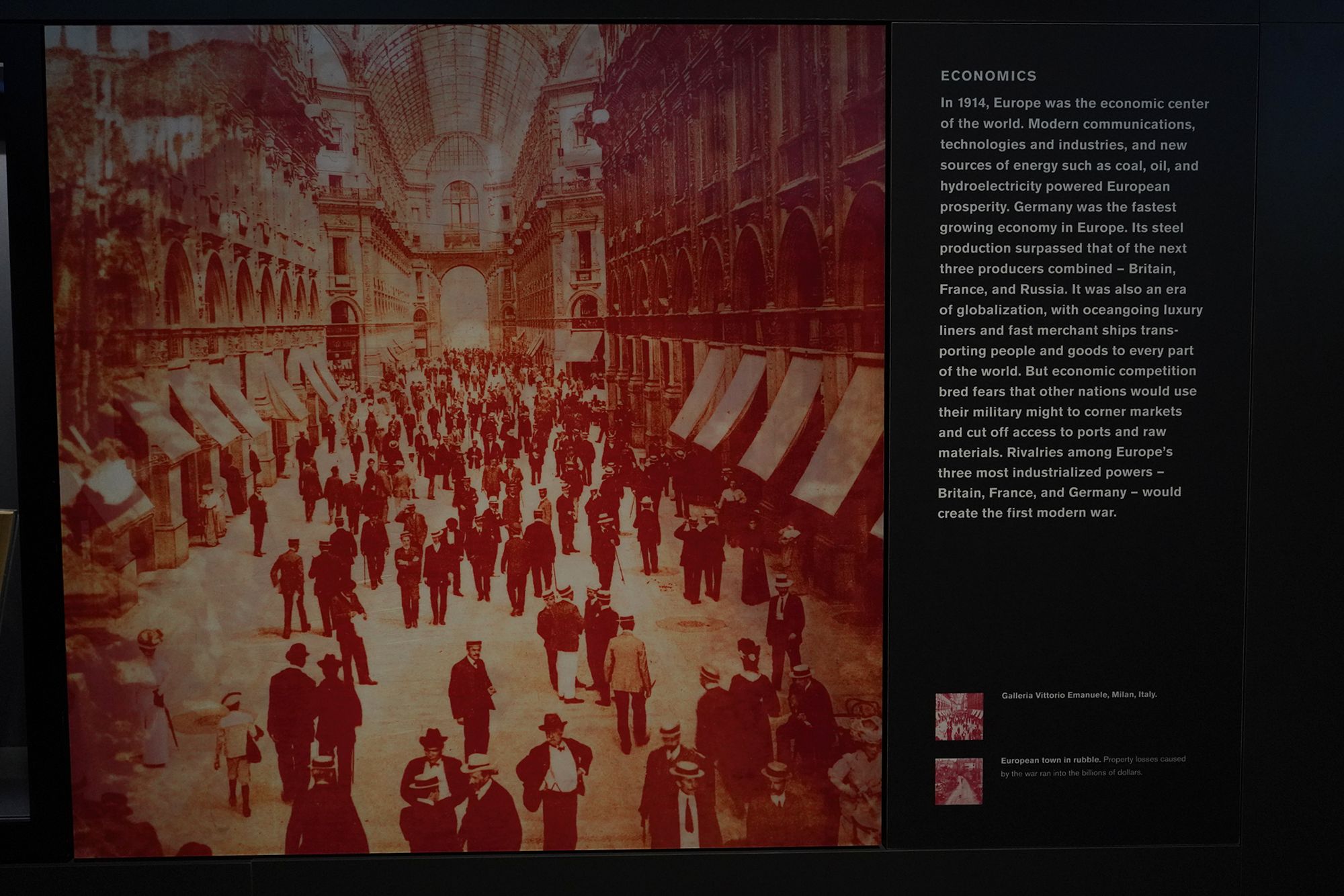
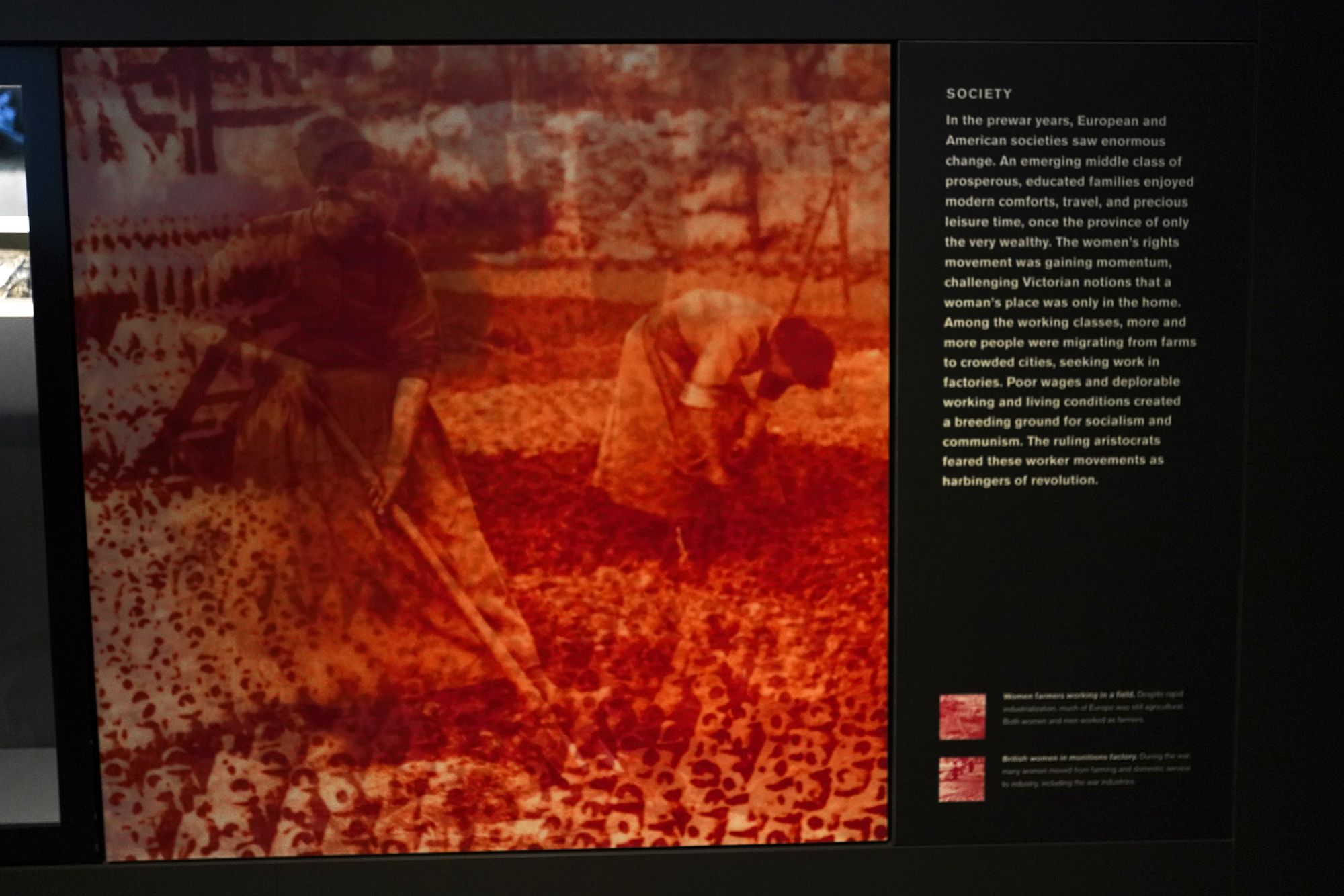
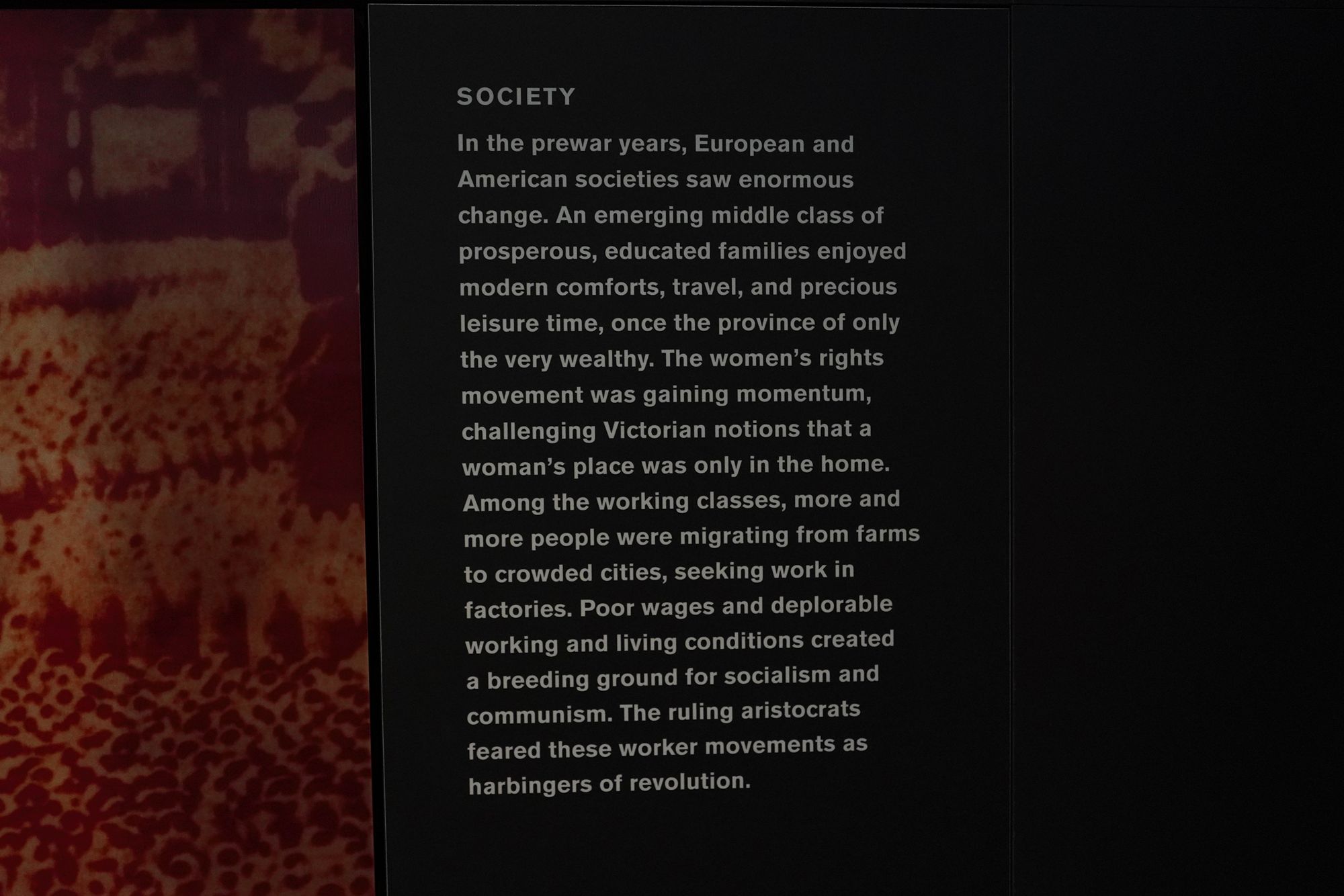
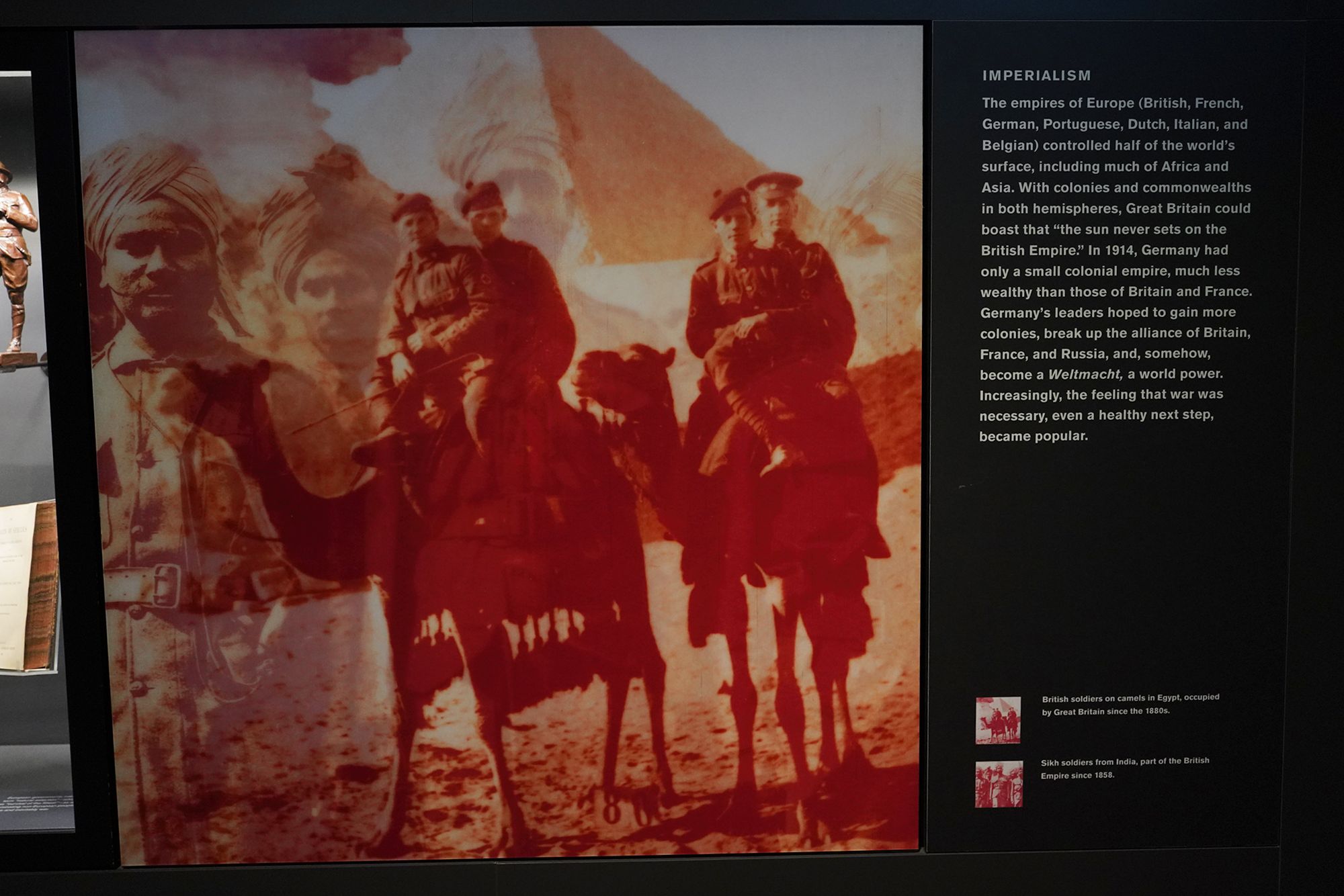
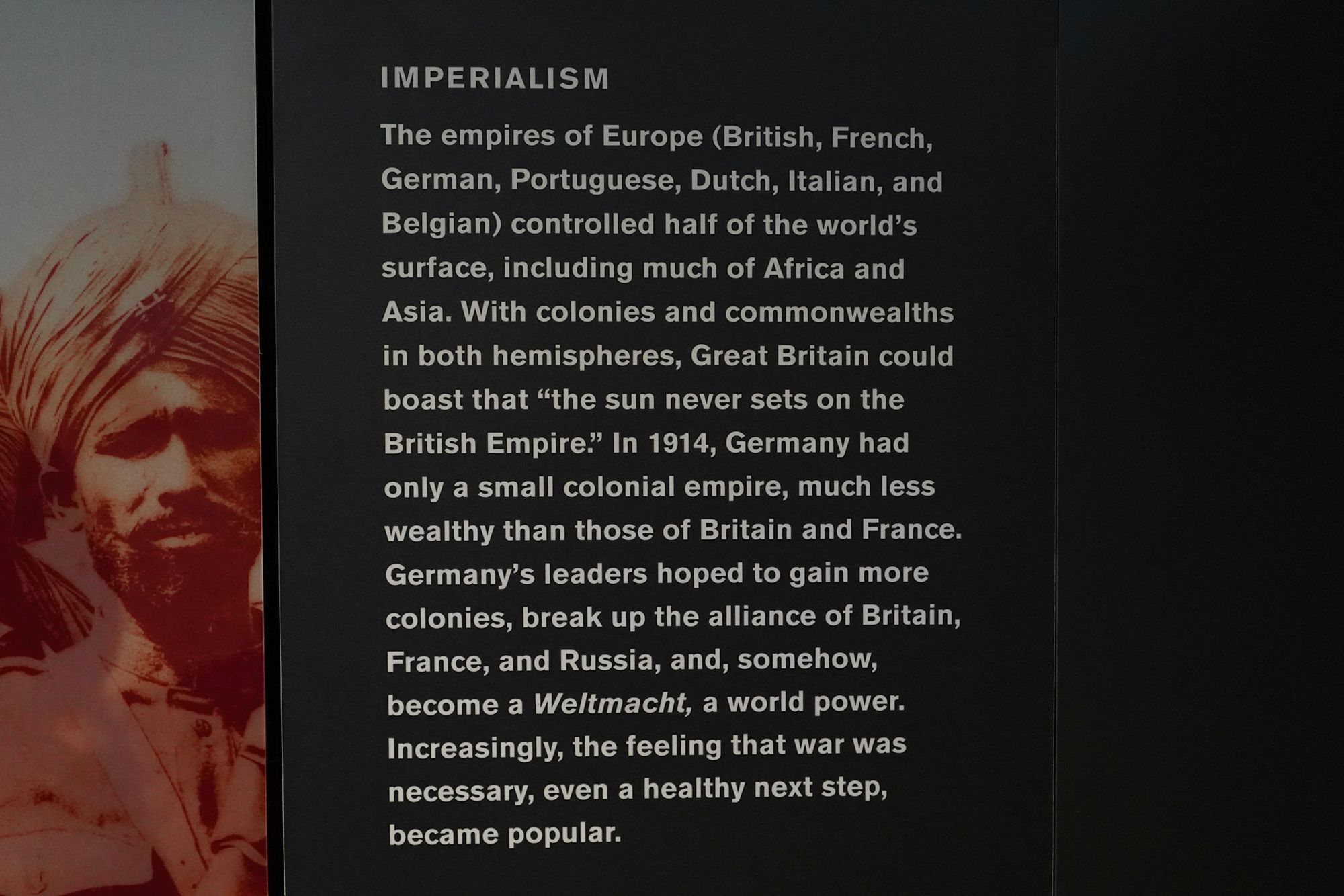
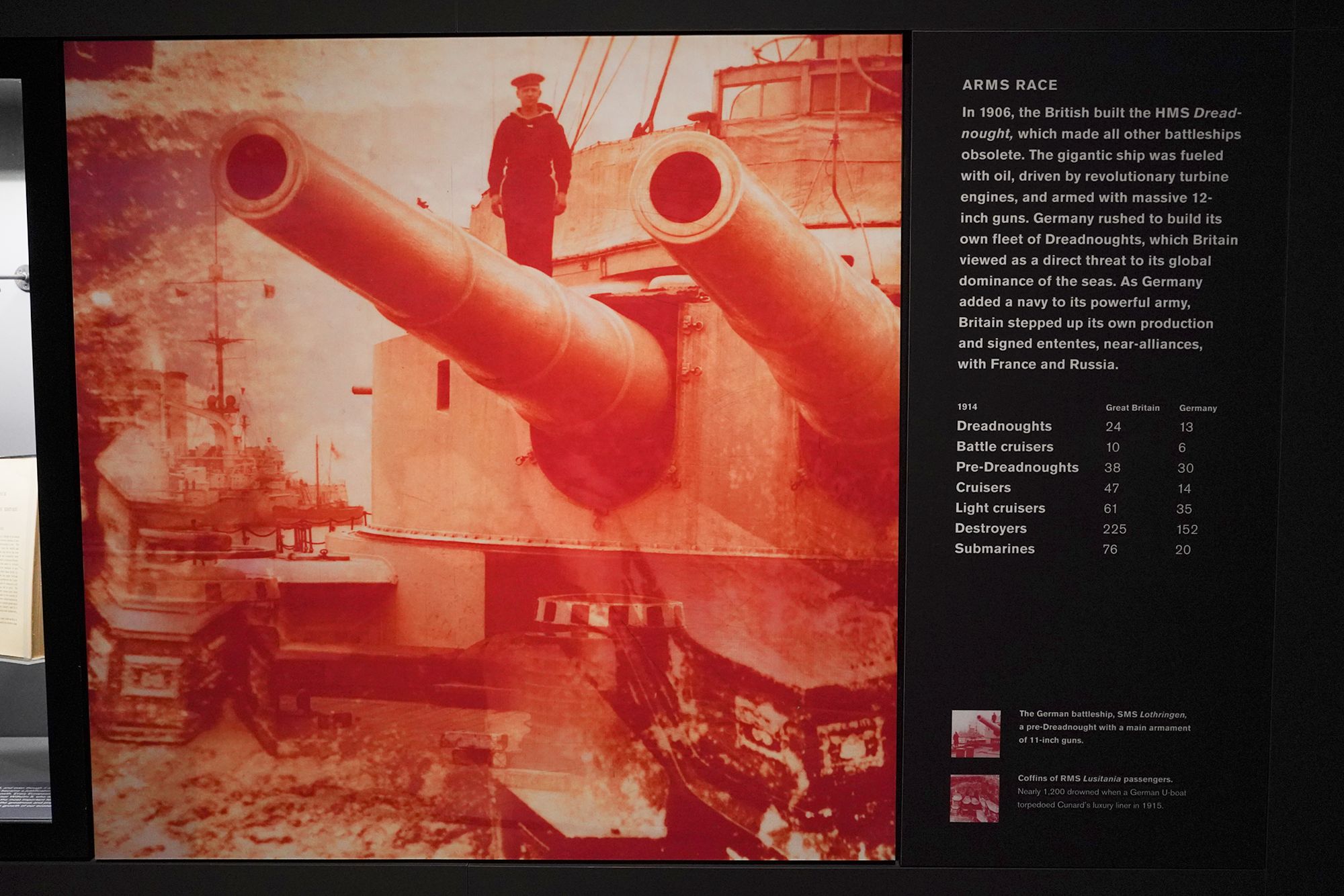
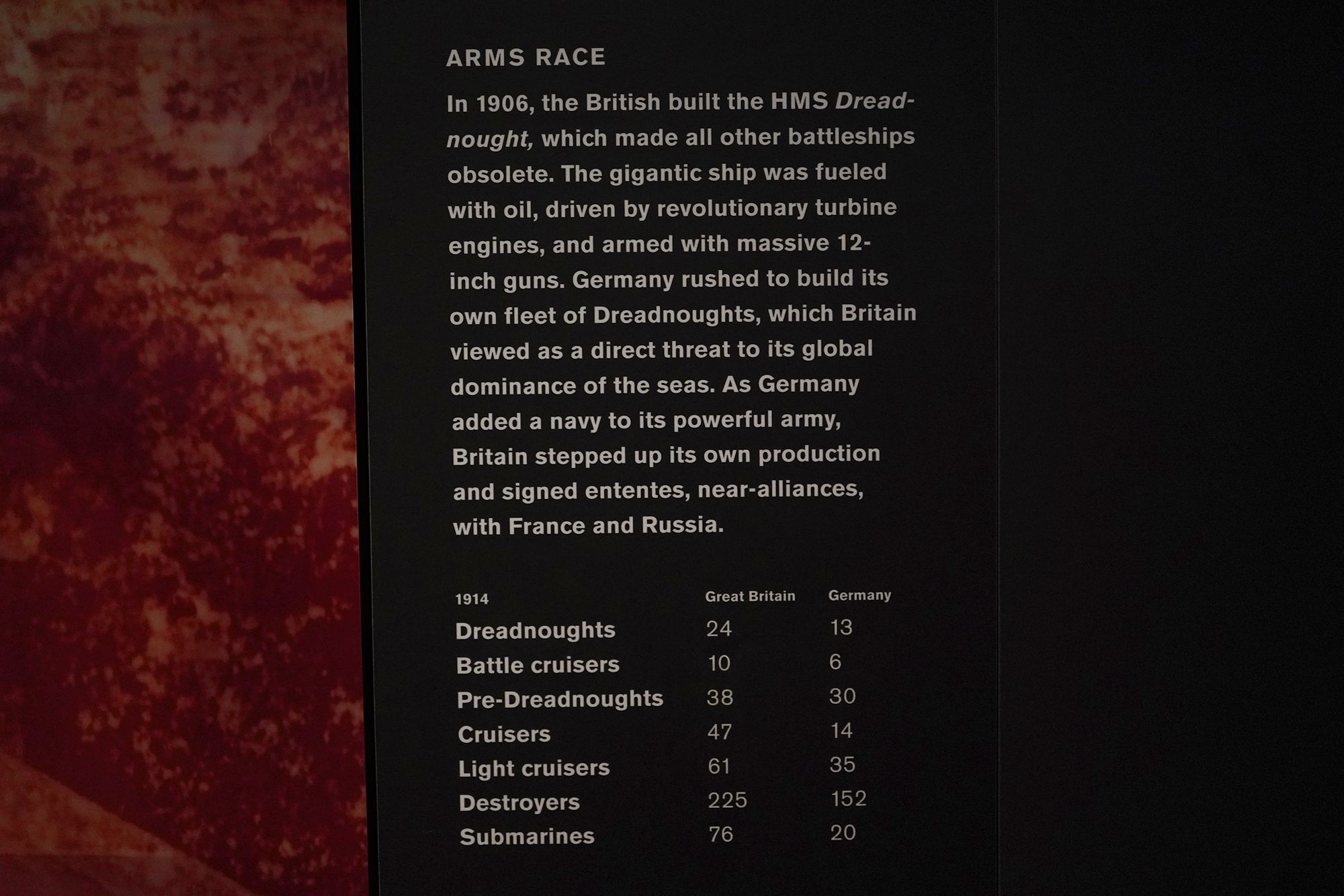
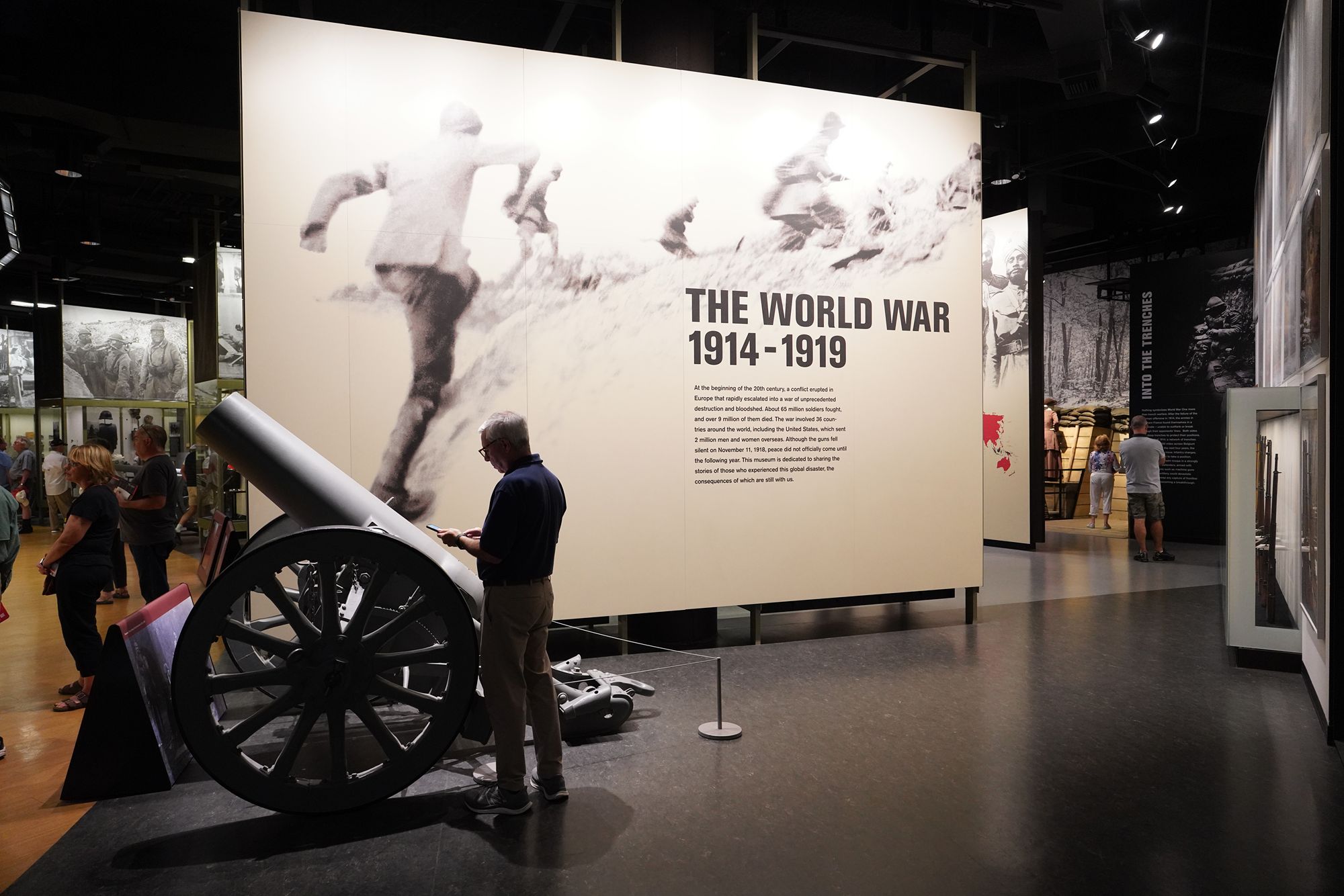
World War I was sparked by the assassination of Archduke Franz Ferdinand, but its deeper causes included tangled alliances, rising nationalism, militarism, imperial rivalry, and a dangerous belief that war would be short and winnable.
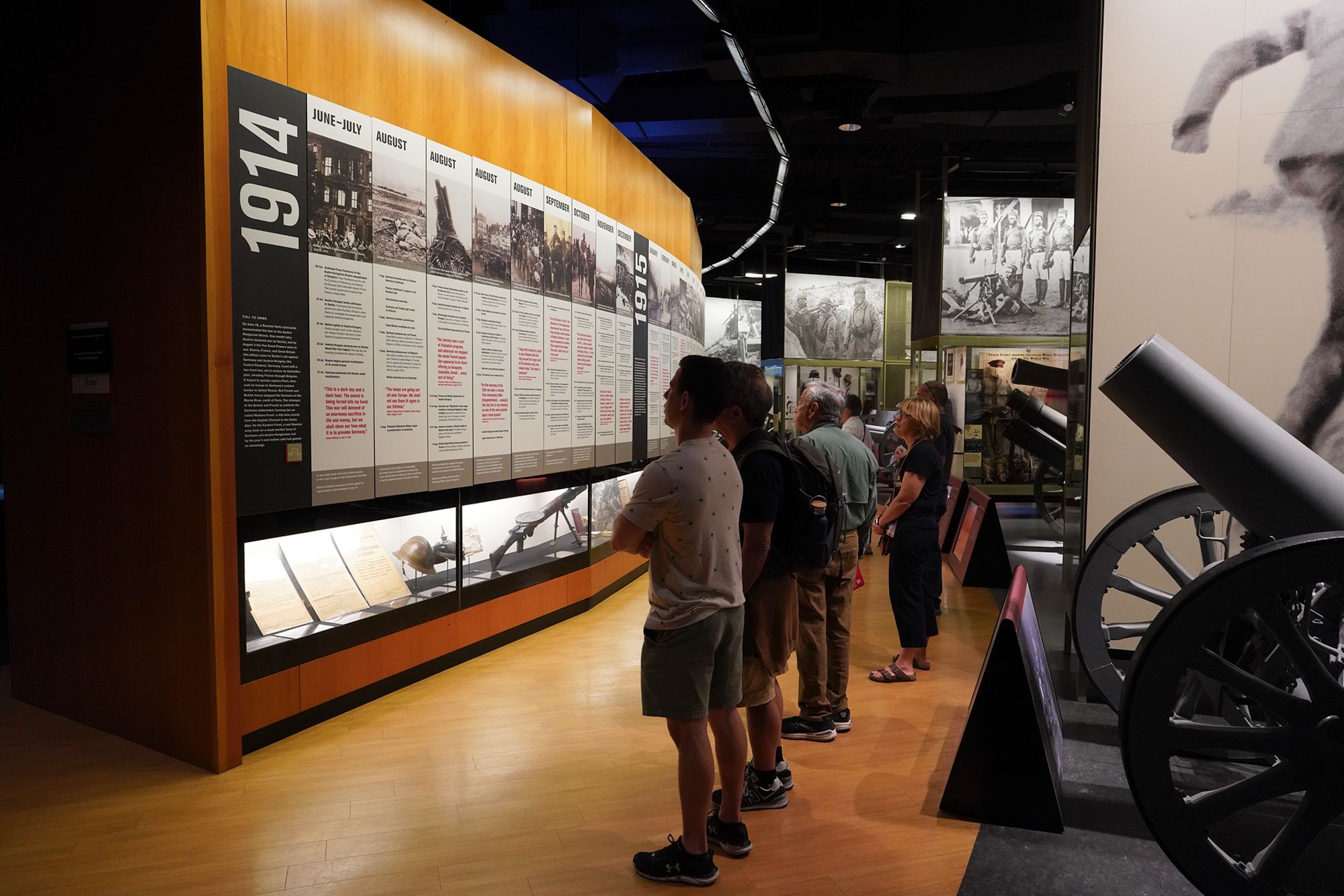
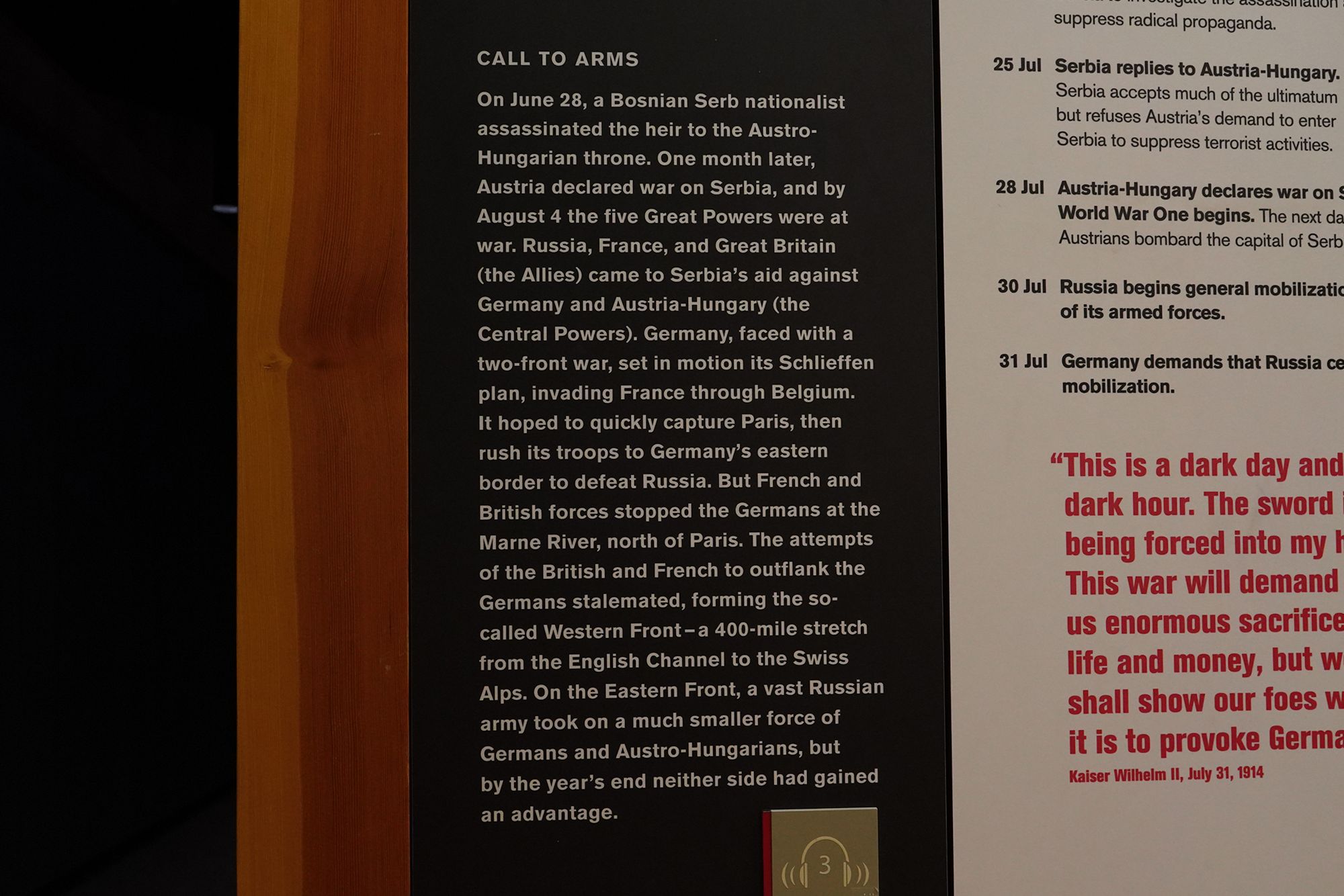
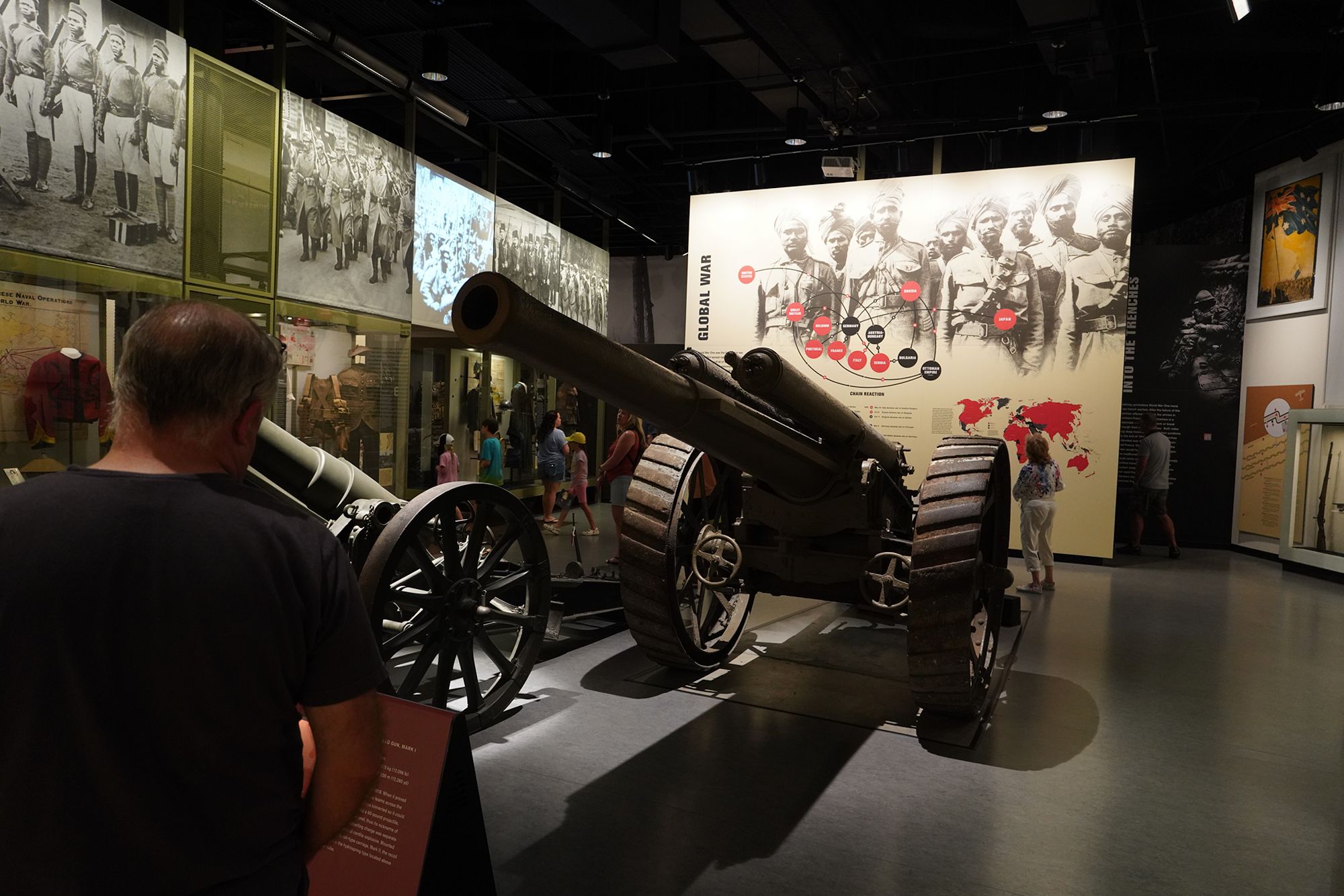
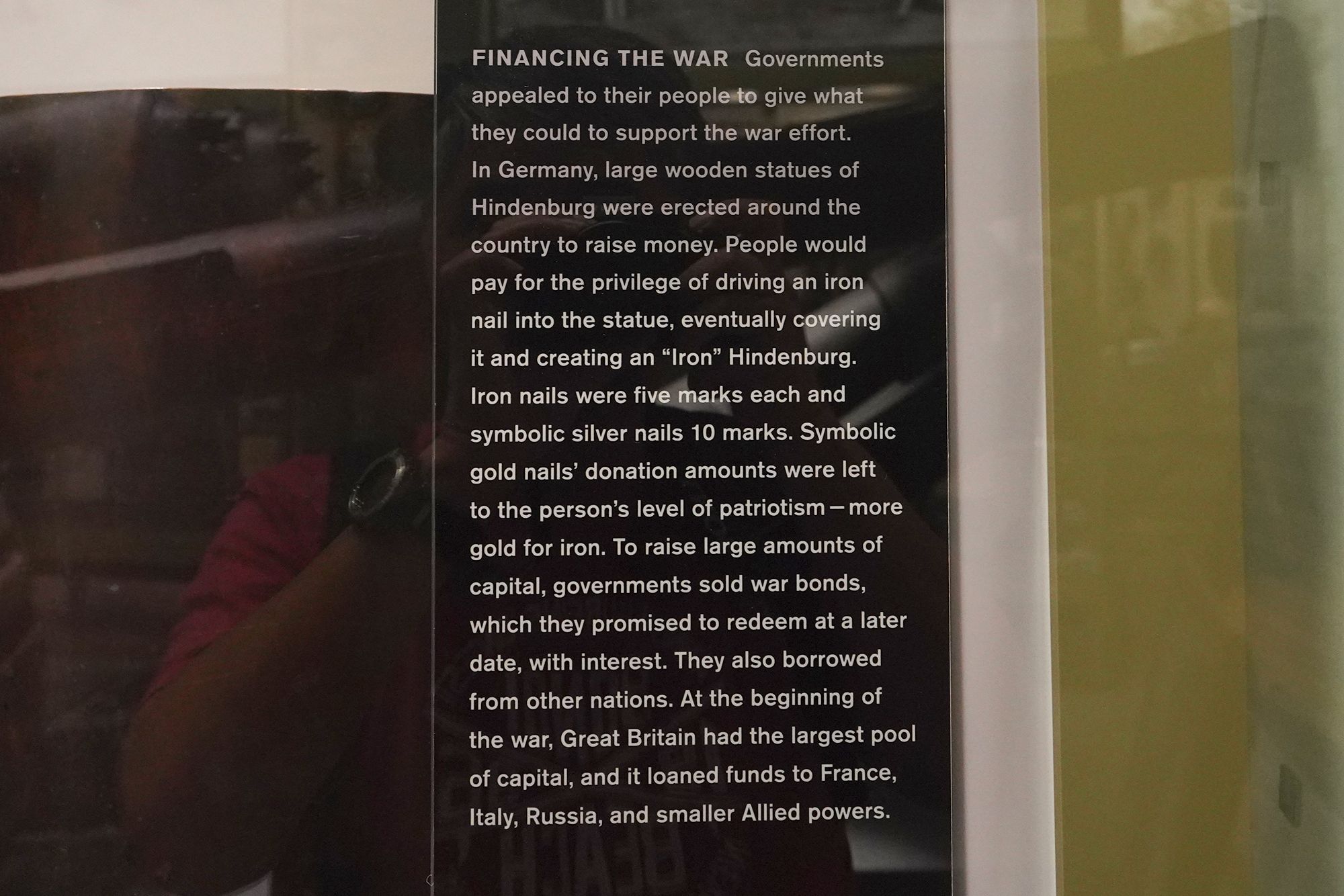
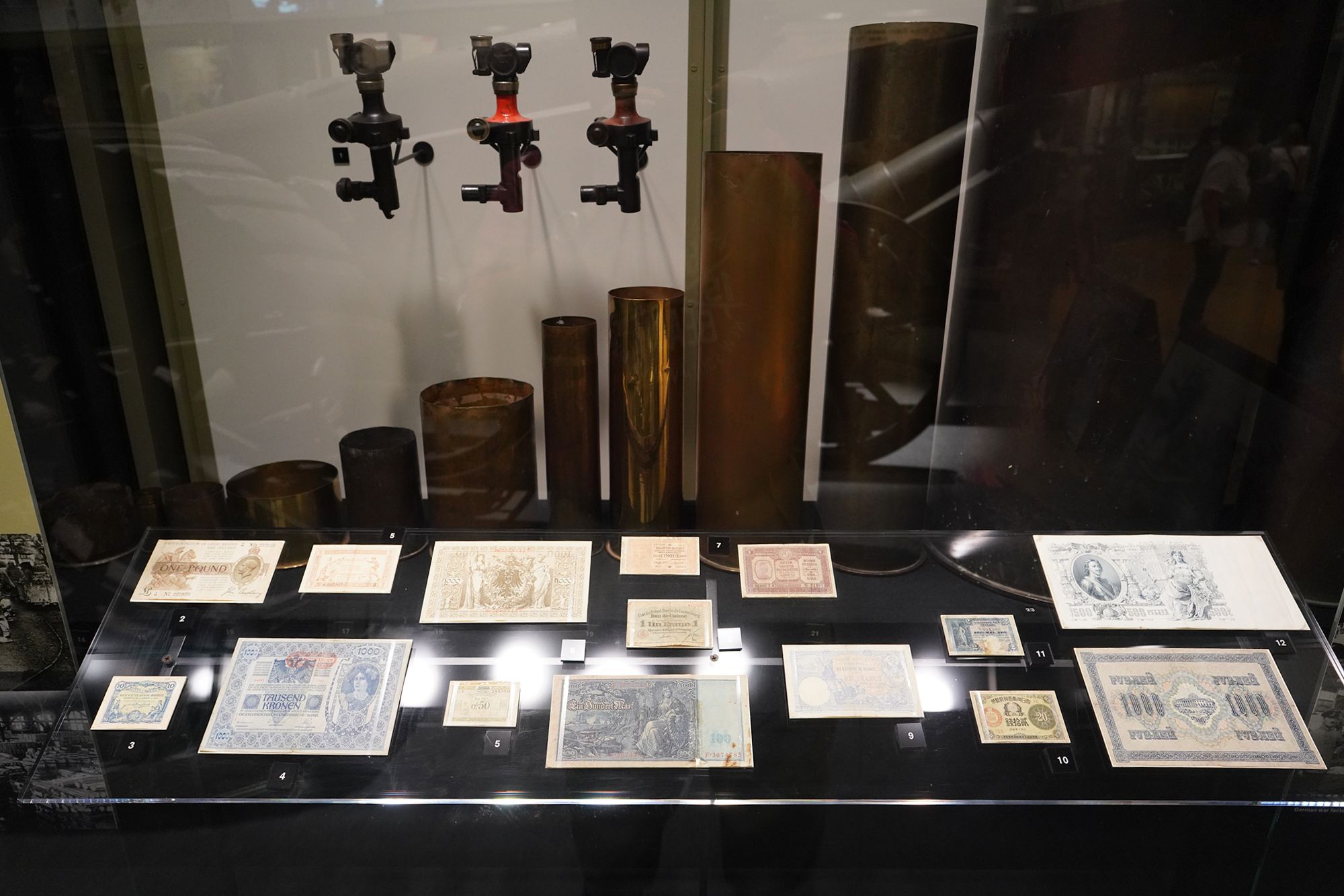
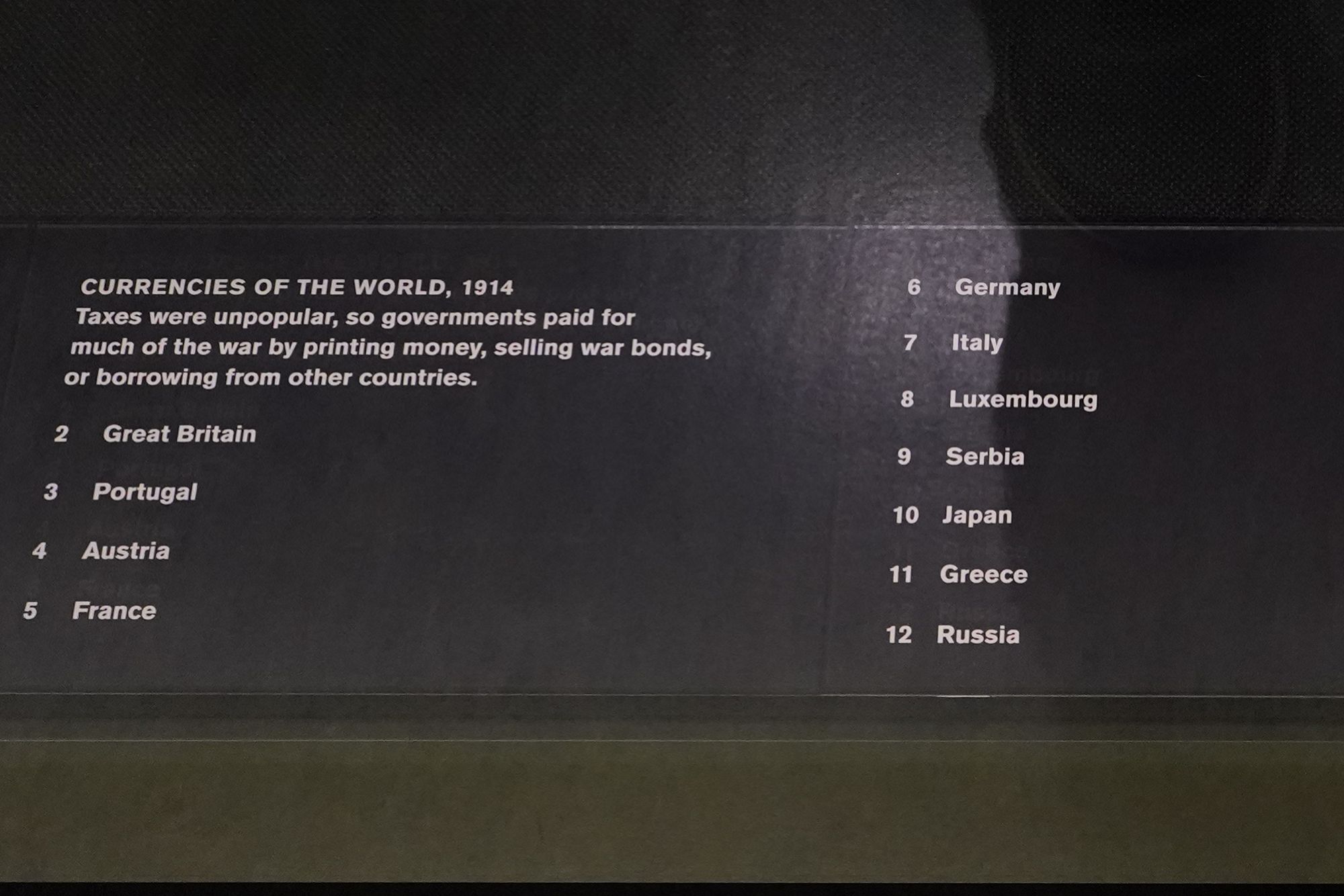
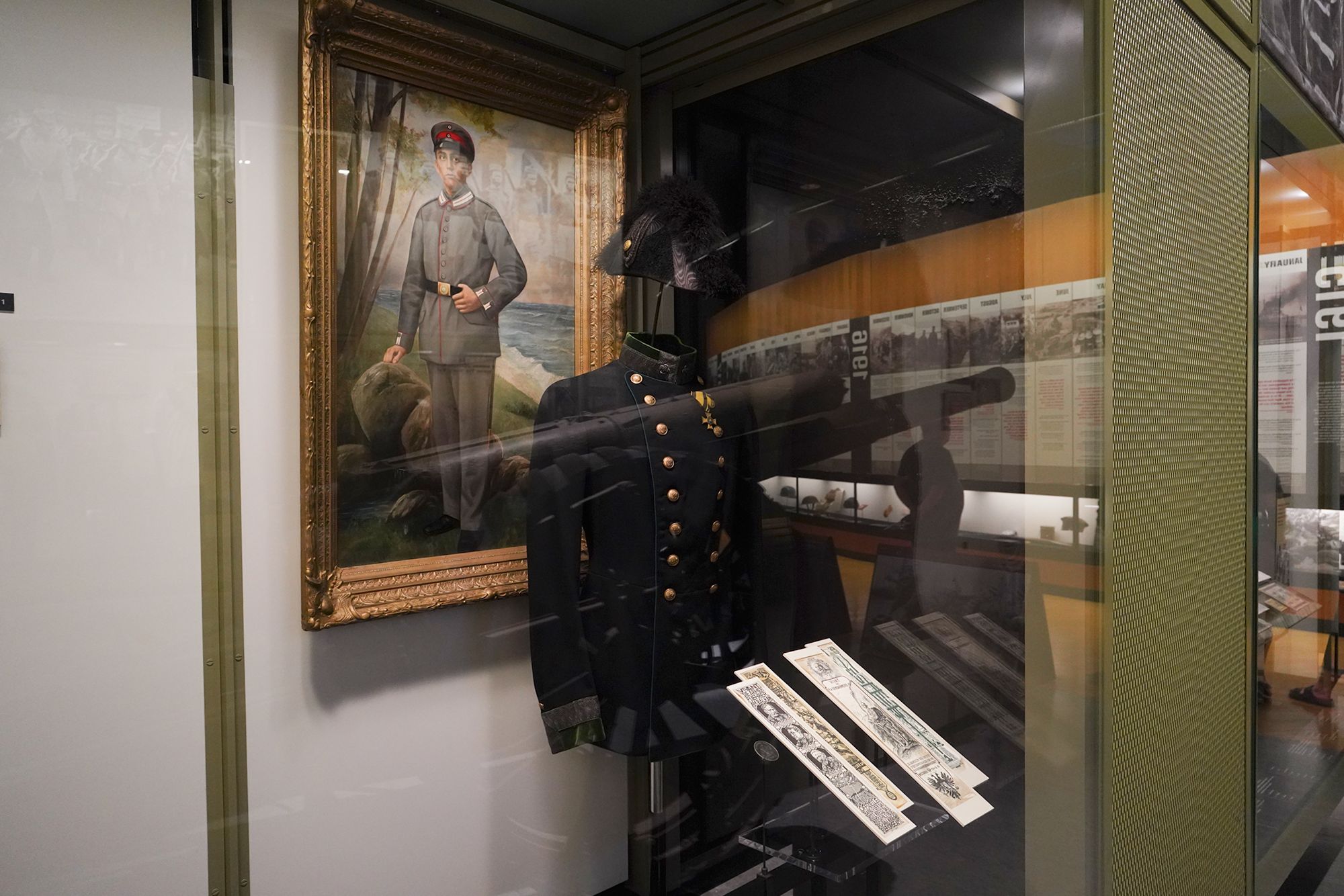
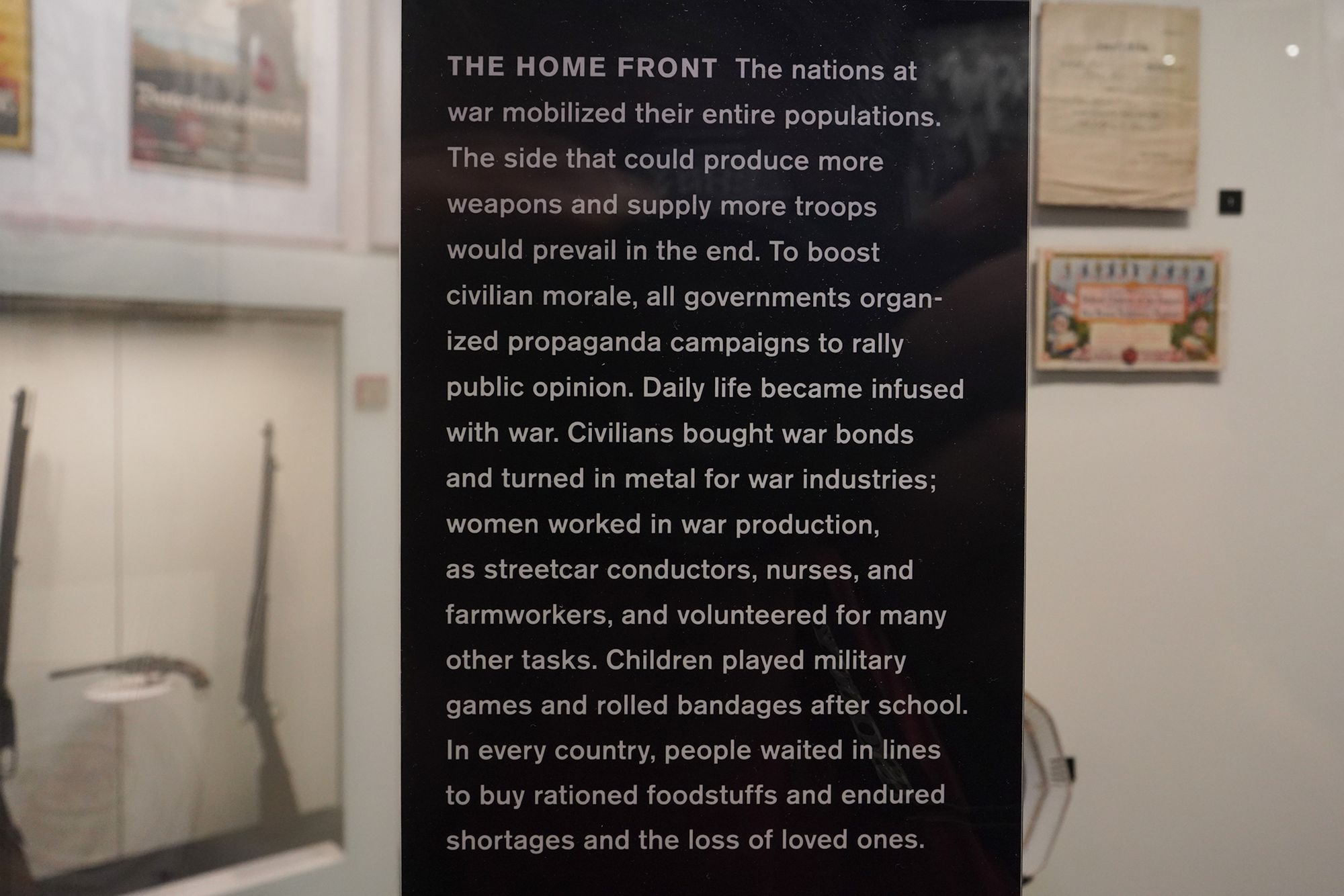
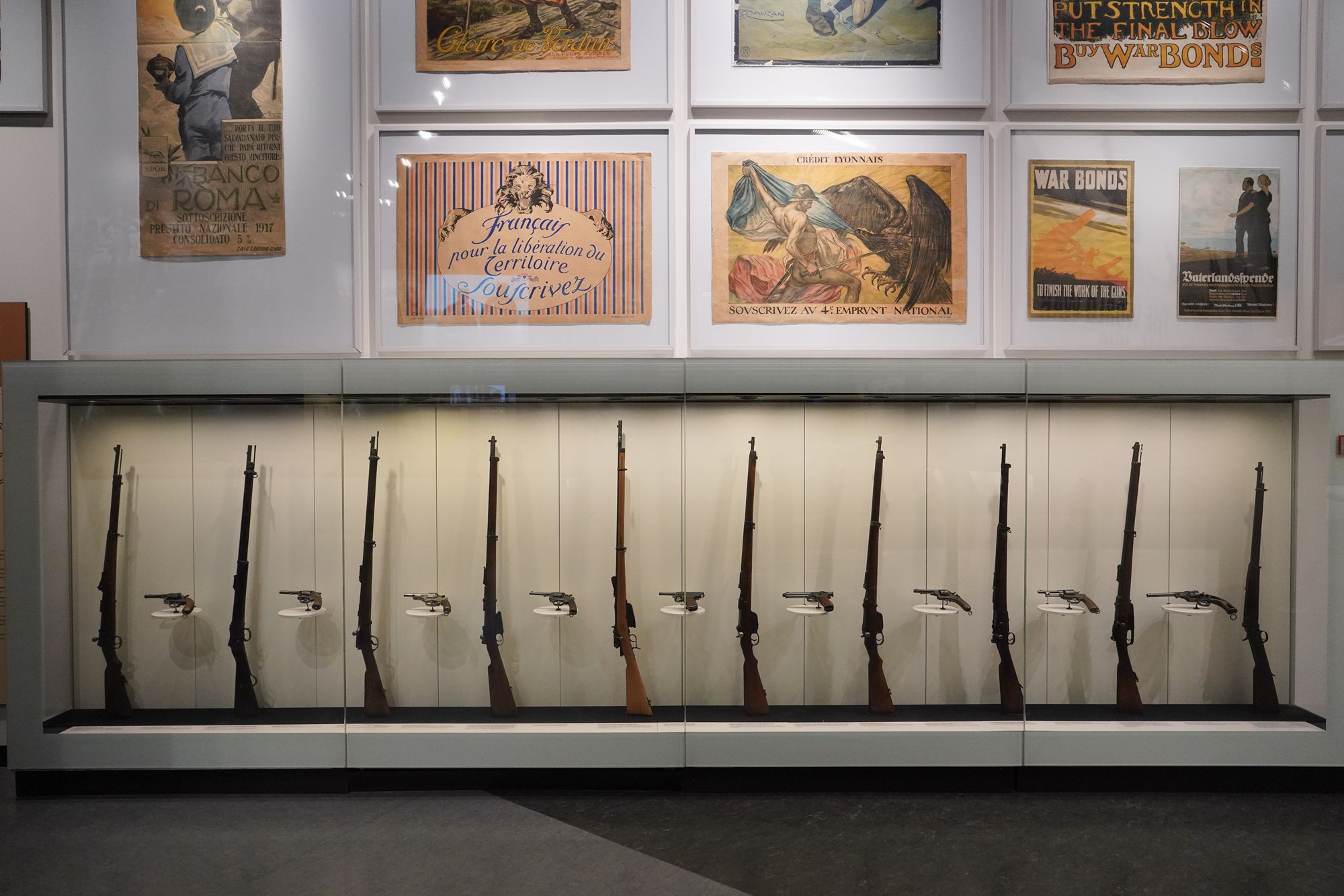
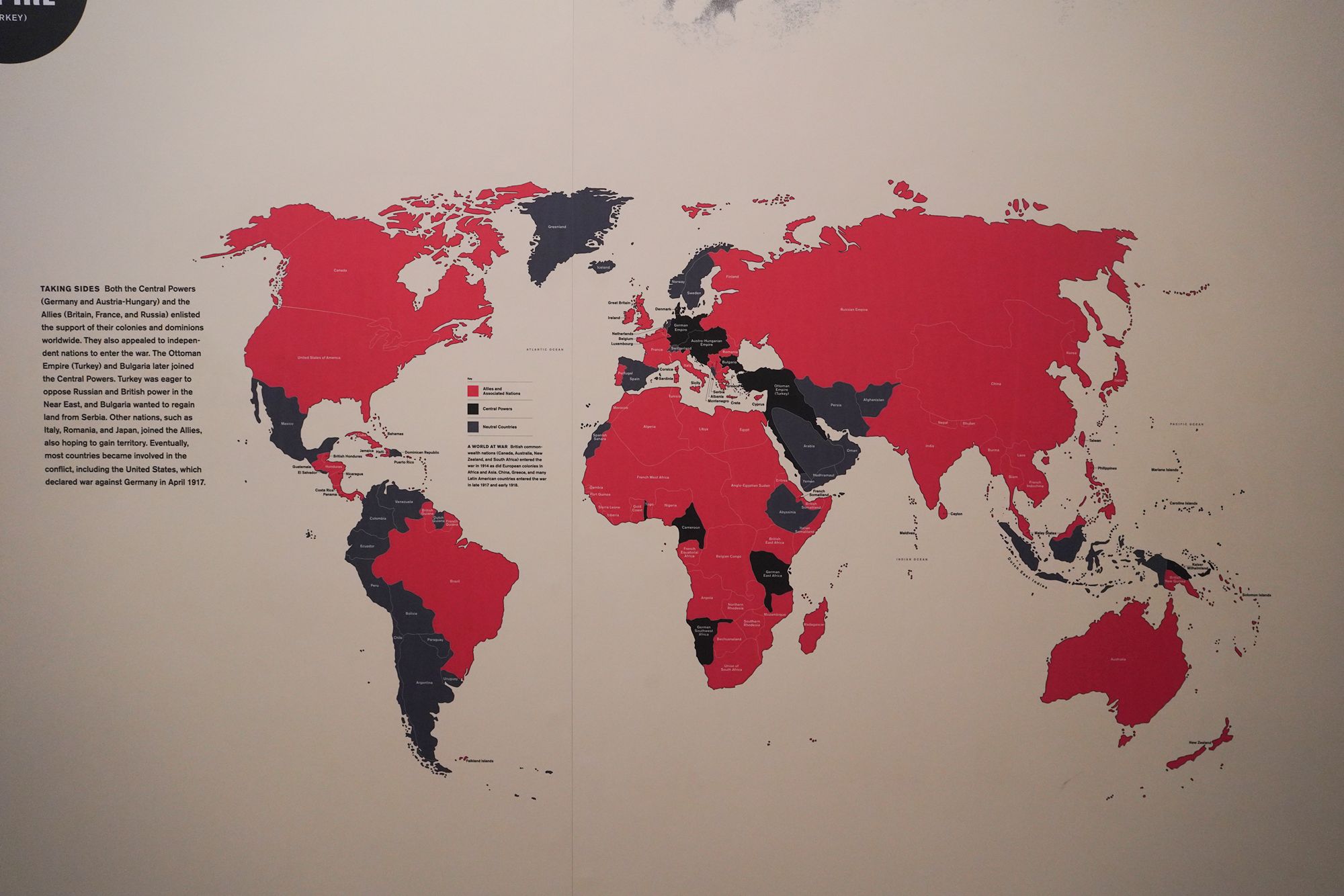
World War I was fought mainly between the Allied Powers—led by Britain, France, and Russia (later joined by the U.S.)—and the Central Powers, primarily Germany, Austria-Hungary, and the Ottoman Empire.
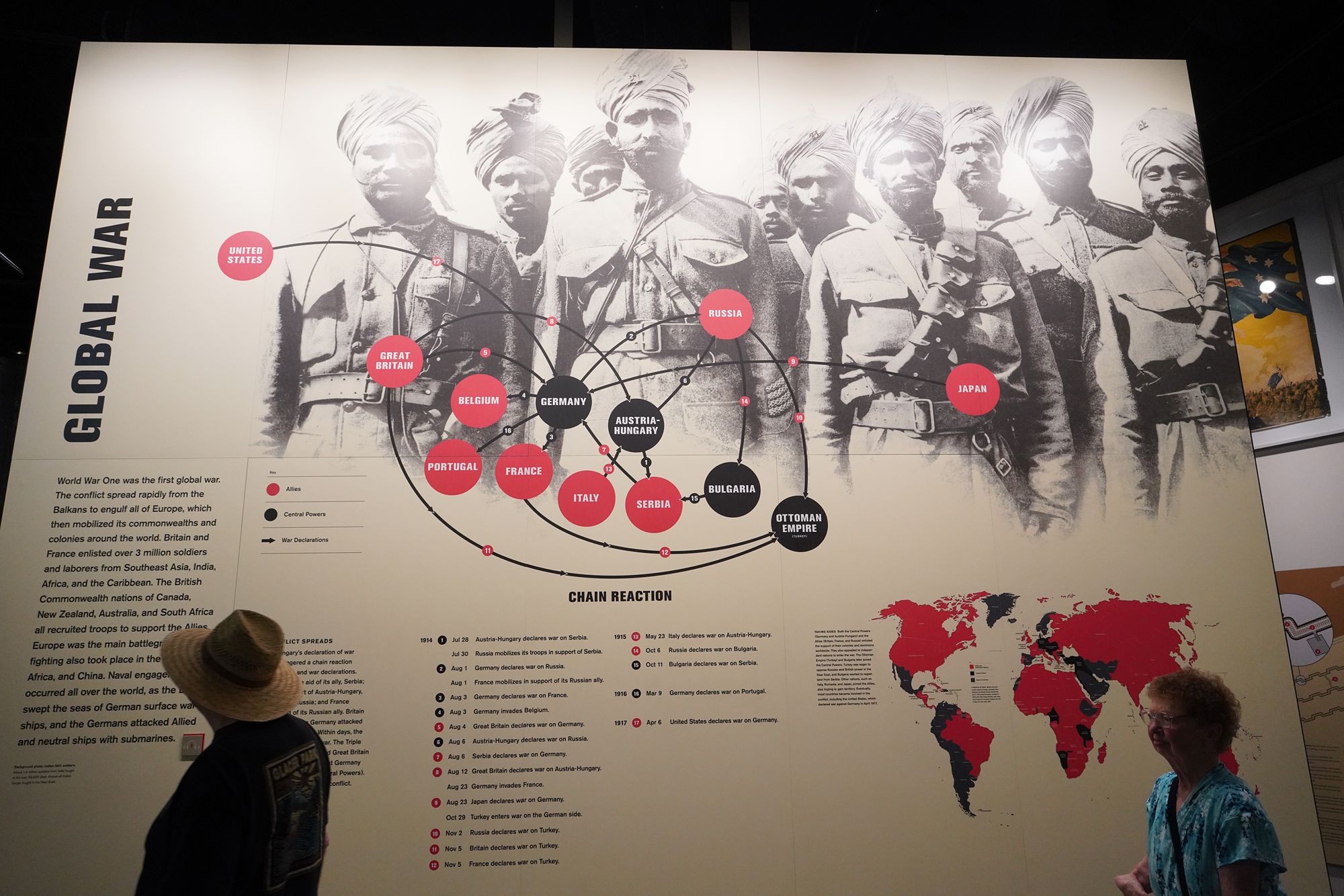
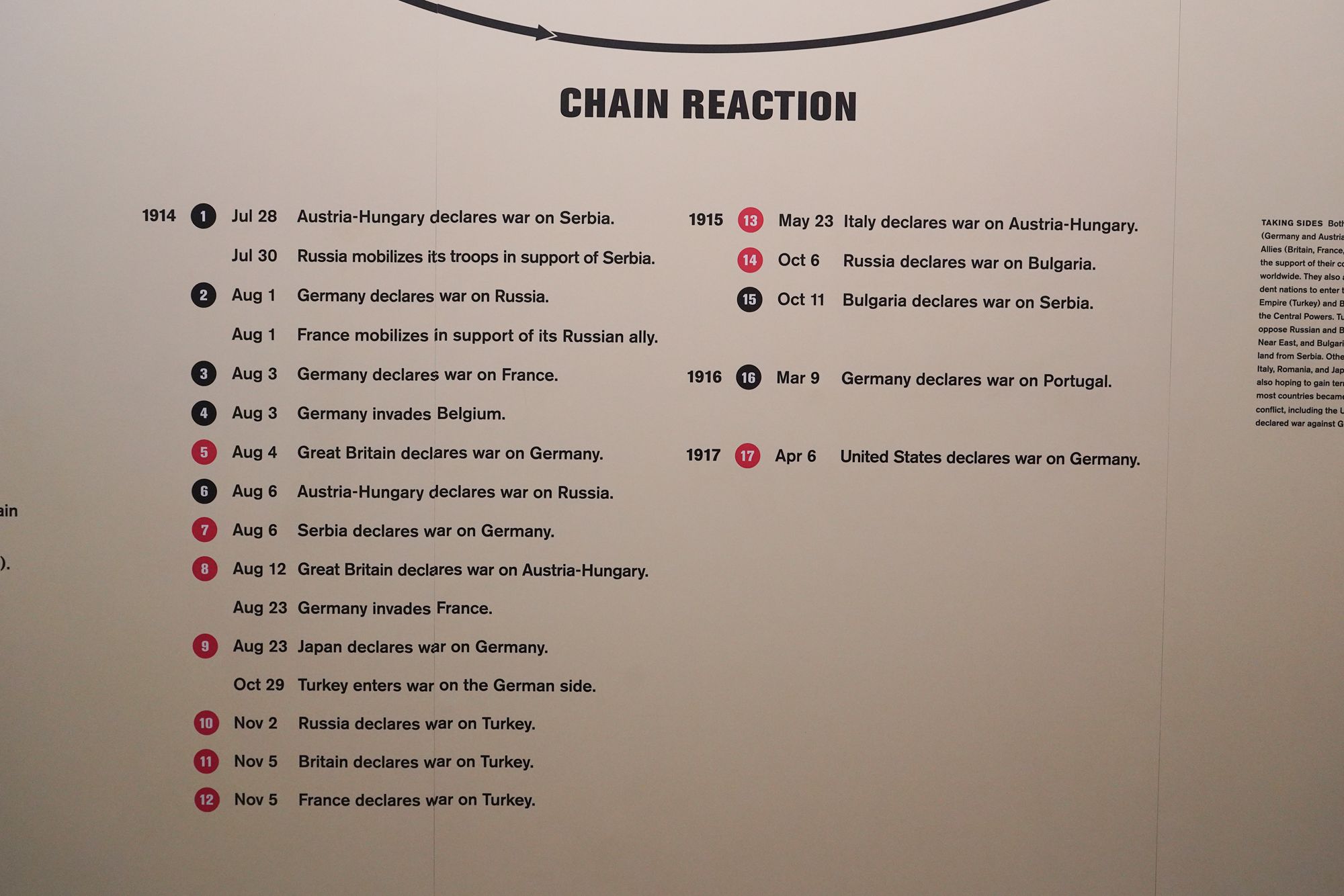
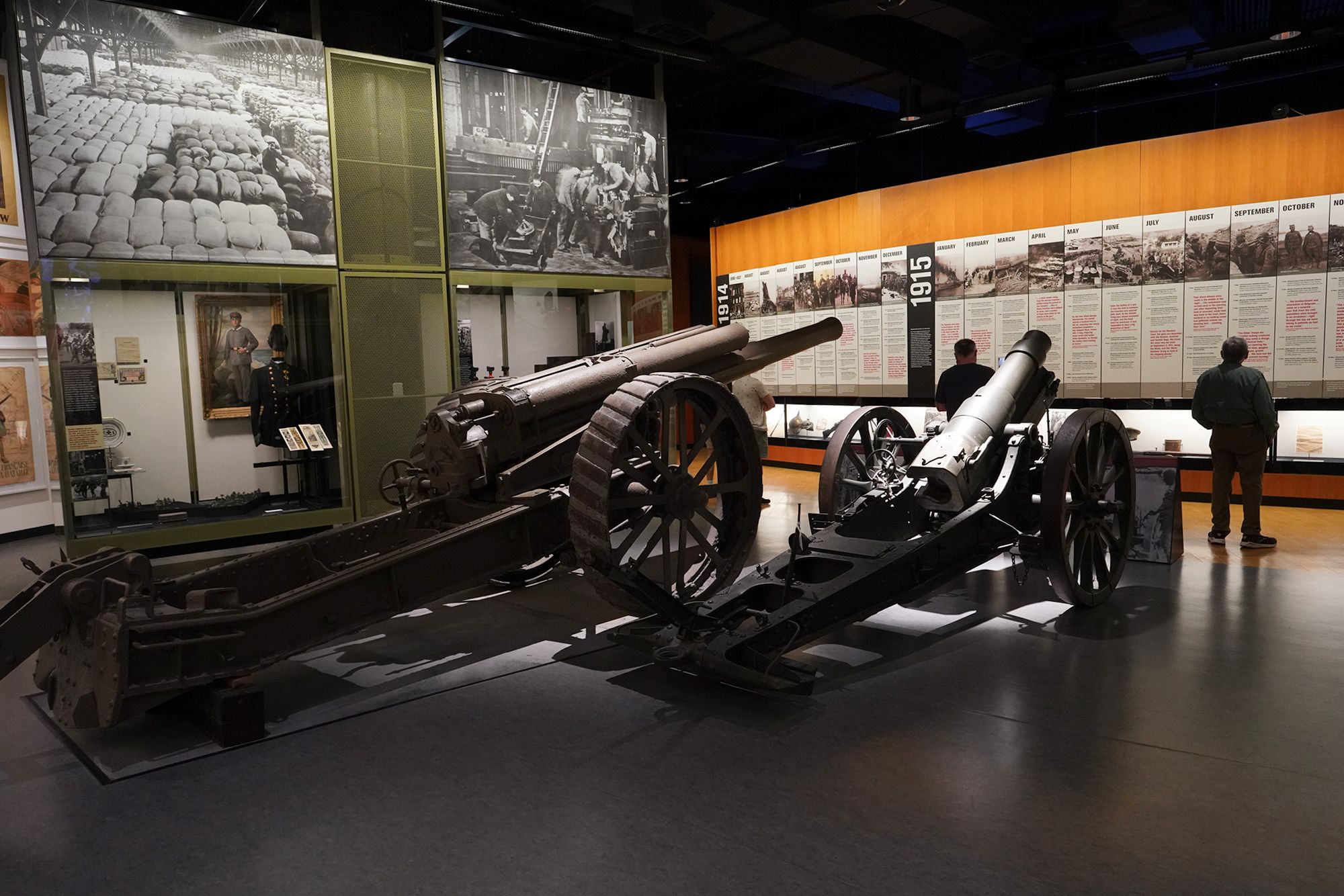
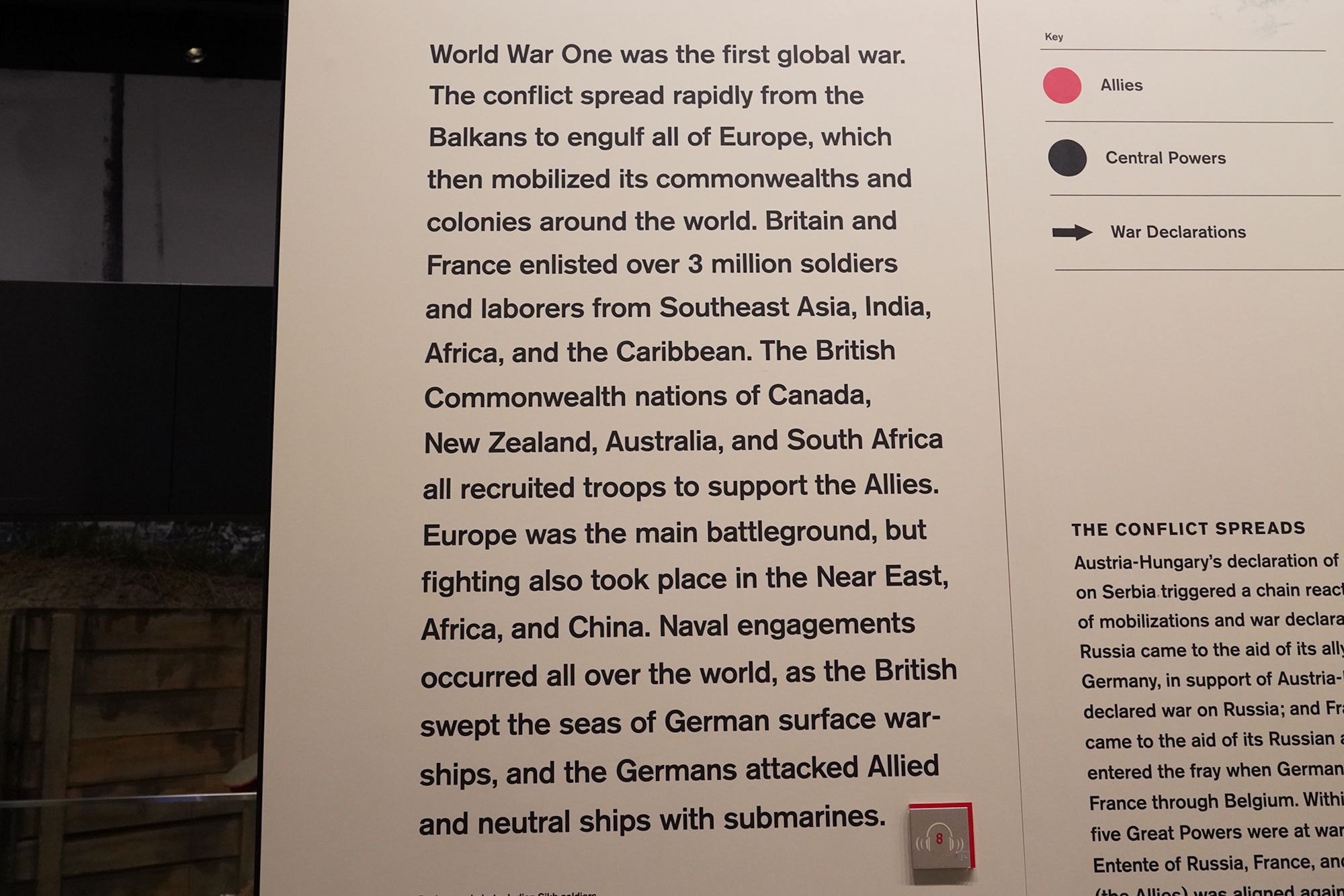
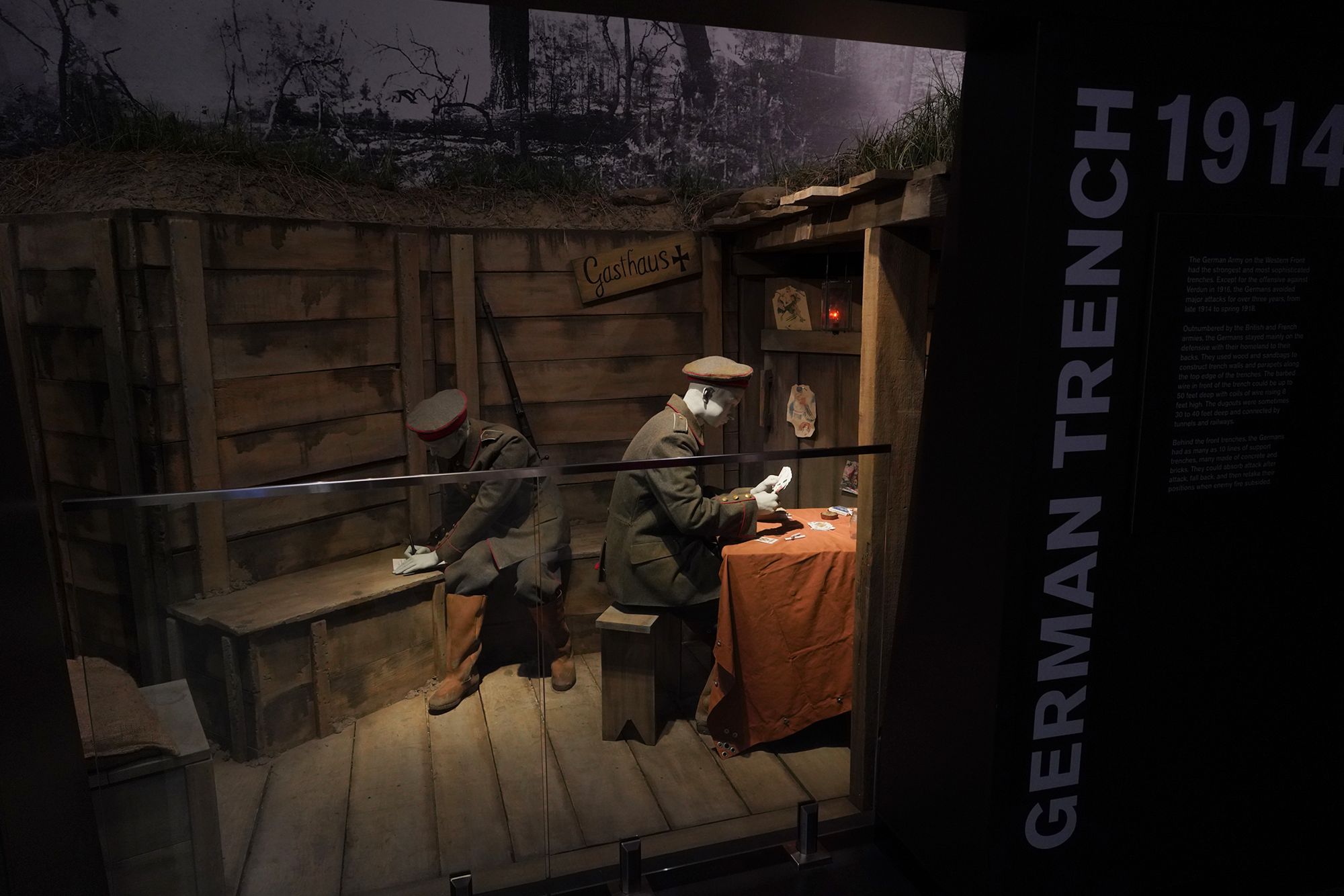
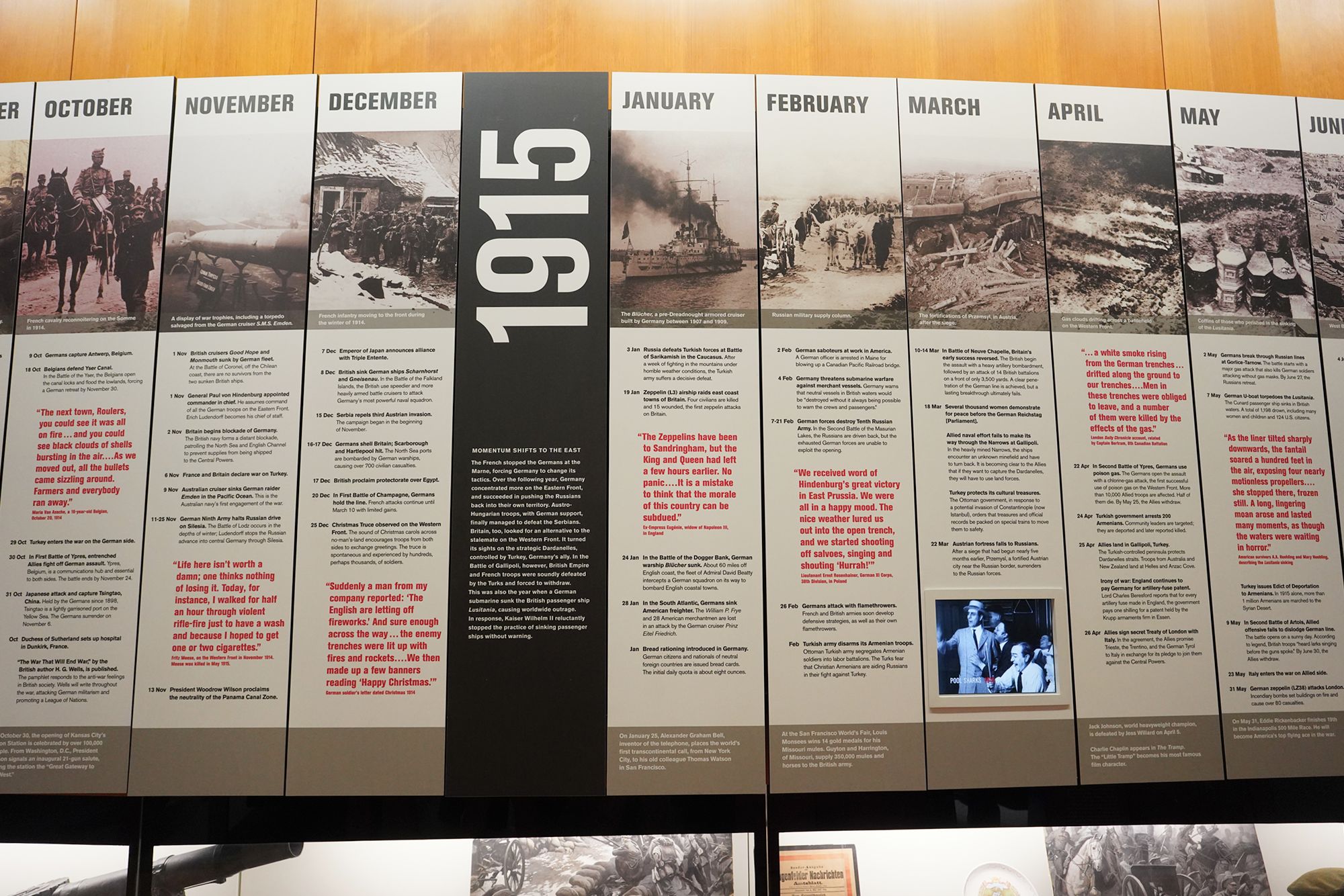
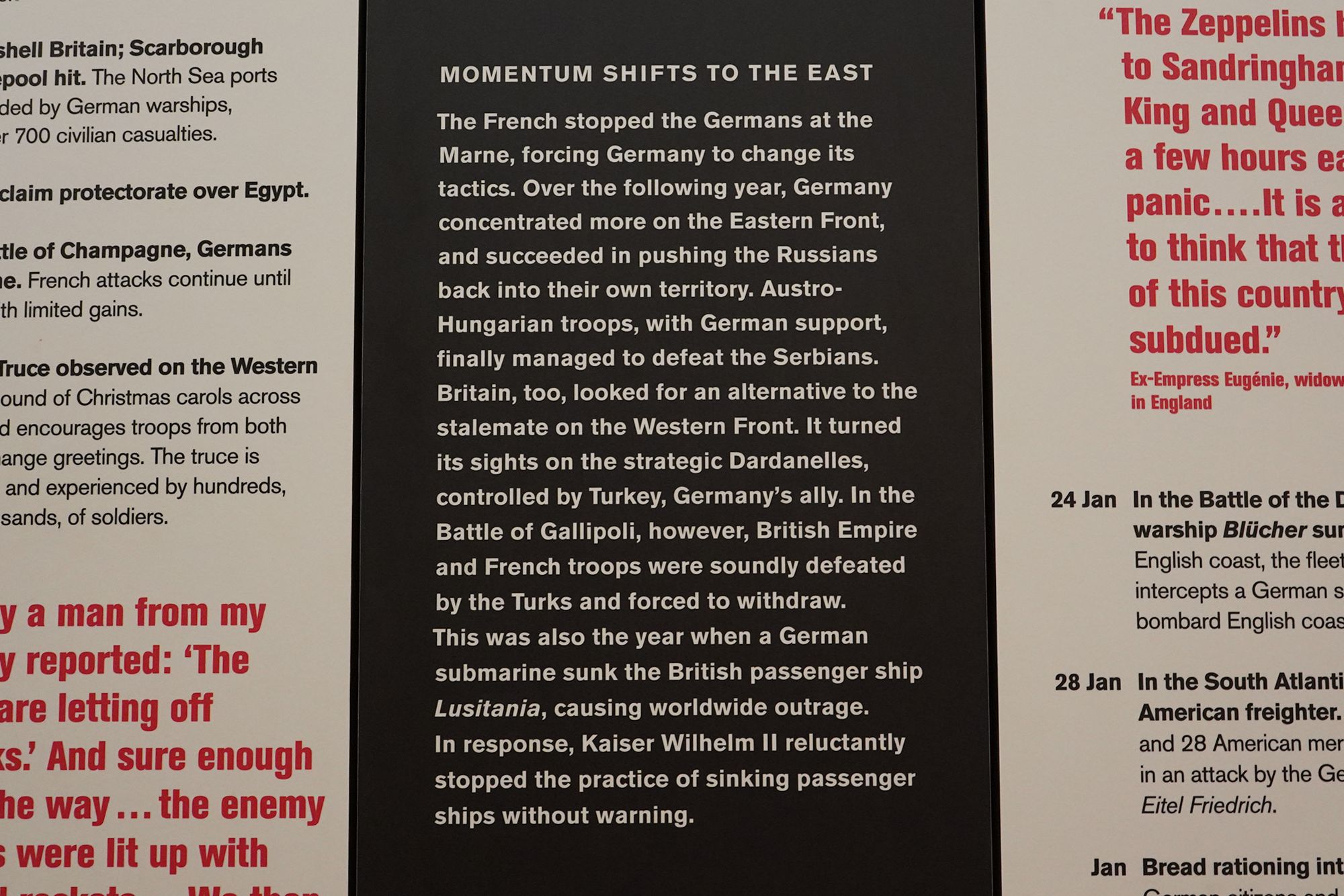
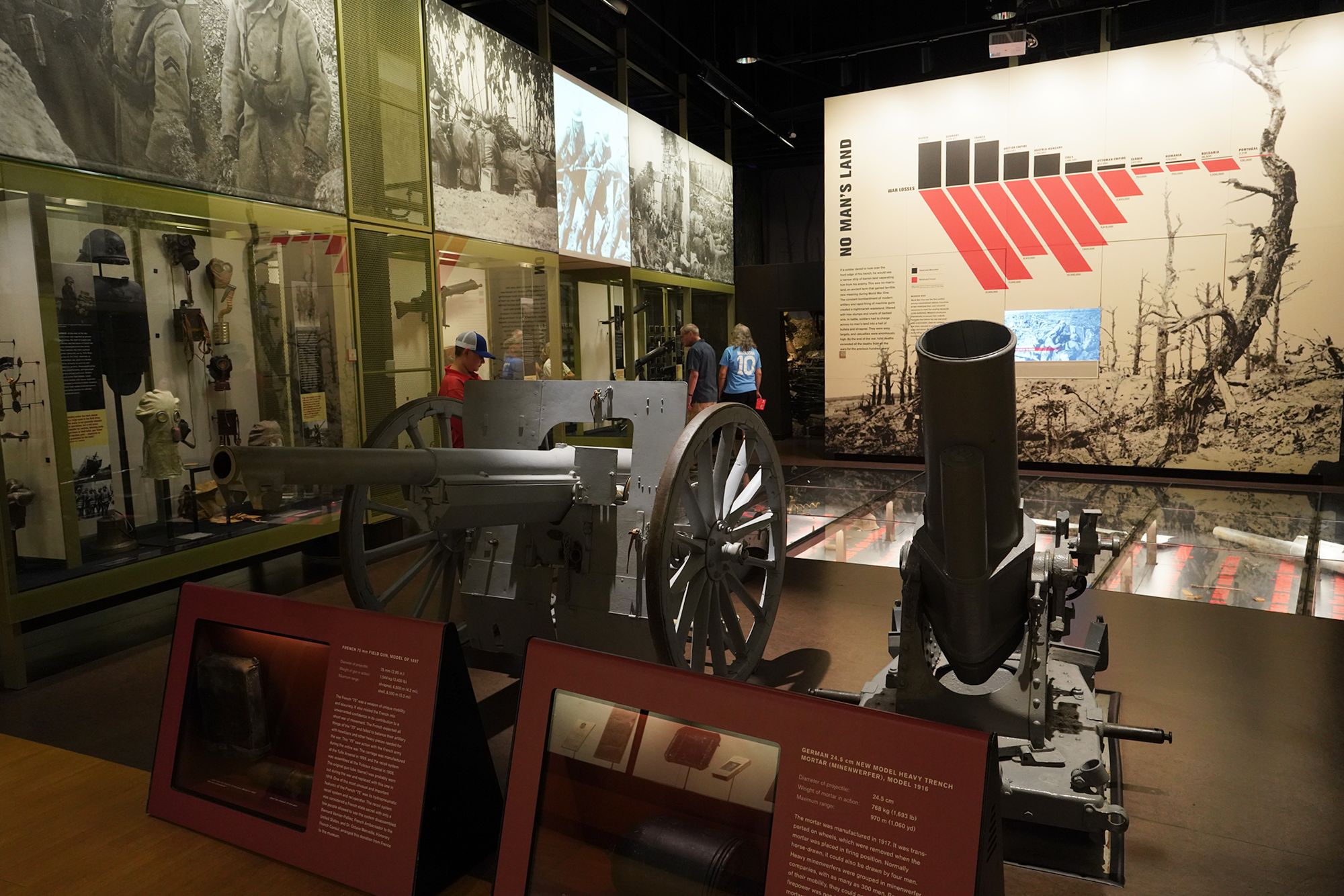
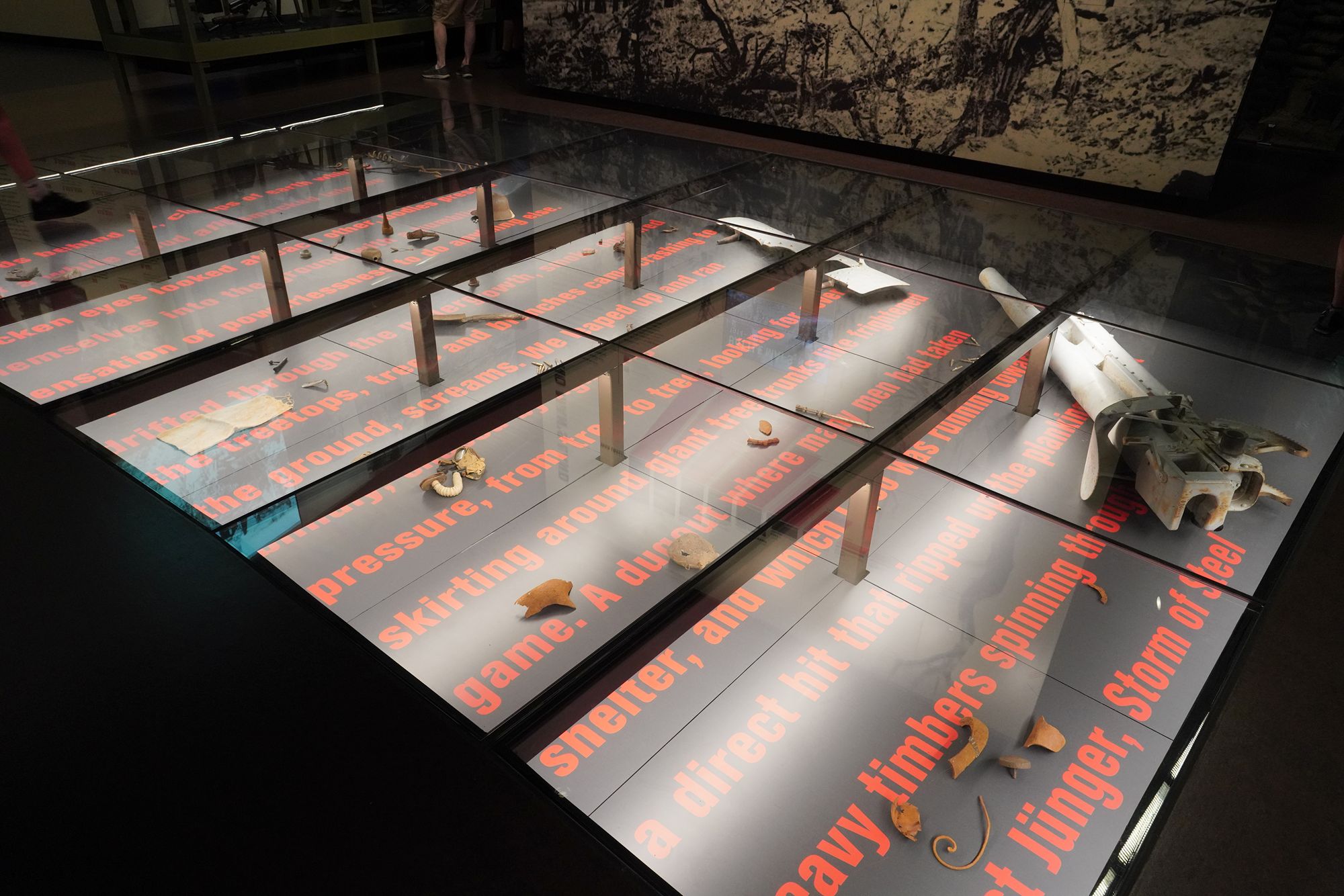
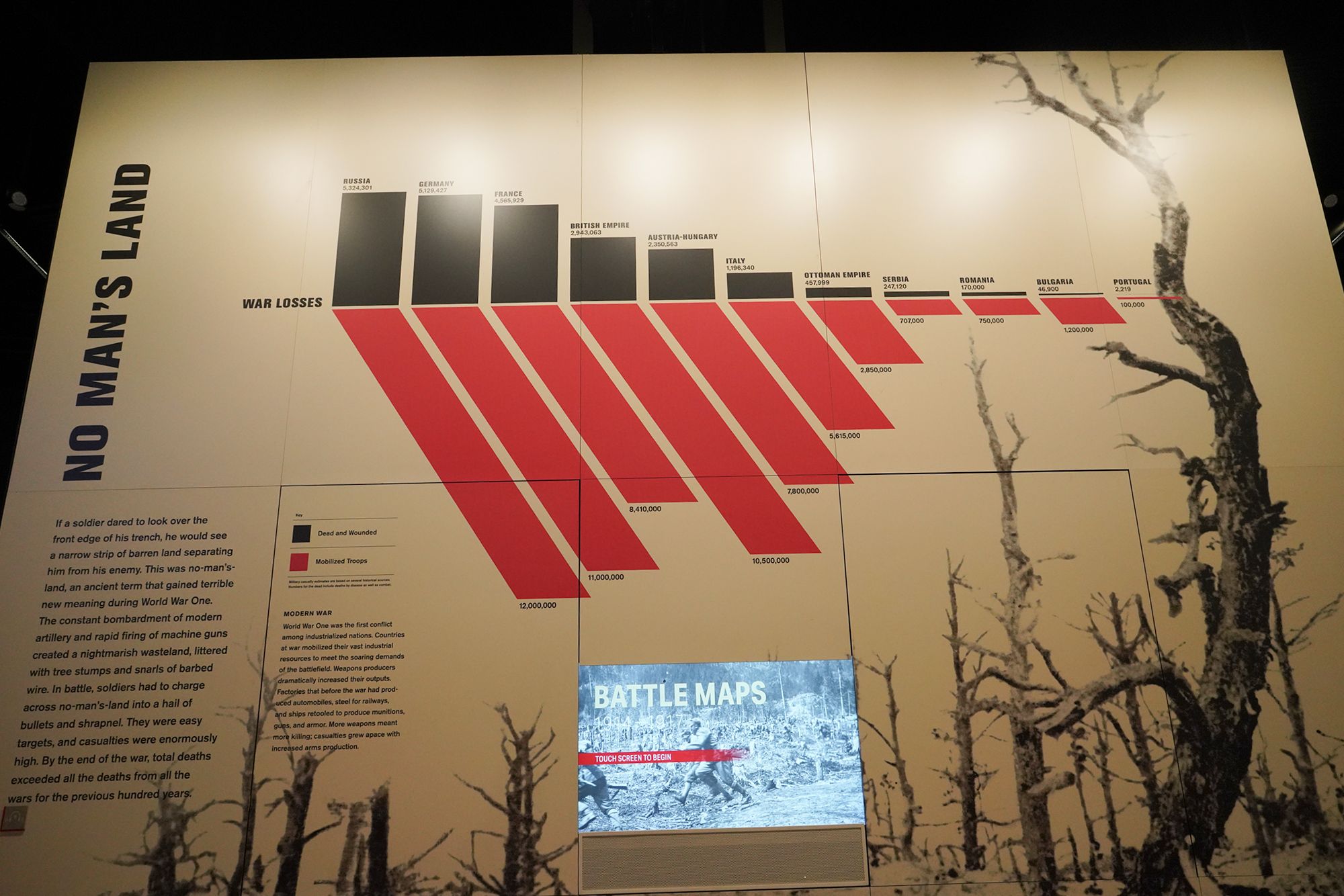
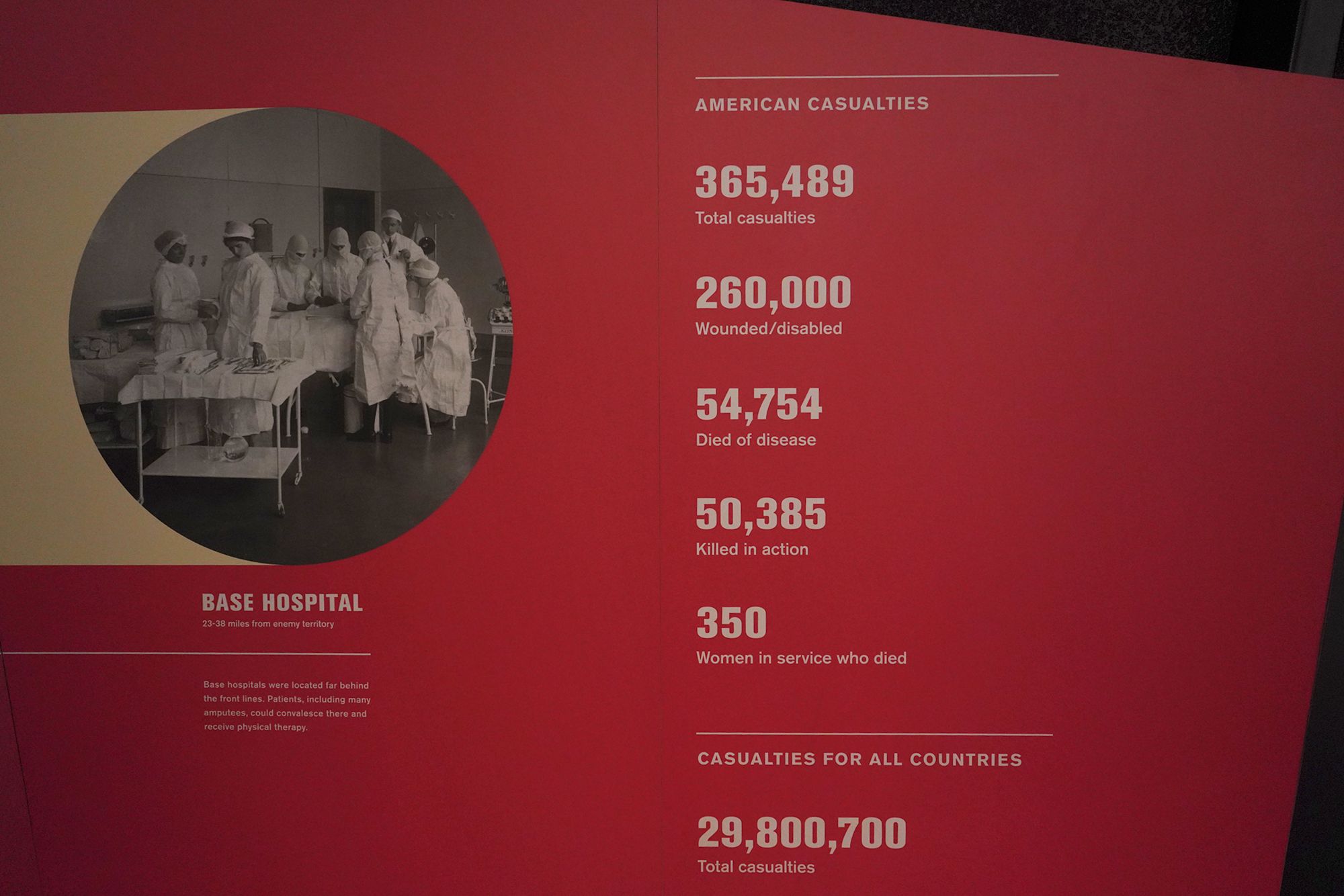
World War I caused an estimated 20 million deaths (about half soldiers, half civilians) and 21 million wounded, making it one of history’s deadliest conflicts.
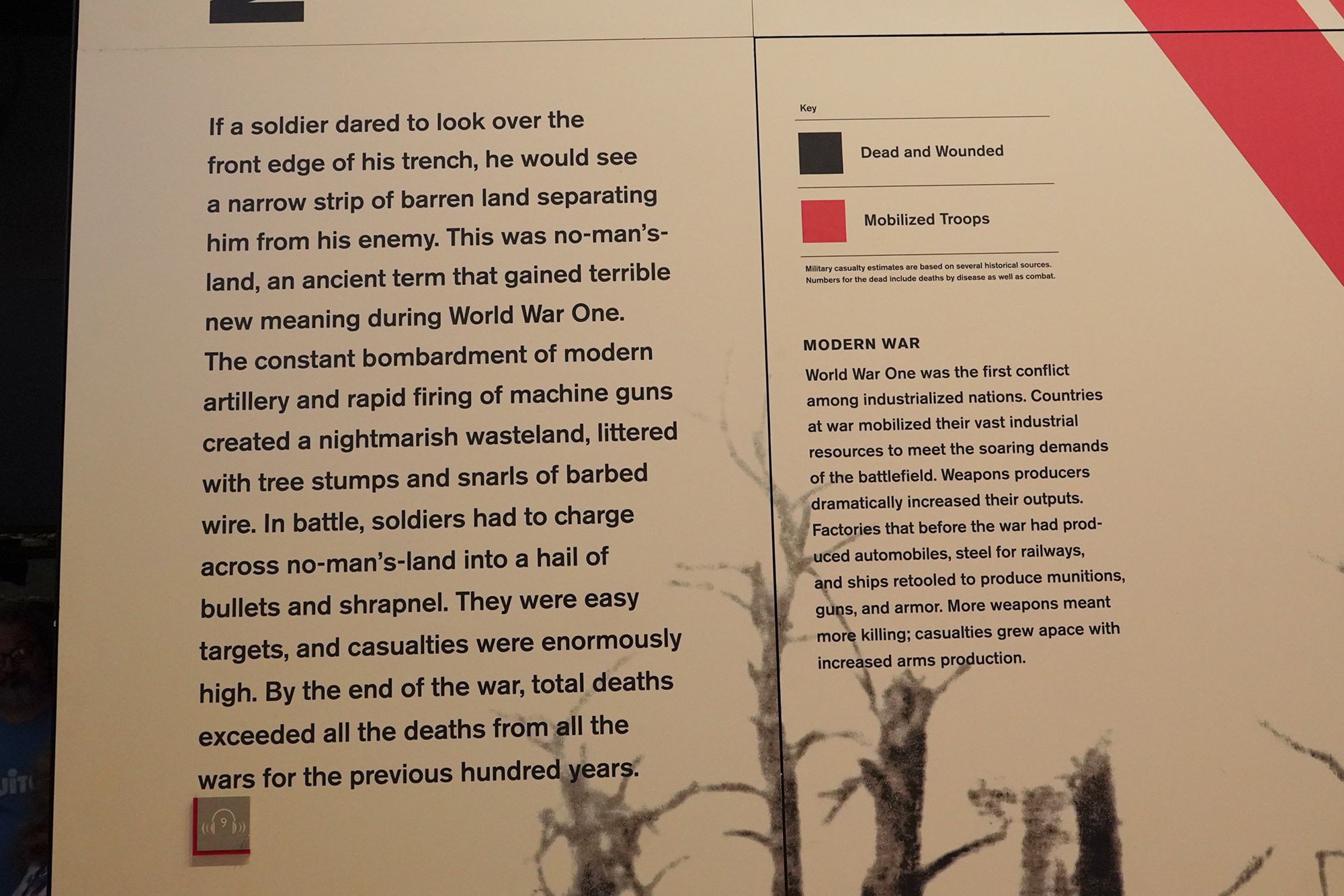
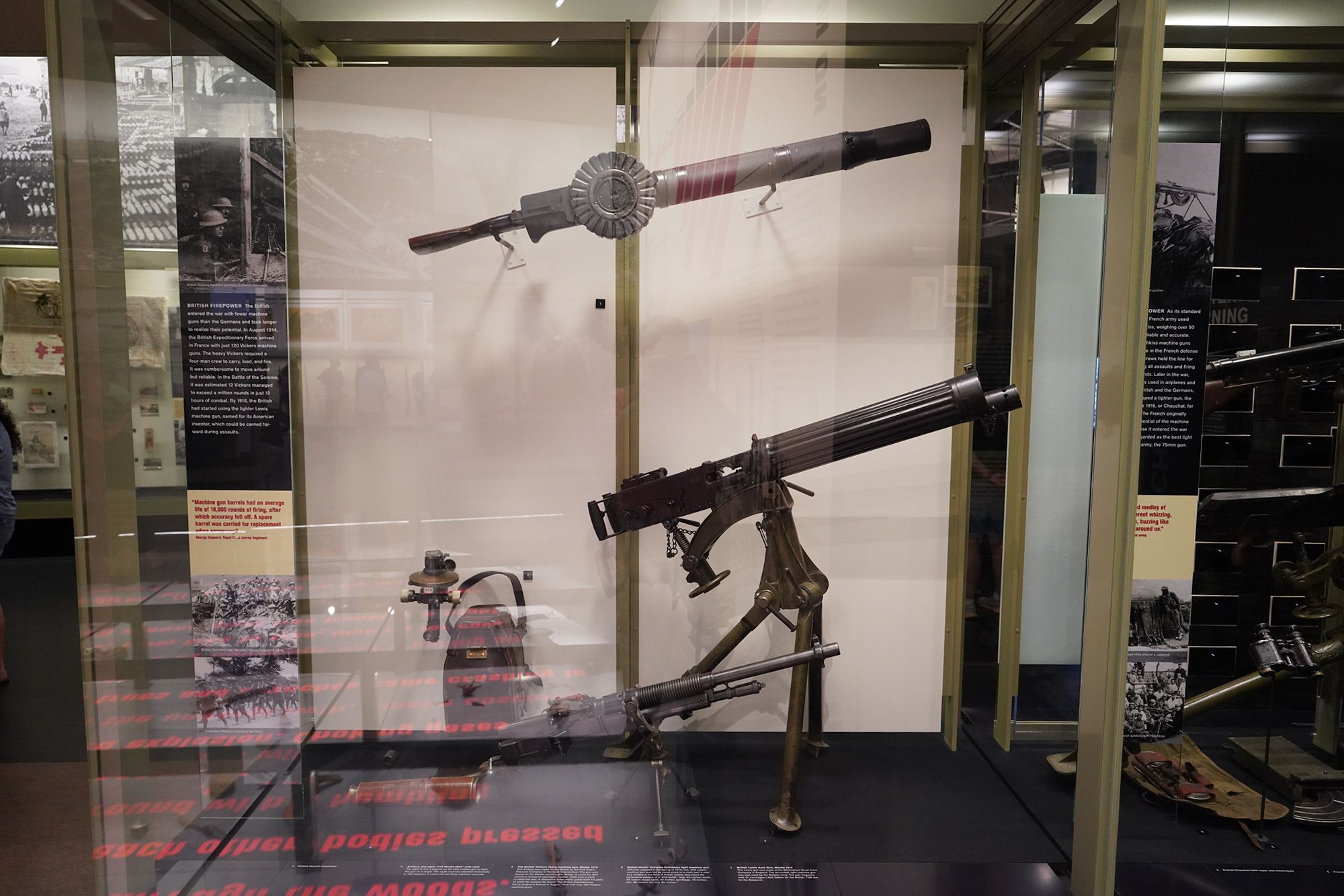
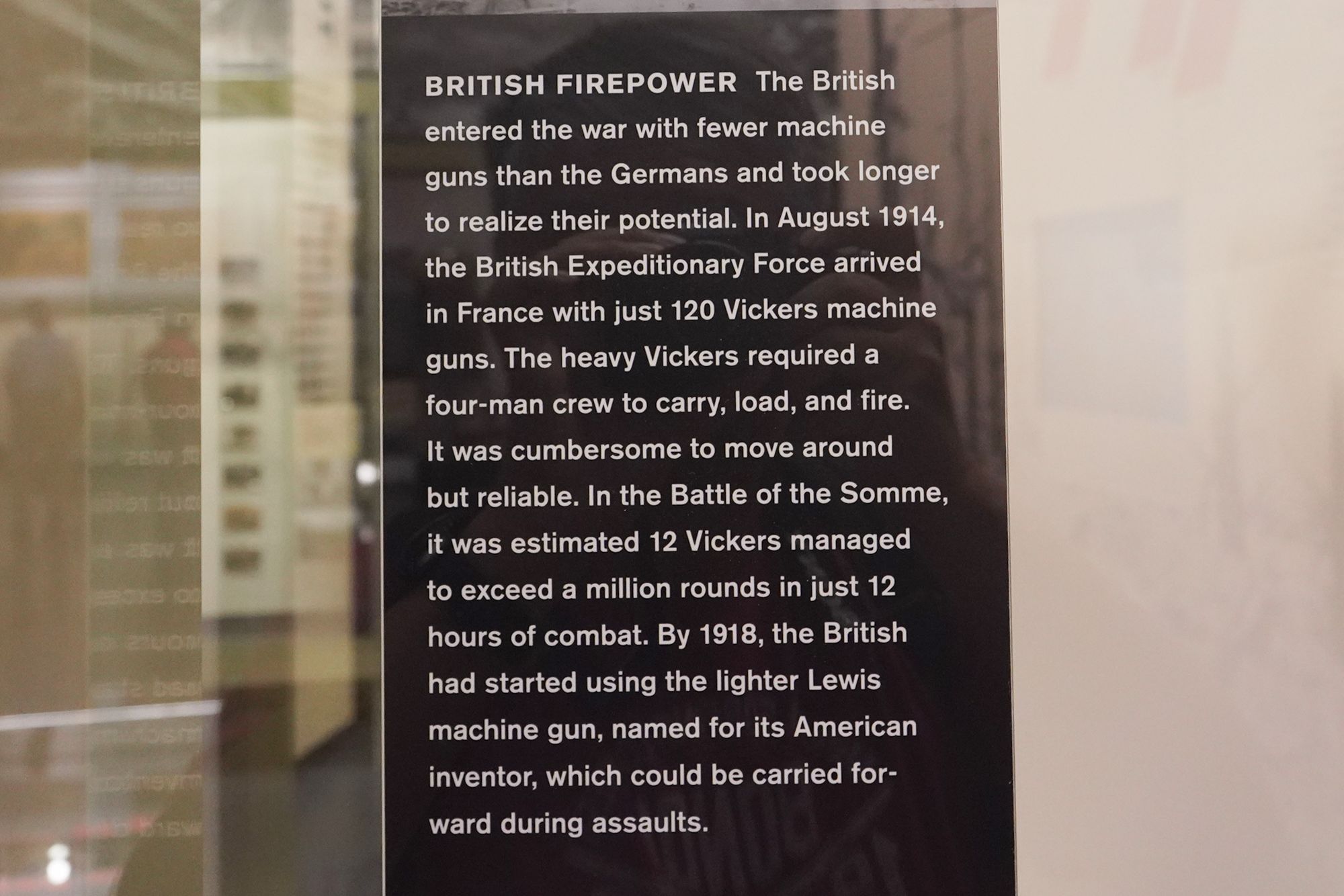
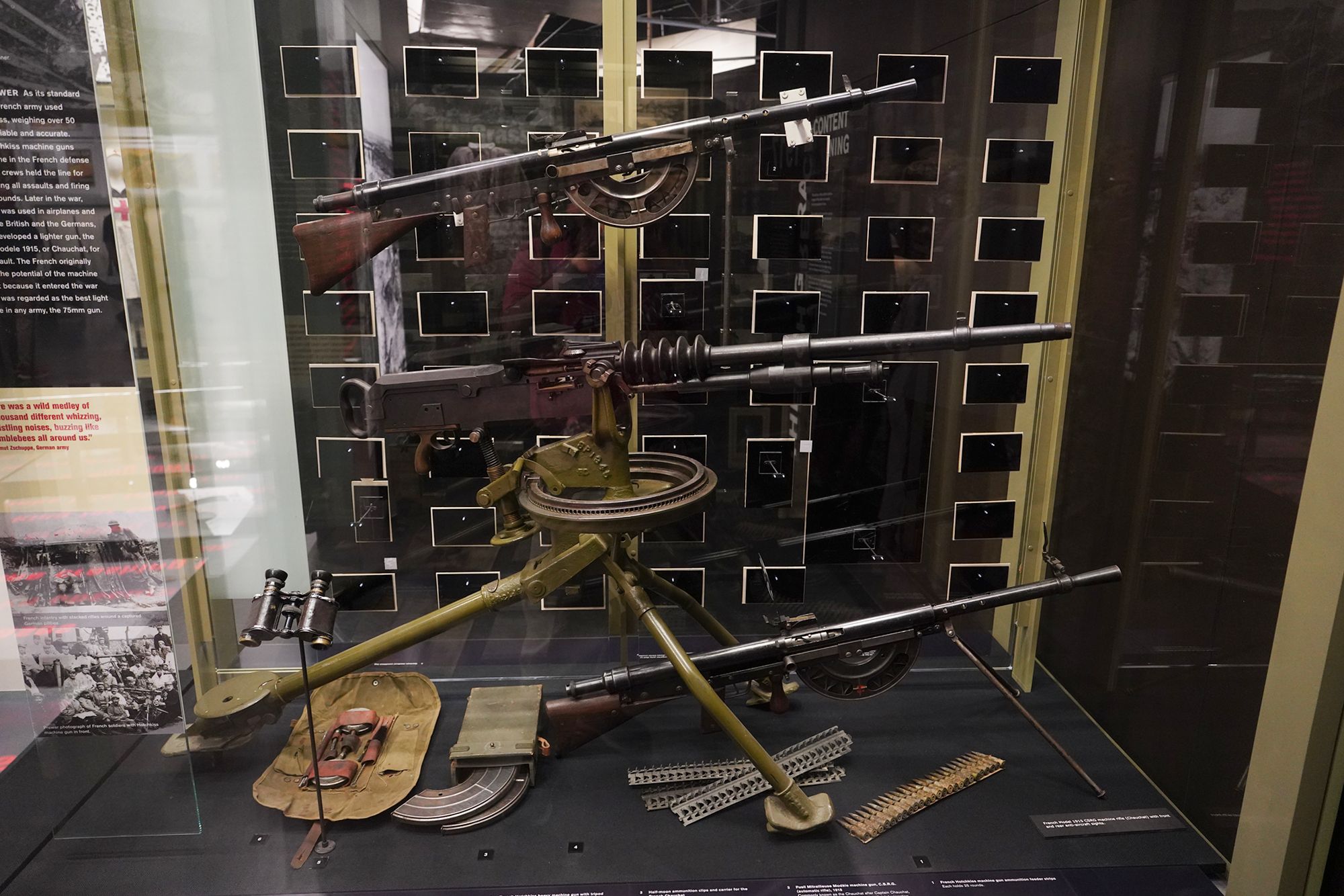
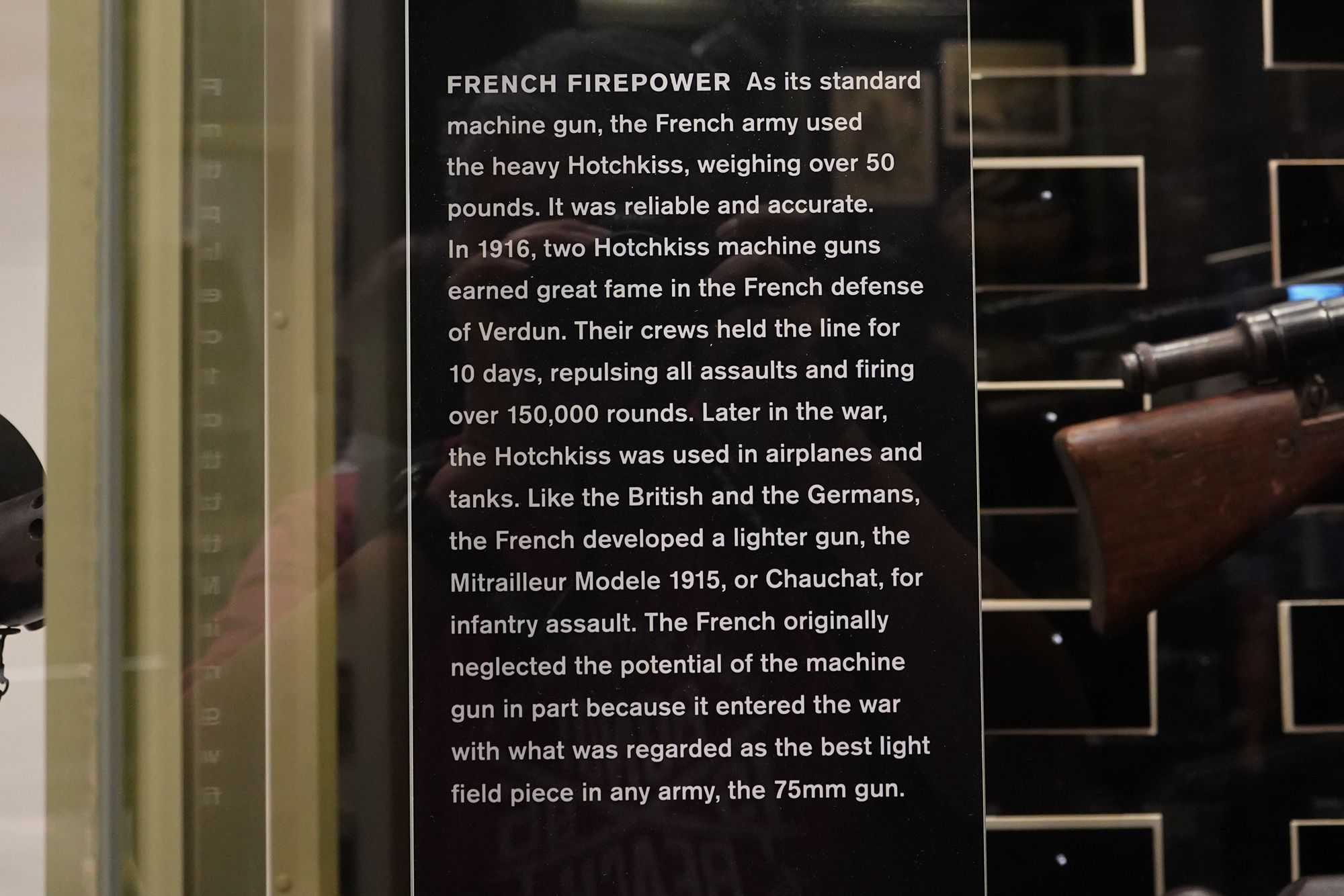
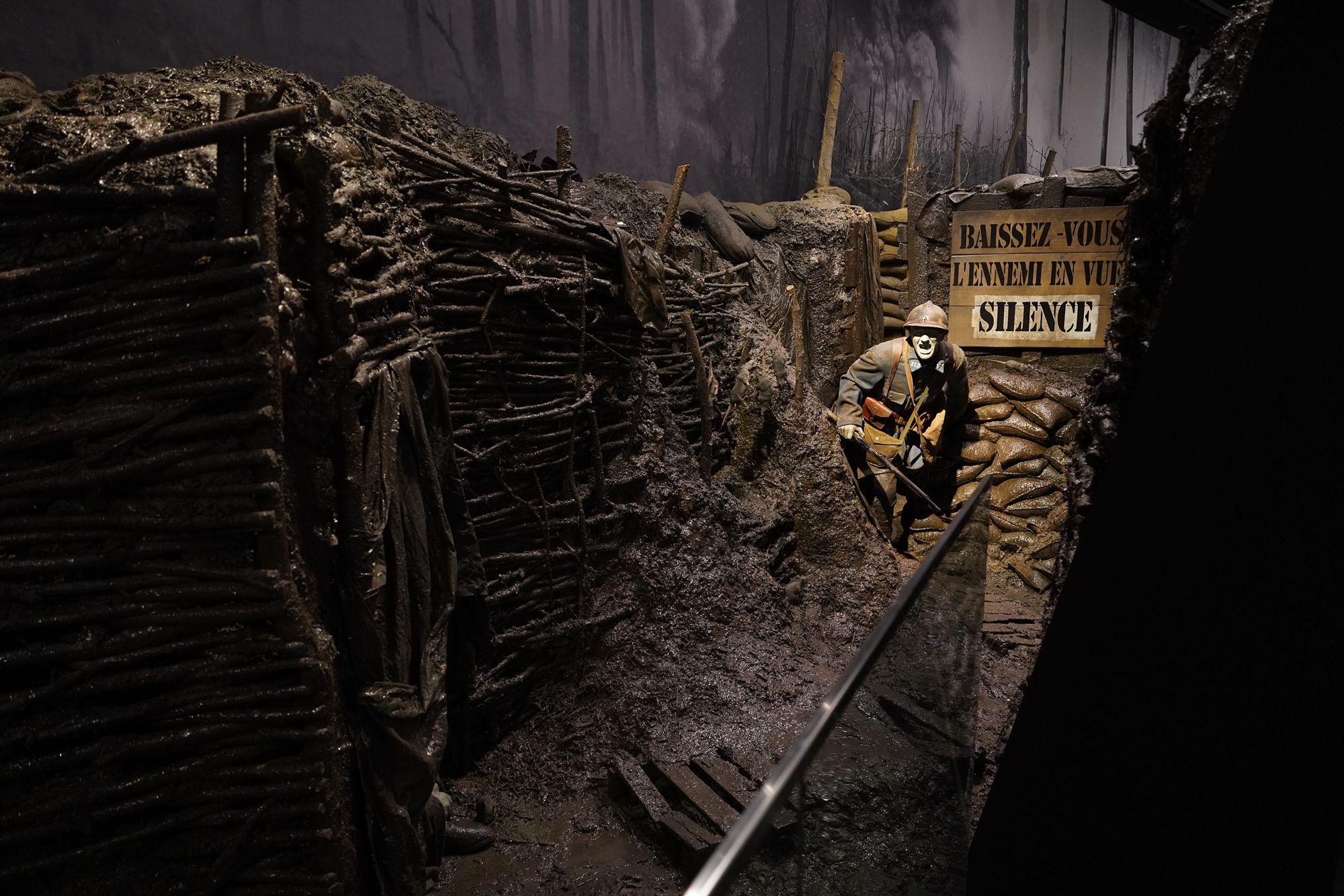
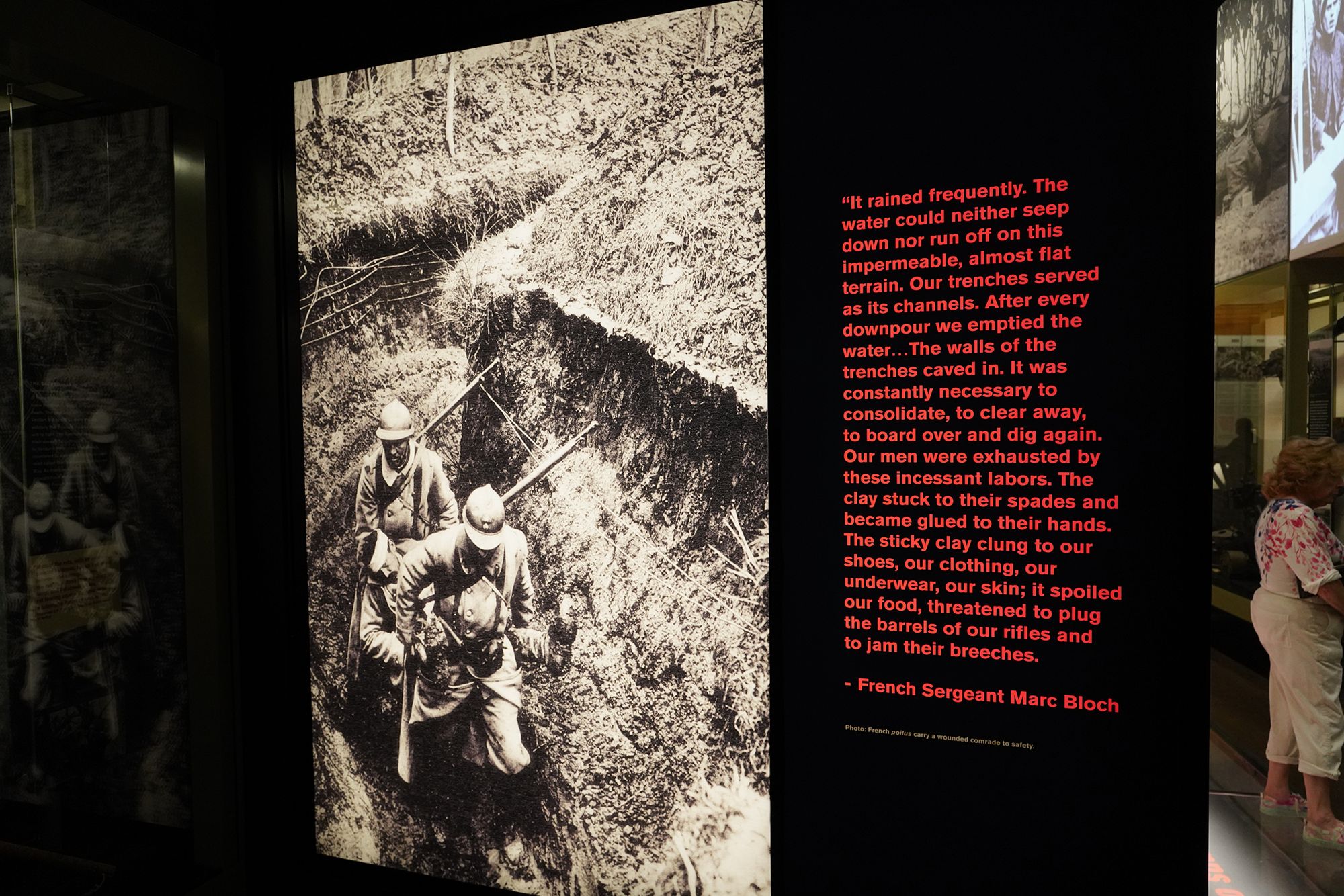
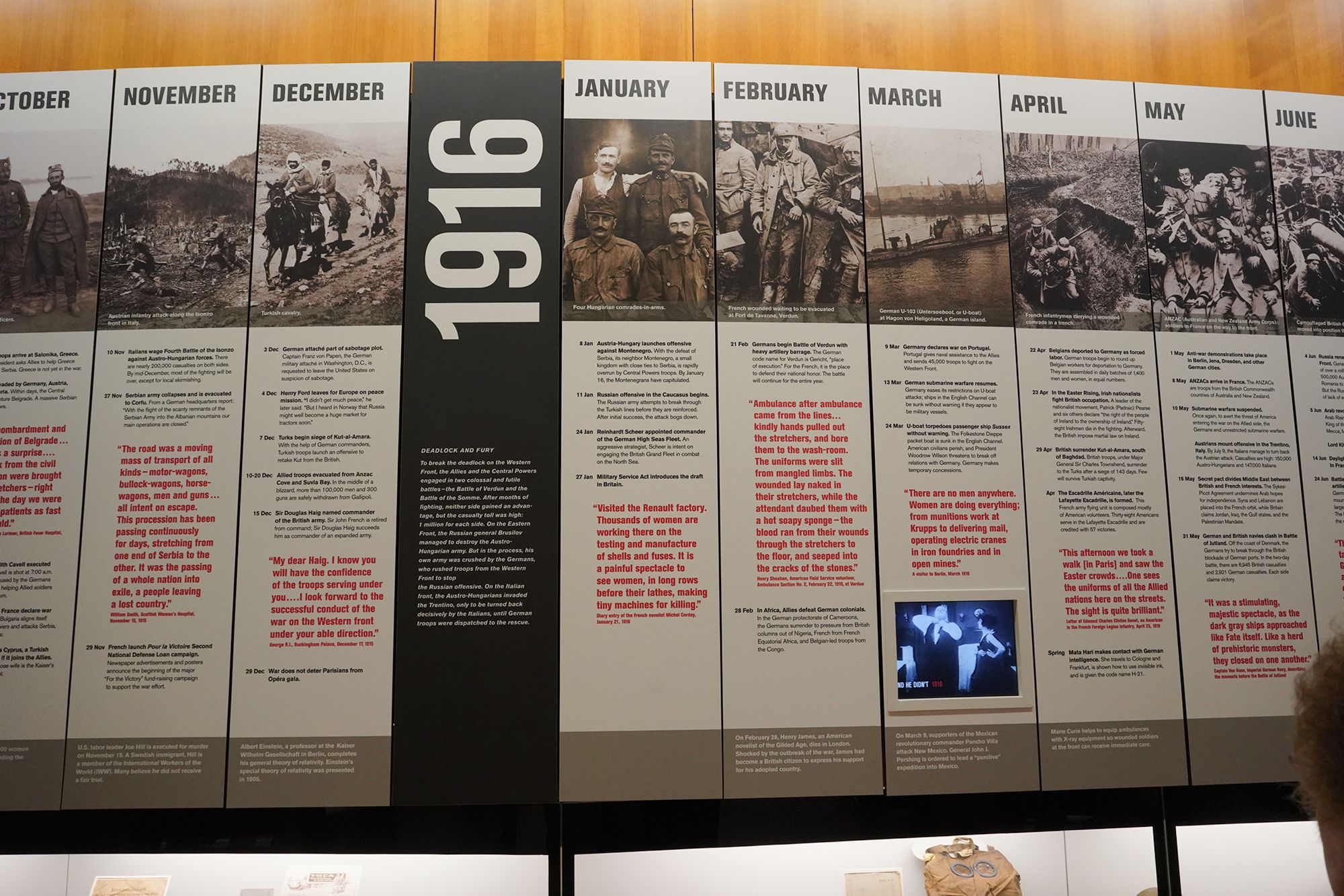
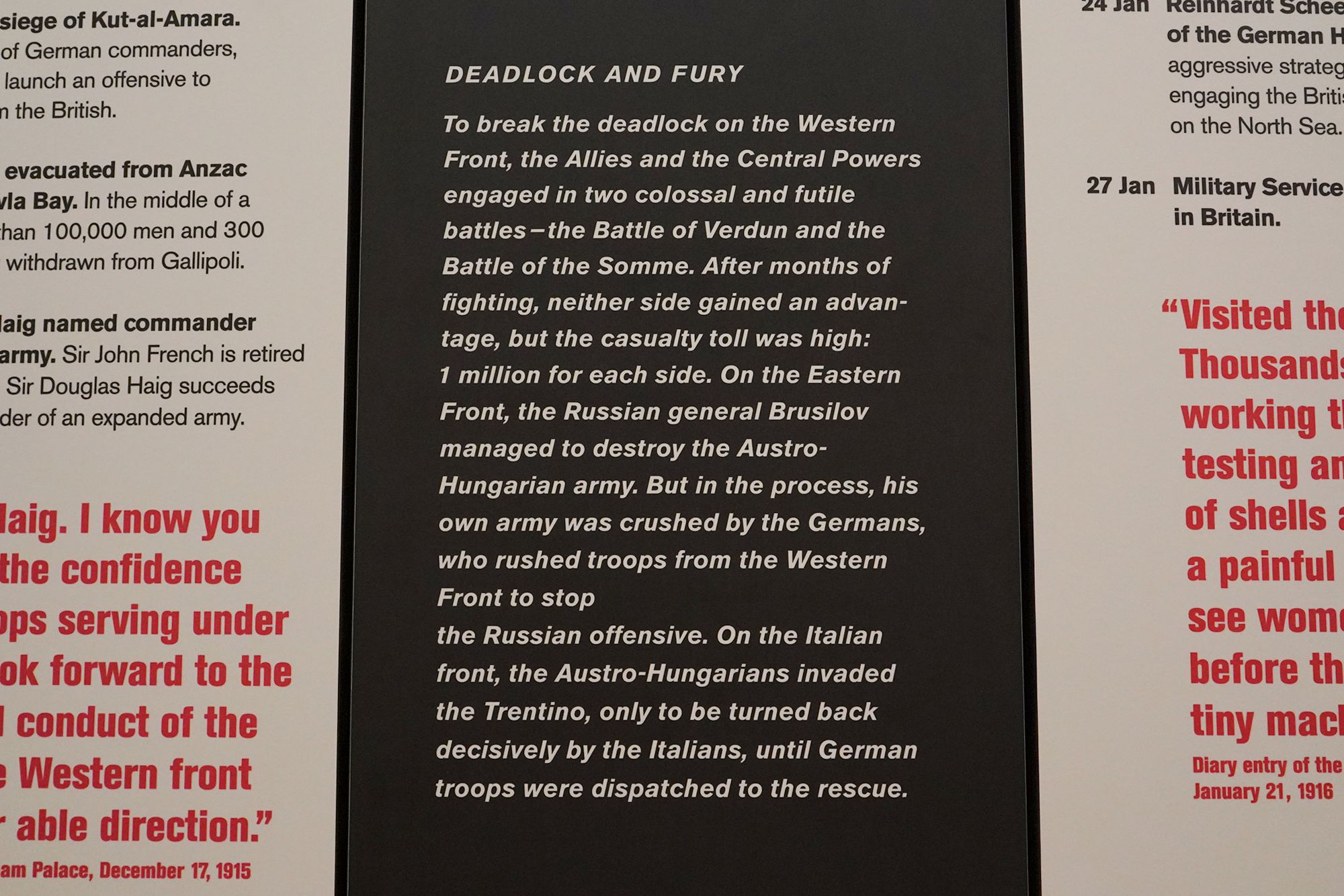
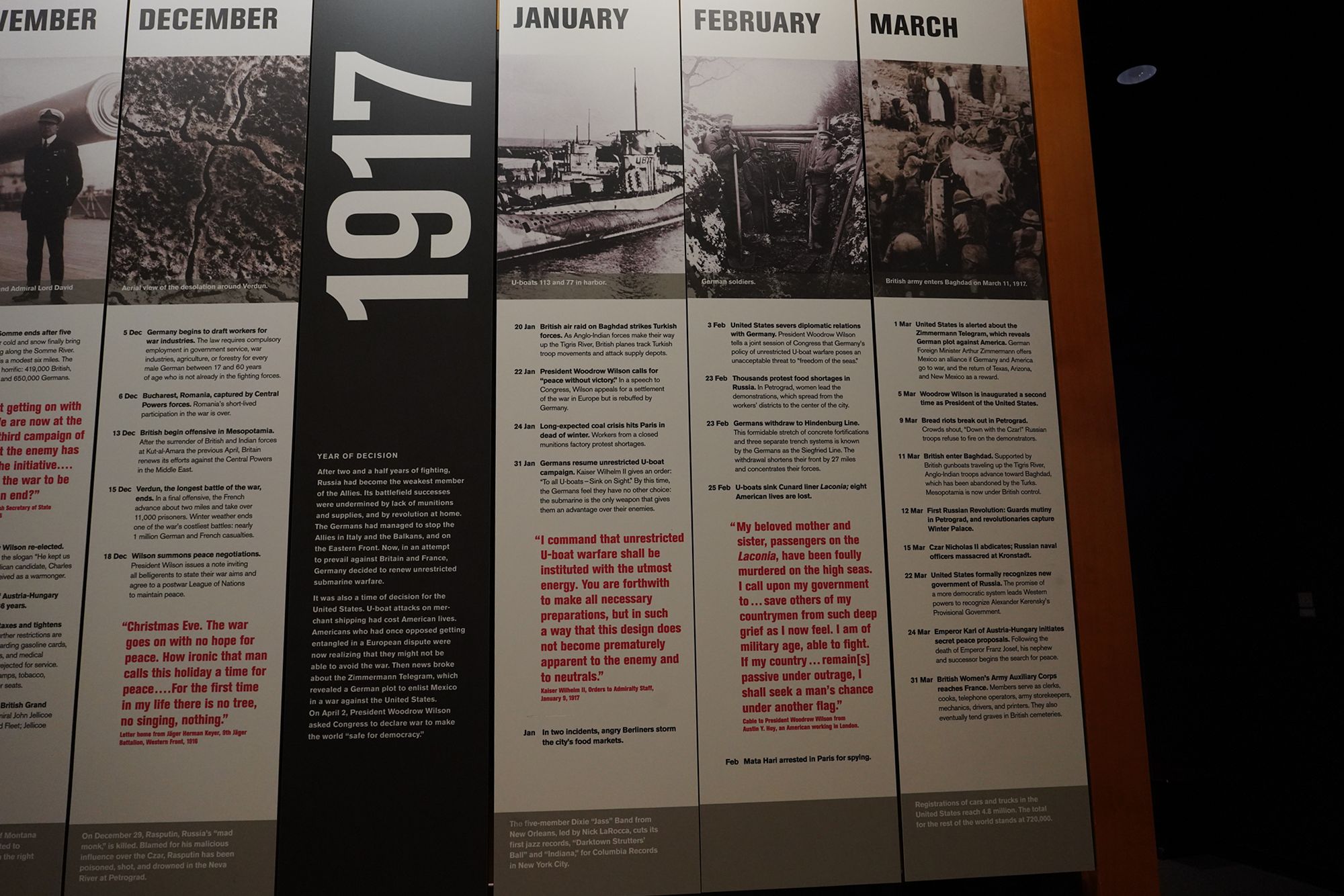
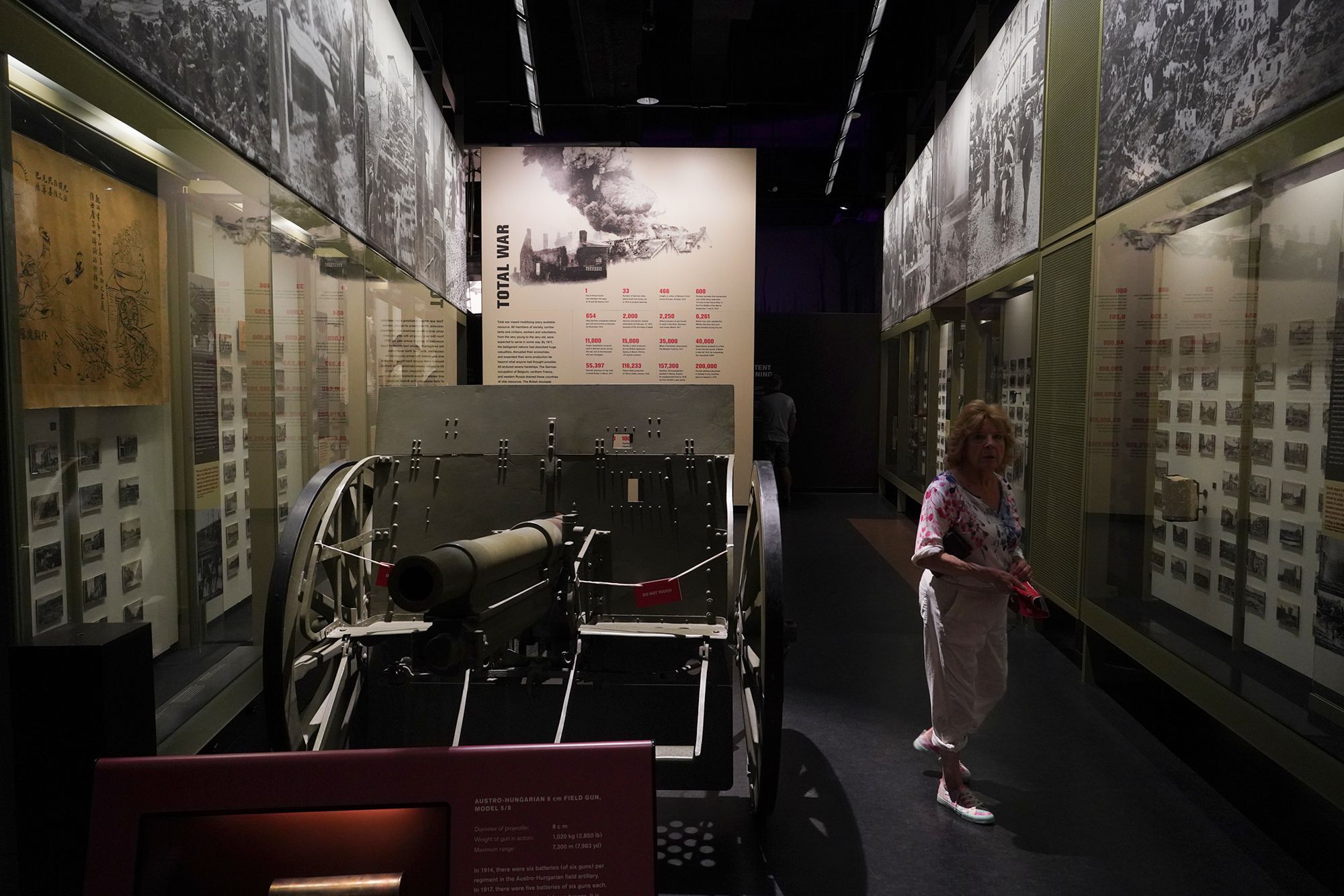
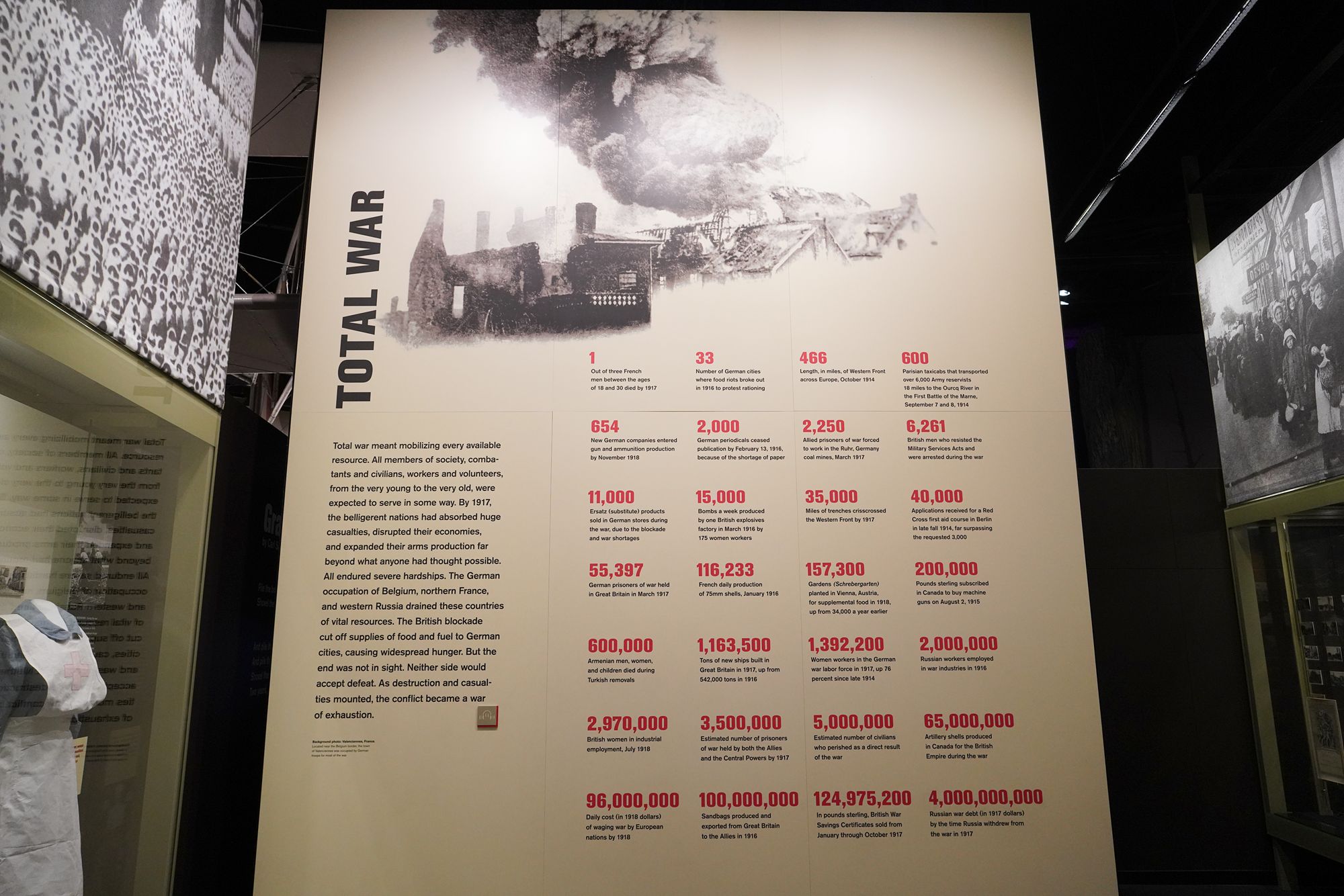
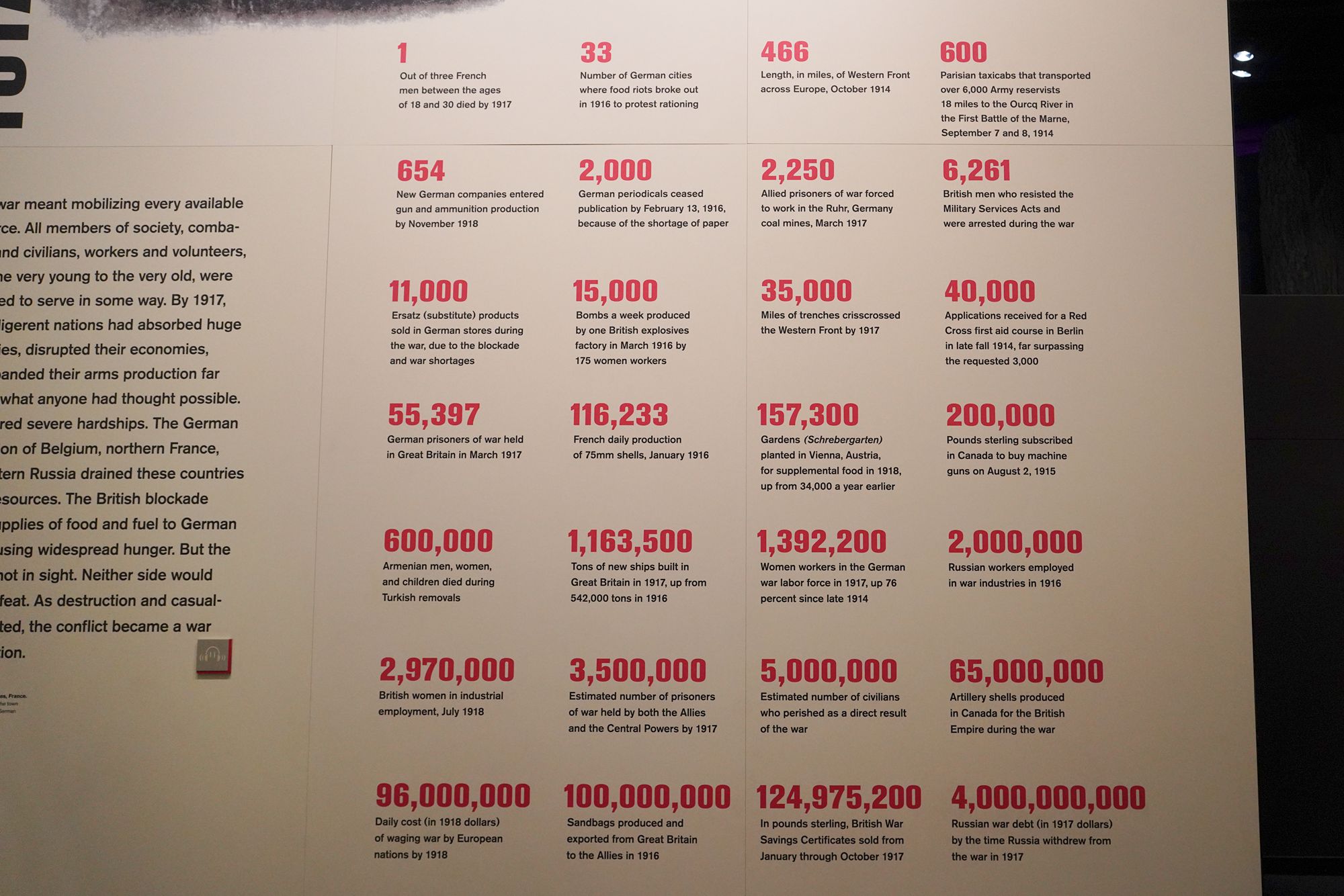
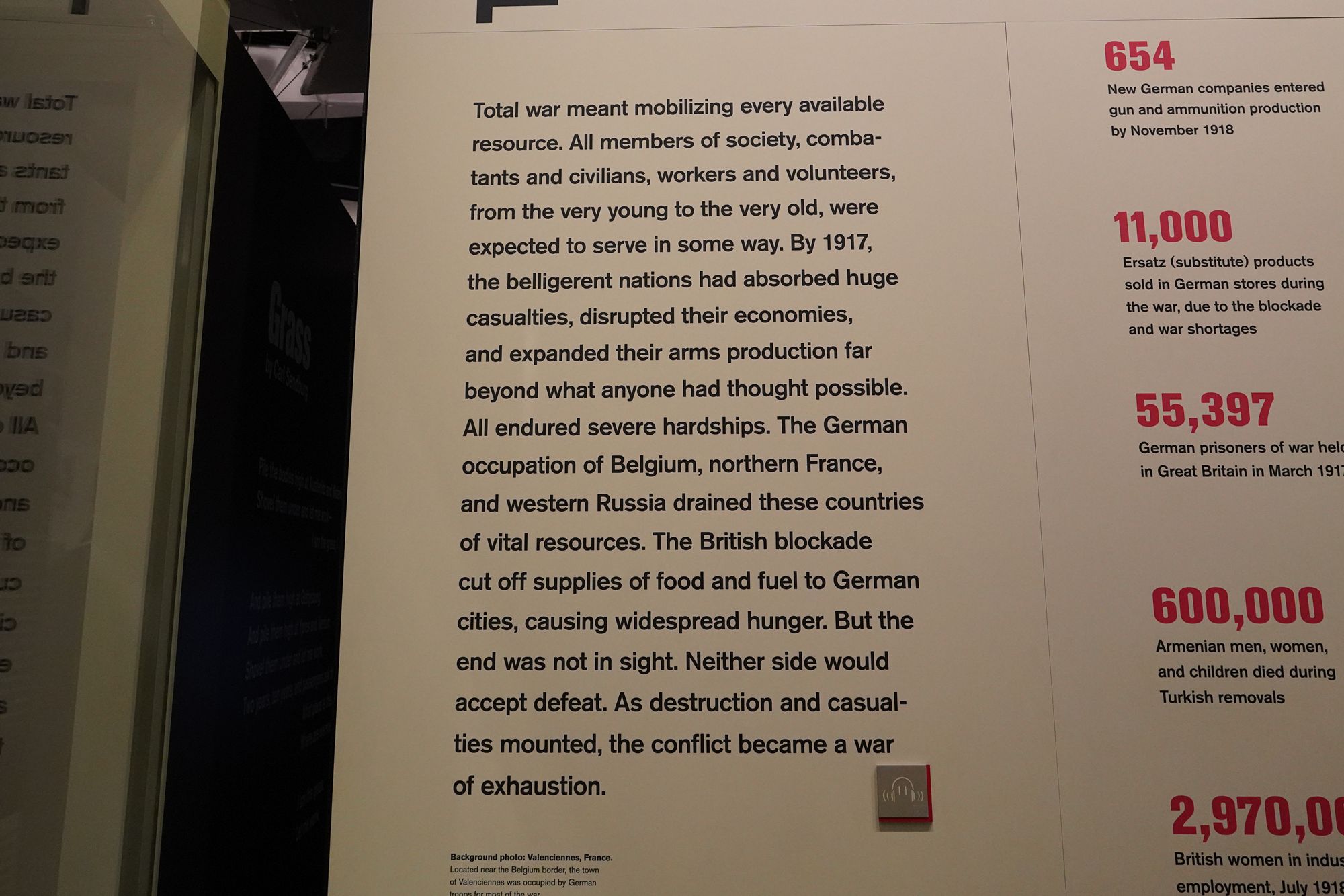
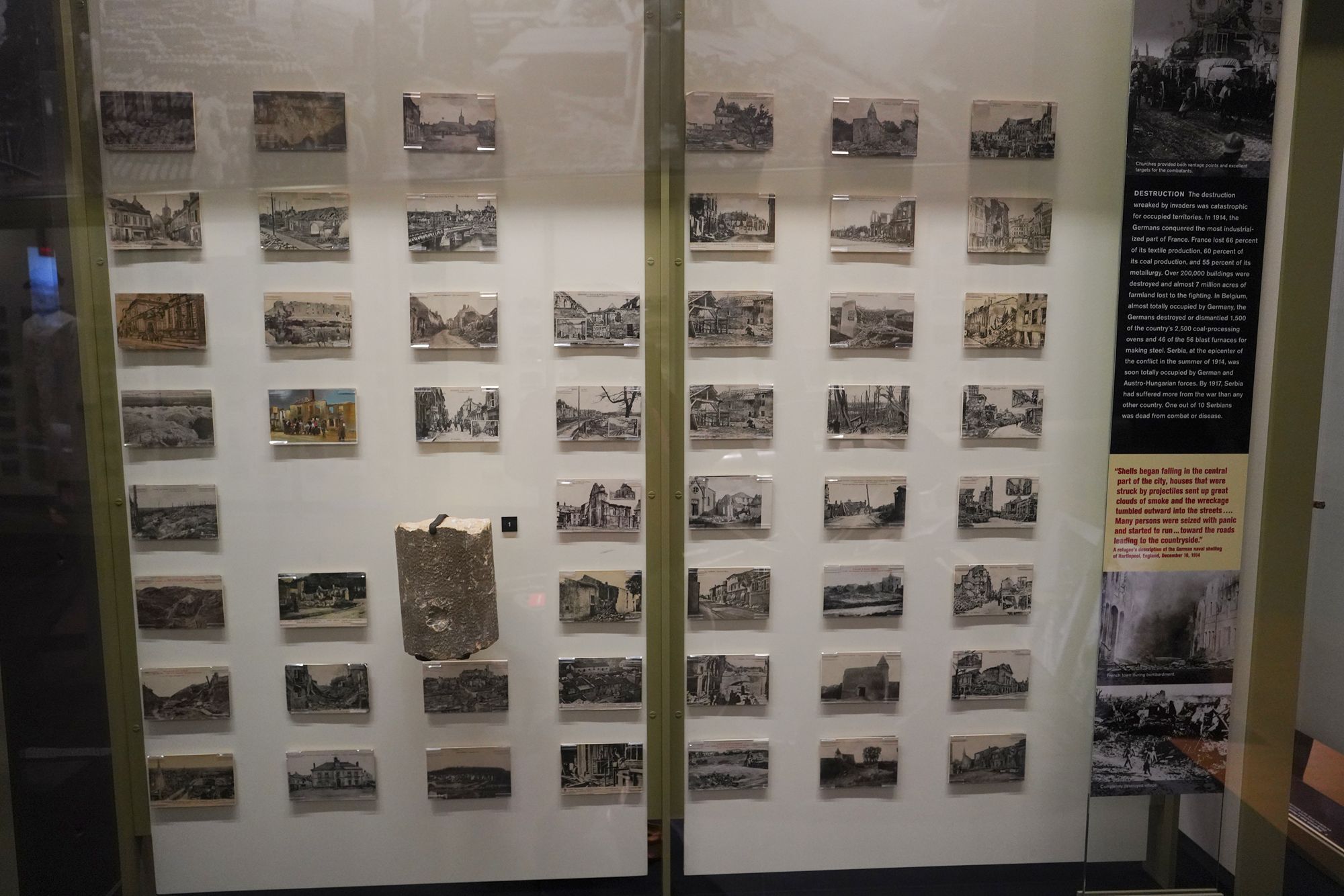
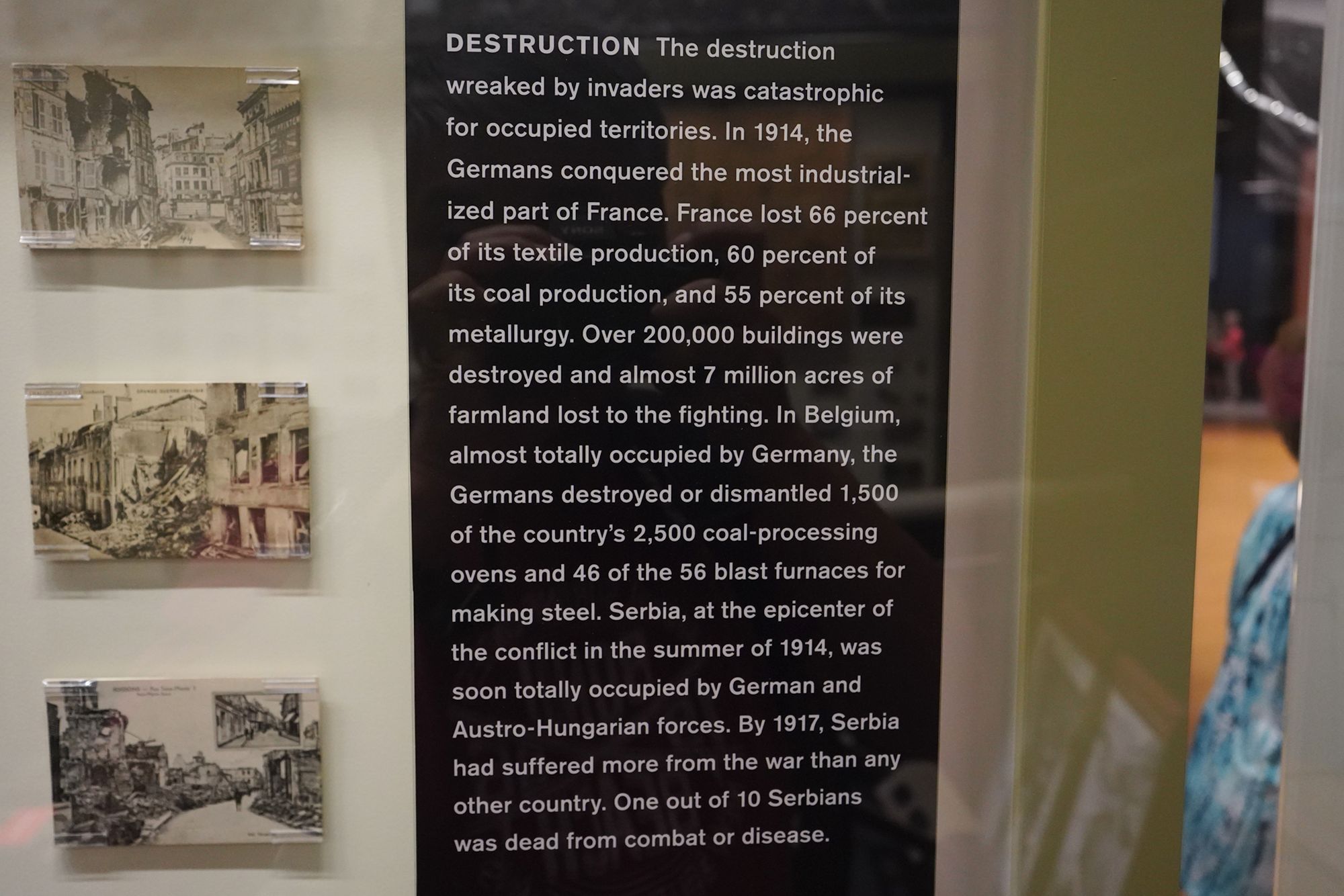
“Total war” is a type of conflict in which a nation mobilizes all resources—military, economic, and civilian—and targets not just enemy armies but also the industries and infrastructure supporting them.
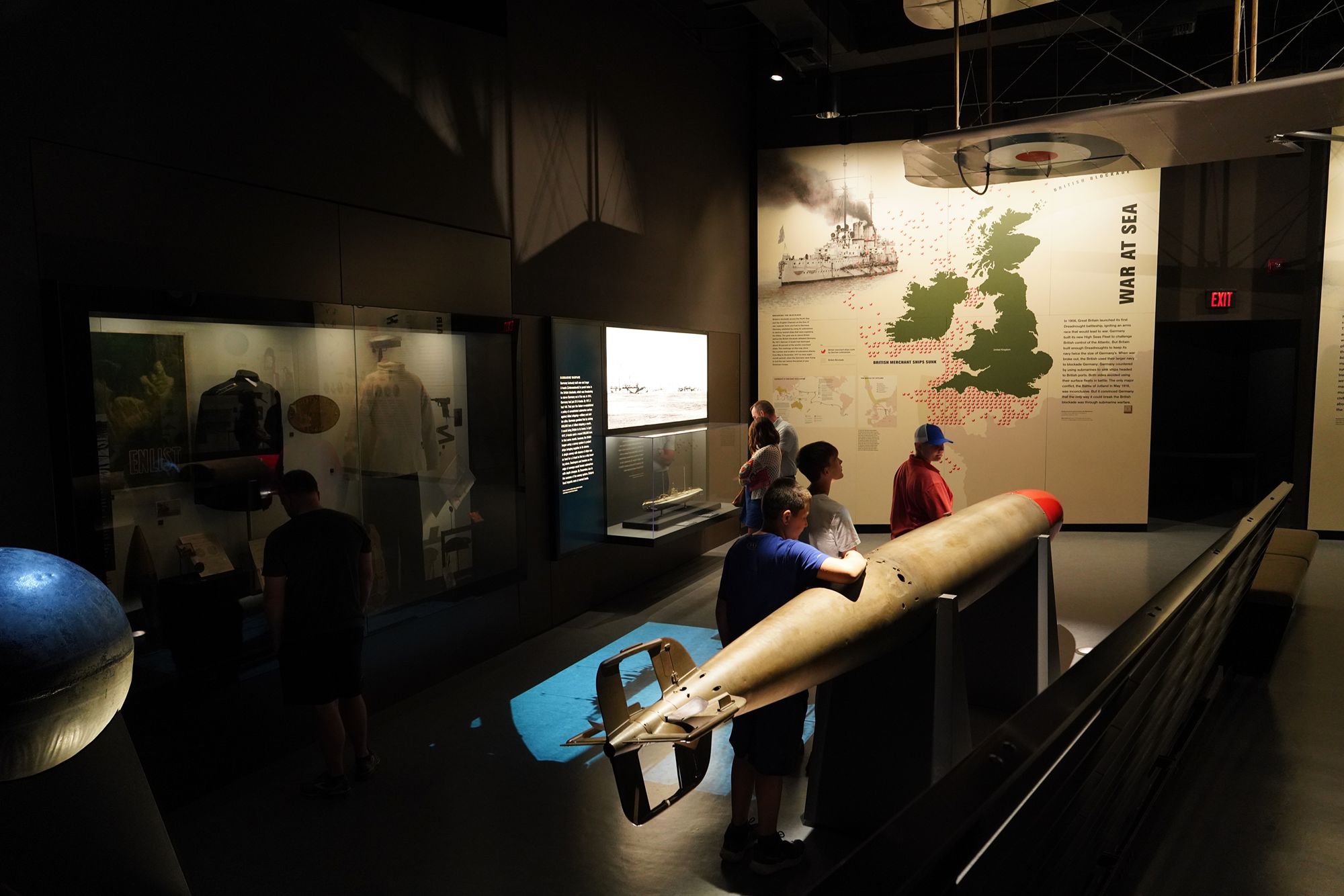
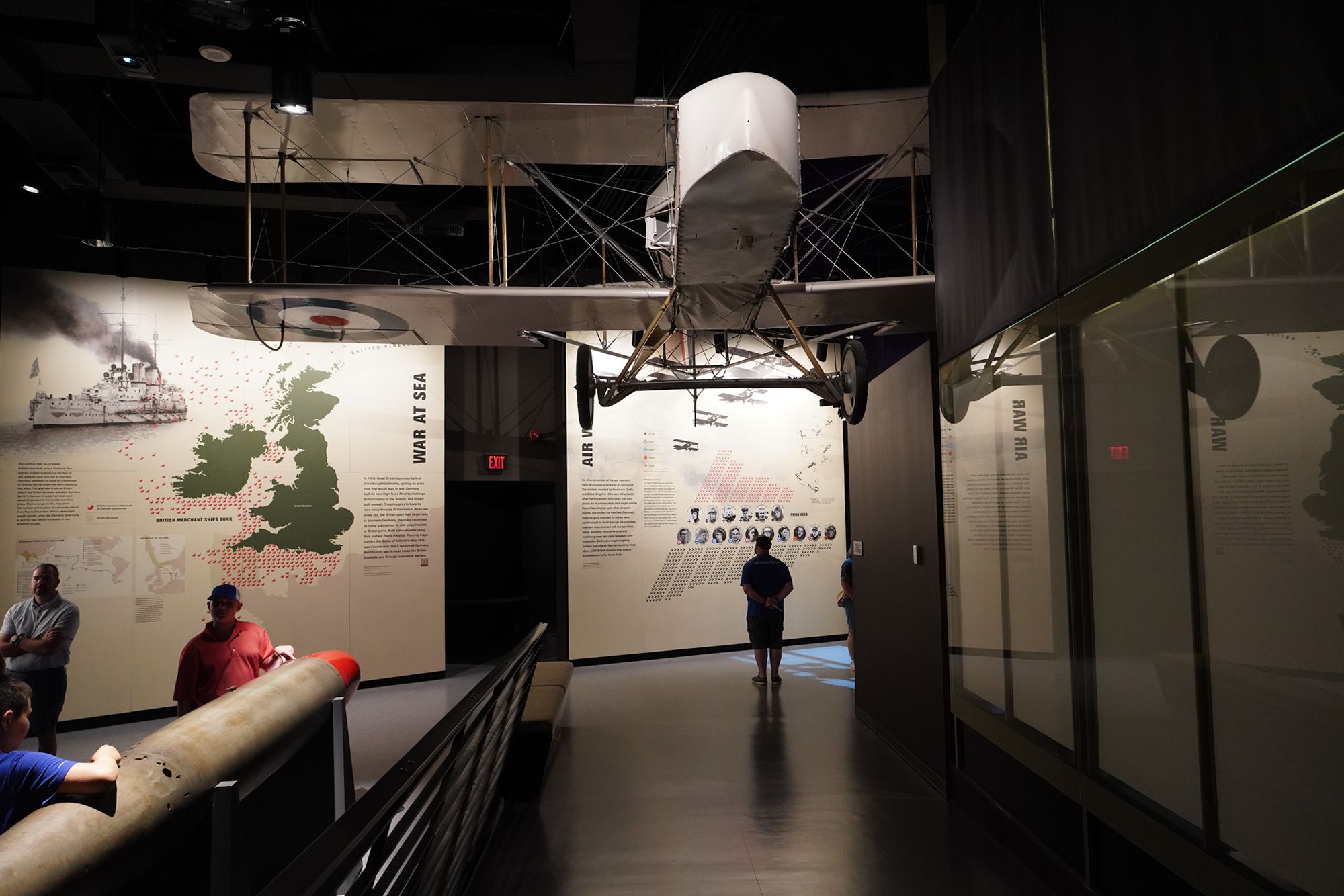
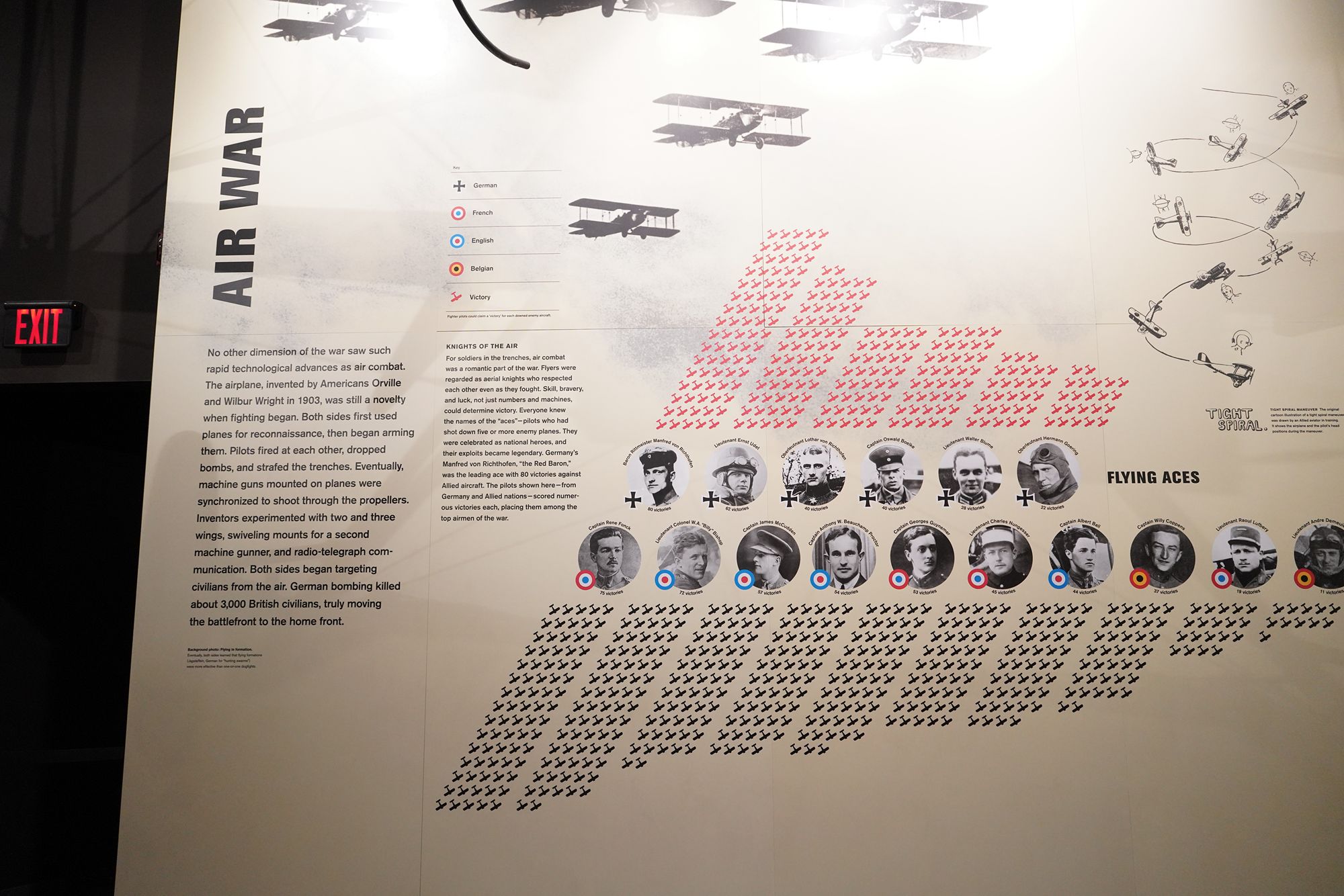
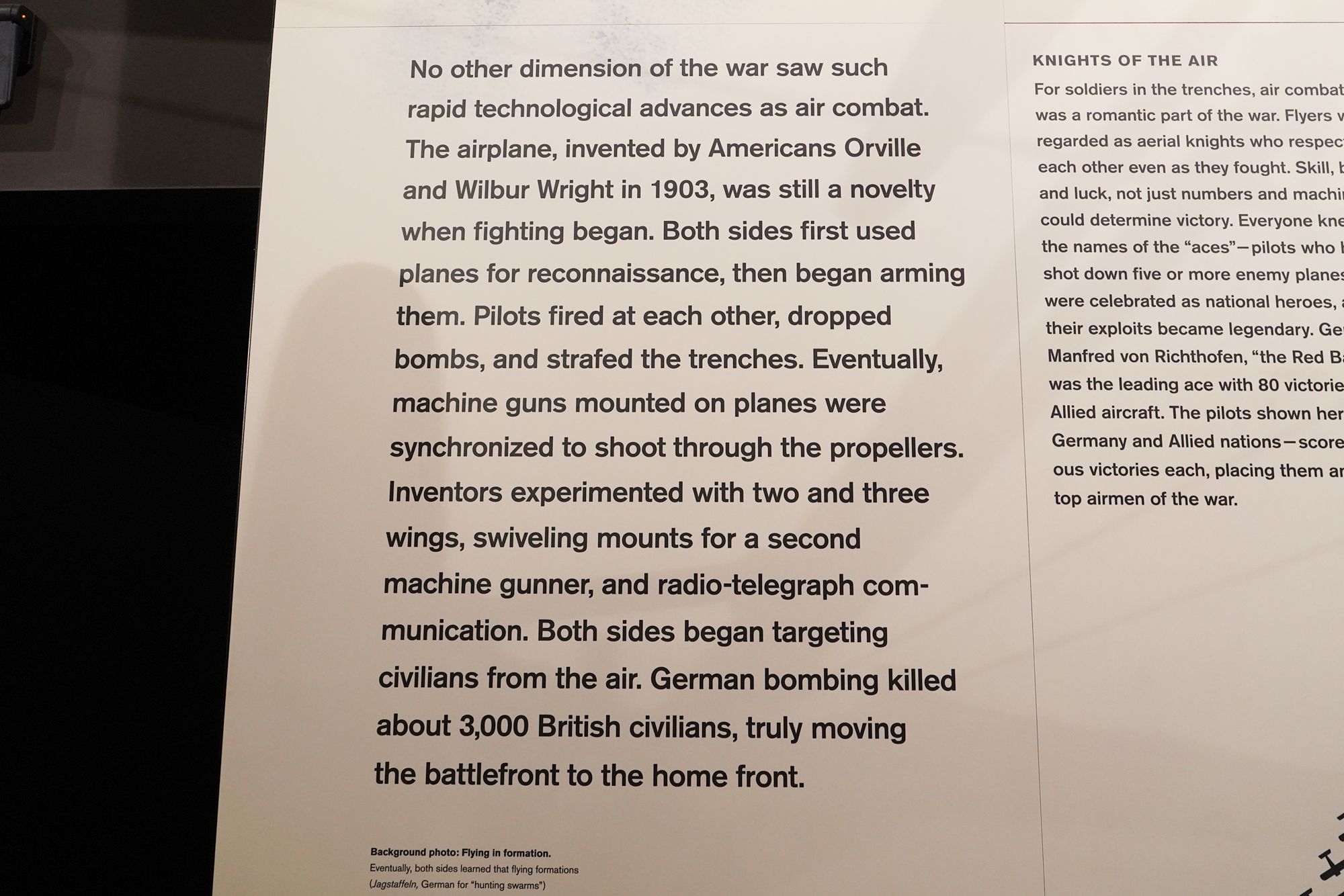
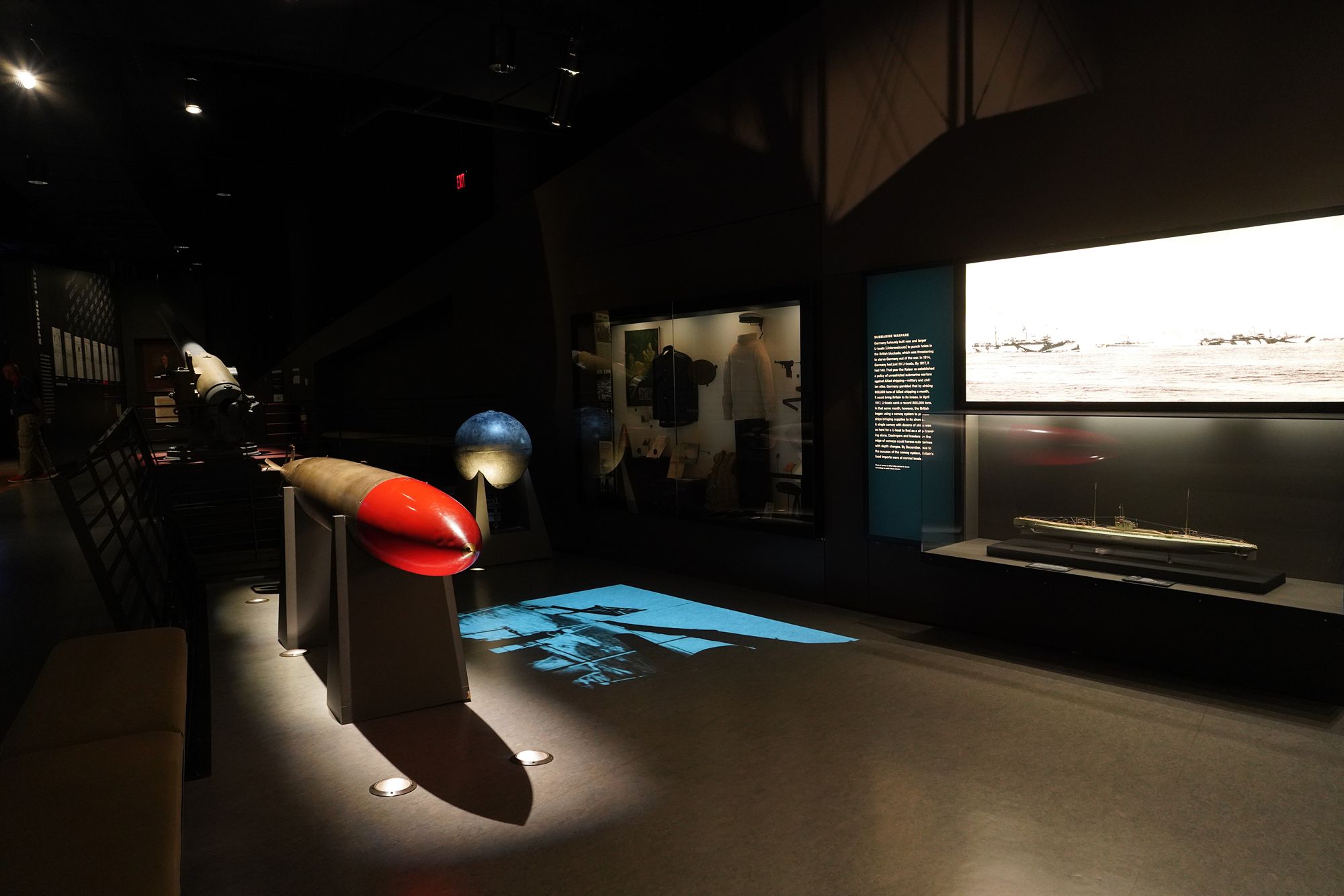
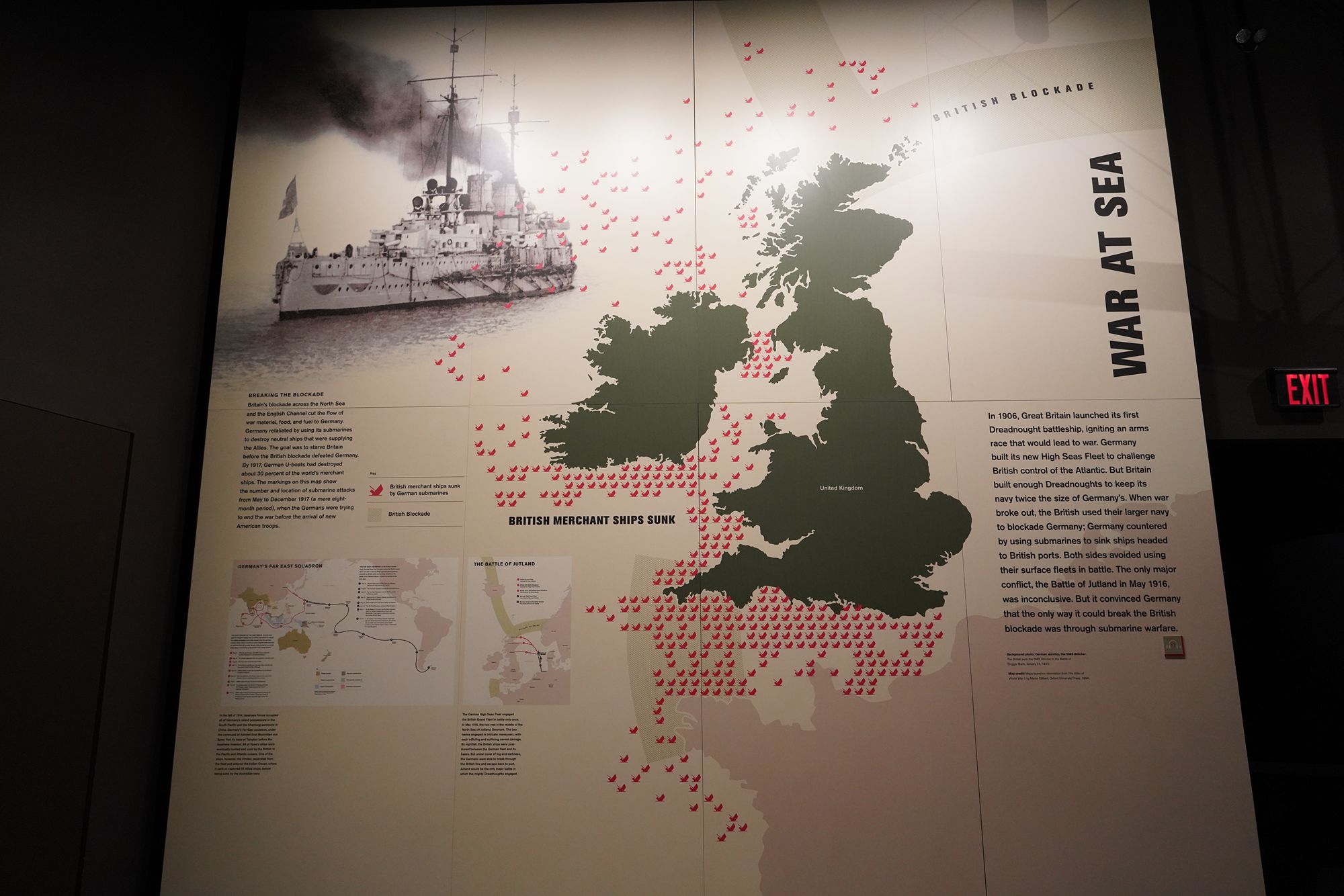
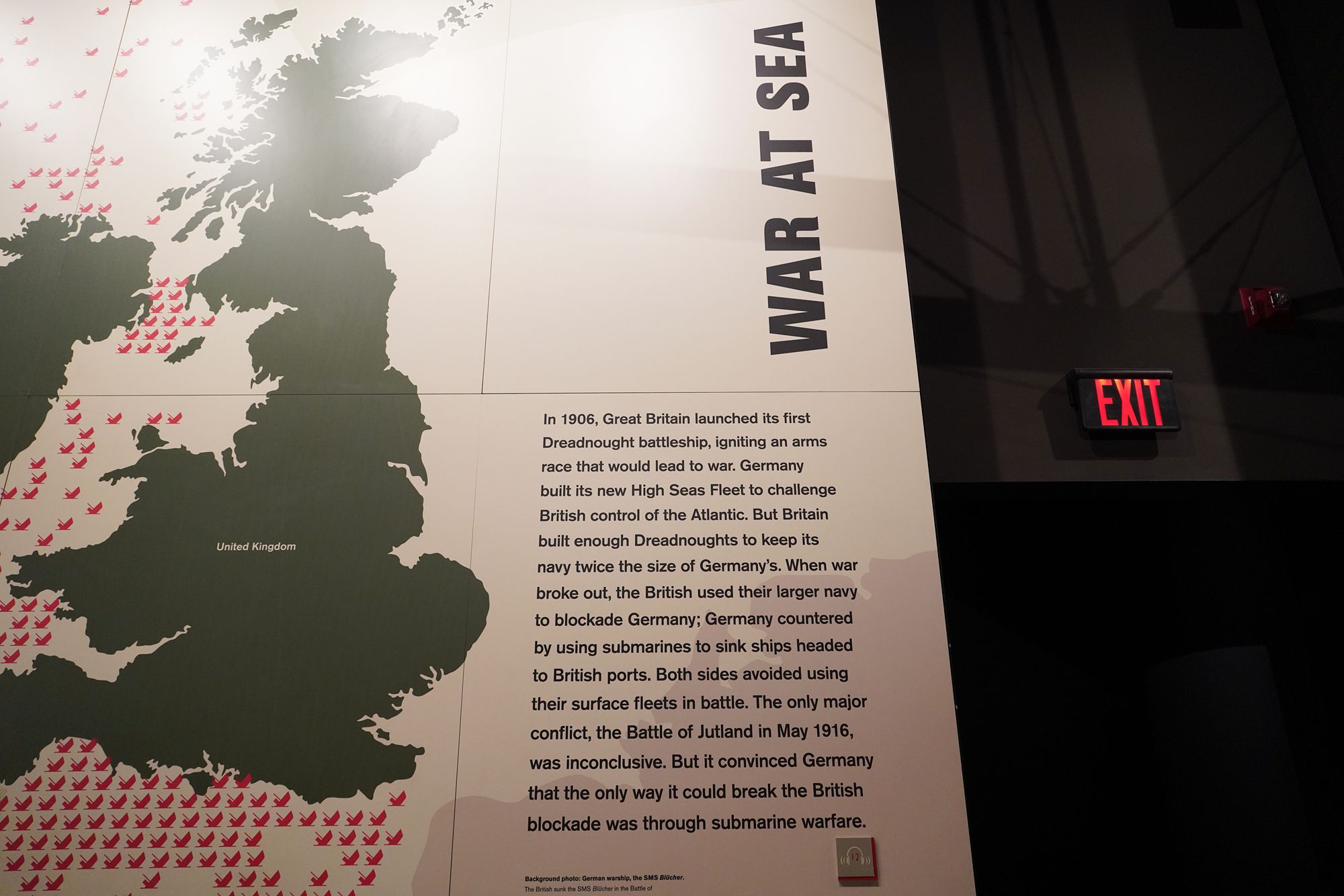
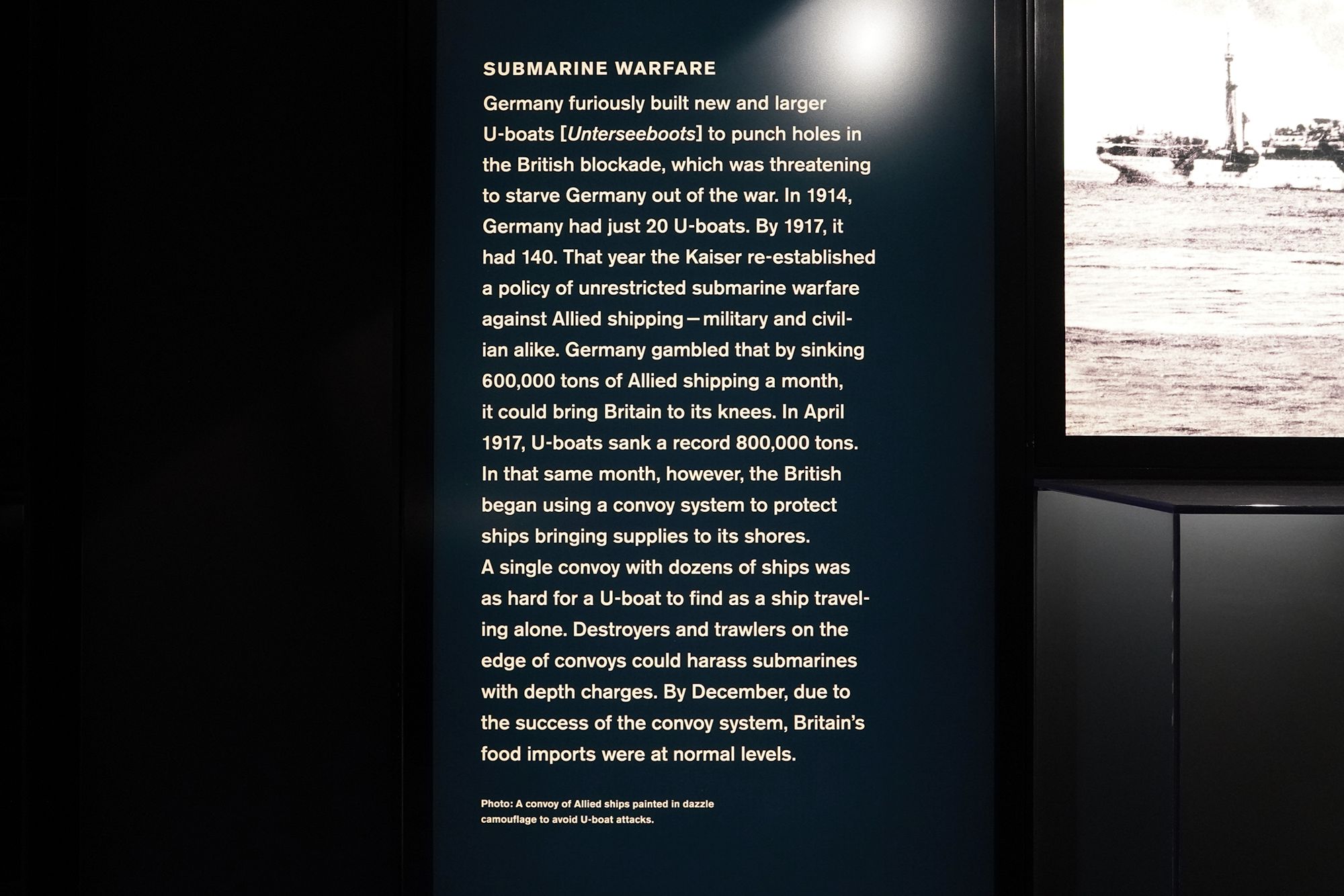
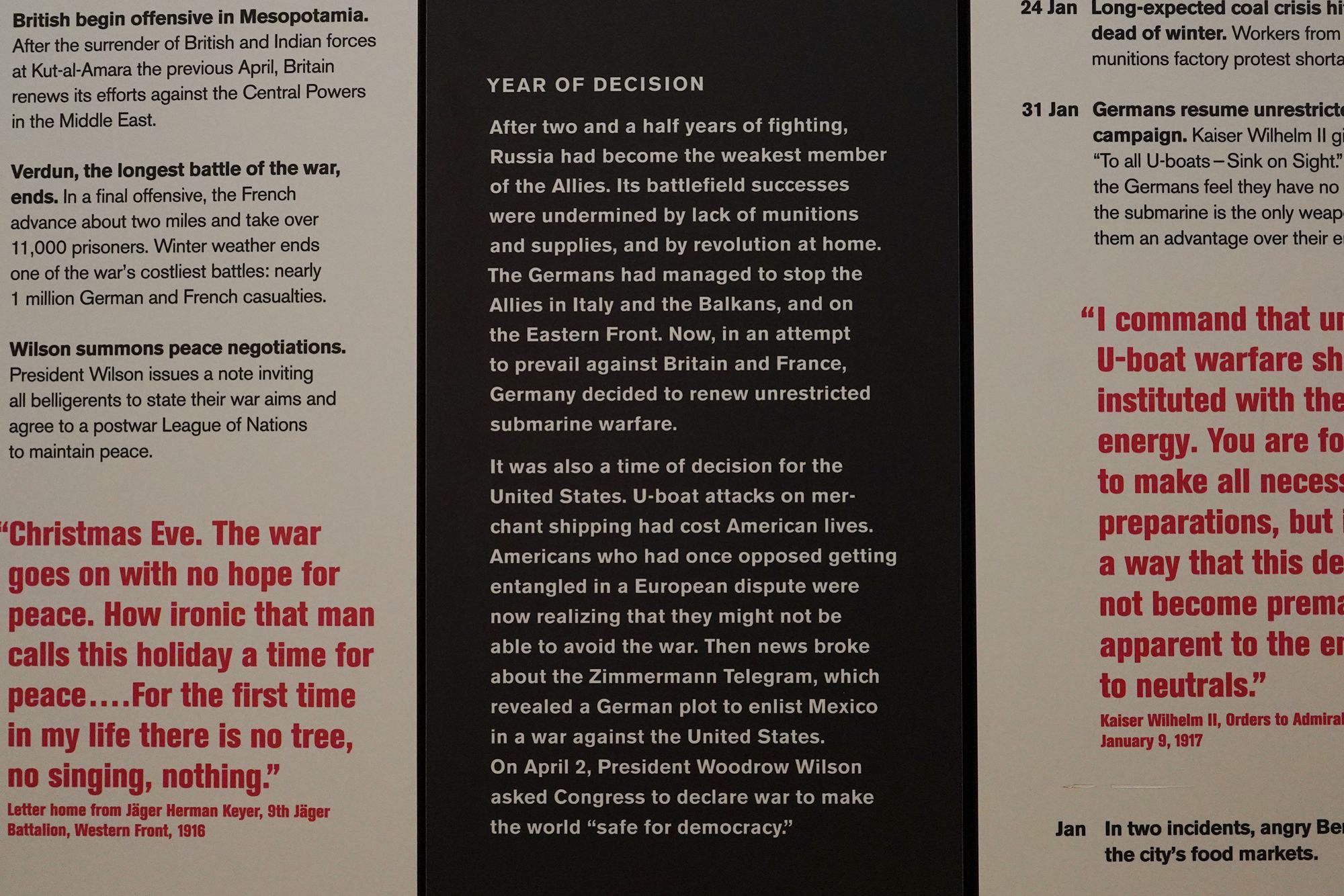
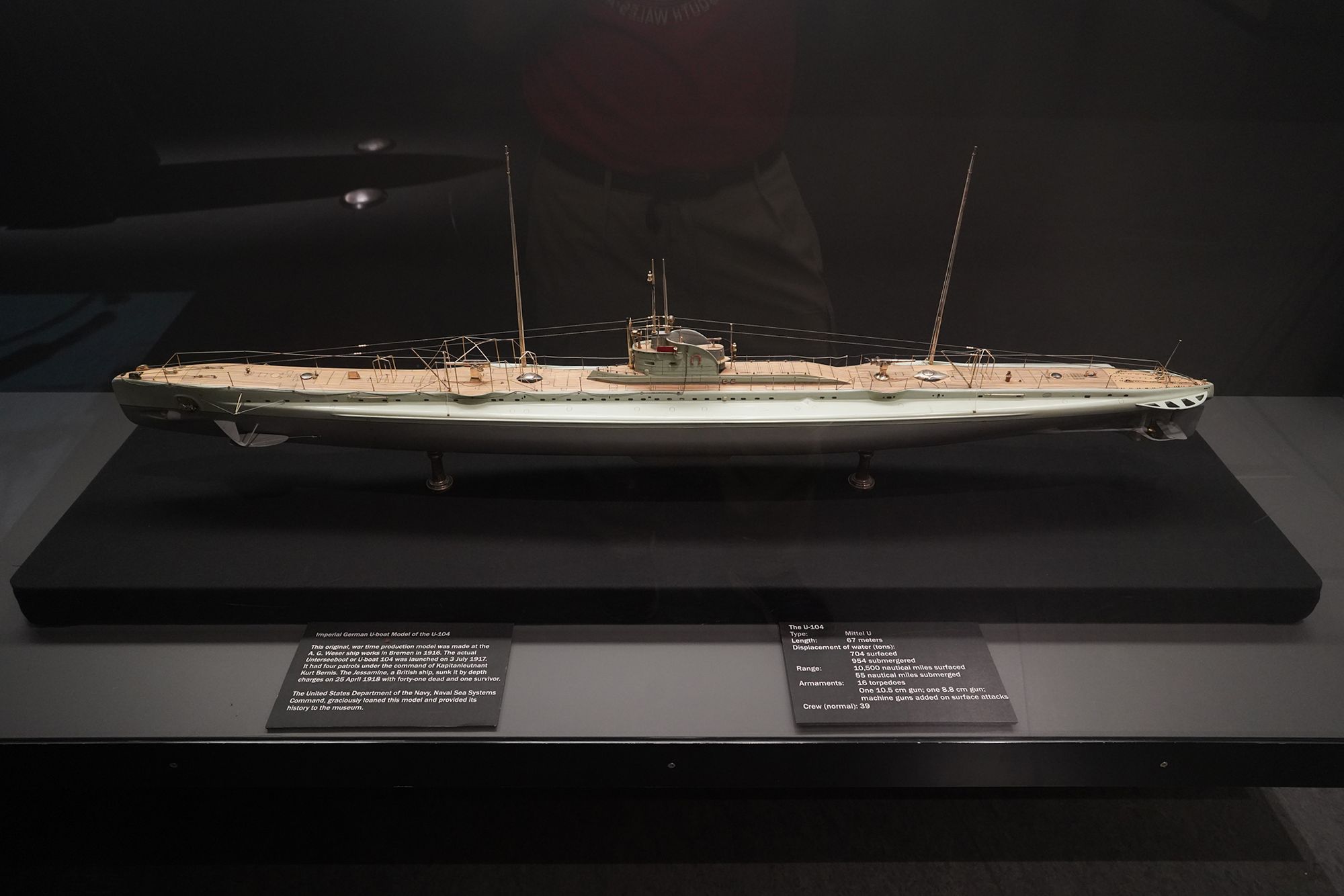
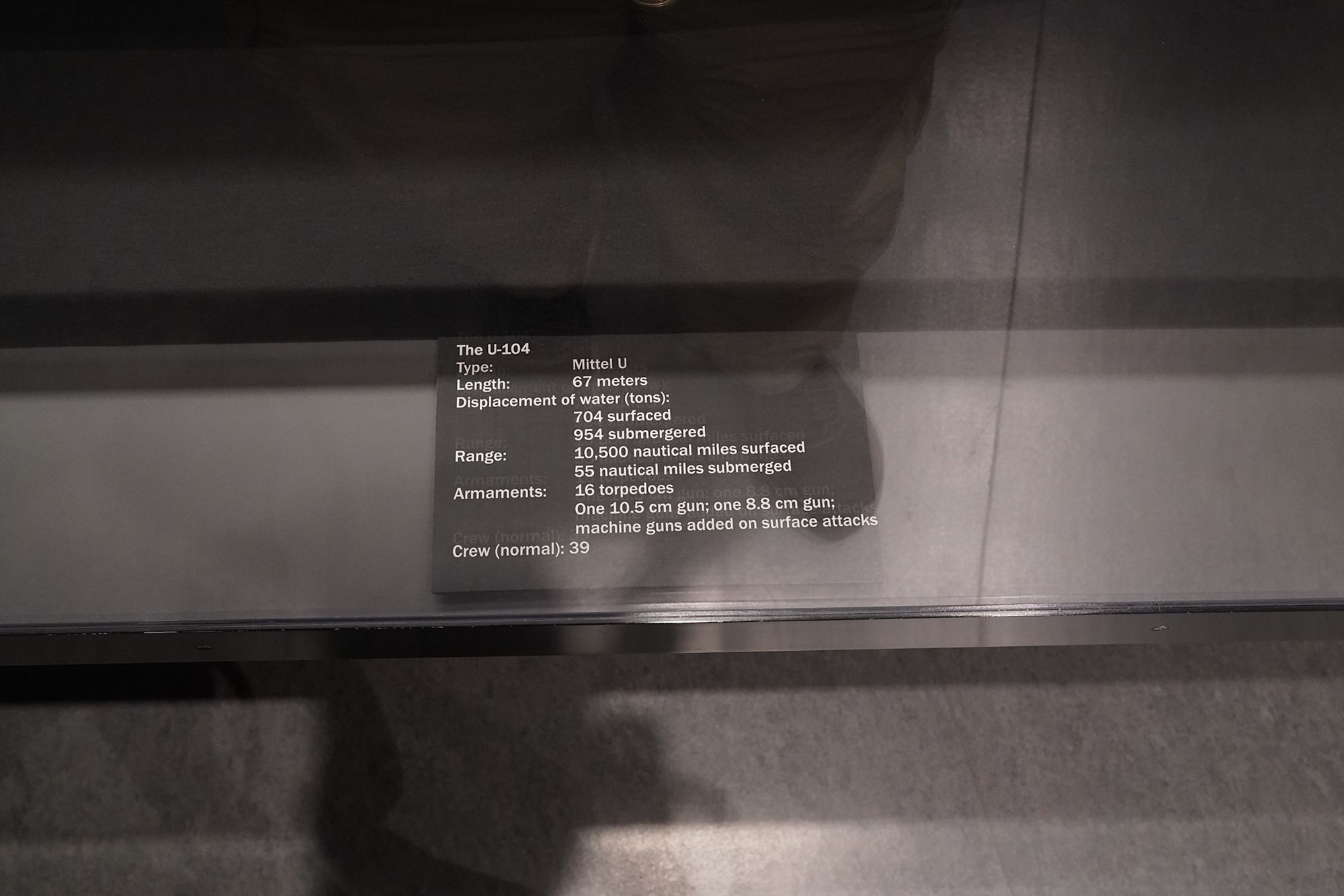
German U-boats (submarines) were heavily used in World War I to disrupt Allied shipping, most famously sinking the Lusitania and helping draw the United States into the war.
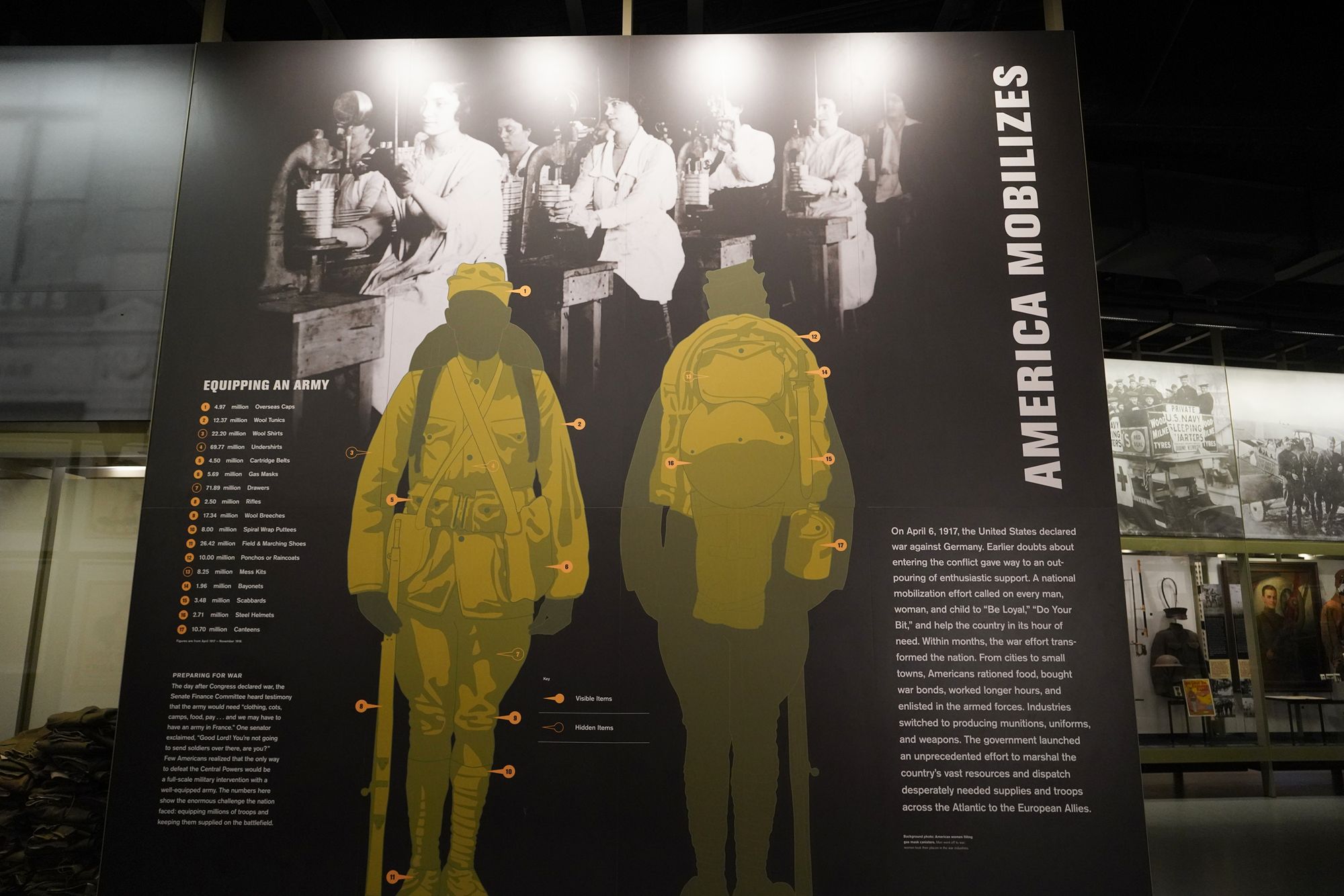
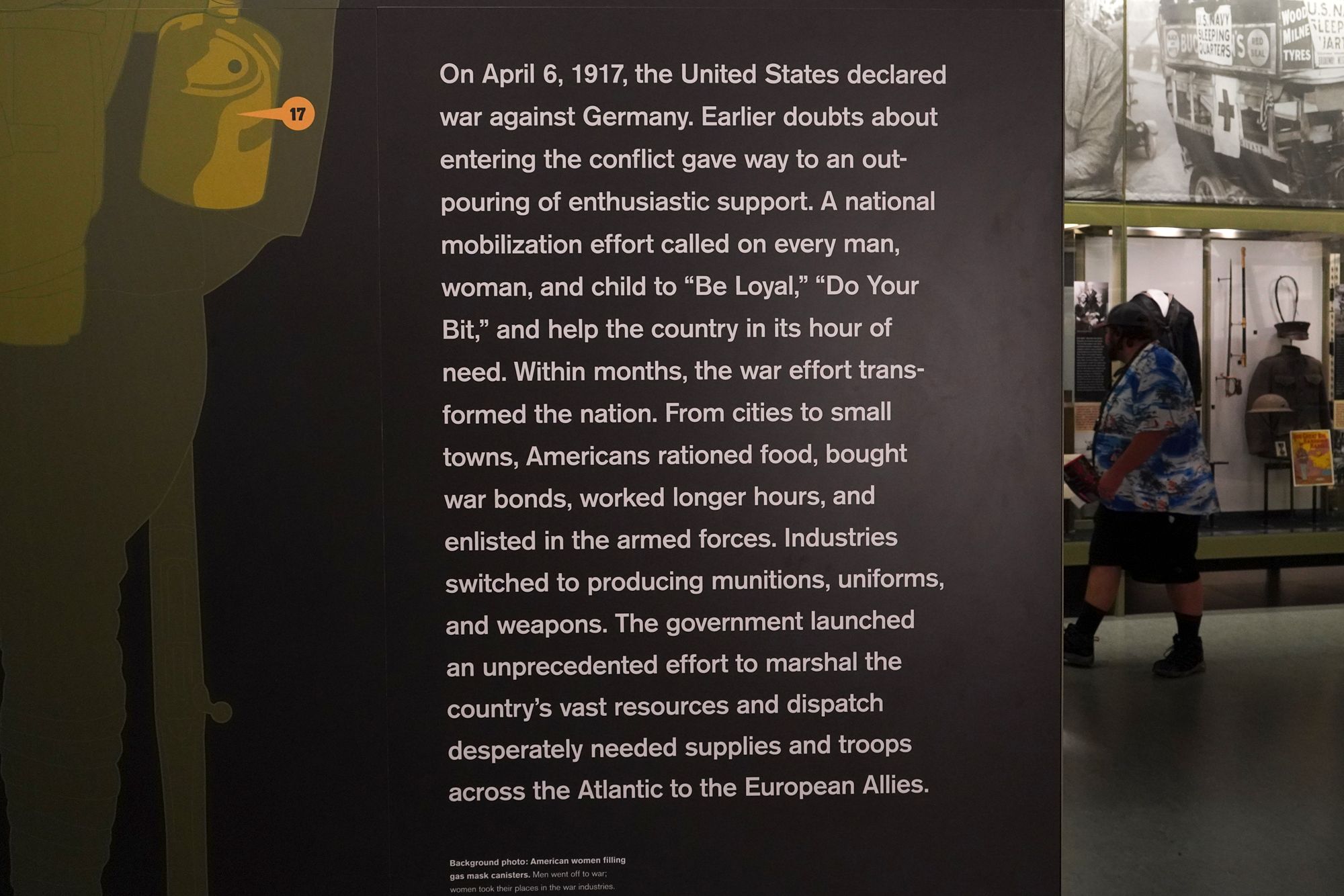
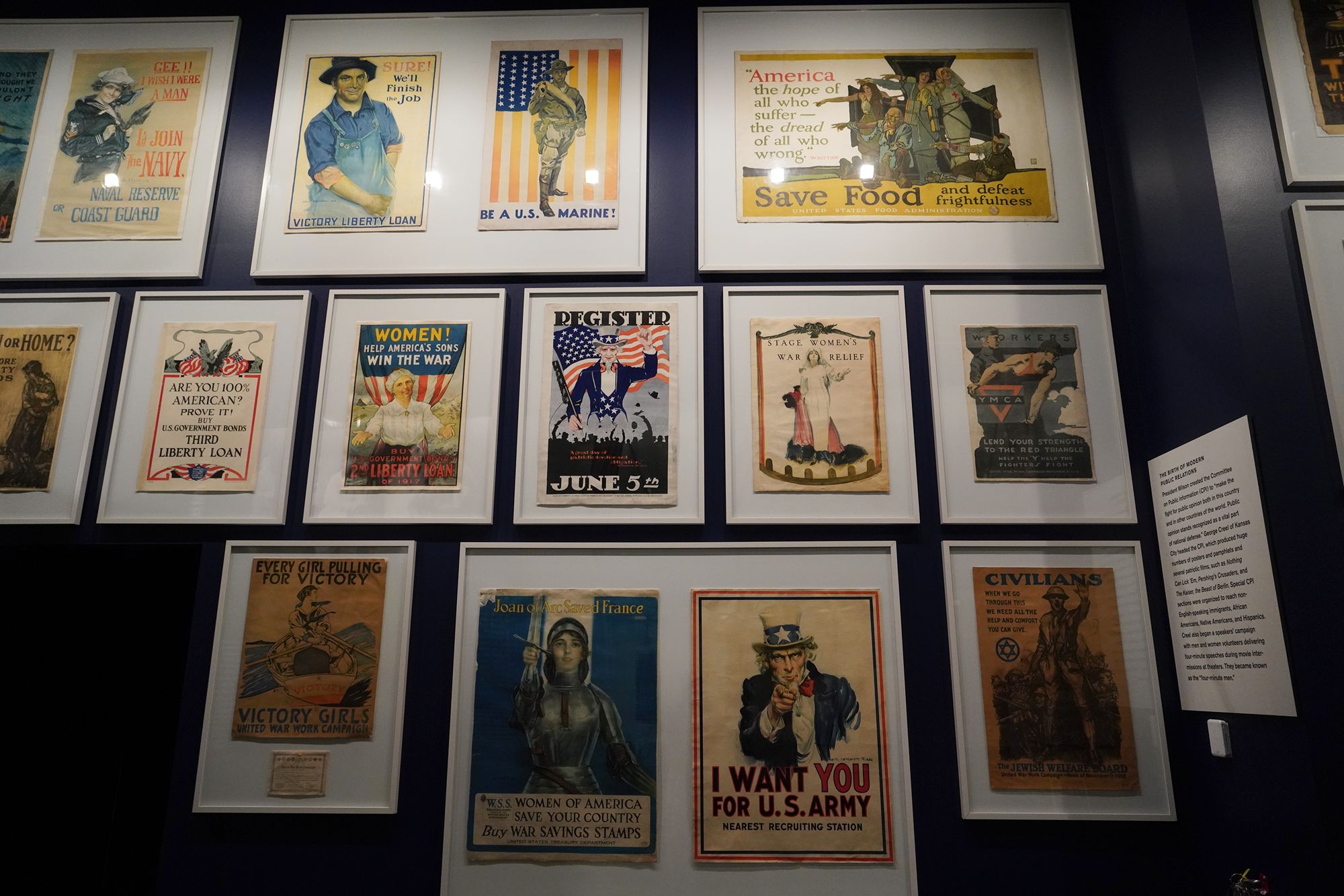
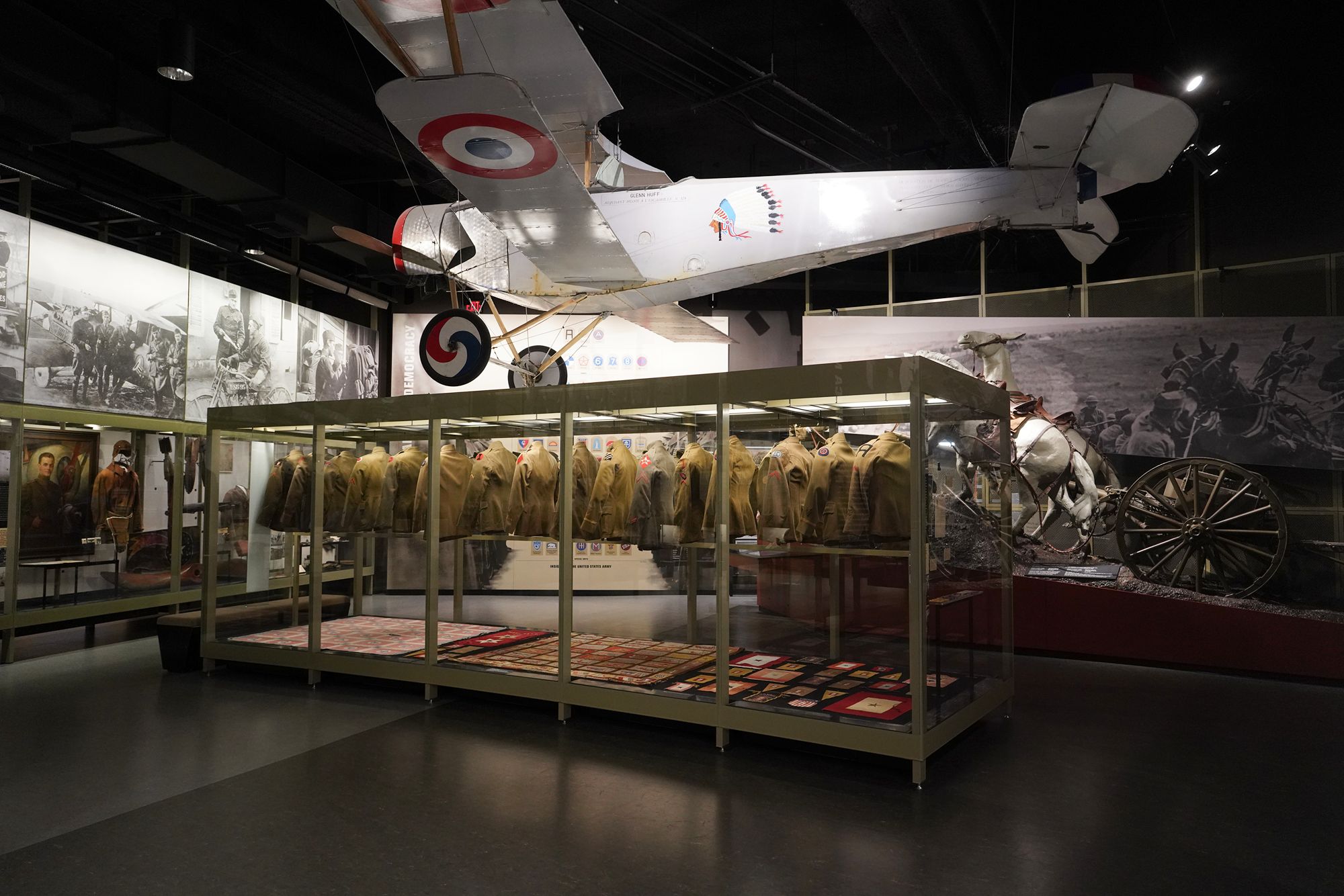
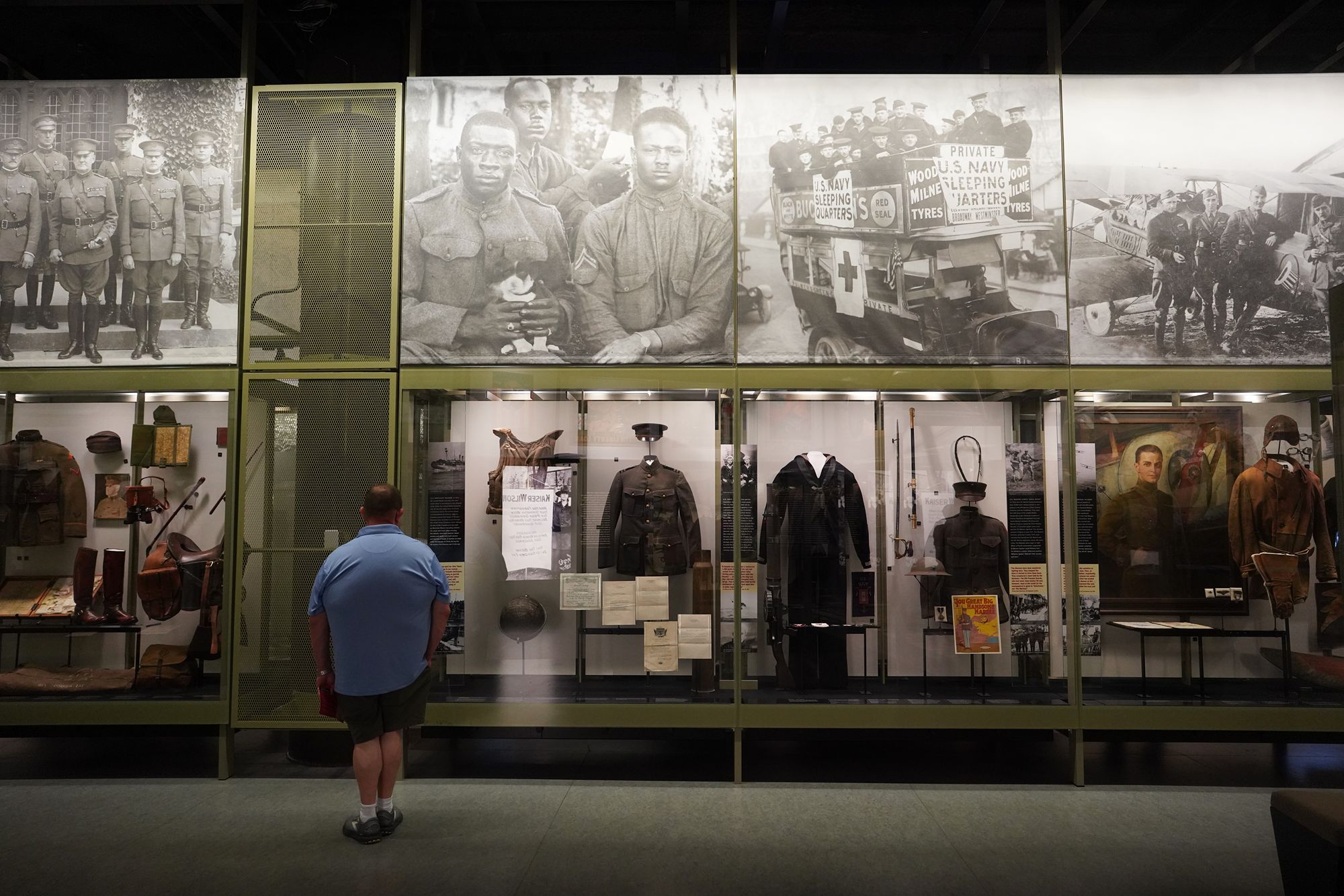
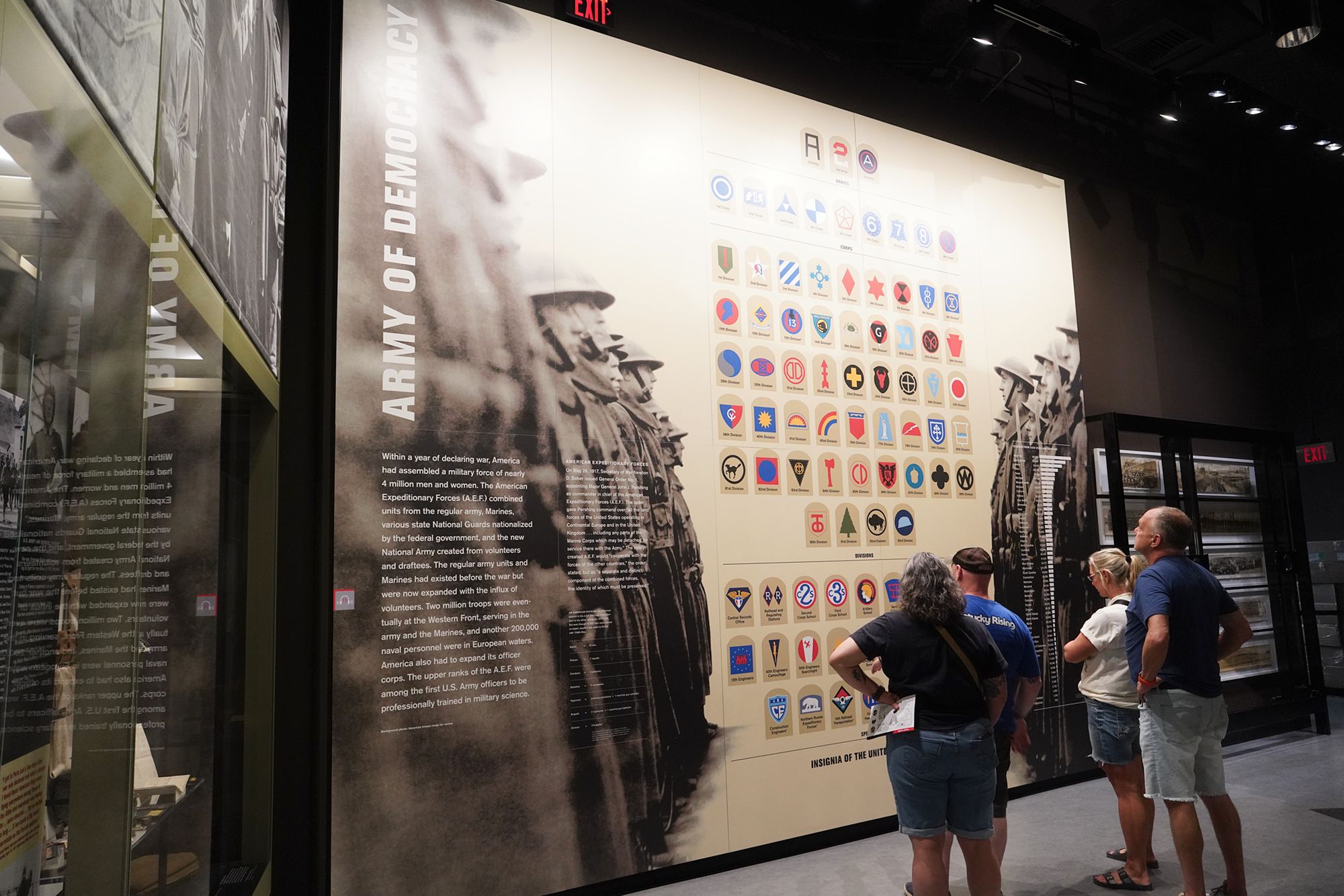
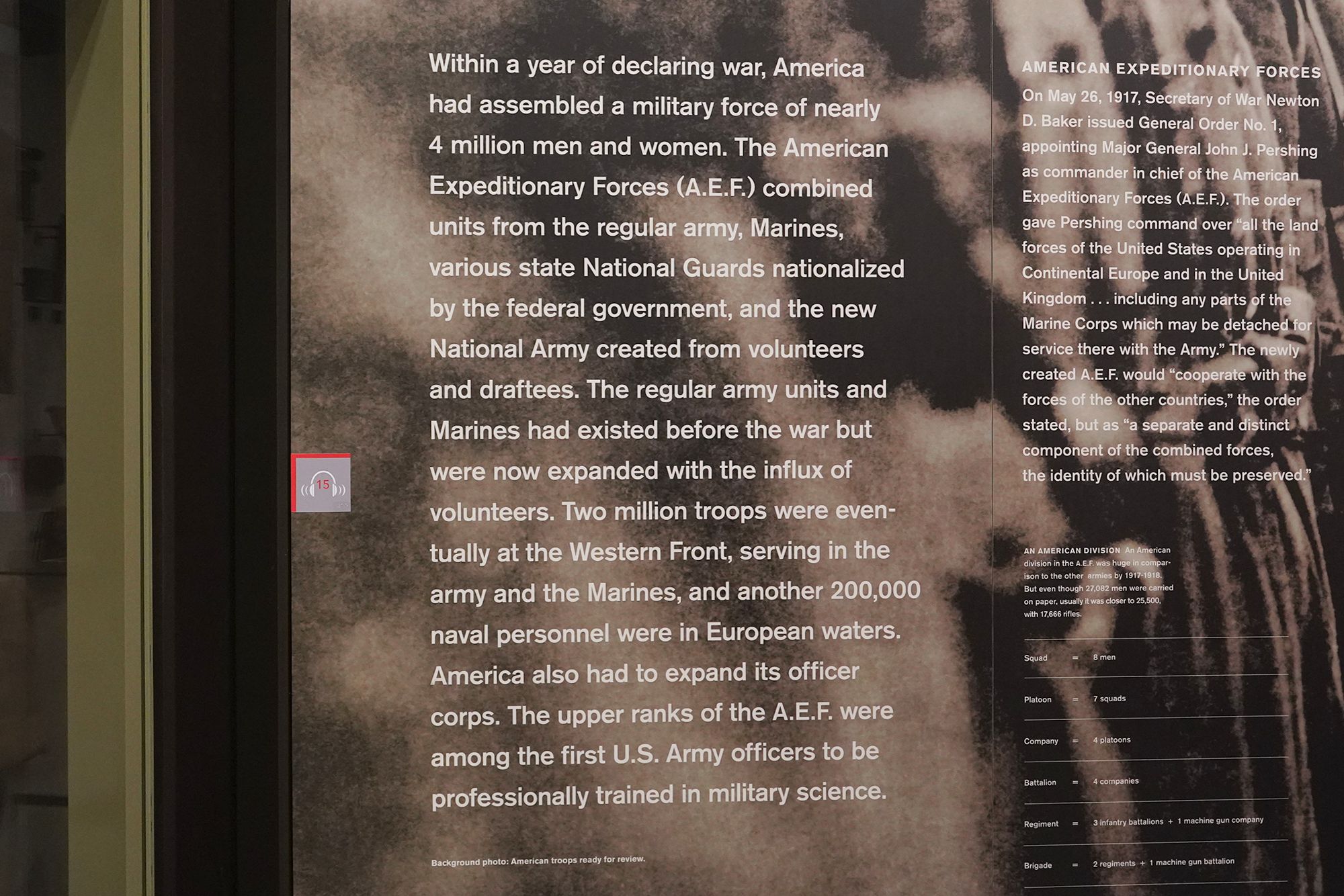
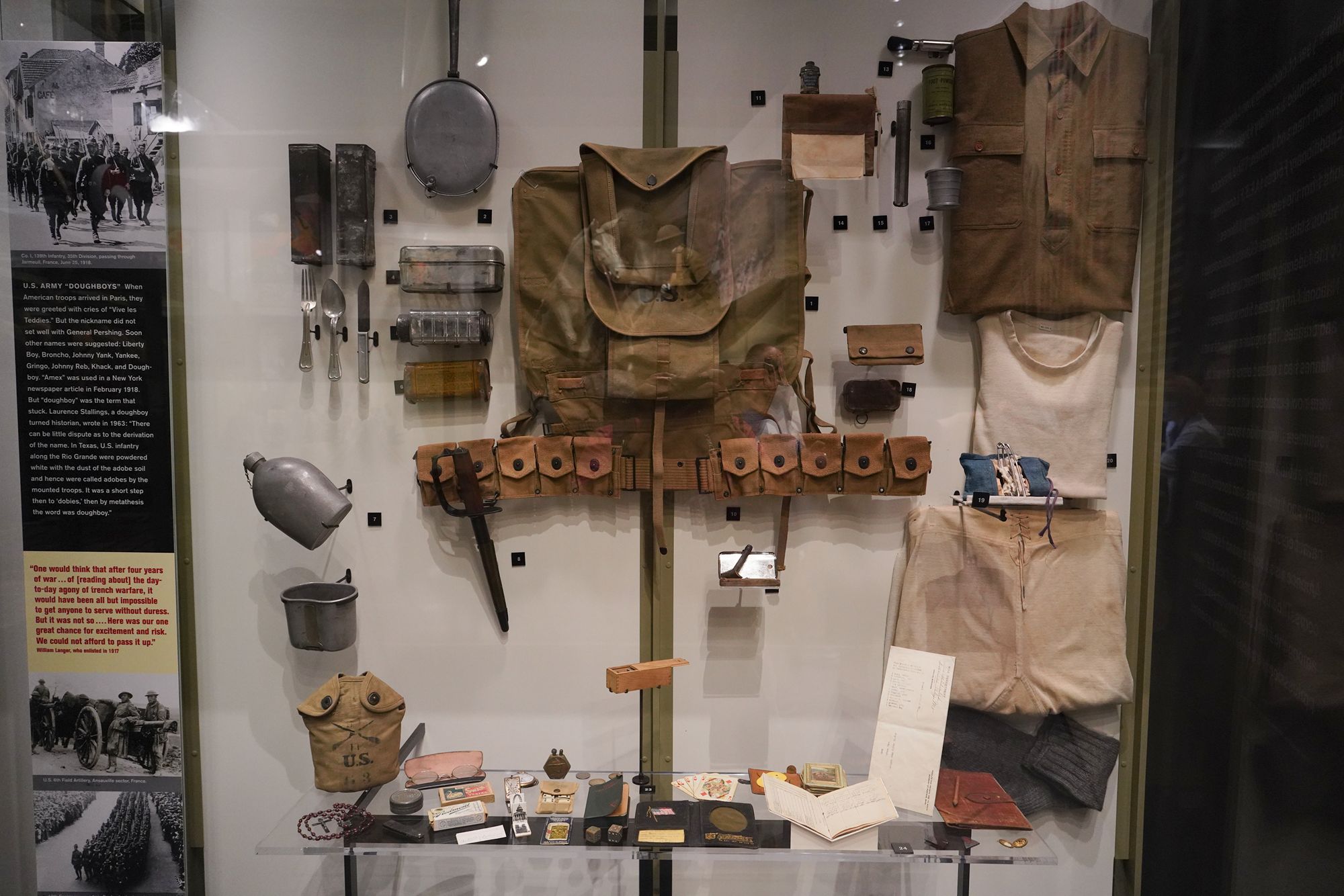
American mobilization in World War I rapidly expanded the U.S. military through the draft, boosted industrial production for weapons and supplies, coordinated transportation and food distribution, and unified public support through propaganda agencies like the Committee on Public Information.
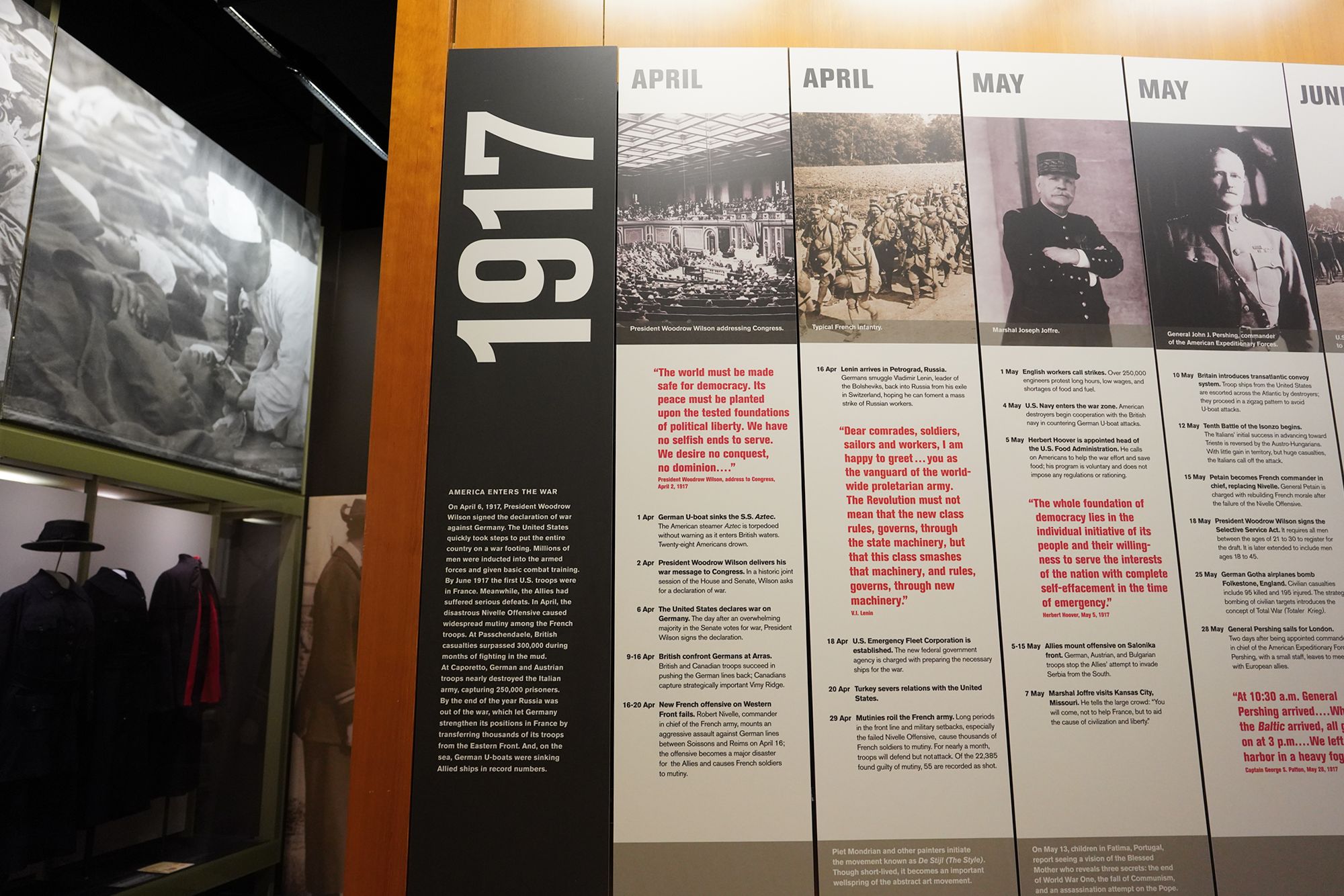
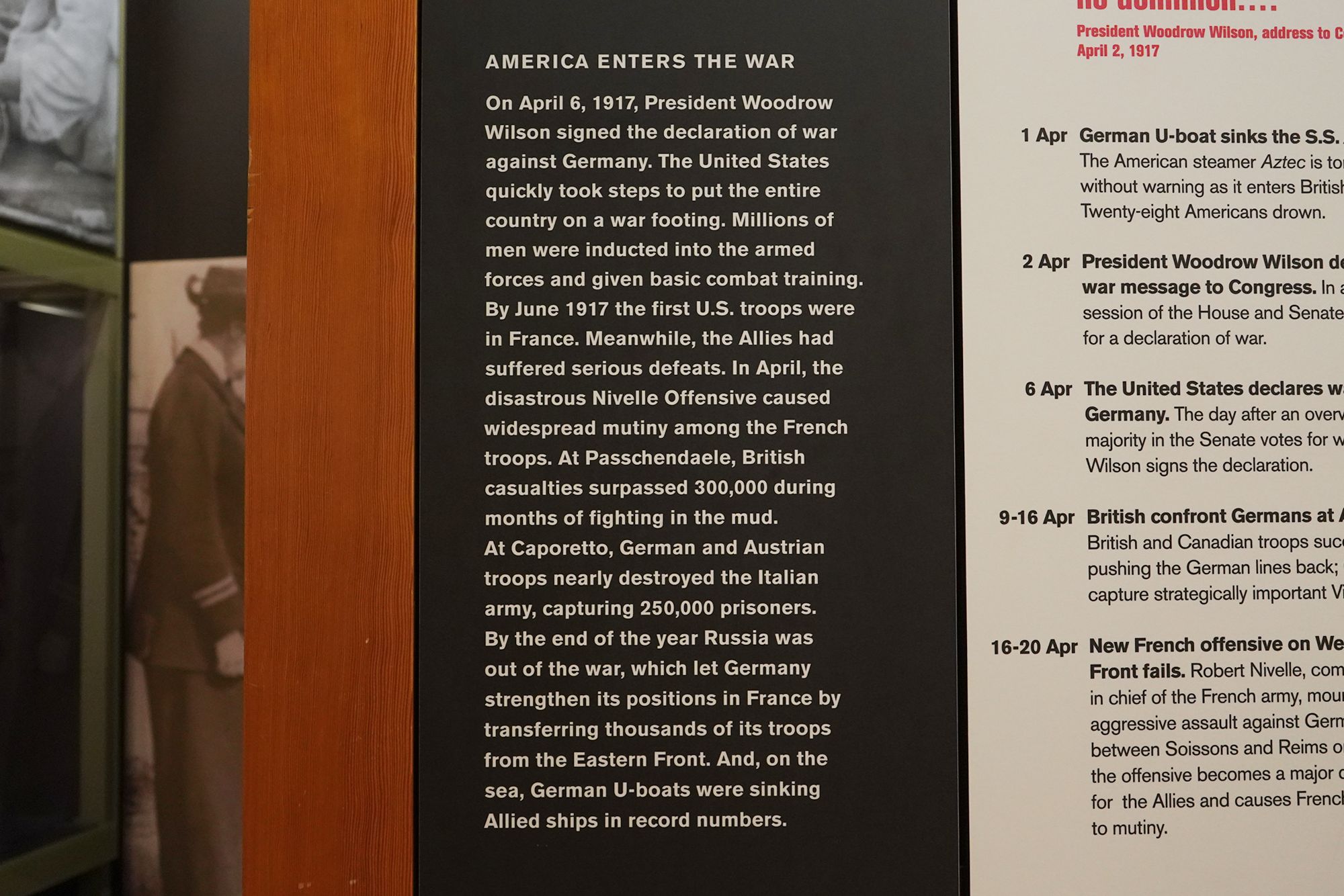
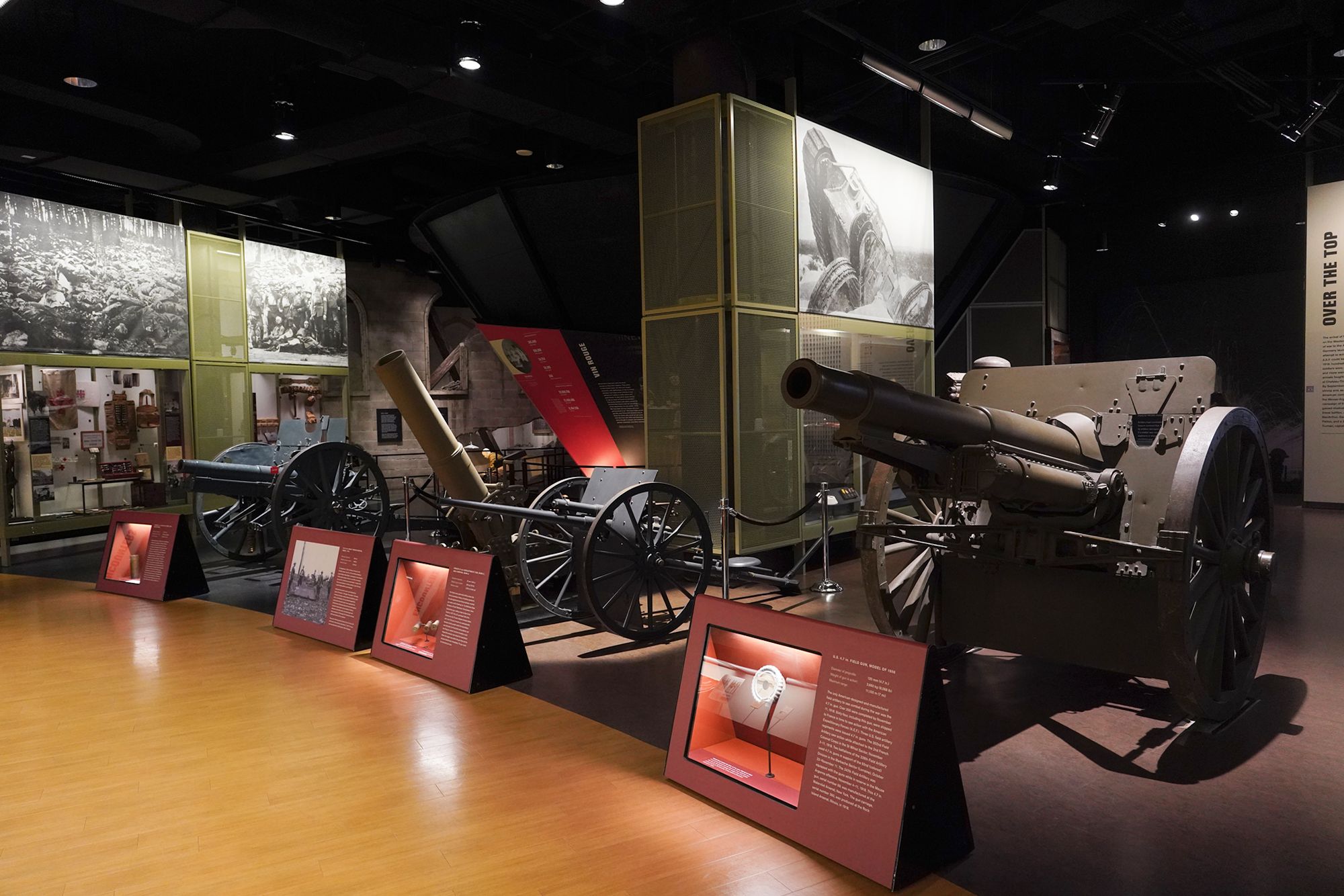
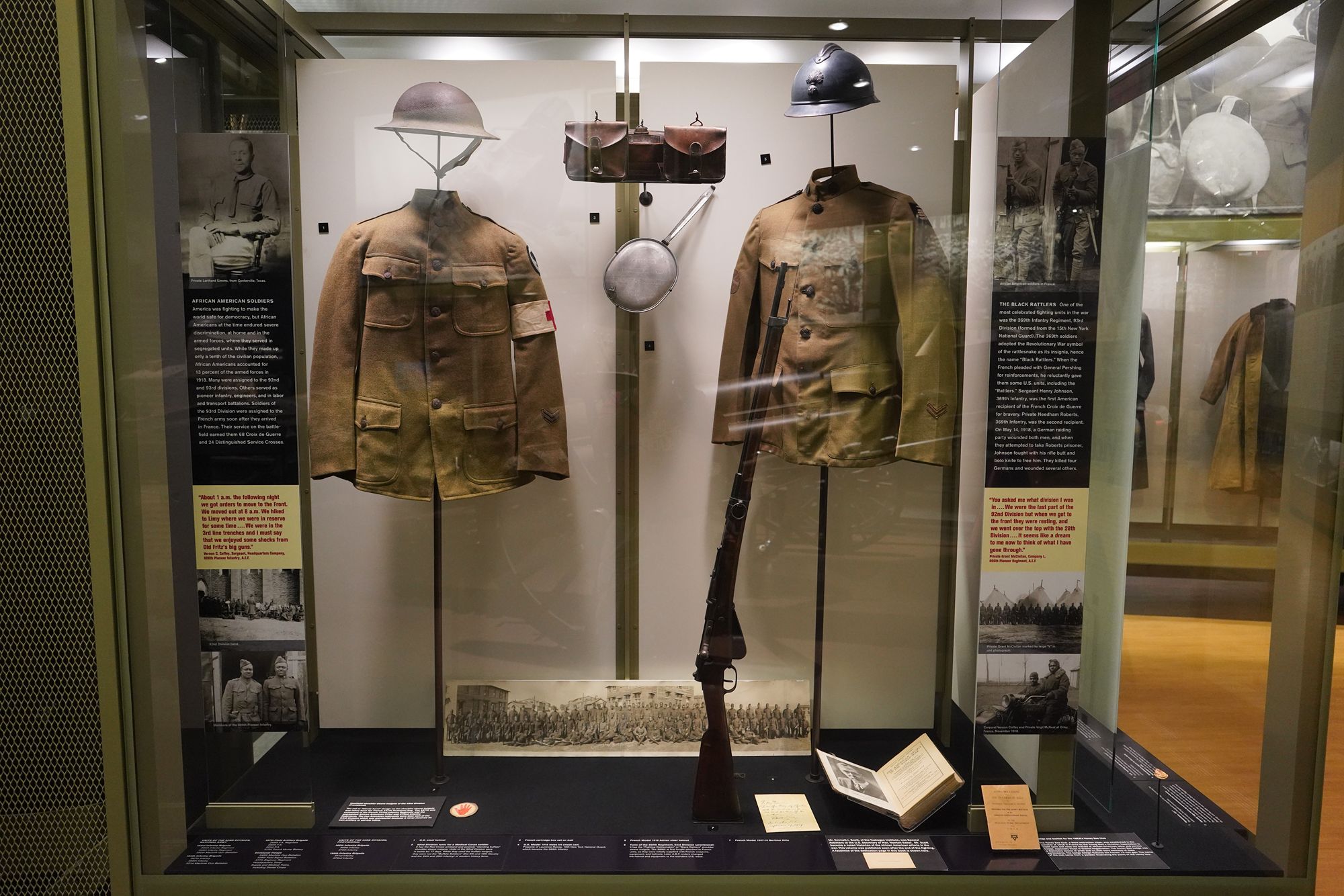
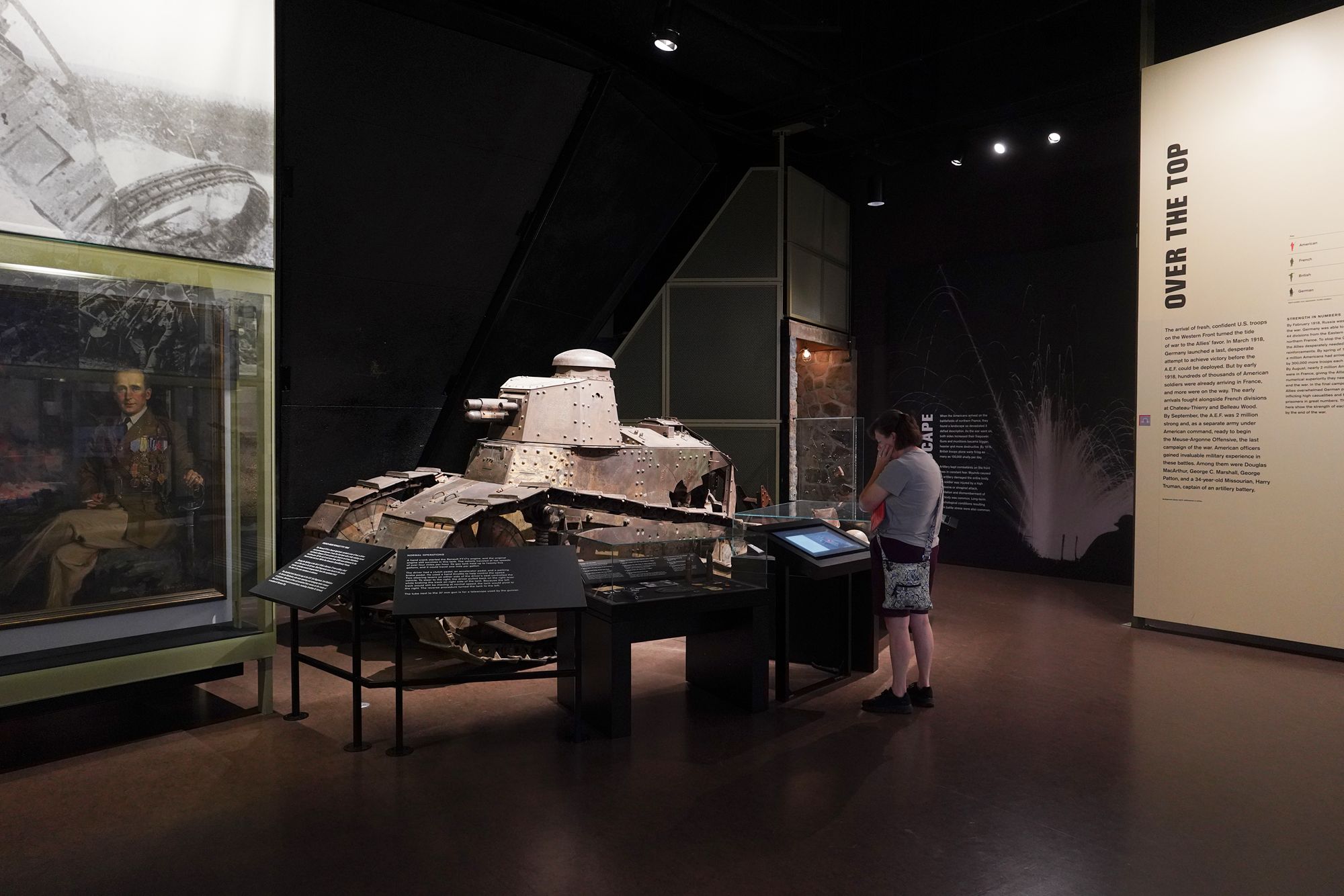
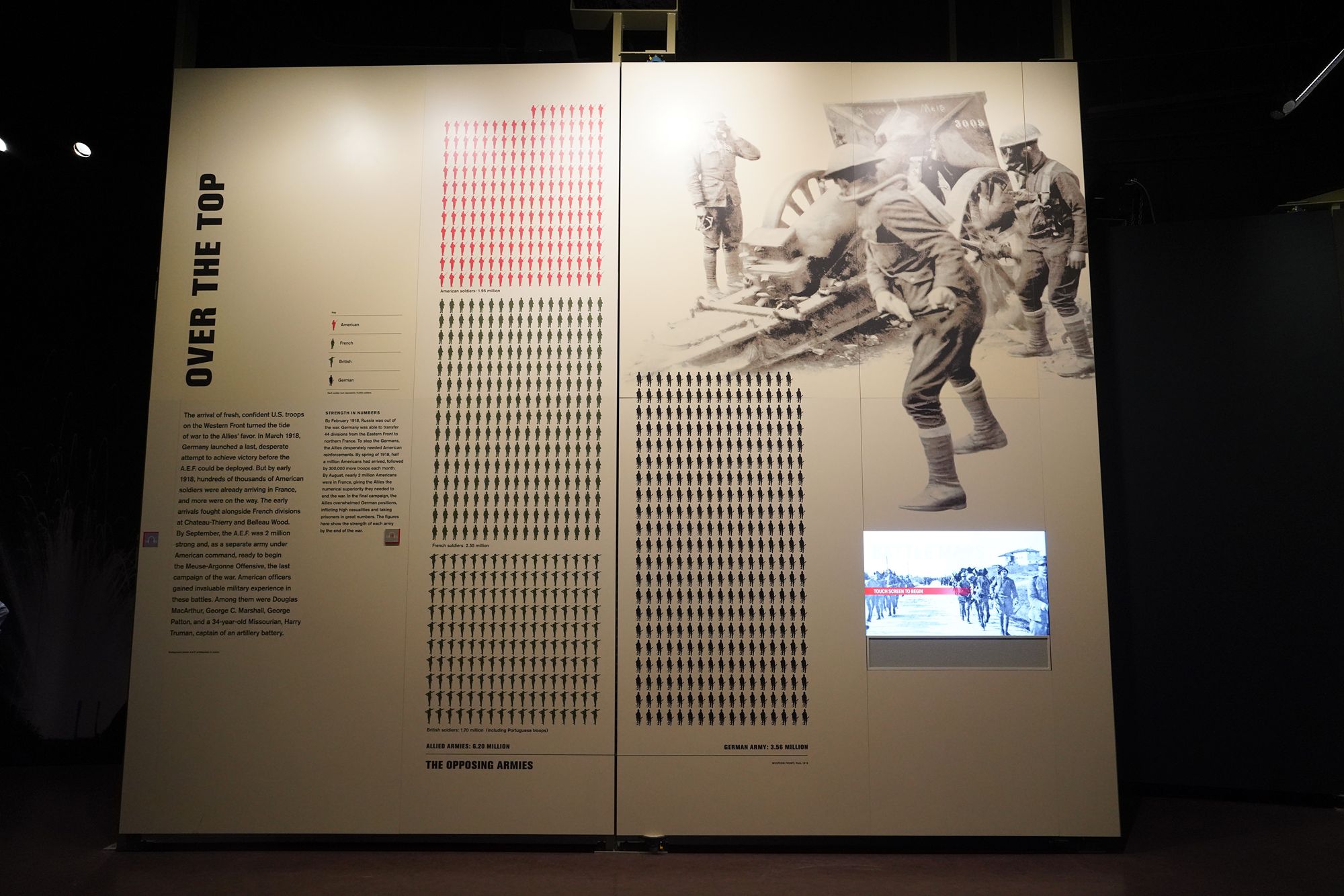
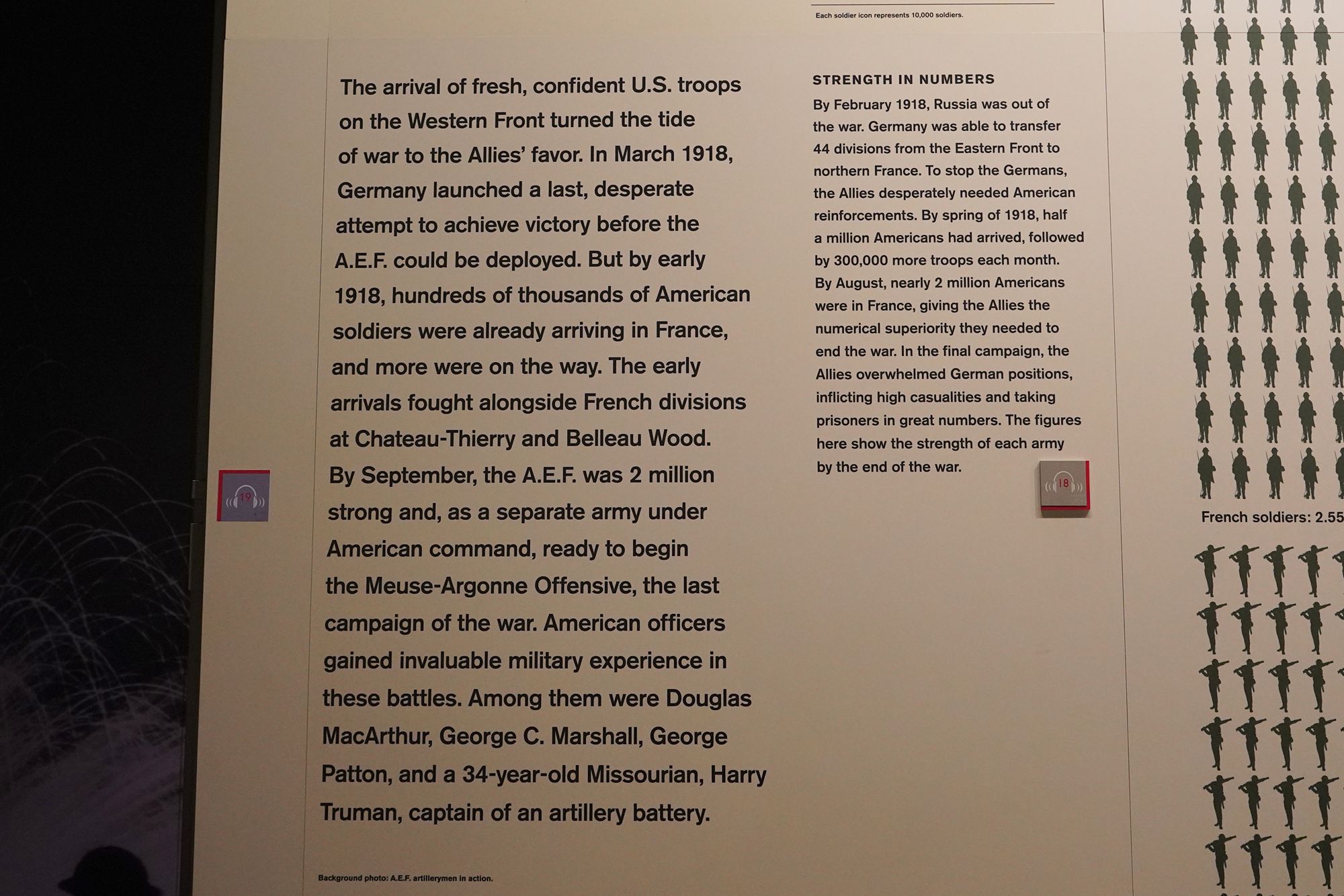
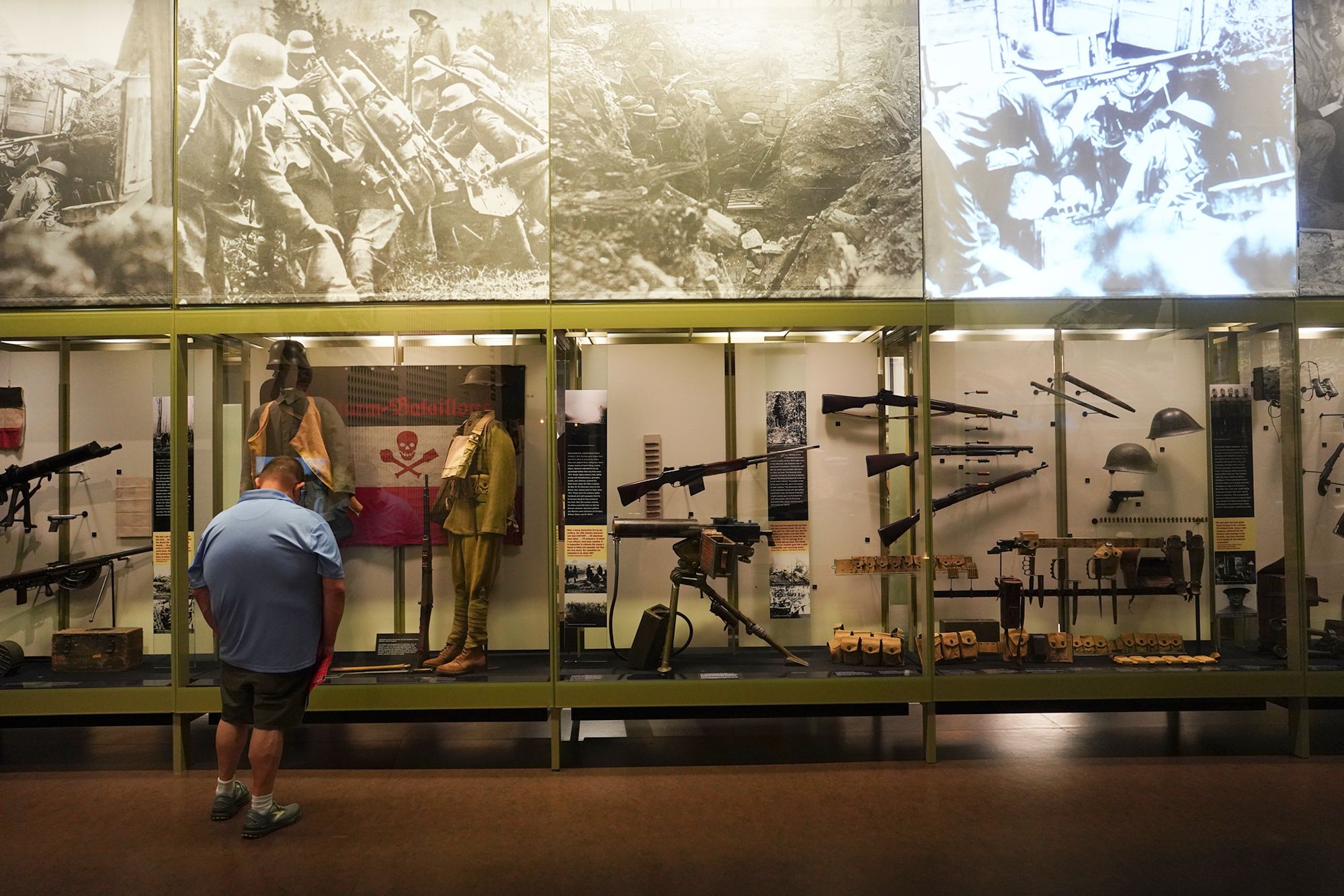
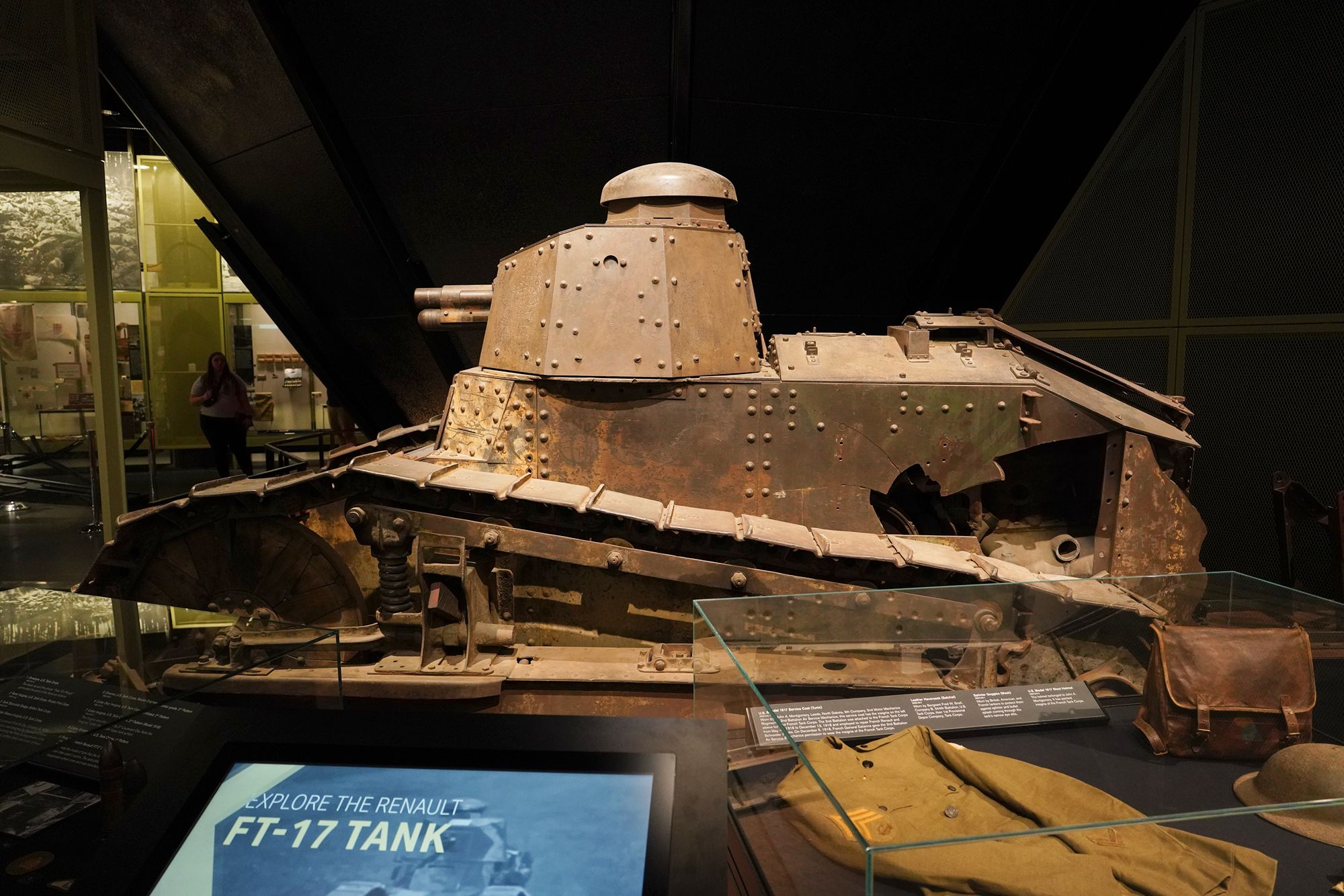
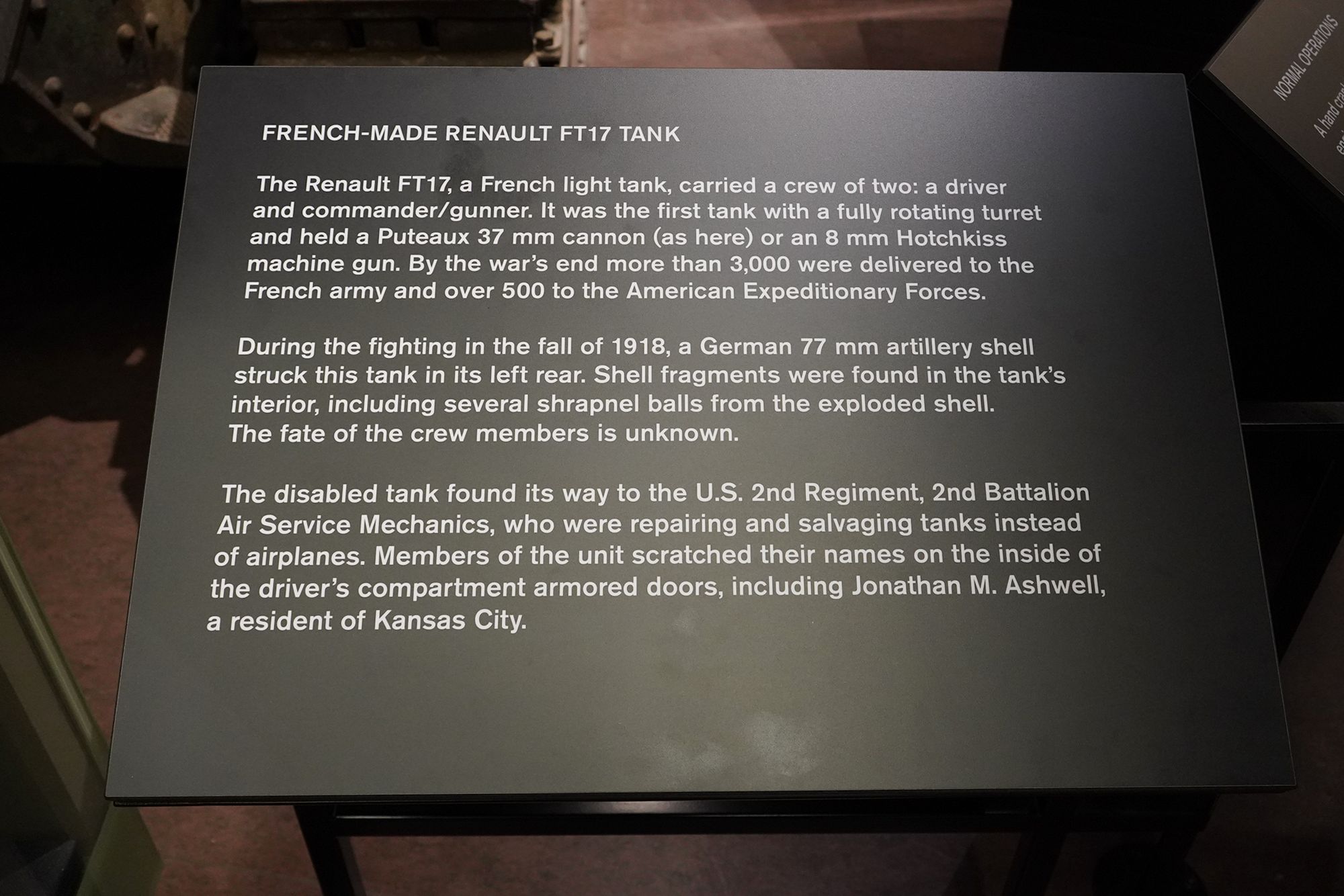
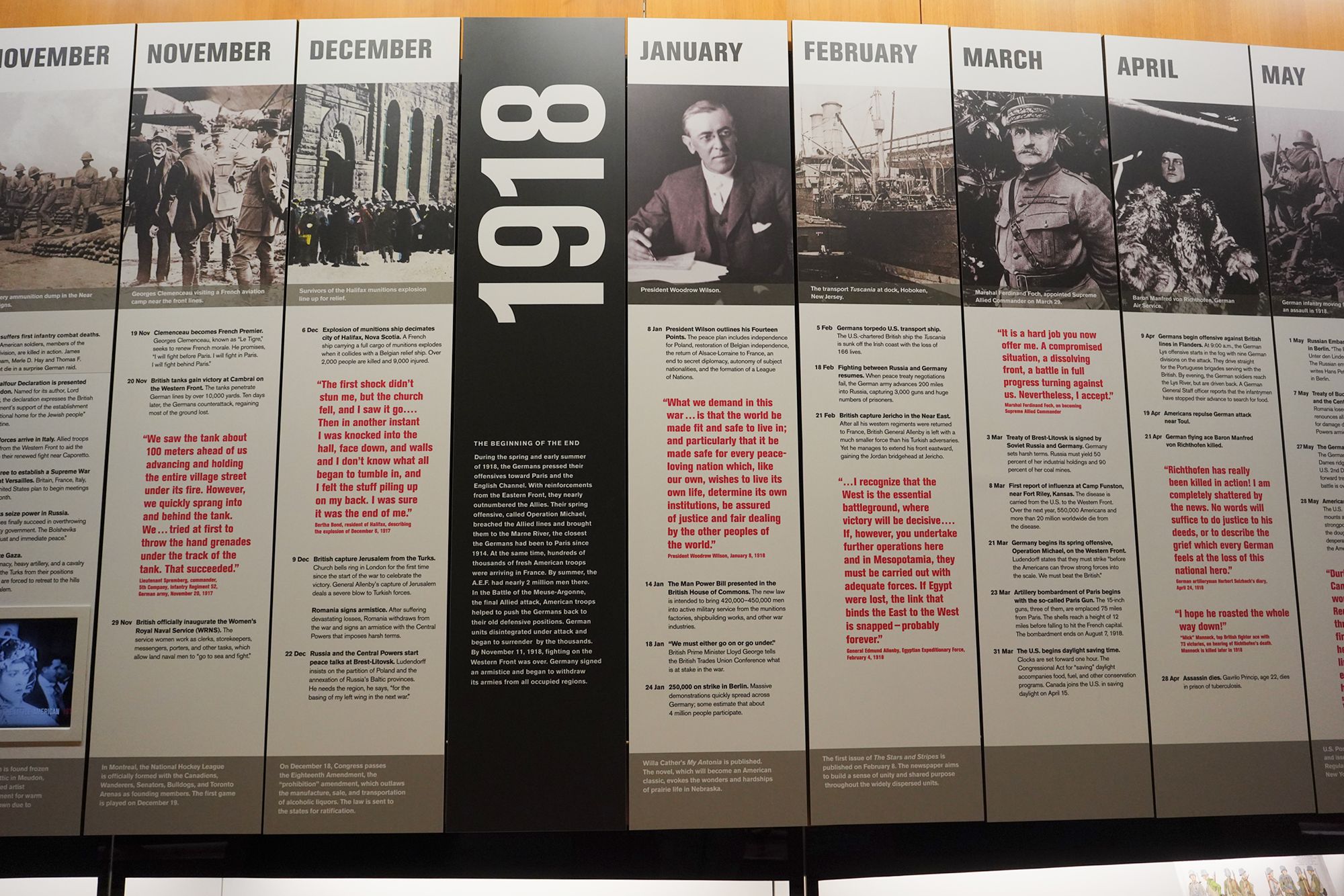
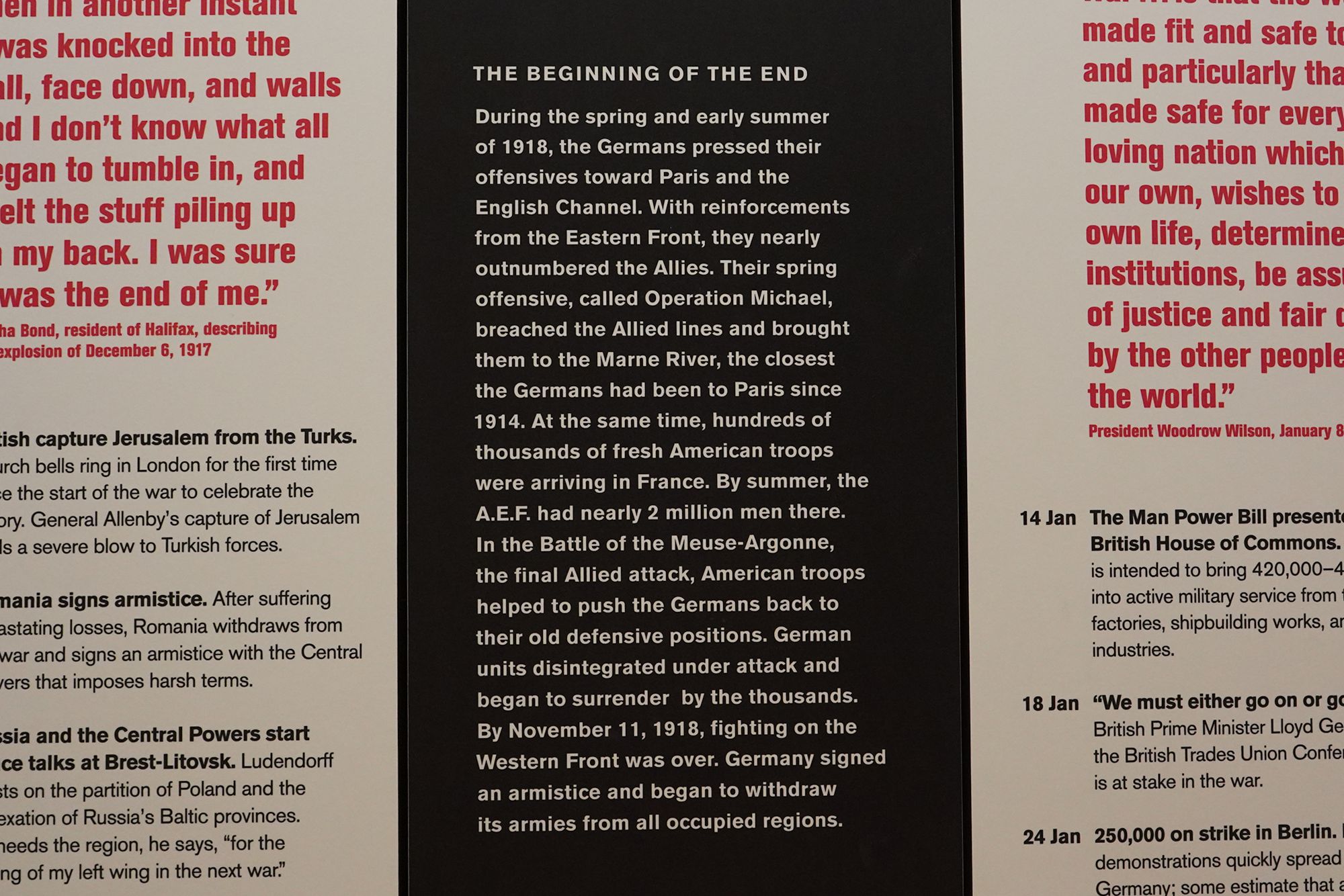
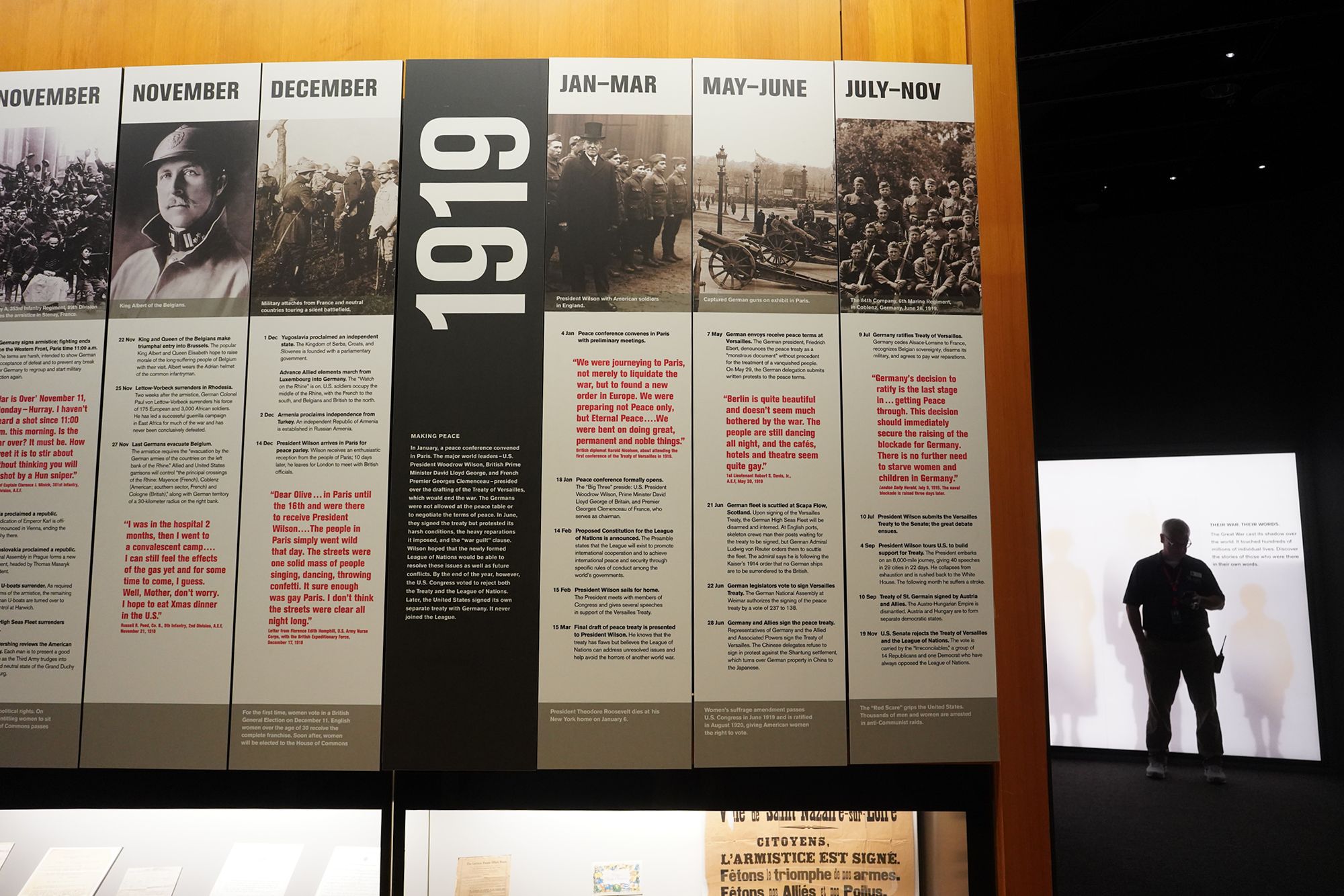
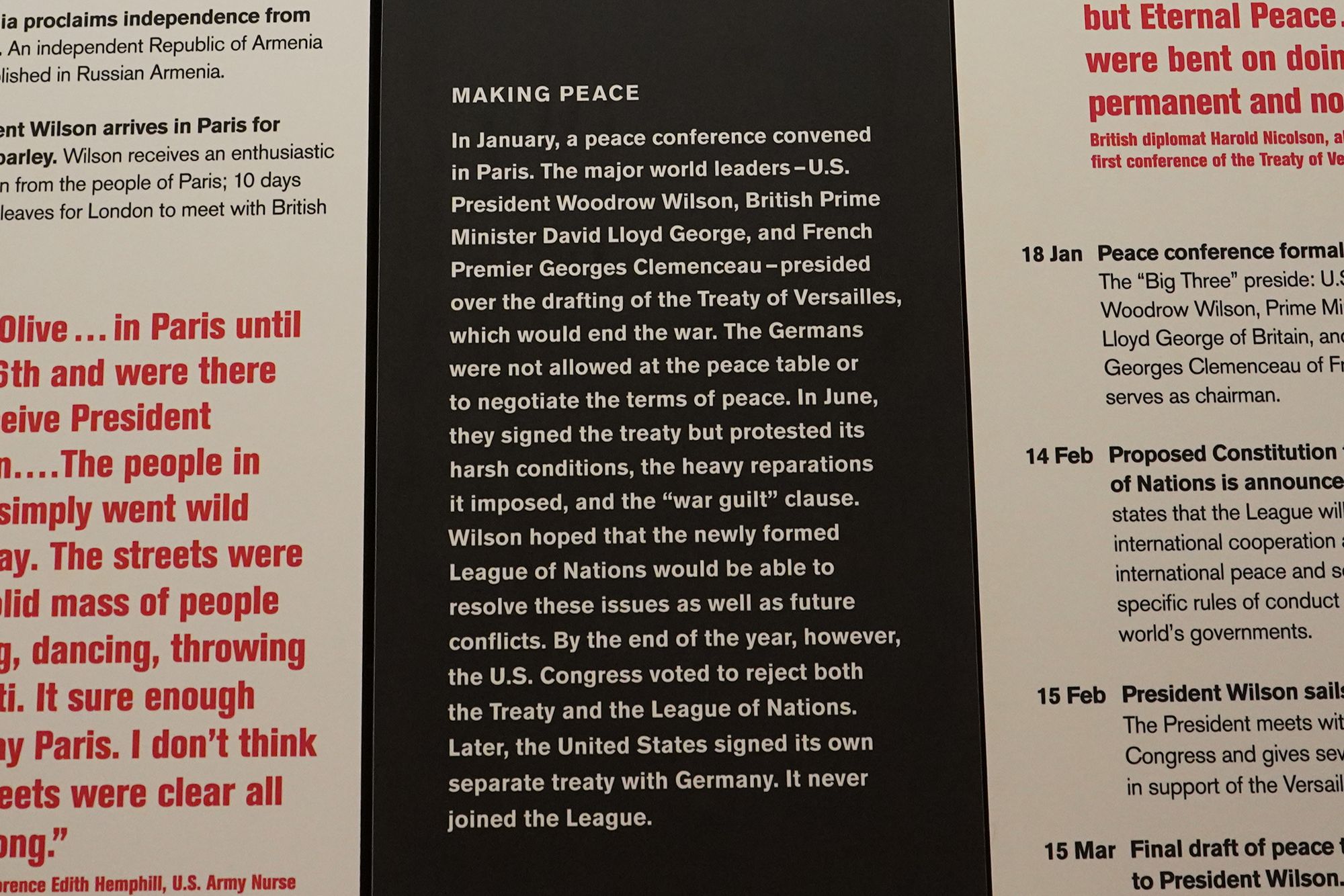
World War I ended in November 1918 when Germany, exhausted by battlefield losses, collapsing allies, a naval mutiny, and domestic unrest, agreed to an armistice, followed by the 1919 Treaty of Versailles that formally concluded the conflict.
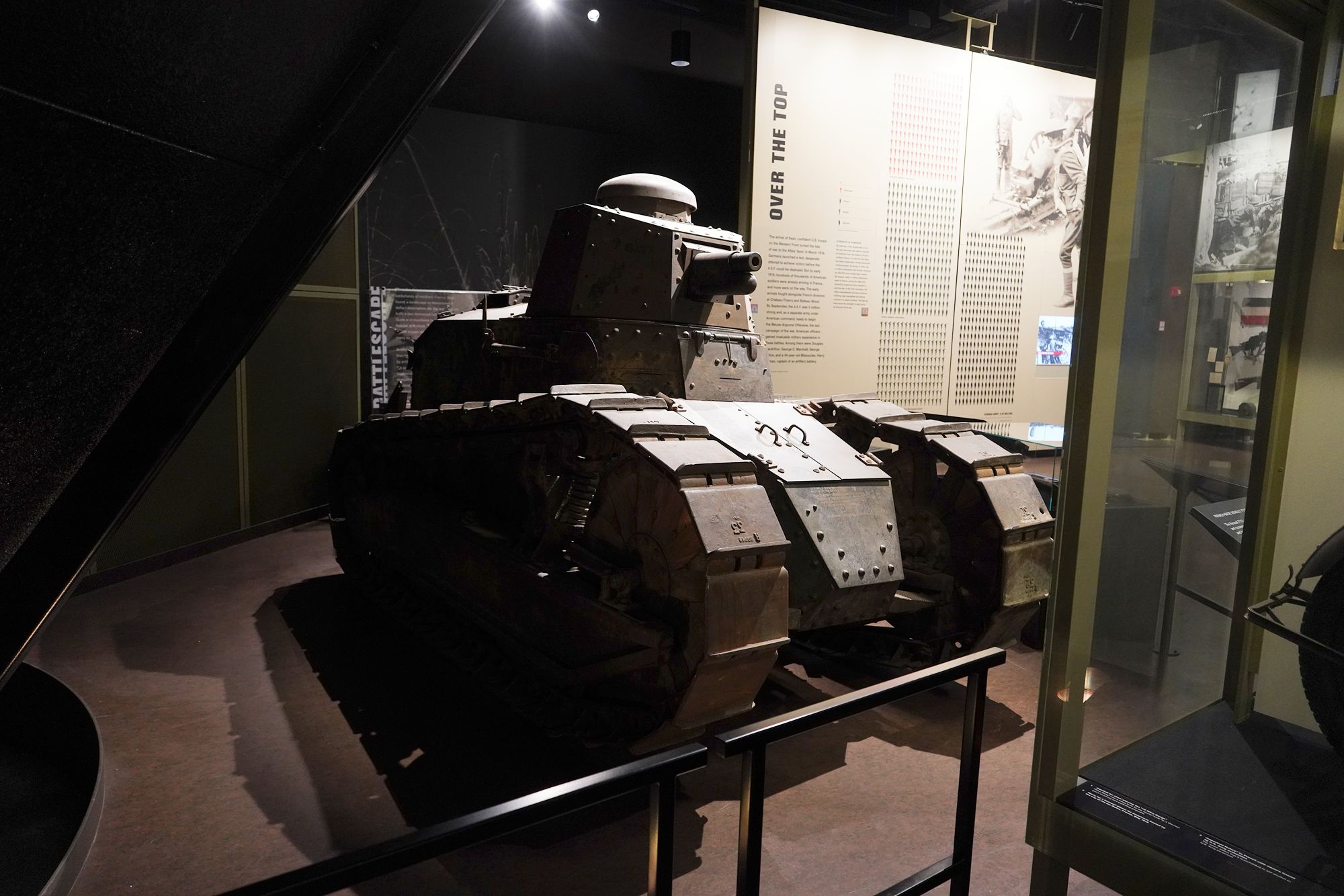
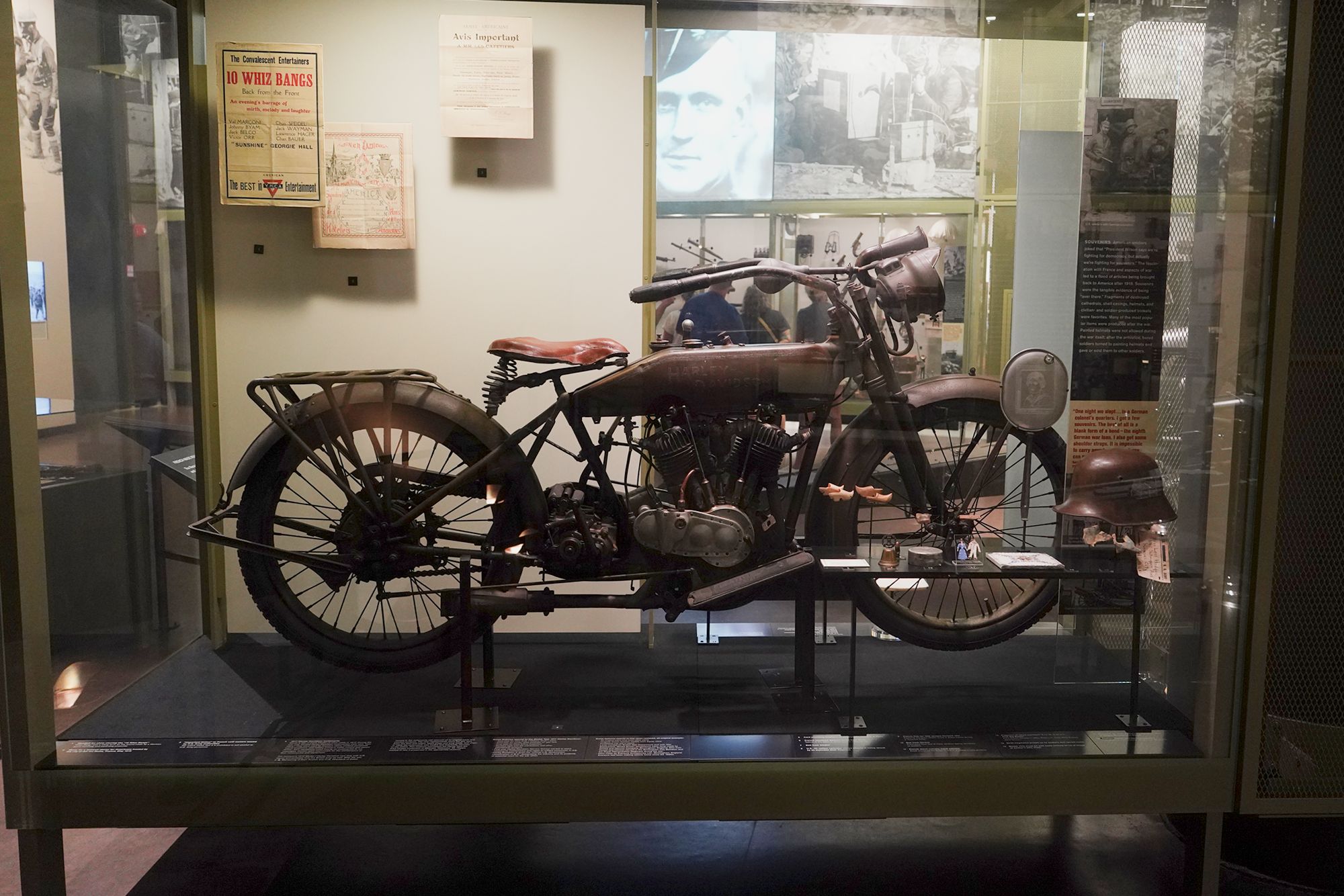
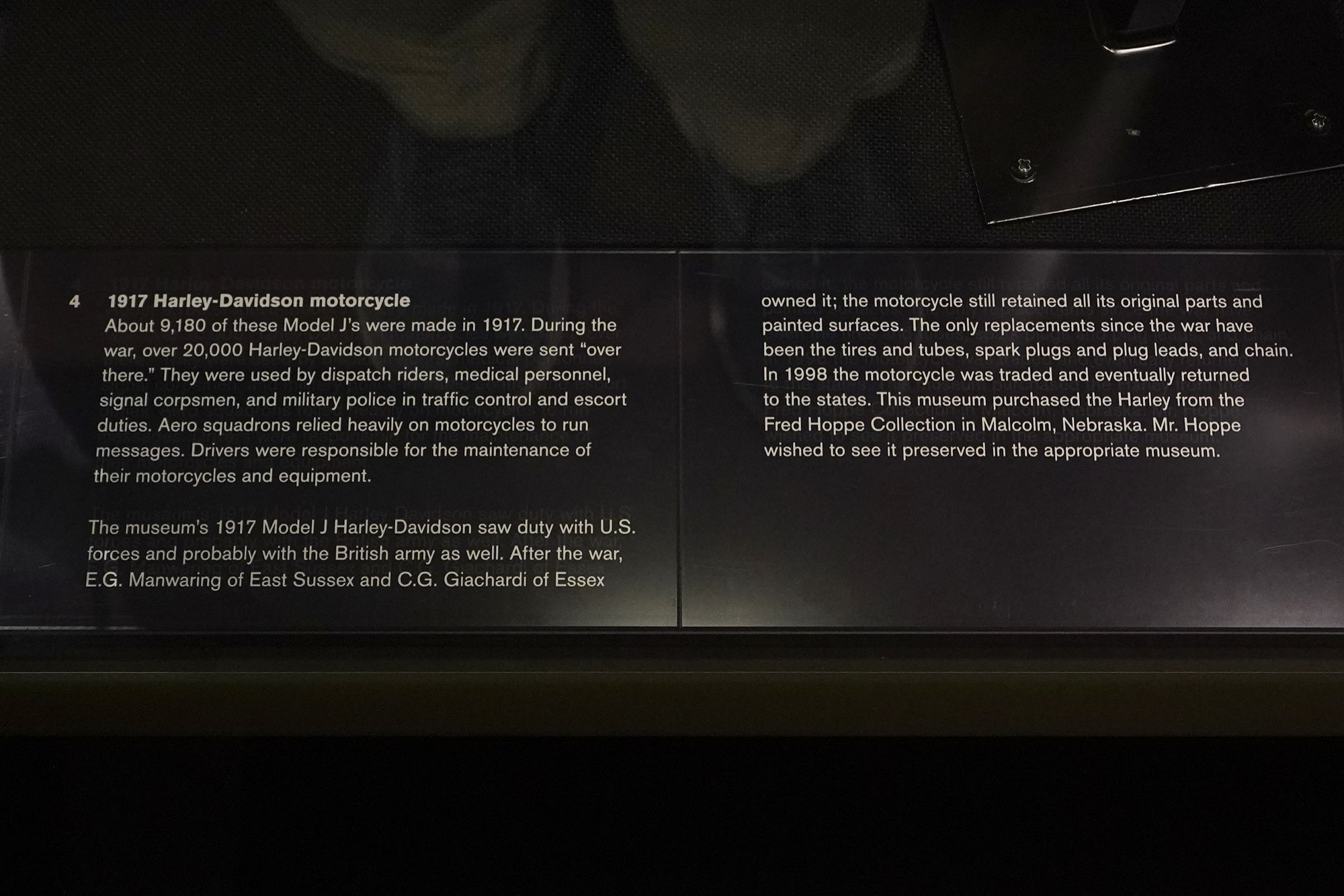
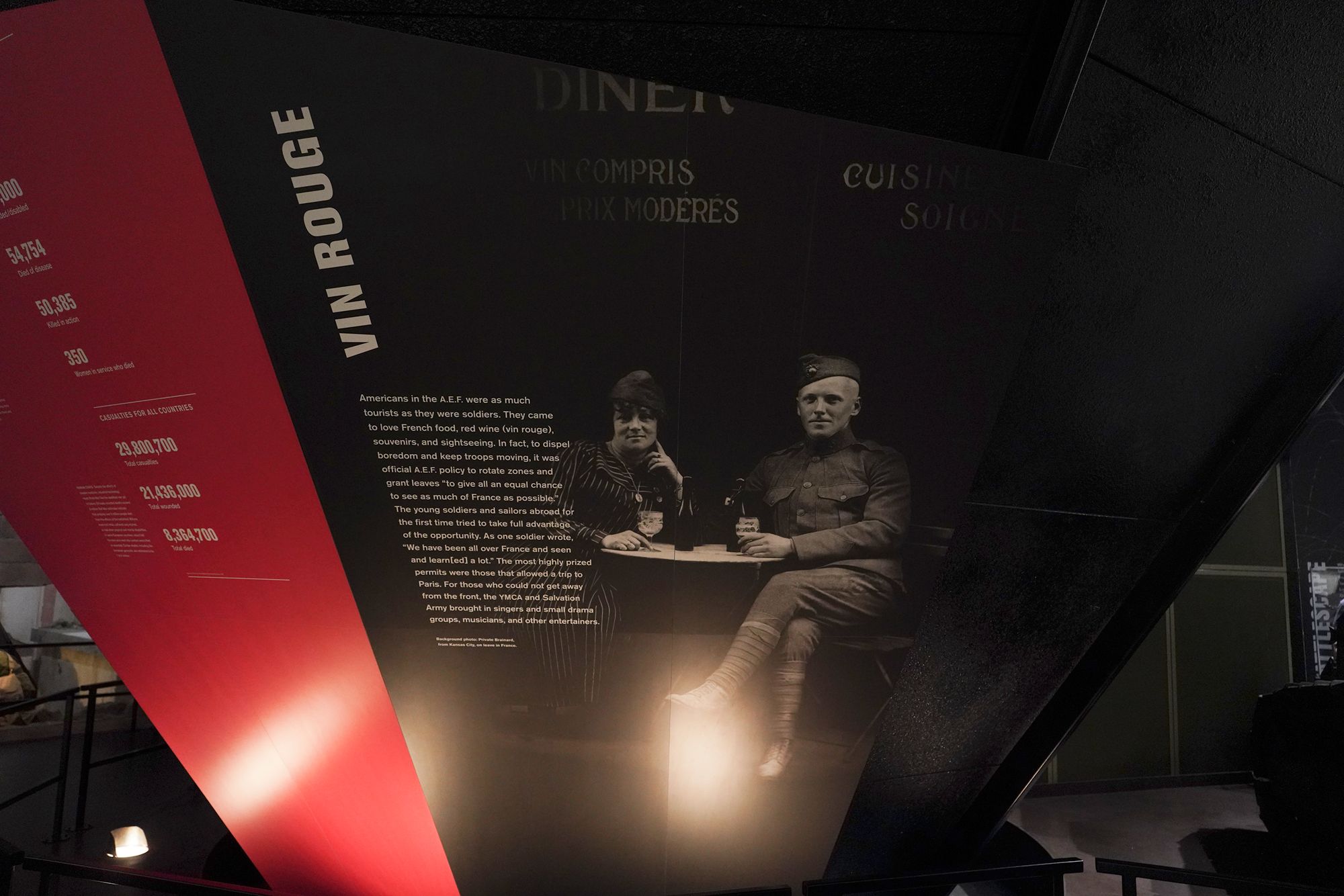
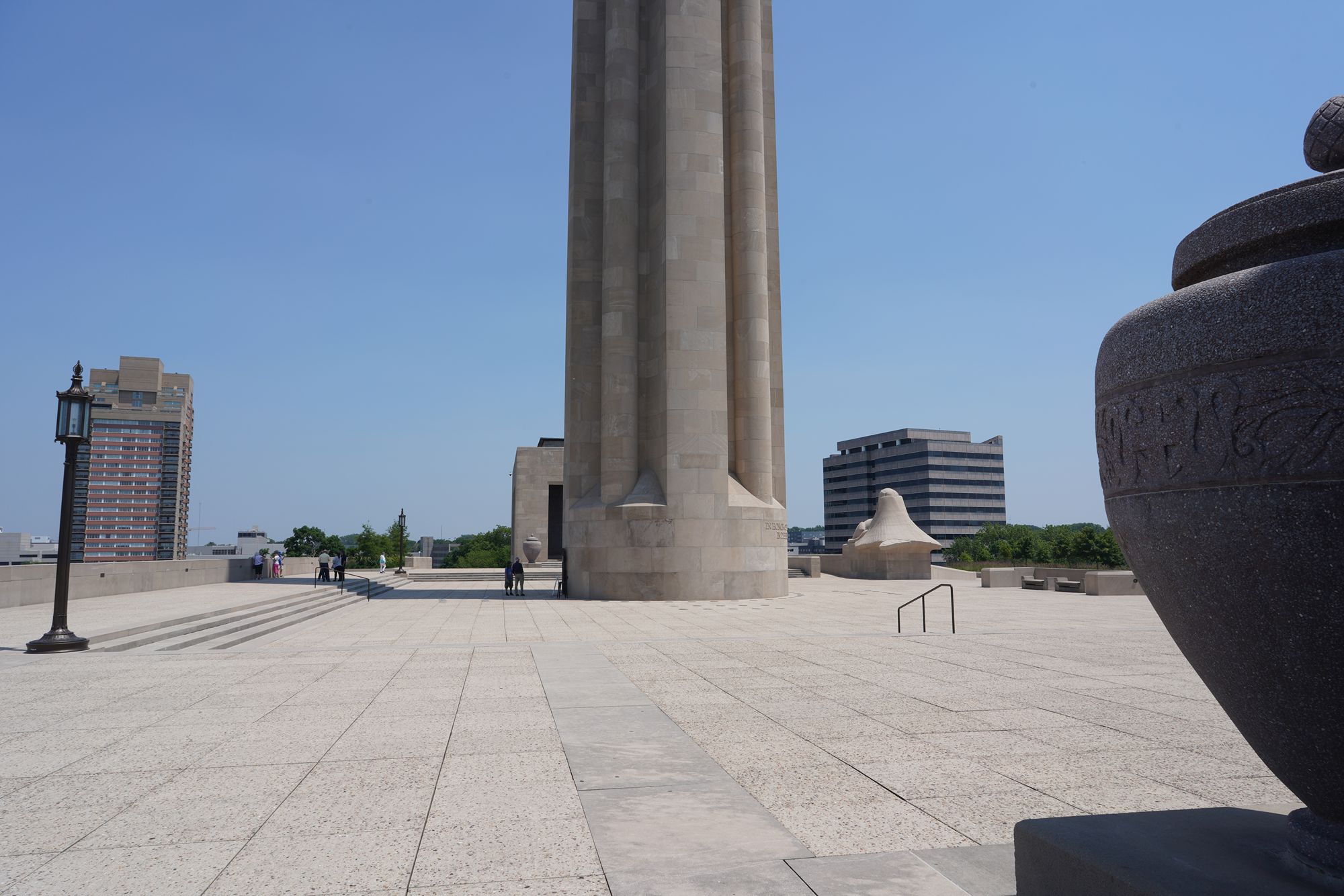
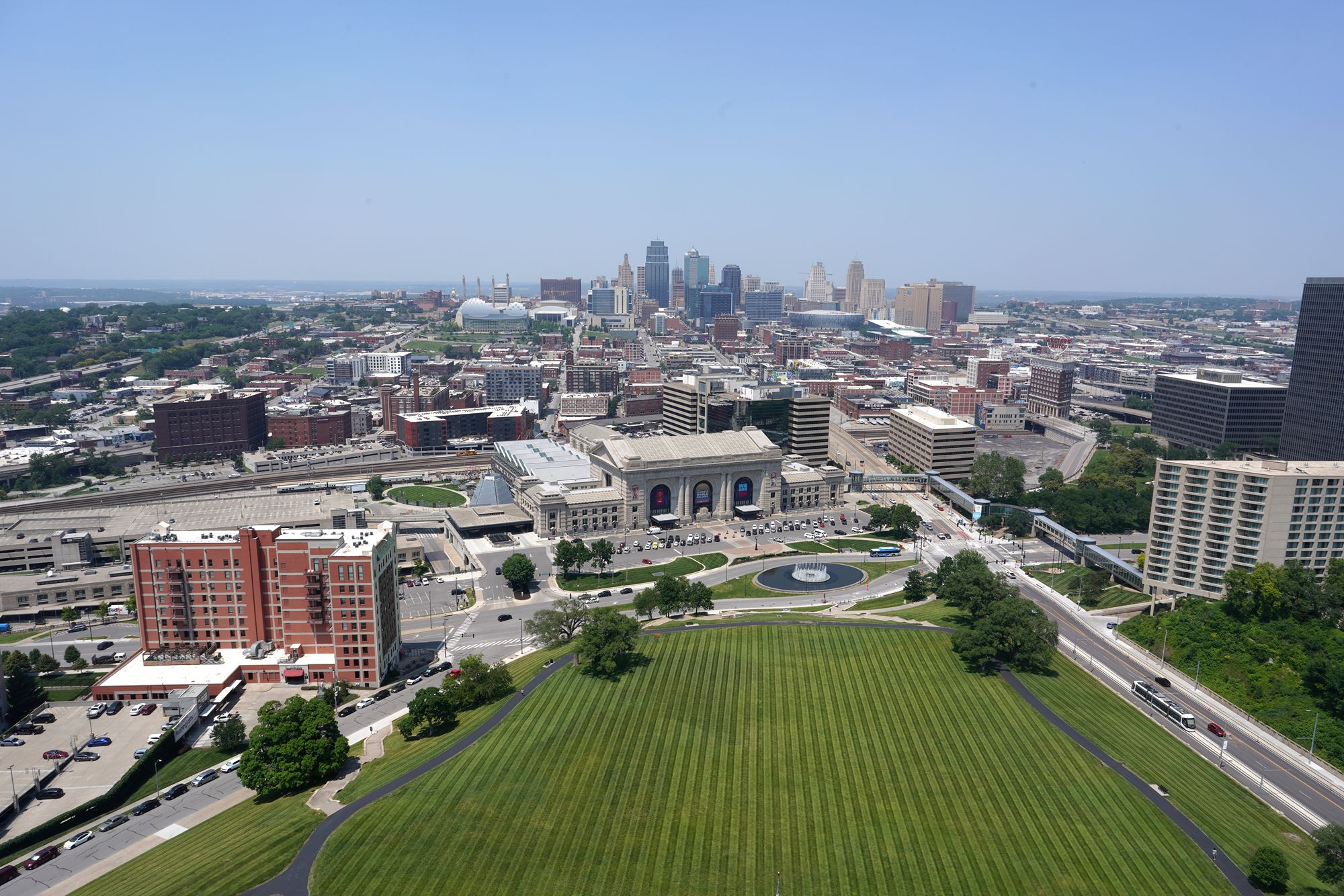
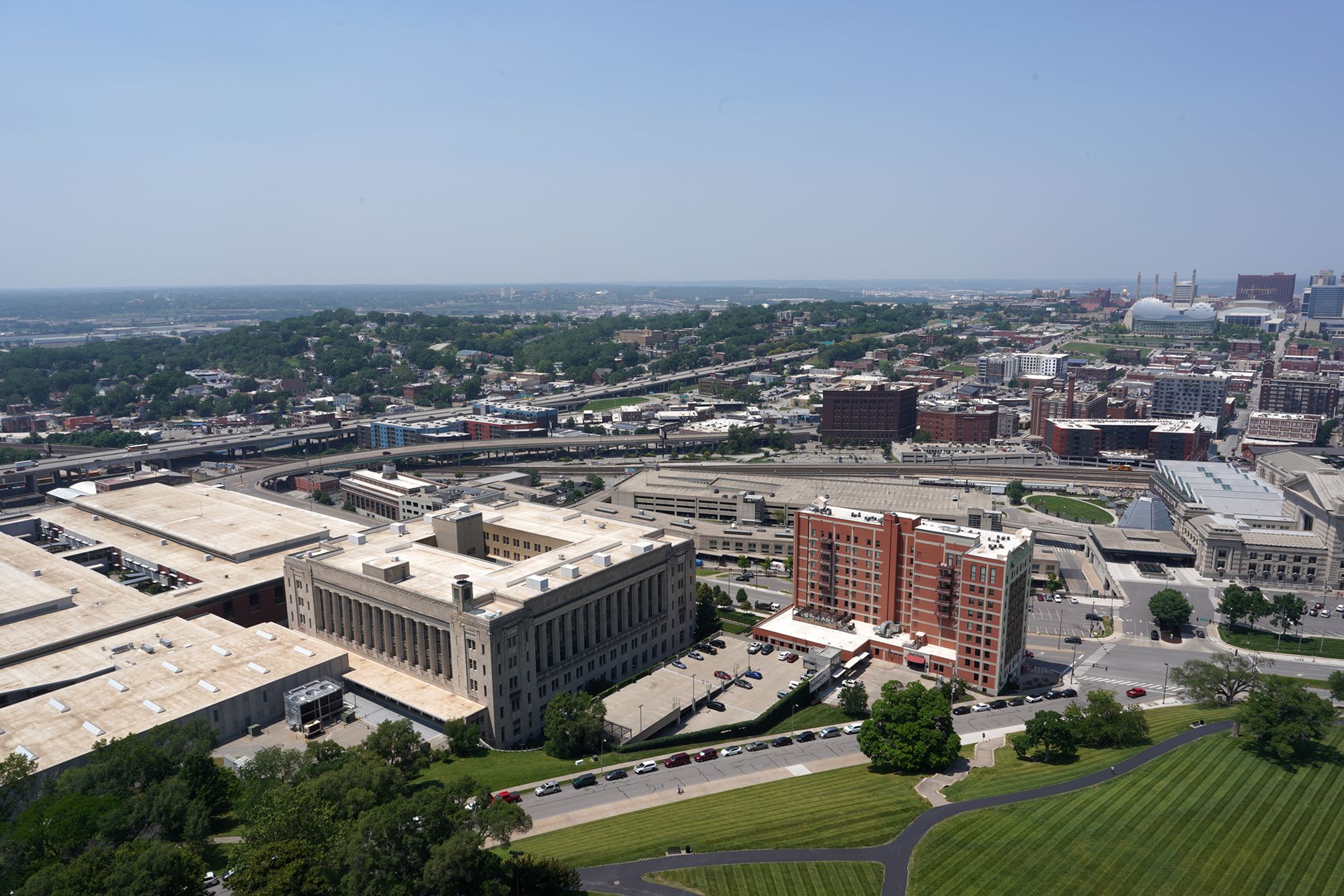
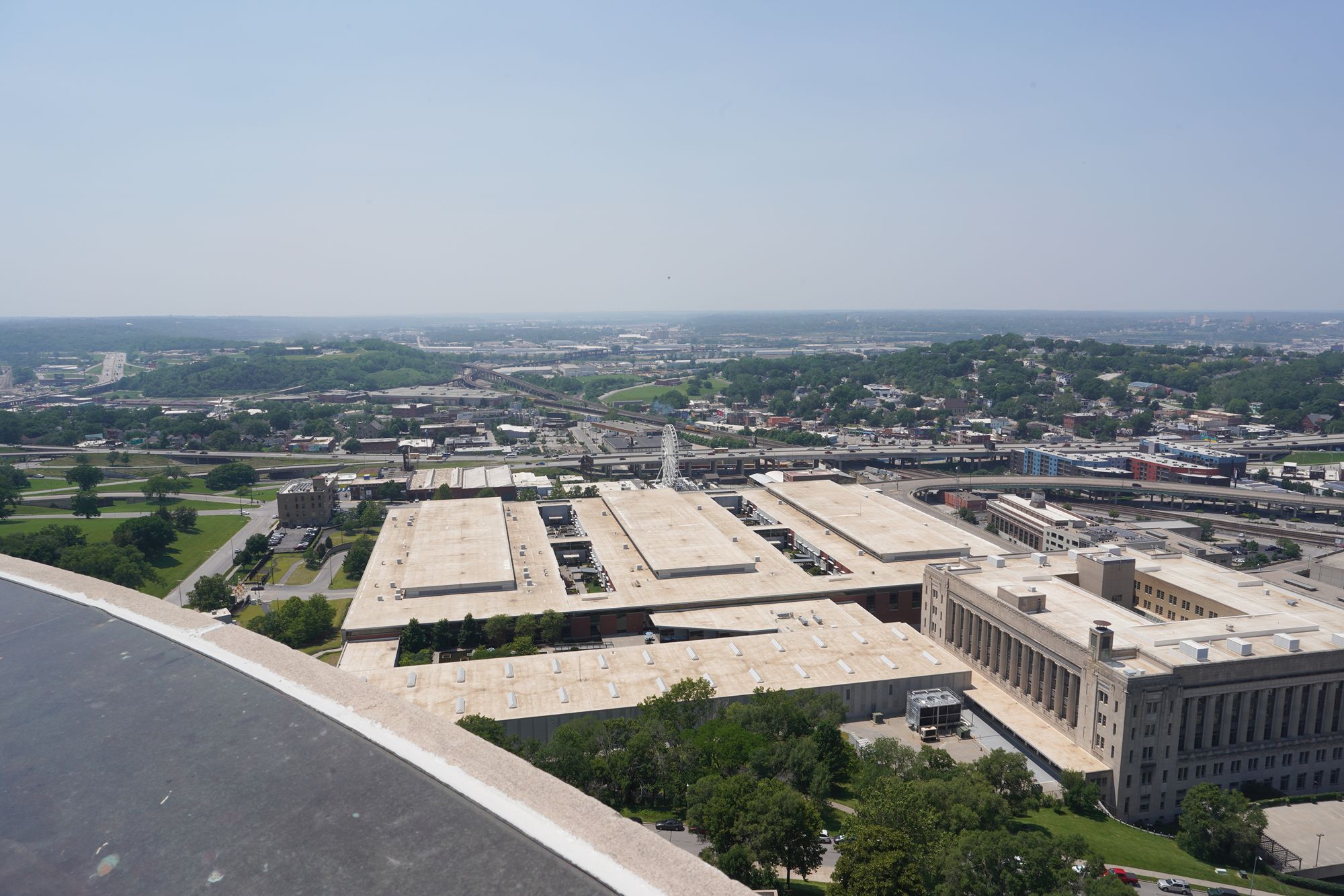
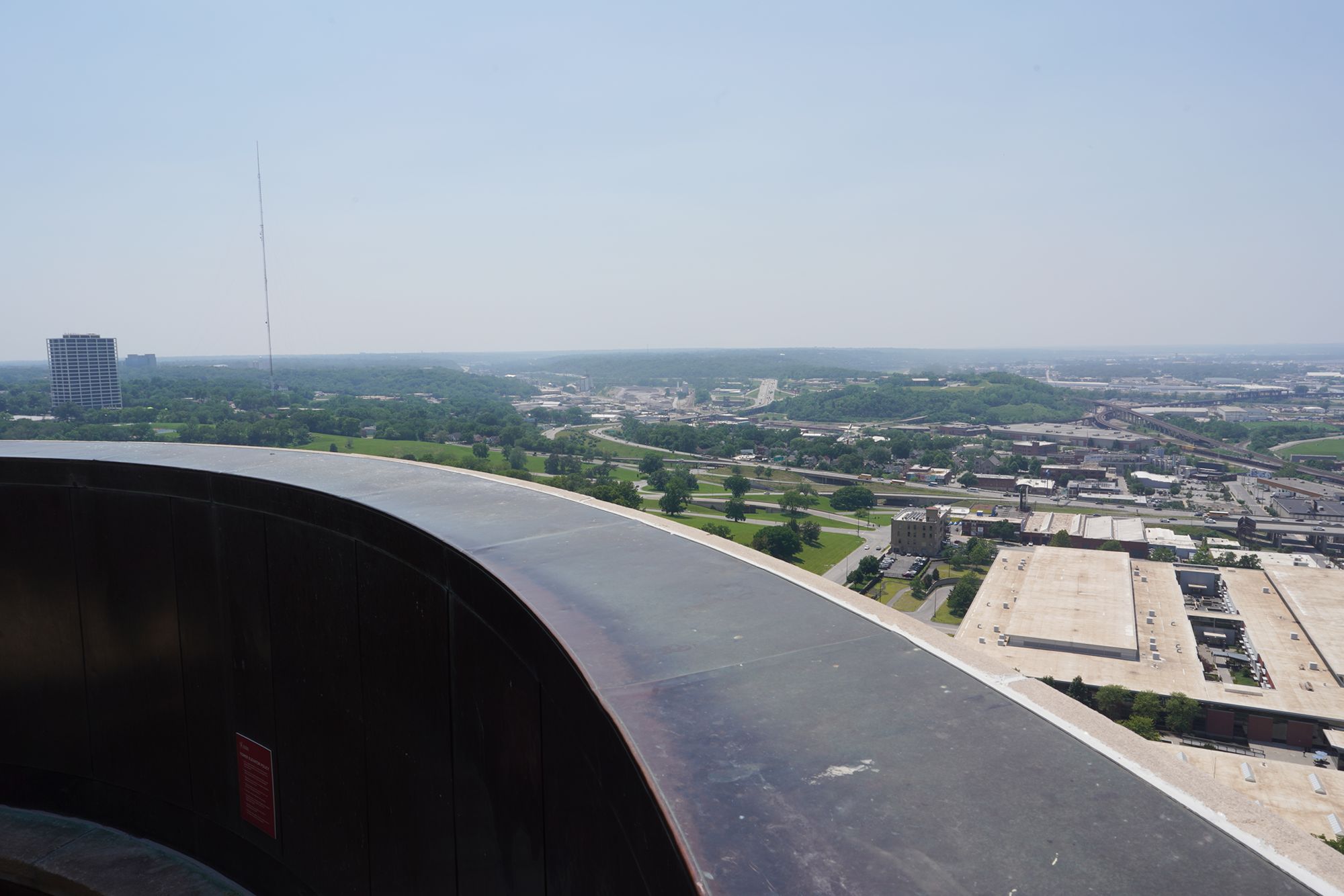
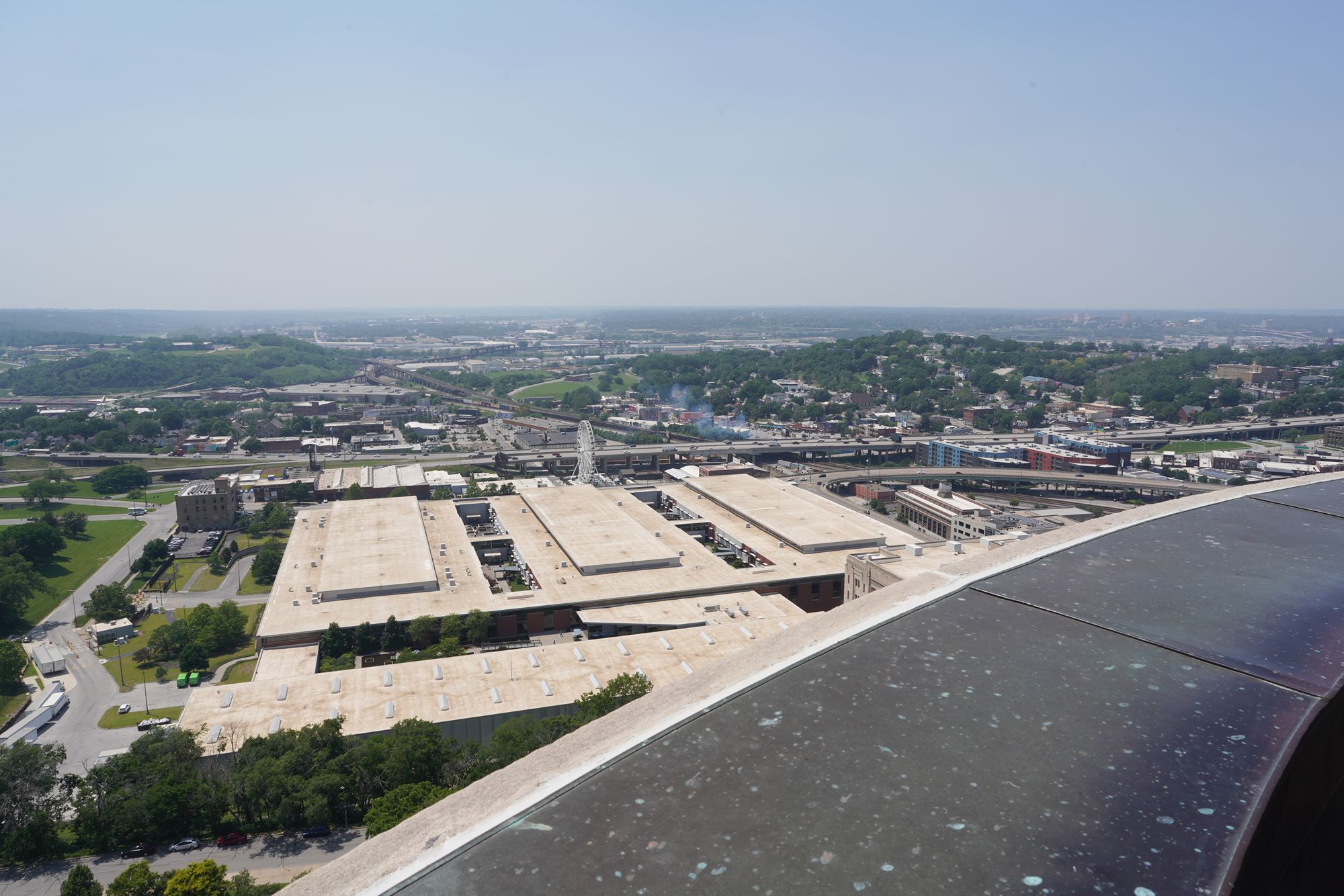
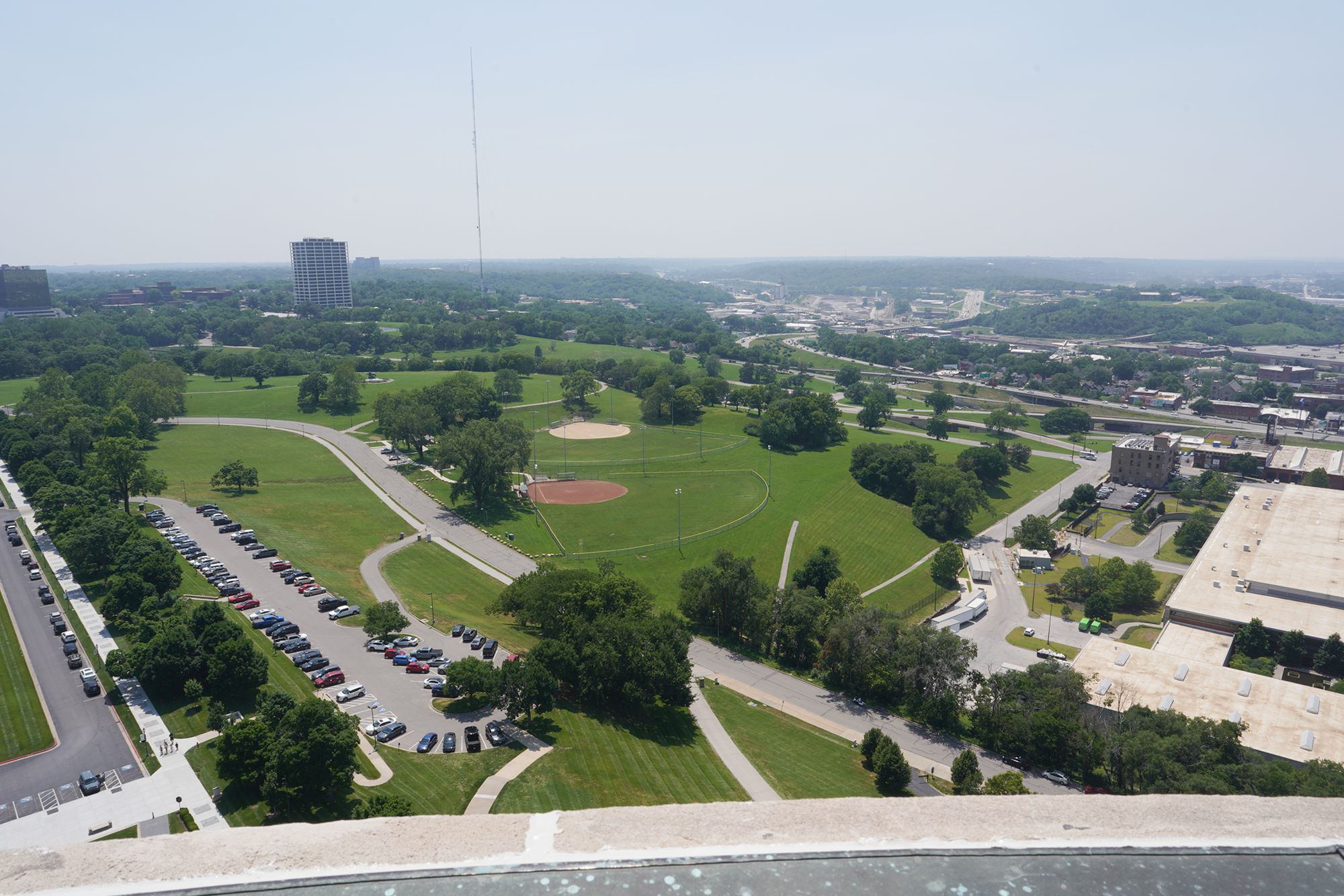
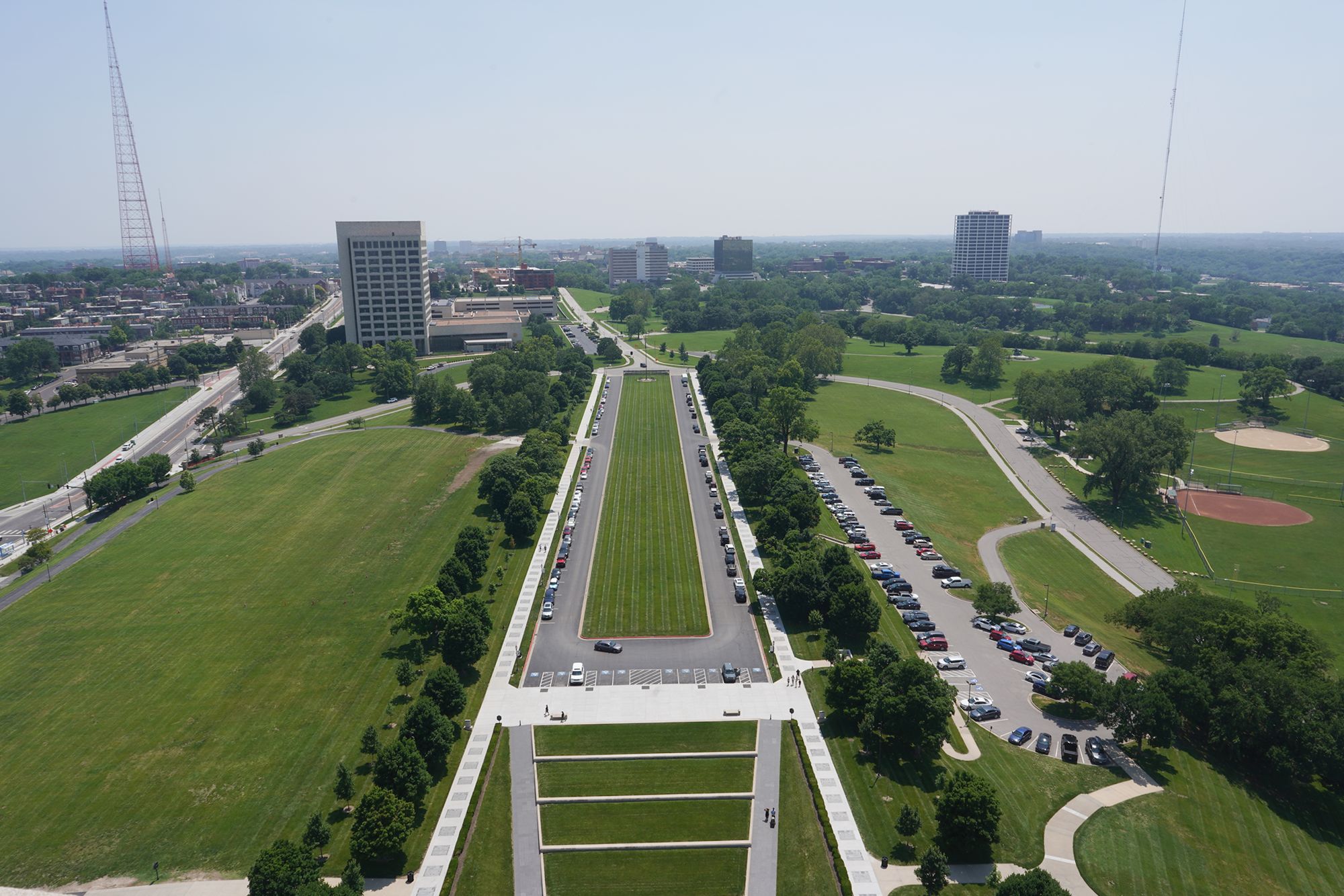
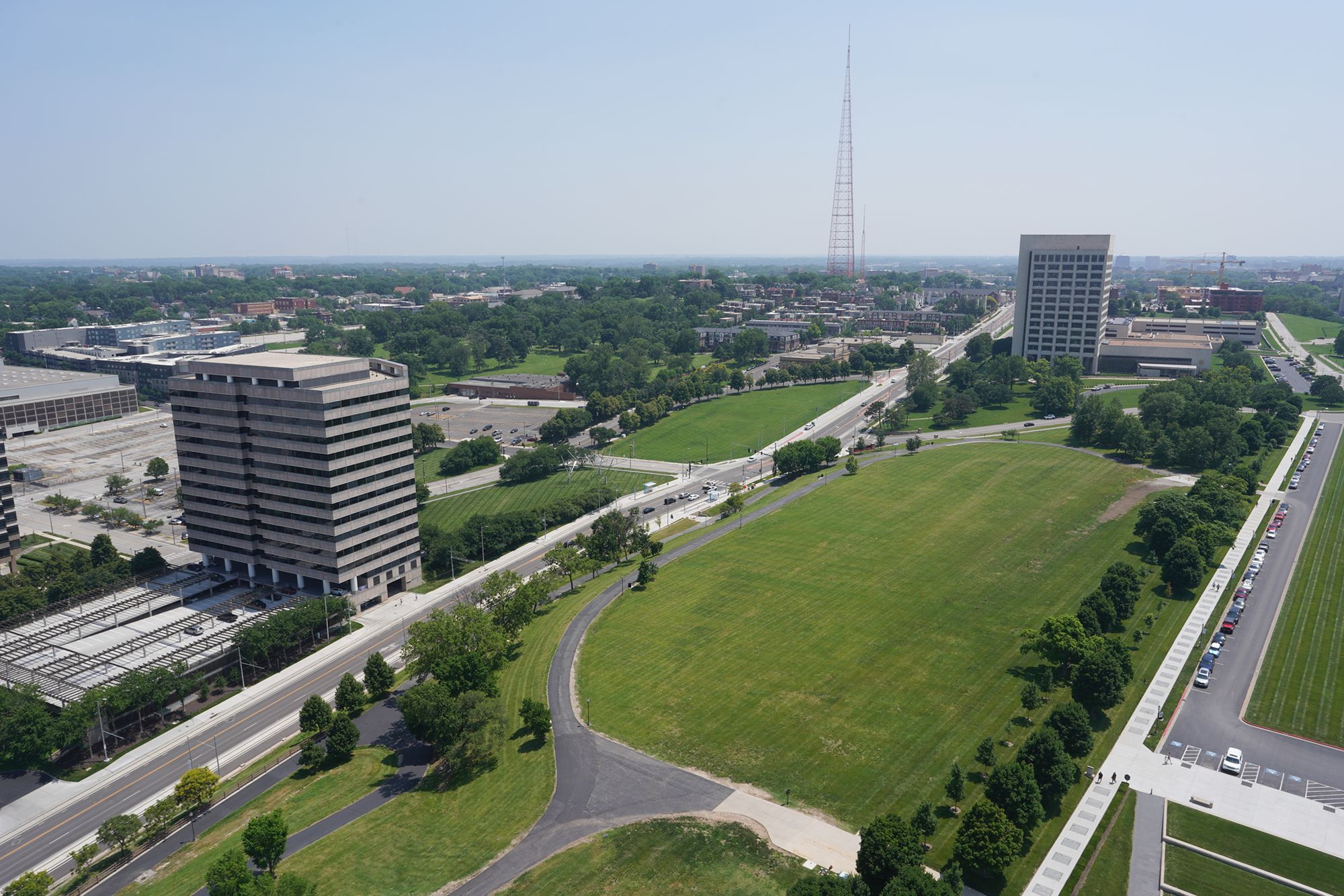
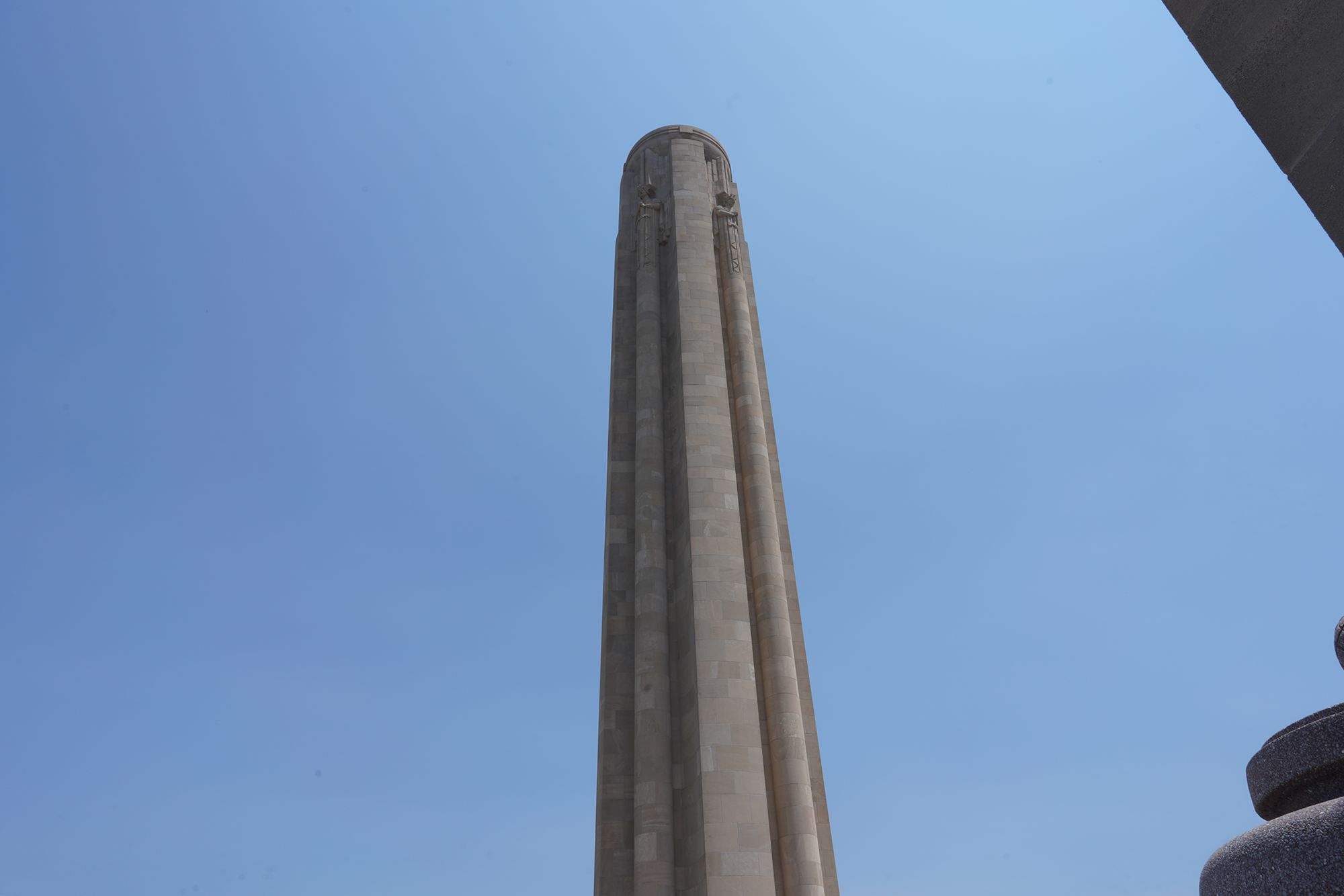
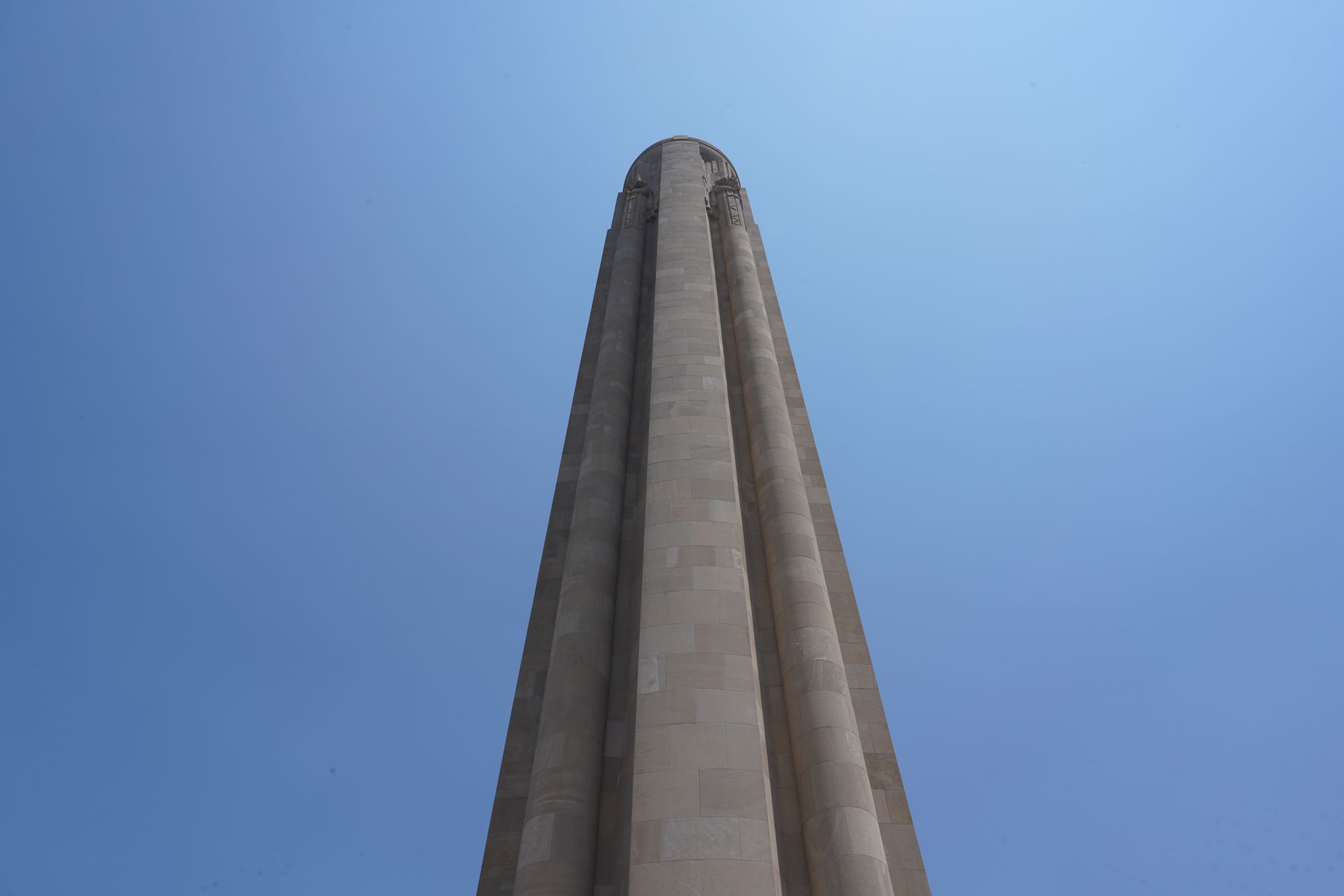
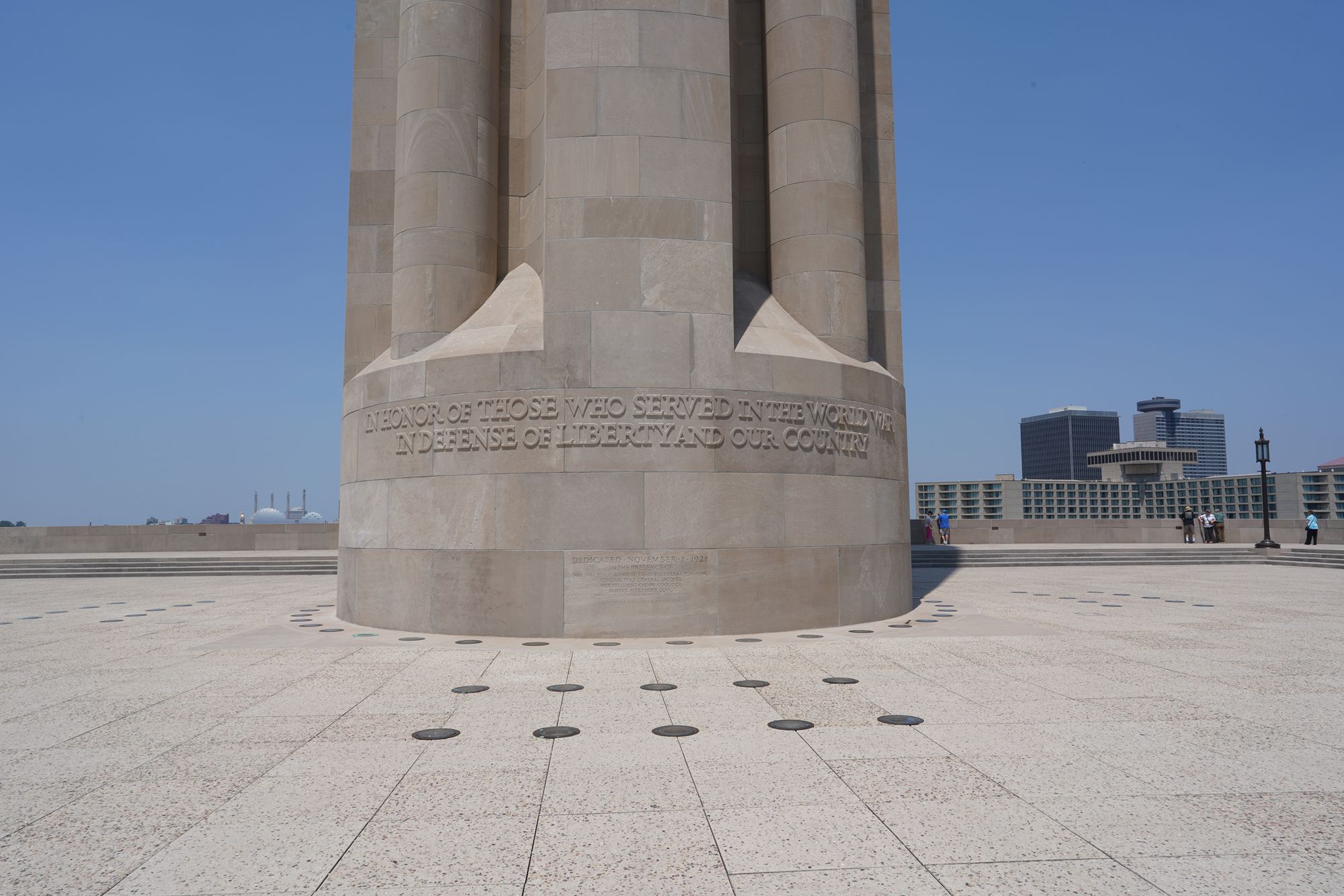
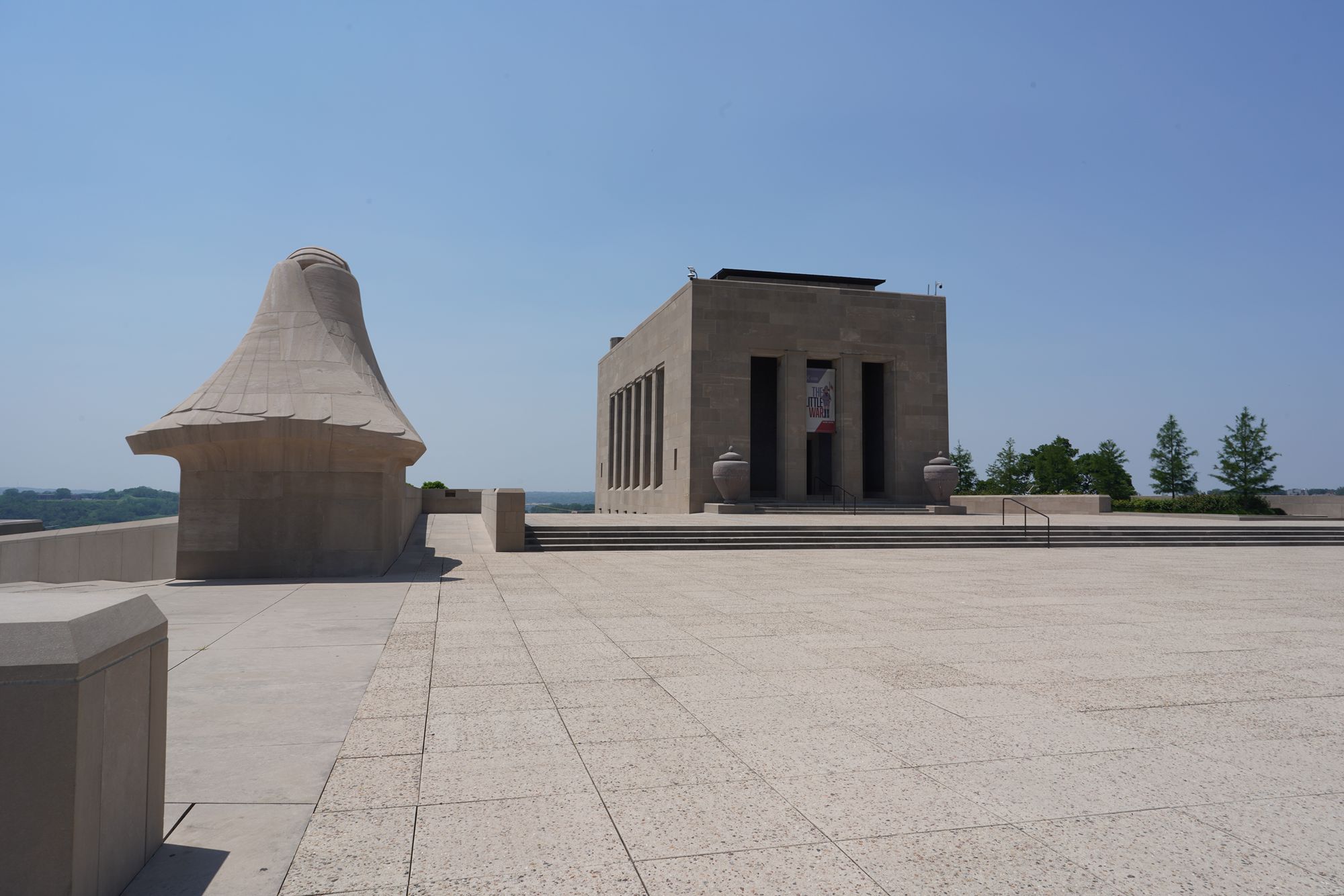
Liberty Memorial Tower, a 217-foot limestone shaft built in the 1920s as a monument to those who served and died in World War I, now offering an observation deck with panoramic views of Kansas City.
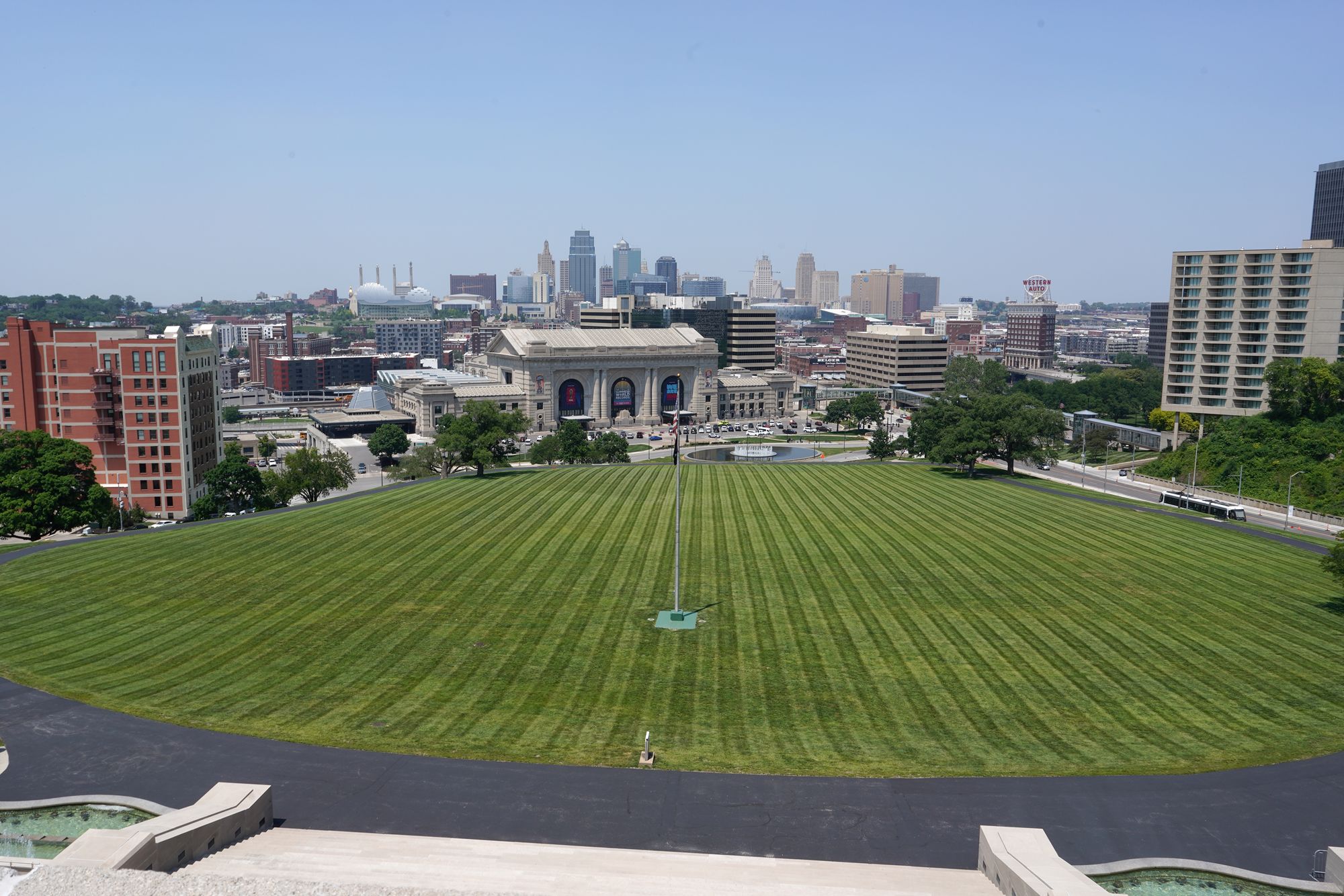
From the tower observation deck. A 360 degree view of Kansas City