Kröller-Müller Museum, Other Artists, Utrecht, Netherland
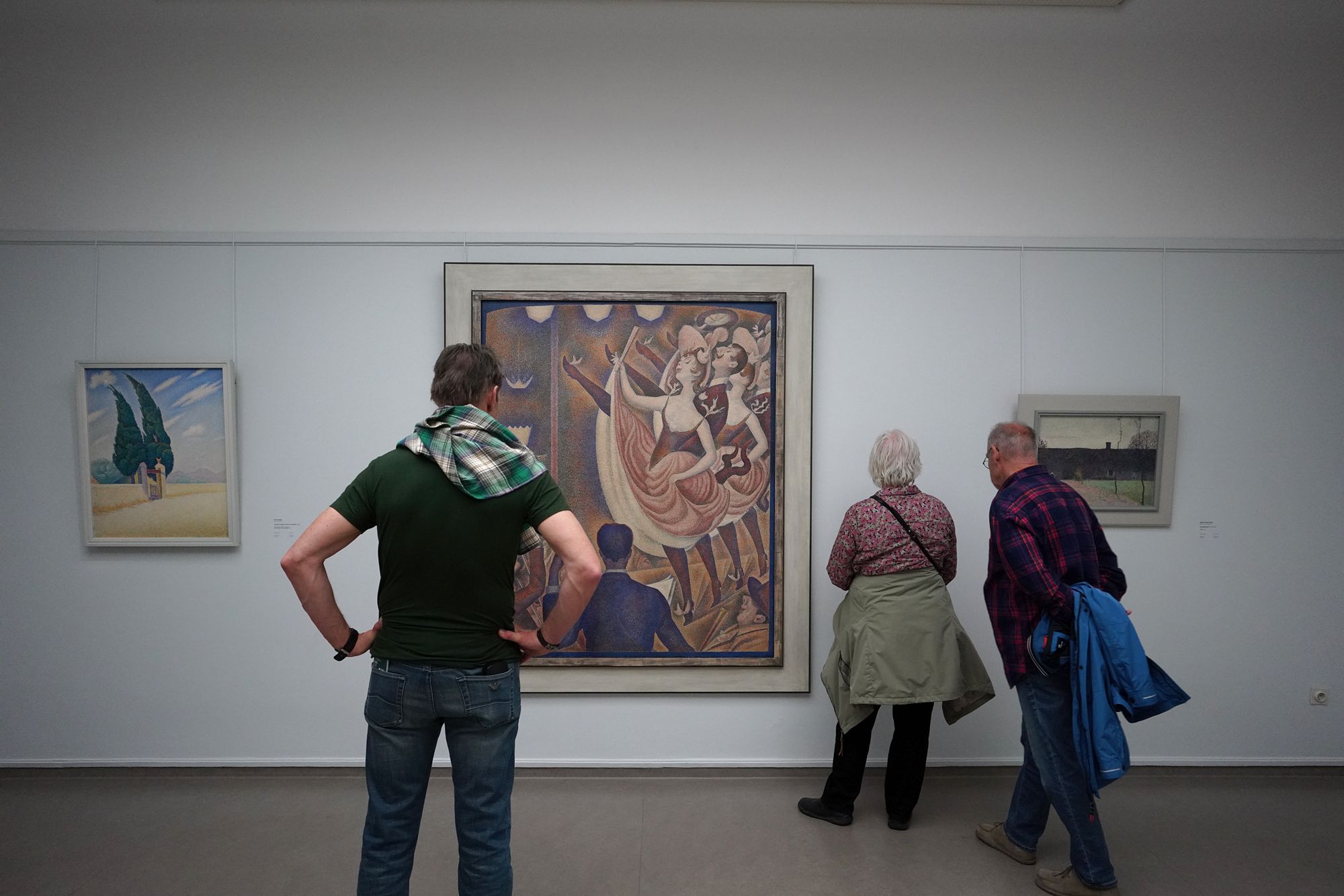
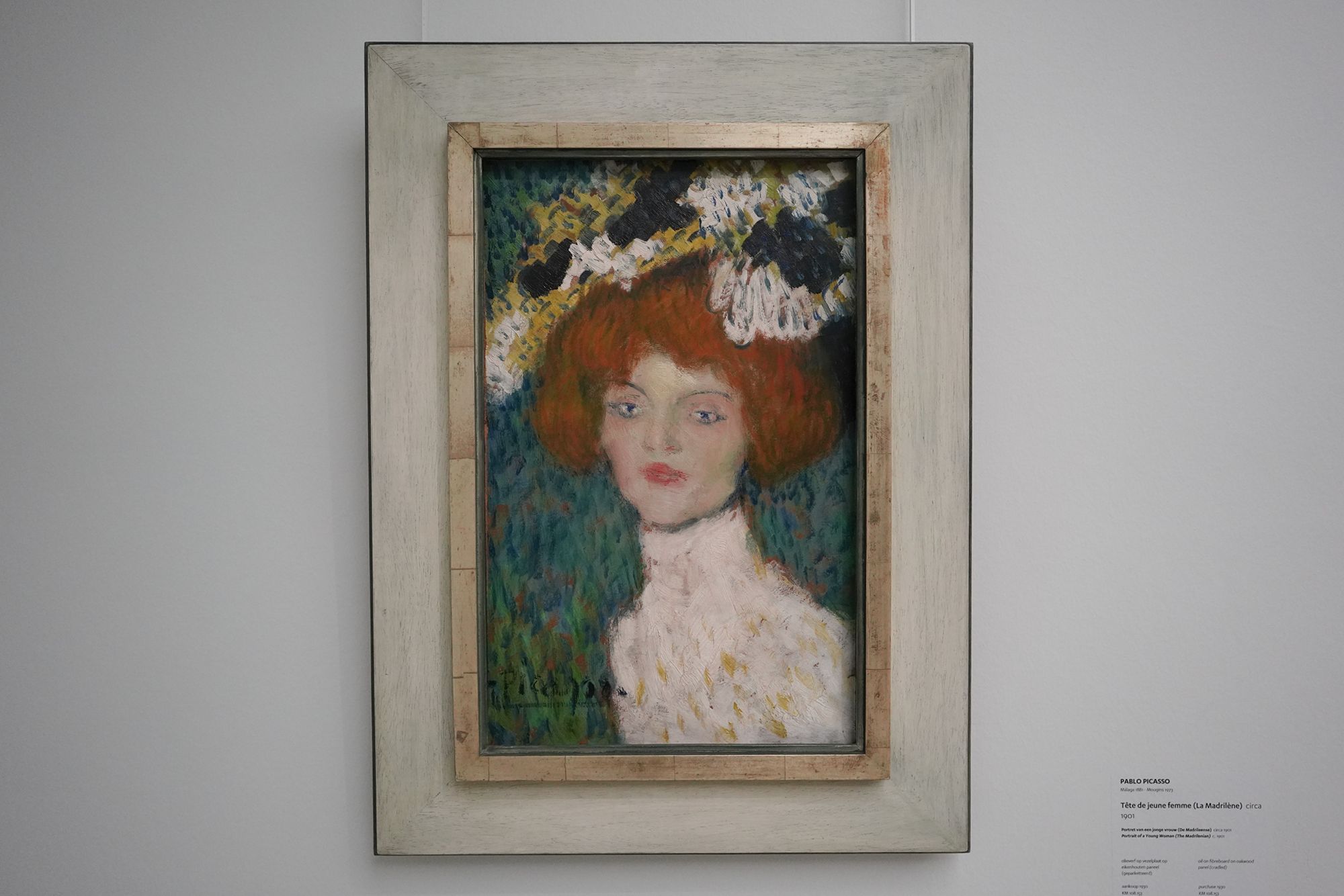
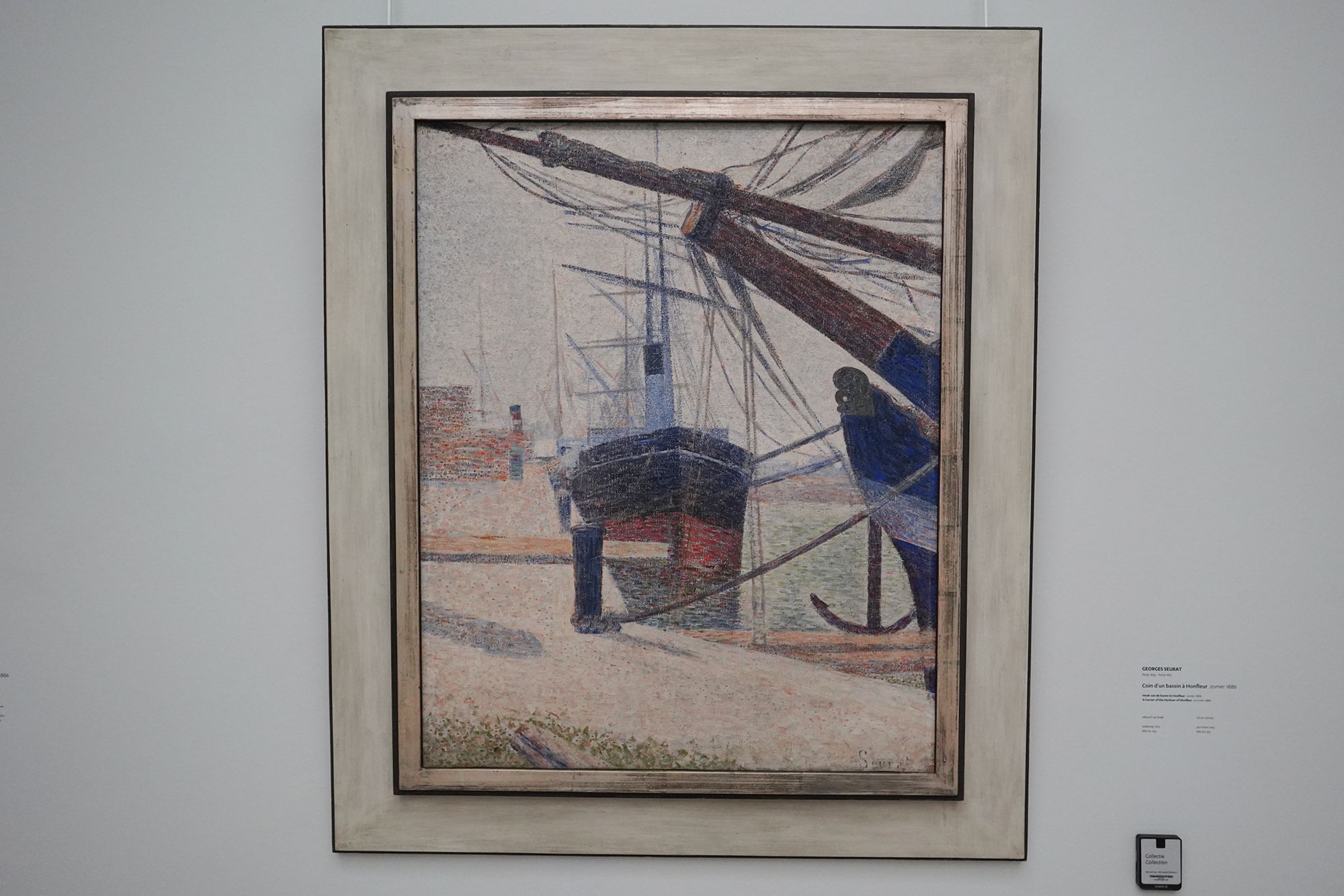
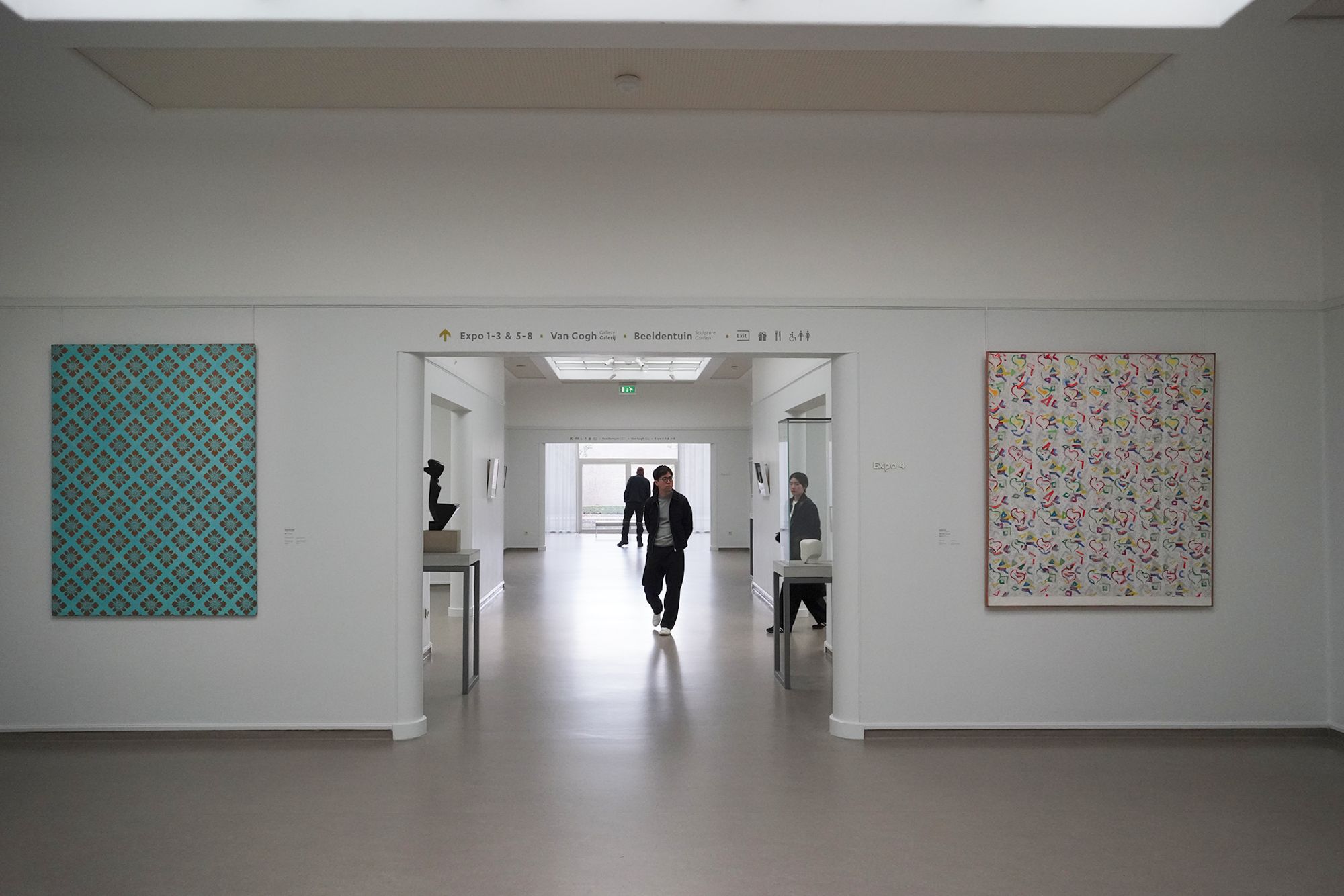
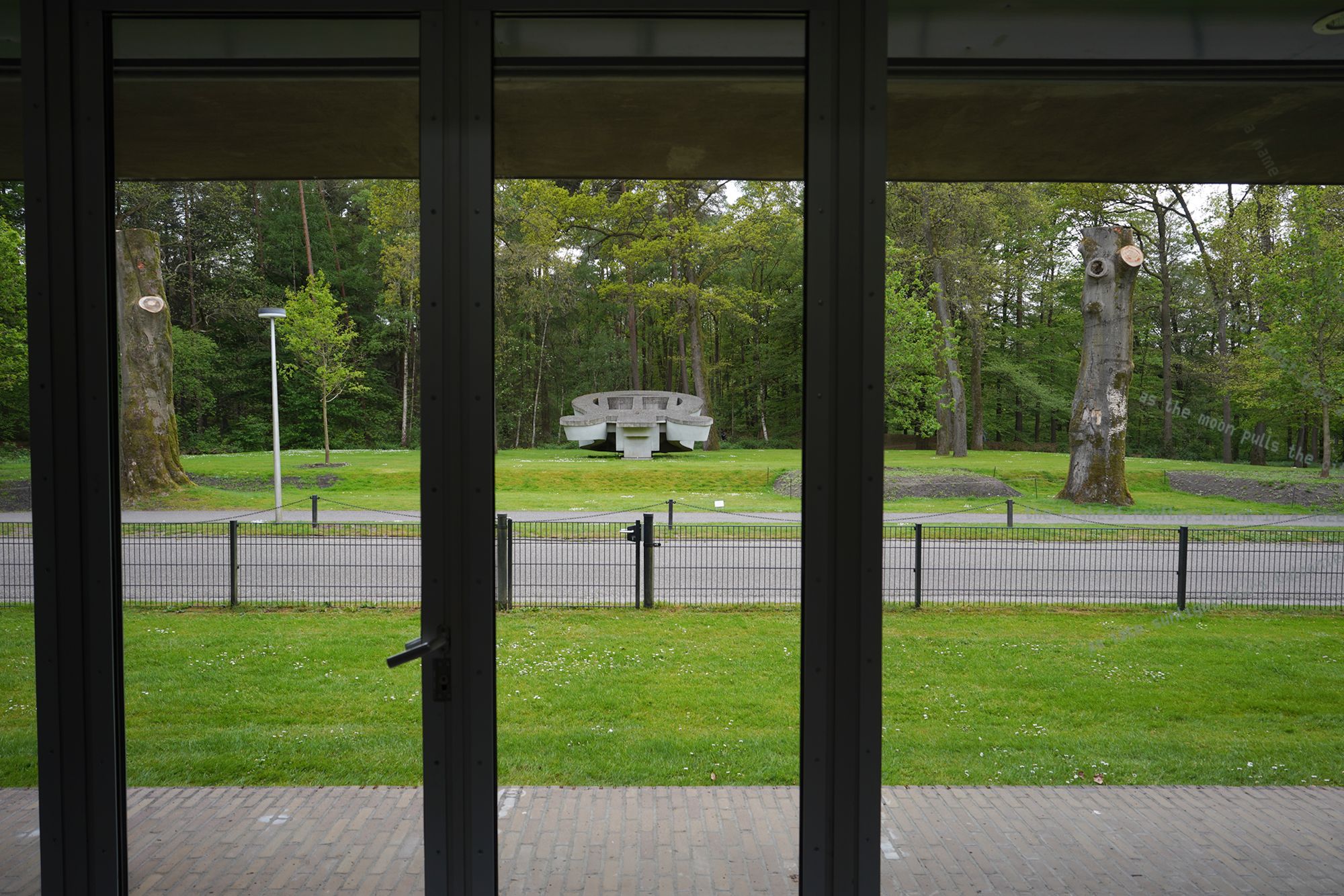
Beyond Van Gogh, the Kröller-Müller Museum has an impressive collection of modern art, including works by Picasso, Mondrian, Seurat, and others. 1304
Kroller-Muller Museum: Houtkampweg 6, 6731 AW Otterlo, Netherlands
Date Picture Taken: Jan, 2026
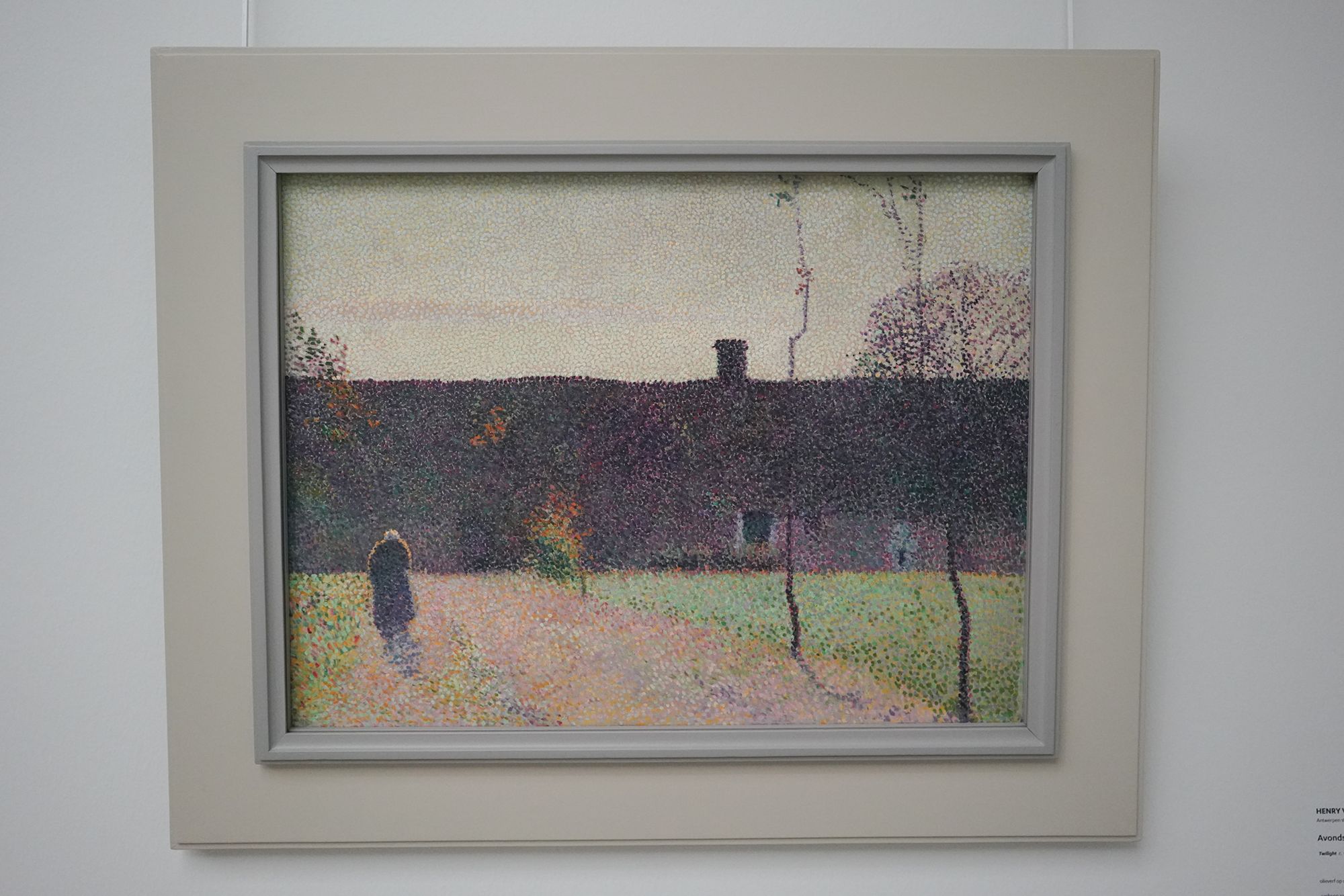
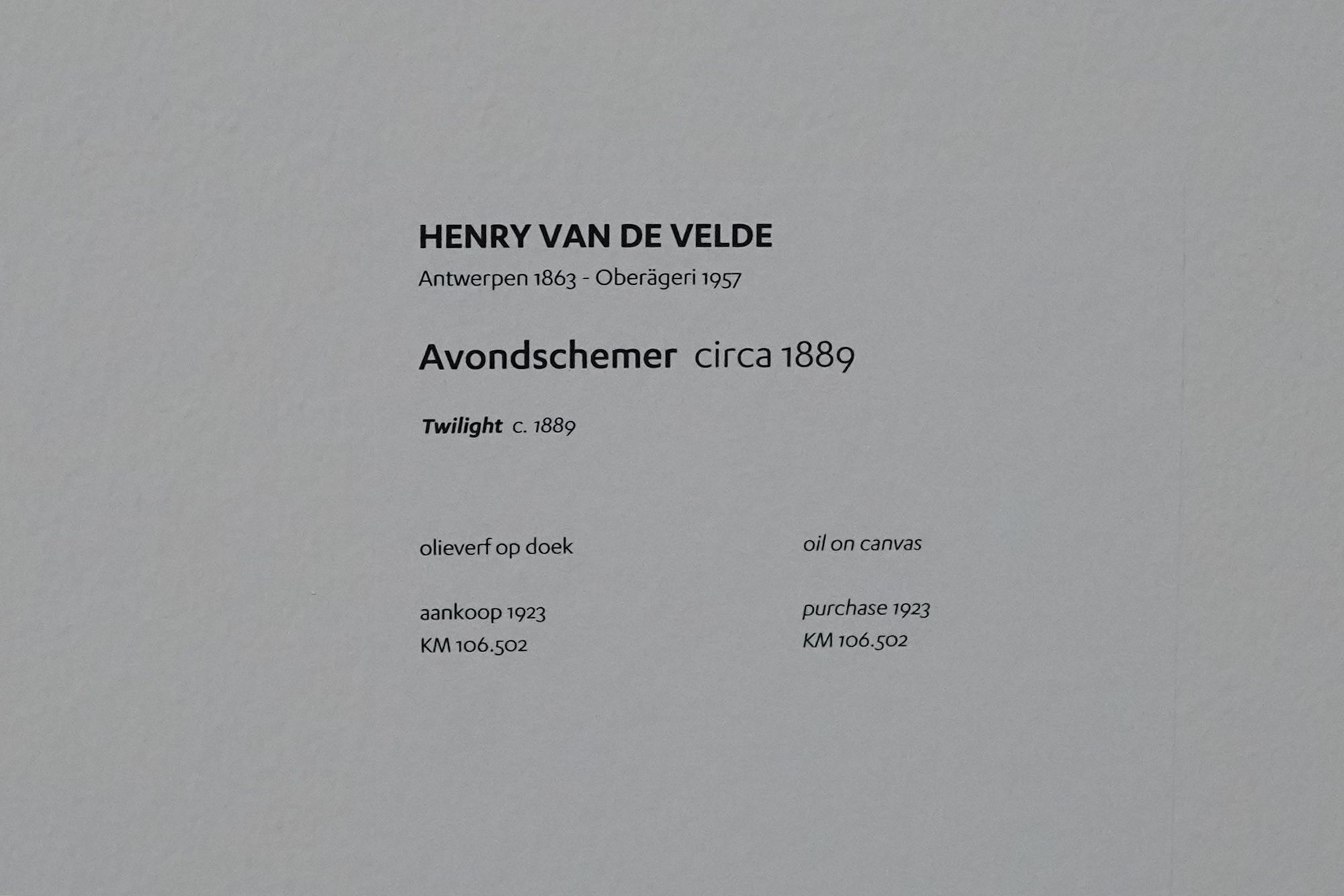
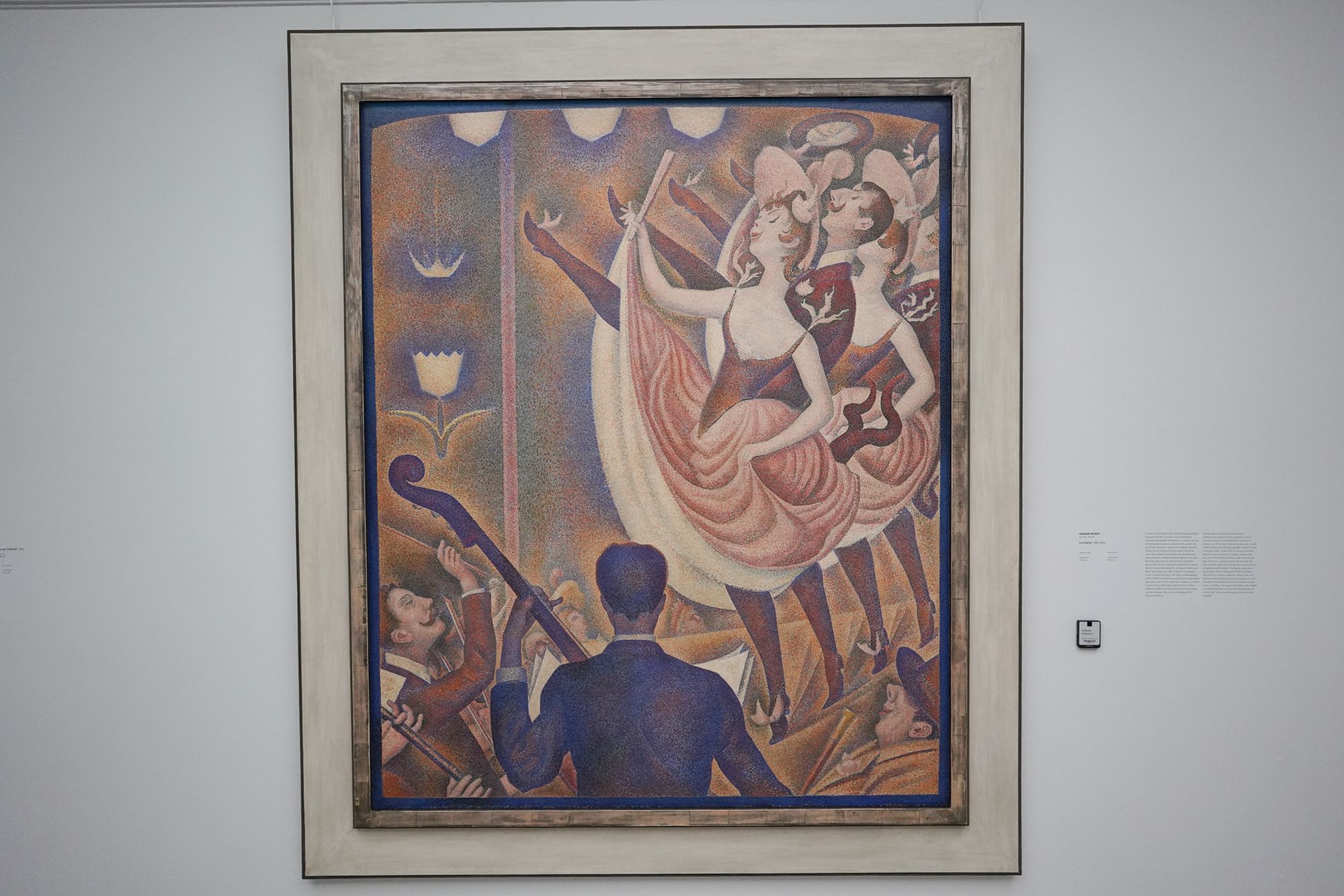
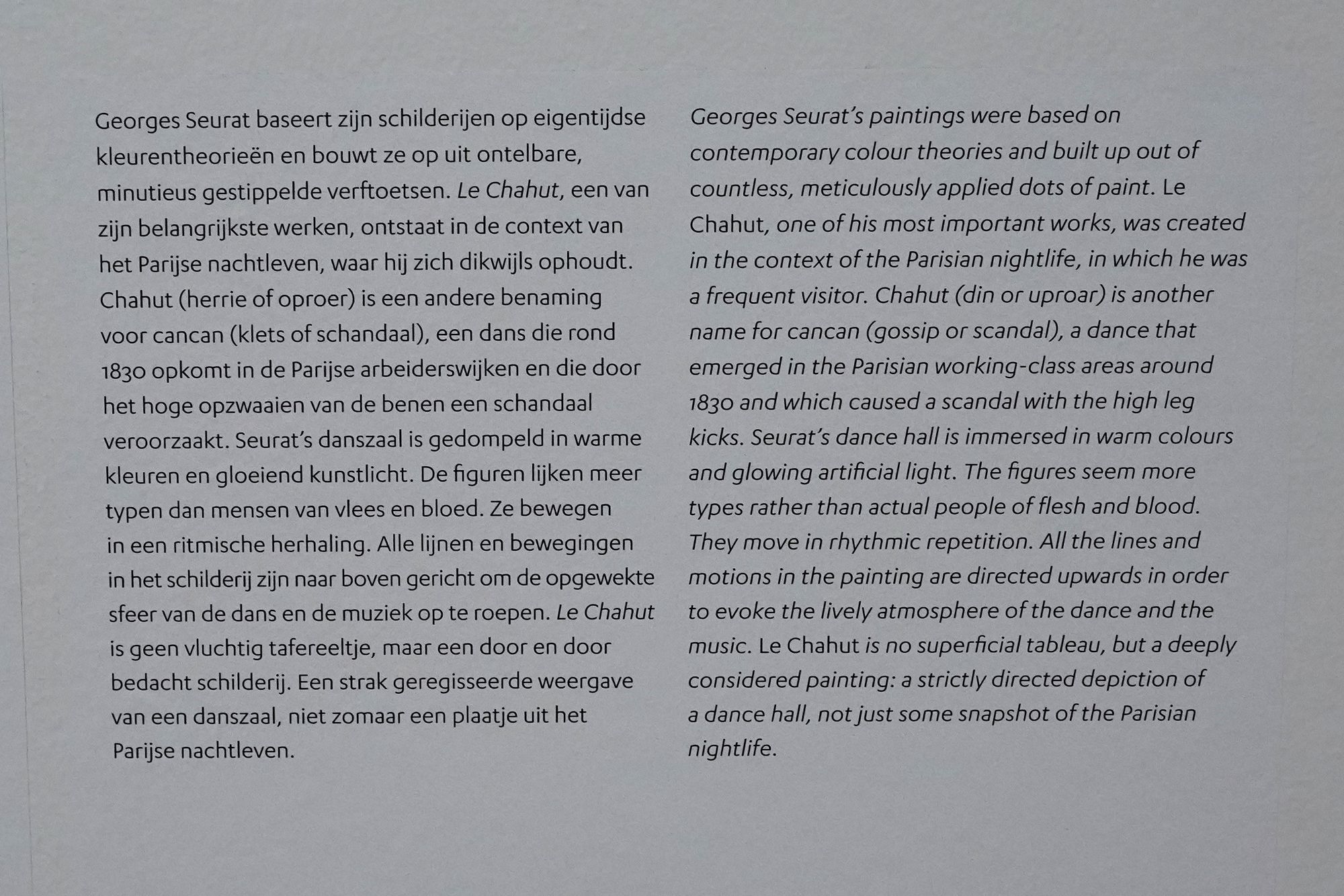
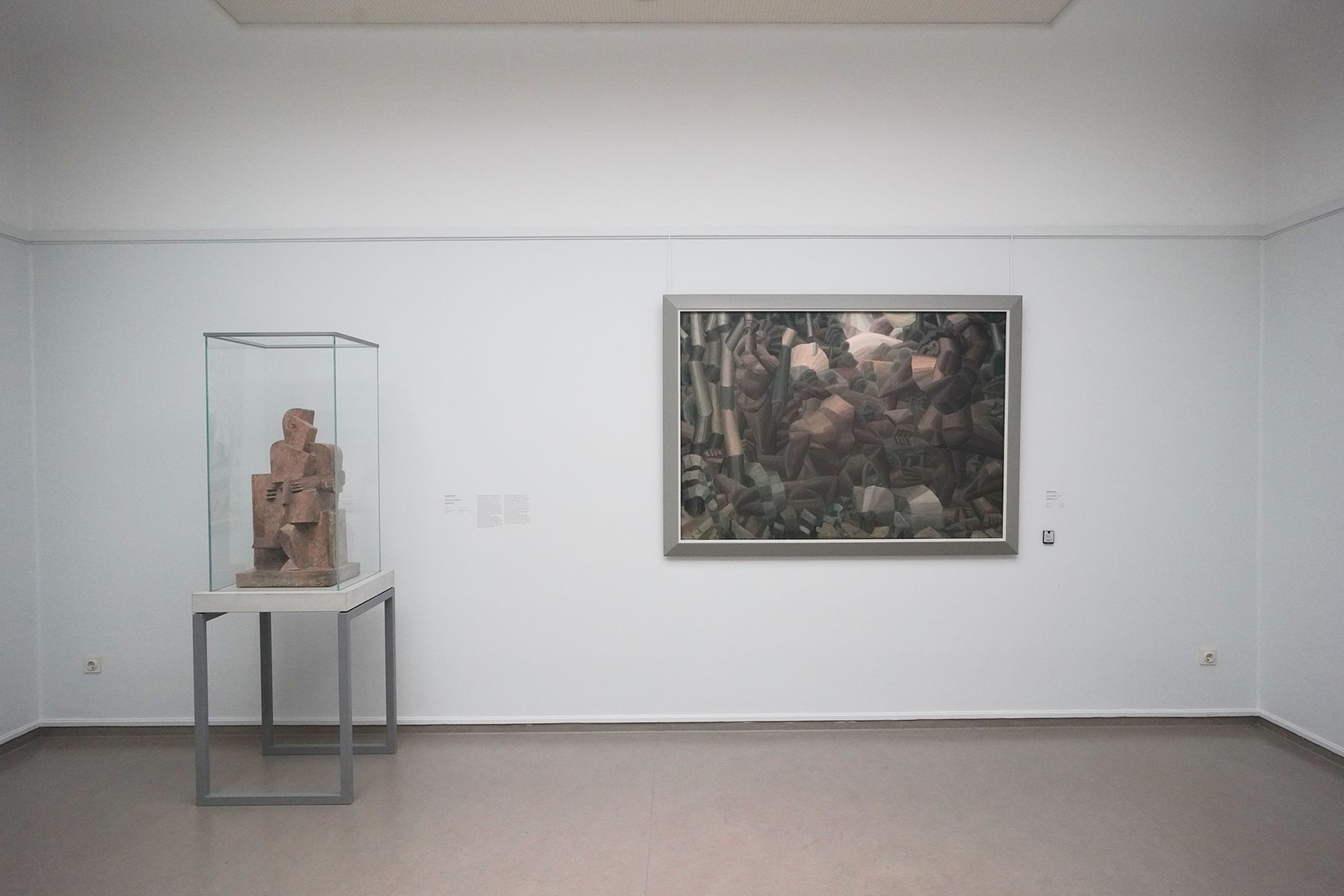
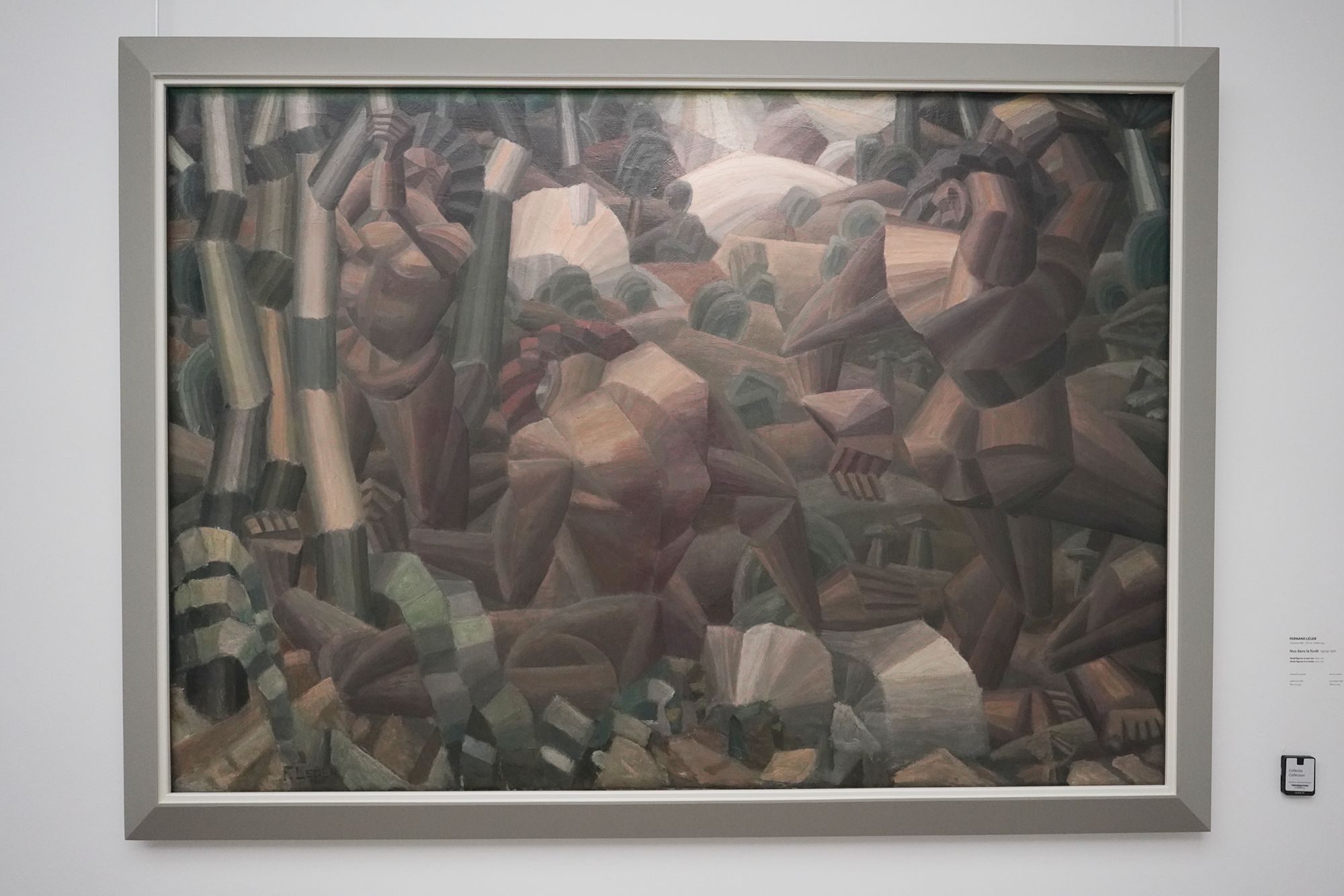
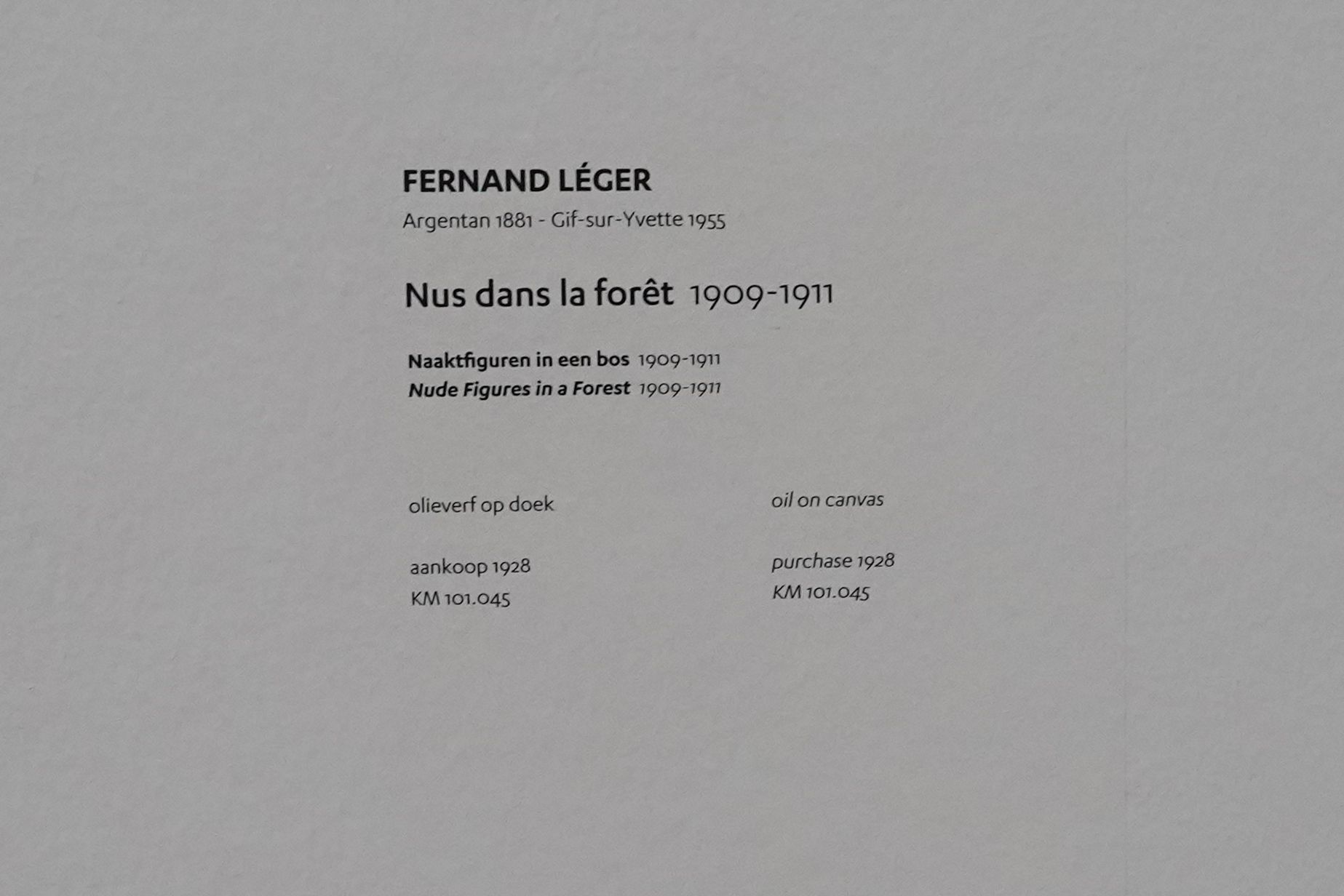
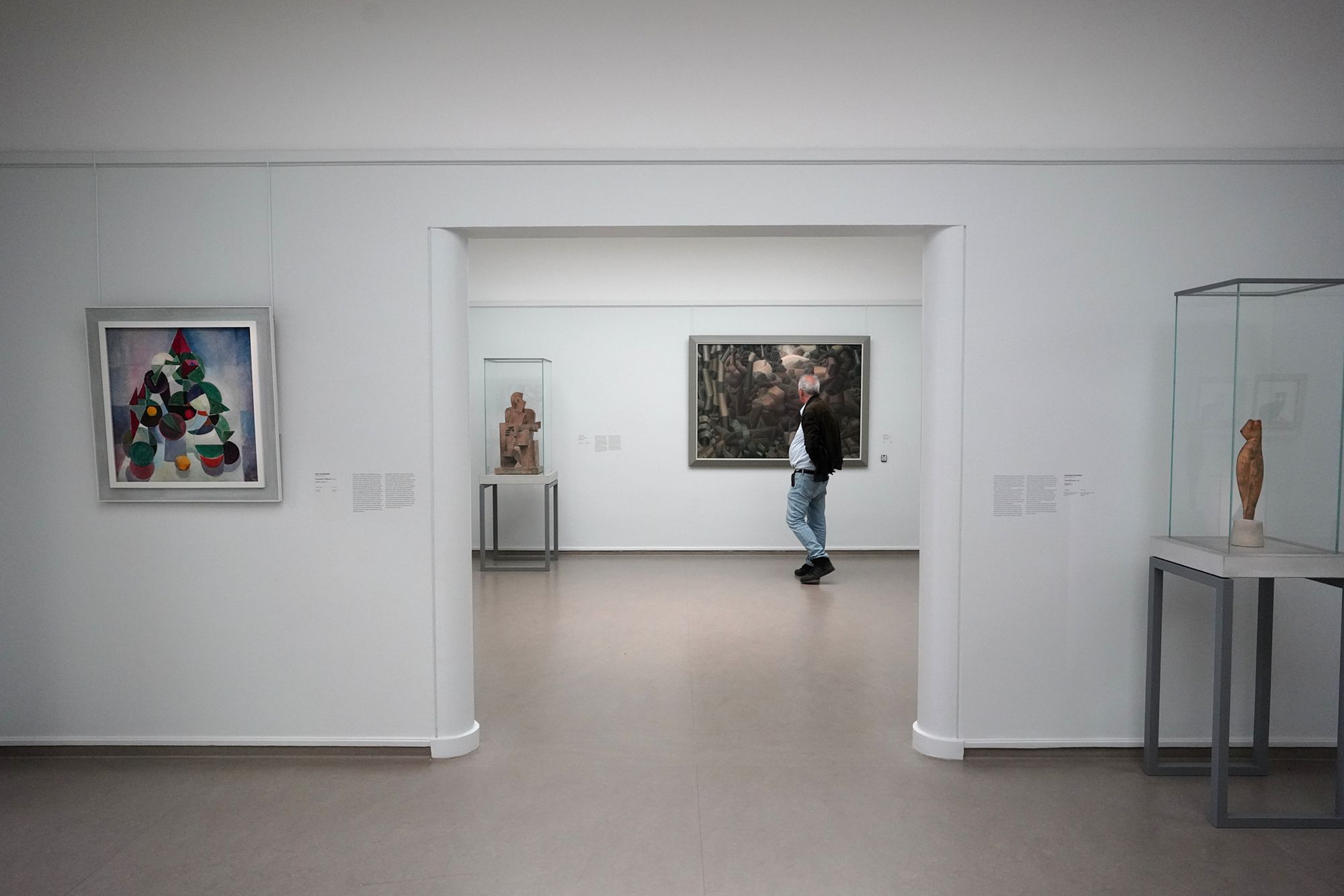
Beyond its famous Van Gogh collection, the Kröller-Müller Museum has an extensive collection of 19th- and 20th-century modern art. Helene Kröller-Müller collected works by artists such as Pablo Picasso, Georges Seurat, Piet Mondrian, and Fernand Léger, reflecting her interest in the development of modern European art.
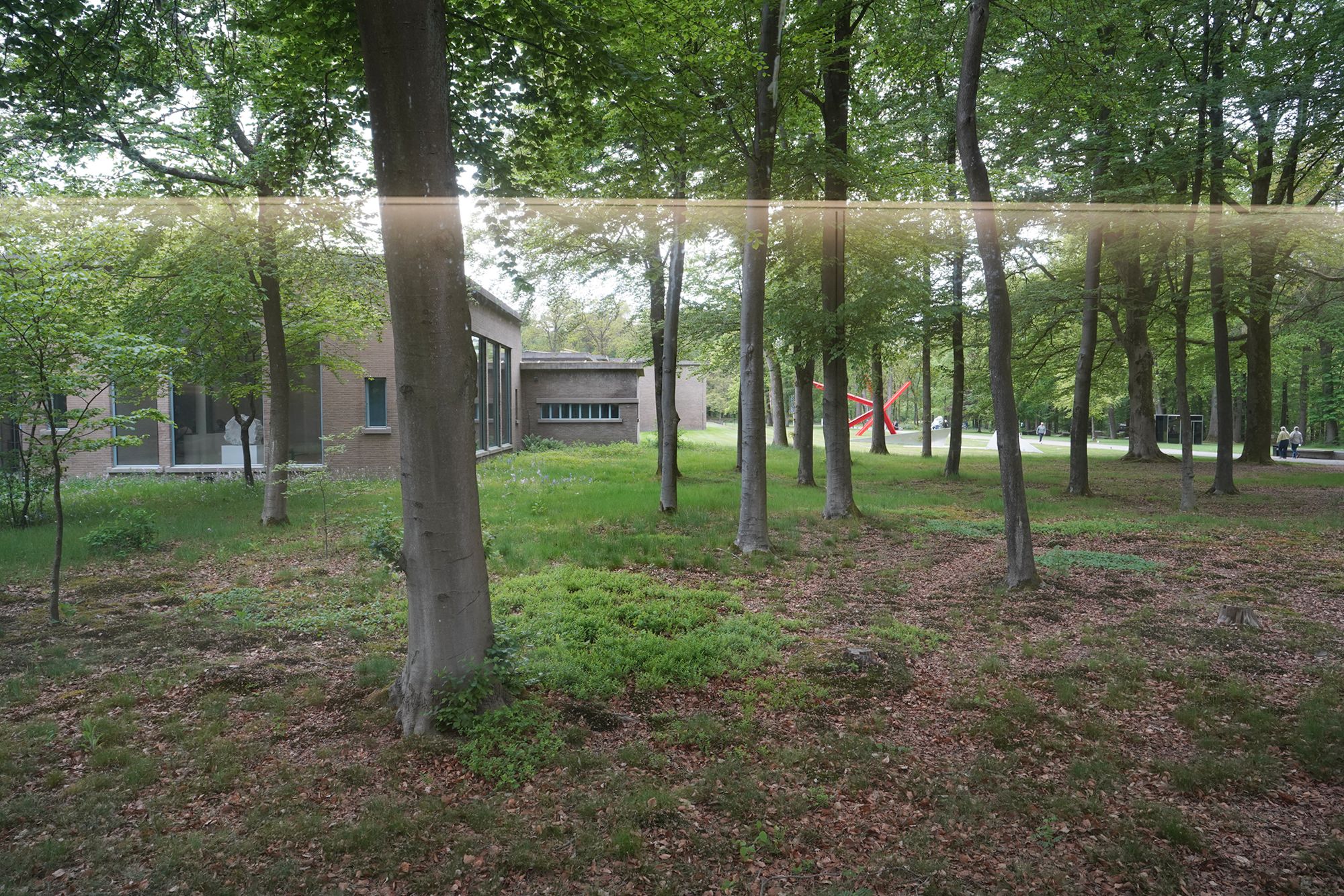
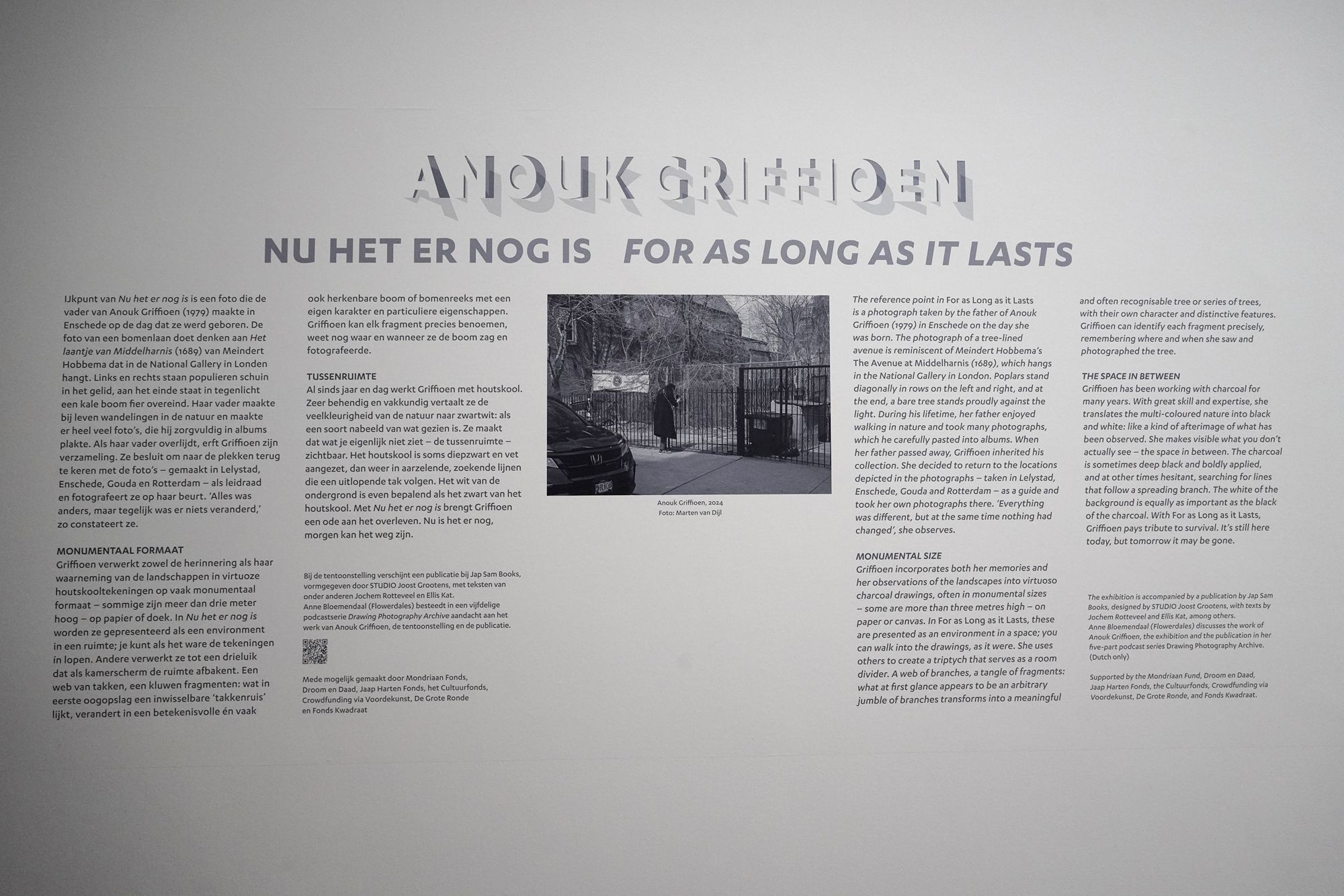
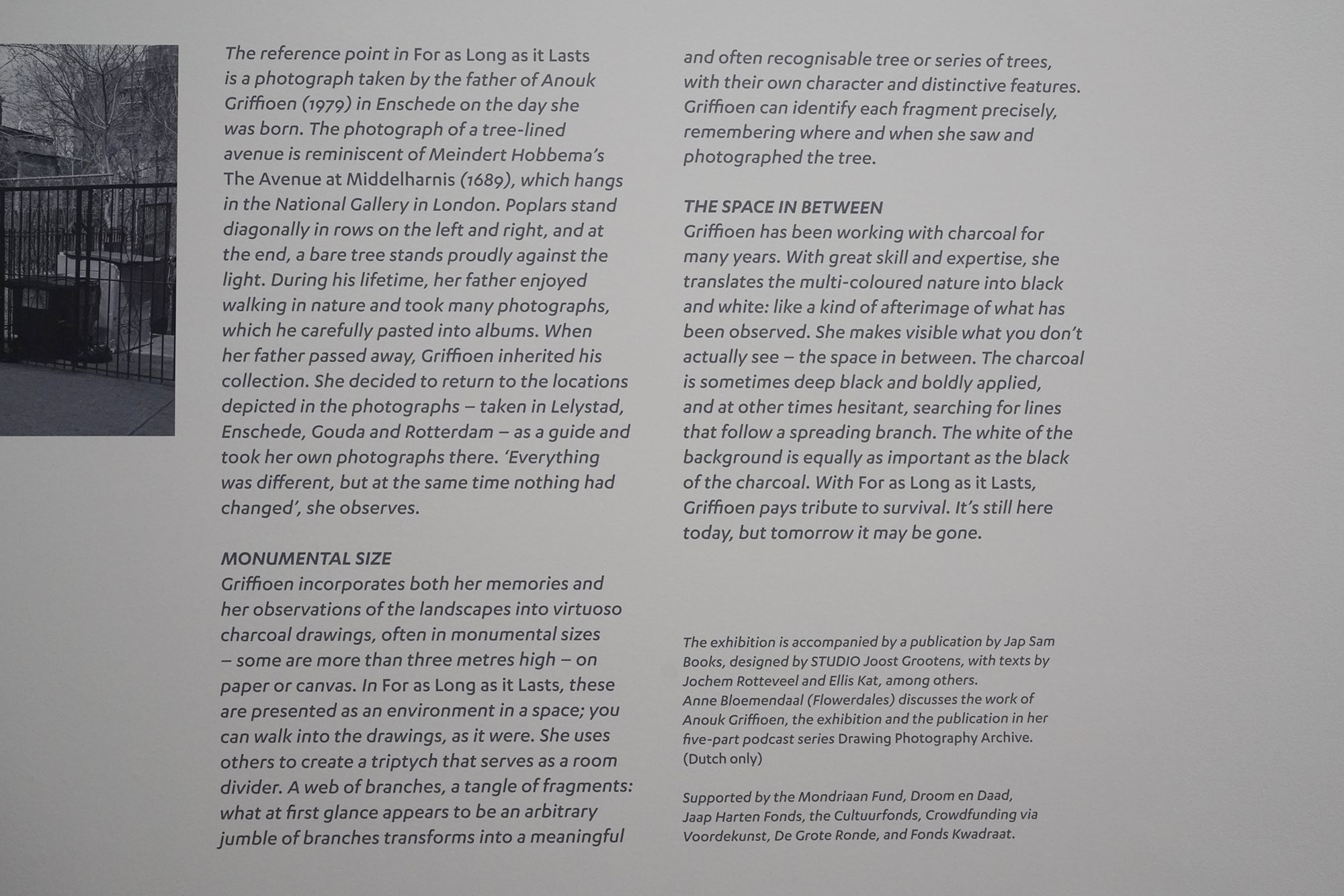
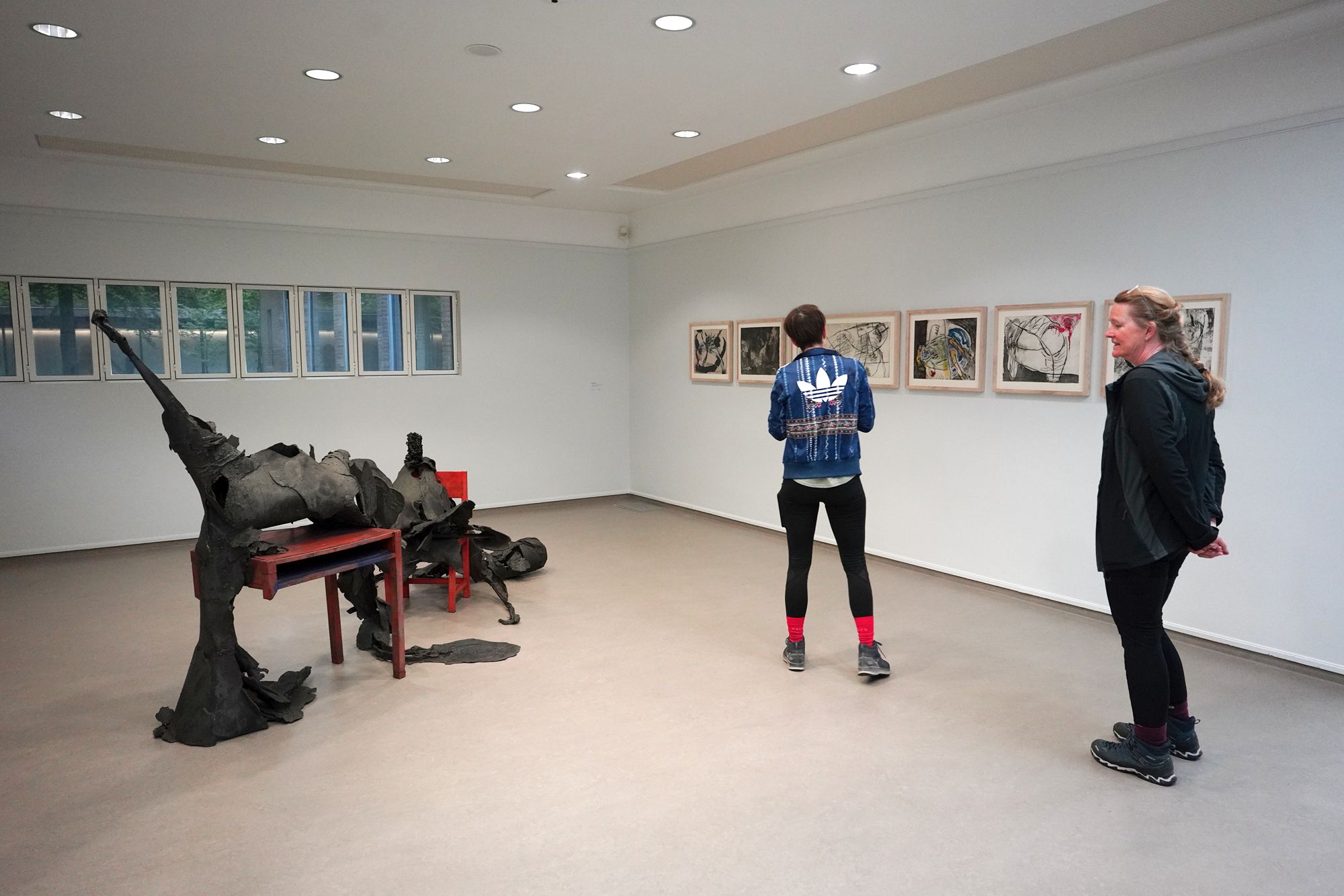
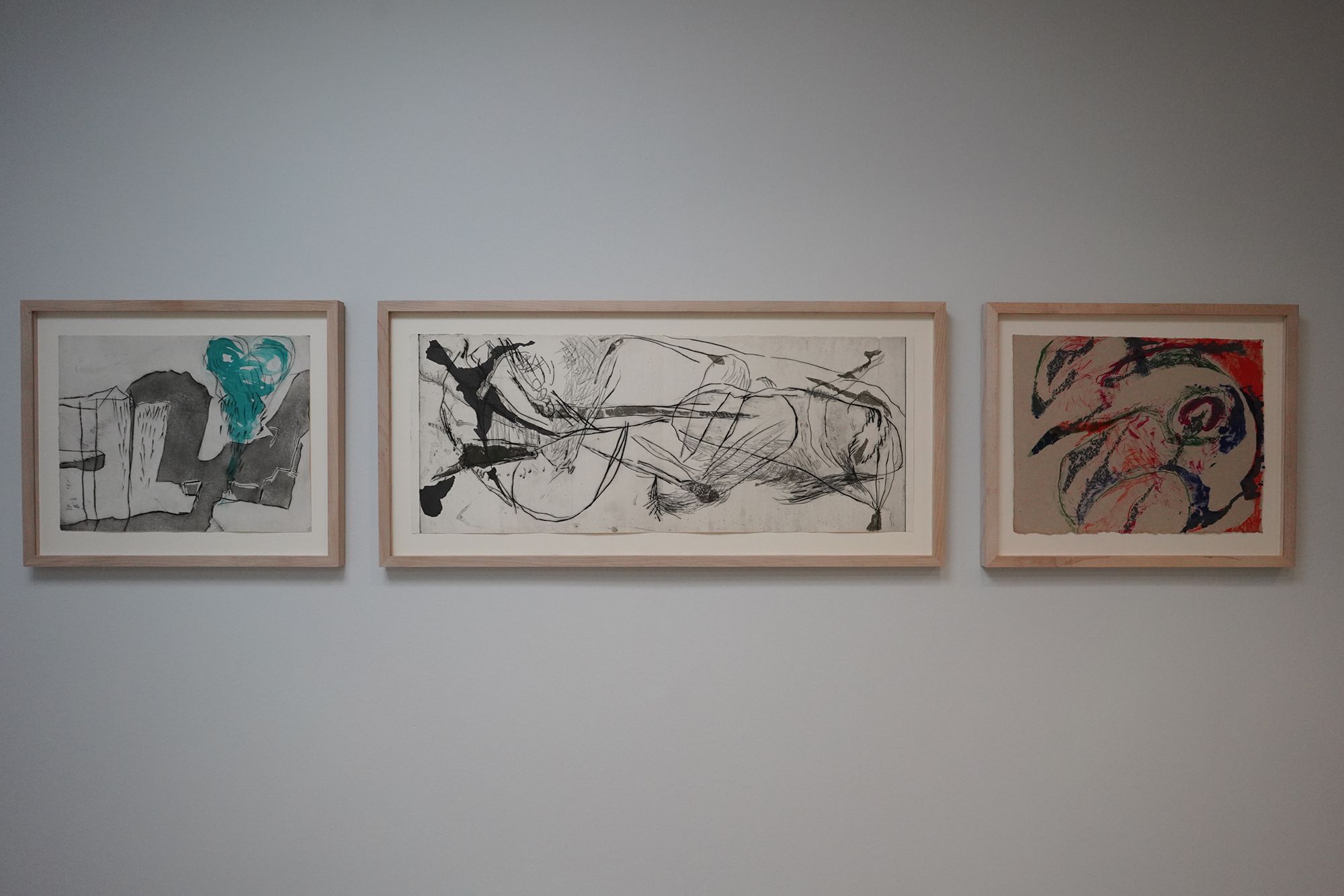
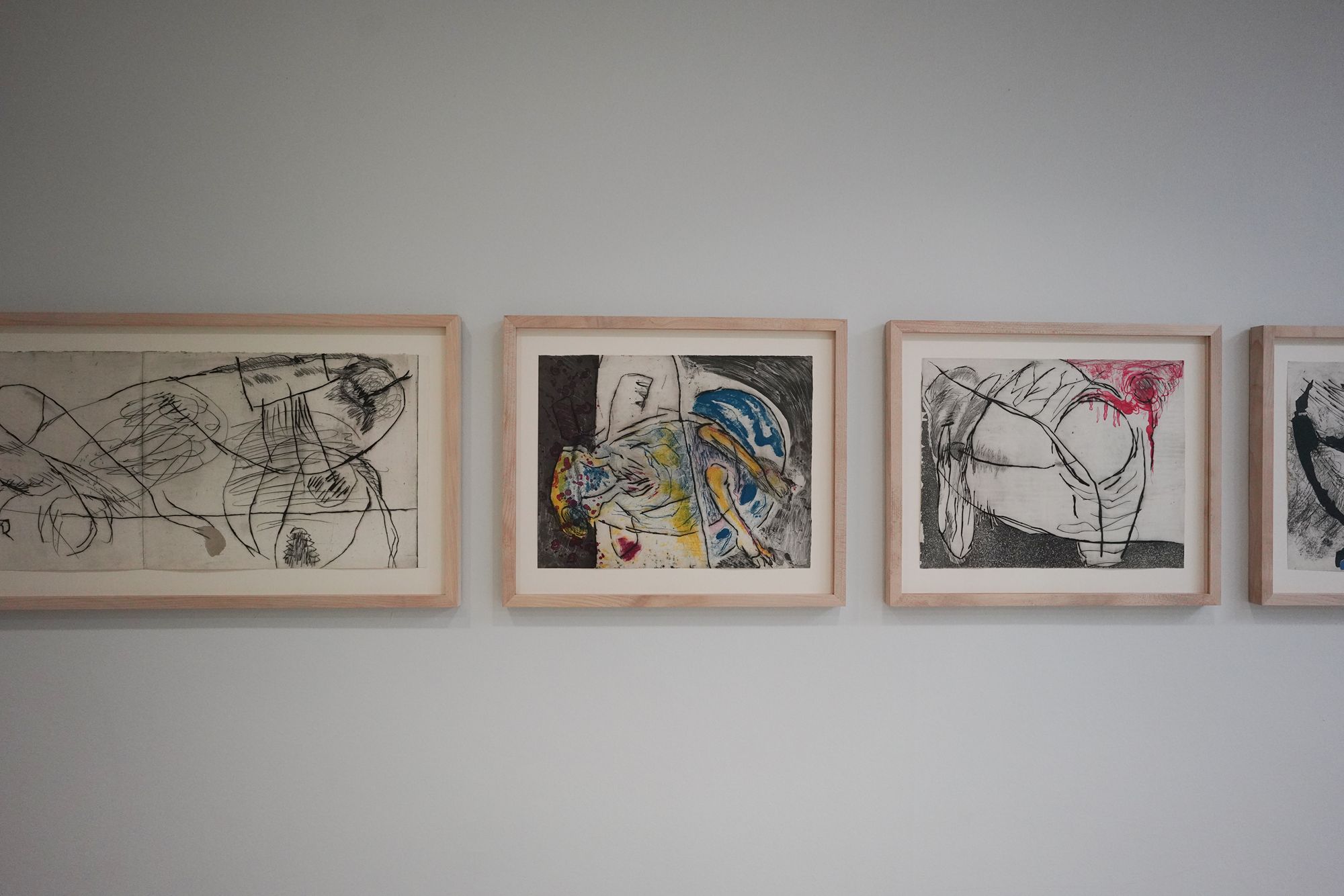
This exhibition features Dutch artist Anouk Griffioen, who creates monumental charcoal drawings inspired by photographs of trees taken by her late father. Returning to the places he photographed, she combines personal memories with her own observations, transforming trees, branches, and surrounding spaces into large, almost abstract compositions. Her dramatic use of black charcoal and white space explores memory, nature, change, and survival.
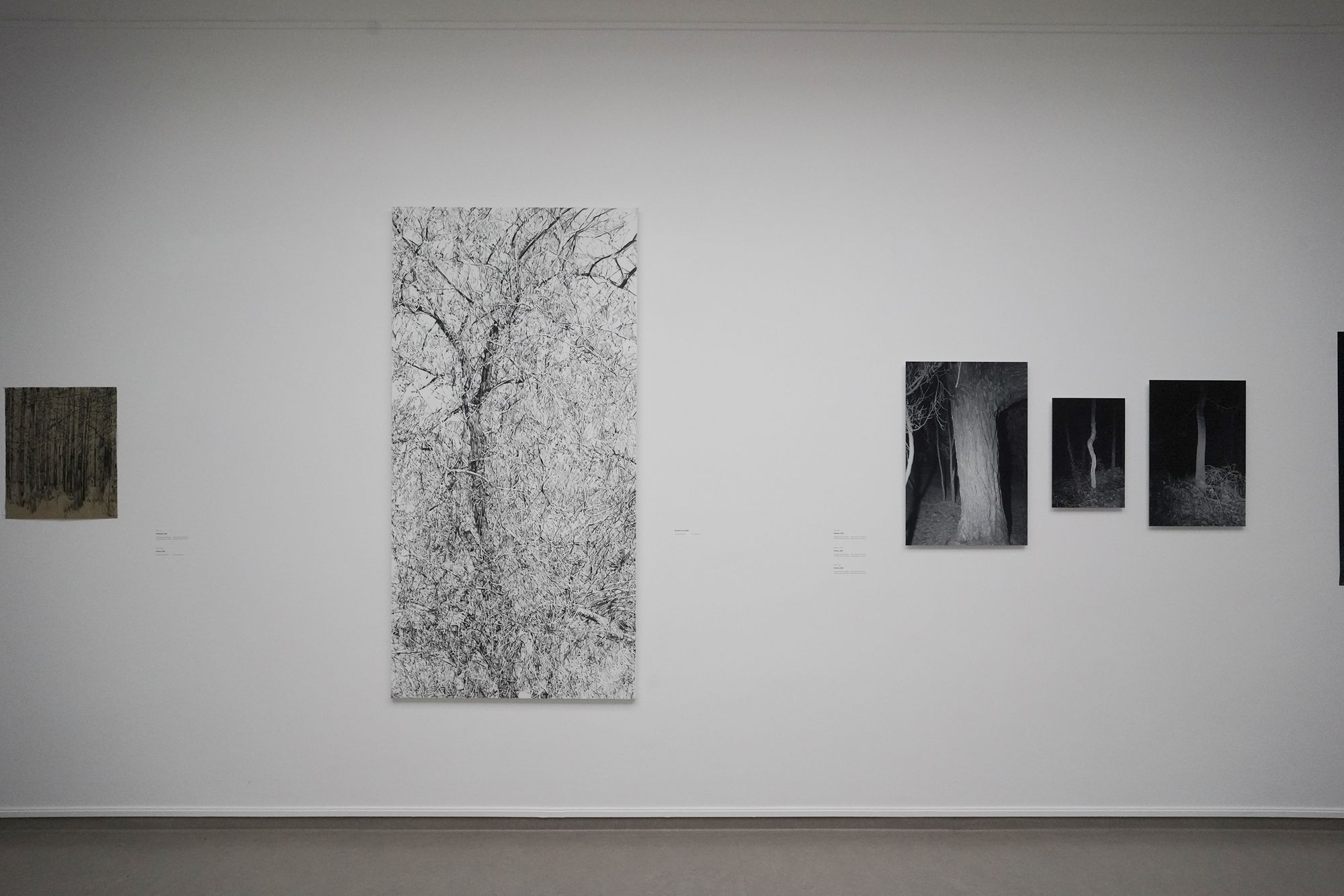
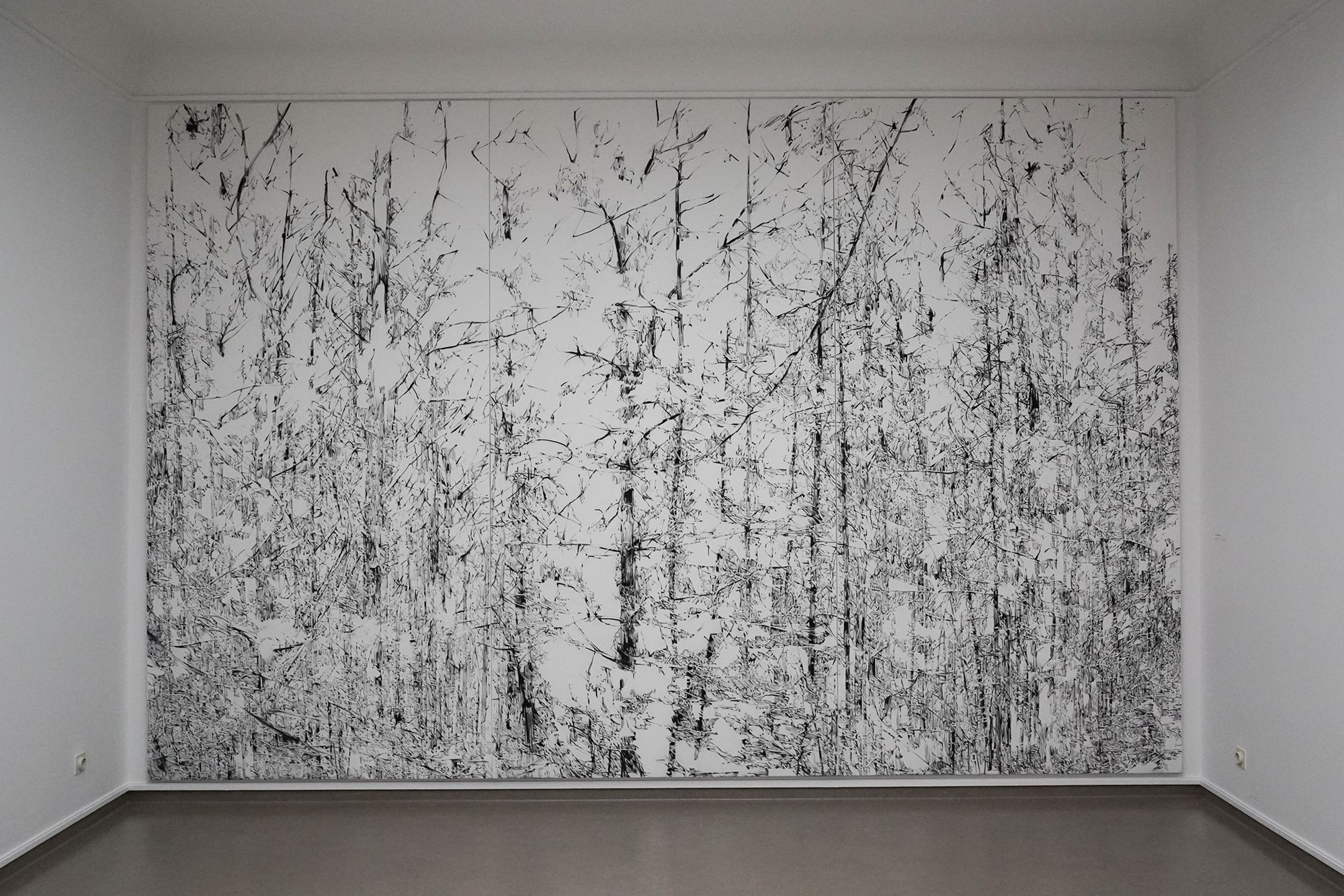

Although the Van Gogh collection is the main highlight of the Kröller-Müller Museum, this blog focuses on the museum’s many other works of art, featuring paintings and works by a wide variety of artists.
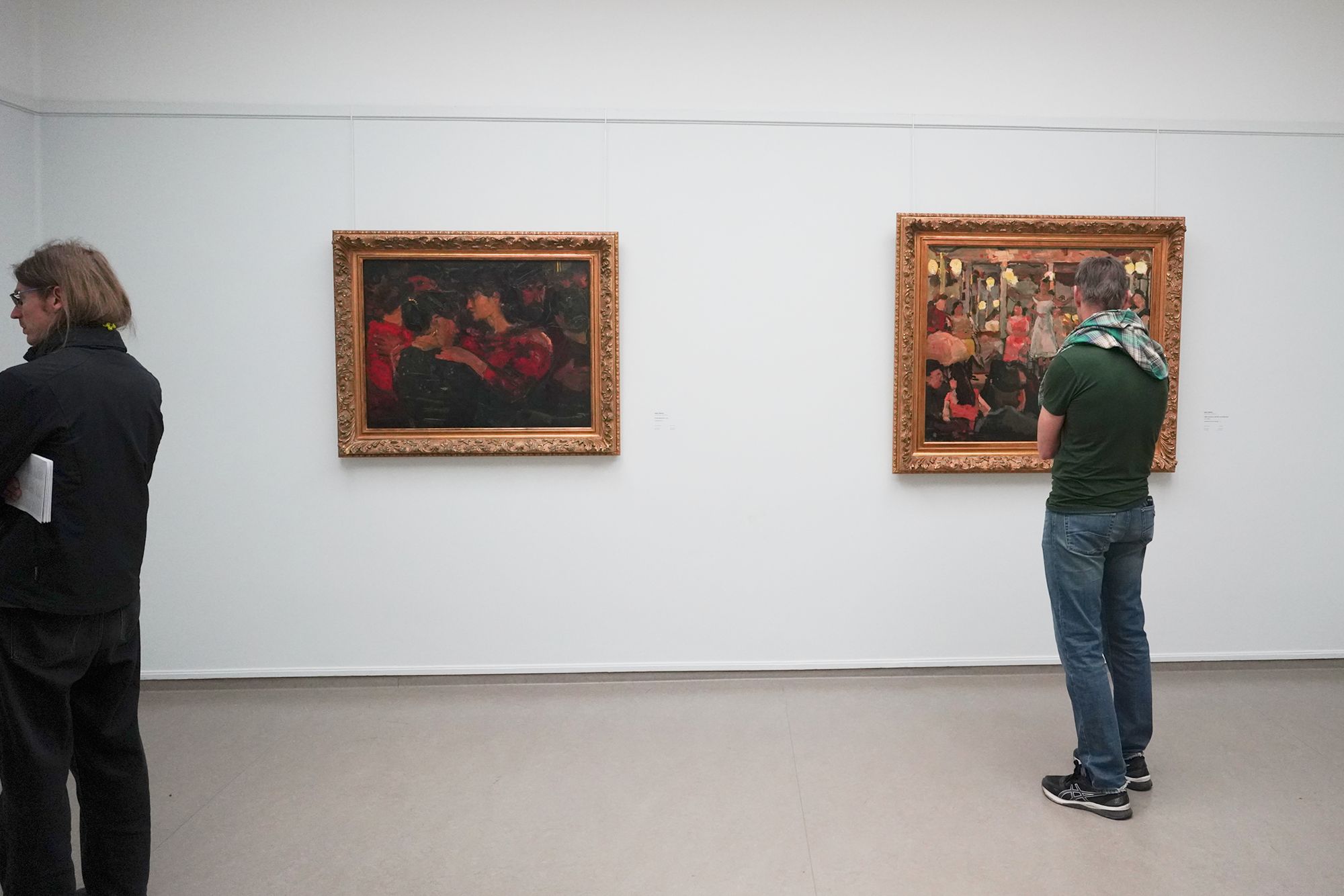
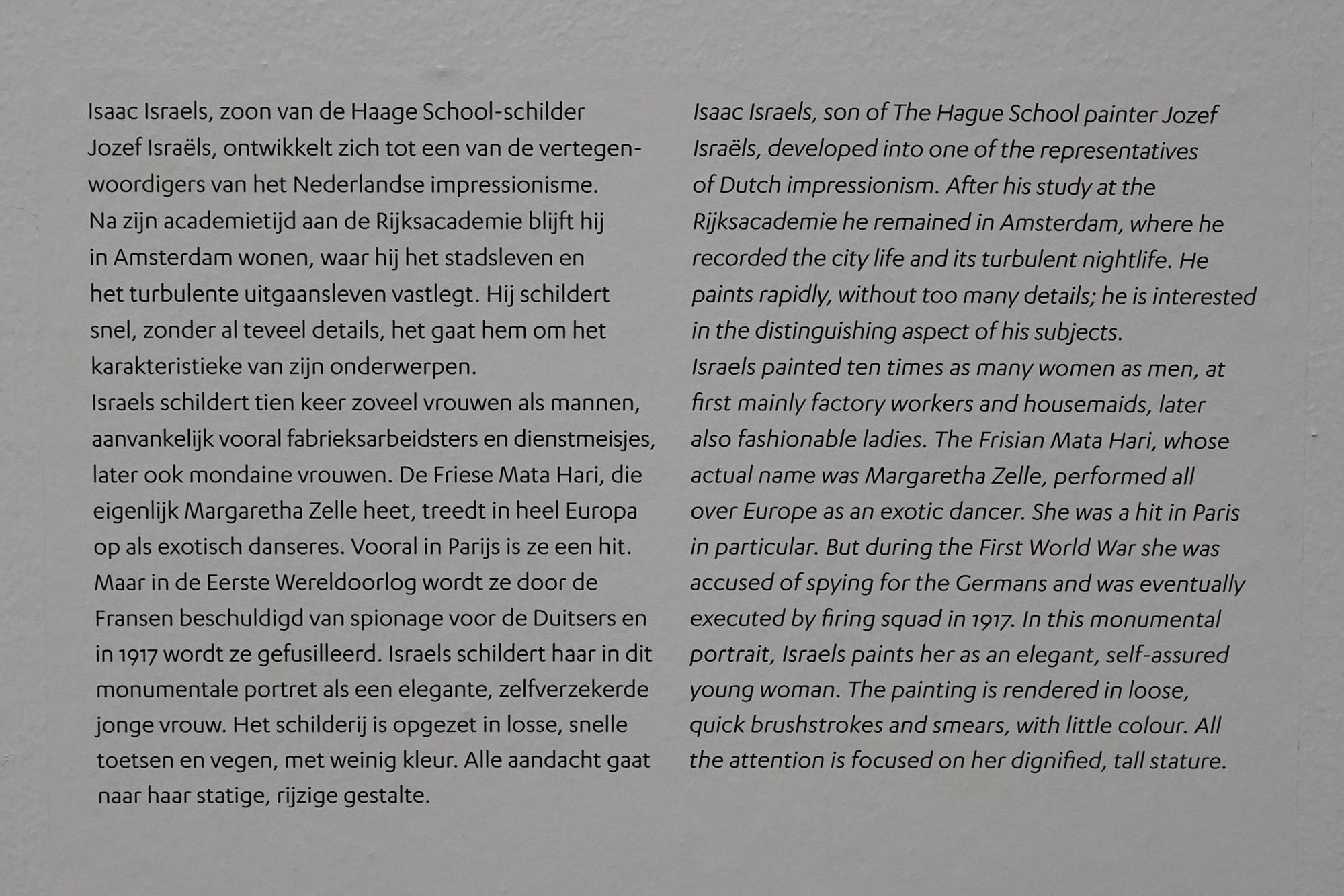
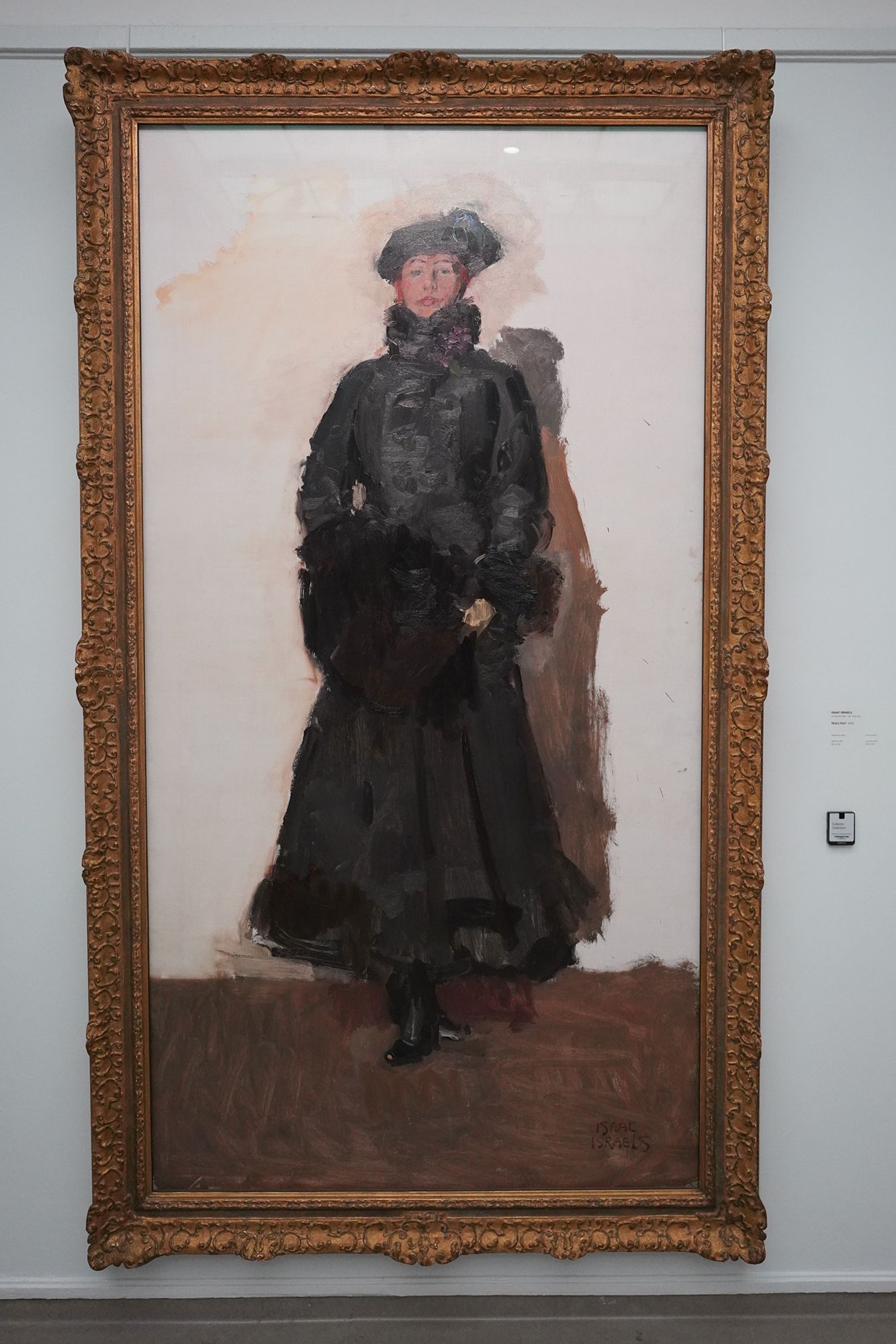
Dutch Impressionist Isaac Israëls was known for quickly capturing the energy of modern city life and especially enjoyed painting women. In this monumental portrait, he depicts Mata Hari, the famous exotic dancer later executed for espionage during World War I, as an elegant and confident young woman. Using loose, rapid brushstrokes and very little color, Israëls directs attention to her tall, dignified figure and commanding presence.
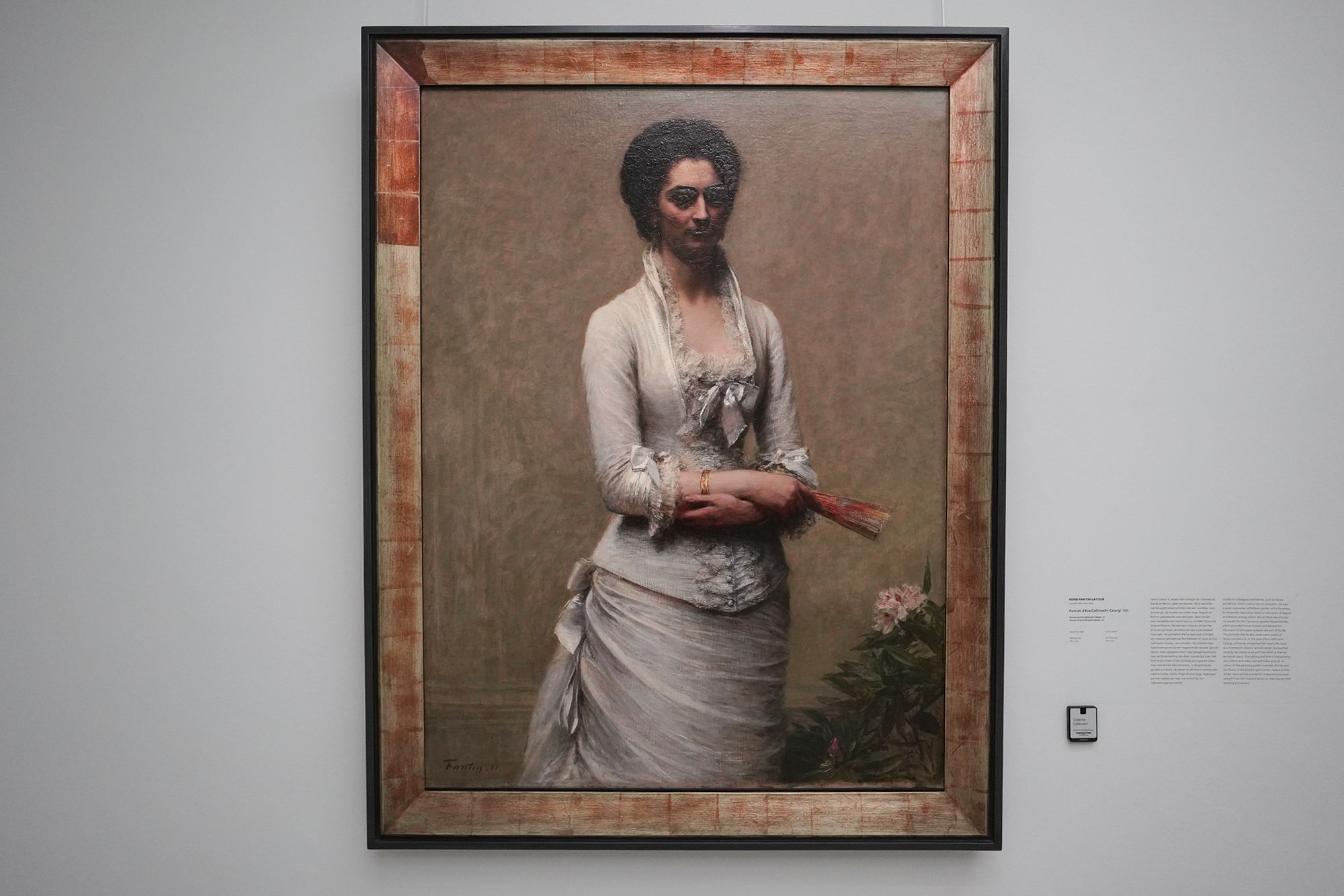
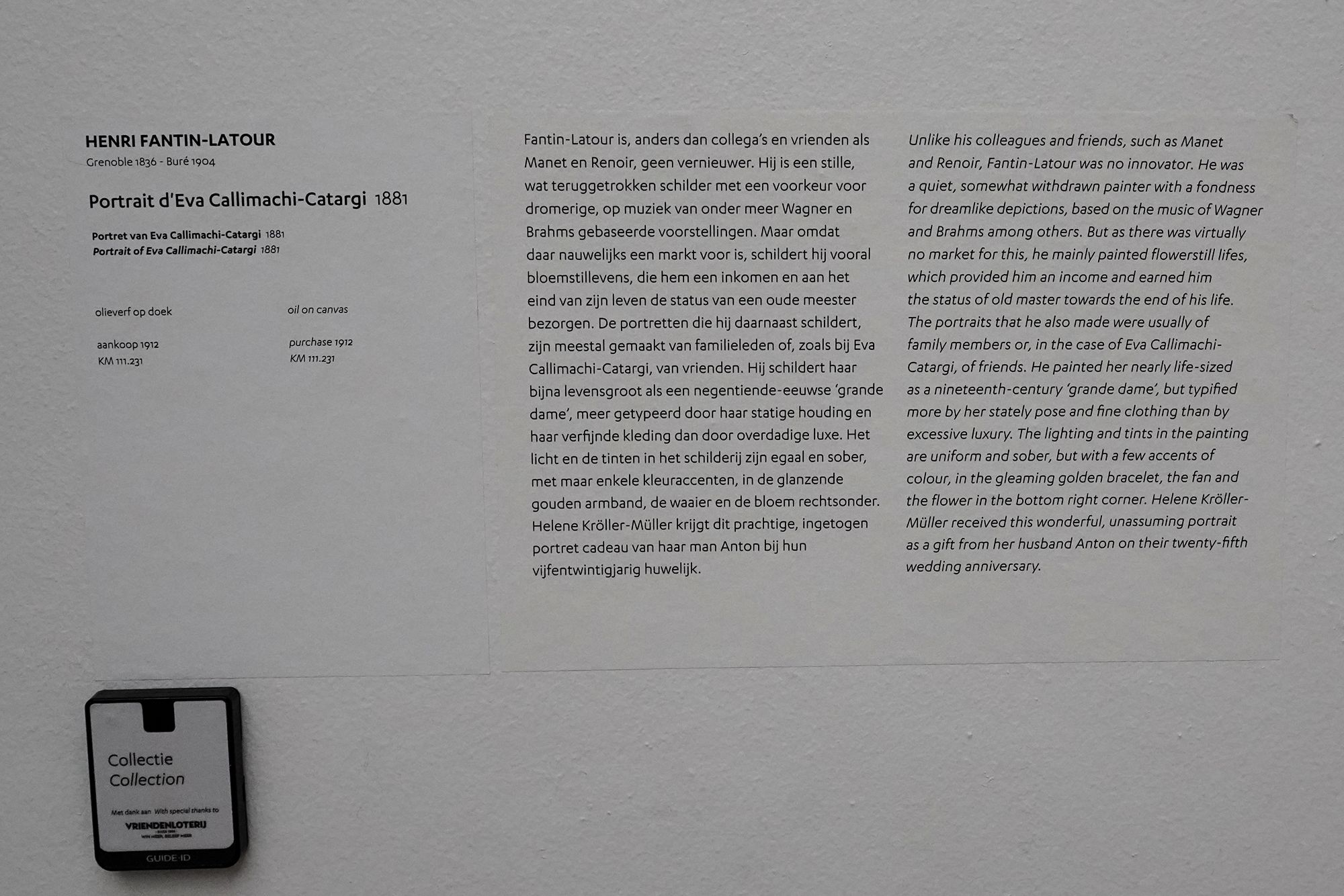
Unlike his more innovative contemporaries, Henri Fantin-Latour was a quiet, traditional painter best known for his flower still lifes and portraits. In this nearly life-size portrait of Eva Callimachi-Catargi, he presents her as an elegant and dignified grande dame, using restrained colors and subtle details rather than extravagant luxury. Helene Kröller-Müller received the portrait from her husband Anton as a gift for their 25th wedding anniversary.
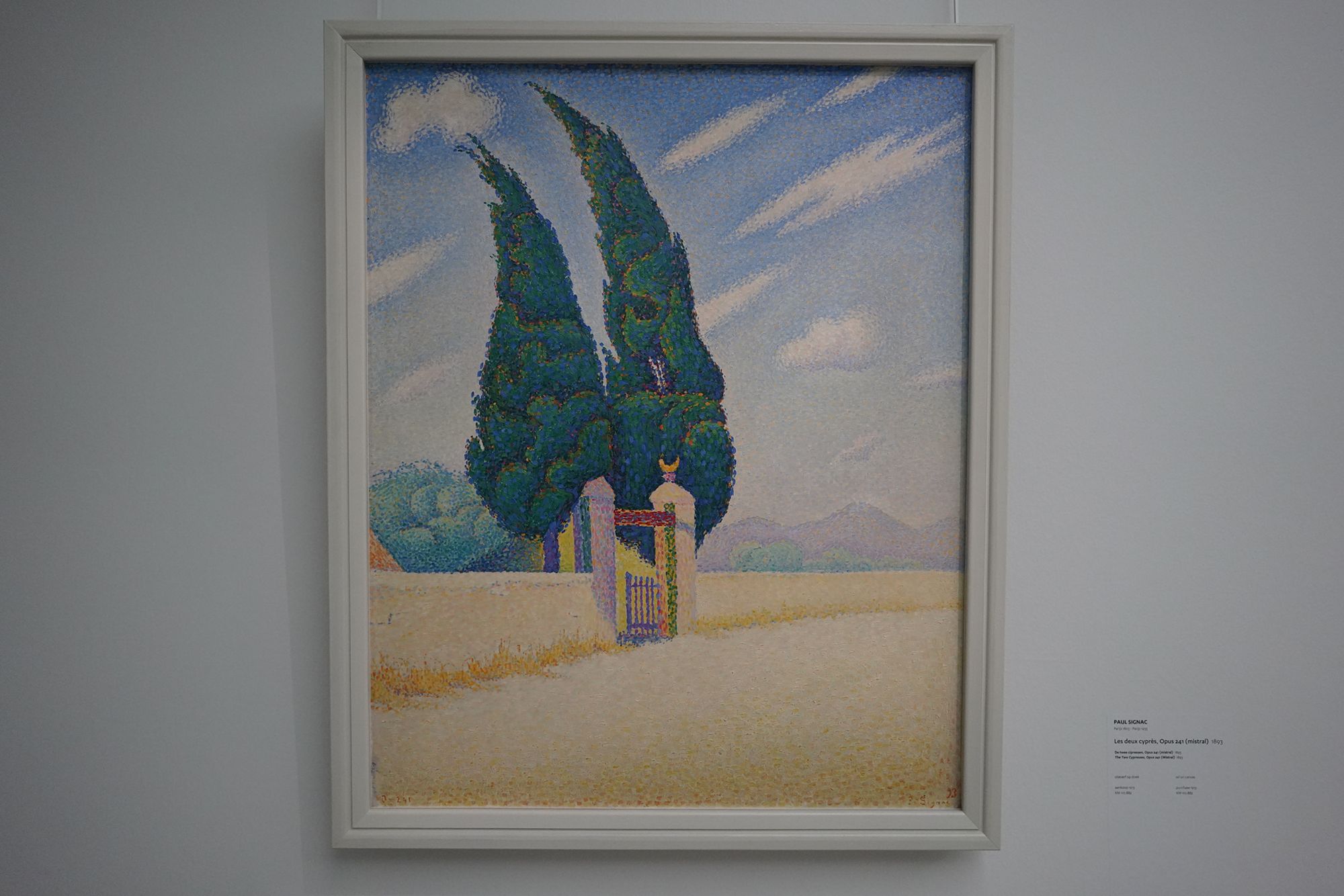
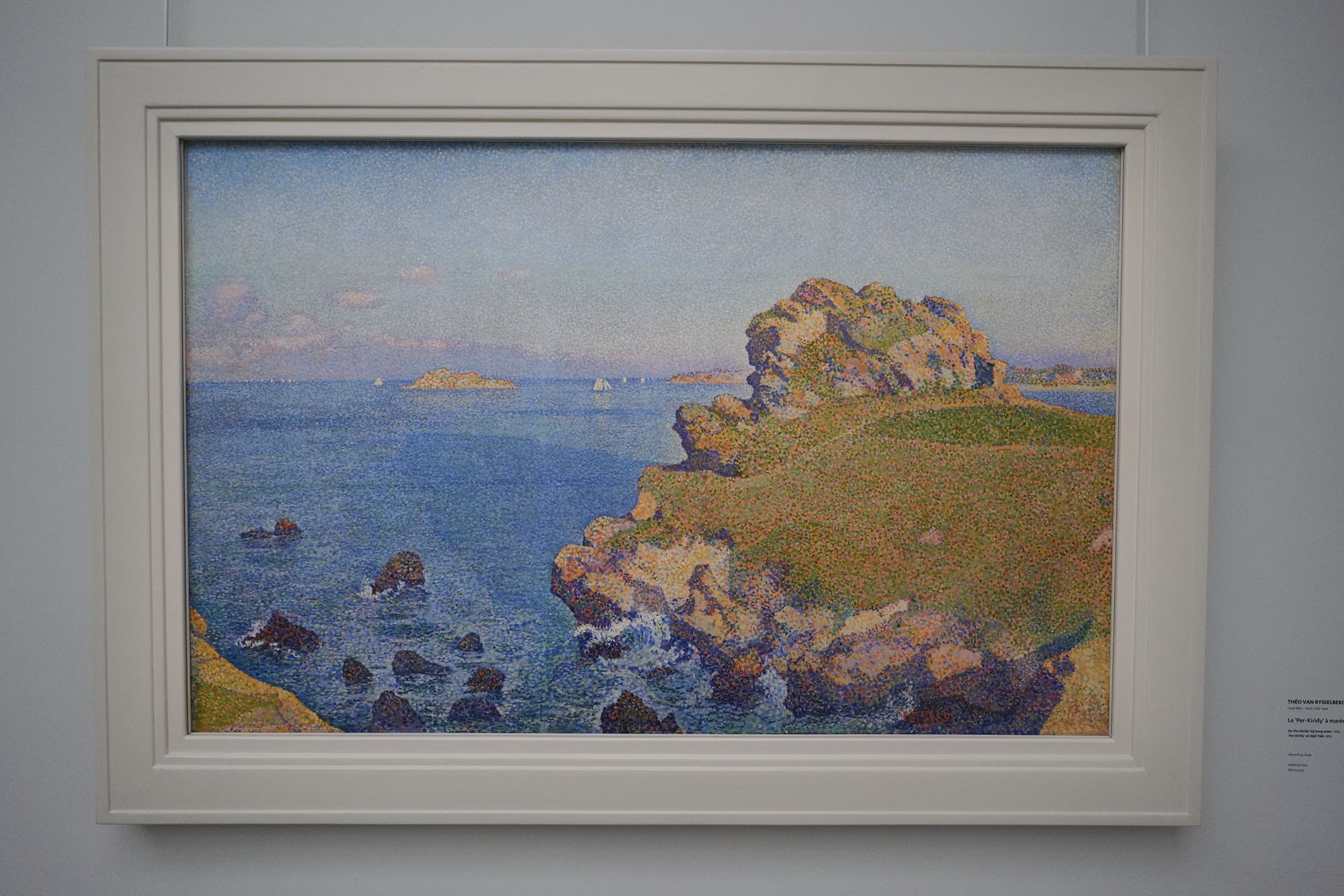
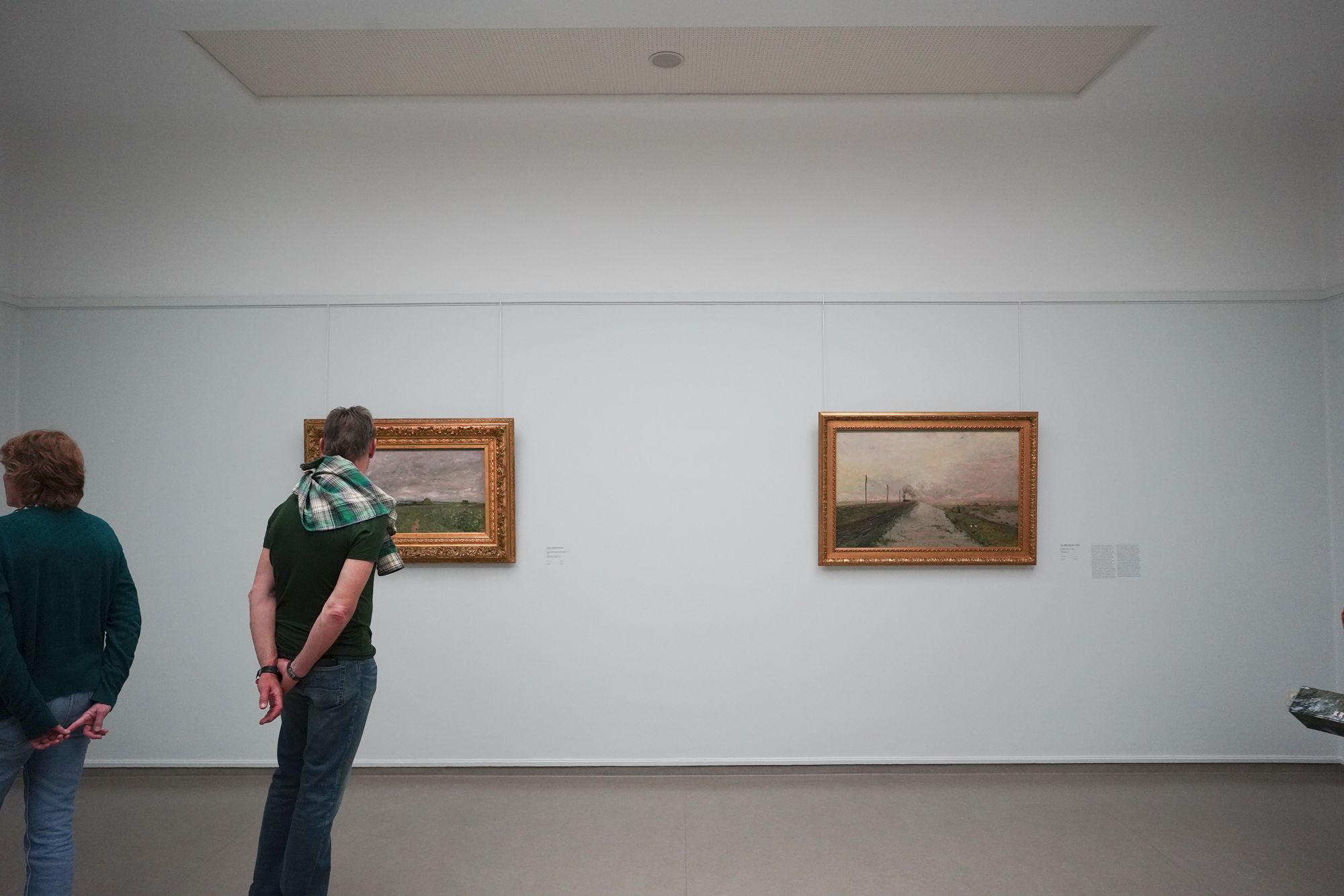
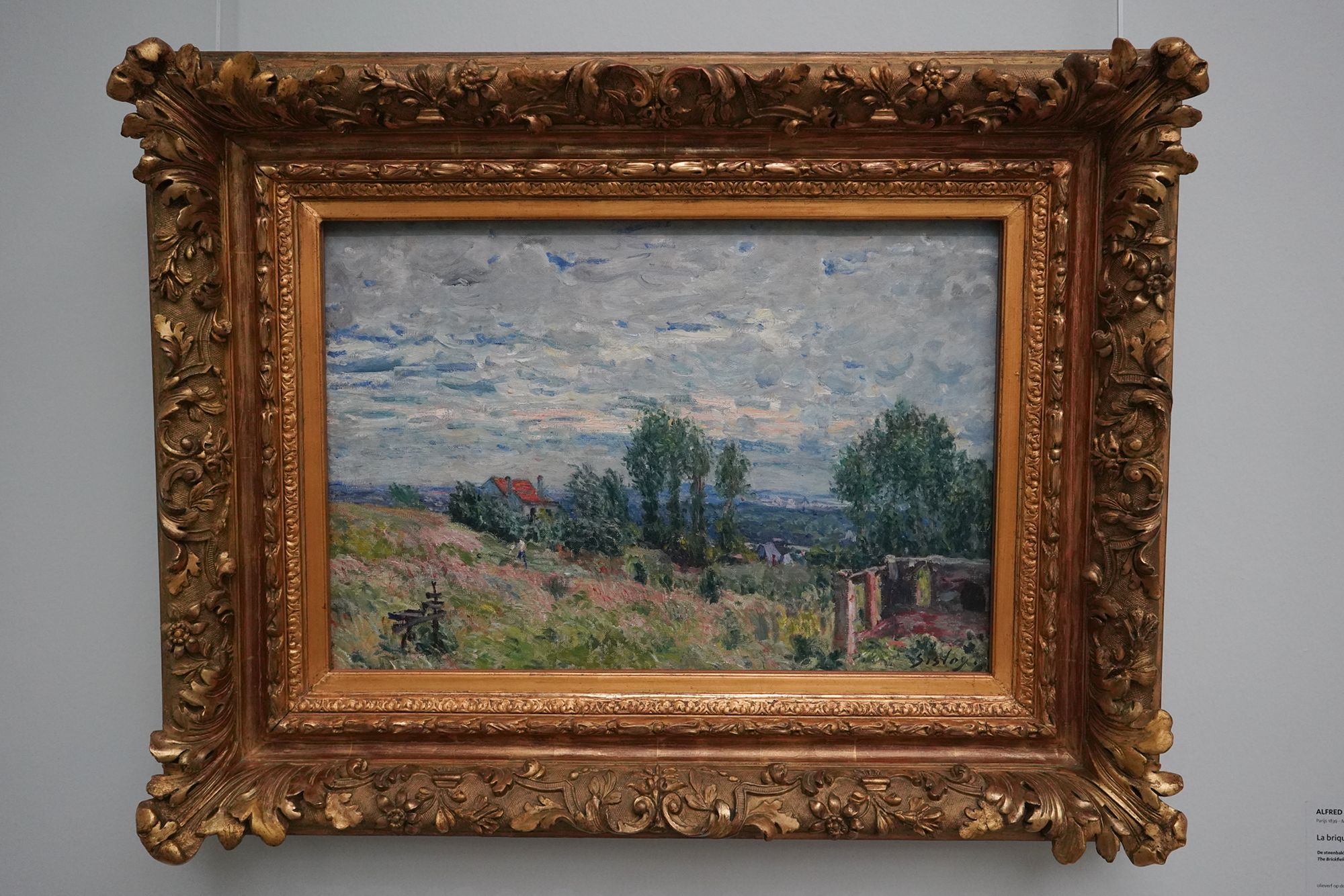
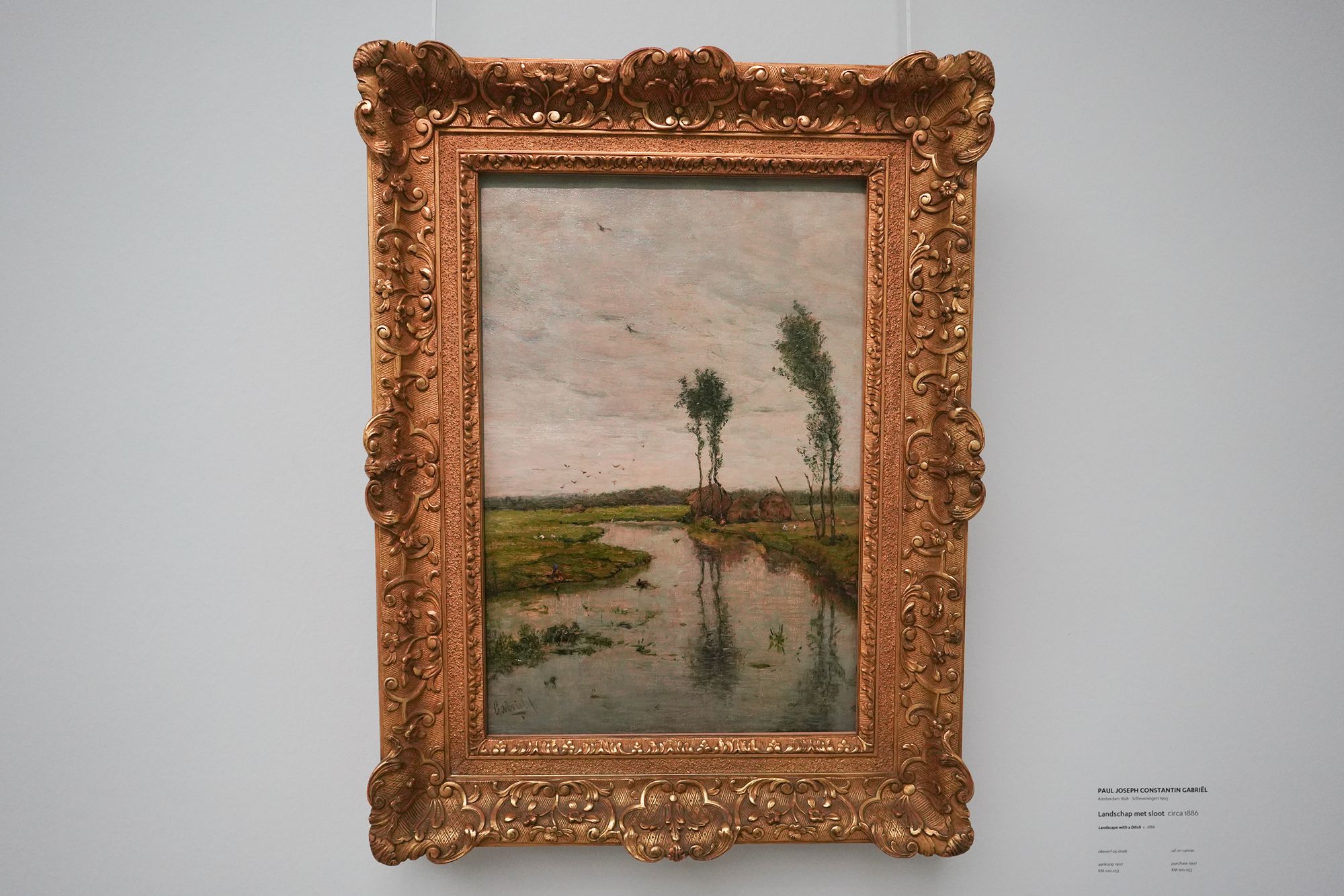
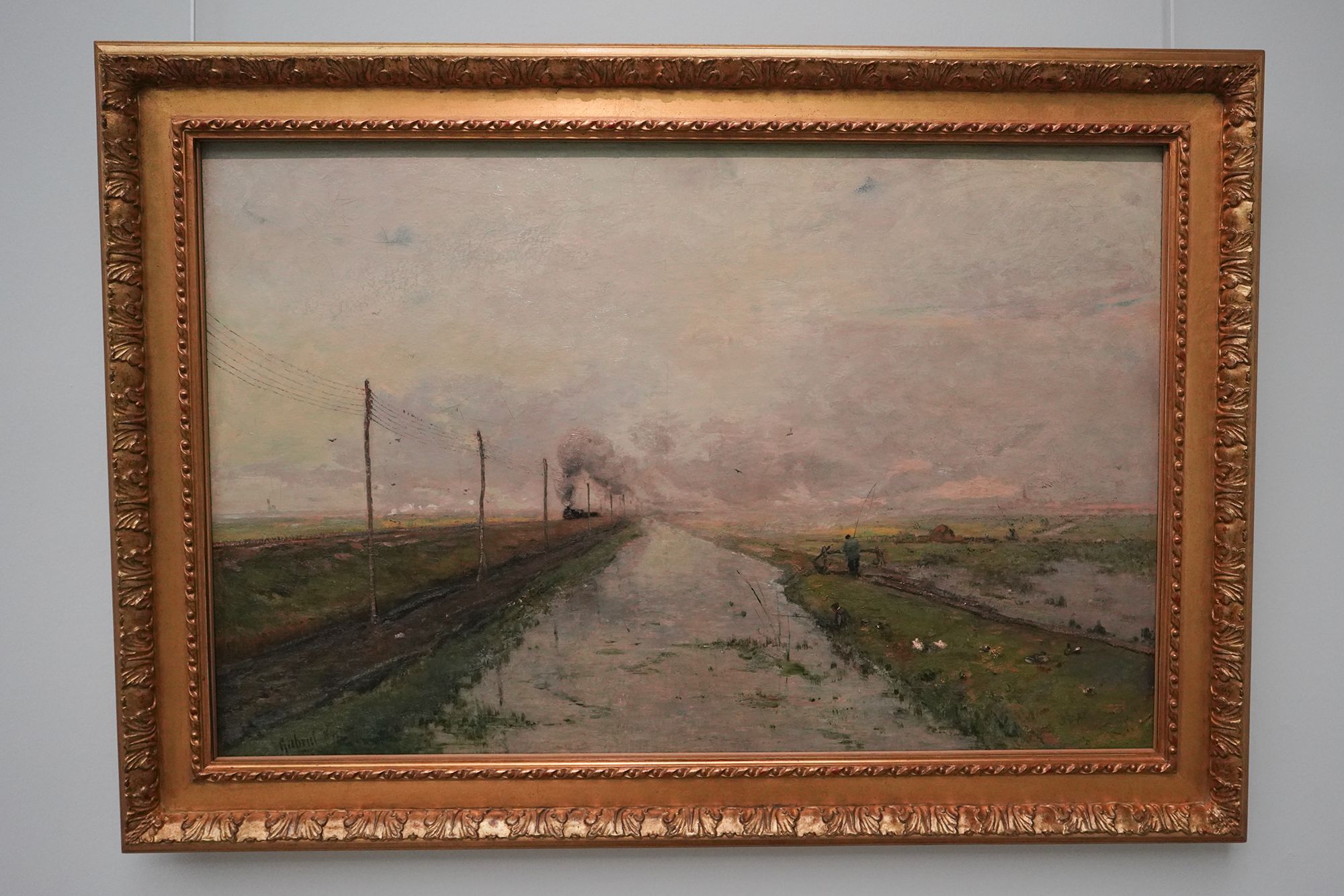
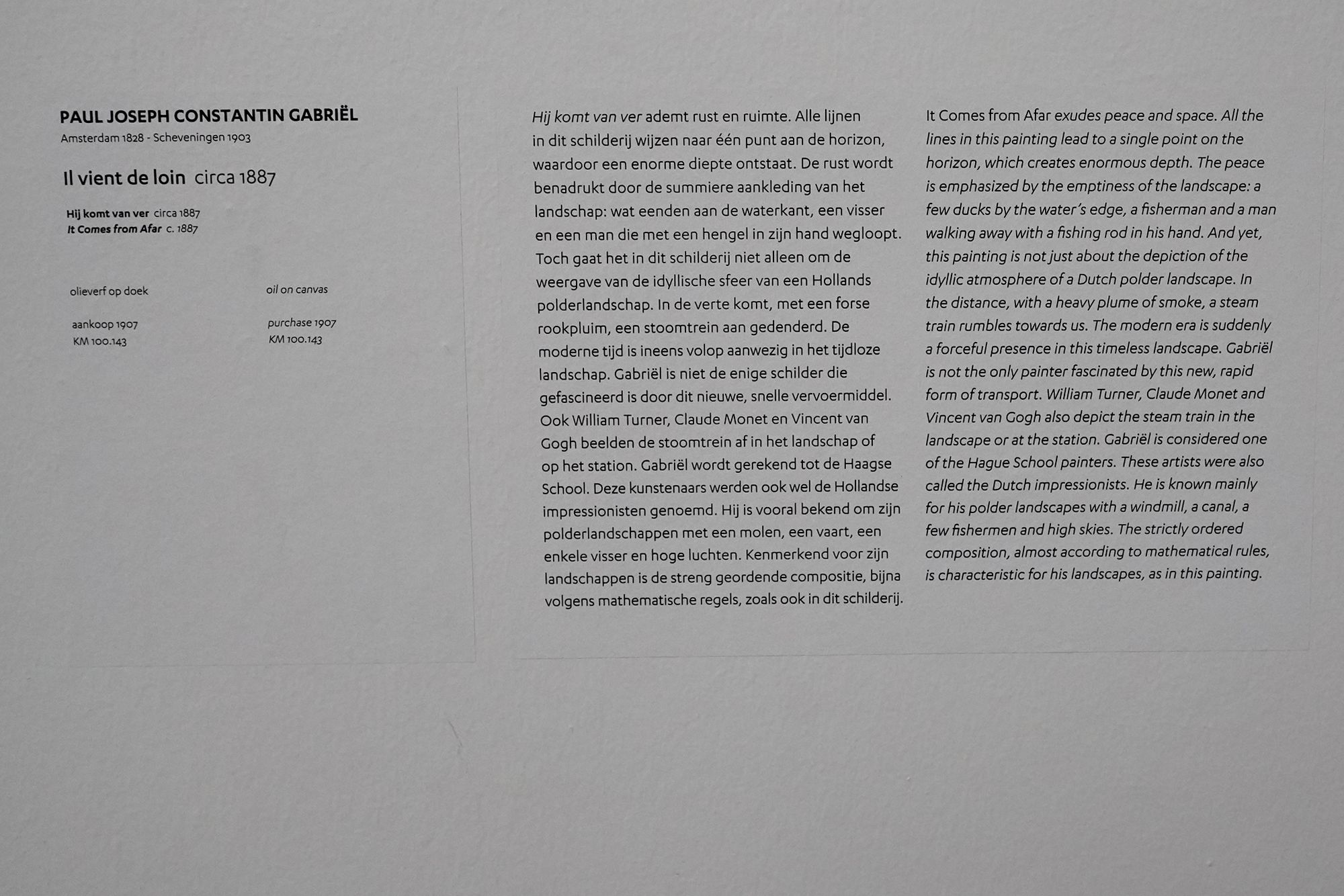
It Comes from Afar by Paul Gabriël, a leading painter of the Hague School, depicts a peaceful Dutch polder landscape with fishermen, ducks, and an immense open sky. In the distance, a steam train approaches through a cloud of smoke, introducing the modern industrial world into the timeless countryside. Gabriël’s carefully structured composition and strong perspective create an impressive sense of space, depth, and tranquility.
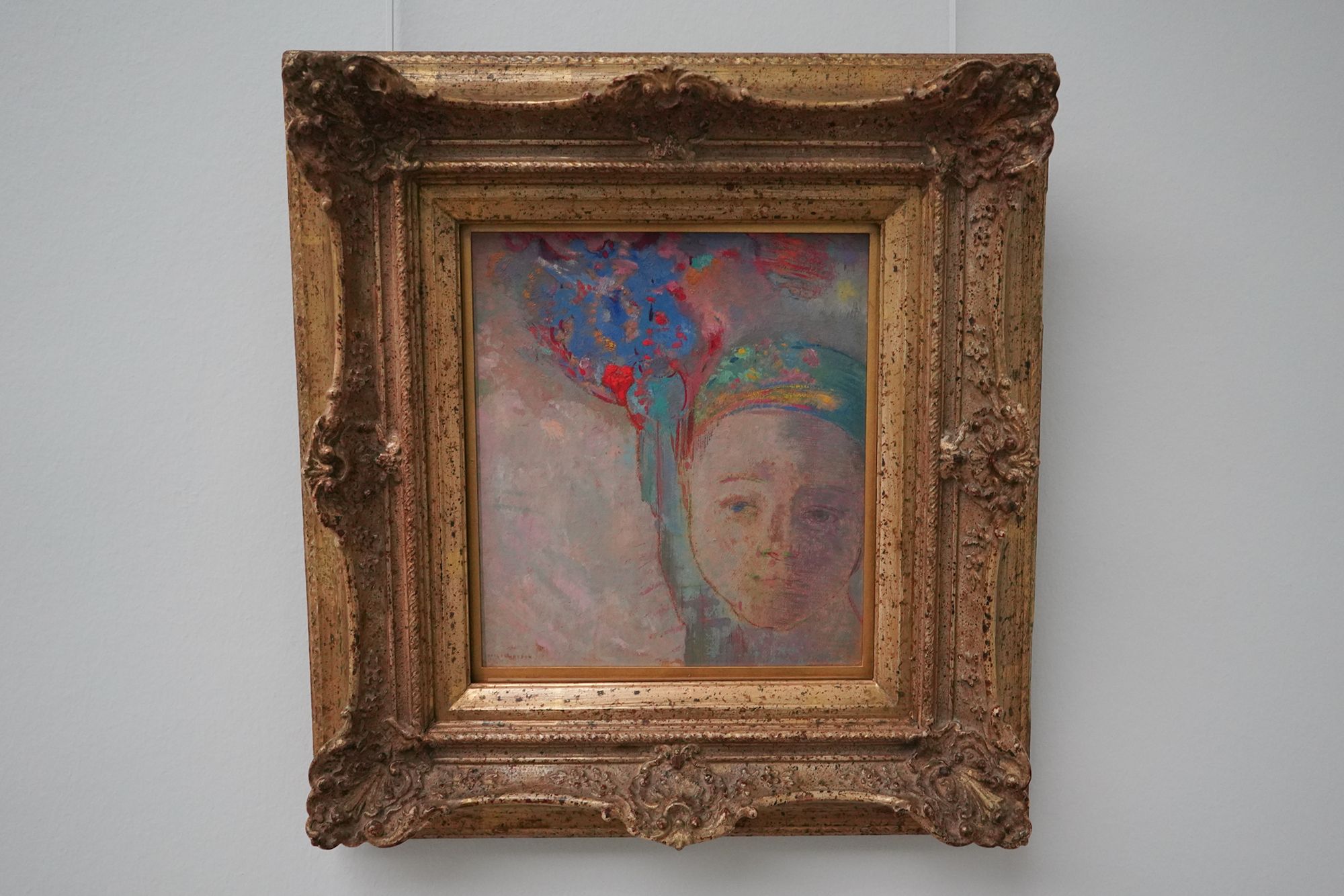
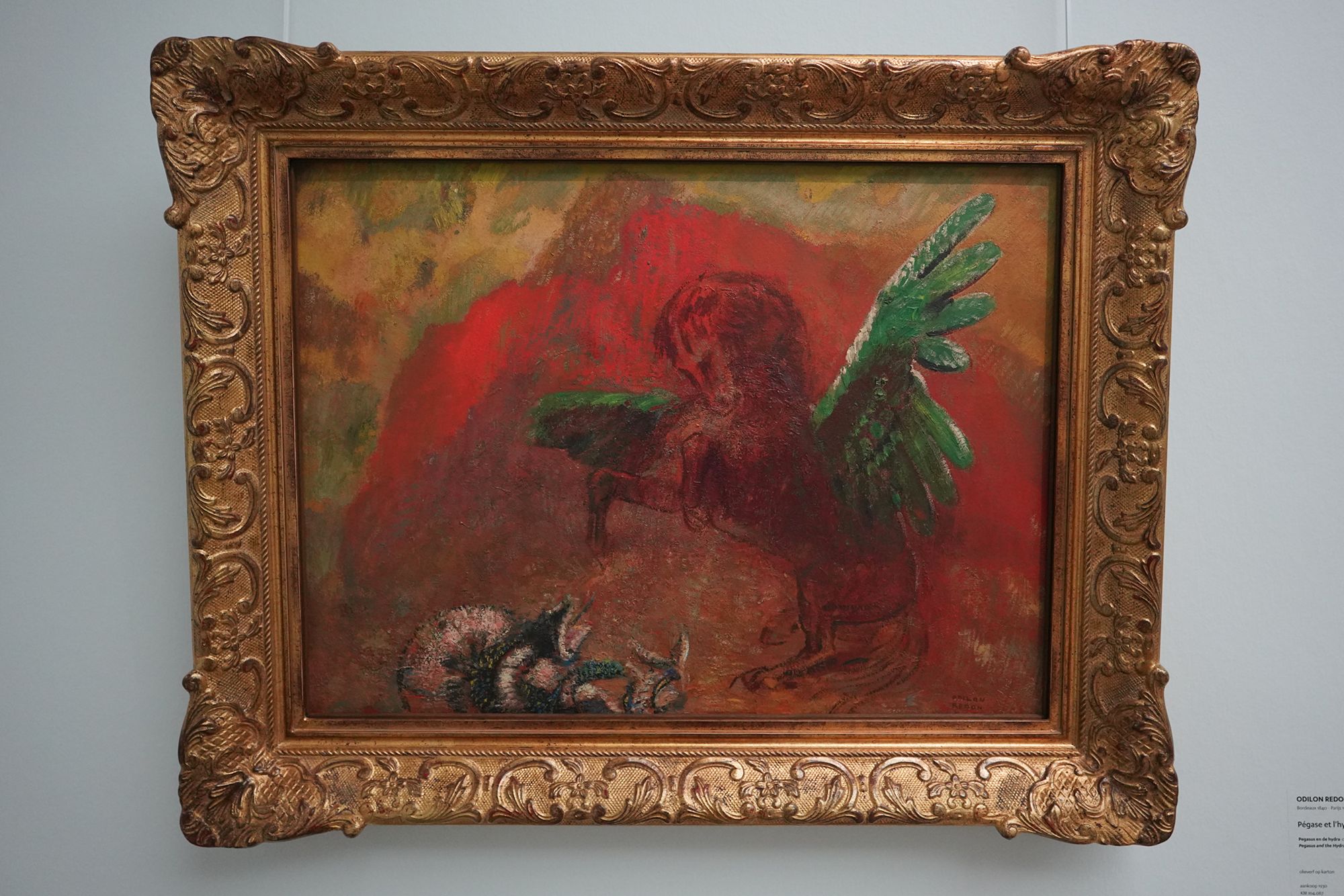
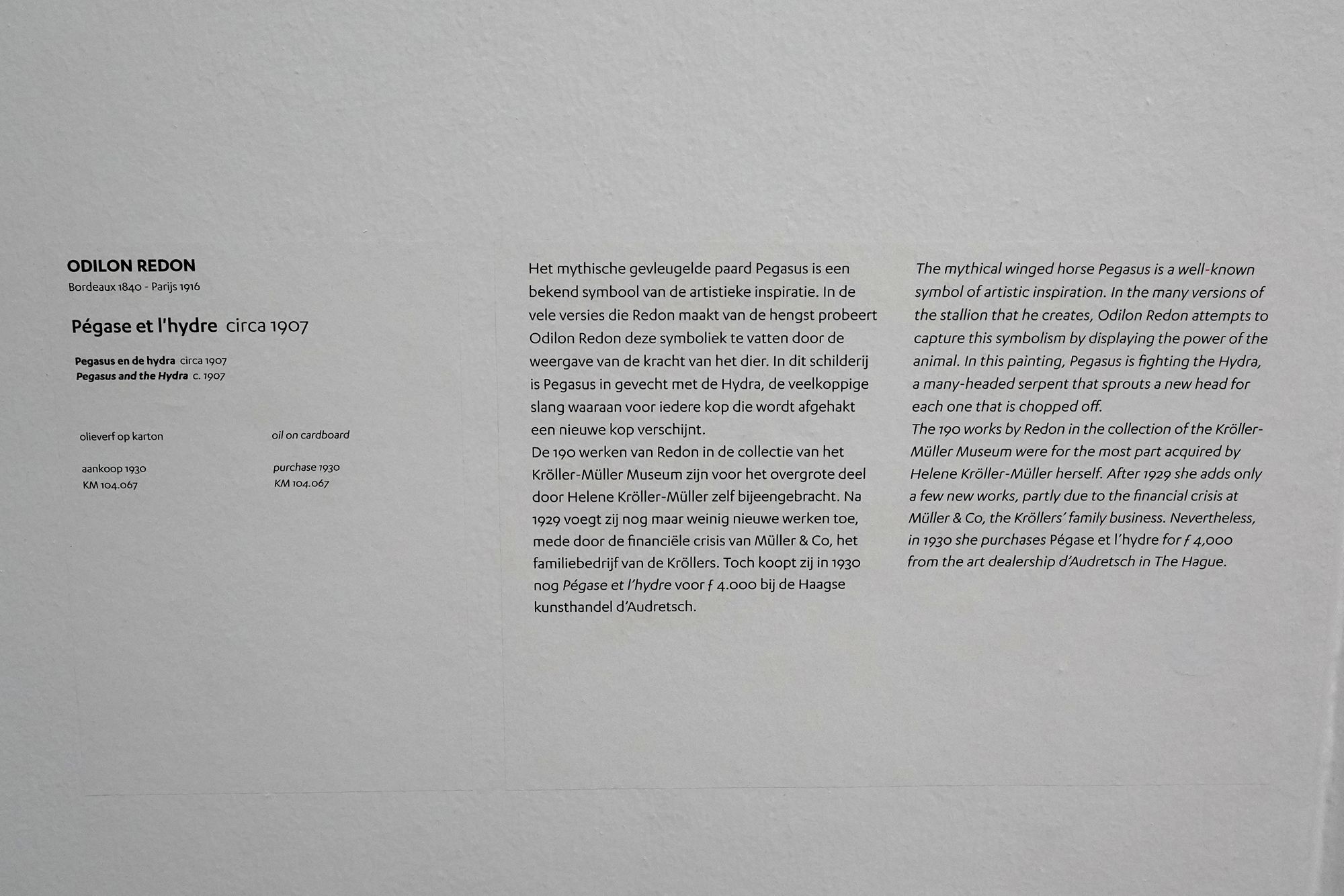
In Pegasus and the Hydra, Odilon Redon depicts the mythical winged horse Pegasus battling the many-headed Hydra. Redon often used Pegasus as a symbol of artistic inspiration, emphasizing the animal’s strength and power. Helene Kröller-Müller purchased the painting in 1930 for 4,000 guilders, even though financial difficulties had greatly reduced her art purchases by that time.
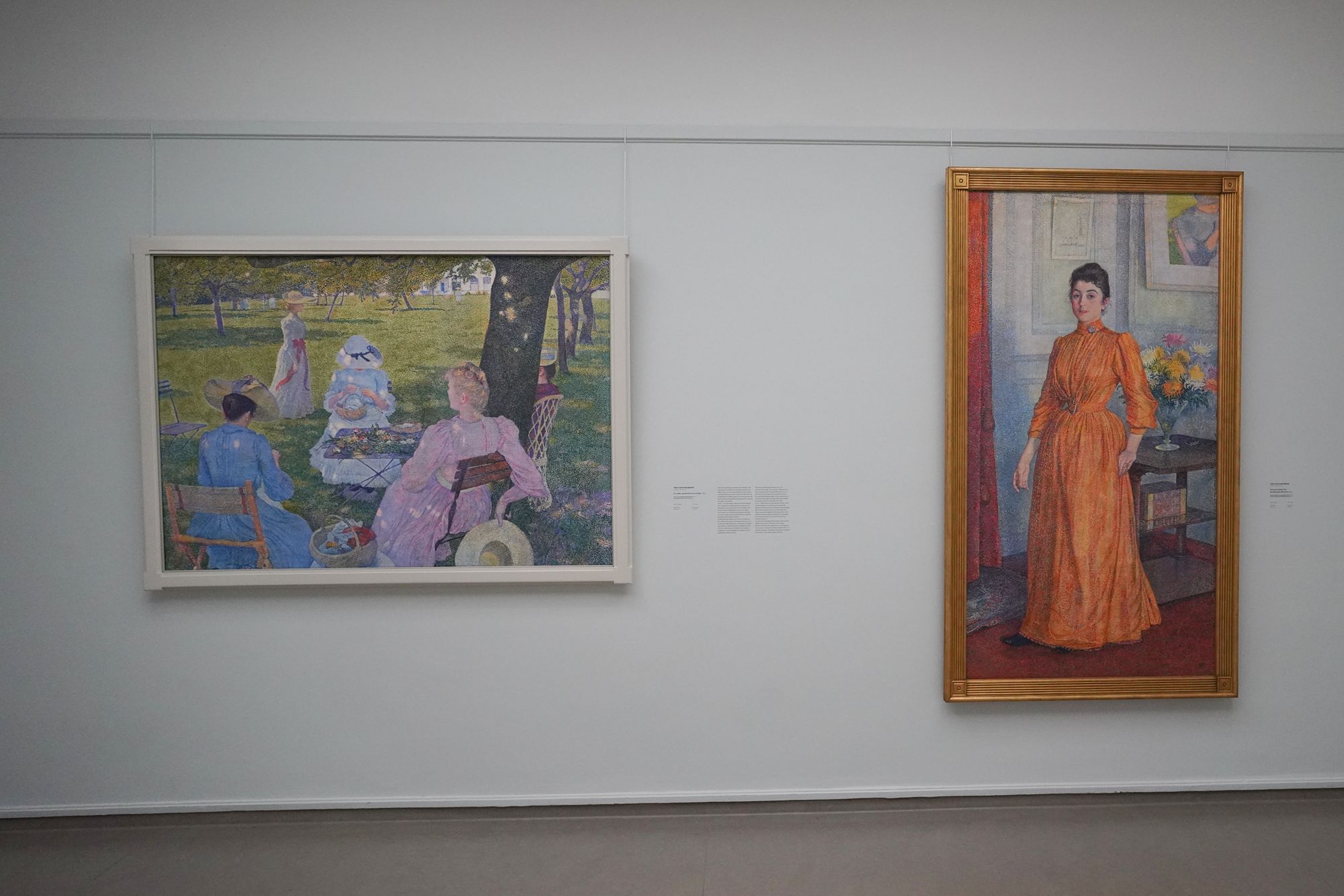
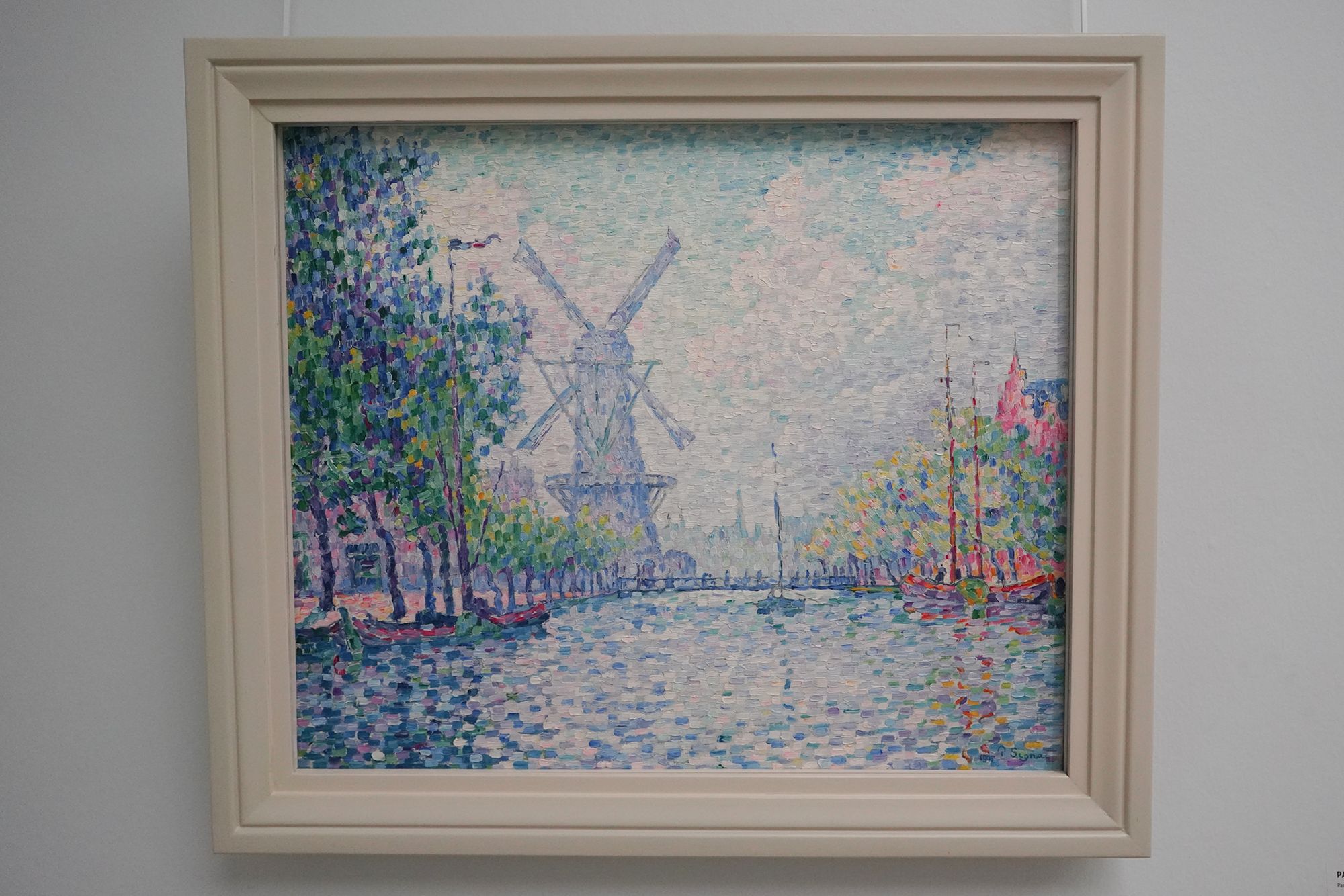
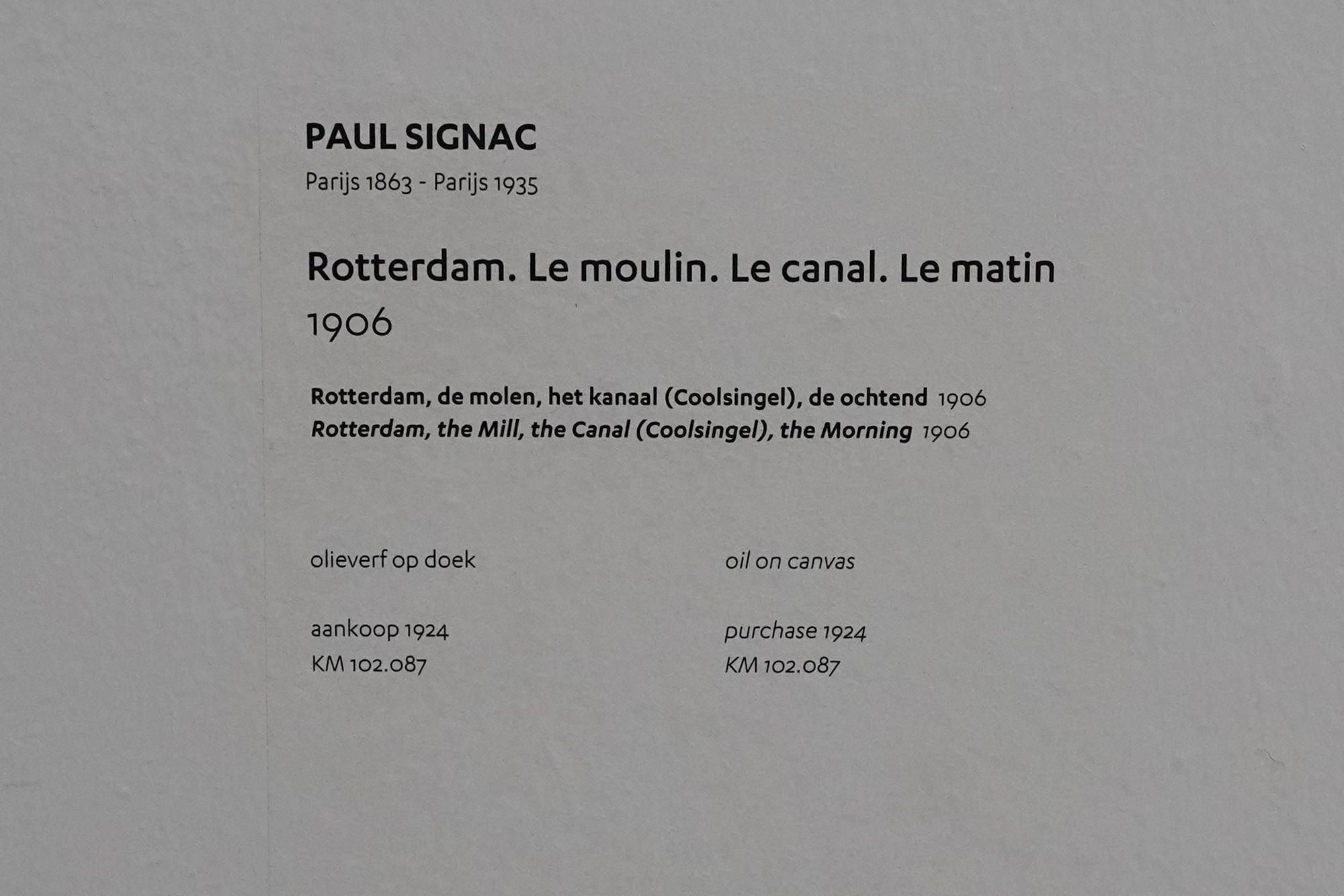
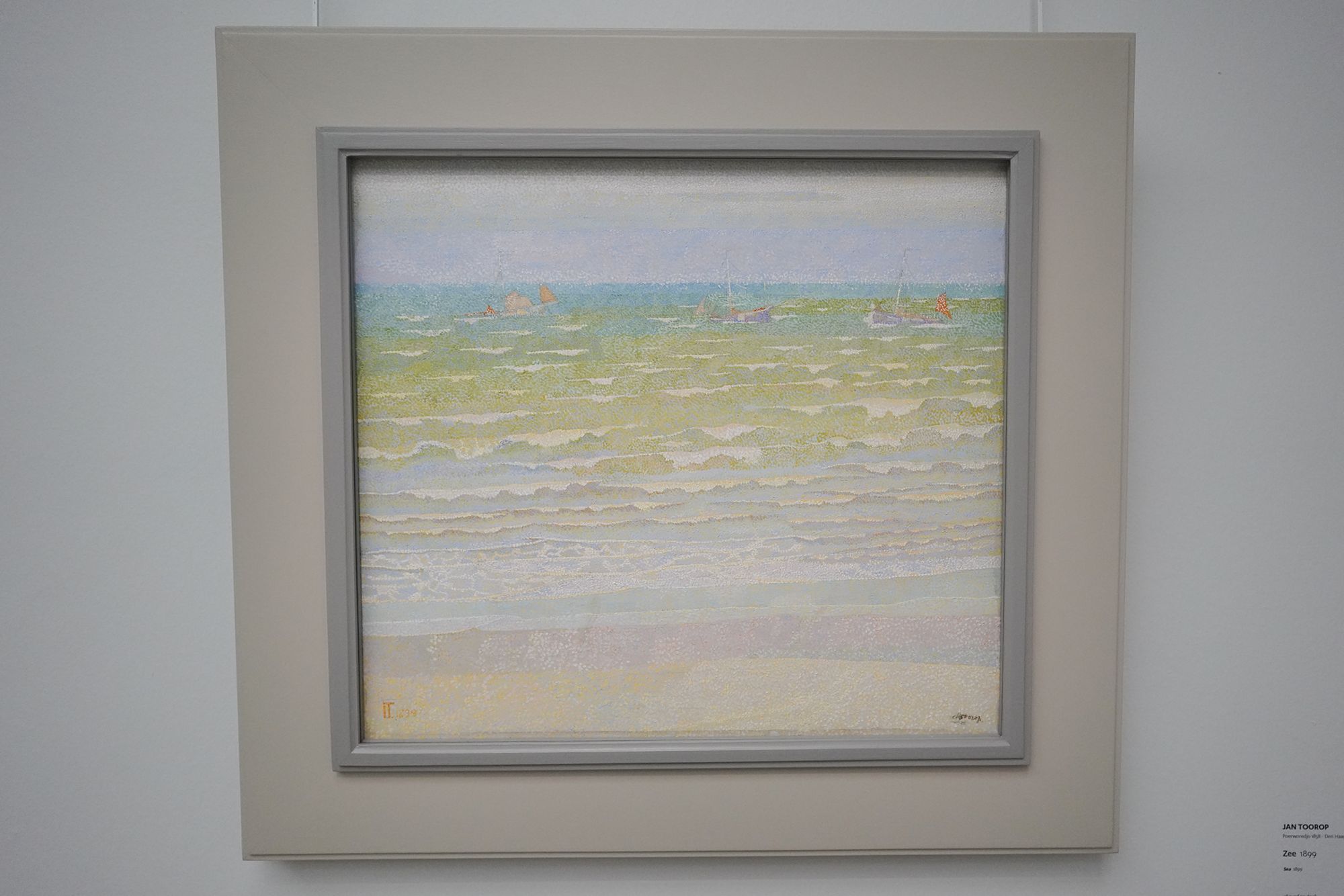
After seeing Georges Seurat’s A Sunday Afternoon on the Island of La Grande Jatte in 1886, Belgian artist Théo van Rysselberghe adopted Pointillism while developing his own freer version of the technique. In July – Before Noon, five women quietly occupy a sunlit garden, each absorbed in her own activity. The bright summer light and peaceful atmosphere give the scene a timeless quality; the woman in blue is Maria Monnom, whom Van Rysselberghe married later that year.
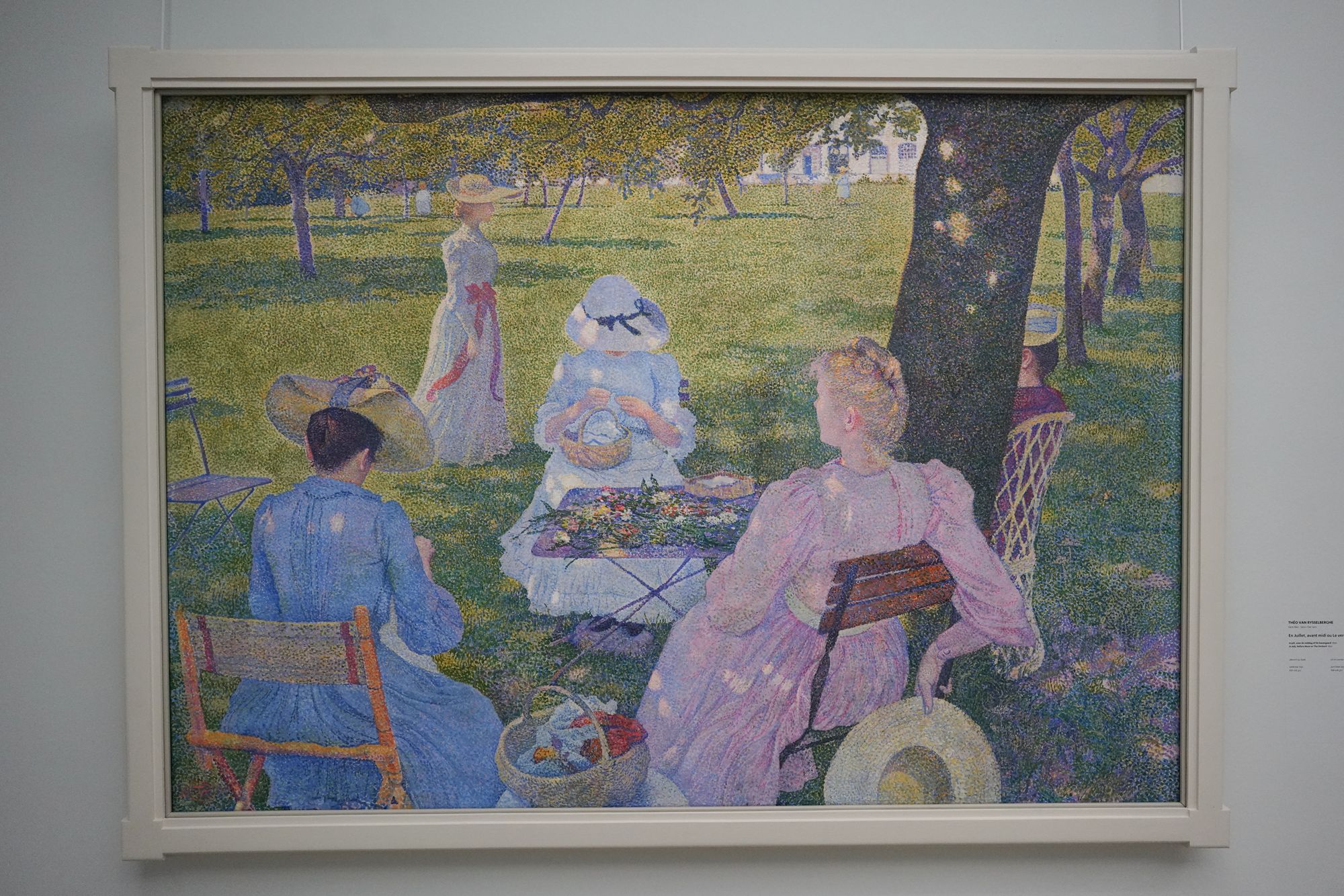
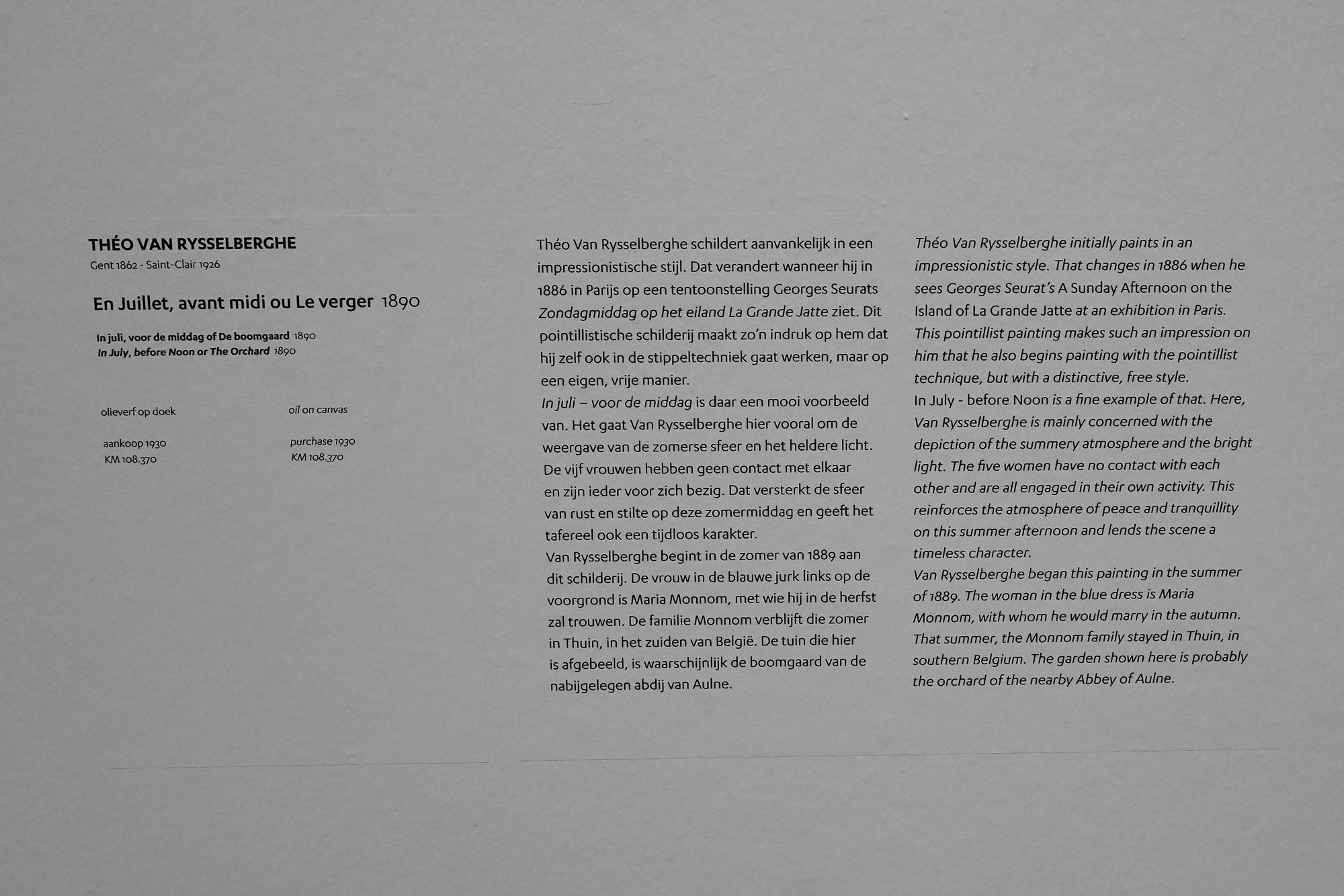
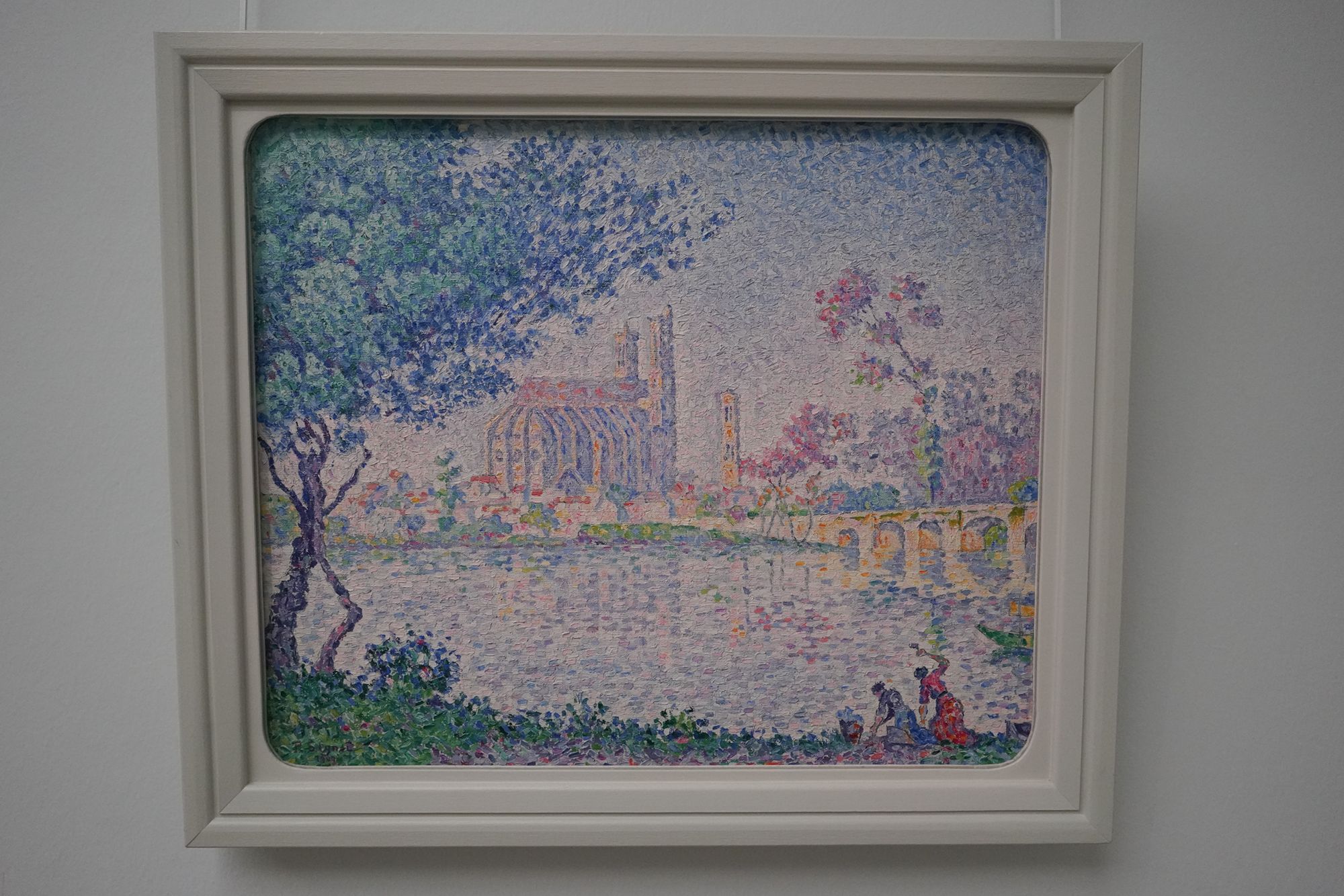
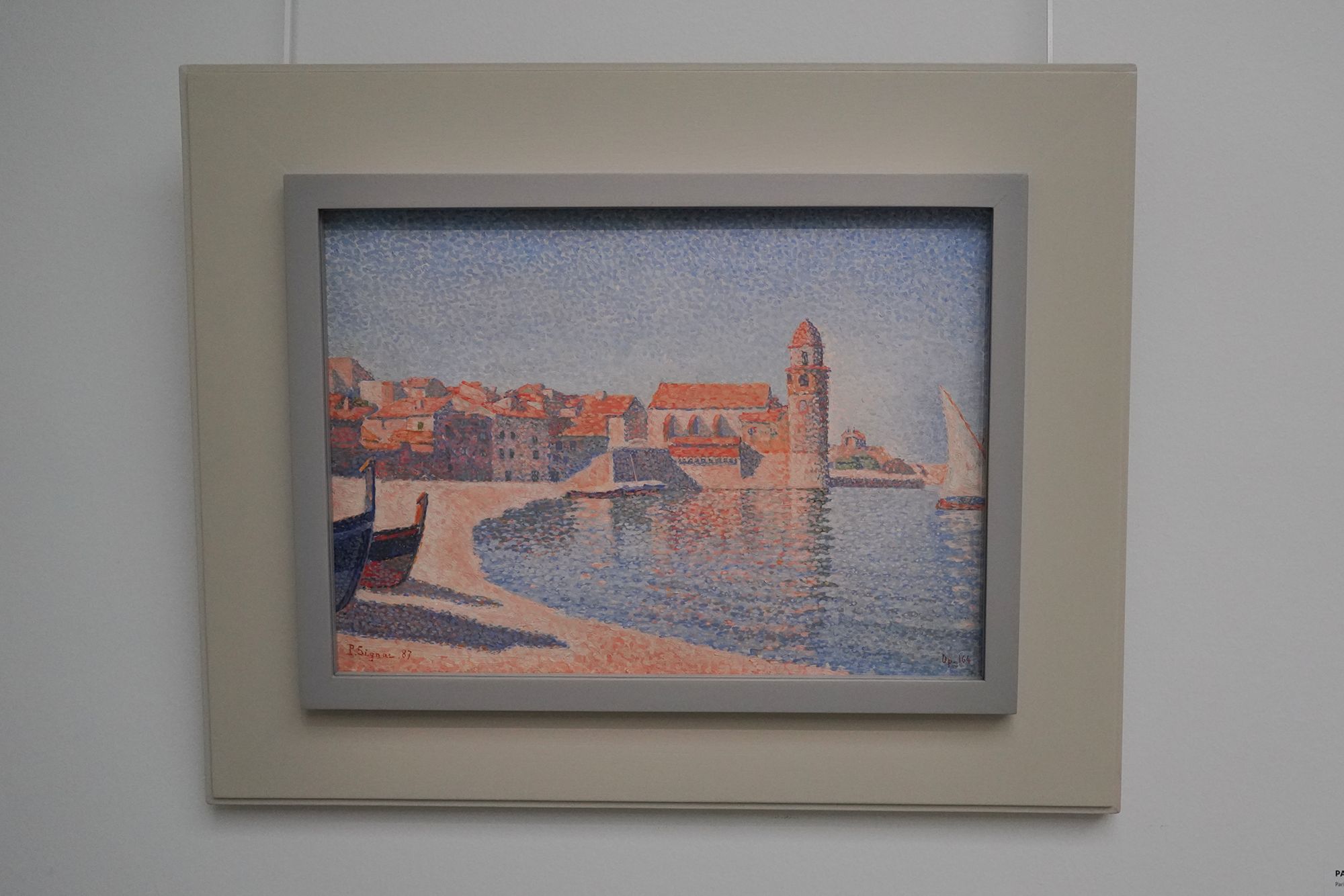
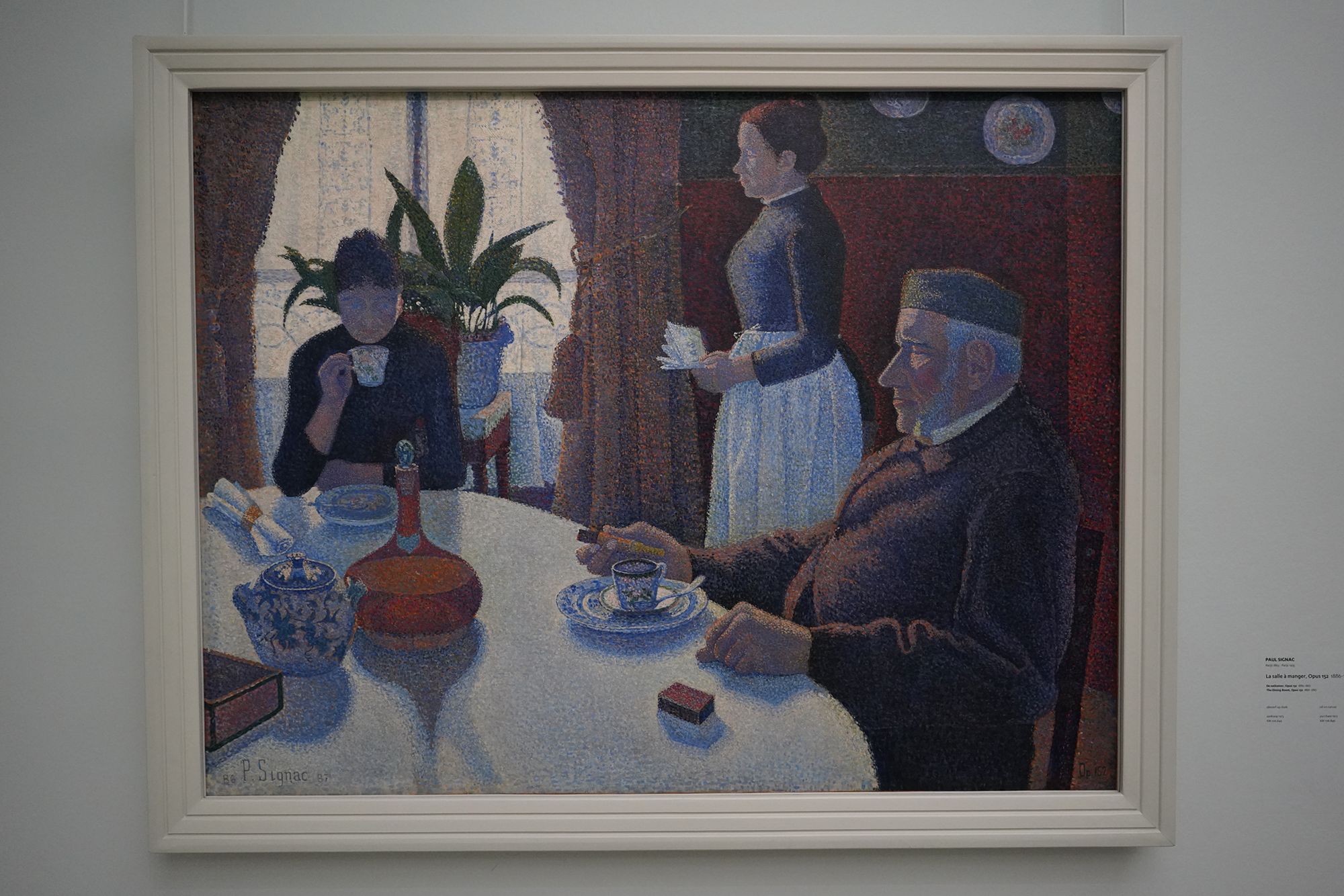
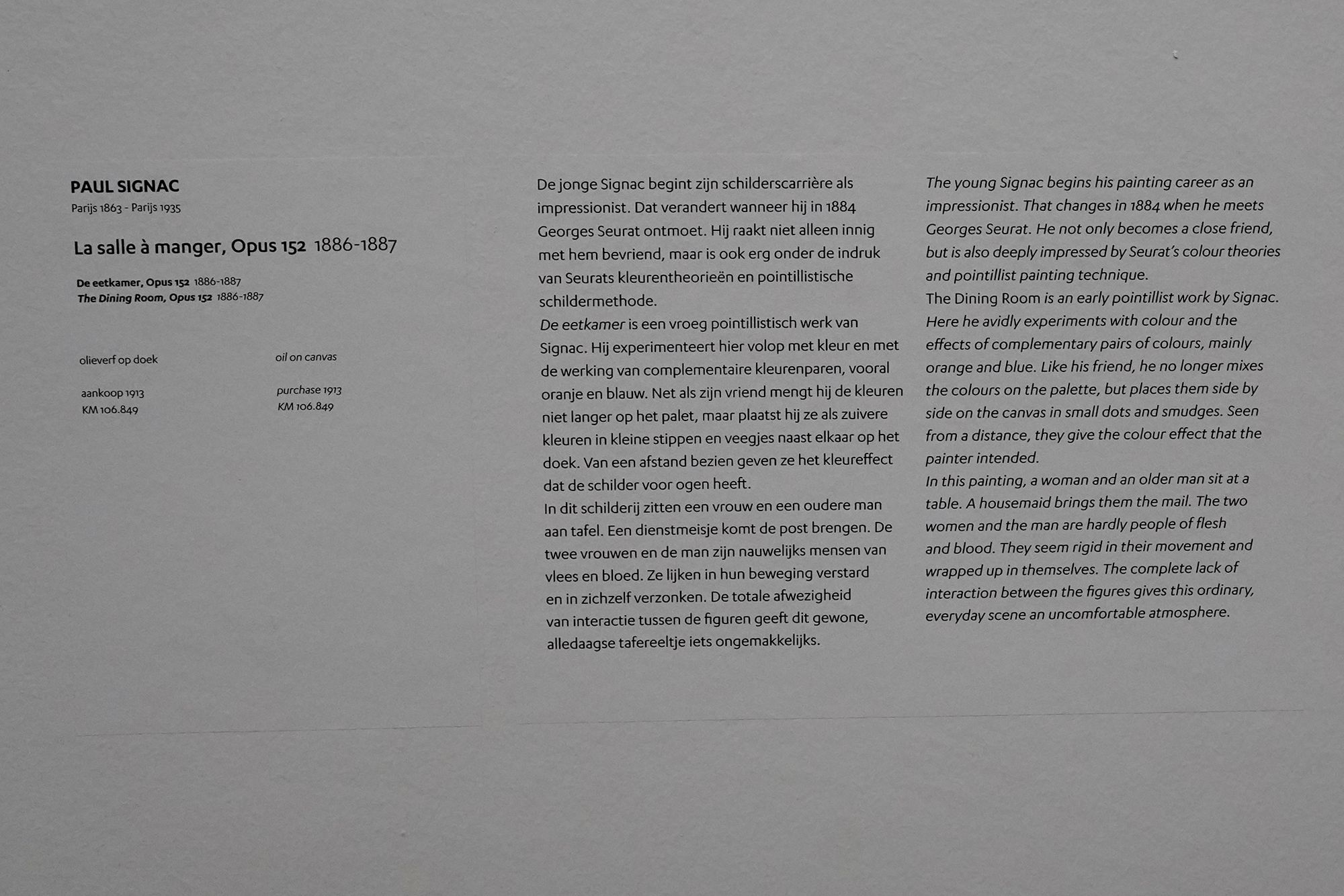
After meeting Georges Seurat in 1884, Paul Signac became fascinated by his color theories and Pointillist technique. In The Dining Room, an early Pointillist work, Signac places complementary colors such as orange and blue in small dots and strokes, allowing them to blend visually from a distance. The three figures sit together but barely interact, giving this ordinary domestic scene an unexpectedly rigid, quiet, and uncomfortable atmosphere.
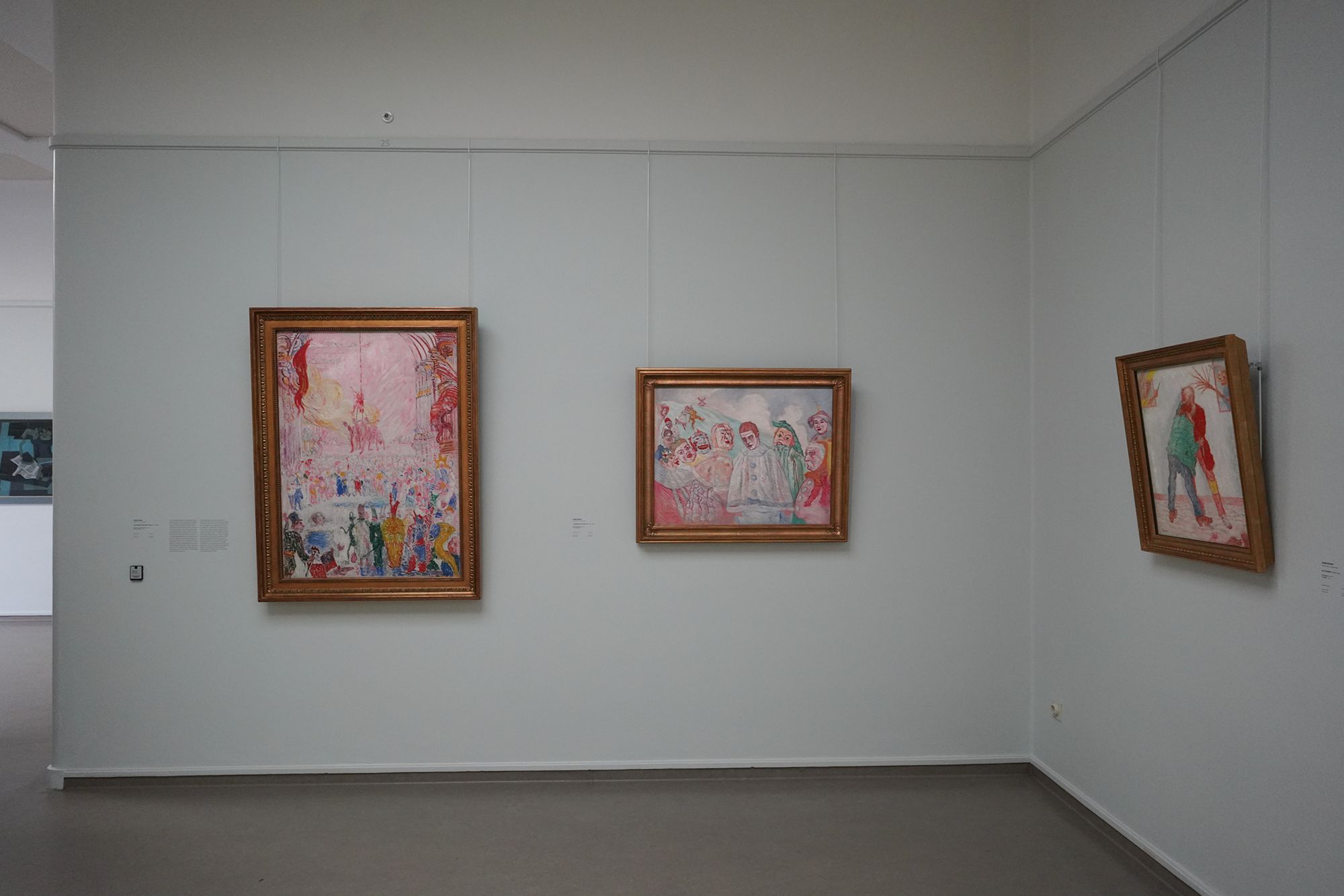
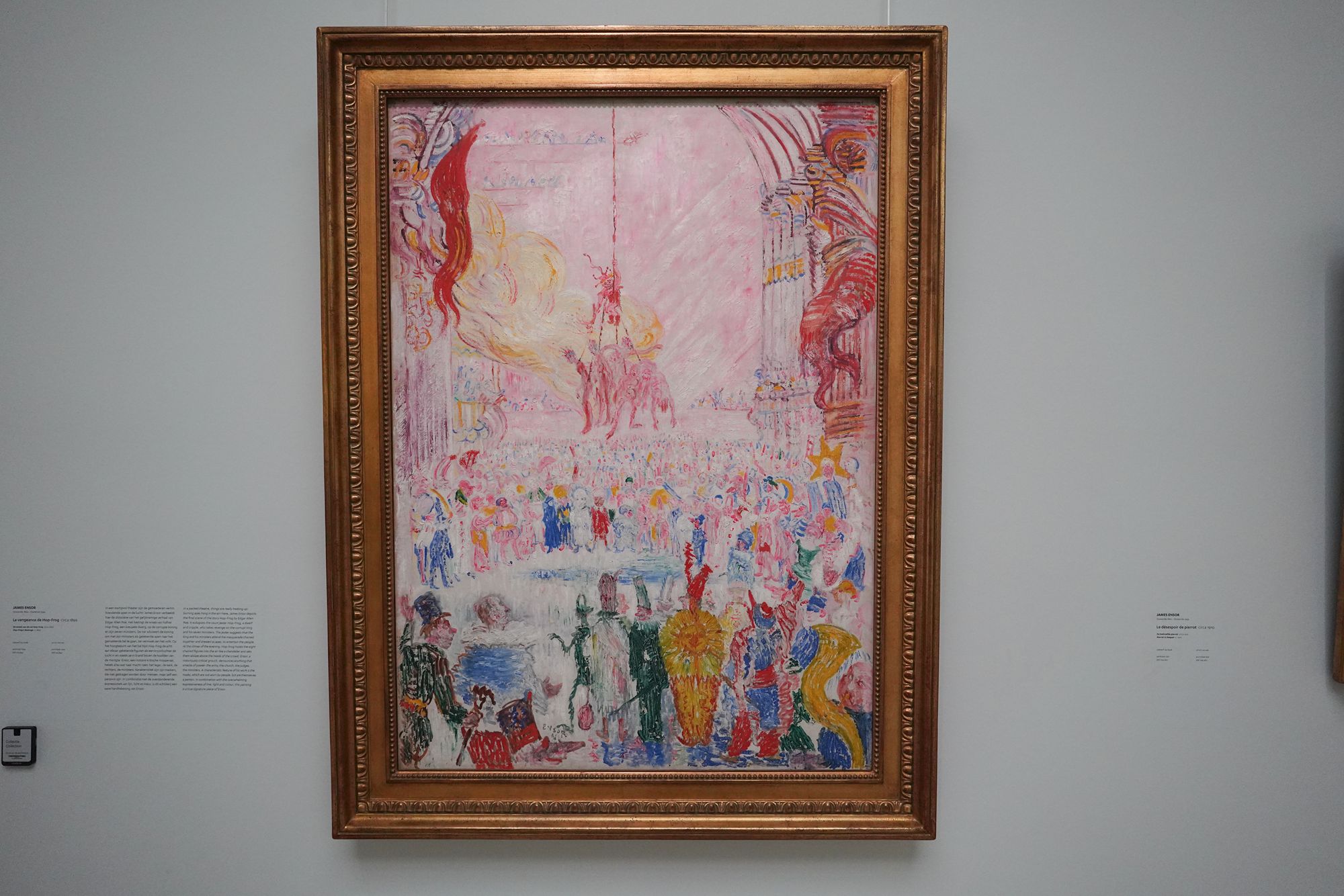
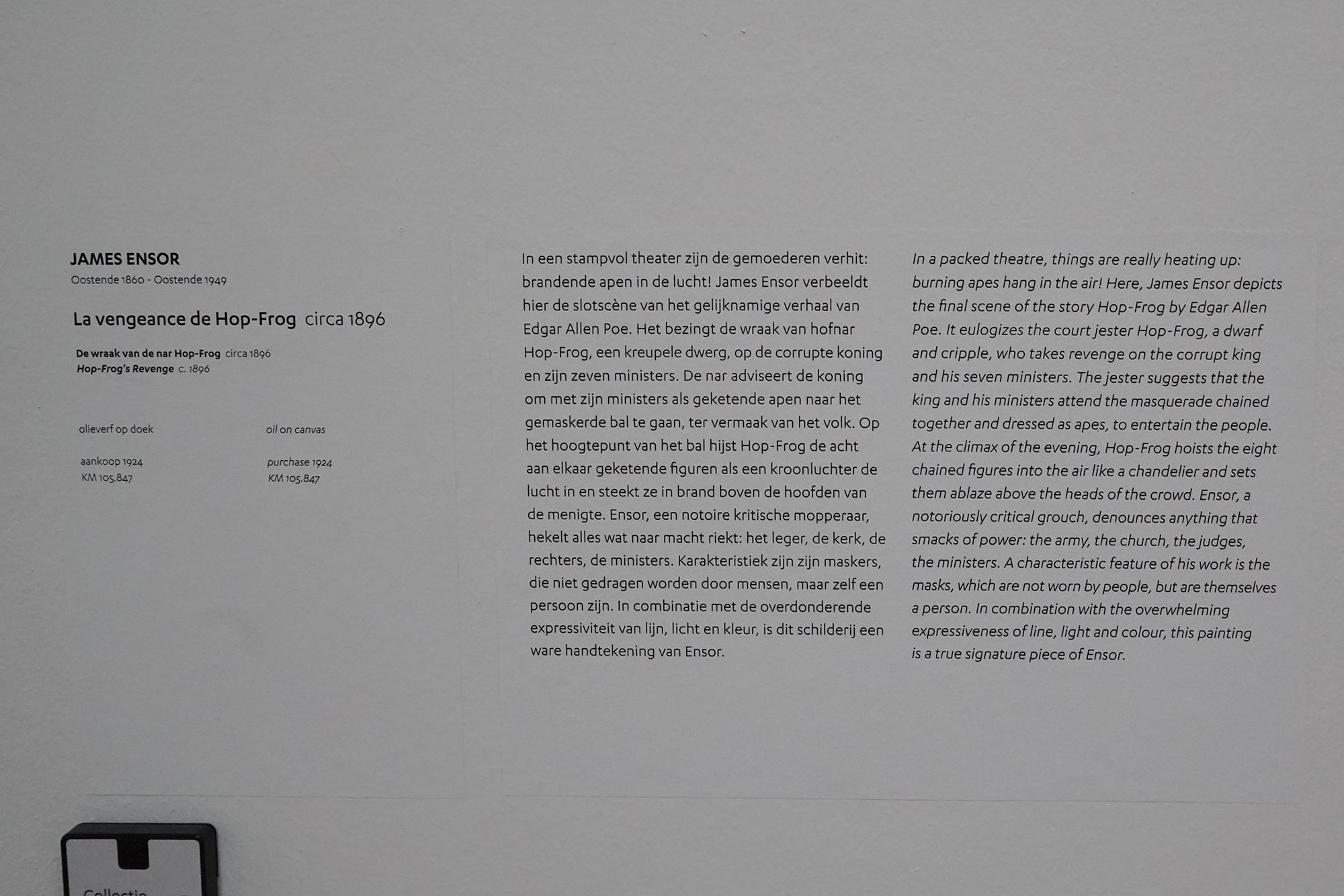
In this dramatic painting, James Ensor depicts the climax of Edgar Allan Poe’s story Hop-Frog, in which a mistreated court jester takes revenge on a corrupt king and his ministers by setting them on fire during a masquerade. Ensor fills the scene with his characteristic masks, exaggerated figures, intense colors, and chaotic movement, turning the story into a powerful satire of authority, hypocrisy, and abuse of power.
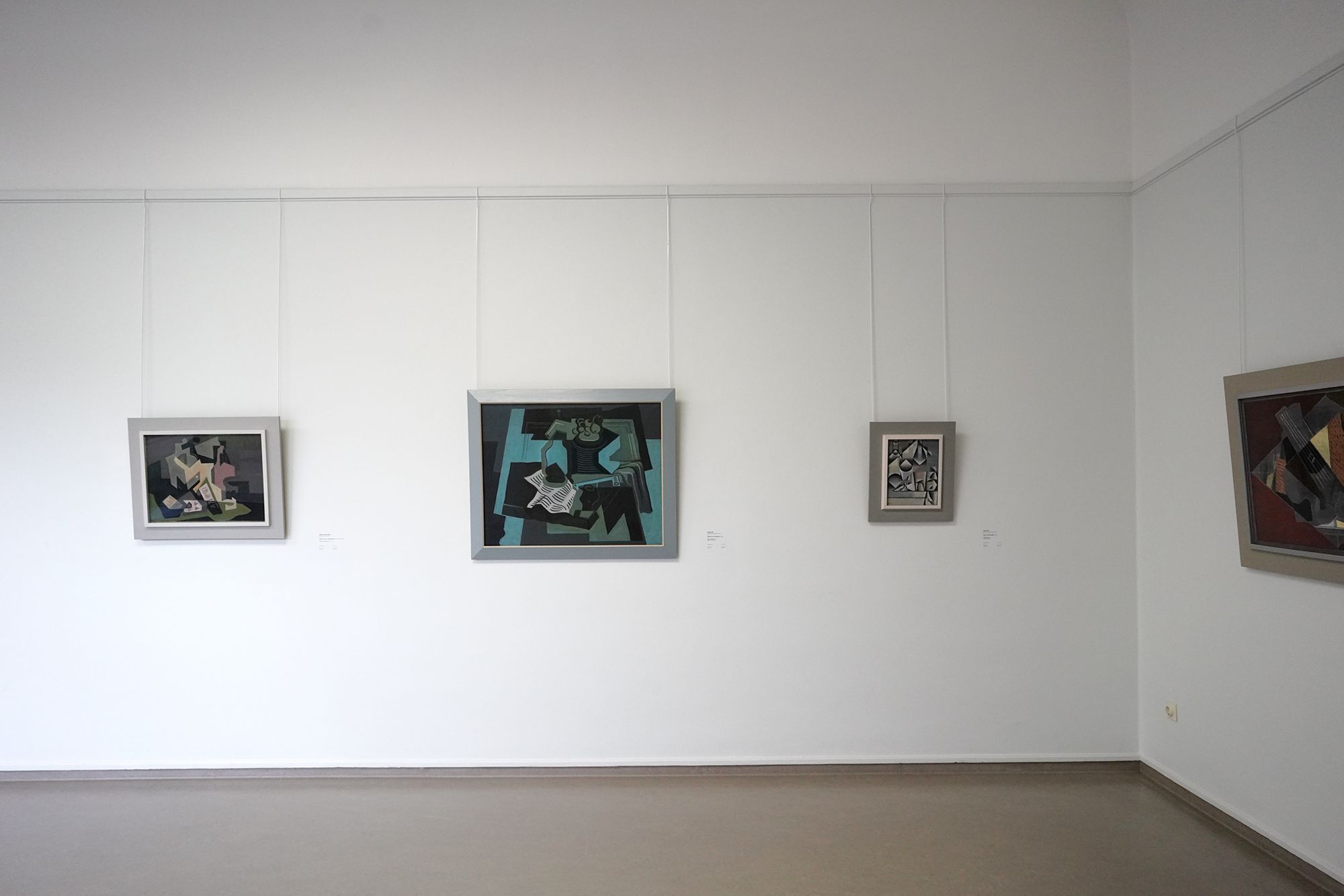
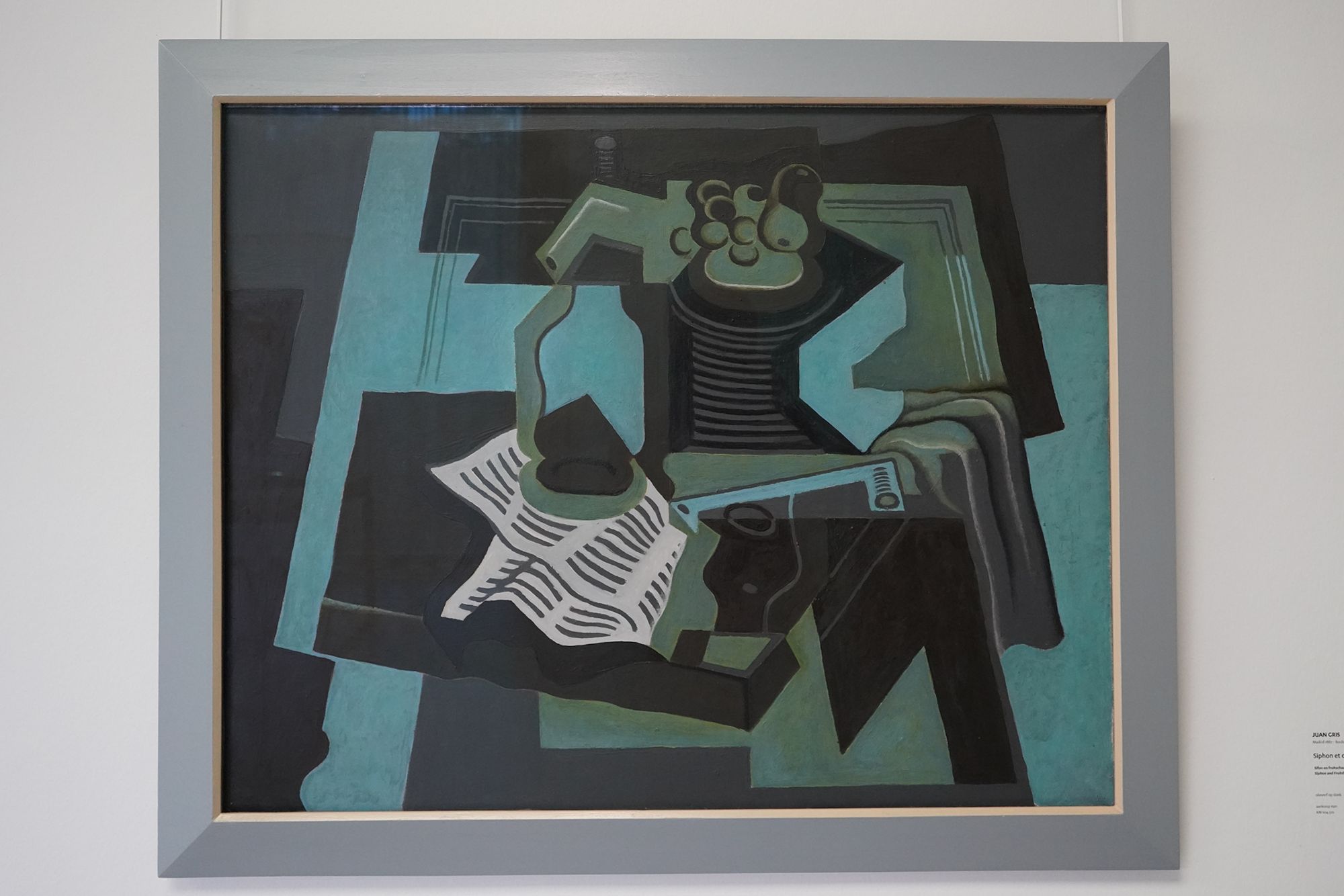
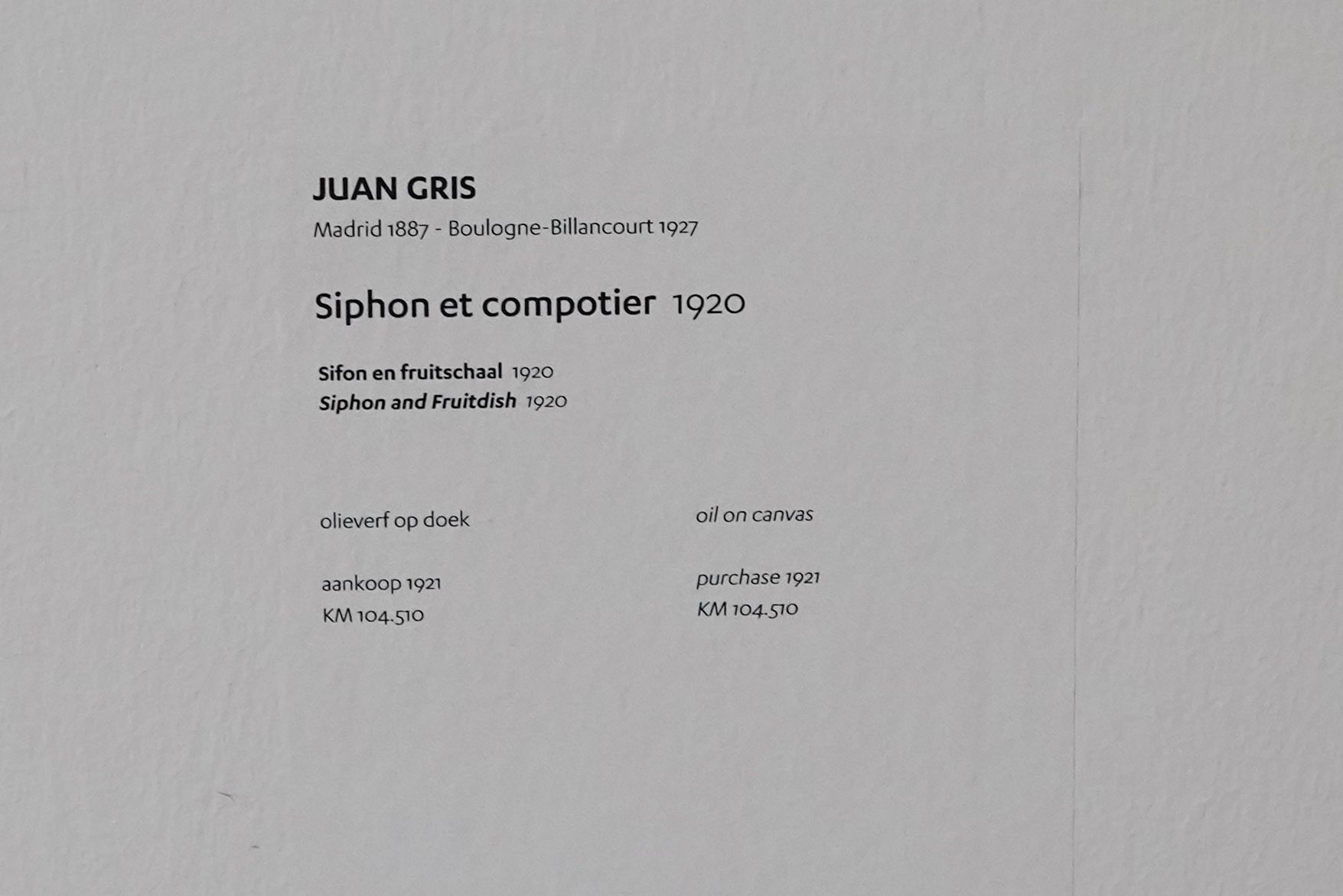
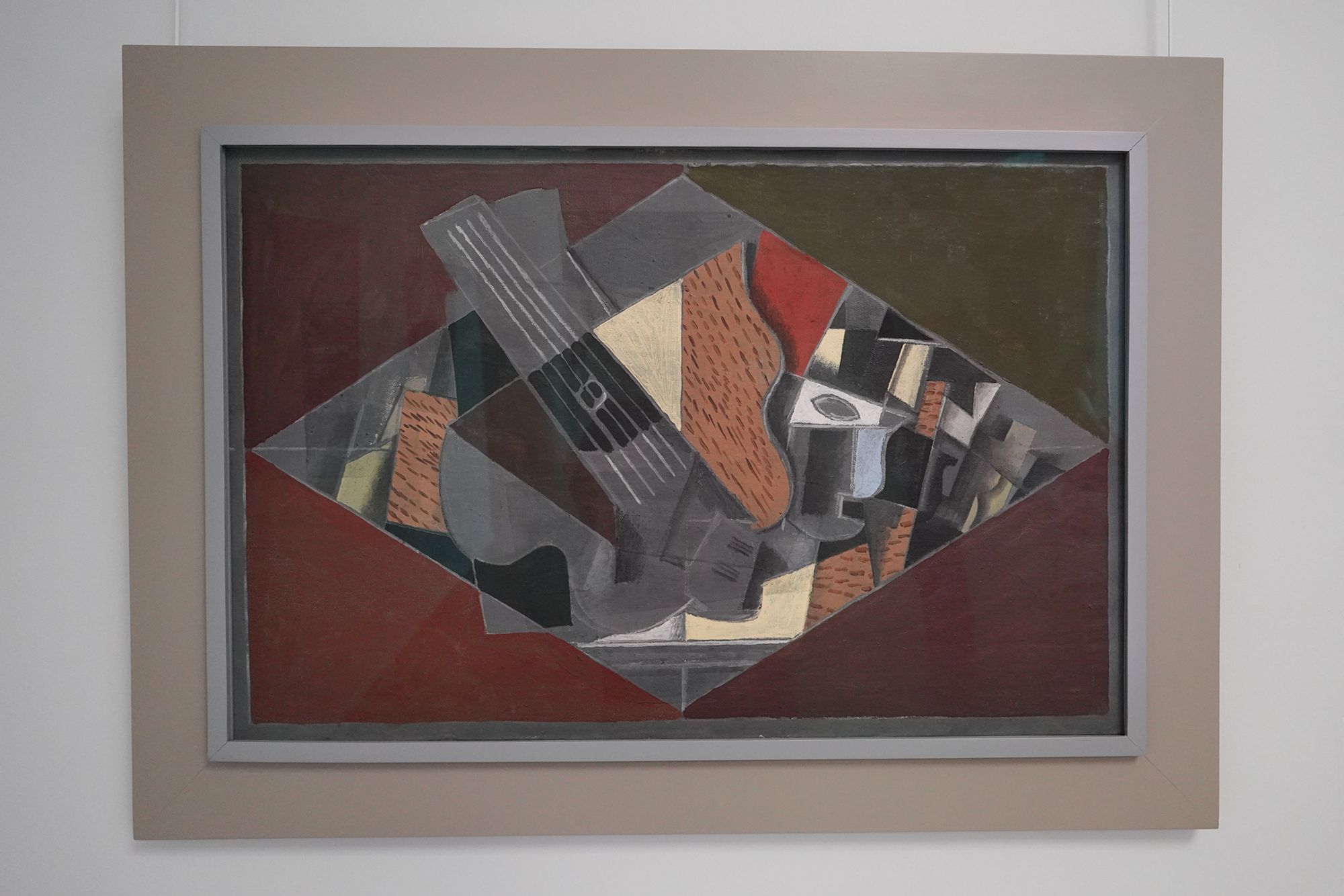
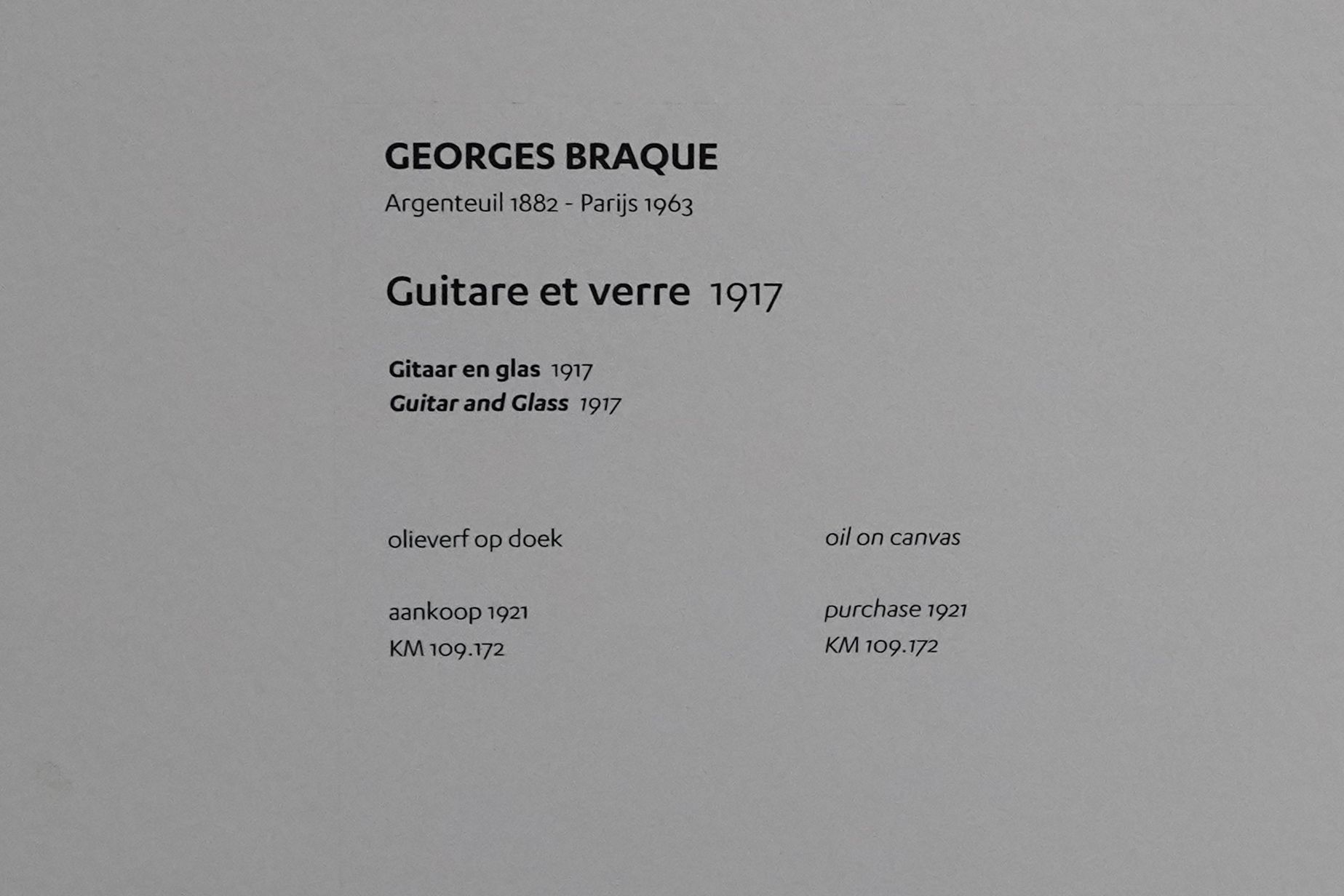
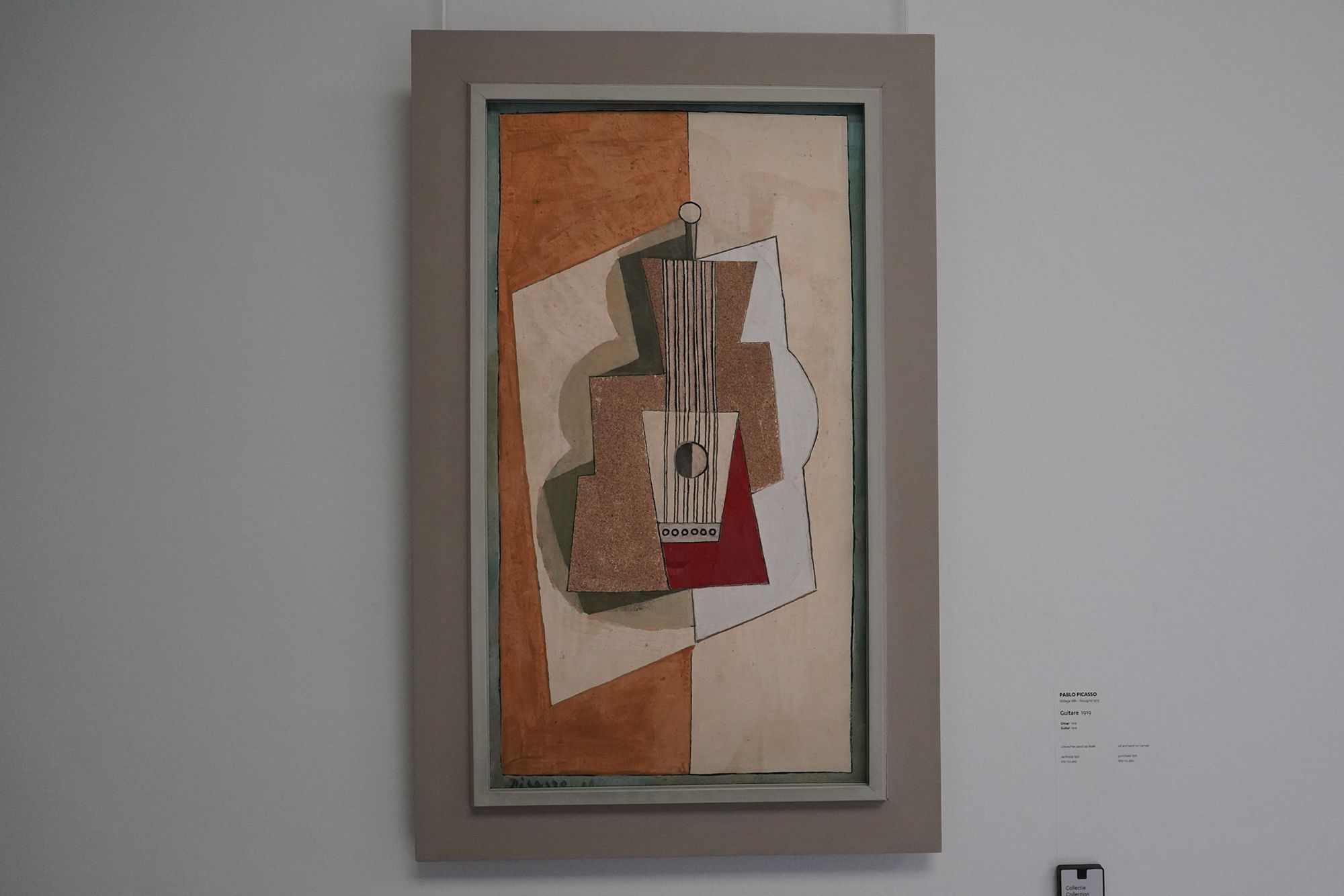
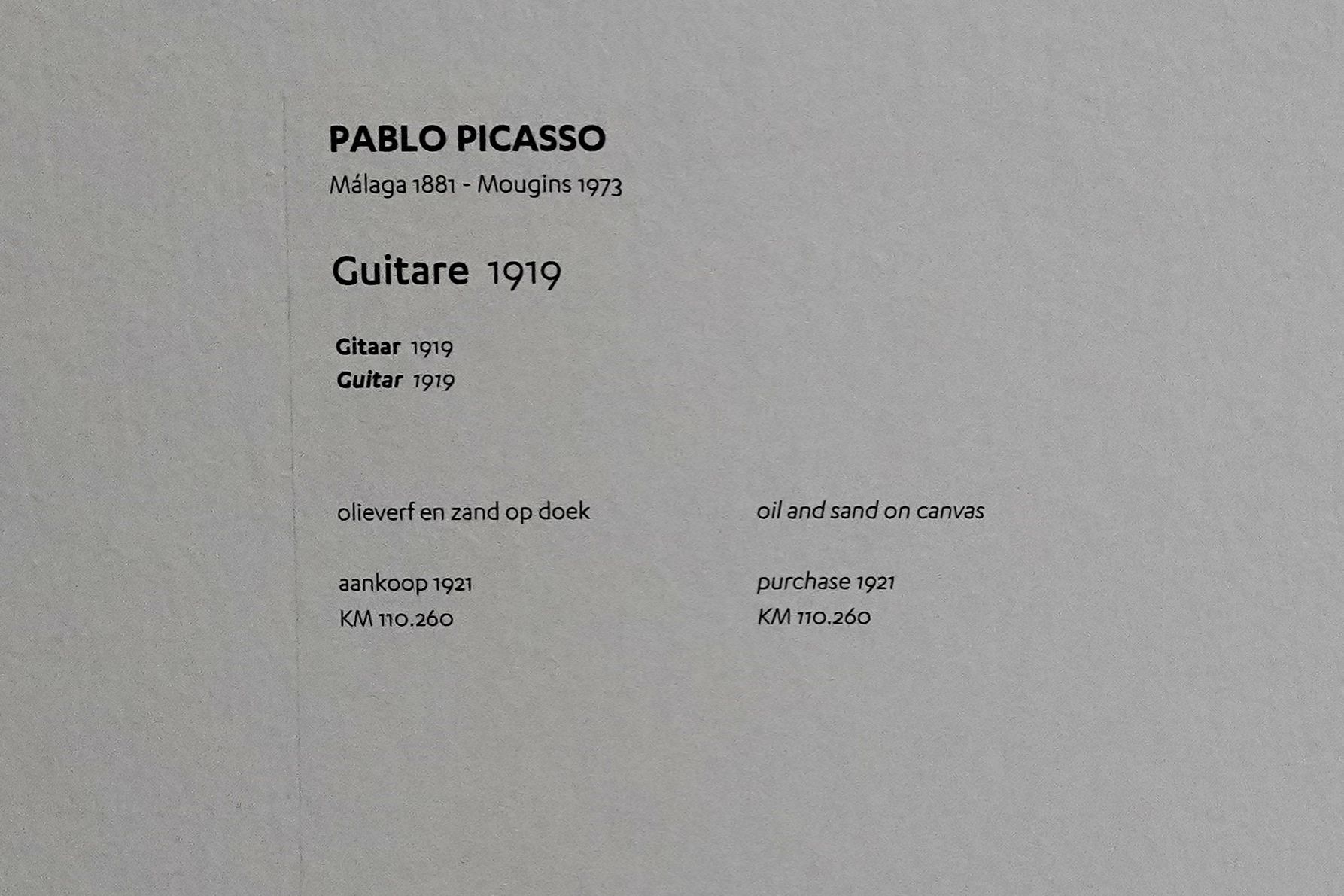
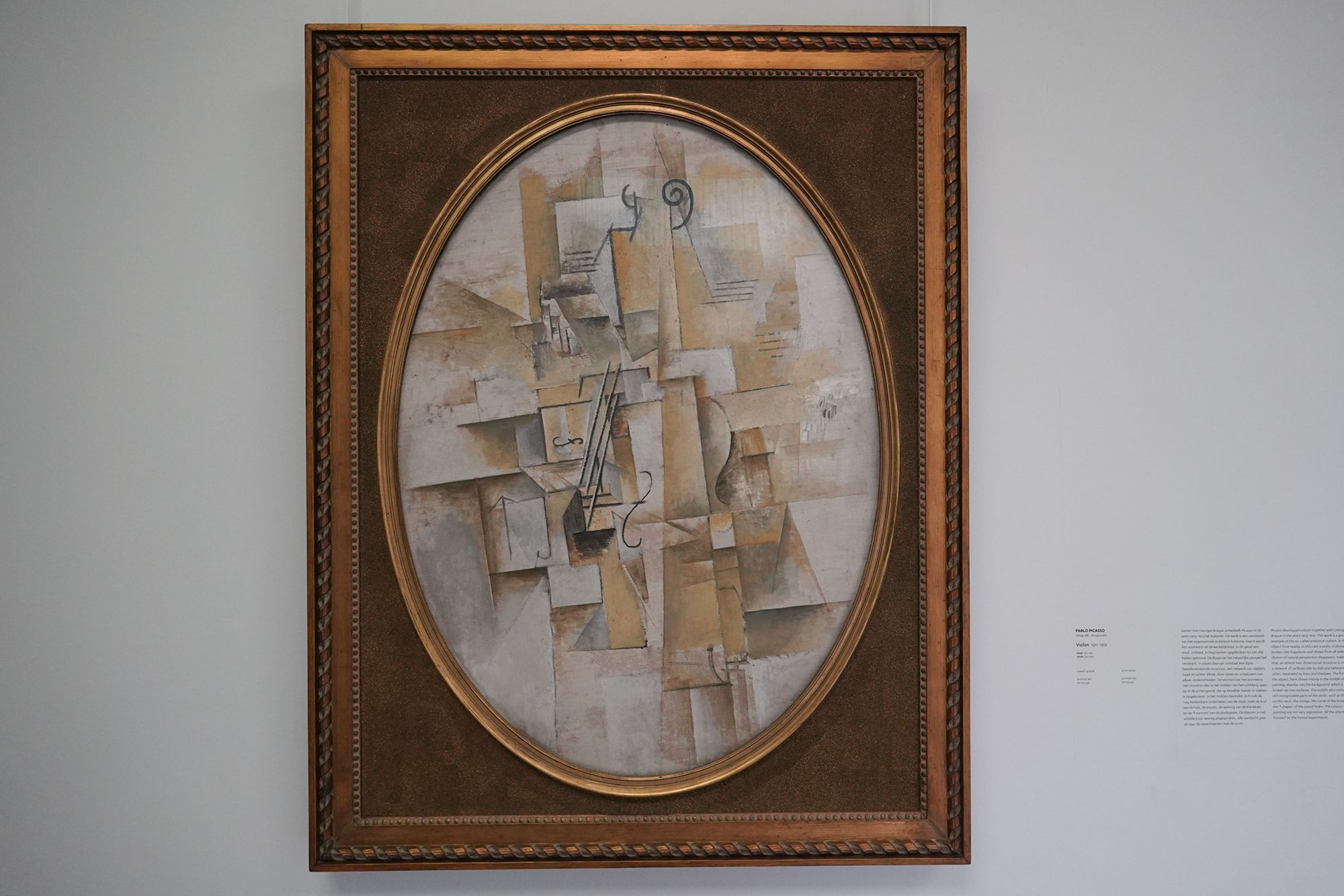
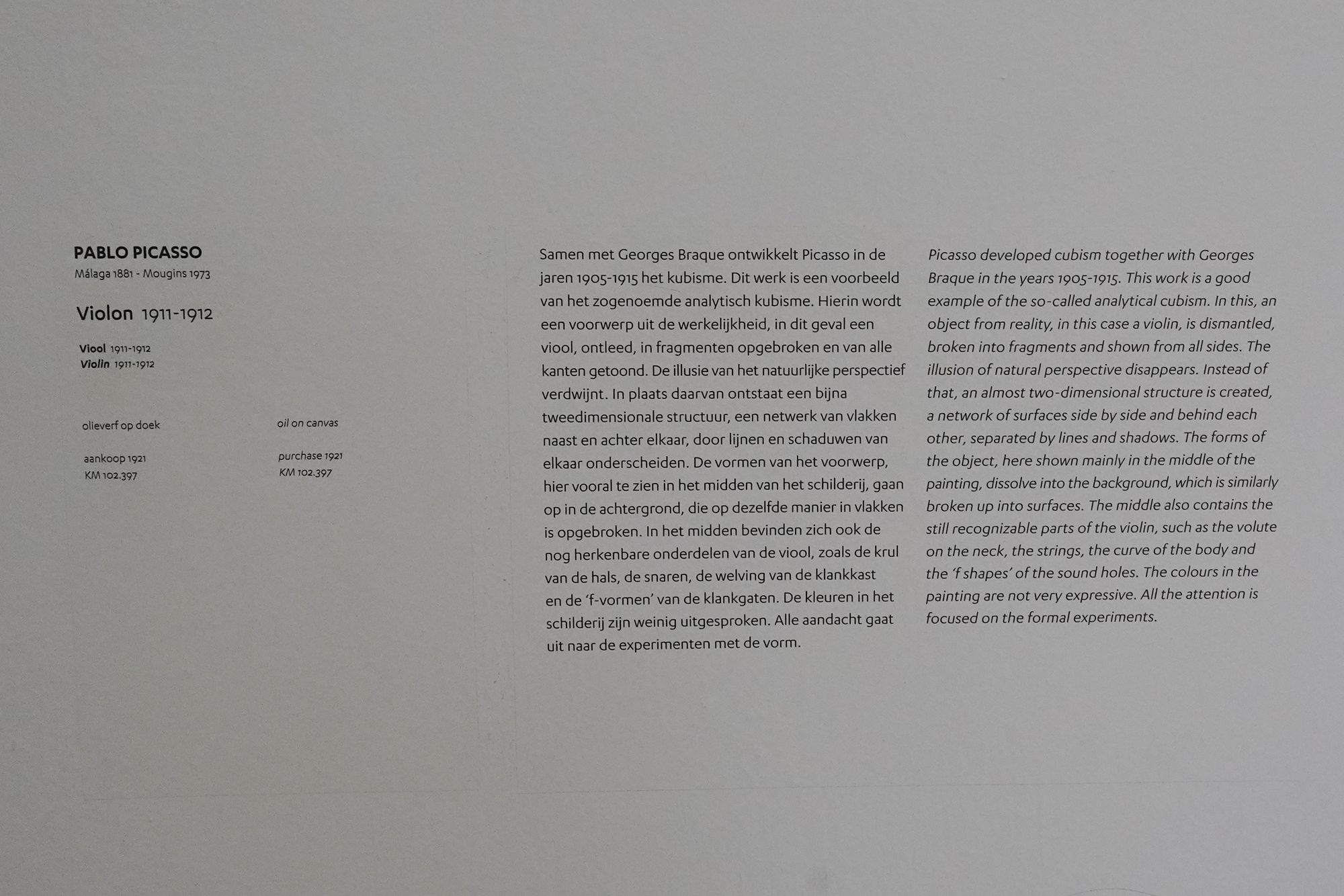
Pablo Picasso, together with Georges Braque, developed Cubism in the early 20th century. In this example of Analytical Cubism, Picasso breaks a violin into fragmented geometric forms and shows it from multiple viewpoints at once, eliminating traditional perspective. Parts of the instrument—its strings, curved body, neck, and sound holes—remain recognizable, while the restrained colors keep attention focused on Picasso’s radical experiment with form and space.
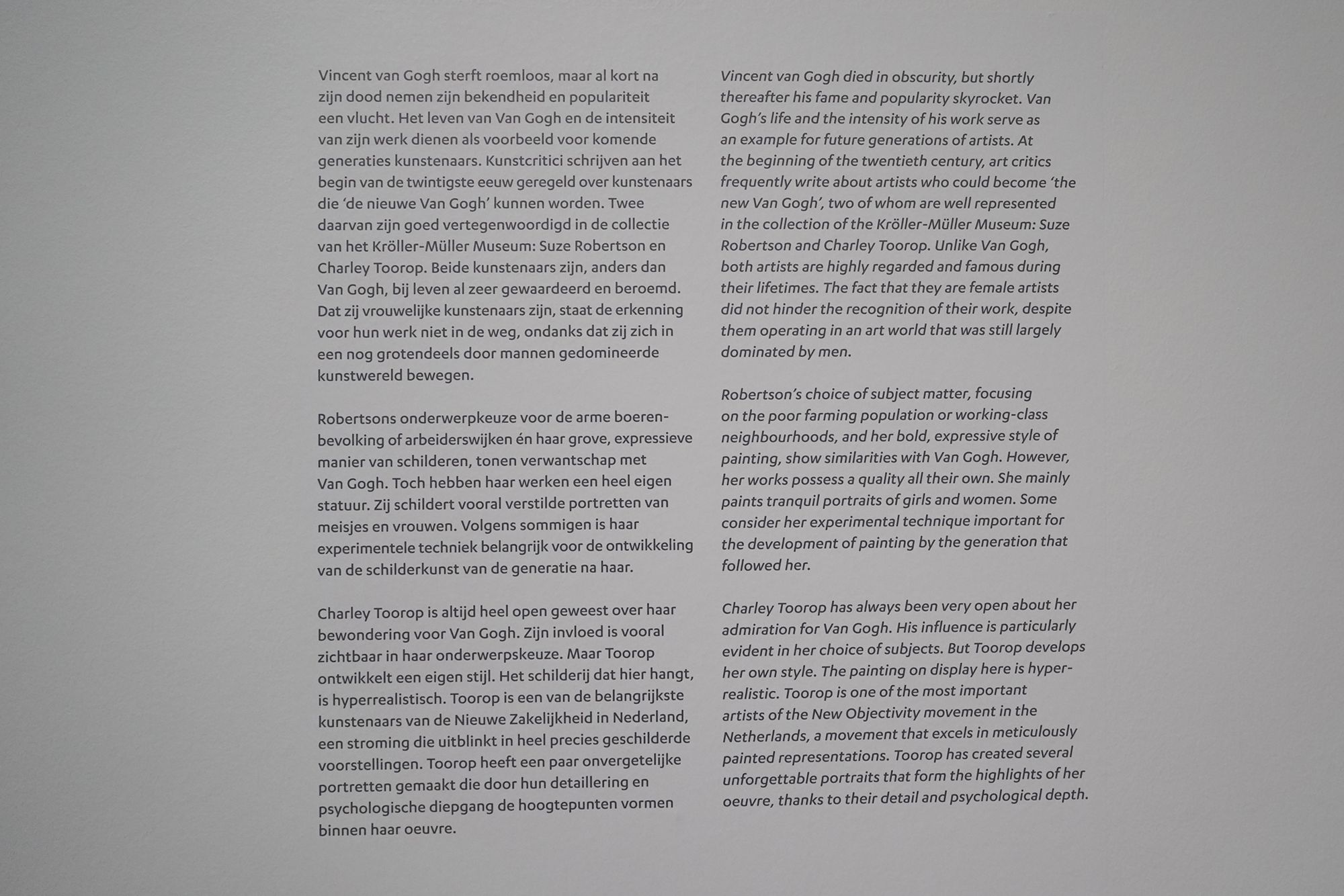
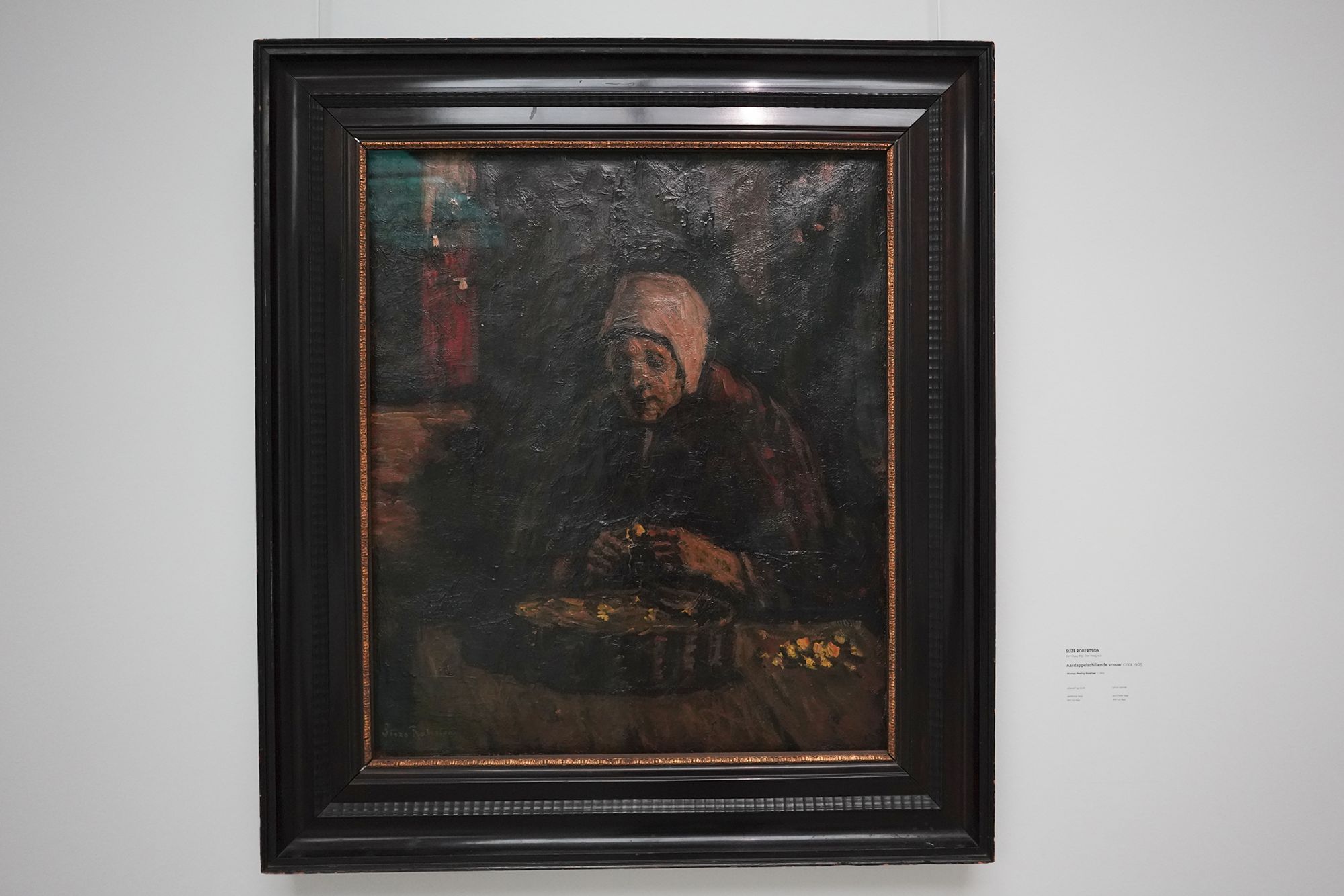
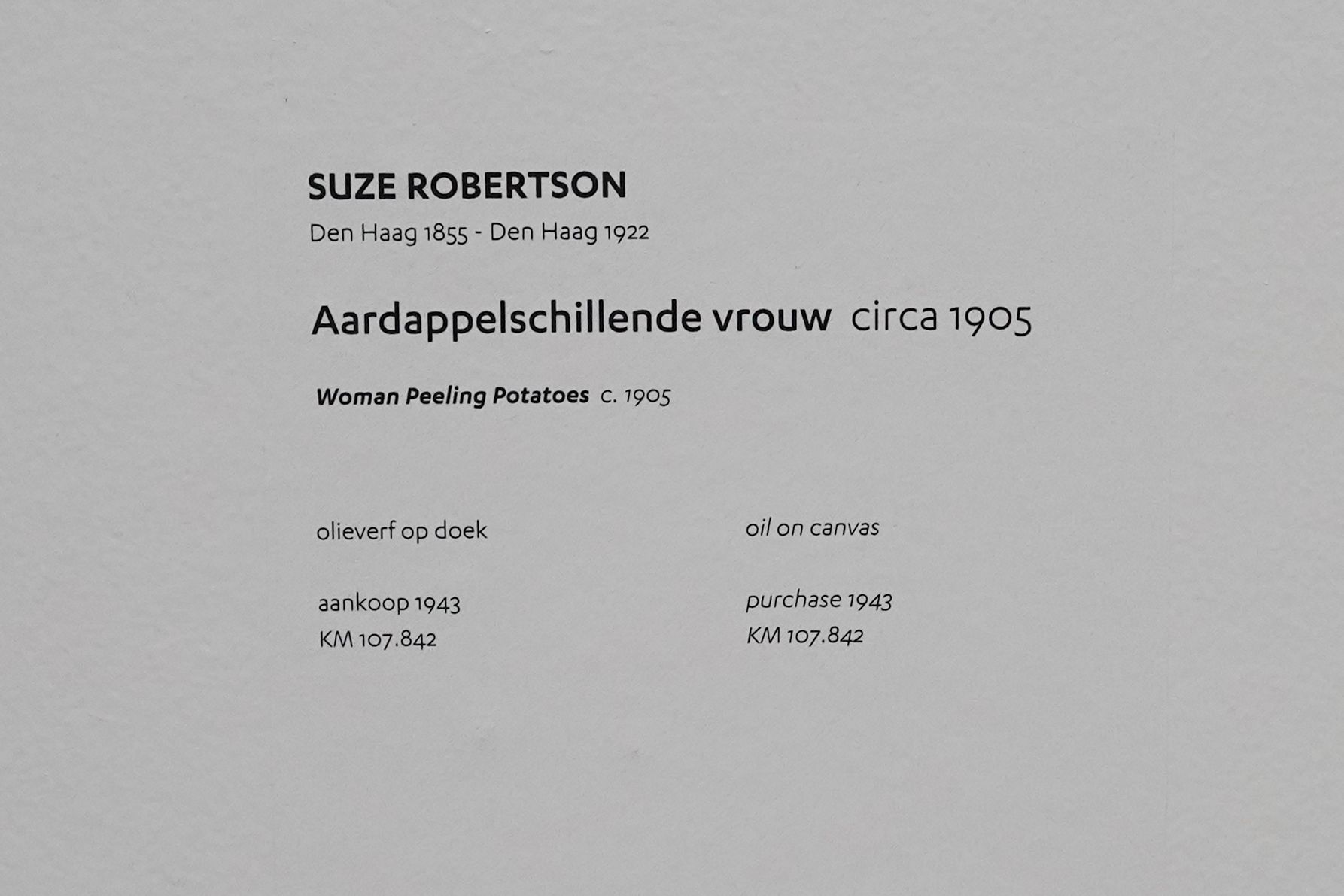
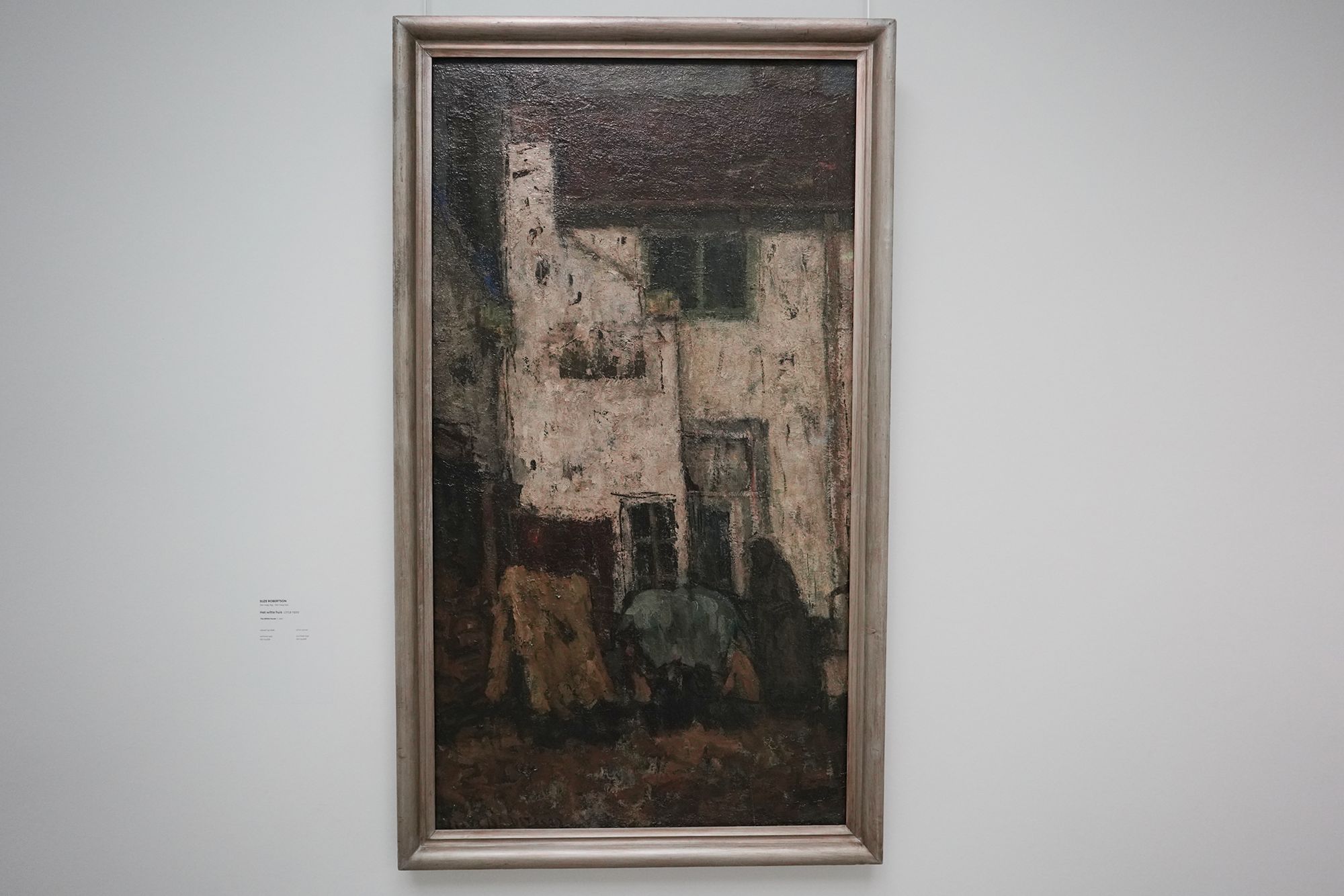
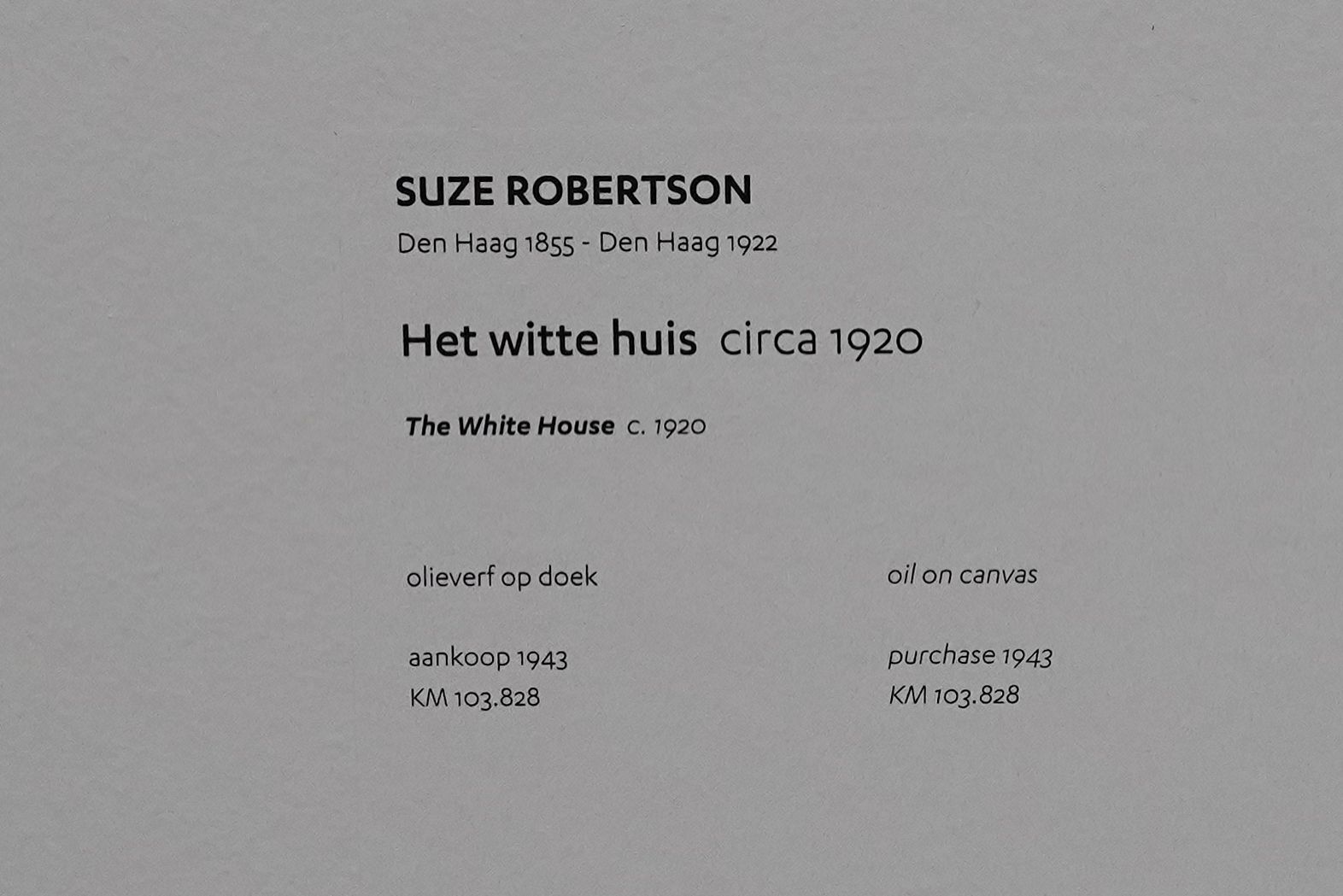
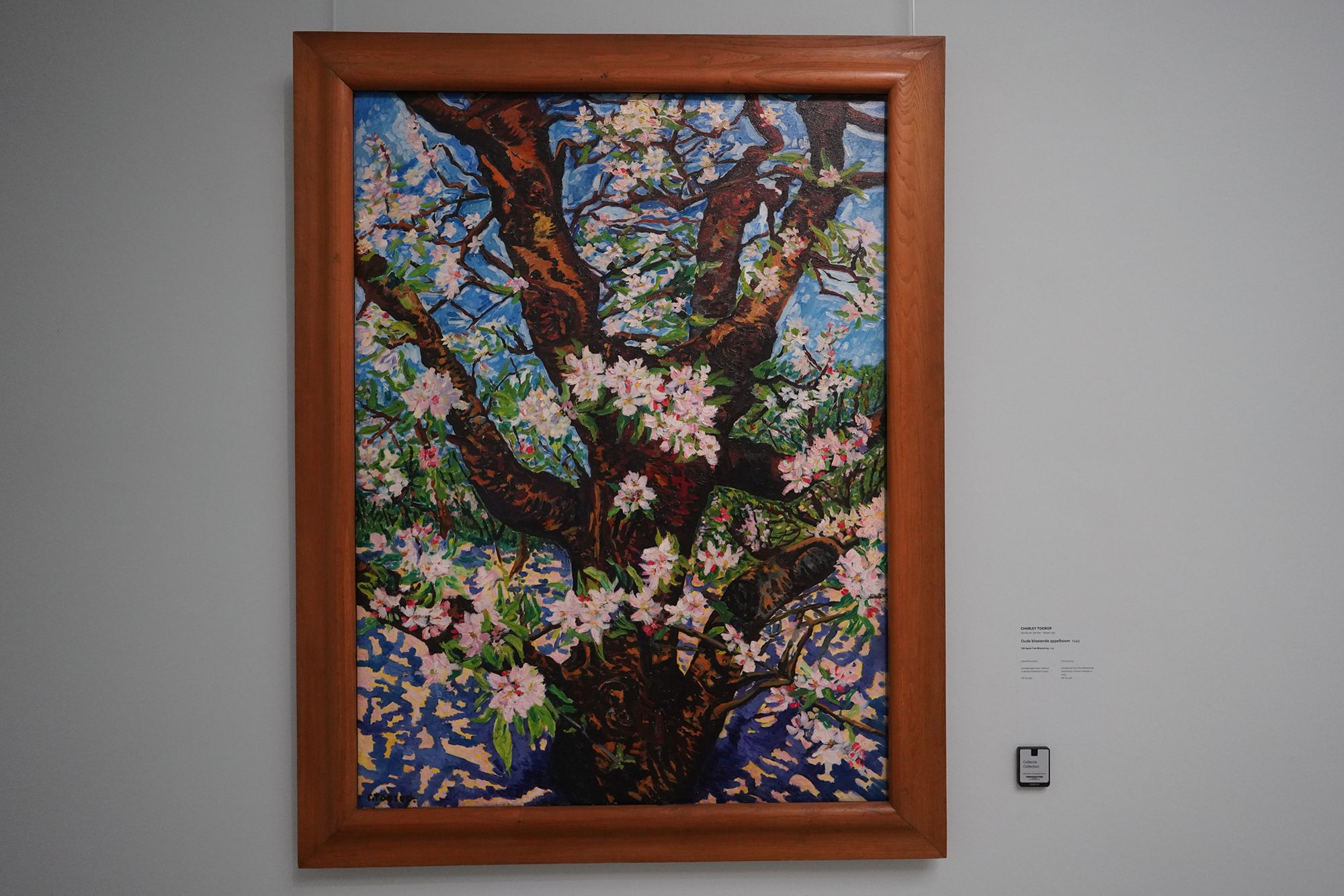
After Van Gogh’s death, his fame grew rapidly and his expressive style influenced a new generation of artists. Suze Robertson shared his interest in working-class subjects and bold painting, especially portraying women and girls, while developing a distinctive style of her own. Charley Toorop, an open admirer of Van Gogh, became an important Dutch New Objectivity artist, known for highly realistic portraits with remarkable detail and psychological depth. Both women achieved considerable recognition during their lifetimes despite working in a largely male-dominated art world.
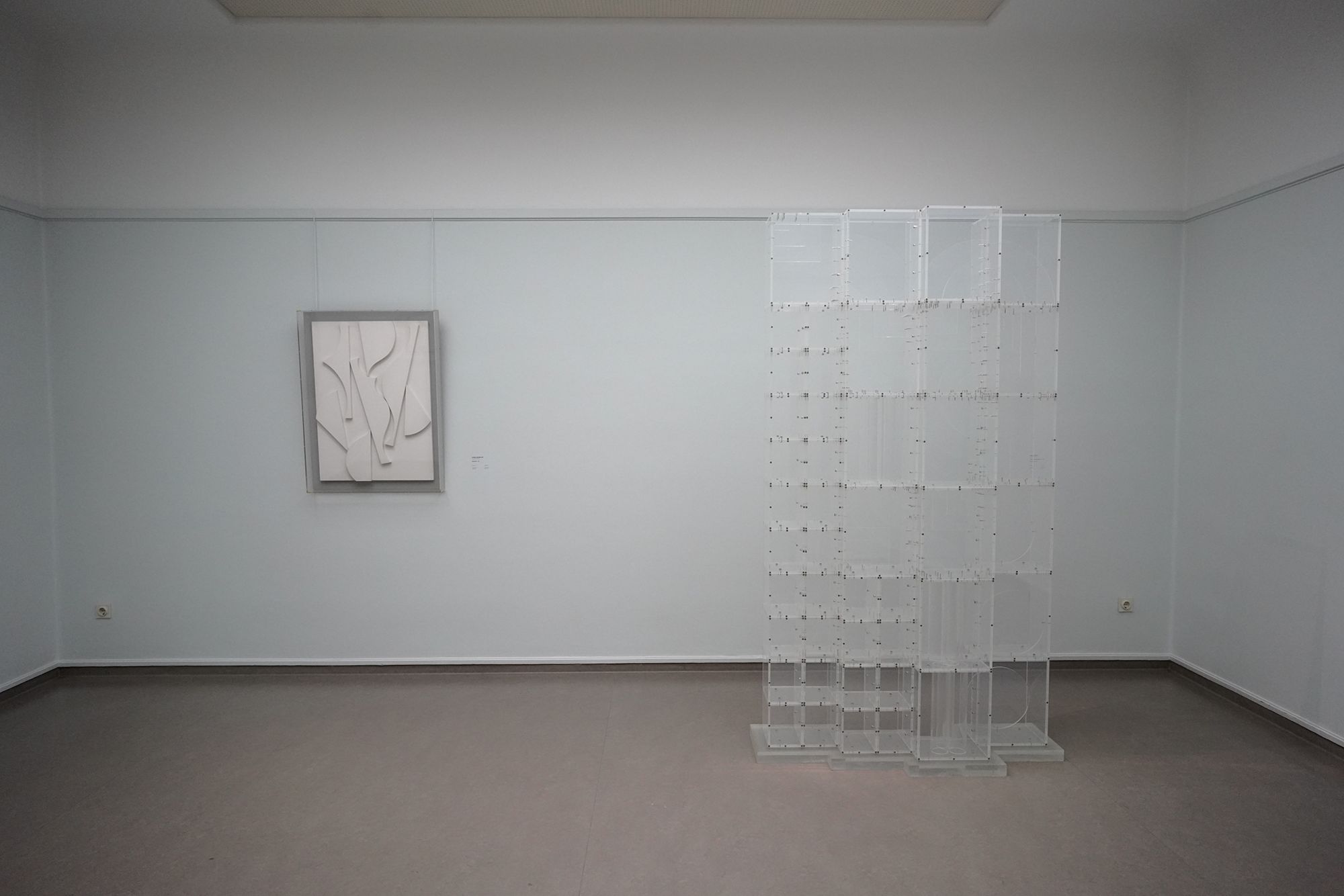
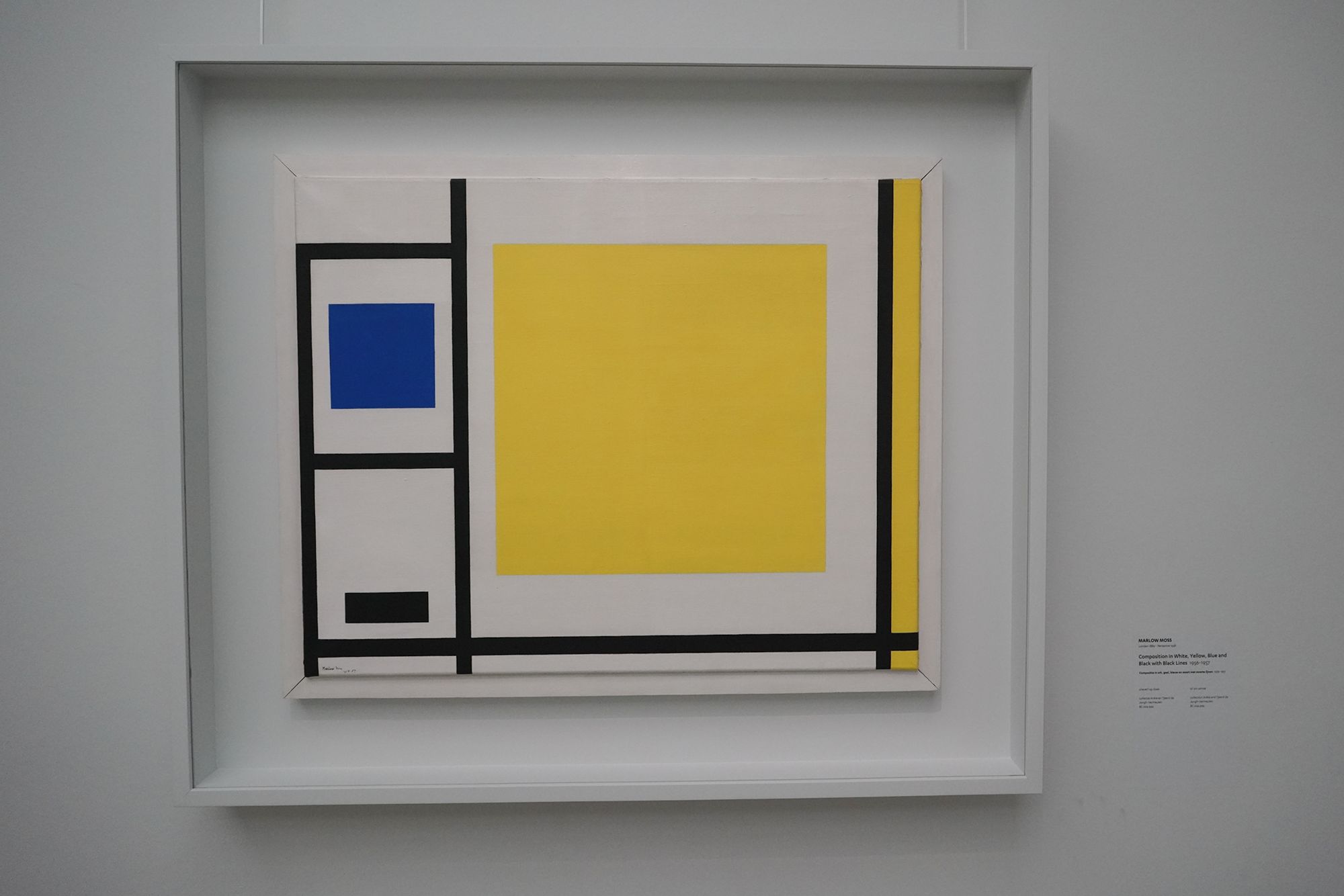
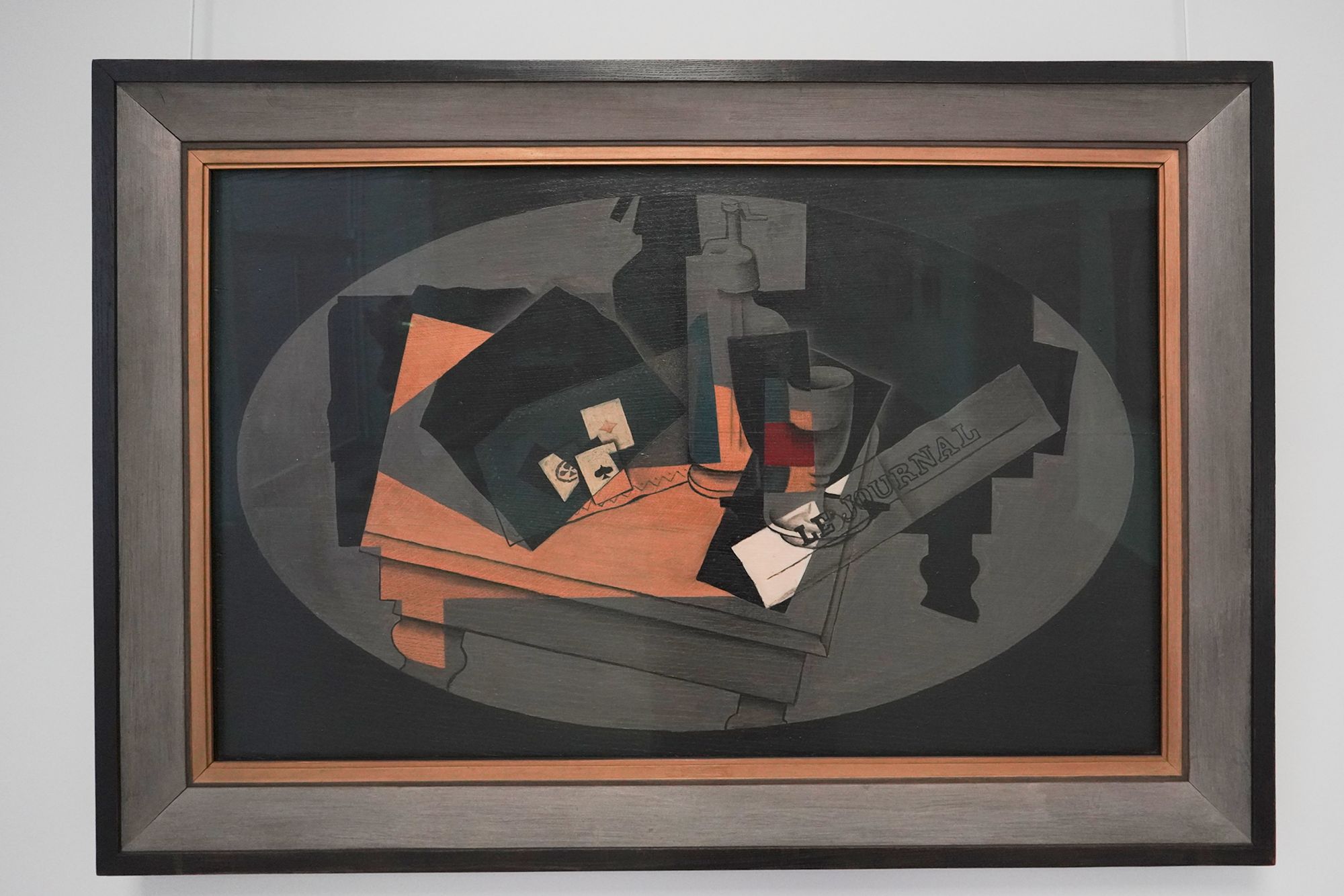
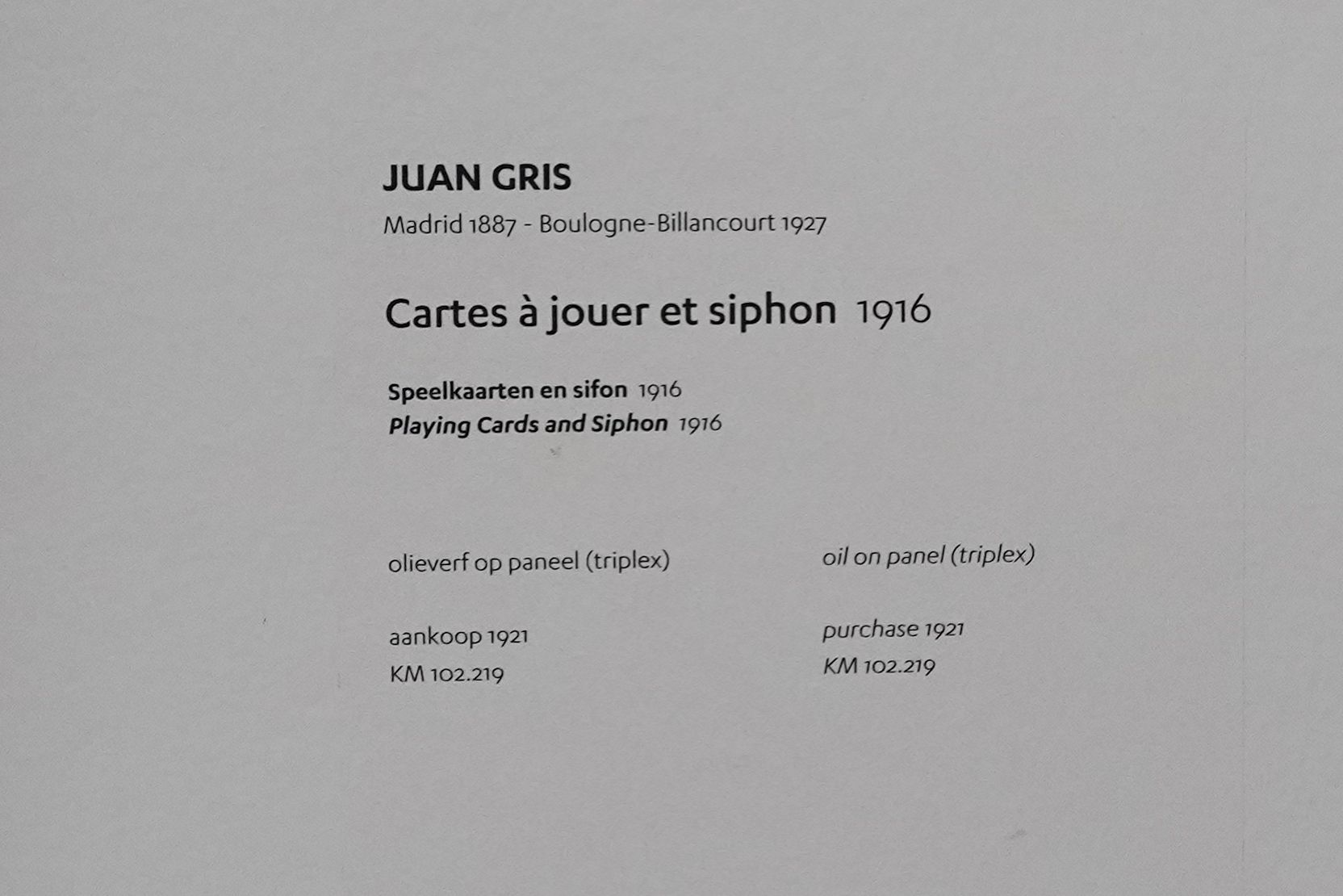
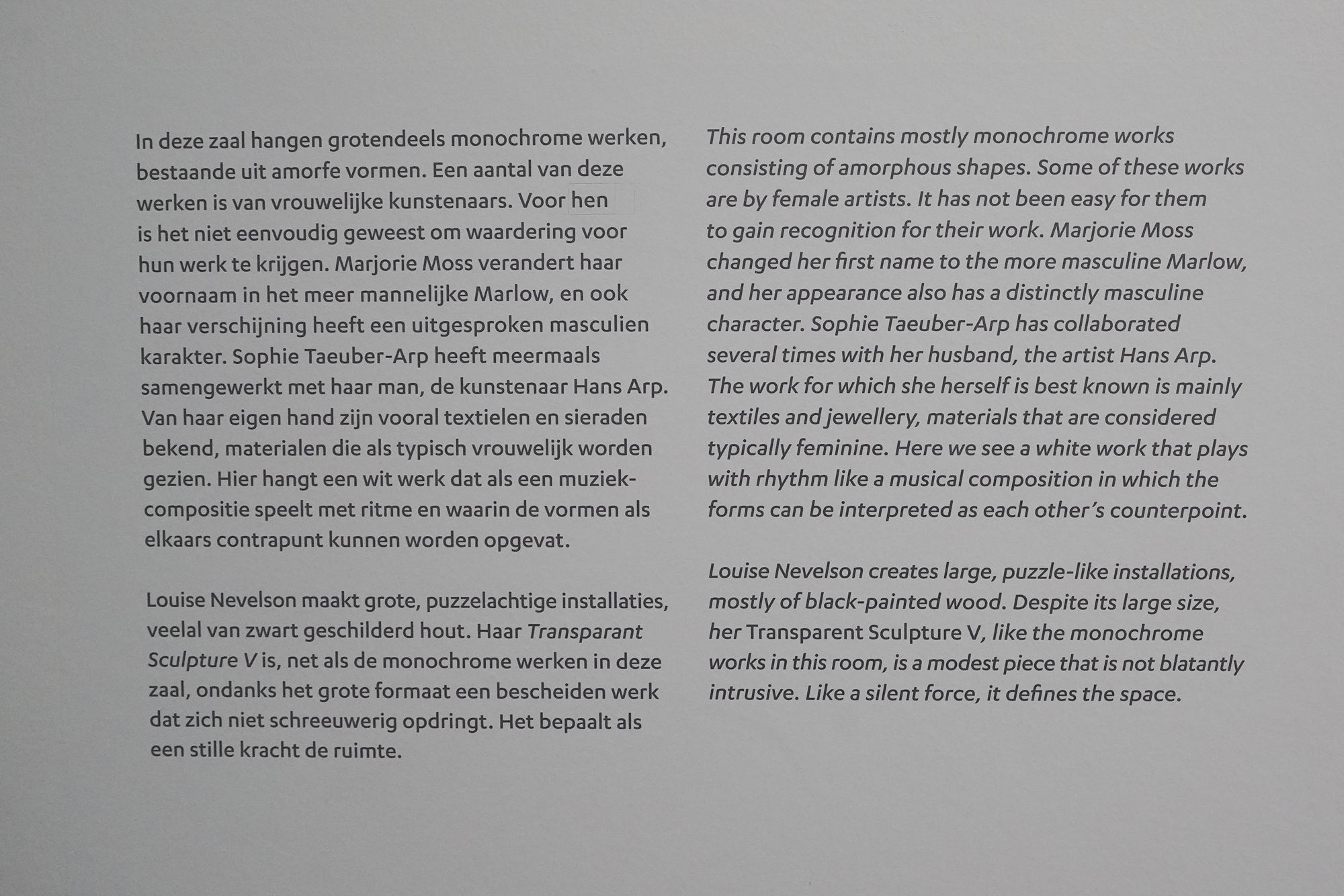
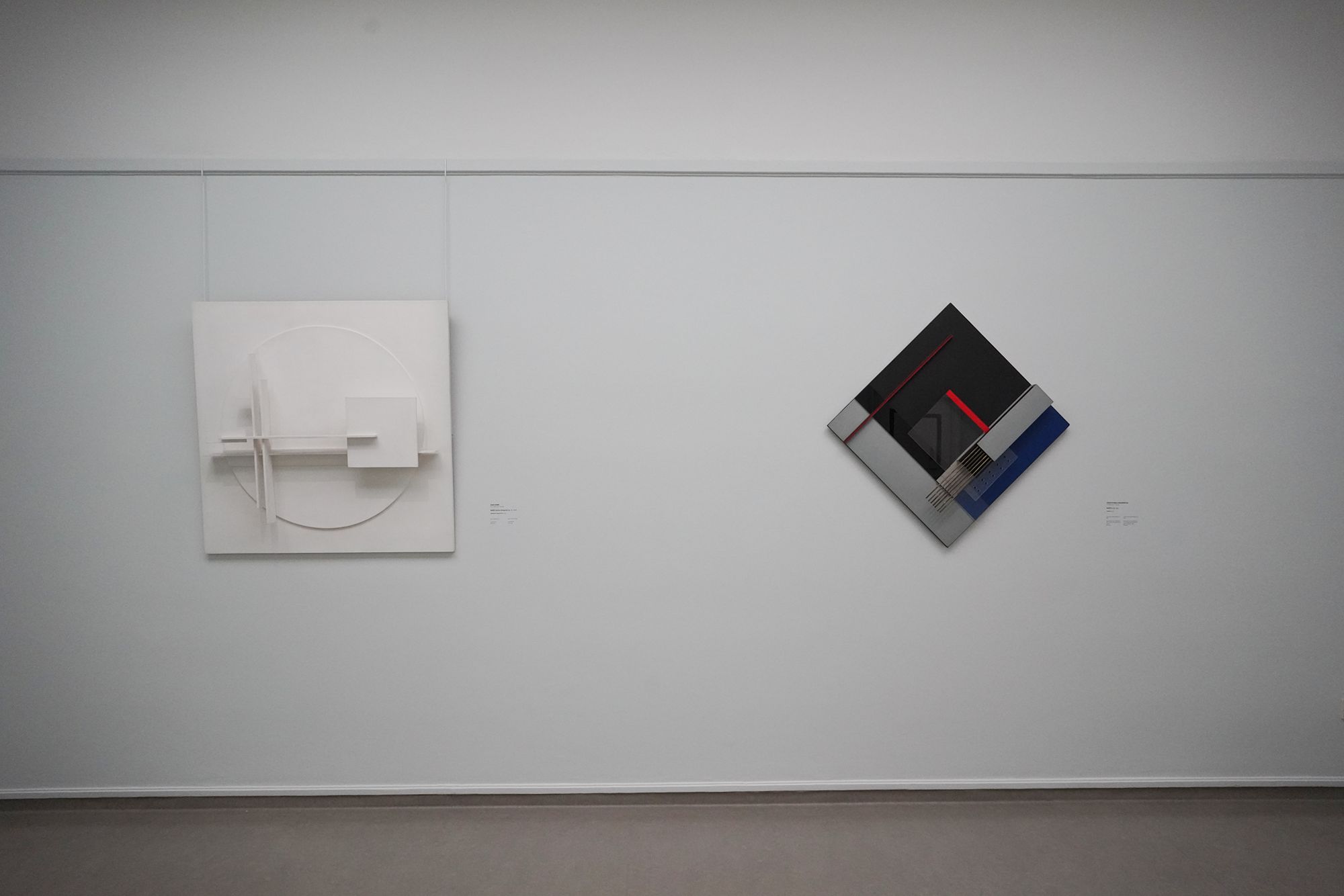
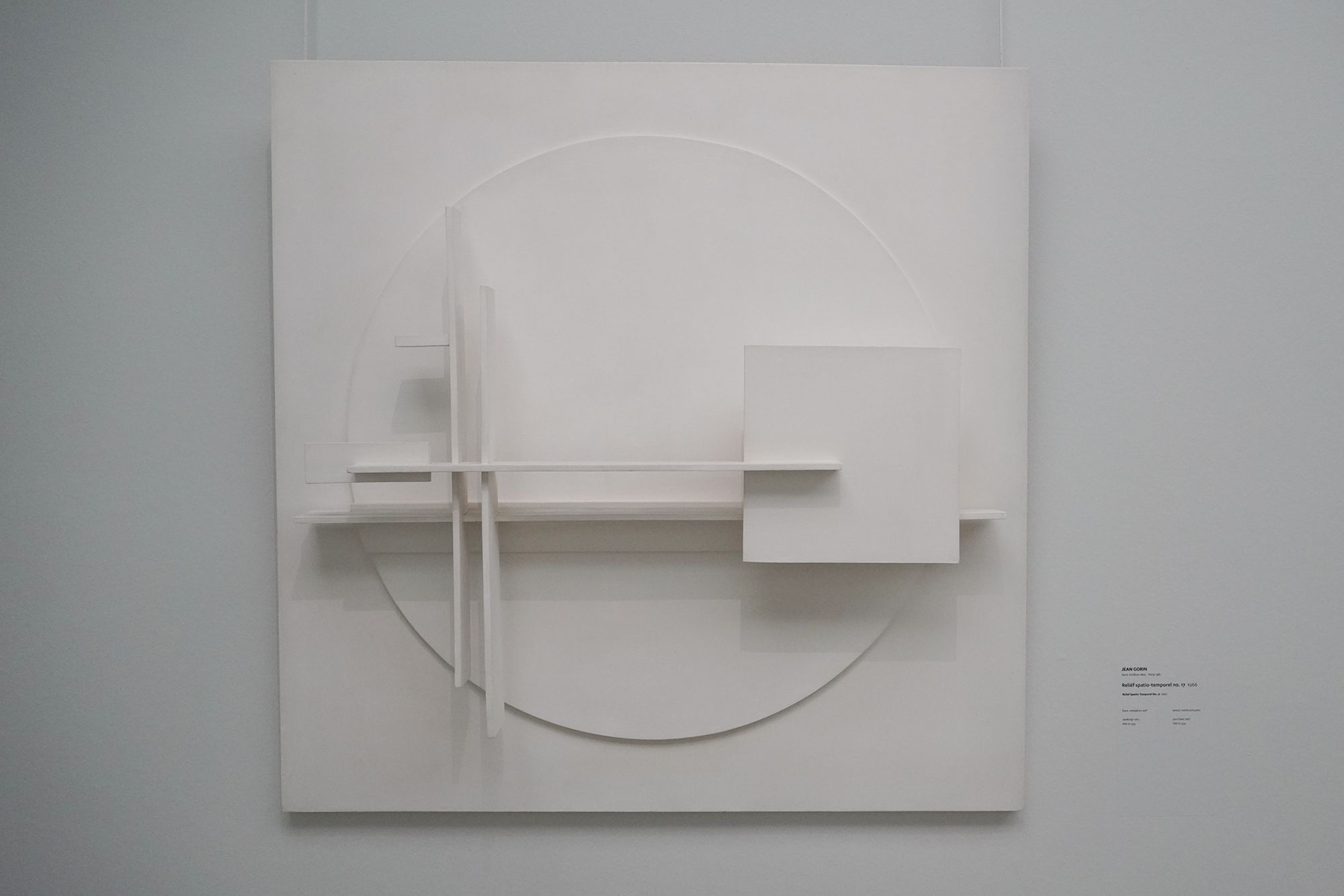
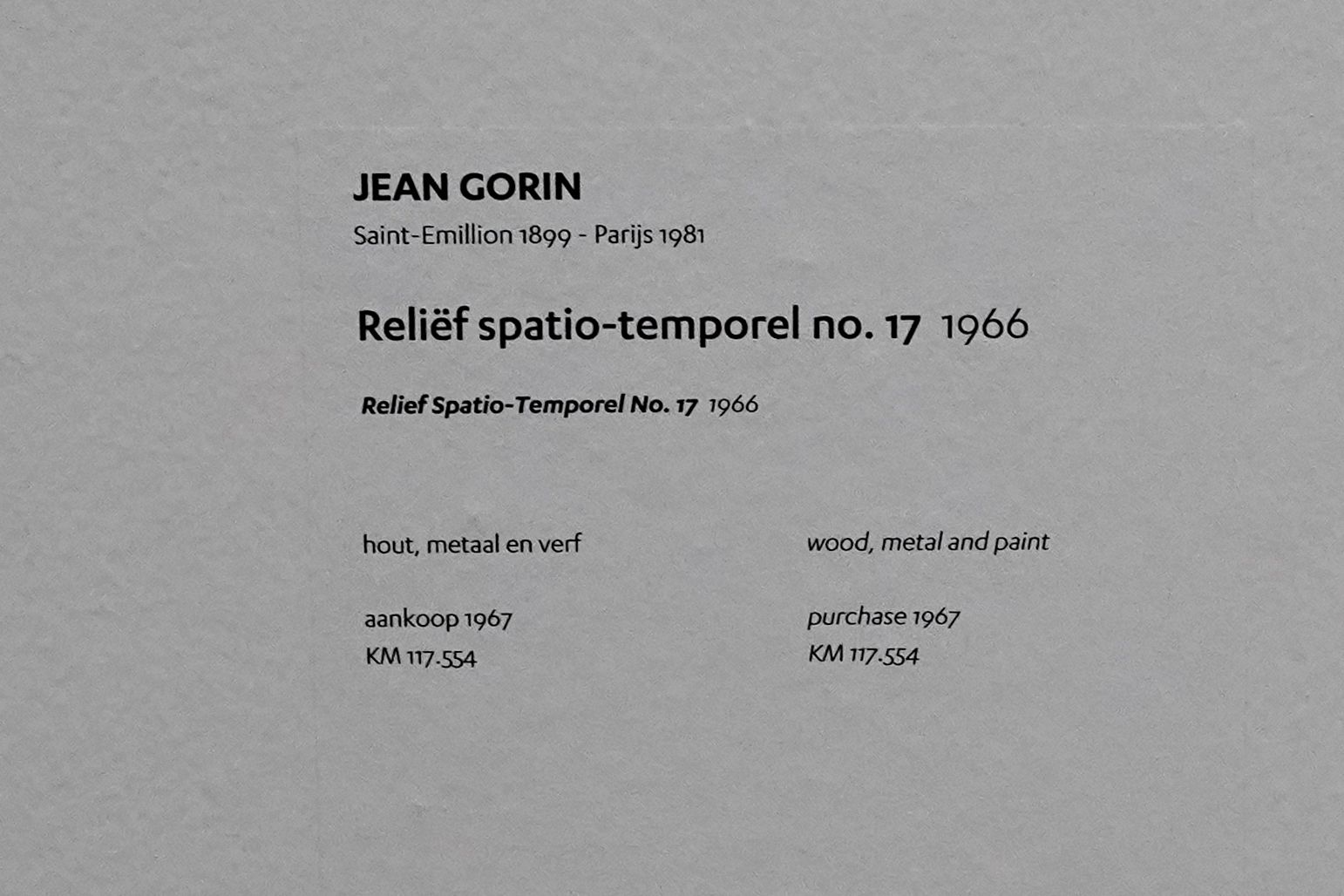
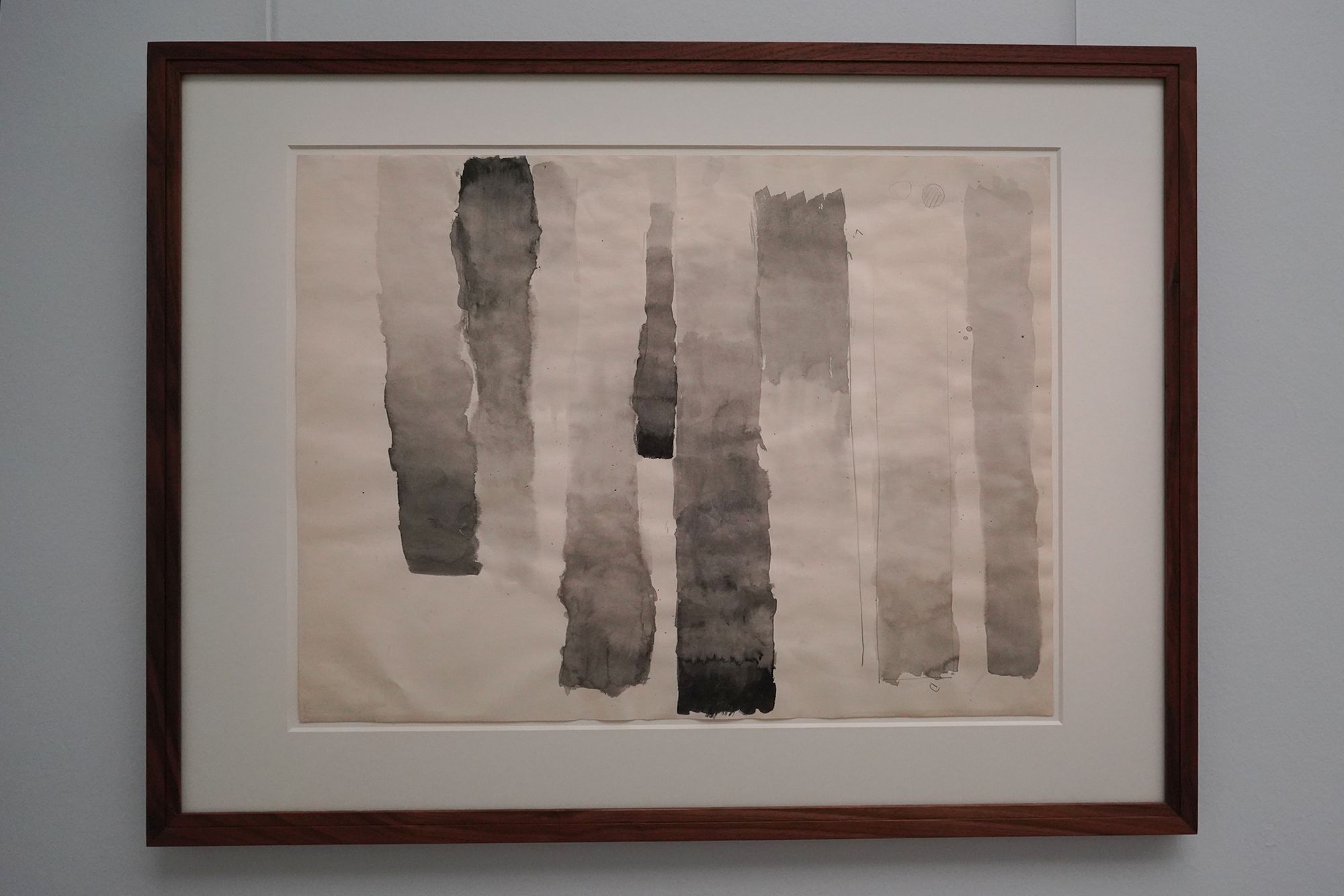
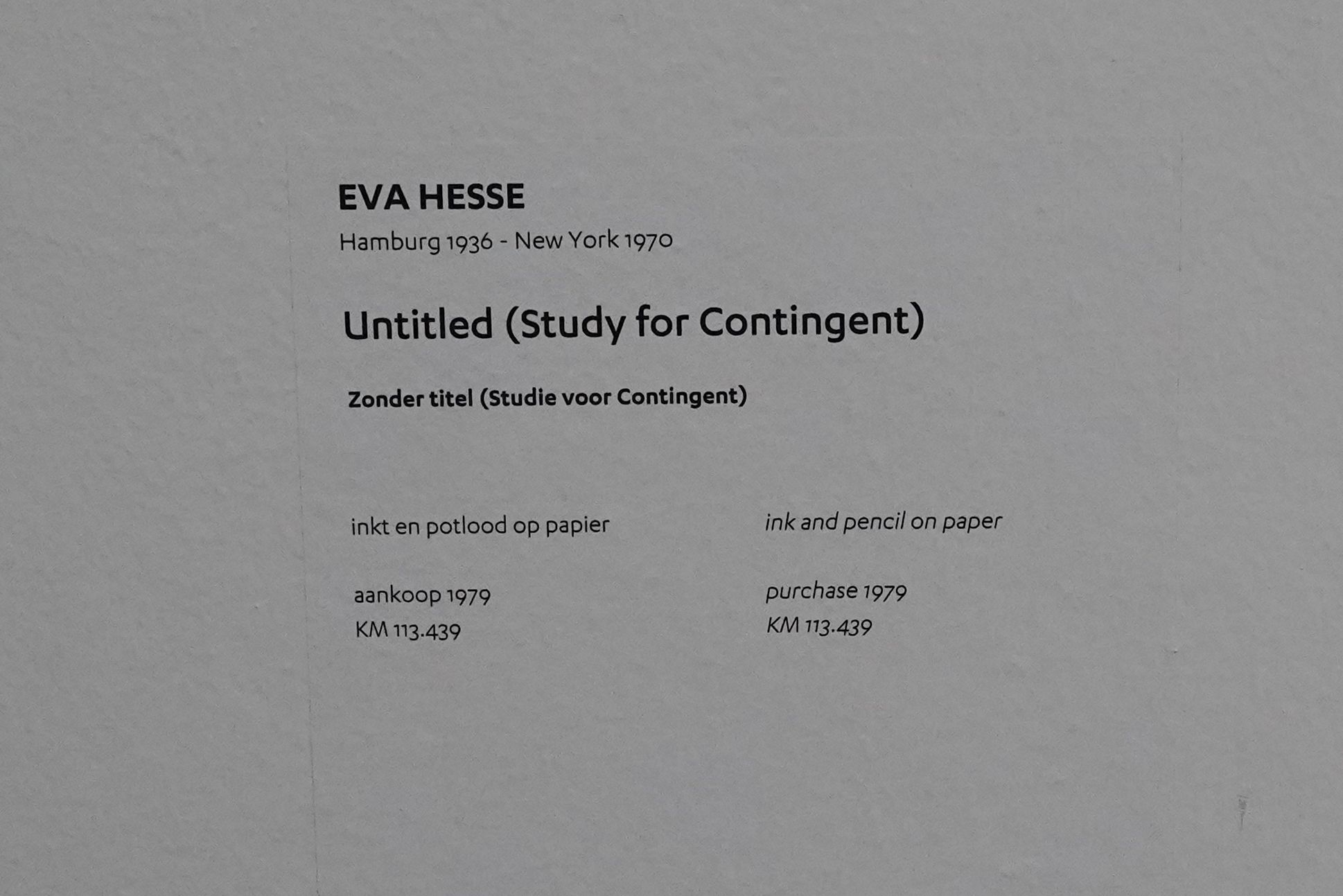
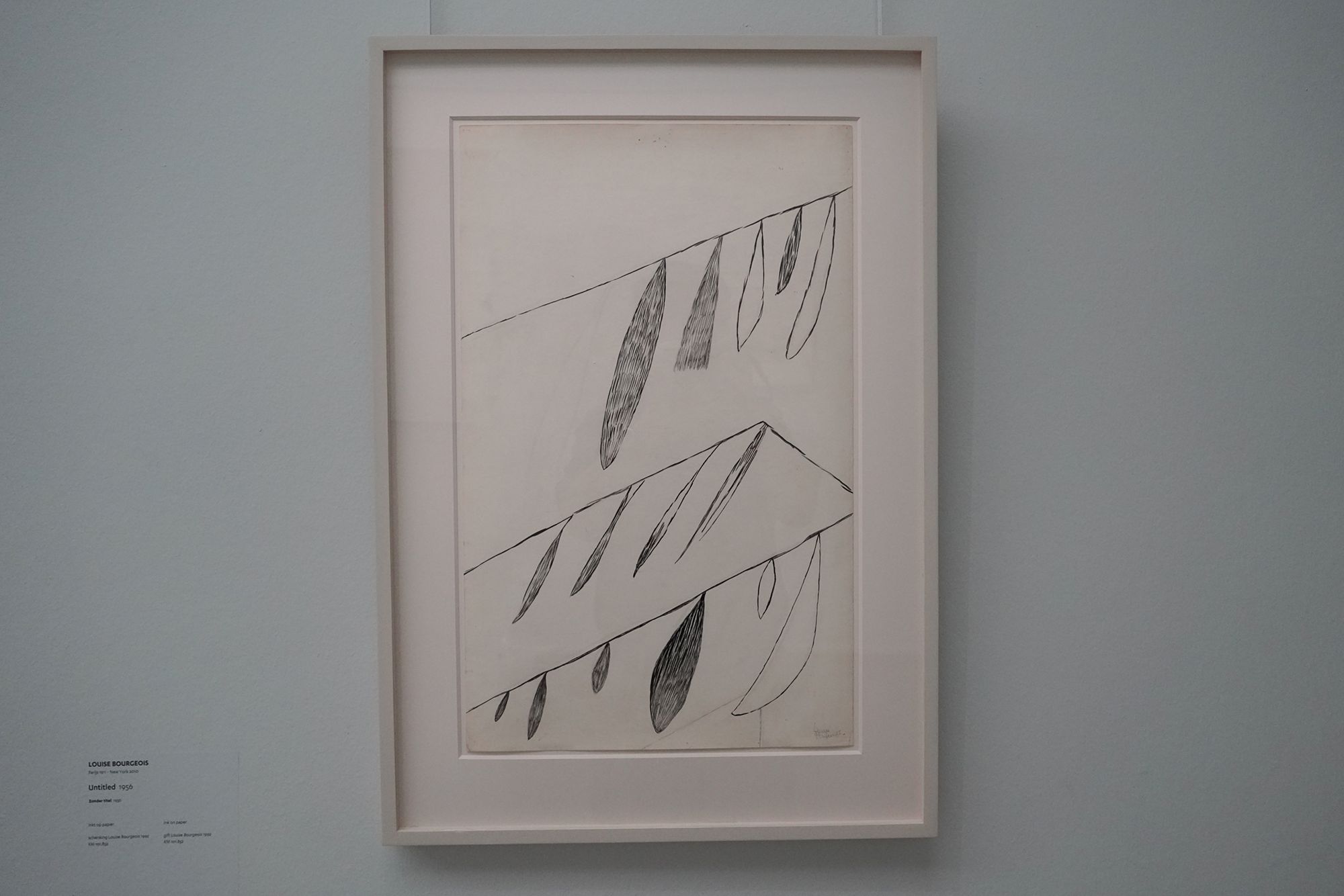
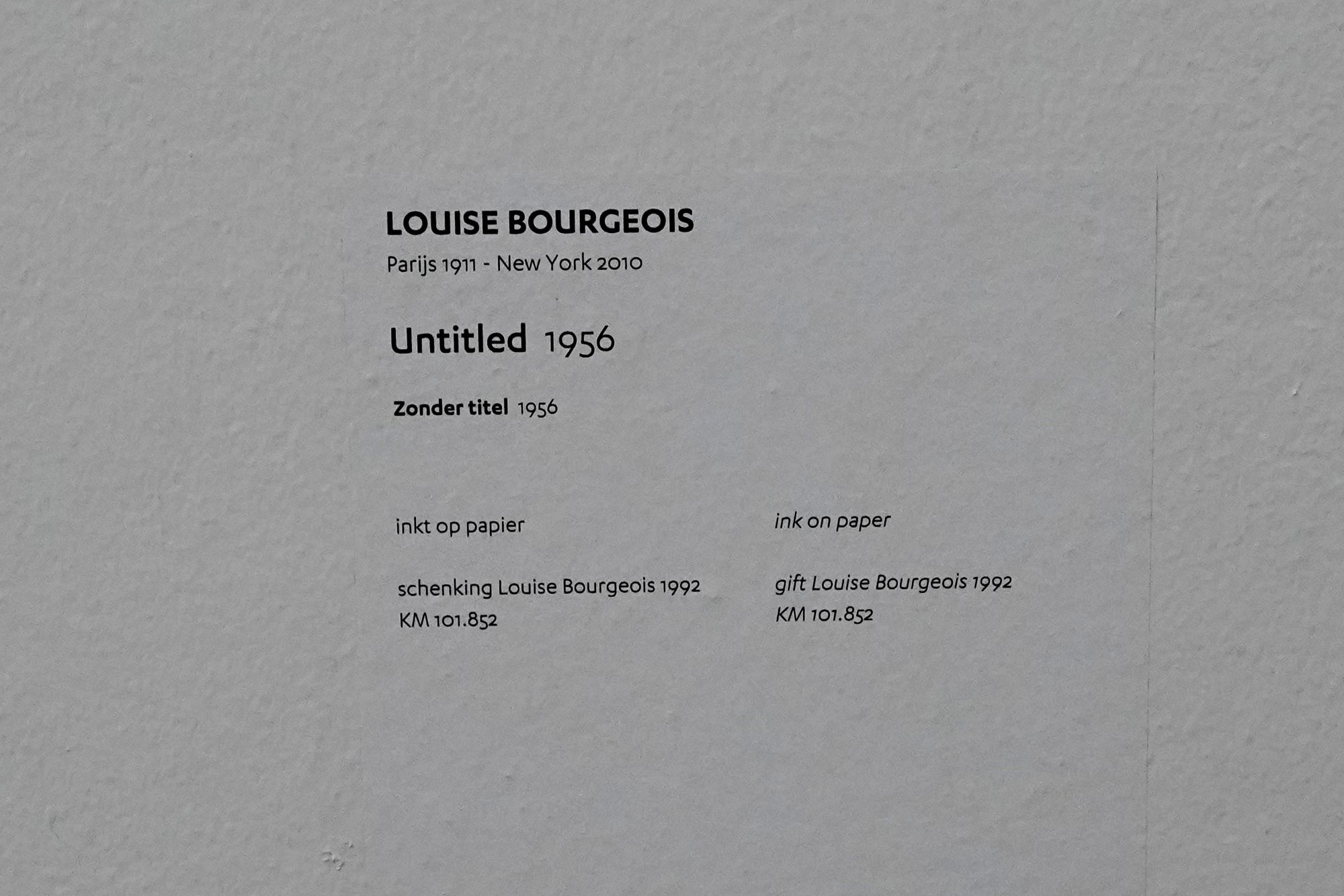
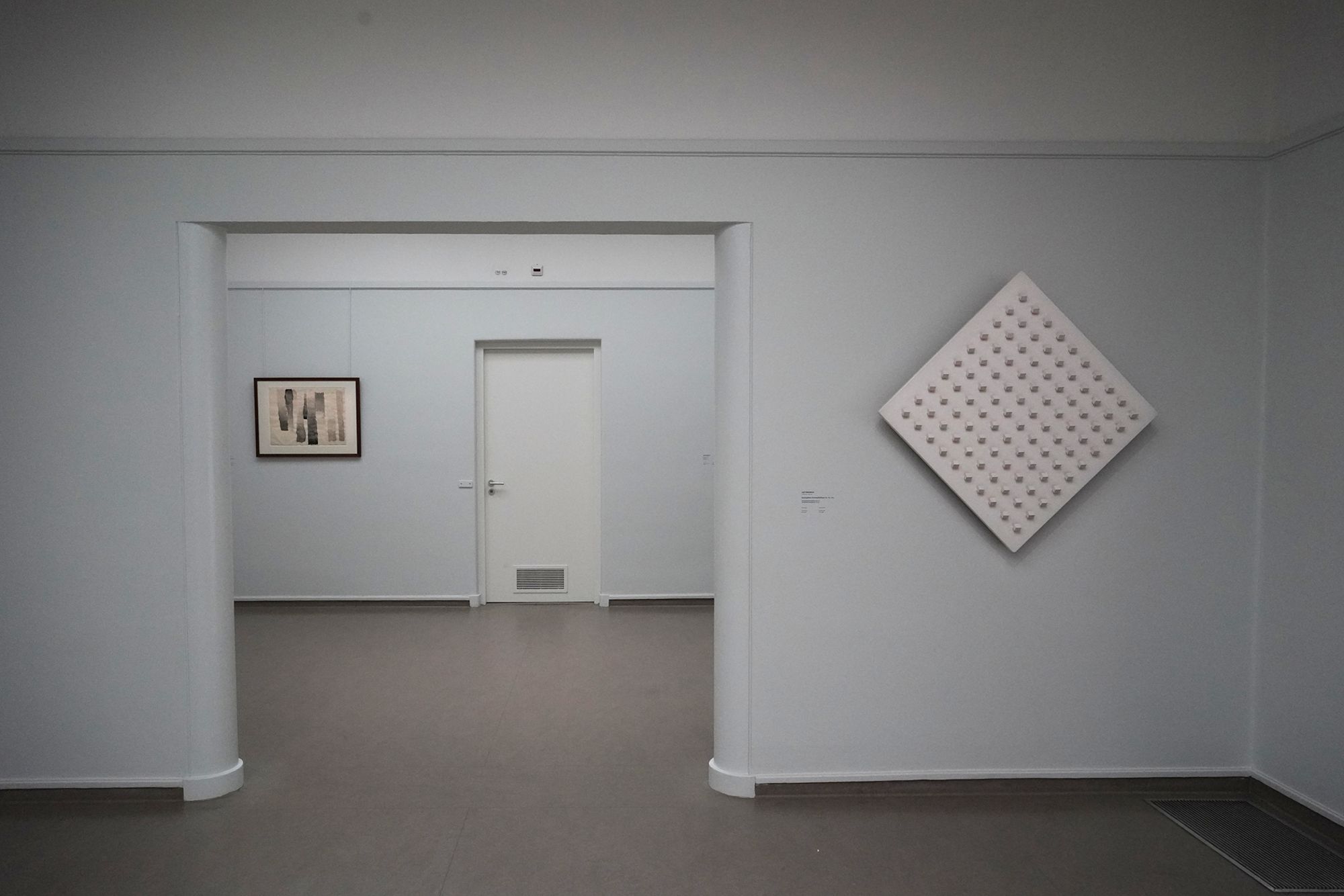
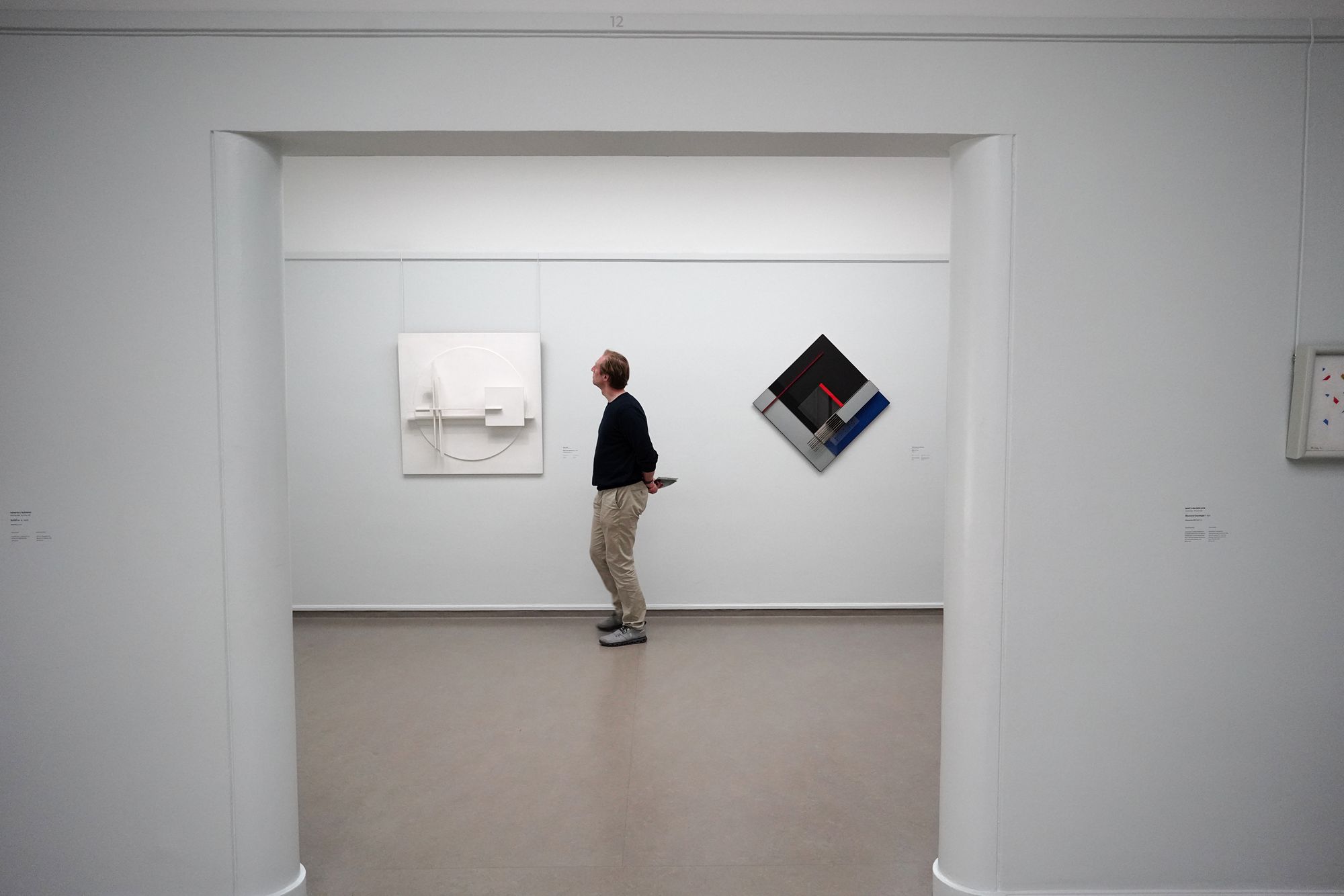
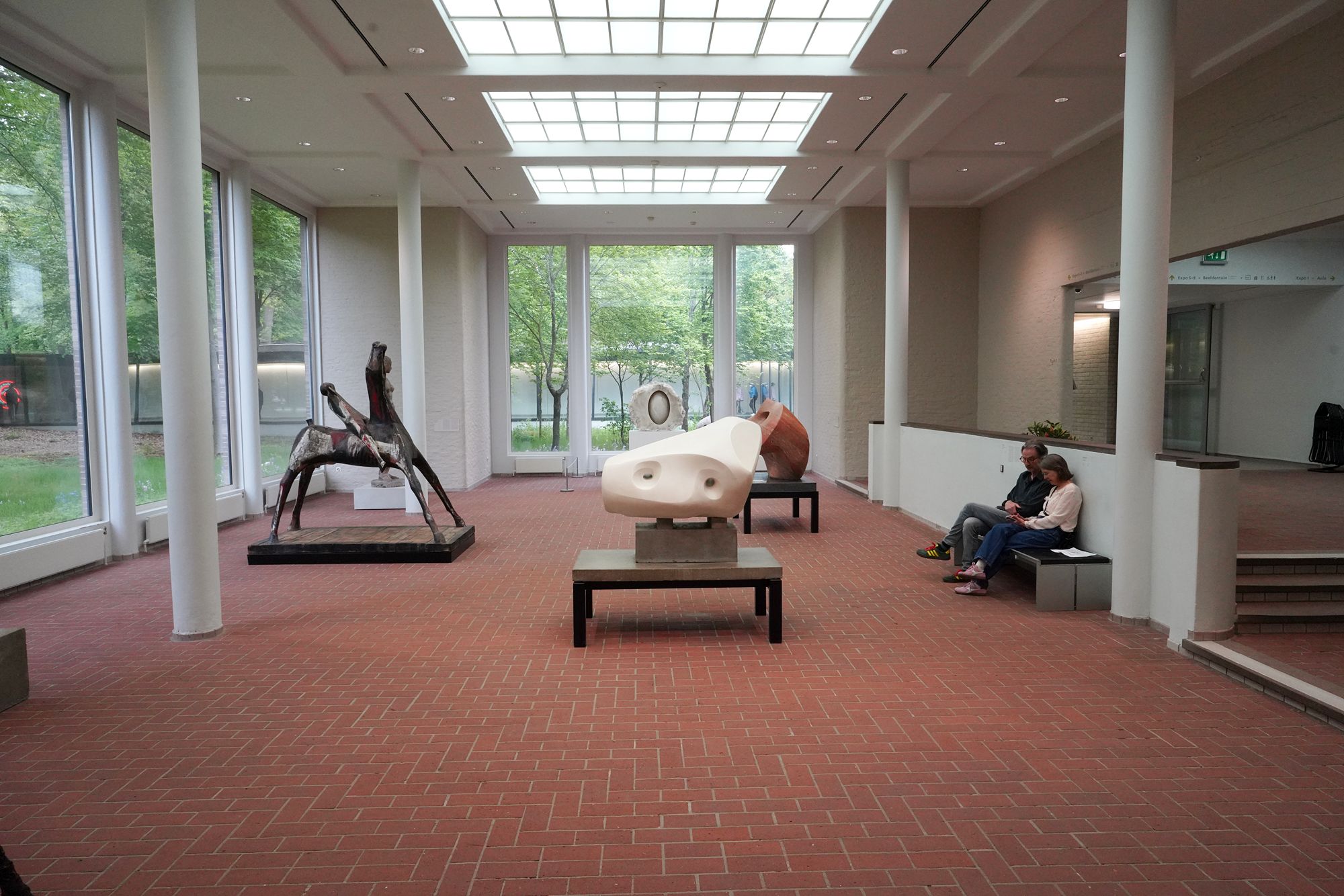
This gallery brings together mostly monochrome, abstract works, including pieces by several important women artists. Marlow Moss created rigorous geometric abstractions, while Sophie Taeuber-Arp combined abstract forms with a sense of musical rhythm and balance. Louise Nevelson became famous for monumental, puzzle-like sculptures assembled from wood and often painted entirely black. Together, their works demonstrate how women contributed significantly to the development of modern abstract art, despite often struggling for recognition.
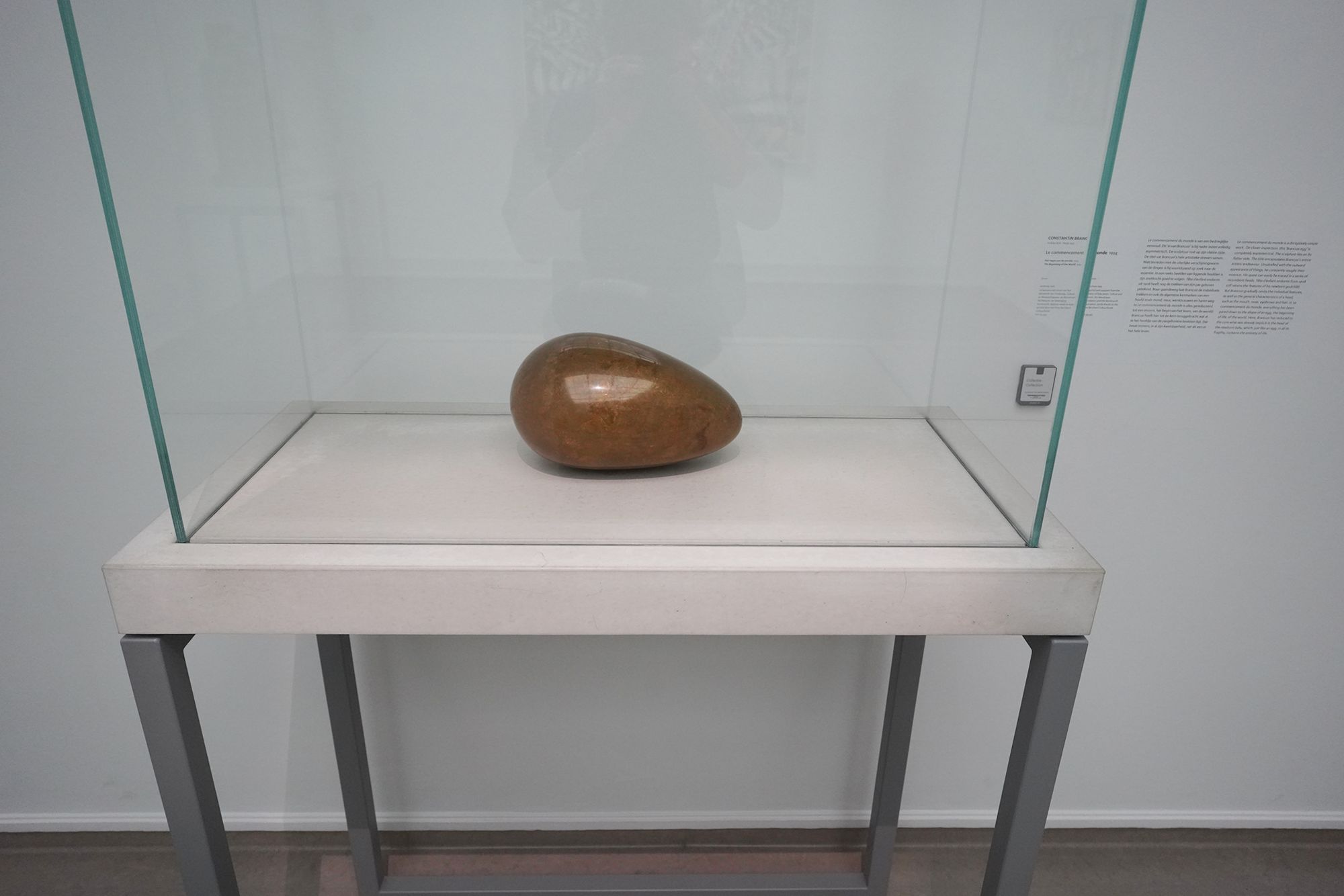
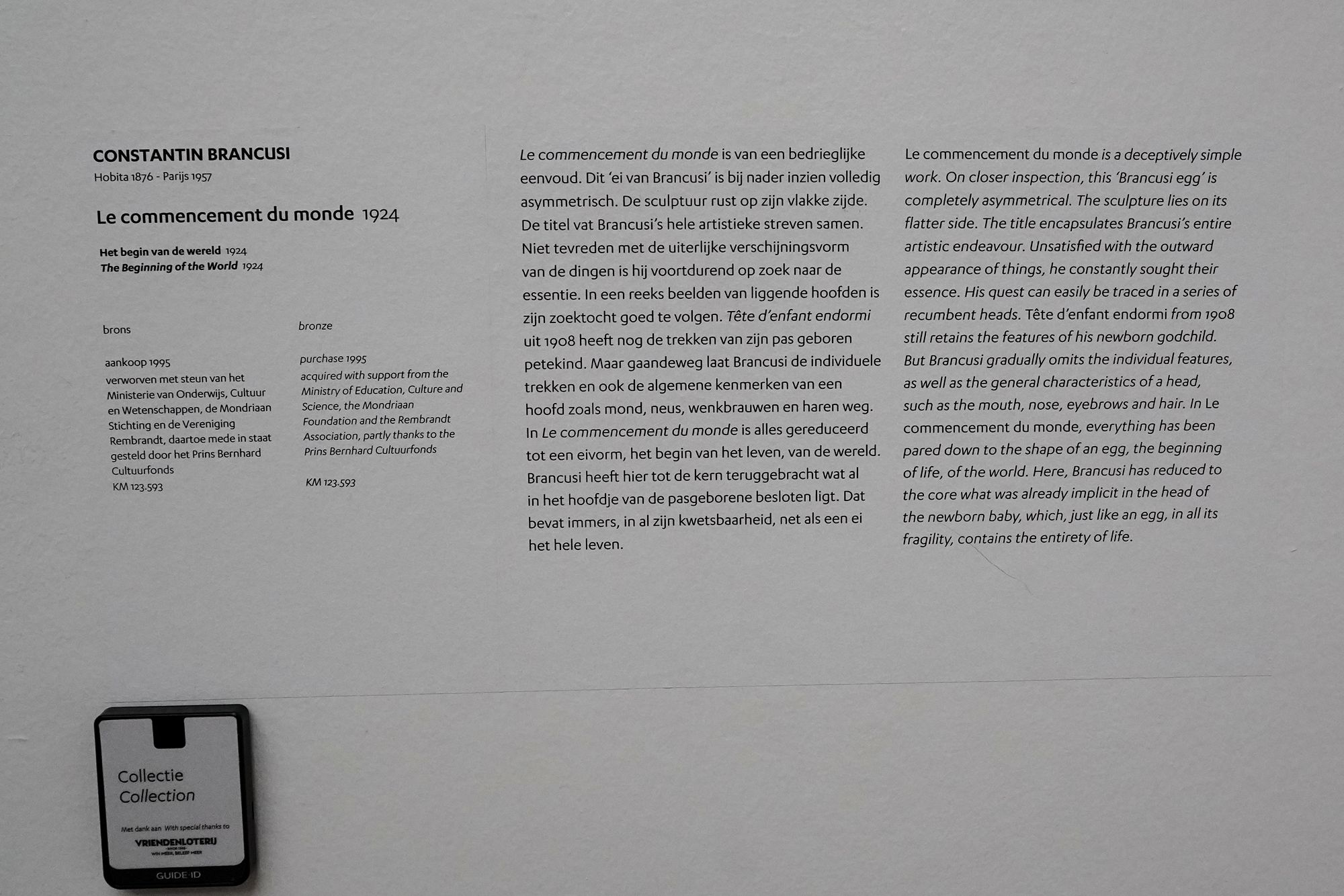
The Beginning of the World by Constantin Brâncuși reduces the human head to the simple, universal shape of an egg. Rather than reproducing facial features, Brâncuși sought the essential nature of his subject. The egg suggests birth, fragility, and the origin of life, expressing his belief that art should reveal the inner essence of things rather than merely their outward appearance.
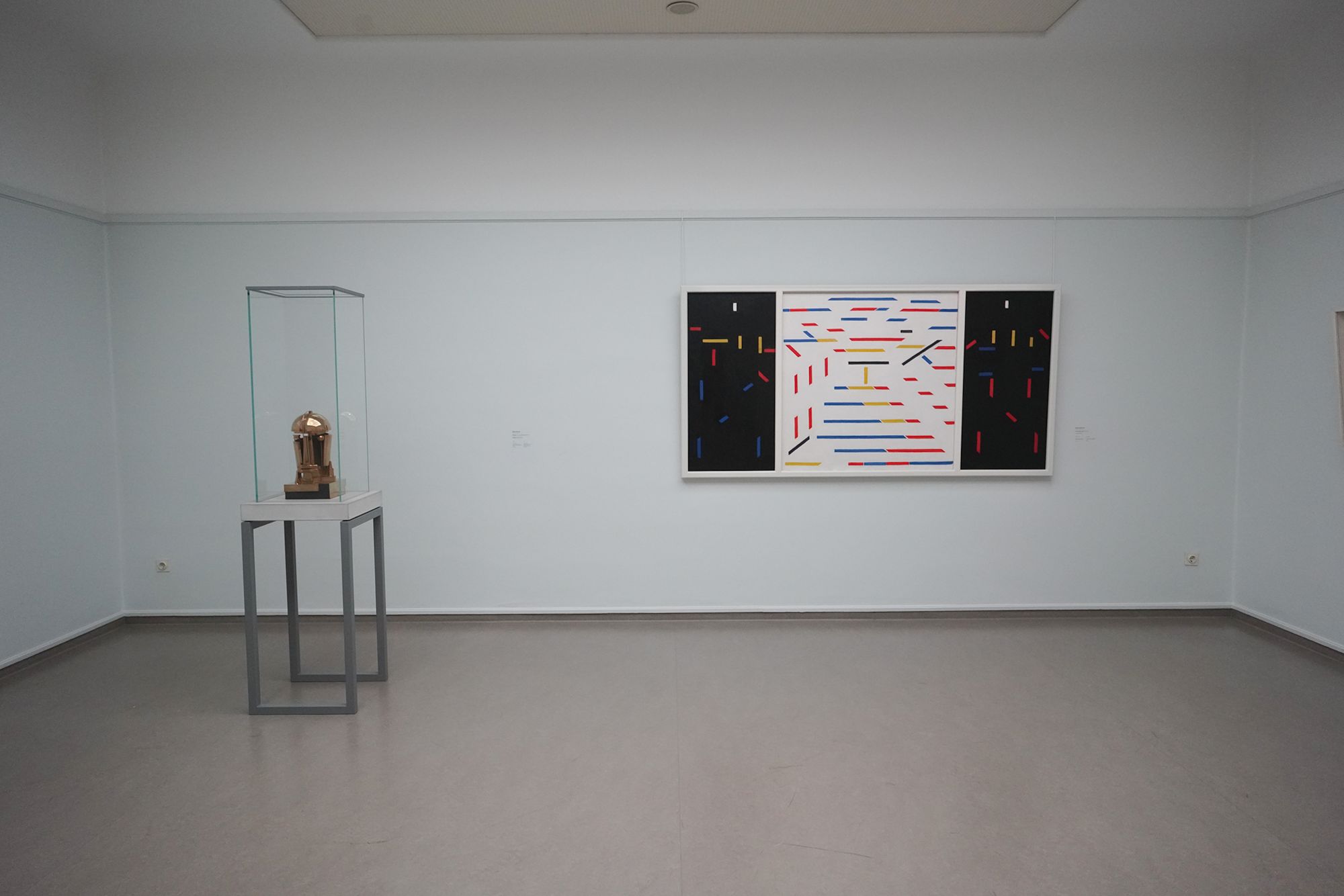
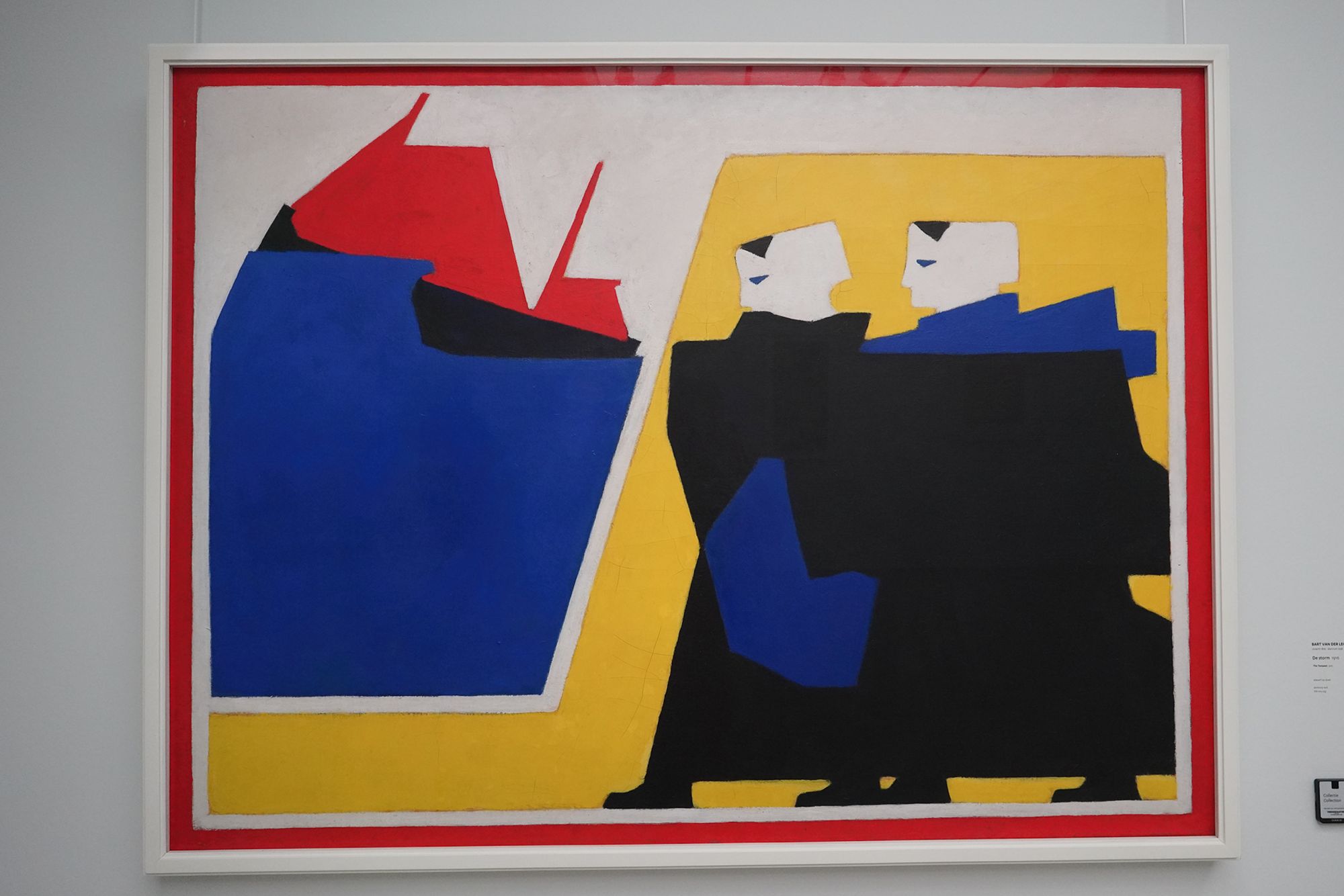
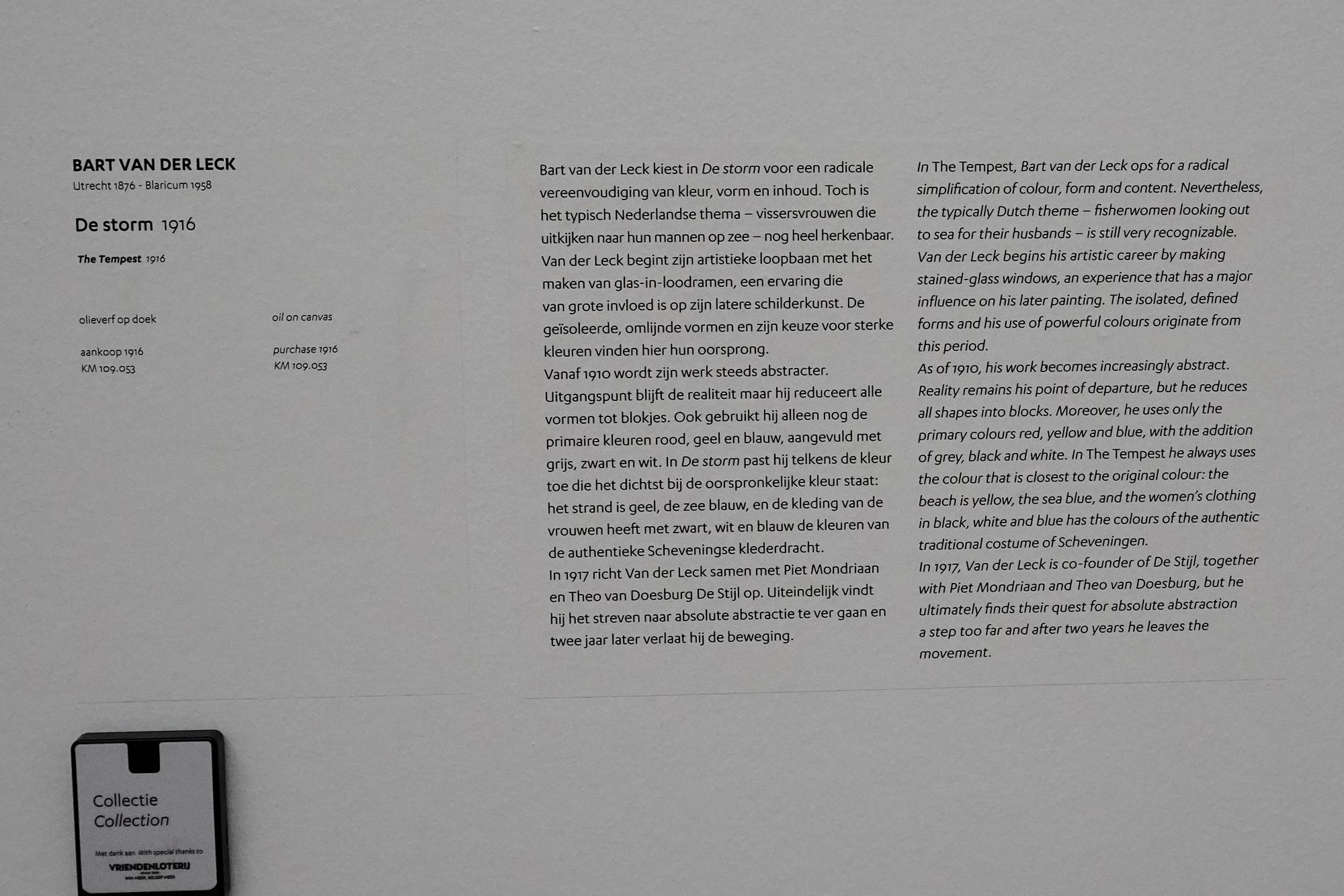
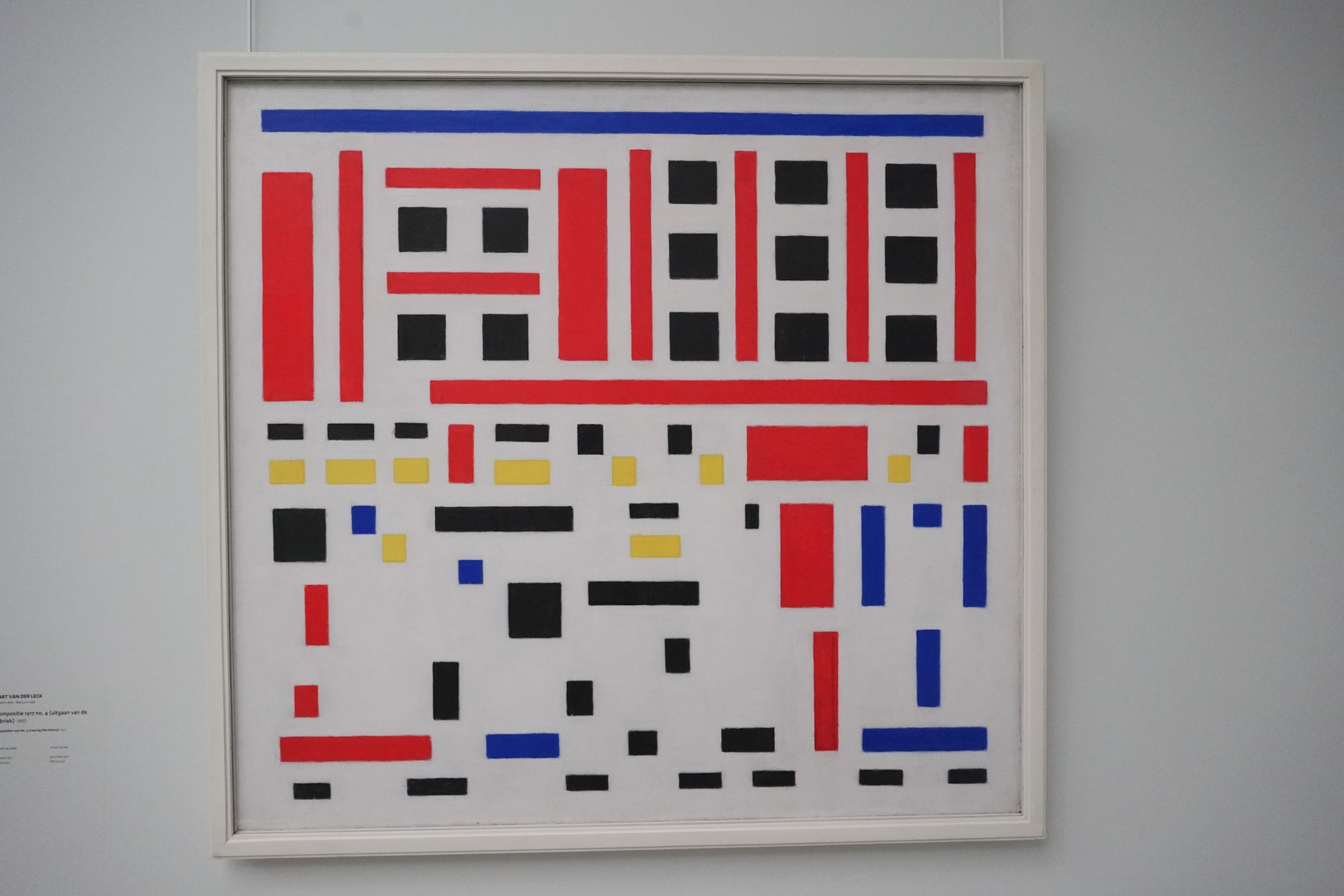
In The Tempest, Dutch artist Bart van der Leck transforms a traditional scene of fishermen’s wives watching the sea into a highly simplified, almost abstract composition. Influenced by his earlier work with stained glass, he reduces the figures and landscape to strong geometric shapes and uses mainly red, yellow, blue, black, white, and grey. Van der Leck later helped found De Stijl with Piet Mondrian and Theo van Doesburg, although he left the movement after deciding that complete abstraction went too far.
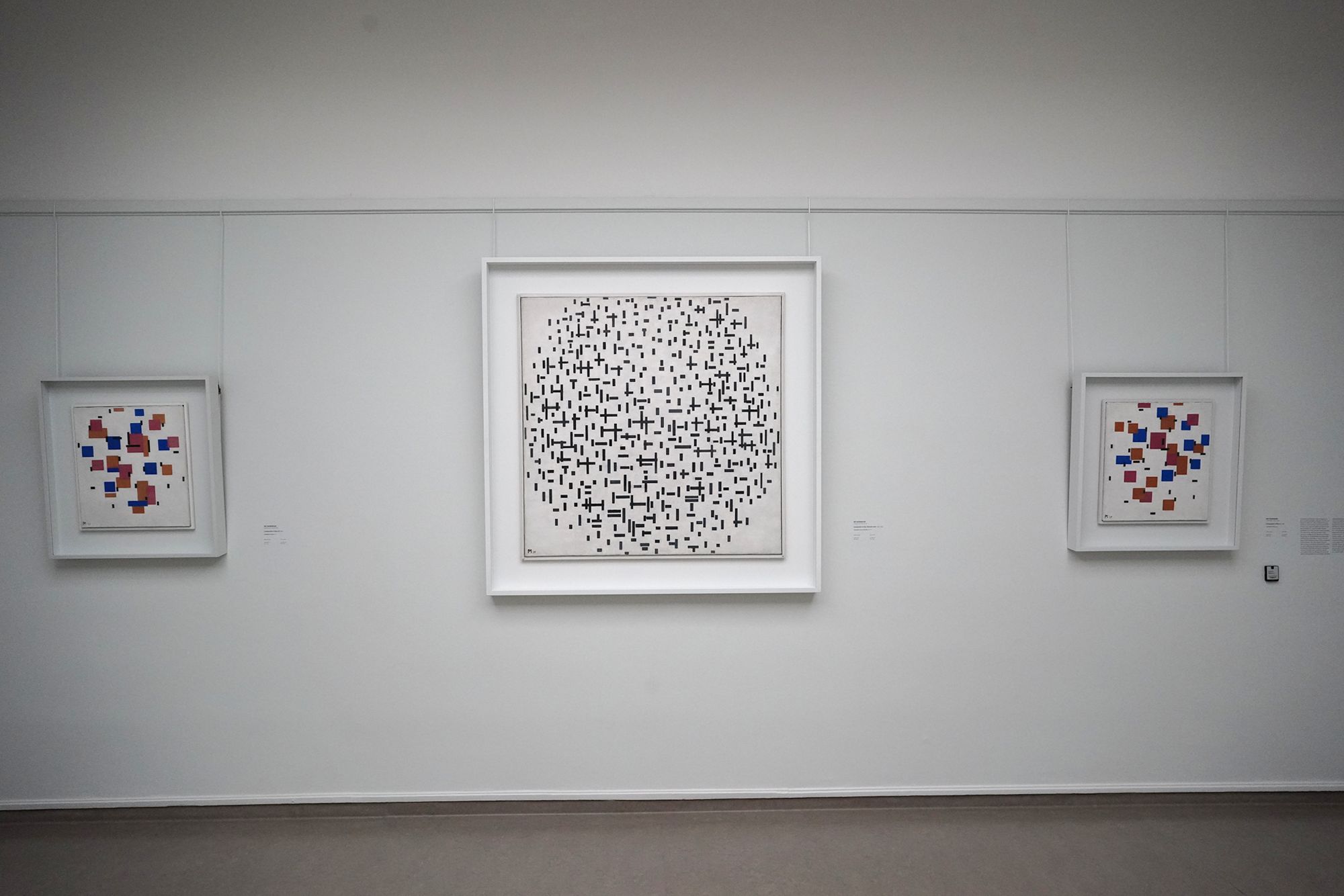
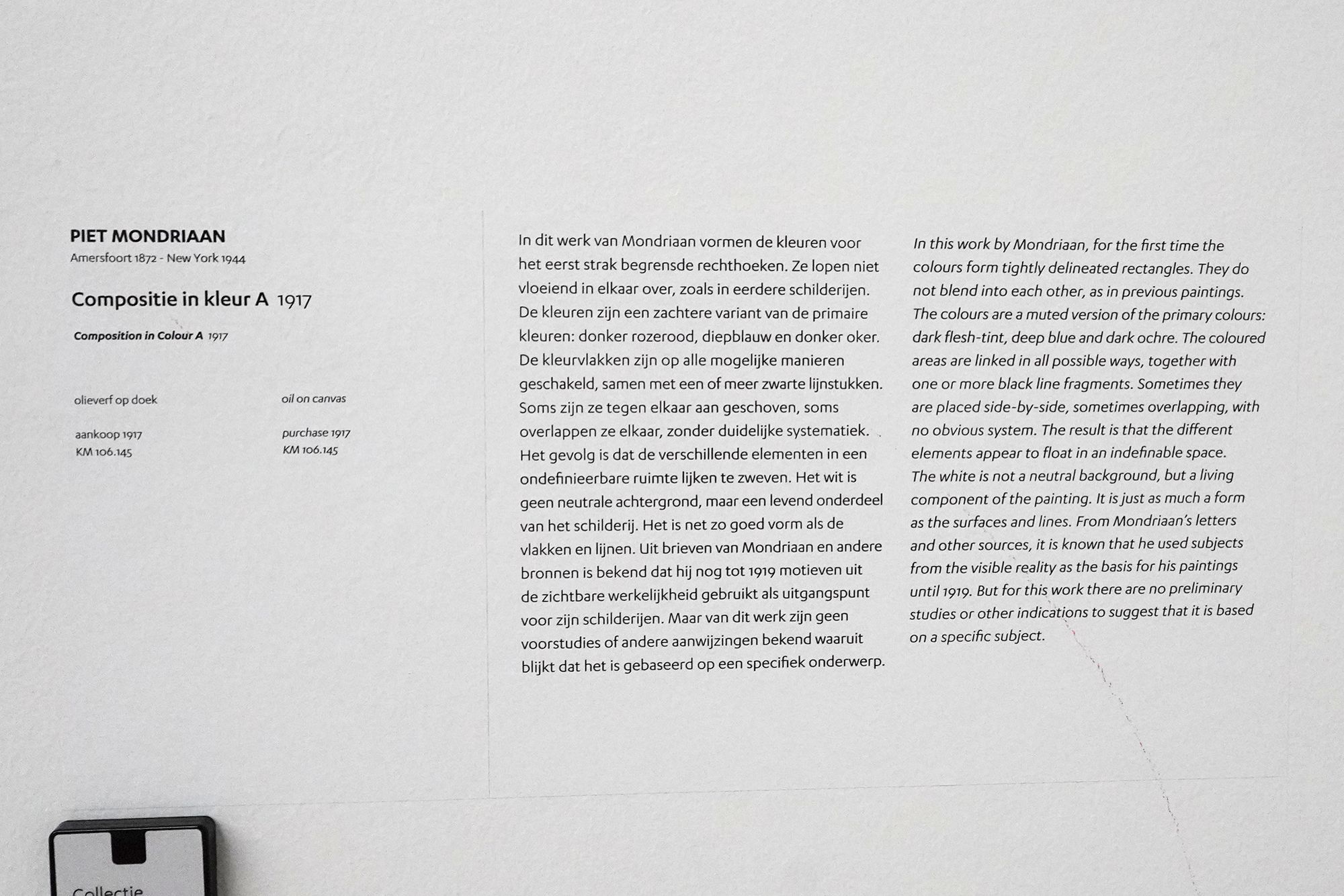
In this work, Piet Mondrian moves closer to pure abstraction, organizing muted colors into clearly defined rectangular shapes separated by black lines. Unlike his later paintings, the arrangement has no strict geometric system, and the forms seem to float freely in space. The white background is also an active part of the composition, showing Mondrian’s growing interest in the balance between color, line, form, and empty space.
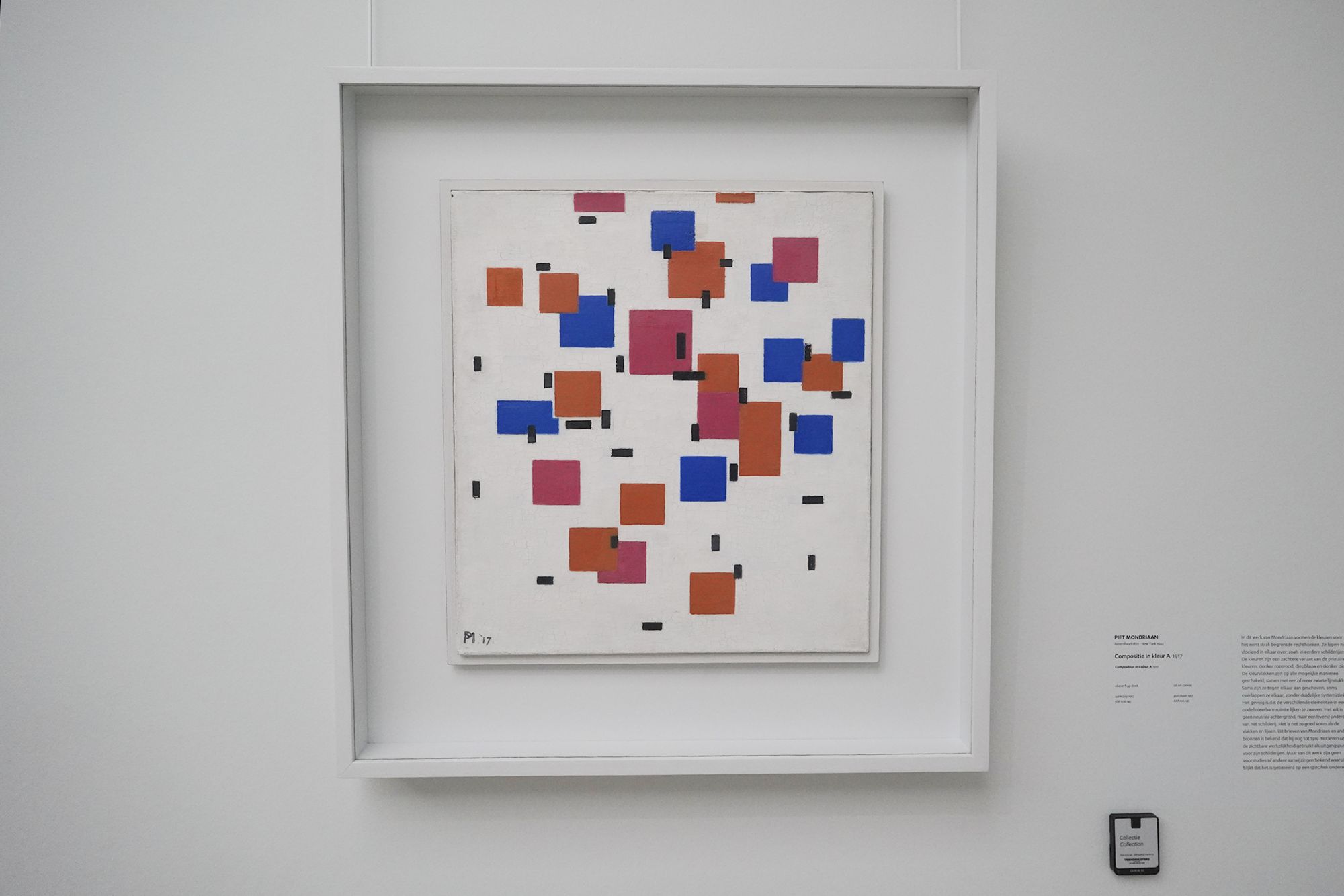
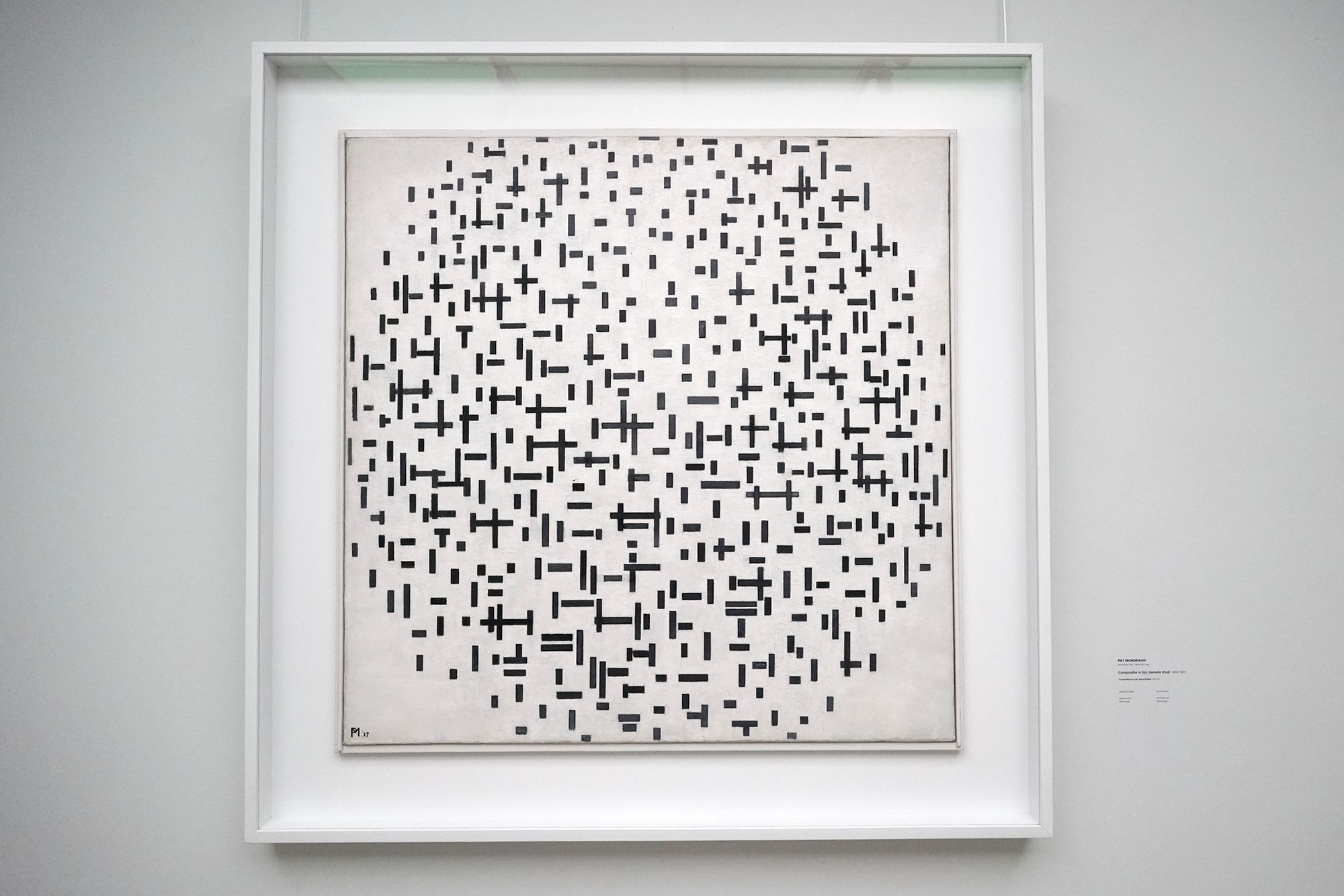
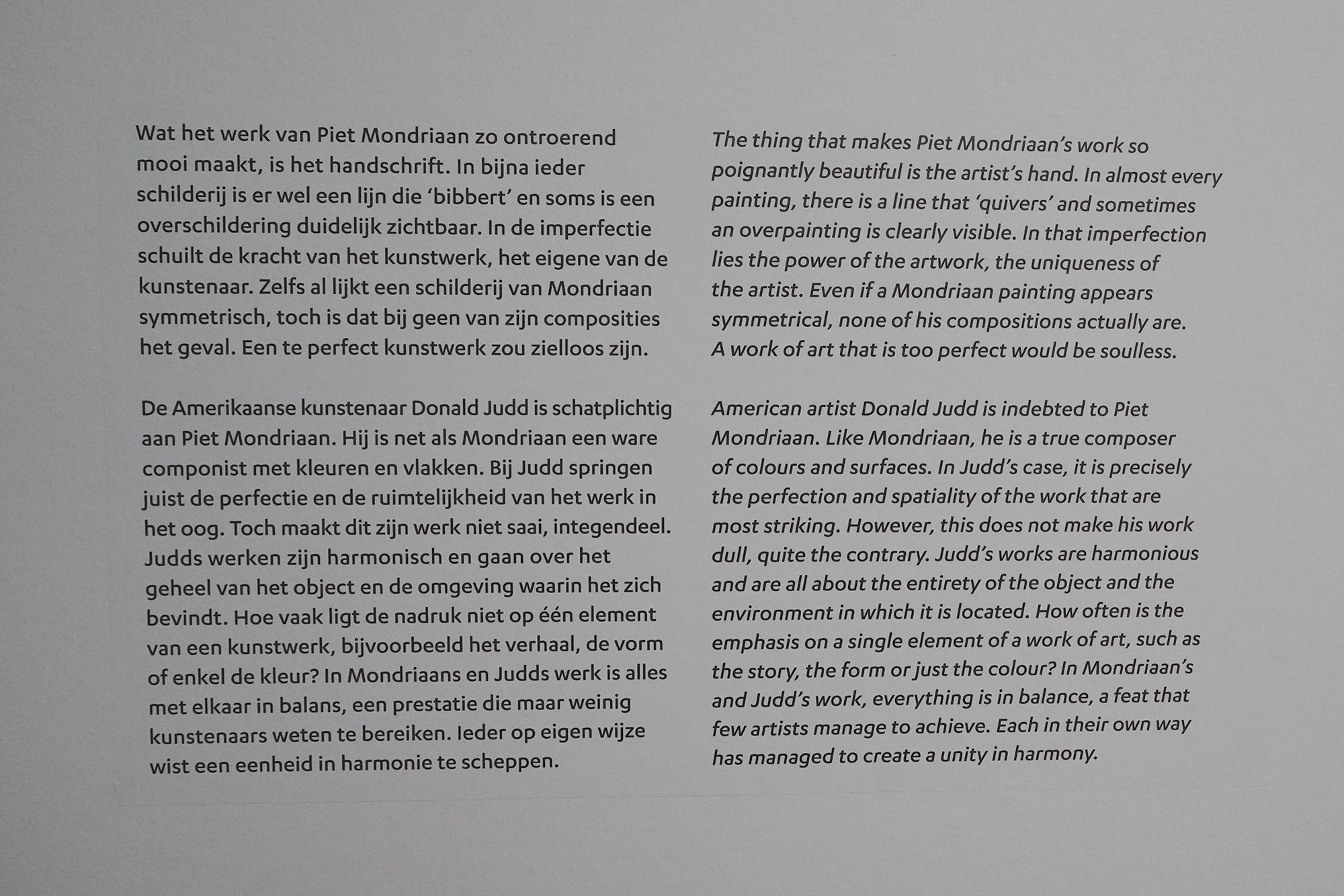
Although Piet Mondrian’s paintings appear precise and geometric, small irregularities in his hand-painted lines and surfaces give them a distinctive human quality. American artist Donald Judd was strongly influenced by Mondrian’s careful balance of color, form, and space, although Judd pursued greater precision in his three-dimensional works. Despite their different approaches, both artists sought a sense of harmony and unity, where every element contributes equally to the whole.
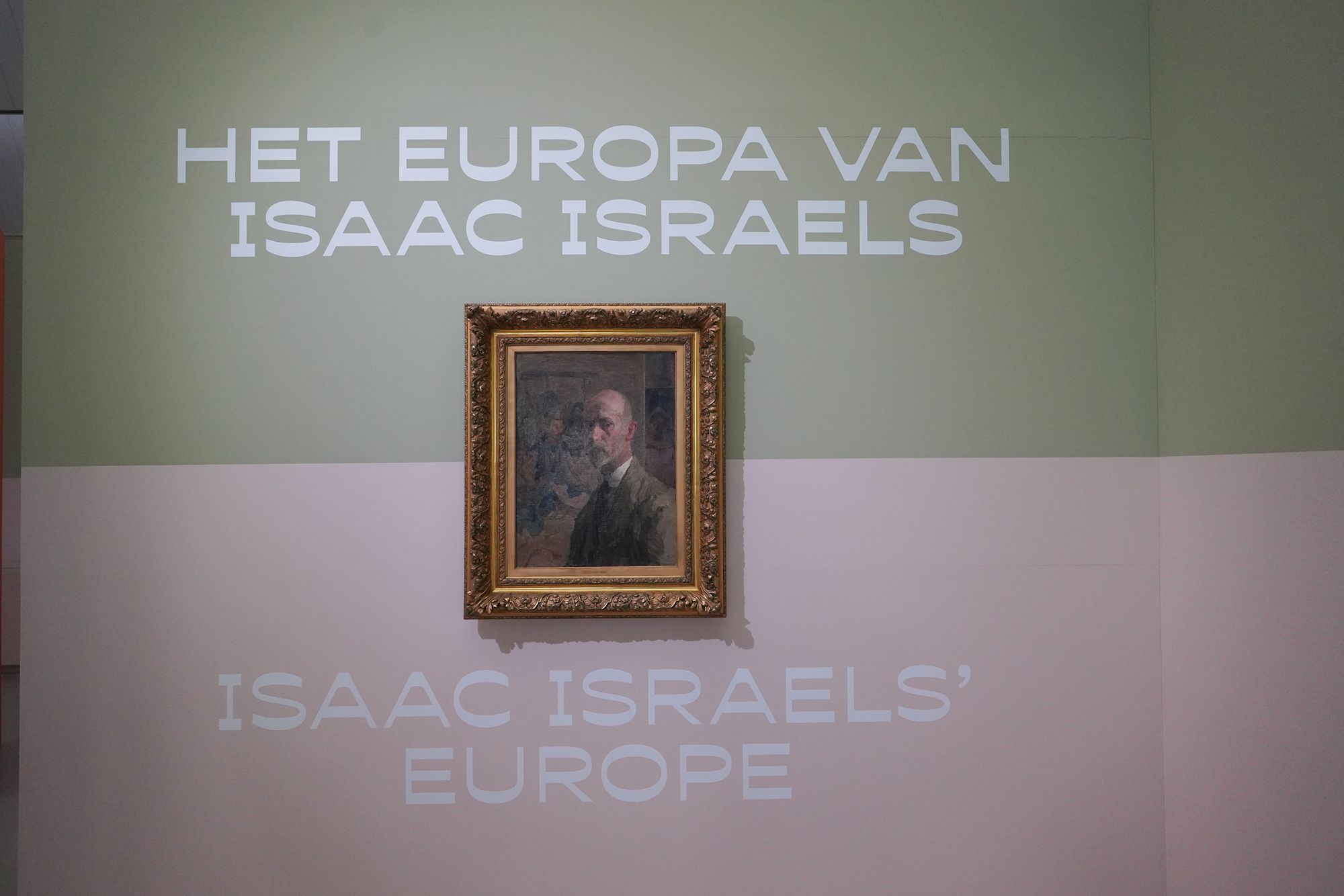
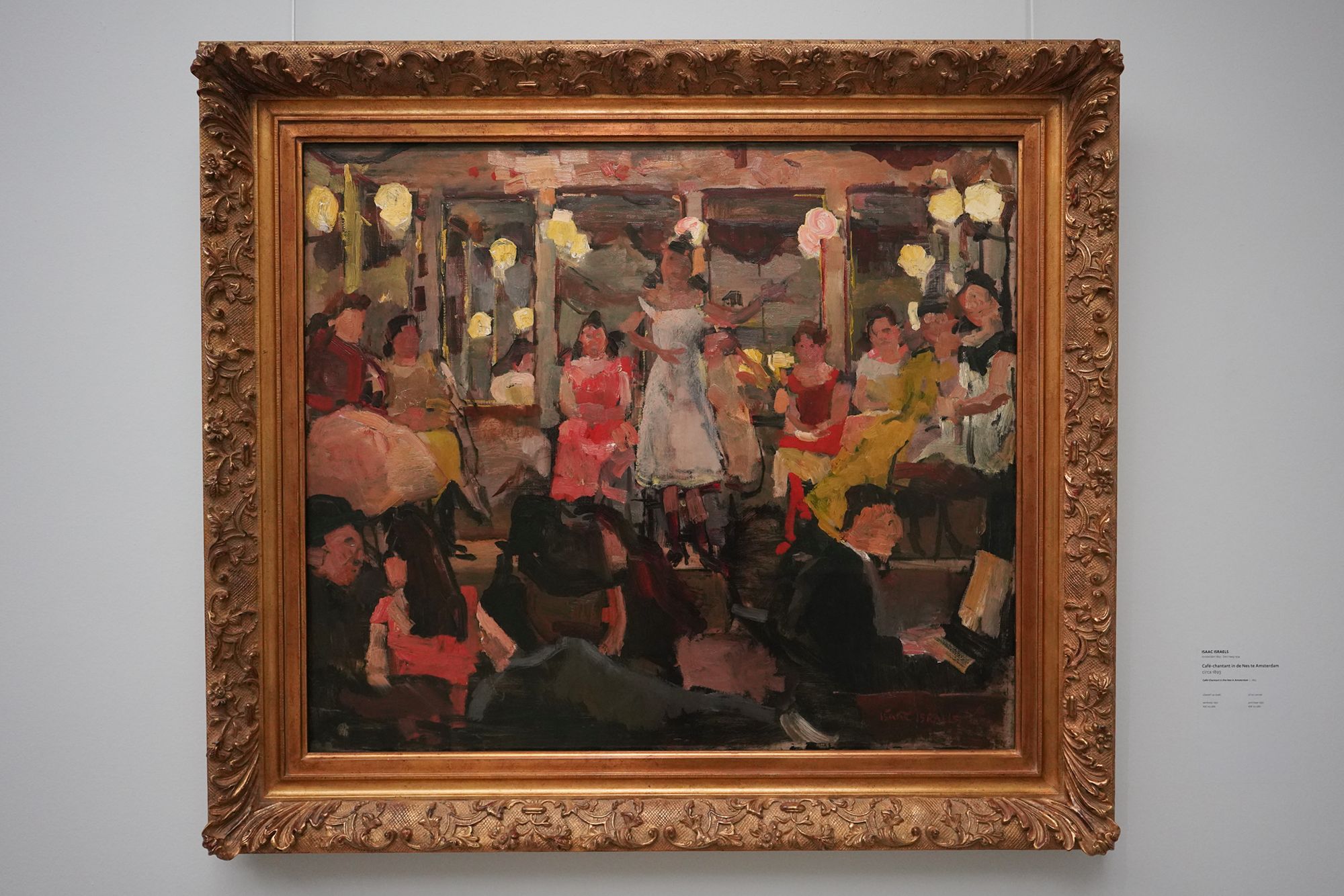
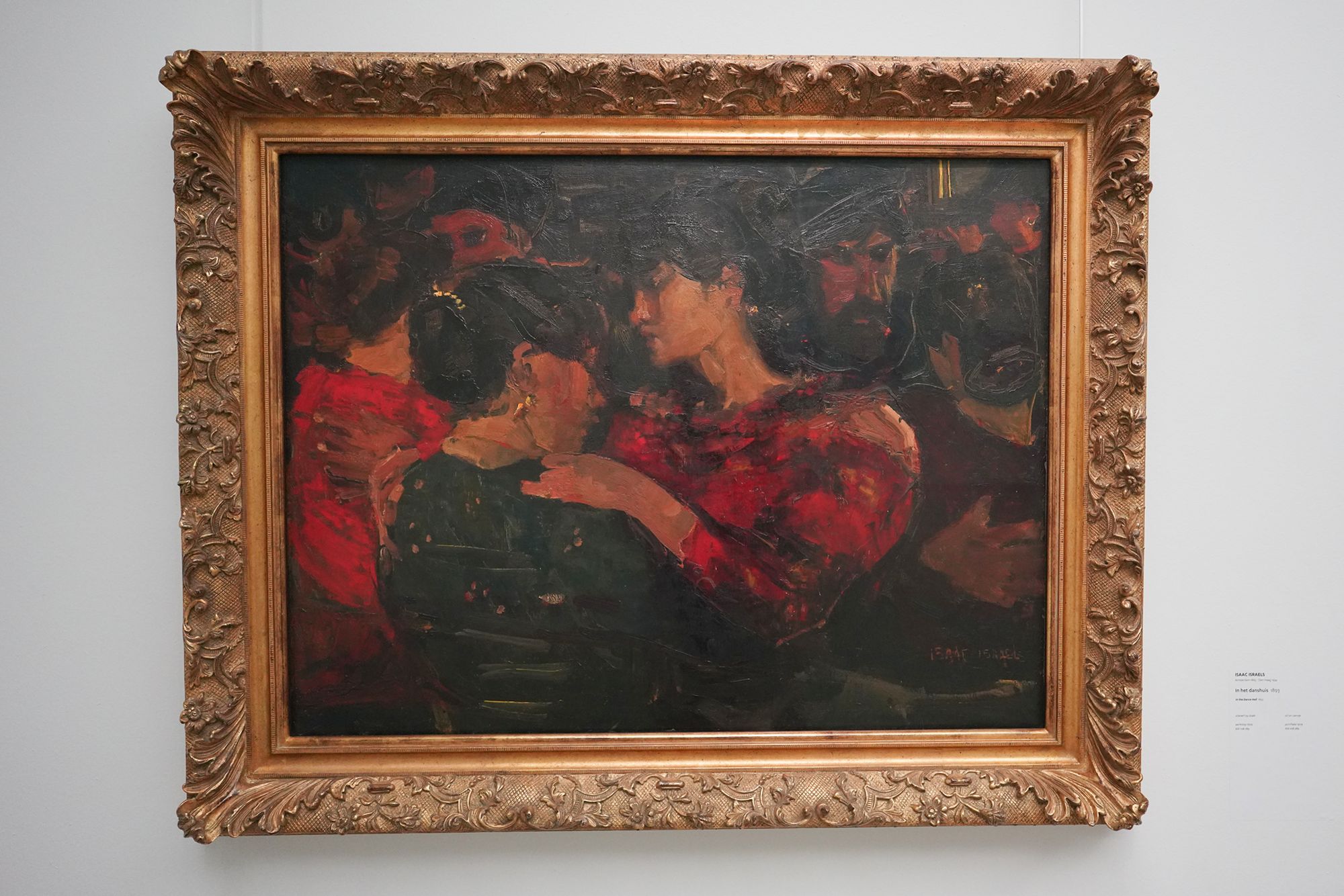
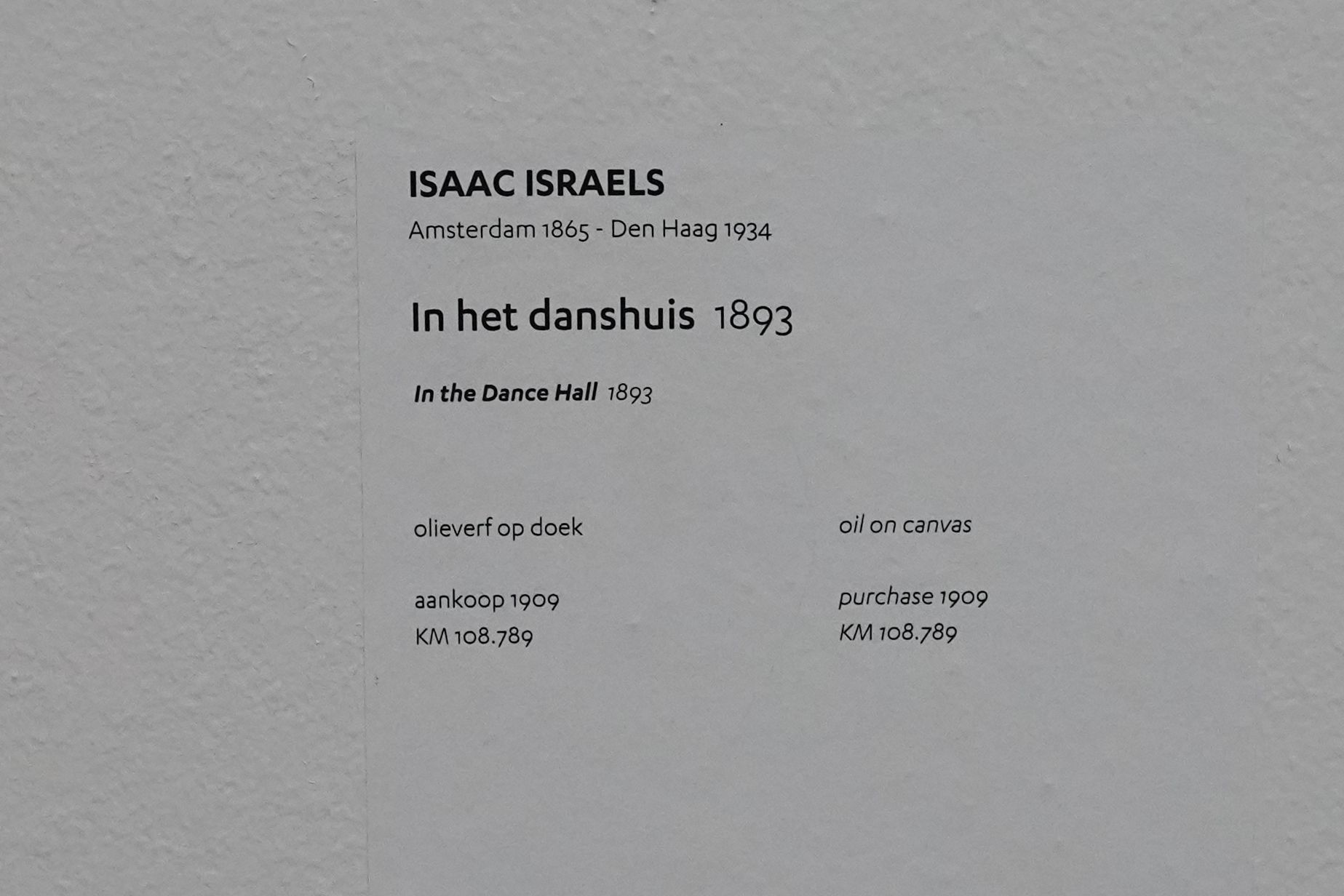
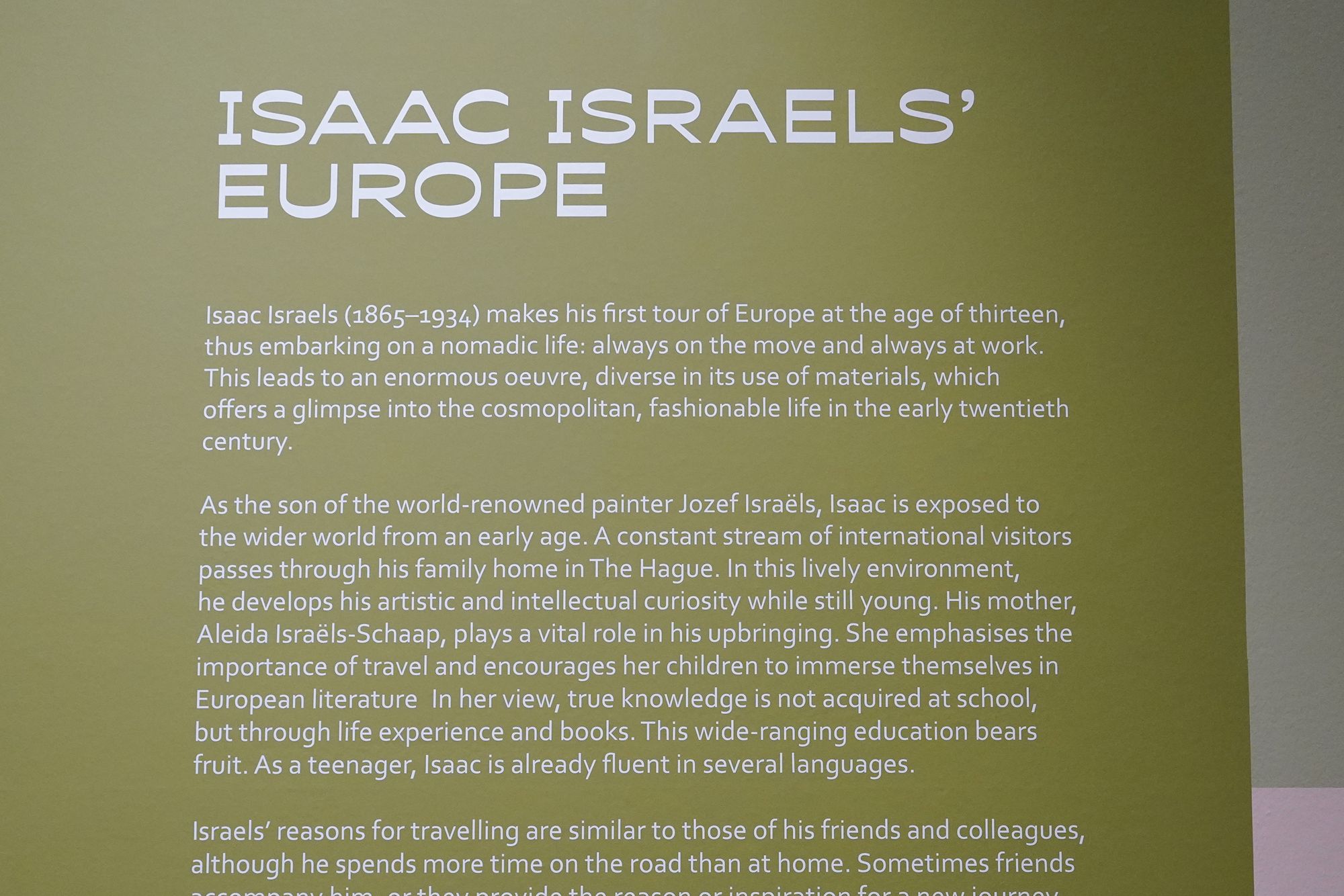
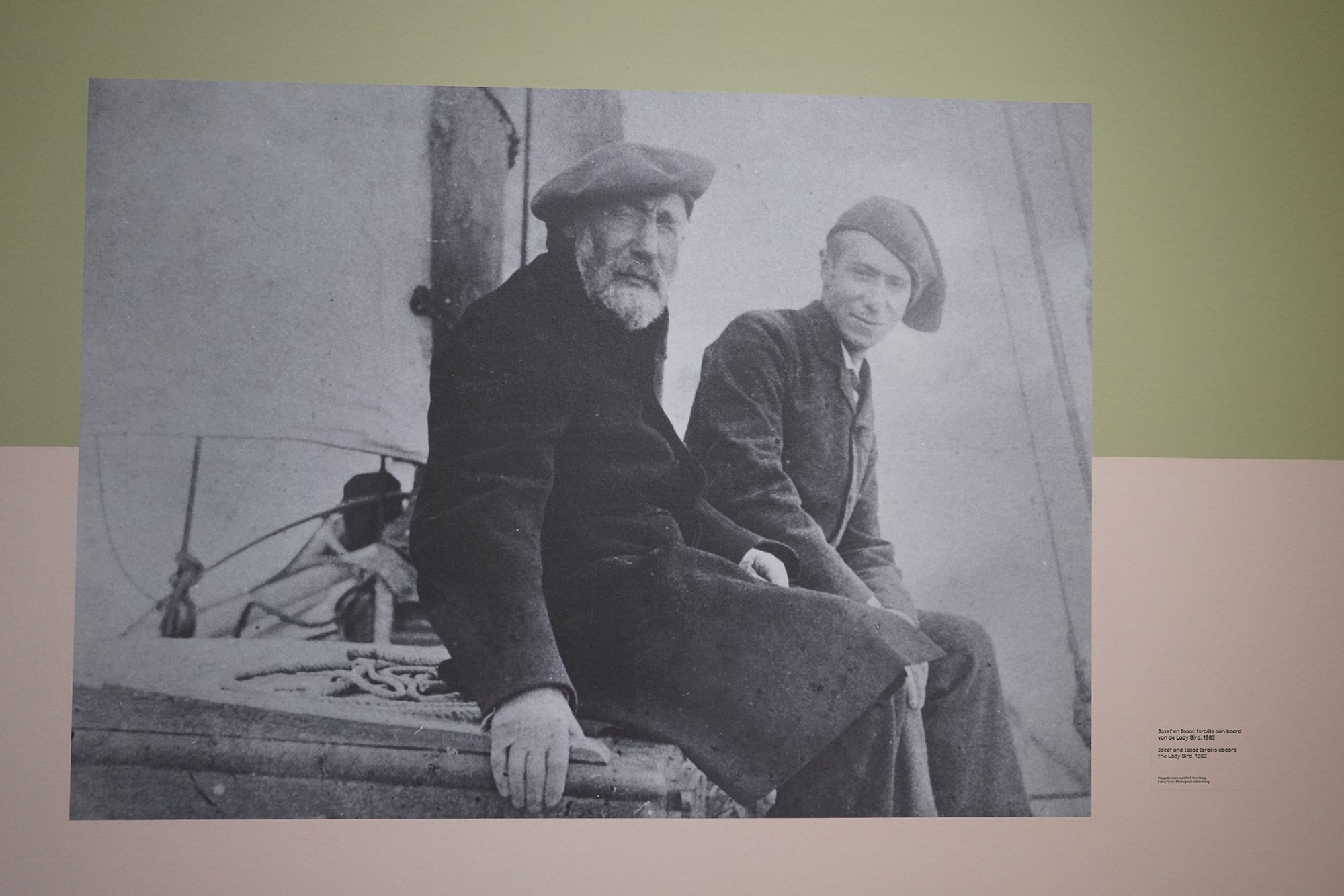
Dutch Impressionist Isaac Israëls (1865–1934) began traveling through Europe at only thirteen and spent much of his life moving between cities and countries. The son of celebrated painter Jozef Israëls, he grew up in a cosmopolitan environment that encouraged travel, languages, literature, and artistic curiosity. His extensive travels inspired a large and varied body of work capturing the fashionable, cosmopolitan life of Europe in the early 20th century.
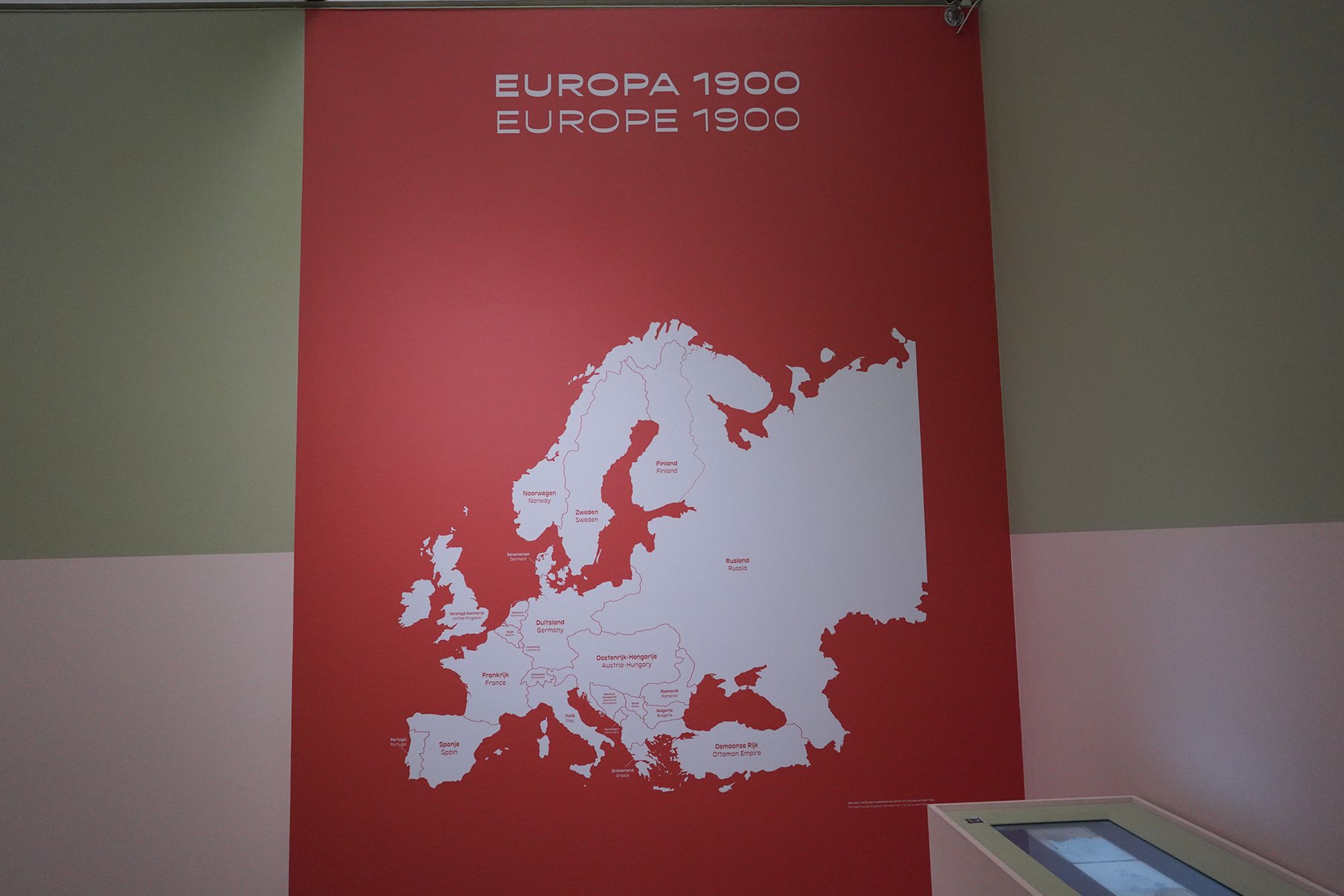
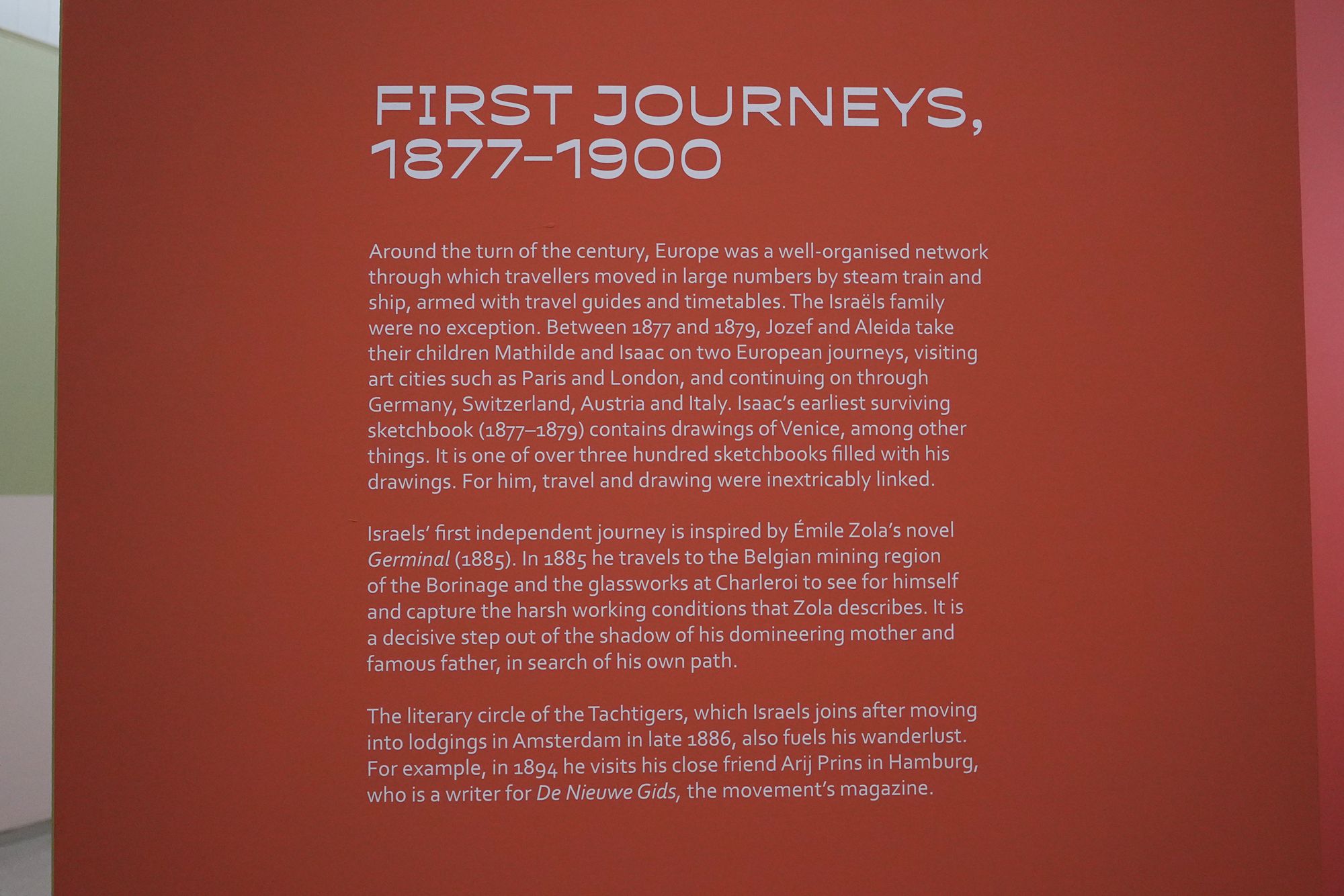
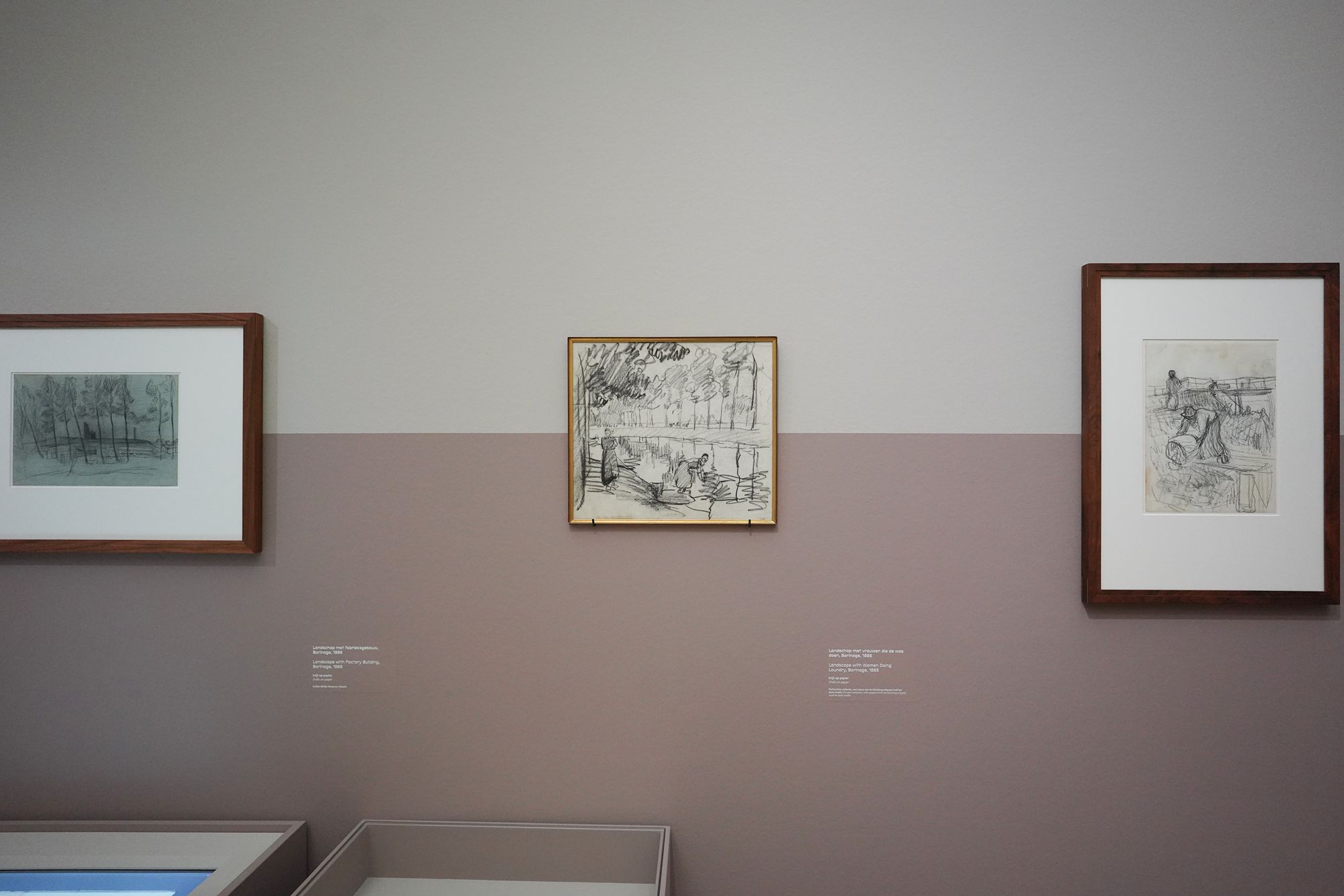
From 1877 to 1900, Isaac Israëls developed his lifelong passion for travel, beginning with family journeys across France, Britain, Germany, Switzerland, Austria, and Italy. Travel and drawing became inseparable for him, eventually filling more than 300 sketchbooks. His first independent journey took him to the Belgian mining and industrial regions, inspired by Émile Zola’s Germinal, where he observed harsh working conditions firsthand. These early travels helped Israëls step beyond the influence of his famous father and develop his own artistic identity.
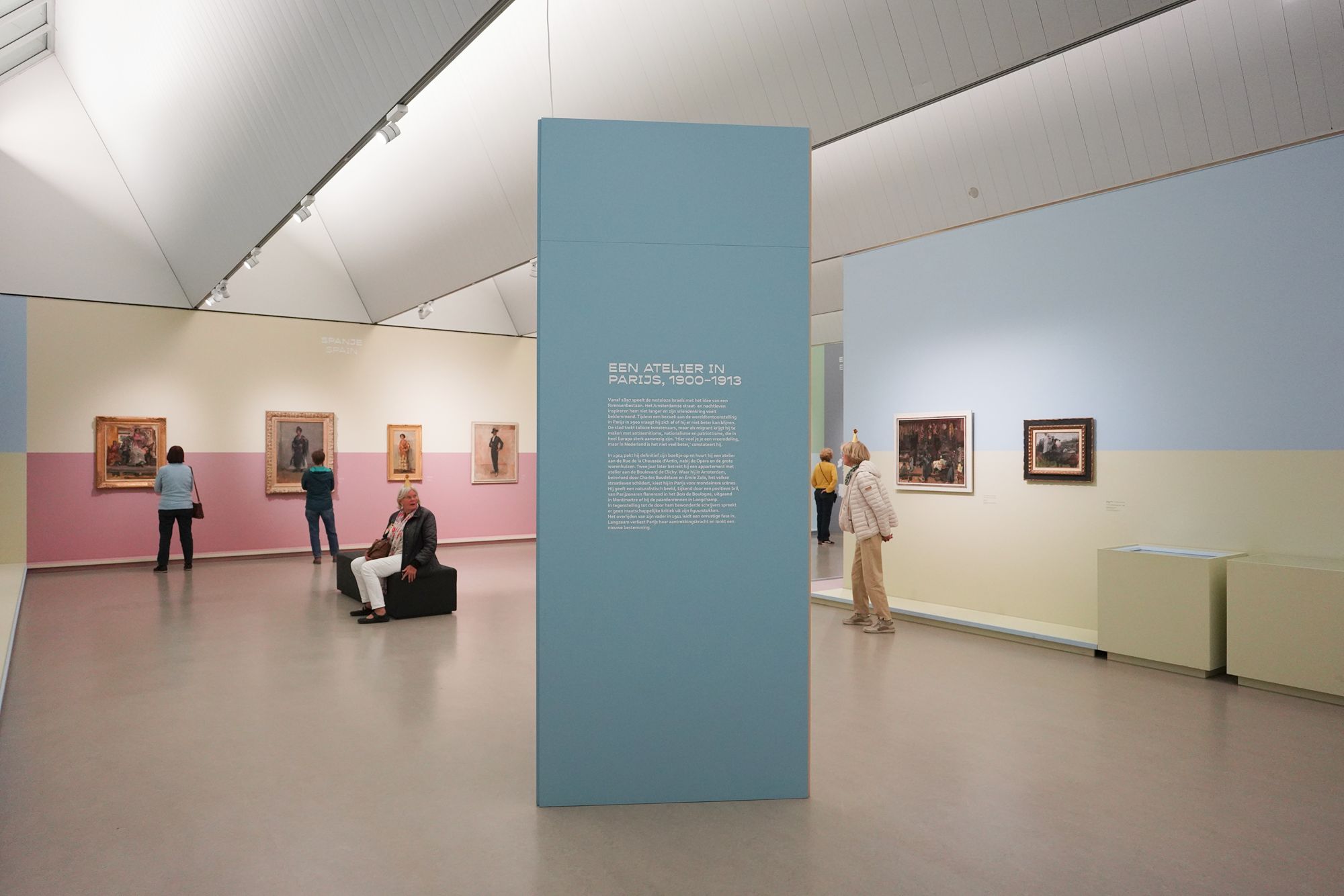
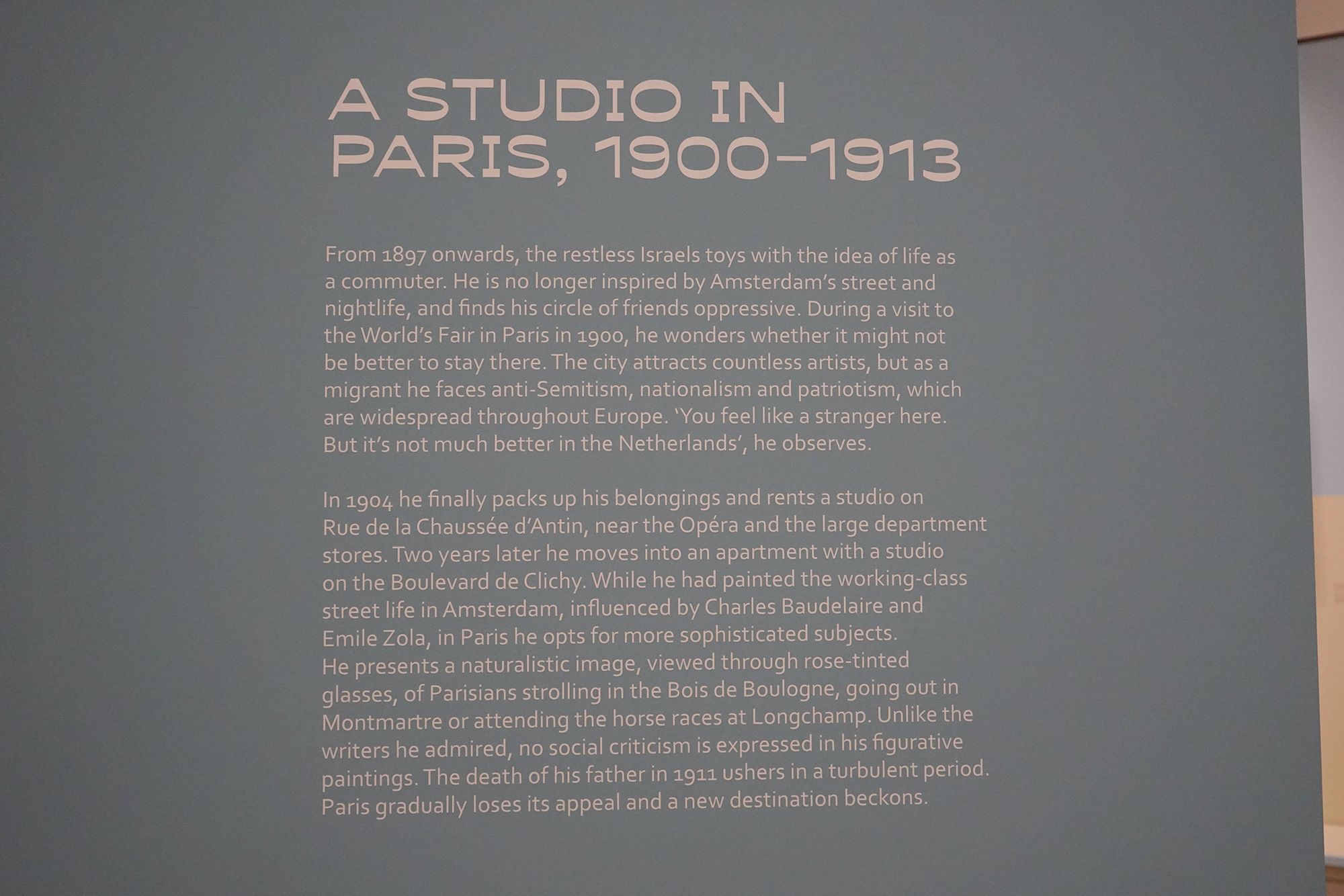
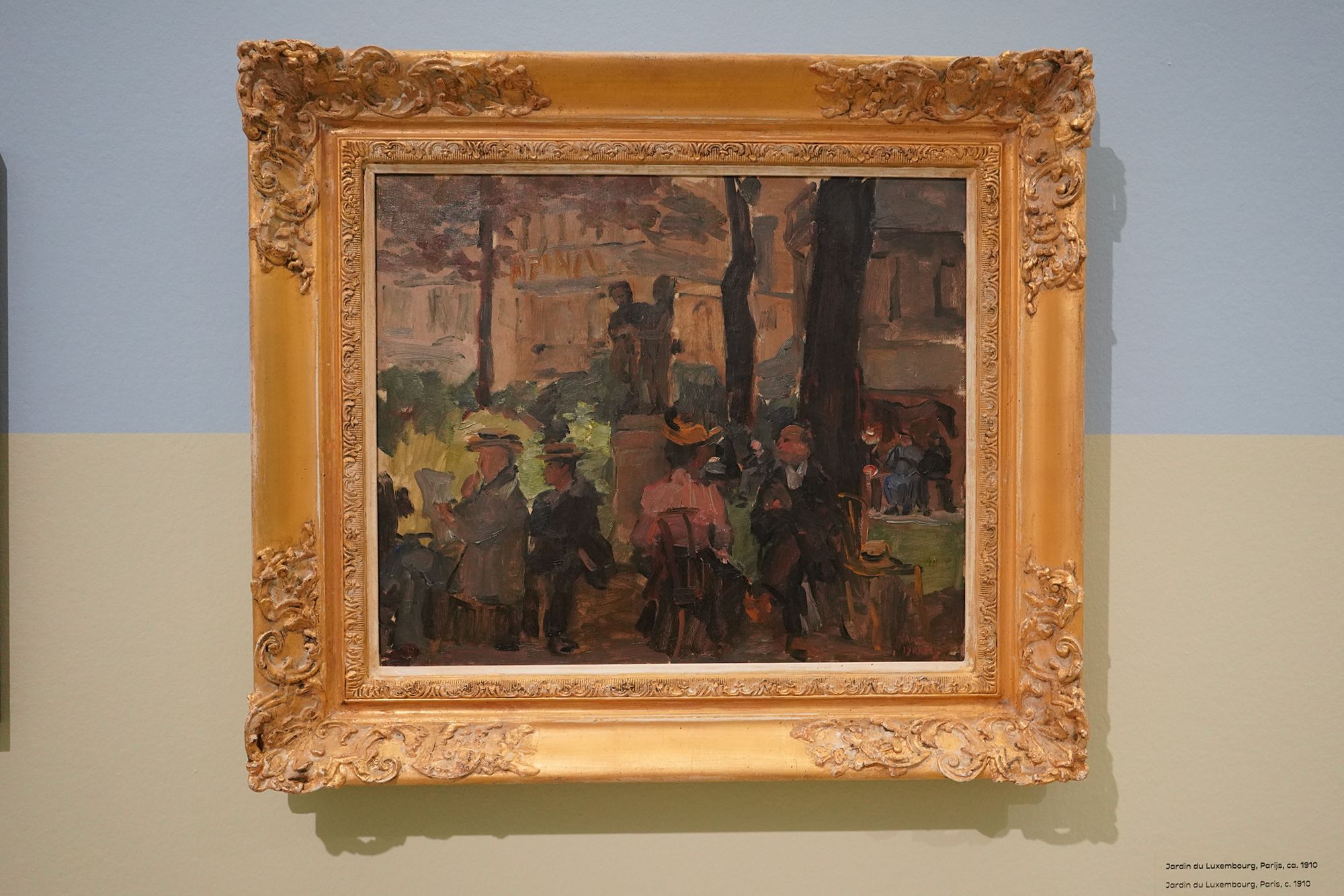
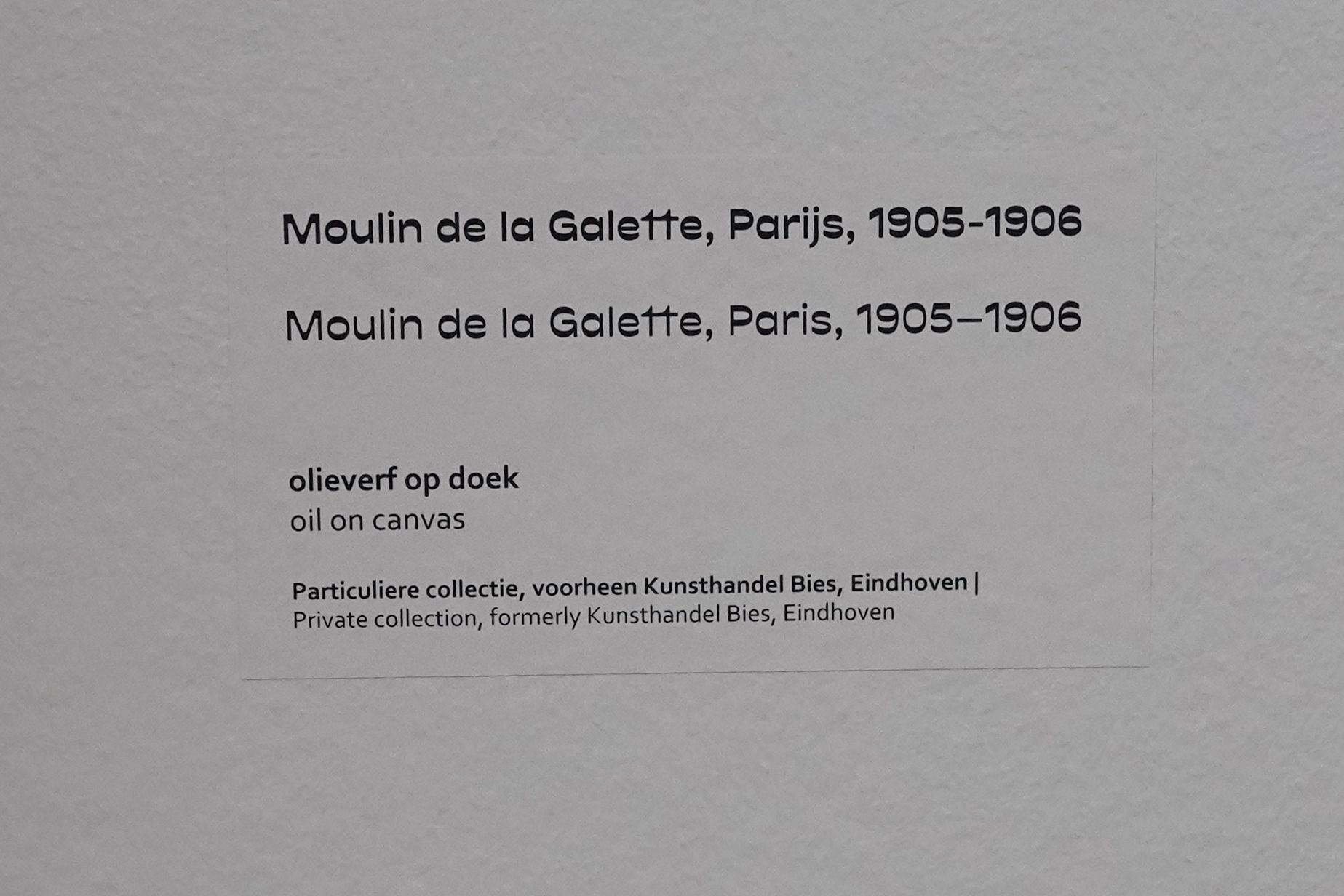
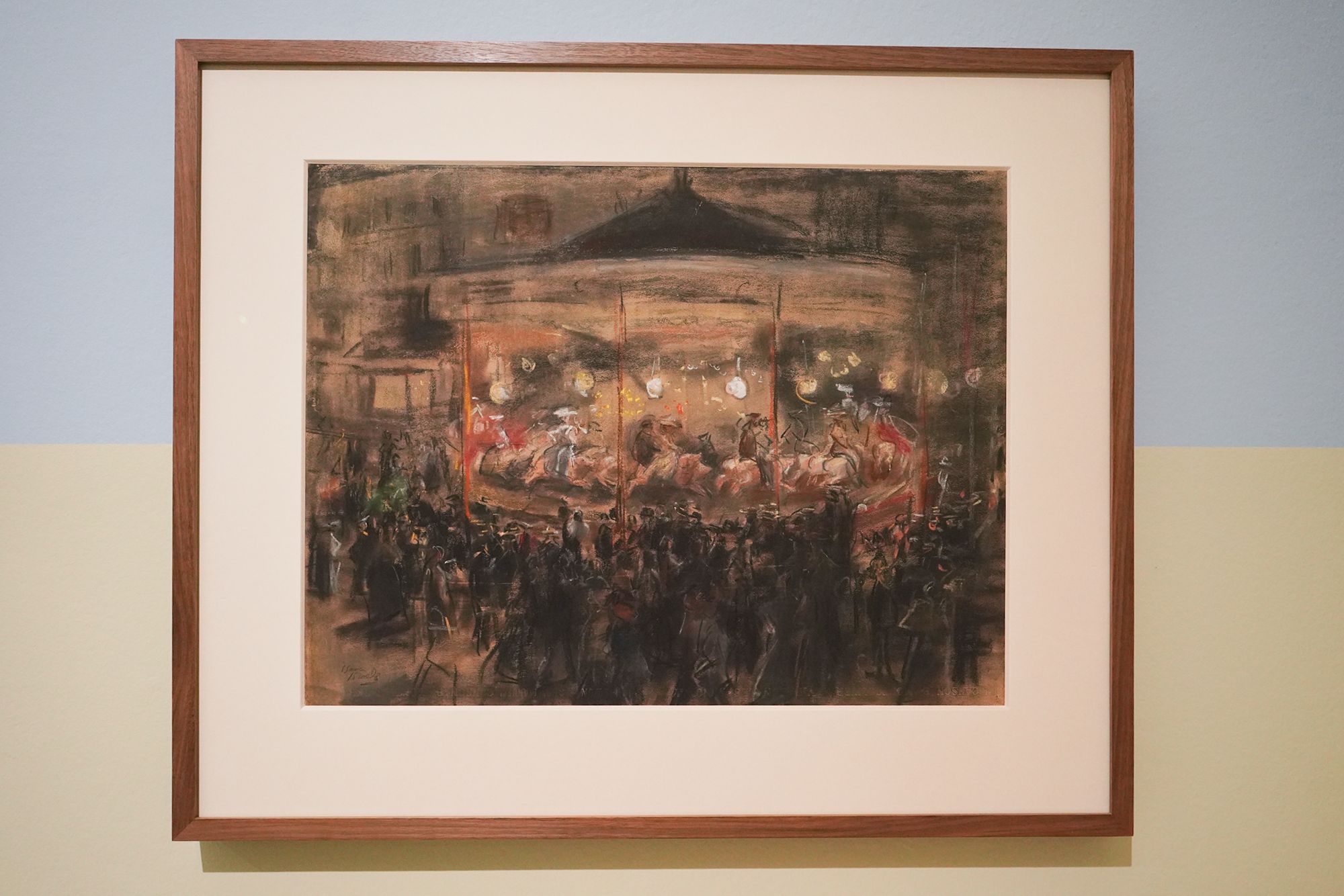
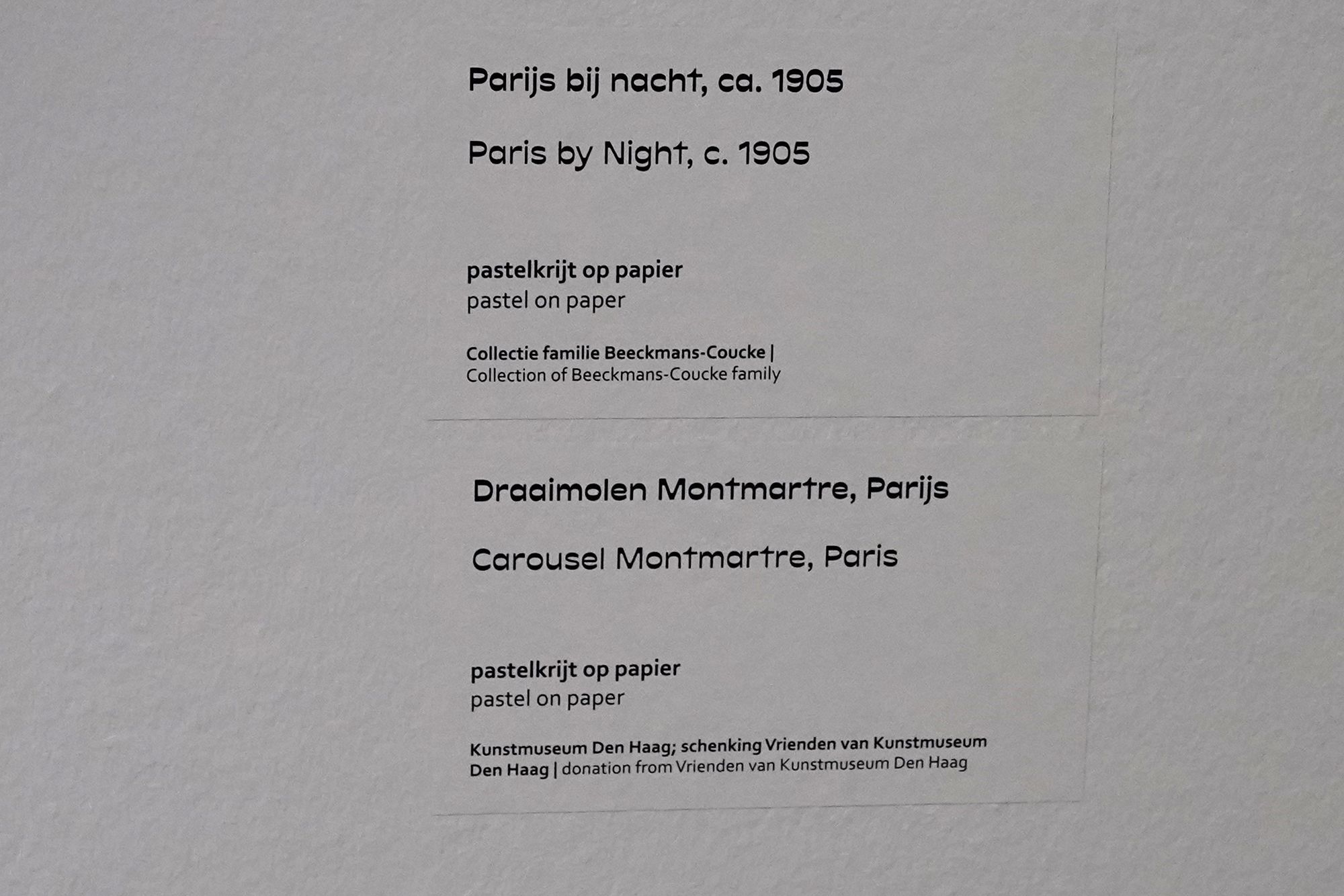
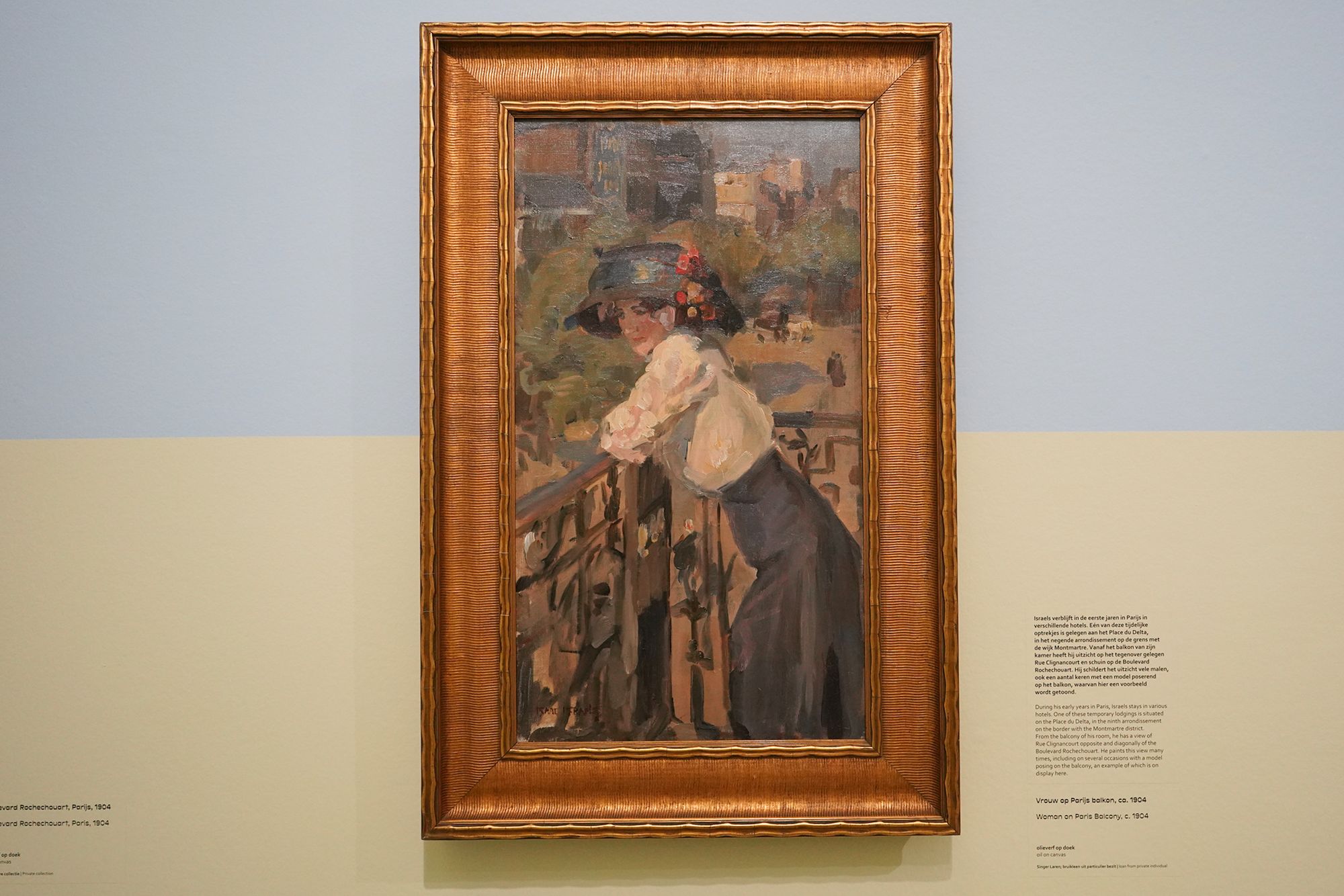
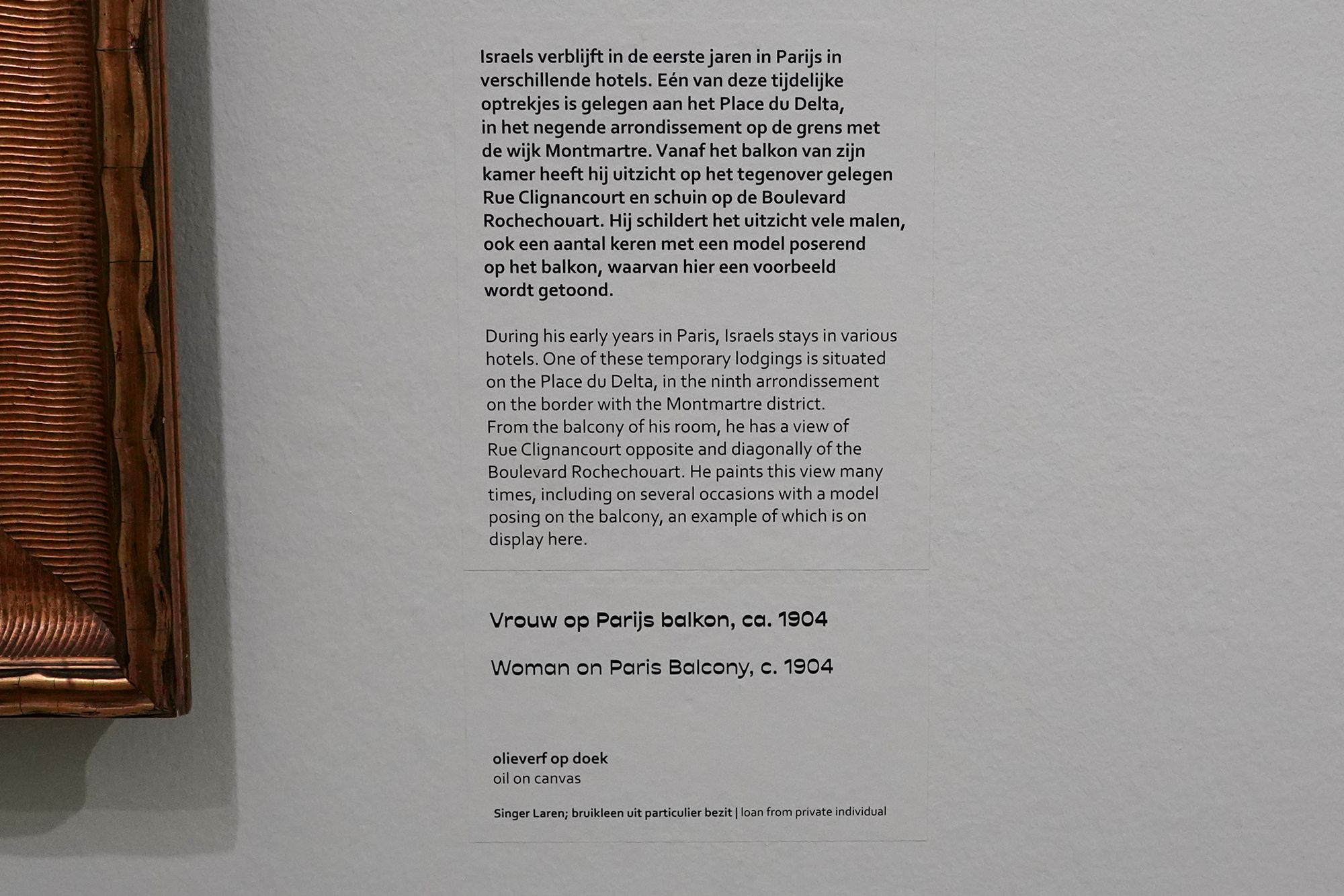
Between 1900 and 1913, Isaac Israëls increasingly made Paris his artistic home, establishing a studio there in 1904. Moving away from the working-class subjects he had painted in Amsterdam, he became fascinated by fashionable Parisian life, portraying people strolling in the Bois de Boulogne, enjoying Montmartre, and attending horse races at Longchamp. Paris provided him with the sophisticated, cosmopolitan subjects that became an important part of his work during this period.
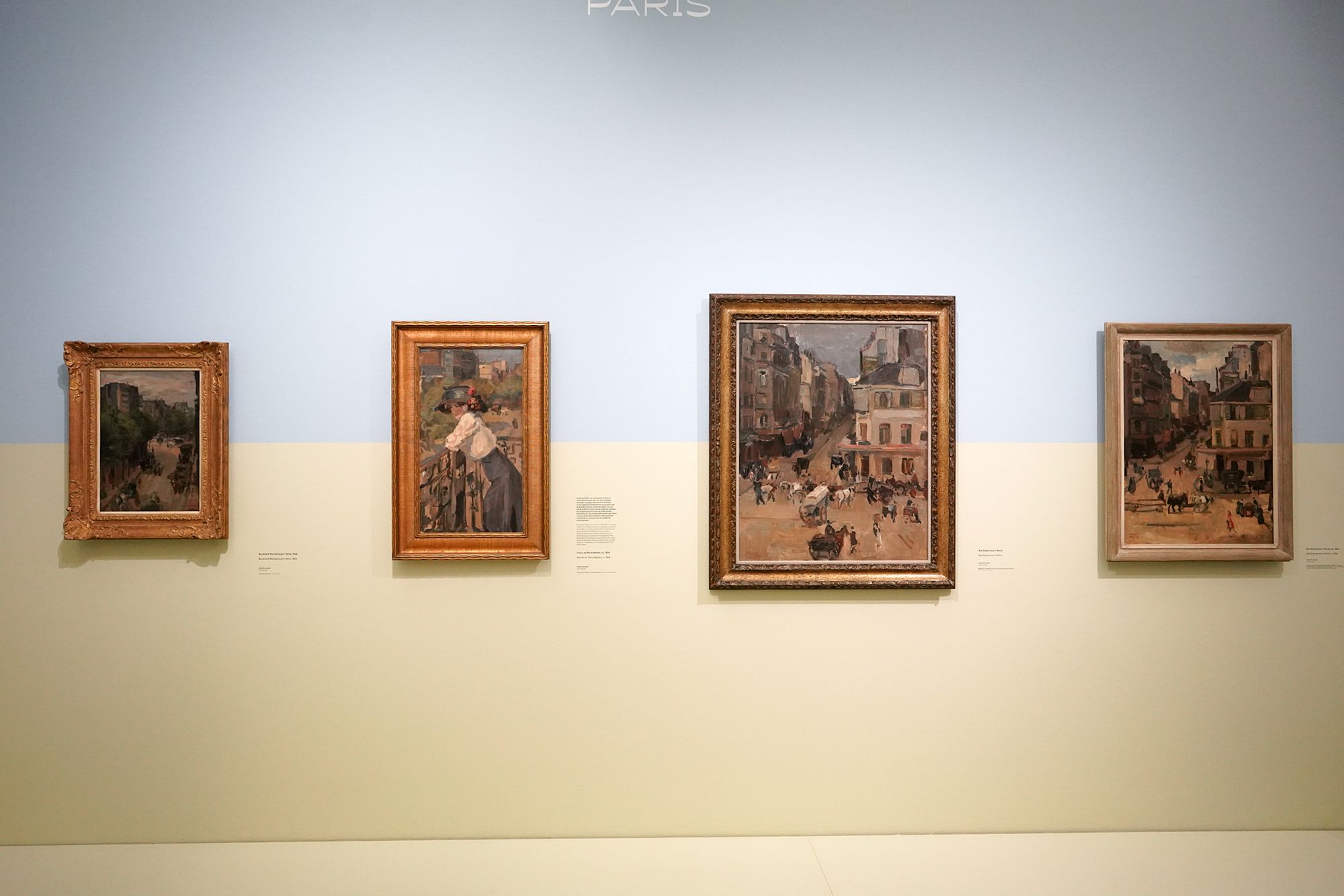
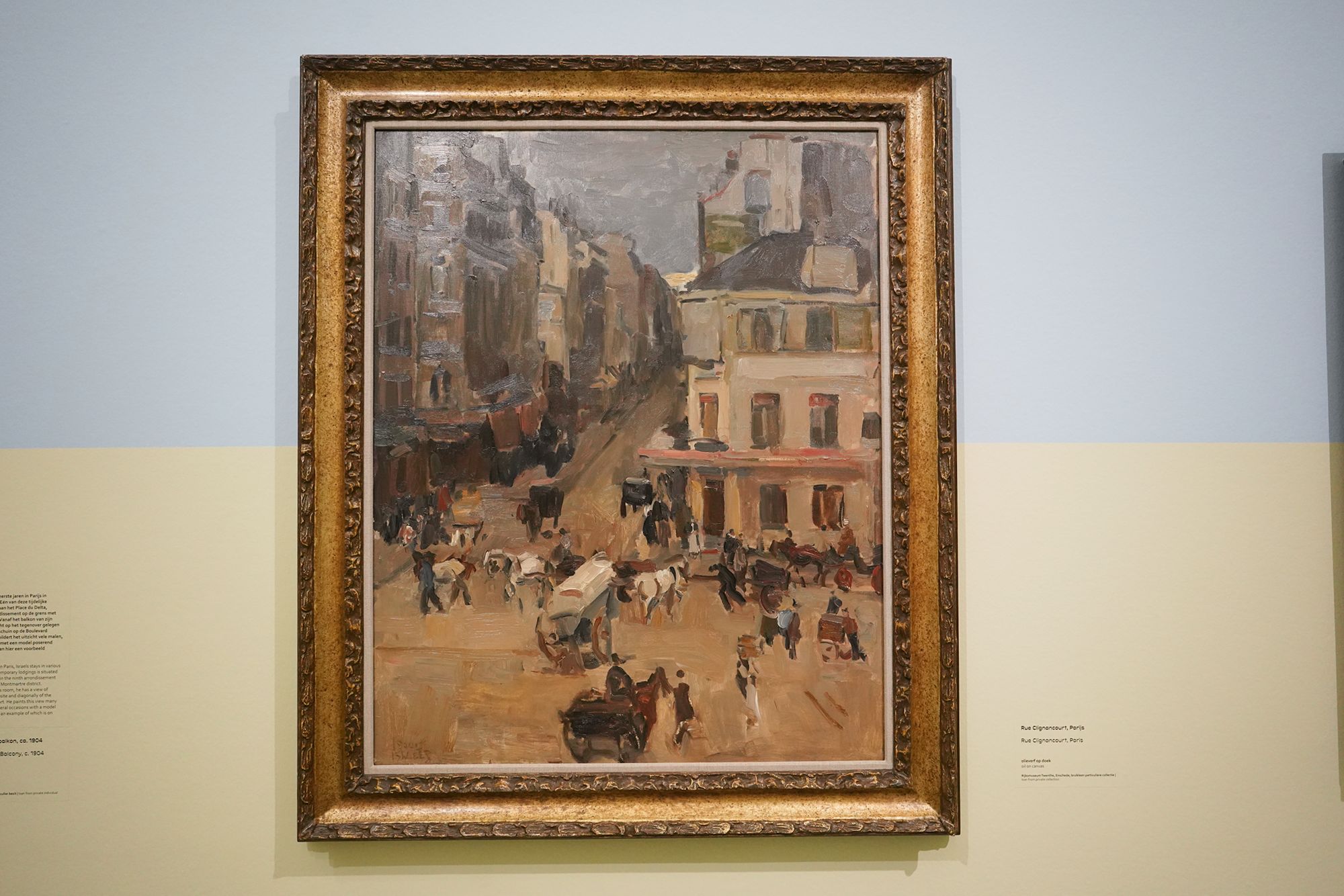
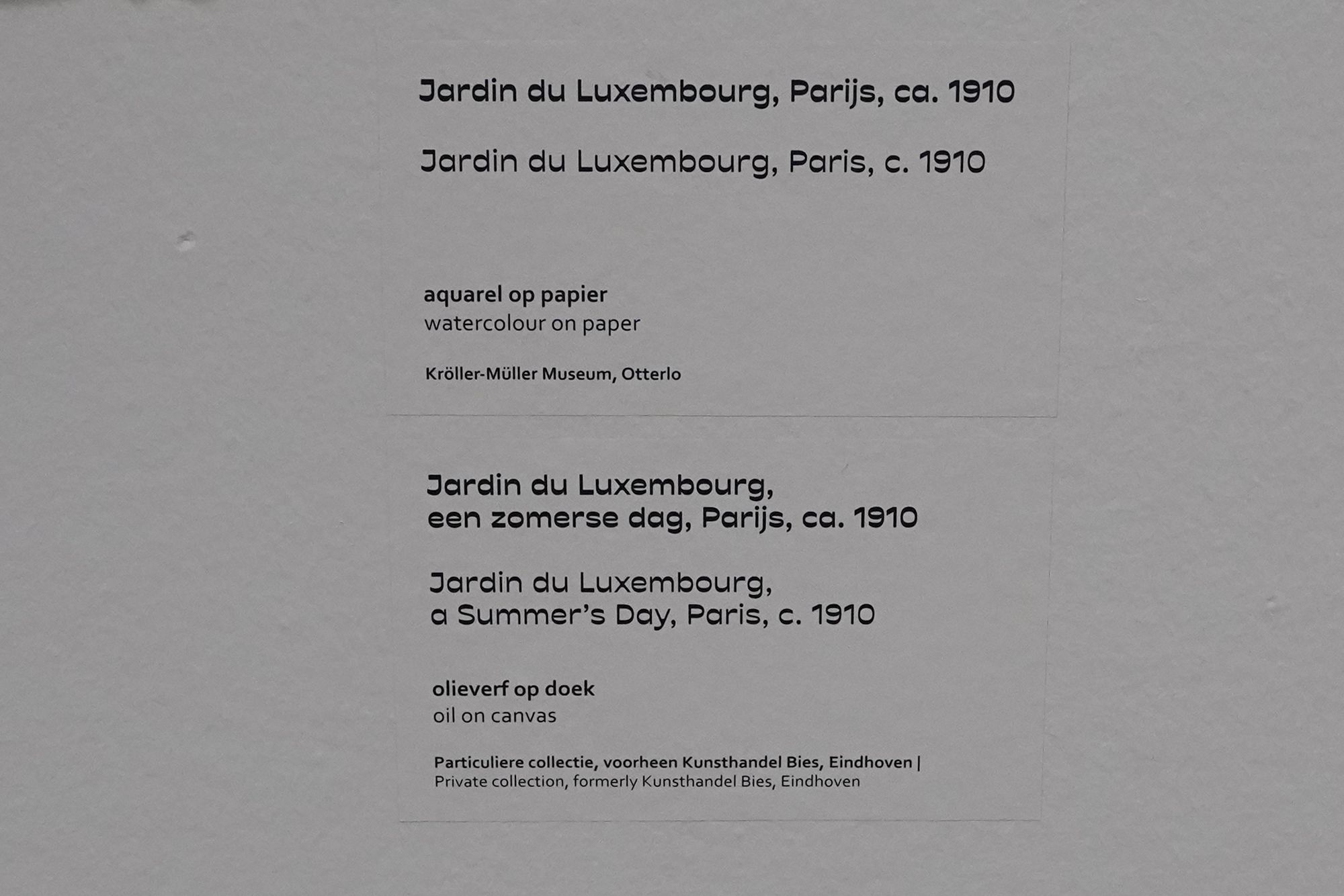
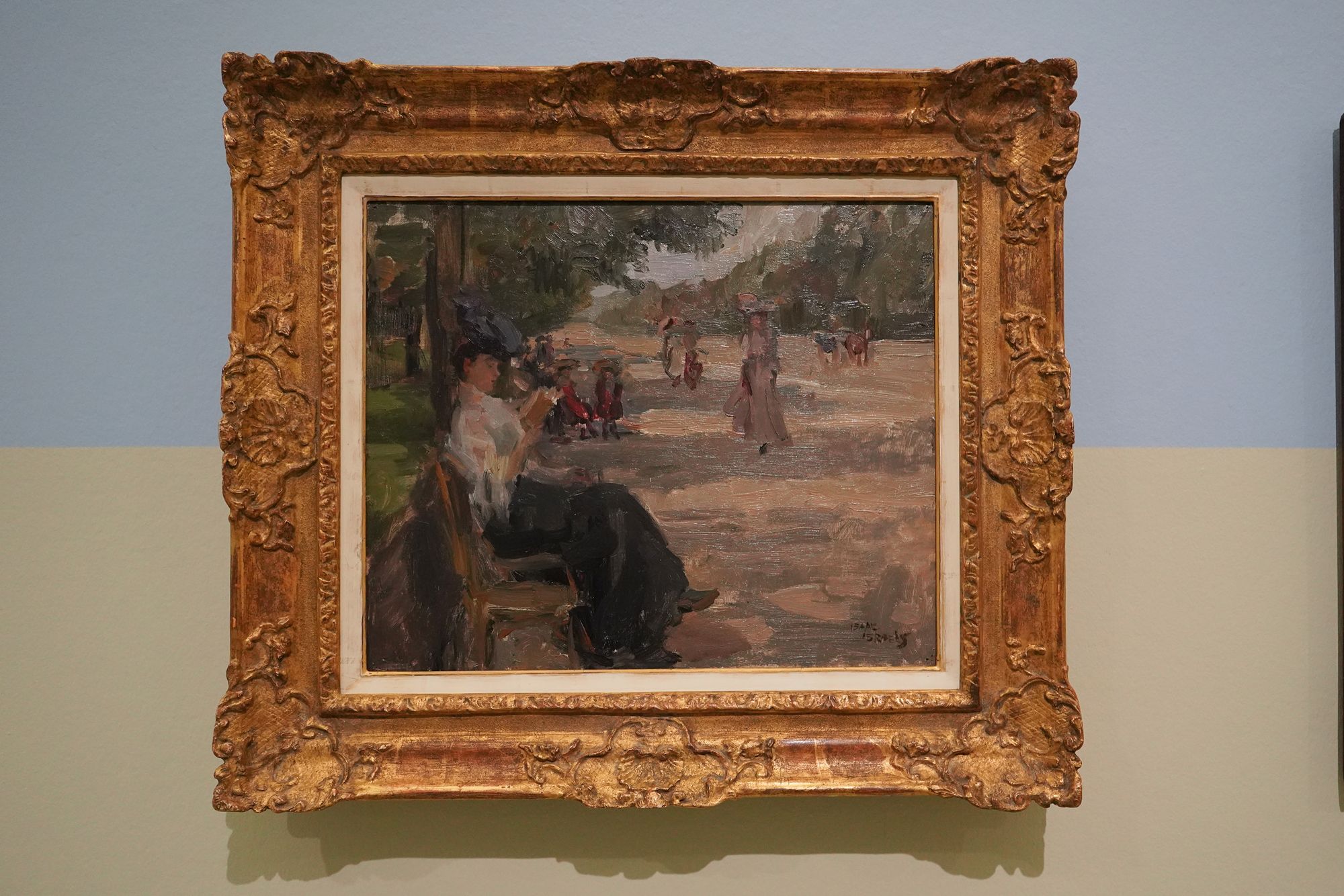
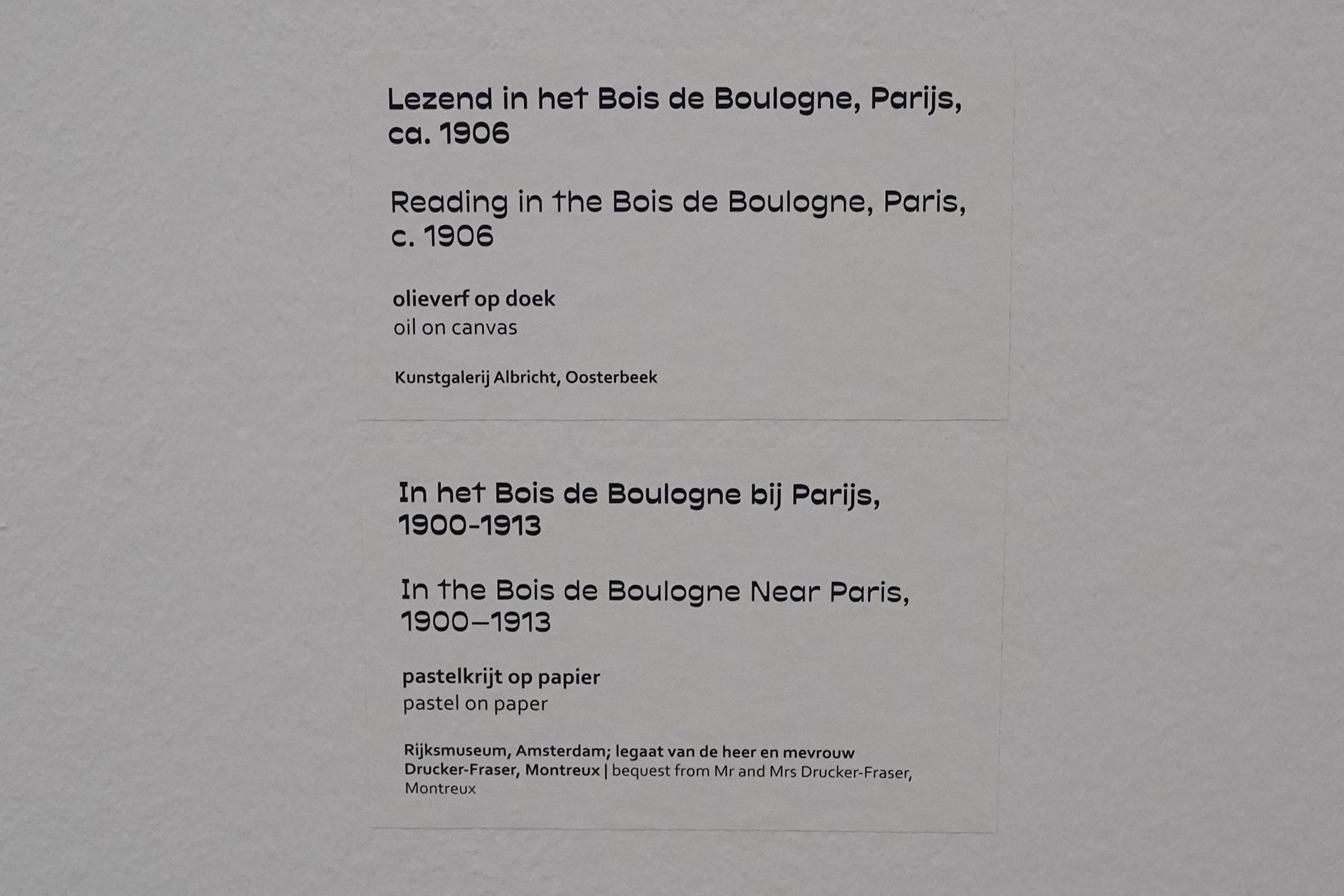
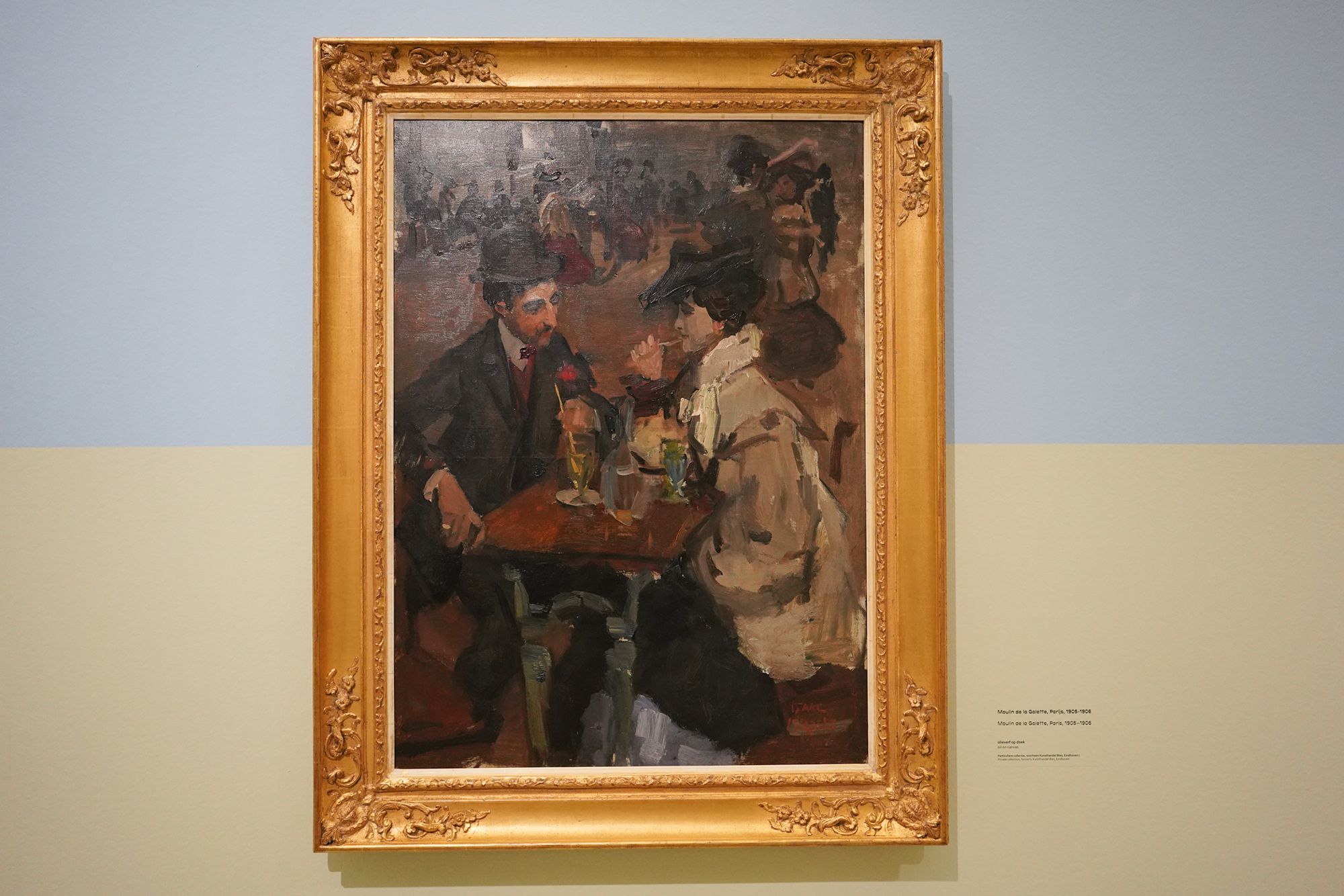
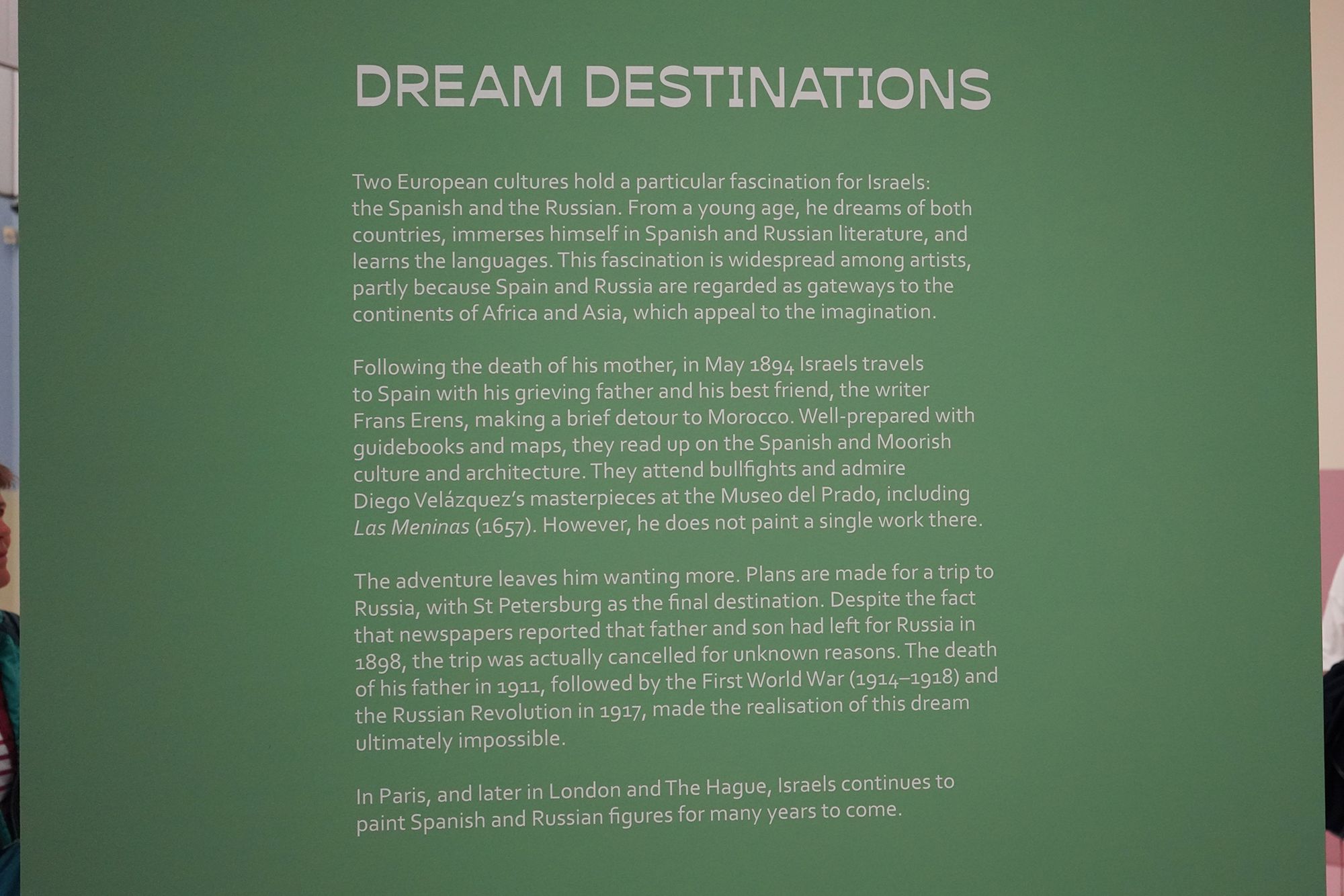
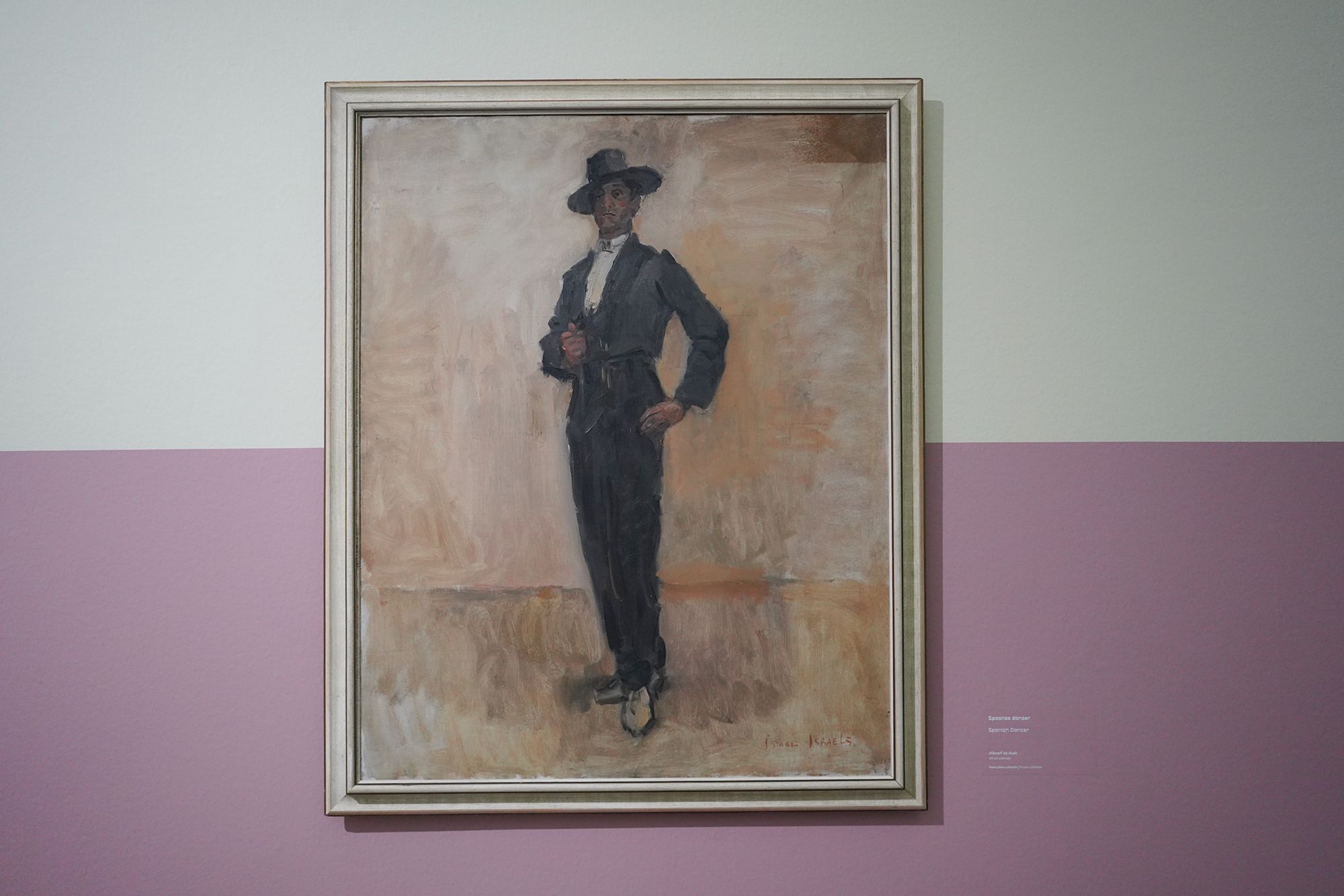
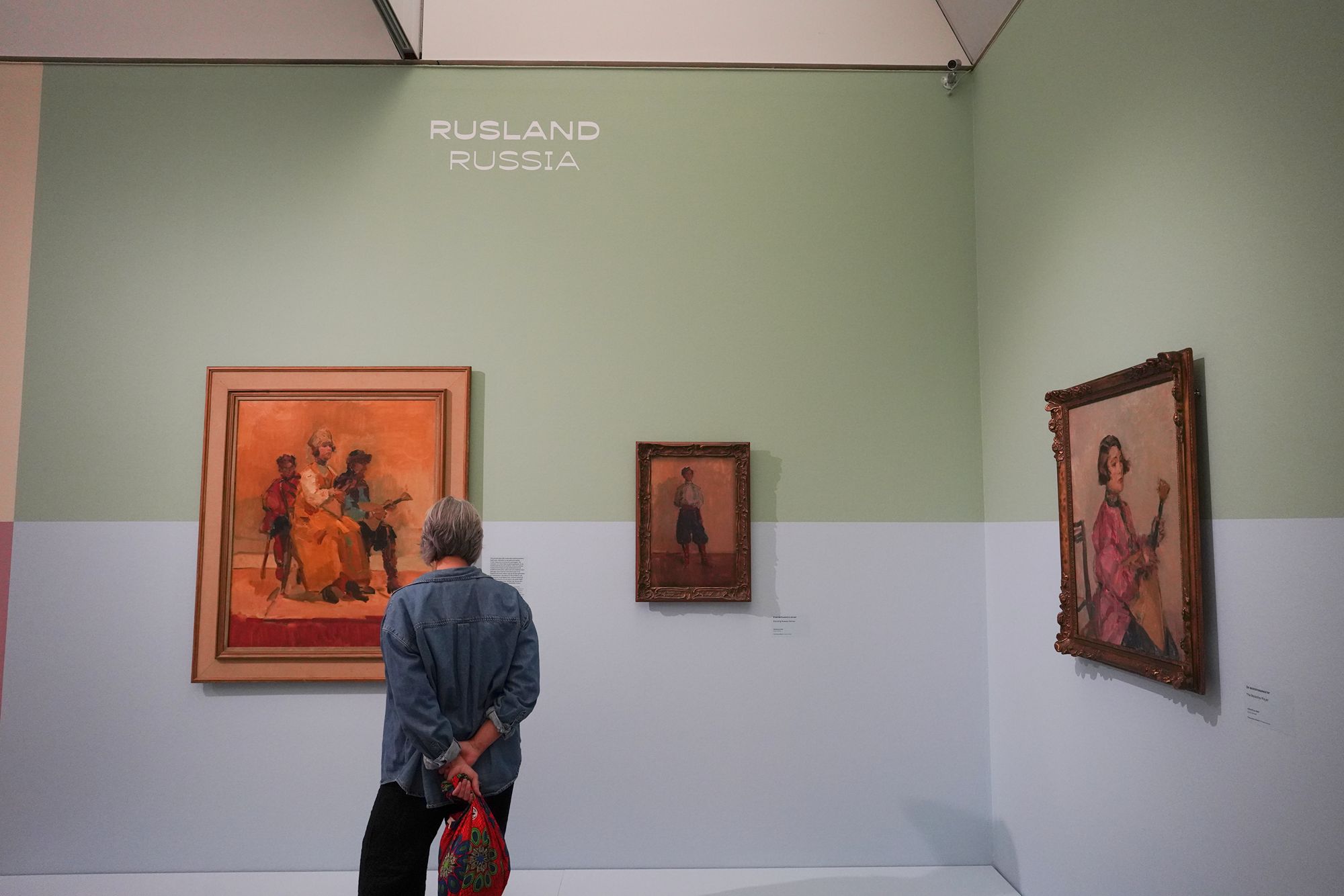
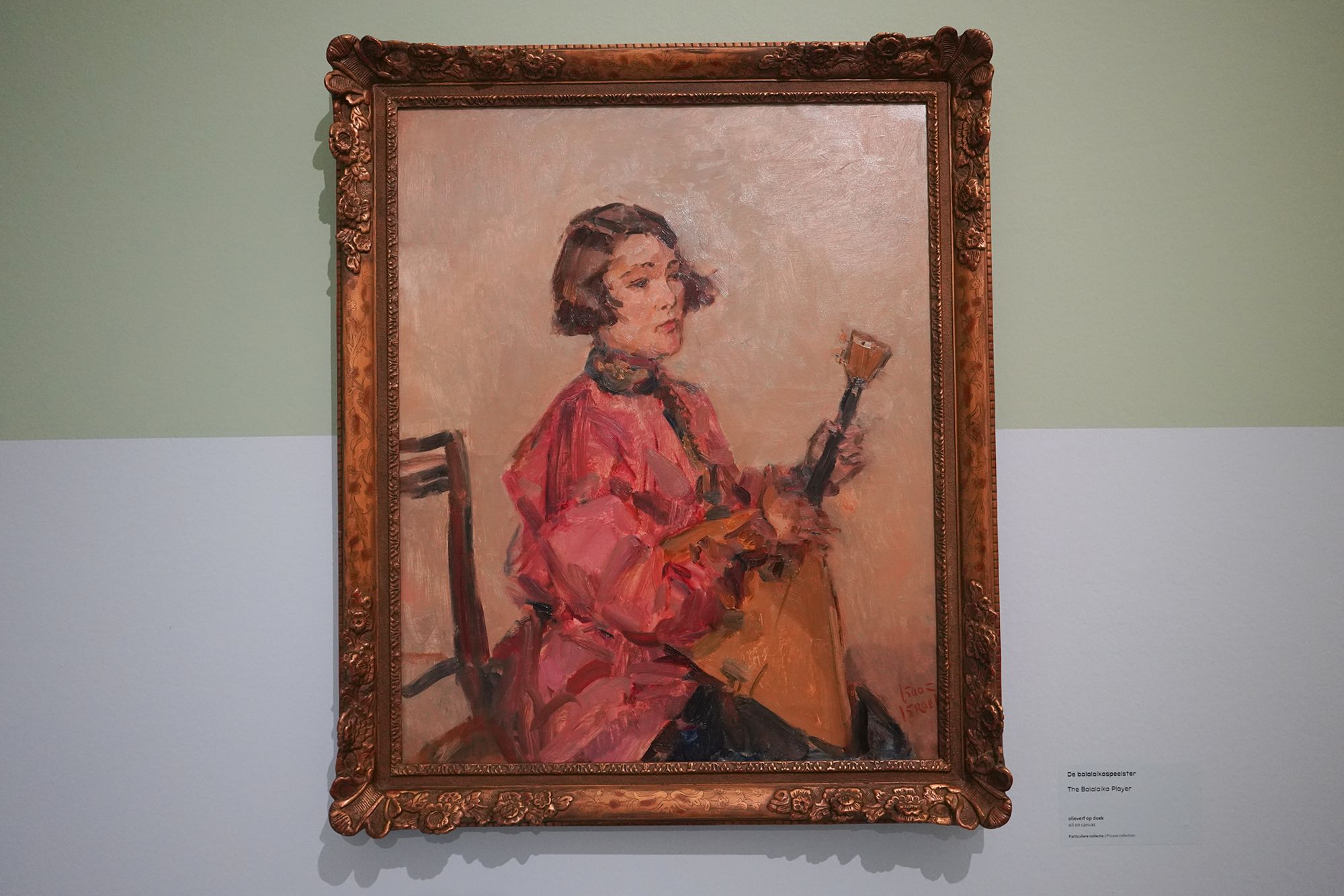
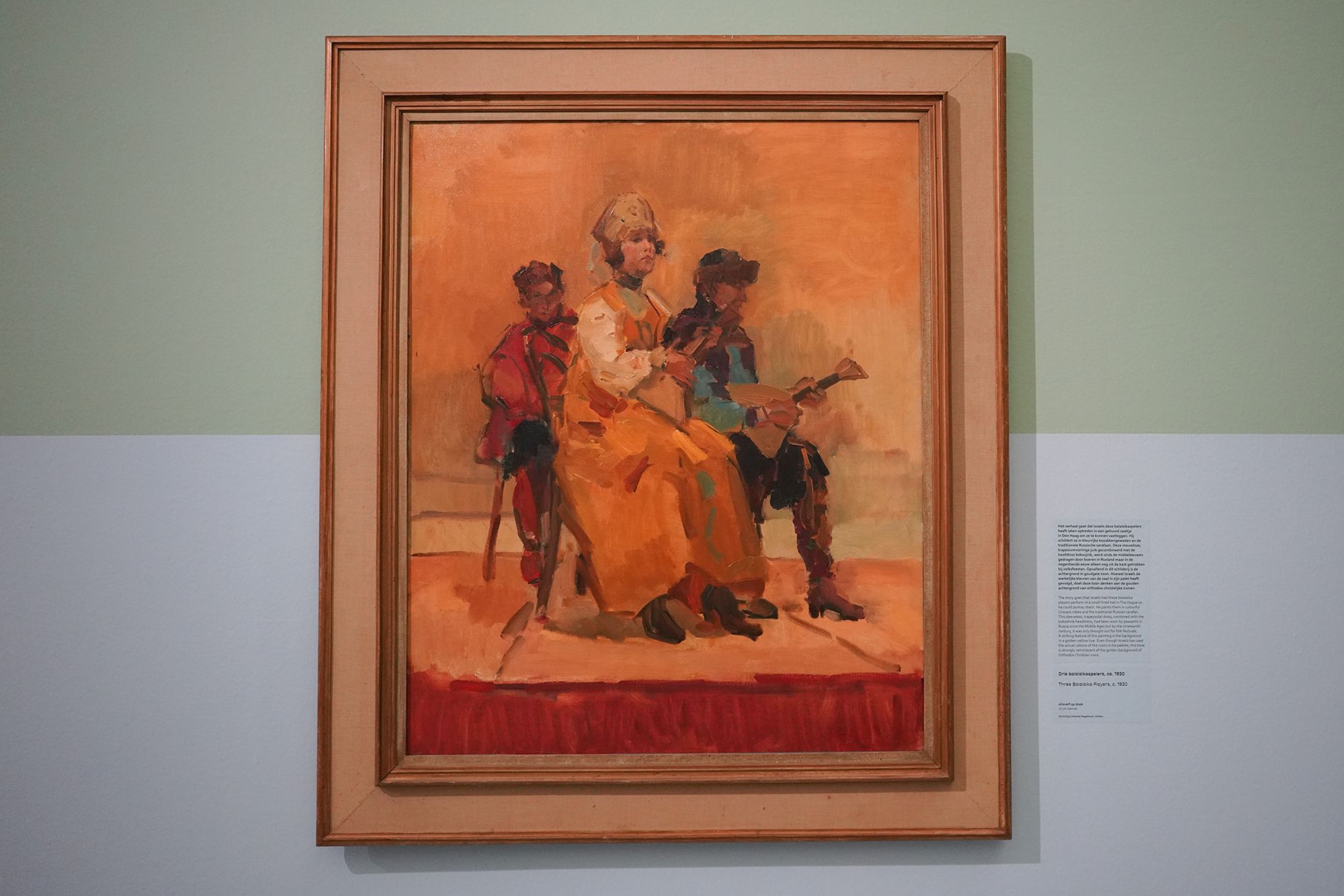
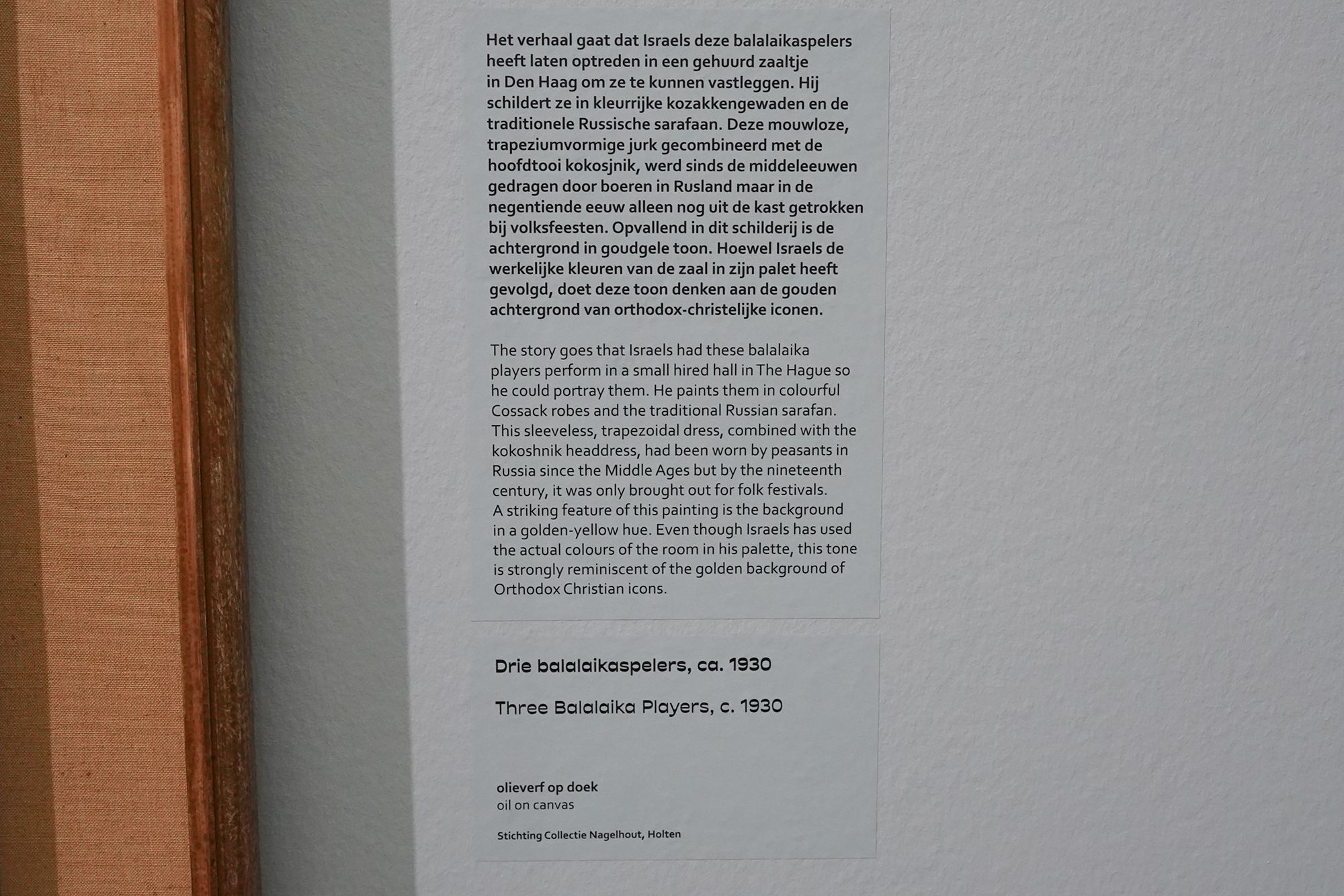
Spain and Russia were dream destinations for Isaac Israëls, who was fascinated by their languages, literature, and cultures from an early age. In 1894, after his mother’s death, he traveled through Spain with his father and writer Frans Erens, also making a short visit to Morocco. Although he admired Spanish and Moorish culture and studied masterpieces by Velázquez at the Prado, he surprisingly produced no paintings there. Israëls also dreamed of visiting Russia, but the planned journey never happened; nevertheless, Spanish and Russian subjects continued to appear in his paintings for many years.
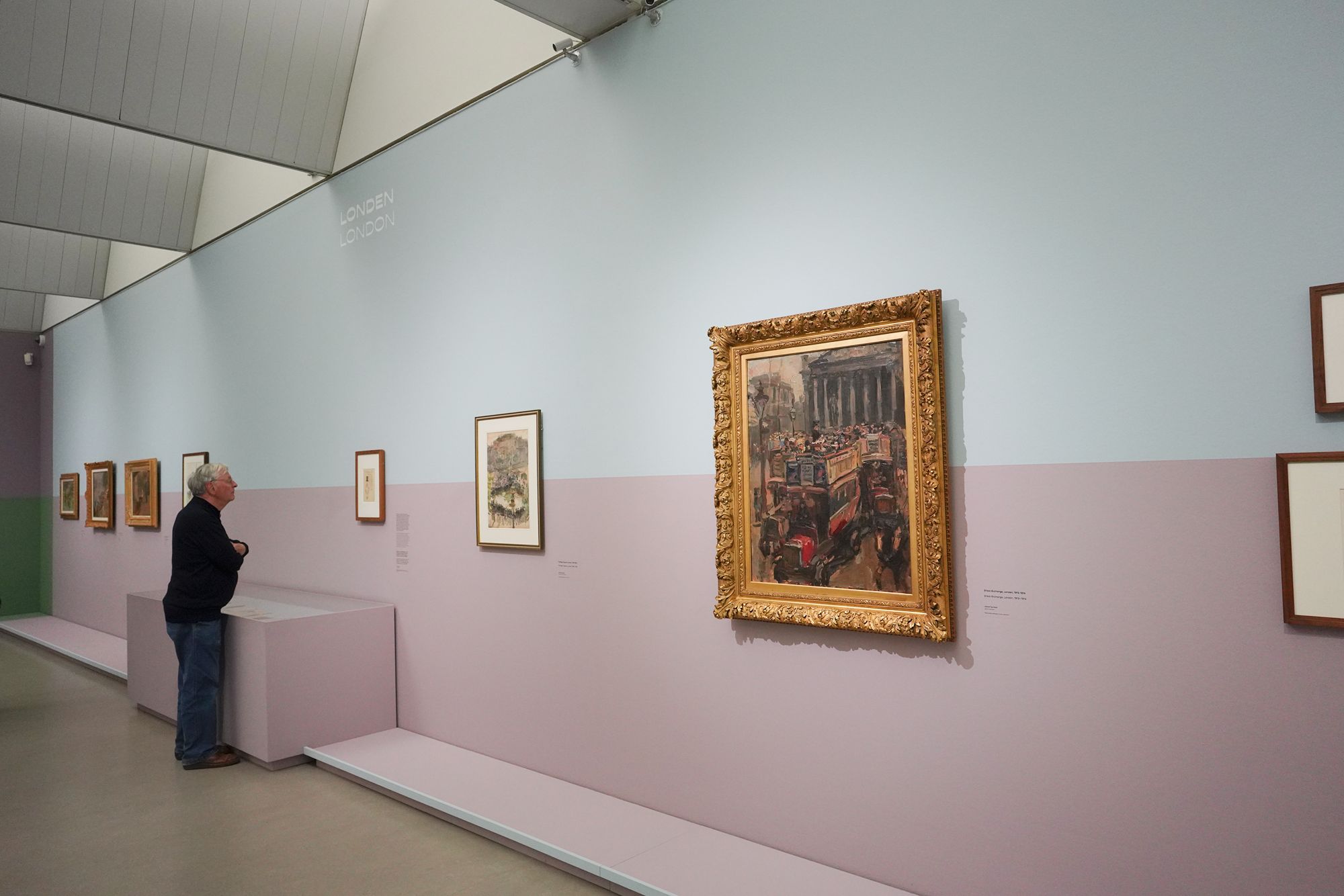
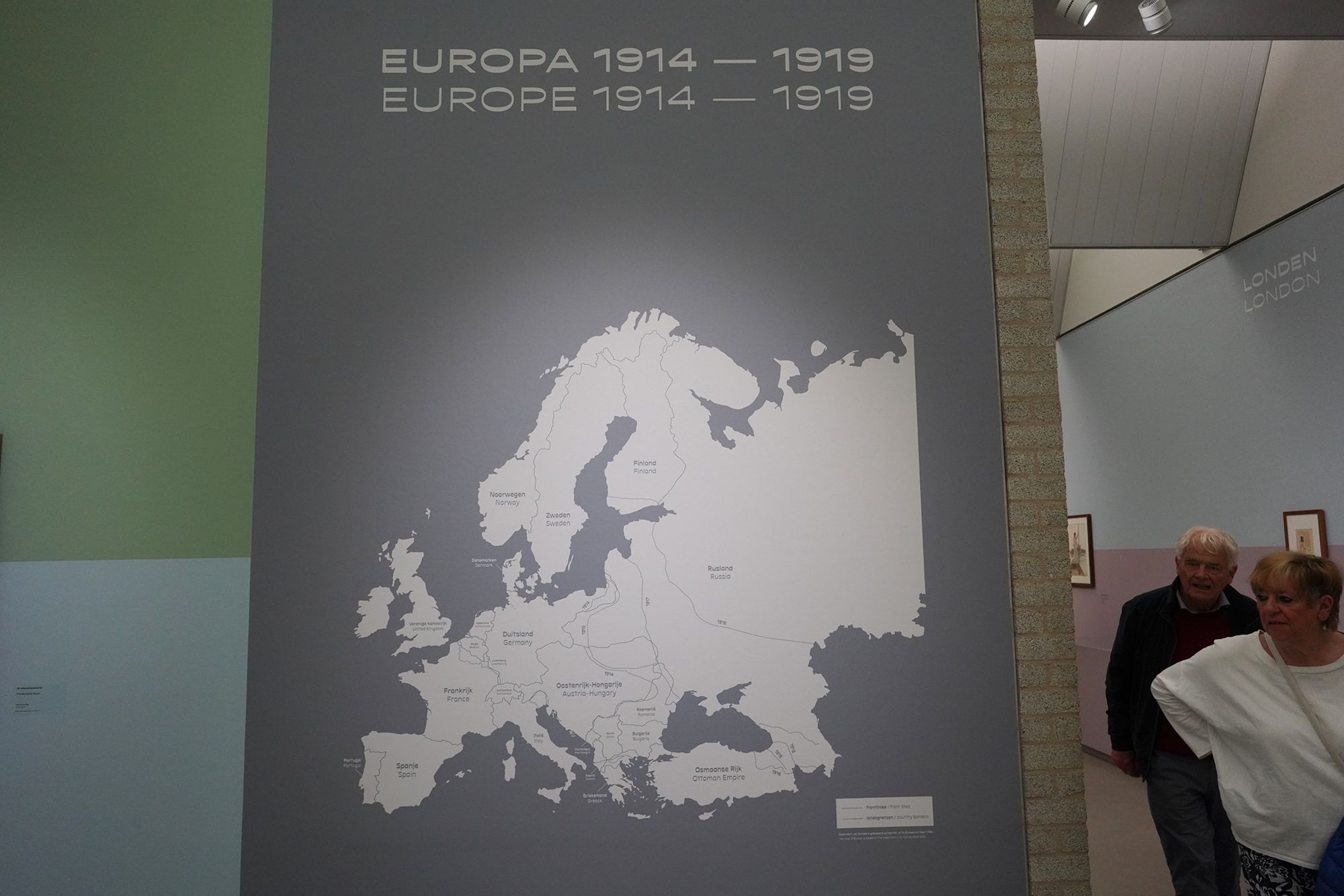
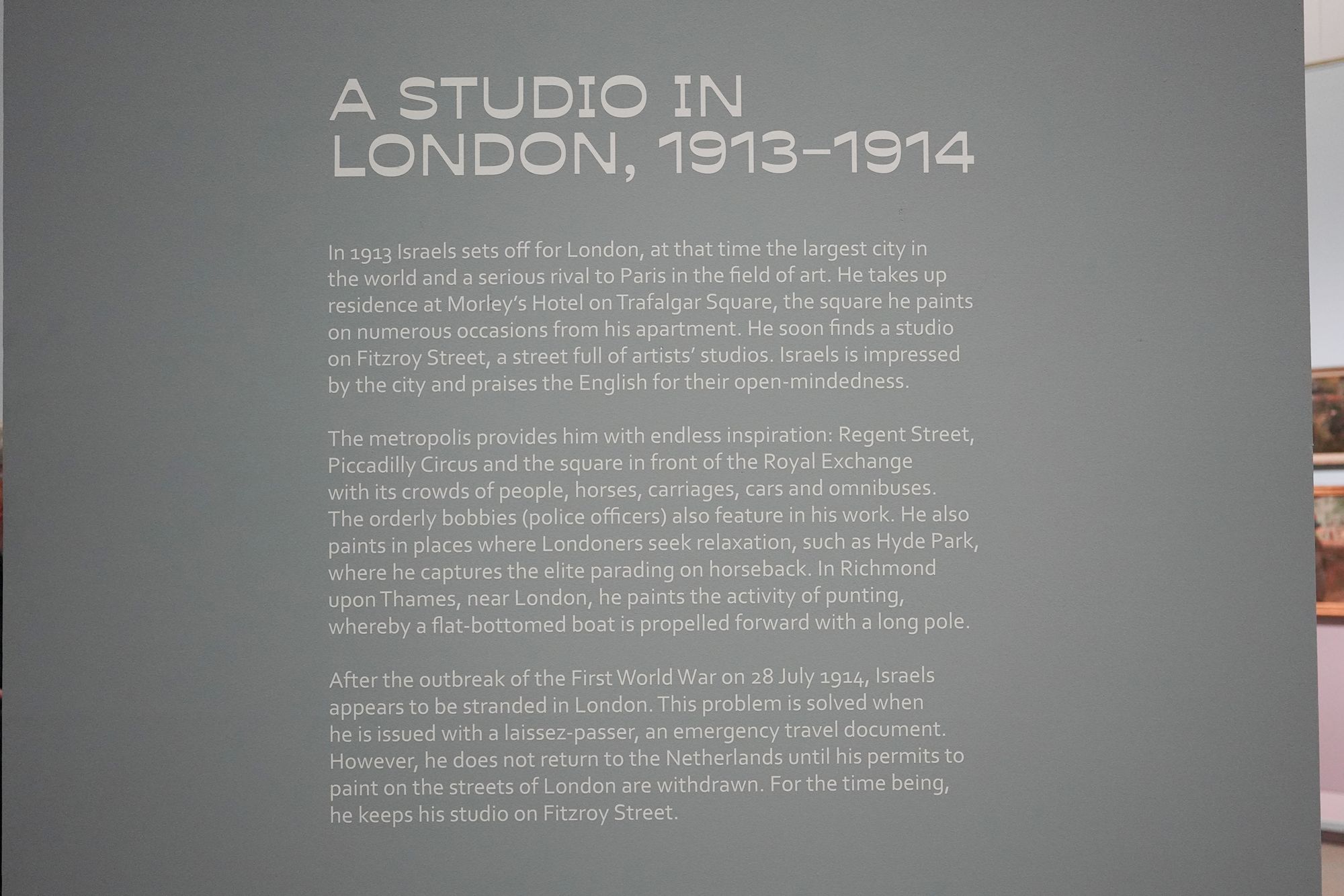
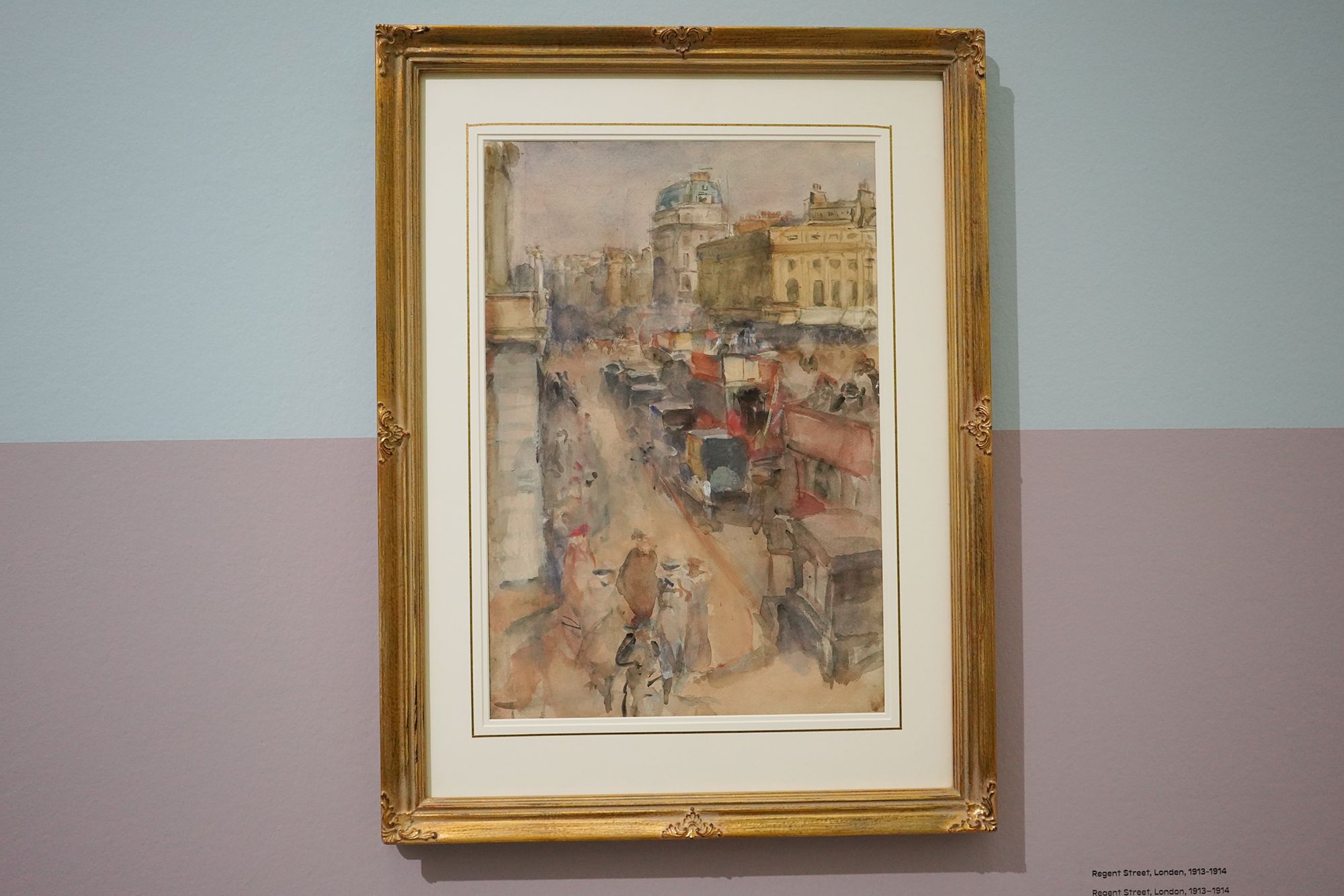
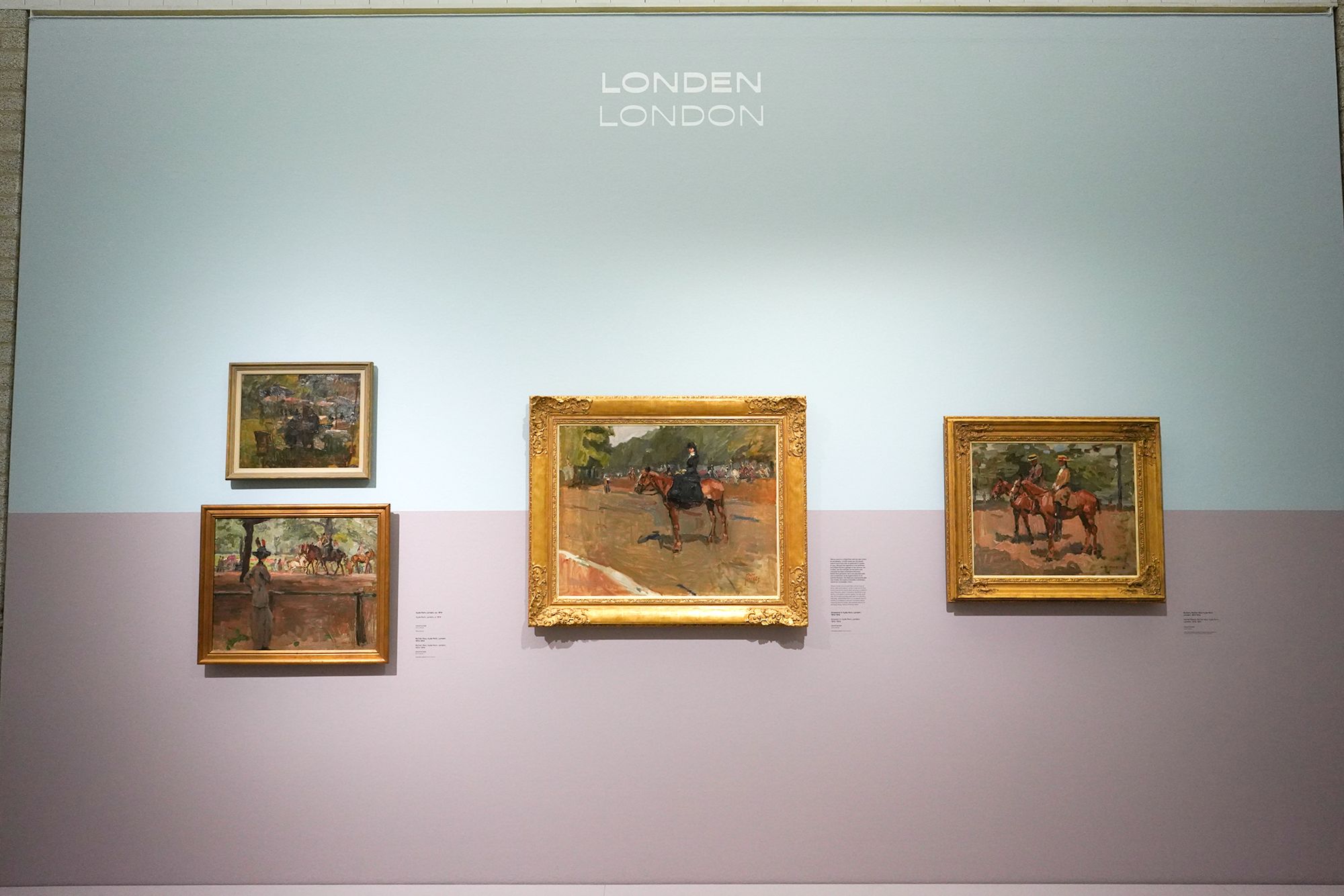
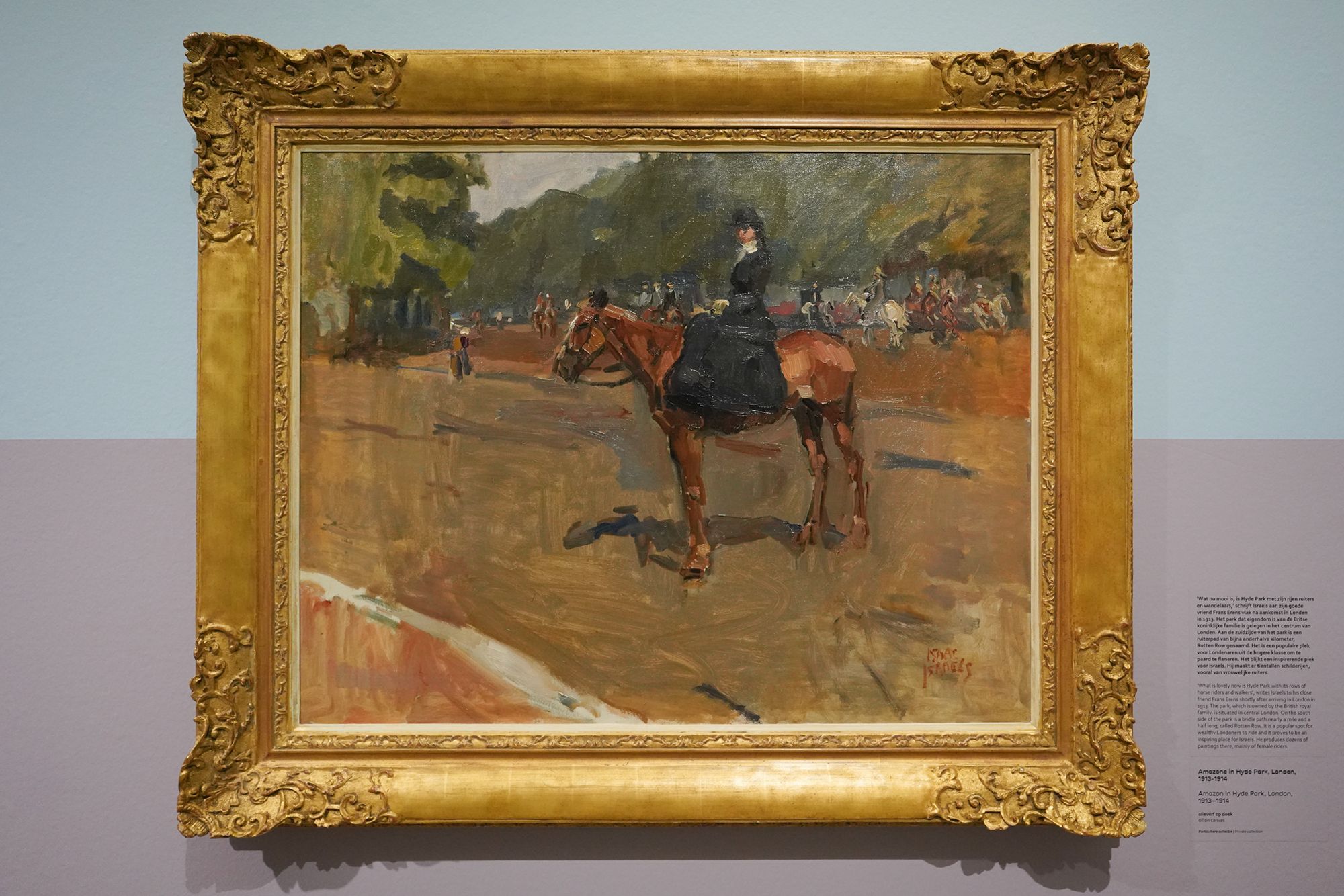
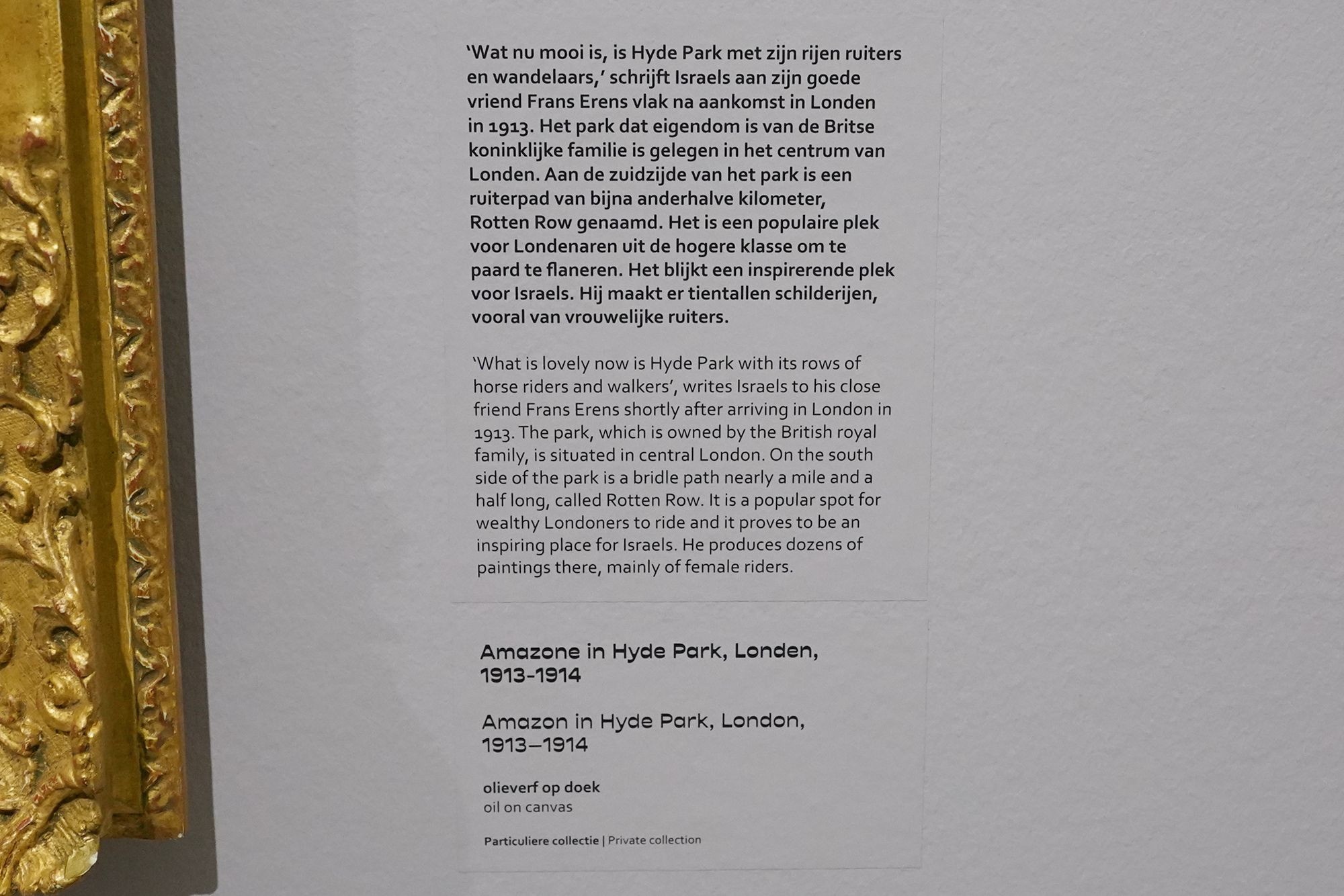
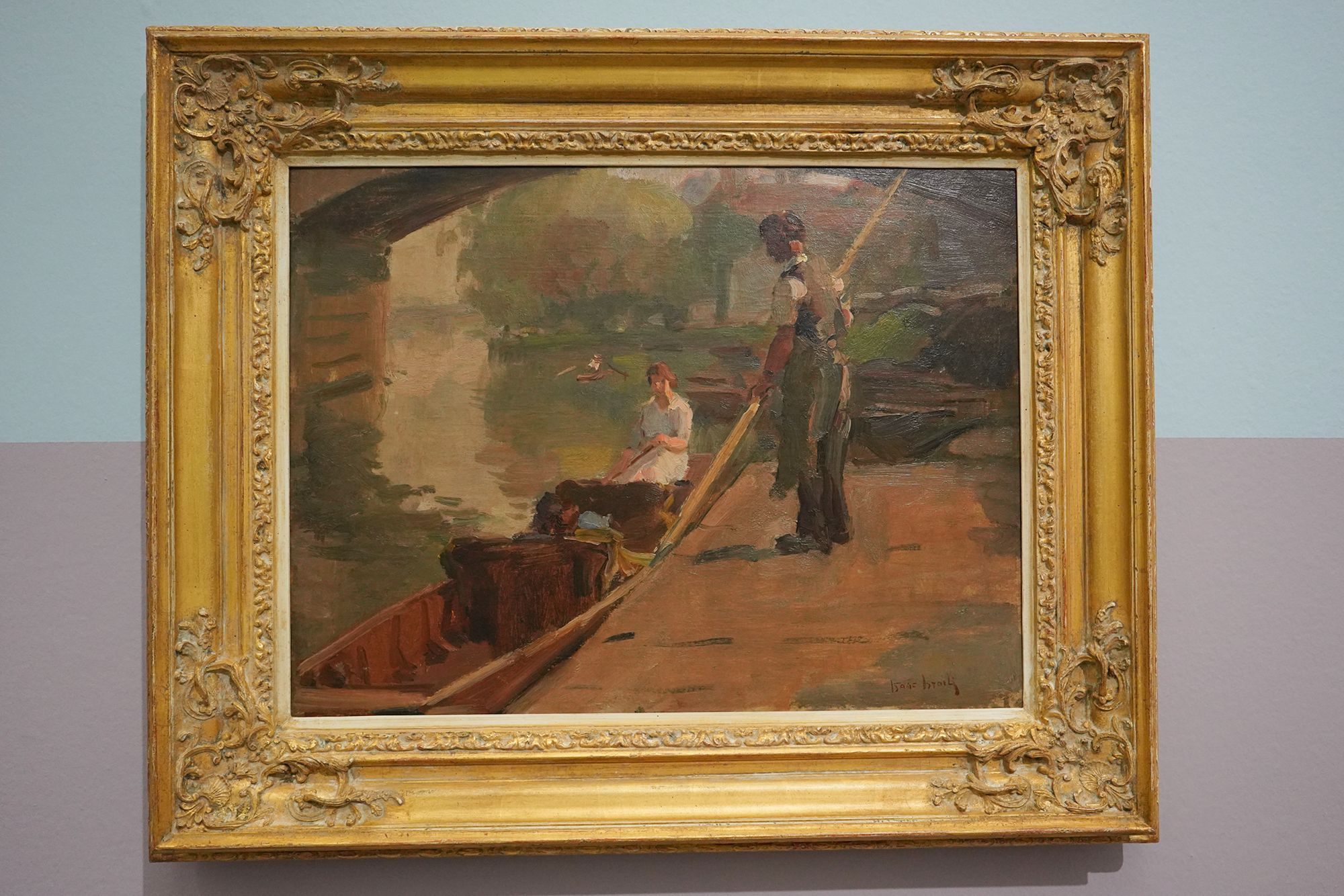
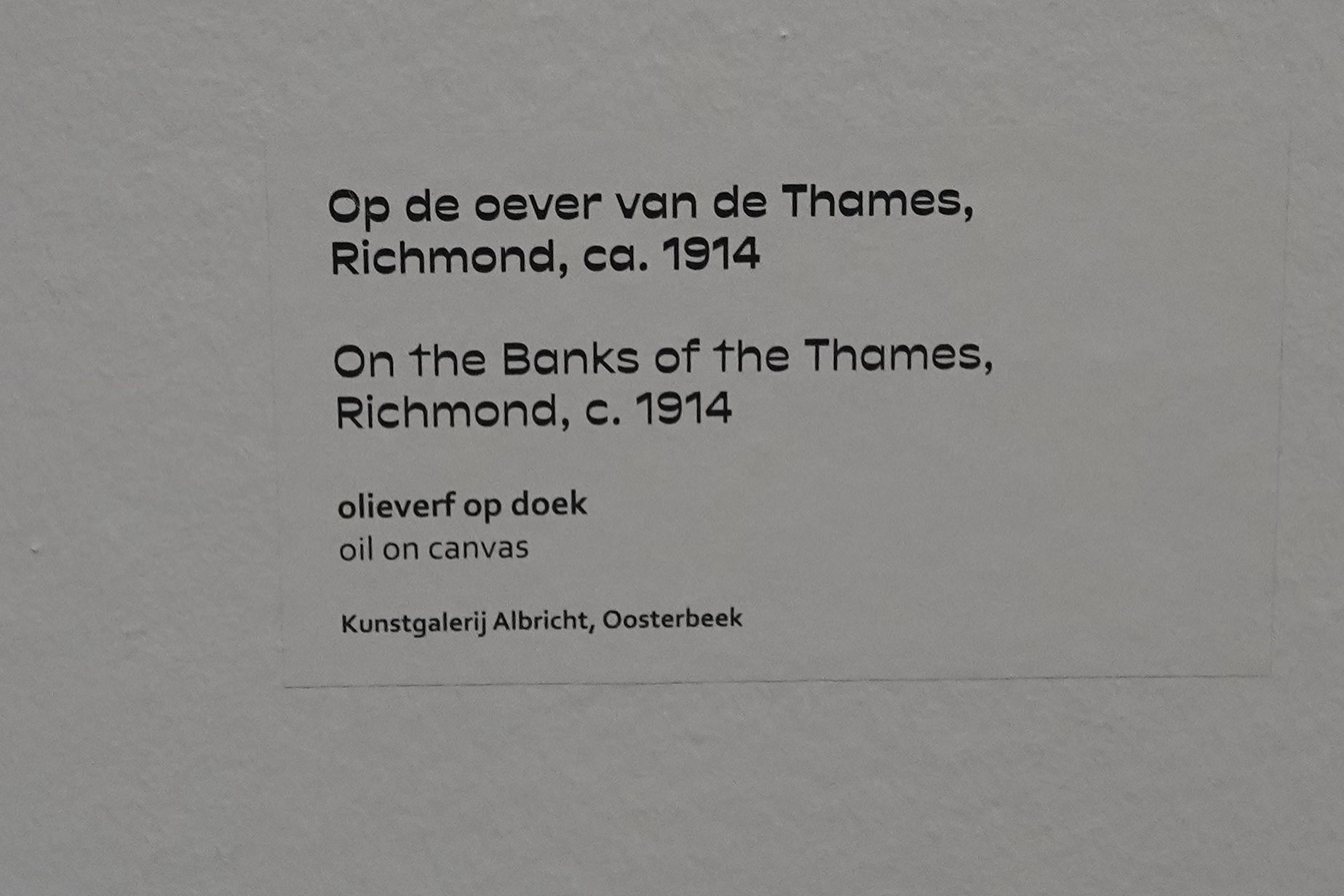
In 1913, Isaac Israëls moved to London, establishing a studio near the center of the city. He found endless subjects in the busy streets, painting Trafalgar Square, Regent Street, Piccadilly Circus, policemen, crowds, carriages, and buses, as well as fashionable riders in Hyde Park and boating near Richmond. Israëls admired London and the openness of the English, but the outbreak of World War I in 1914 eventually brought this productive period to an end.
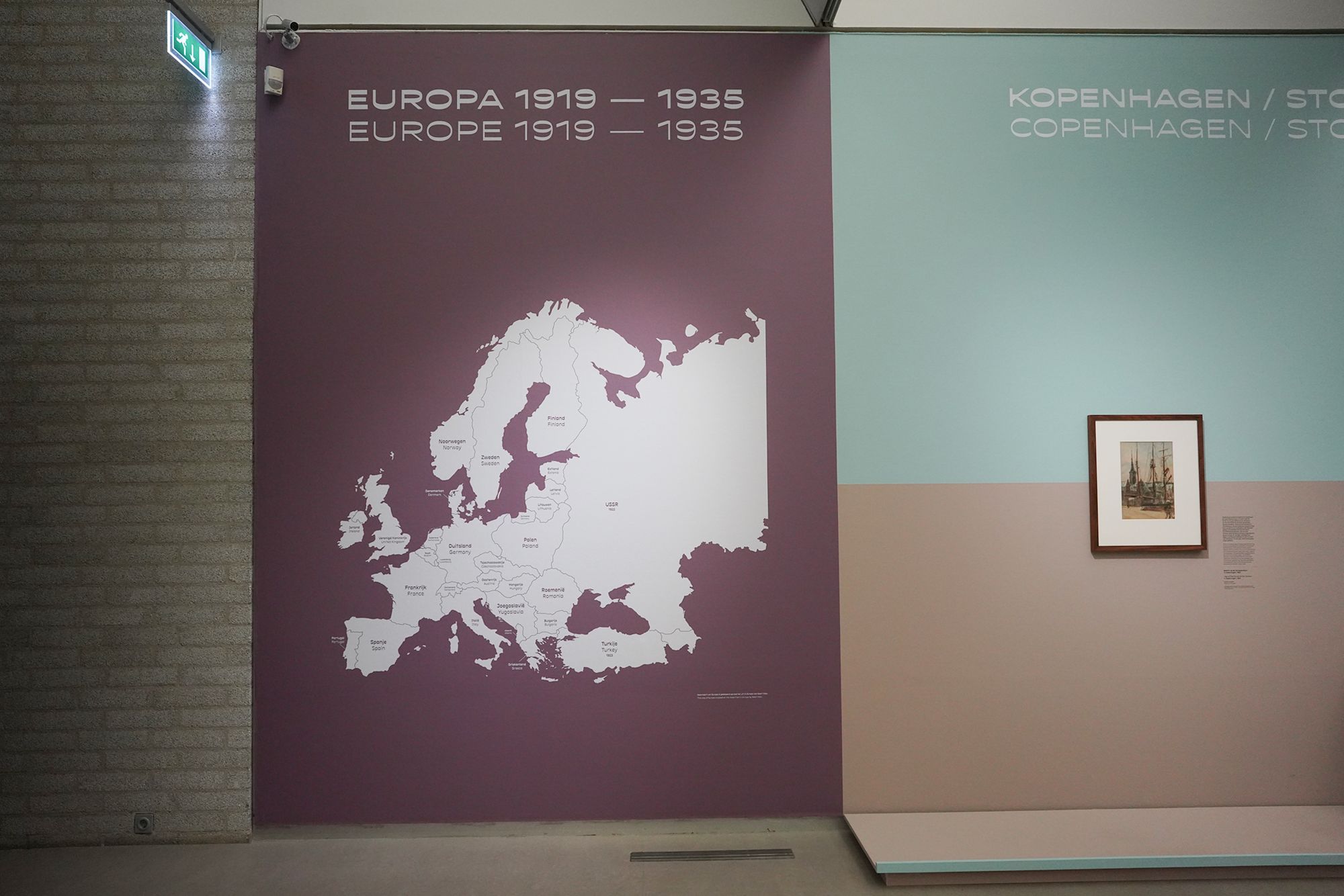
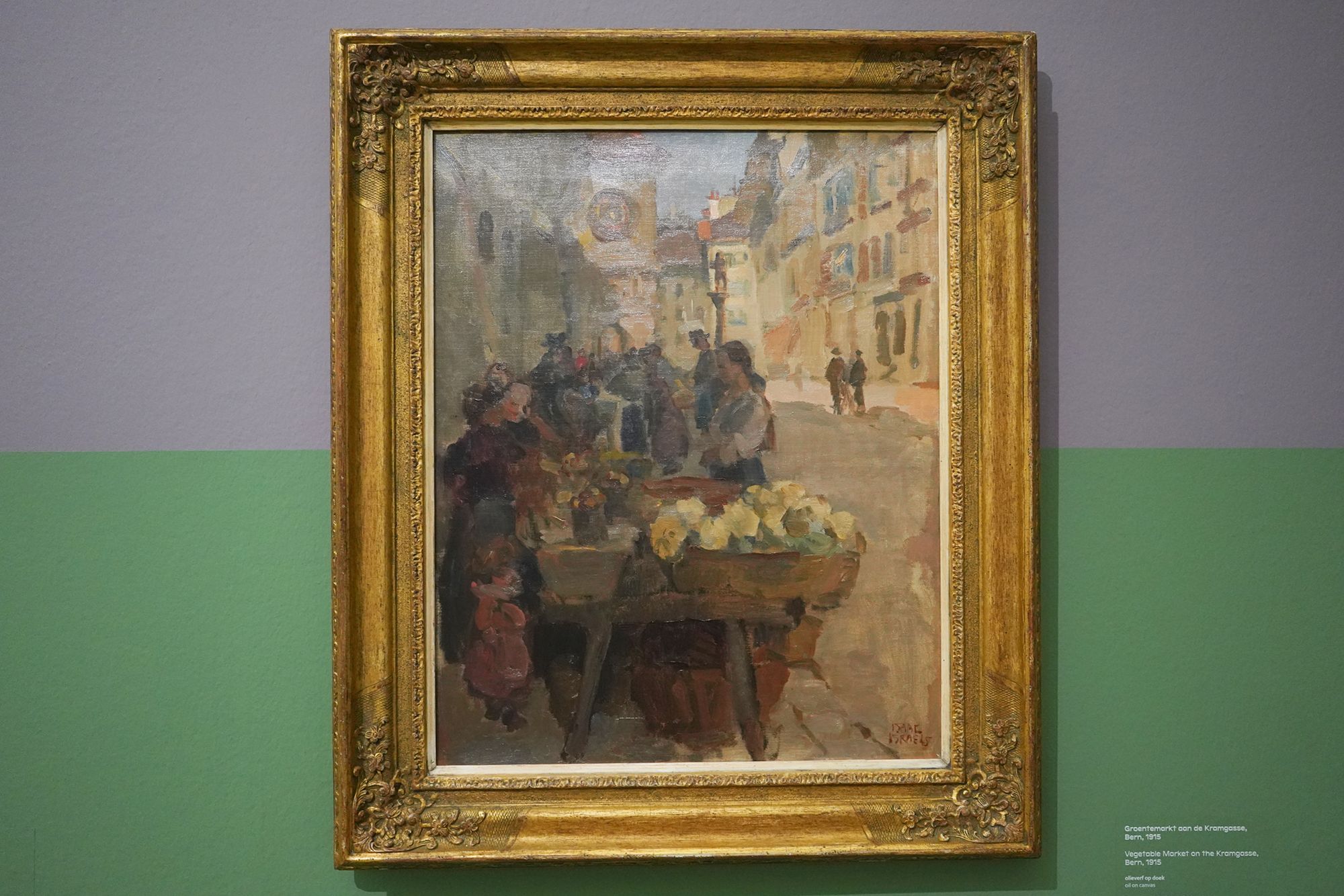
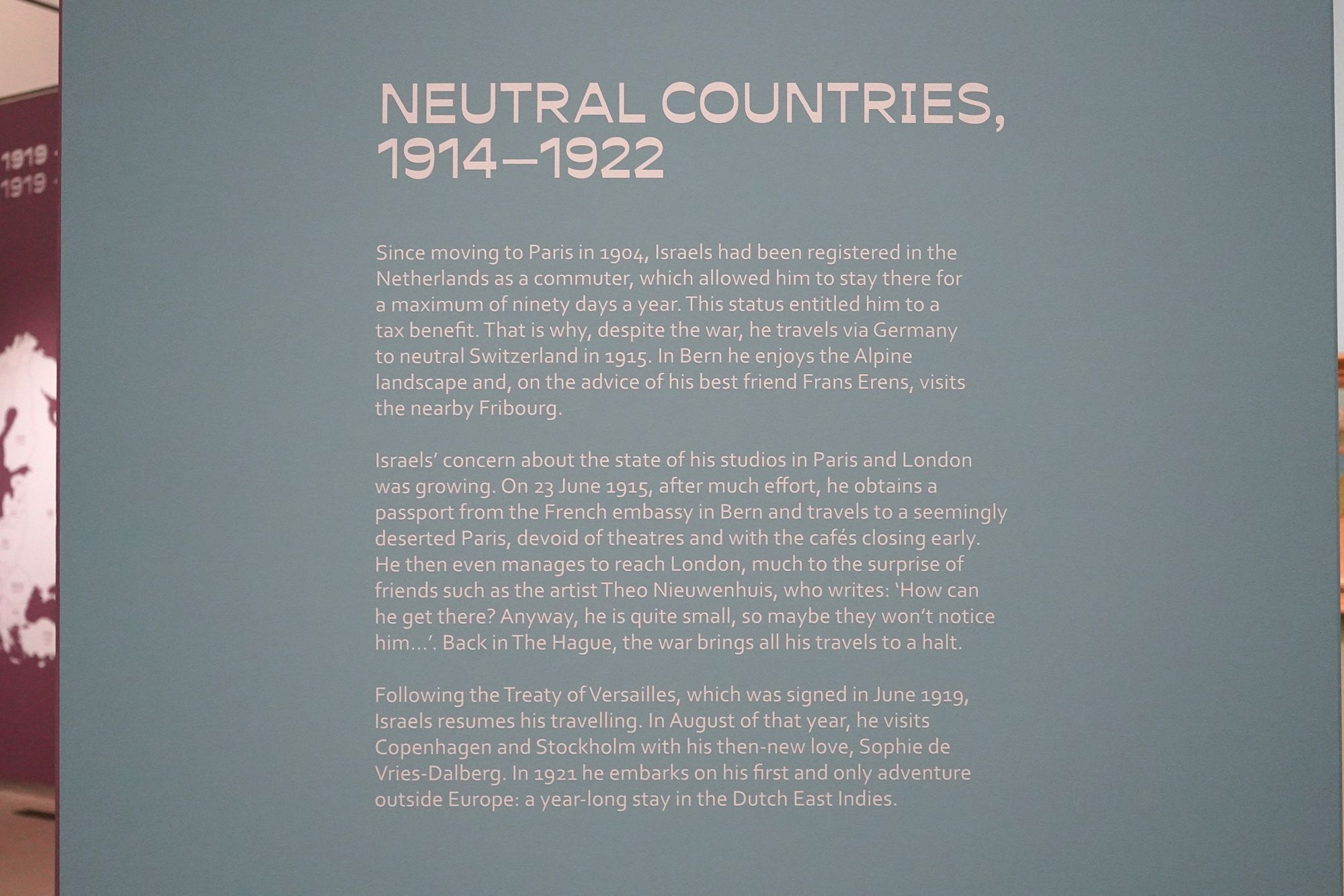
During World War I, Isaac Israëls continued traveling when possible, visiting neutral Switzerland in 1915 and even returning briefly to his studios in wartime Paris and London. Eventually the war brought his travels to a halt, and he remained in The Hague. After the war, he resumed traveling, visiting Copenhagen and Stockholm in 1919. In 1921, Israëls began his greatest journey yet—a year-long stay in the Dutch East Indies, his first and only adventure outside Europe.
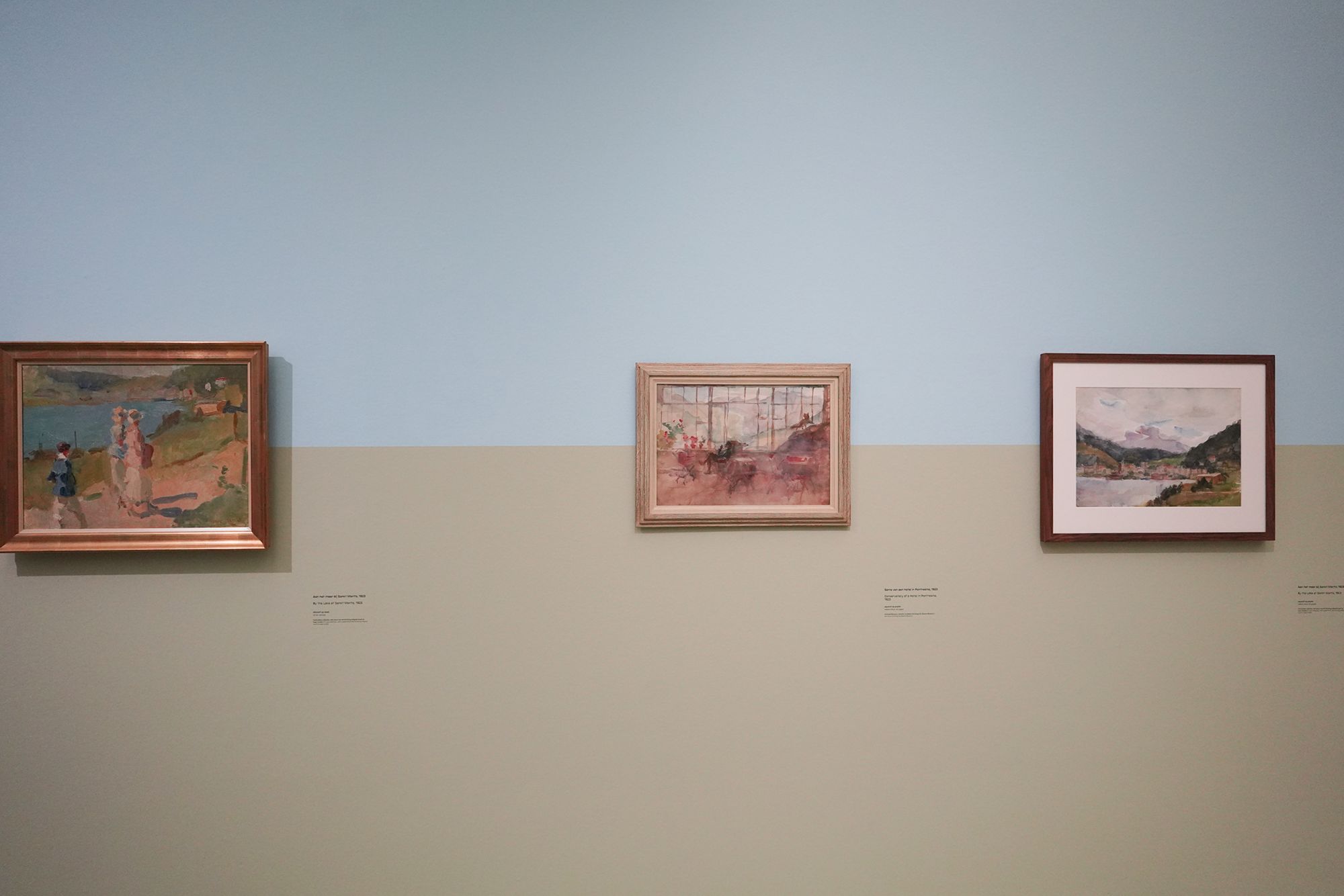
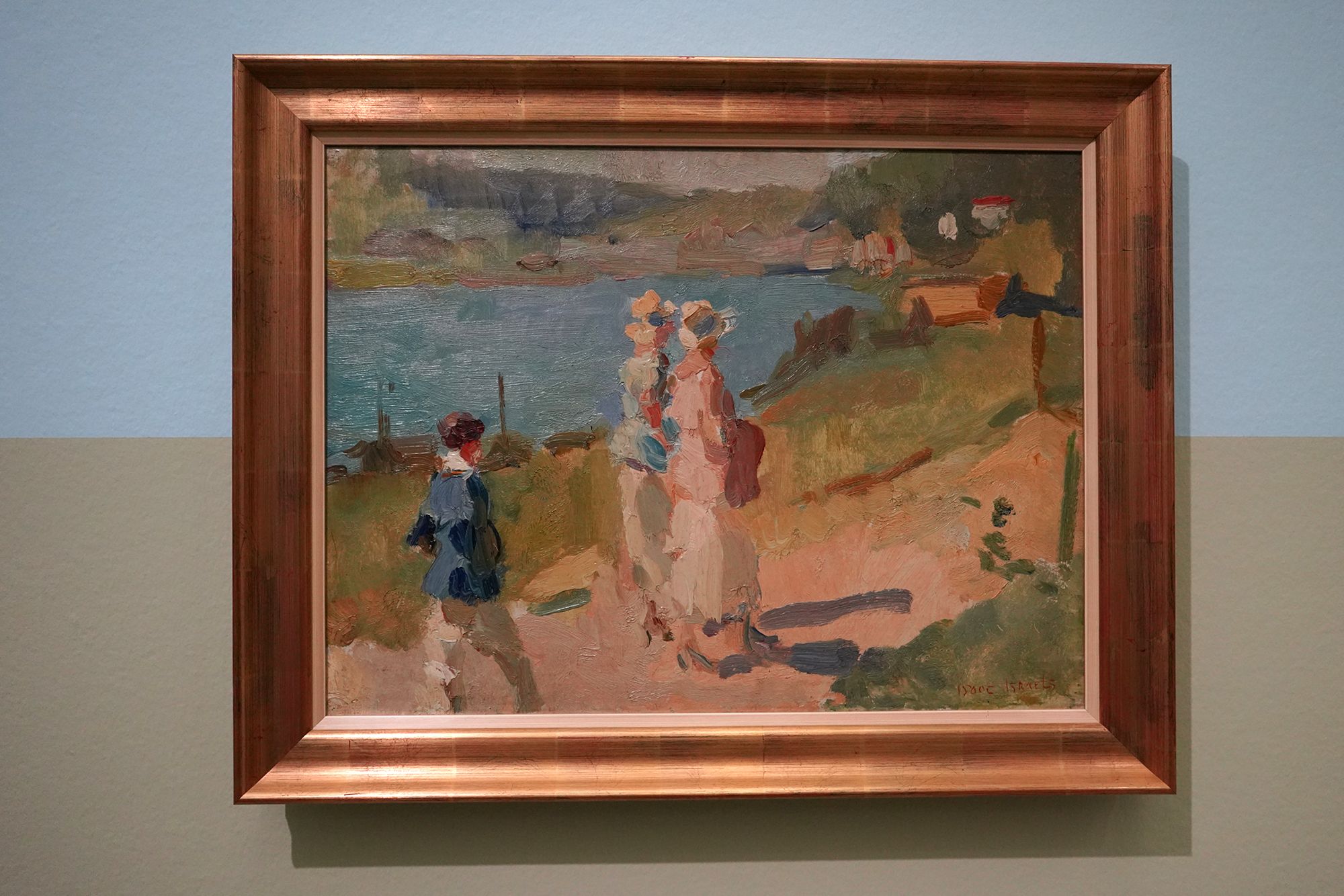
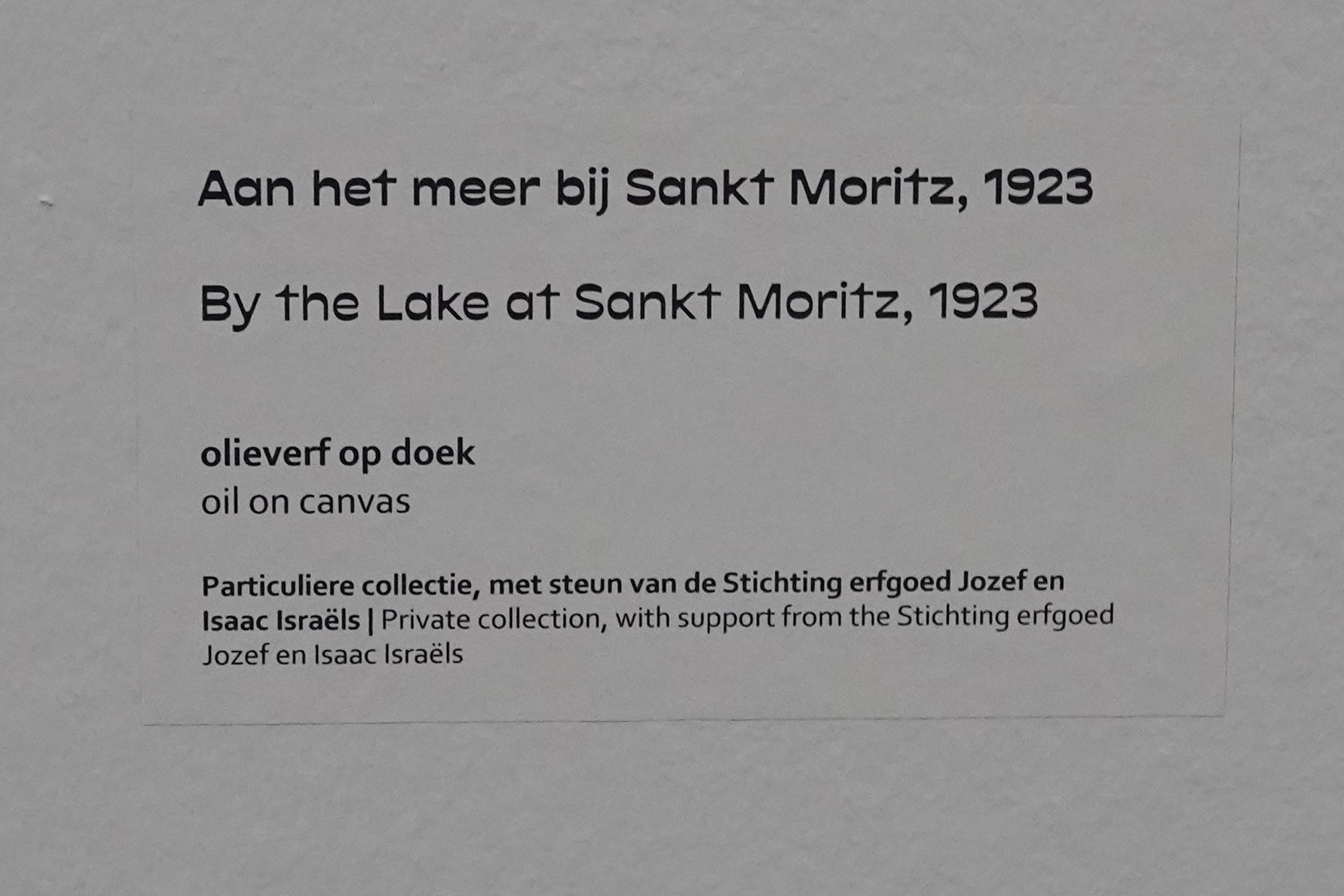
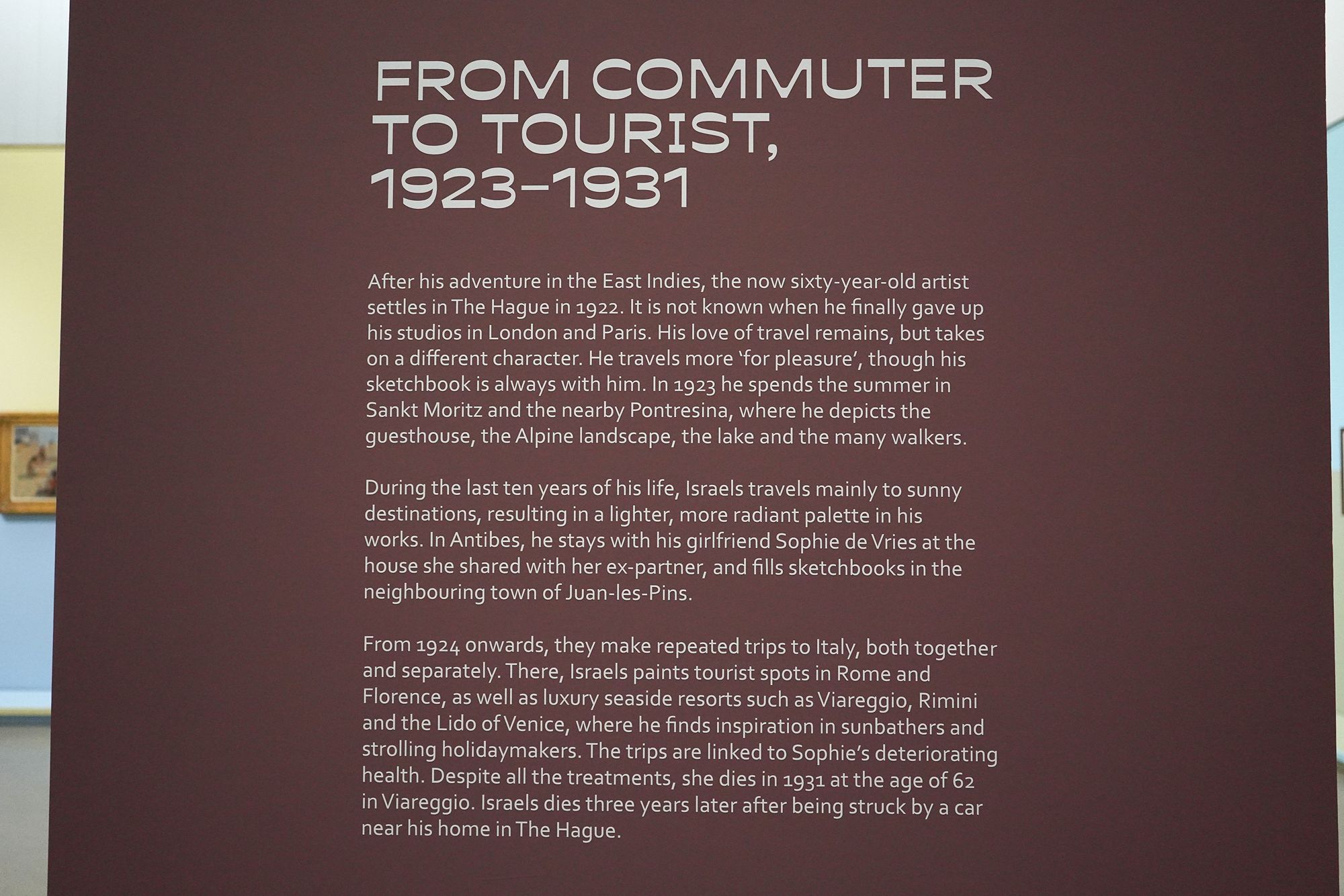
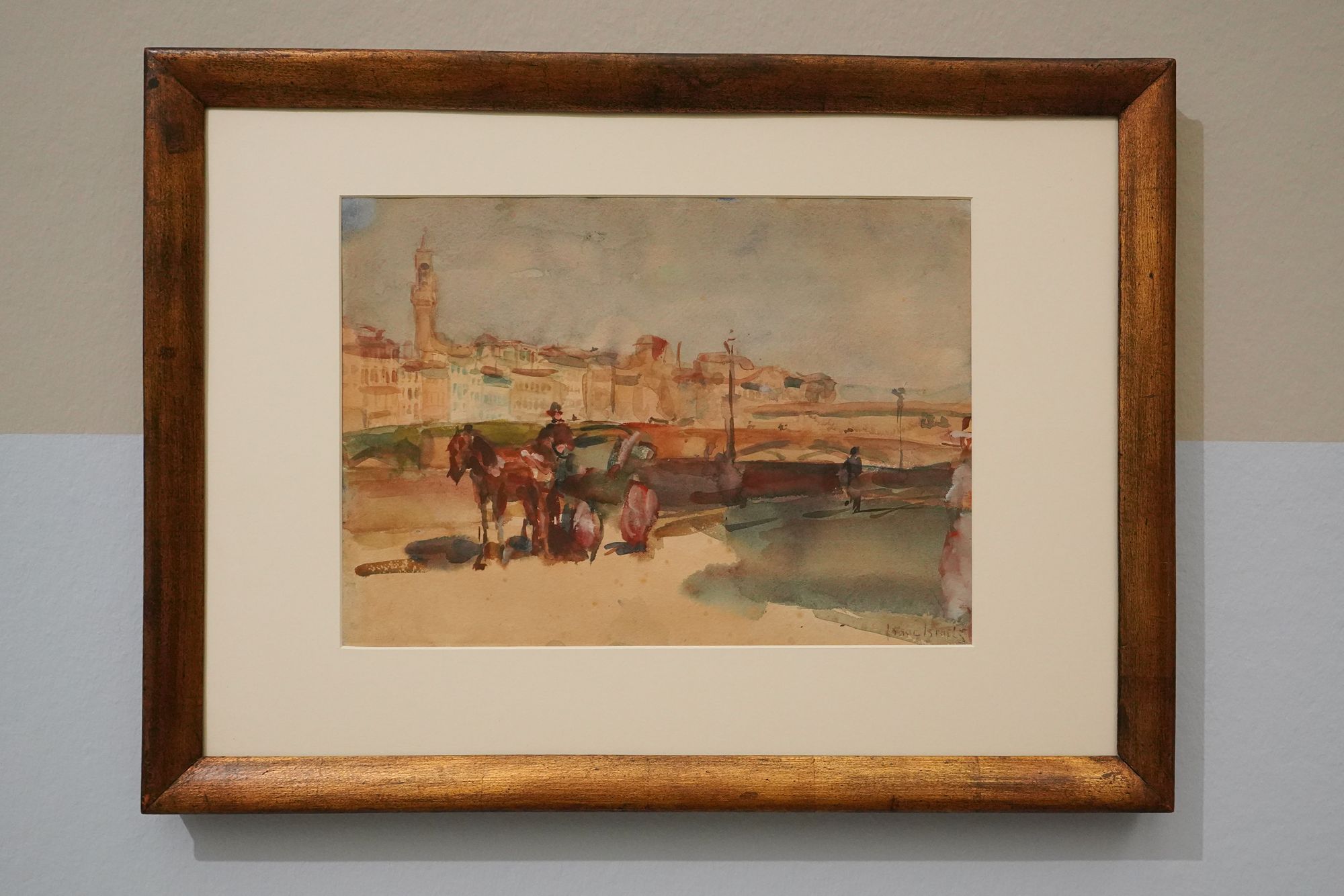
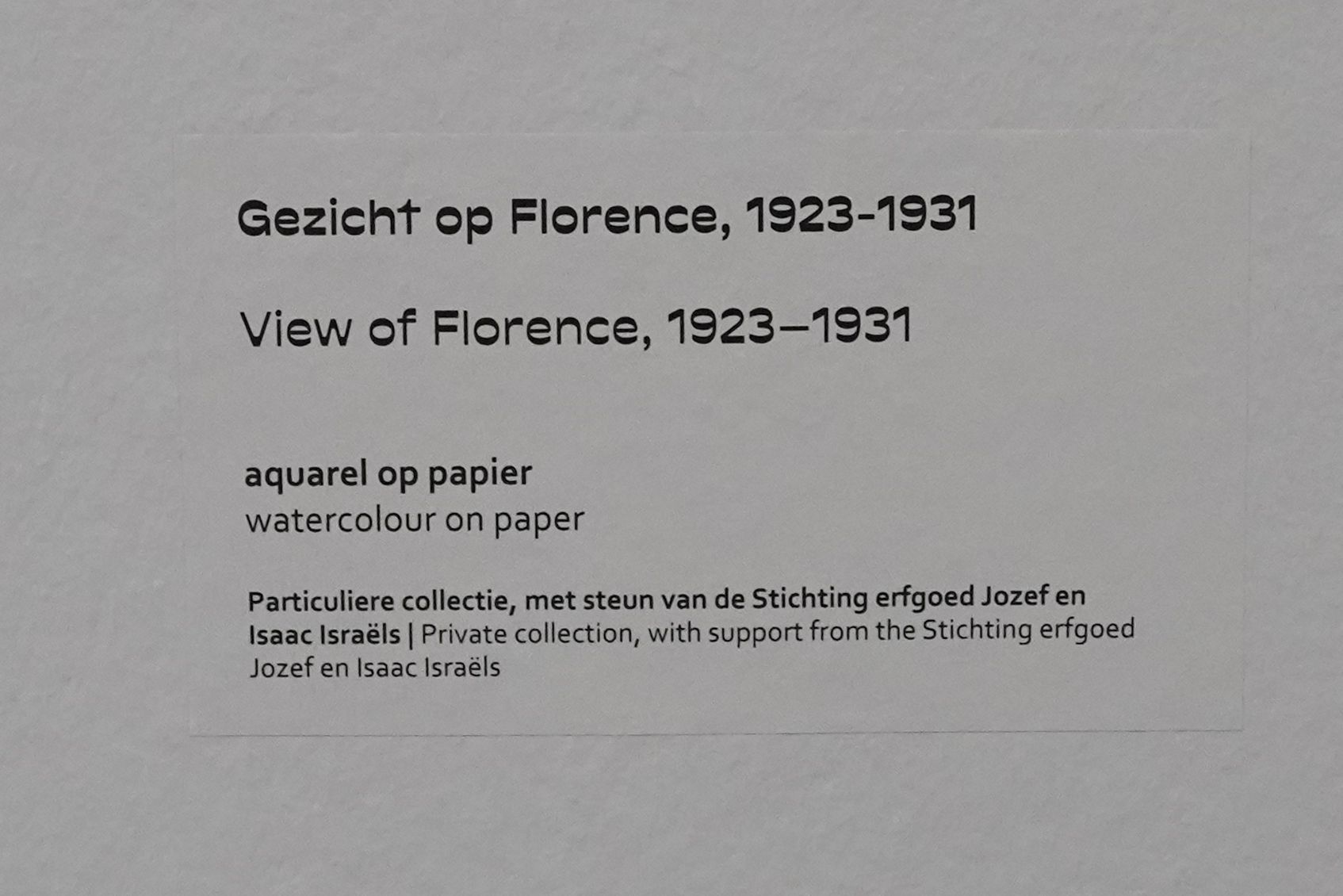
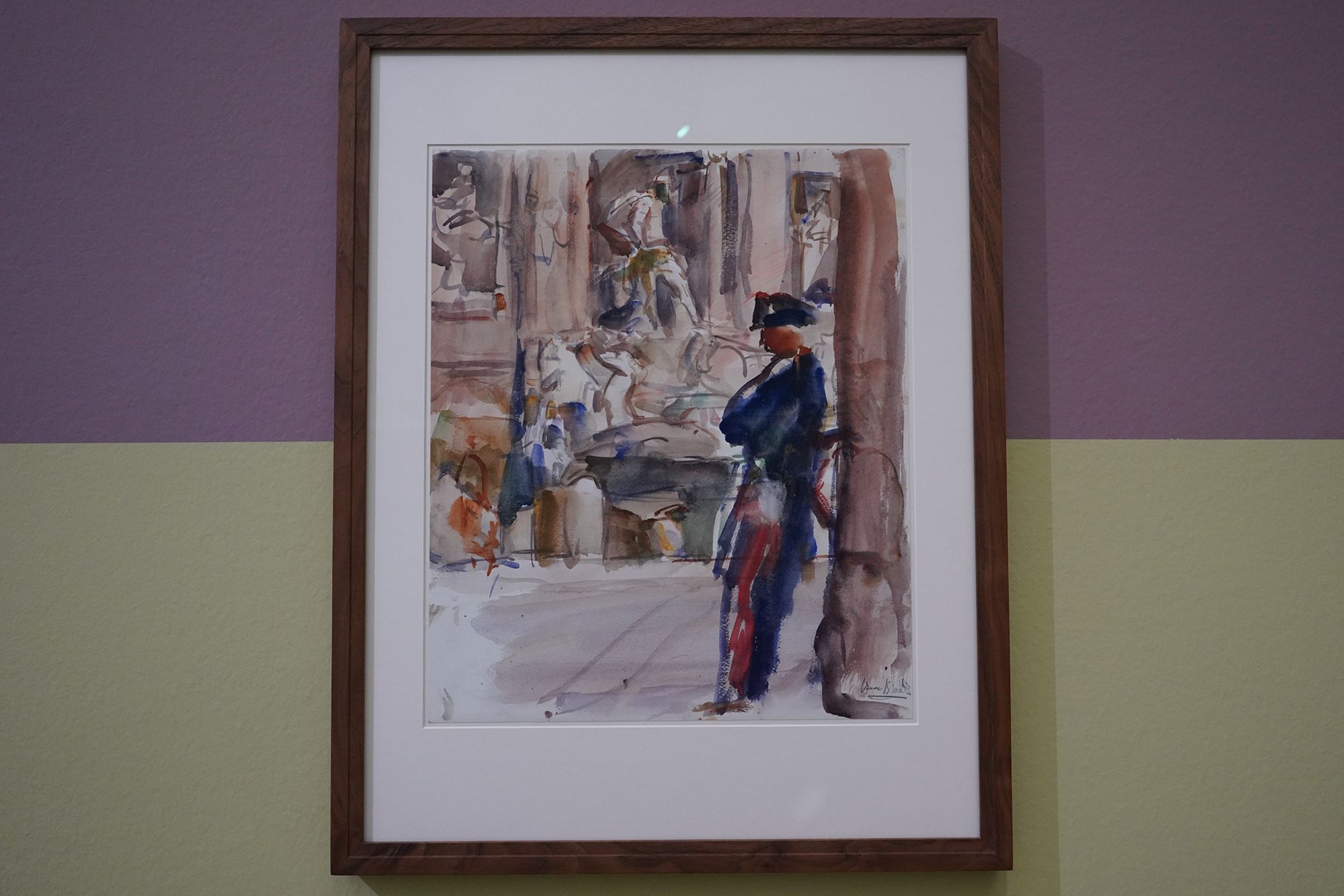
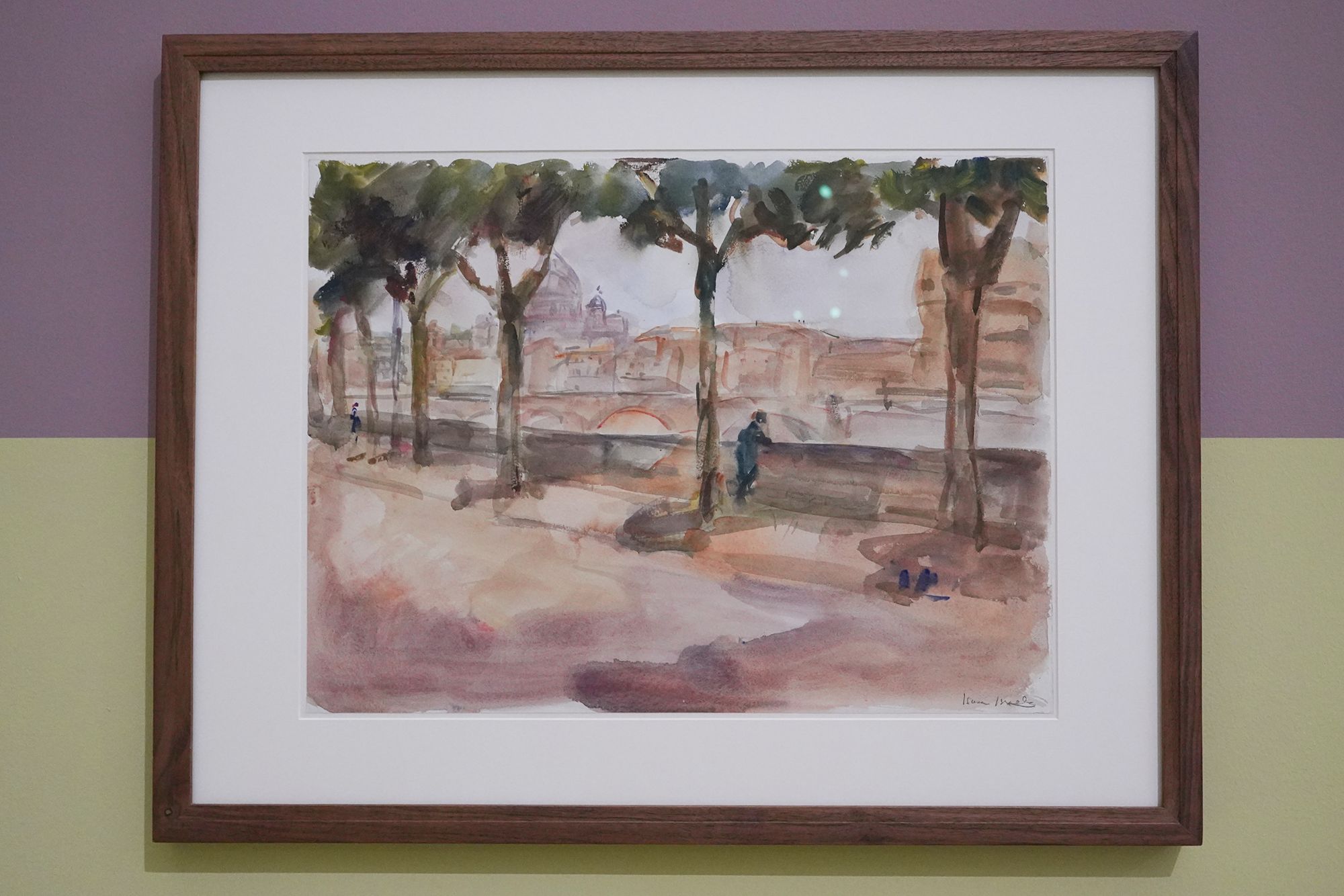
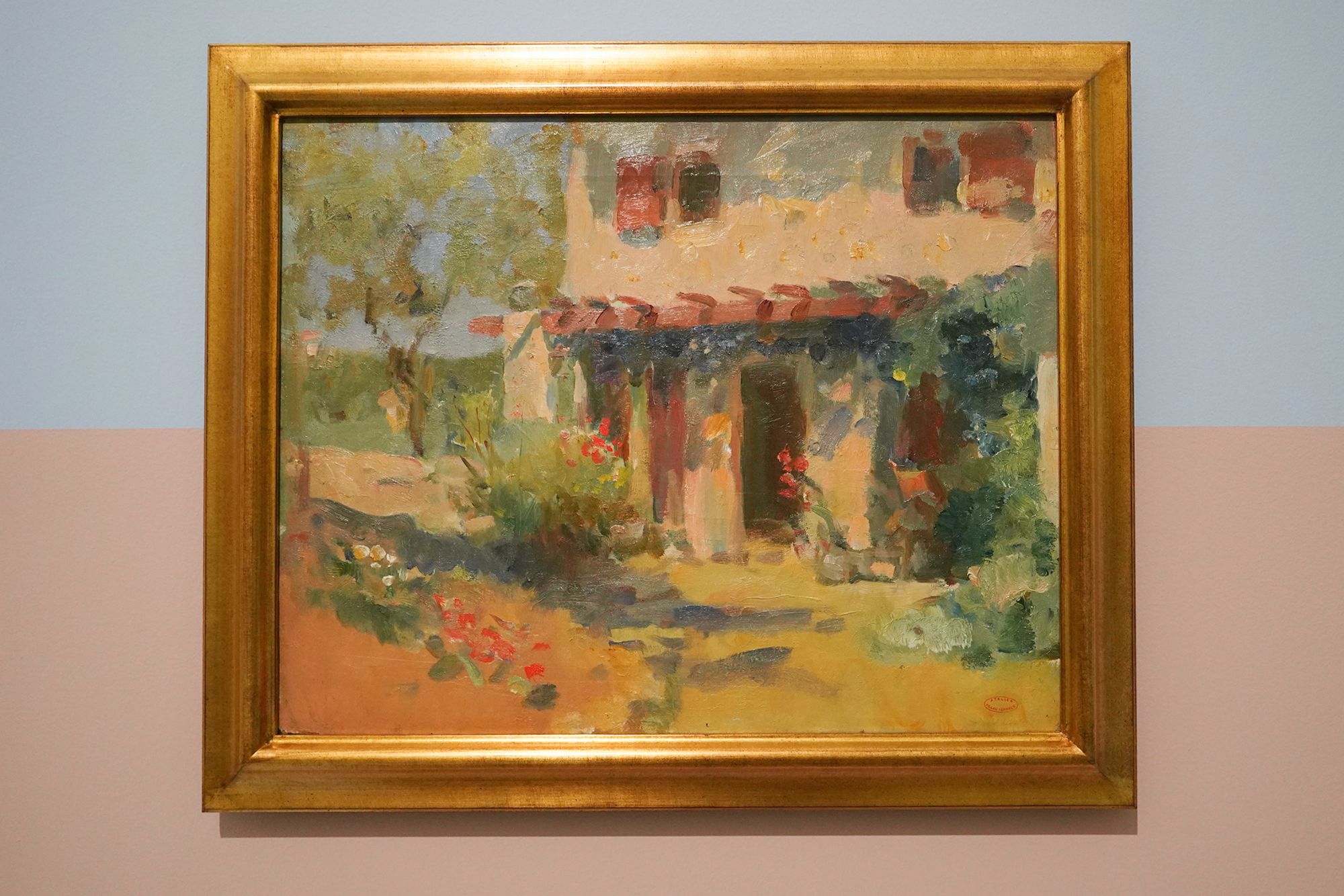
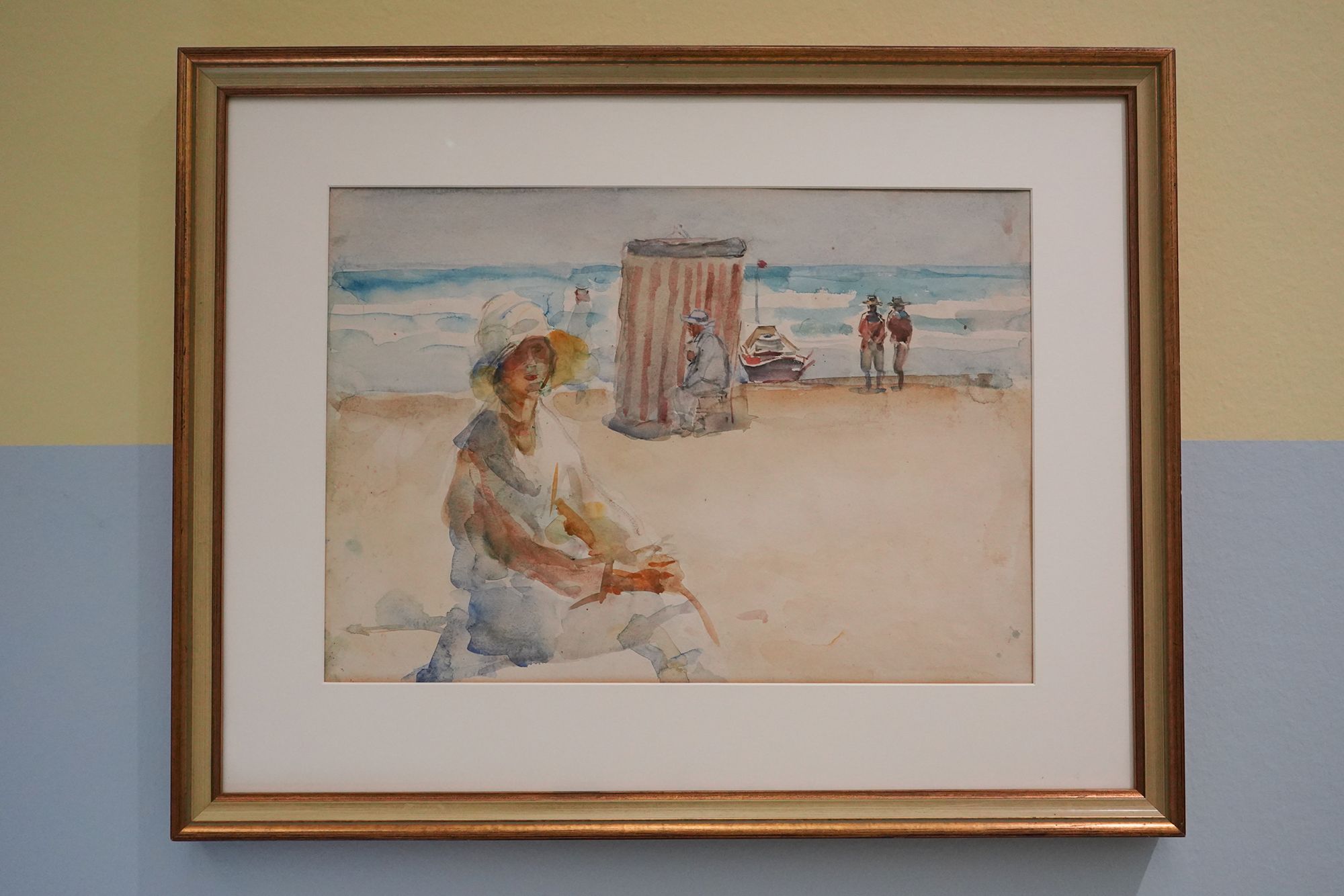
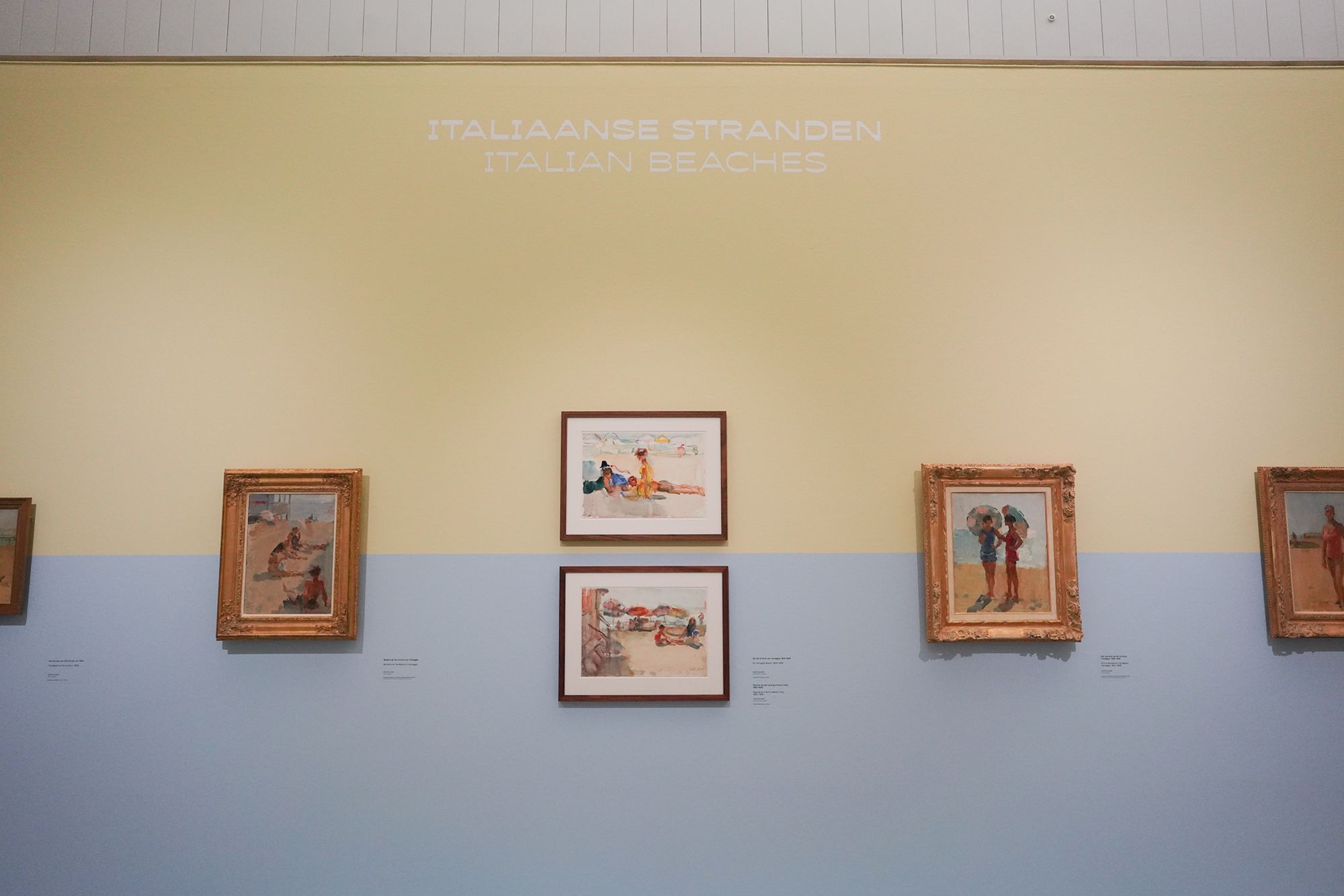
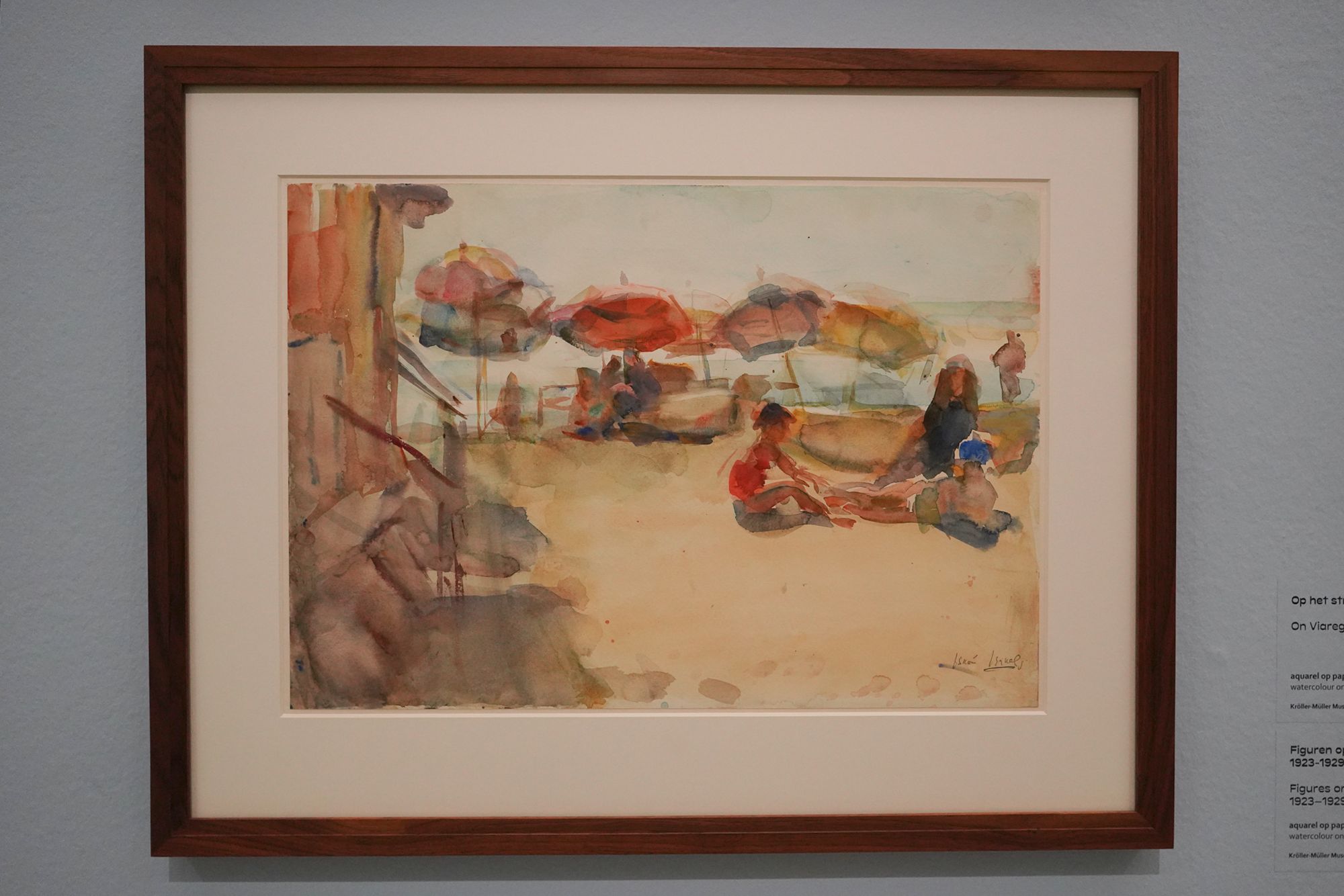
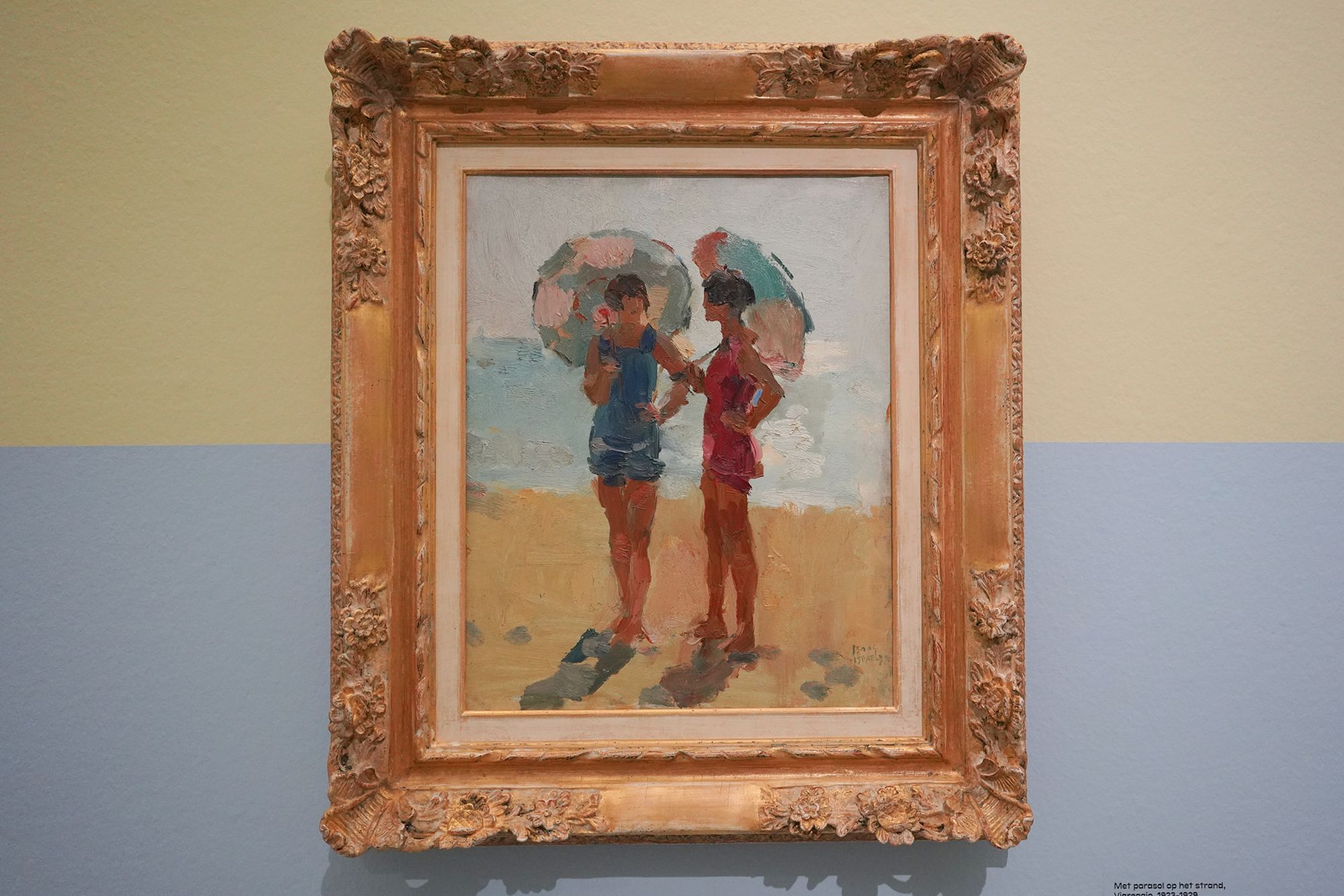
After returning from the Dutch East Indies, Isaac Israëls settled in The Hague in 1922, but continued traveling, now mainly for pleasure. During his final decade he favored sunny destinations in Switzerland, southern France, and Italy, and the brighter surroundings brought a lighter, more radiant palette to his paintings. He frequently visited Italian resorts and cities, painting tourists, sunbathers, and holidaymakers. His companion Sophie de Vries-Dalberg died in 1931, and Israëls died three years later after being struck by a car near his home in The Hague.