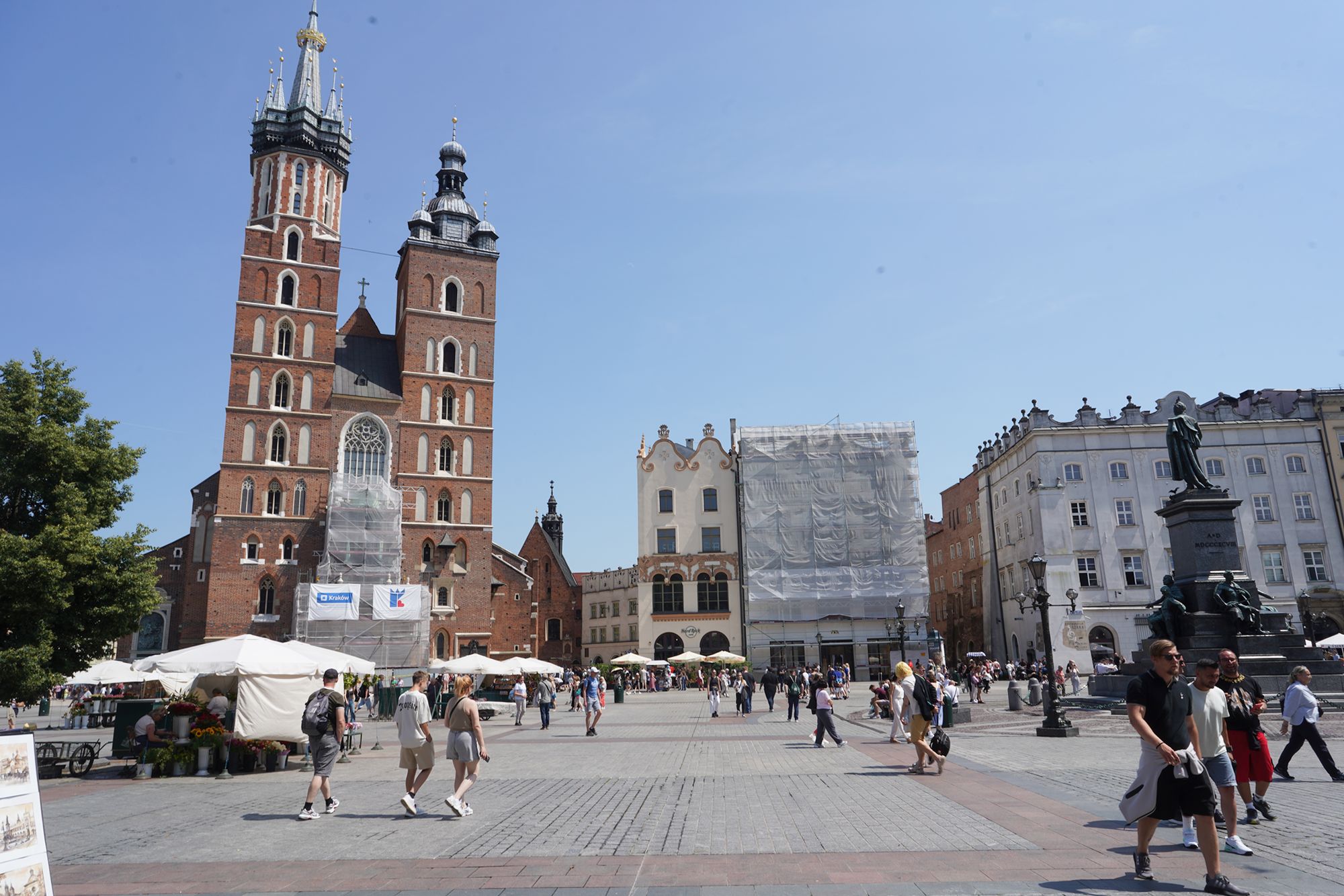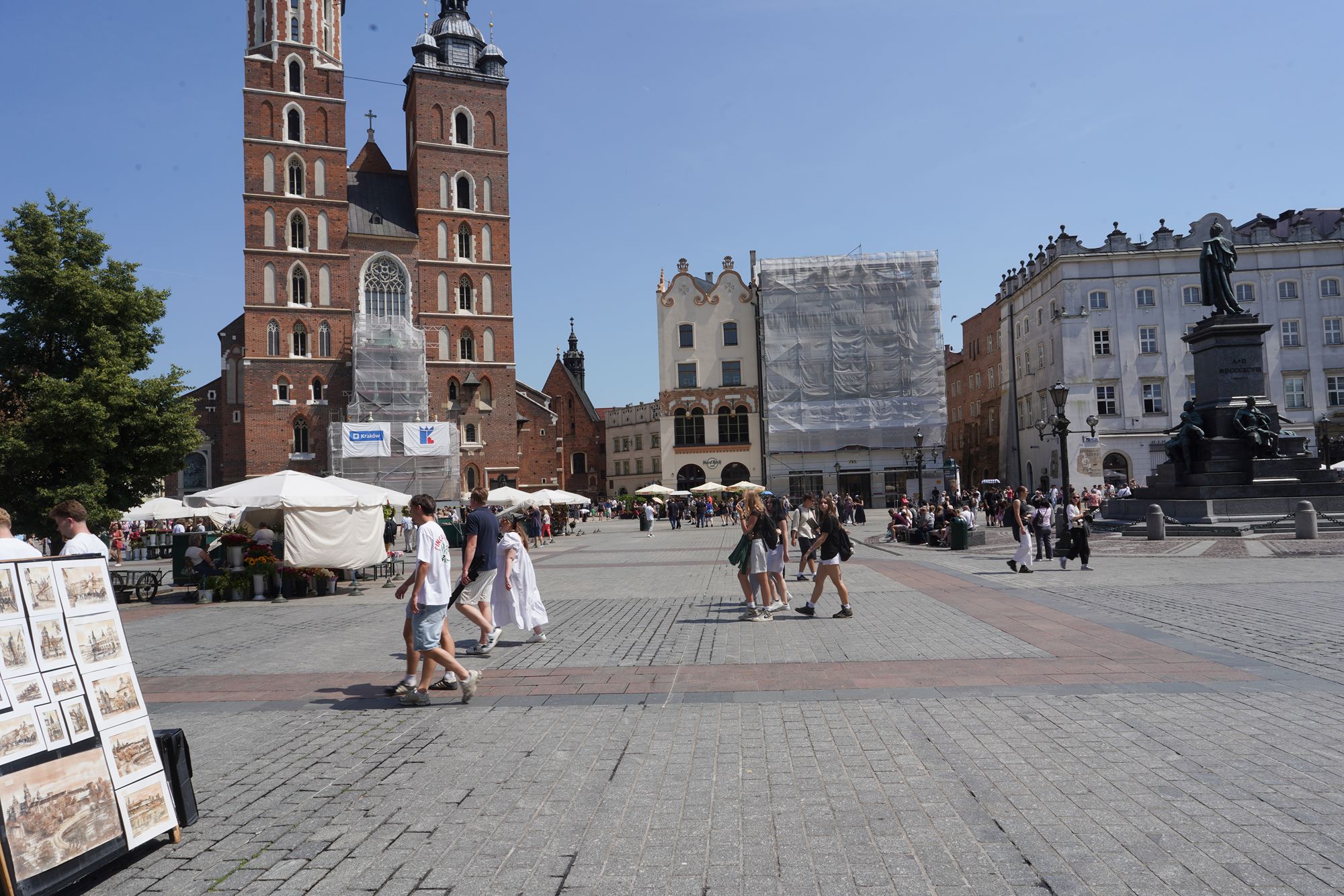
MNK Sukiennice Museum, Krakow, Poland
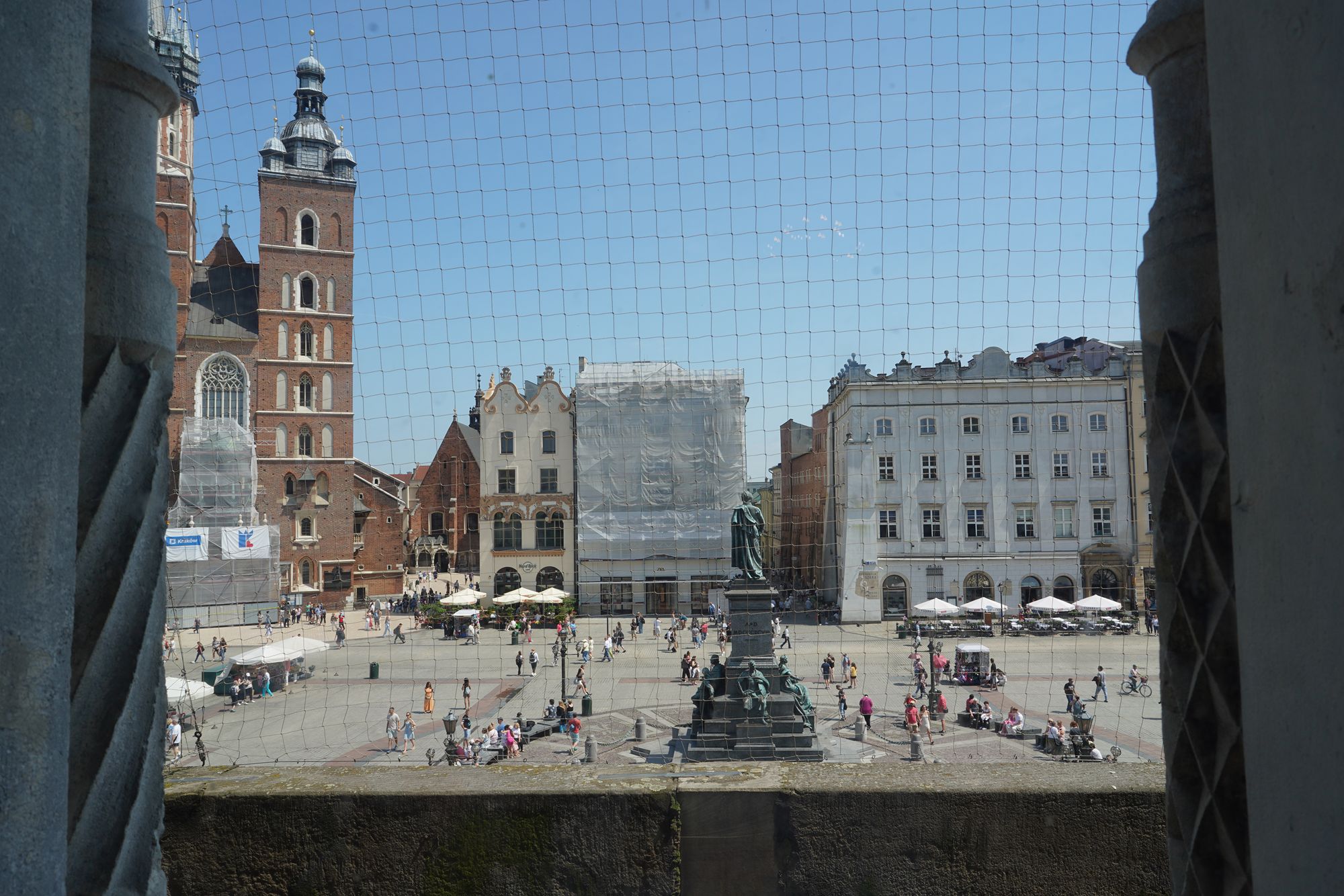
Above Kraków’s Cloth Hall, MNK Sukiennice displays nineteenth-century Polish paintings and sculptures in galleries overlooking the Main Market Square. 1348
MNK Sukiennice Museum: Rynek Główny 3, 31-042 Kraków, Poland
Date Picture Taken: Jun, 2026
On the upper floor of Kraków’s Cloth Hall, MNK Sukiennice houses a gallery of nineteenth-century Polish art. Its spacious rooms display paintings and sculptures that reflect the country’s history, landscapes, and artistic traditions. After walking through the busy Main Market Square, I enjoyed seeing another side of Polish culture here.
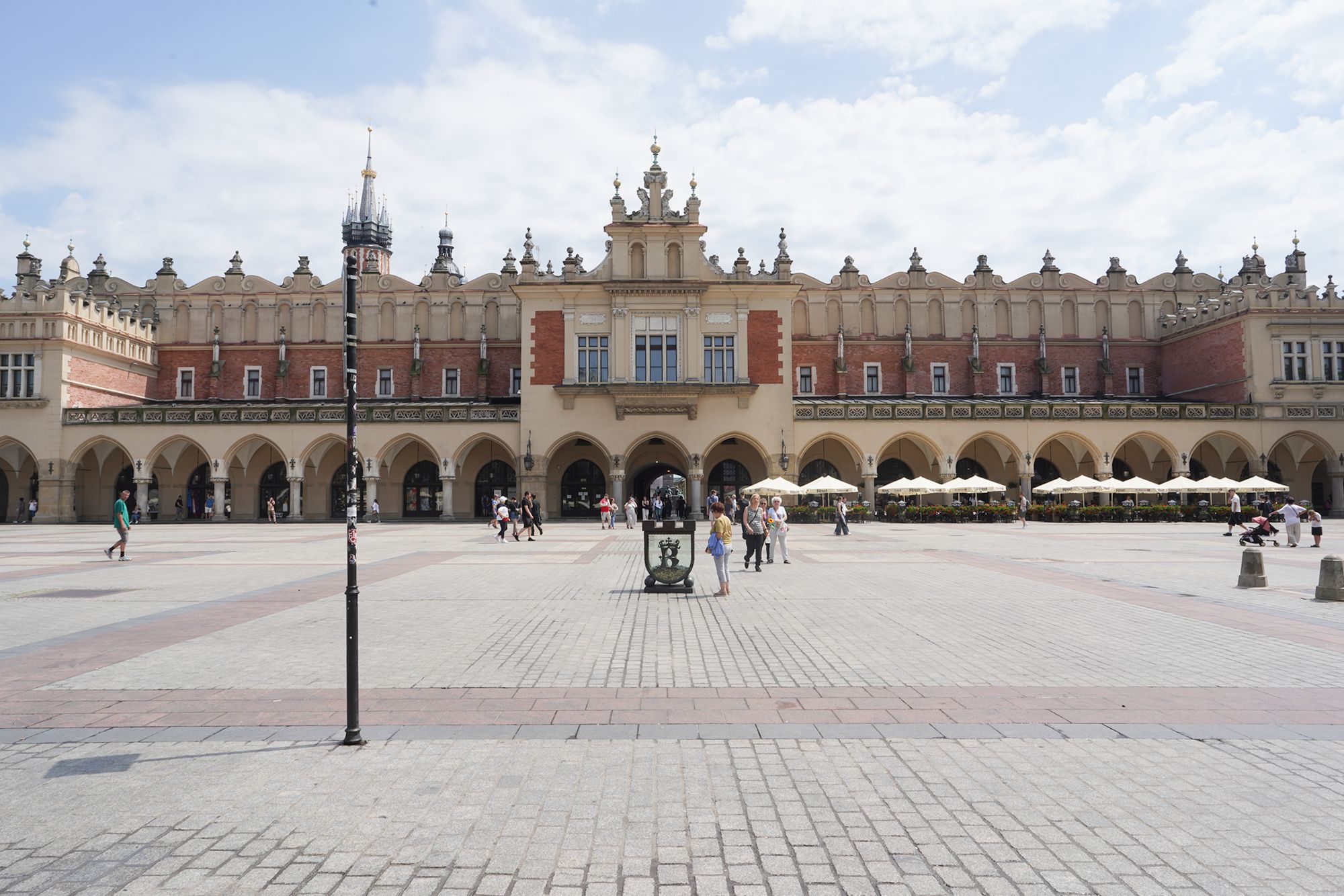
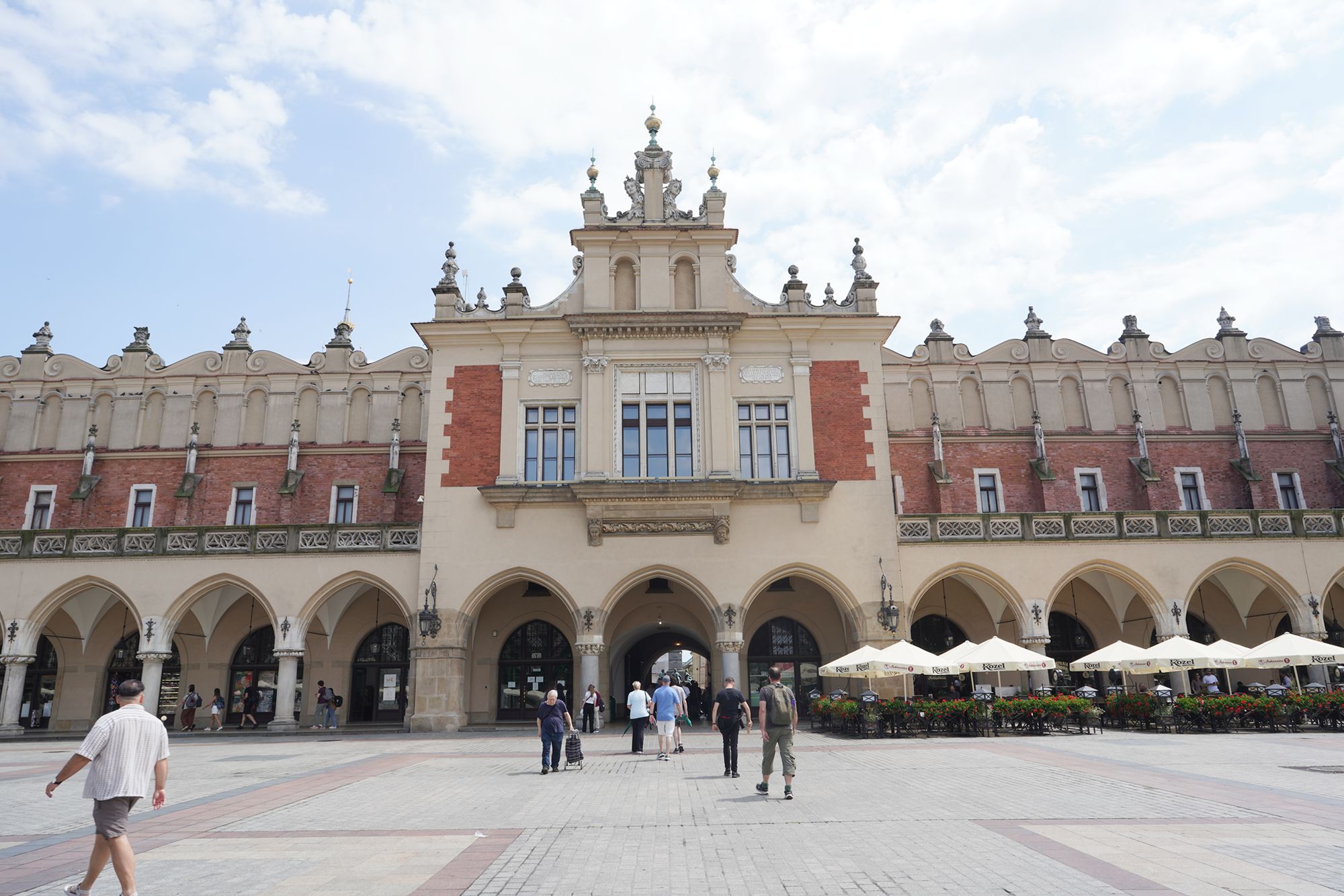
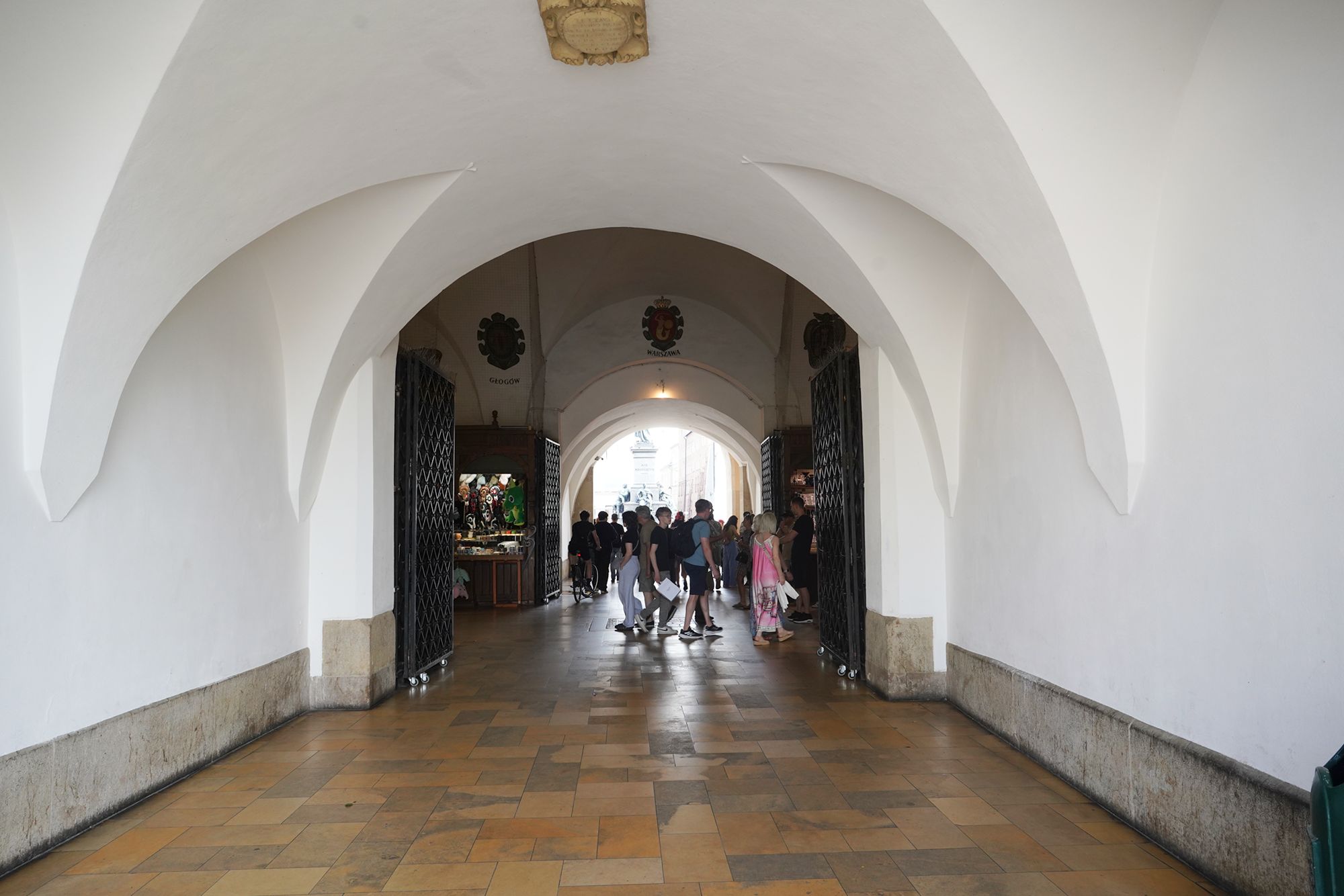
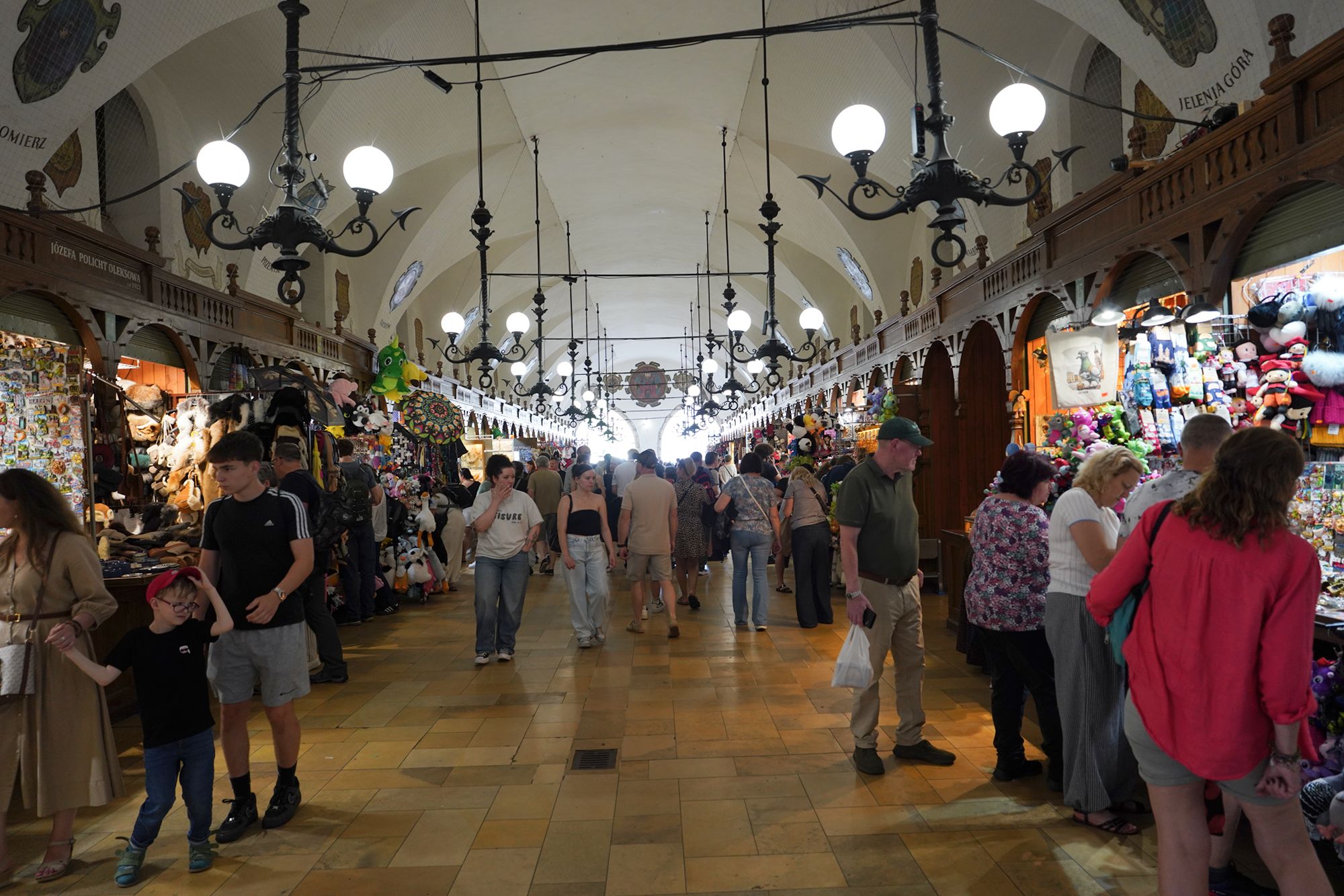
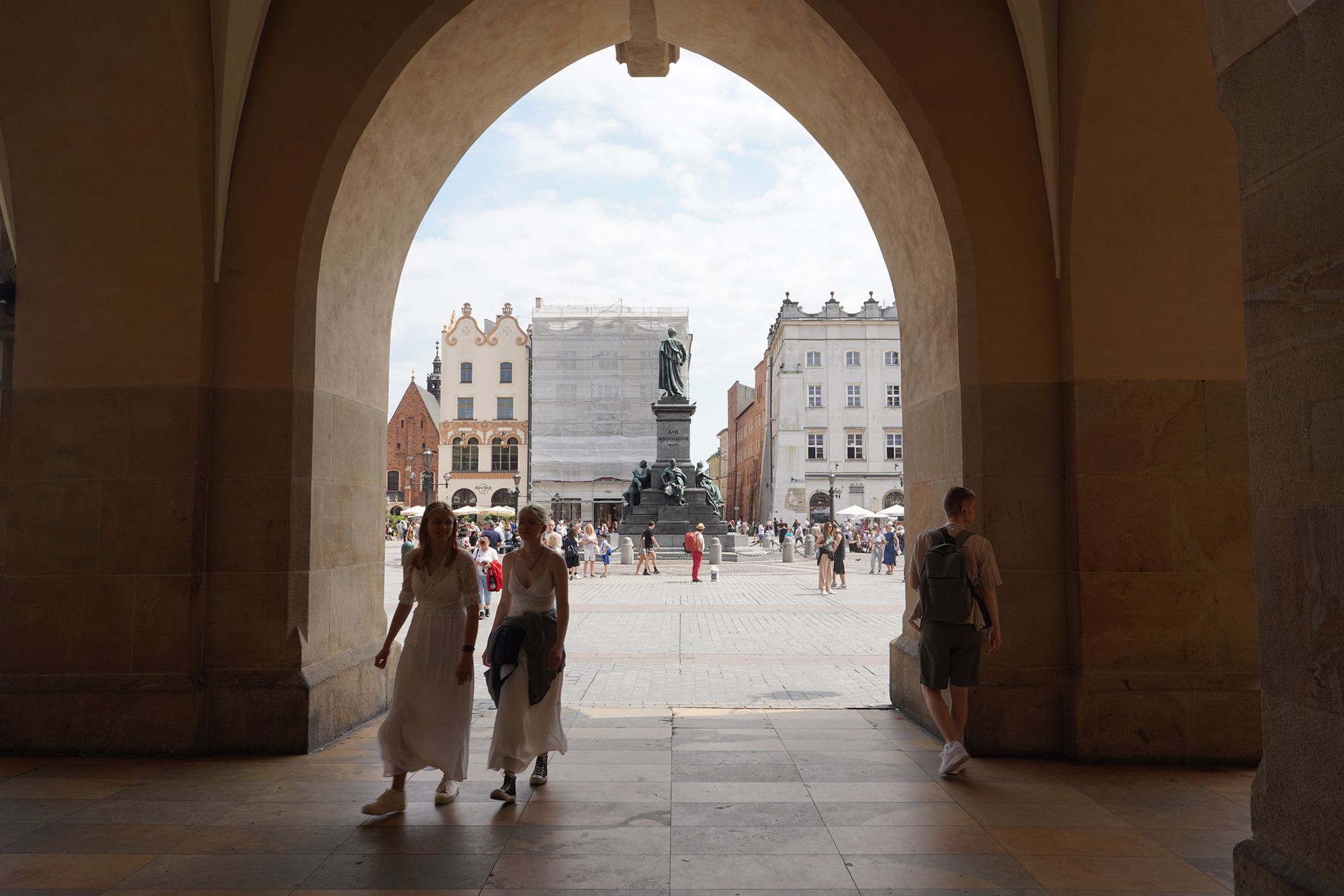
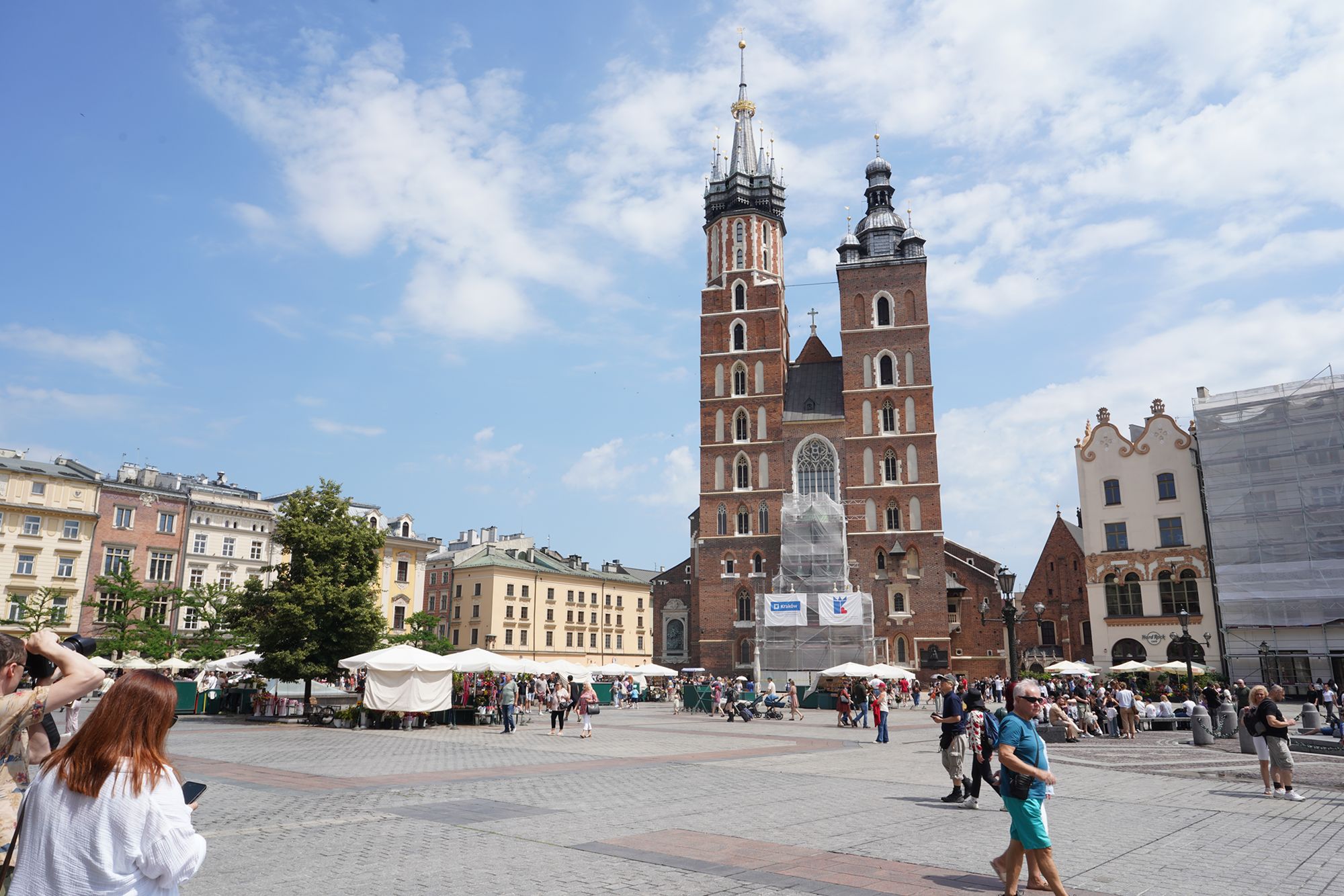
Kraków’s Cloth Hall, called Sukiennice in Polish, is the long historic market building in the middle of the Main Market Square. Merchants once traded cloth there. Today, its ground floor has stalls, while the upper floor houses the MNK Sukiennice art gallery.
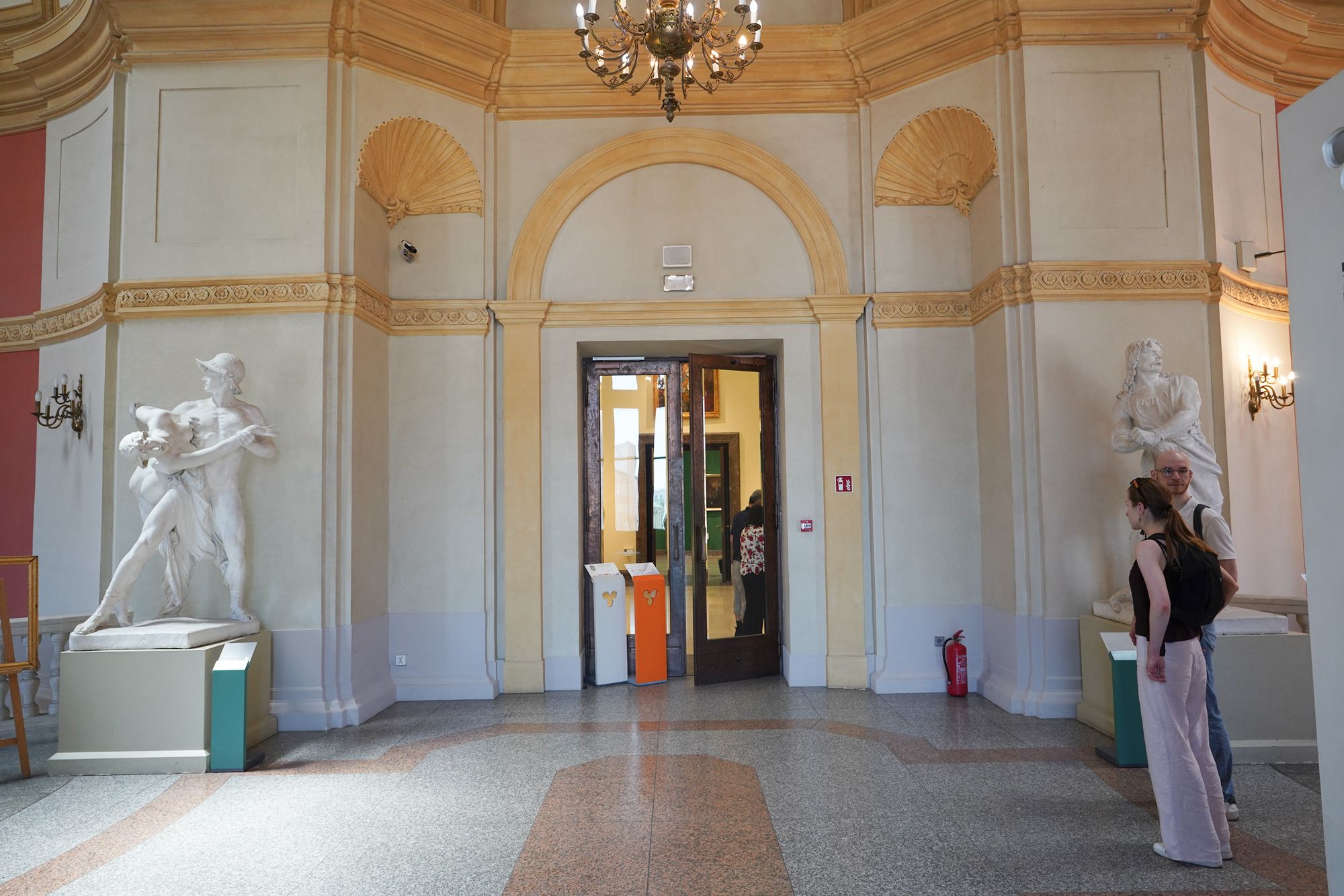
At the center of the museum, three passageways lead to different galleries.
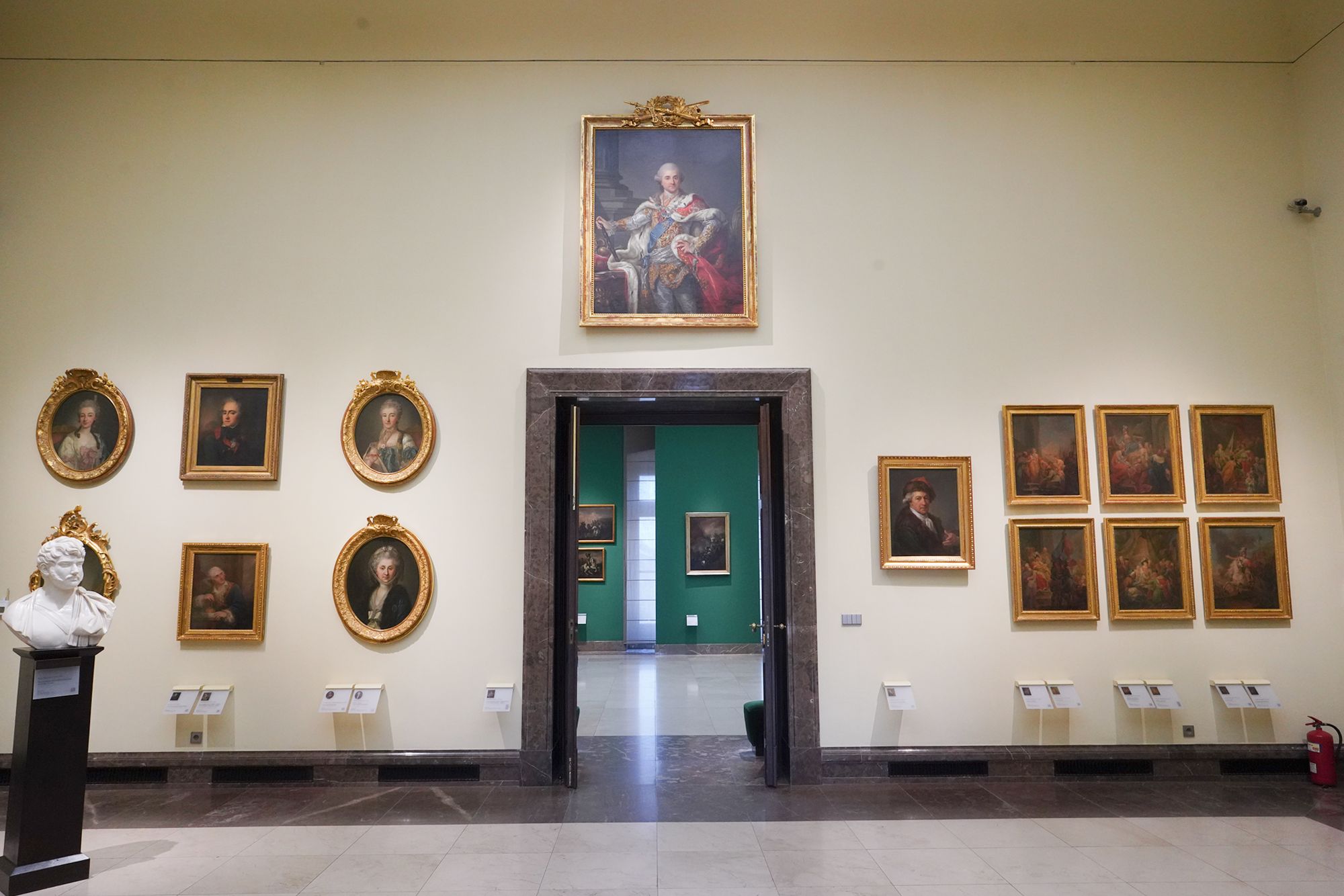
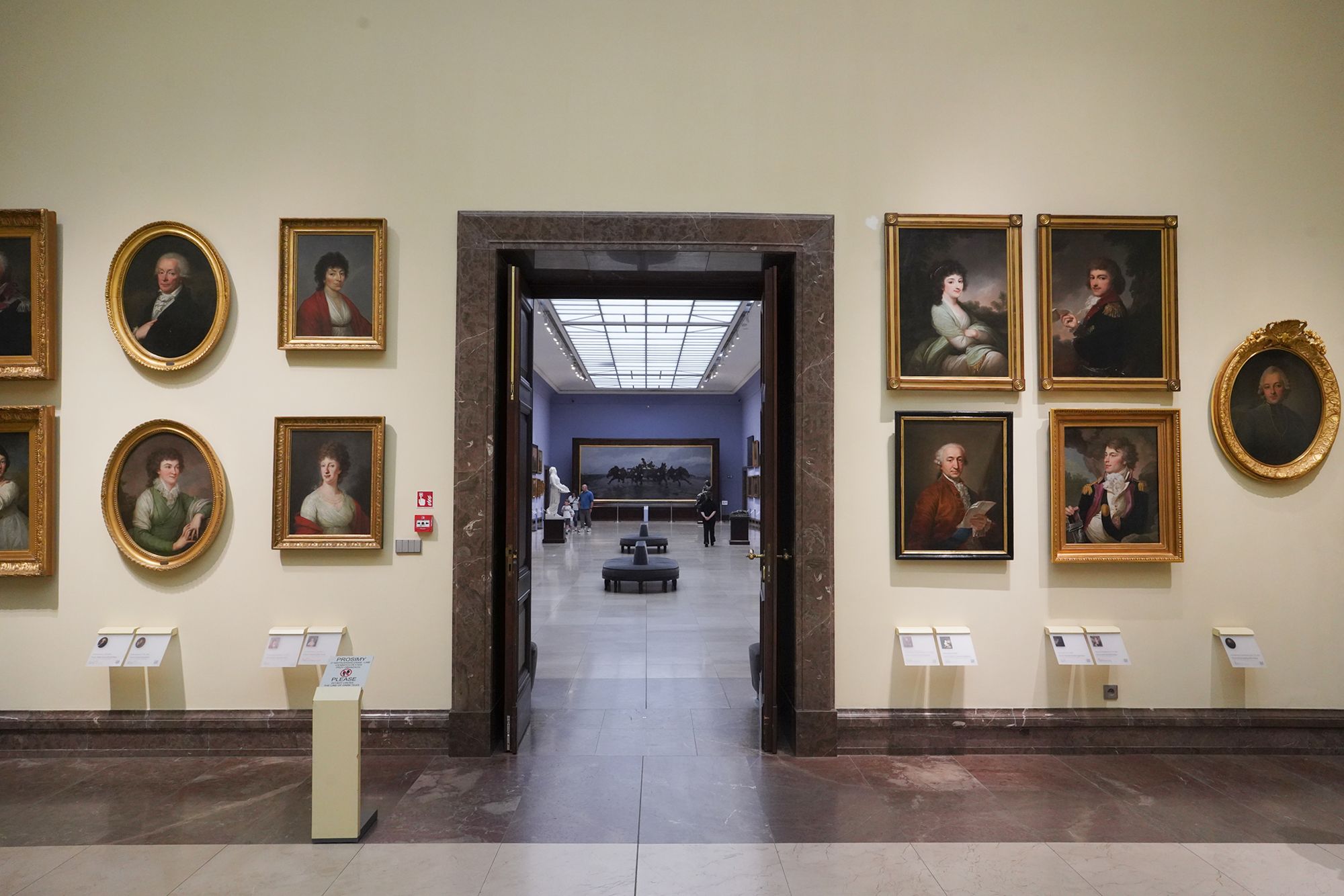
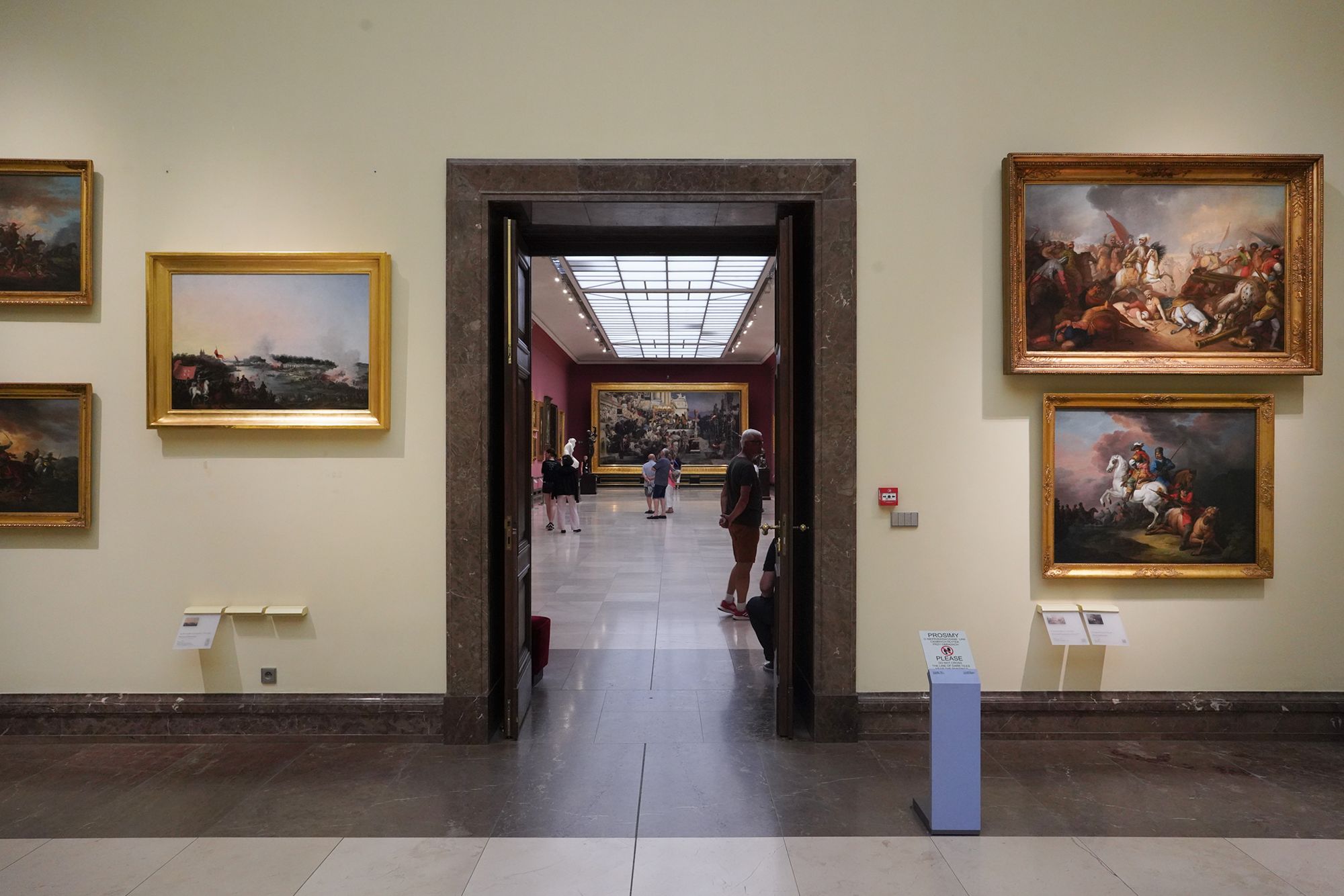
I chose one hallway to explore first and planned to return to the other two later.
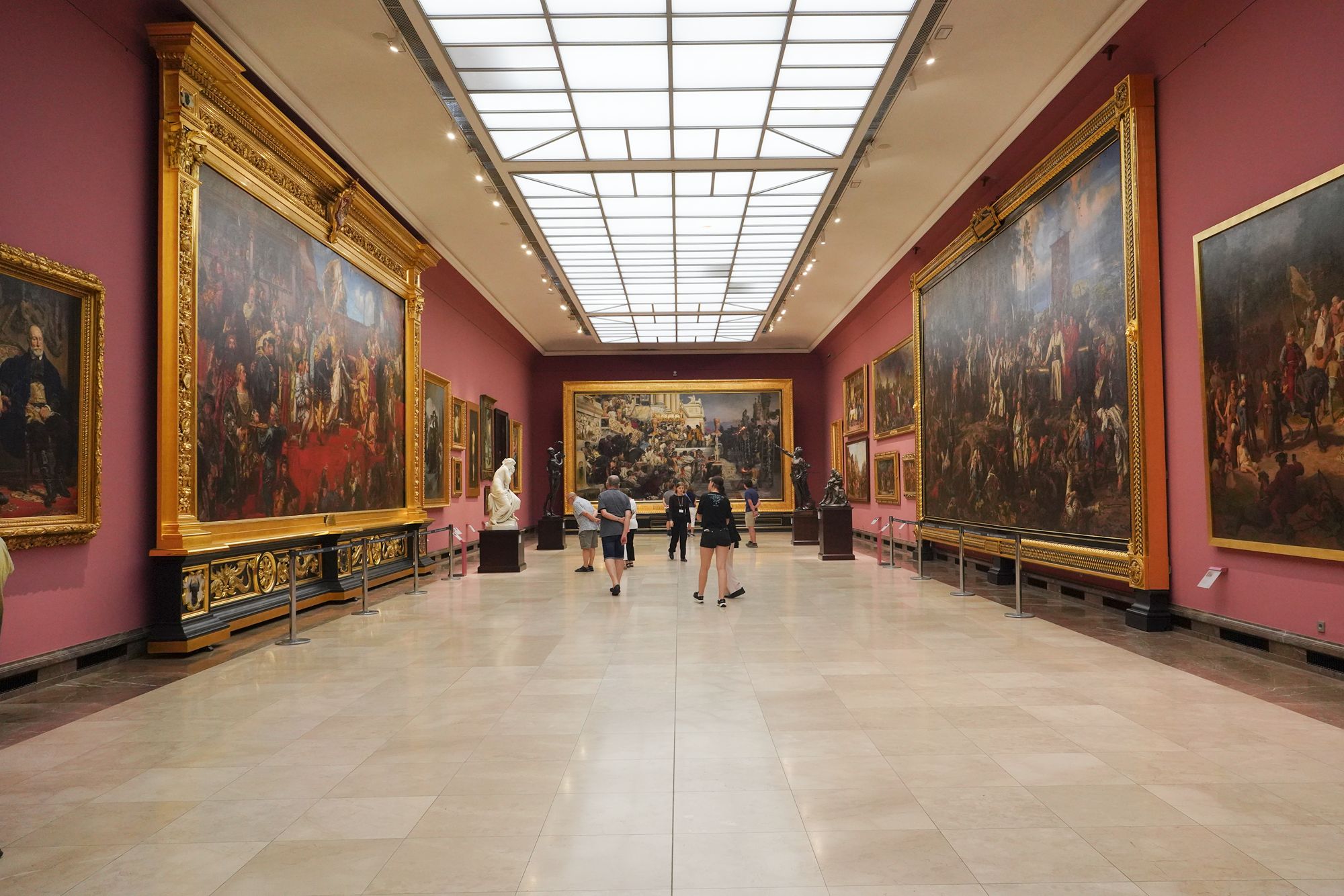
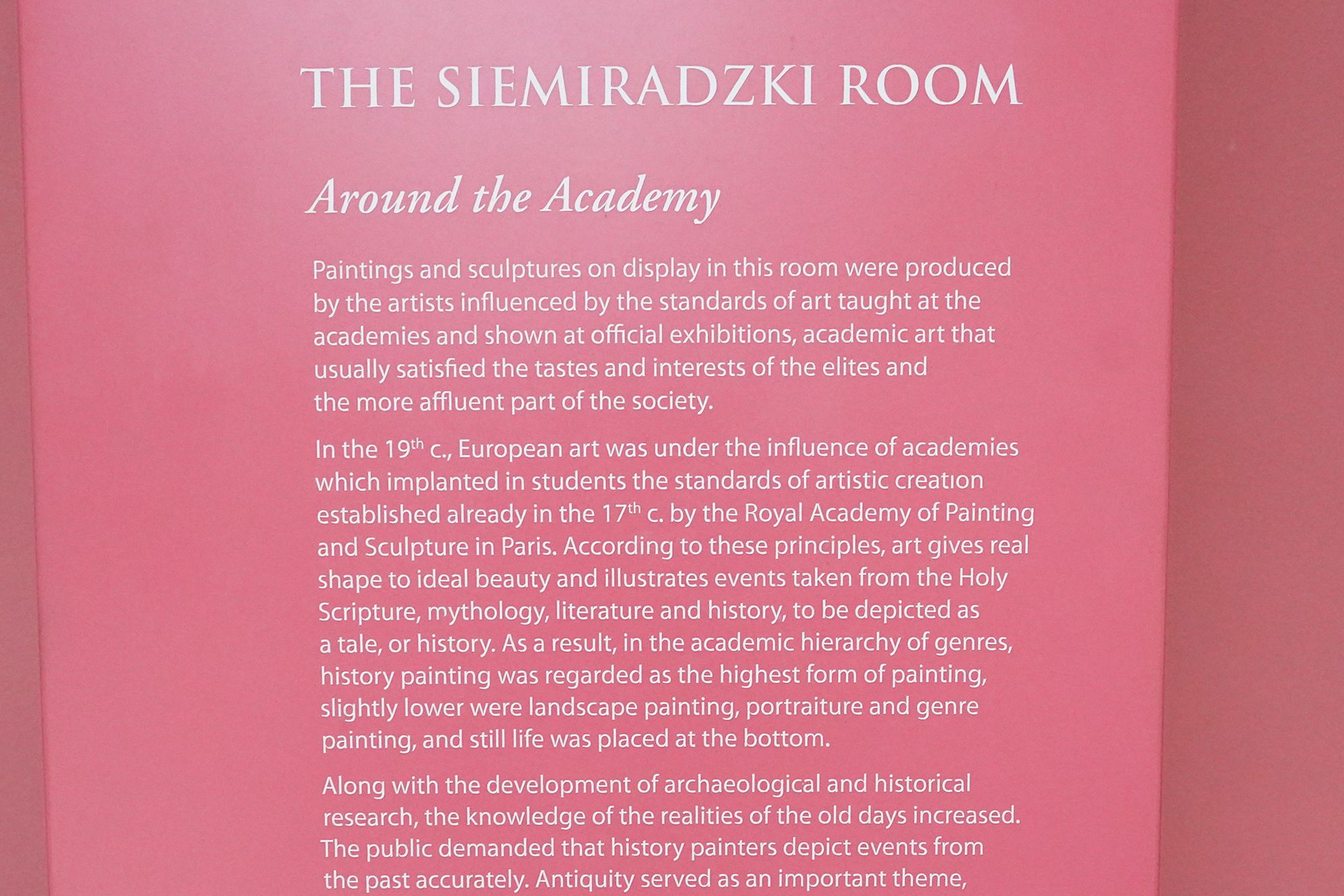
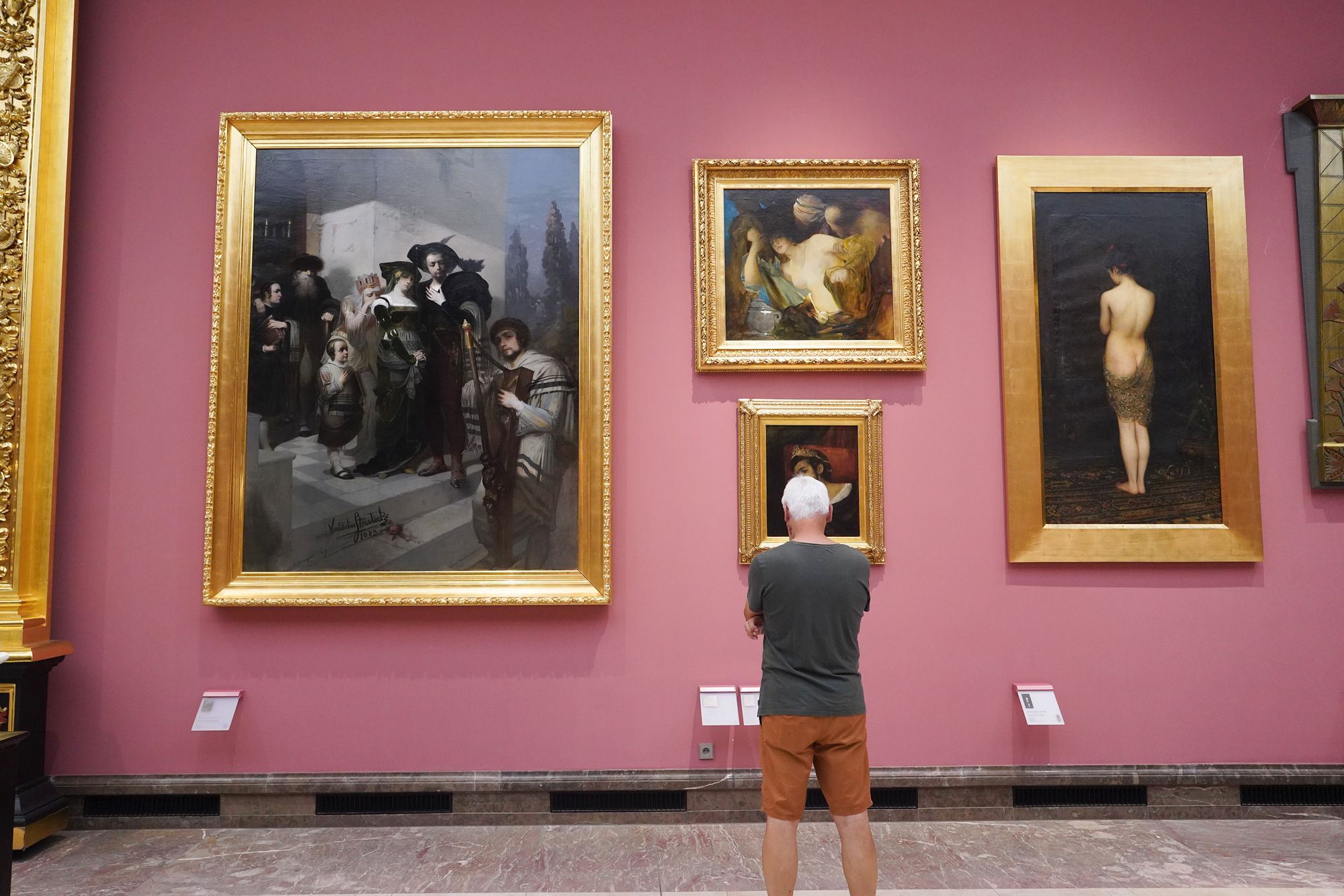
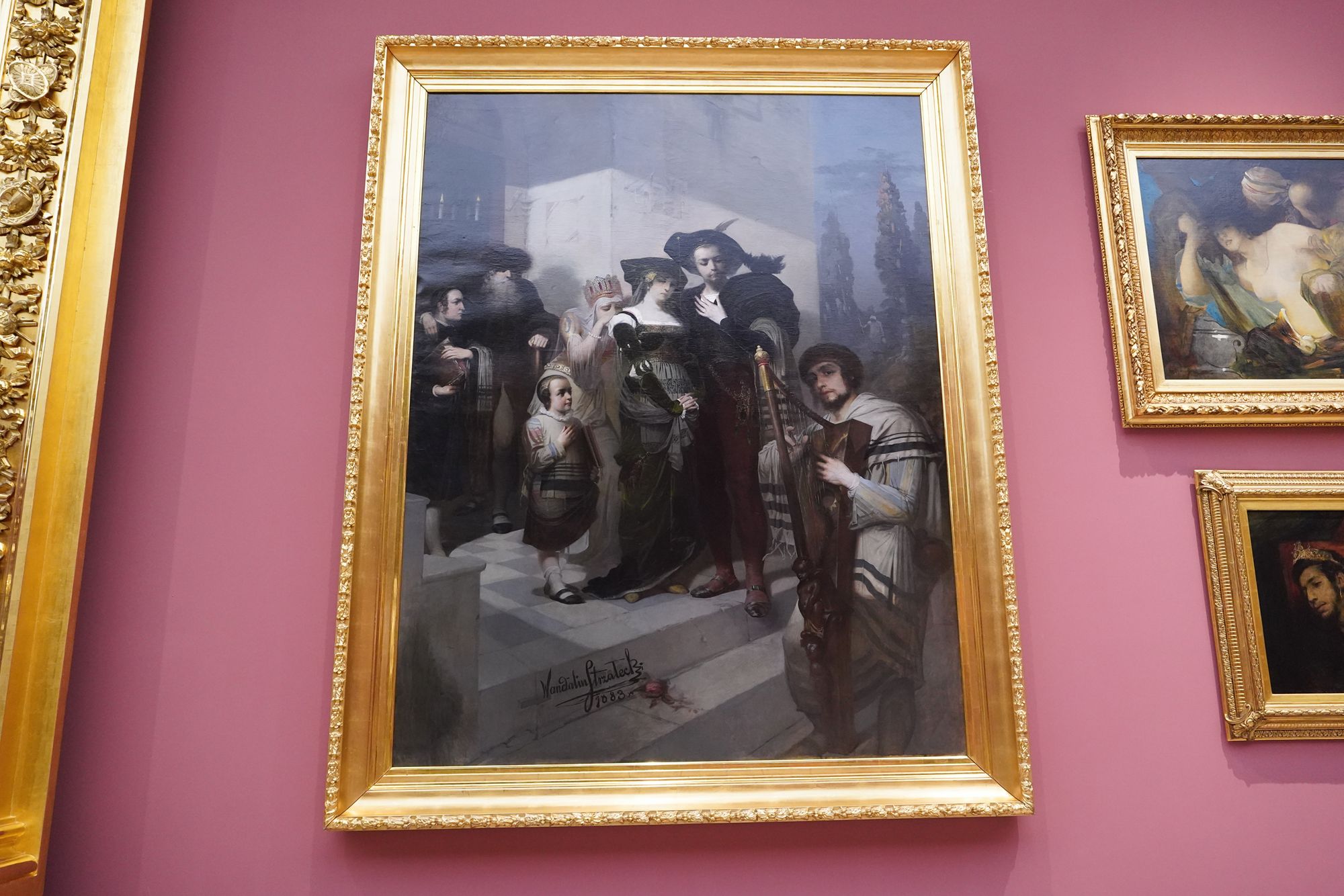
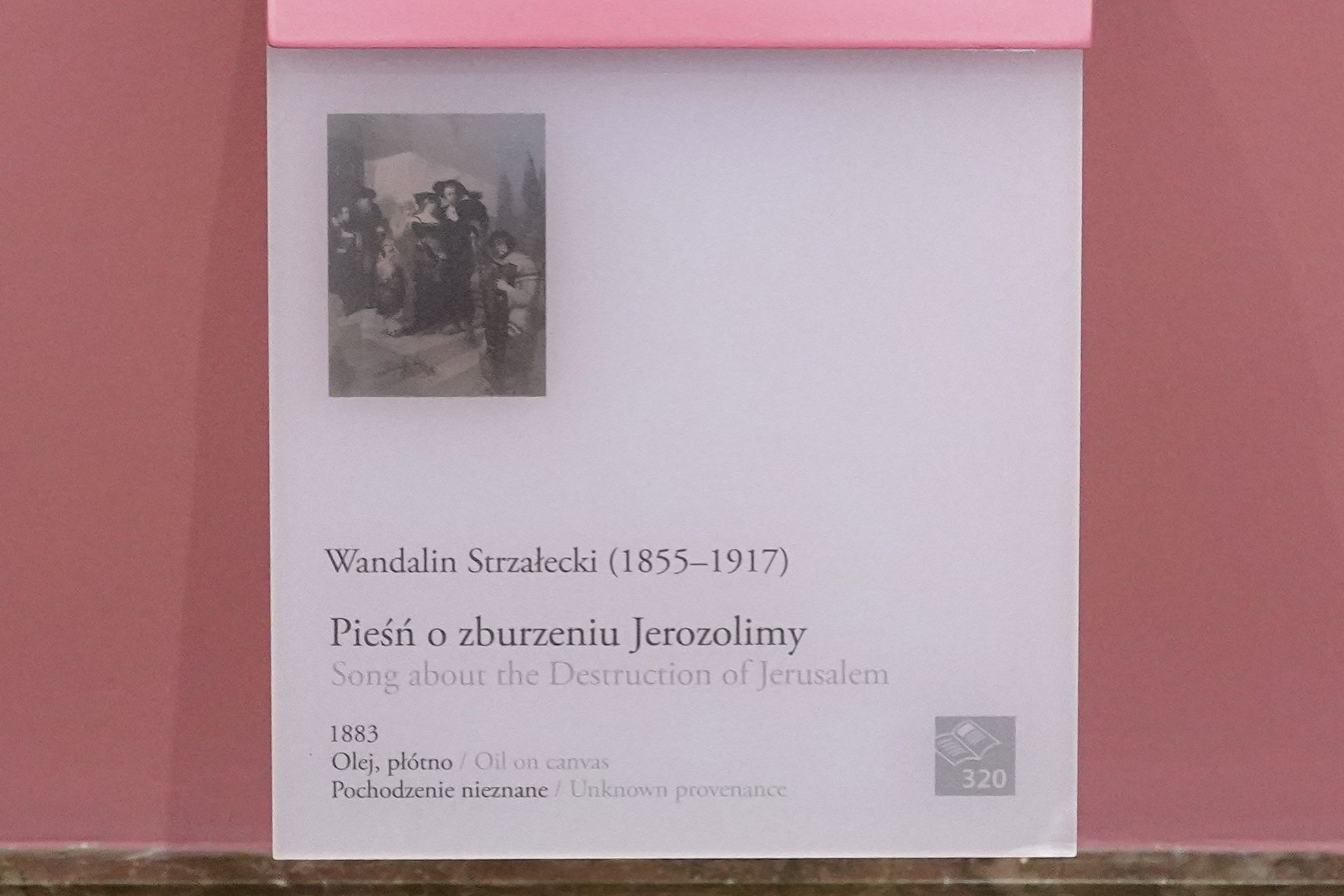
The first gallery I entered was the Siemiradzki Room. Its paintings and sculptures show the academic style favored by many 19th-century art schools. History, mythology, and religious stories were important subjects in this room.
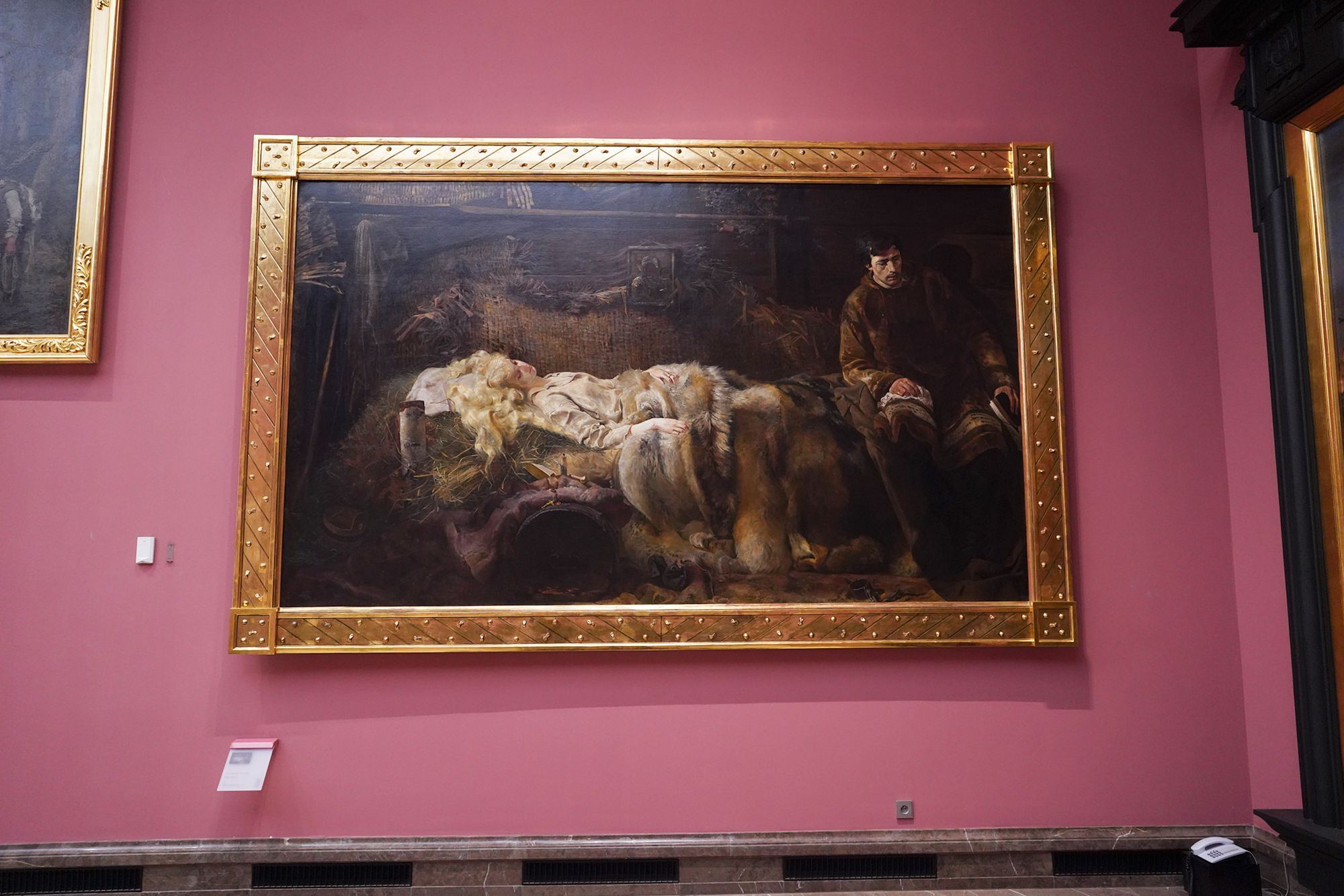
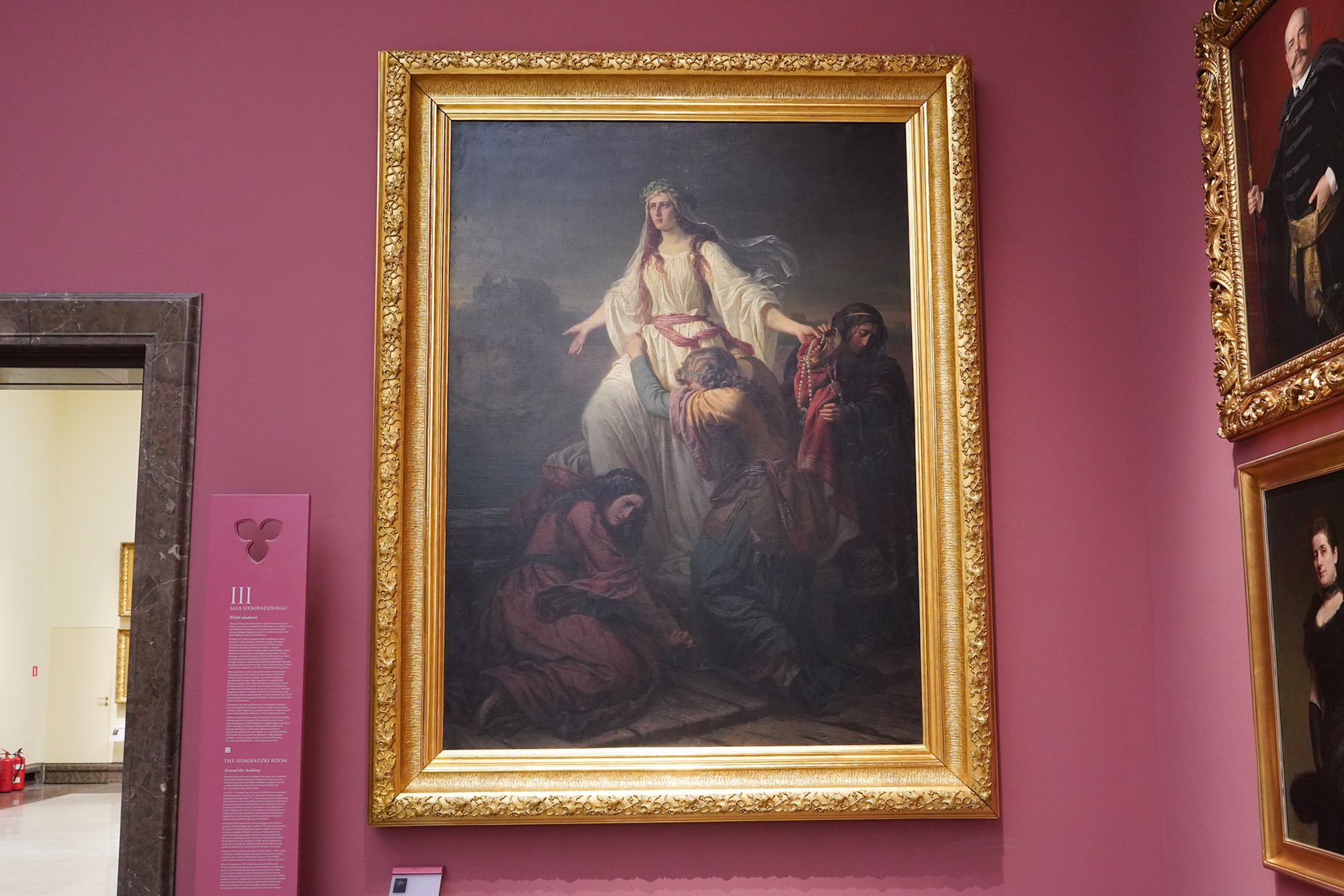
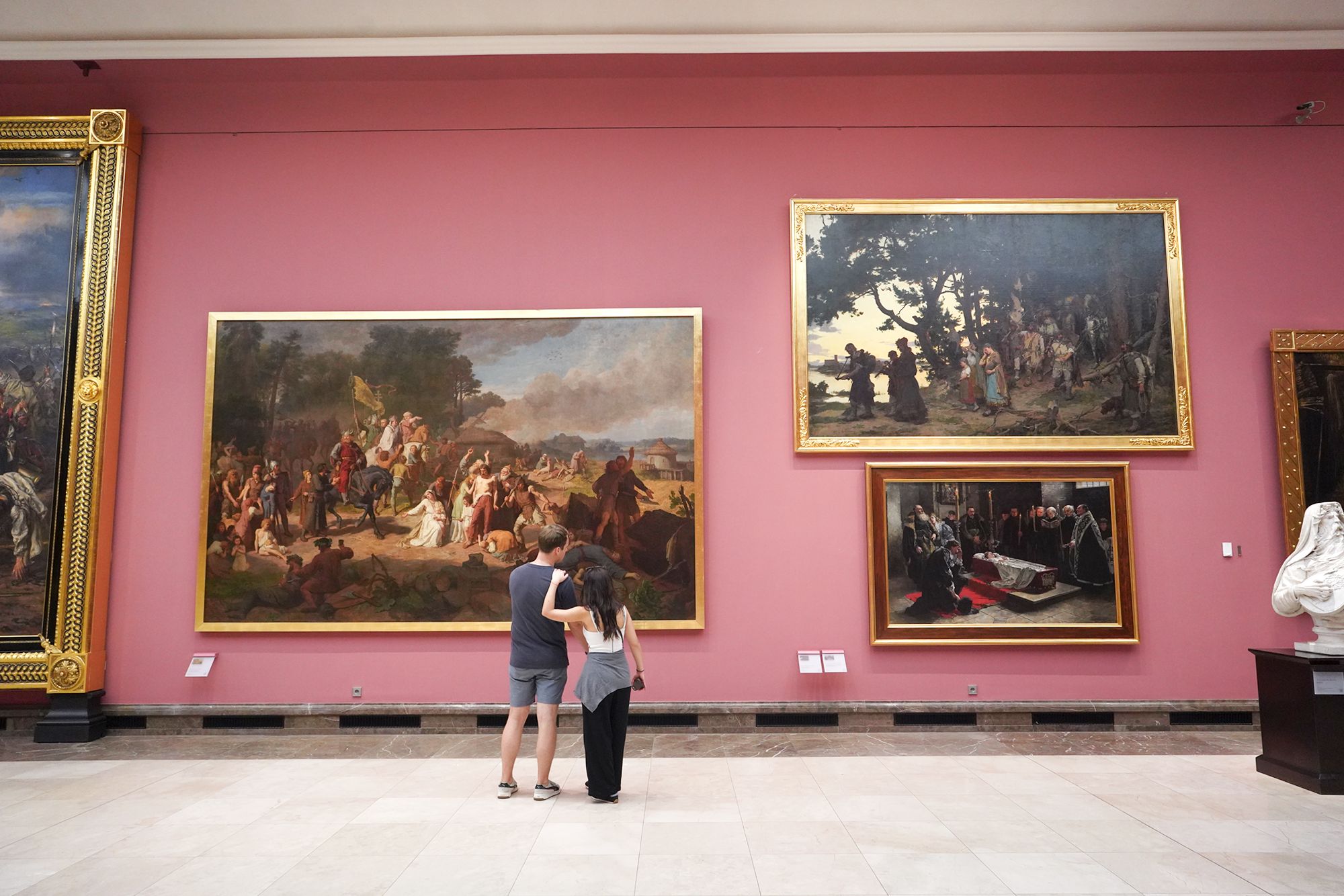
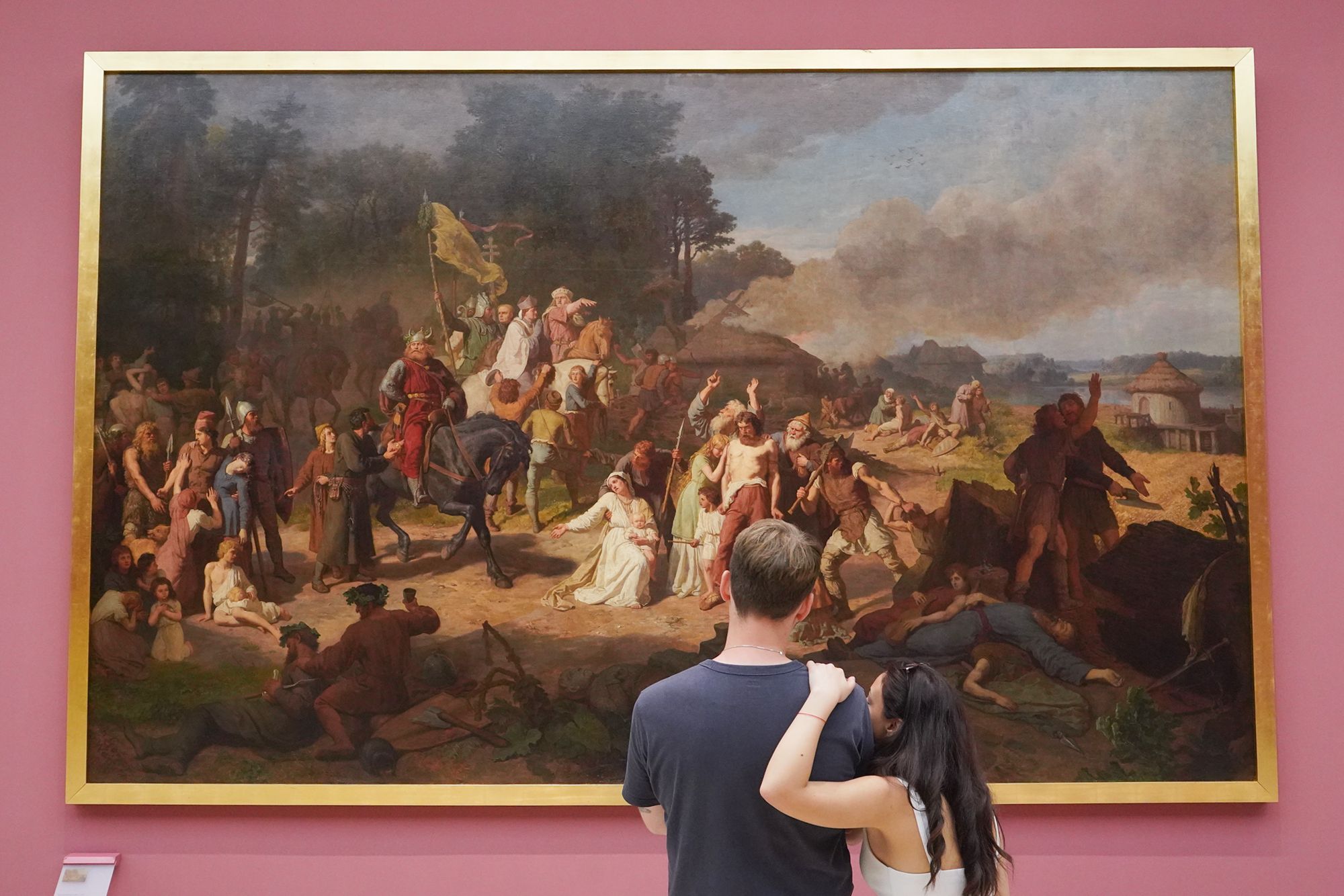
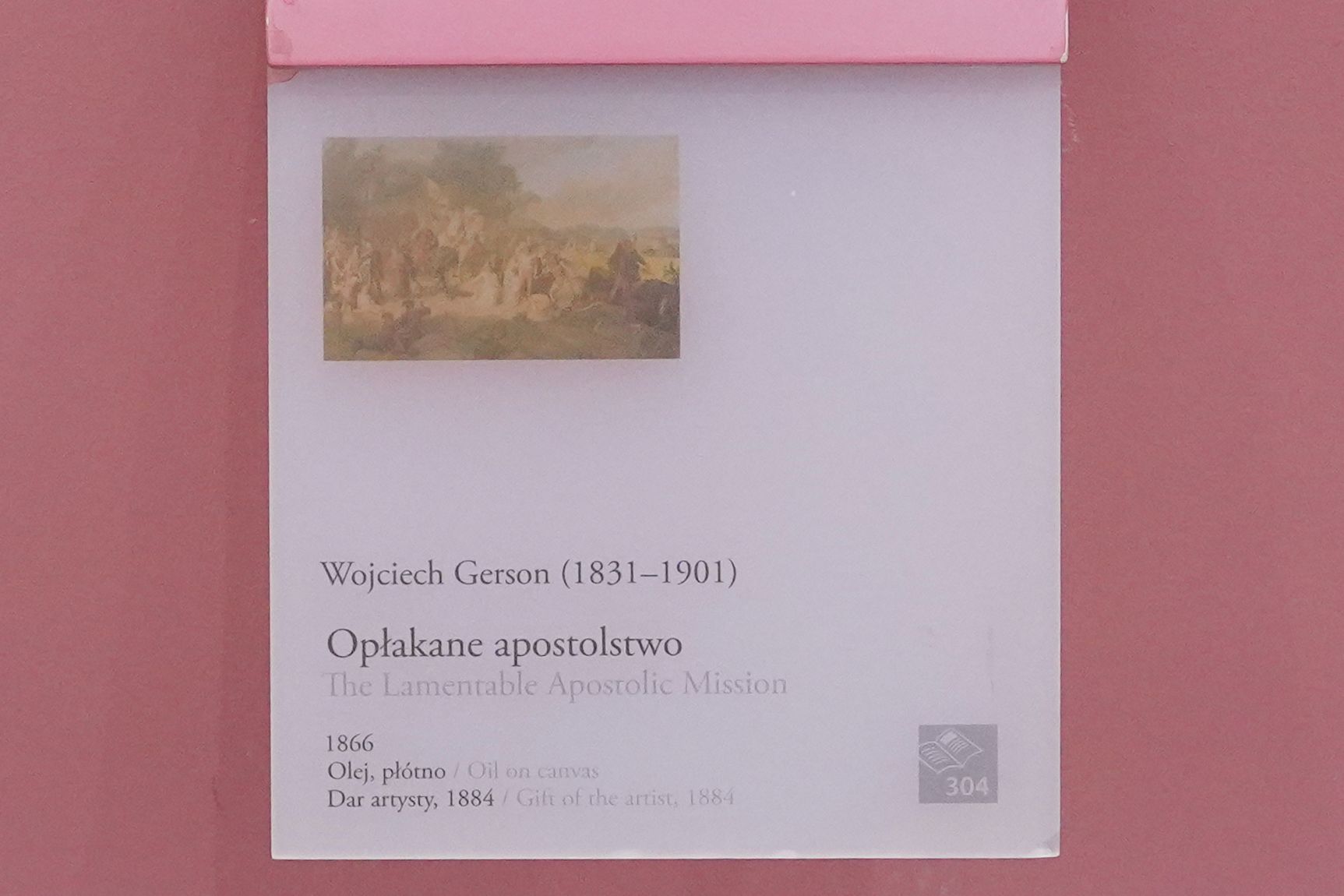
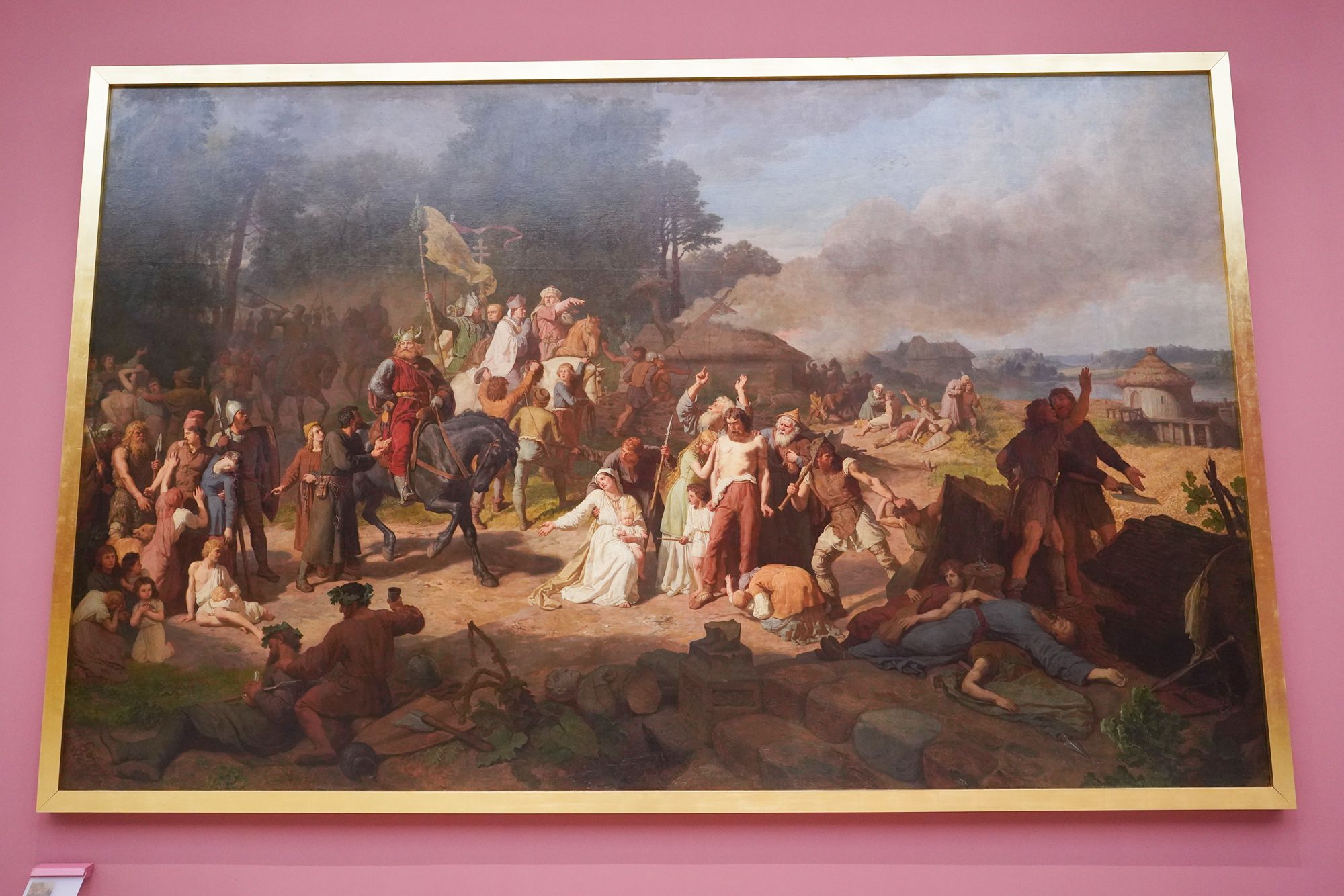
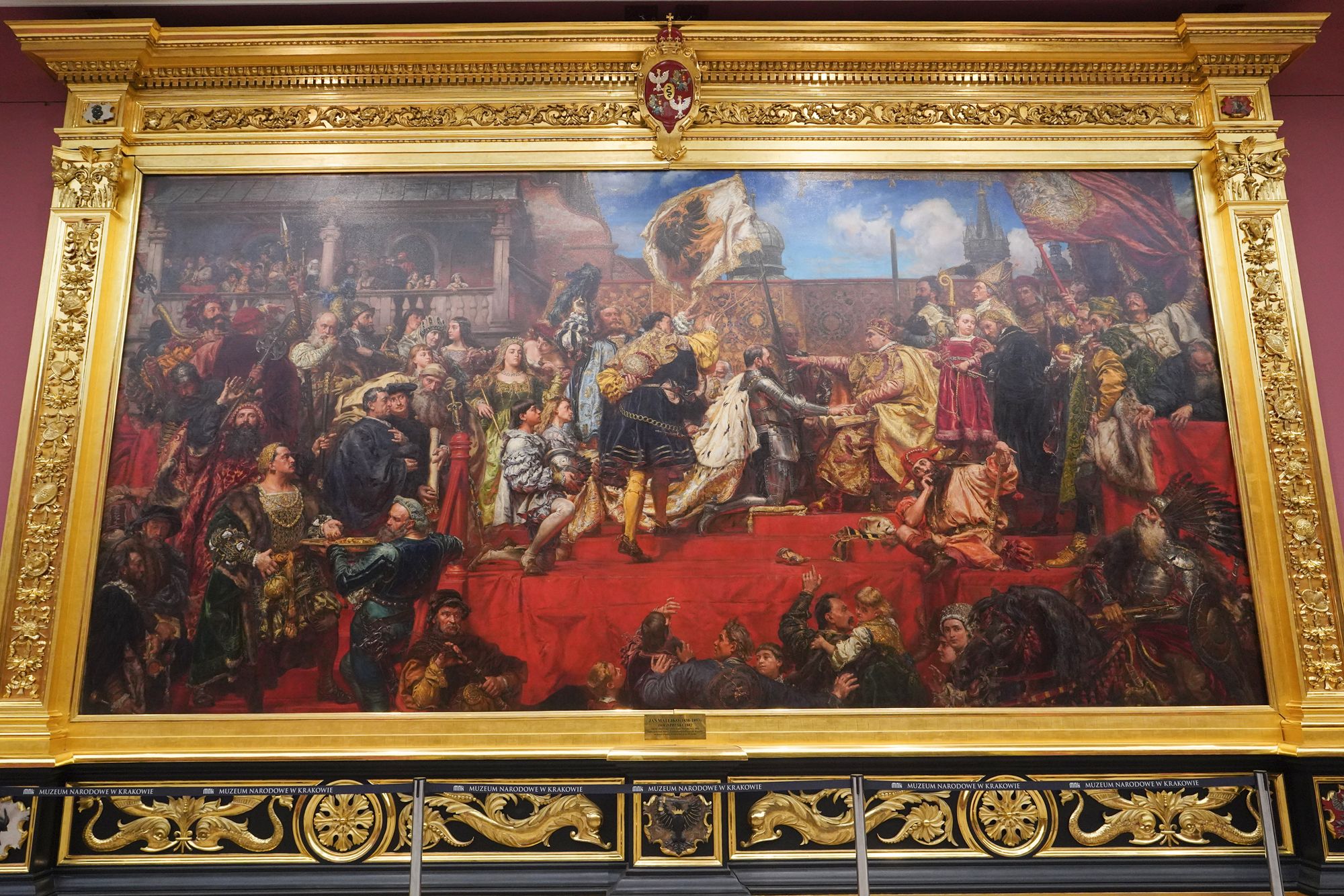
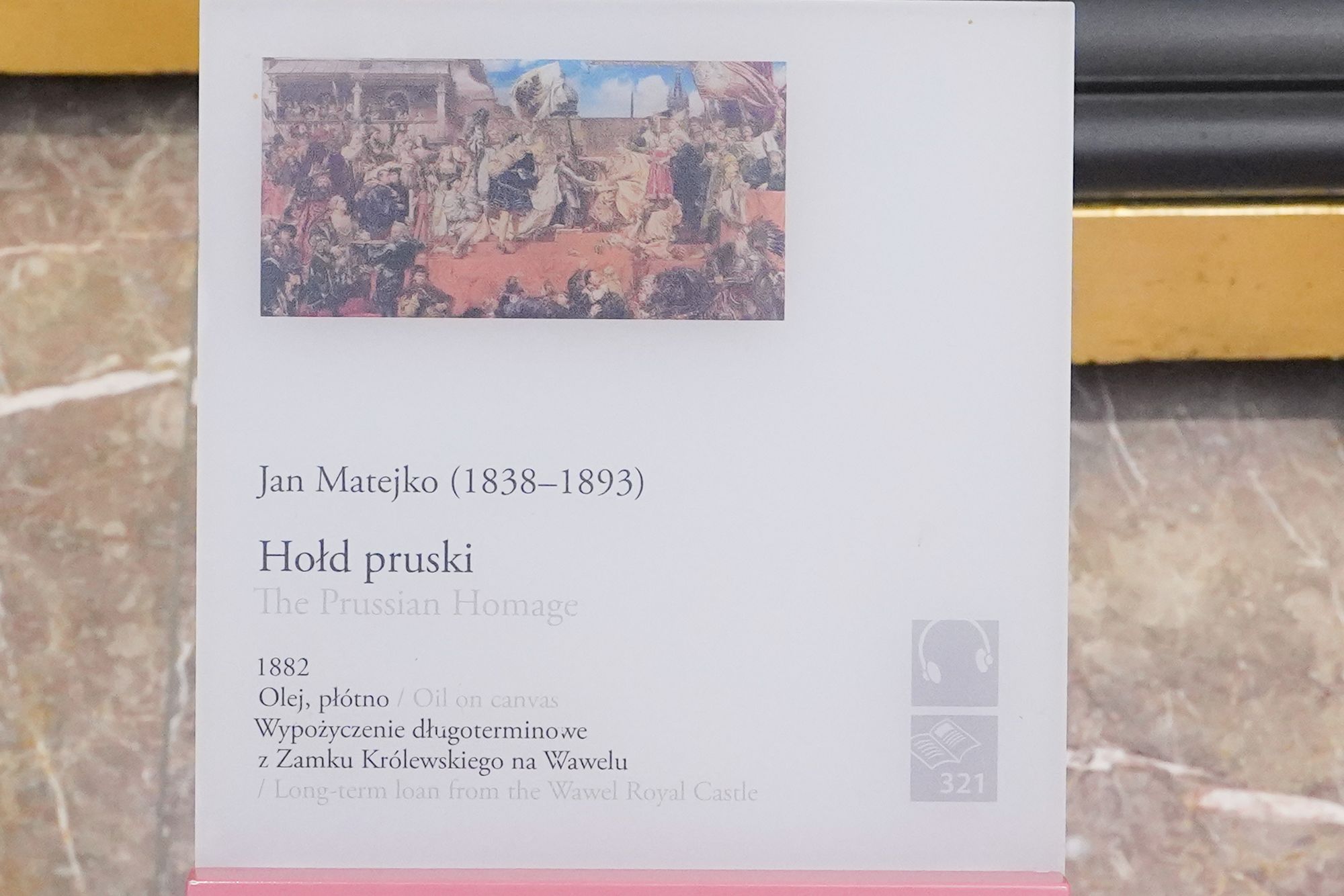
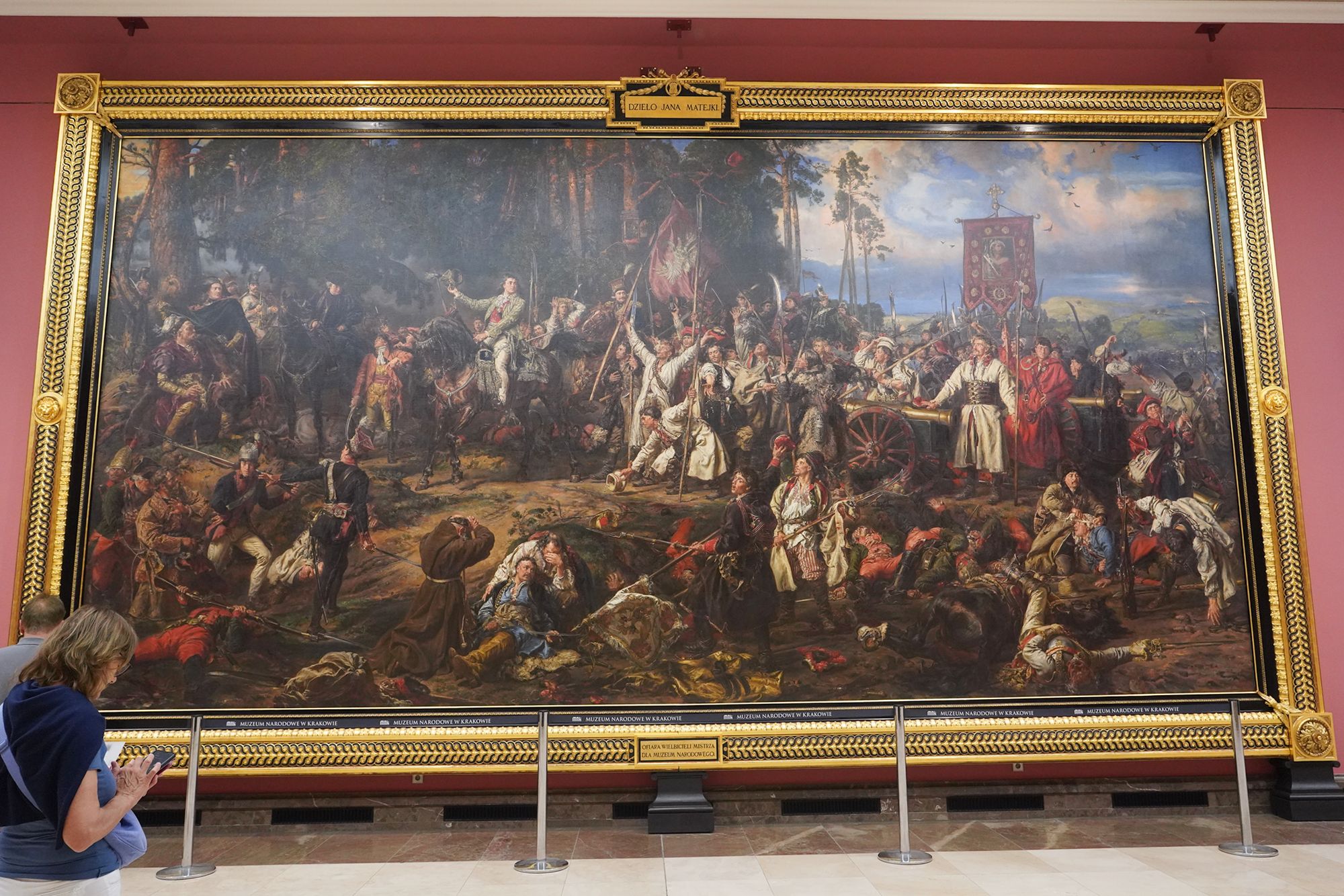
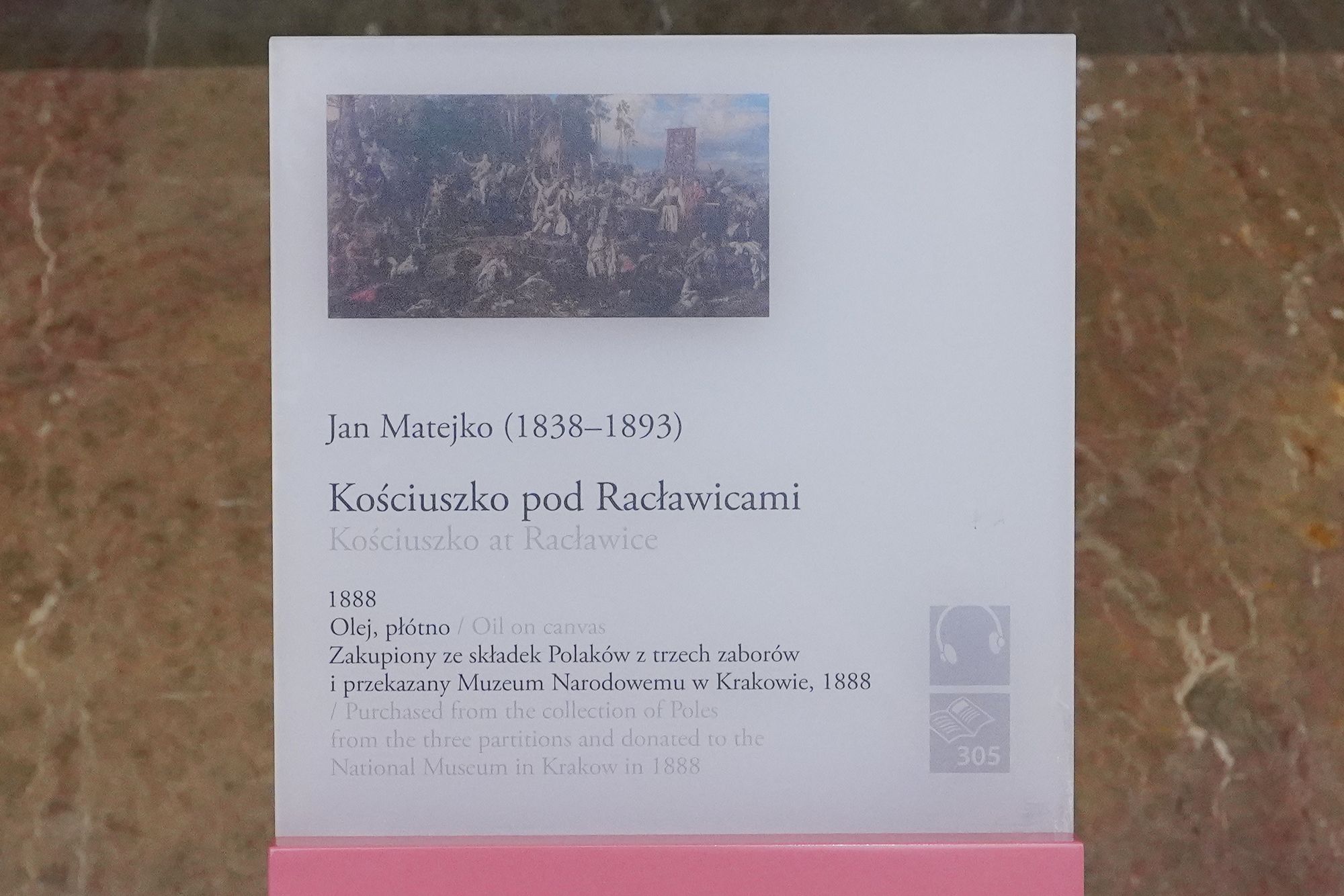
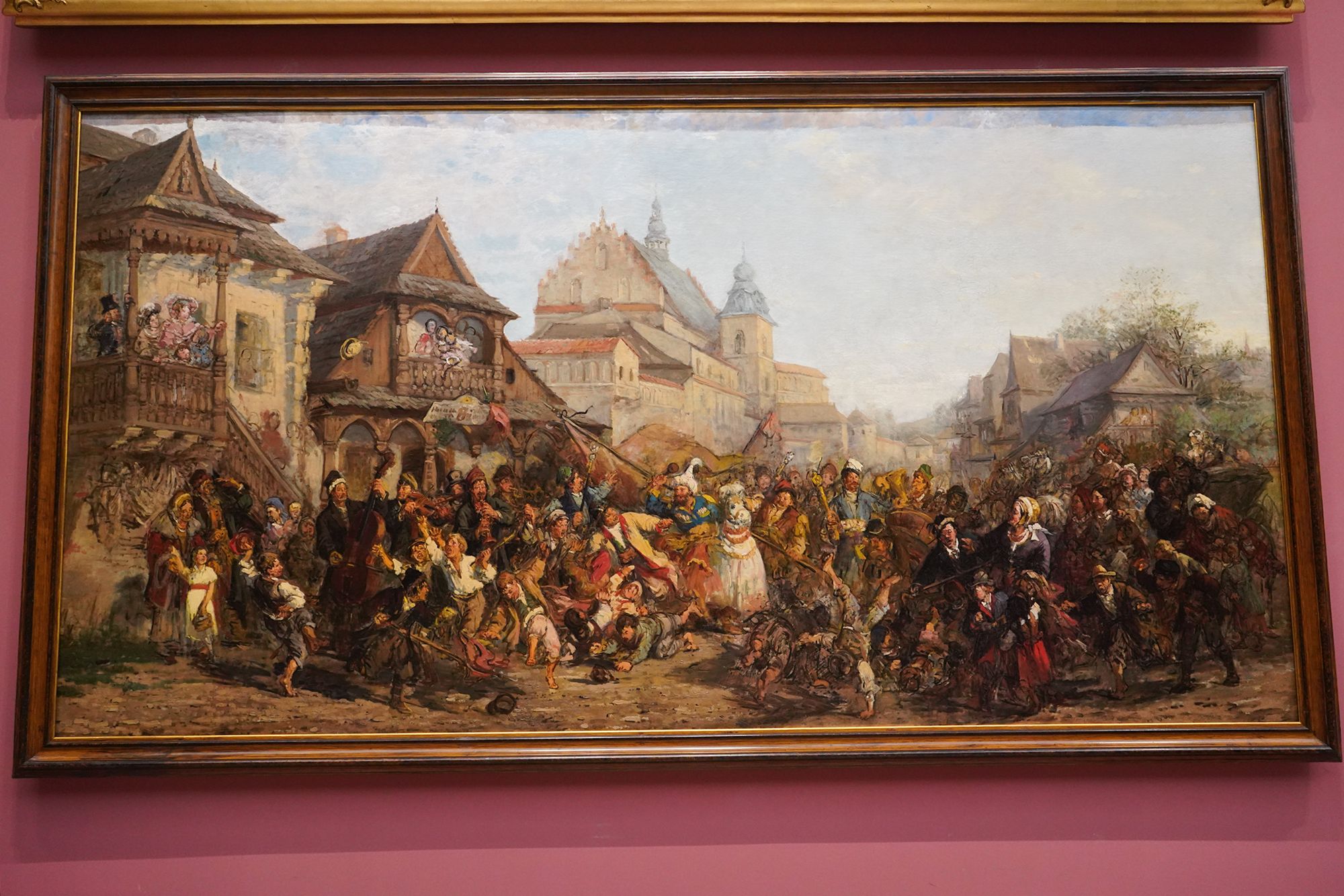
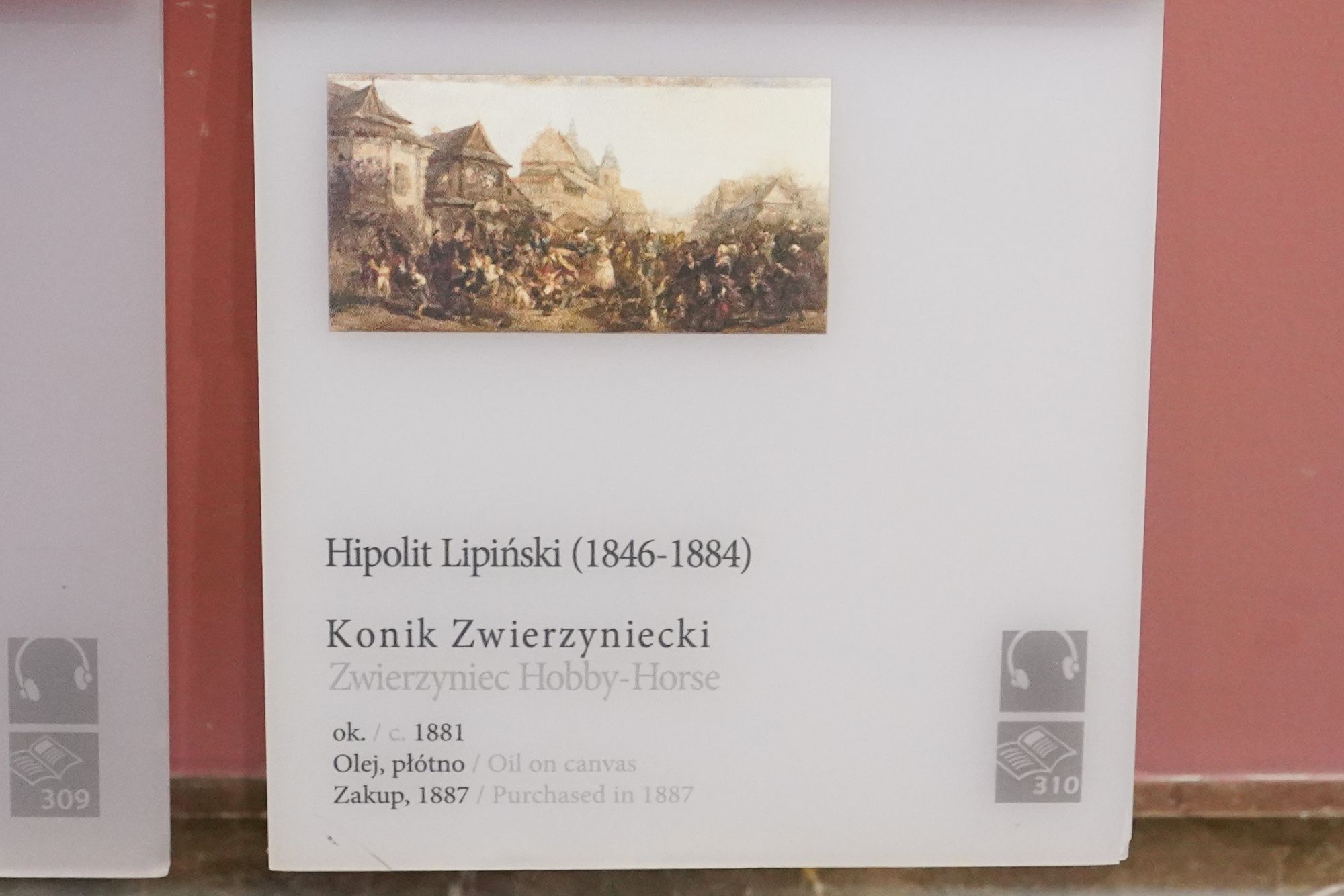
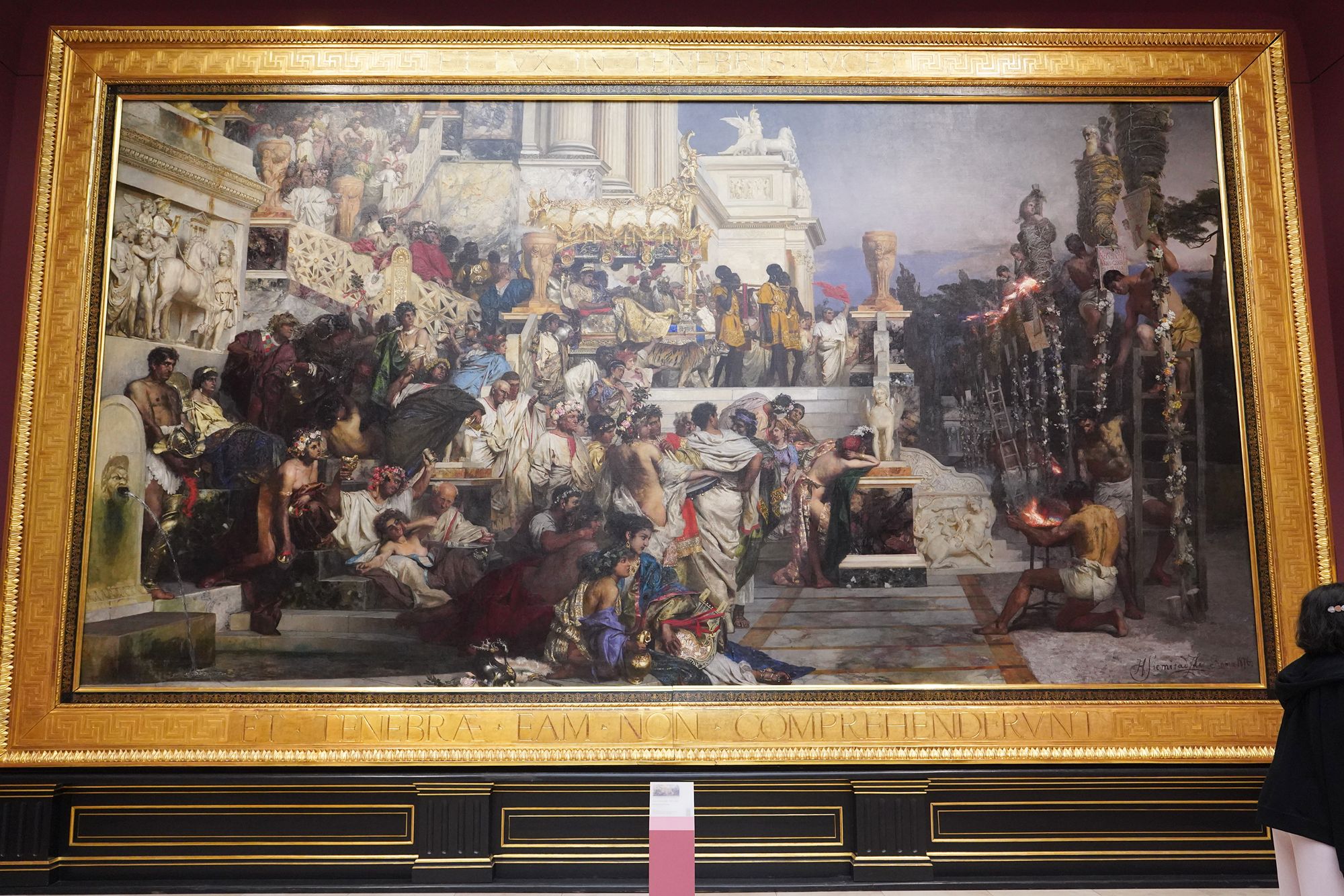
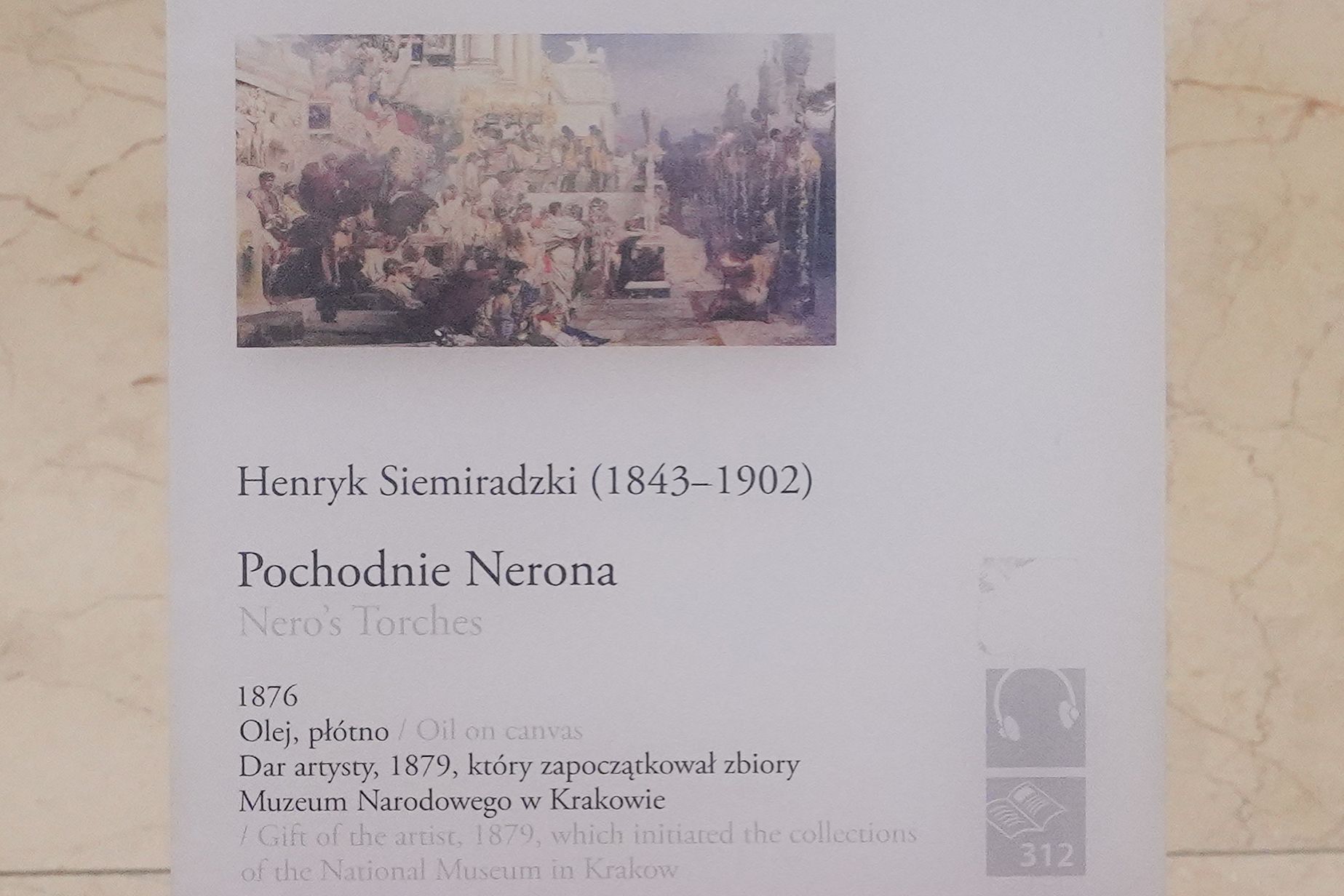
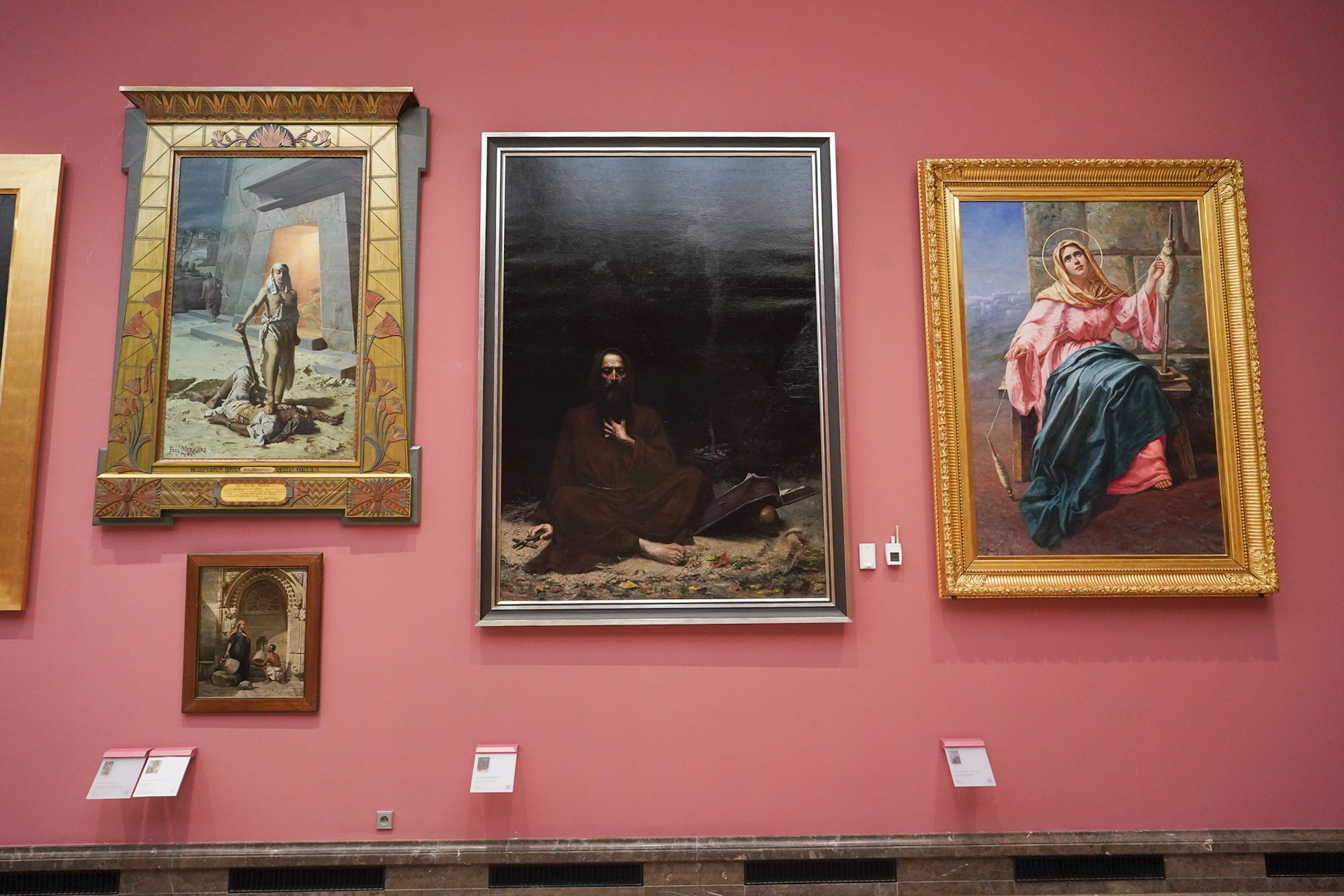
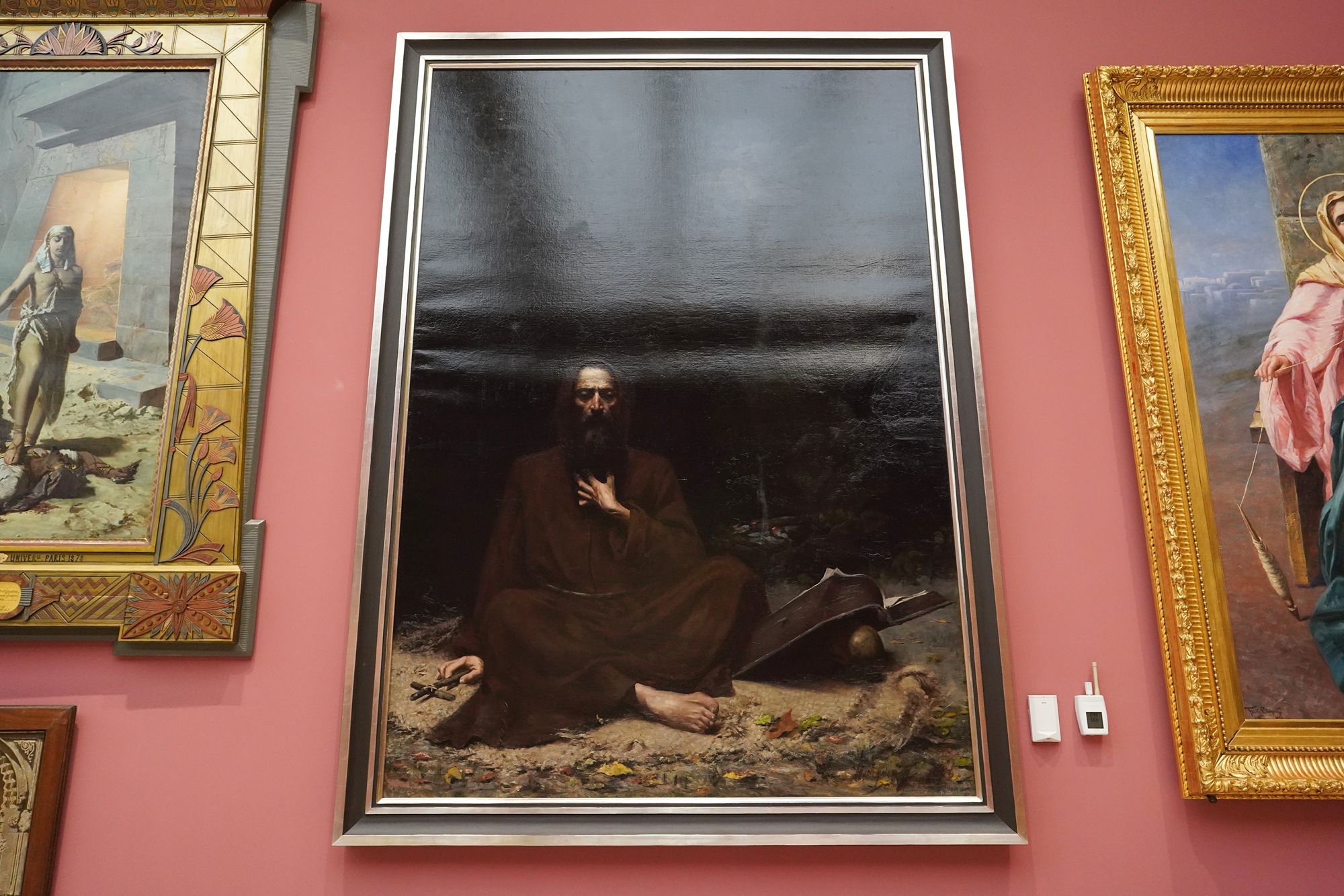
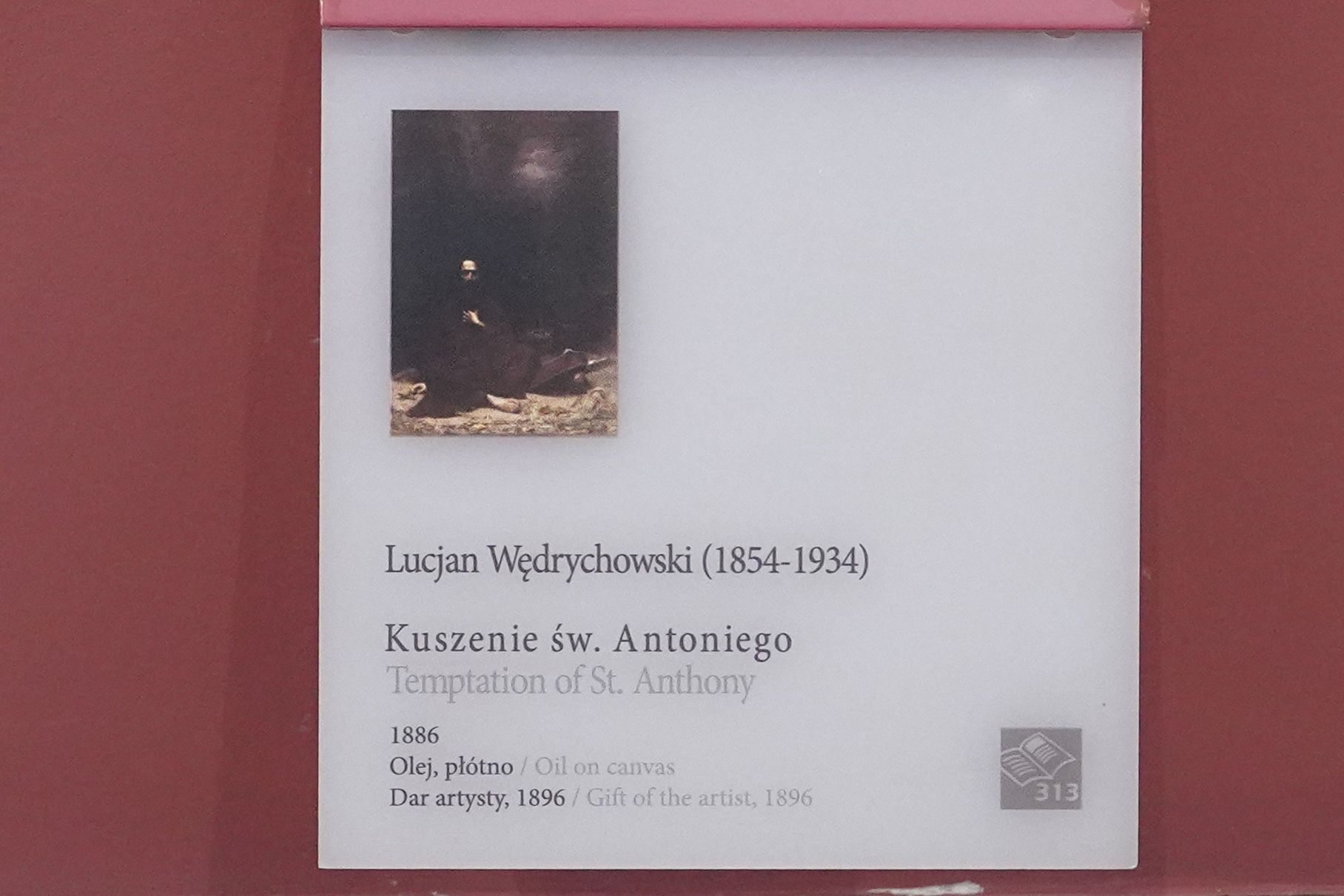
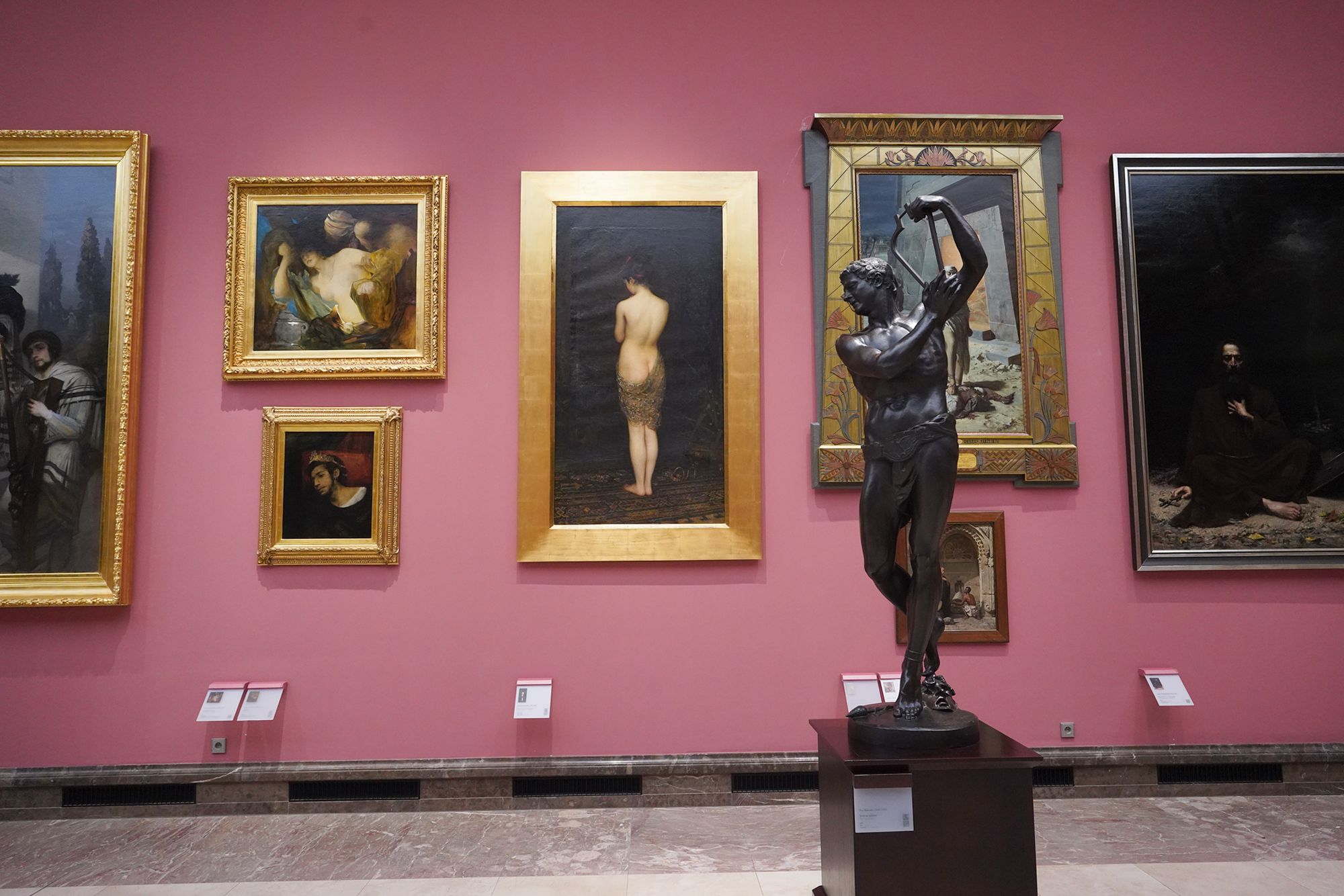
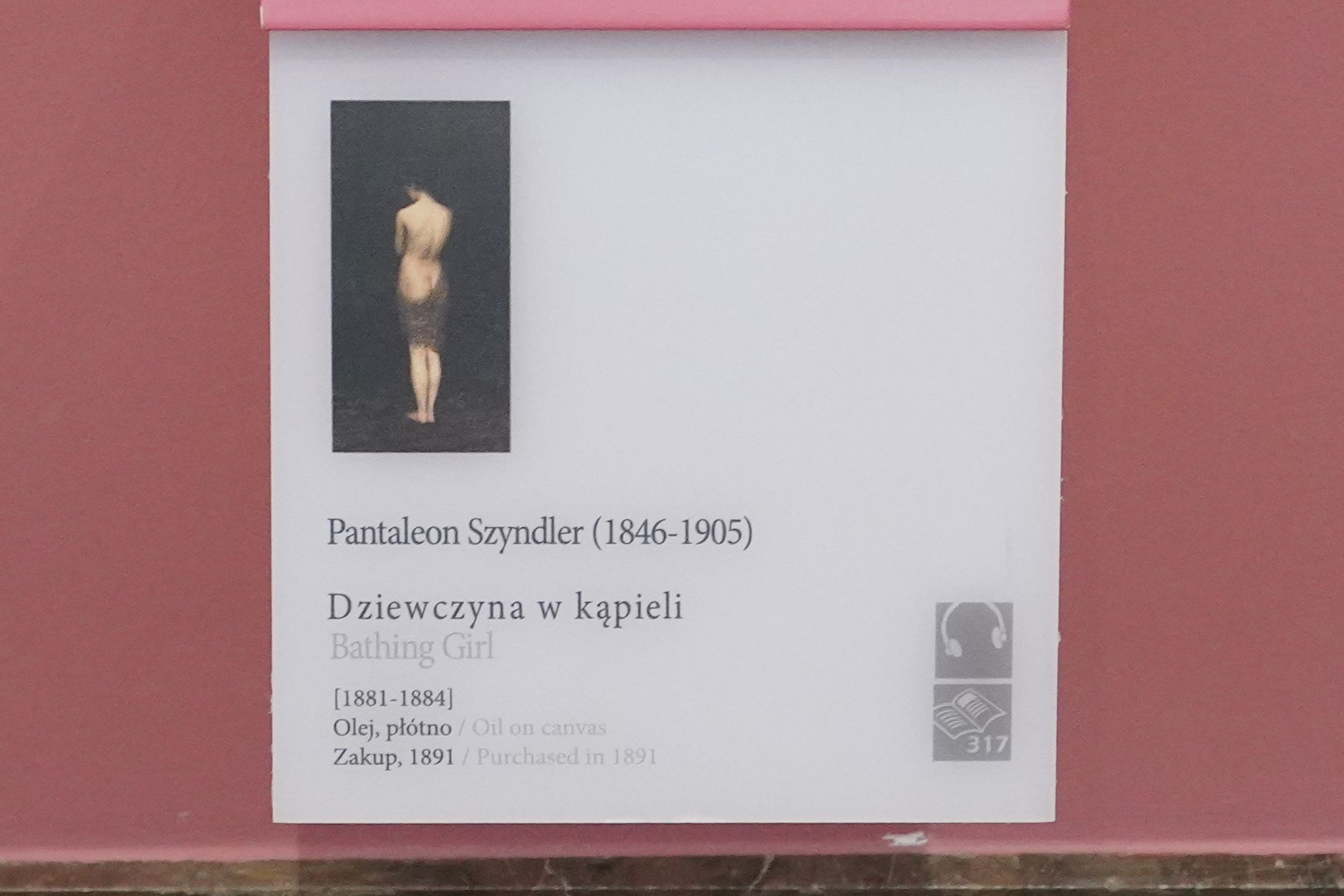
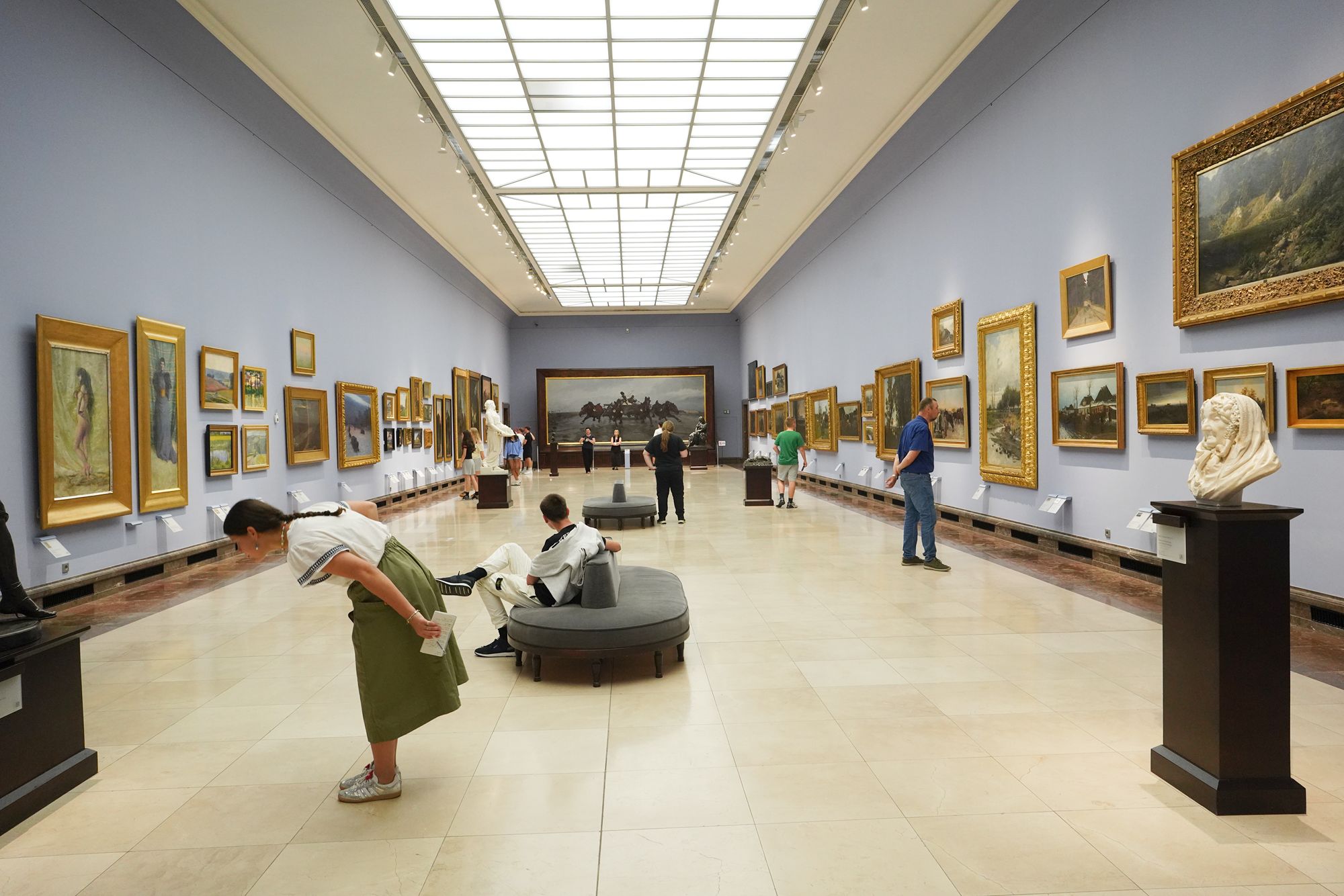
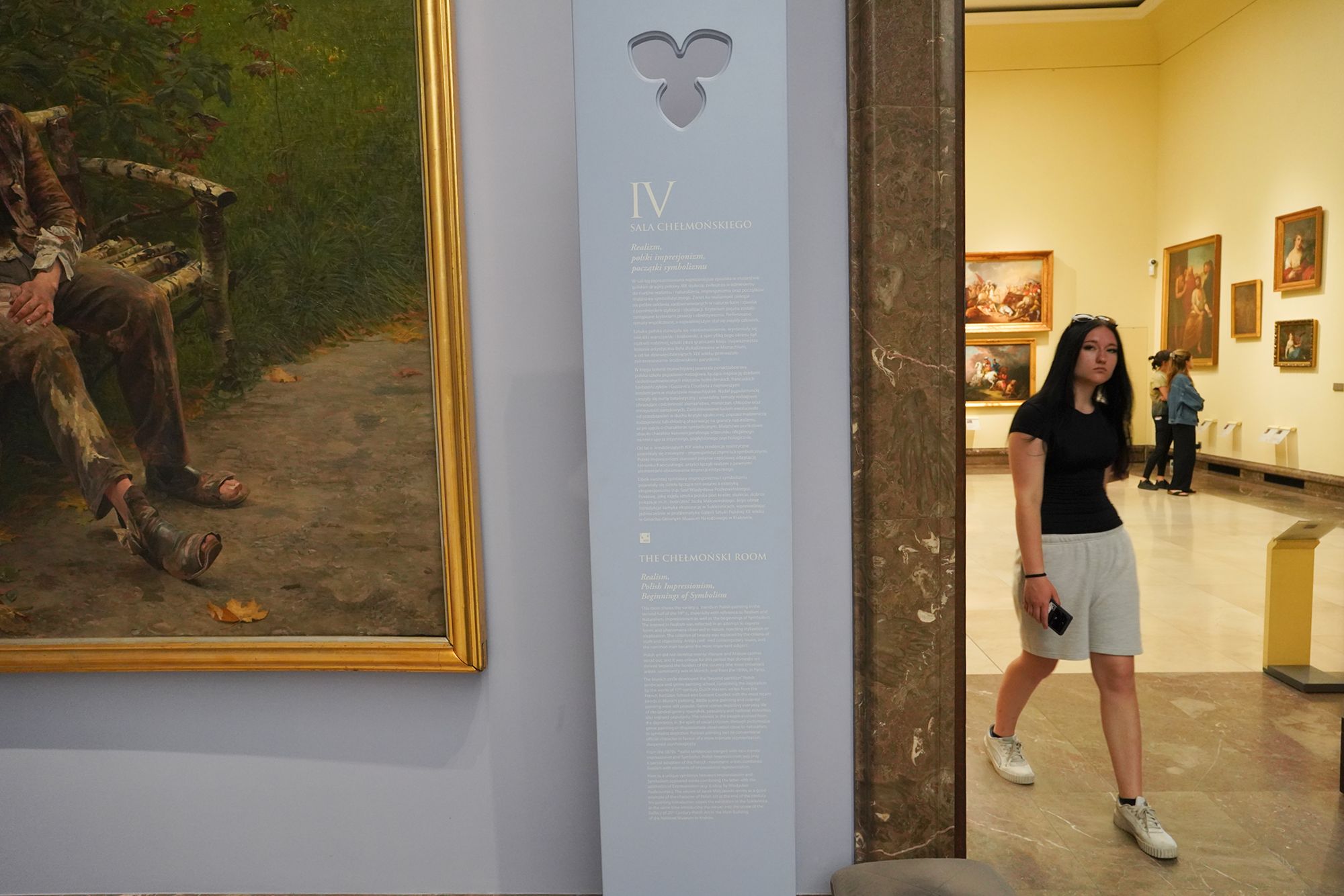
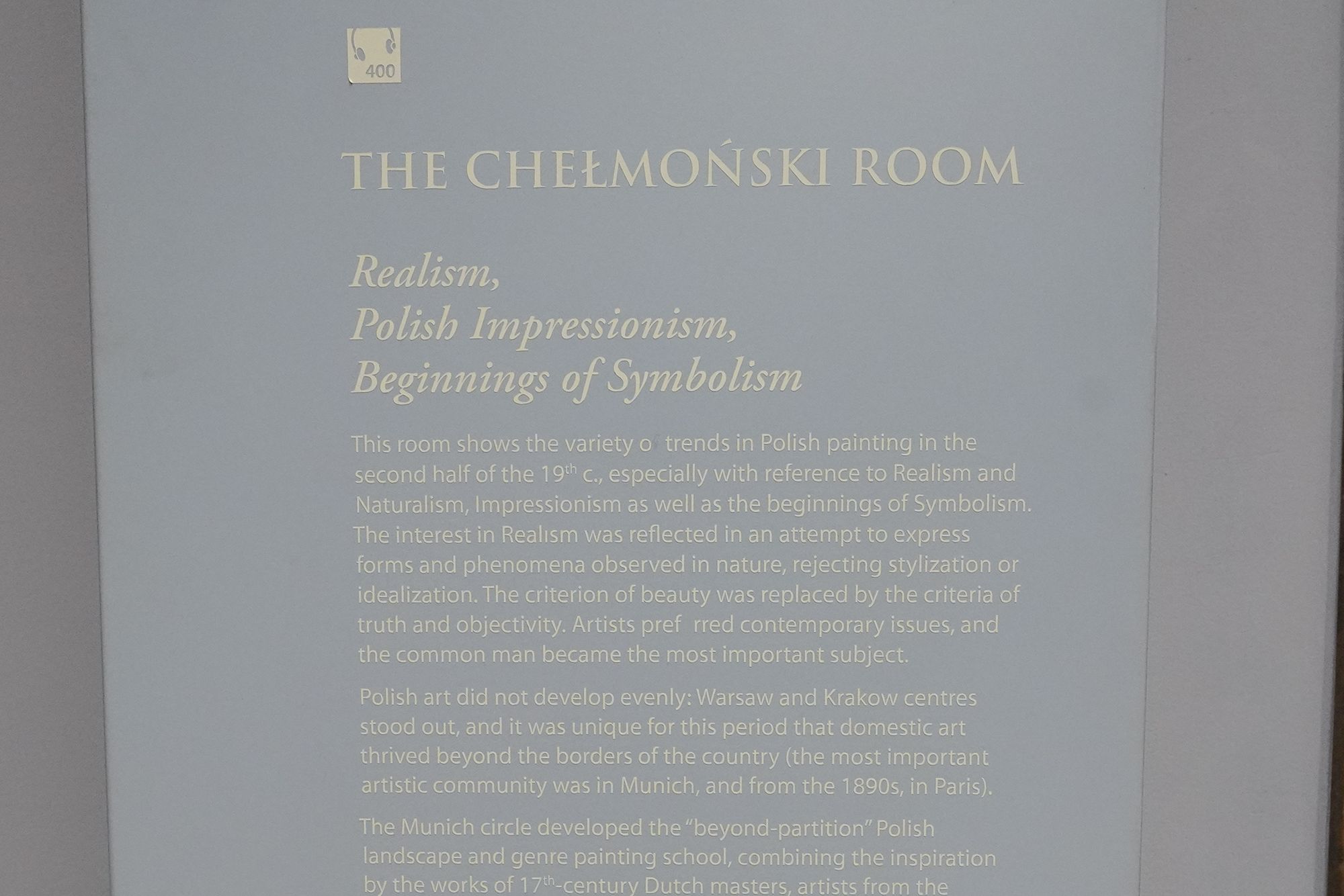
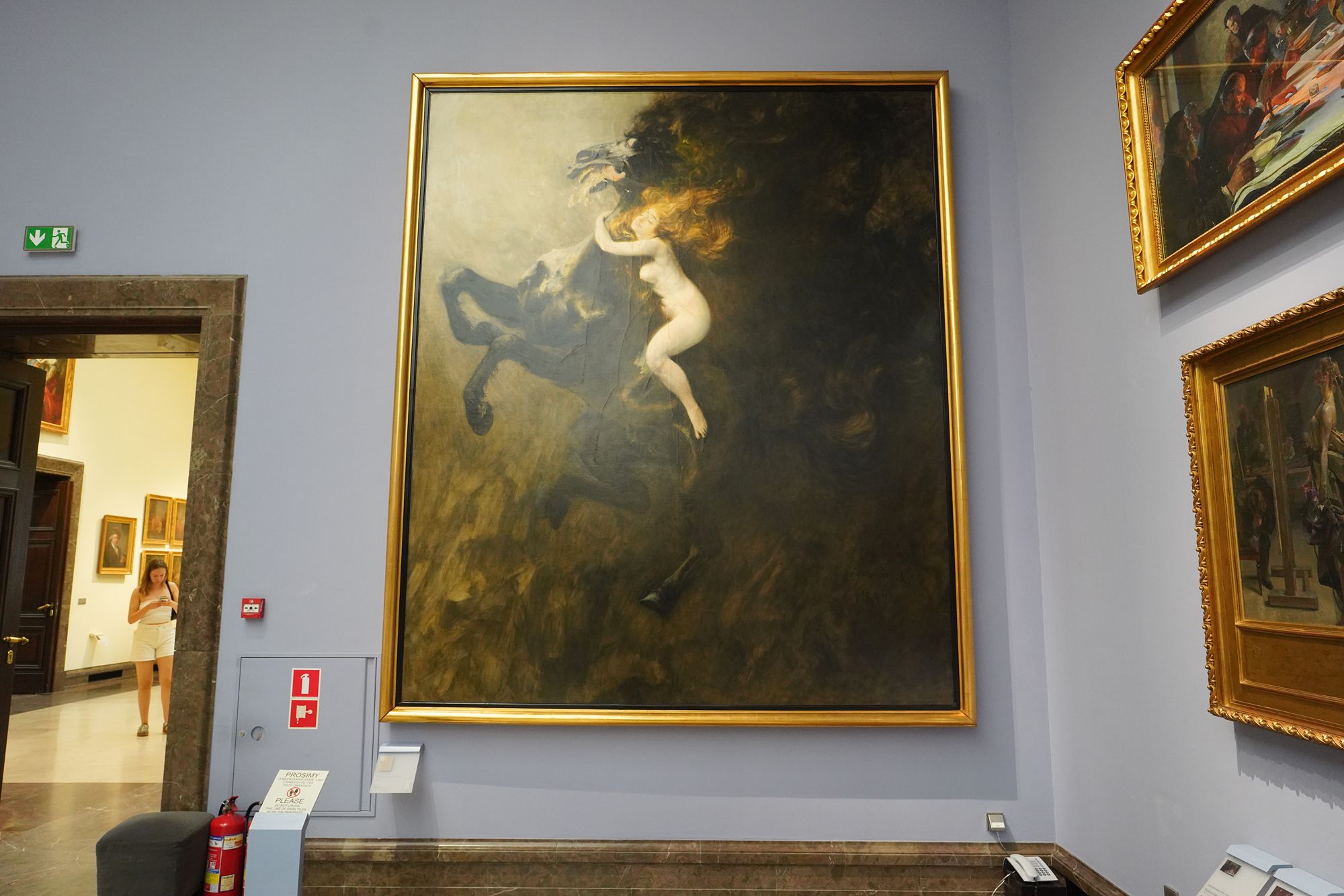
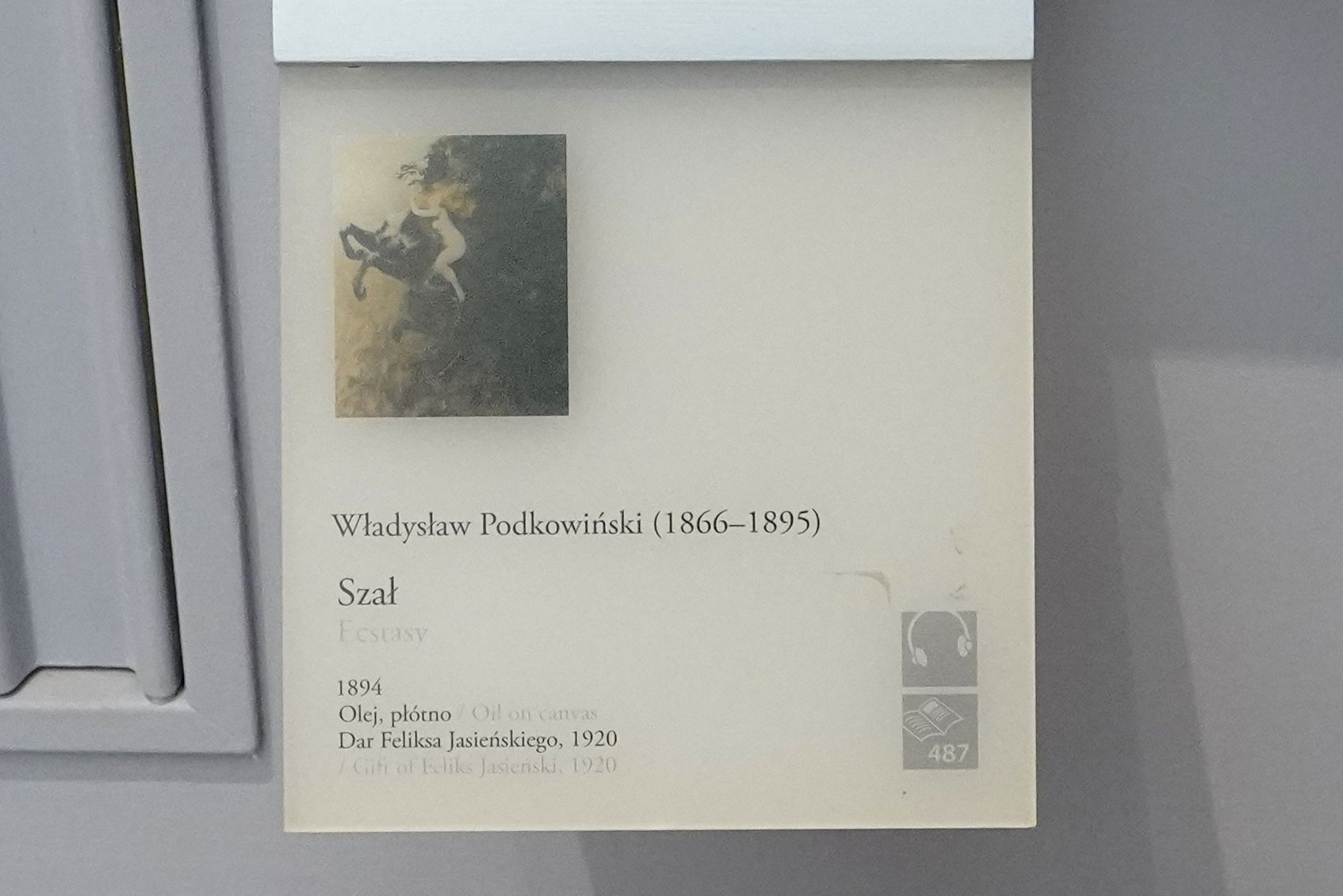
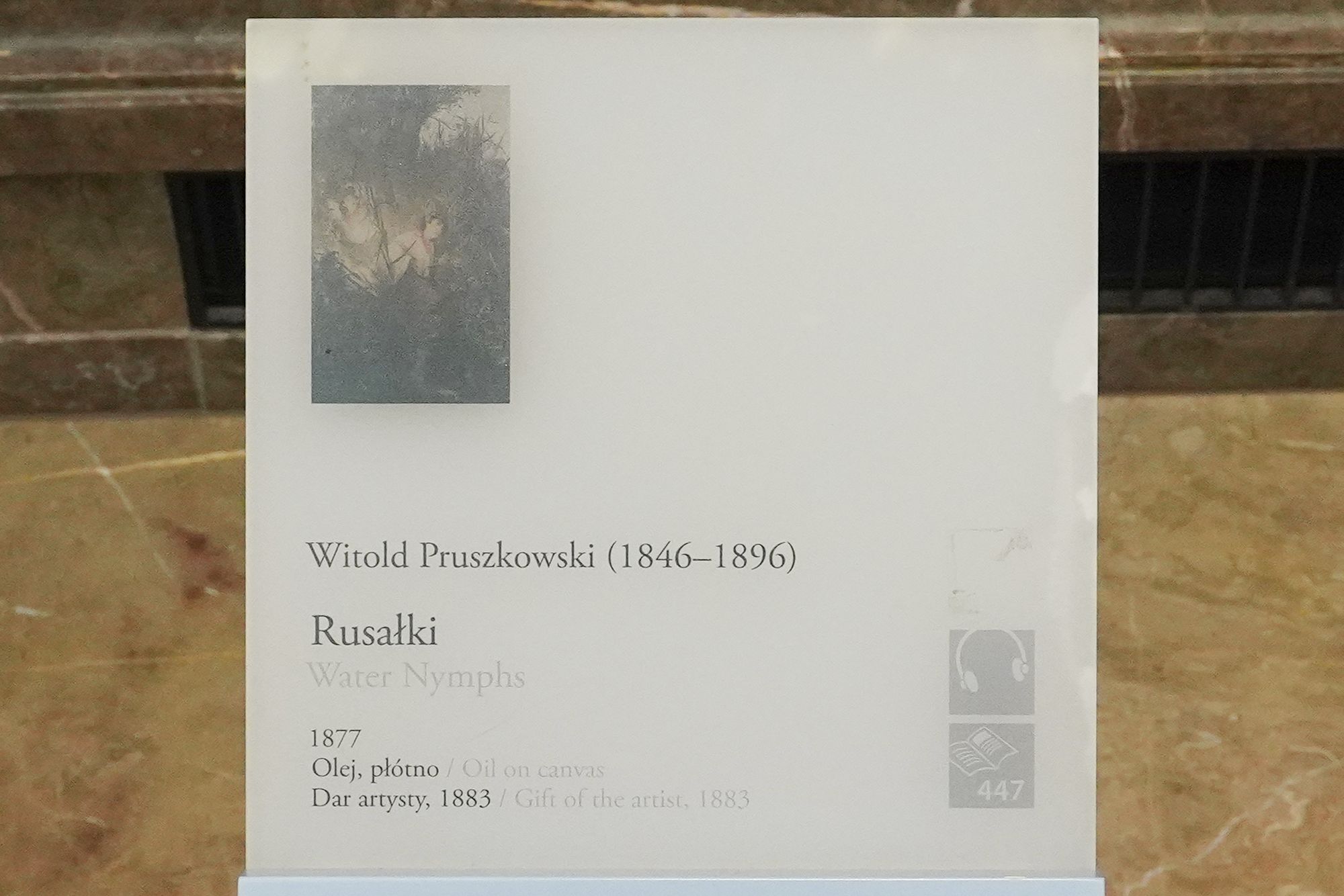
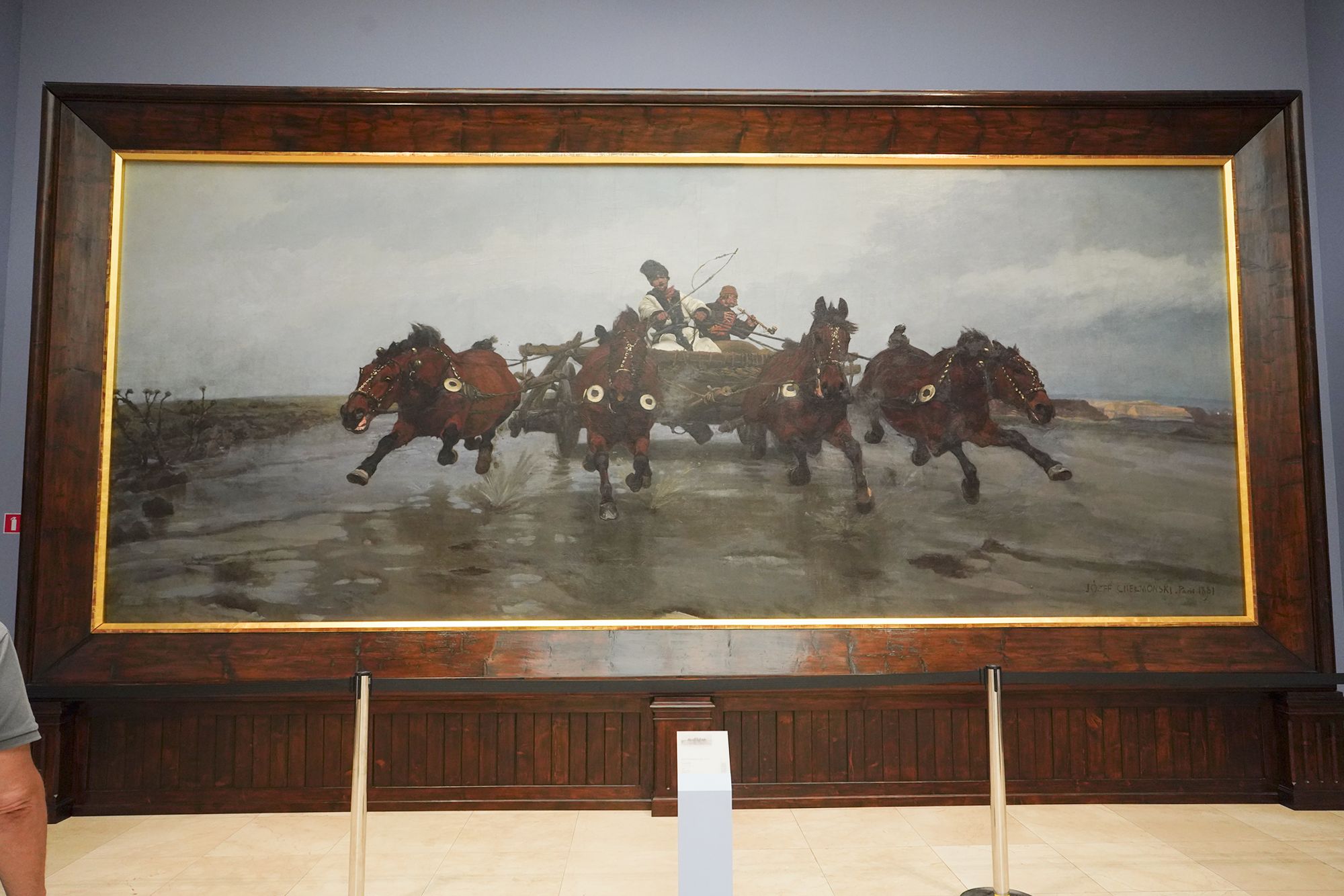
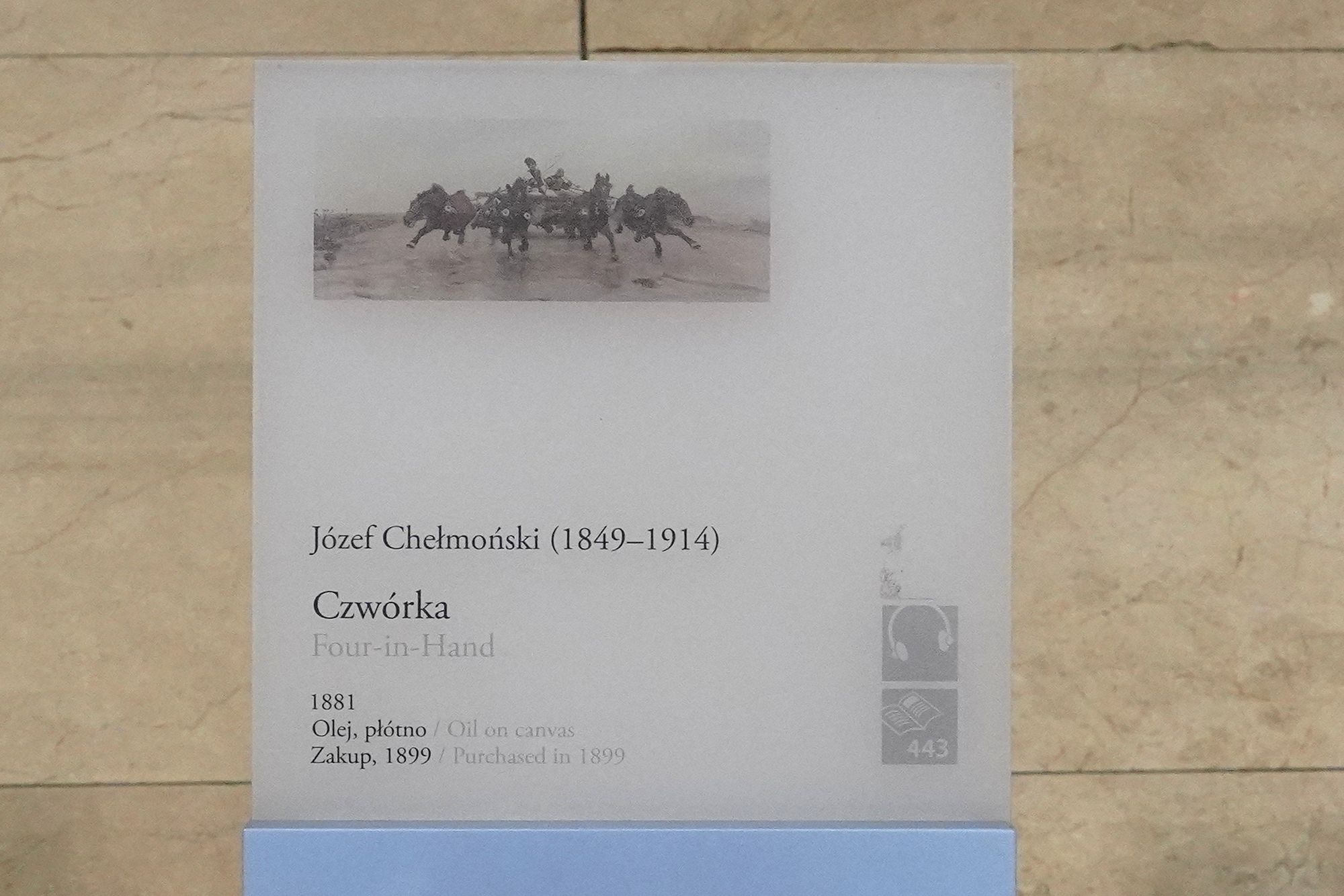
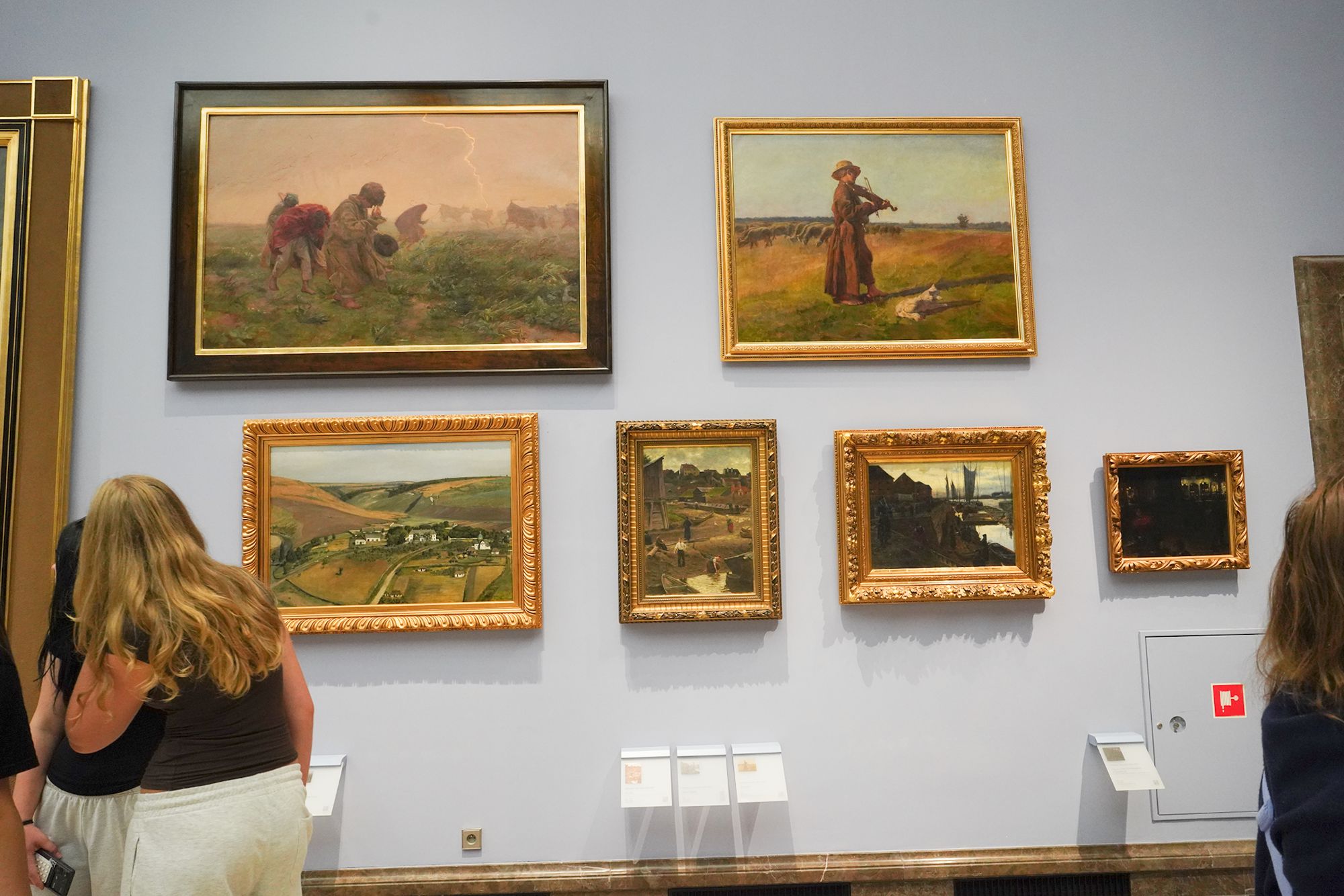
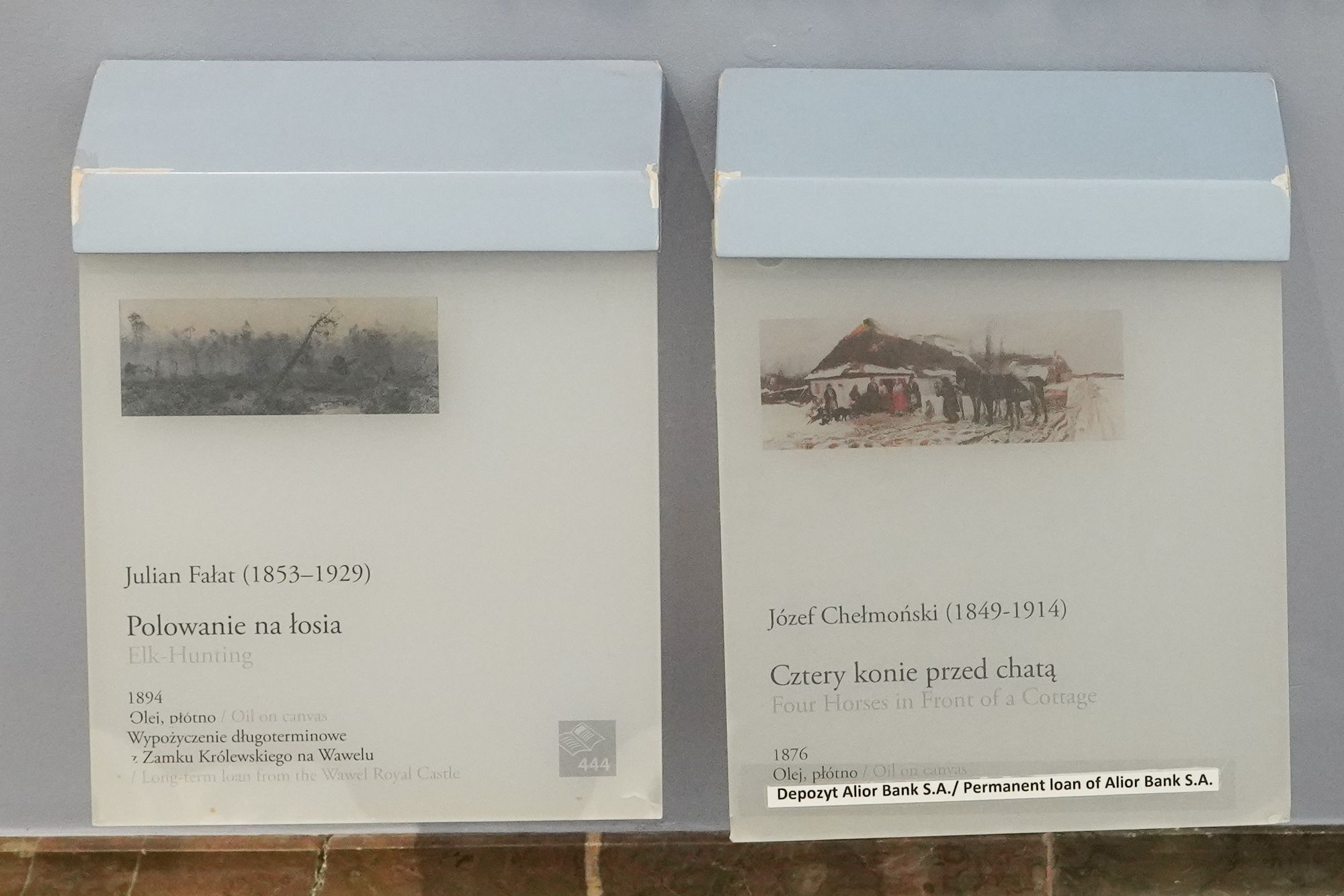
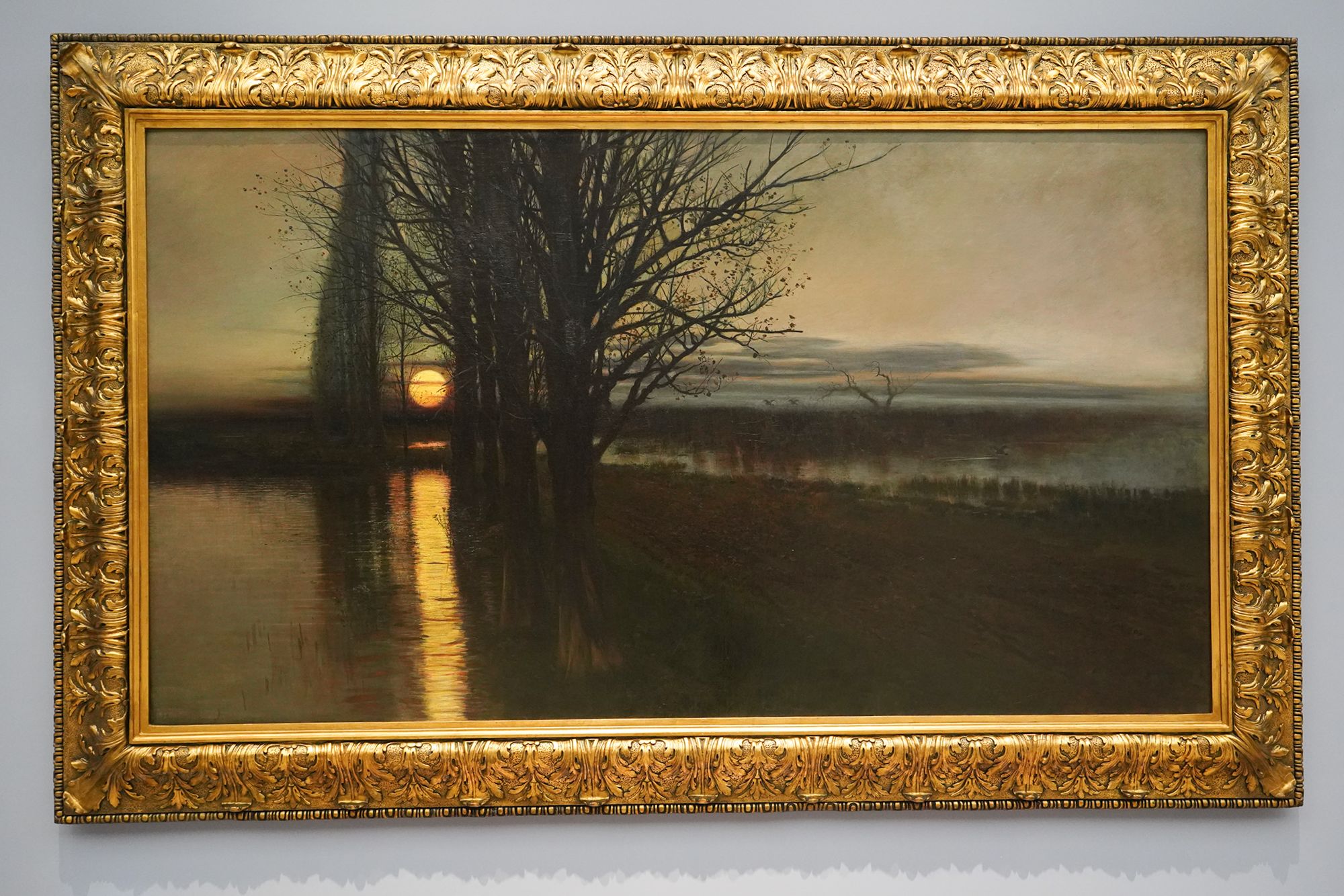
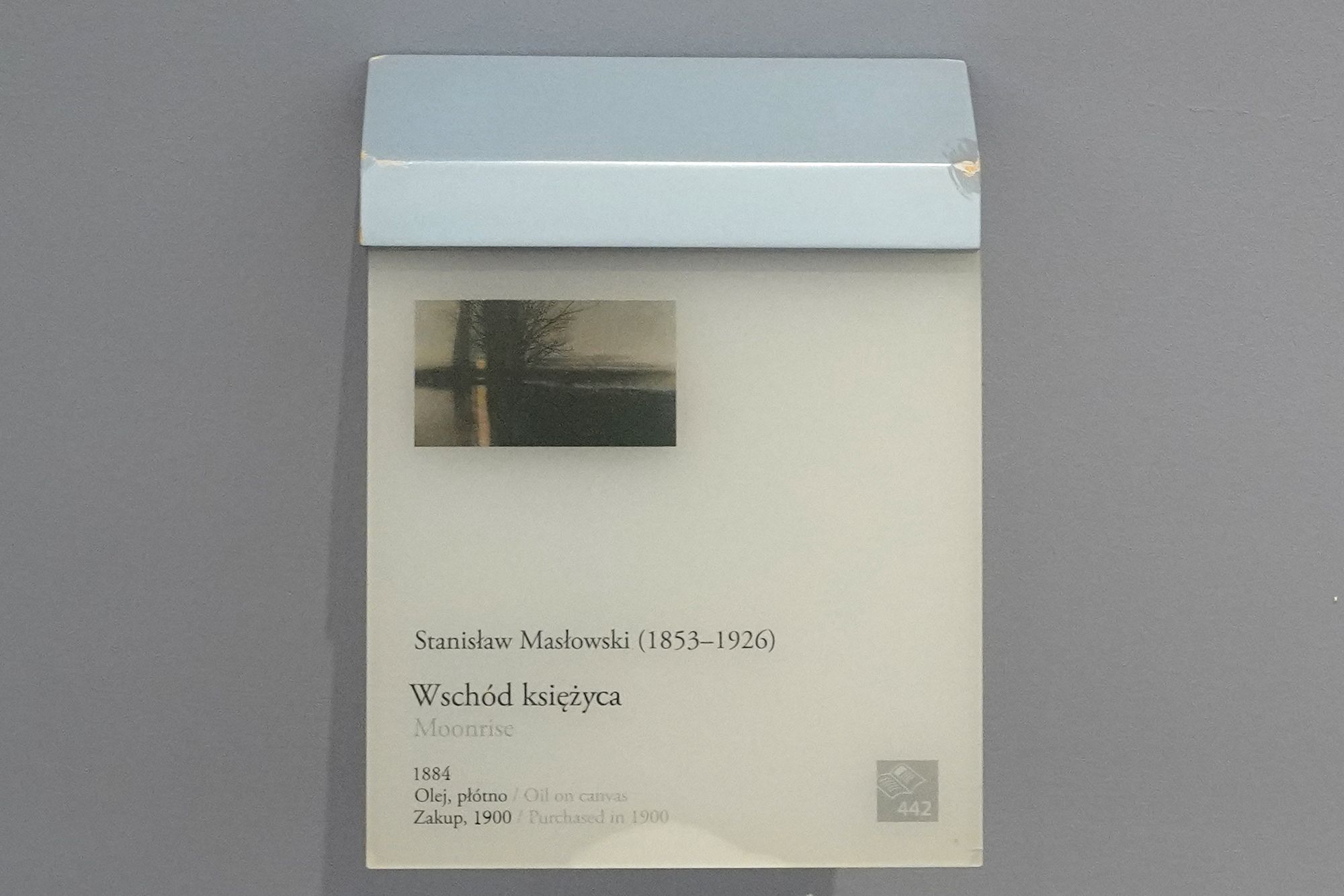
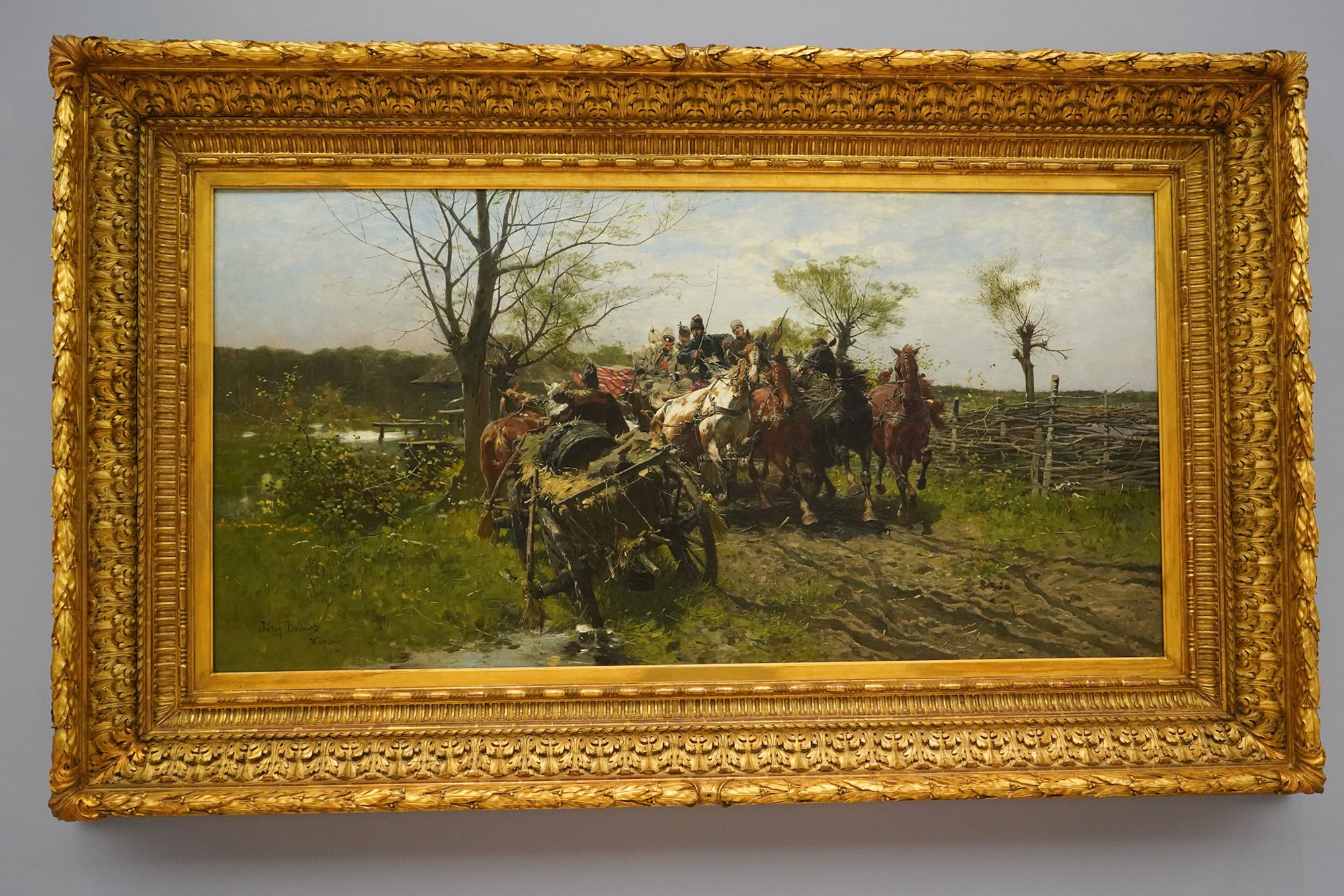
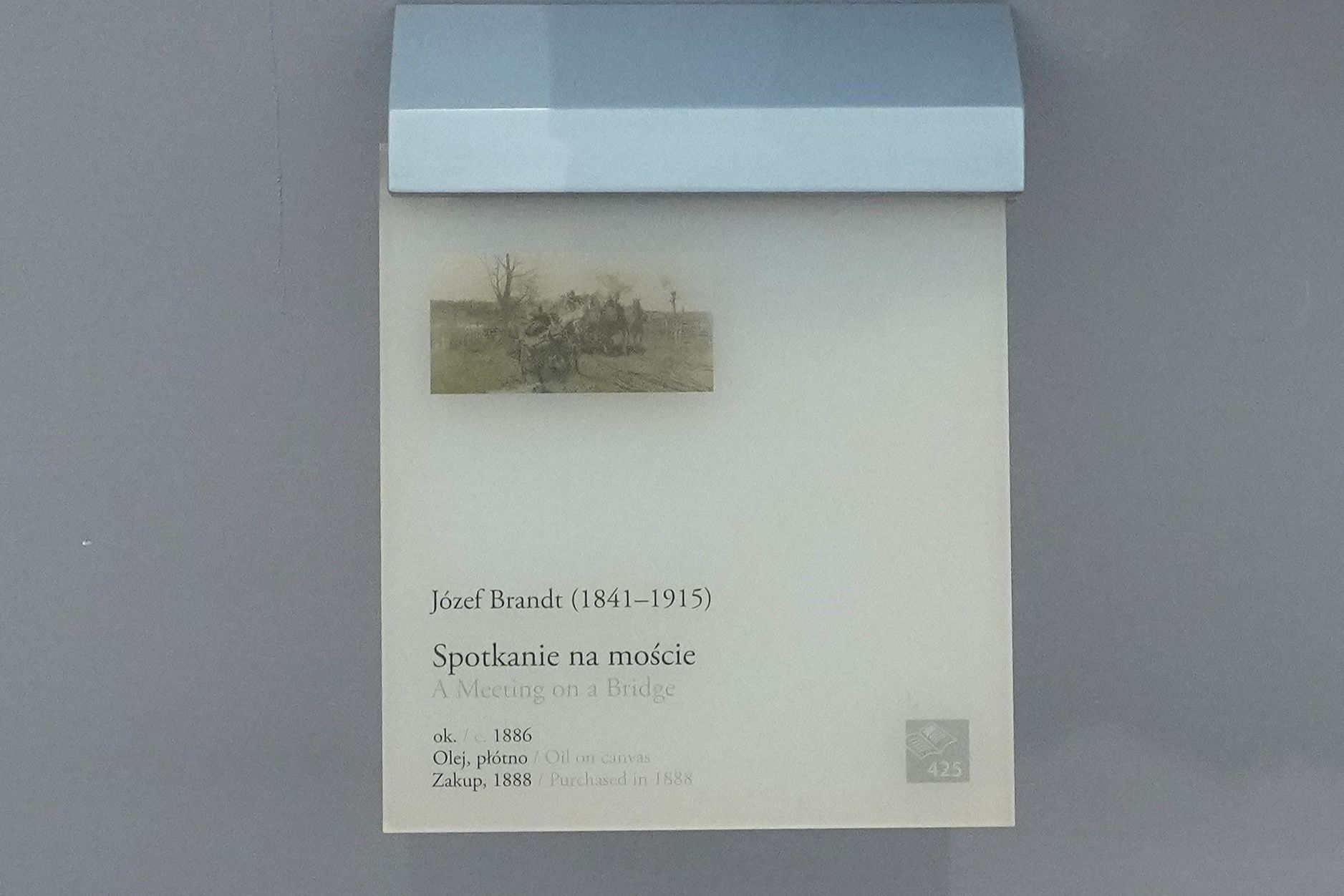
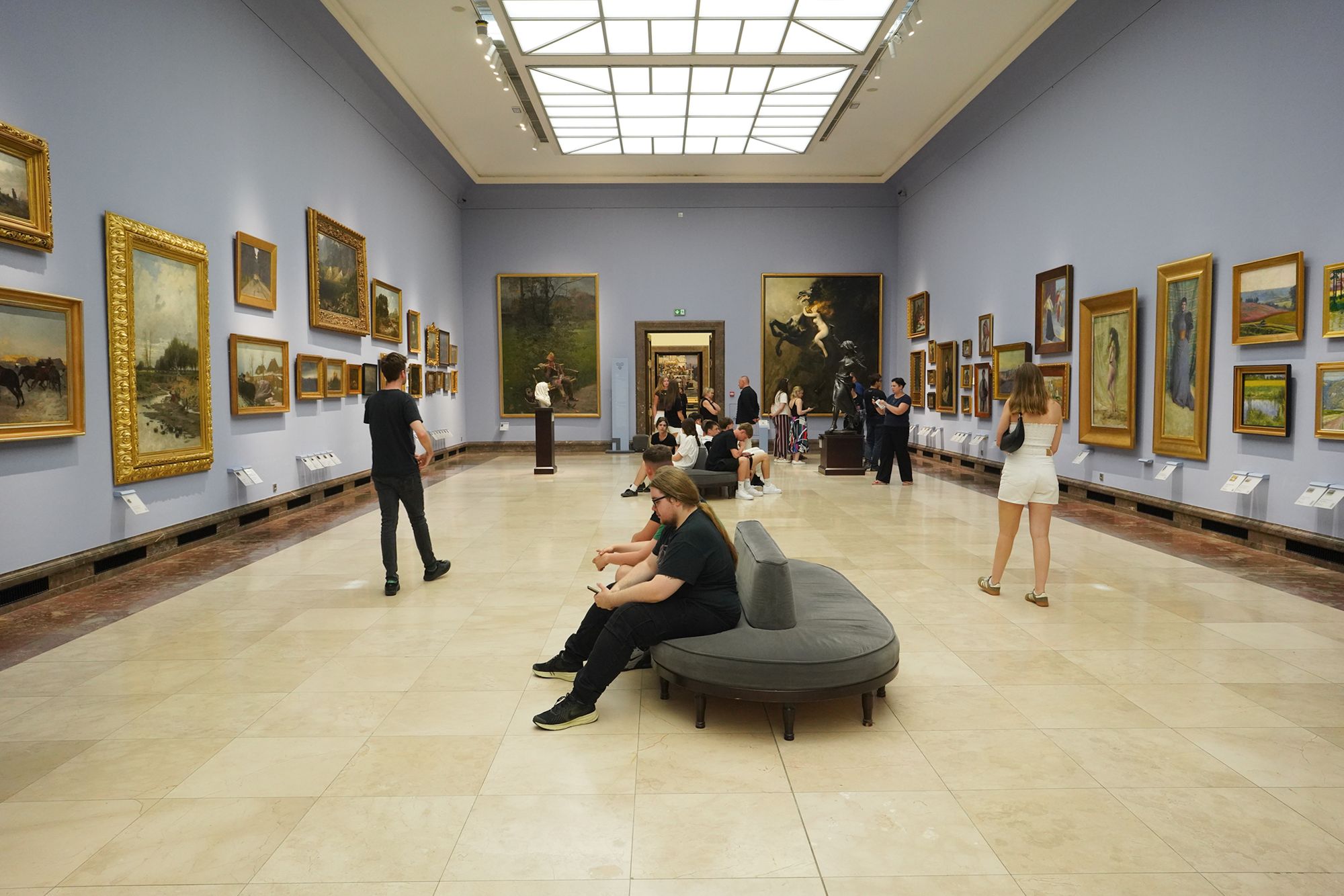
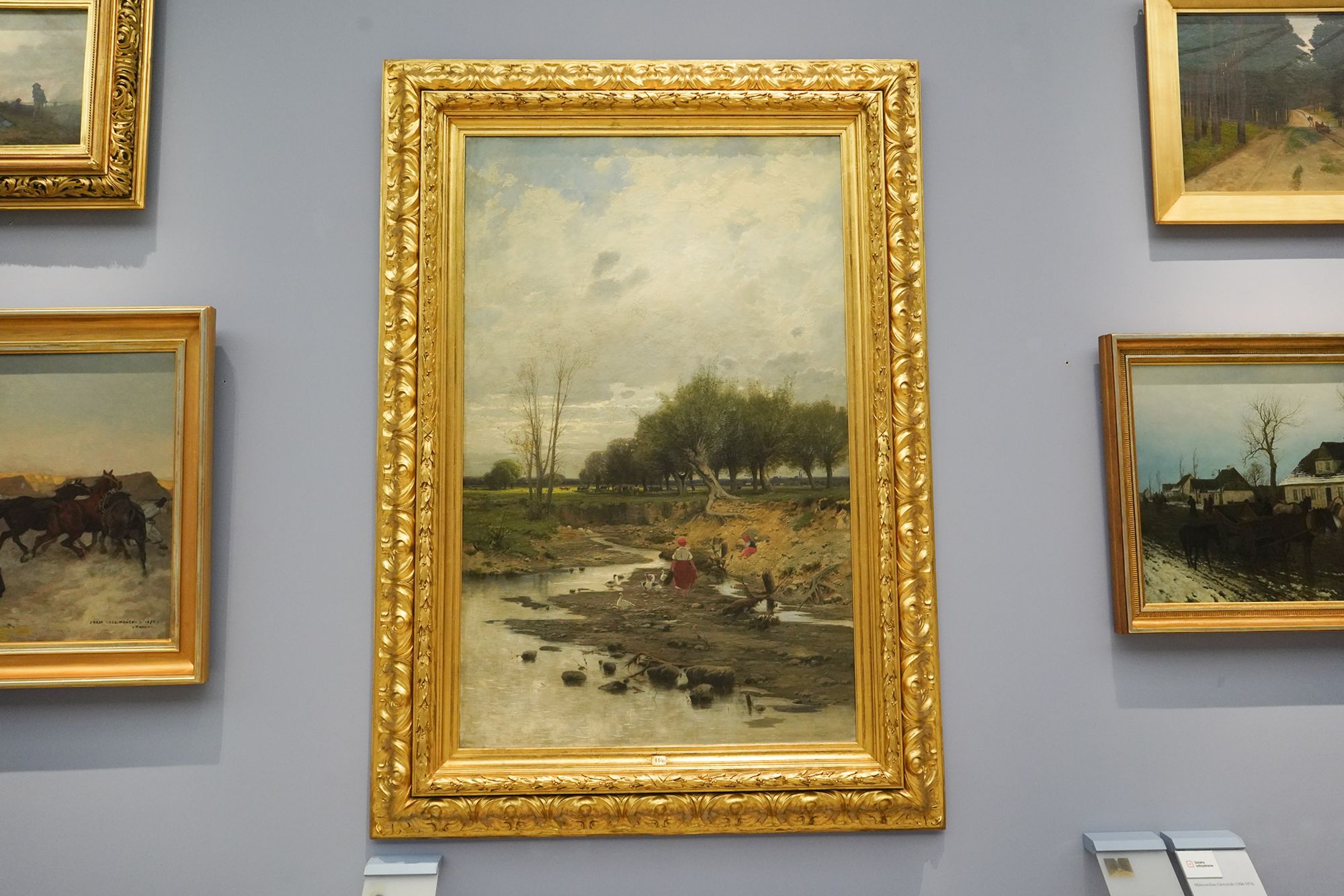
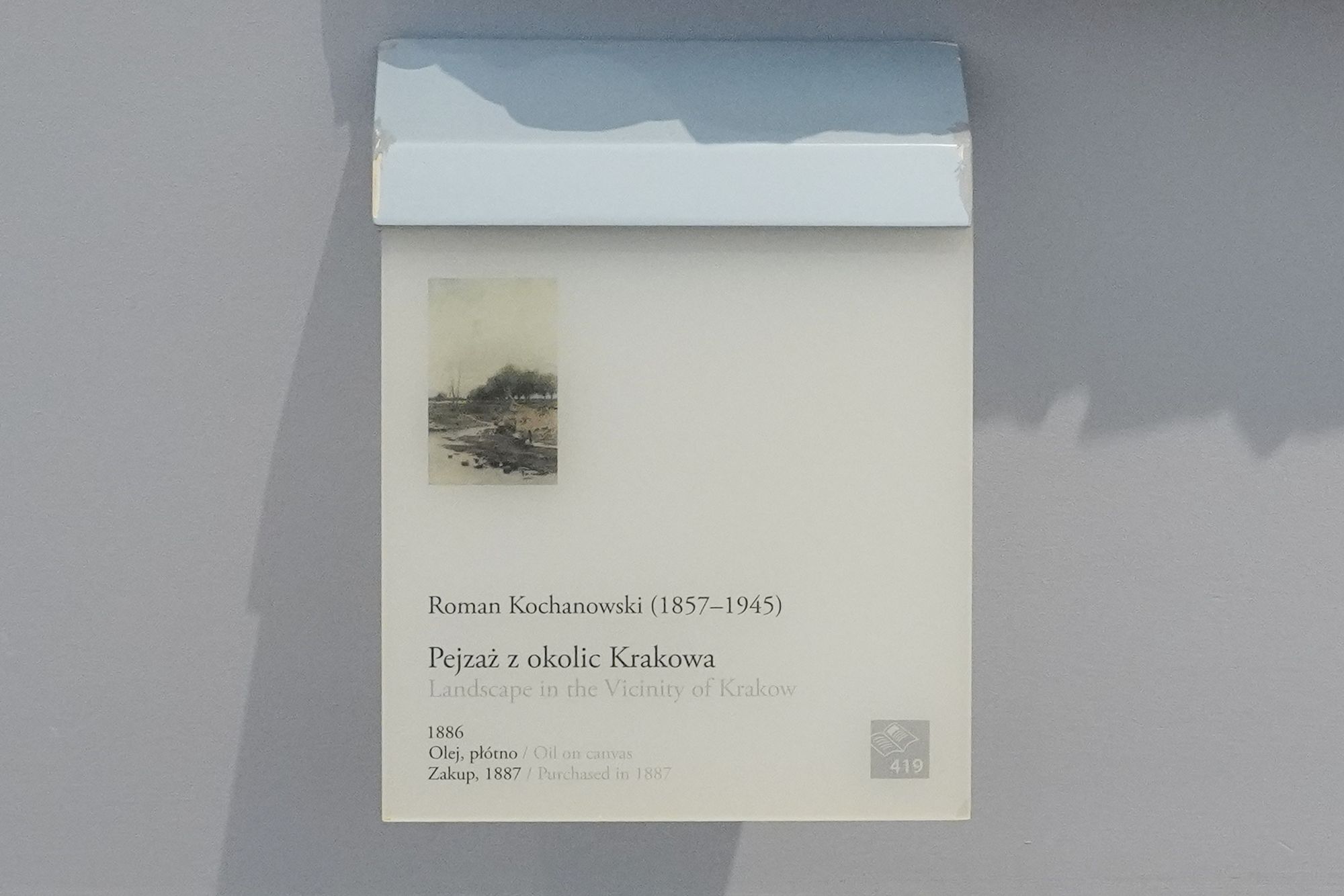
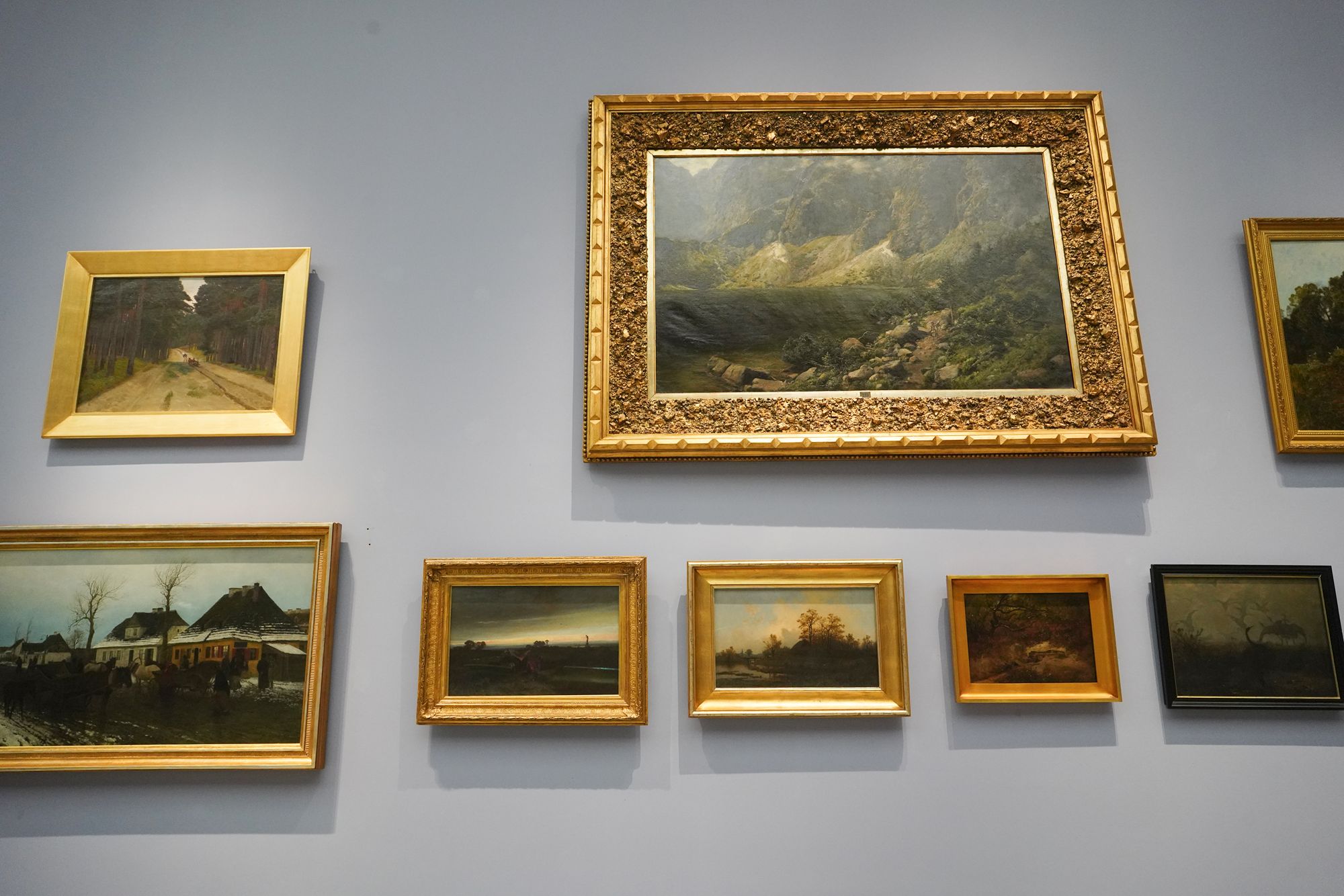
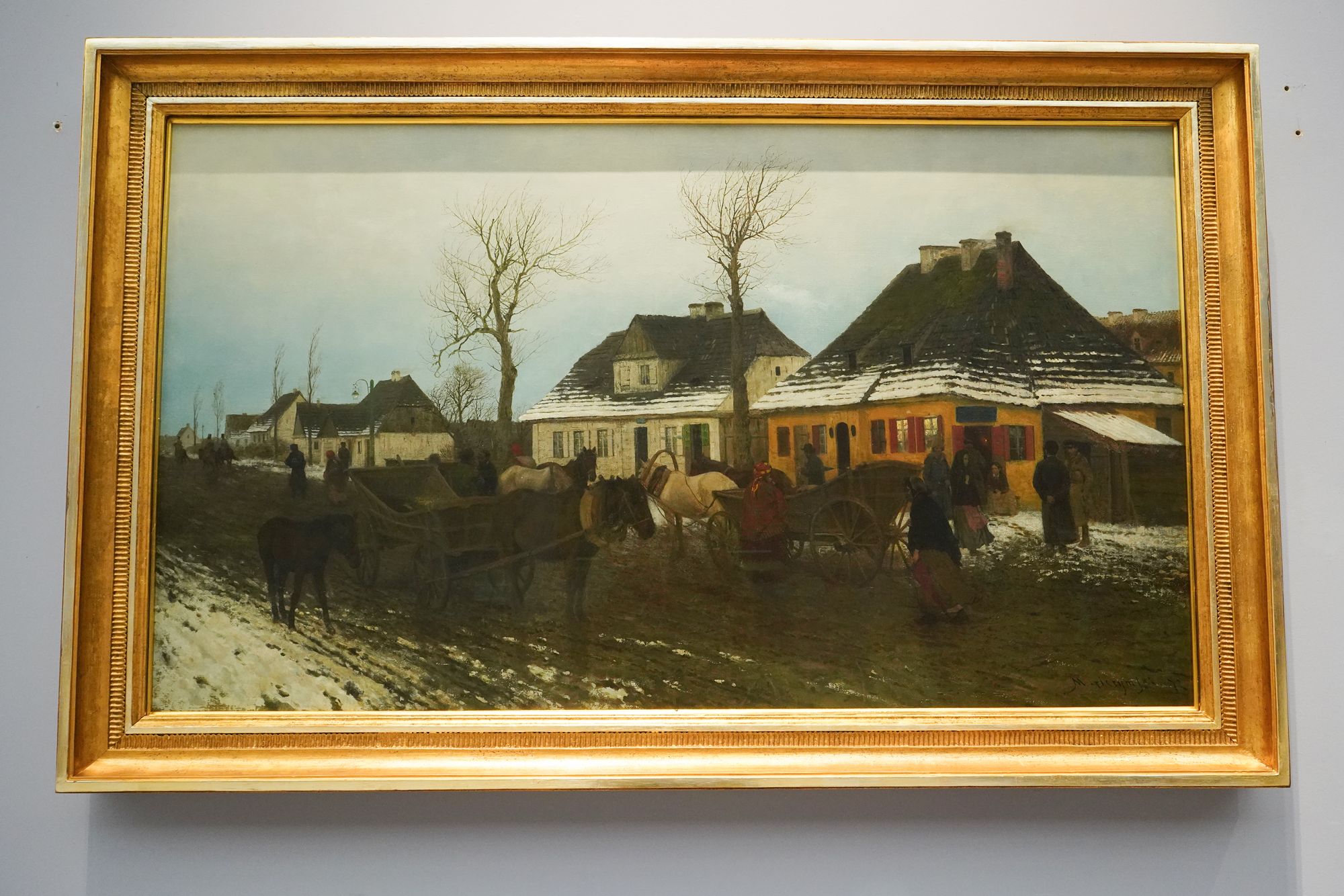
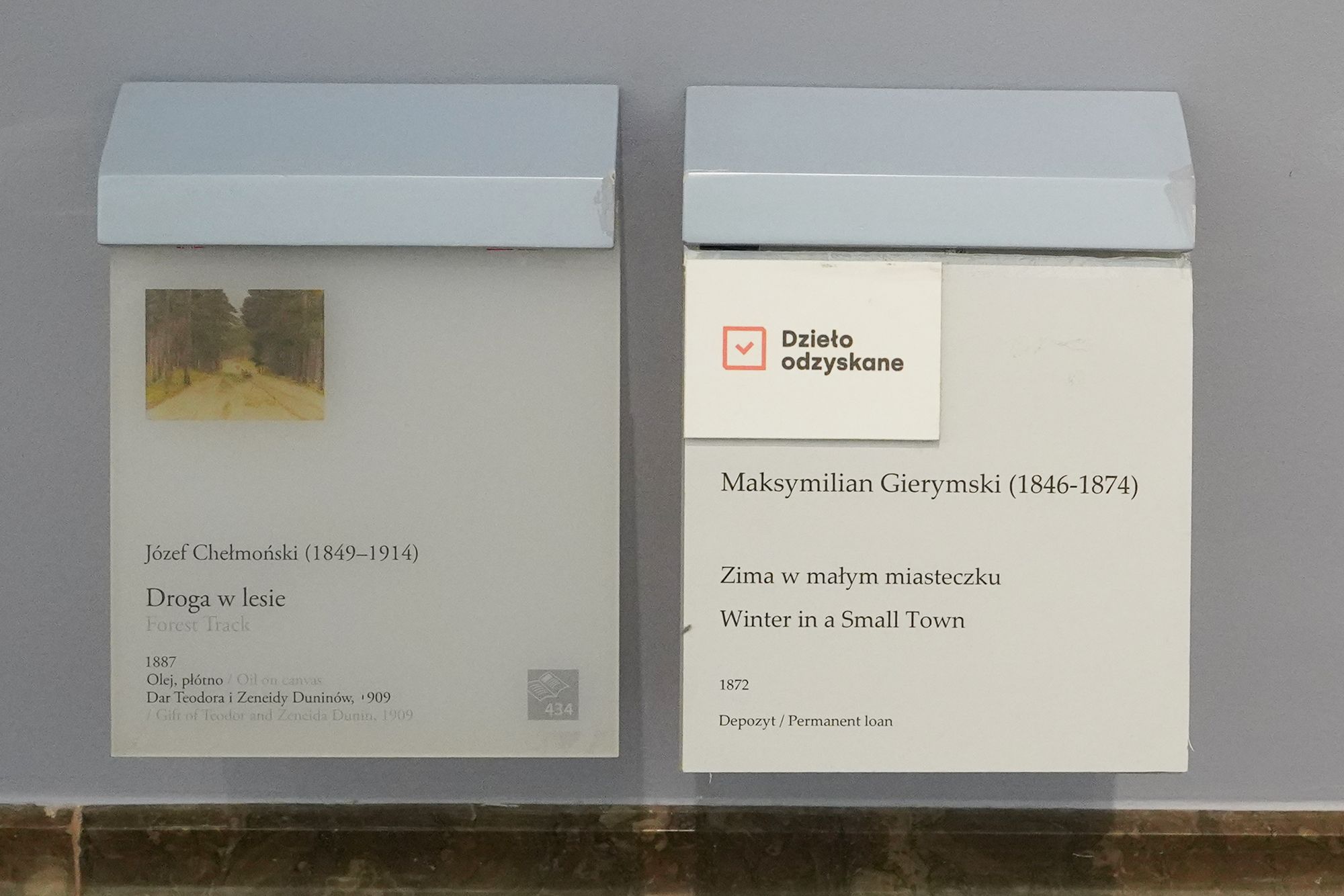
I then entered the Chełmoński Room, which shows a different side of 19th-century Polish painting. Its works range from realistic scenes of everyday life and nature to Polish Impressionism and the beginnings of Symbolism.
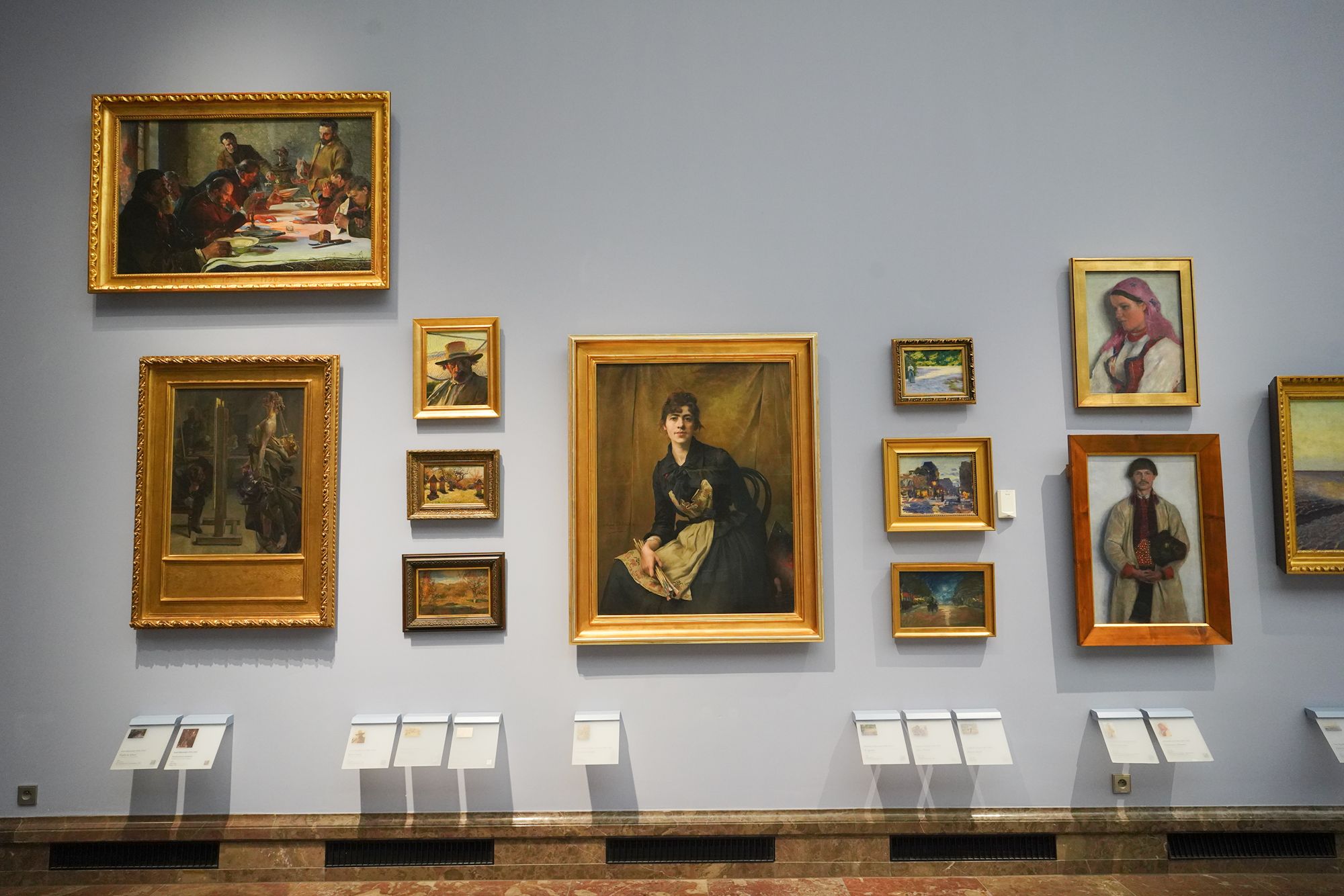
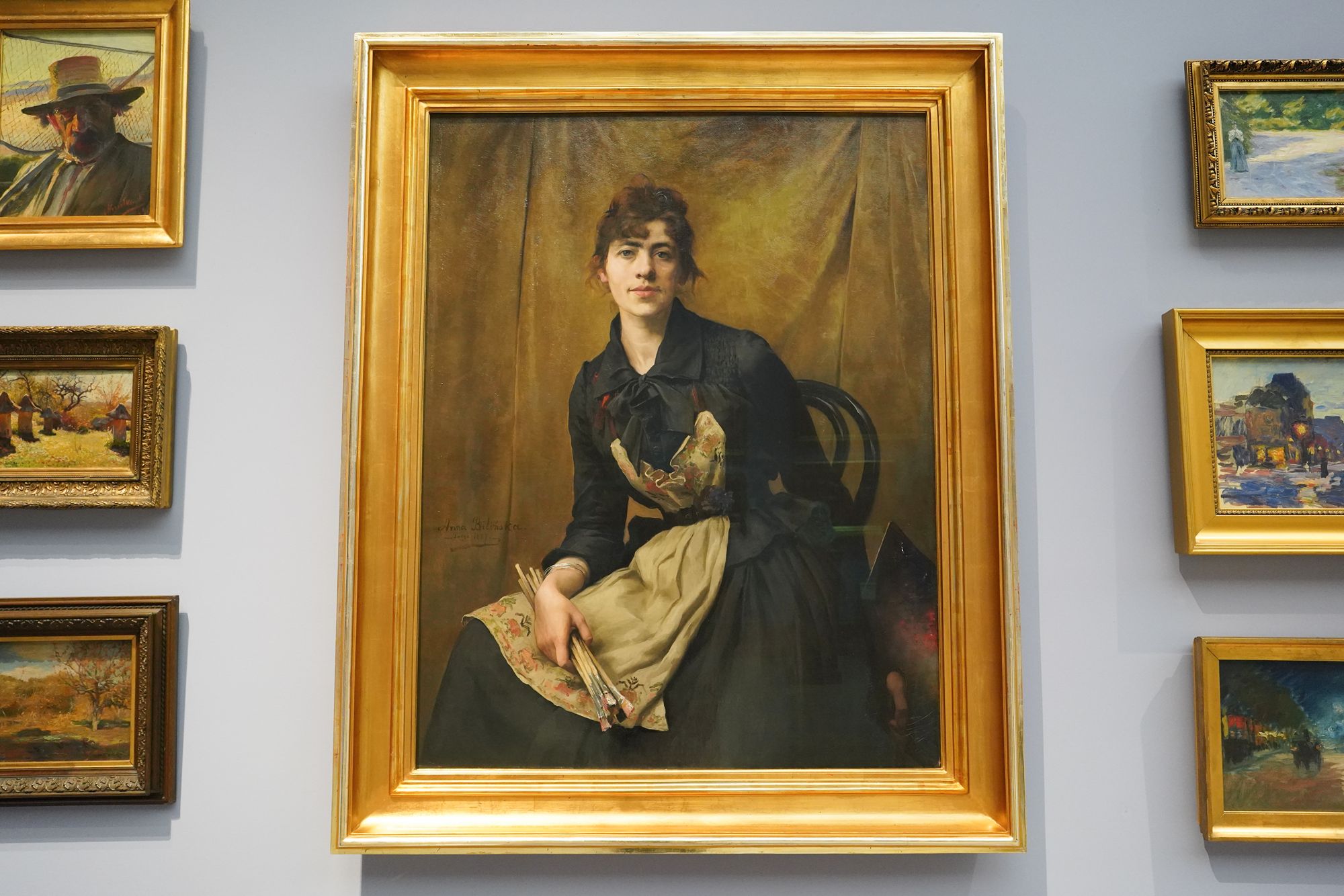
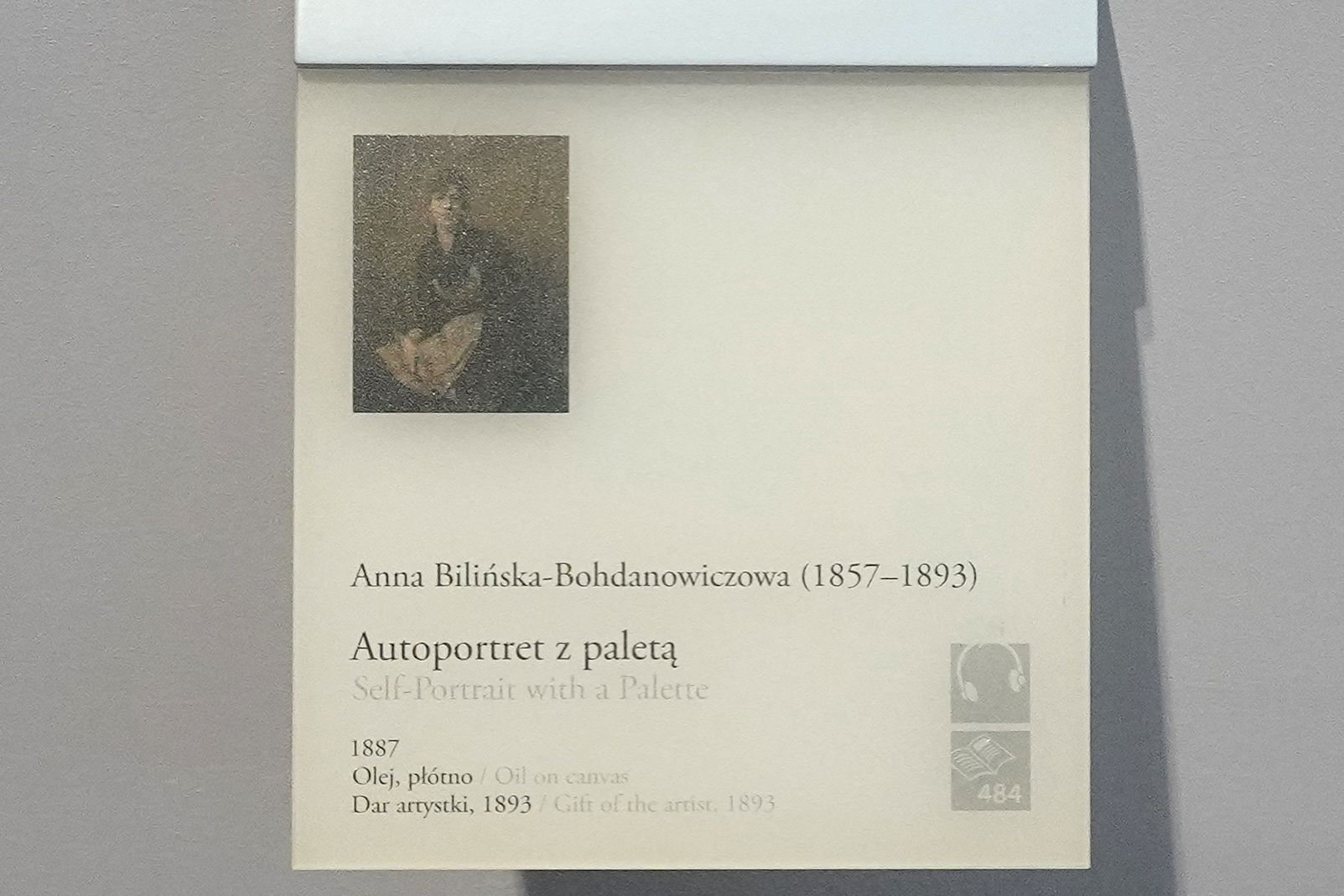
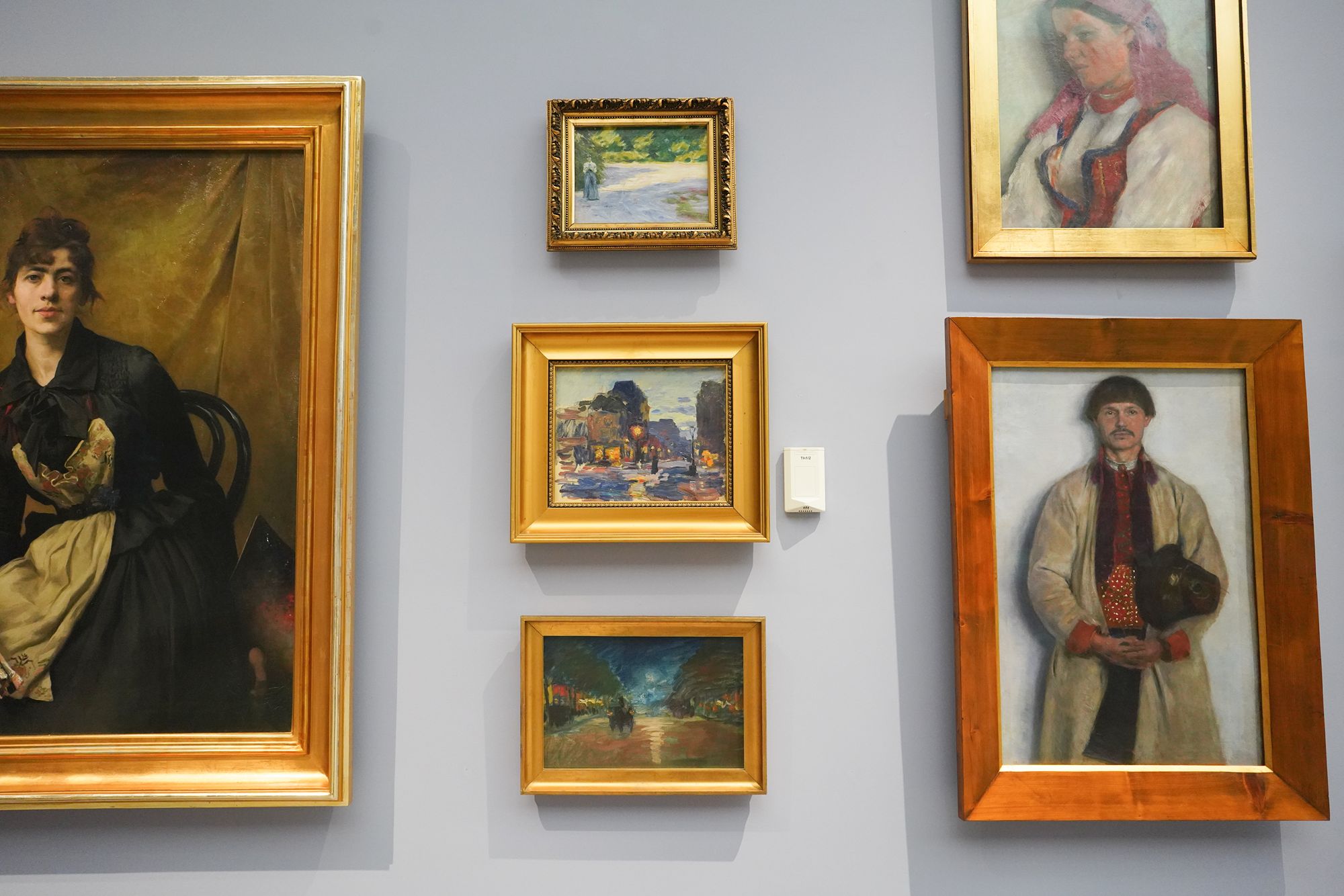
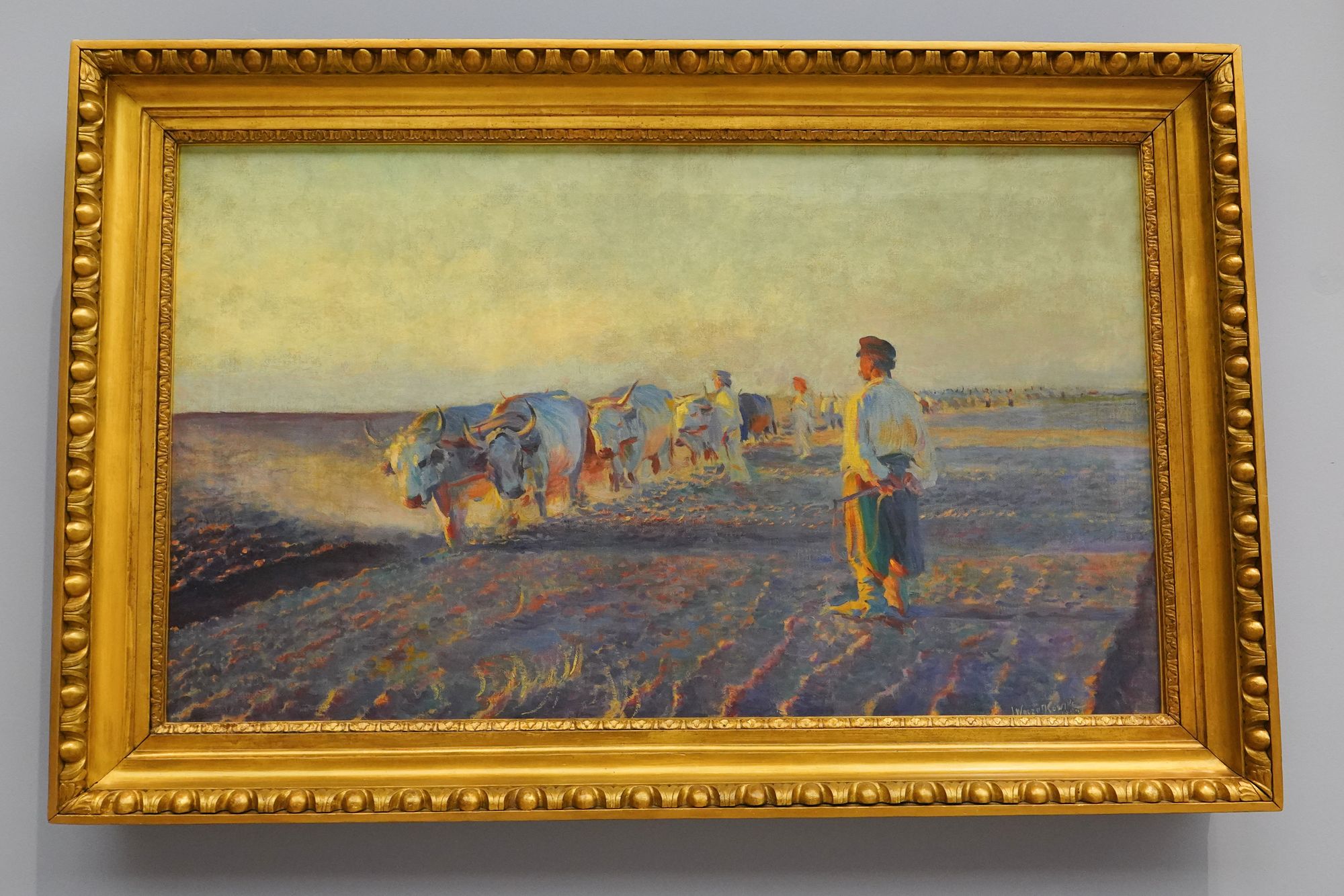
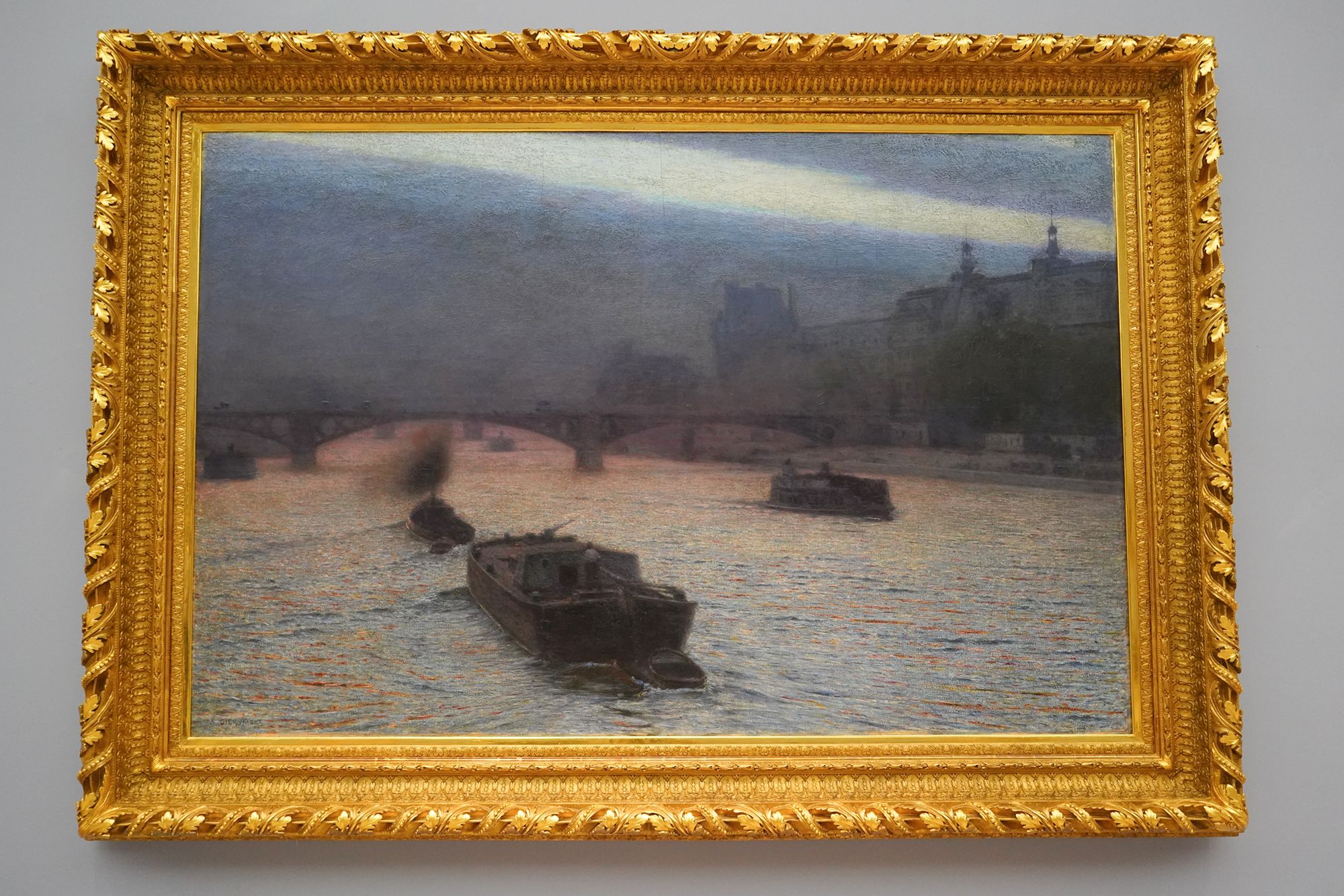
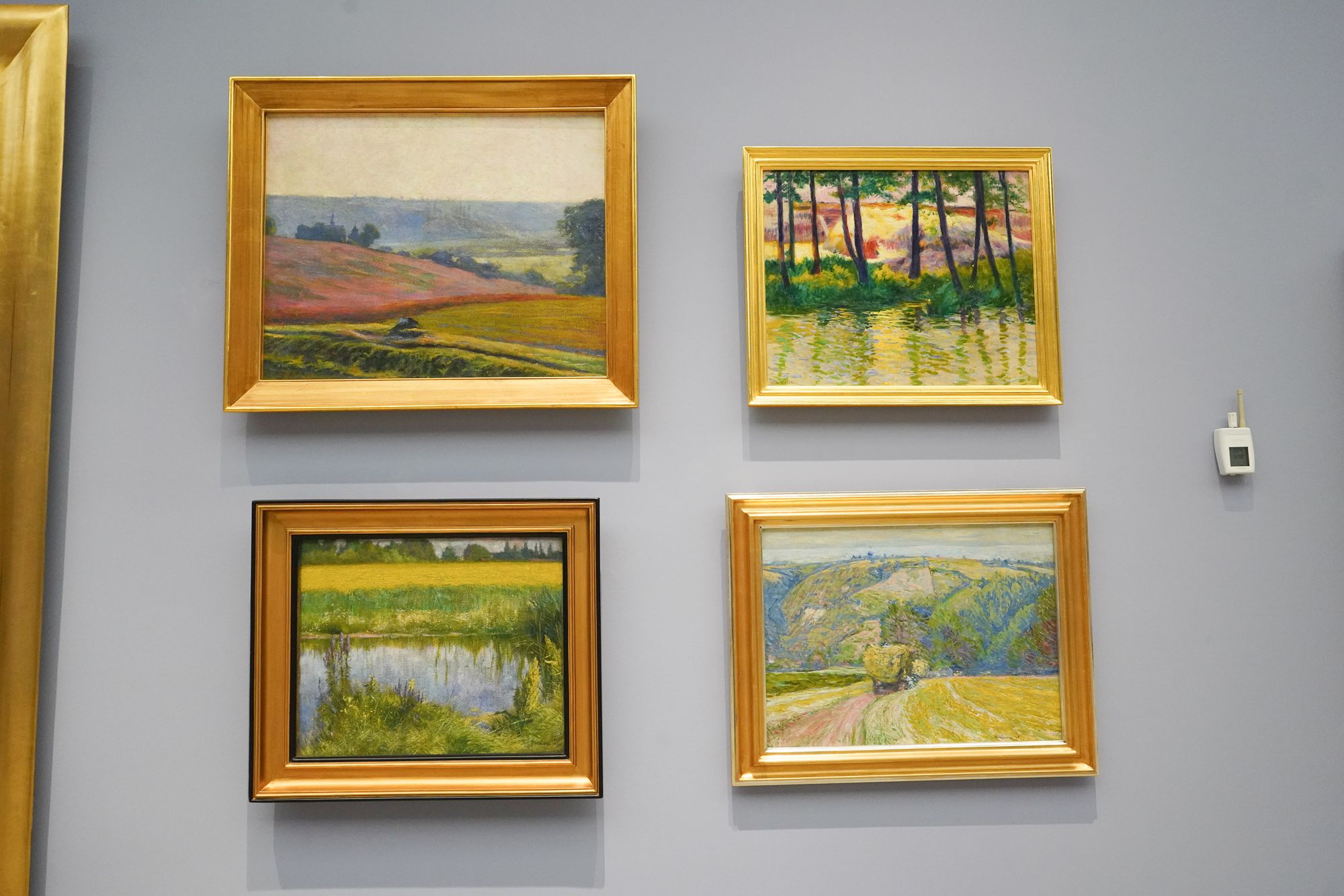
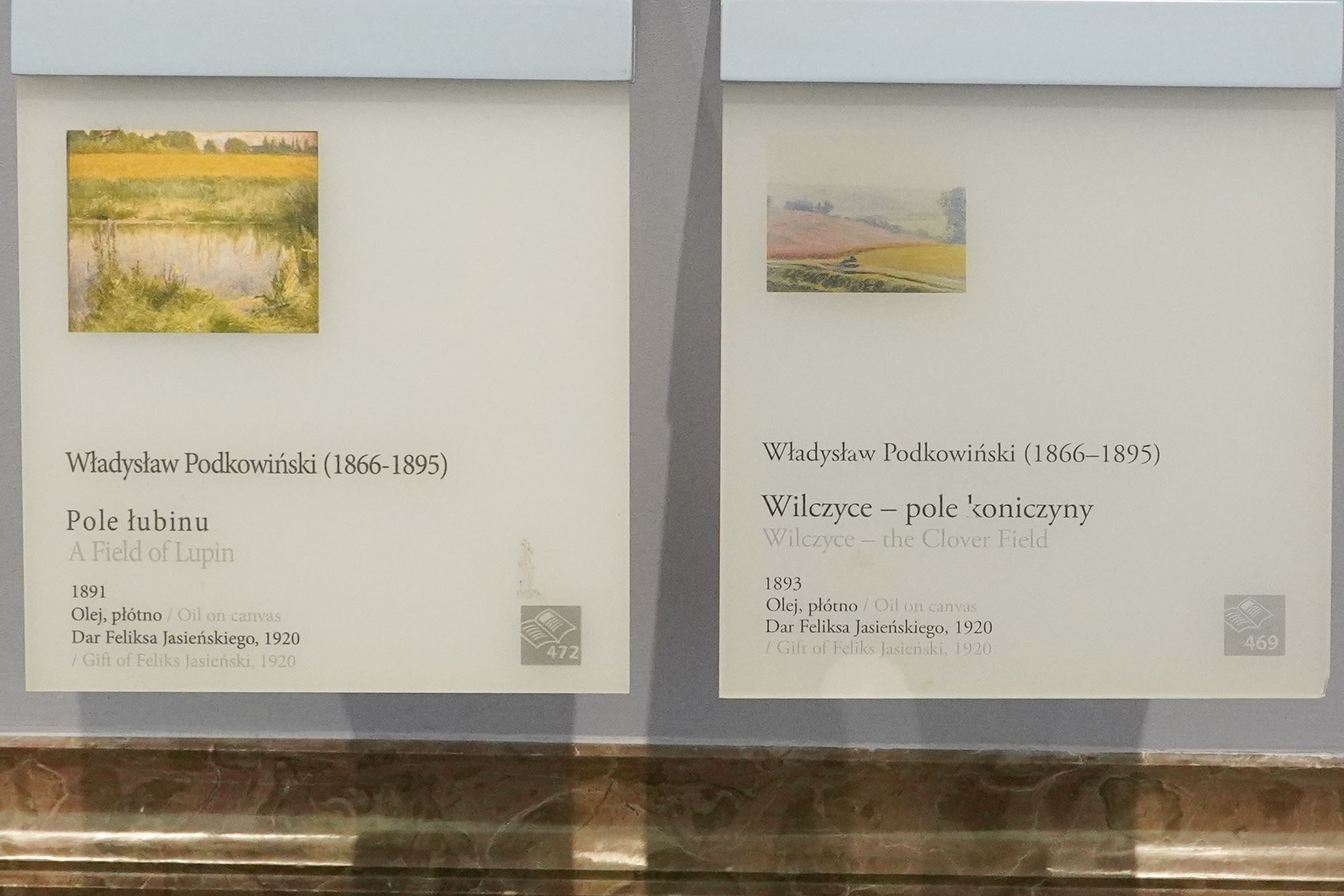
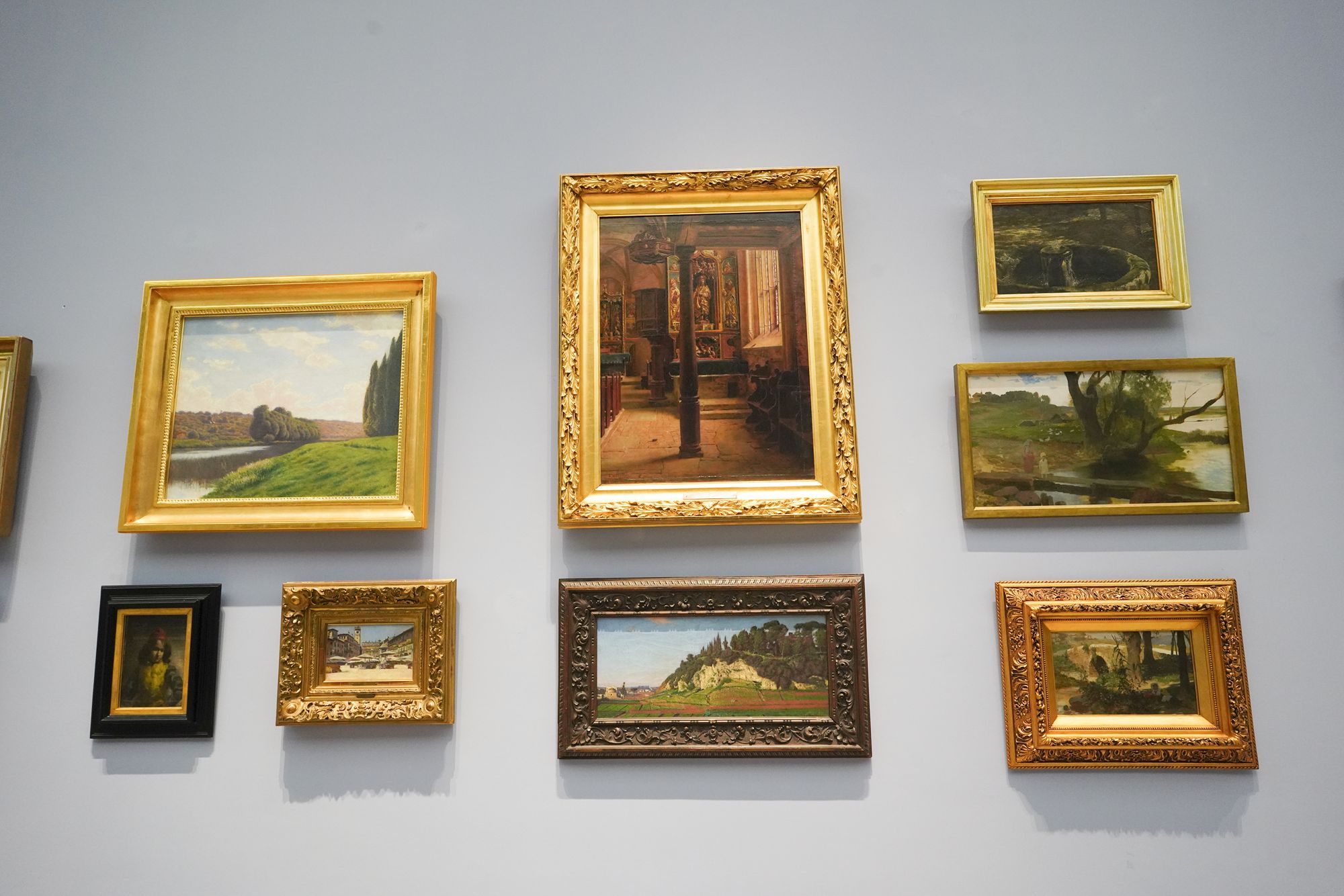
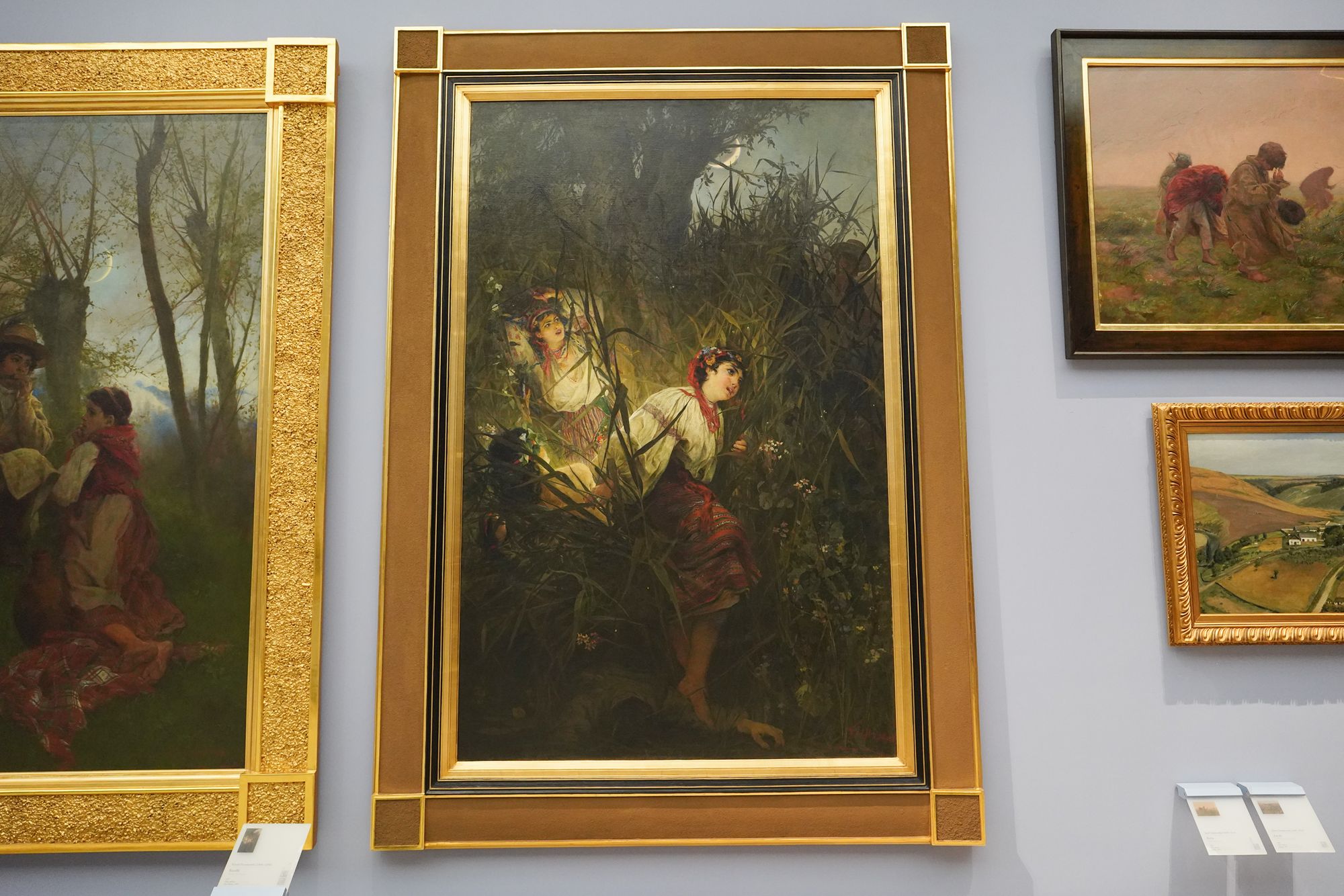
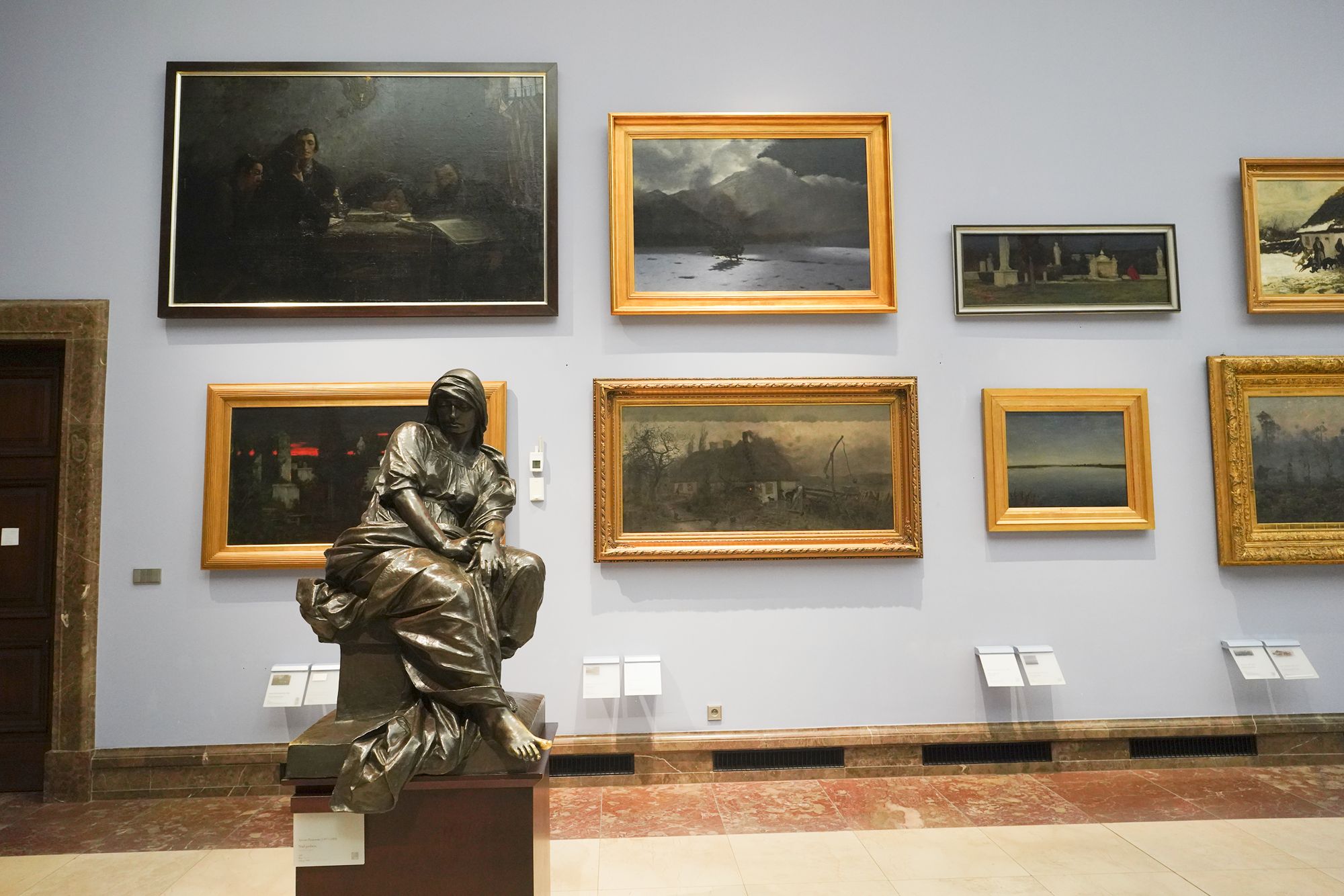
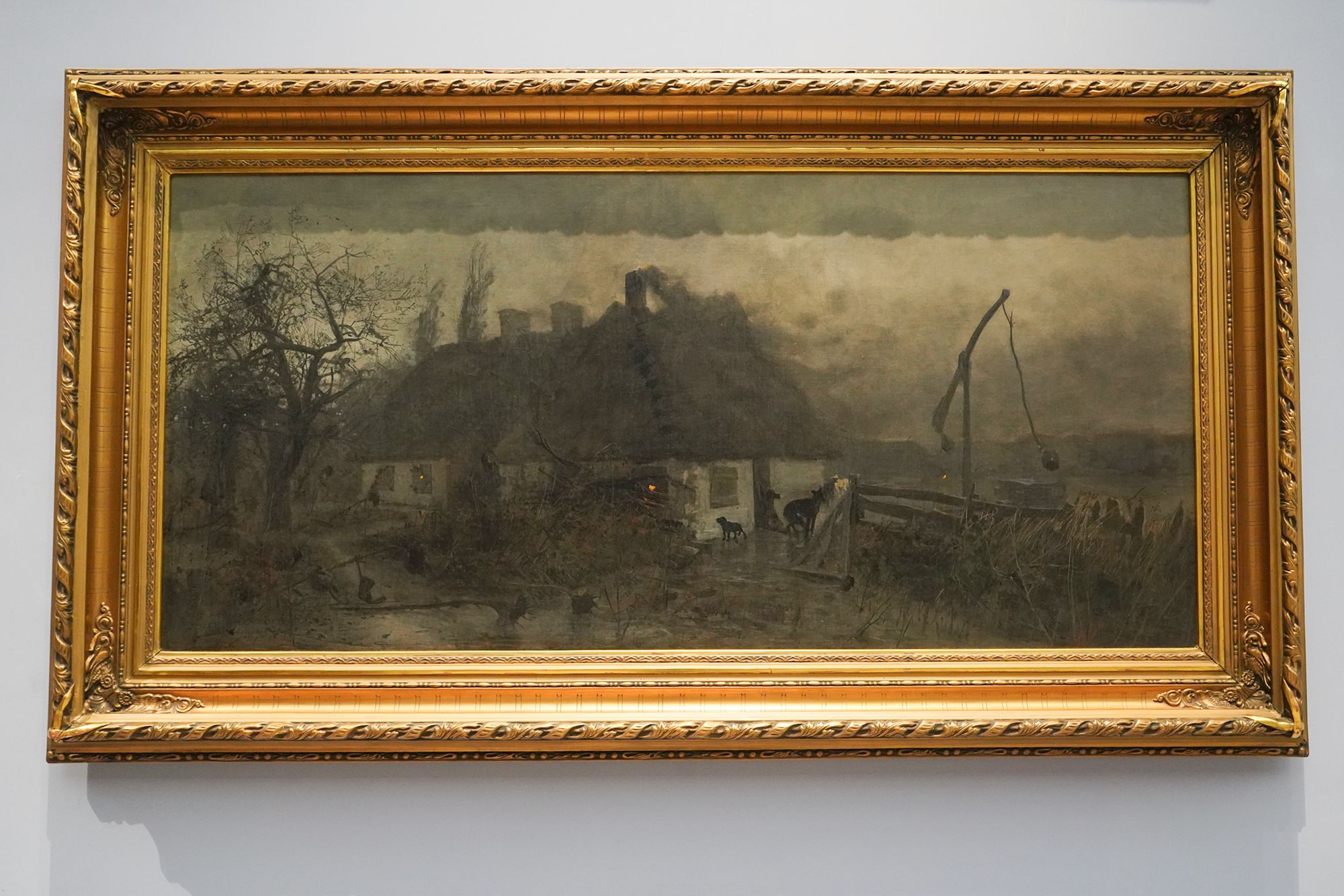
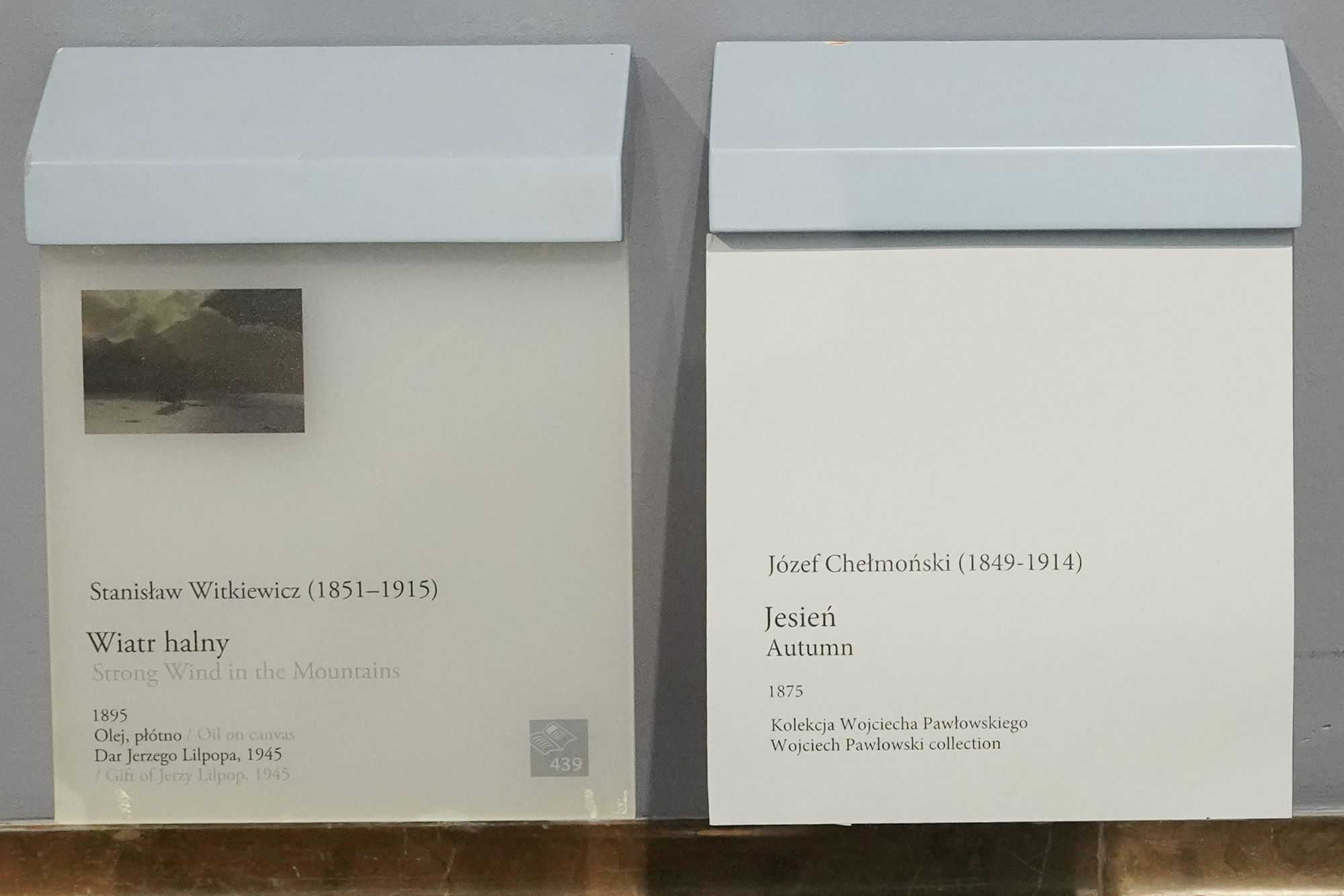
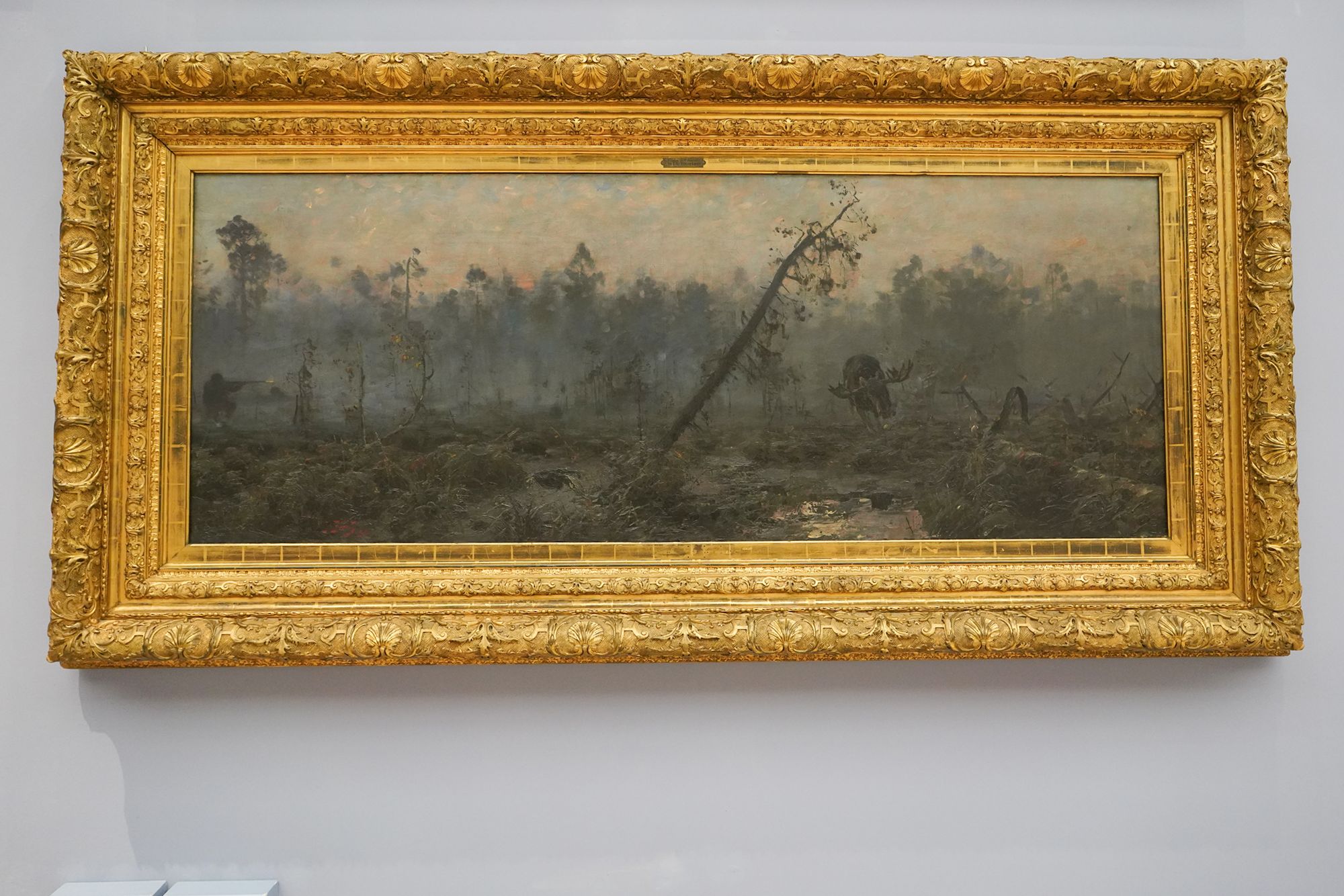
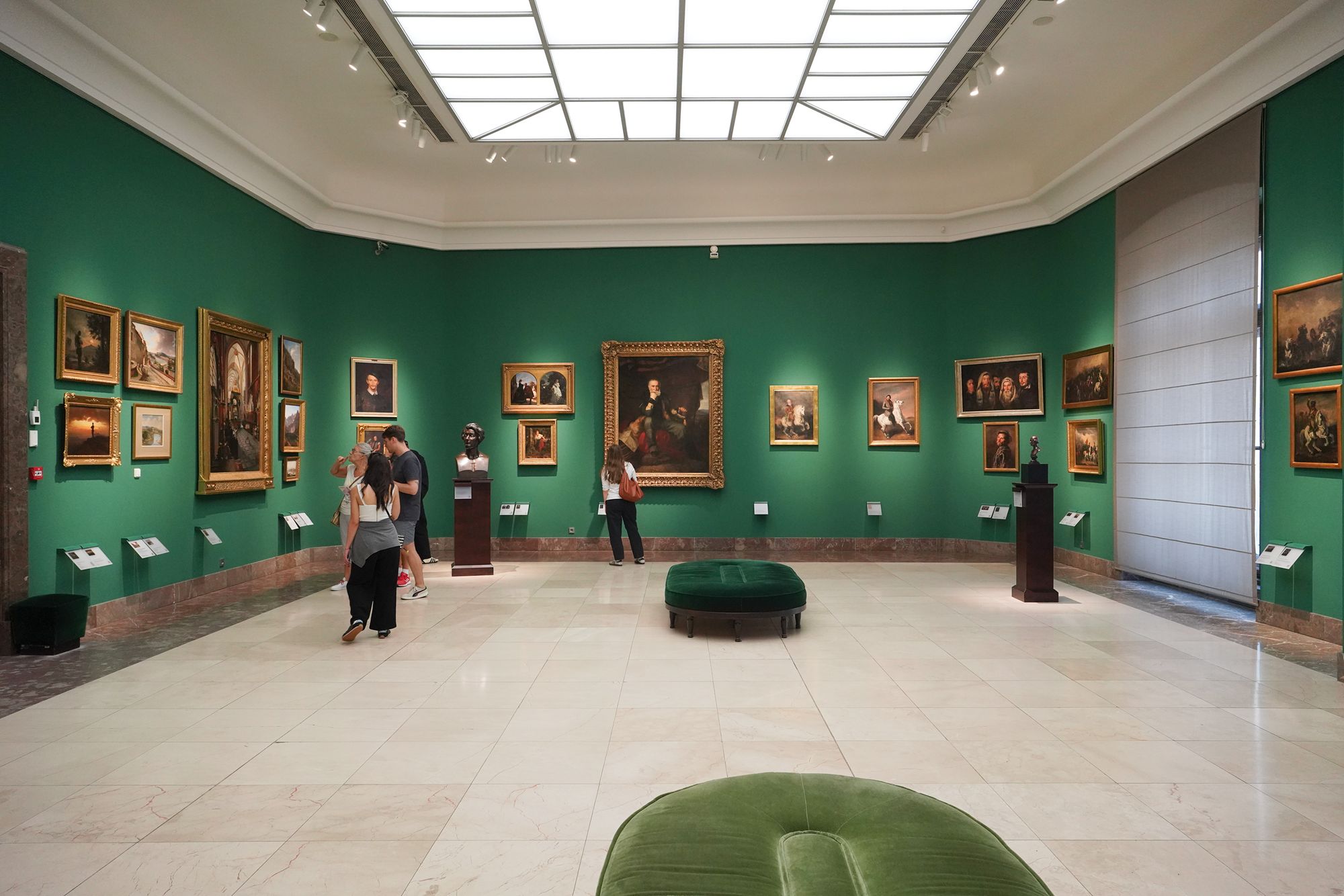
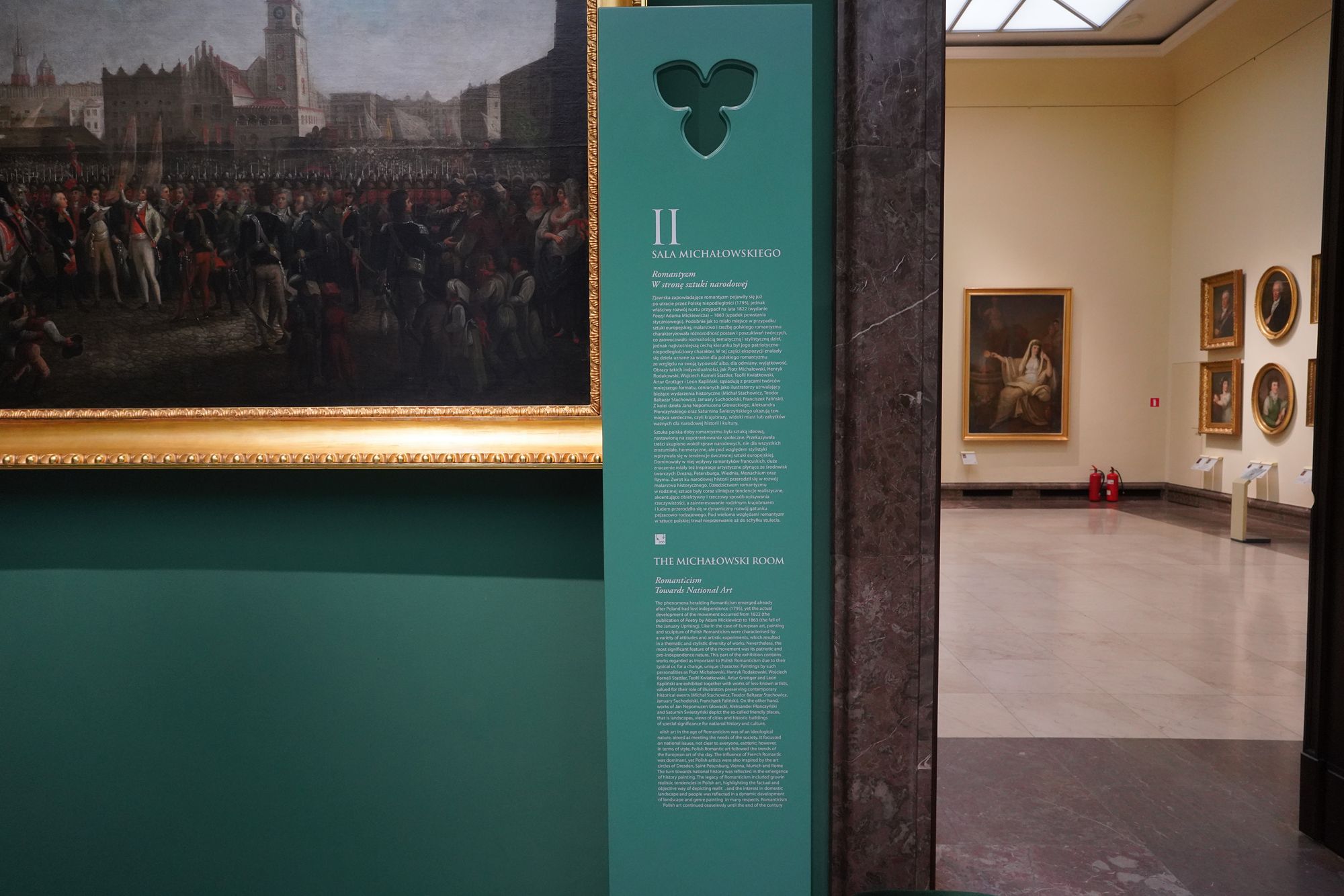
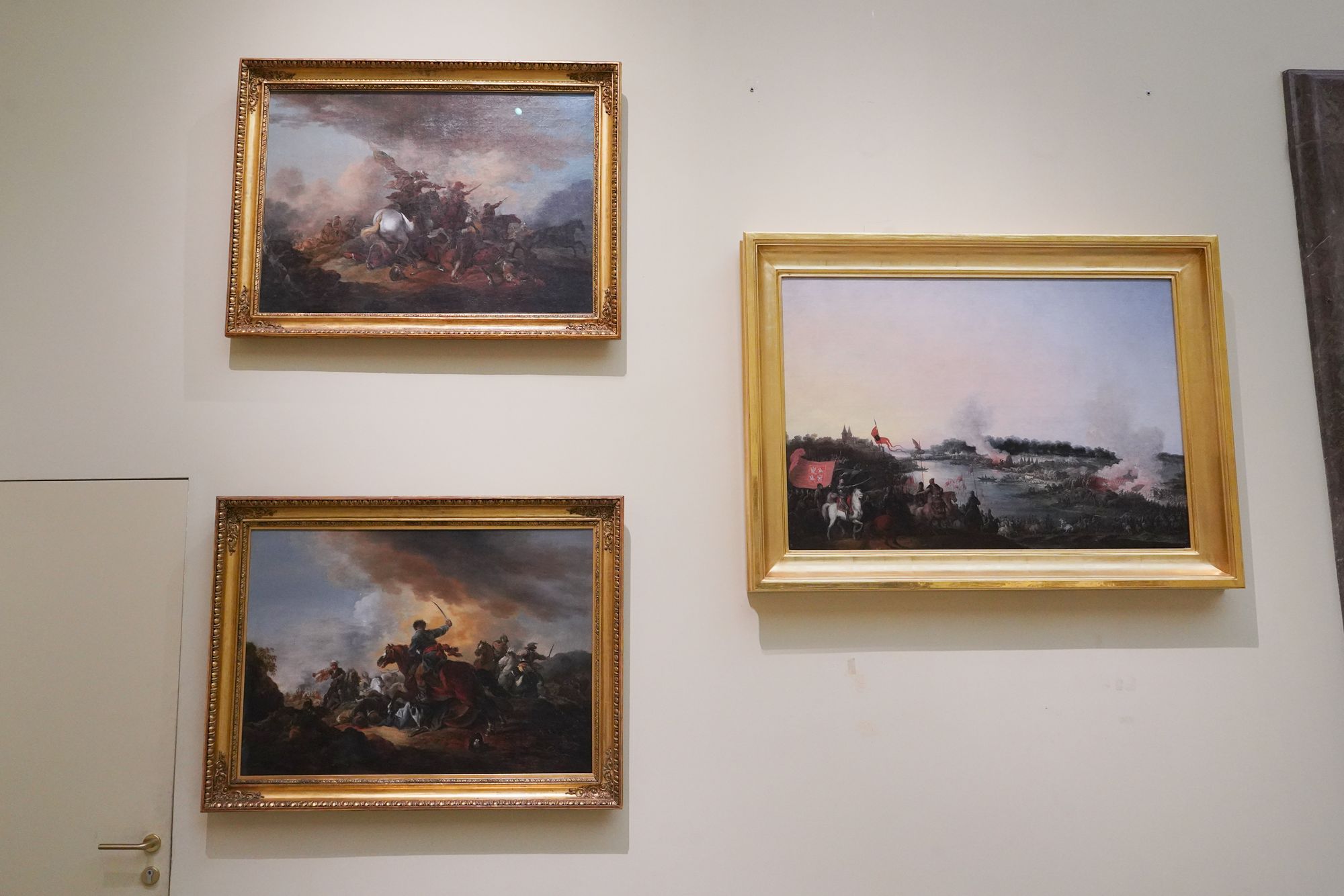
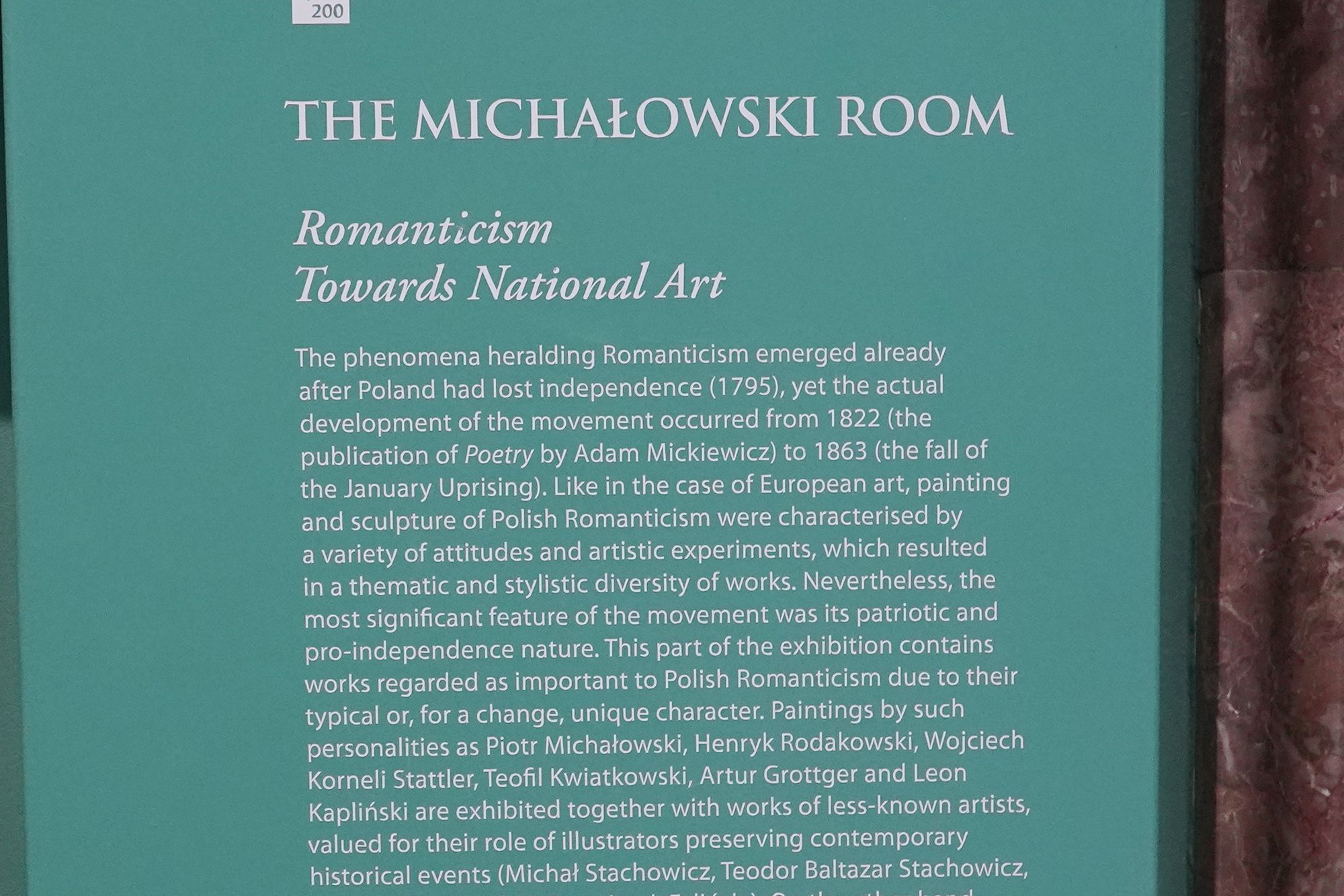
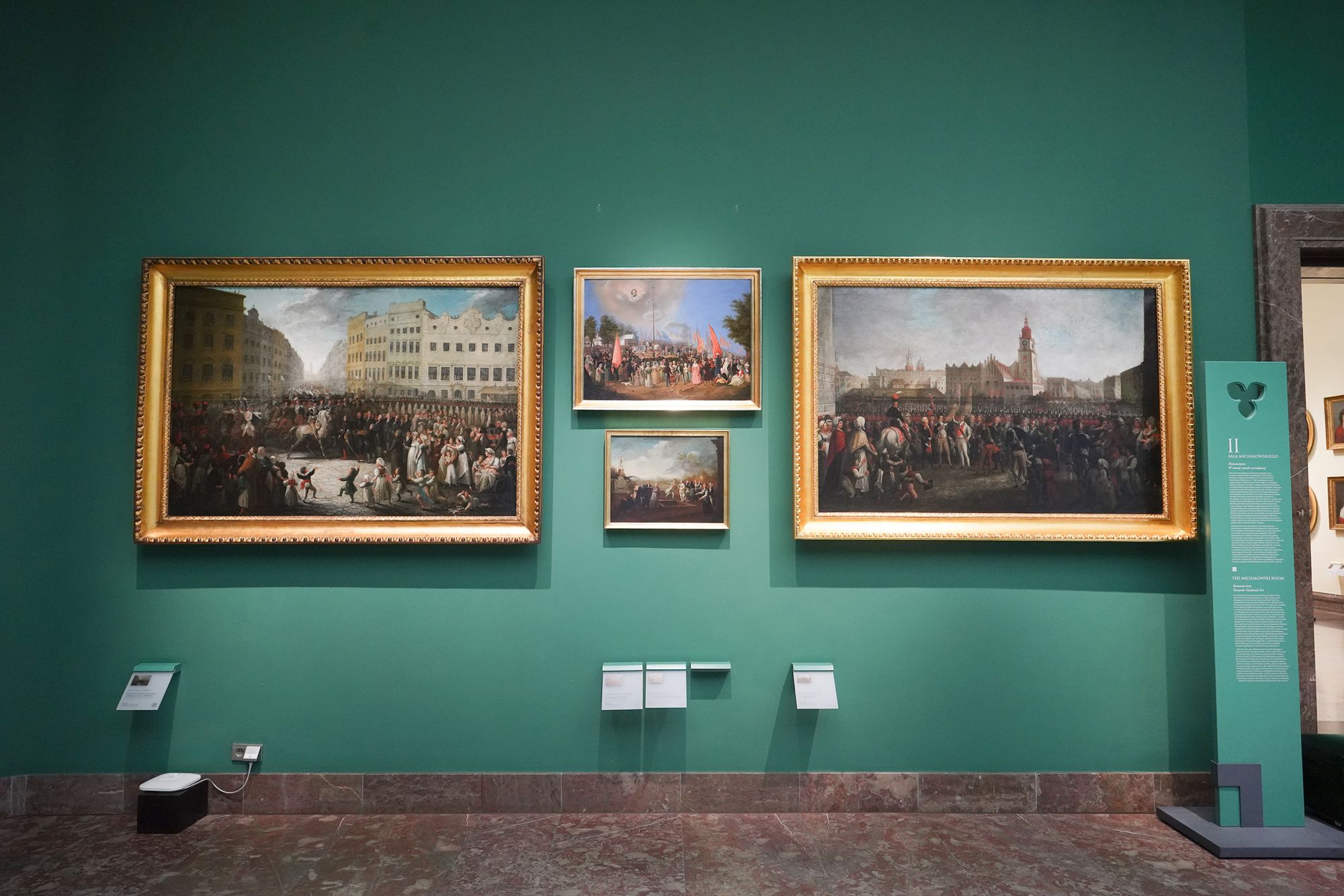
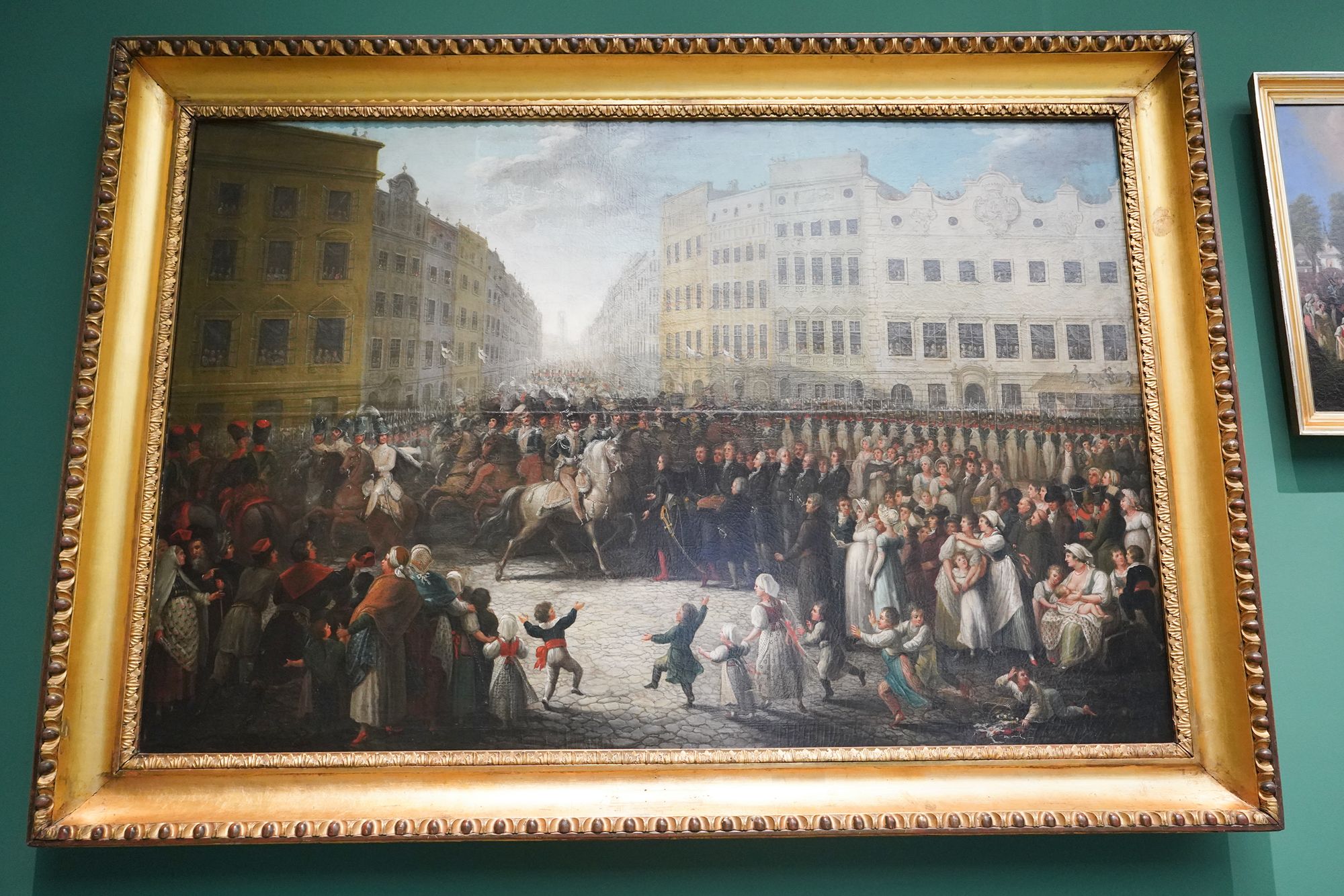
The Michałowski Room focuses on Polish Romanticism. The paintings and sculptures here reflect a period when Poland had lost its independence, and many artists expressed national identity and hopes for independence through their work.
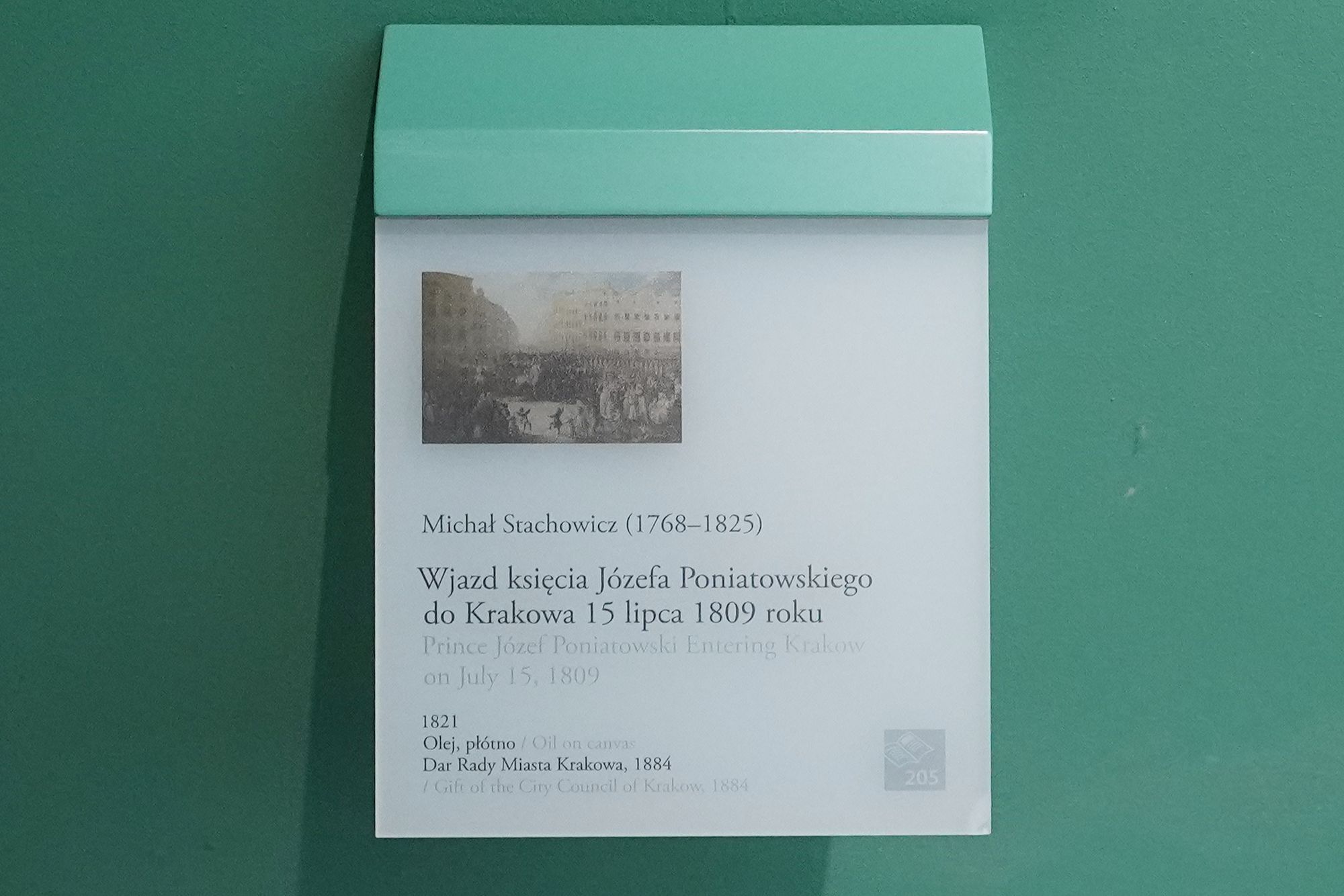
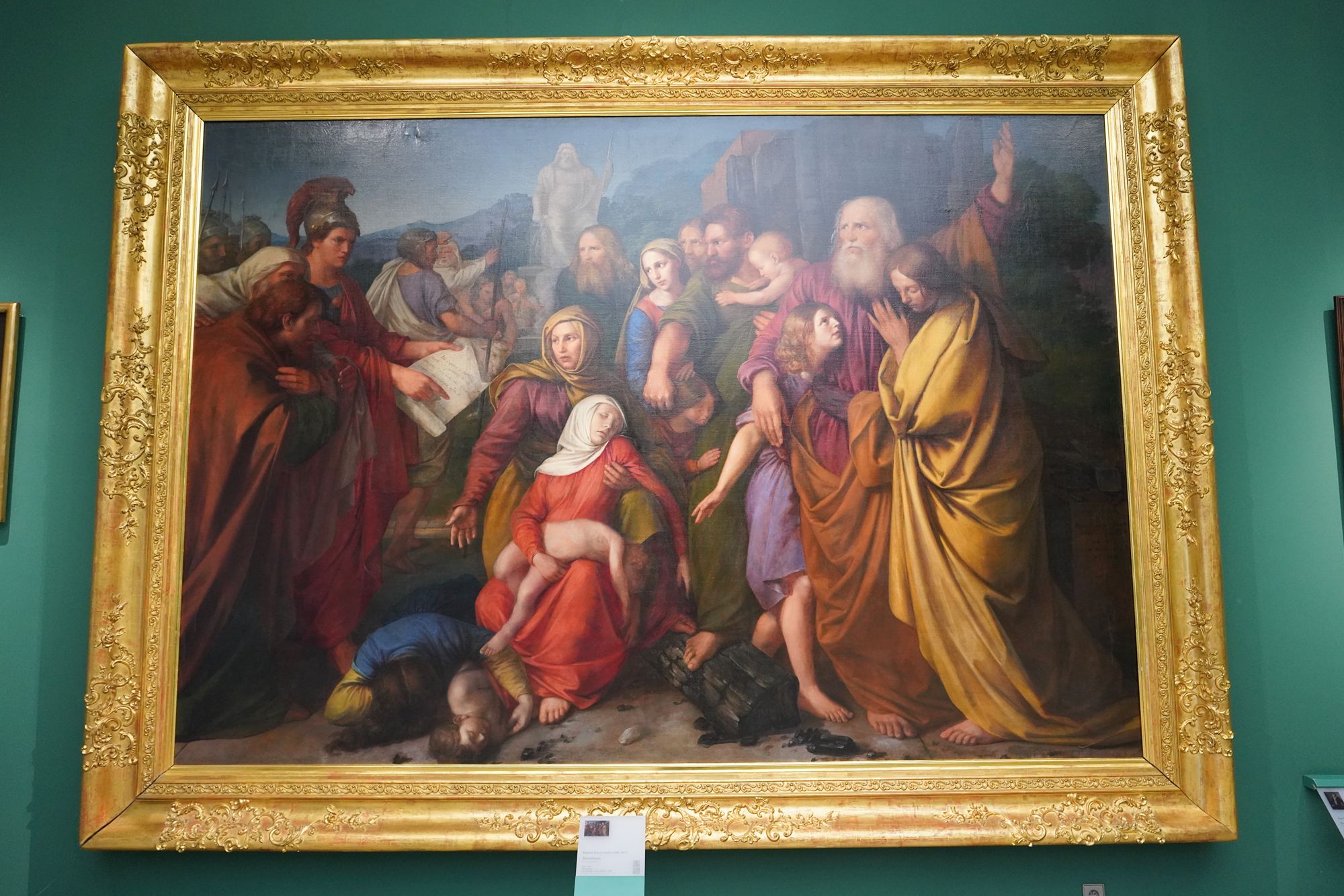
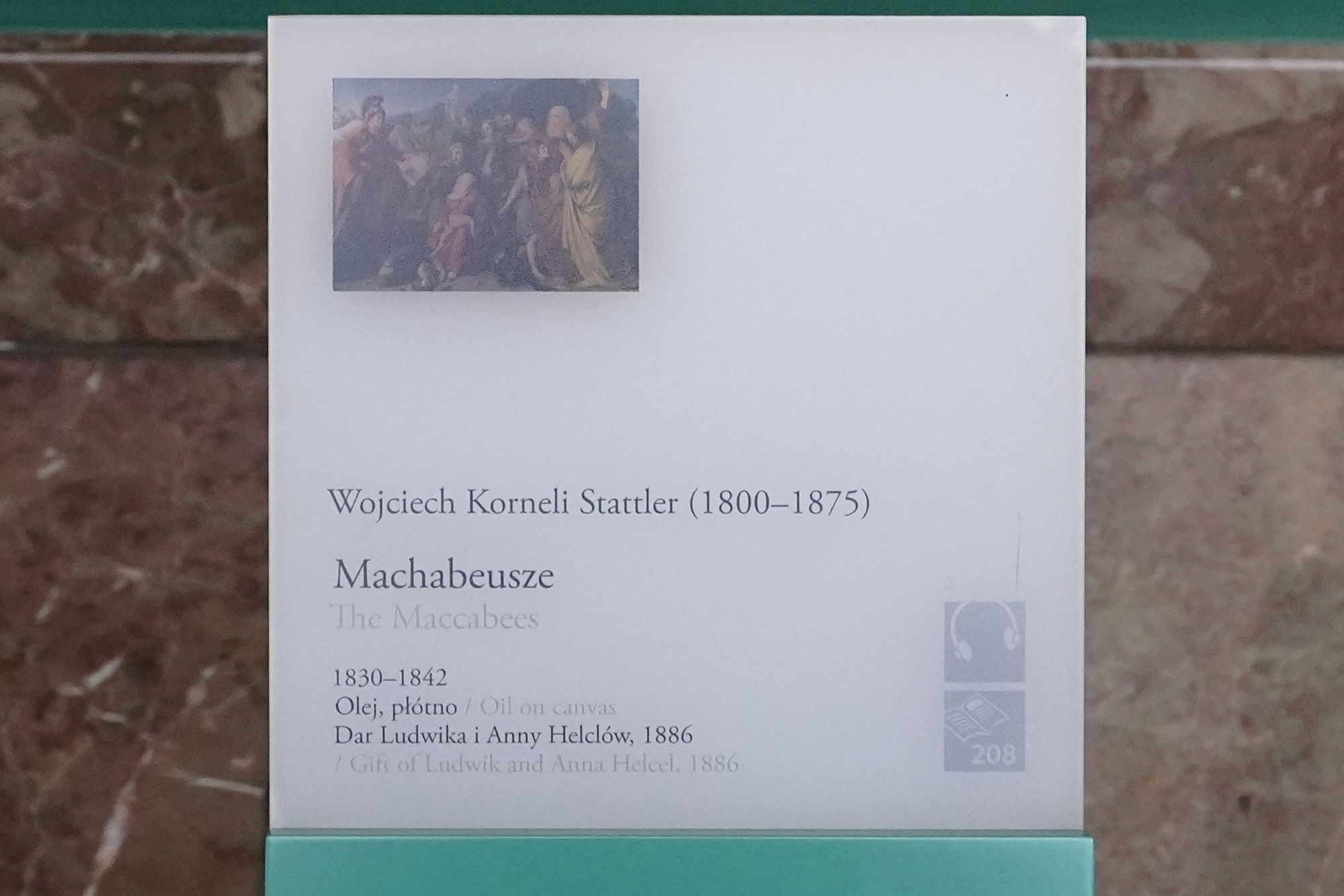
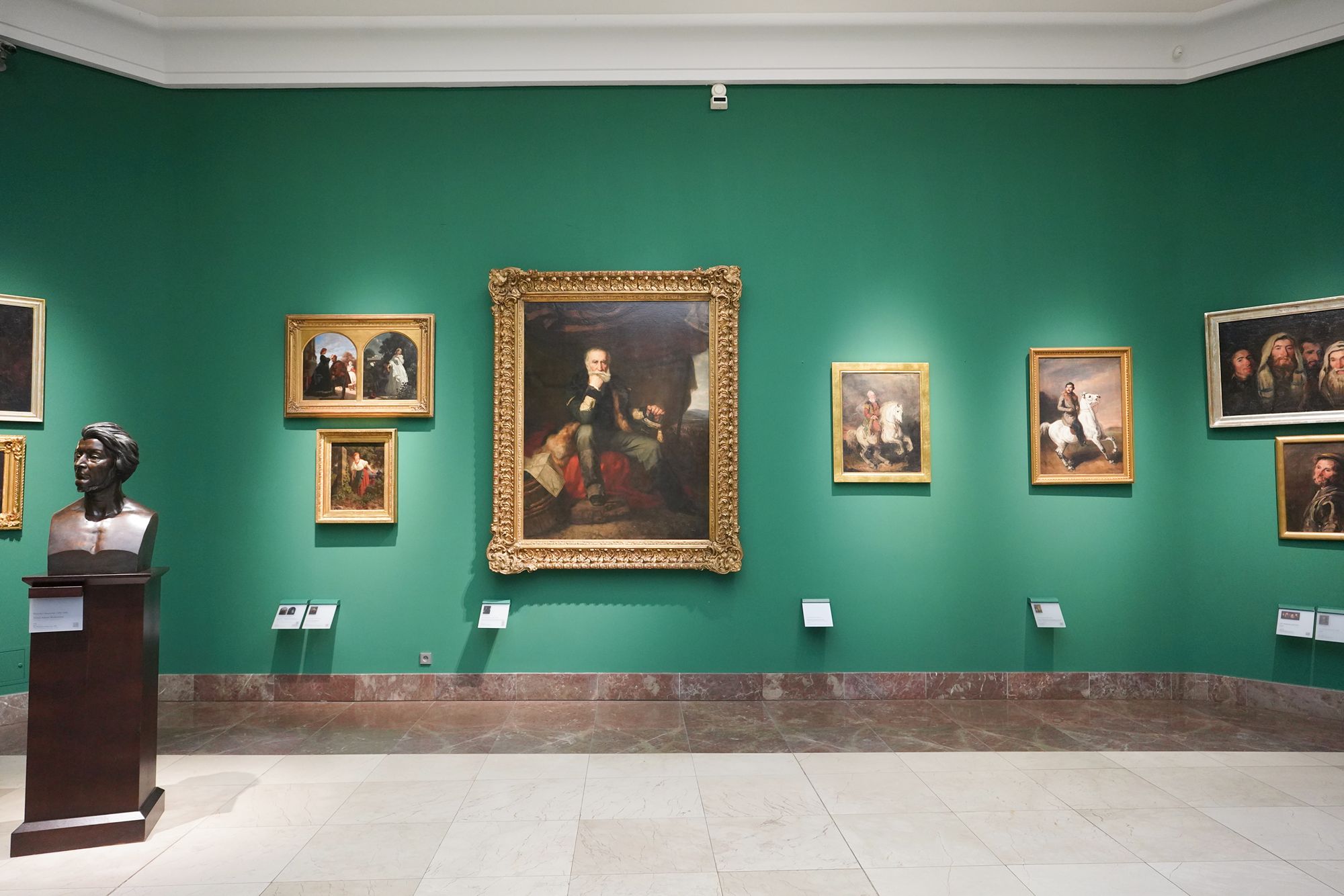
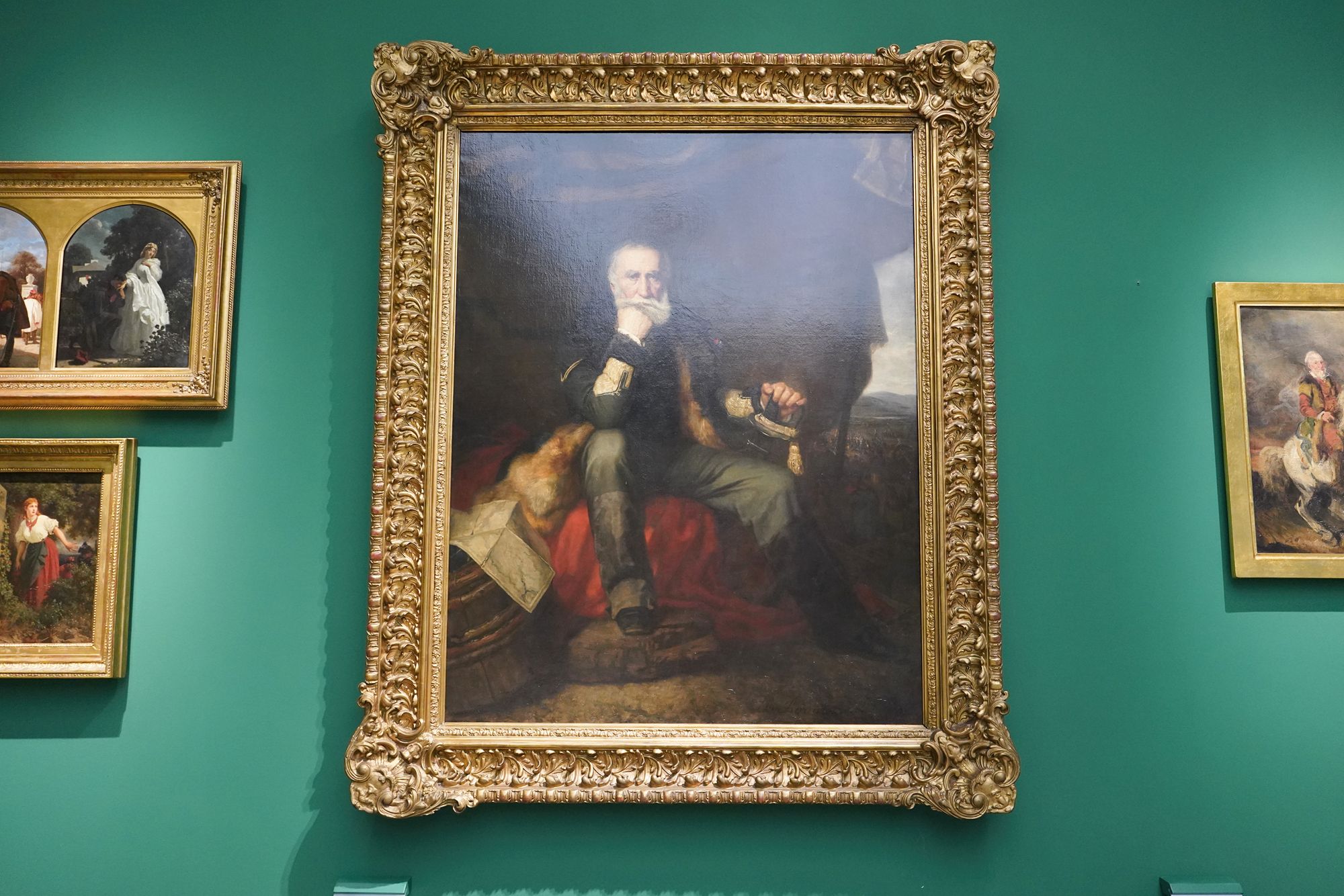
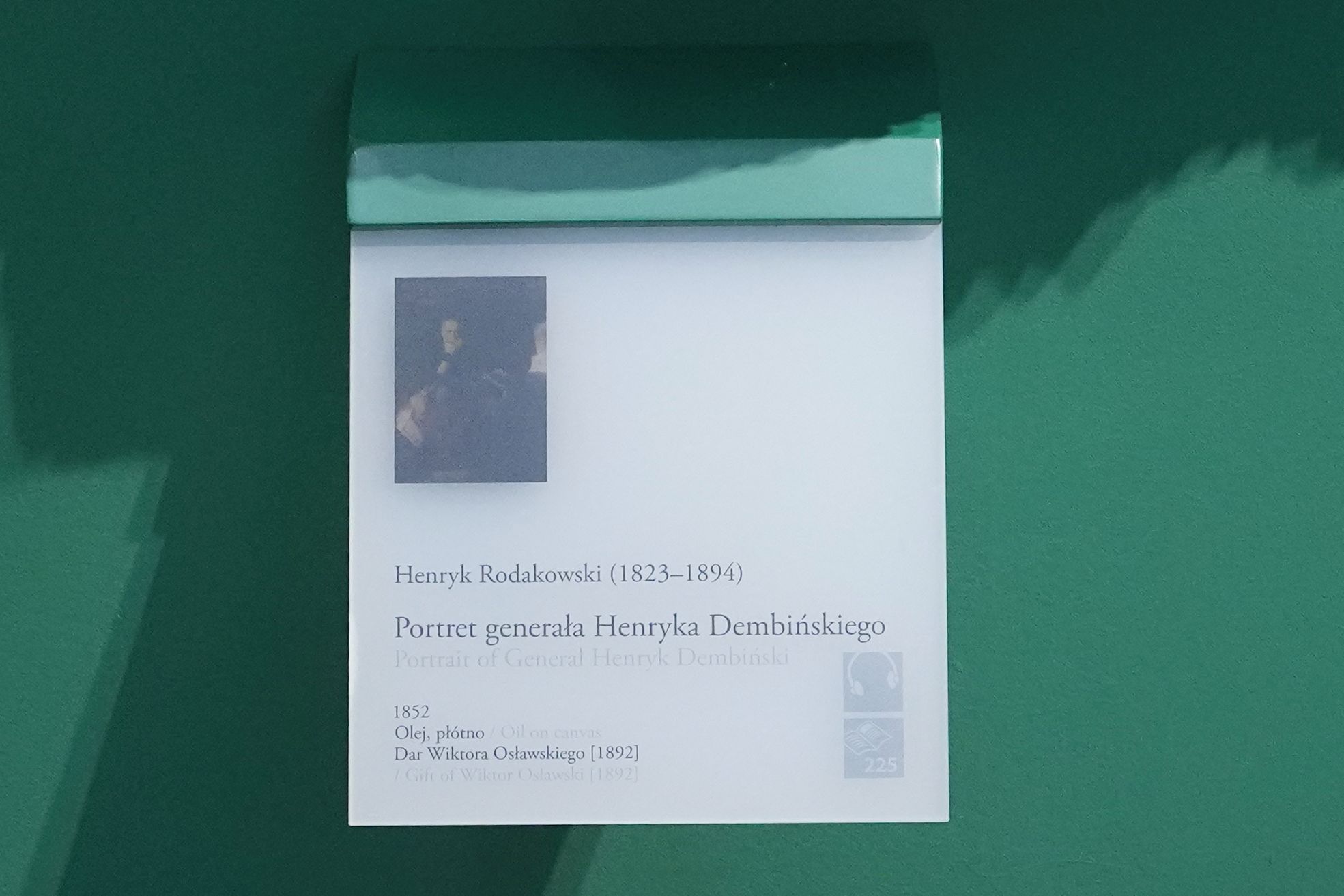
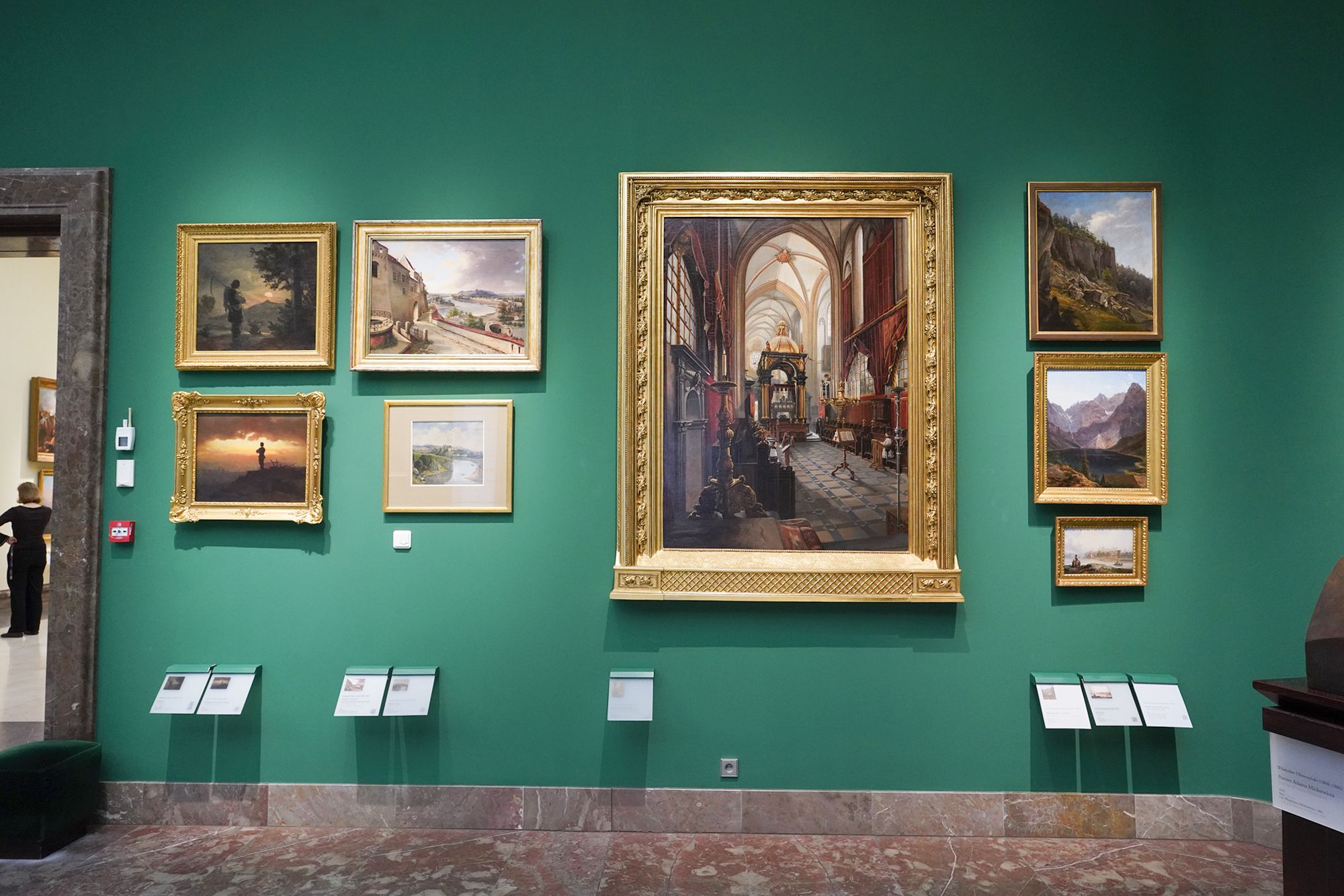
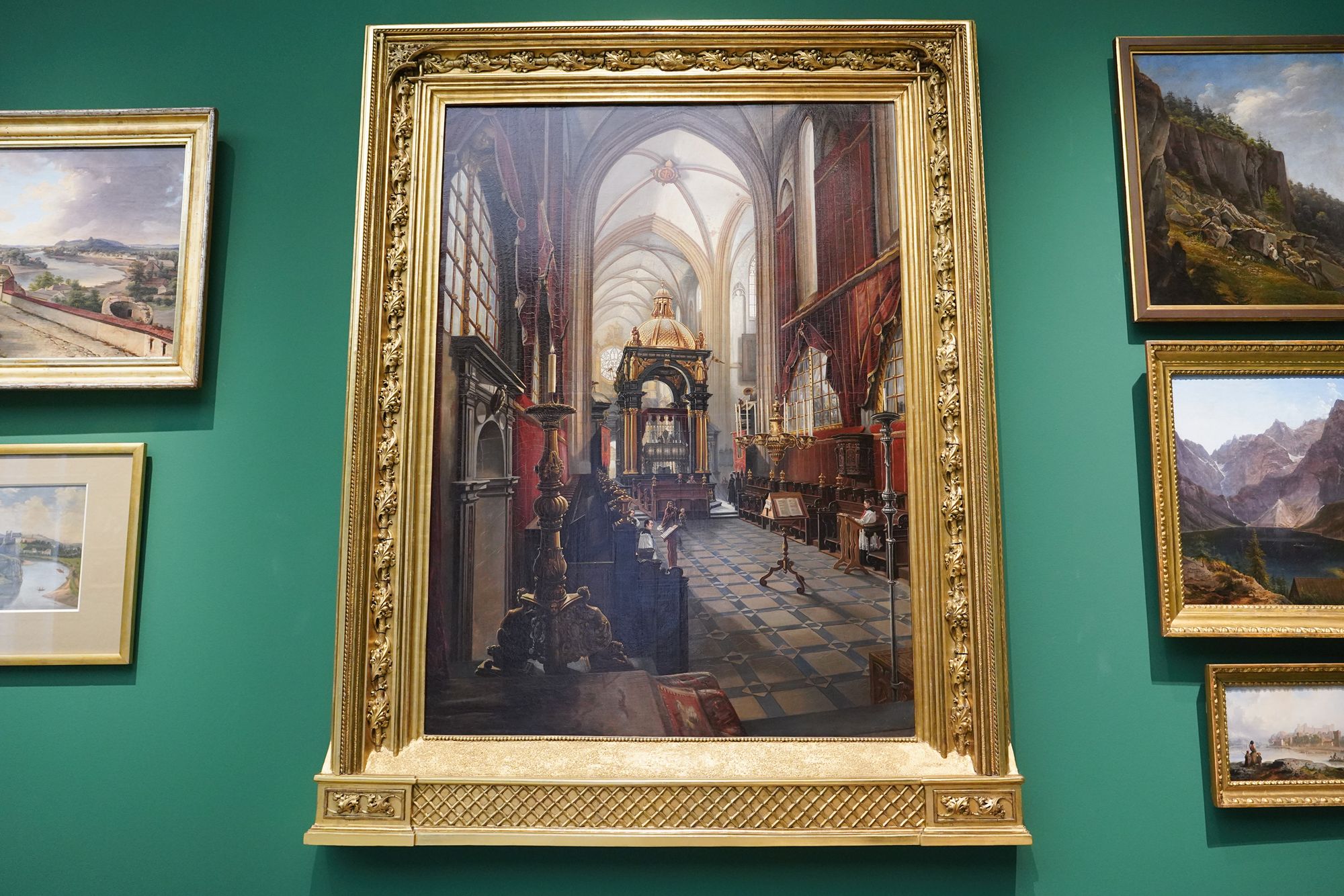
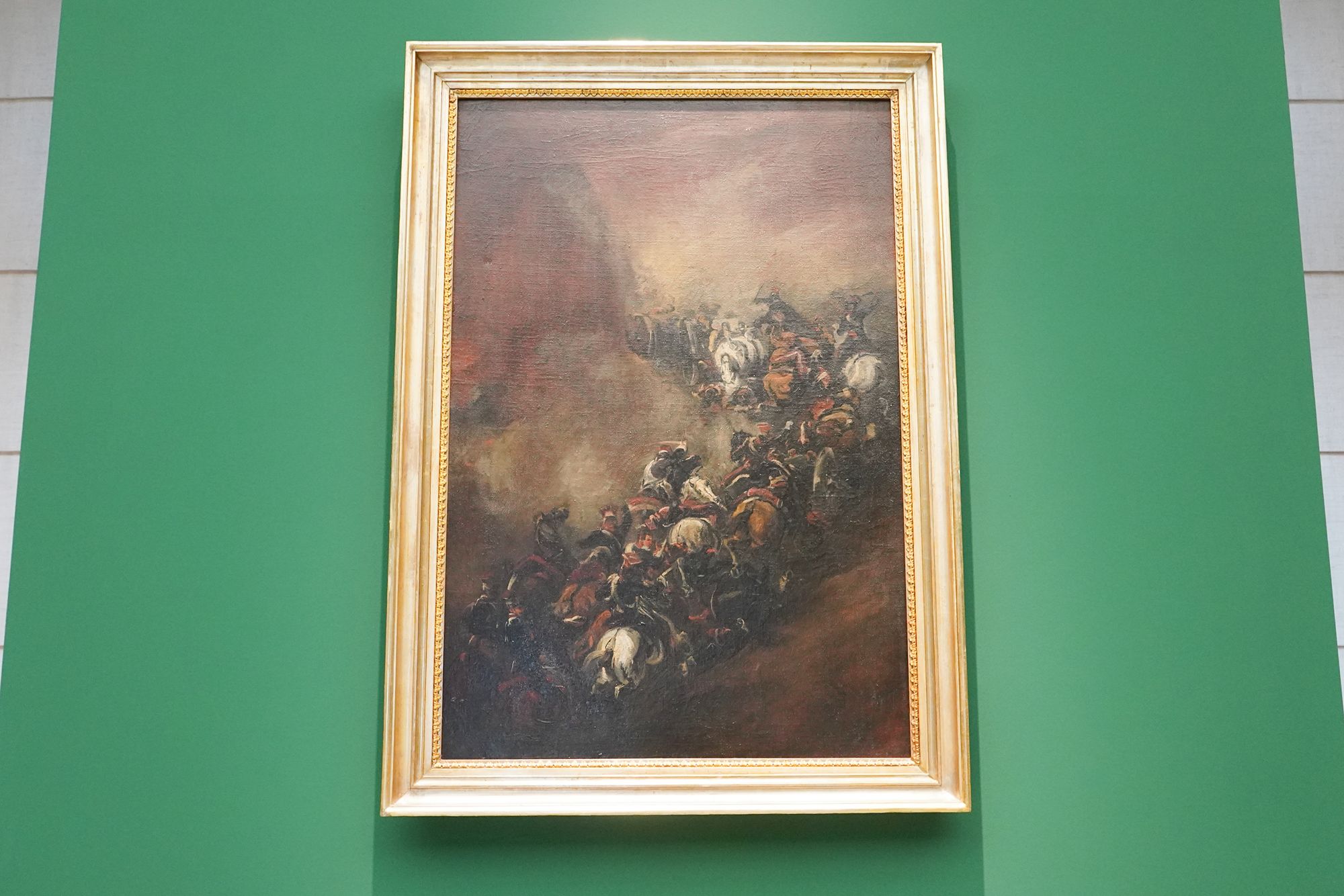
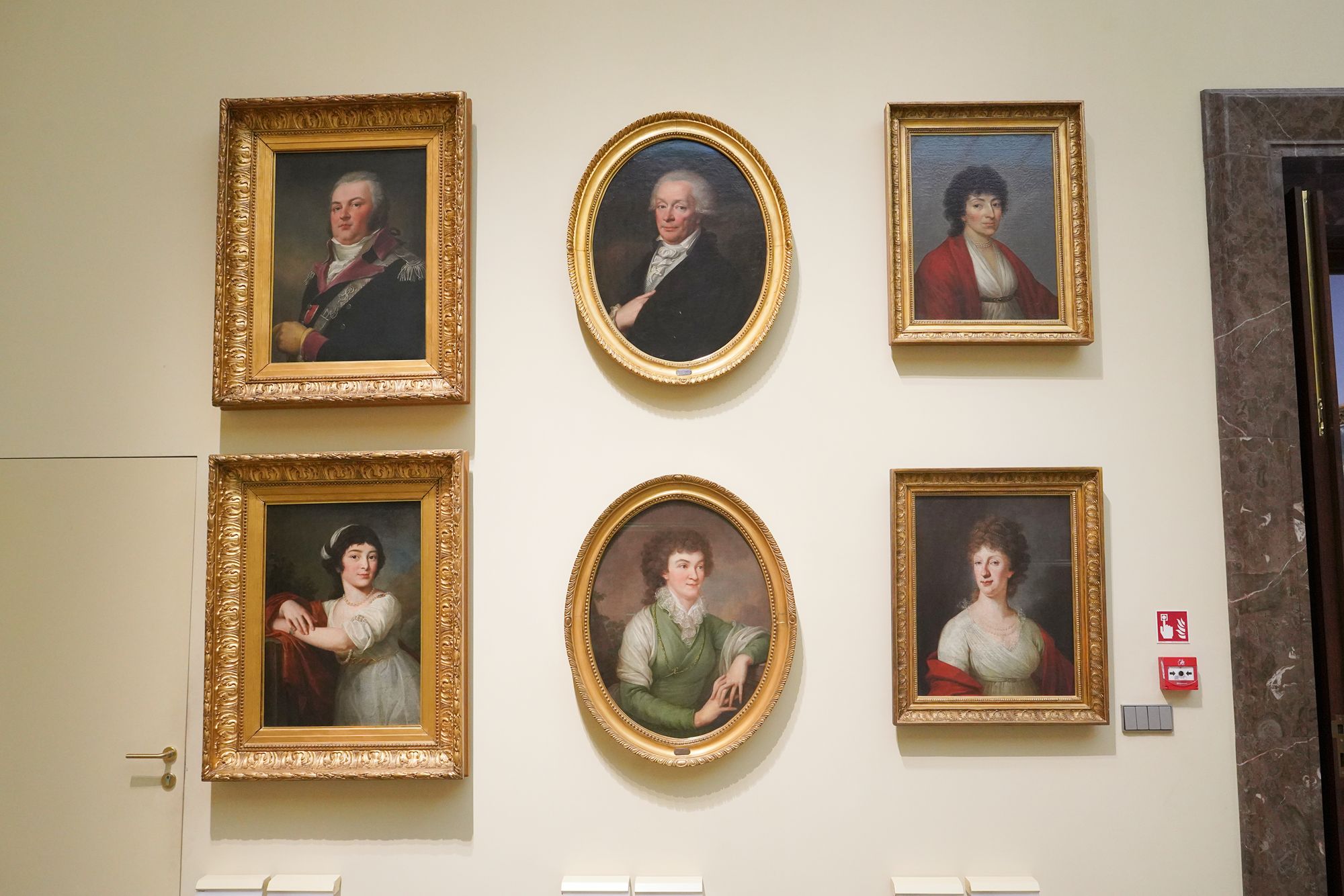
At the center of the museum, three hallways meet in a small circular space where several paintings are displayed.
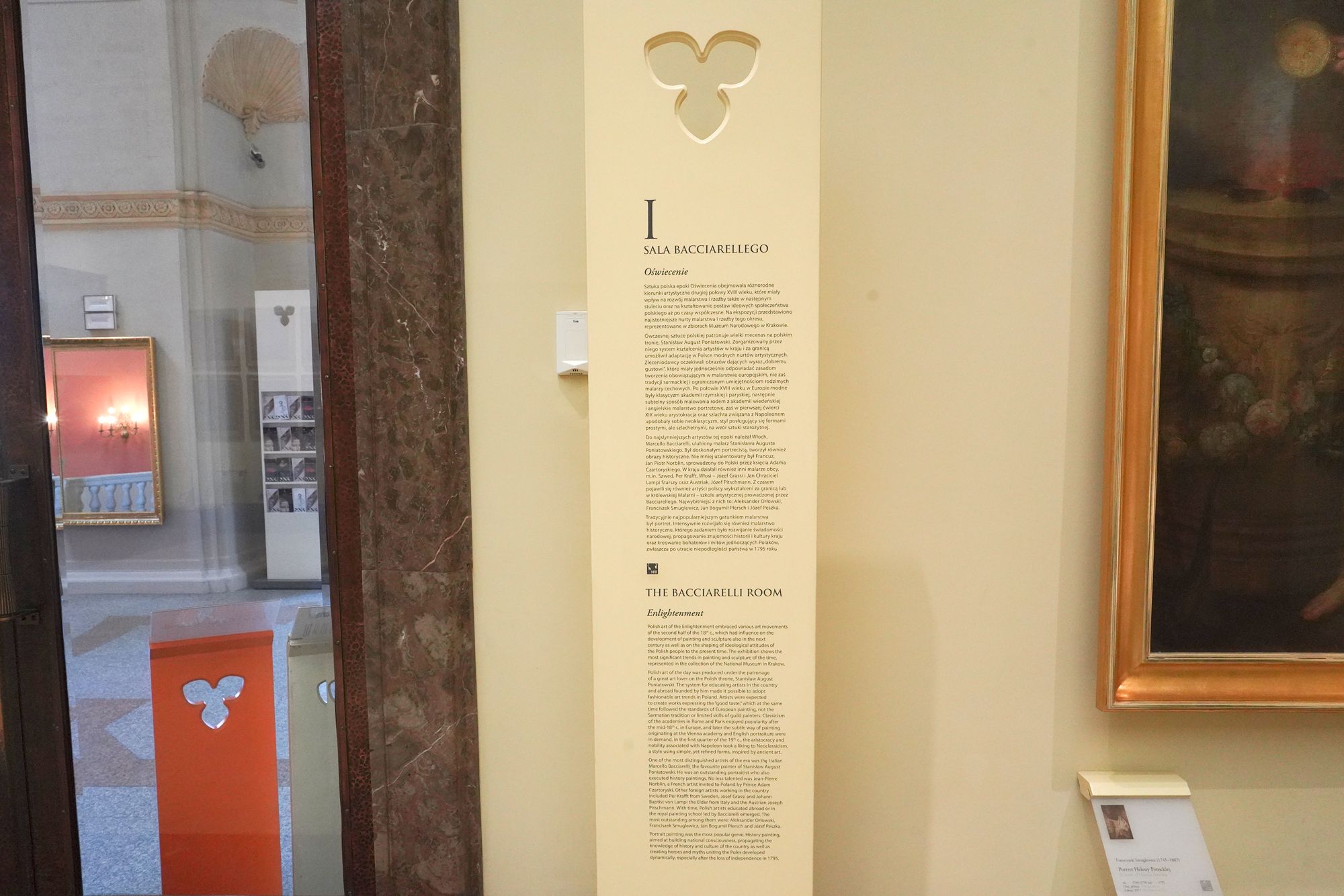
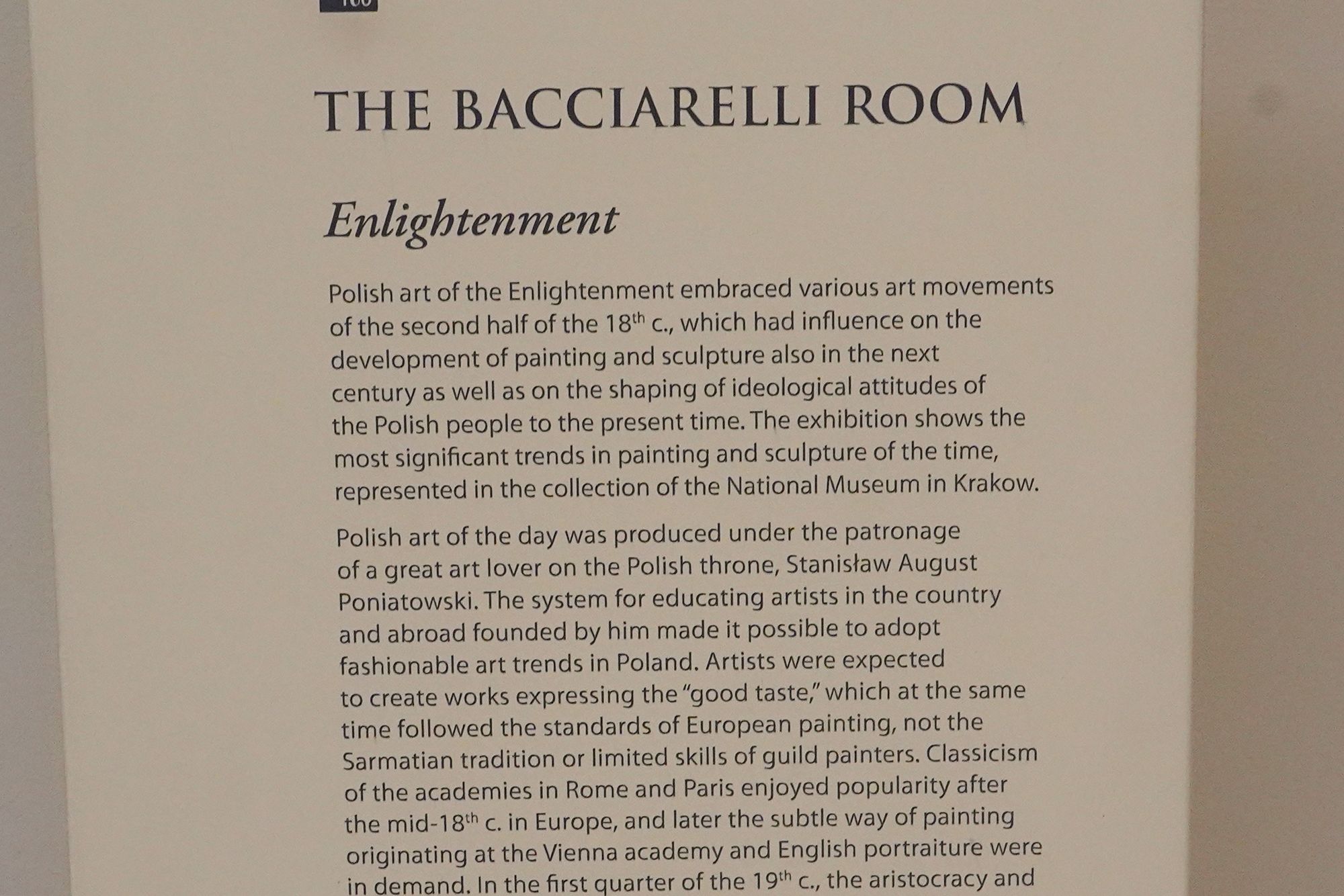
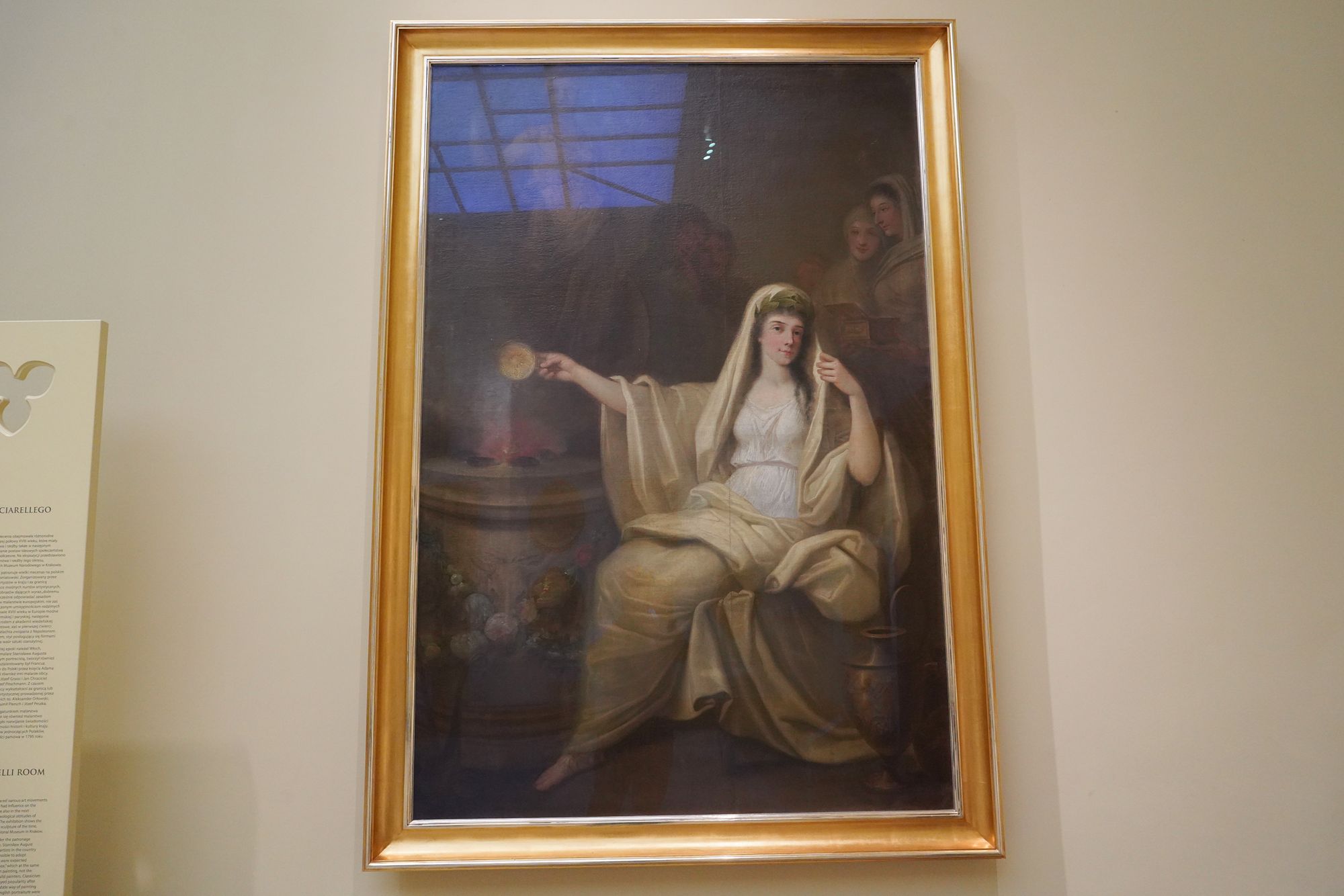
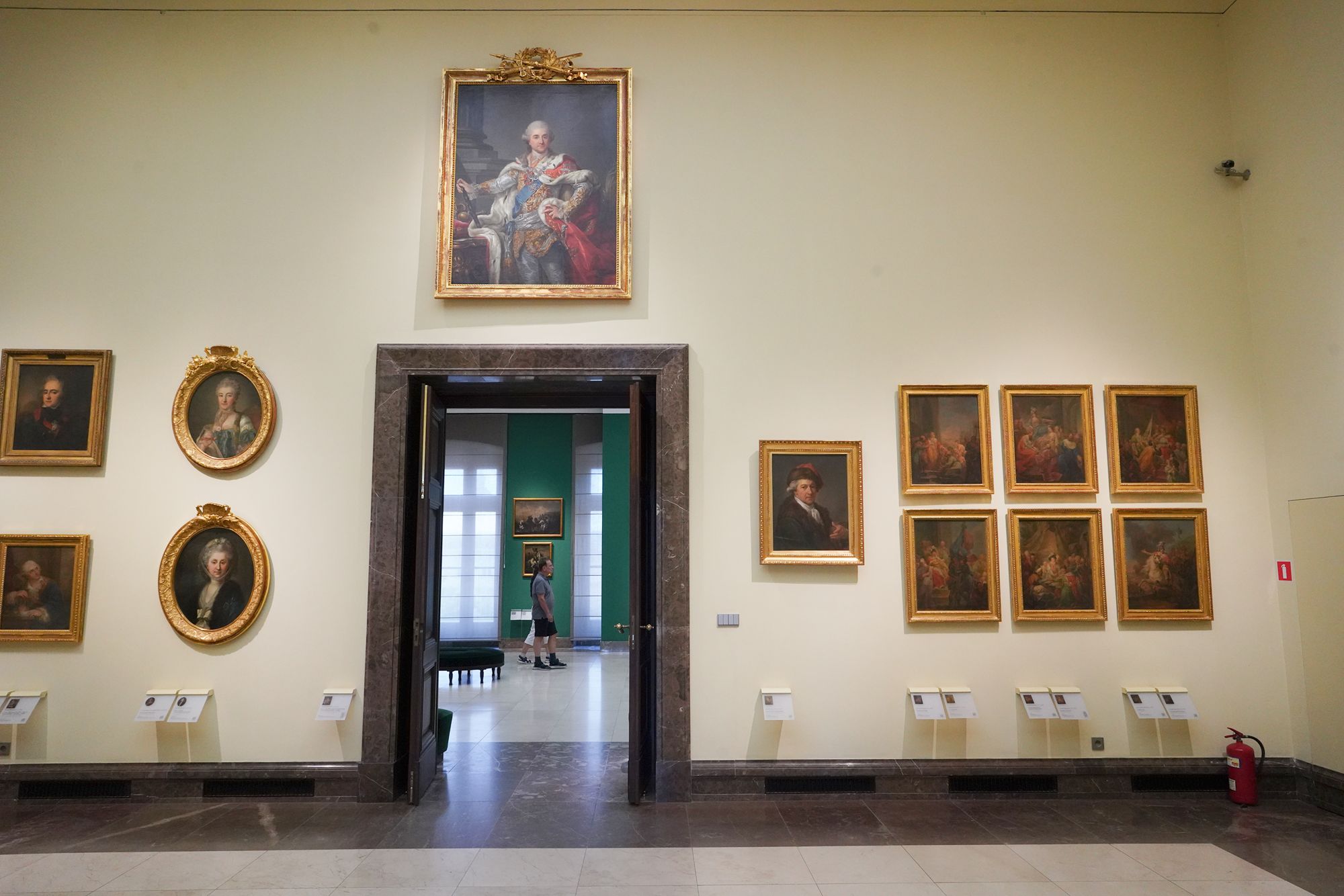
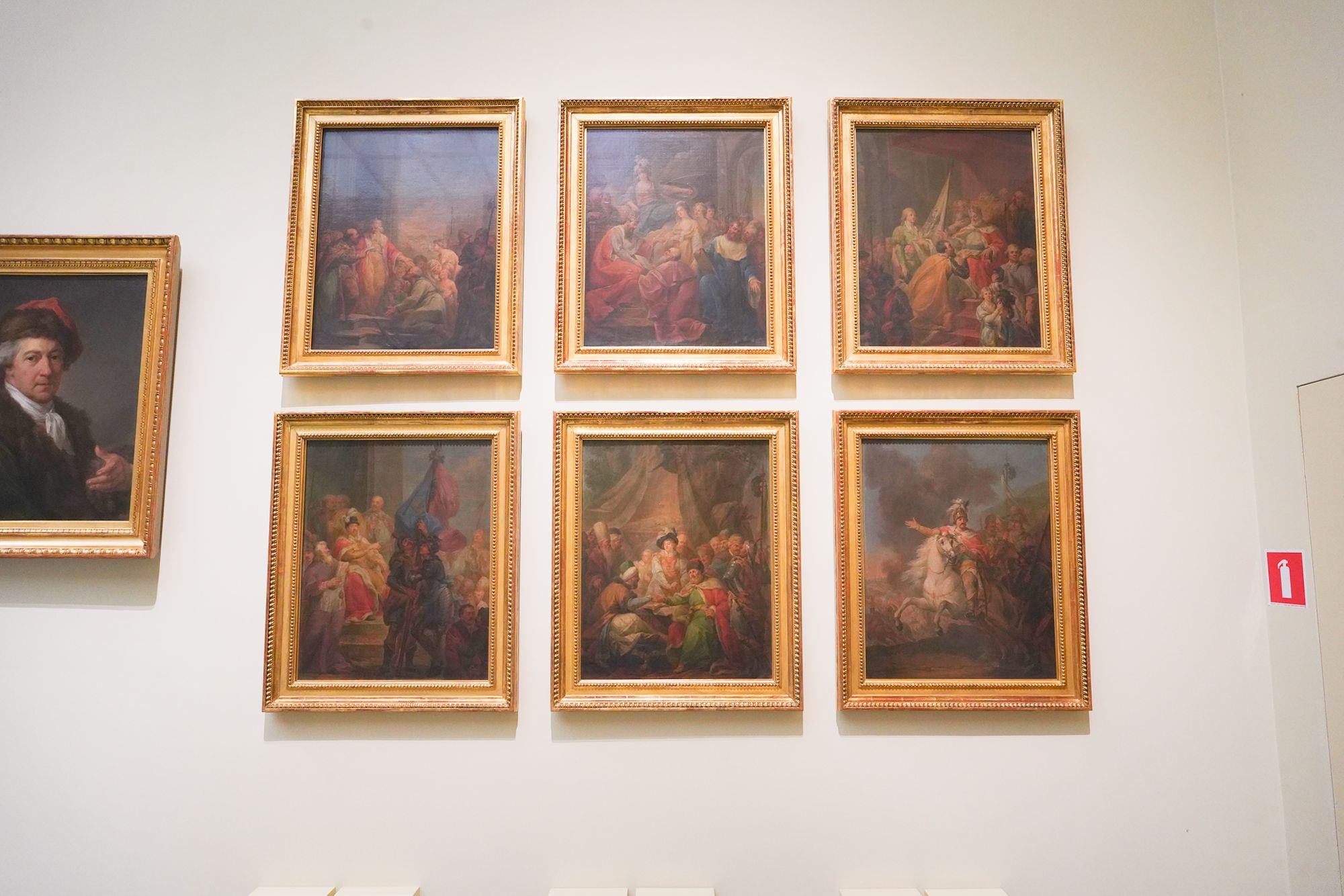
The Bacciarelli Room focuses on Polish art of the Enlightenment, especially painting and sculpture from the late 18th century. King Stanisław August Poniatowski supported artists and helped bring European styles into Polish art.