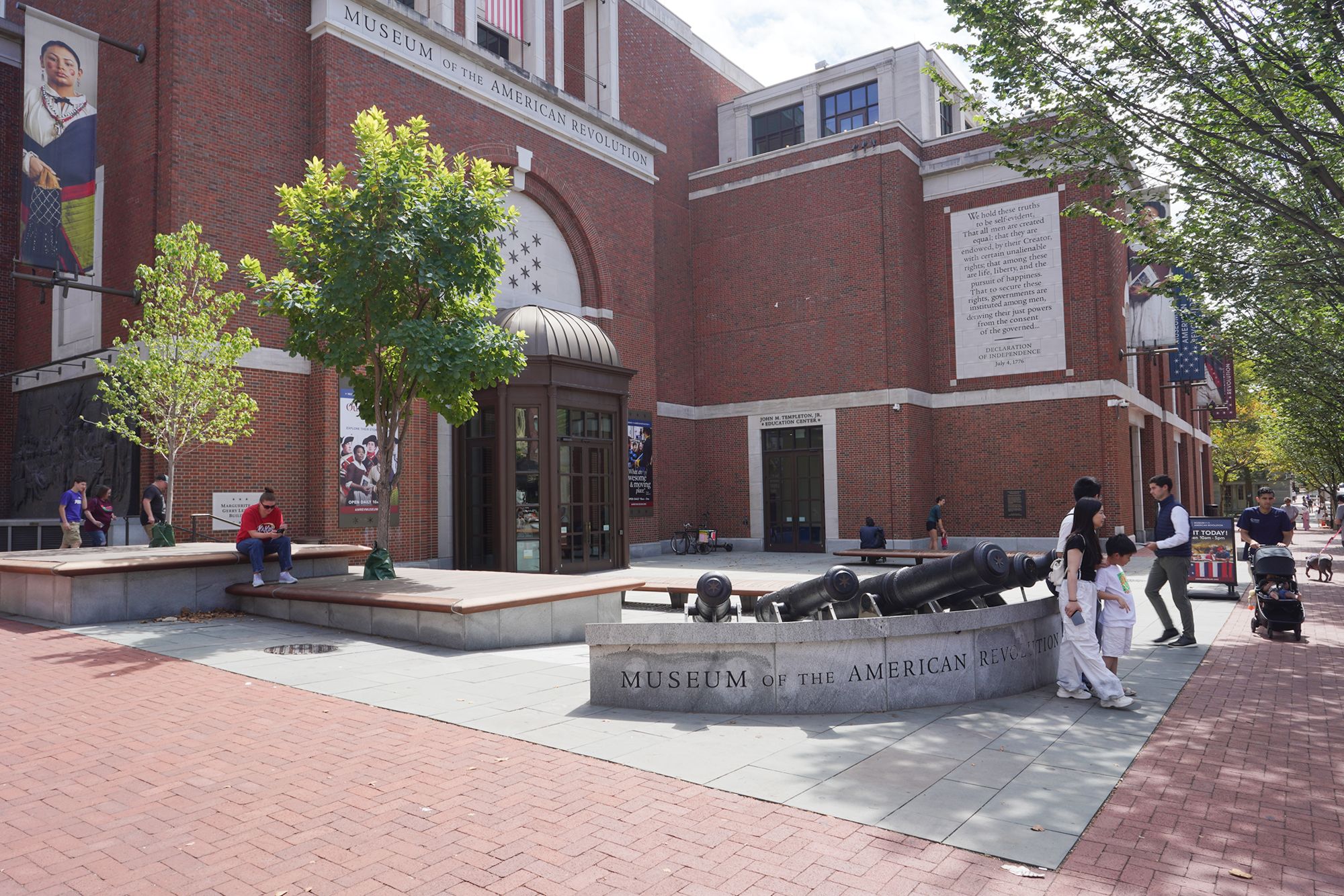
Museum of the American Revolution in Philadelphia, Pennsylvania, USA
The museum chronicles the American Revolution through artifacts, stories, and immersive exhibits on struggle, ideals, and freedom. 1176
Museum of the American Revolution: 101 S 3rd St, Philadelphia, PA 19106
Date Picture Taken: August 2025
The Museum of the American Revolution showcases the nation’s founding through weapons, letters, uniforms, and interactive galleries. It traces events from colonial unrest to independence, highlighting soldiers’ lives, pivotal battles, the Declaration, and evolving American ideals with vivid storytelling and authentic artifacts.
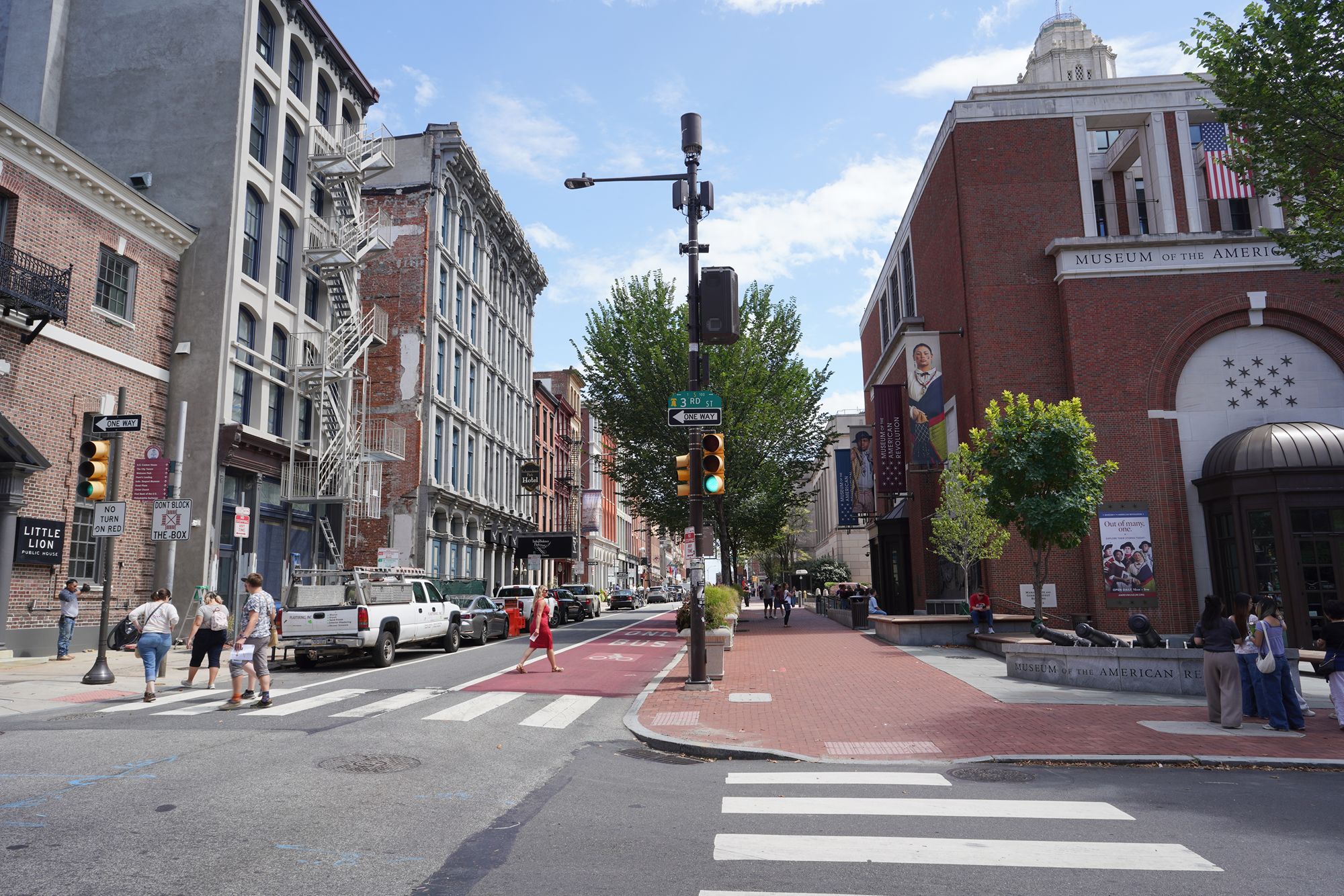
Museum of the American Revolution
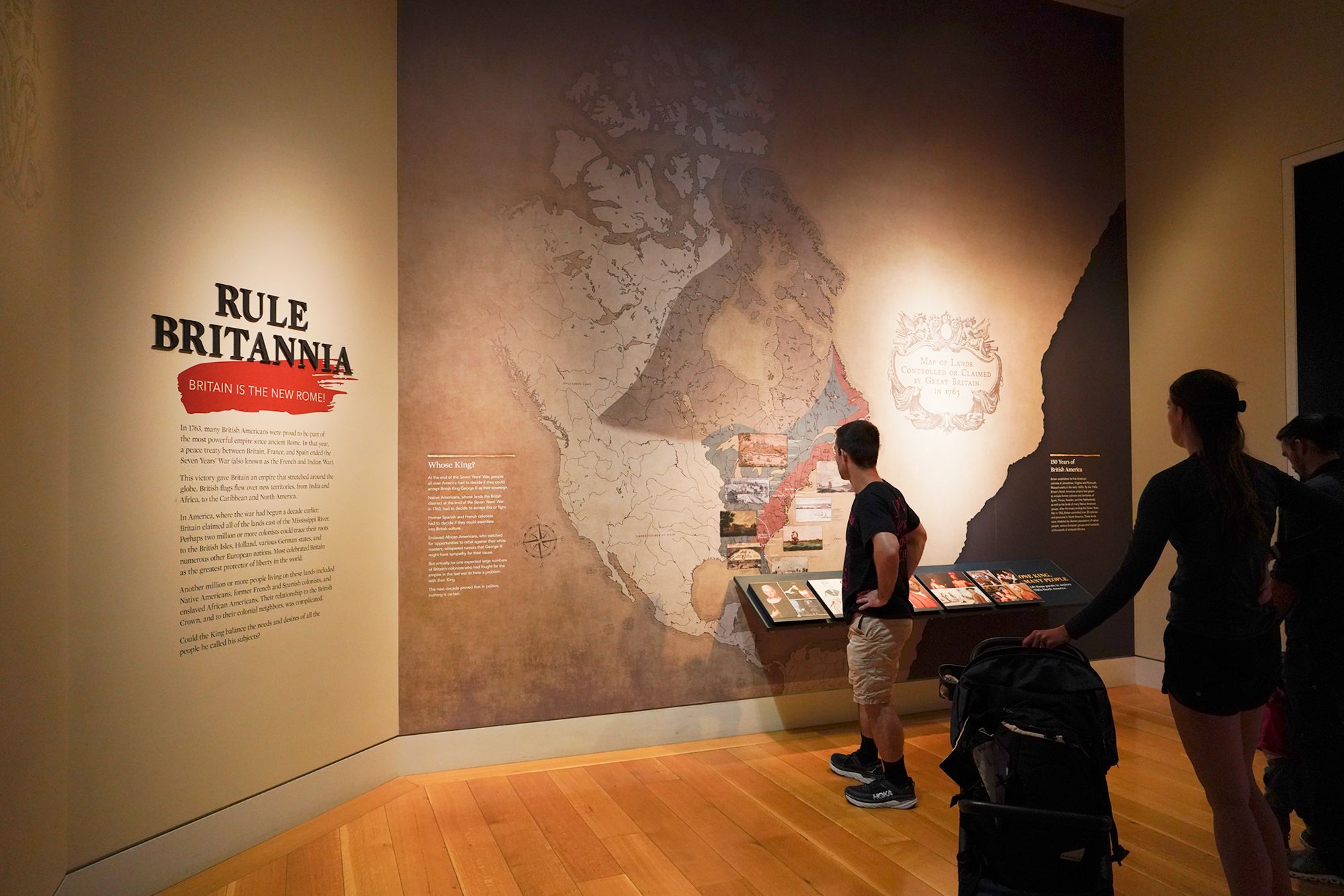
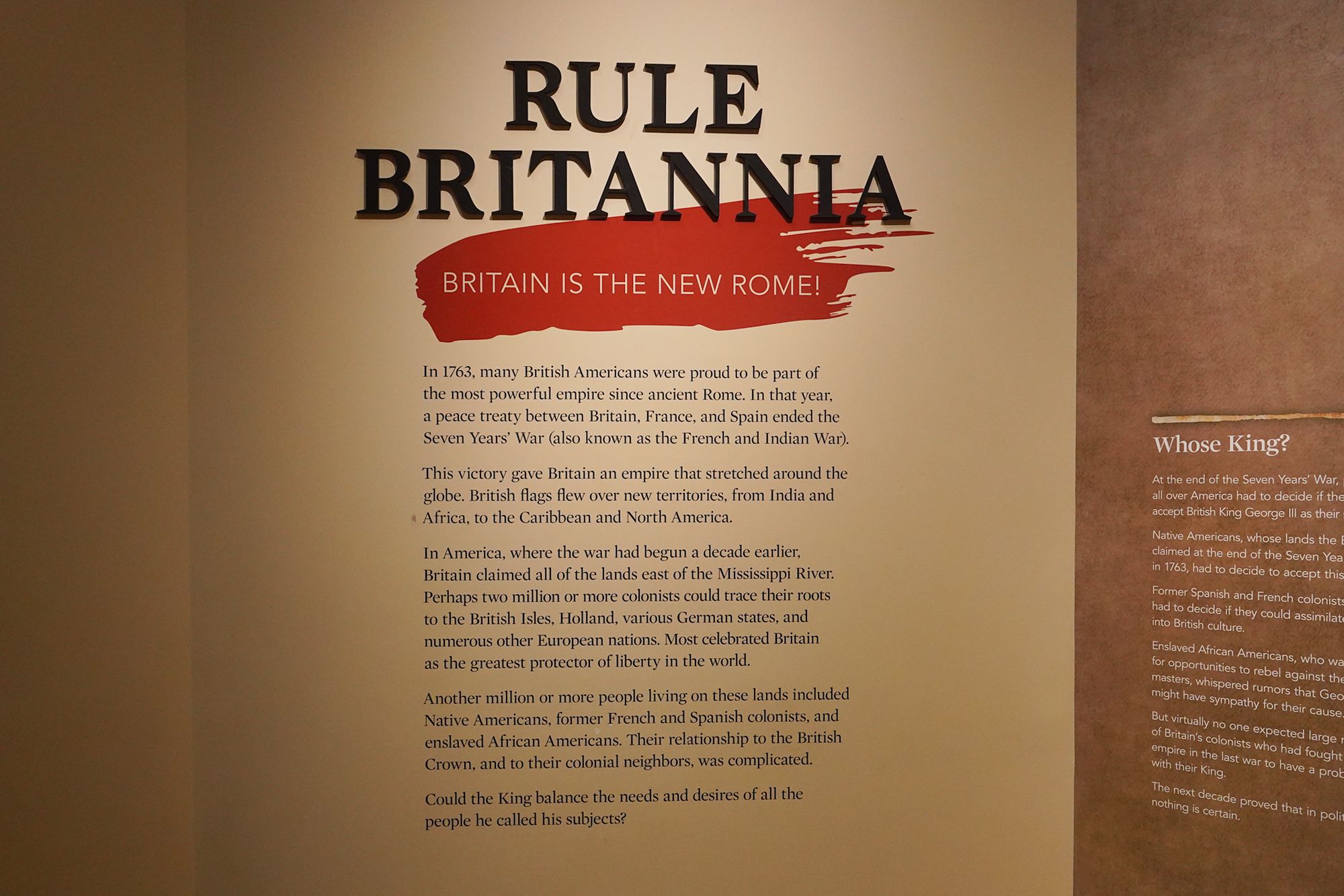
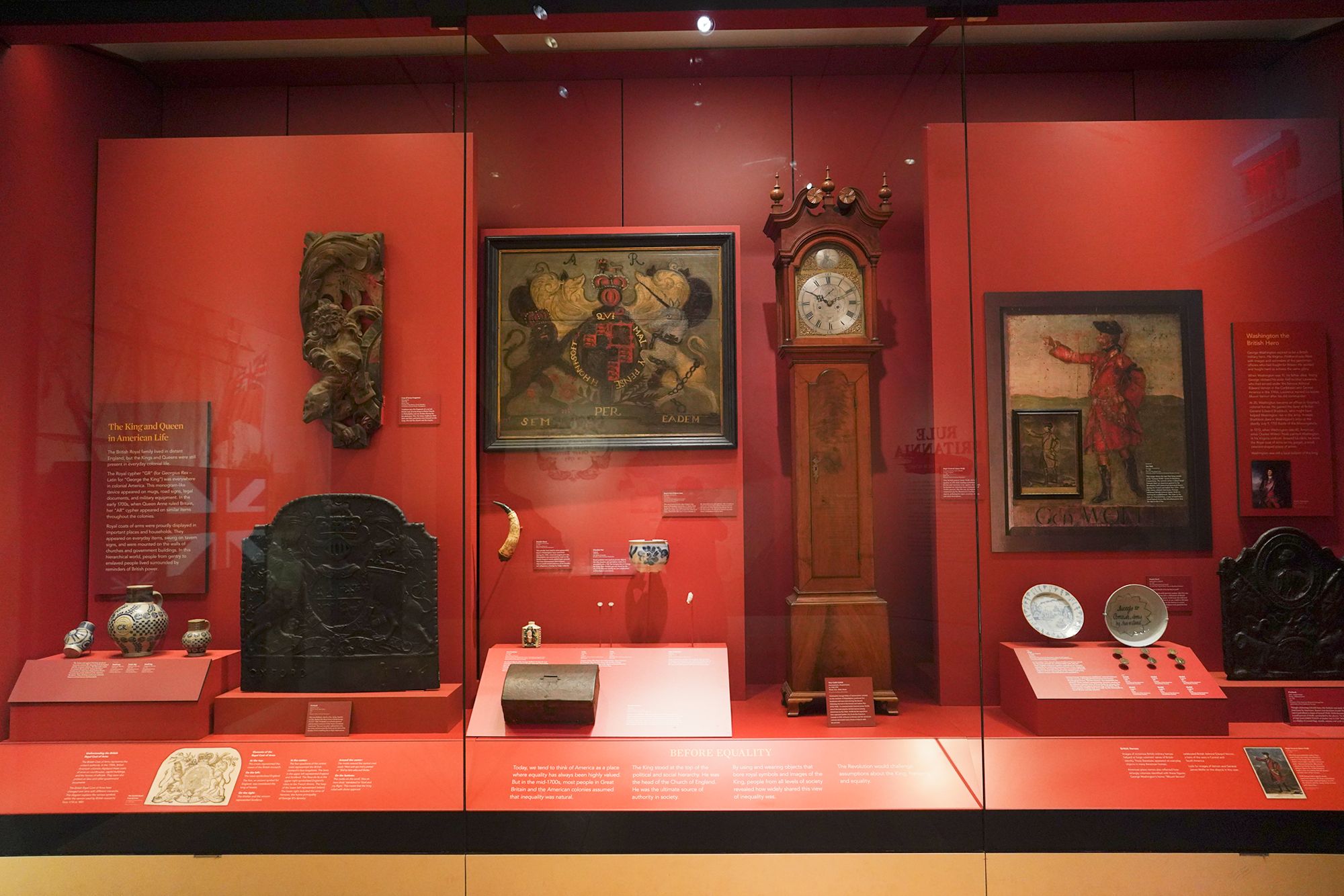
Britain was the most powerful nation in the world at the time.
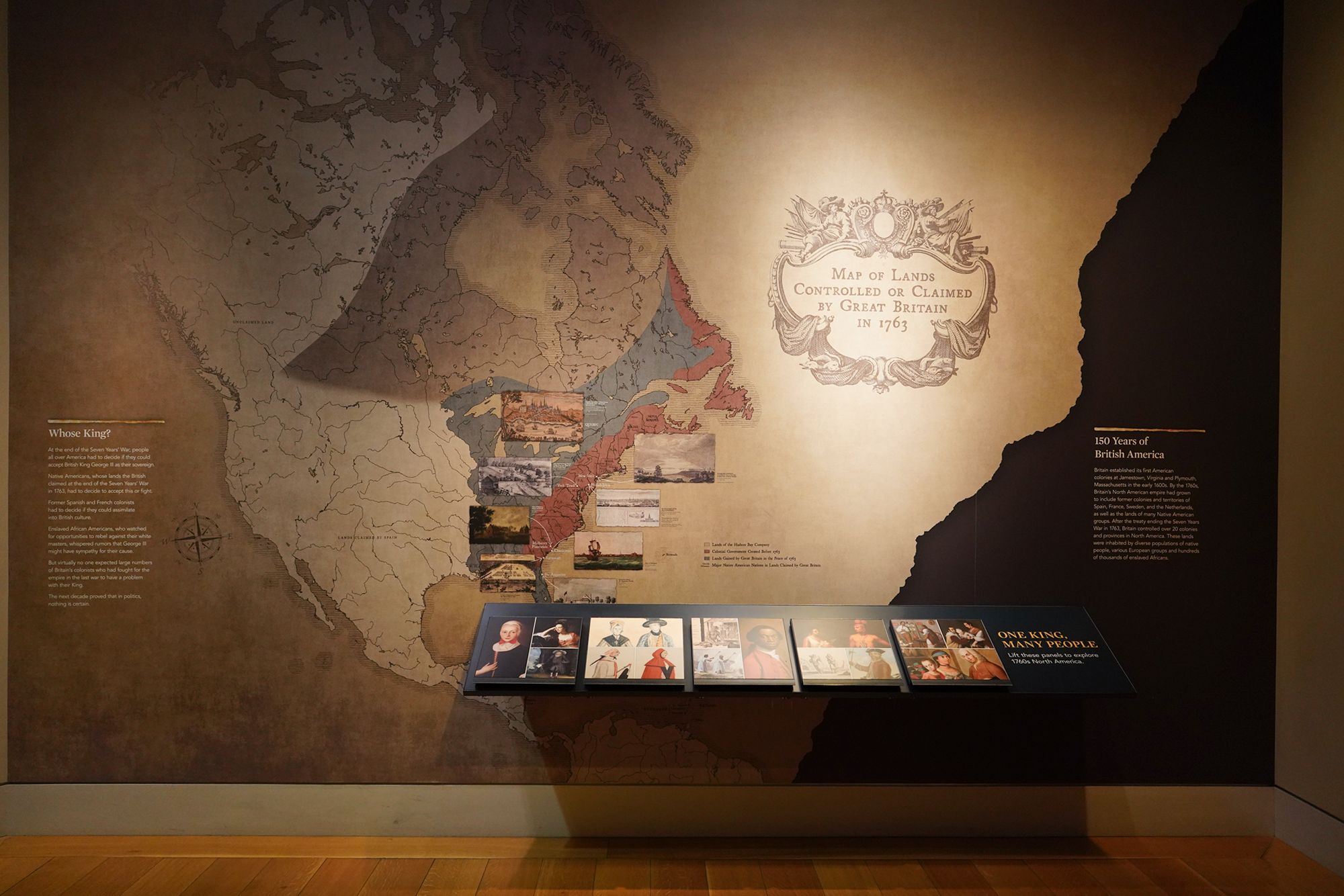
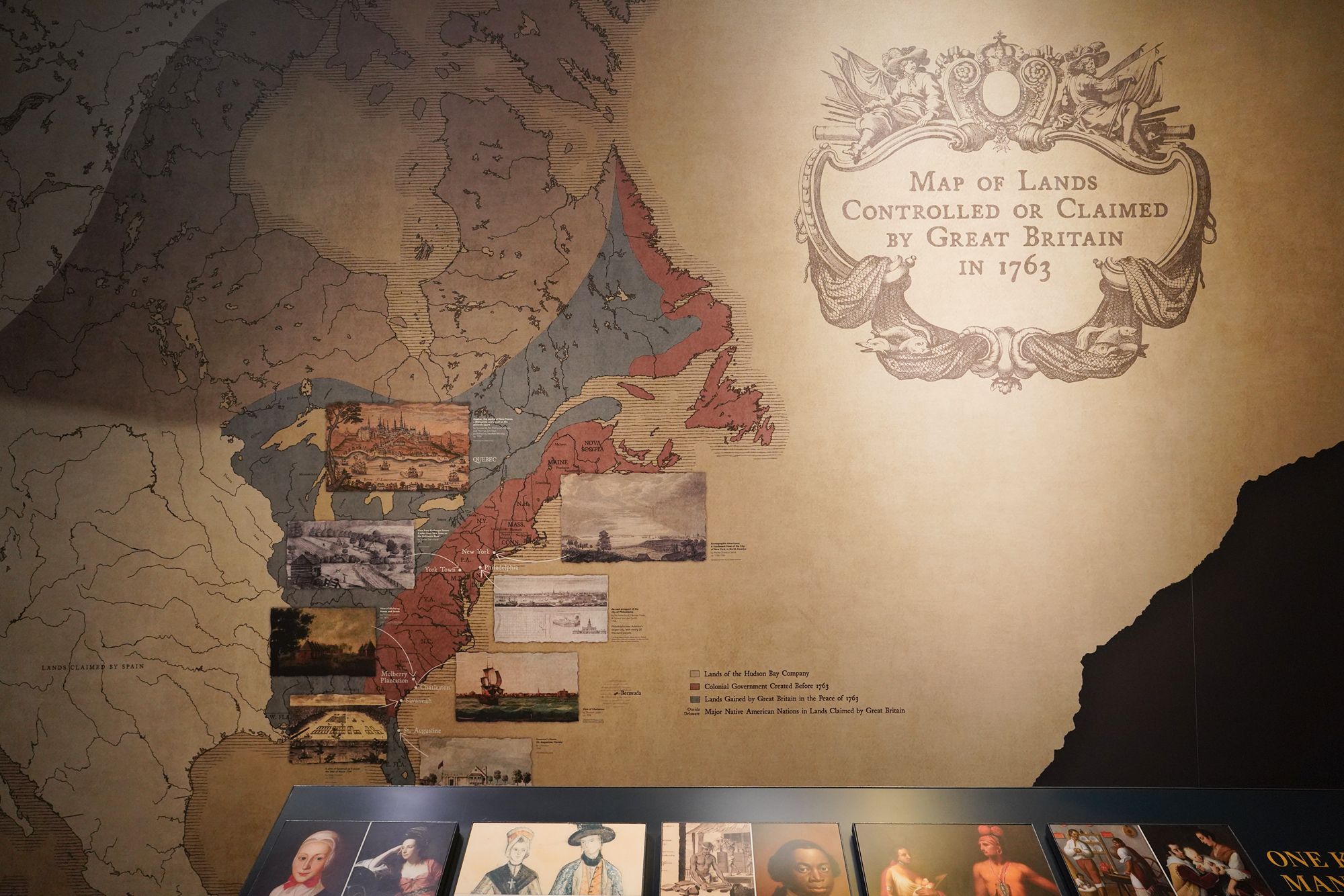
Lands controlled or claimed by Great Britain in 1763 in America
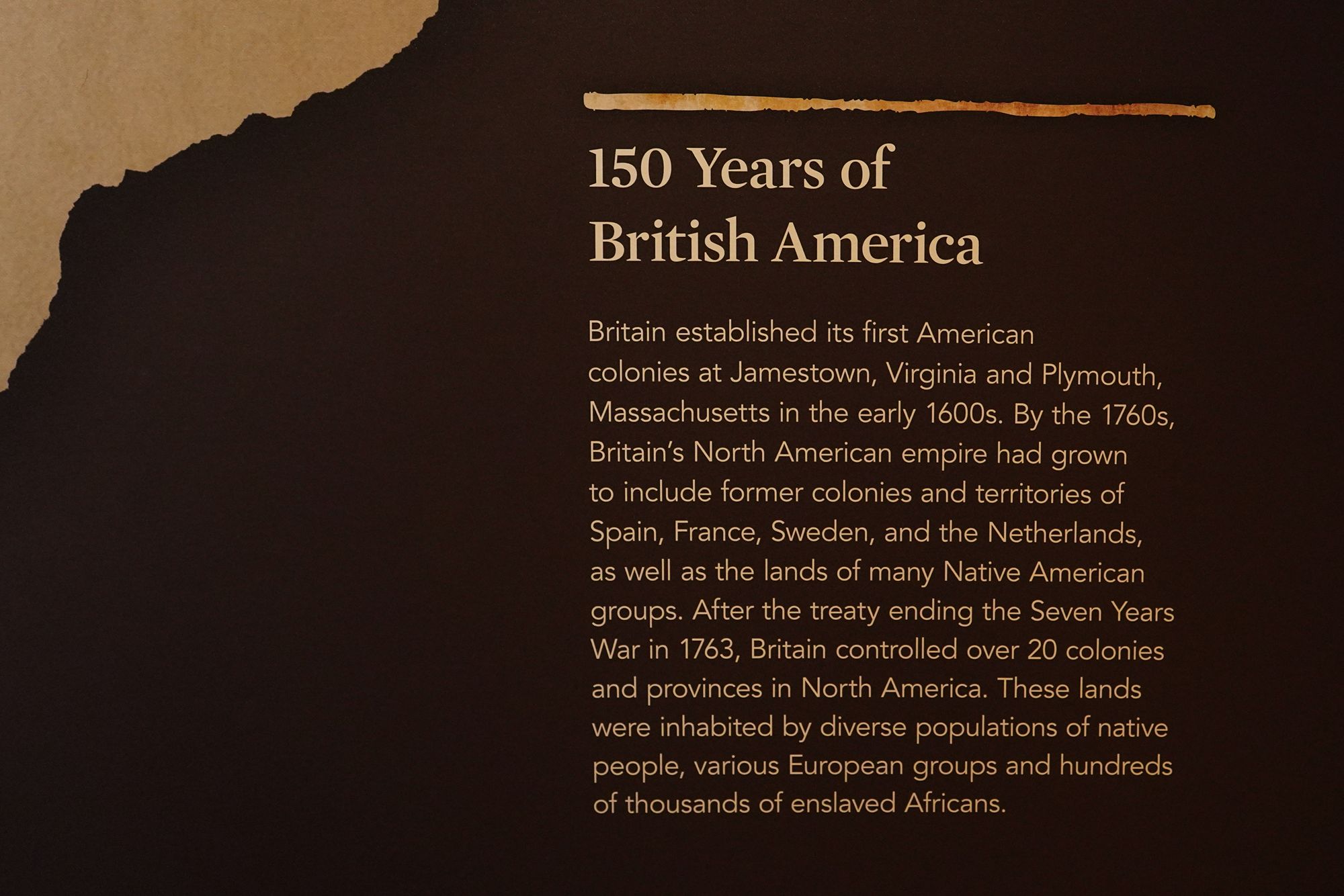
Britain ruled the American colonies for roughly 150 years before the War of Independence.
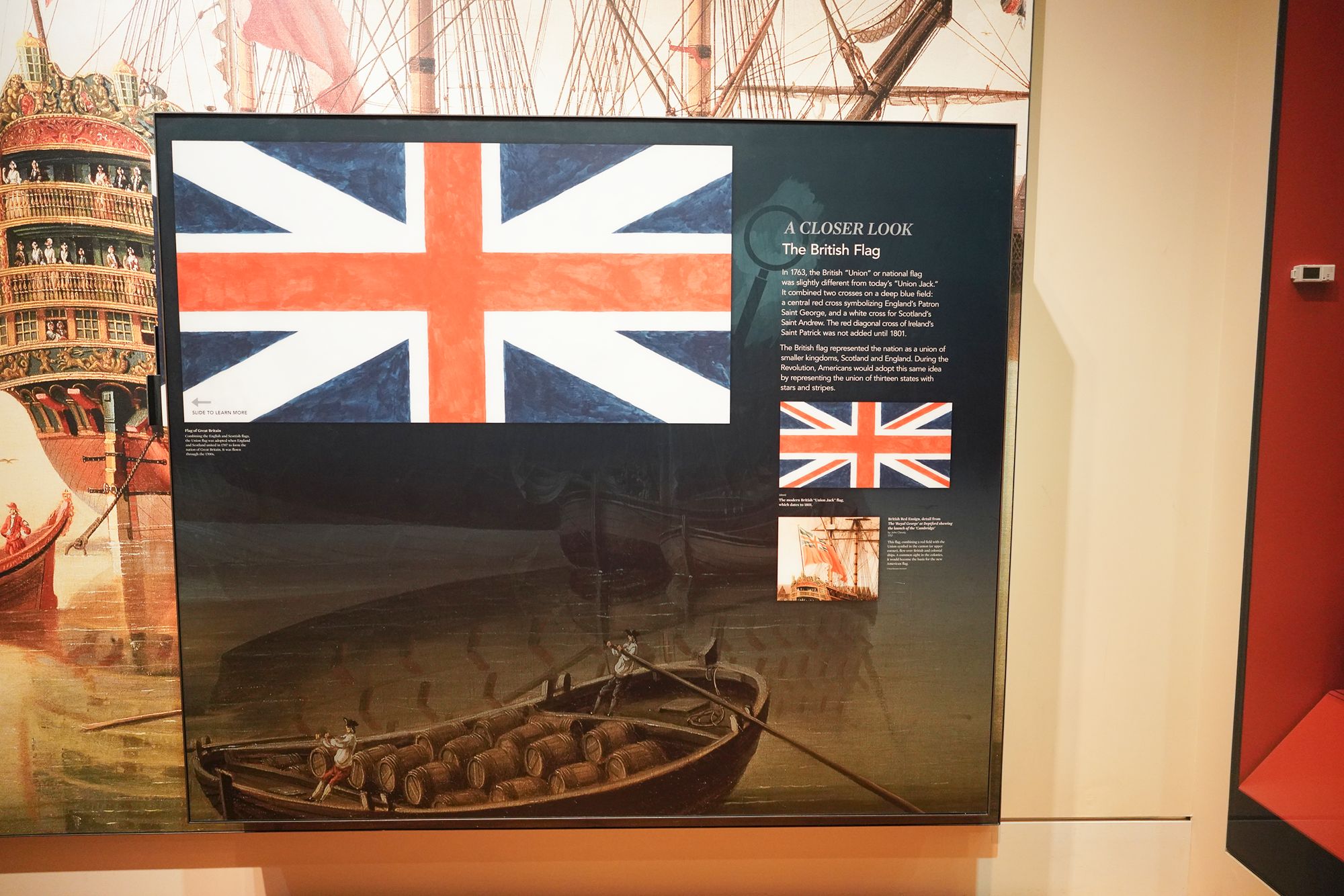
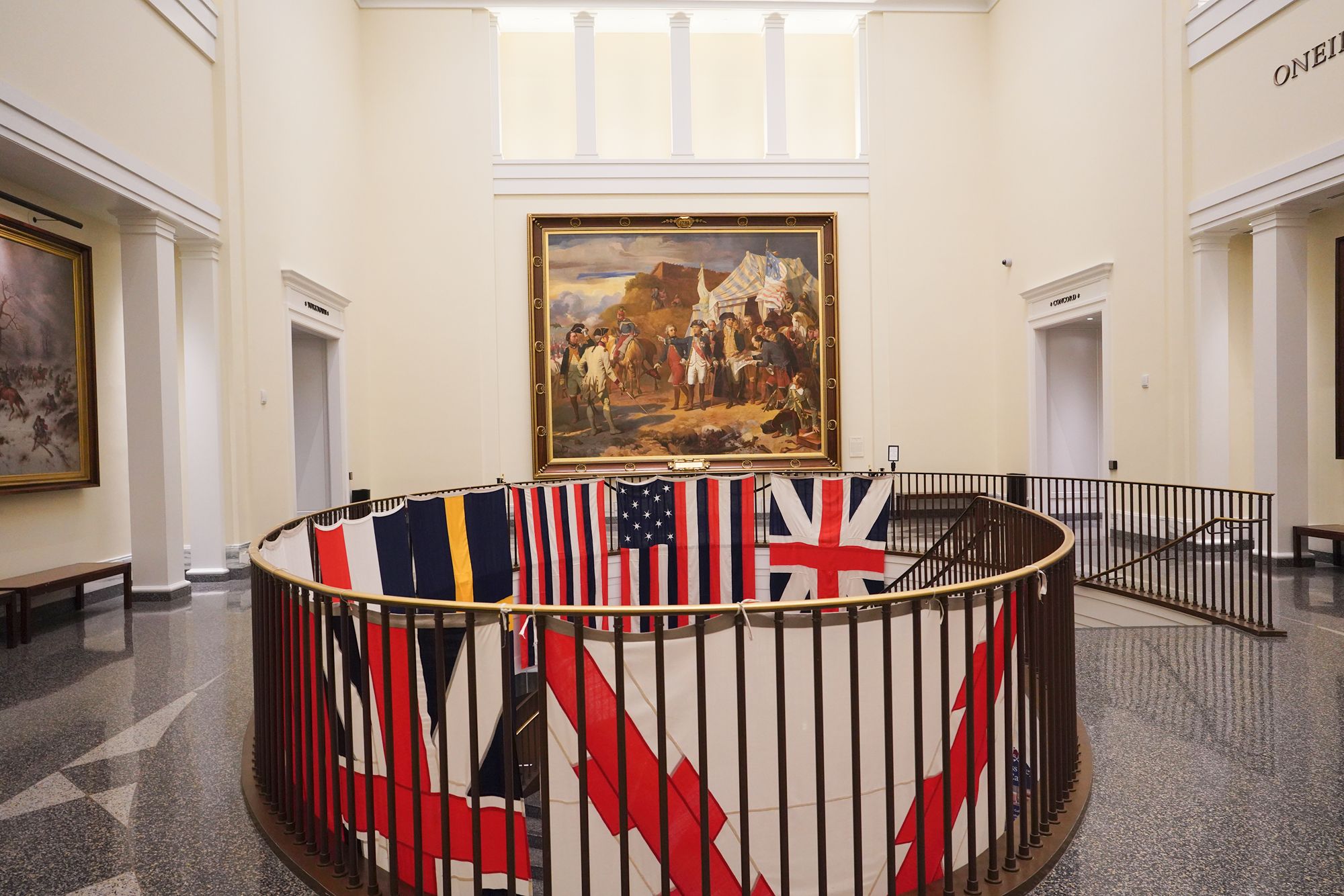
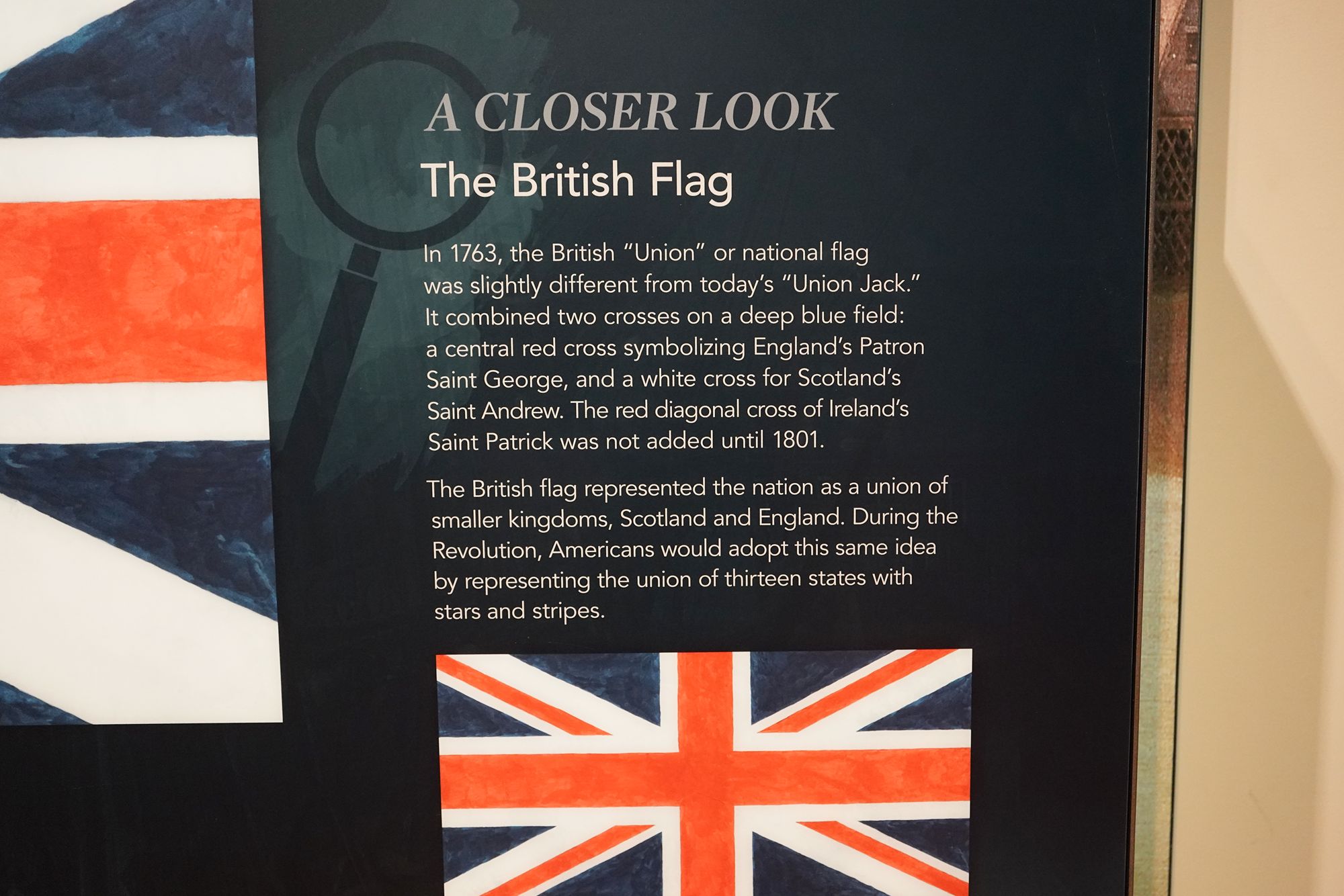
The symbolism behind the British flag
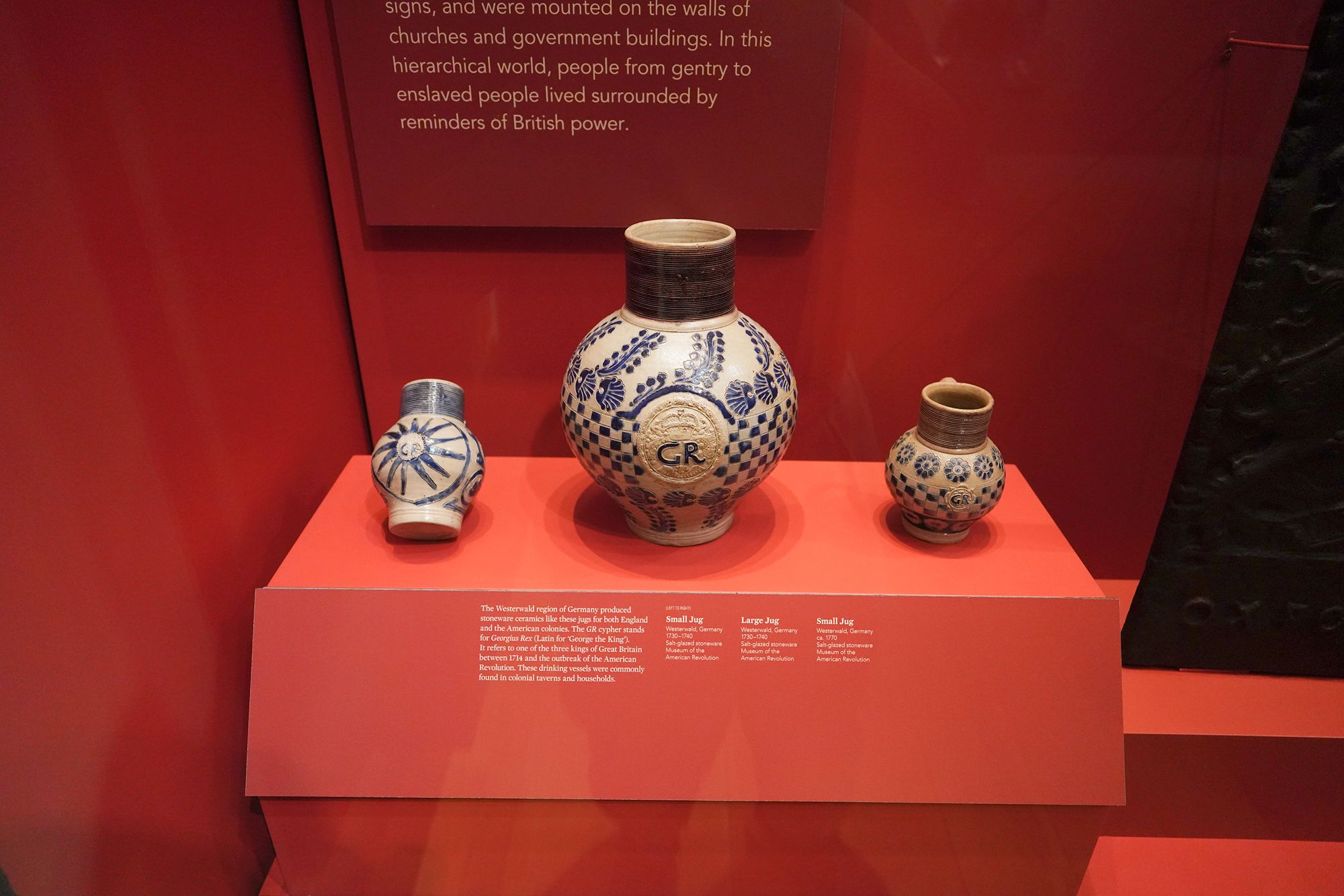
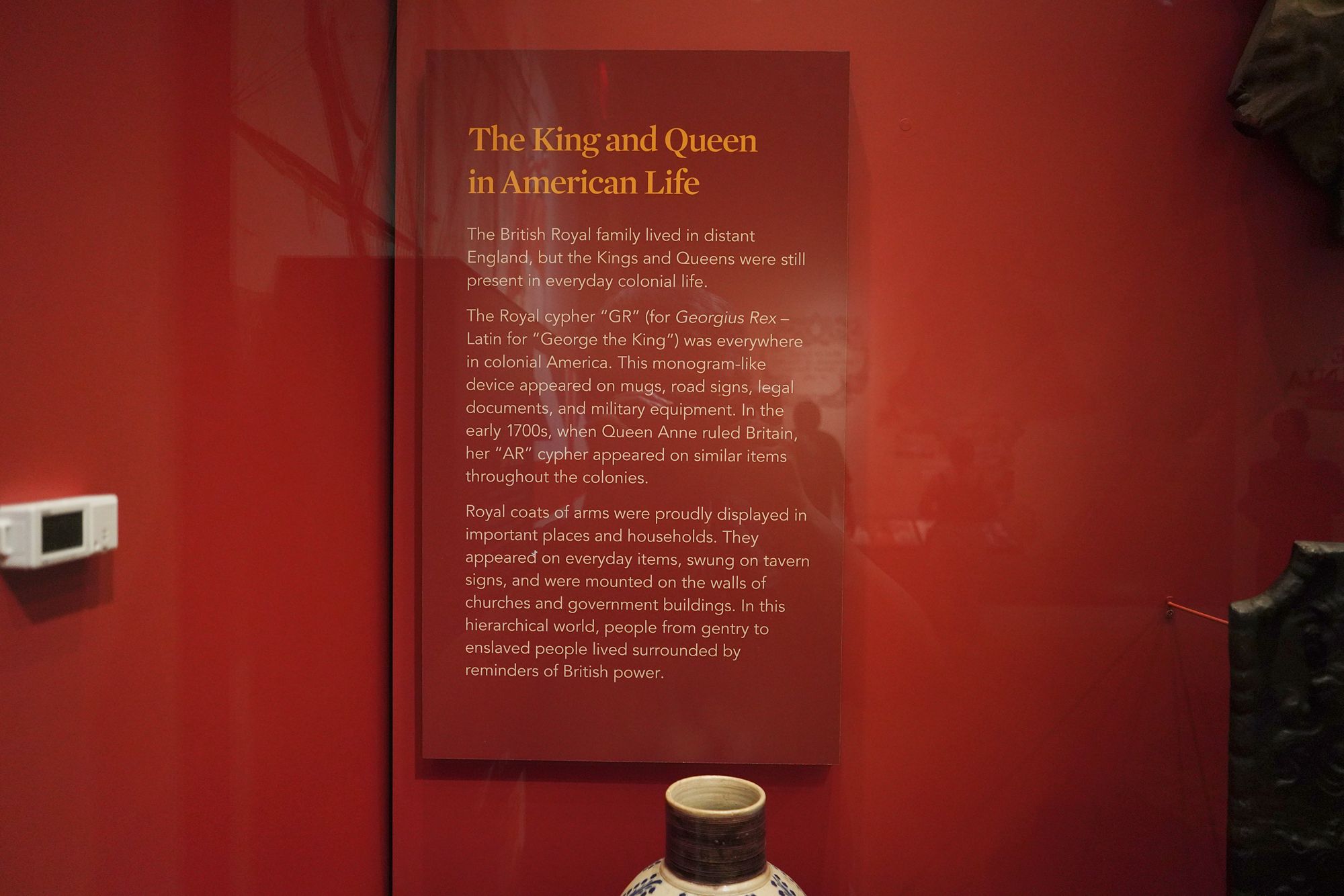
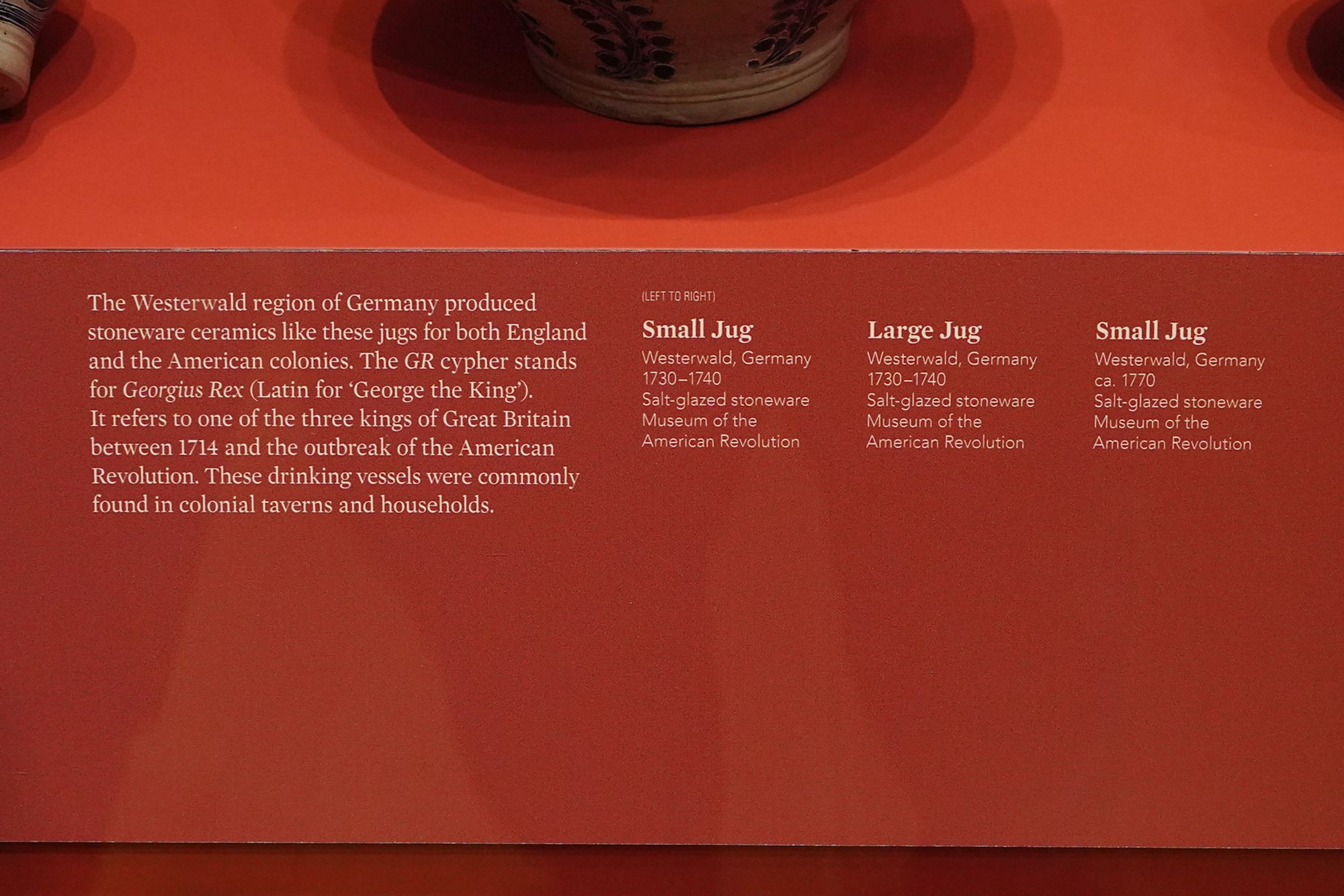
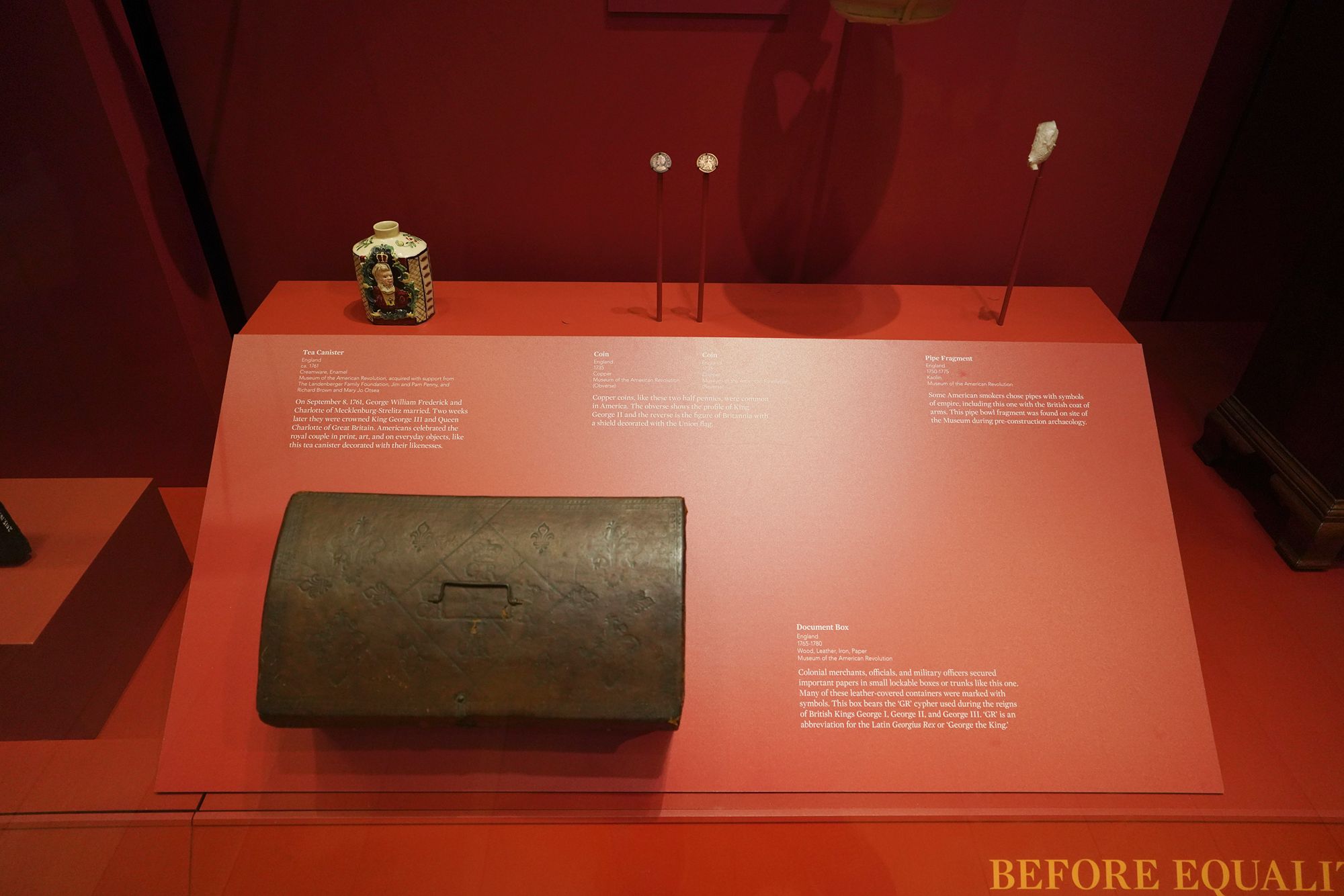
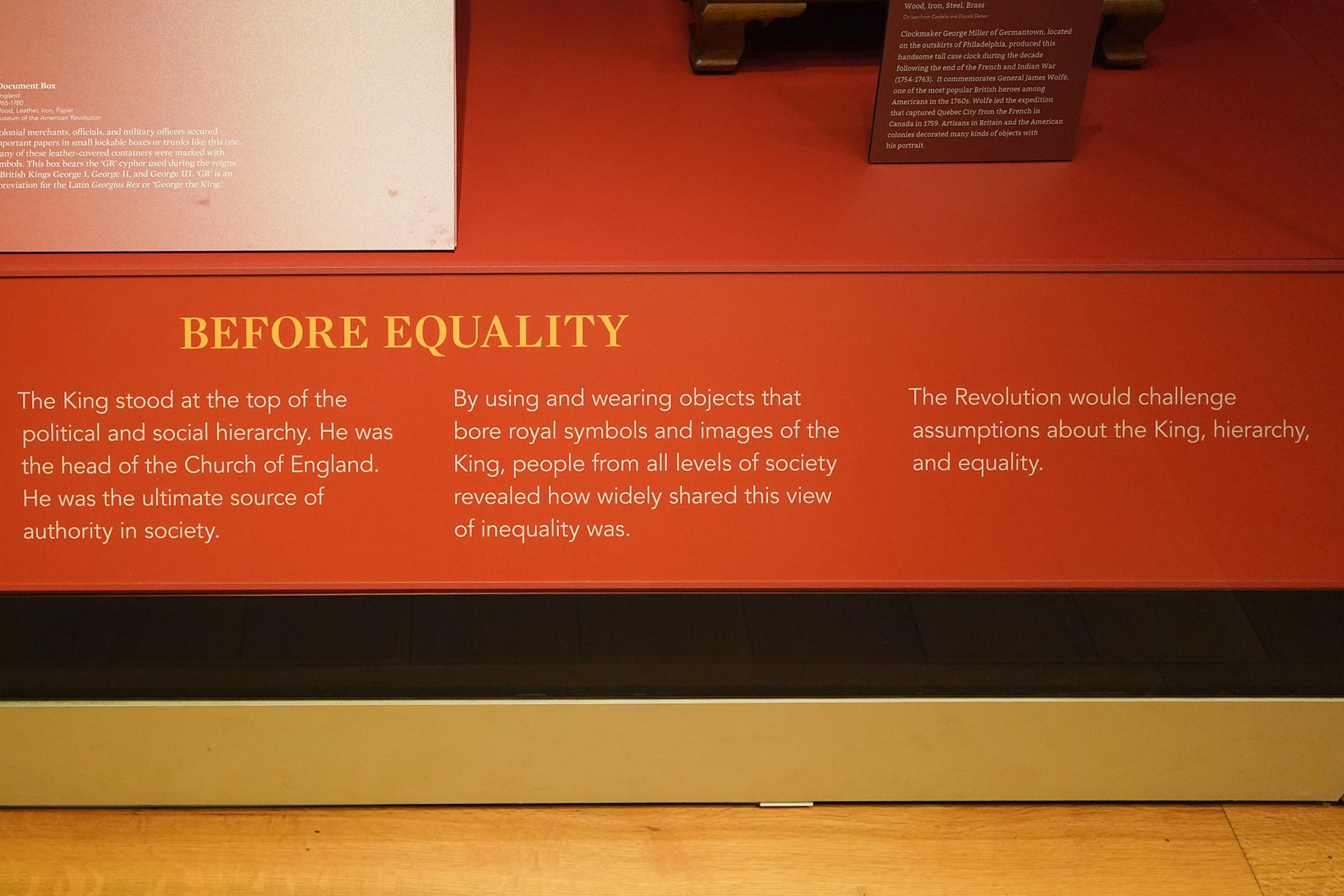
Early on, the colonists took pride in their British roots and generally respected British authority.
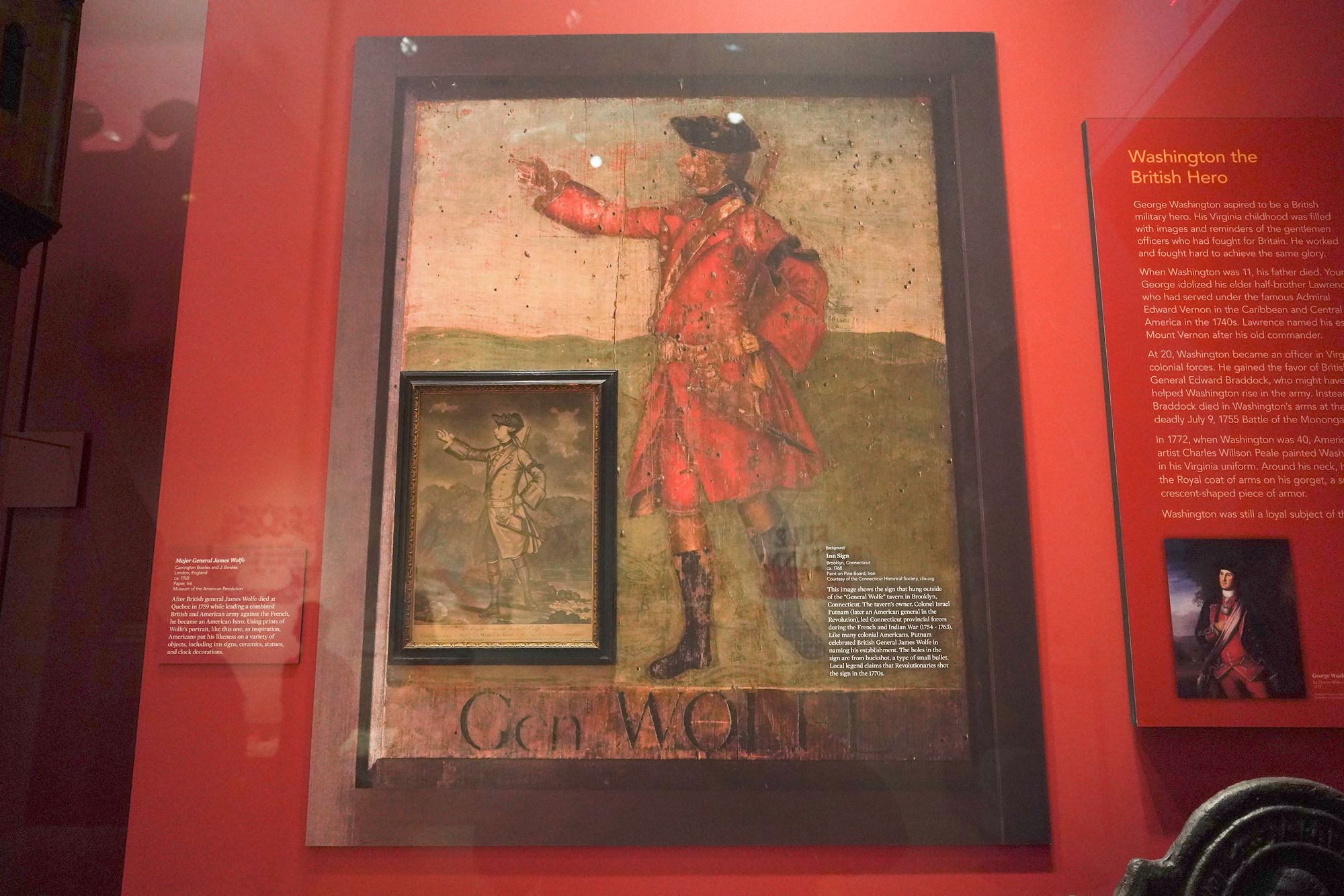
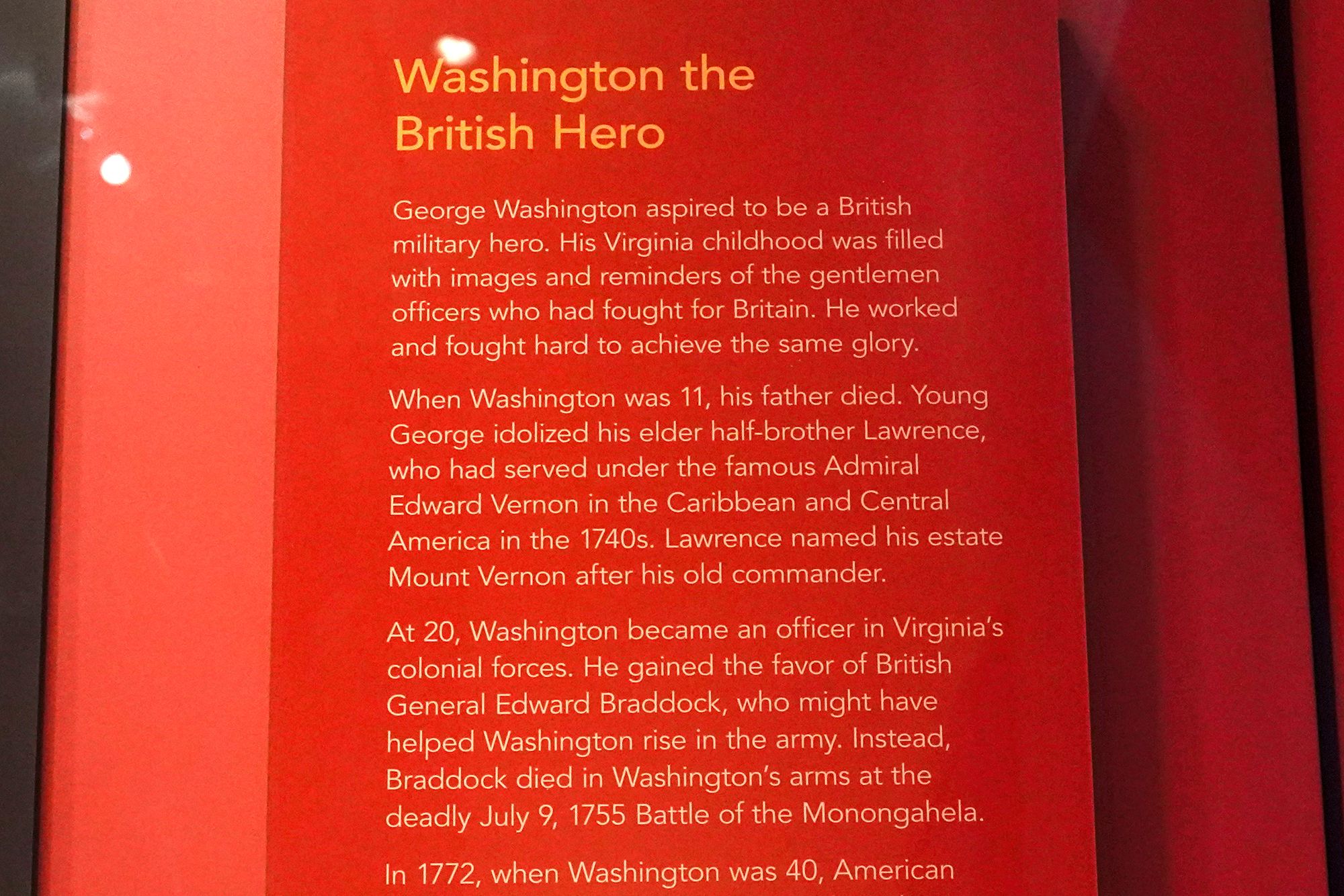
George Washington aspired to be a British military hero.
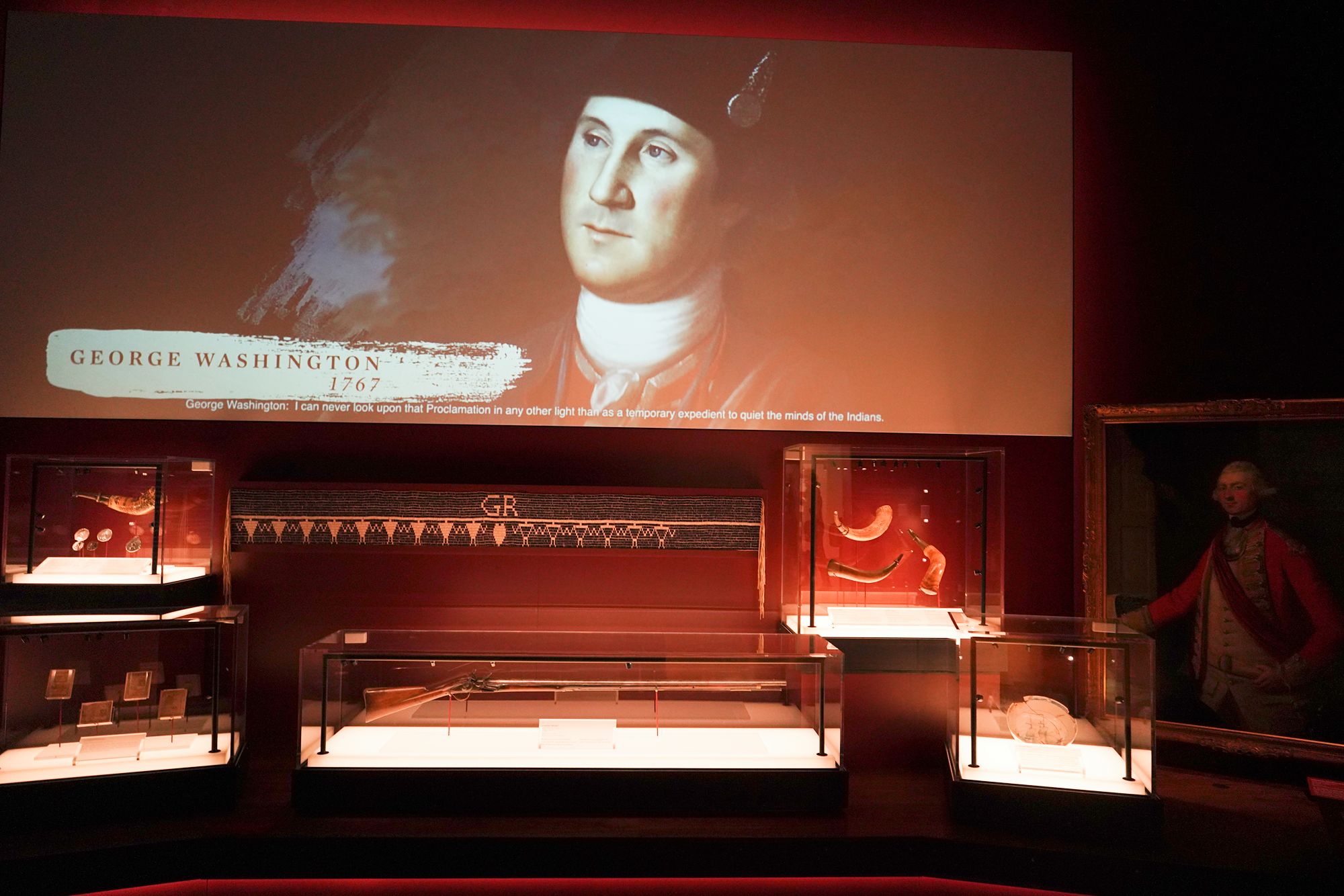
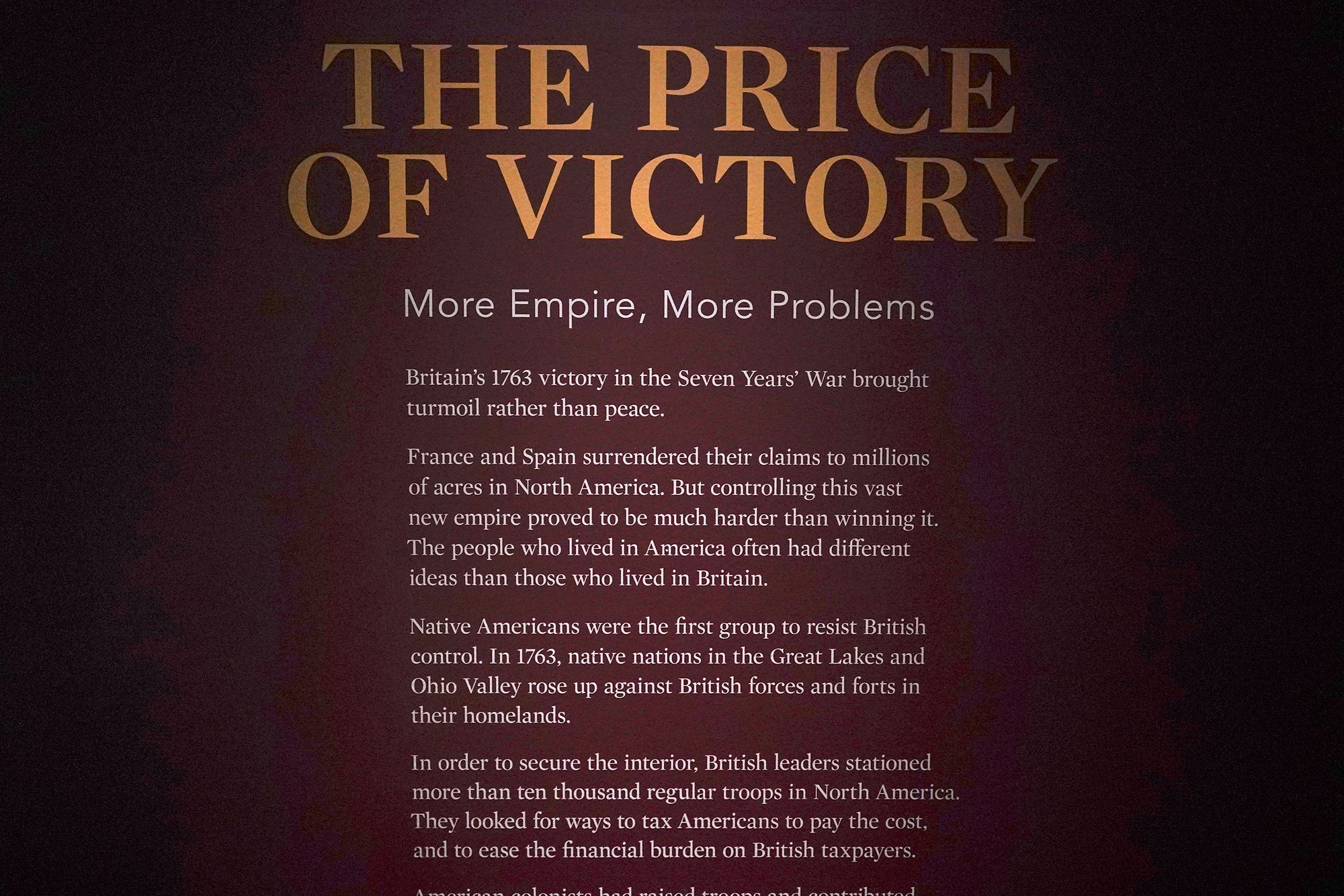
After Britain defeated France and Spain in North America, its rule over the colonies soon faced growing problems.
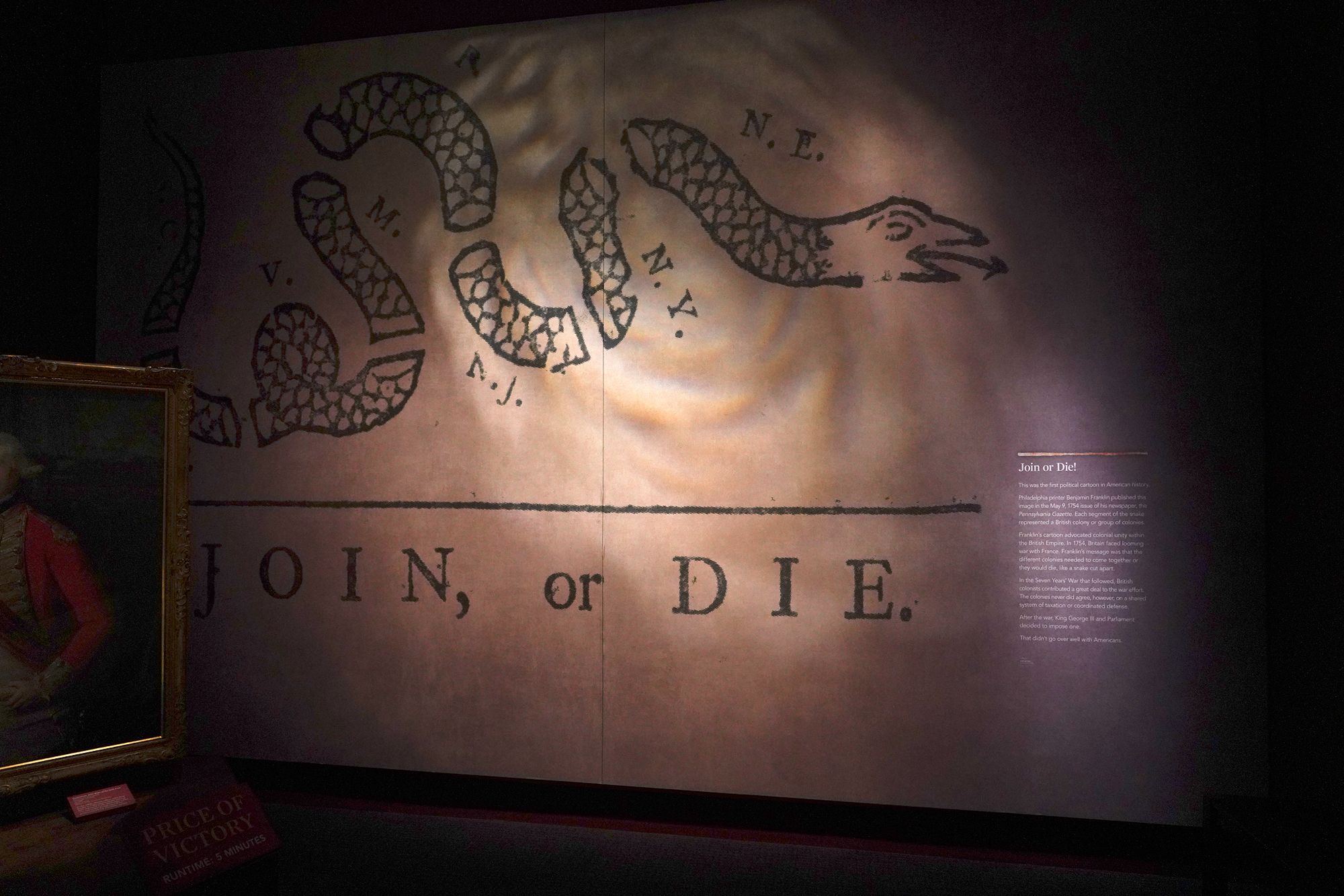
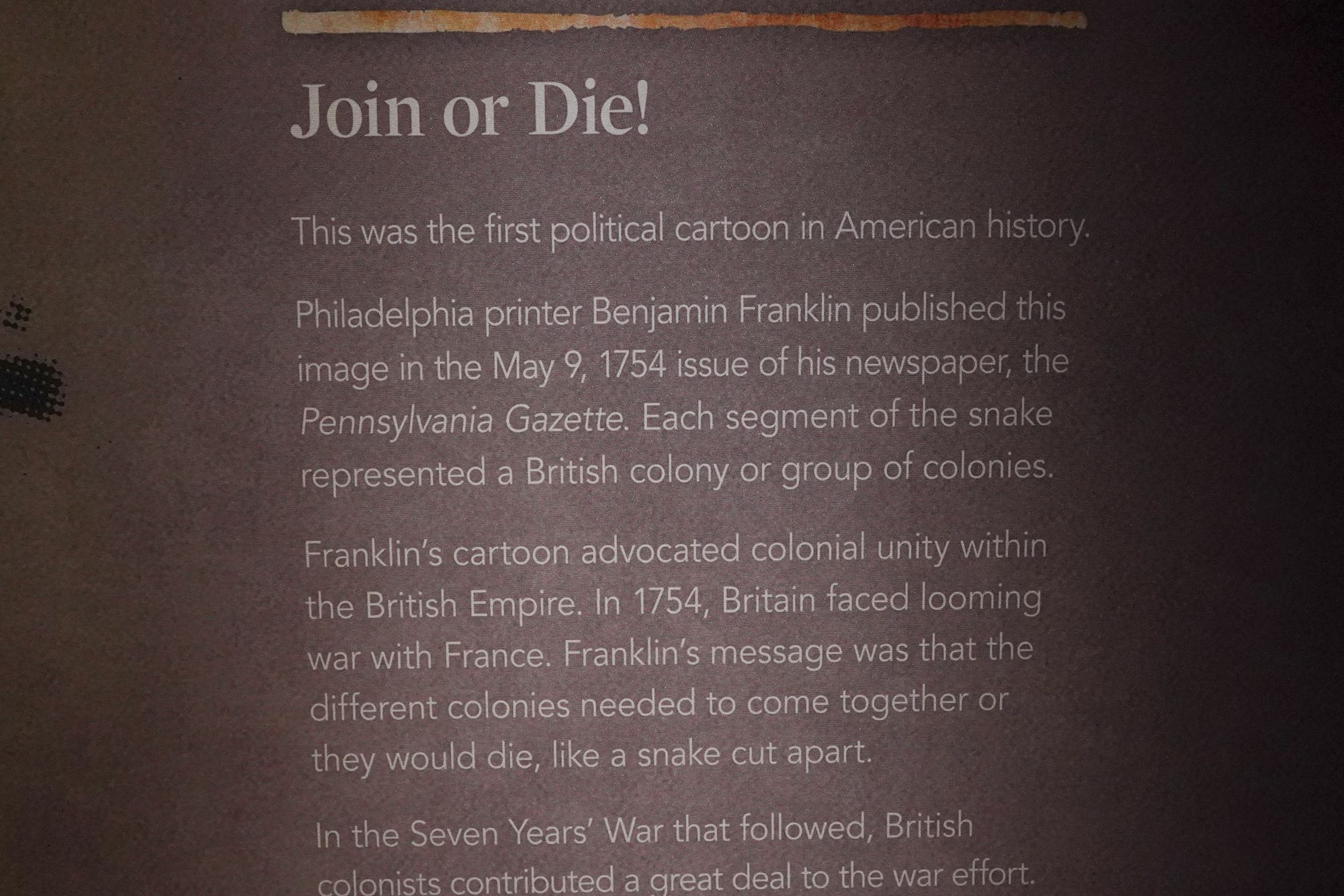
“Join, or Die” is one of the most famous political cartoons in American history. Created by Benjamin Franklin in 1754, it depicts a snake cut into eight segments, each labeled to represent one of the British American colonies or regions. The message was simple but powerful: the colonies must unite for common defense, or they would face danger and failure separately.
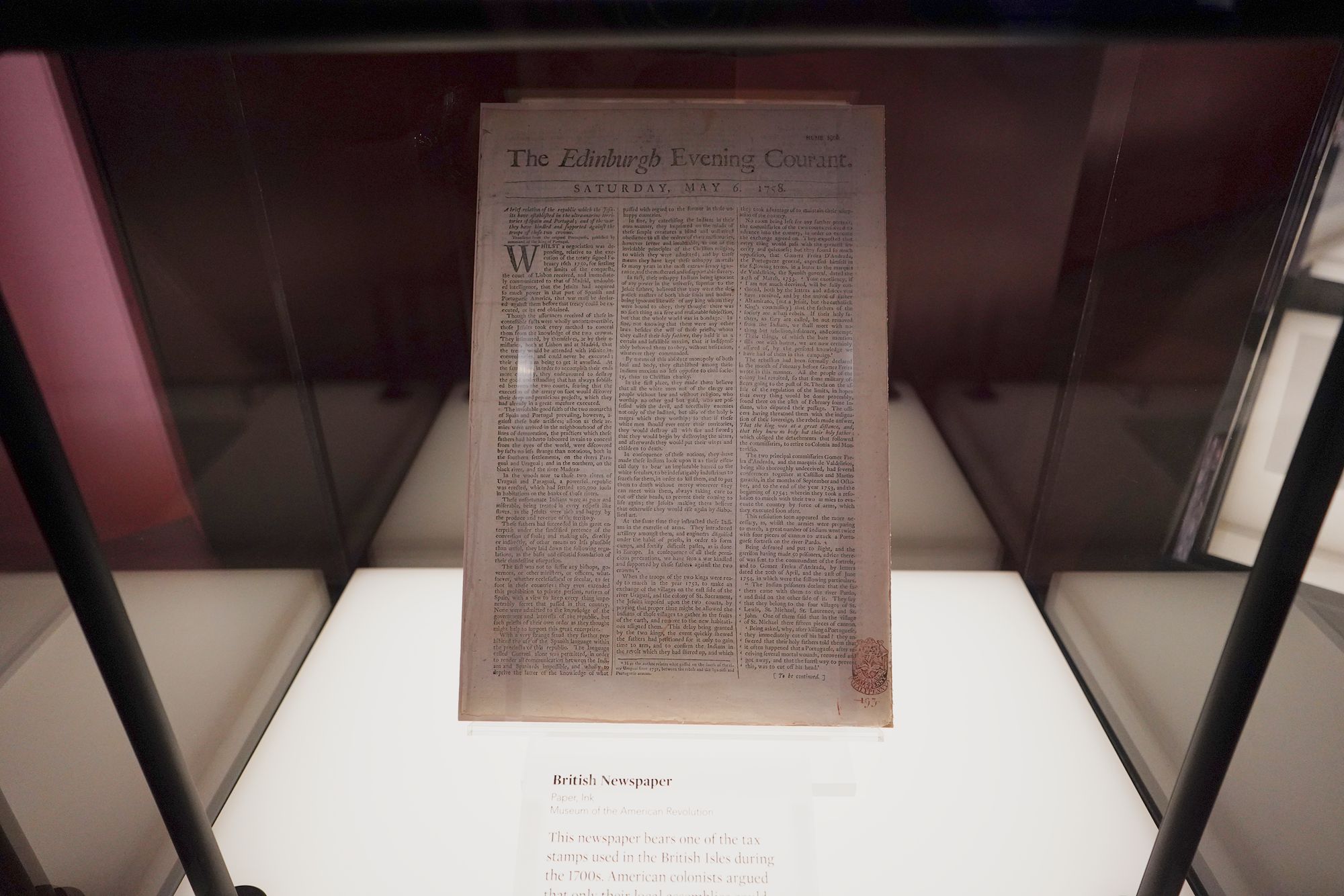
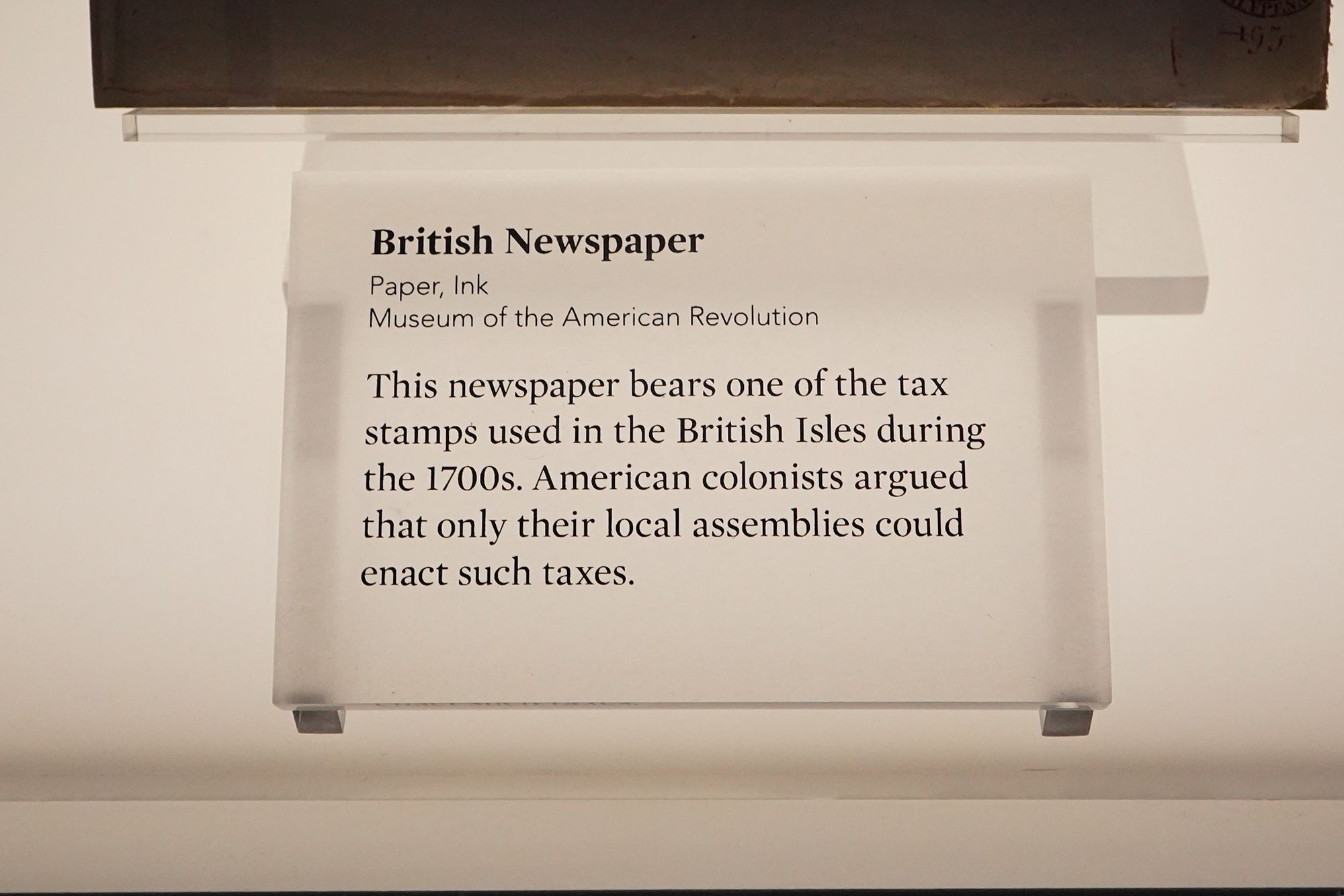
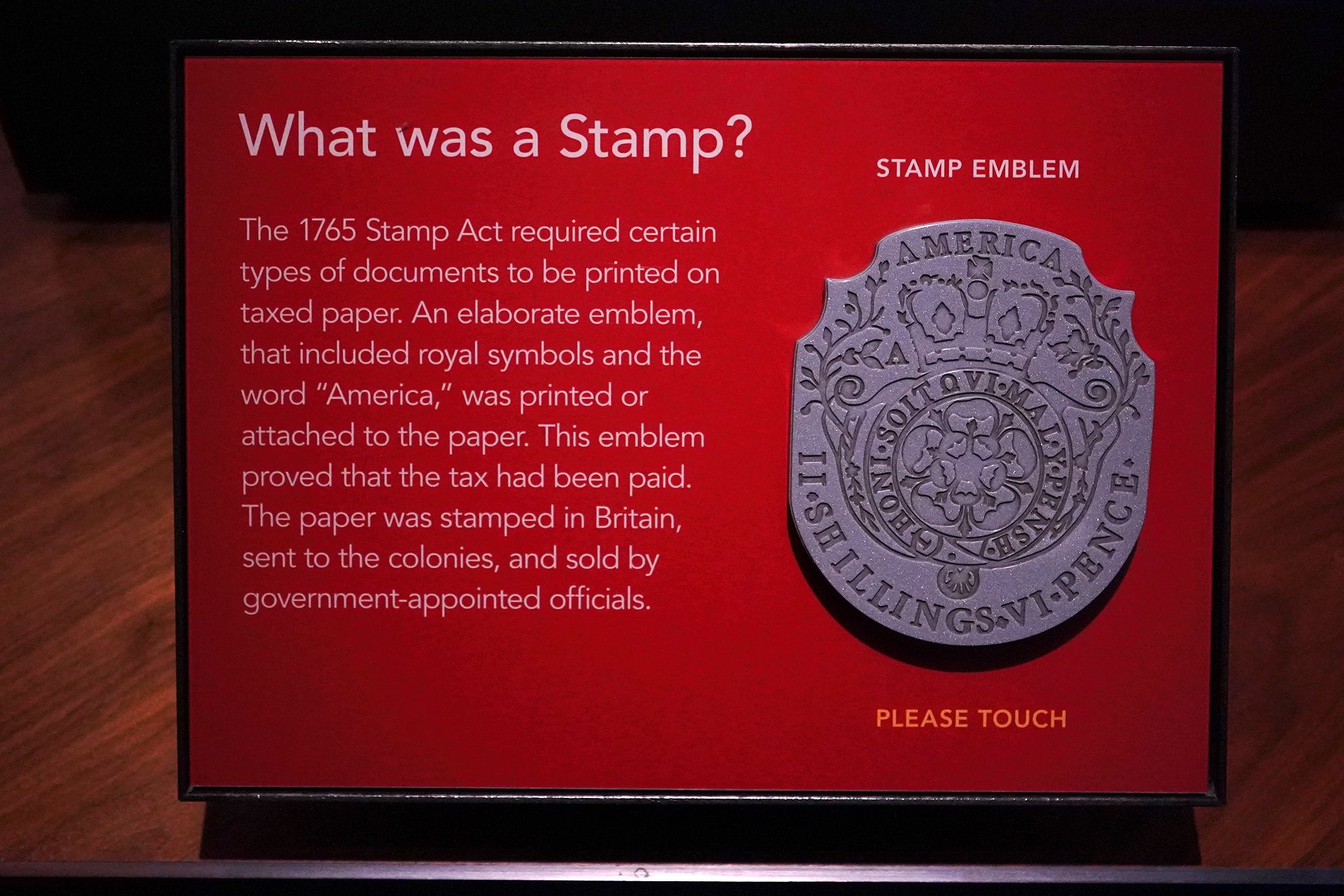
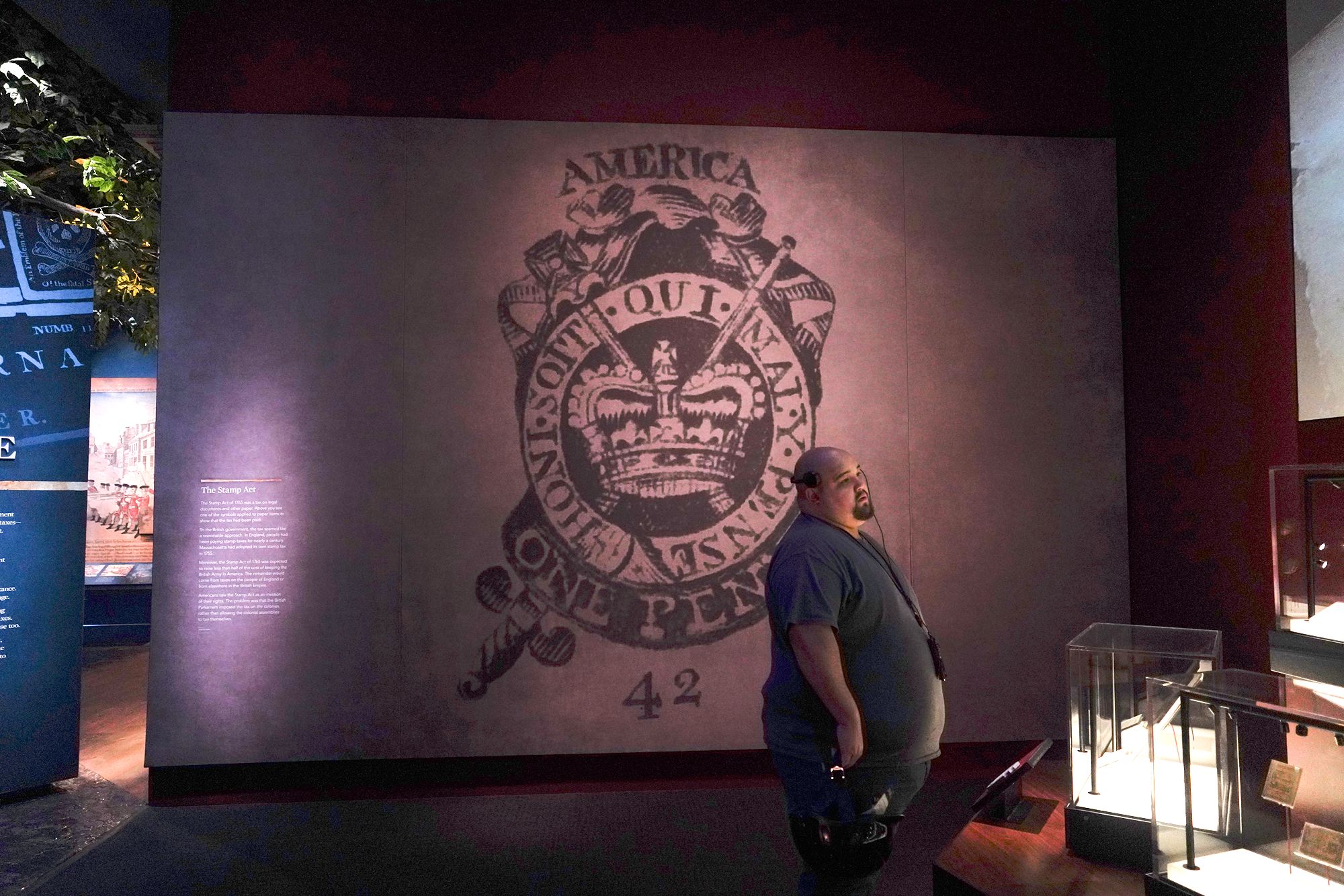
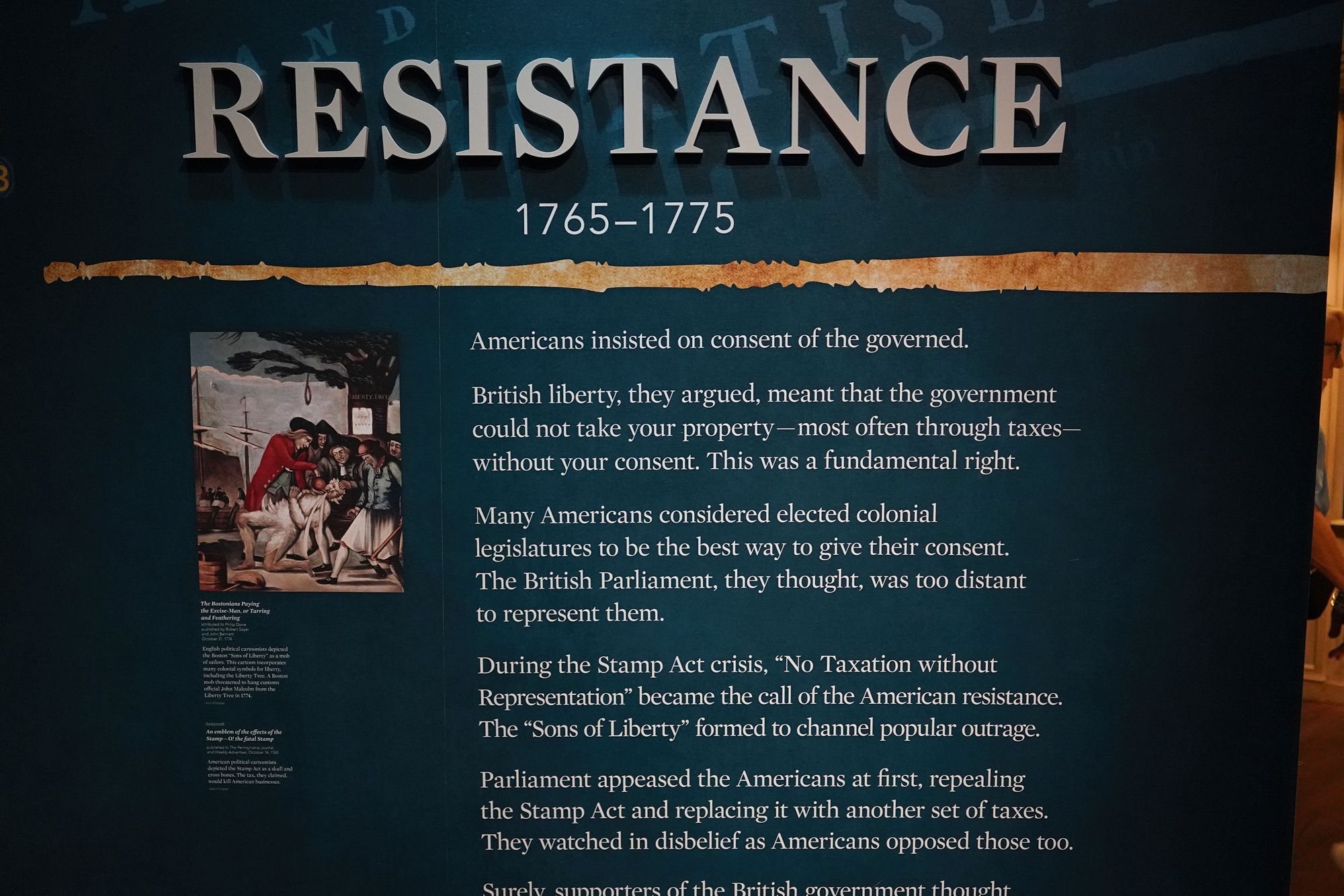
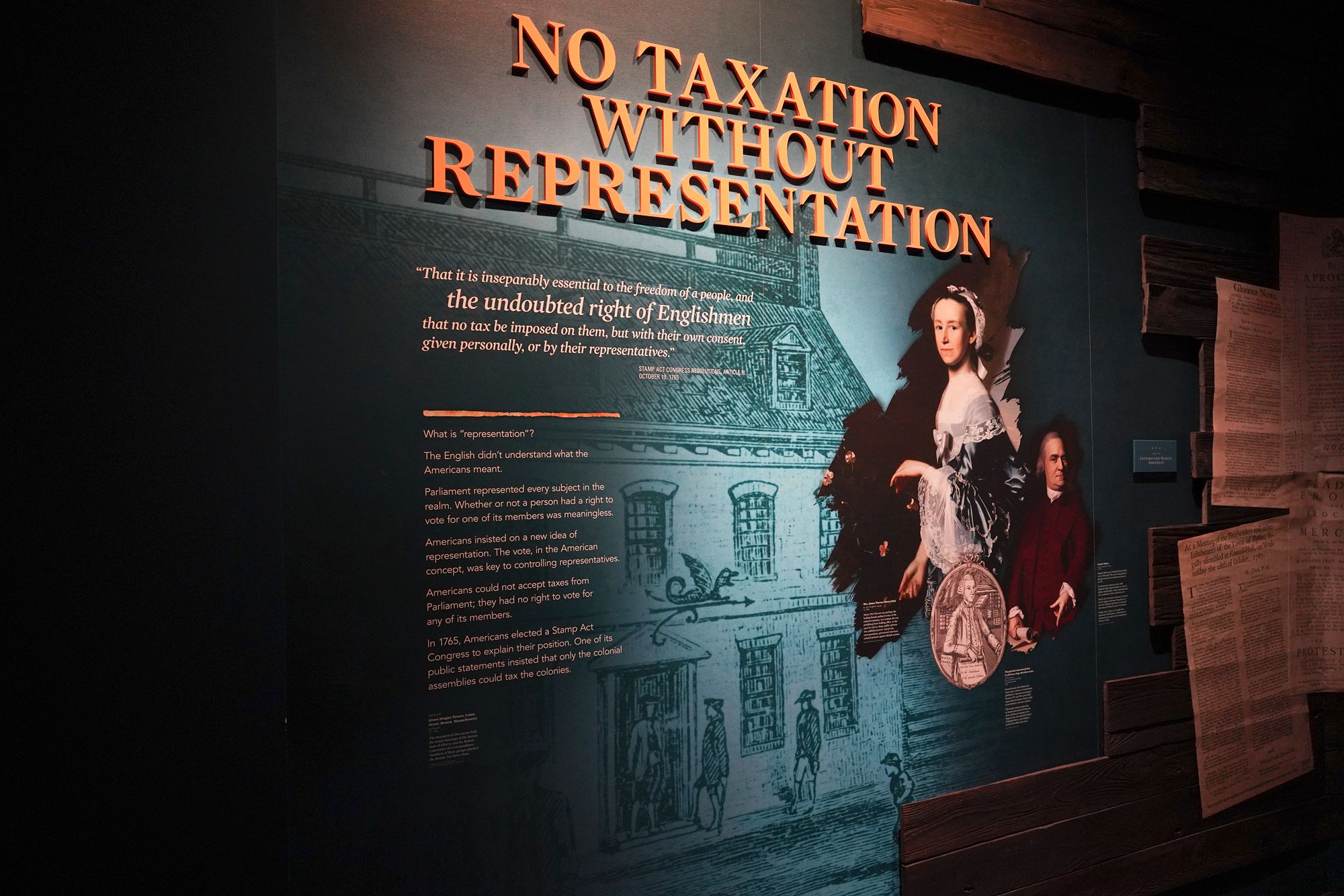
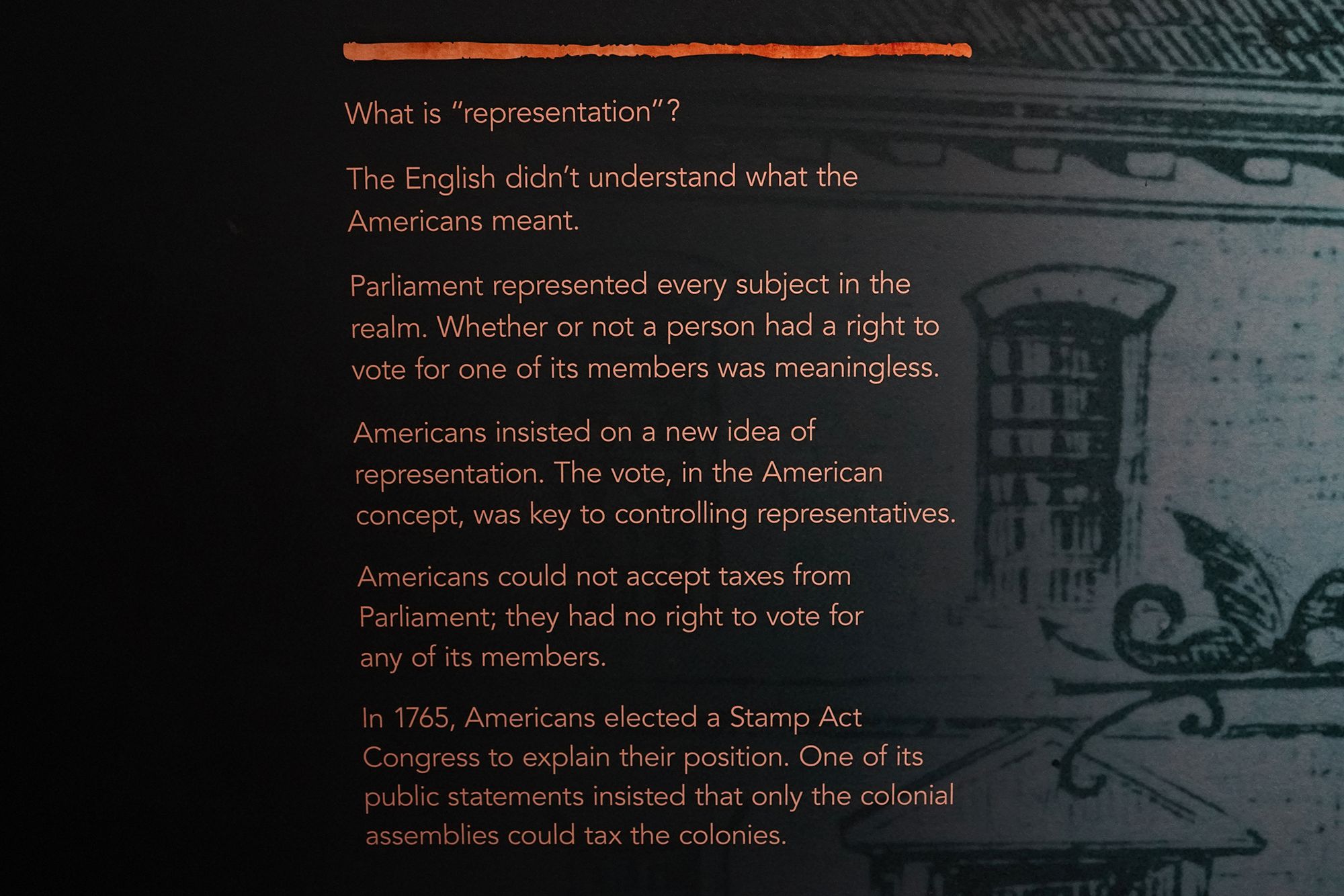
The Stamp Act of 1765 was a British law that required colonists to pay a tax on printed materials, including newspapers, legal documents, playing cards, pamphlets, and licenses. Each item had to carry an official stamp, showing the tax was paid. Britain introduced the tax to help cover the cost of defending its empire after the French and Indian War, but colonists saw it differently—they believed it was taxation without representation, since they had no voice in Parliament.
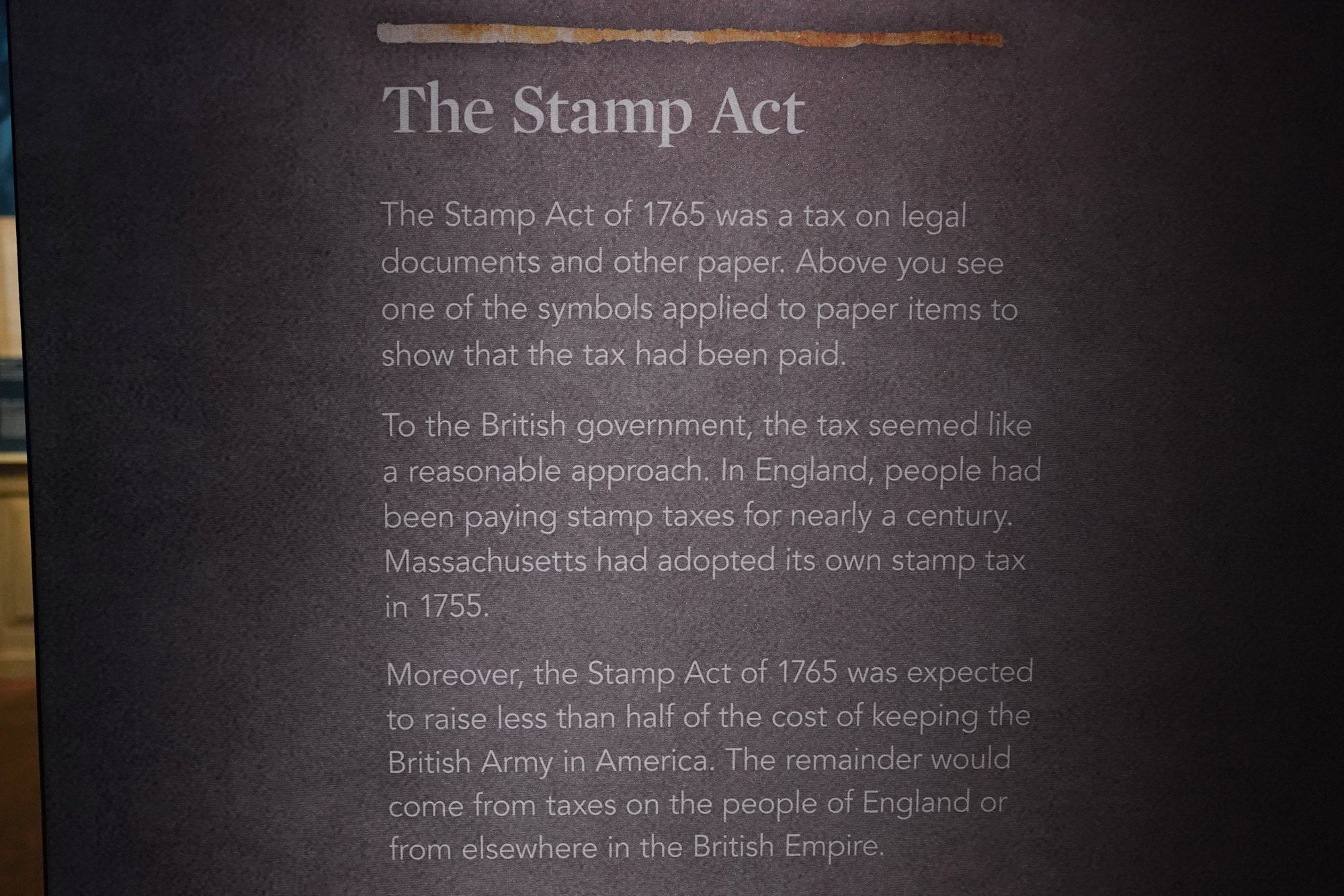
Public anger spread quickly. Merchants boycotted British goods, protests erupted in major cities, and groups like the Sons of Liberty formed to resist. Under heavy pressure, Britain repealed the Stamp Act in 1766, but the conflict revealed a growing divide between Britain and the American colonies. It became a turning point, planting early seeds of unity and resistance that would eventually lead to the American Revolution.
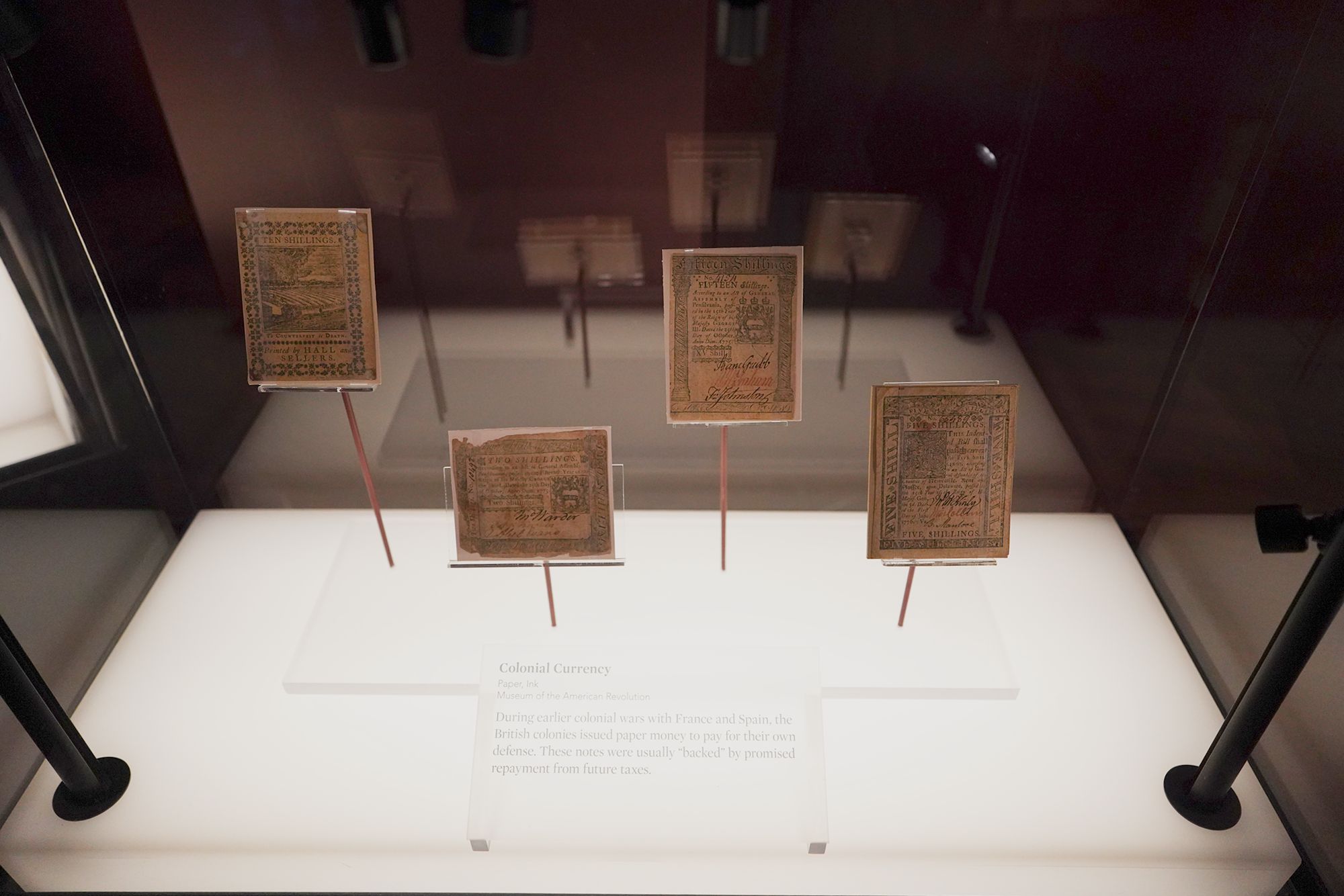
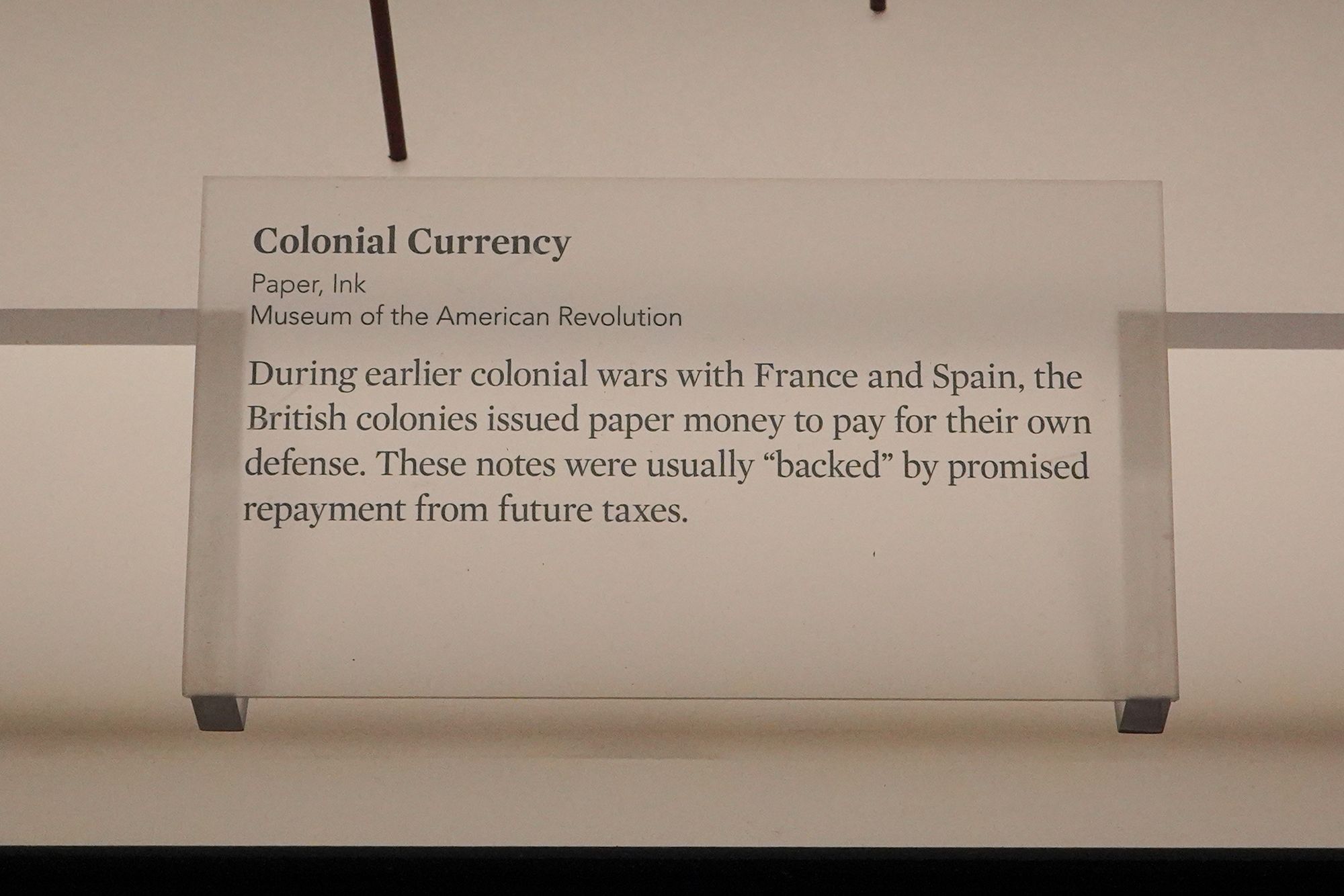
Colonial Currency
Resistance (1765-1775)
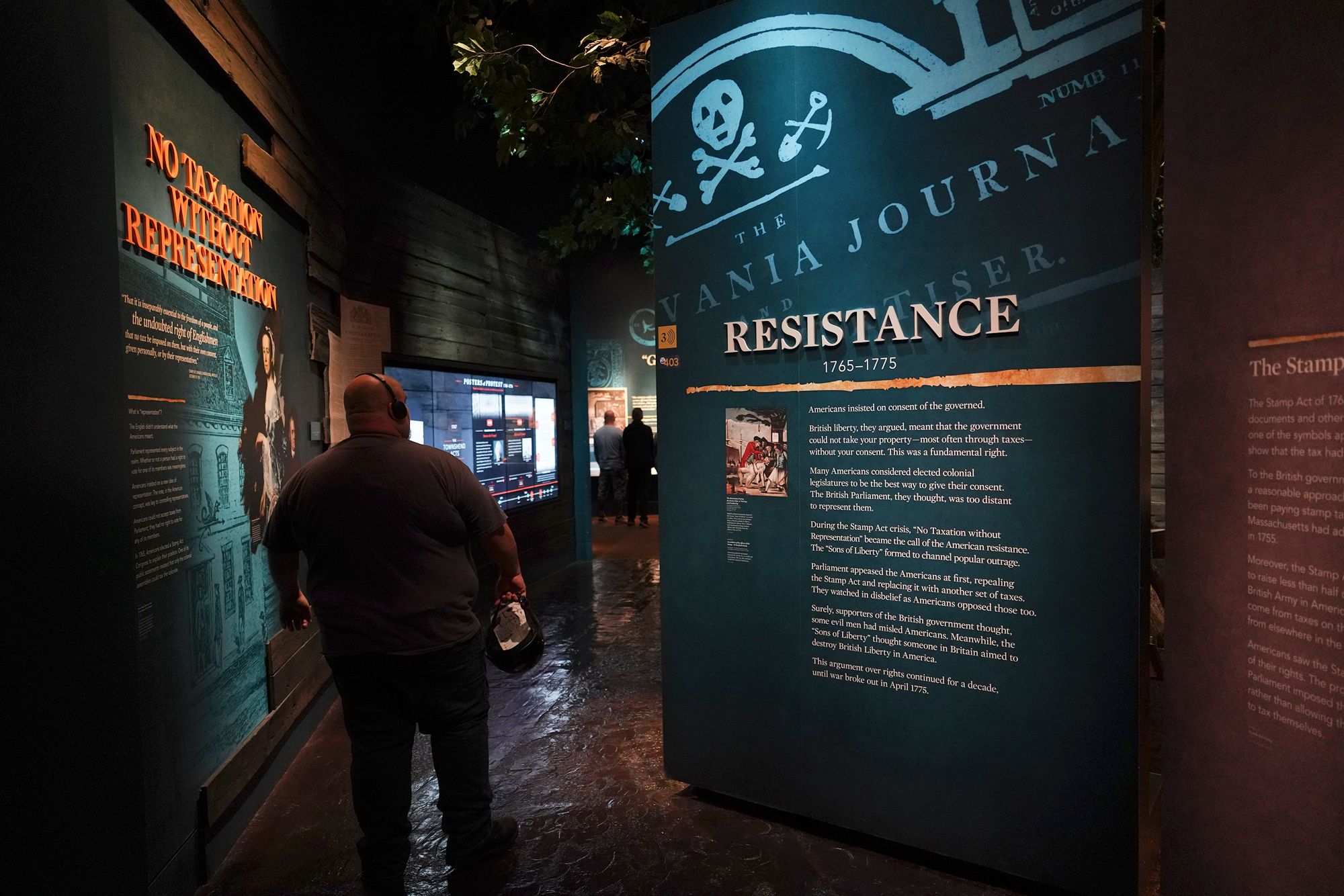
No Taxation without Representation
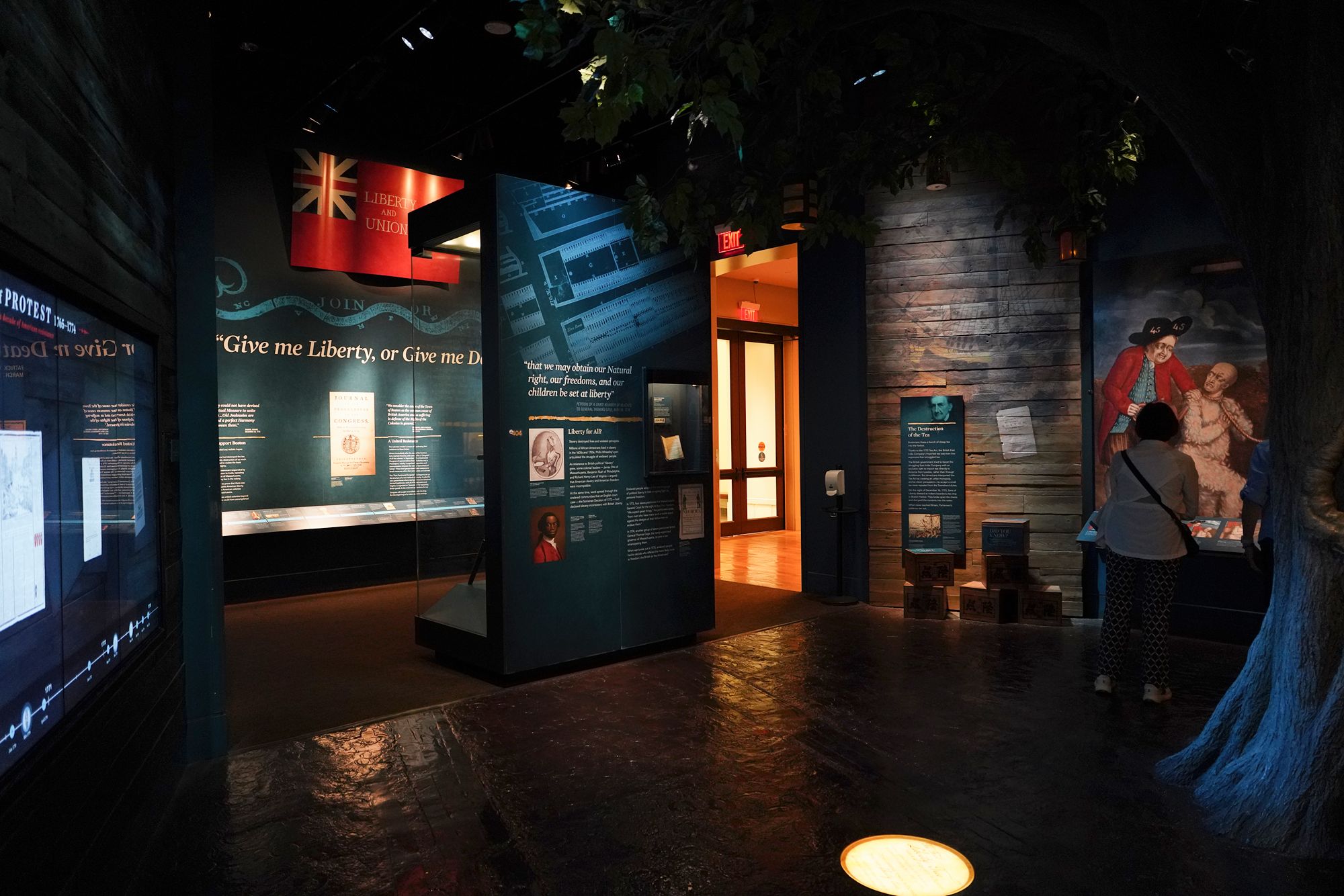
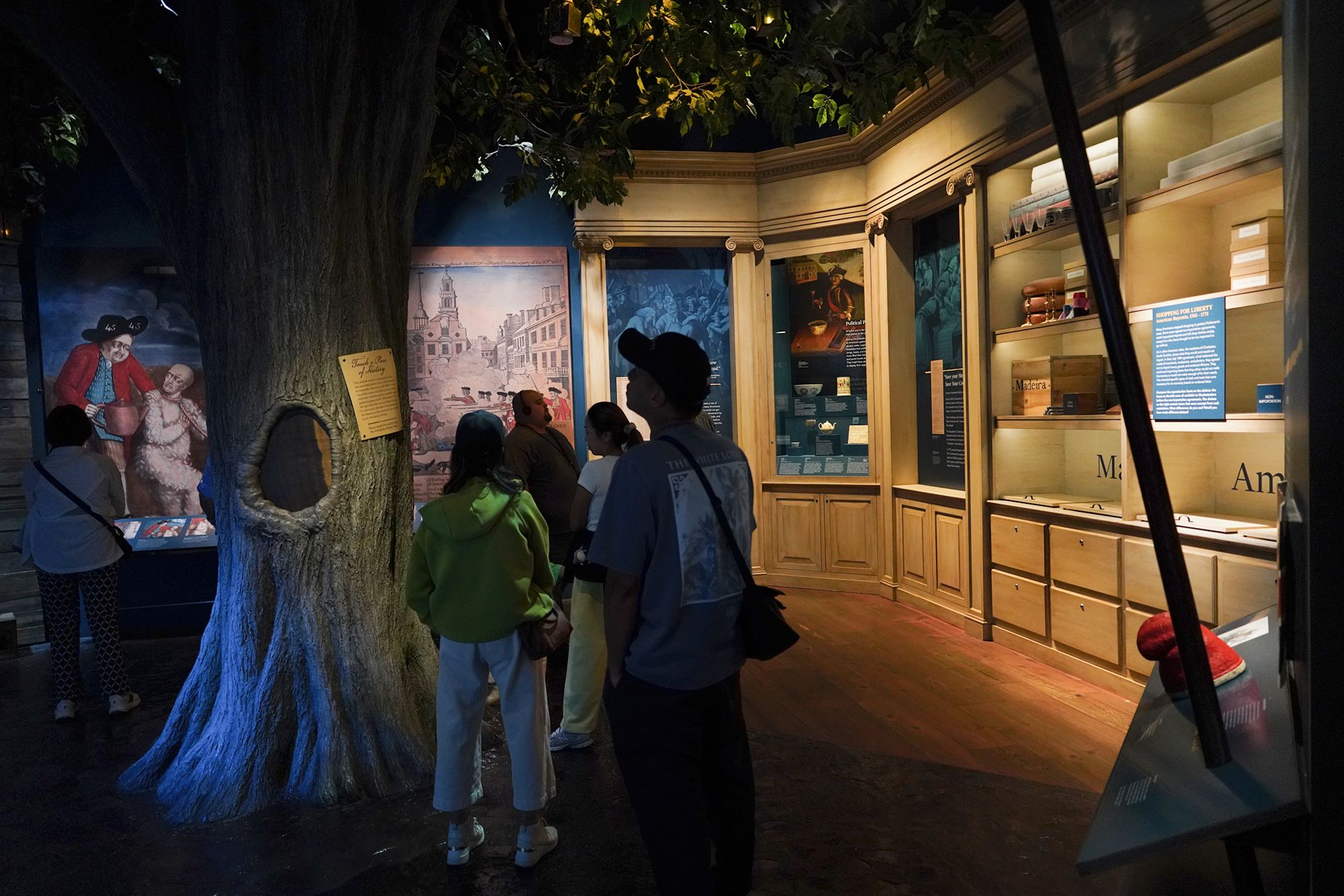
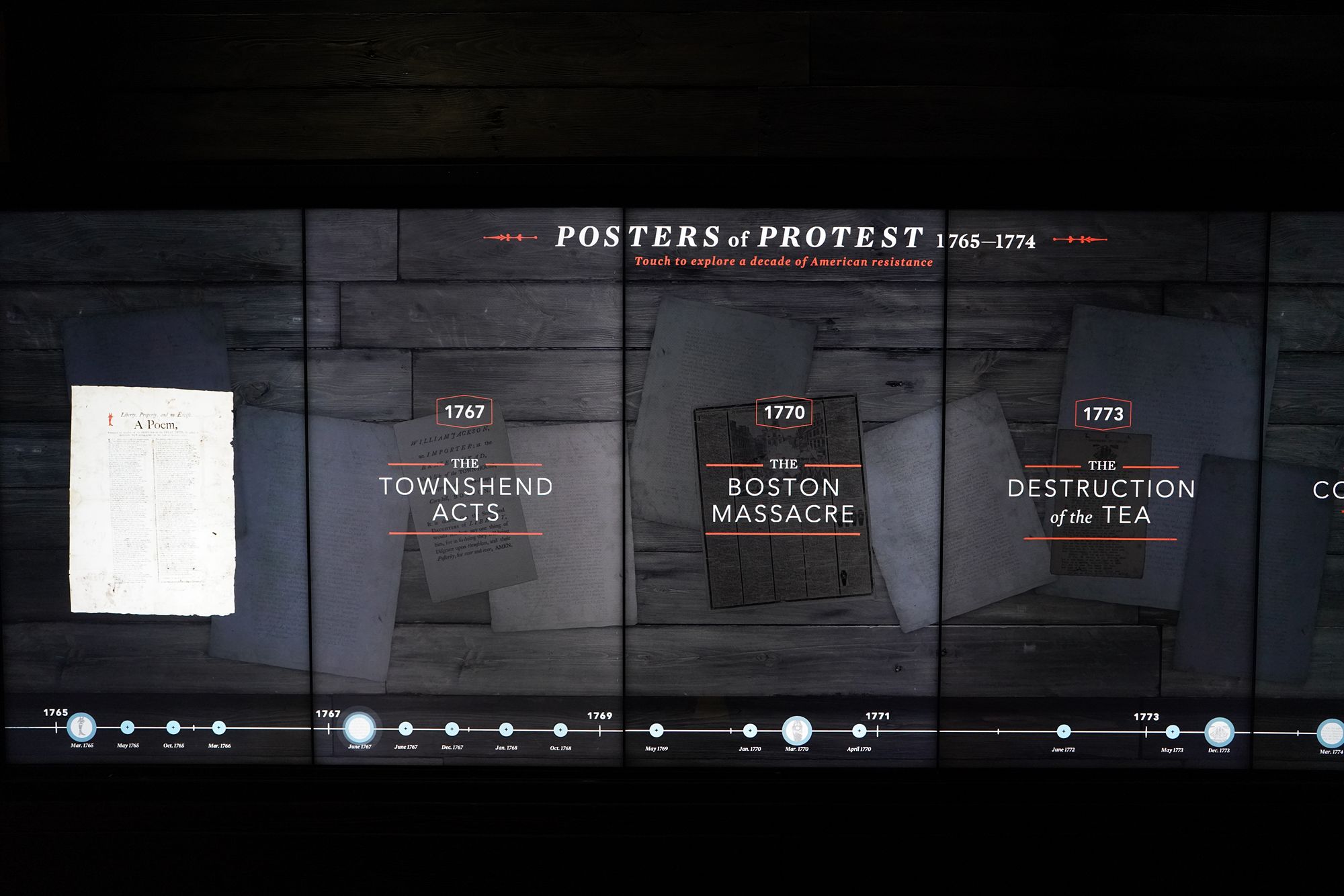
Posters of Protest
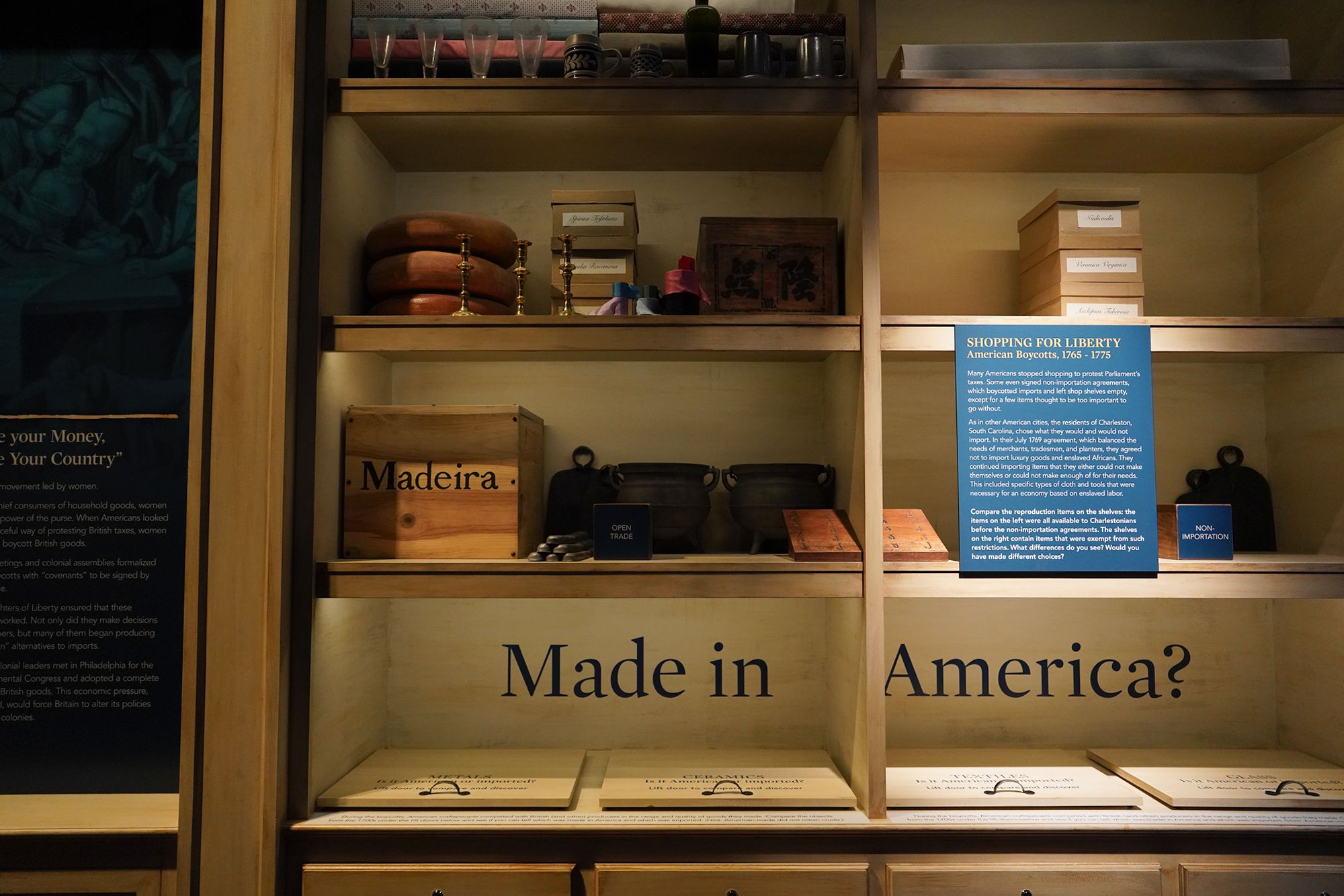
Colonists protested by purchasing American-made products rather than British imports.
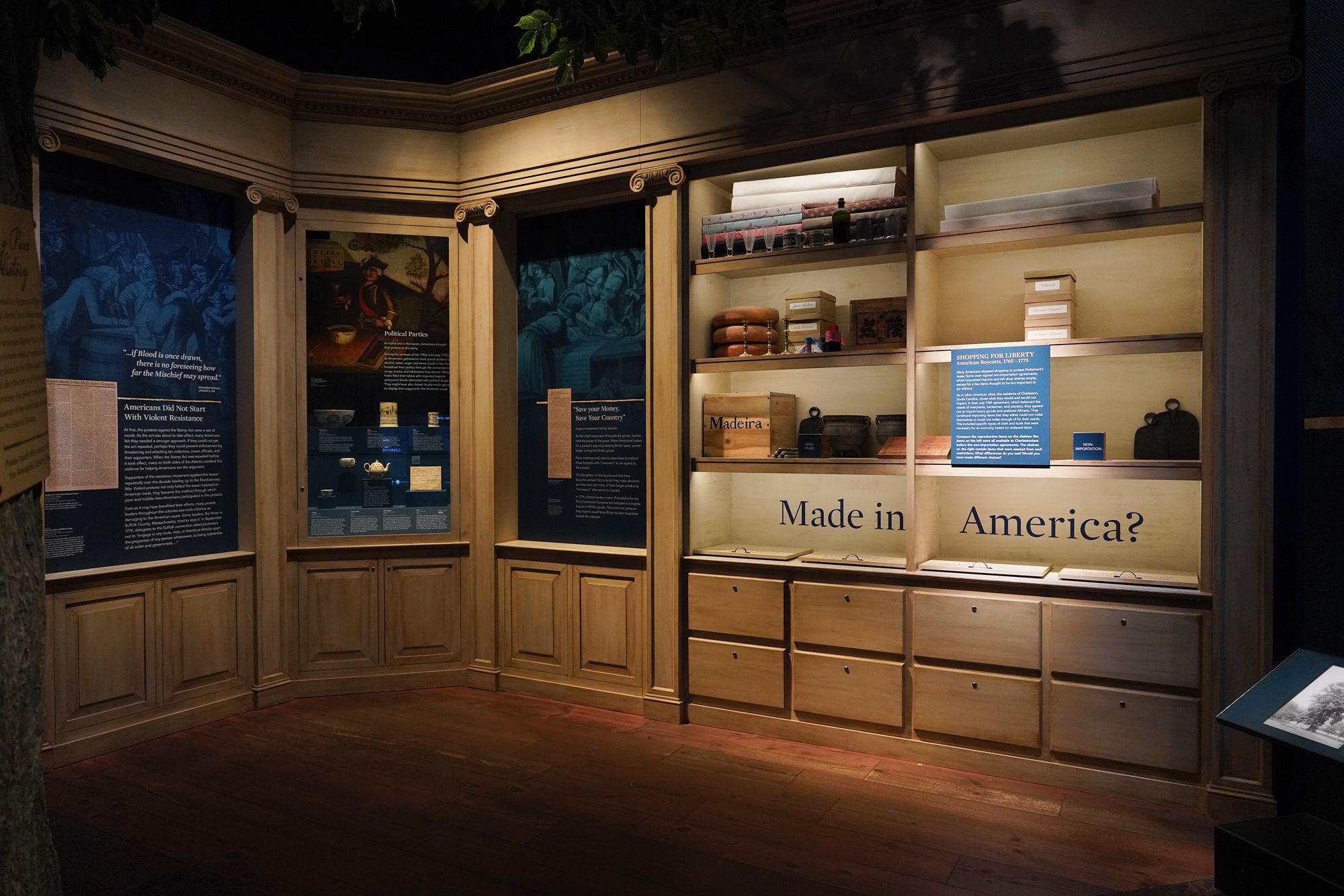
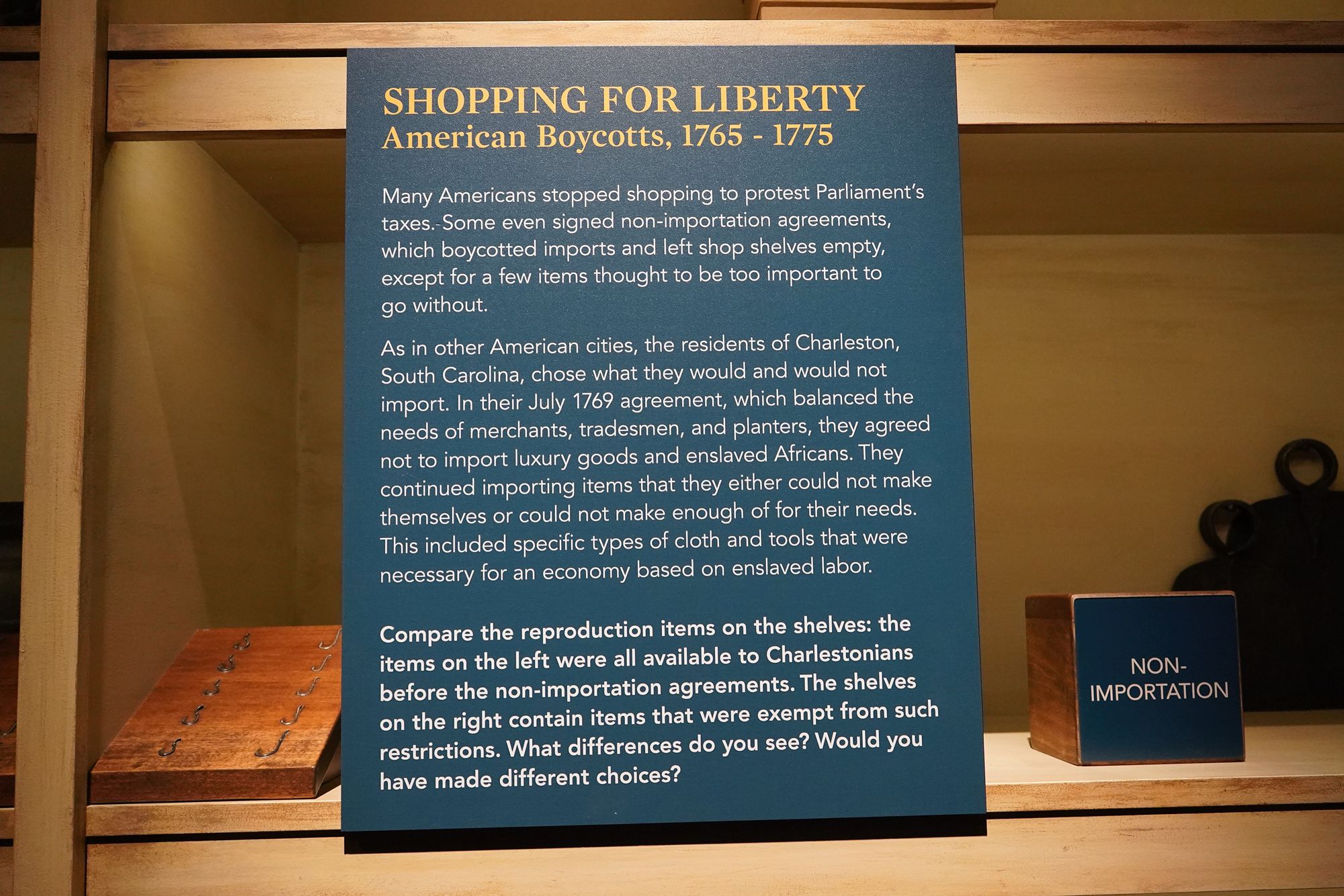
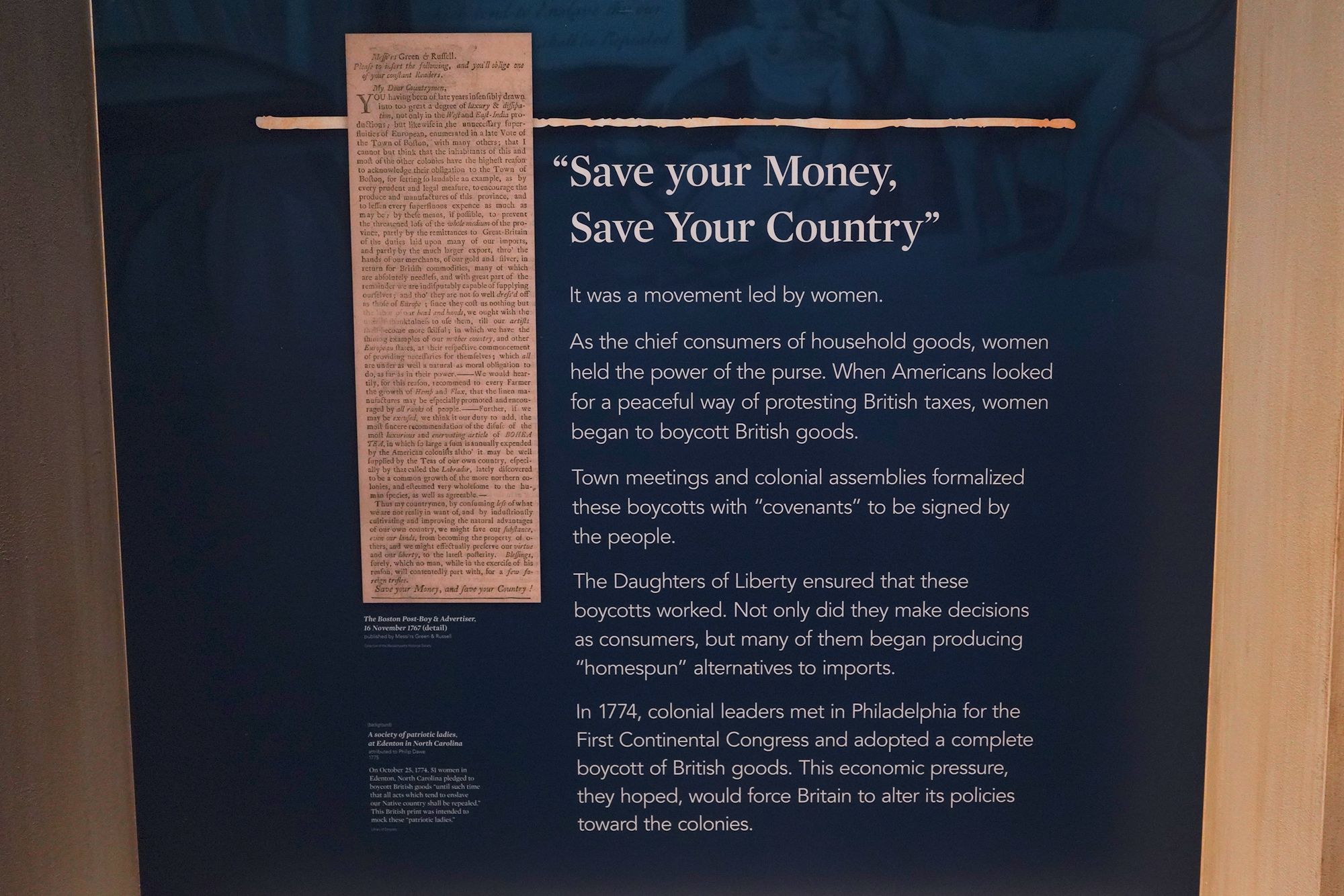
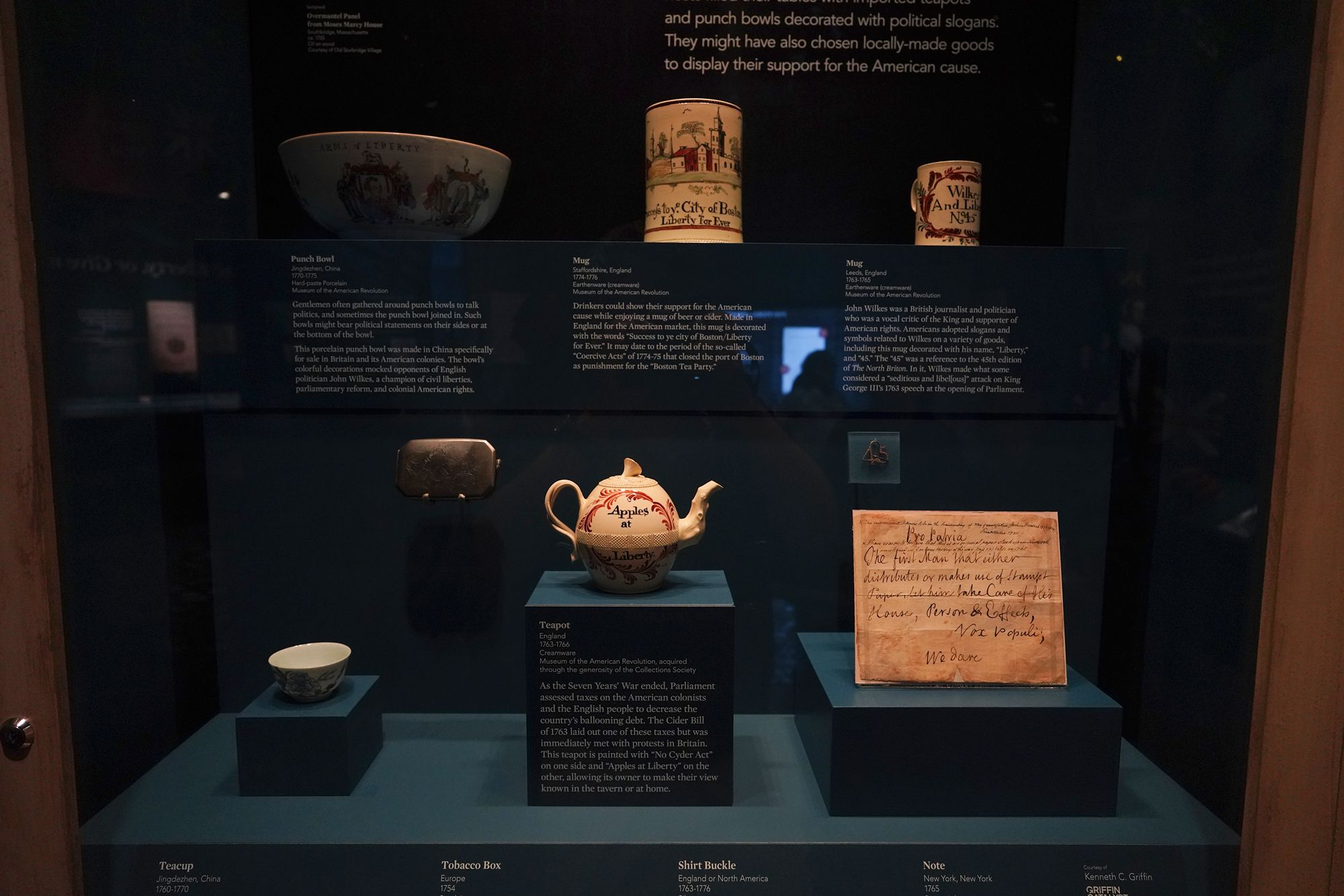
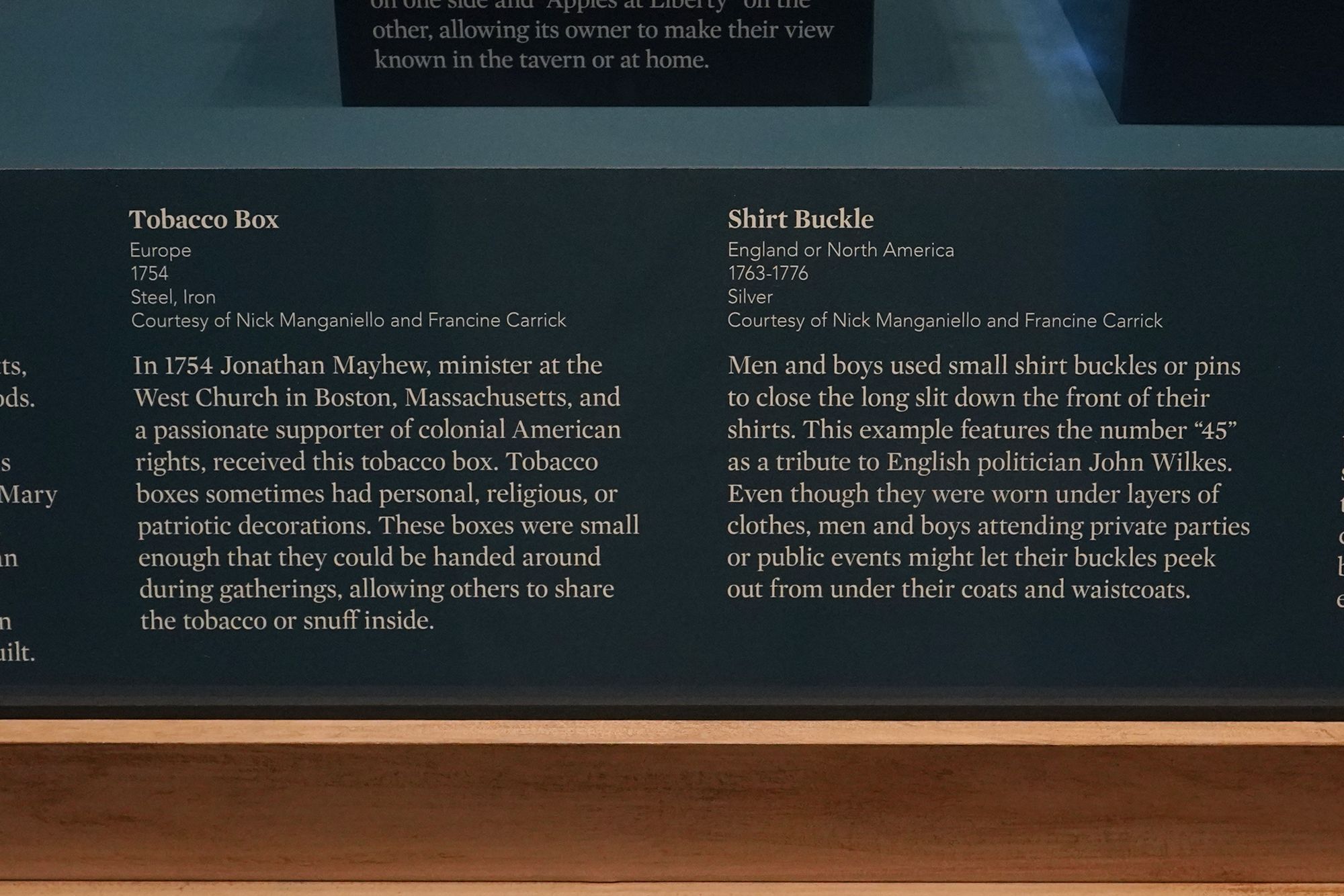
Americans did not start with violent resistance
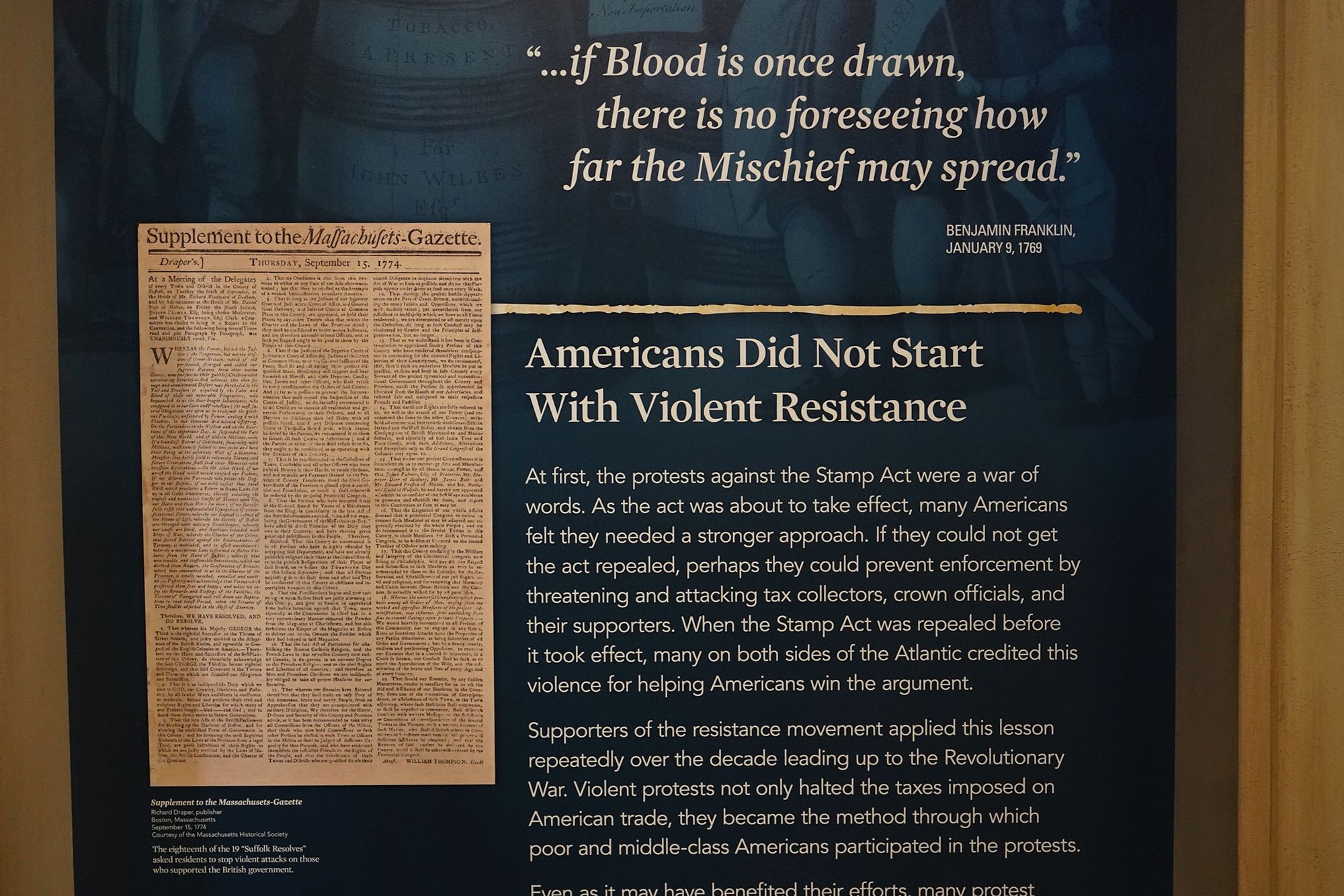
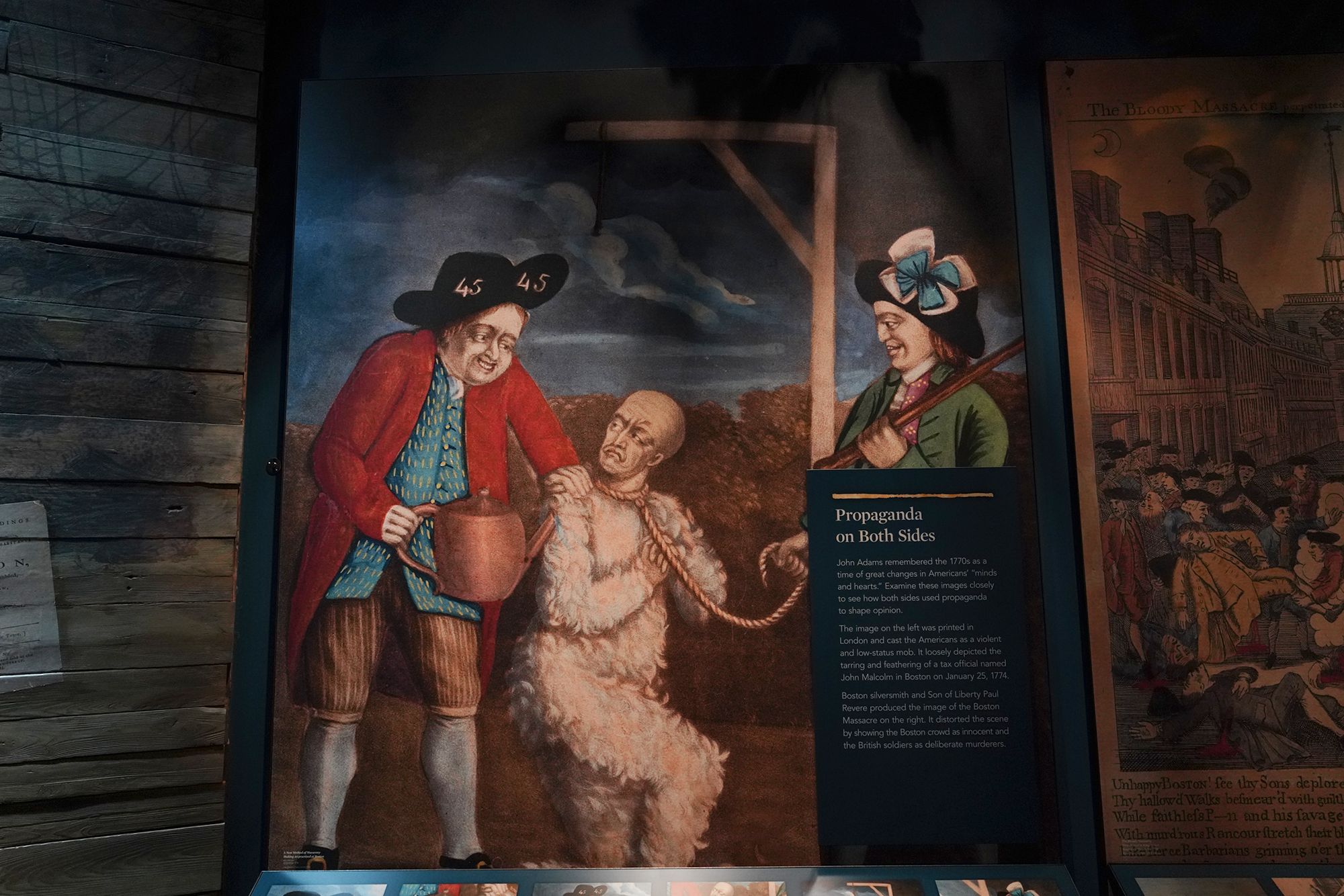
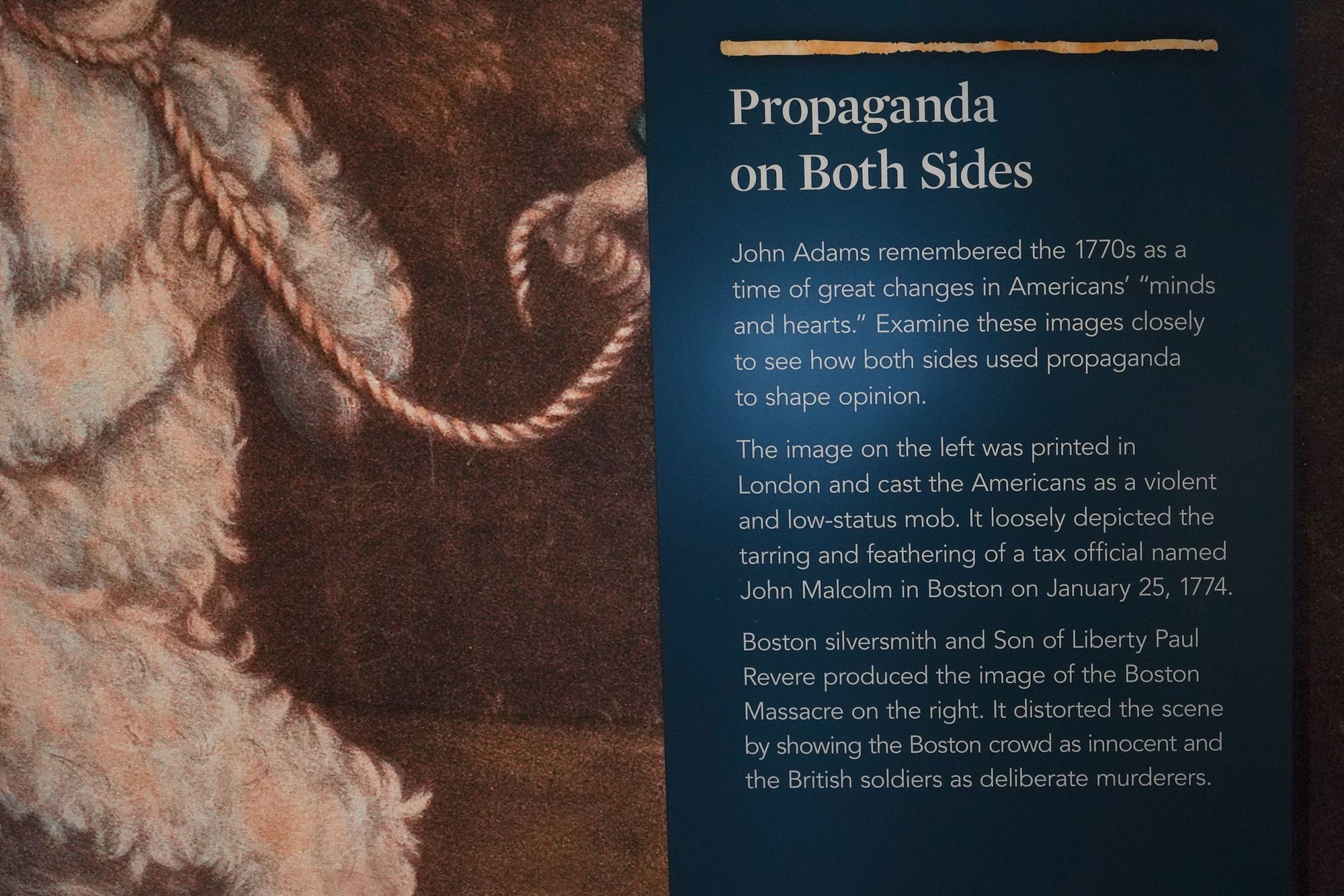
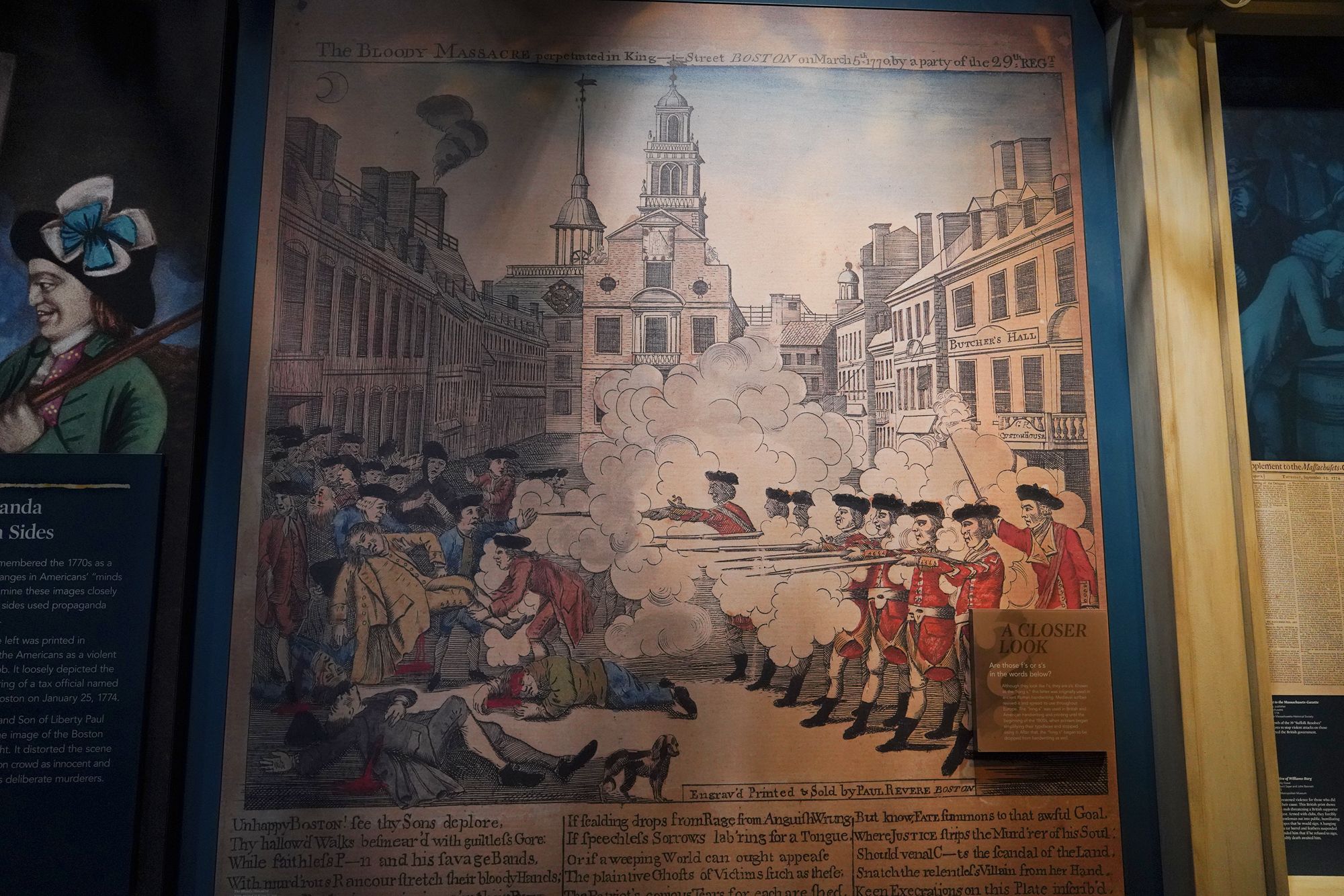
Political propaganda by both Britain and the Colonists
The destruction of the tea – the Boston Tea Party
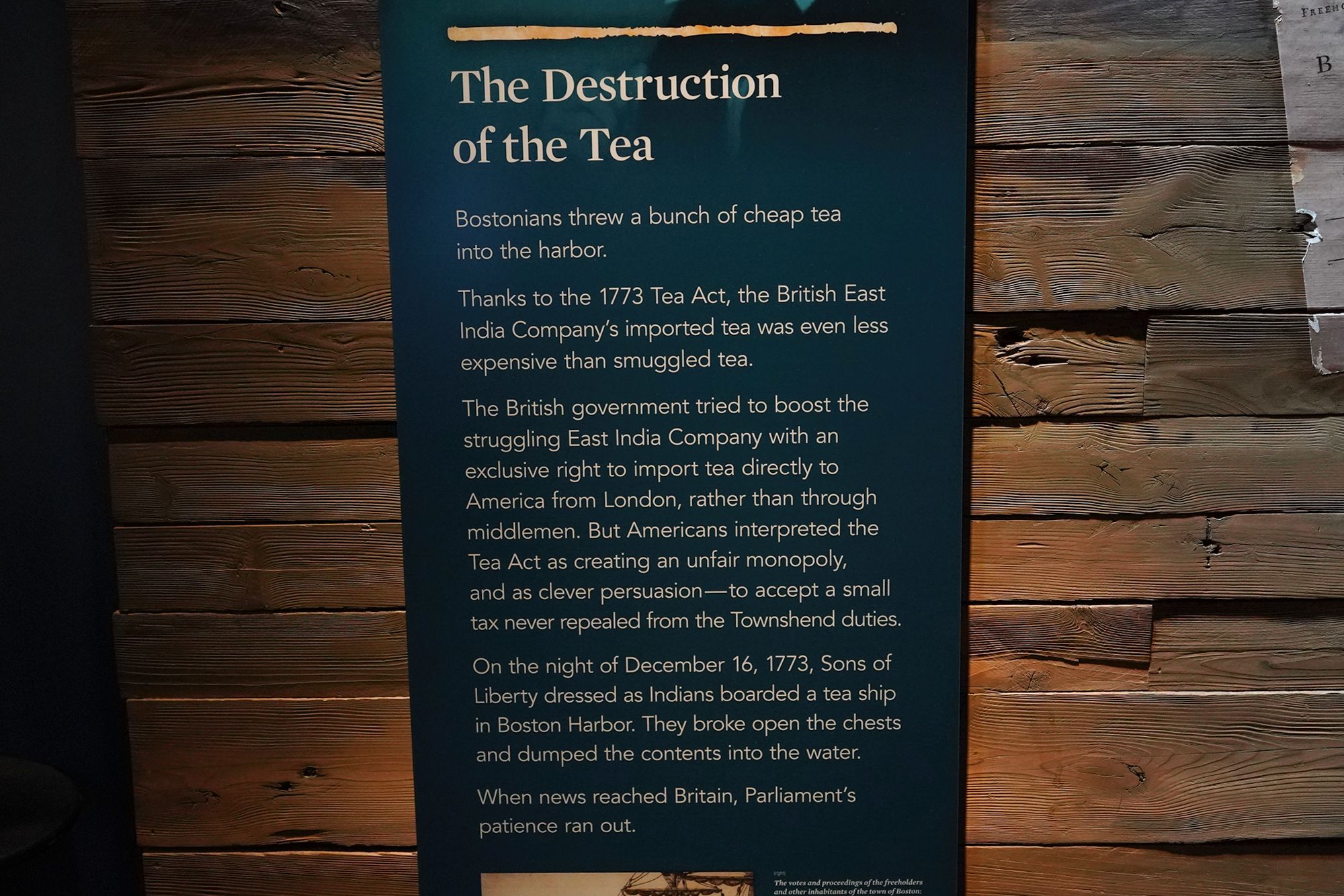
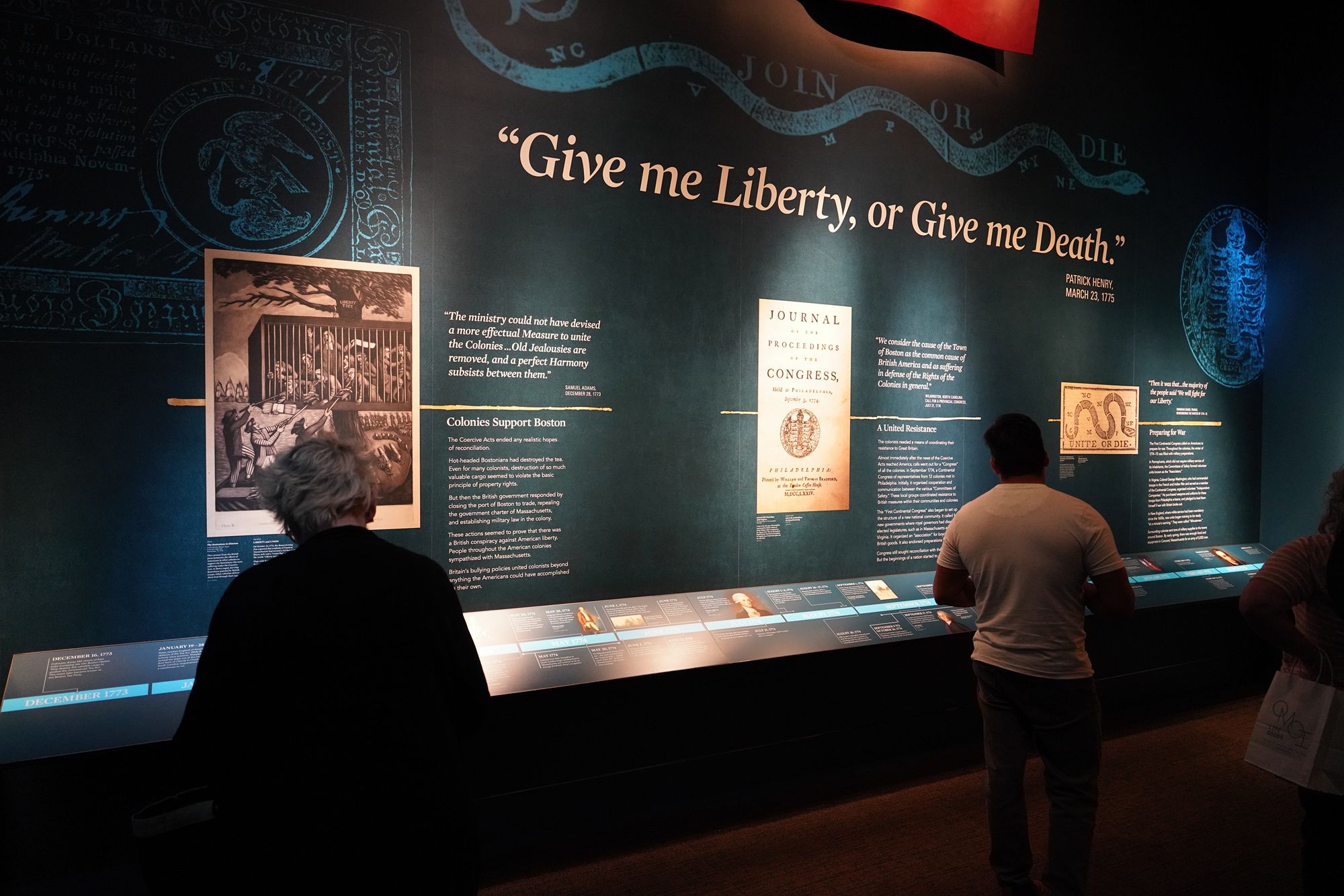
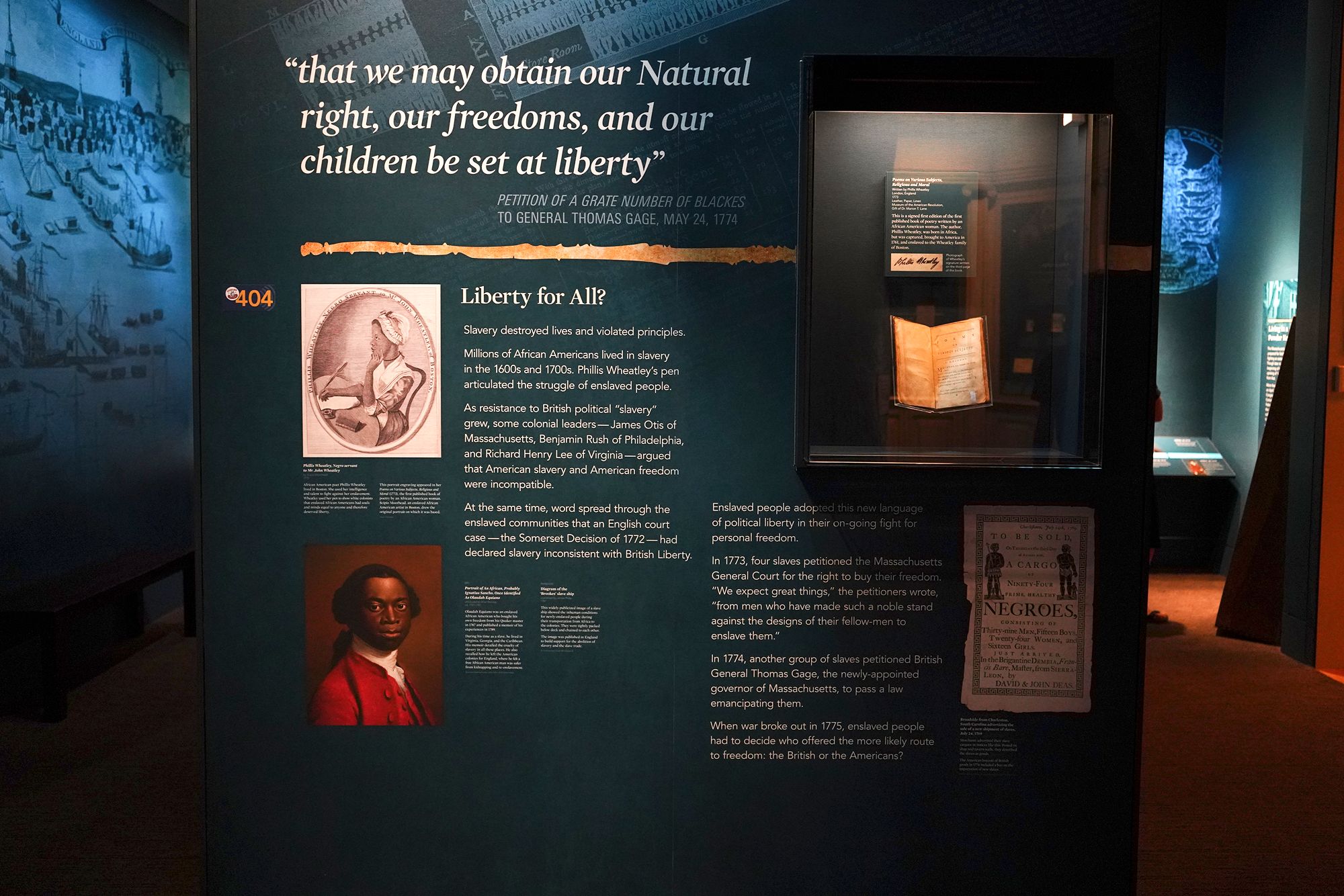
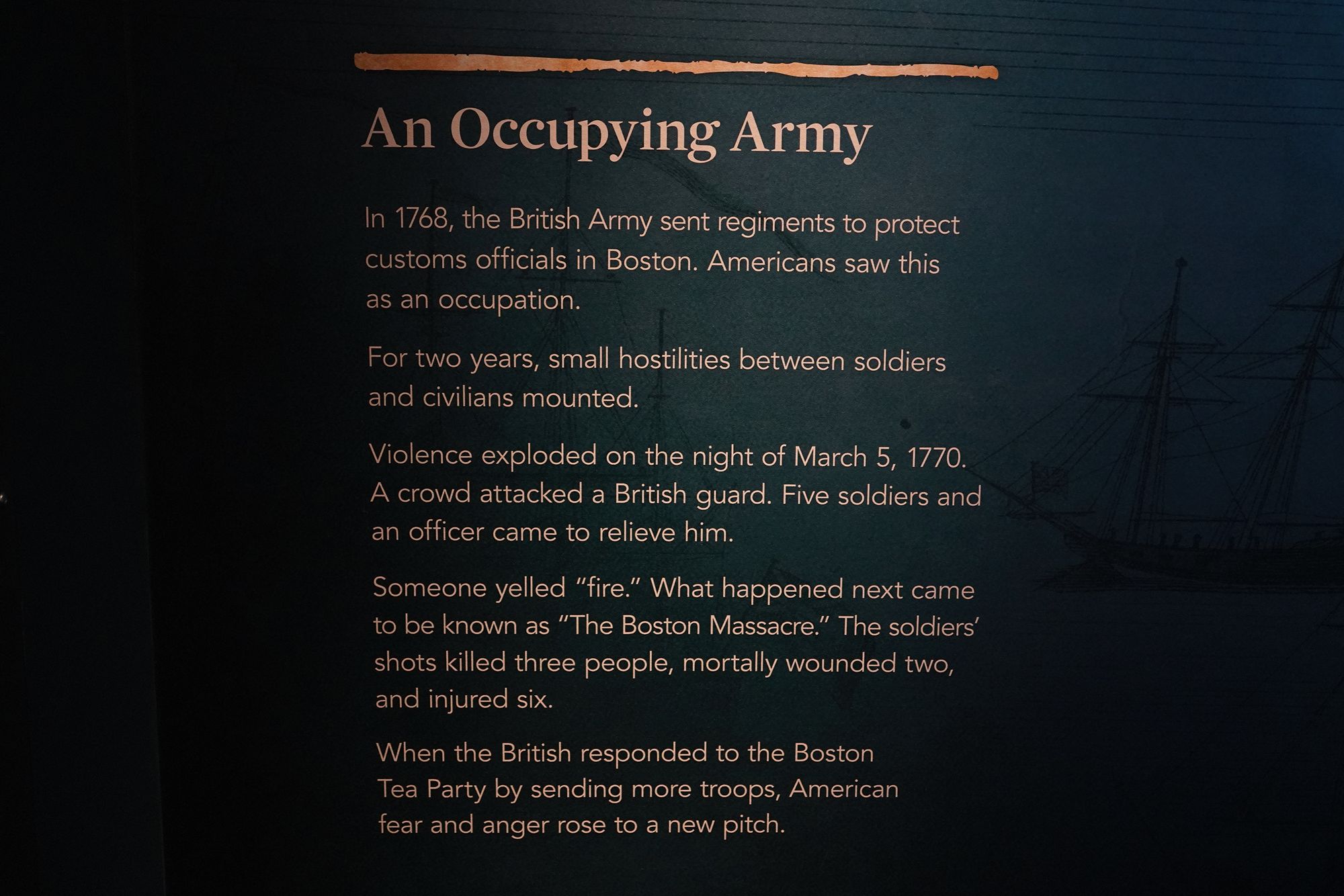
In 1768, the British Army sent regiments to protect customs officials in Boston
Colonies Support Boston
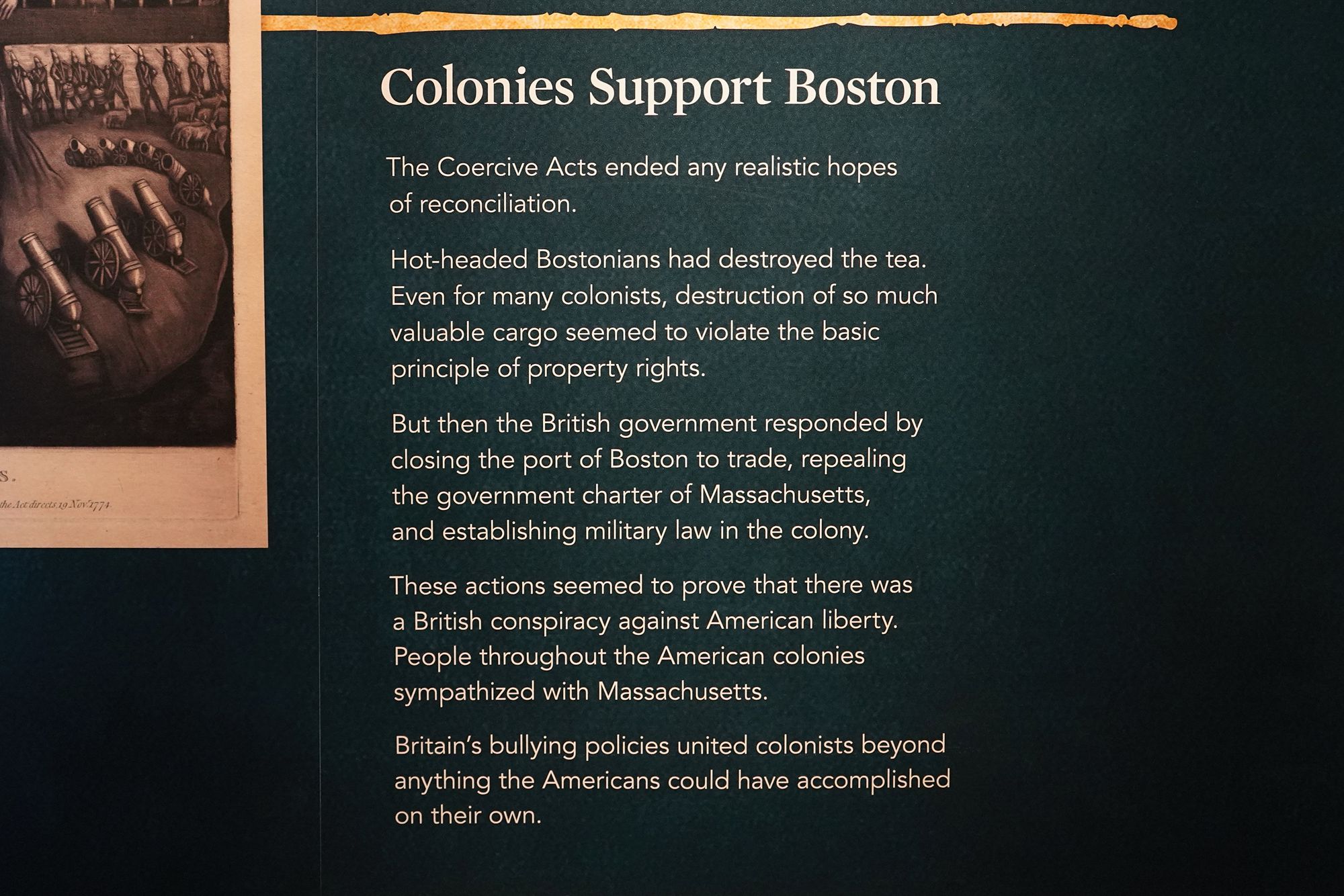
Give me Liberty, or Give me Death
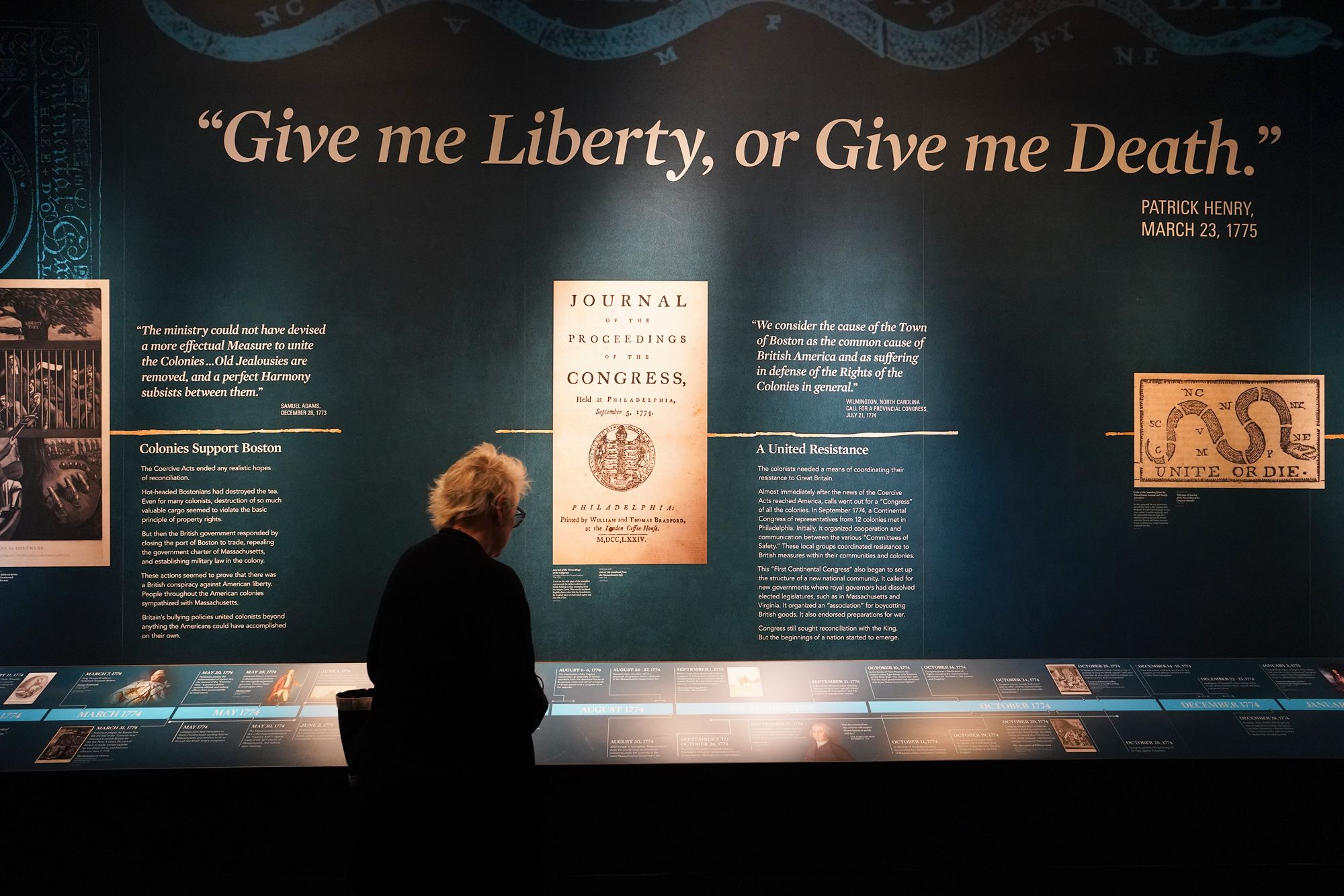
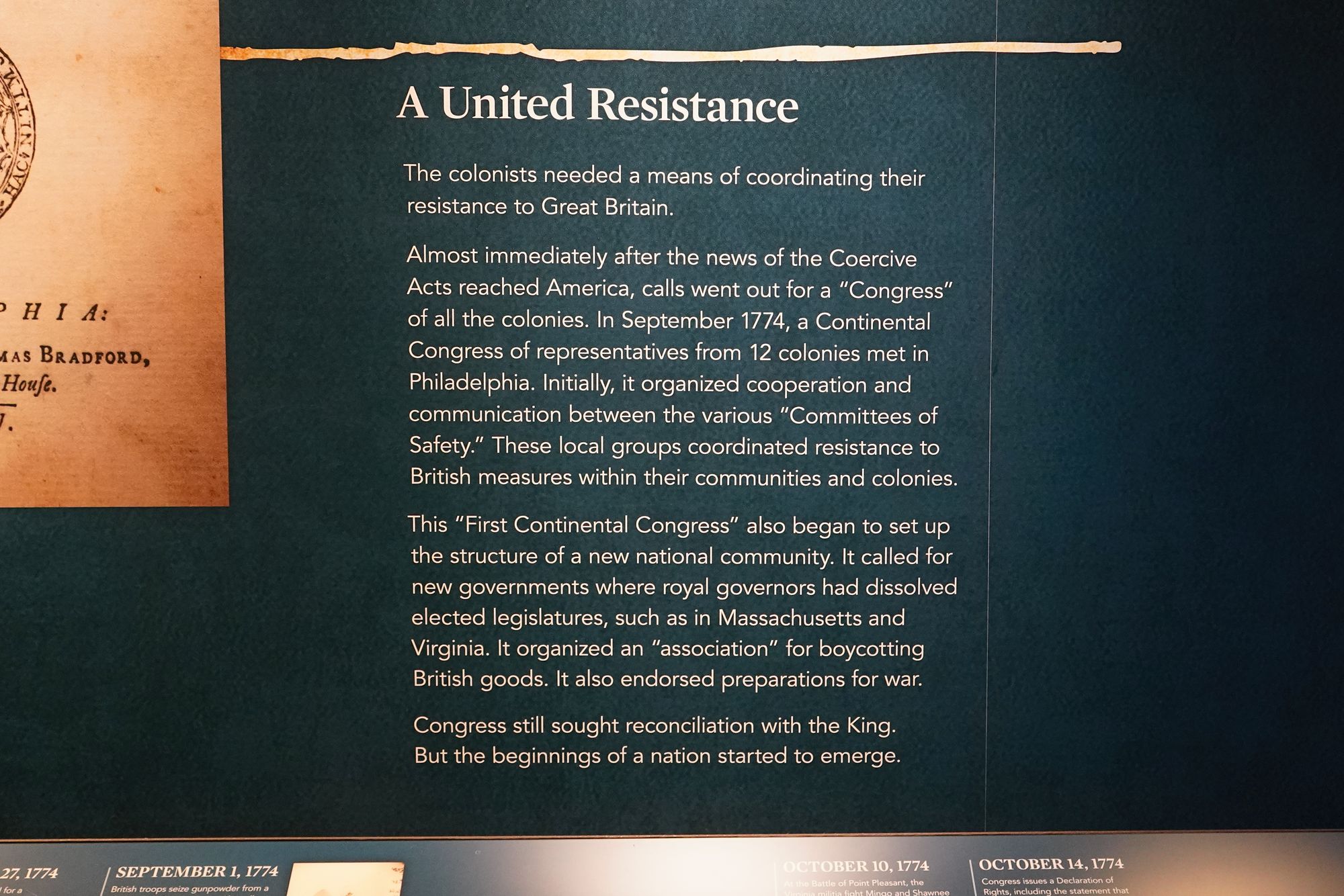
A United Resistance
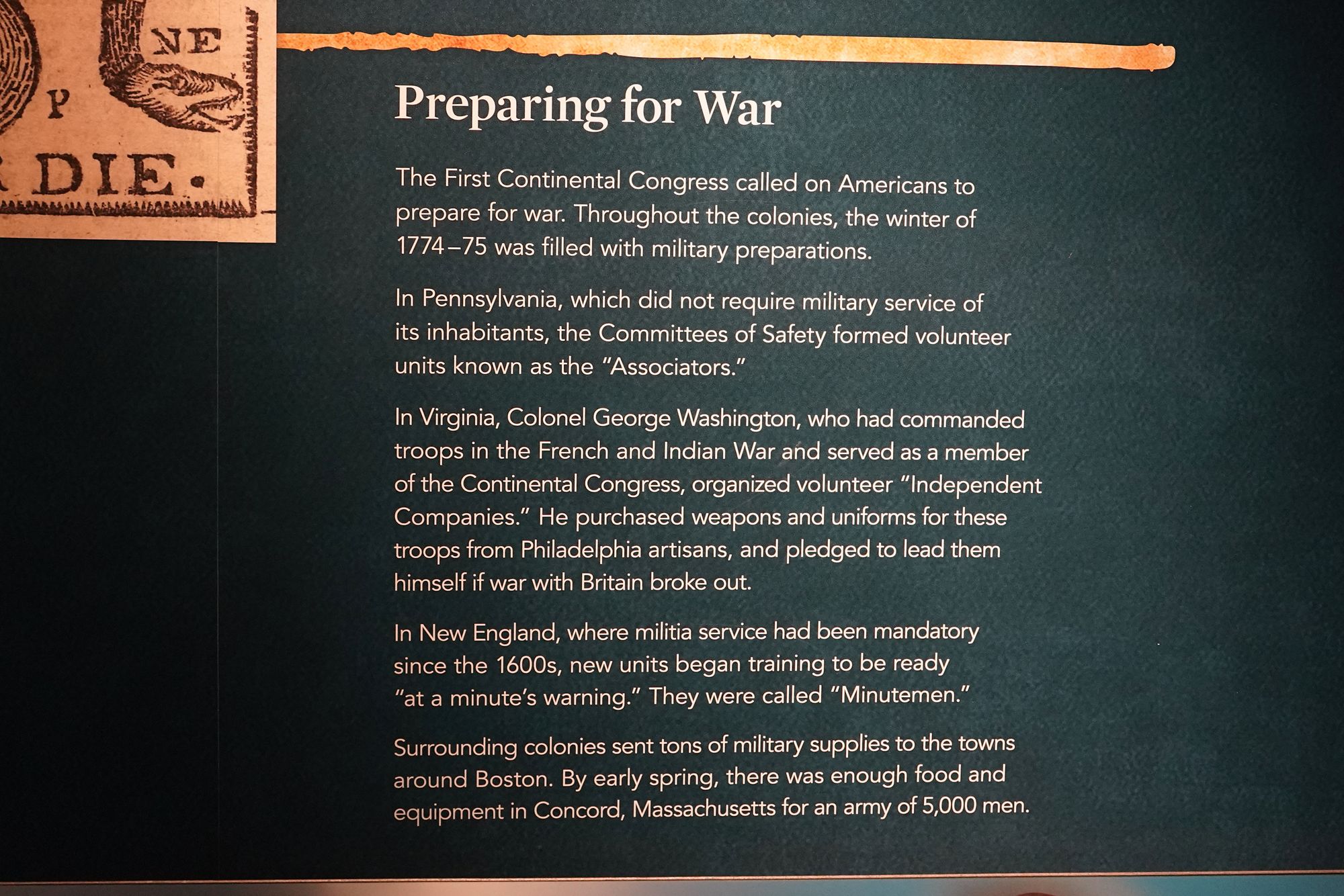
Preparing for War
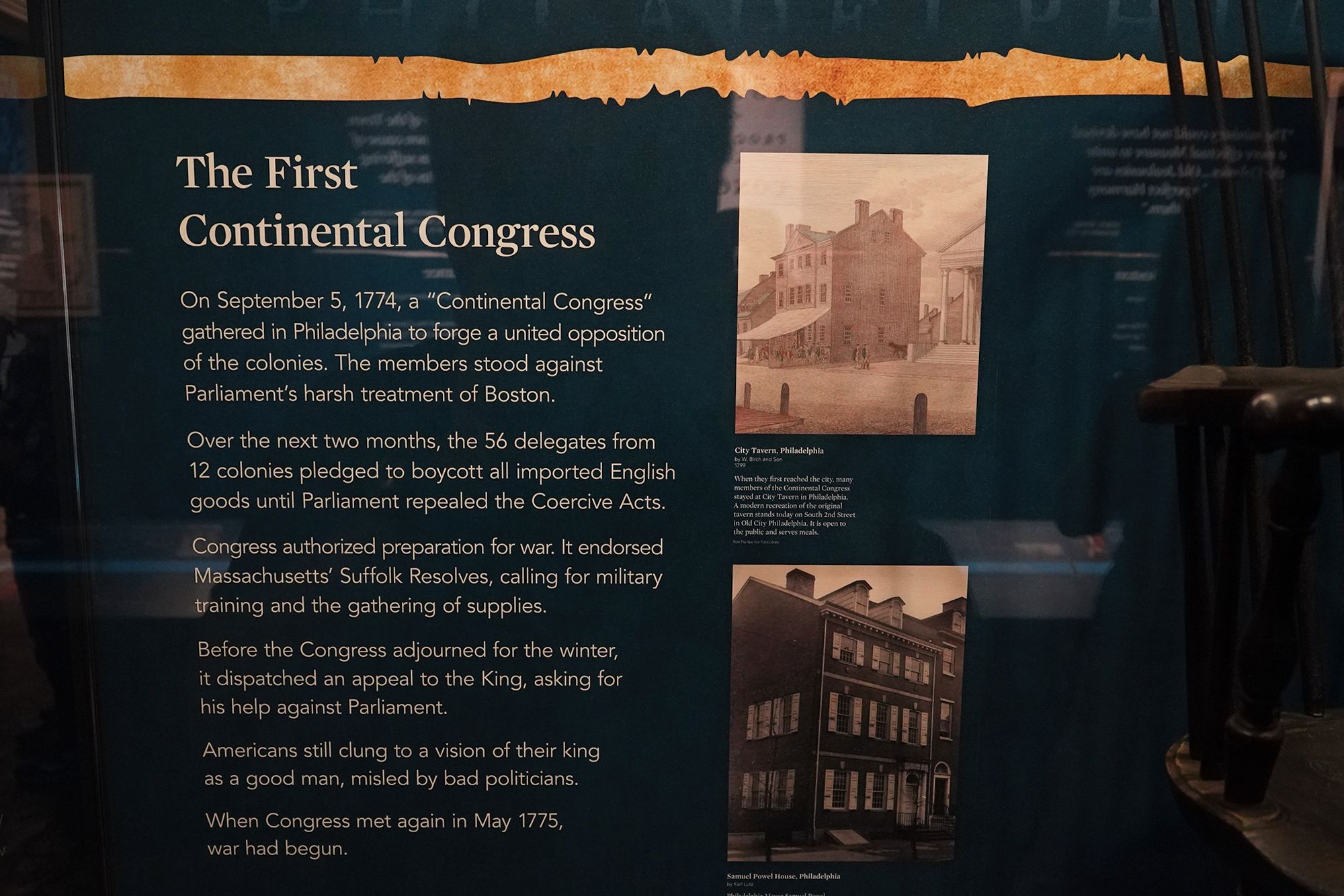
The Speaker’s chair of the First Continental Congress meeting in Philadelphia
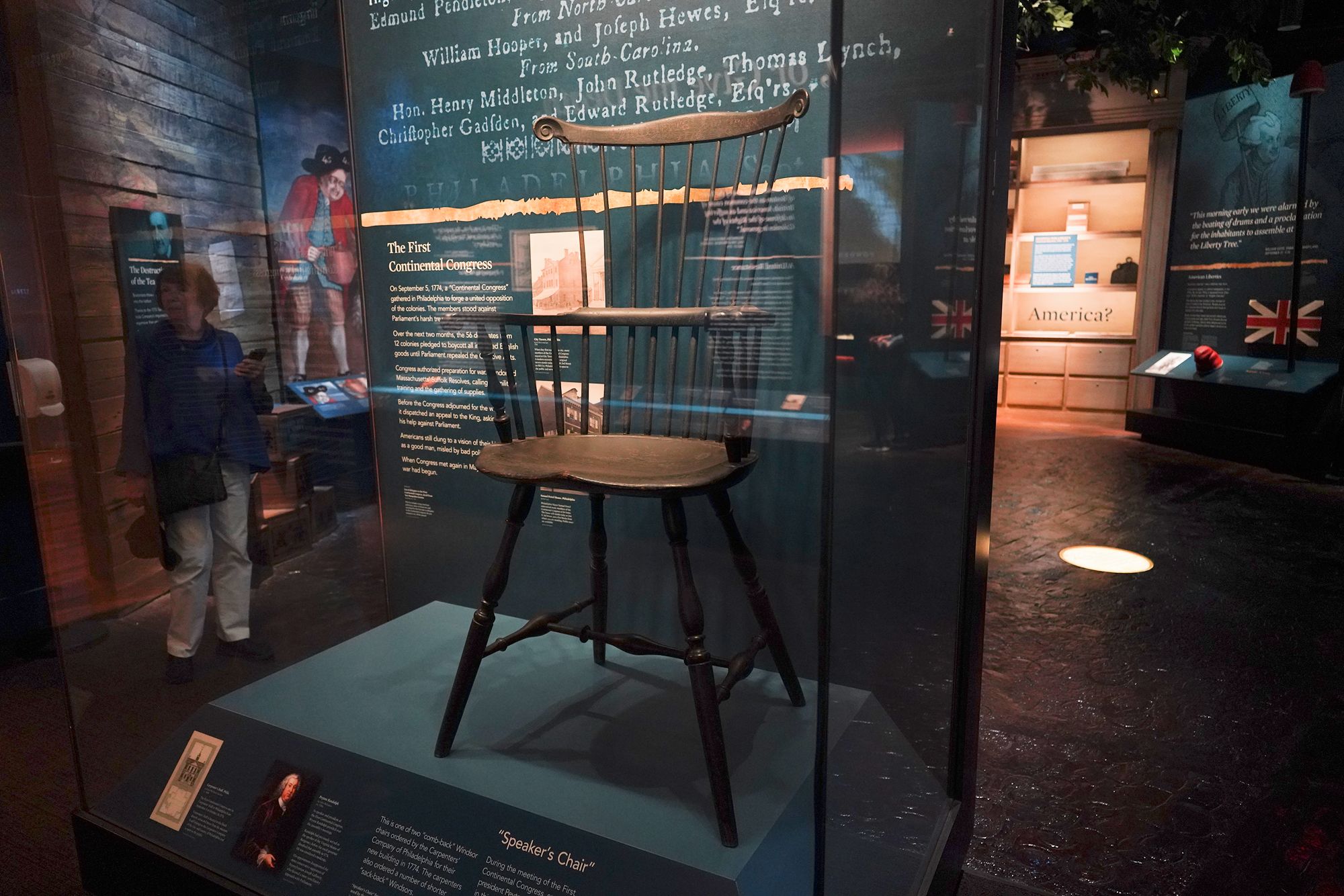
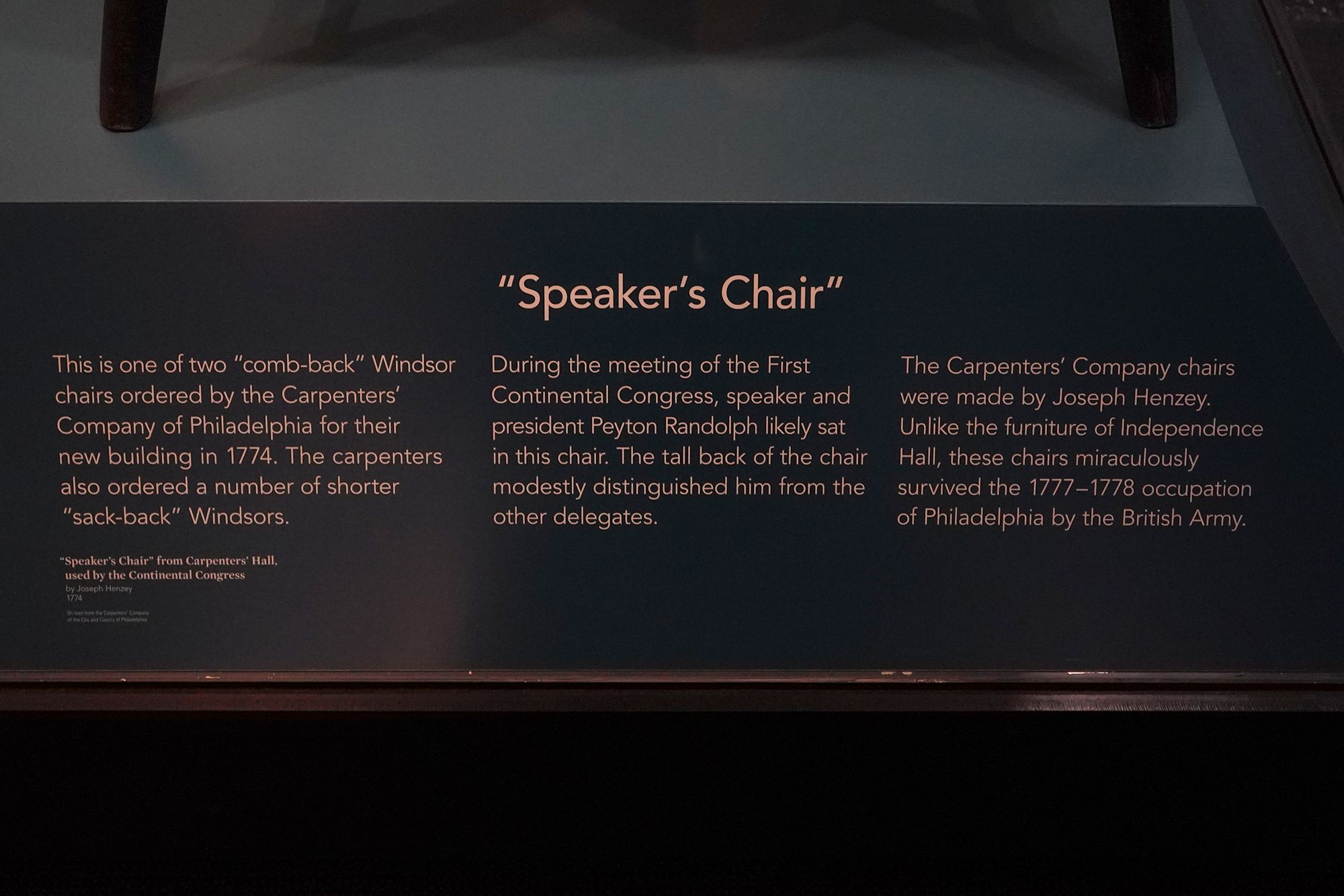
First Continental Congress — 1774
The First Continental Congress met in Philadelphia in September 1774 after Britain passed the Intolerable Acts. Delegates from twelve colonies (all except Georgia) gathered to coordinate a united response to British policies. They debated how to protect colonial rights, choosing to petition King George III while also preparing for resistance if demands were ignored.
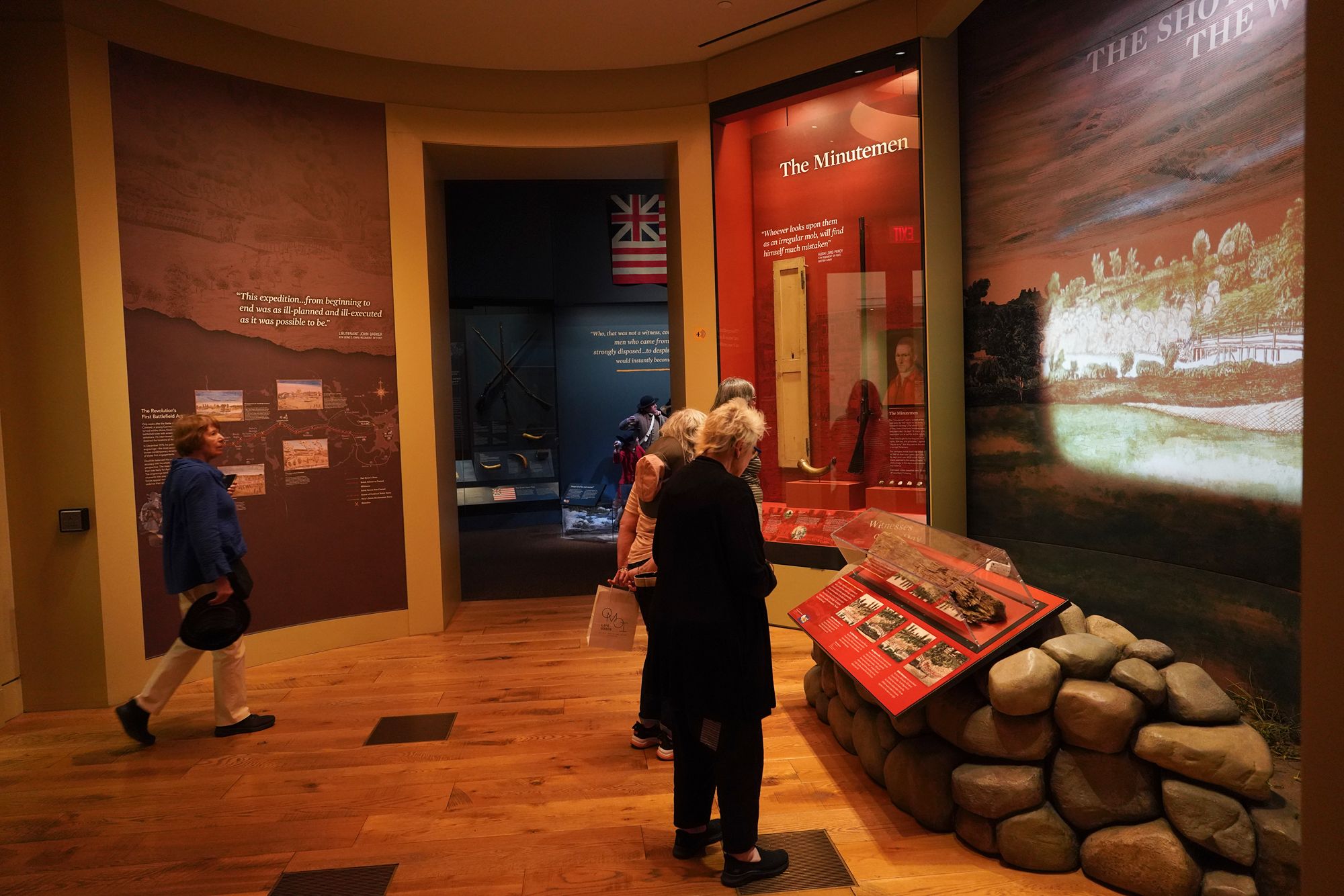
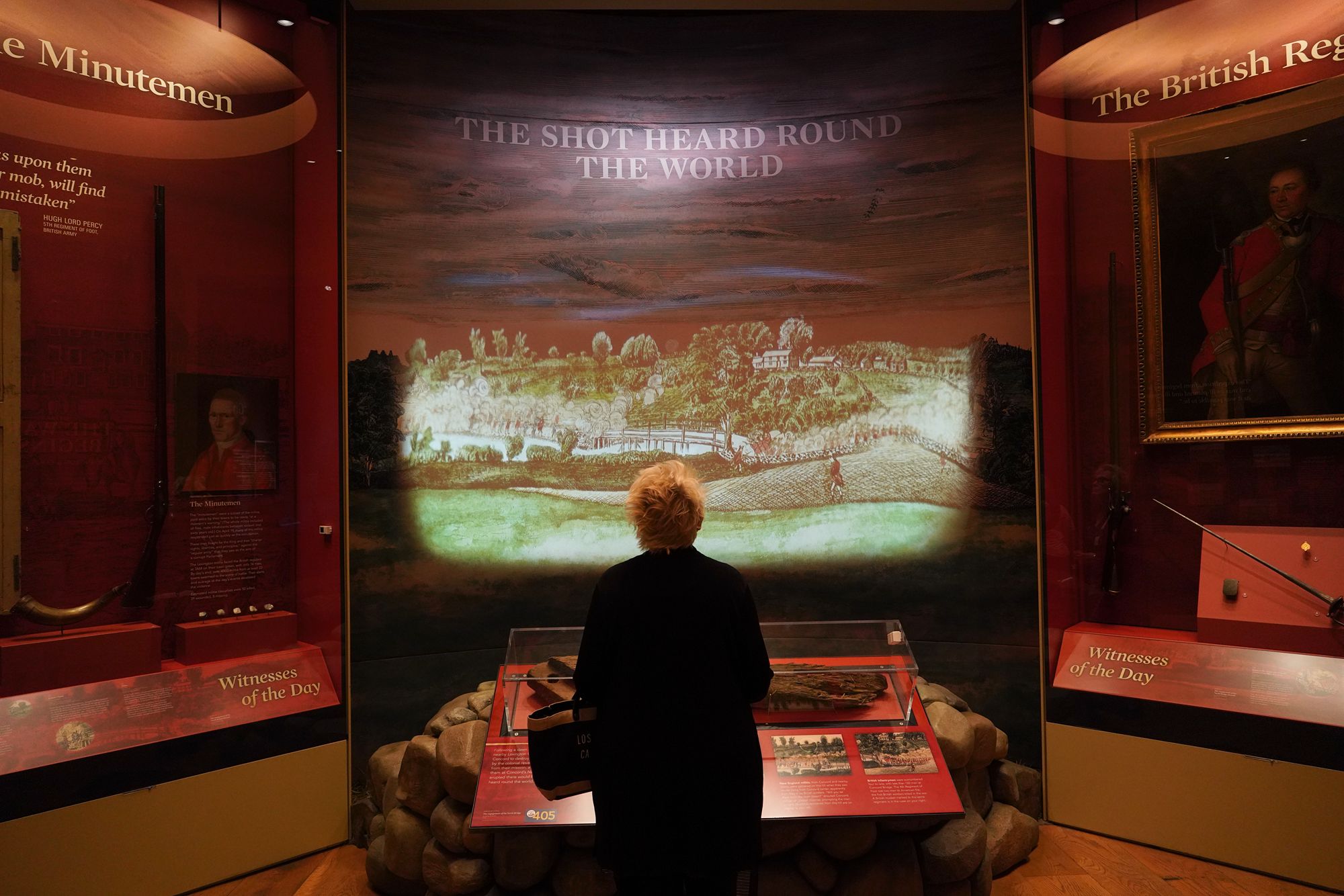
The War Begins in Lexington & Concord
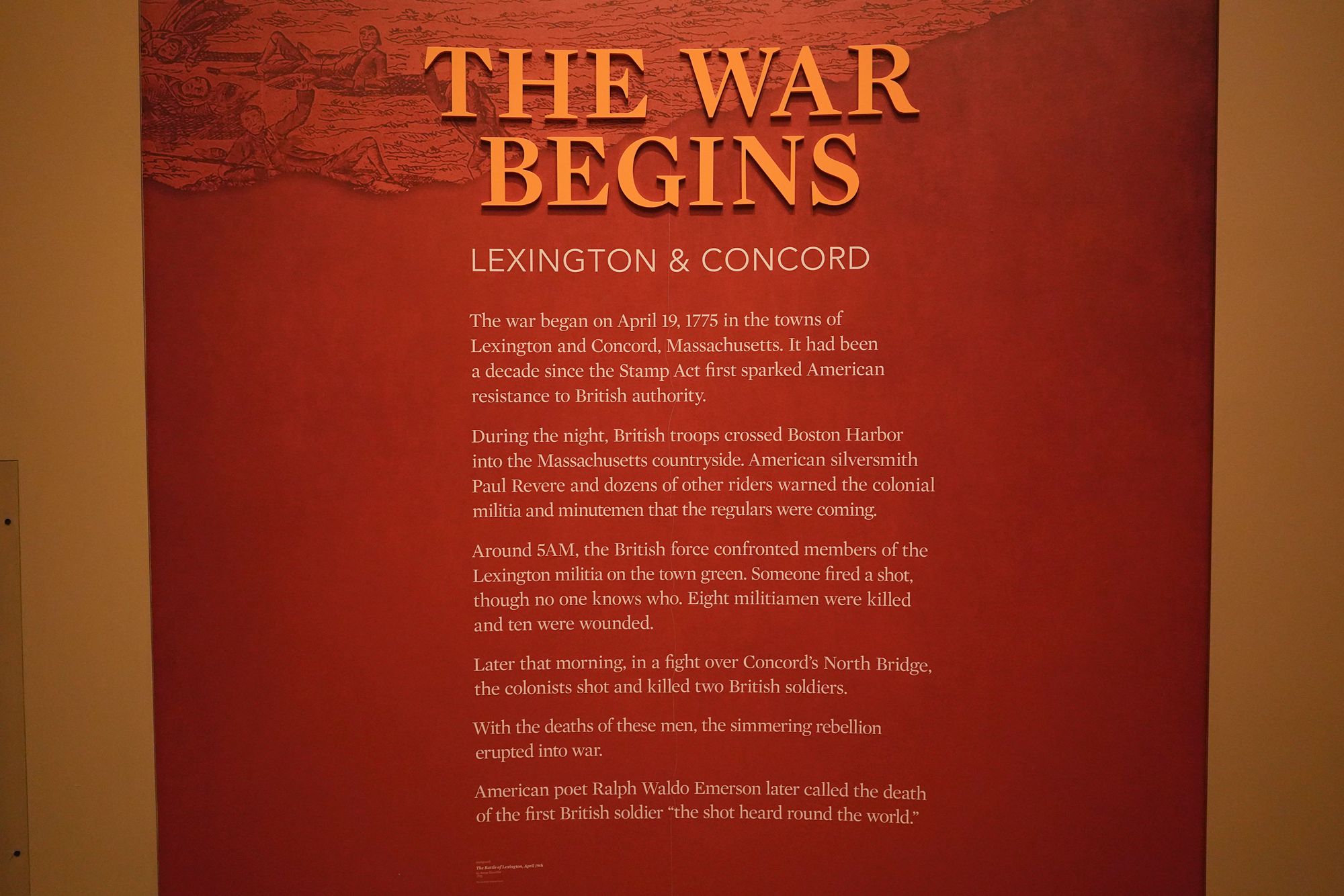
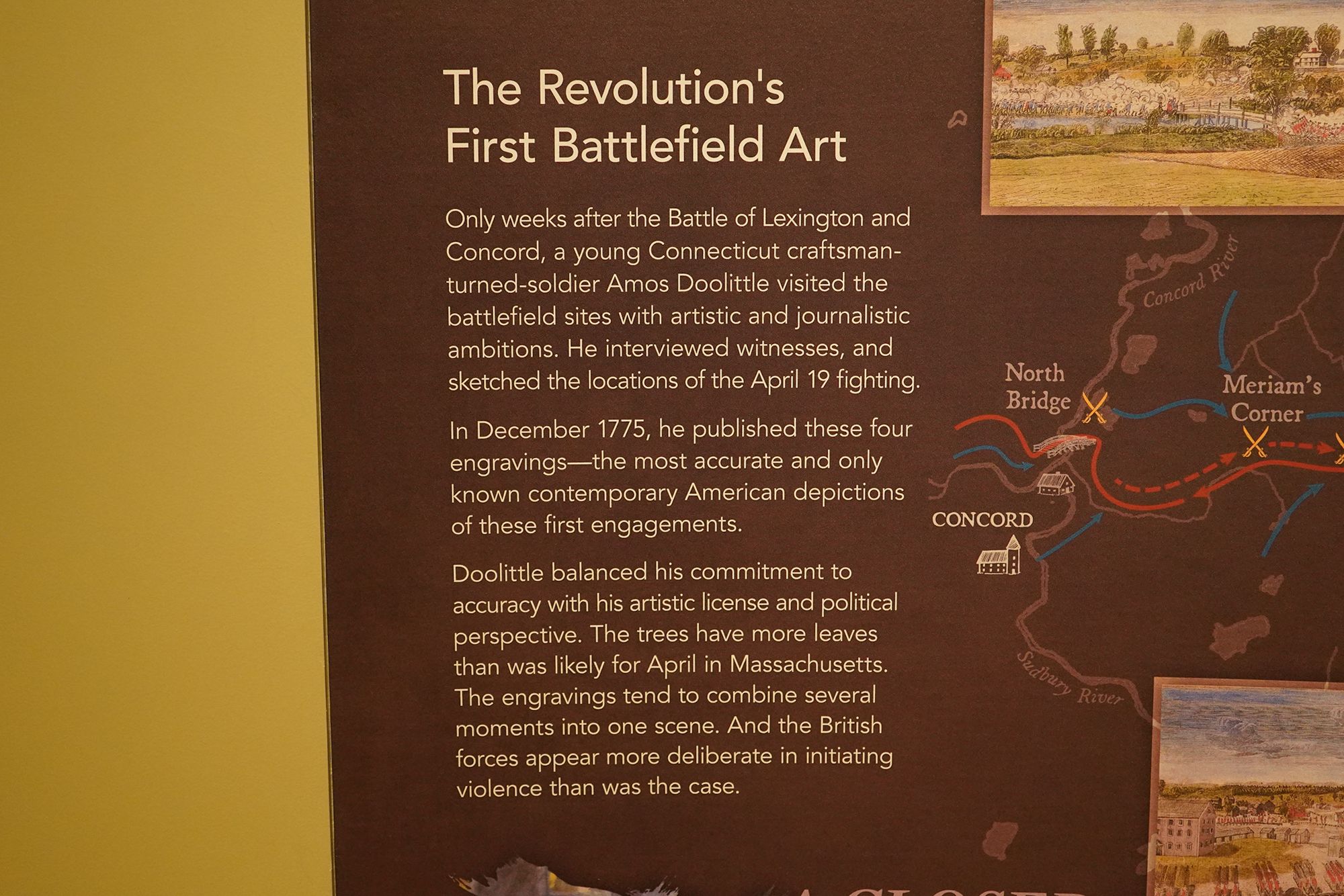
The American Revolutionary War effectively began on April 19, 1775, with the fighting at Lexington and Concord in Massachusetts. British troops marched from Boston to seize colonial weapons and arrest Patriot leaders. Local militias—the Minutemen—met them on the road.
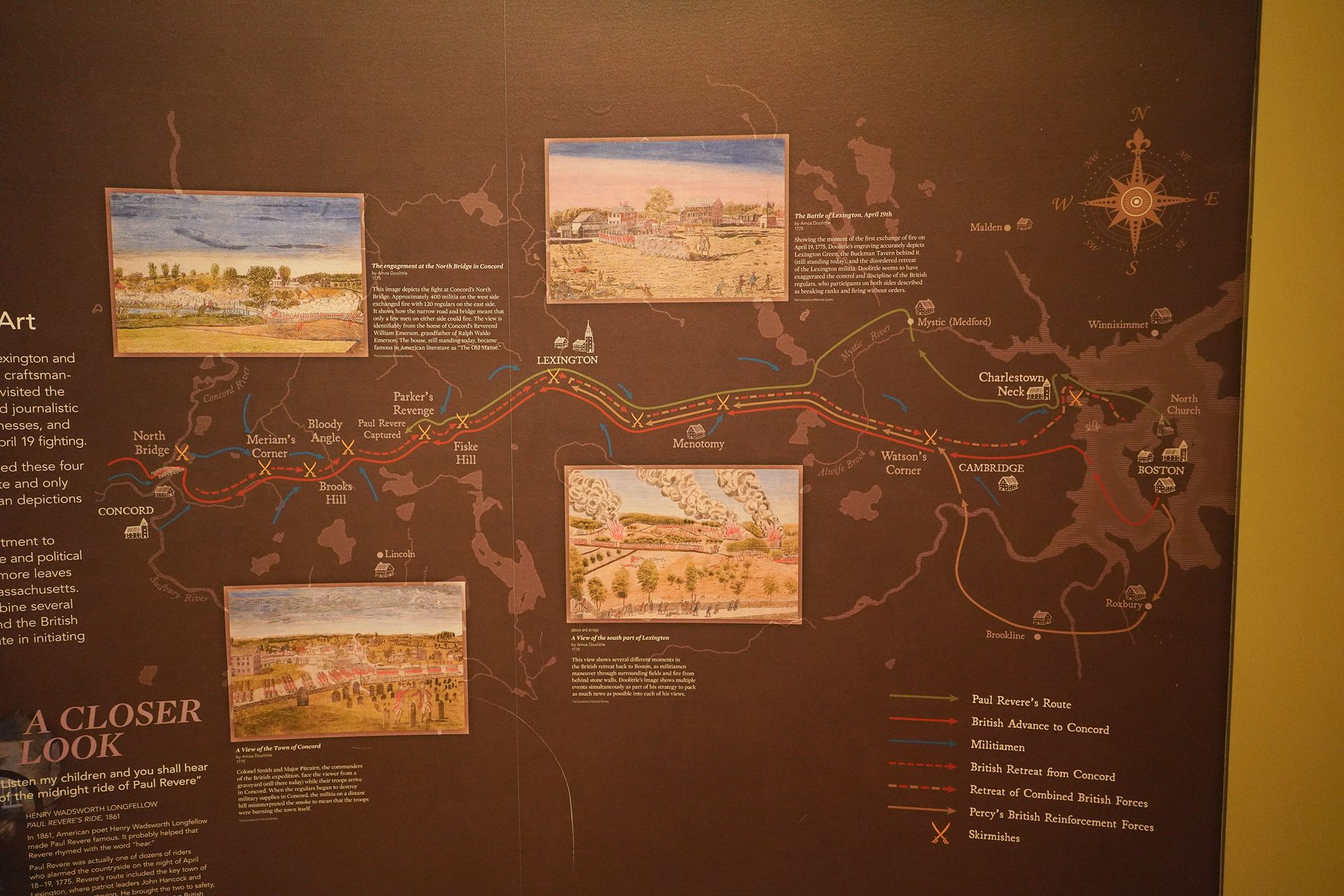
A shot was fired at Lexington, often called “the shot heard ’round the world.” Fighting spread along the route to Concord and back to Boston, turning a tense political conflict into open war. These first battles marked the beginning of the struggle for American independence.
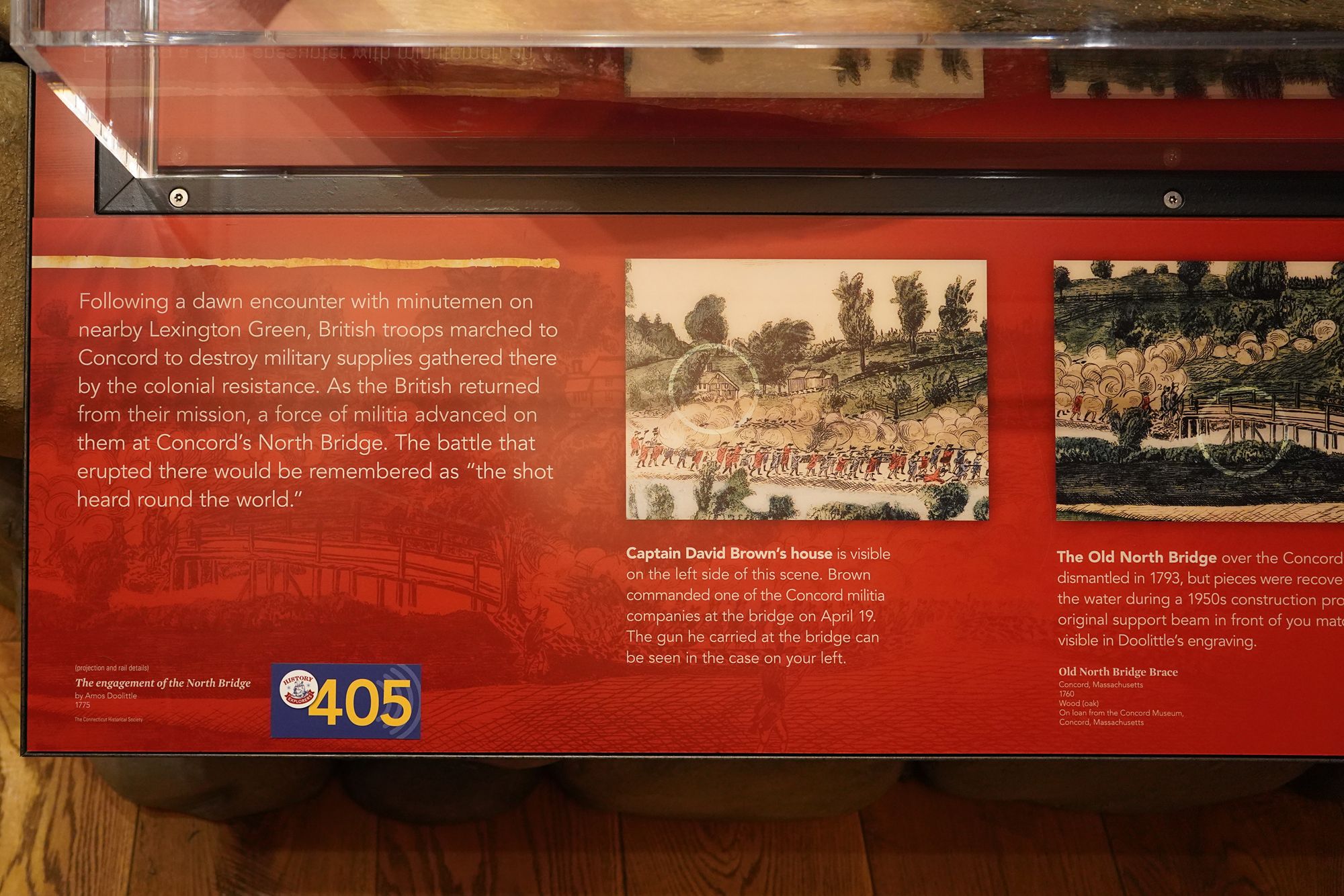
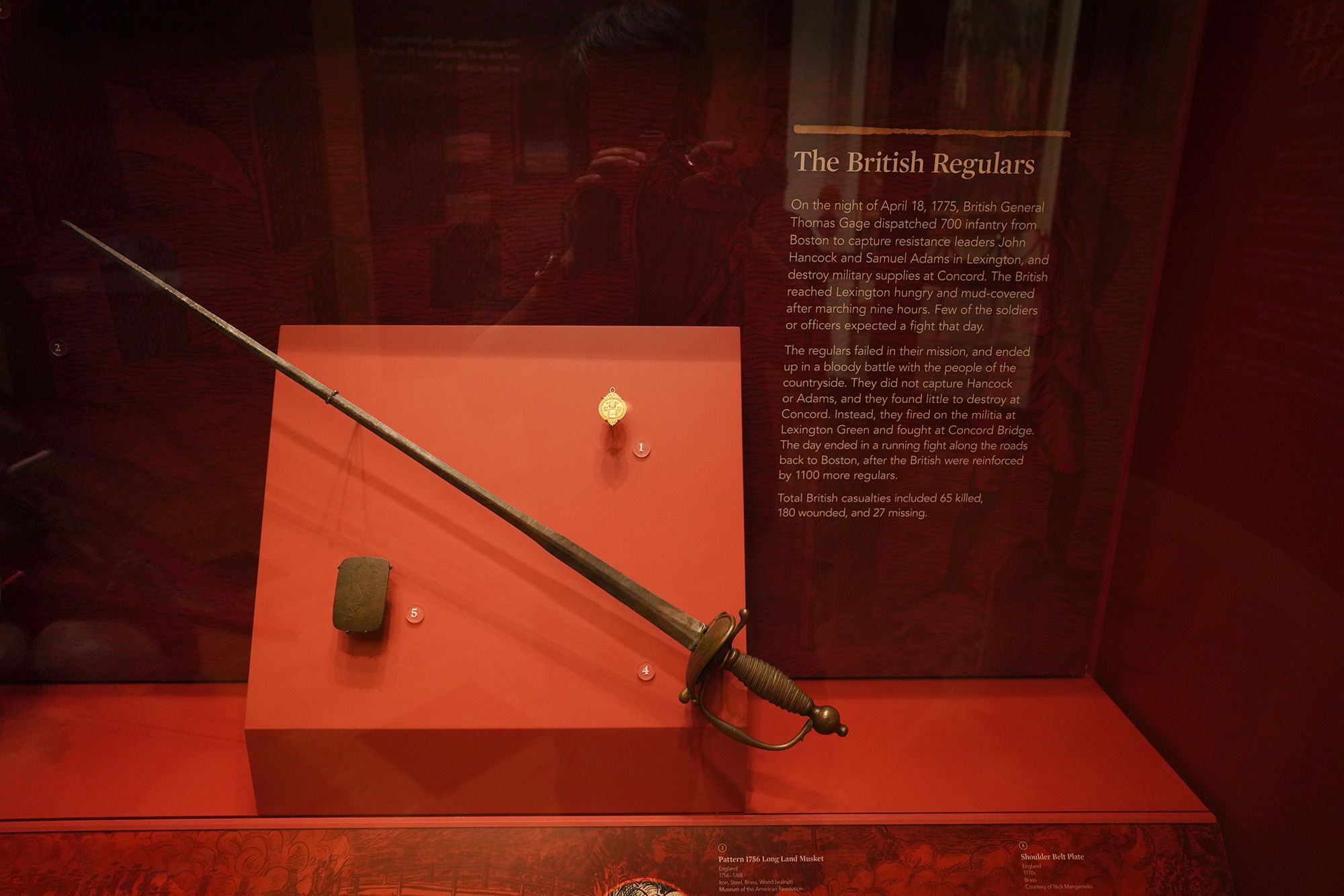
The British Regulars—professional soldiers of the British Army—were sent from Boston to Lexington and Concord on April 19, 1775. Their mission was to secretly seize colonial weapons stored in Concord and arrest Patriot leaders such as Samuel Adams and John Hancock. Around 700 Regulars marched at night, well-trained and formally equipped, expecting little resistance.
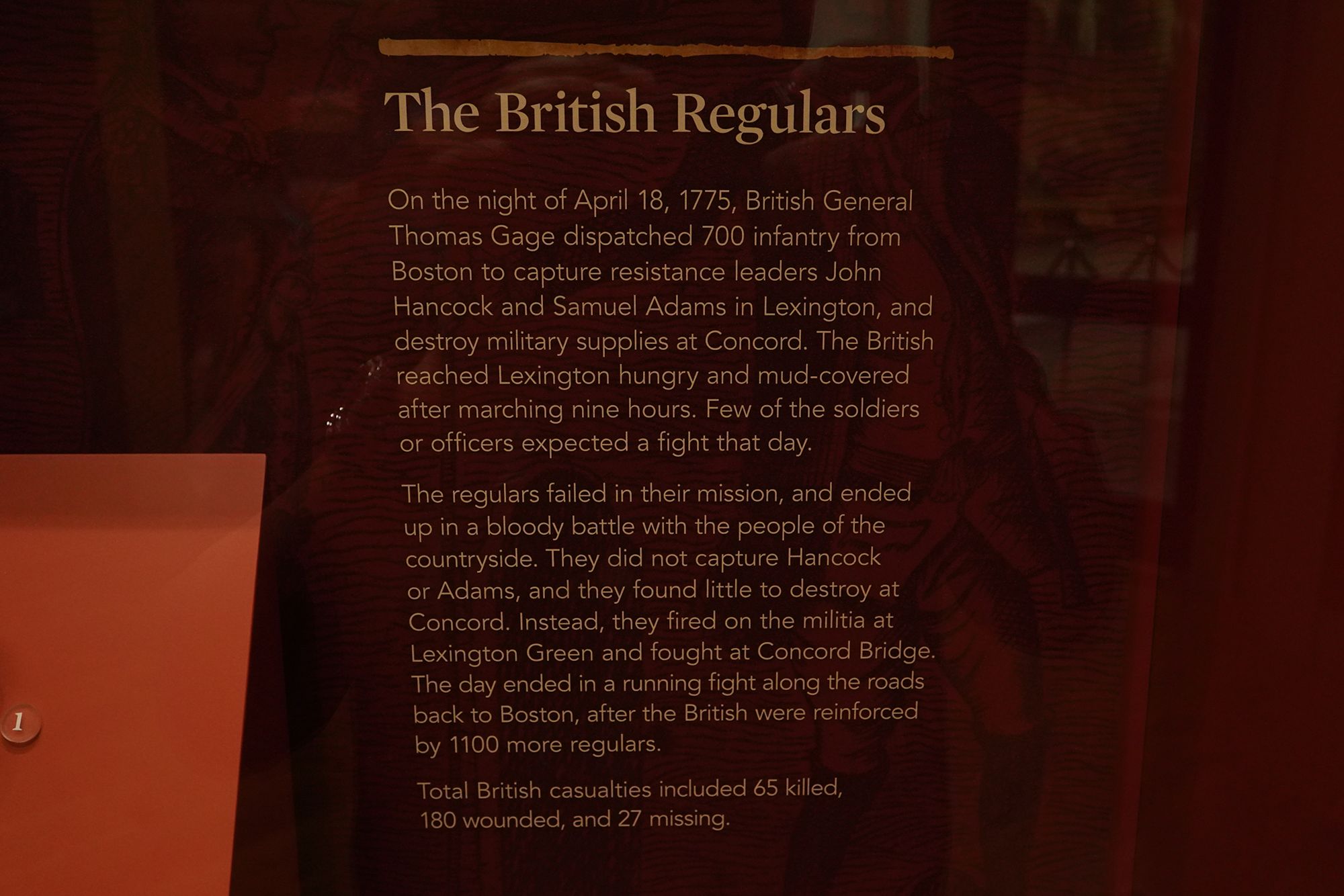
Instead, they met local militia at Lexington, where the first shots of the war were fired. After encountering further resistance at Concord and facing guerrilla-style attacks from colonists along the road back to Boston, the British Regulars suffered significant casualties. Their retreat marked the beginning of open conflict between Britain and the American colonies.
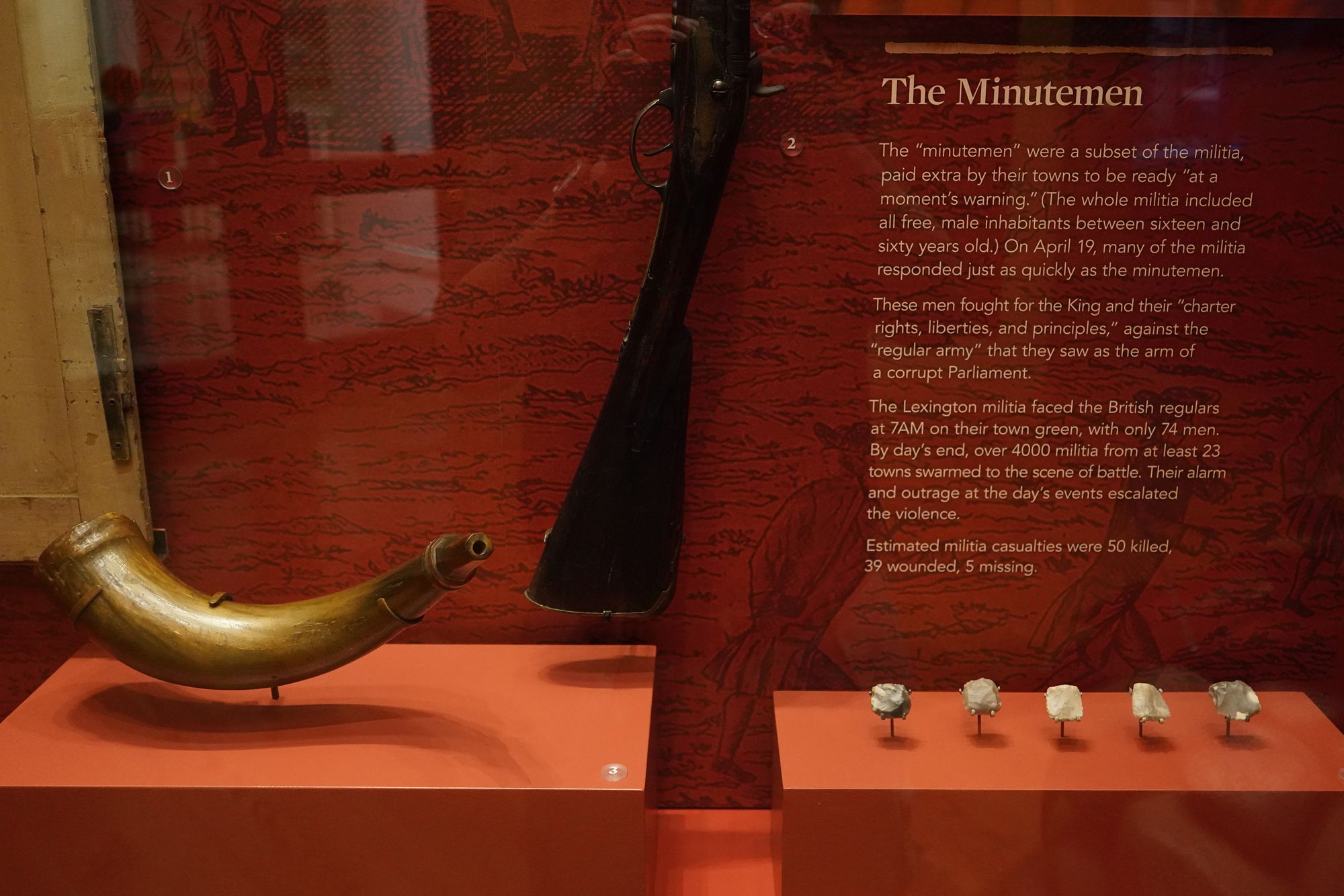
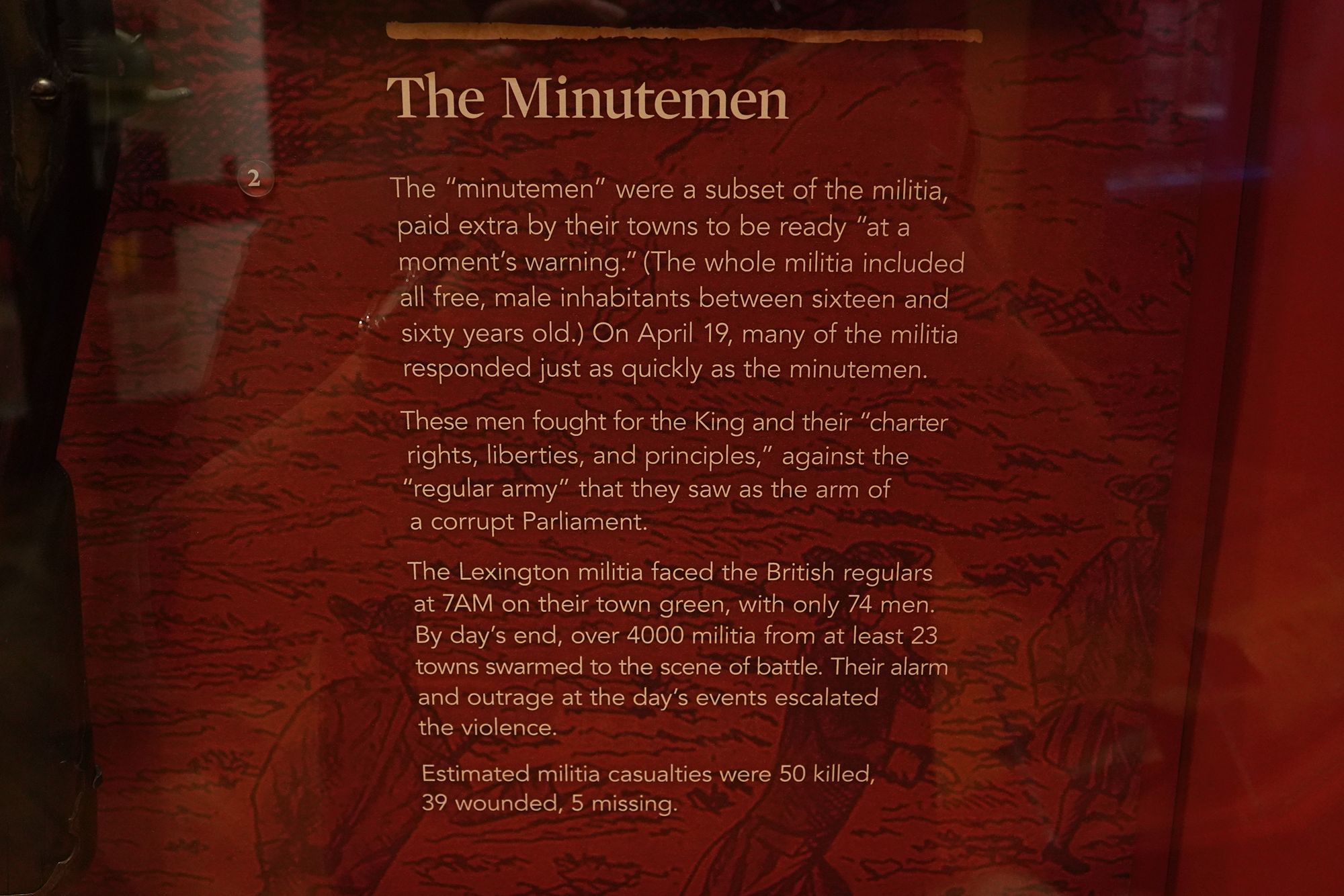
The Minutemen were colonial militia volunteers during the early stages of the American Revolution. They were known for being ready to fight at a minute’s notice, which is how they earned their name. Unlike regular soldiers, they were everyday farmers, craftsmen, and townsmen who trained periodically and kept their own weapons ready at home.
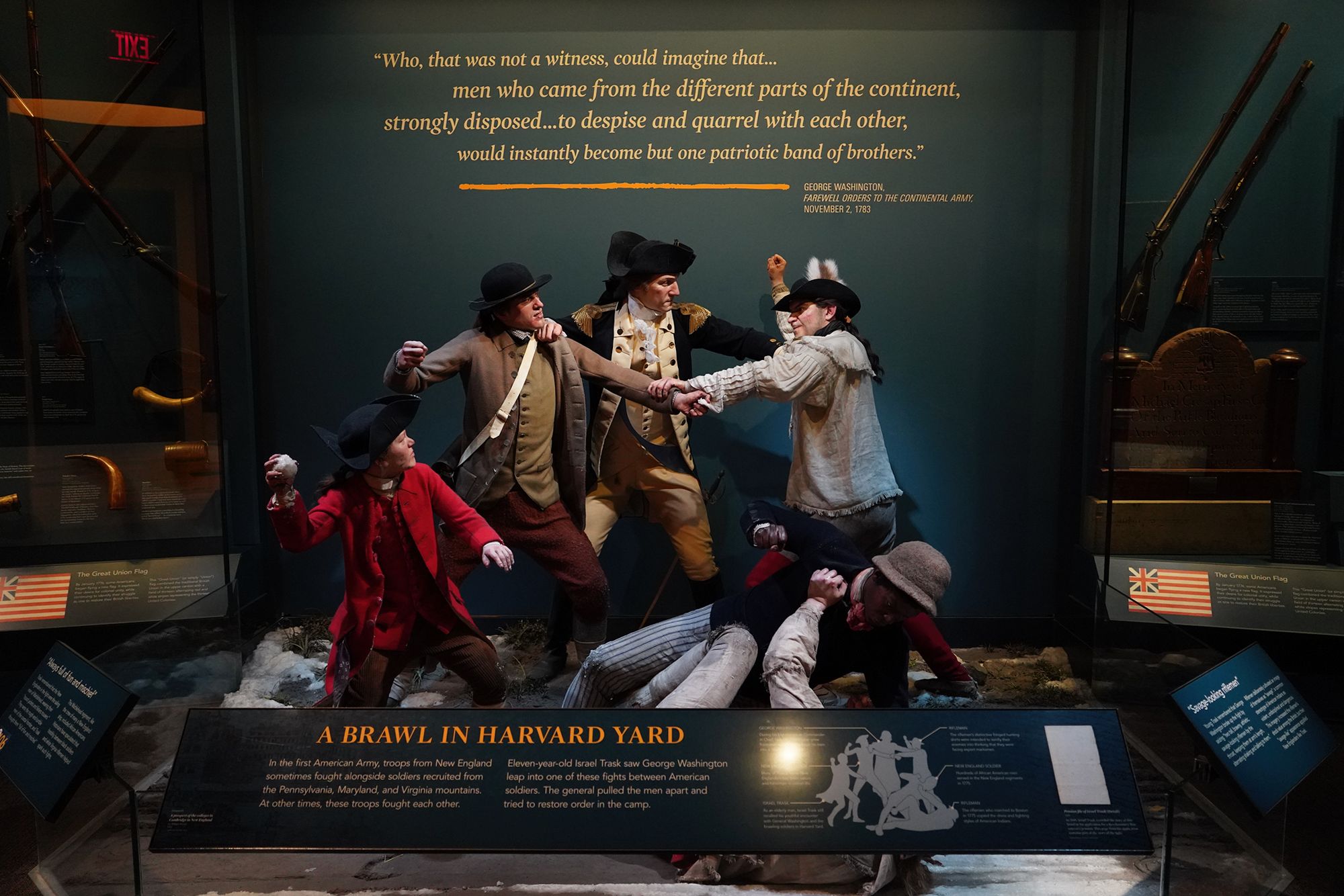
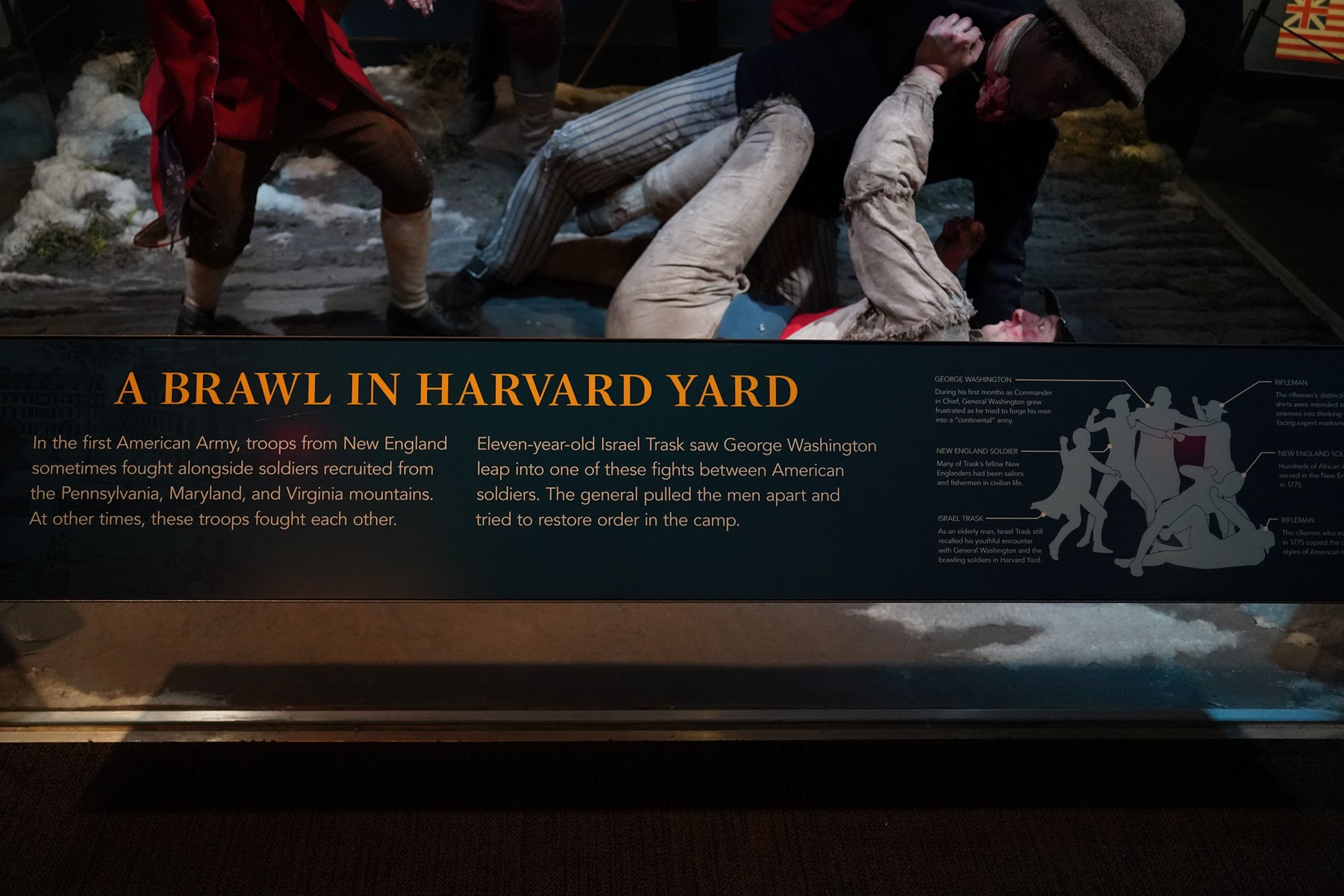
Before the American Revolution intensified, tensions between colonists and British soldiers grew in many towns—including Cambridge, Massachusetts. One notable incident was a brawl in Harvard Yard, where students and townspeople clashed with British troops. Soldiers had been stationed in the area, and their presence created resentment. Arguments turned into pushing, then into fighting, reflecting the rising hostility between civilians and British authority.
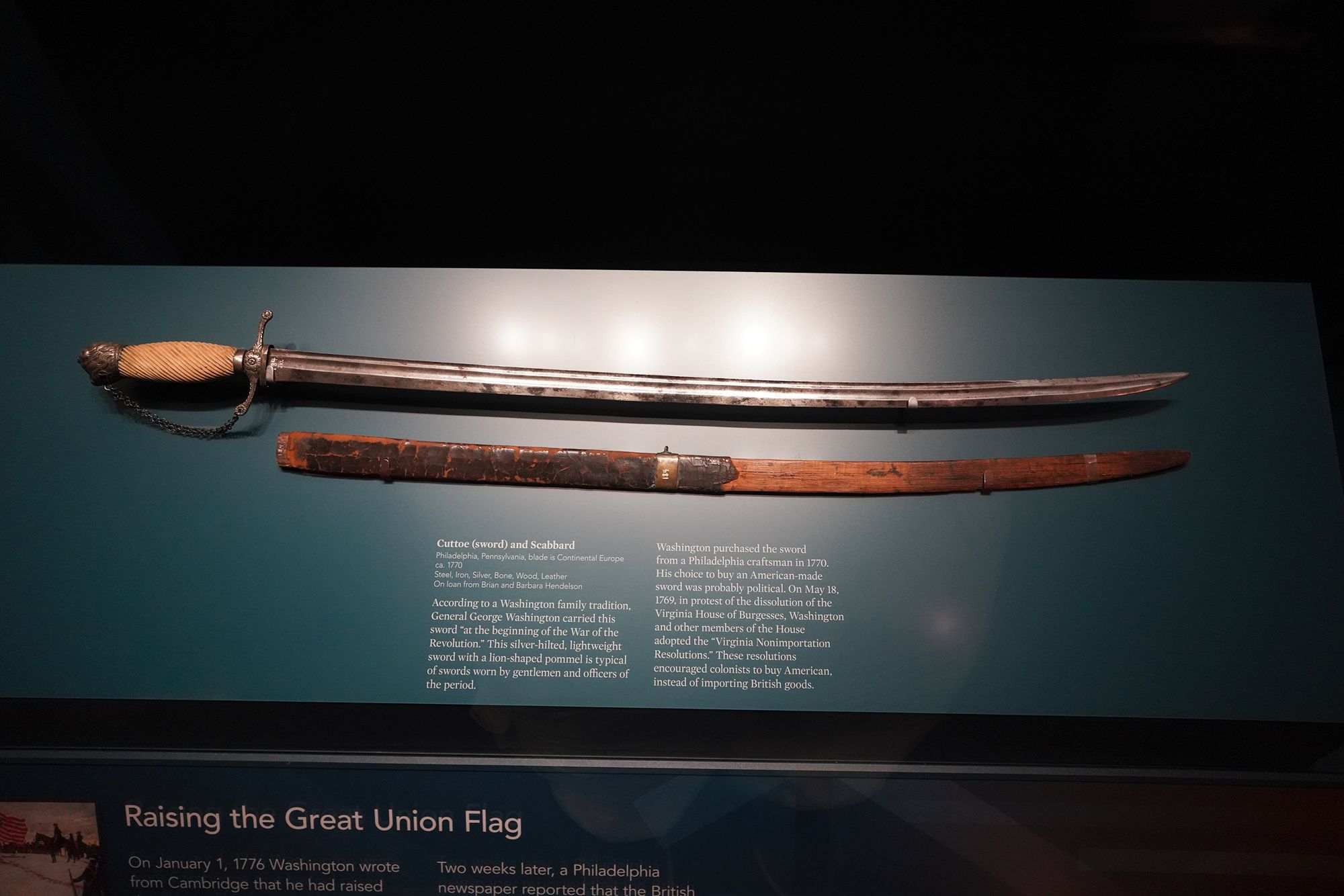
In 1775, after the fighting at Lexington and Concord, colonial militias gathered outside Boston, forming the earliest version of the Continental Army. The Second Continental Congress soon appointed George Washington as commander. What began as scattered local militias slowly transformed into a unified national force, trained, equipped, and organized to fight a long war for independence.
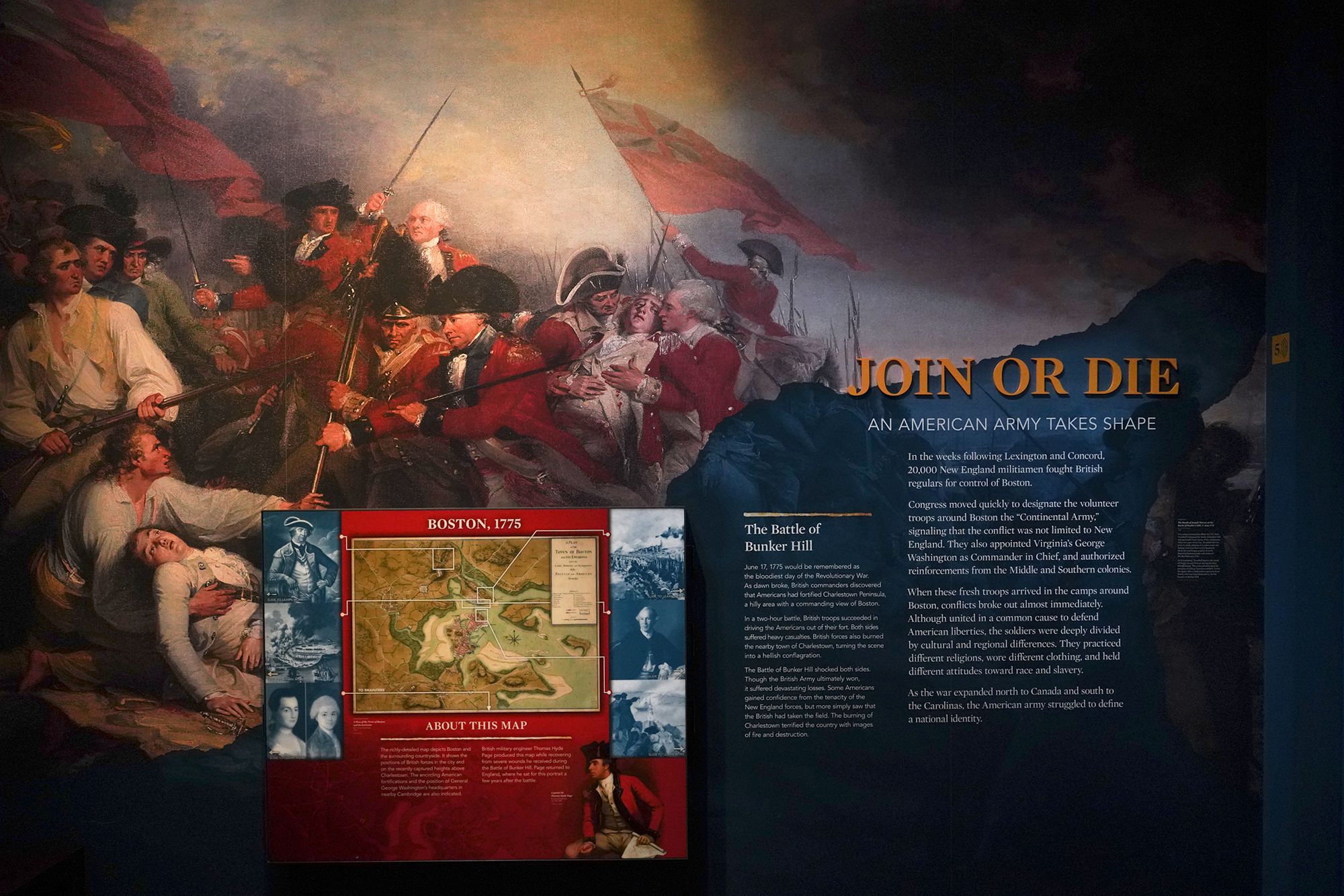
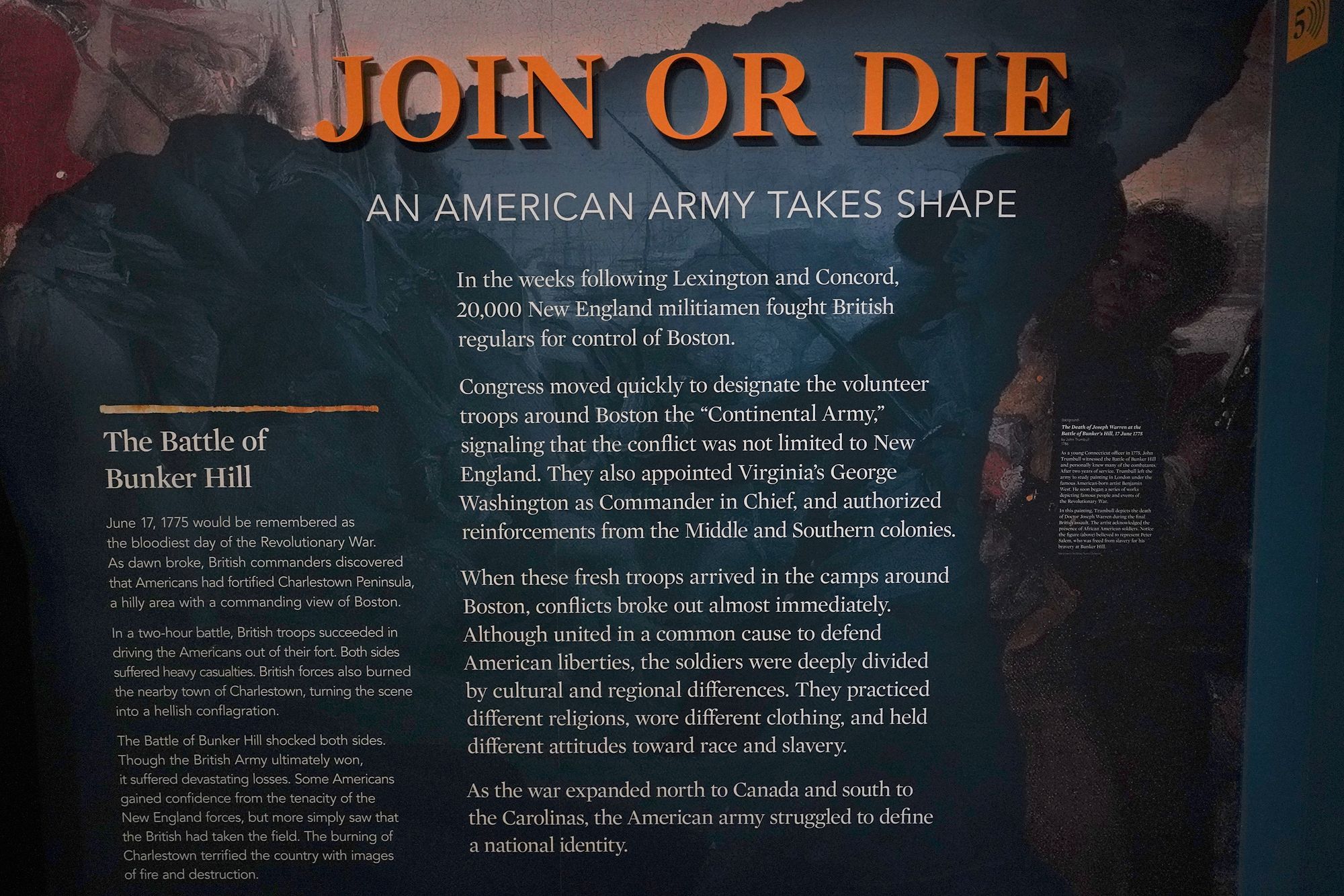
The Battle of Bunker Hill took place on June 17, 1775, just two months after Lexington and Concord. Colonial forces occupied the high ground outside Boston—primarily Breed’s Hill, though the battle became known as Bunker Hill—to threaten British control of the city. British troops launched several frontal assaults up the steep slopes, facing heavy fire from entrenched colonists.
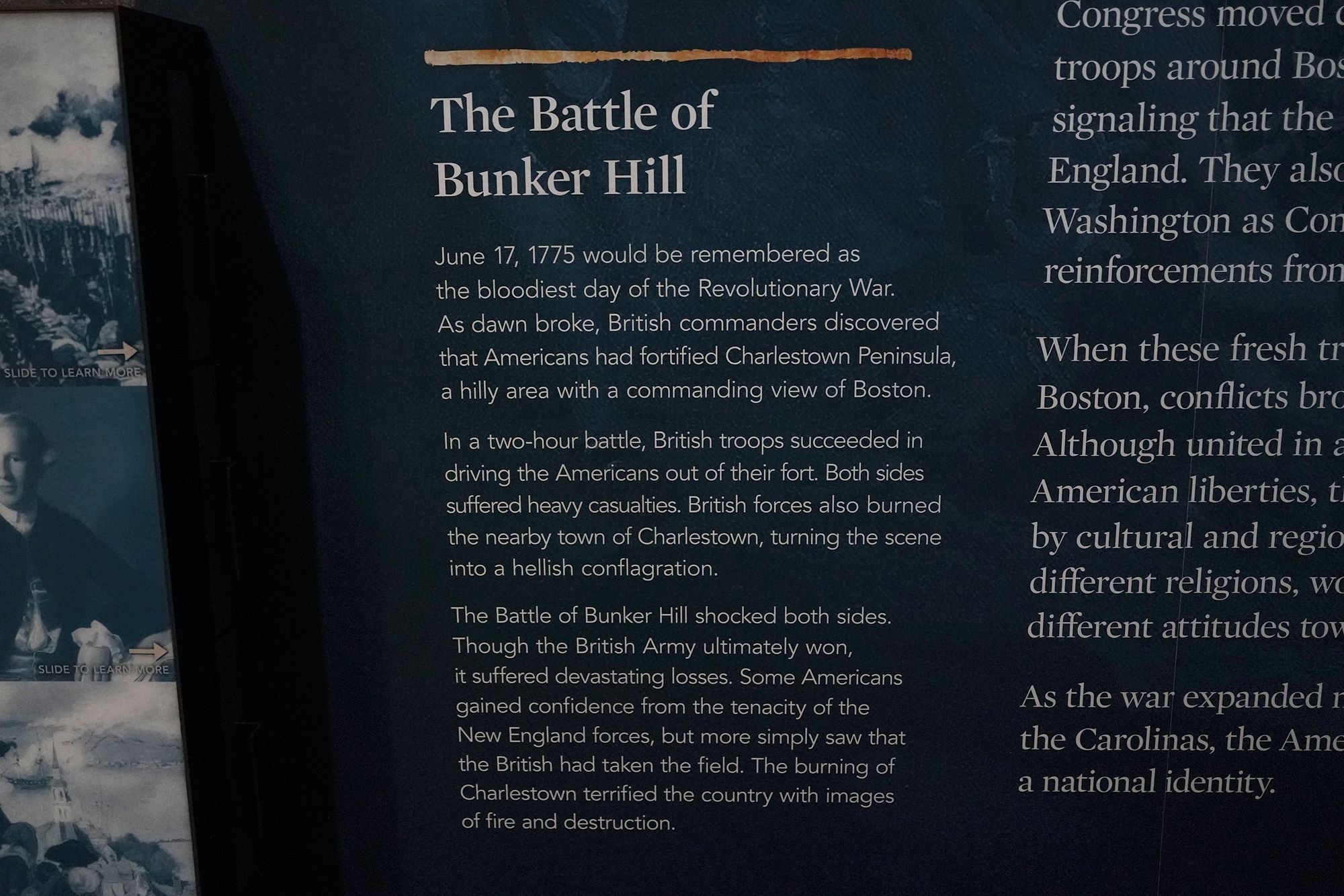
The Americans eventually ran out of gunpowder and were forced to retreat, giving Britain a technical victory. However, the British suffered enormous casualties—far greater than the colonists—which stunned military leaders and impressed the world. The battle proved that colonial volunteers could stand up to the powerful British Army, boosting Patriot morale and showing that the war would be long, costly, and far from easy for Britain.
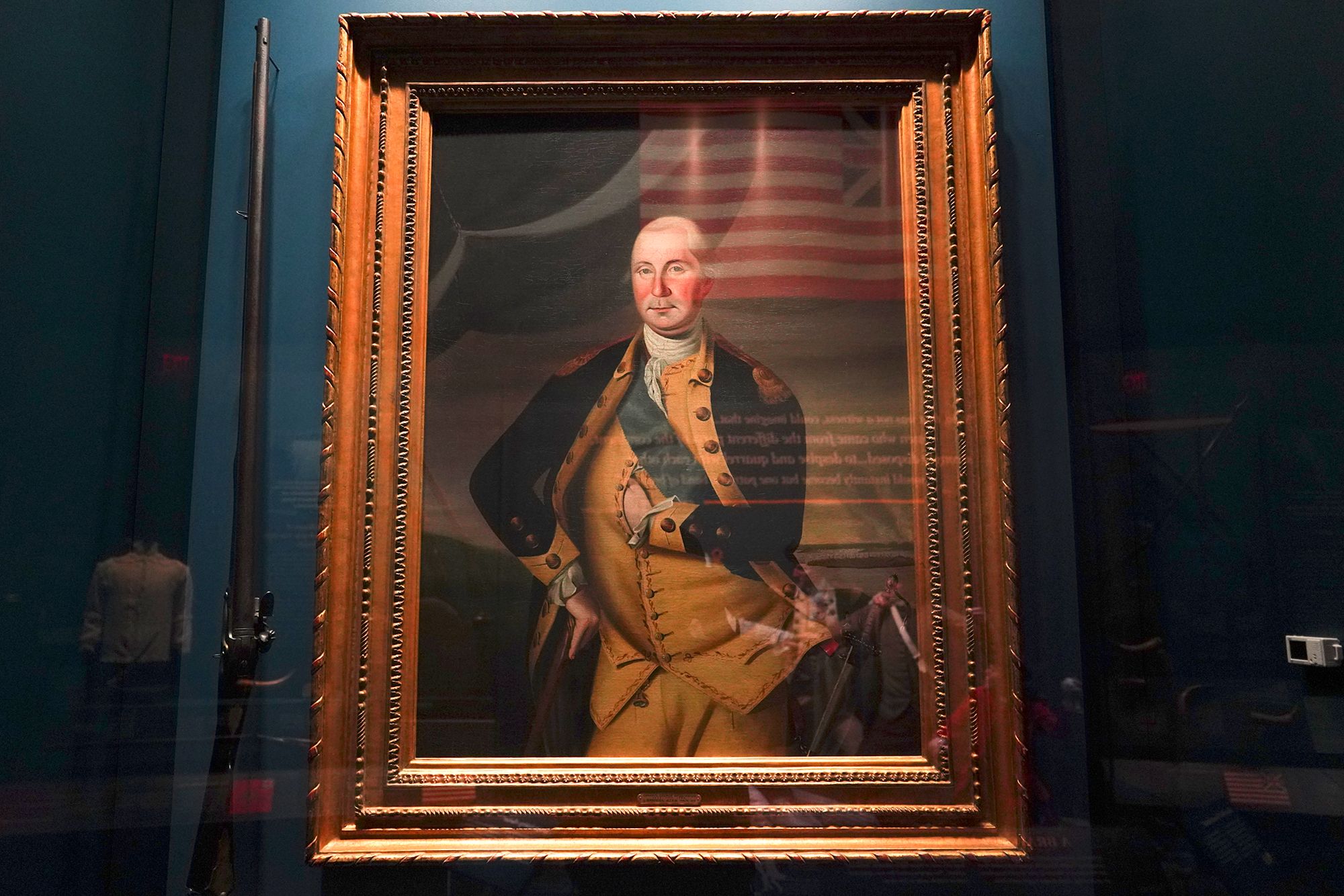
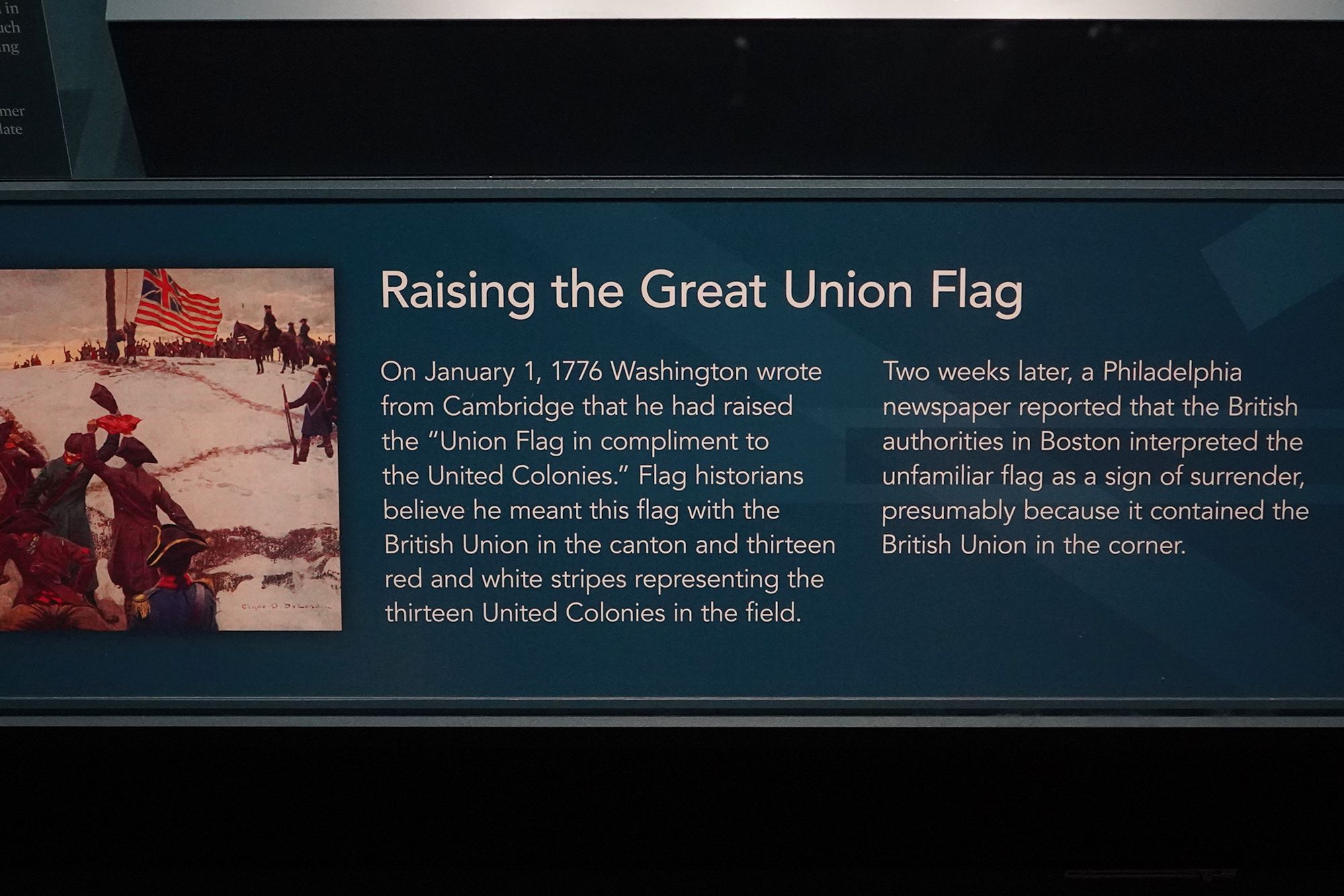
On January 1, 1776, George Washington ordered the raising of the Great Union Flag—also called the Grand Union Flag—over the Continental Army’s camp at Prospect Hill near Boston. It was America’s first national flag and a symbol of the colonies united in resistance, though still technically under the British Crown.
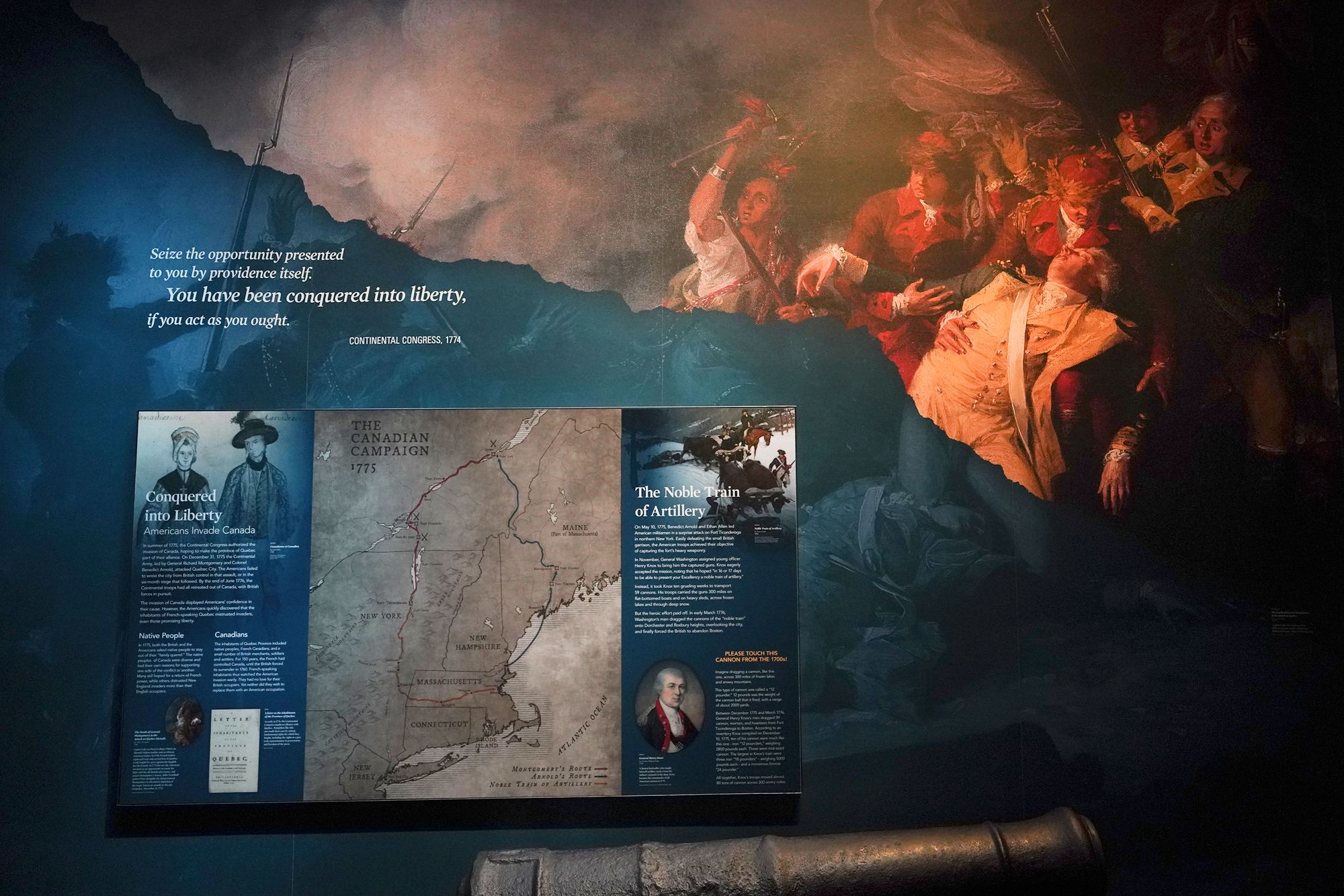
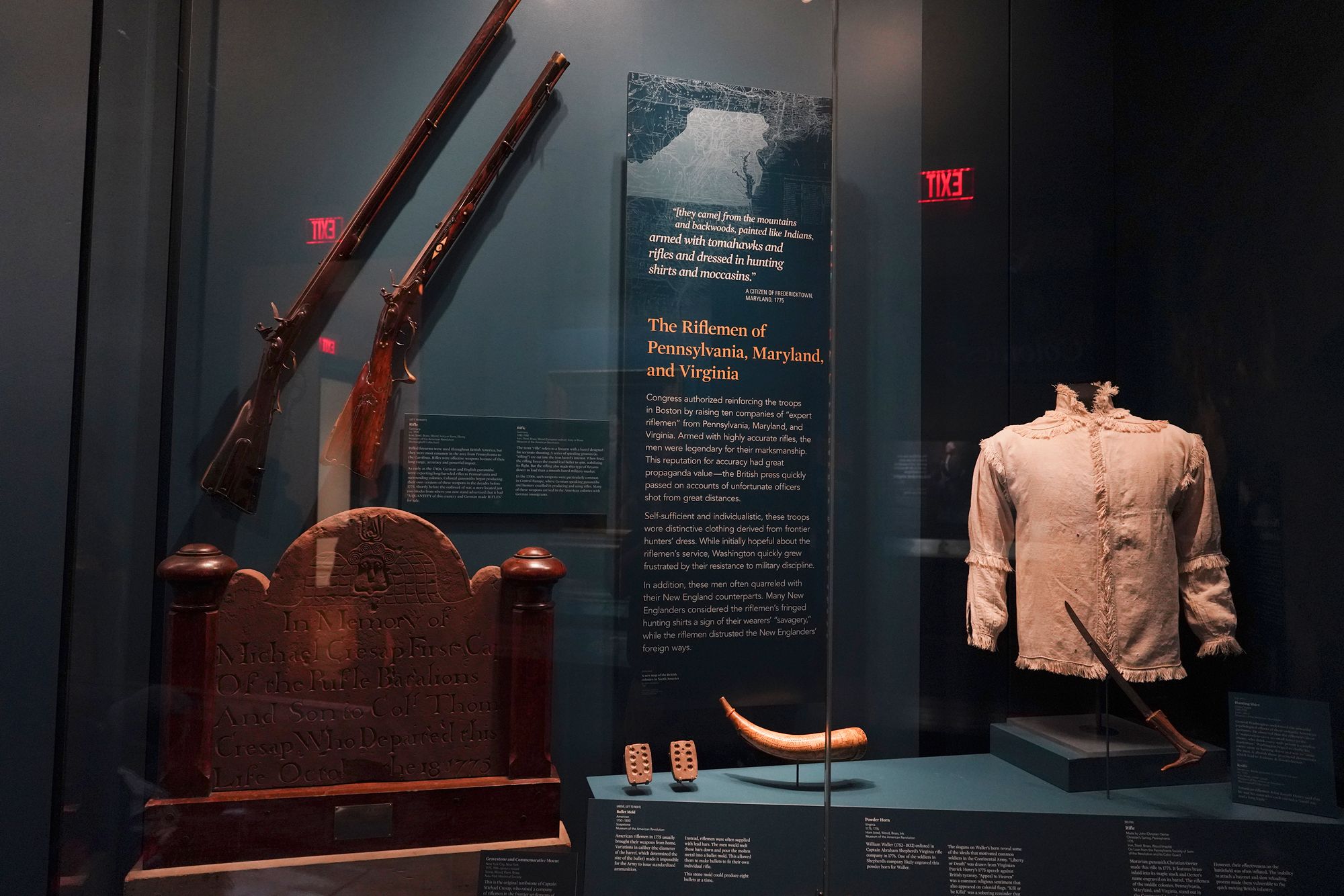
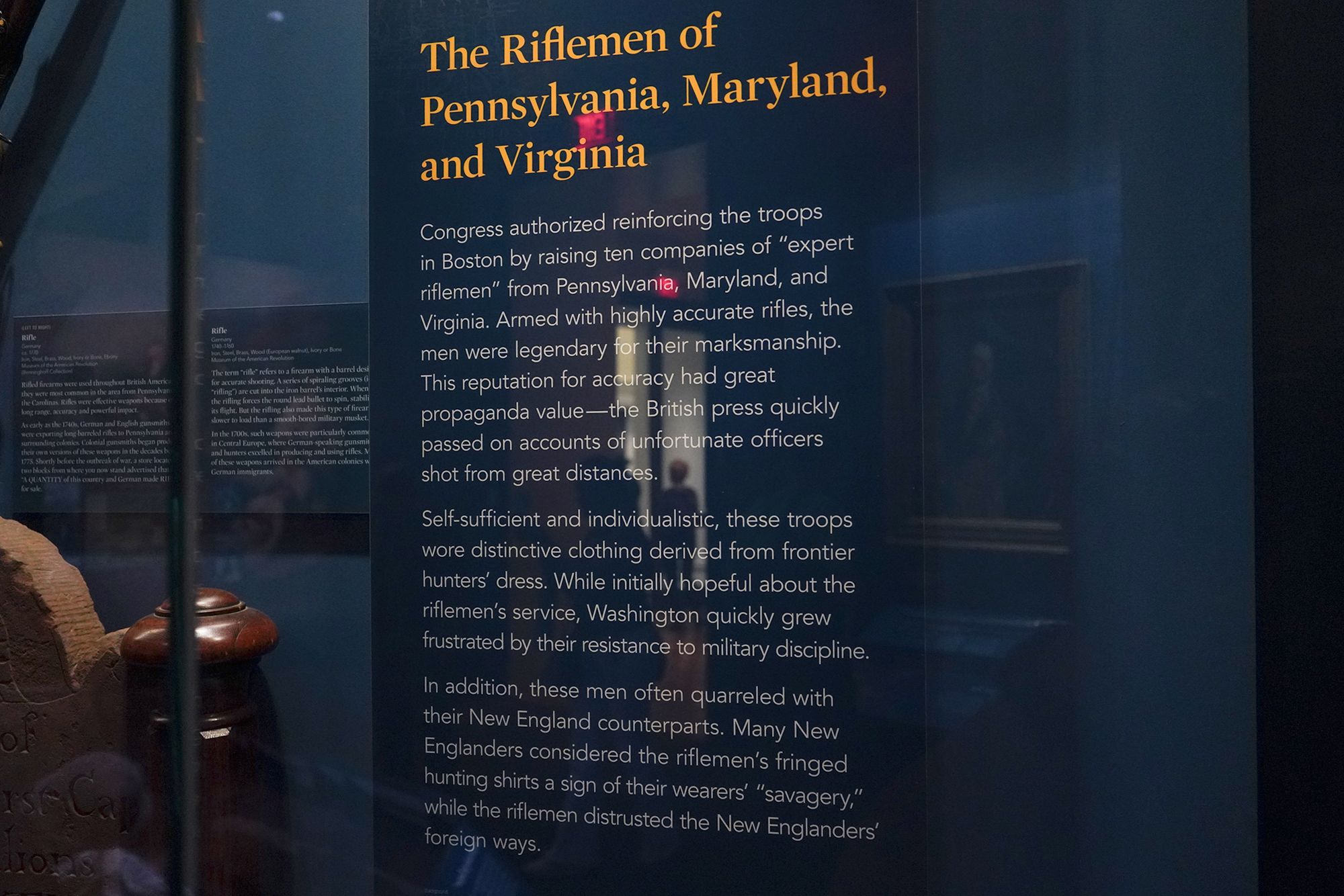
In 1775, soon after the first fighting broke out, skilled frontiersmen from Pennsylvania, Maryland, and Virginia answered the call to join the Continental Army. Known simply as riflemen, they were armed with long rifles—more accurate at great distances than the smoothbore muskets used by most soldiers of the time. These rifles allowed them to hit targets hundreds of yards away, making them invaluable as scouts, skirmishers, and sharpshooters.
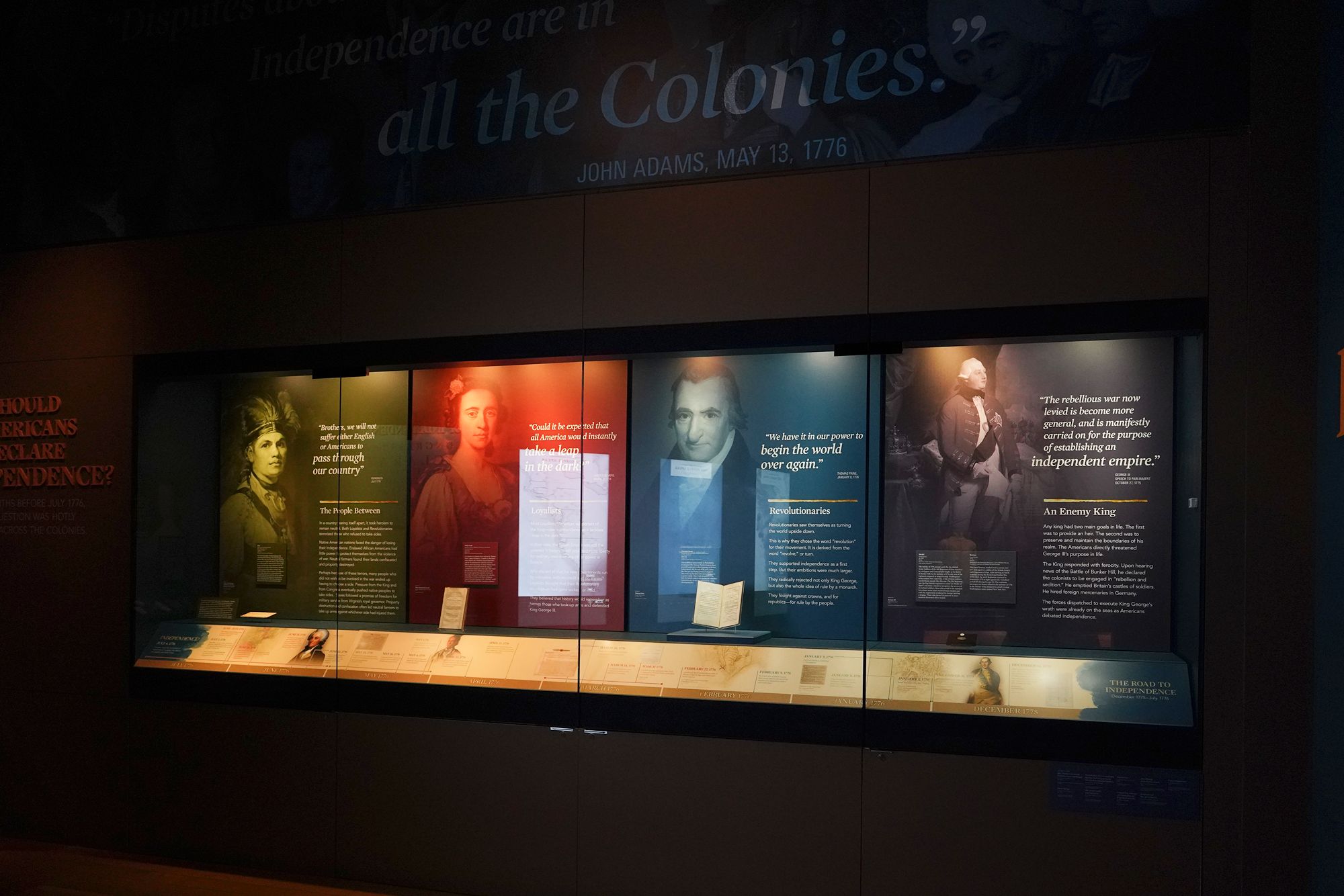
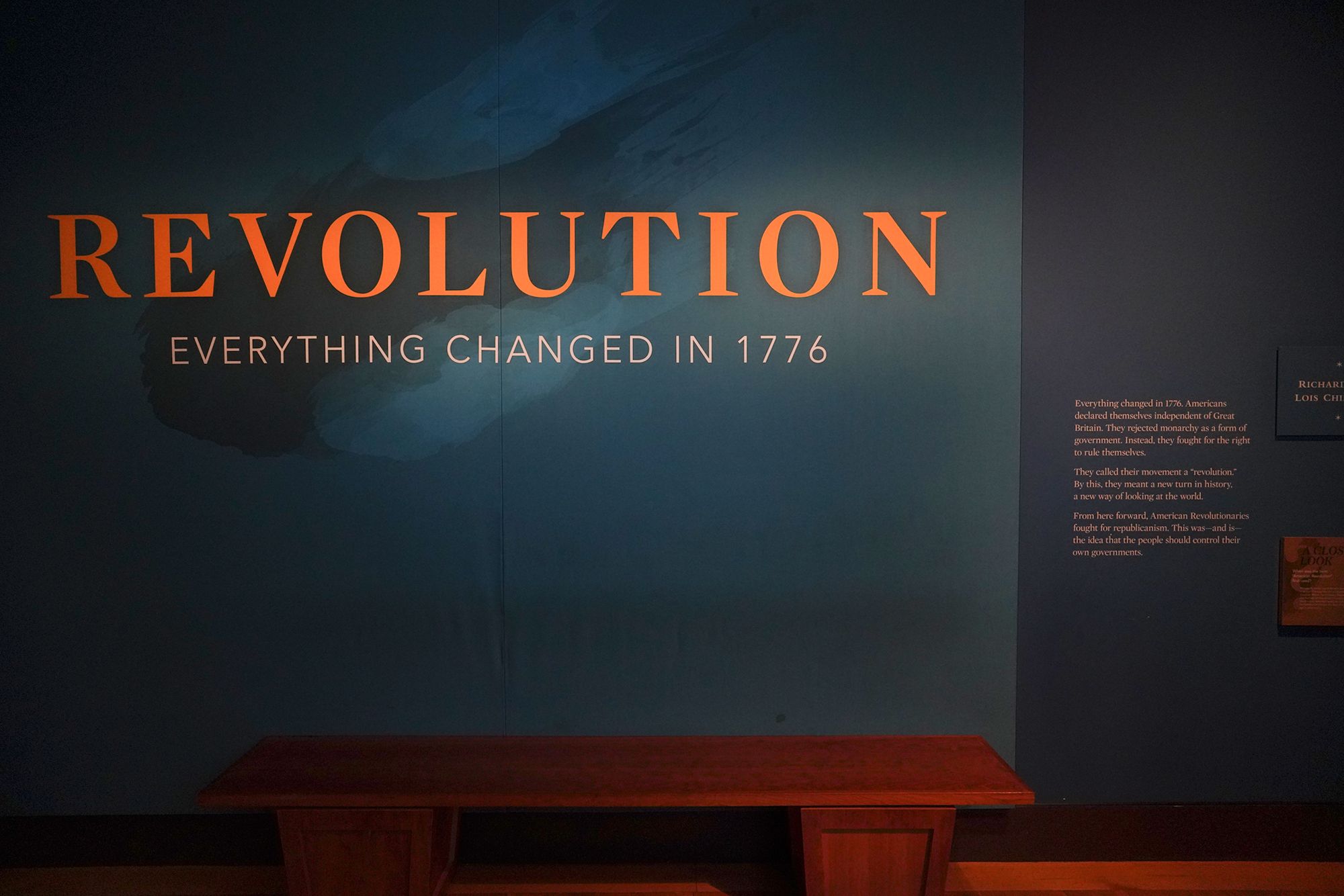
Revolution – Everything changed in 1776
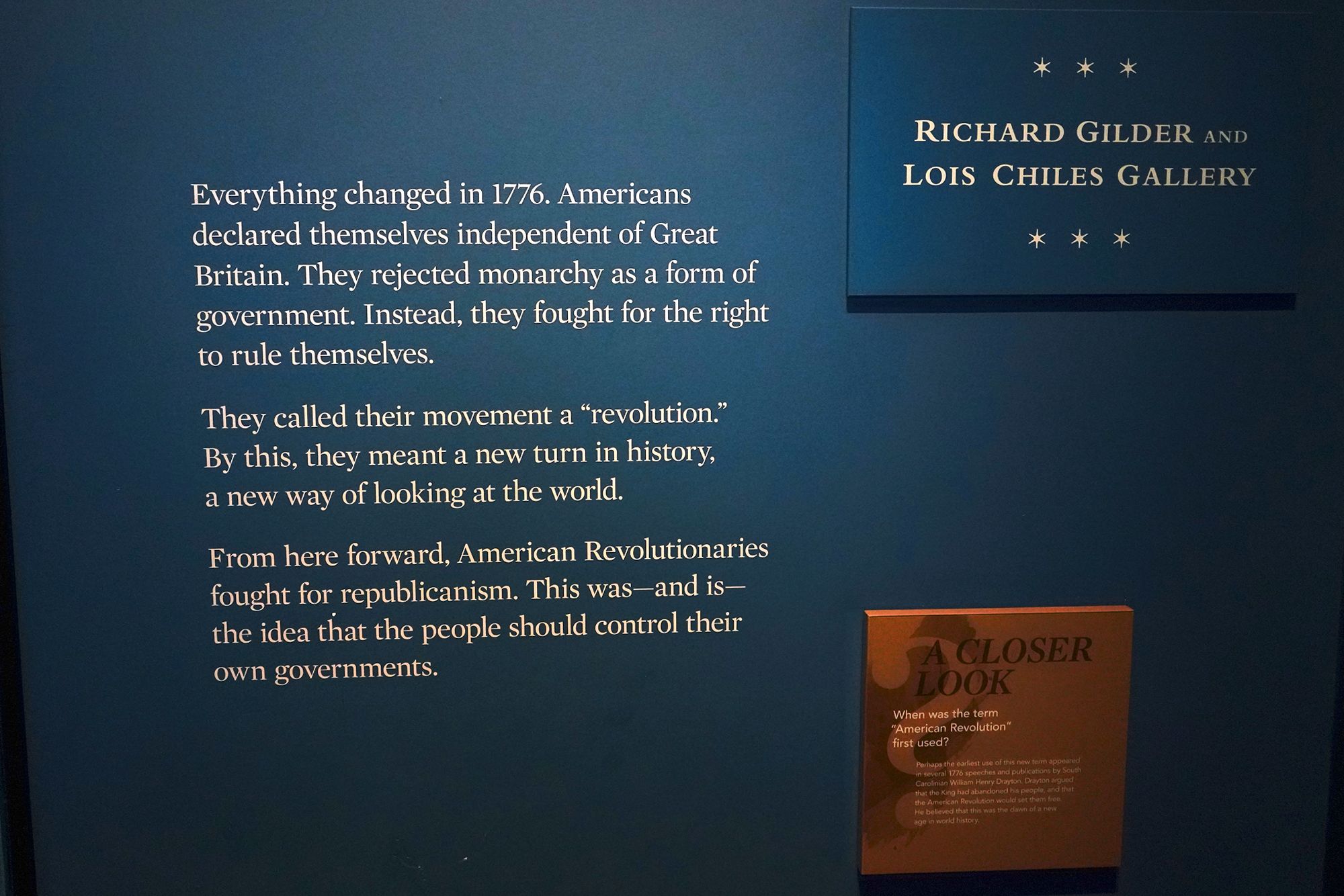
“We have it in our power to begin the world over again” – Thomas Paine
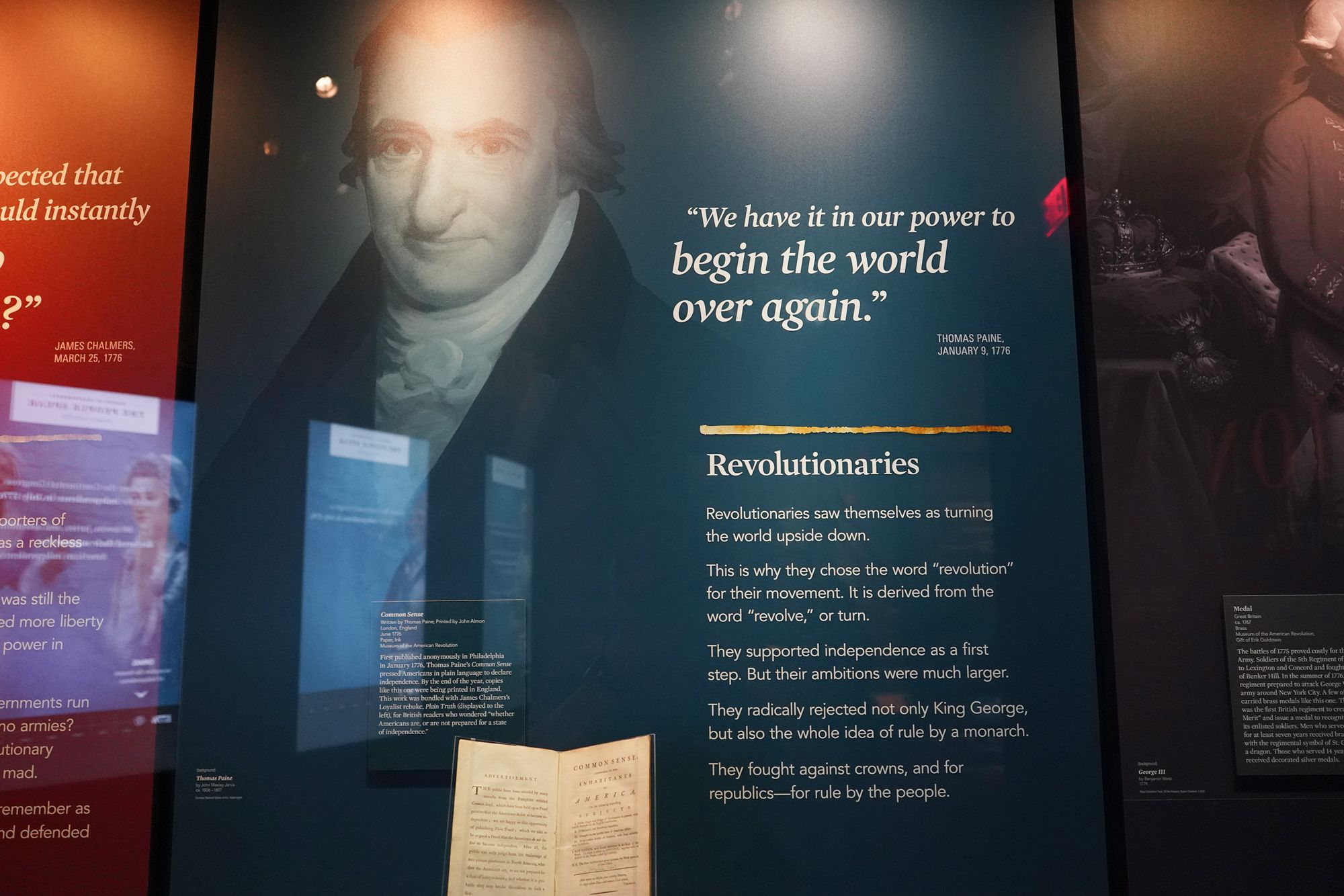
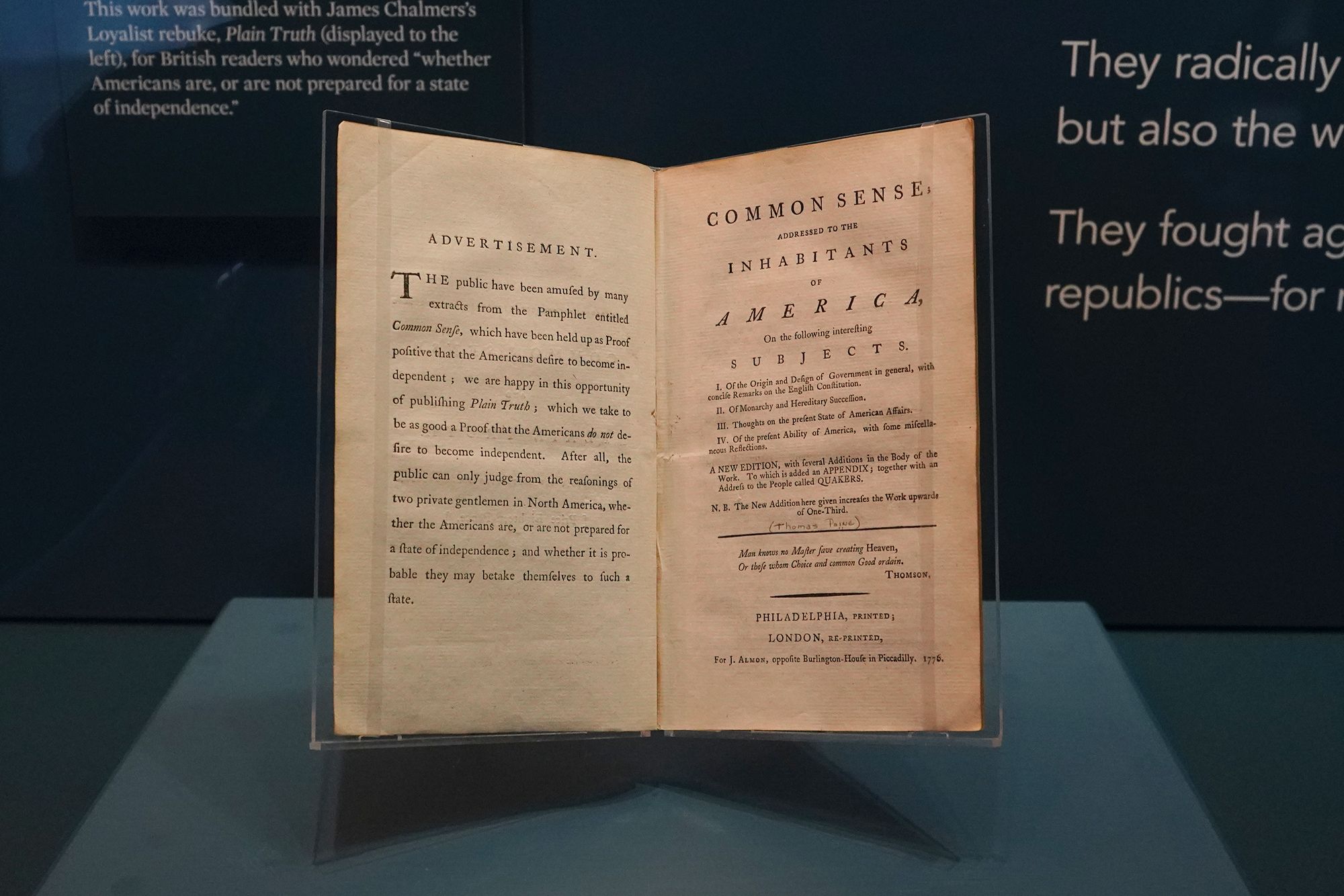
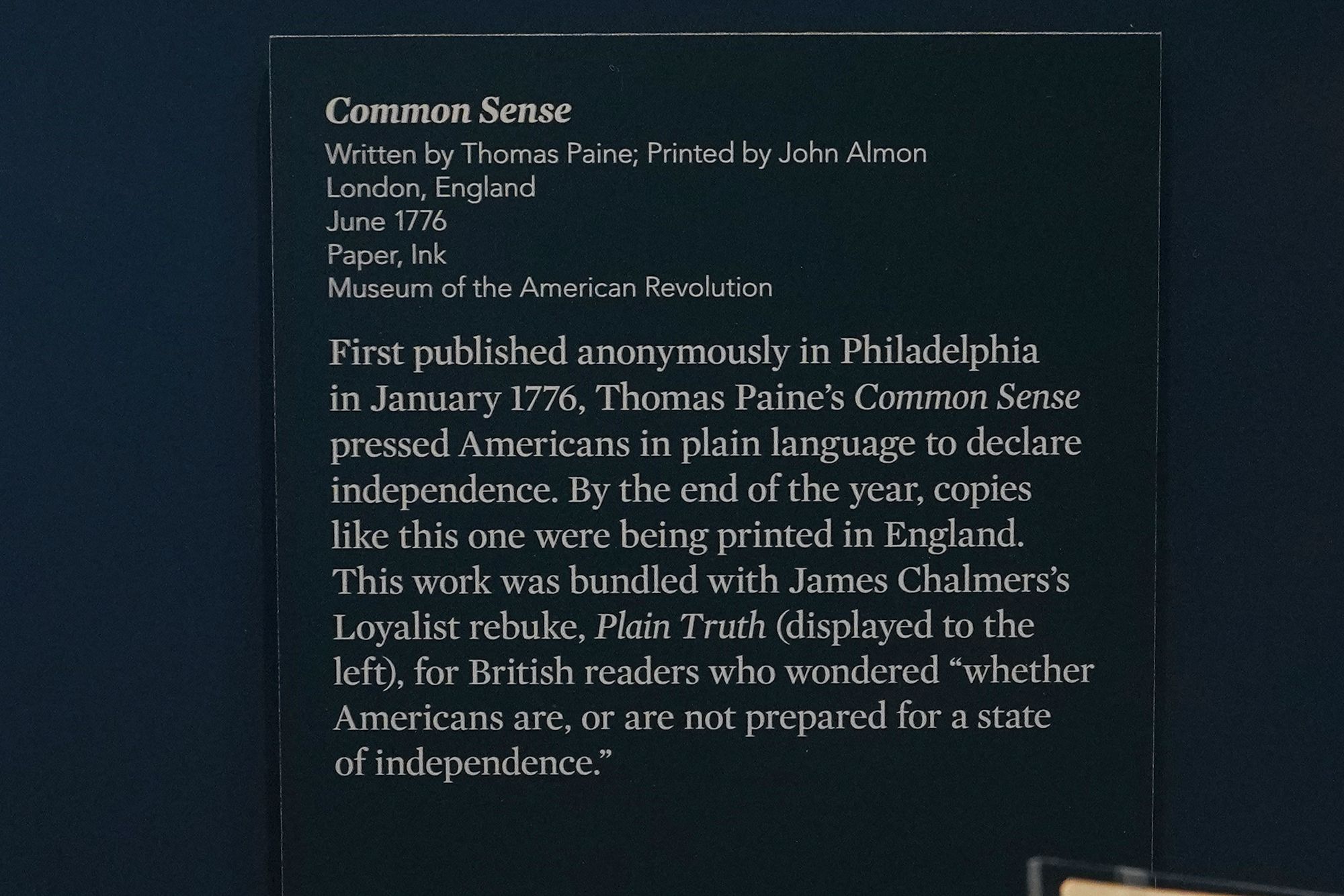
Common Sense was a short but powerful pamphlet written by Thomas Paine and published in January 1776. In plain, direct language that ordinary people could understand, Paine argued that the American colonies should break completely from Britain. He questioned the idea of monarchy, criticized King George III, and said it was absurd for a small island to rule a distant continent.
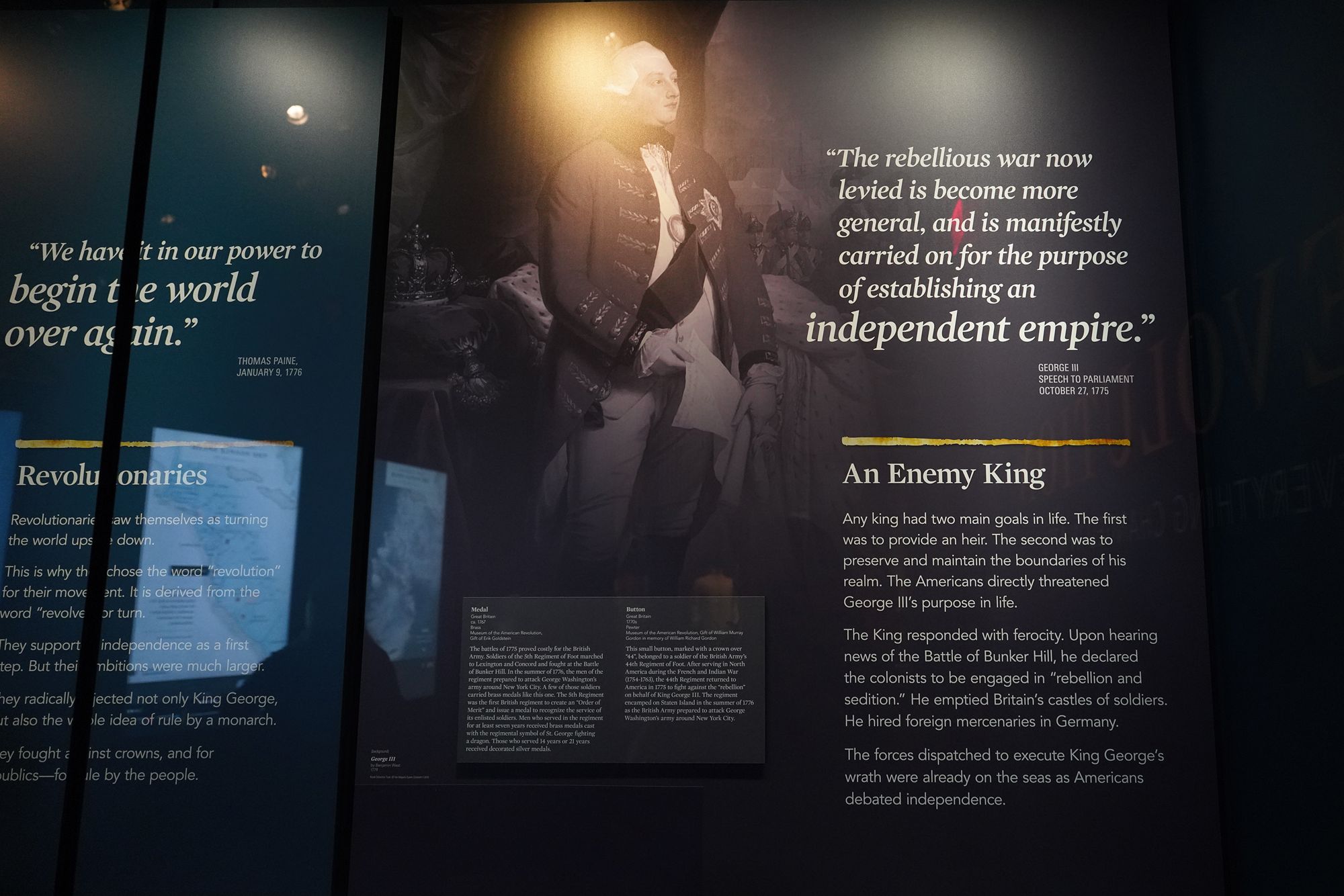
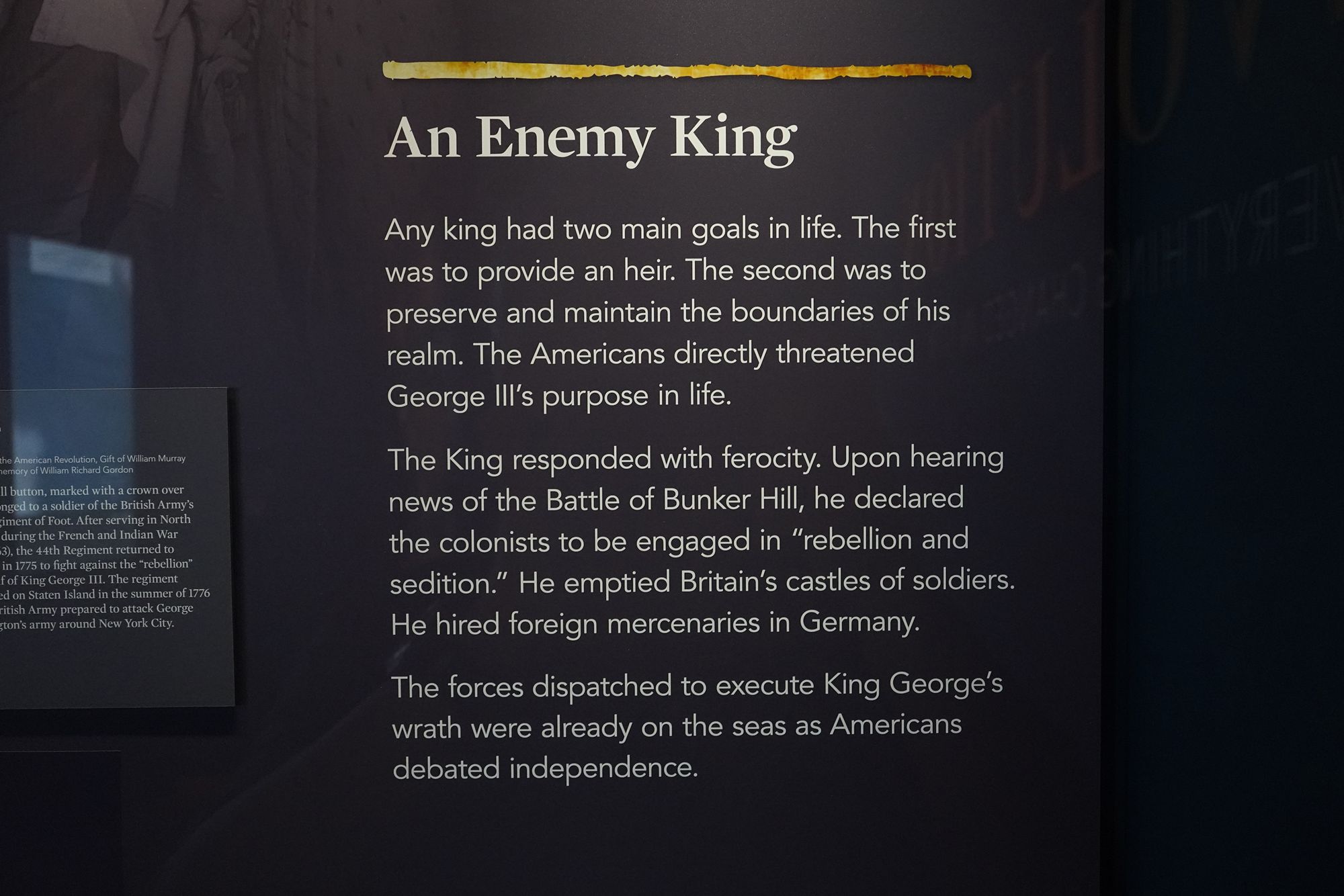
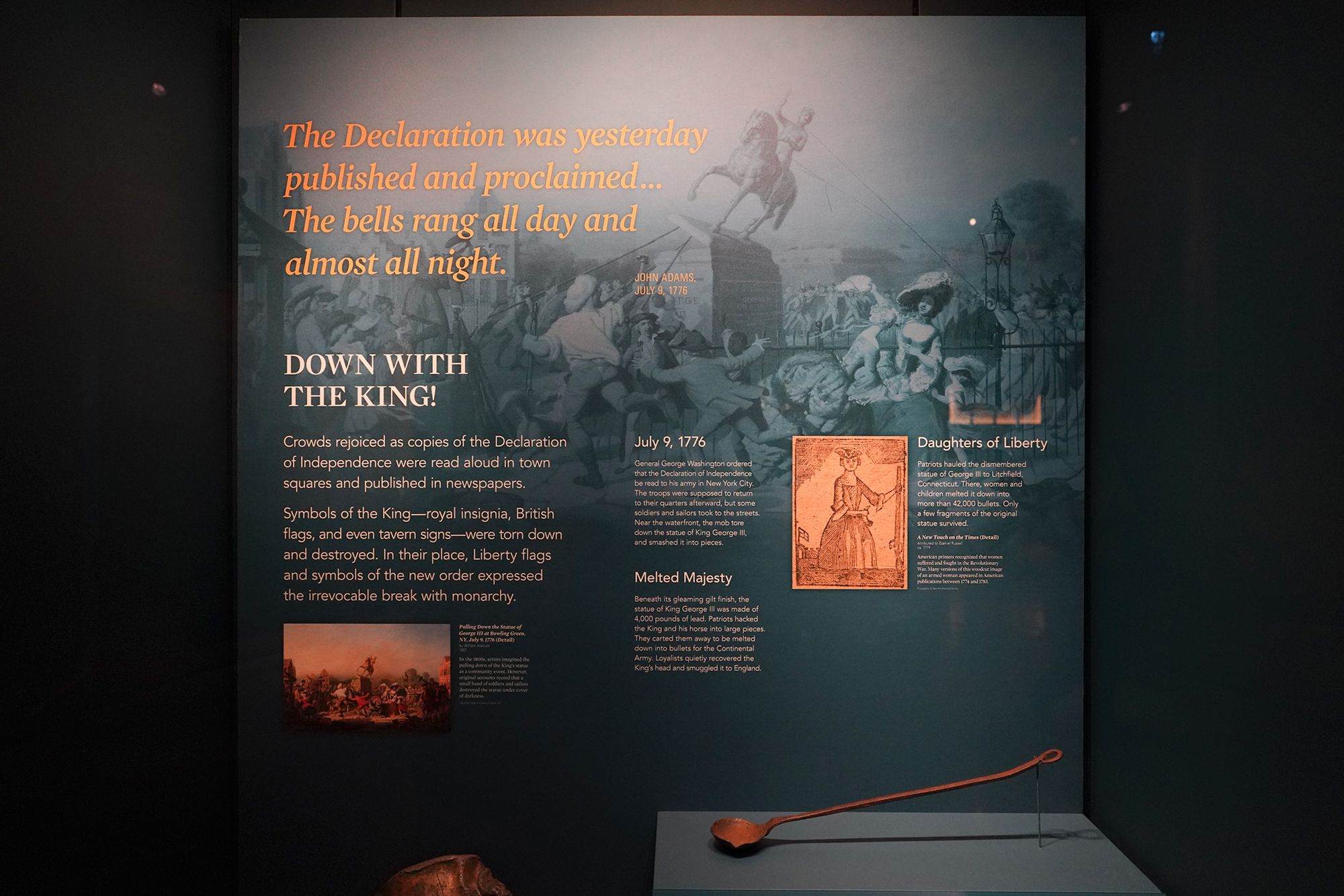
As the Revolution deepened, American anger increasingly focused on King George III. To many colonists, he was no longer a distant monarch but the symbol of tyranny—an enemy who denied their rights, enforced unfair taxes, and refused to listen to their petitions.
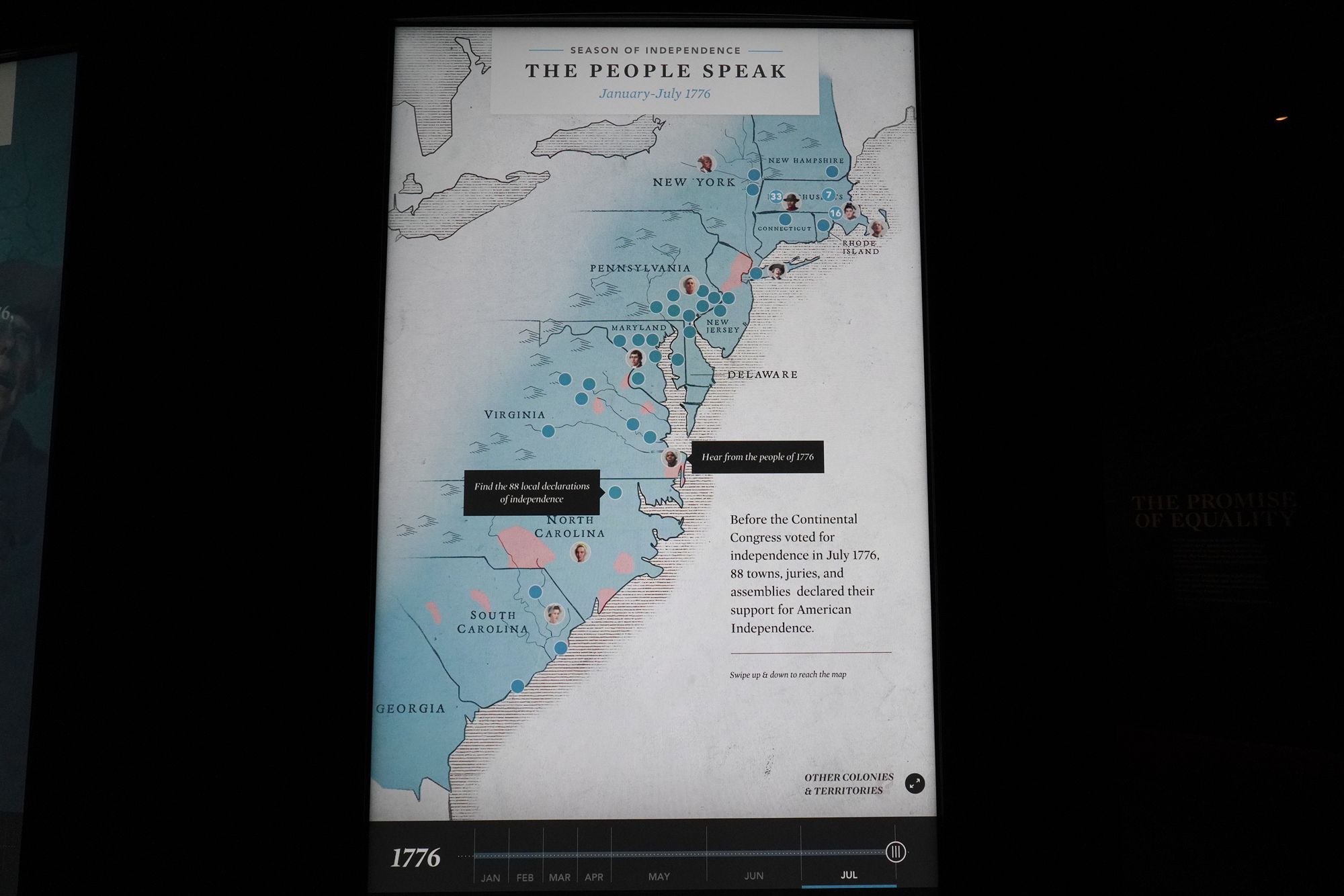
The Declaration of Independence
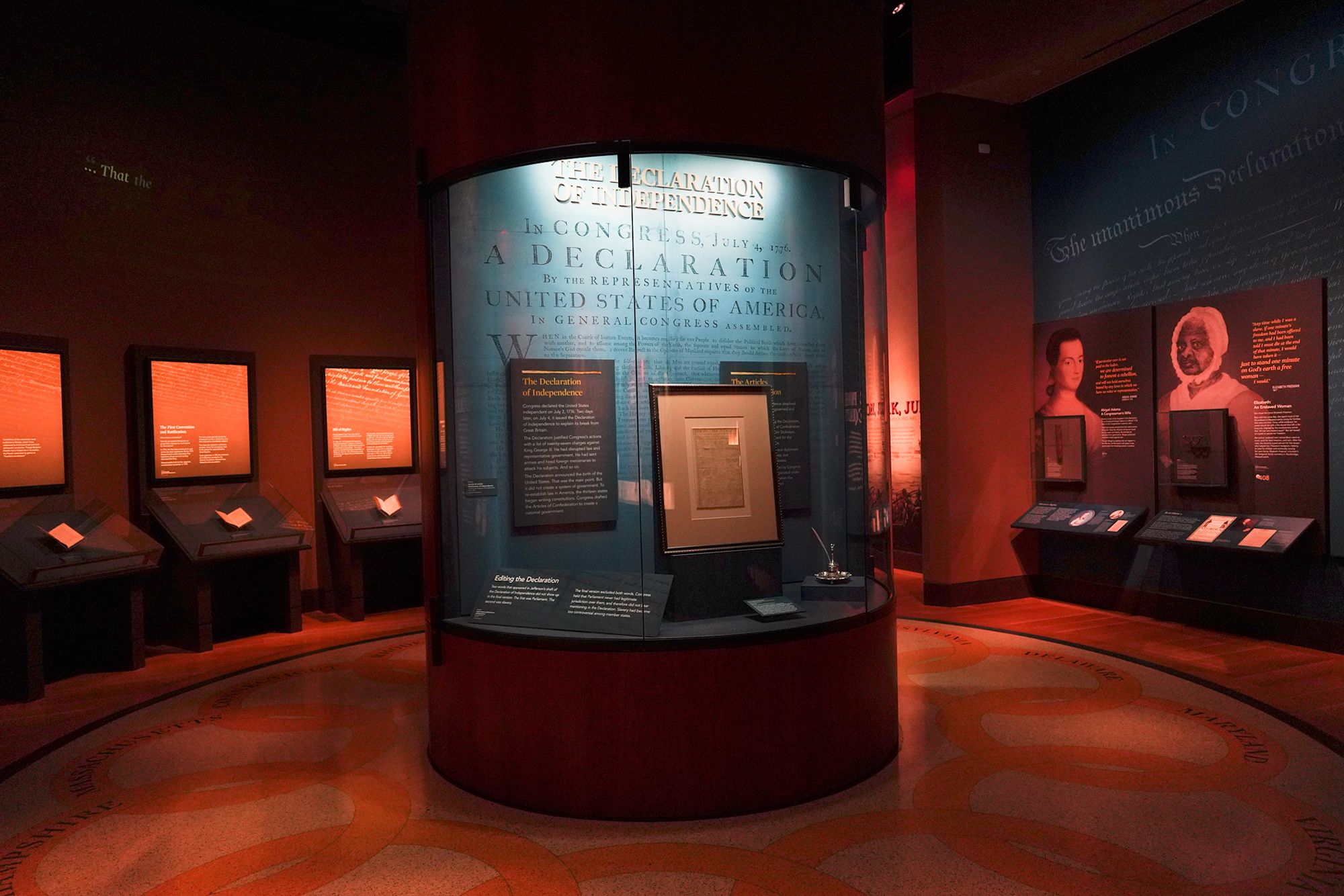
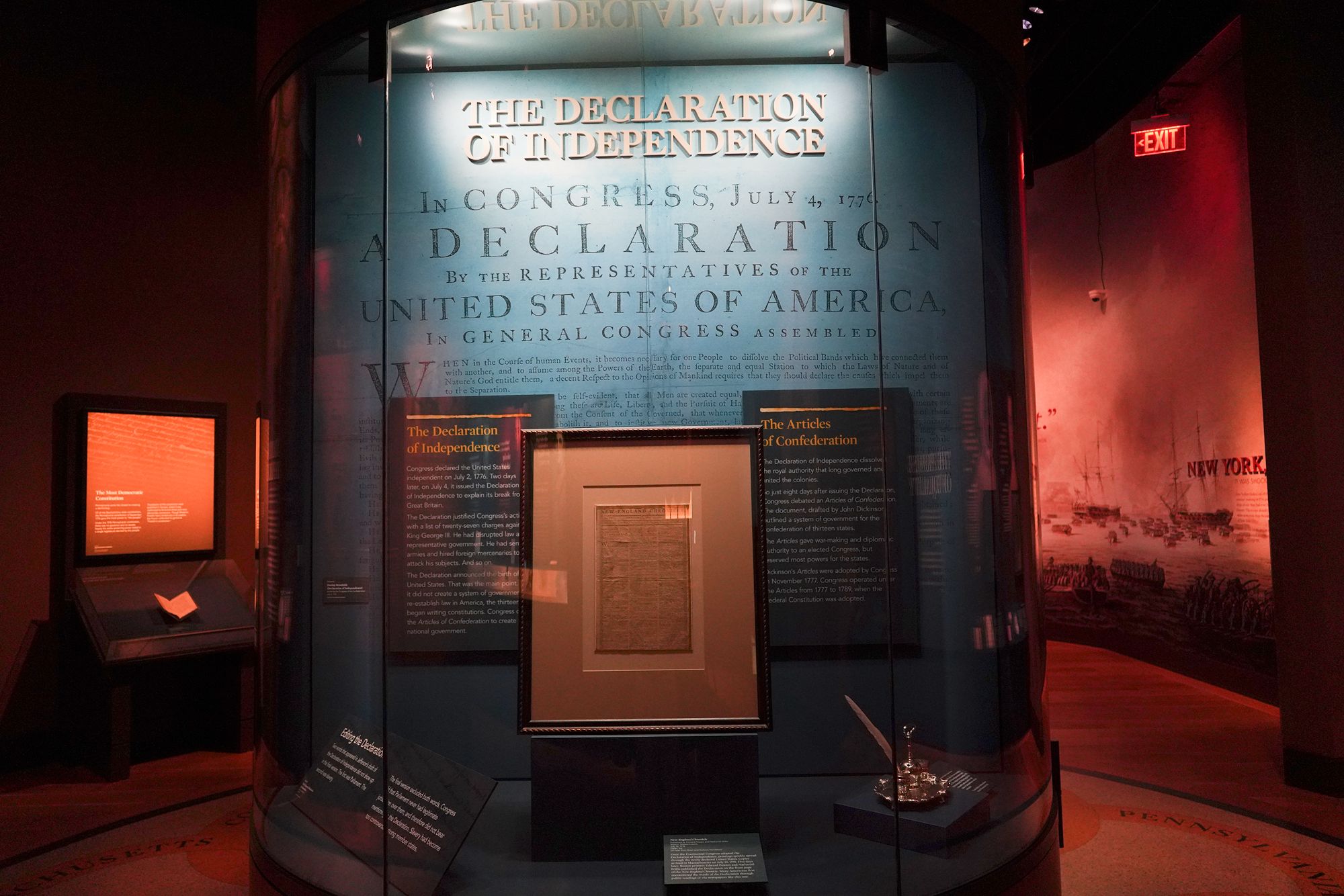
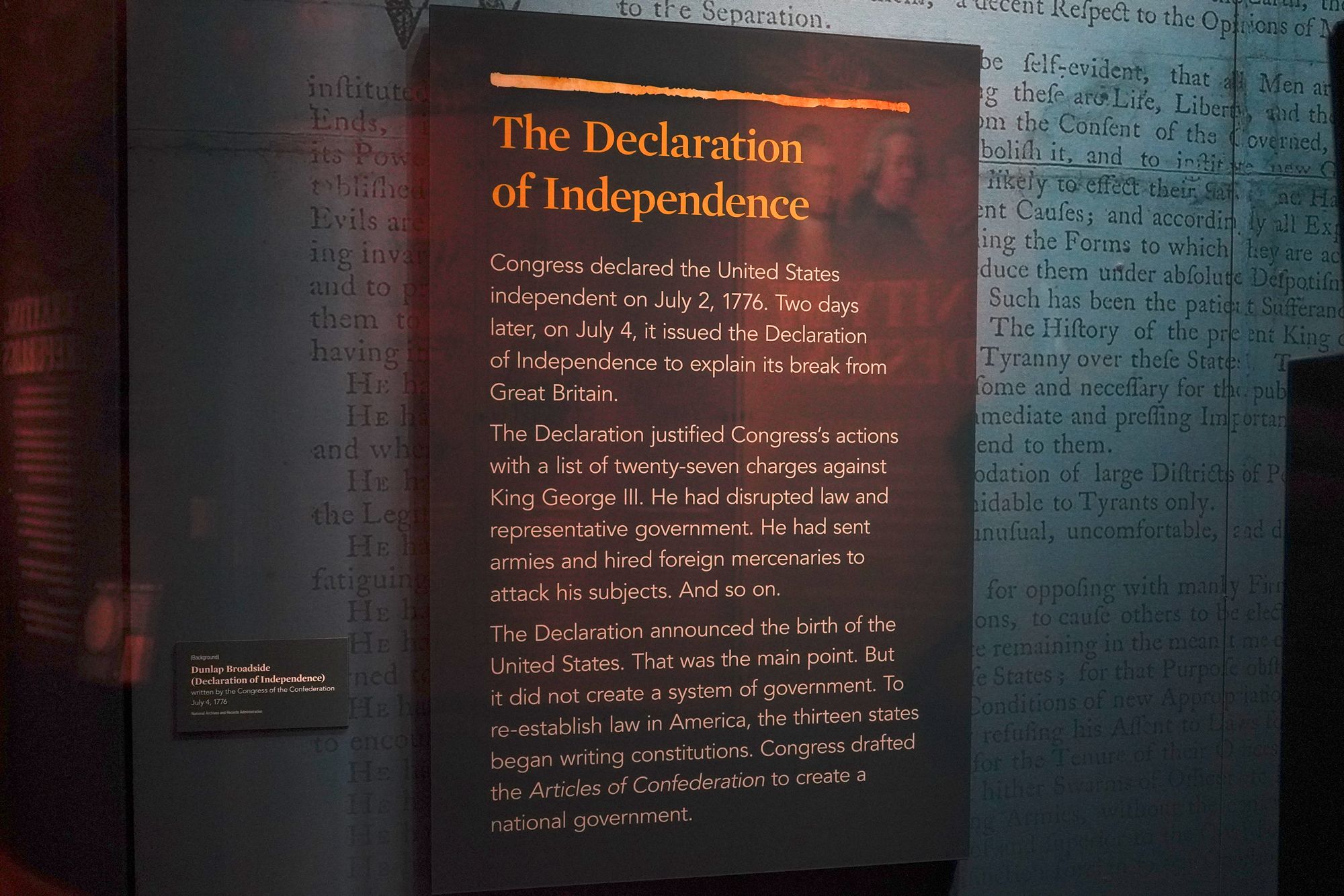
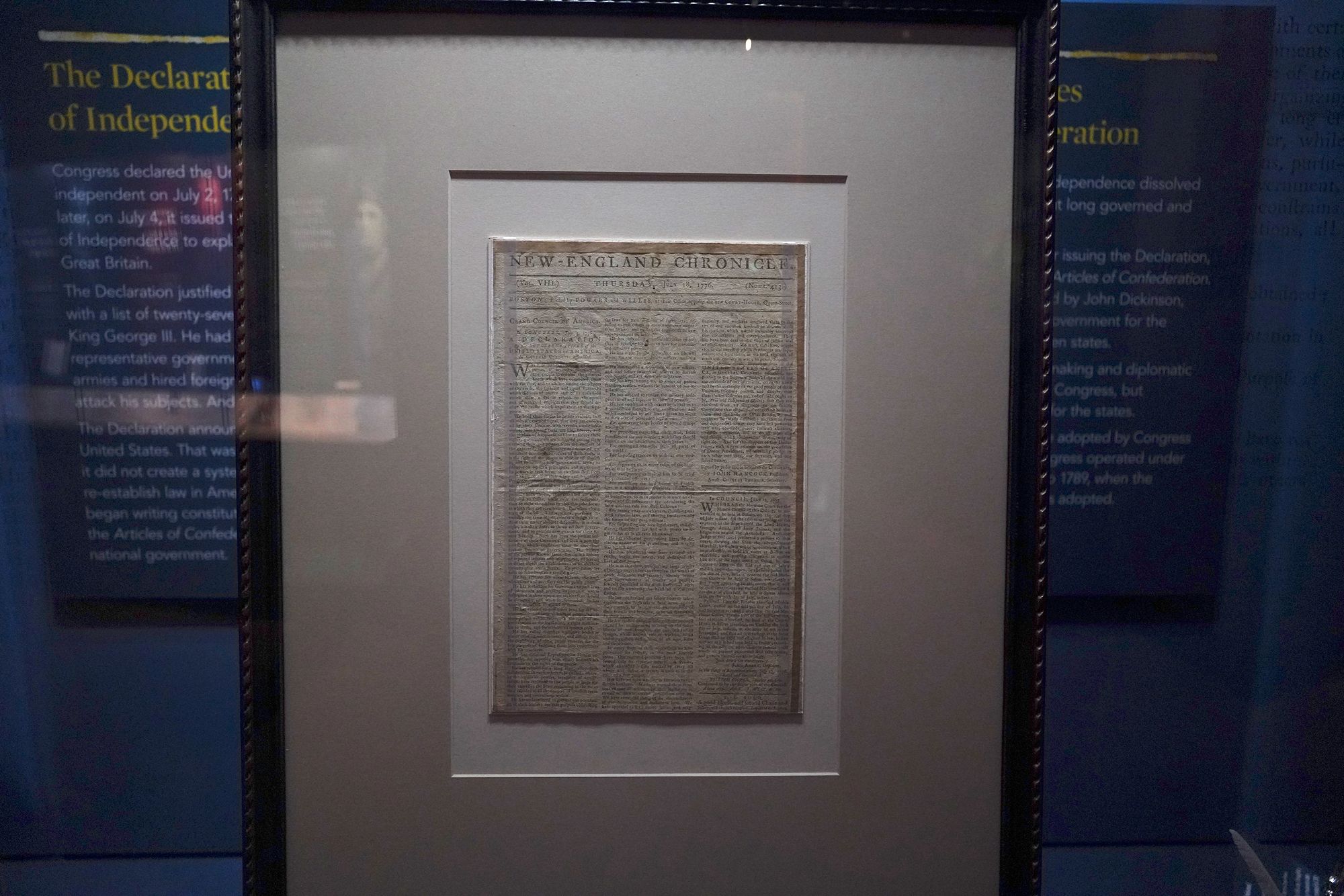
Printed copies of the Declaration were rapidly distributed to colonists across America.
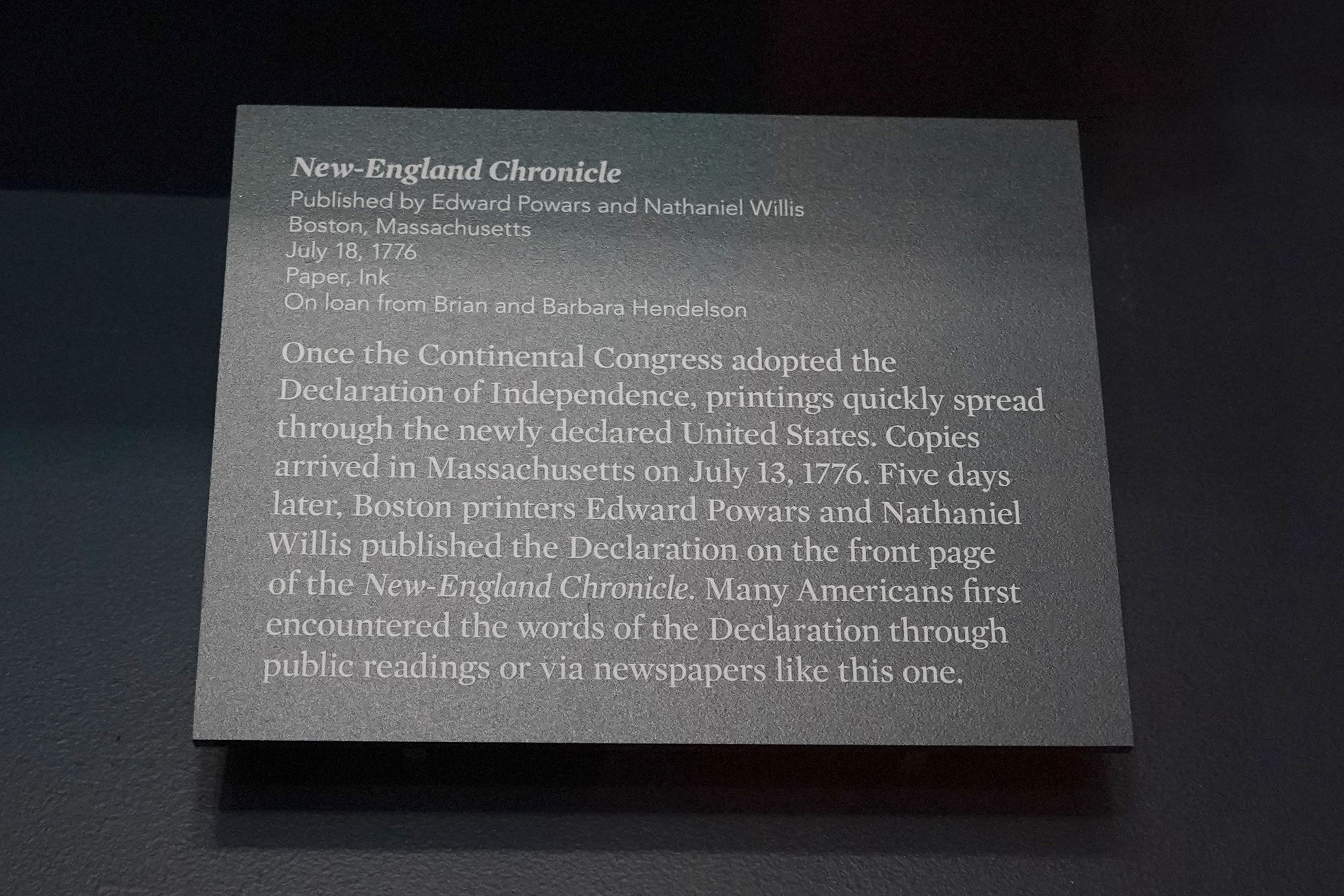
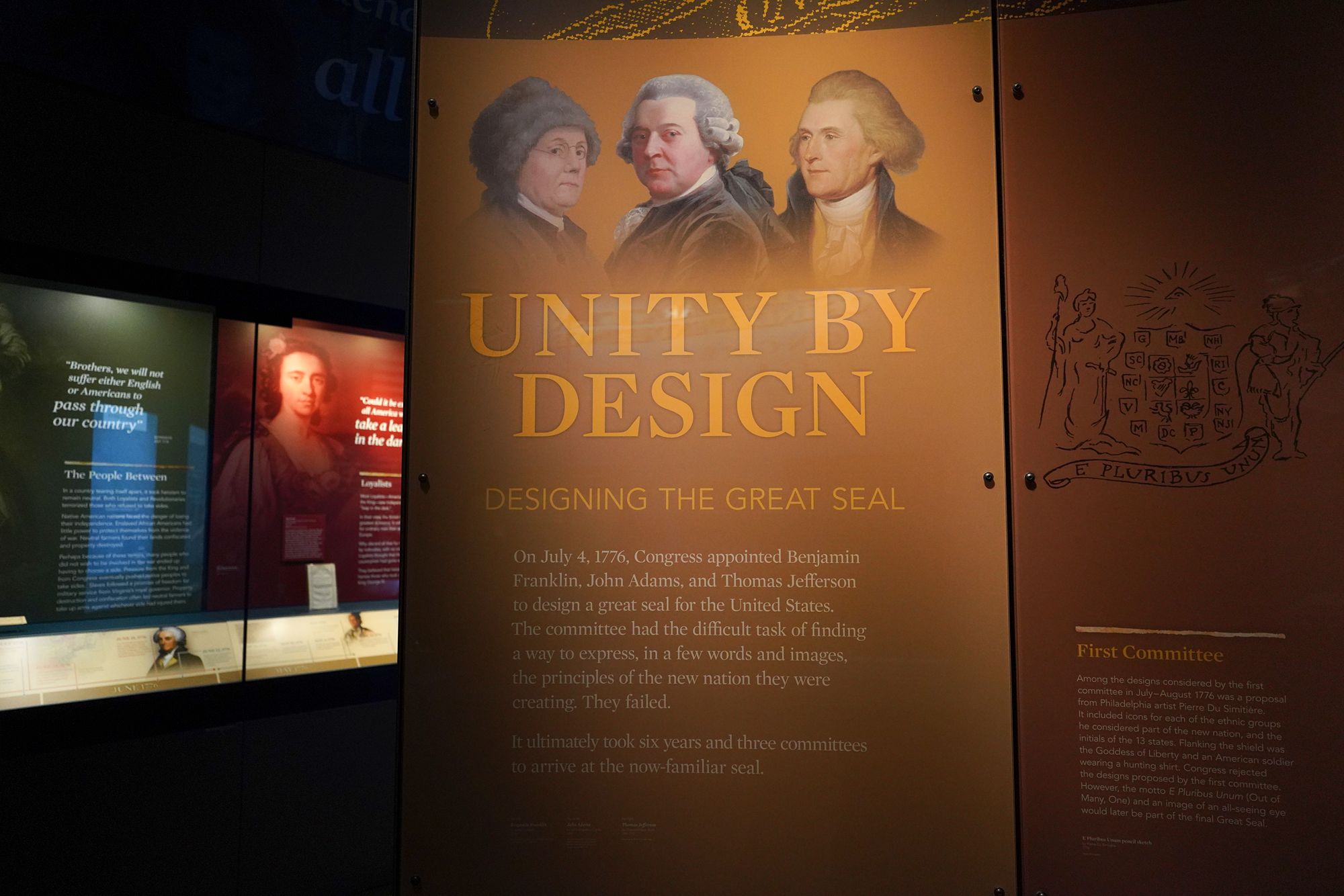
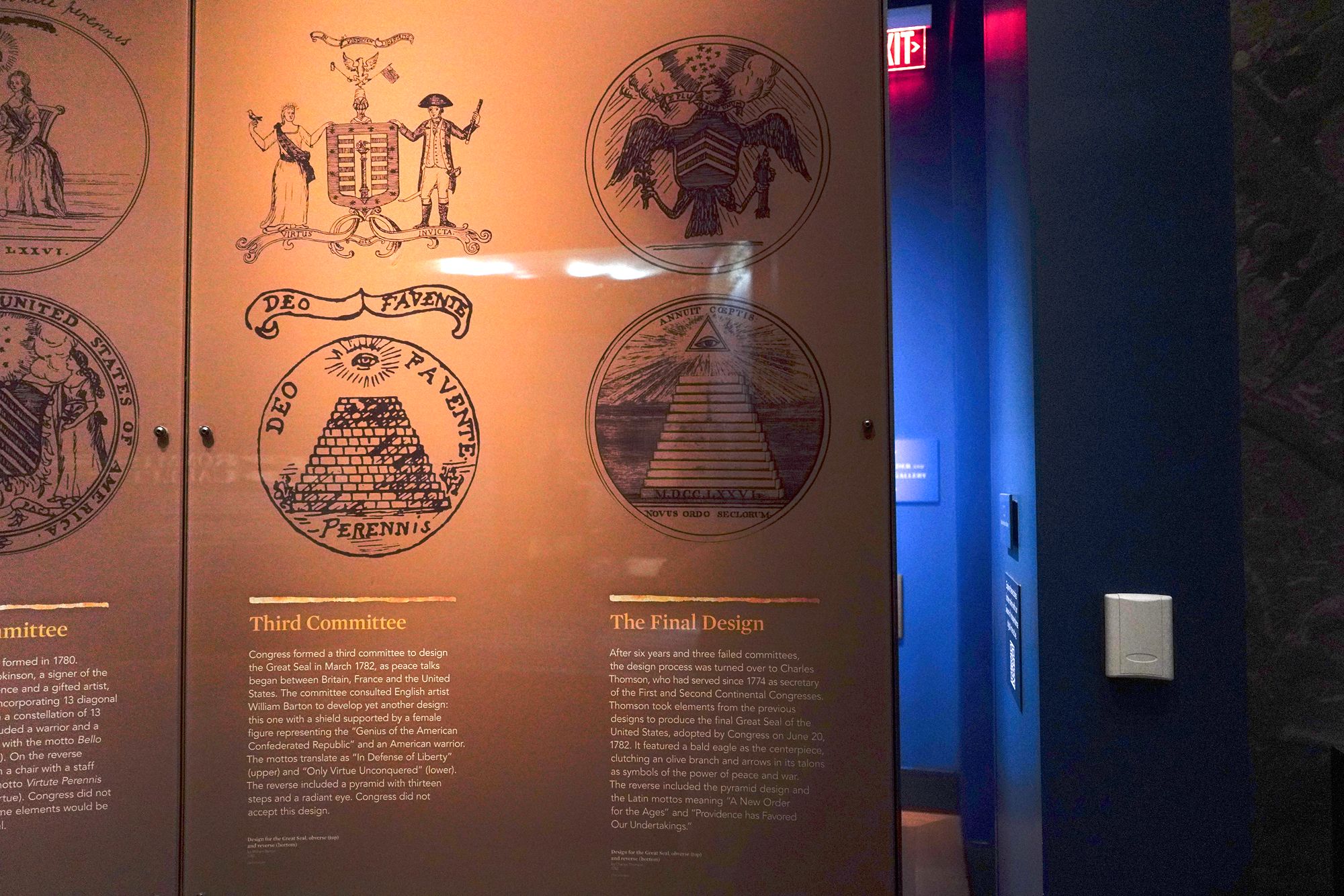
After declaring independence in 1776, the new United States needed a symbol of national authority for treaties, official documents, and government acts. Congress appointed committees—including Benjamin Franklin, John Adams, and Thomas Jefferson—to design the Great Seal of the United States. The process took six years and several redesigns before it was finalized in 1782.
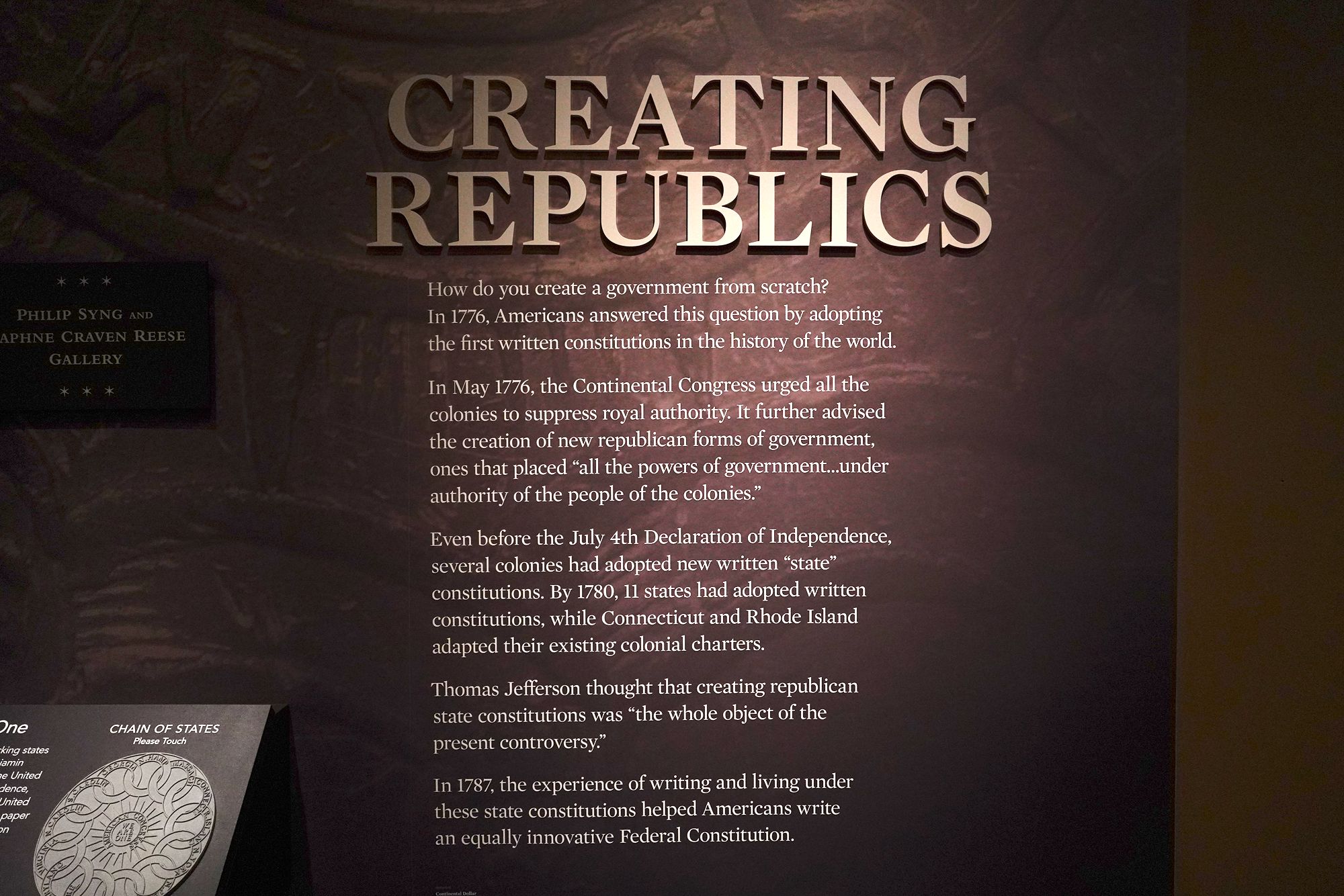
When the colonies declared independence in 1776, they had no king, no national government, and no blueprint for how a new country should function. Building a republic meant starting from the ground up. Americans had to answer big questions: Who holds power? How are leaders chosen? What rights must be protected? How are disagreements settled?
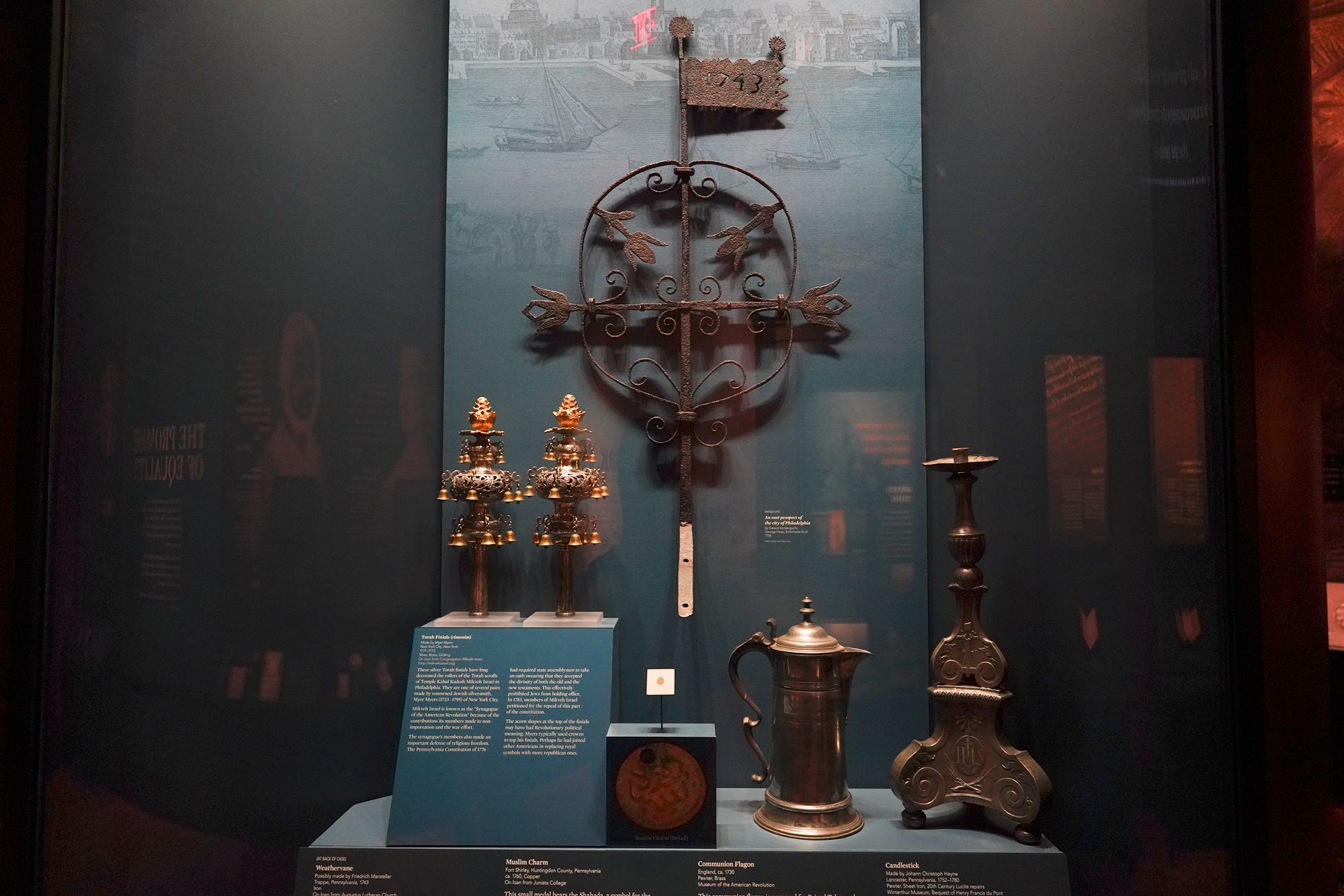
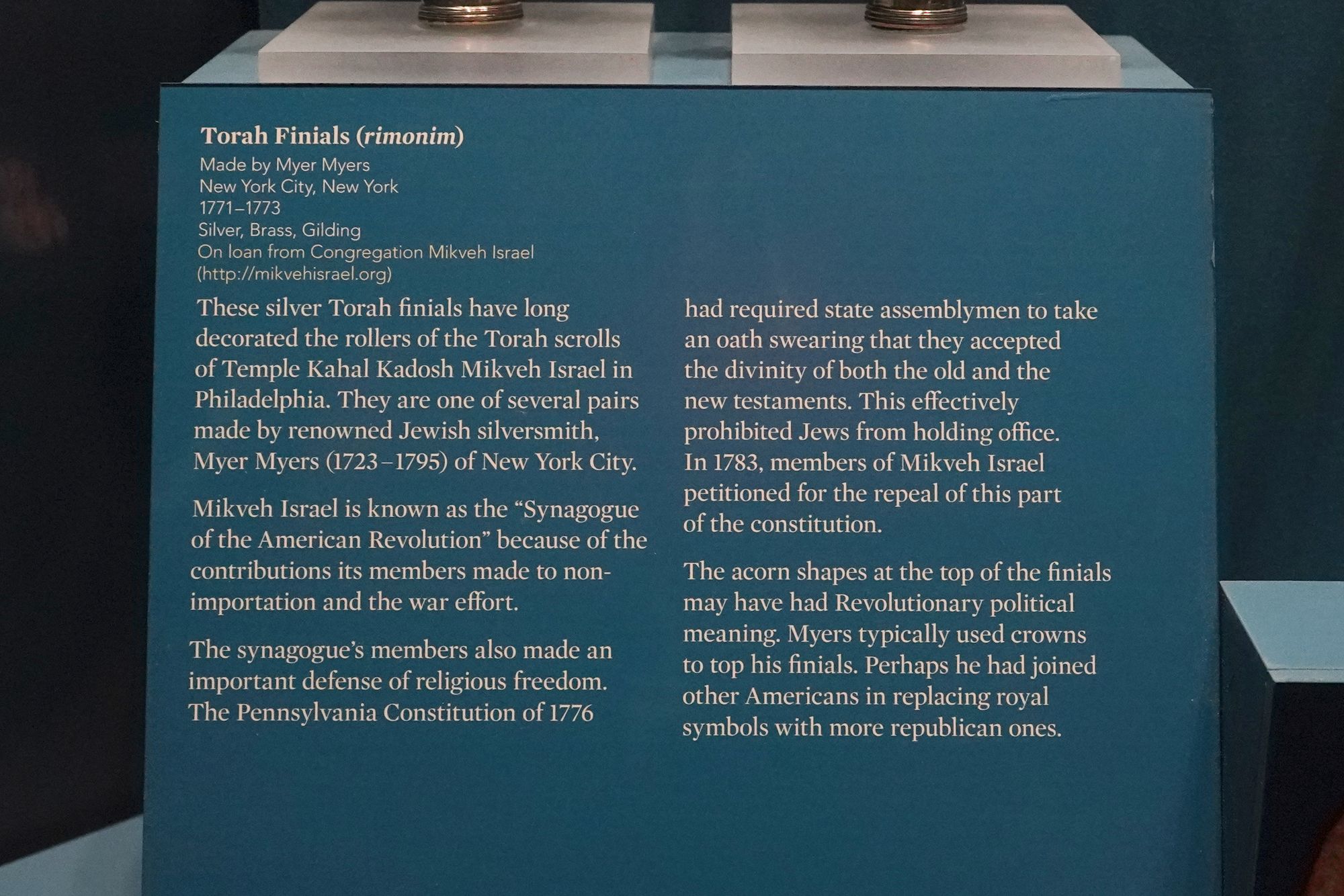
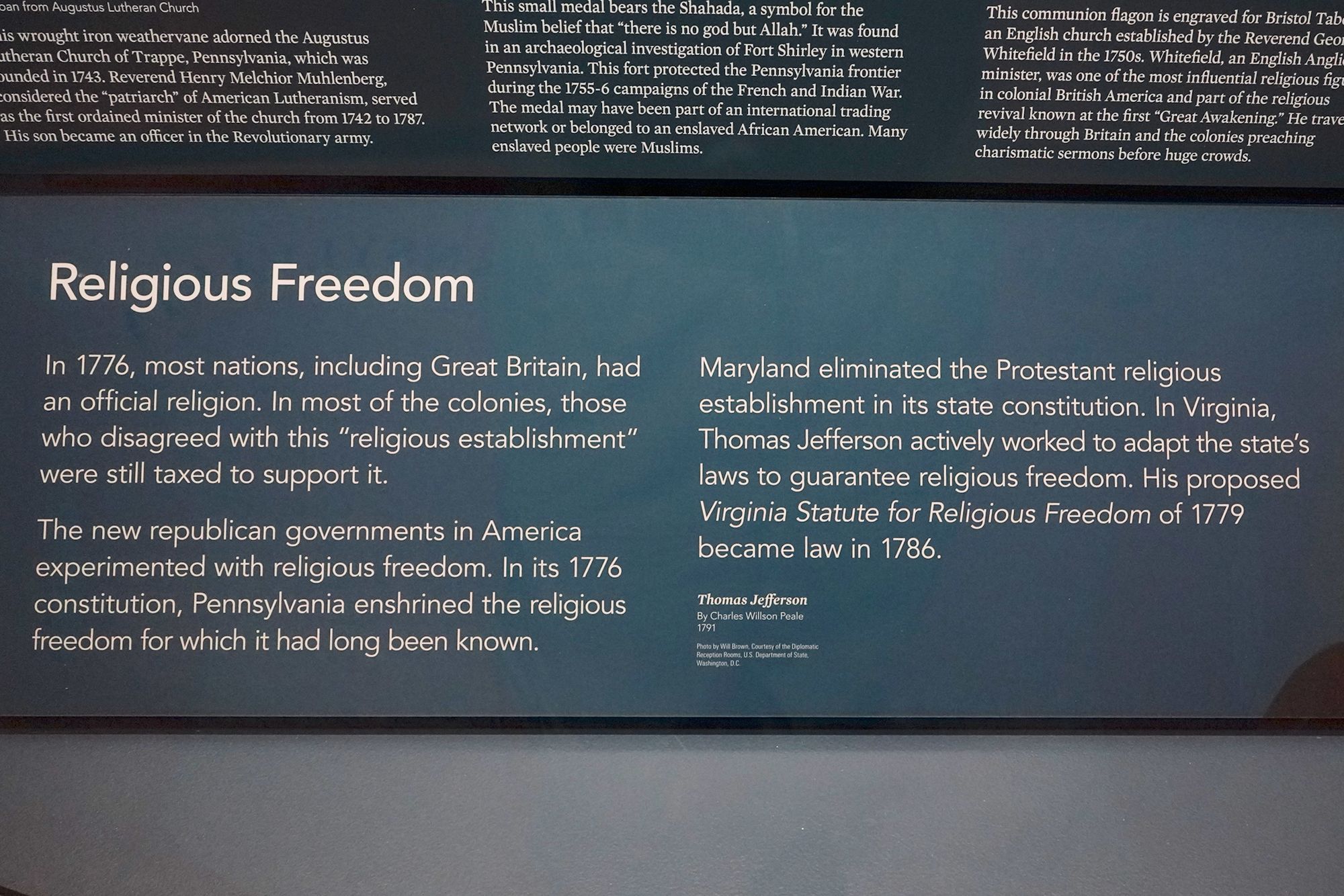
Religious Freedom, Torah Finials
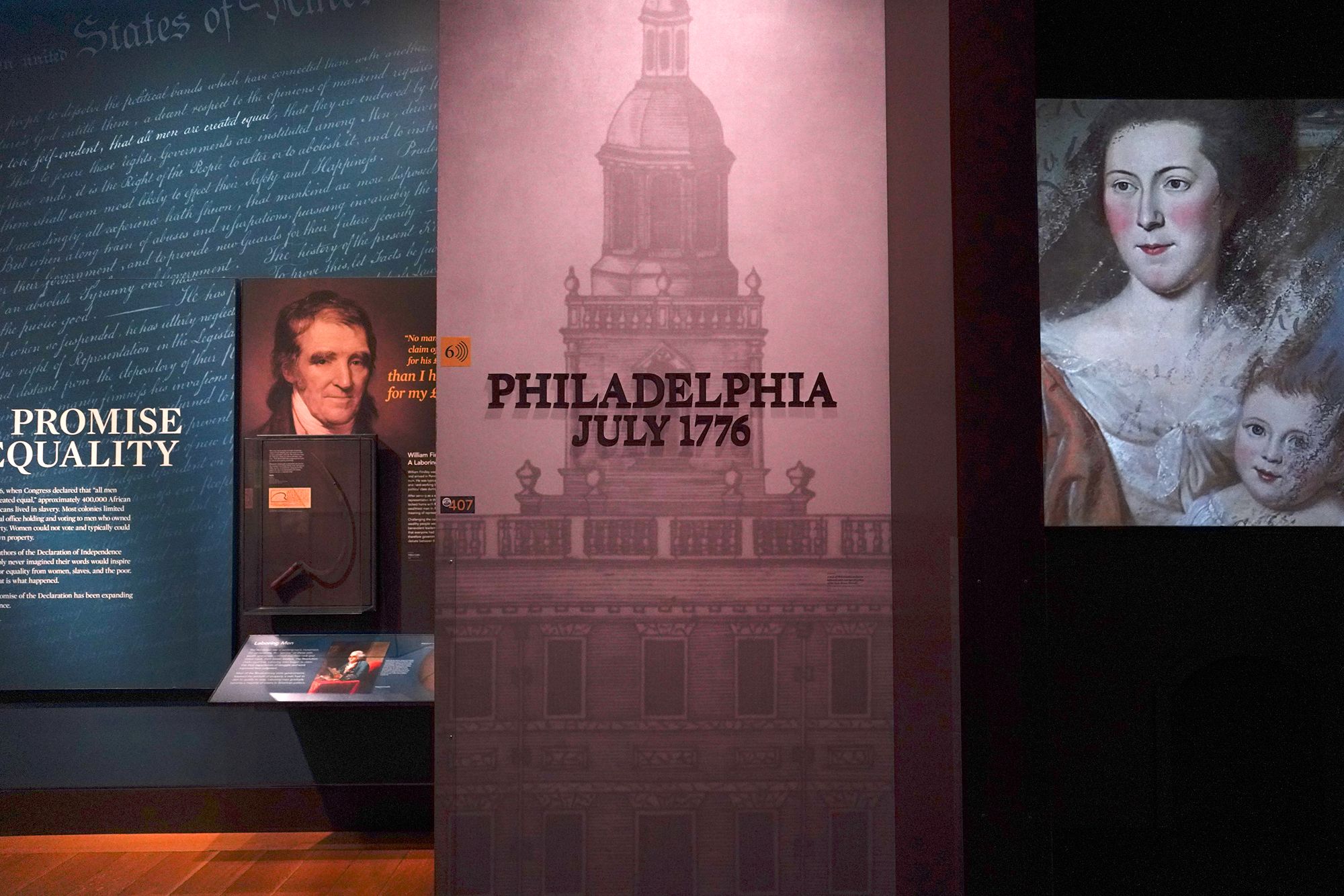
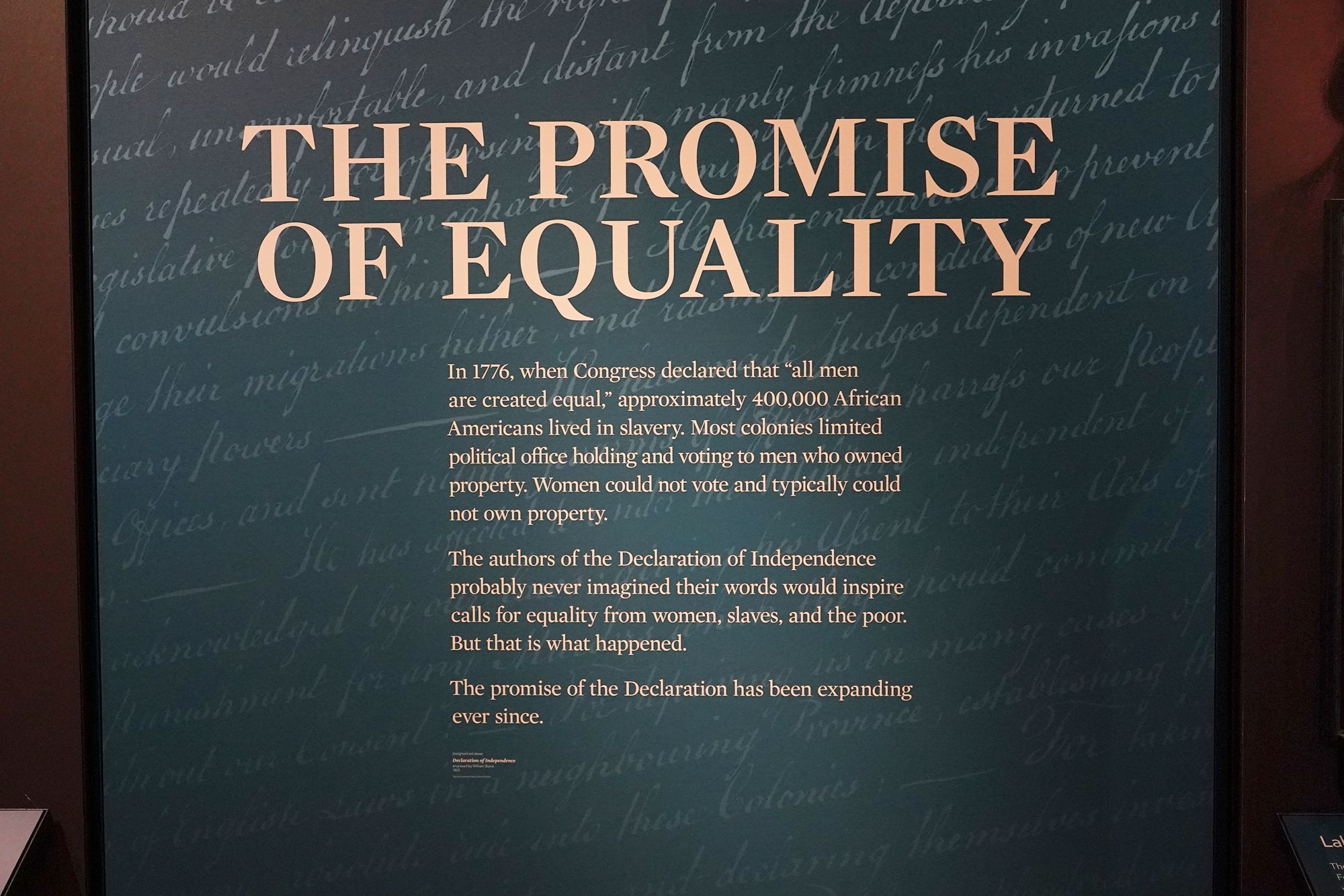
The Promise of Equality
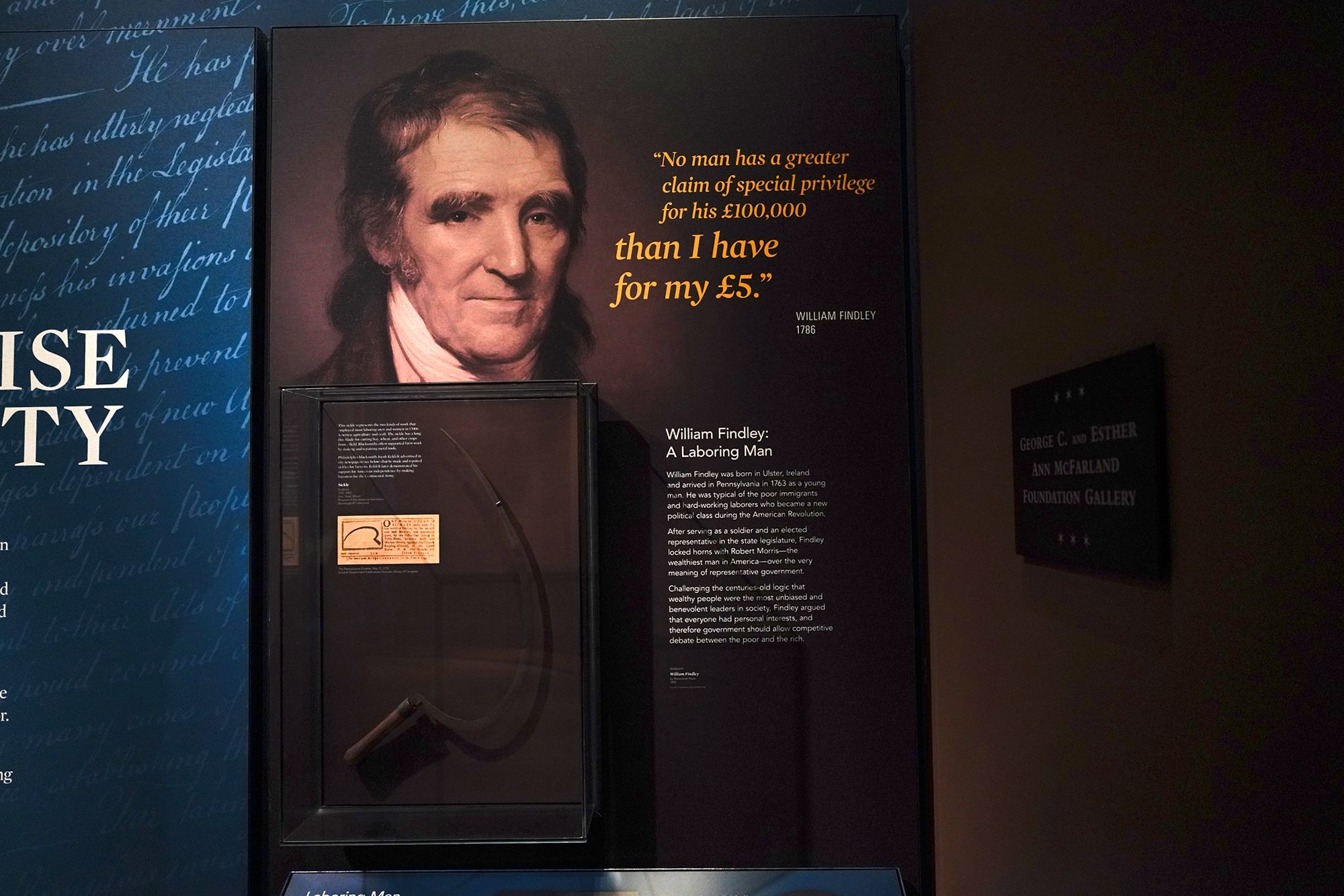
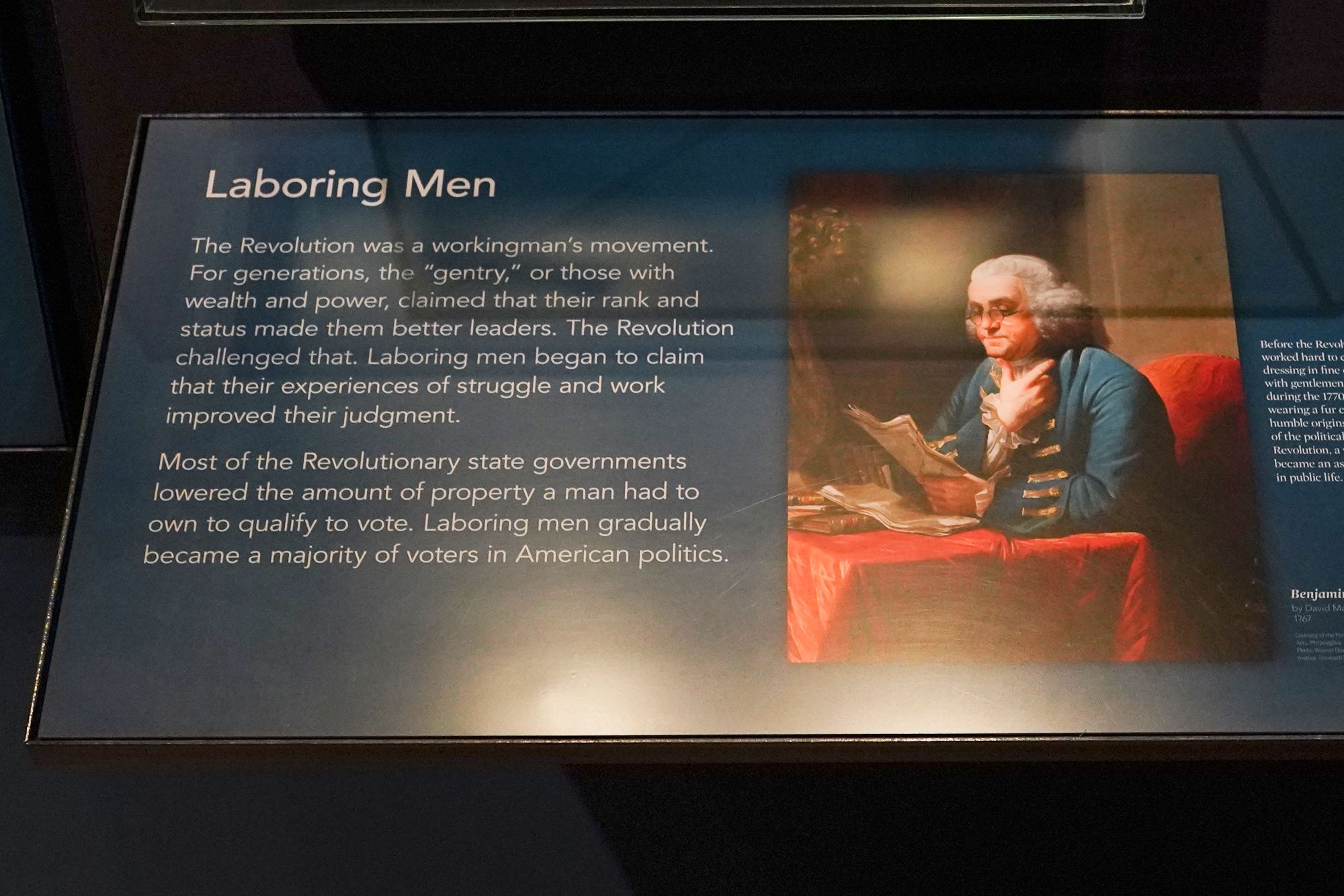
William Findley (1741–1821) was an influential early American politician, writer, and defender of democratic principles. Born in Ireland, he immigrated to Pennsylvania and became a farmer before entering public life. Findley served multiple terms in the Pennsylvania legislature and later represented the state in the U.S. House of Representatives.
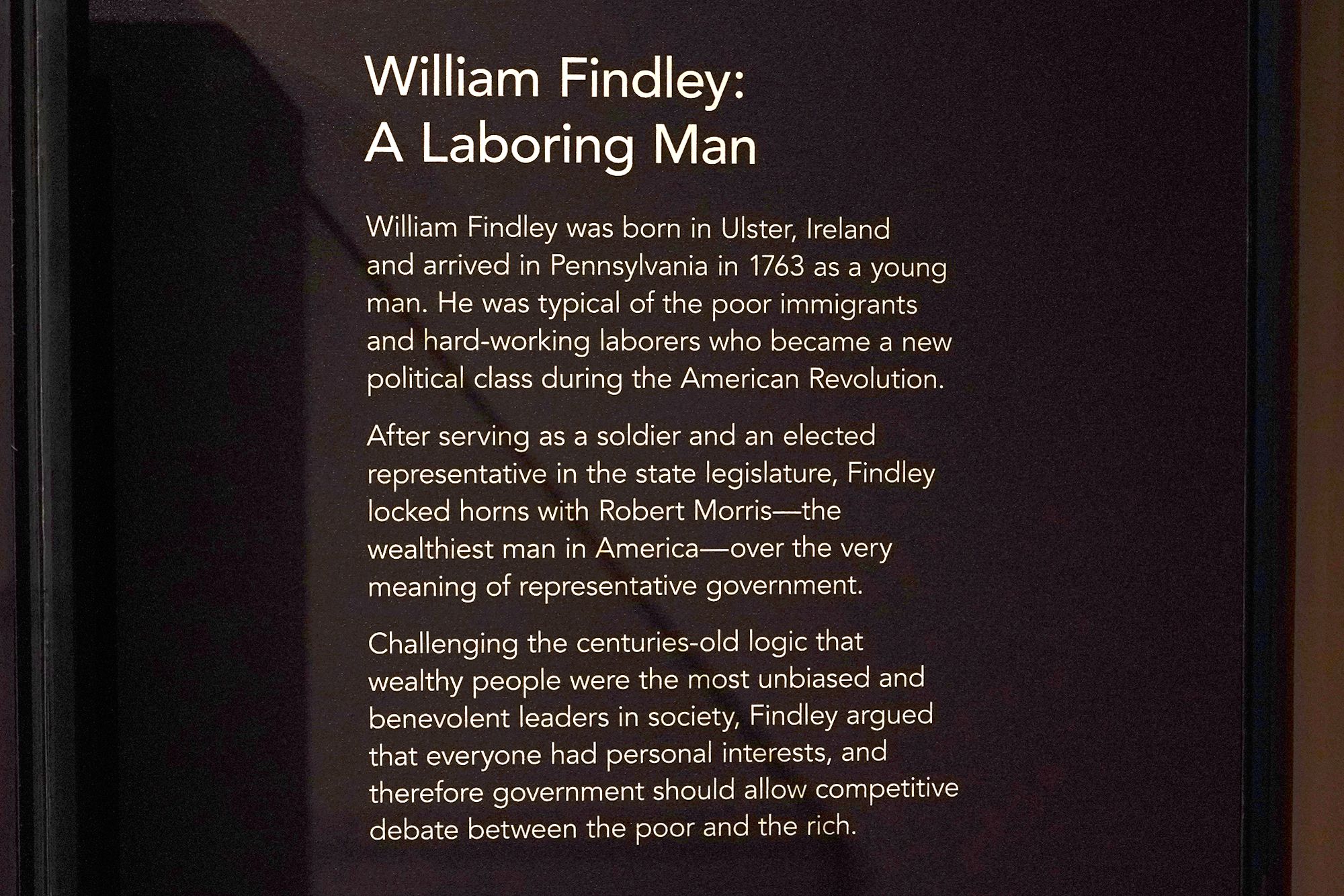
He was known as a strong voice for ordinary citizens—skeptical of concentrated power and supportive of broad political participation. During the Constitutional debates, Findley valued individual rights and local authority. Although he criticized aspects of the Constitution at first, he worked within the system once it was ratified, pushing for the Bill of Rights to protect personal freedoms.
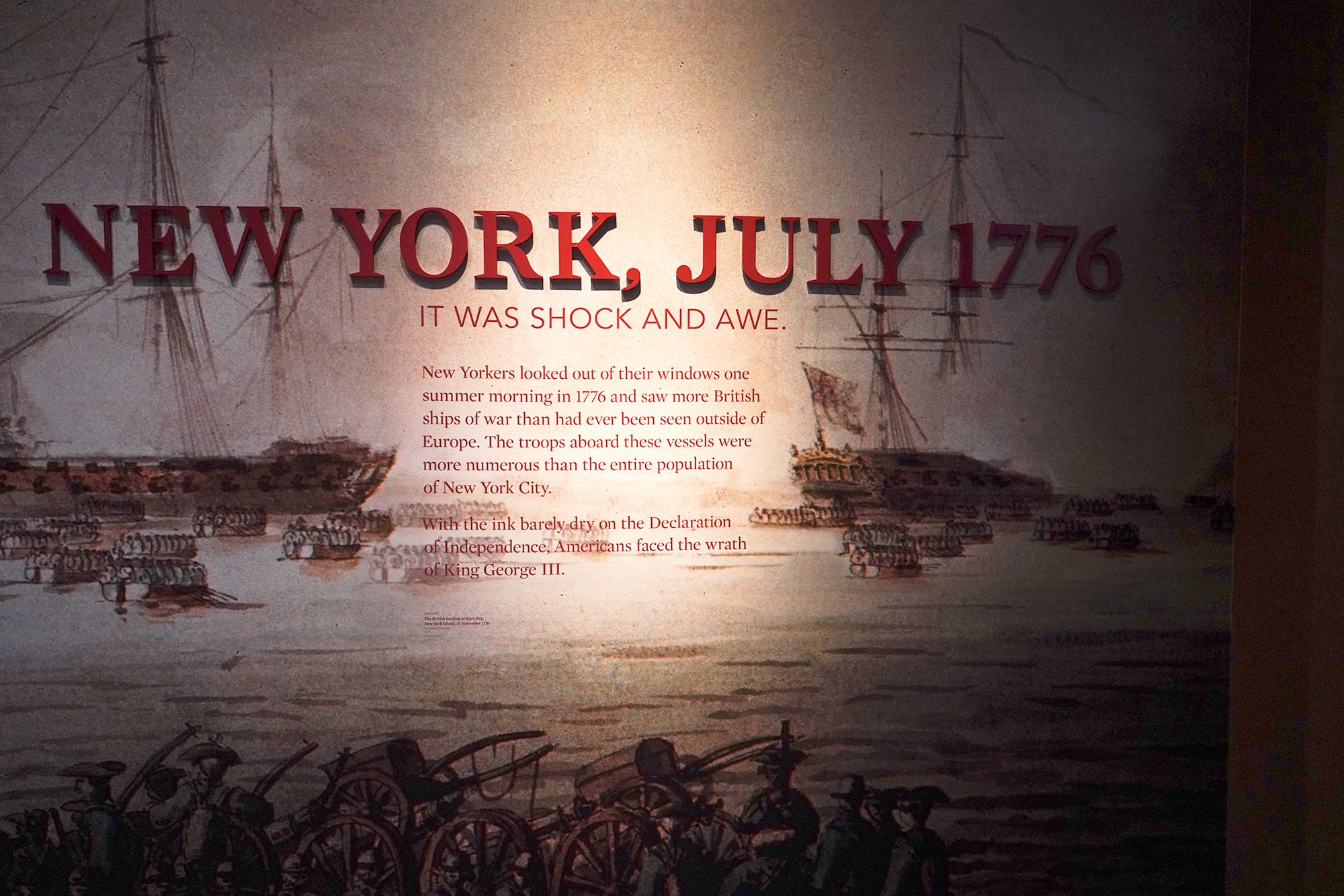
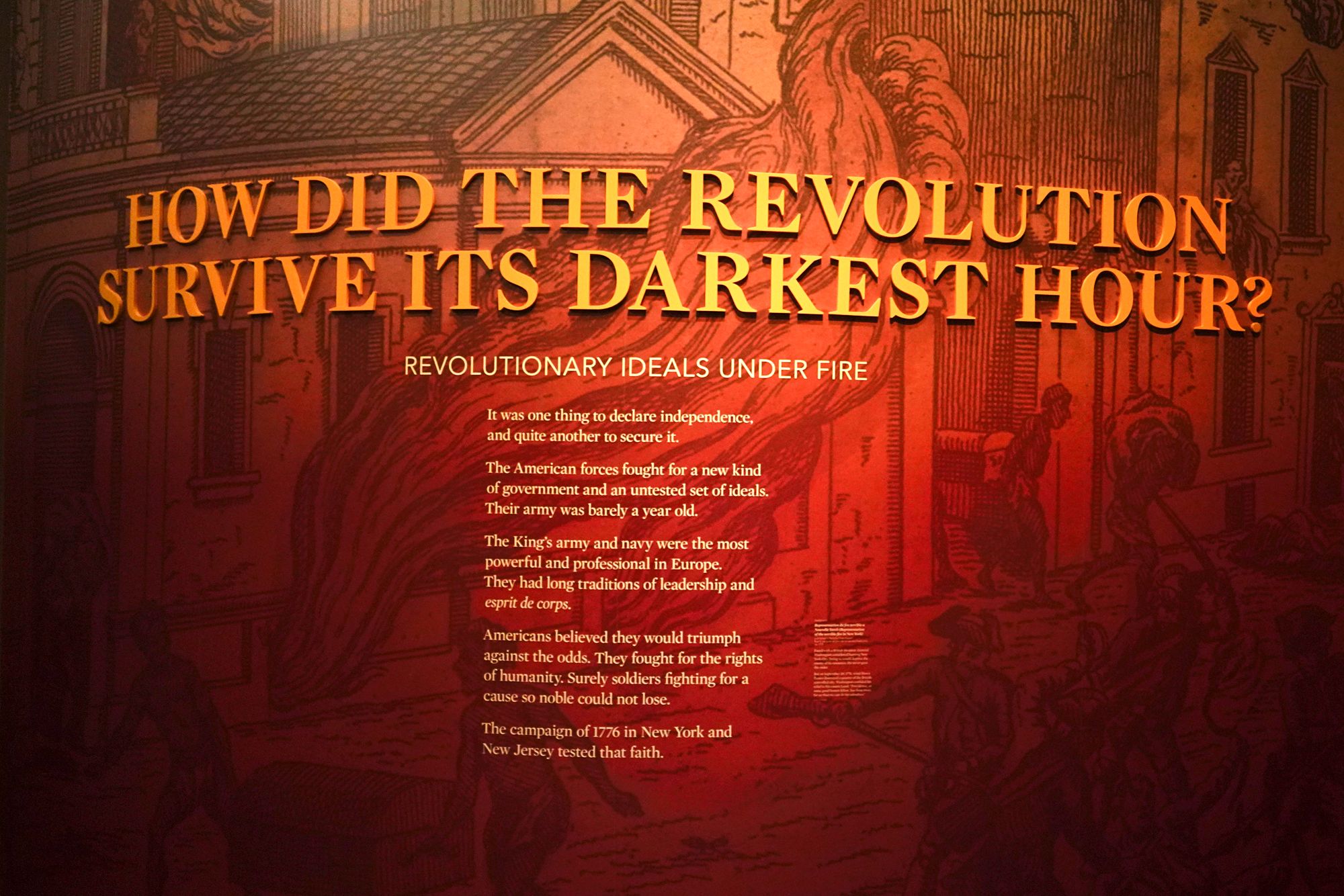
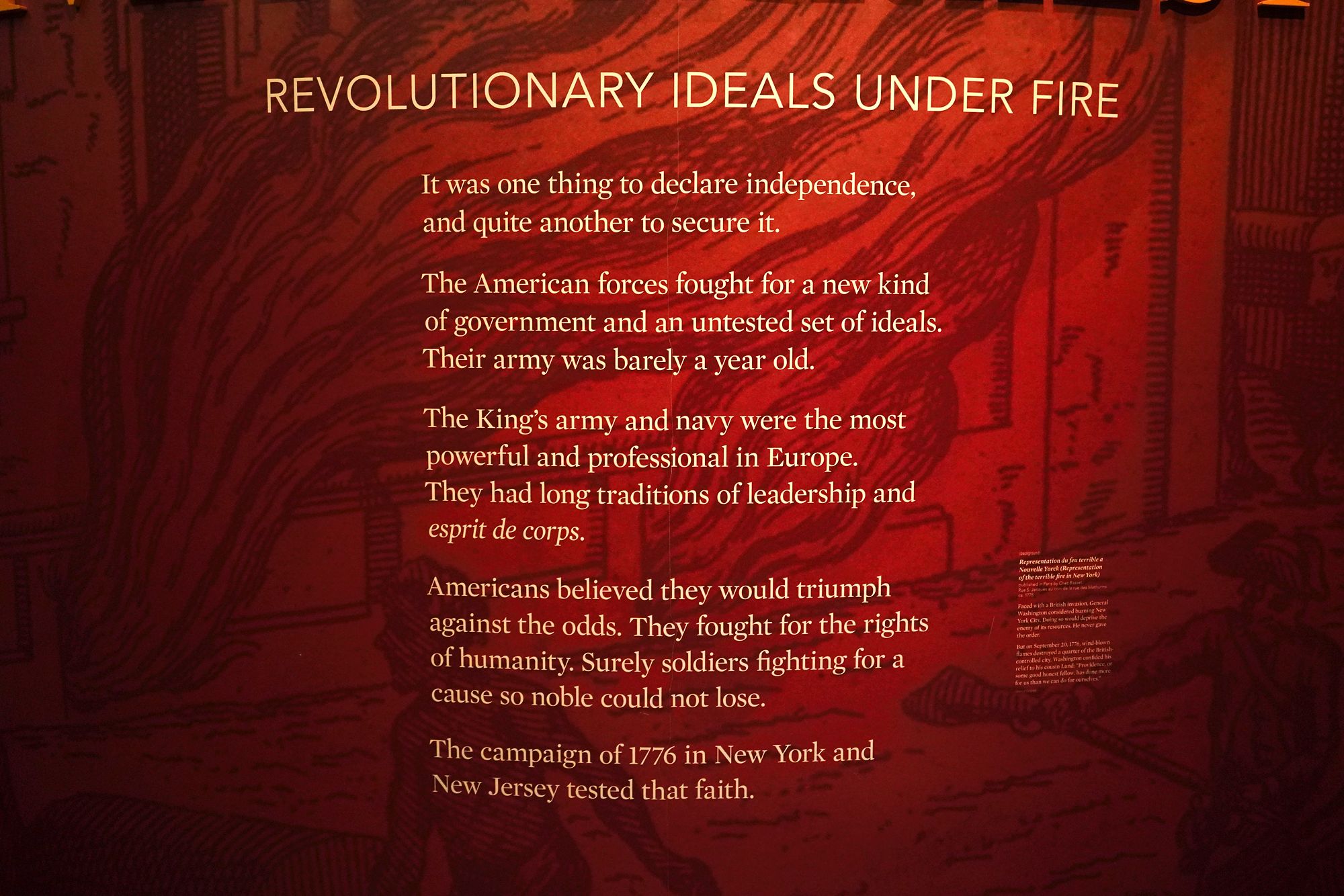
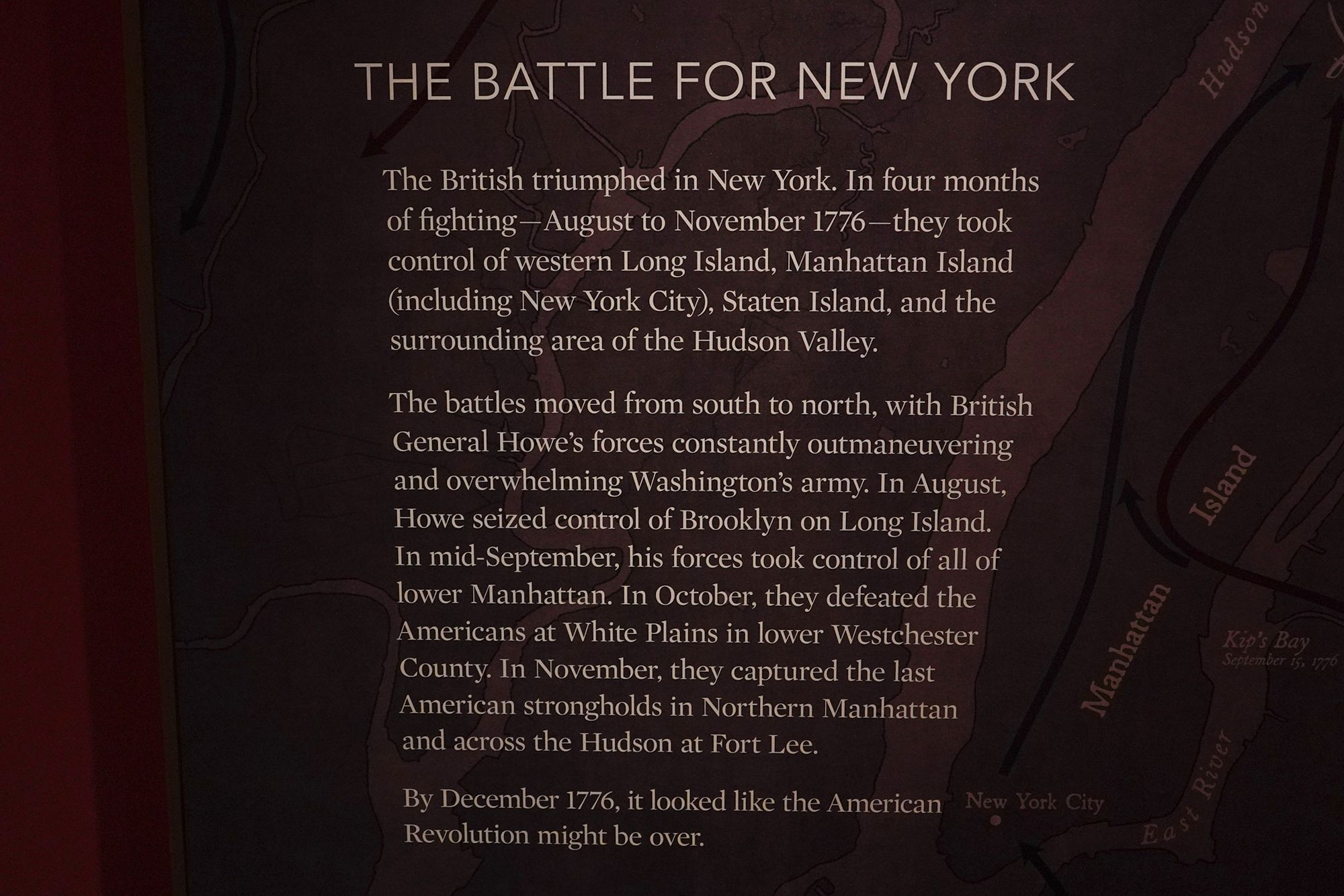
In the summer of 1776, New York became the center of the war. After the Declaration of Independence, the British planned to crush the revolution quickly. In July, New Yorkers watched in fear as the largest British force ever sent overseas assembled in their harbor. Warships and troop transports—more than 400 ships carrying tens of thousands of soldiers—filled the waters around Staten Island and New York Bay. No city in America had ever seen such power.
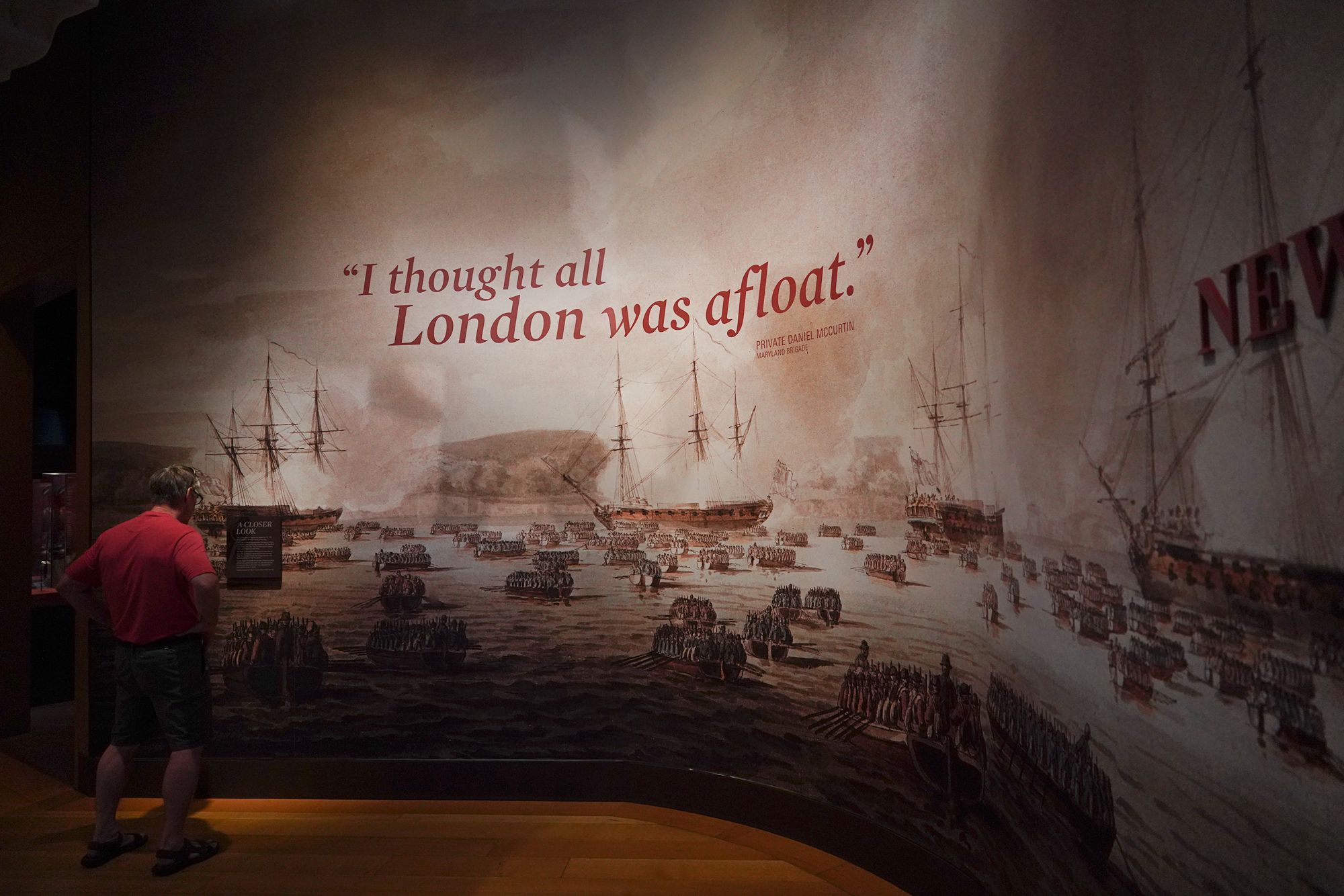
General George Washington and the Continental Army prepared defenses, but they were vastly outnumbered and outgunned. The British invasion began soon after, leading to the Battle of Long Island, the largest battle of the entire war. The Americans were forced to retreat through Manhattan, eventually escaping across the Hudson and into New Jersey.
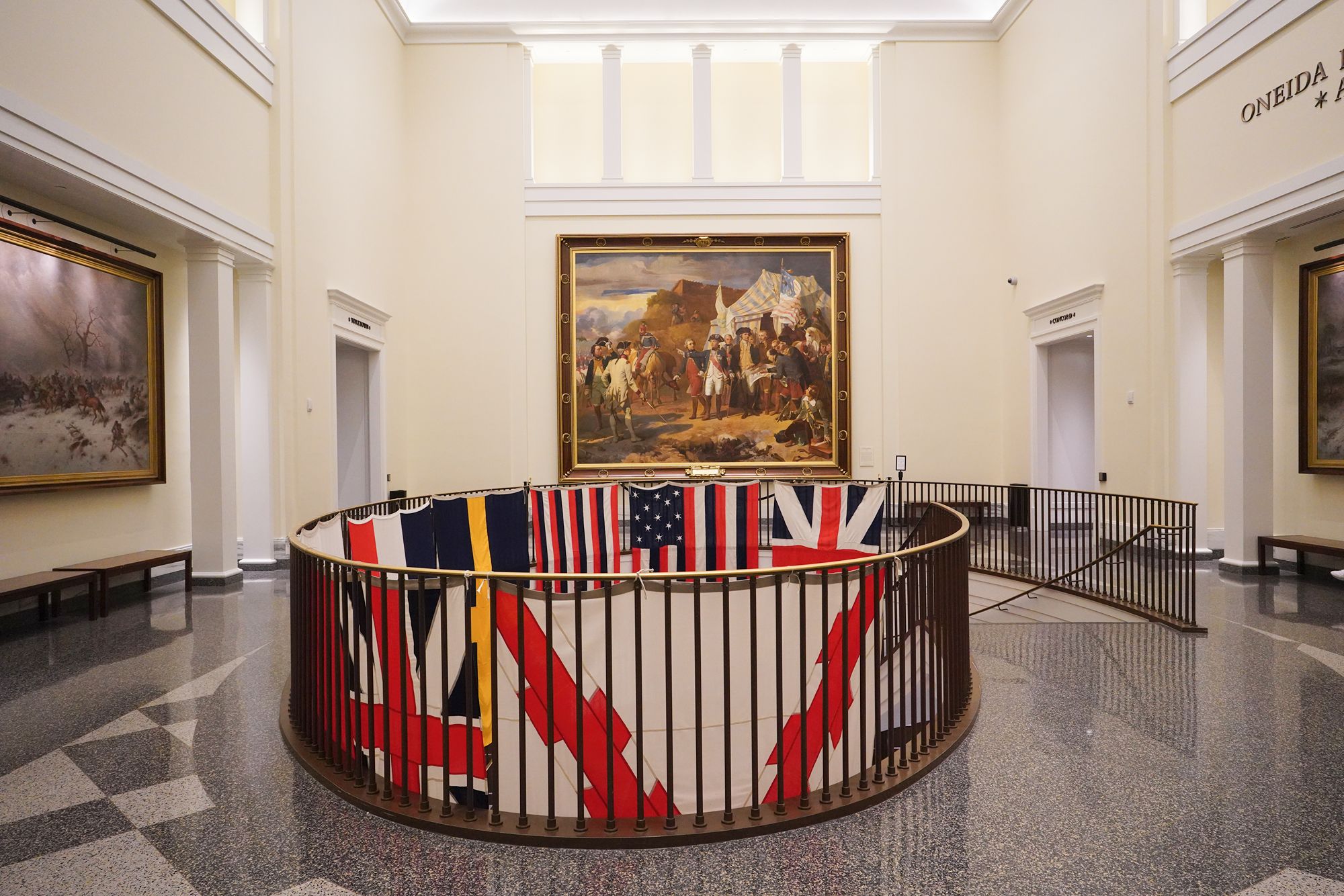
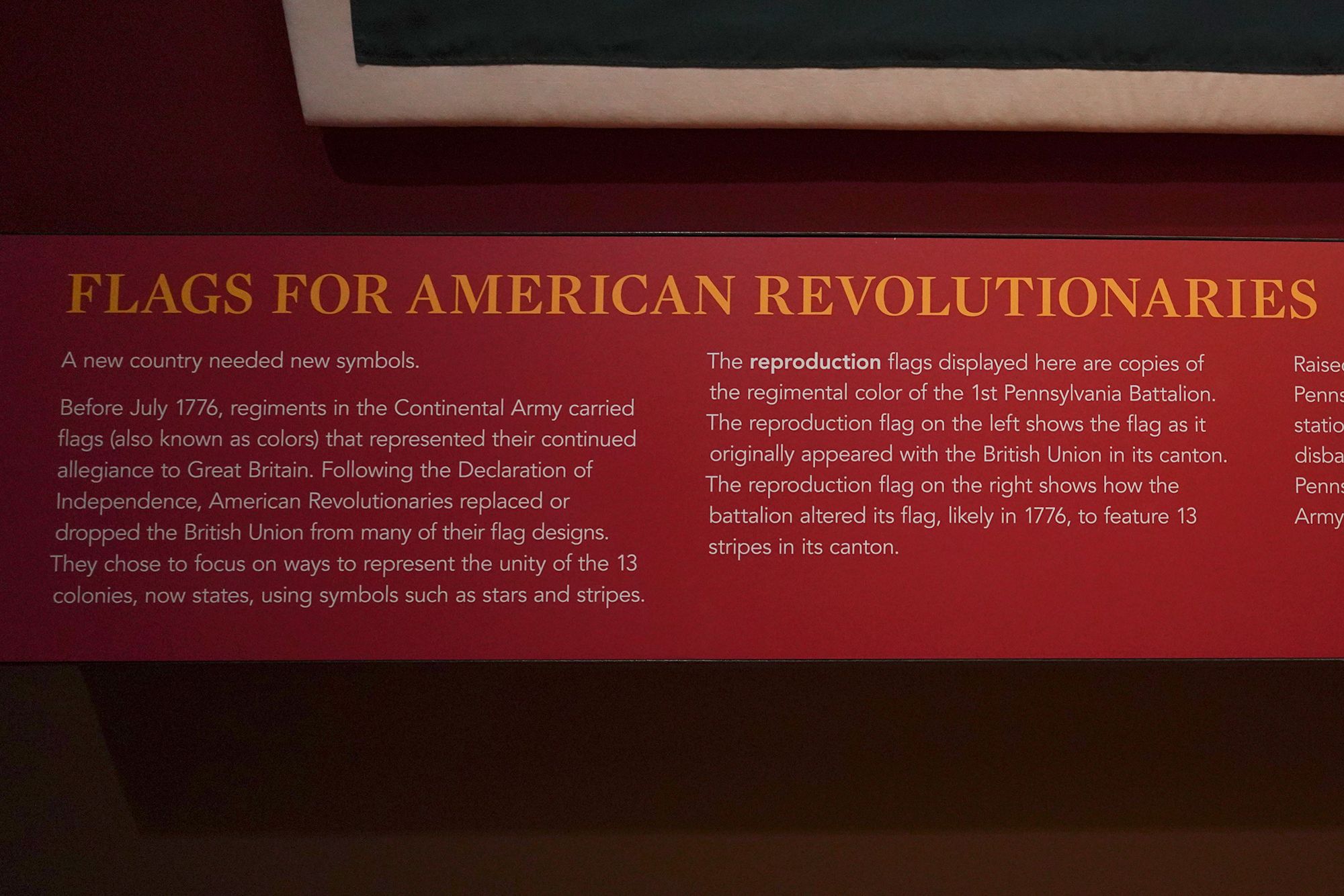
Before July 4, 1776, many American flags still showed loyalty to Britain. The Great Union (Grand Union) Flag, for example, had 13 stripes for the colonies, but the corner still displayed the British Union Jack, a reminder of the Crown. Once the Declaration of Independence was issued, these symbols no longer fit the new reality. America was no longer fighting for rights within the British Empire—it was fighting to separate from it entirely.
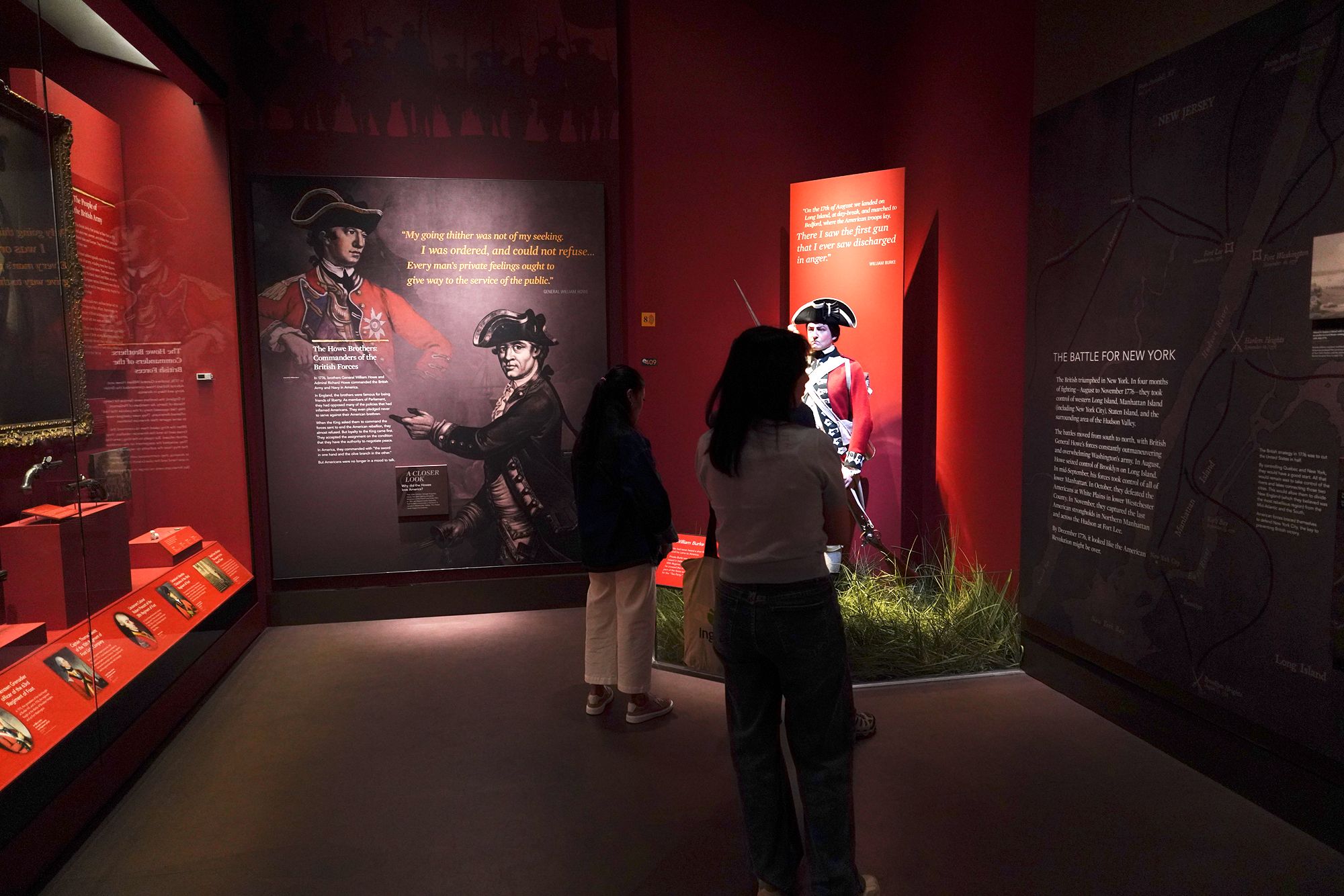
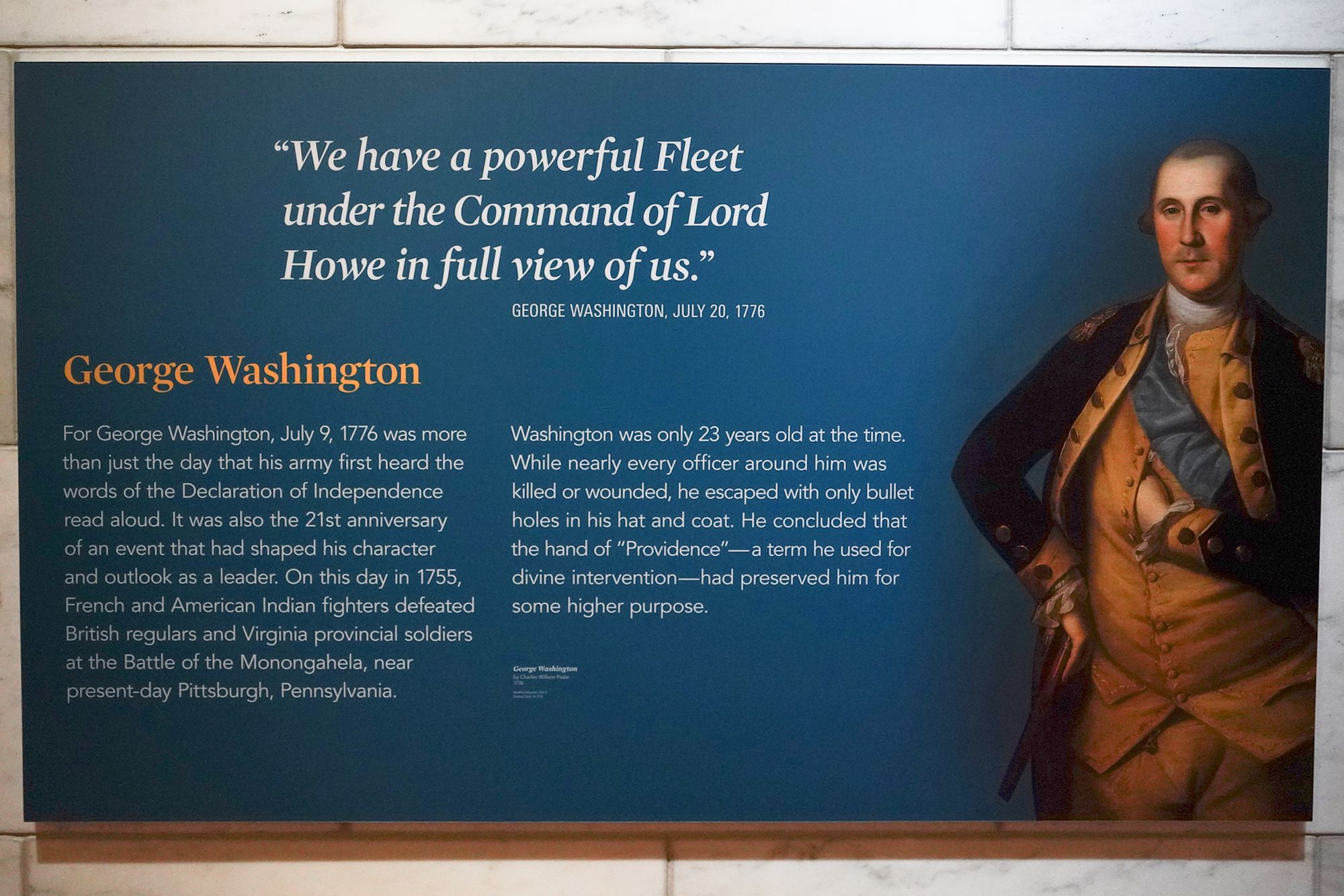
George Washington defended New York with the Continental Army, but the British were stronger and better trained. The first major clash was the Battle of Long Island, and the Americans were forced to retreat. They withdrew through Manhattan and across the river, and New York City soon fell to the British, remaining under their control for the rest of the war. Although it was a defeat, Washington preserved his army—and saving the army allowed the Revolution to continue.
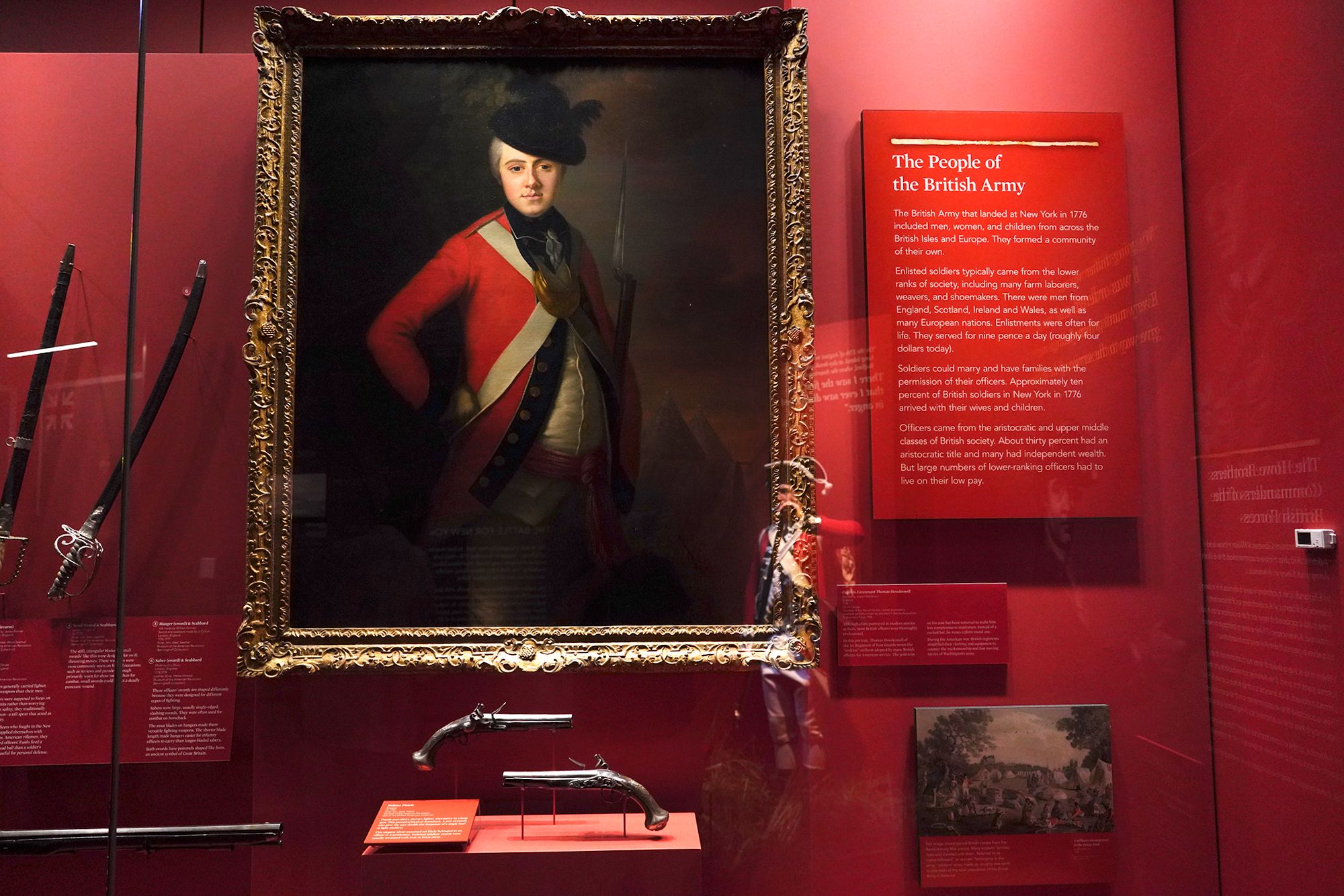
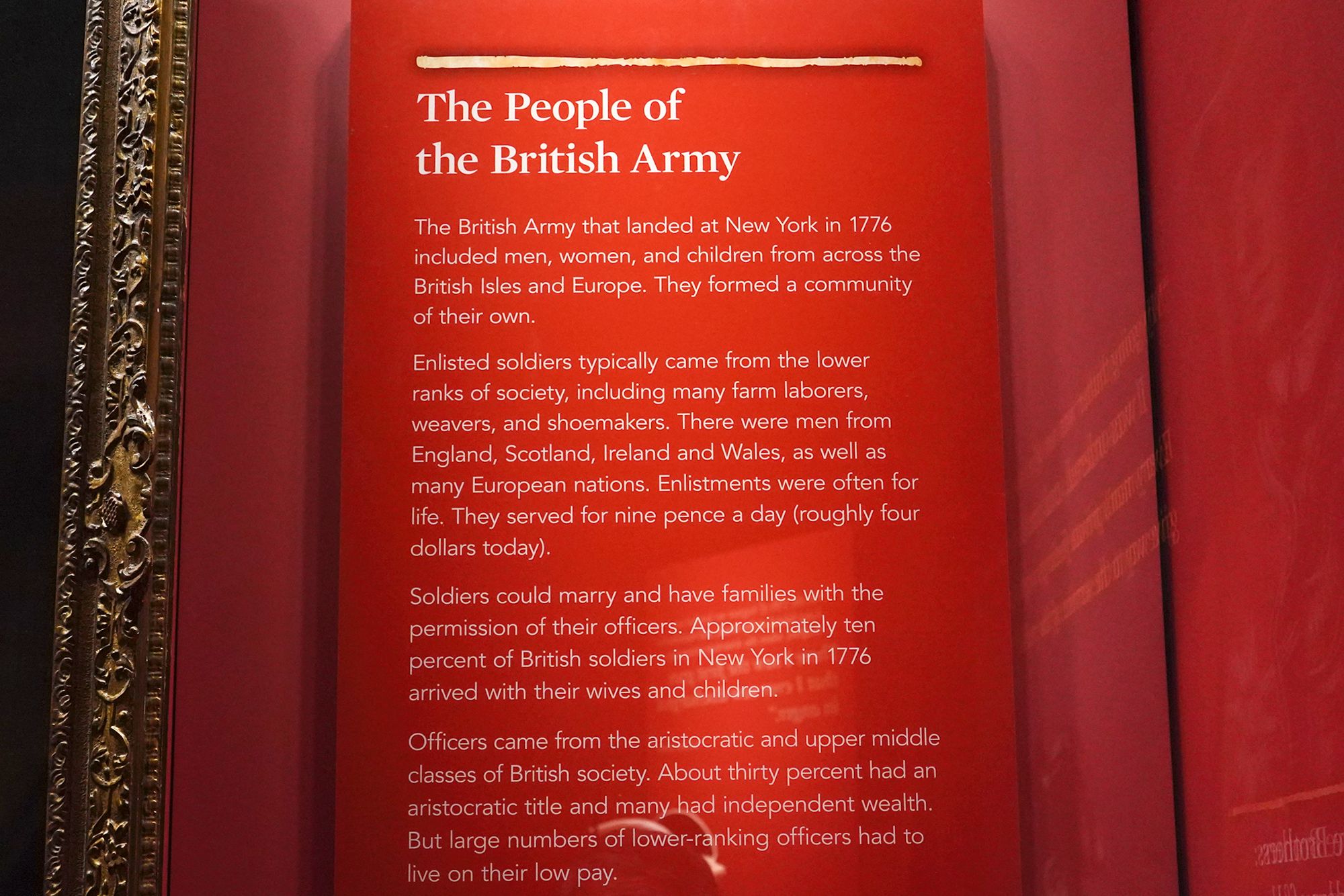
The British Army that landed in New York in 1776 included professional British soldiers, Hessian mercenaries from Germany, Royal Navy sailors and marines, and Loyalists who supported the Crown. Led by Generals William Howe and Henry Clinton, along with Admiral Richard Howe, they formed one of the largest forces Britain had ever sent overseas.
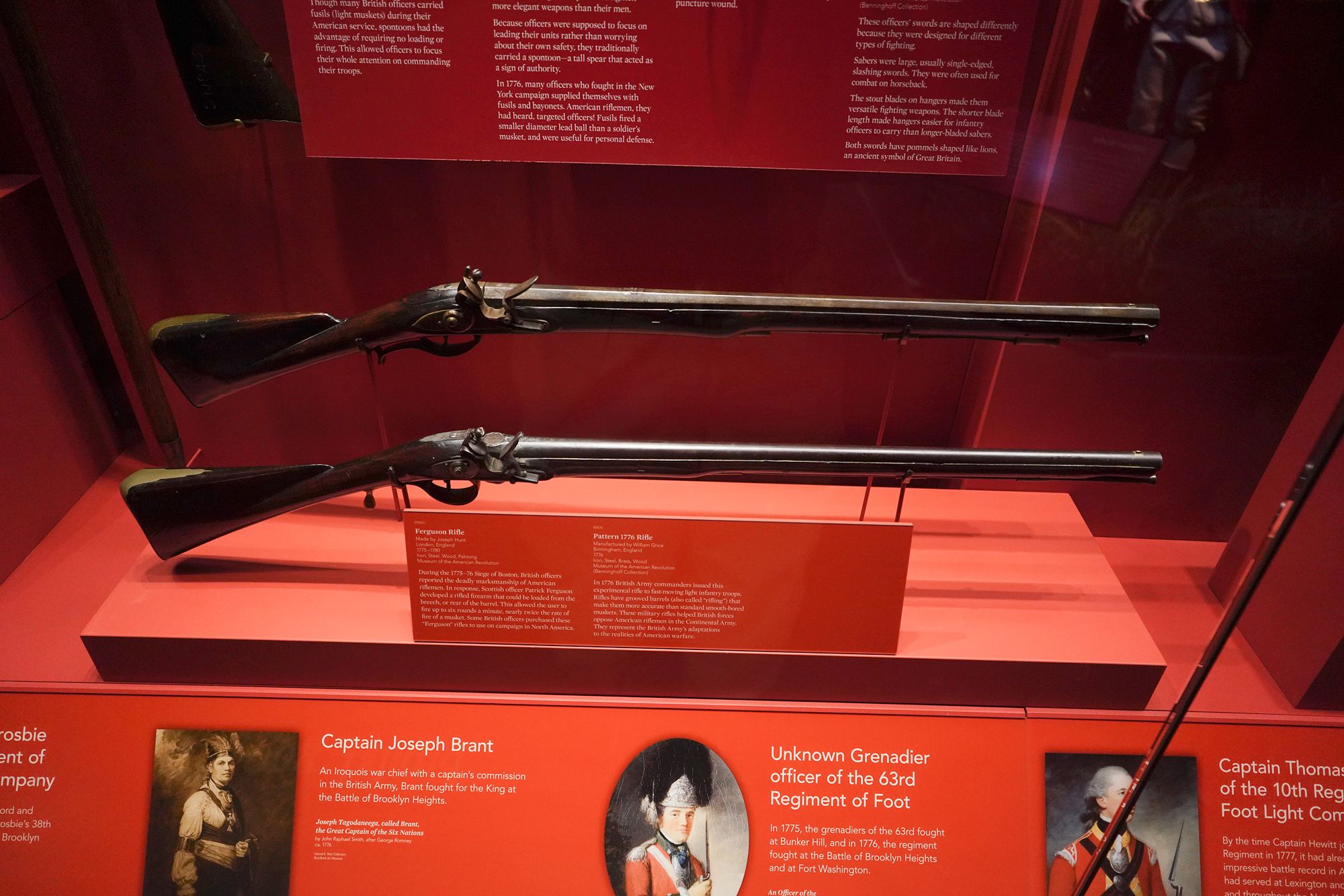
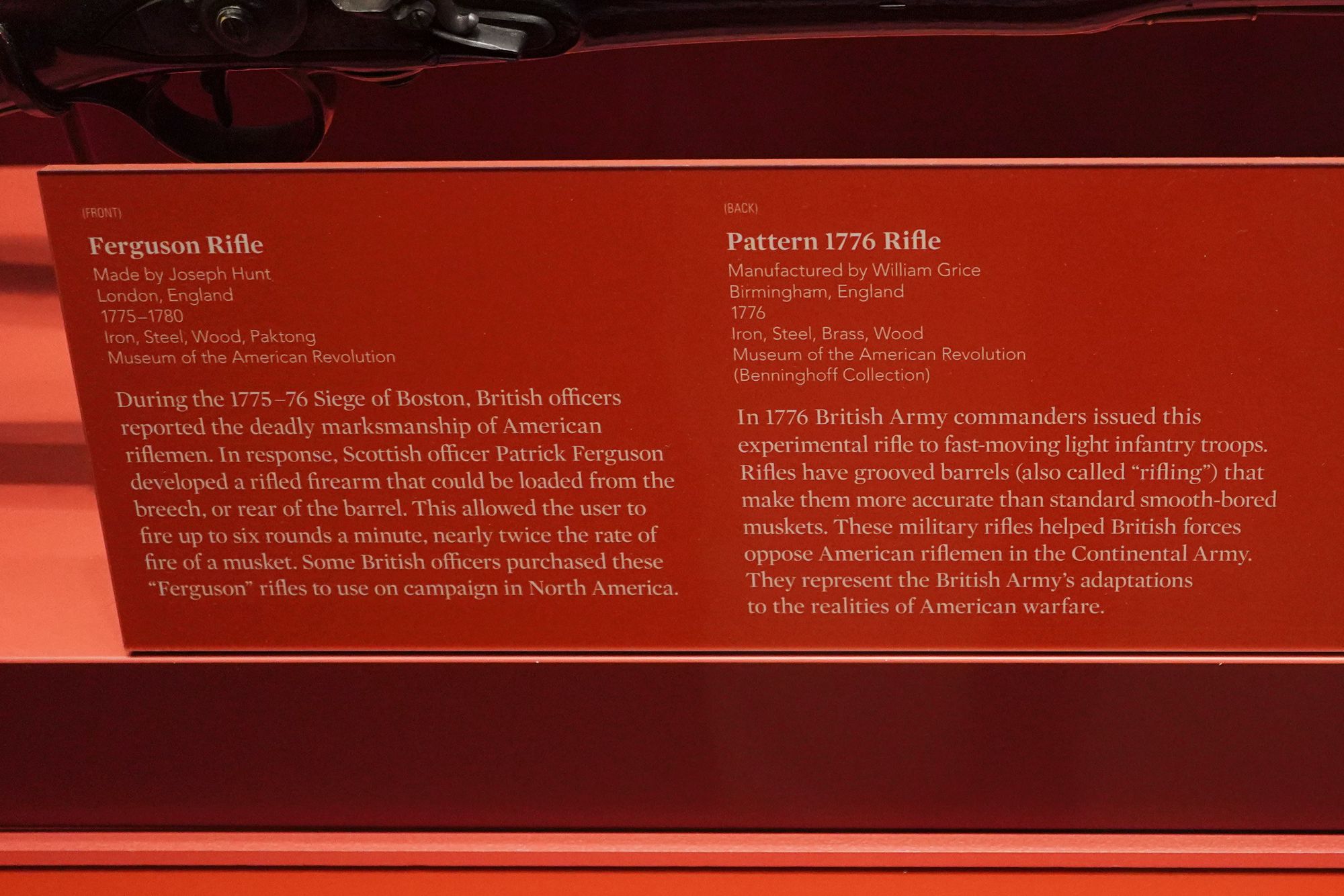
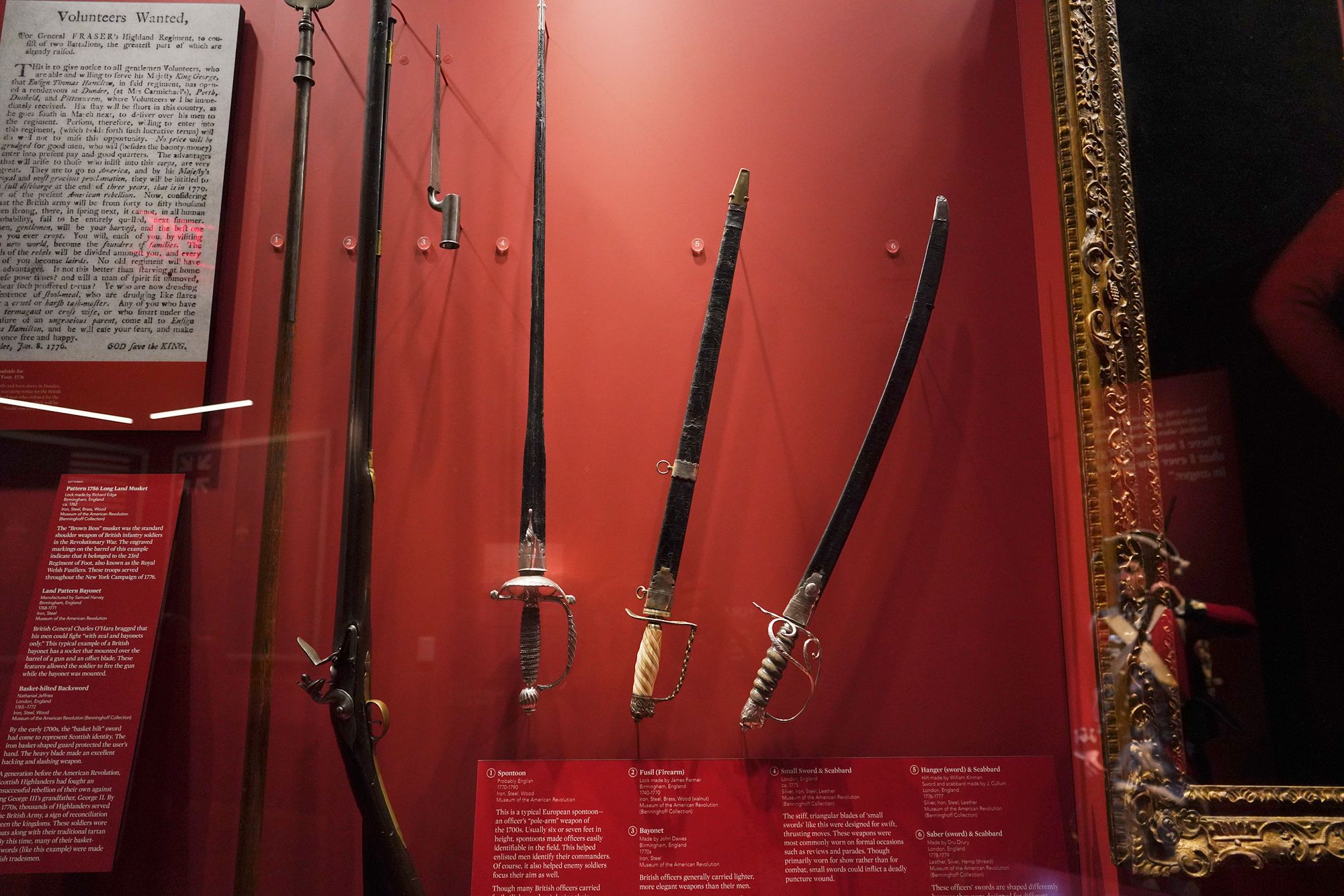
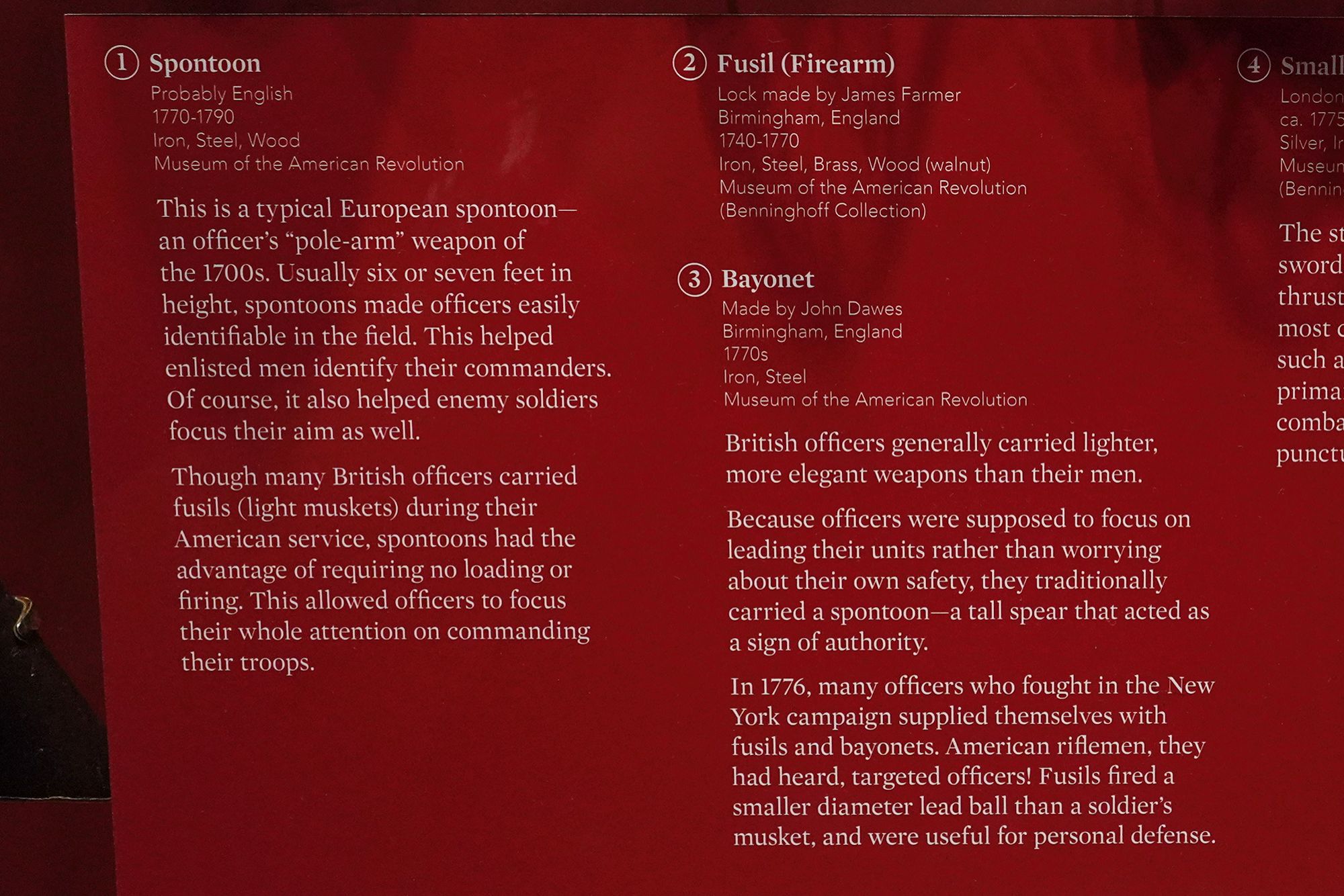
In New York, the Continental Army was outmaneuvered by the British. The enemy landed in multiple locations, using their fleet and larger forces to surround and flank the Americans. Unable to hold the city, the patriots withdrew to save the army, even as New York fell into British control.
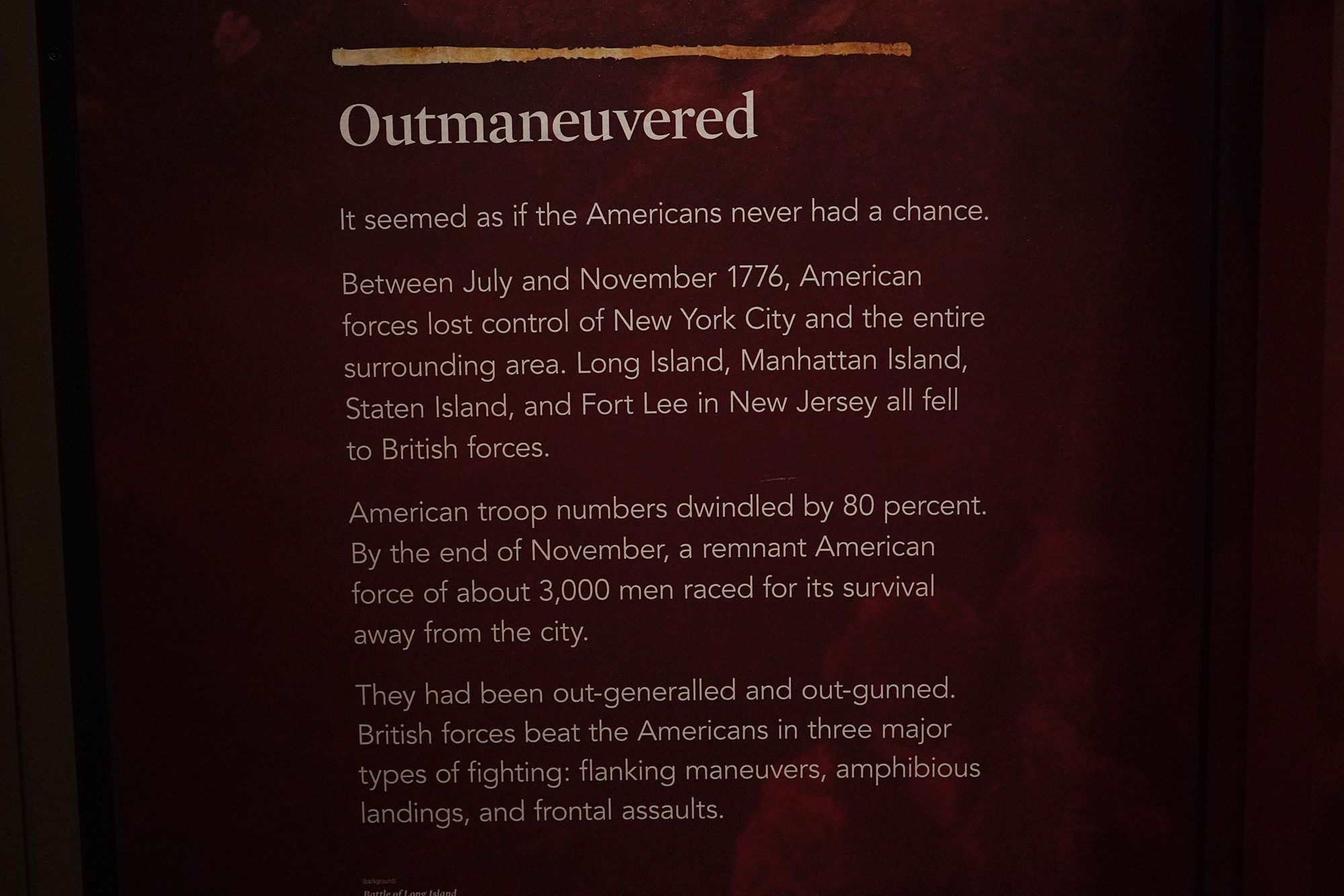
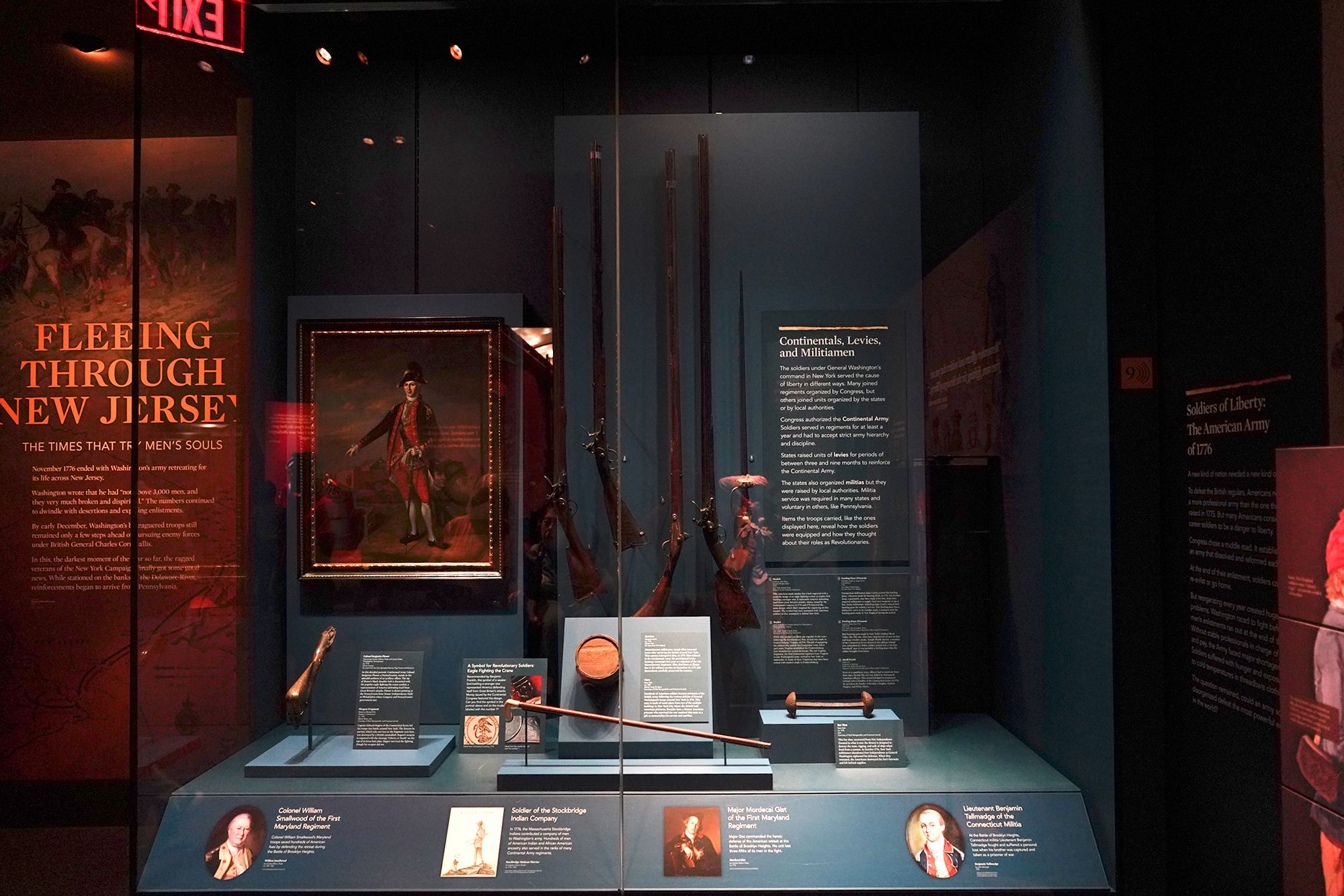
George Washington’s soldiers were a mix of Continental Army regulars, state militia, and volunteers from across the colonies. Many were farmers, laborers, and tradesmen with little military experience at first, while others were trained riflemen from frontier regions like Pennsylvania, Maryland, and Virginia.
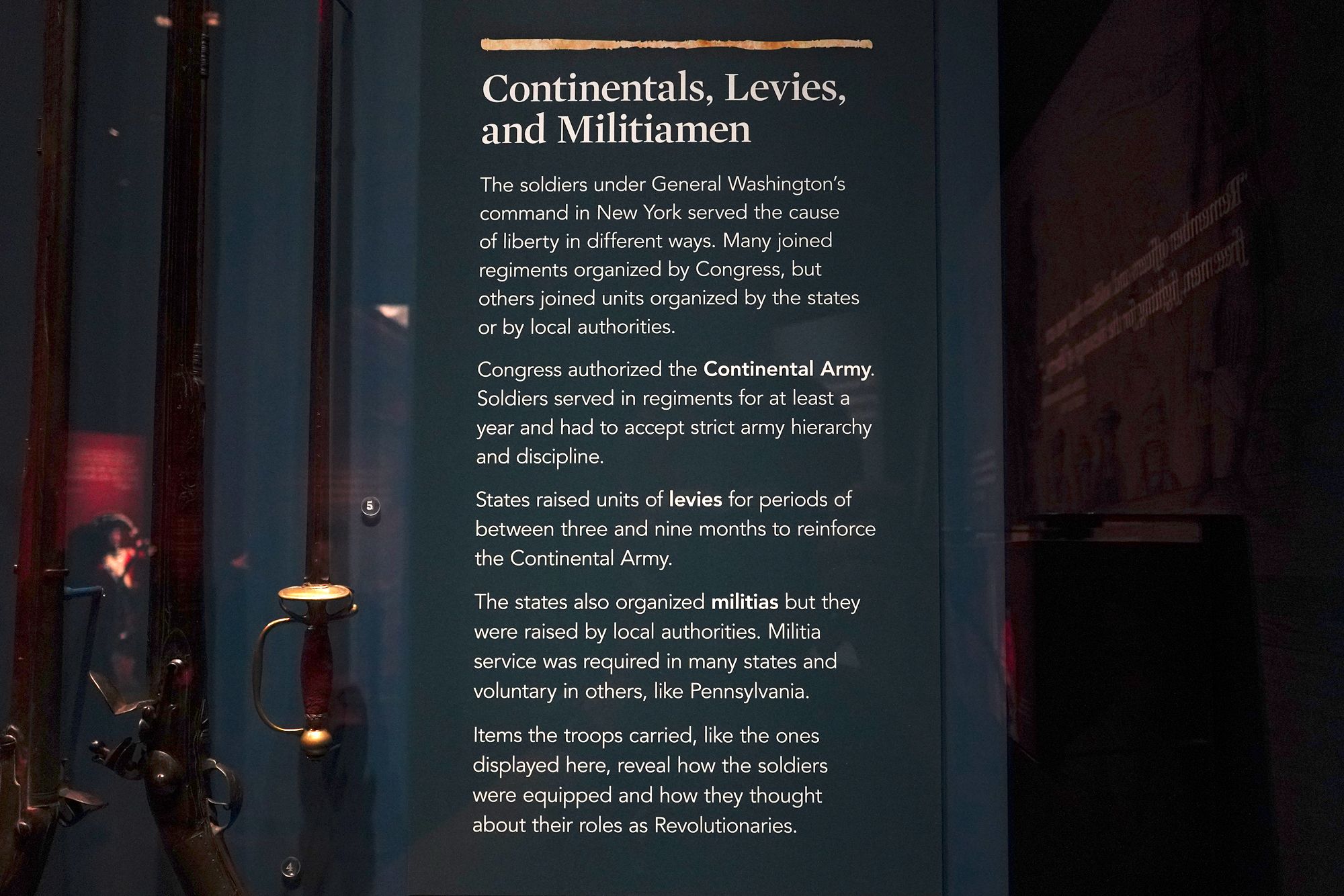
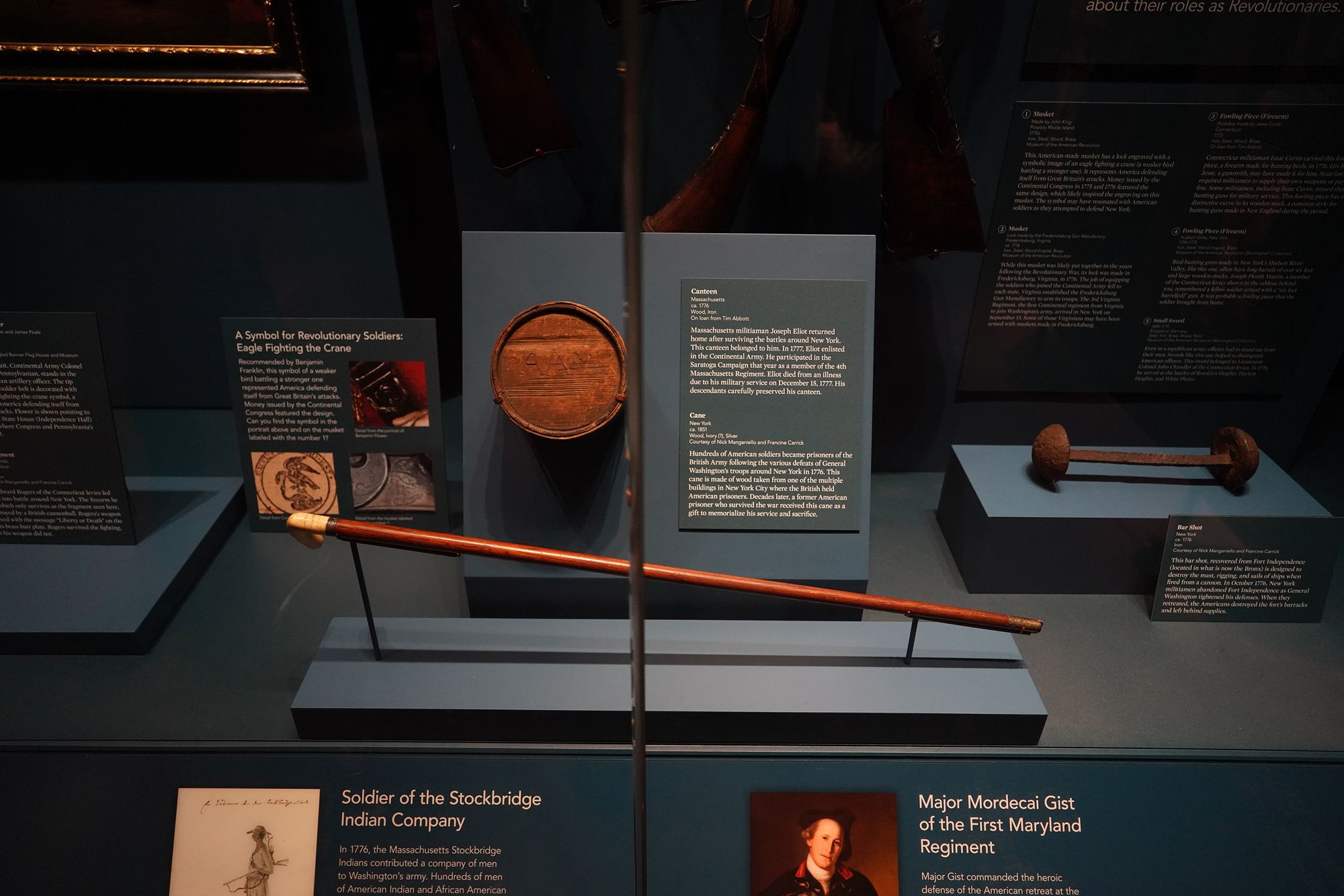
Americans had long feared standing armies, believing they threatened liberty like those controlled by kings in Europe. Most colonists preferred temporary militias, made up of citizens who fought only when needed and then returned home. Creating a national army meant changing that mindset.
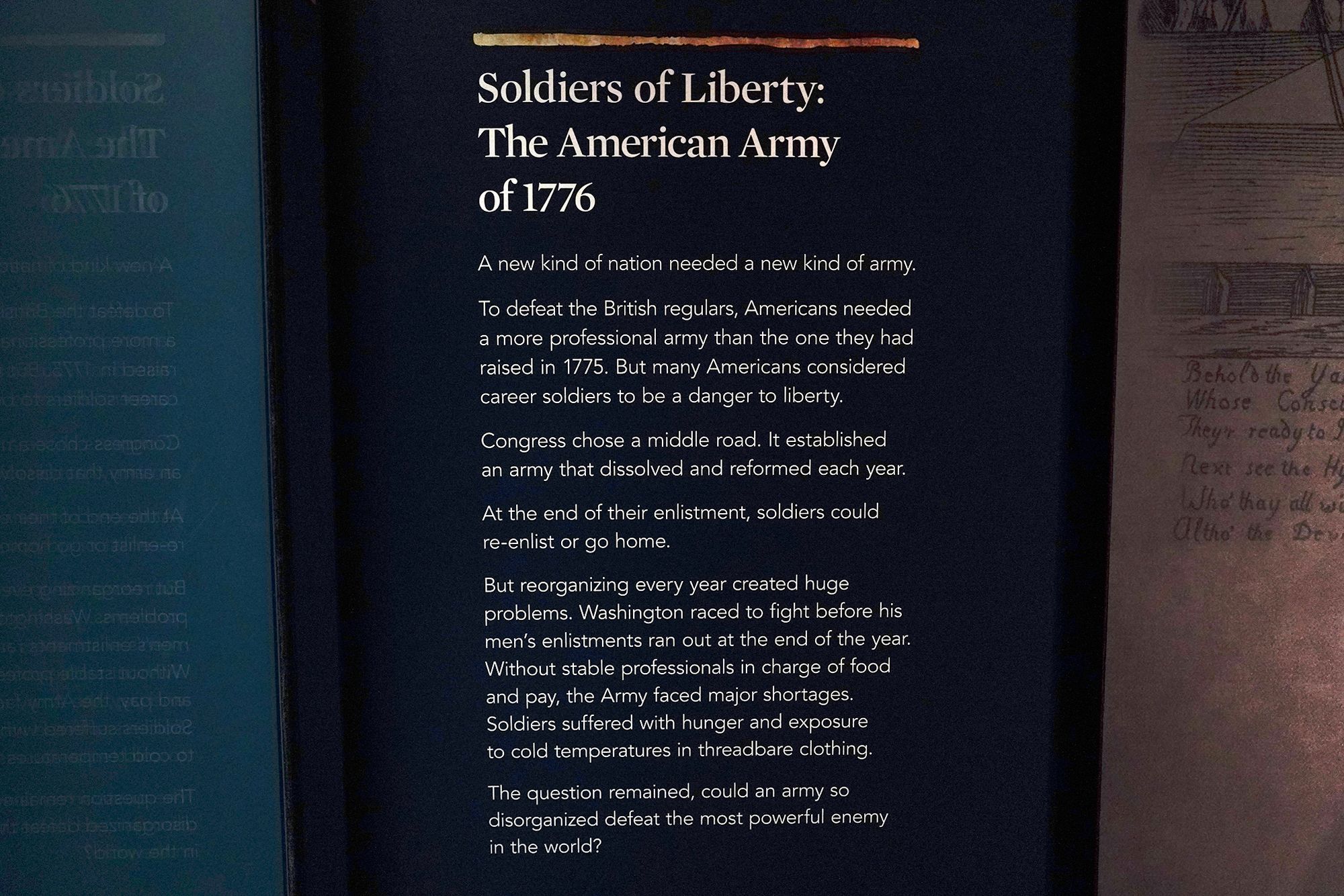
To build an army from scratch, leaders first called for volunteers from each colony. The Continental Congress then created the Continental Army, appointed George Washington as commander, and offered enlistment terms, pay, and supplies to encourage service.
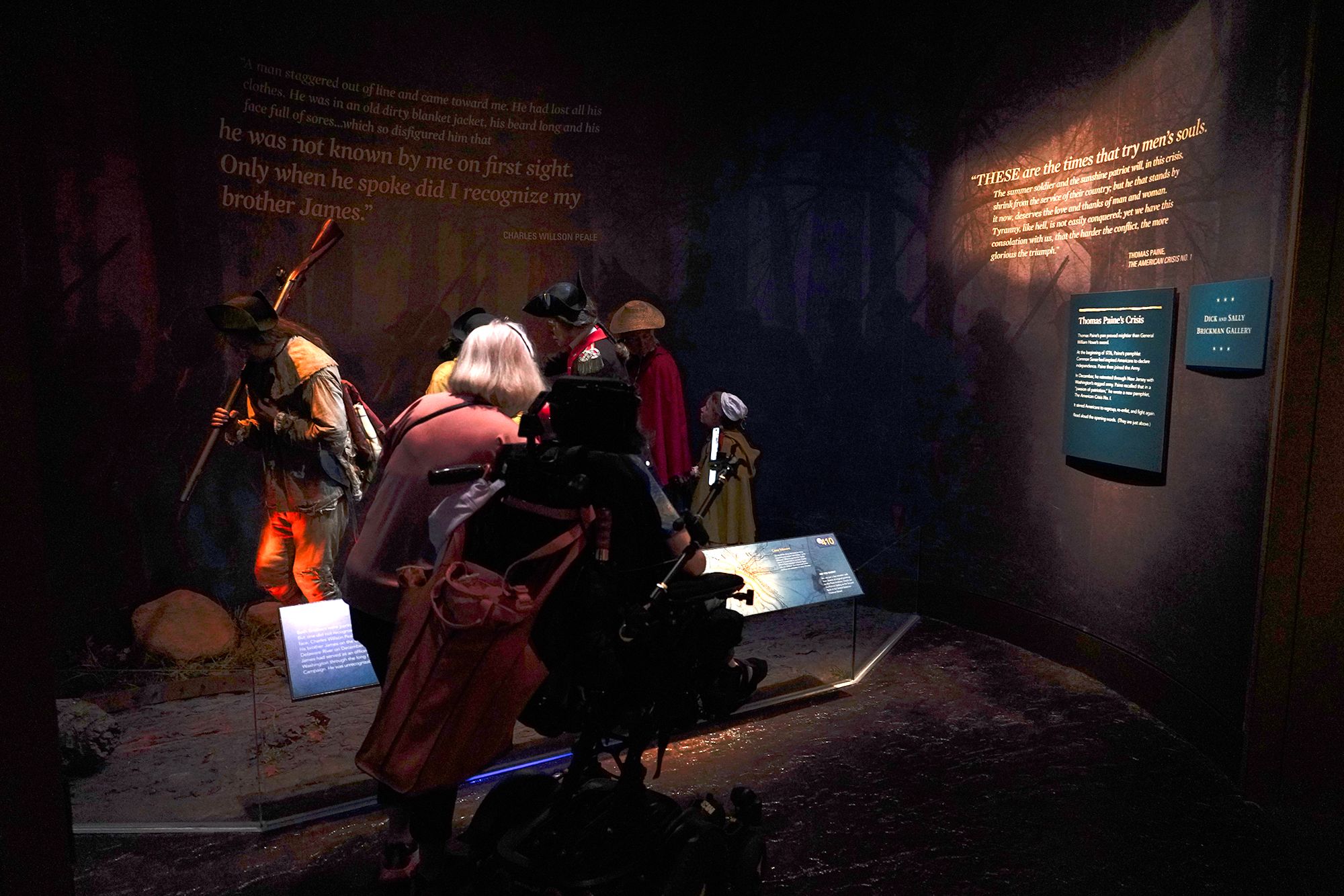
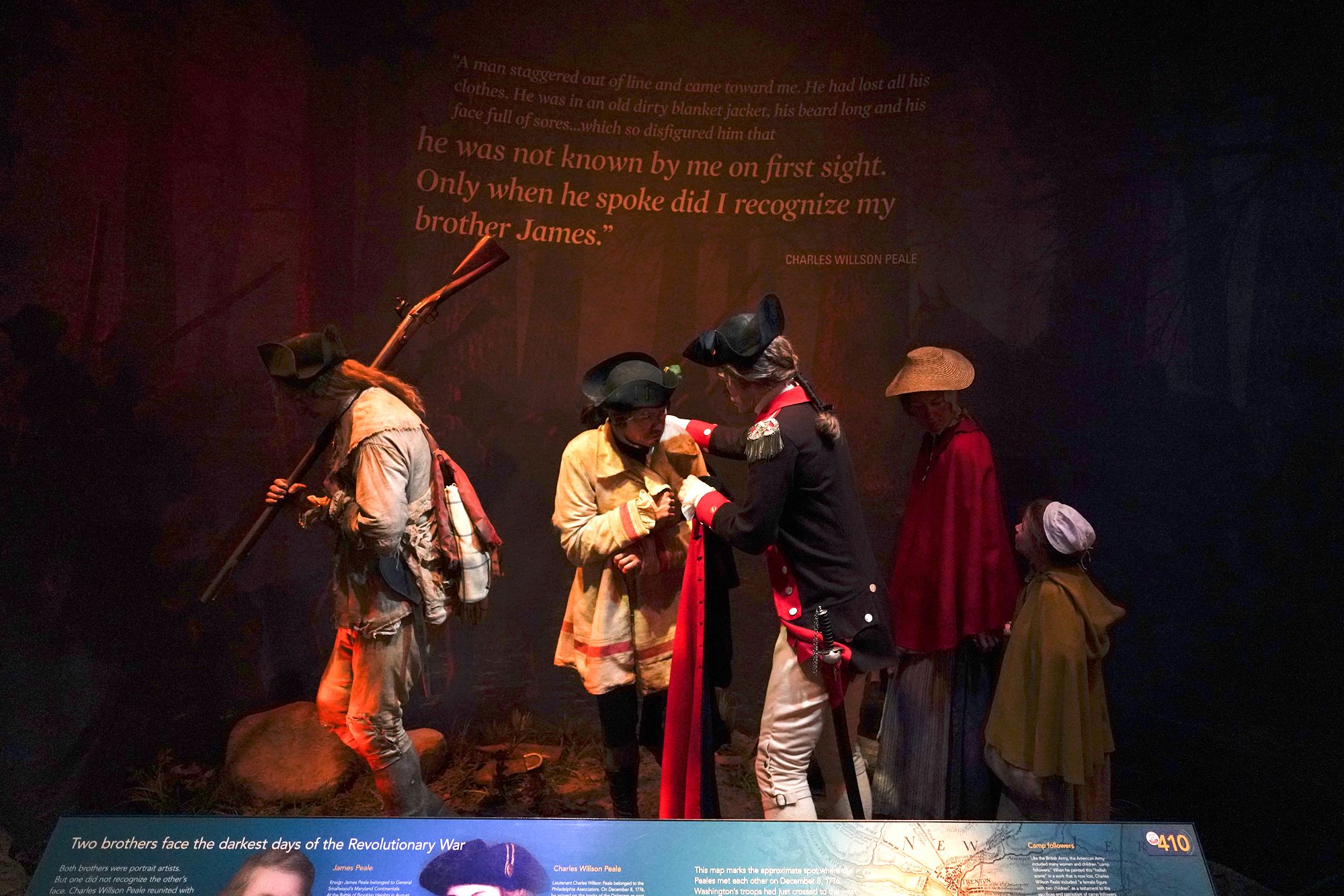
After losing New York, George Washington and his army fled across New Jersey in late 1776. British forces pushed them south step by step, and many feared the Revolution was collapsing. Ragged, cold, and short on supplies, the Continental Army retreated across the Delaware River into Pennsylvania.
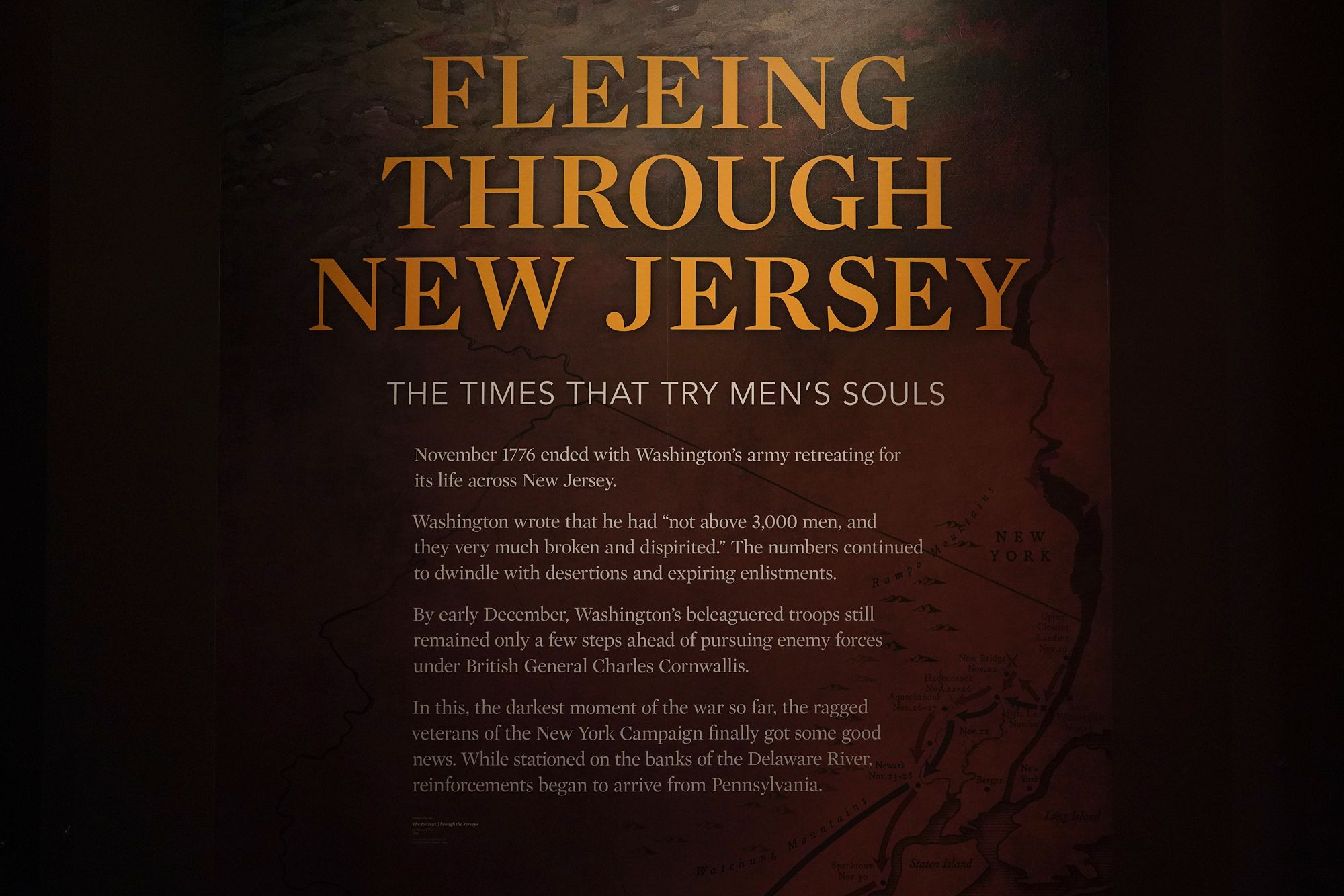
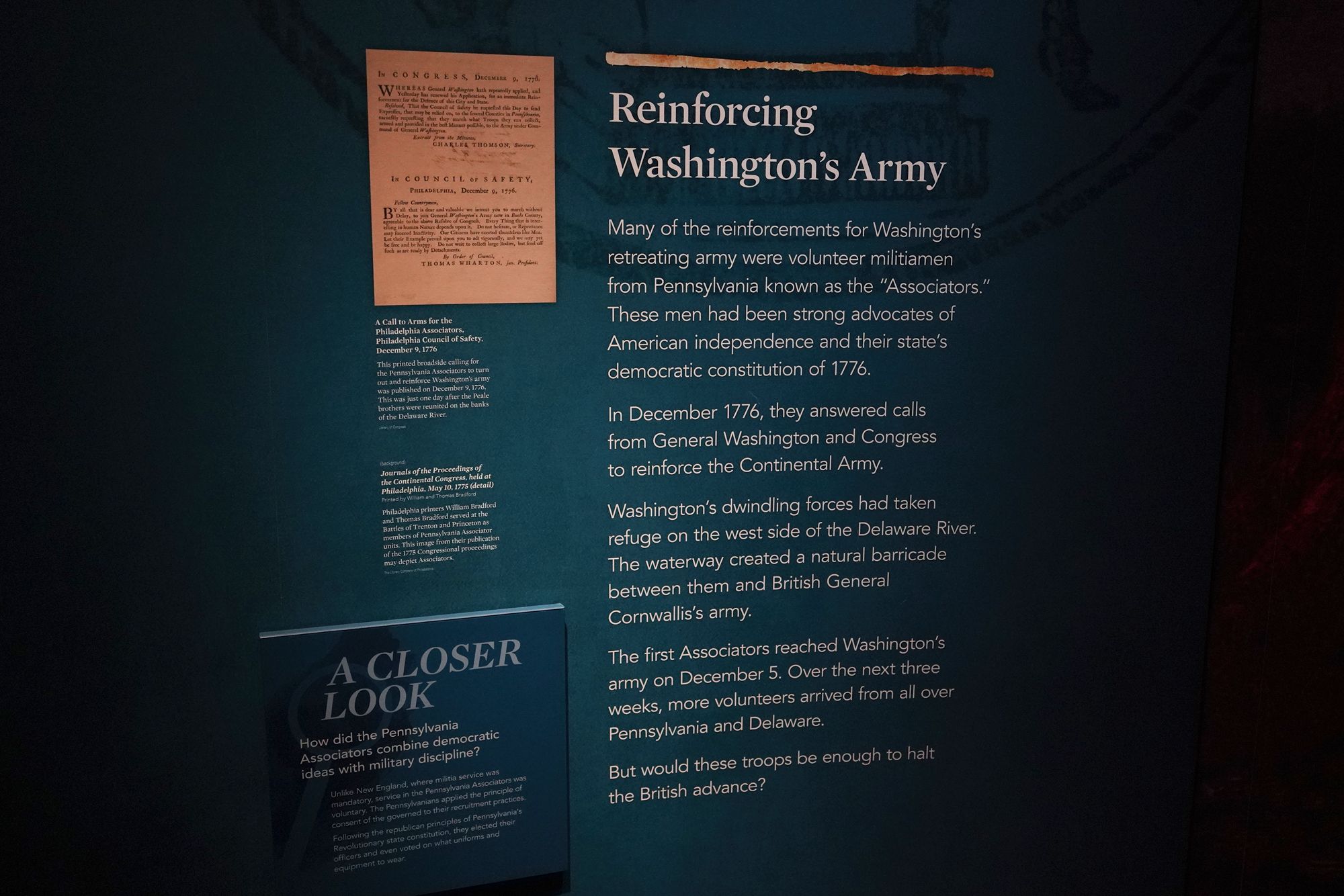
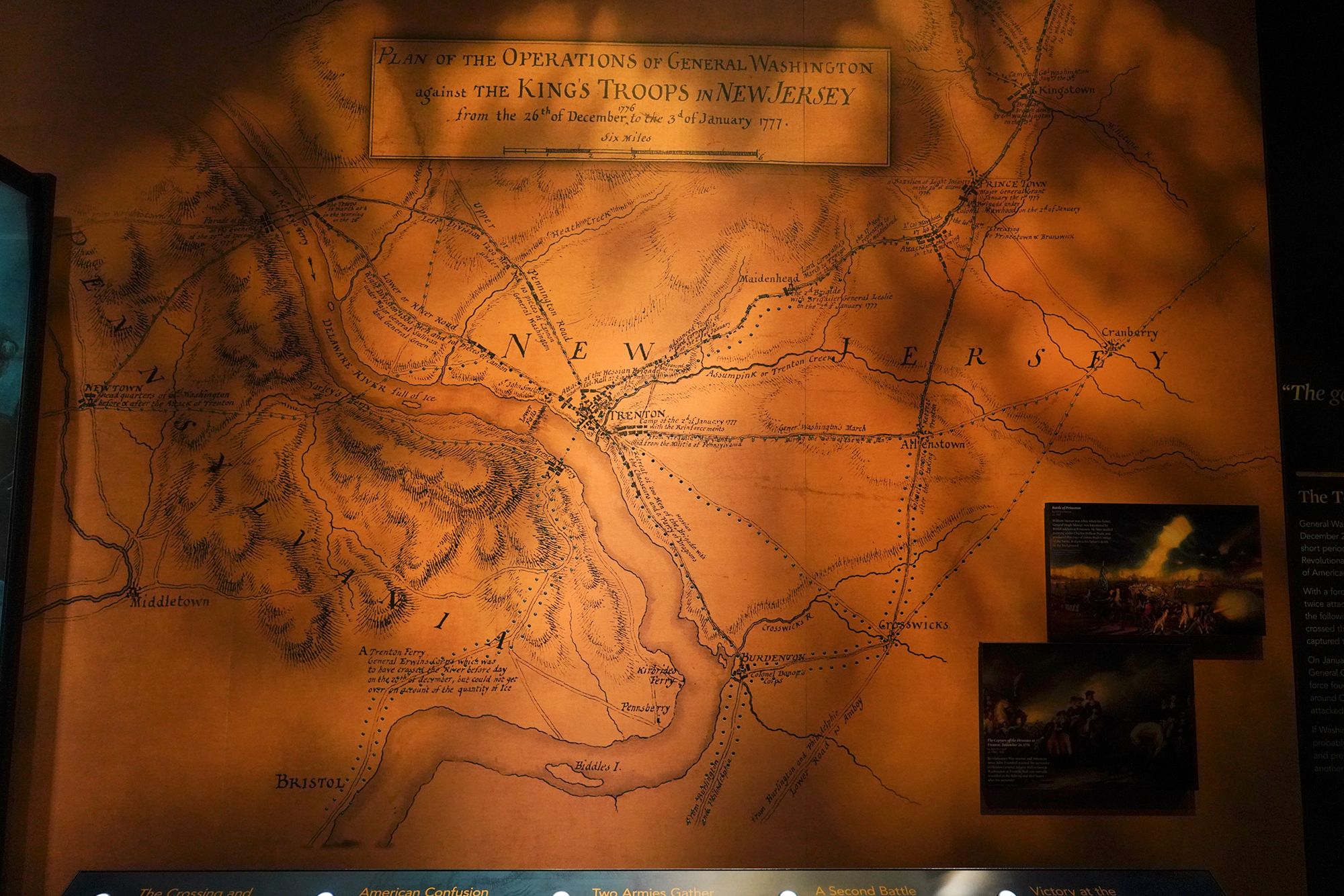
The Ten Crucial Days refers to a dramatic turning point in the winter of 1776–1777, when George Washington reversed the collapse of the Revolution.
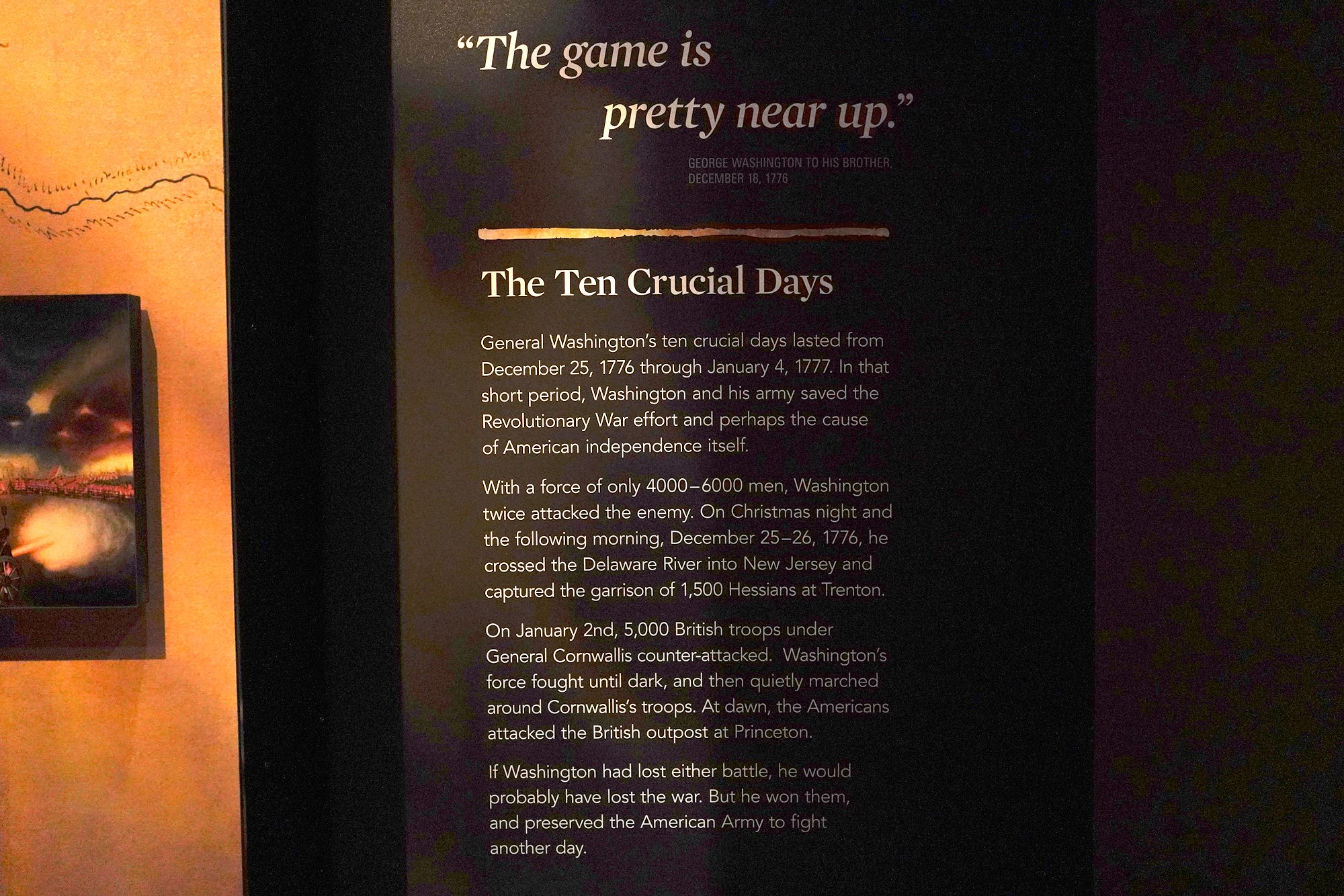
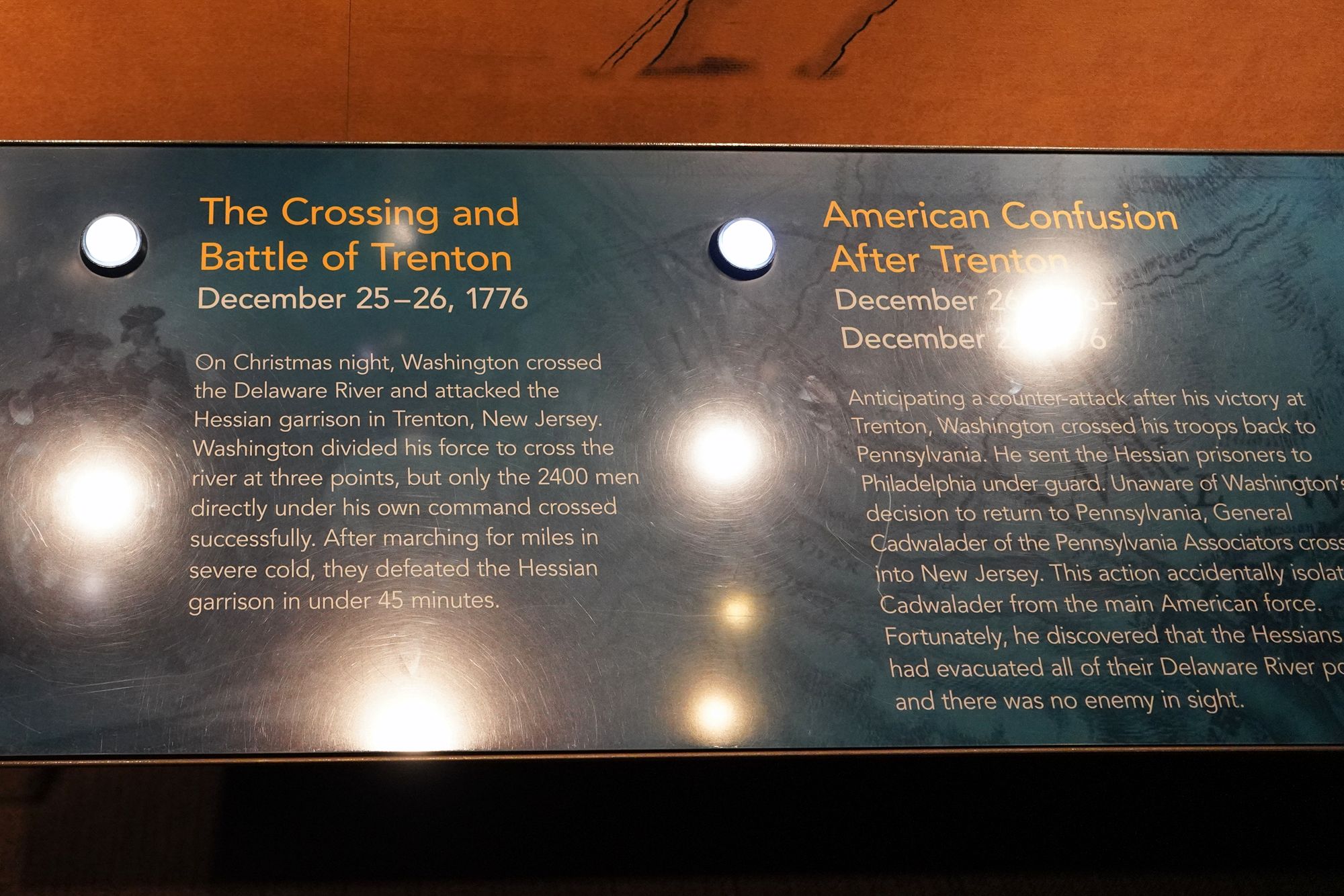
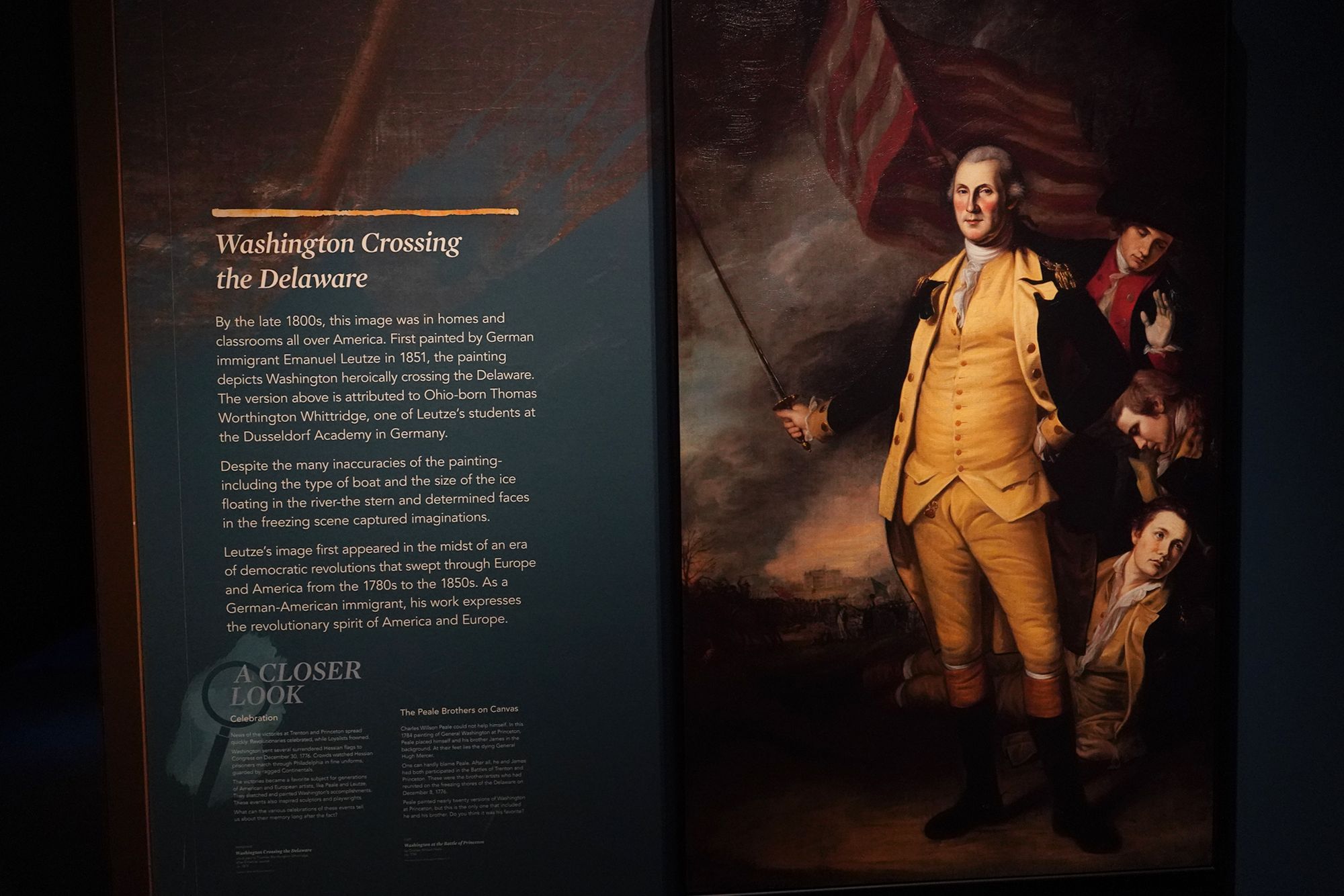
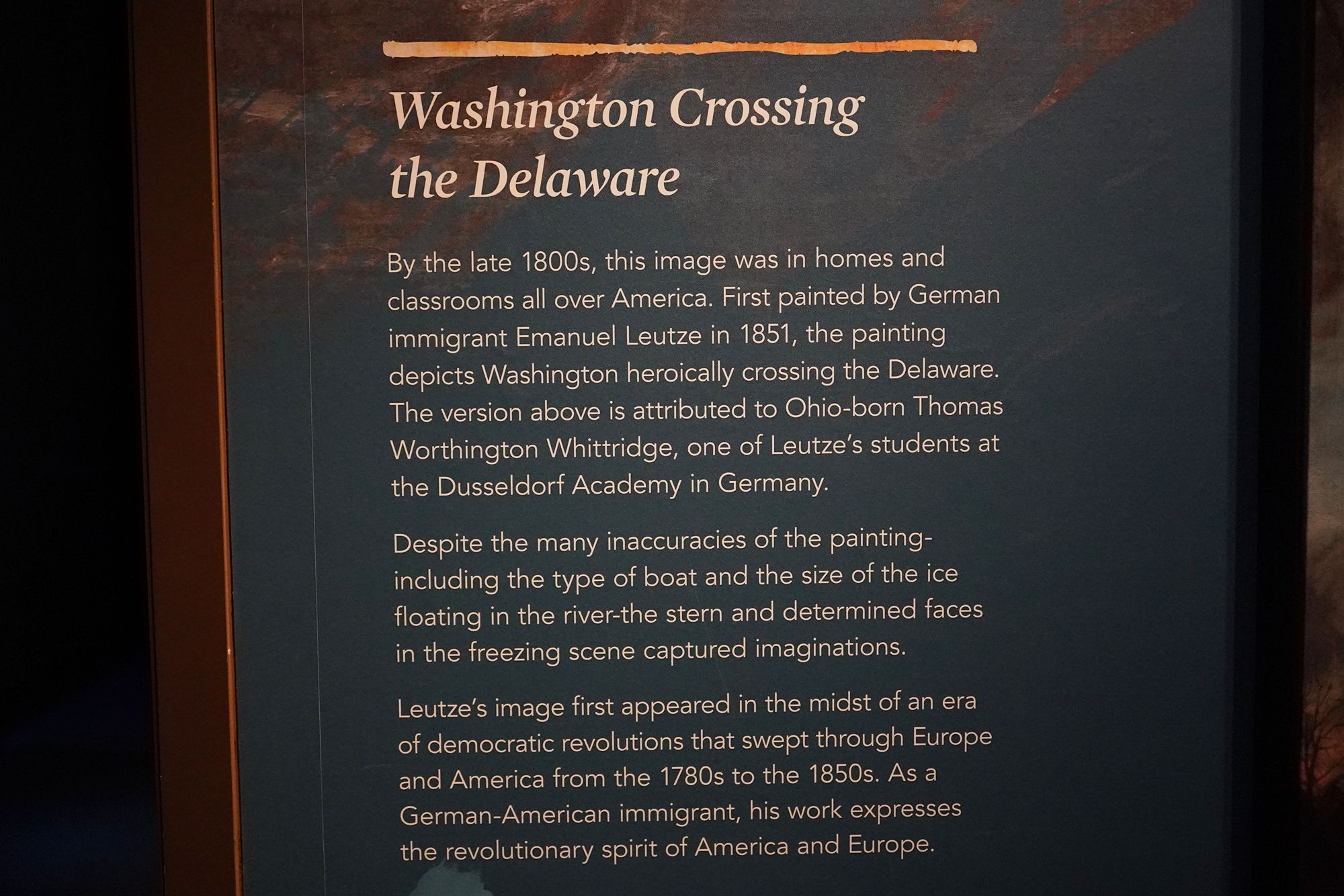
After retreating through New Jersey, the Continental Army was cold, discouraged, and shrinking fast. Then, on Christmas night 1776, Washington led his troops across the icy Delaware River, surprising the Hessians at Trenton and winning a much-needed victory. Days later, he struck again at Princeton, defeating British forces and forcing them back toward New York. In only ten days, Washington restored morale, saved the army, and kept the Revolution alive—changing the course of the war.
Painting of Washington Crossing the Delaware
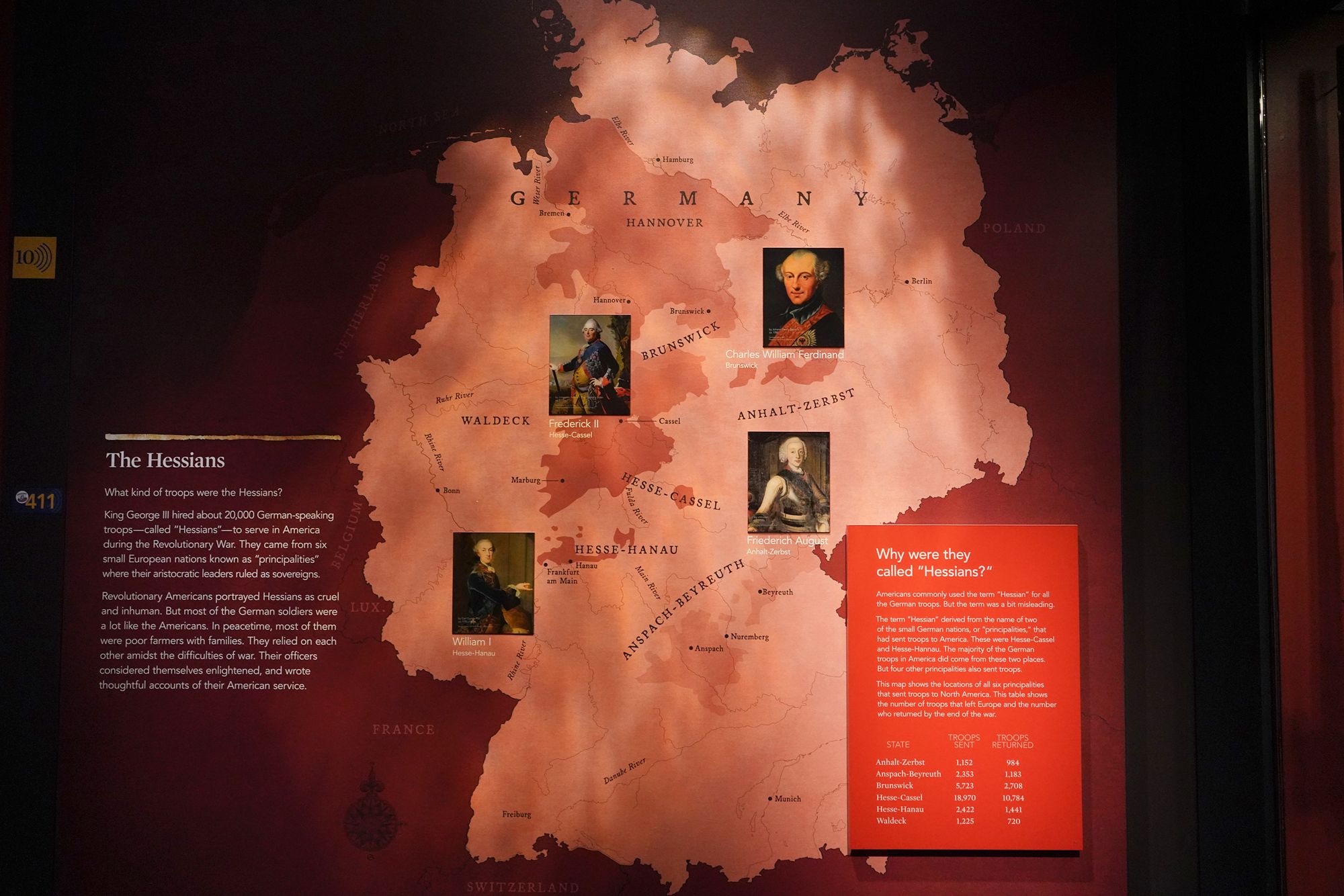
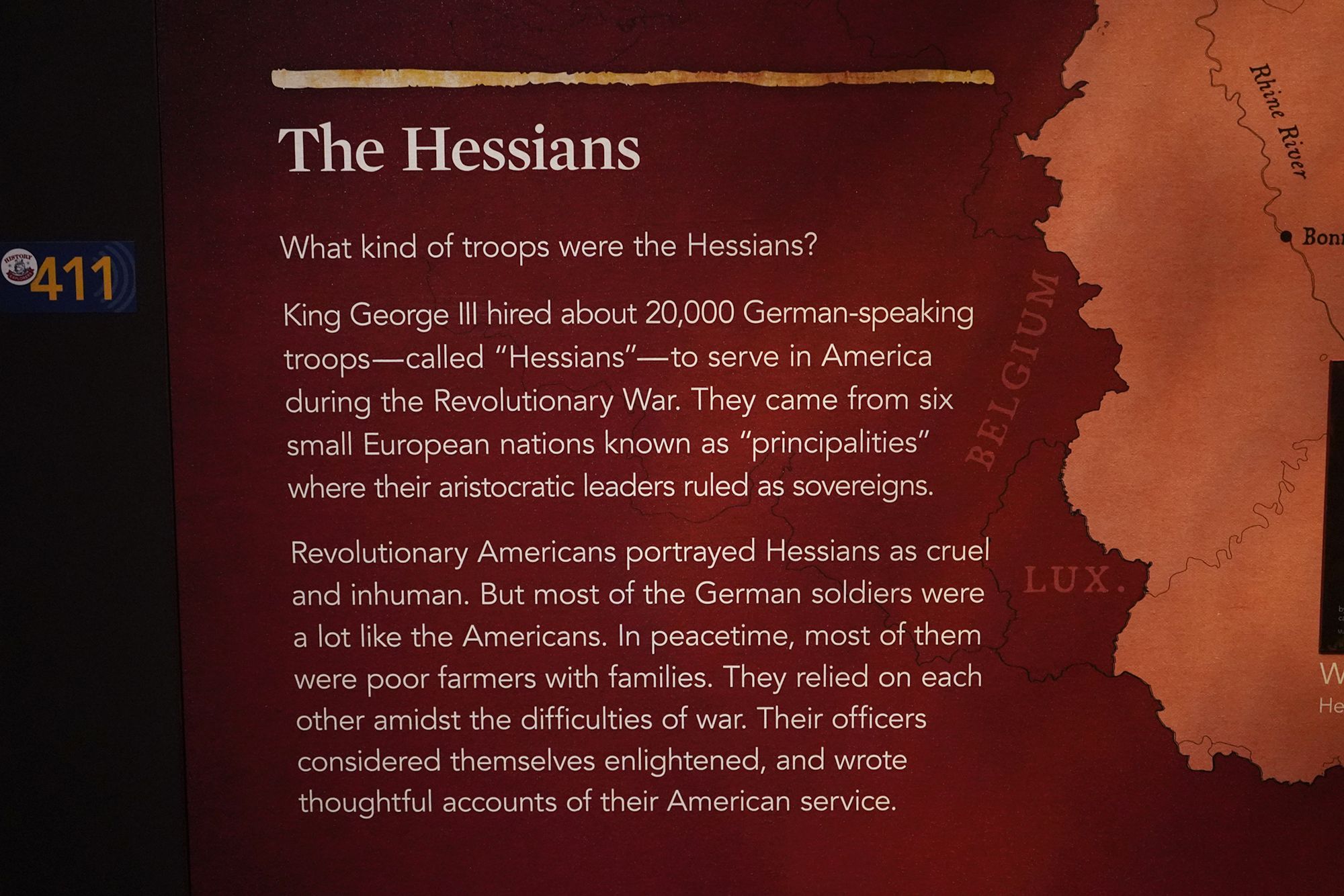
The Hessians were German soldiers hired by Britain to fight in the American Revolutionary War. Most came from the German state of Hesse-Cassel, which is how they got their name. They were well-trained, disciplined professional troops, known for their bayonet skills and strict military organization.
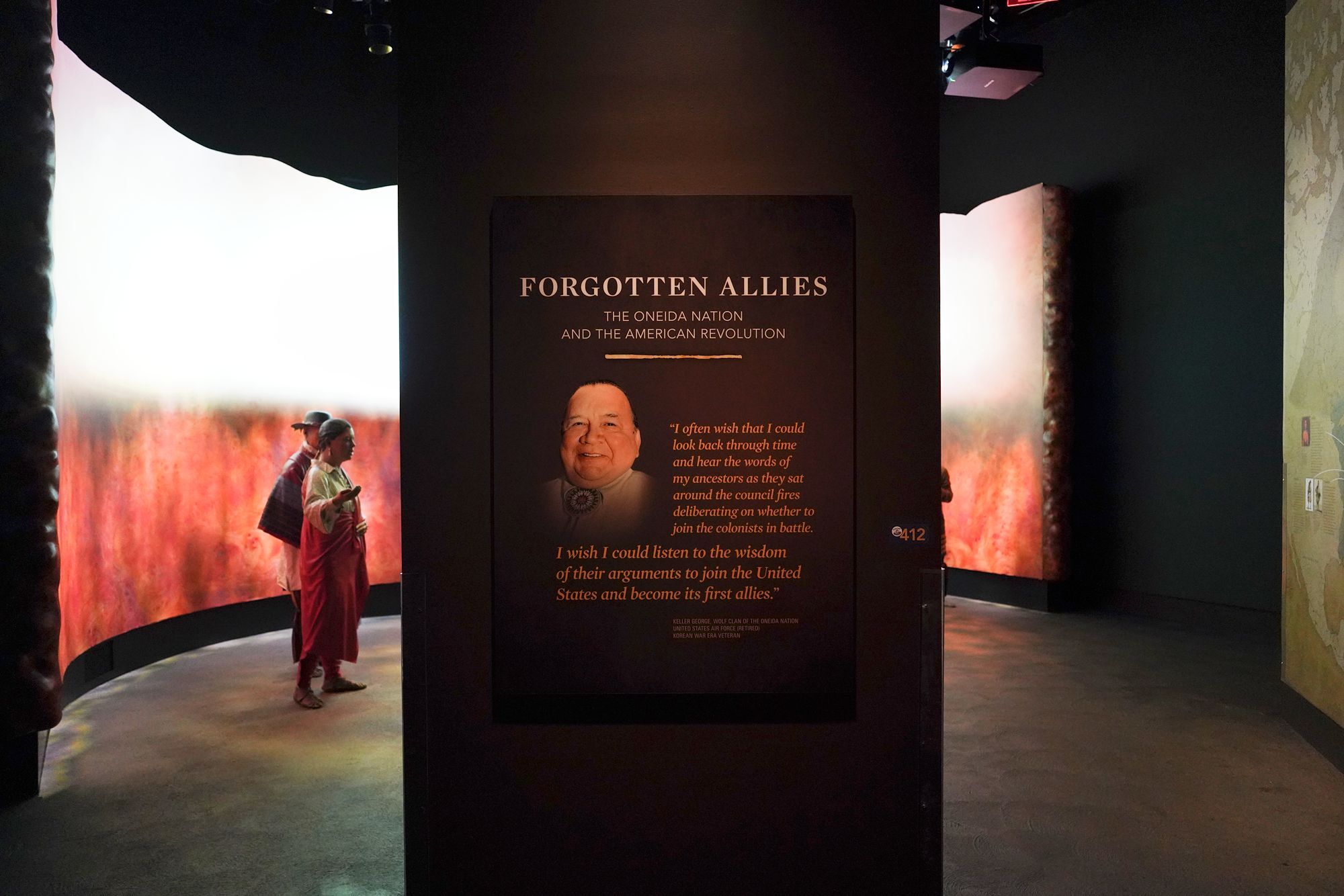
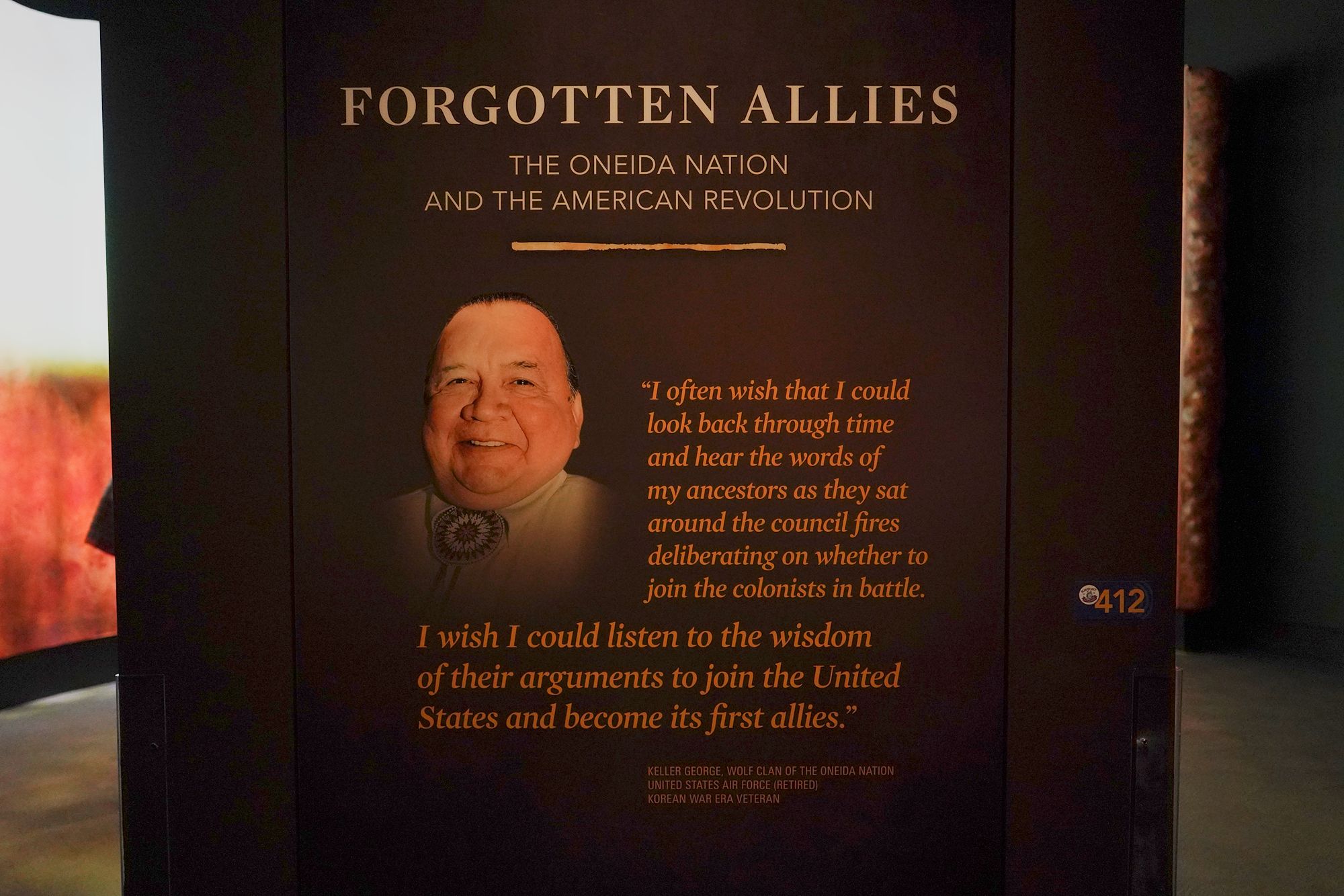
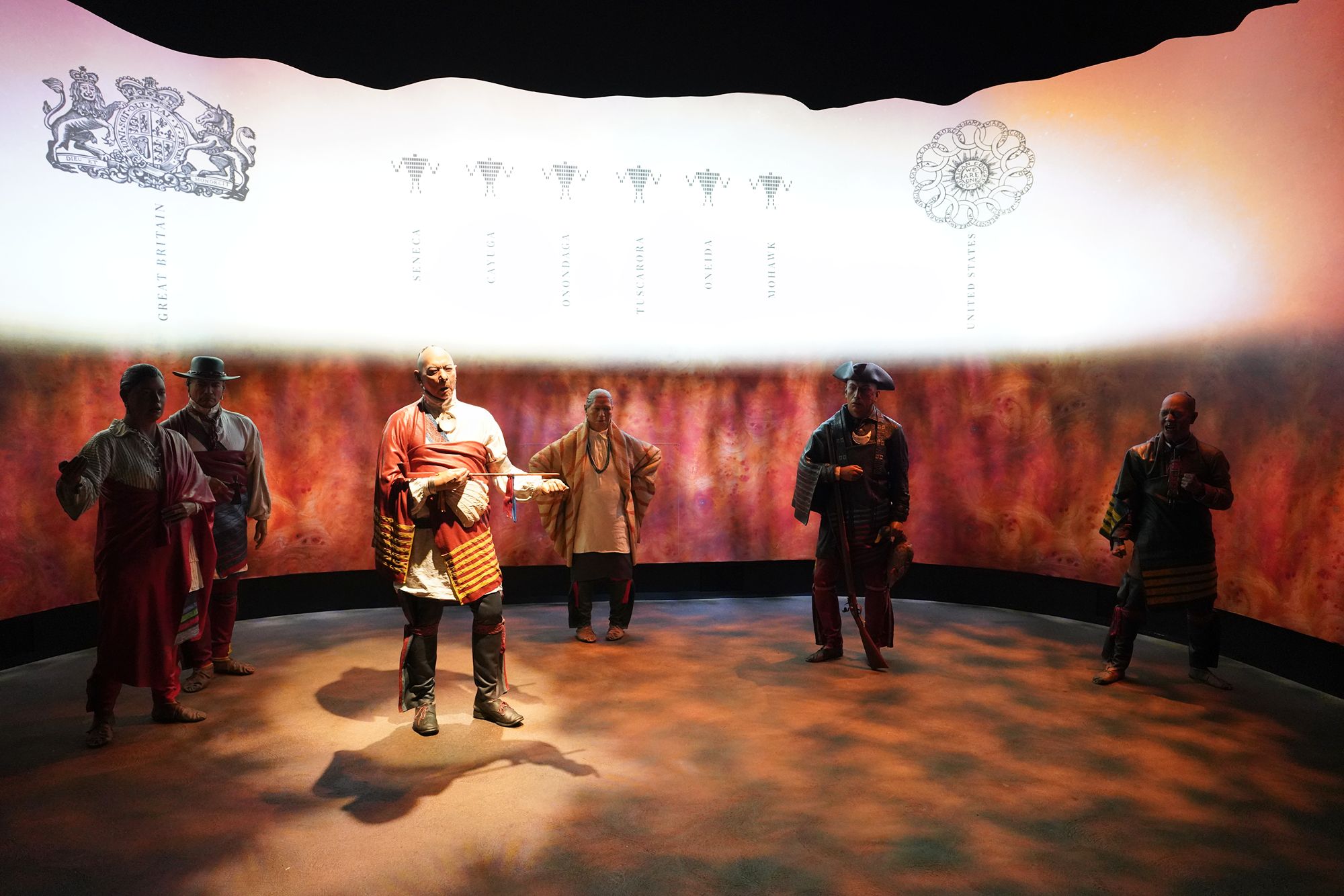
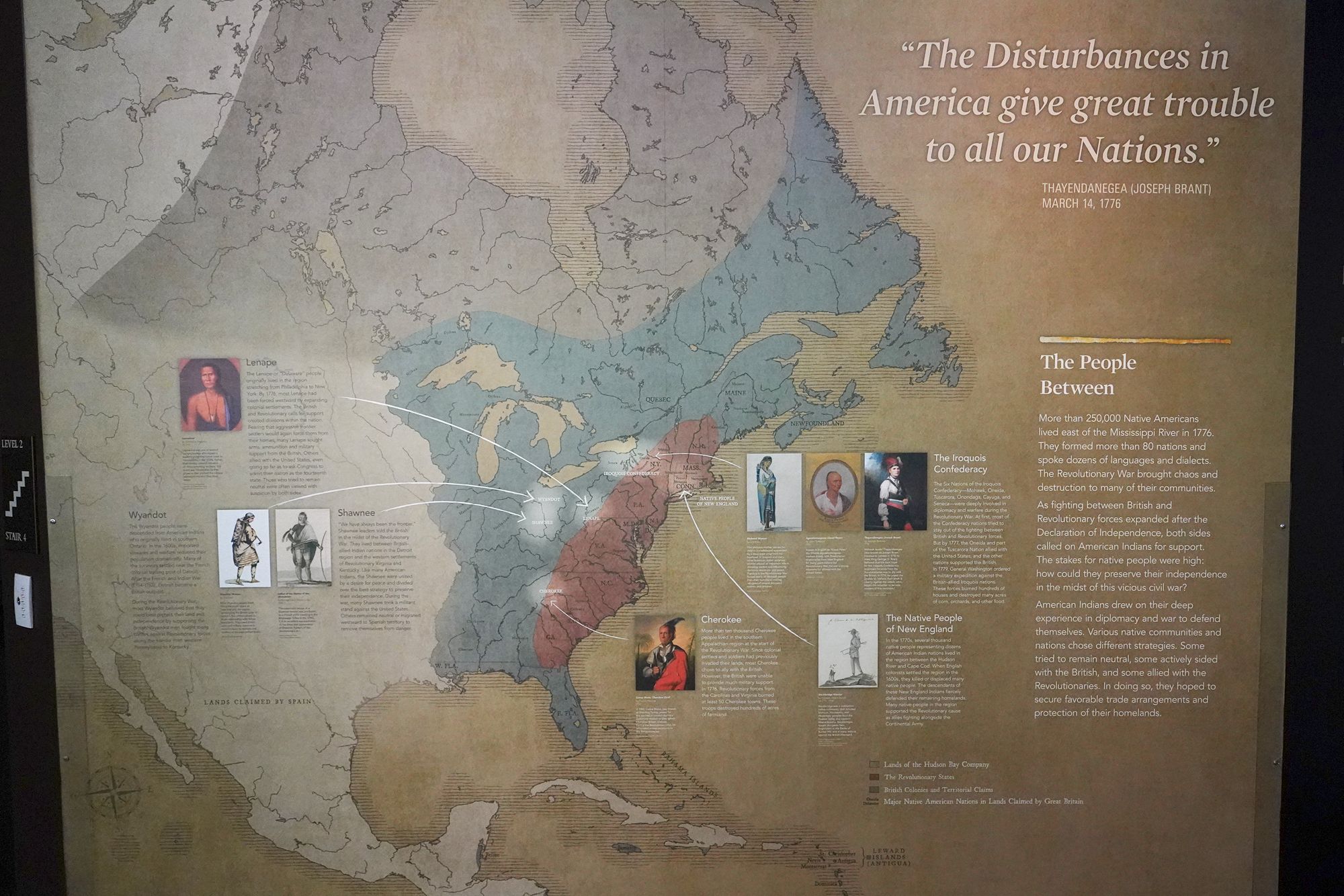
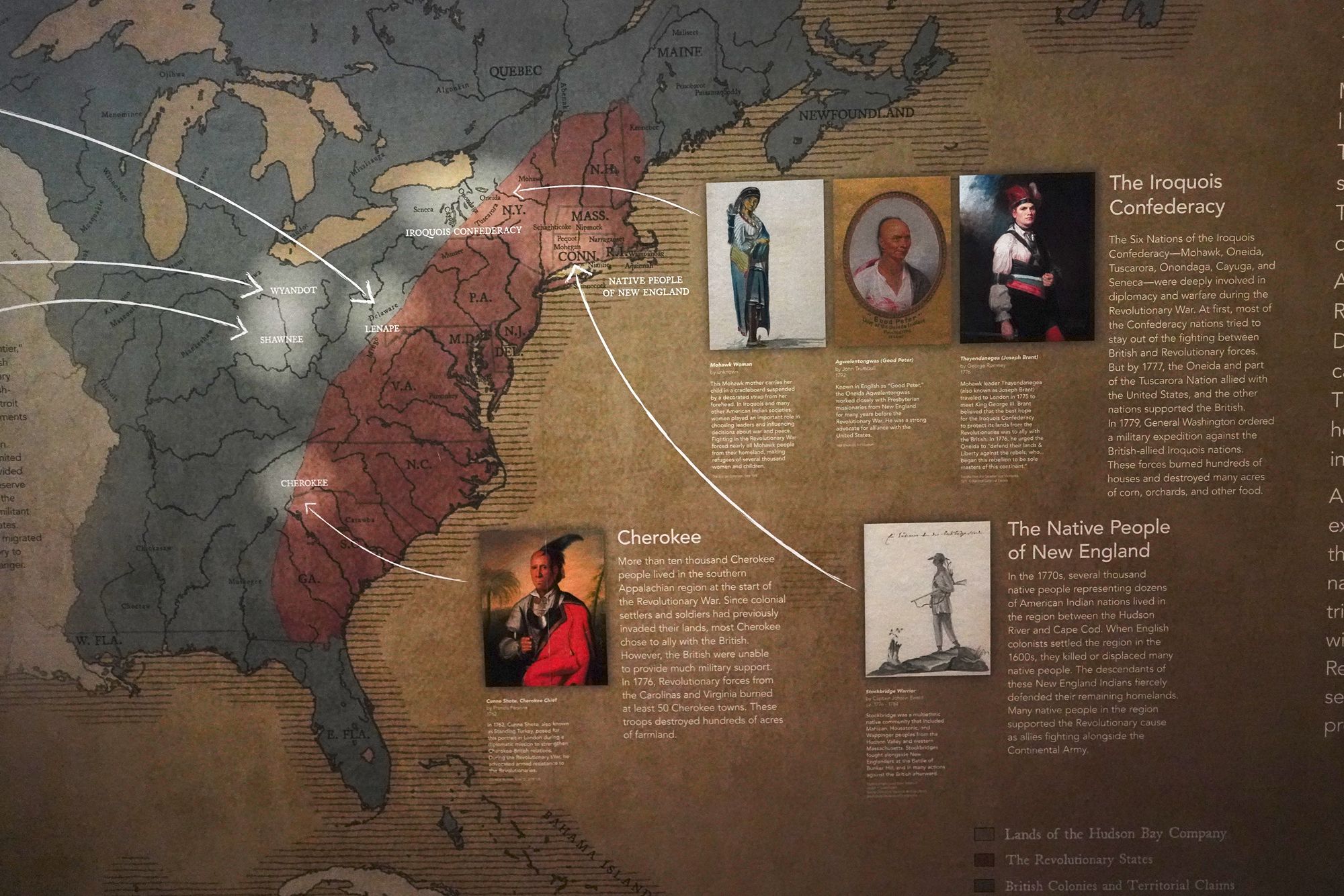
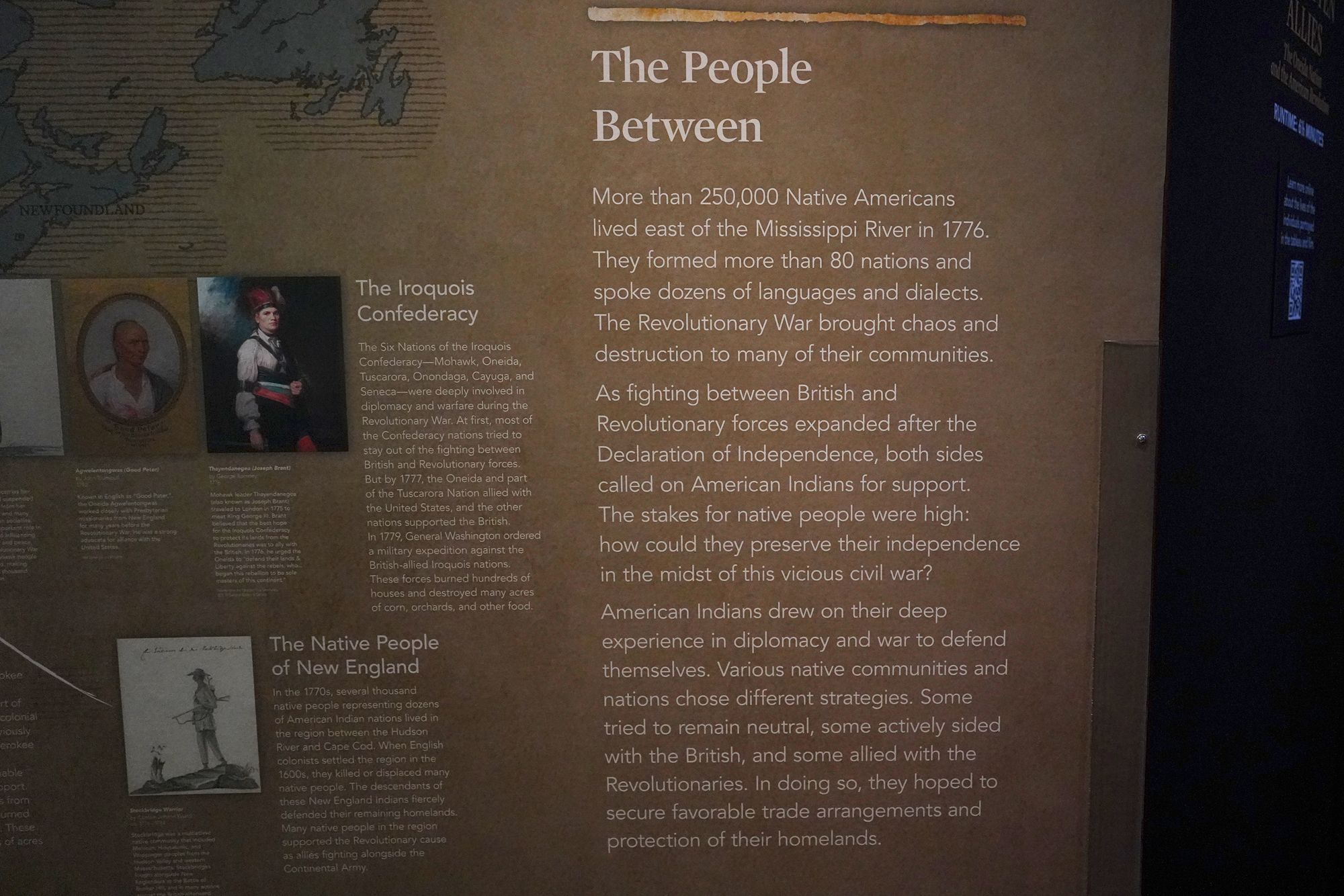
Native American nations were deeply involved in the American Revolution, though their role is often overlooked. Most tribes tried to stay neutral at first, hoping to avoid being drawn into a European conflict. But as the war widened, many were forced to choose sides. Some nations, like the Iroquois (Haudenosaunee), were divided internally—certain groups supported Britain for promises of land protection, while others sided with the Americans. Many tribes believed the British offered a better chance of stopping colonial expansion into their territories.
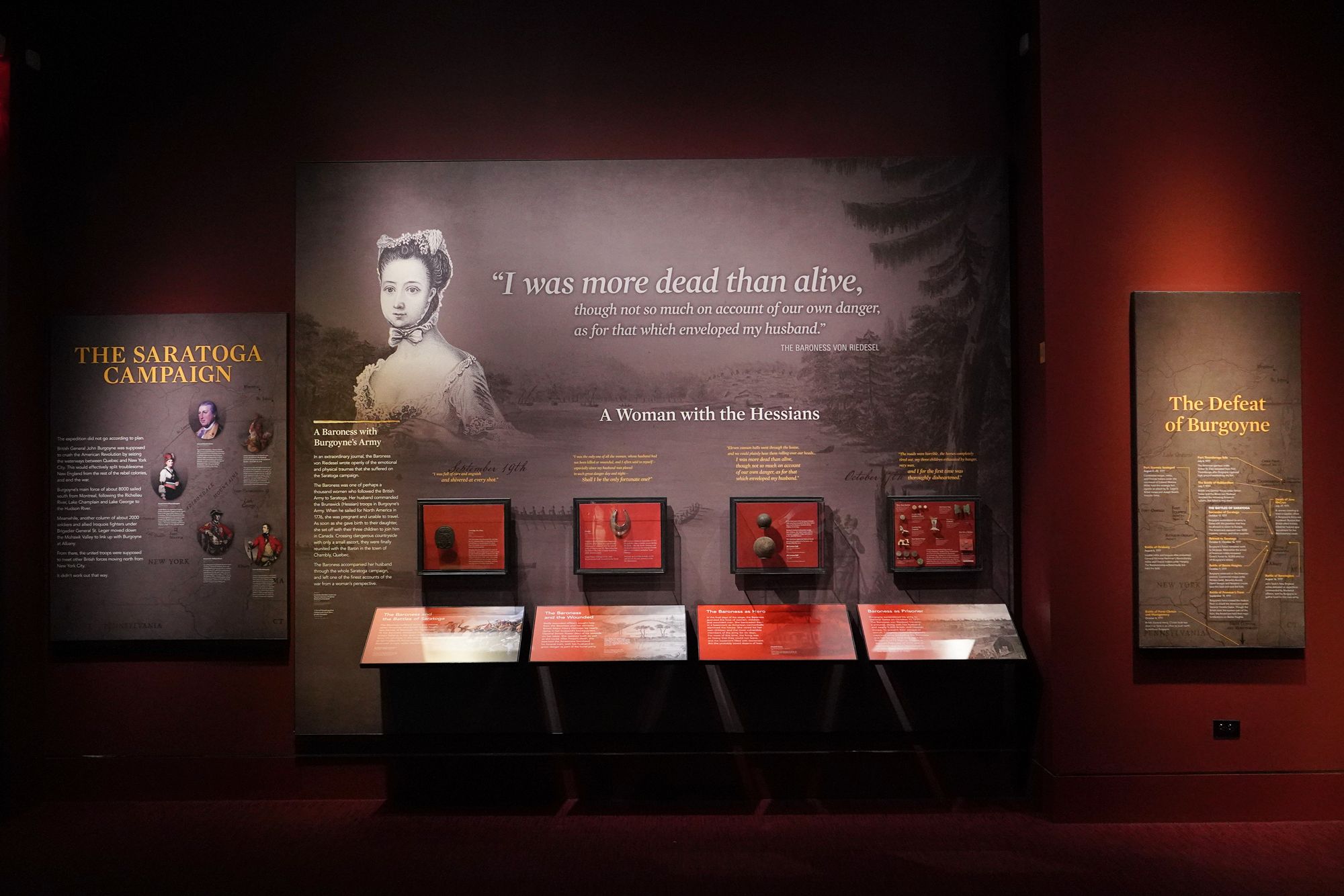
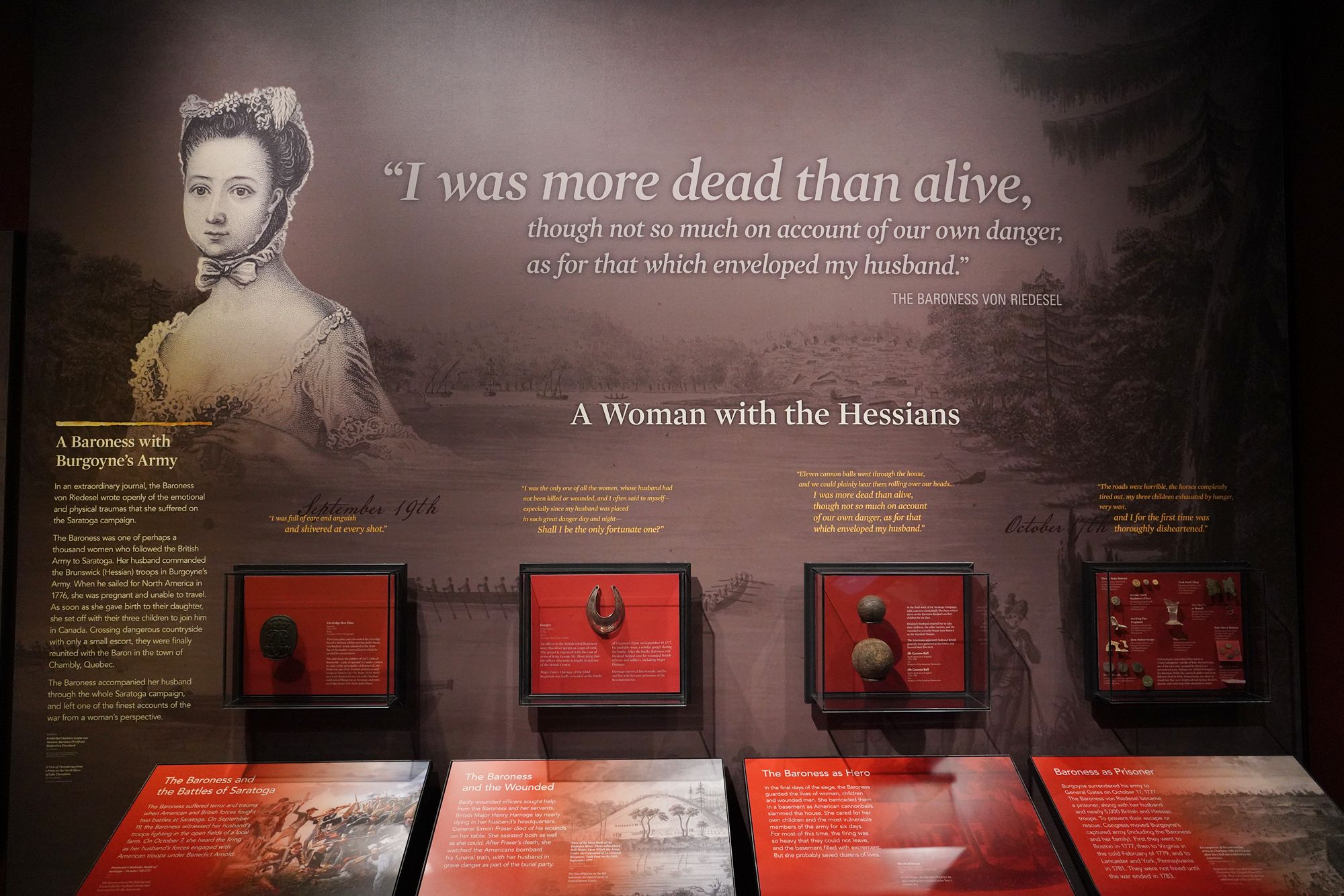
A Woman with the Hessians – A story
The Saratoga Campaign — 1777
The Saratoga Campaign was a major turning point in the American Revolution. In 1777, British General John Burgoyne led an army south from Canada, planning to cut New England off from the rest of the colonies. He moved through the wilderness slowly, dragging cannons, supplies, and thousands of troops toward Albany. American forces, led by Horatio Gates and boosted by bold actions from Benedict Arnold, blocked his path.
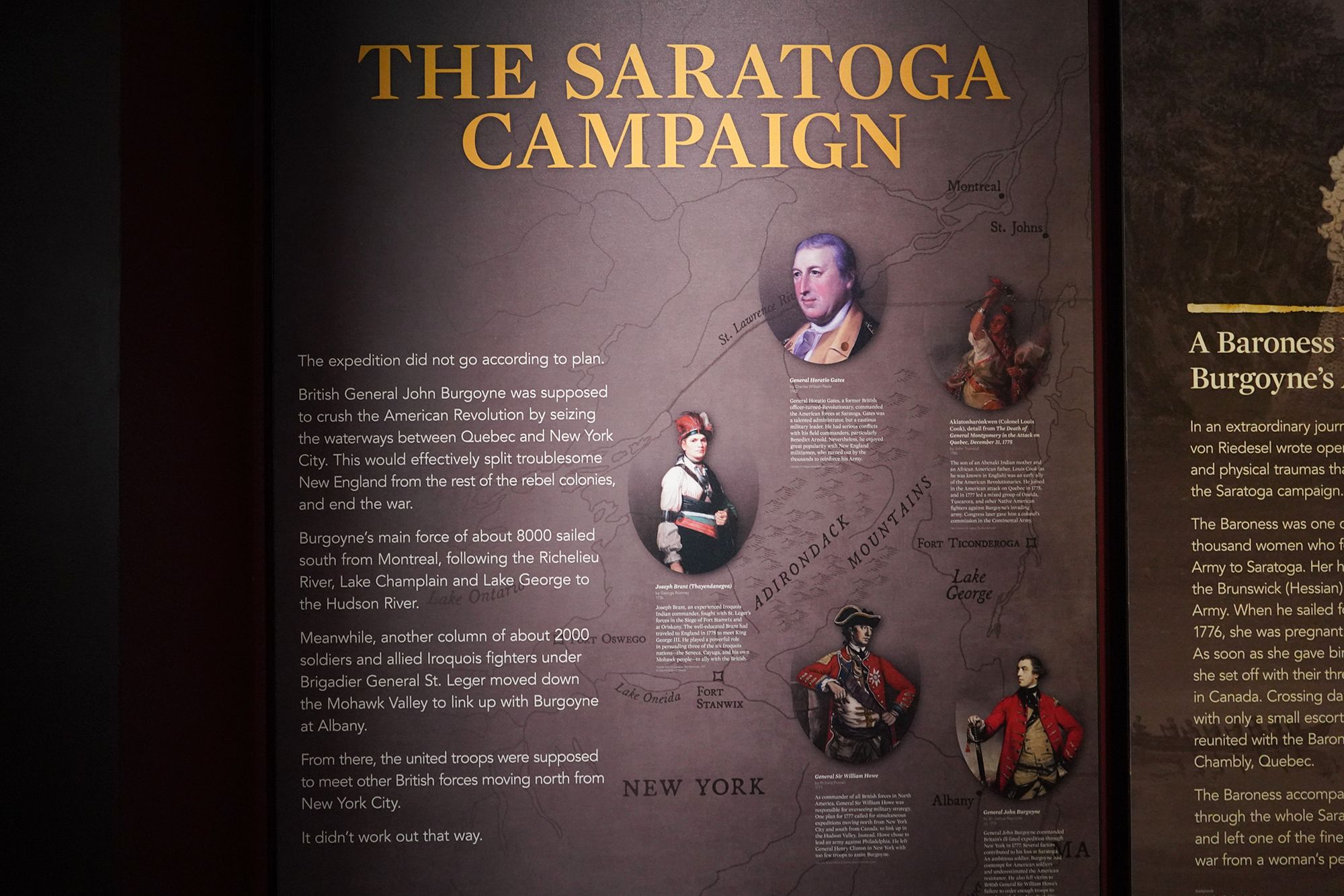
Two battles near Saratoga—Freeman’s Farm (September) and Bemis Heights (October)—wore down Burgoyne’s army. Surrounded, outnumbered, and short on supplies, he surrendered on October 17, 1777. This was the first major British army captured in the war.
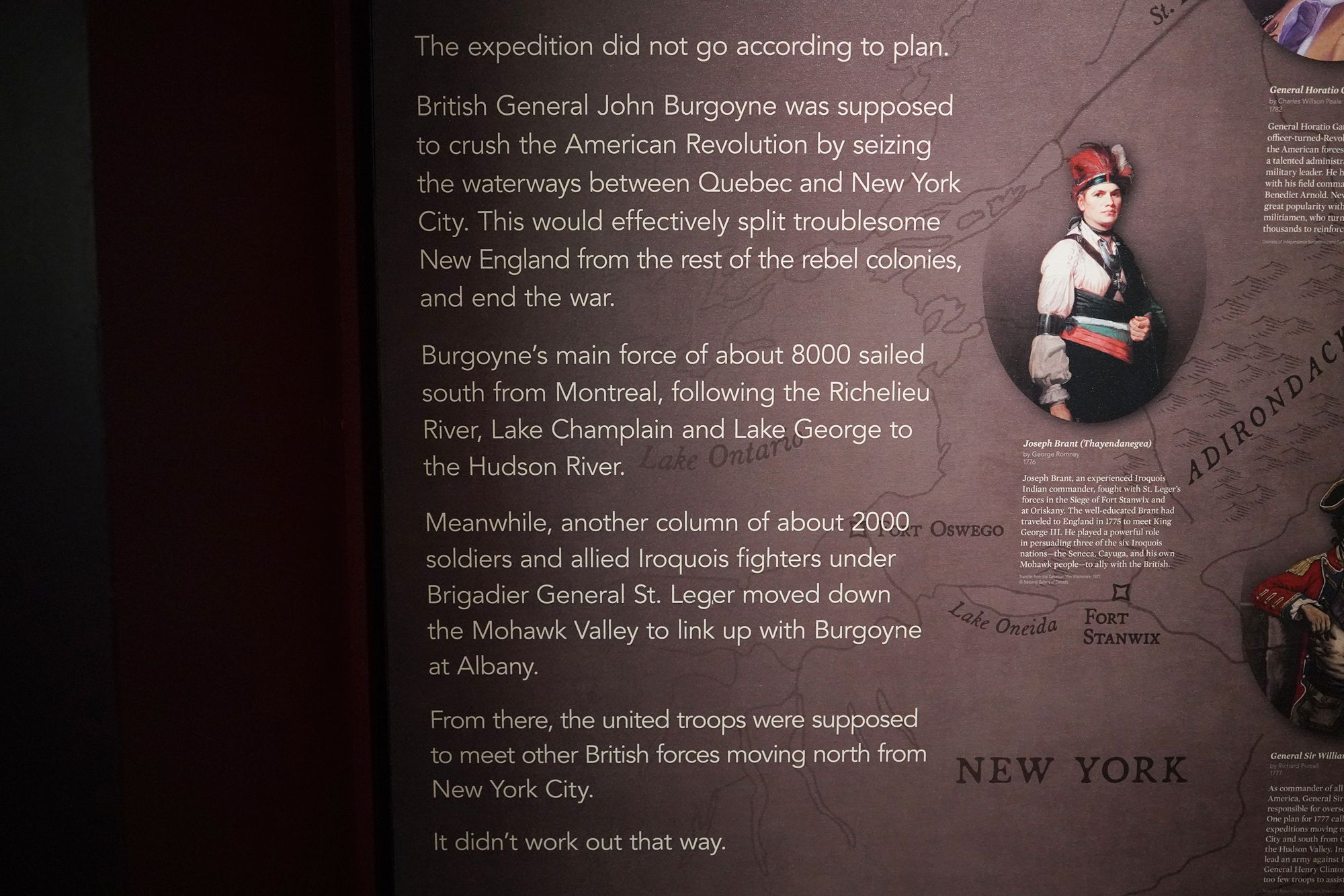
A Hessian woman left a record describing the Saratoga campaign.
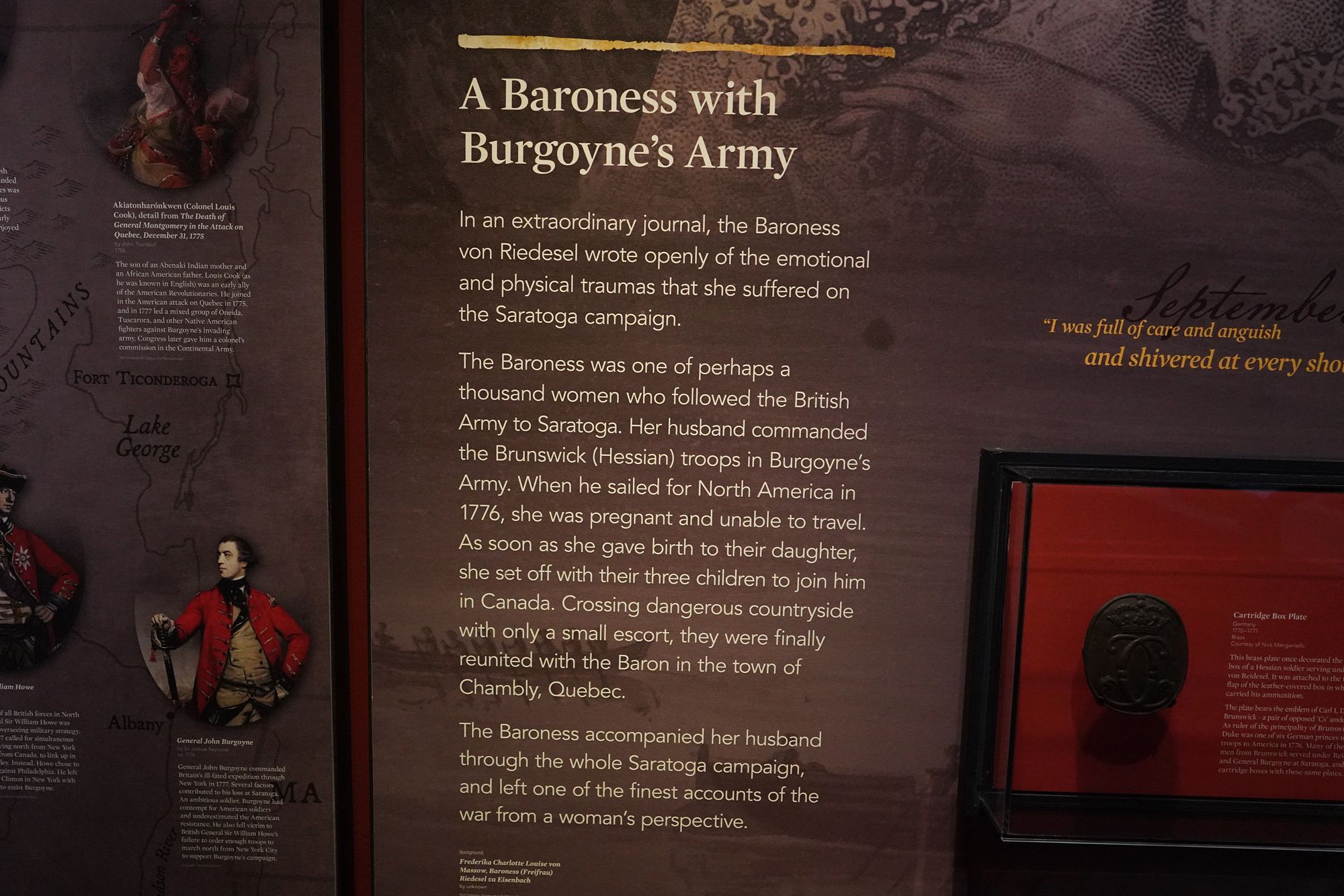
Chronicle map of the war
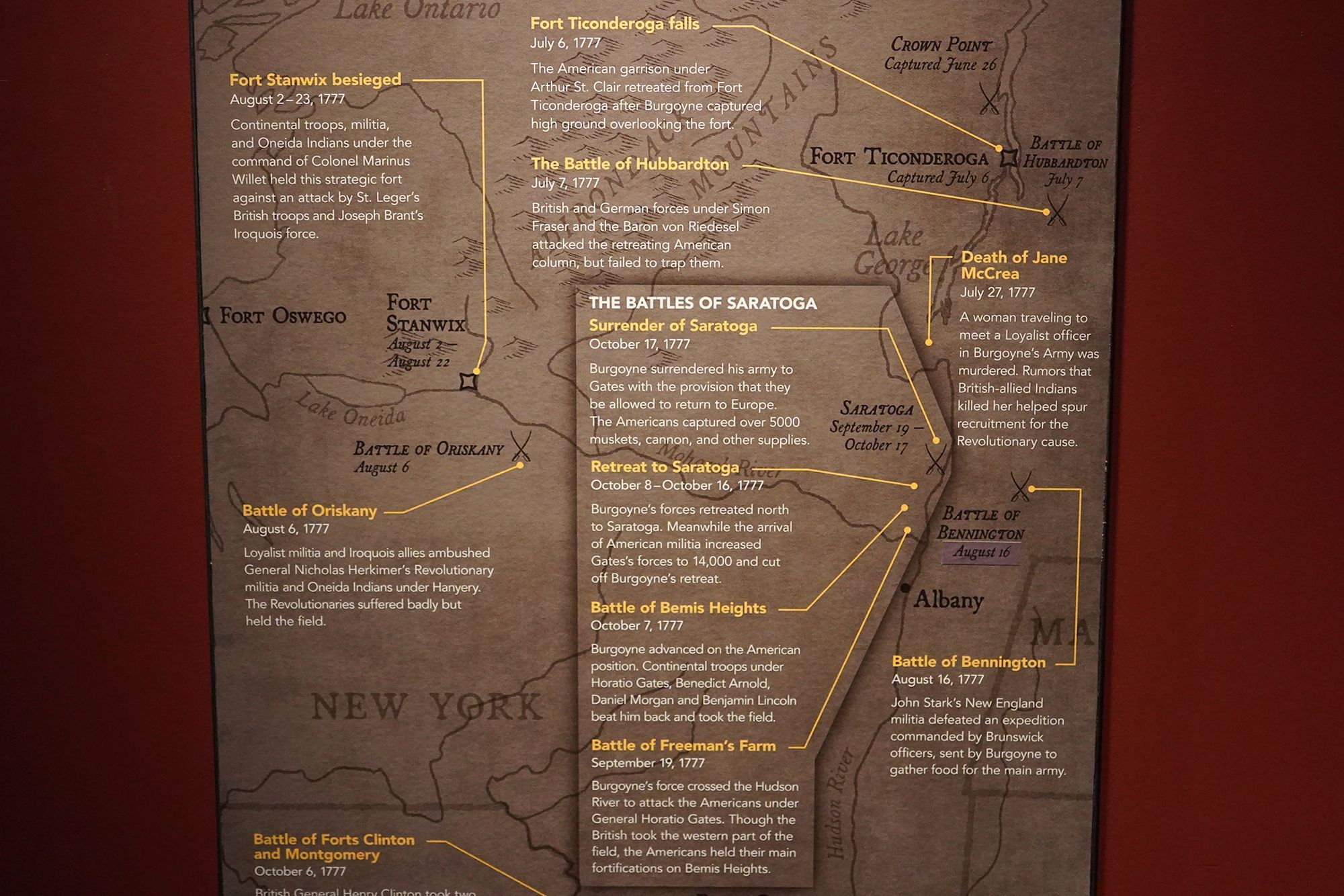
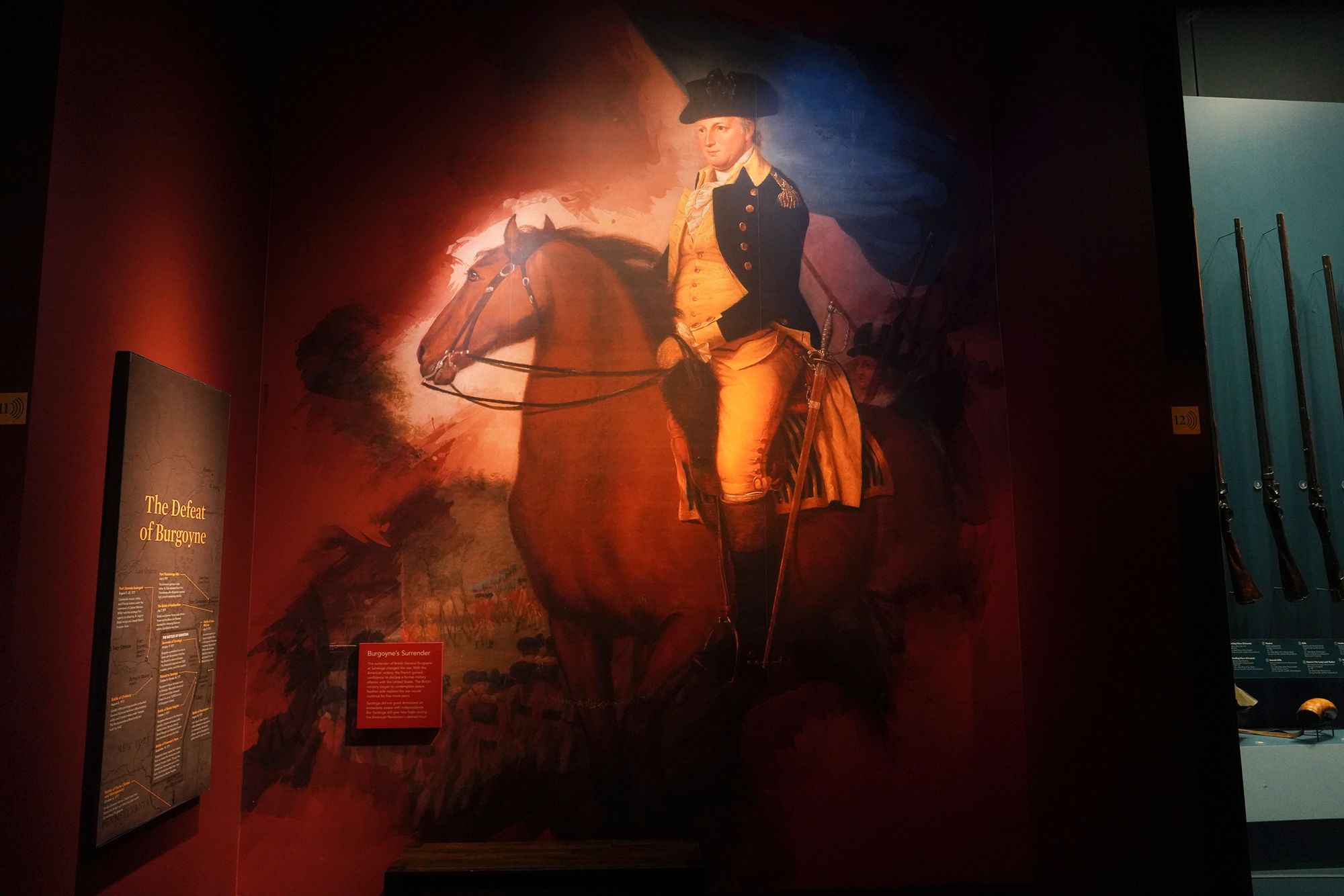
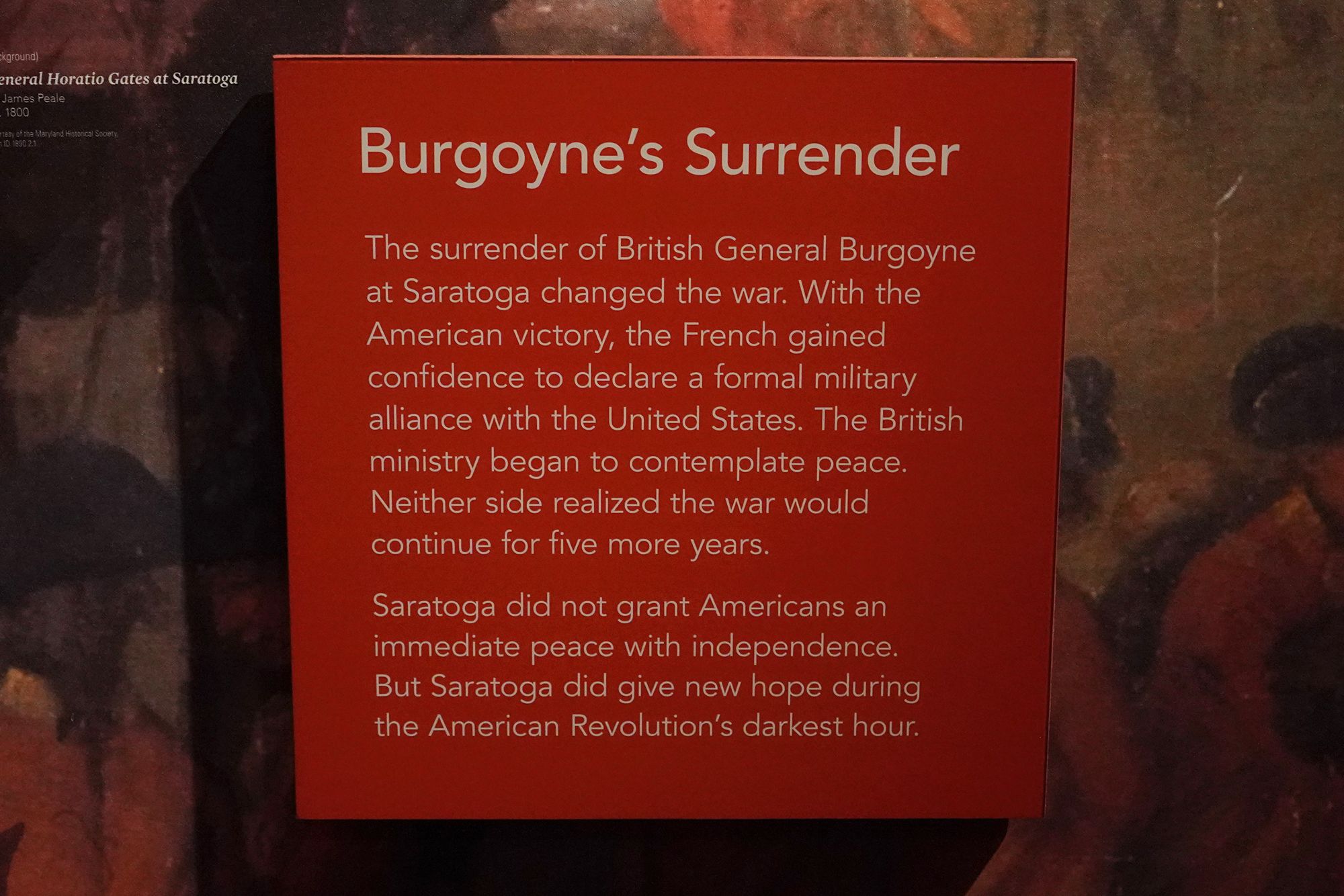
The victory at Saratoga changed everything. It proved the Americans could defeat a powerful British force, and it convinced France to join the war as an ally, bringing money, troops, and a navy. From that moment, the Revolution shifted from a colonial rebellion to an international war—and American independence became a real possibility.
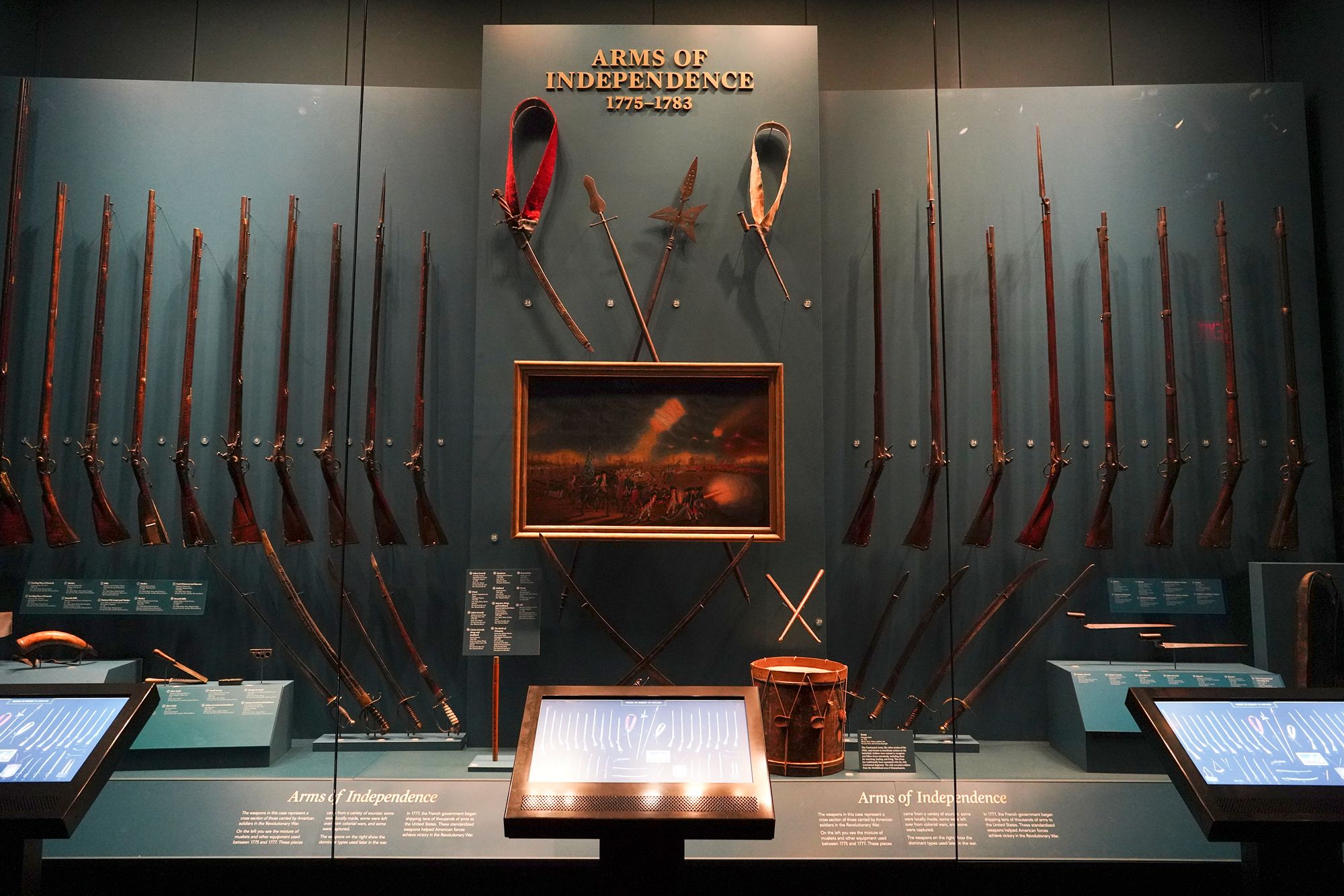
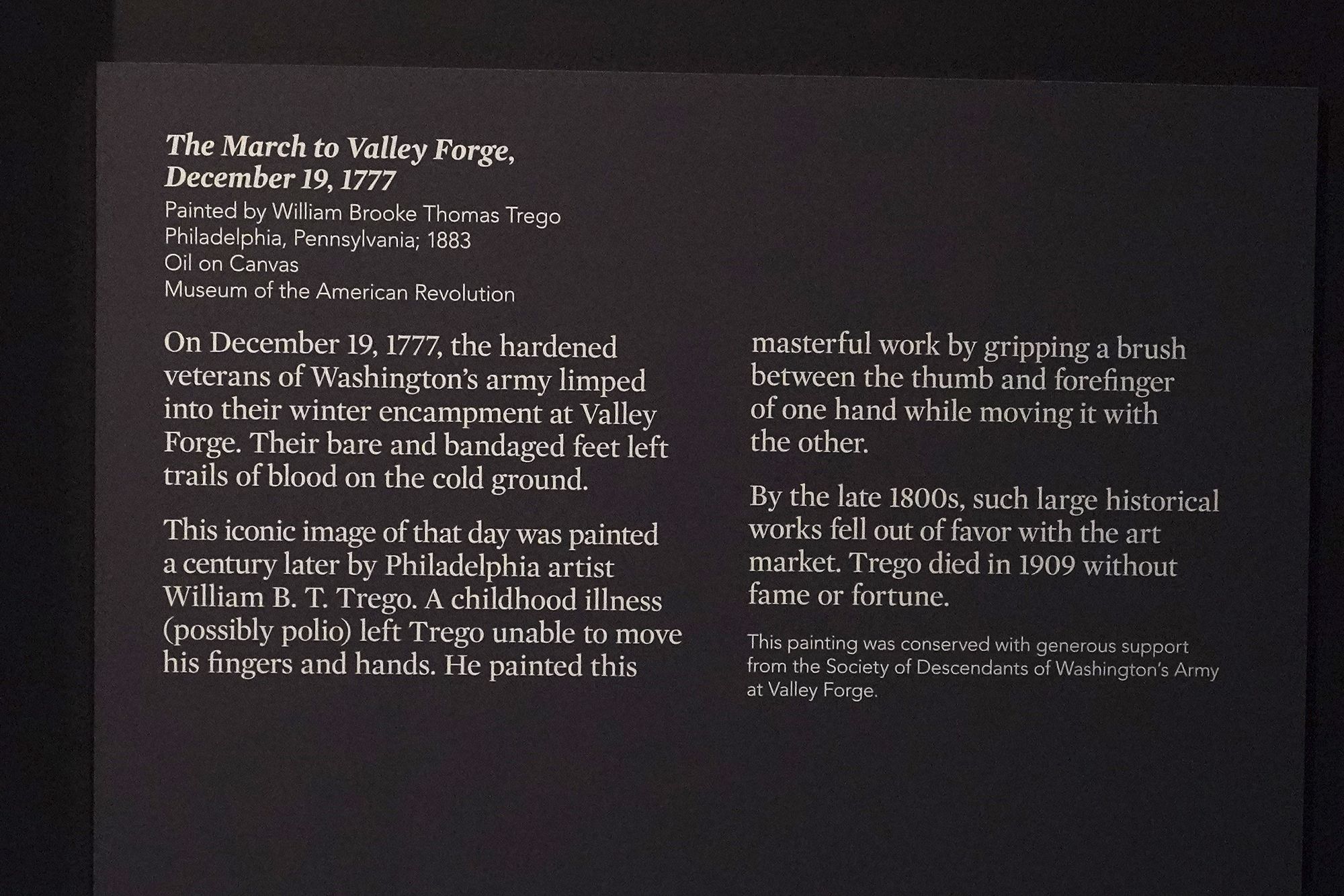
The March to Valley Forge, December 19. 1777
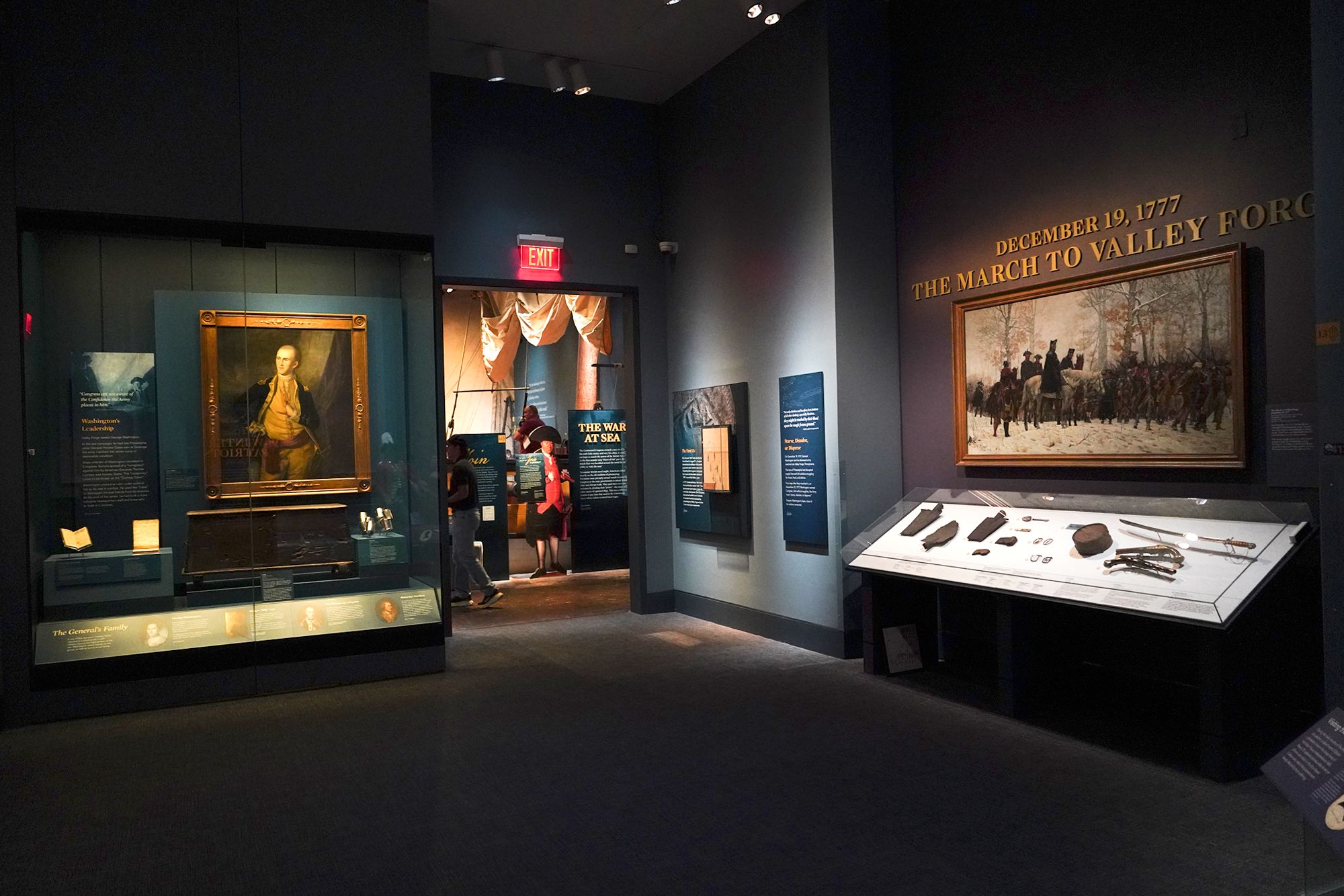
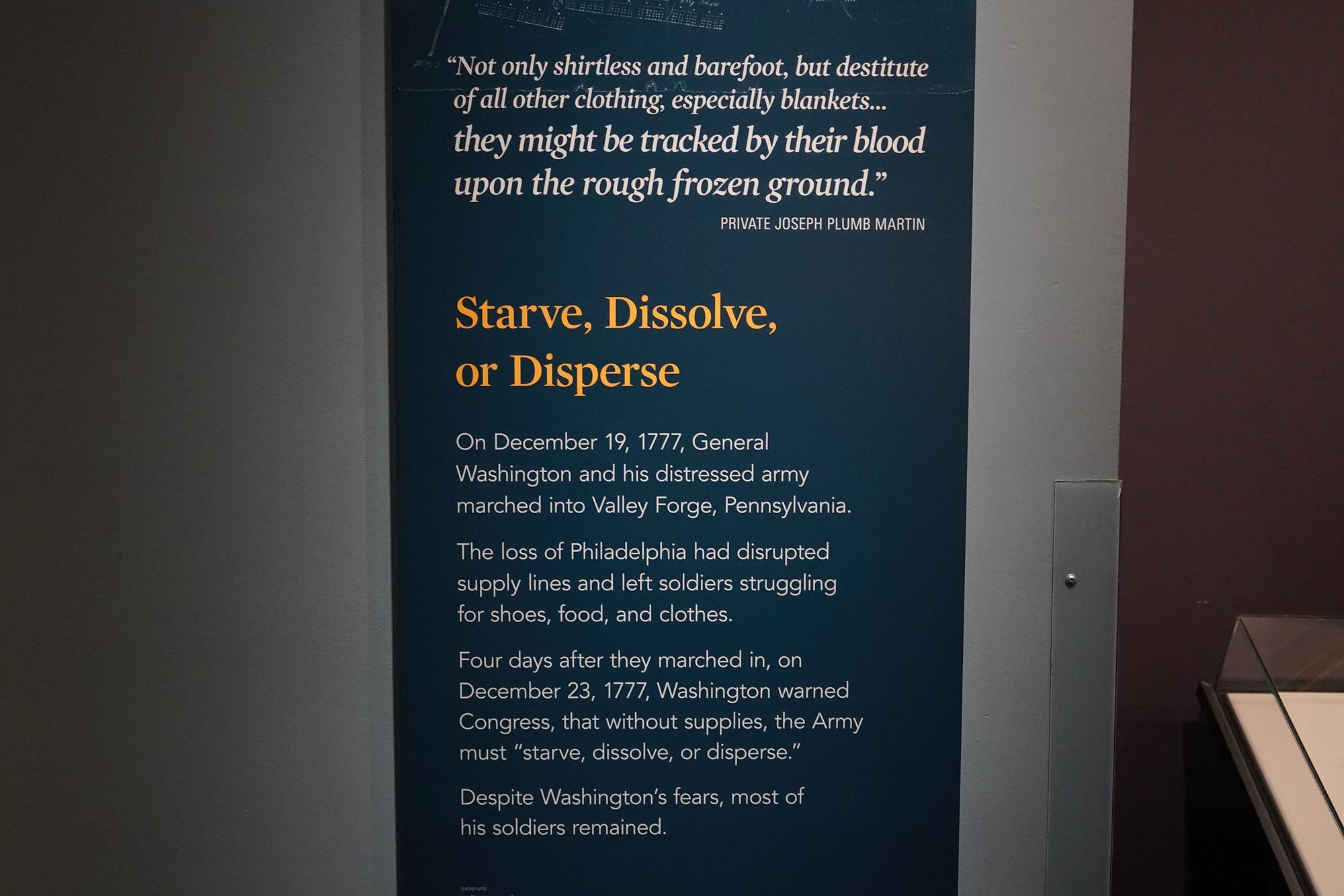
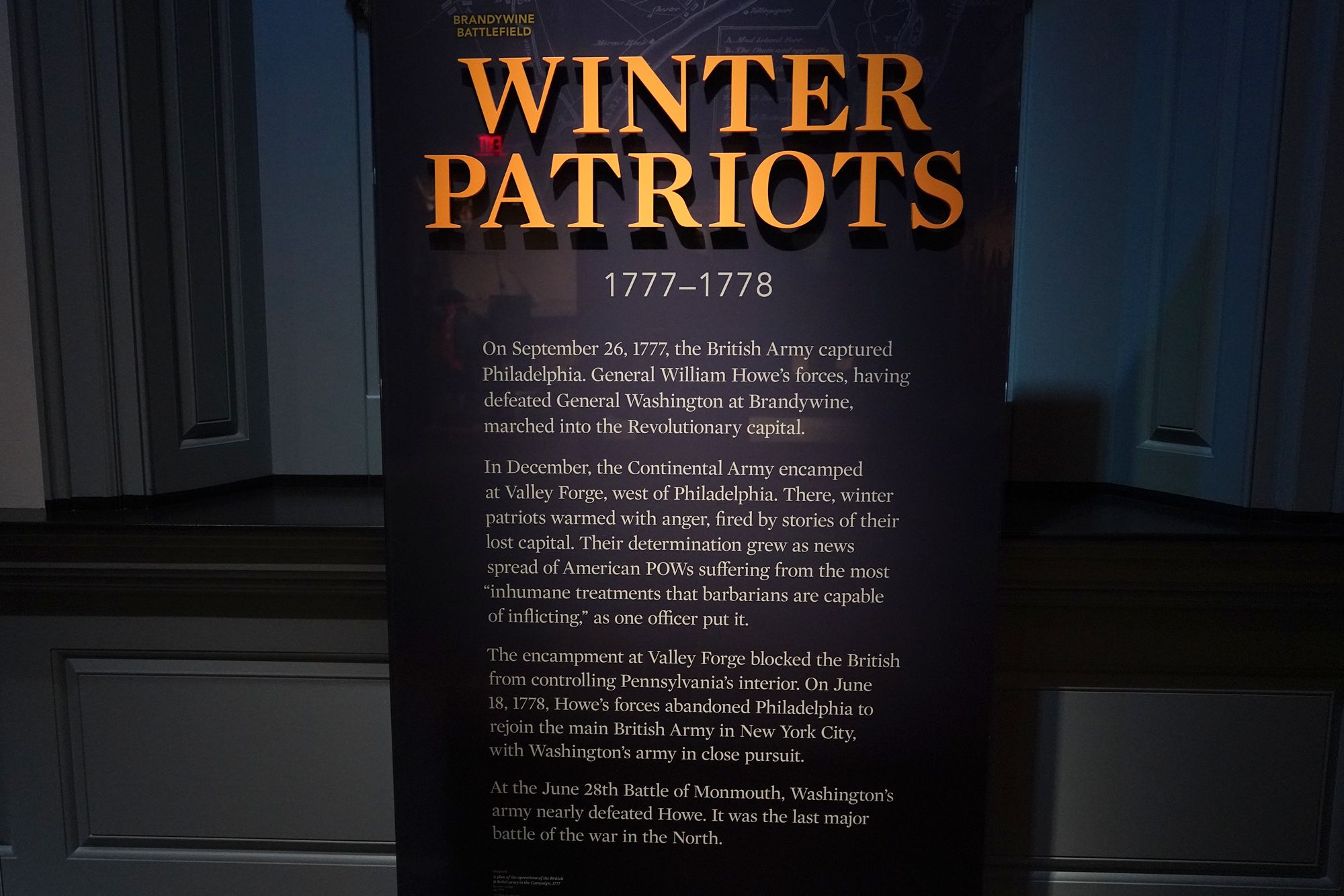
While General Horatio Gates secured victory at Saratoga, Washington’s army was forced to retreat to Valley Forge after being outnumbered and outmatched. The British held greater numbers, superior weapons, and control of the sea in New York and Philadelphia. Remaining in battle might have led to Washington’s army being surrounded or destroyed, ending the Revolution.
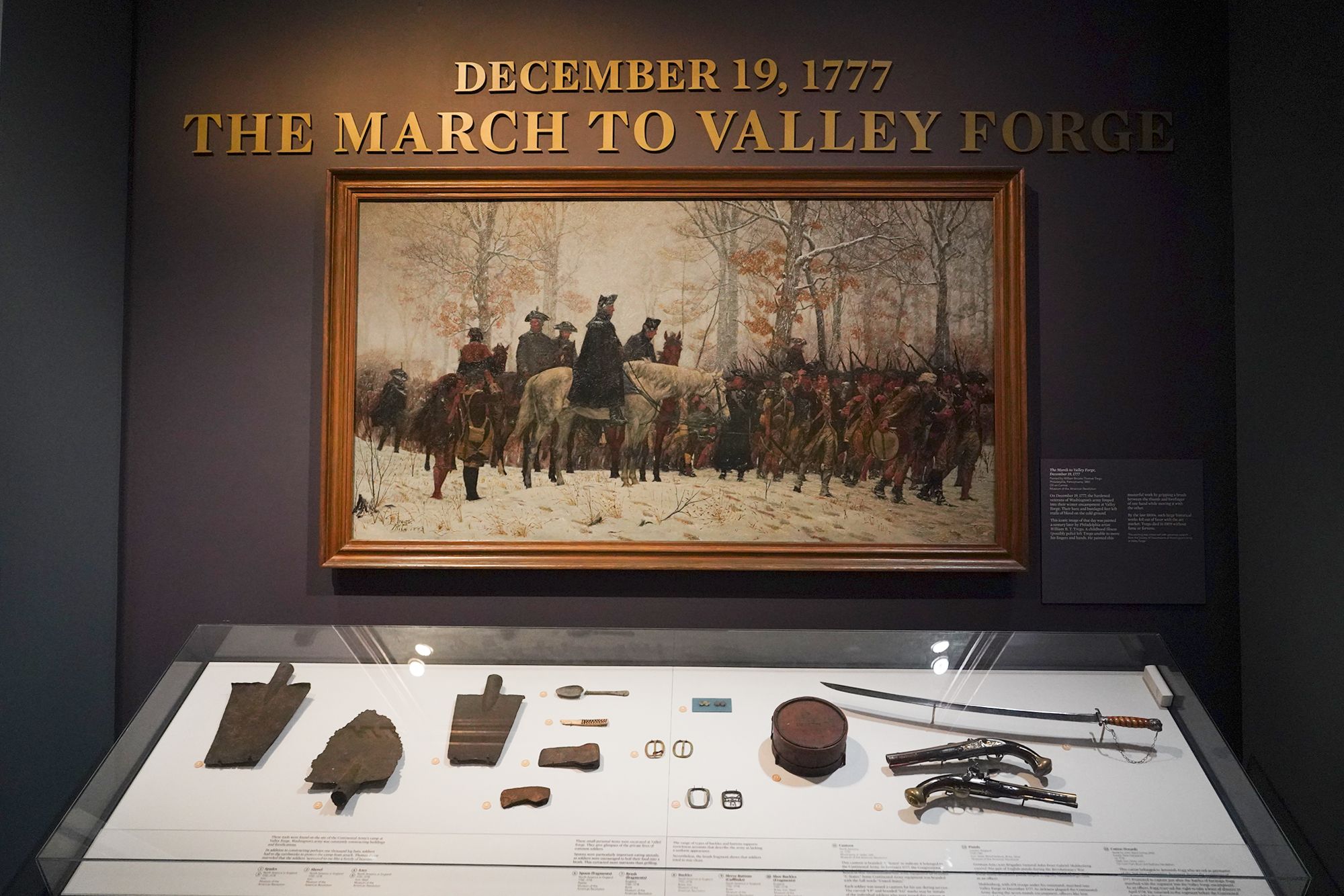
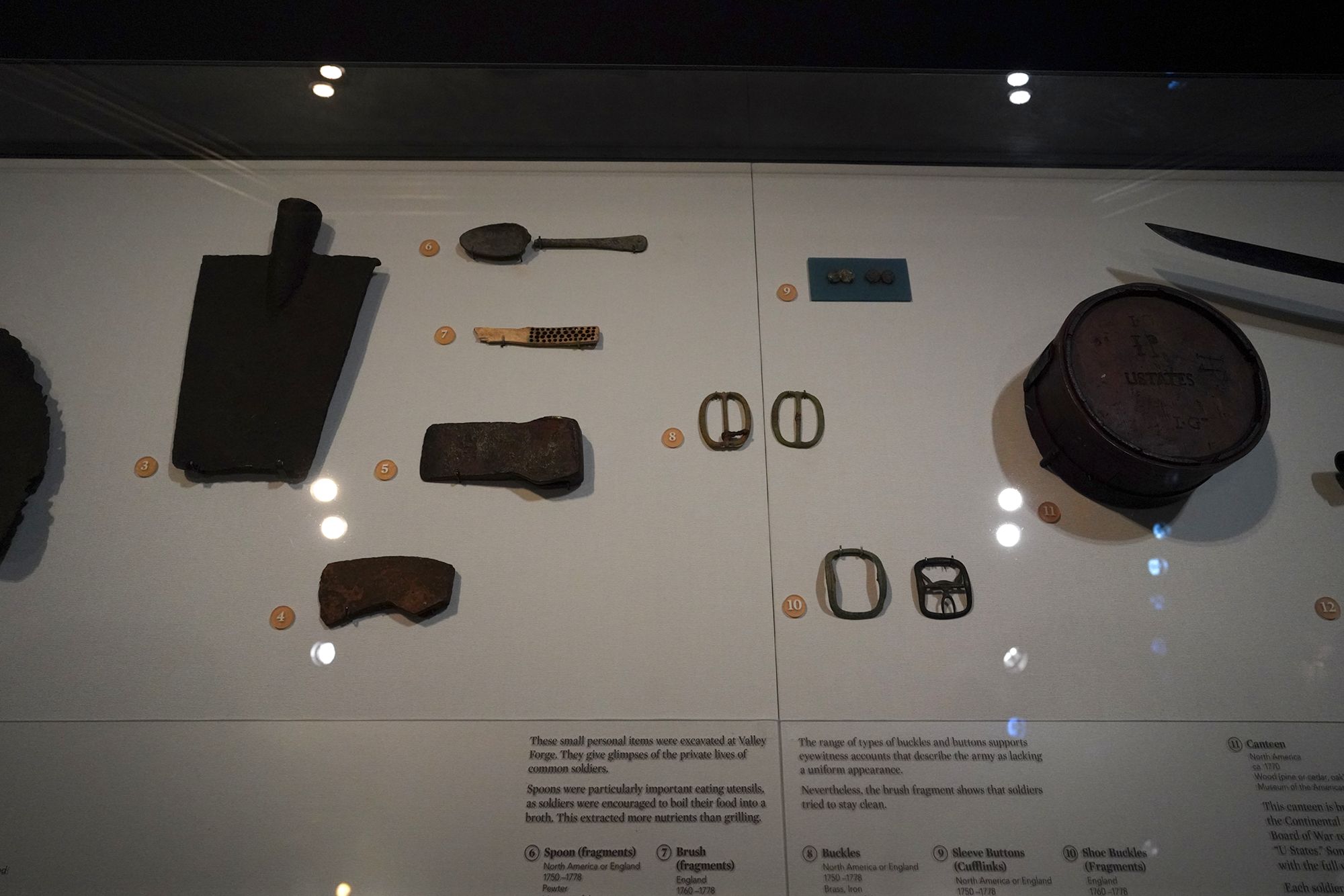
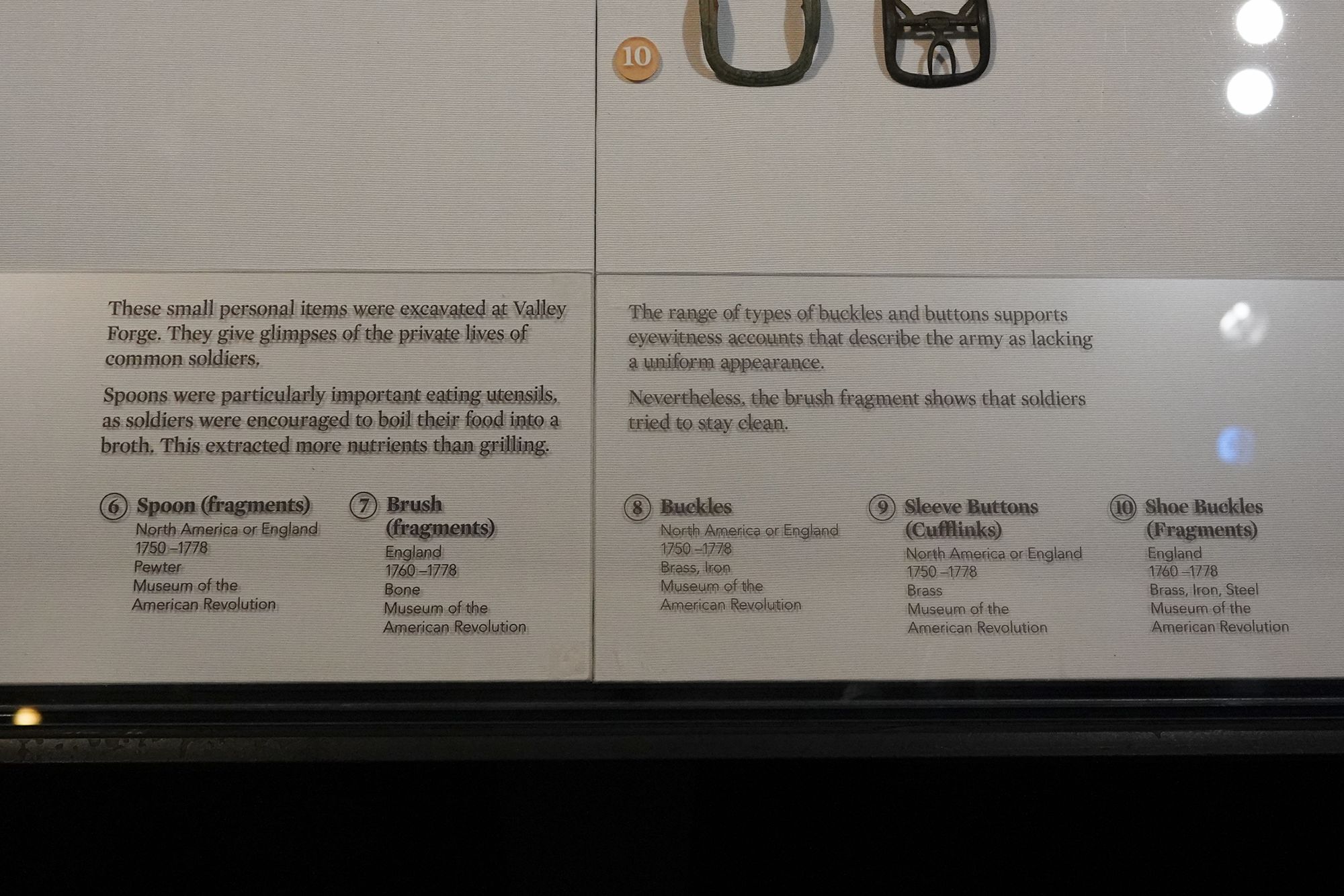
Items found in Valley Forge
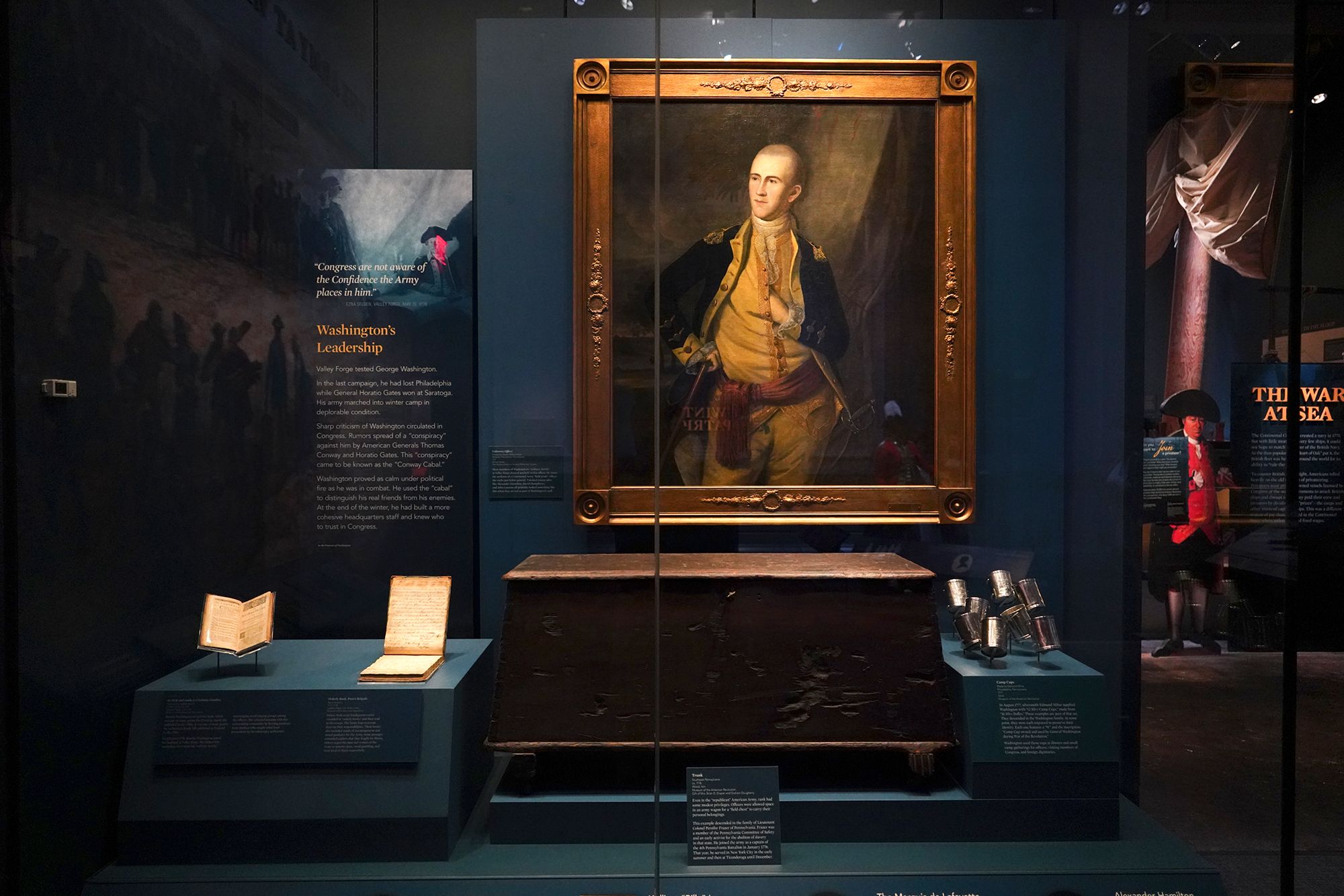
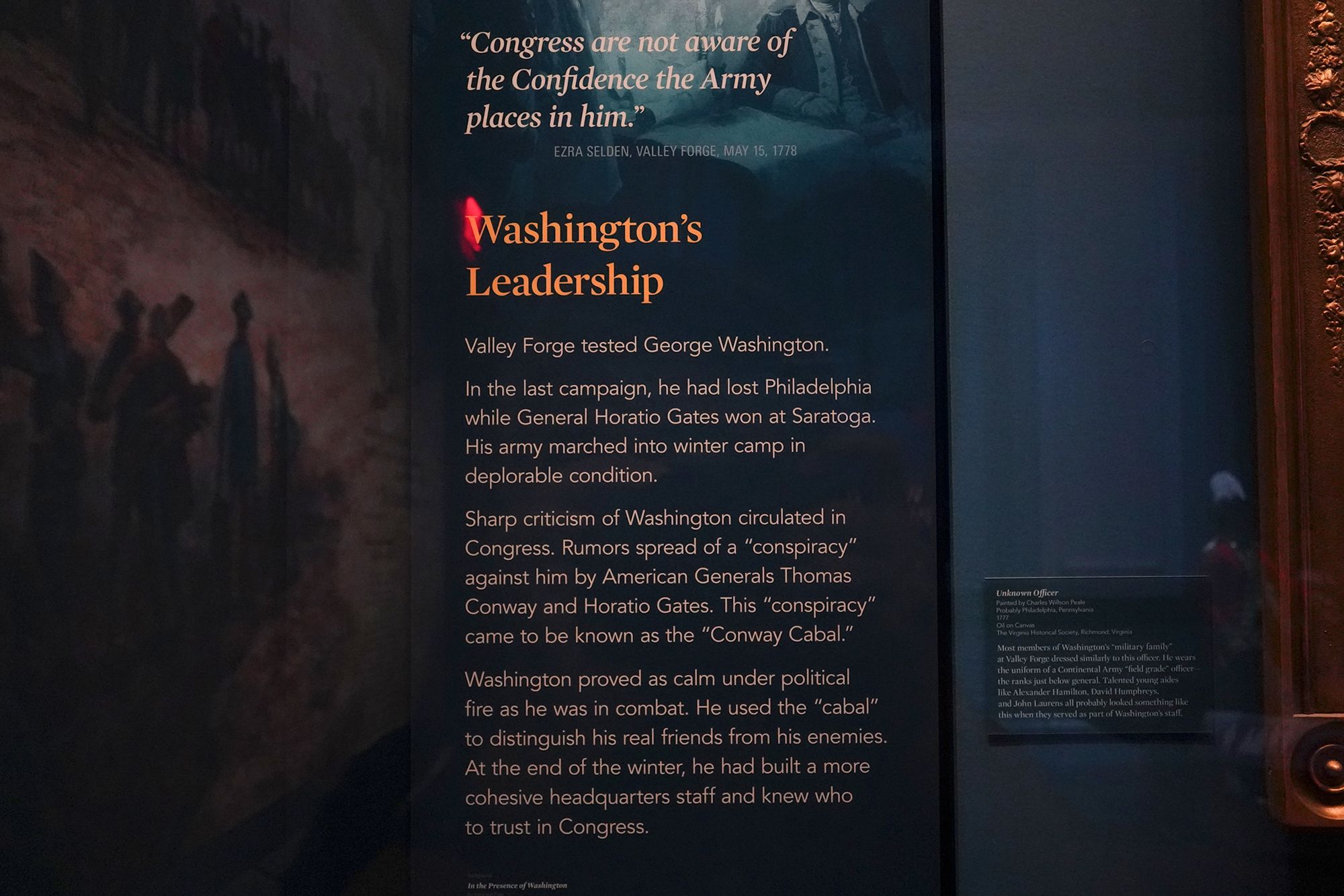
Congress criticized Washington for withdrawing to Valley Forge, not understanding how strongly his troops trusted and depended on him.
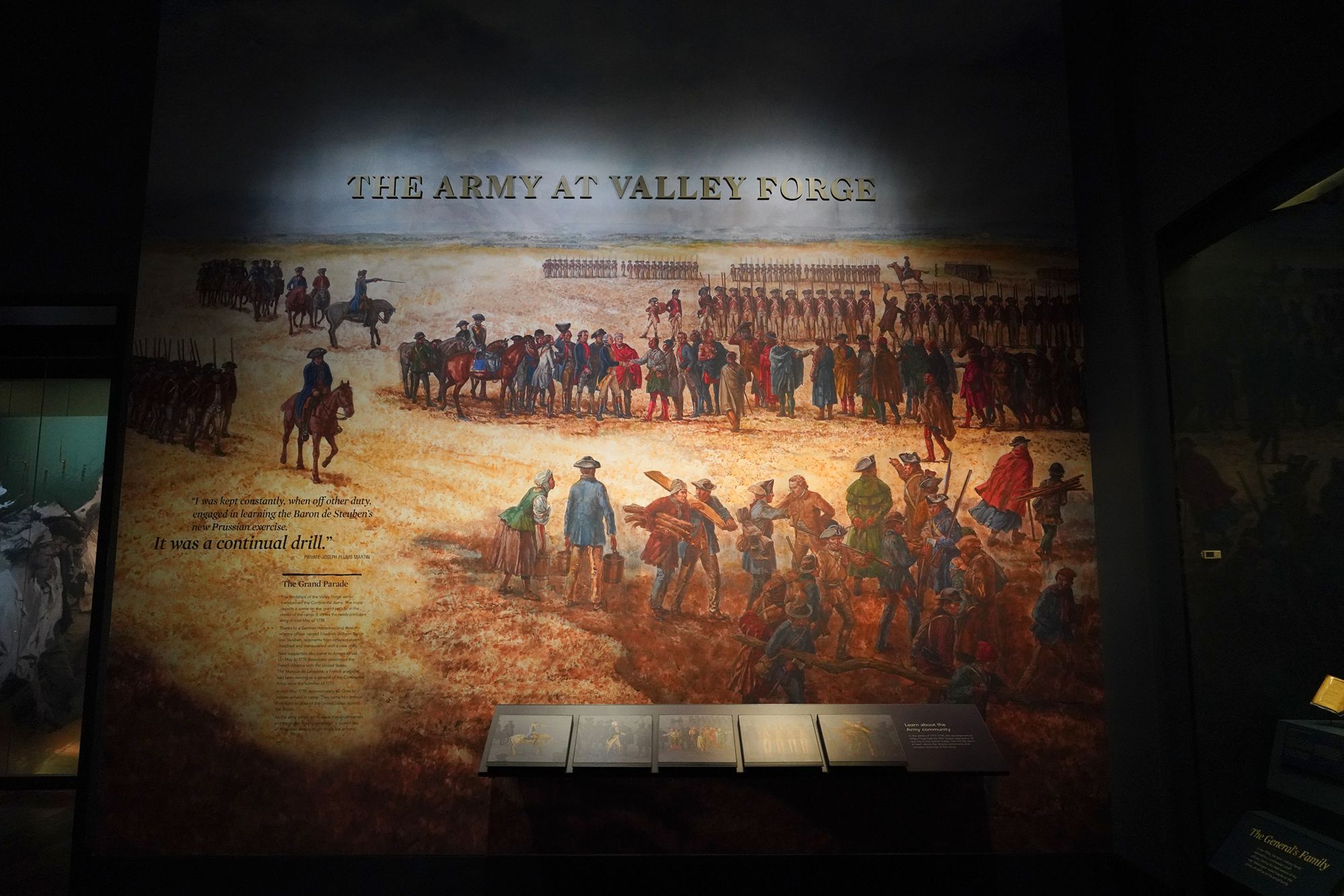
Friedrich Wilhelm von Steuben, a Prussian officer, transformed Washington’s army at Valley Forge through strict drills, discipline, and organization. His training turned volunteers into a professional force, proven at Monmouth, and helped secure America’s fight for independence.
Also, In 1778, after the American victory at Saratoga, France formally joined the war as America’s ally. France supplied weapons, money, soldiers, and—most importantly—a powerful navy. This partnership turned the Revolution into a global conflict and helped the United States win independence.
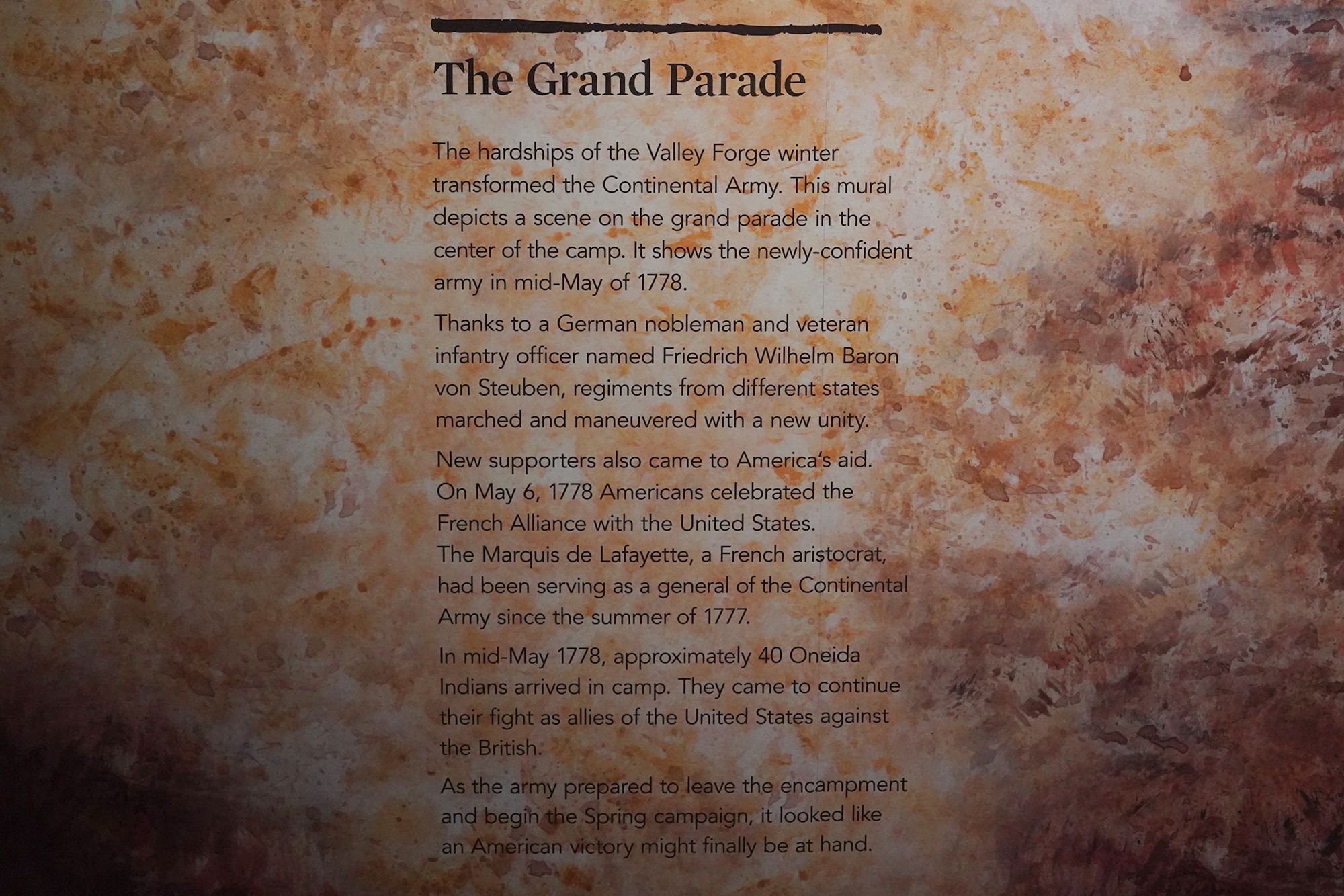
The Battle of Monmouth in New Jersey was the first major test of the newly trained Continental Army after Valley Forge. Washington pursued the British as they withdrew from Philadelphia toward New York, hoping to strike them on the move. In intense summer heat, the two armies clashed for hours across fields and orchards. Early confusion nearly led to American collapse, but Washington rode forward, rallied his troops, and stabilized the lines.
The battle ended as a draw, but it proved something far more important: the Continental Army could now fight the British in open battle without breaking. The British continued their march to New York, and Washington held the field. After Monmouth, the Americans no longer looked like desperate rebels—their performance showed discipline, training, and confidence, marking a turning point in Washington’s leadership and the army’s development.
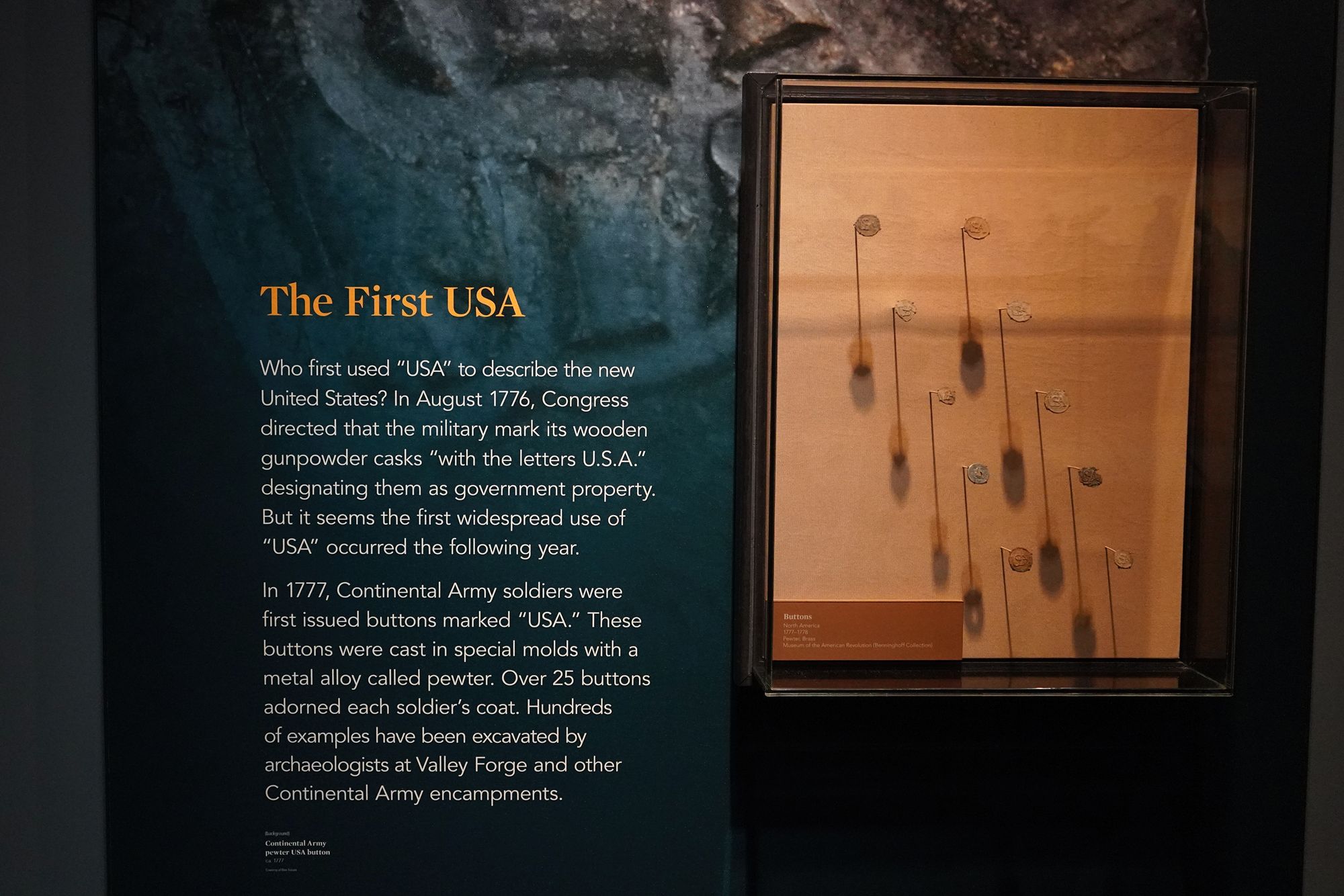
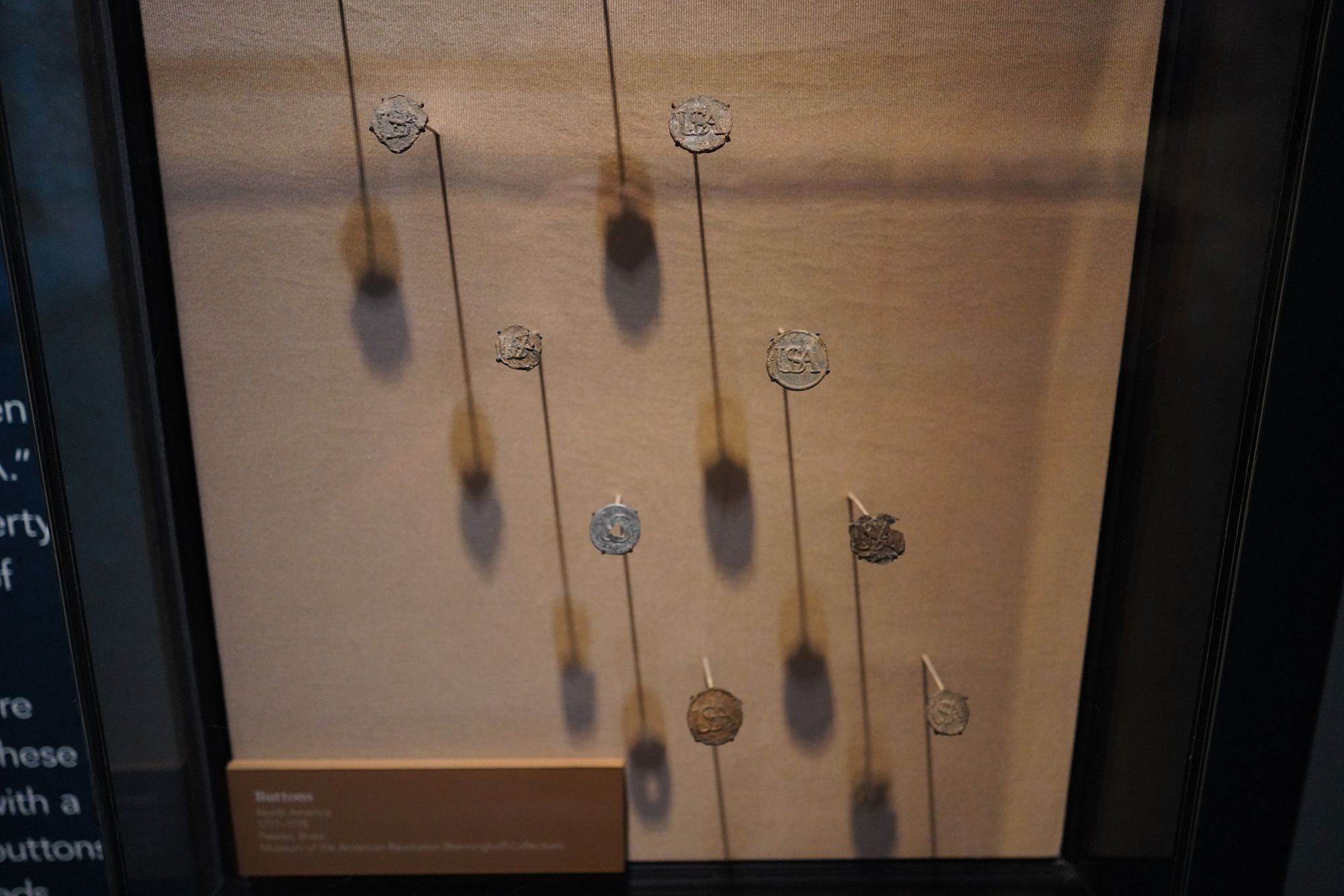
The first use of “USA” to describe the new United States.
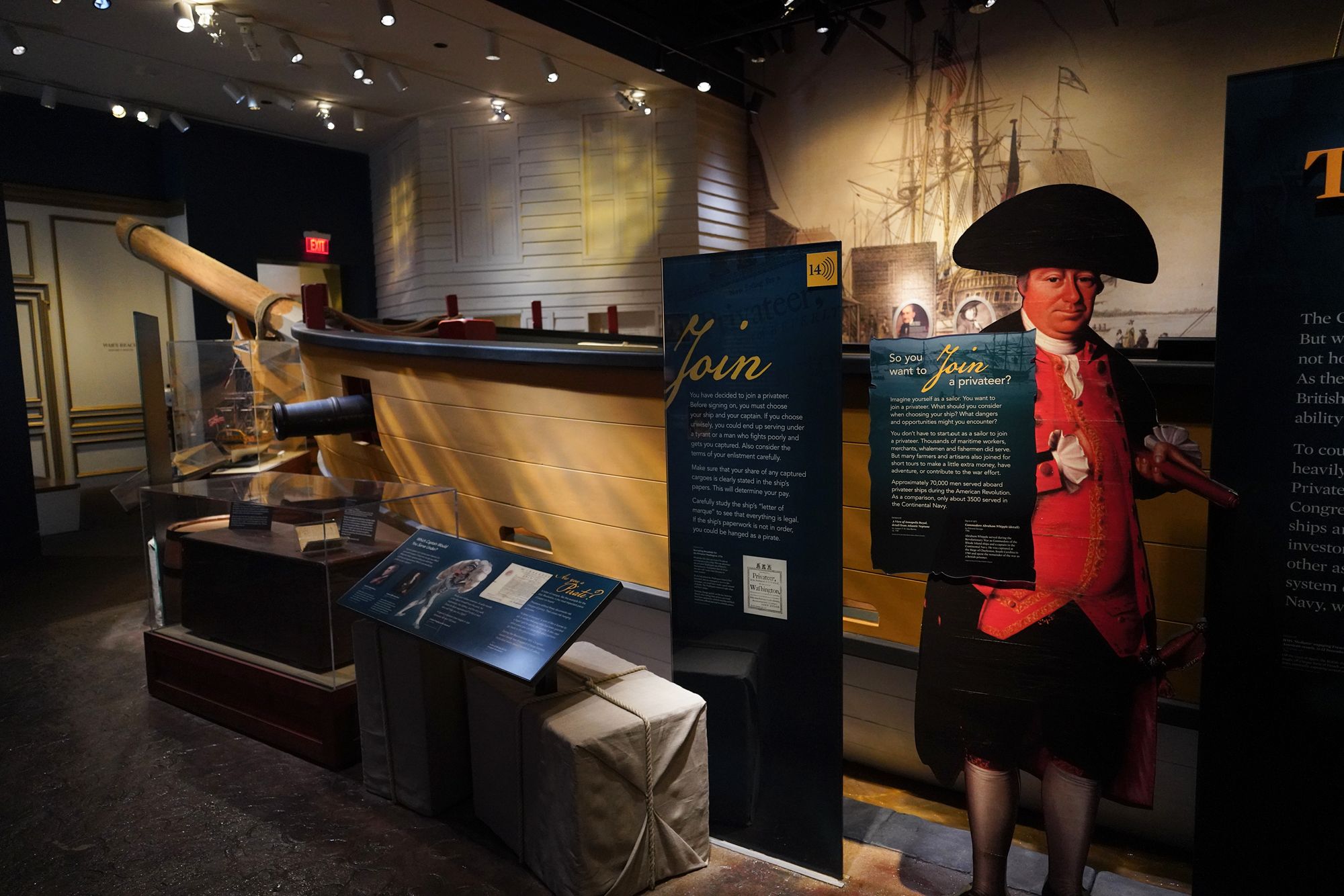
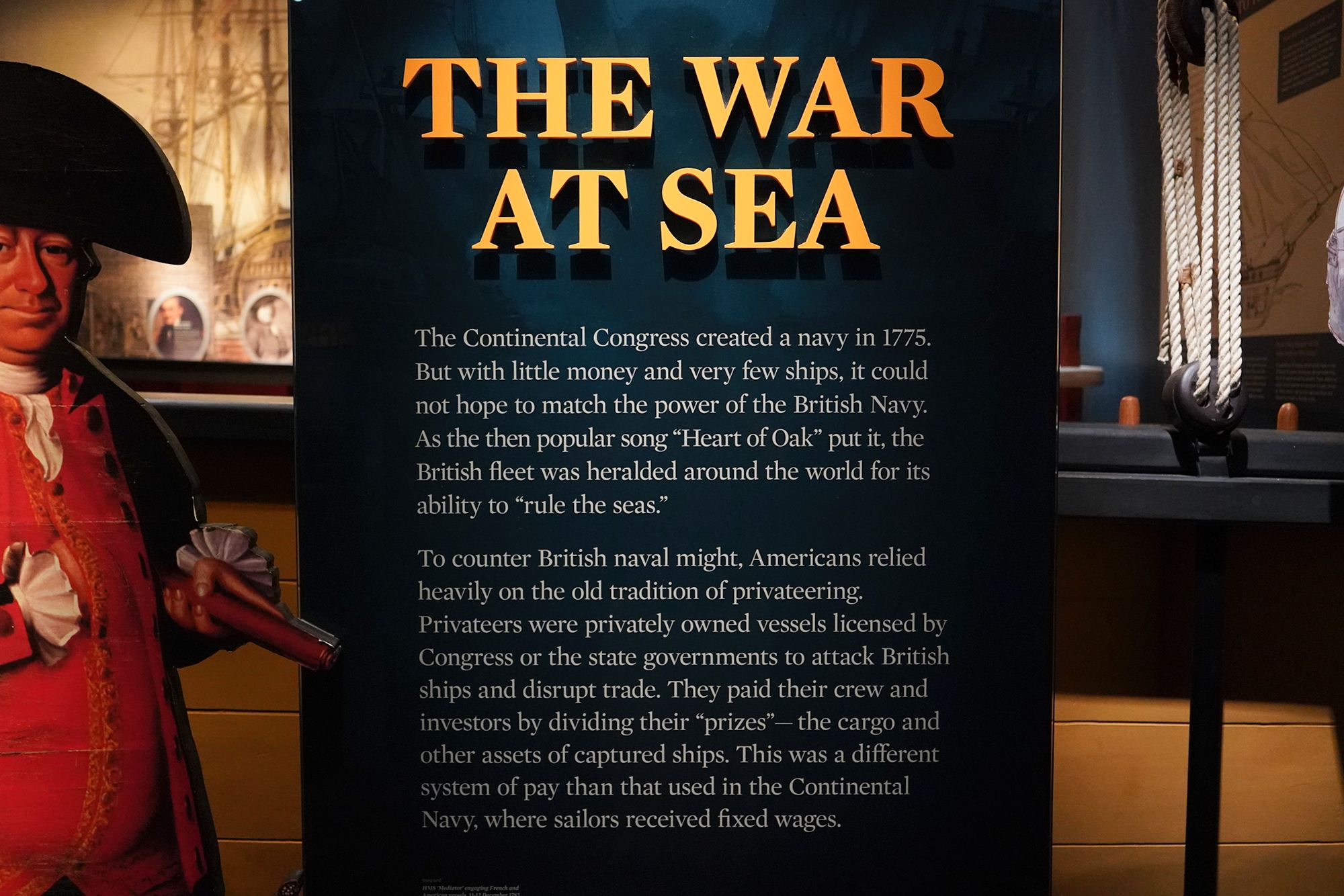
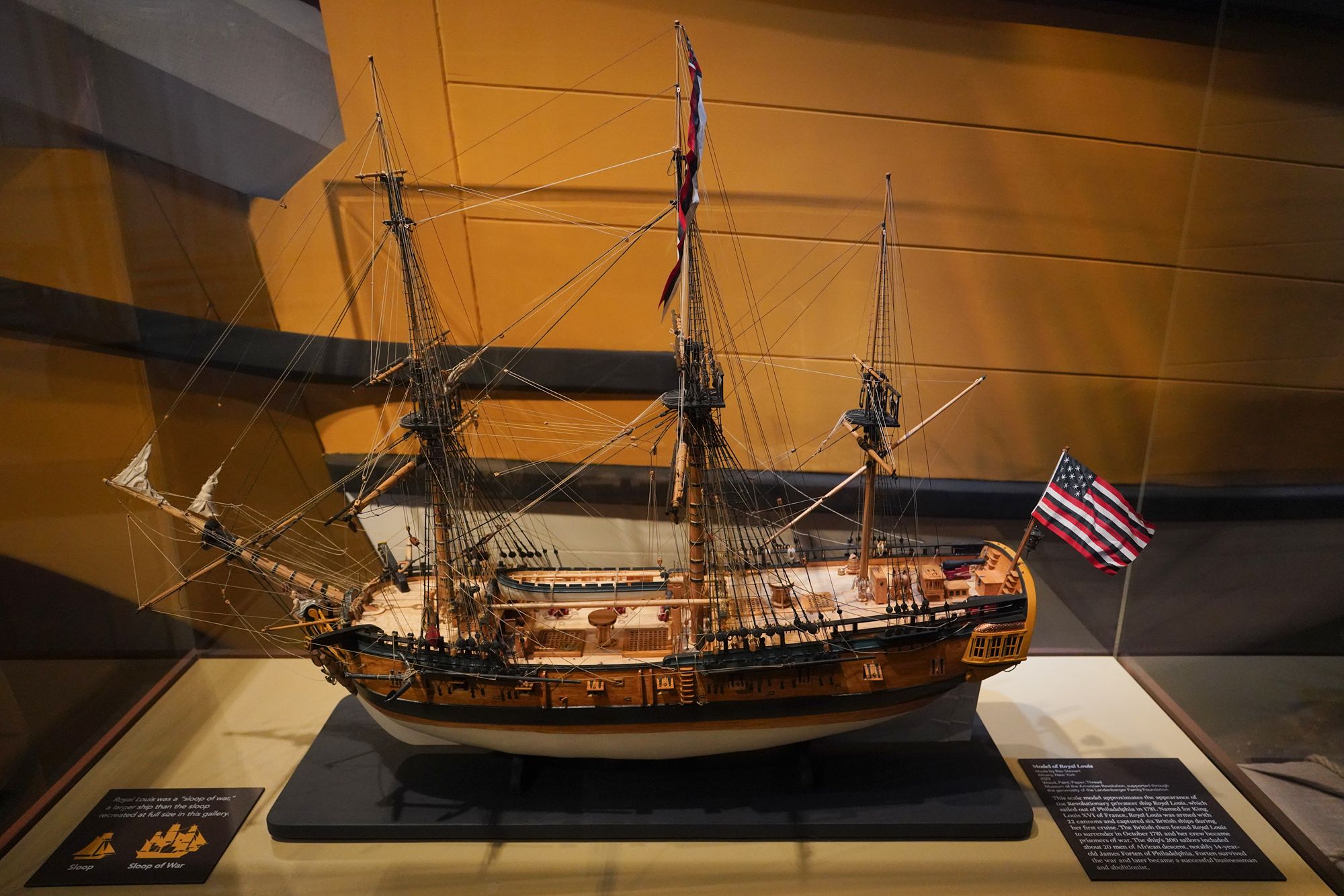
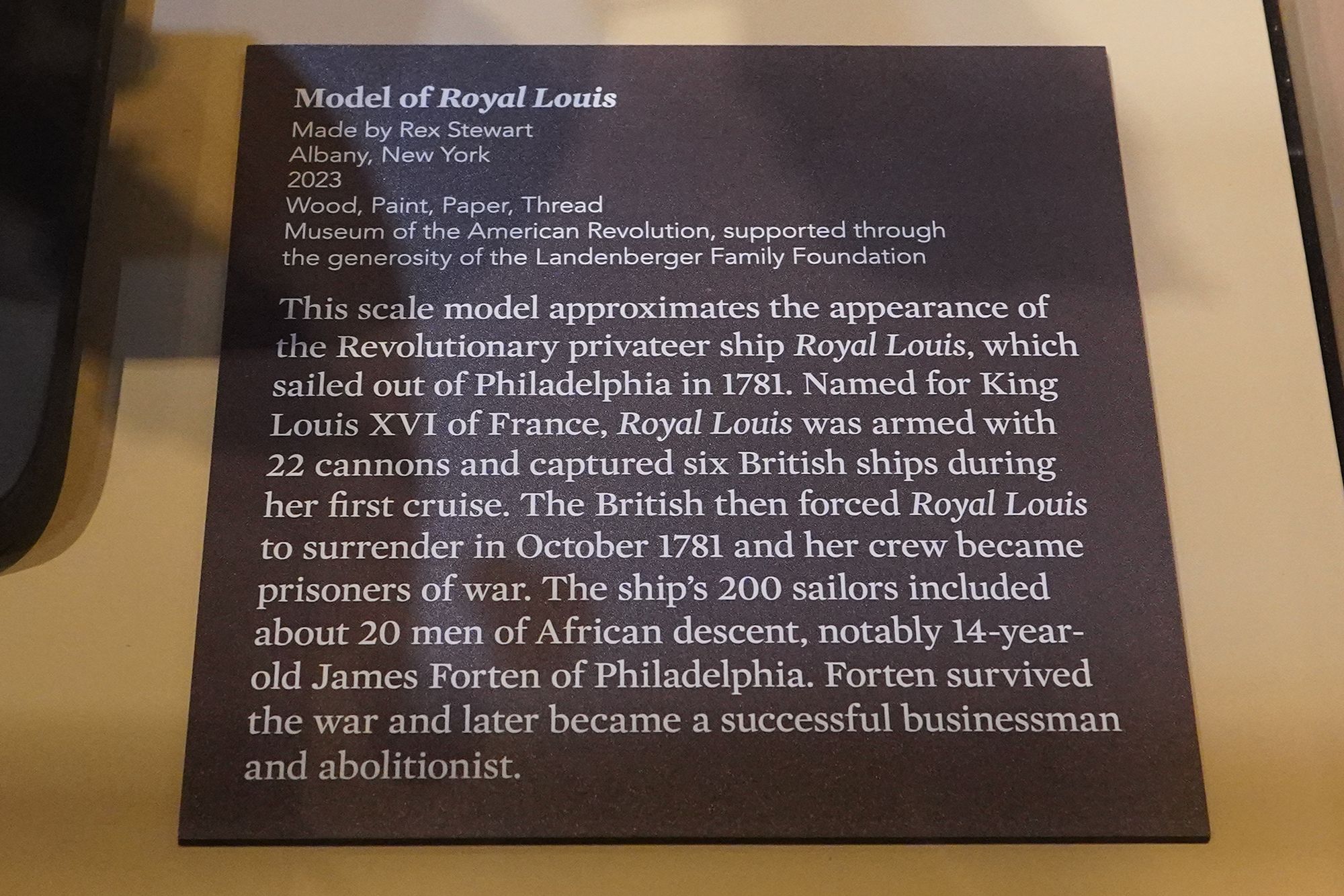
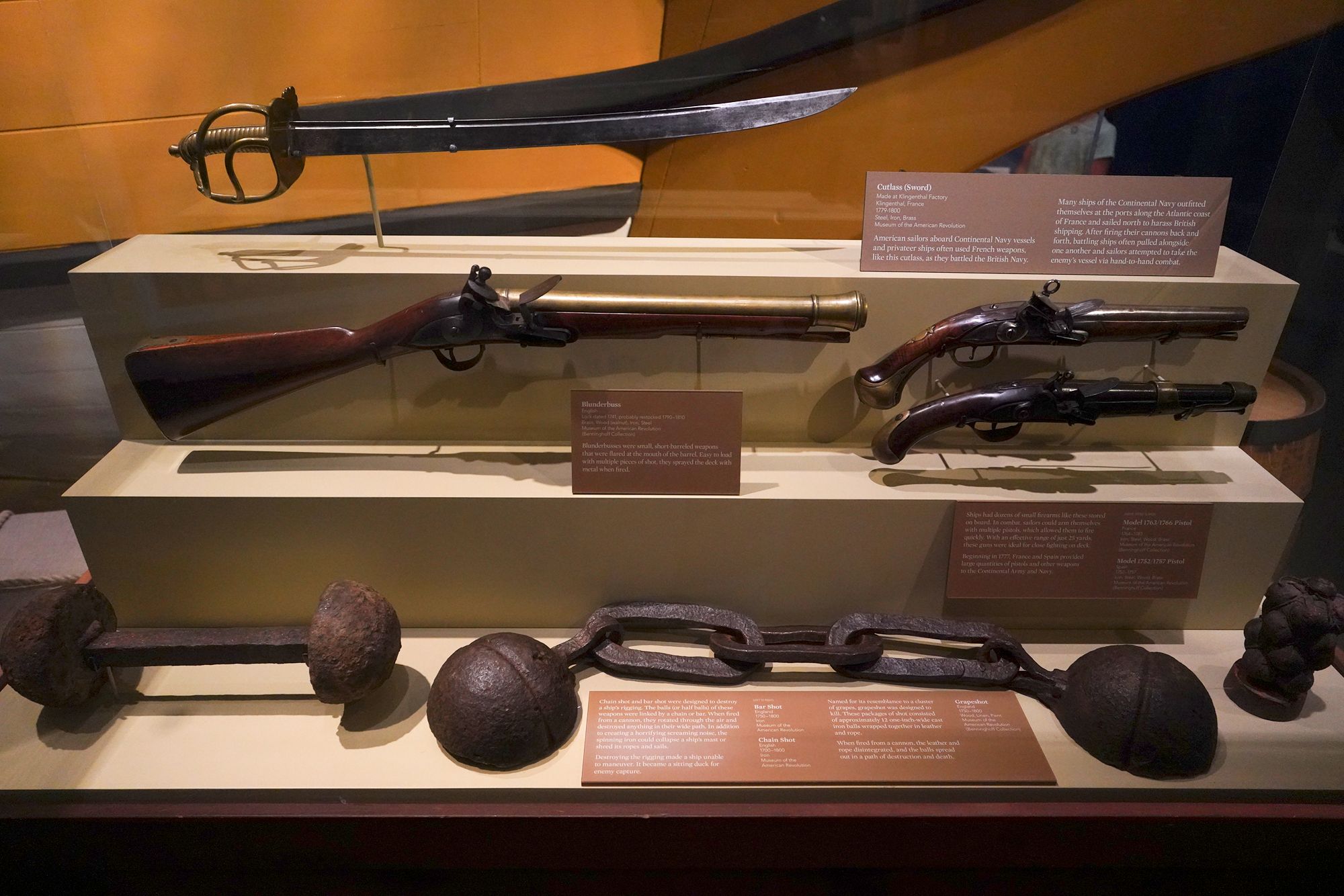
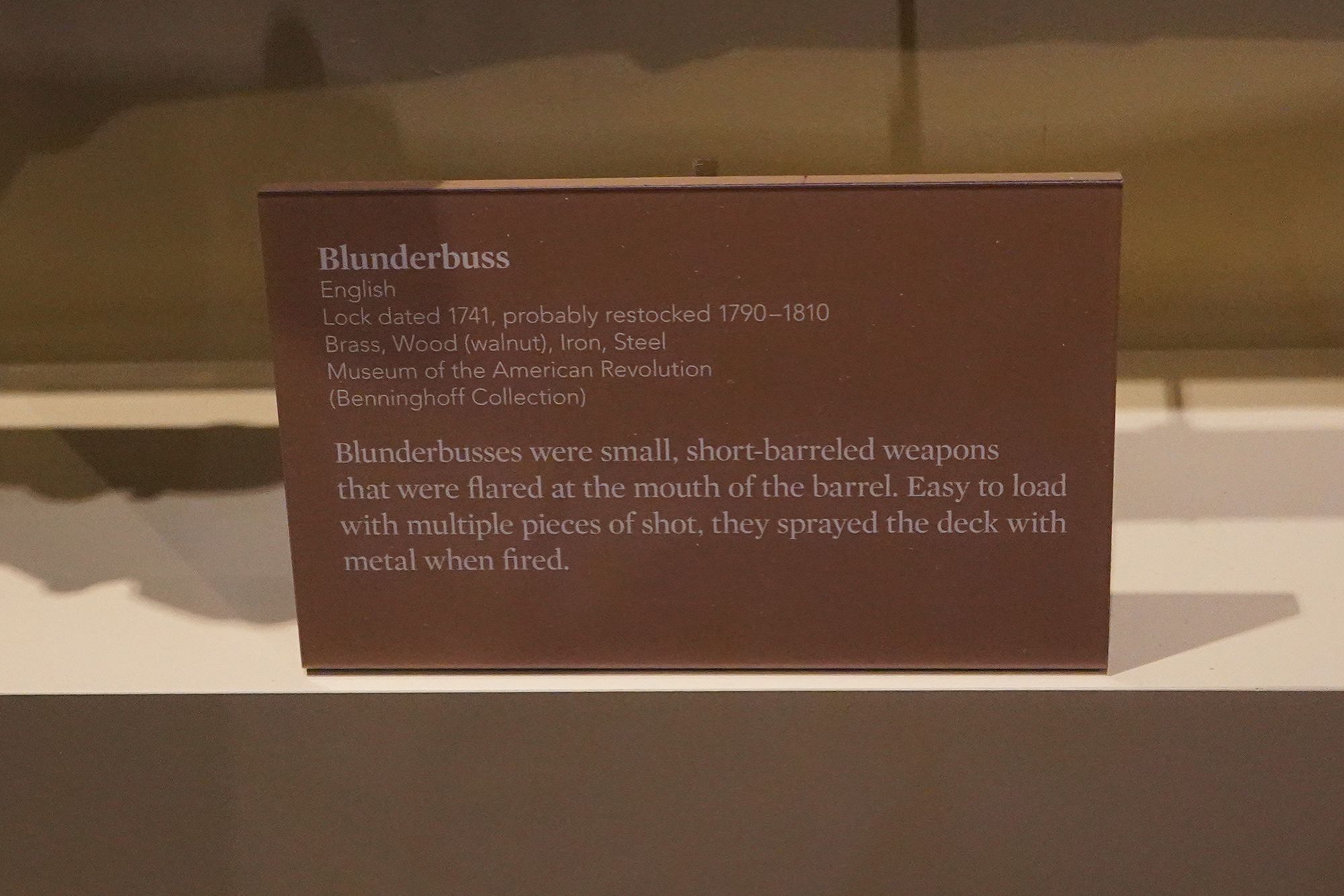
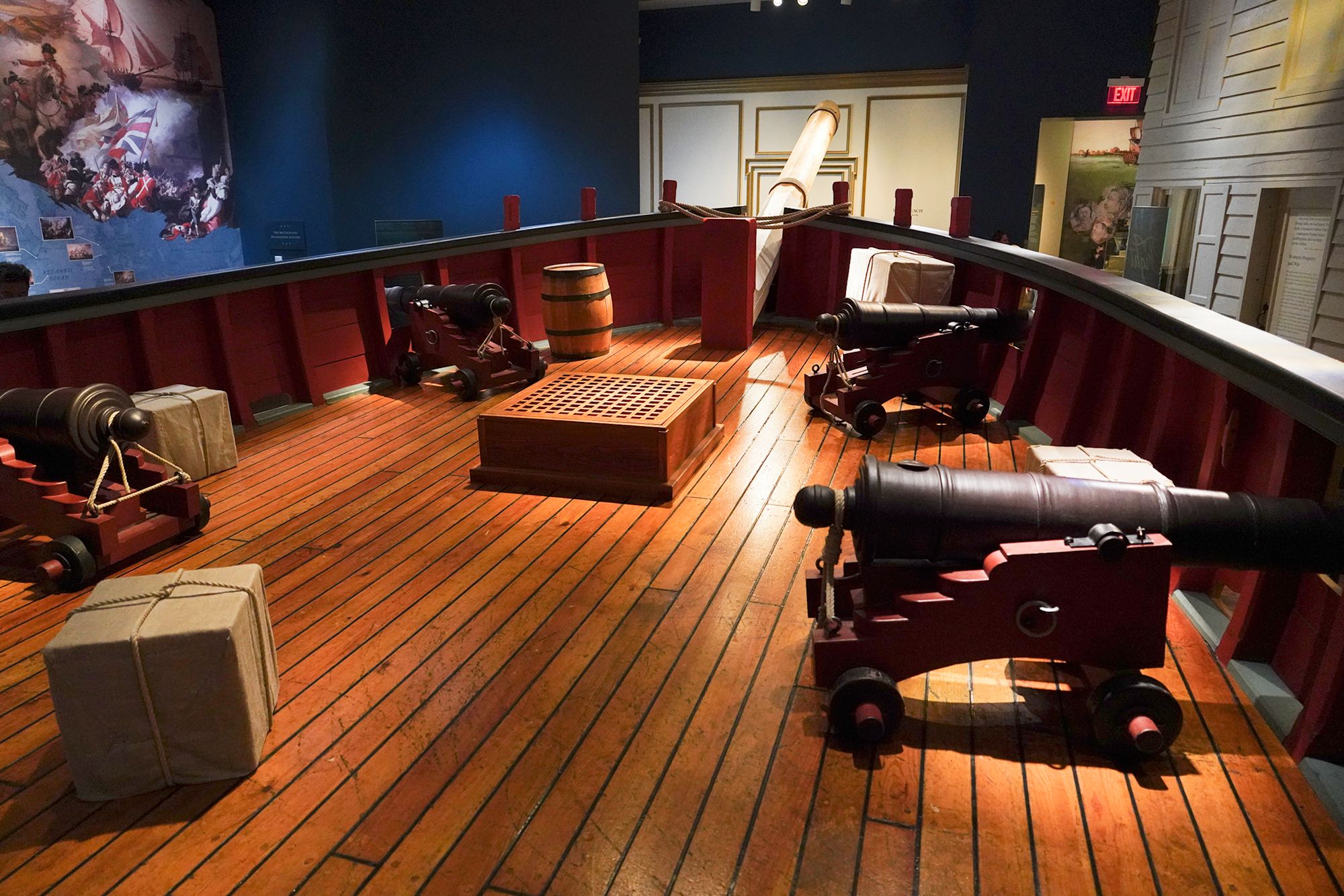
Because the early United States had almost no navy, Congress authorized privateers—privately owned ships armed for war—to attack British merchant vessels. Thousands of sailors volunteered, driven by patriotism and the promise of captured goods.
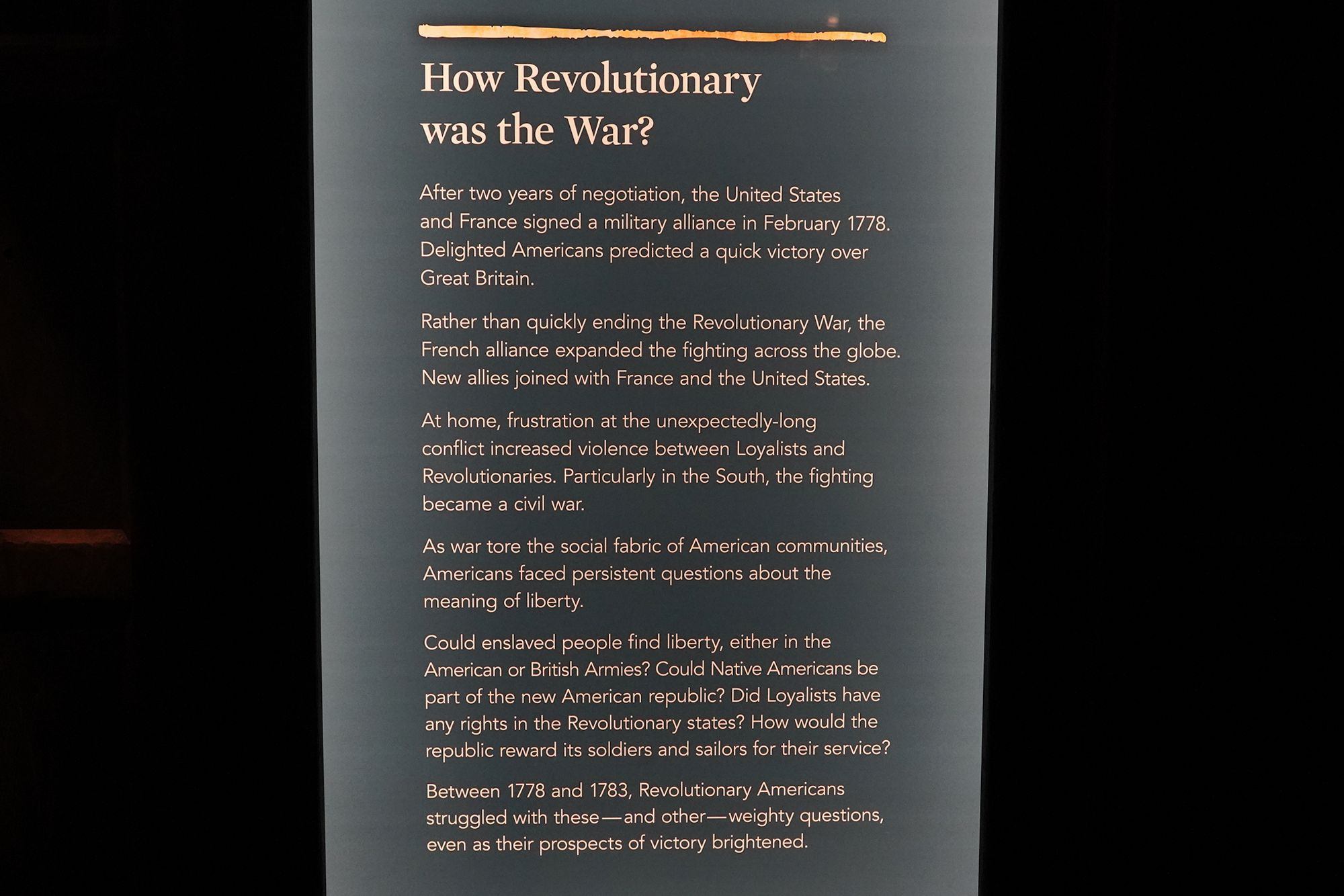
France’s entry expanded the war to the seas and Caribbean. In the South, Patriots and Loyalists fought each other, while the long conflict exposed America’s contradiction—seeking freedom while slavery continued and was fiercely debated.
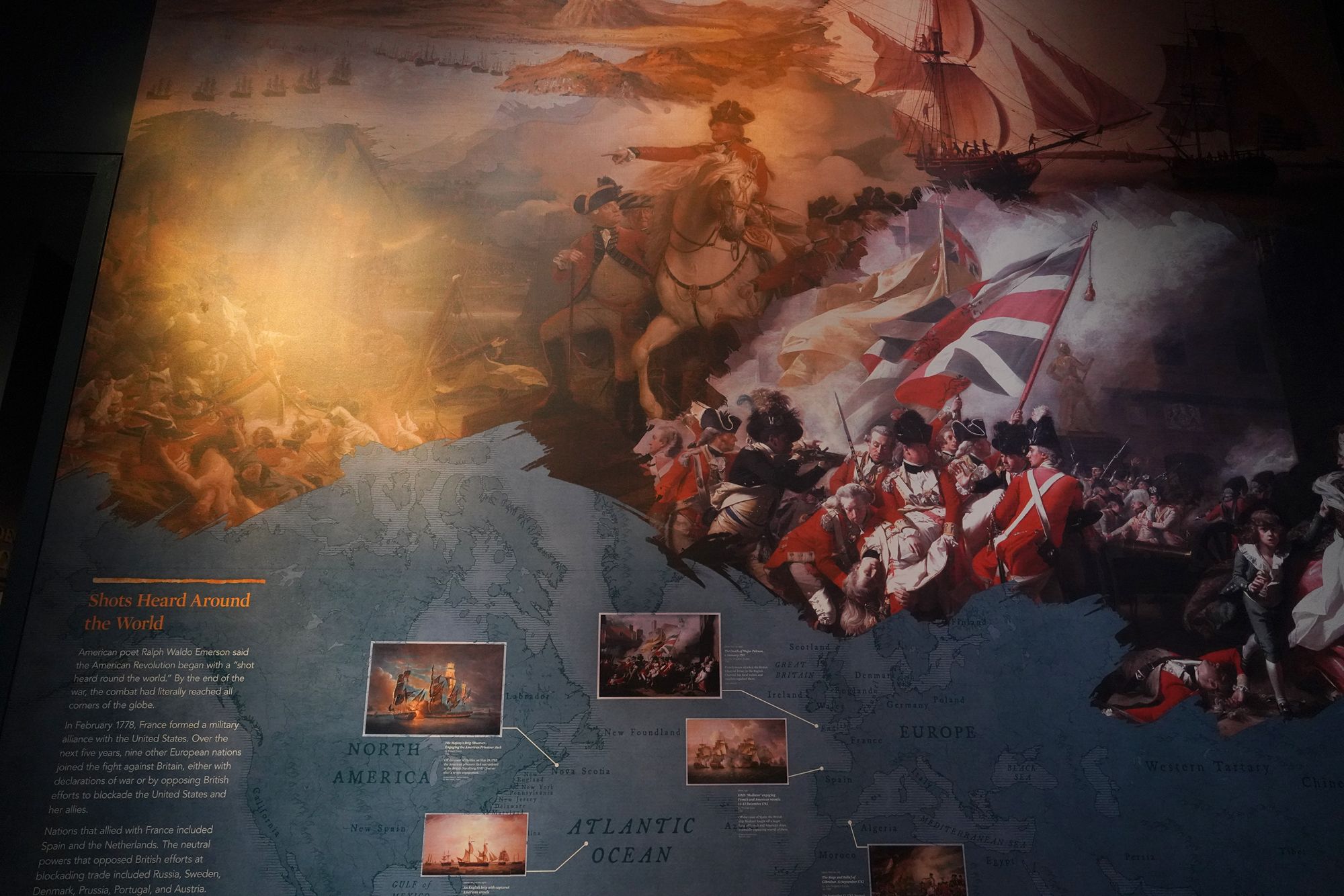
The first shot at Lexington in 1775 began as a small clash between British troops and colonial militia, but its impact soon pushed far beyond America. As the Revolution grew, other nations joined the conflict—most importantly France, then Spain and the Netherlands. What started as a rebellion in one colony became a global struggle for power.
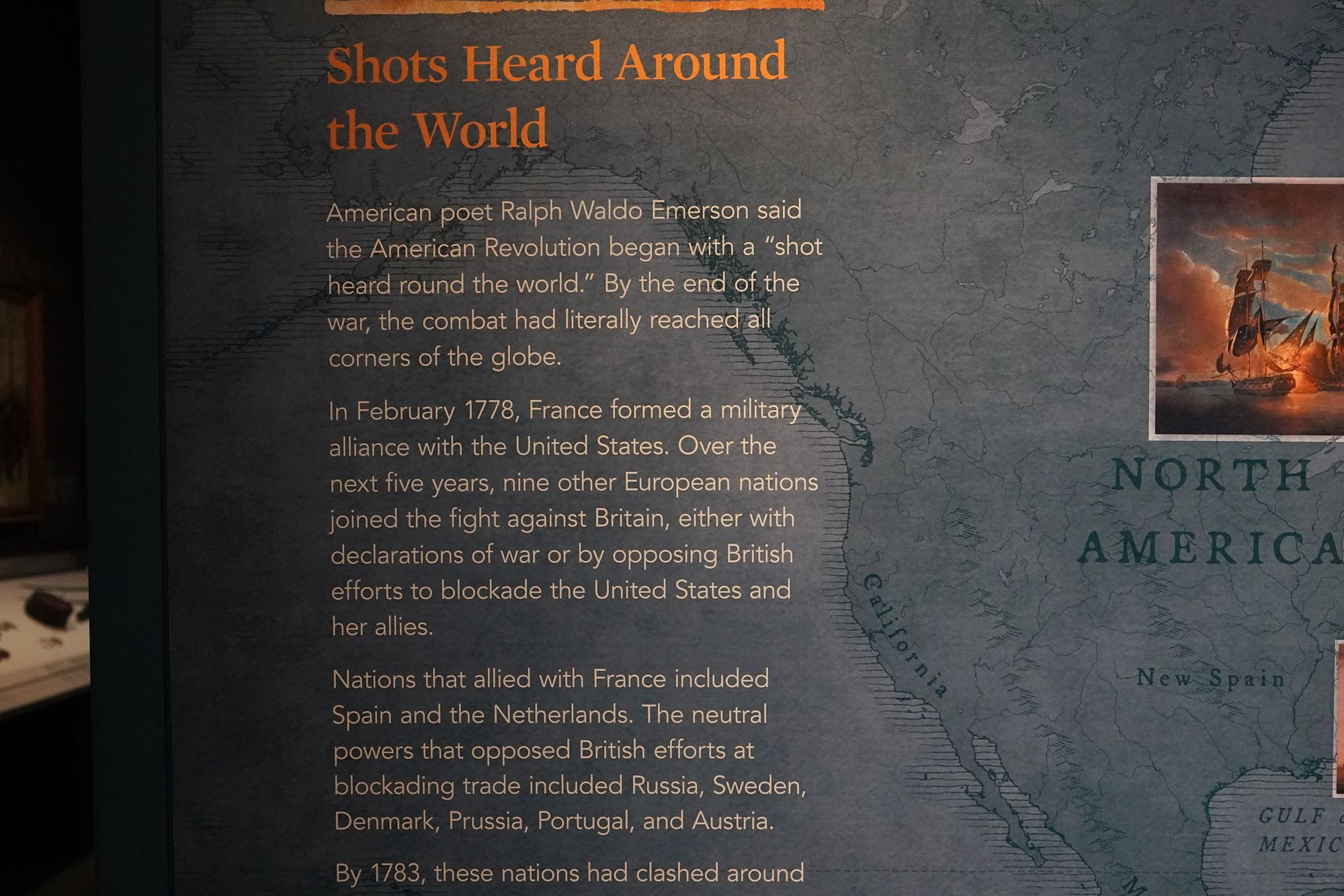
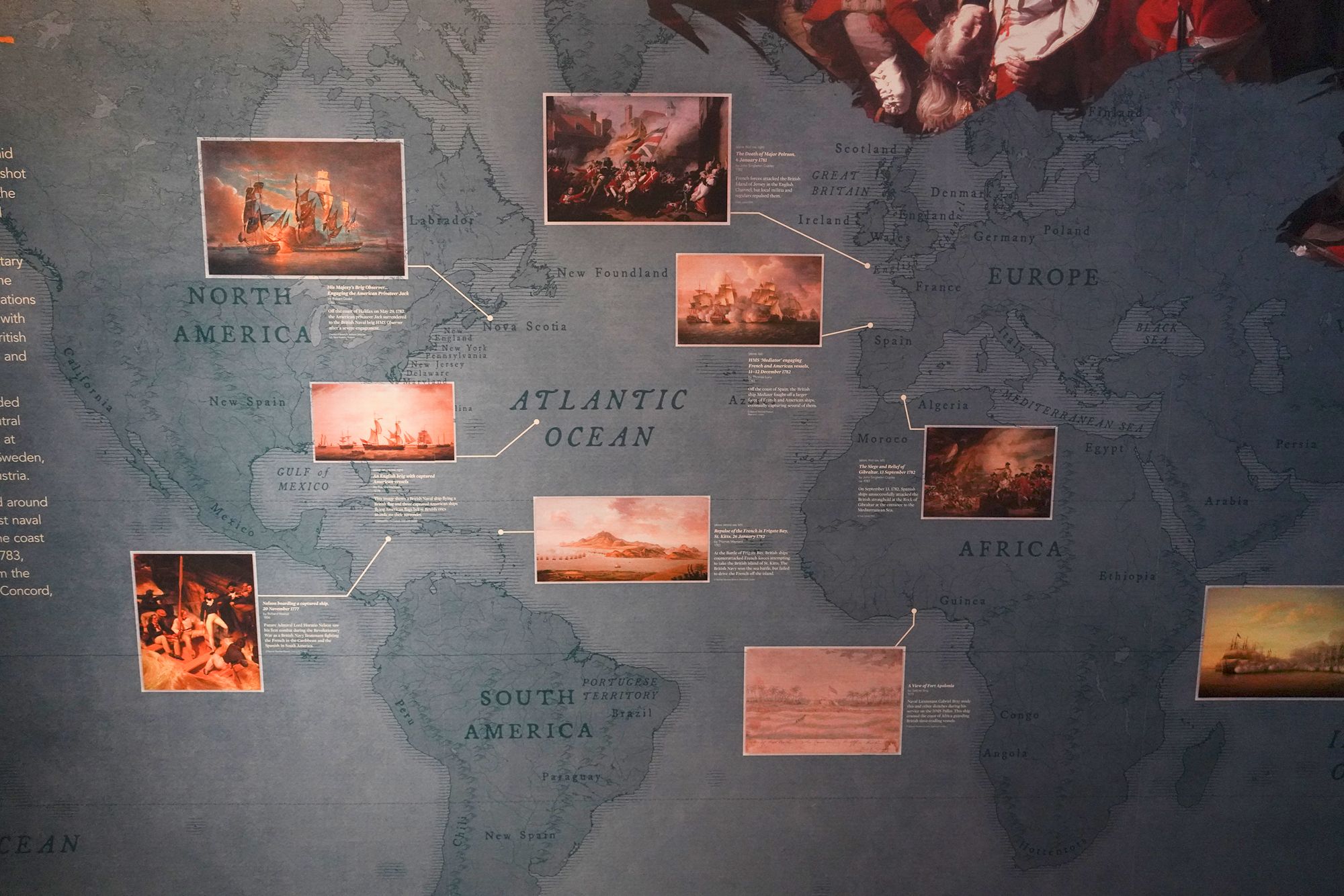
Battles were fought not only in America, but also in the Caribbean, Atlantic, Europe, West Africa, and India. British and French fleets clashed across the seas, and the war stretched into multiple continents. The first shot at Lexington set off events that reshaped international politics, weakened empires, and helped define the modern world.
After years of fighting in the North without victory, Britain believed the South could be turned in their favor. They expected to find more Loyalists there—colonists who still supported the Crown. Southern ports like Charleston and Savannah were also valuable for trade, supplies, and naval power. By capturing the South, the British hoped to break the American resistance, cut off food and resources to the North, and force a surrender.
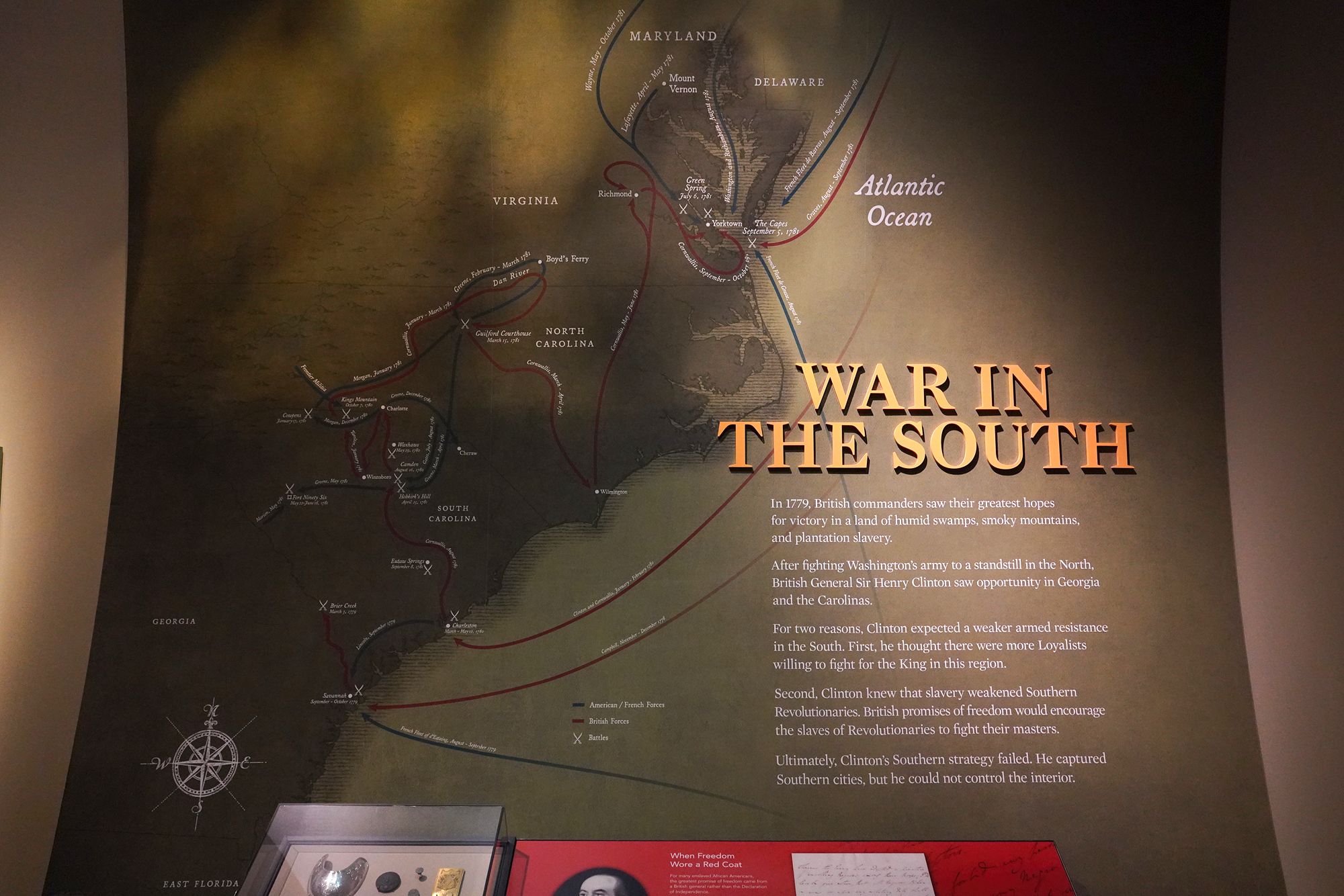
The plan was to take one colony at a time, then move back north. But the war in the South became longer and more violent than expected, as Patriots resisted fiercely and Loyalist support was weaker than hoped. Instead of ending the war quickly, the shift spread fighting across Georgia and the Carolinas and eventually led British forces into the campaign that ended at Yorktown.
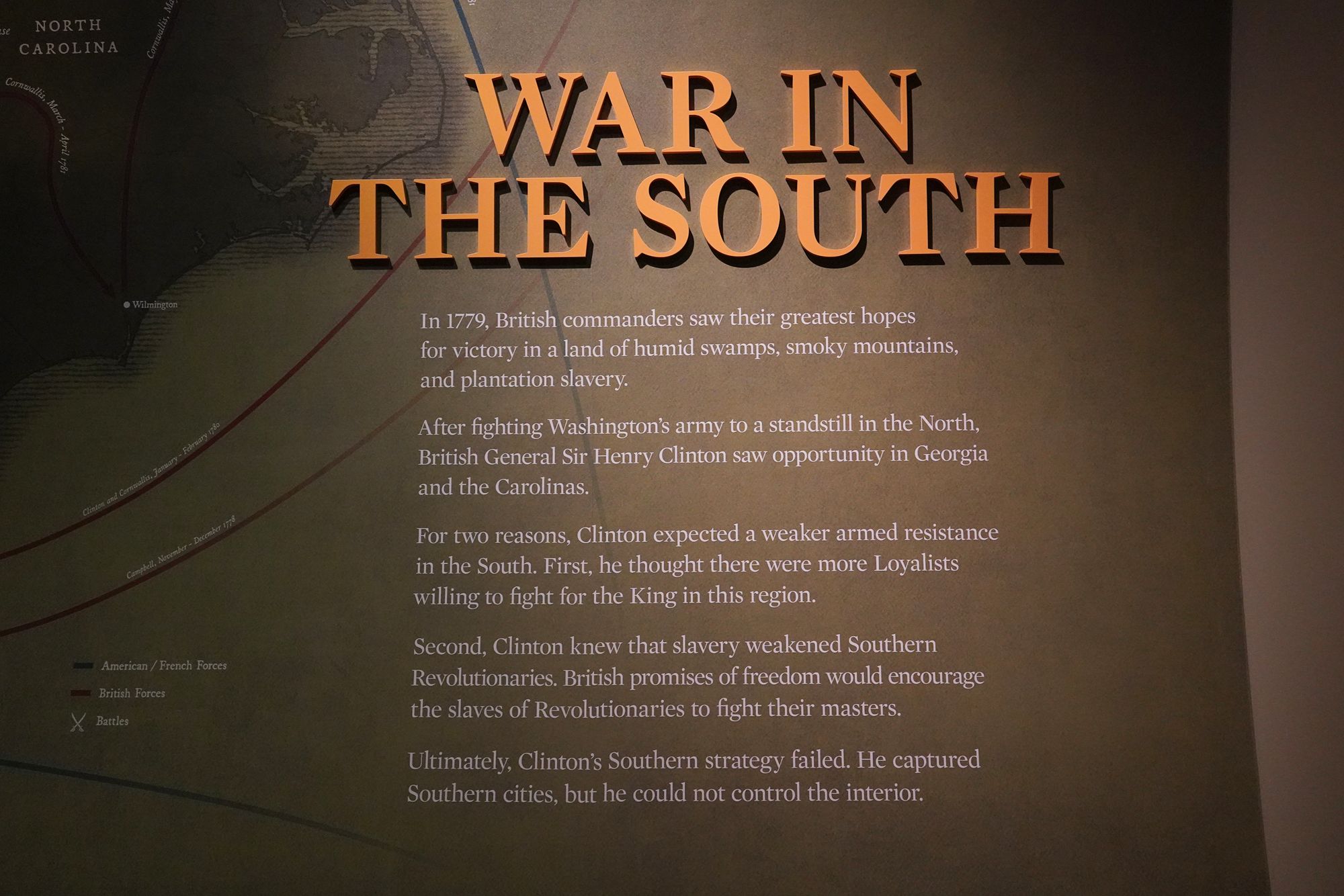
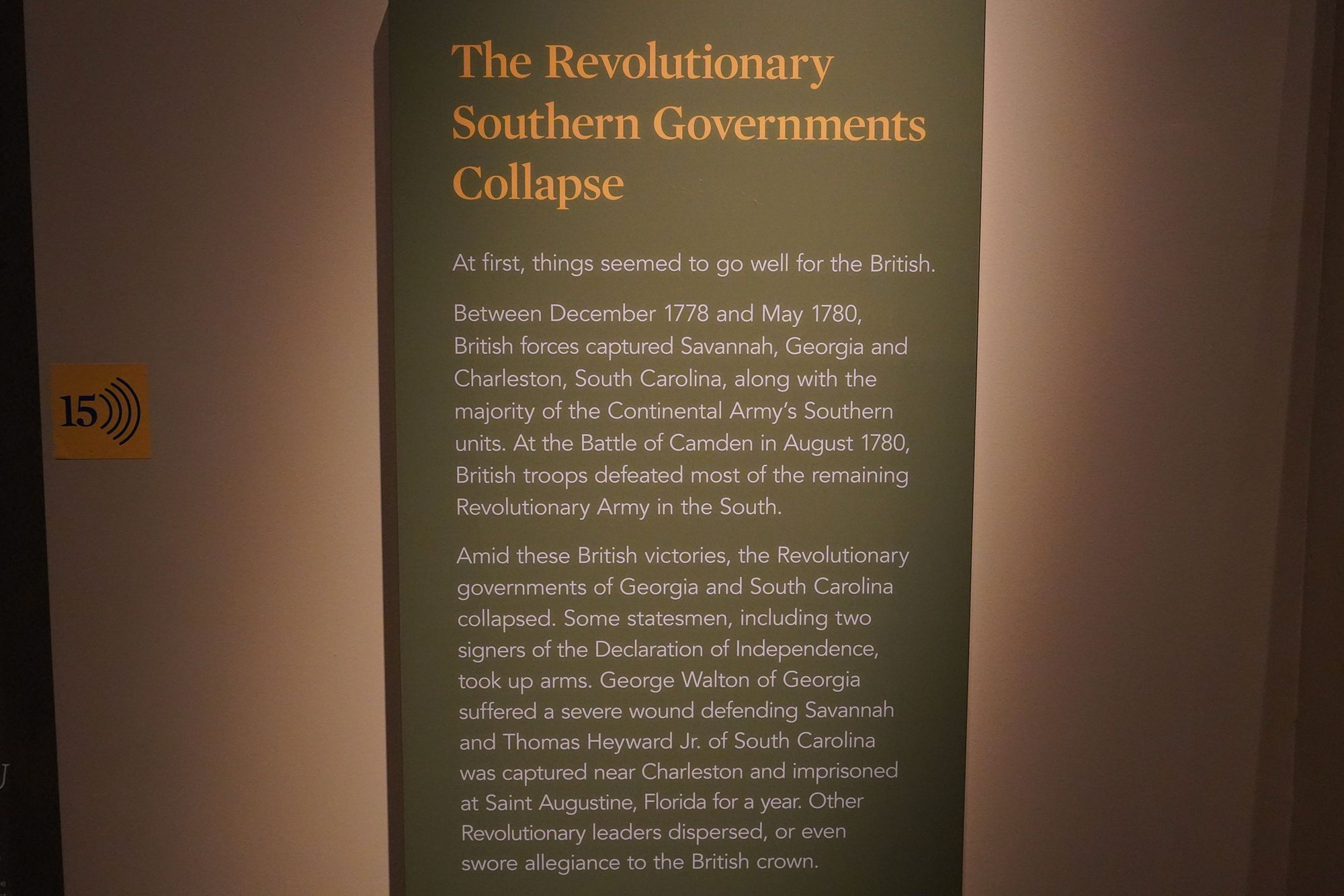
As British troops advanced through Georgia and the Carolinas, Patriot governments crumbled, officials fled, and Loyalists briefly regained control.
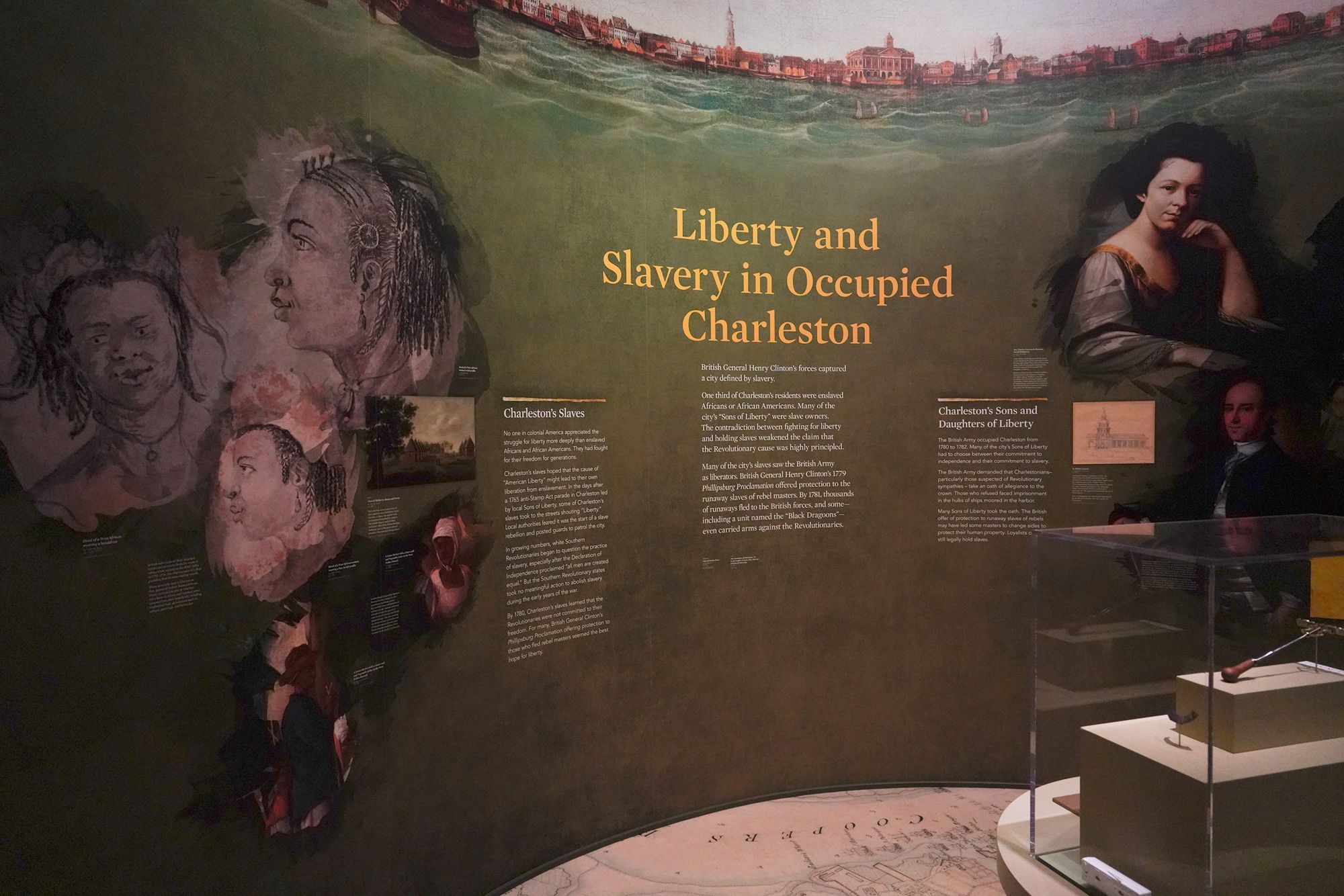
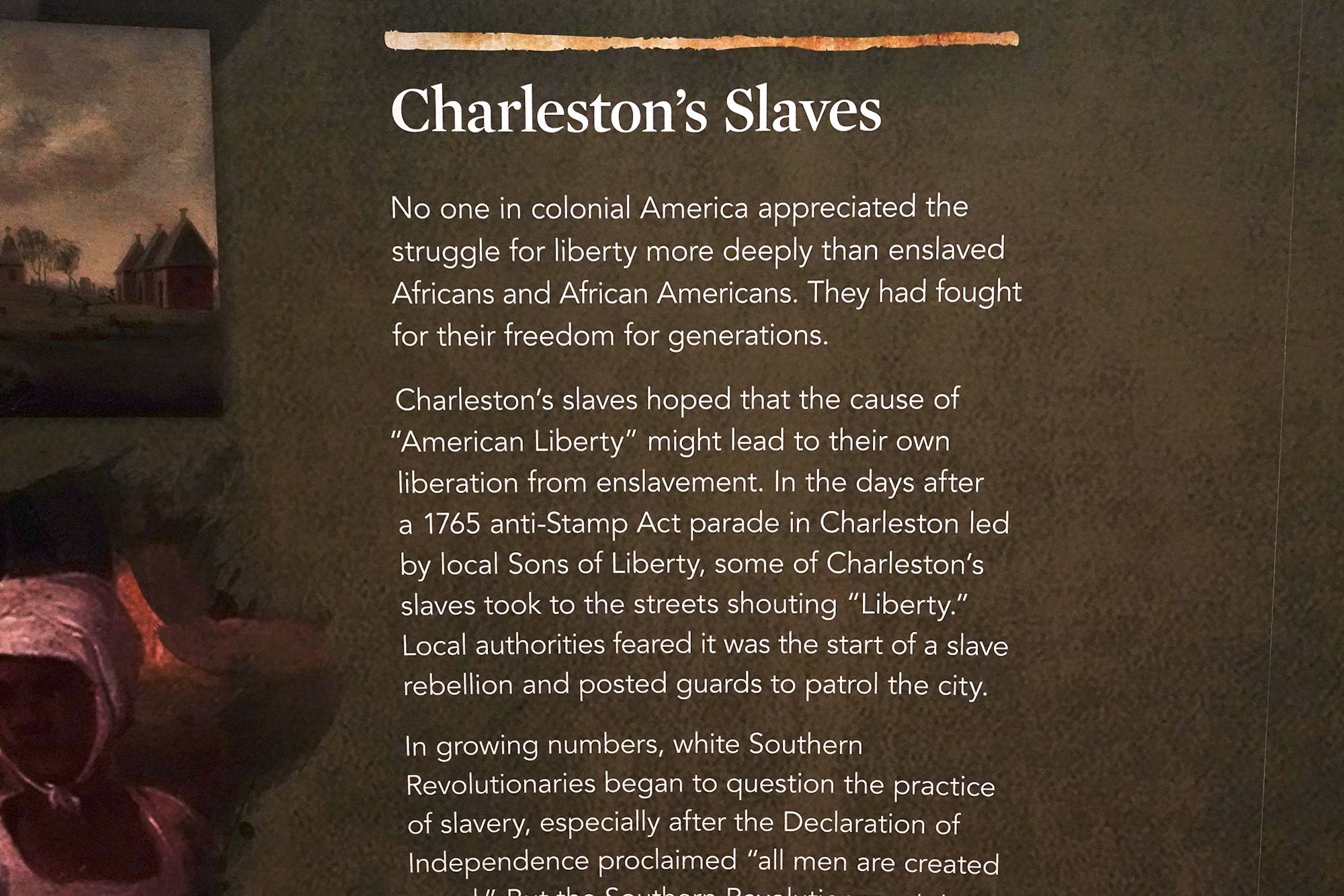
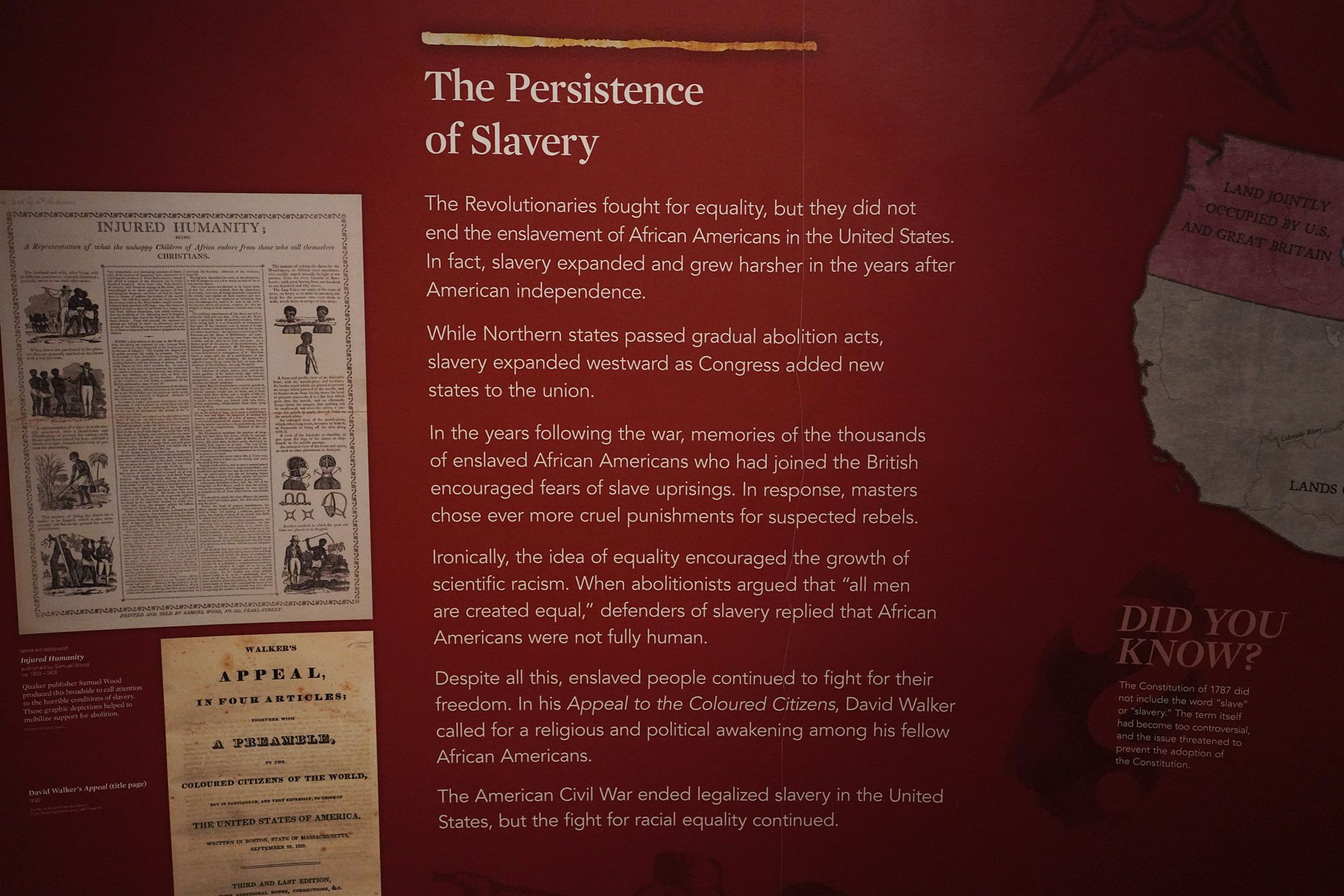
The American Revolution claimed to fight for freedom, natural rights, and equality, yet millions of people remained enslaved. Patriots spoke of liberty while enslaved Africans had none. The Declaration of Independence declared that “all men are created equal,” but this equality did not apply to everyone. The war for independence forced Americans to confront a difficult truth: they demanded rights from Britain while denying those same rights to enslaved people.
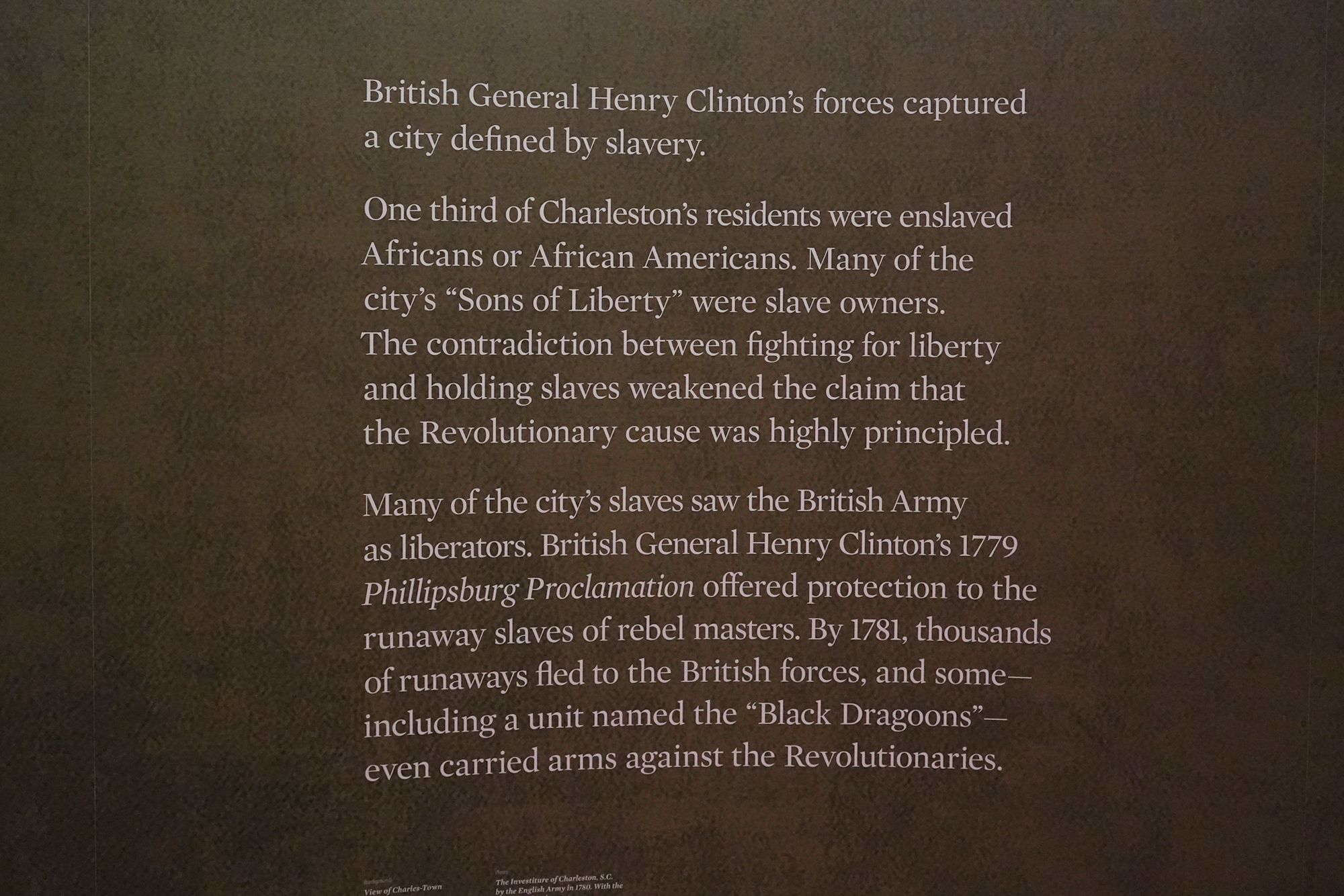
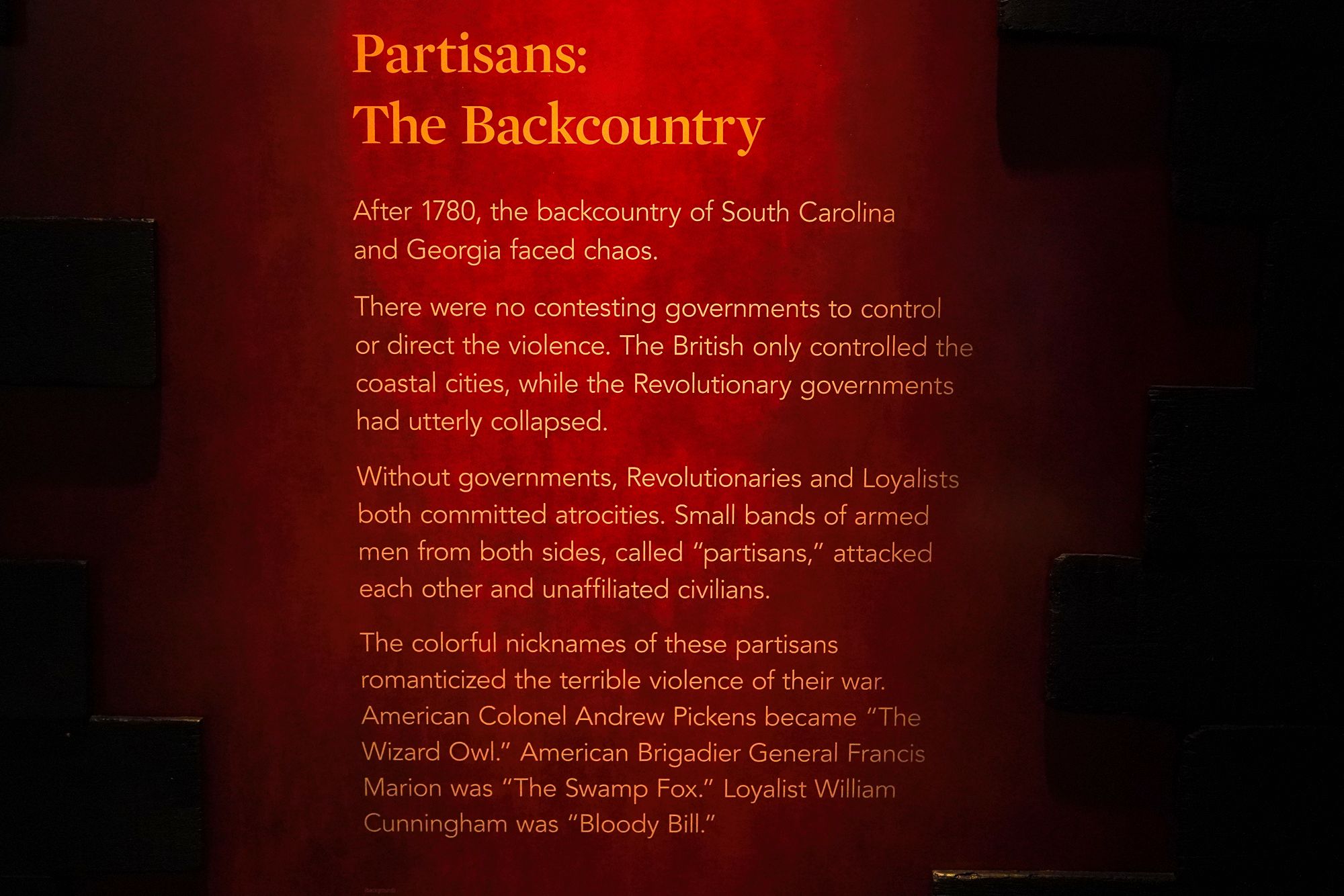
With southern governments destroyed, leadership vanished. Communities were left without law or protection, and fighting and violence grew worse.
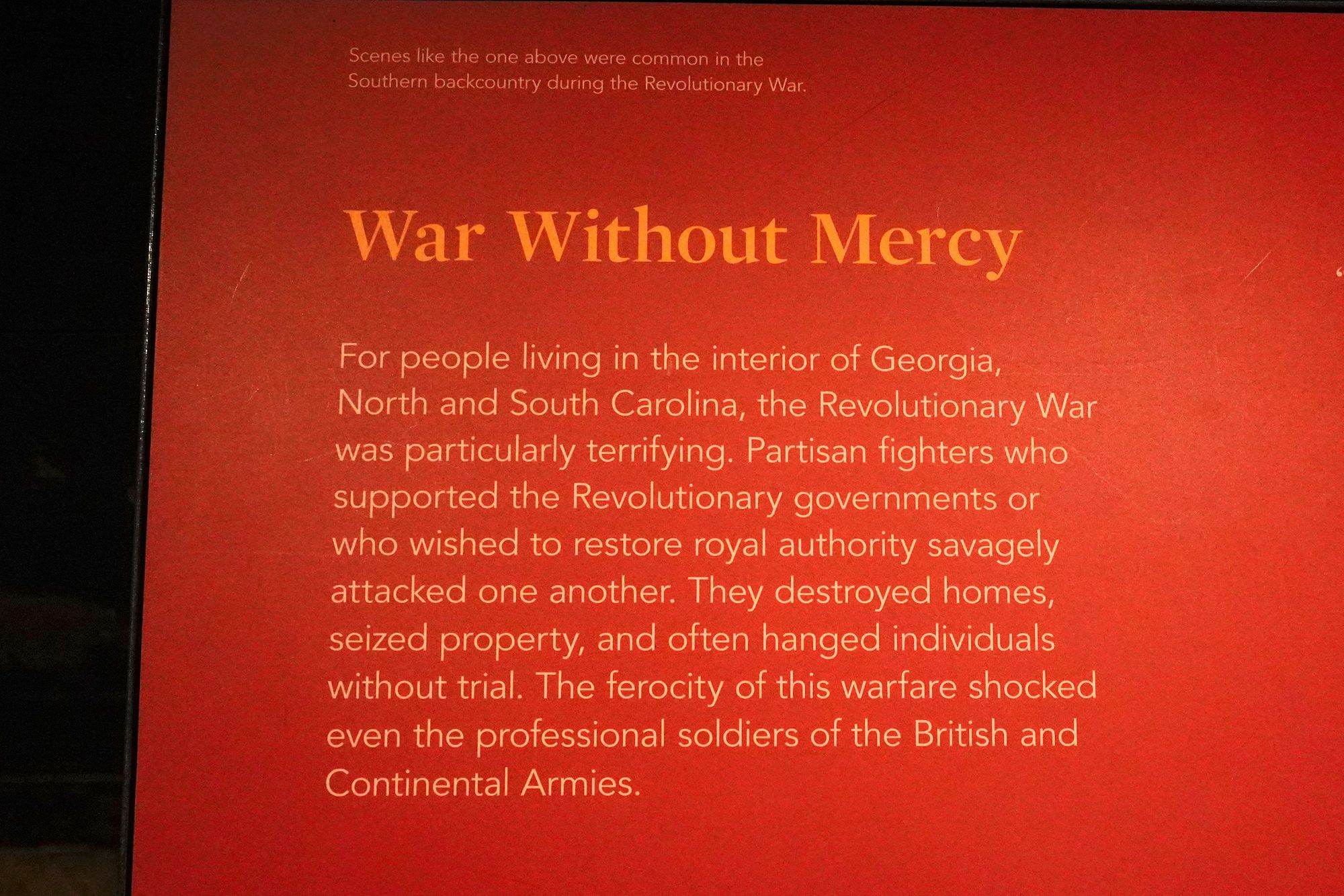
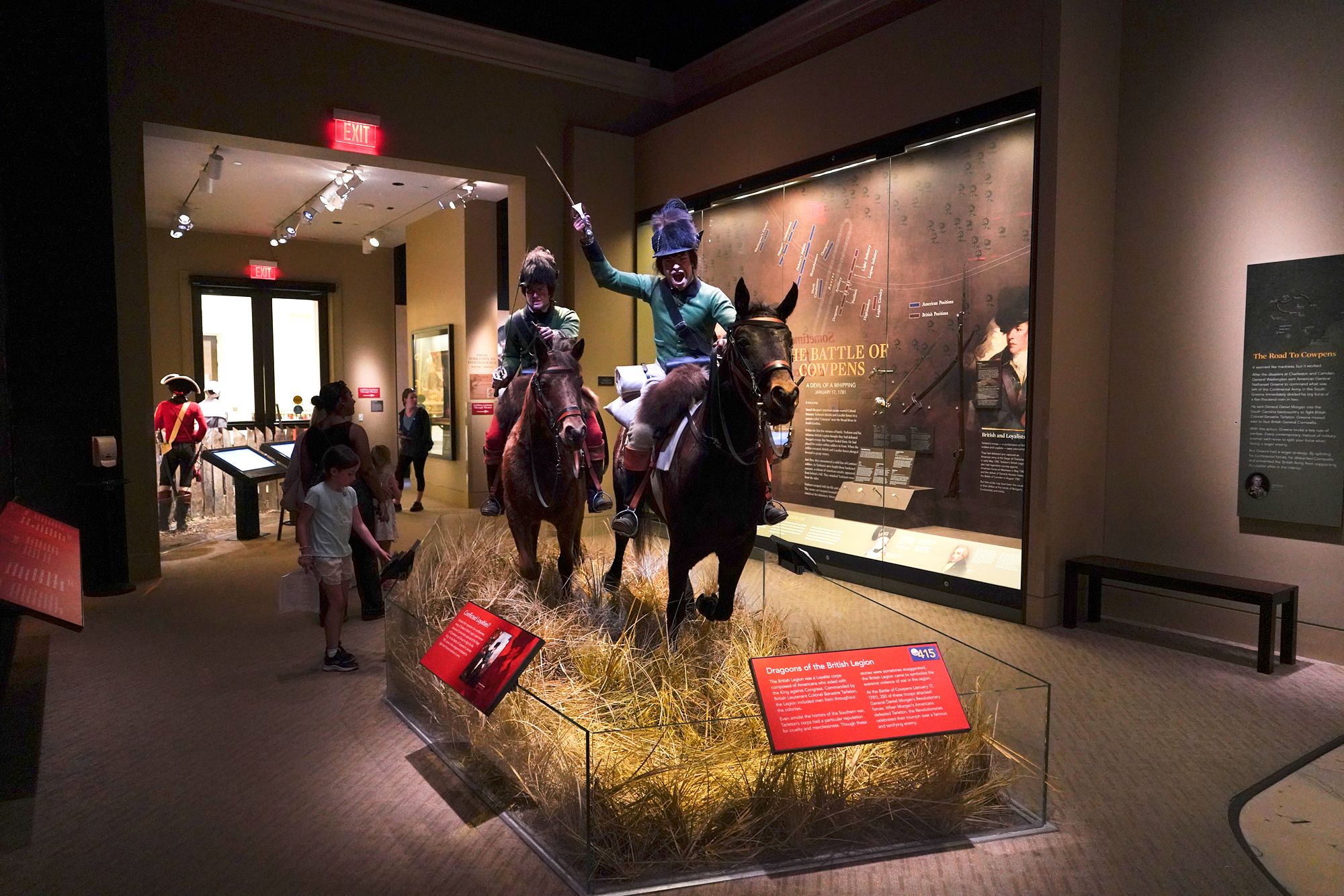
The Battle of Cowpens reflected the deep divisions inside the colonies. Not everyone supported independence—many Americans, called Loyalists, believed the colonies should remain under British rule. Others, known as Patriots, fought for independence and self-government. In the South especially, families, neighbors, and whole communities were split between these two loyalties.
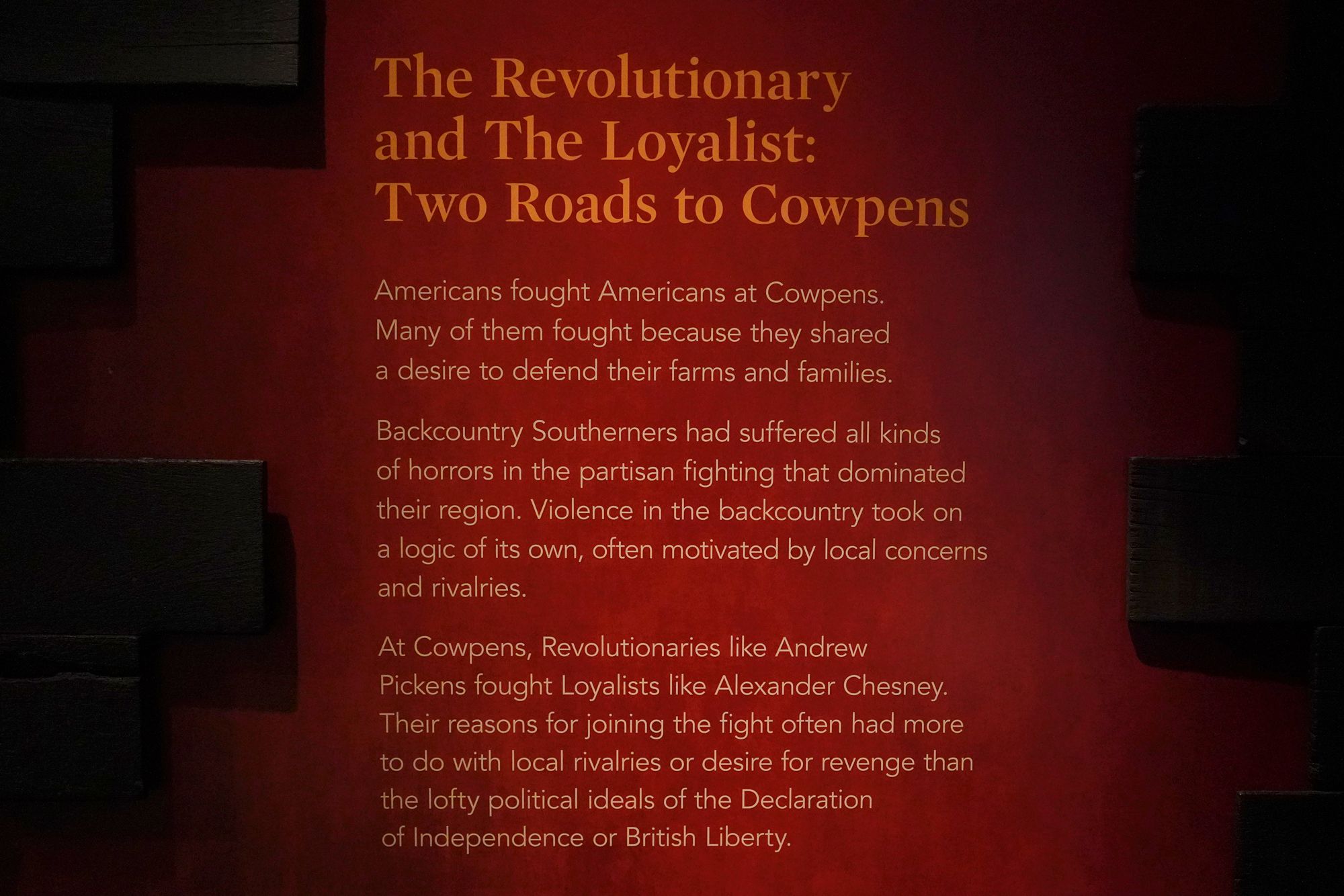
When the war shifted south, Britain armed and organized Loyalist units, sending them to fight alongside British troops. Patriots formed their own militias in response. At Cowpens, many soldiers in Banastre Tarleton’s force were American Loyalists, while Daniel Morgan’s troops were American Patriots. They shared the same land, language, and history, but not the same vision for America’s future.
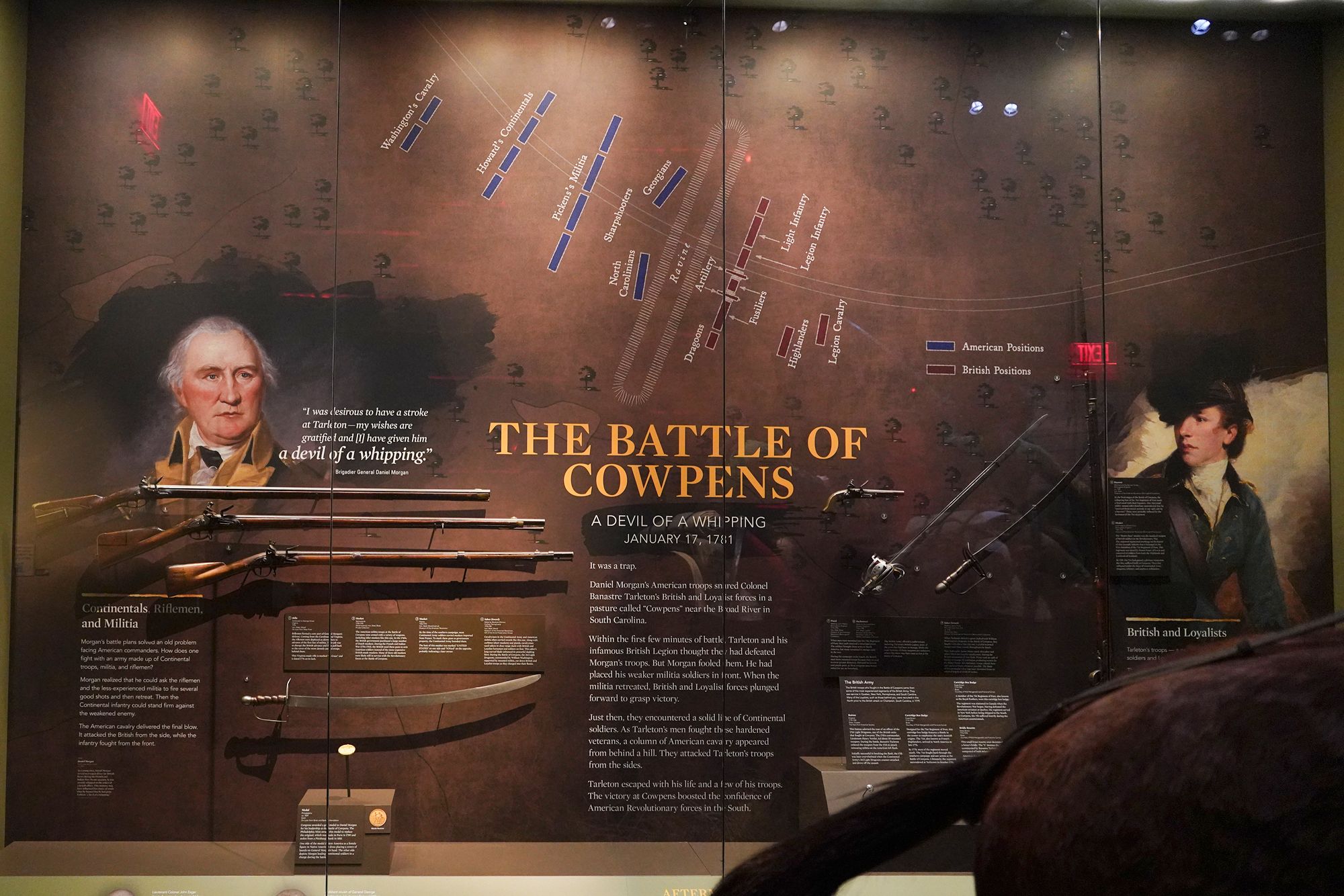
Unlike earlier battles between colonists and British regulars, Cowpens became a civil war within a revolution—Americans fighting Americans over independence, loyalty to the Crown, and the fate of the new nation.
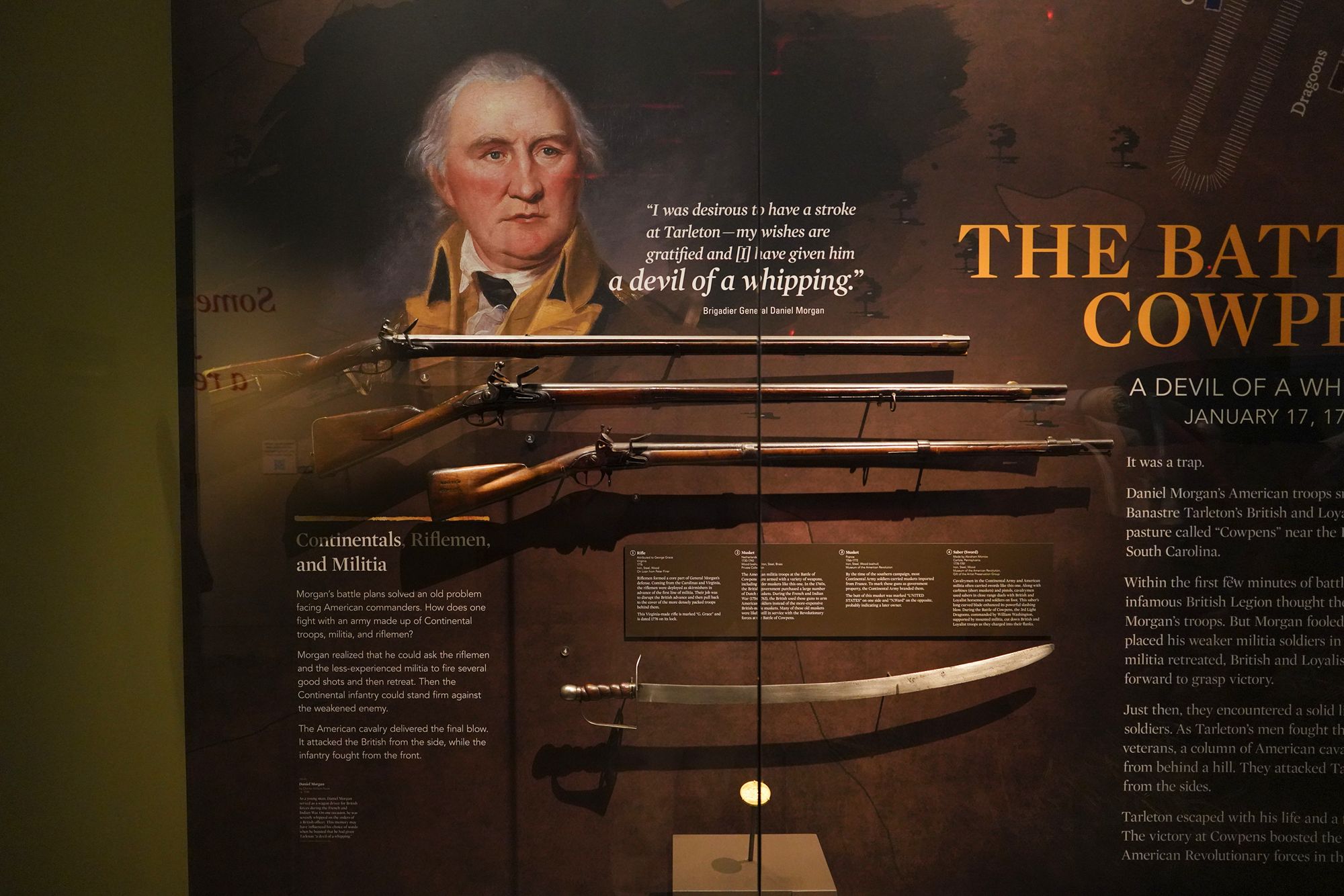
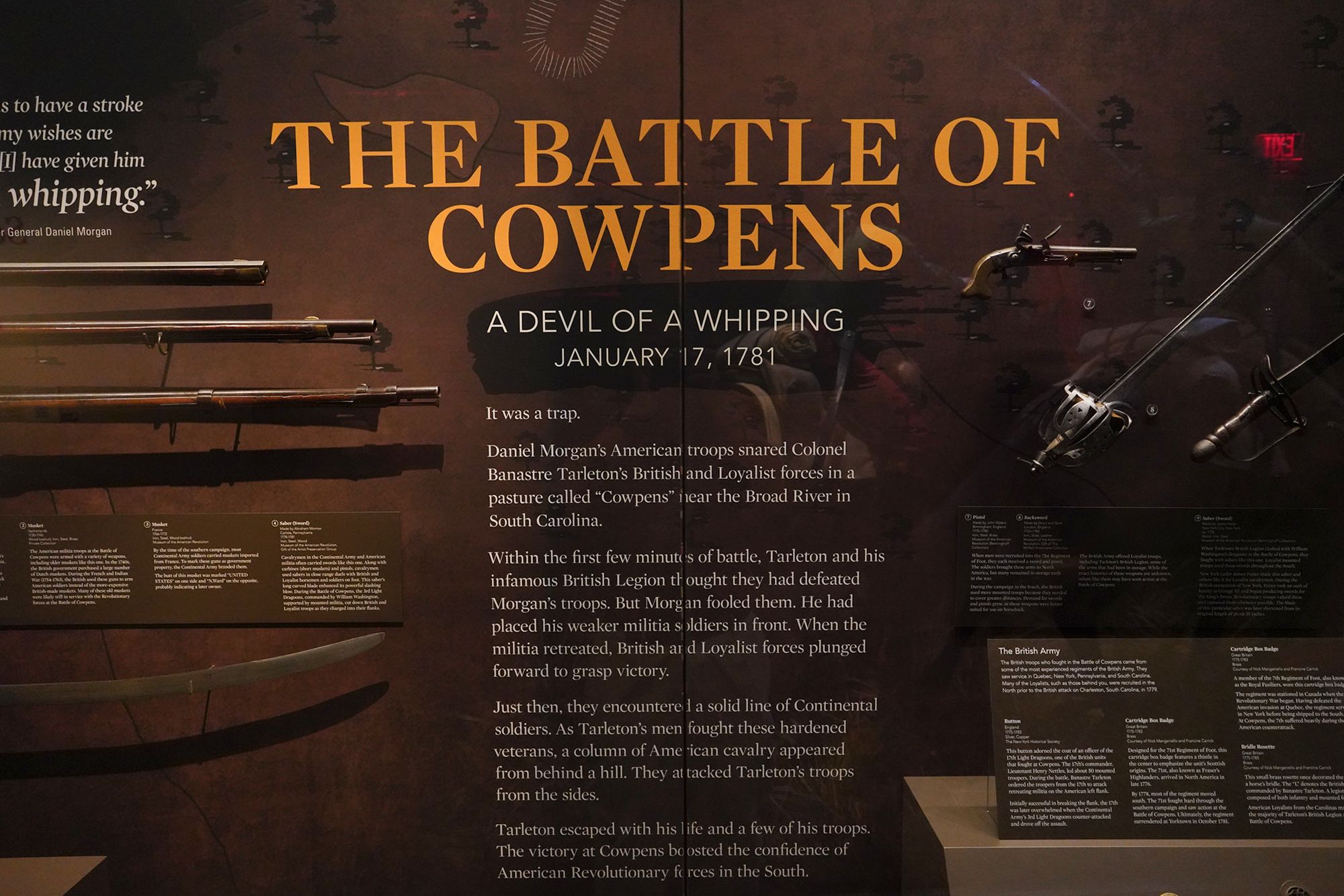
The Battle of Cowpens (1781) was a decisive Southern victory. General Morgan used layered defenses and strategic retreat to lure Tarleton’s British-Loyalist troops into a trap. Surrounded and overwhelmed, the British force collapsed, boosting Patriot morale and shifting momentum toward American victory.
Enslaved people sometimes saw freedom “in a red coat” because Britain offered liberation to those who fled Patriot owners and joined the British Army, giving hope where the new American nation still denied them freedom.
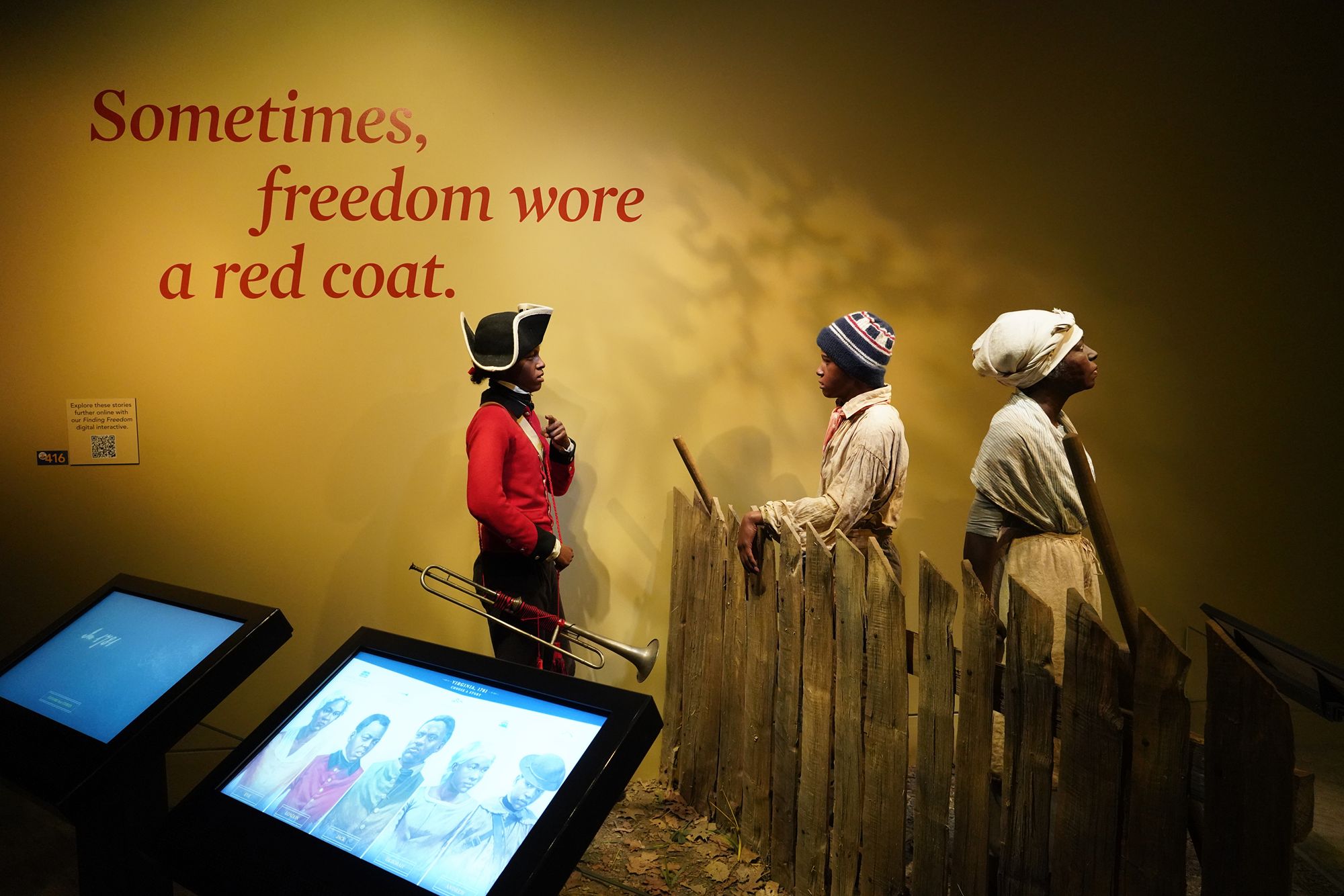
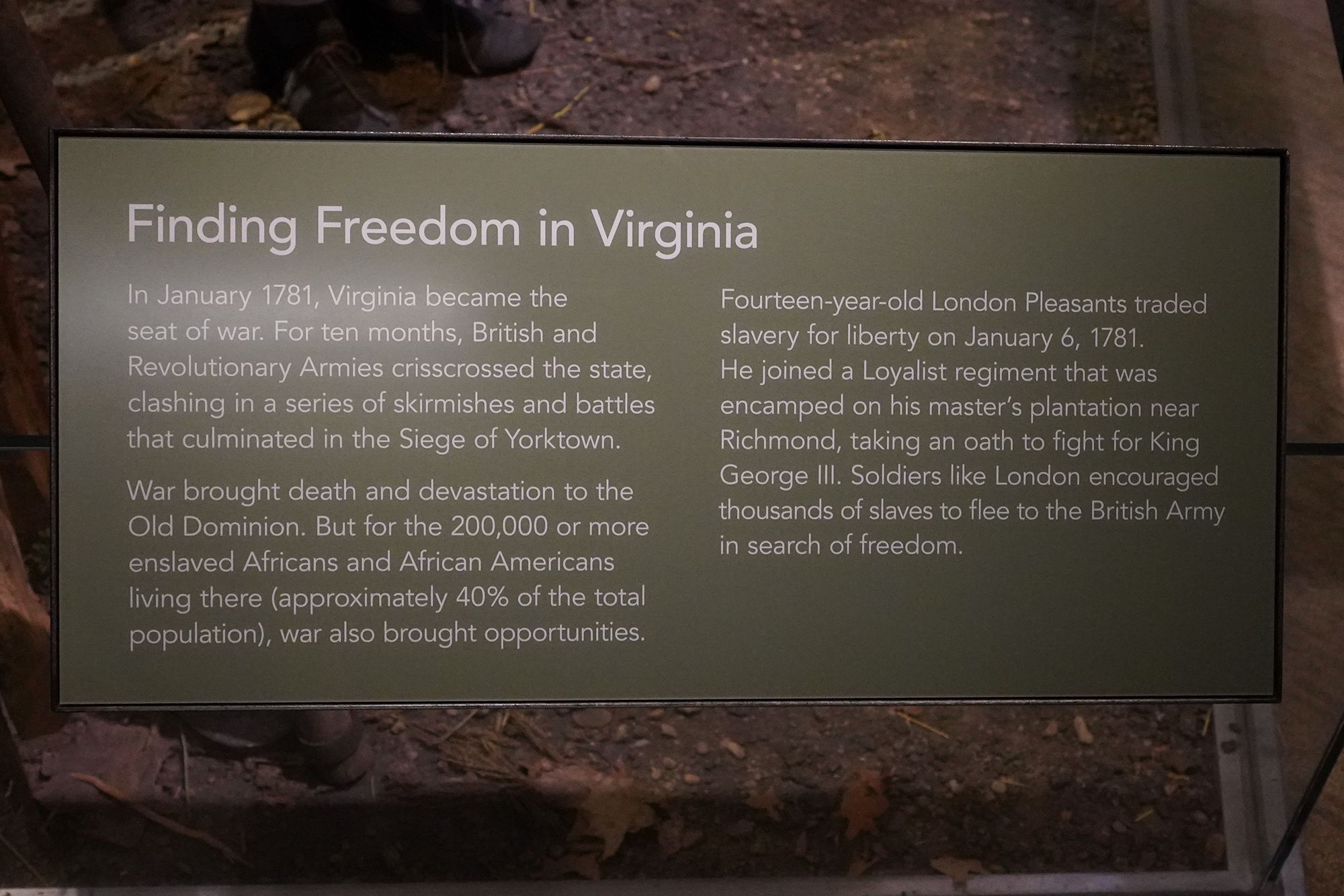
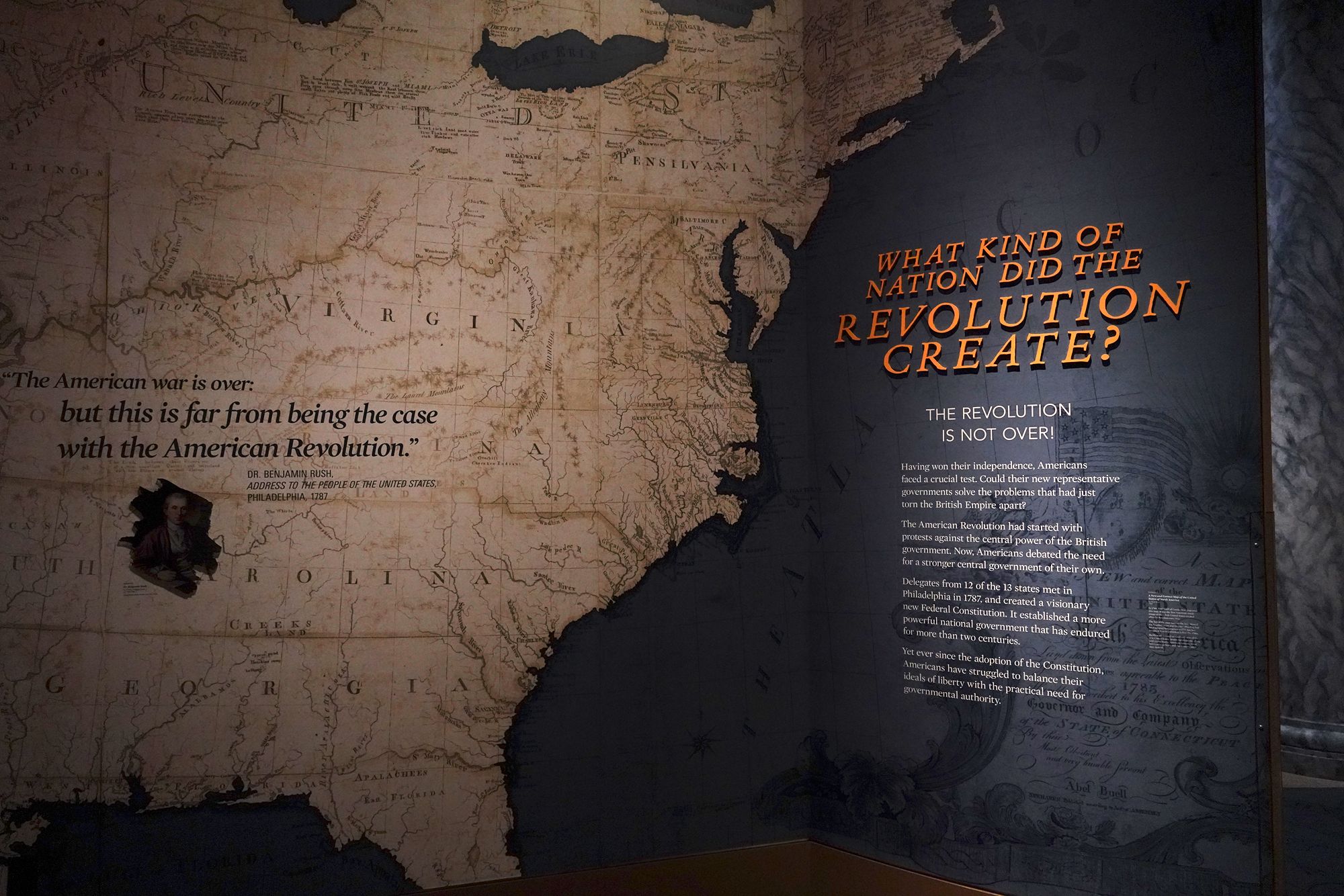
The Revolution did not create a perfect nation, but it created one where citizens could shape their future, argue for rights, challenge injustice, and expand freedom over time.
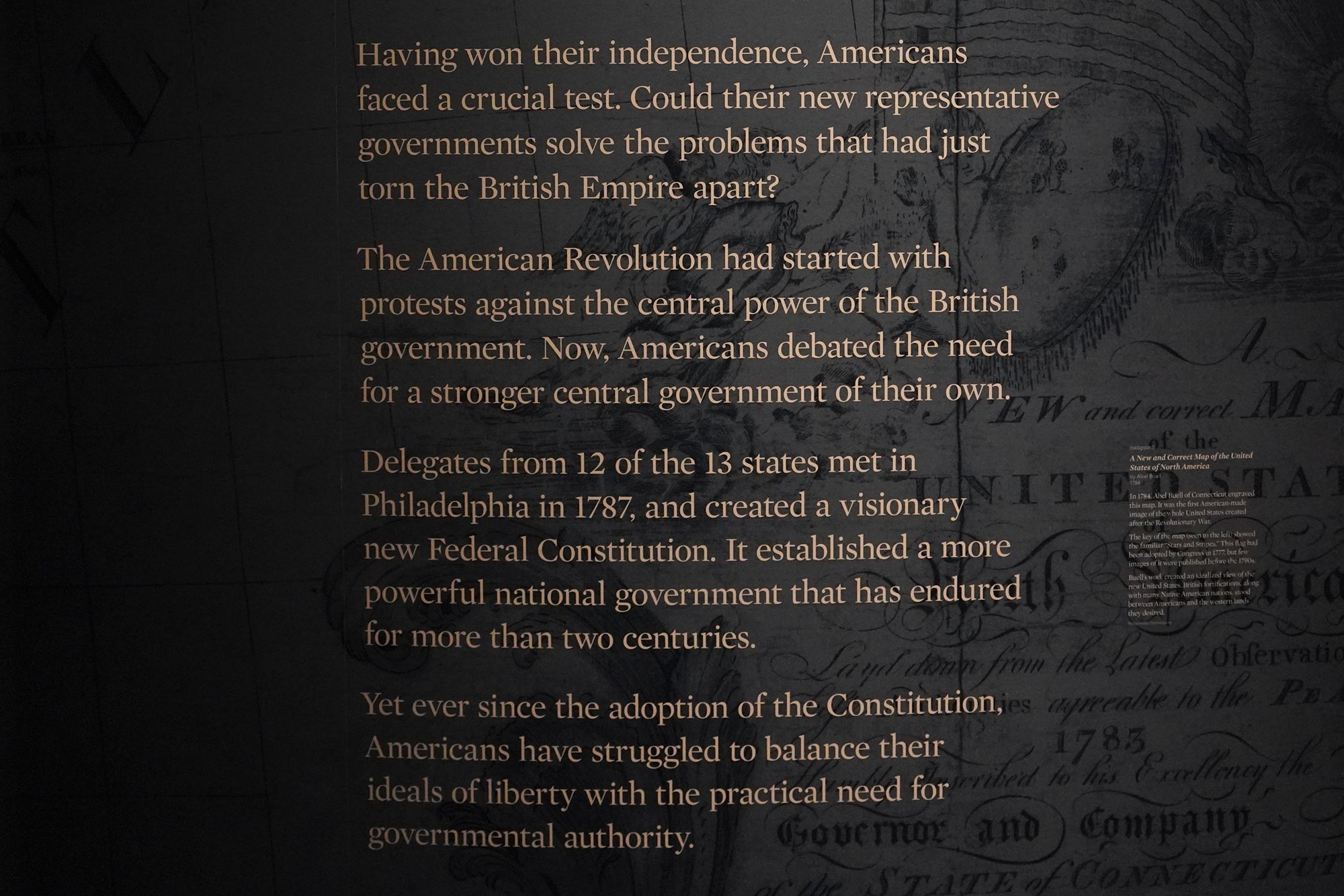
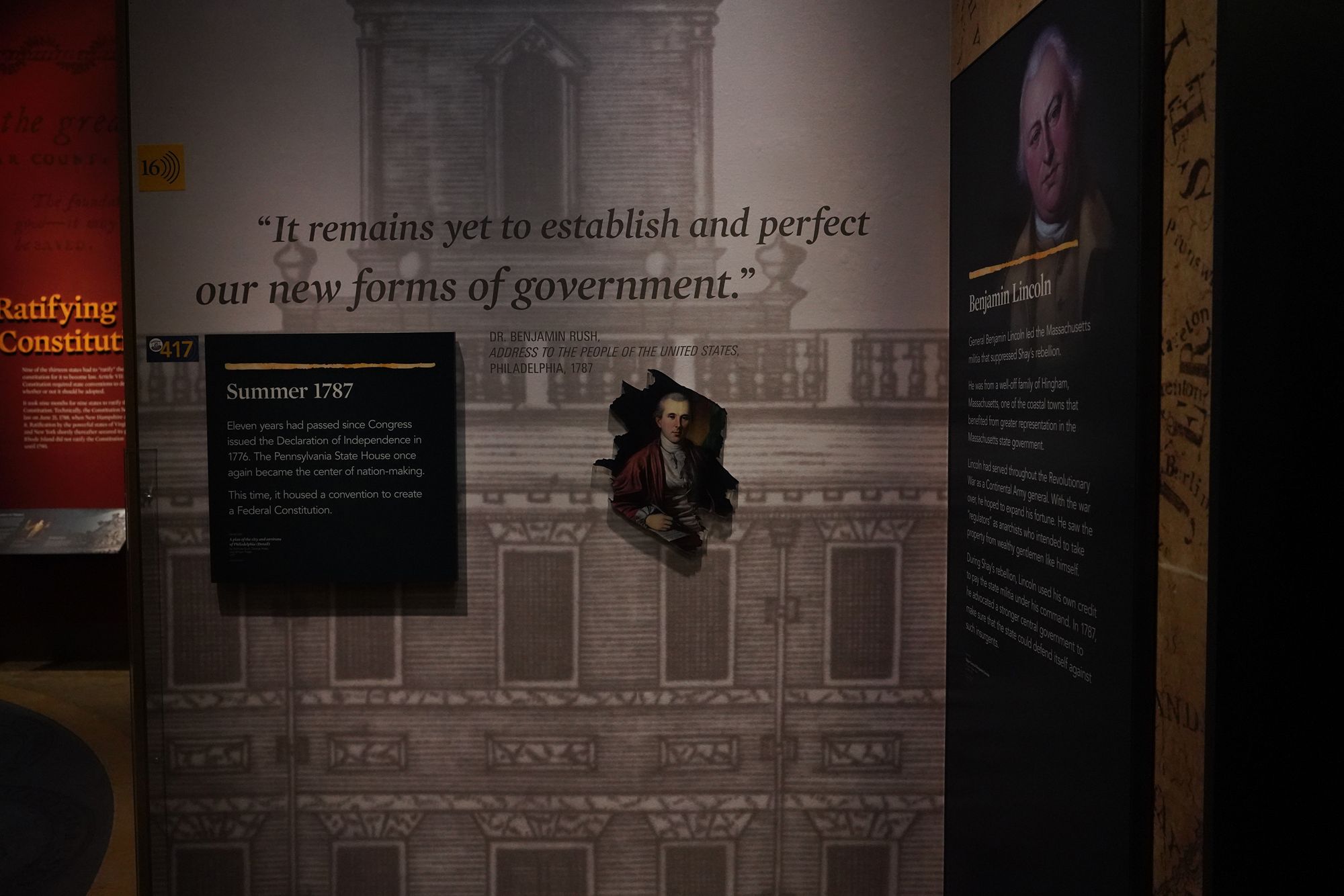
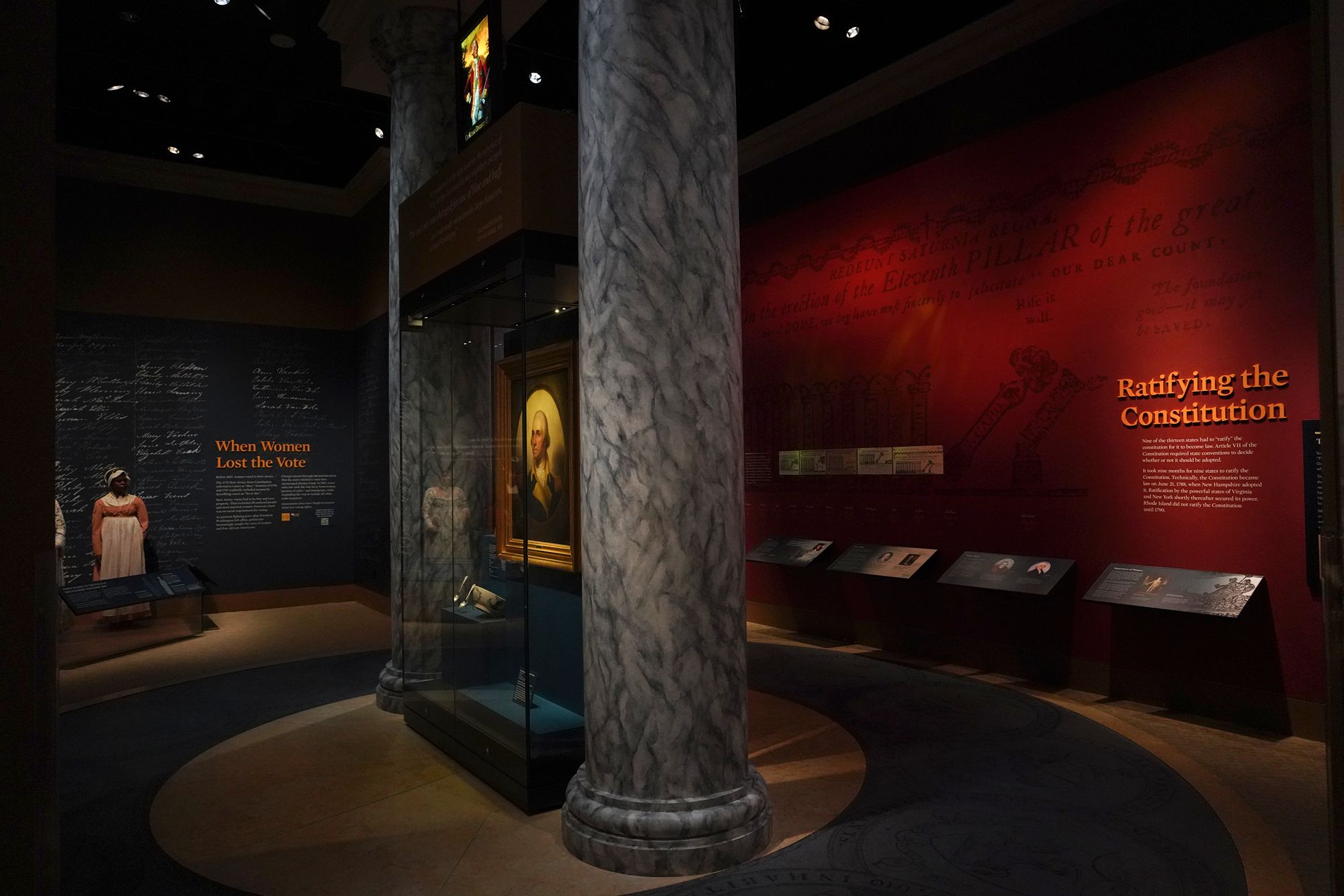
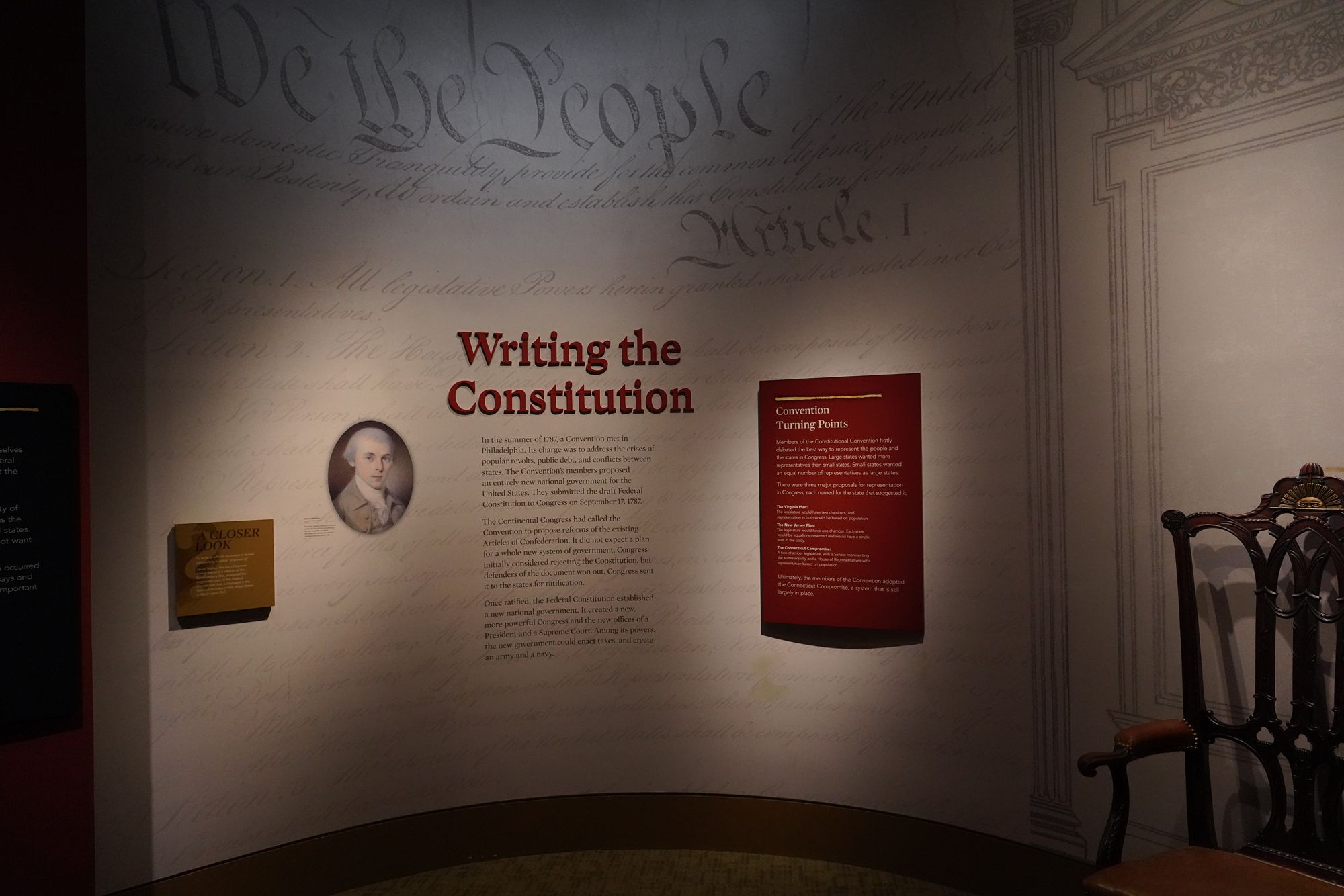
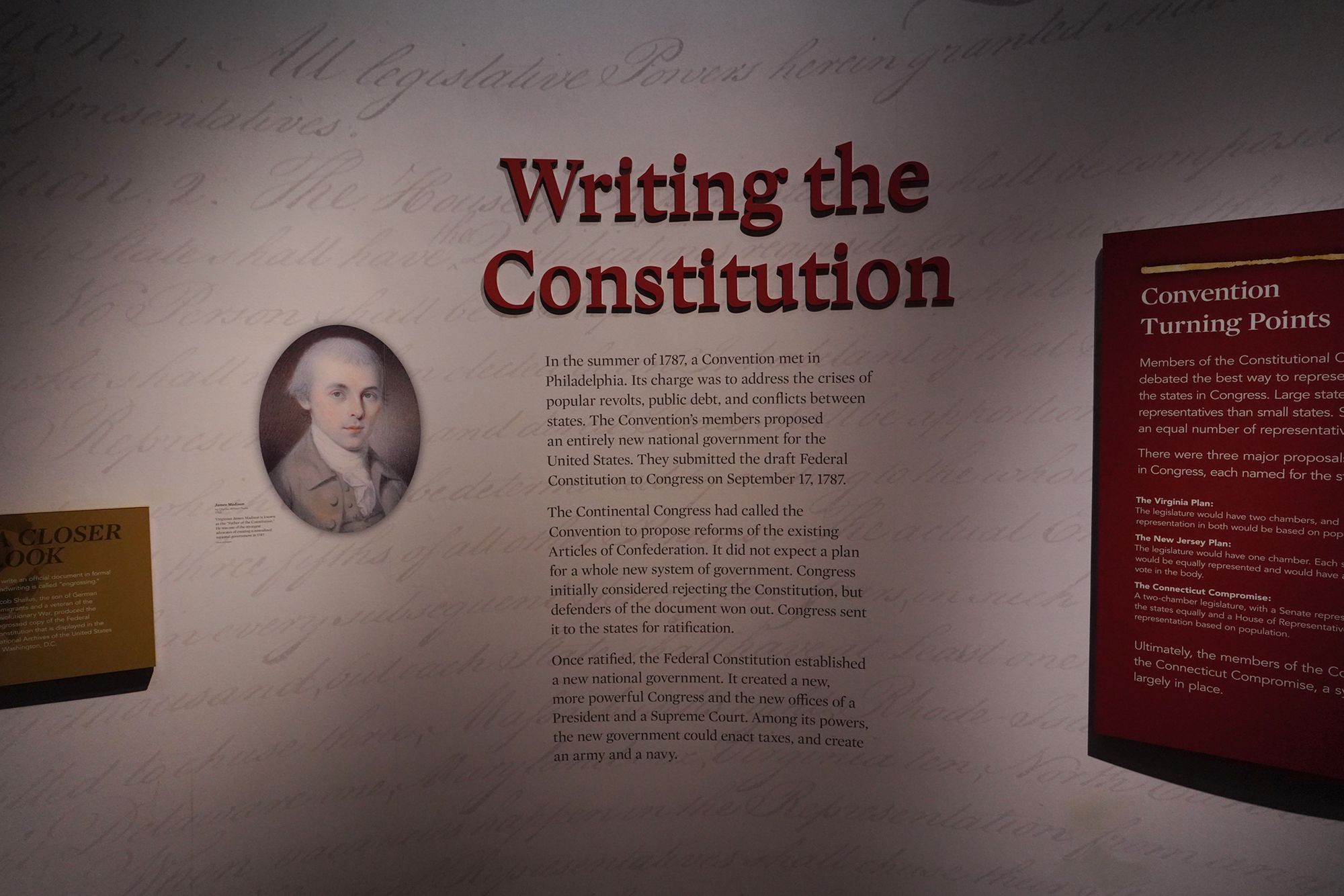
The Constitution was written in 1787 after the weak Articles of Confederation failed. Delegates in Philadelphia created a new government with three branches, checks and balances, and shared federal-state powers.
Federalists and Anti-Federalists
Federalists supported the new Constitution. They wanted a stronger national government to maintain order, defend the country, and improve trade. Leaders included Hamilton, Madison, and Jay, who argued their case in the Federalist Papers.
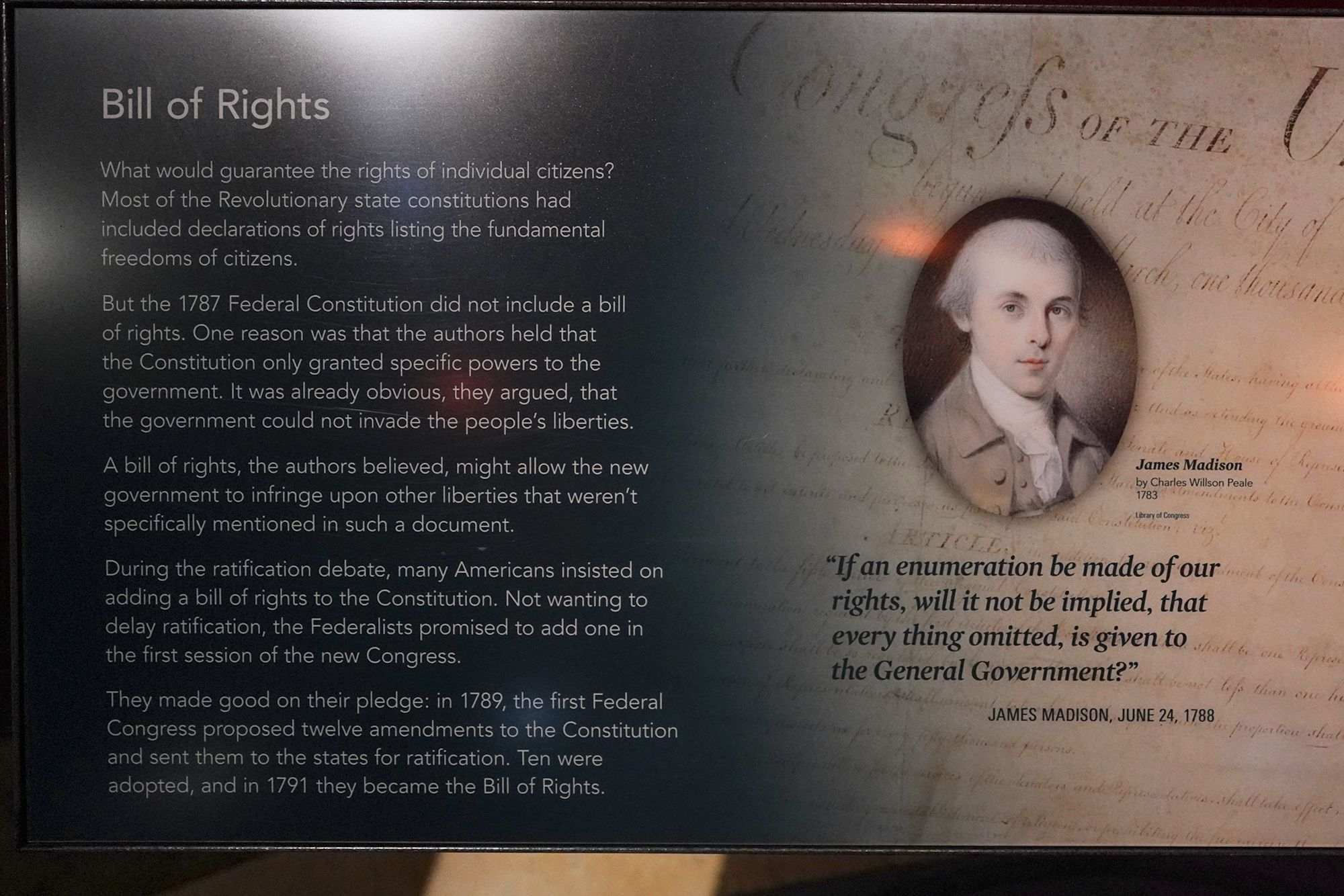
Anti-Federalists feared that a powerful central government might threaten liberty, like a monarchy. They demanded protections for individual rights. Their pressure led to the Bill of Rights, ensuring freedoms such as speech, religion, and fair trial.
The debate shaped the nation: Federalists built the structure of government, and Anti-Federalists ensured personal liberties were protected.
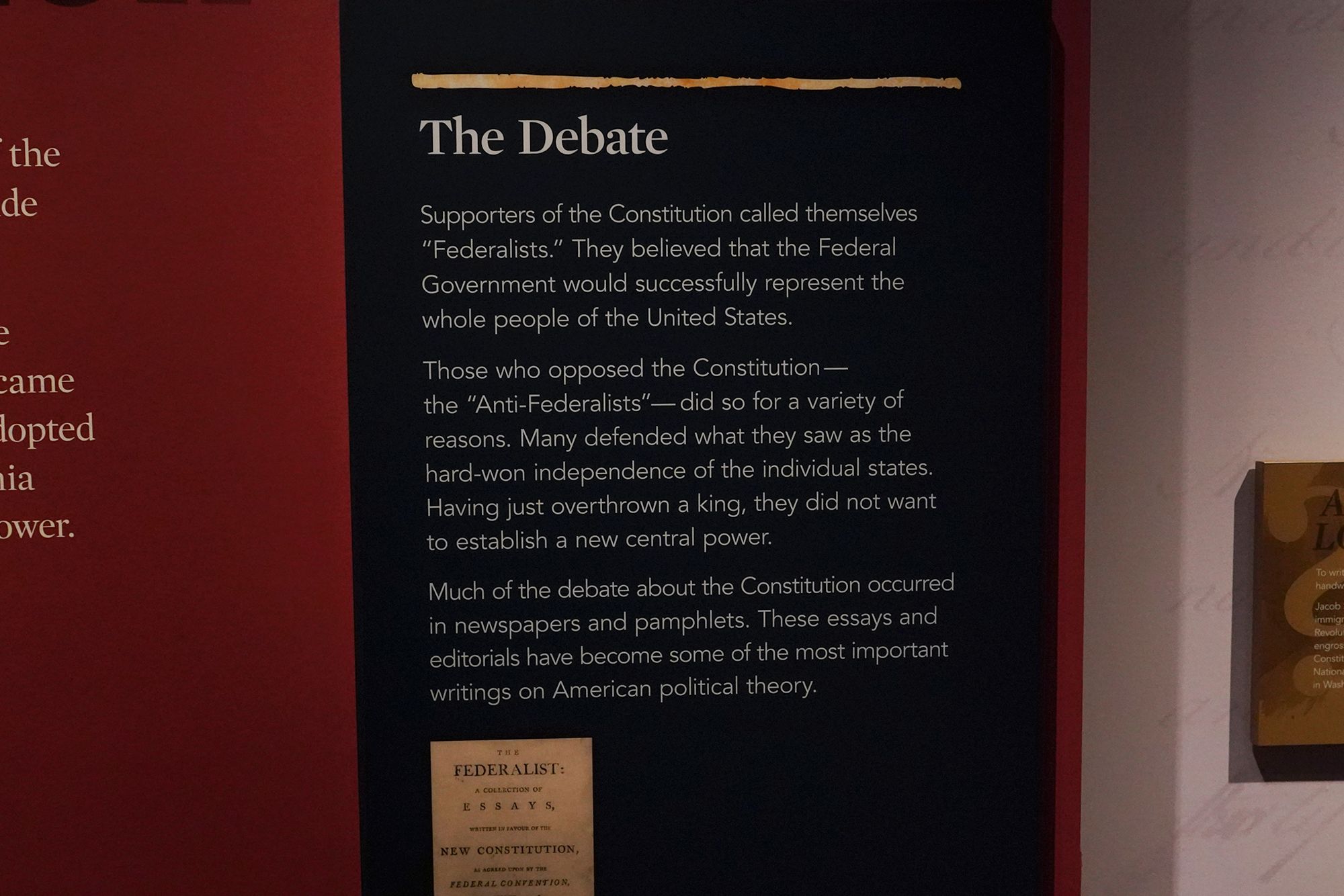
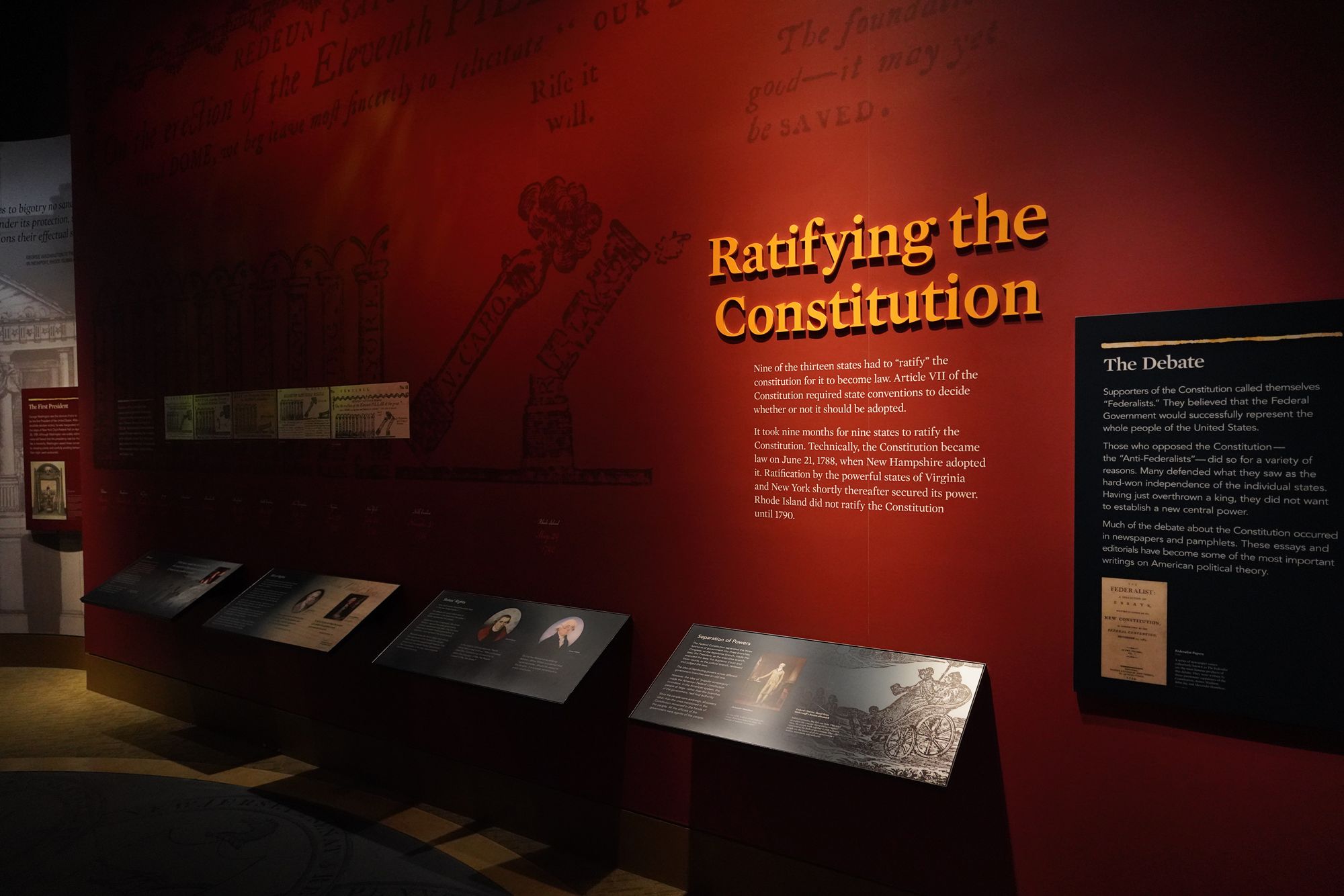
Ratisfying the Constitution
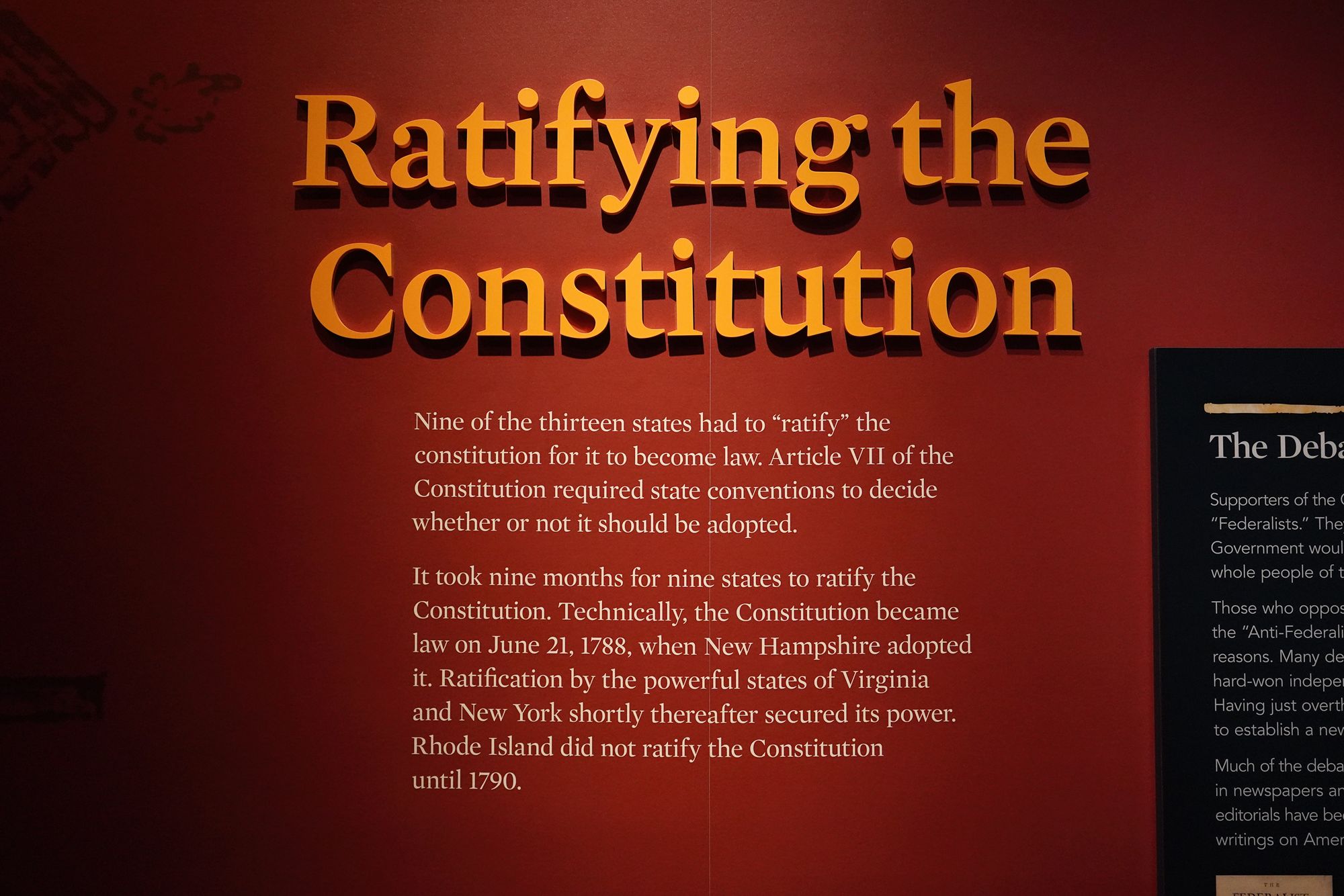
Separation of Powers
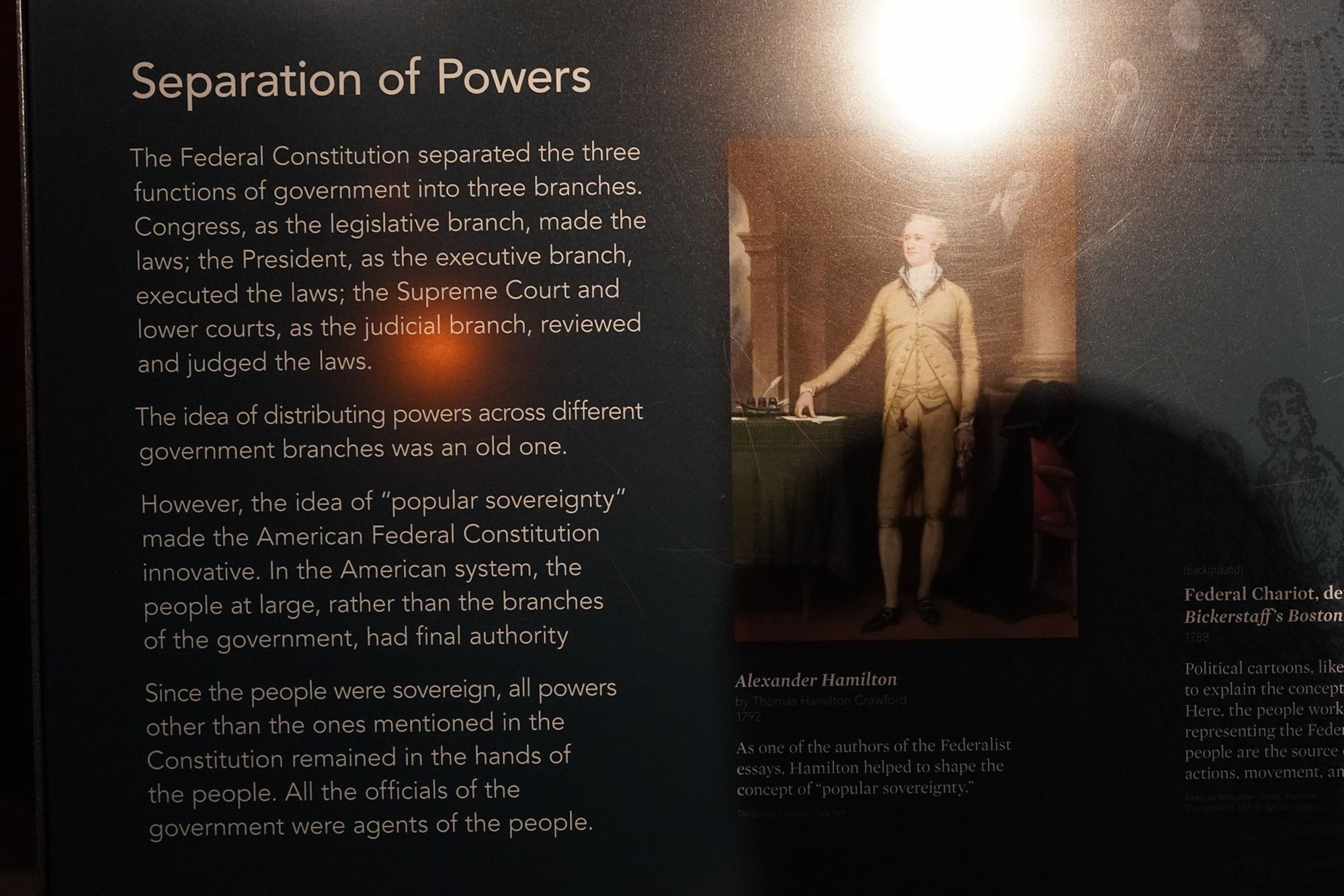
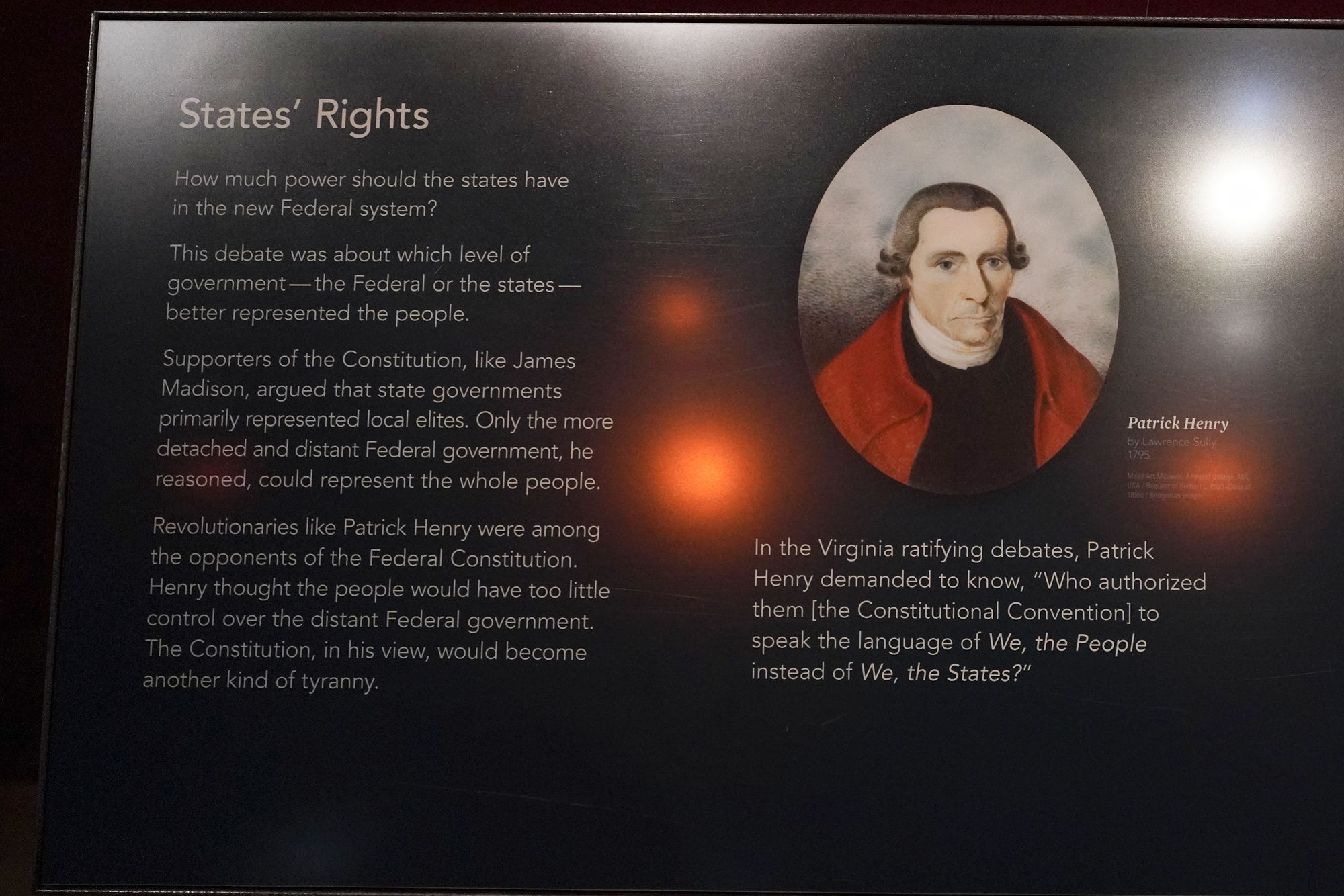
States’ Rights
Bill of rights
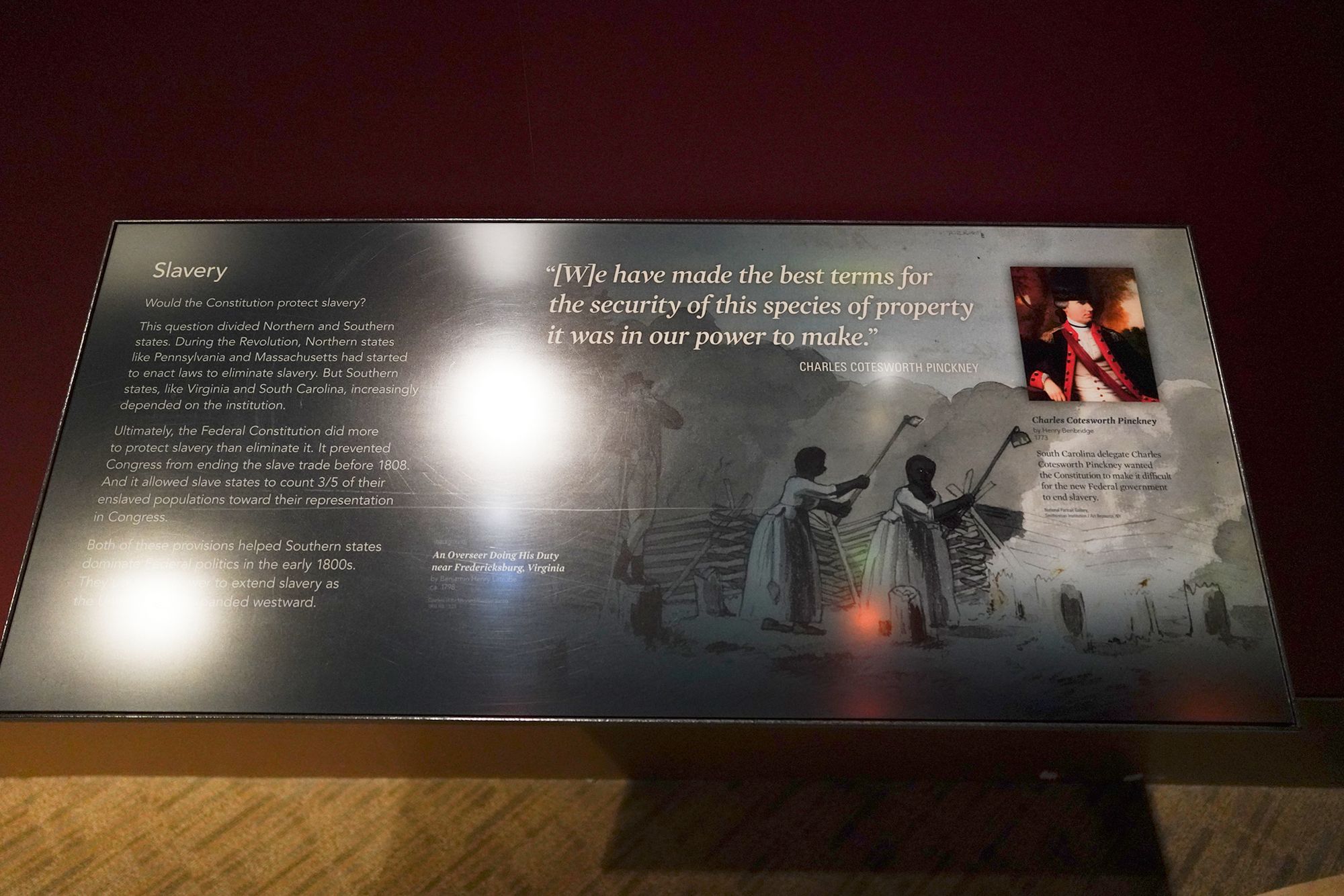
Issues on Slavery
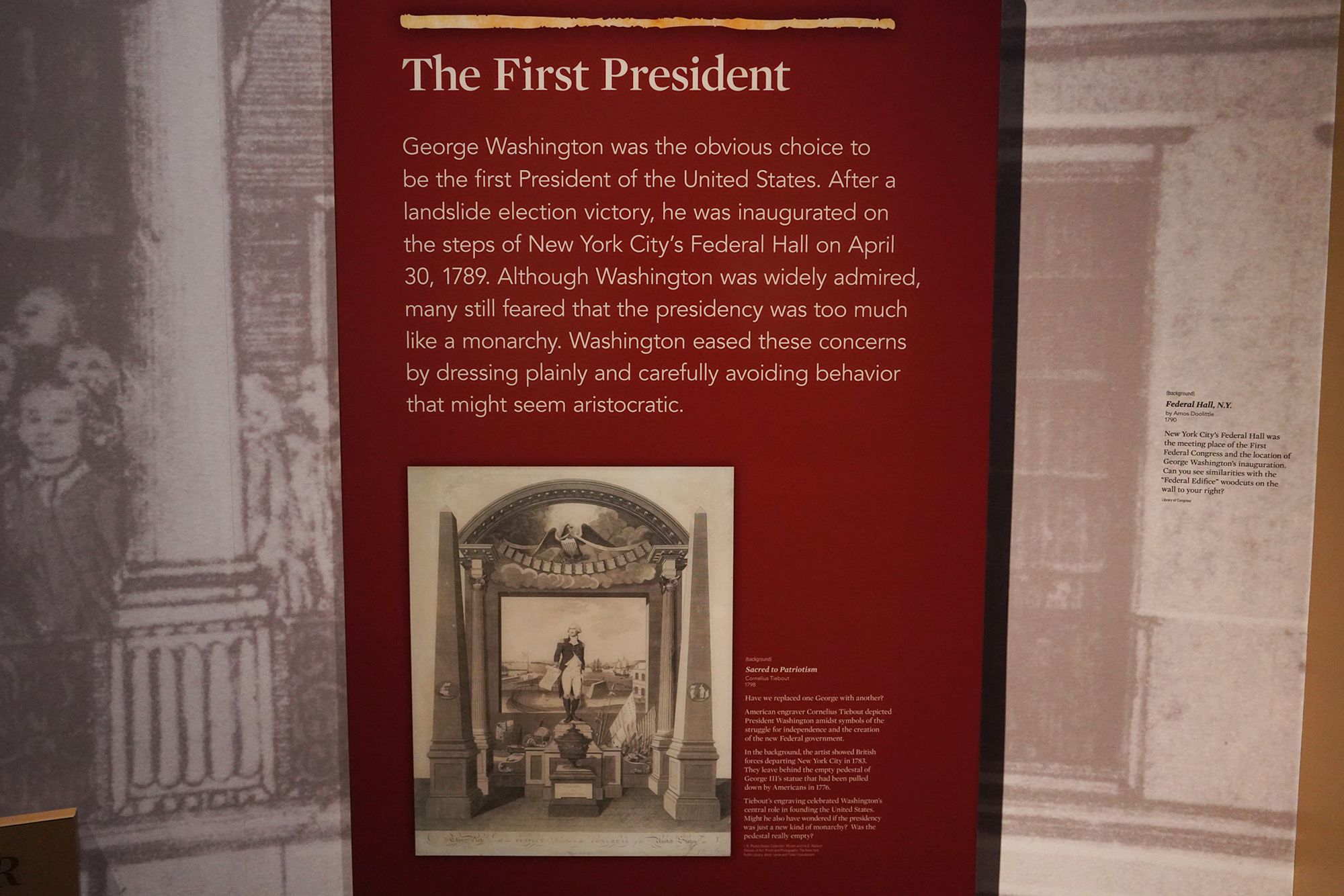
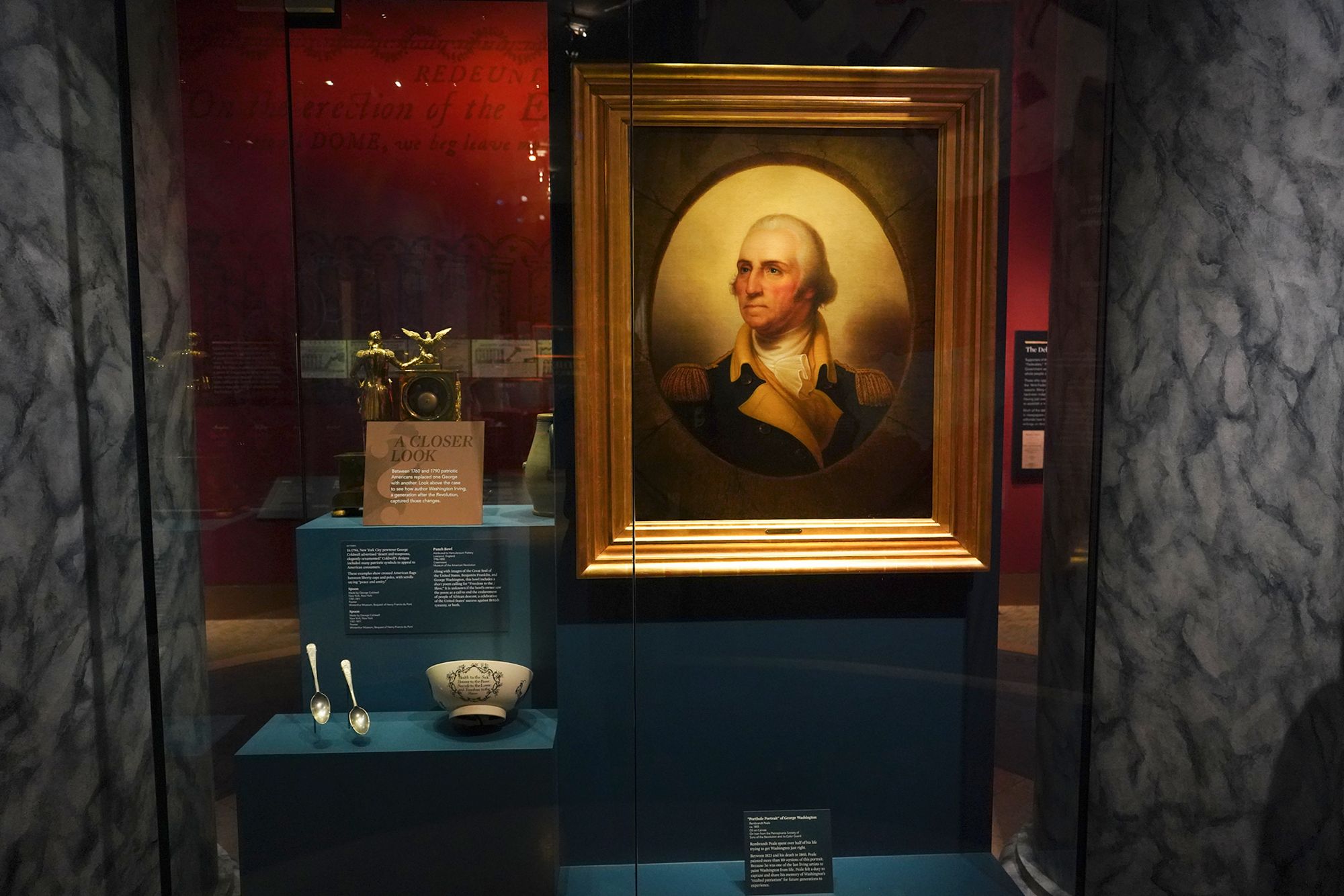
The First President
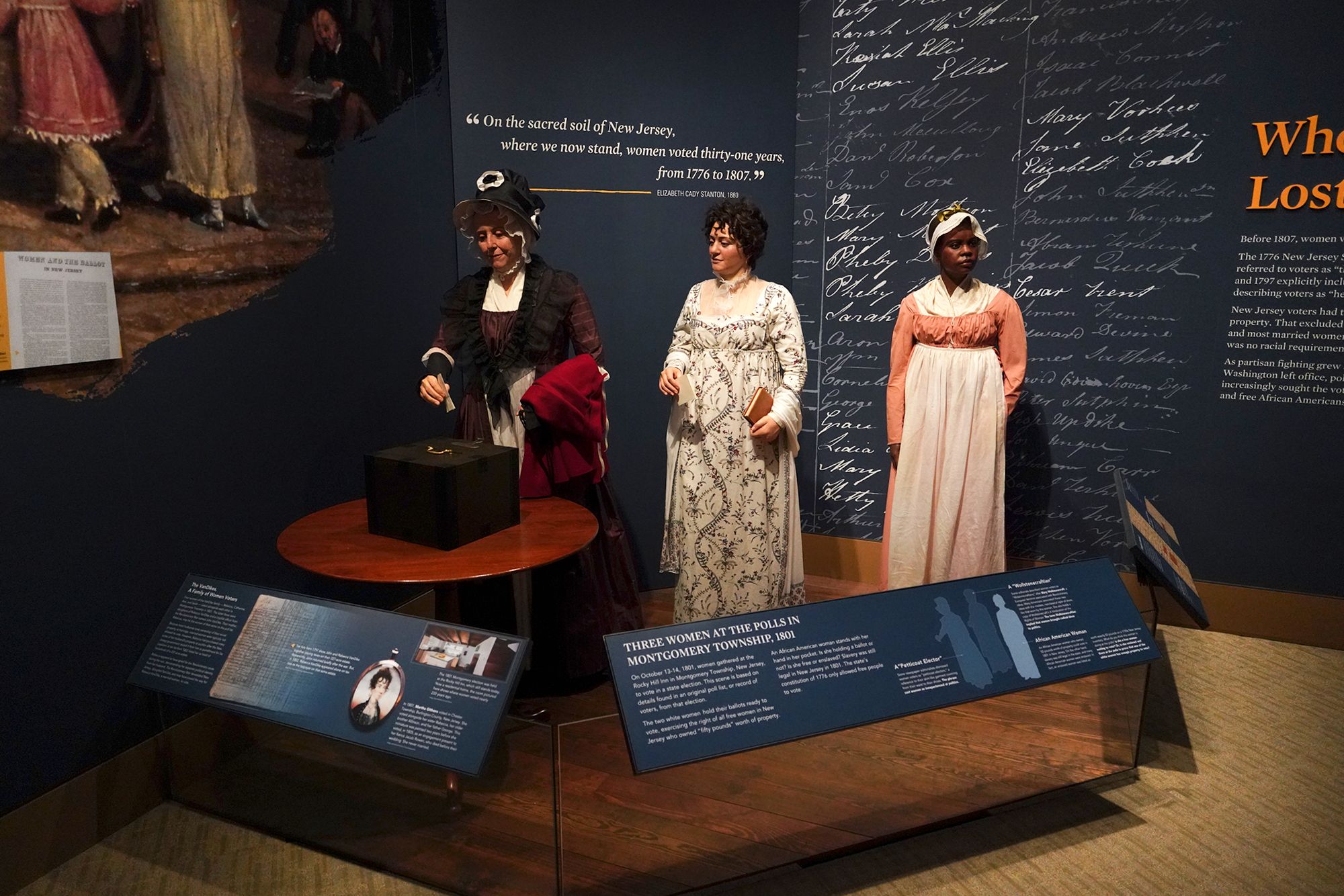
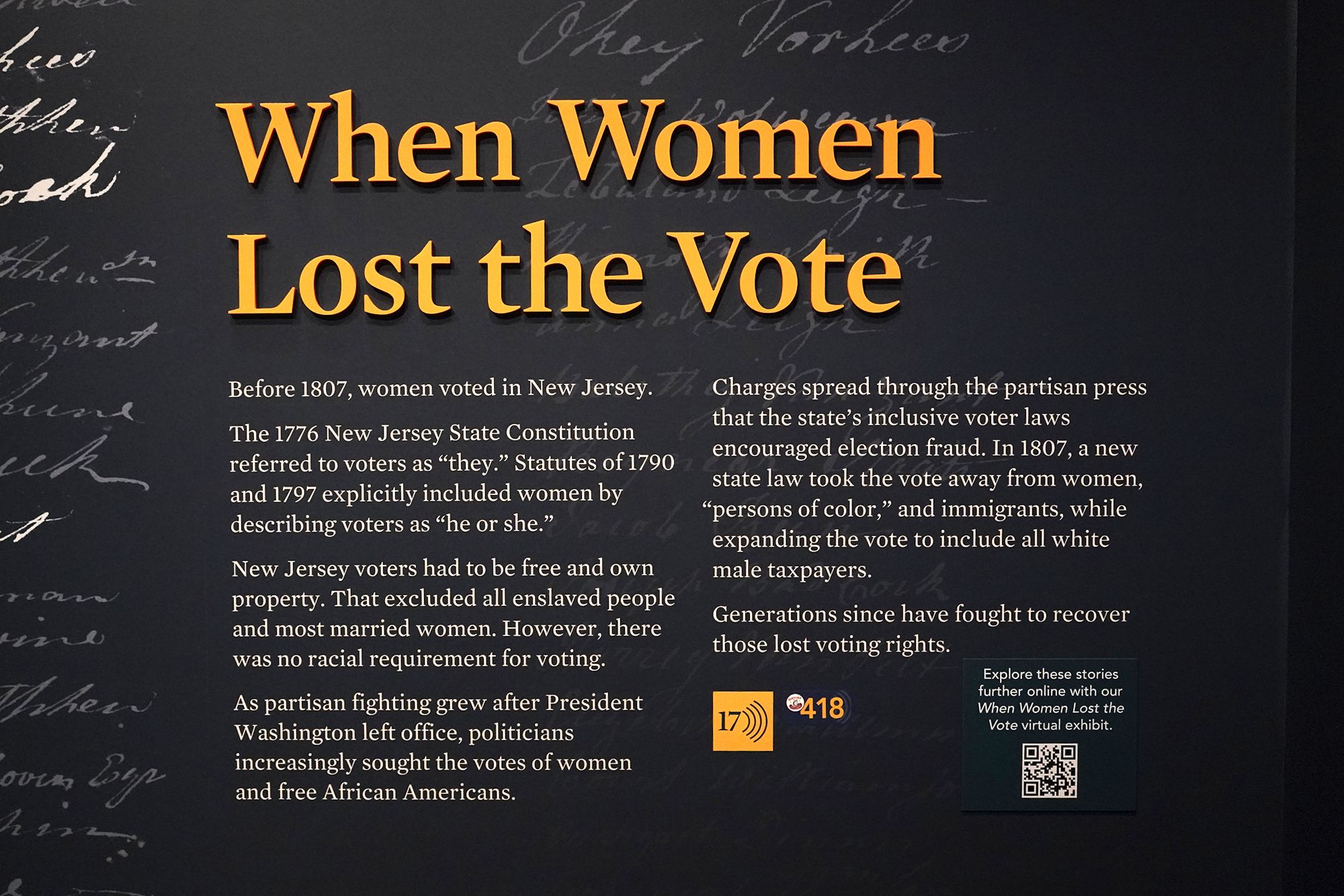
After the Revolution, women briefly gained limited political participation, but new state laws restricted voting to men. New Jersey was the last to allow women voters until 1807, after which women lost the vote nationwide for generations.
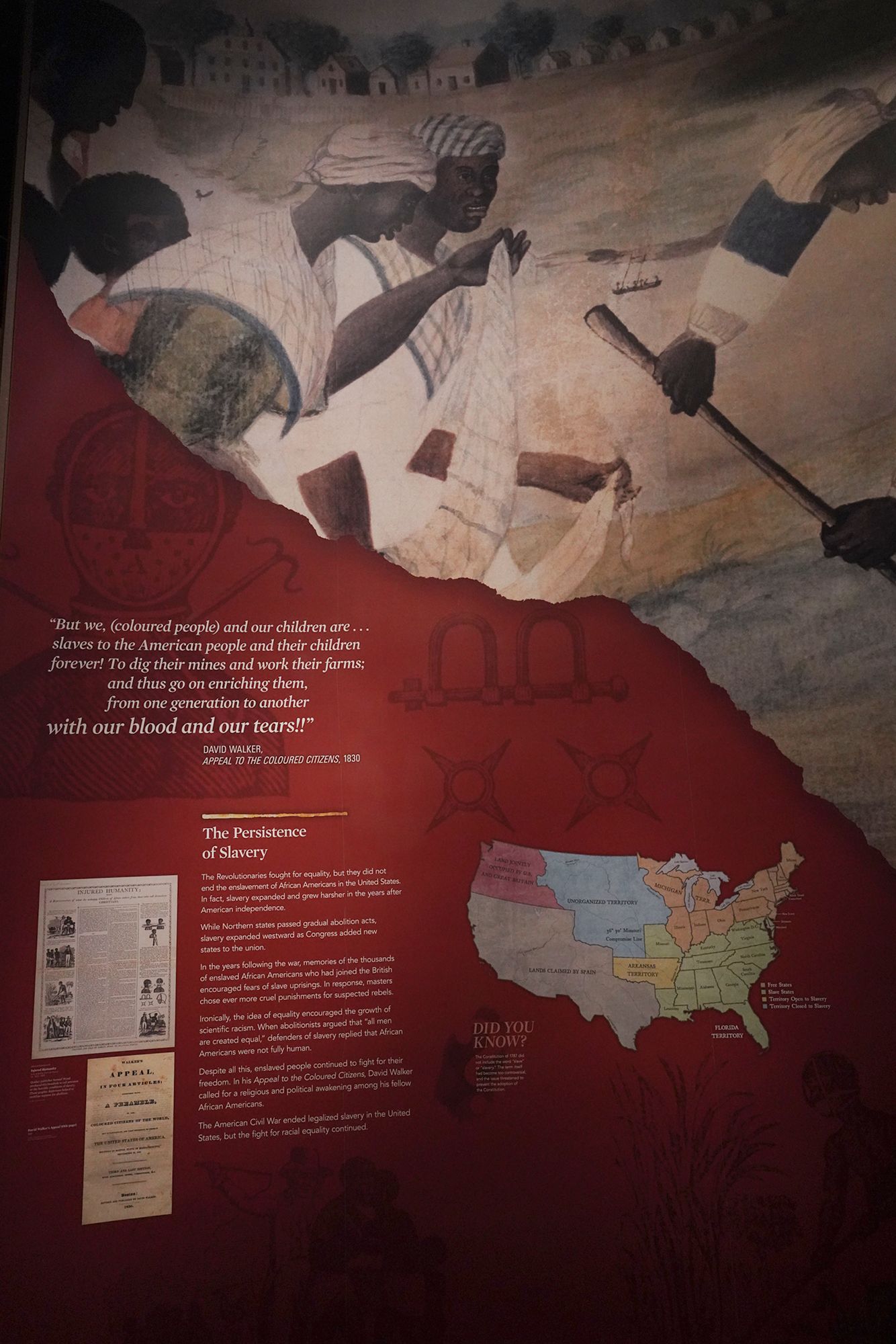
The Persistence of Slavery
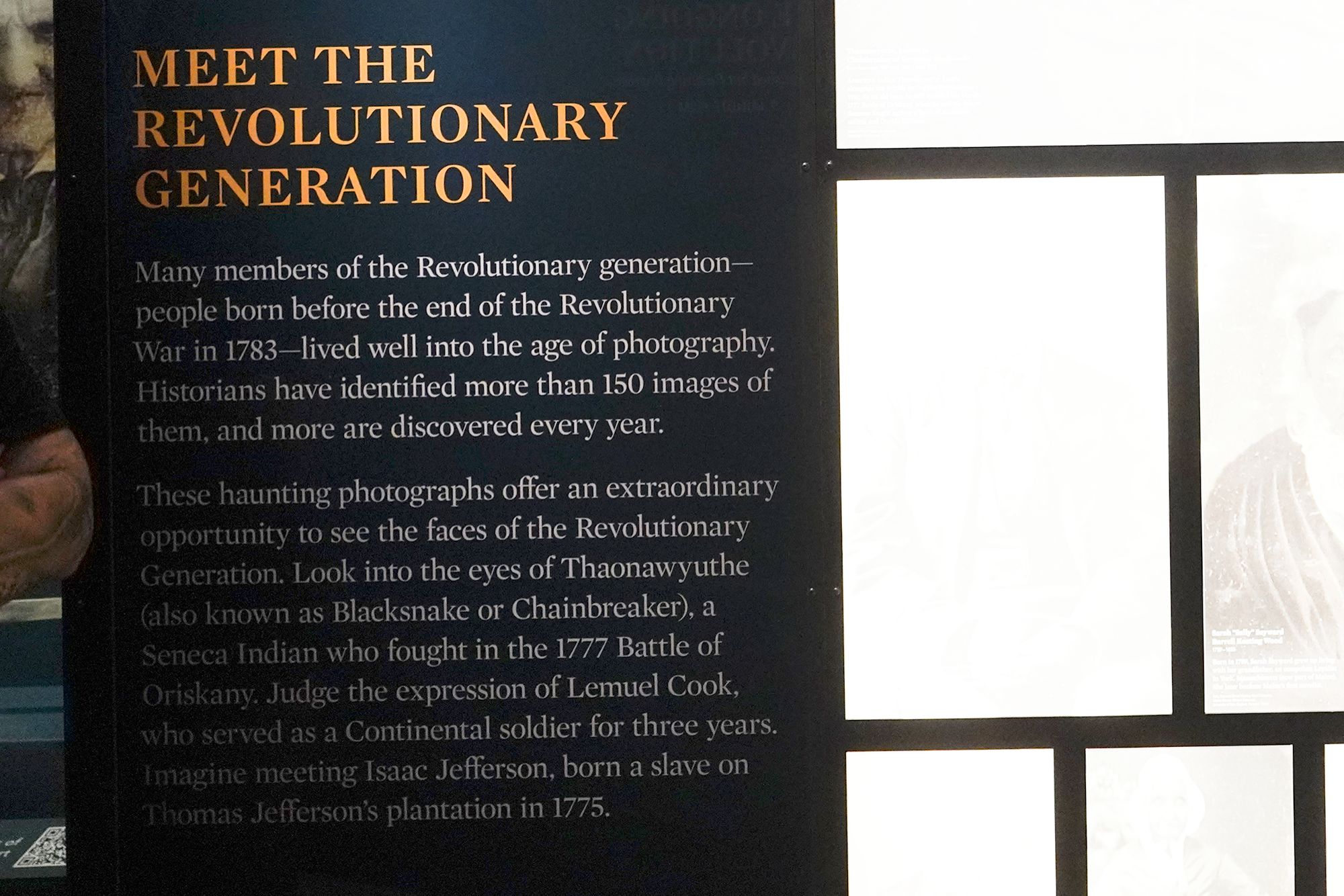
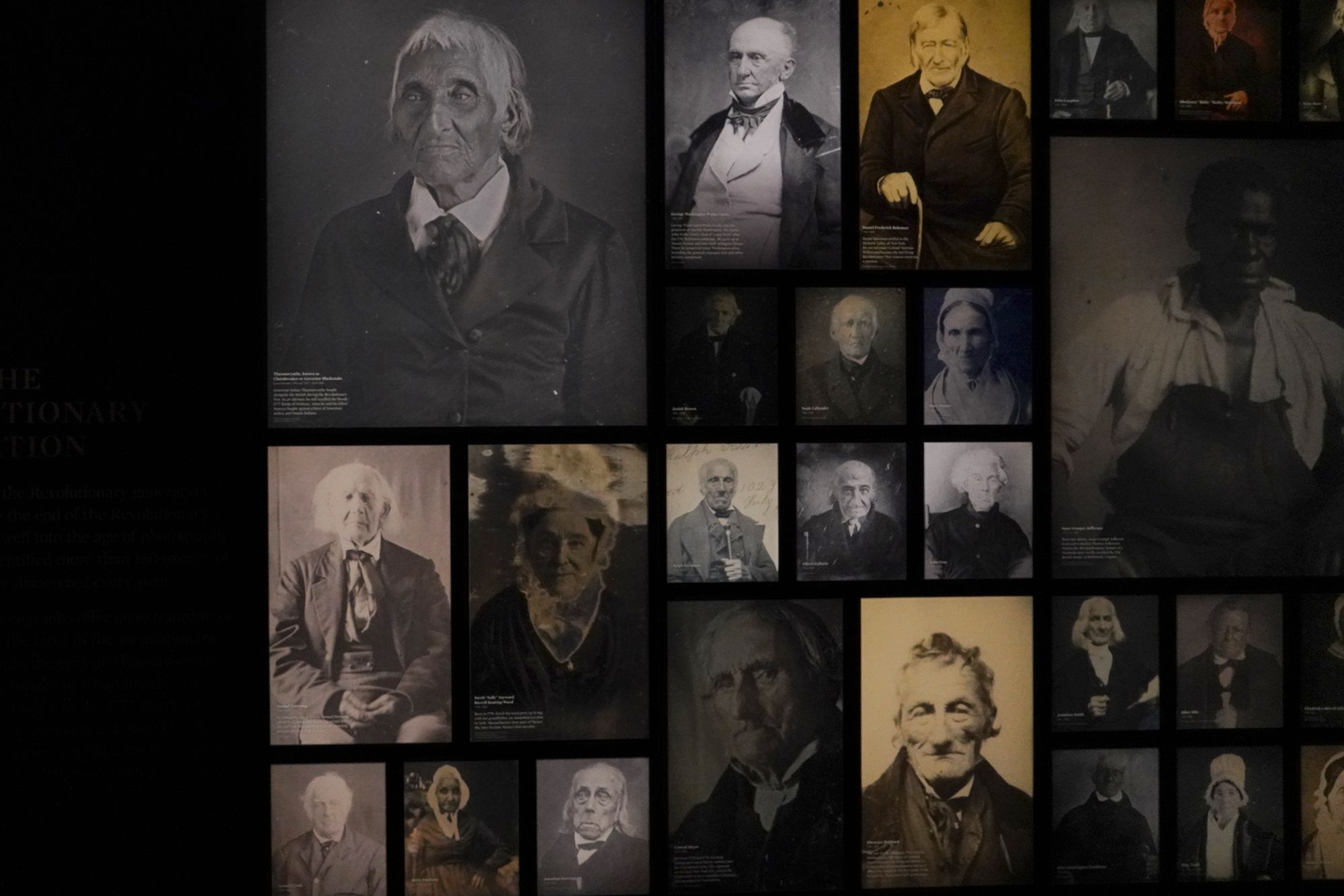
Photos of Revolutionary Generation