National Gallery of Art – American Art, Washington DC, USA
The American Art showcases the nation’s artistic journey from the colonial era to the early 20th century through paintings, sculptures, and decorative arts. 1130
National Gallery of Art: Constitution Ave. NW, Washington, DC 20565
Date Picture Taken: July 2025
American Art reflects the nation’s growth, ideals, and changing artistic identity — from early portraits of independence to landscapes that celebrate the American wilderness.
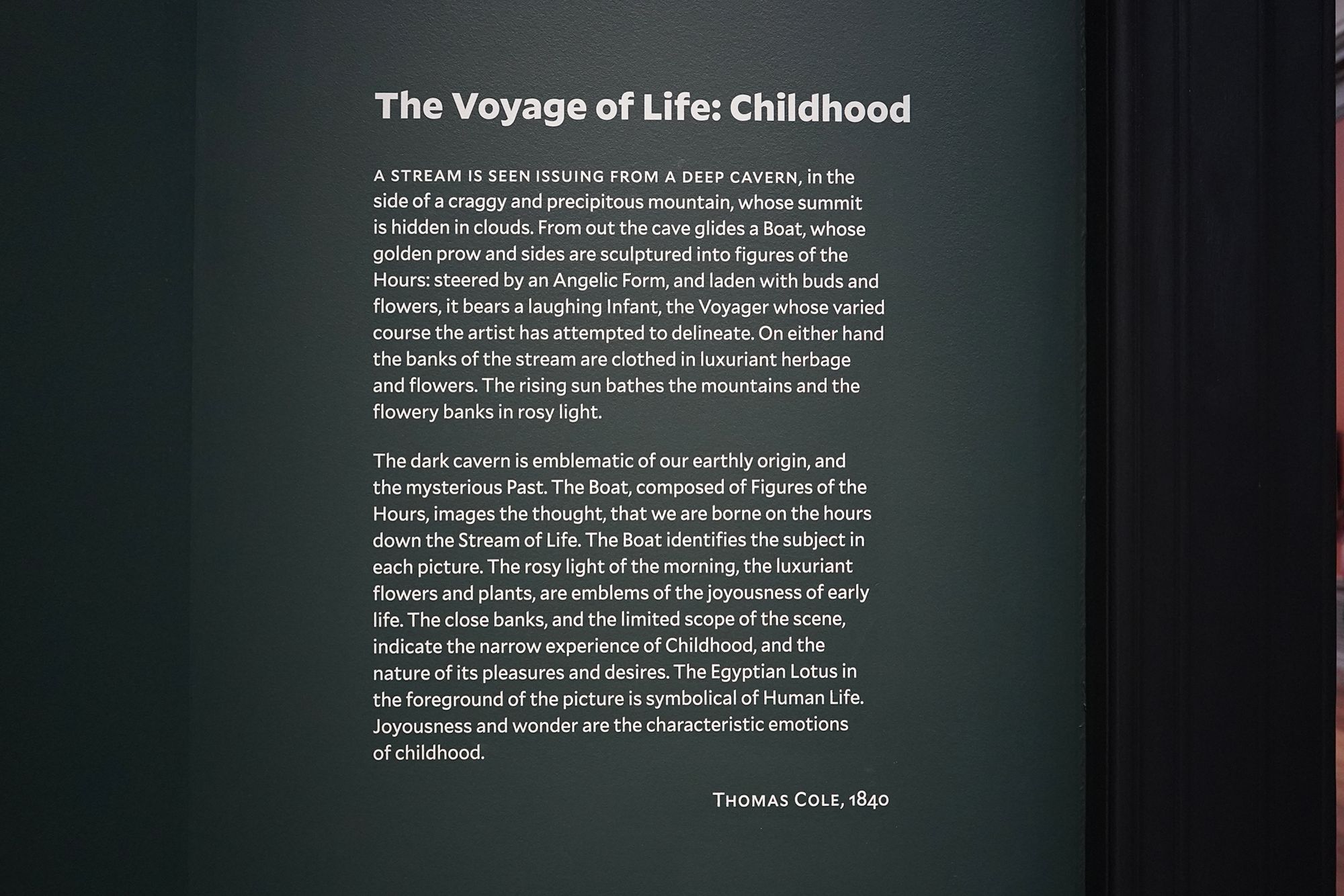
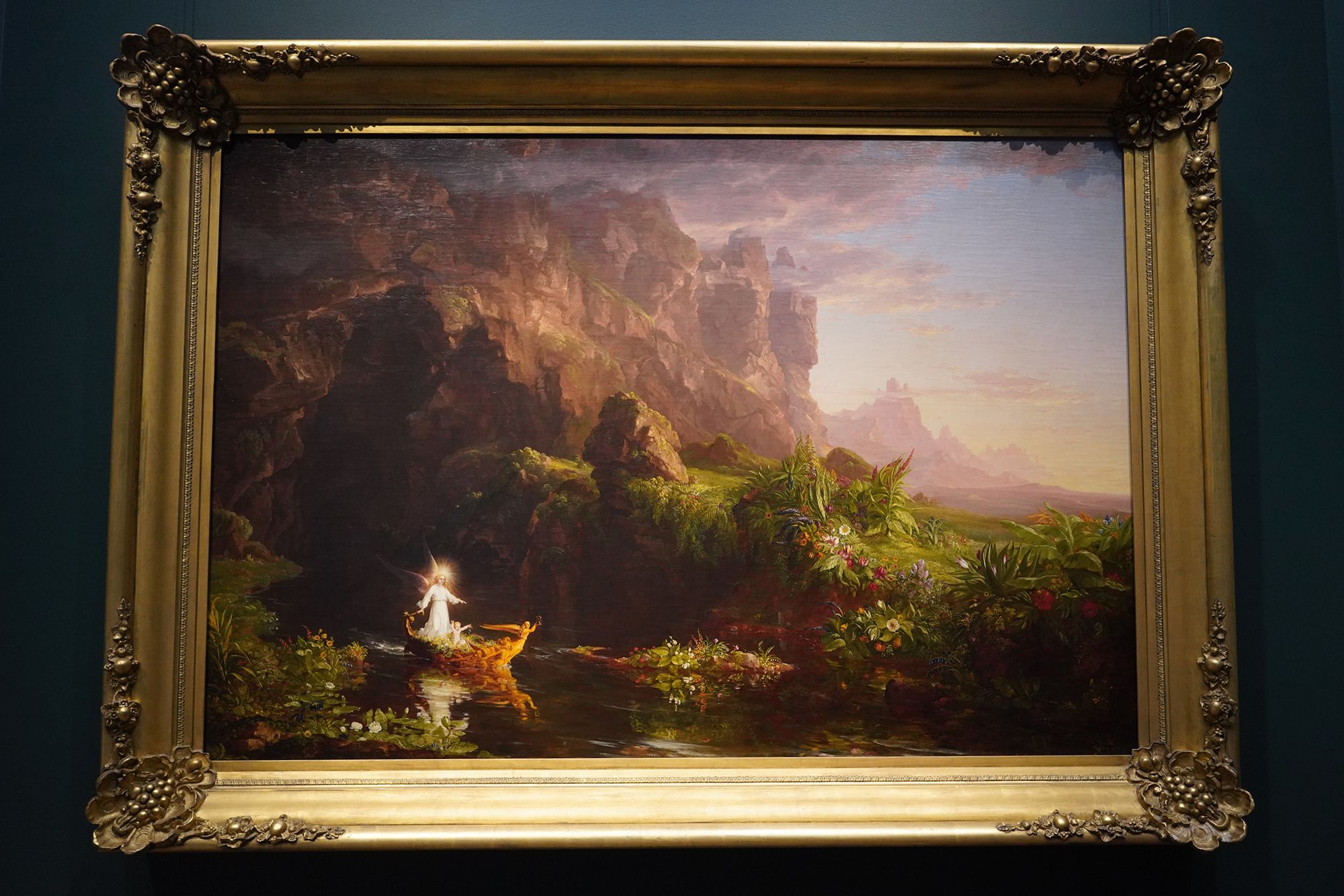
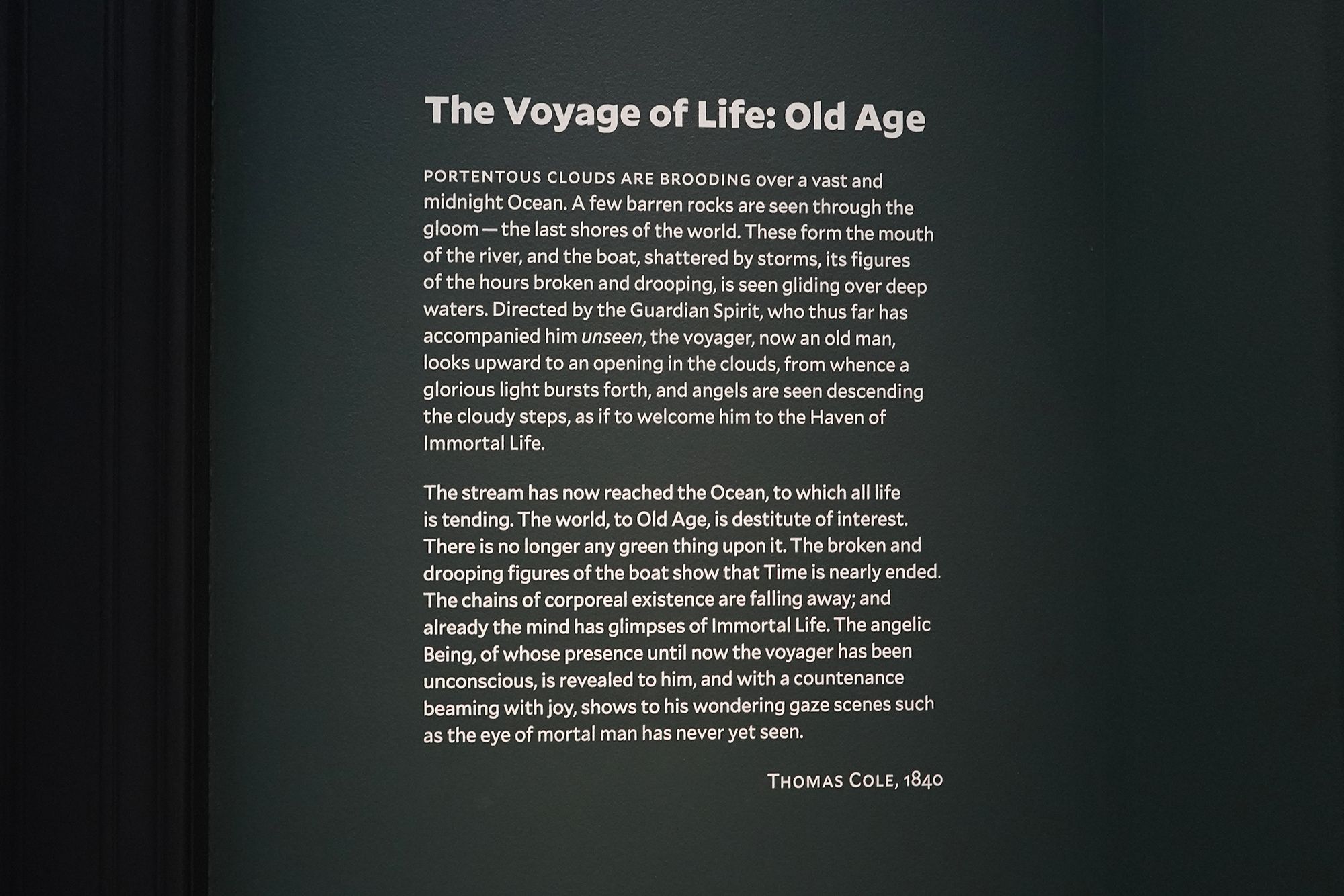
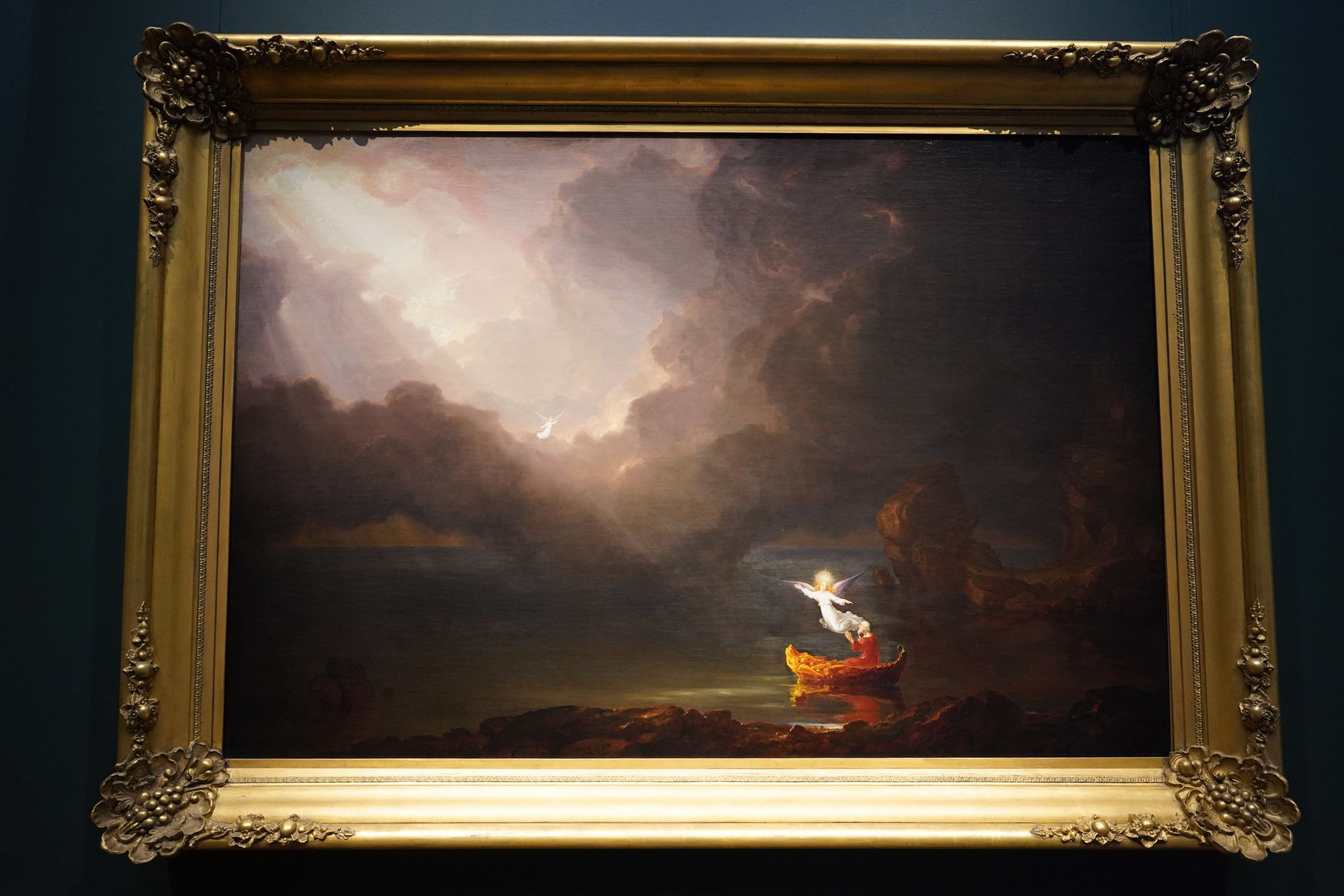
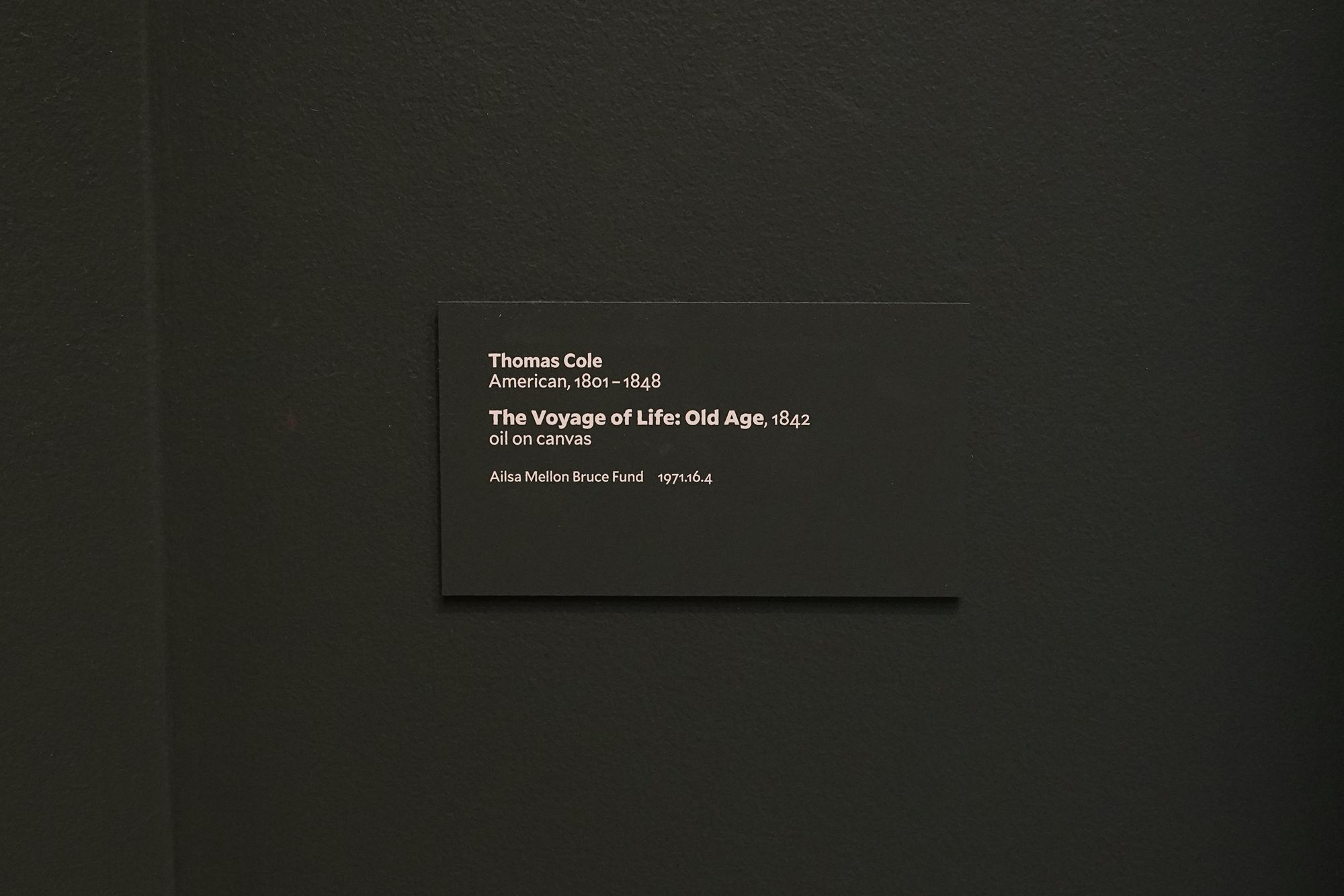
“The Voyage of Life” is a celebrated series of four paintings by Thomas Cole (American, 1801–1848), the founder of the Hudson River School and a pioneer of American landscape art. Painted between 1840 and 1842, the series is an allegory of the human journey through the four stages of life—Childhood, Youth, Manhood, and Old Age—each set within a dramatic, symbolic landscape.
In Childhood, a golden boat shaped like a shell emerges from a dark cave, guided by an angel along a peaceful river surrounded by springtime light. It represents innocence and the soul’s birth into the world.
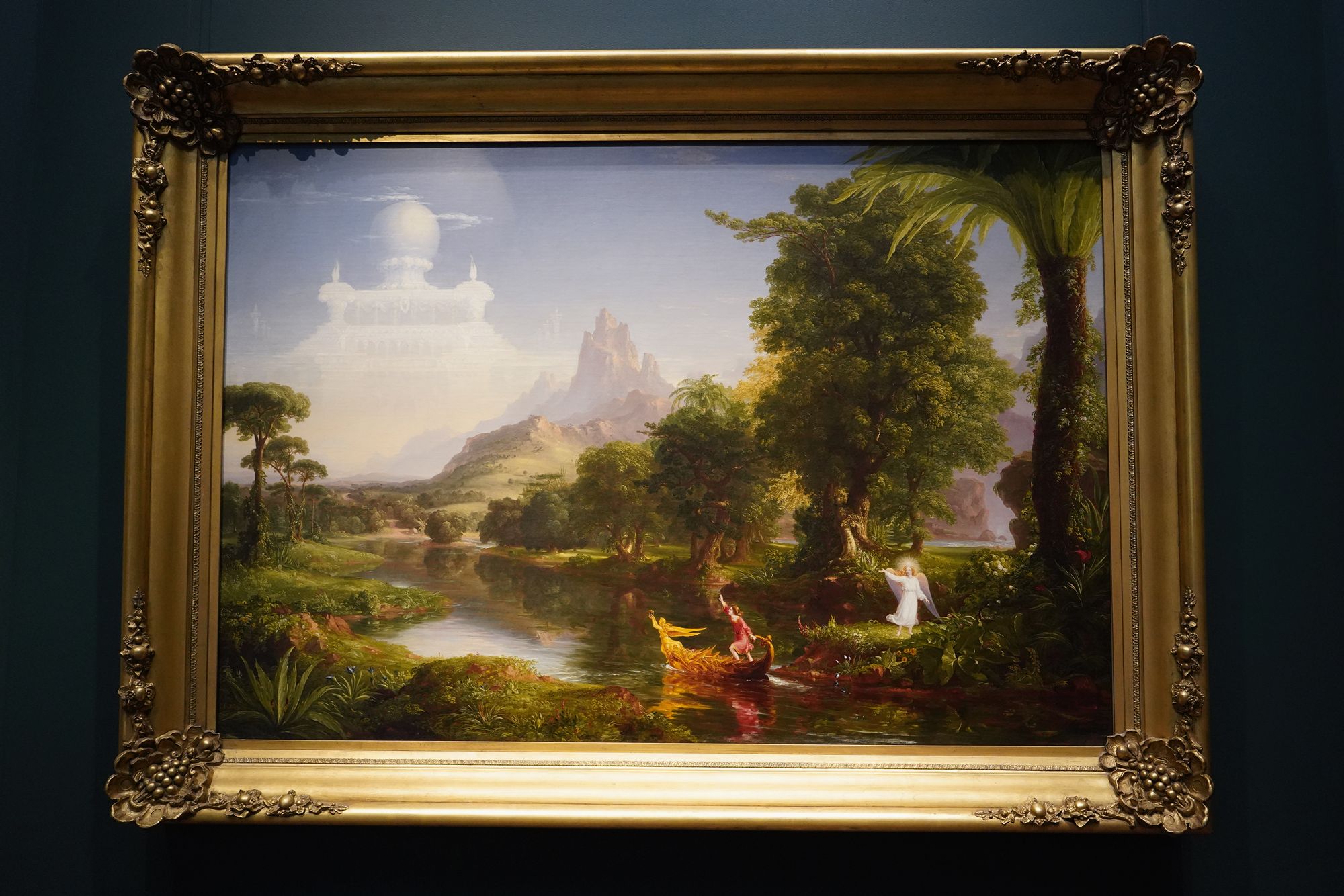
In Youth, the voyager, now alone, steers eagerly toward a distant castle glowing in the sky. The river winds through bright, fertile landscapes, symbolizing hope, ambition, and the dreams of early life.
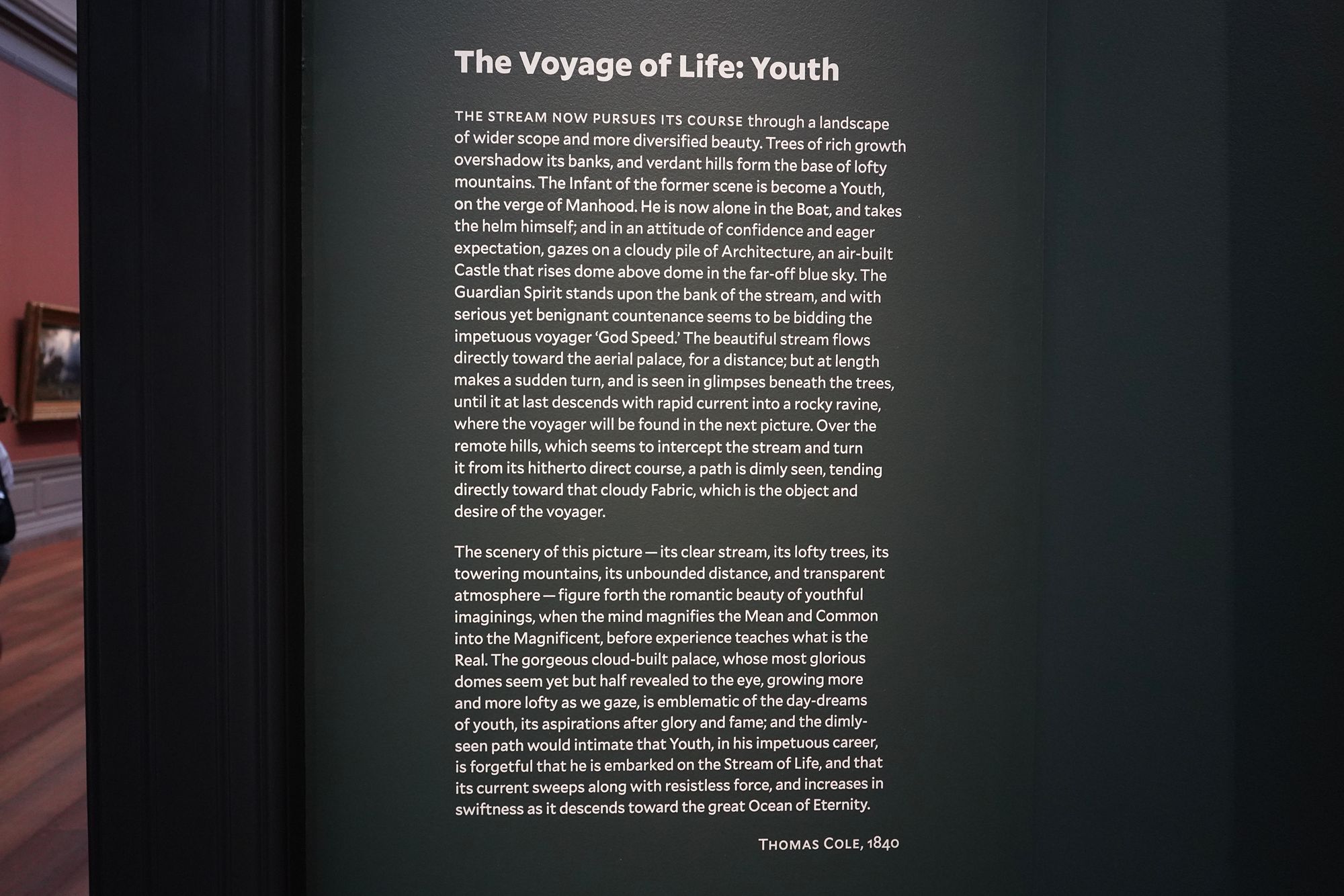
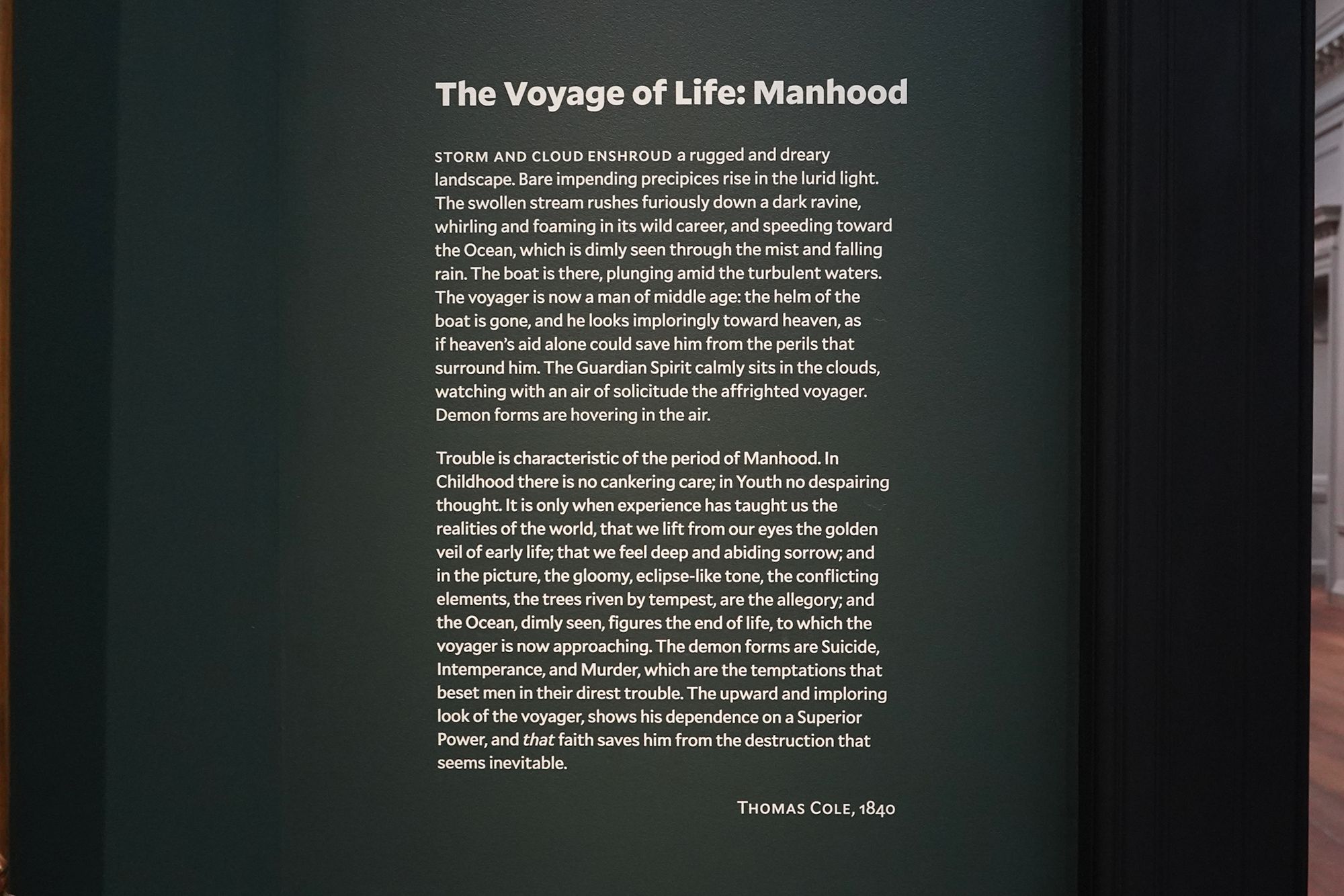
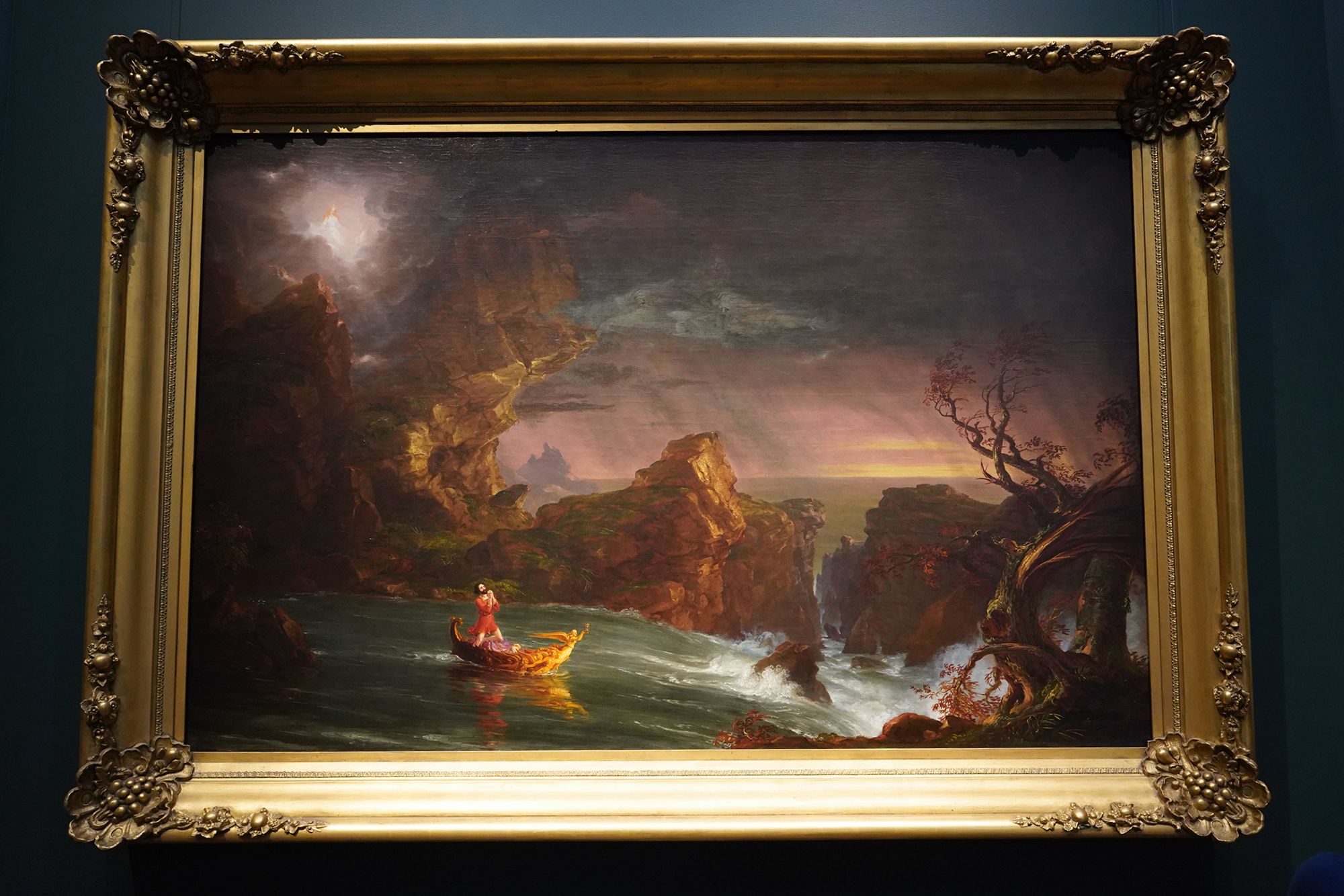
In Manhood, the tone darkens. The river turns wild and turbulent under stormy skies as the voyager struggles against the current. The angel appears in the heavens, showing divine presence amid danger and despair—an image of life’s trials and spiritual testing.
Finally, in Old Age, the storm has passed. The voyager, now gray and calm, is guided once more by the angel as the river opens into a radiant light of eternity. The series ends in peace and salvation.
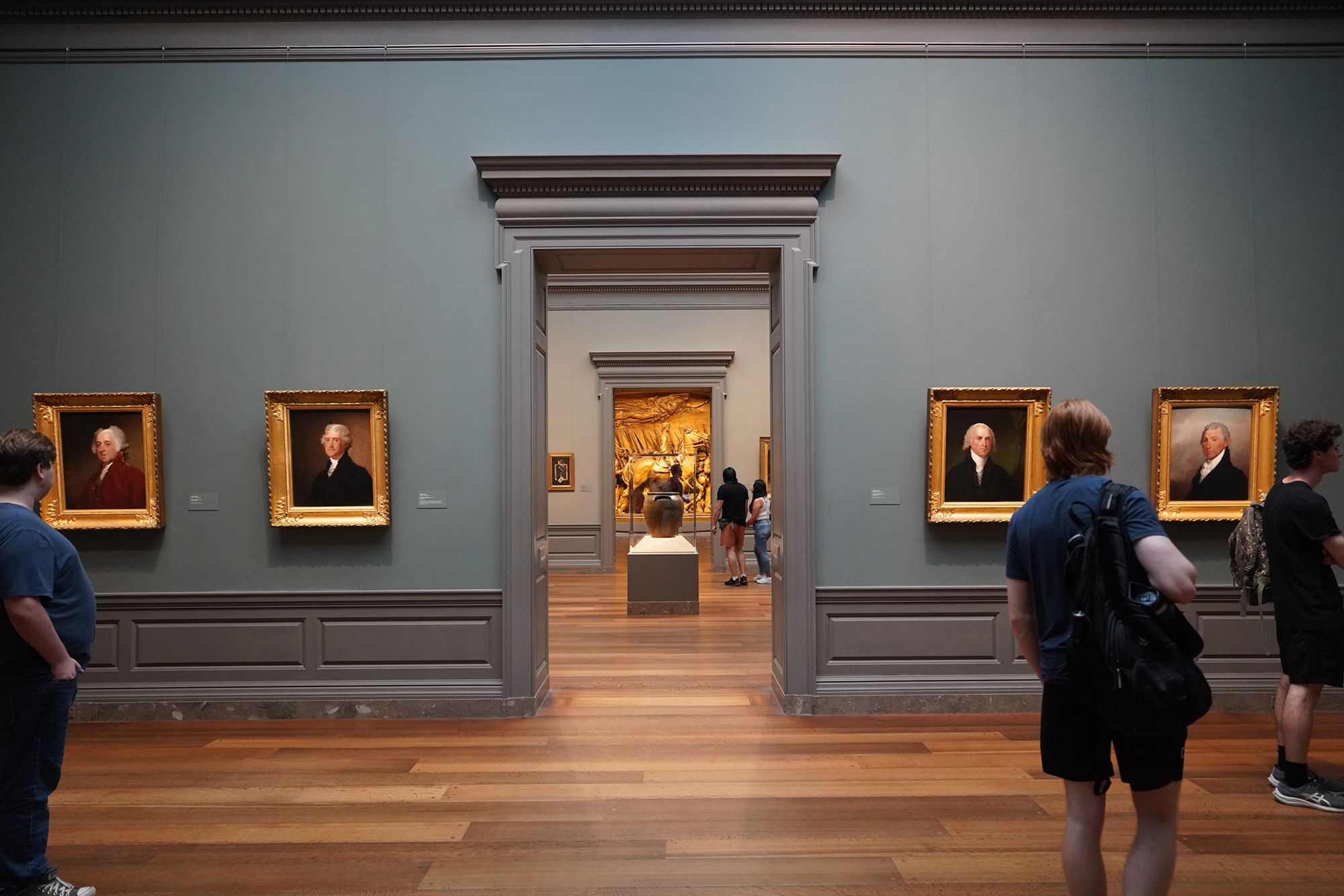
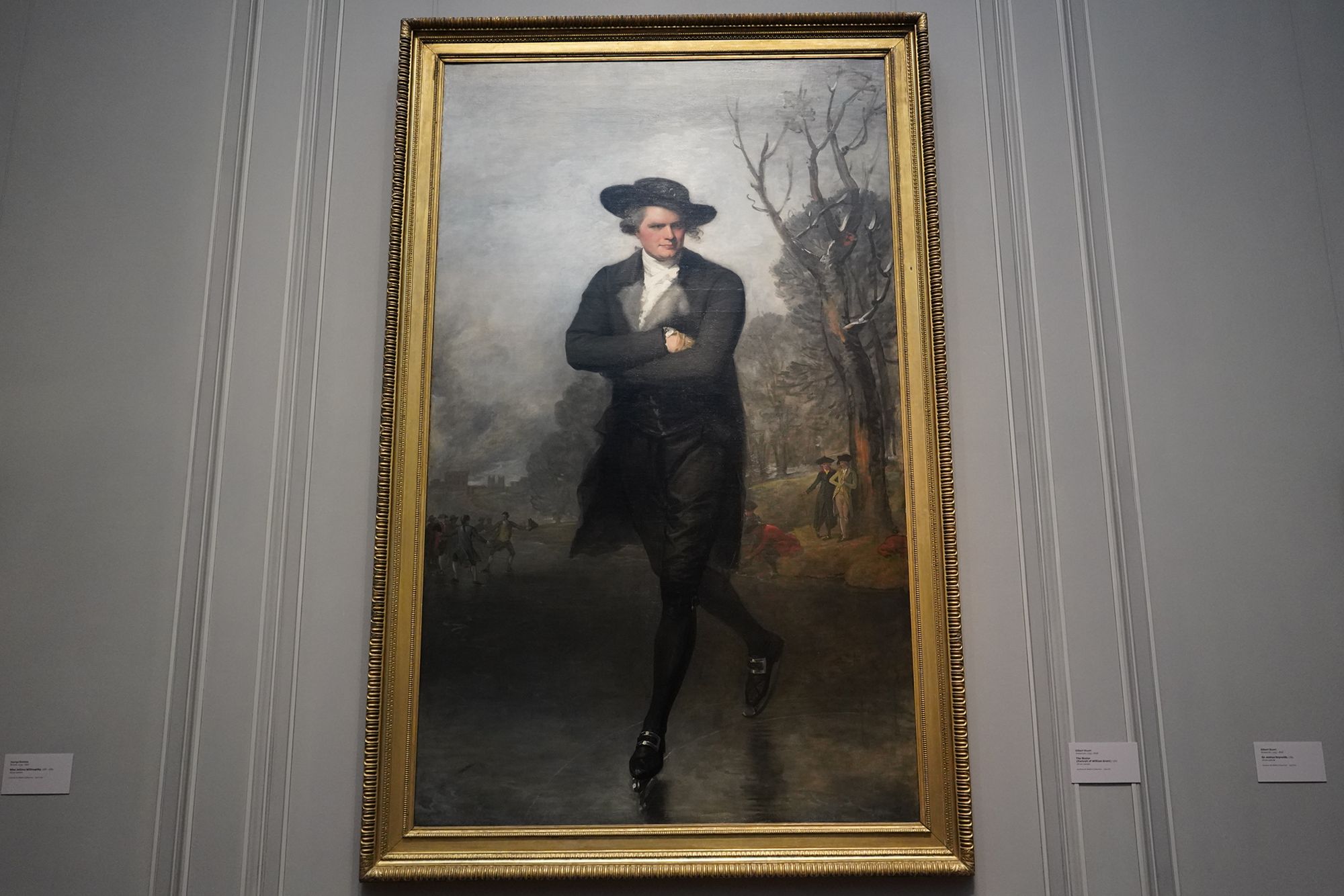
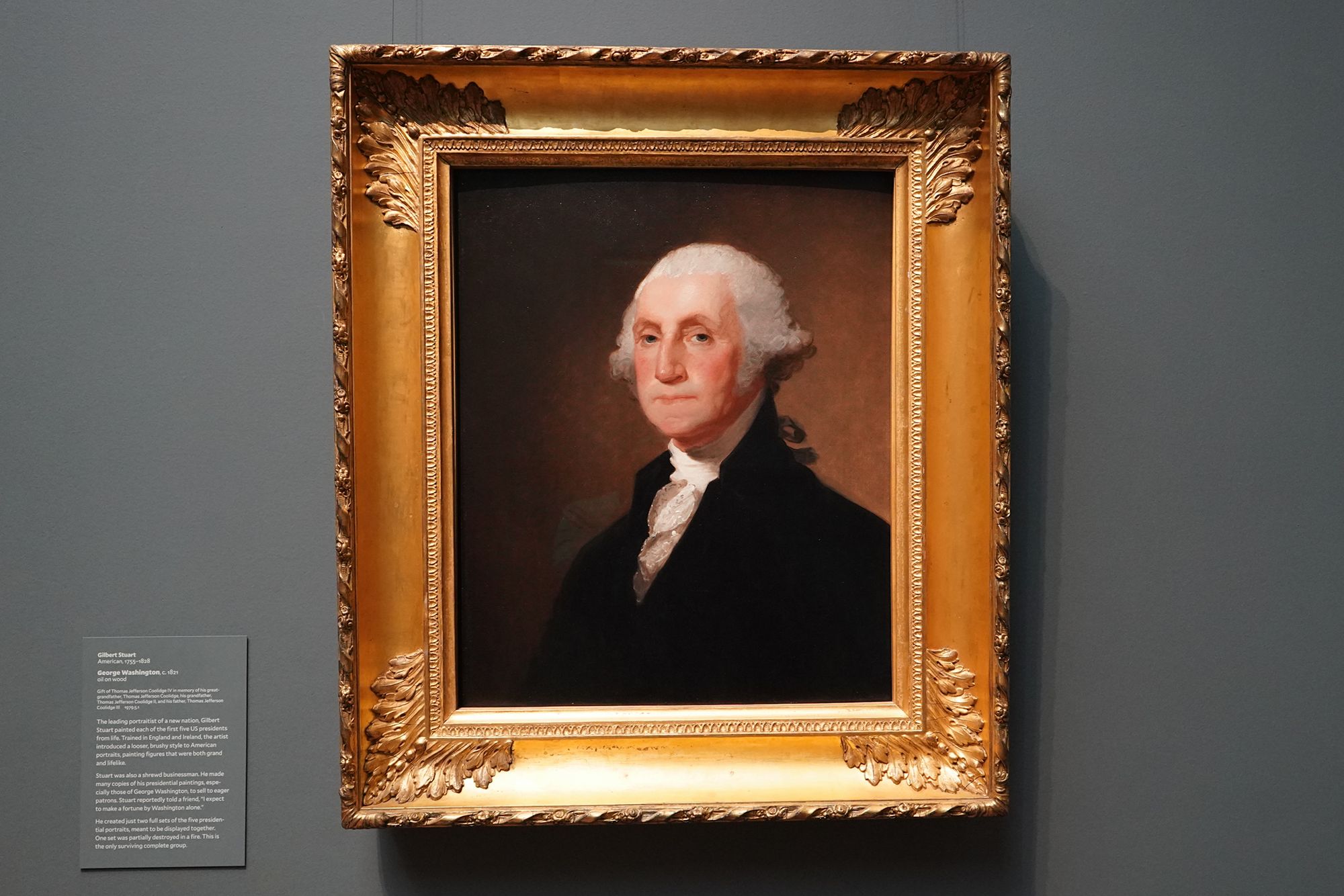
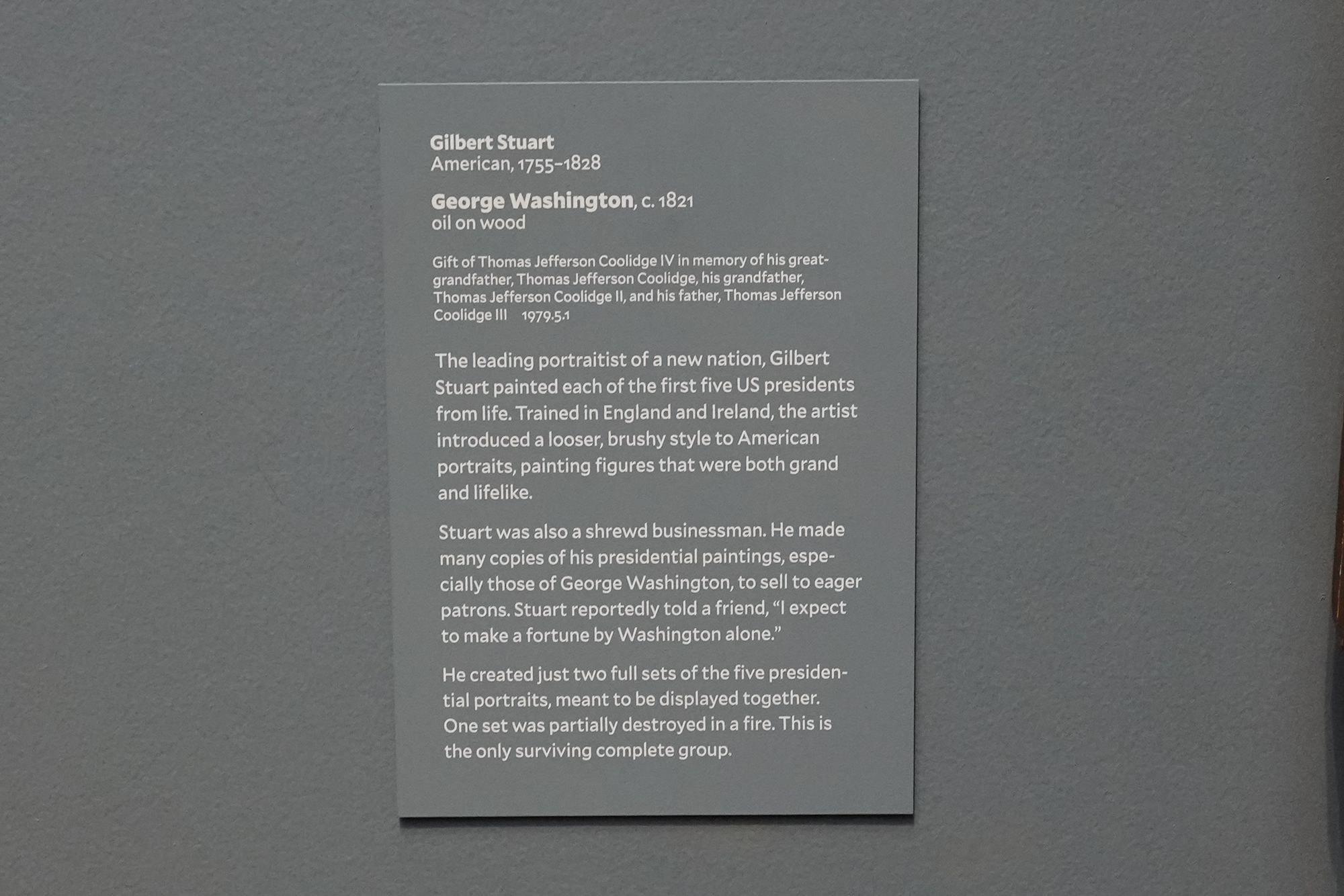
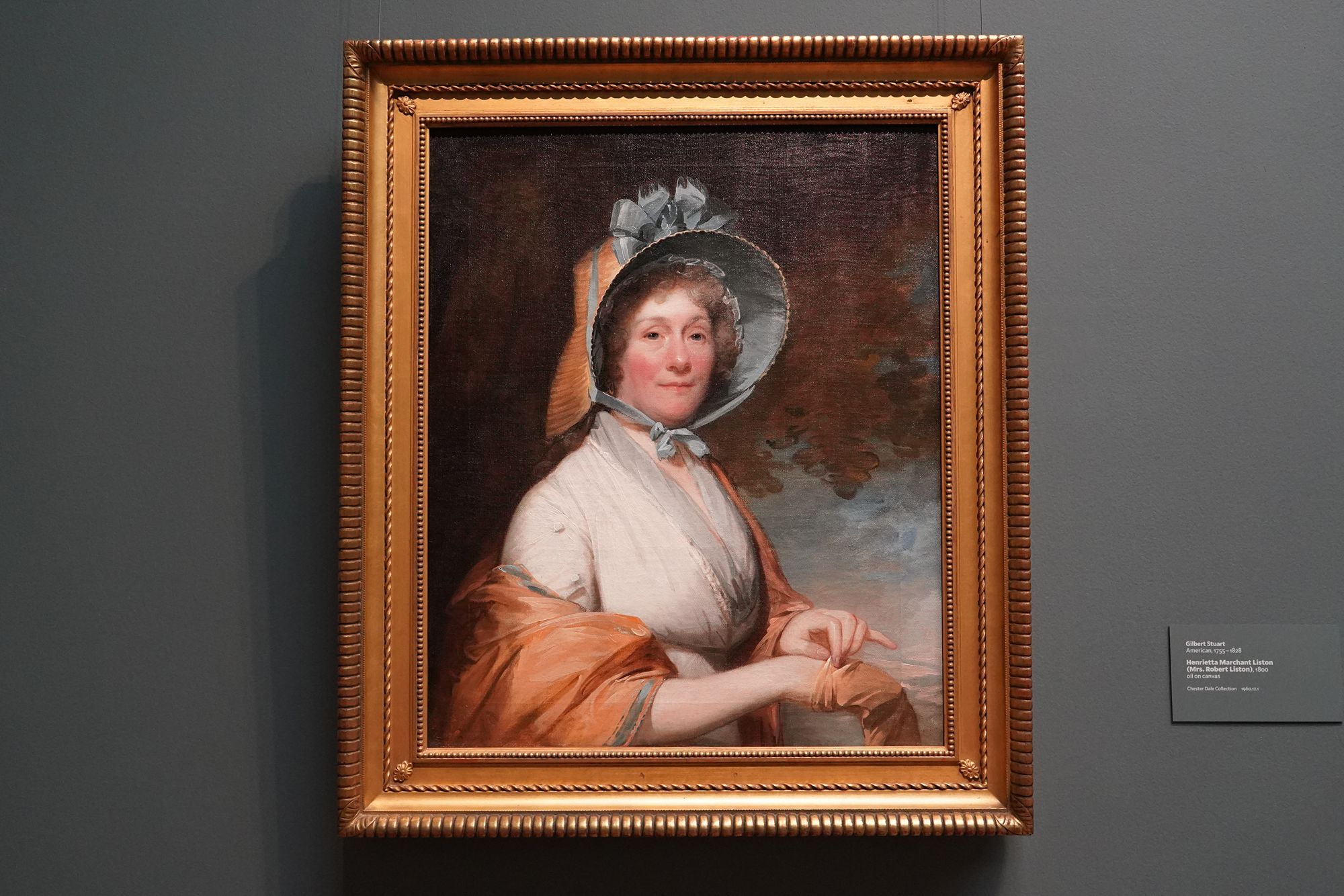
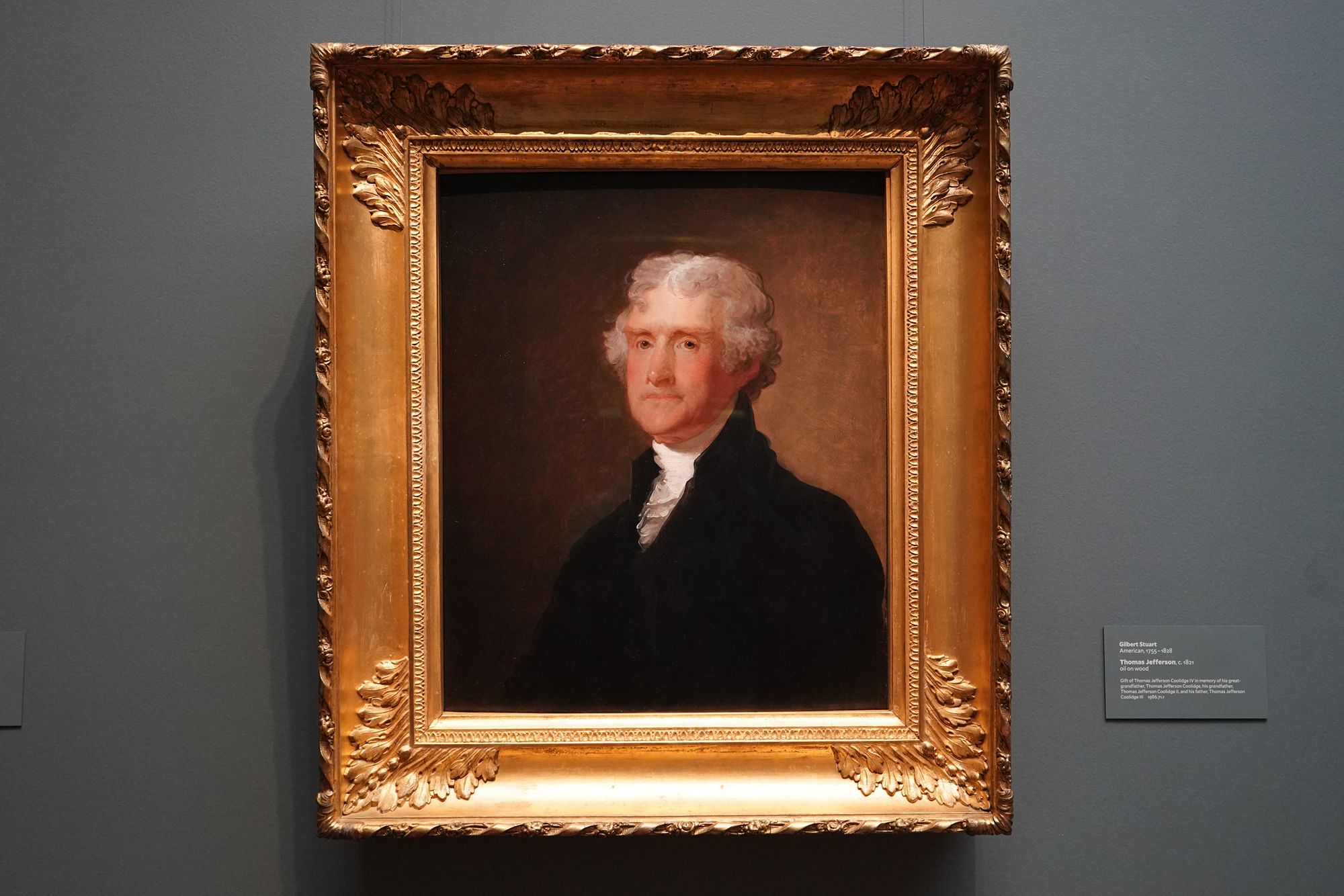
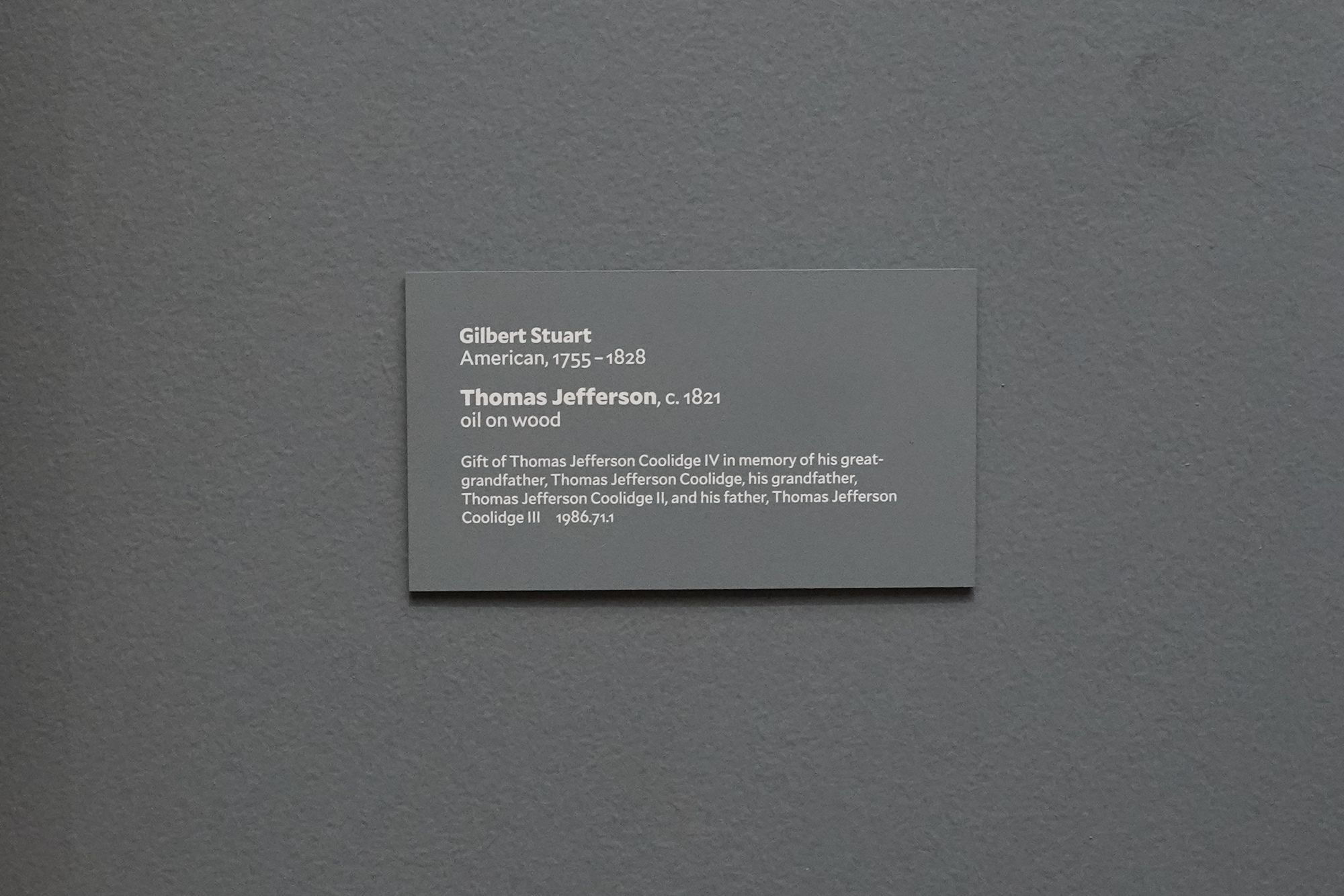
Early American art focused on portraiture and history painting, expressing the new nation’s character. Gilbert Stuart painted iconic images of George Washington, including the famous Lansdowne Portrait.
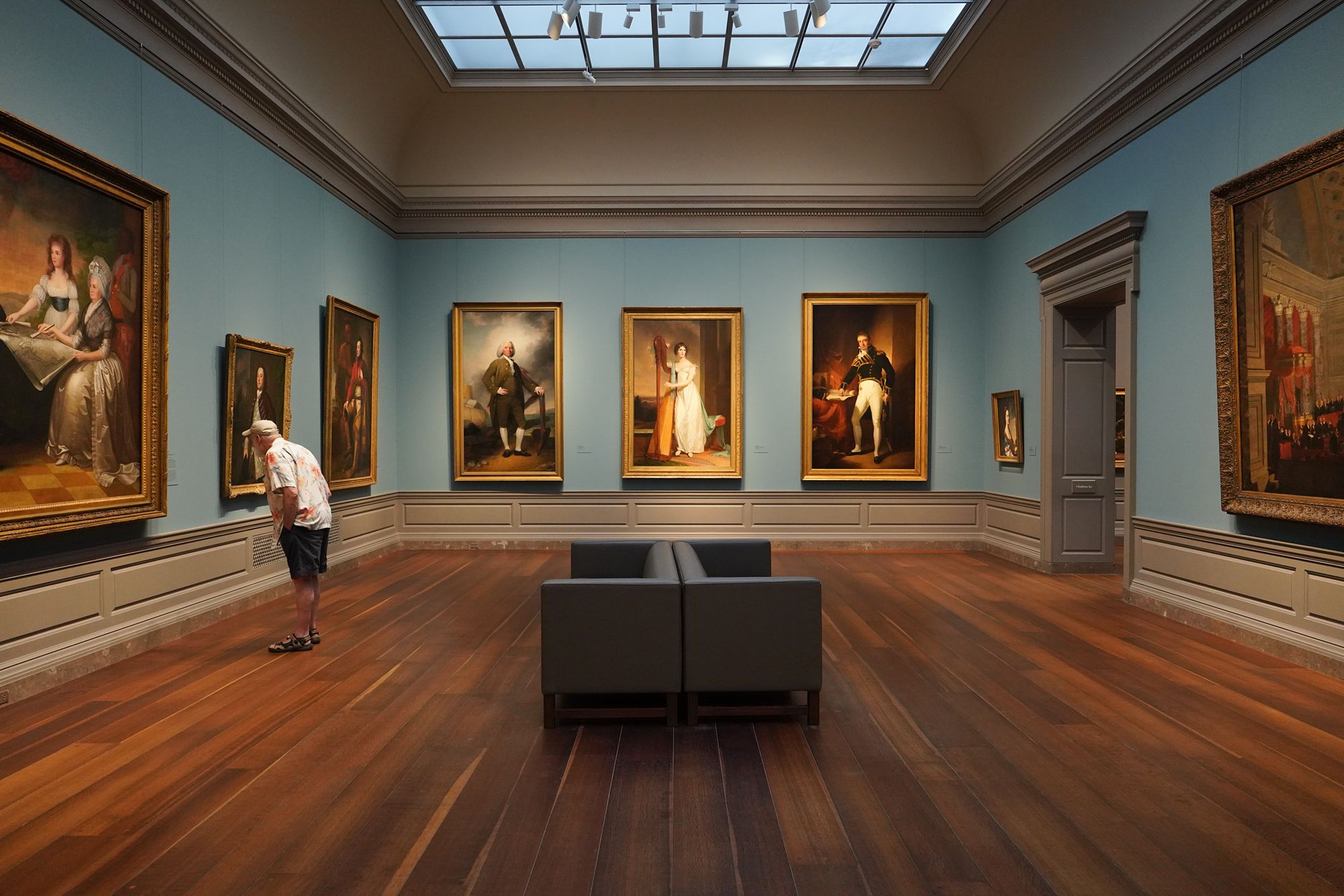
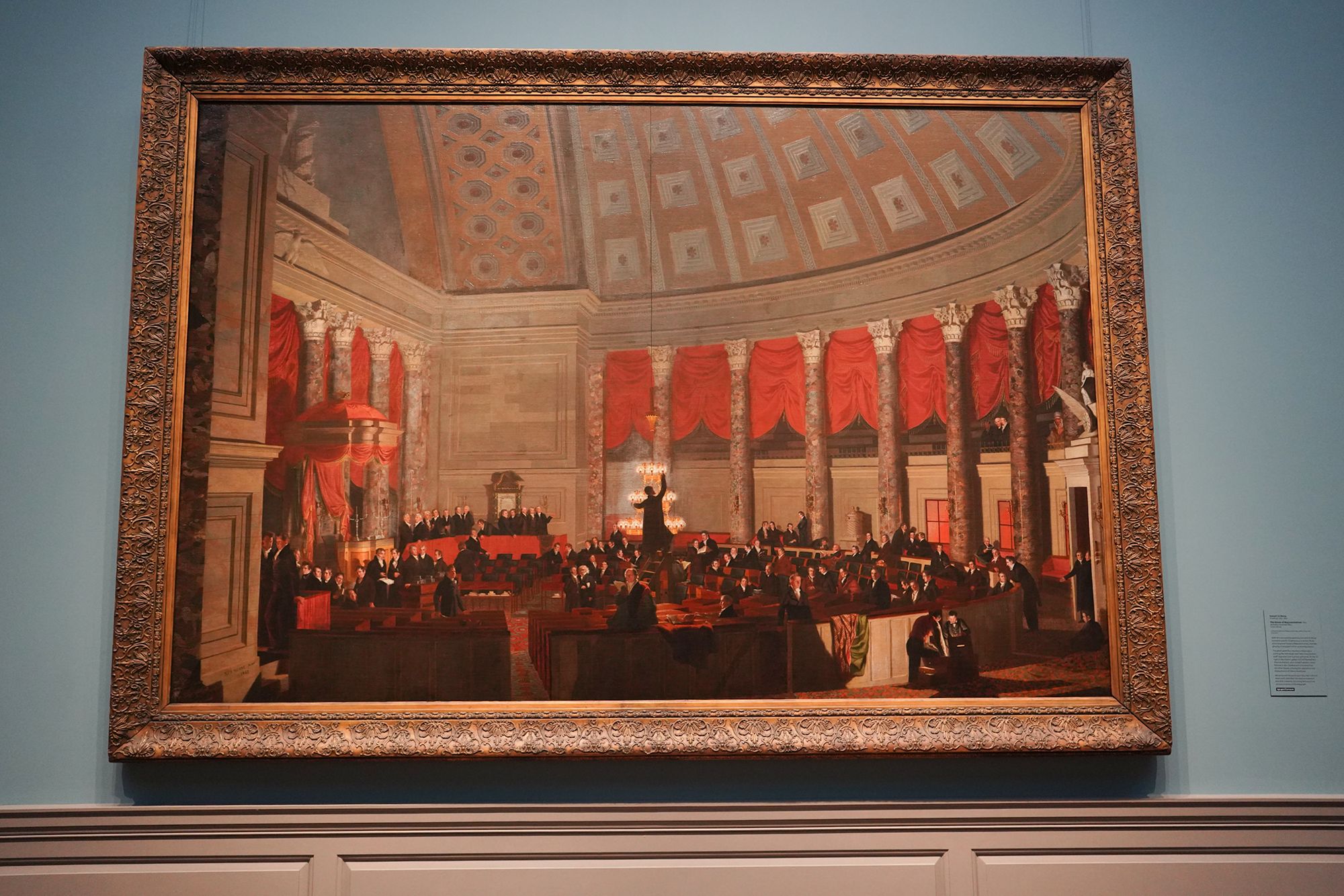
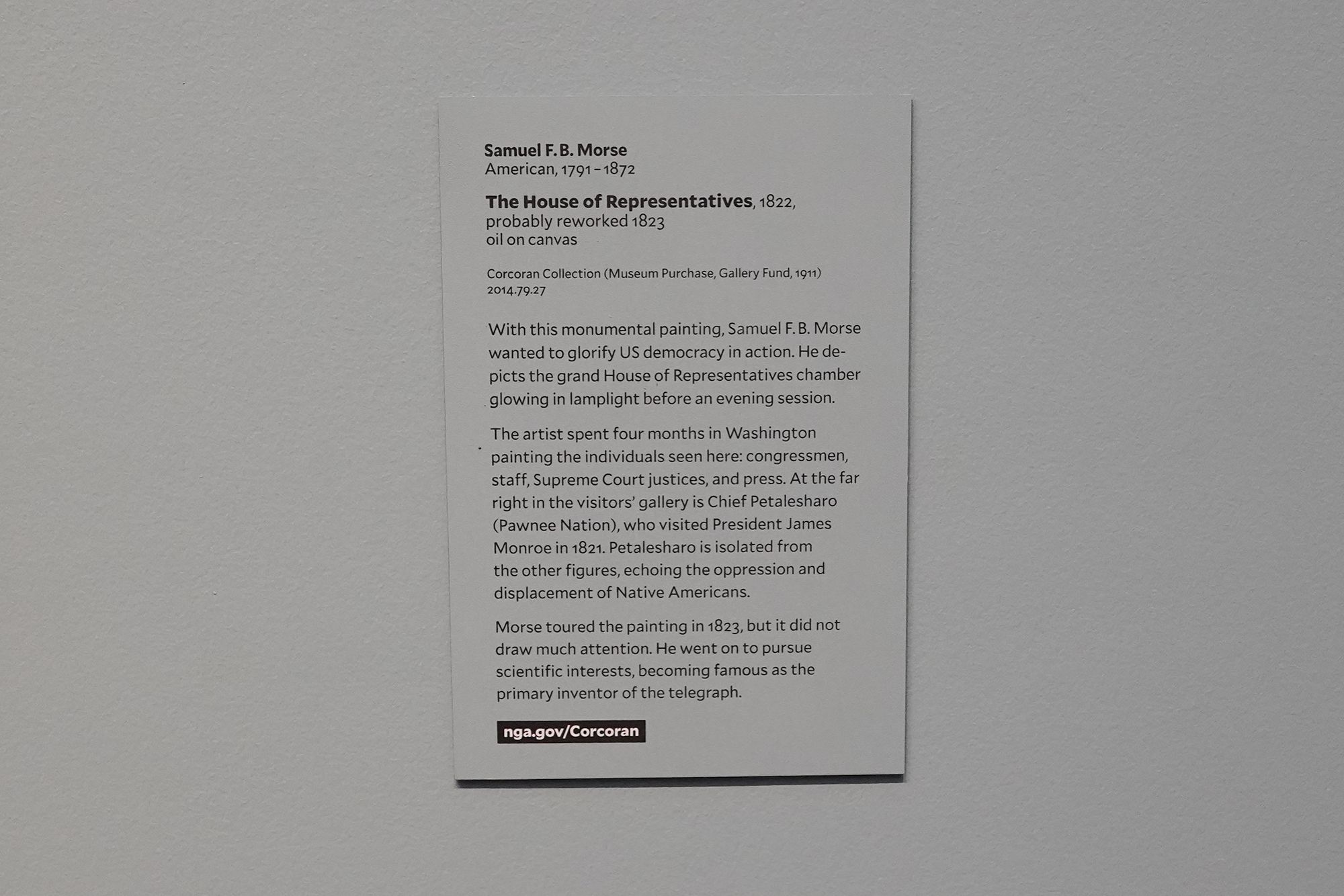
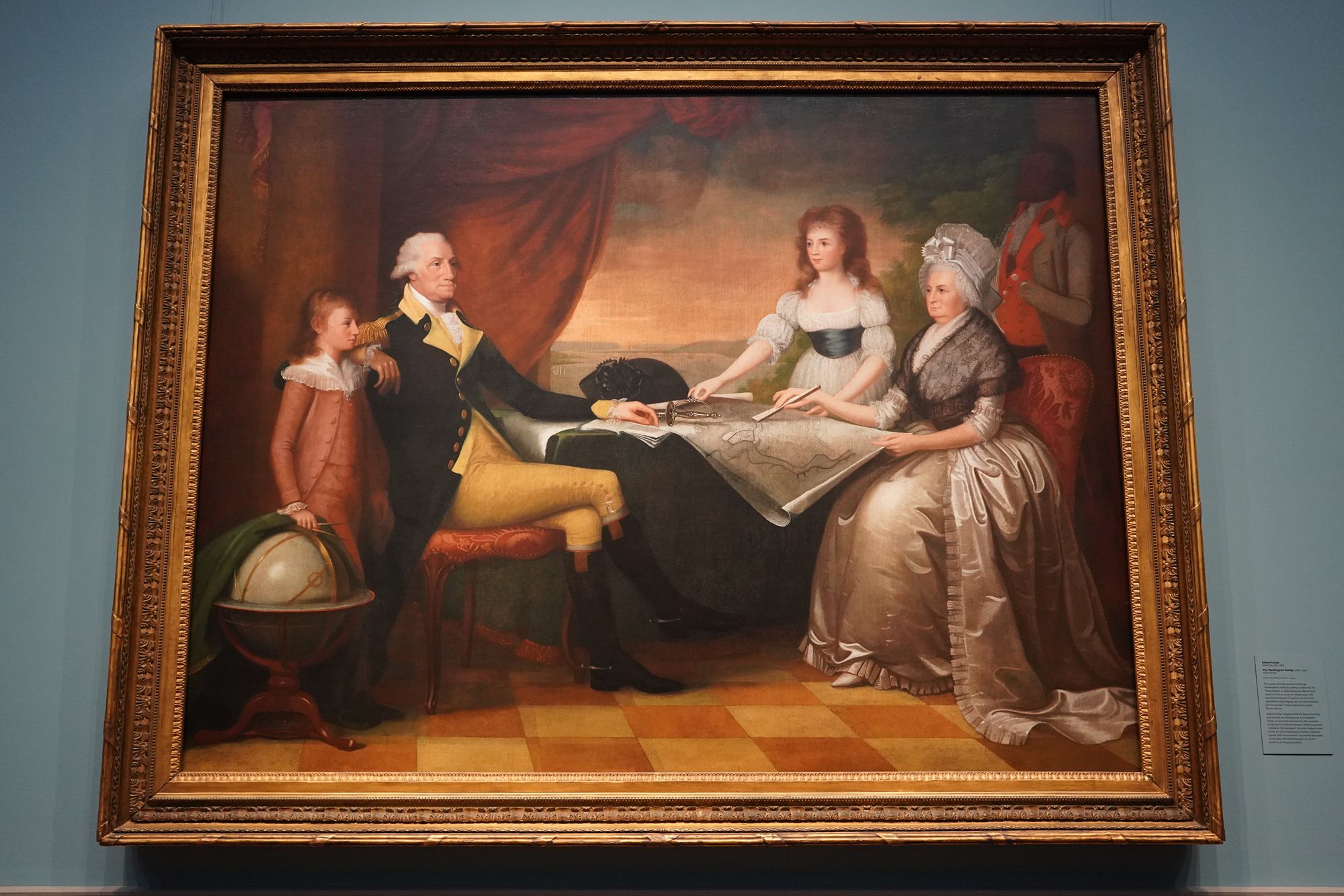
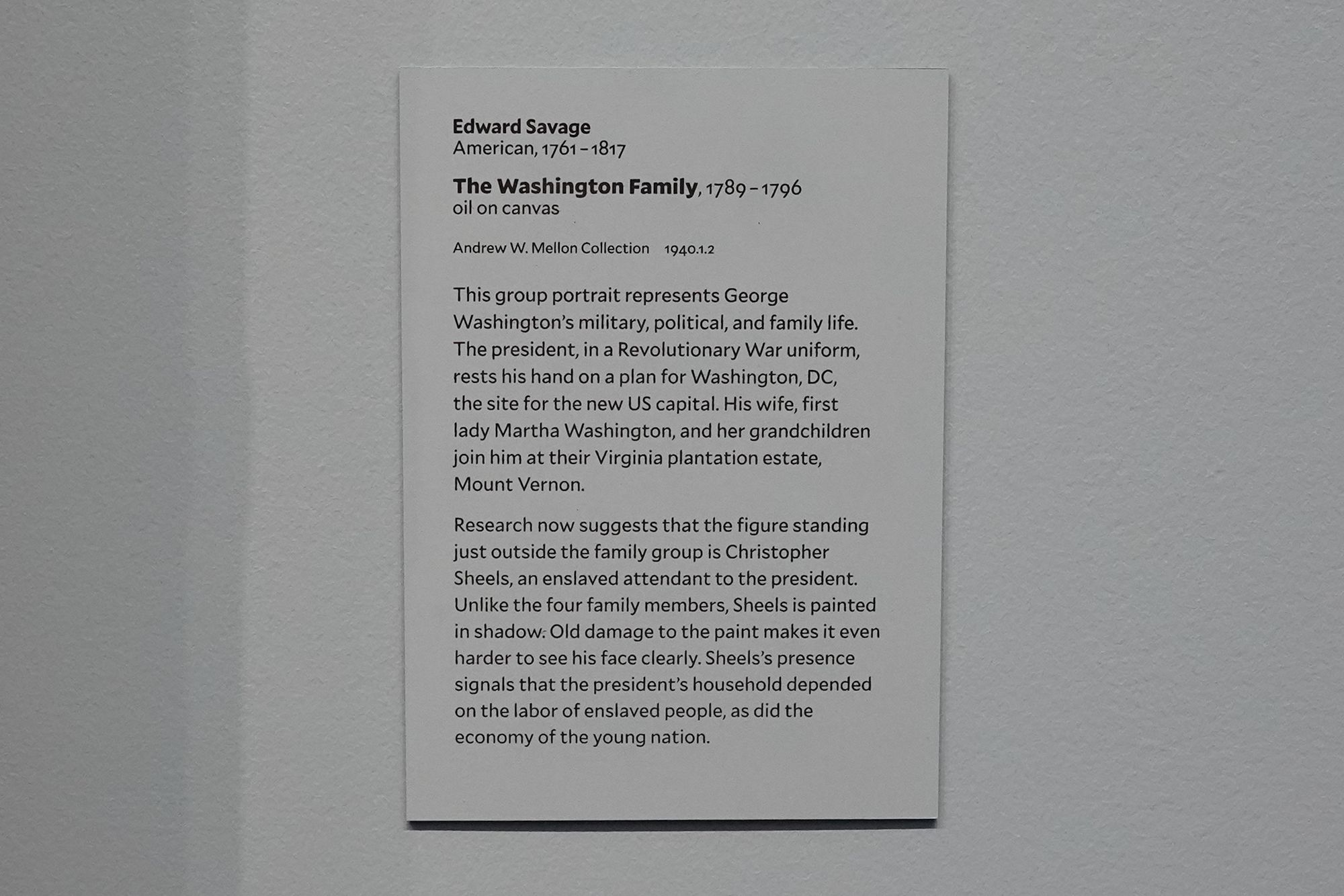
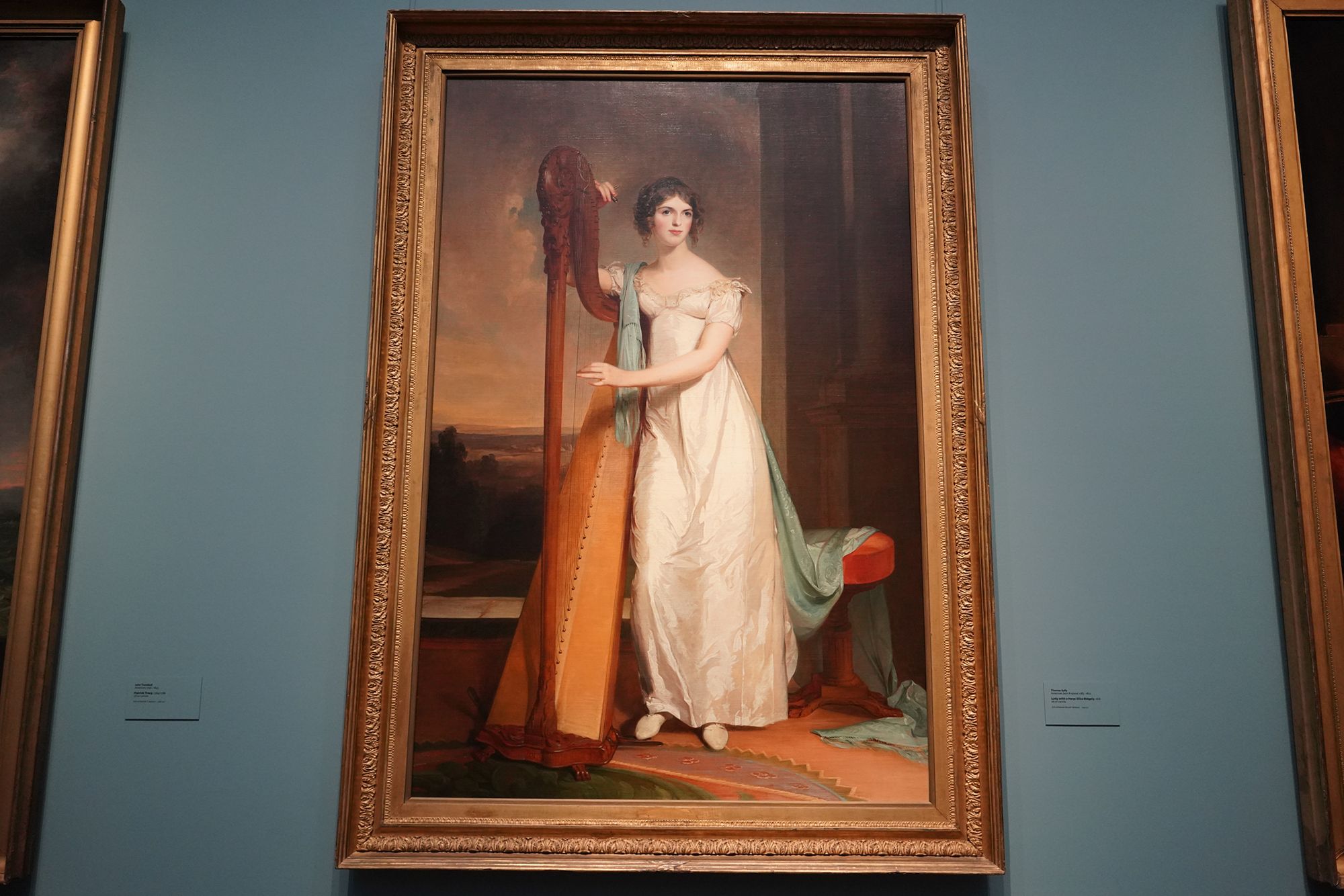
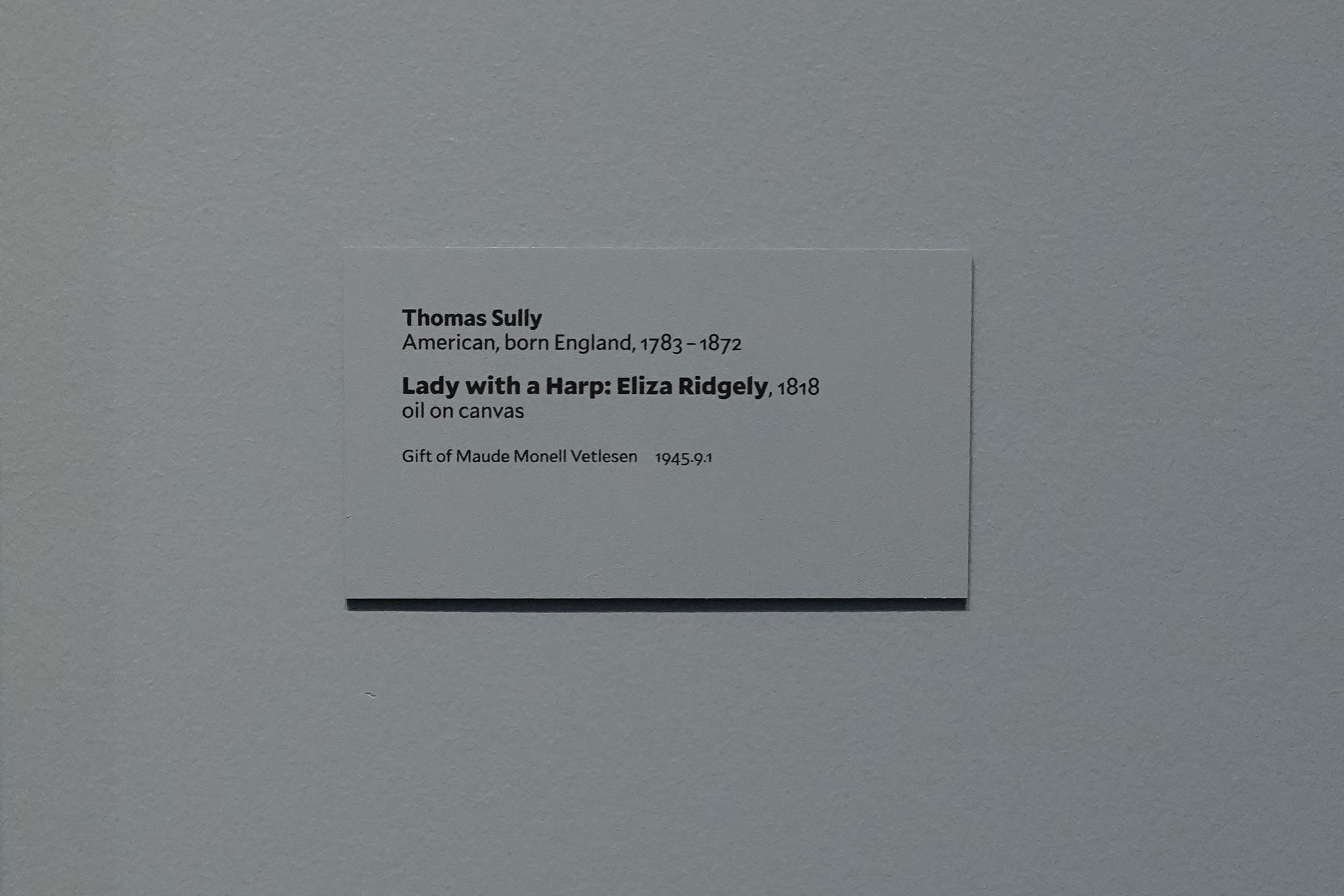
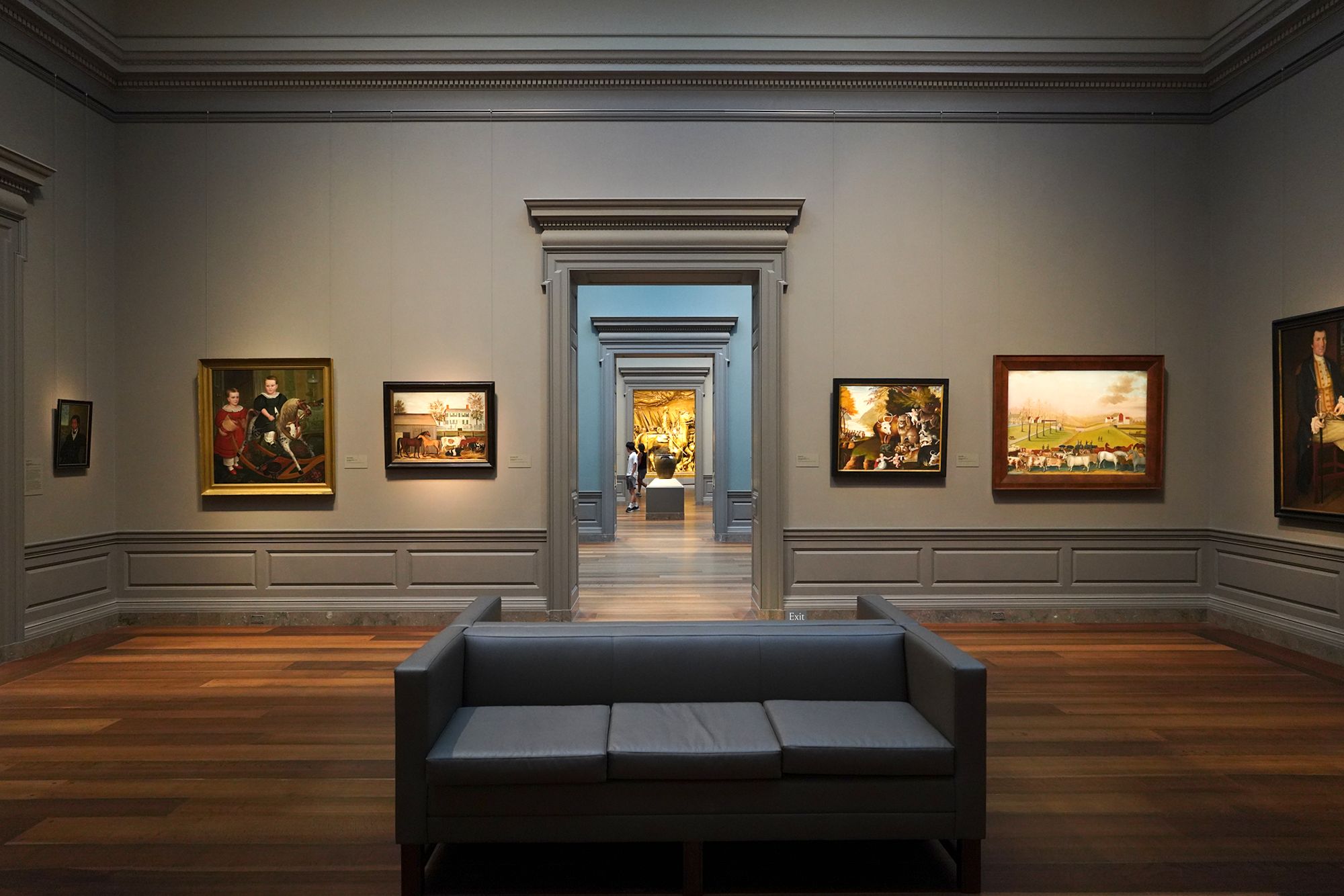
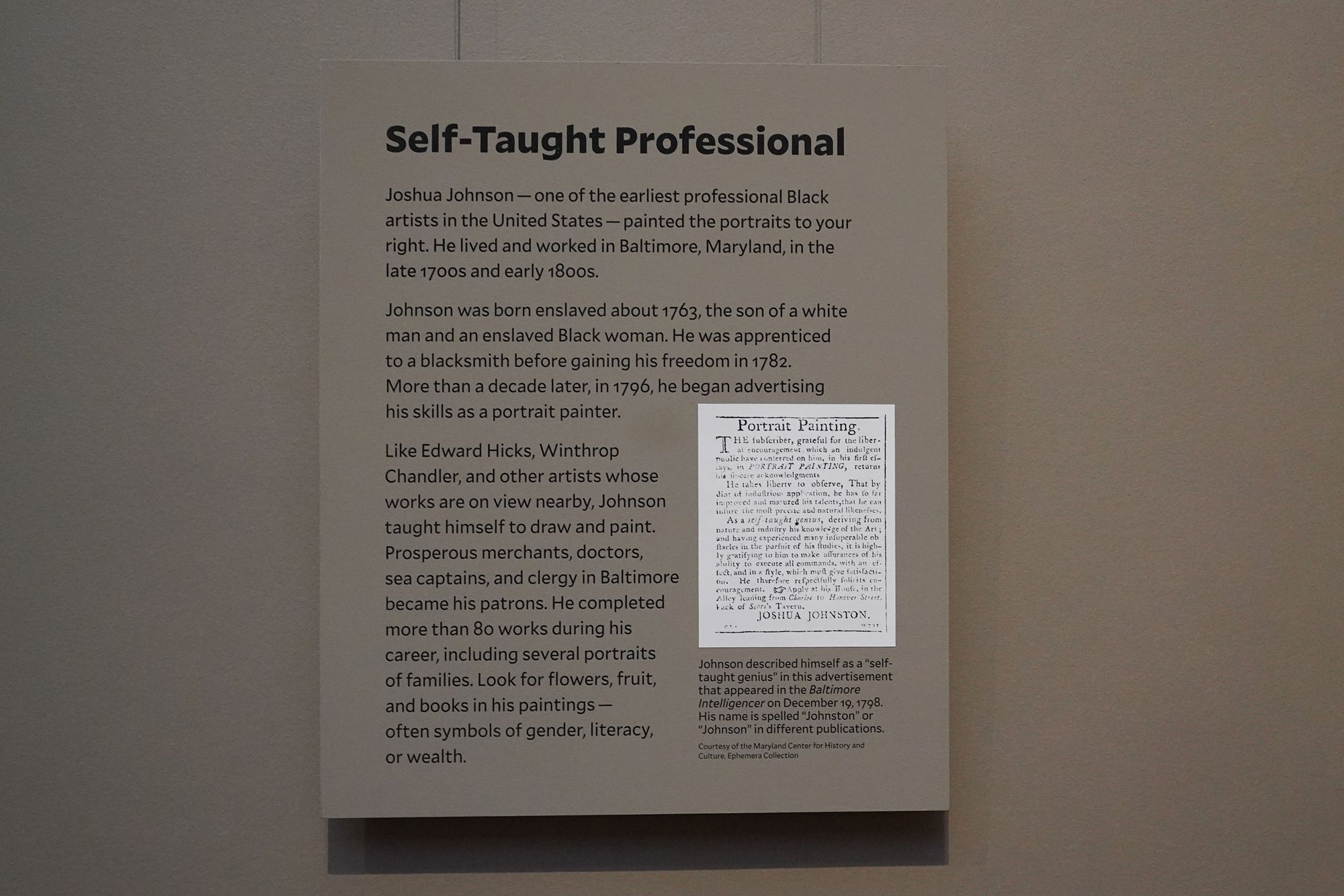
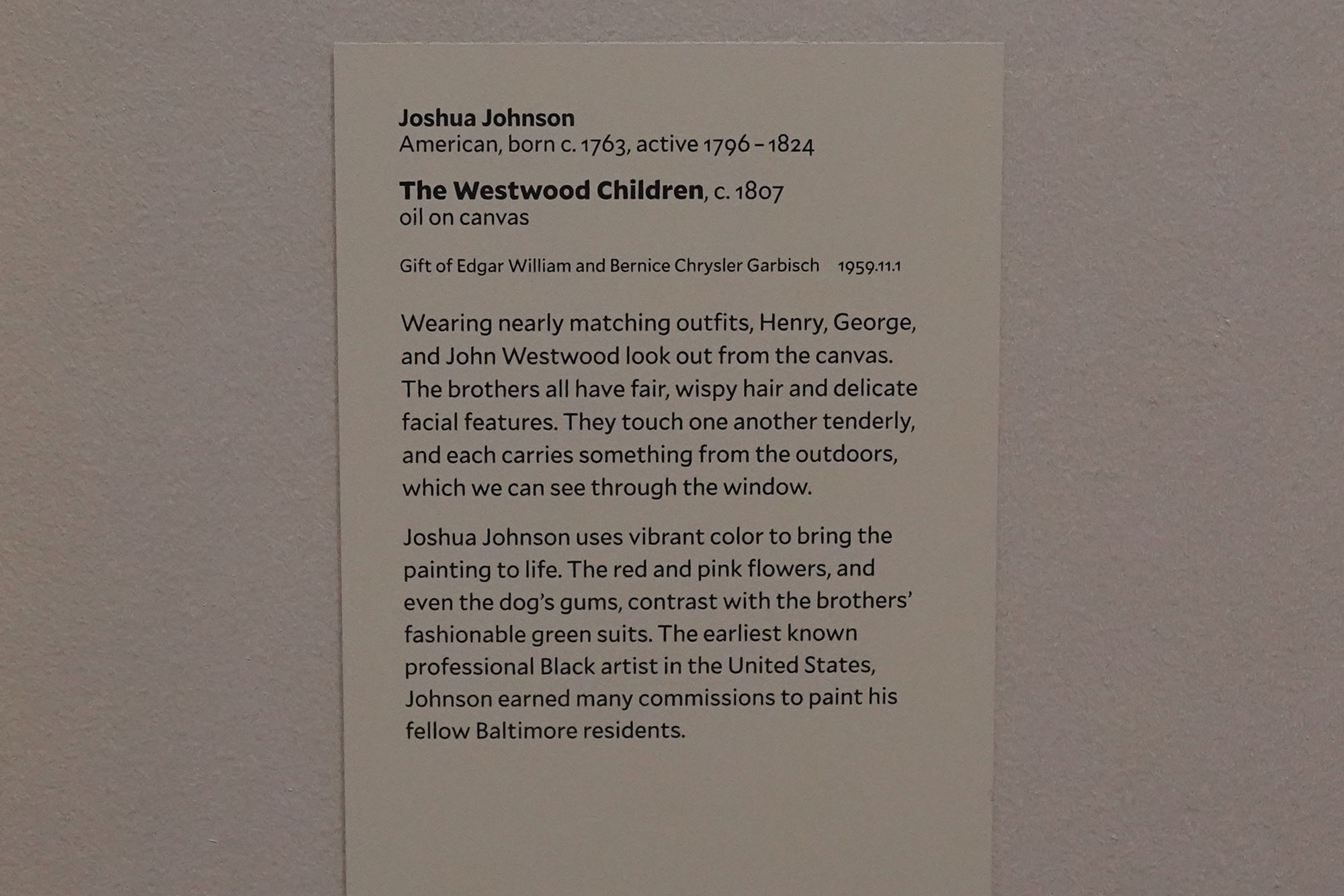
Joshua Johnson (c. 1763–1824) was one of the first known African American professional painters in the United States. Active in Baltimore during the late 18th and early 19th centuries, he specialized in portraits of the city’s middle class — merchants, craftsmen, and their families.
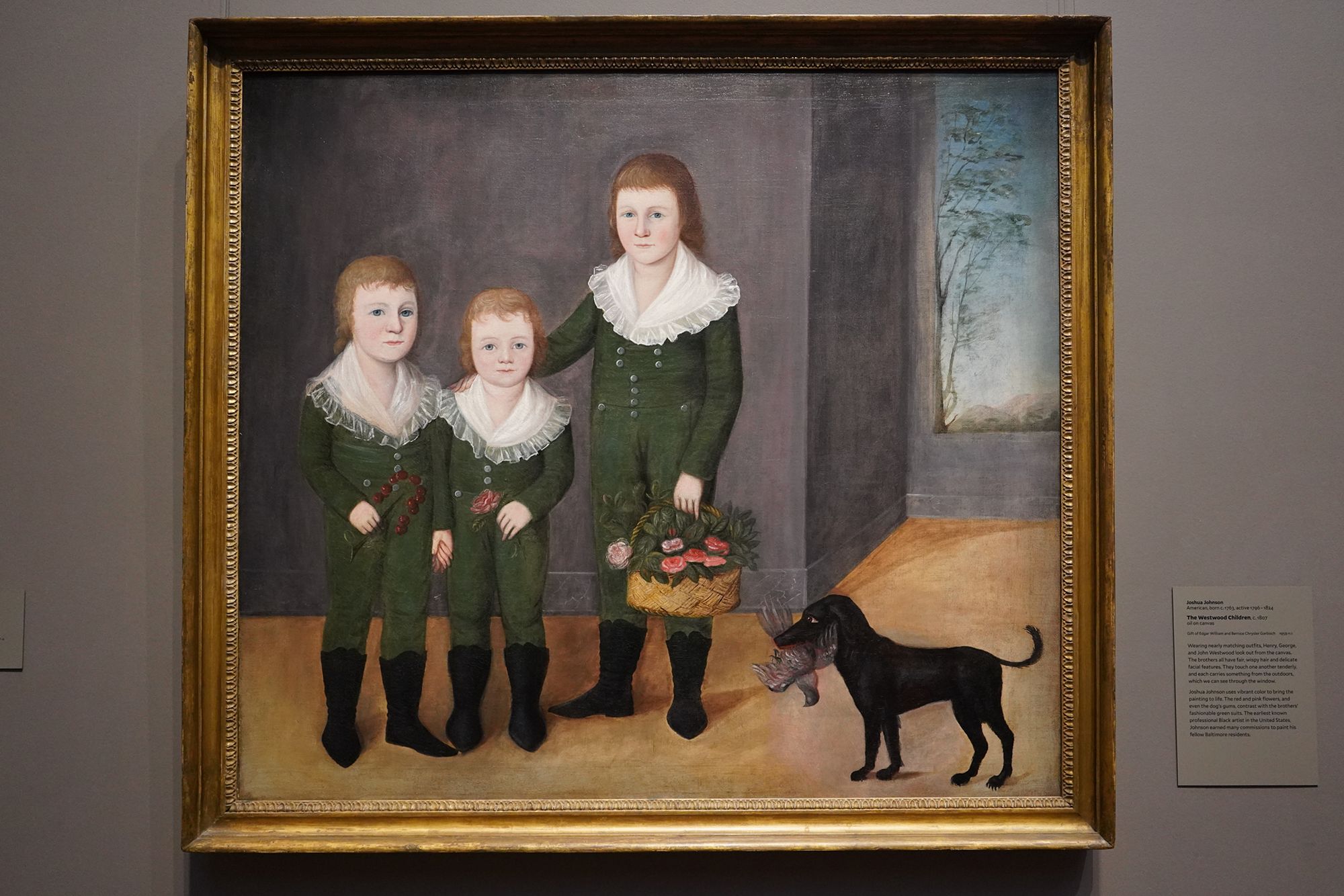
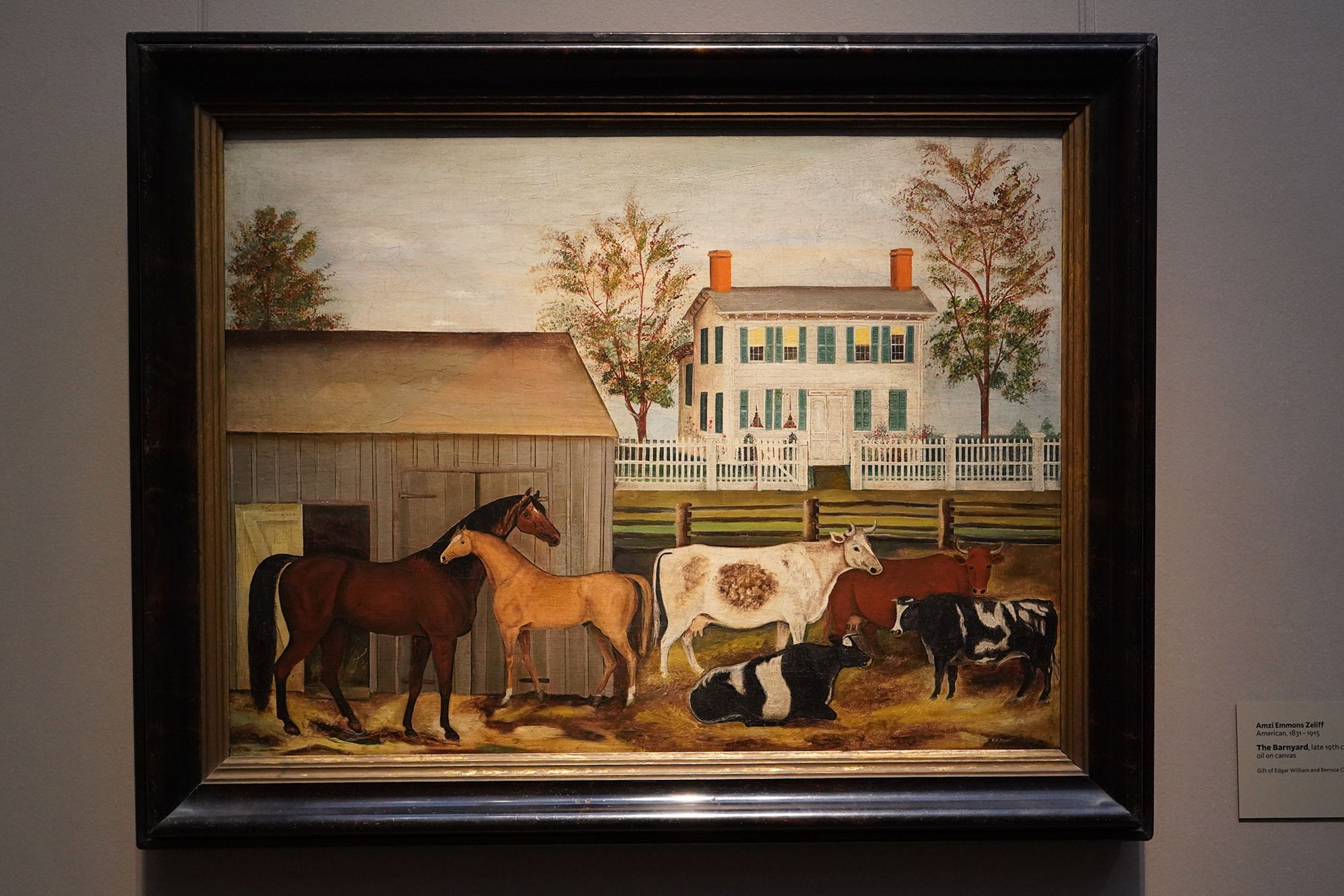
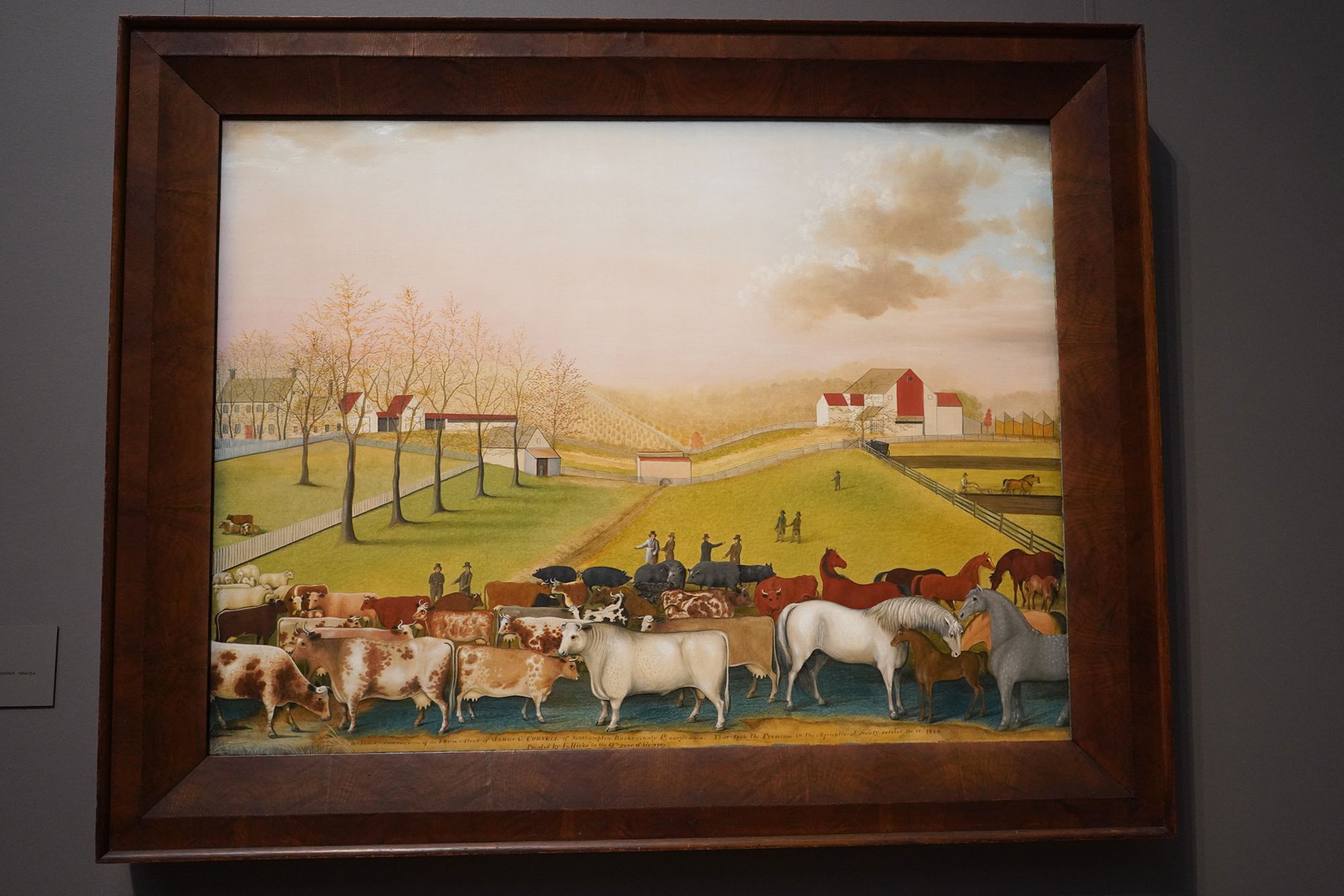
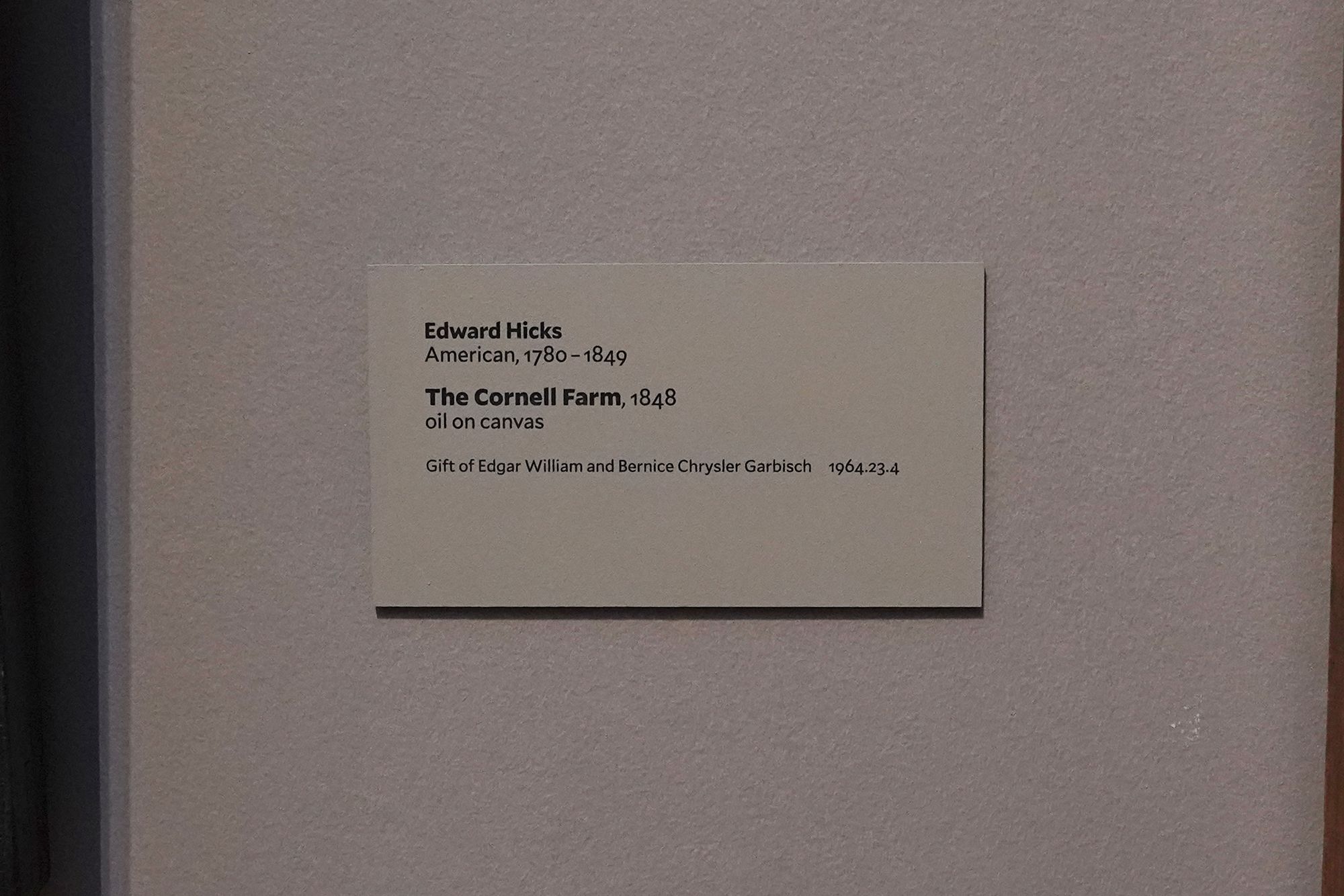
Edward Hicks (1780–1849) was an American folk painter and Quaker minister best known for his series The Peaceable Kingdom. He lived in Pennsylvania and combined his deep religious faith with his art, creating paintings that expressed moral and spiritual ideals rather than technical perfection.
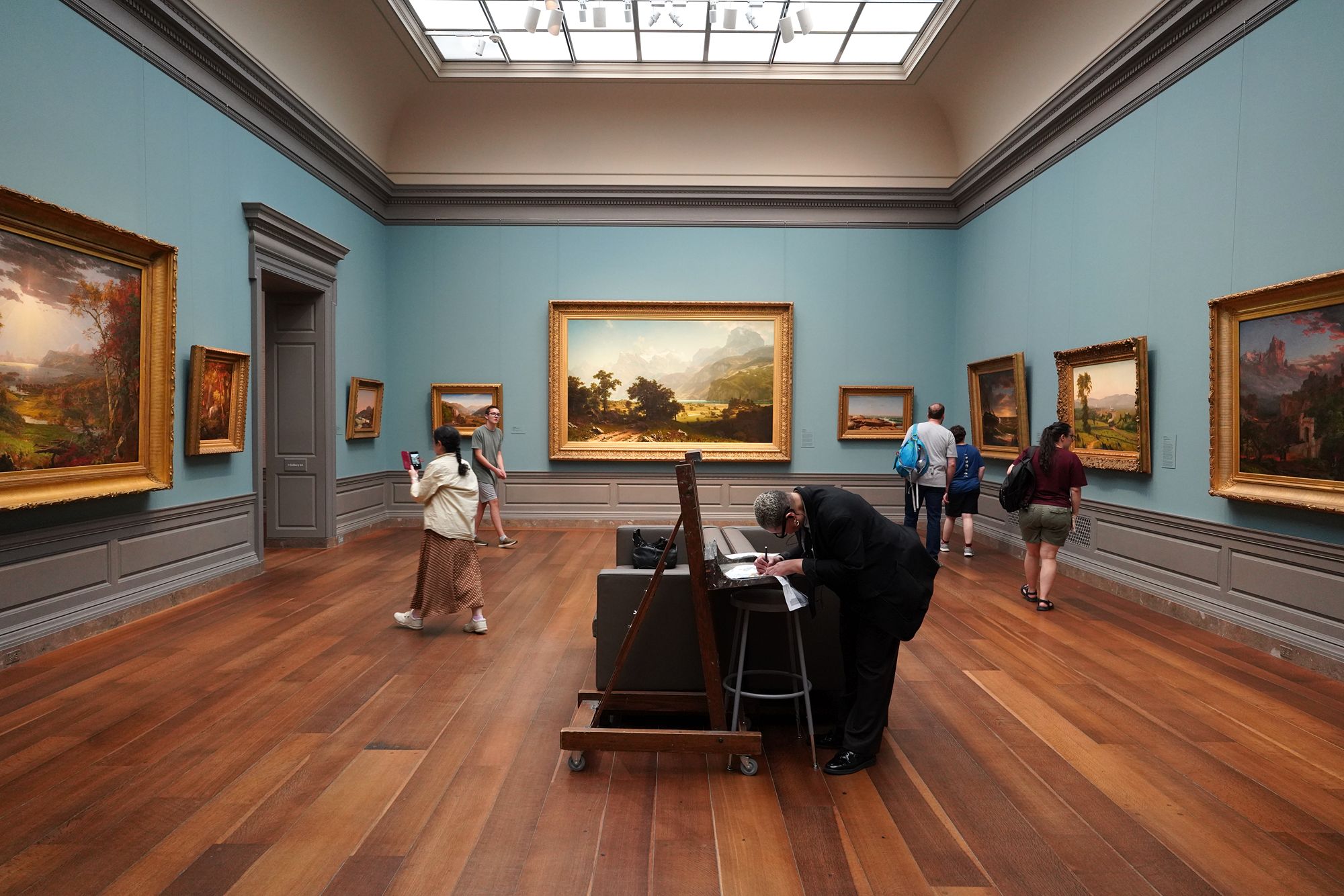
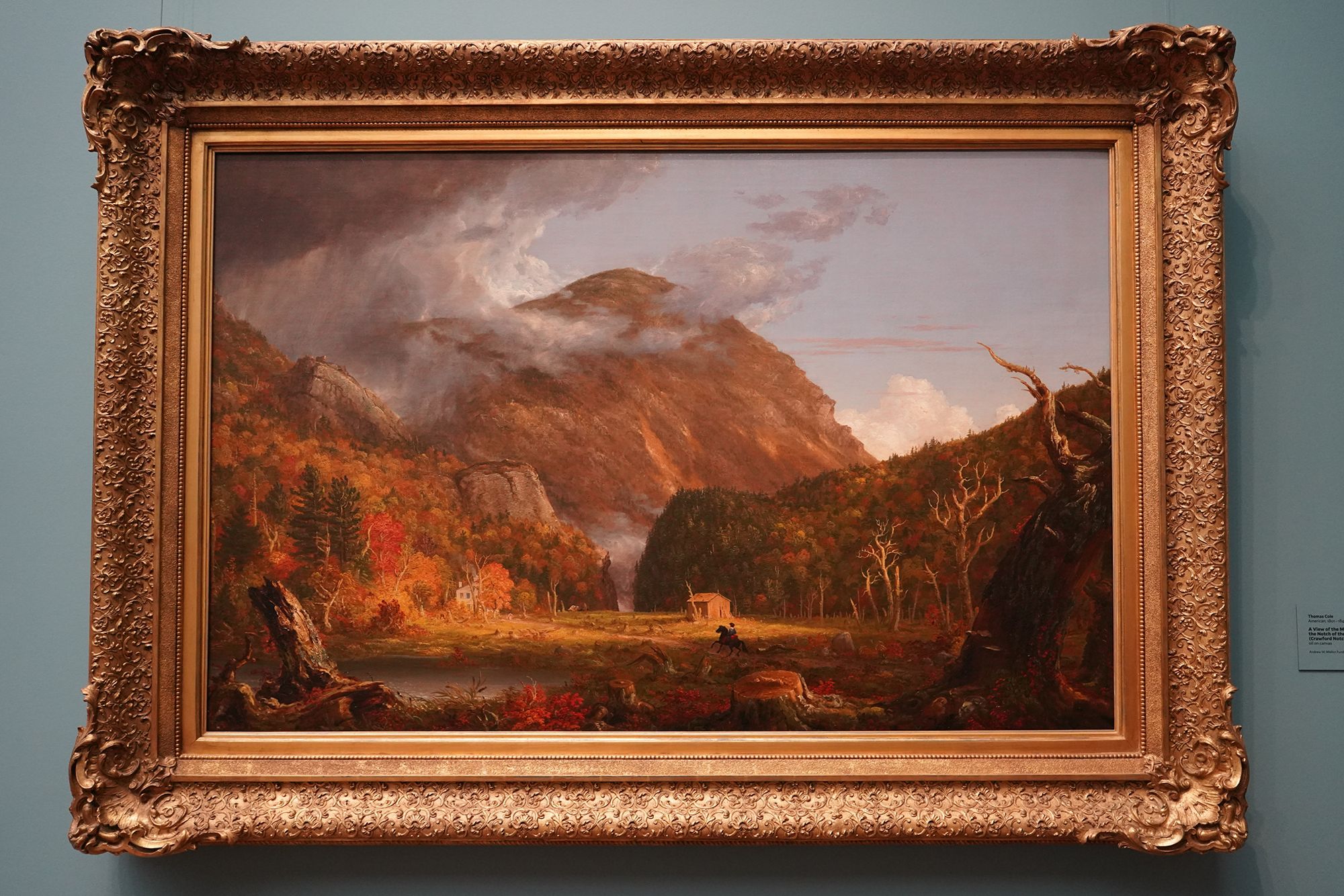
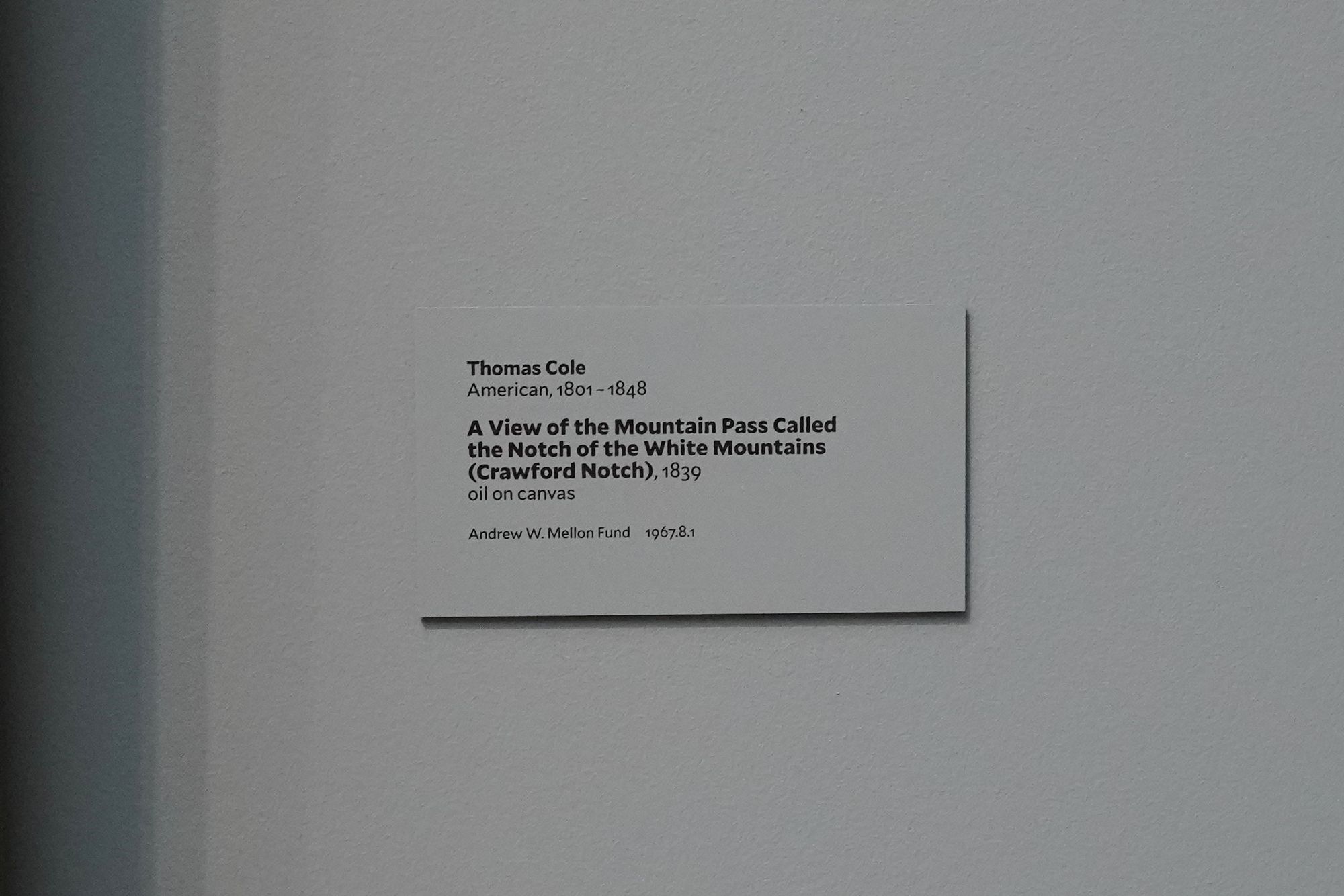
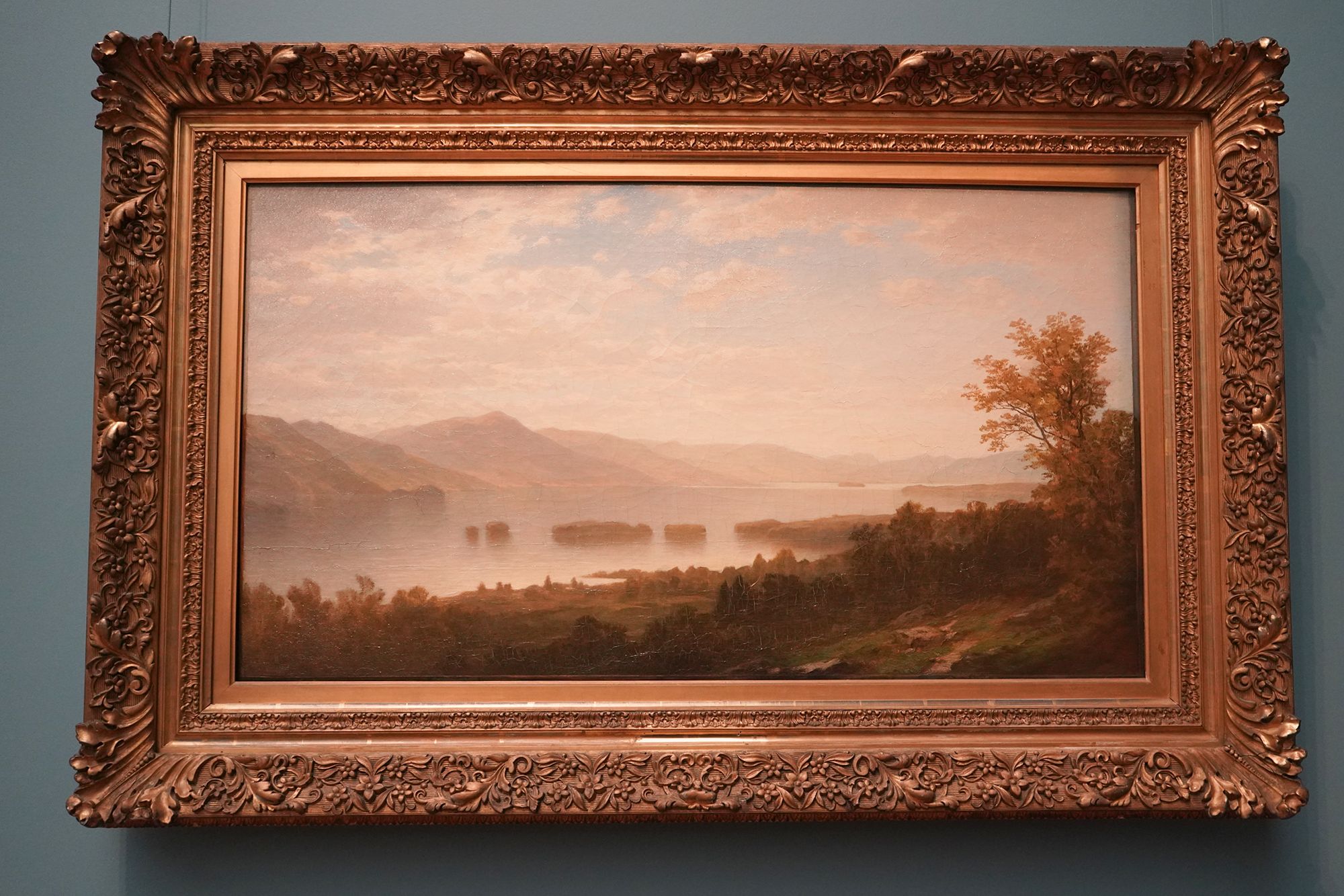
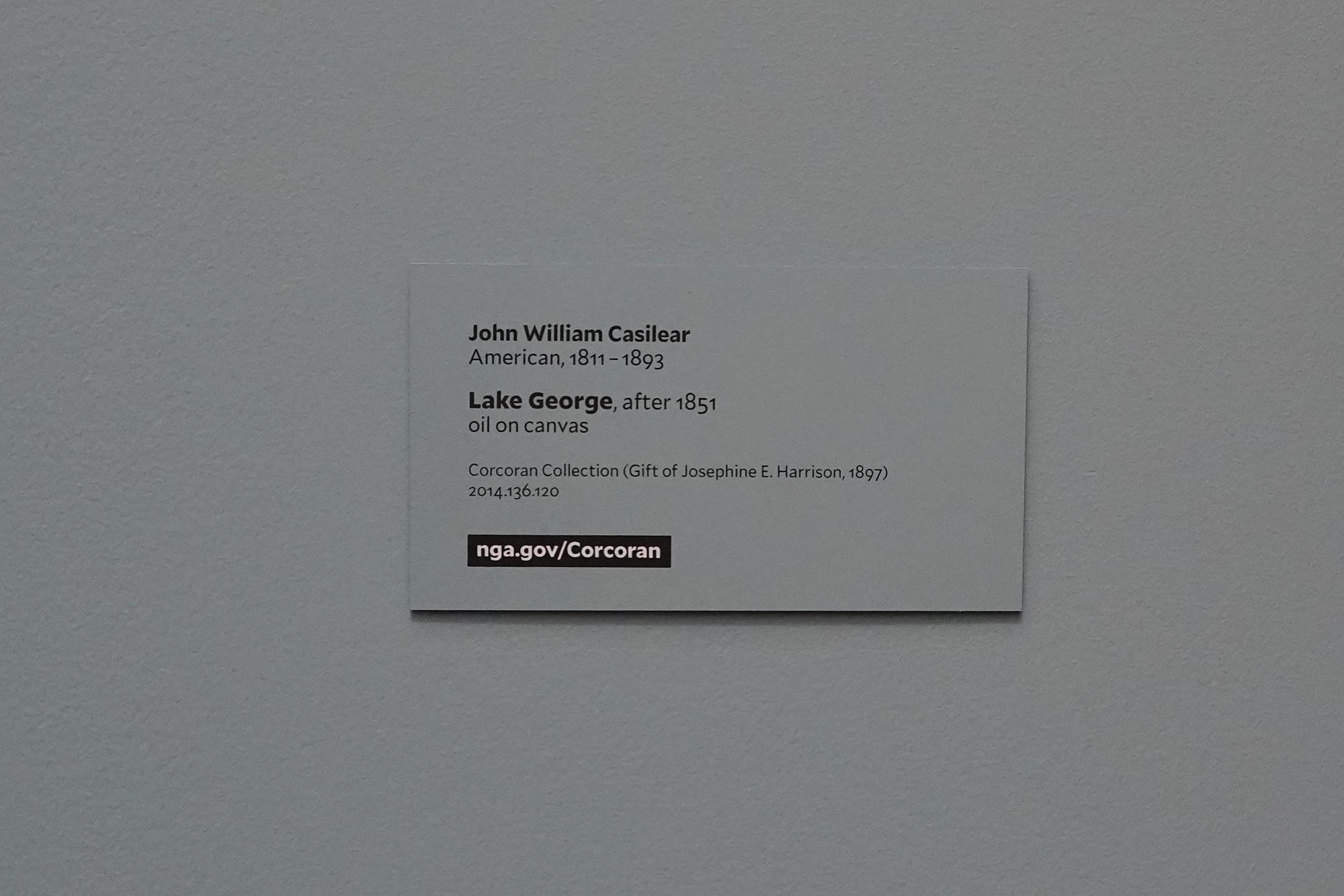
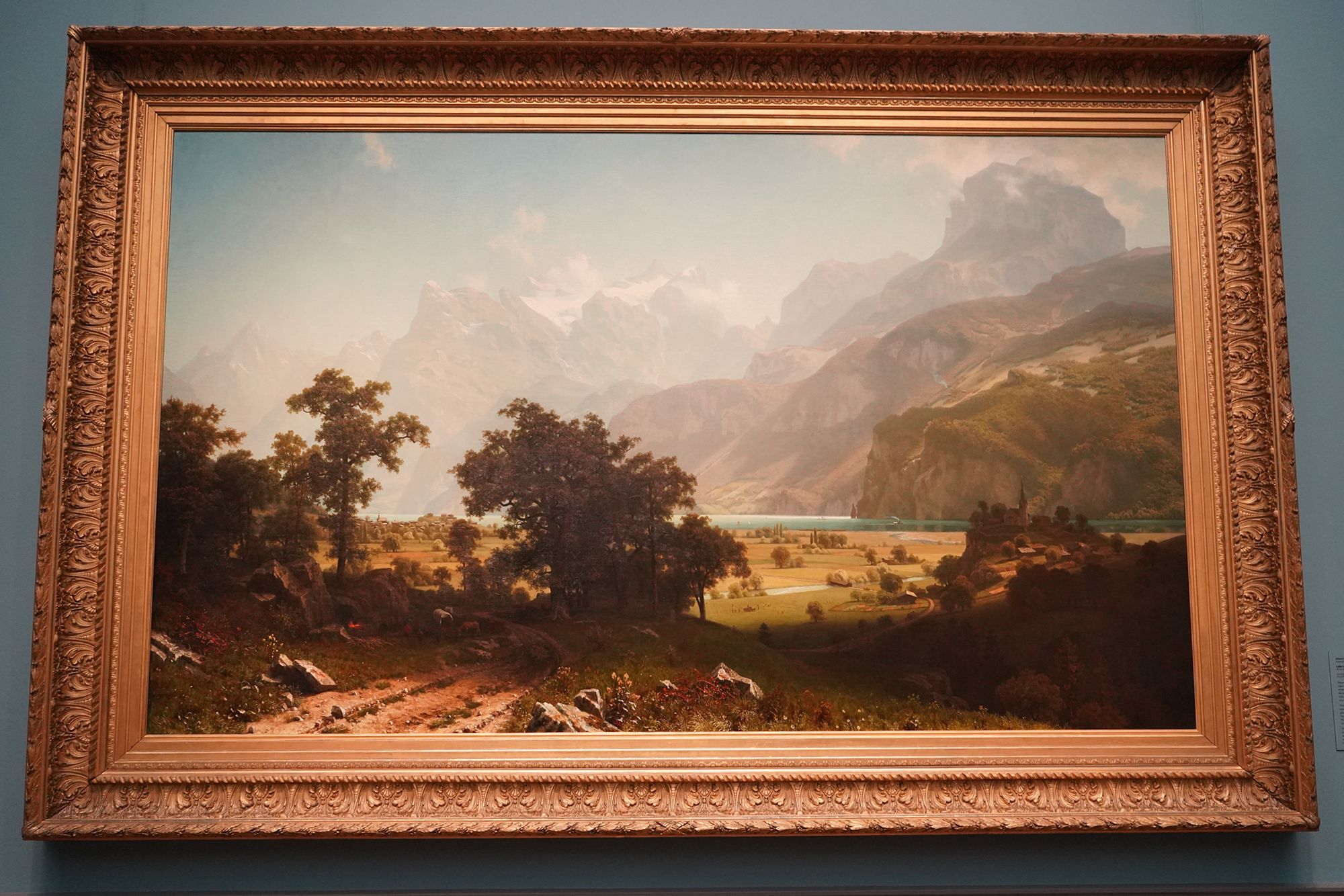
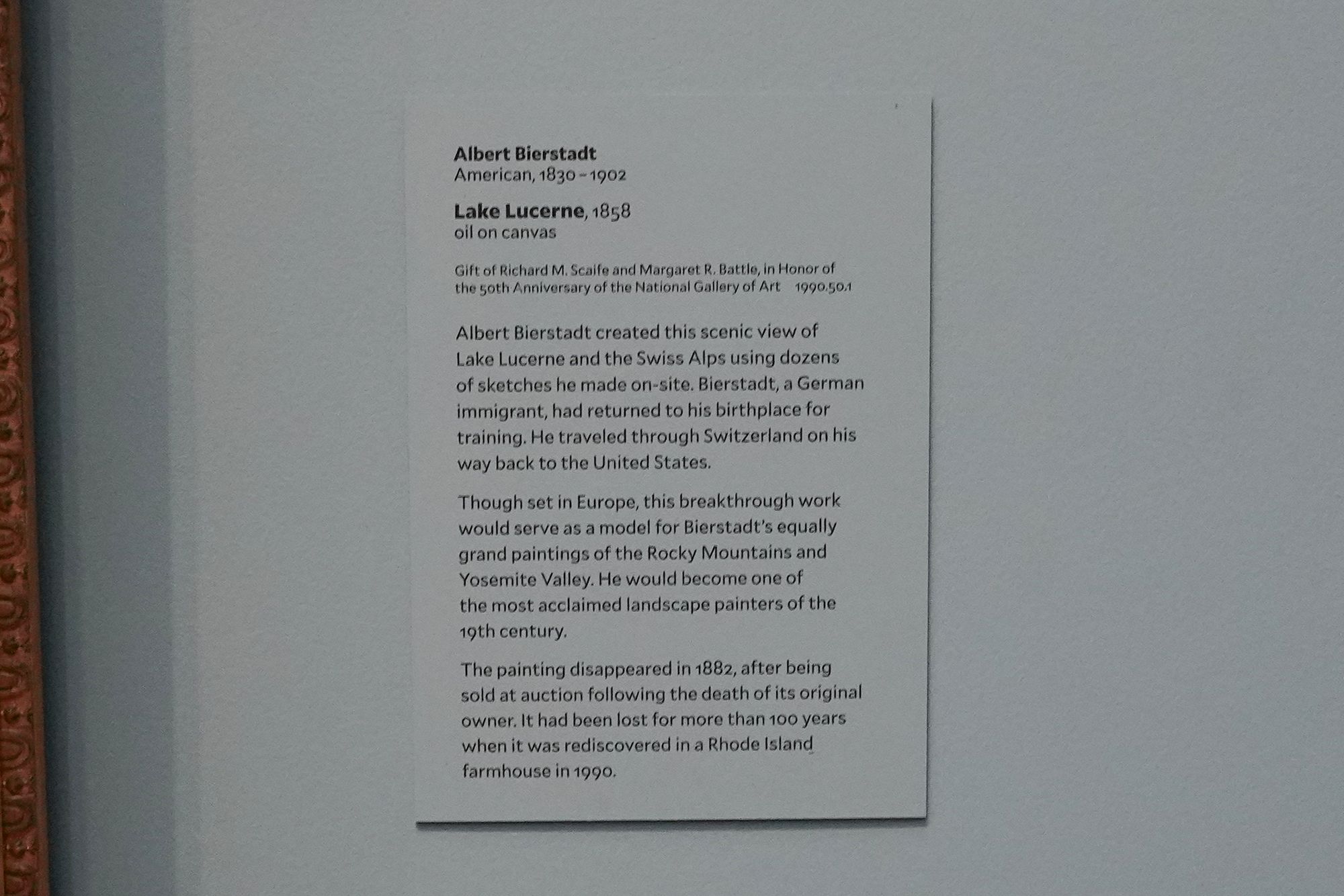
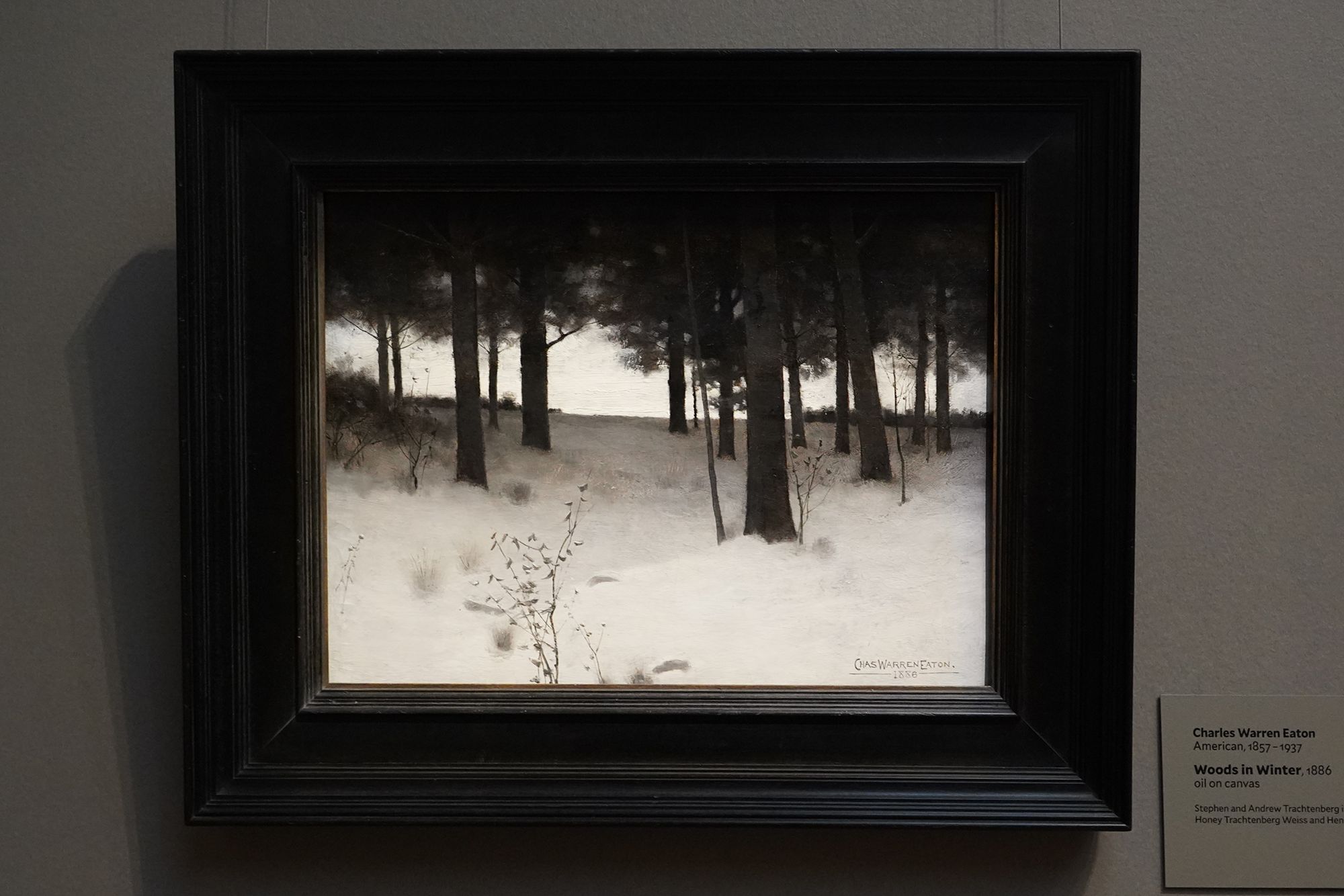
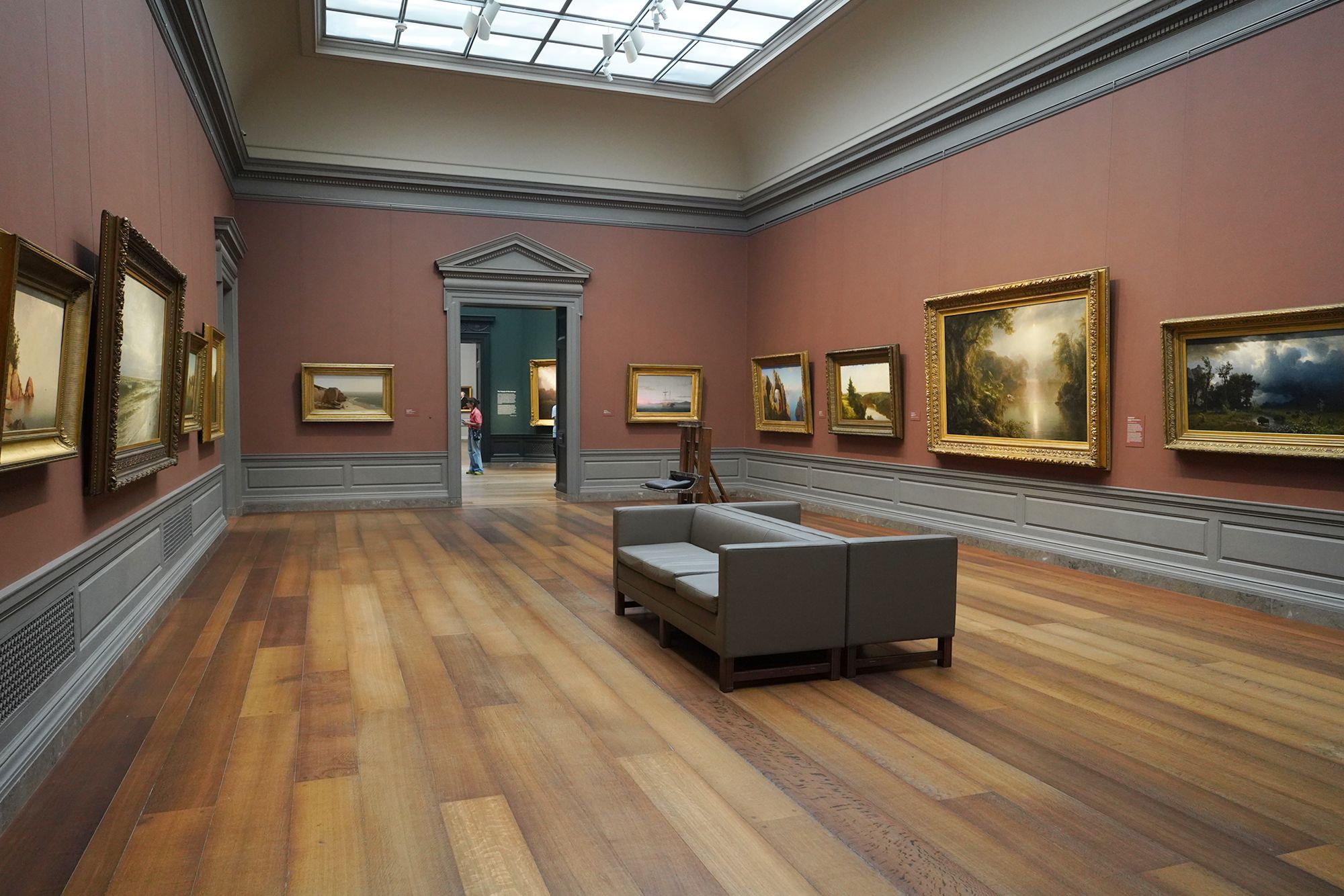
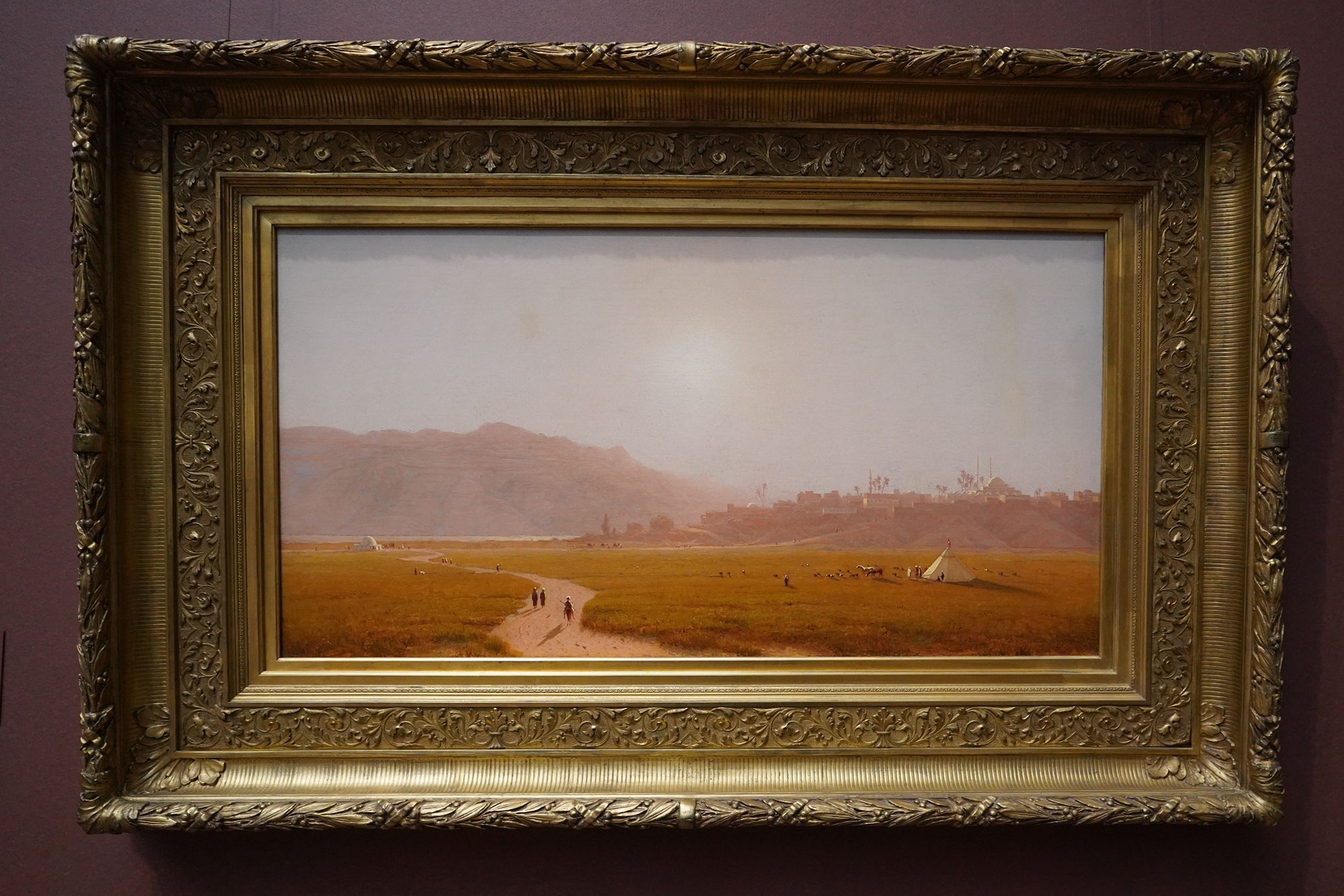
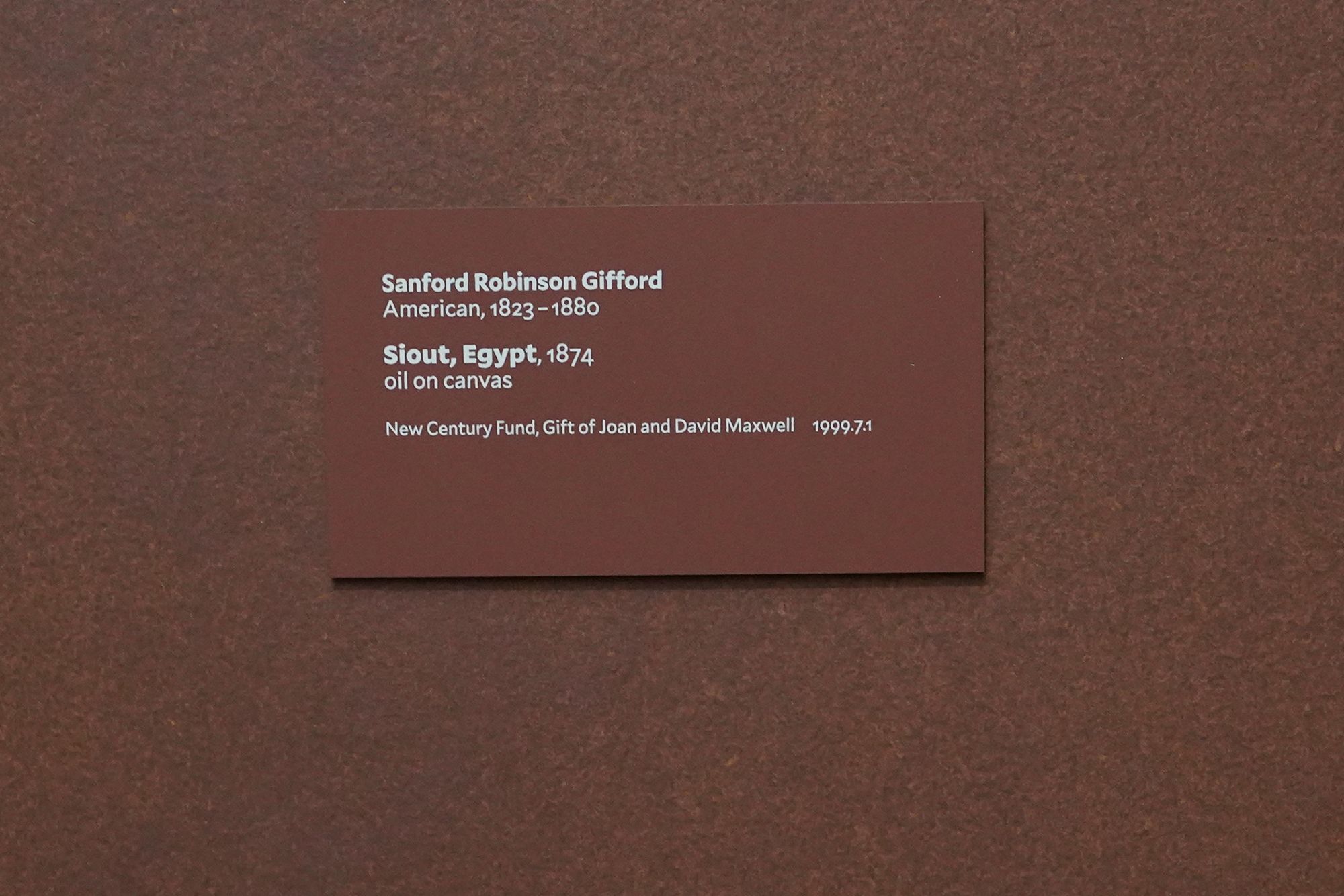
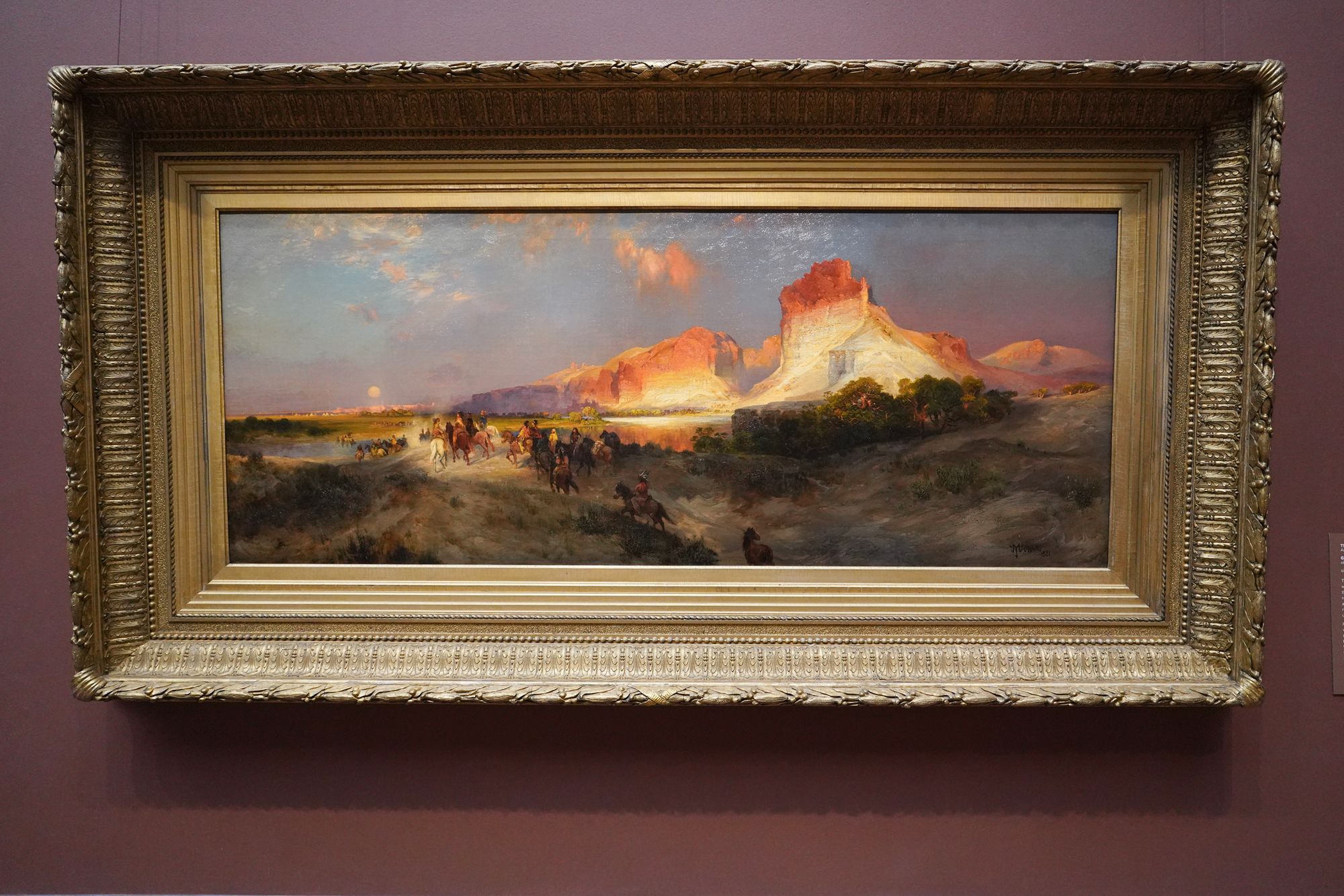
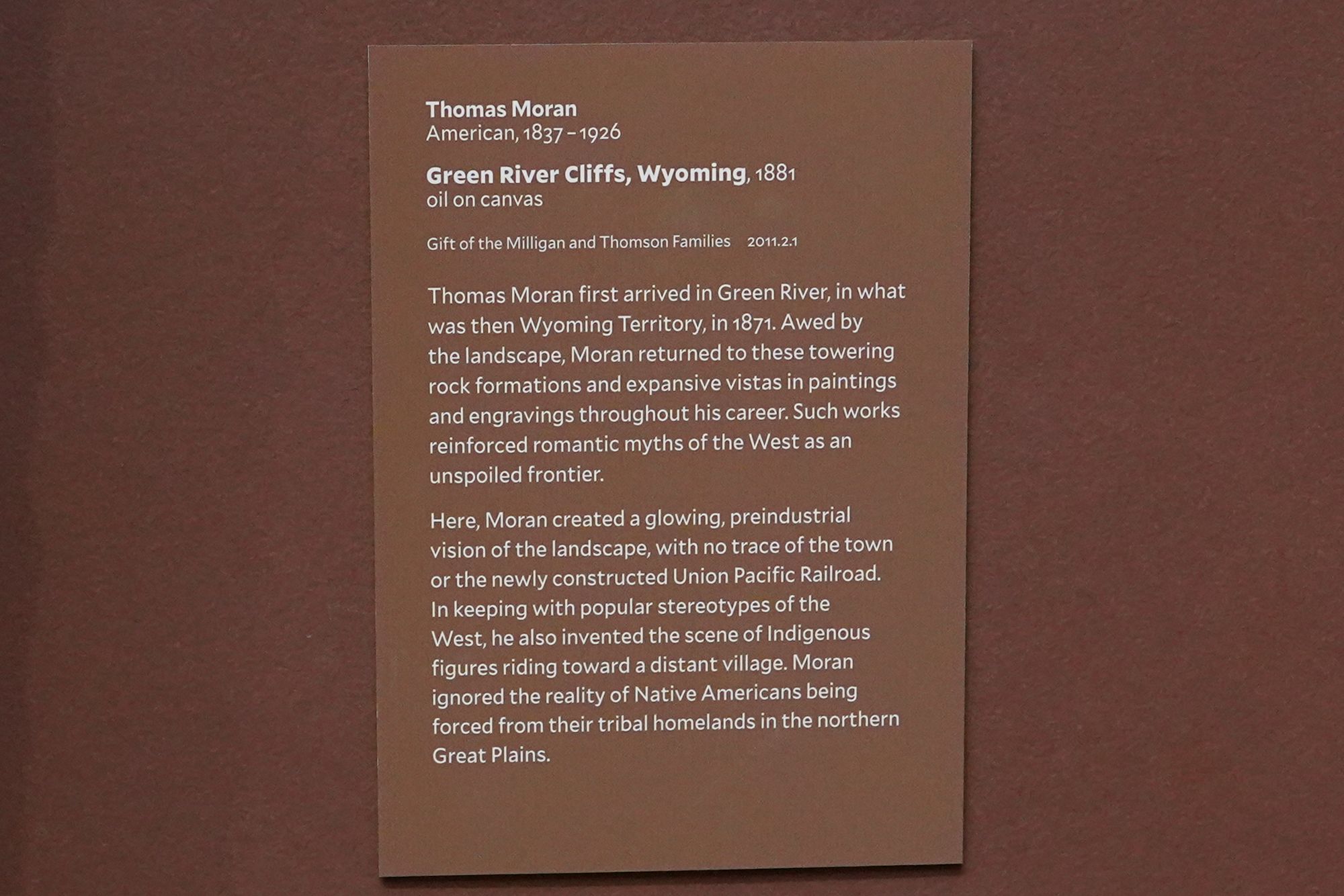
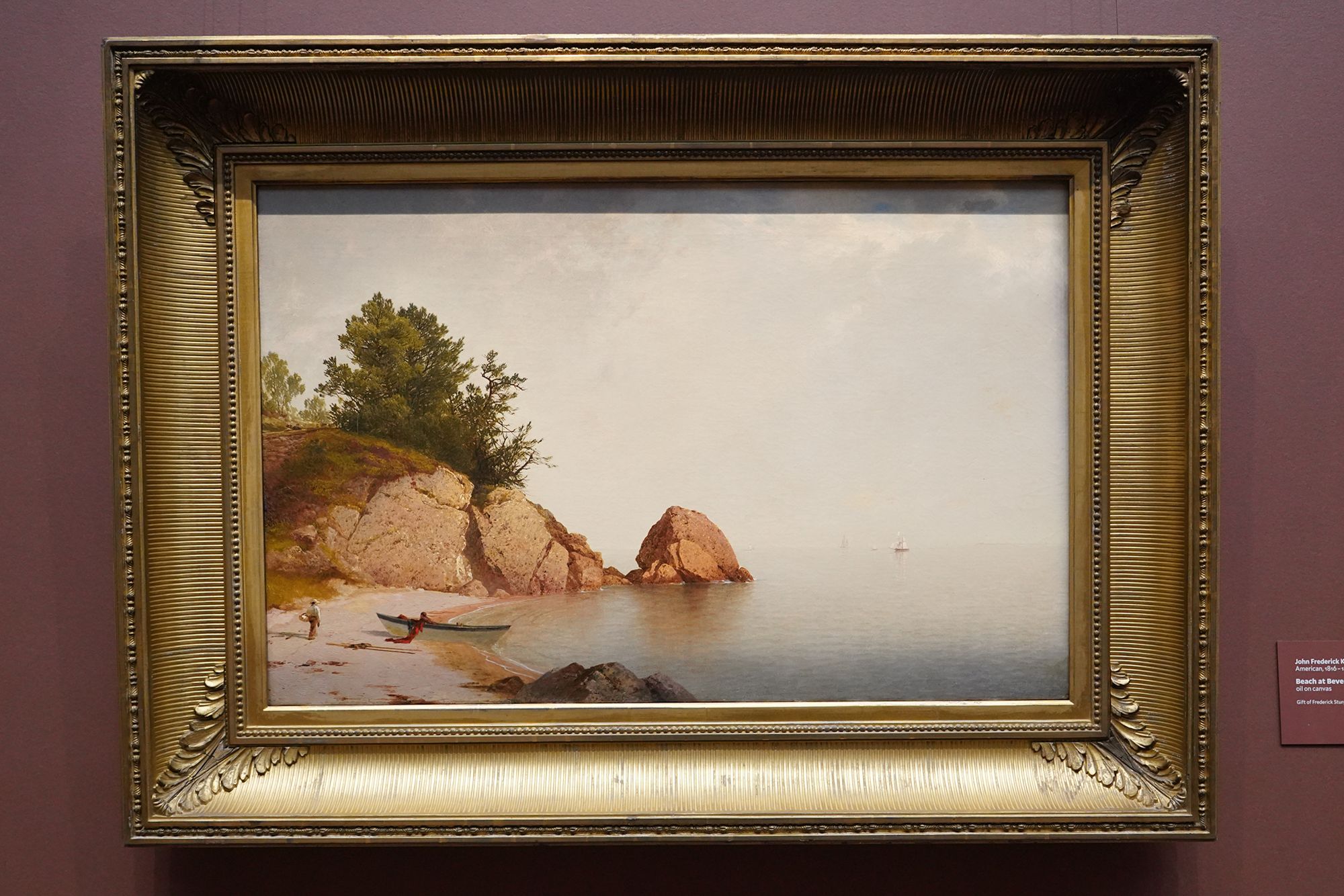
The 19th century brought a powerful love of nature and the idea of divine creation, expressed through landscape painting.
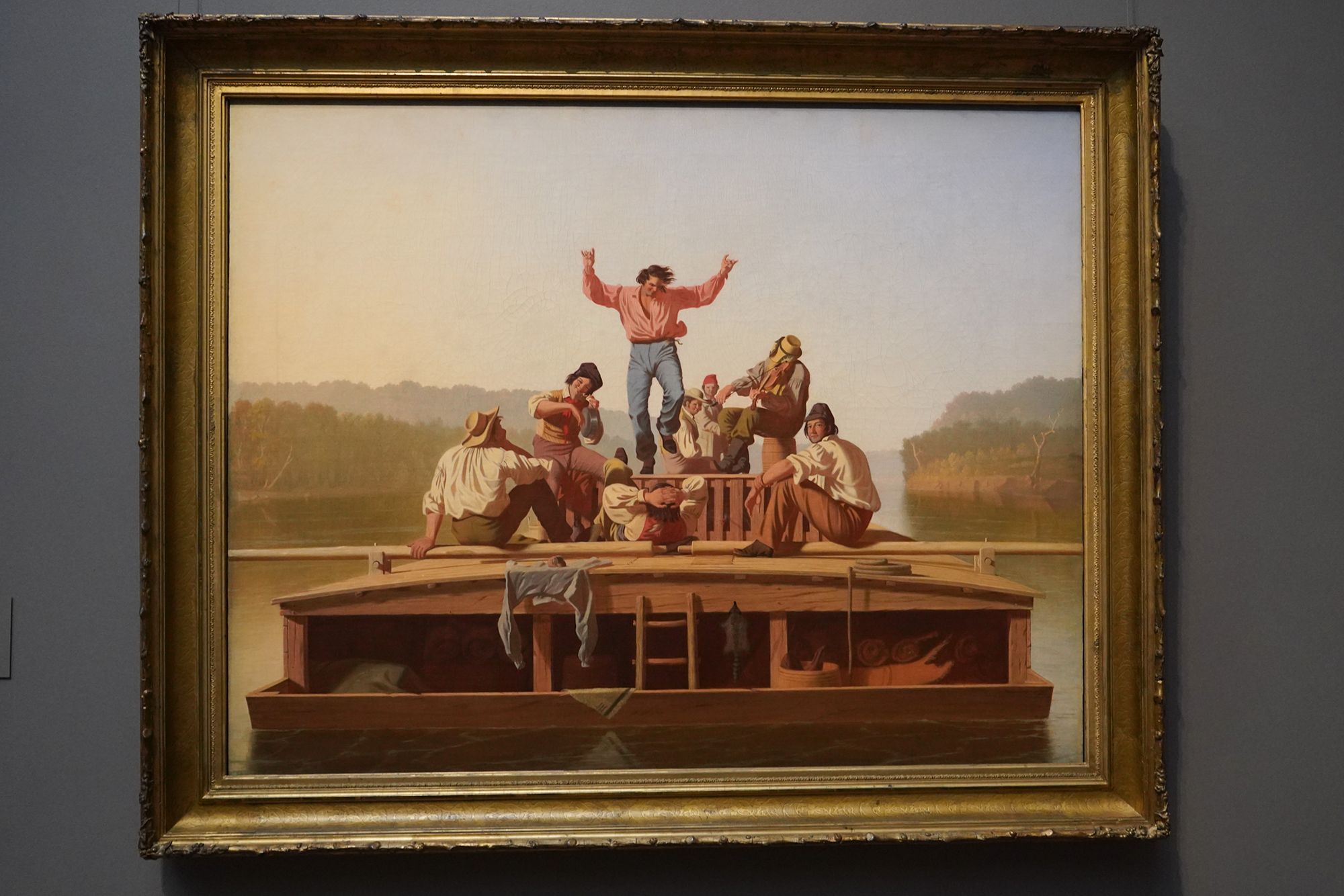
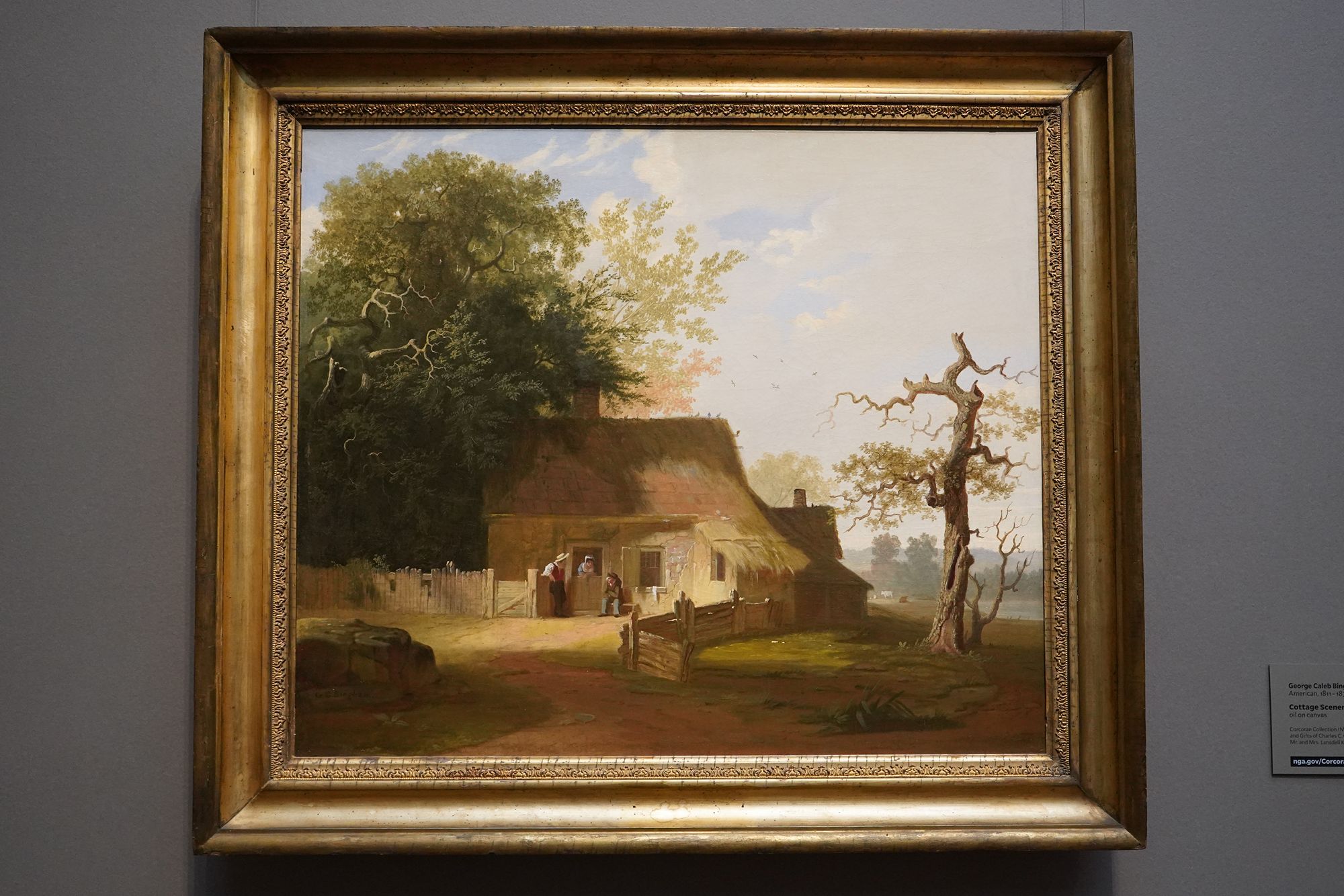
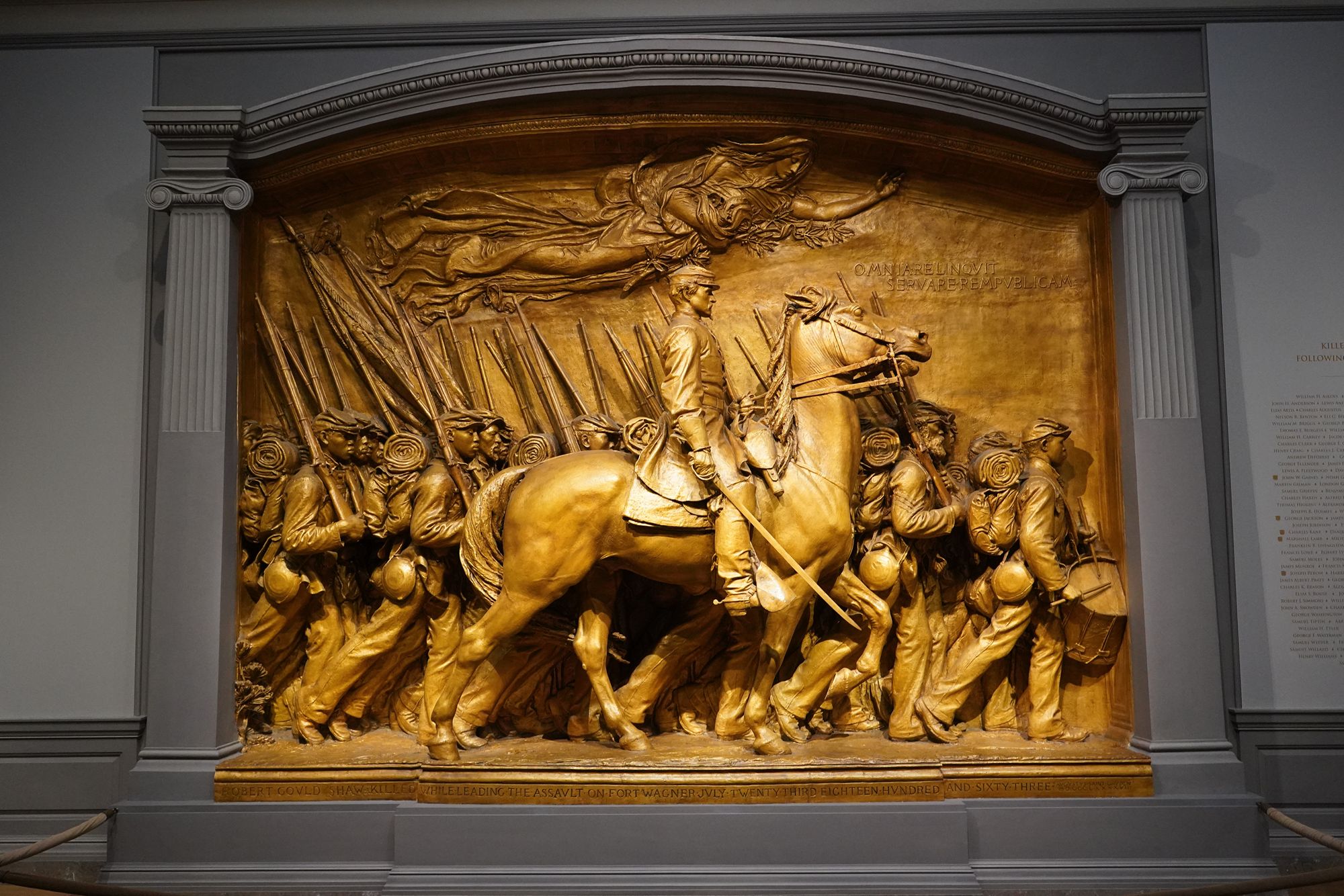
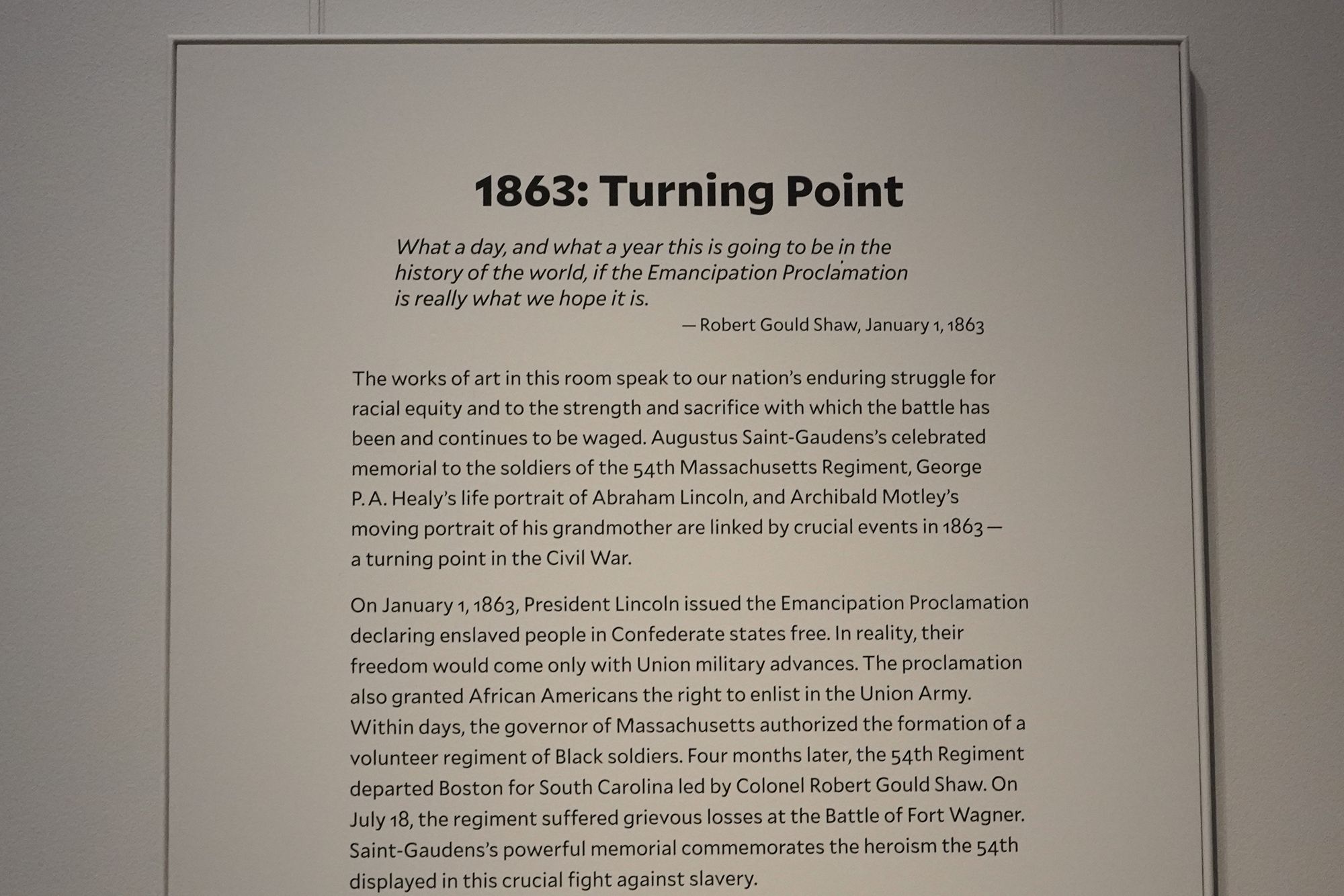
The year 1863 was a major turning point in the American Civil War. Several key events that year shifted momentum in favor of the Union (North) and redefined the war’s purpose.
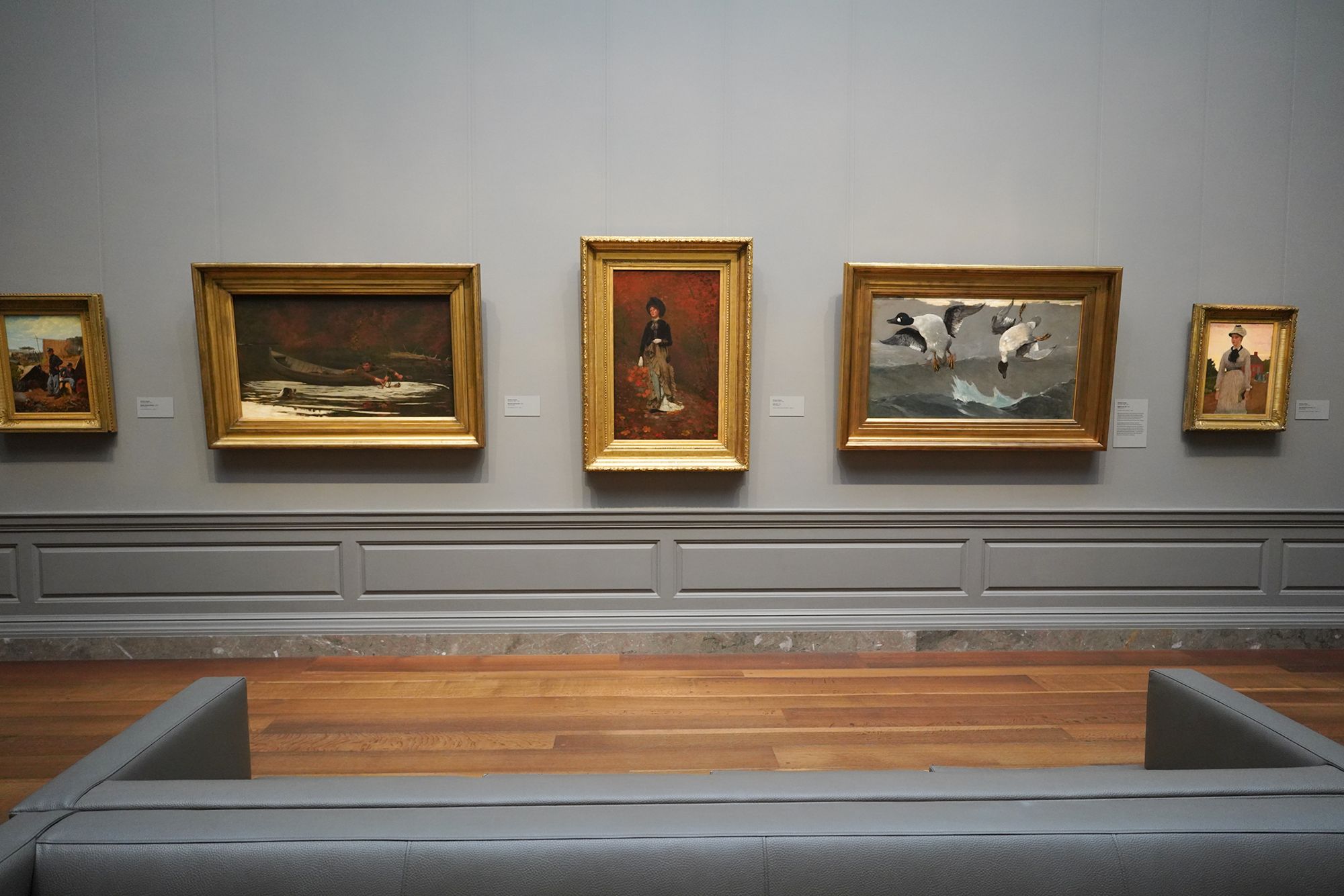
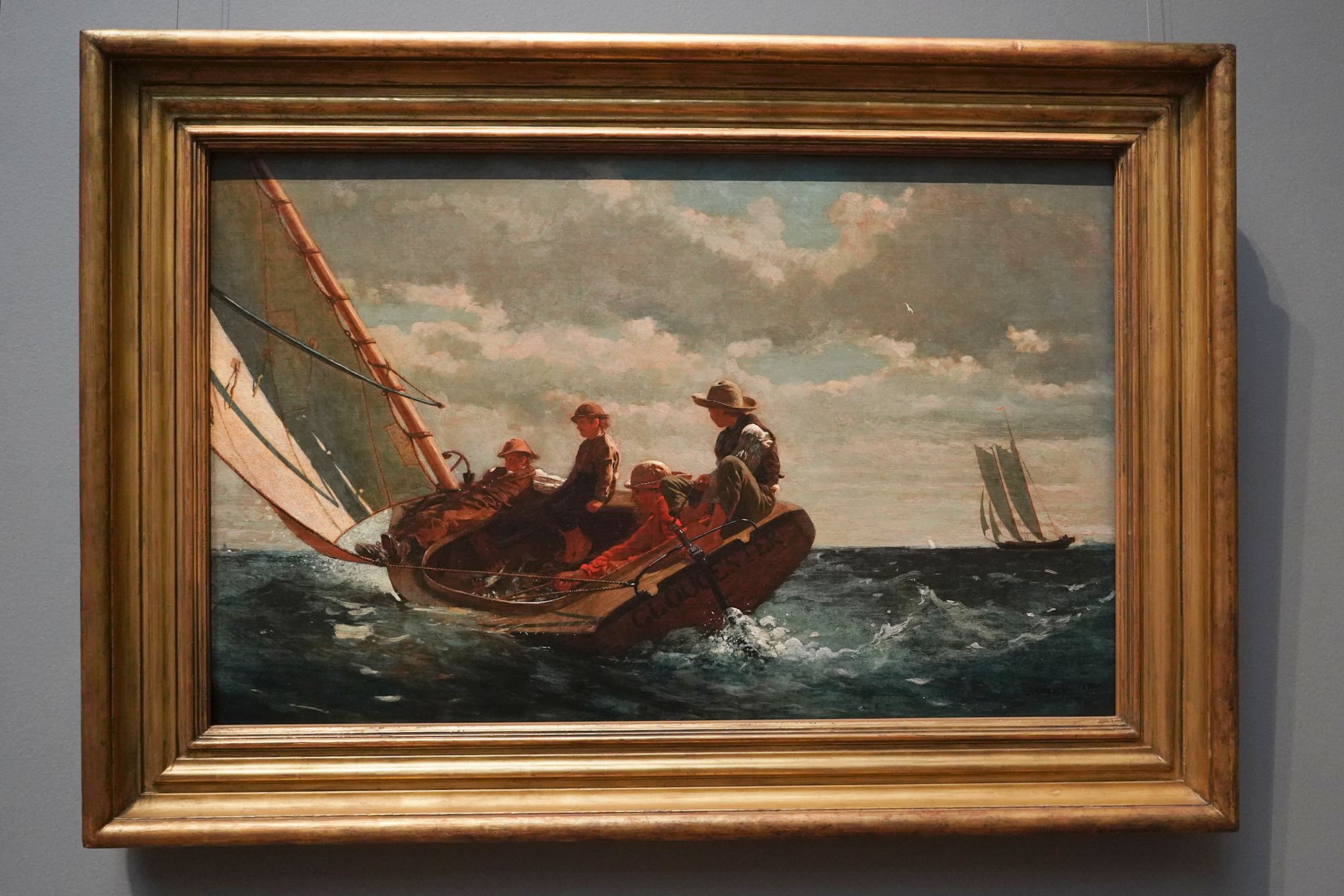
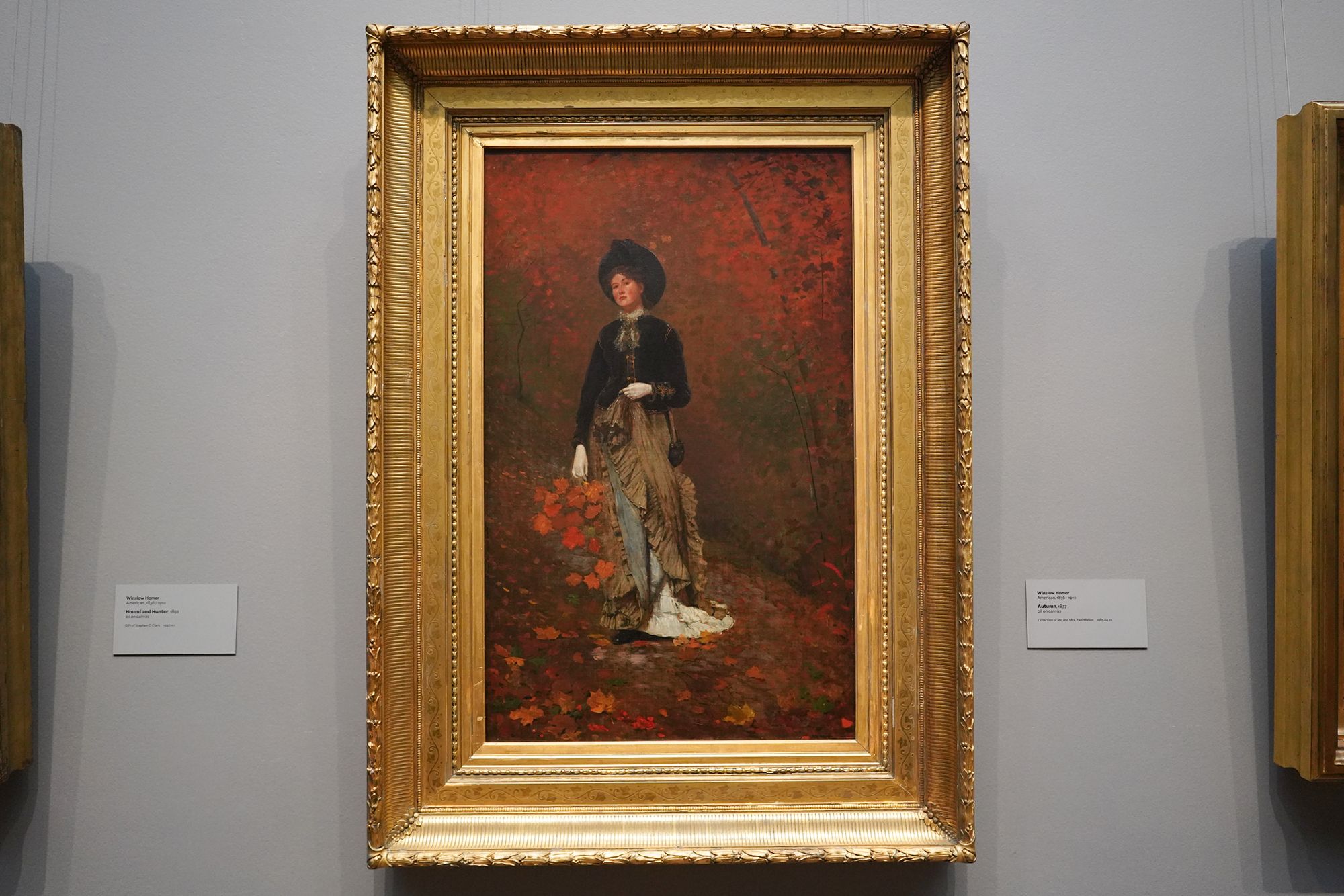
After the Civil War, artists turned toward realism and modern life. Winslow Homer painted fishermen, sailors, and rural scenes that reveal strength and solitude in ordinary people (Breezing Up, The Gulf Stream).
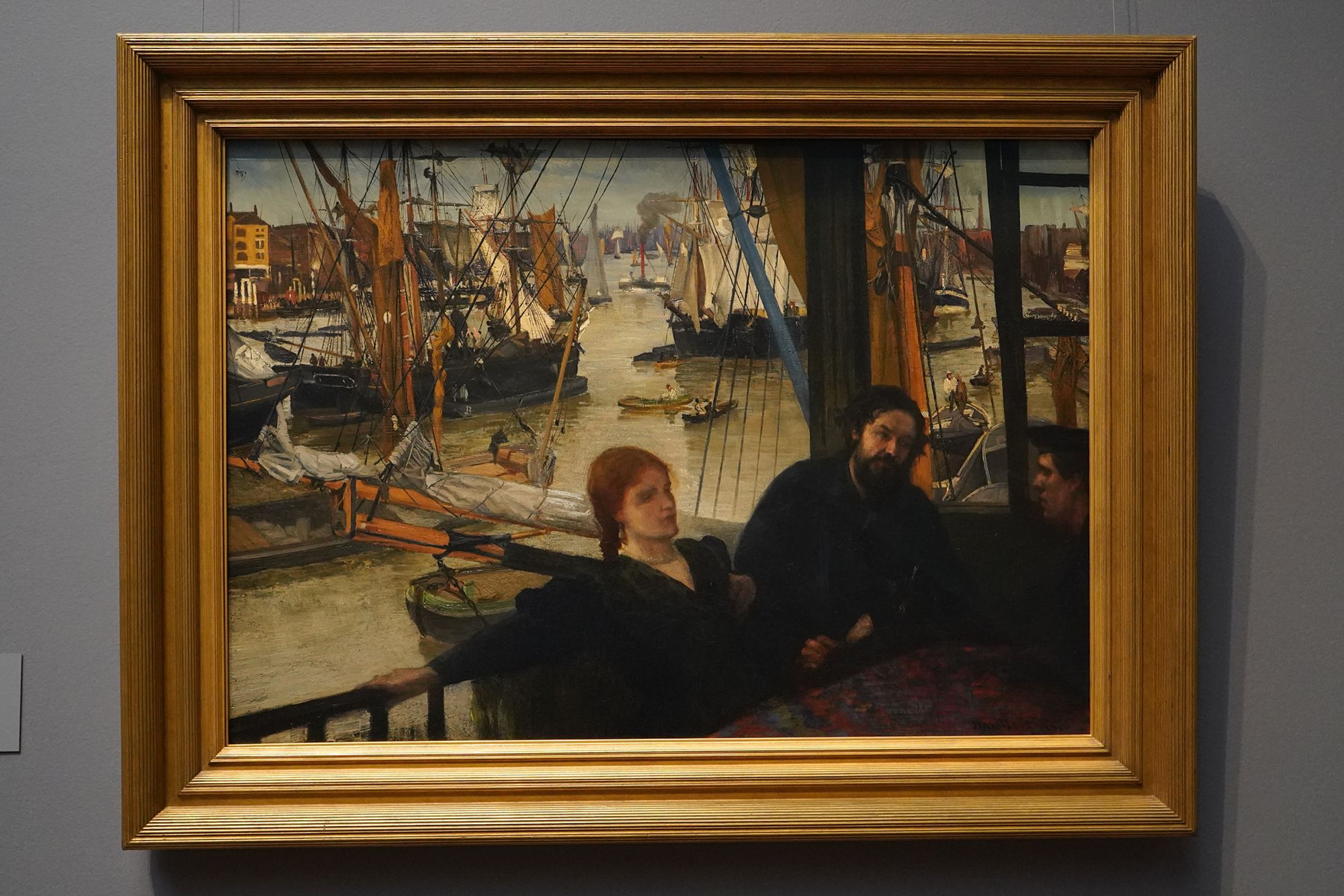
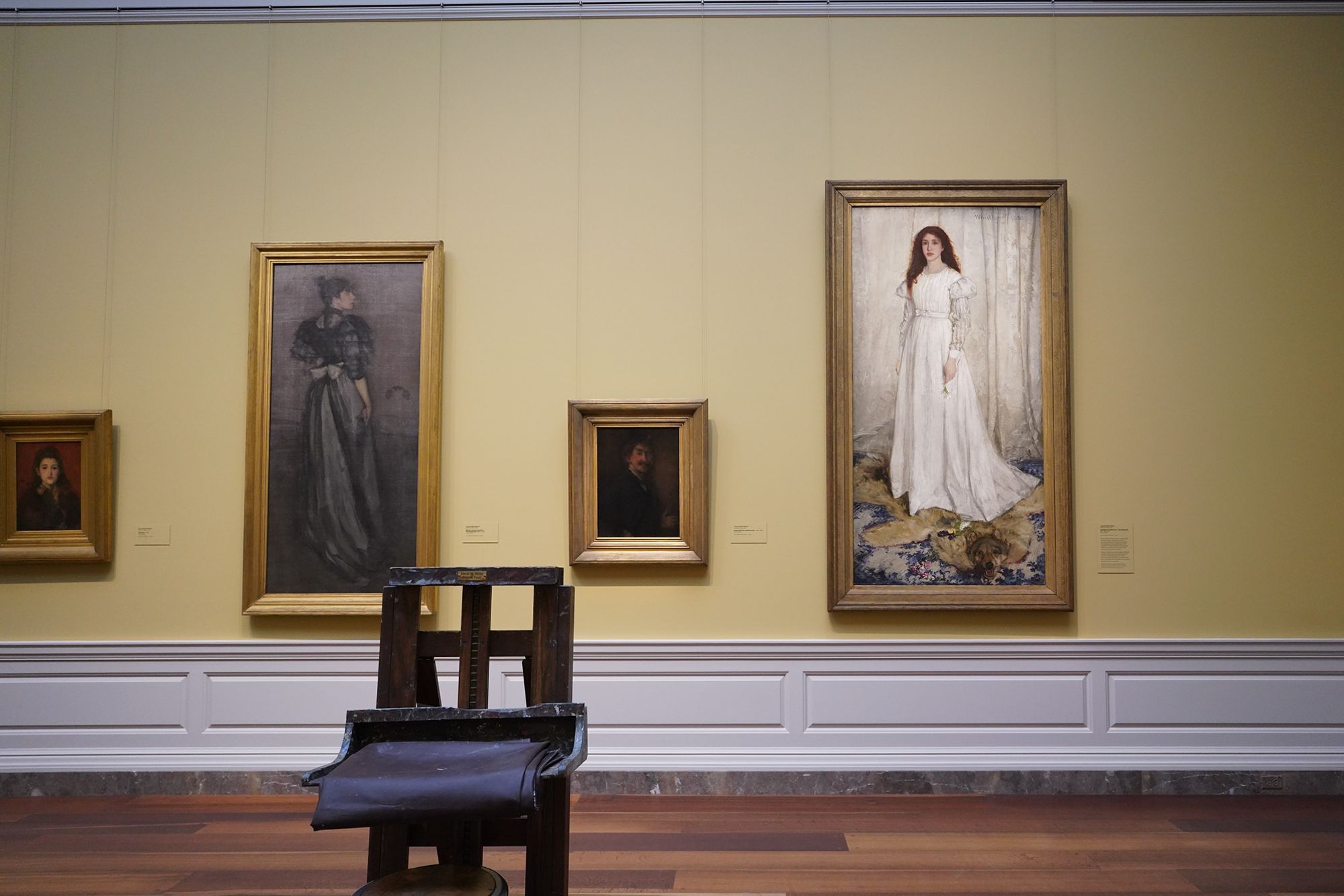
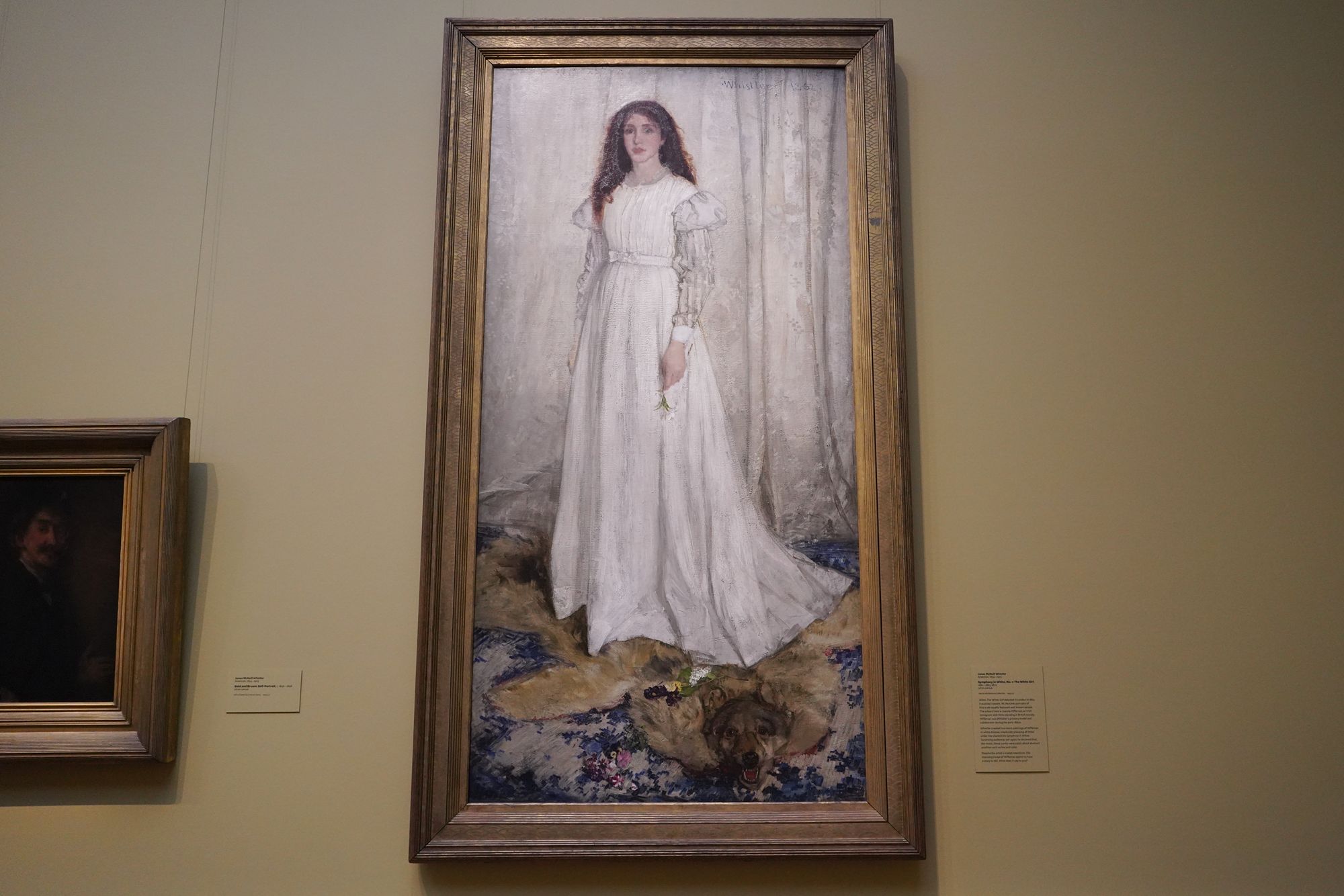
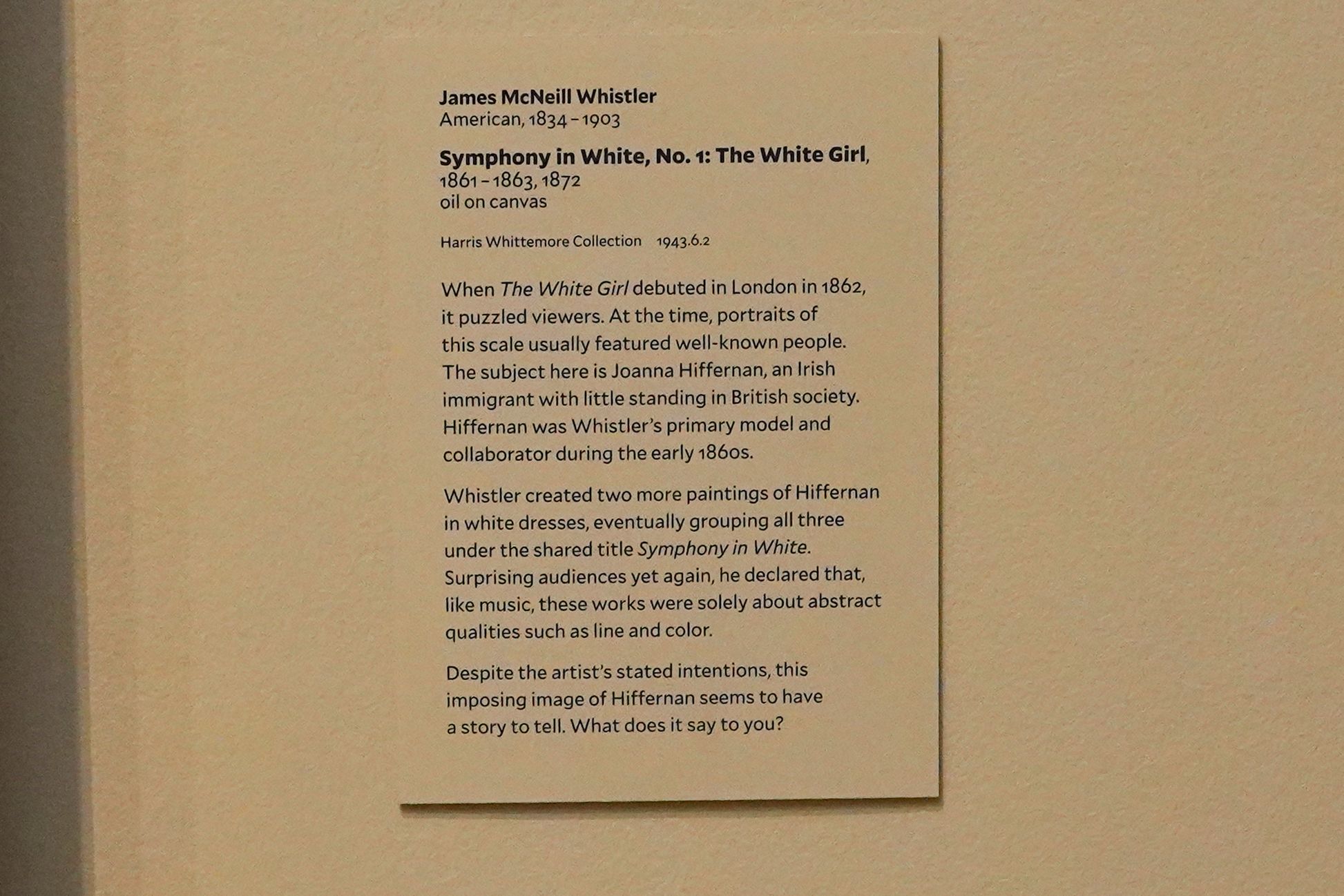
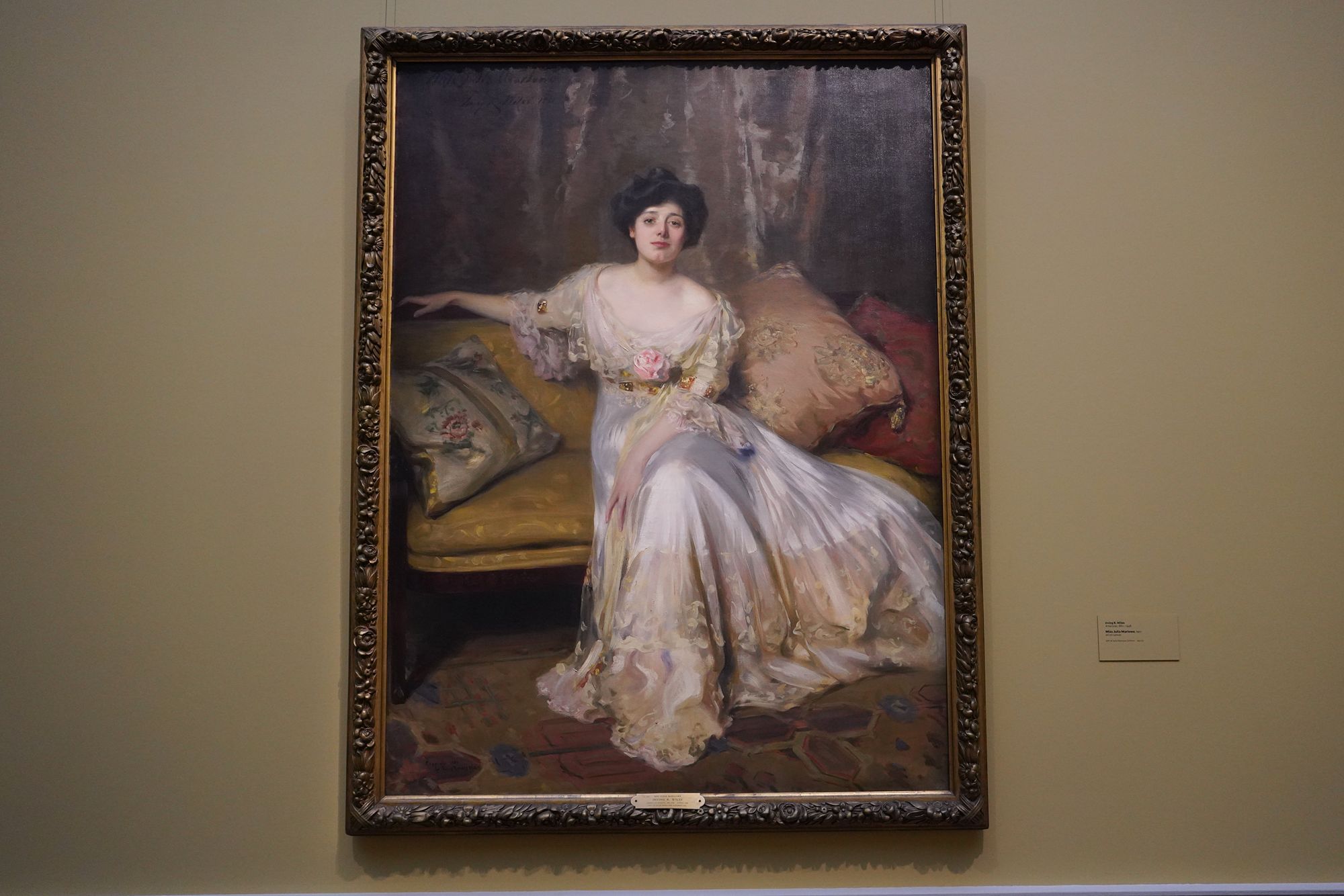
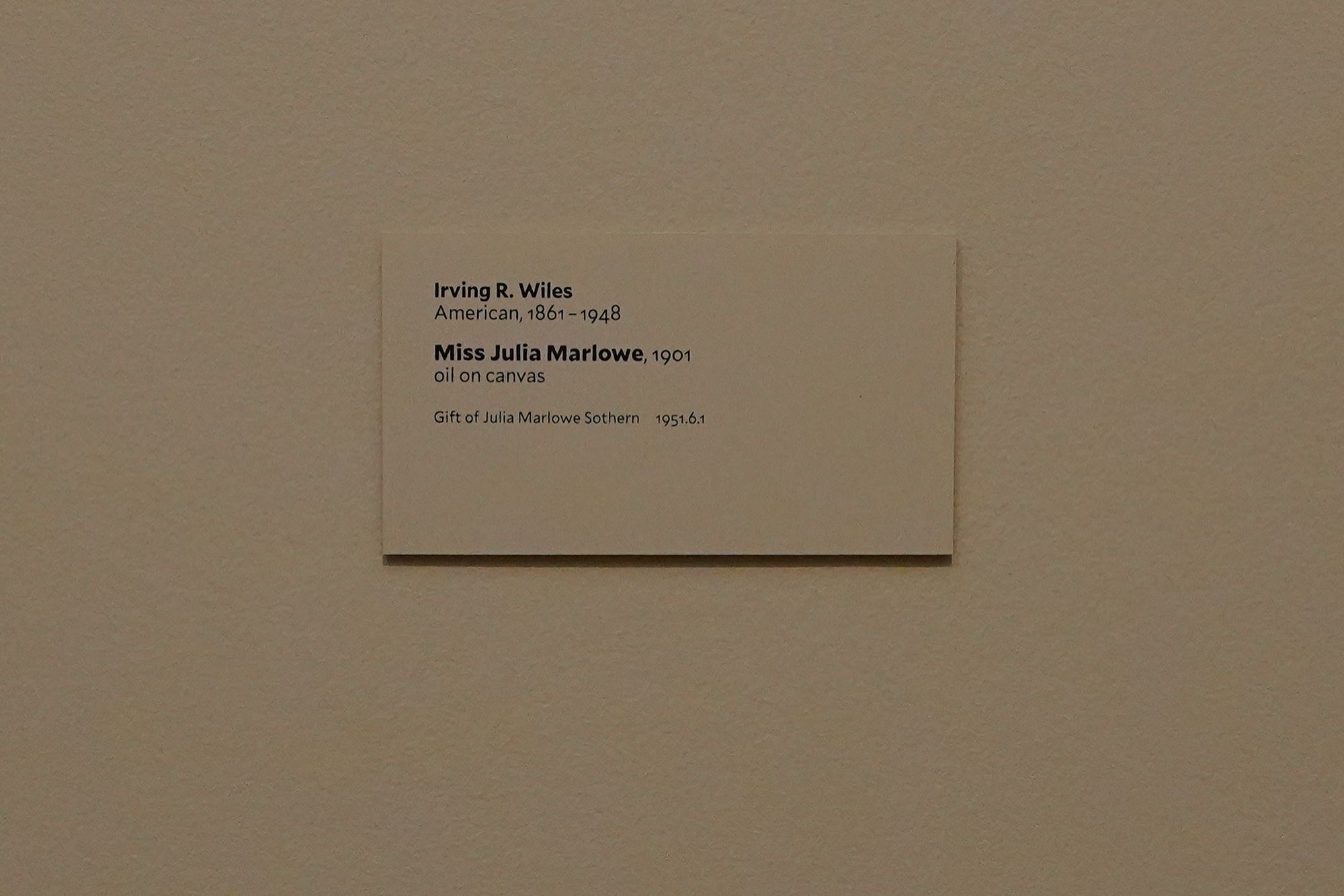
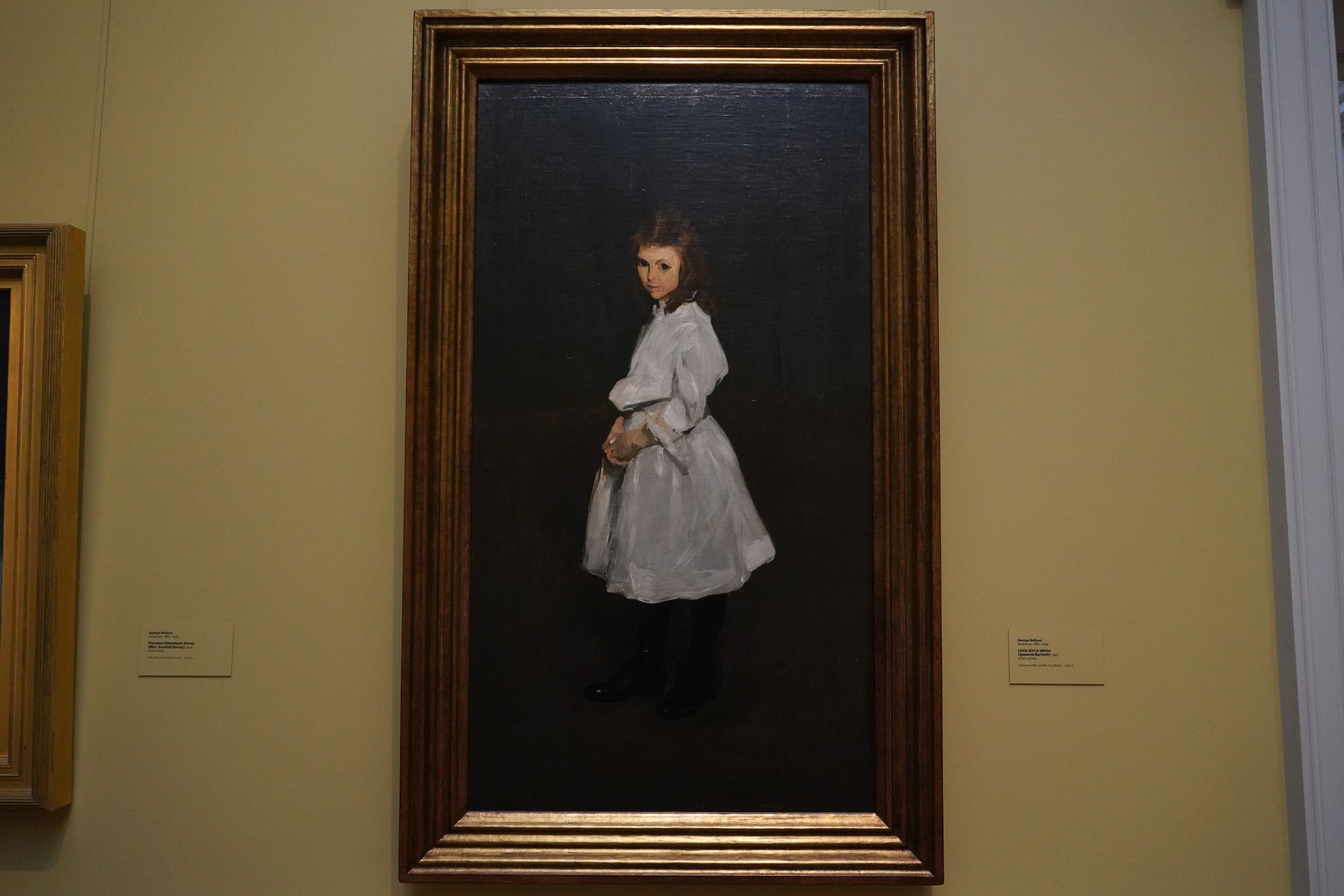
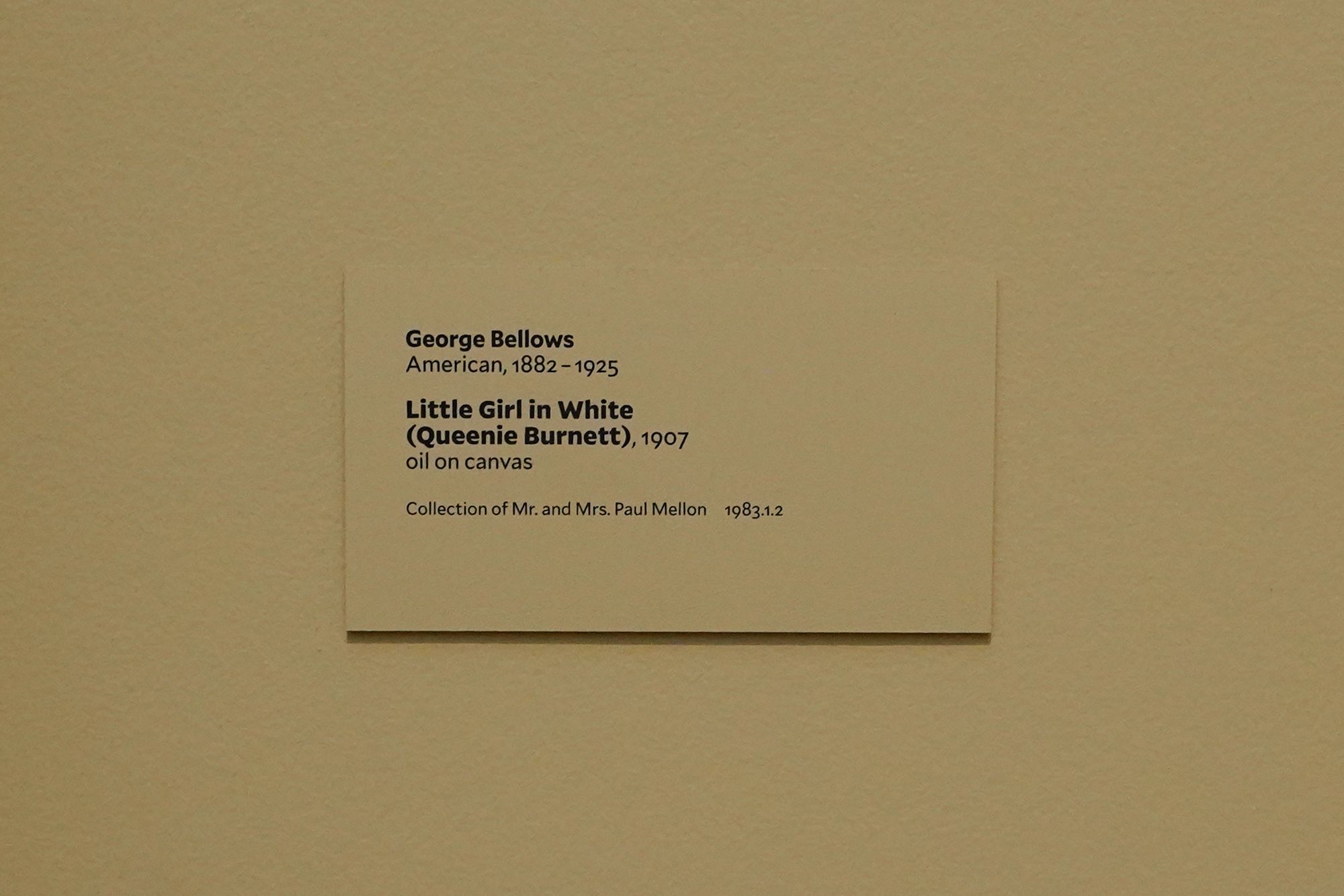
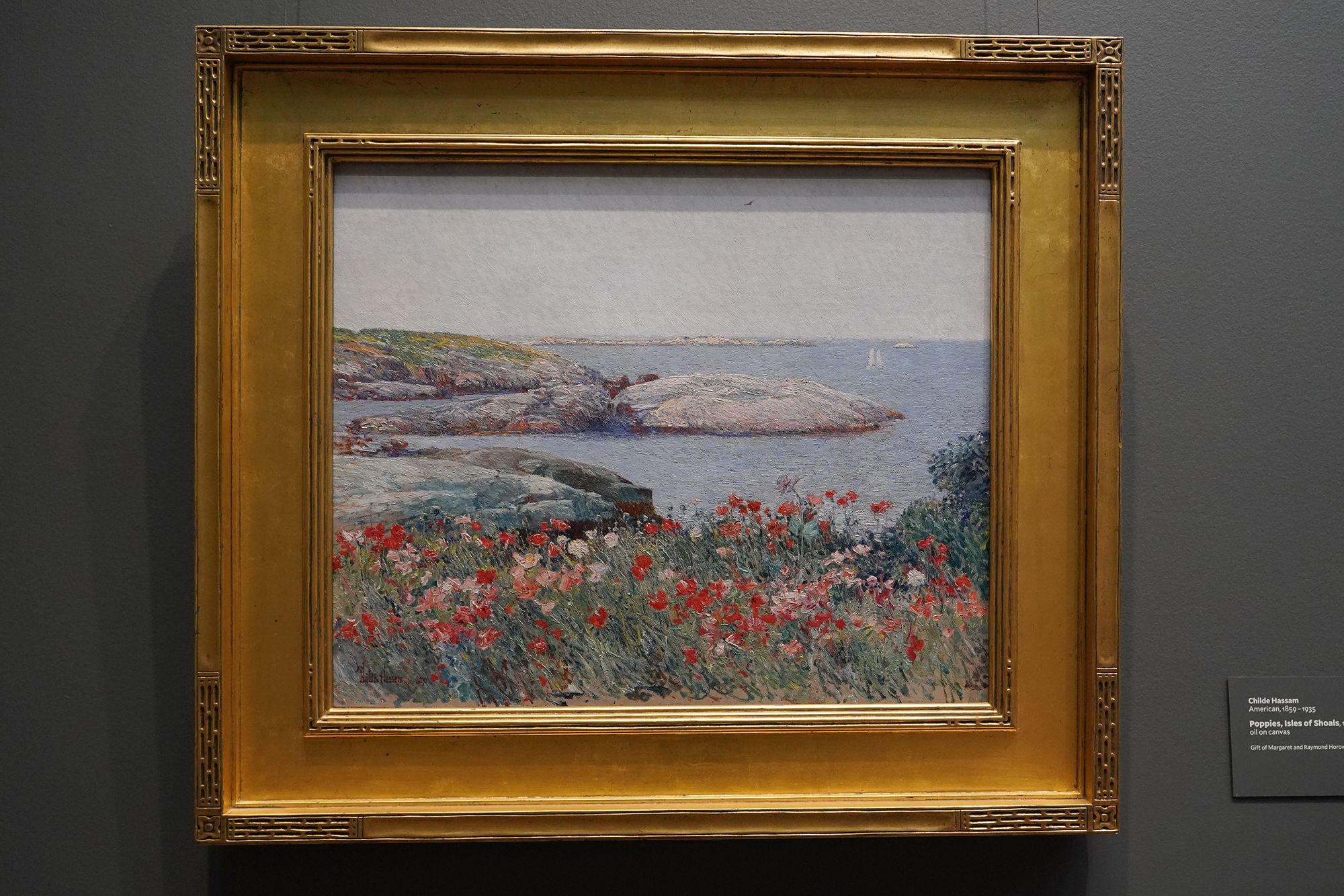
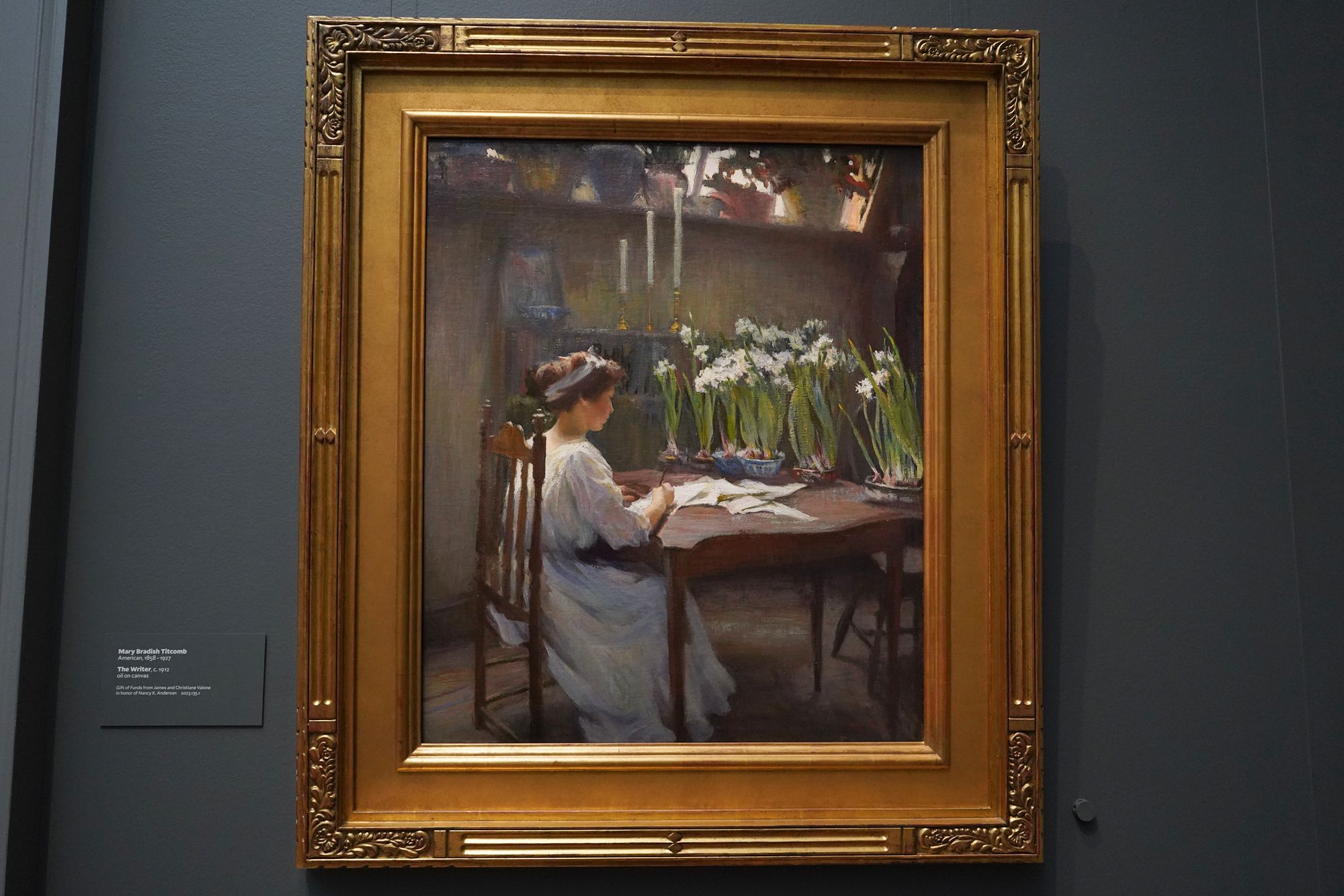
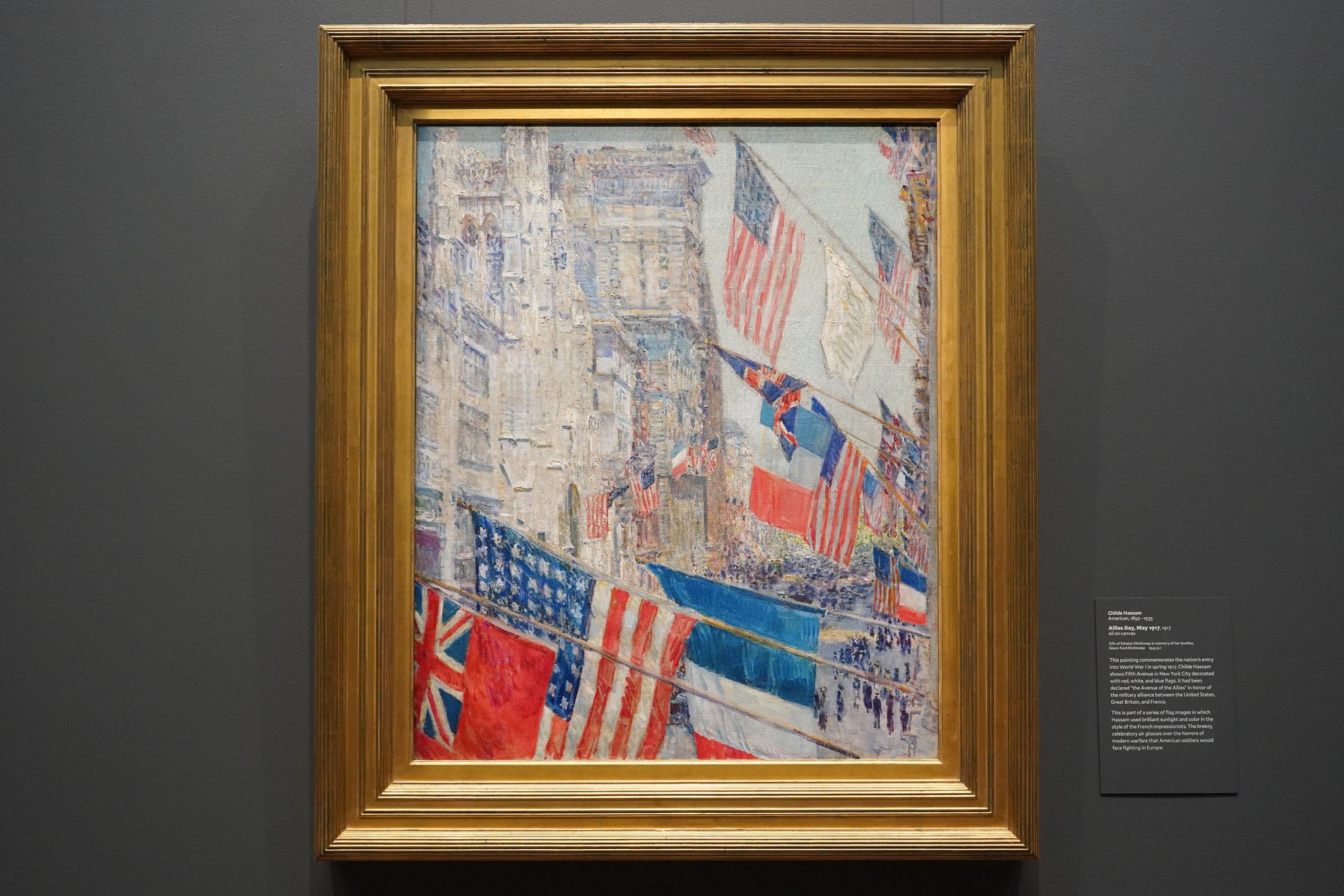
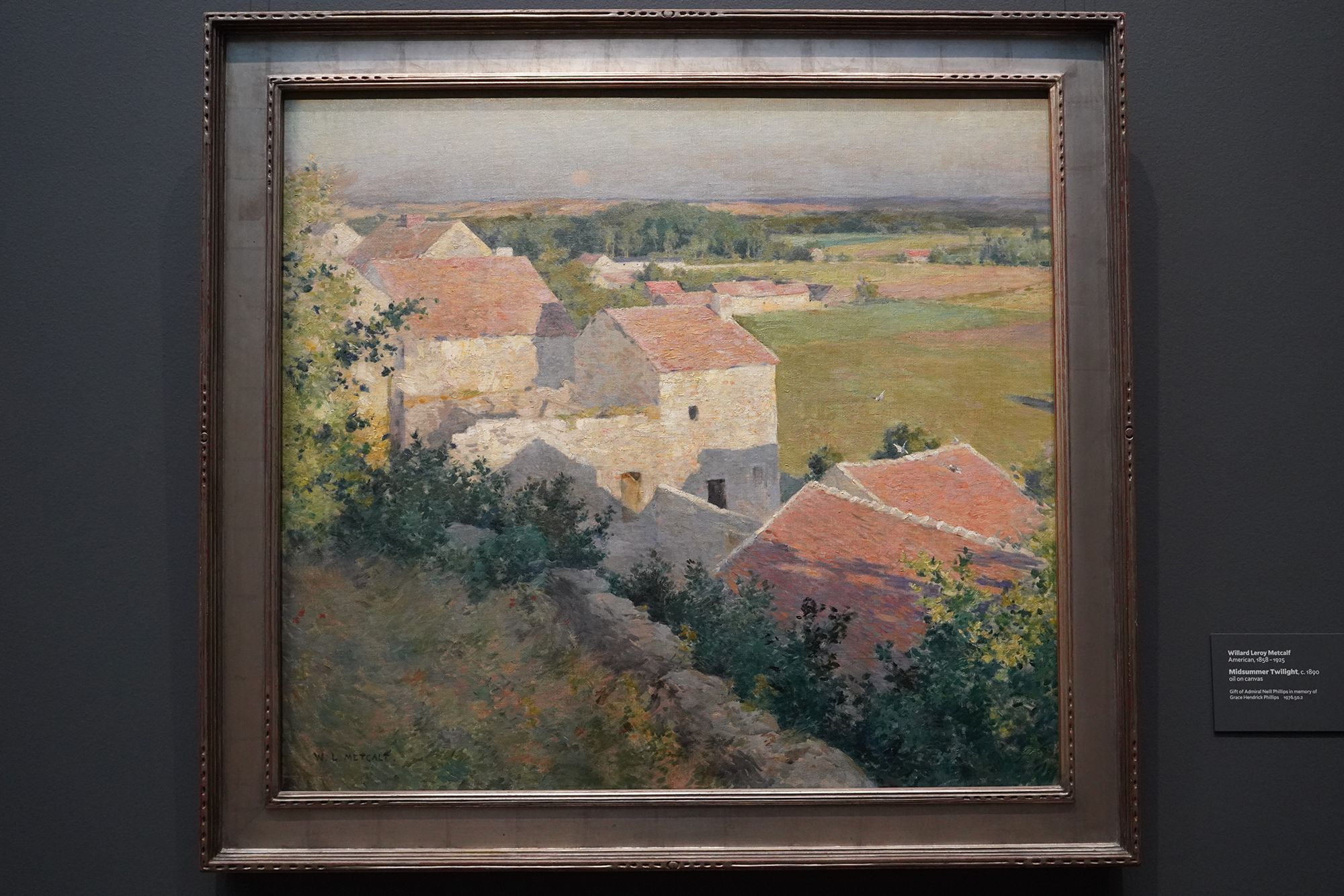
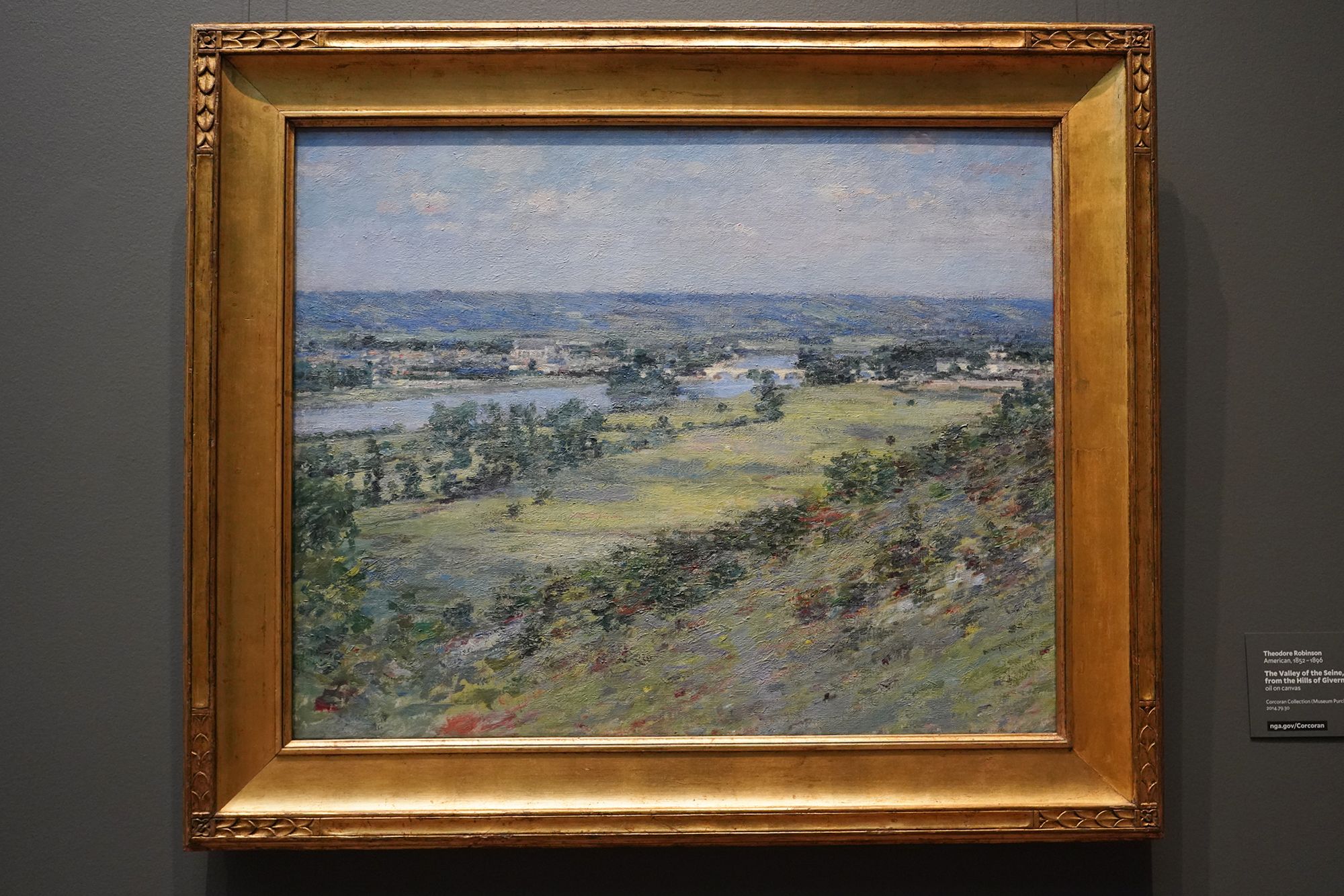
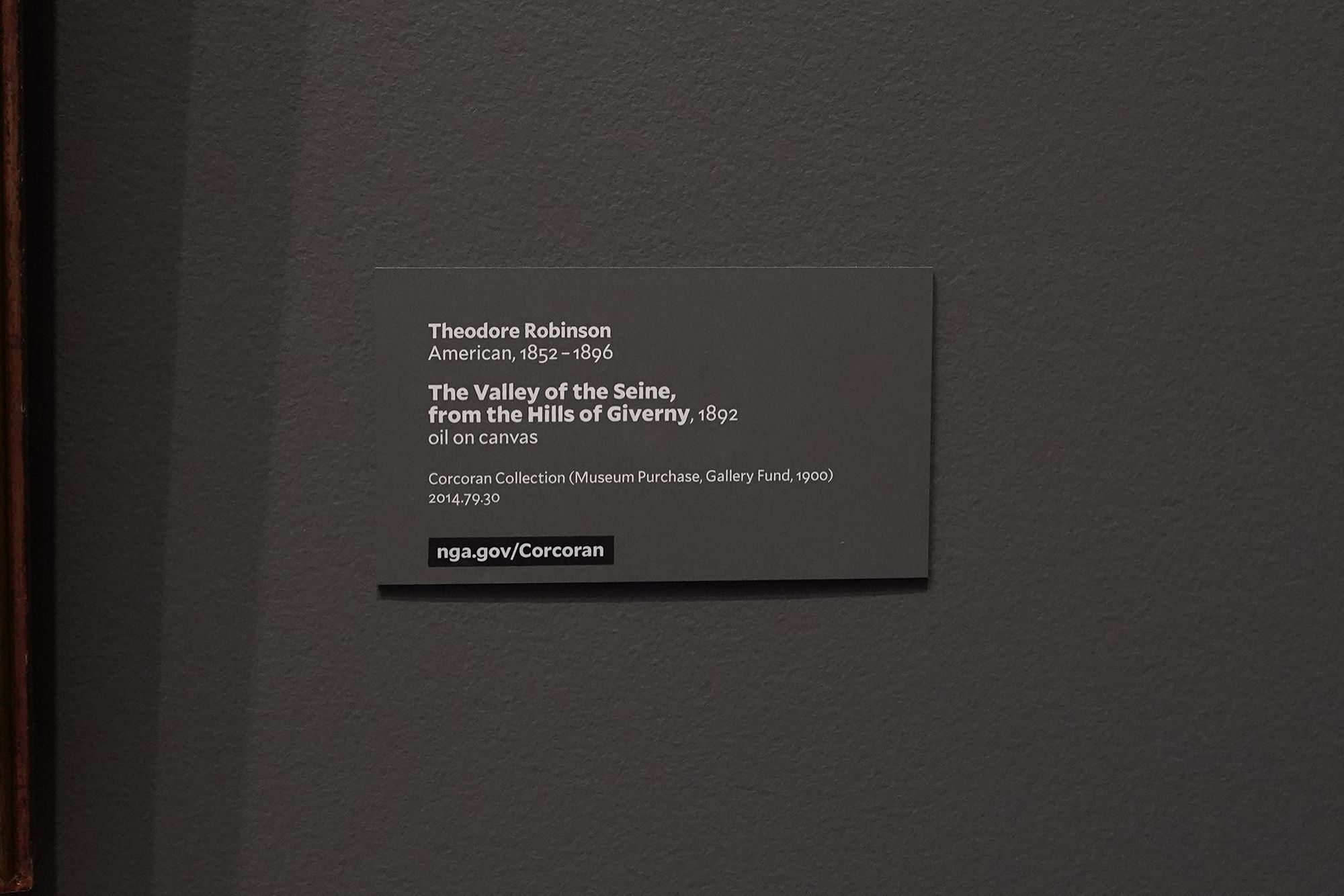
By the late 1800s, American painters absorbed French Impressionism, using lighter color and freer brushwork.