National Gallery of Art – Impressionism Part 1, Washington DC, USA
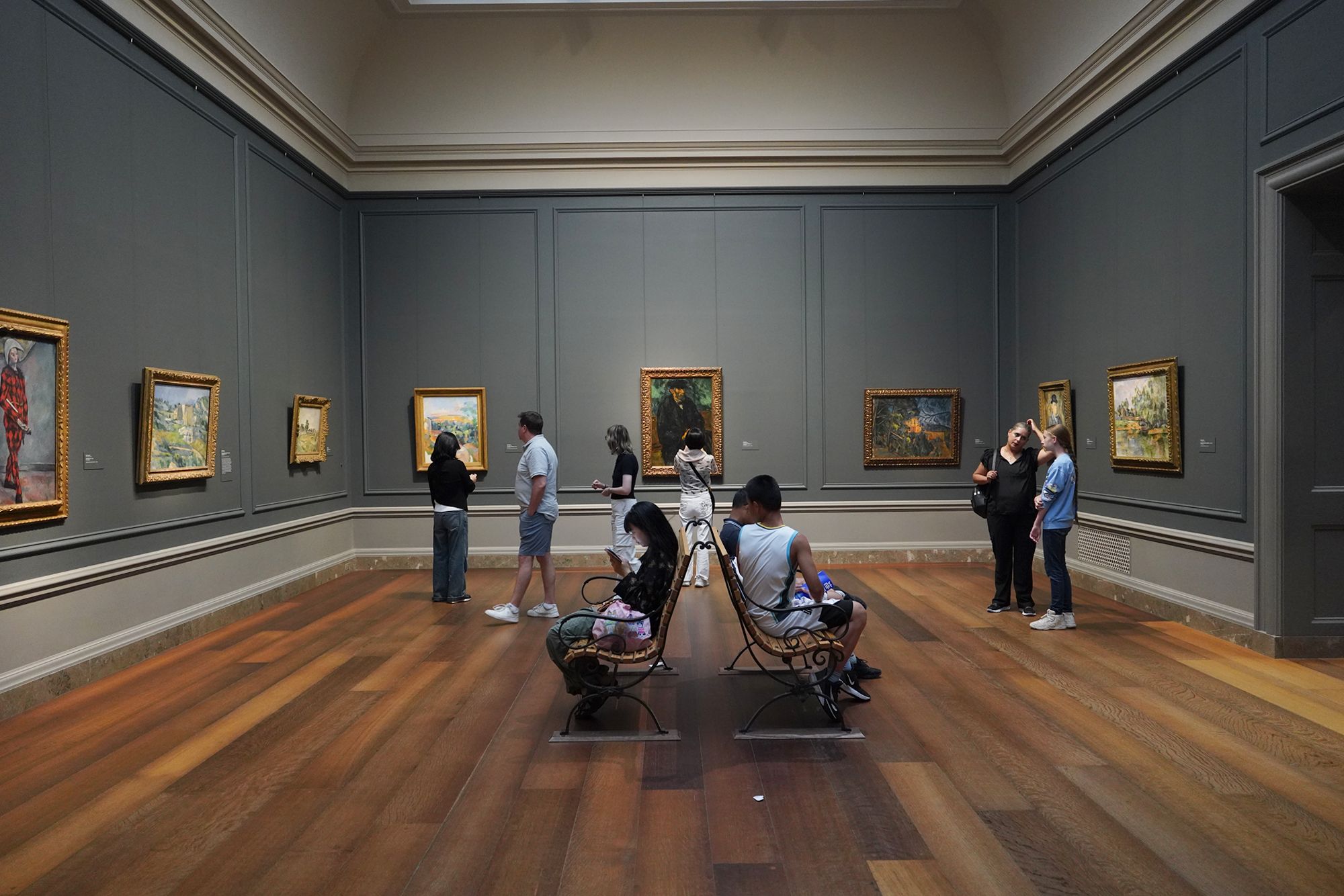
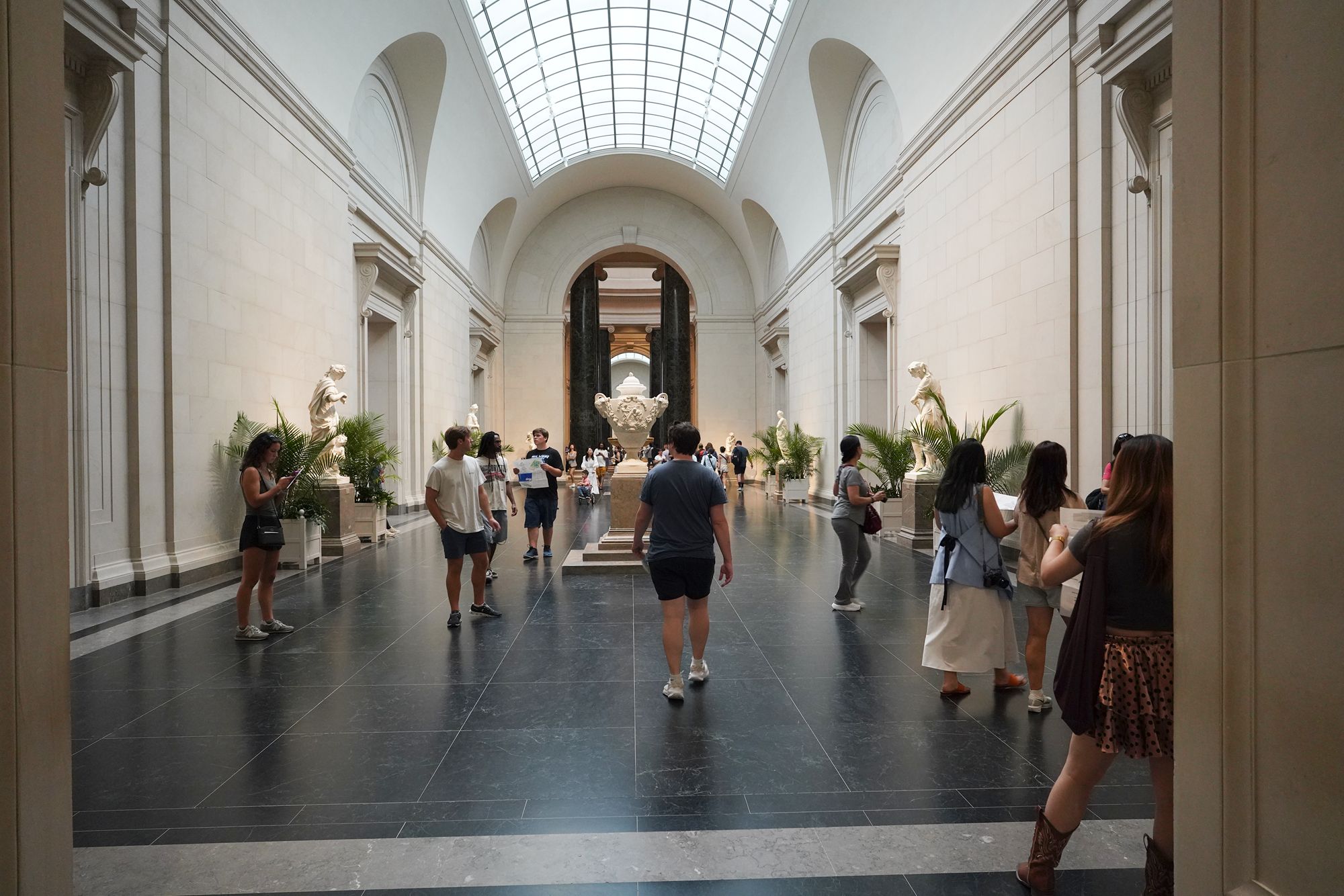
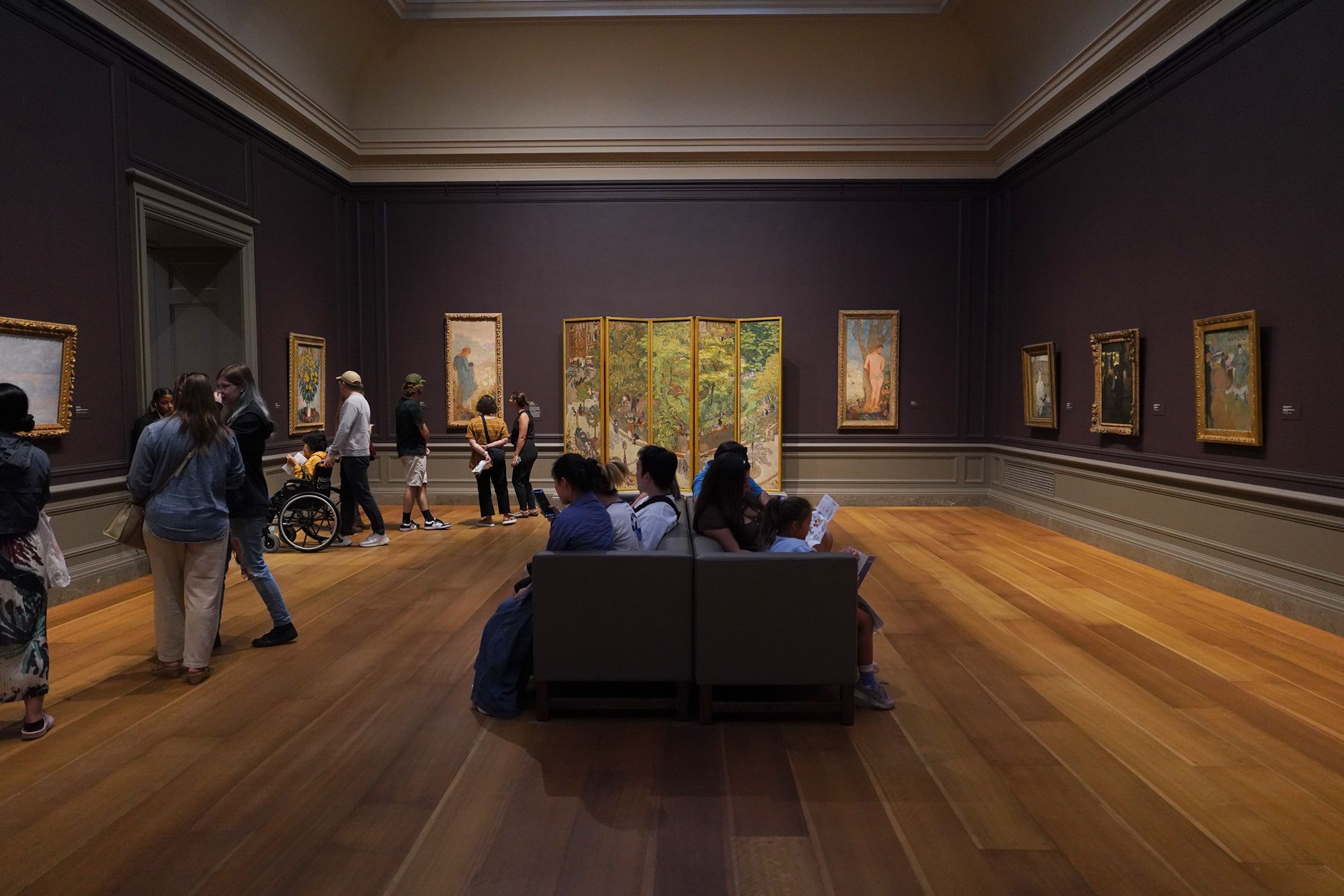
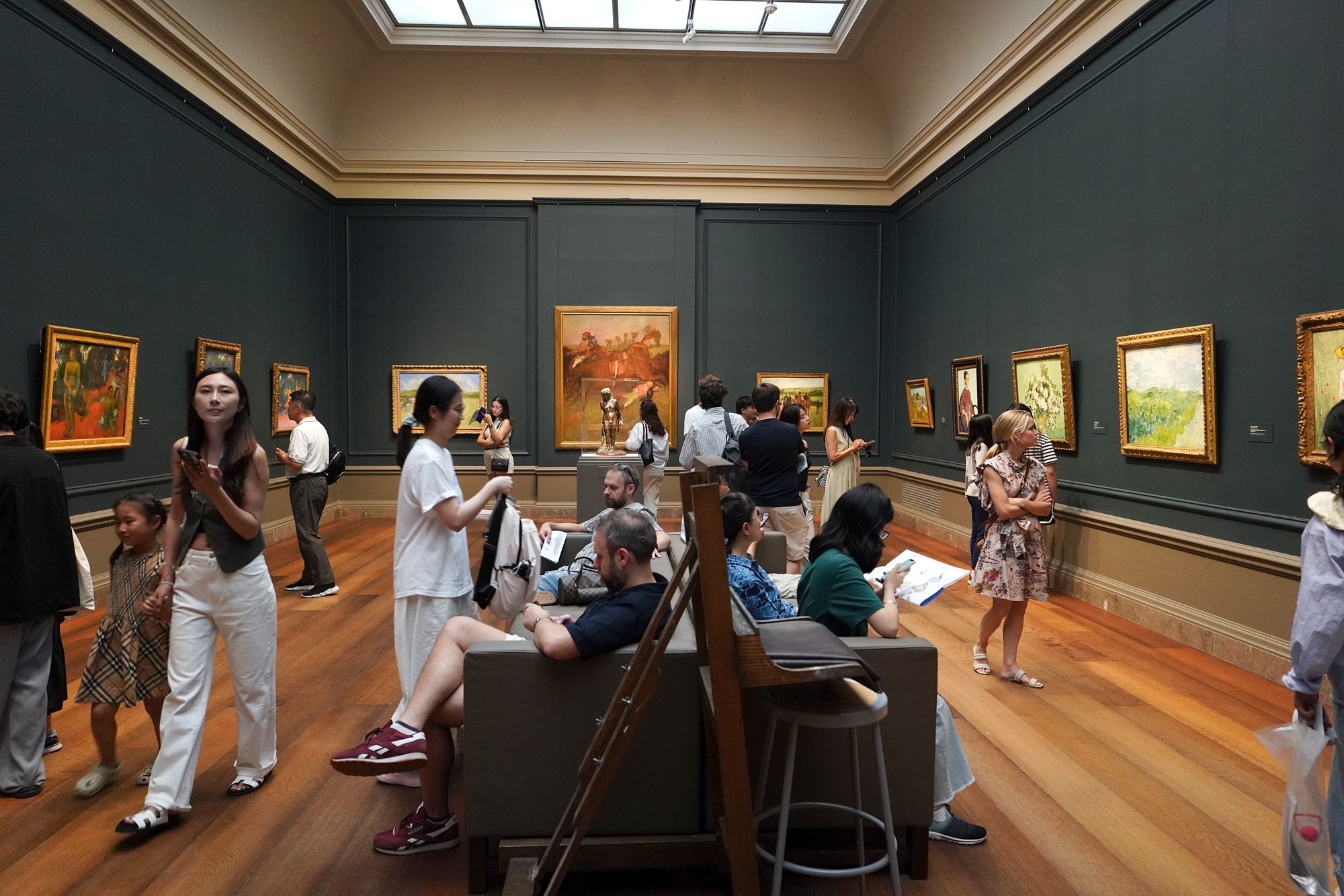
The Impressionist art collection at the National Gallery of Art (Washington, D.C.) is one of the finest in the United States. 1131
National Gallery of Art: Constitution Ave. NW, Washington, DC 20565
Date Picture Taken: July 2025
It highlights how 19th-century French artists broke from tradition to capture light, color, and modern life with freshness and spontaneity. The galleries feature masterpieces by the key Impressionists and their followers, tracing the movement from its beginnings in Paris to its influence on modern art.
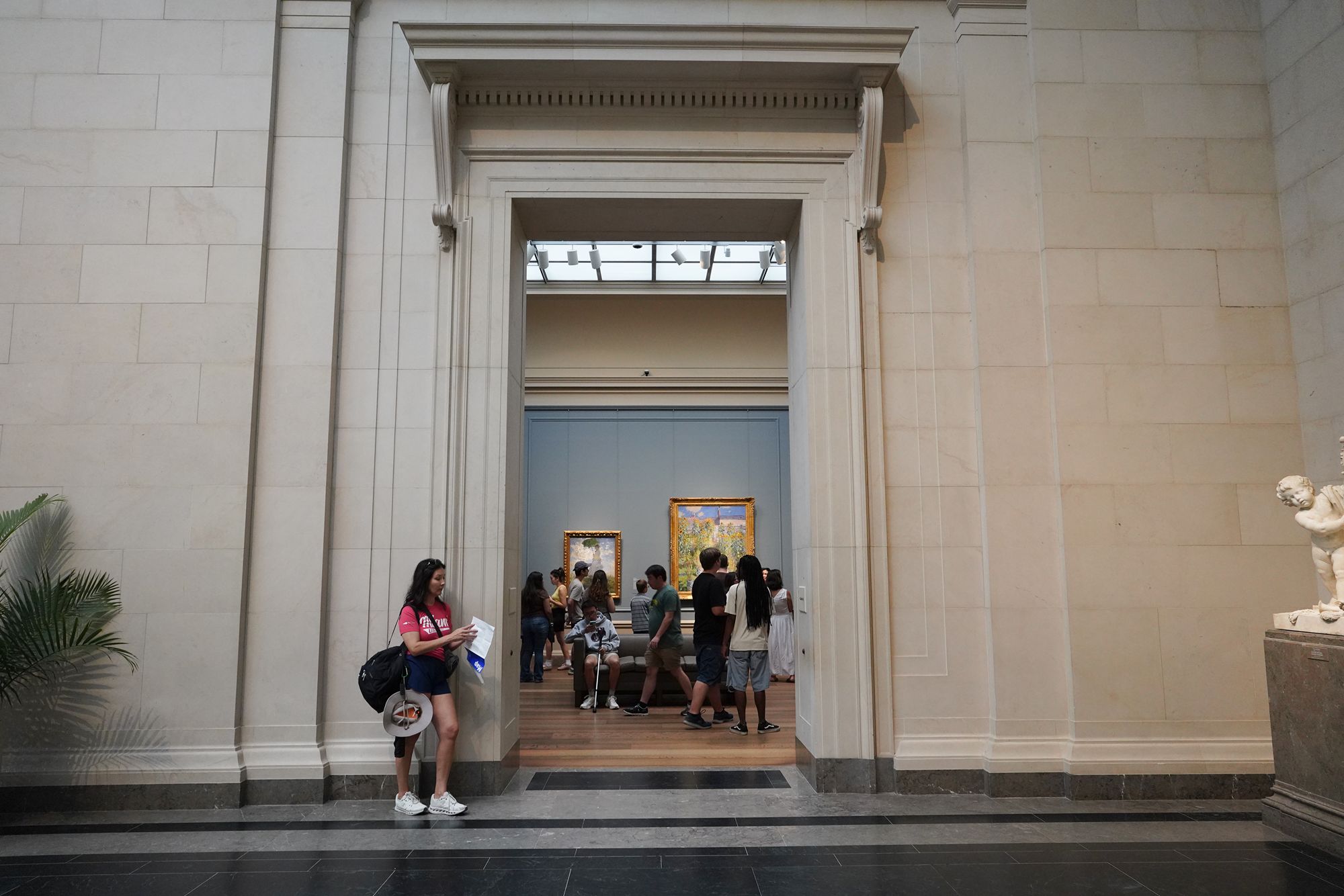
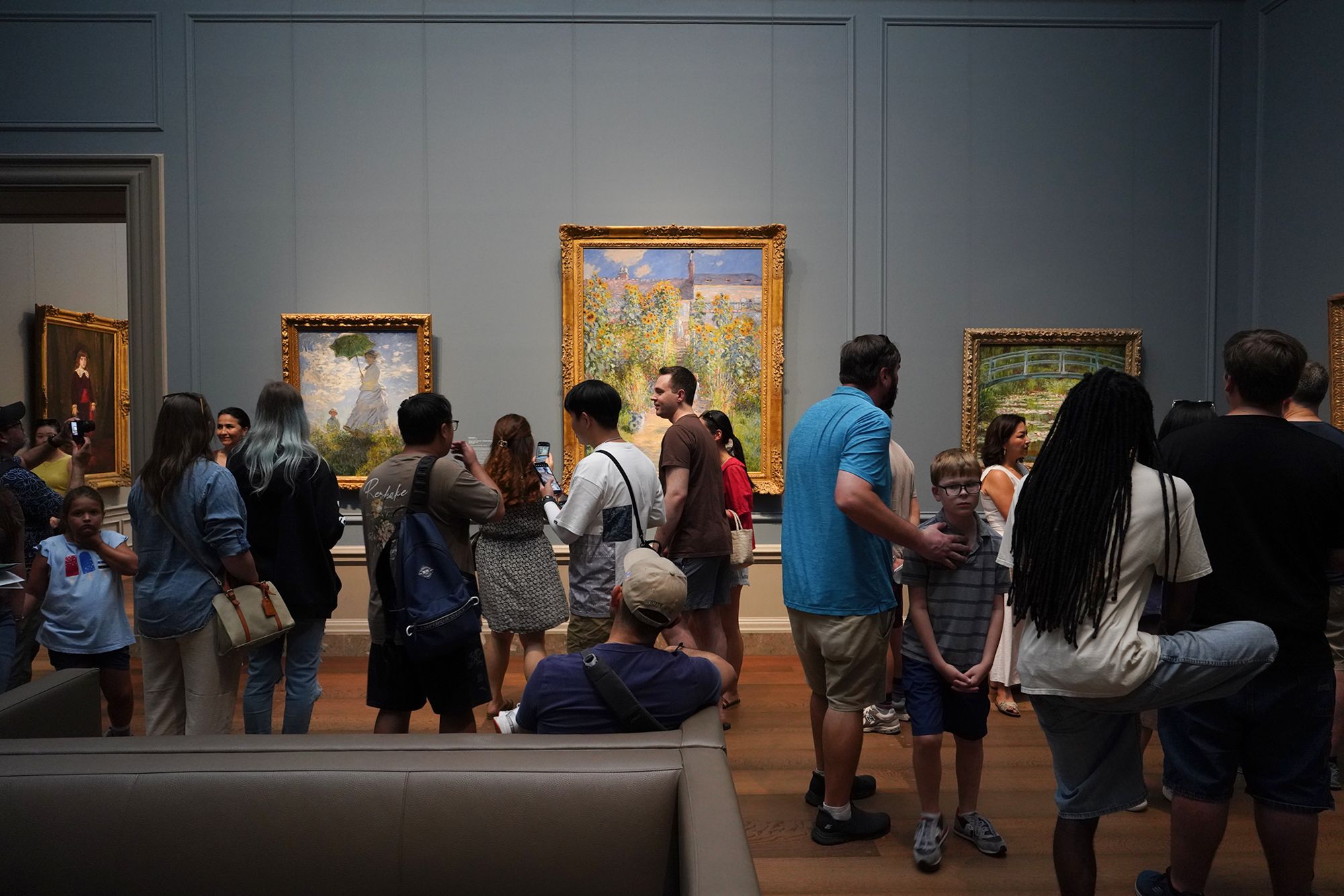
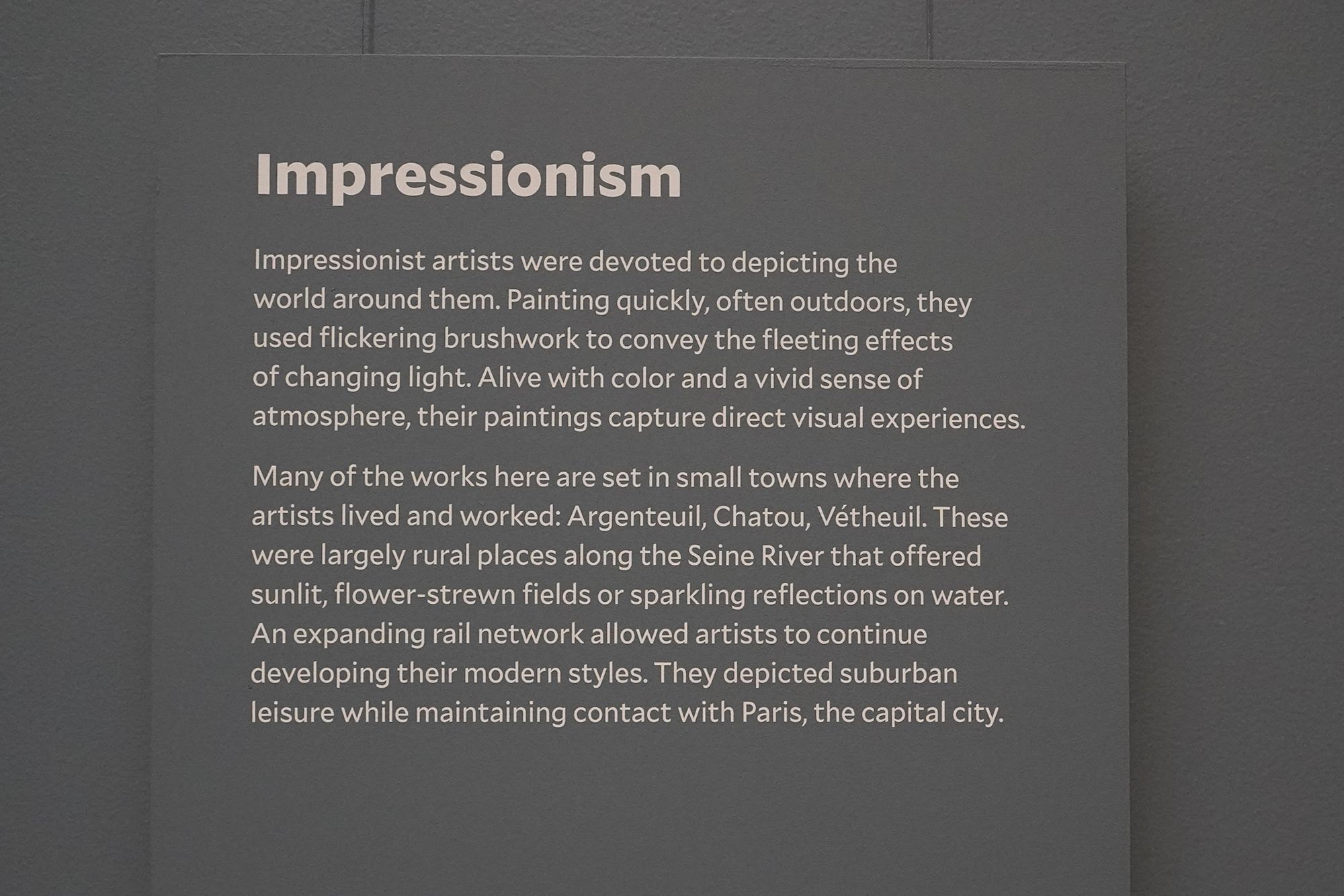
Impressionism was a revolutionary art movement that began in France in the 1860s and 1870s. It marked a radical break from traditional painting by focusing on light, color, and everyday life rather than historical or religious subjects.
Instead of painting in studios, Impressionist artists worked outdoors (en plein air) to capture the changing effects of natural light. They used short, quick brushstrokes and bright, unmixed colors to suggest rather than define form. This gave their paintings a sense of freshness and spontaneity, as if the viewer were seeing a fleeting moment.
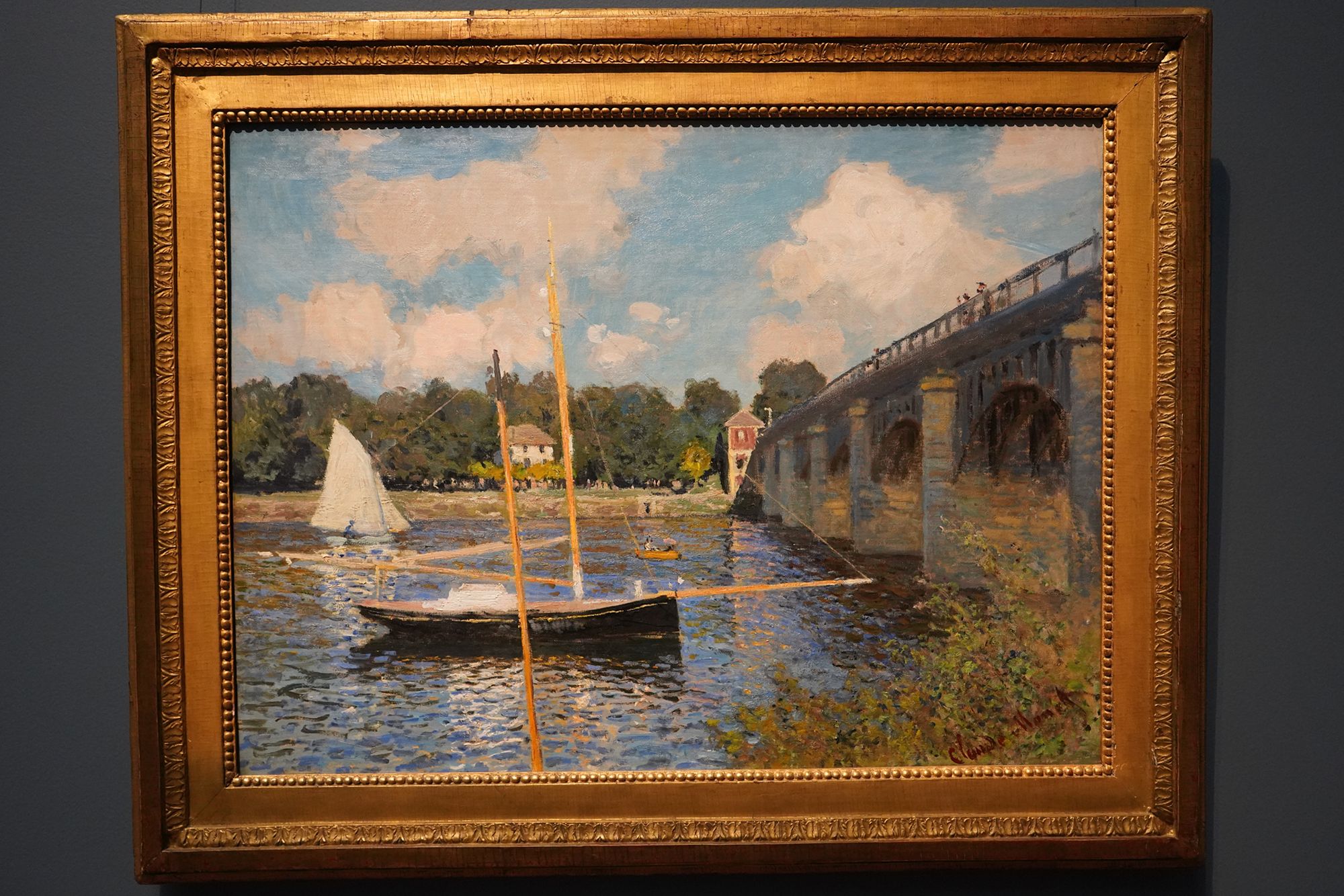
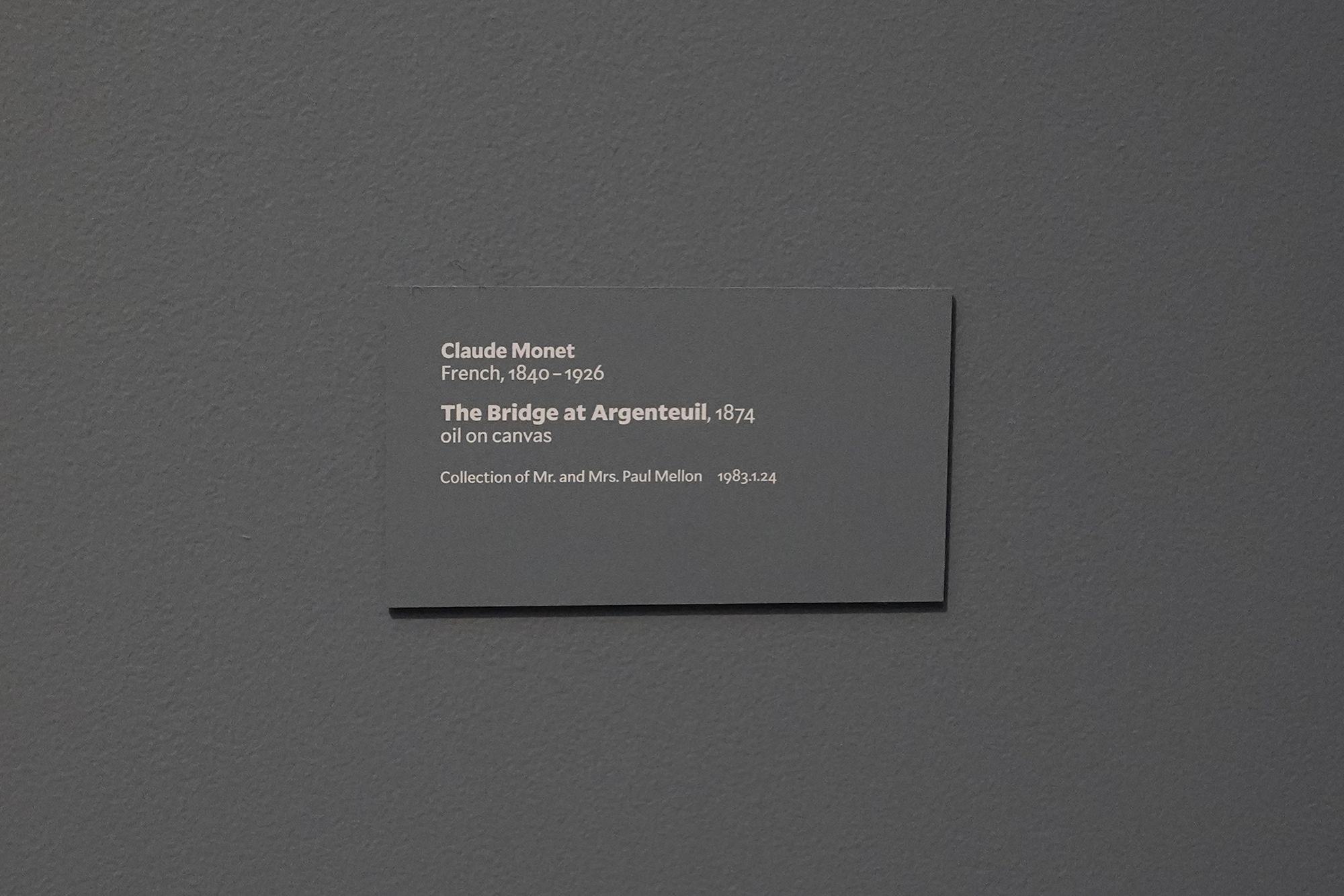
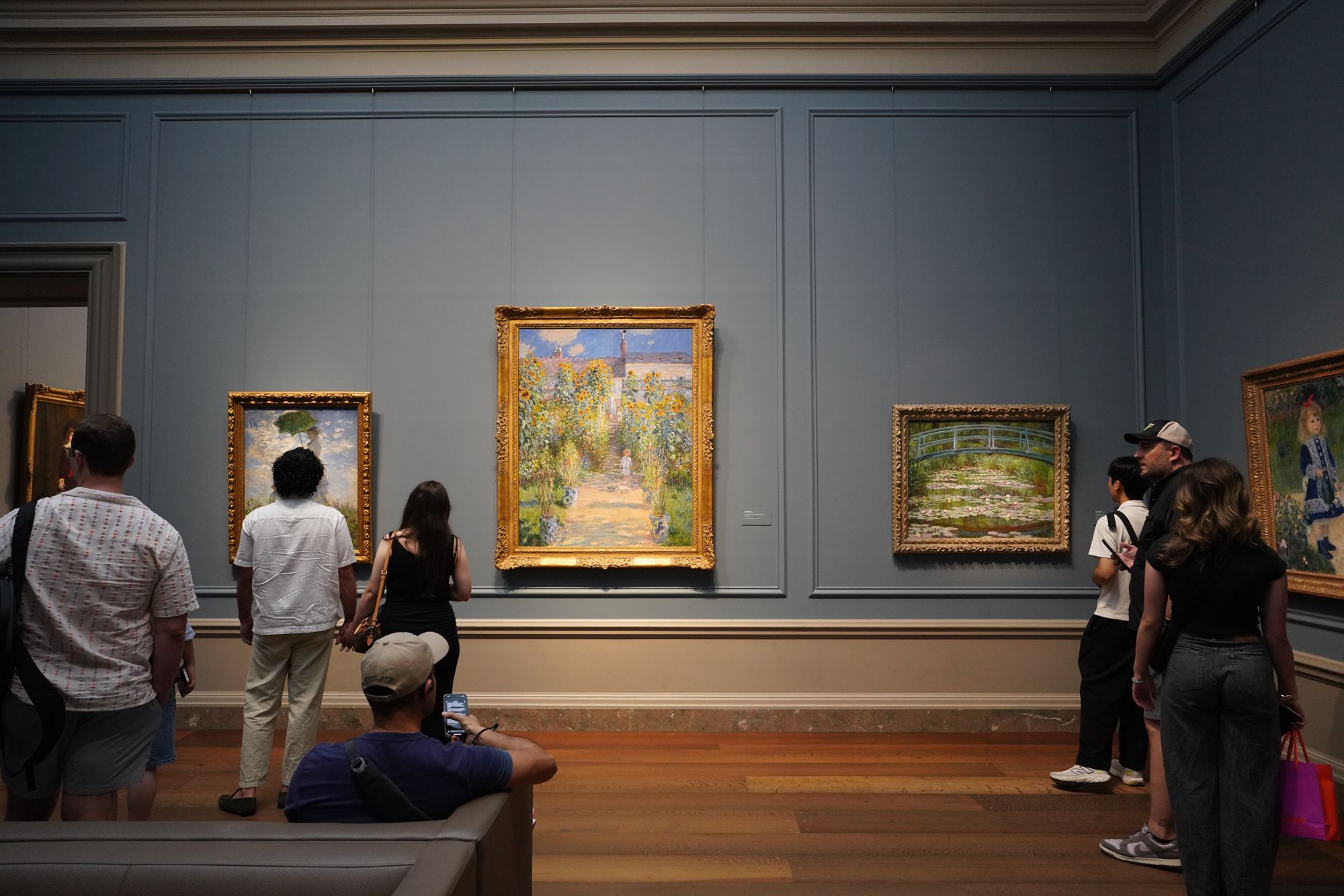
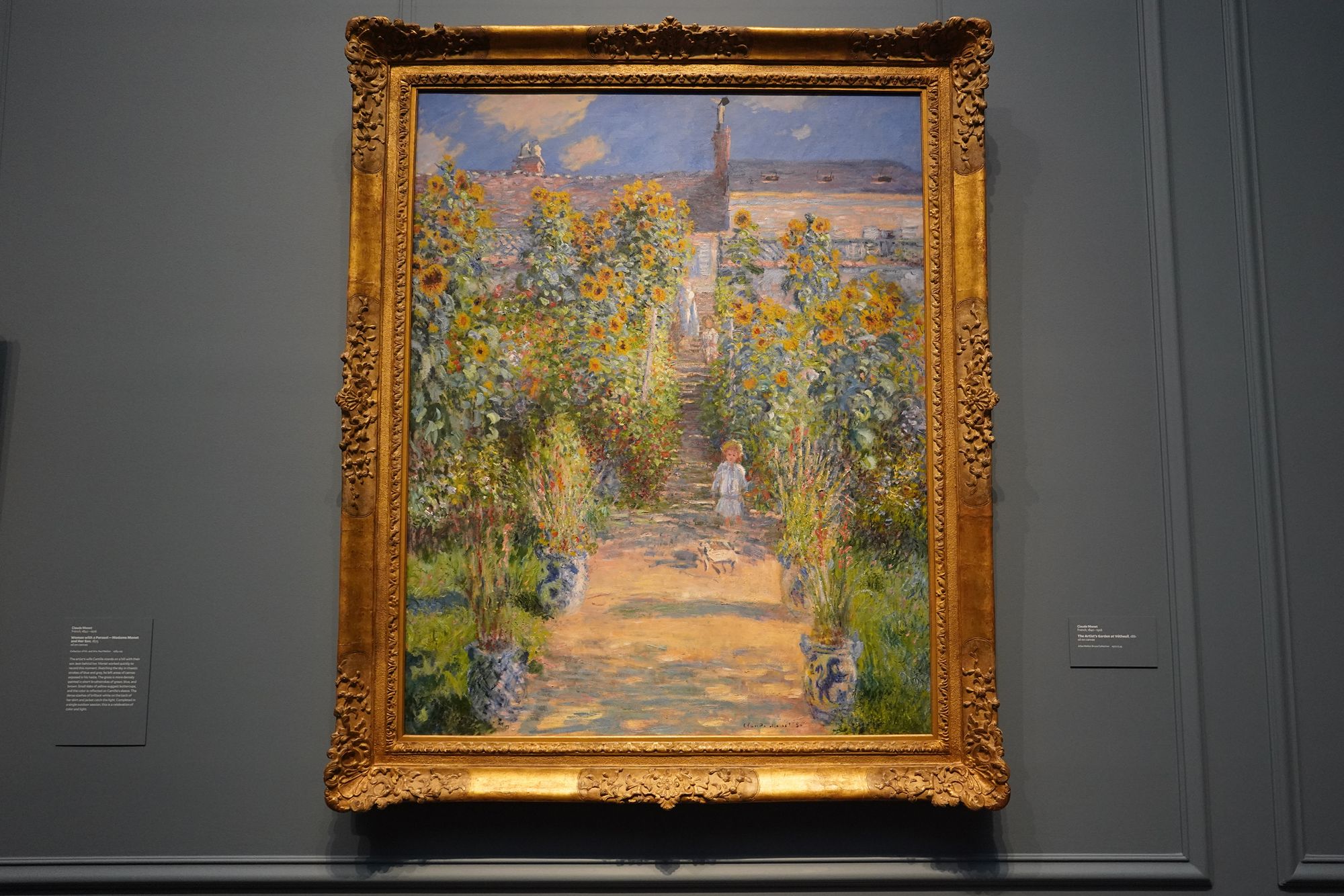
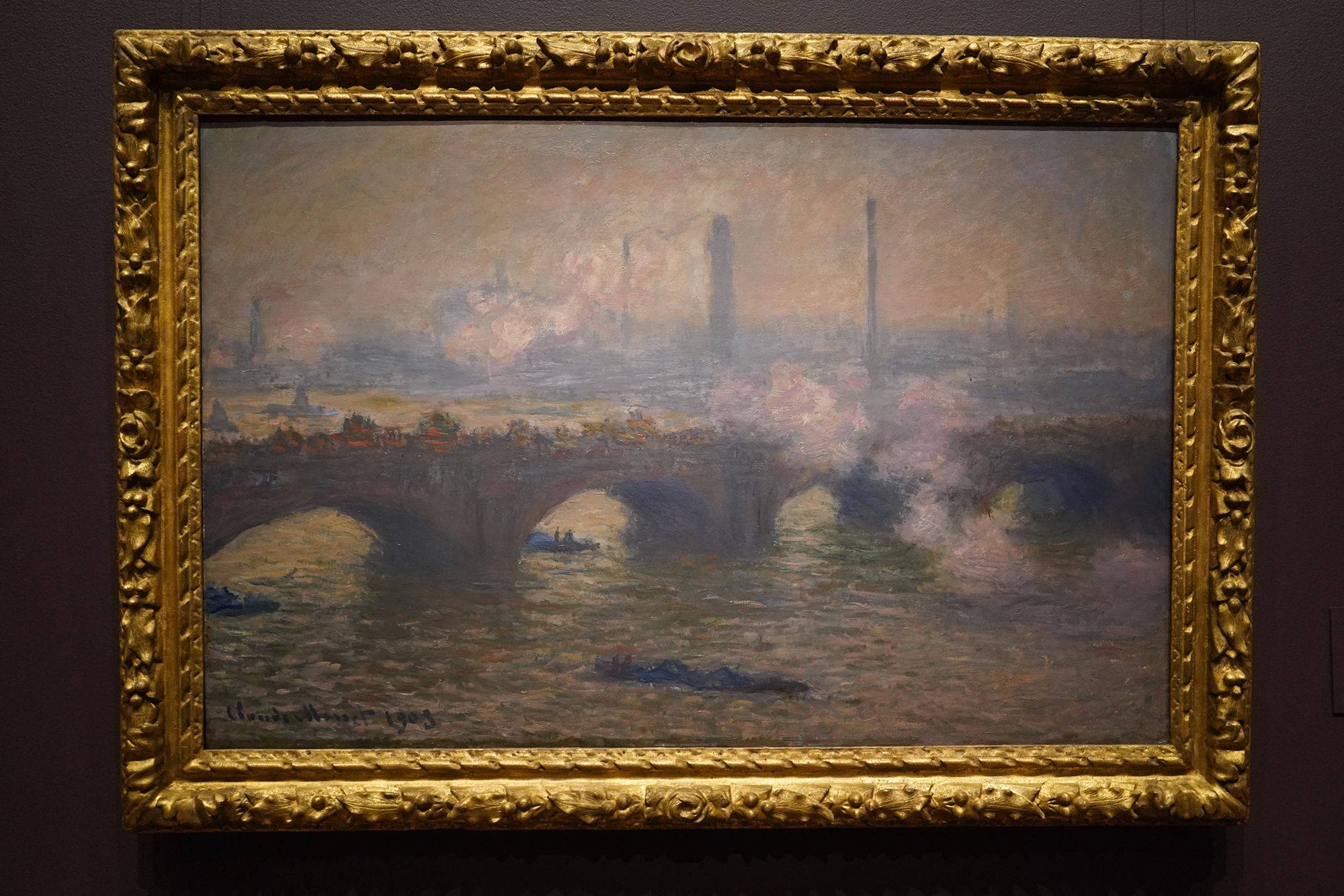
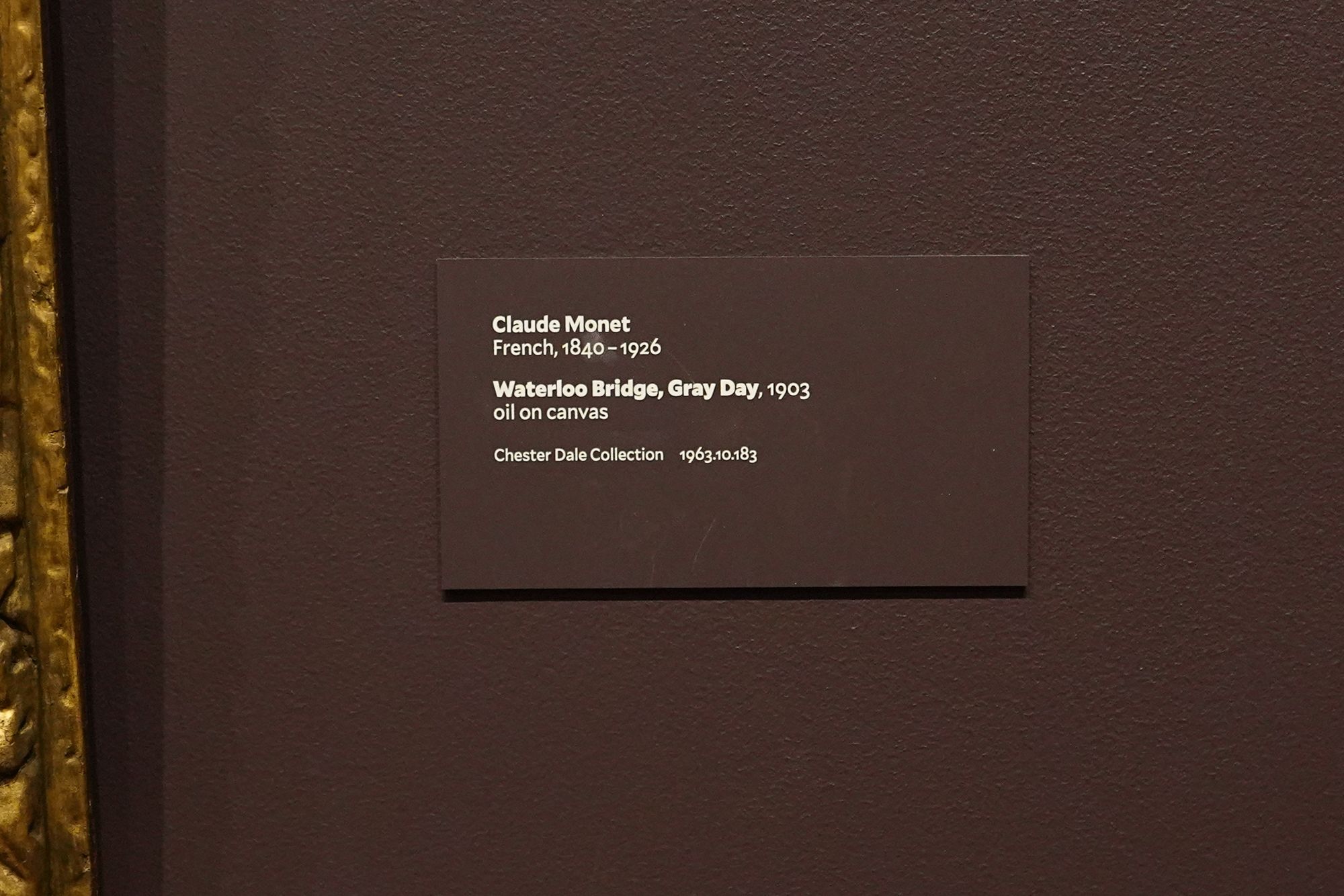
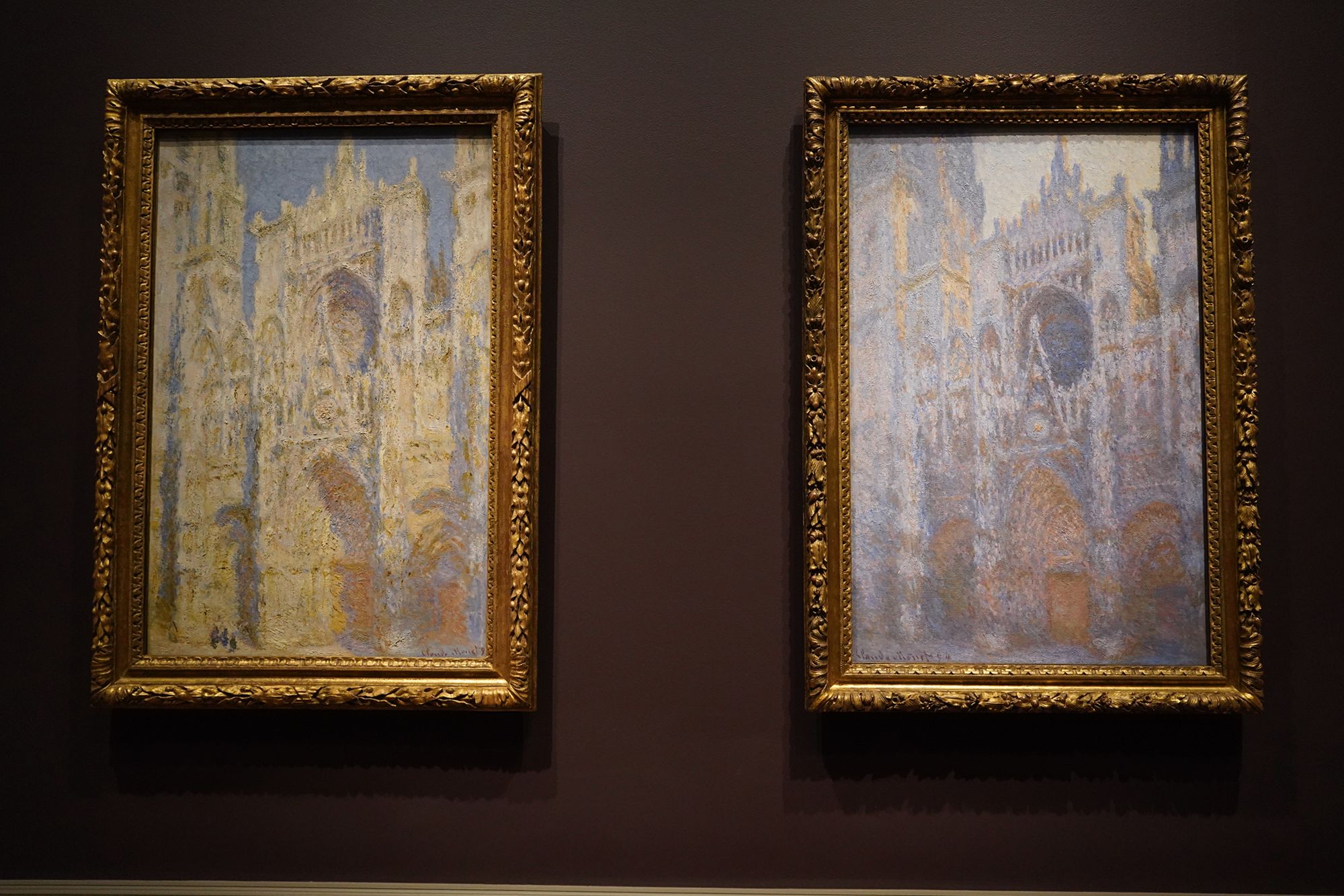
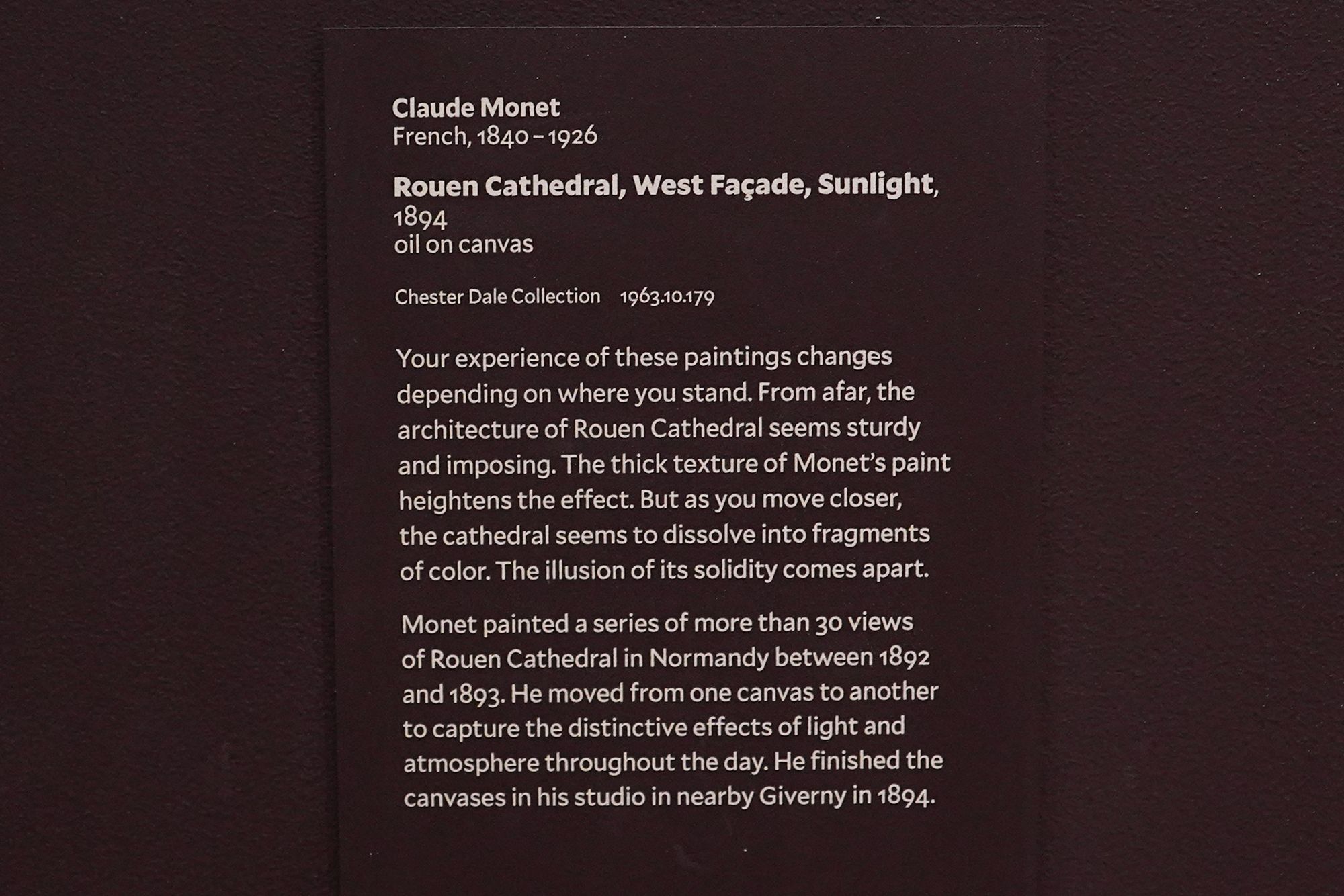
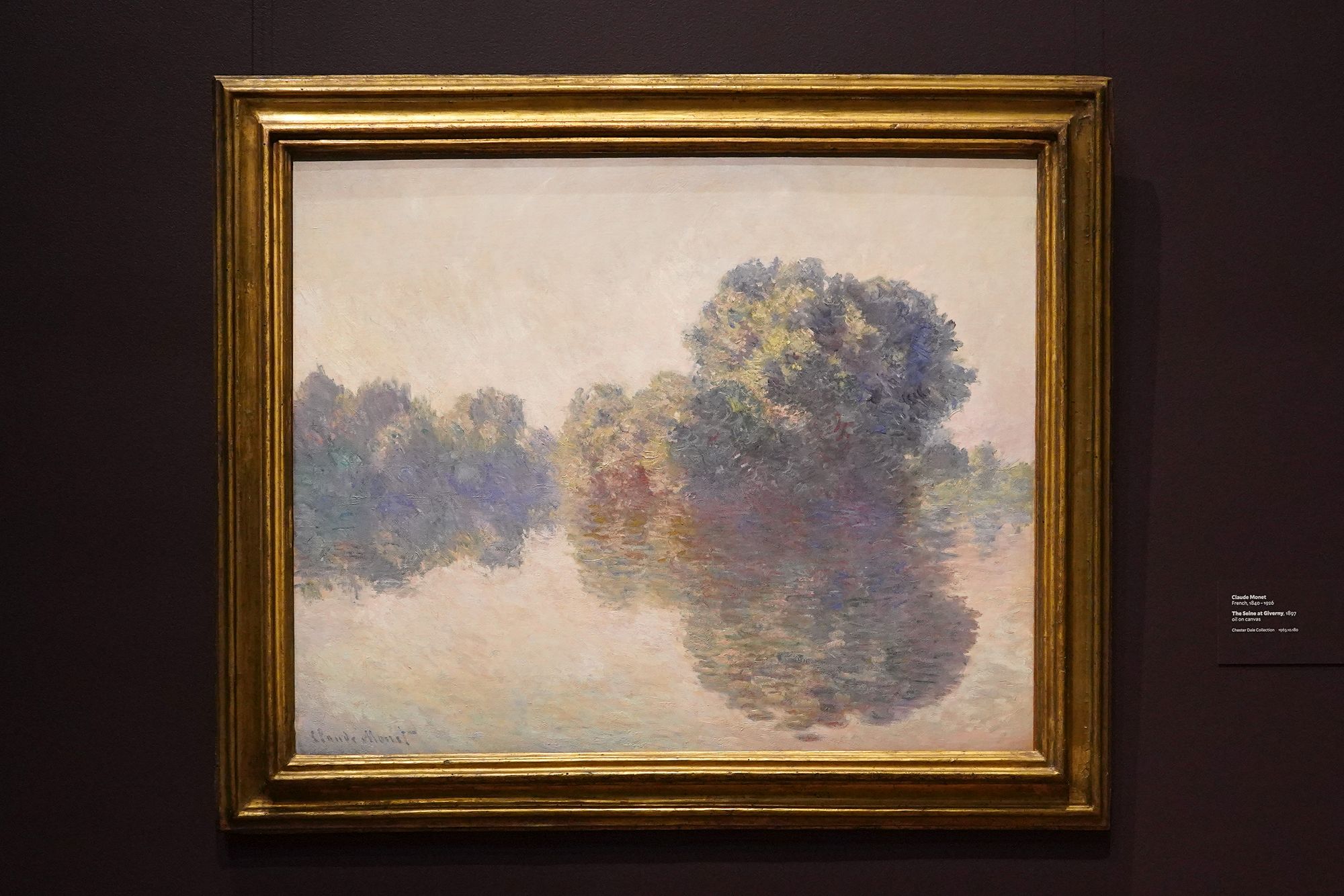
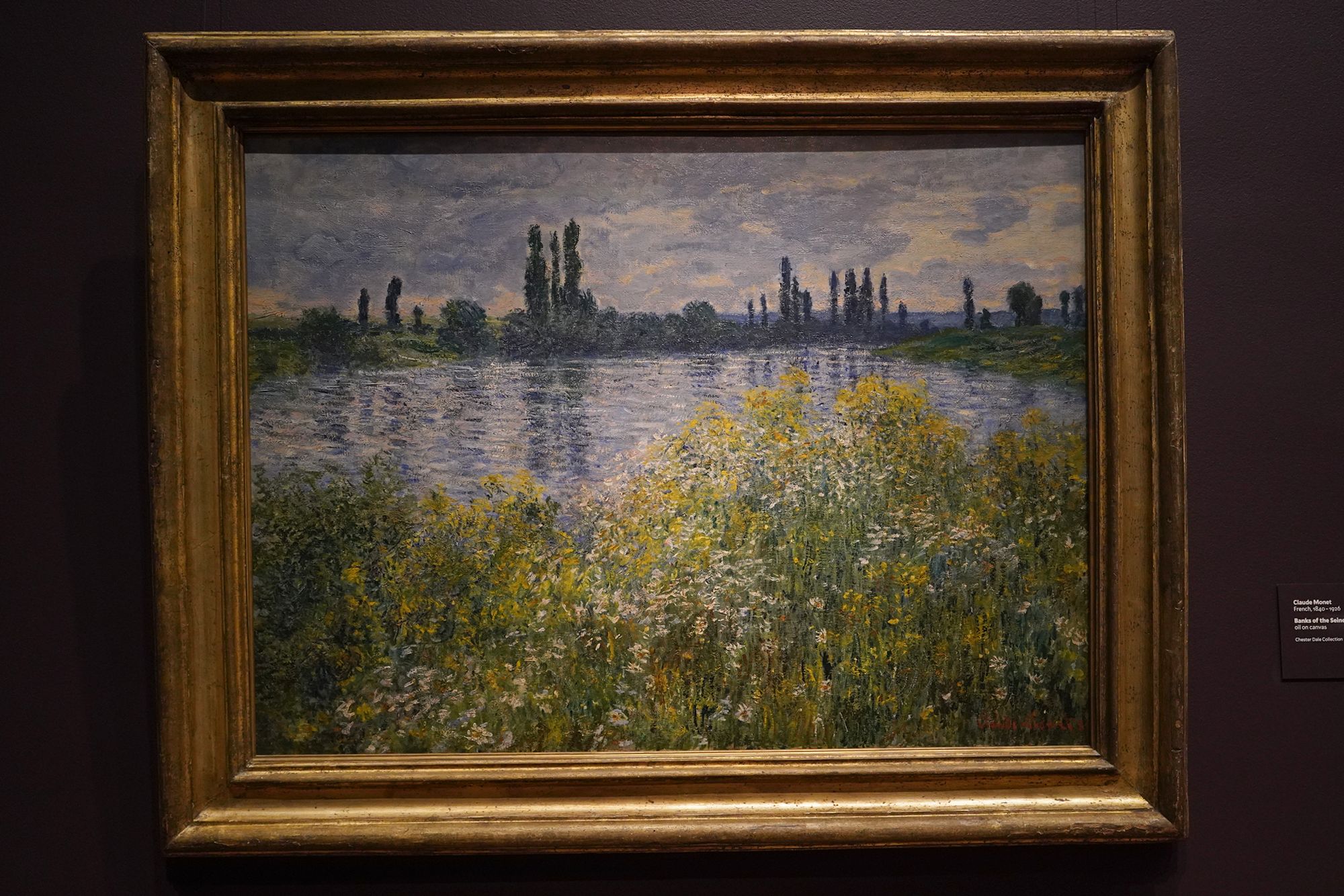
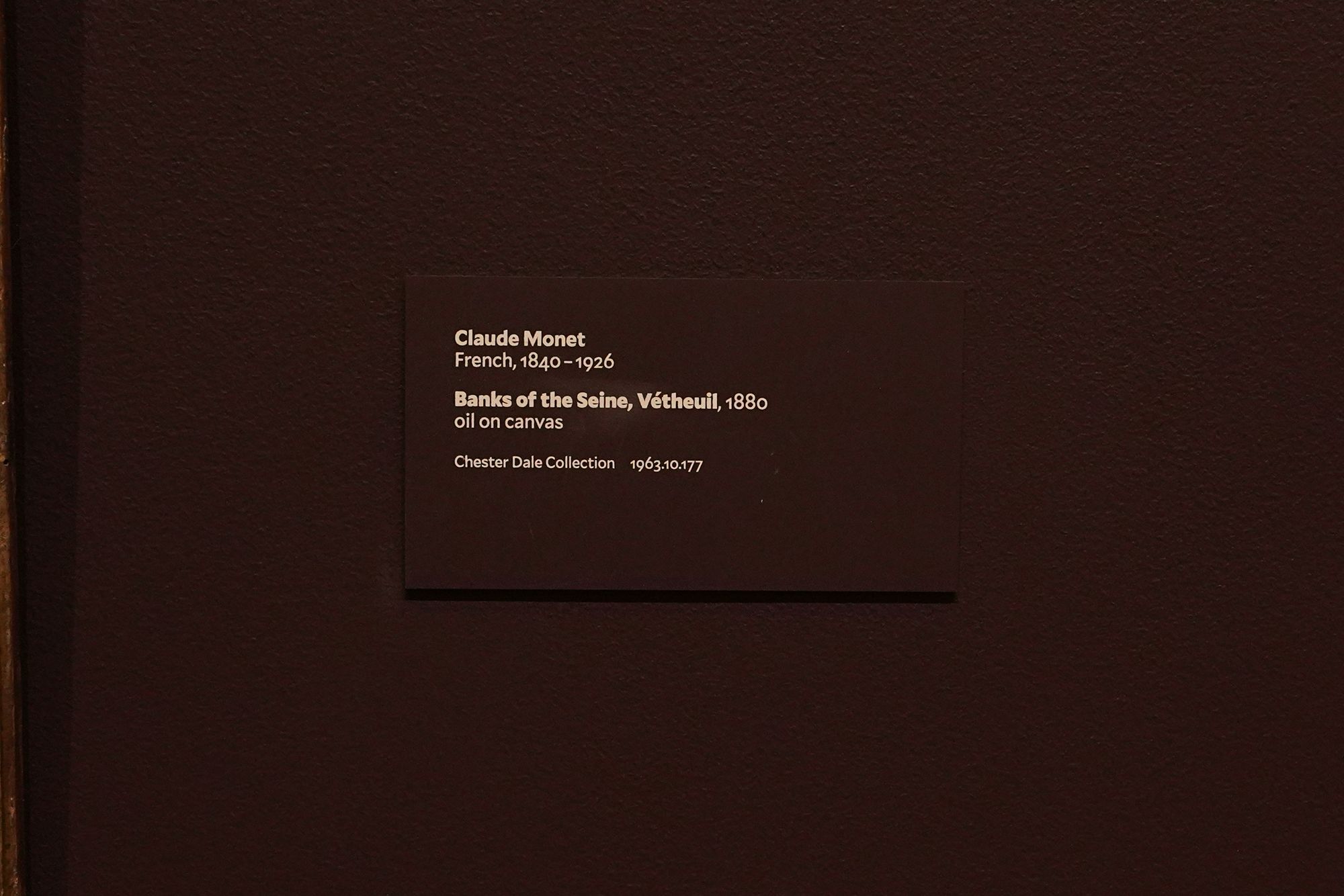
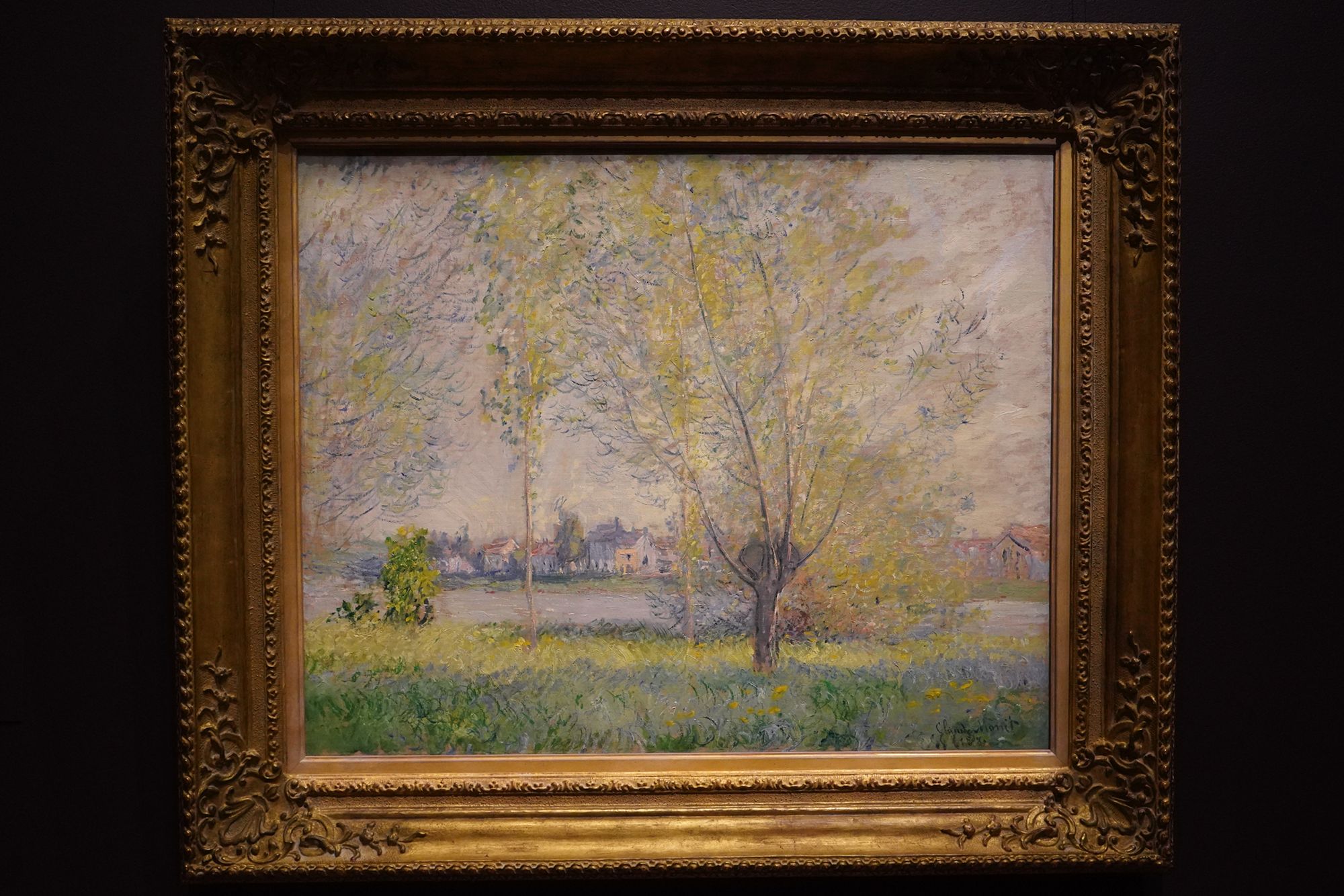
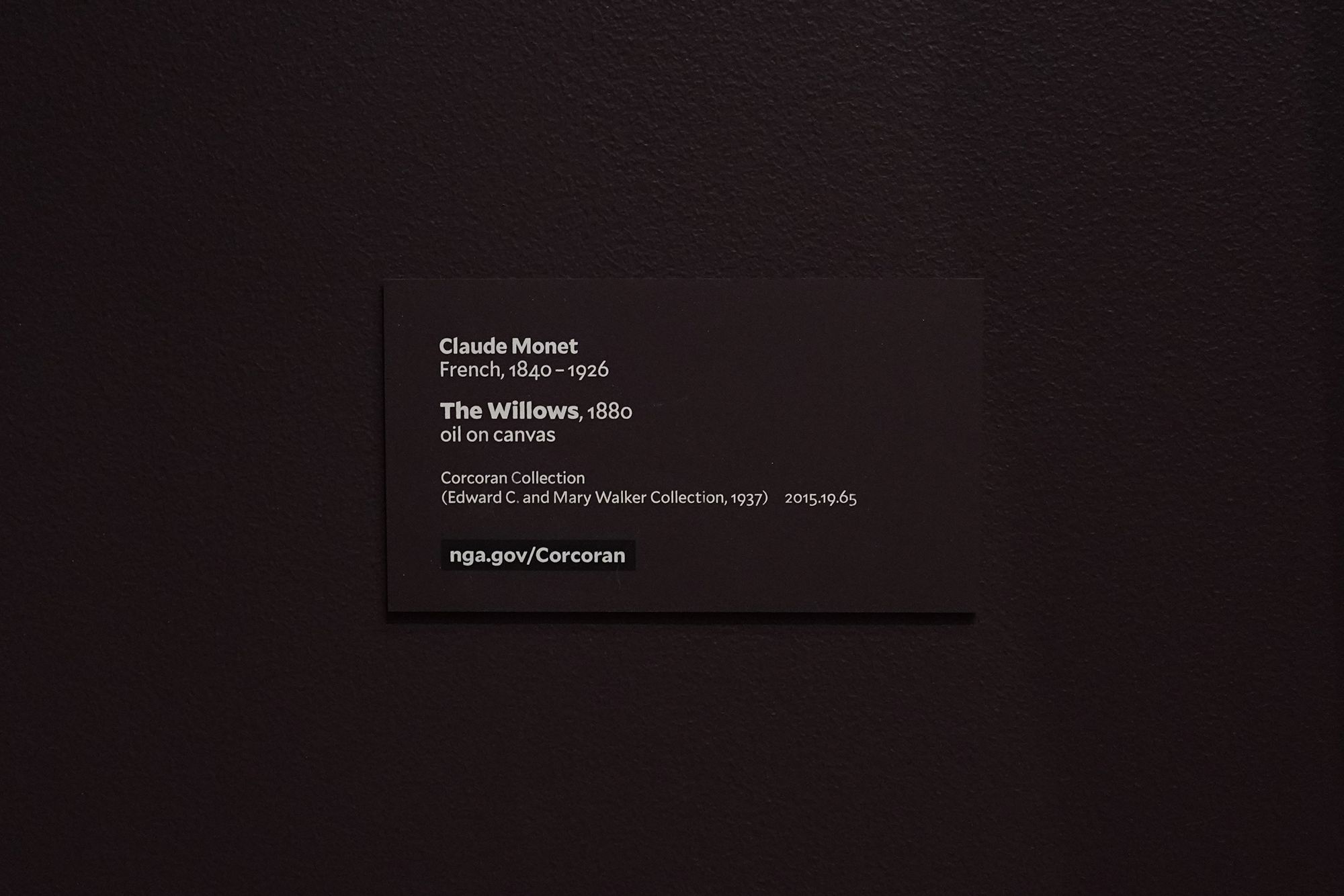
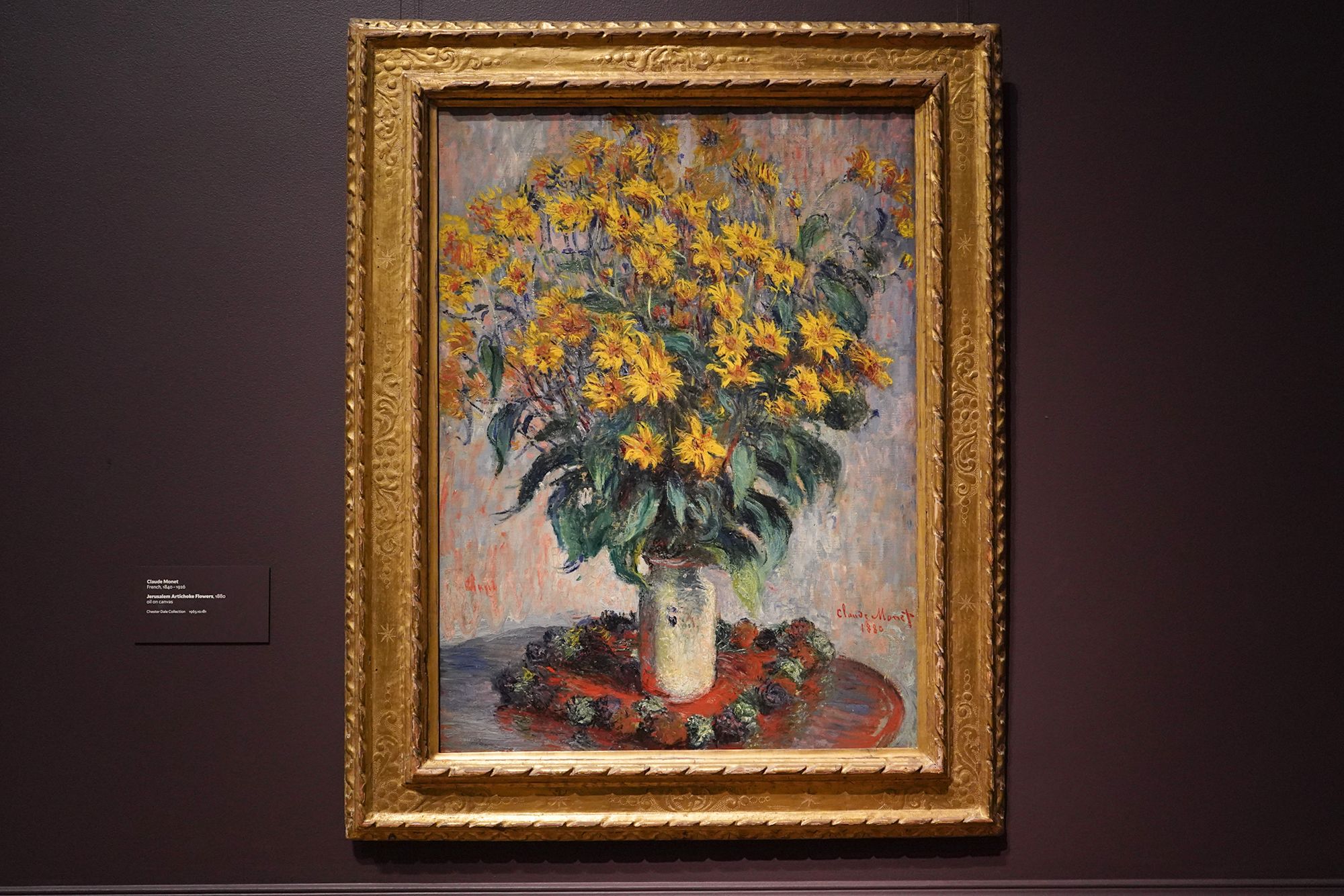
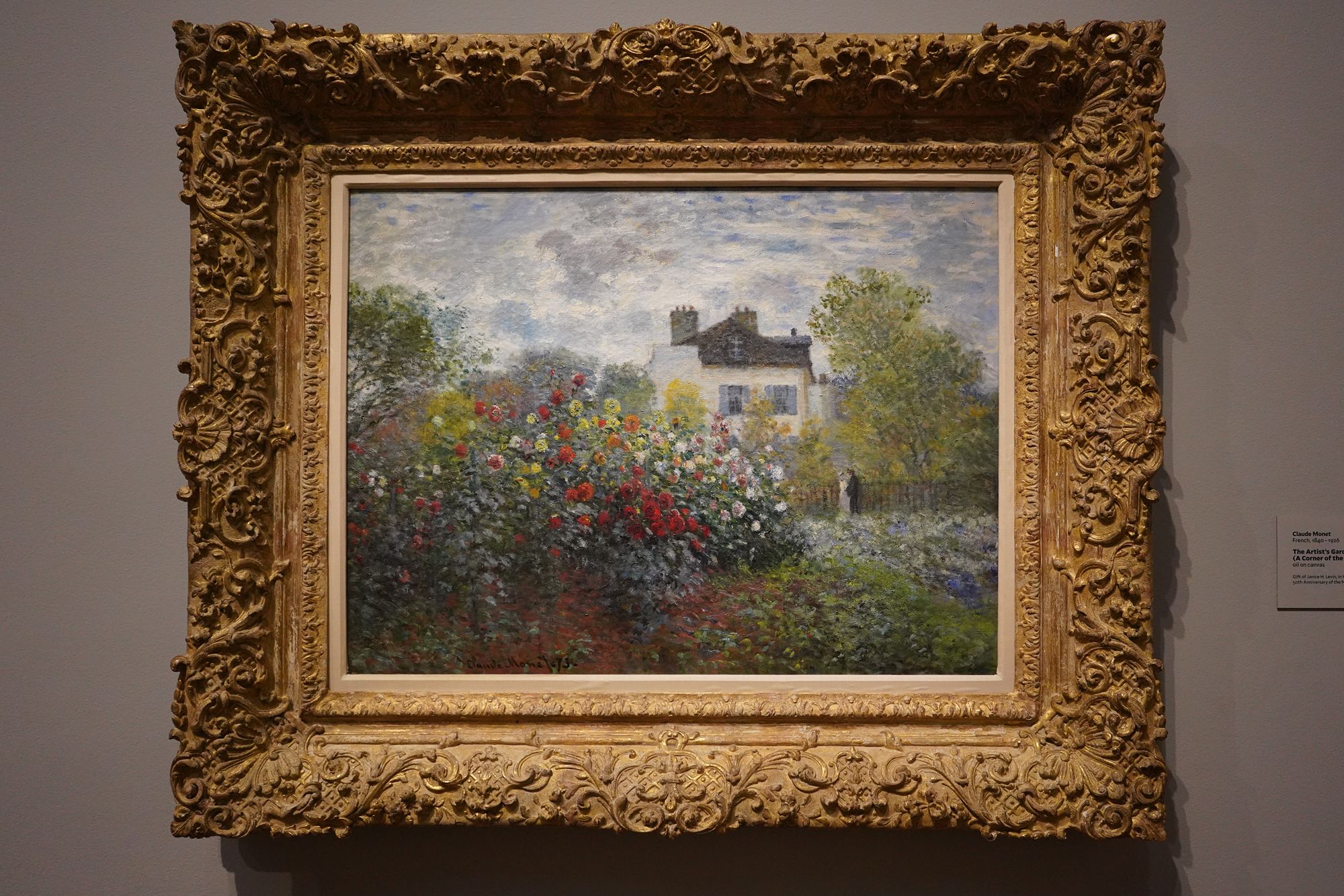
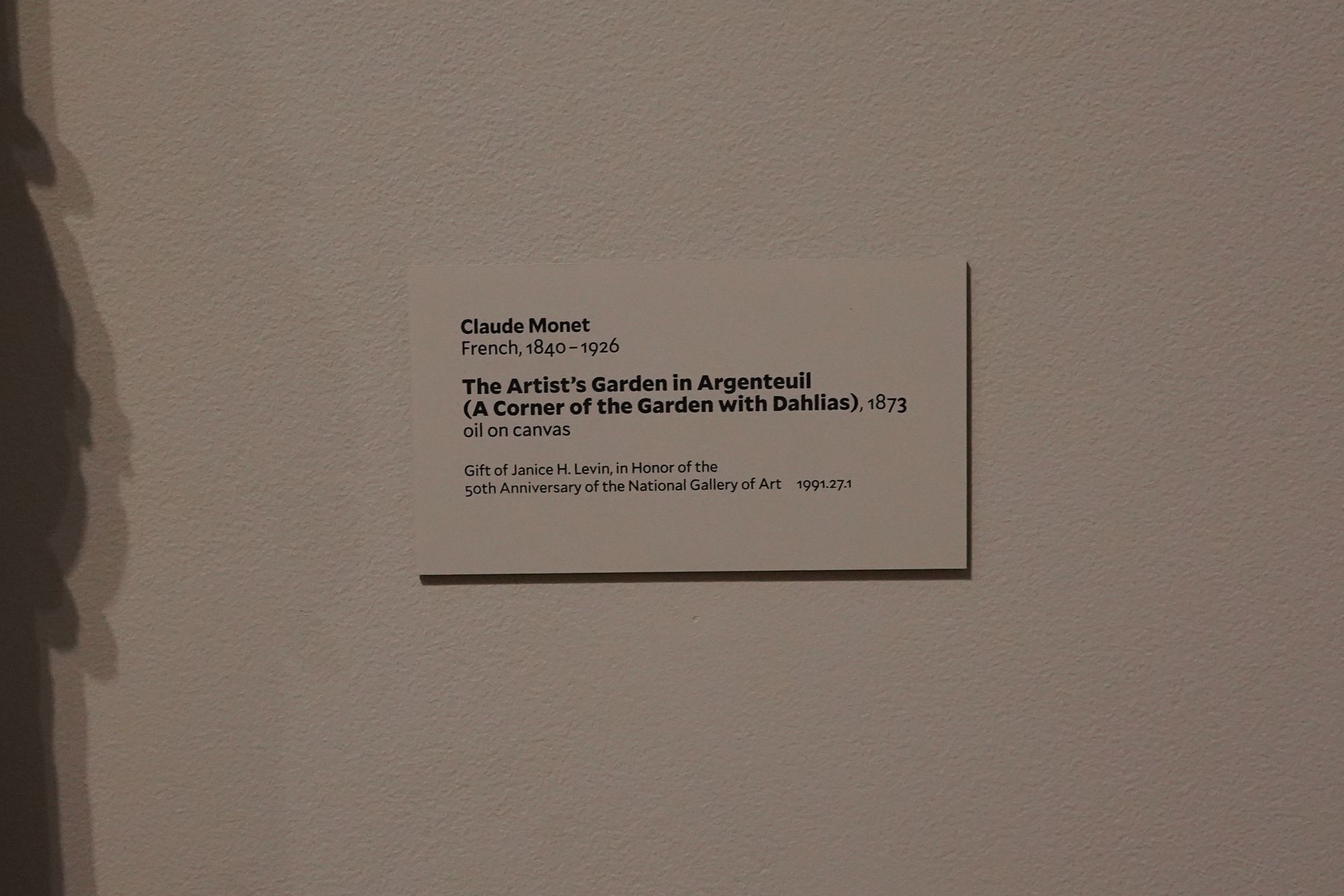
Claude Monet (1840–1926) was a French painter whose work defined the Impressionist movement. His art focused on light, atmosphere, and the passage of time, using loose brushstrokes and bright color to capture fleeting moments in nature.
He spent his later years at Giverny, where he created his famous water garden and painted hundreds of views of its pond, lilies, and Japanese bridge. These late works approach abstraction and deeply influenced modern art.
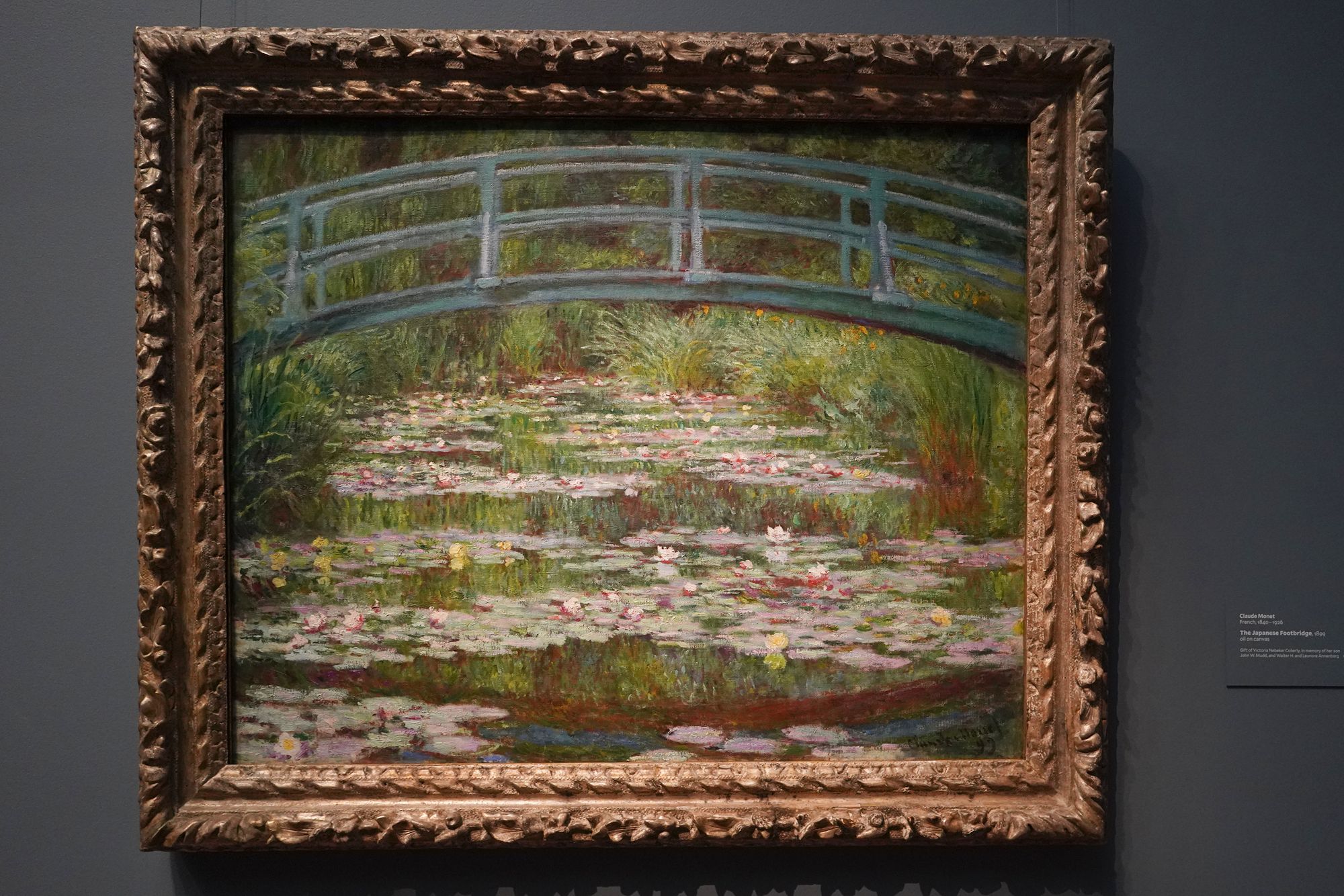
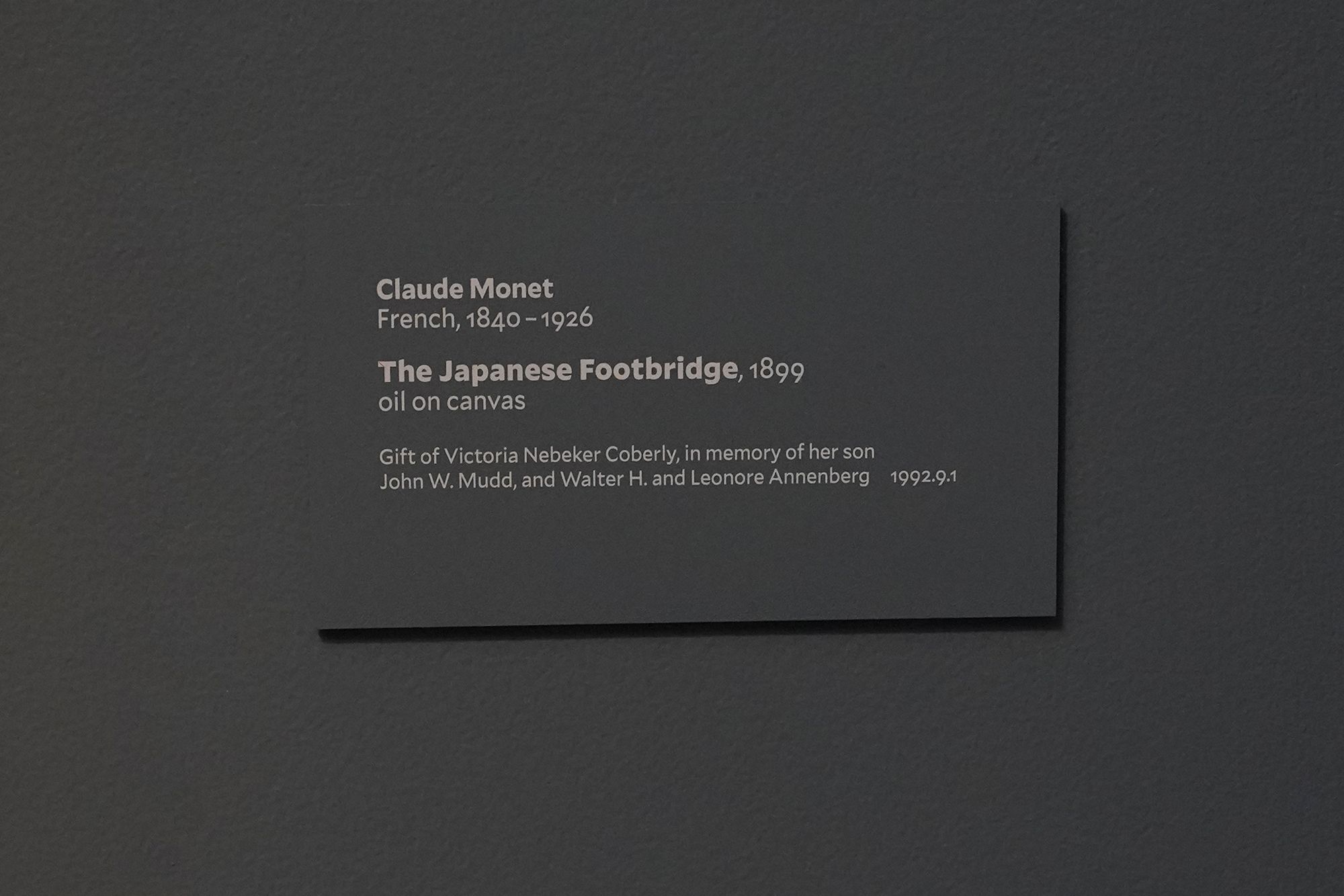
Monet turned ordinary landscapes into studies of light and perception, helping to transform art from realism to modern expression and visual experience.
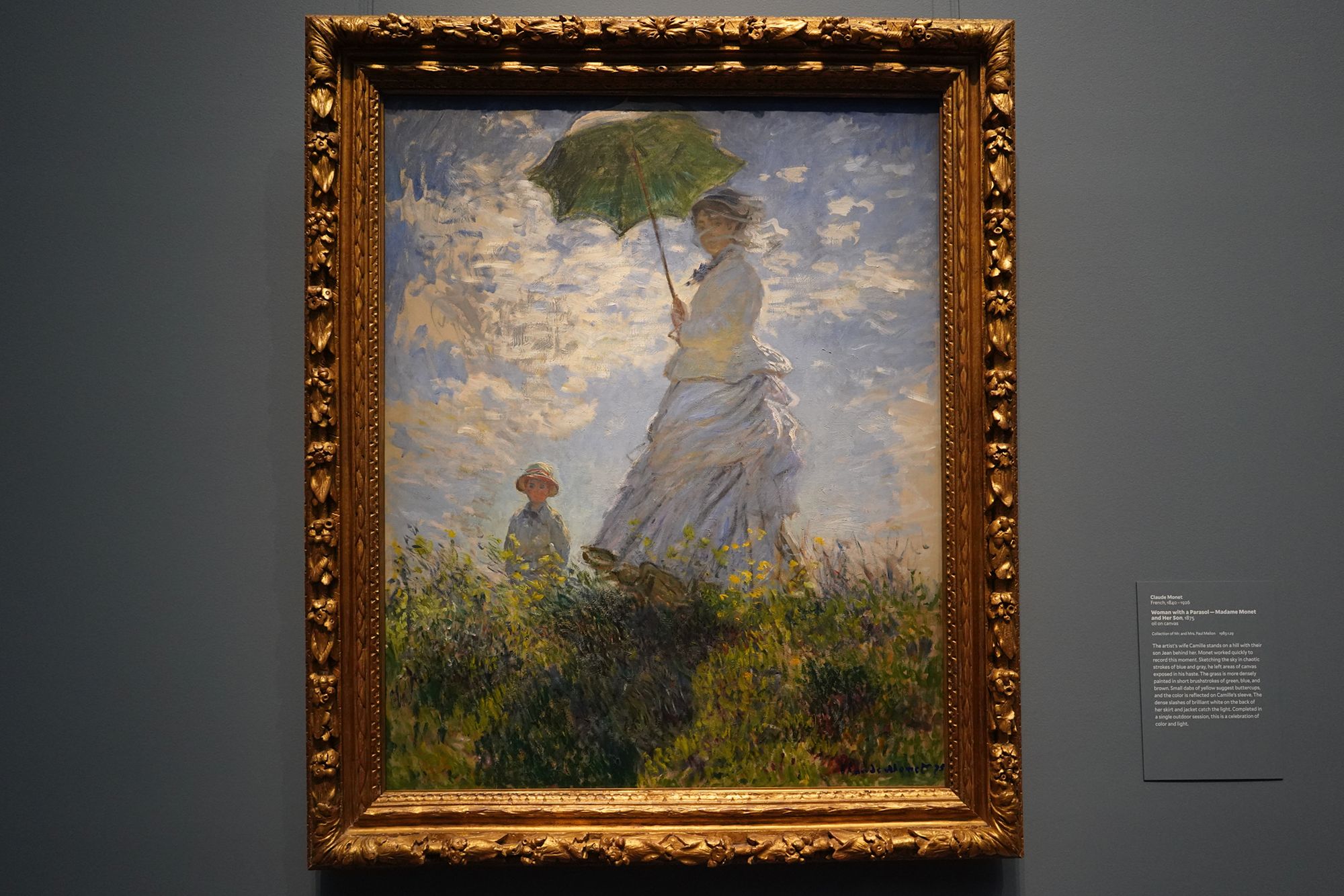
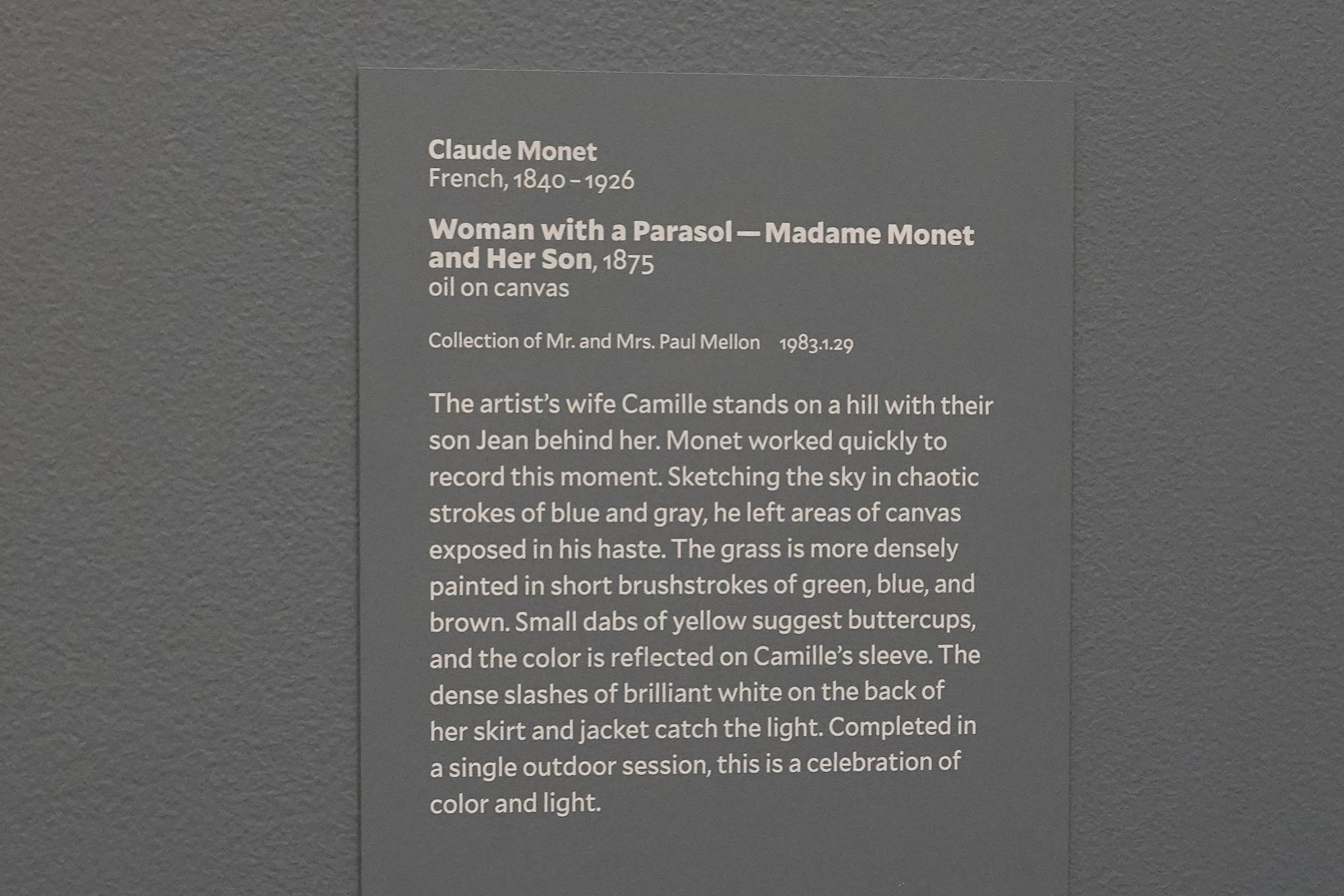
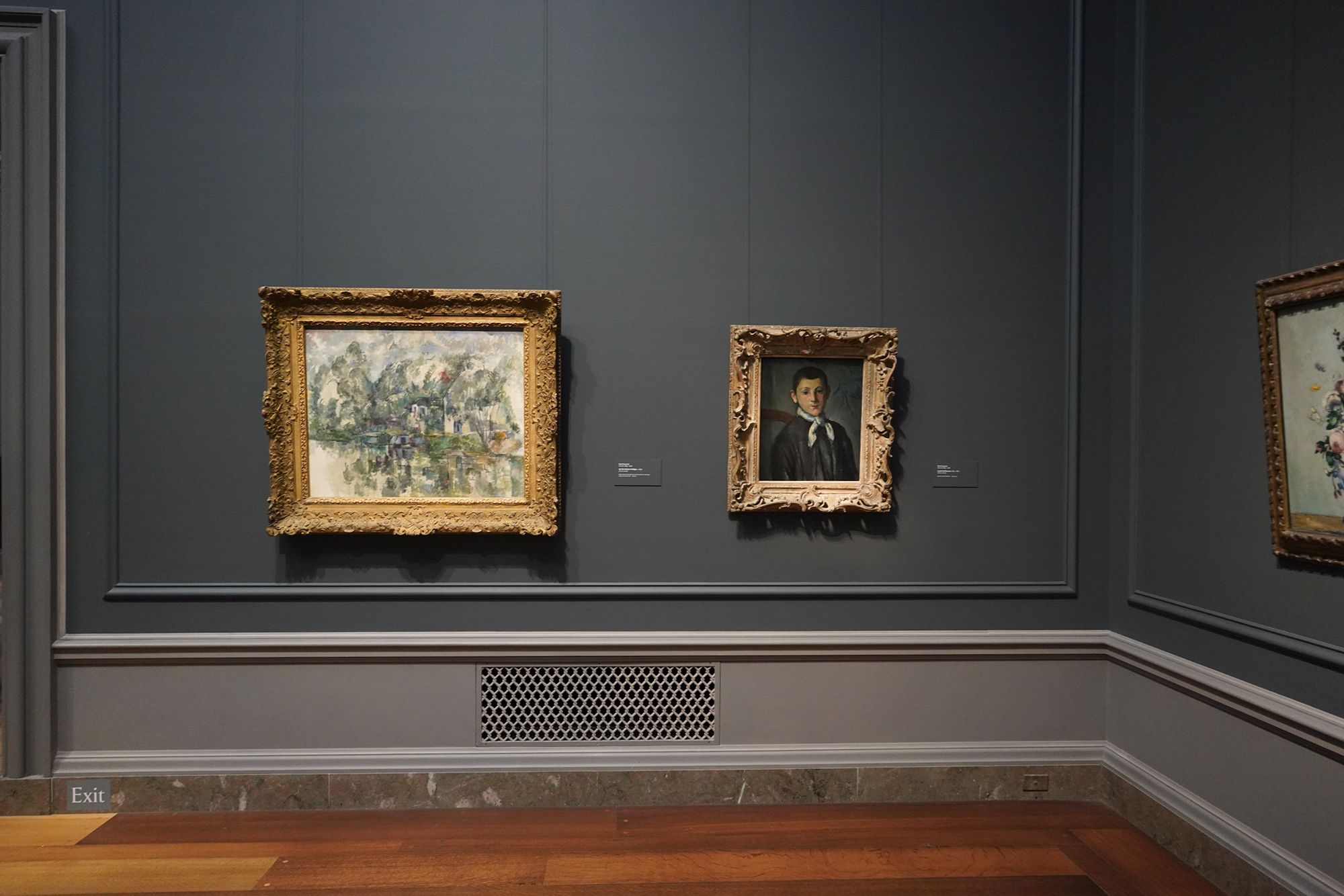
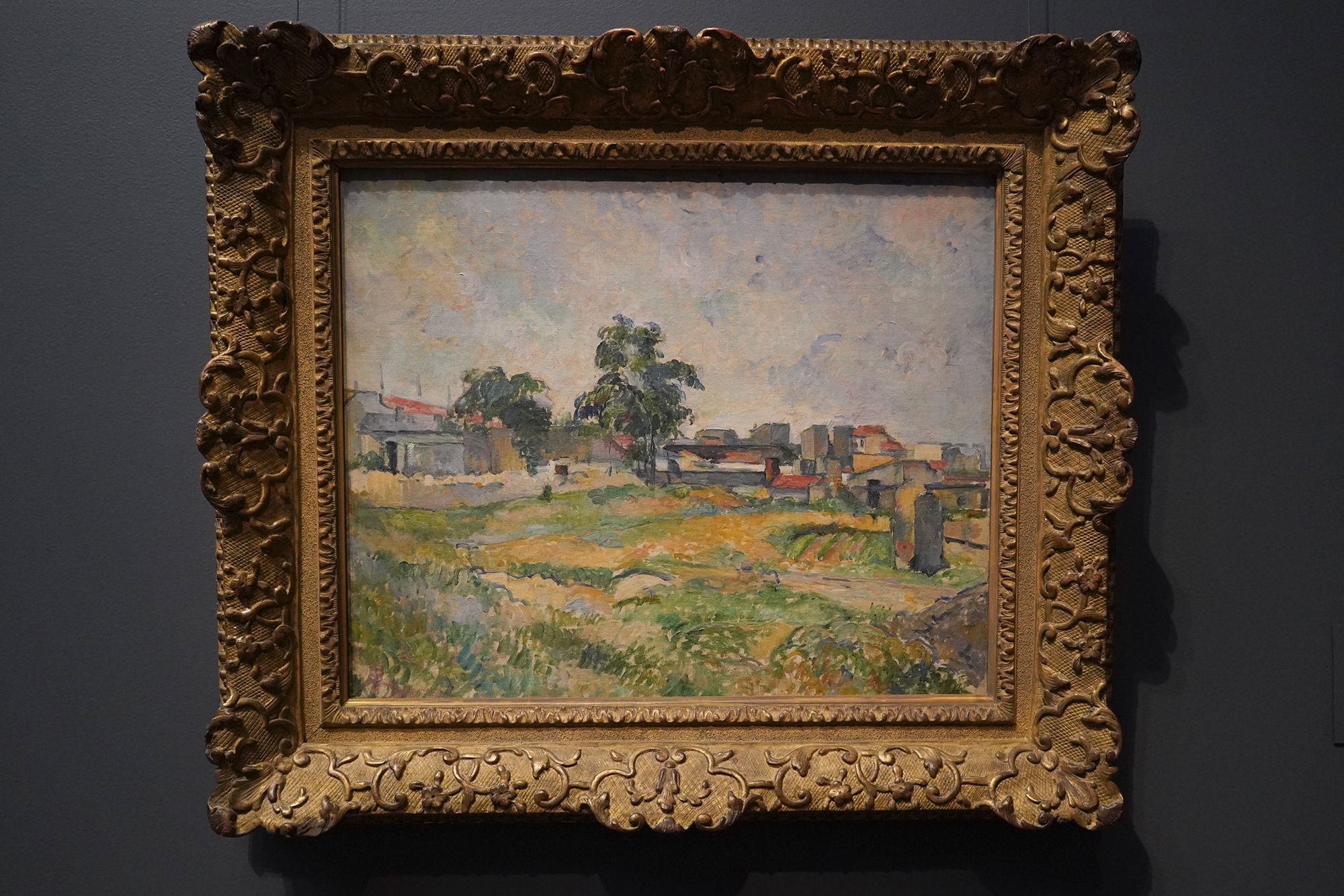
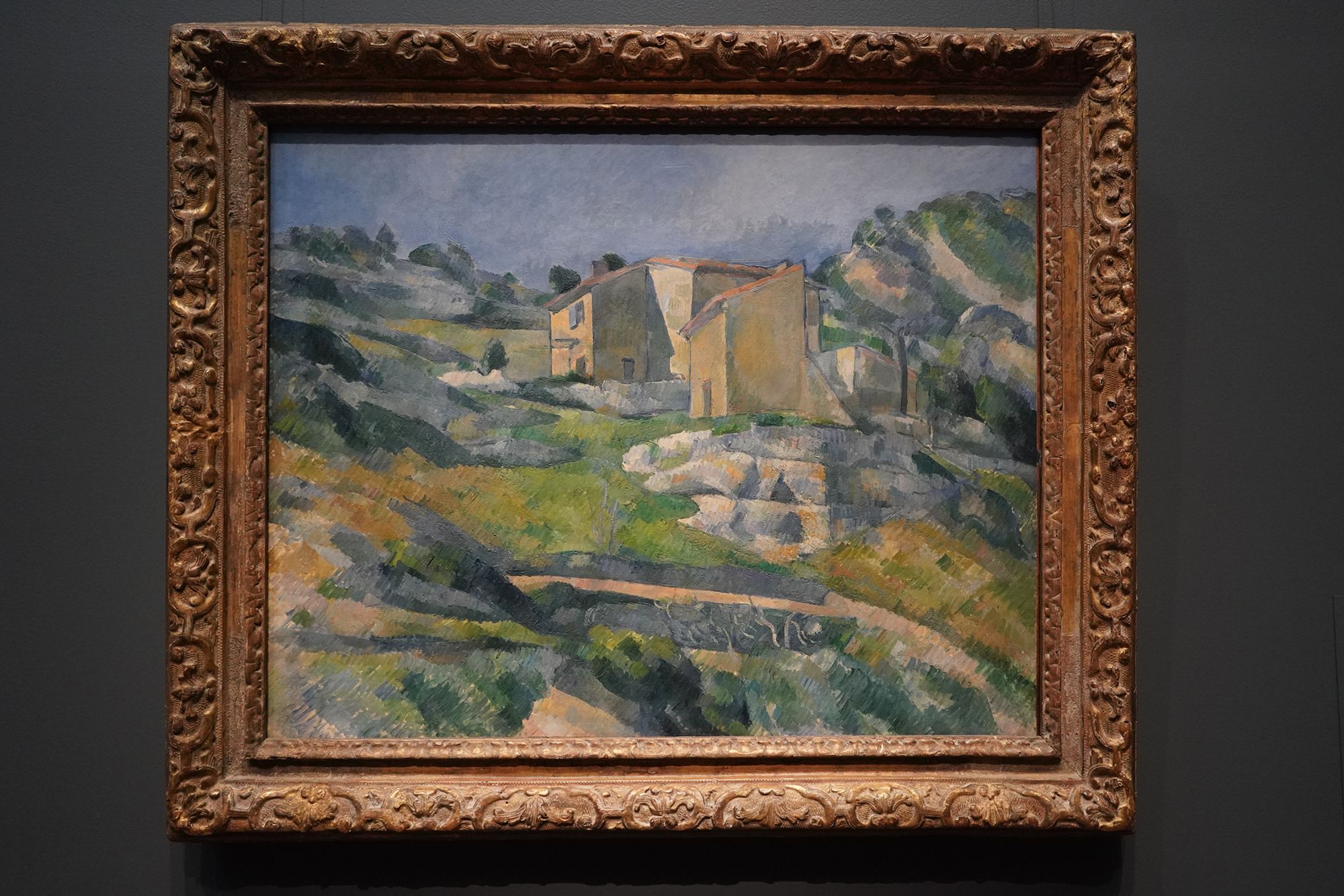
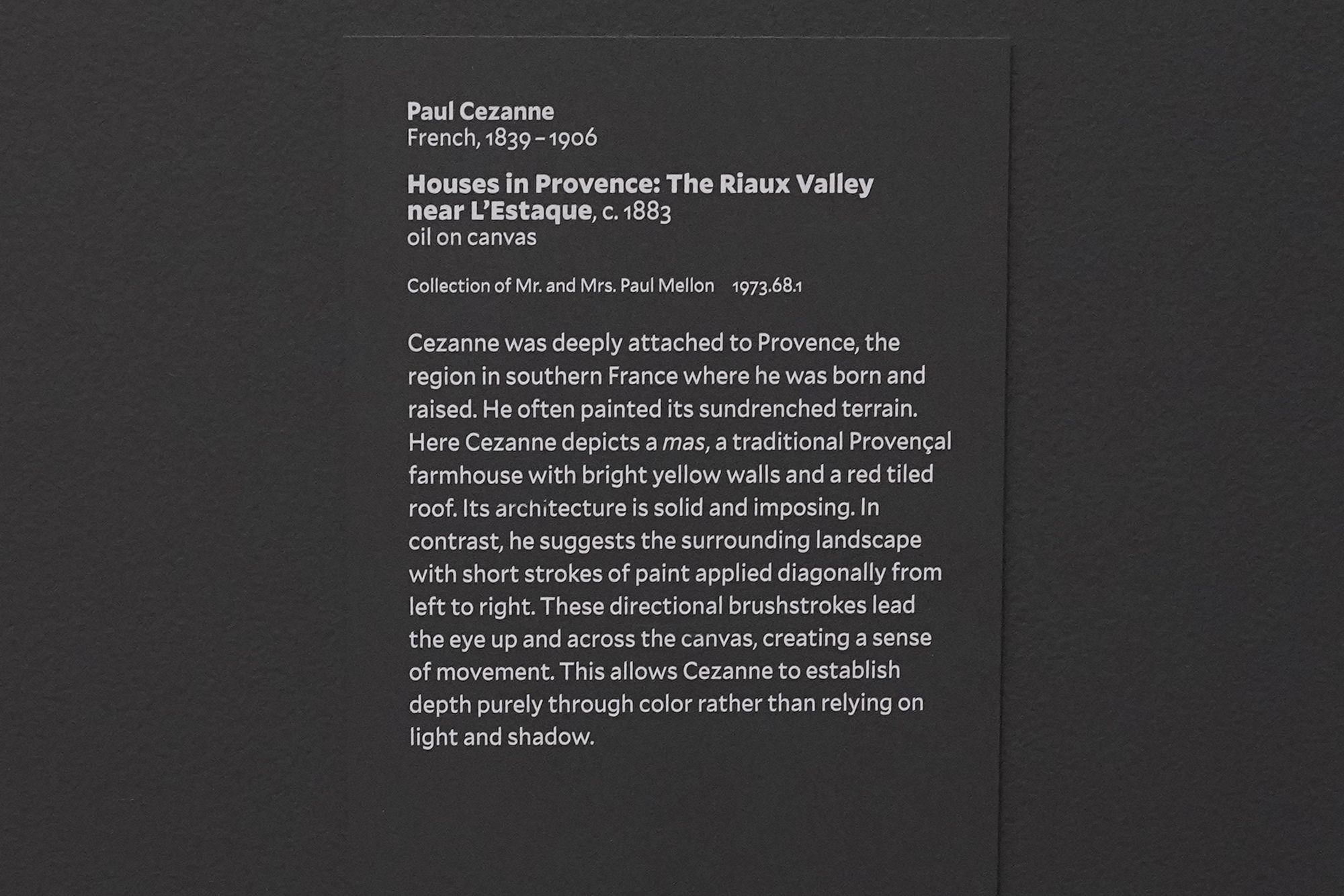
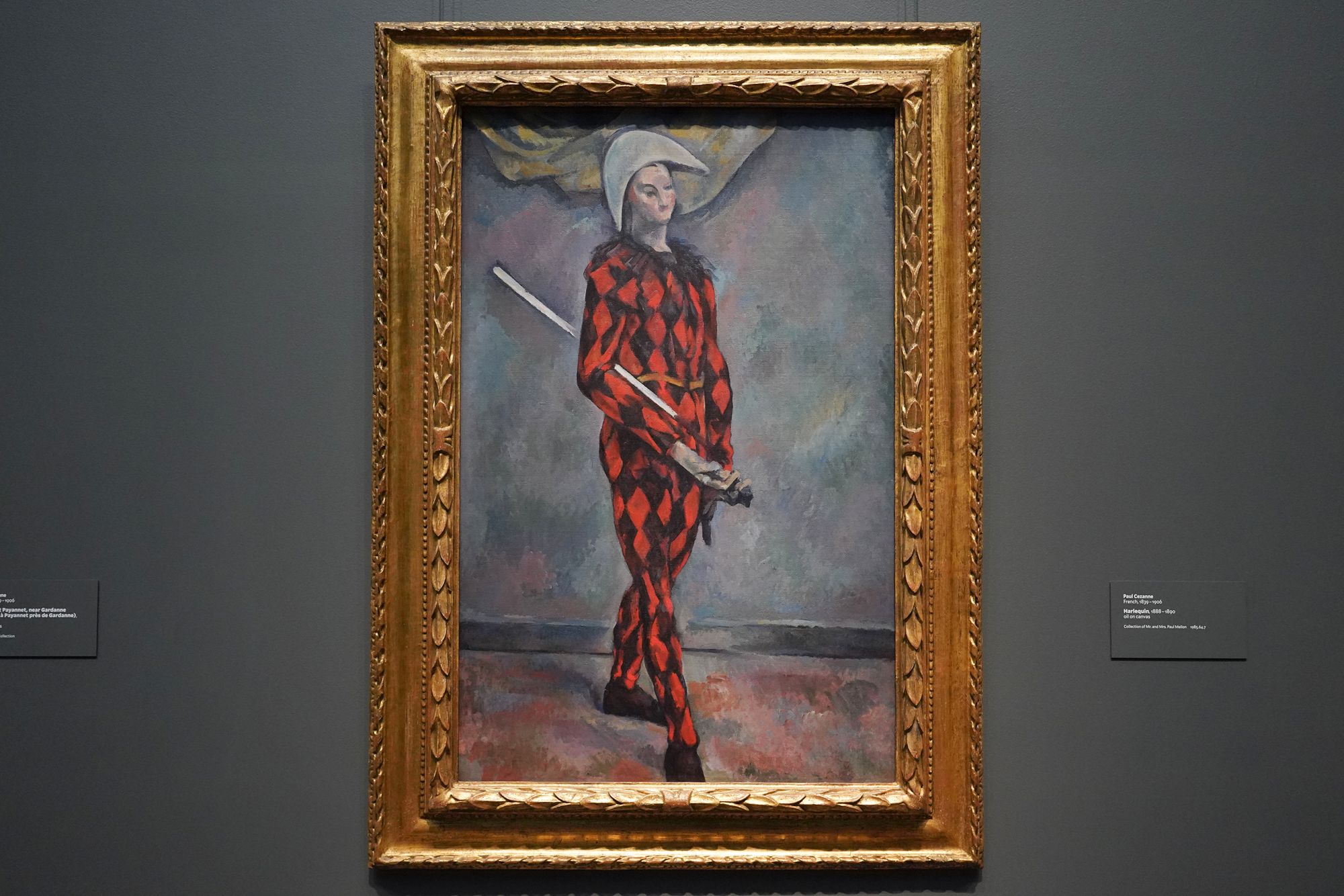
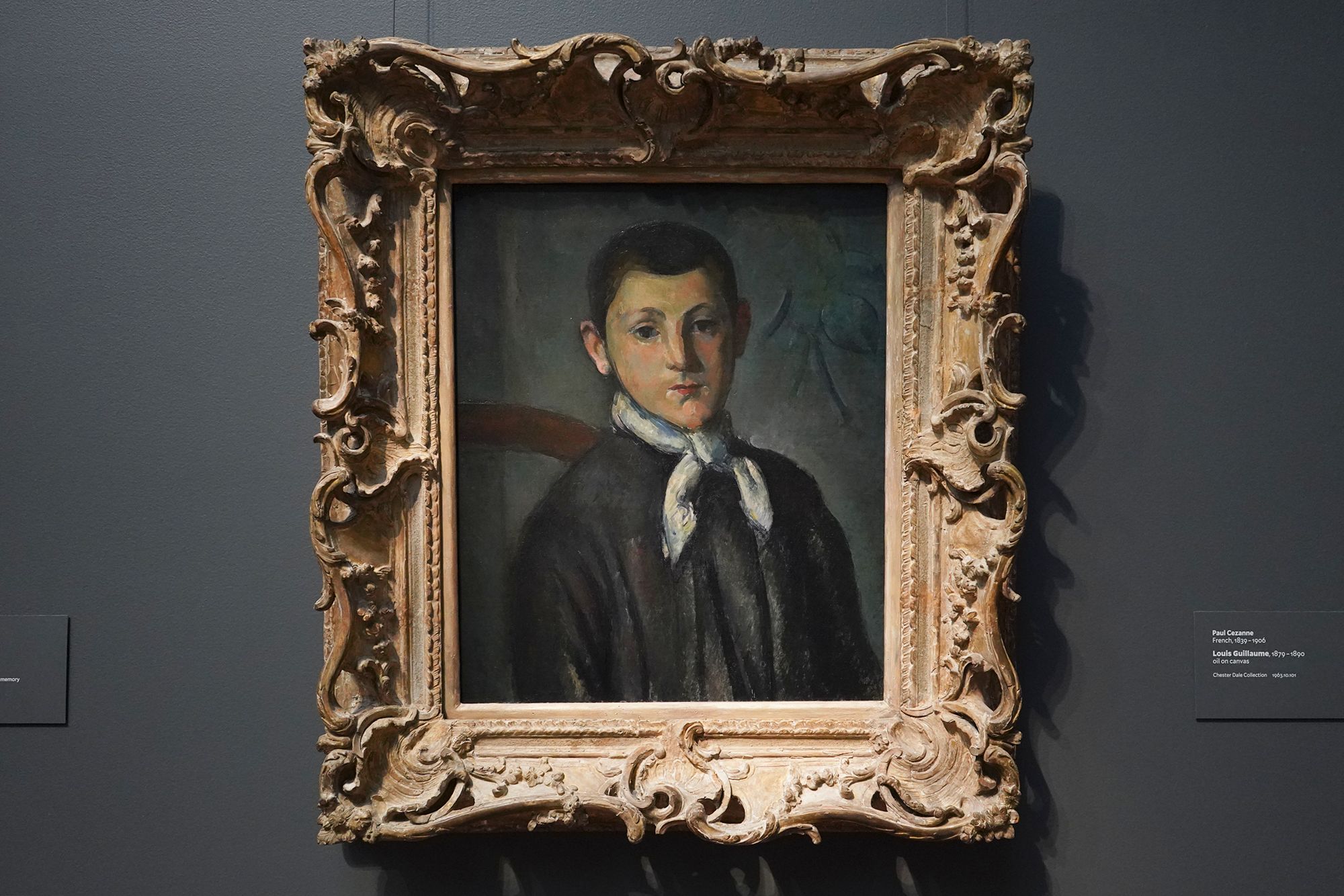
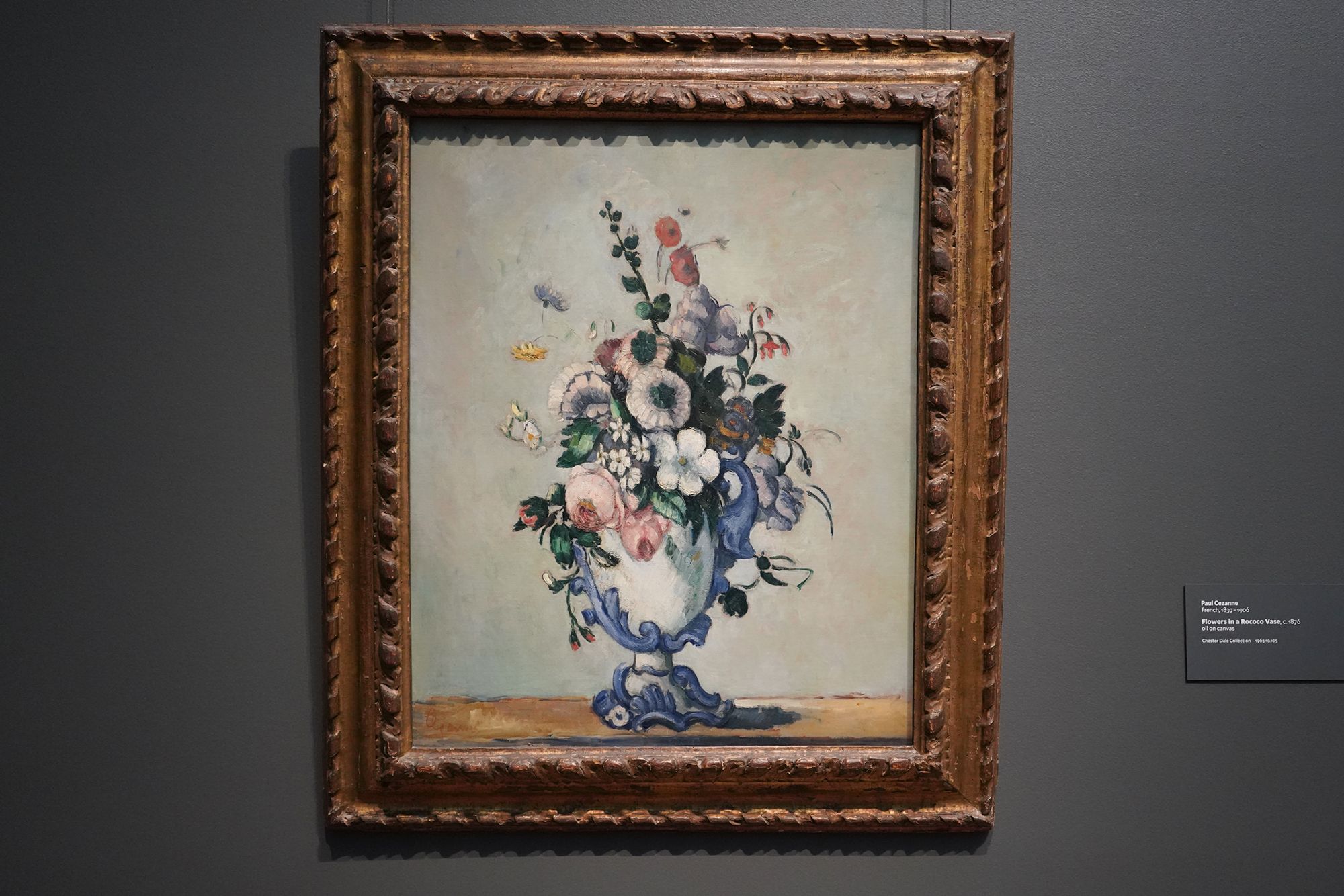
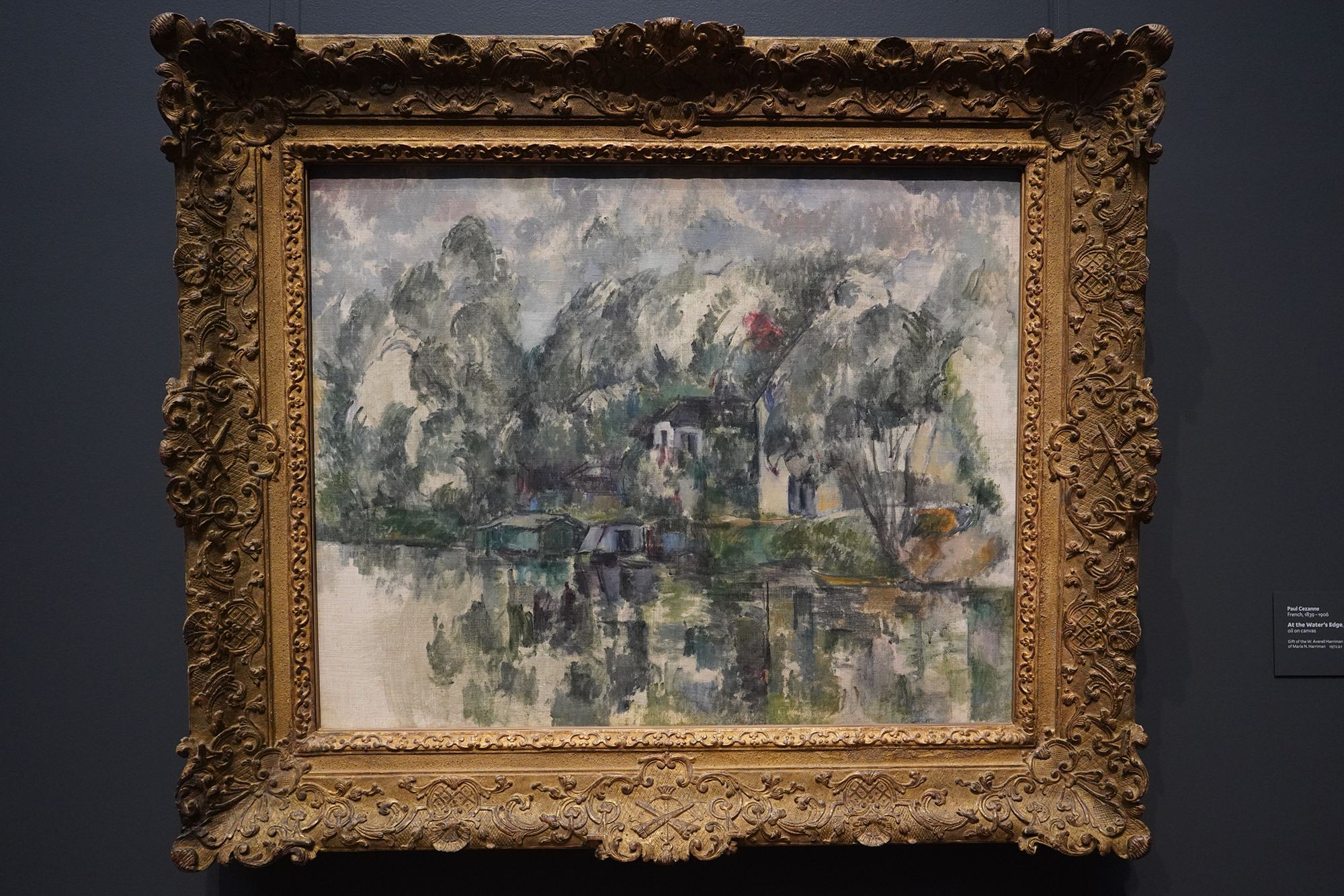
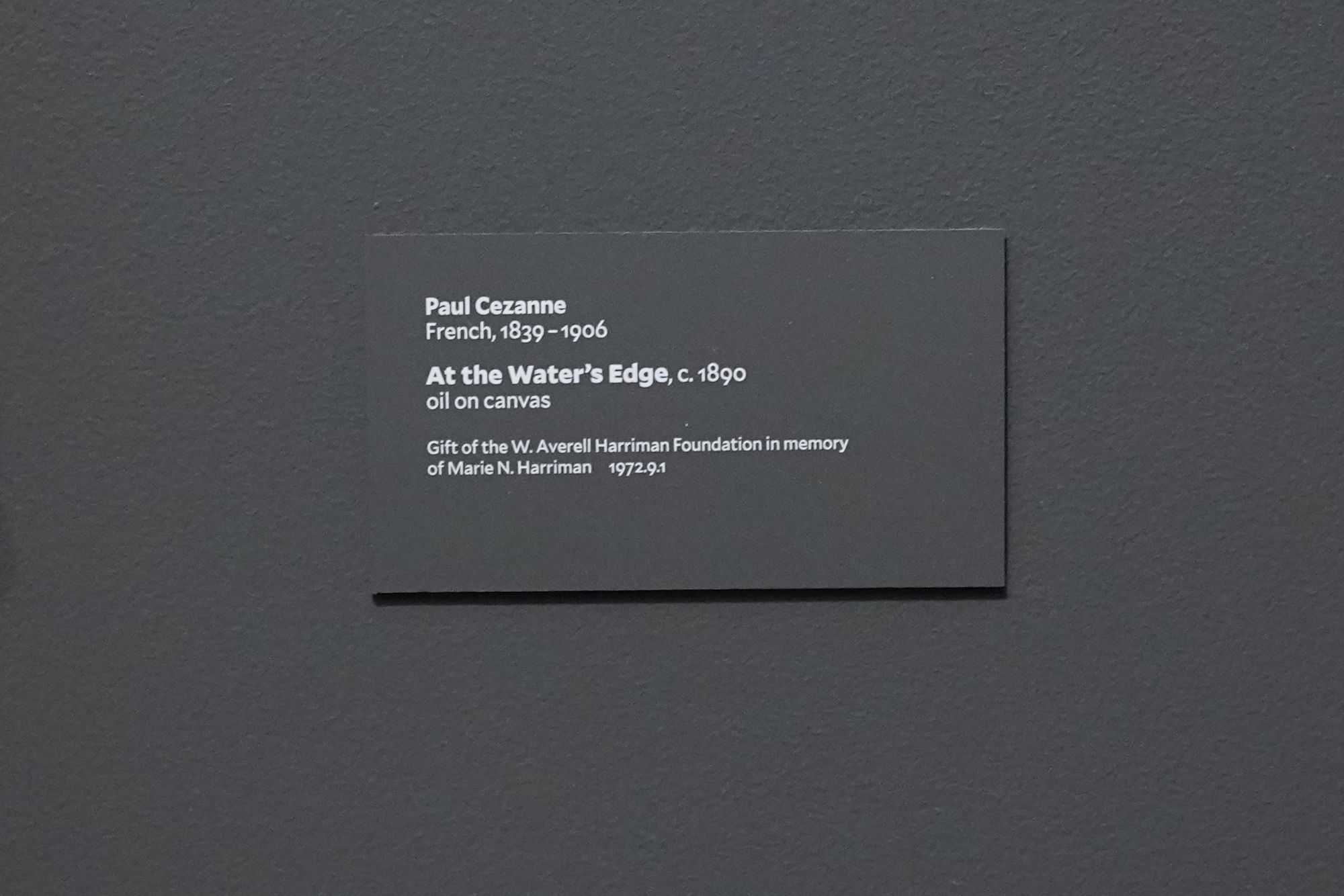
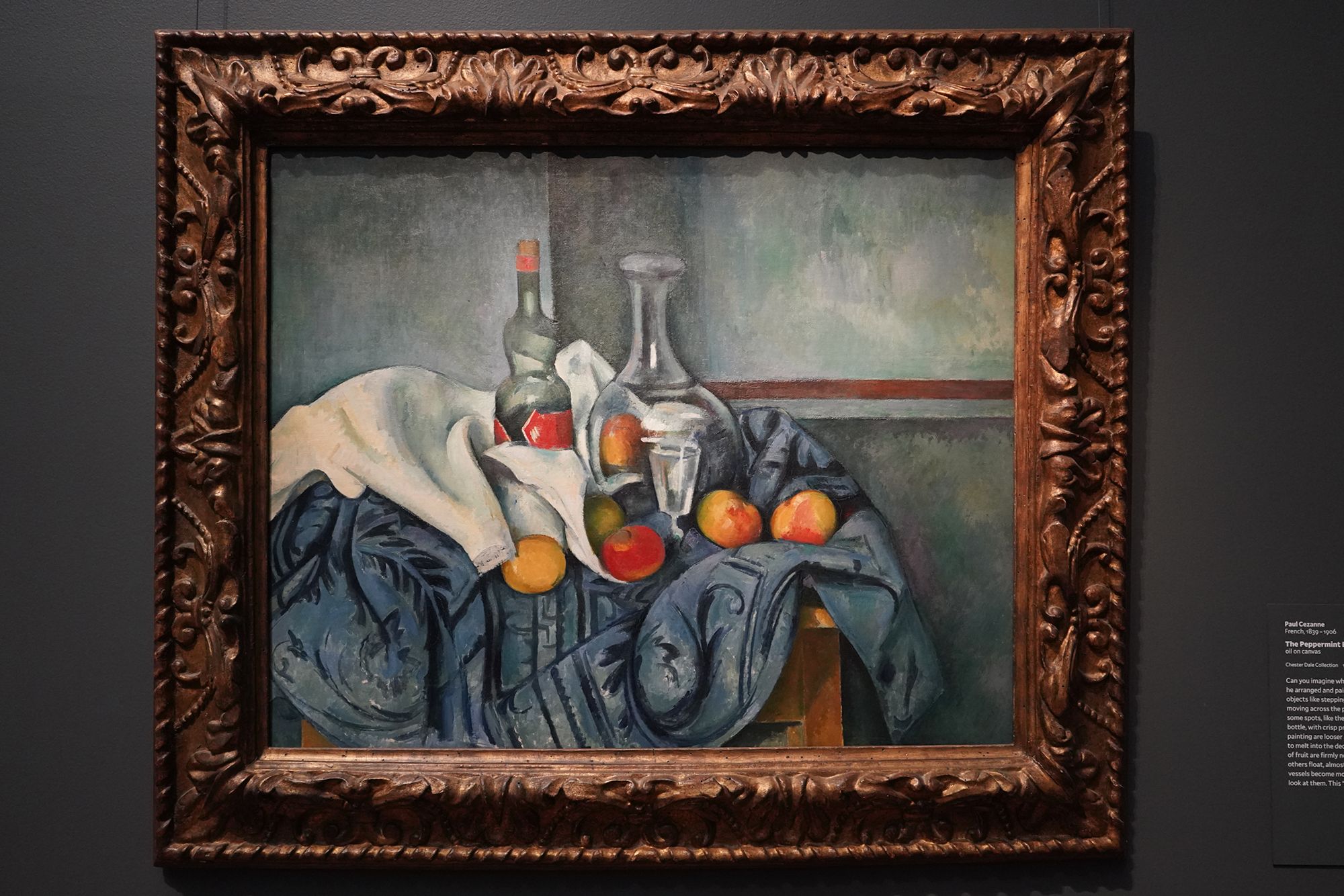
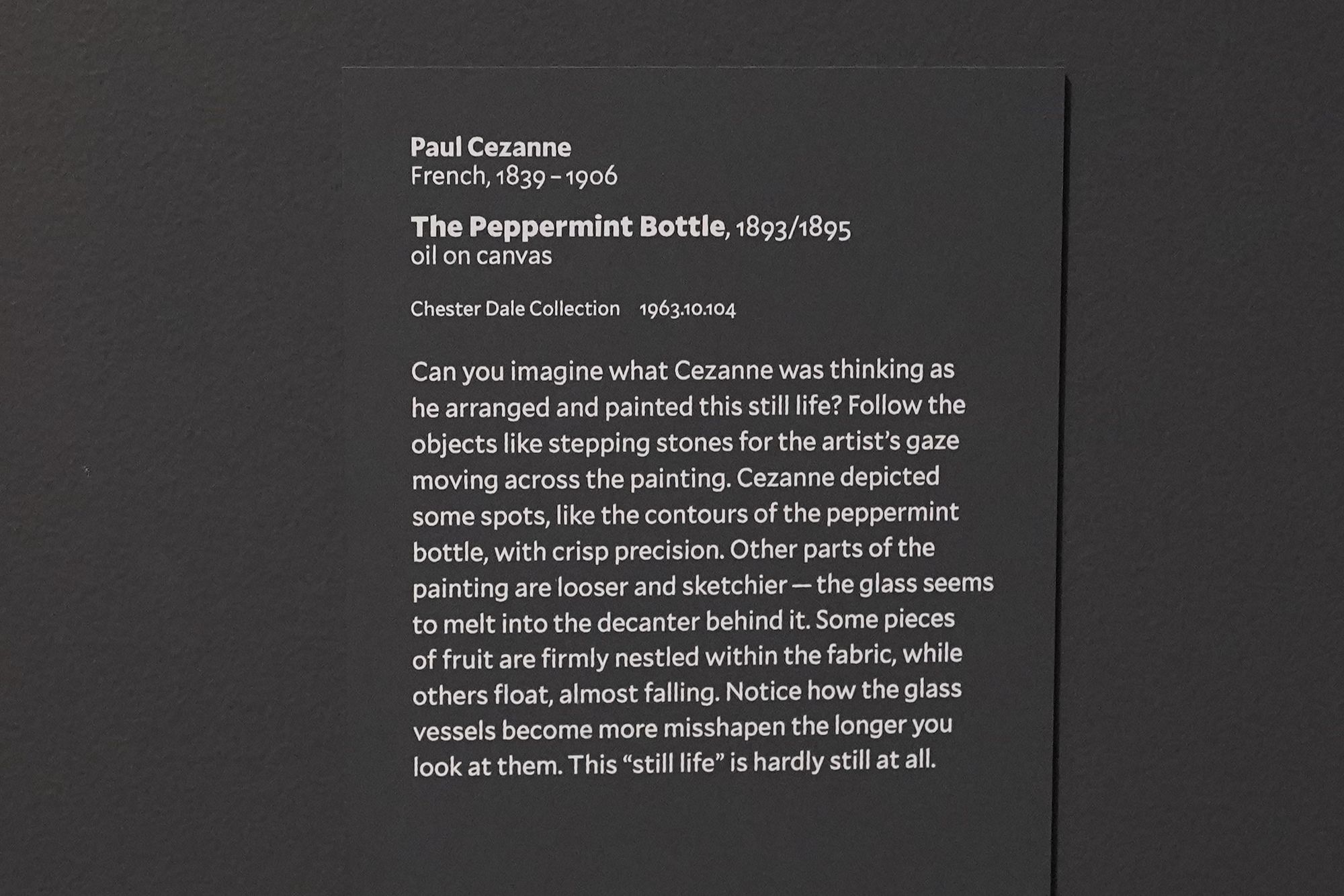
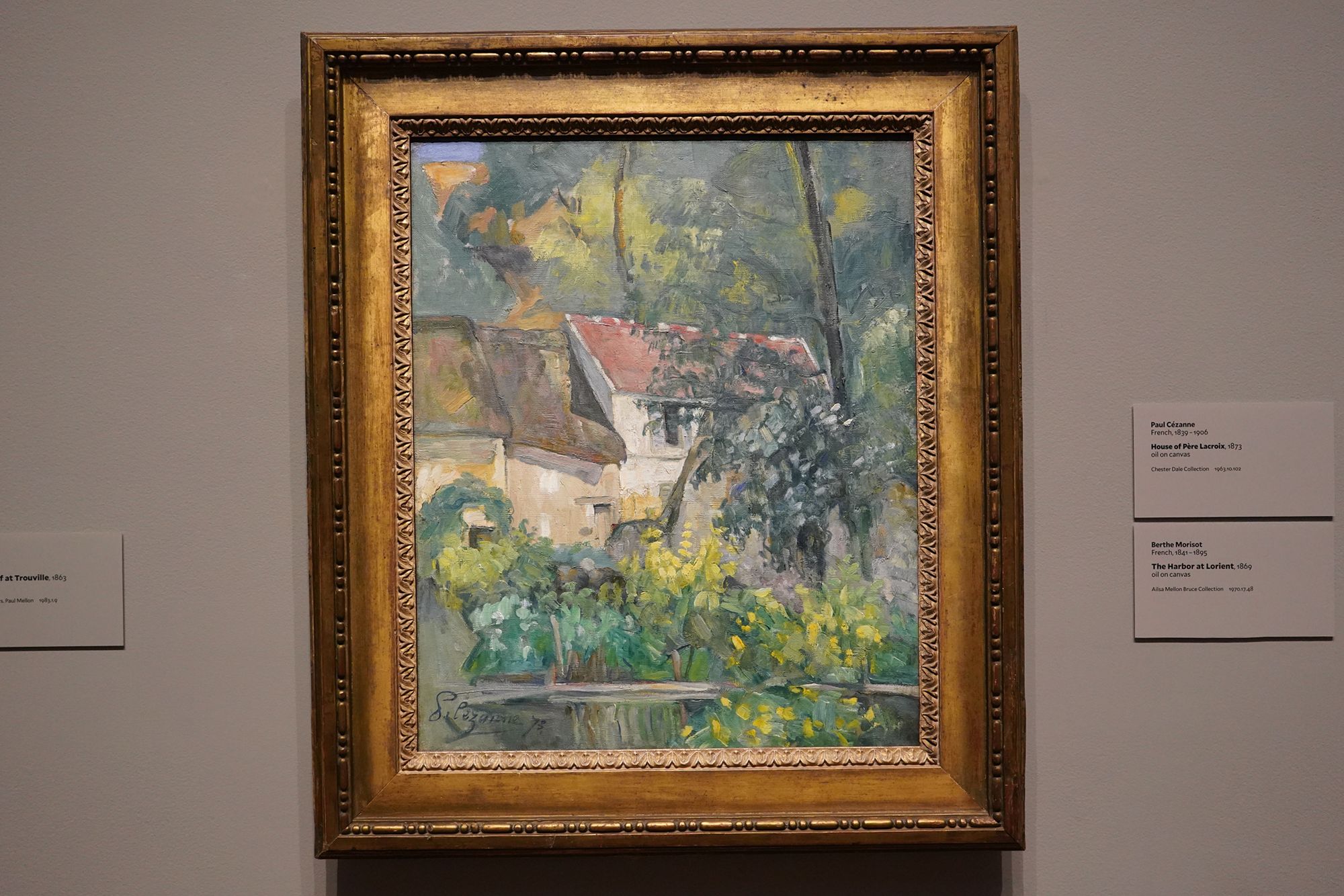
Paul Cézanne (1839–1906) was a French painter often called the father of modern art. He began as part of the Impressionist movement but developed a more structured, analytical style that laid the groundwork for Cubism and 20th-century modernism.
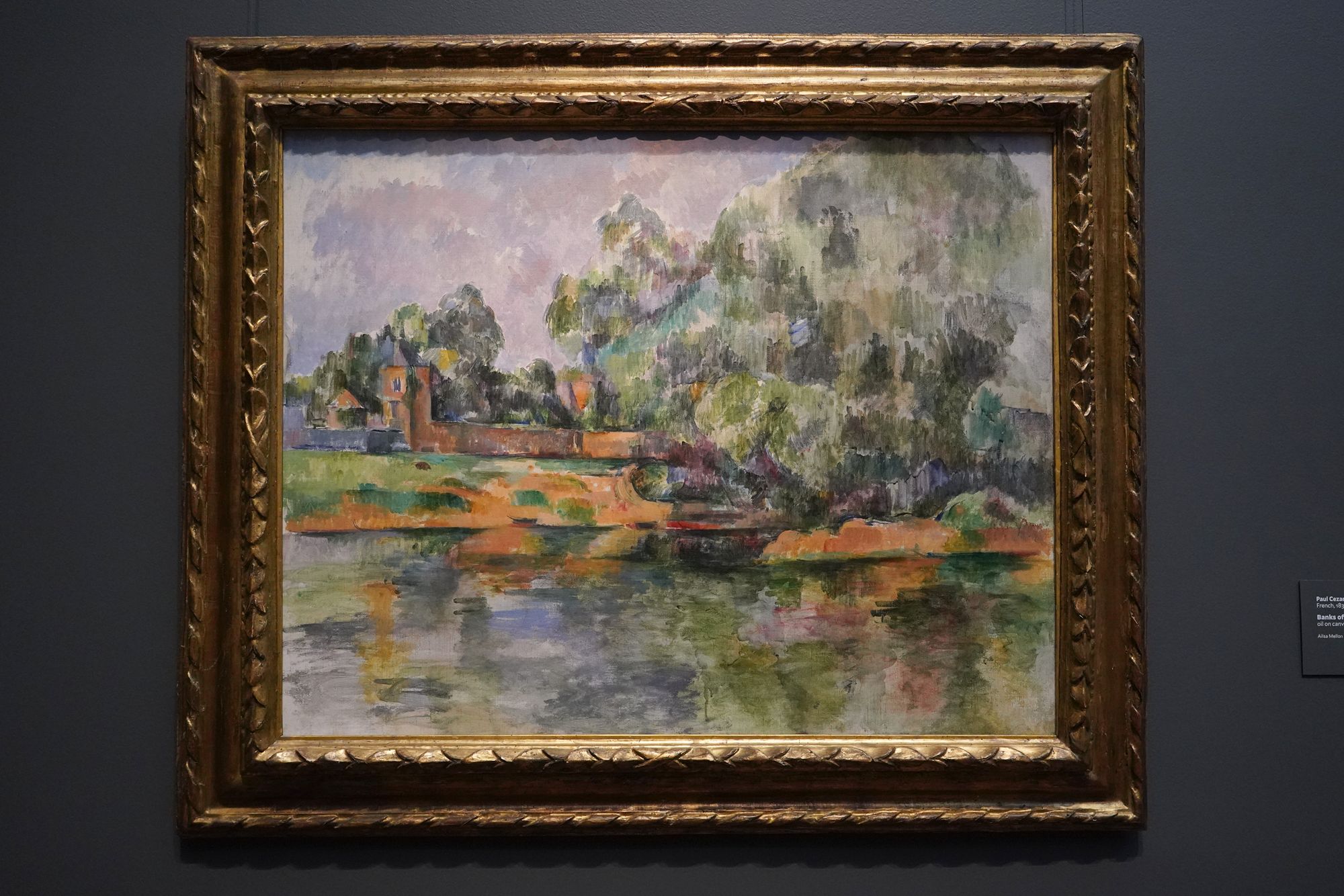
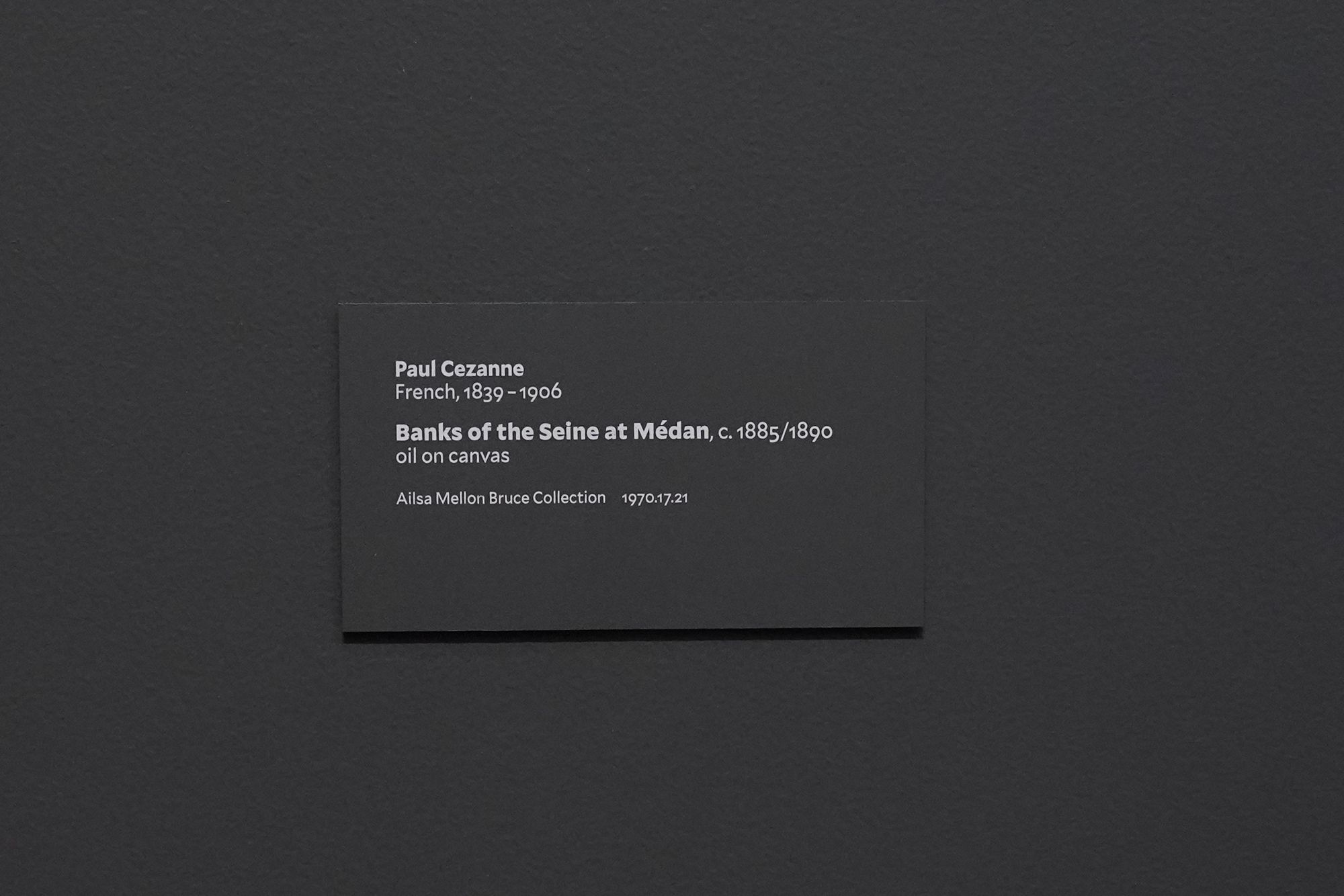
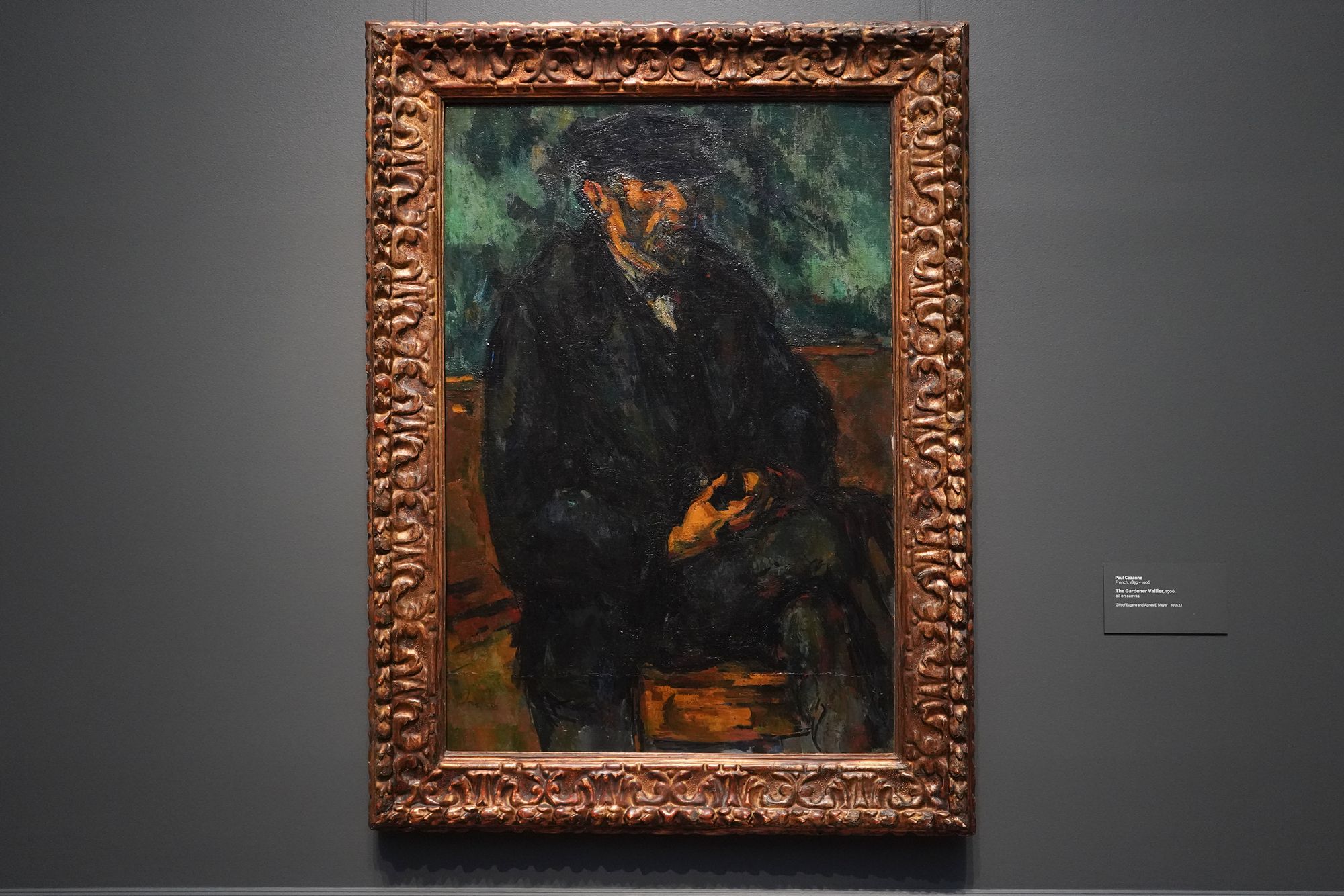
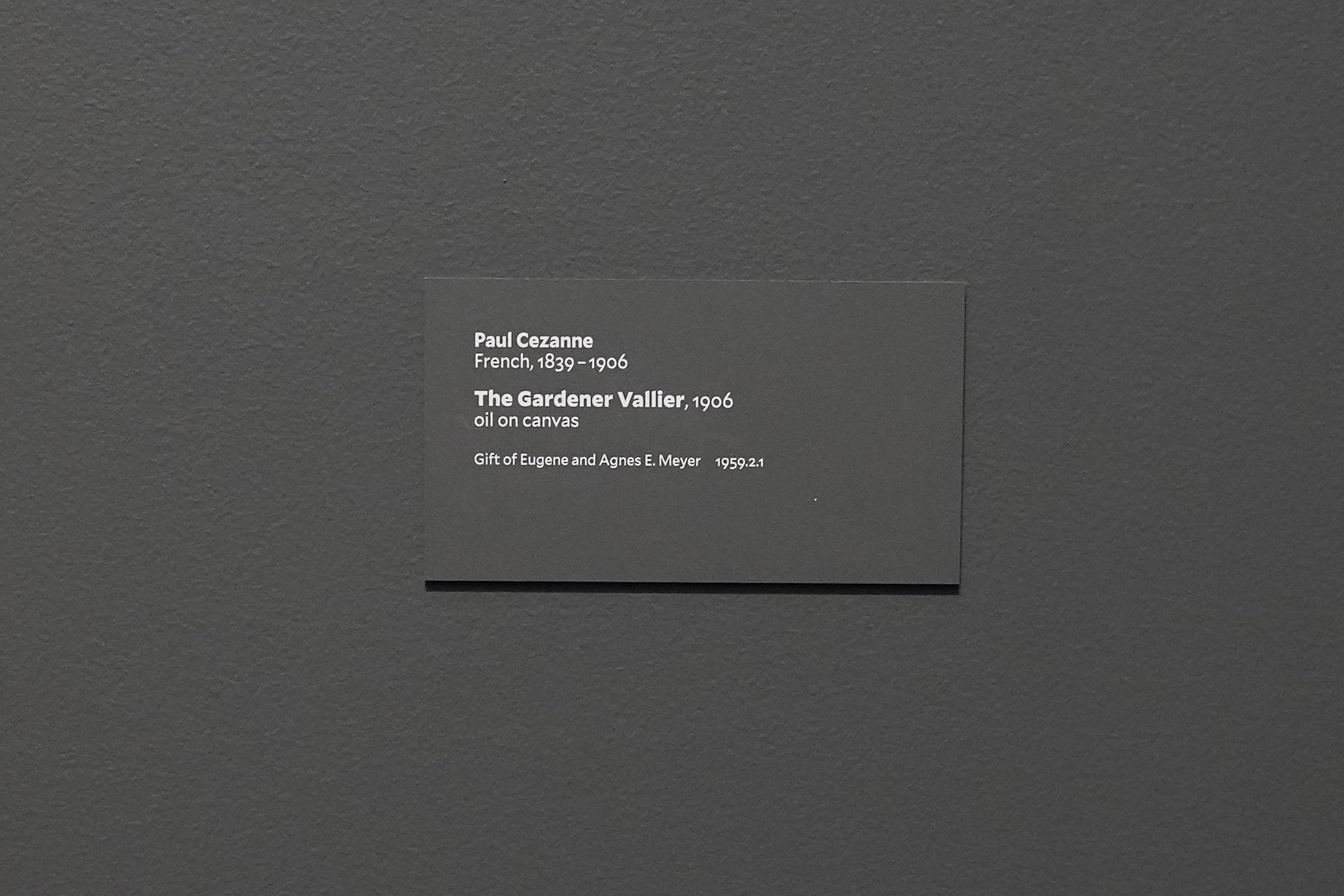
Cézanne’s goal was to “make of Impressionism something solid and durable like the art of the museums.” Instead of capturing fleeting light, he sought the underlying structure of nature — the geometry within form. He simplified objects into basic shapes—cylinders, spheres, and cones—and used small, layered brushstrokes to build color and depth.
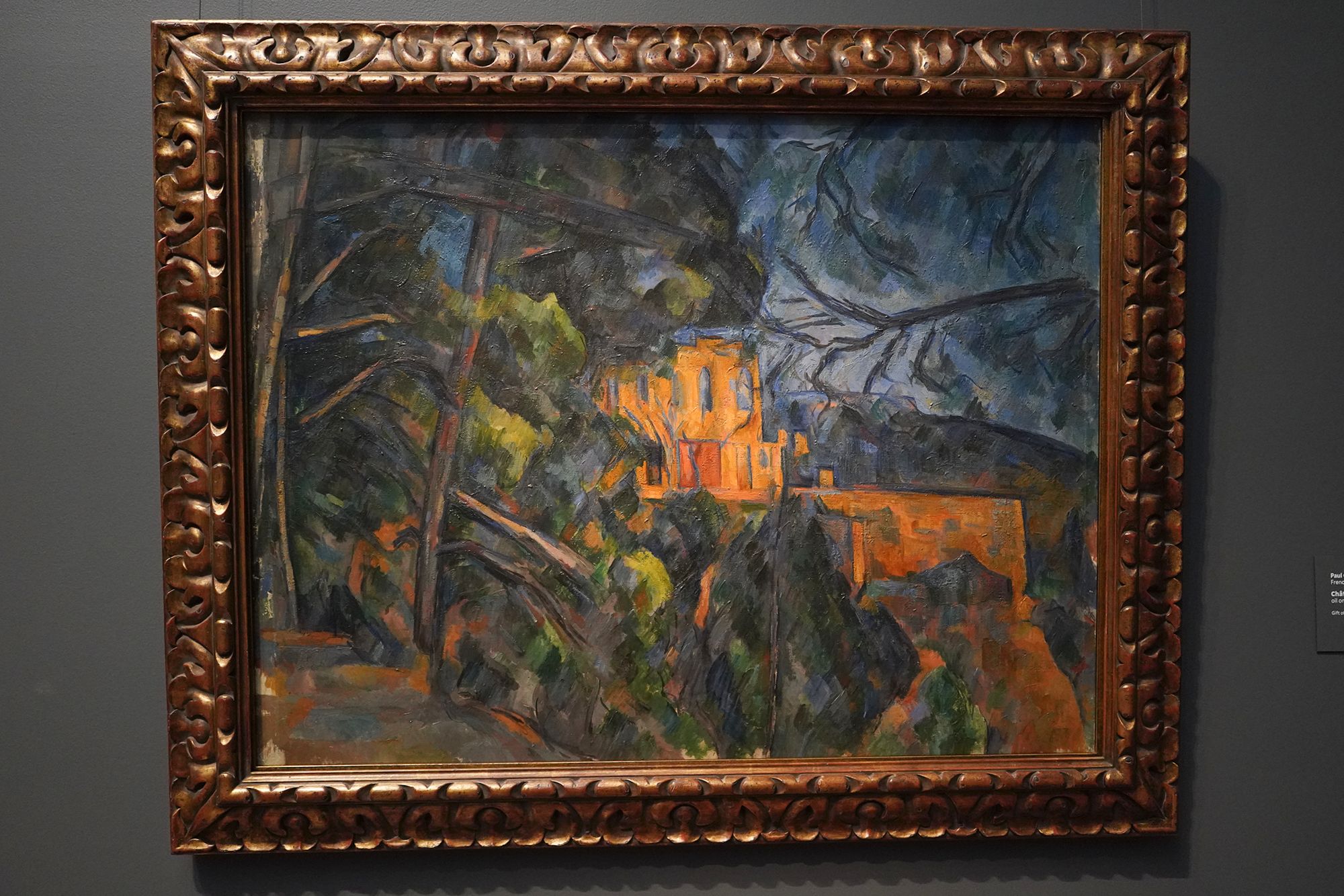
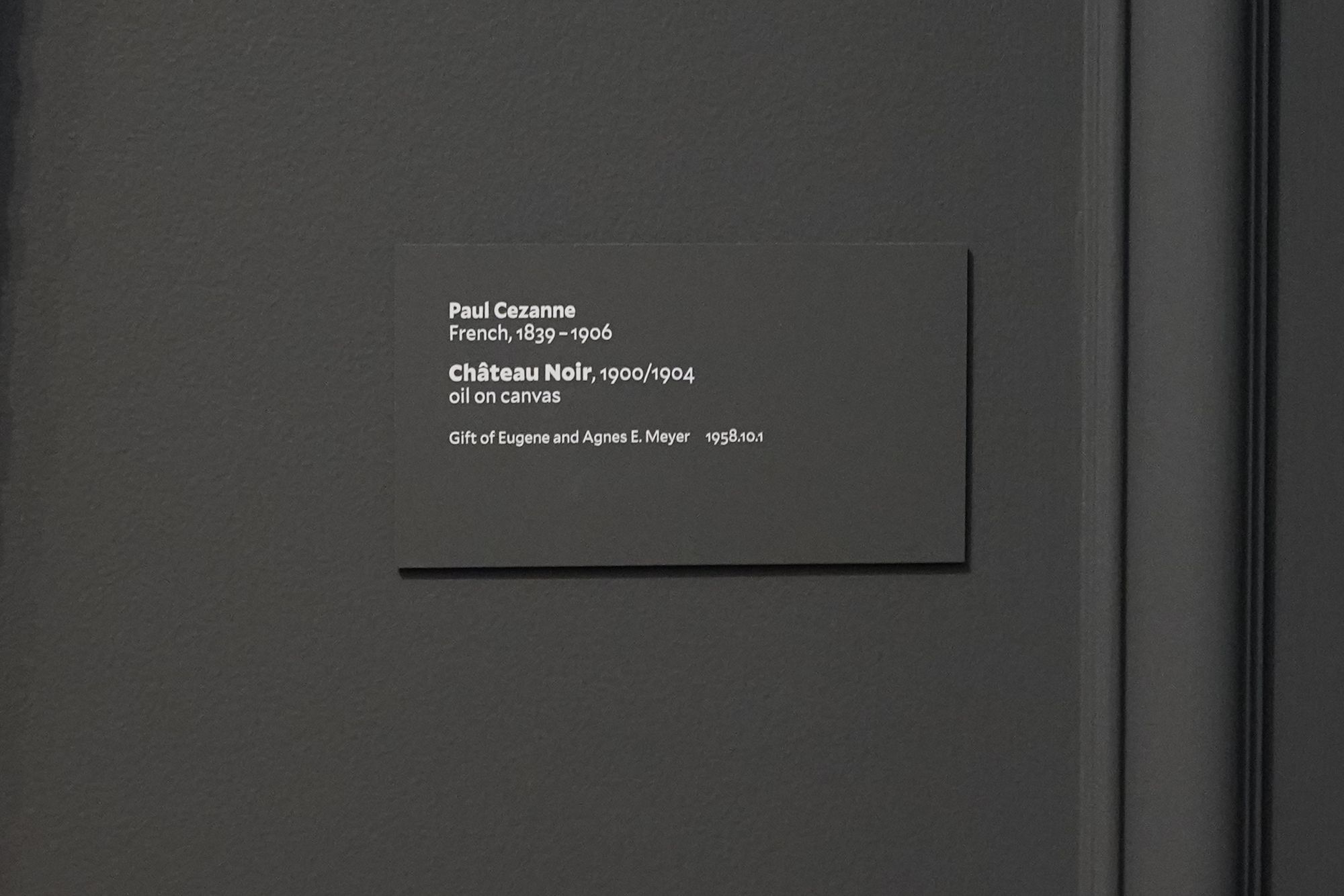
Cézanne’s art bridges Impressionism and Cubism, influencing artists like Picasso and Matisse, who admired his way of turning nature into structure. His work reveals how painting could move beyond representation to explore form, perception, and the act of seeing itself.
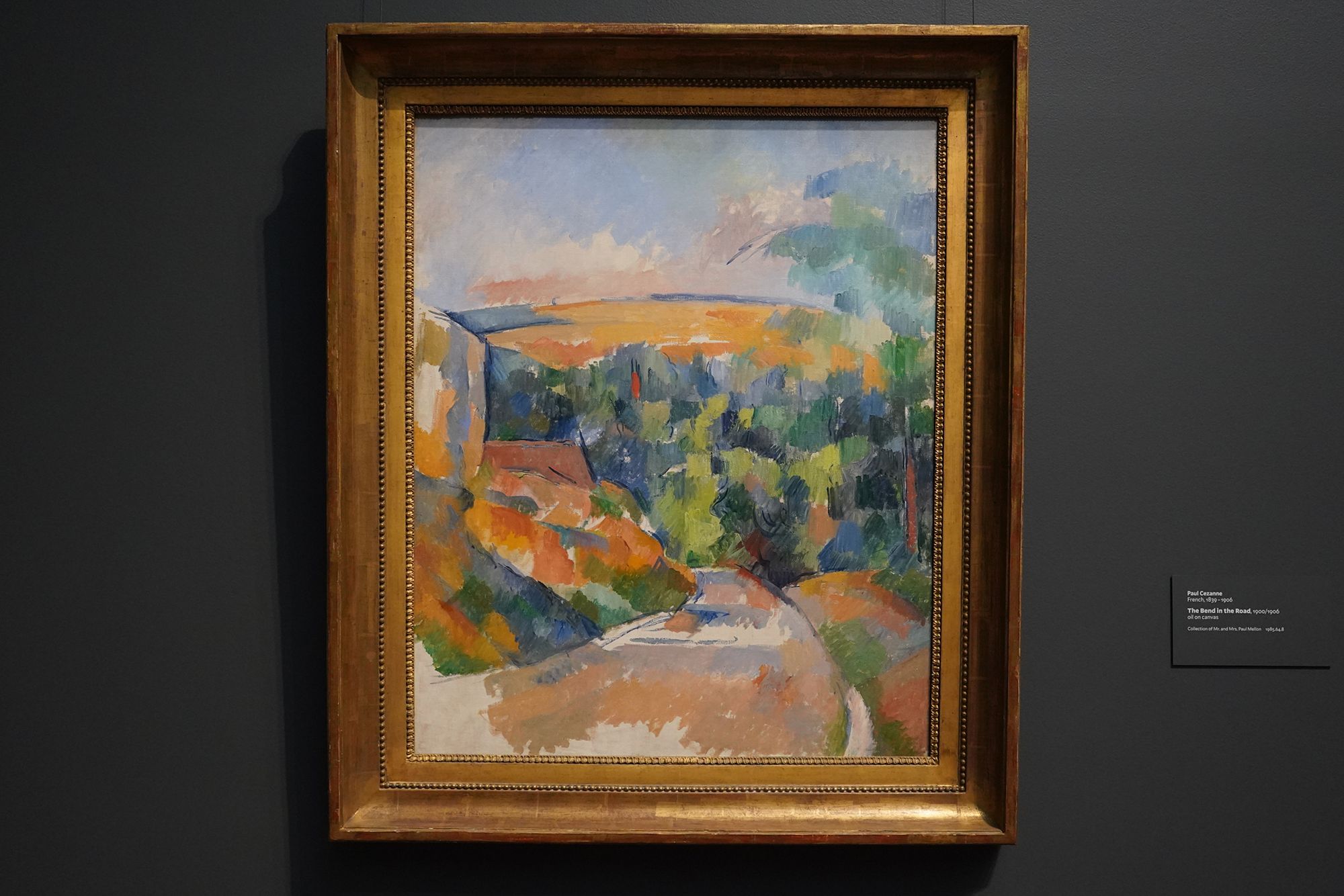
At the National Gallery of Art, you can see Cézanne’s paintings such as Mount Sainte-Victoire and Boy in a Red Waistcoat, both showing his powerful mix of observation and abstraction.
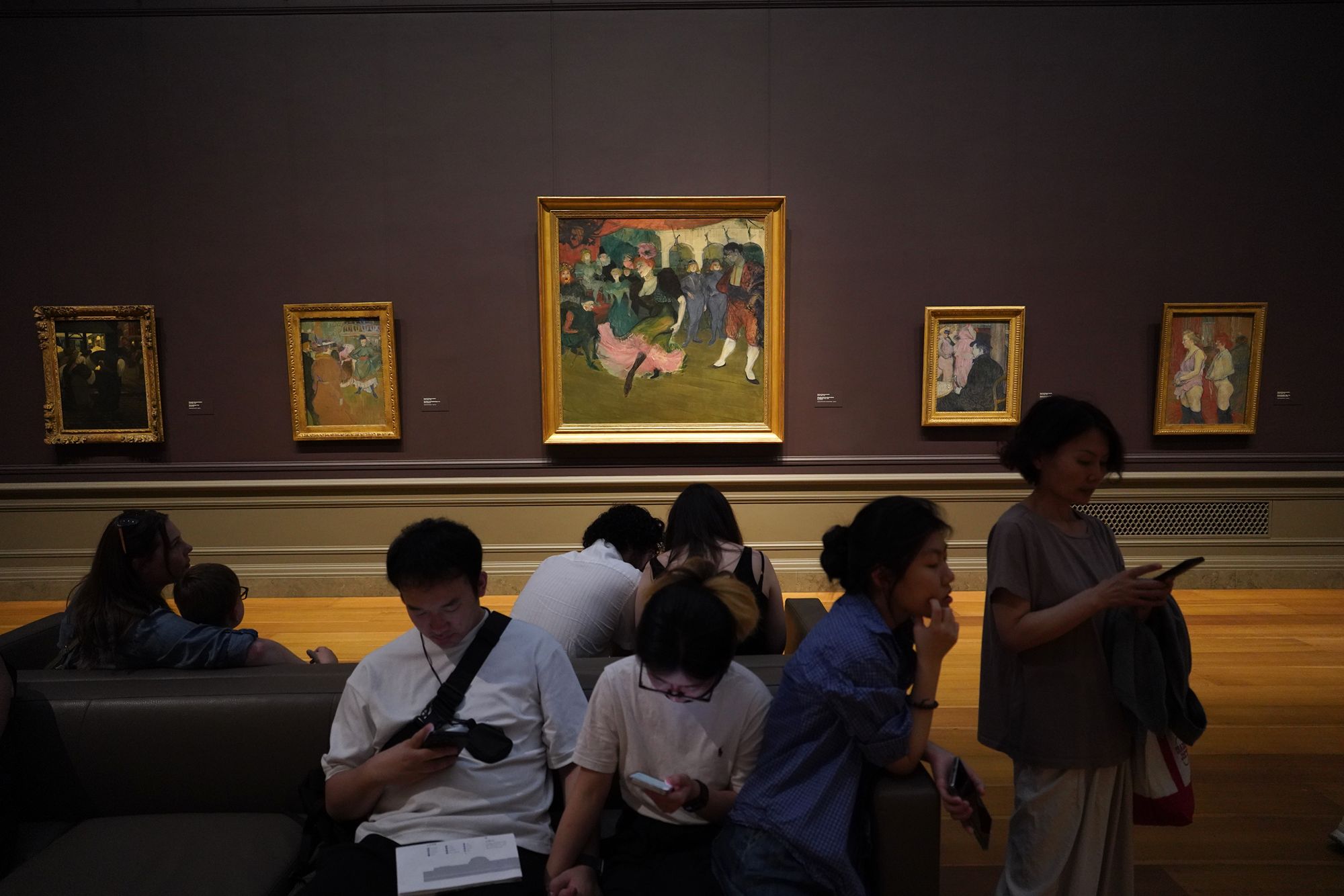
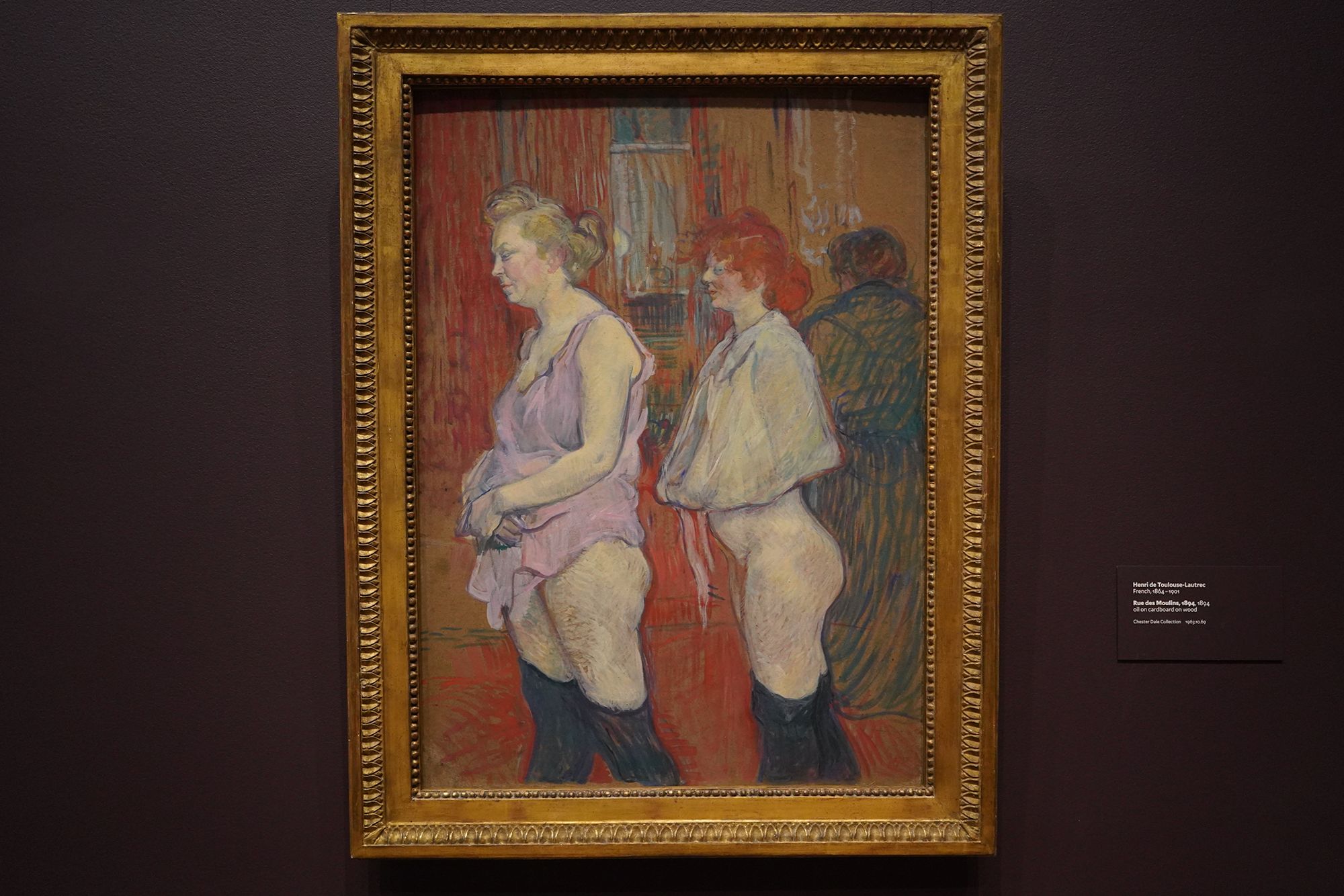
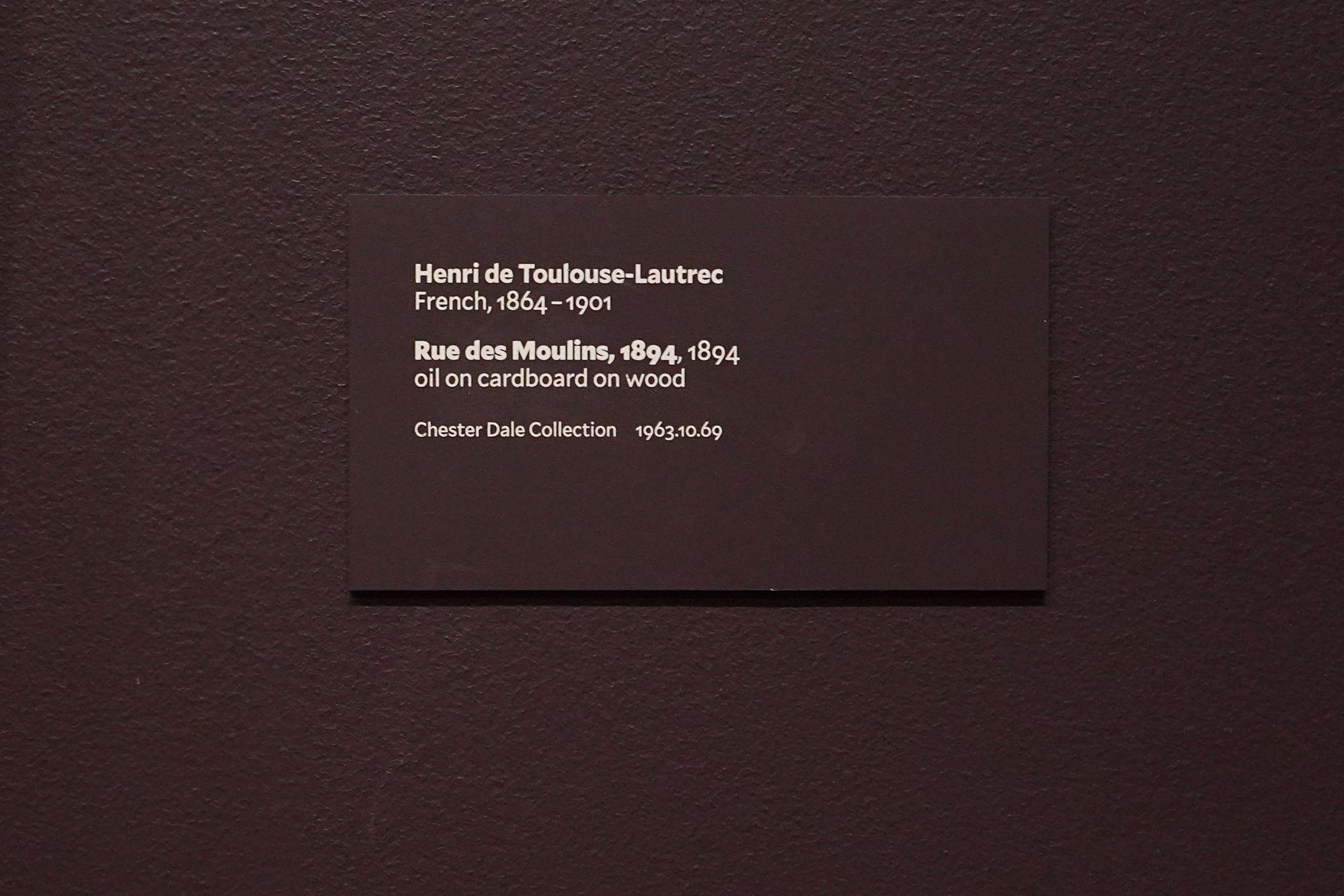
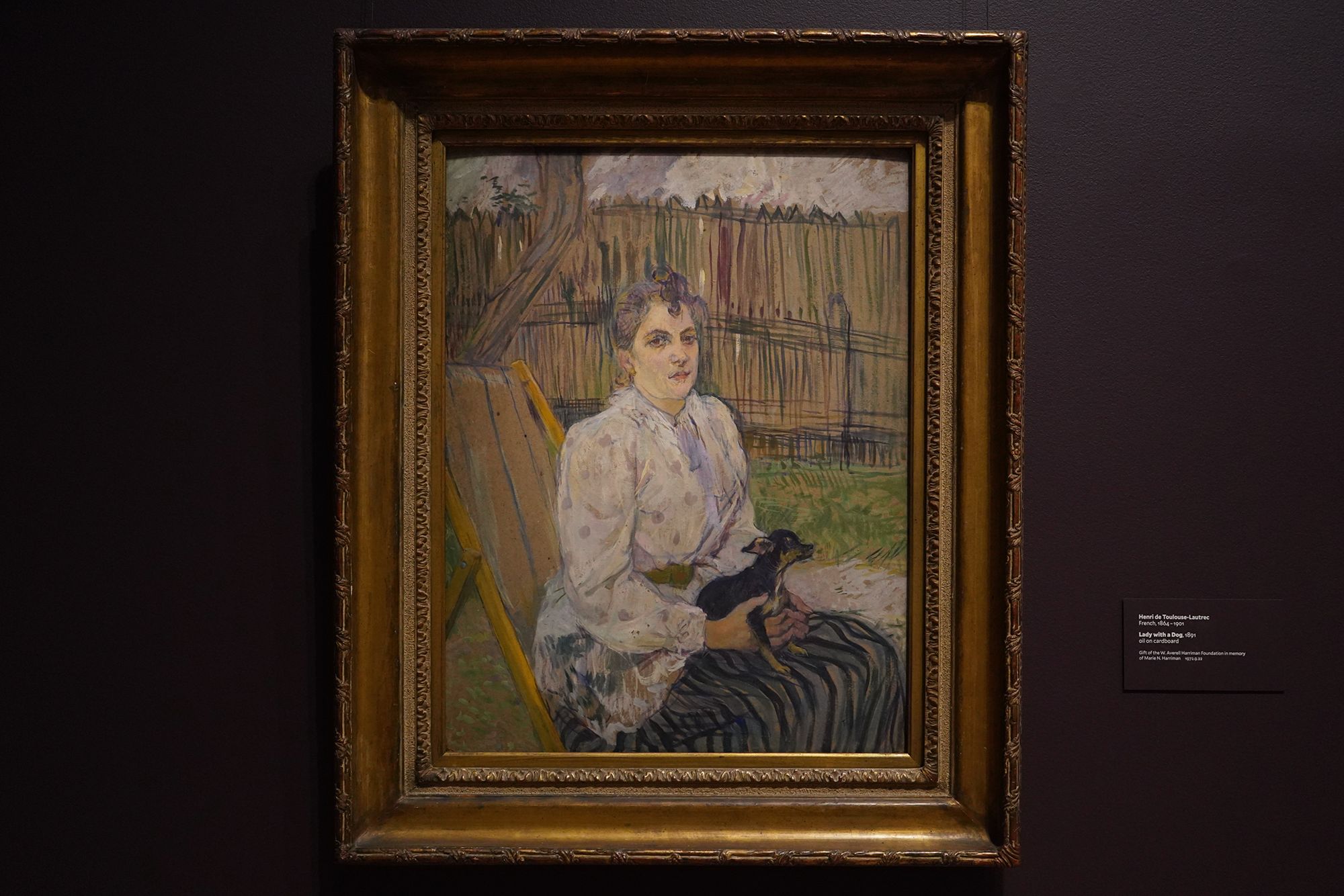
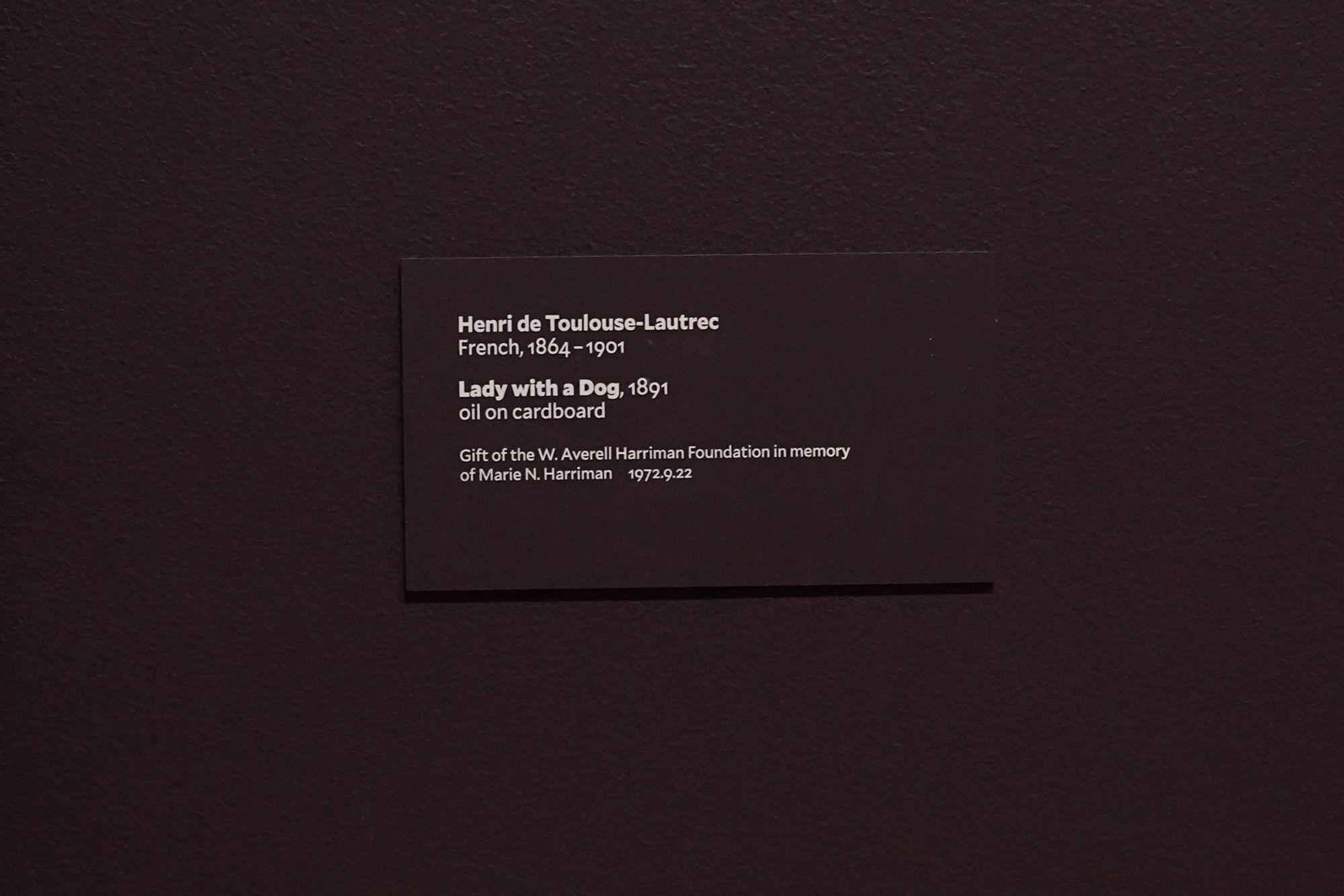
Henri de Toulouse-Lautrec (1864–1901) was a French Post-Impressionist painter and printmaker best known for capturing the lively nightlife of Paris in the late 19th century, especially the cabarets, theaters, and dance halls of Montmartre.
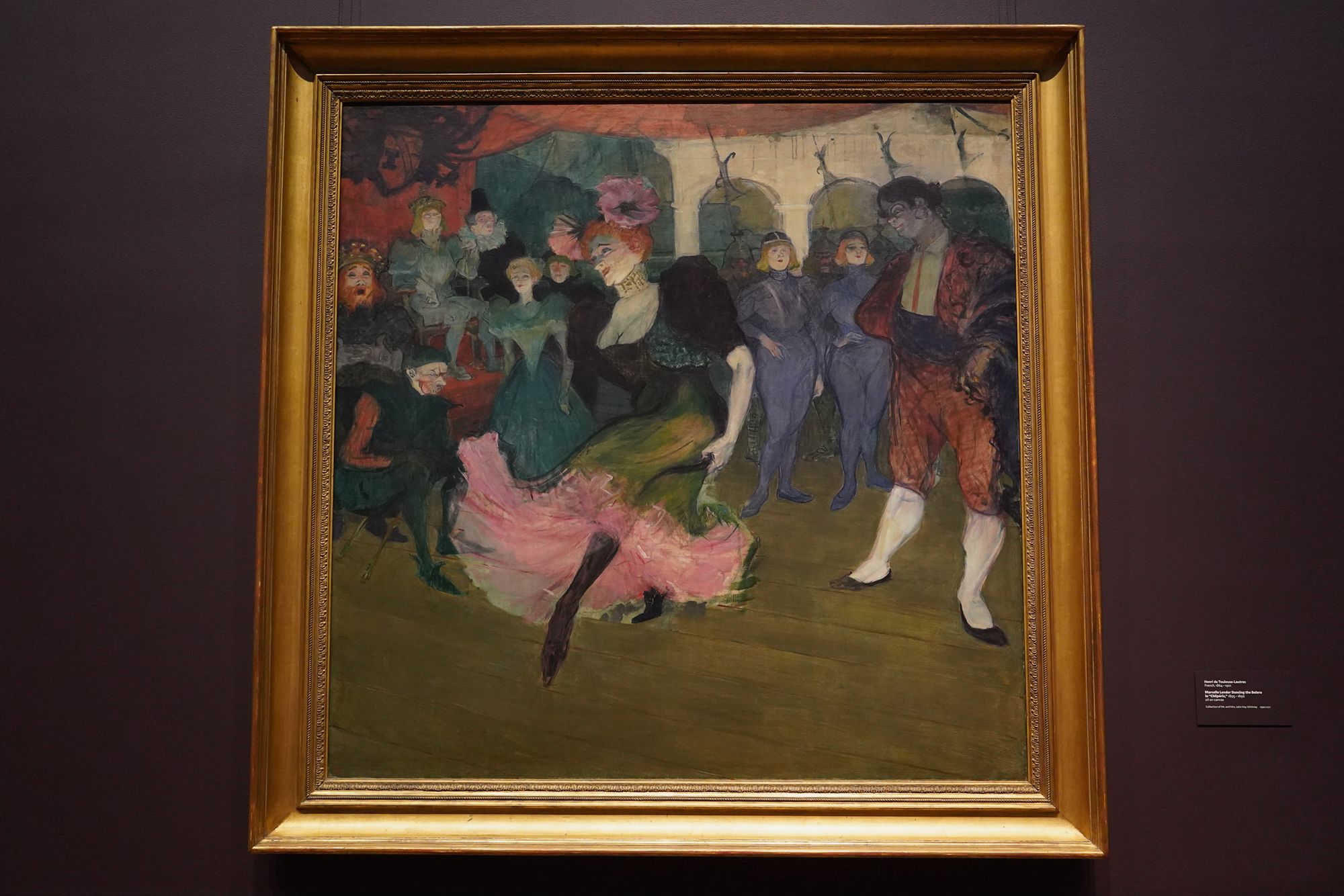
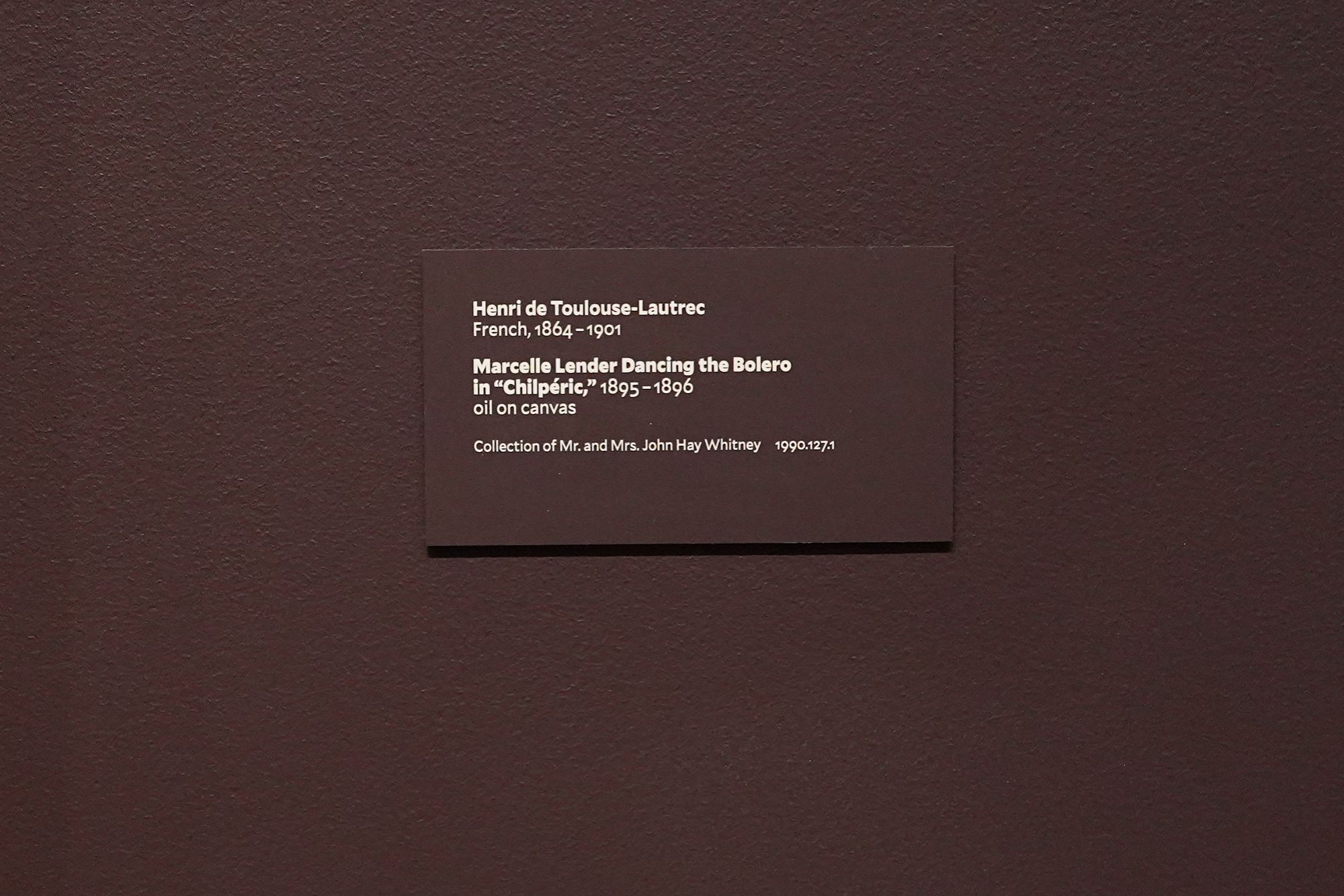
Unlike many of his contemporaries, he focused on the human side of nightlife, showing both its excitement and its loneliness. His quick lines and expressive colors captured movement, personality, and atmosphere rather than polished detail.
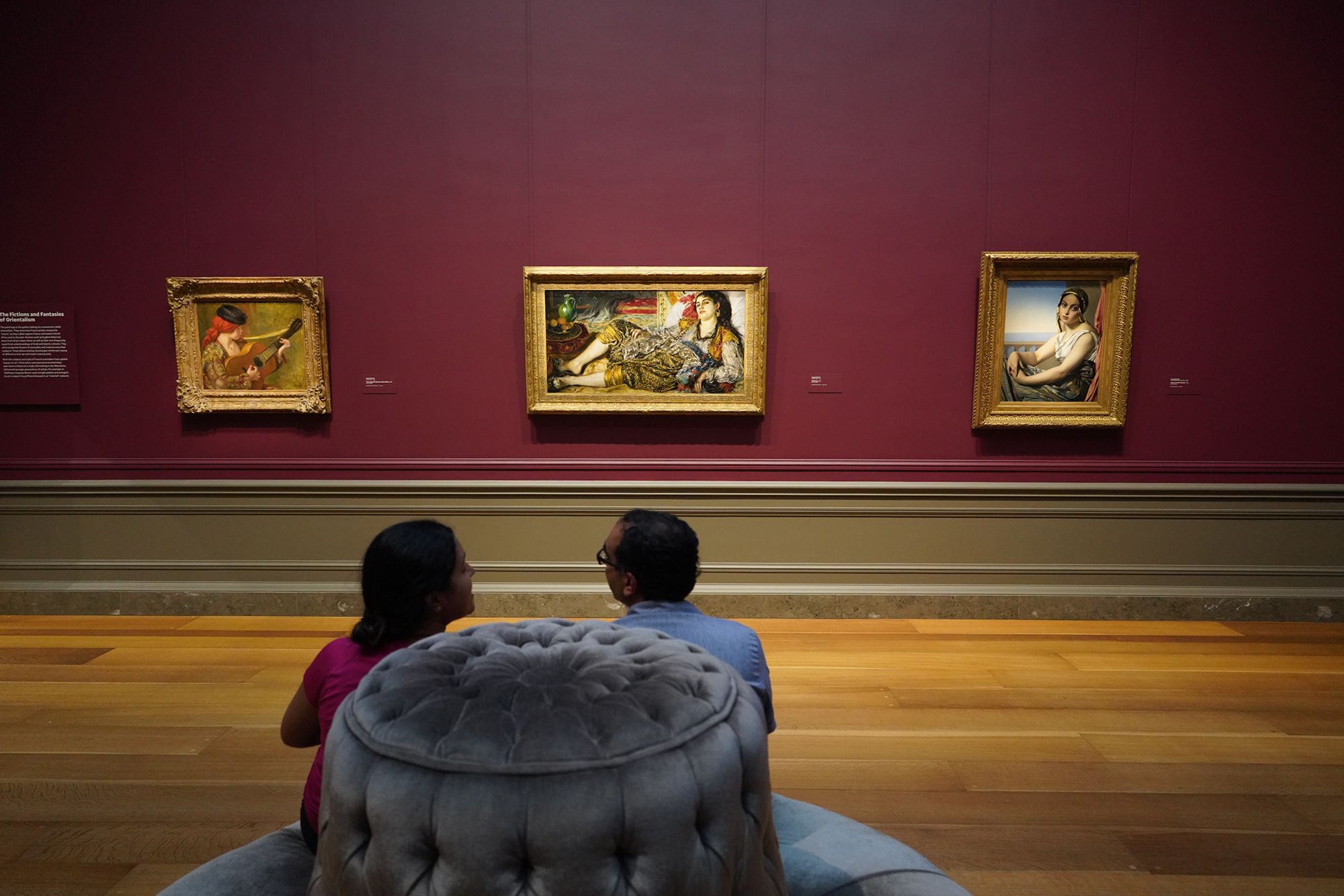
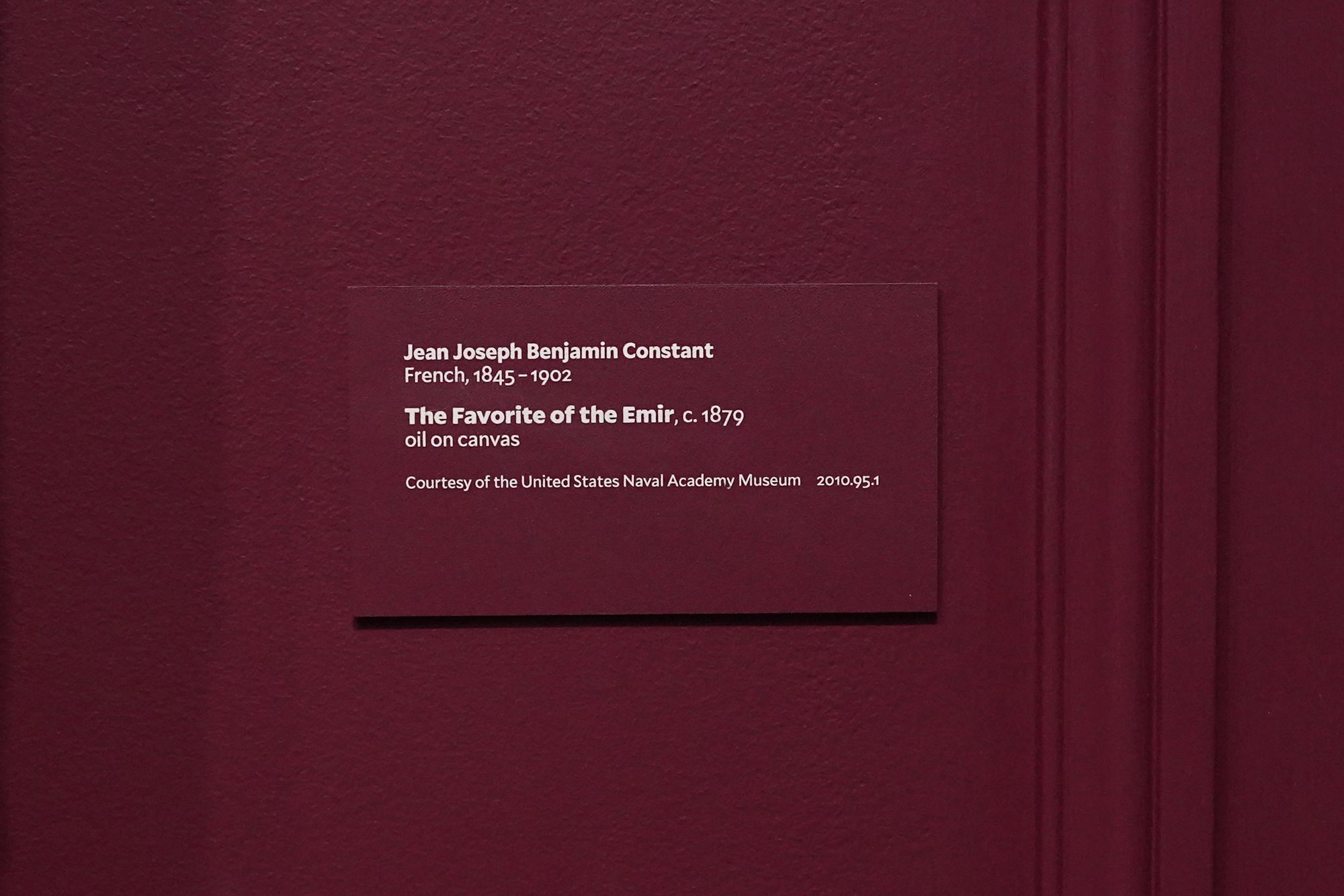
Orientalism
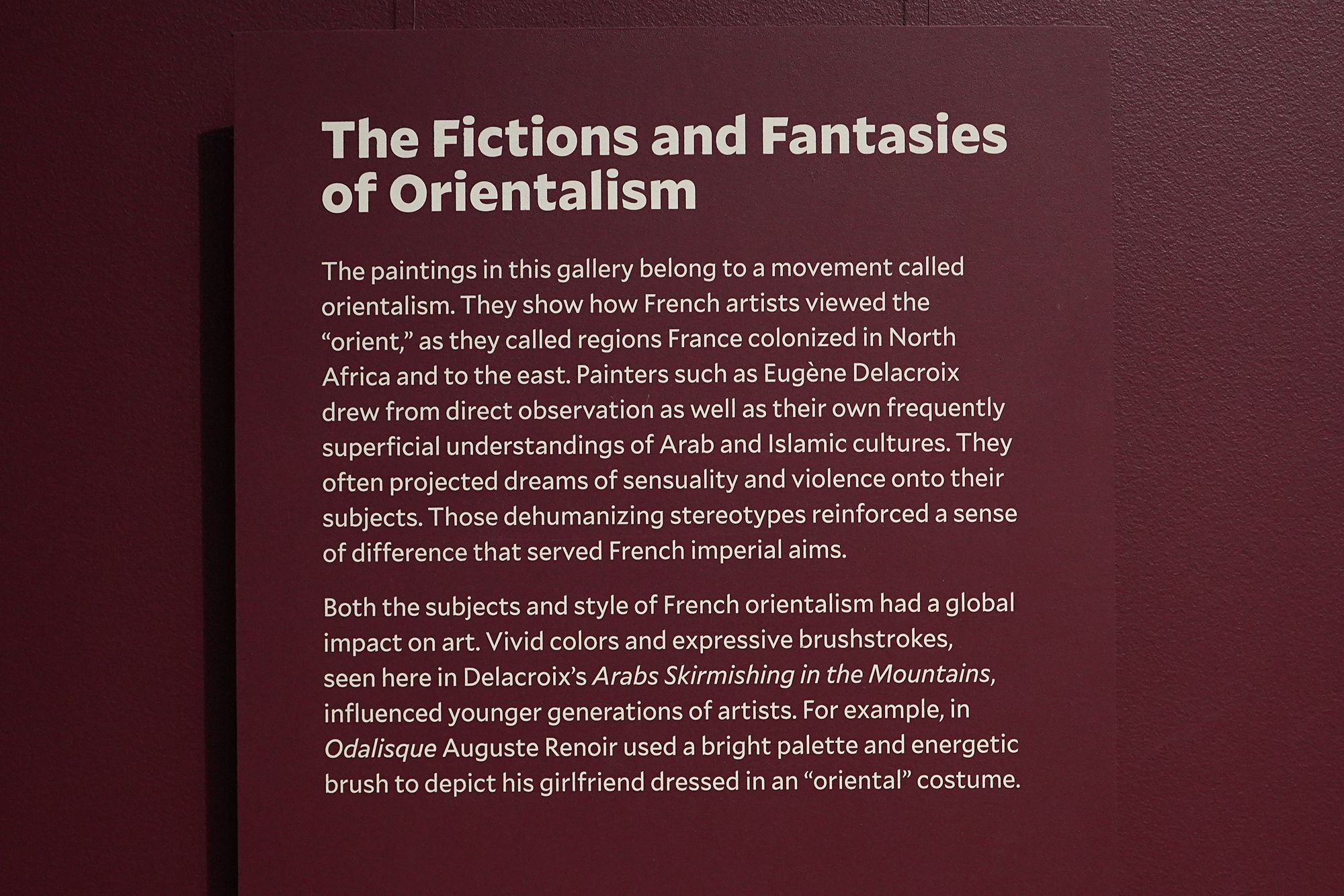
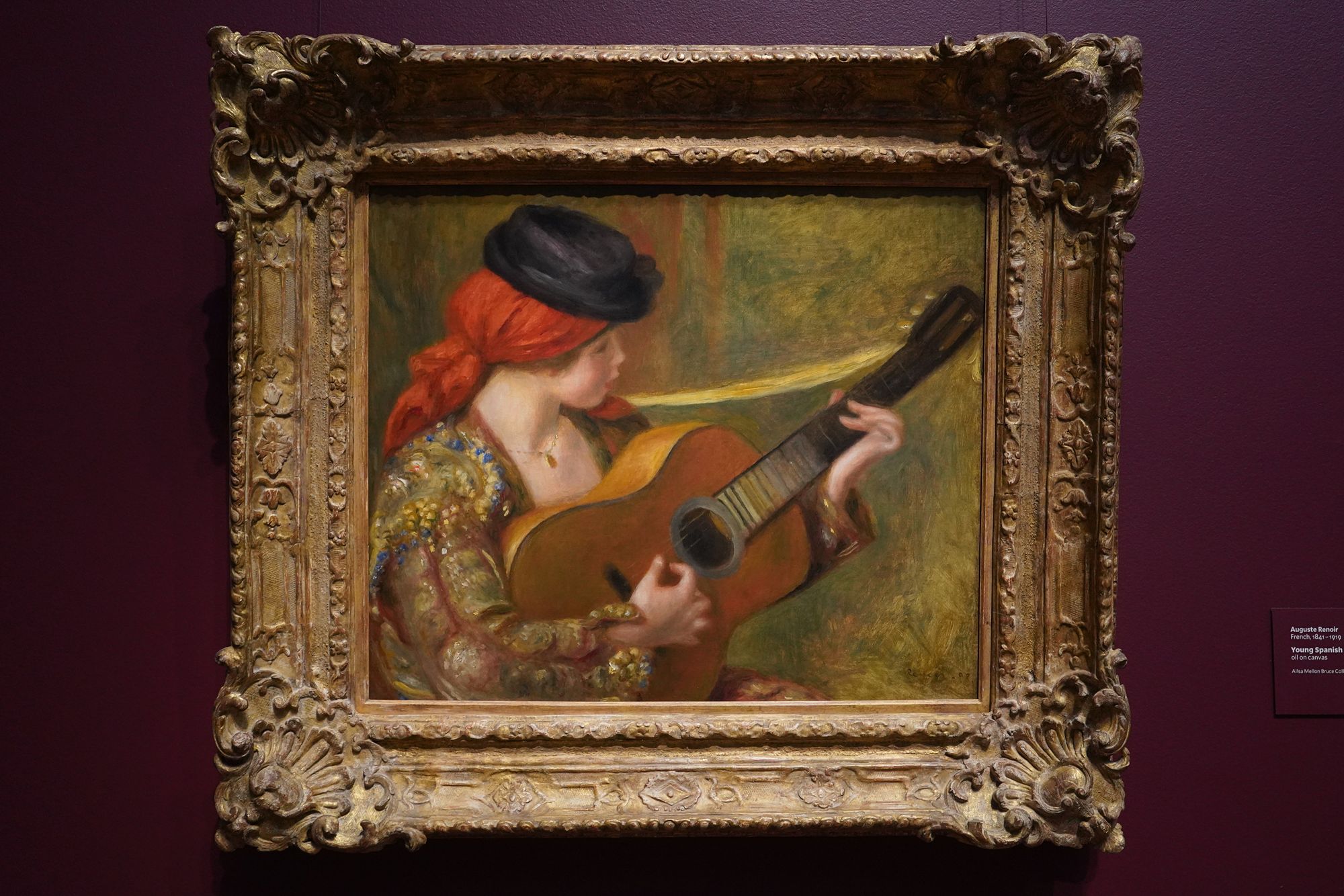
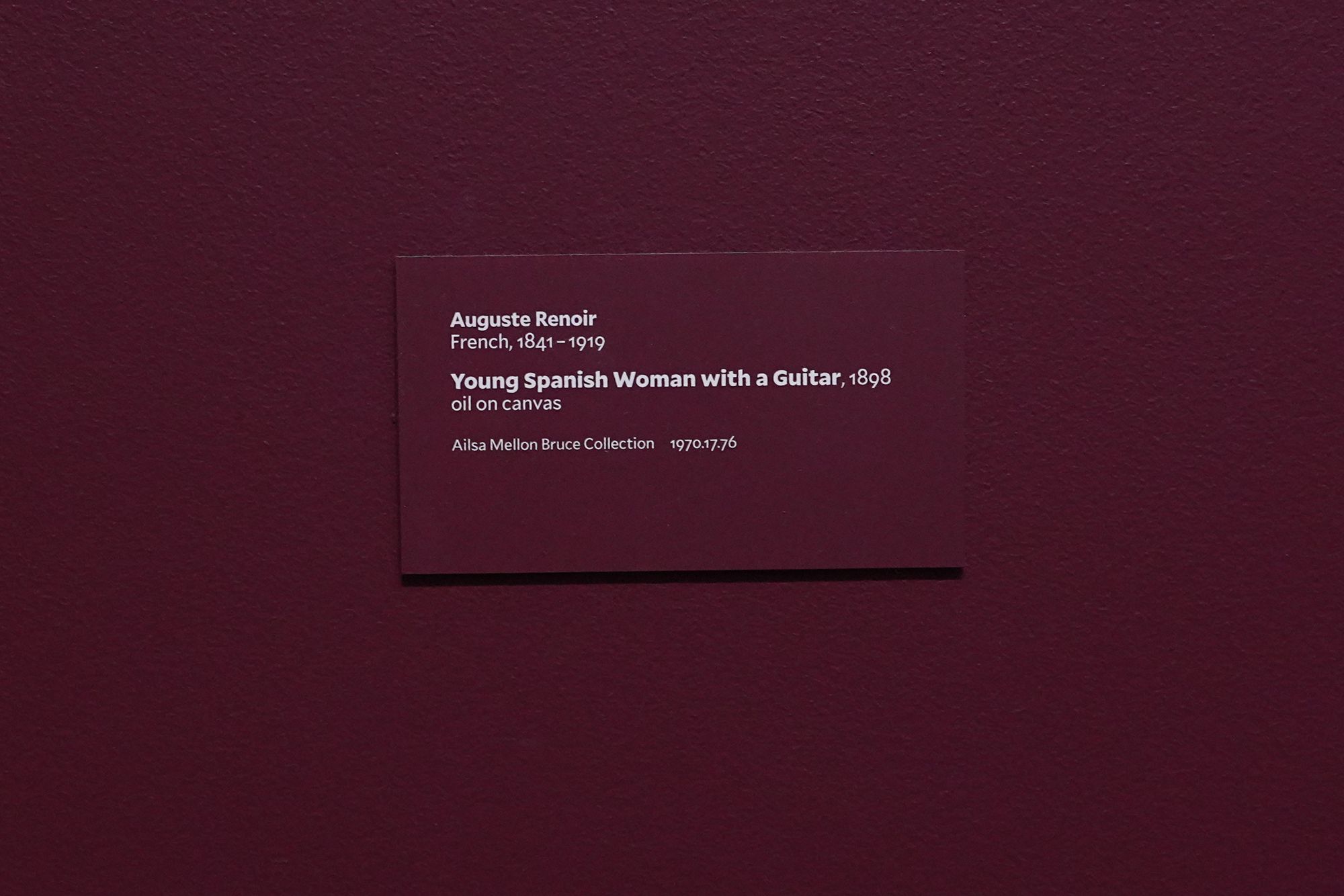
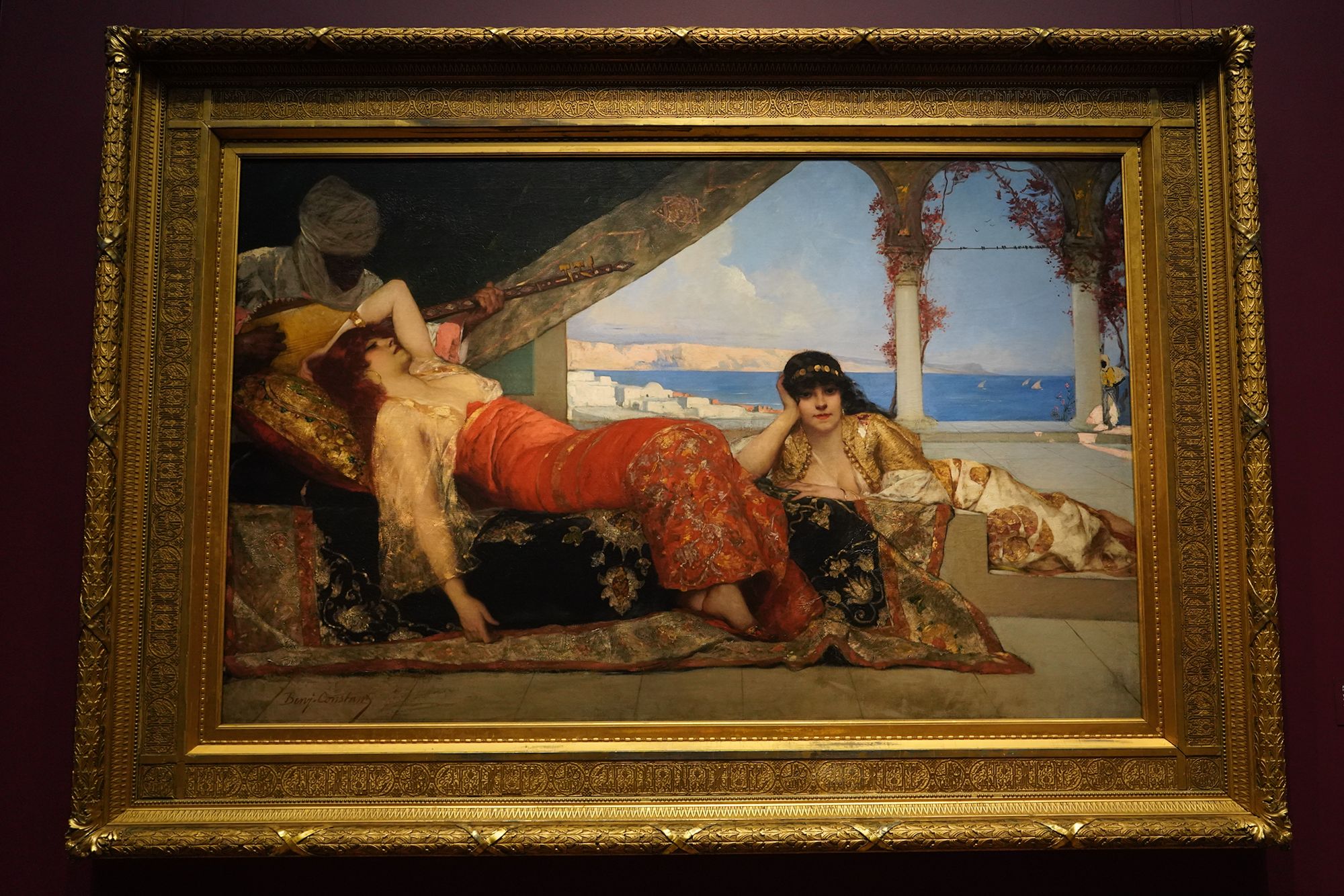
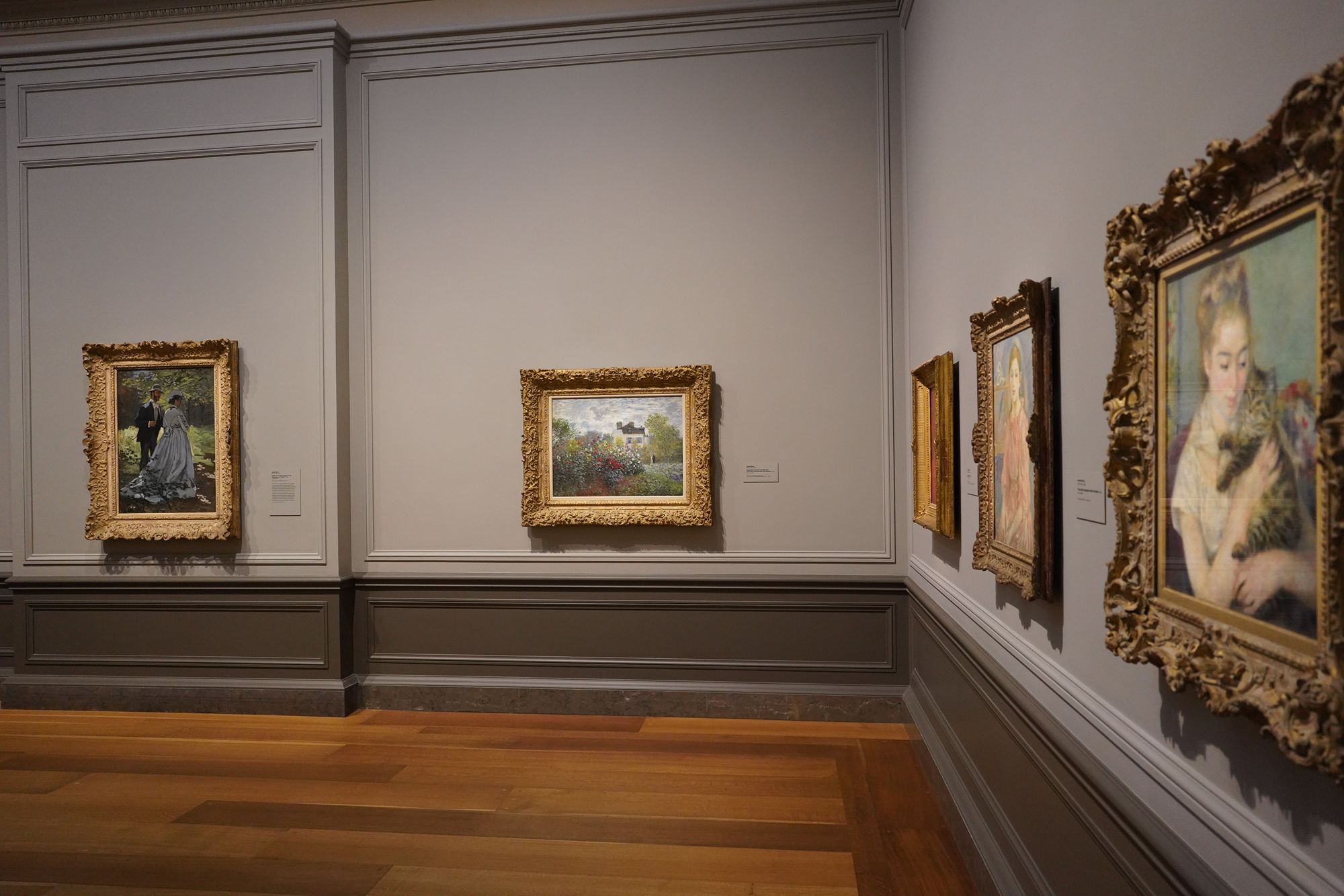
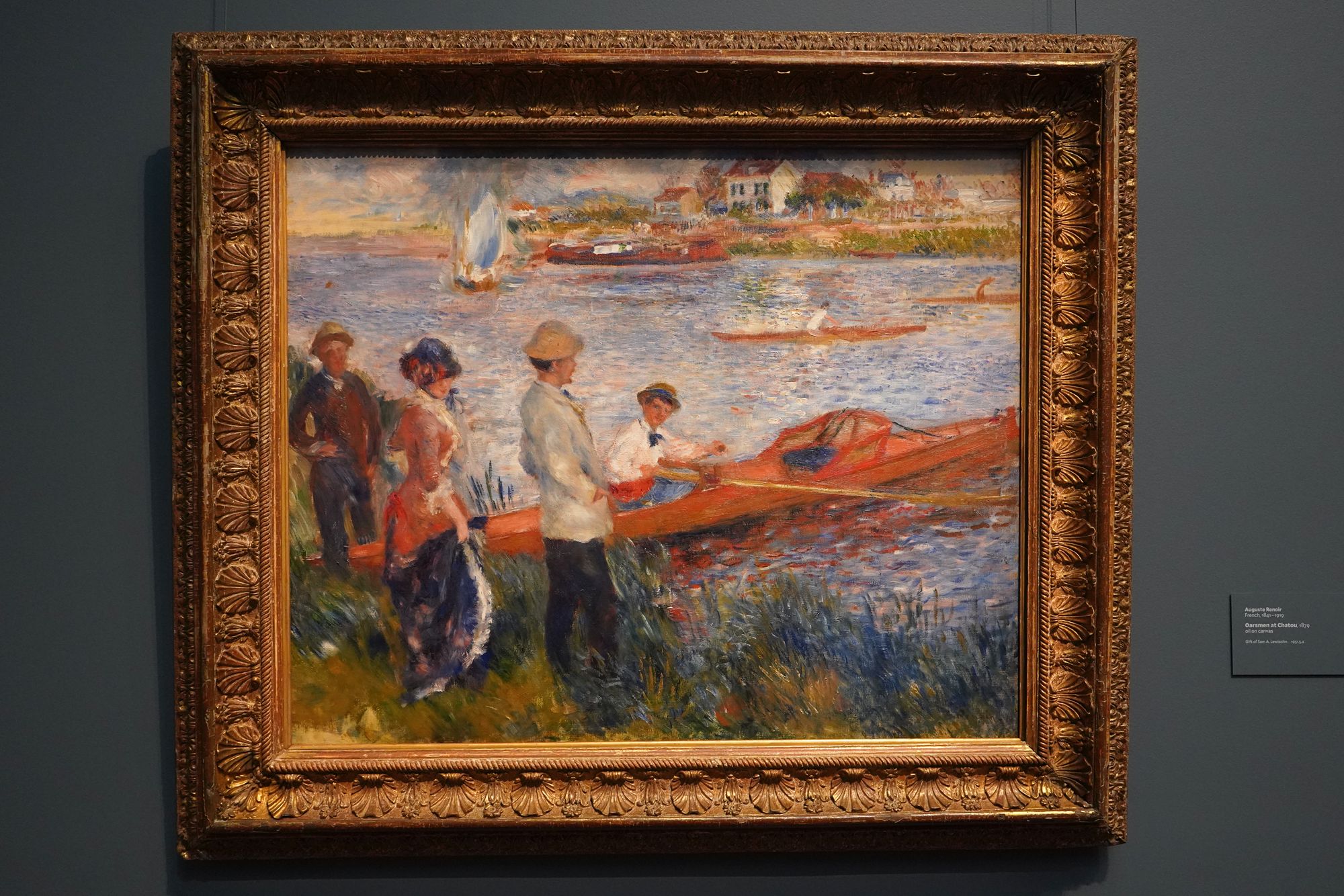
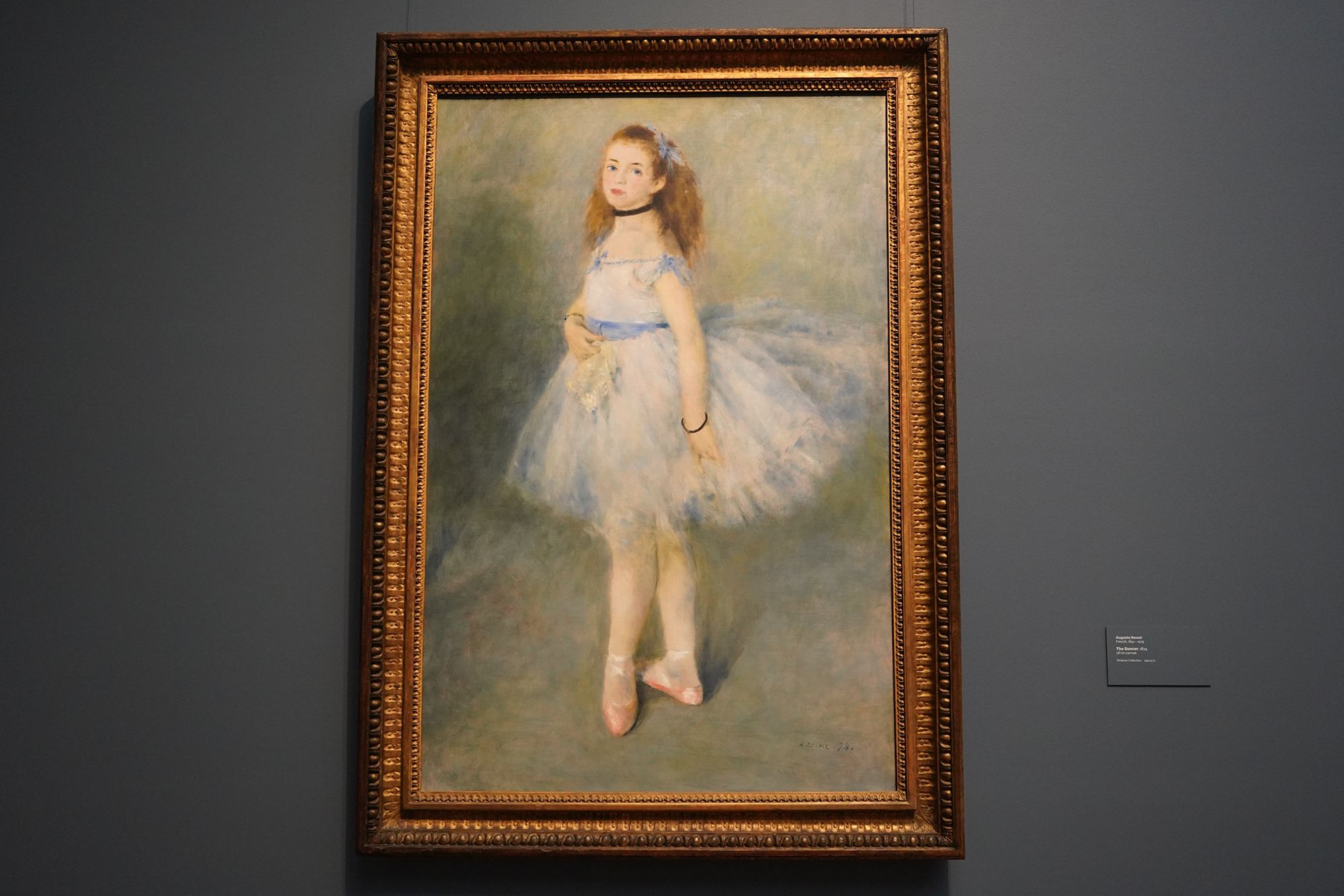
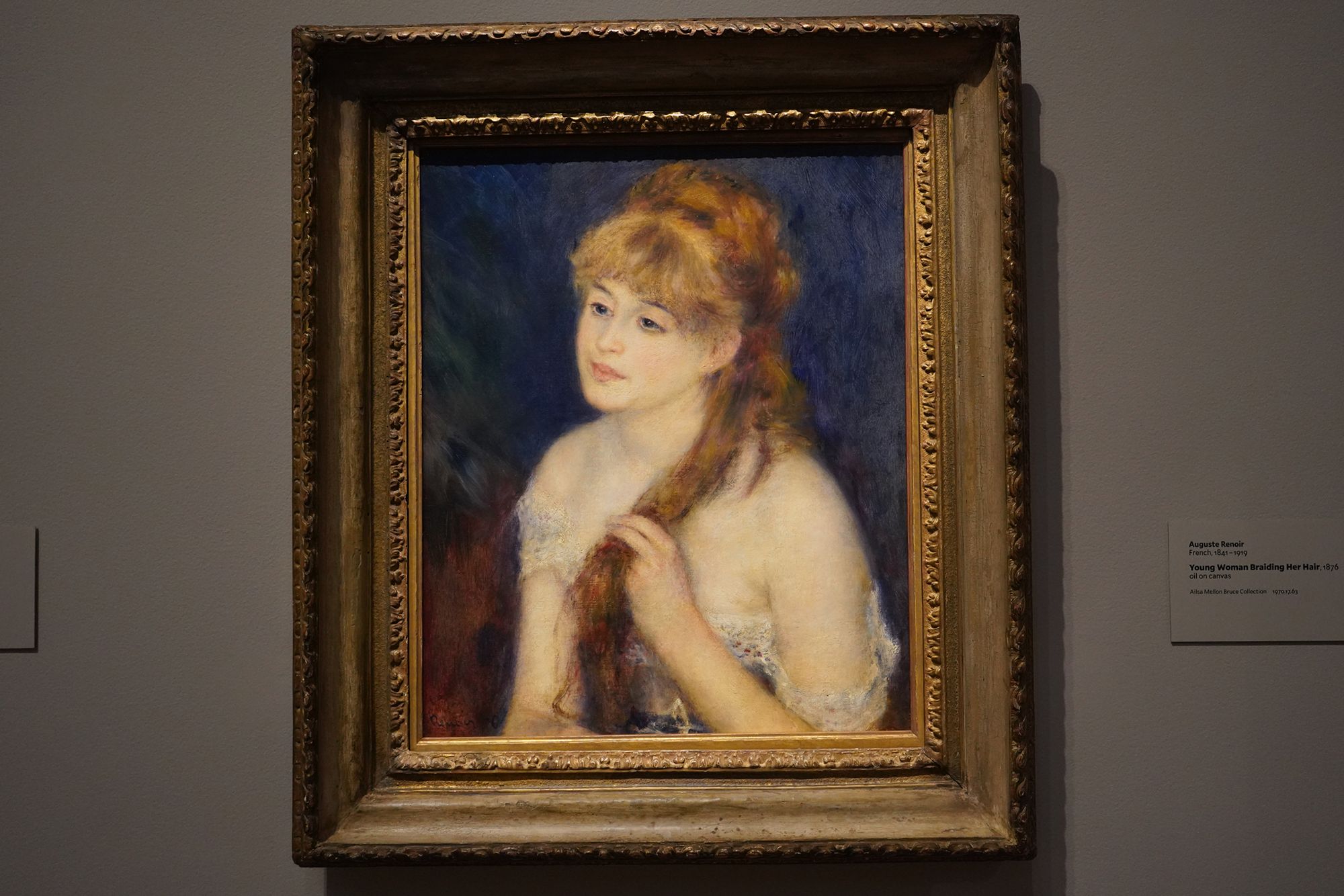
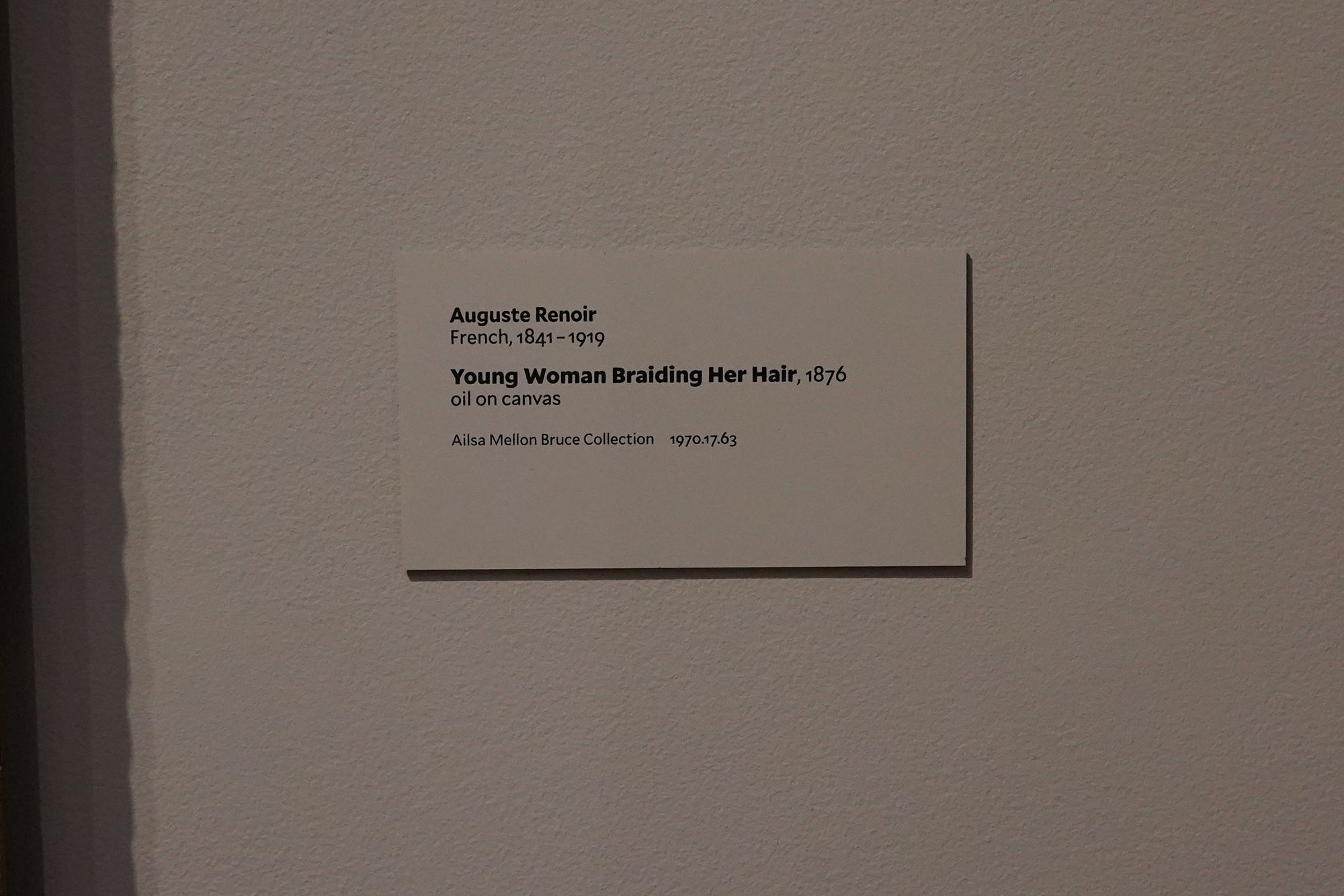
Pierre-Auguste Renoir (1841–1919) was one of the leading figures of French Impressionism, celebrated for his luminous color, soft brushwork, and joyful scenes of everyday life. His art focused on beauty, warmth, and human connection, capturing sunlight and movement with vibrant sensuality.
He was especially skilled at portraying the human figure, particularly women and children, with softness and affection. His brushwork dissolved outlines into light and color, creating a sense of warmth and intimacy.
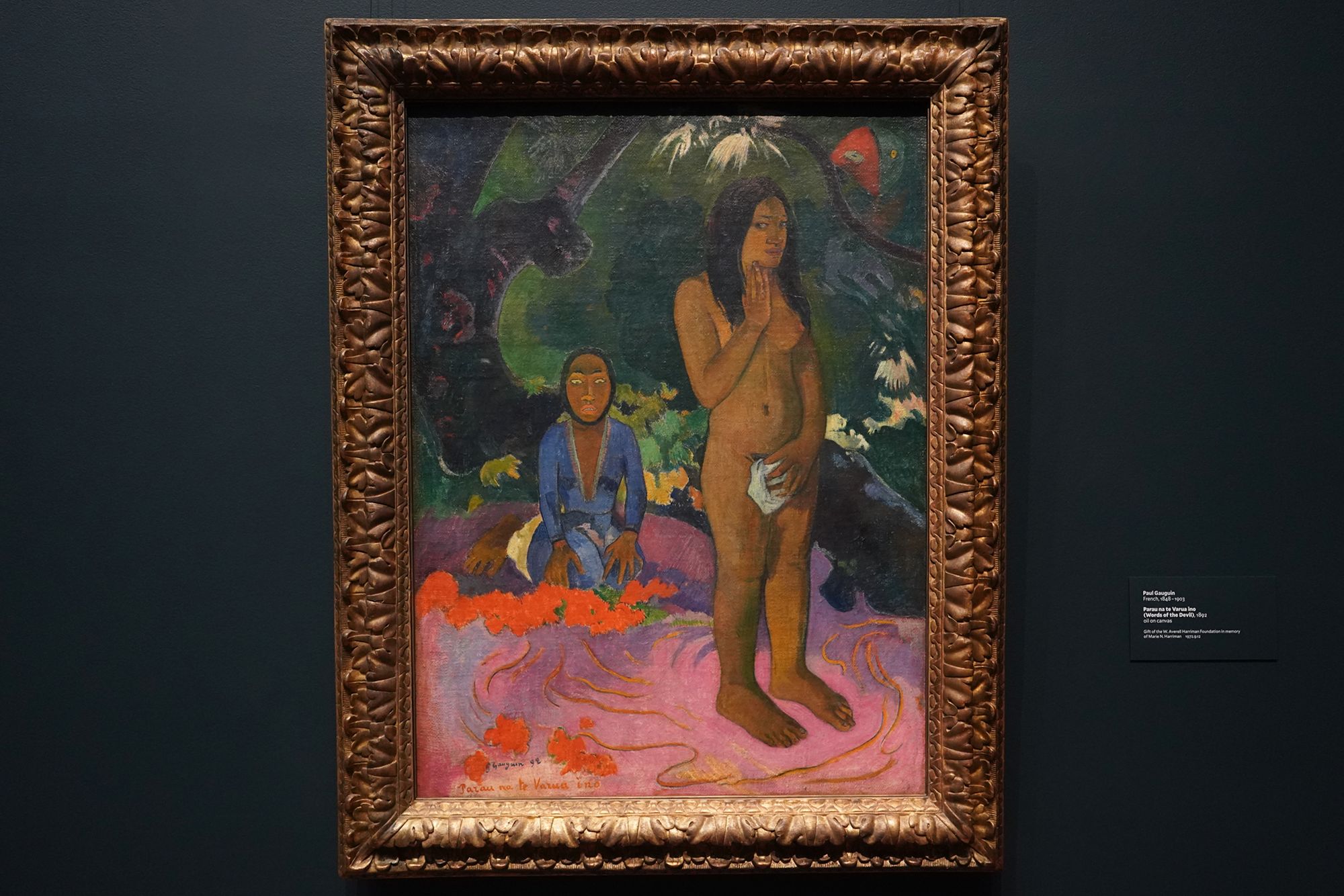
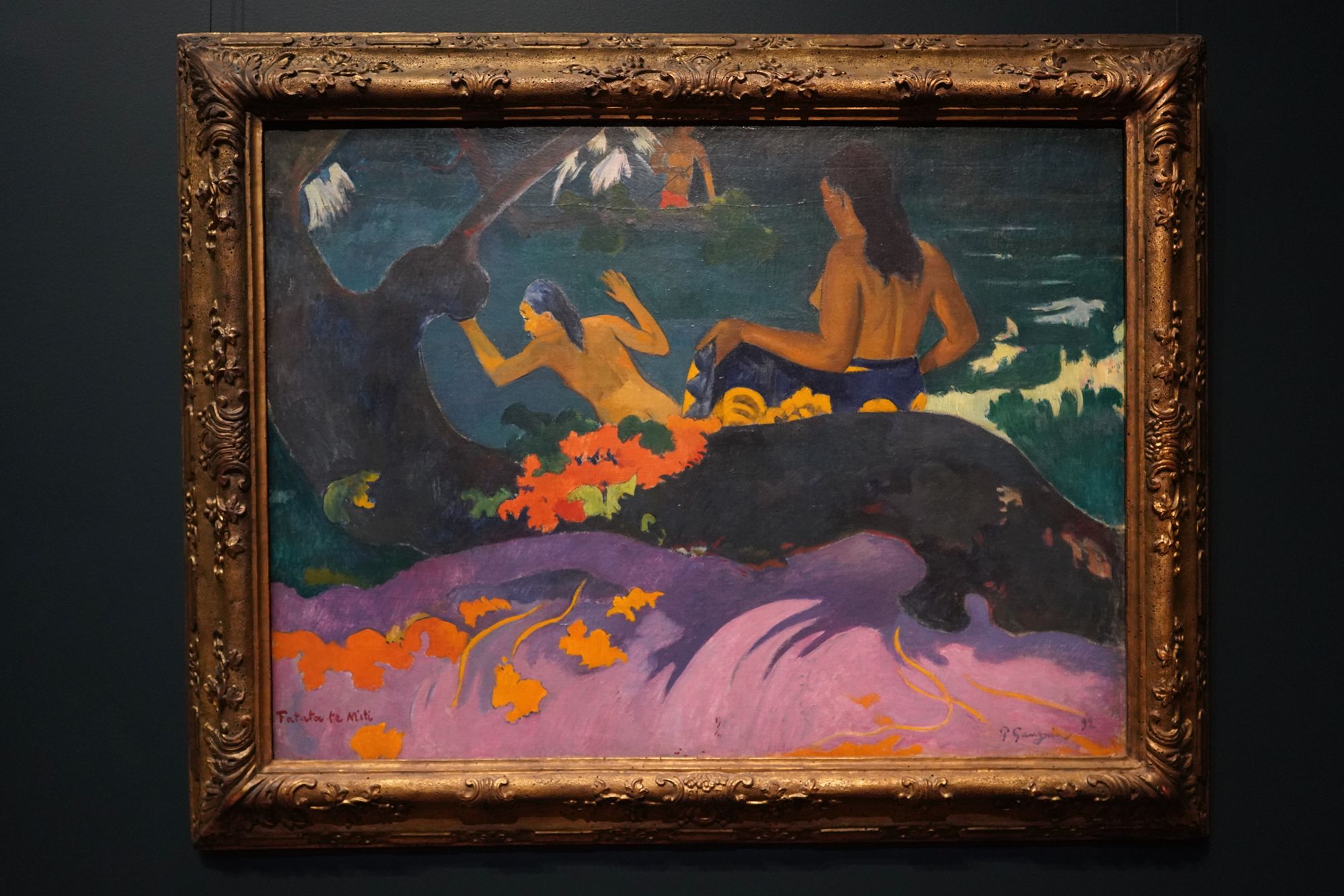
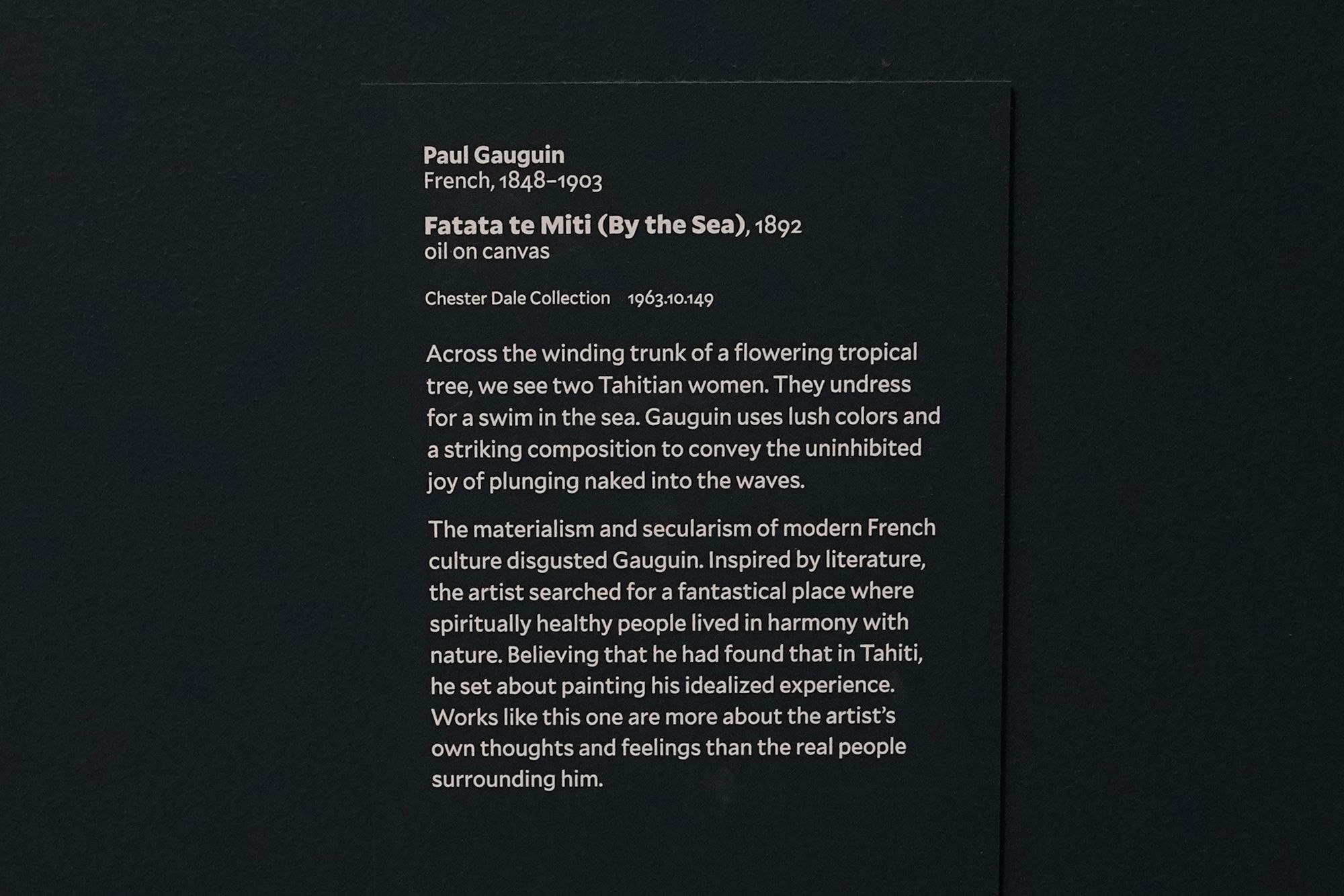
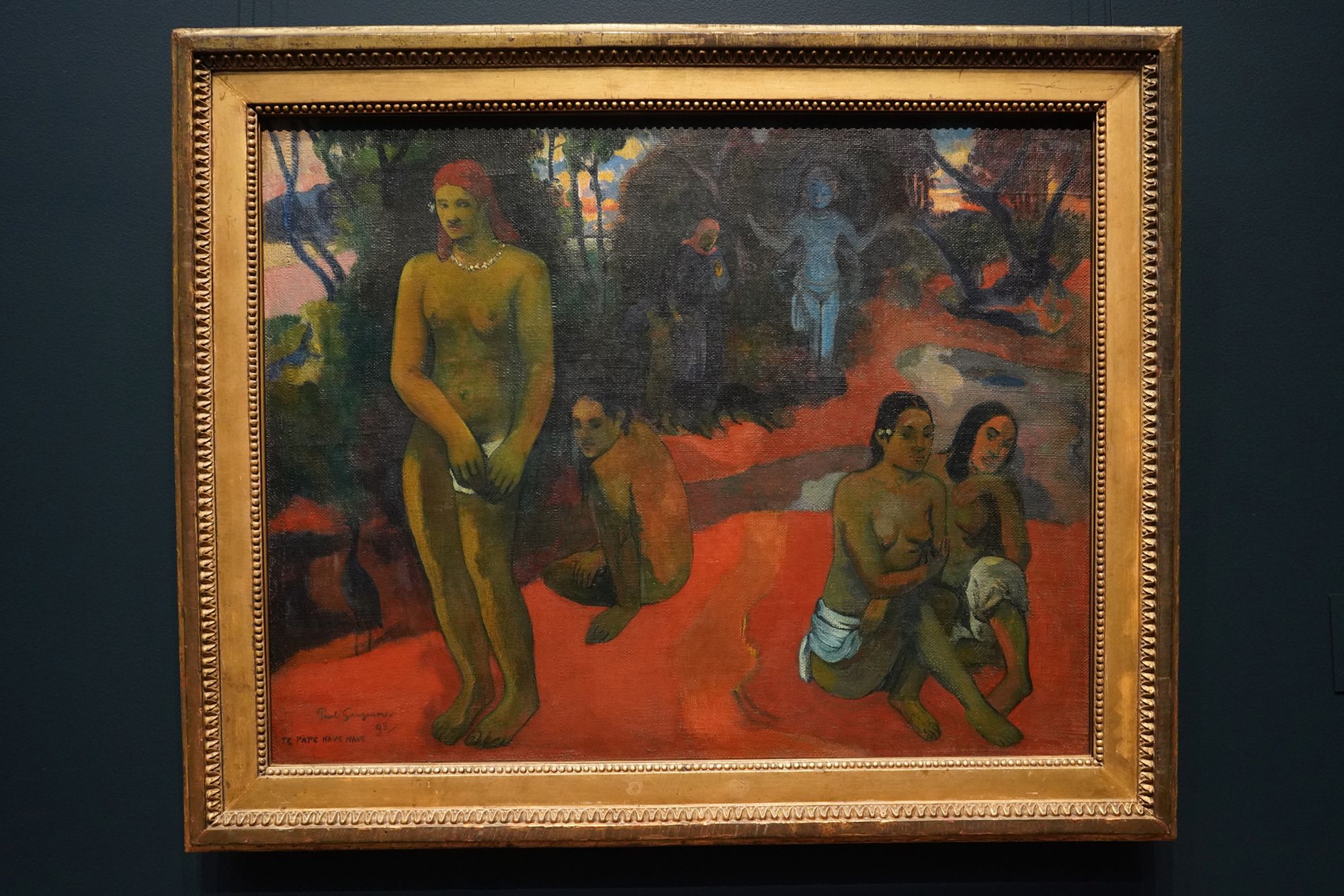
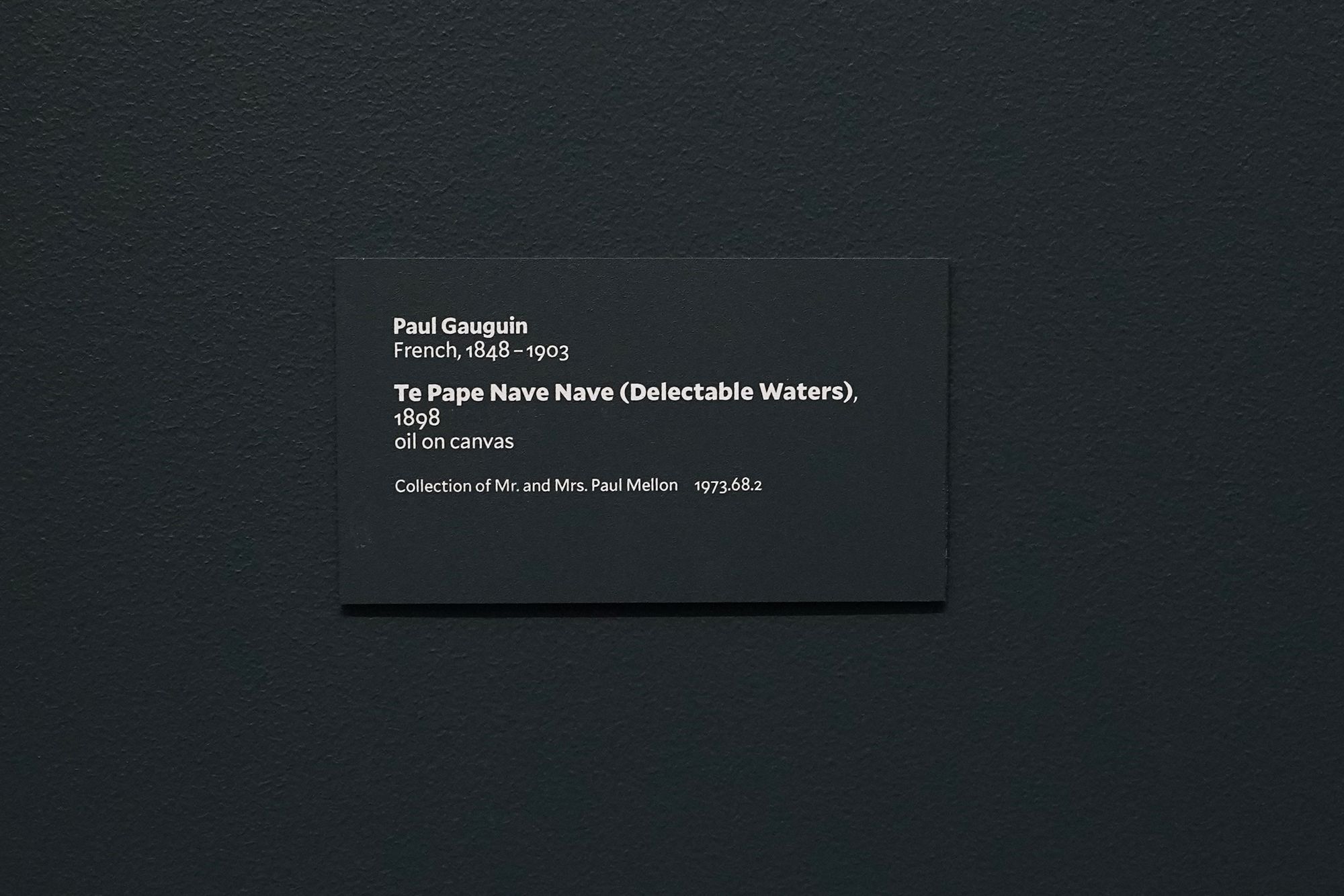
Paul Gauguin (1848–1903) was a French Post-Impressionist painter who sought to move beyond Impressionism’s focus on light and observation toward emotion, symbolism, and spirituality. He is best known for his bold colors, simplified forms, and images inspired by life in Tahiti and other Pacific islands.
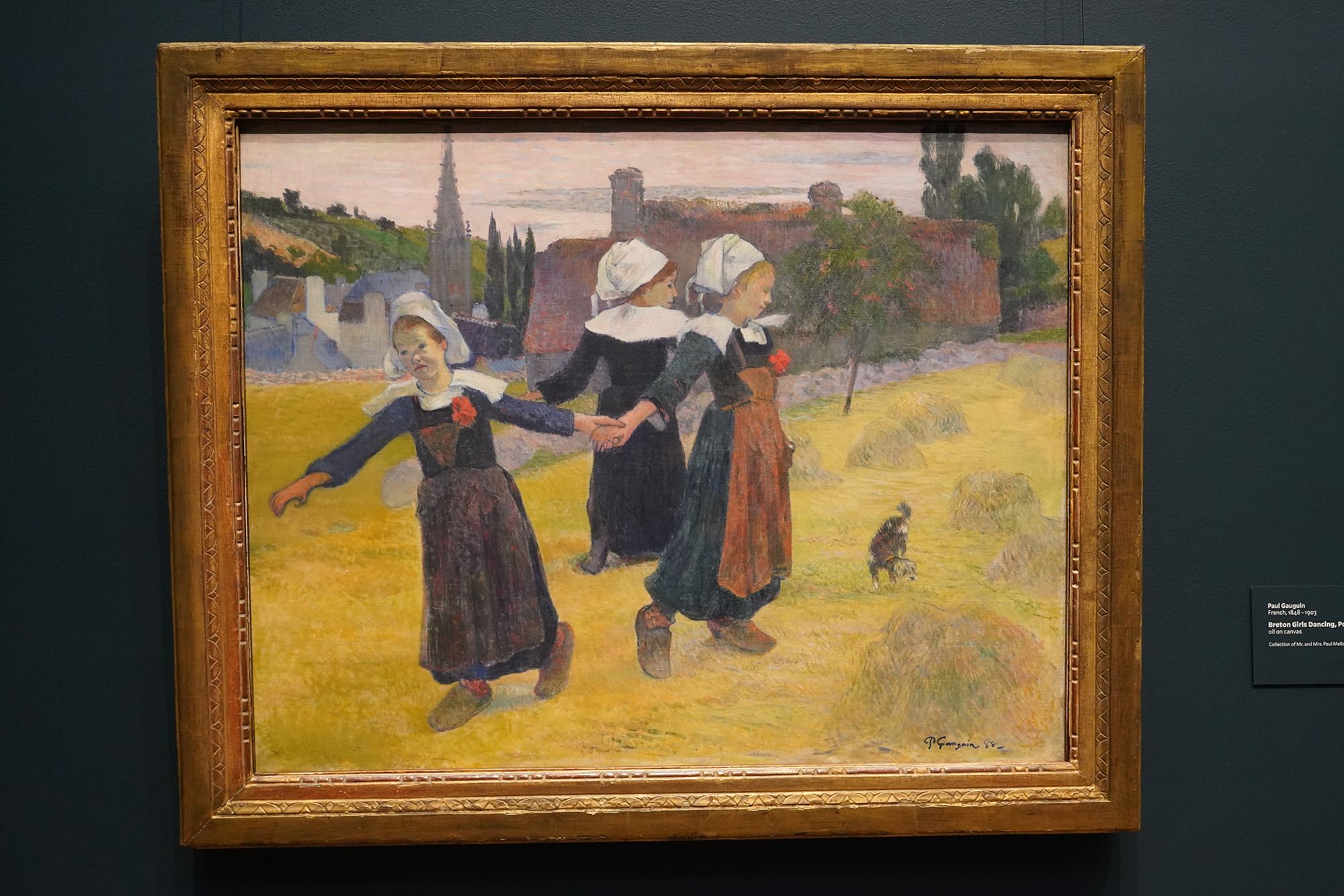
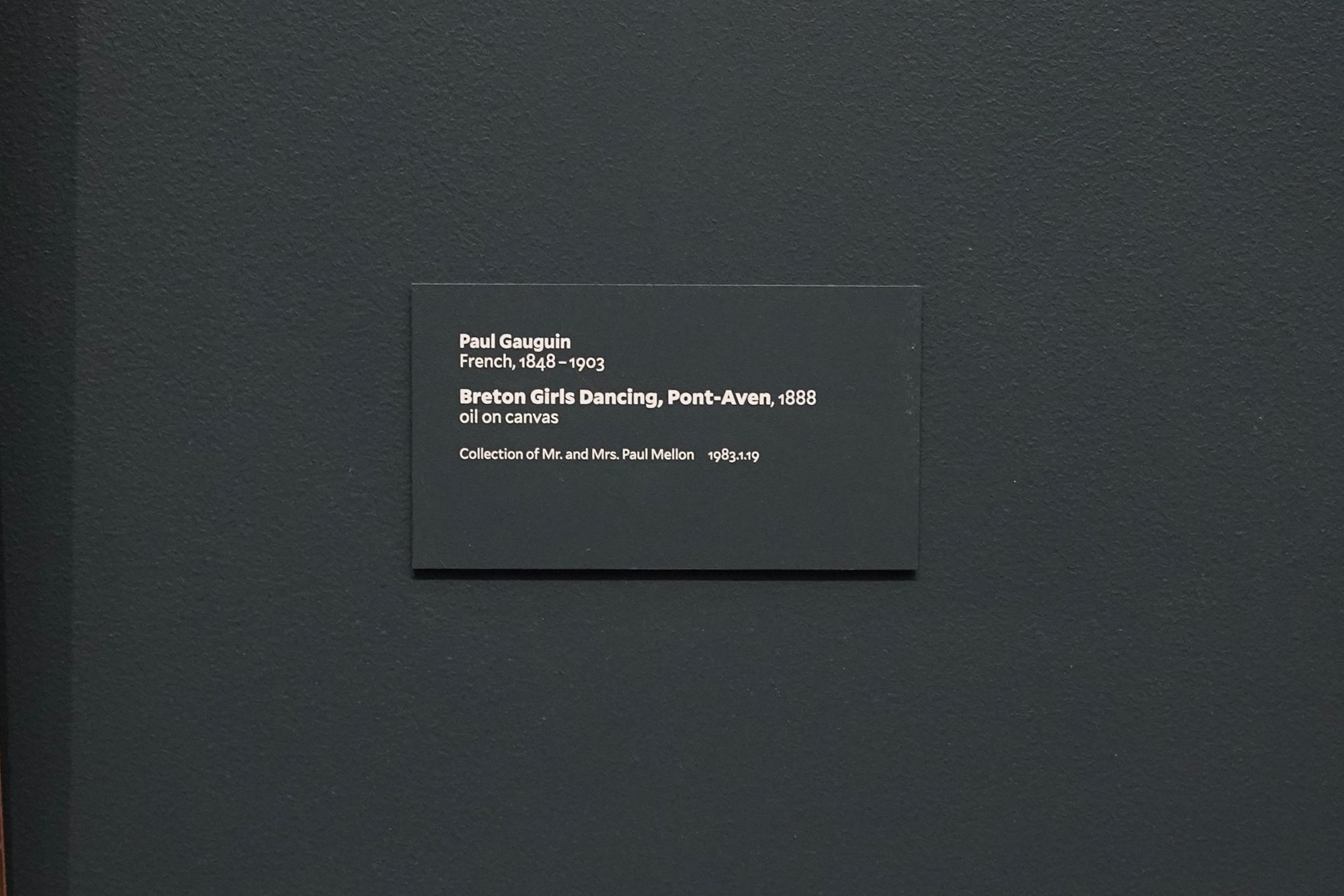
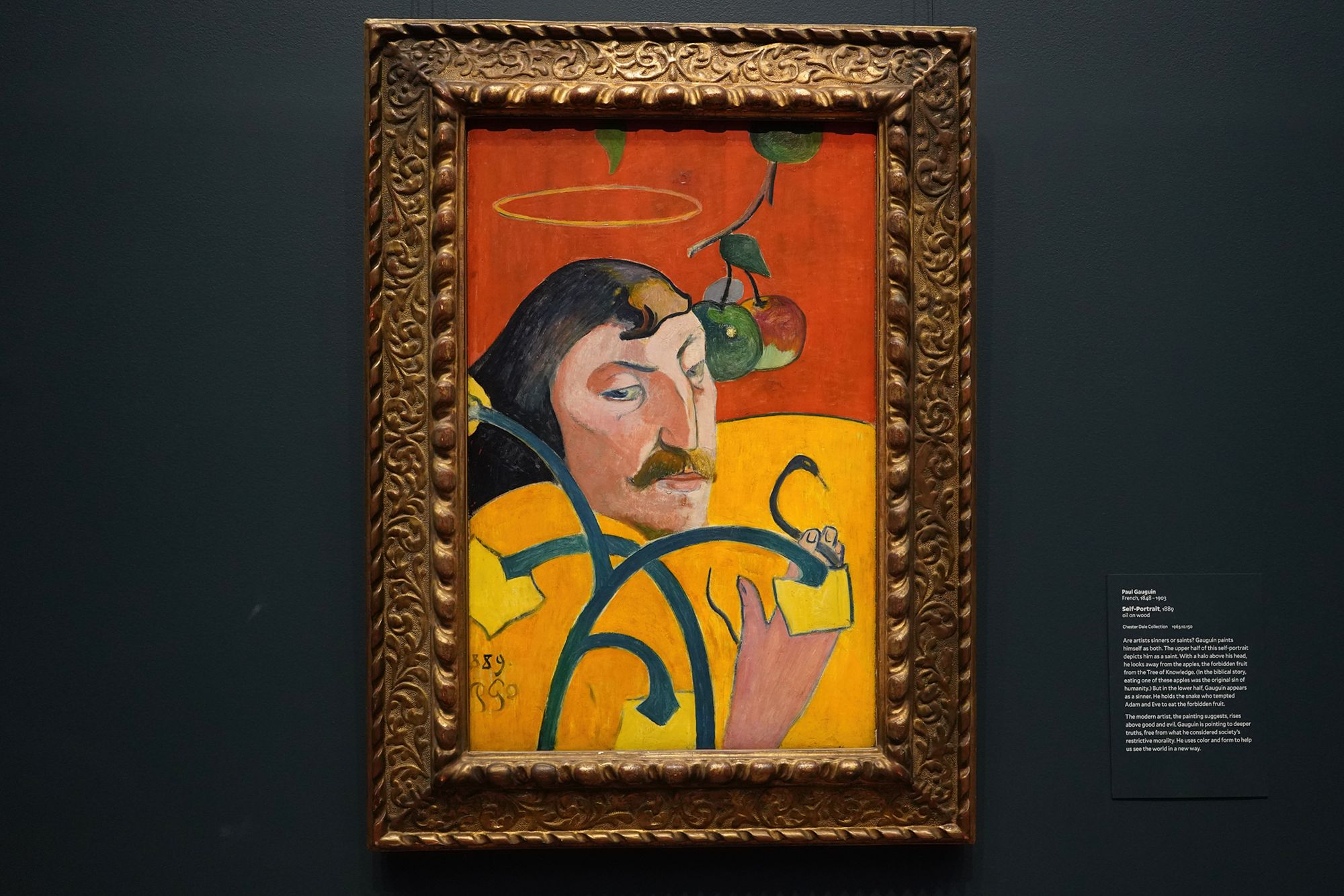
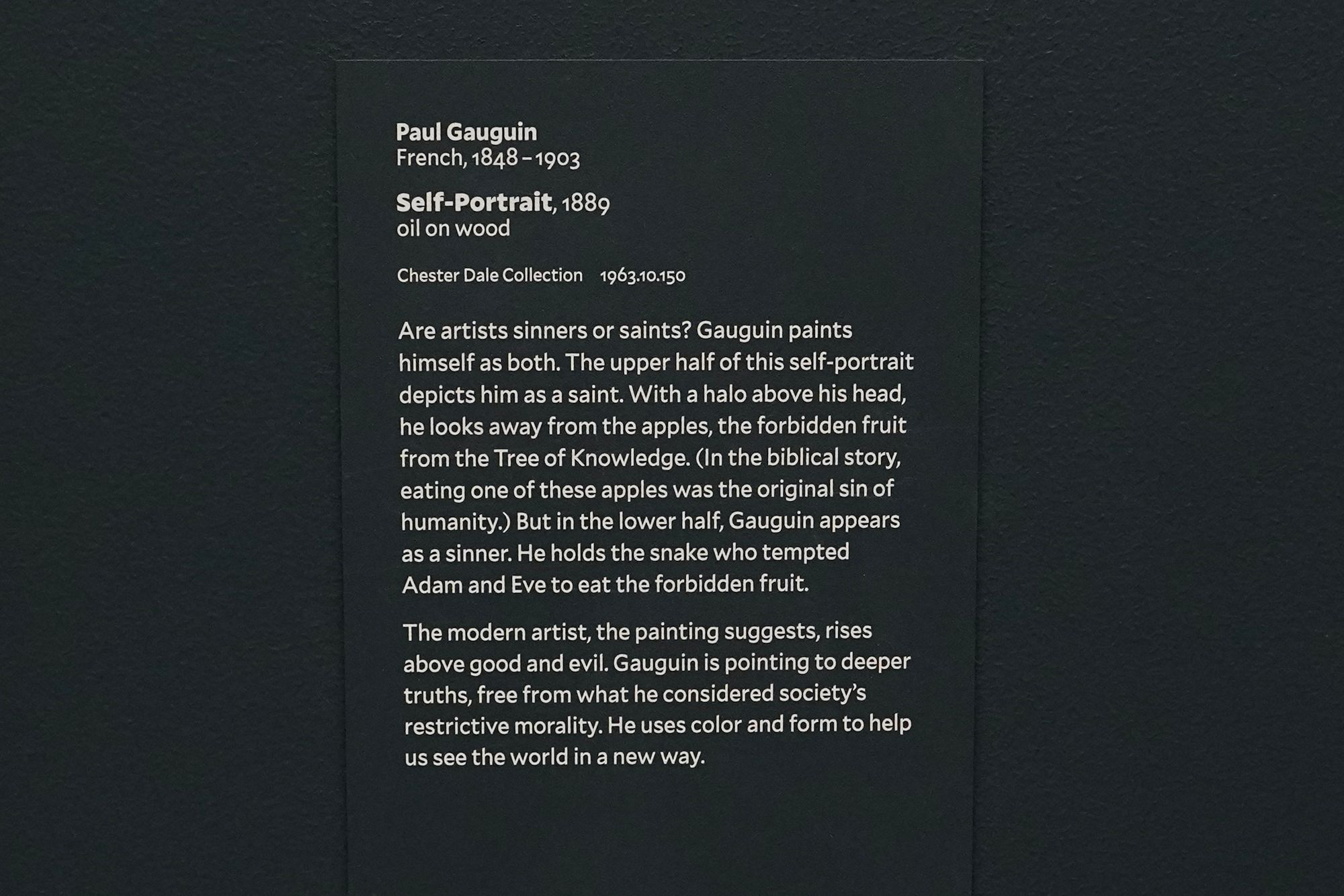
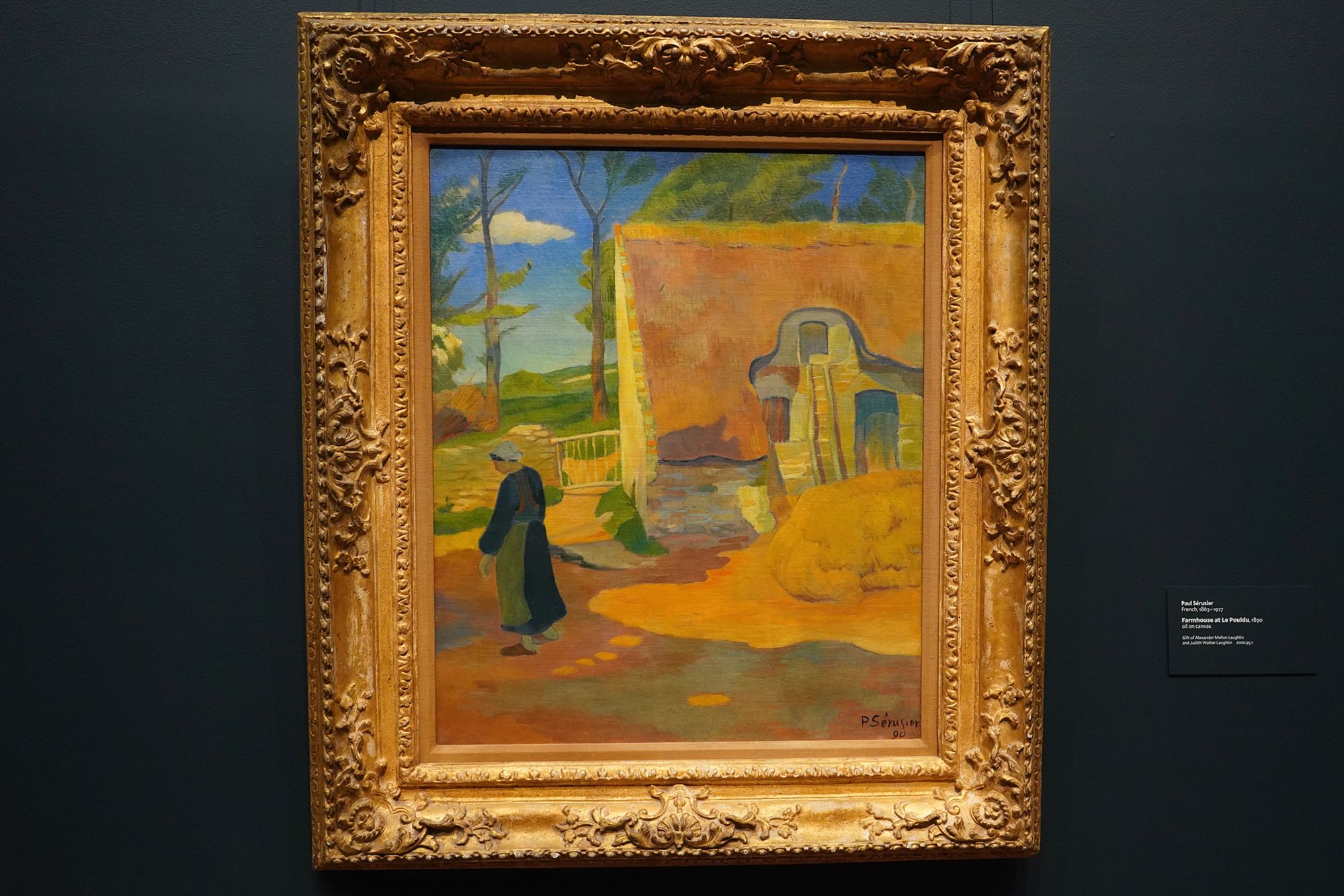
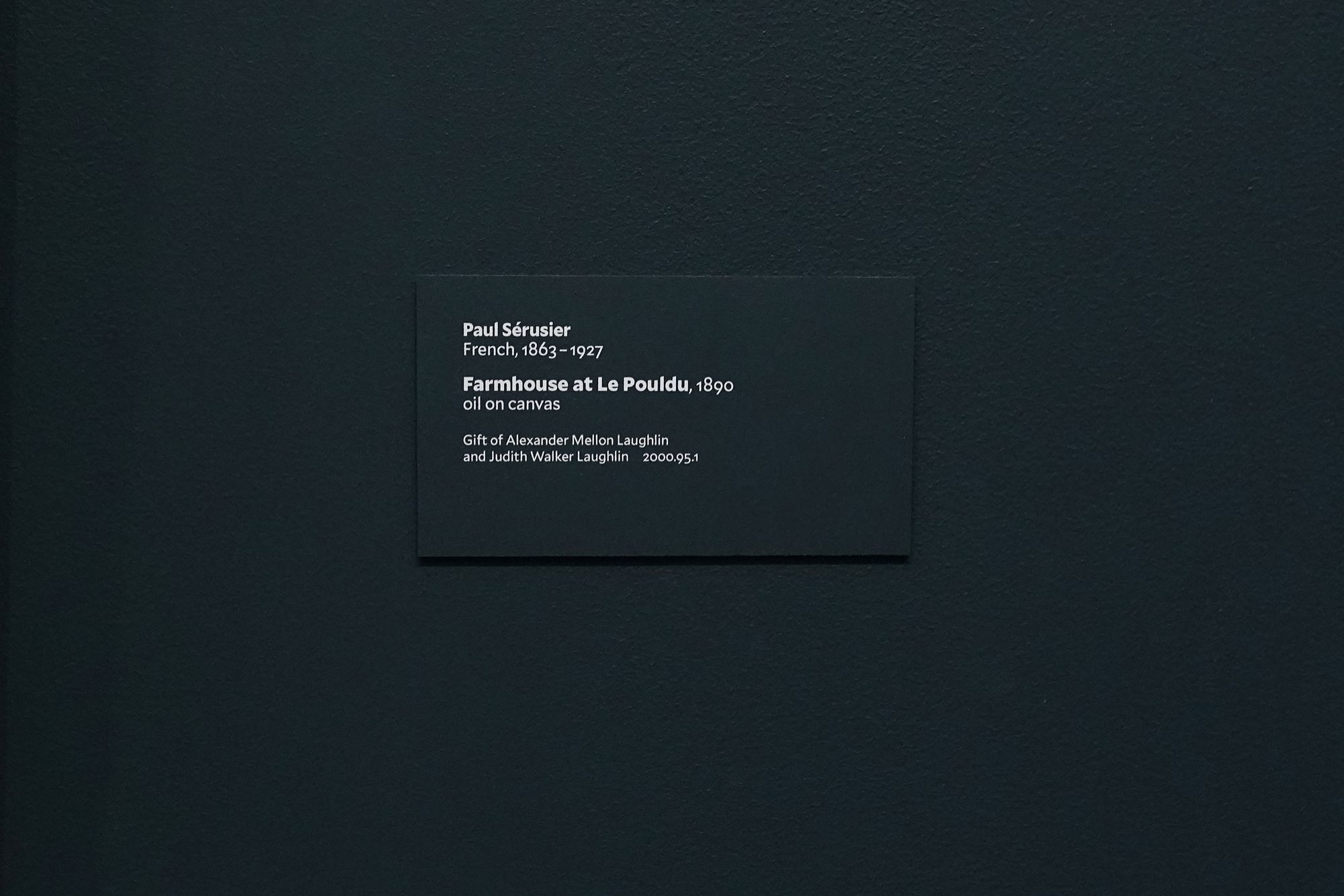
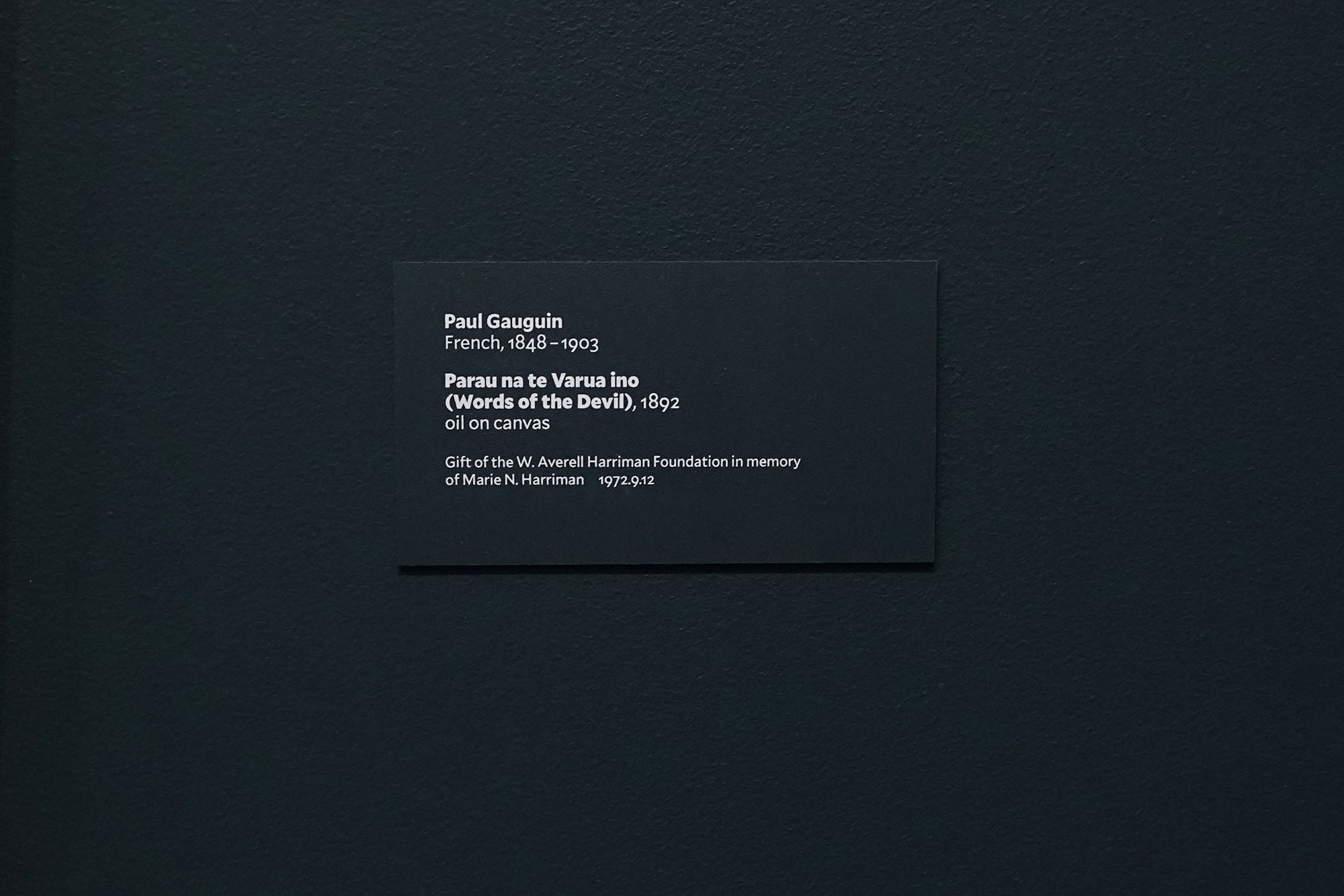
Seeking a purer, simpler life, Gauguin left France for Tahiti in 1891. There, he painted scenes of Polynesian people and landscapes, often idealized and filled with mythic or spiritual meaning. Works such as Where Do We Come From? What Are We? Where Are We Going? (1897–98) combine brilliant color, flattened form, and deep philosophical reflection.
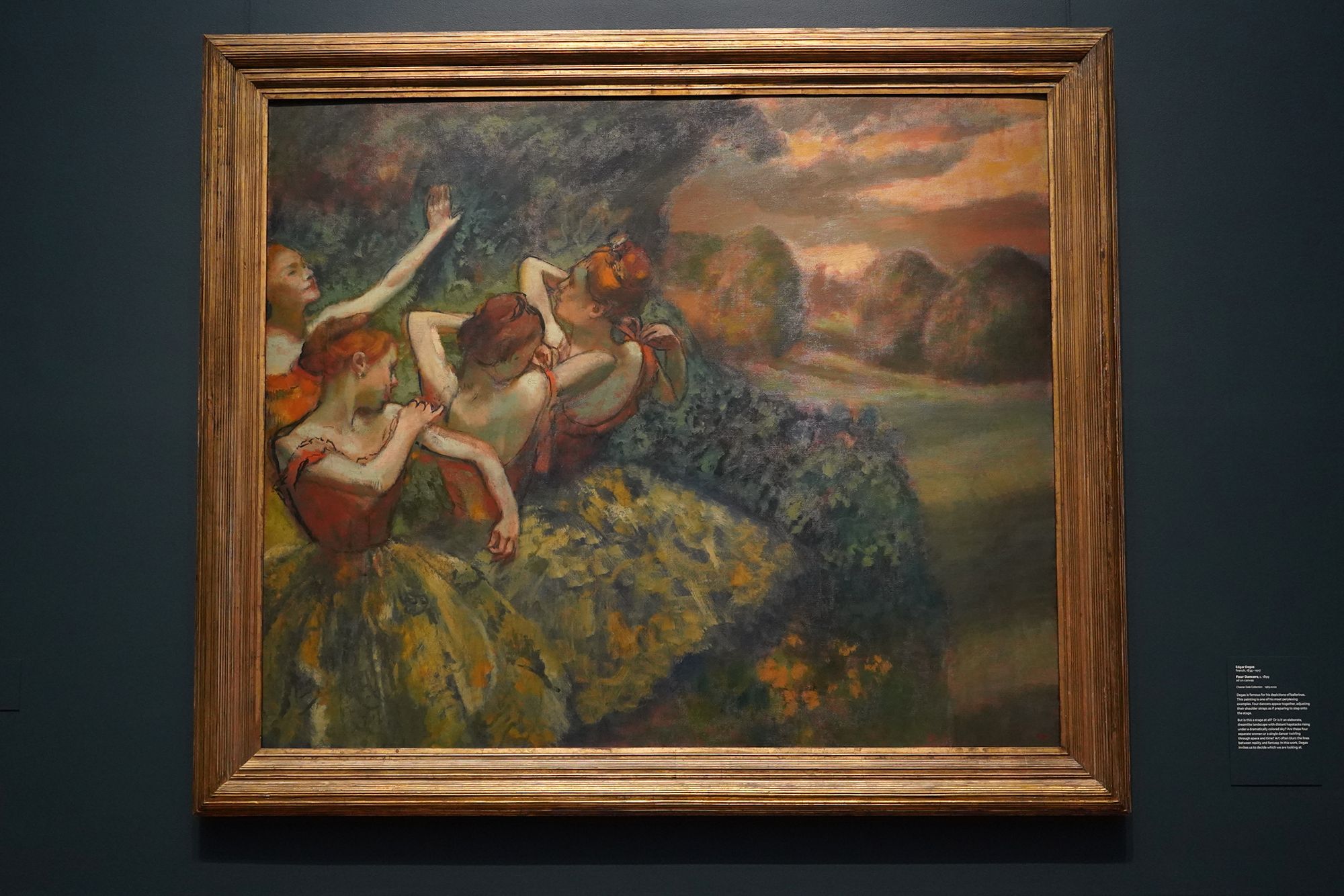
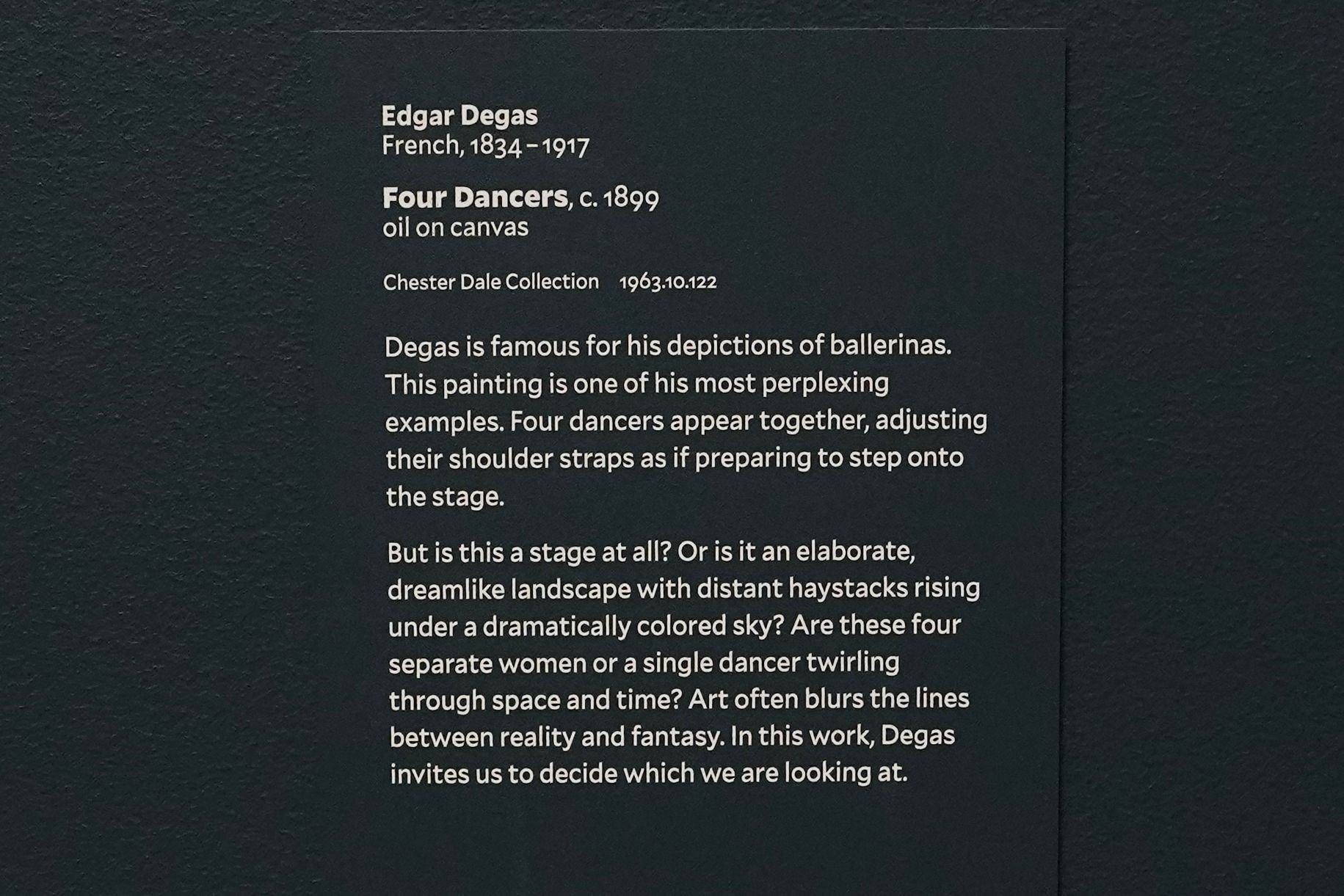
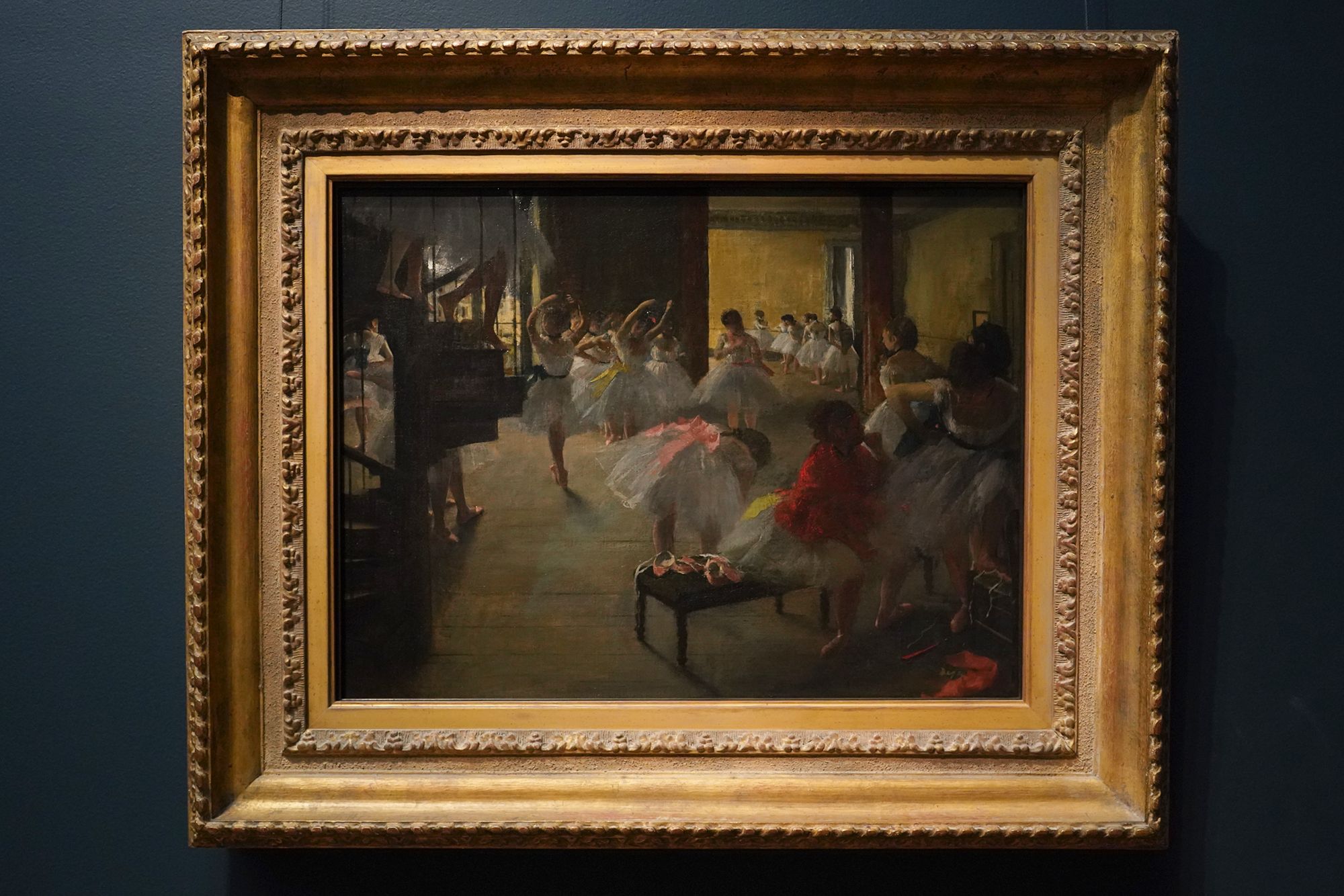
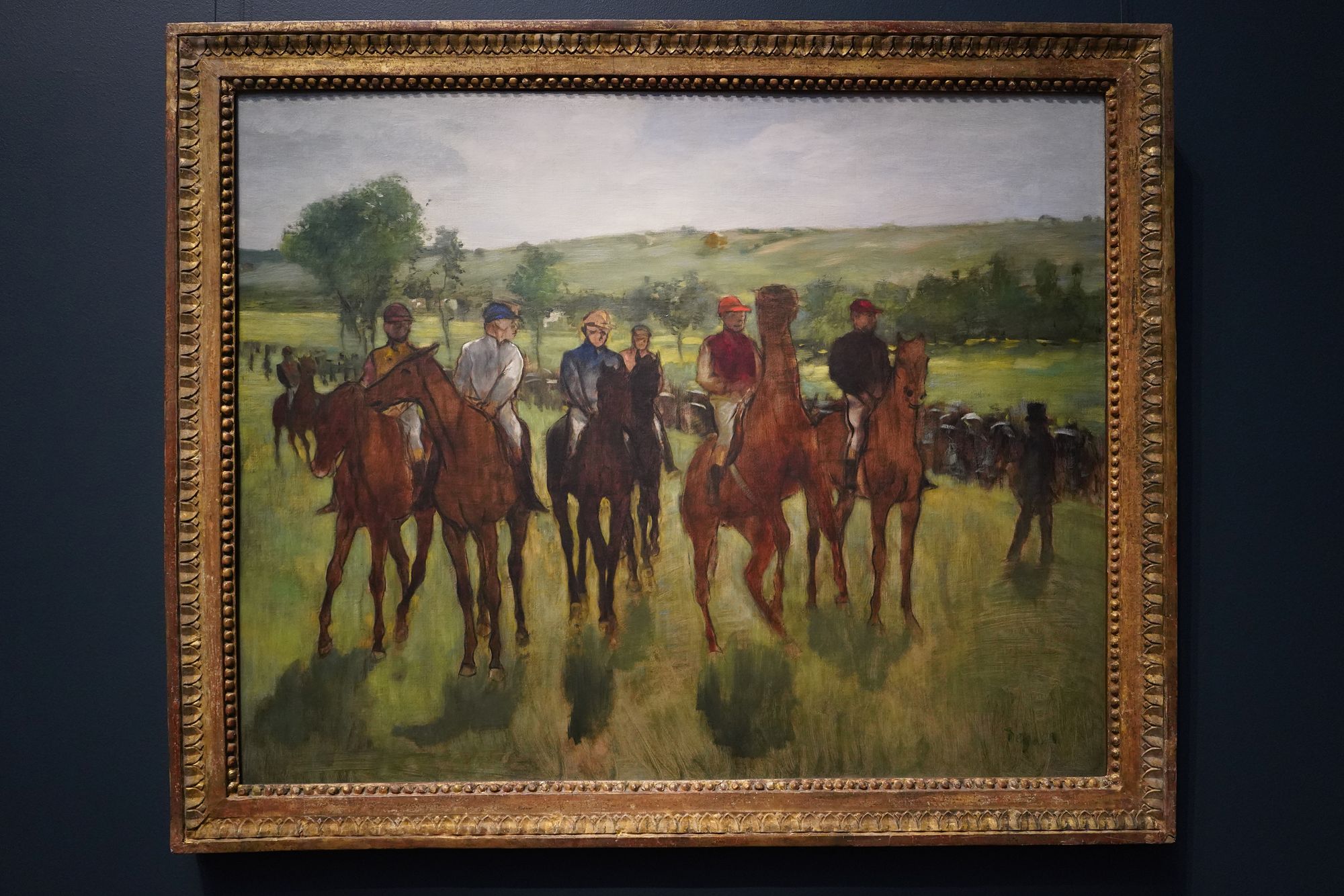
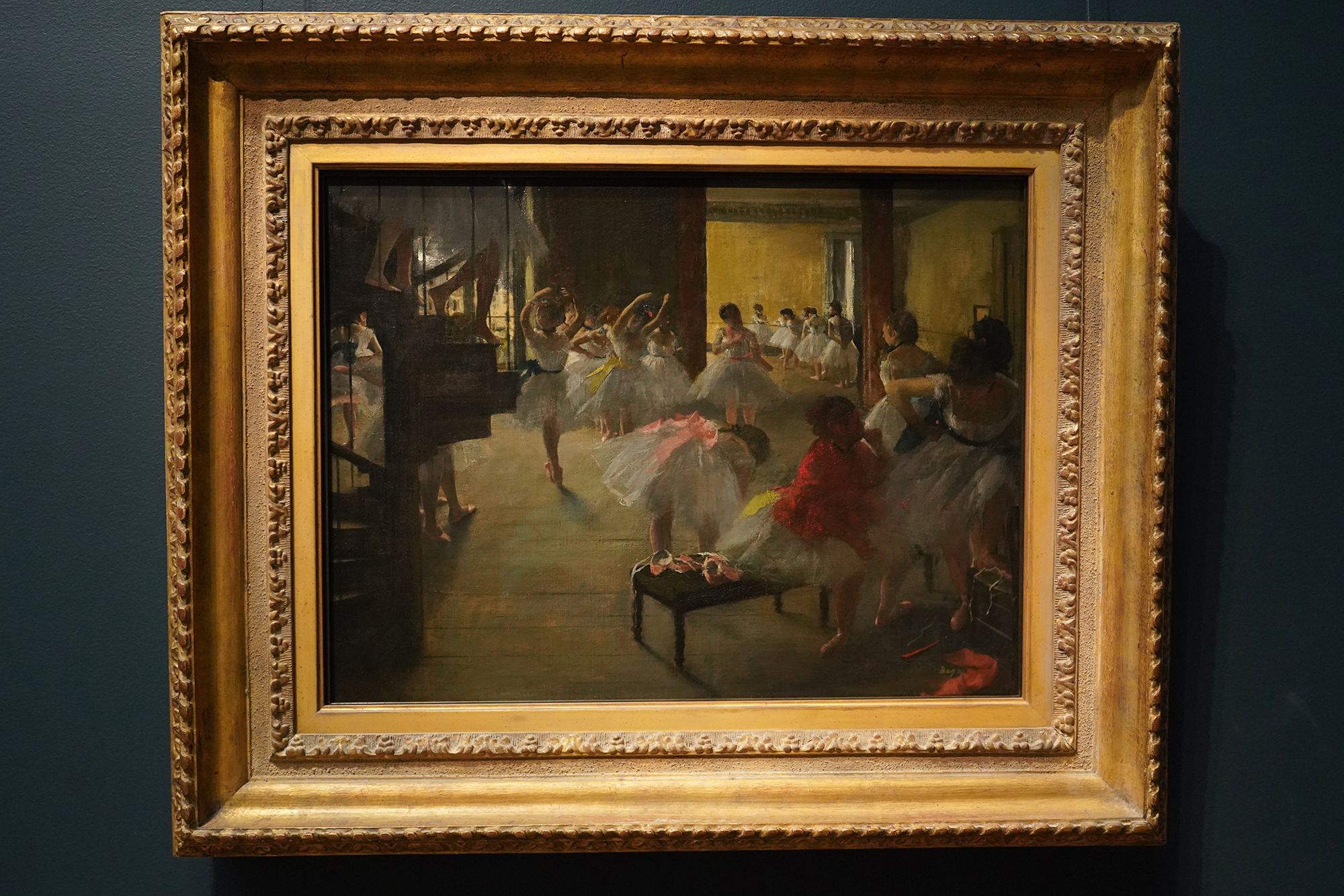
Edgar Degas (1834–1917) was a French Impressionist painter and sculptor best known for his images of ballet dancers, women at work or bathing, and modern urban life. Though often grouped with the Impressionists, Degas preferred to call himself a realist, focusing on human movement, psychology, and composition rather than light and color alone.
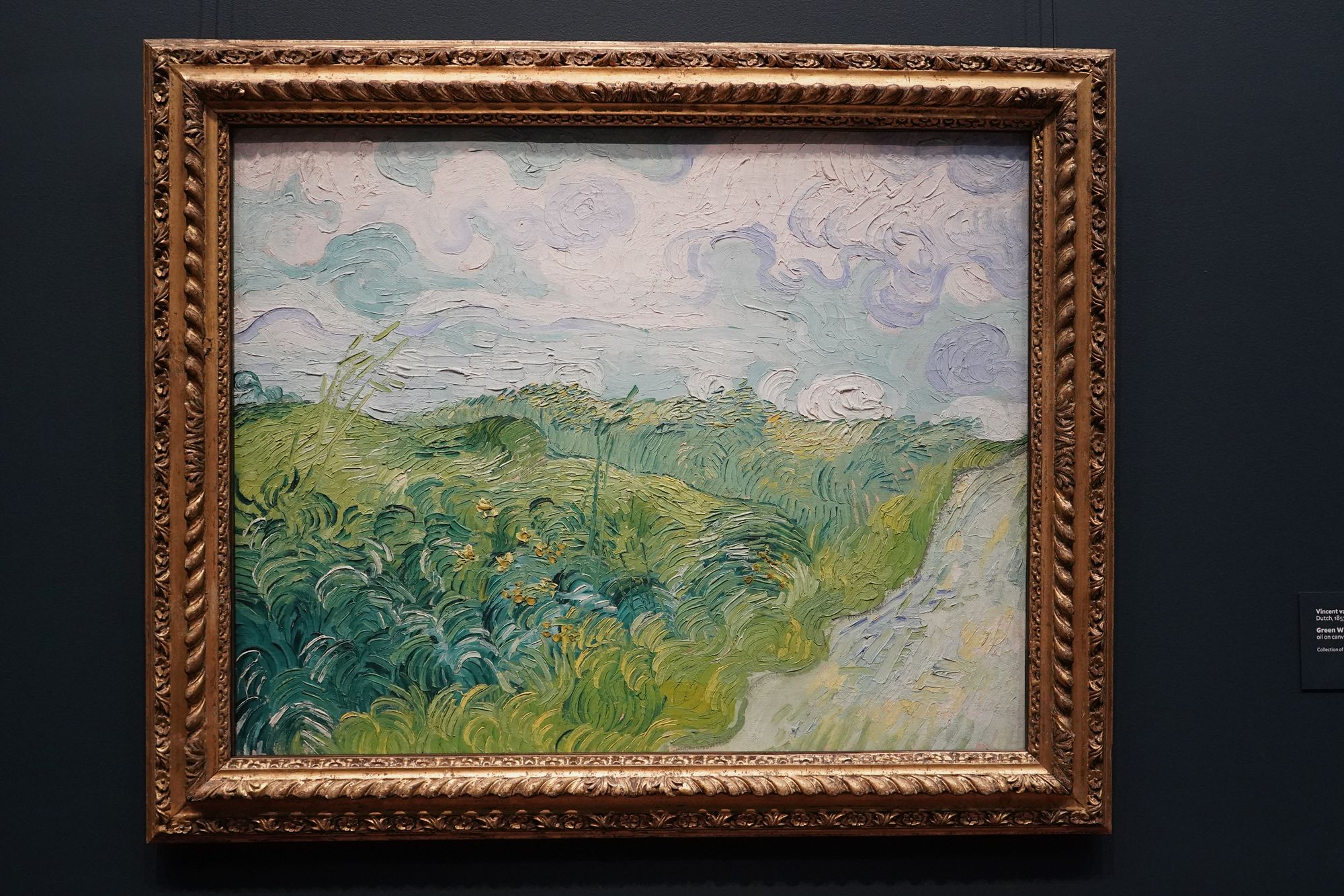
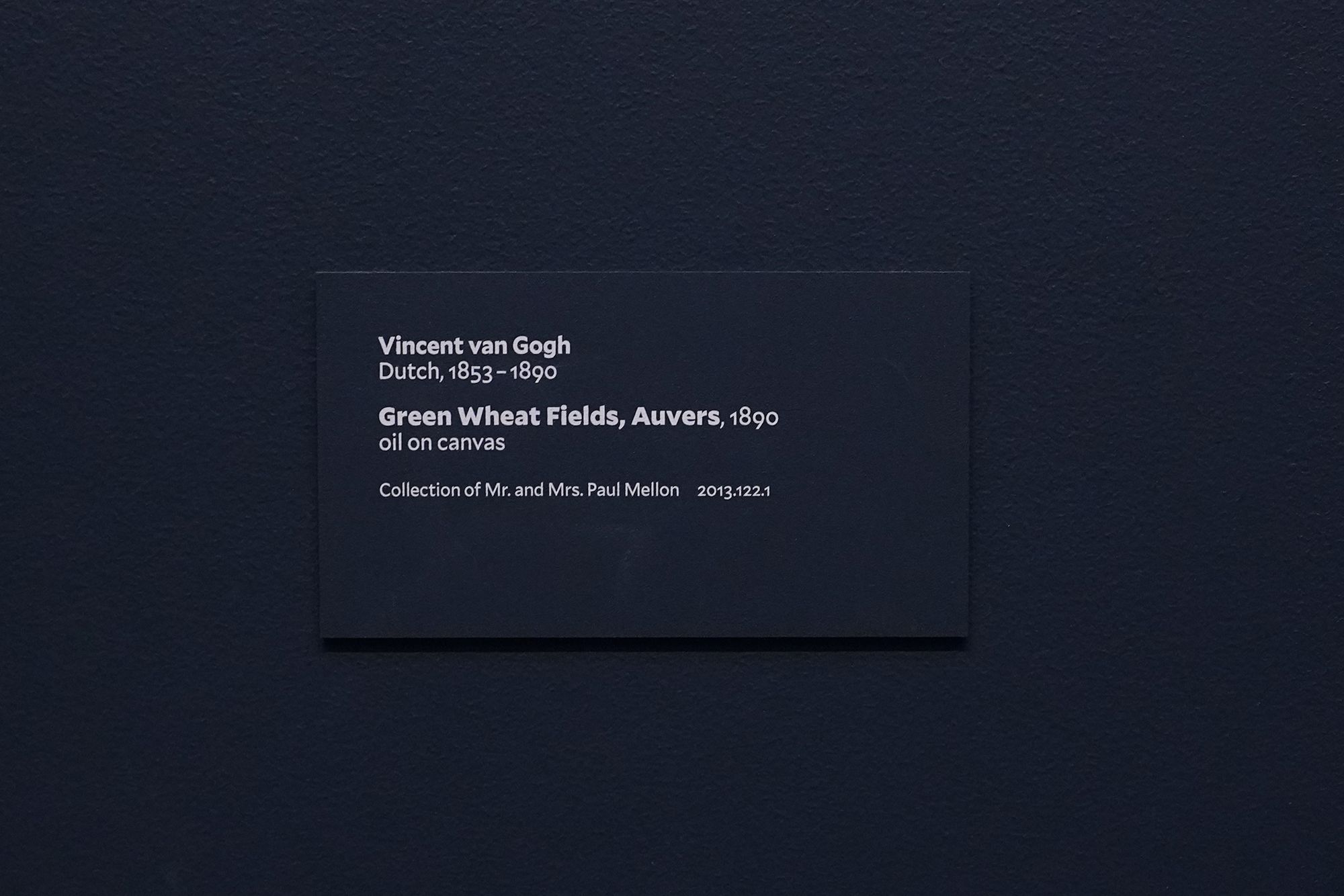
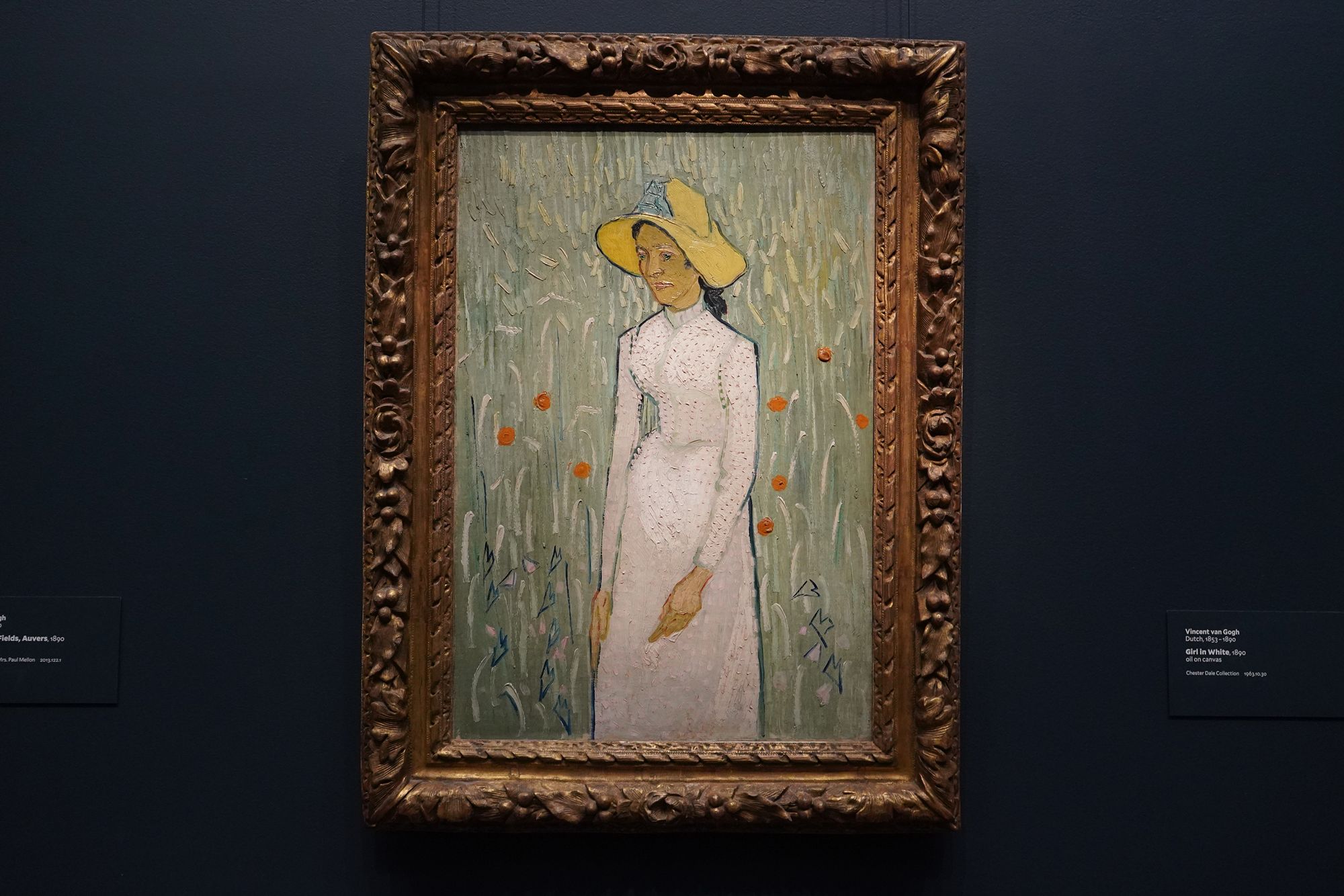
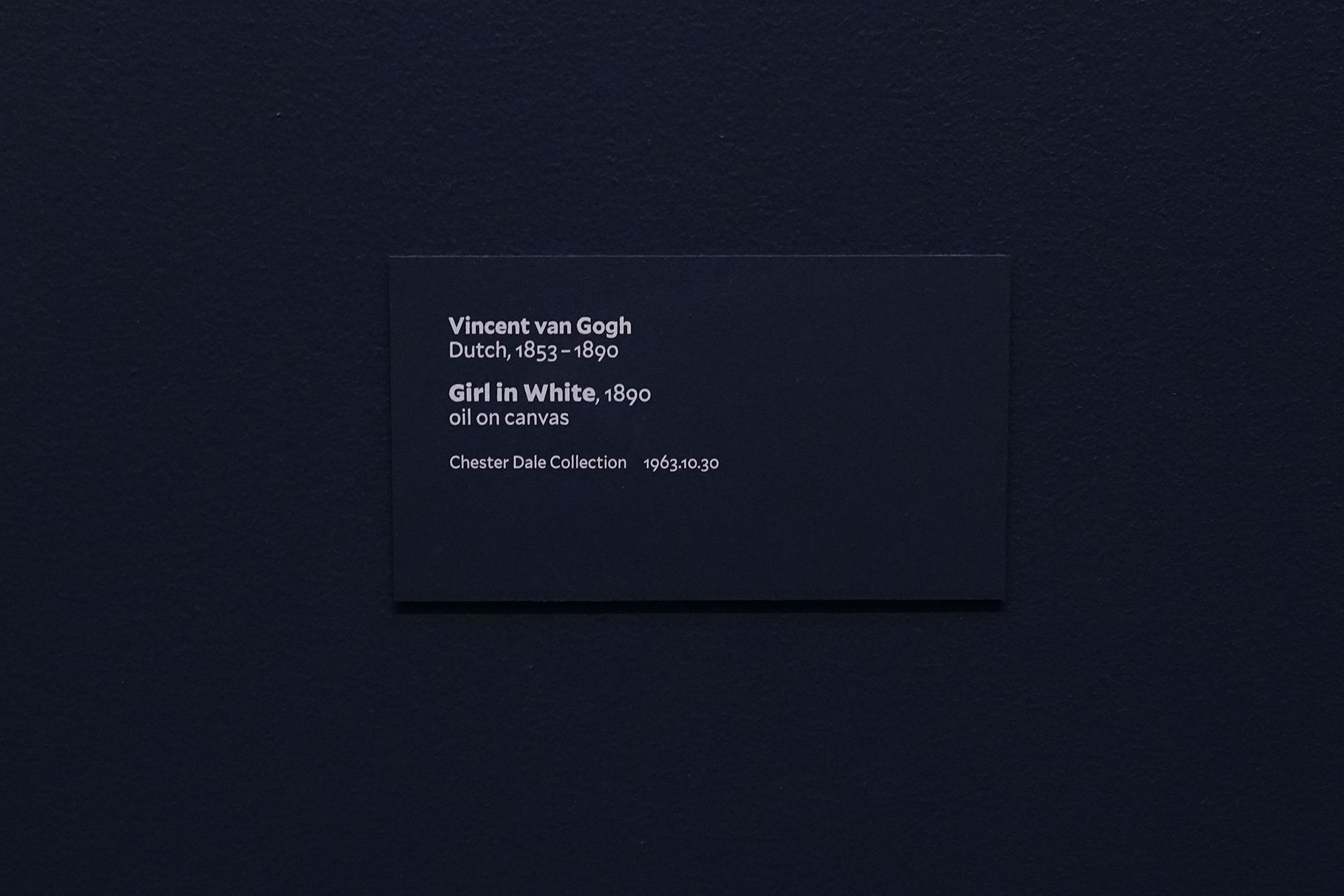
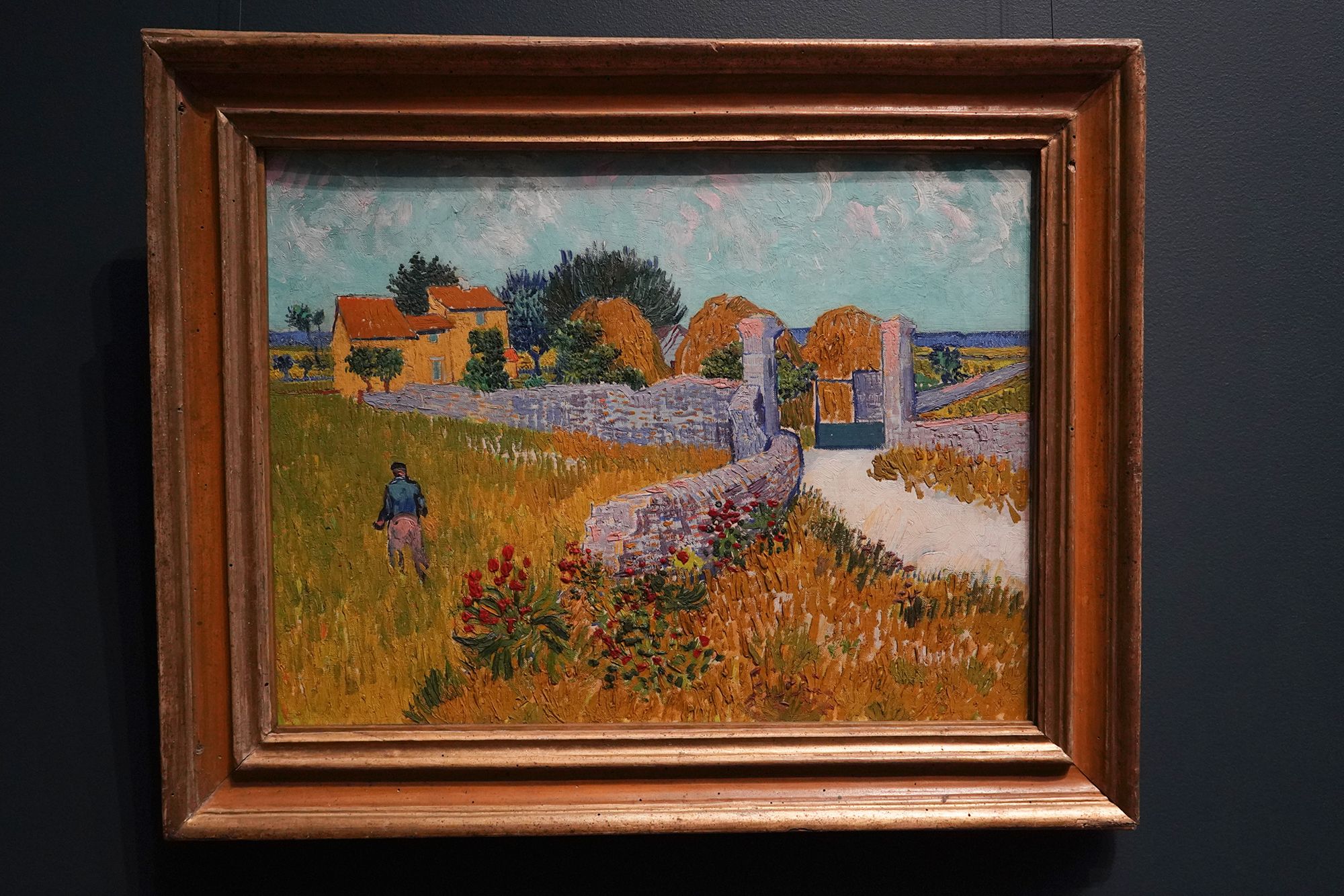
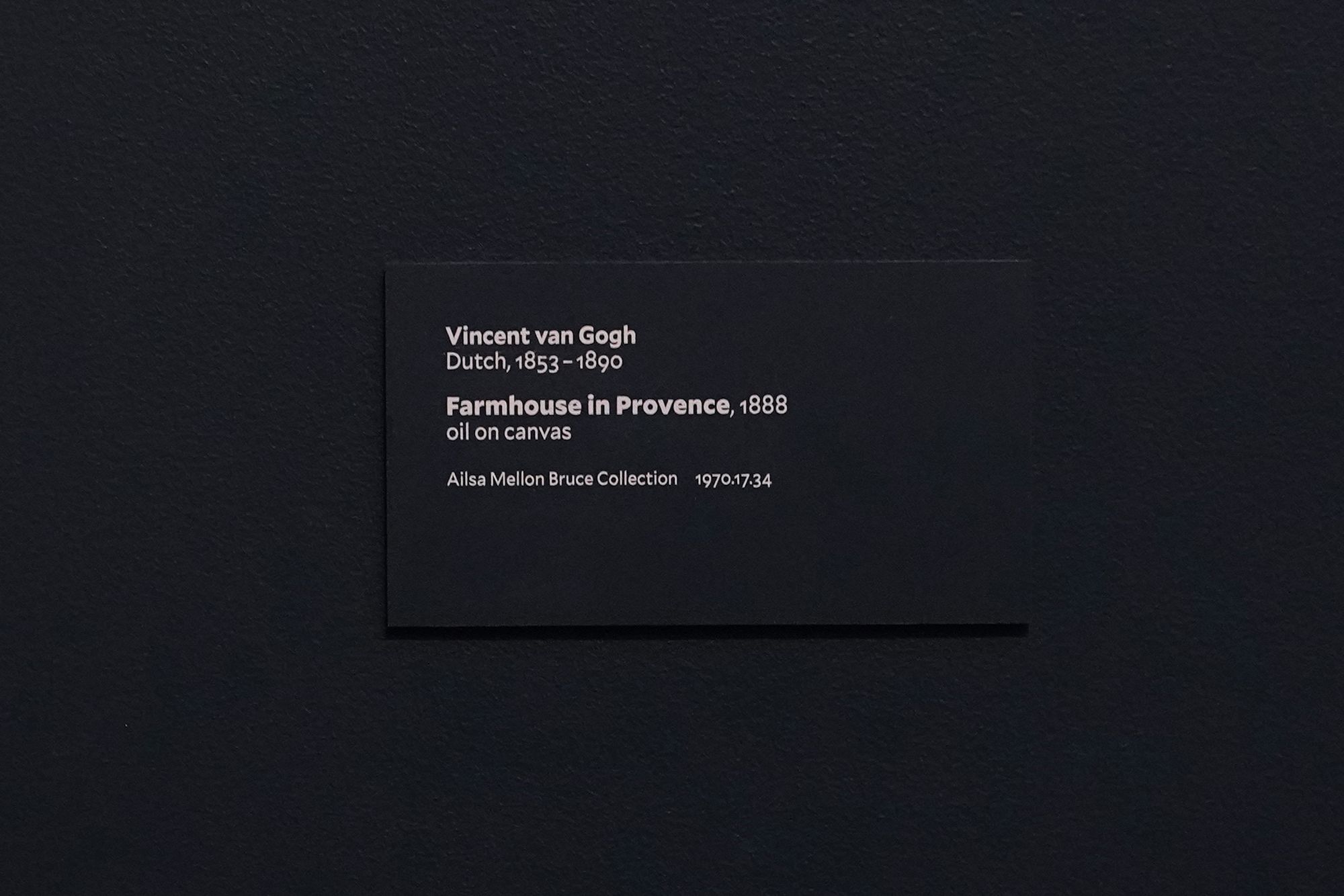
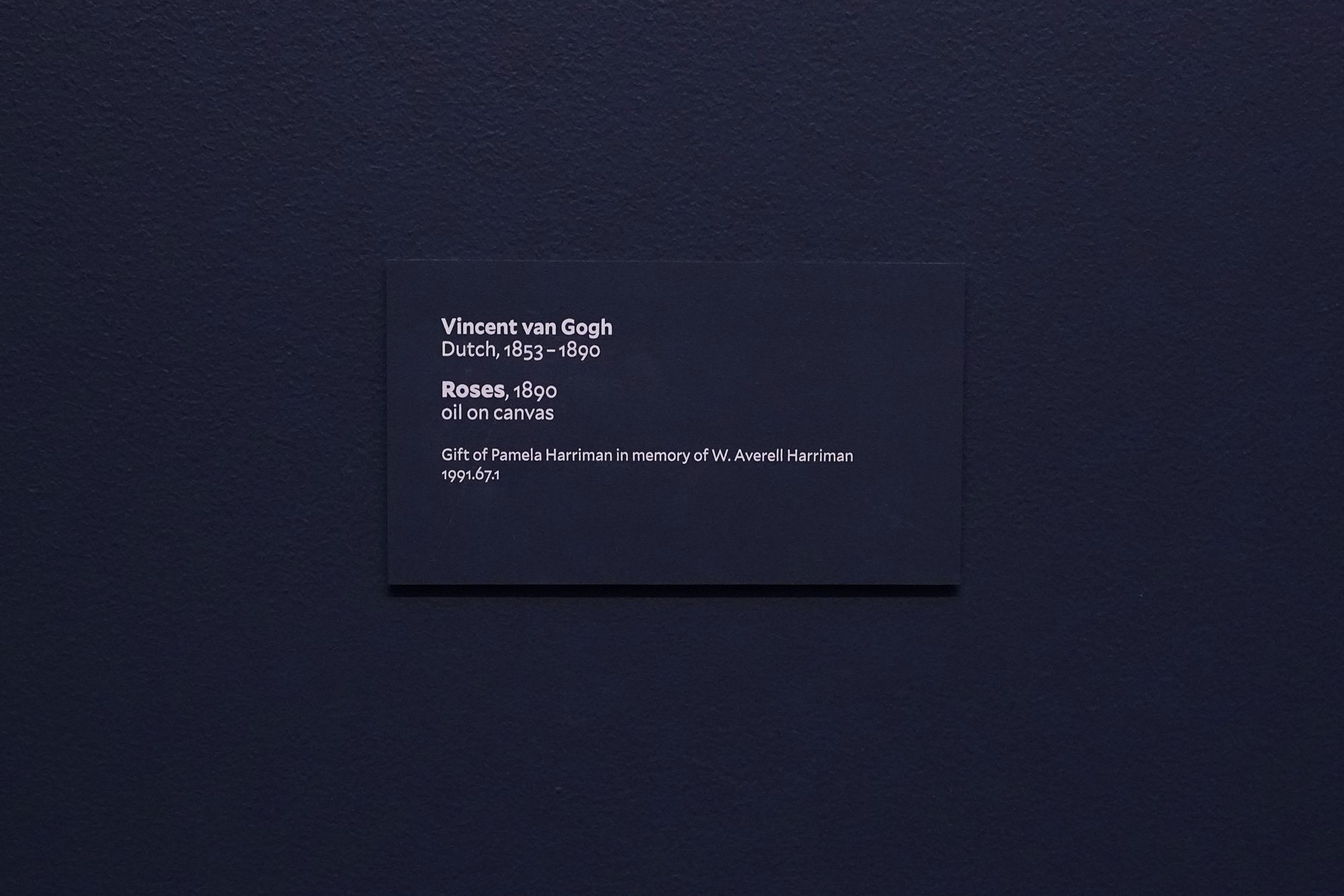
Vincent van Gogh (1853–1890) was a Dutch Post-Impressionist painter whose emotionally charged and color-intense art transformed modern painting. Though he sold few works in his lifetime, he became one of the most influential artists in history, known for expressing inner feeling through color, line, and brushstroke.
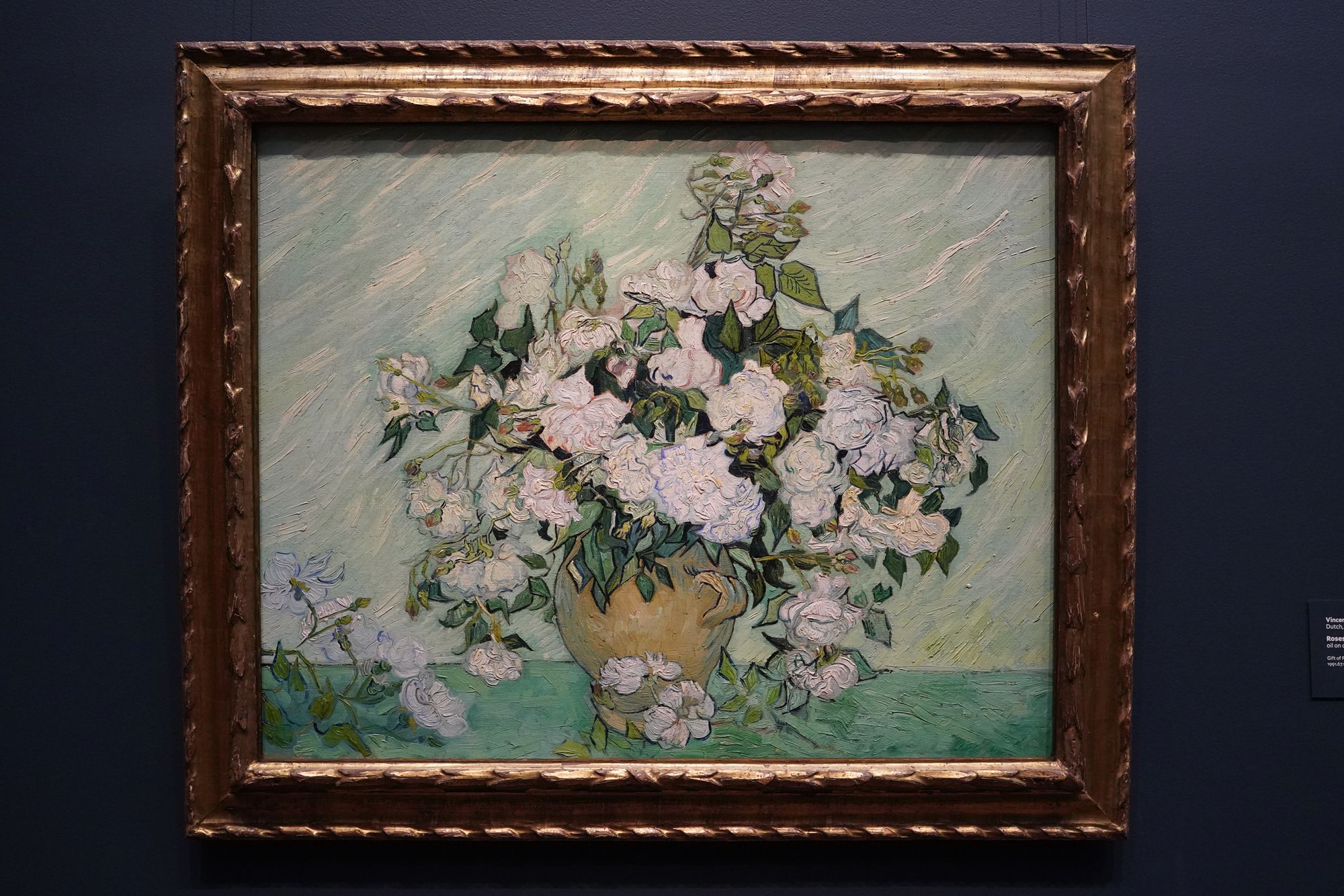
In Arles (southern France), van Gogh developed his signature style—bold color contrasts, swirling movement, and thick impasto paint. Works like Sunflowers, Bedroom in Arles, and The Night Café glow with emotional intensity. He invited Paul Gauguin to join him in Arles, but their collaboration ended in conflict and van Gogh’s mental breakdown, during which he famously cut off part of his ear.