National Gallery of Art – Impressionism Part 2, Washington DC, USA
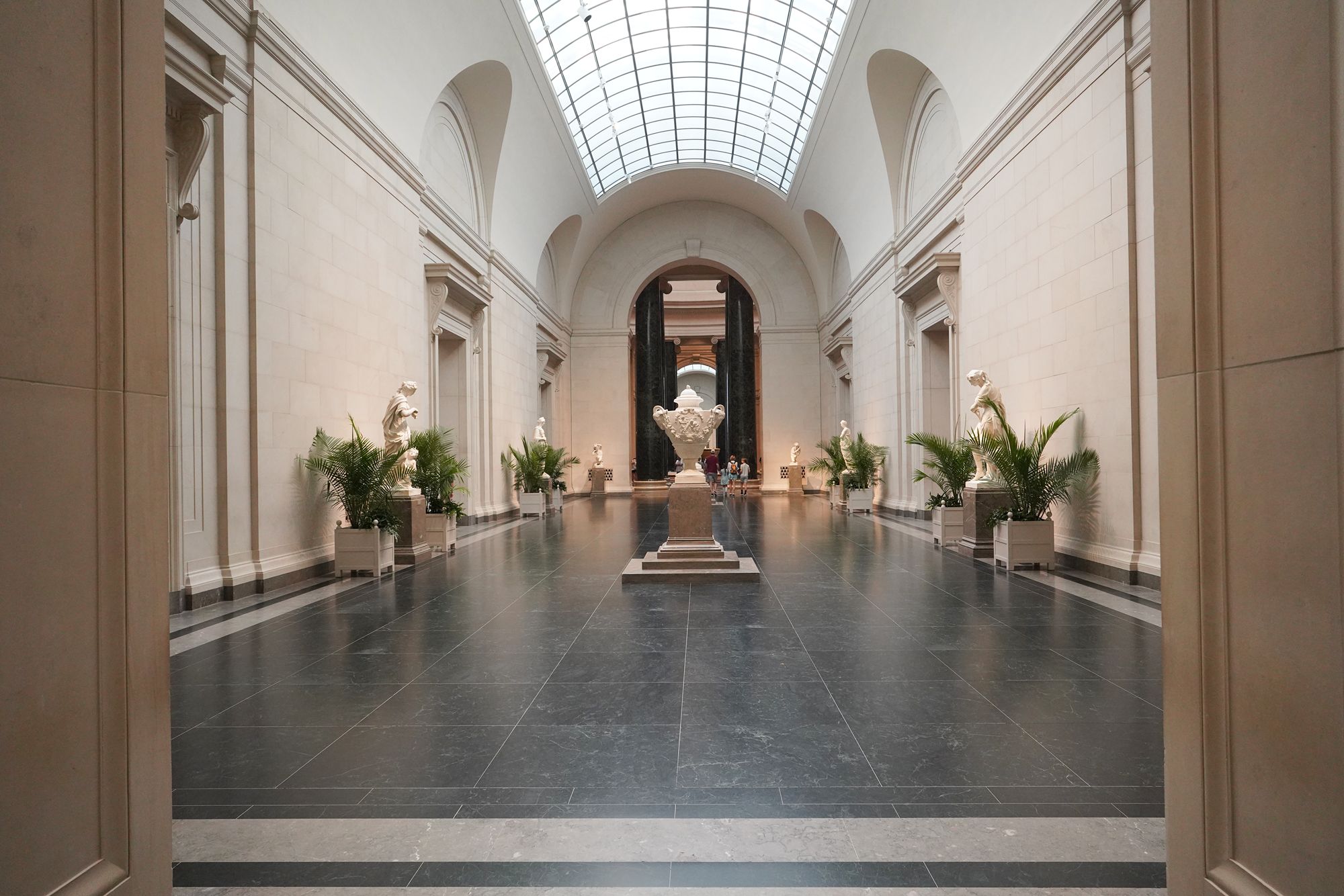
Continued exploring the Impressionist galleries at the National Gallery of Art. 1132
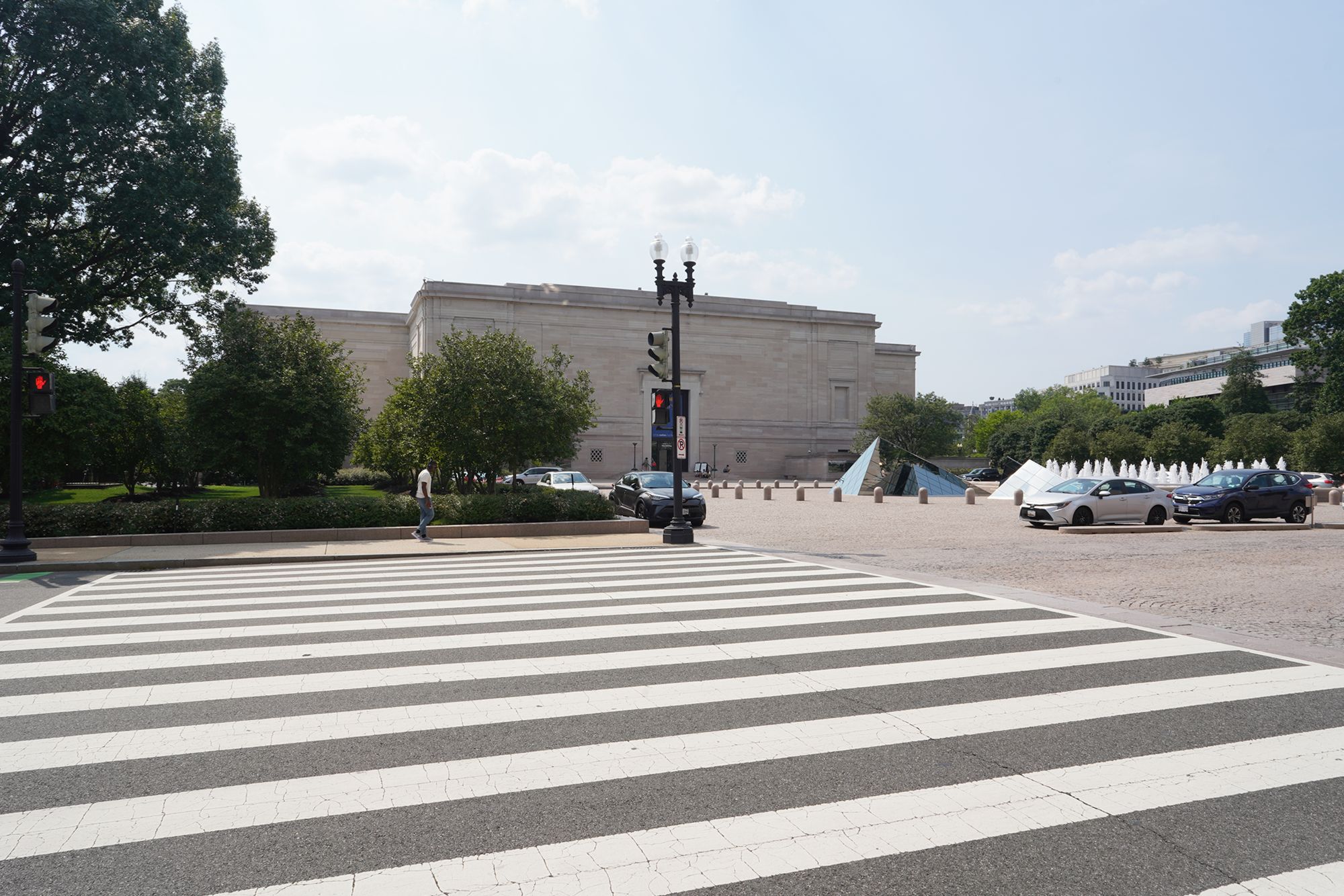
National Gallery of Art: Constitution Ave. NW, Washington, DC 20565
Date Picture Taken: July 2025
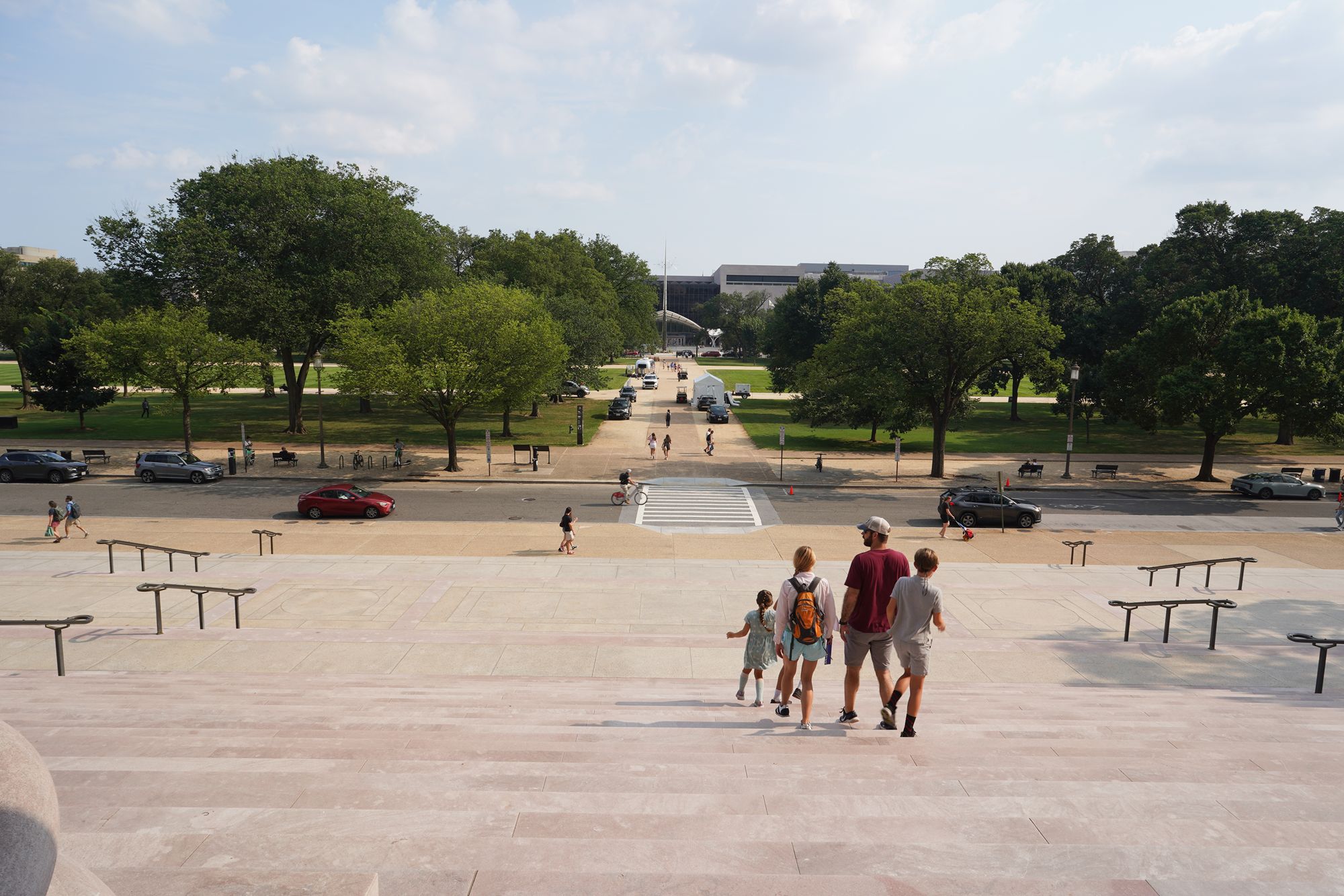
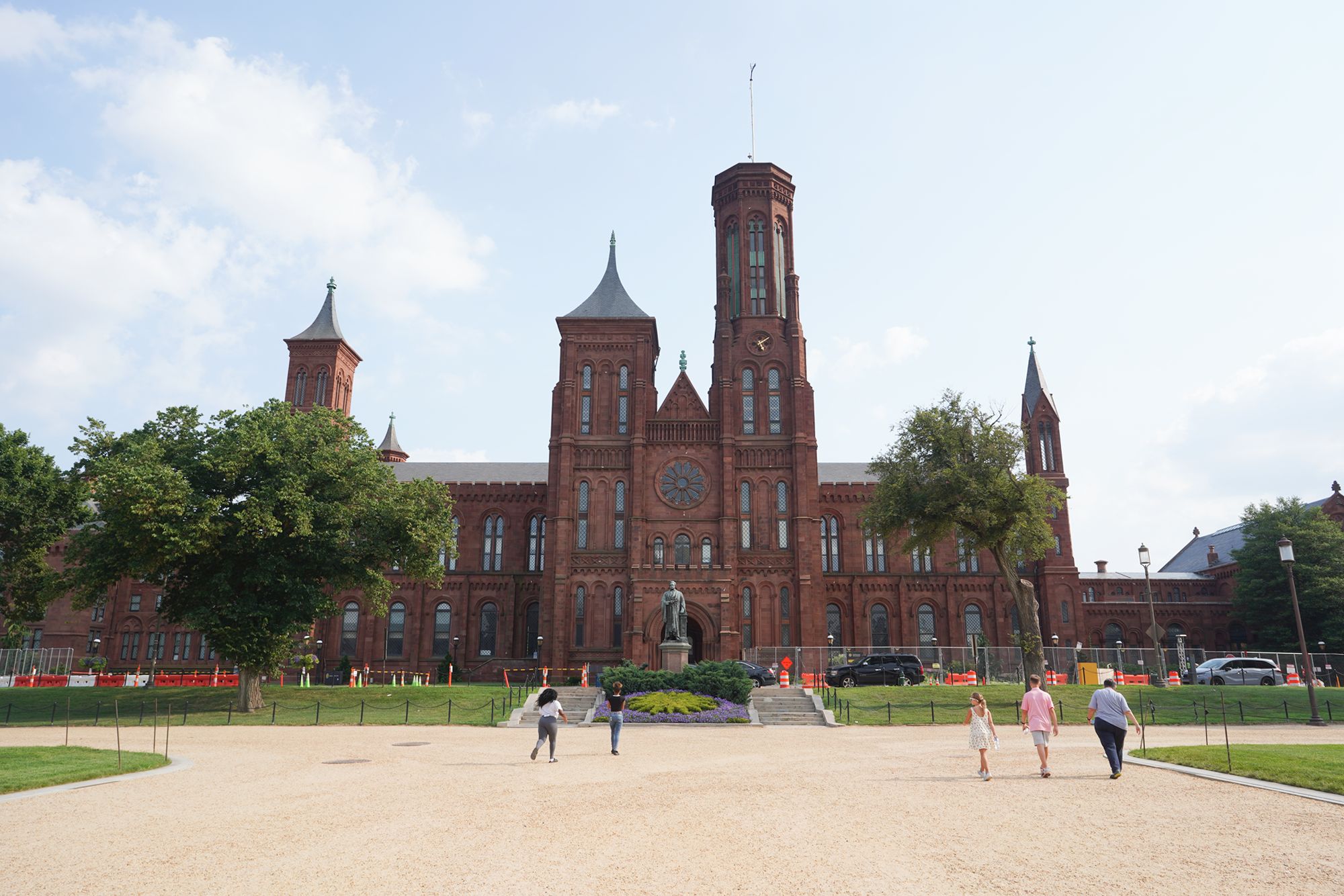
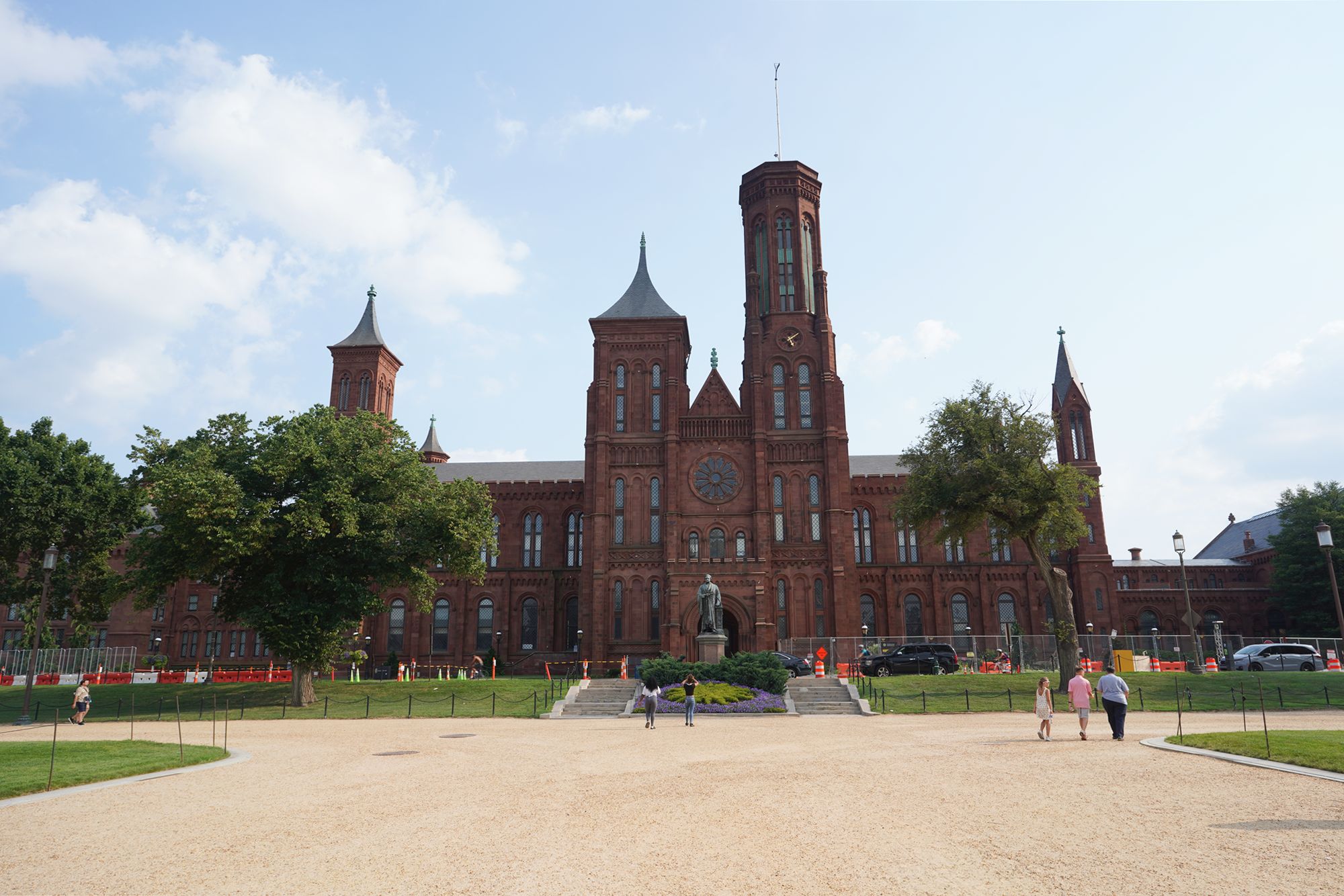
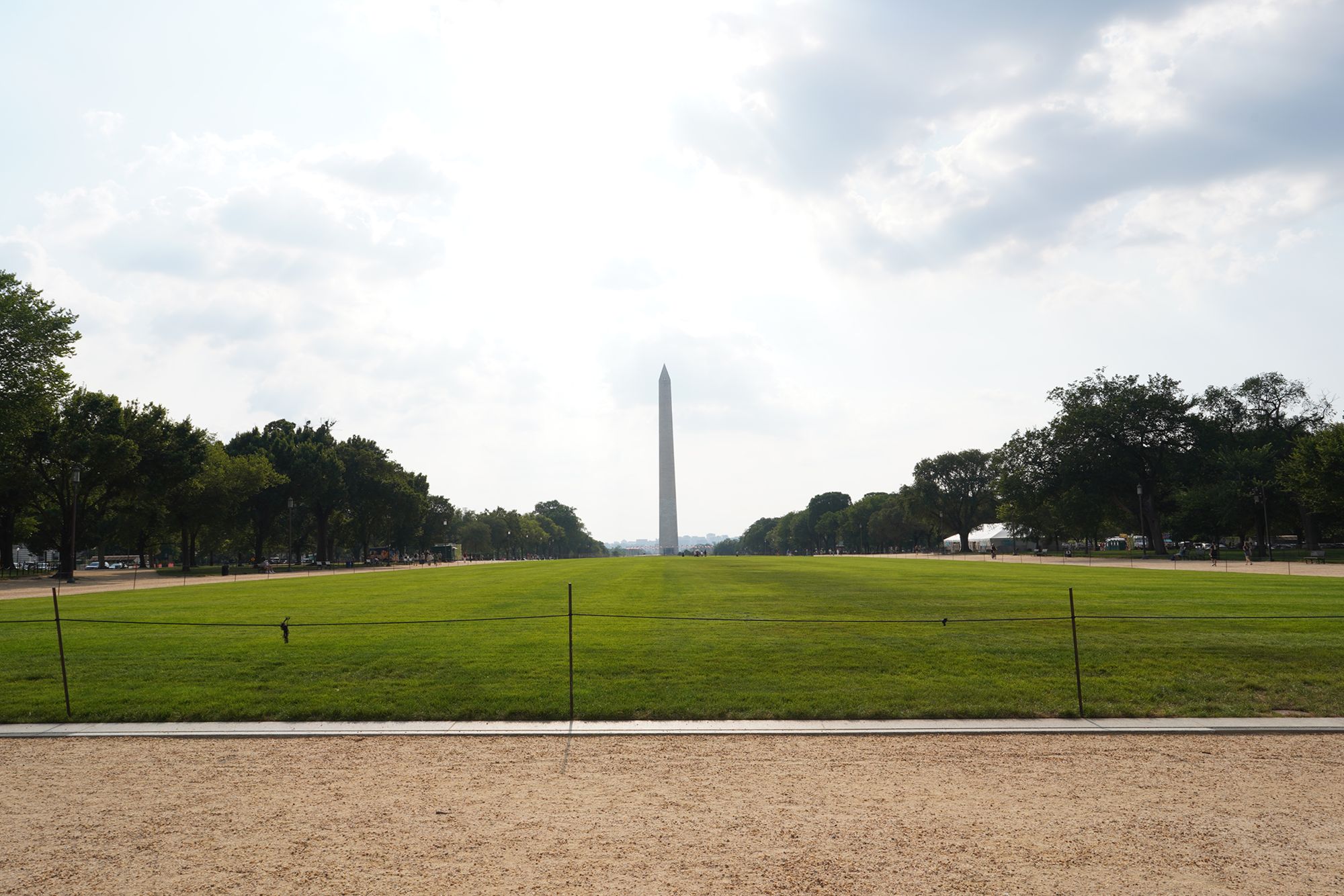
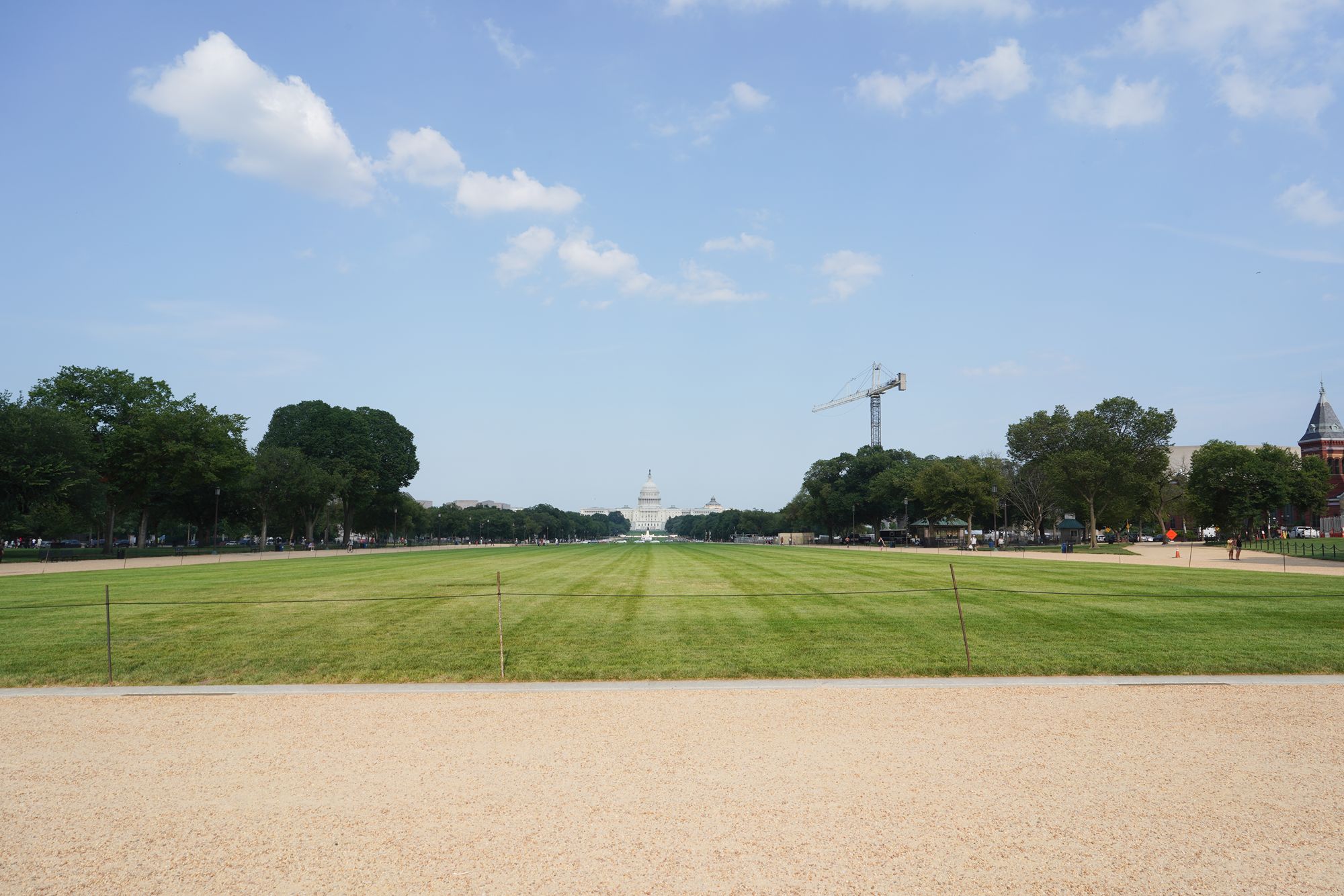
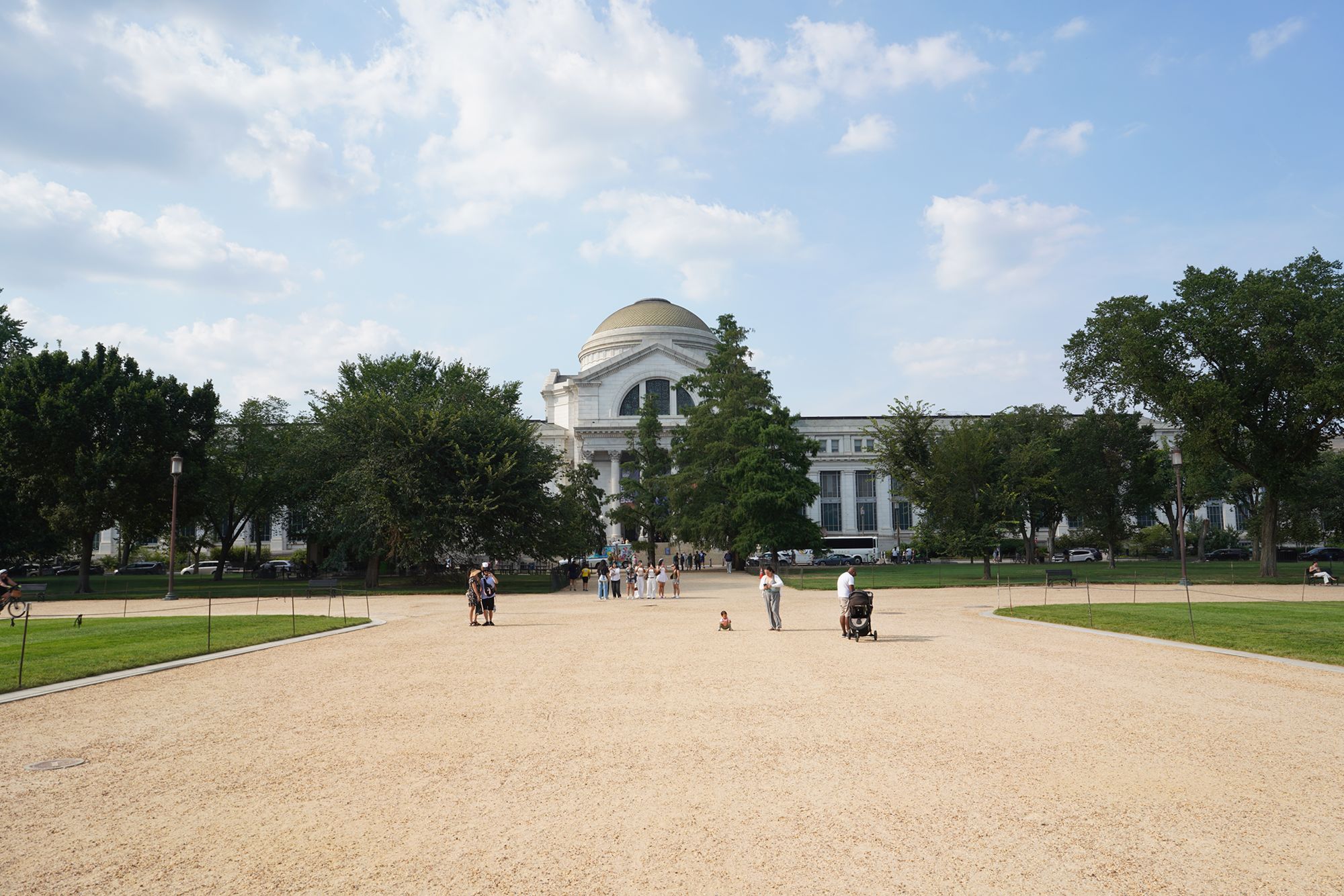
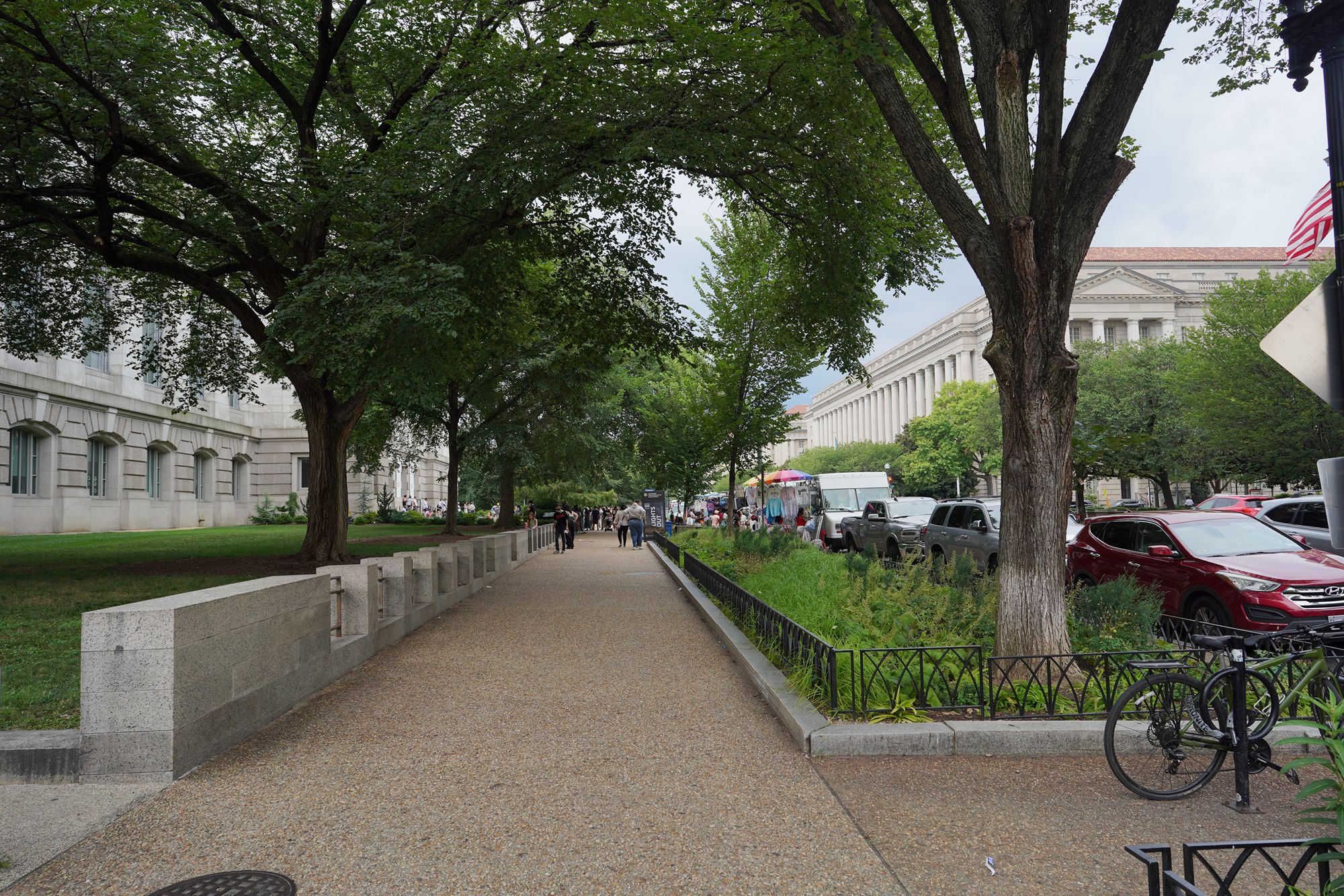
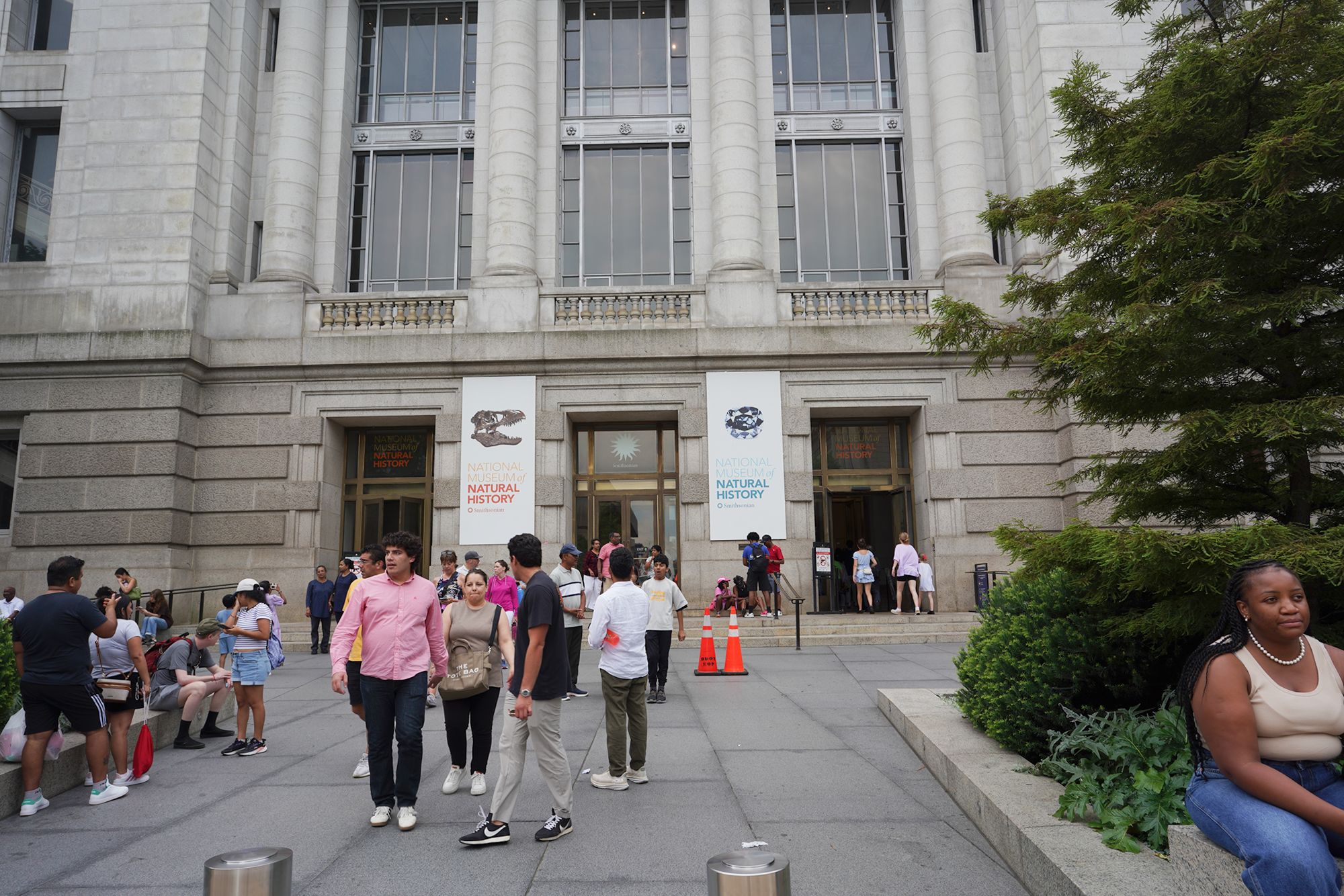
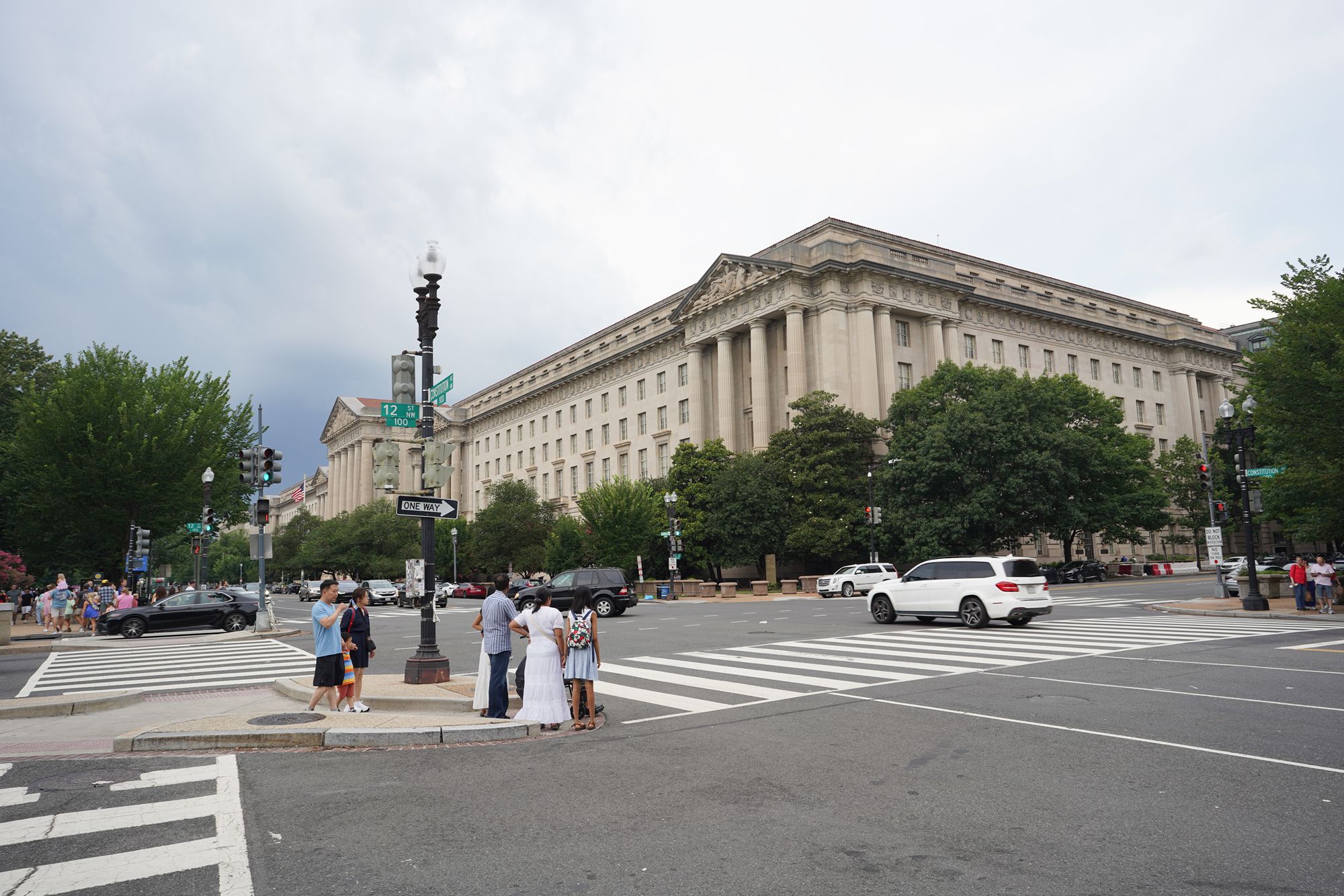
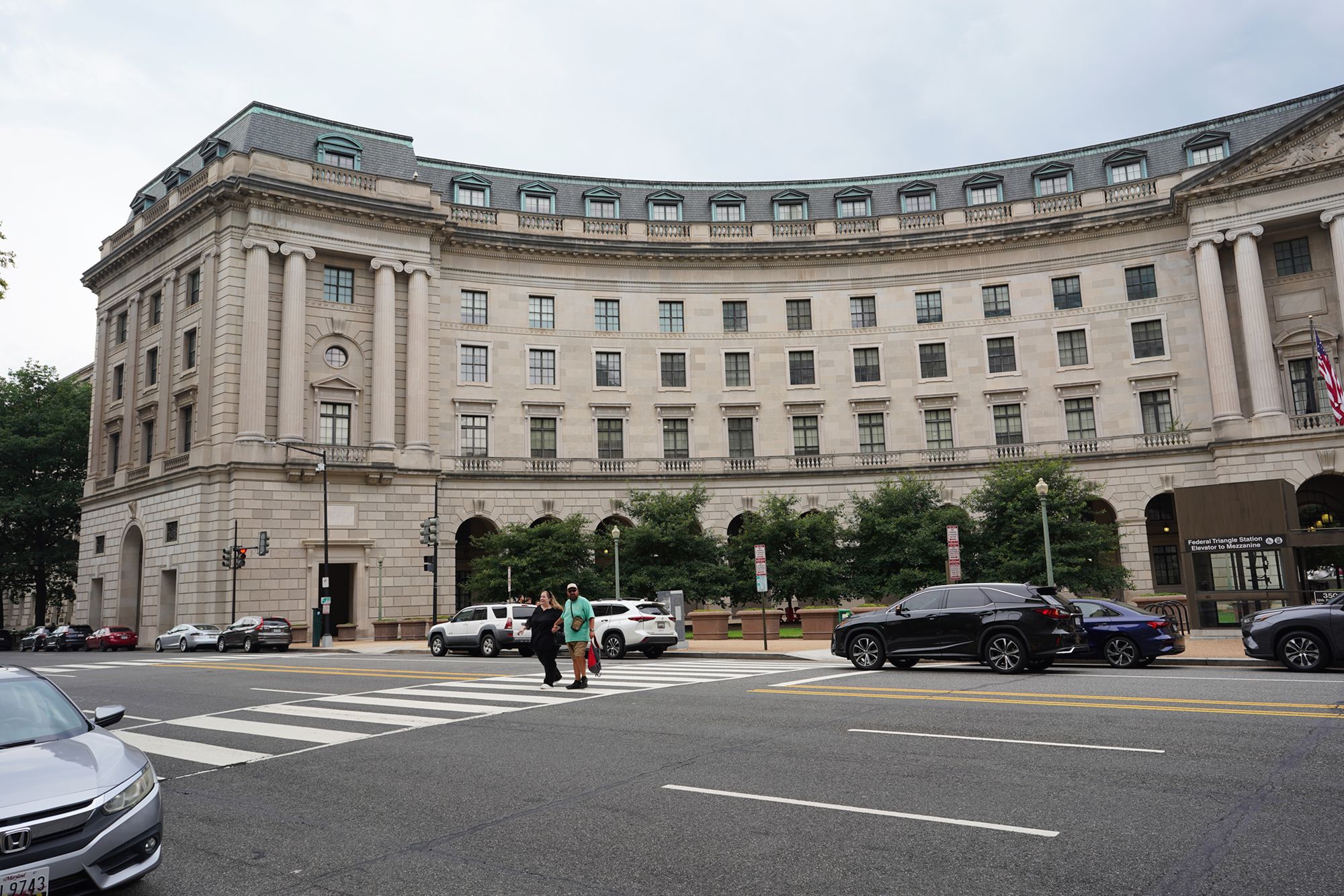
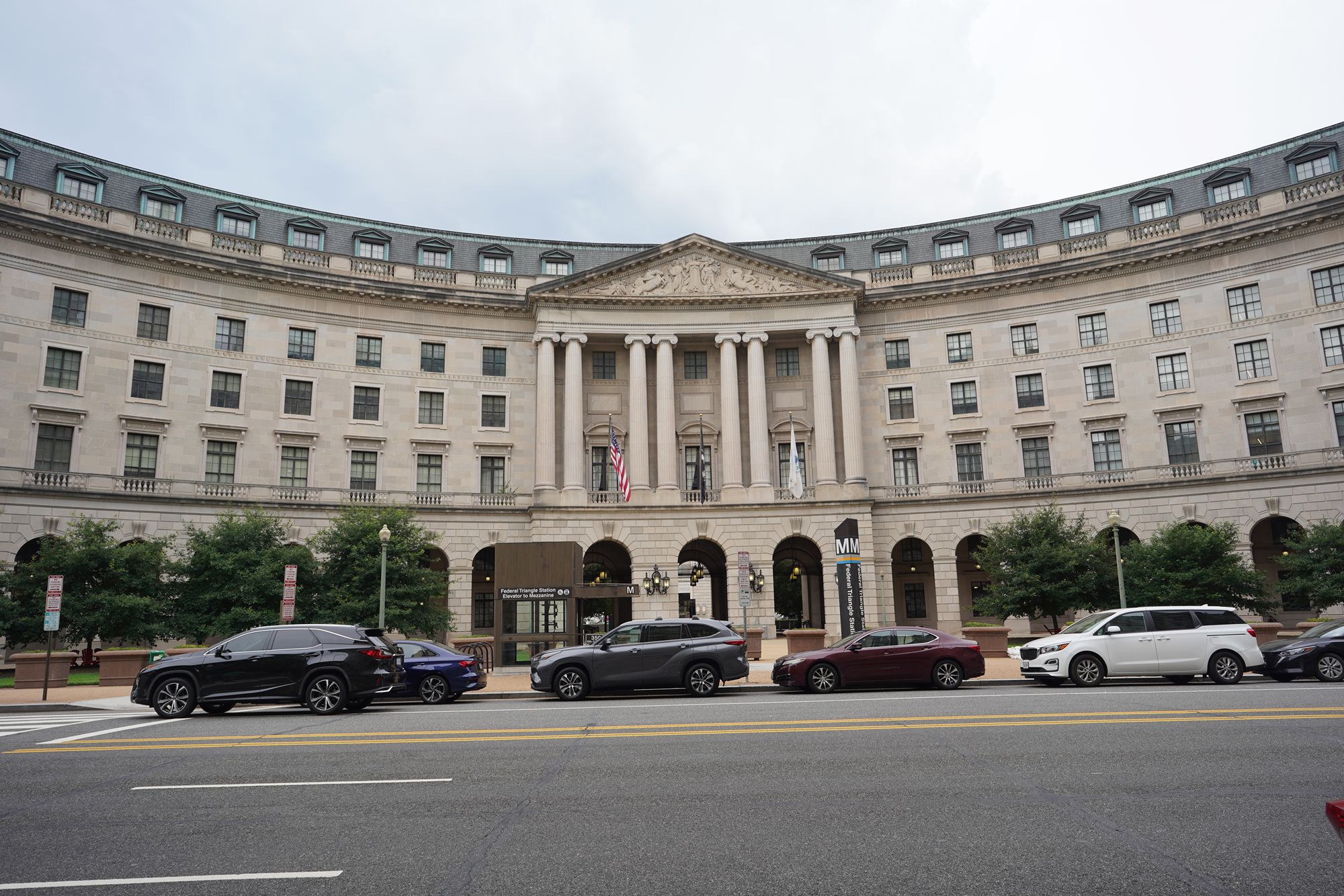
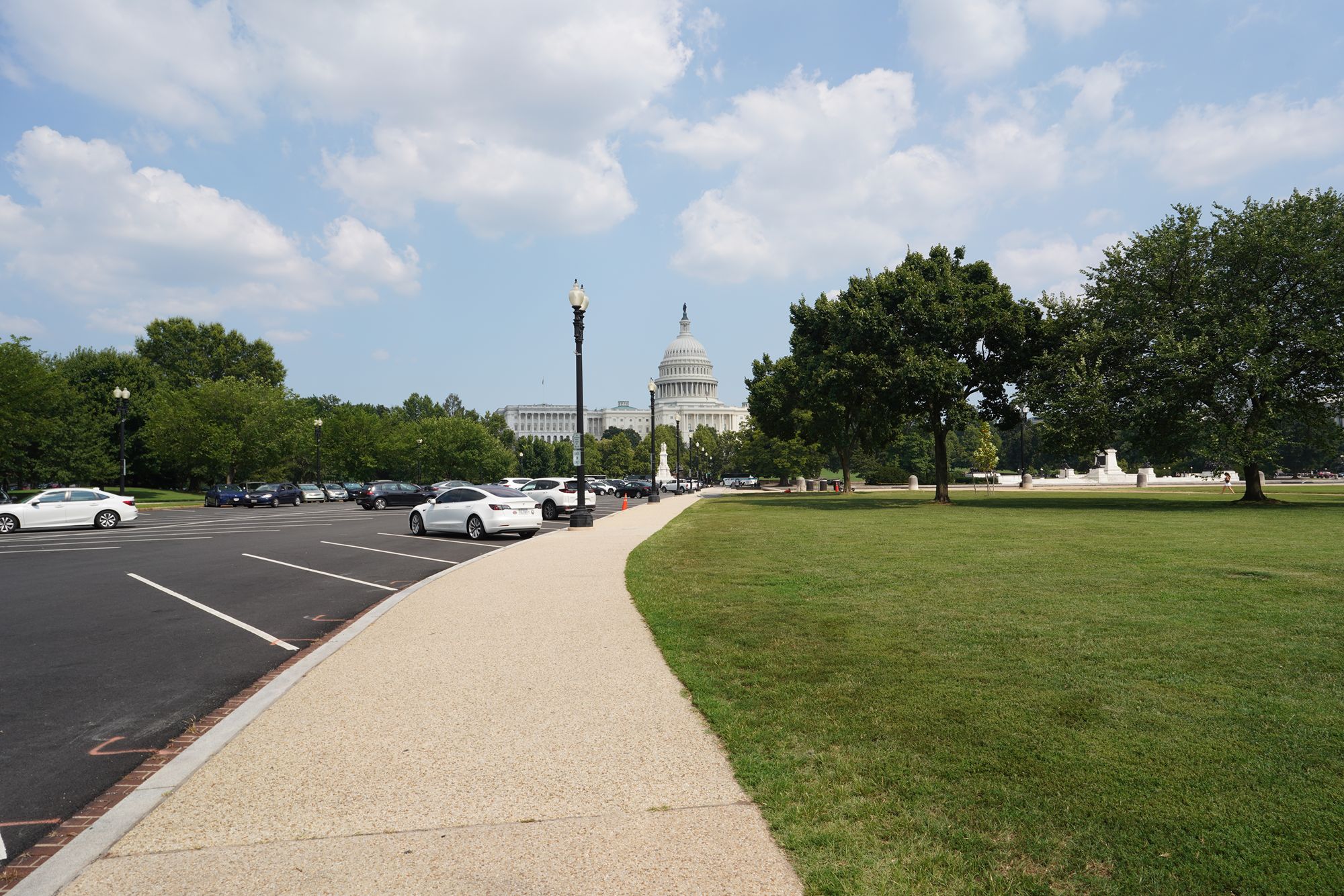
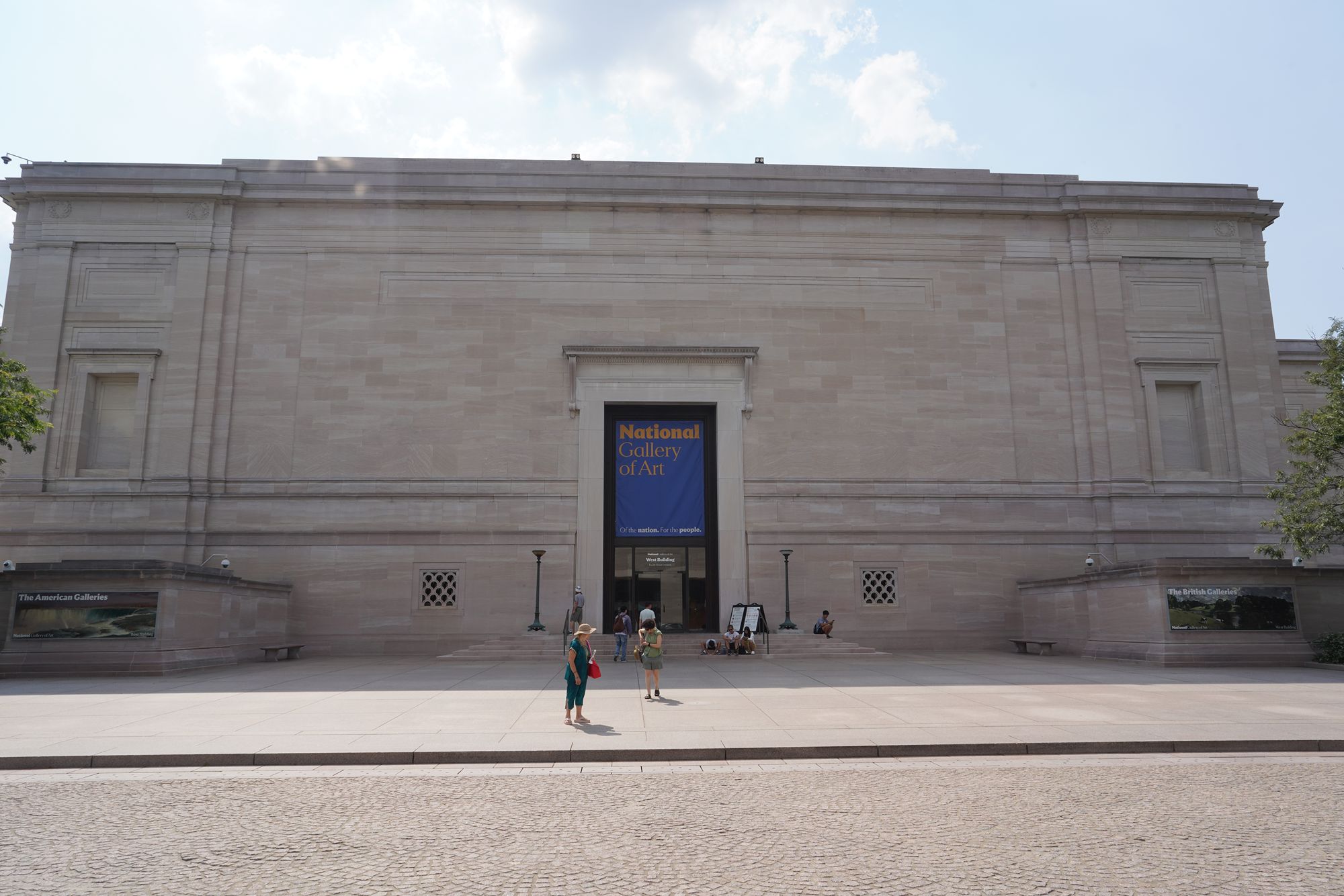
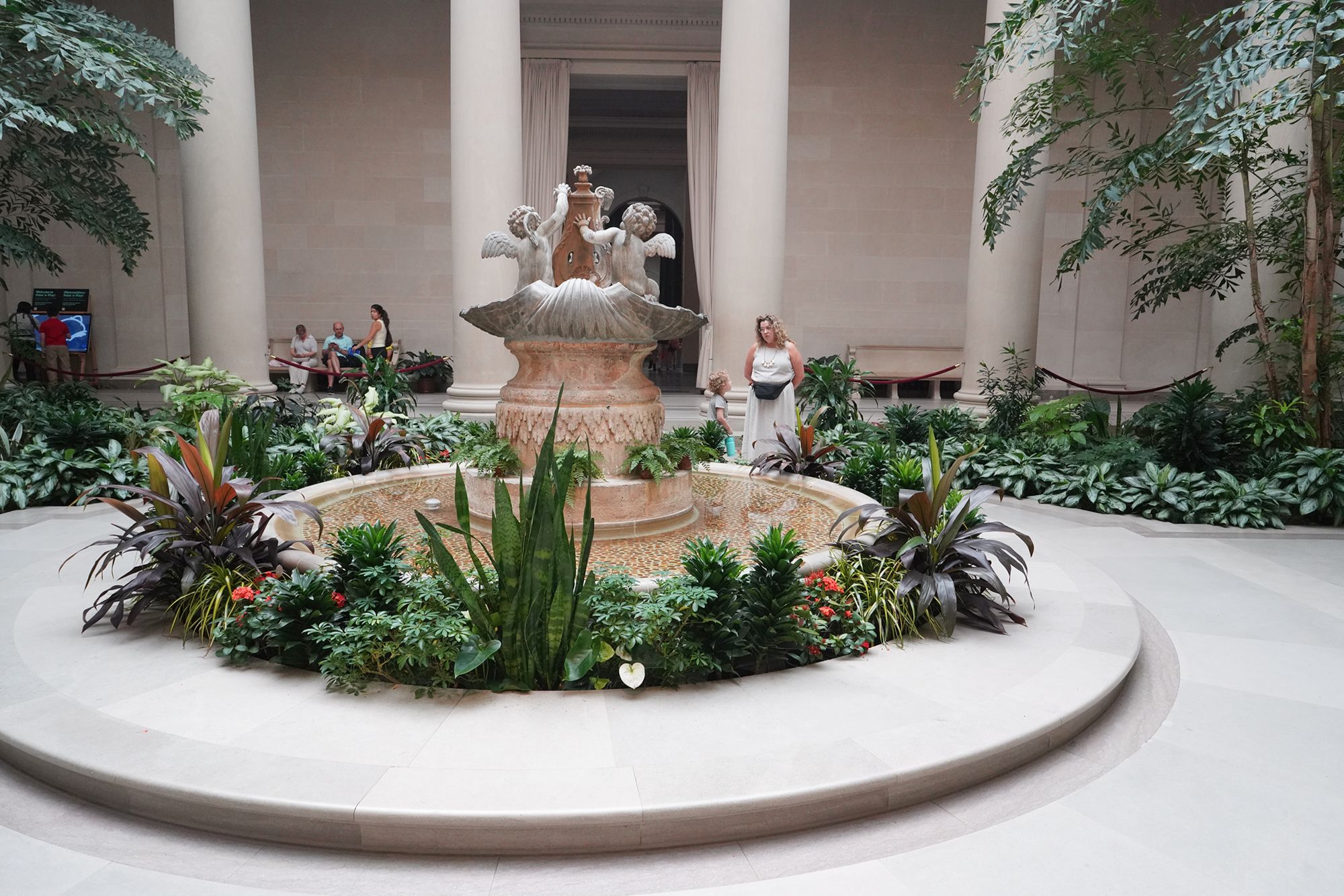
Walking to the National Gallery of Art, I returned to the museum since I couldn’t see everything in a single visit.
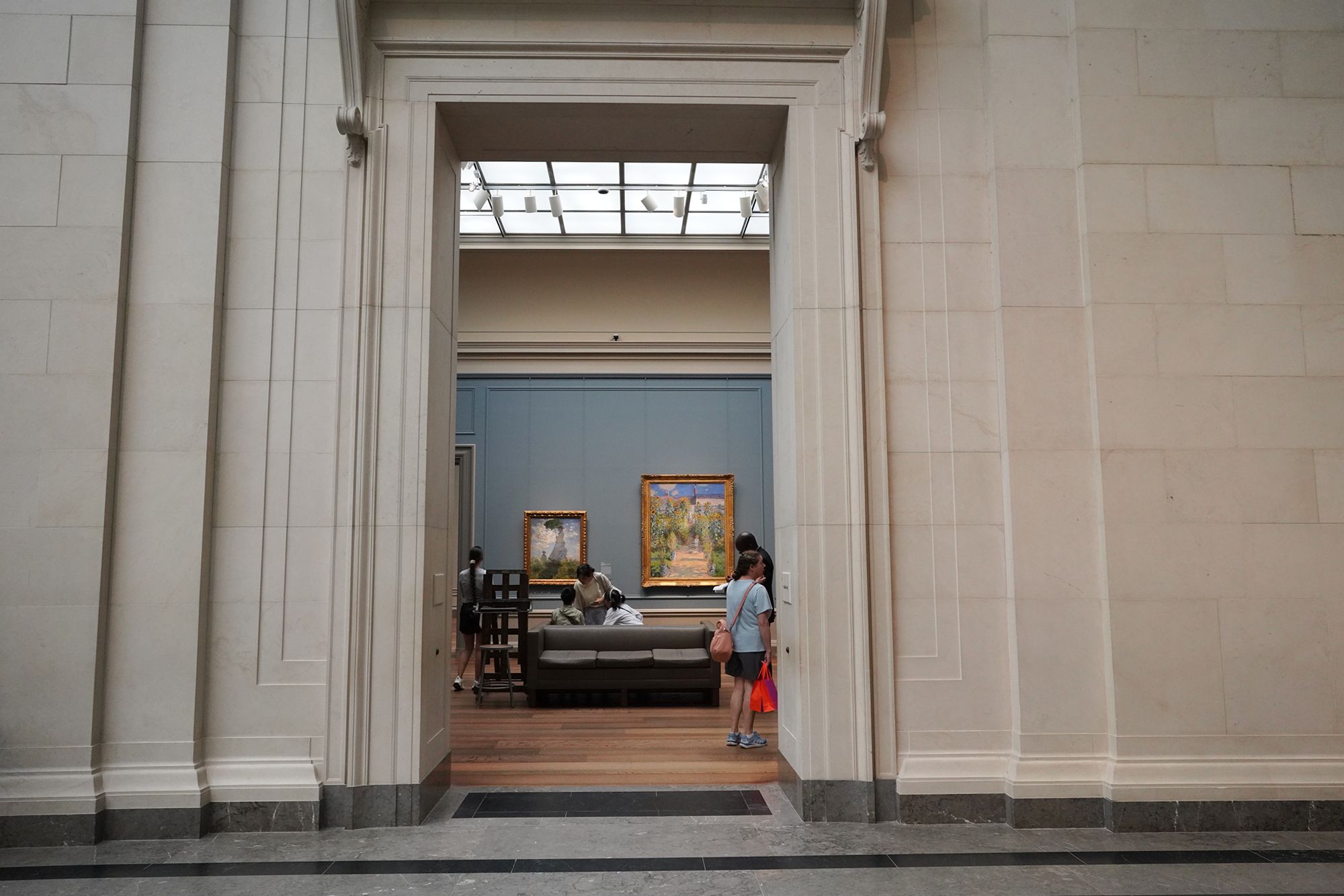
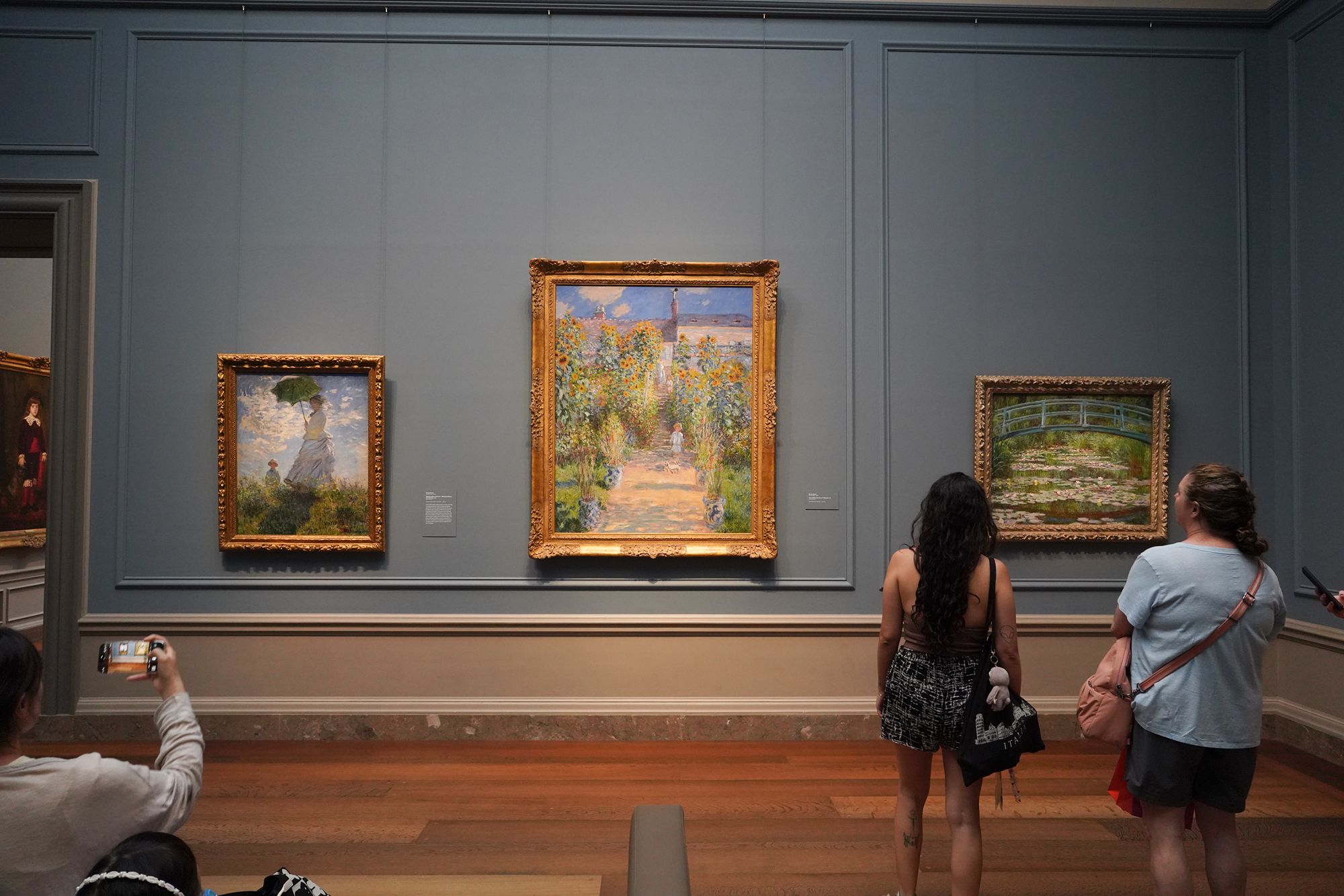
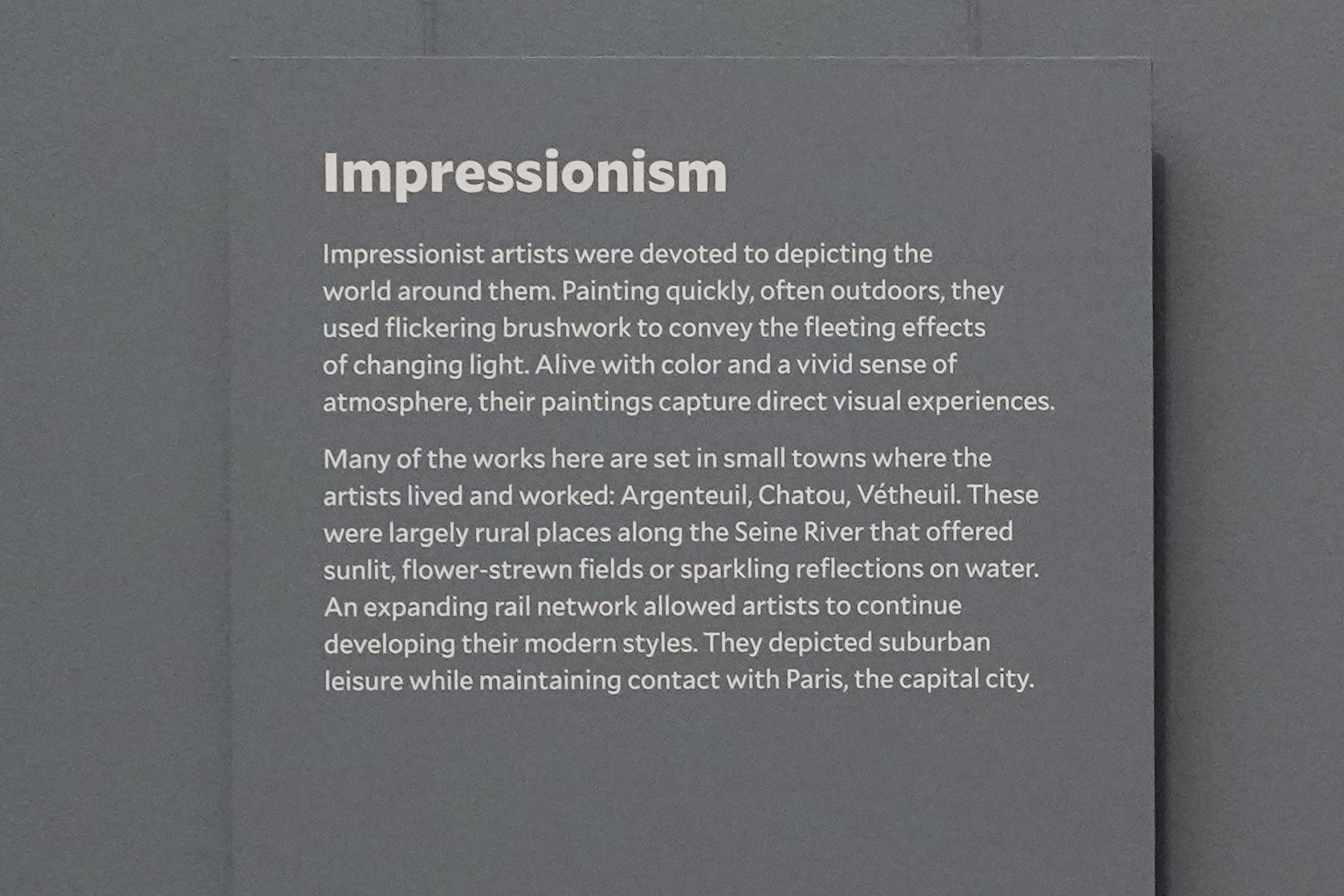
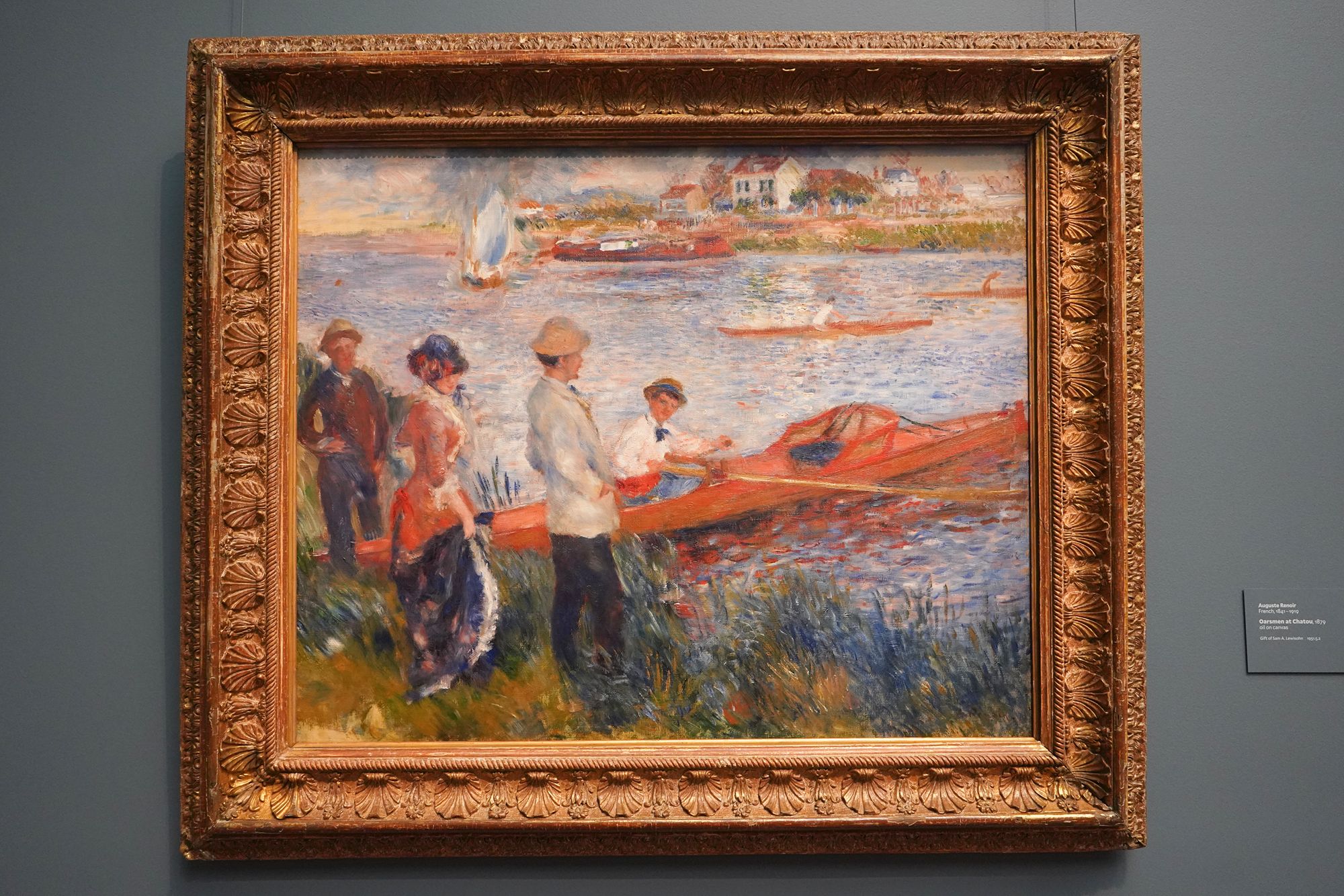
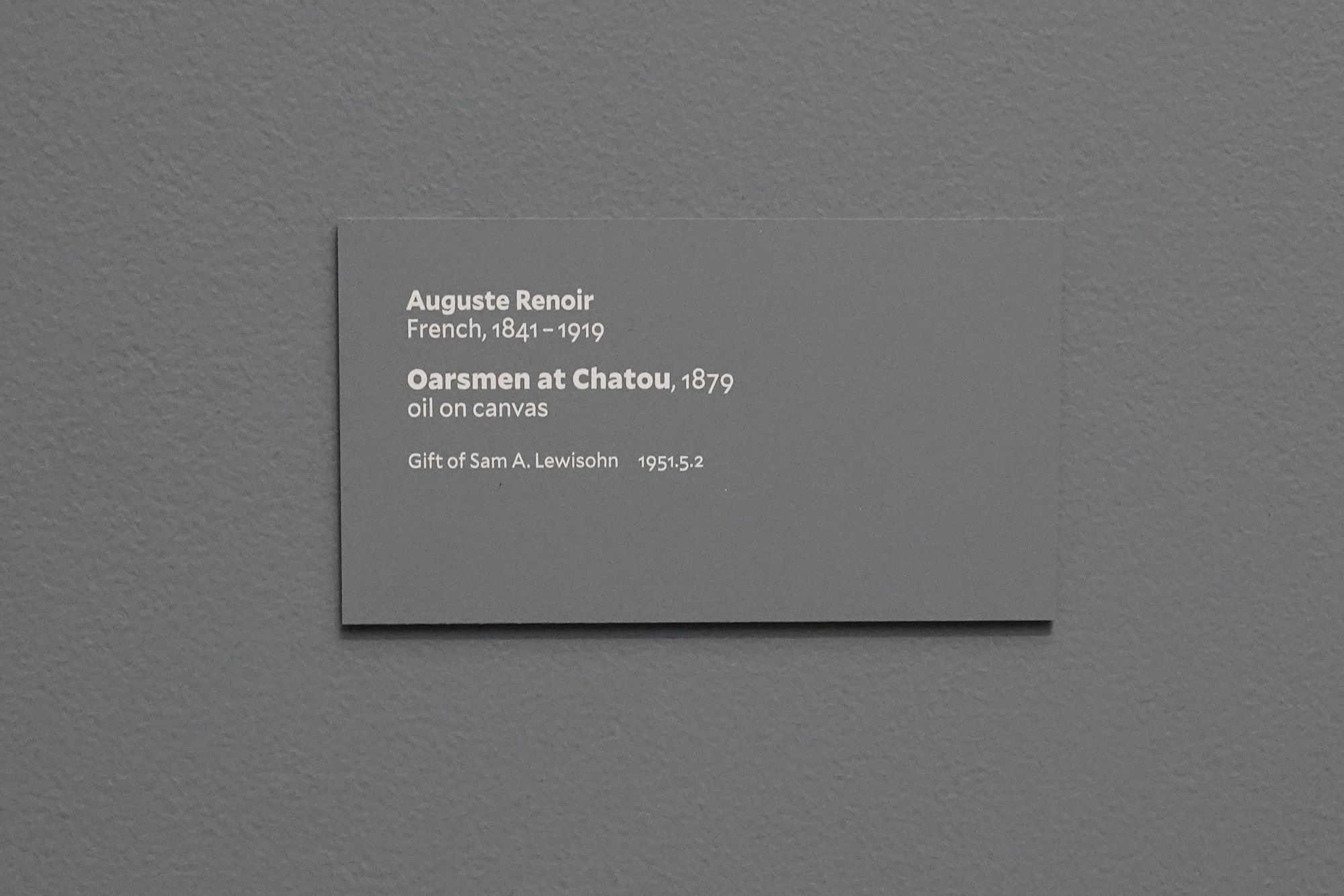
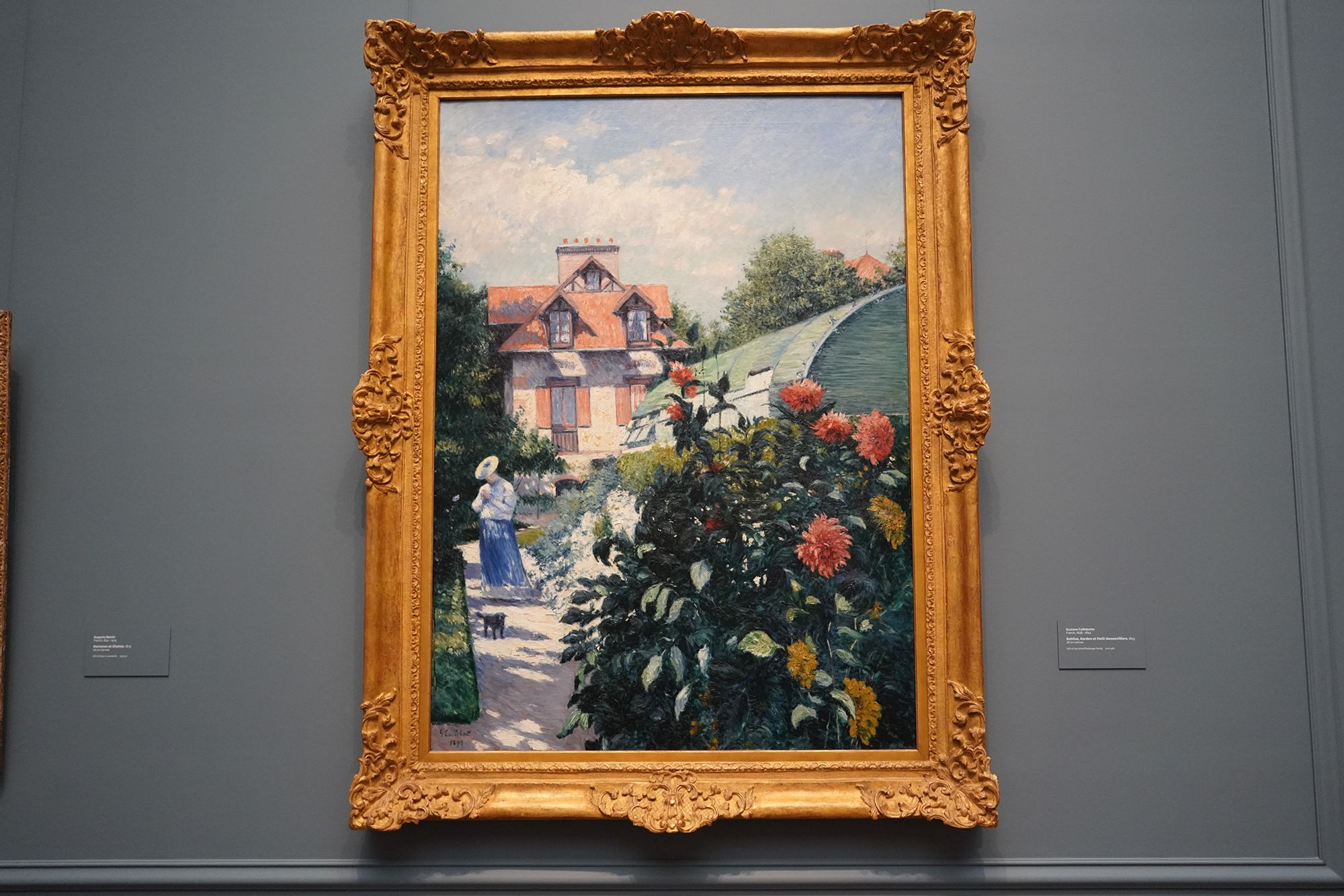
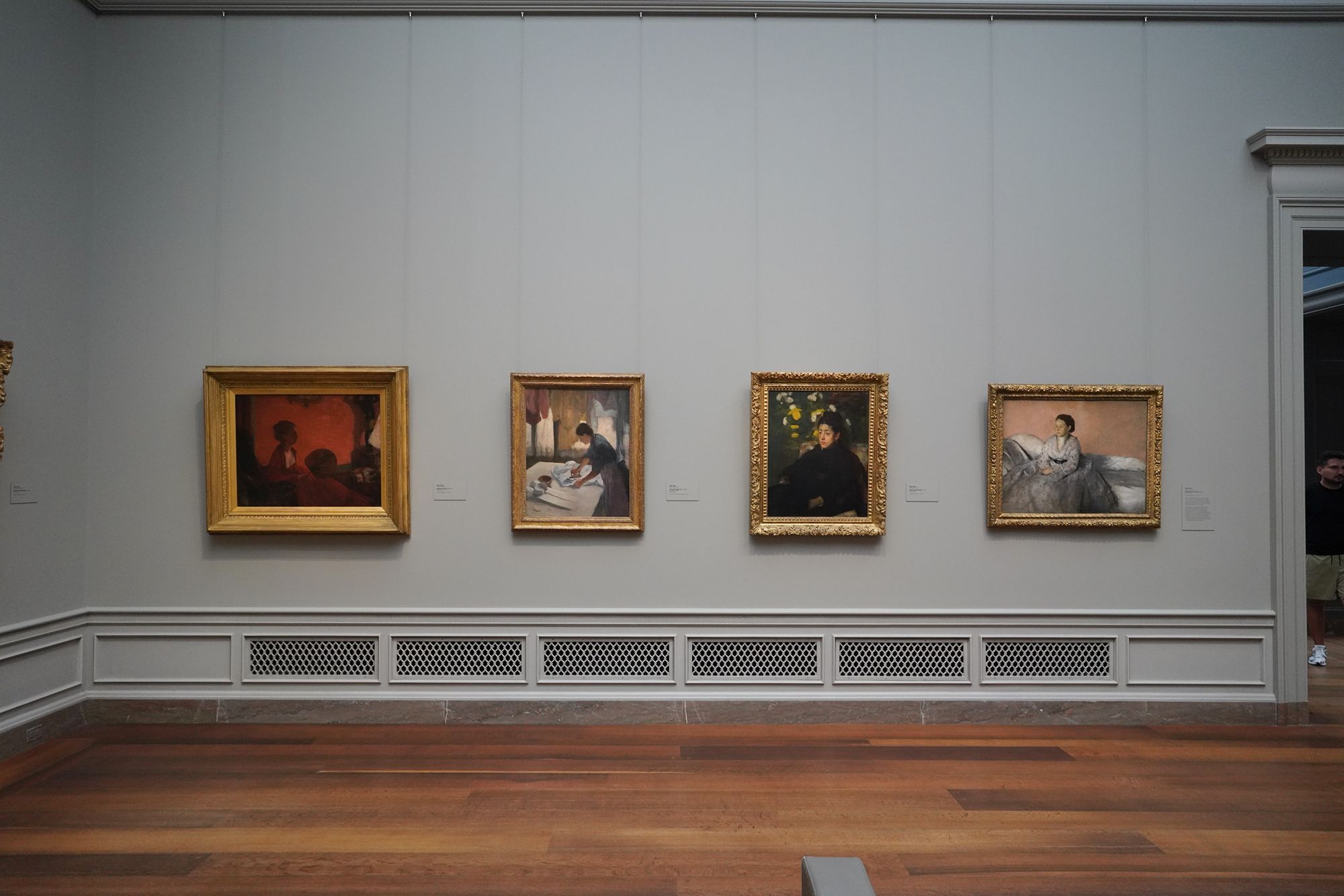
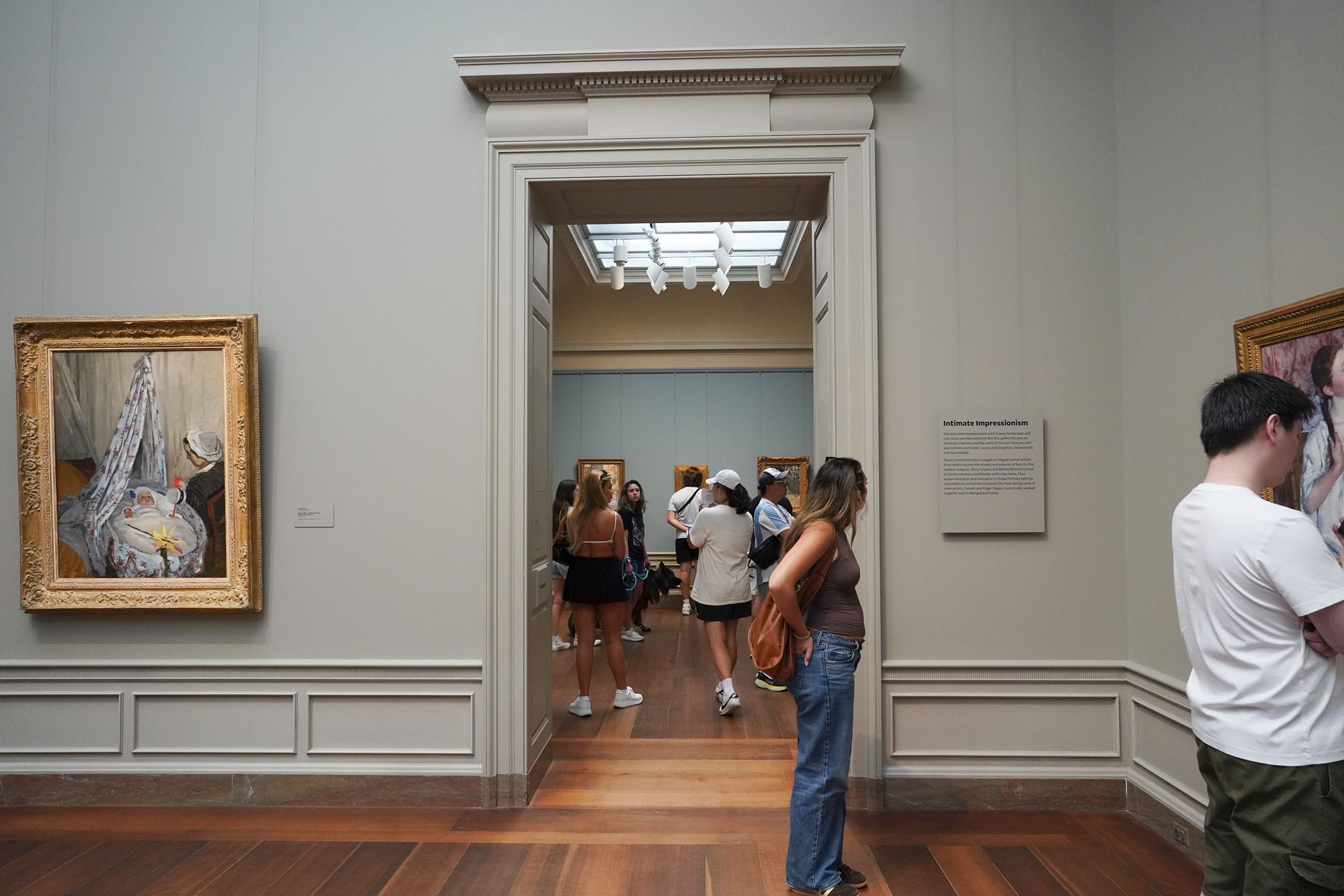
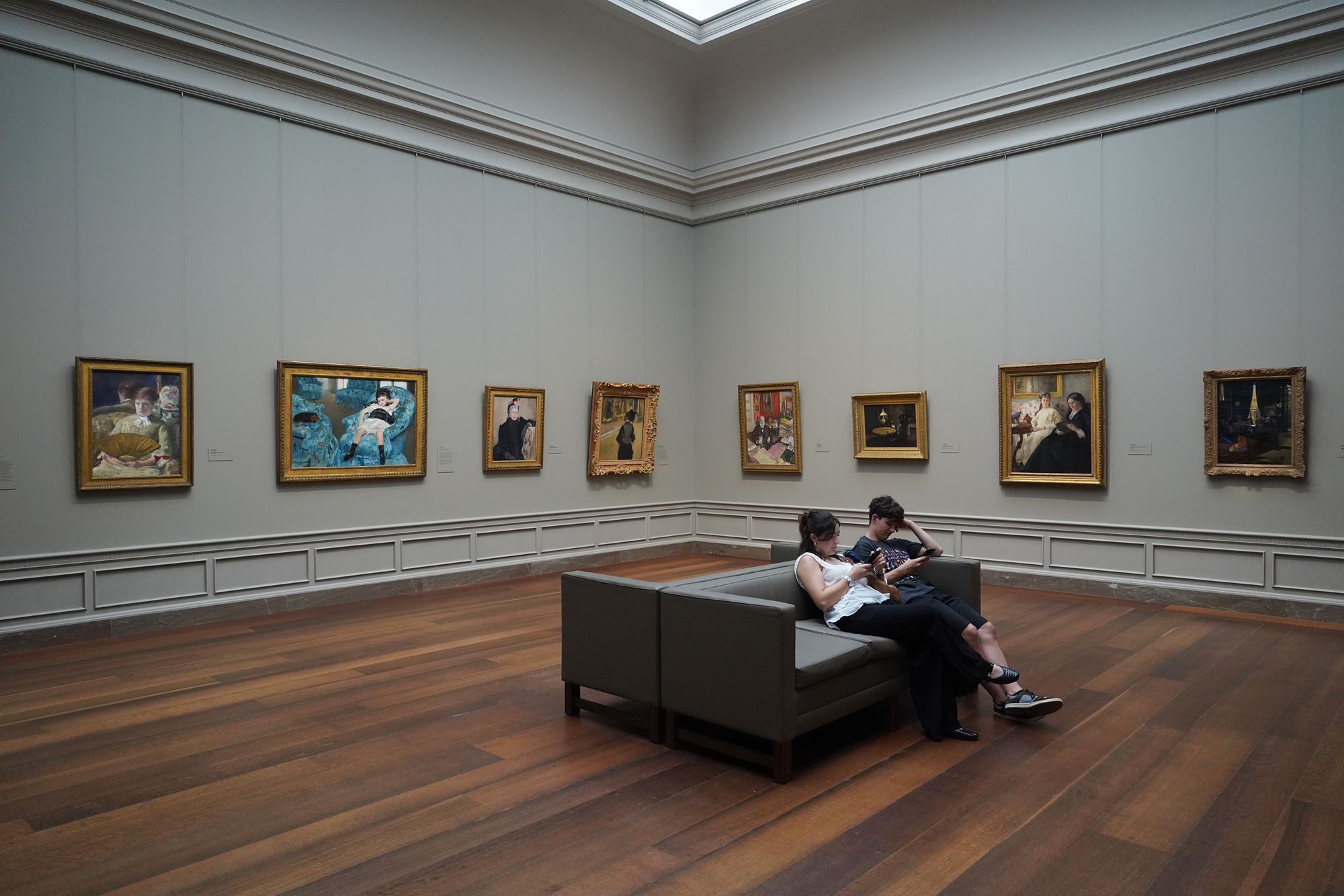
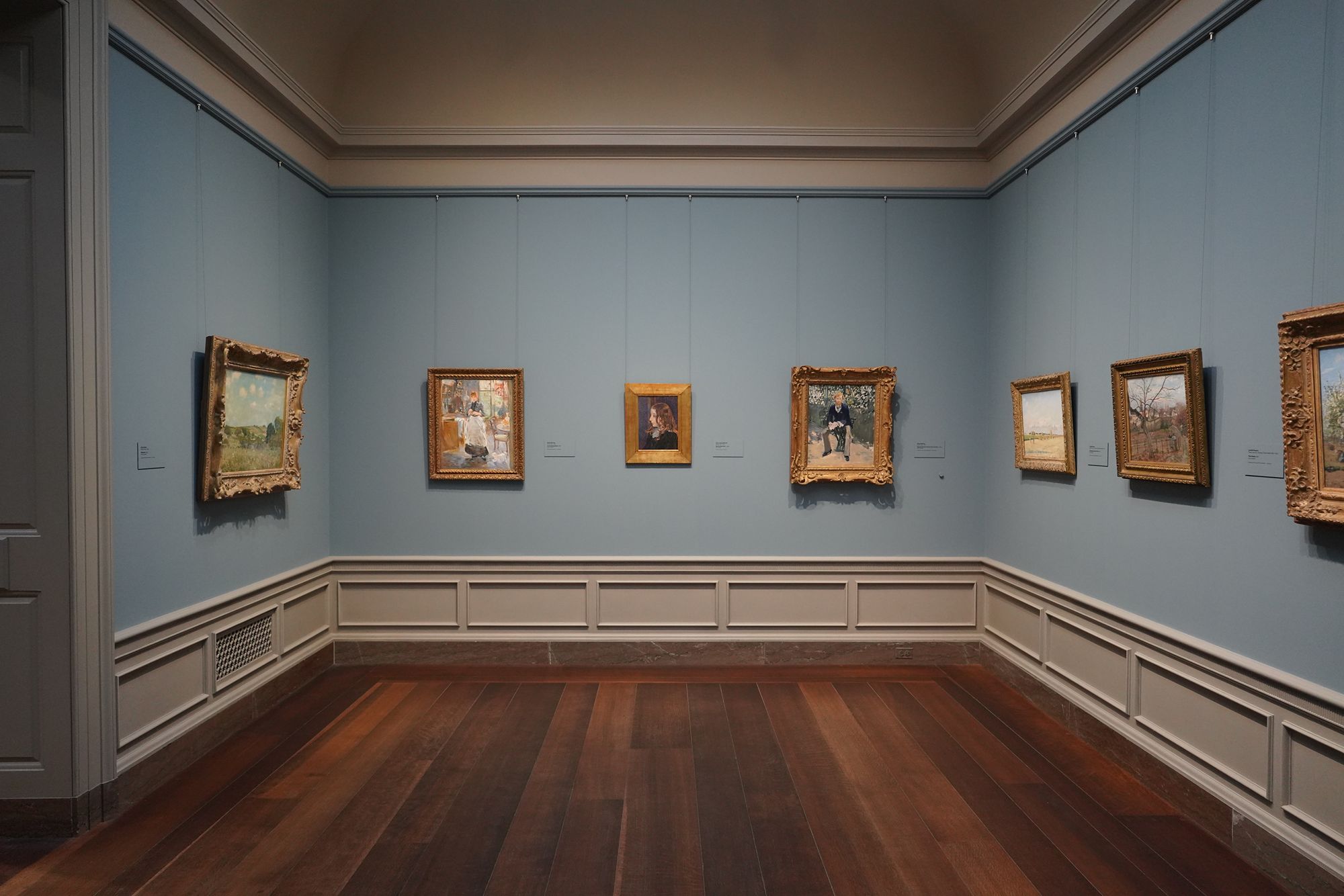
Intimate Impressionism refers to a more personal and domestic side of the Impressionist movement — smaller paintings made for private homes rather than public exhibitions. These works capture the quiet beauty of everyday life, family scenes, gardens, and interiors, showing how light and color transform intimate moments.
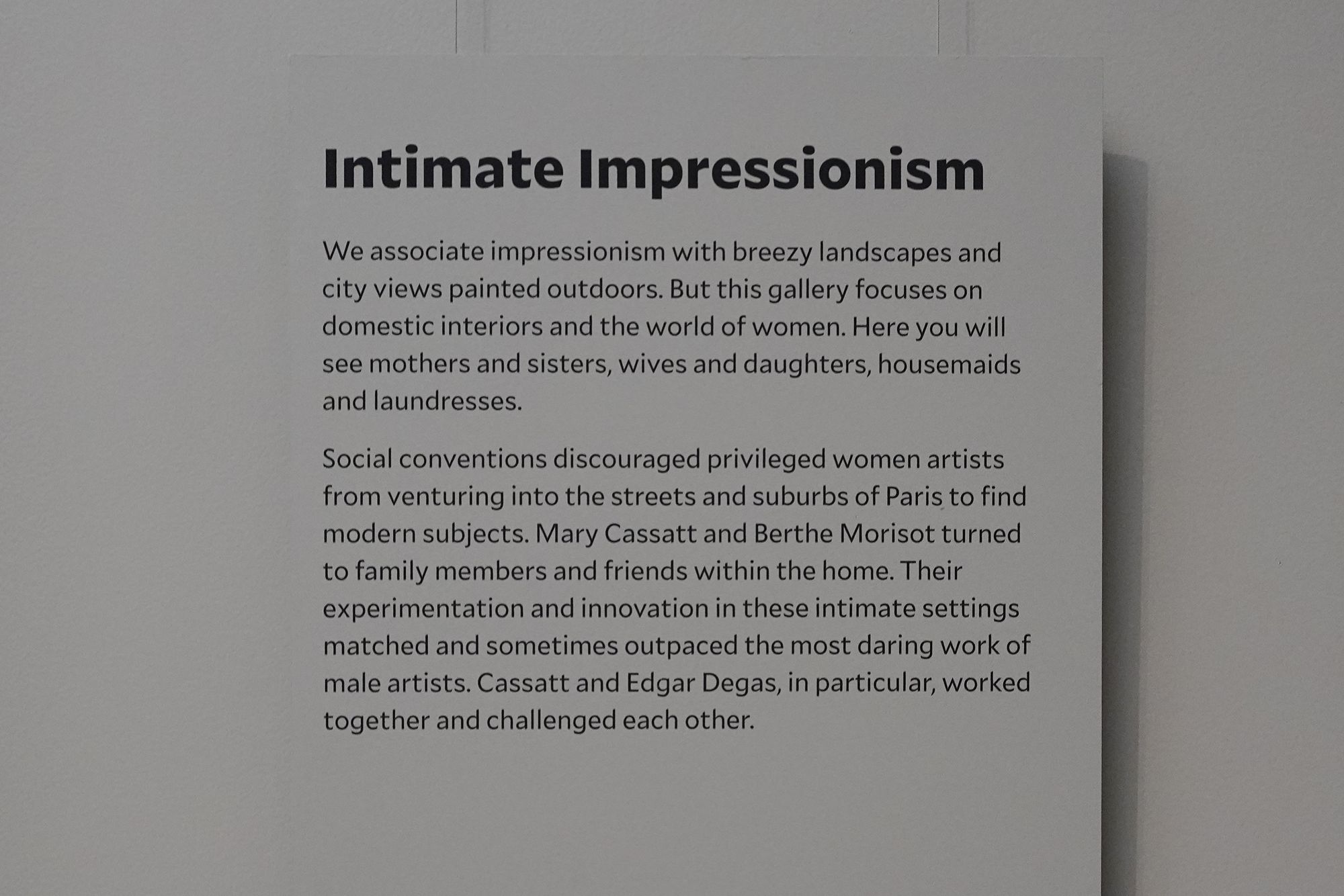
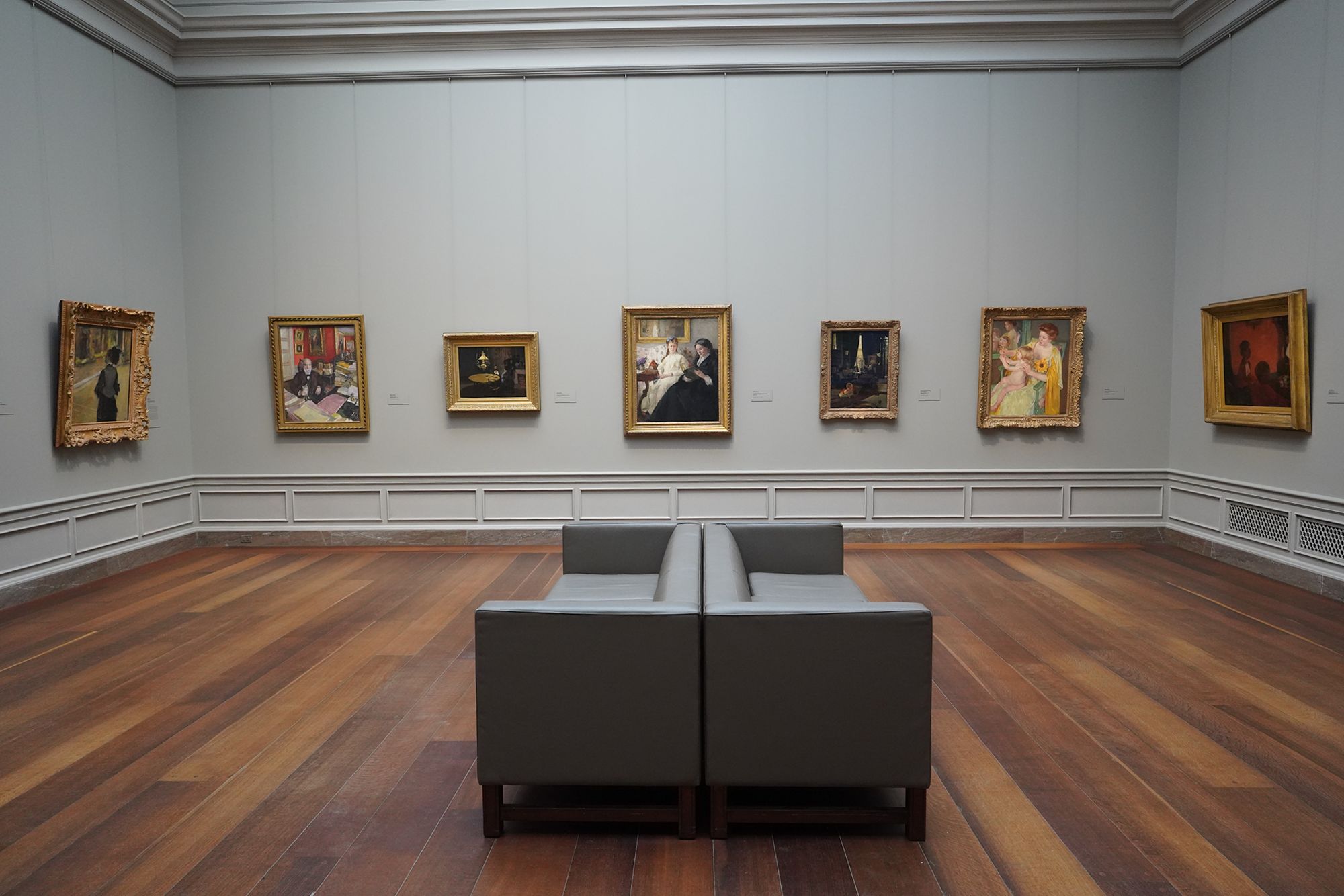
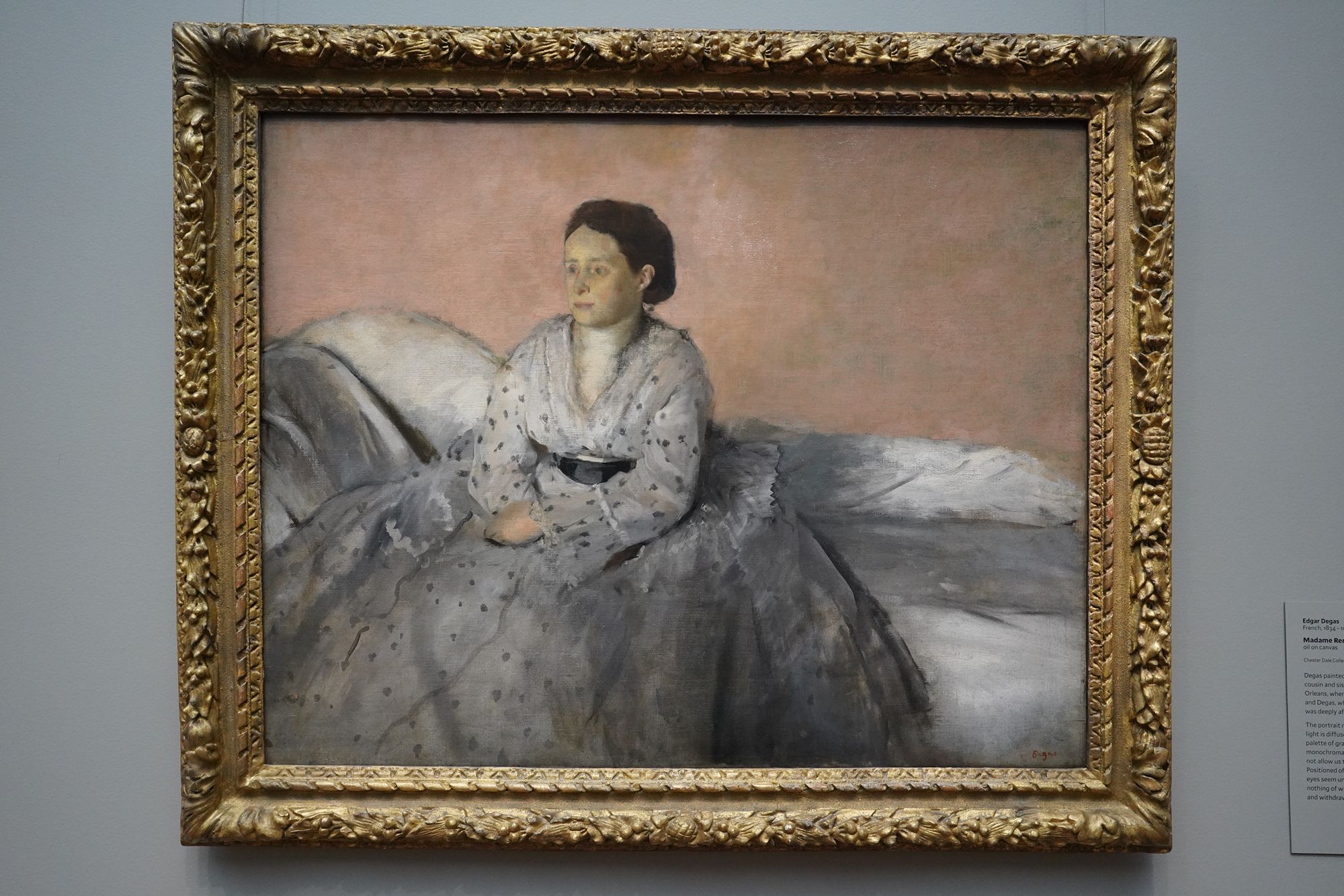
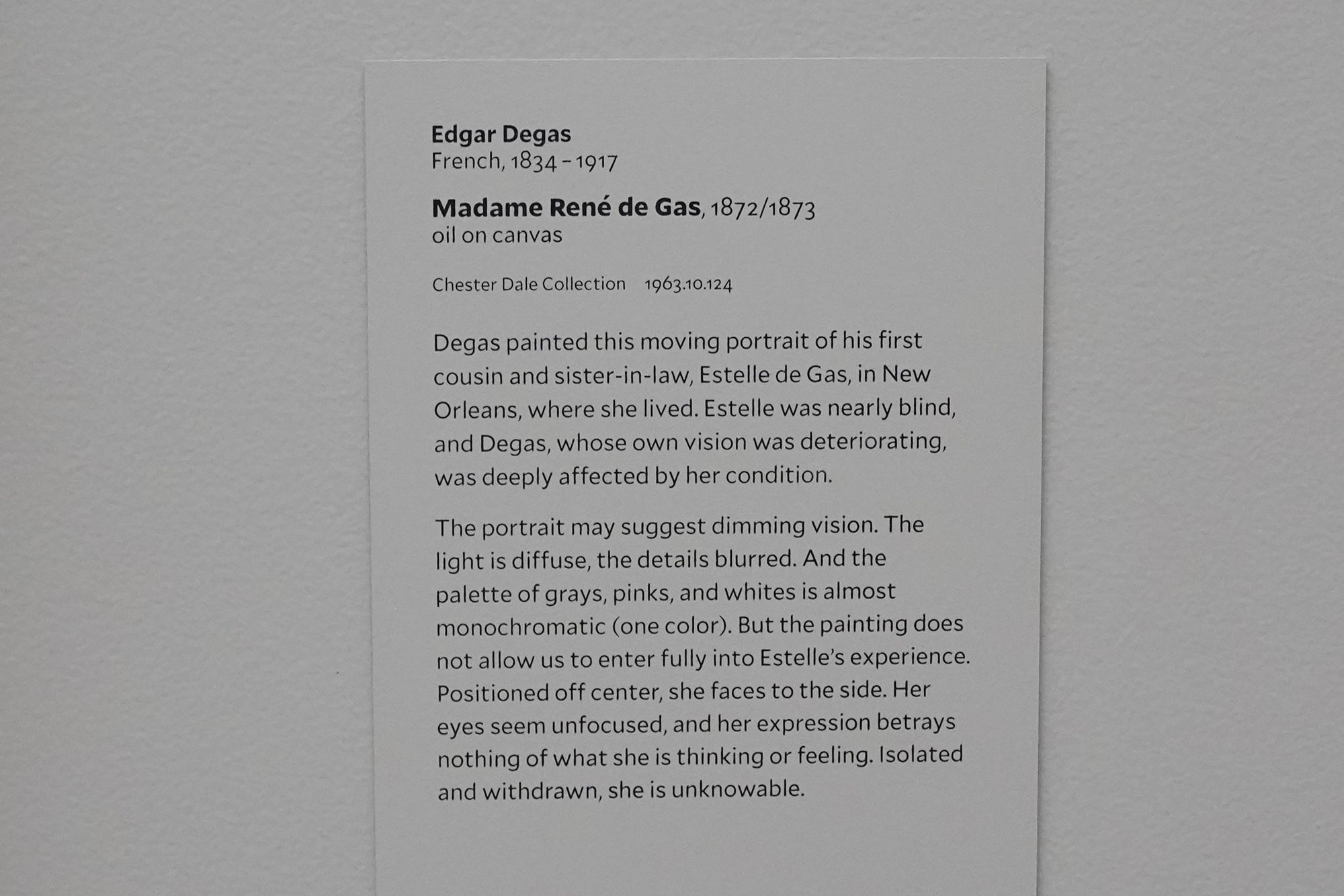
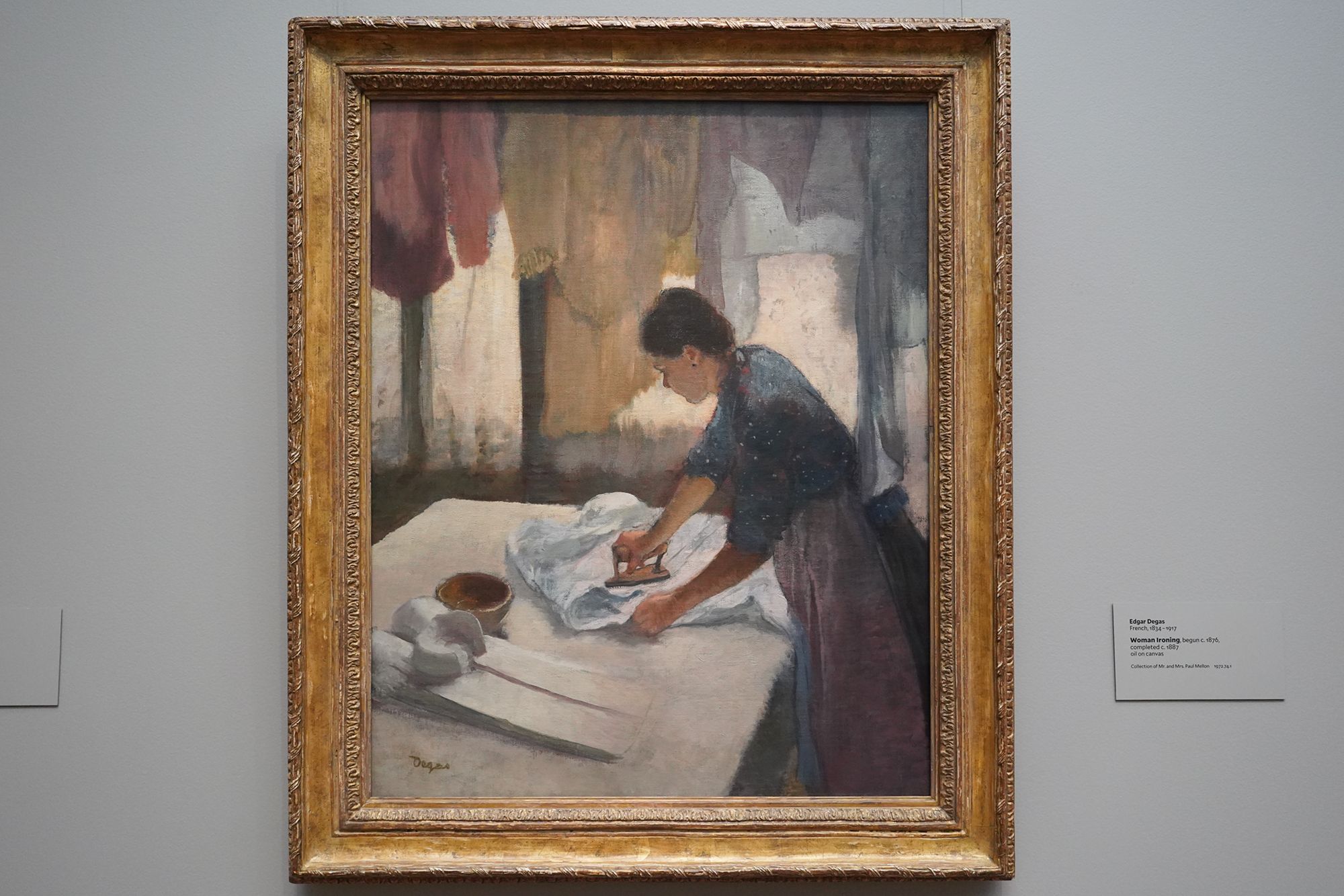
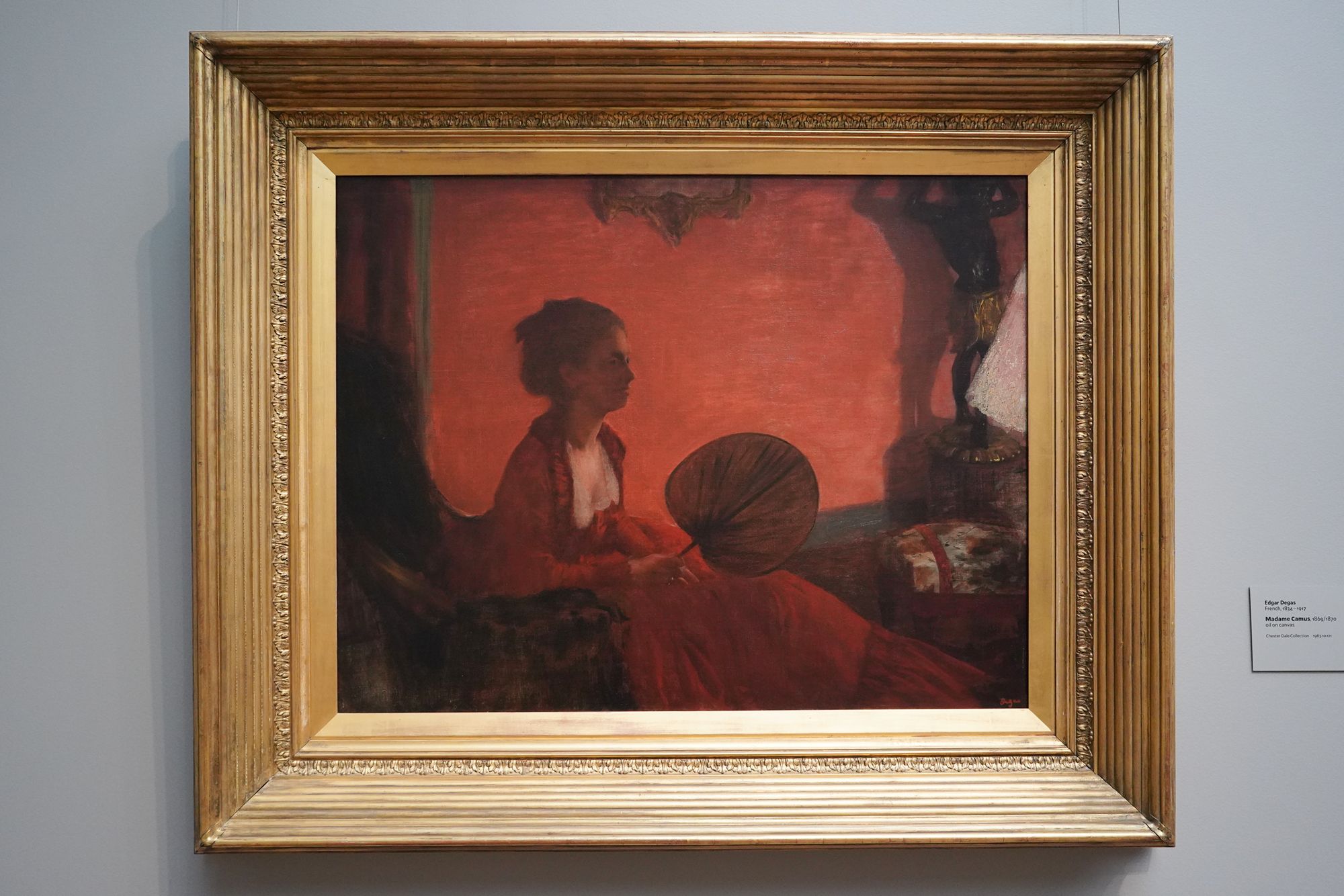
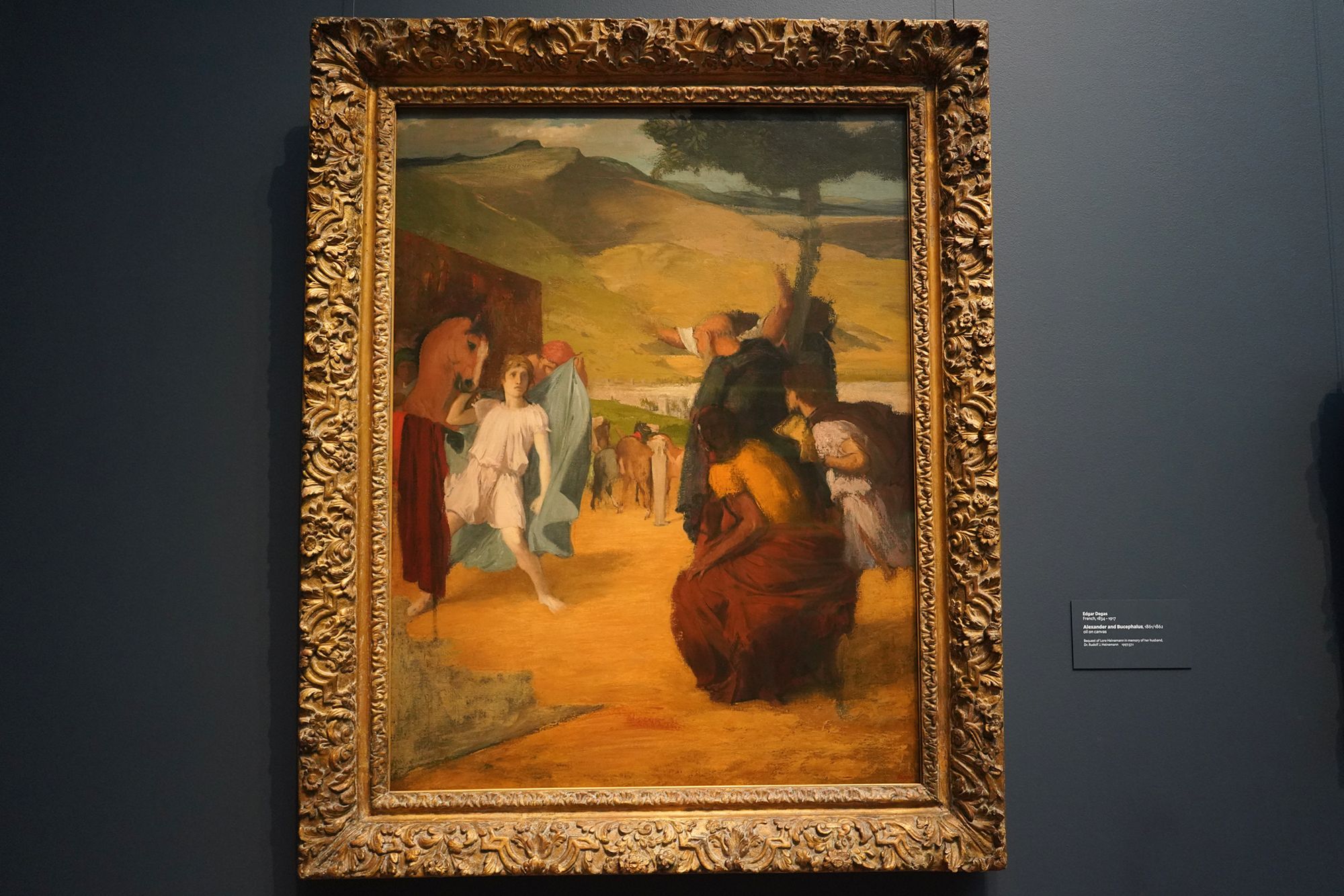
Edgar Degas (1834–1917) was a French Impressionist painter and sculptor best known for his images of ballet dancers, women at work or bathing, and scenes of modern Parisian life.
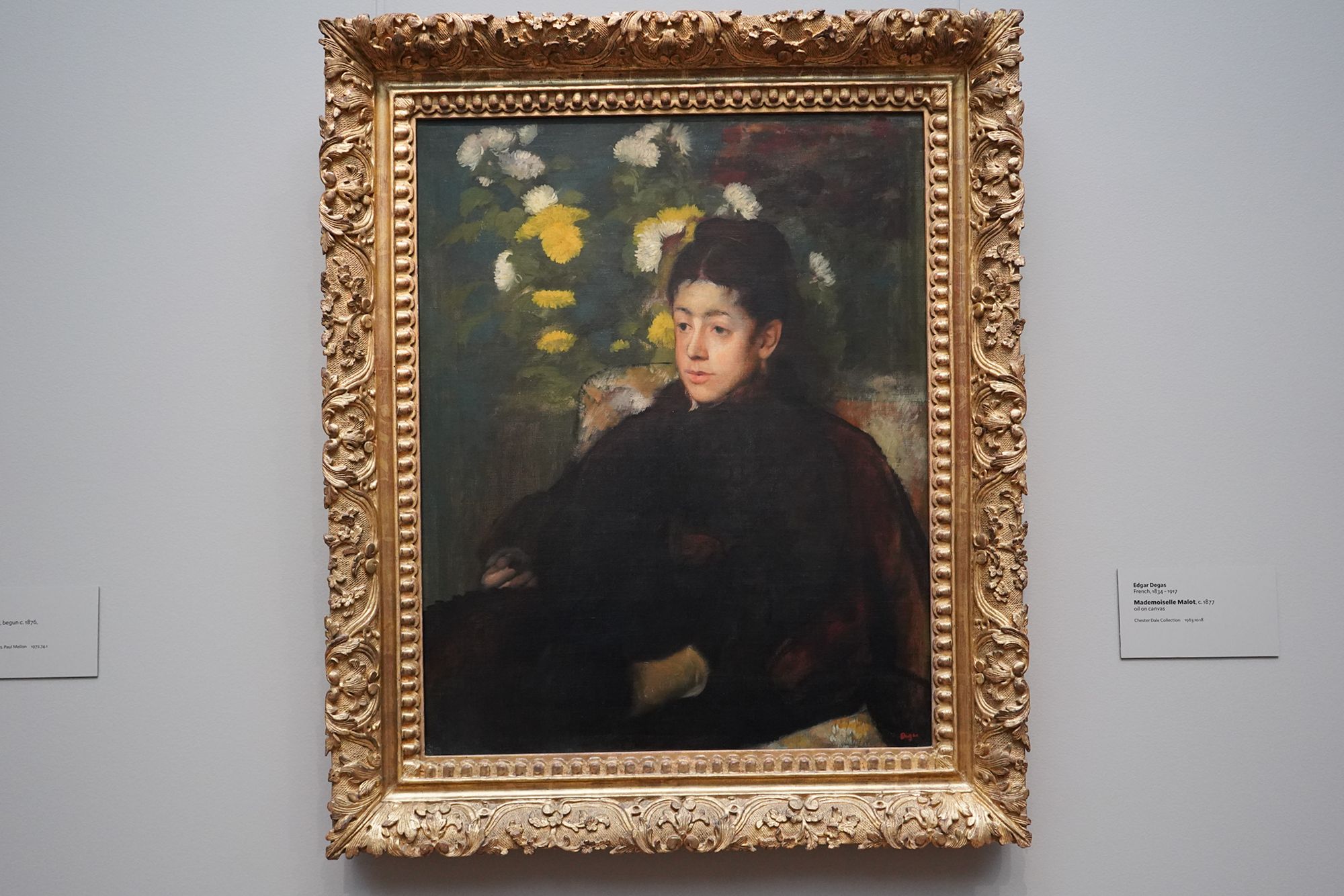
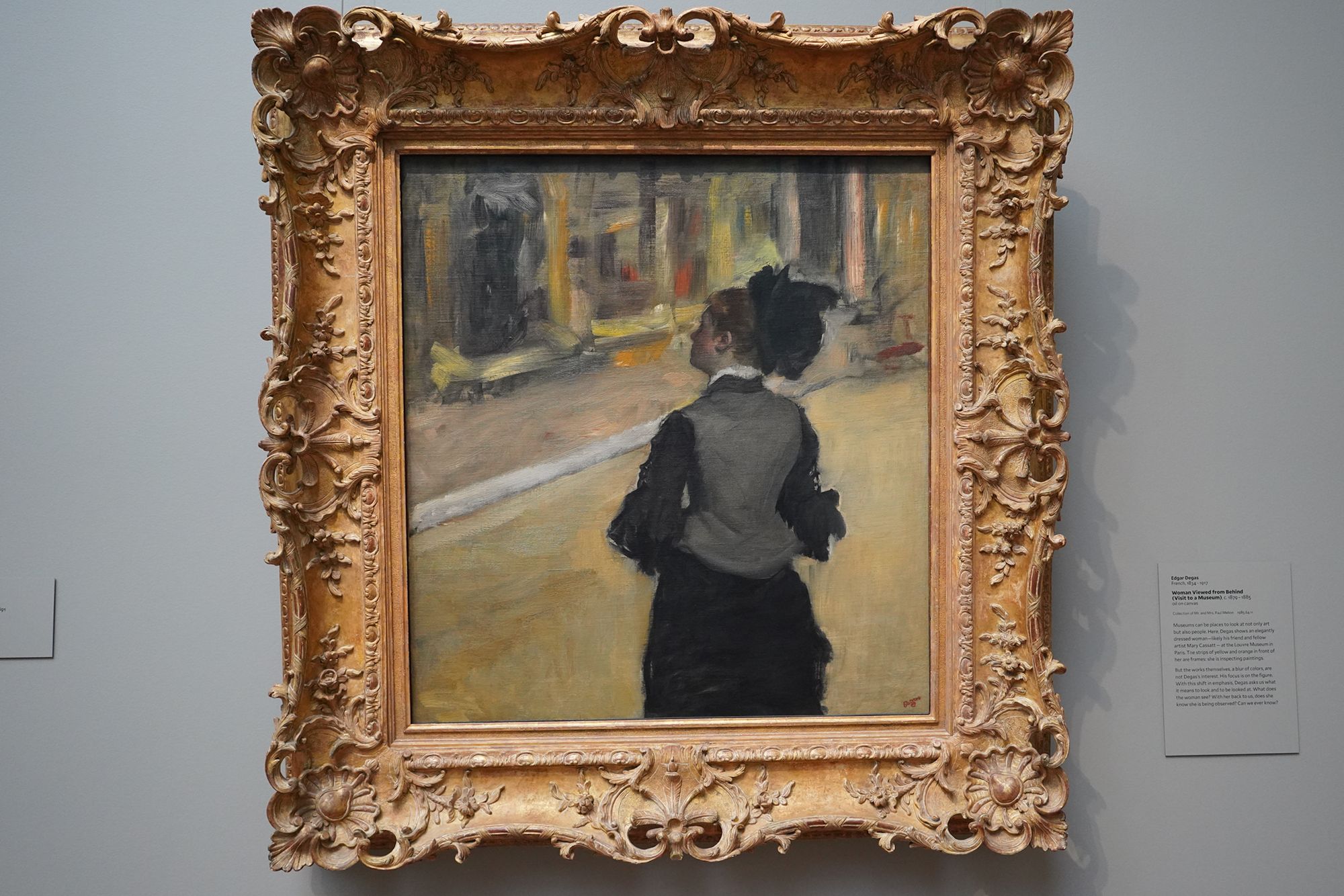
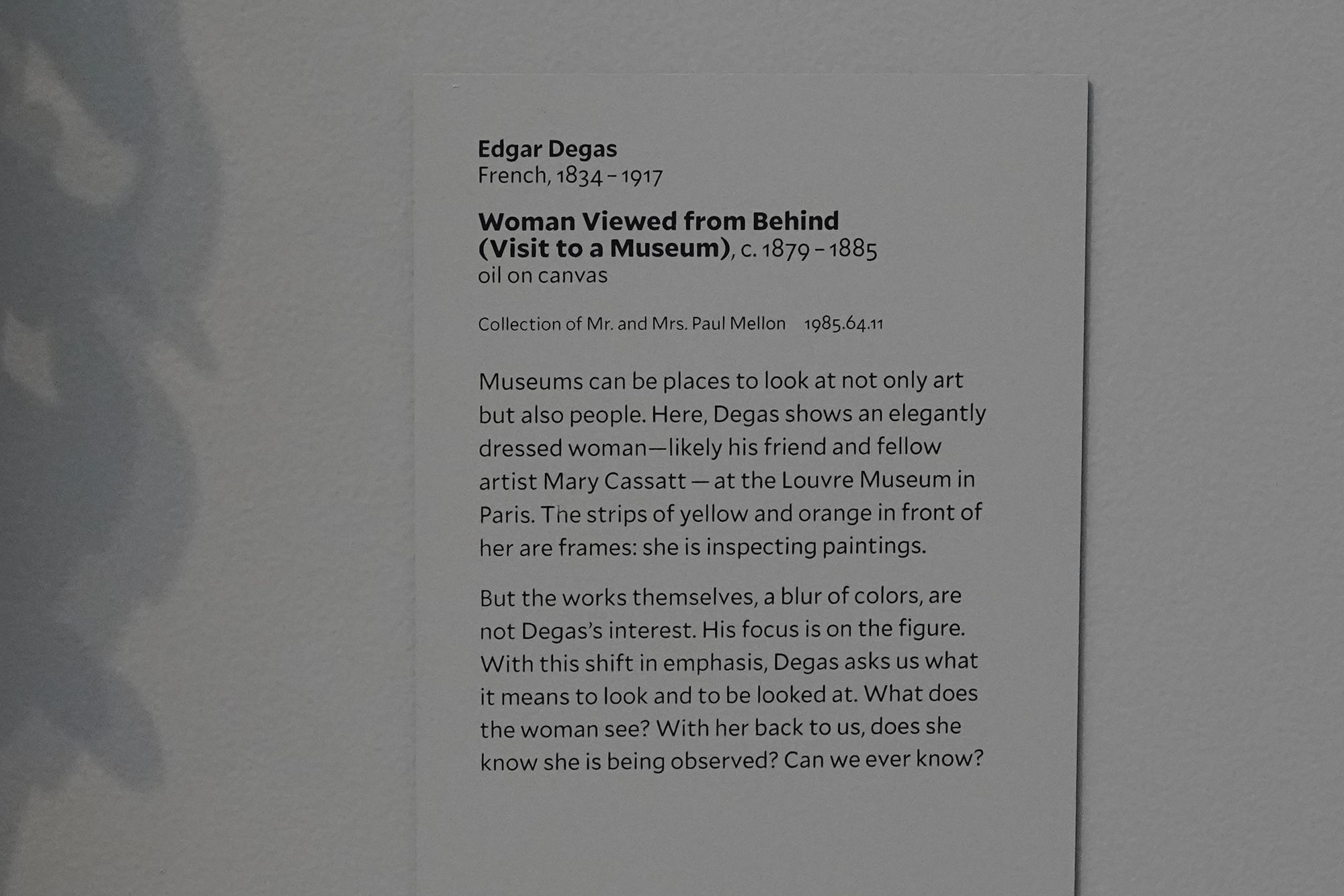
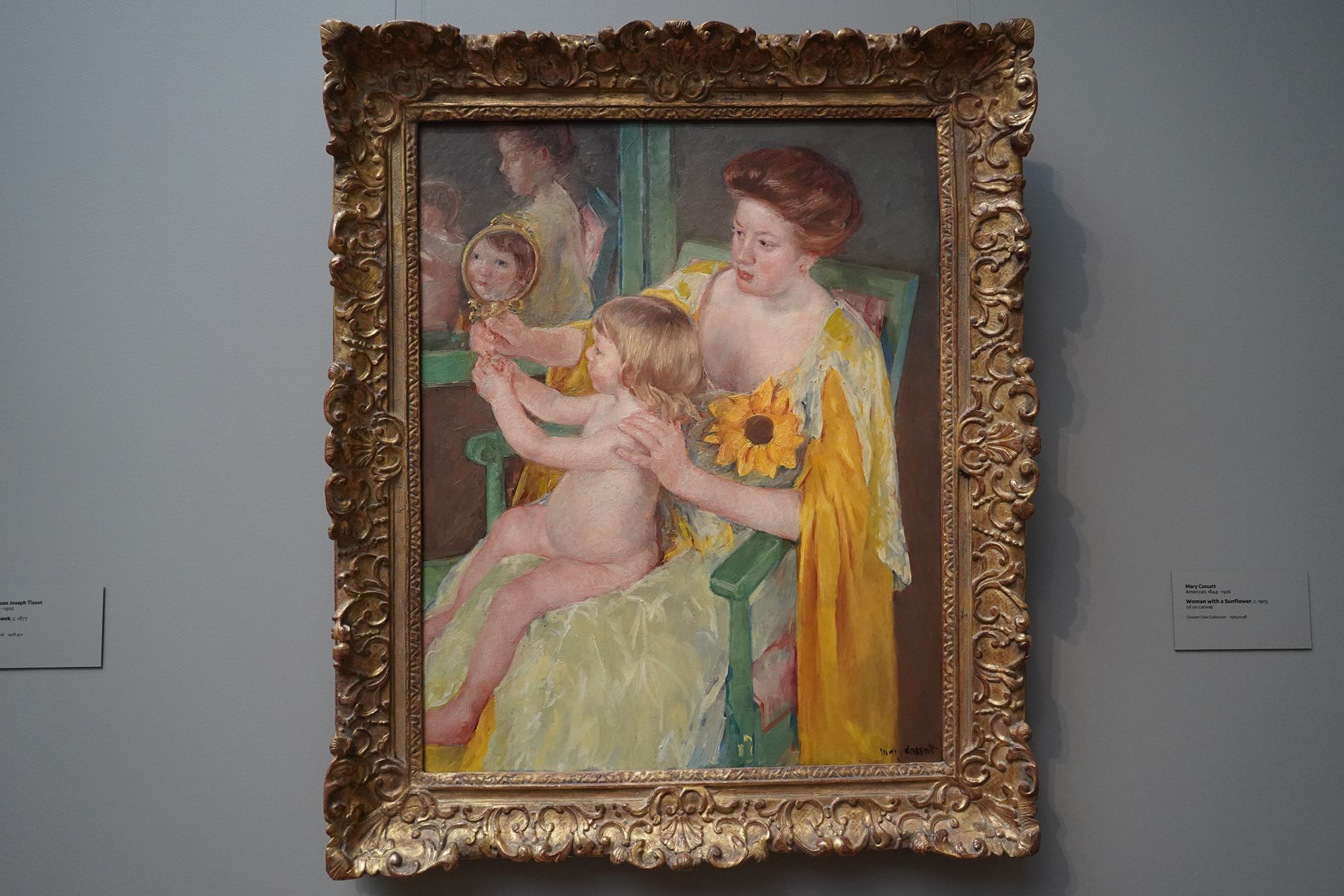
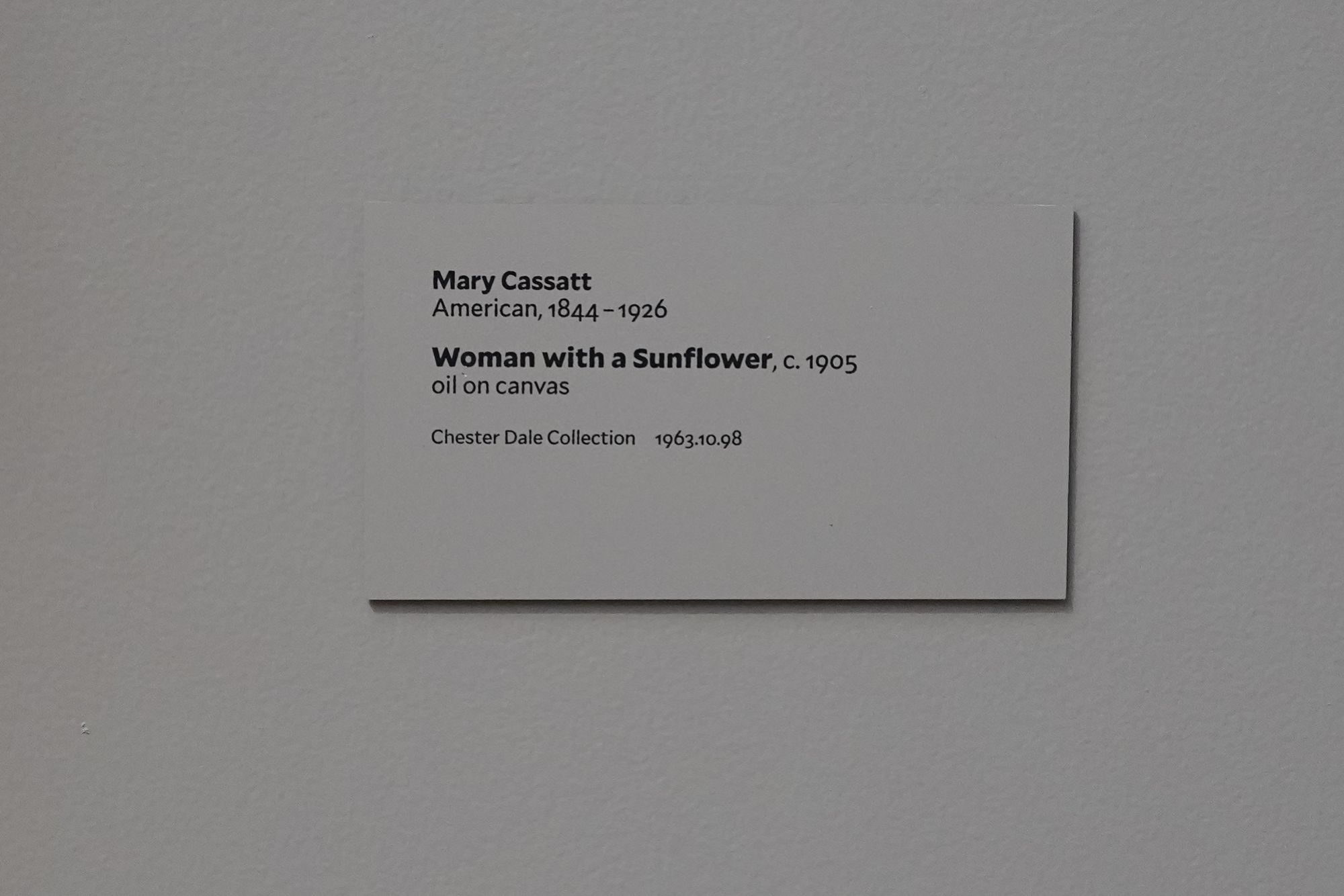
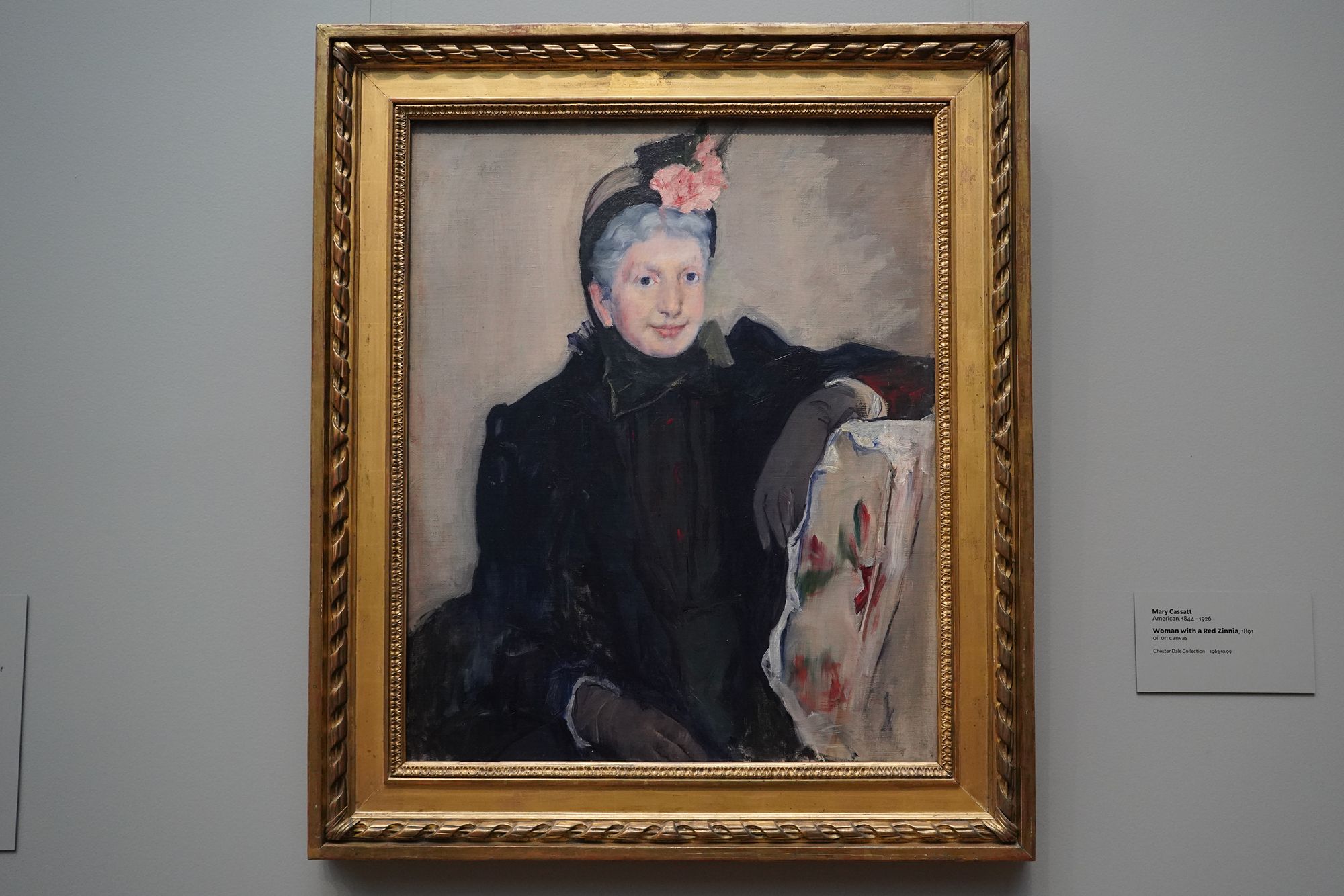
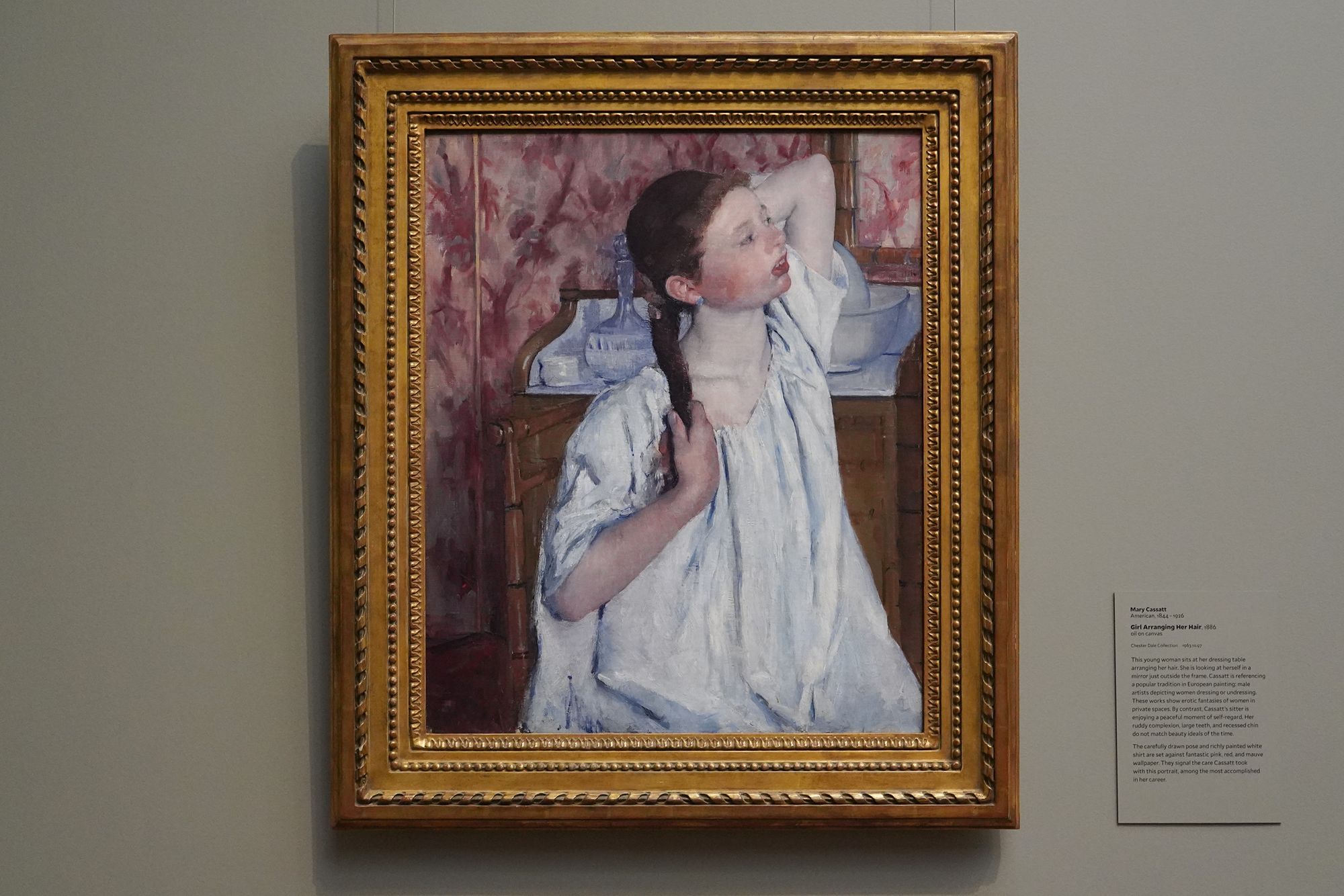
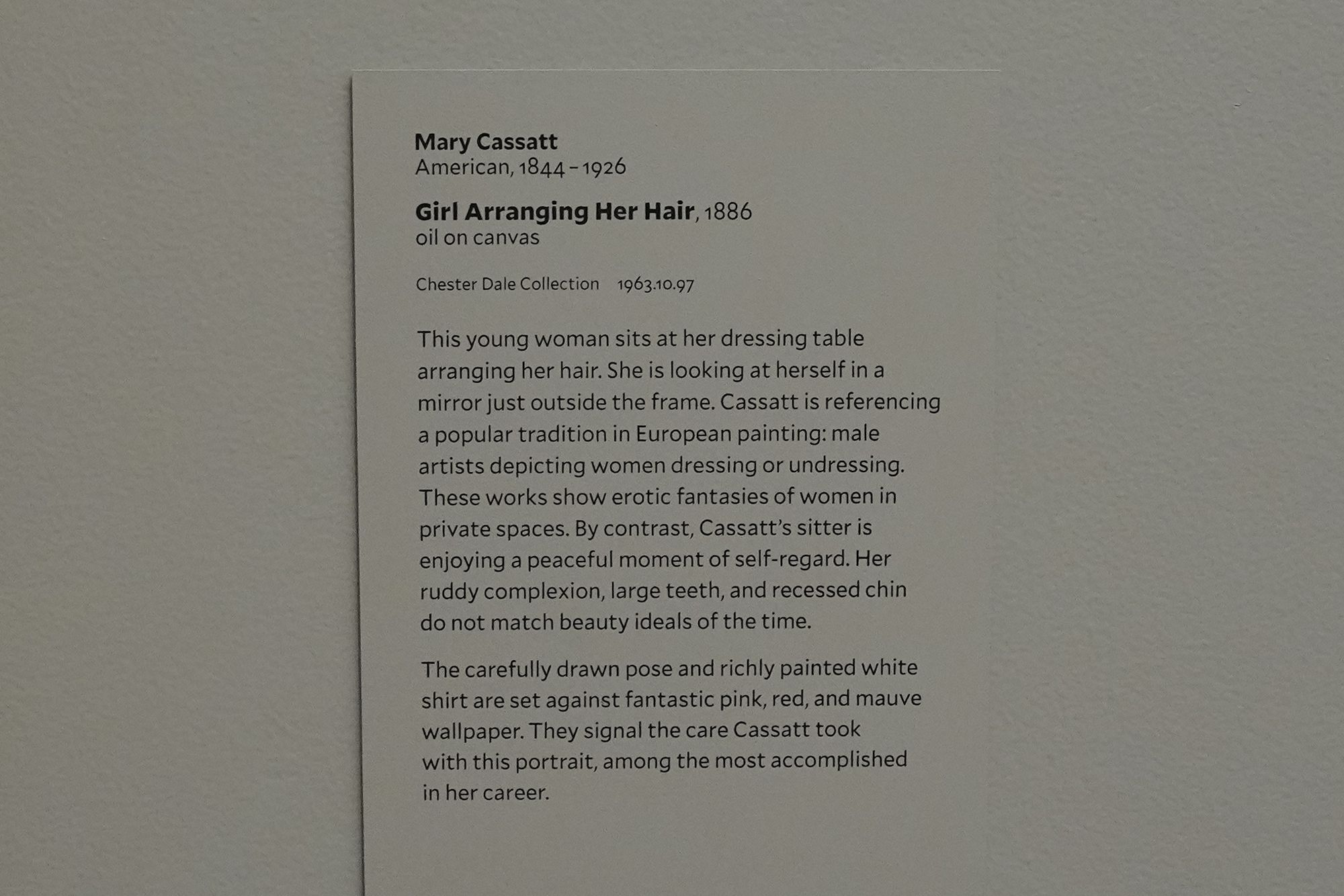
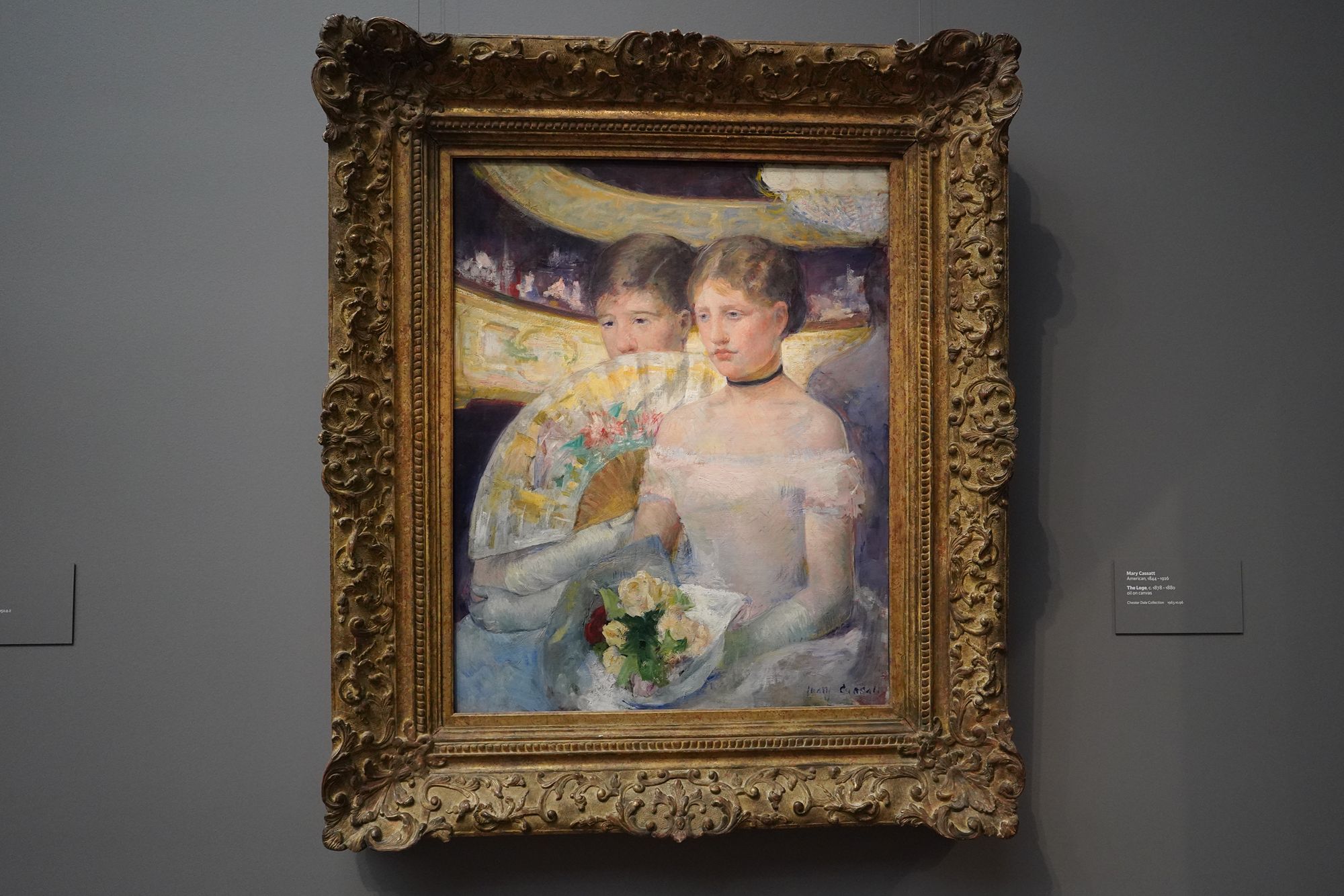
Mary Cassatt (1844–1926) was an American Impressionist painter and printmaker who spent most of her career in France, where she became the only American artist to exhibit with the French Impressionists. She is best known for her tender and insightful portrayals of women and children, painted with luminous color and quiet emotion.
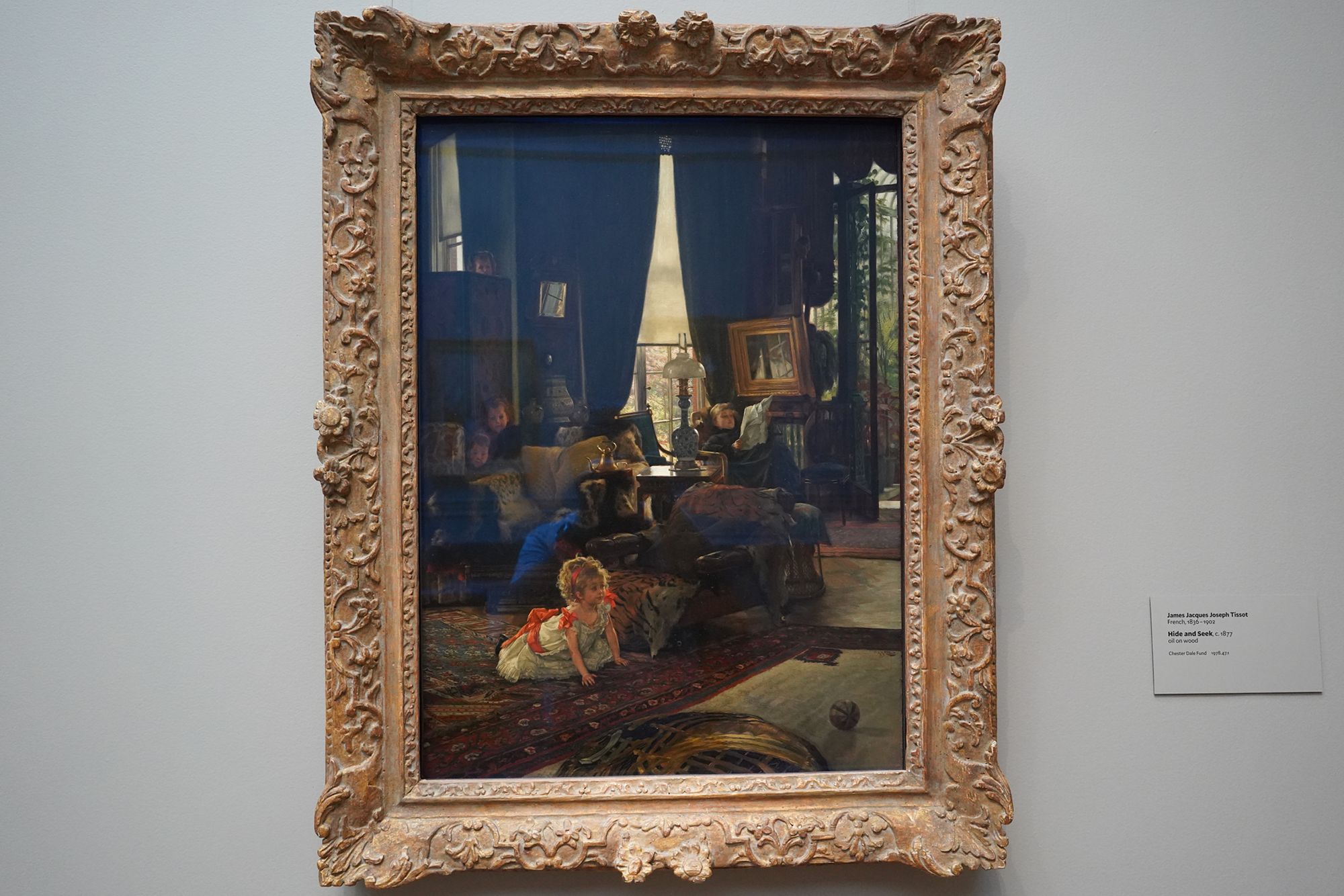
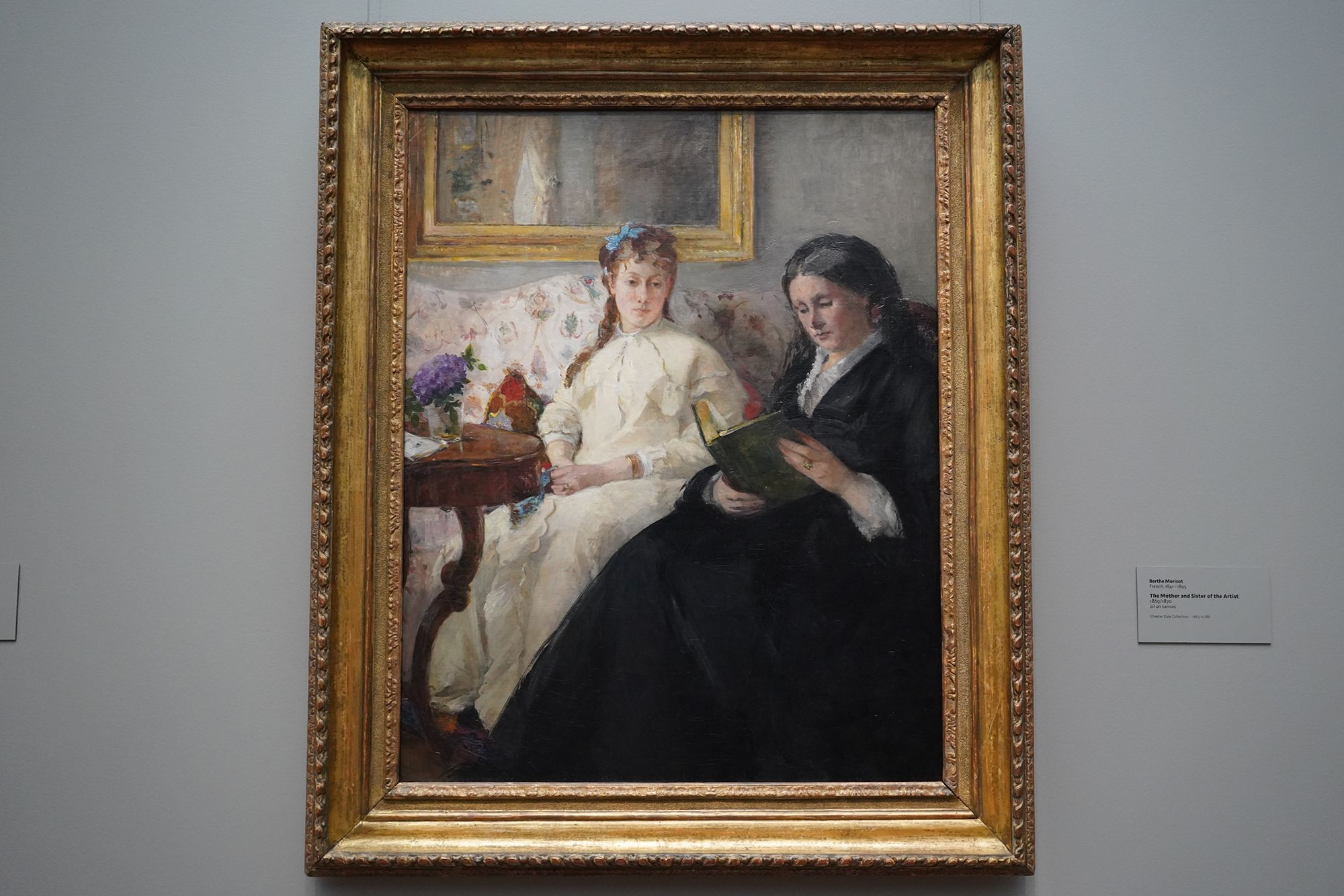
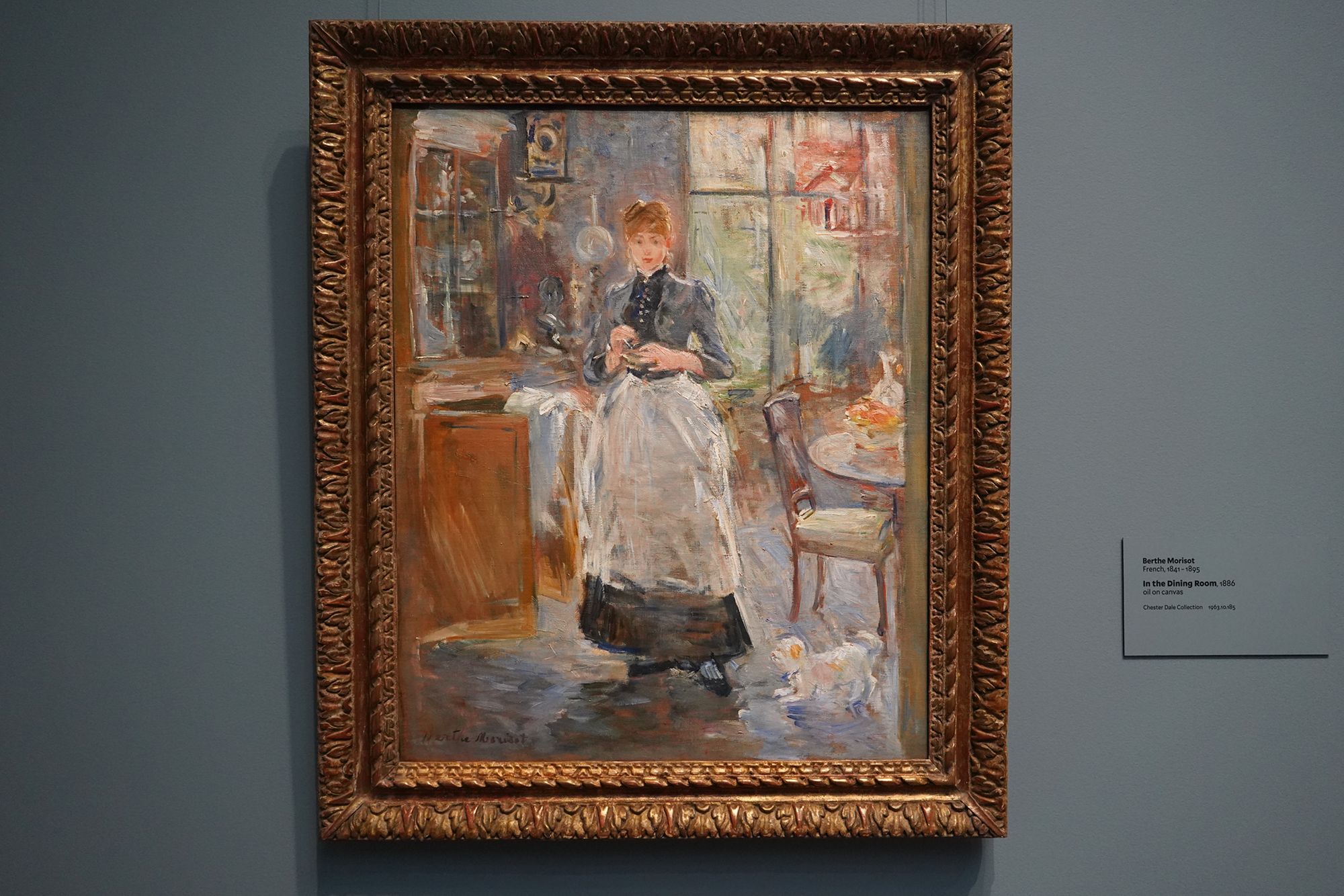
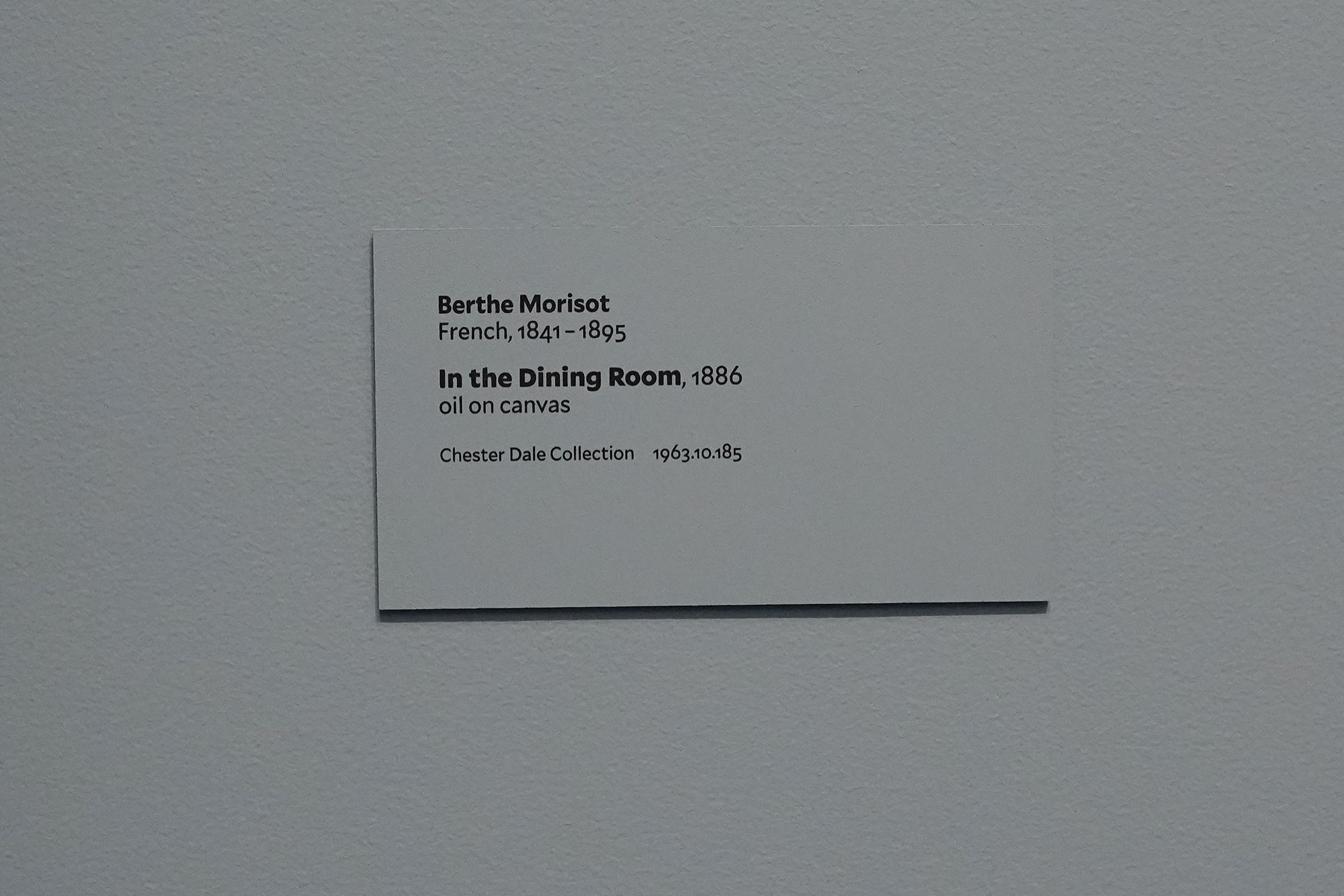
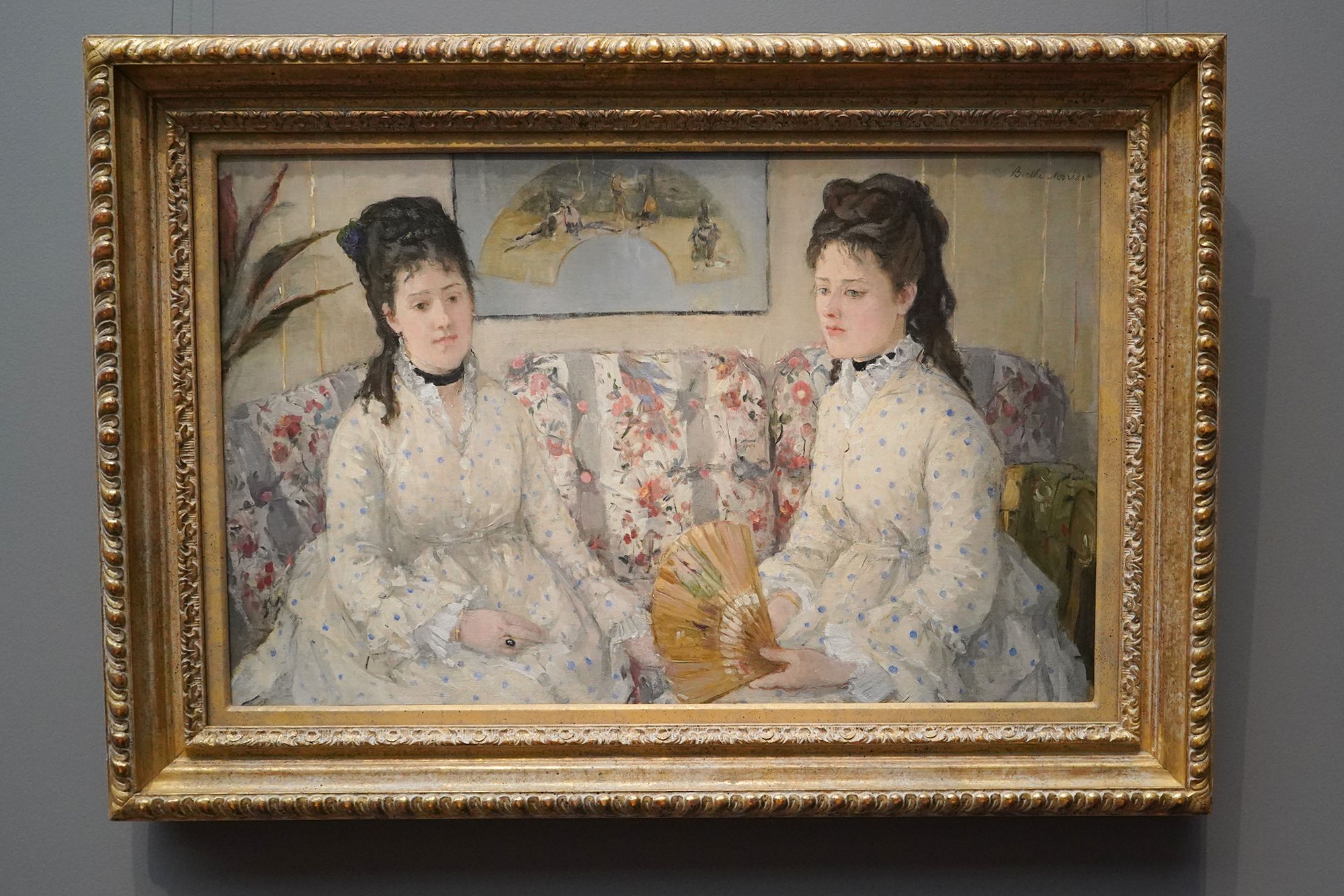
Berthe Morisot (1841–1895) was a French Impressionist painter and one of the founding members of the movement. She was among the first women to exhibit with the Impressionists and became one of the most respected artists in their circle, alongside Monet, Renoir, Degas, and Pissarro.
Mary Cassatt (1844–1926) was an American Impressionist painter and printmaker who spent most of her career in France, where she became the only American artist to exhibit with the French Impressionists. She is best known for her tender and insightful portrayals of women and children, painted with luminous color and quiet emotion.
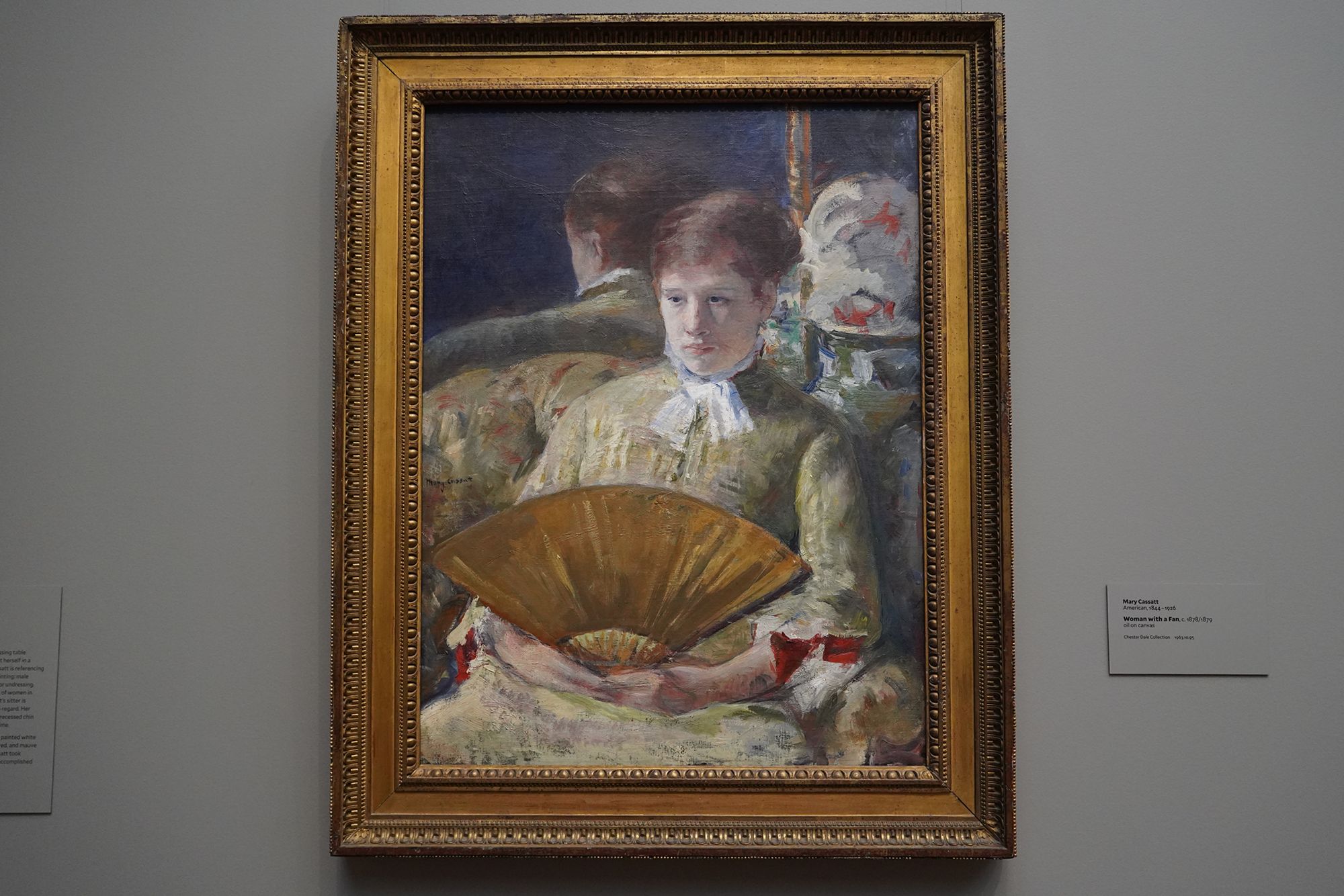
Cassatt’s art reflects both feminine strength and maternal intimacy, showing women not as decorative figures but as thoughtful, independent individuals. As a successful woman in a male-dominated art world, she became a pioneer and role model for future generations of female artists.
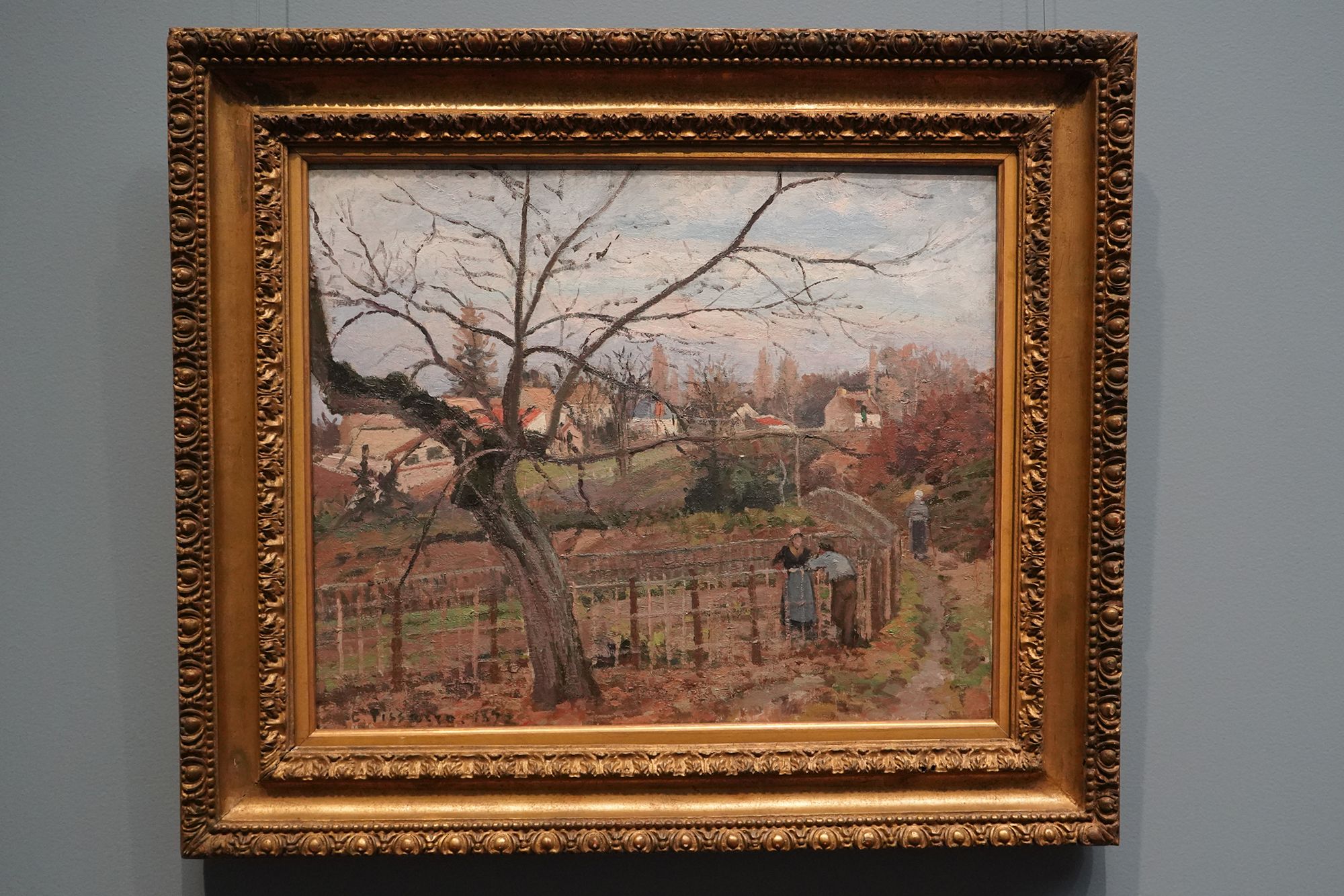
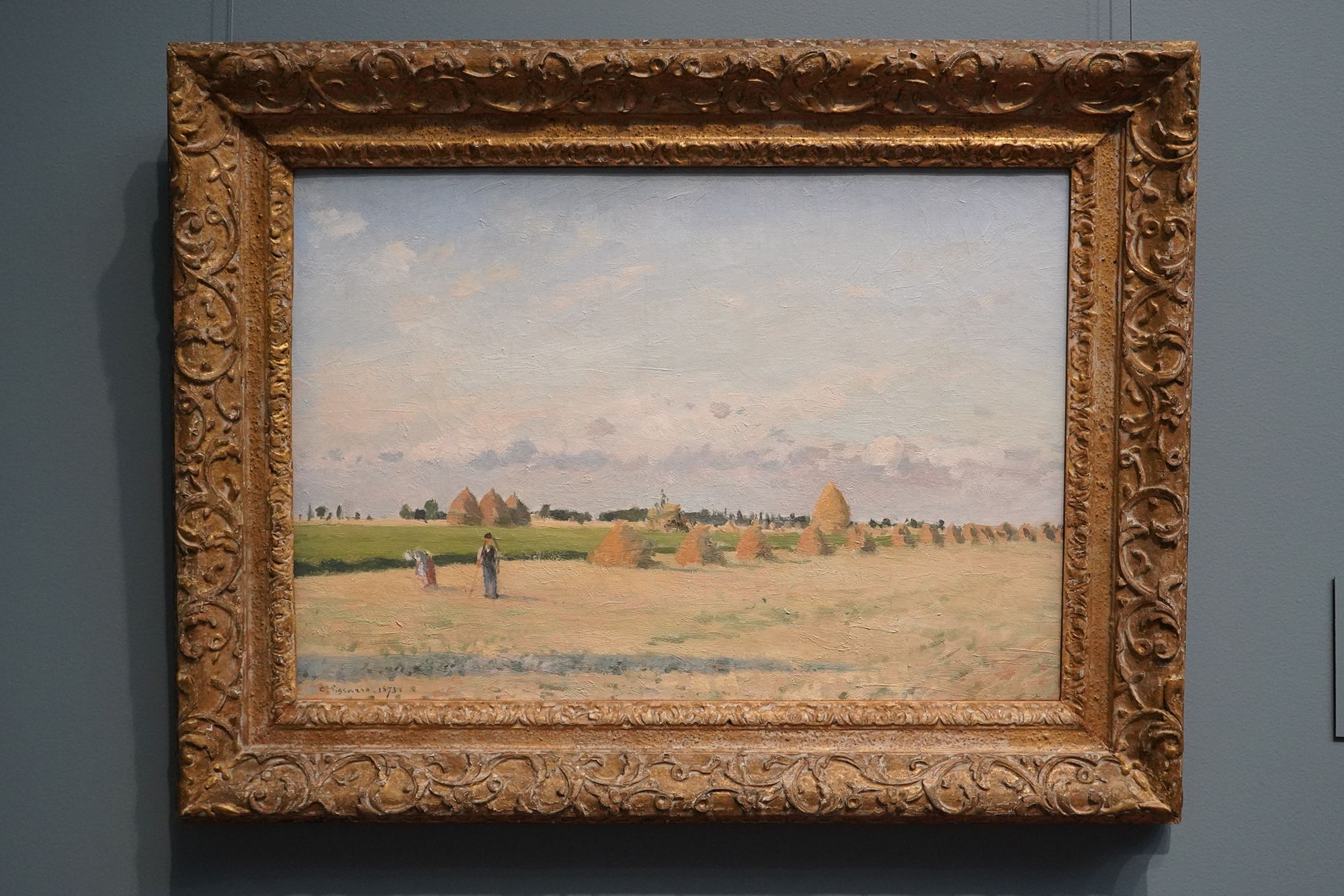
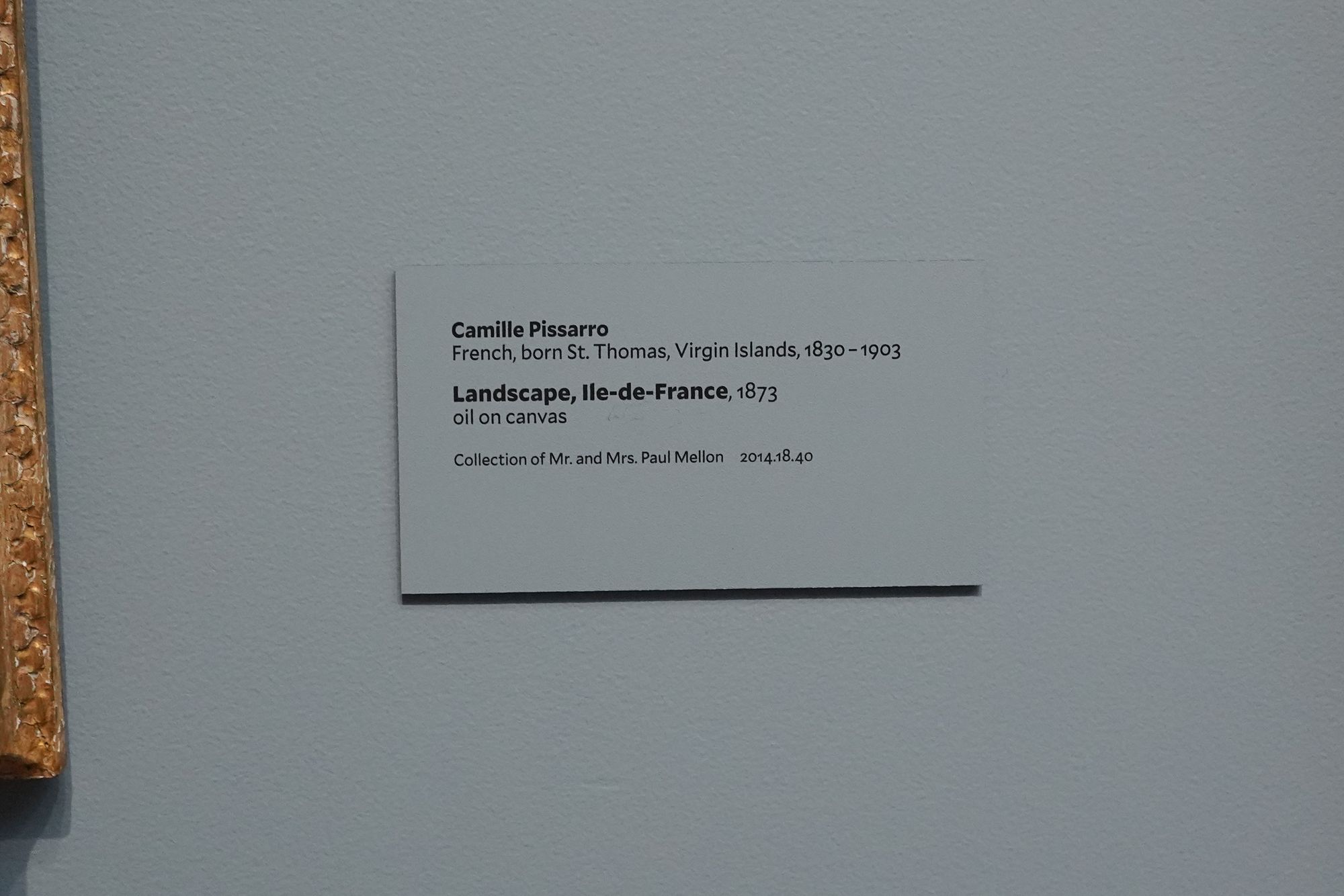
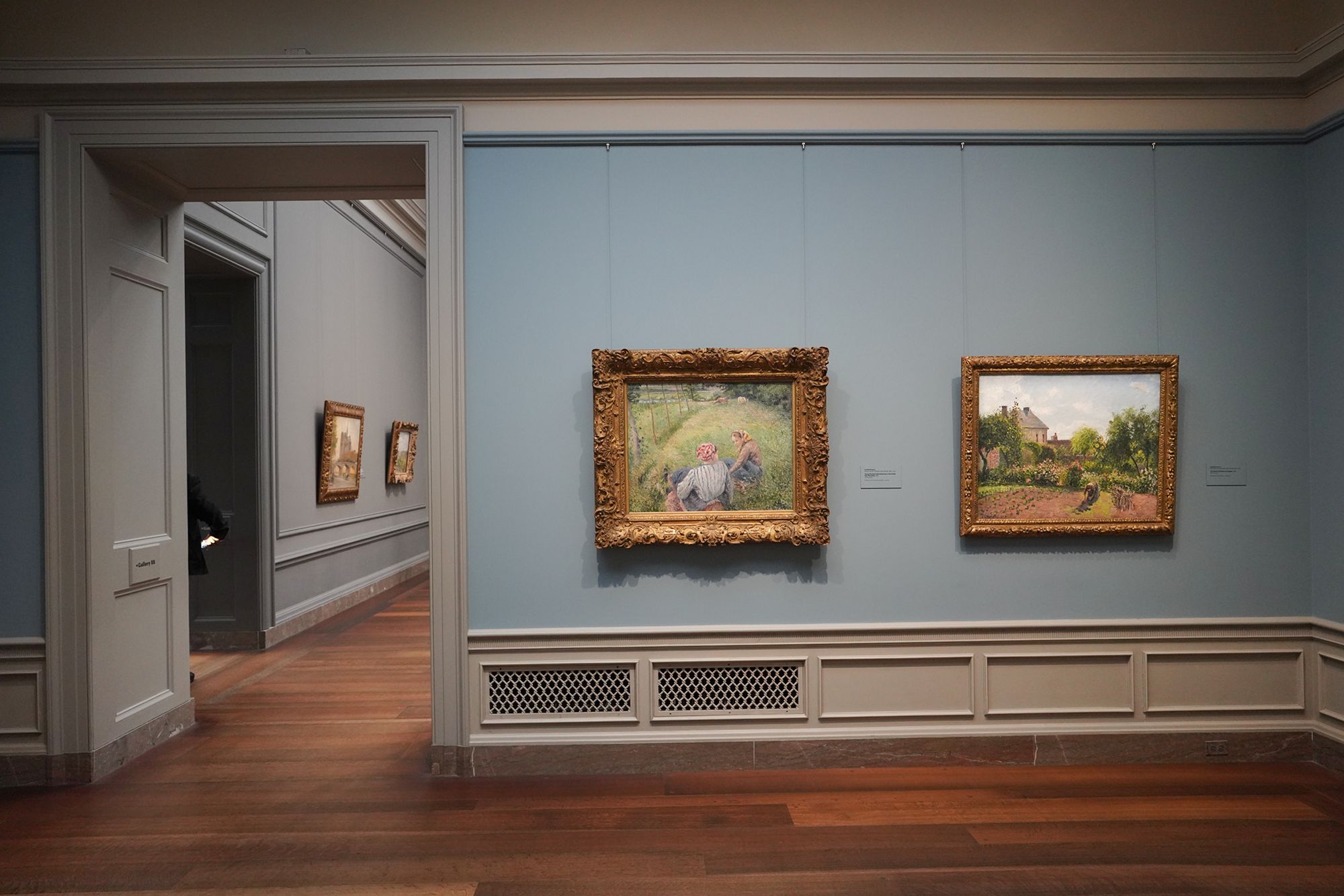
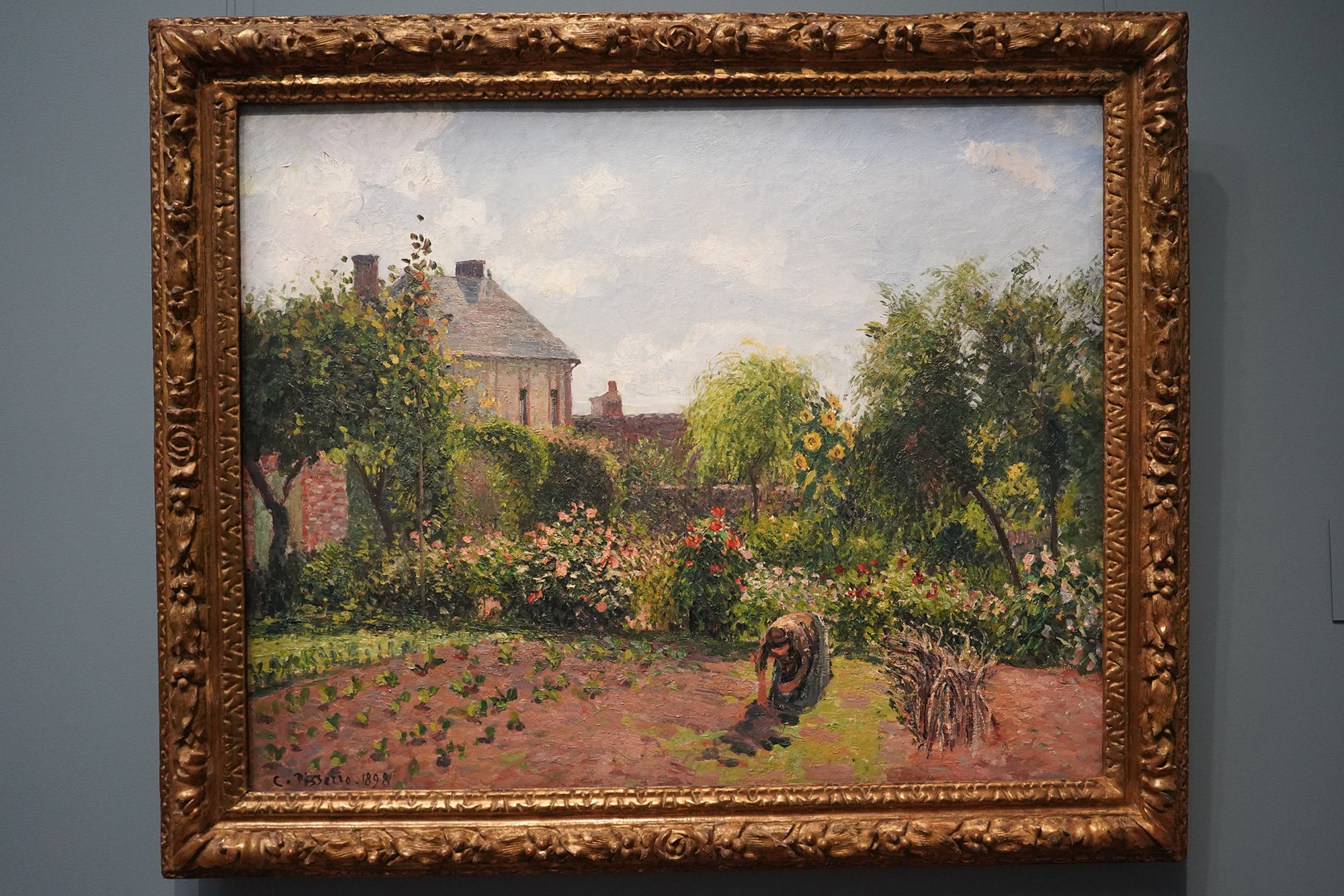
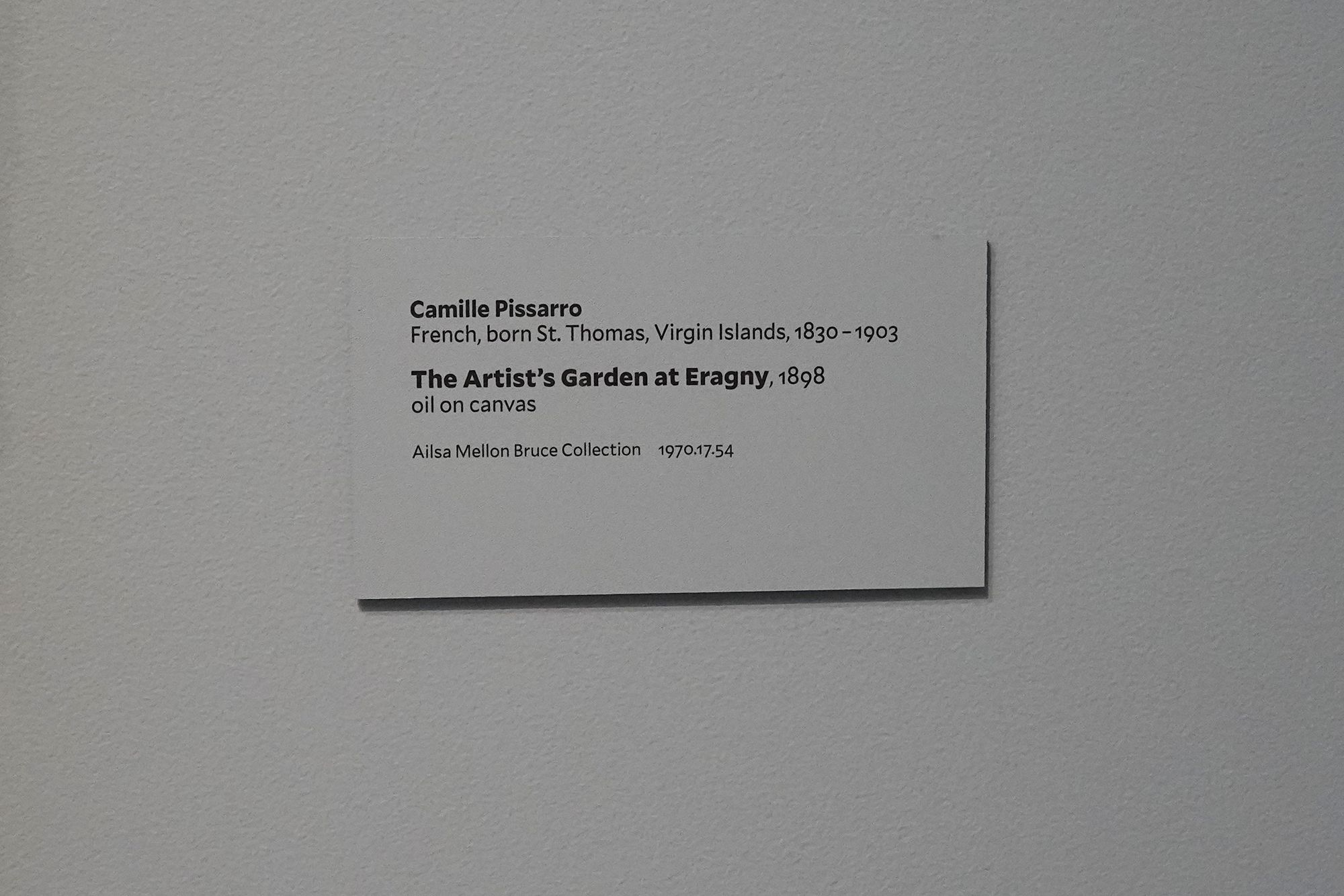
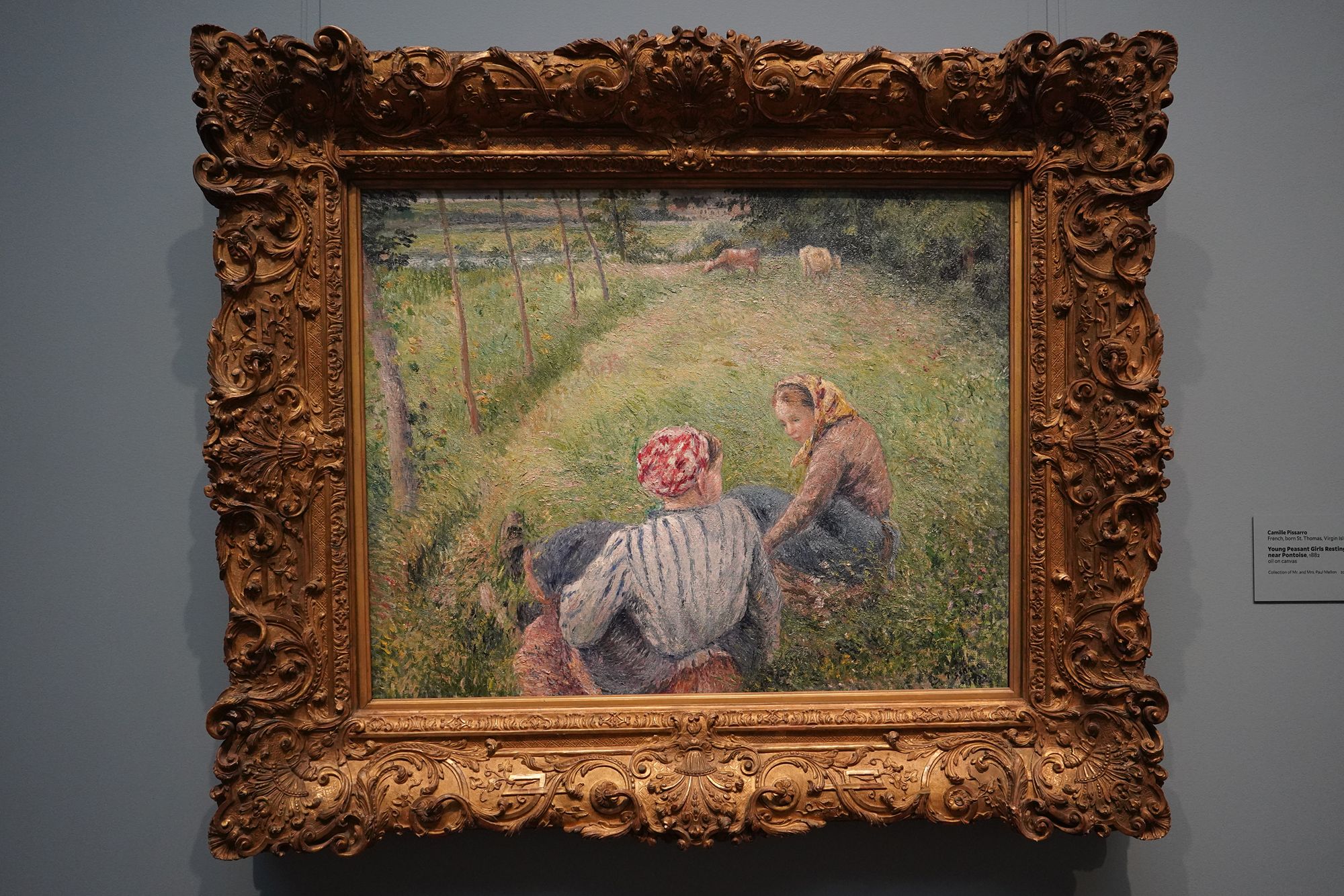
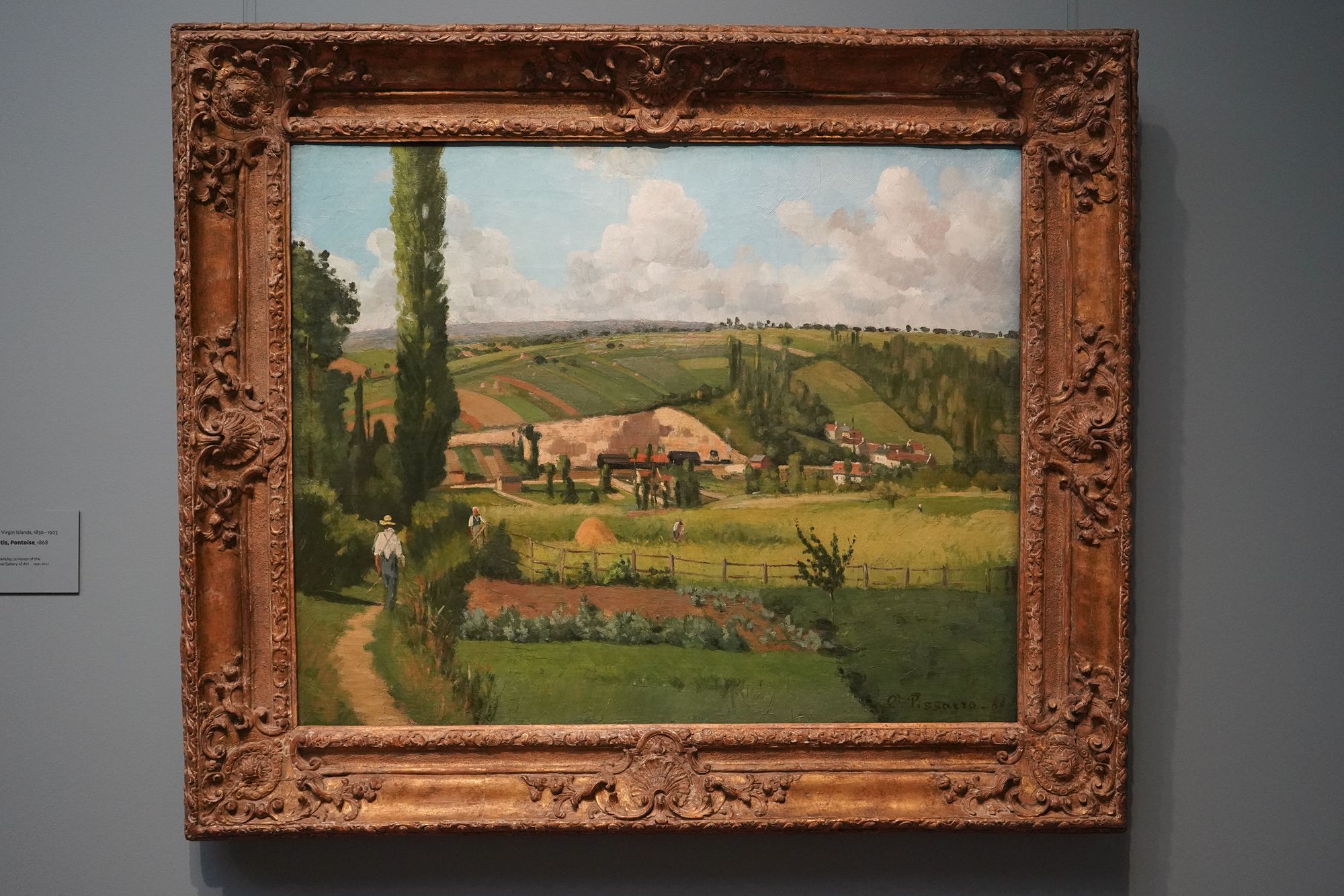
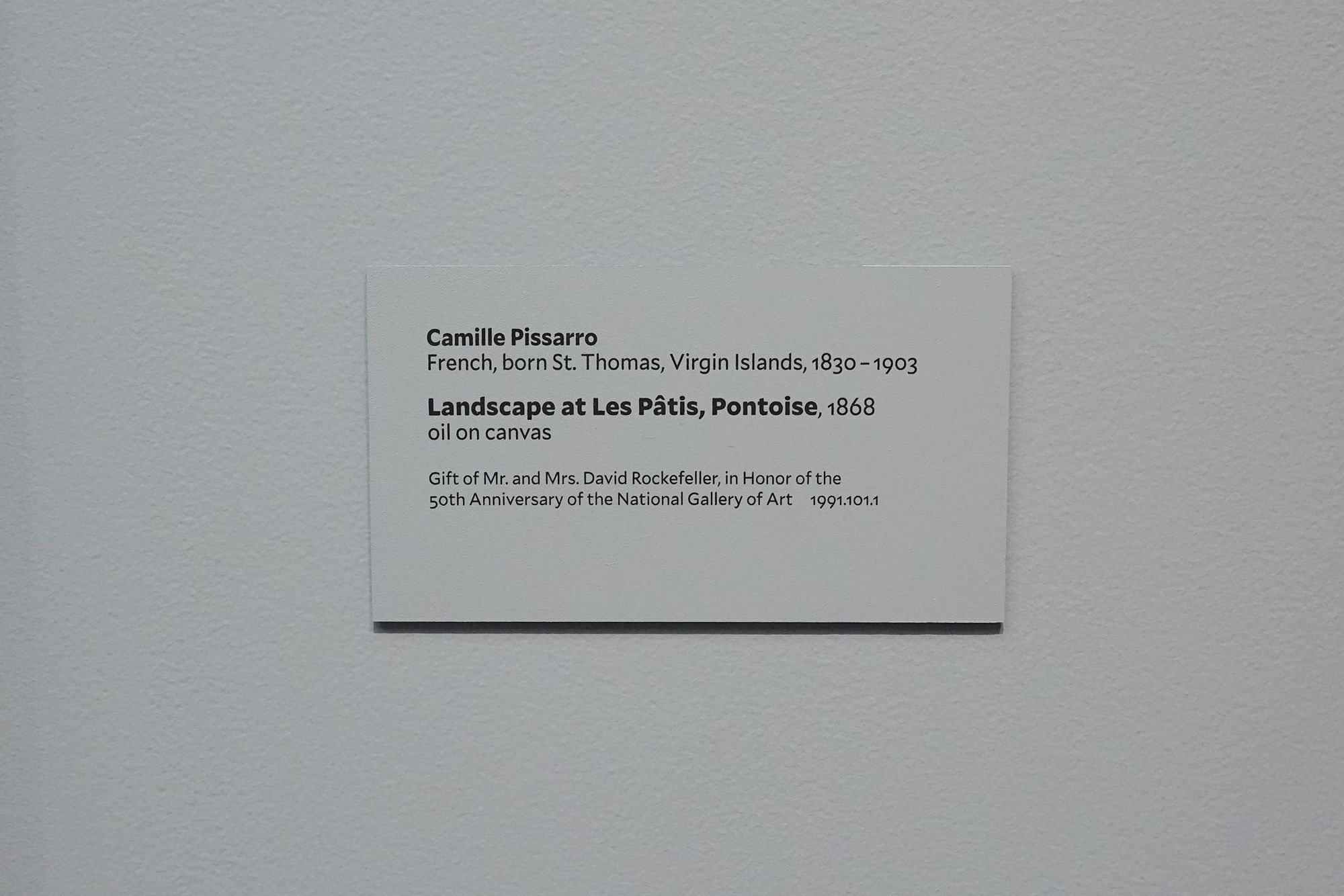
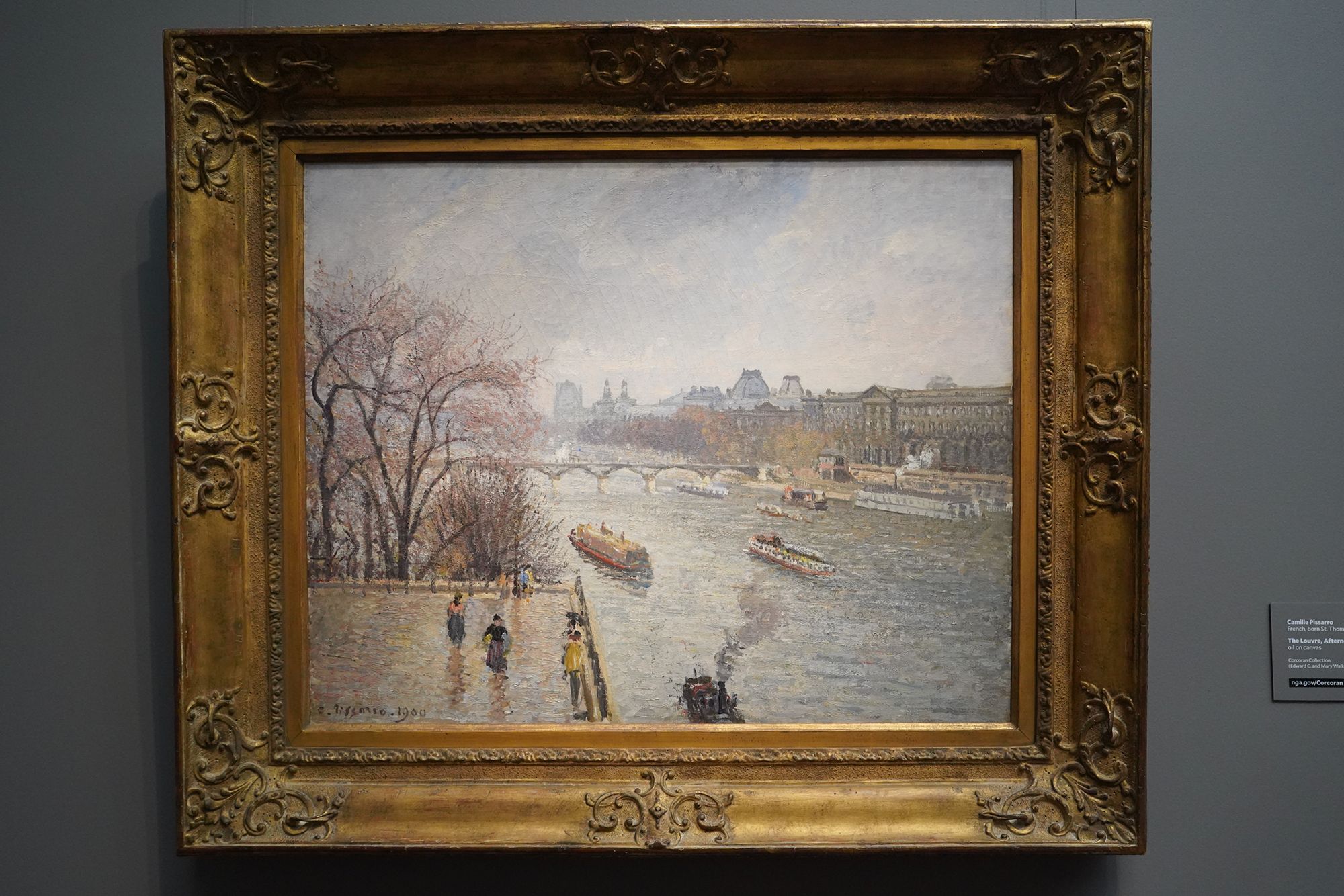
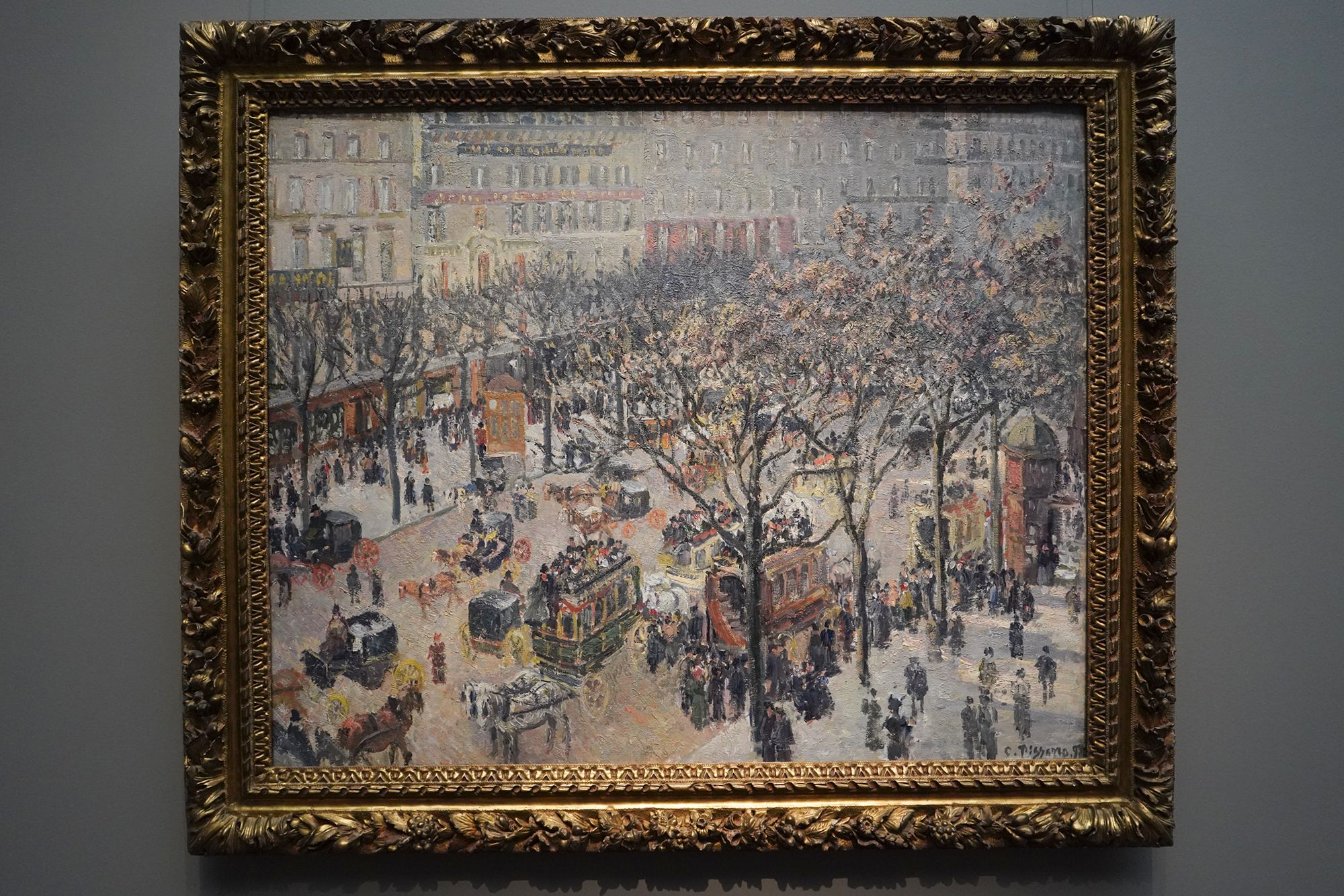
Camille Pissarro (1830–1903) was a Danish-French Impressionist and Post-Impressionist painter and one of the key figures who helped shape the entire Impressionist movement. Often called the “father of Impressionism,” he was both a mentor and collaborator to artists like Monet, Renoir, Cézanne, and Gauguin.
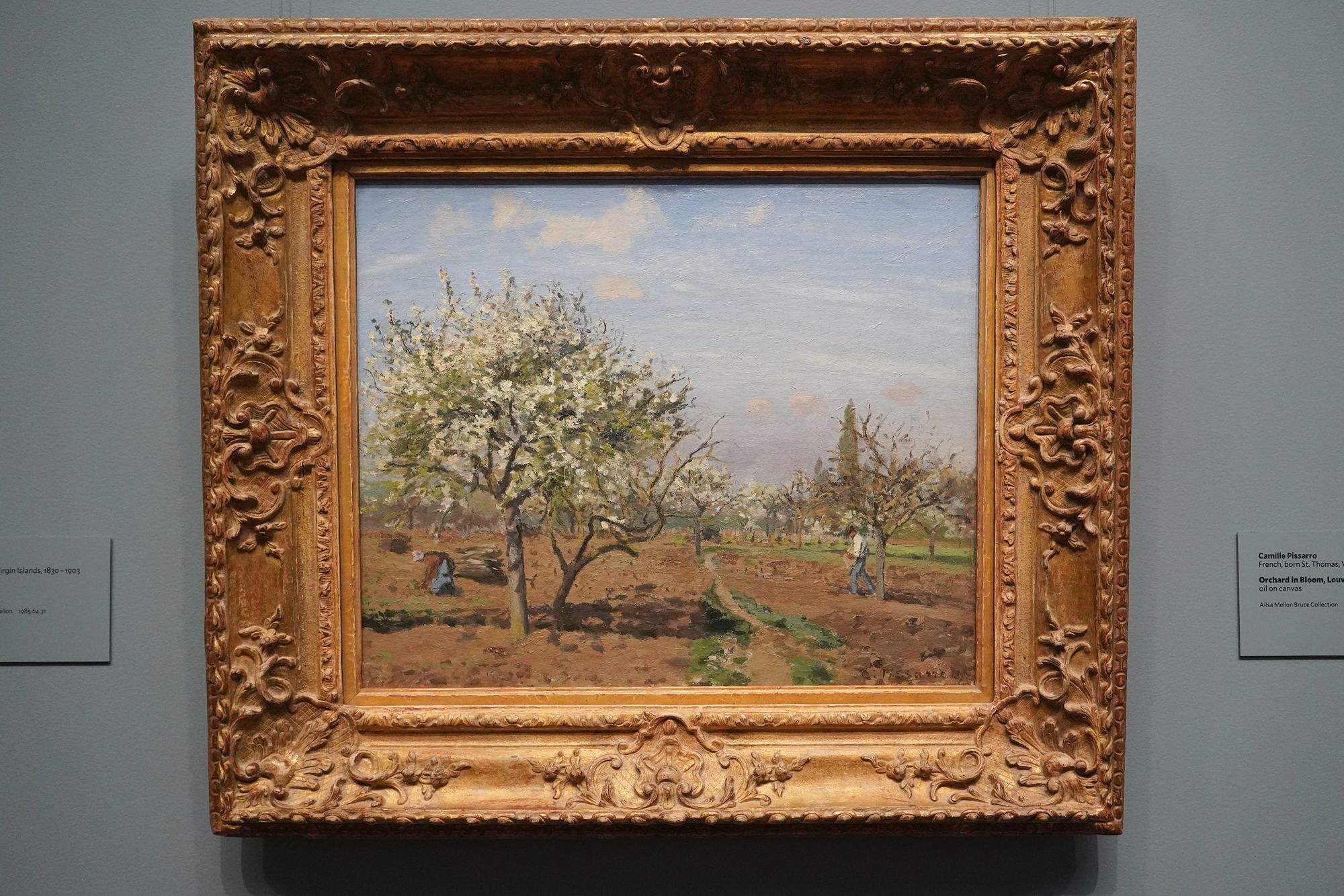
His art is known for its quiet harmony and natural light. He painted rural scenes, peasant life, and village landscapes, often portraying farmers at work with dignity and calm realism. Works like The Garden of Les Mathurins at Pontoise and The Harvest capture everyday life with warmth and gentle color.
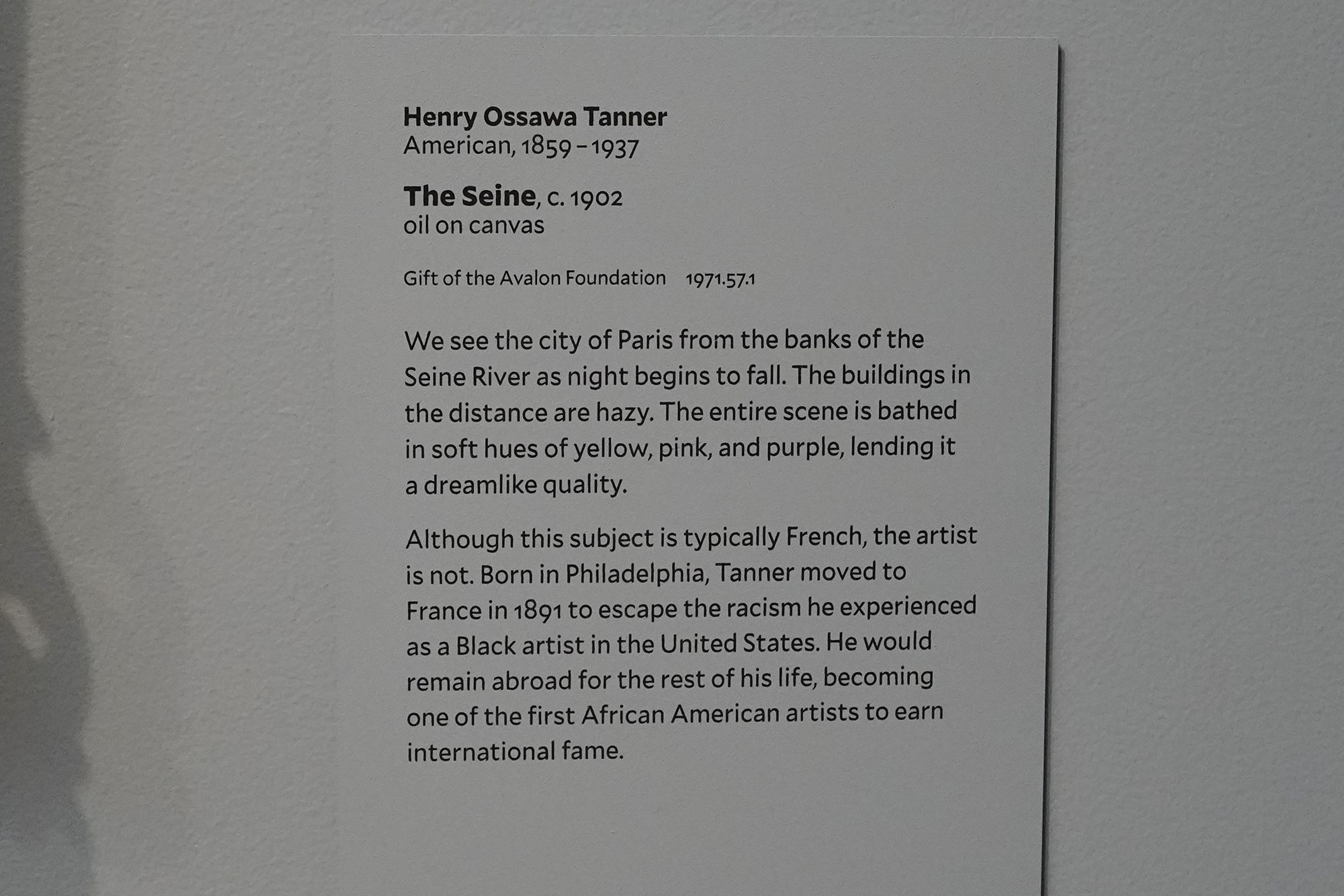
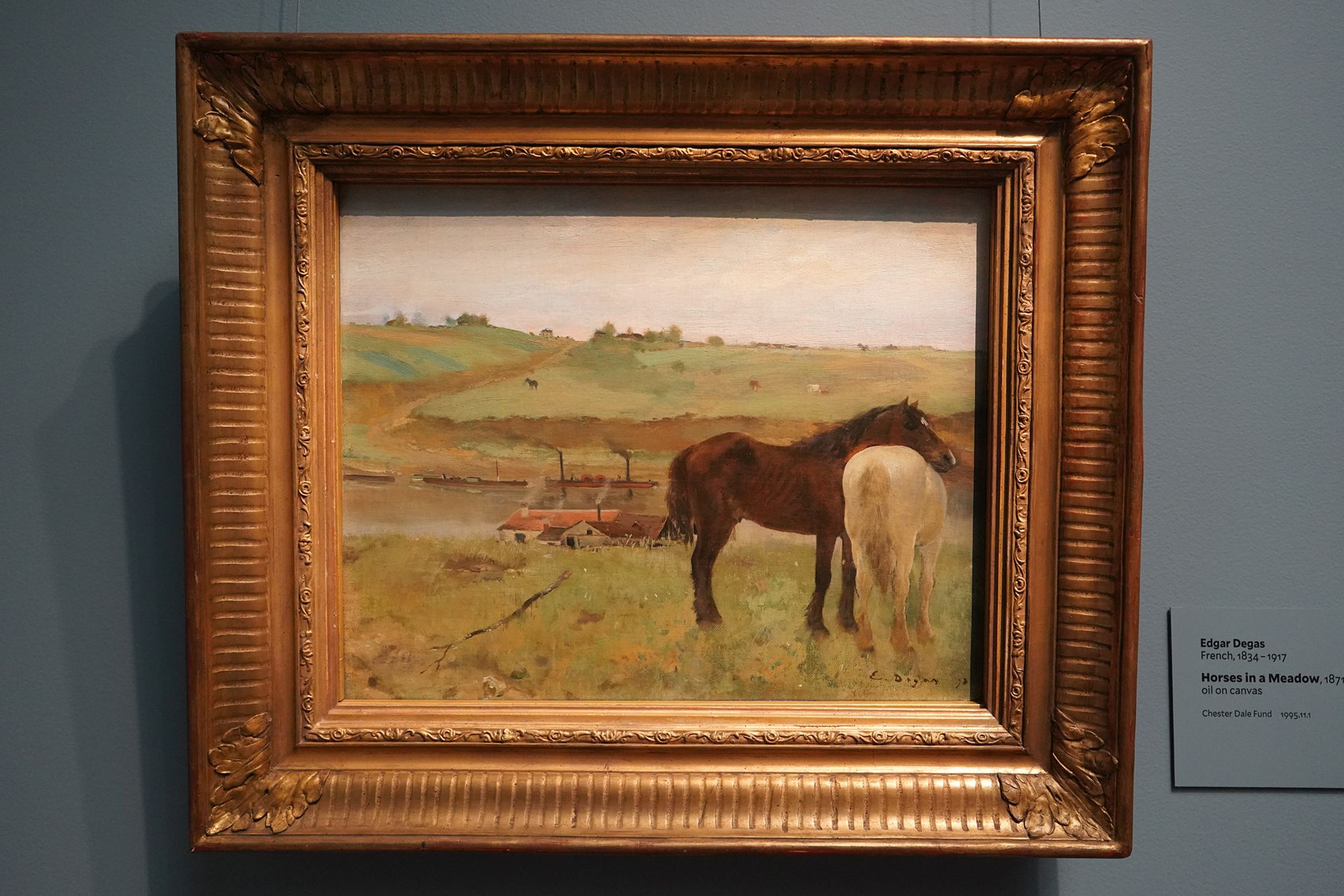
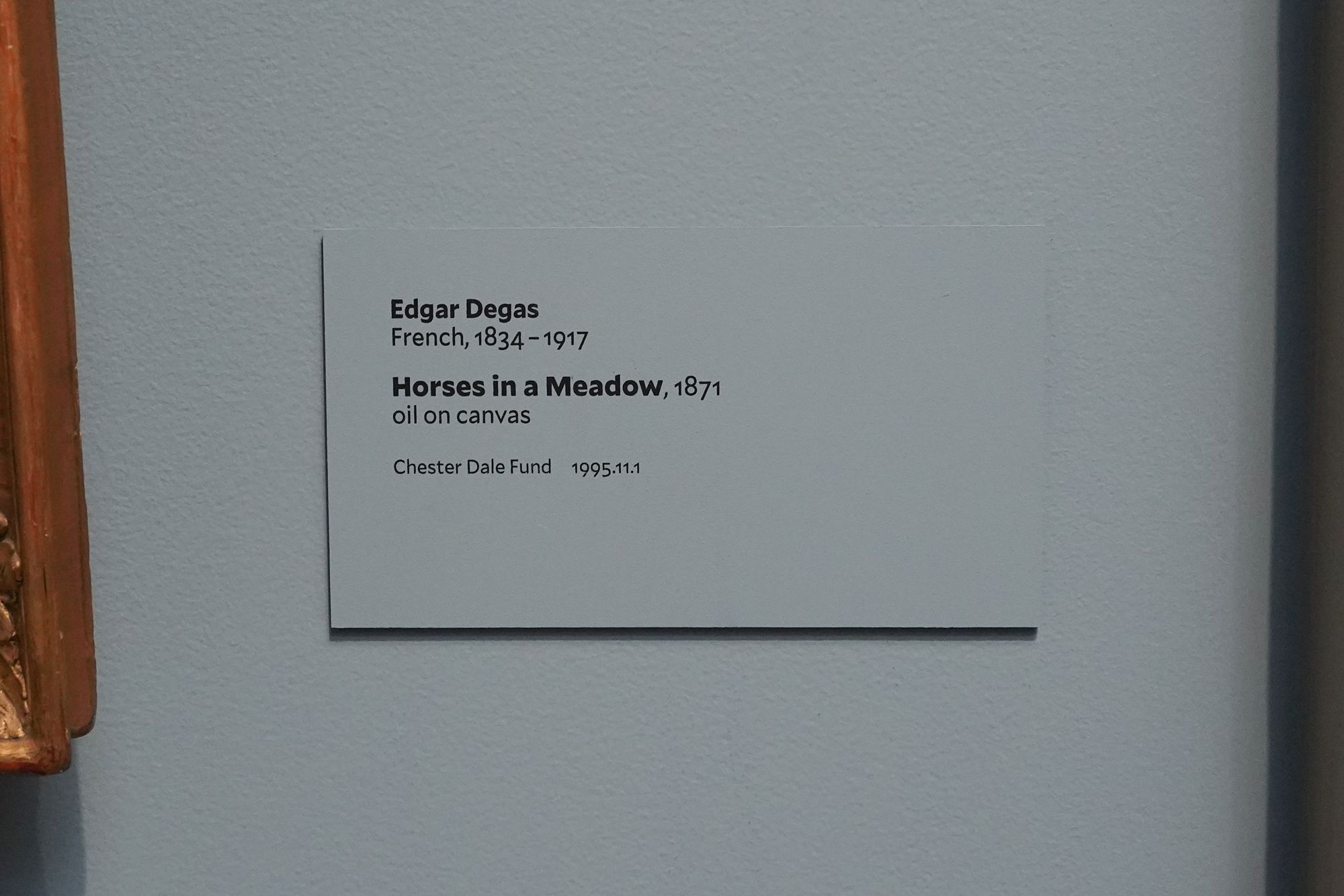
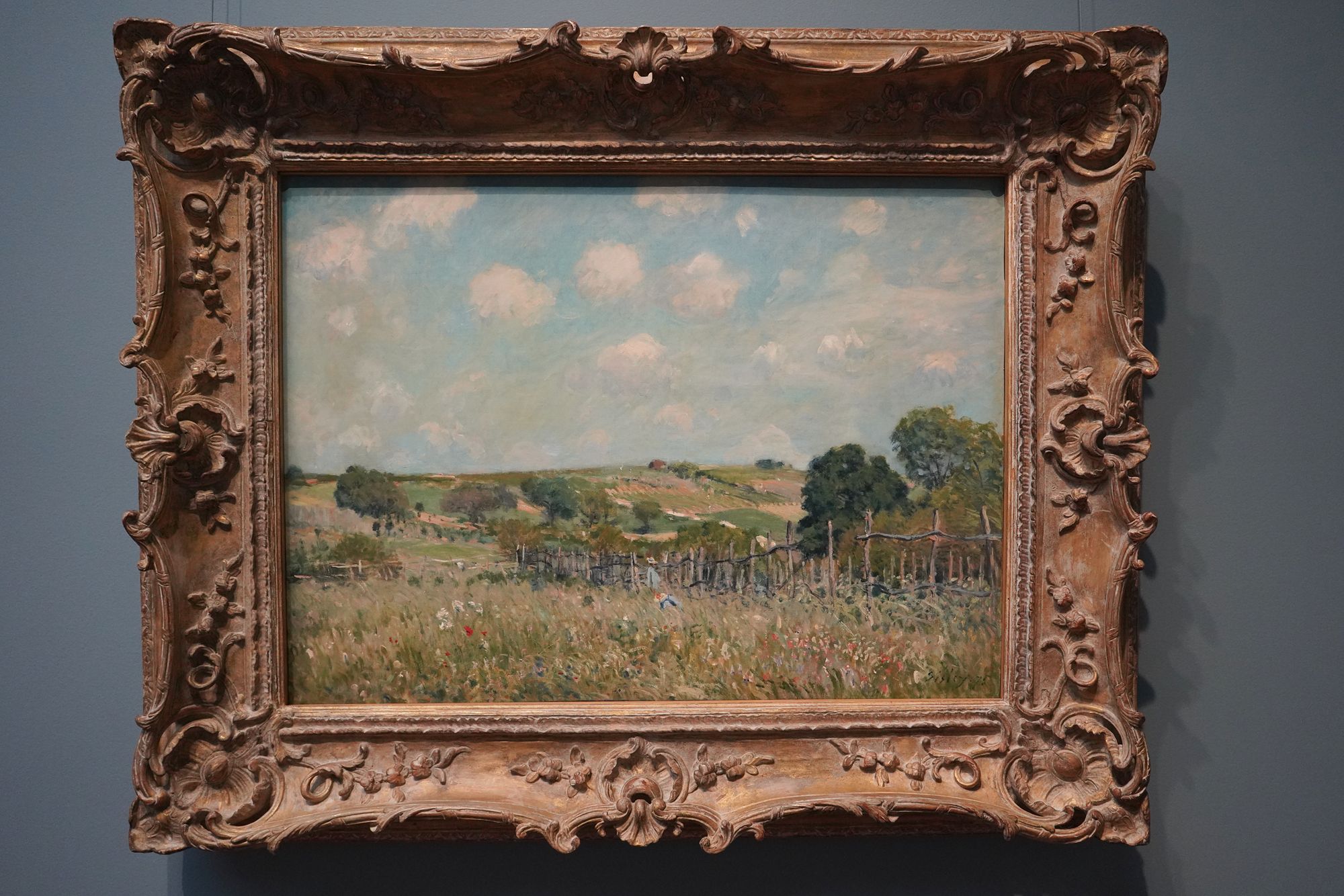
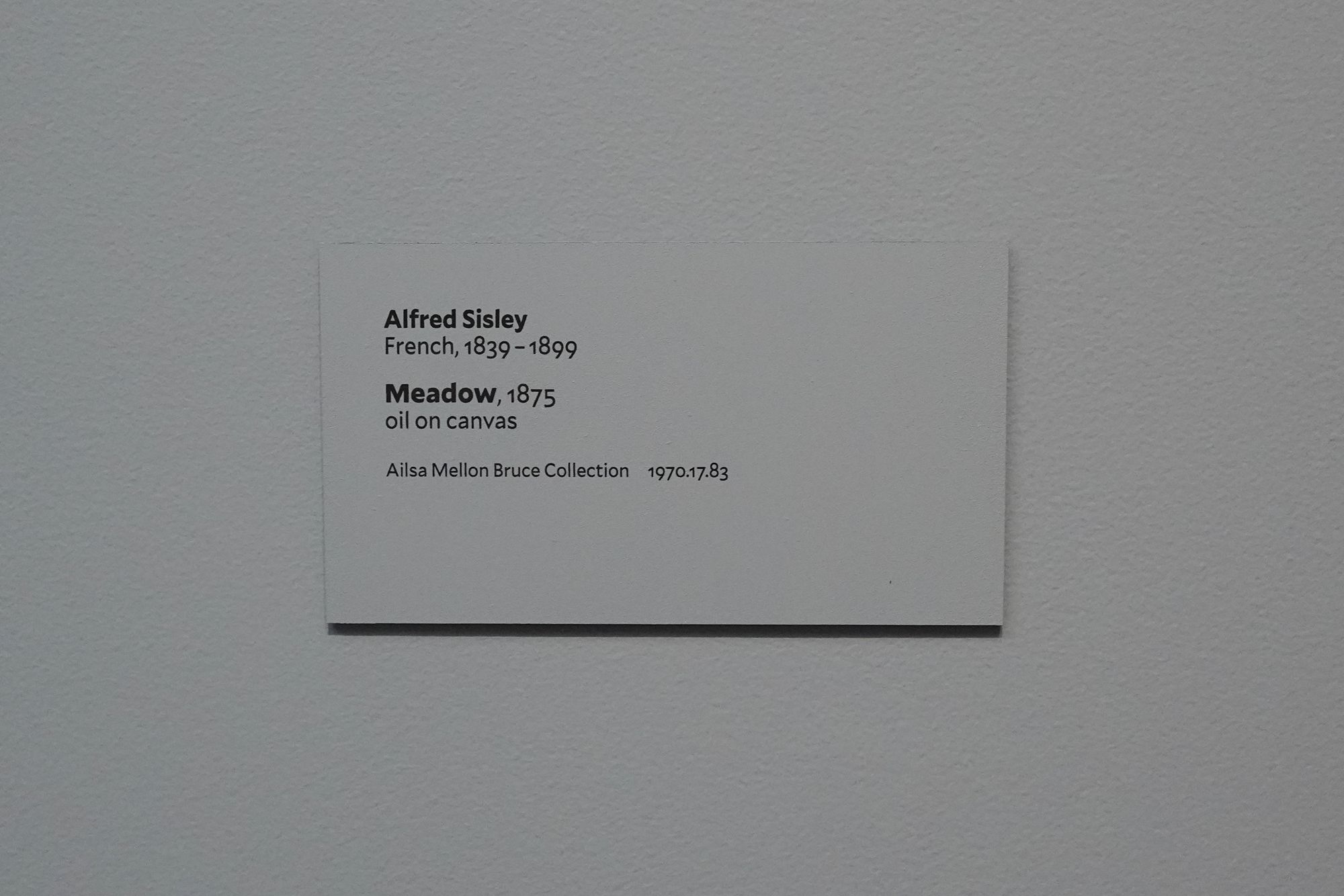
Alfred Sisley (1839–1899) was a French Impressionist painter best known for his serene and lyrical landscapes. Born in Paris to English parents, Sisley devoted his career almost entirely to depicting nature, making him one of the purest Impressionists in both spirit and technique.
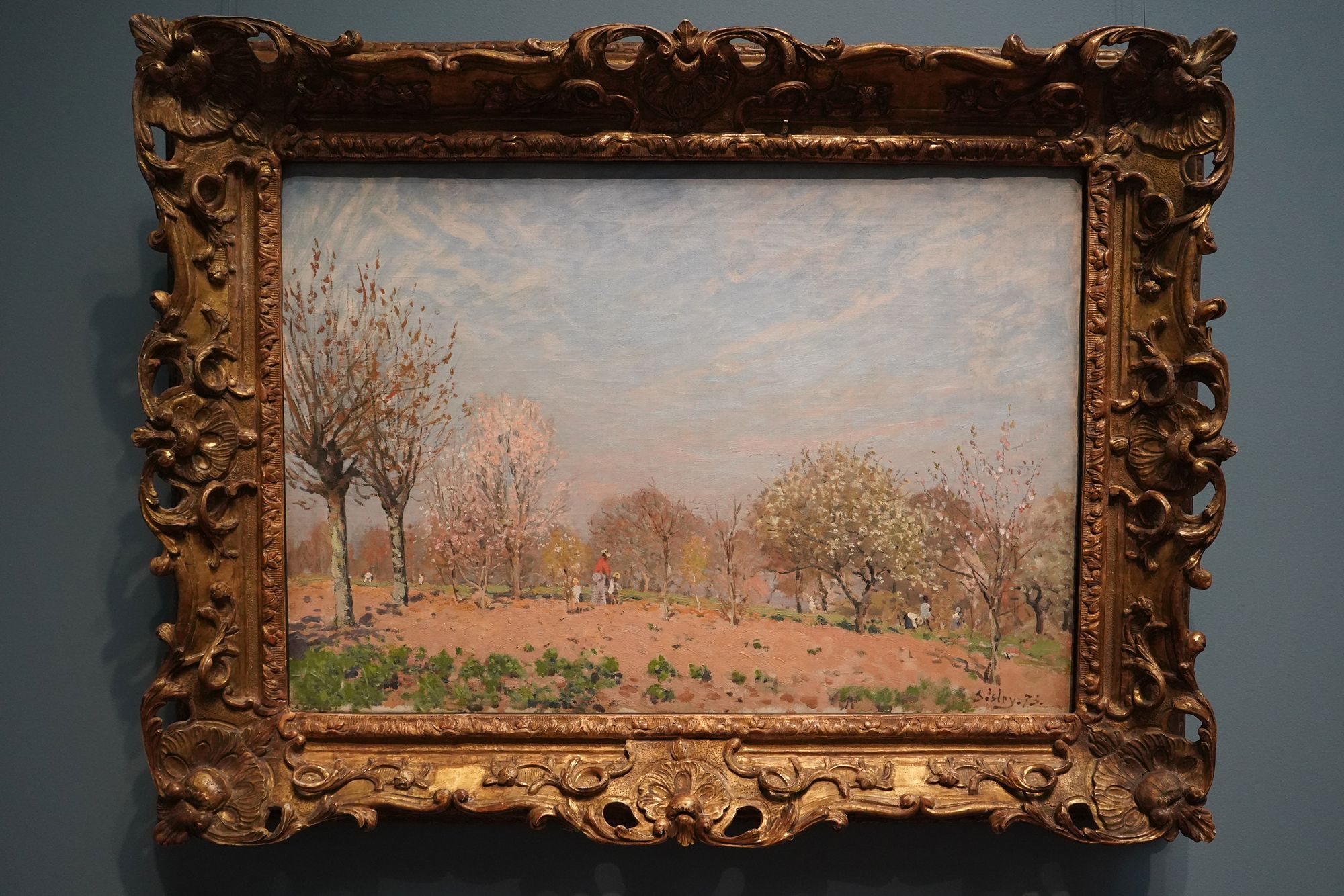
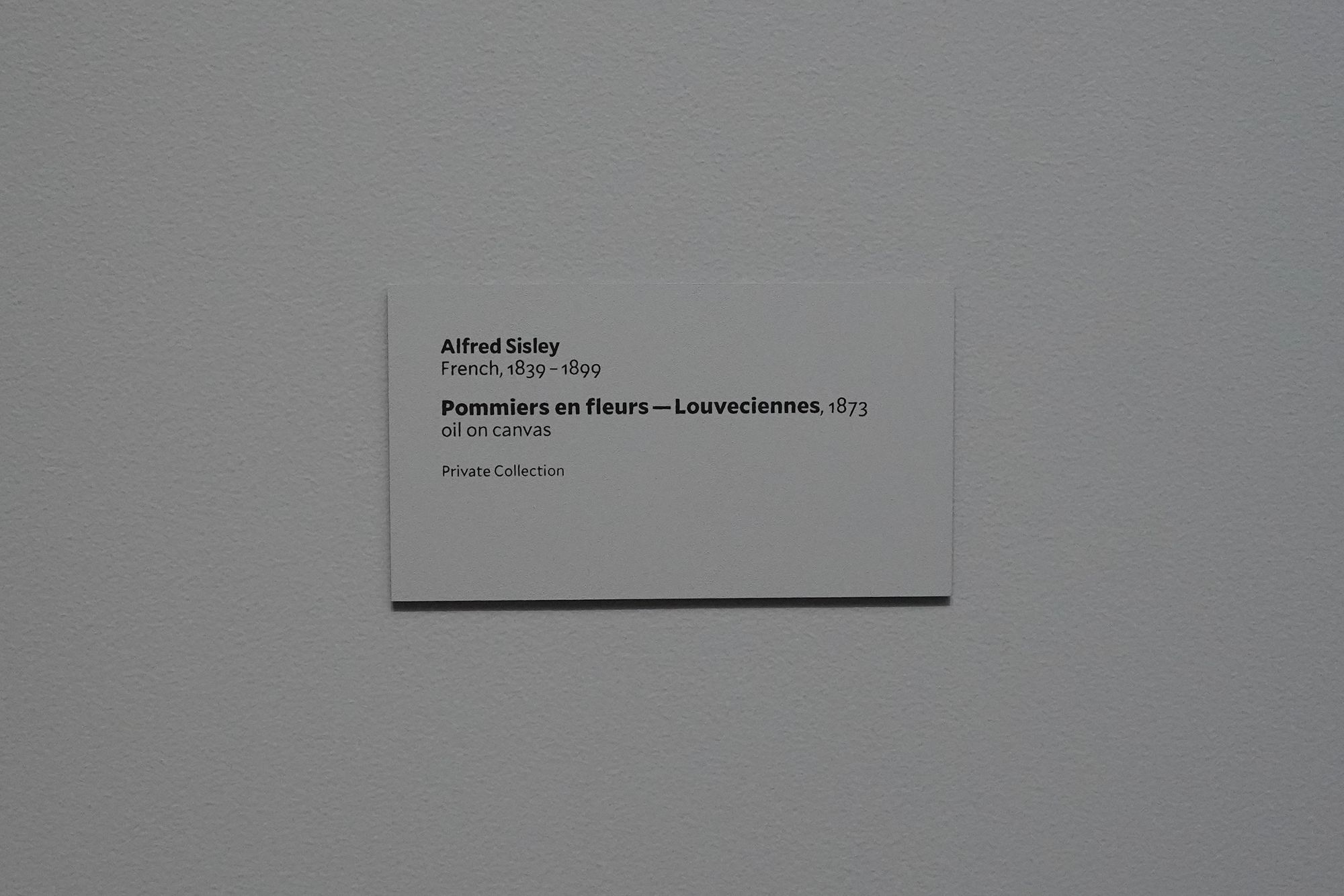
Sisley’s palette was cool and balanced, filled with silvery blues and gentle greens. His paintings lack drama but convey deep poetry through their quiet observation of the natural world. Though he struggled financially during his lifetime, his art is now recognized for its sincerity and purity of vision.
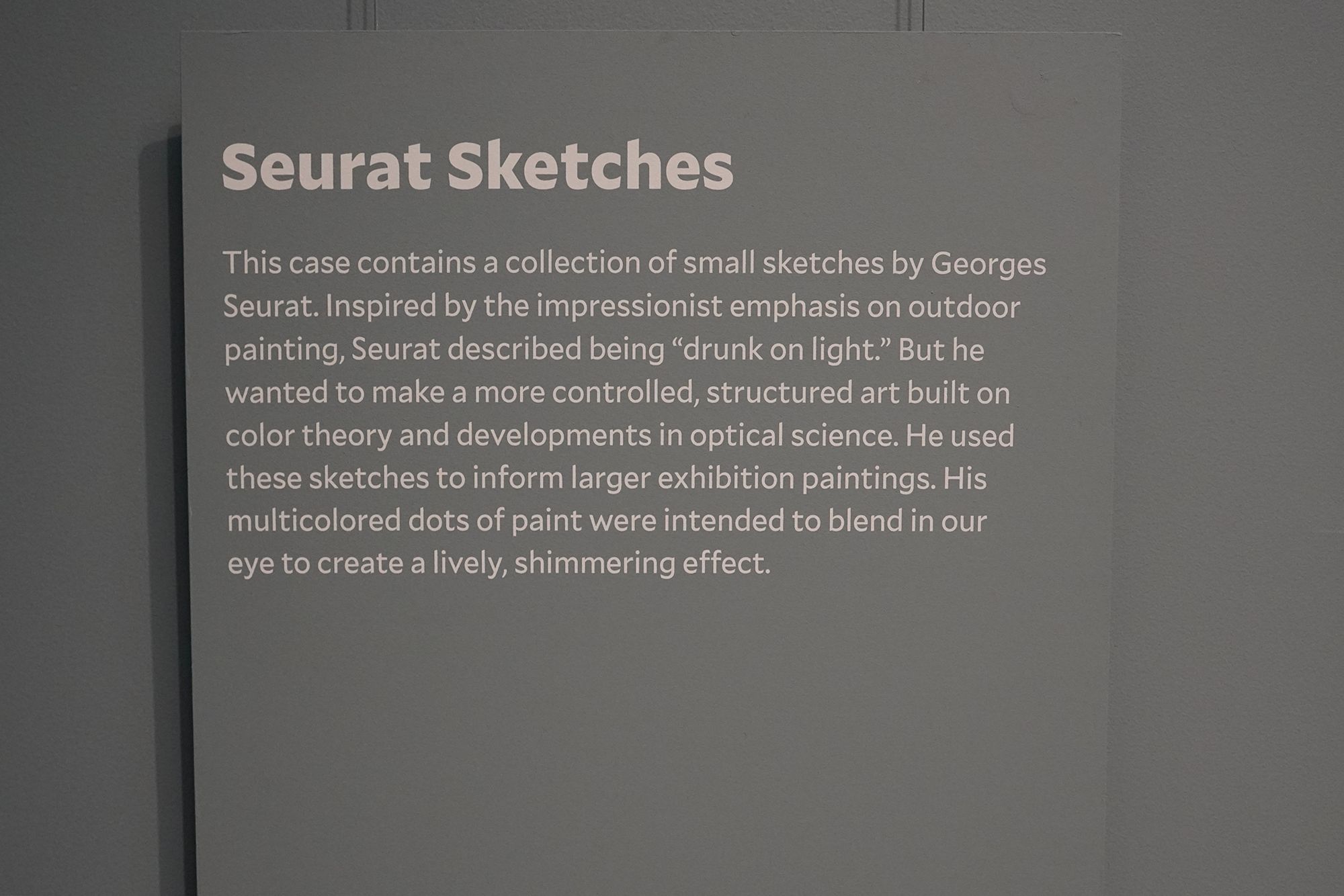
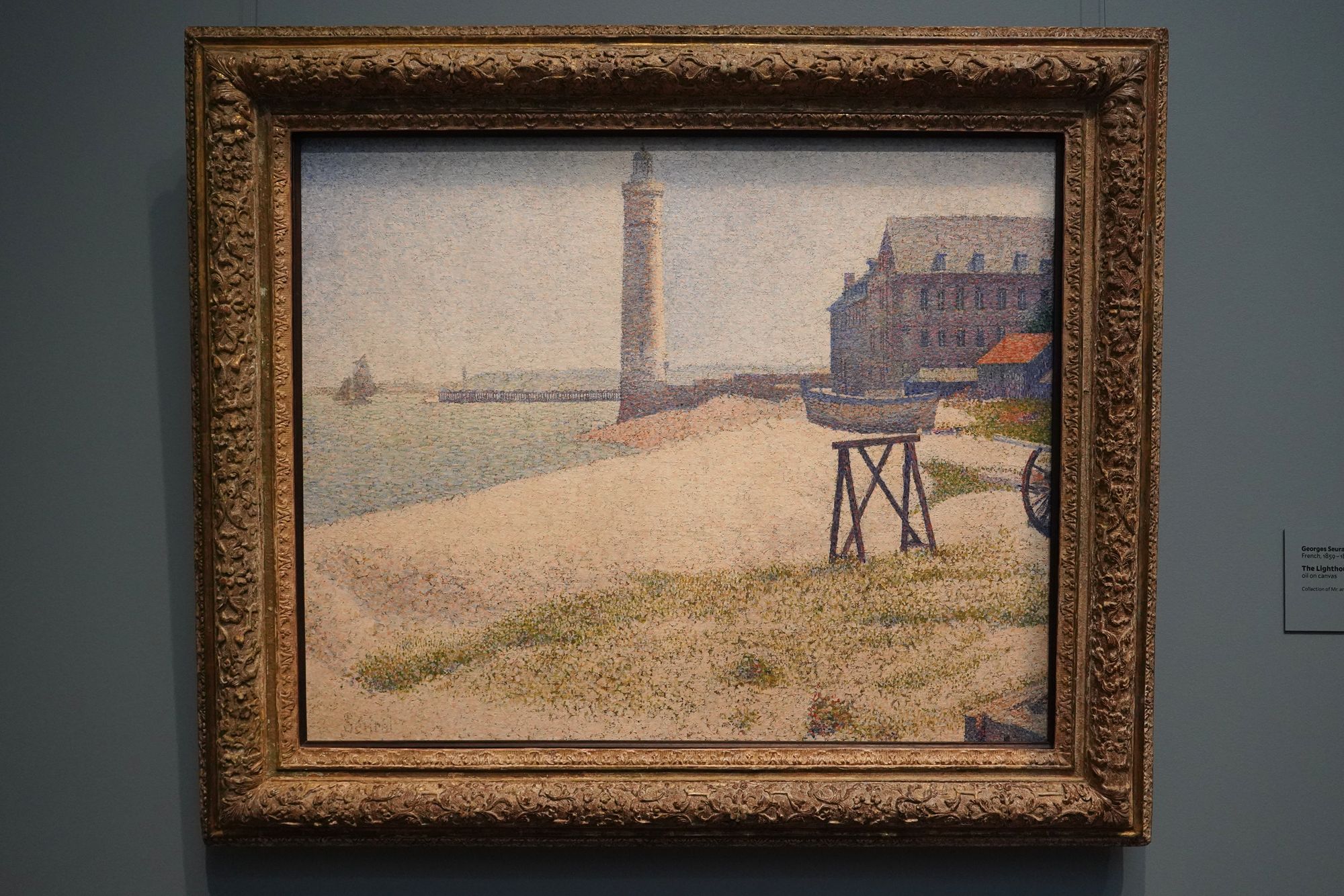
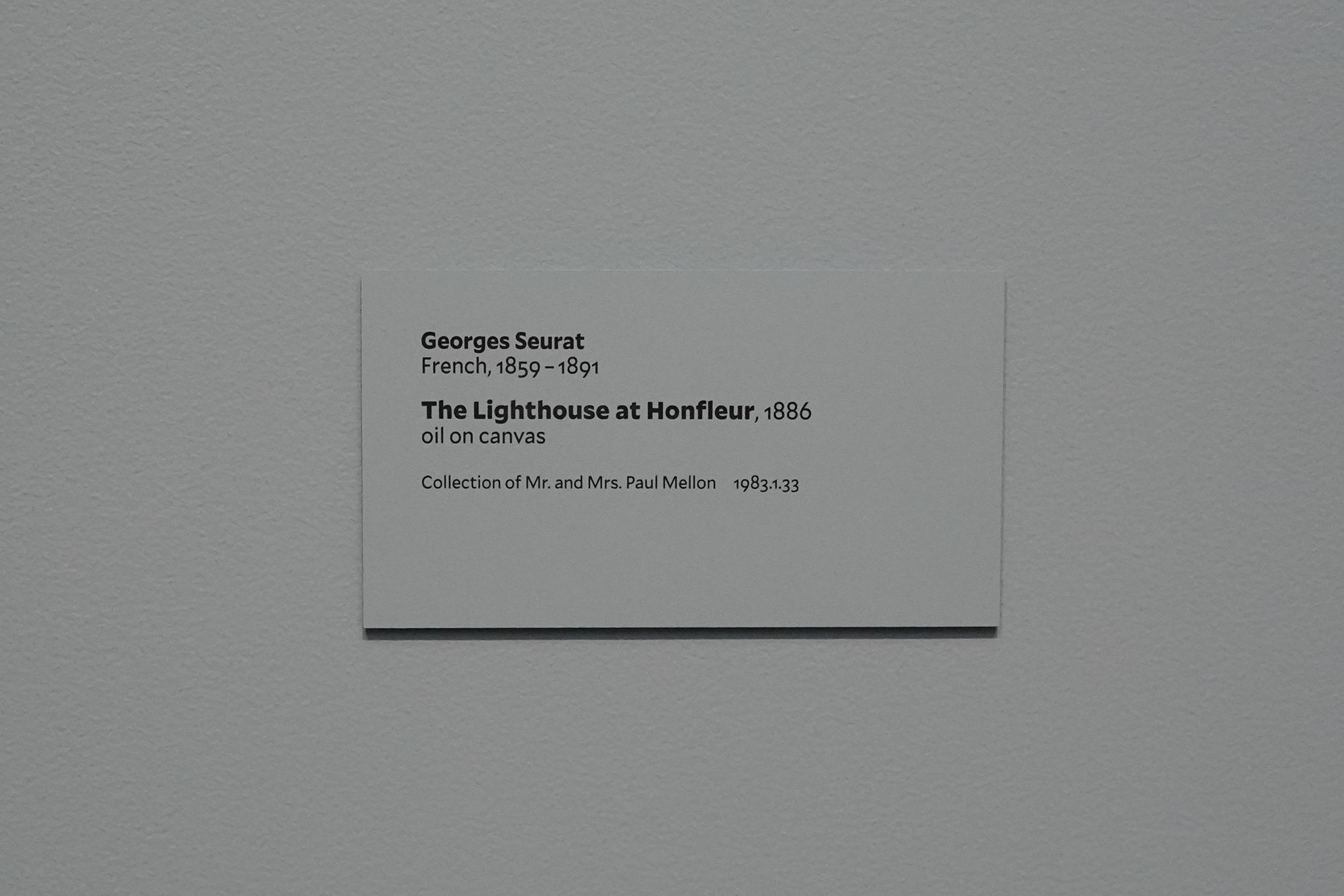
Georges Seurat (1859–1891) was a French Post-Impressionist painter who founded the technique known as Pointillism (also called Divisionism). He transformed Impressionist color theory into a precise, scientific method, using tiny dots of pure color placed side by side so they would visually blend in the viewer’s eye rather than on the canvas.
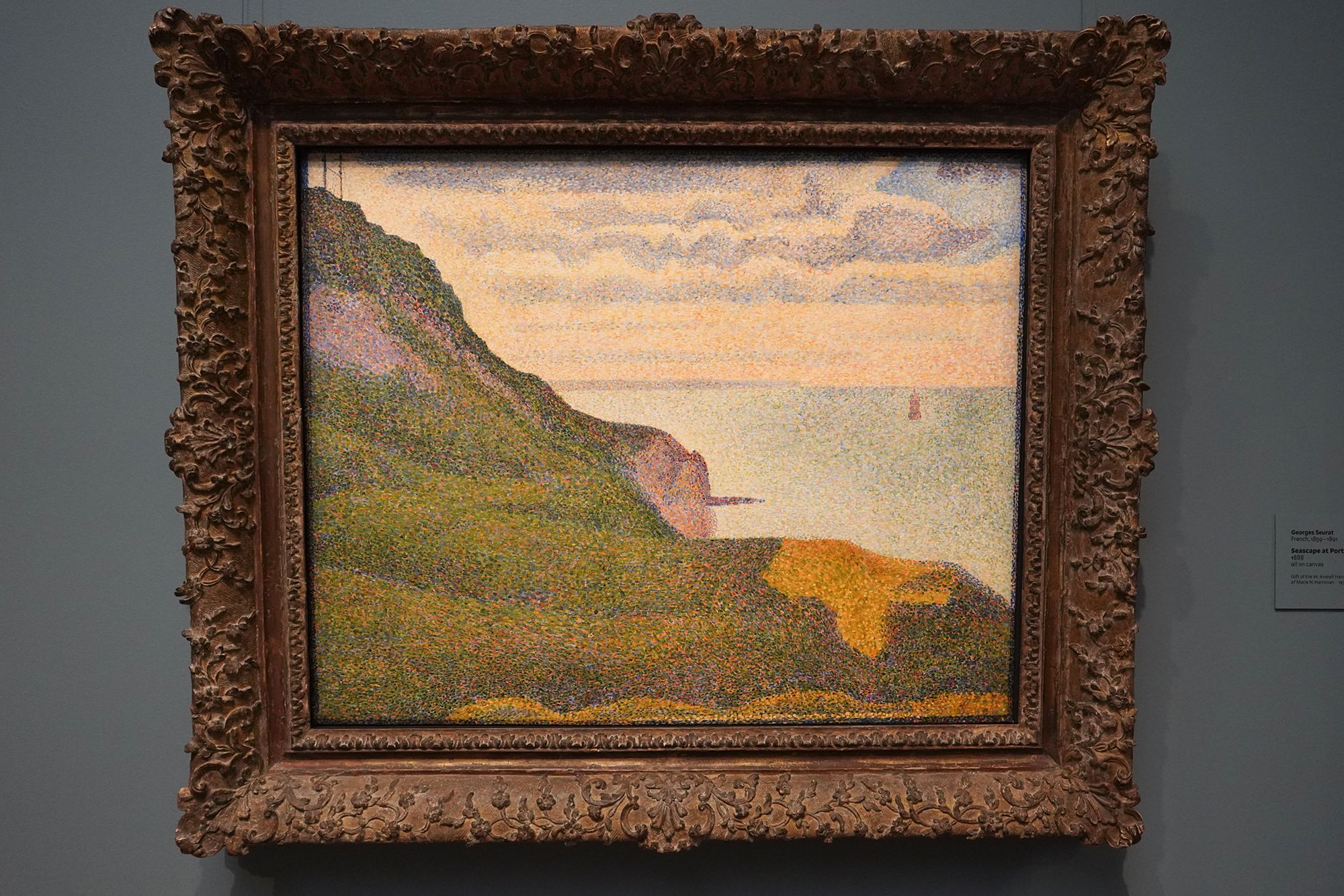
Unlike the spontaneous brushwork of Monet or Renoir, Seurat’s art is carefully planned and structured. His compositions balance geometry and rhythm, giving stillness and form to modern life. He used complementary colors to intensify light and create optical vibration, turning Impressionist light effects into a kind of color science.
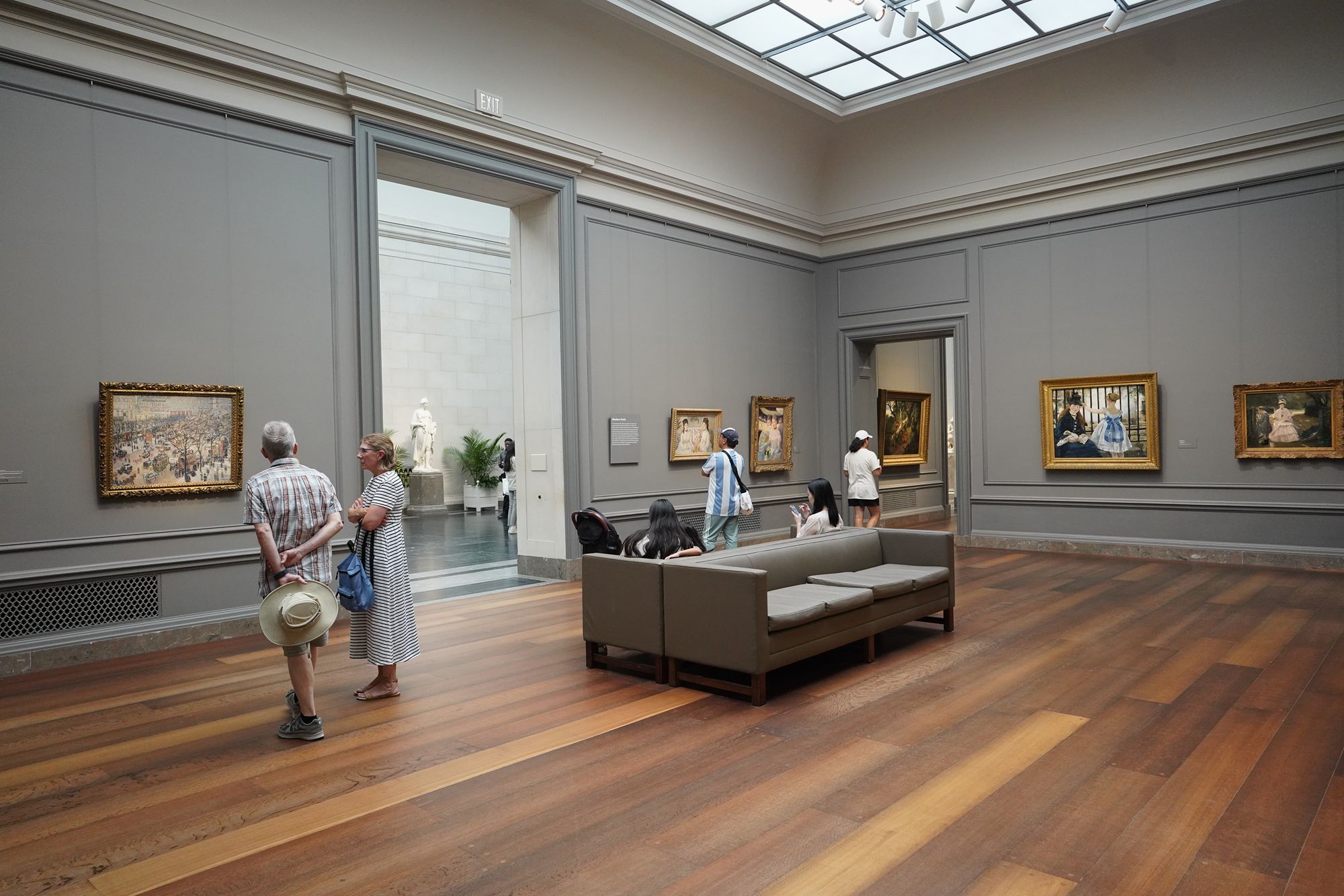
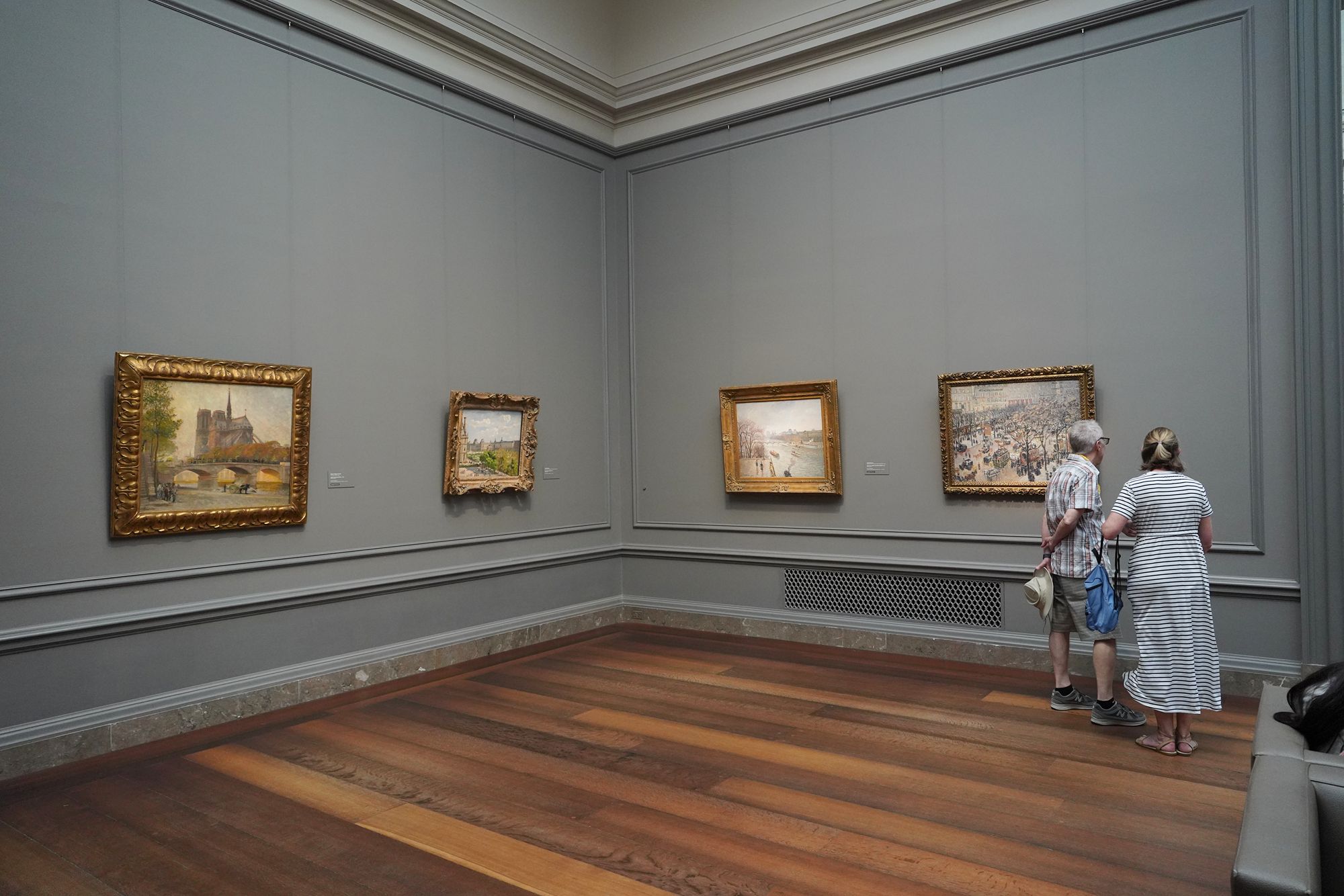
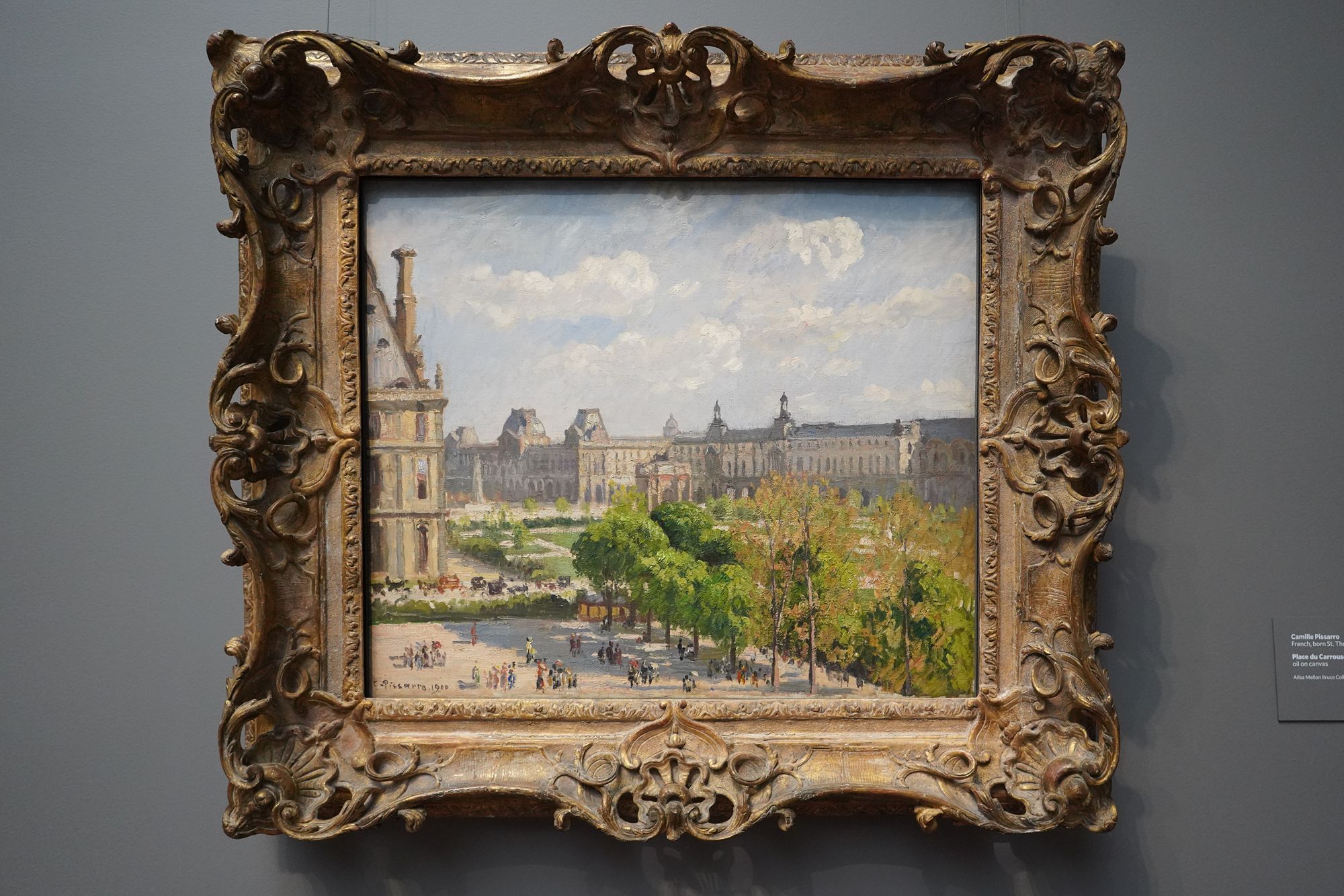
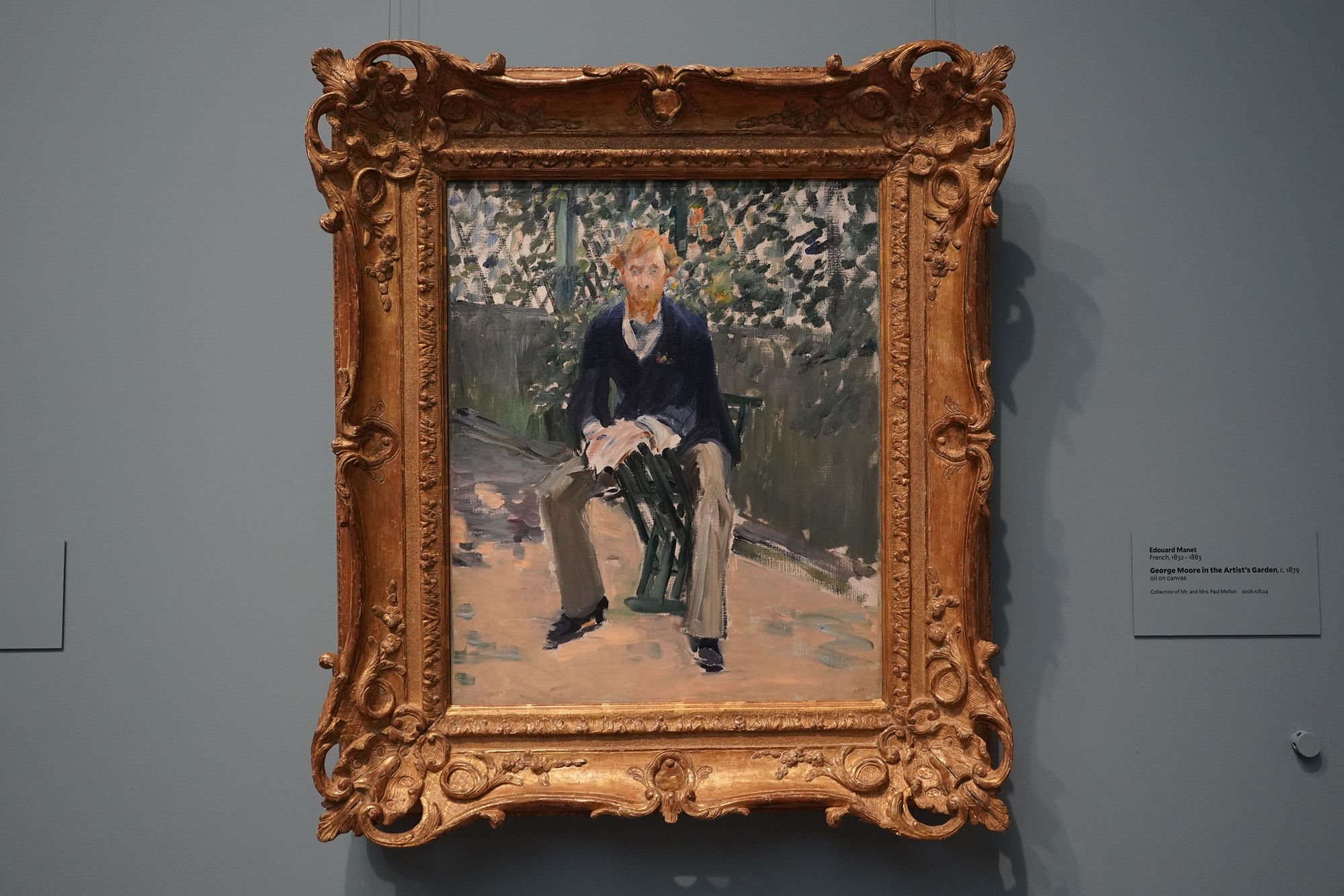
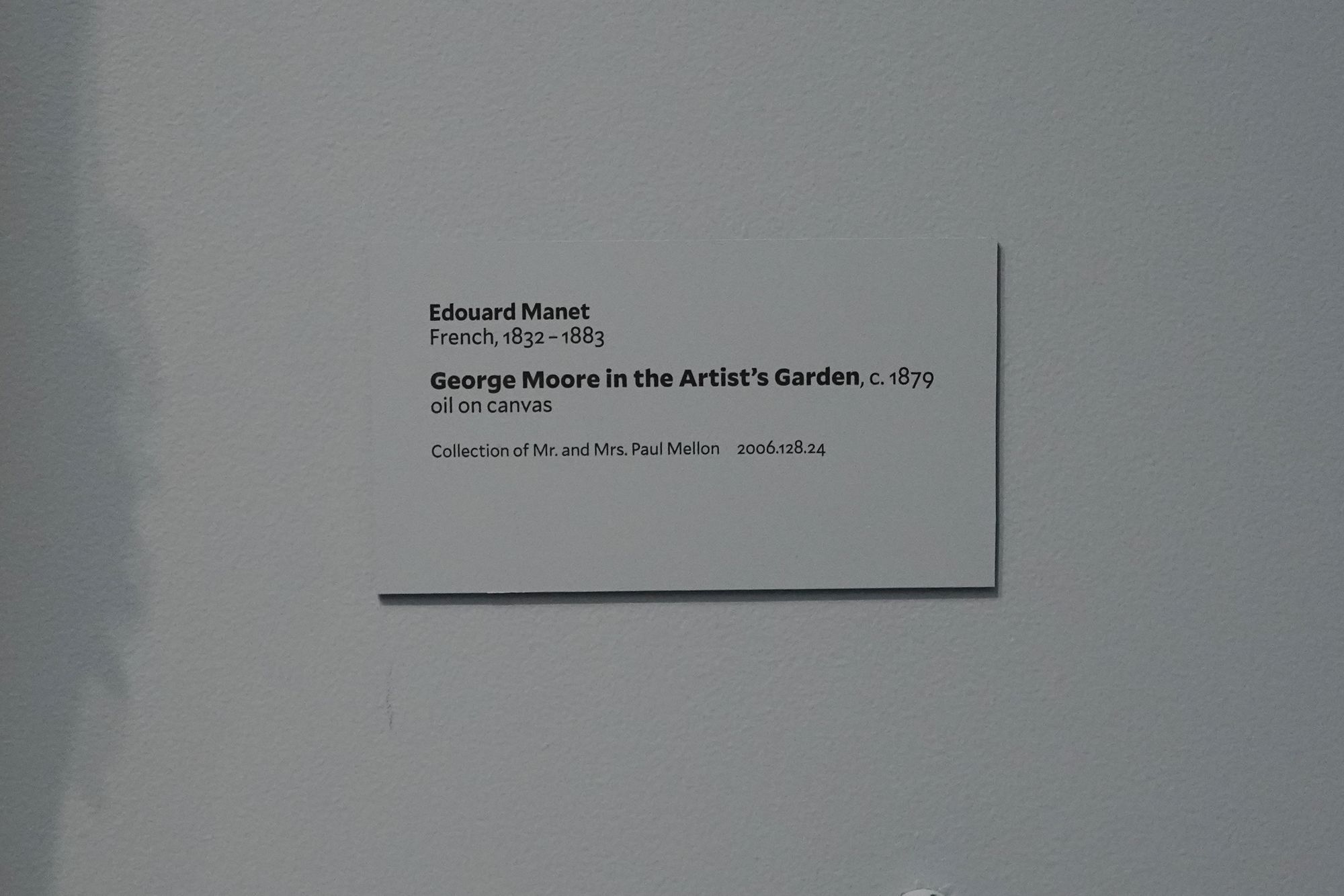
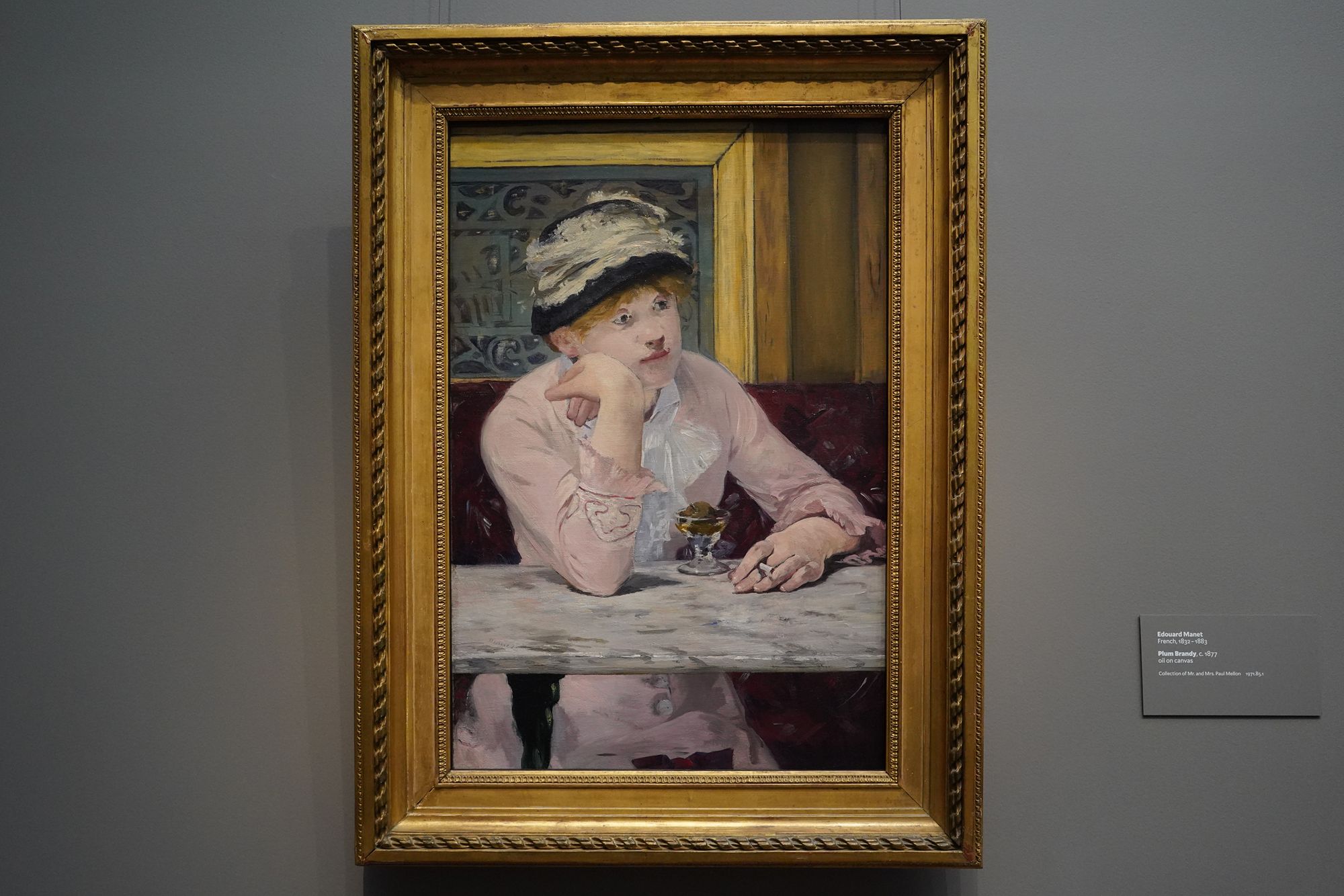
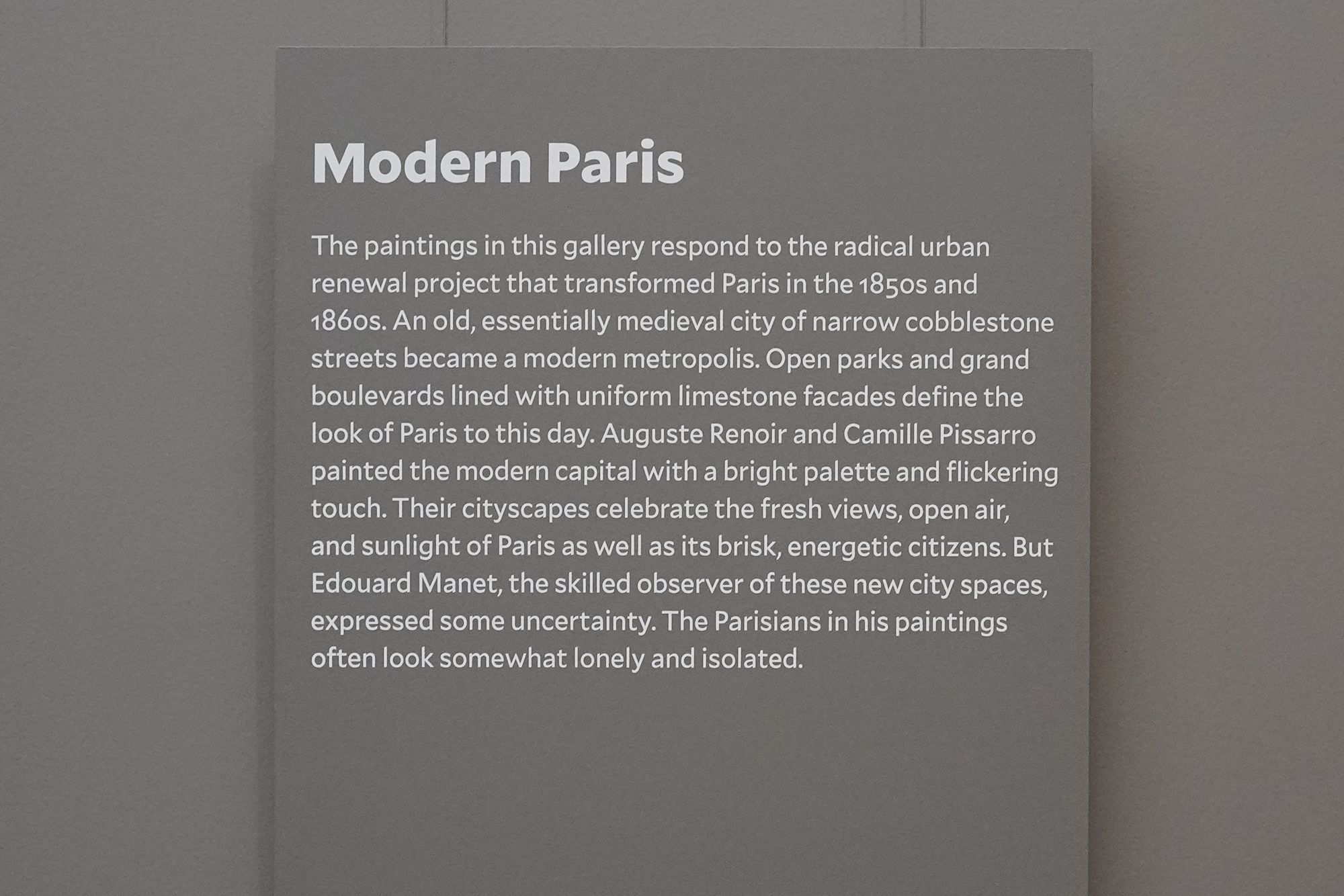
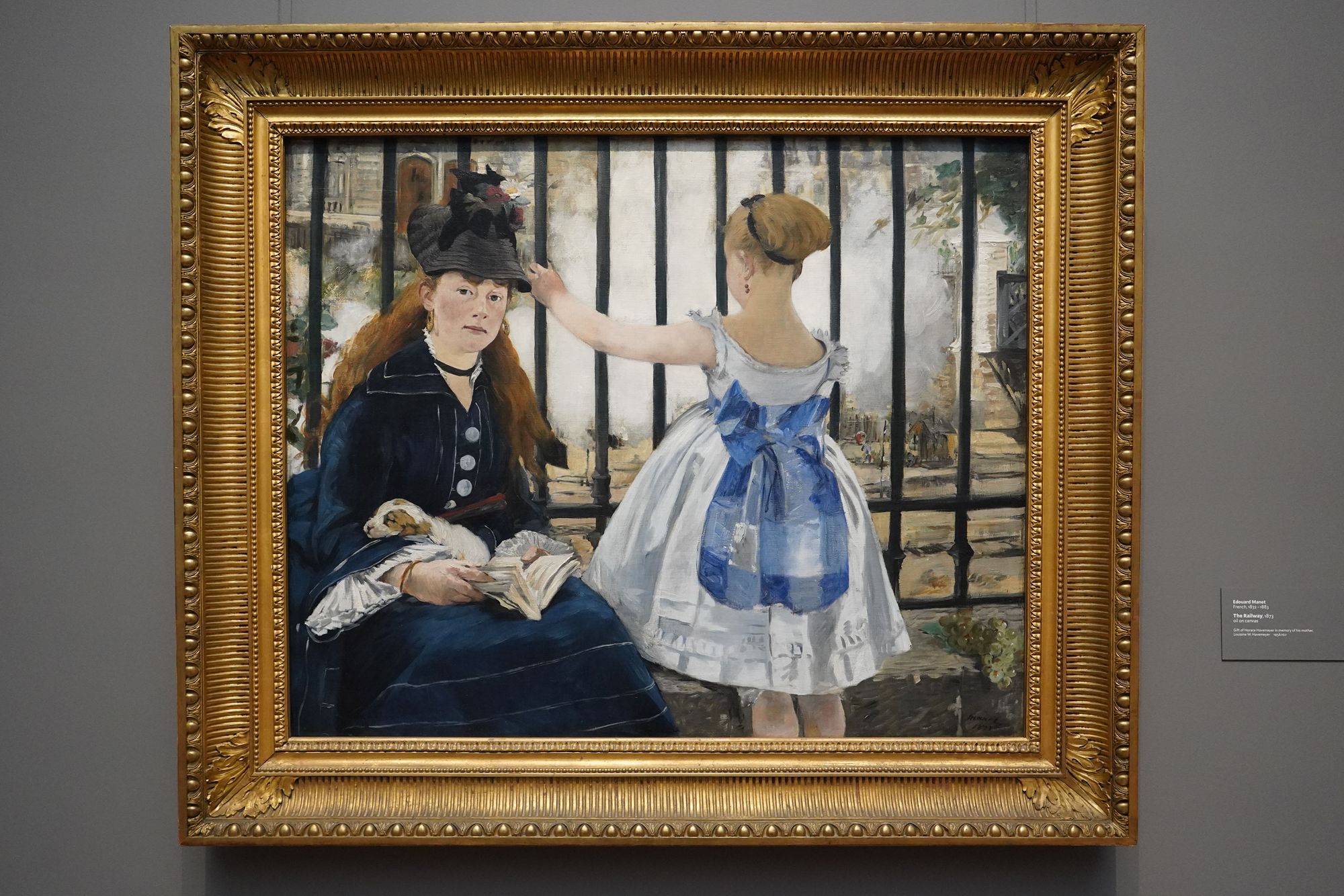
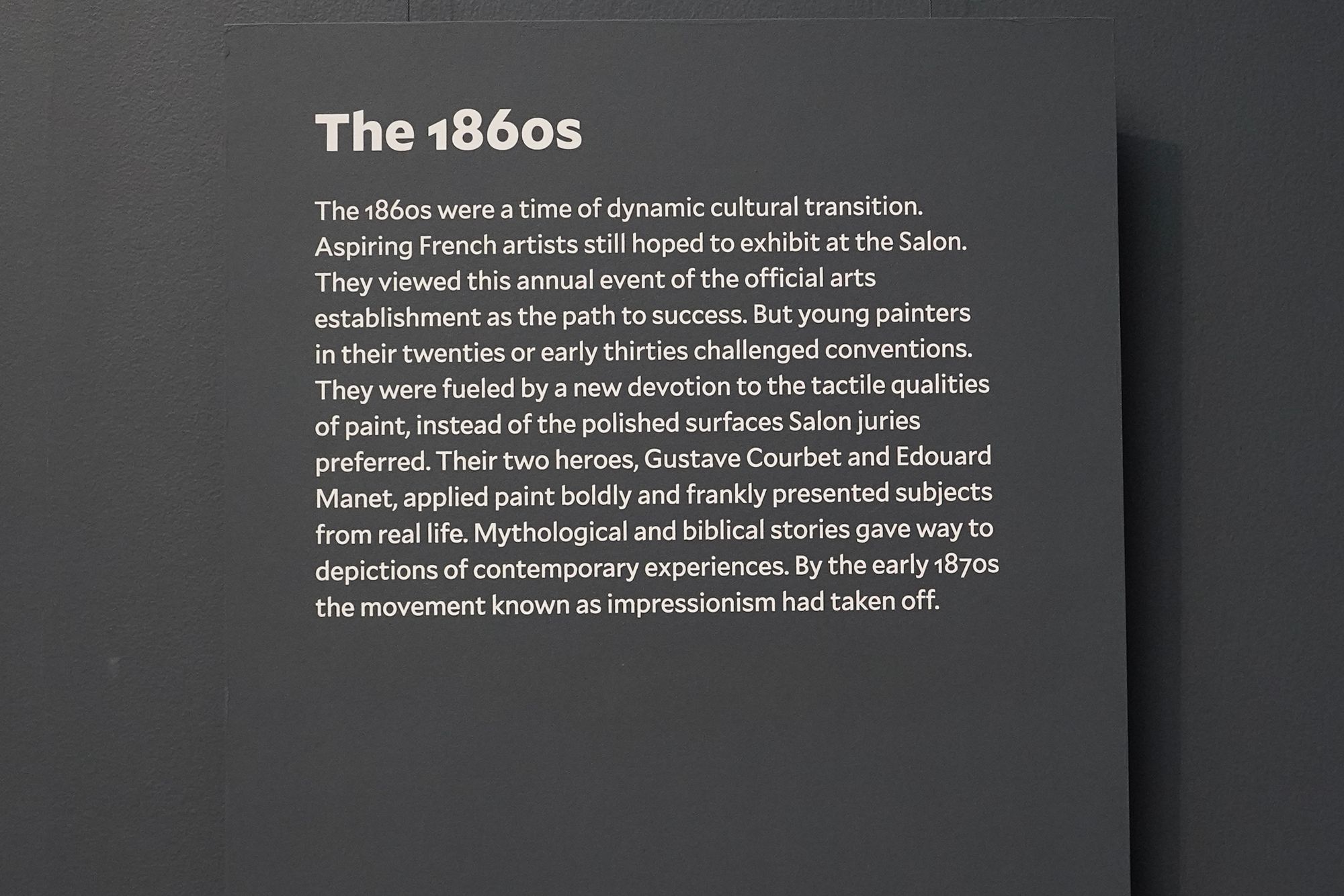
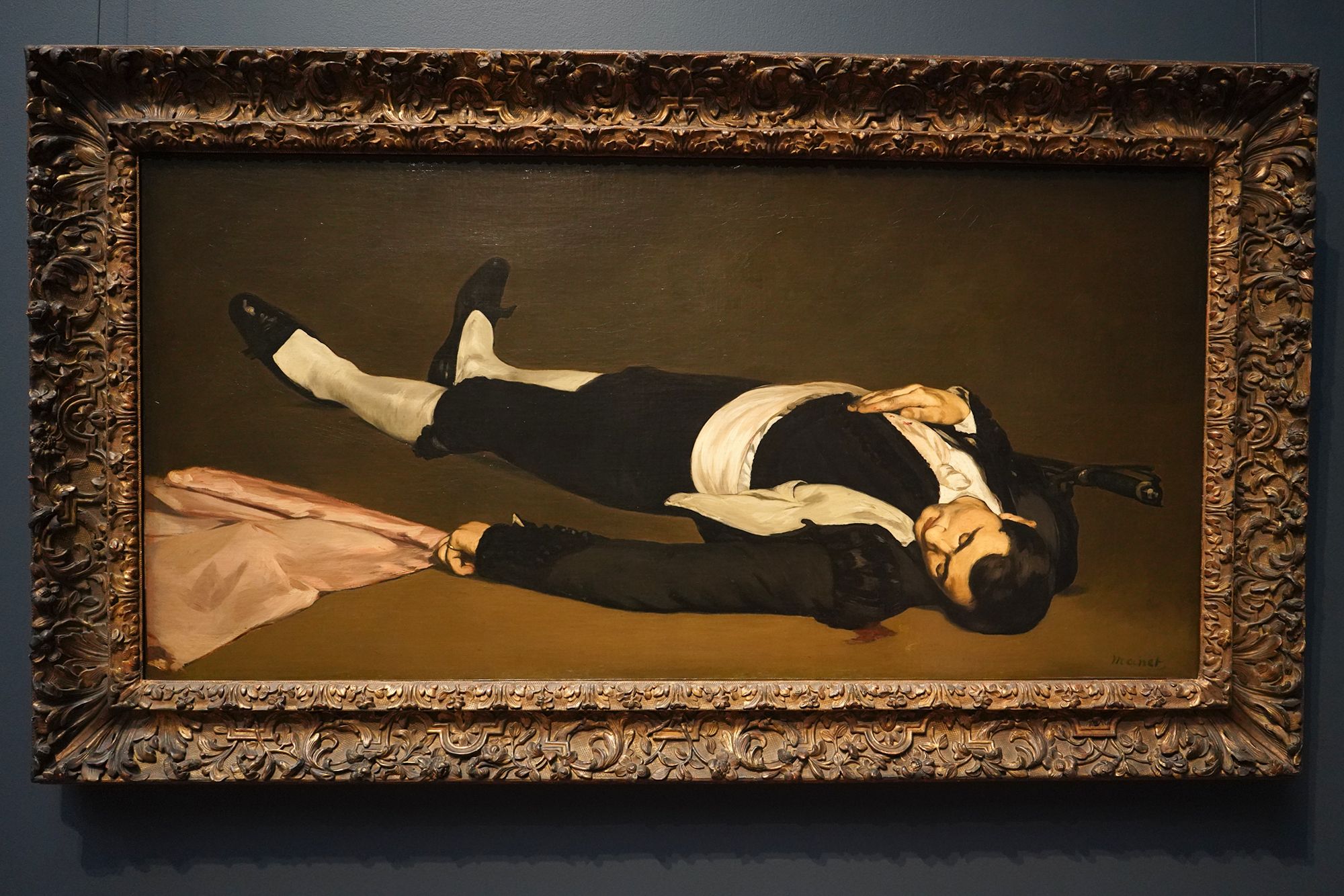
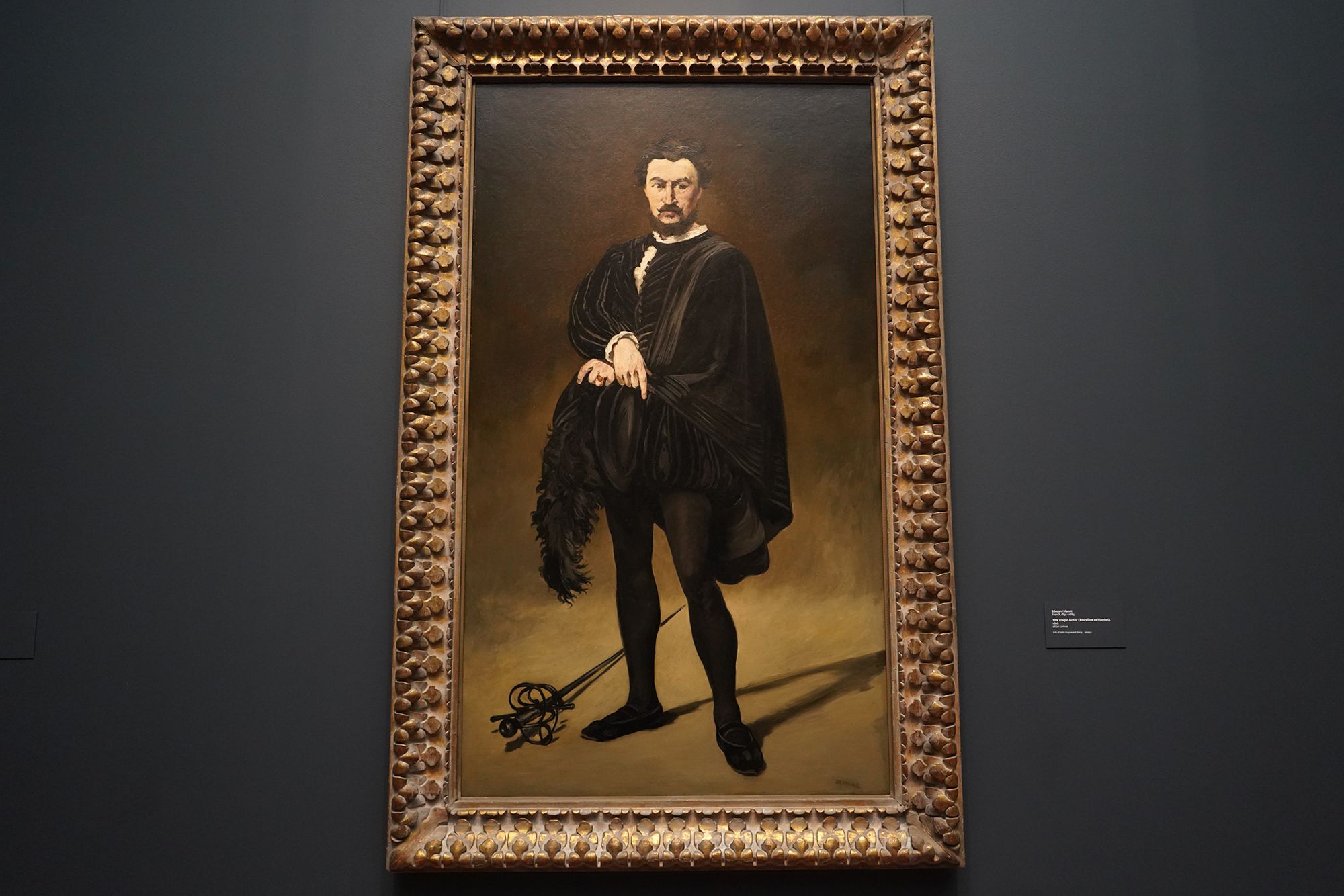
Édouard Manet (1832–1883) was a French painter whose bold realism and modern subjects made him a key forerunner of Impressionism and one of the most important figures in the history of modern art. He broke away from traditional academic painting by portraying contemporary life with honesty and directness, often provoking controversy.
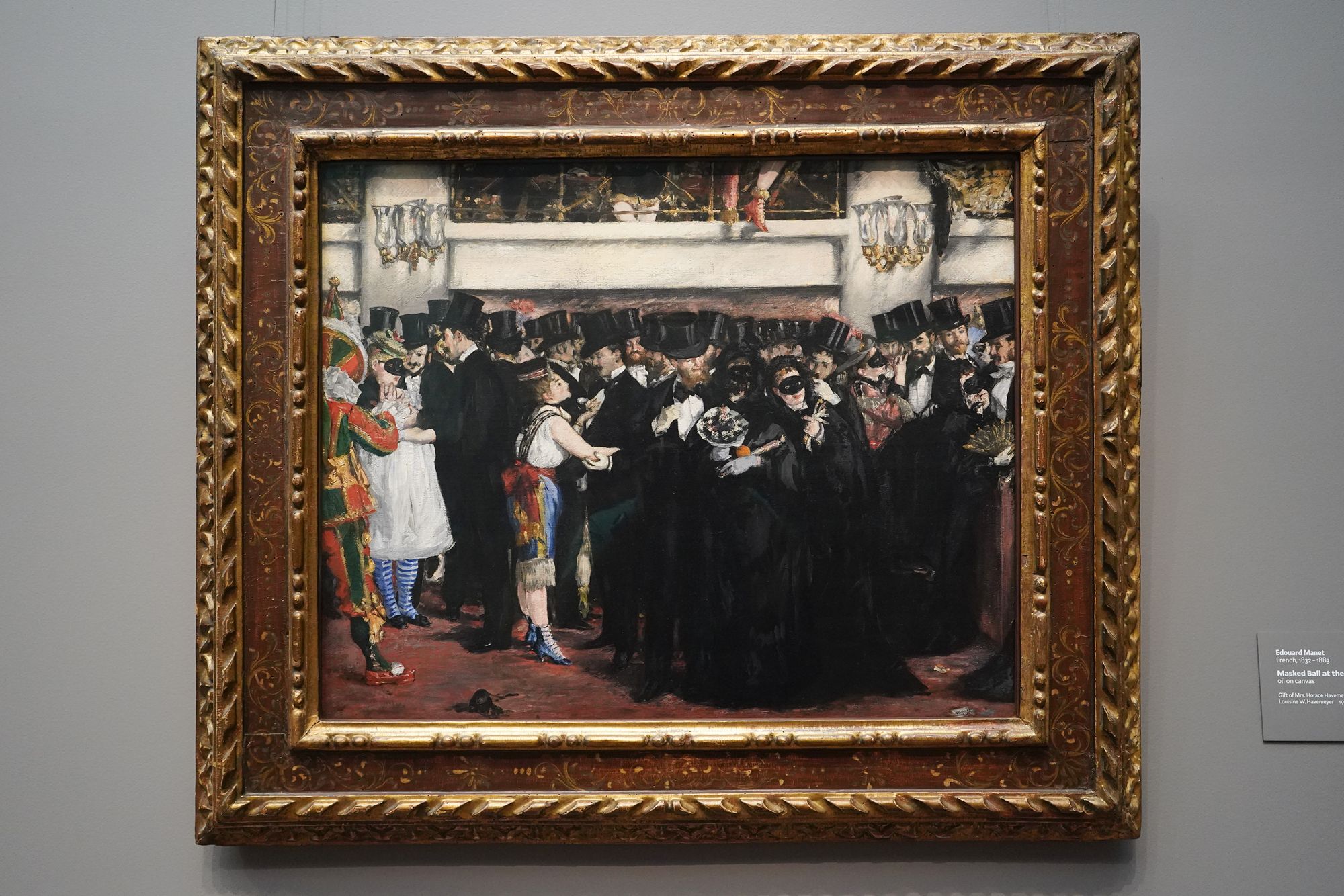
Rather than the mythic or historical themes favored by the Academy, Manet painted modern Parisian life—cafés, concerts, races, and street scenes. His loose brushwork, flat color areas, and use of light gave his paintings immediacy and freshness.
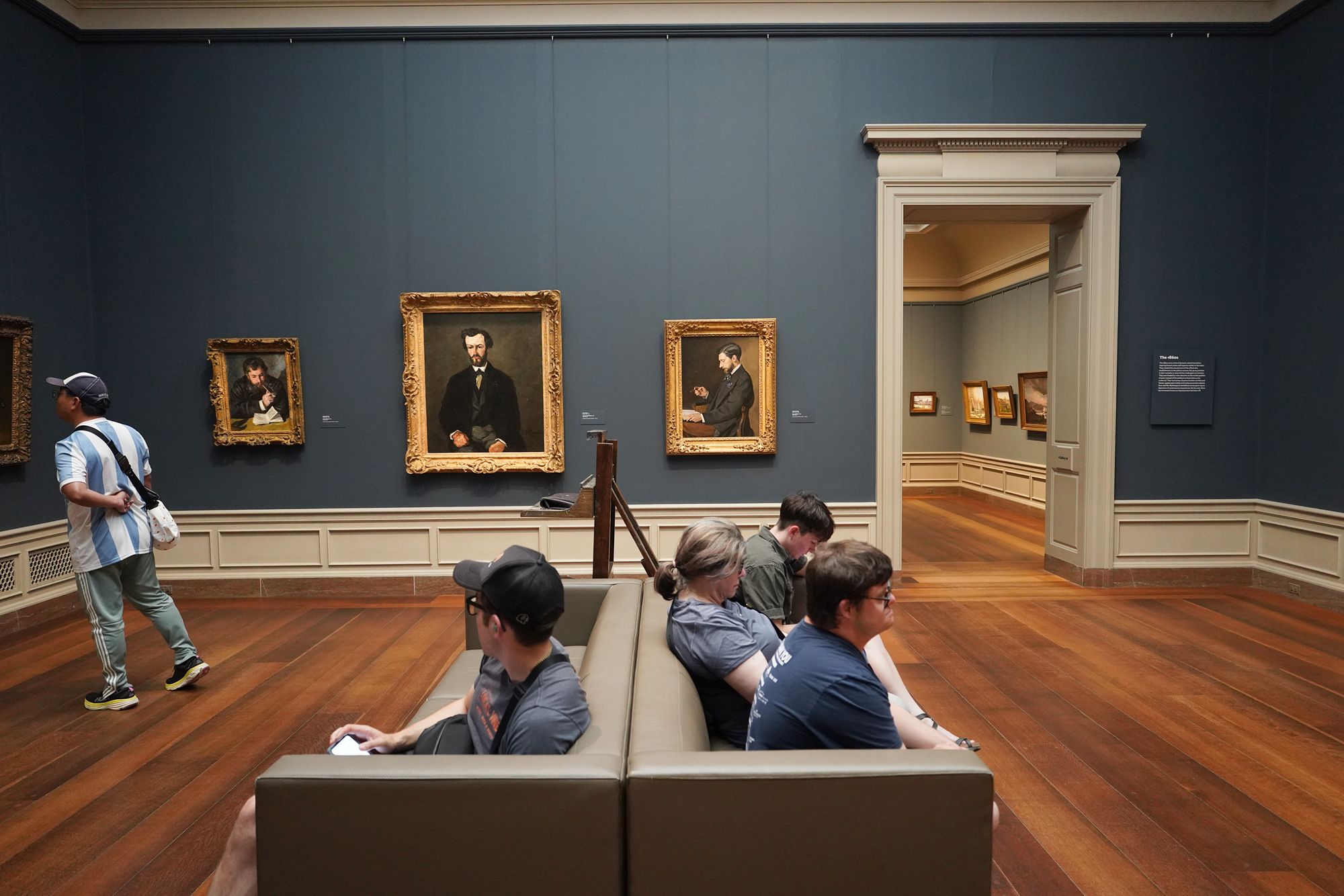
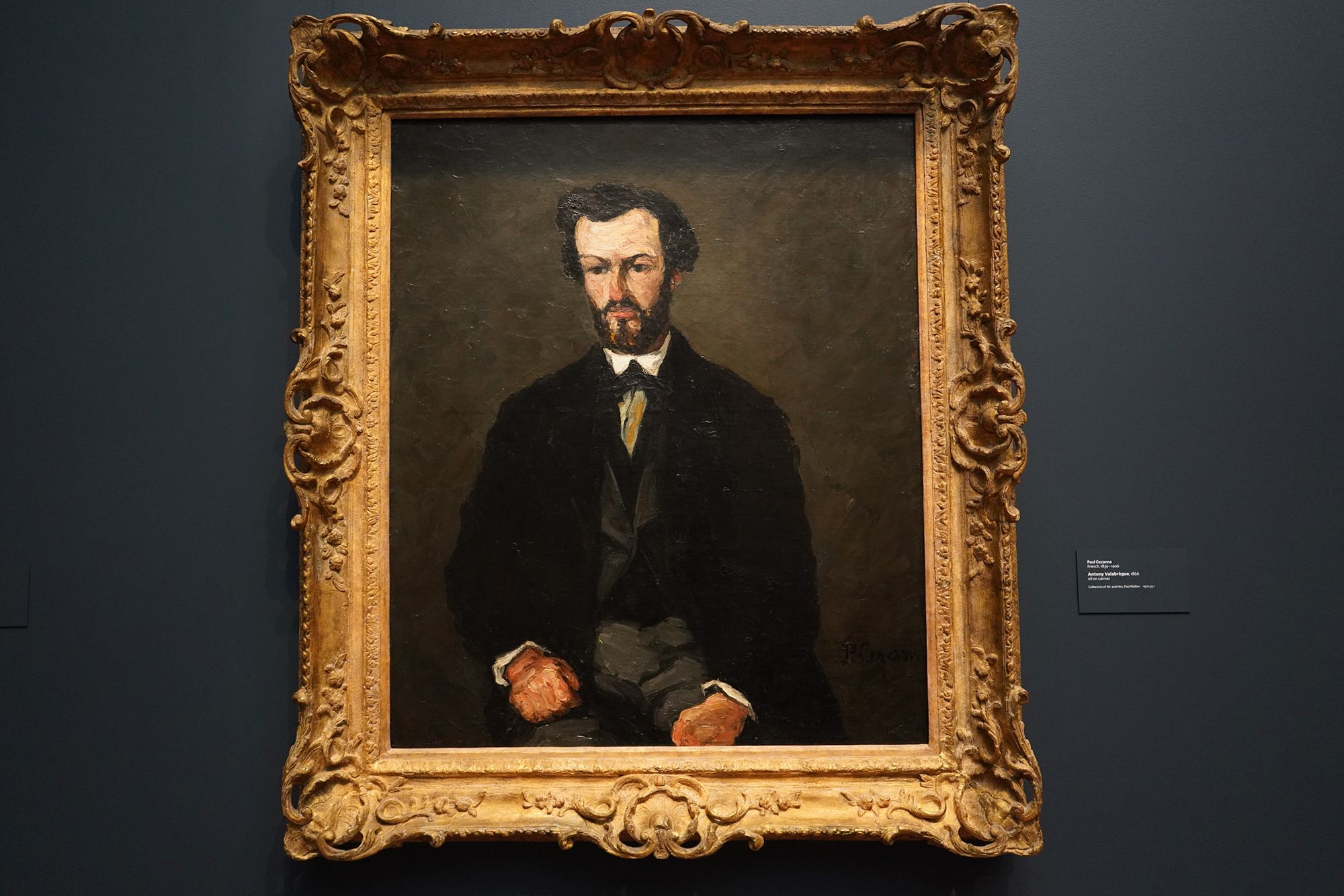
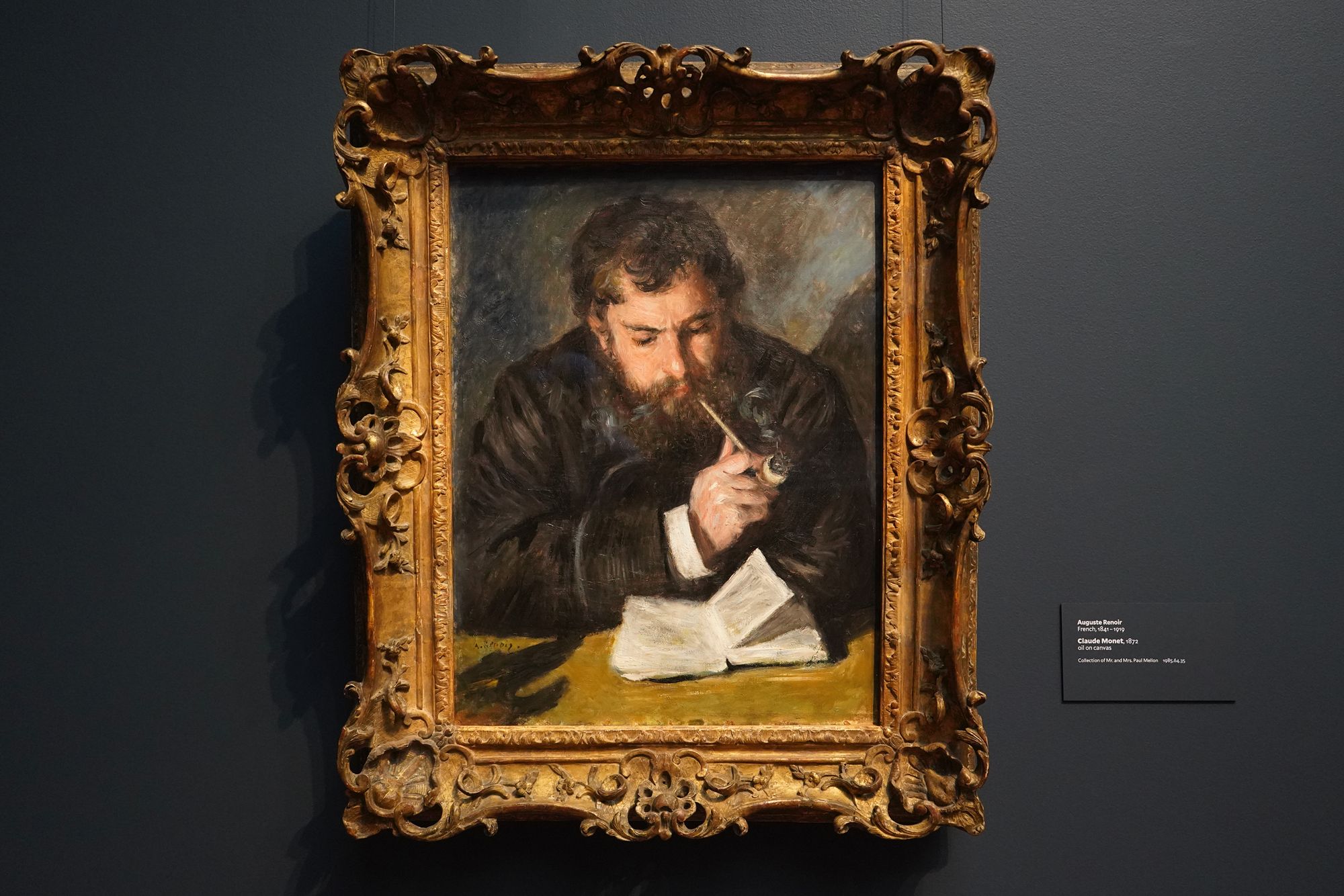
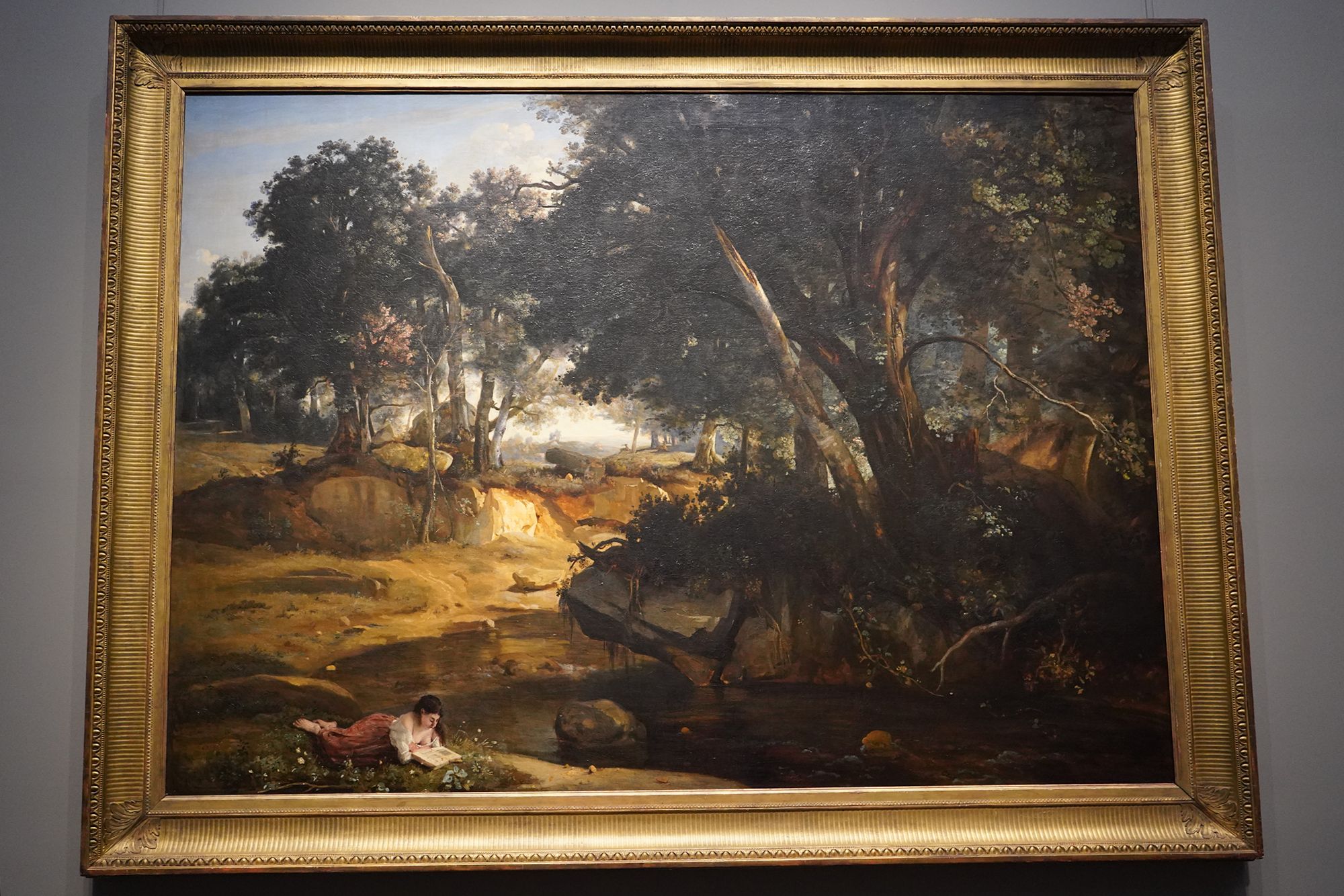
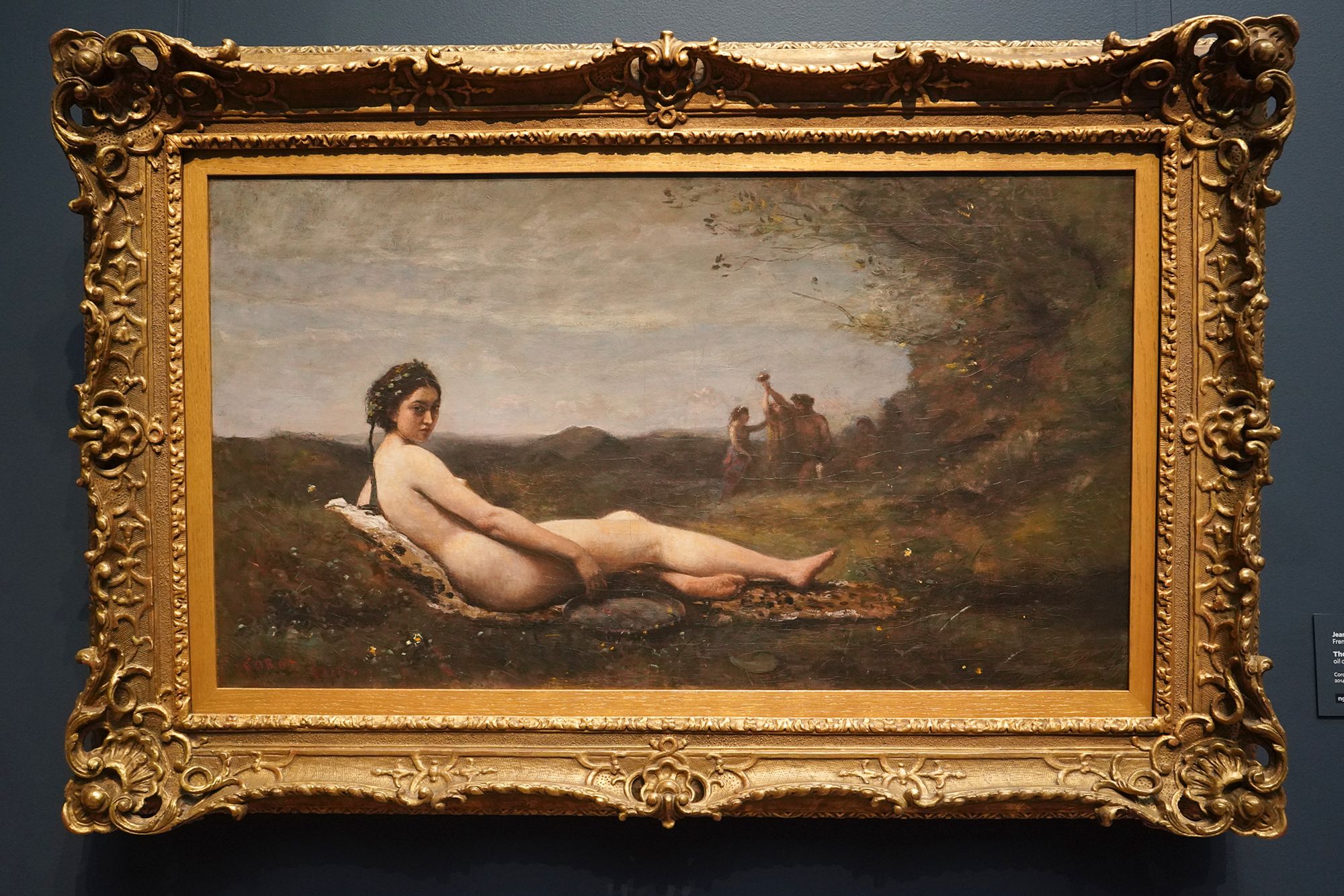
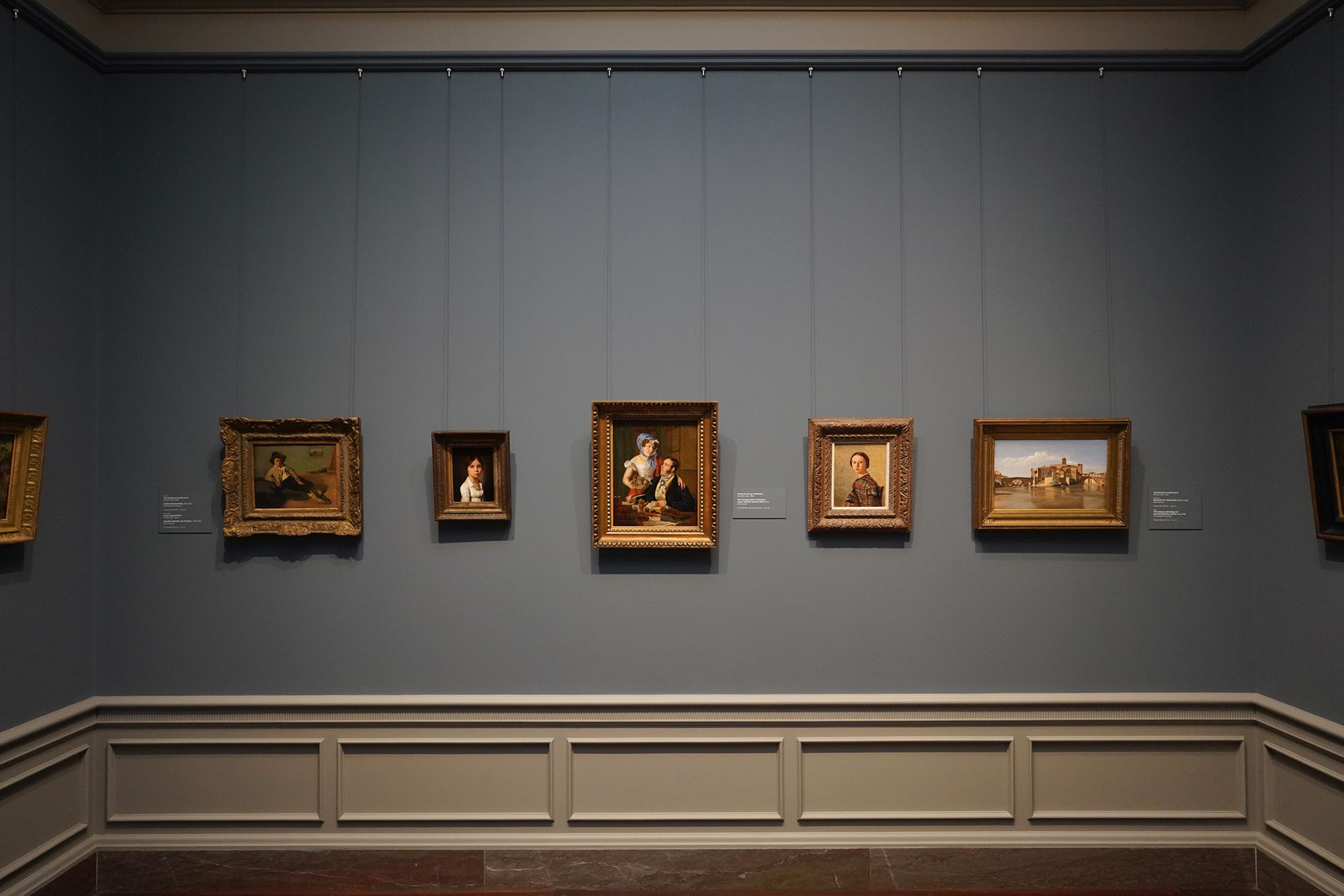
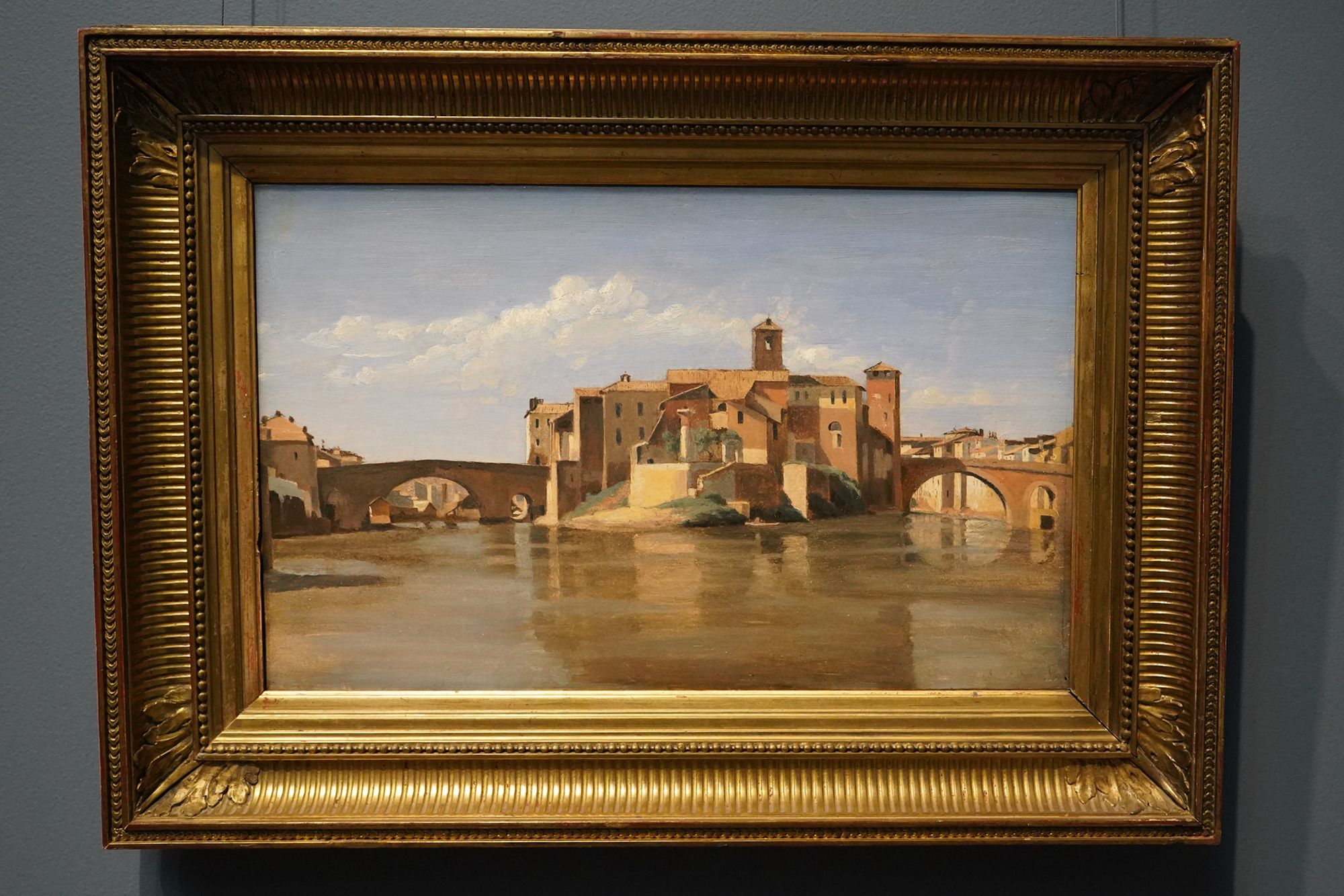
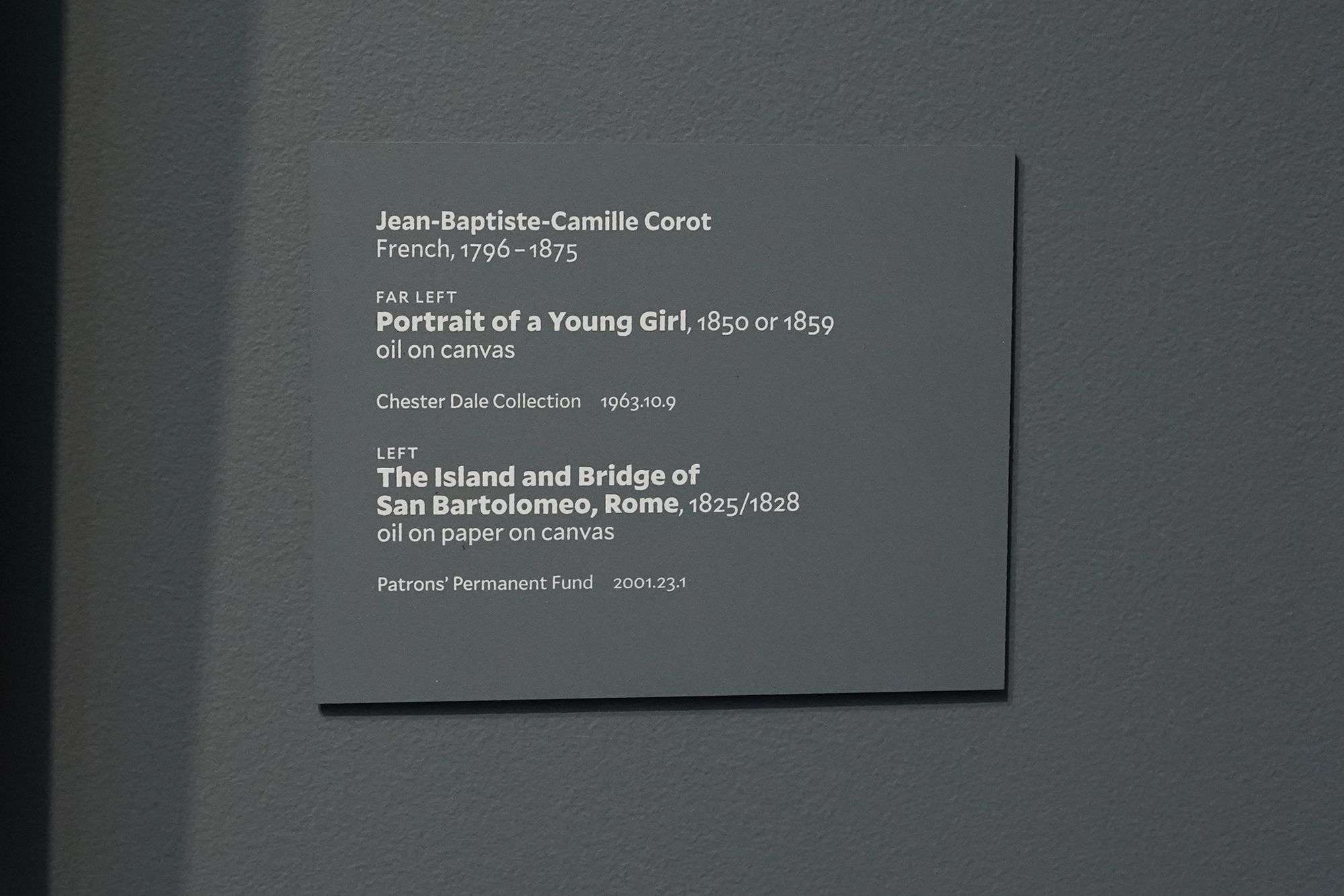
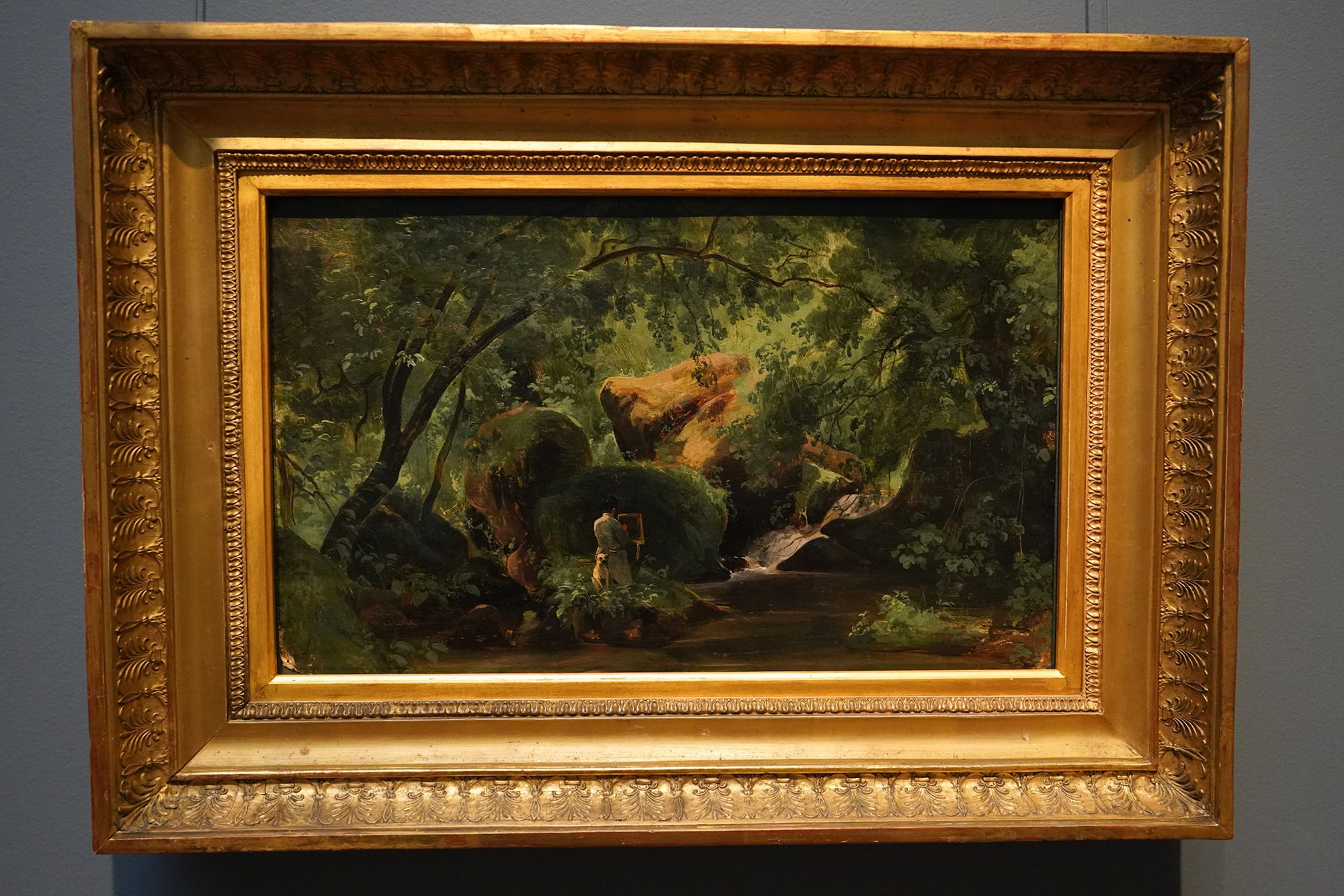
Jean-Baptiste-Camille Corot (1796–1875) was a French painter whose serene landscapes bridged Neoclassicism and Impressionism. He is often seen as a precursor to the Impressionists, admired for his soft light, poetic atmosphere, and delicate handling of nature.
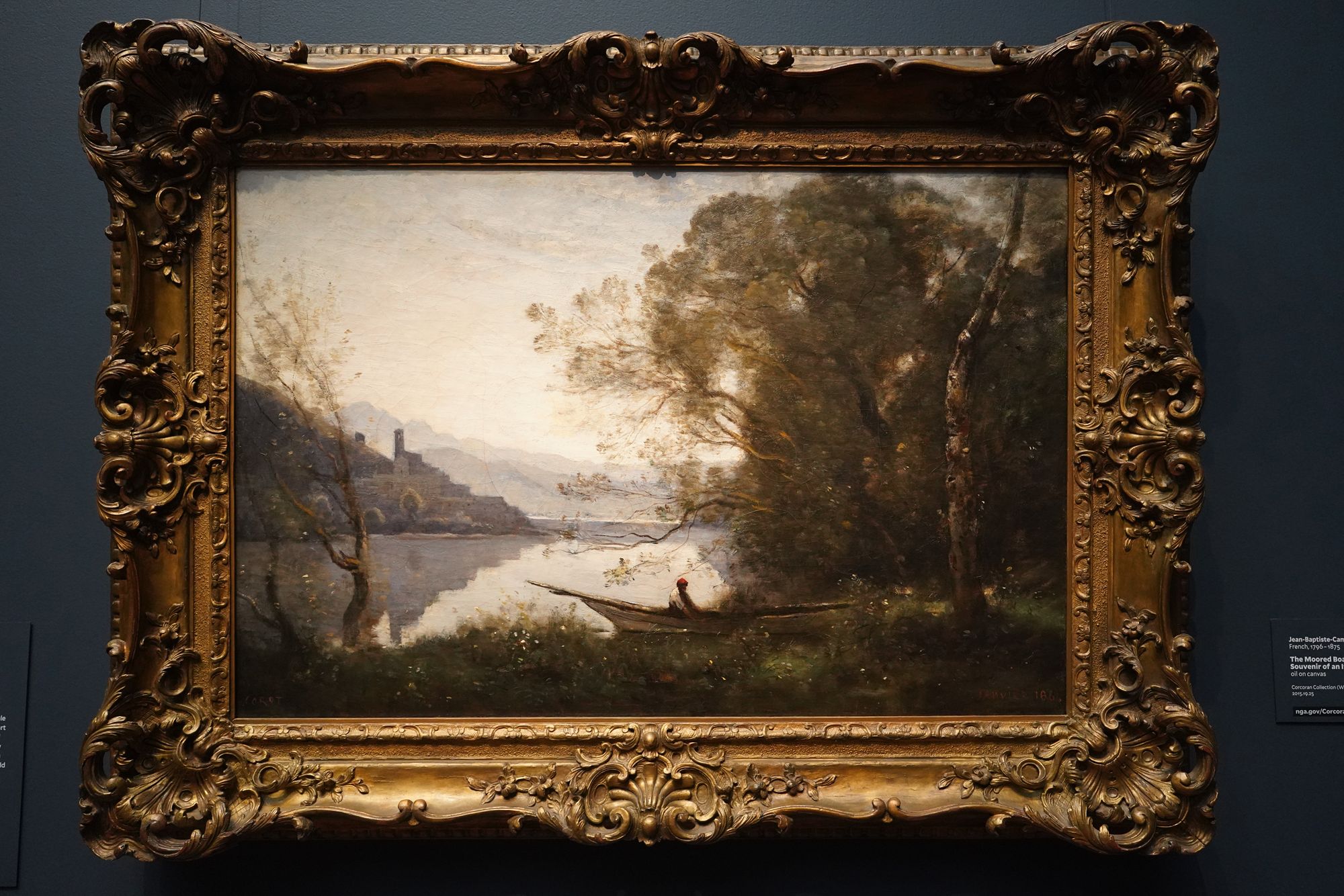
His influence on younger artists was immense: Monet, Pissarro, and Renoir all admired him, and Degas called him “the only man who knows how to paint.” Corot’s work opened the way for Impressionism by showing that landscape could express emotion, light, and atmosphere rather than precise form.
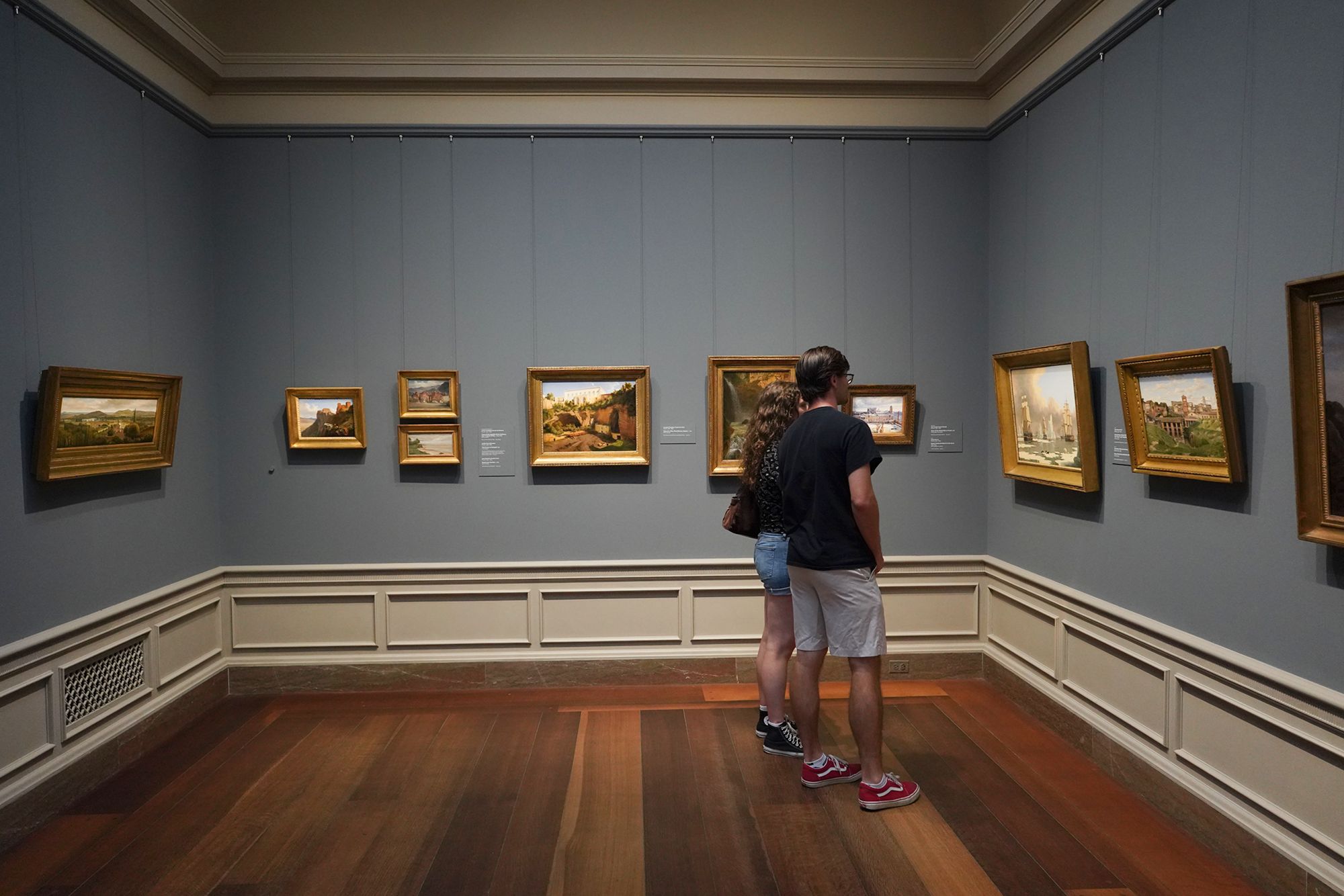
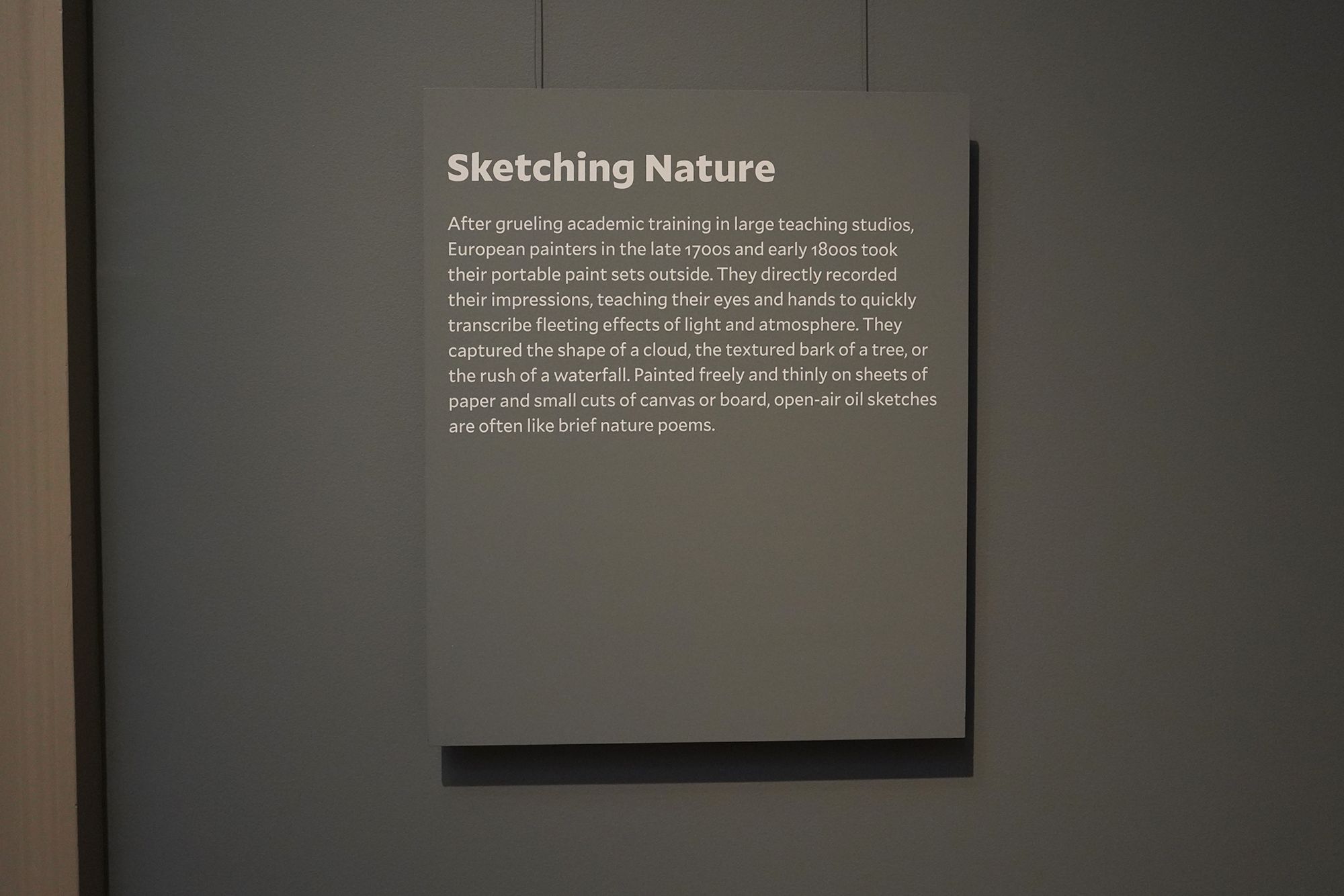
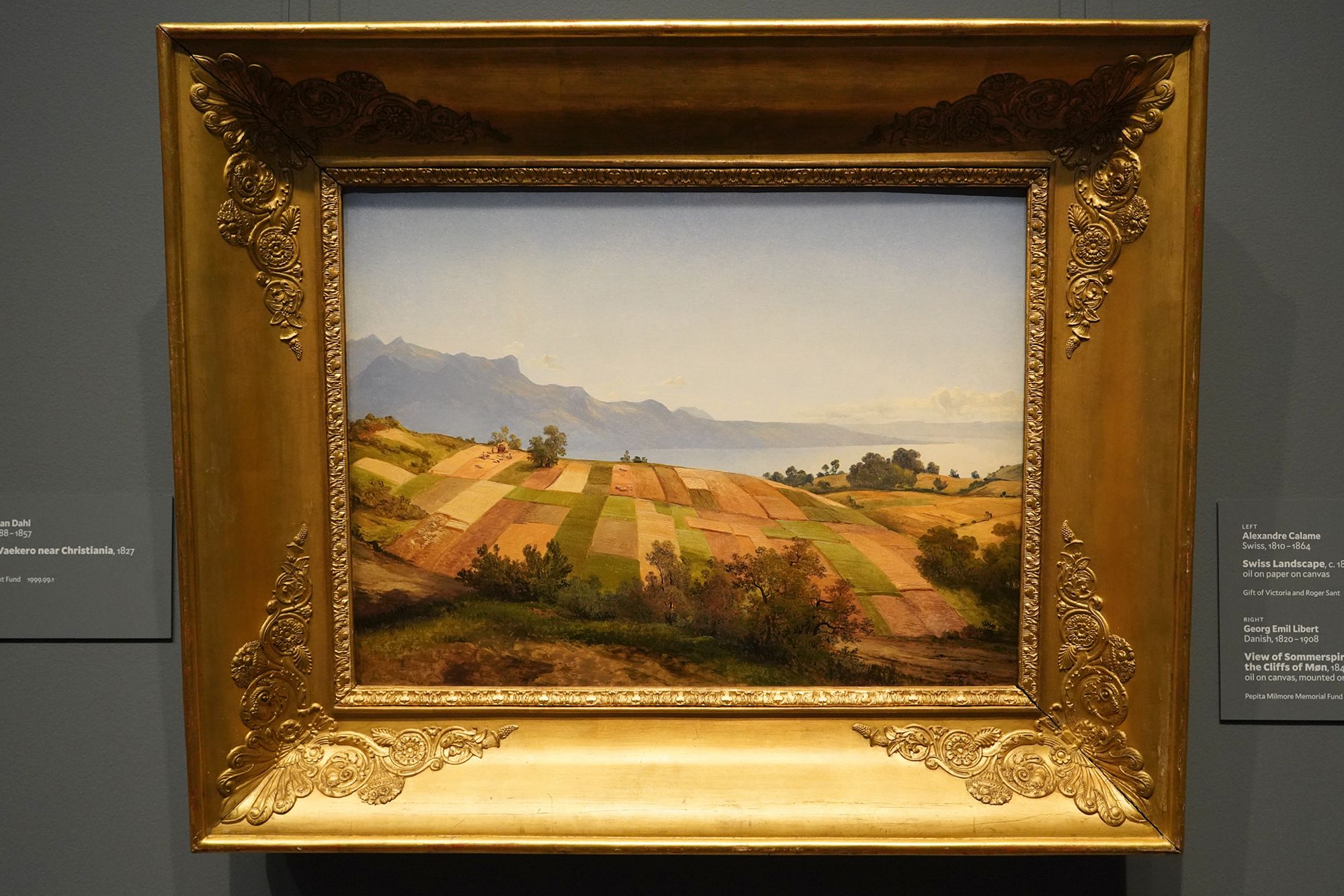
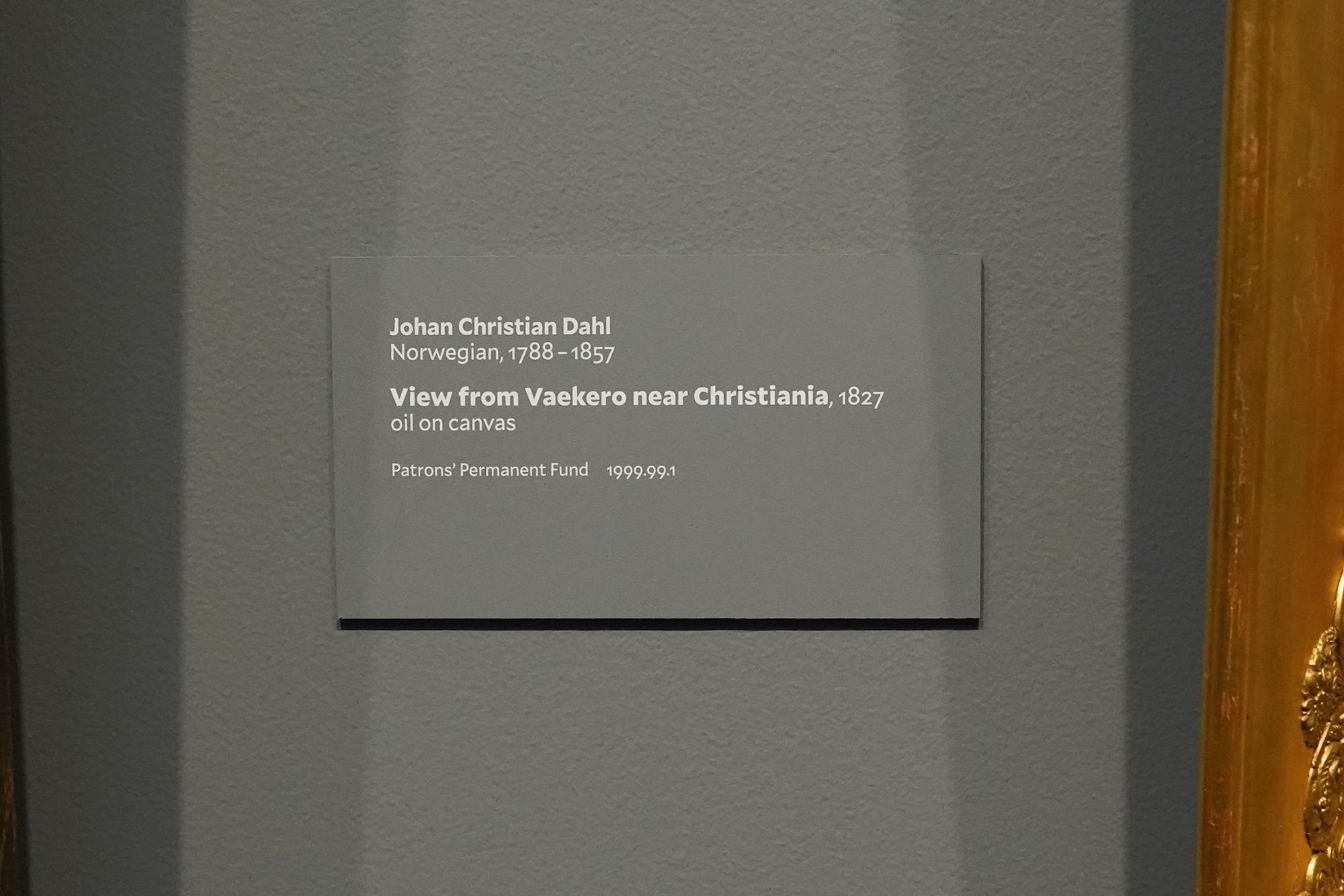
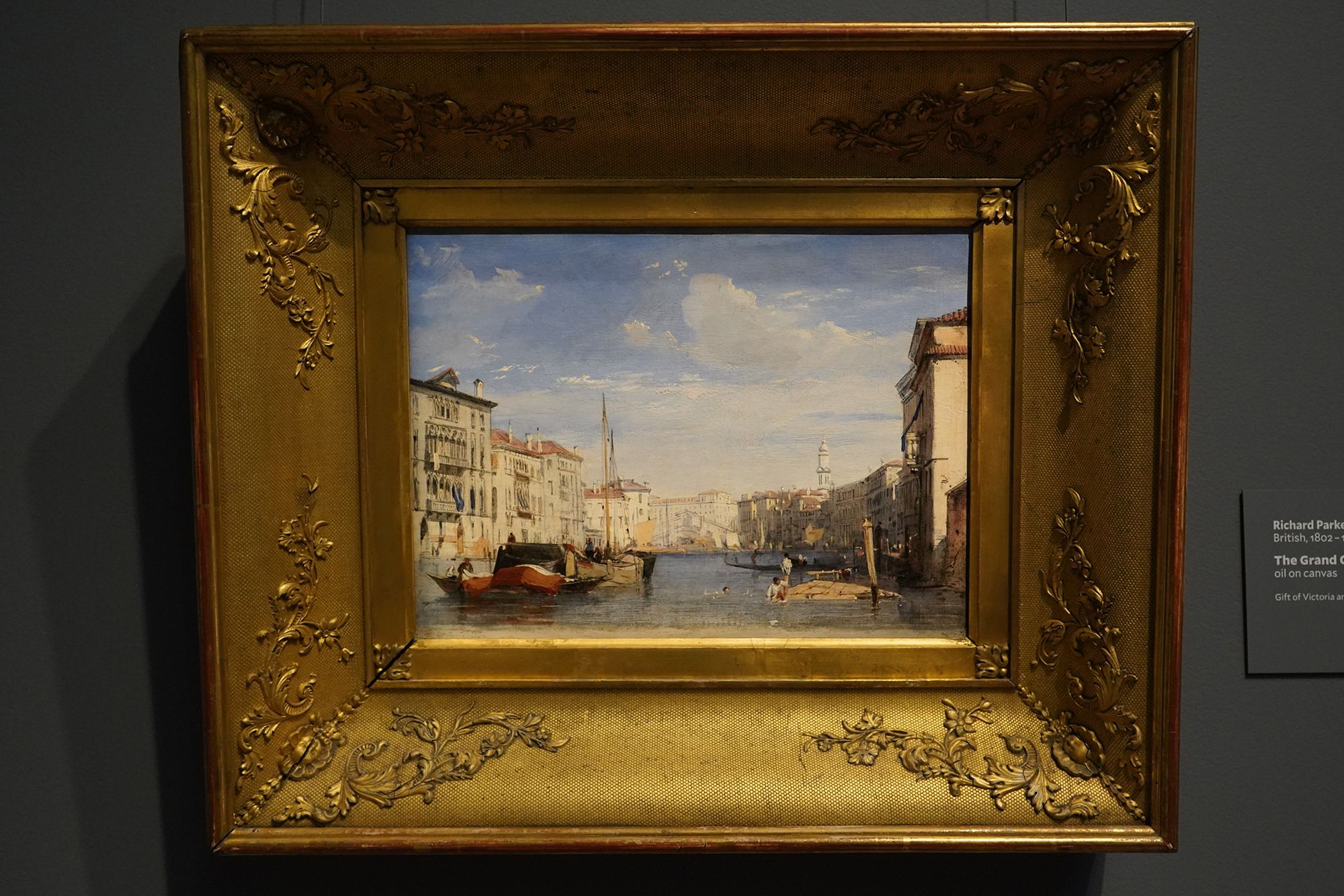
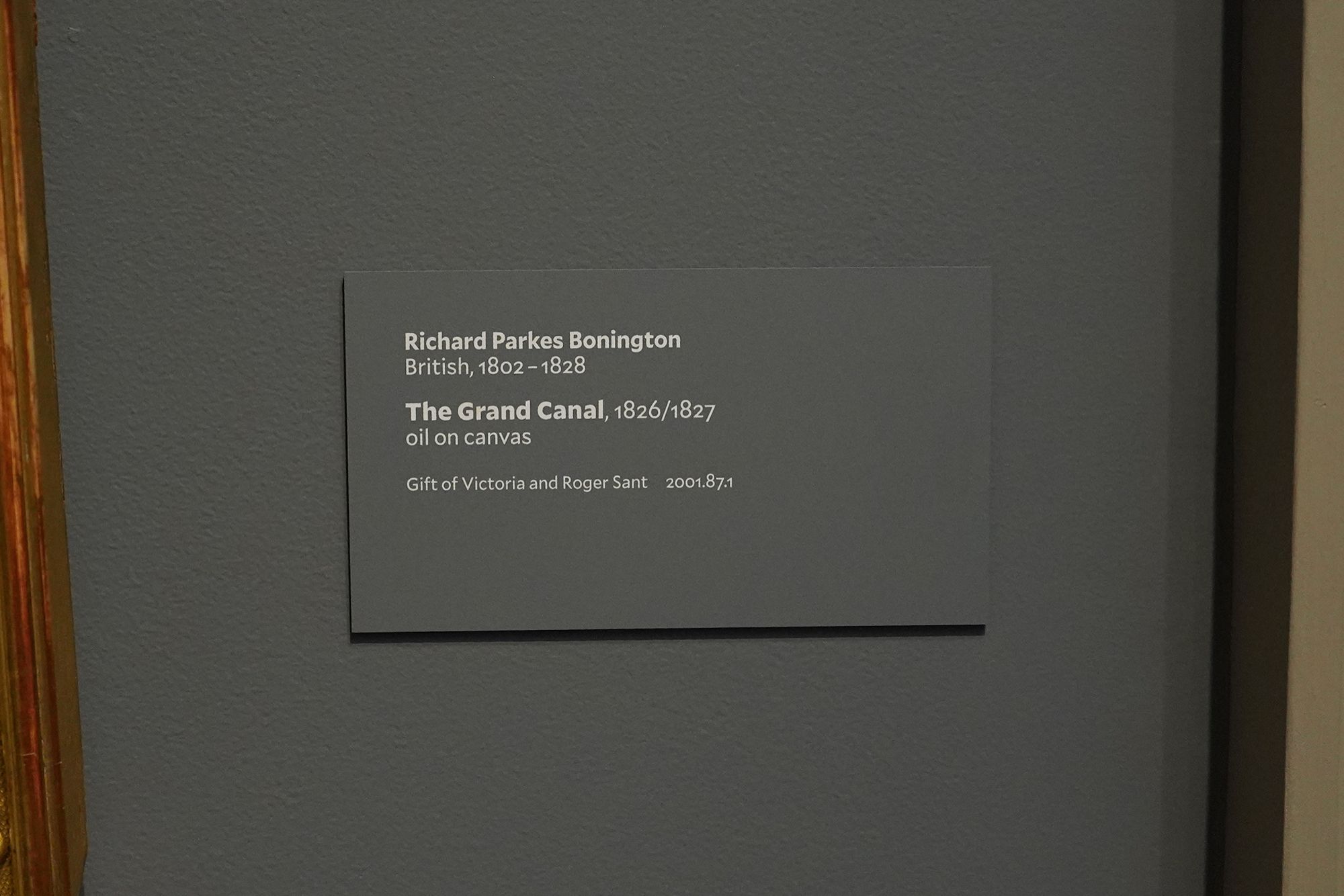
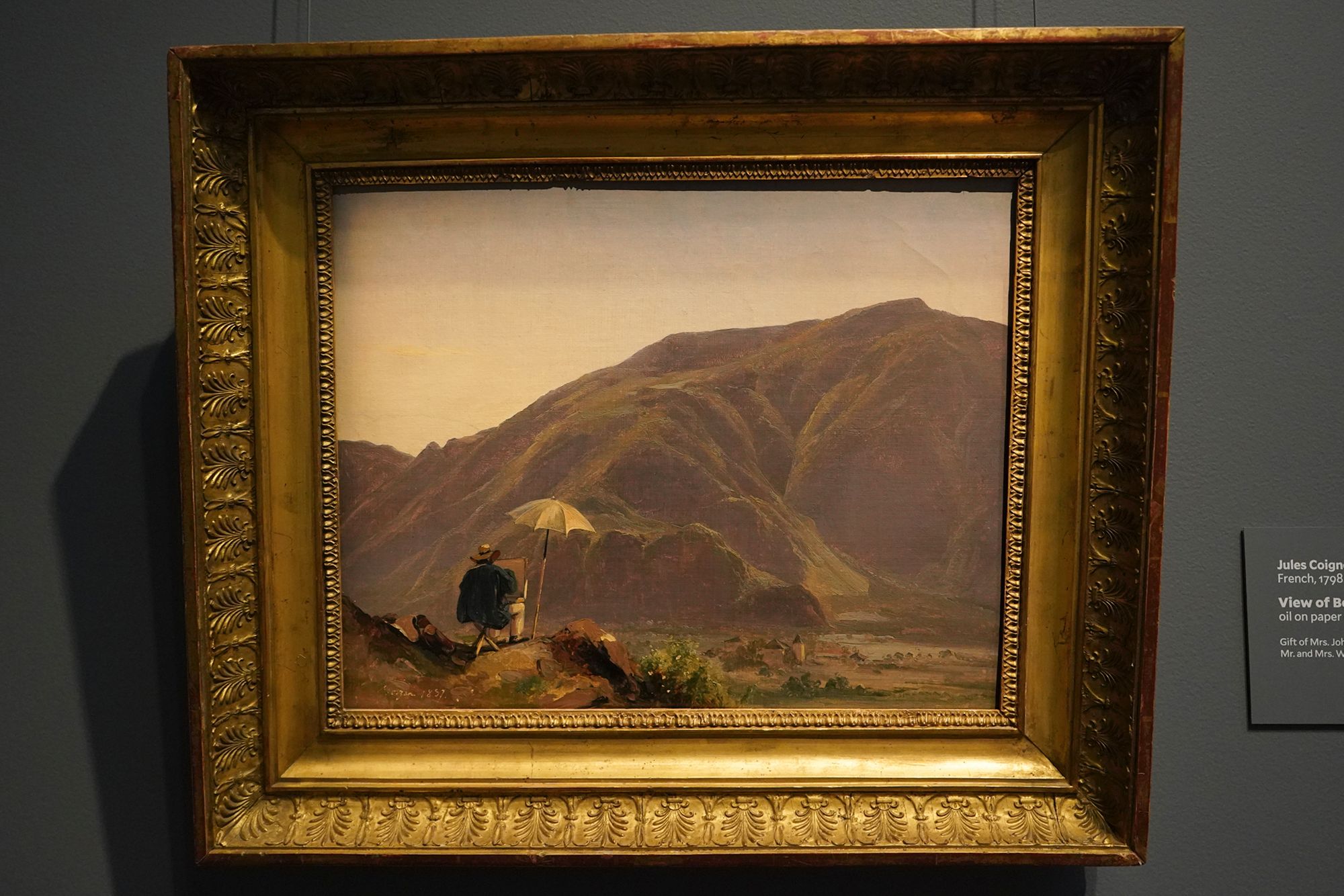
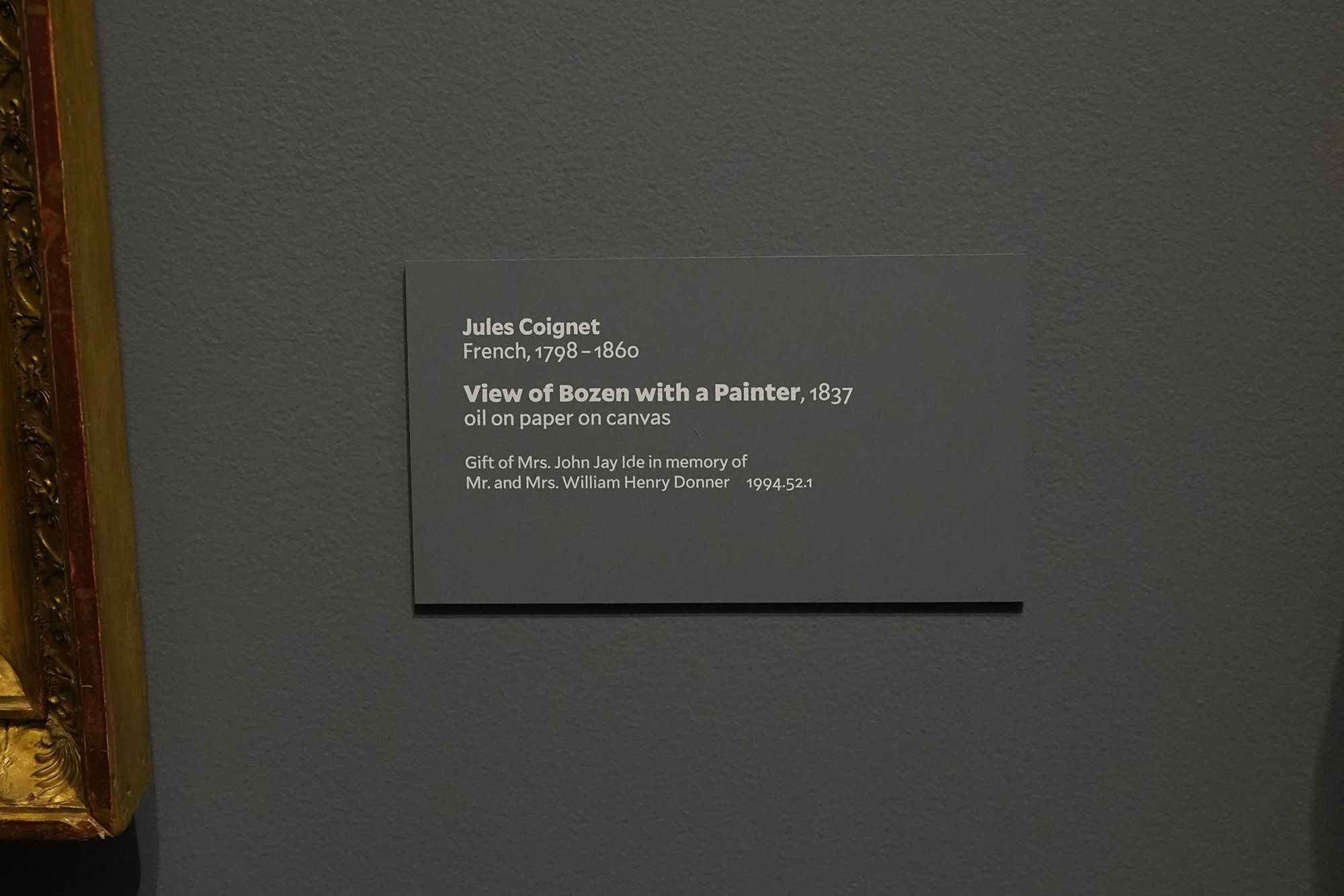
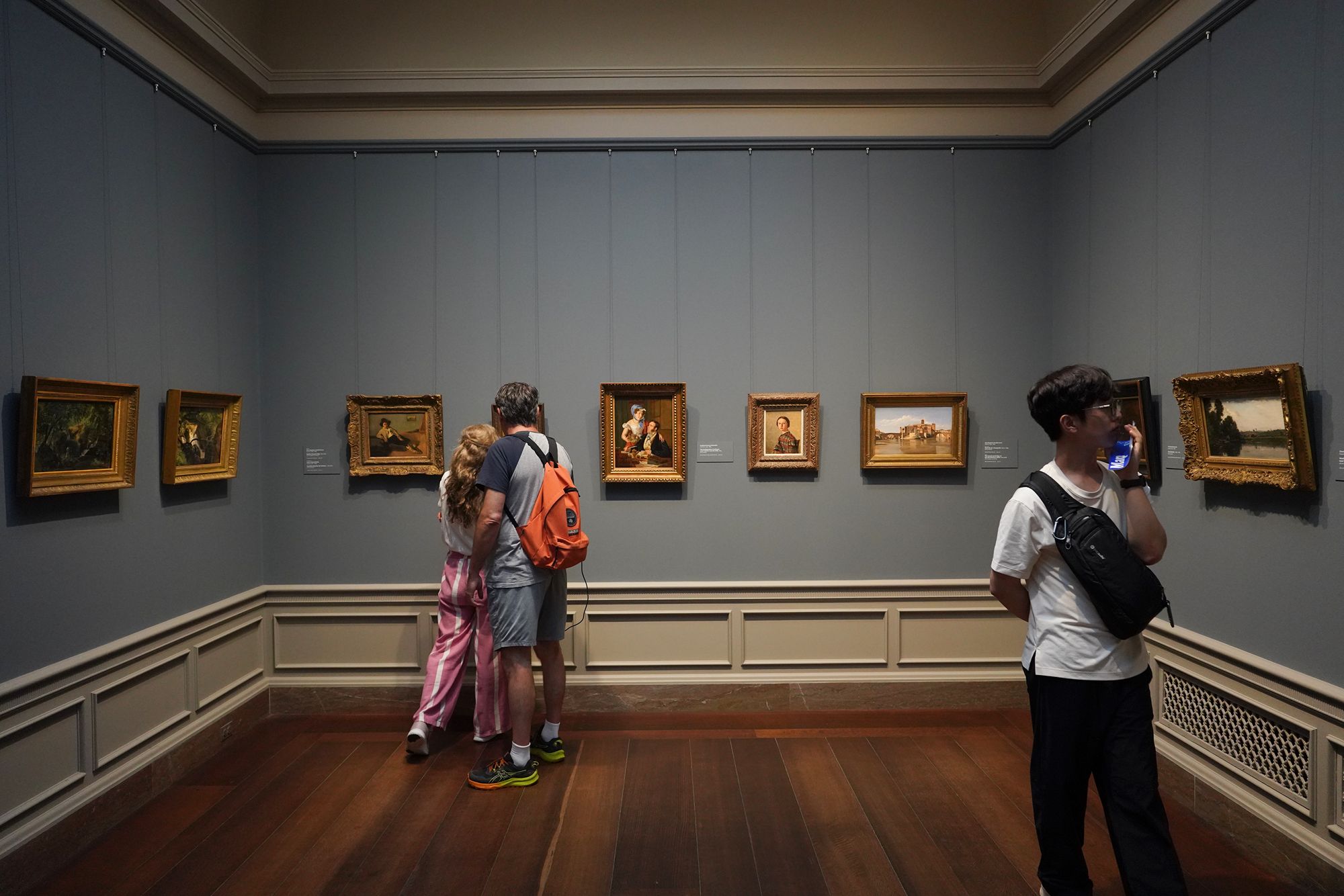
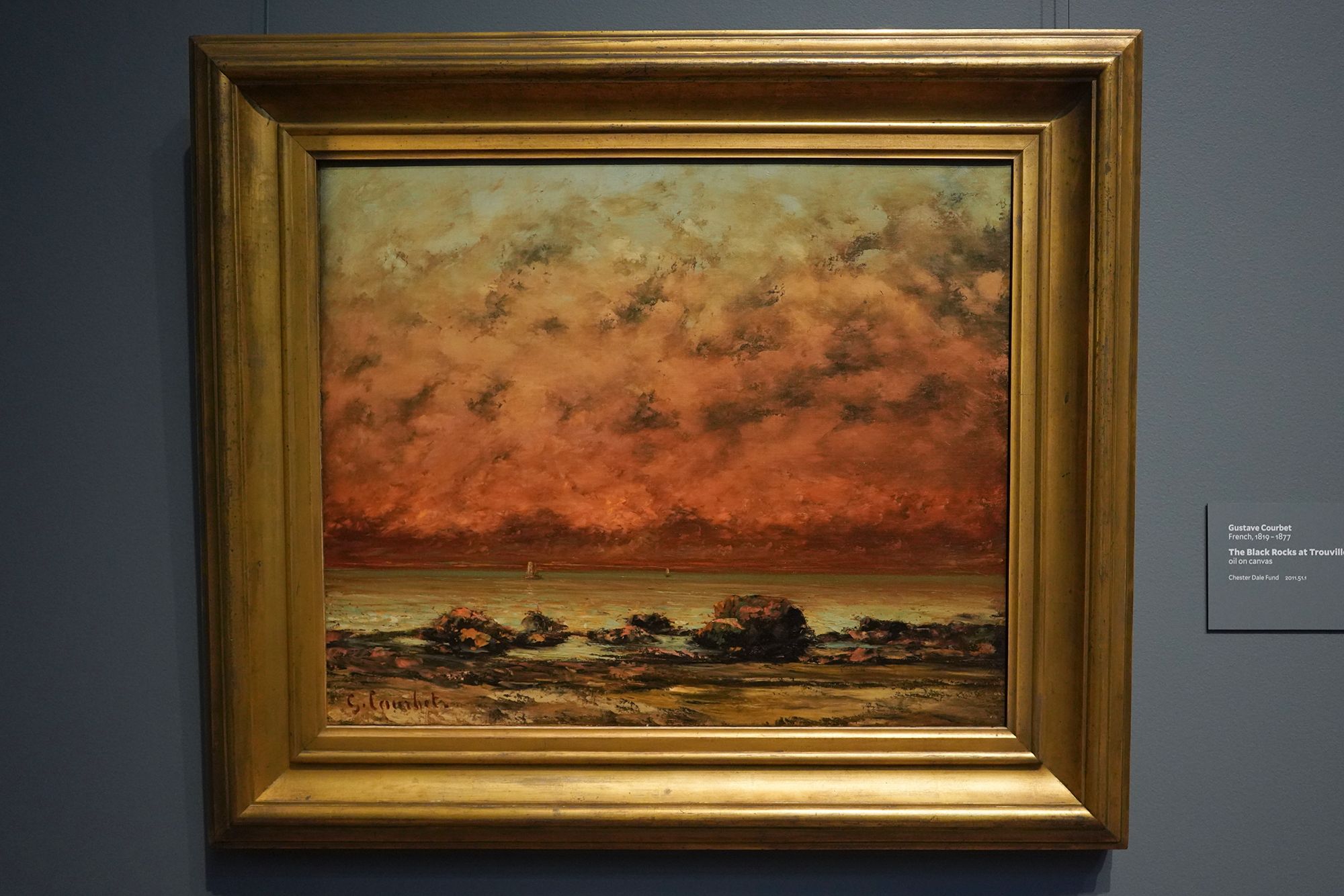
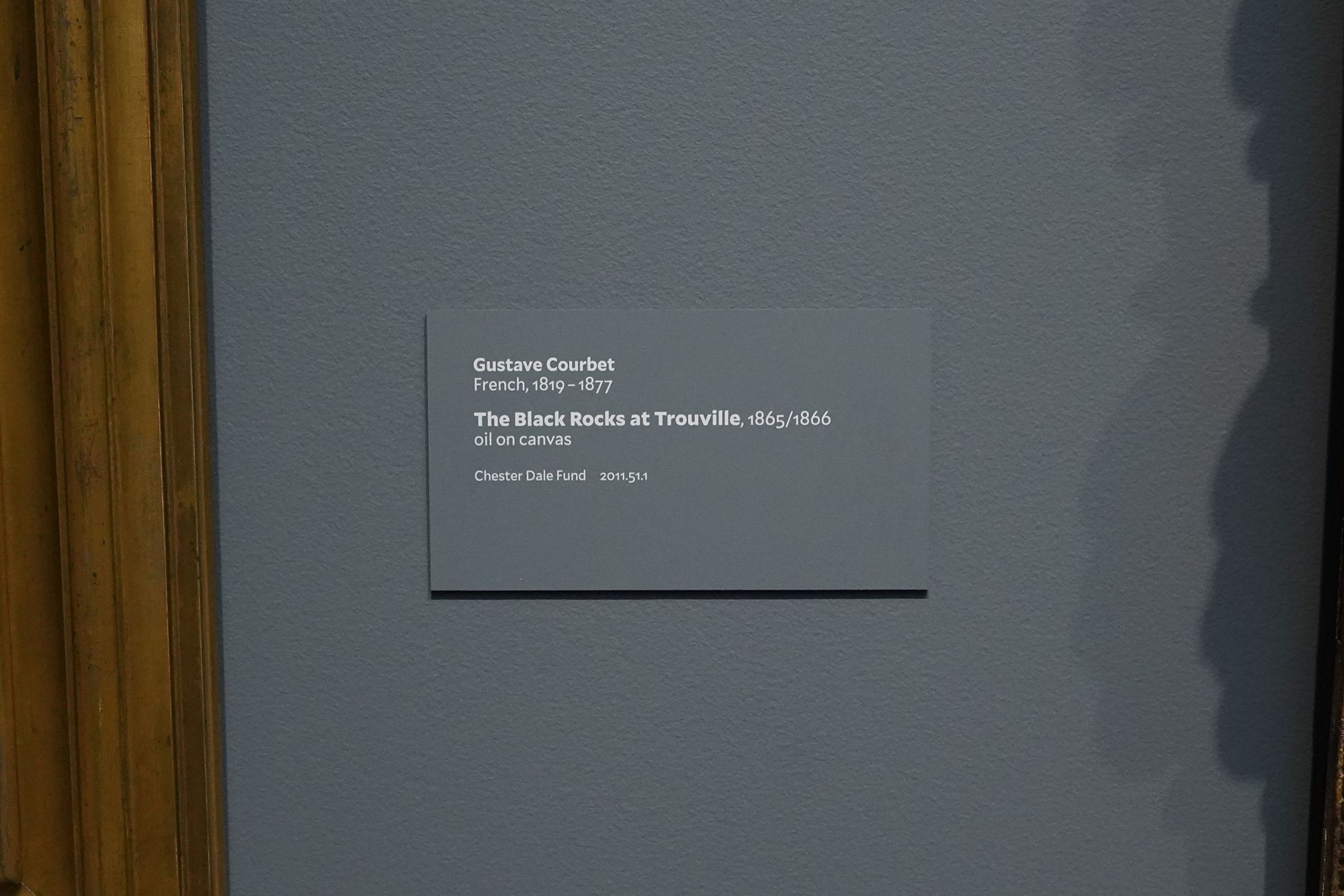
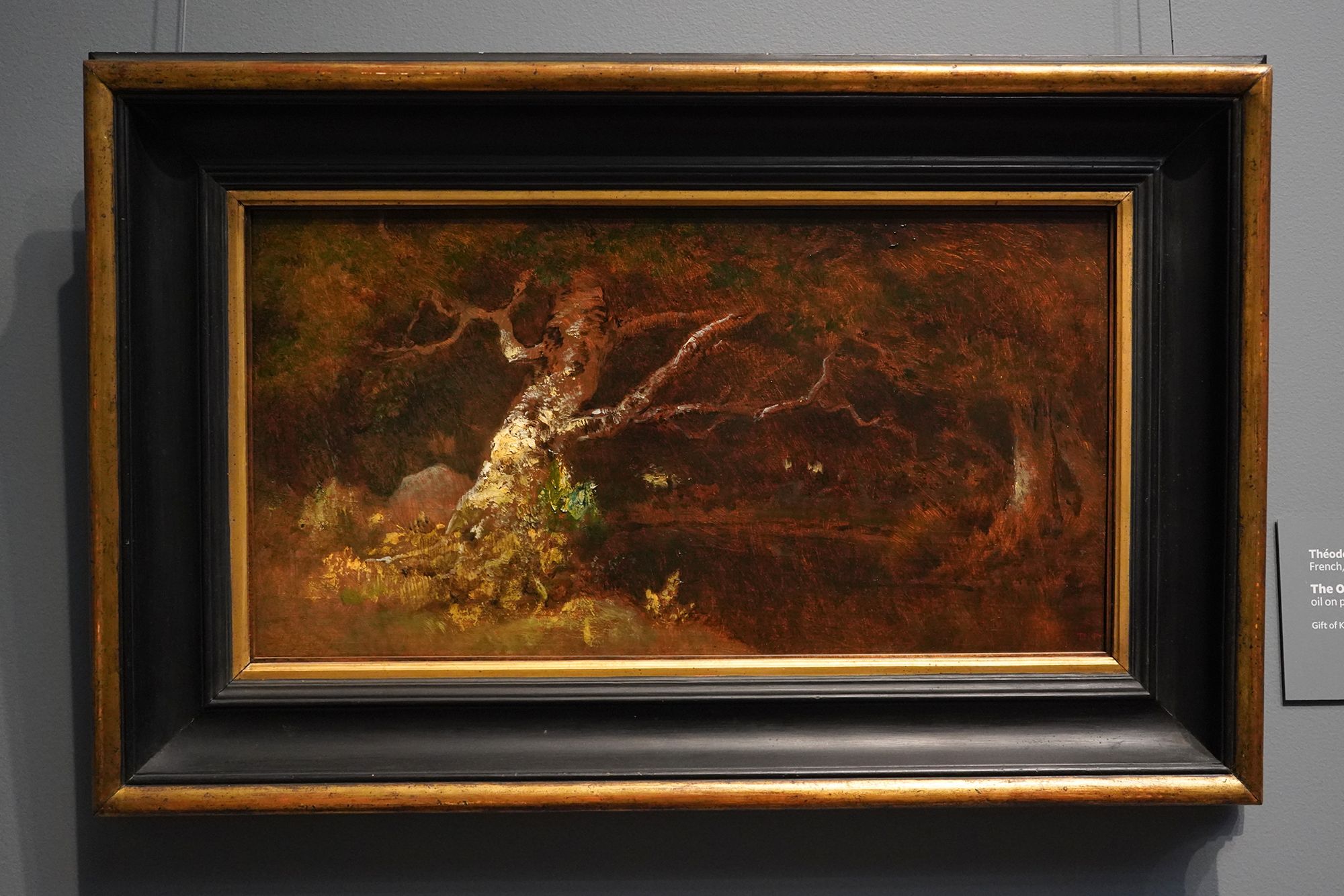
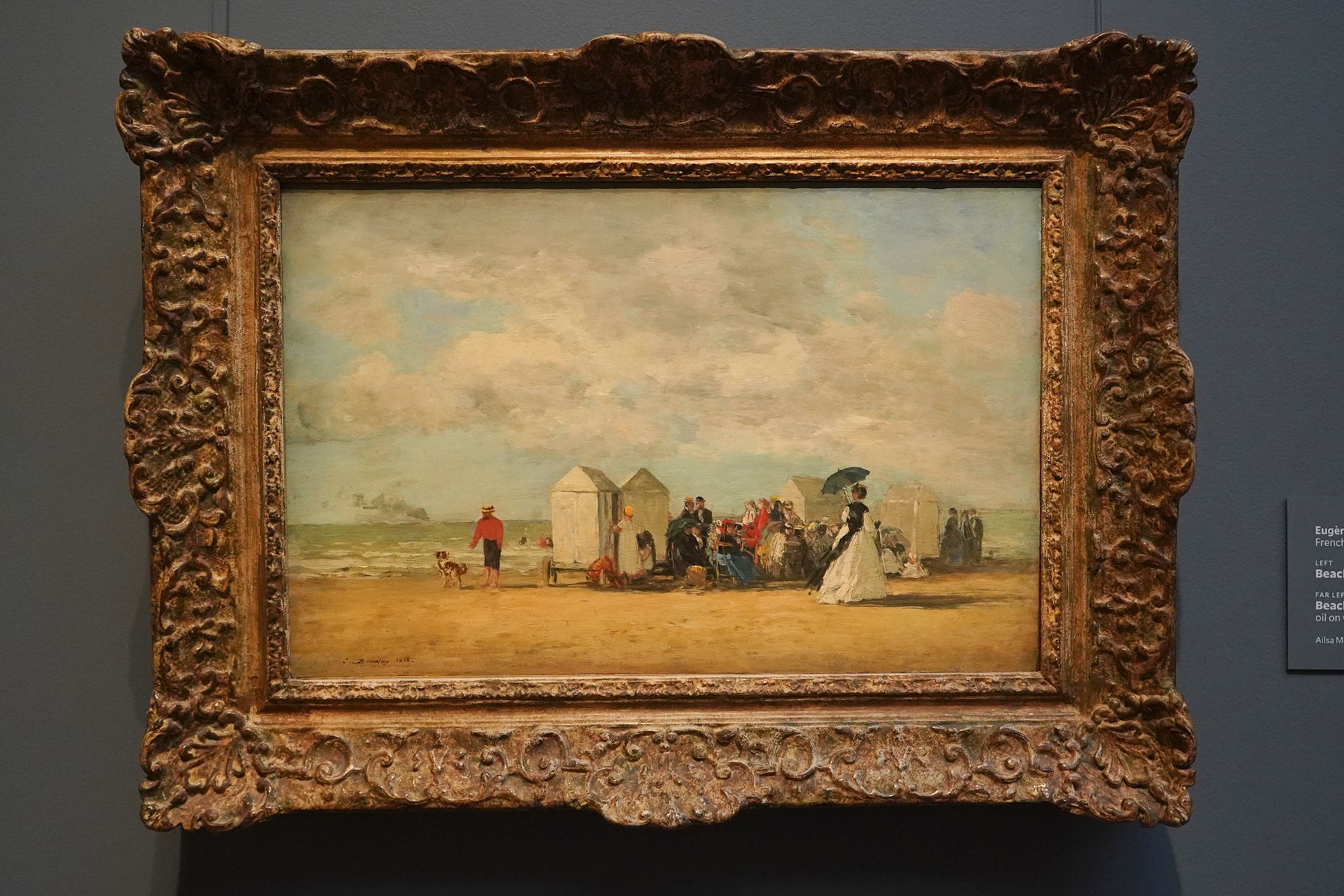
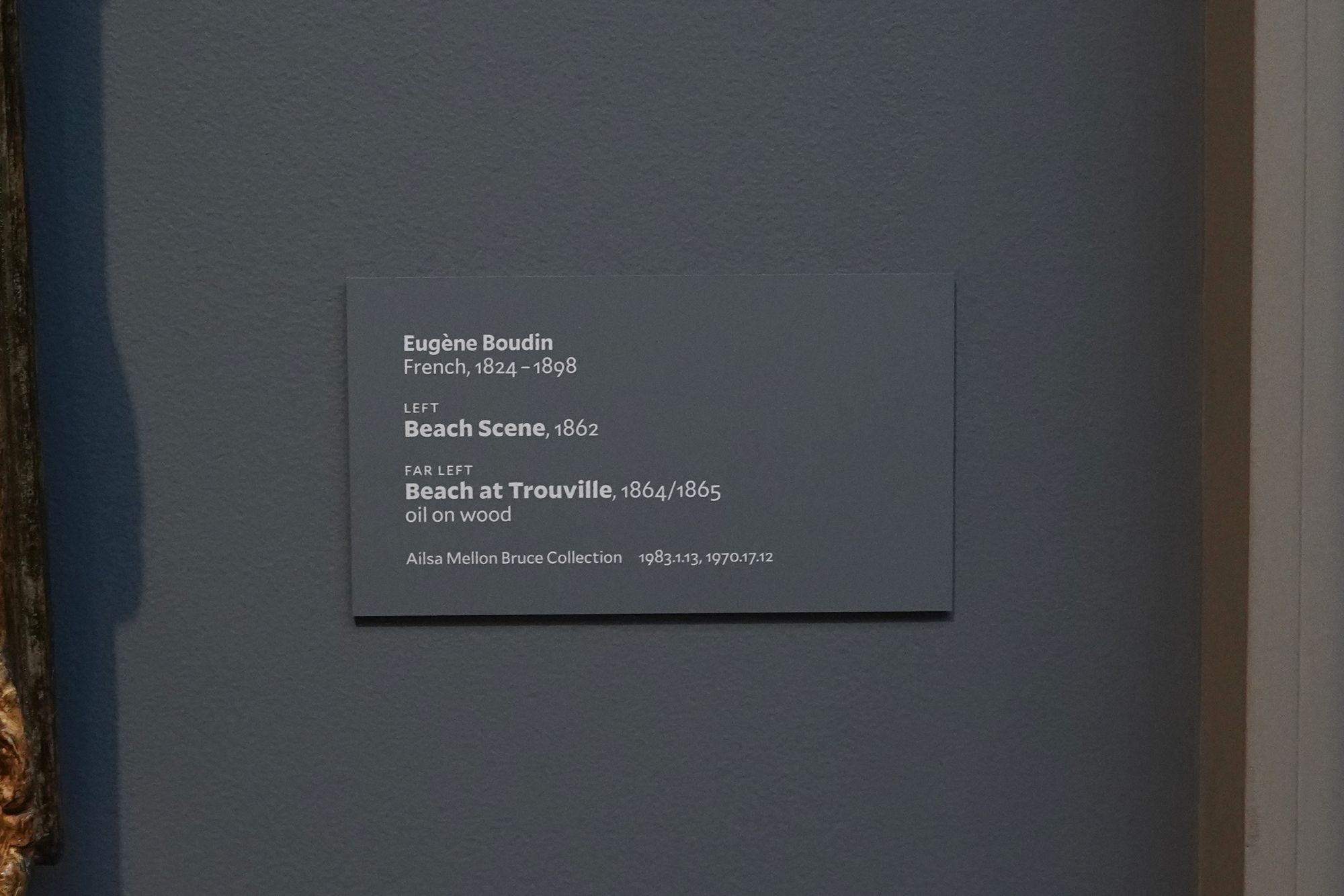
Eugène Boudin (1824–1898) was a French painter best known for his luminous seaside scenes and sky studies, and he is often regarded as one of the earliest Impressionists. He was among the first artists to paint outdoors (en plein air), capturing the fleeting effects of light, atmosphere, and weather with remarkable freshness.
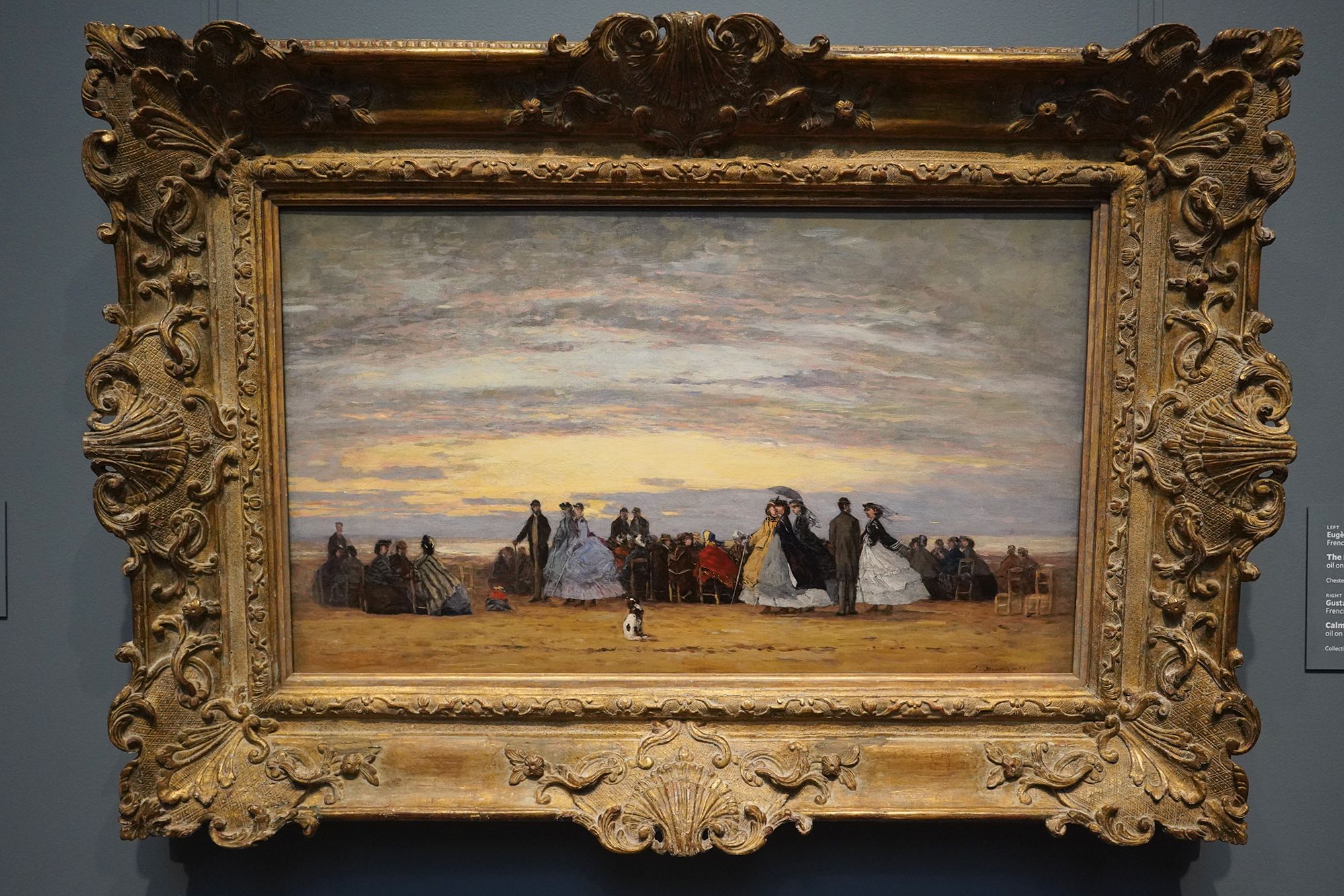
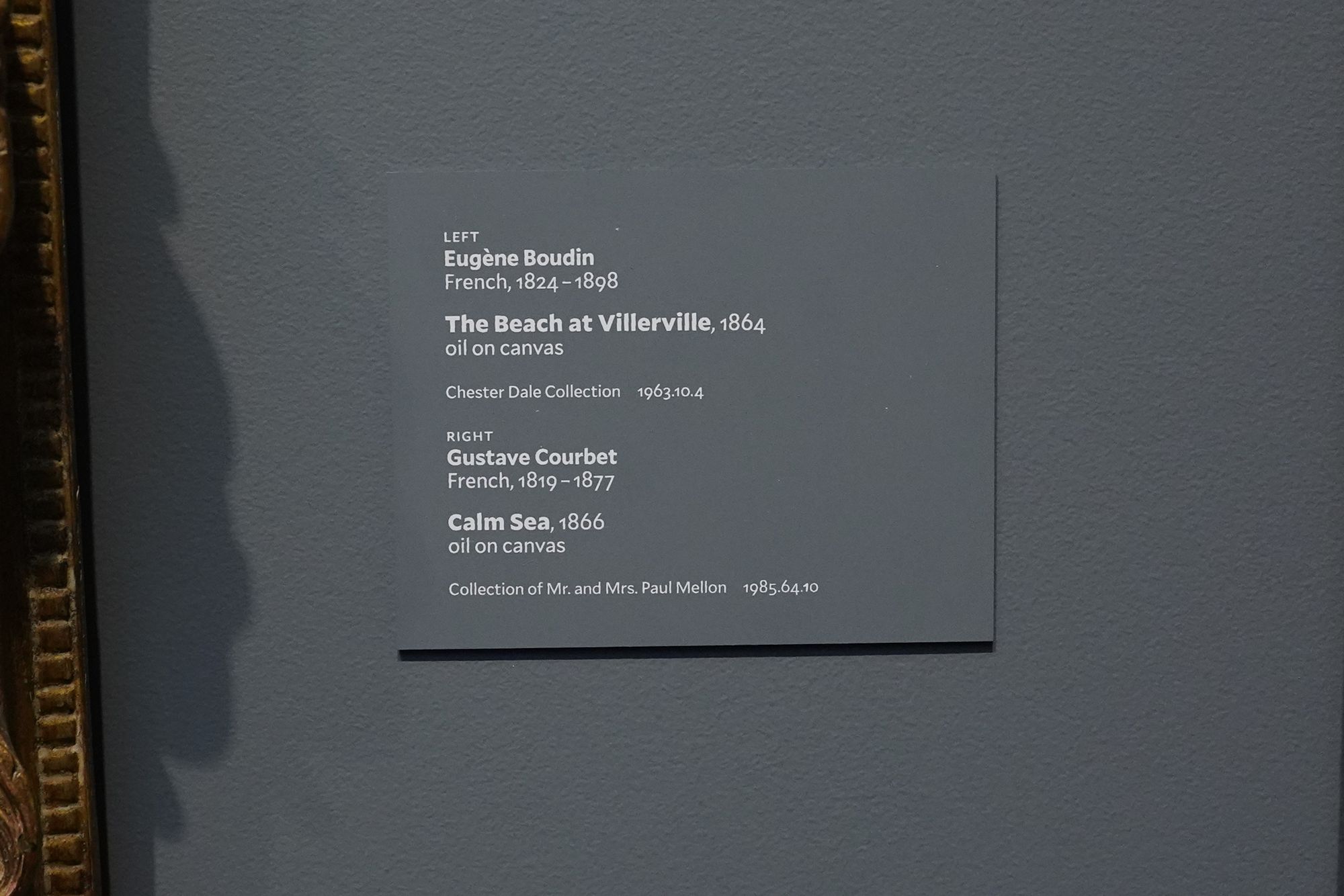
Though quieter and less radical than later Impressionists, Boudin’s art represents the birth of modern landscape painting, emphasizing light and moment over composition and detail.
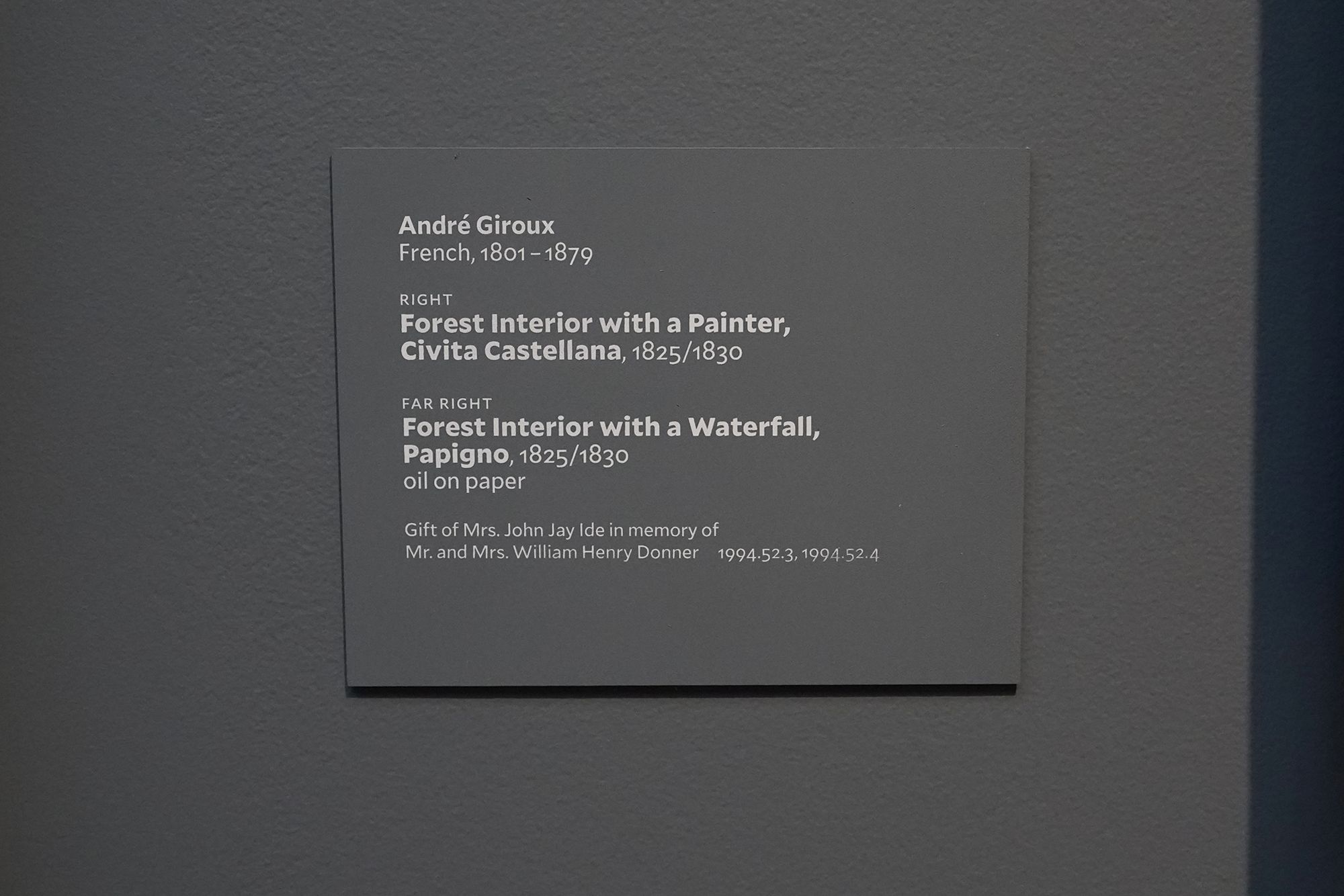
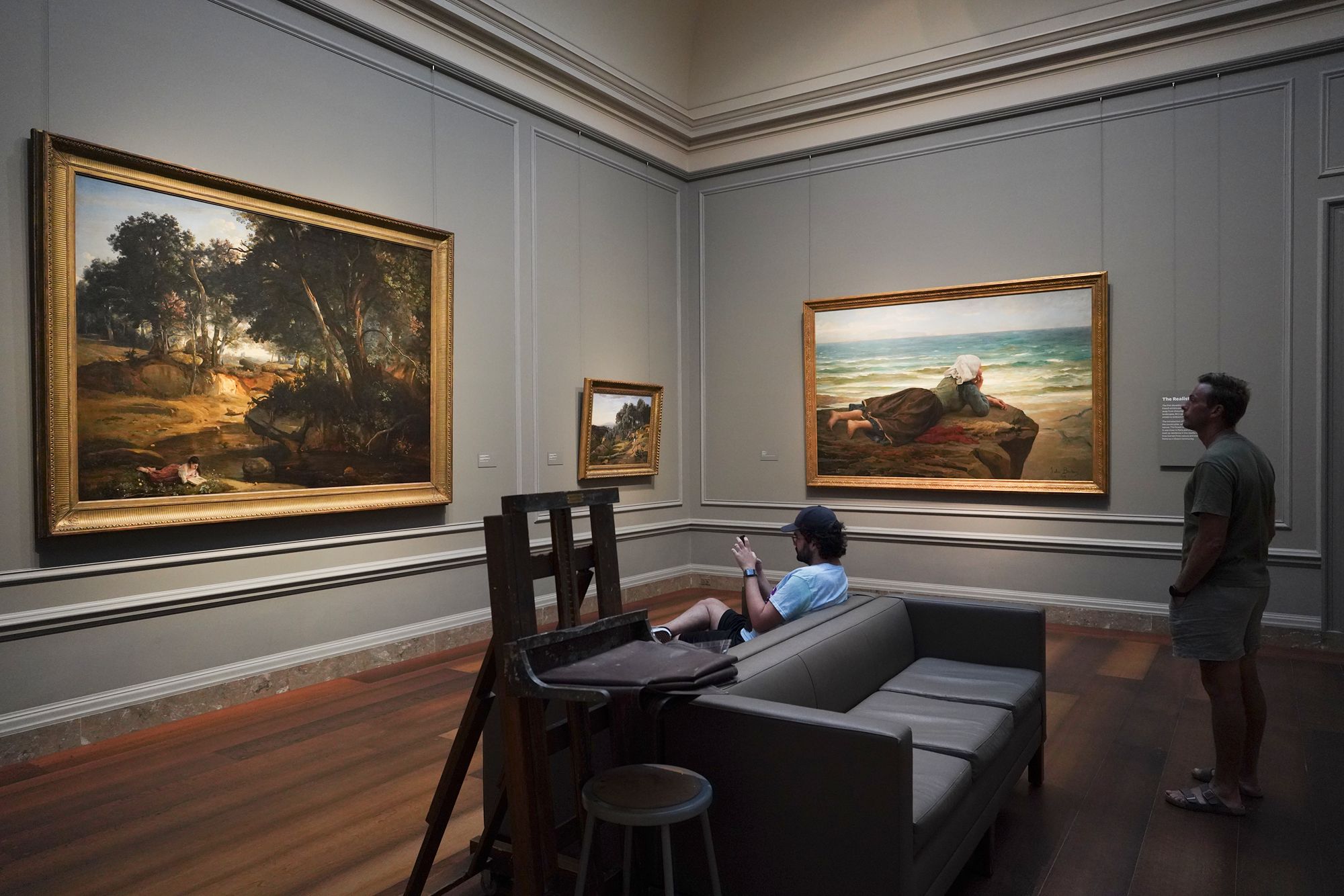
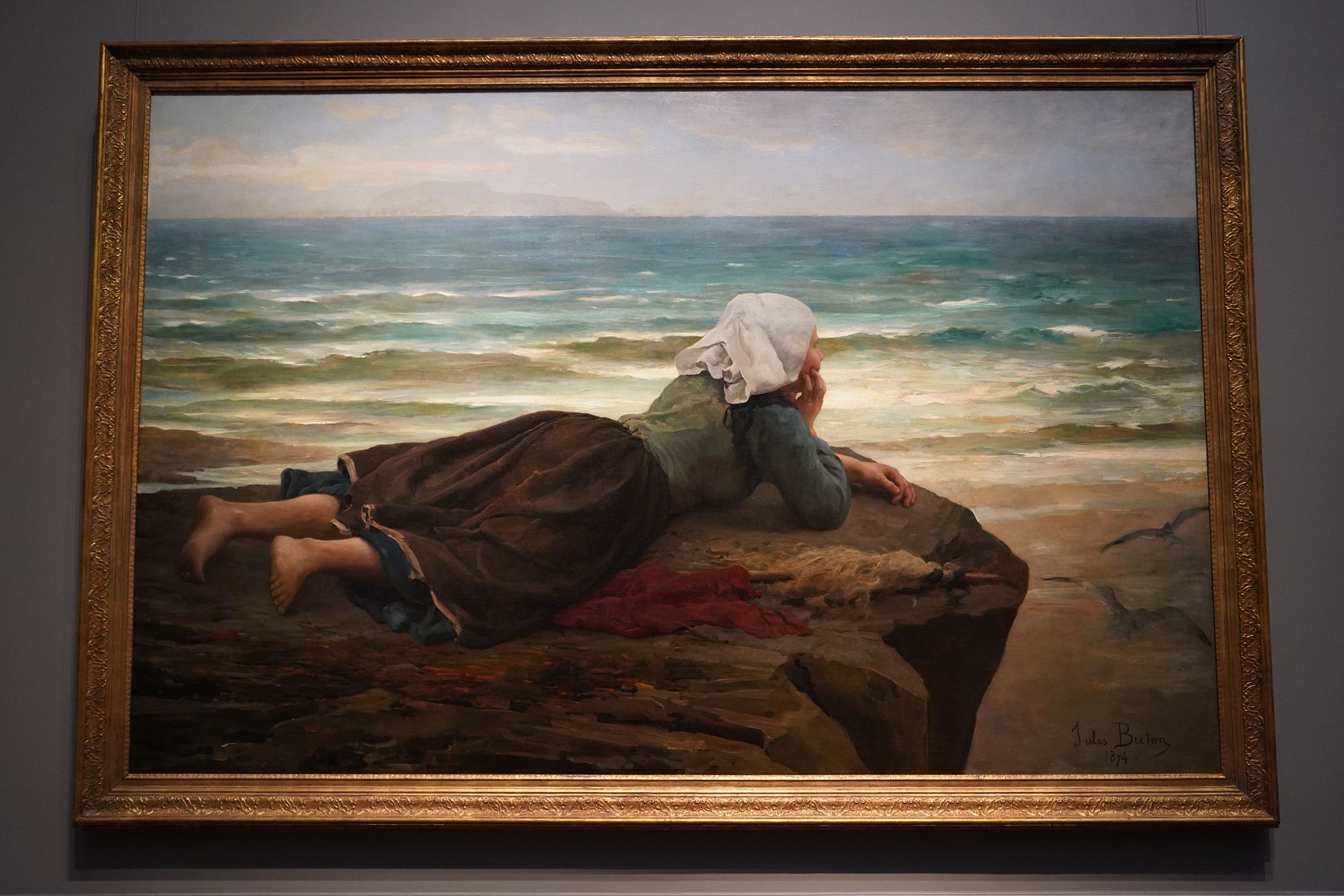
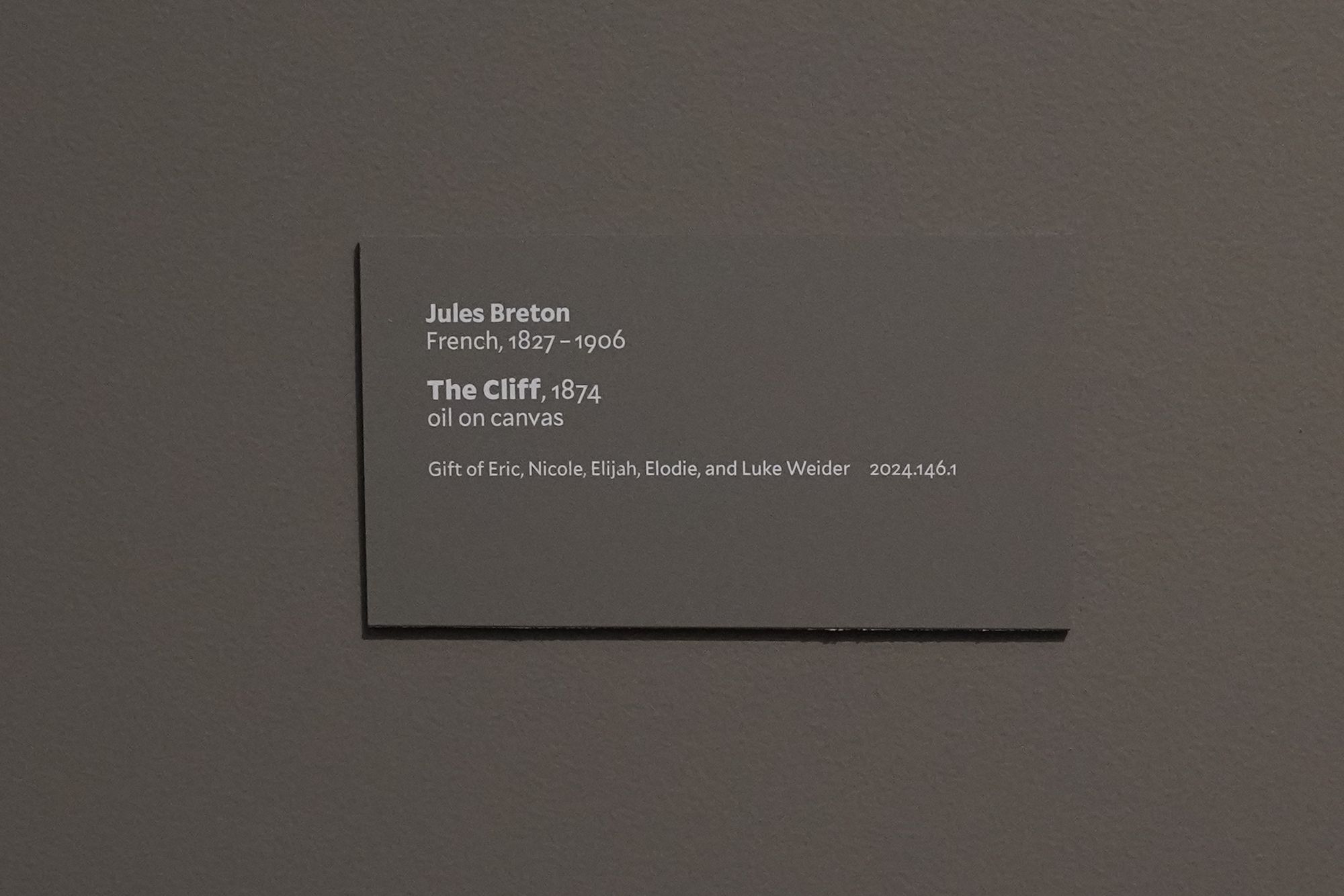
Jules Breton (1827–1906) was a French painter known for his realistic and poetic depictions of rural life. He combined the careful observation of Realism with the warmth and dignity of Romanticism, portraying peasants not as symbols of hardship but as figures of quiet strength and beauty.
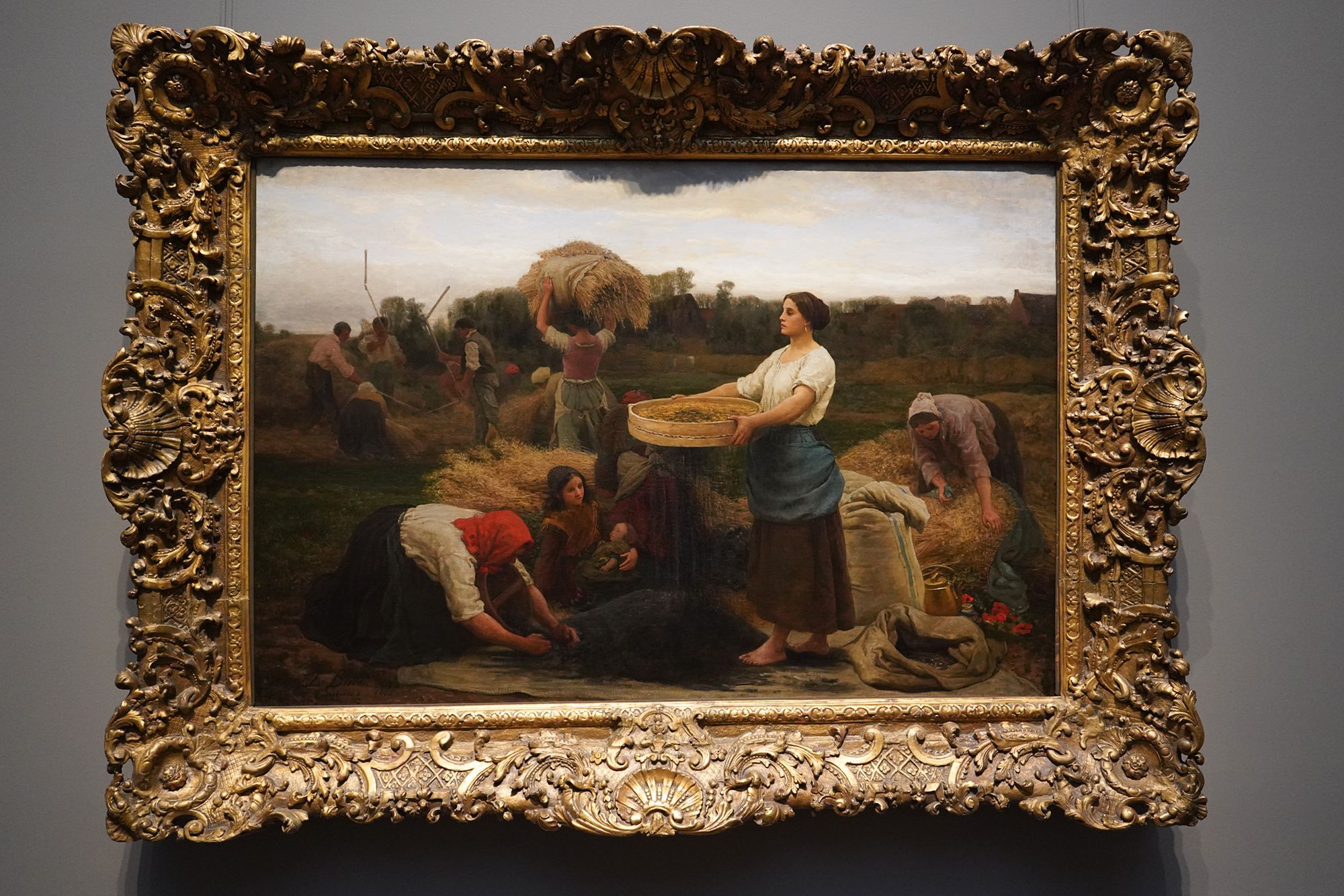
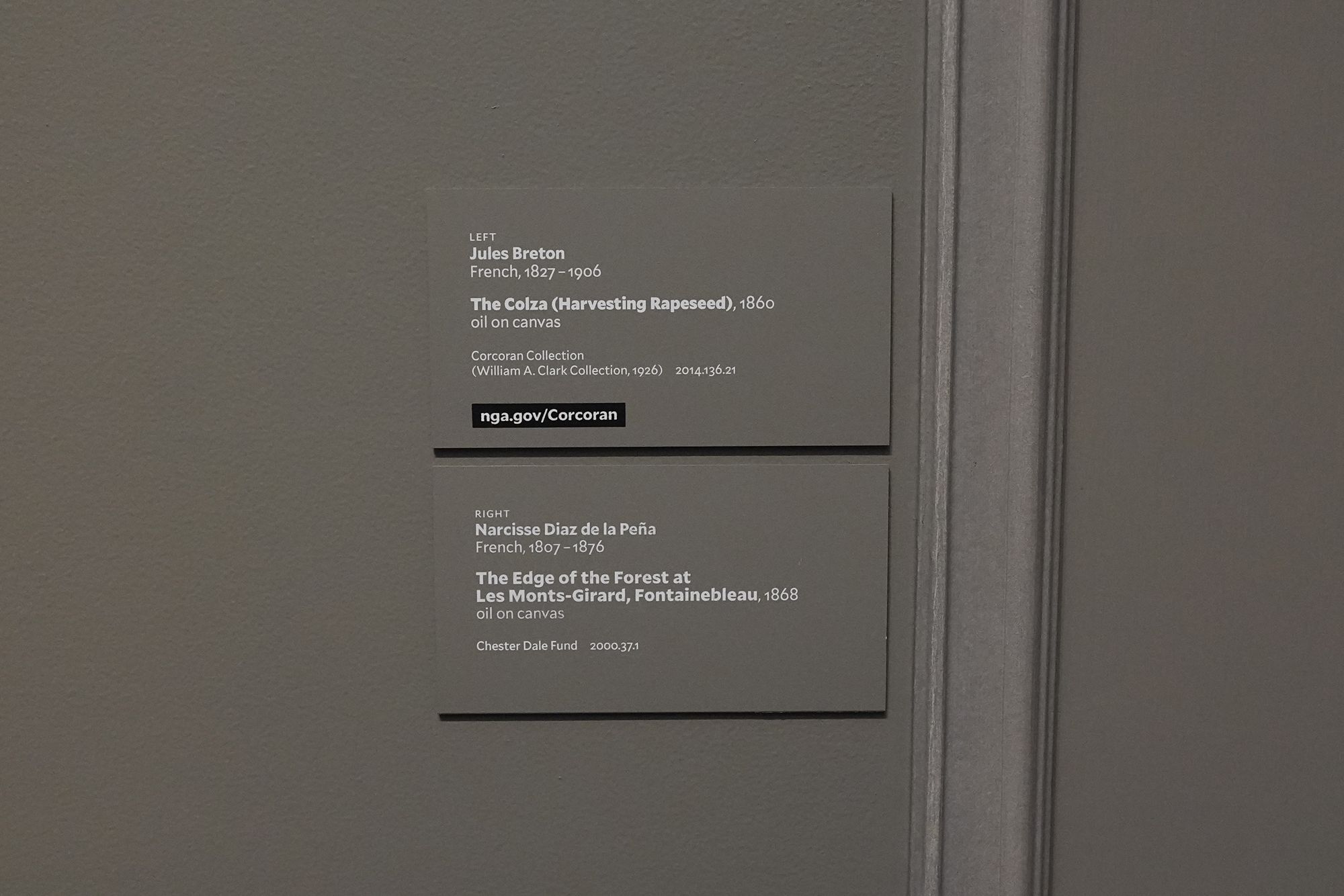
Breton’s style is precise yet lyrical, balancing realism with idealization. While he shared the Realists’ interest in social truth, he softened its harshness with empathy and grace.
Though not an Impressionist, Breton influenced later painters who admired his treatment of light and atmosphere, and his focus on ordinary people with nobility of spirit.