National Gallery of Art – Italian Art from 1200, Washington DC, USA
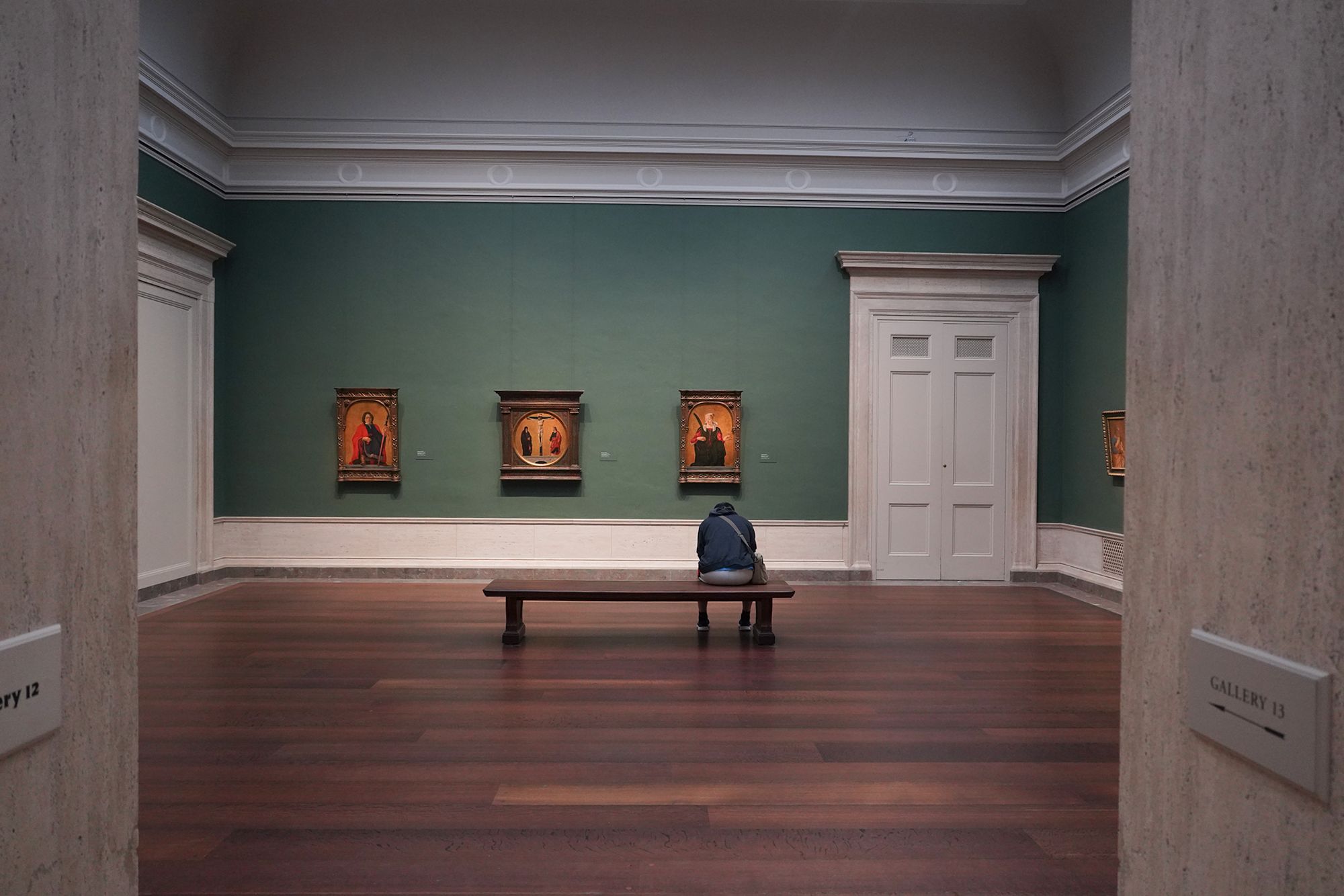
The Italian Art from 1200 to 1500 gallery at the National Gallery of Art traces the evolution from the medieval and Gothic styles to the dawn of the Renaissance. 1126
National Gallery of Art: Constitution Ave. NW, Washington, DC 20565
Date Picture Taken: July 2025
It features masterpieces by artists such as Giotto, Fra Angelico, Botticelli, and Bellini, illustrating the shift from gold-leaf religious icons to works emphasizing human emotion, perspective, and natural light.
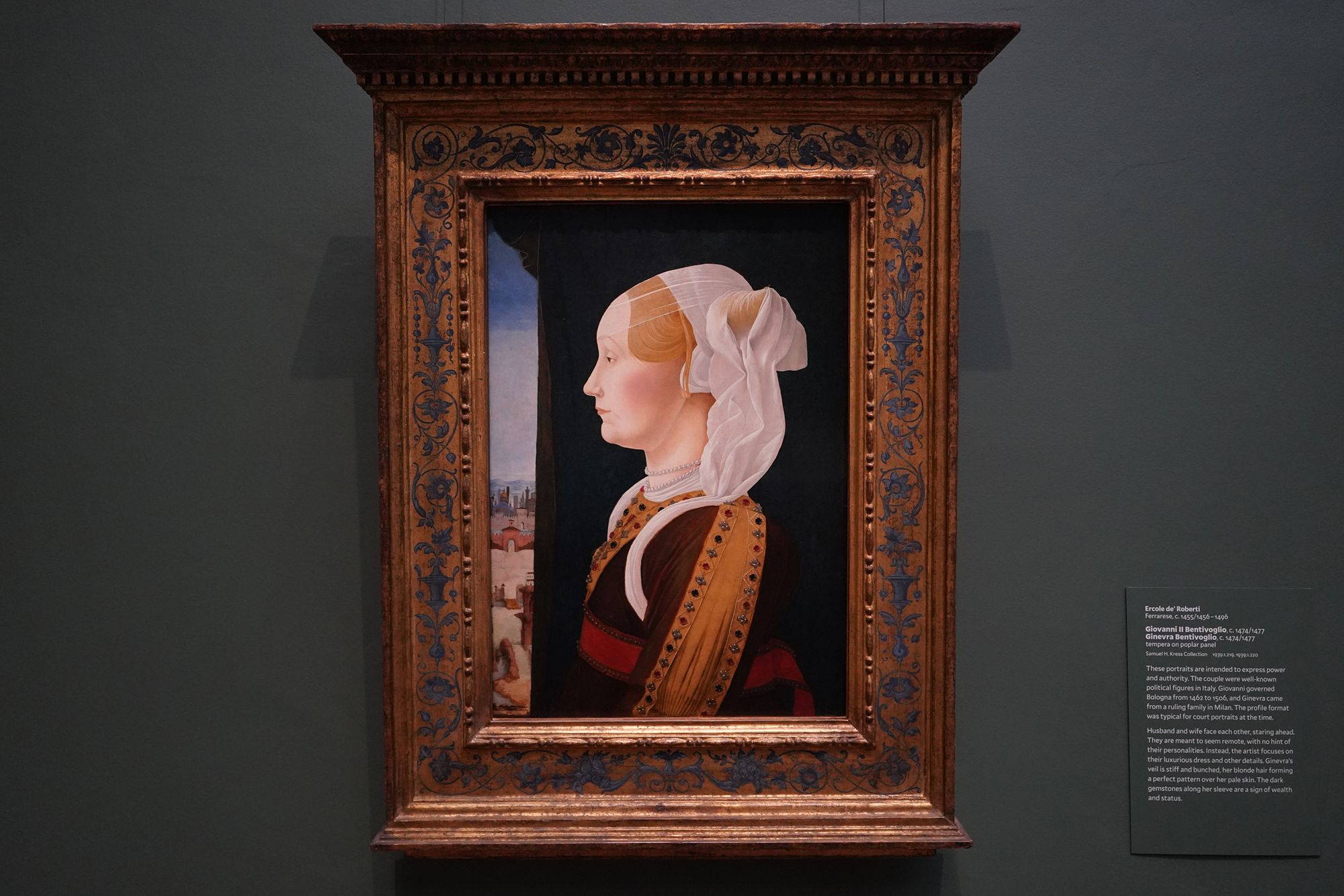
Through altarpieces, devotional panels, and portraits, the gallery shows how Italian art transformed over three centuries from spiritual symbolism to lifelike realism and humanism.
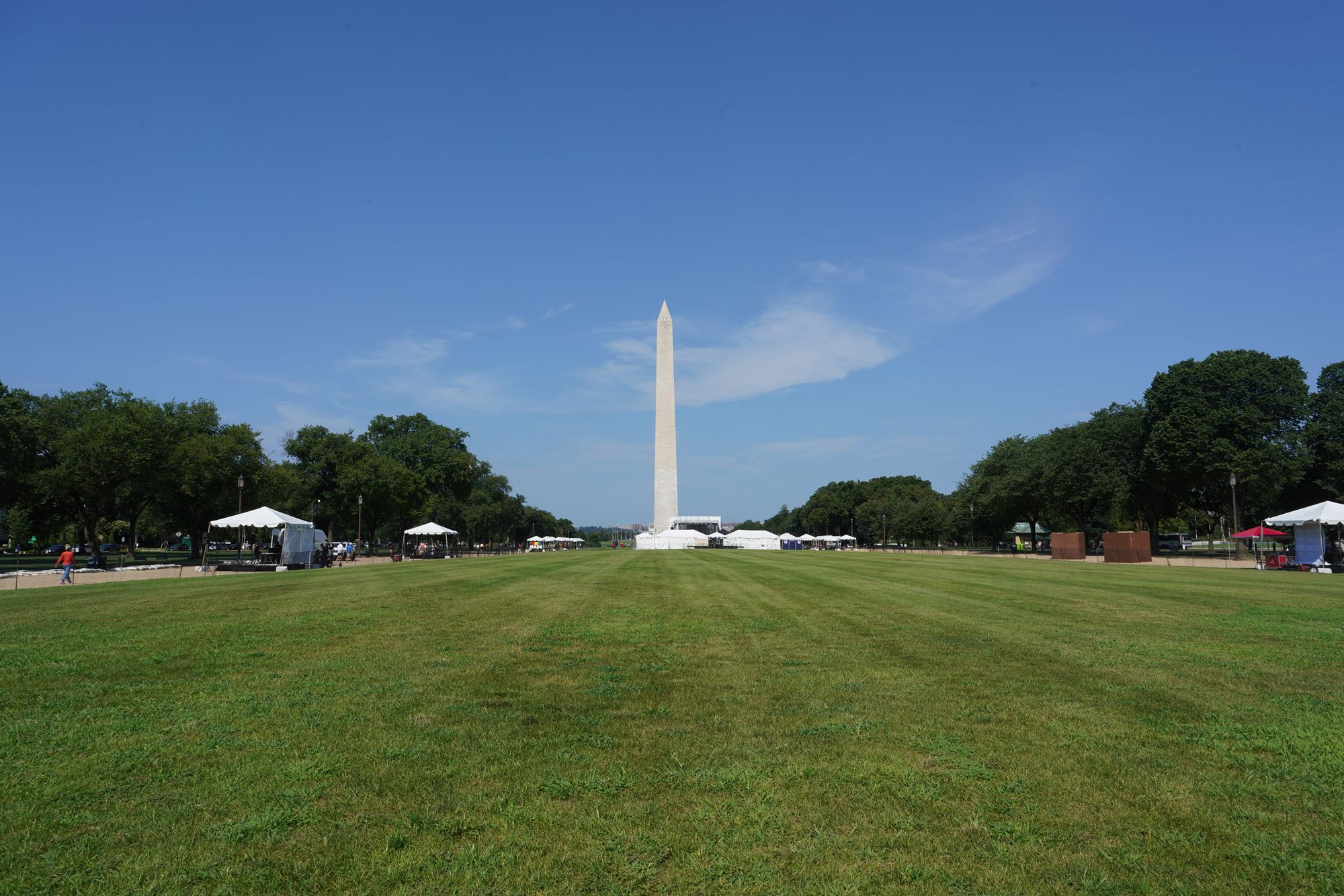
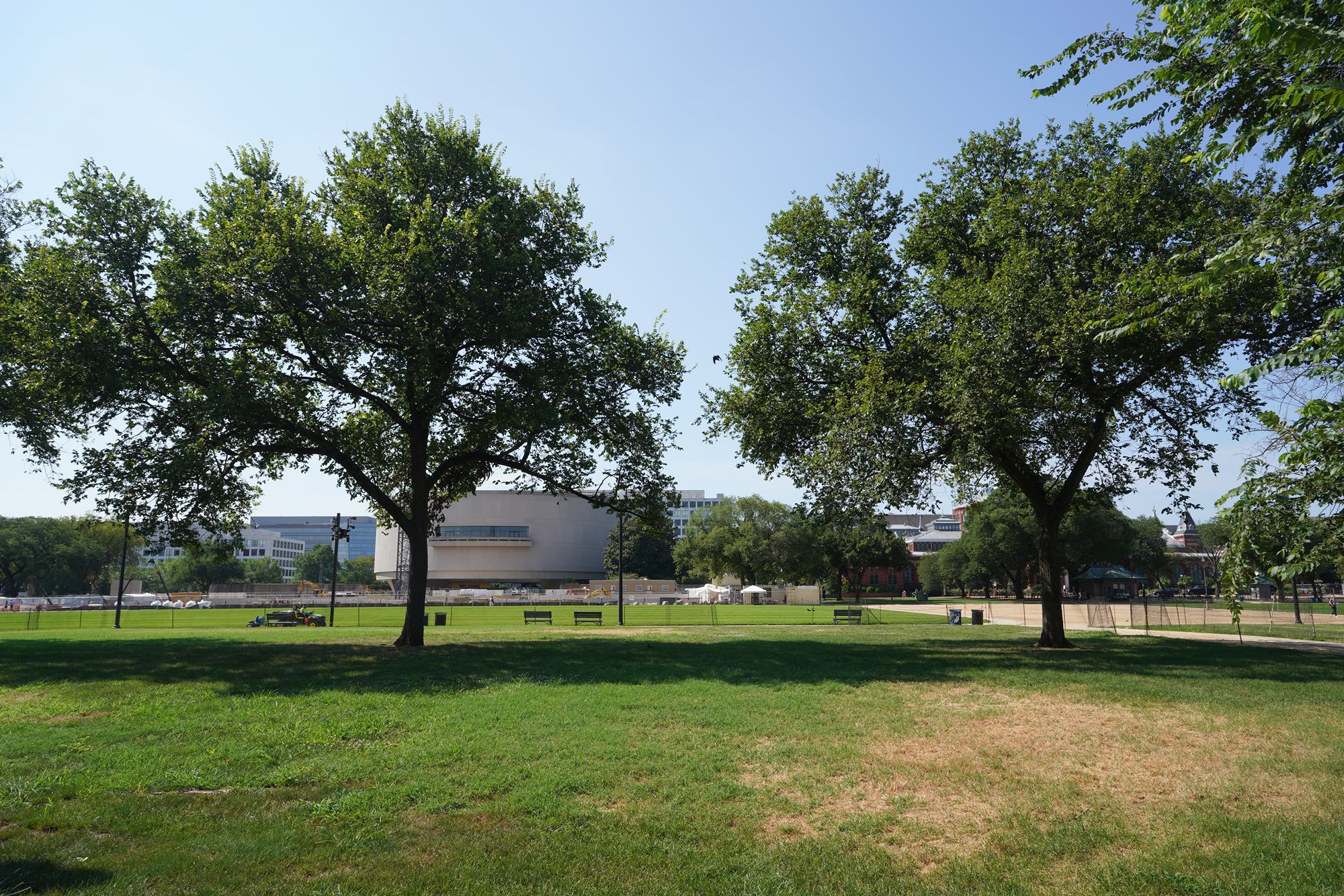
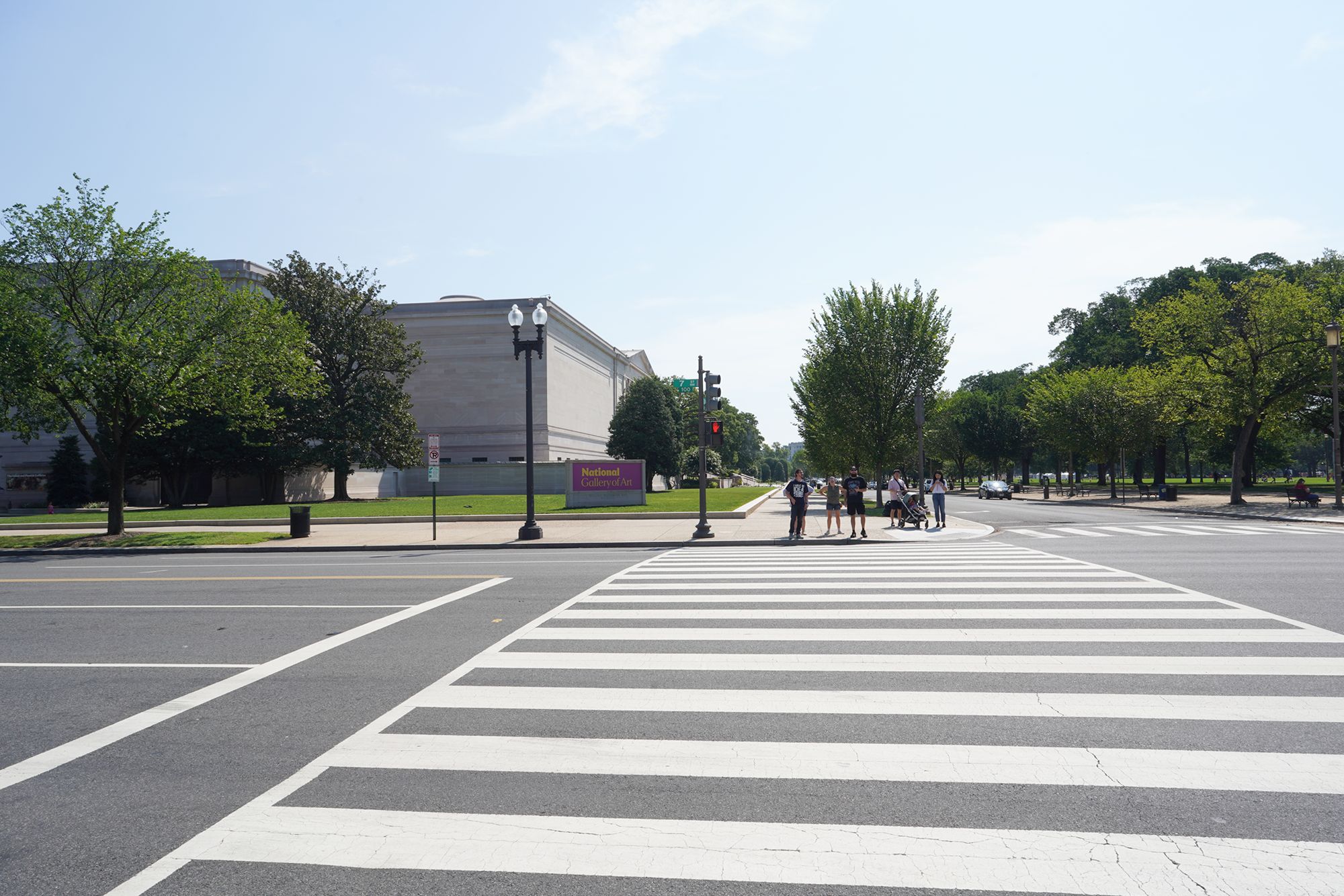
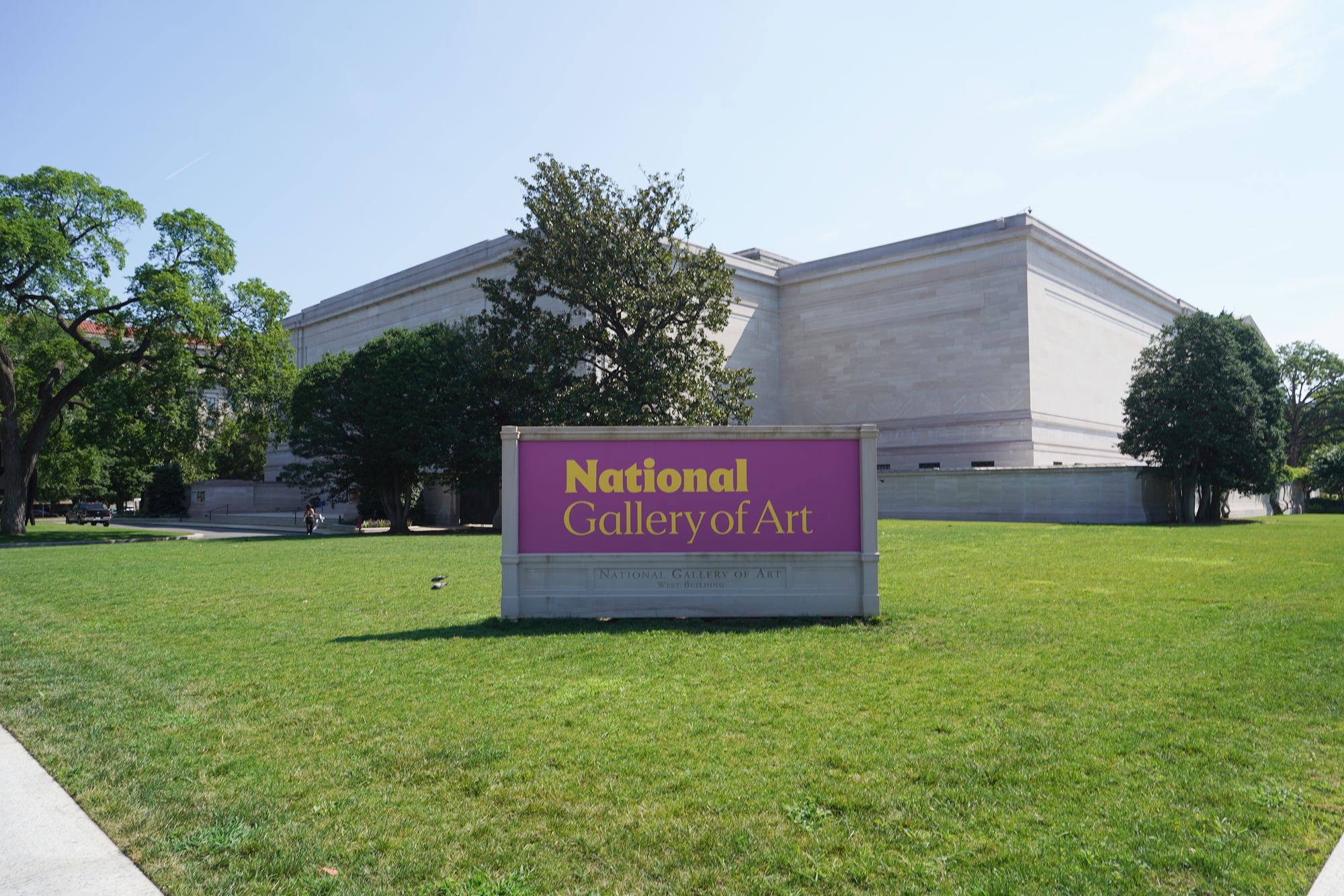
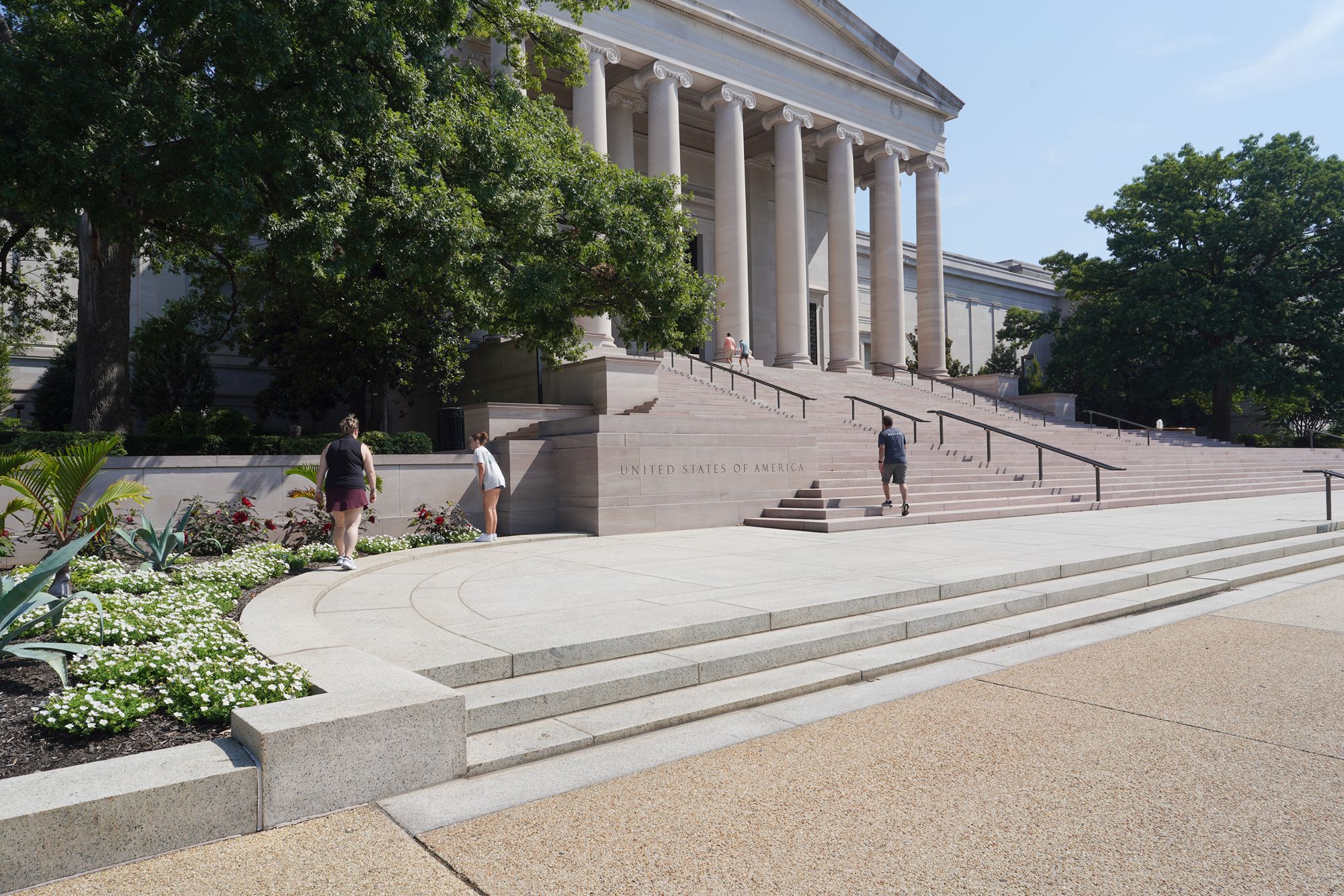
Walking to the National Gallery of Art
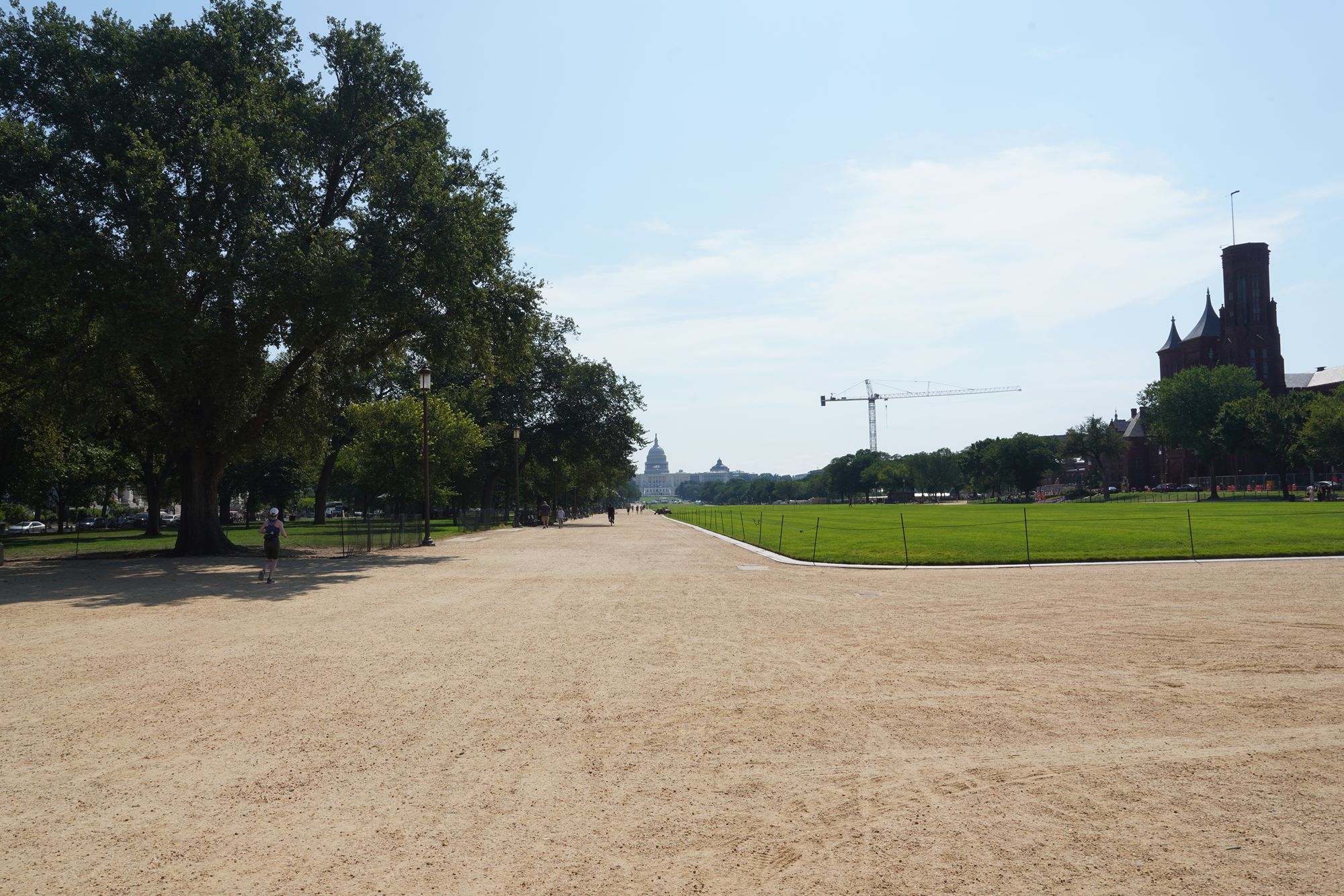
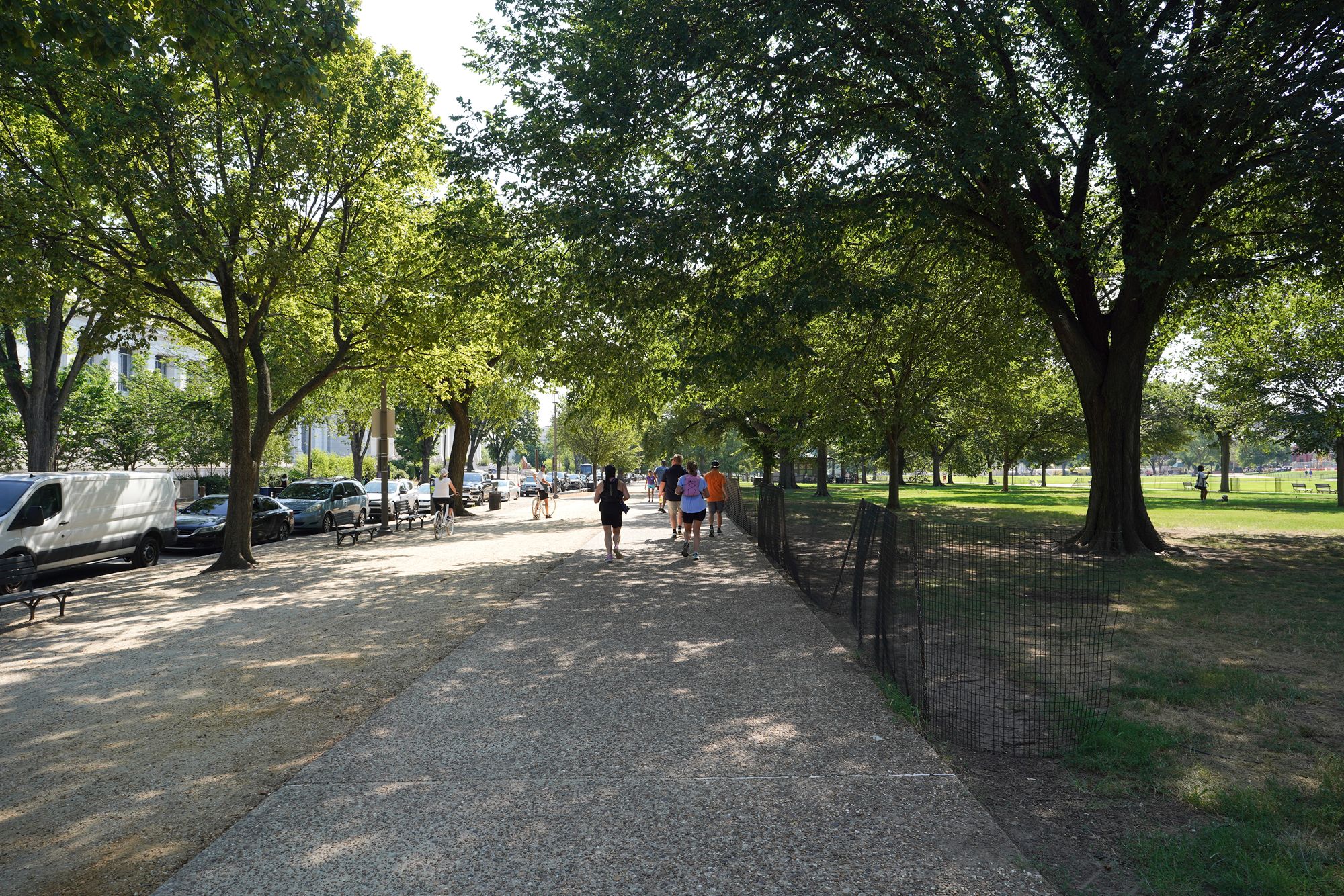
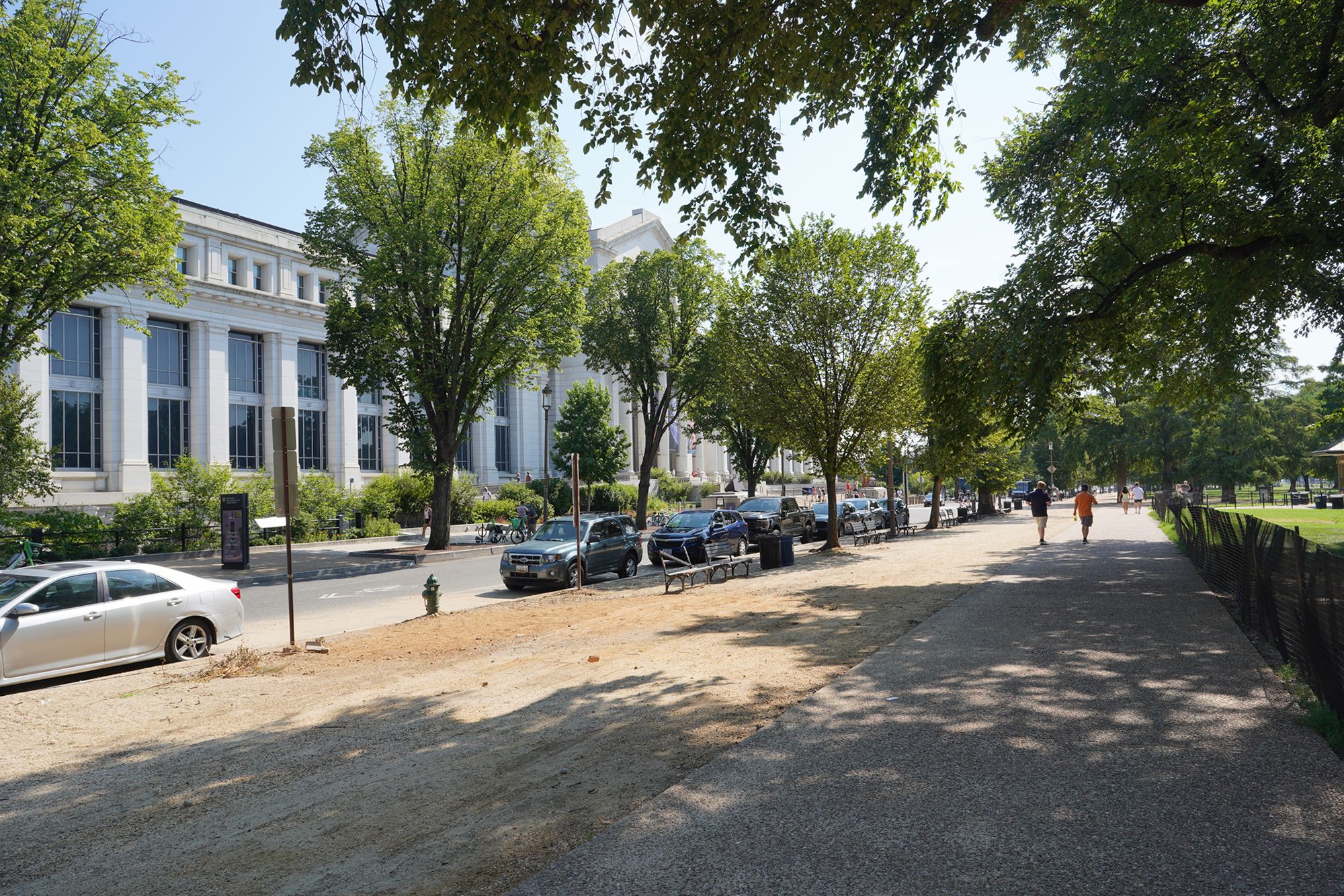
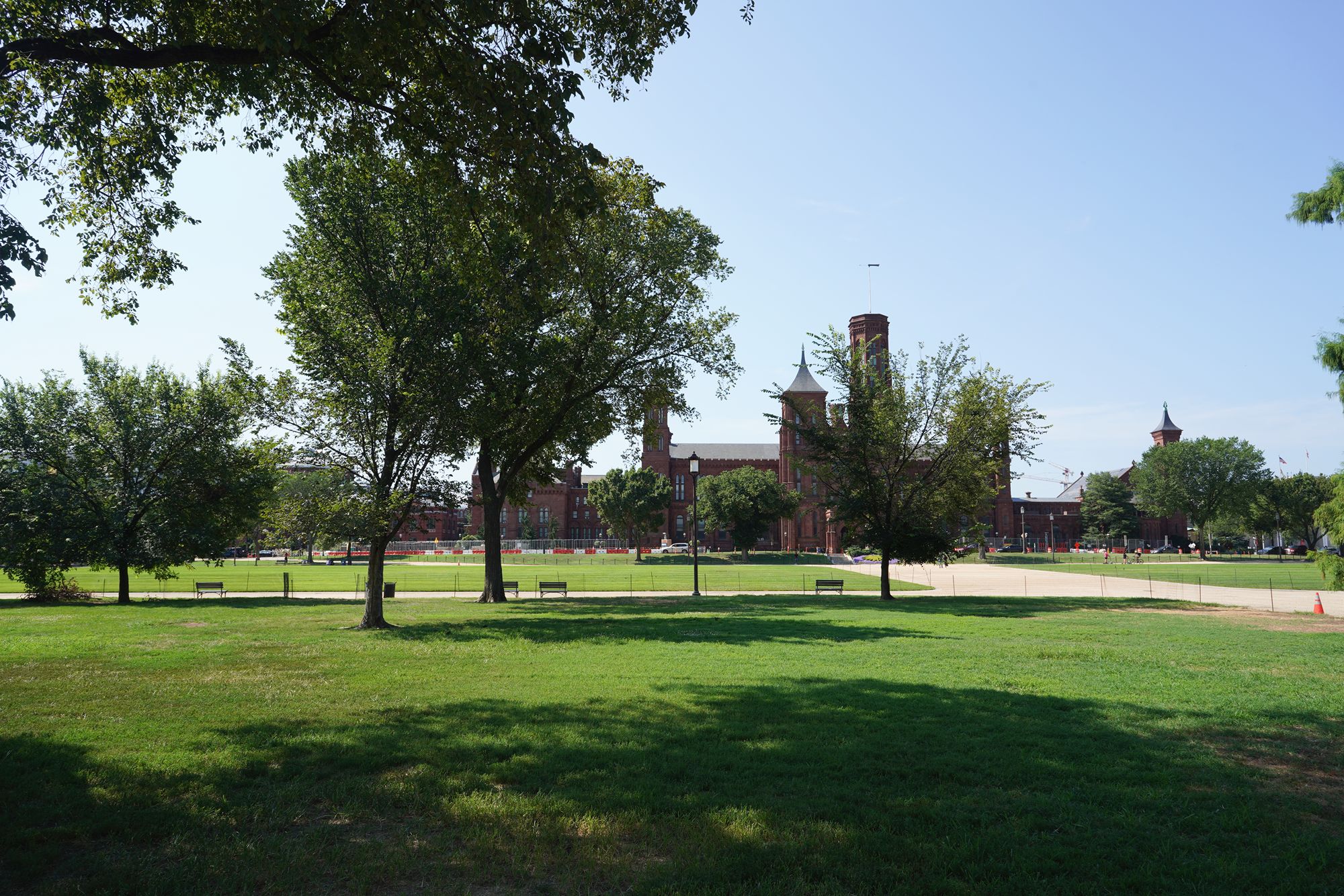
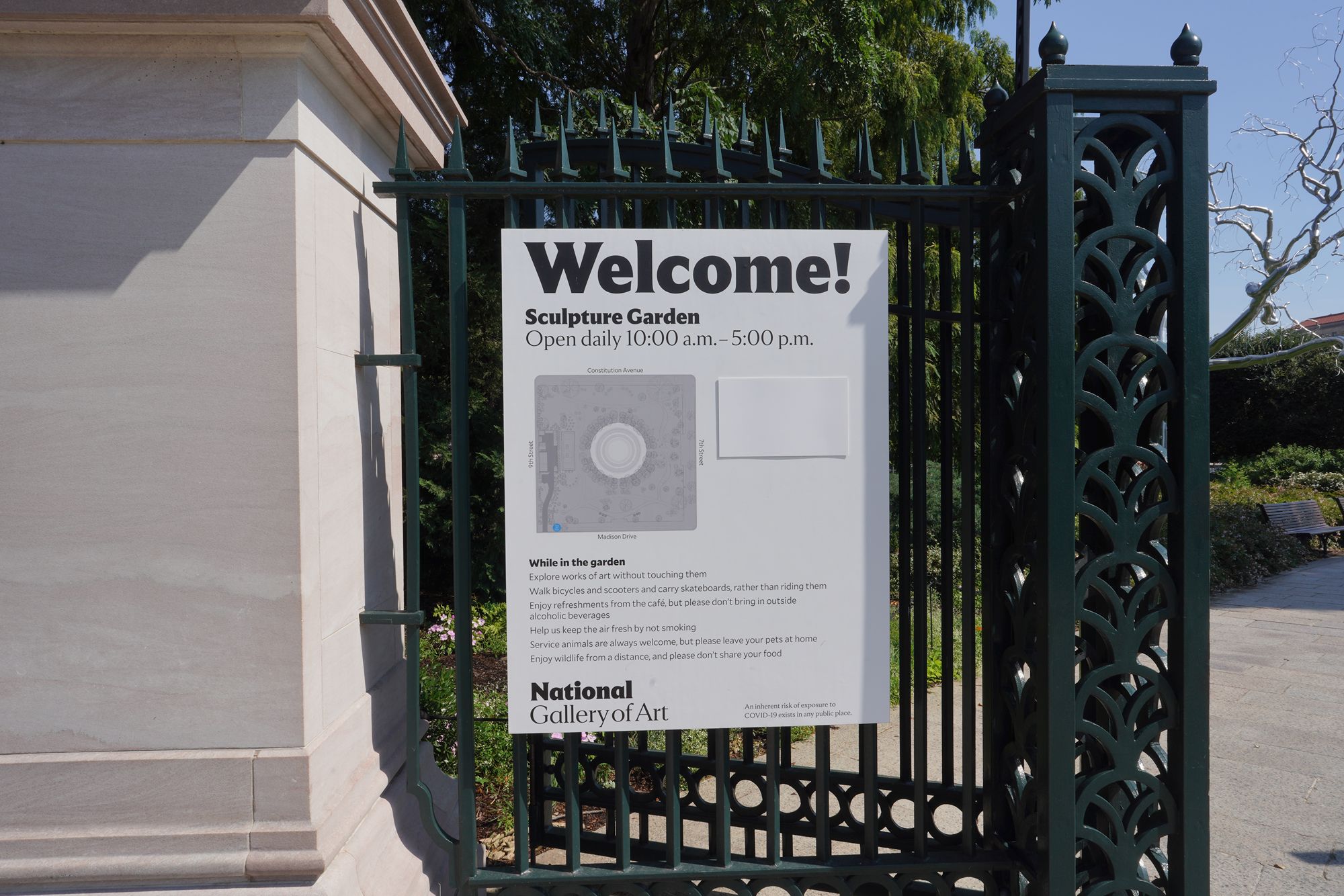
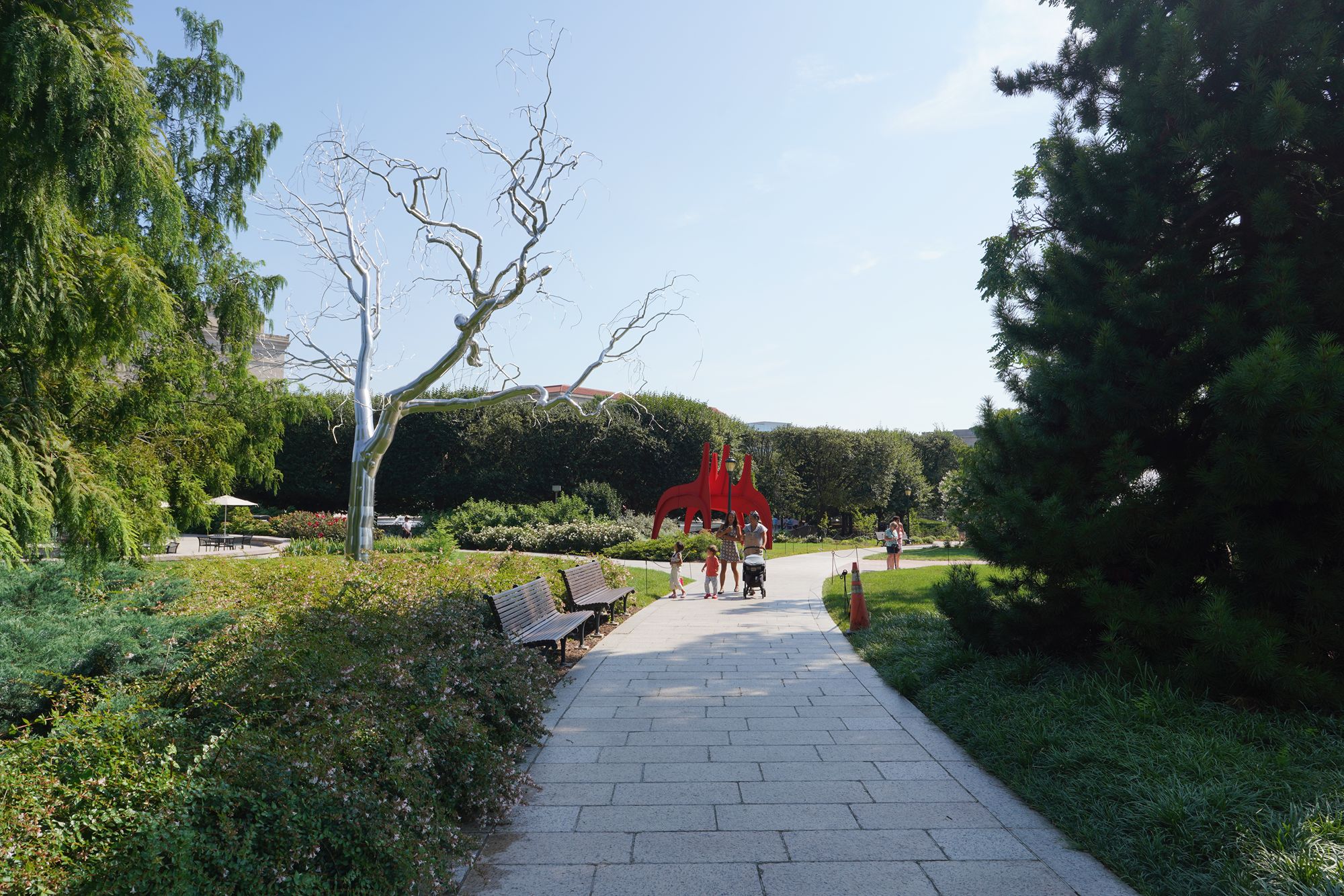
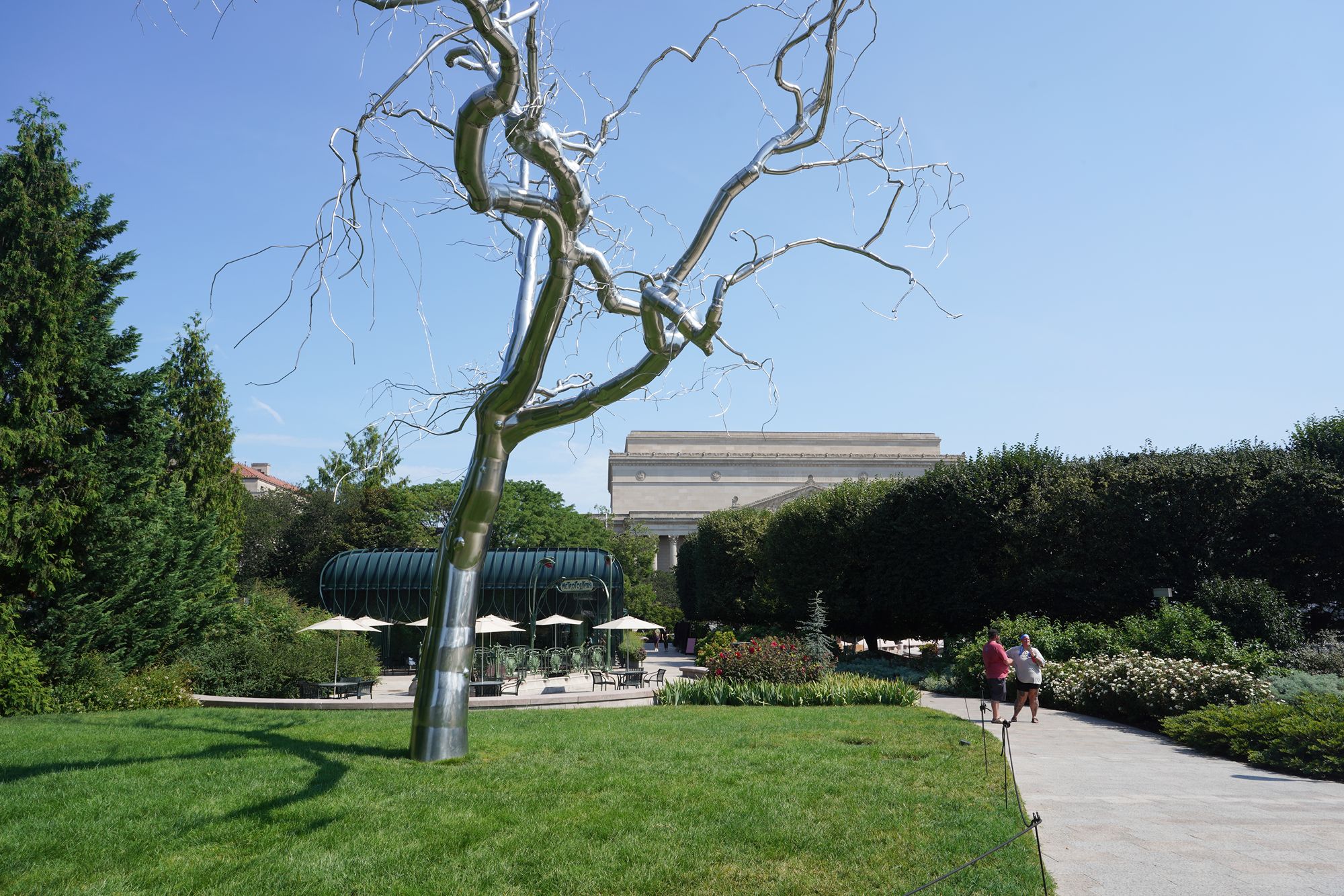
Sculpture Garden of National Gallery of Art
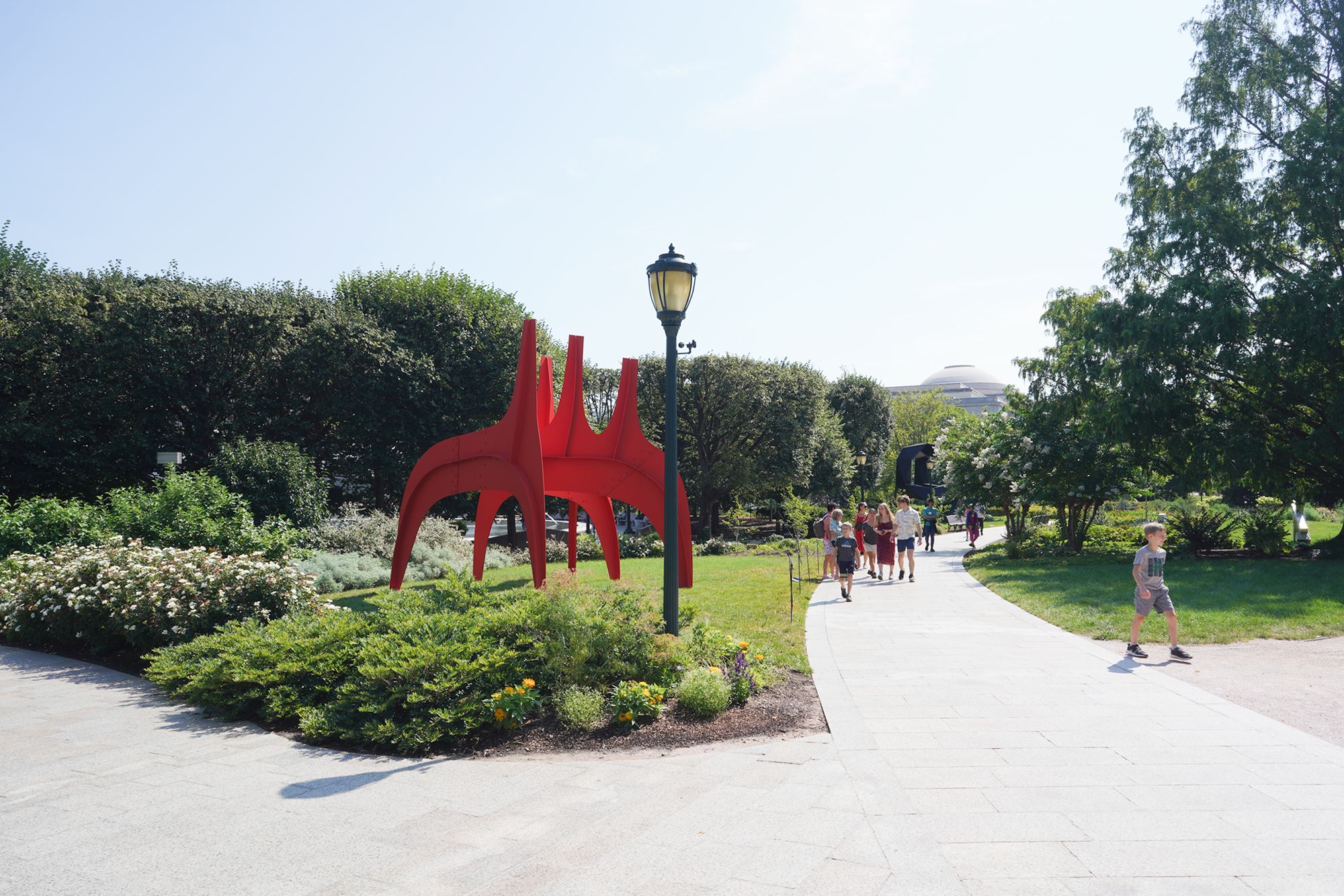
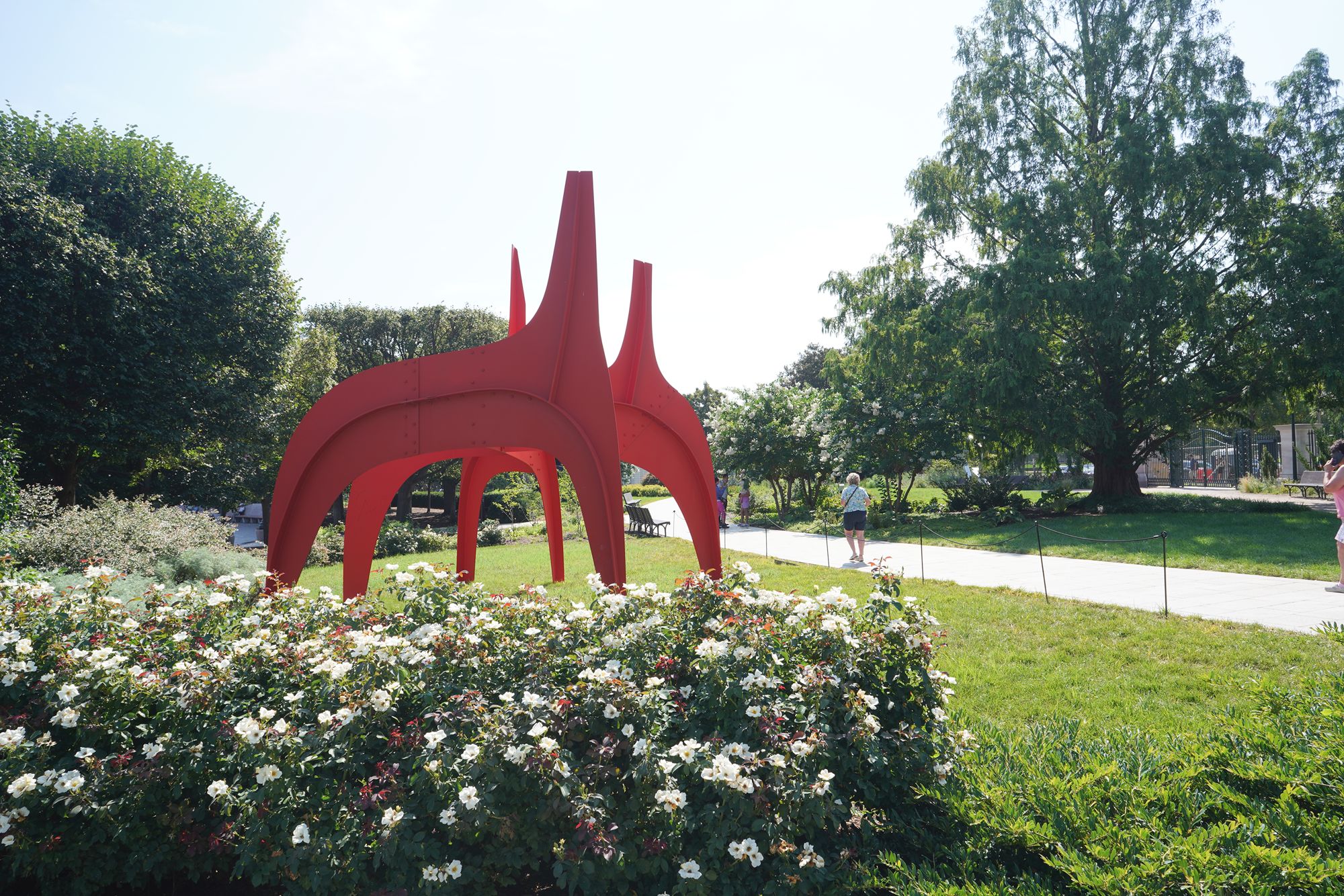
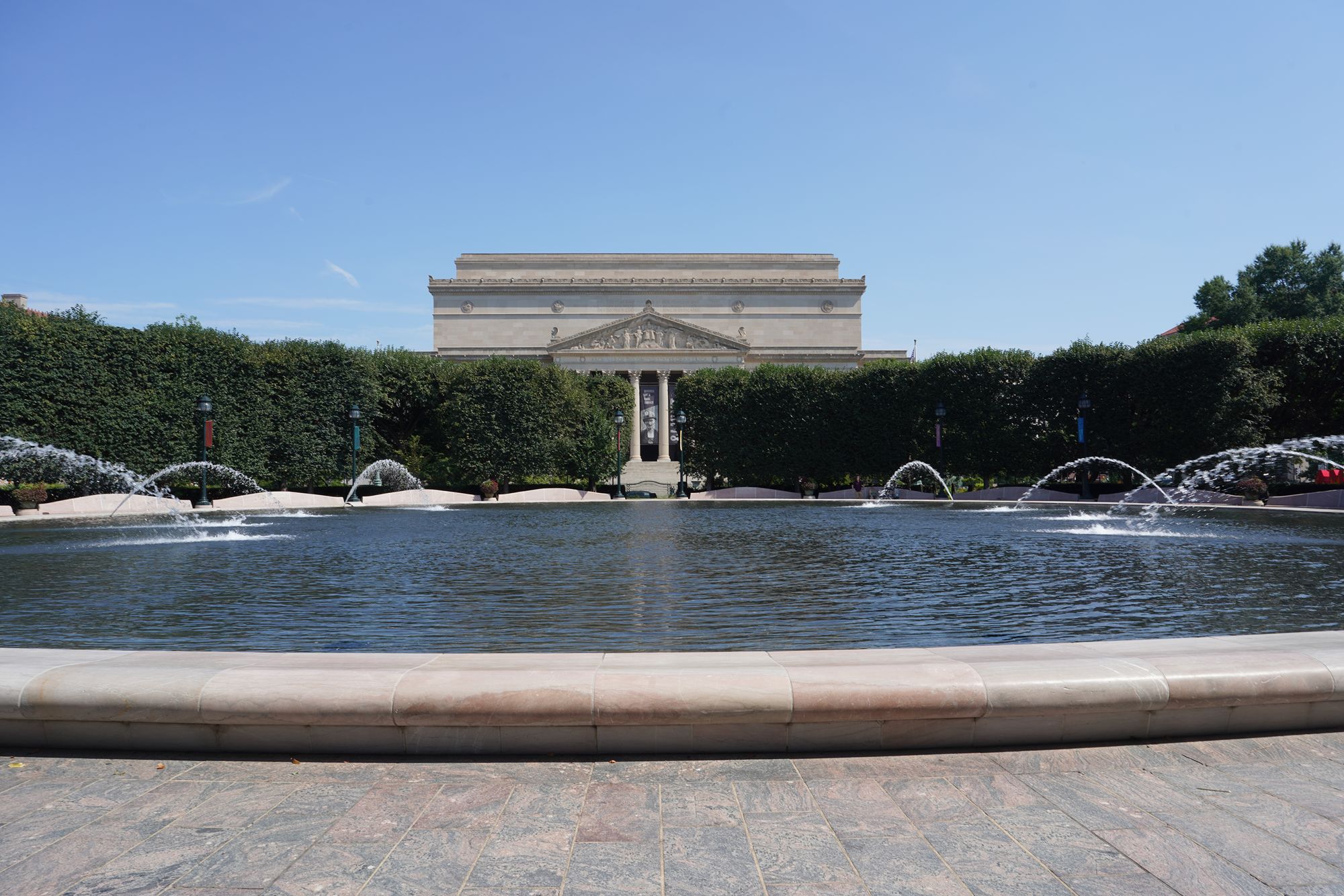
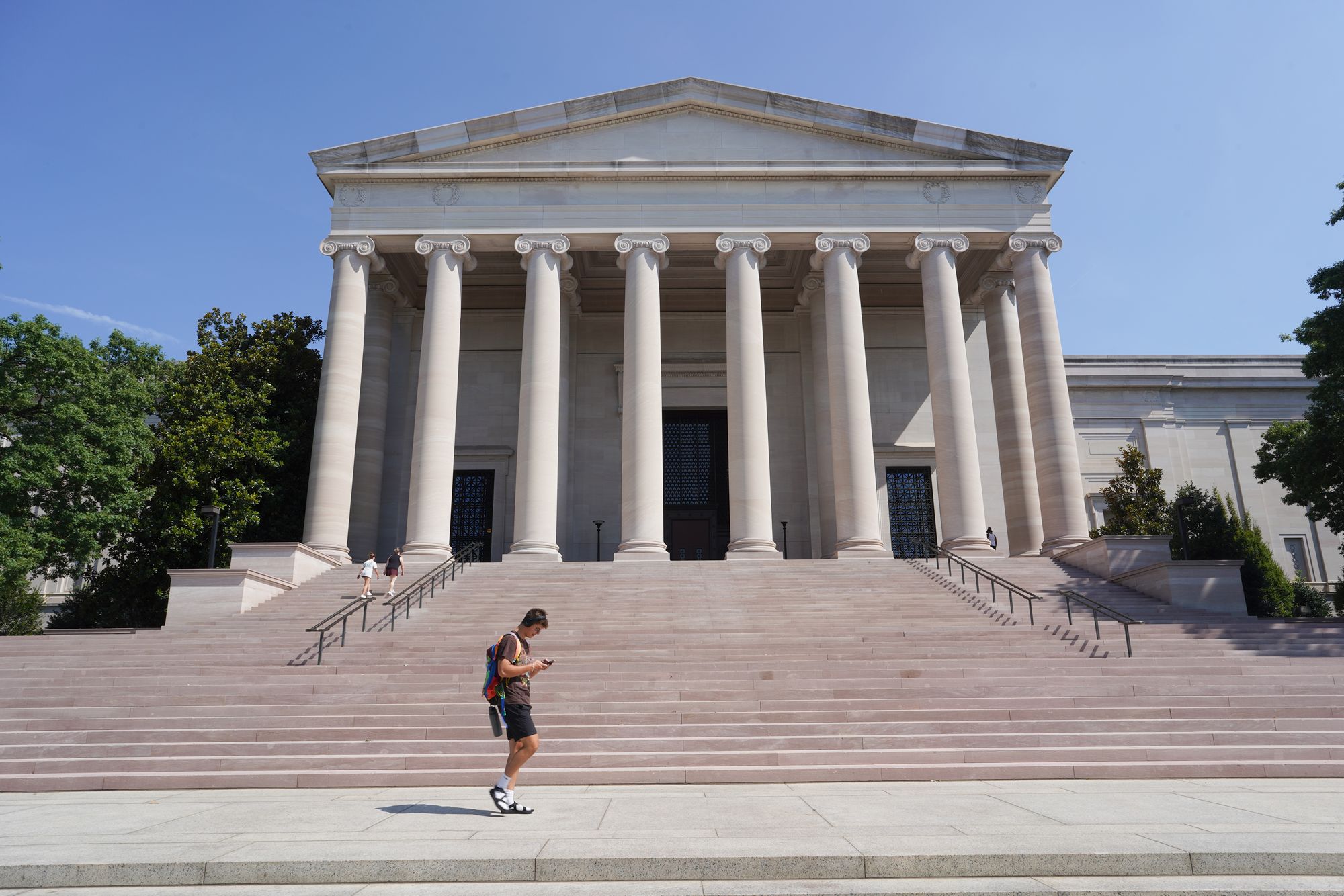
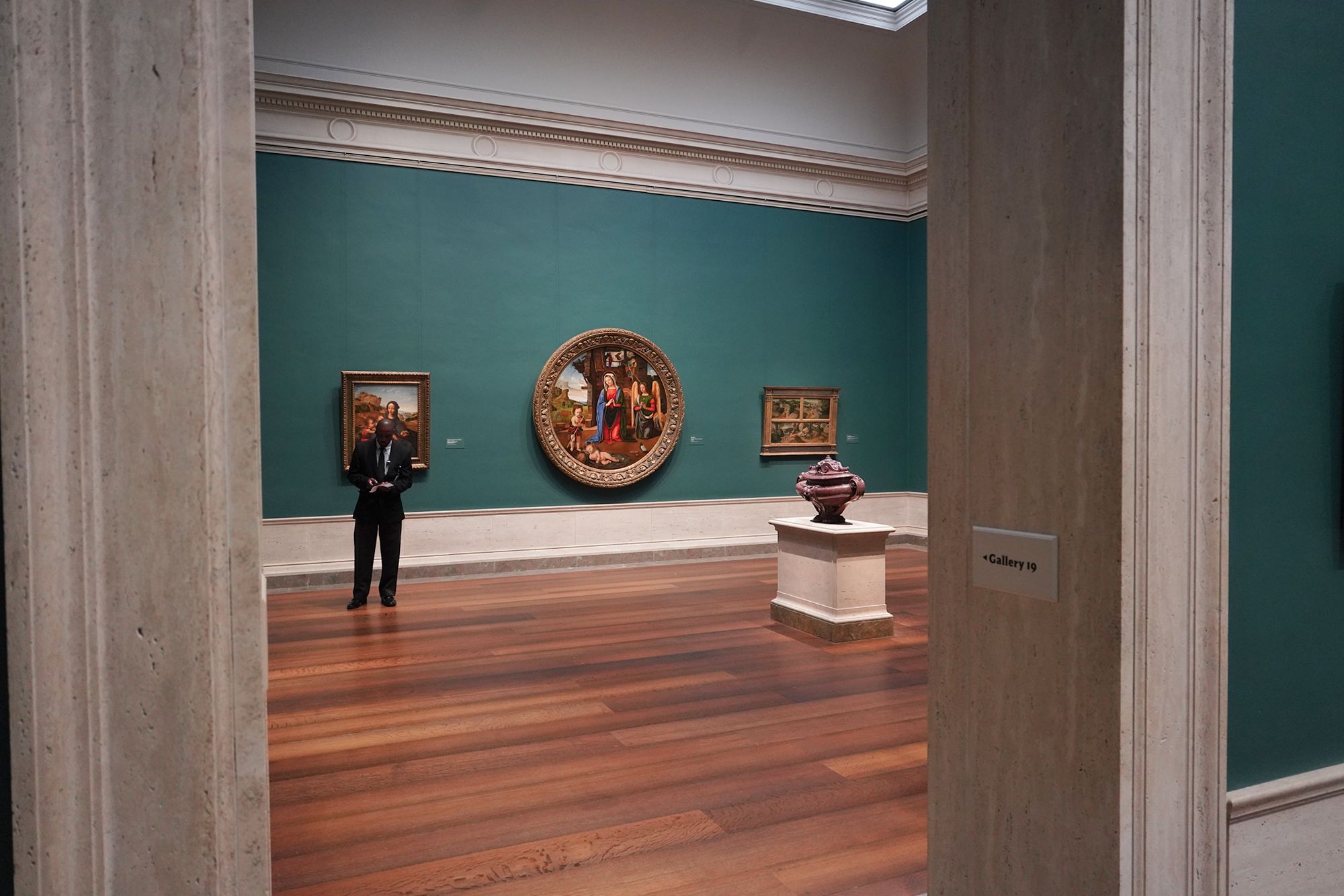
Inside the National Gallery of Art
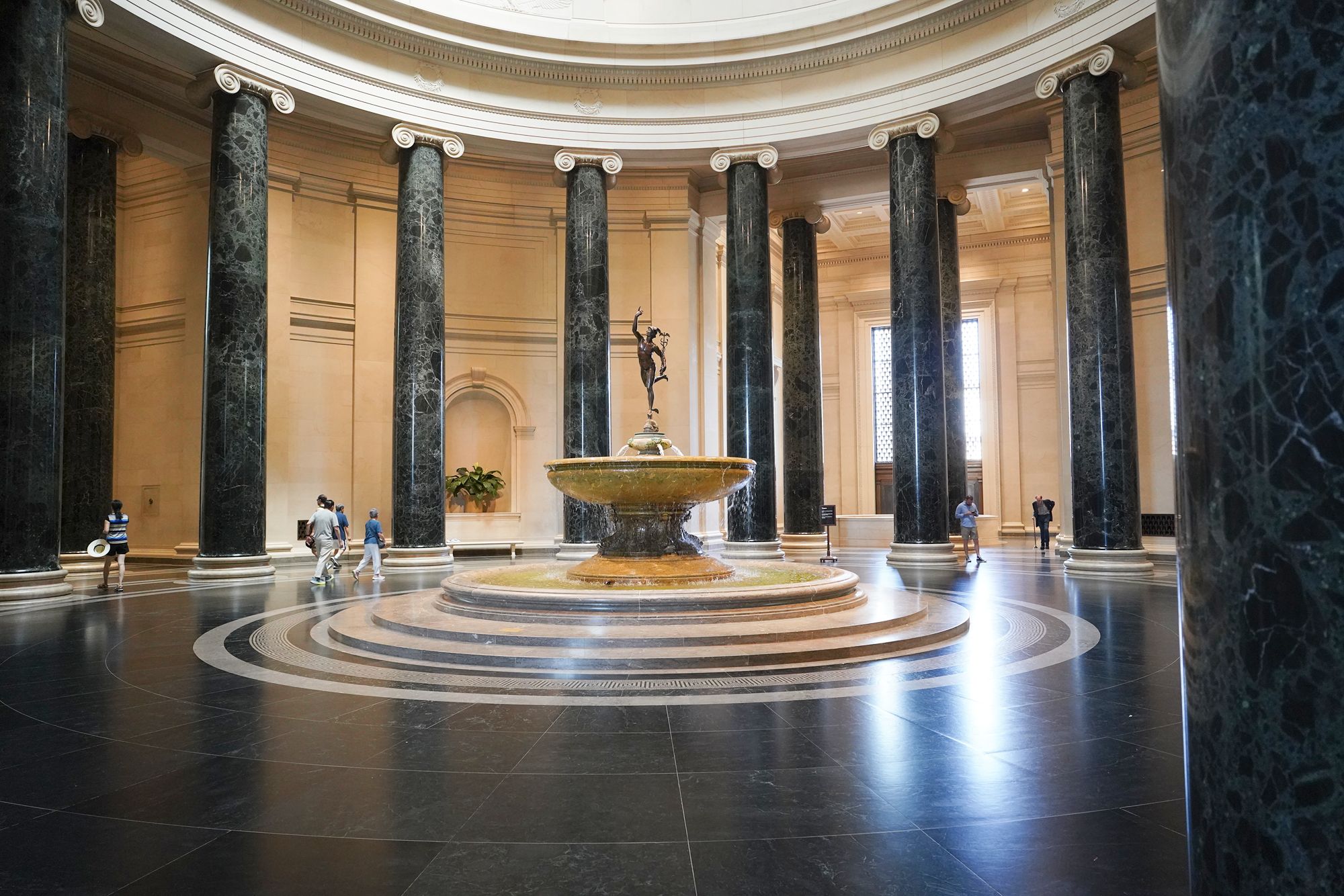
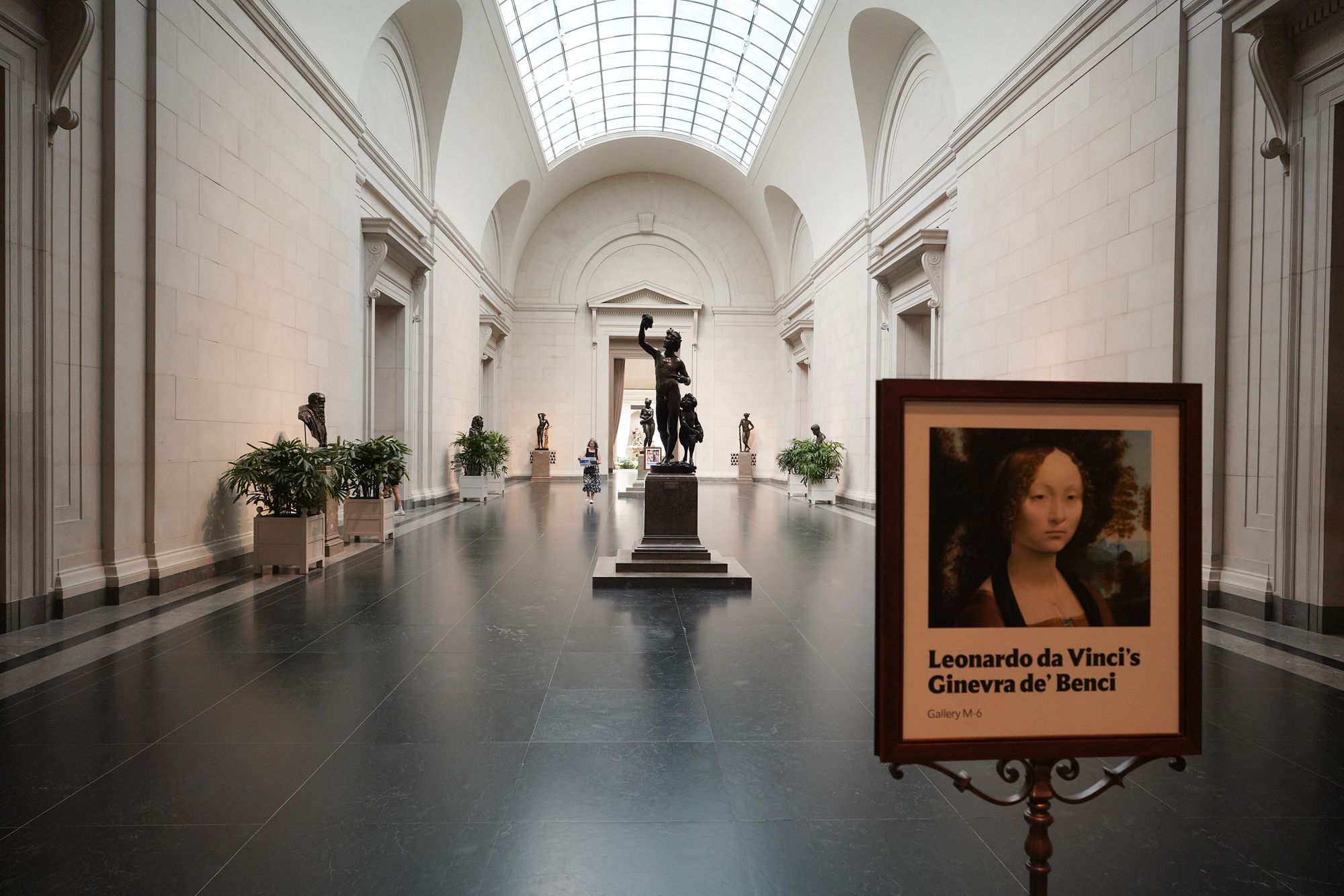
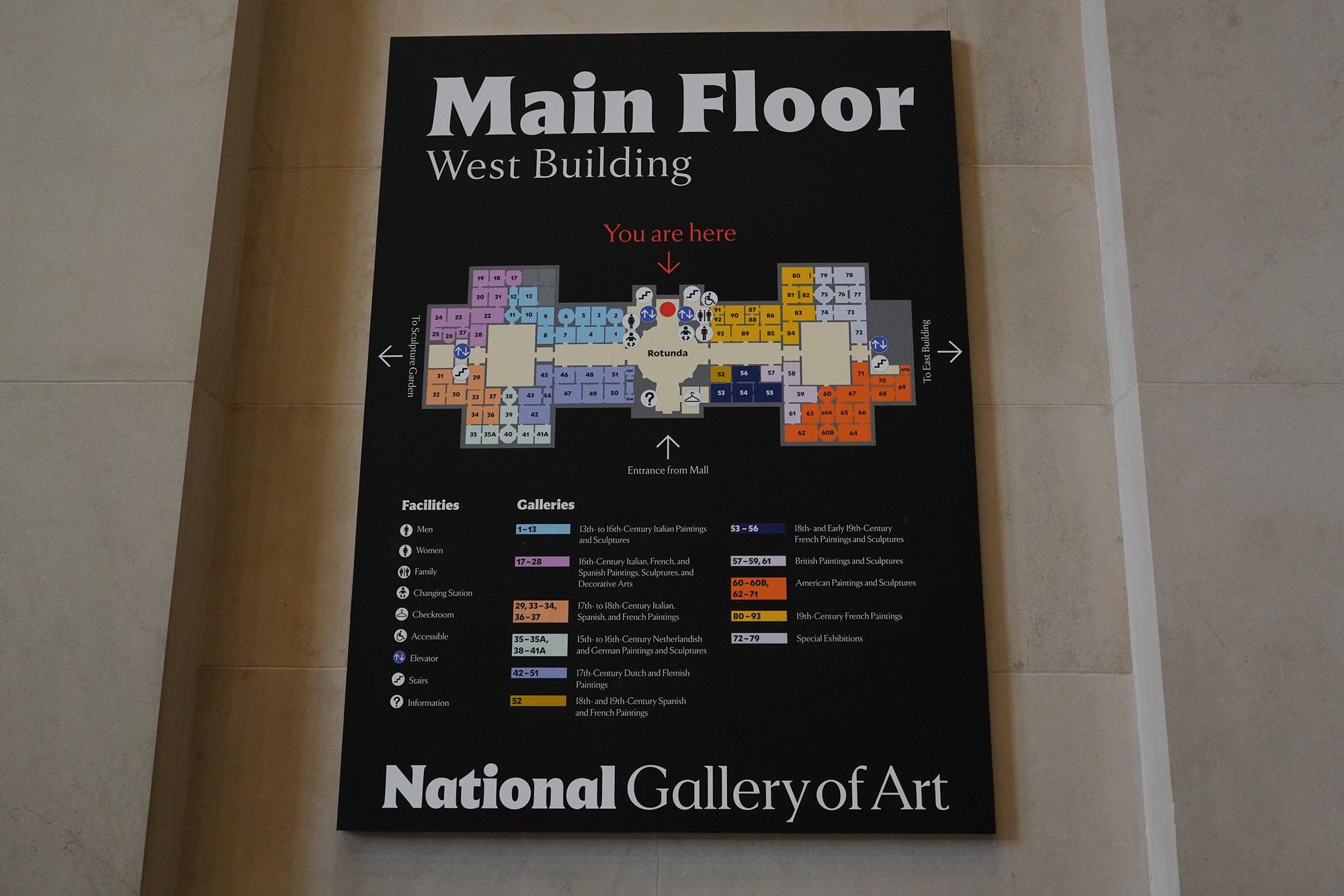
The National Gallery of Art in Washington, D.C. organizes its vast collection by period, geography, and medium, allowing visitors to follow the development of art across time and cultures.
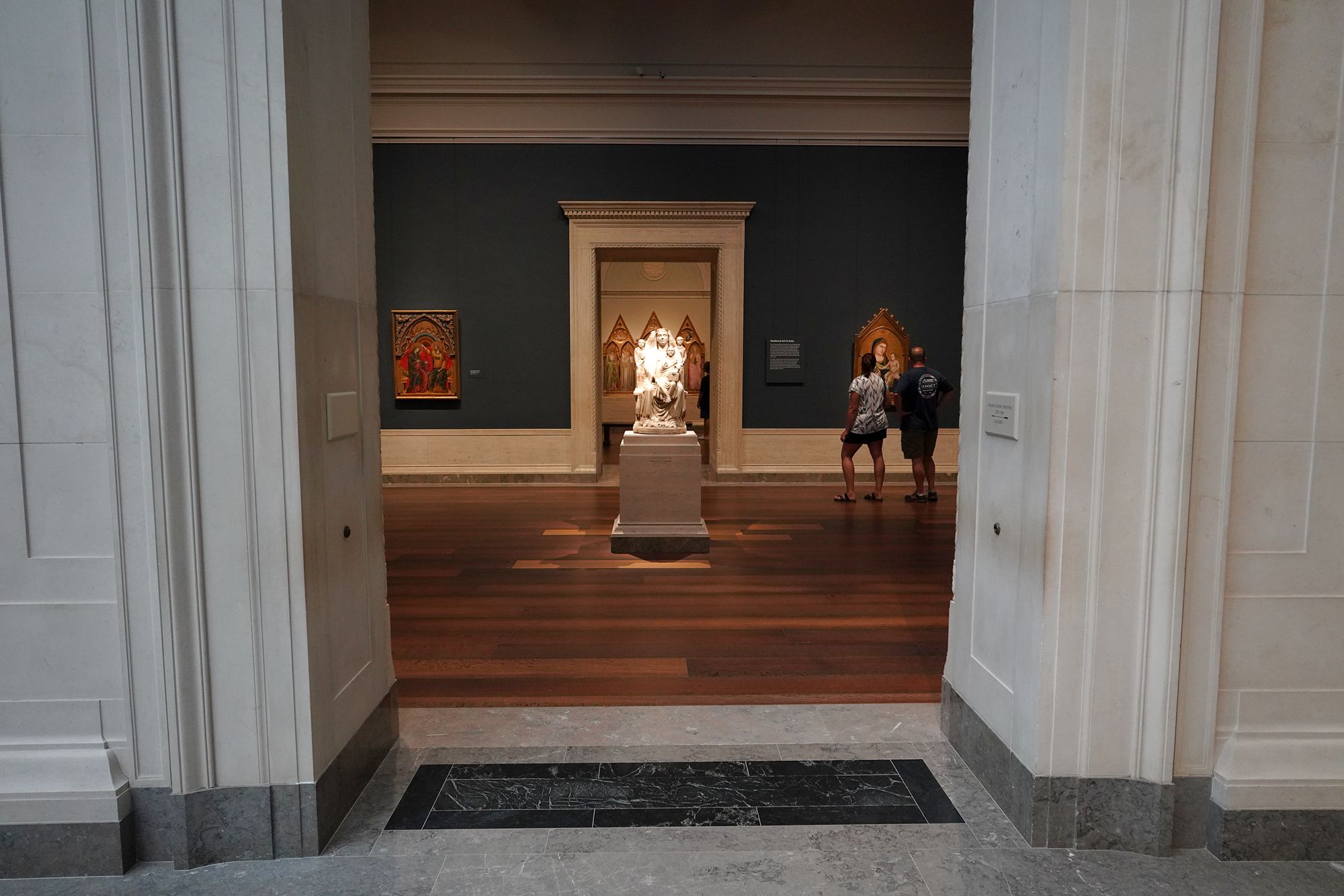
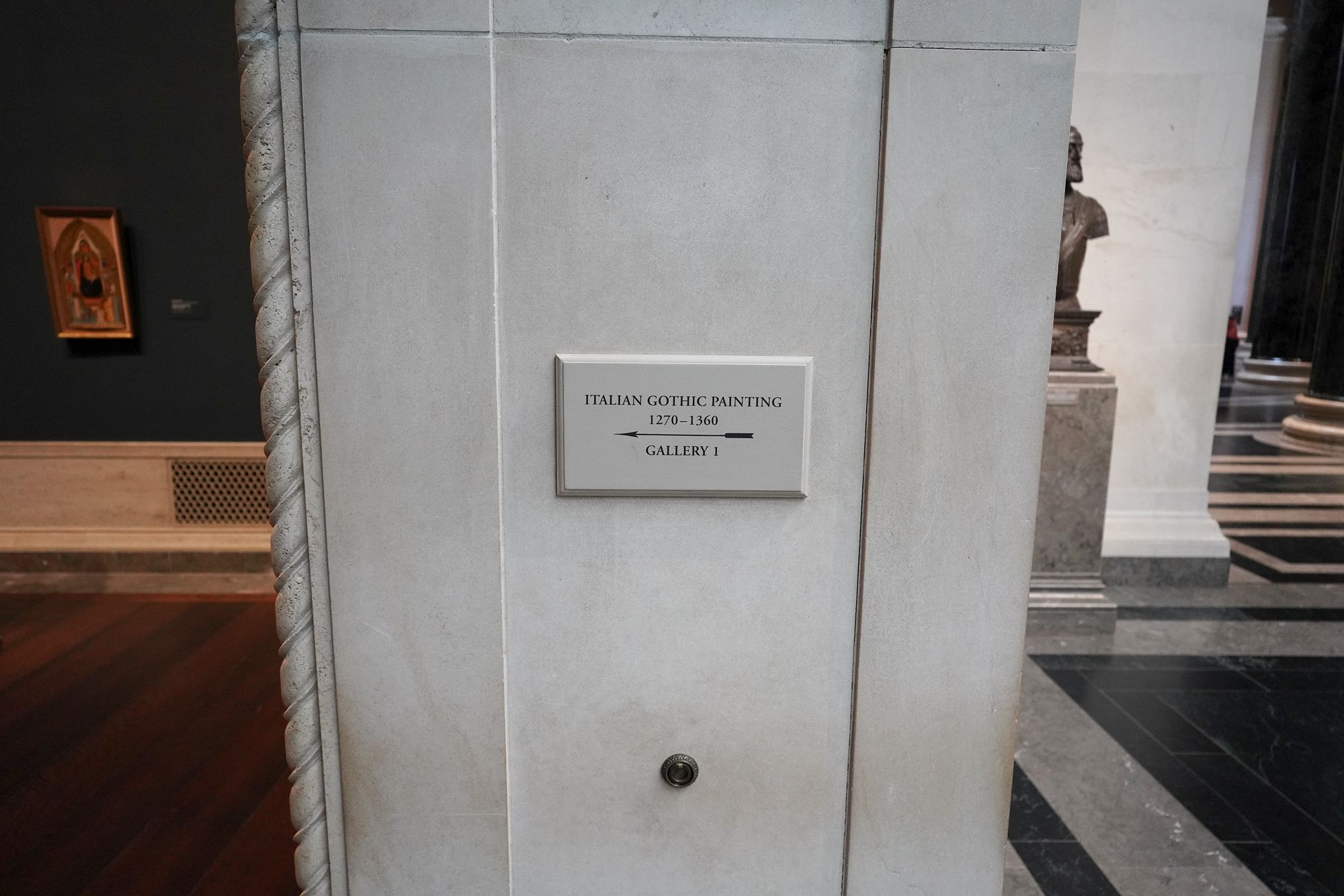
I followed the gallery route in numerical order, from the lowest number to the highest.
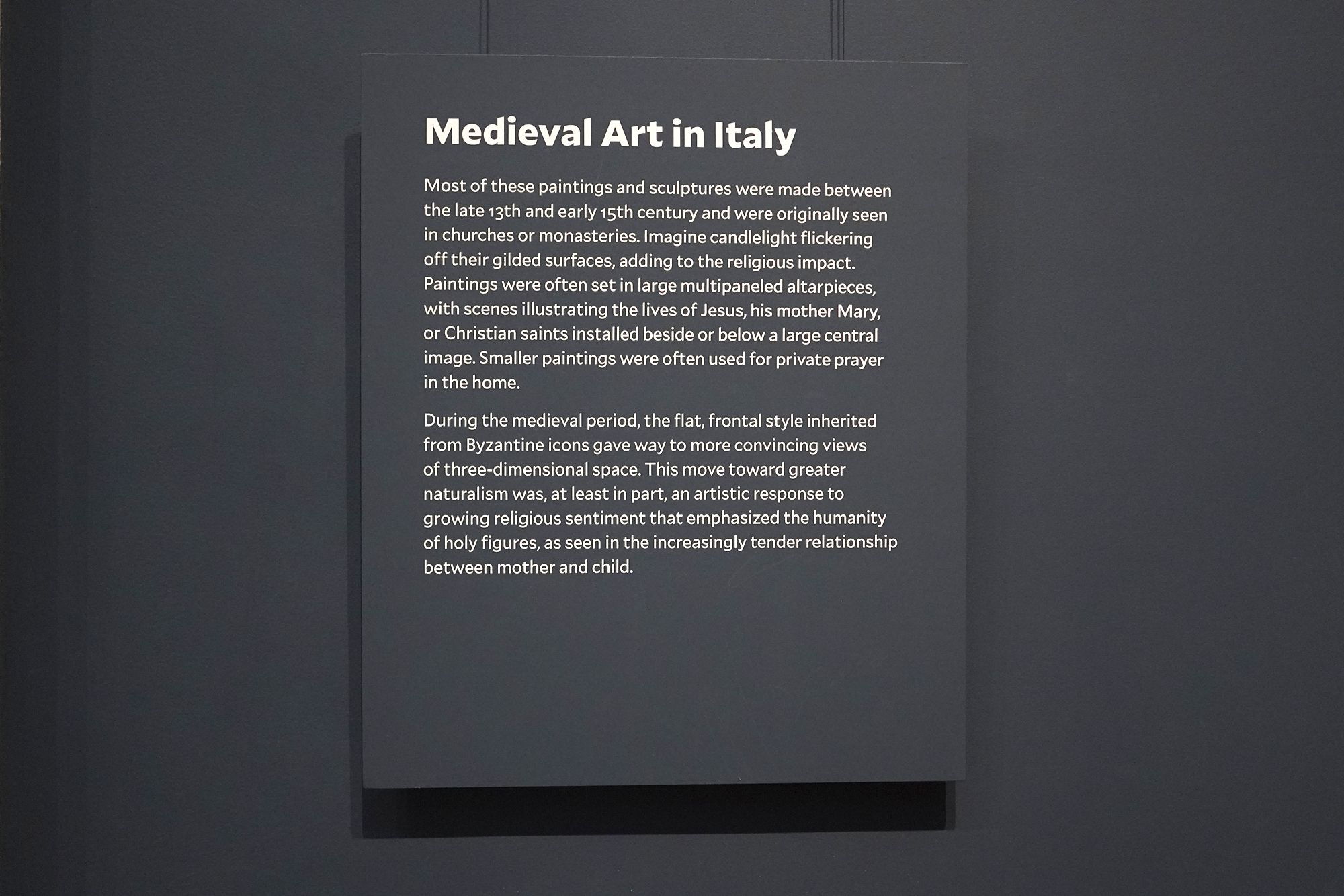
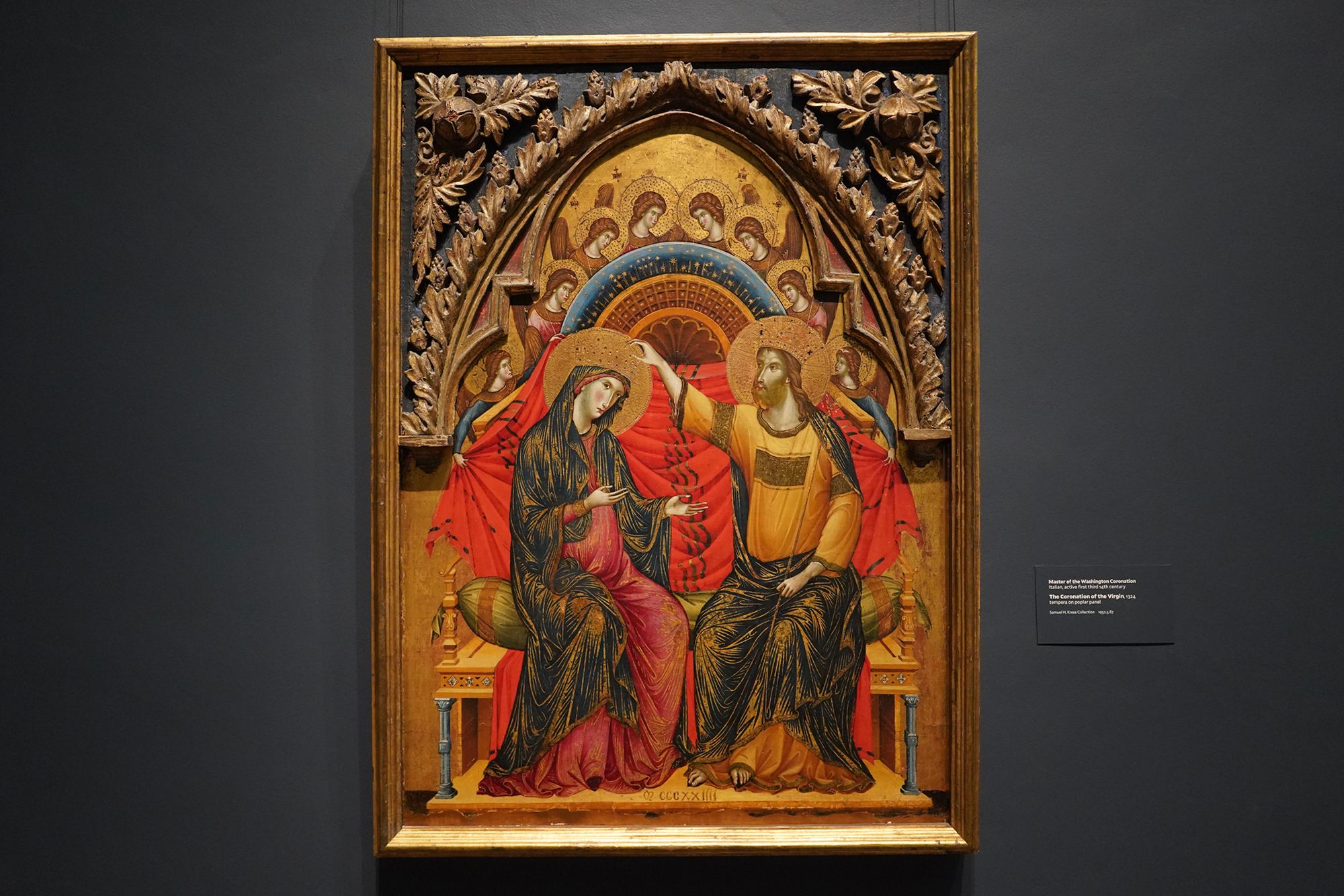
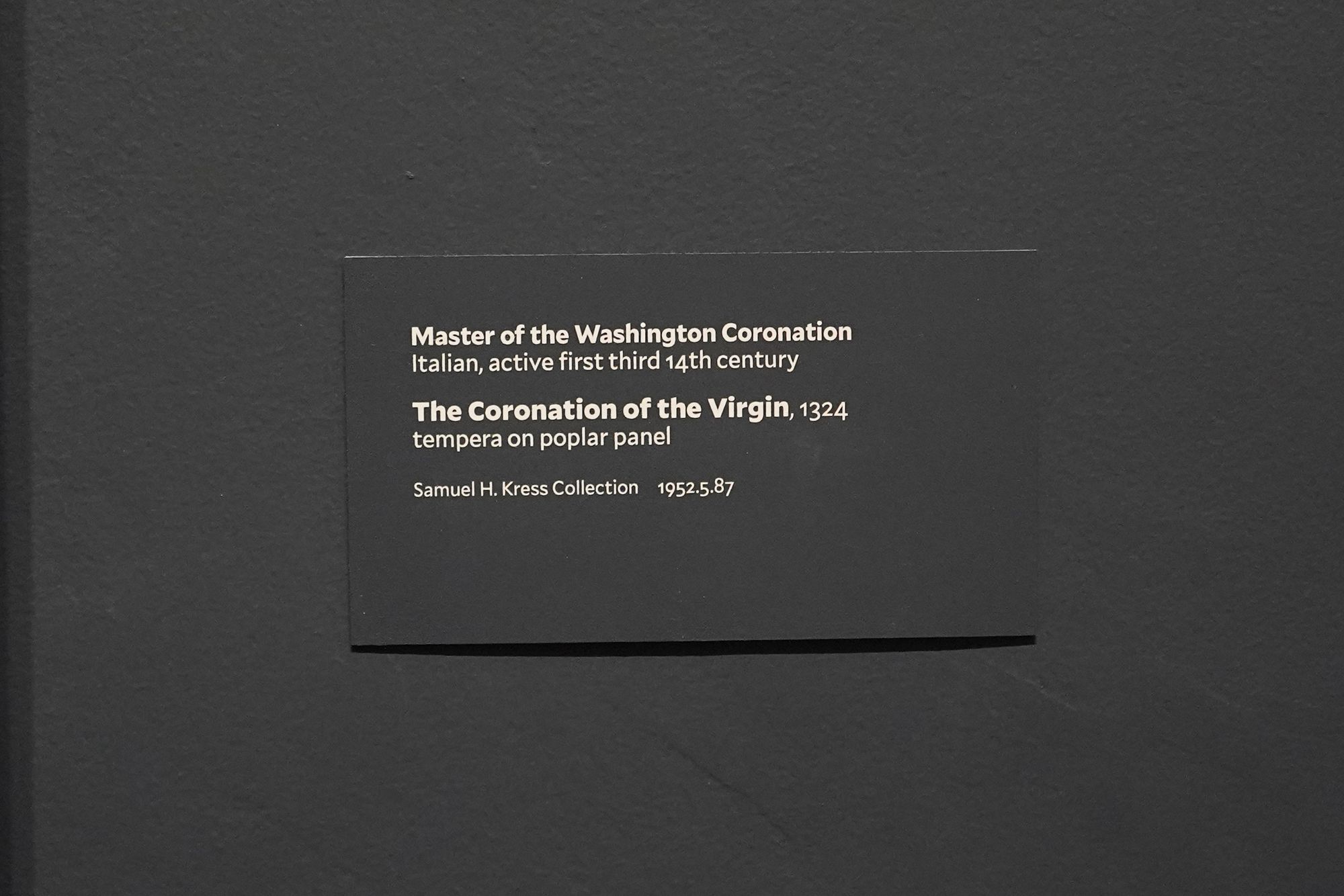
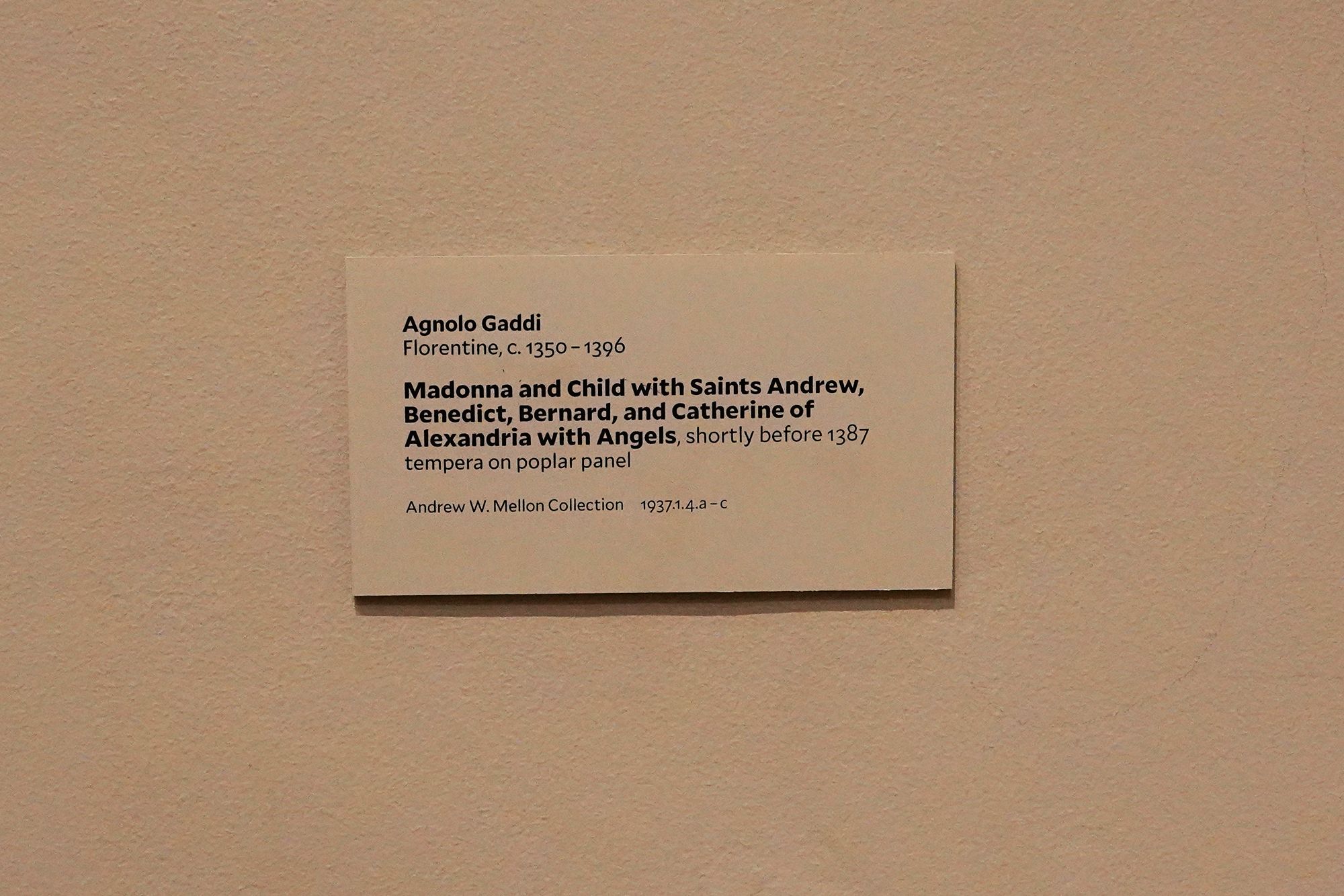
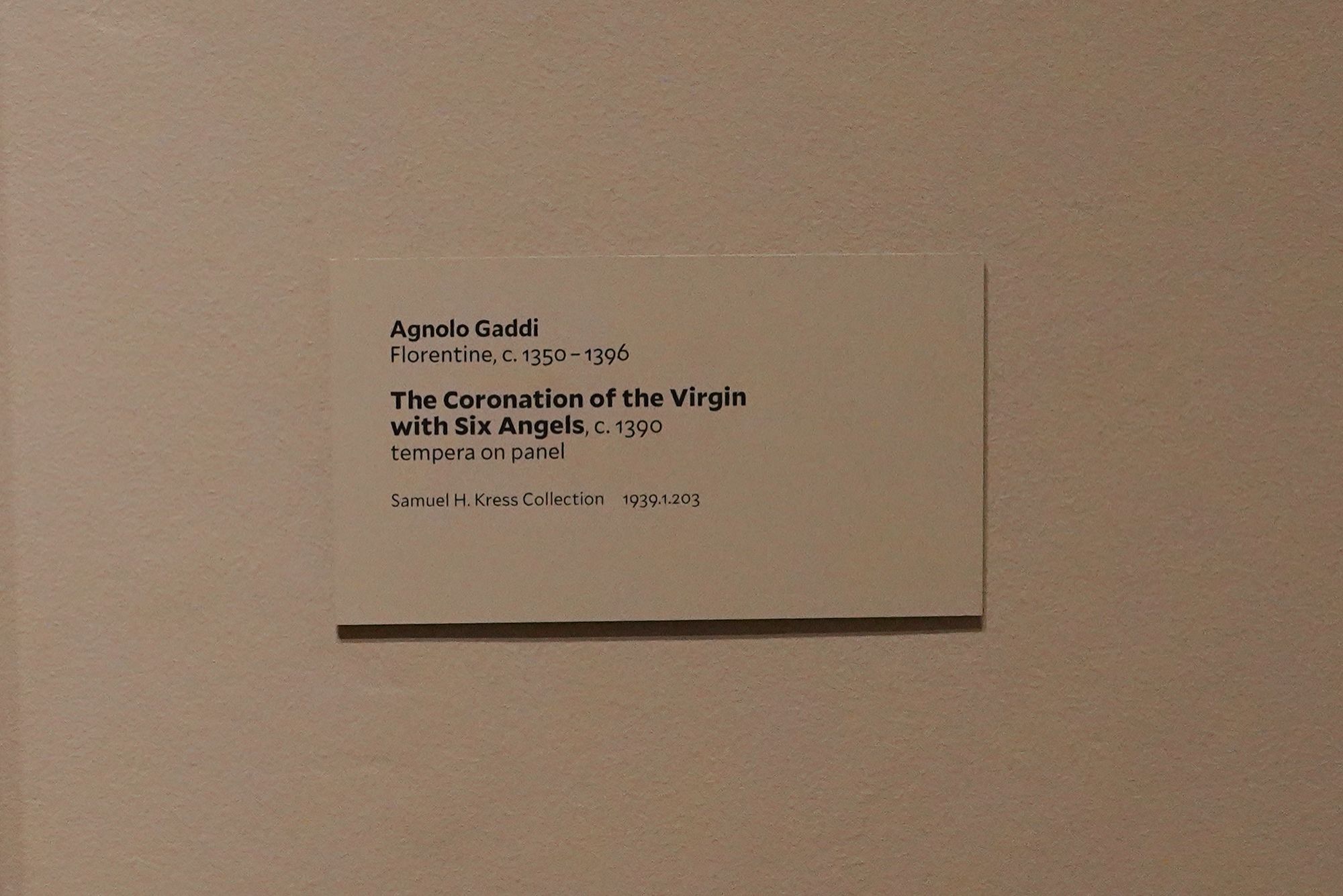
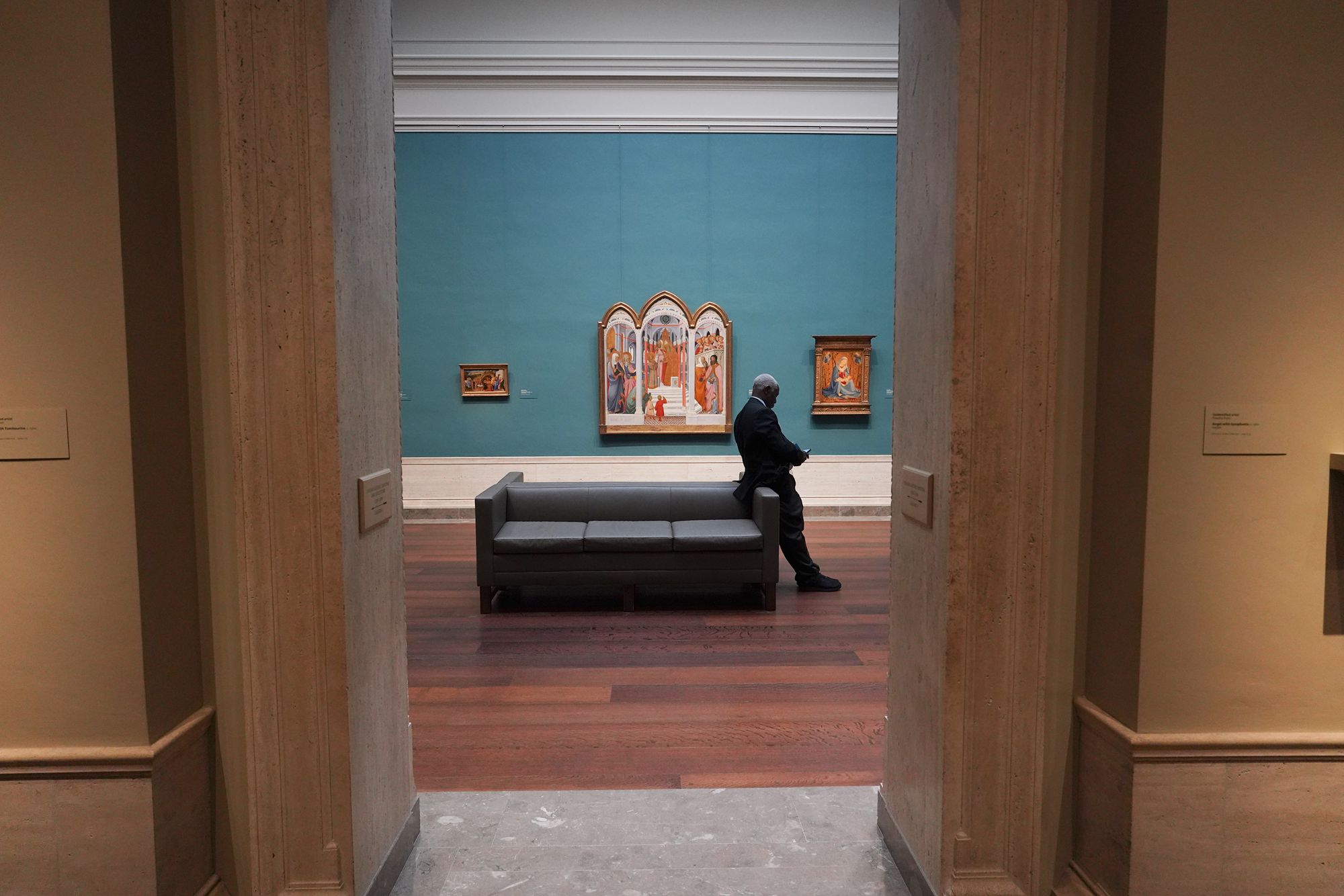
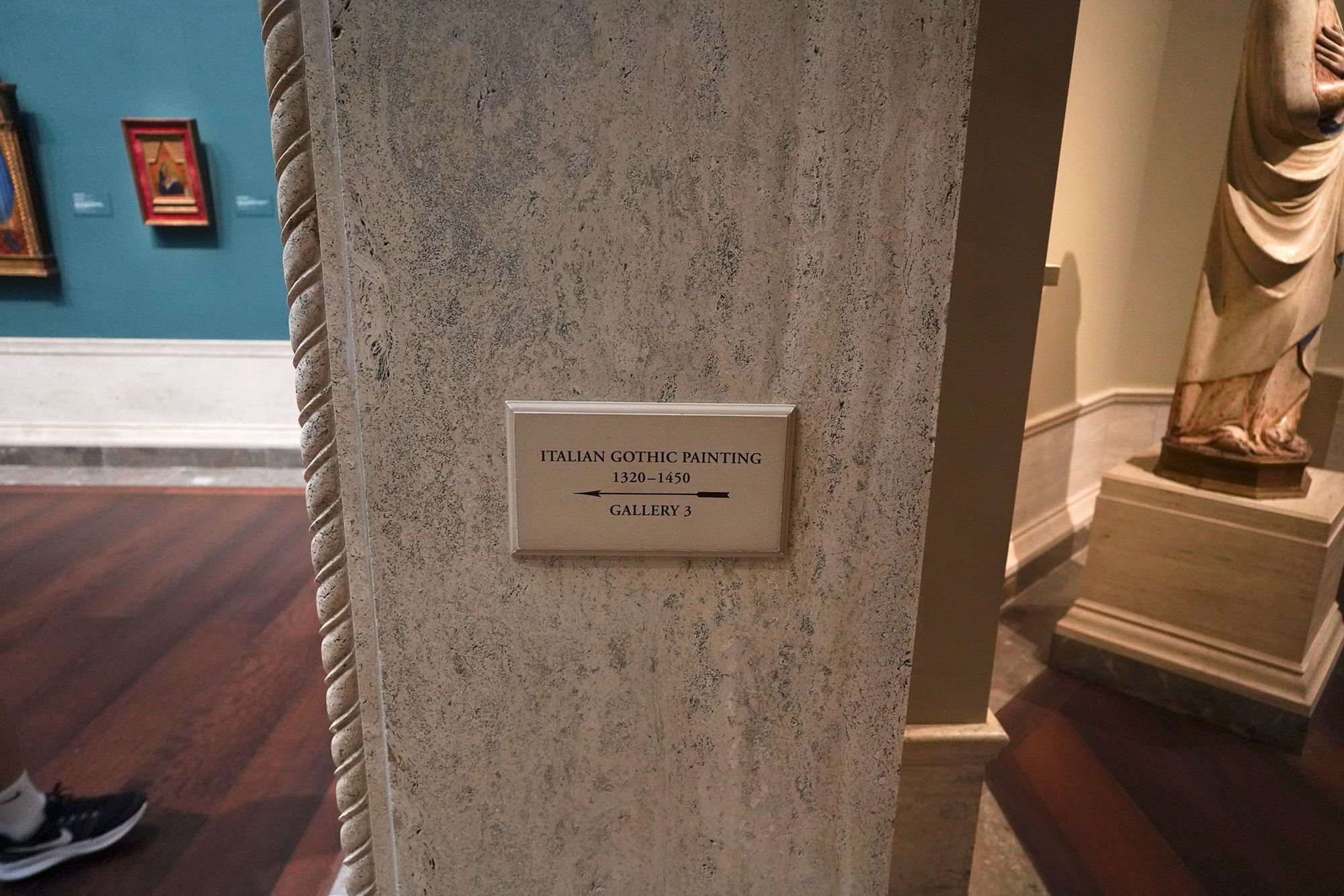
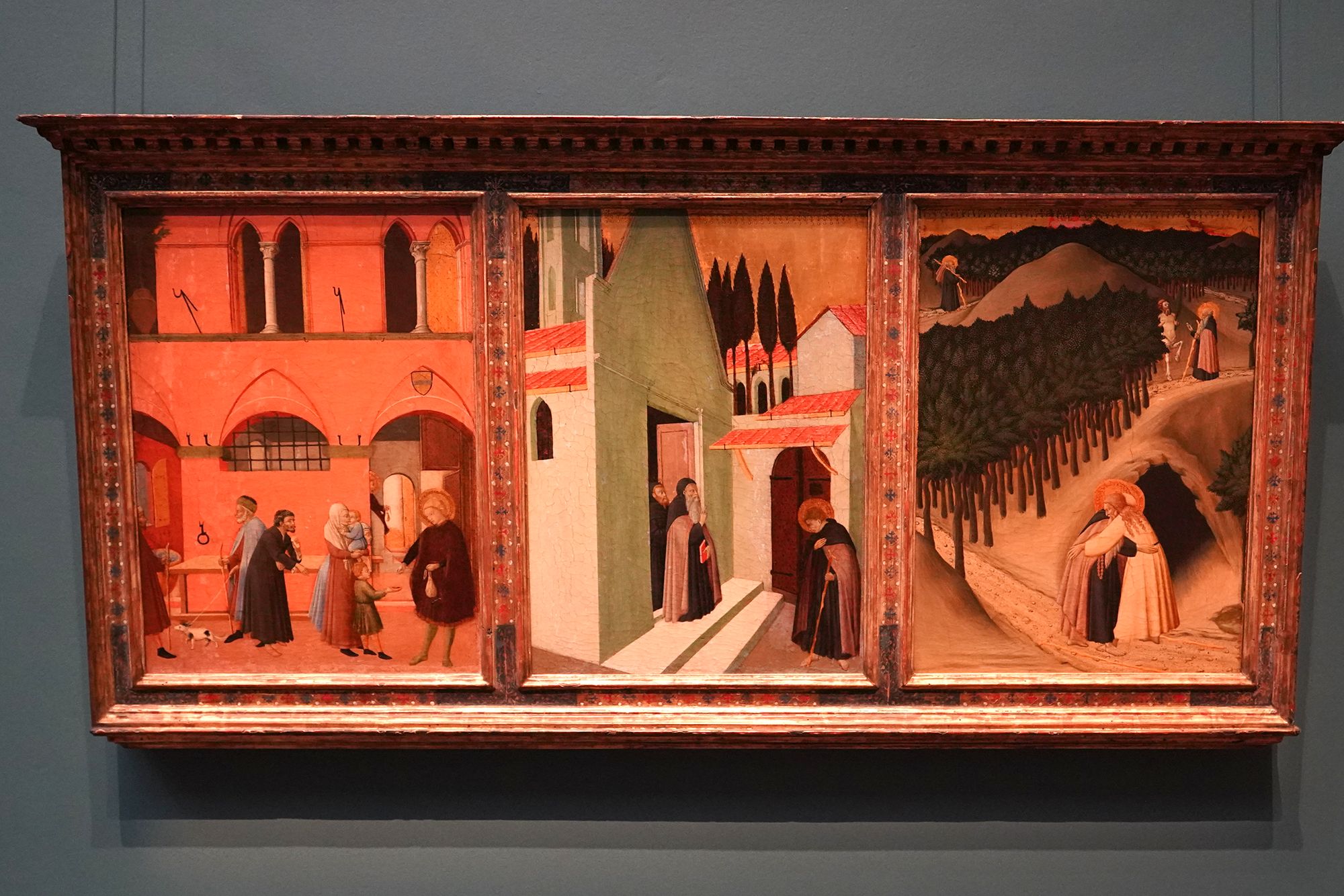
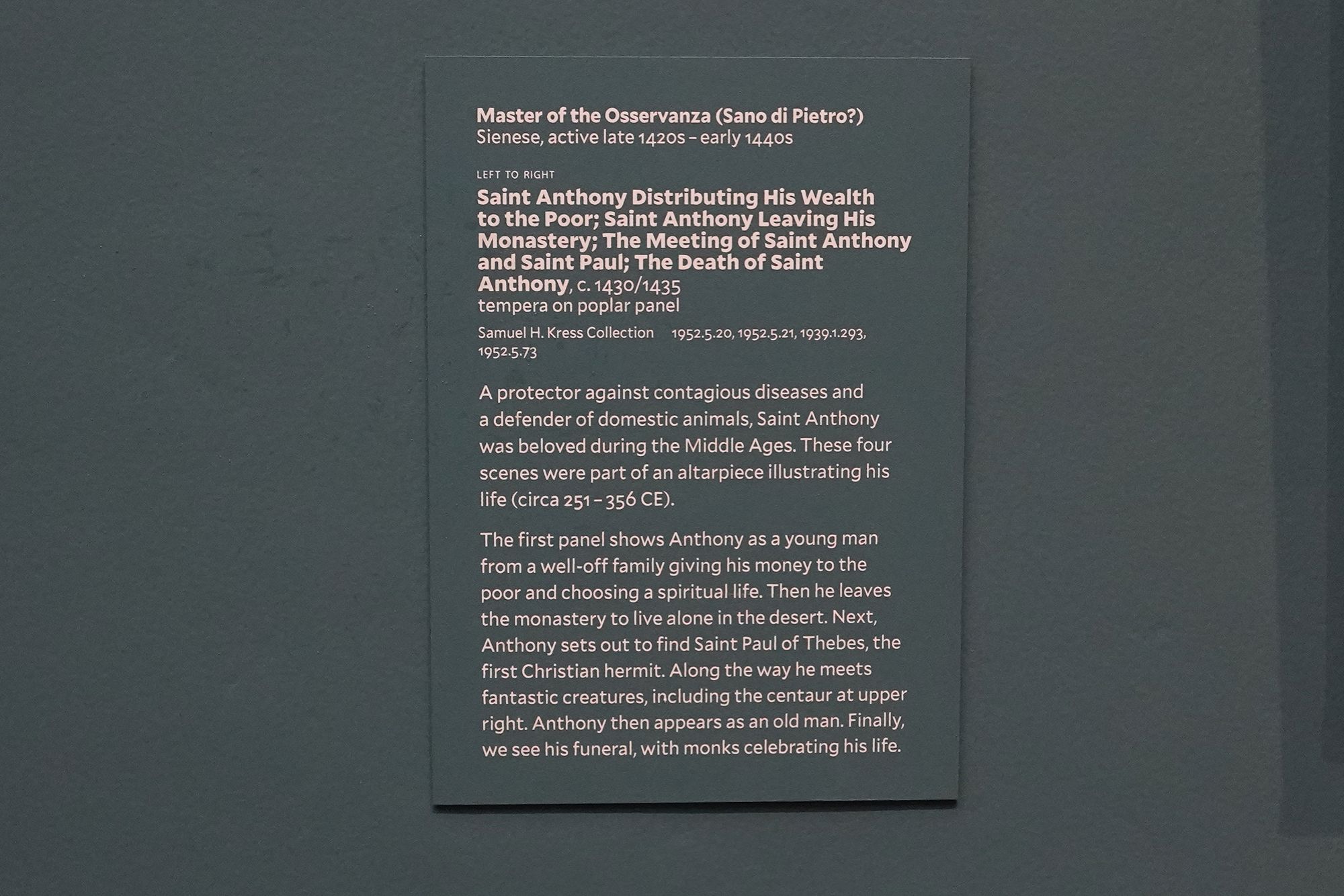
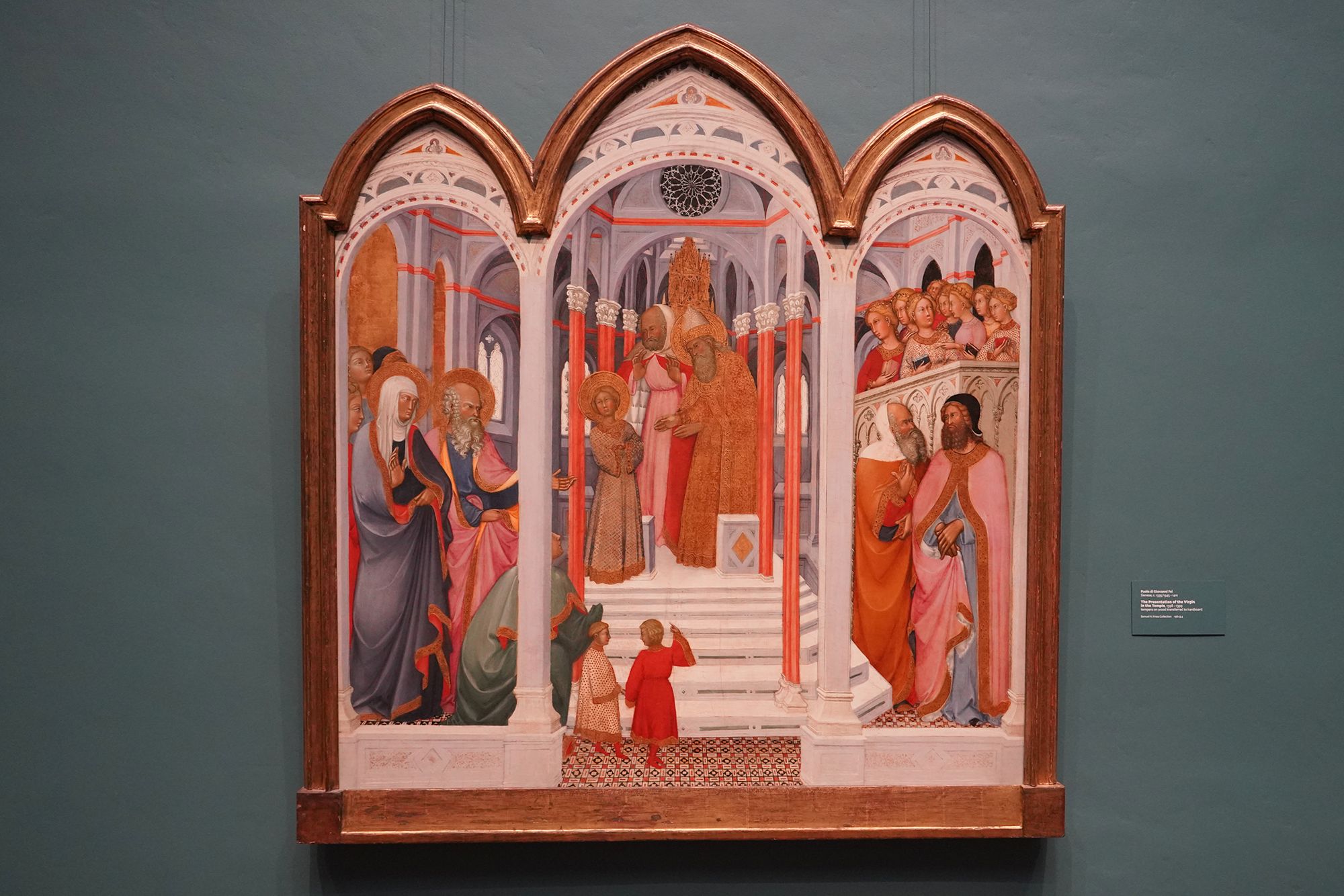
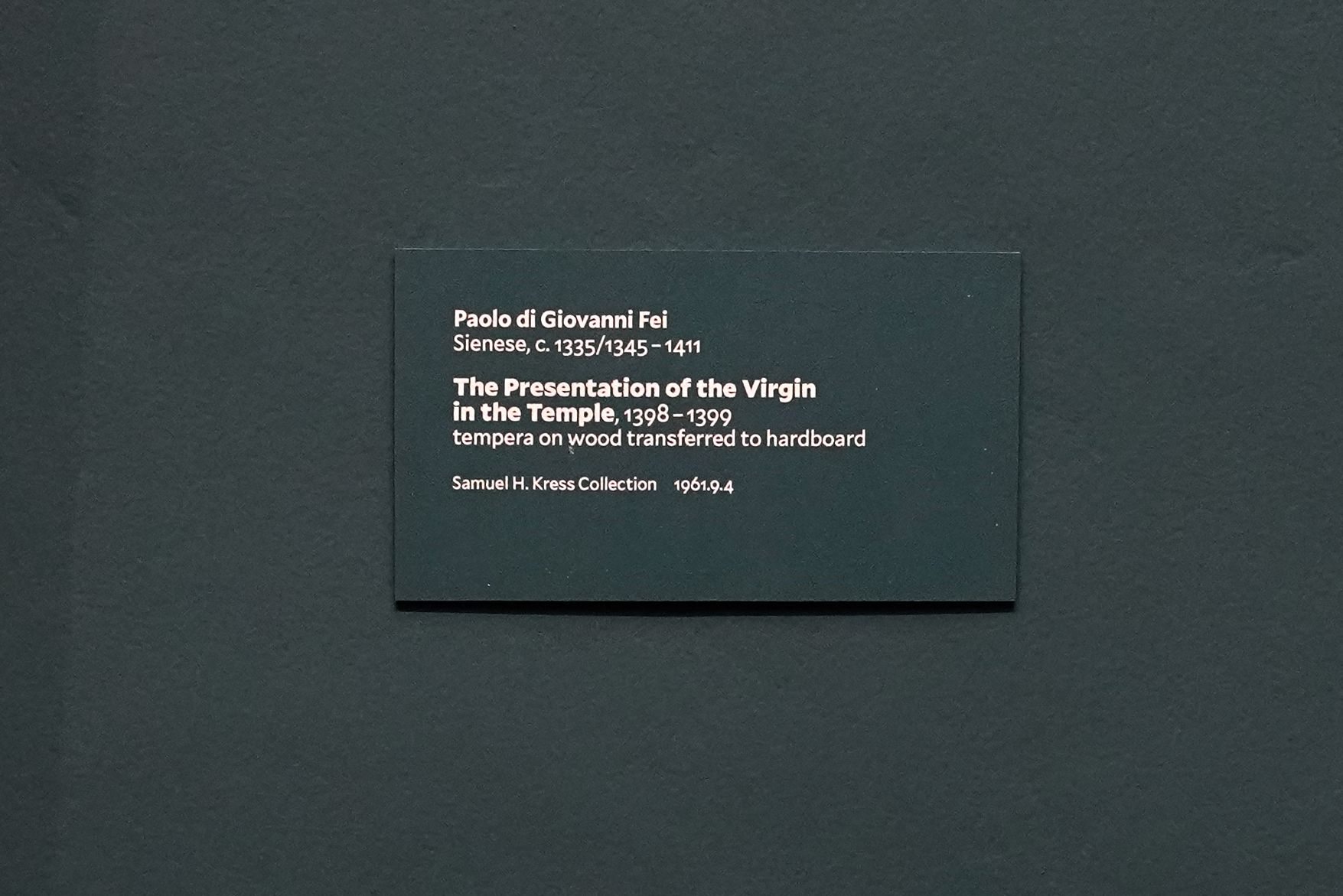
Italian Gothic Painting – Italian Gothic paintings (circa 1300–1400) represent the bridge between medieval and Renaissance art, blending Byzantine formality with increasing naturalism and emotion.
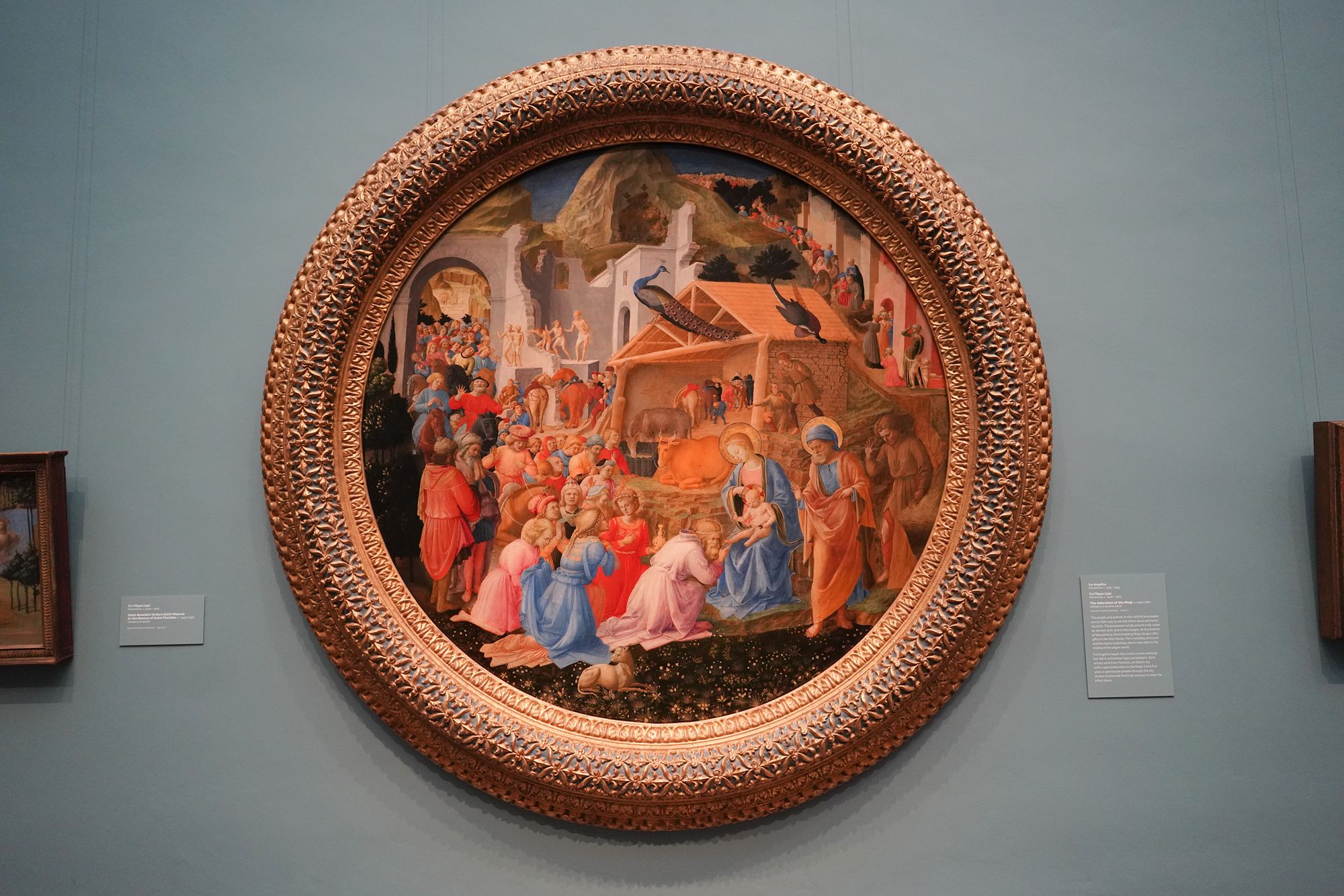
These works often feature religious subjects—the Virgin Mary, saints, and biblical scenes—painted on wood panels with gold backgrounds symbolizing divine light. Artists such as Duccio, Simone Martini, and Fra Angelico introduced more graceful figures, flowing drapery, and hints of perspective, giving the scenes a sense of warmth and humanity.
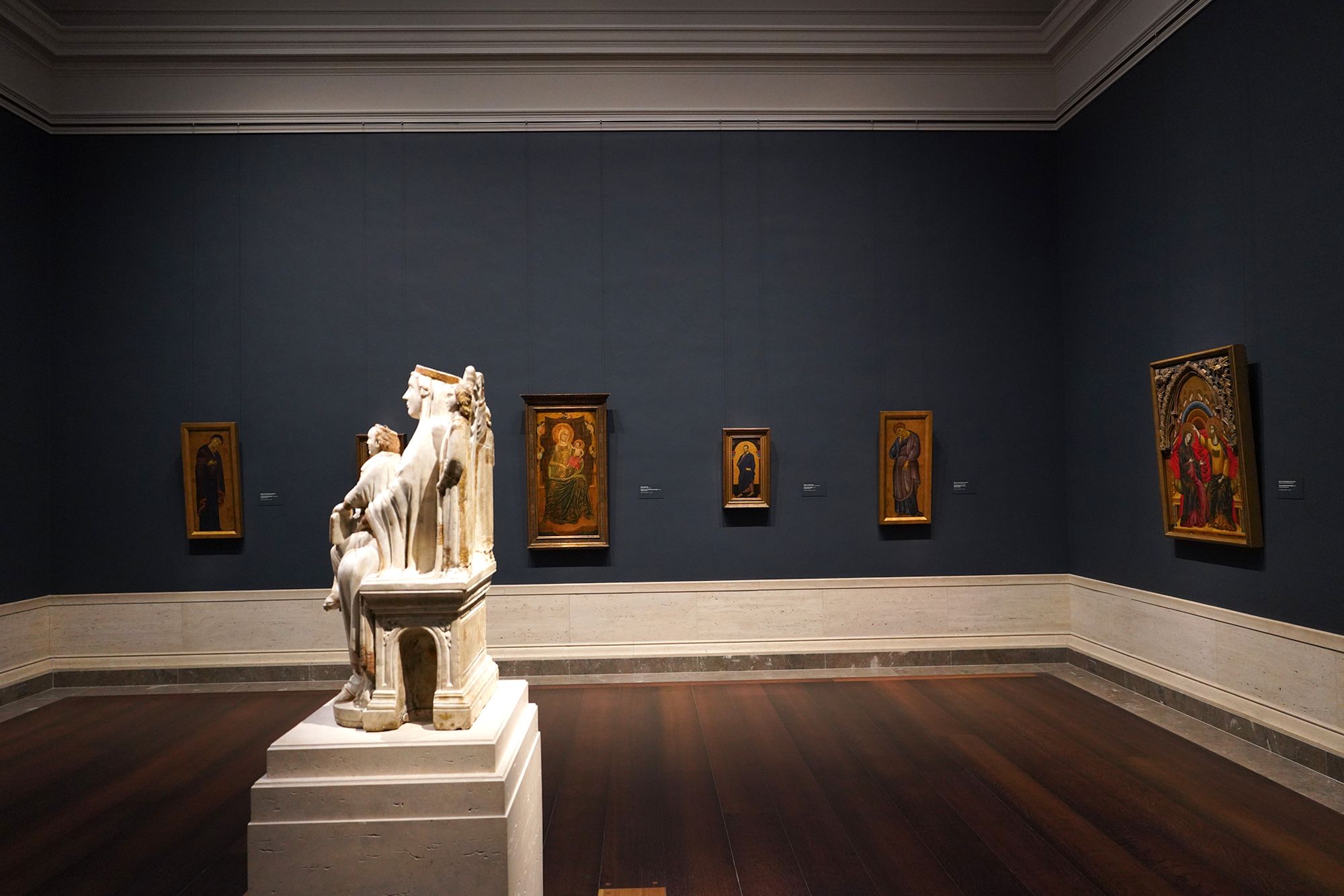
At the National Gallery of Art, these Gothic masterpieces reveal how Italian artists began to move beyond rigid symbolism toward a more lifelike and expressive vision that paved the way for the Early Renaissance.
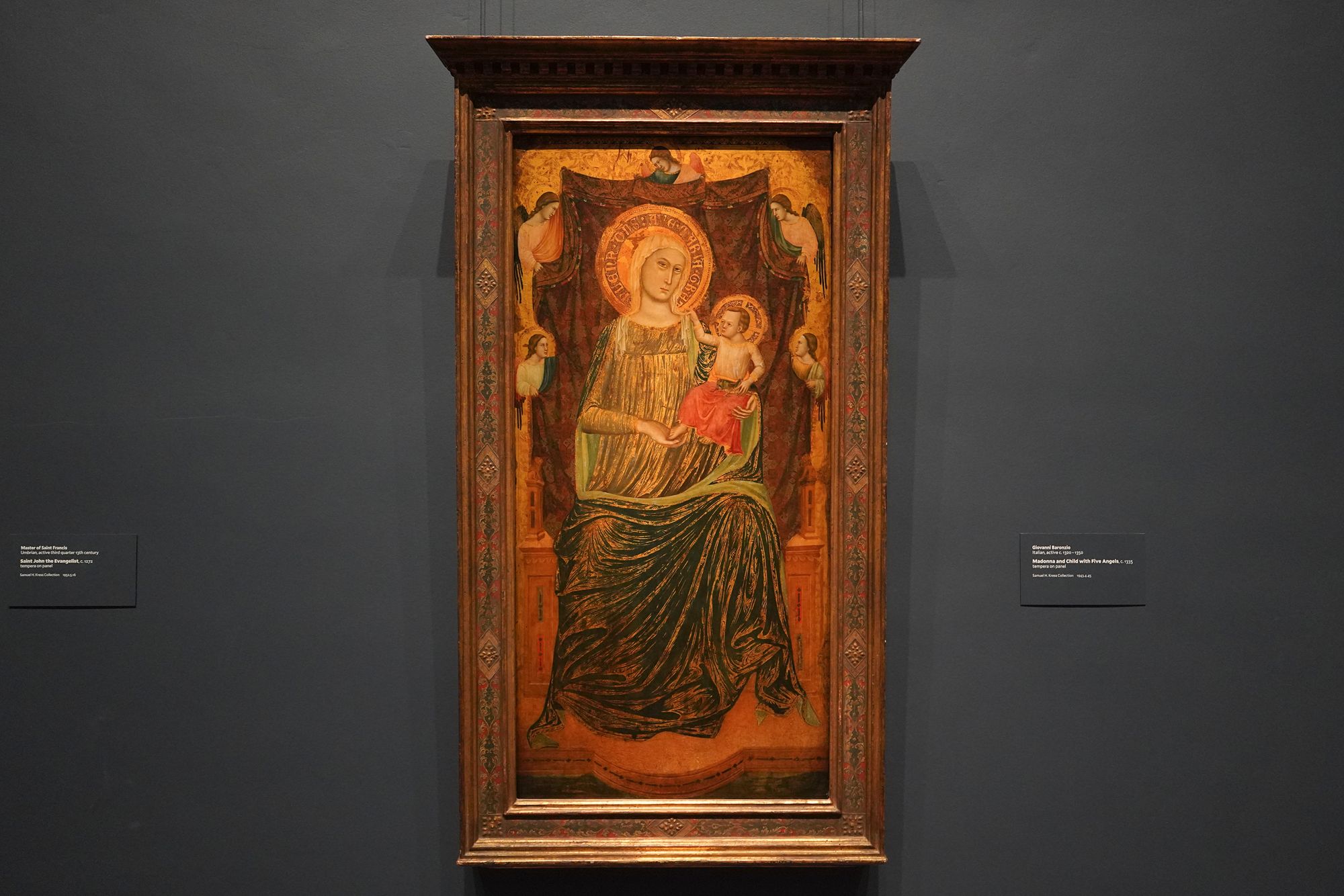
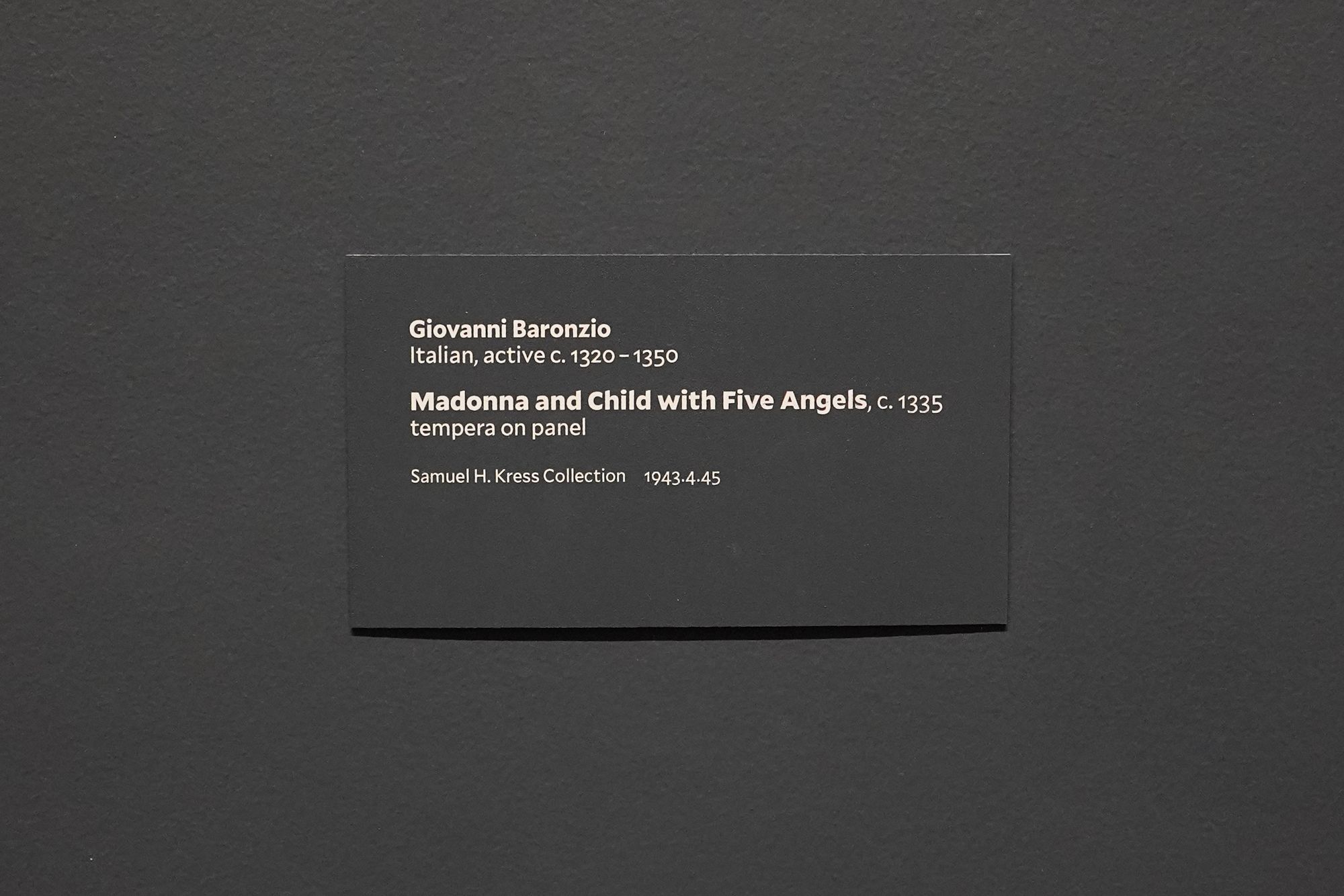
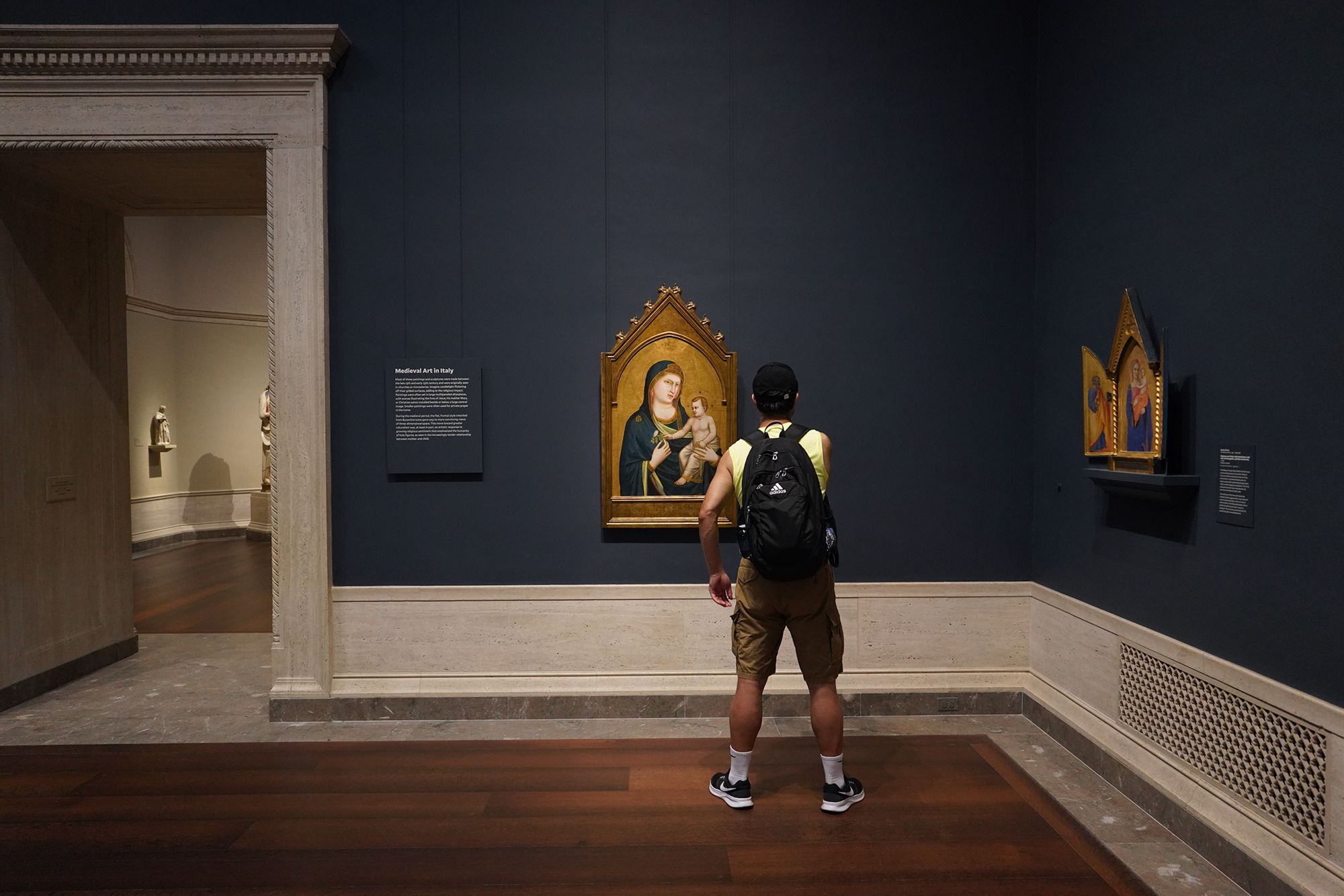
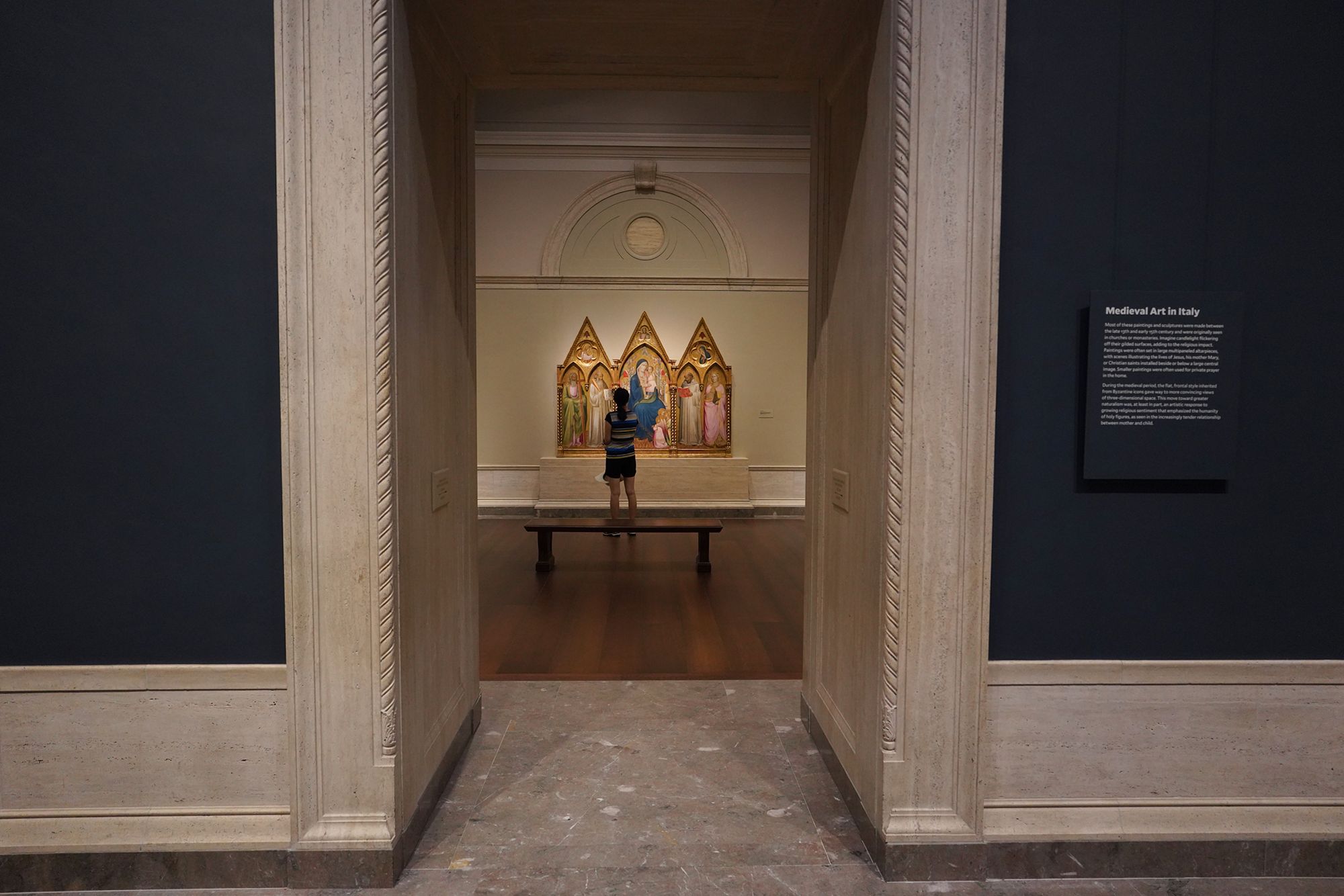
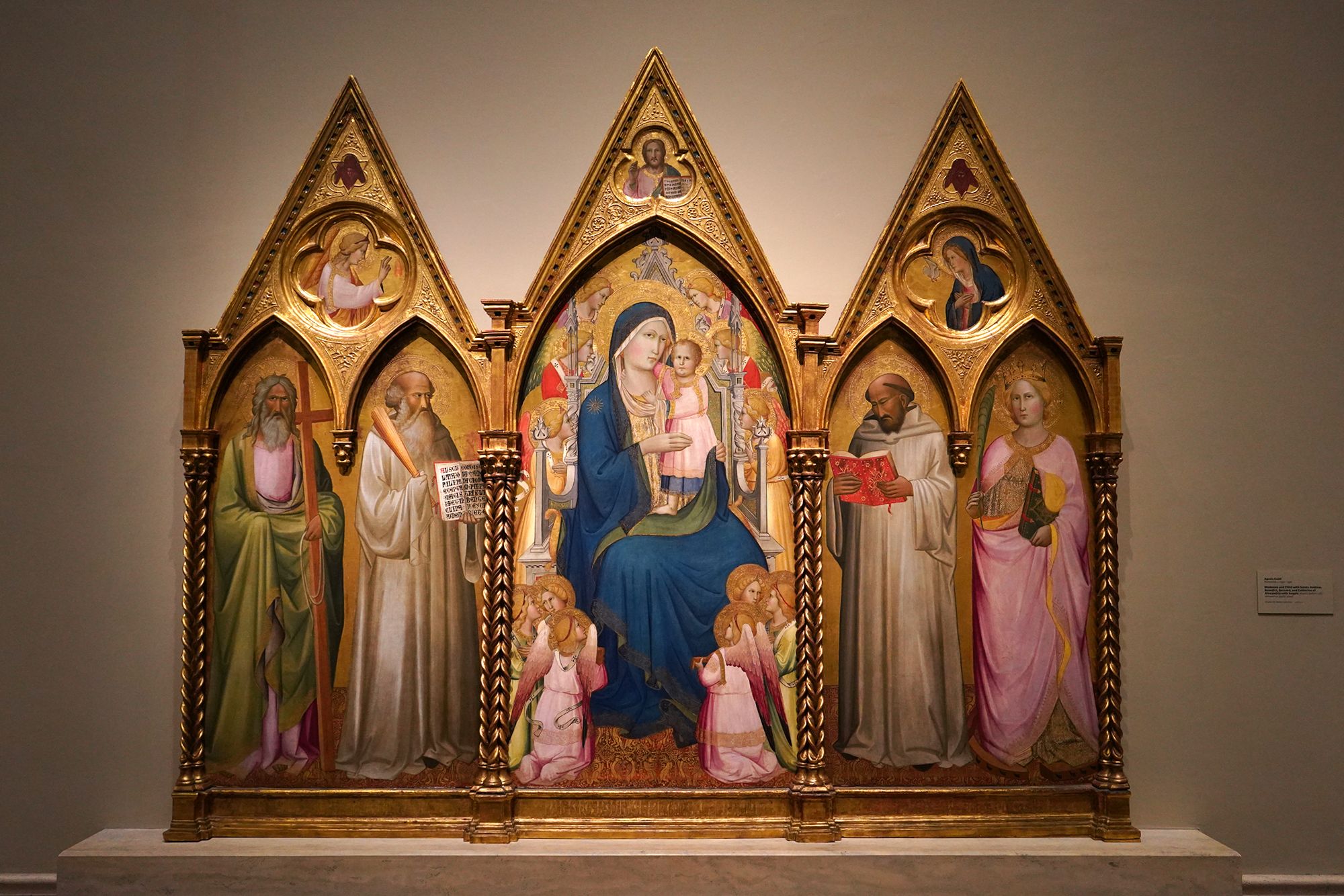
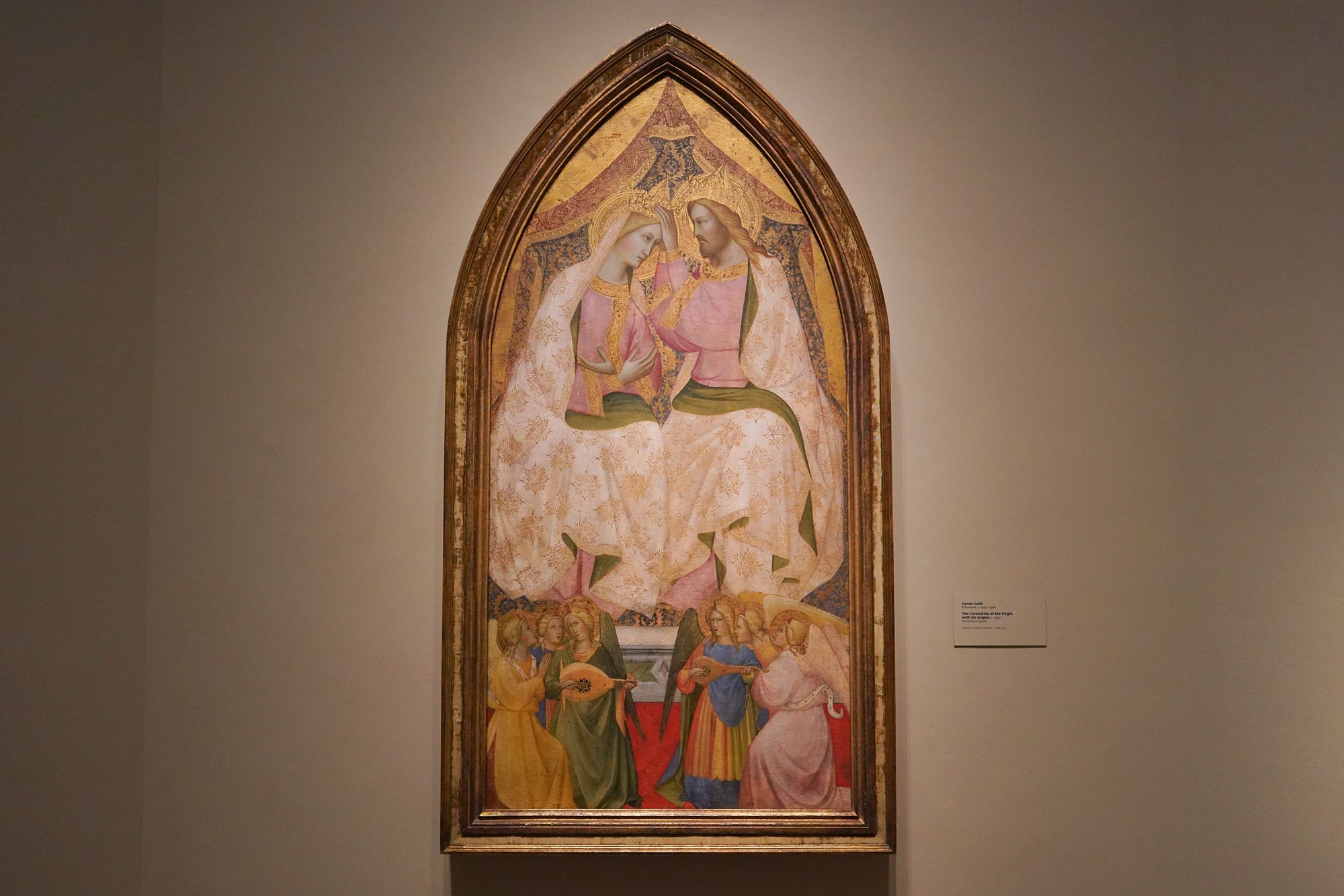
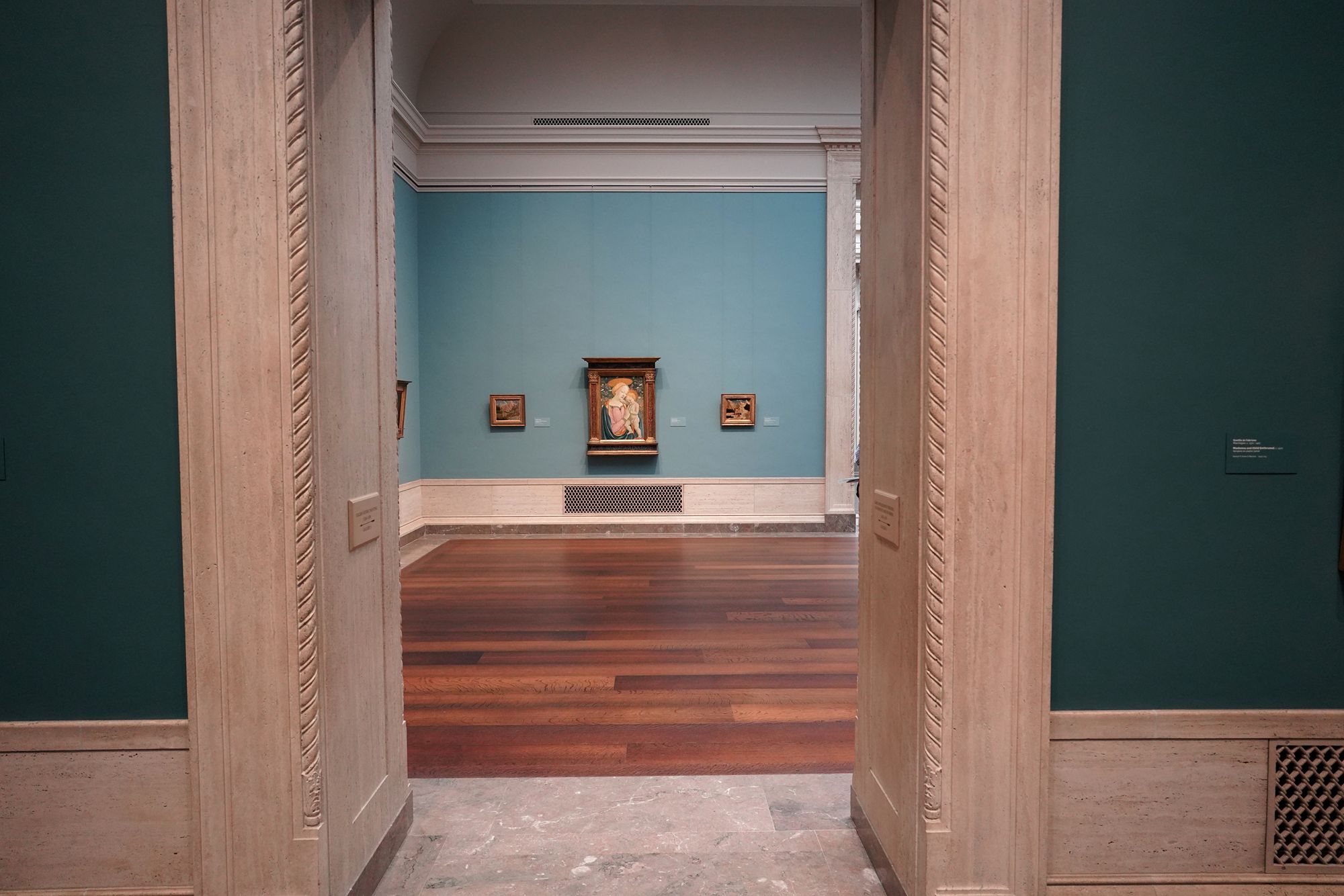
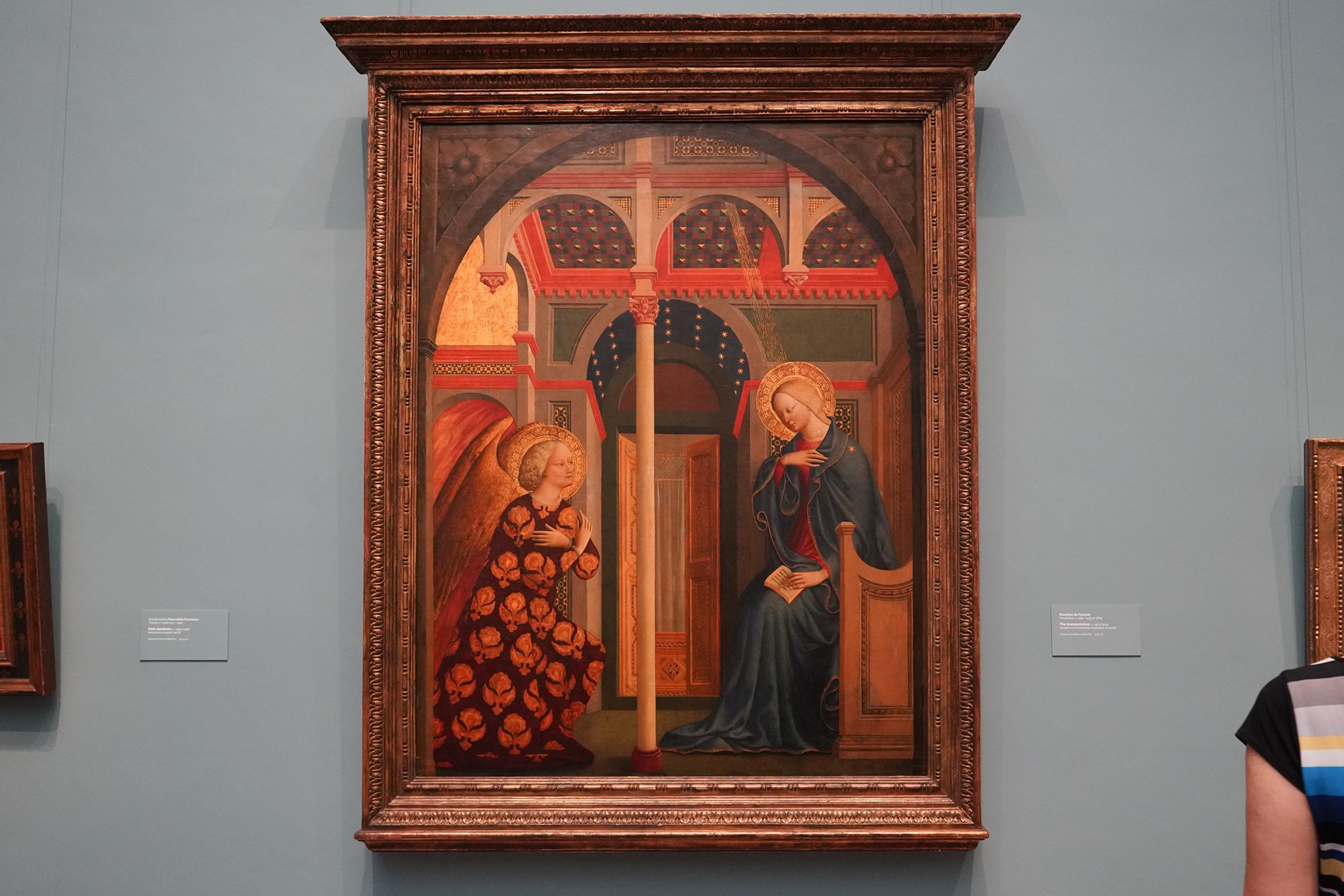
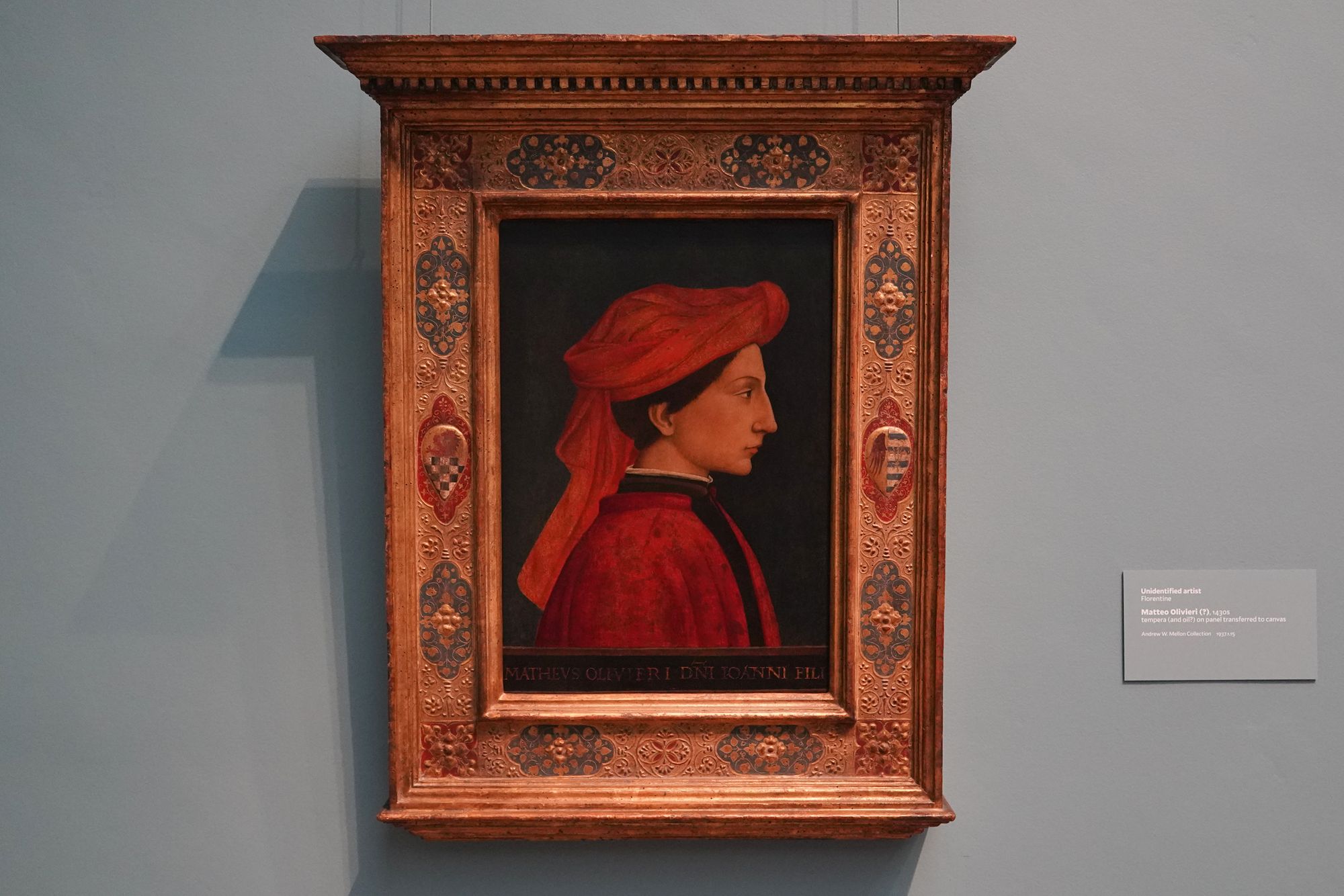
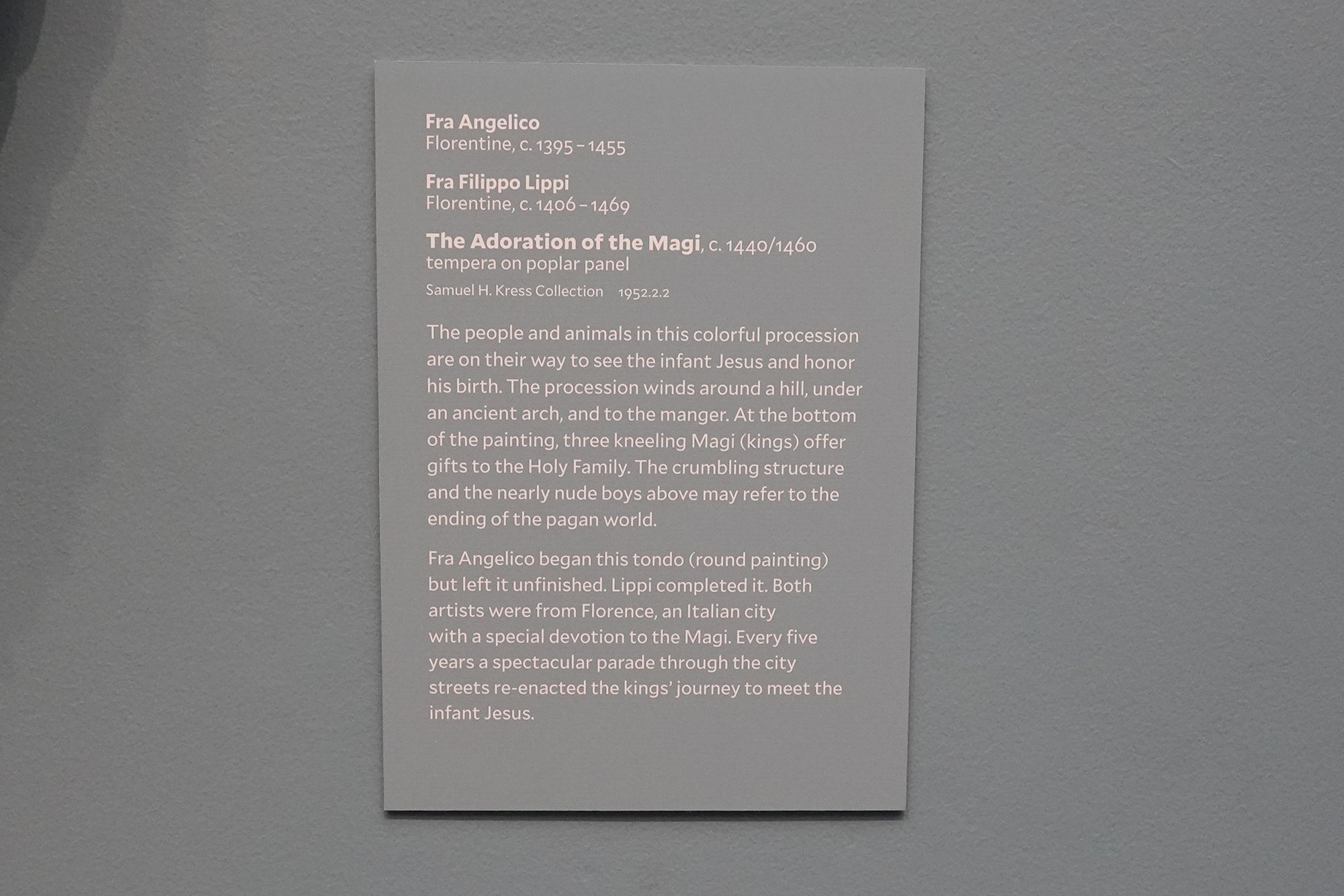
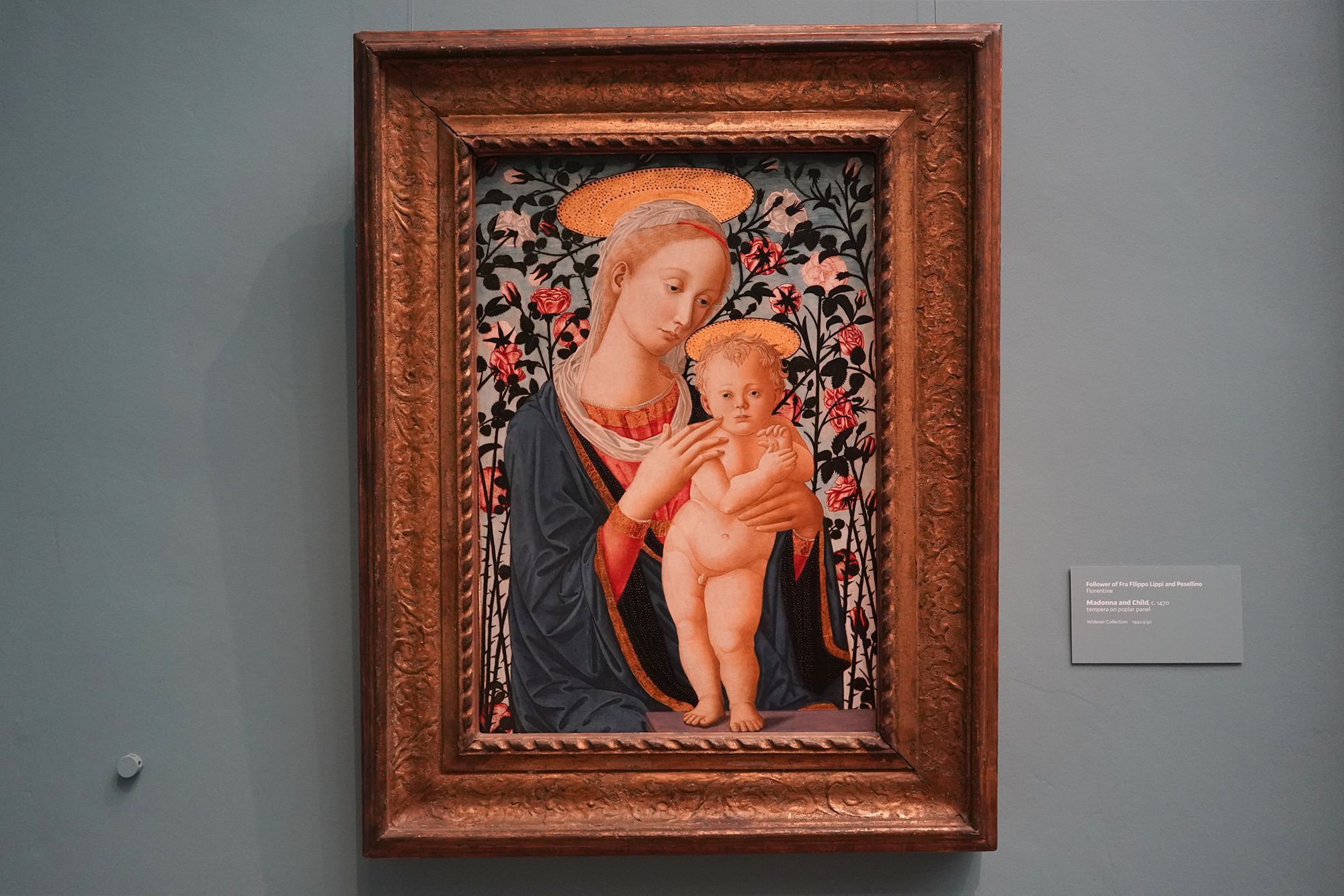
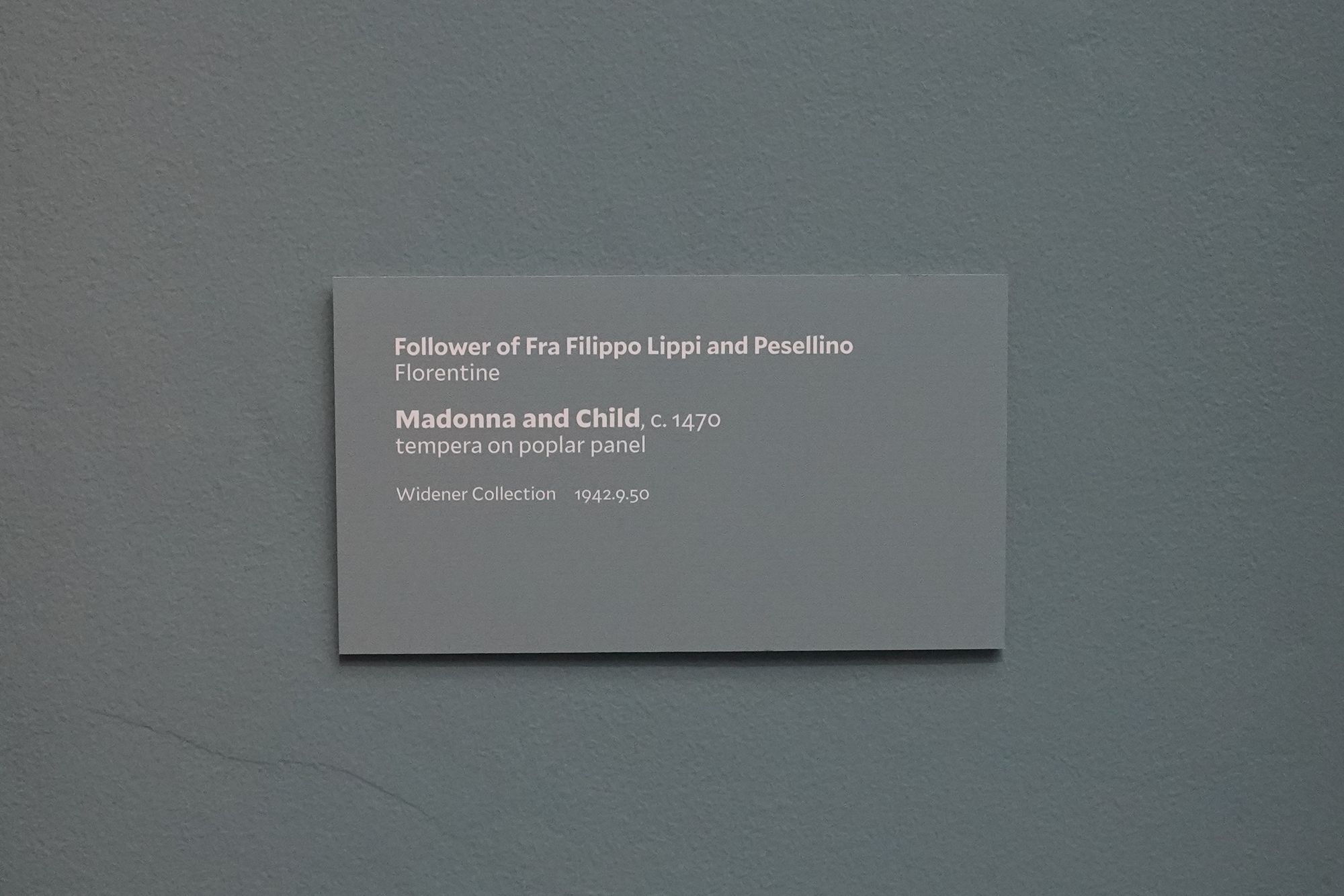
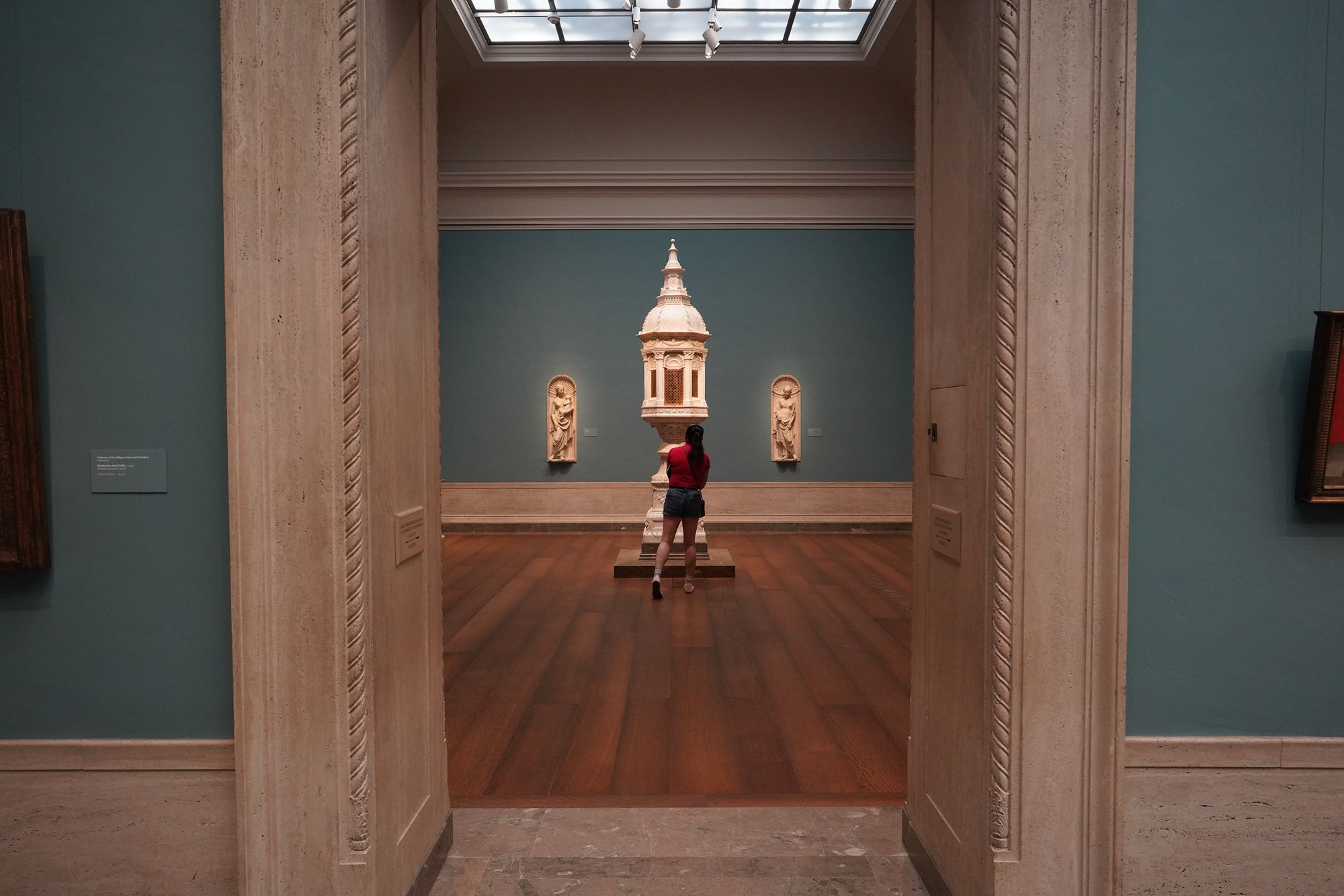
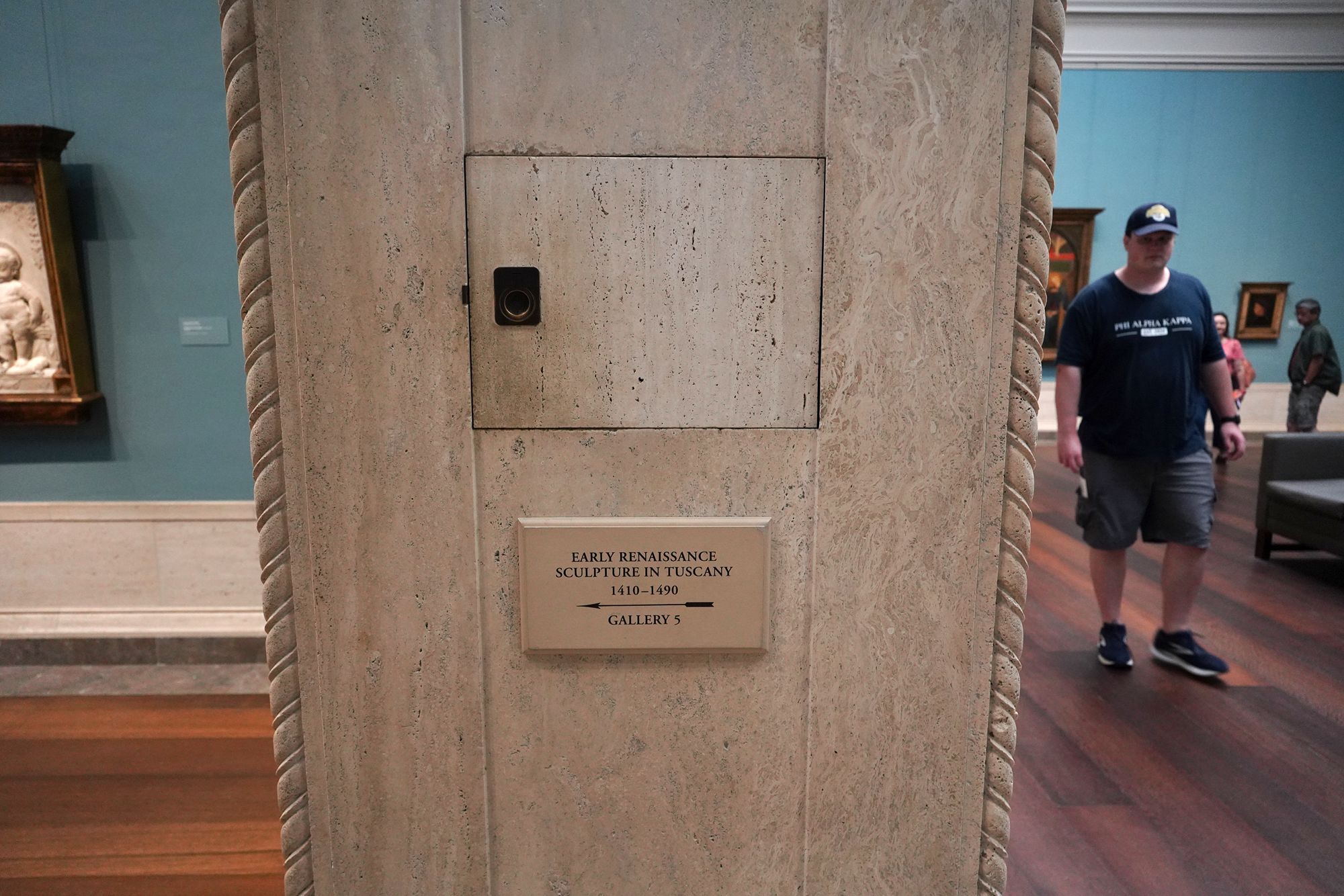
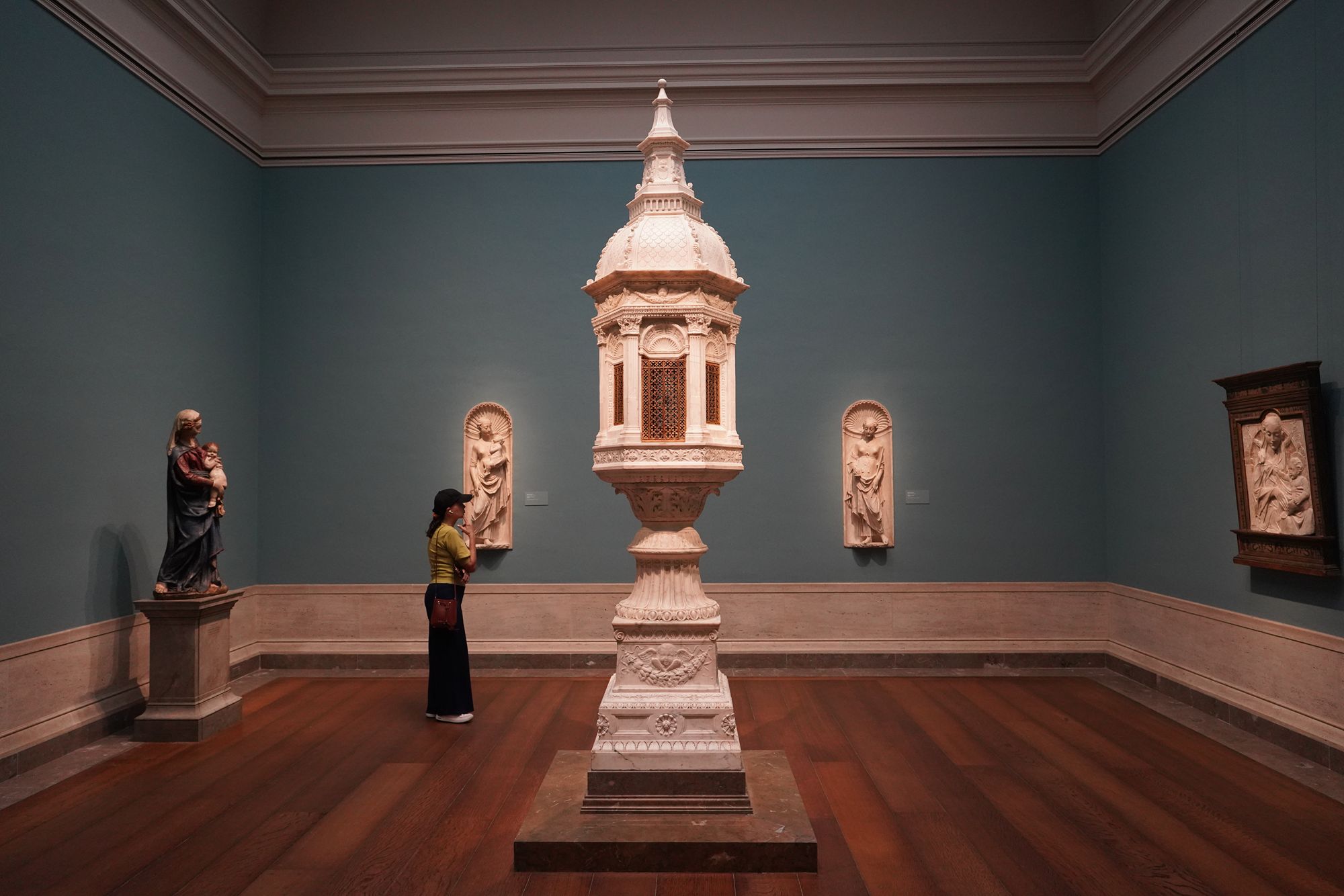
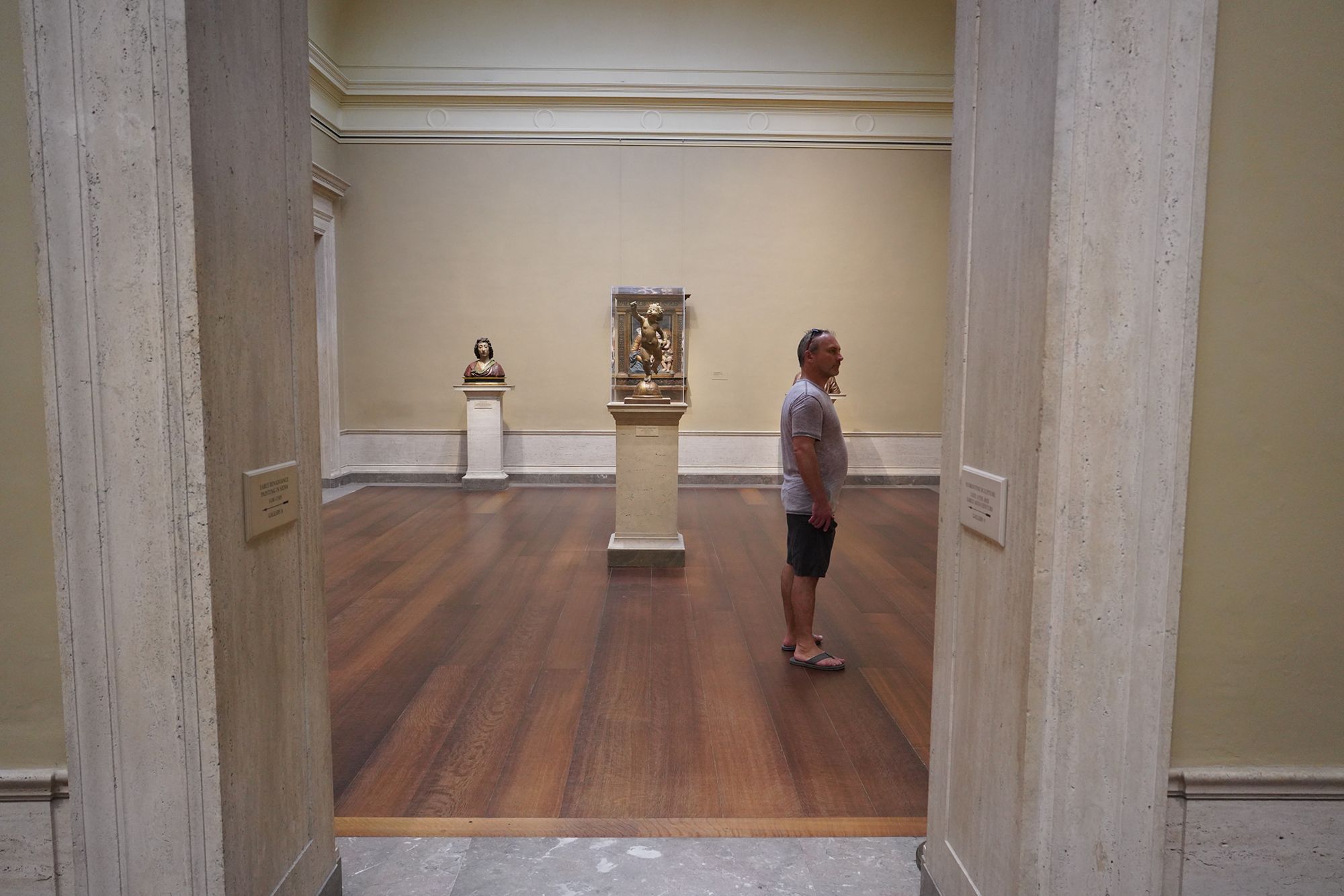
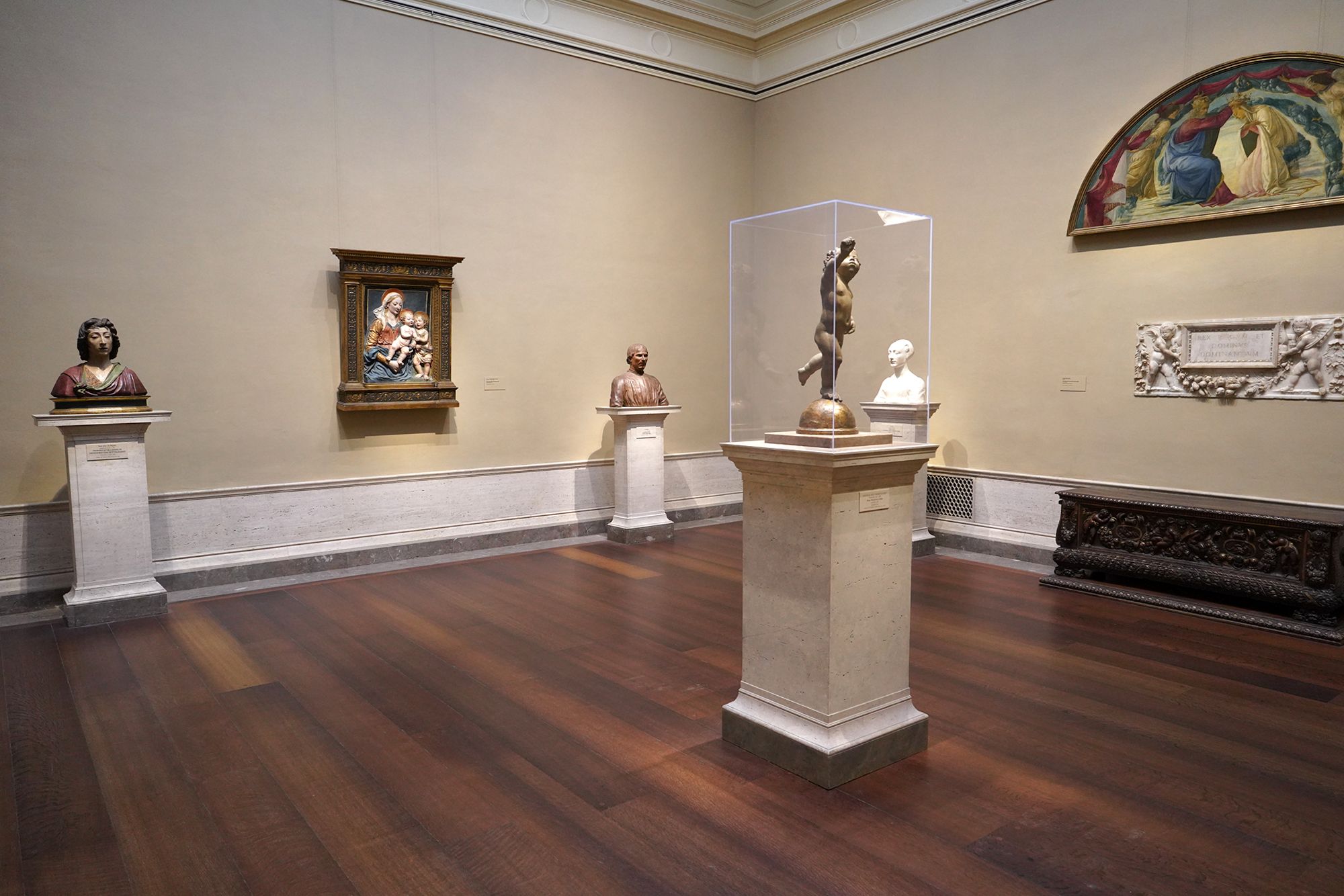
Early Renaissance art in Florence (circa 1400–1500) marked a turning point in Western art, as artists began to focus on realism, perspective, and human emotion inspired by classical antiquity.
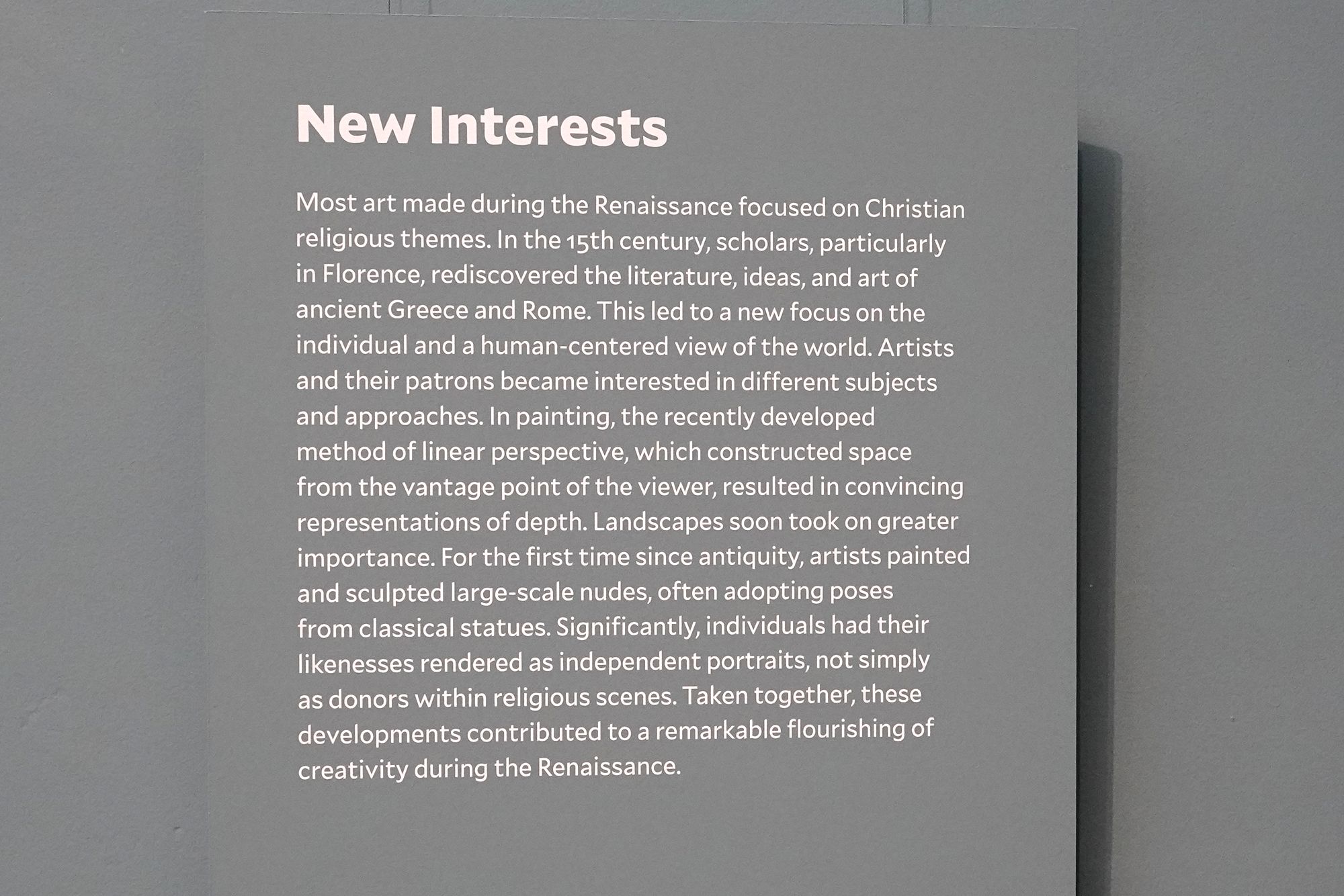
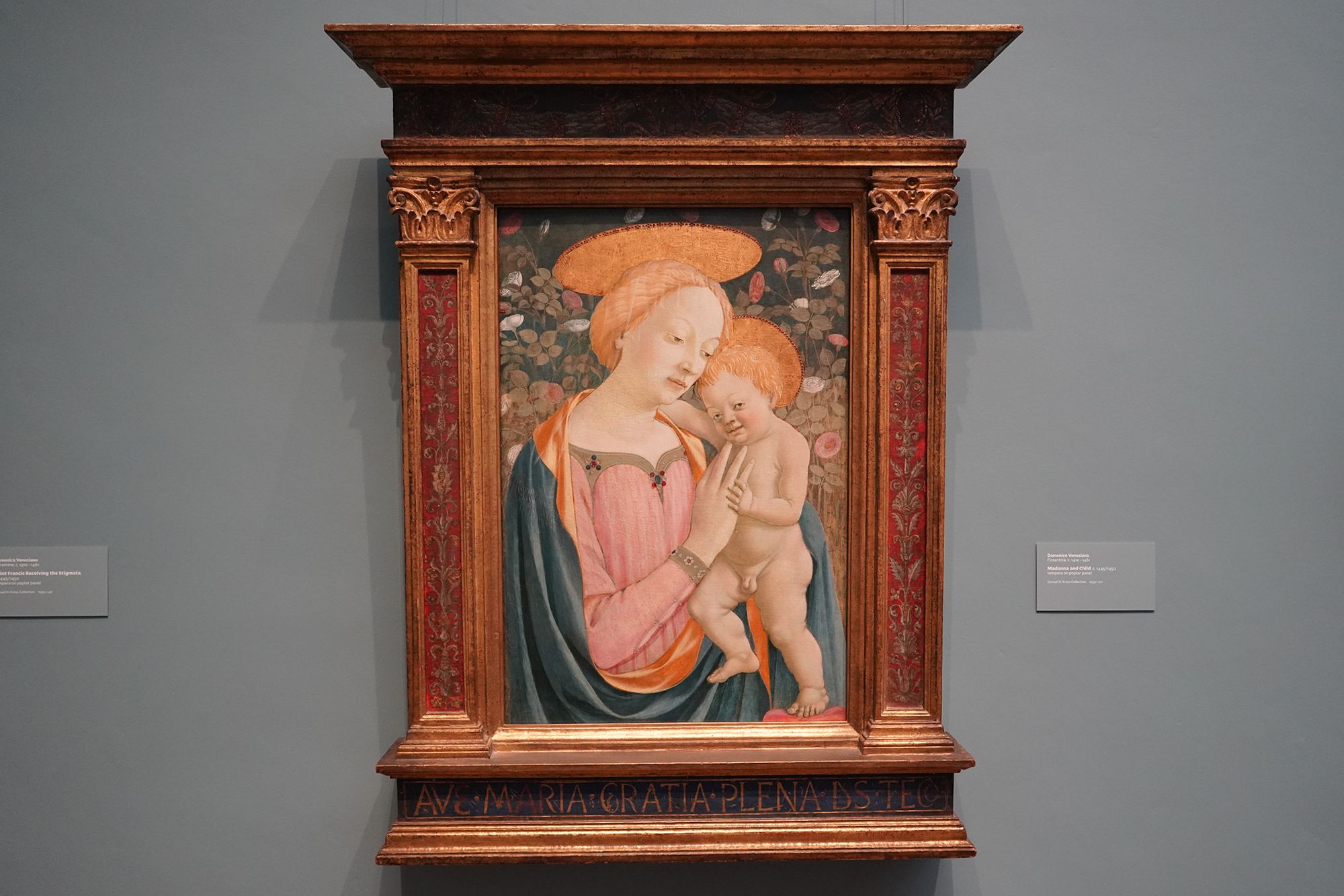
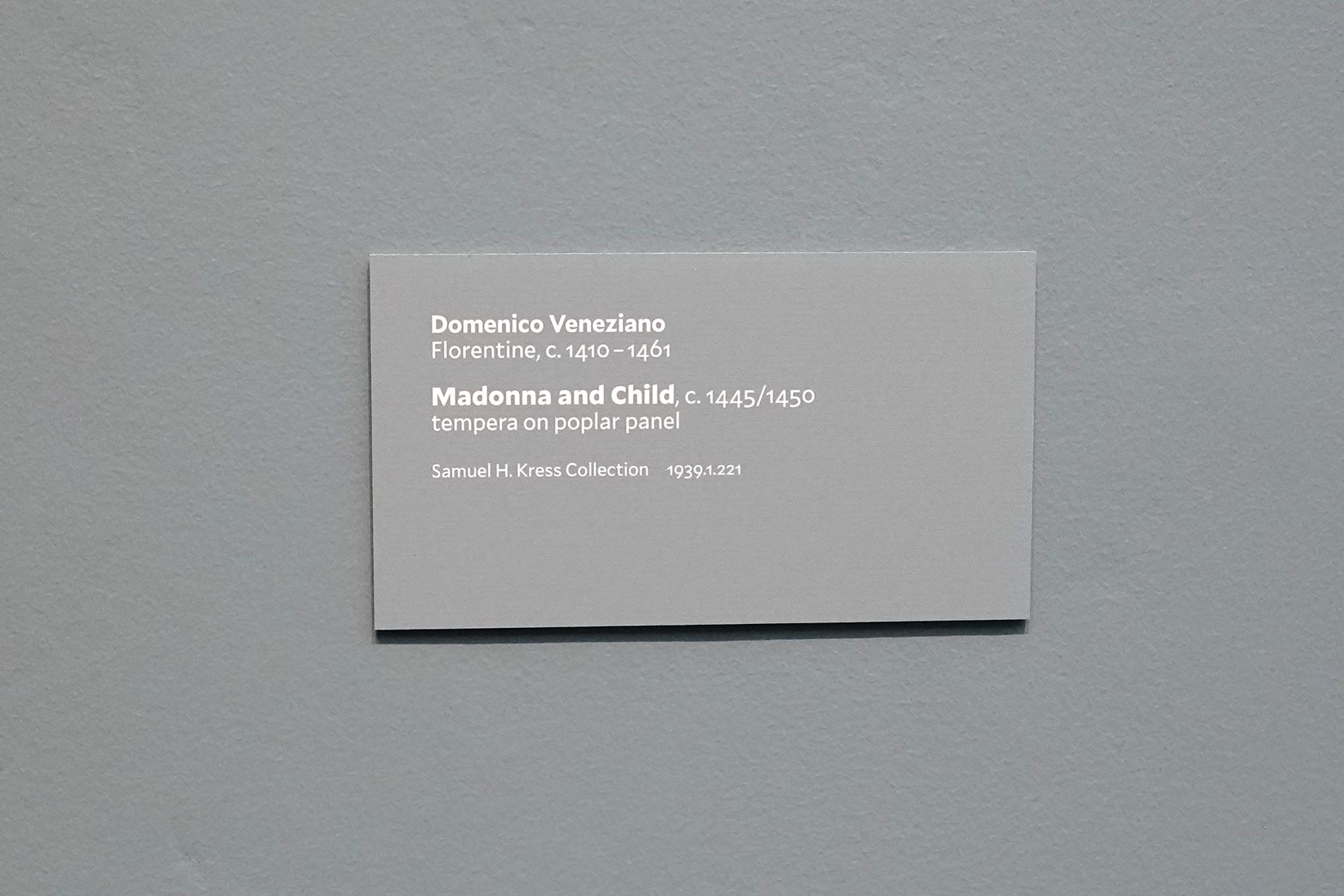
Supported by powerful patrons like the Medici family, Florentine artists developed new techniques such as linear perspective, chiaroscuro (light and shadow), and natural anatomy. Pioneers like Masaccio gave figures weight and depth, Donatello revived lifelike sculpture, and Brunelleschi introduced mathematical precision to architecture.
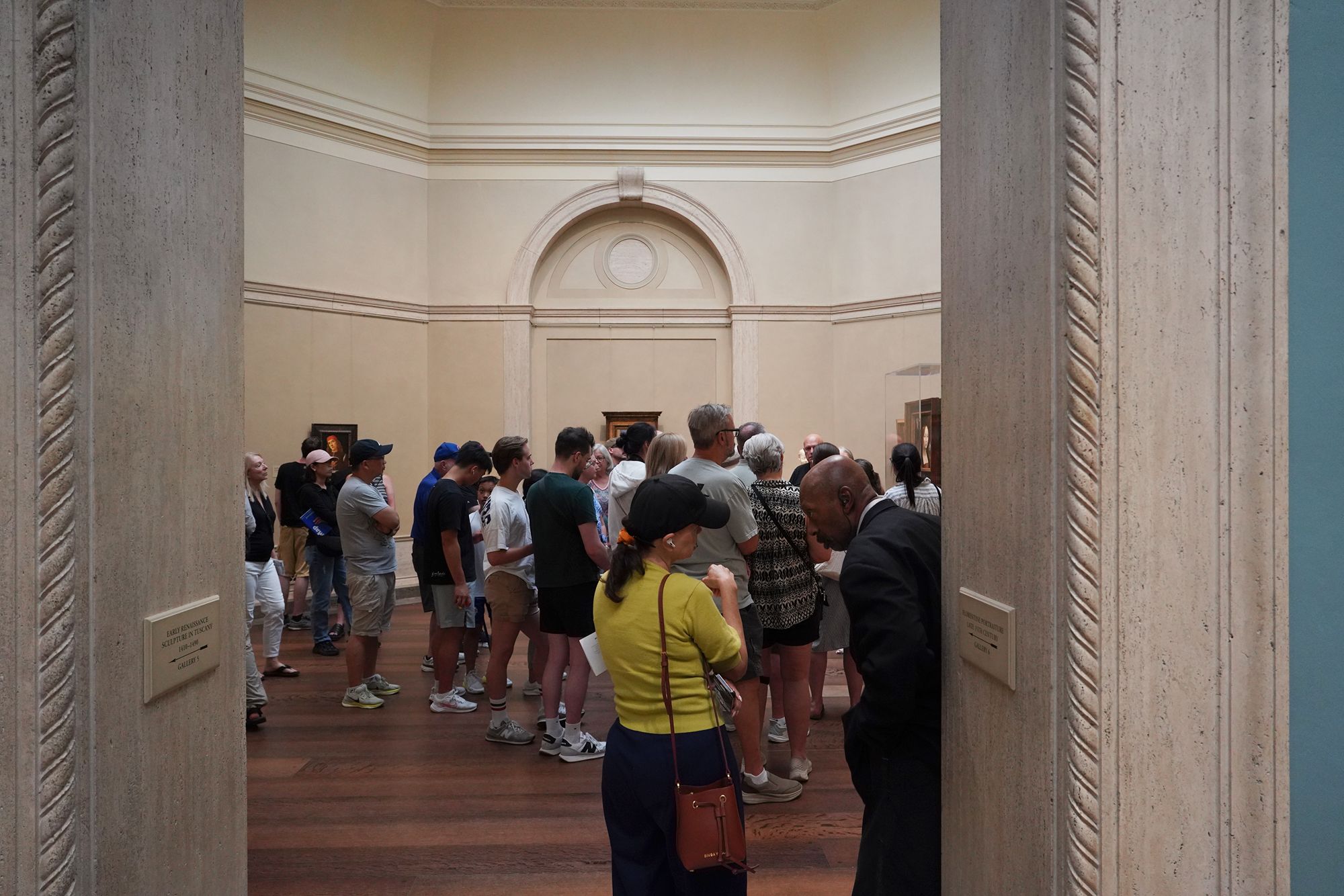
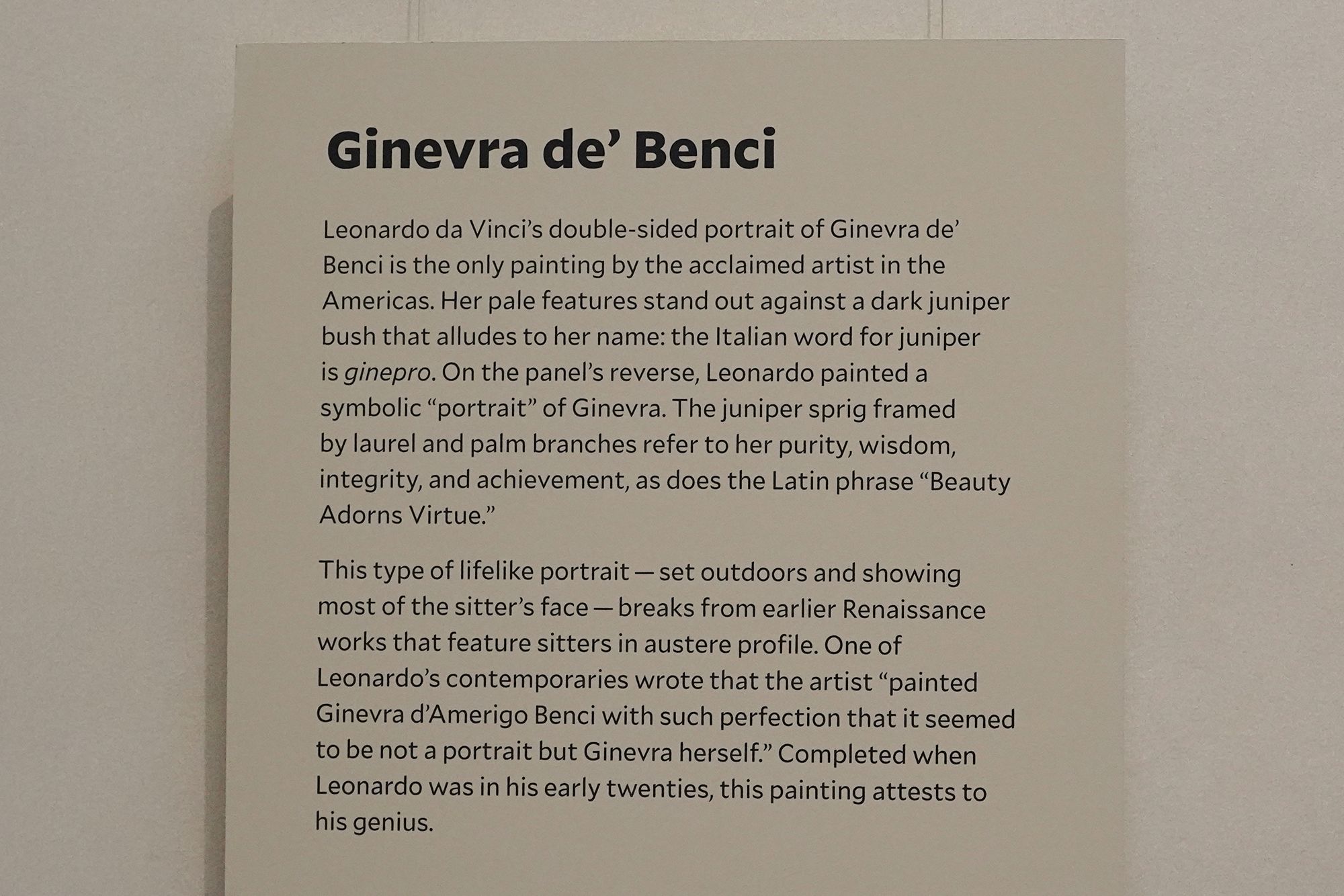
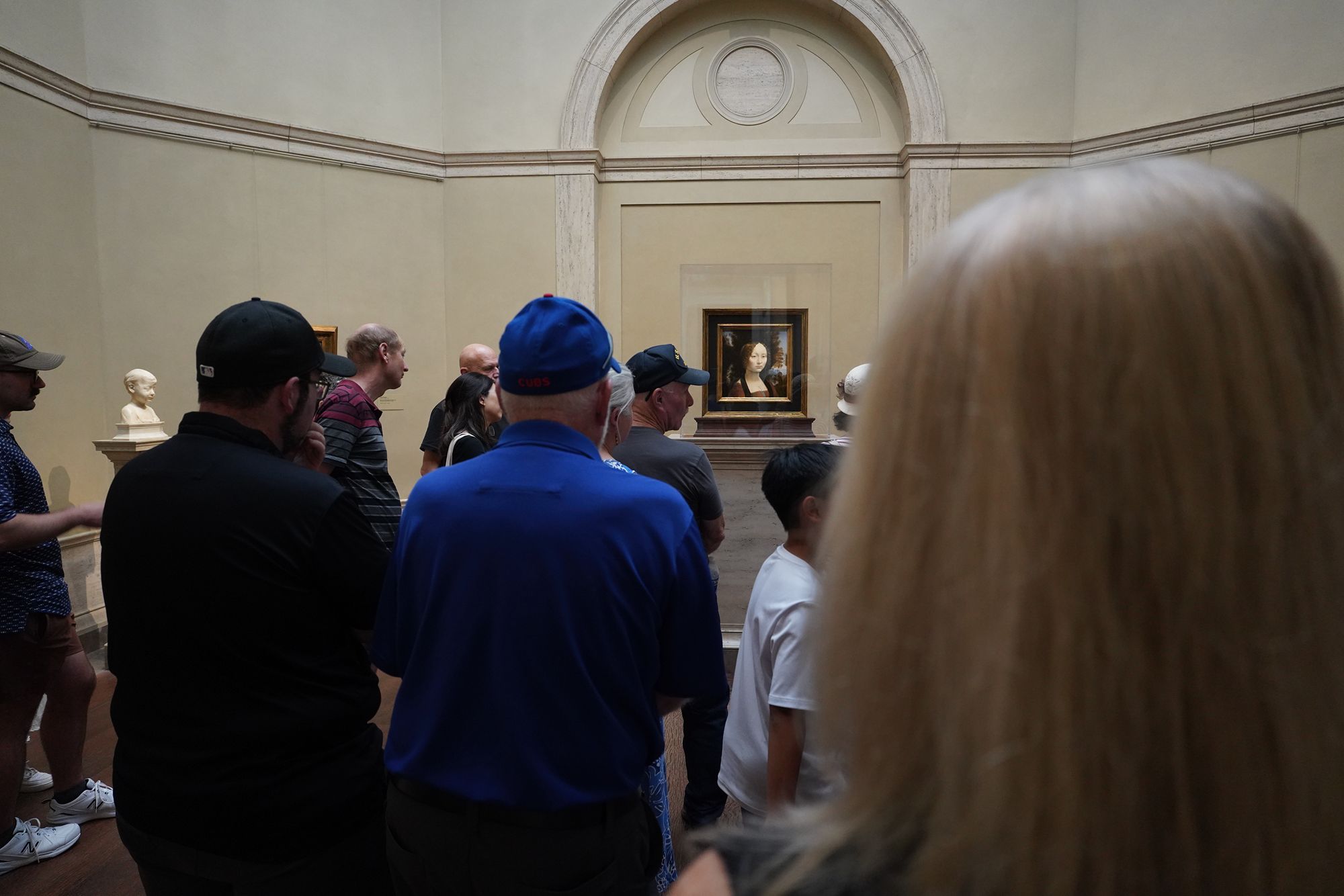
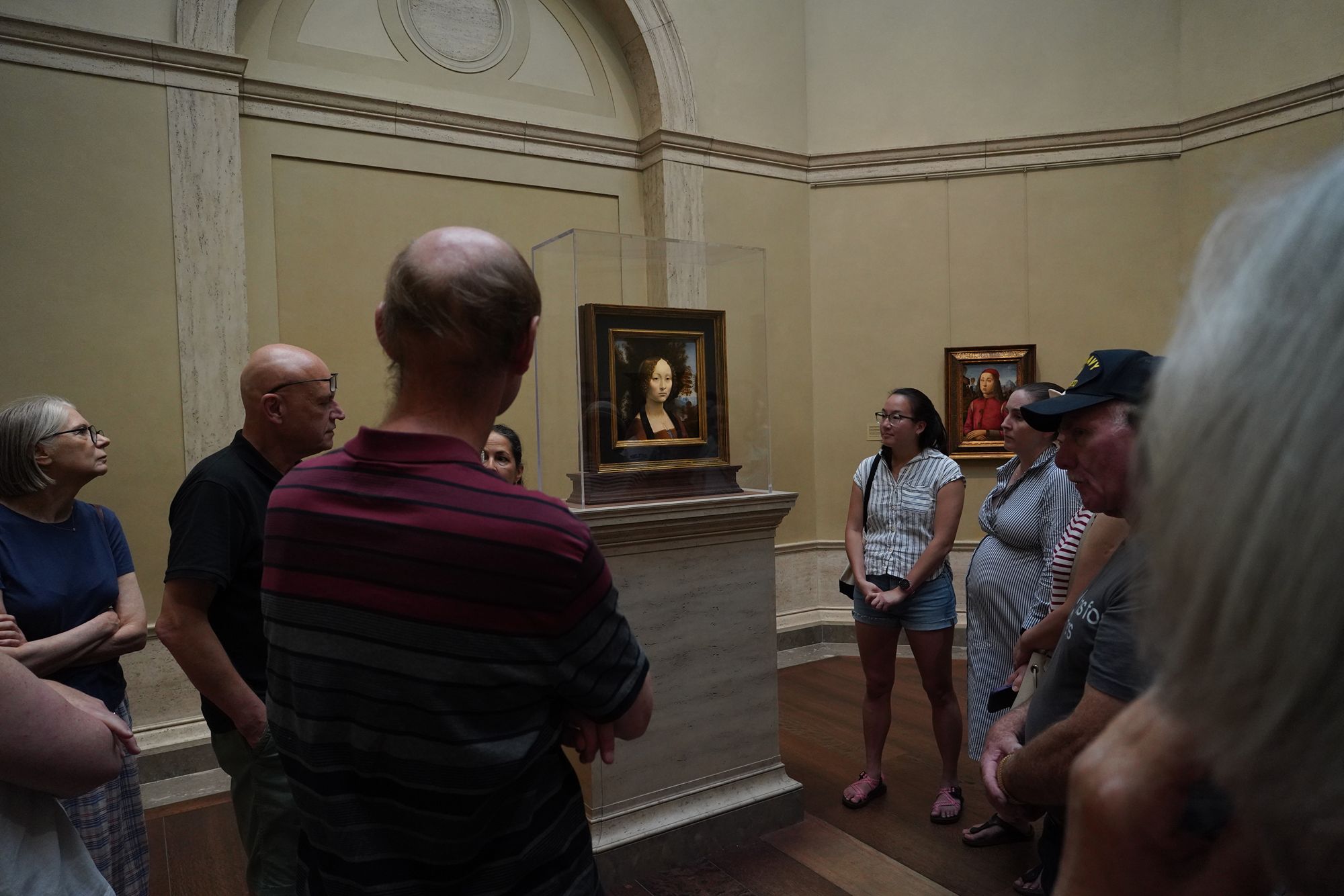
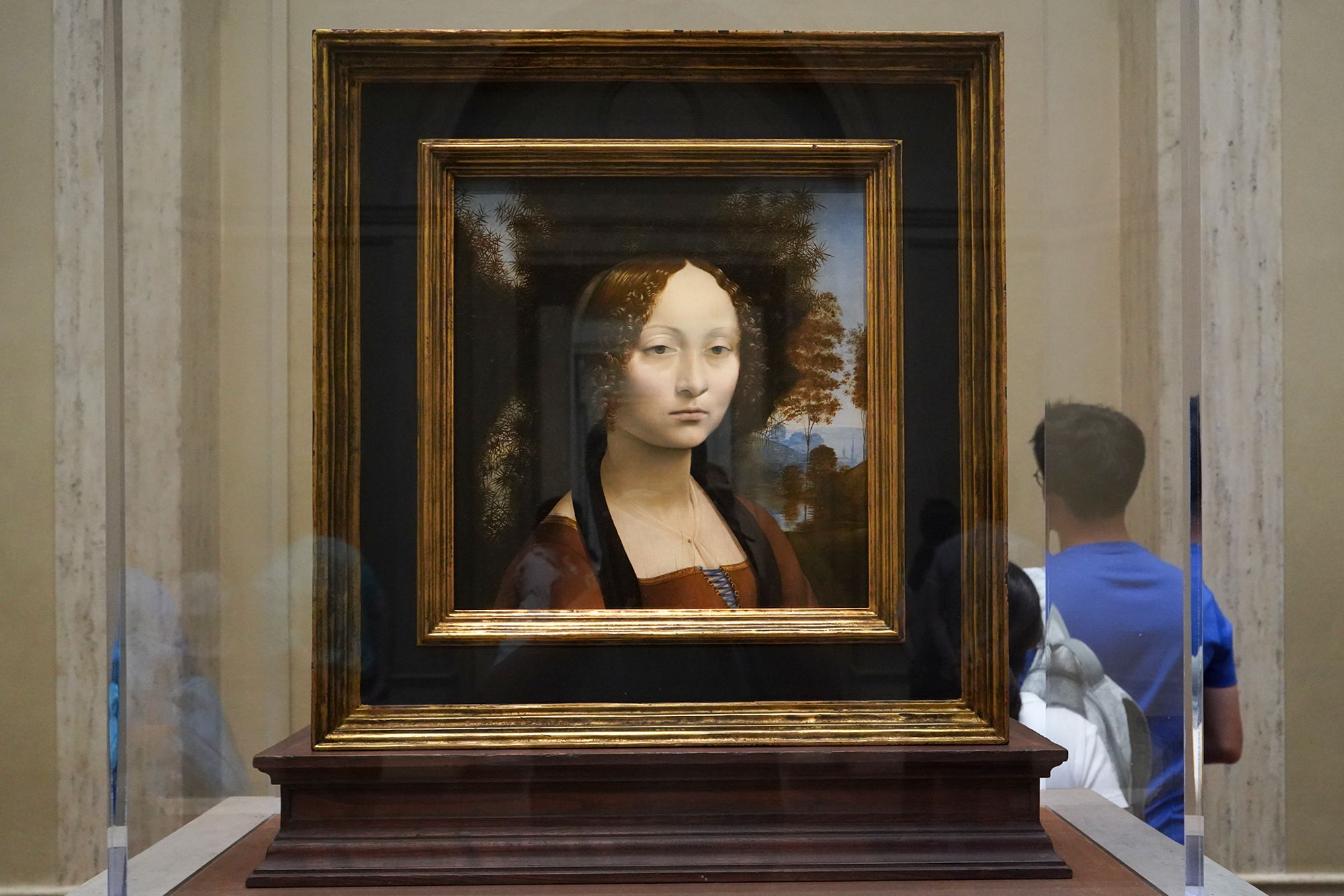
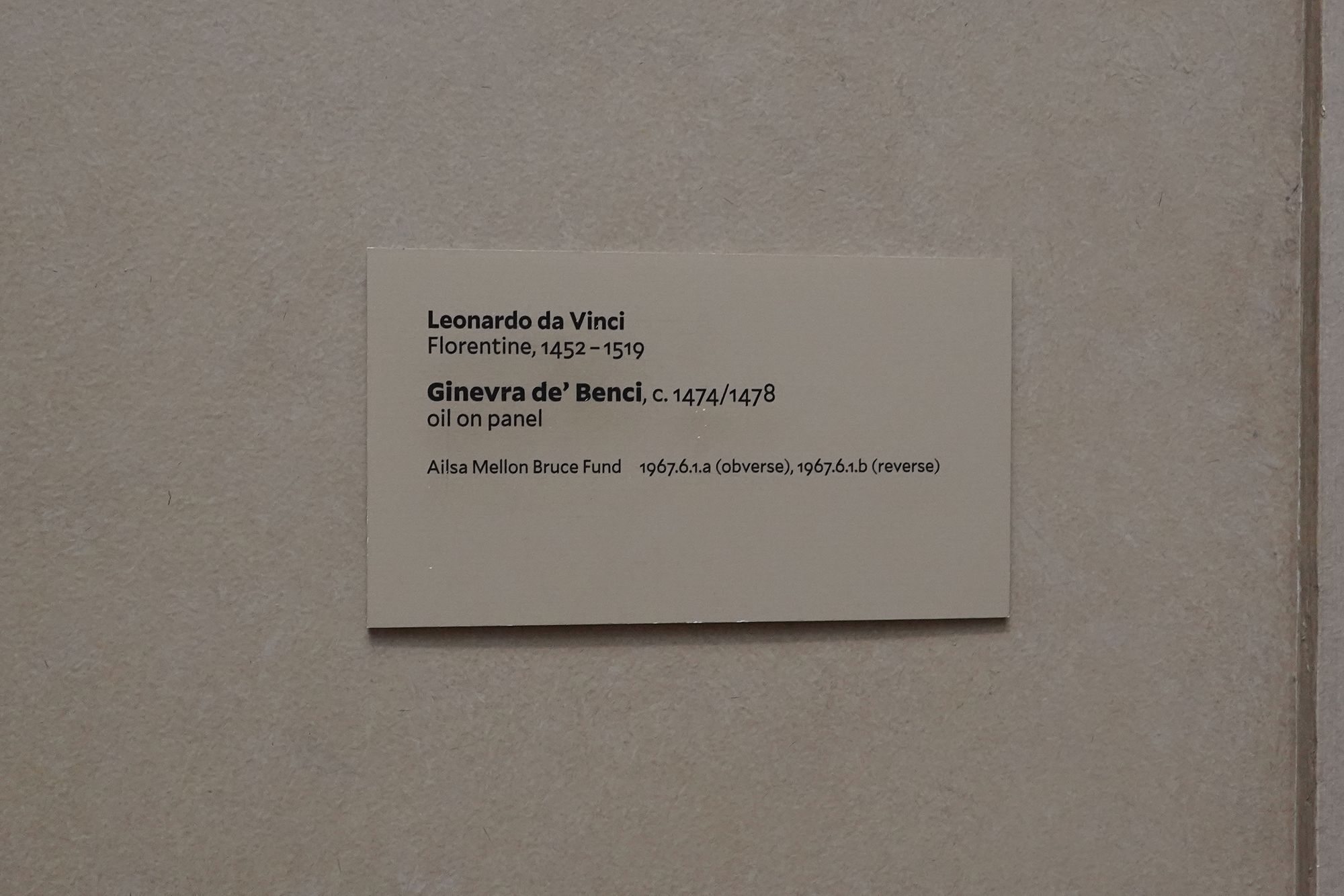
Ginevra de’ Benci is a portrait painted by Leonardo da Vinci around 1474–1478, and it is the only Leonardo painting in the Americas, housed at the National Gallery of Art in Washington, D.C.
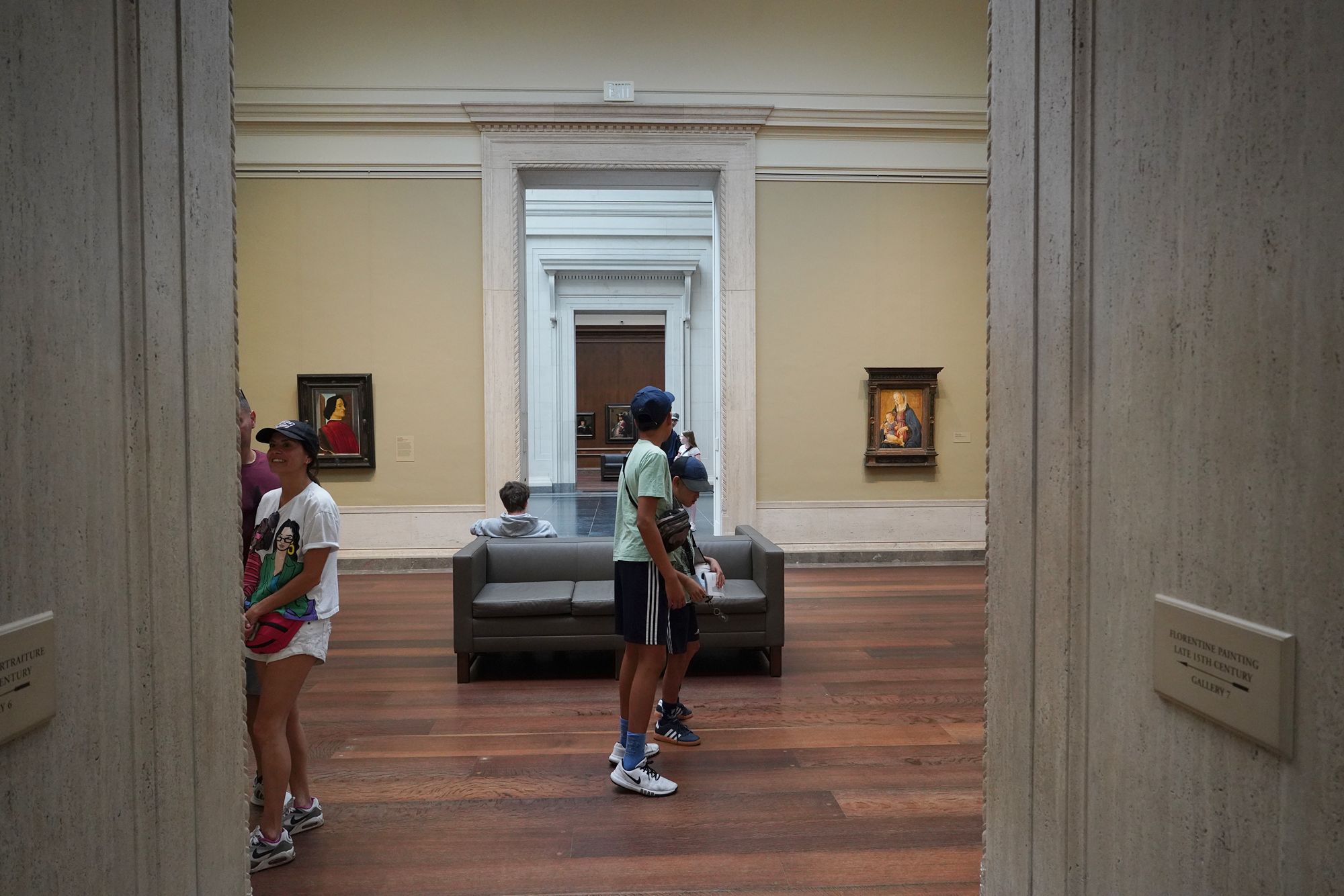
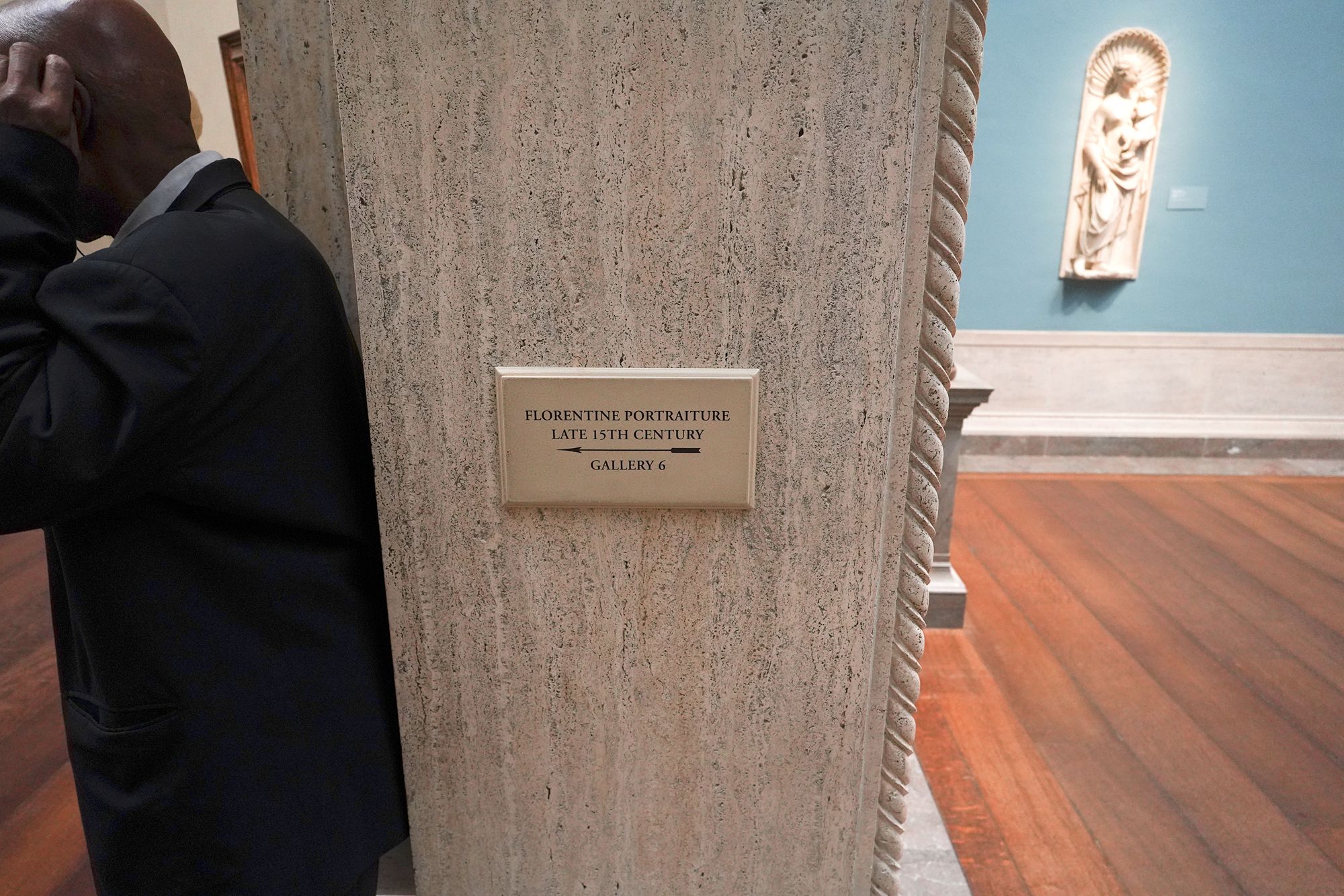
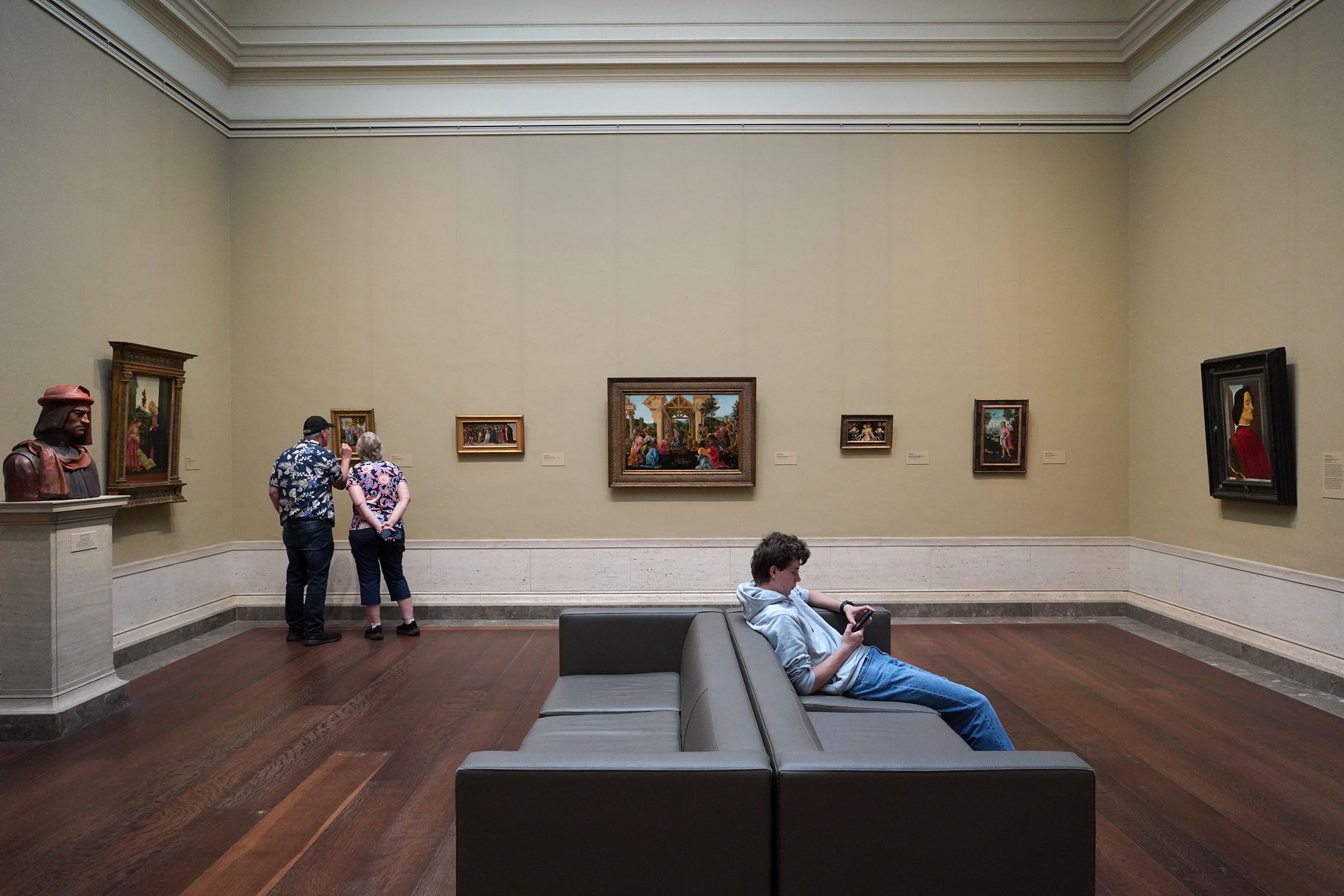
Florentine paintings of the late 15th century reflect the height of the Renaissance, when art in Florence reached new levels of realism, harmony, and human emotion.
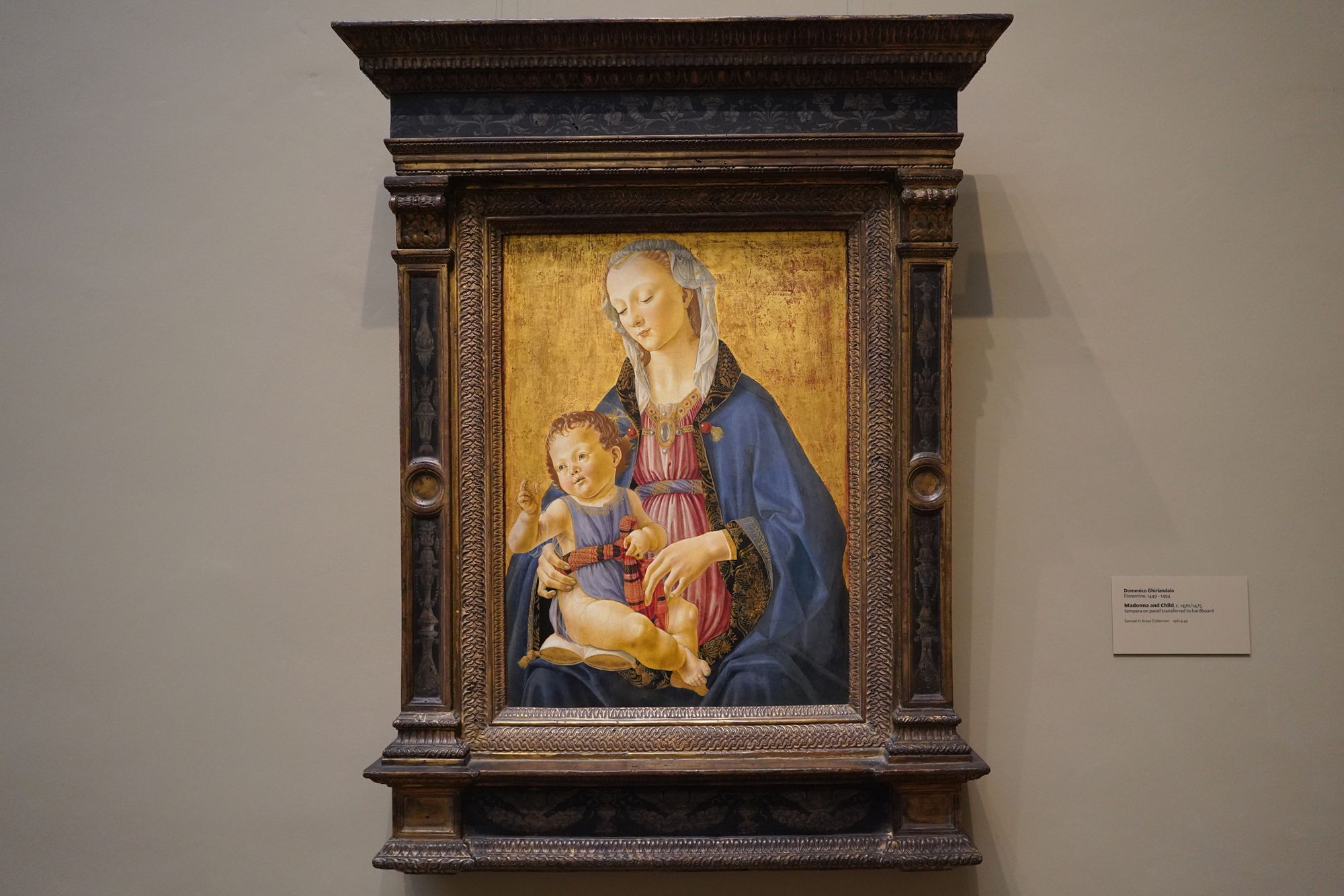
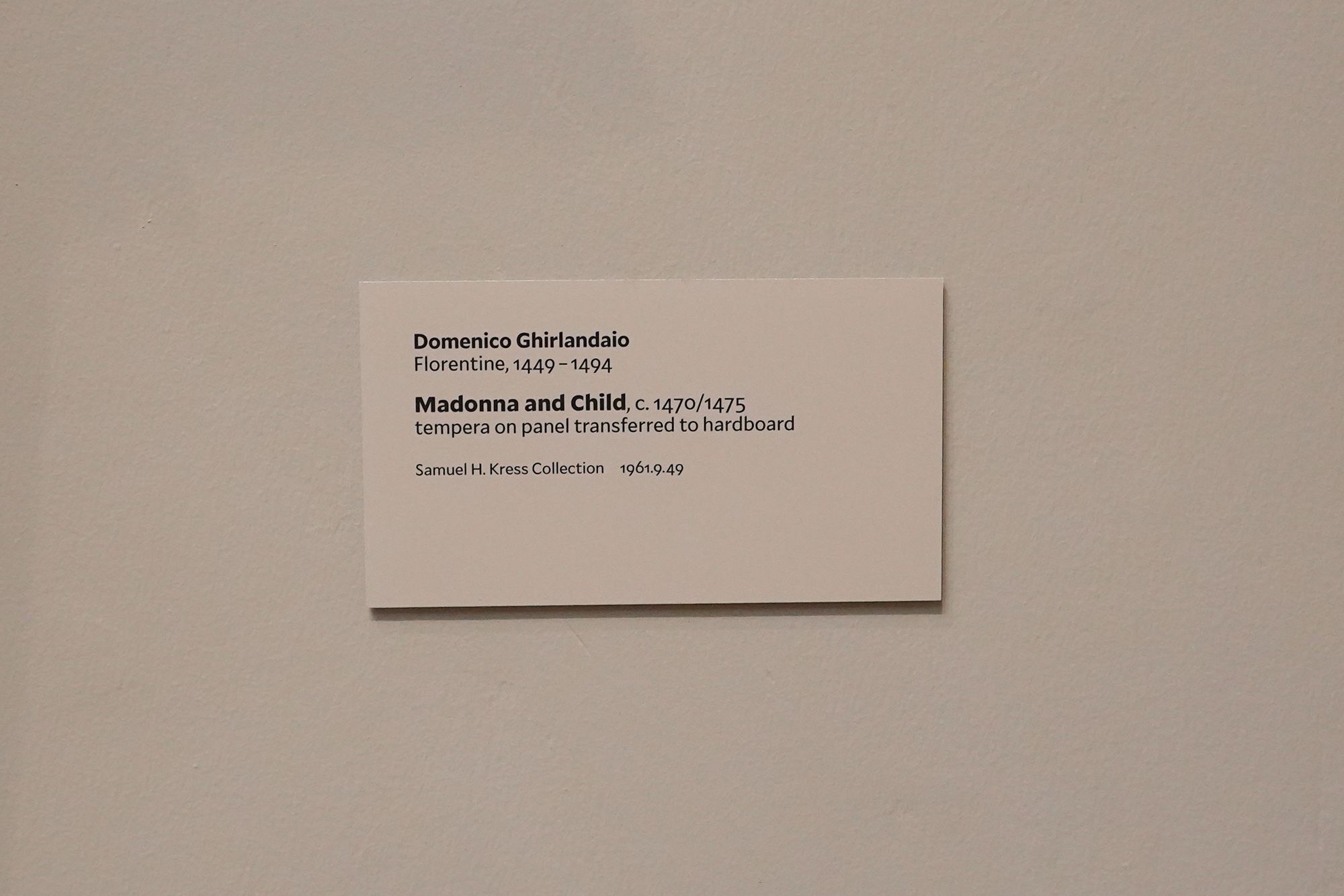
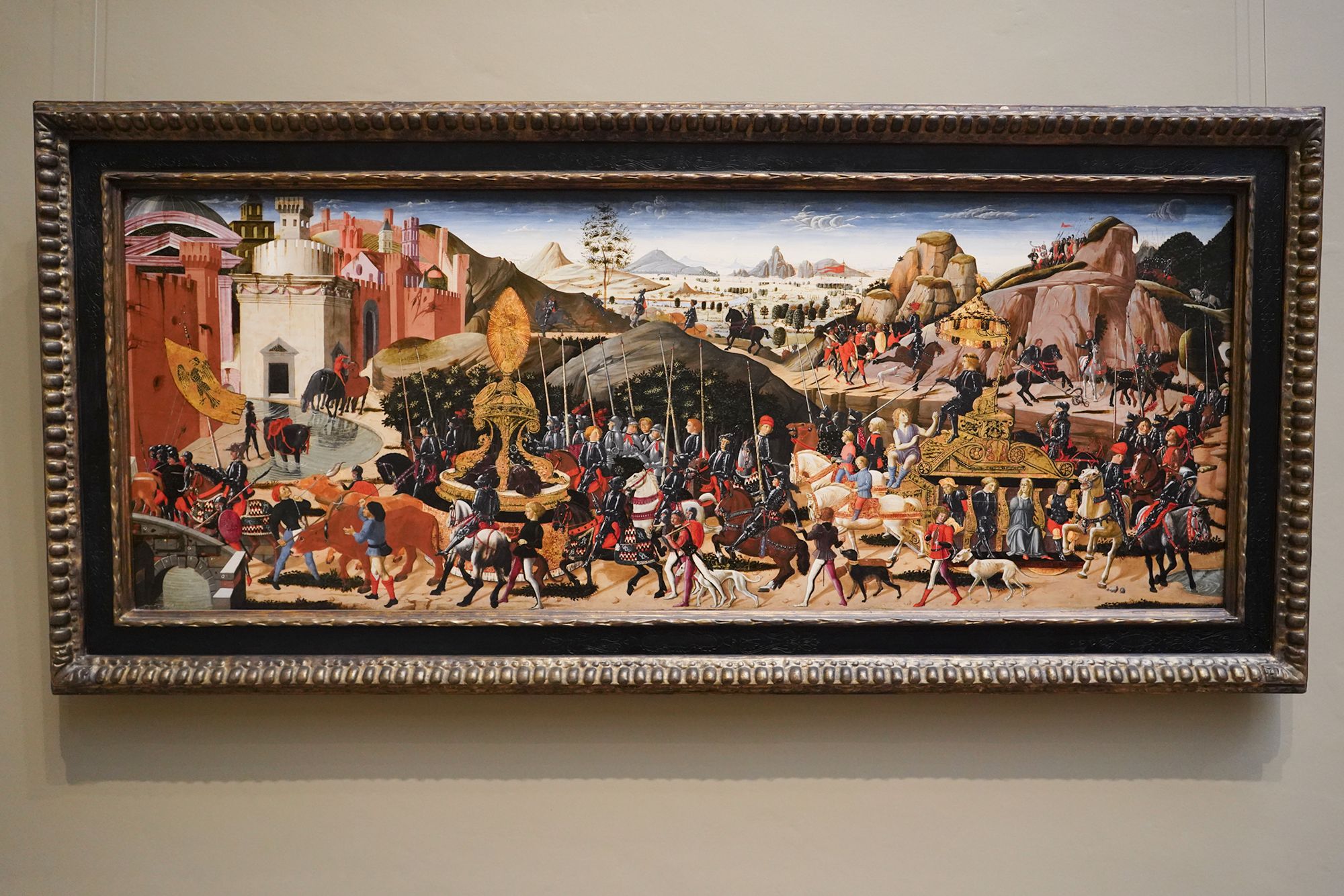
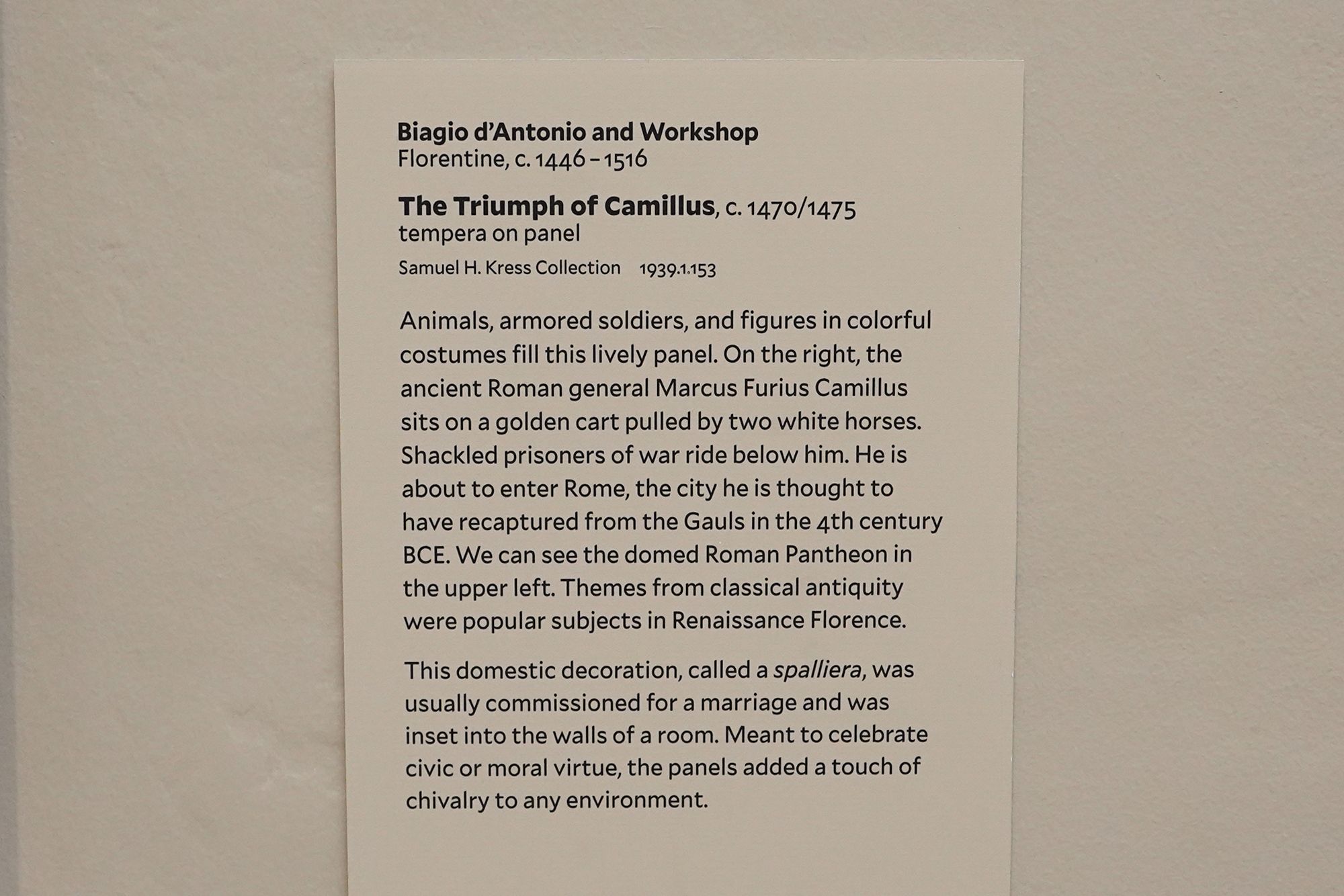
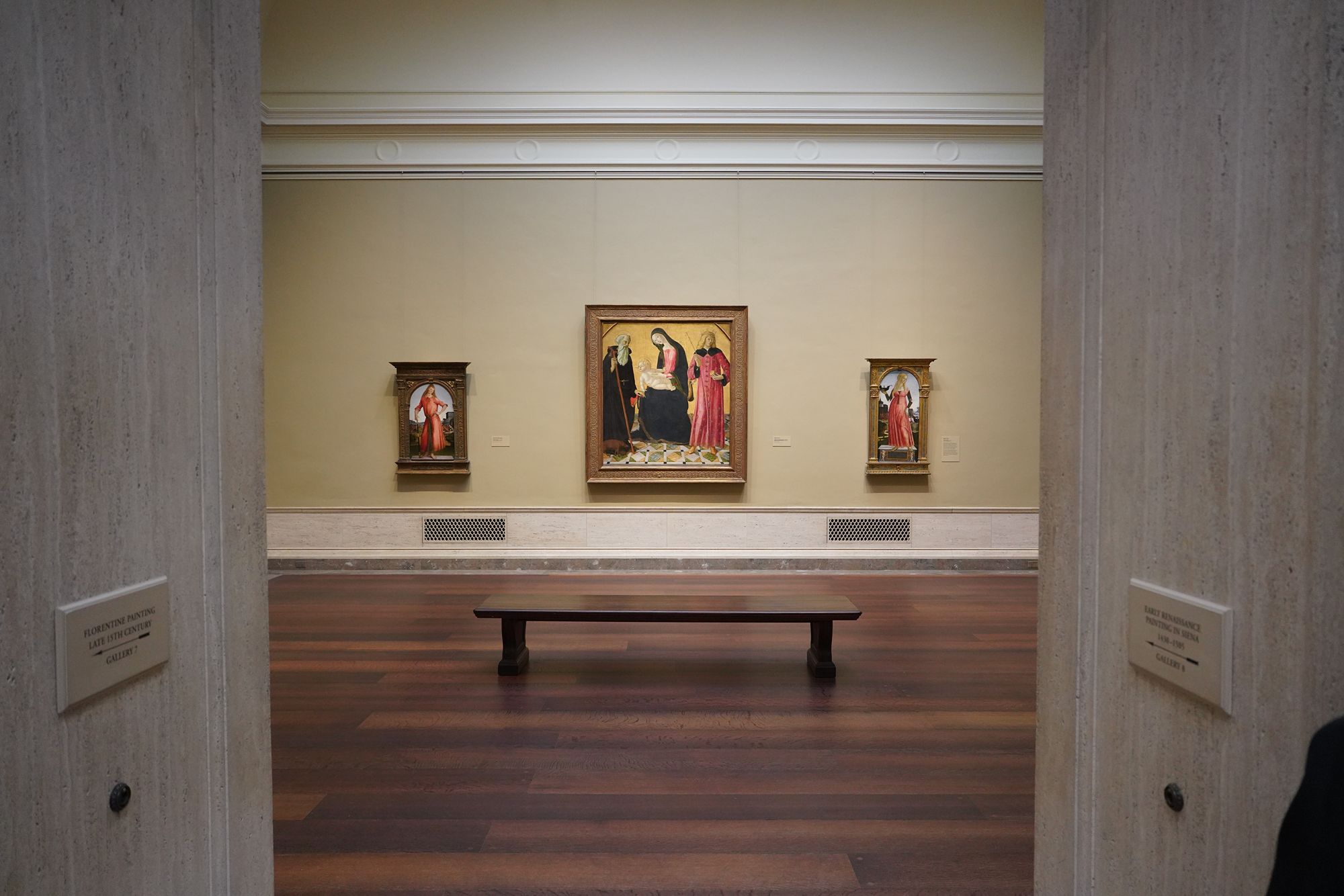
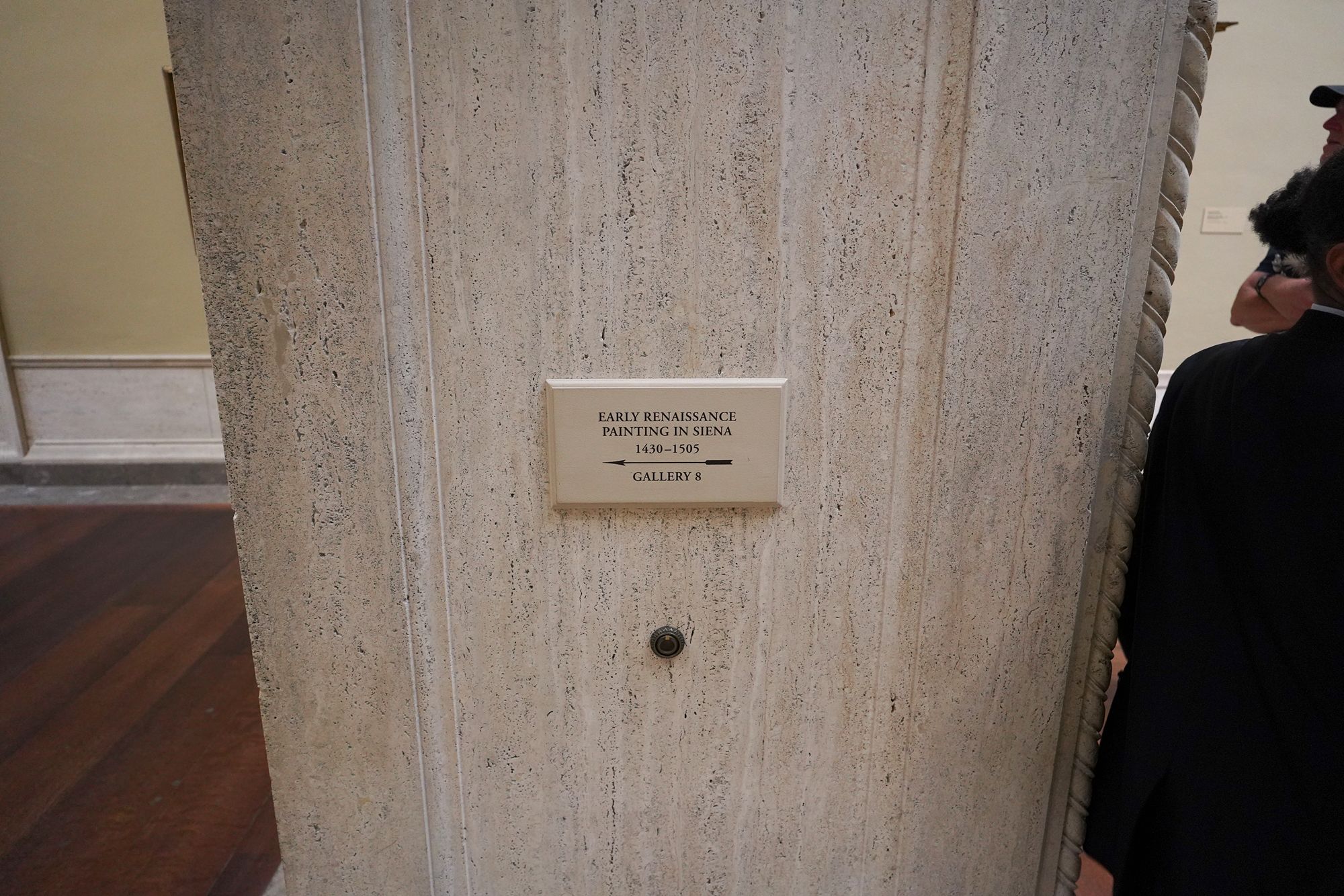
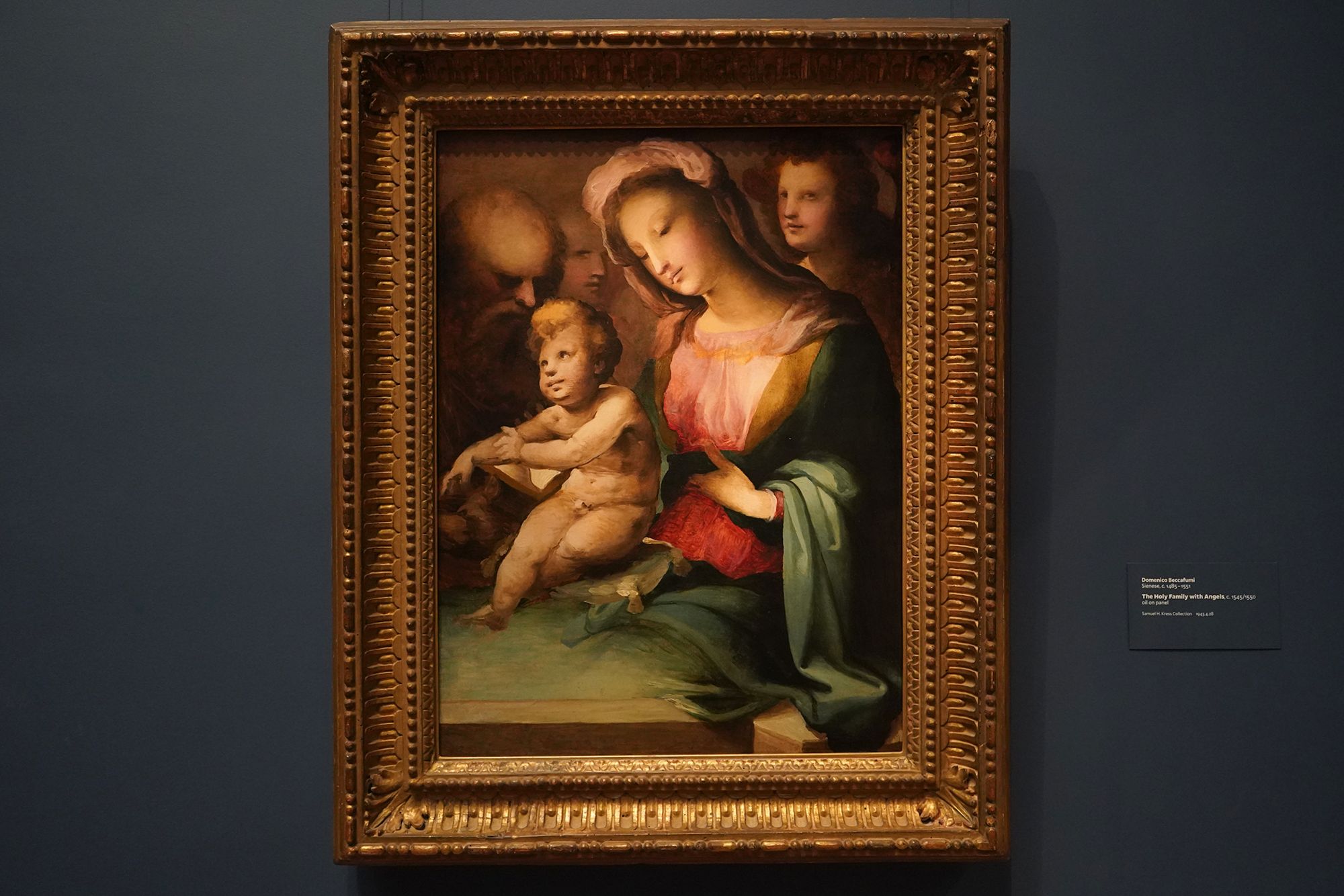
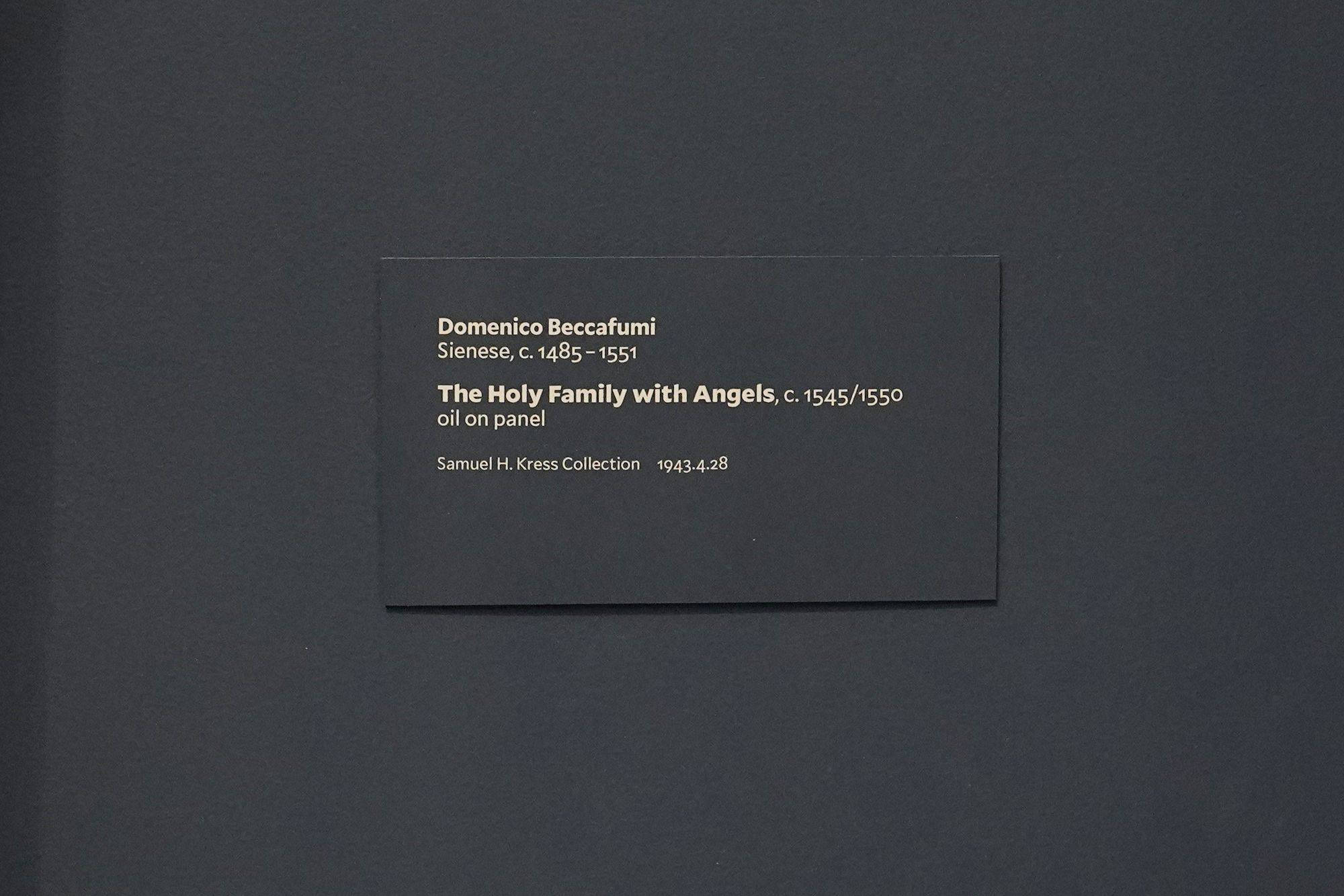
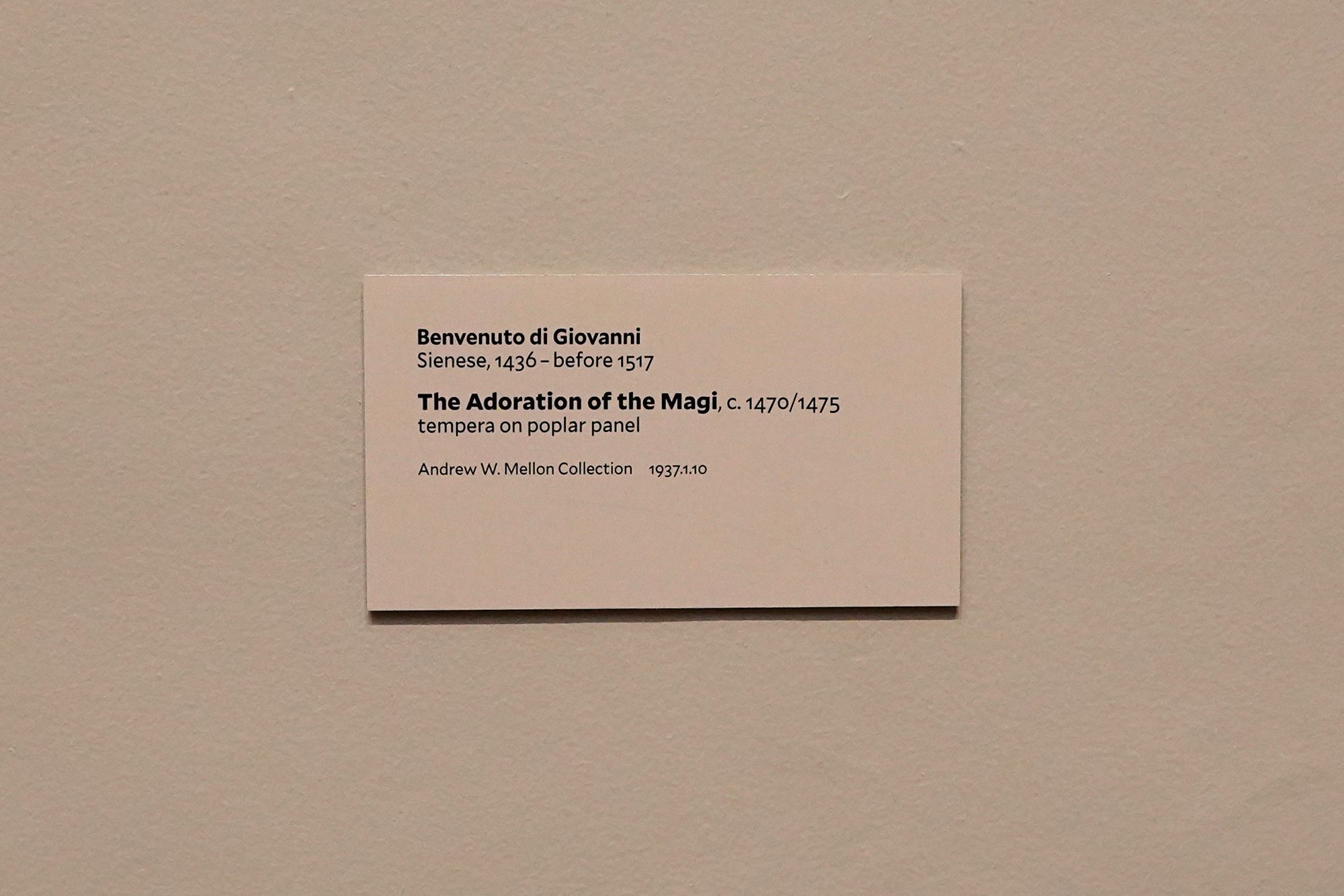
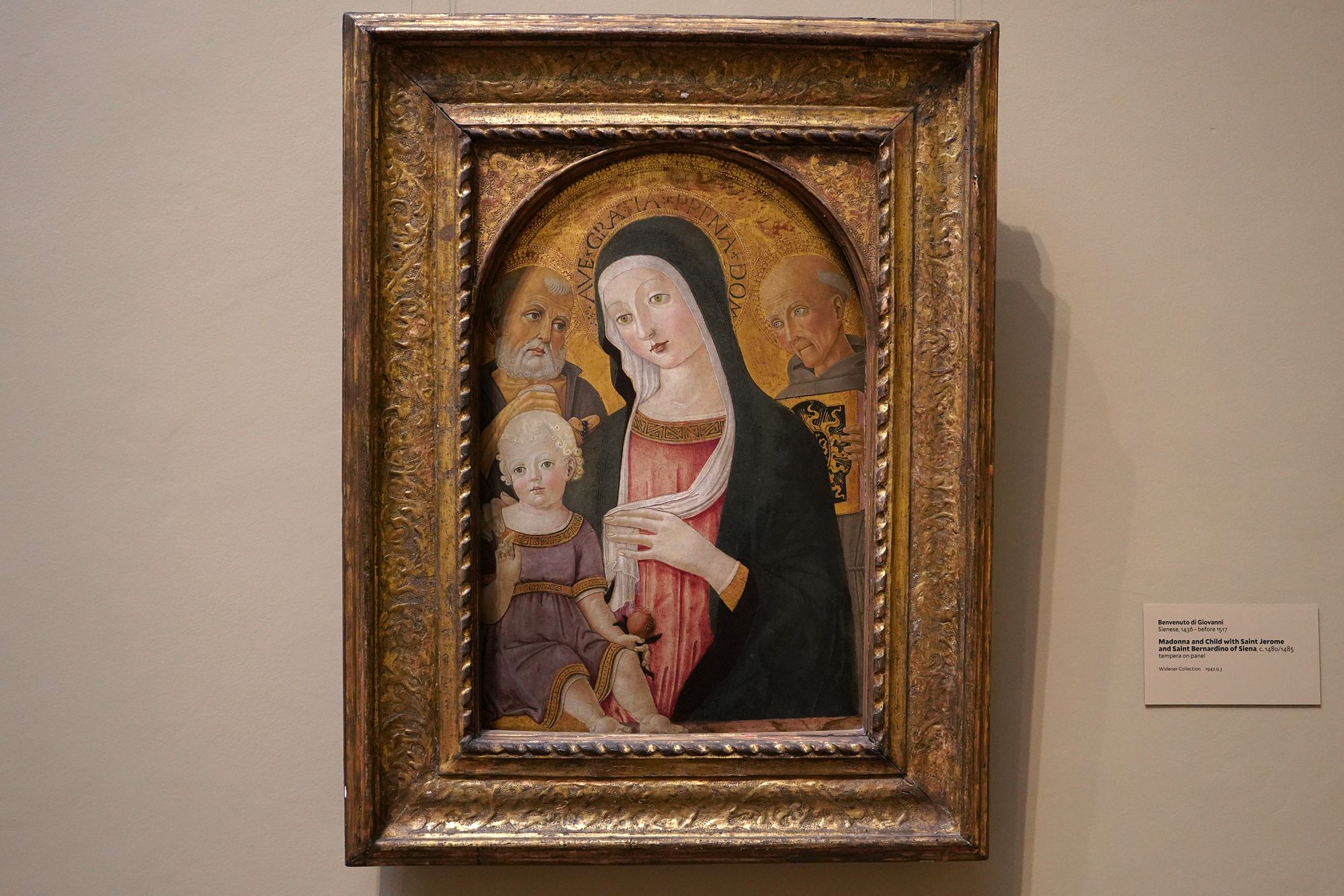
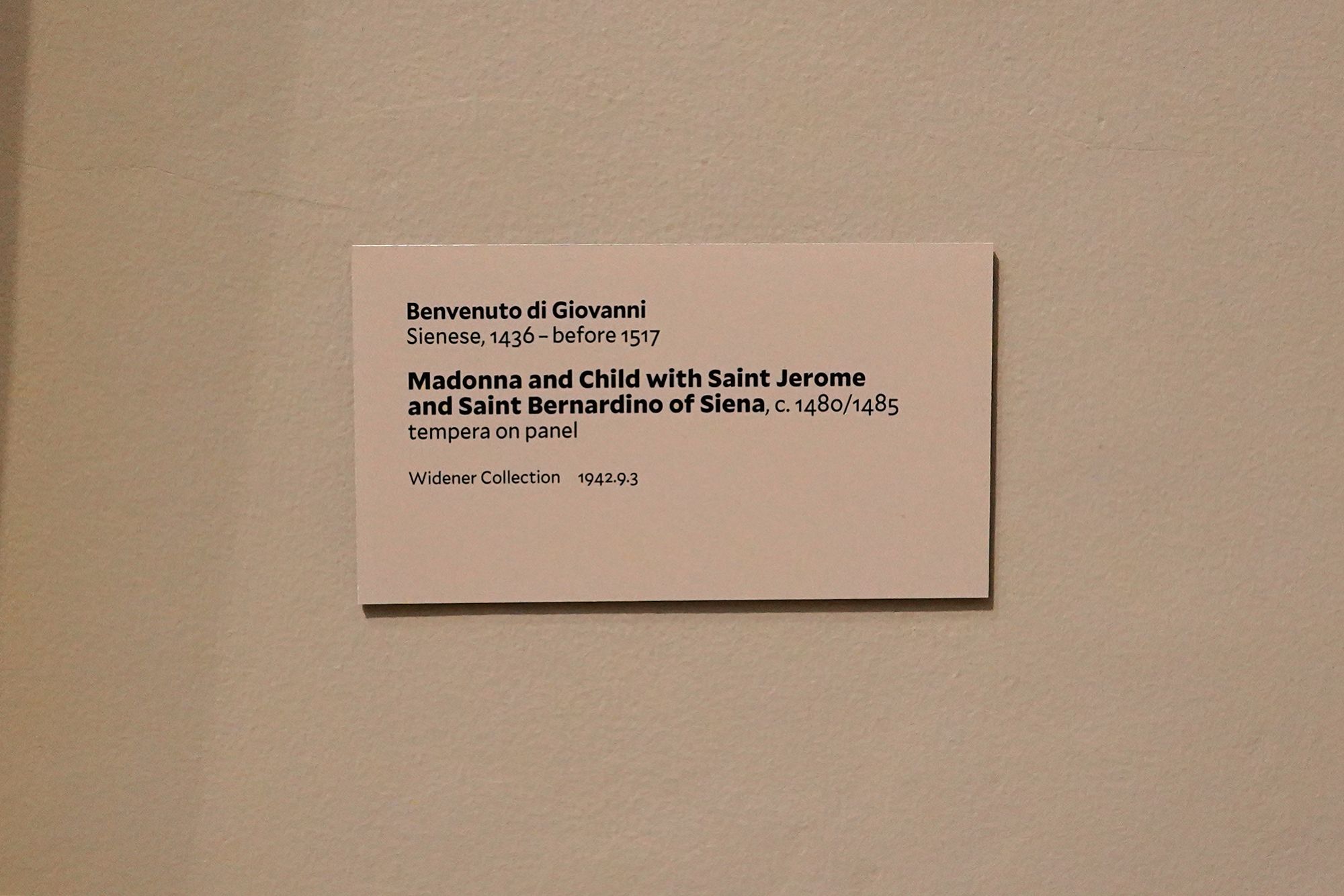
Early Renaissance art in Siena developed alongside Florence’s artistic revolution but retained its own distinctive elegant and poetic style.
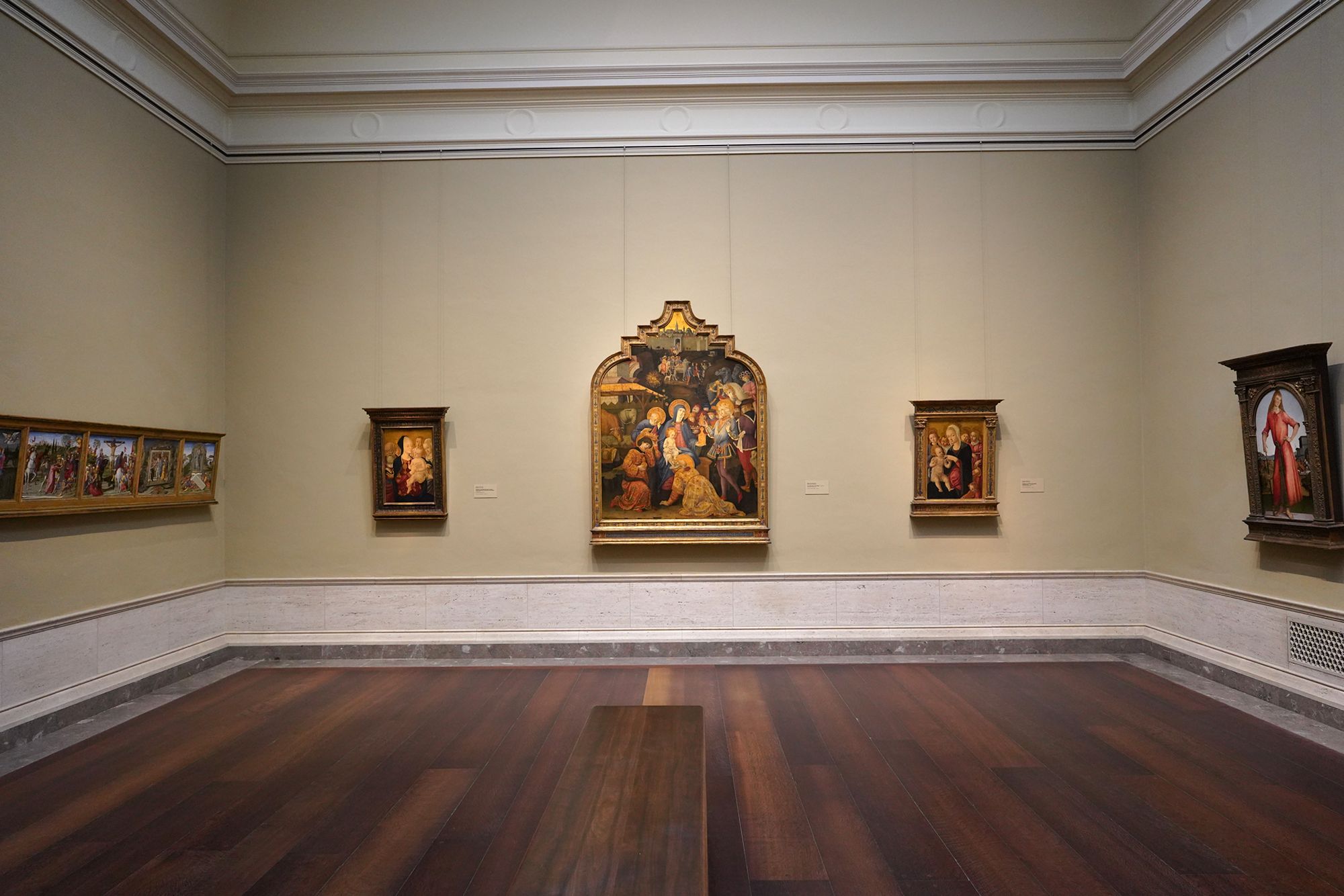
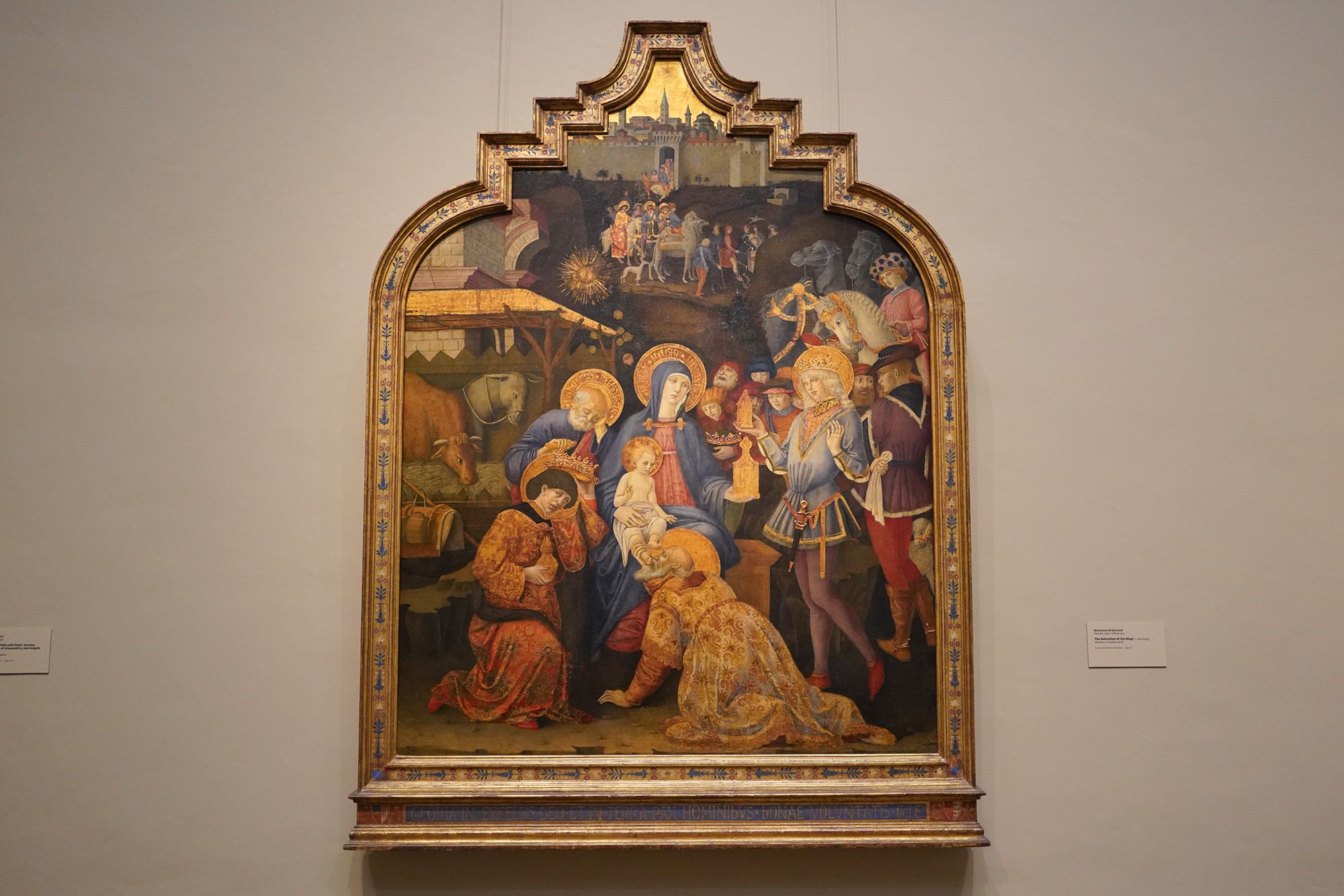
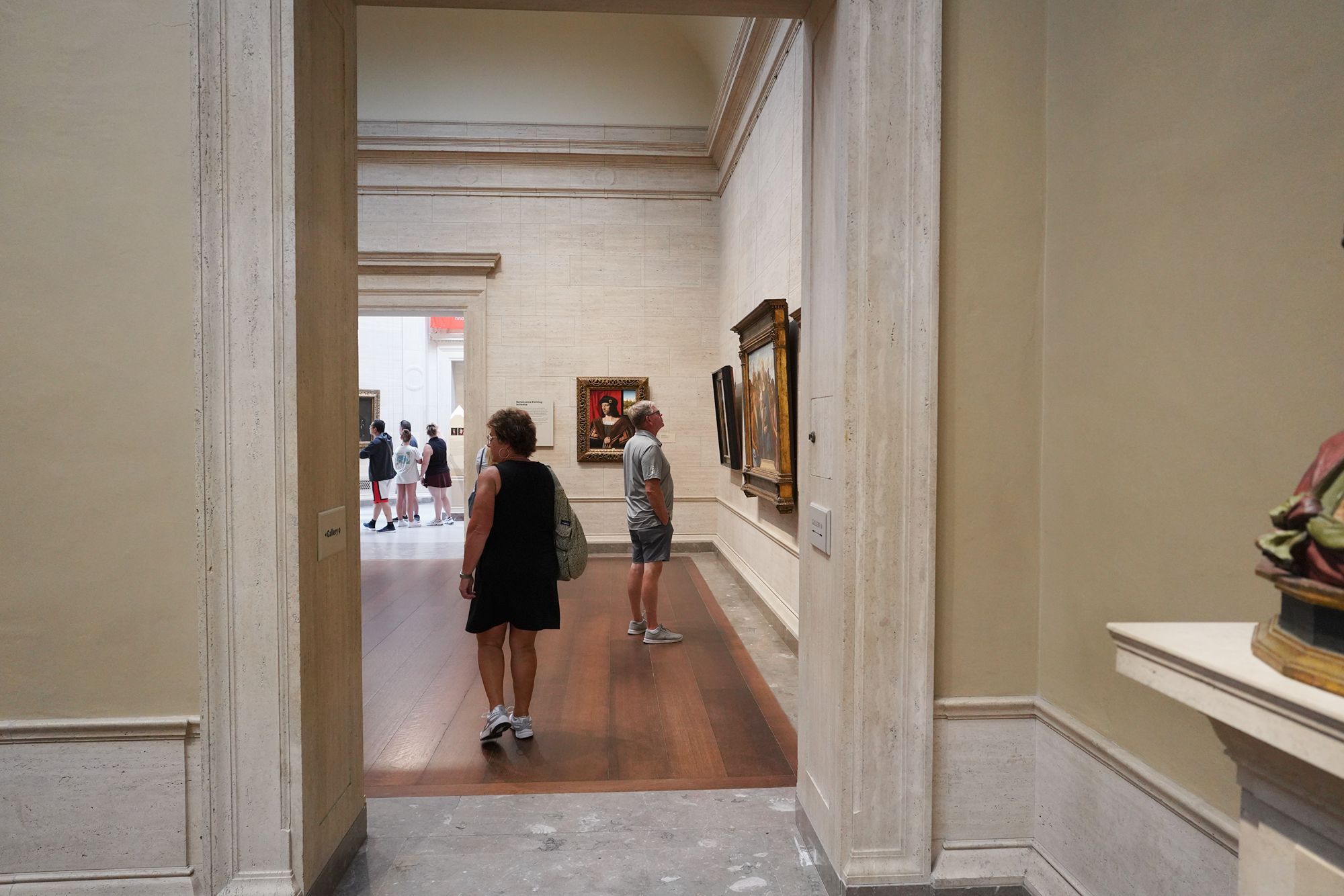
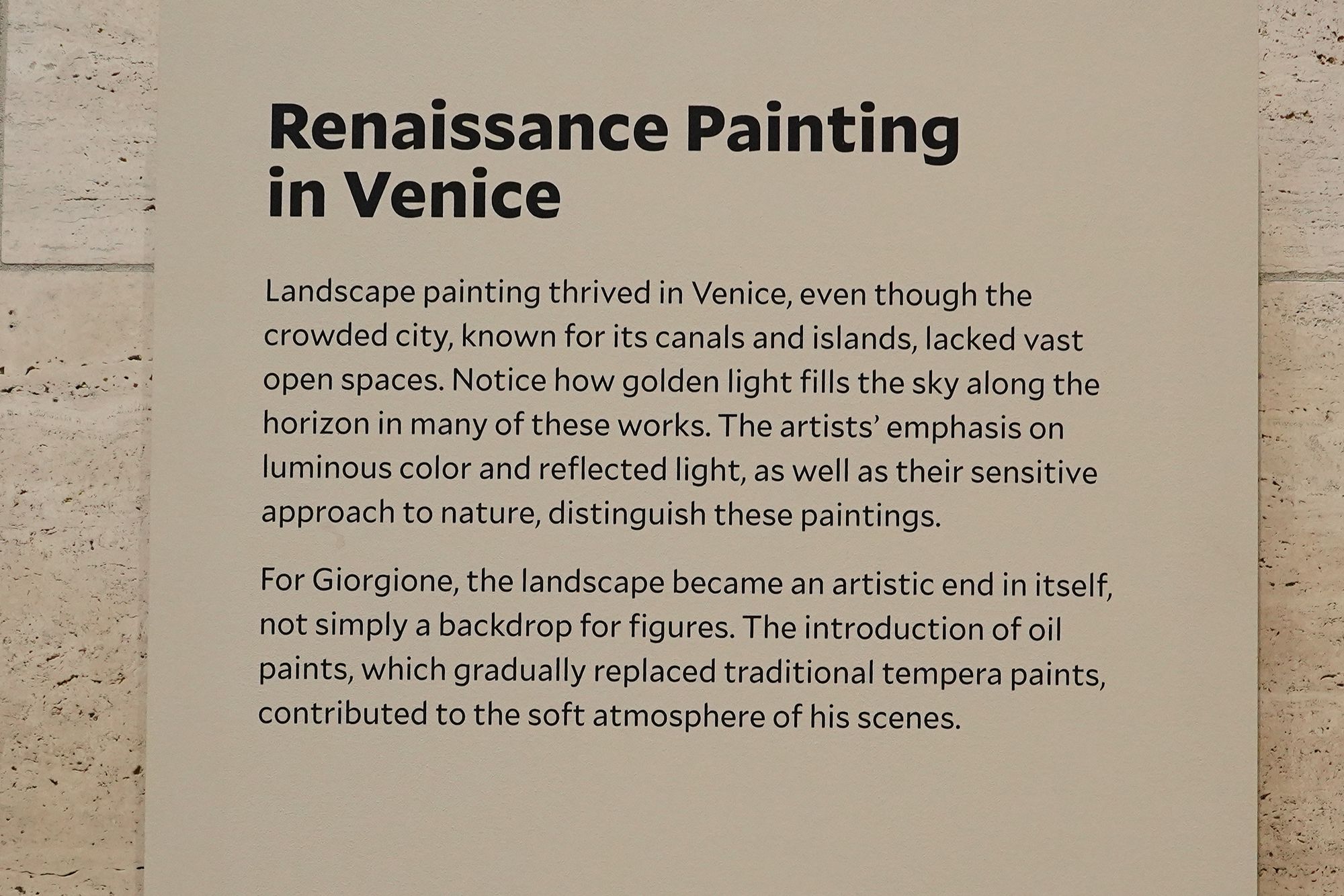
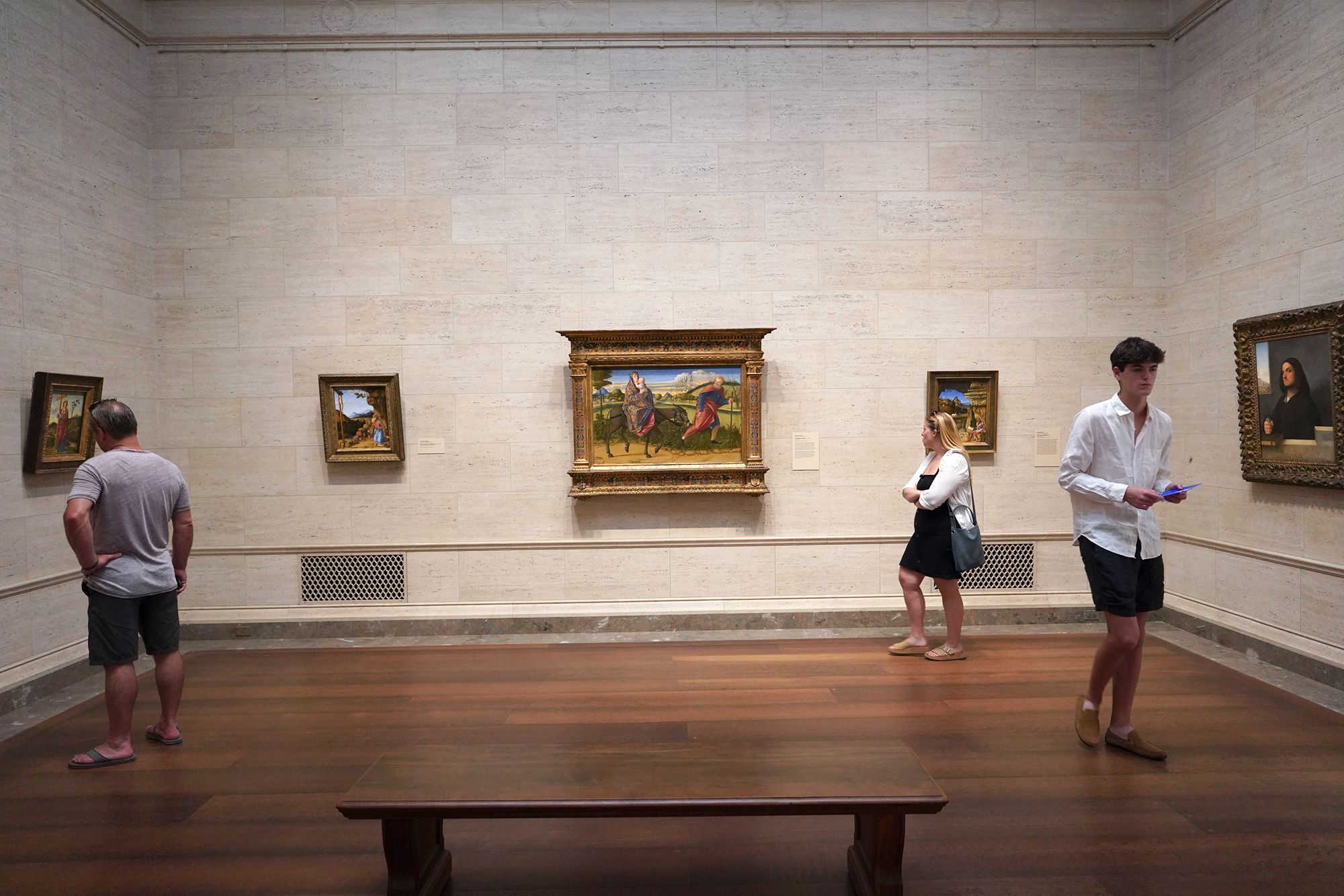
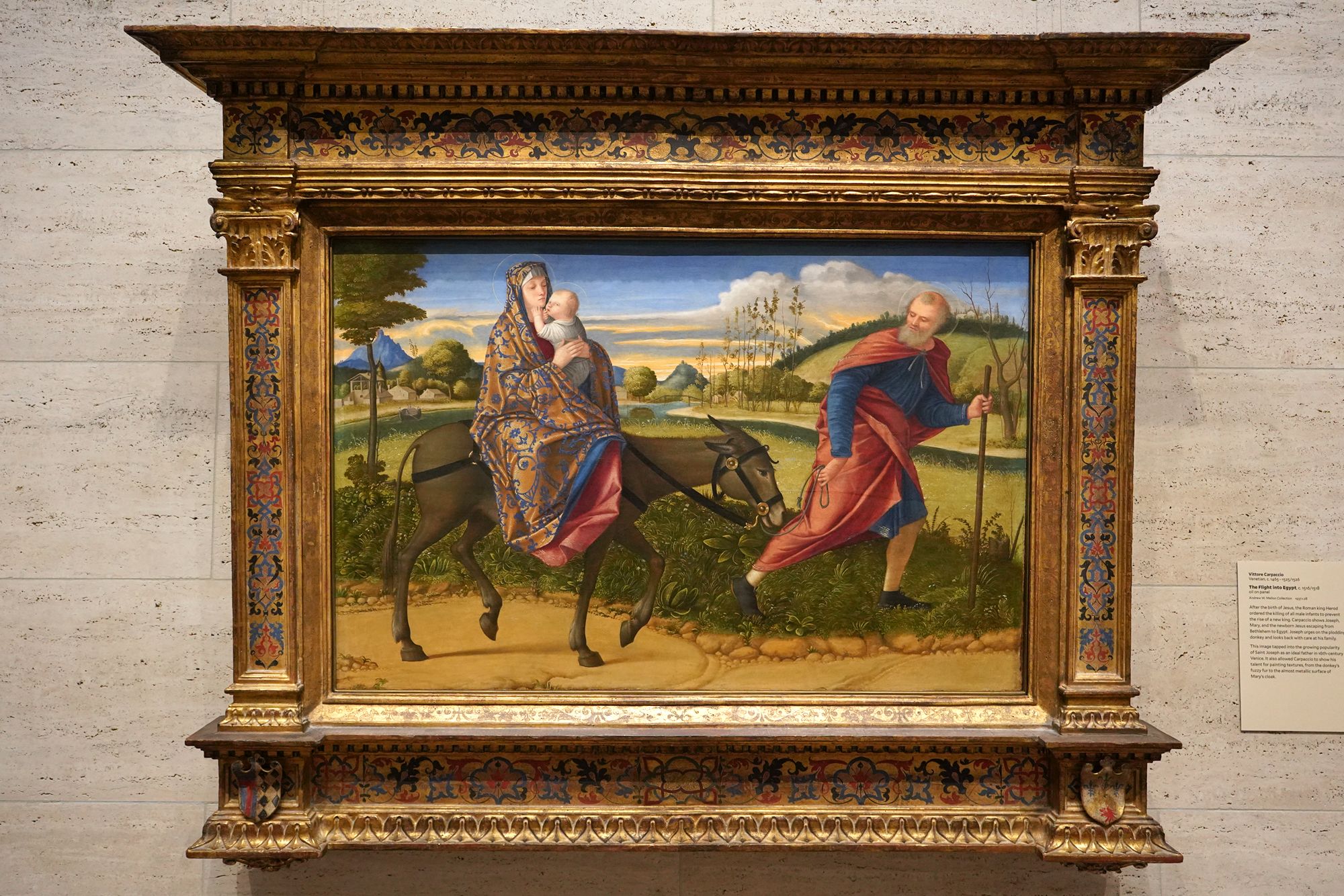
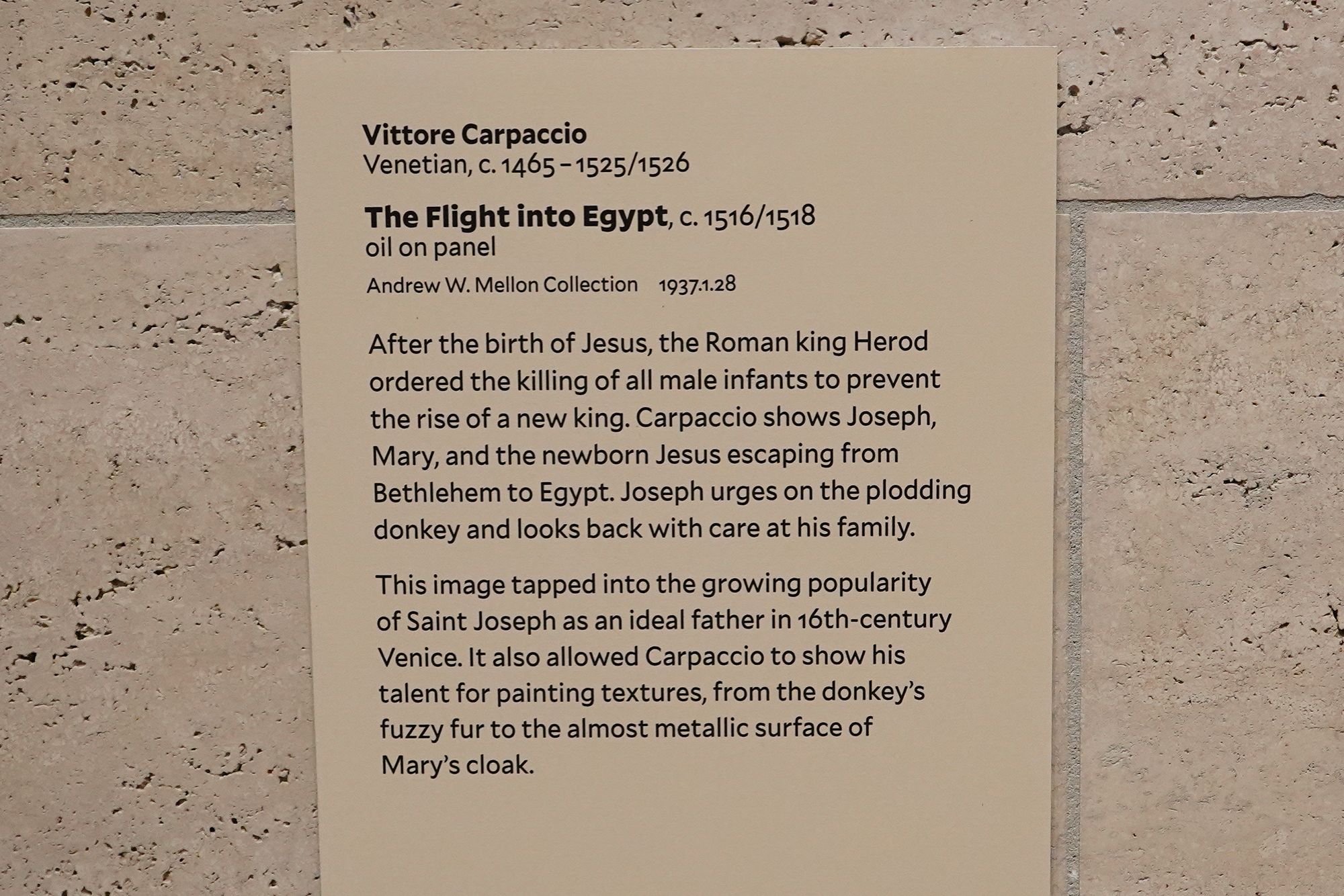
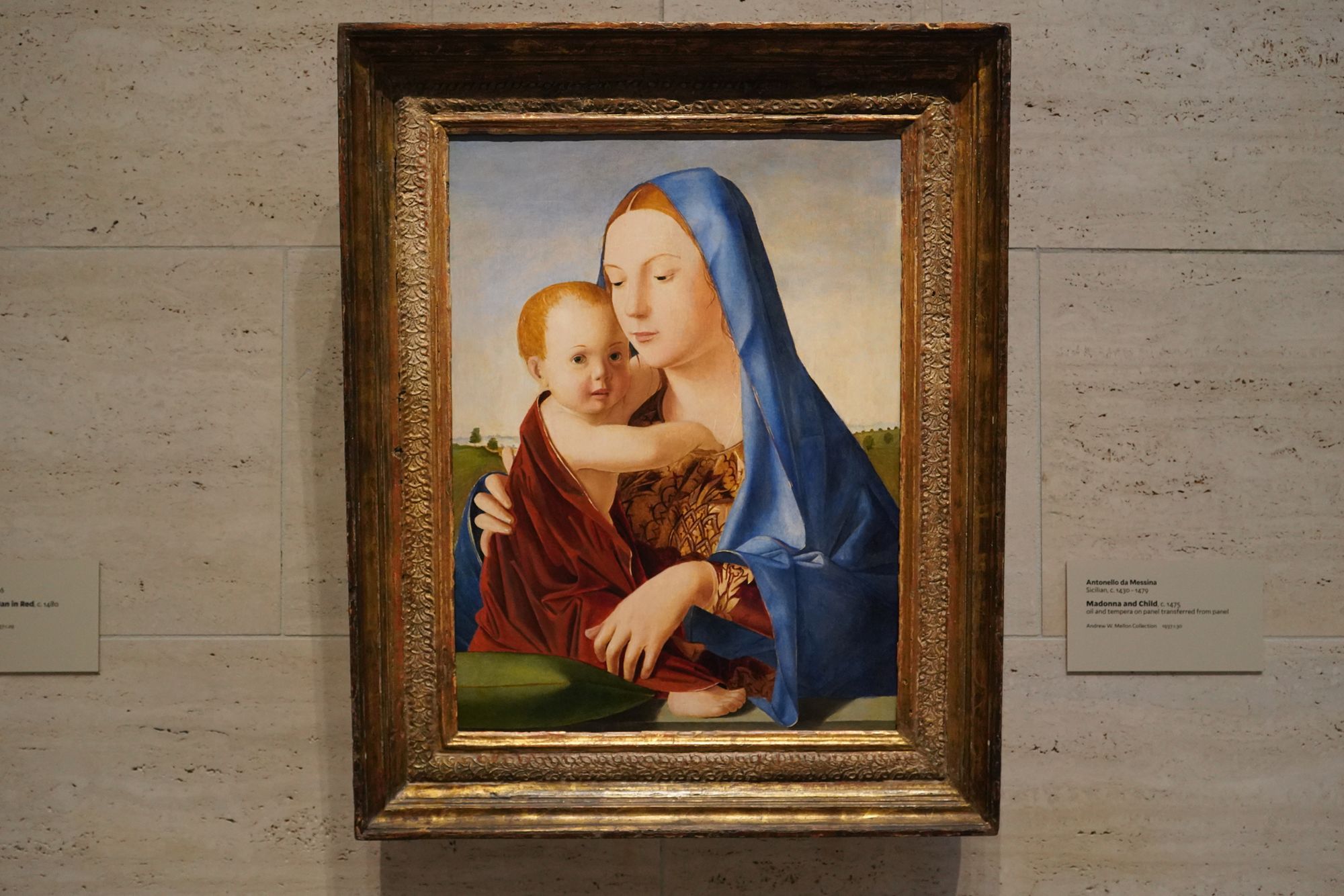
Renaissance paintings in Venice are celebrated for their rich color, luminous light, and sensual beauty, setting them apart from the more linear, sculptural style of Florence.
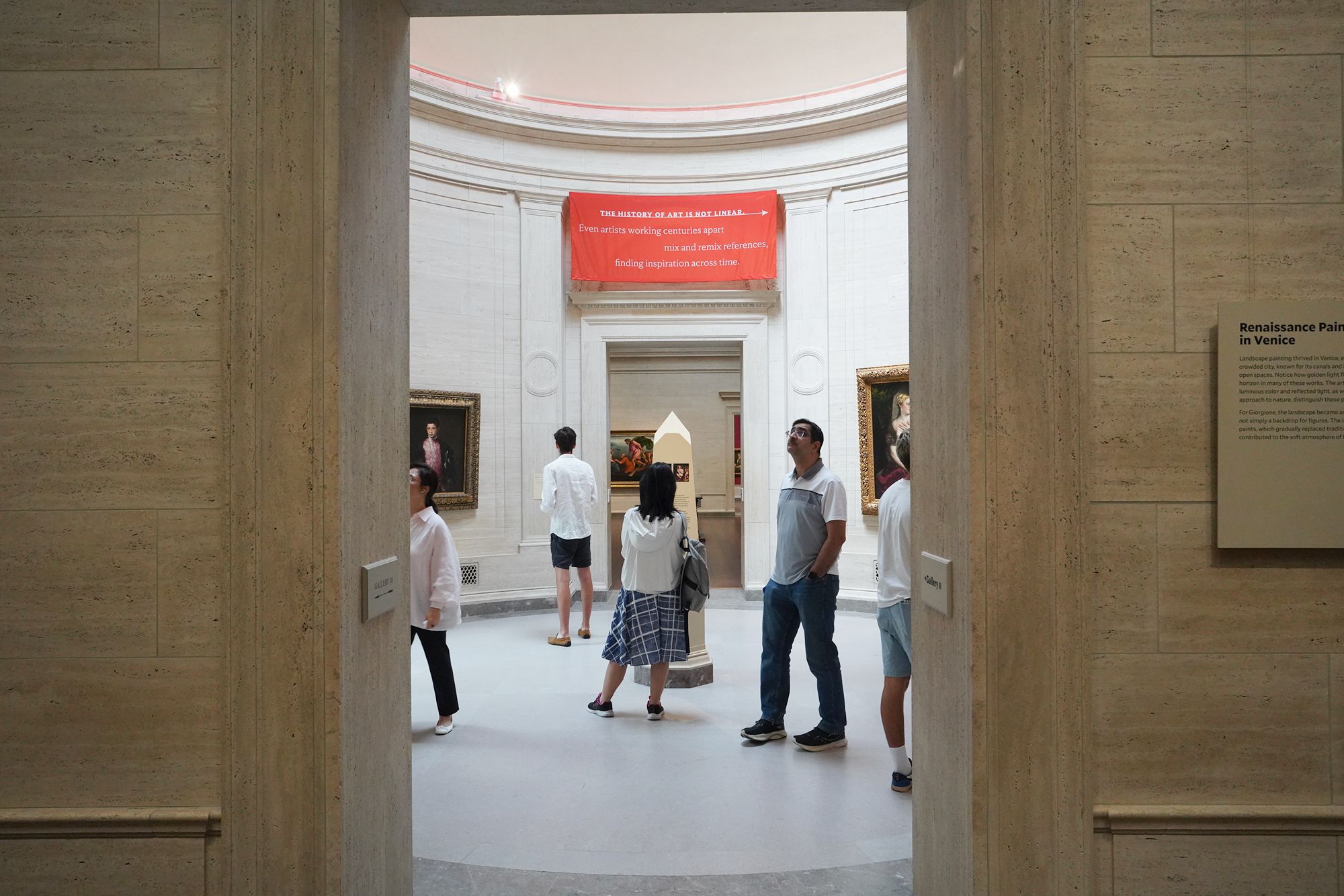
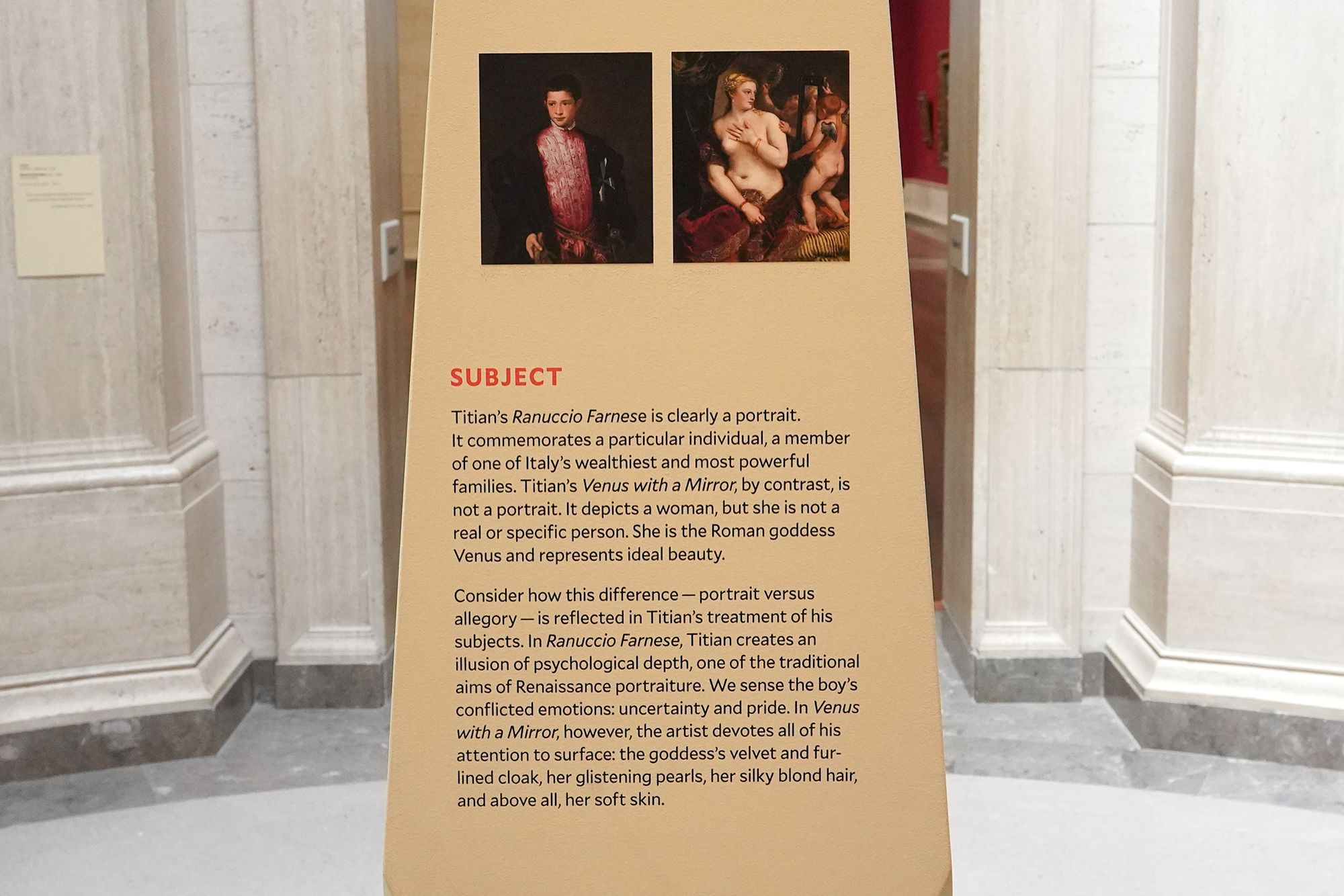
“The History of Art Is Not Linear” is an exhibition at the National Gallery of Art that rethinks traditional art history by showing how artistic ideas developed in multiple places and directions, rather than following a single, straight timeline.
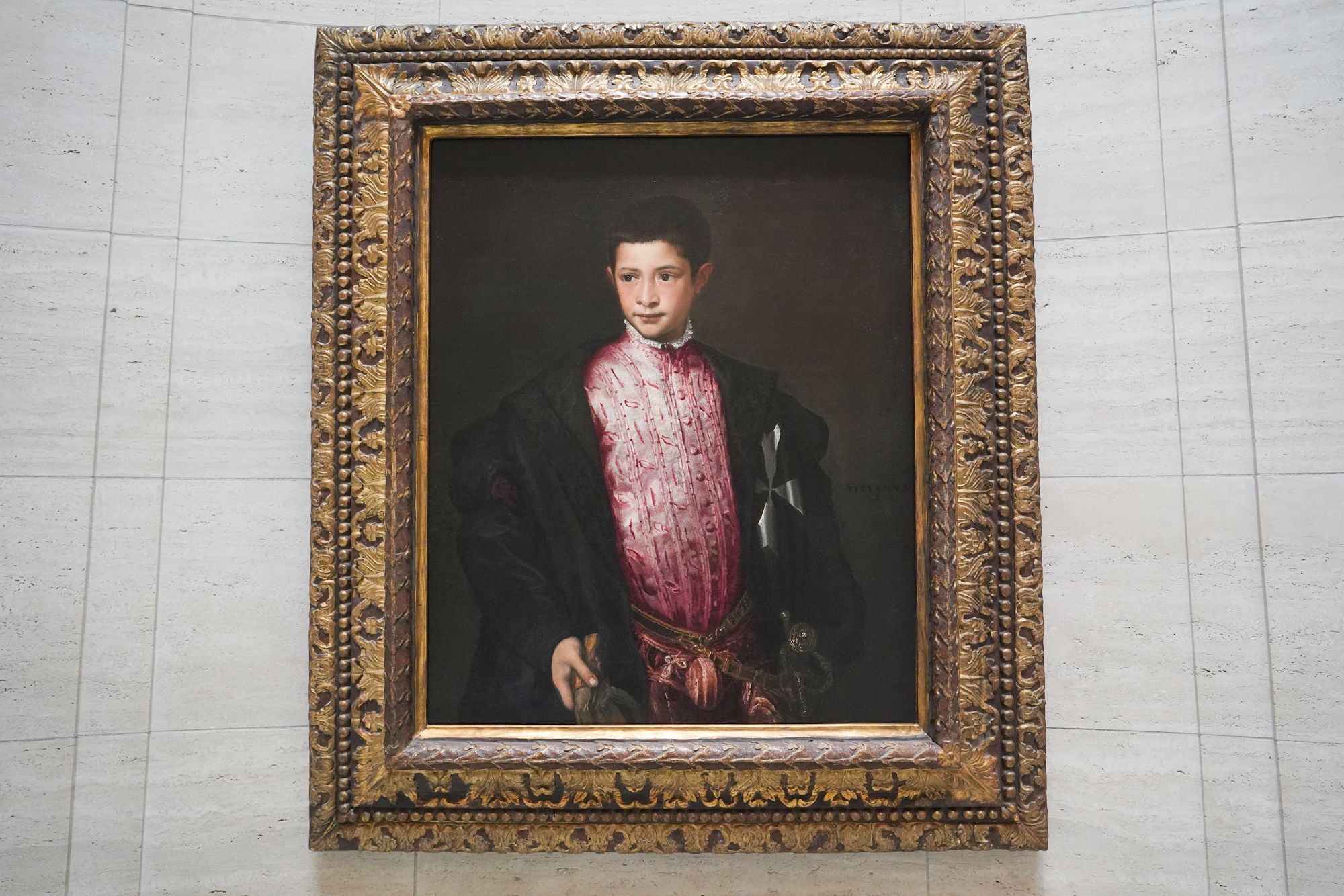
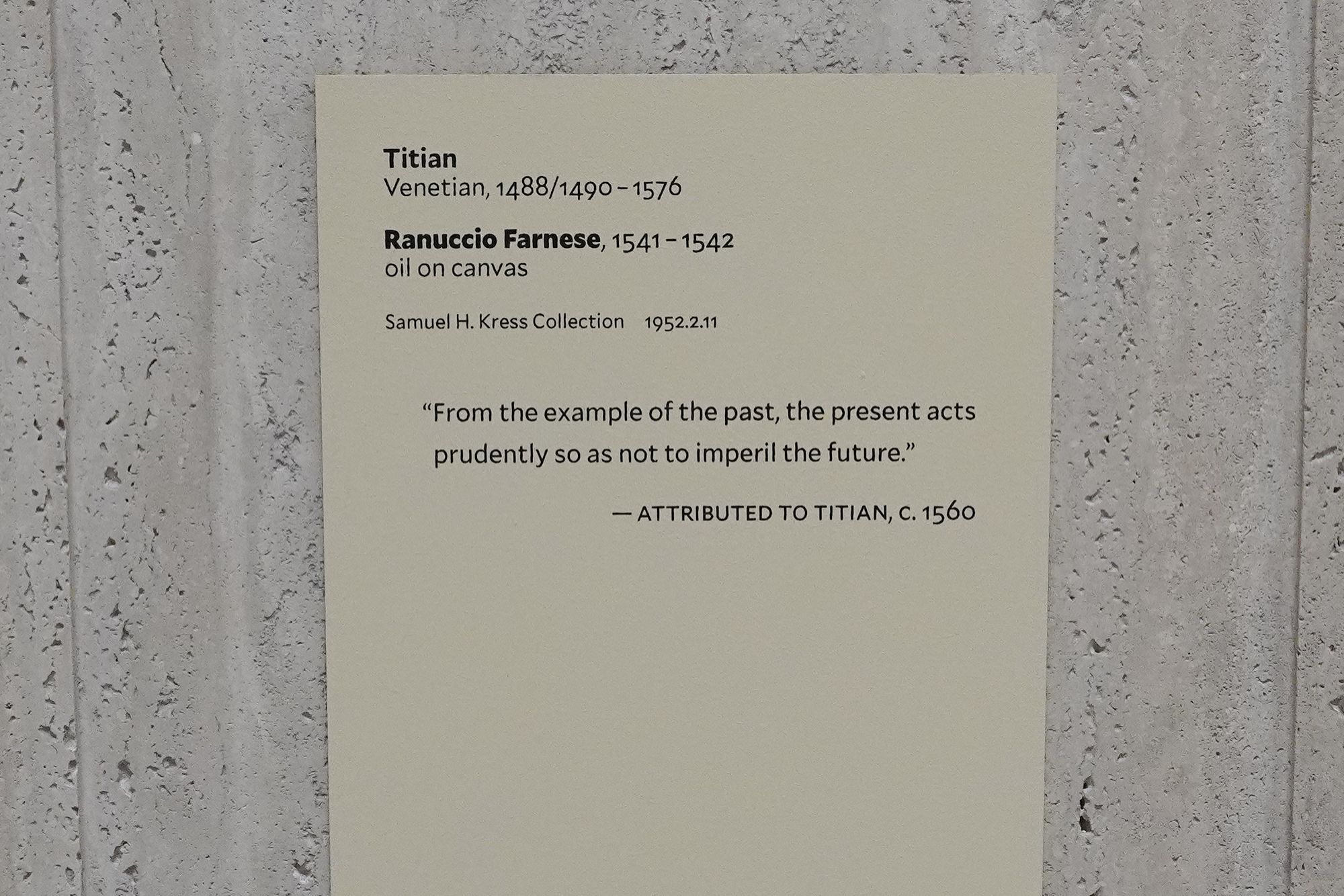
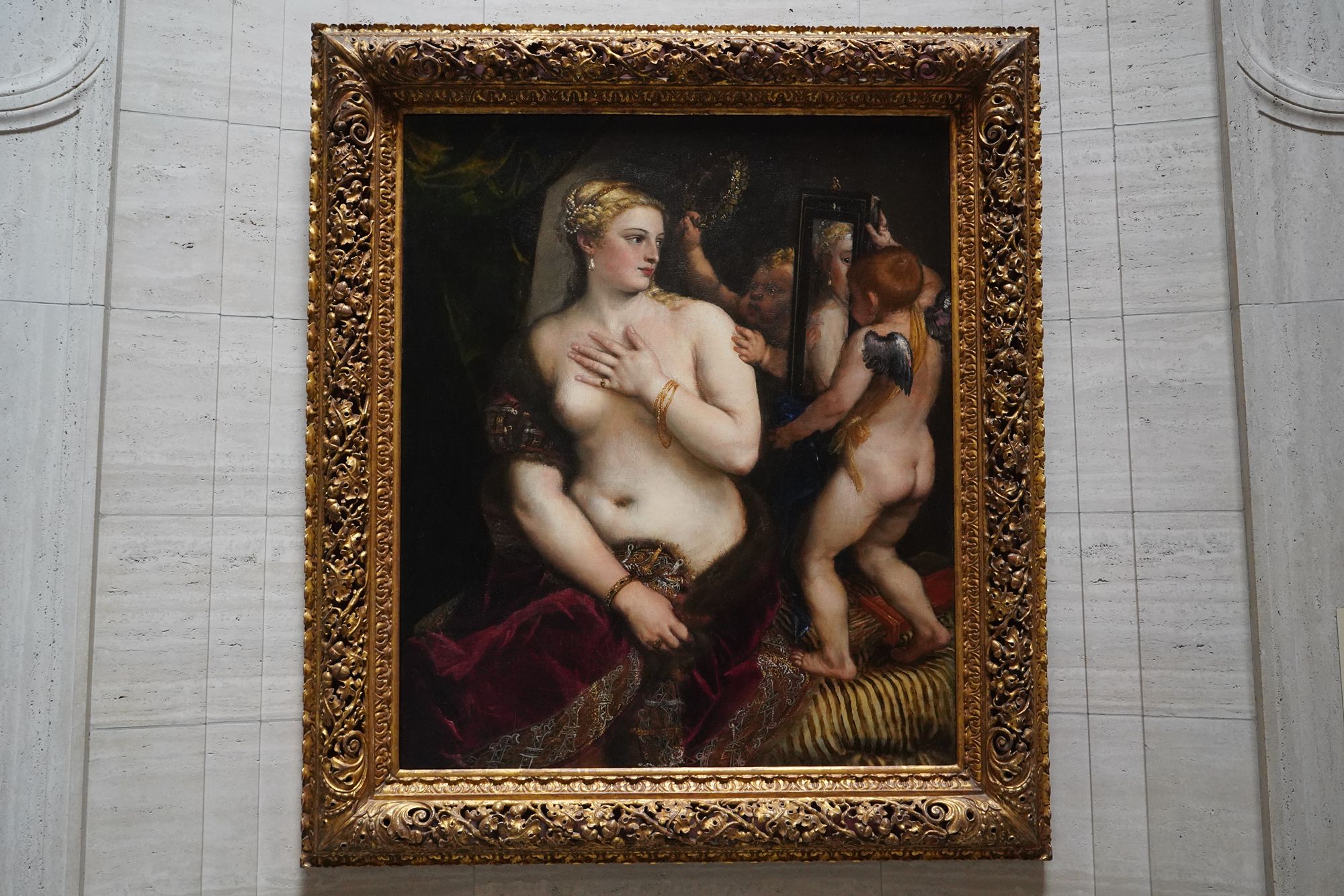
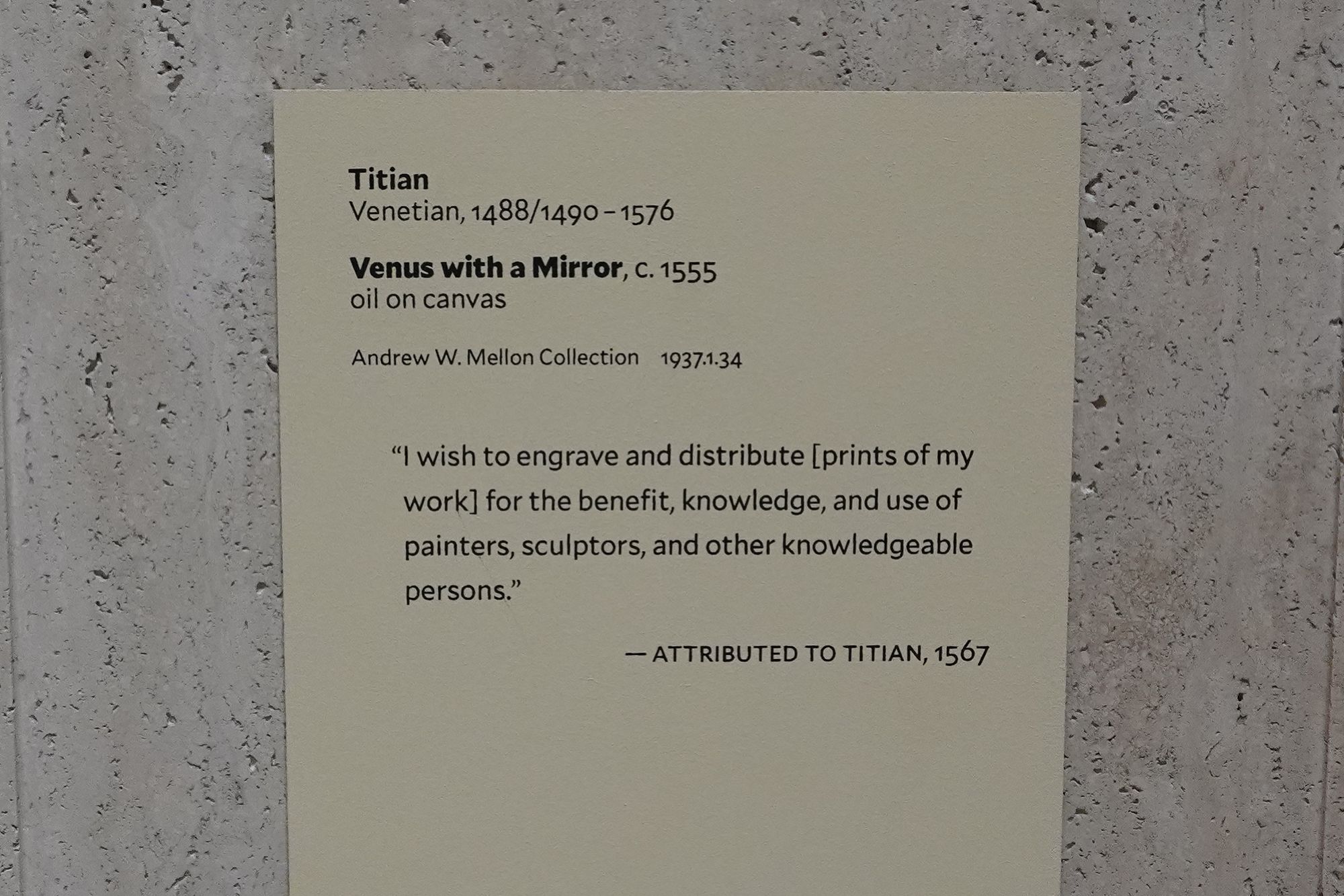
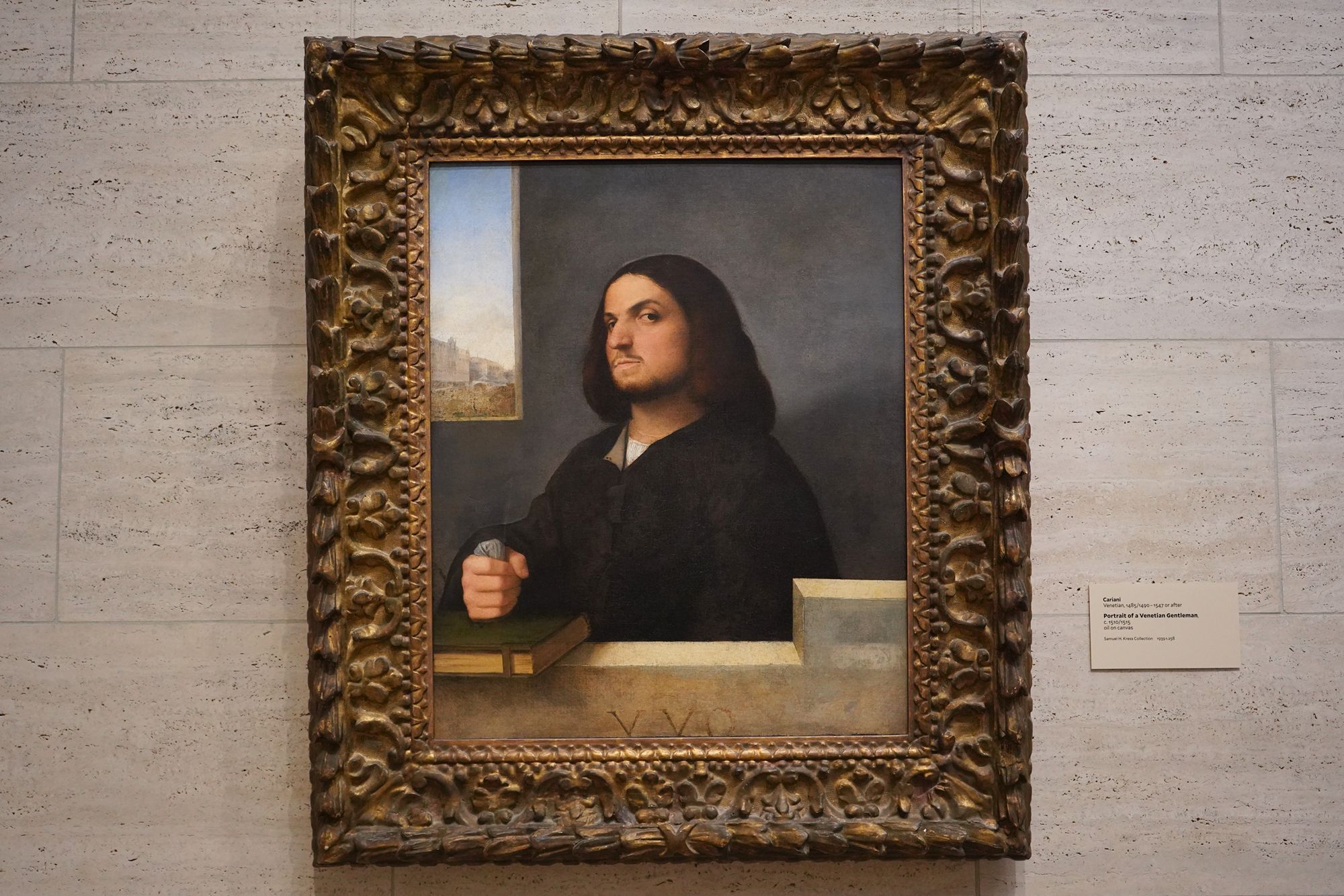
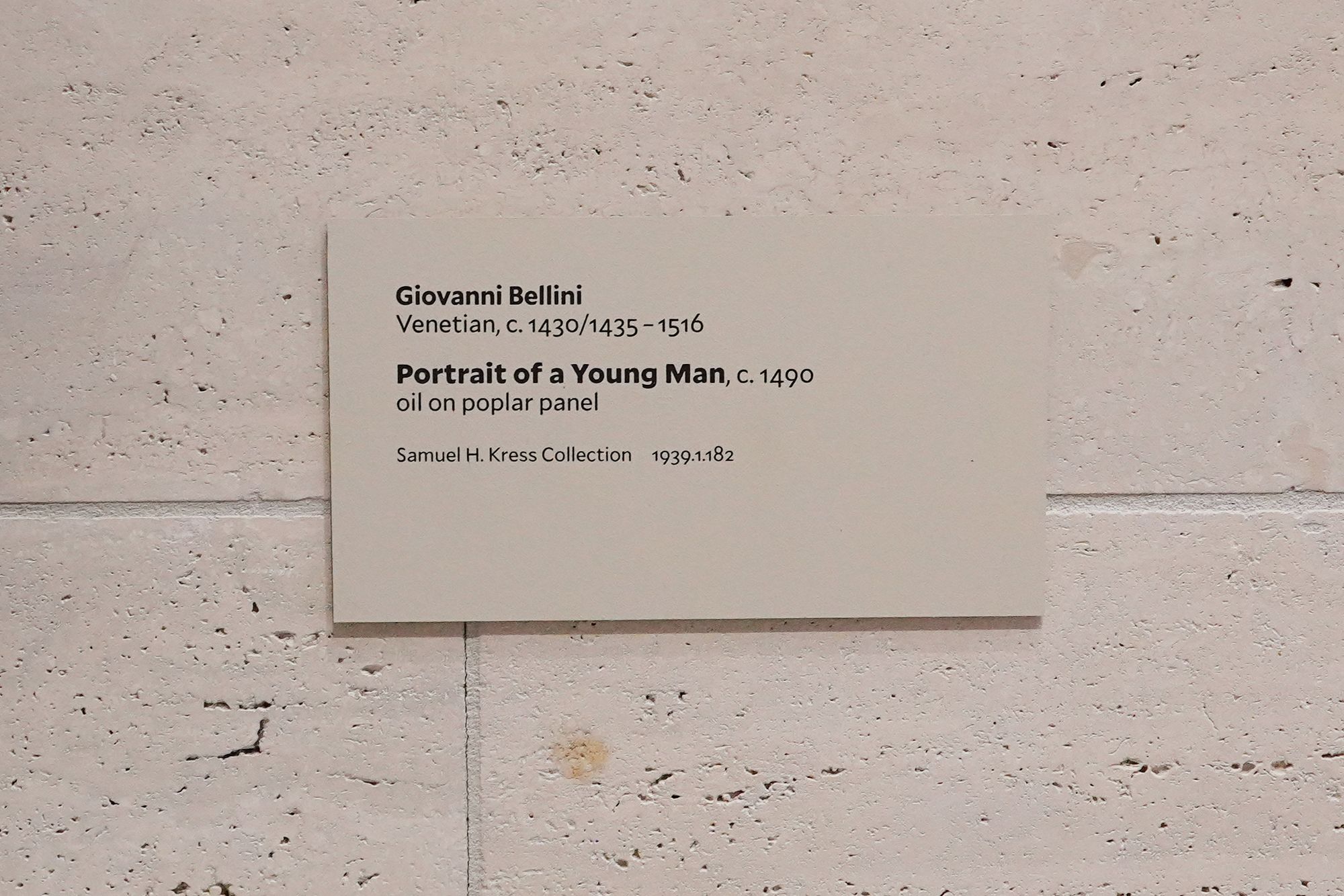
Venetian Art in the Renaissance – Venetian artists like Giovanni Bellini, Giorgione, and Titian mastered the use of oil paint, creating deep, glowing tones and soft transitions of light and shadow that gave their works a poetic atmosphere.
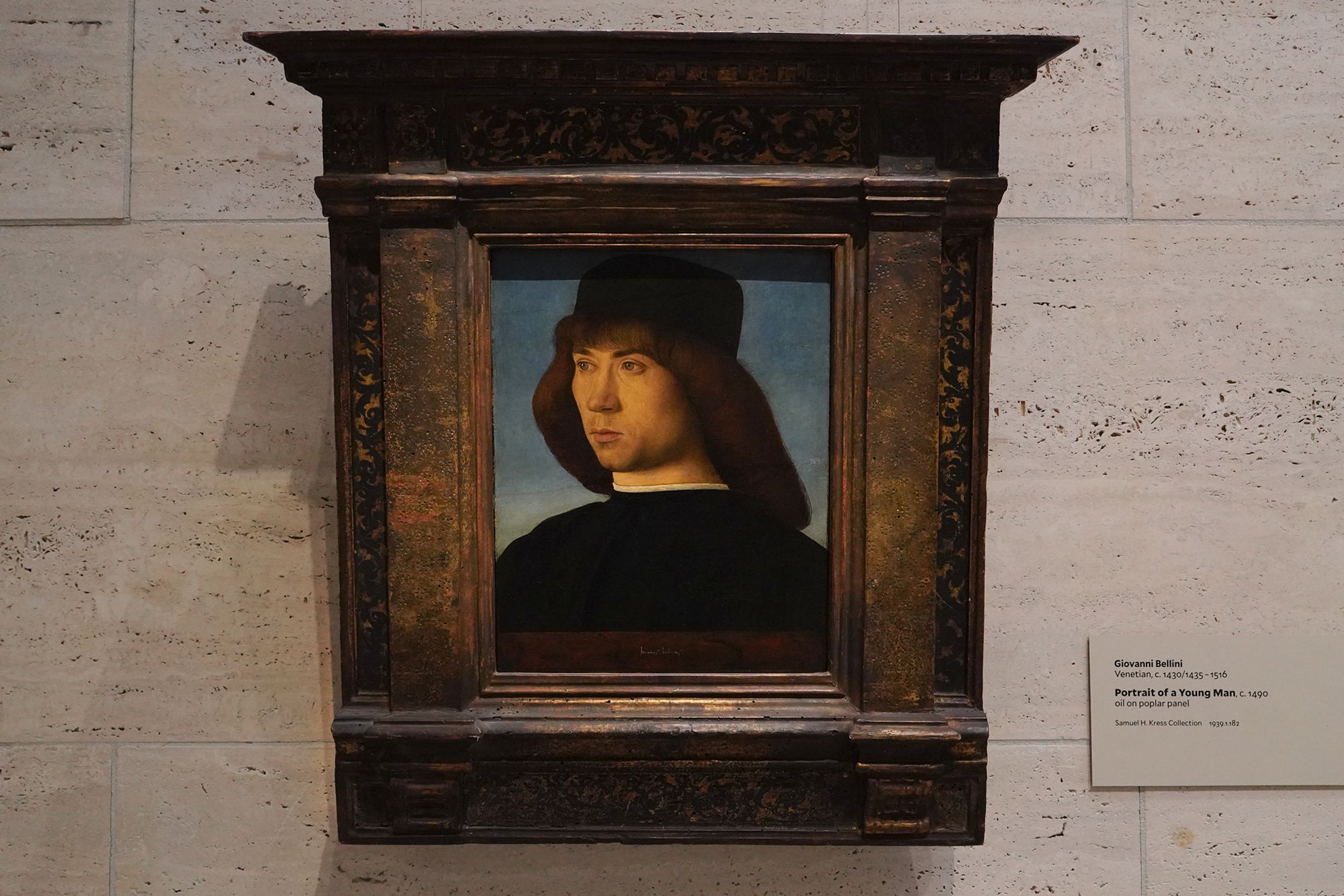
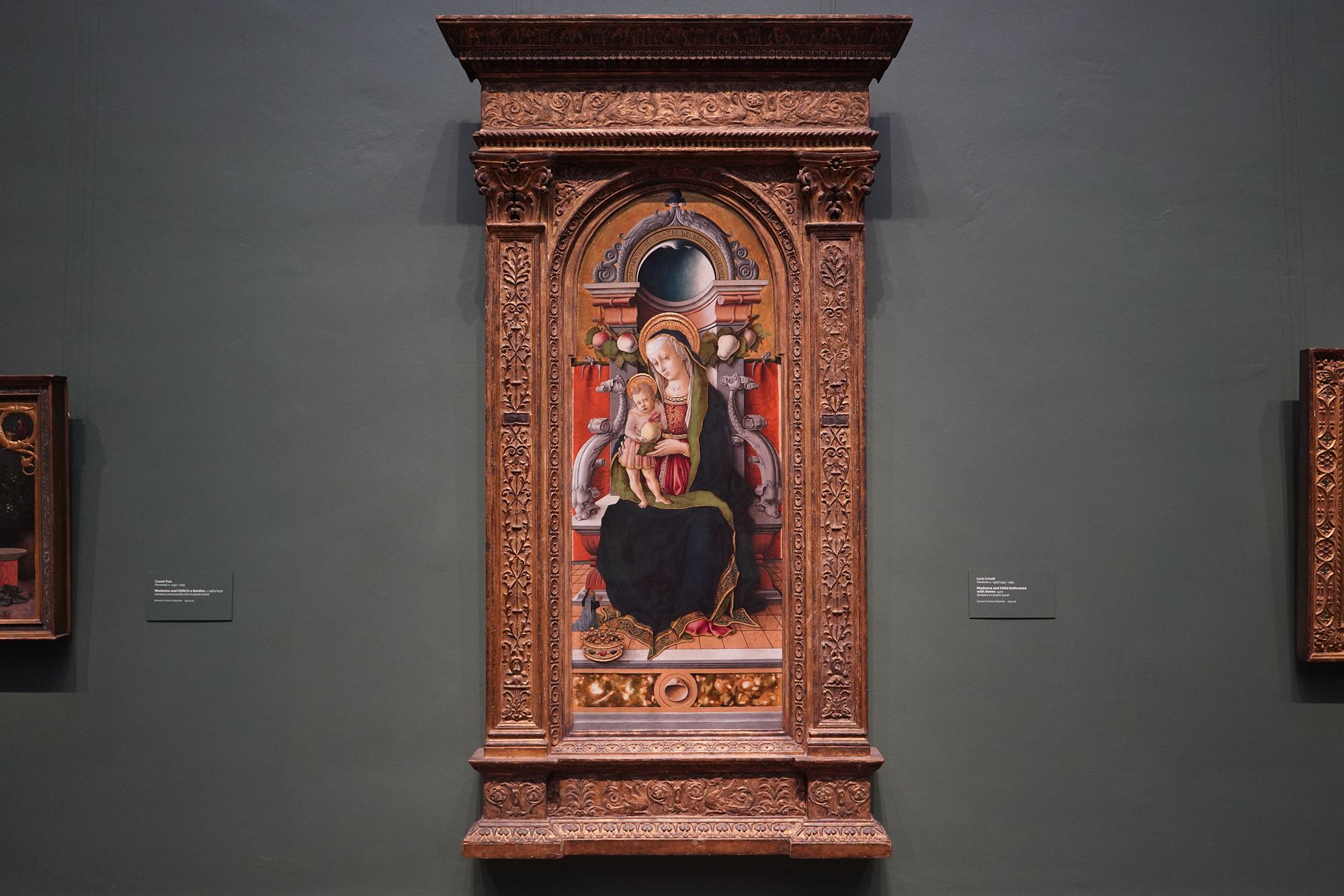
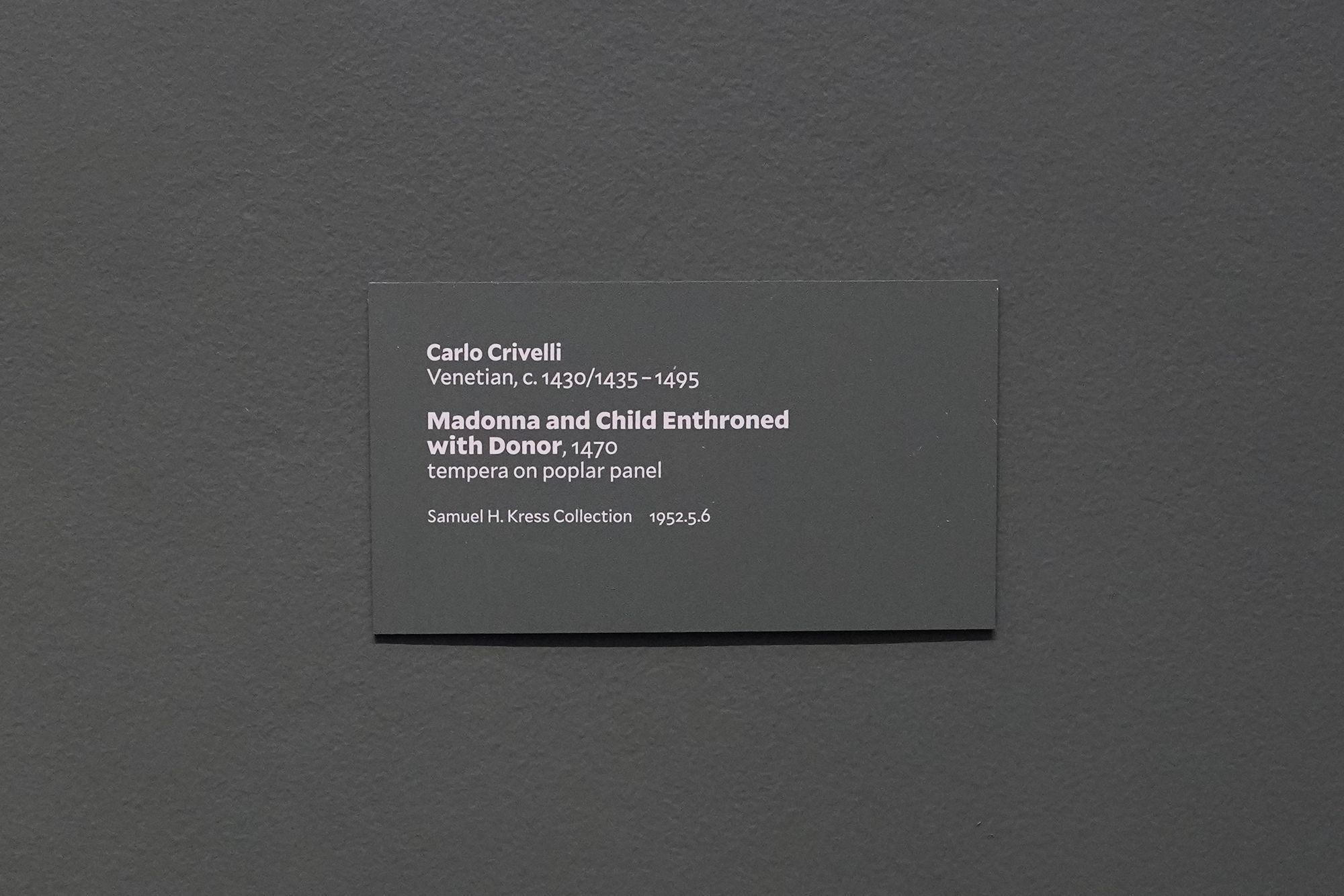
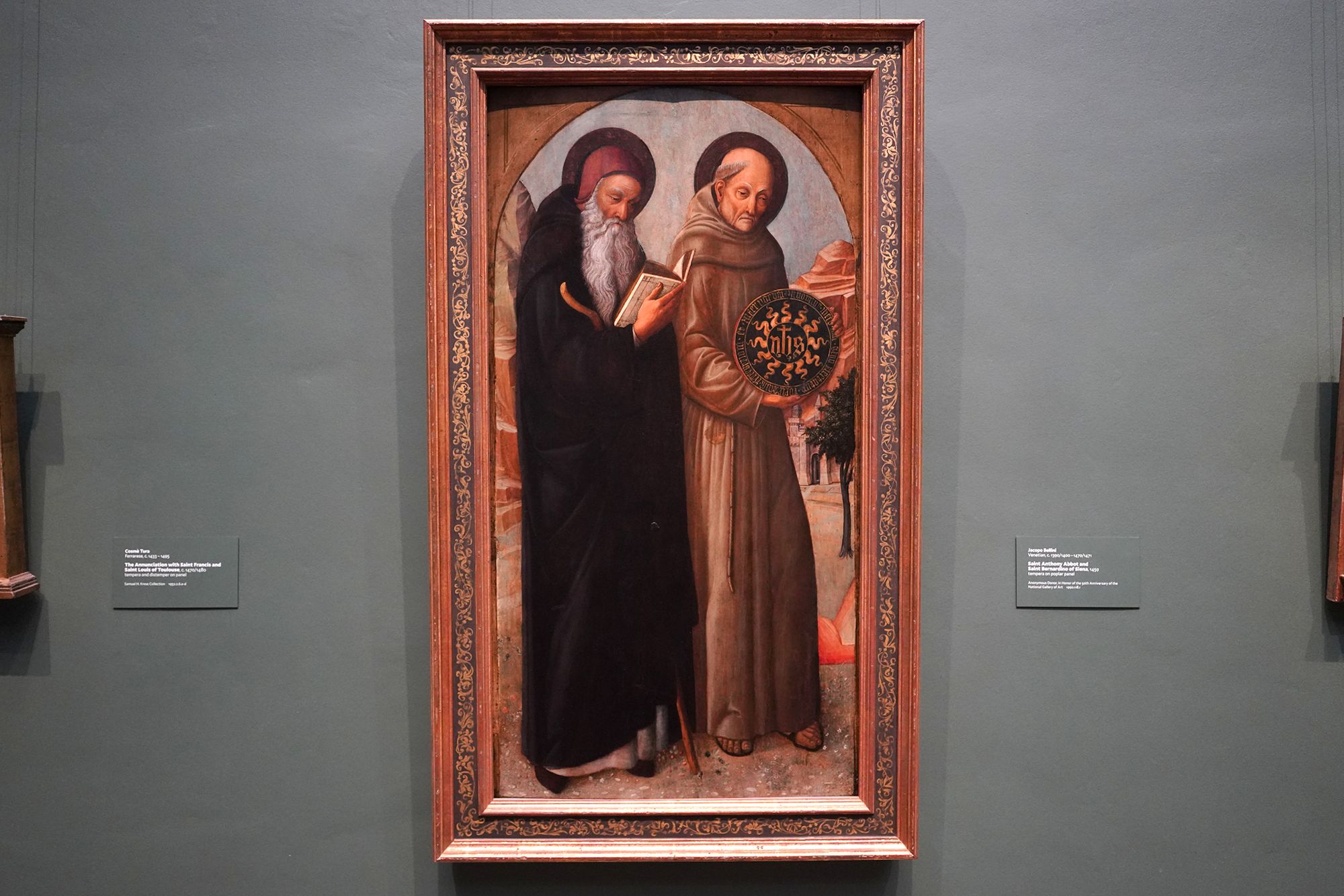
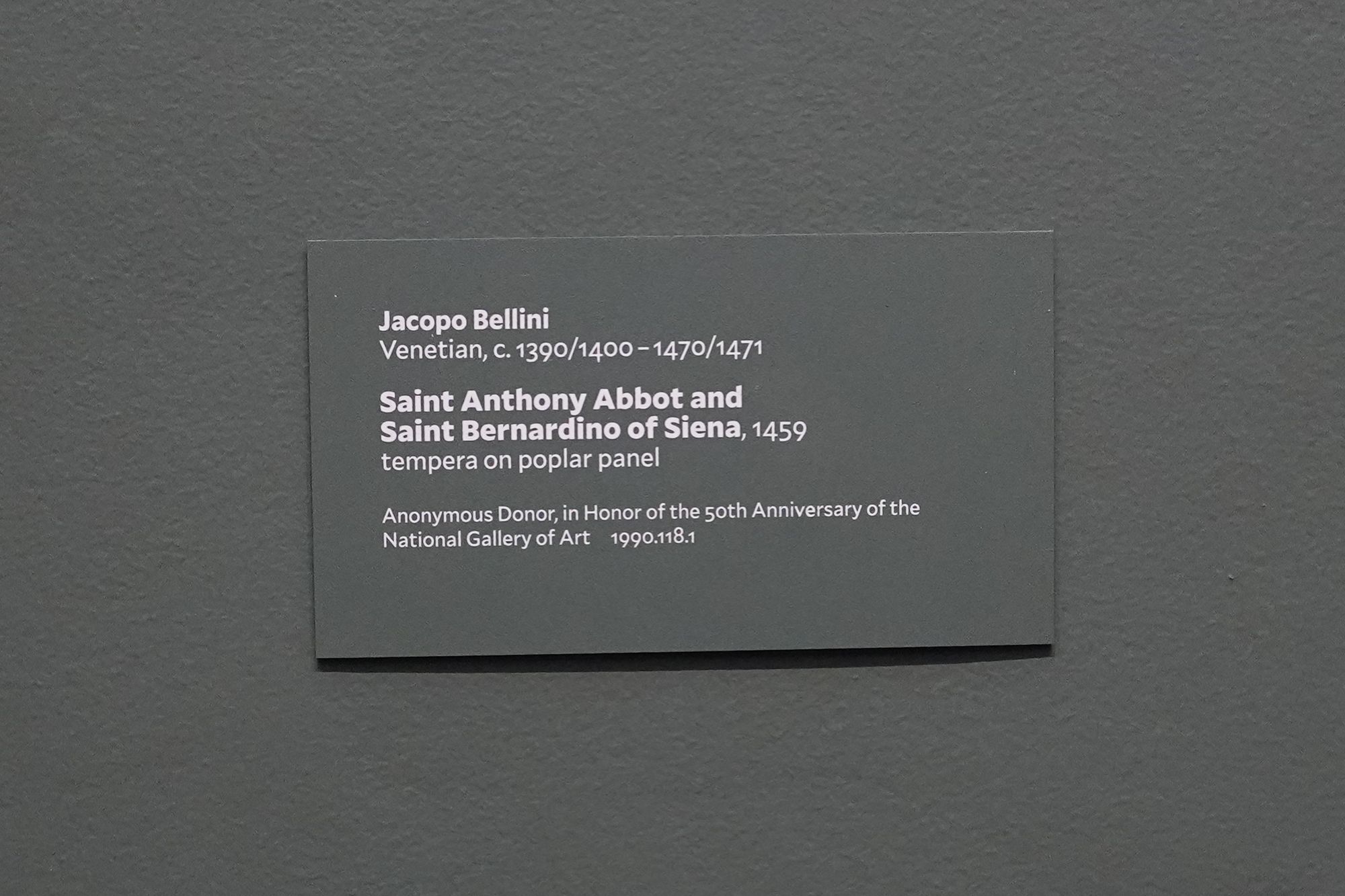
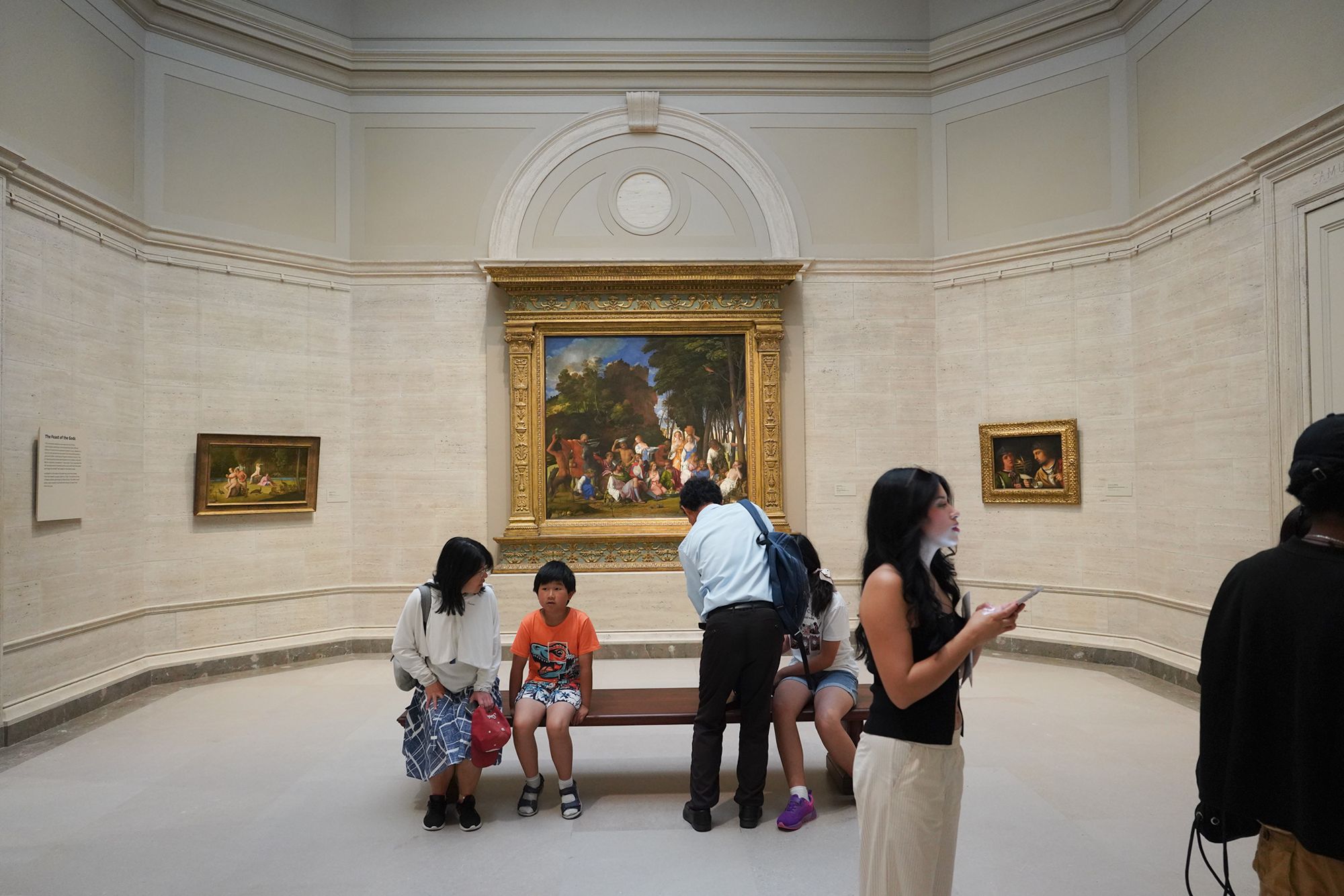
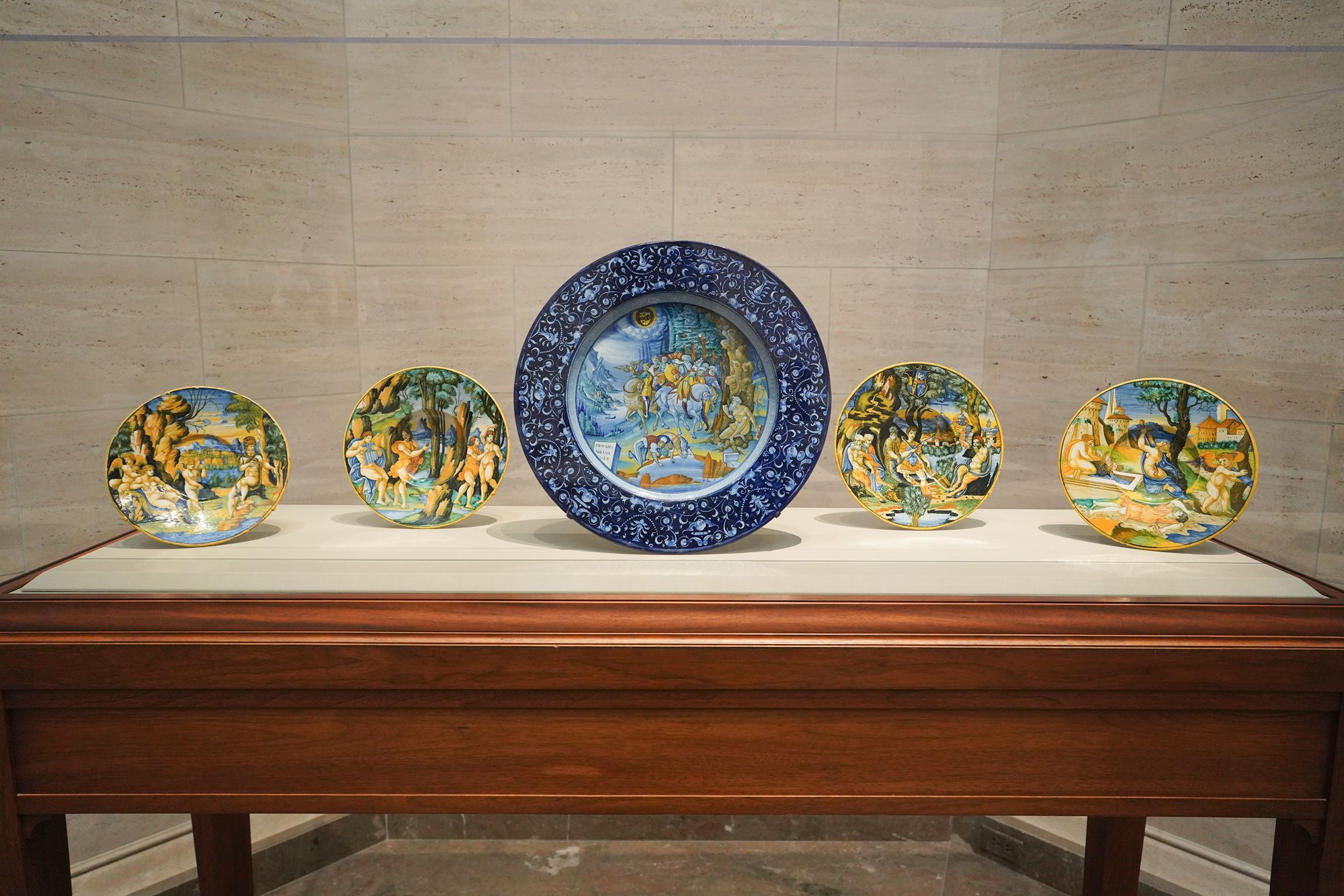
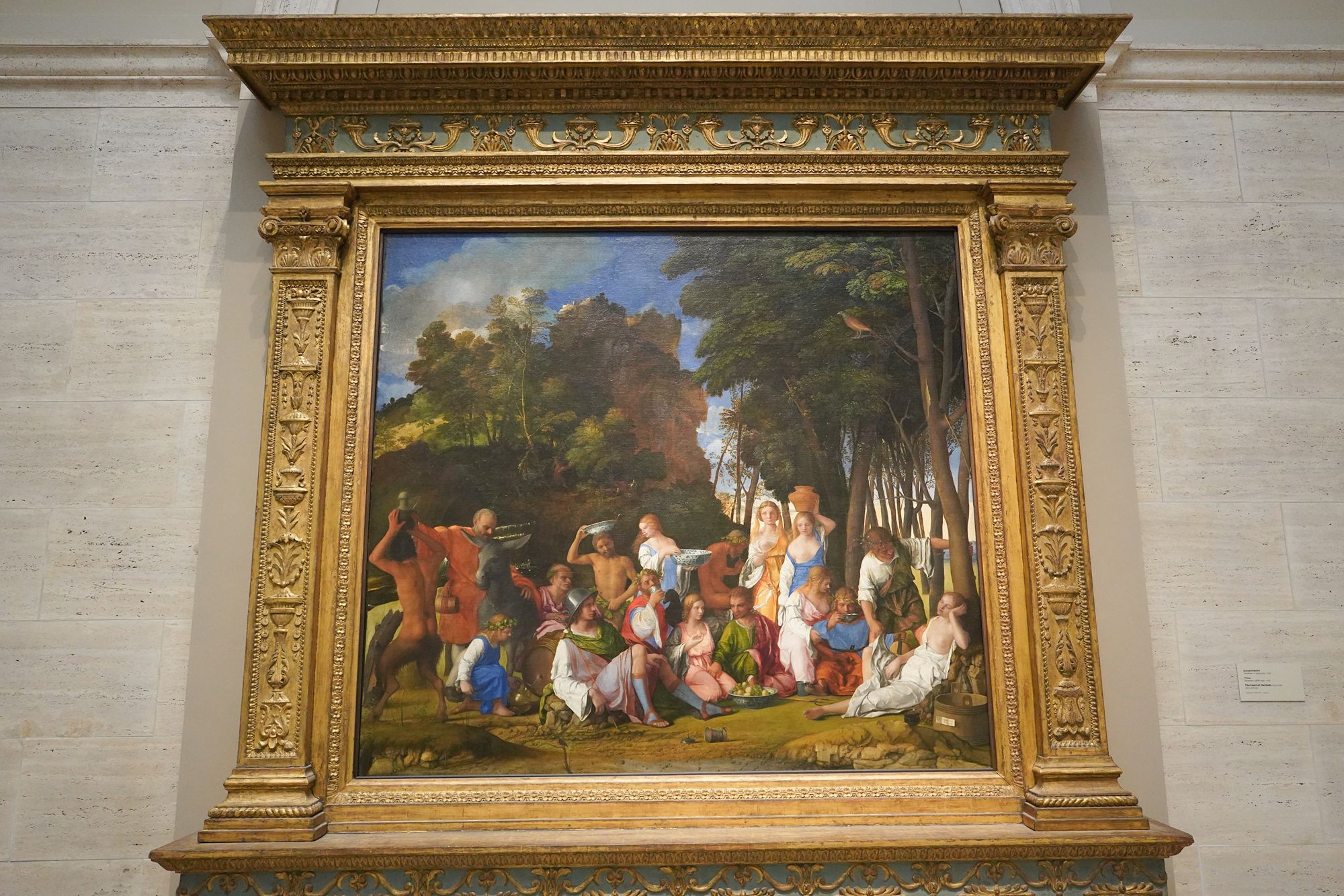
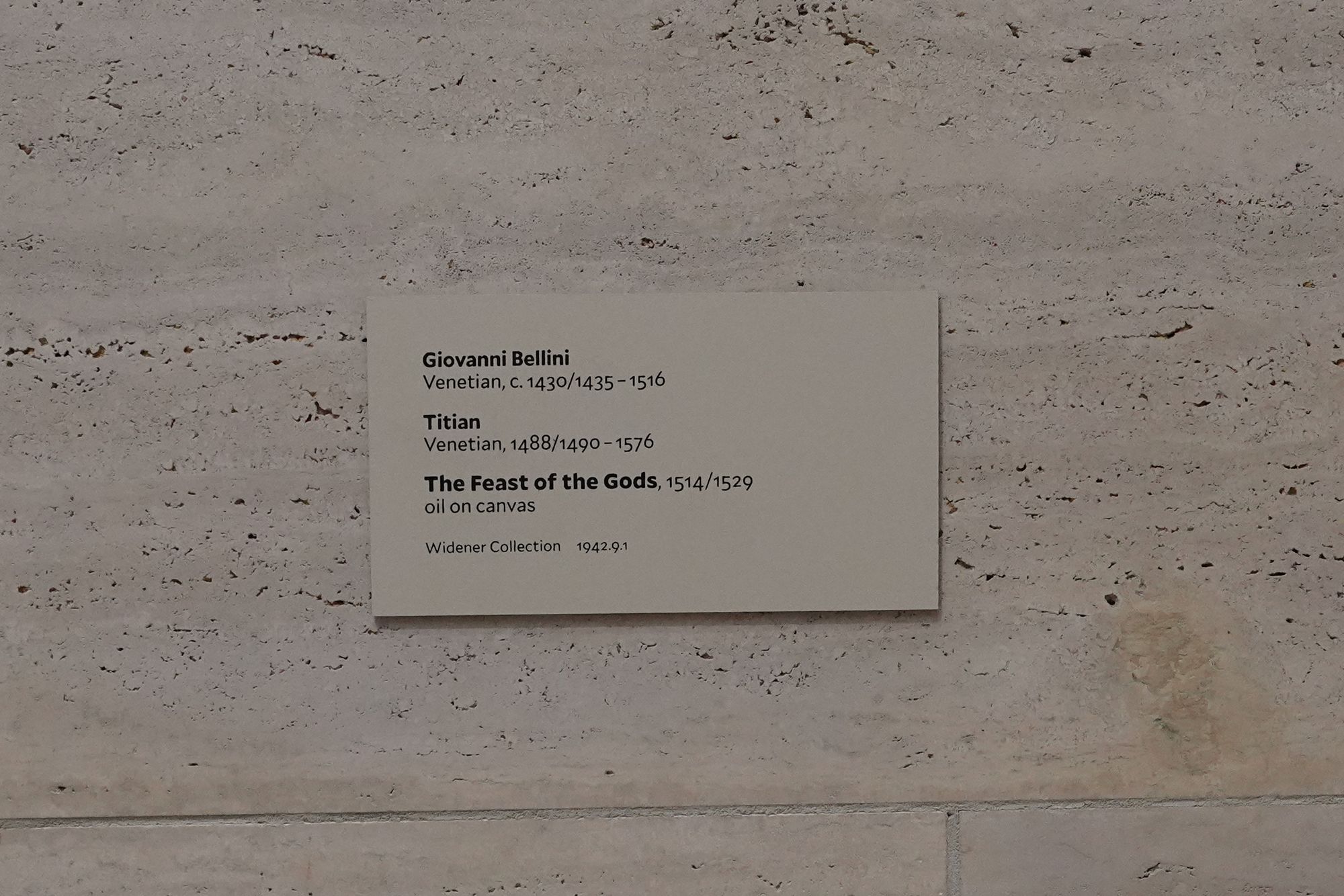
“The Feast of the Gods” is a celebrated Renaissance painting created in 1514 by Giovanni Bellini and later modified by Titian around 1529.
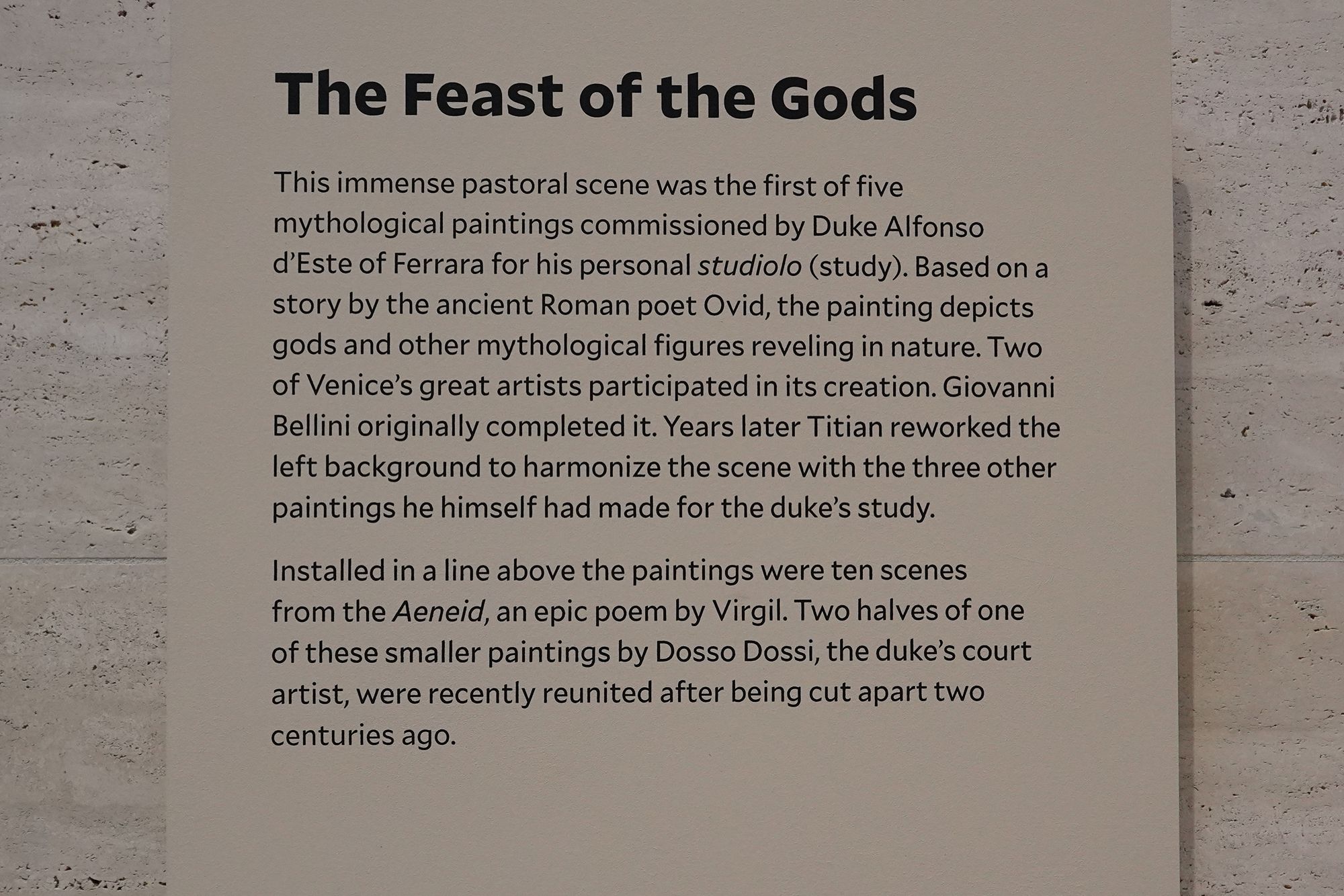
The work depicts a mythological banquet of the gods—including Bacchus, Neptune, Mercury, and Jupiter—feasting and drinking in a wooded landscape. The scene is based on Ovid’s Fasti and represents one of the earliest large-scale mythological paintings of the Venetian Renaissance.
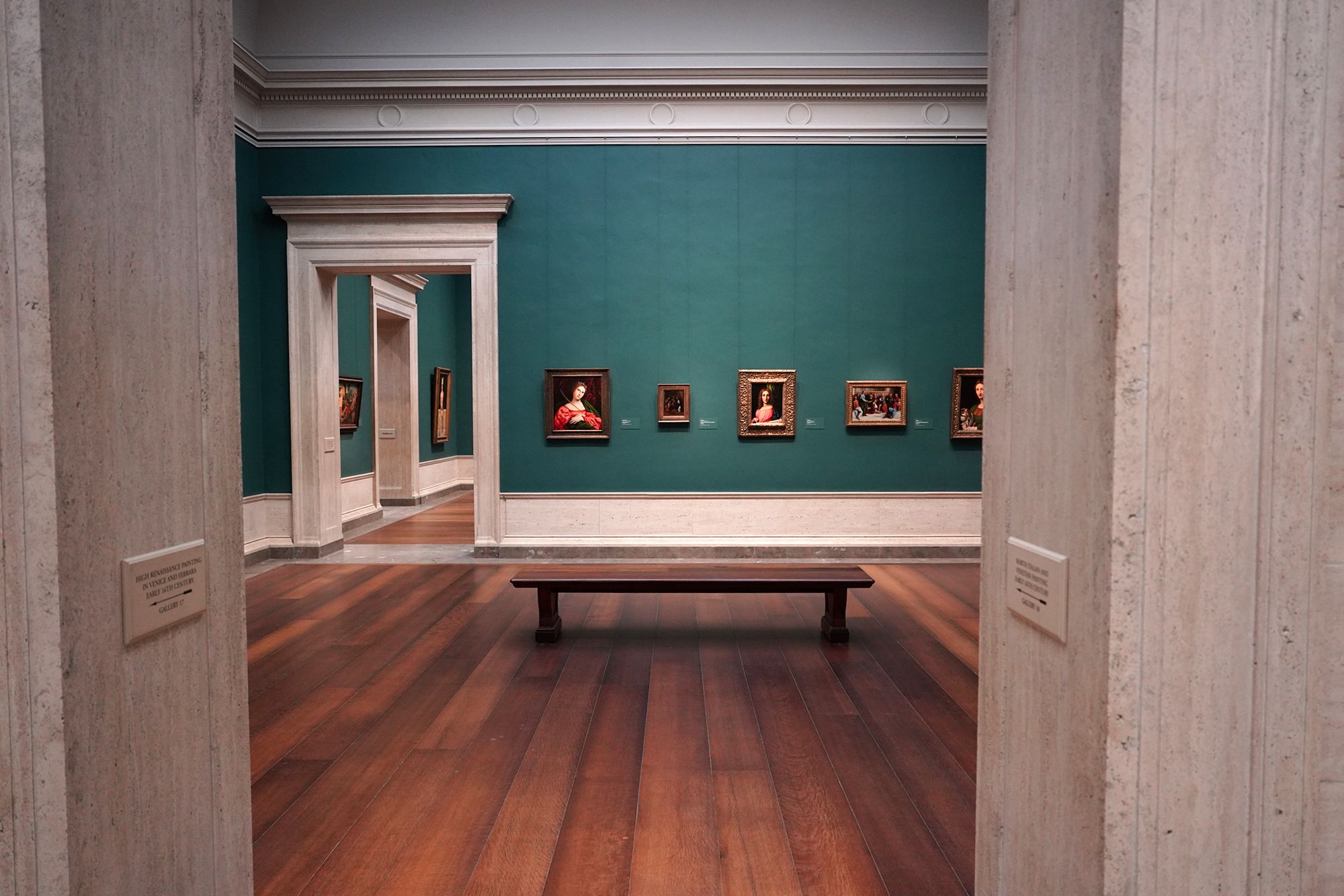
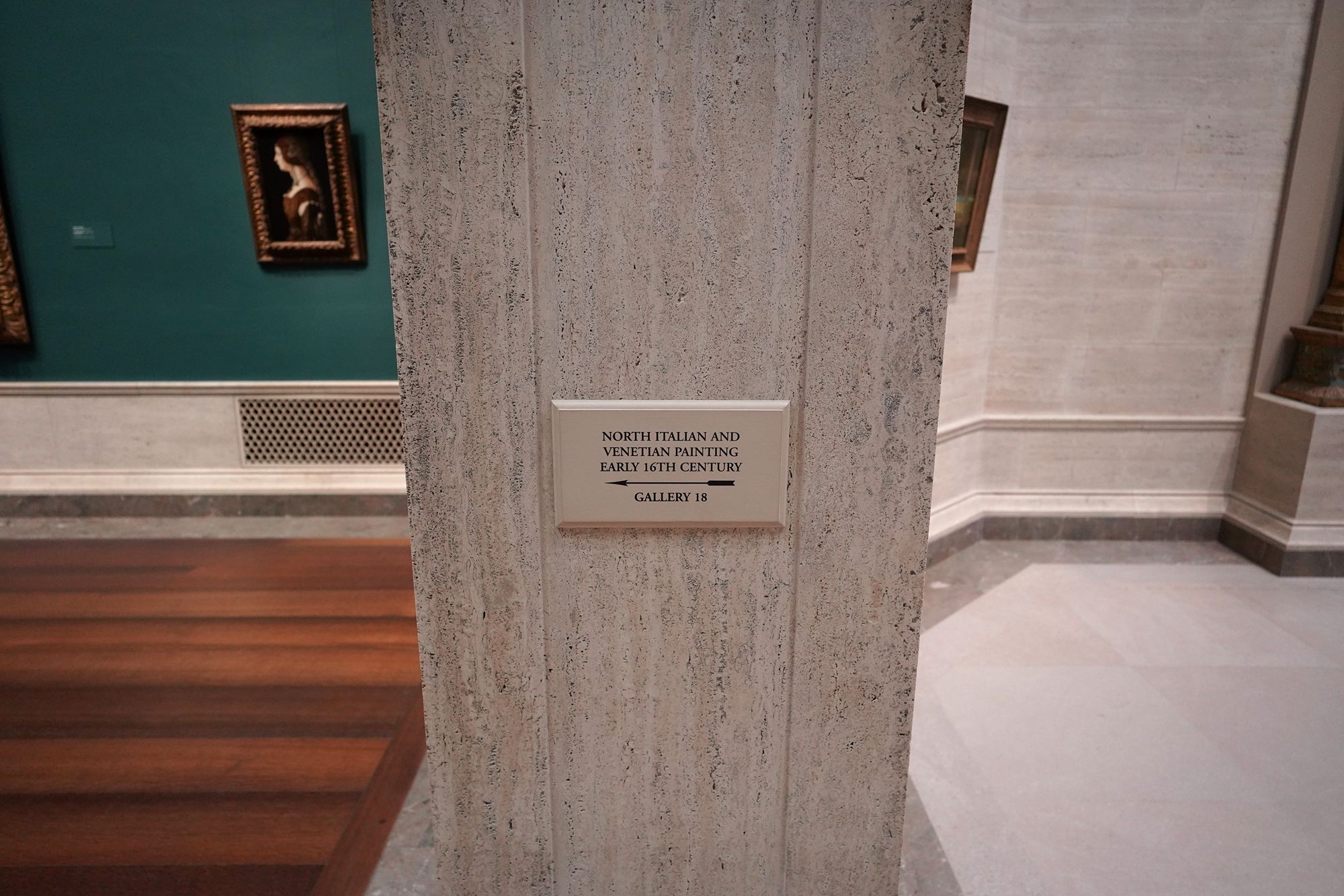
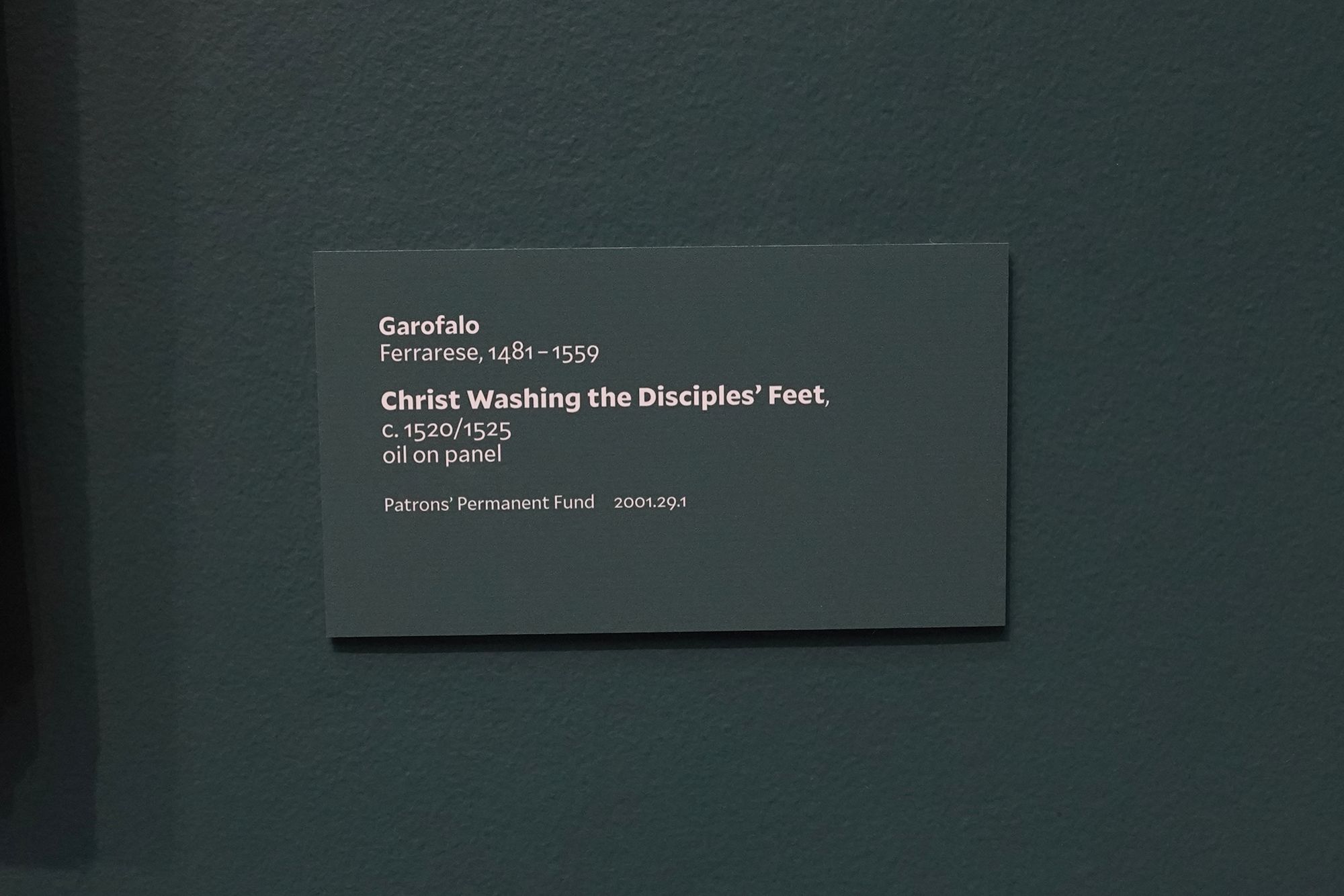
North Italian art in the early 16th century blended the innovations of the High Renaissance with regional traditions of realism and rich color.
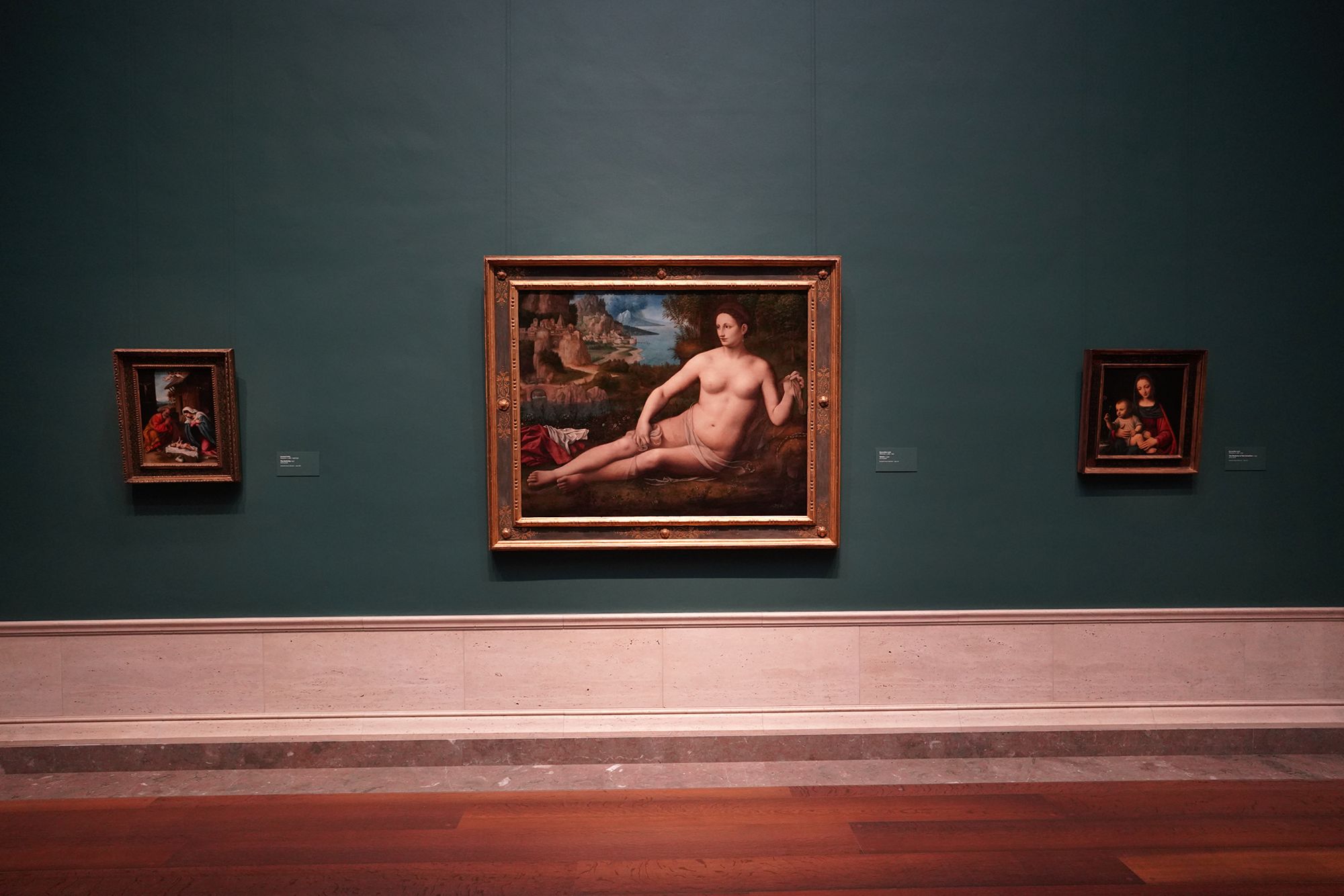
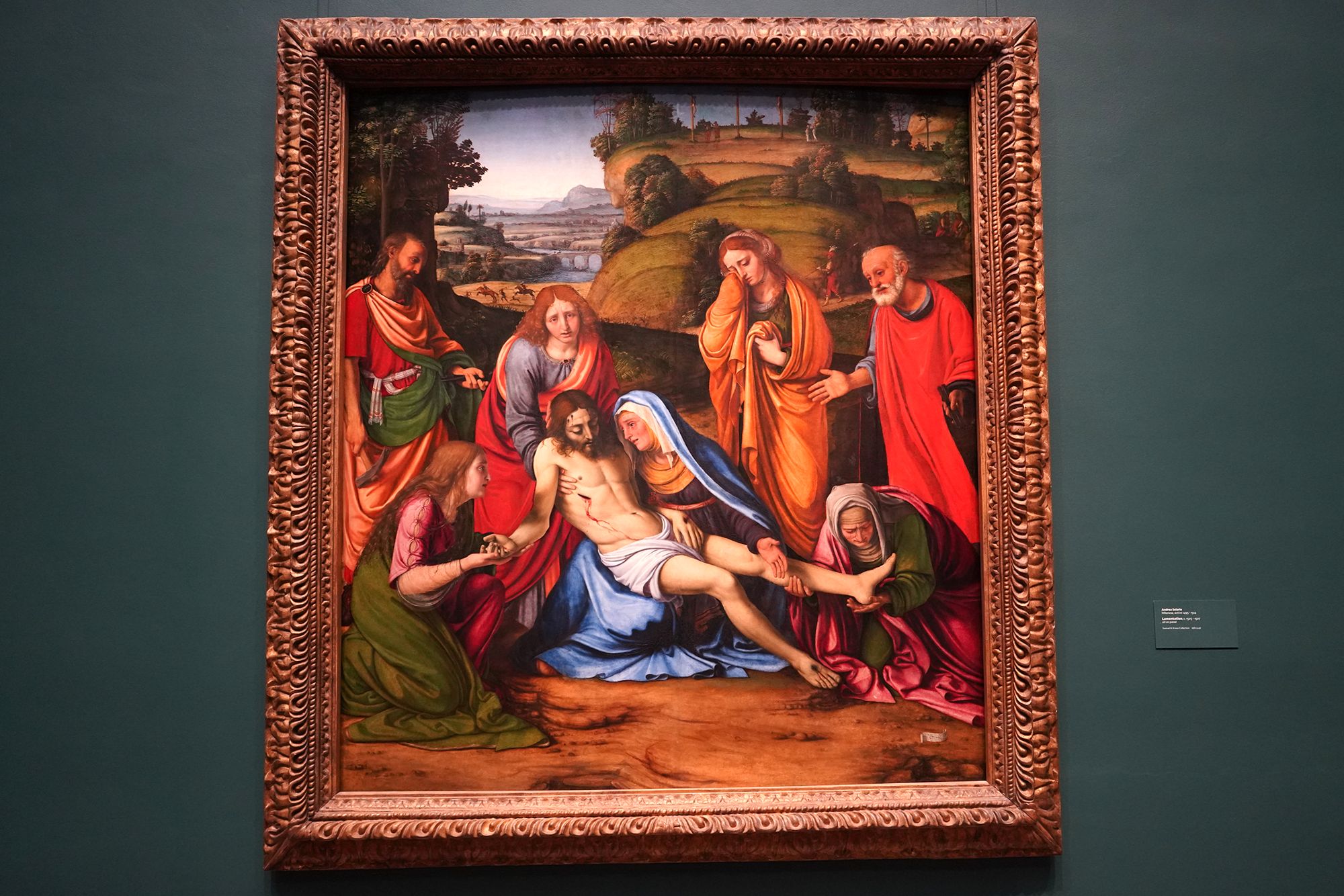
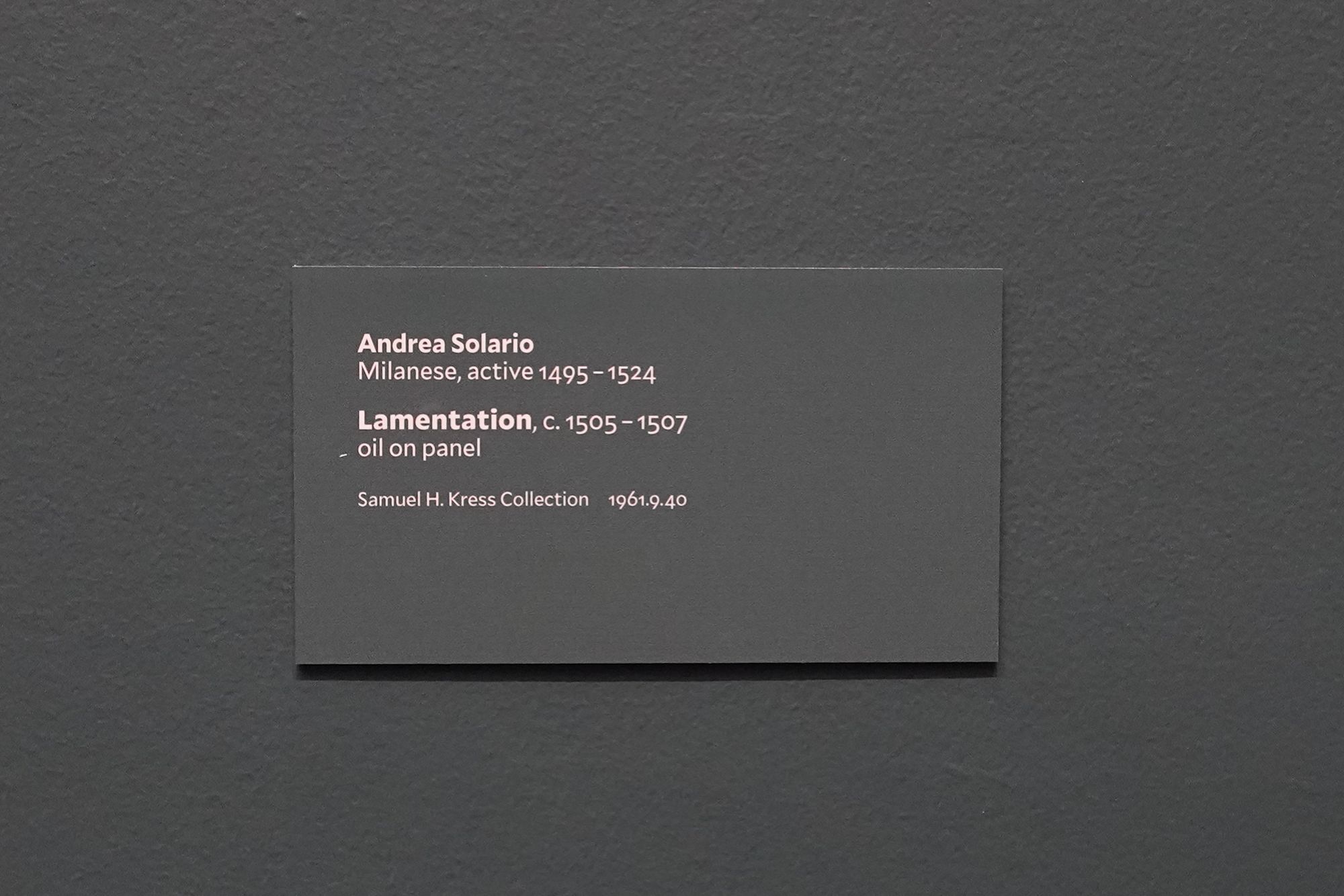
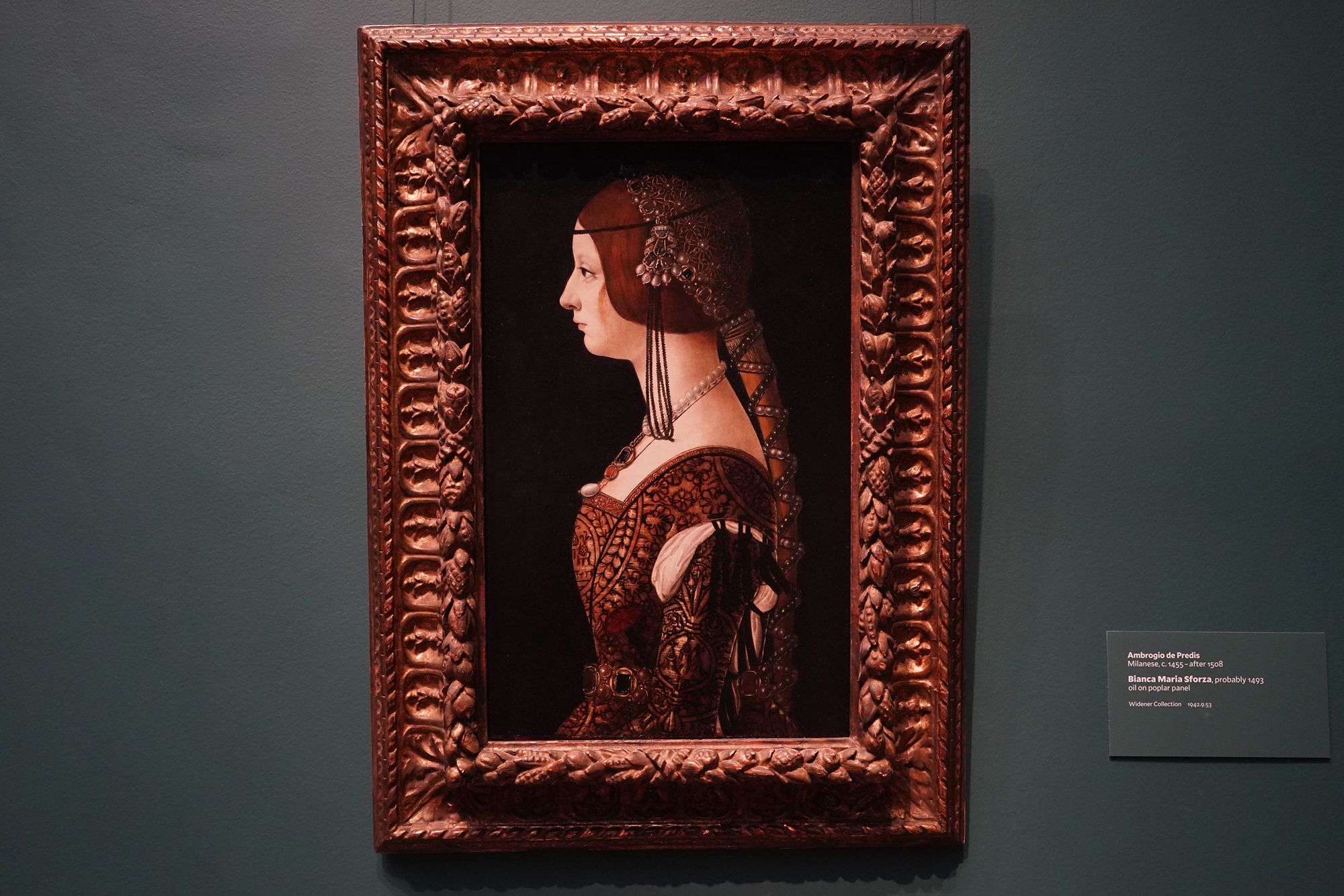
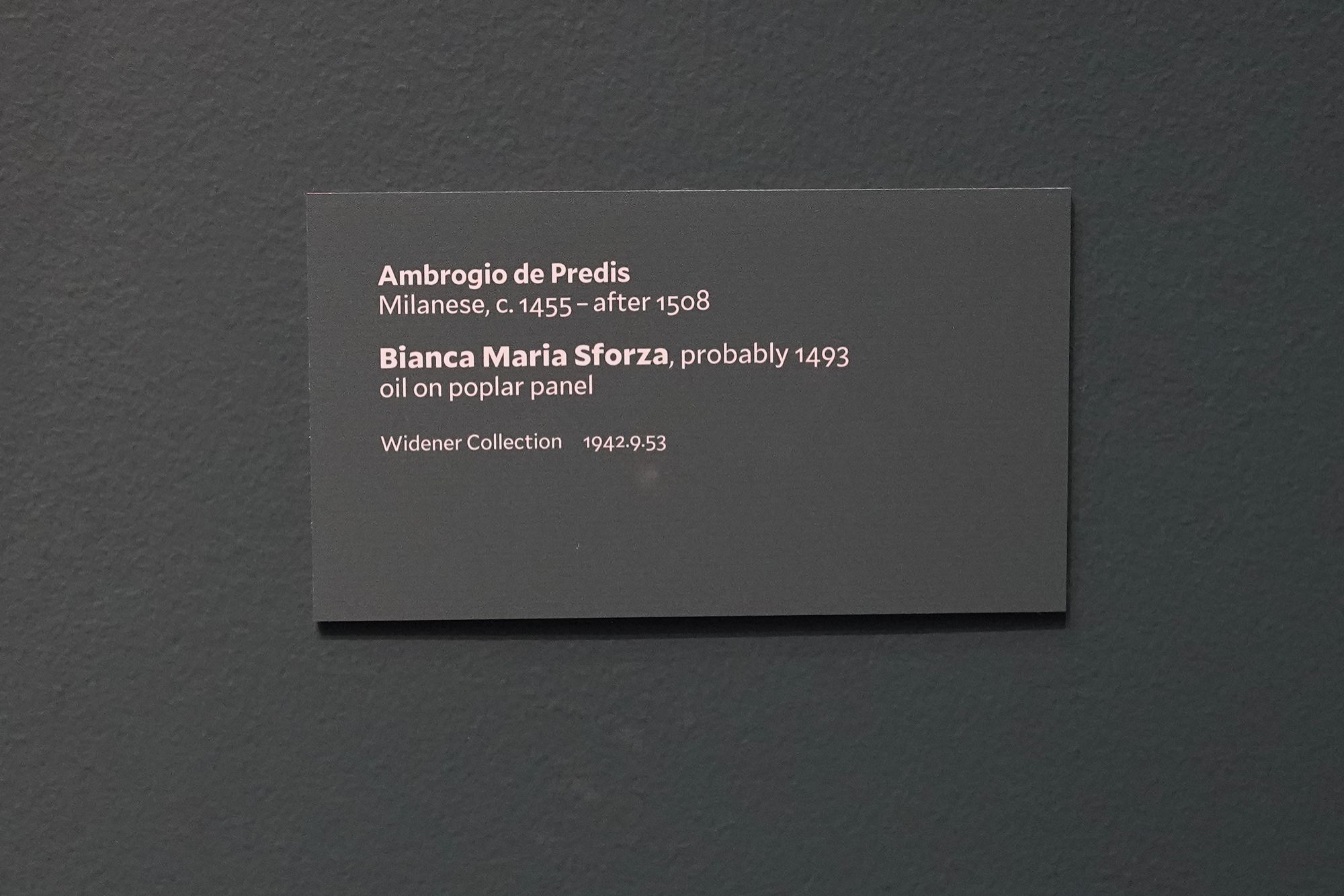
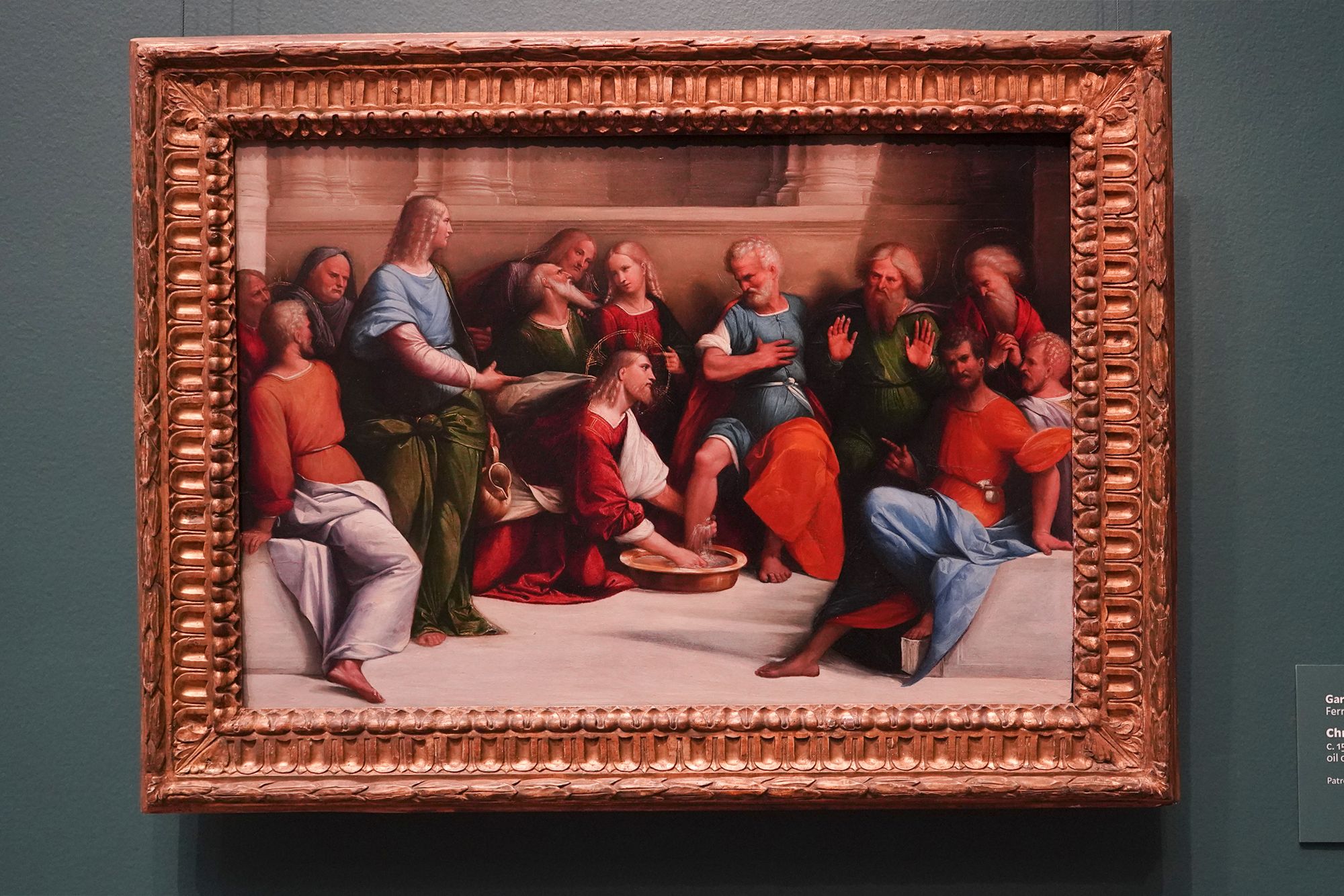
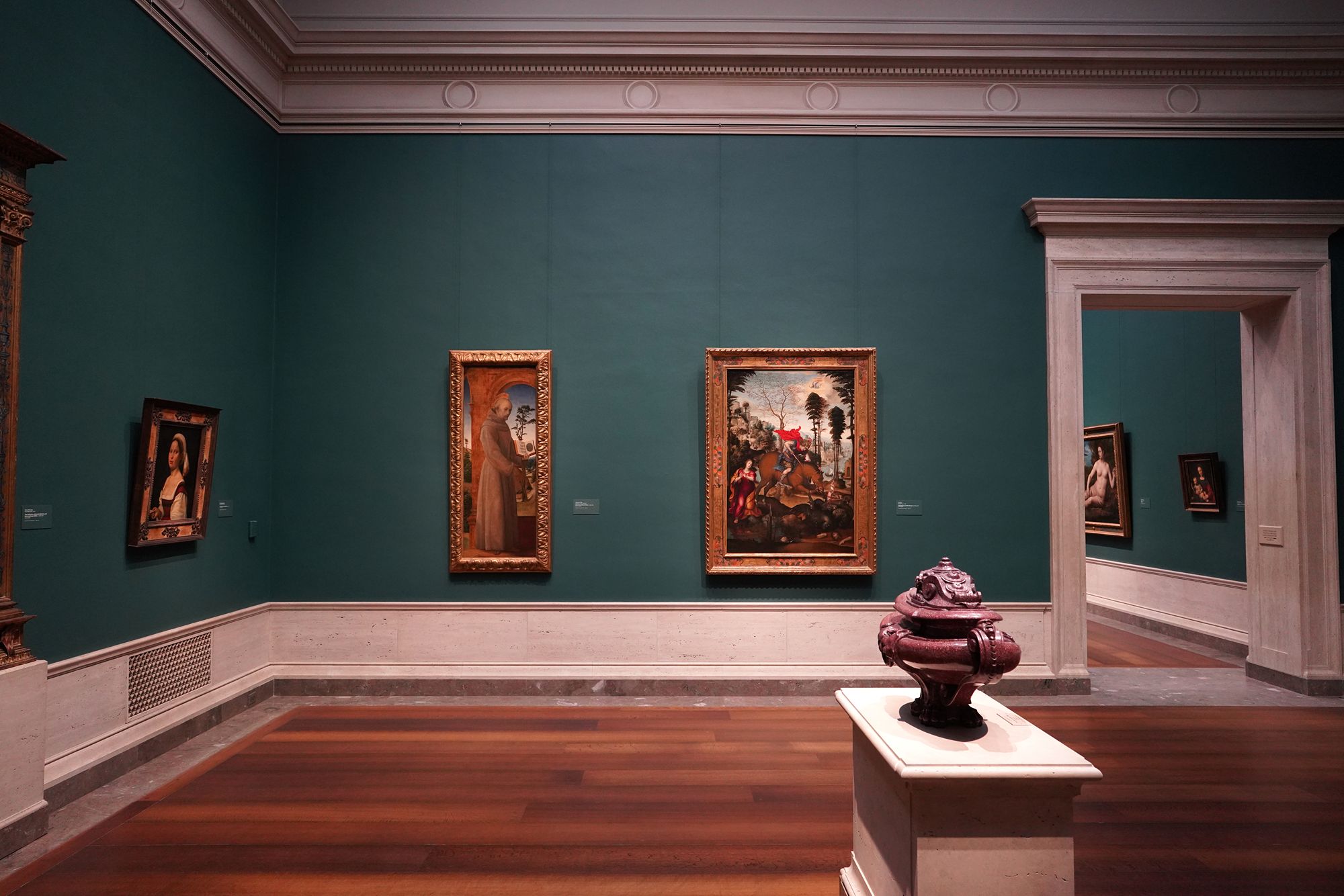
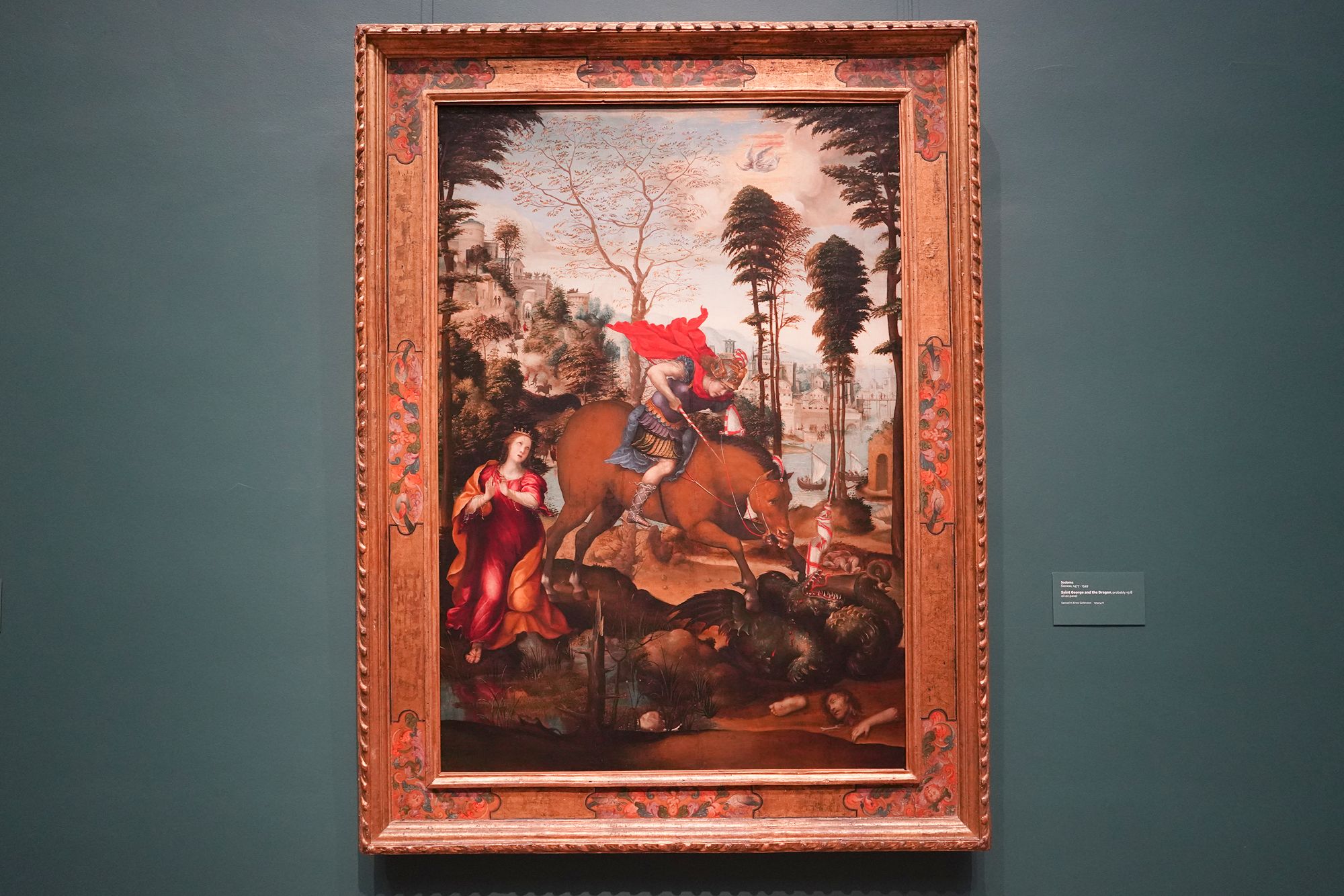
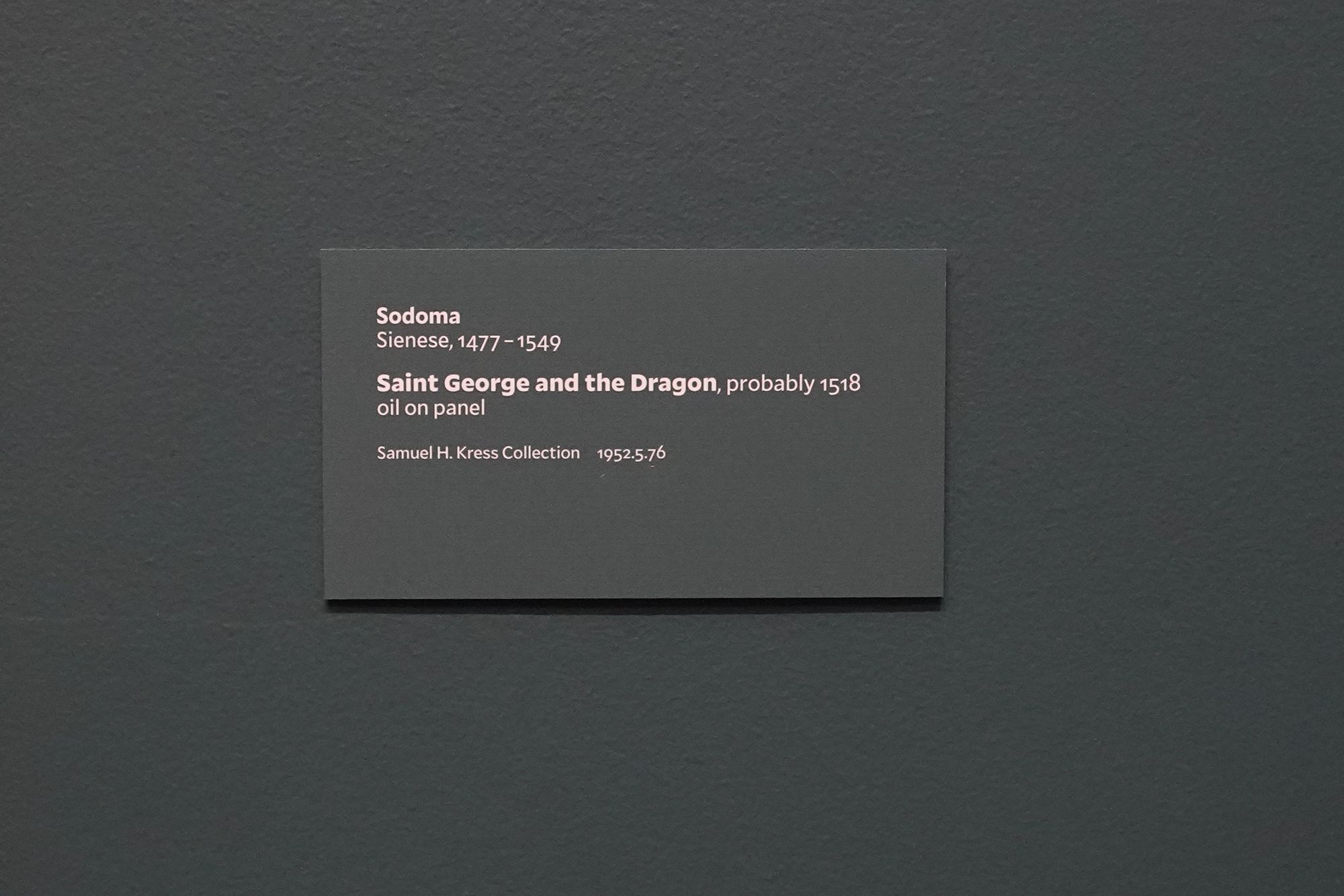
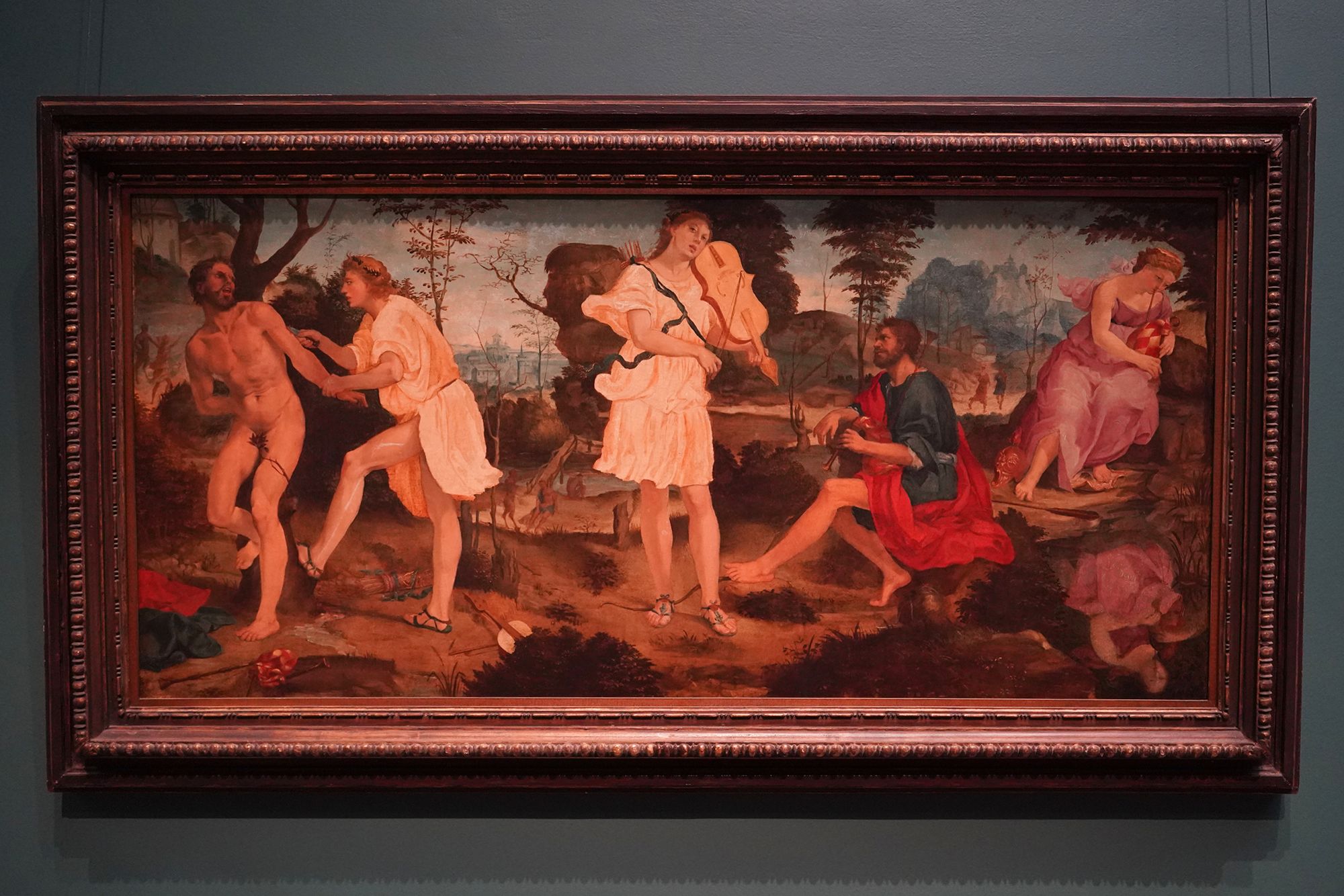
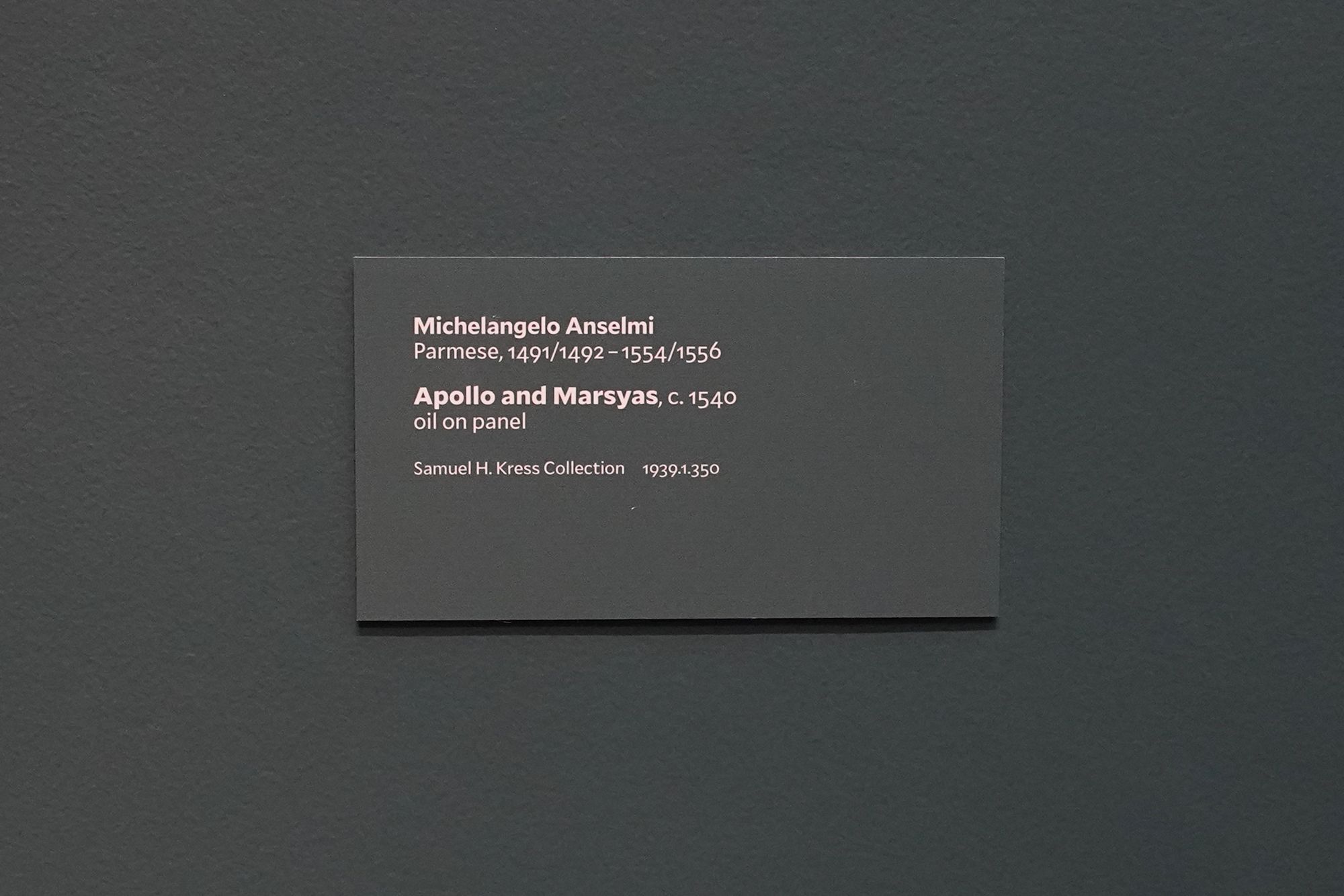
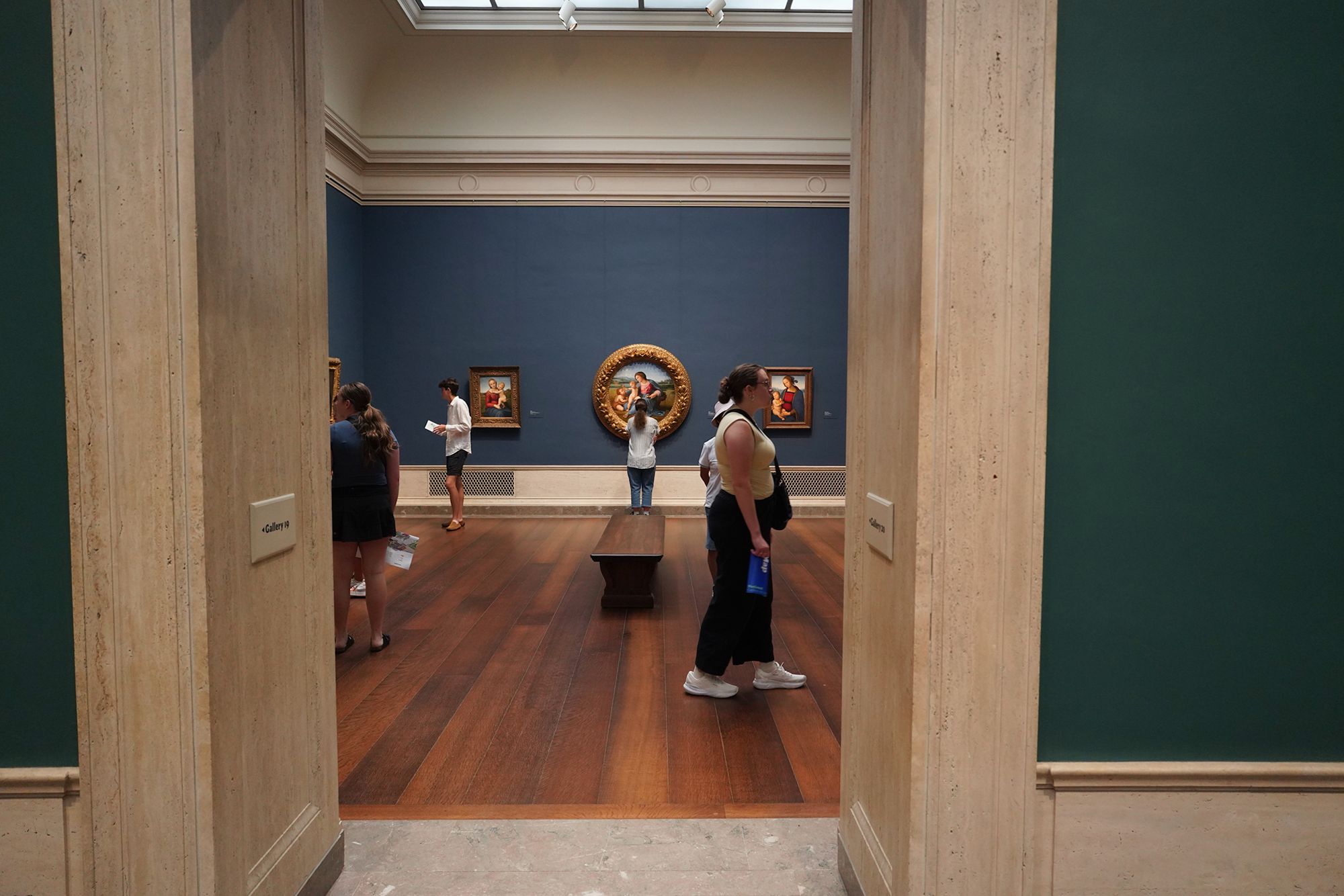
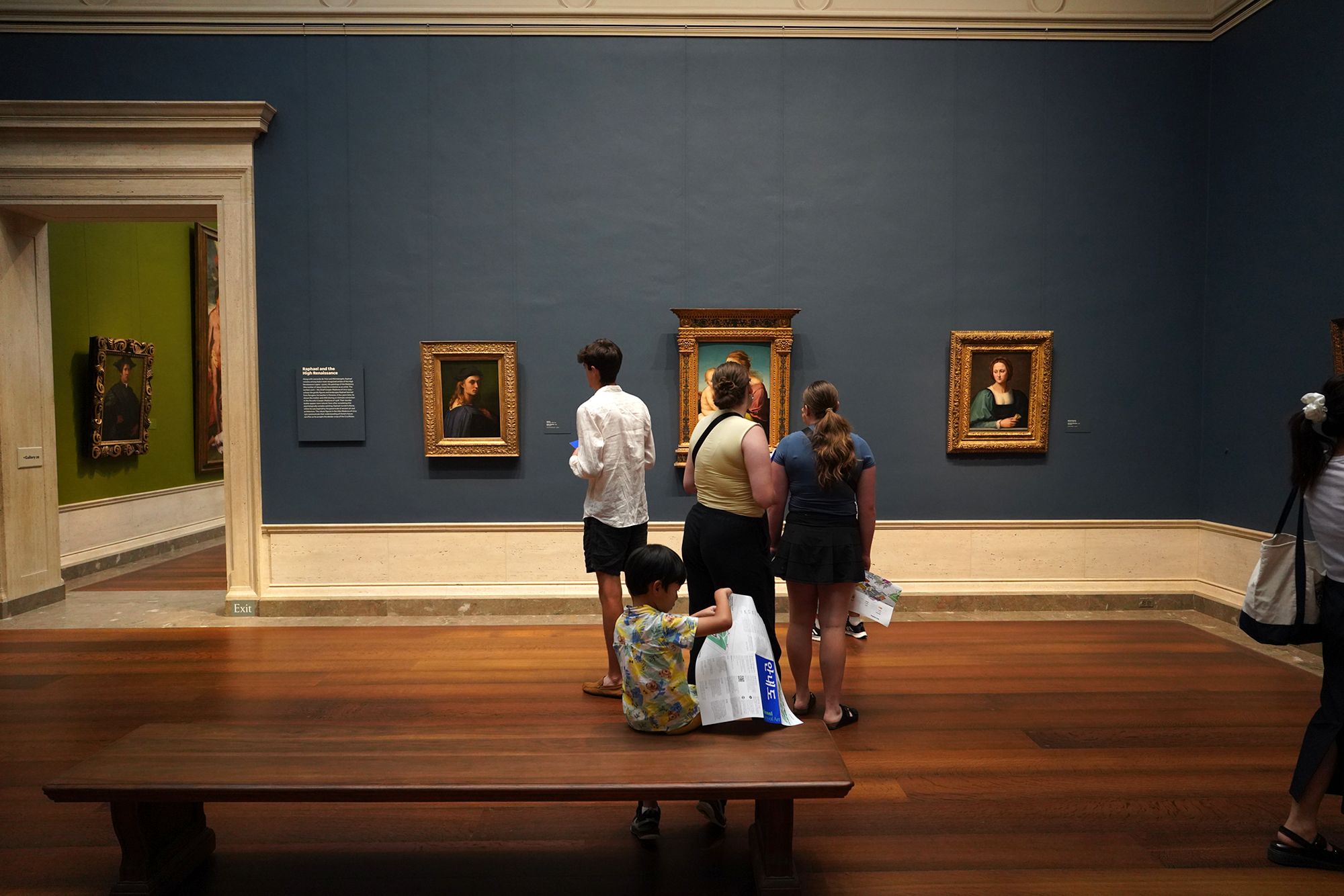
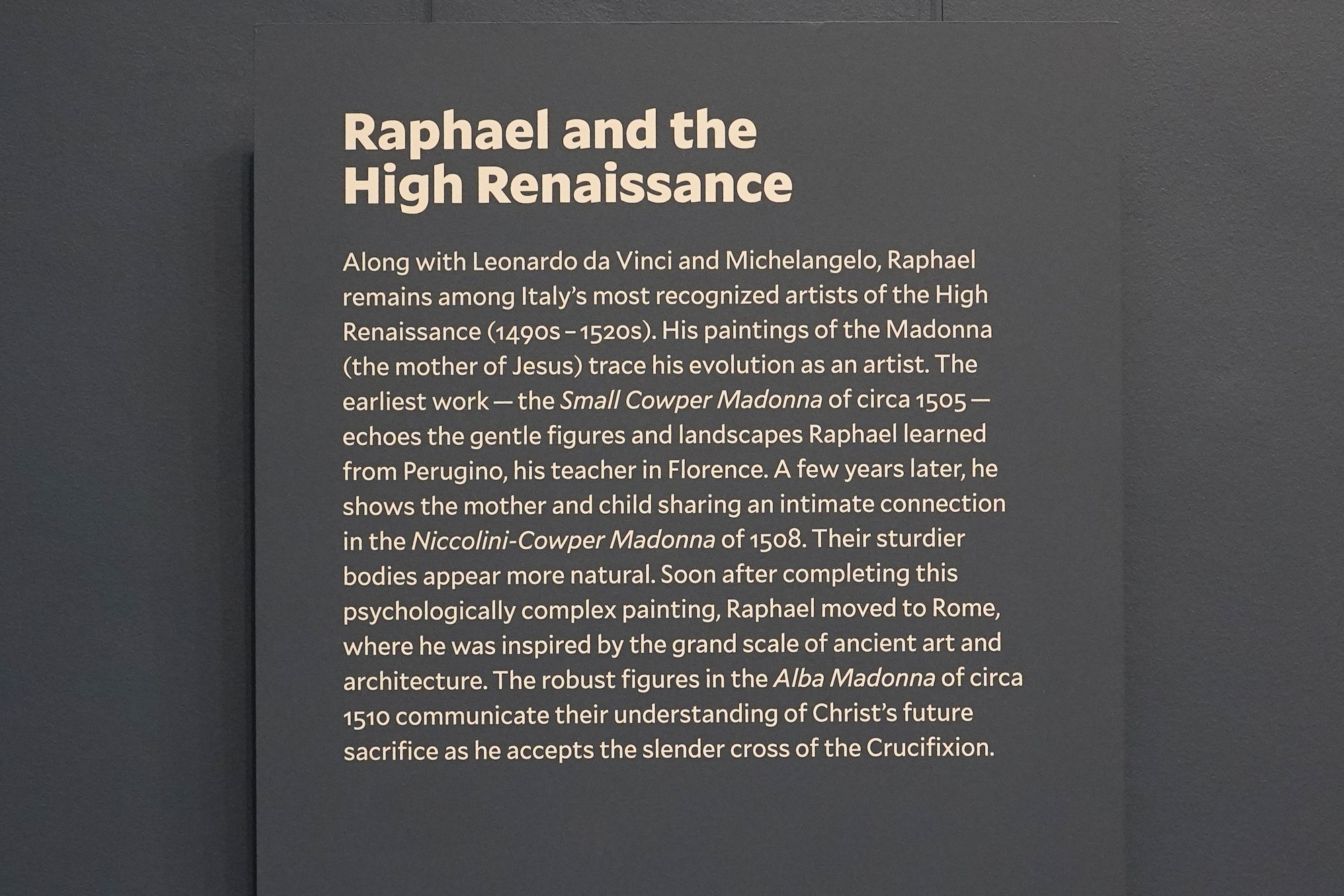
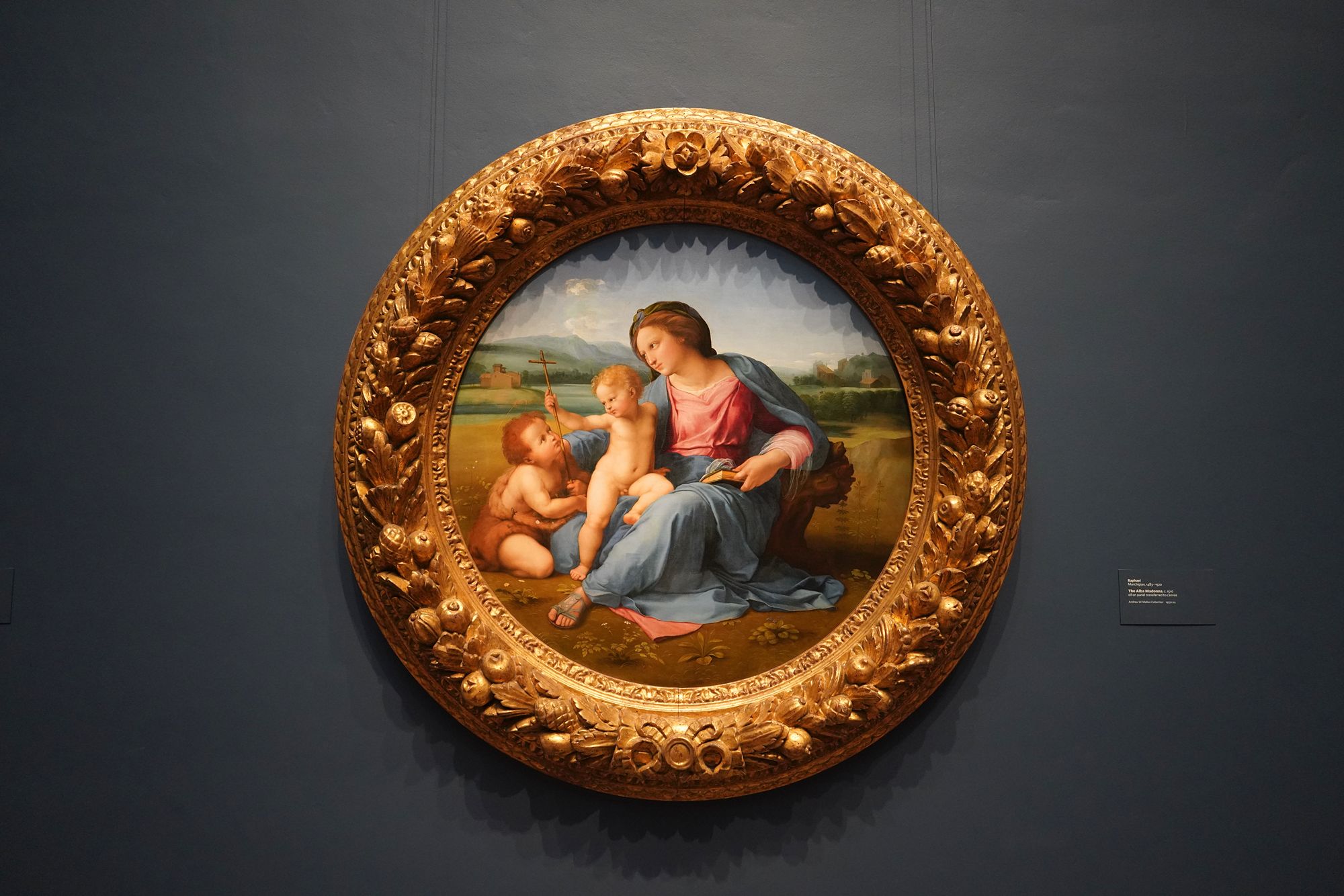
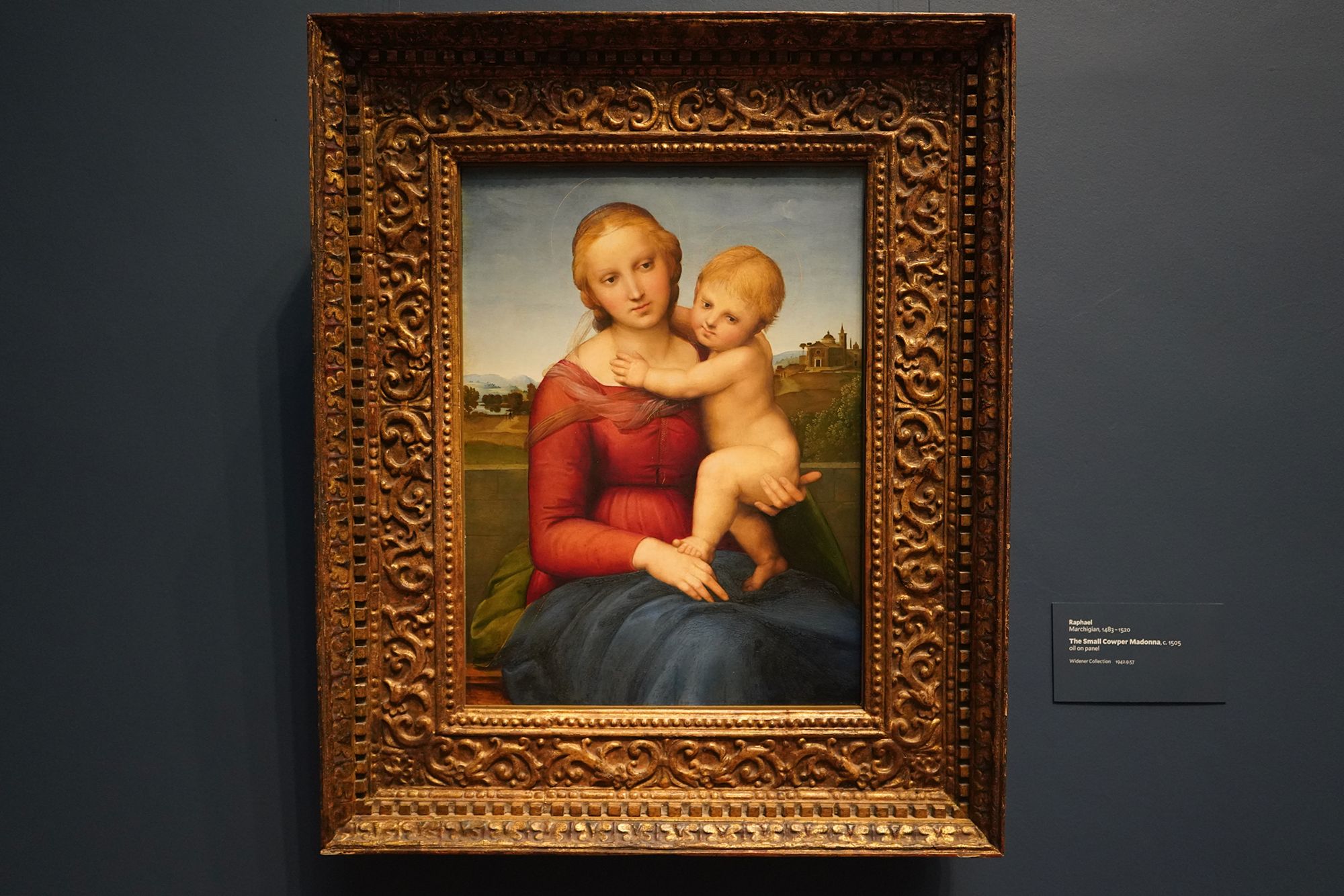
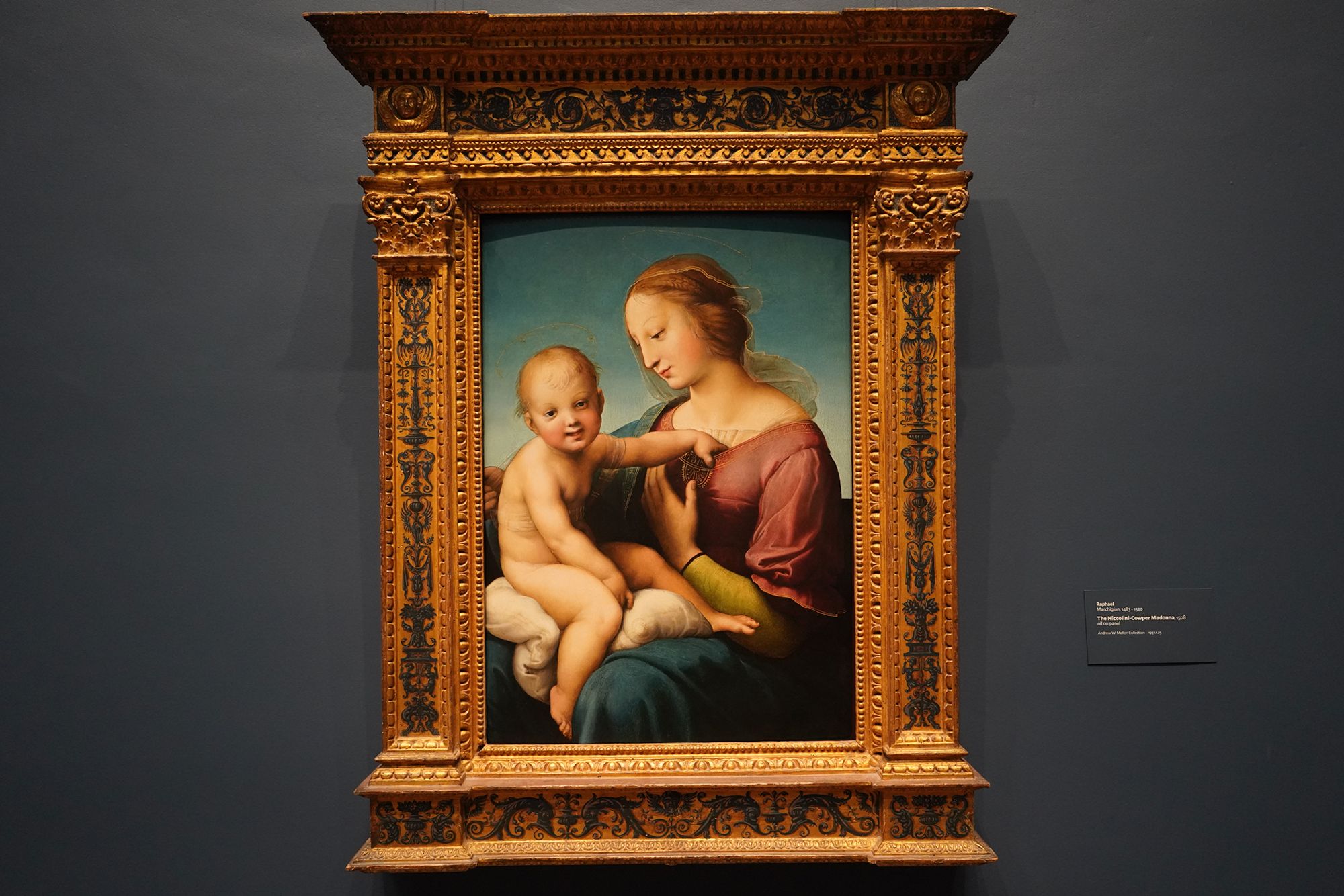
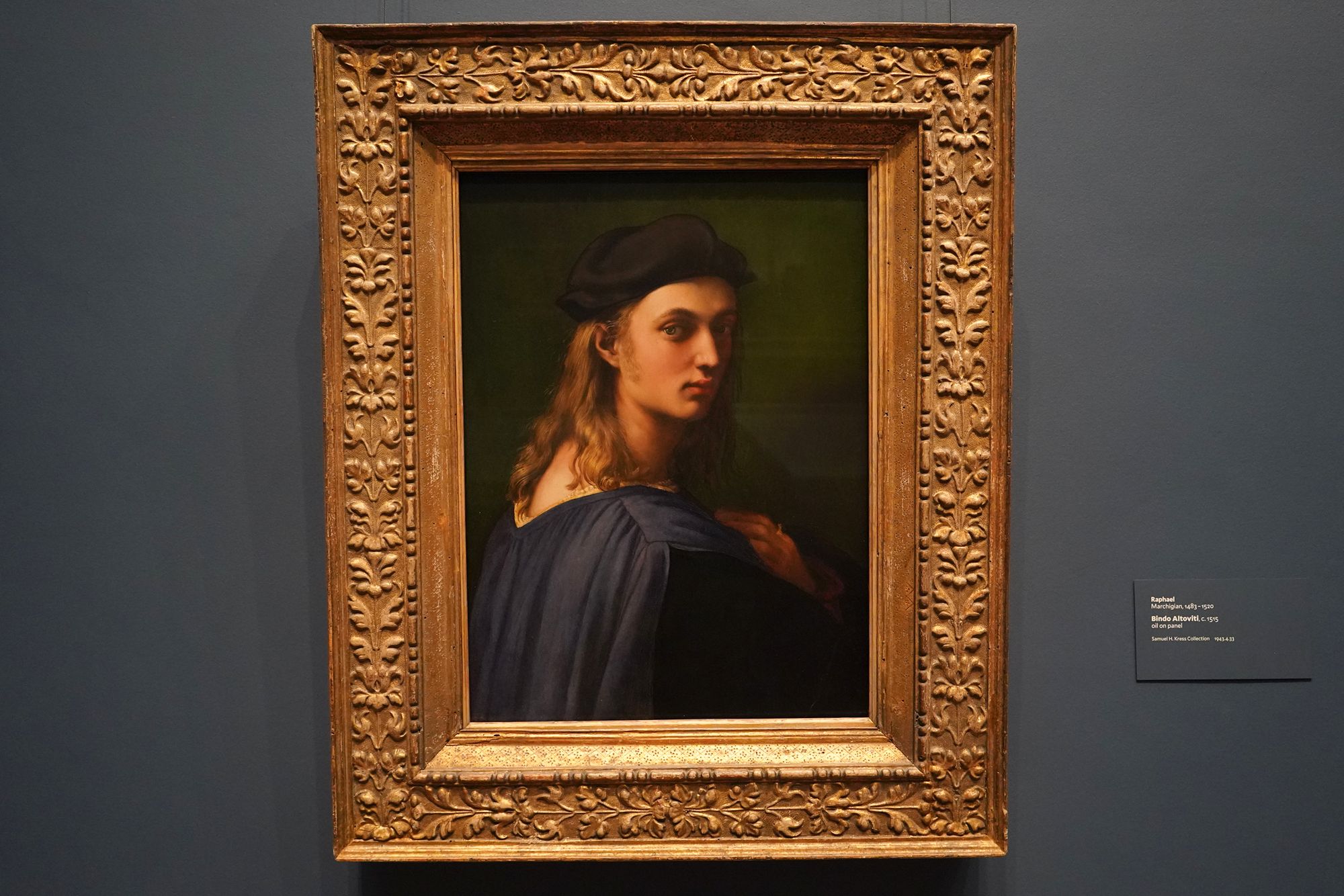
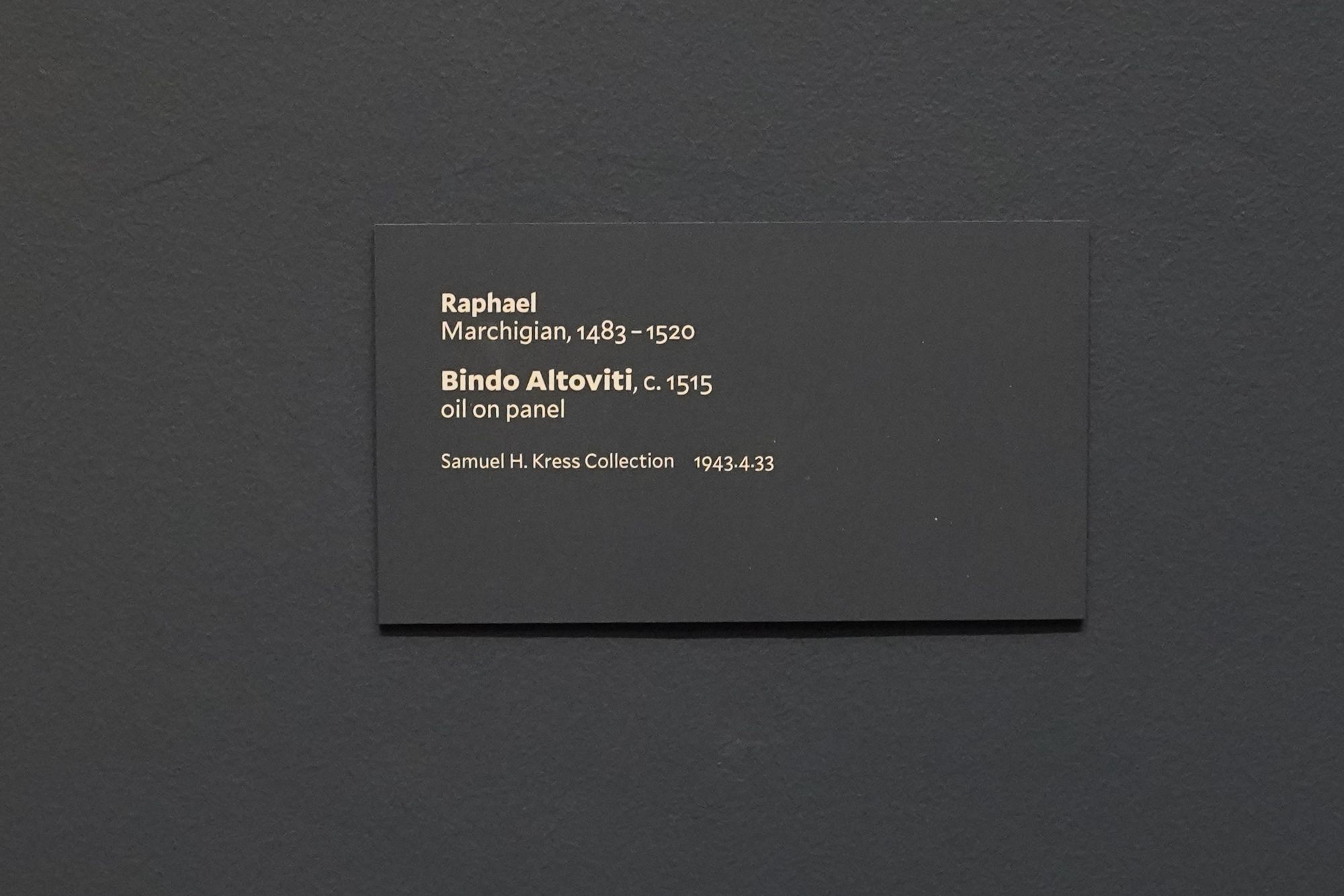
Raphael and the High Renaissance represent the pinnacle of harmony, balance, and beauty in Italian art around 1500–1520.
Born in Urbino, Raphael (Raffaello Sanzio) absorbed the innovations of Leonardo da Vinci and Michelangelo, combining Leonardo’s grace and emotional depth with Michelangelo’s power and sculptural form. His paintings, such as The School of Athens and The Sistine Madonna, exemplify the High Renaissance ideals of proportion, perspective, and human dignity.