National Gallery of Art – Italian Art from 1500, Washington DC, USA
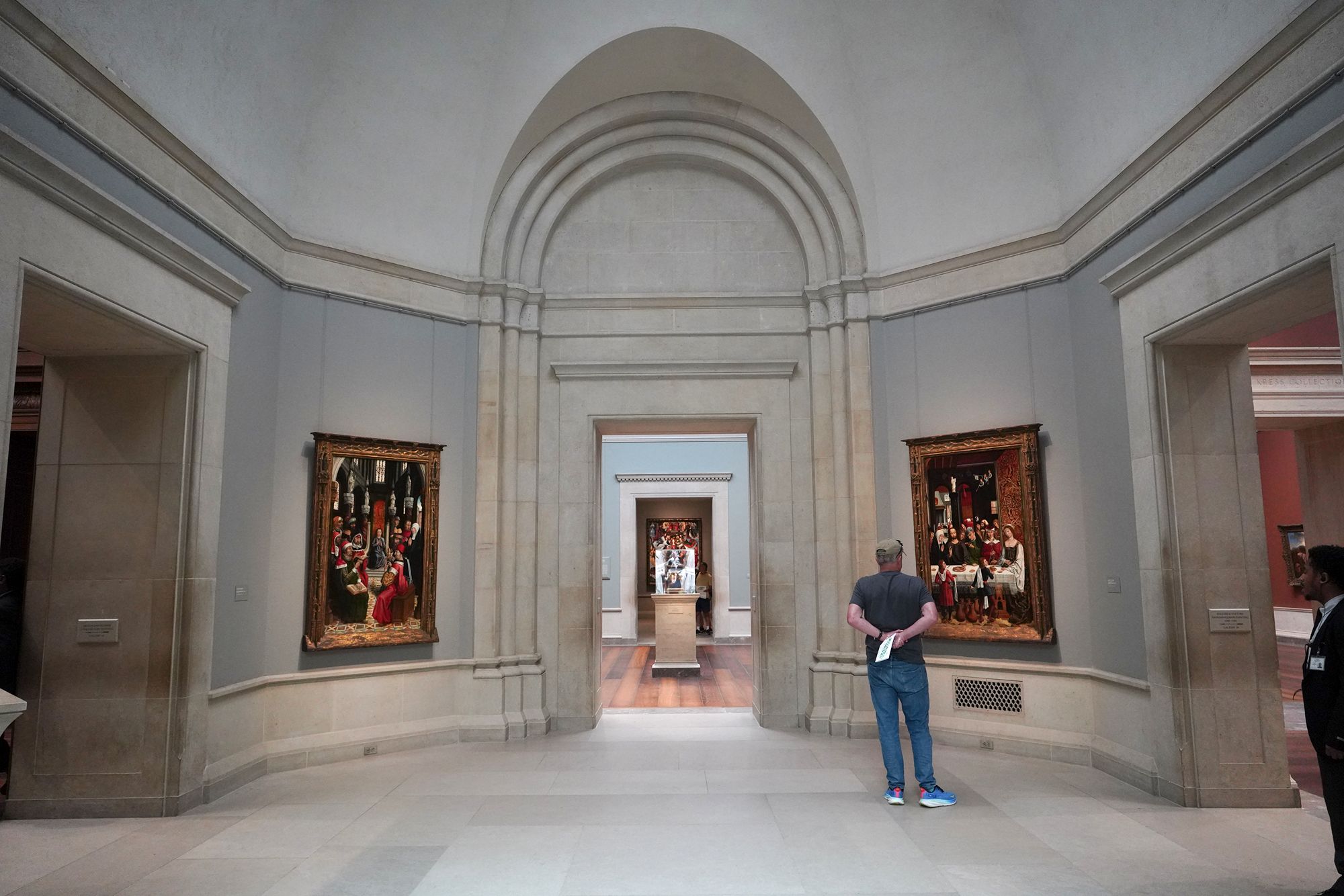
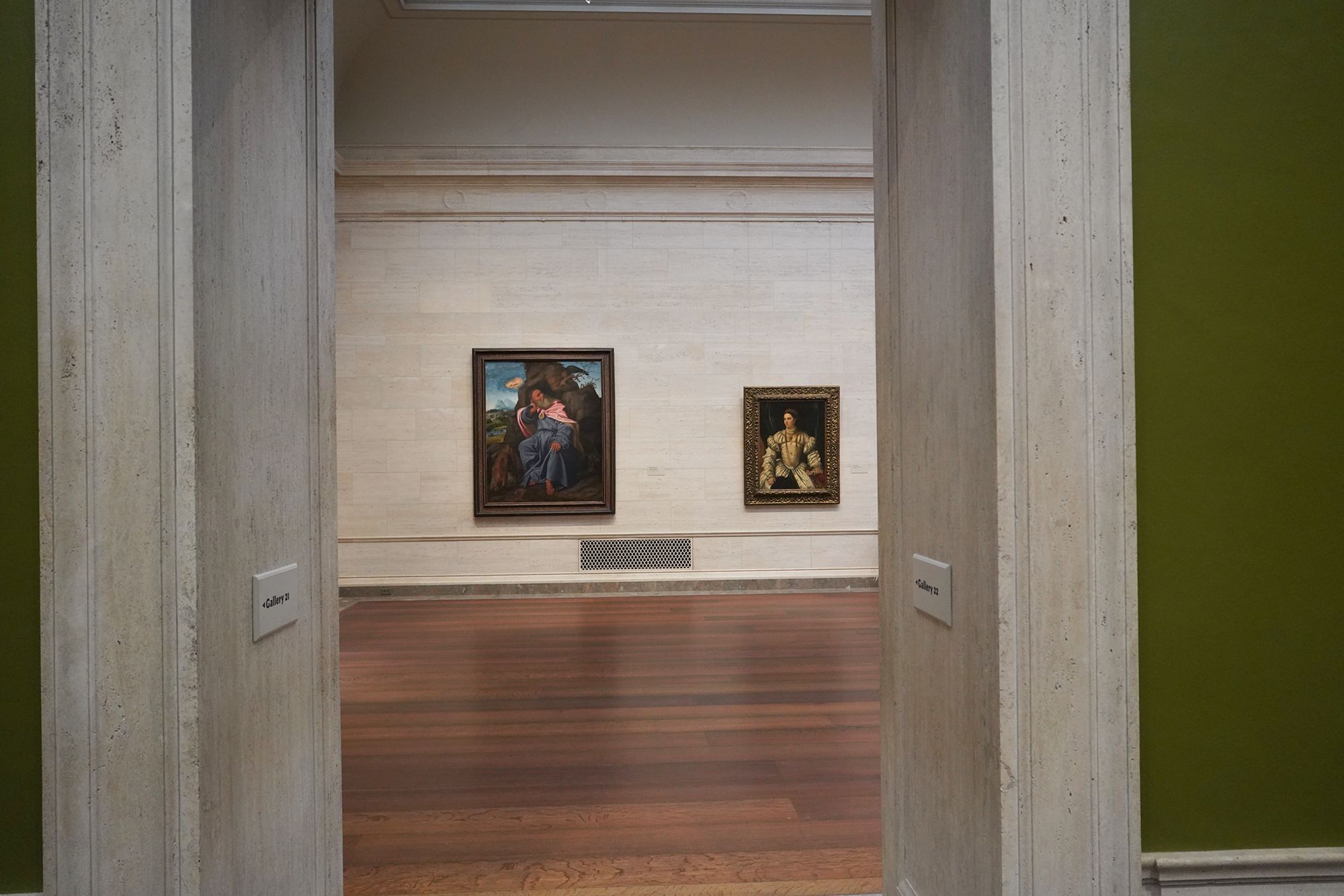
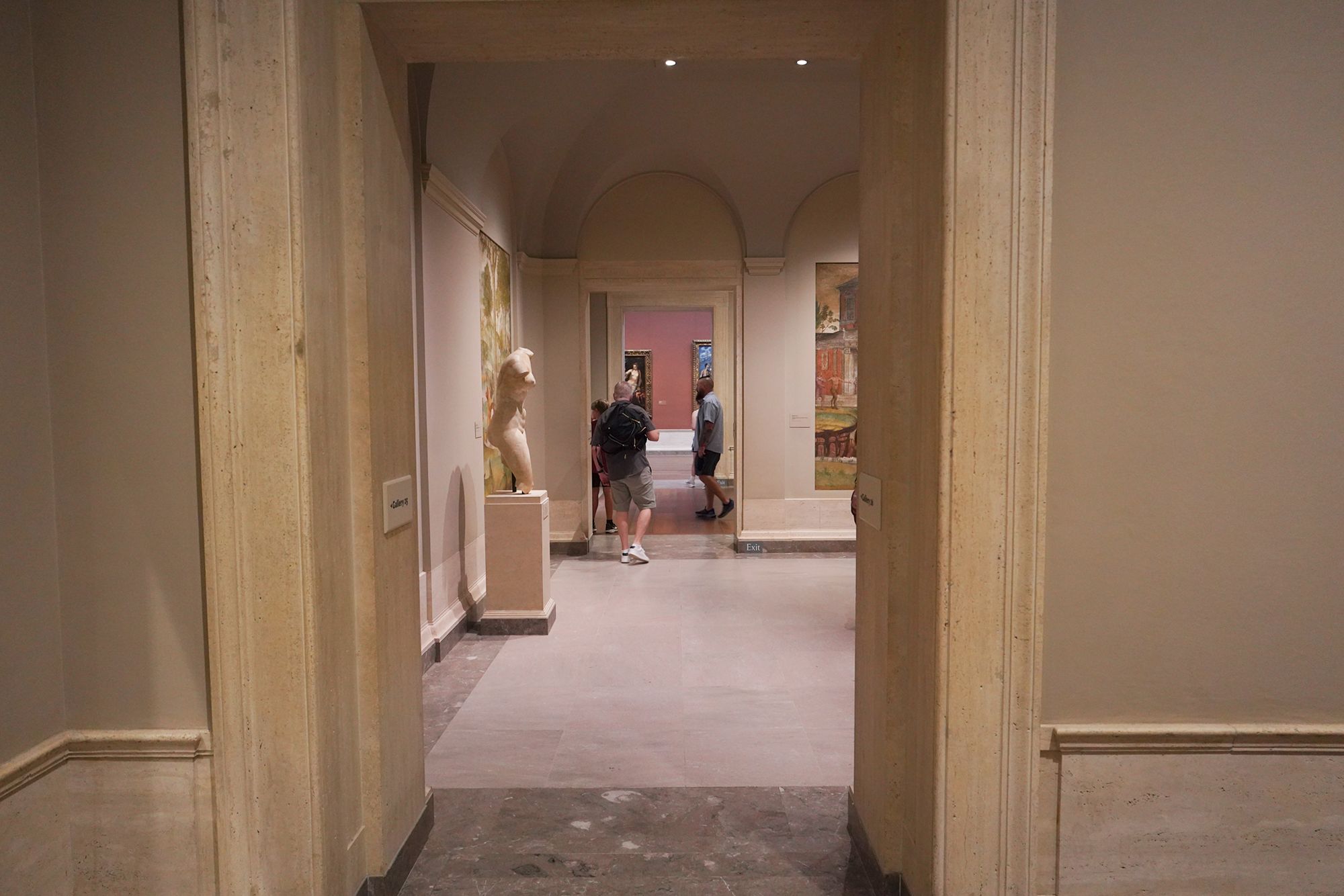
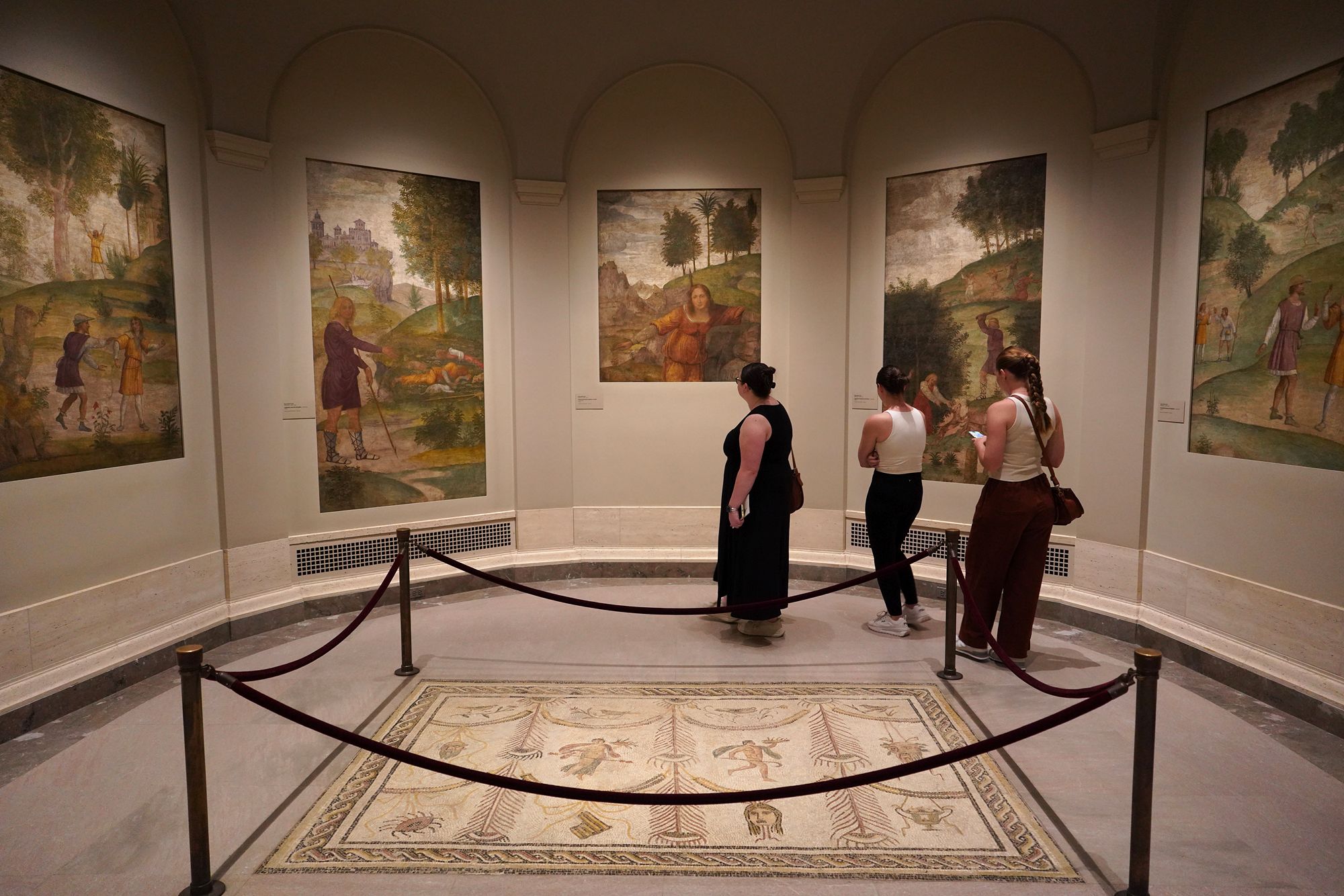
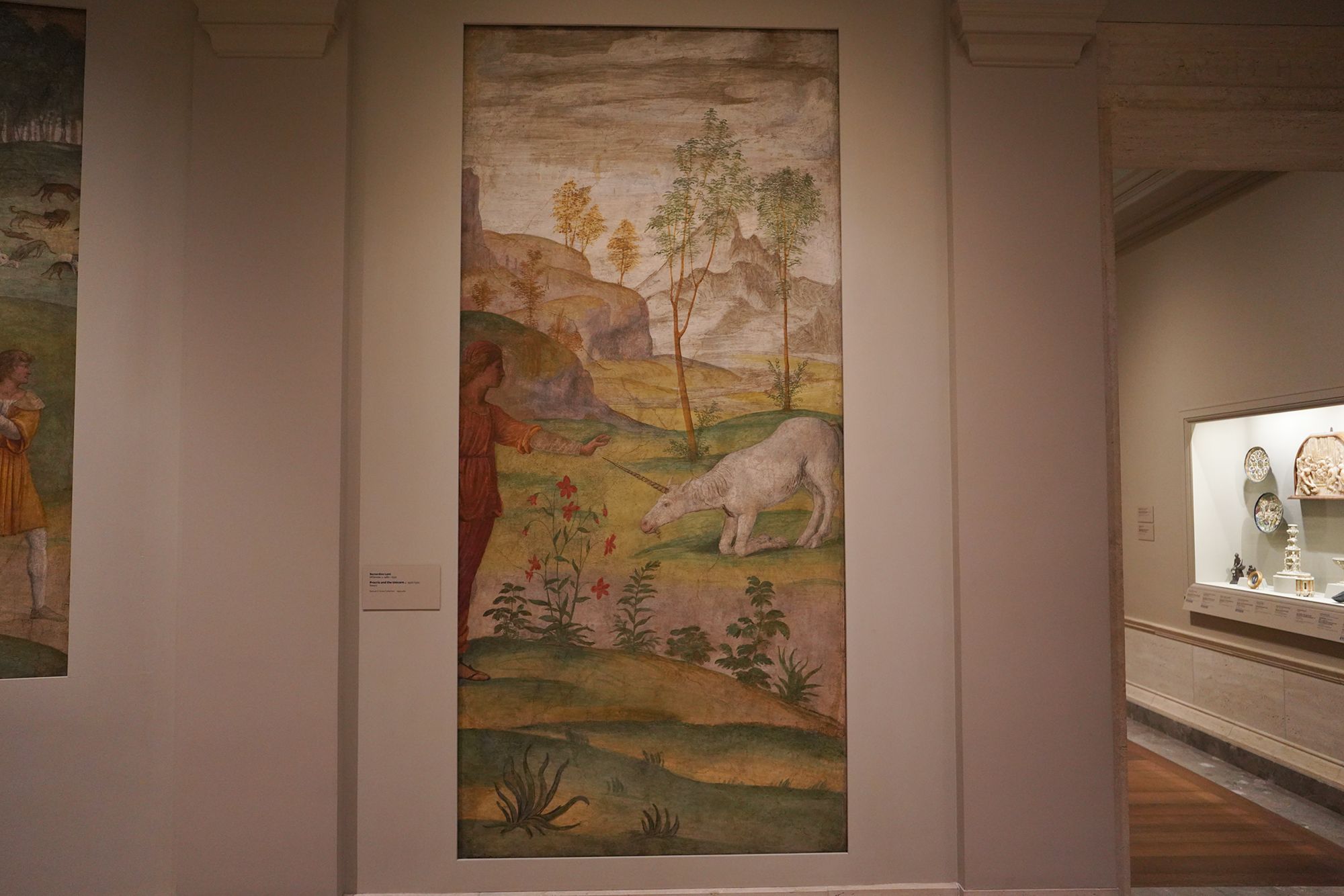
The Italian art galleries from the year 1500 highlight the High Renaissance, when artists reached new heights of realism, balance, and beauty. 1127
National Gallery of Art: Constitution Ave. NW, Washington, DC 20565
Date Picture Taken: July 2025
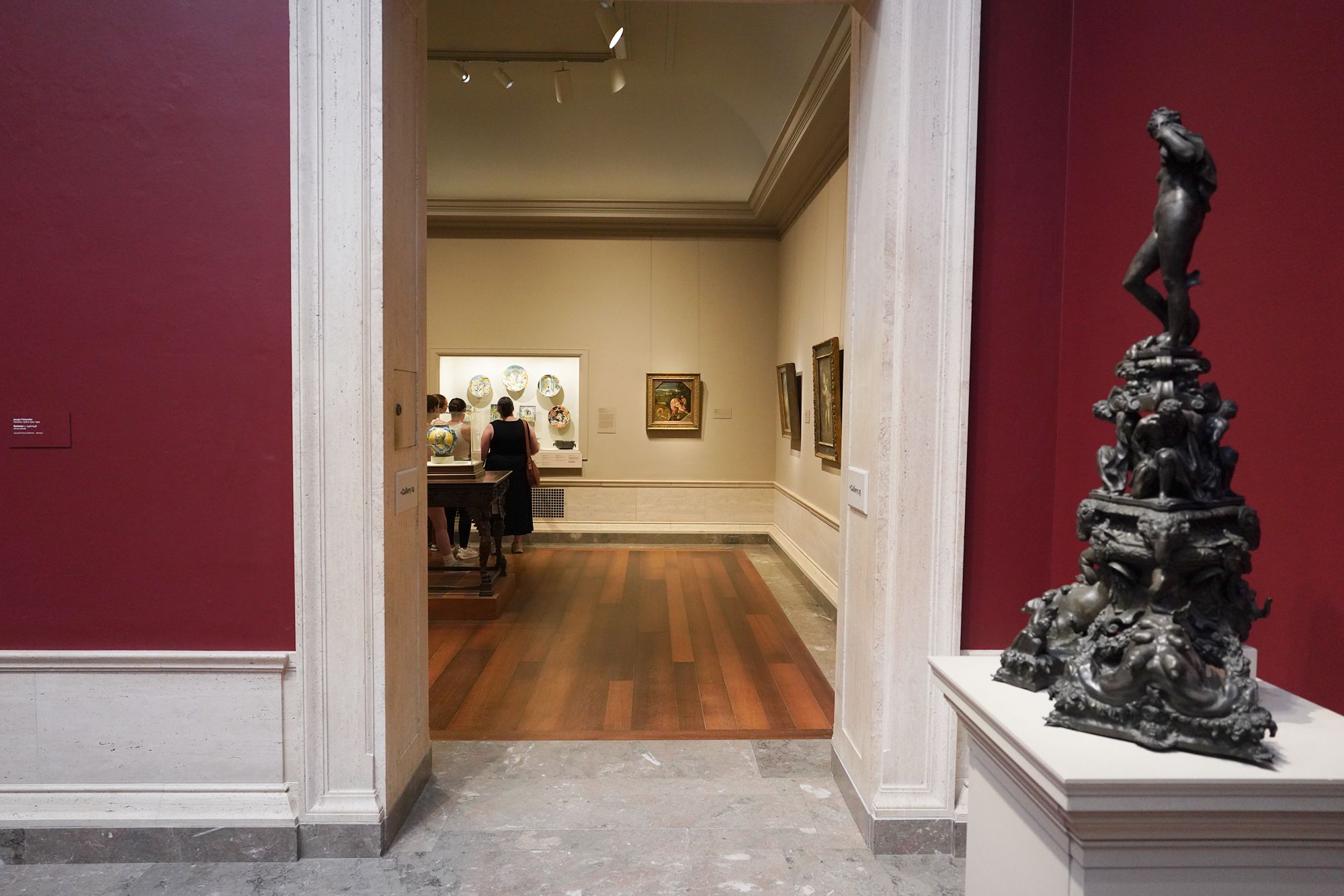
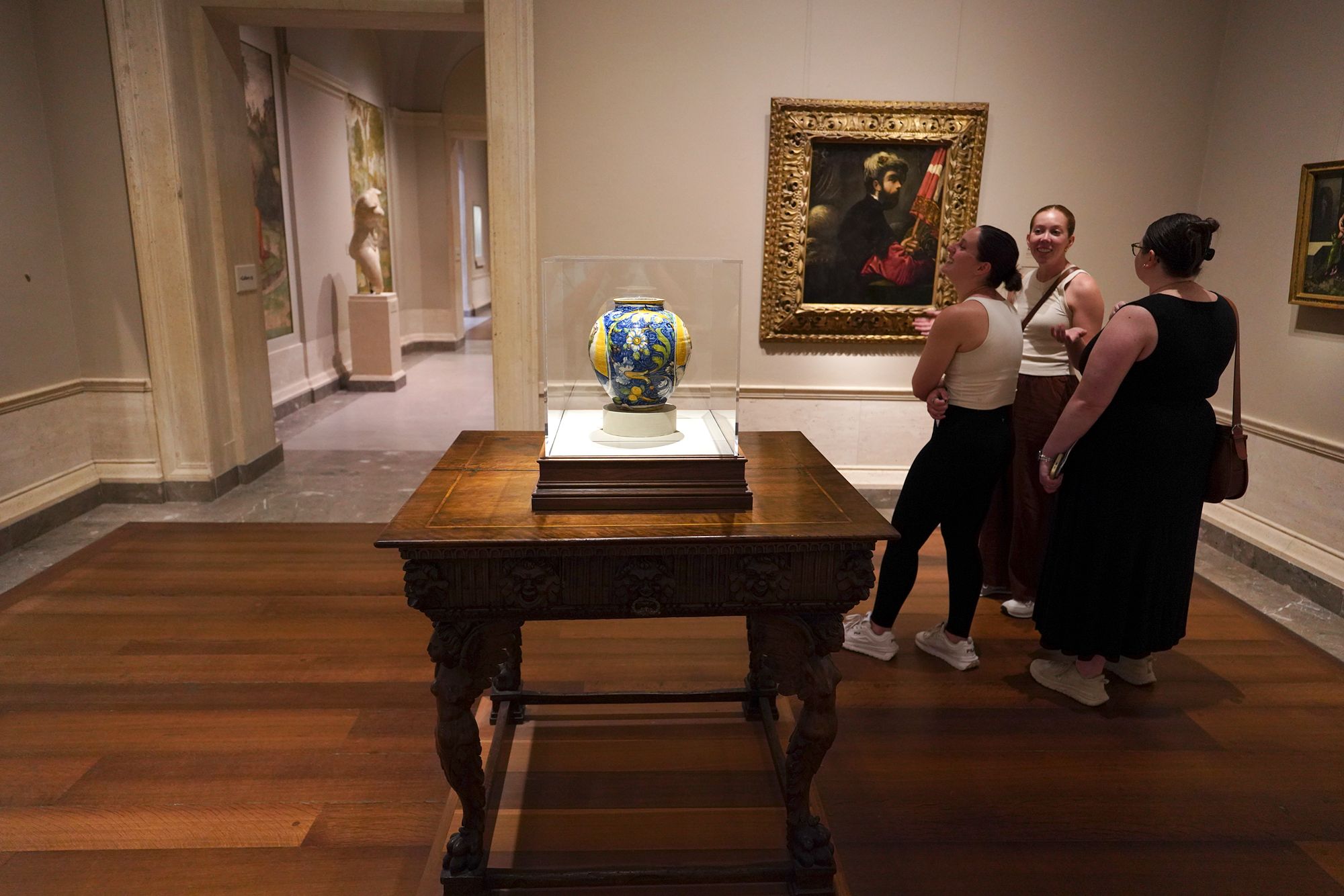
Masterpieces by Leonardo da Vinci, Raphael, Titian, and Bellini illustrate how art in this period combined scientific perspective, natural light, and idealized human form to express both beauty and intellect. These works reflect the flowering of creativity in cities such as Florence, Rome, and Venice, where patrons and artists transformed painting into a study of human emotion, divine perfection, and classical balance.
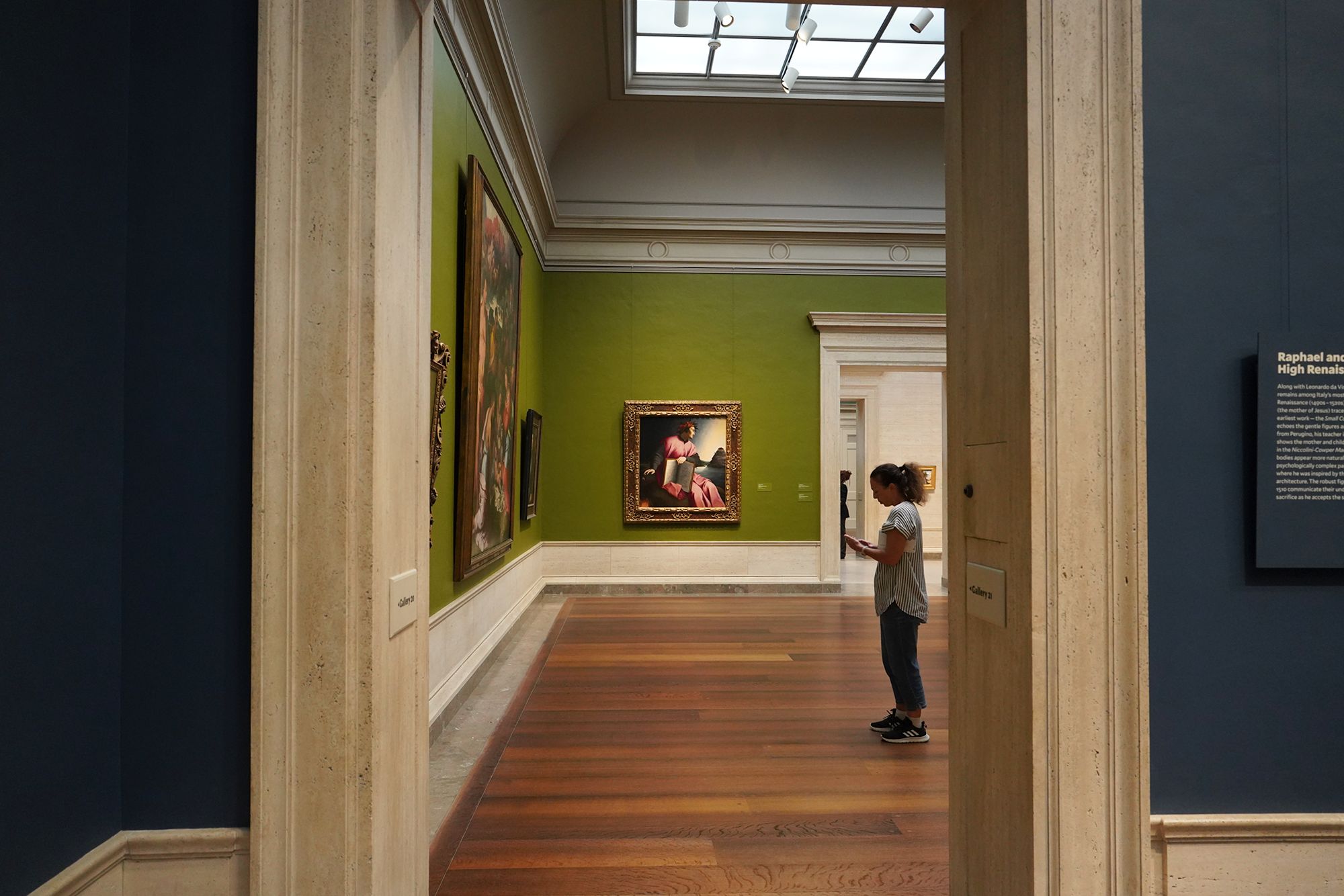
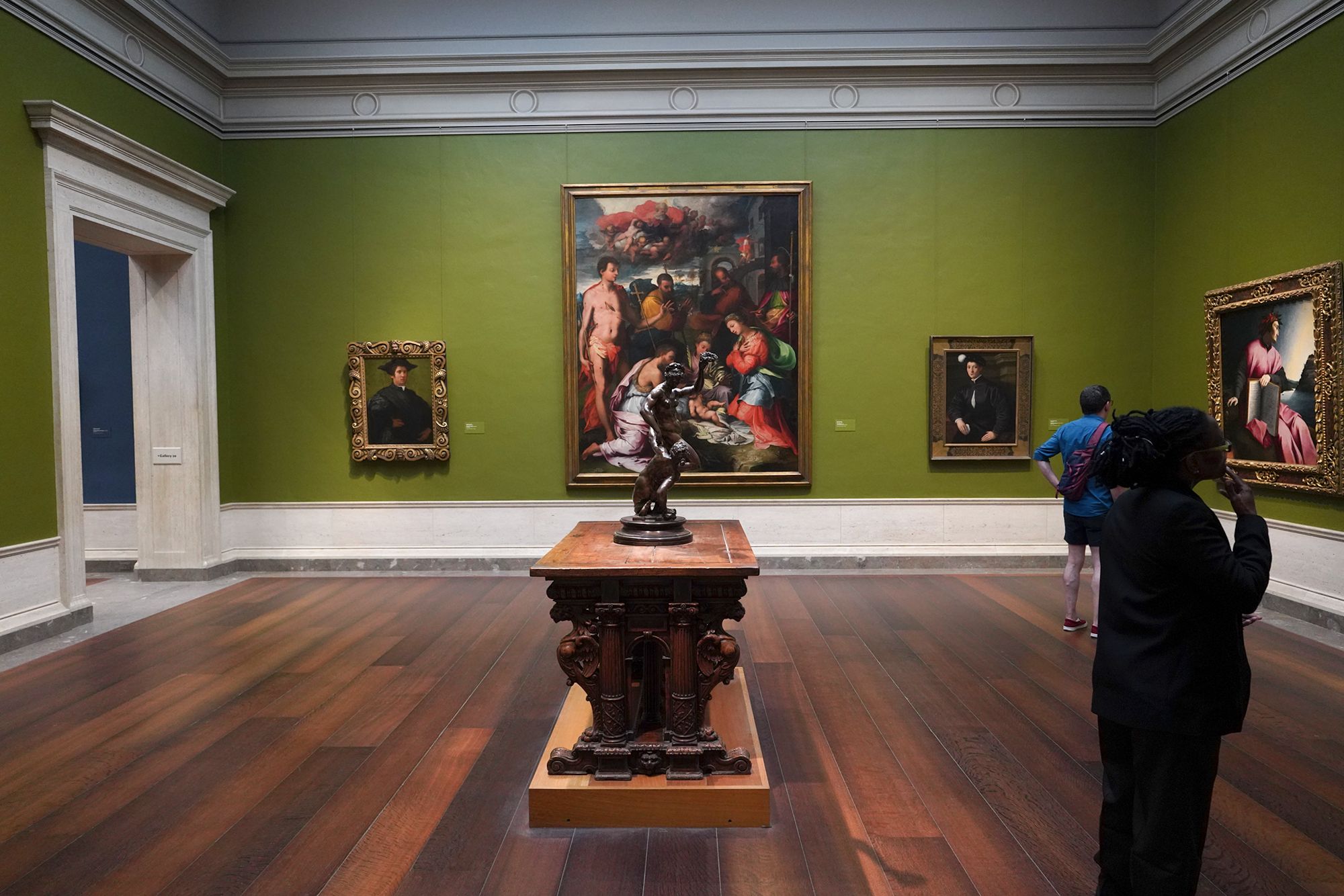
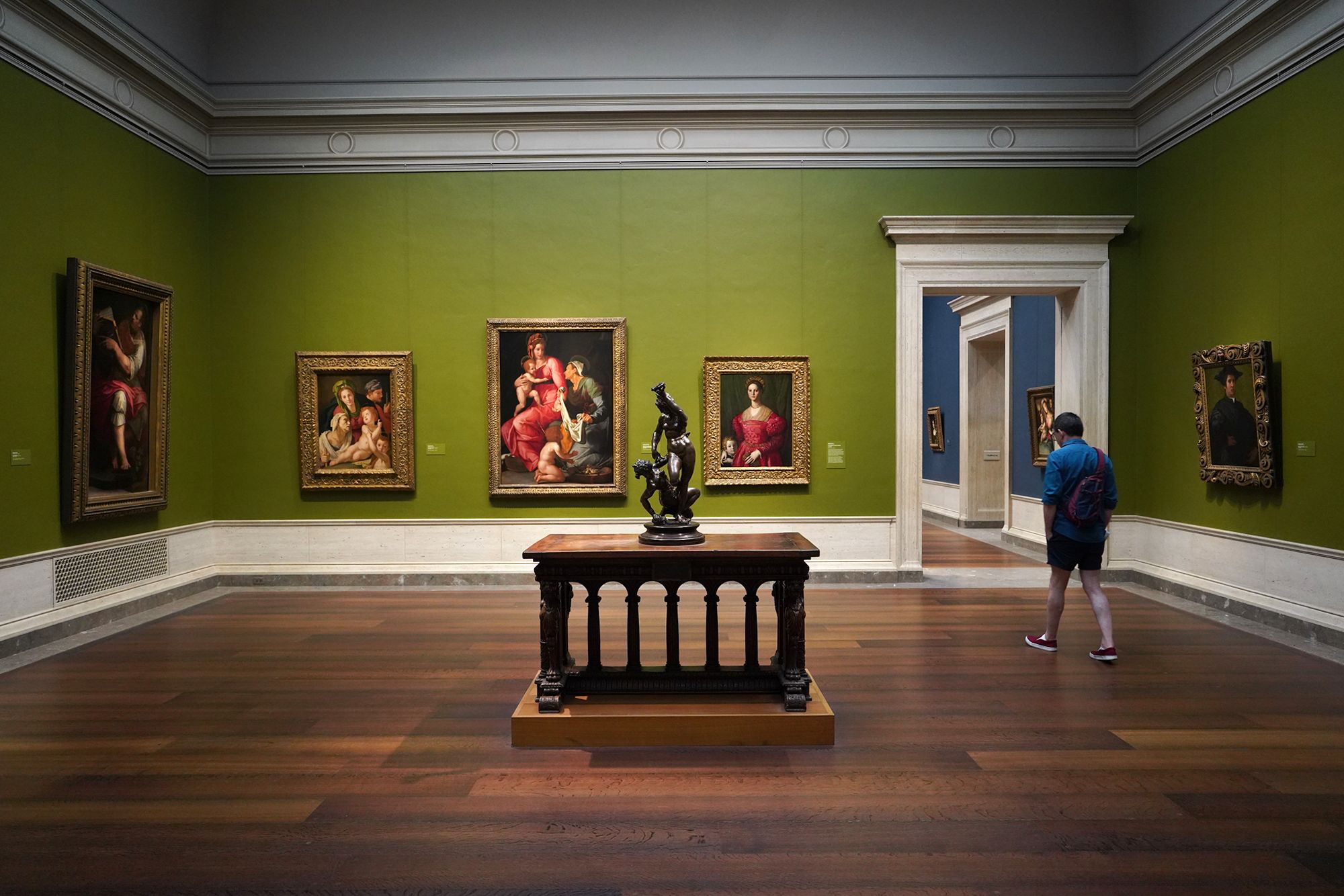
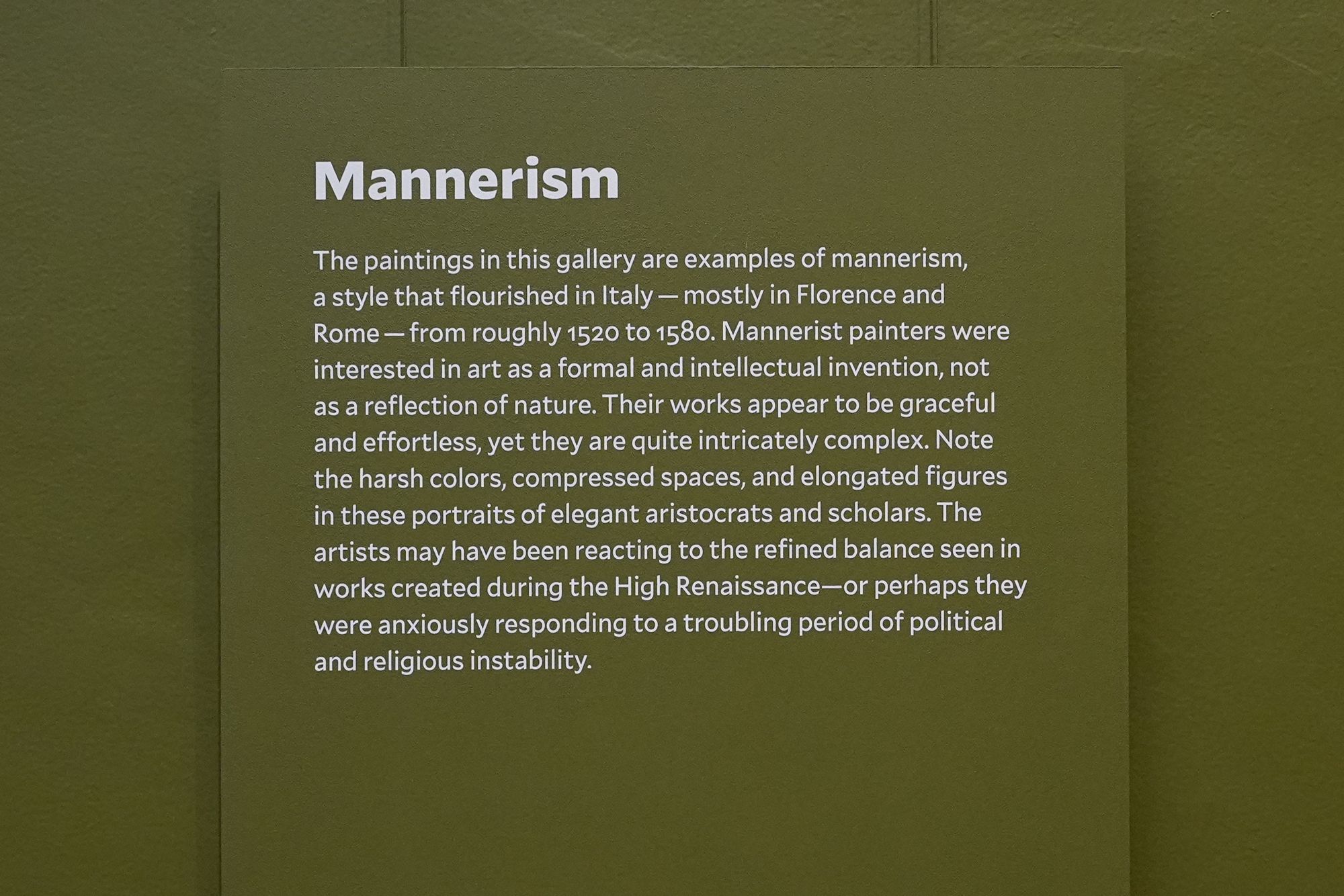
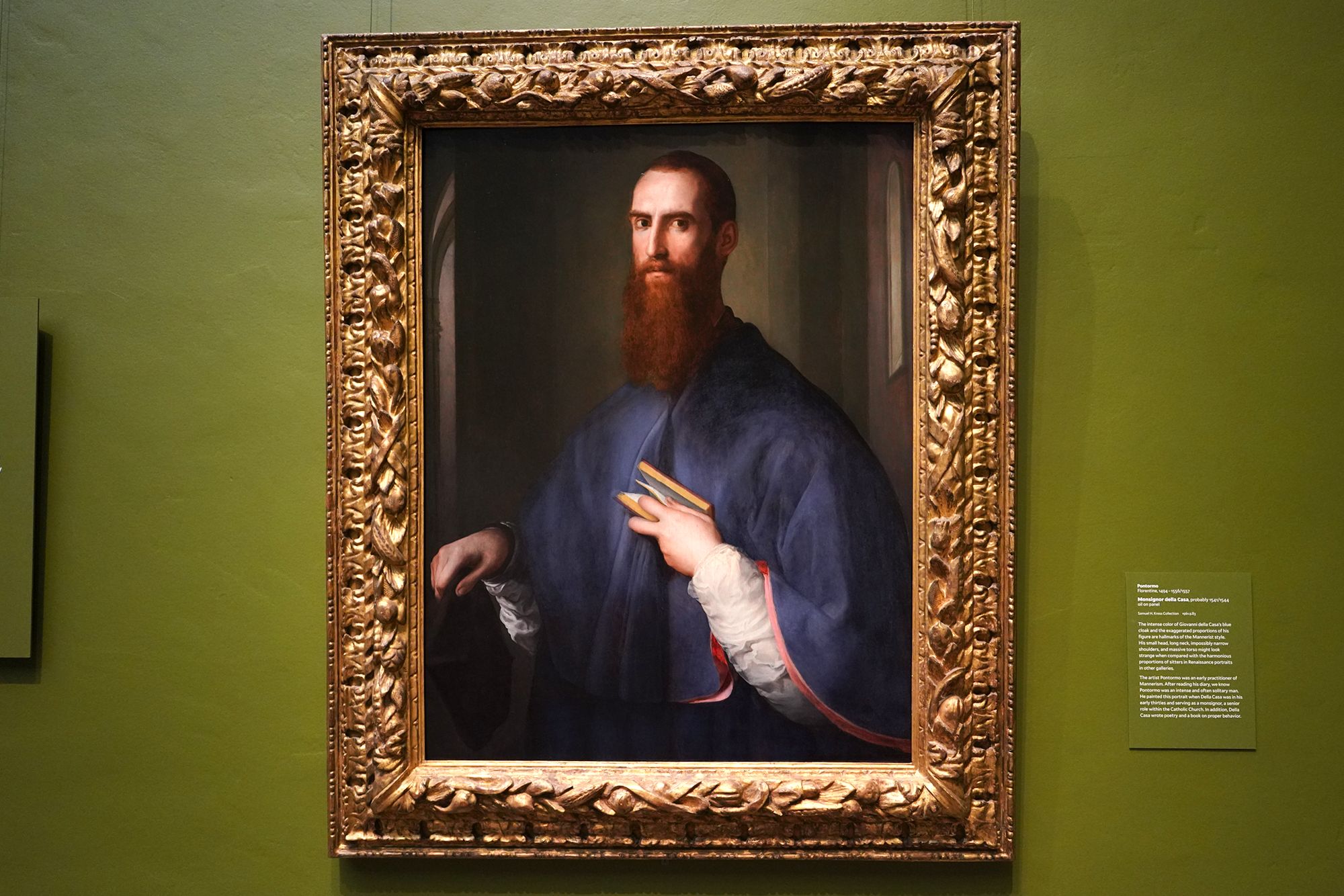
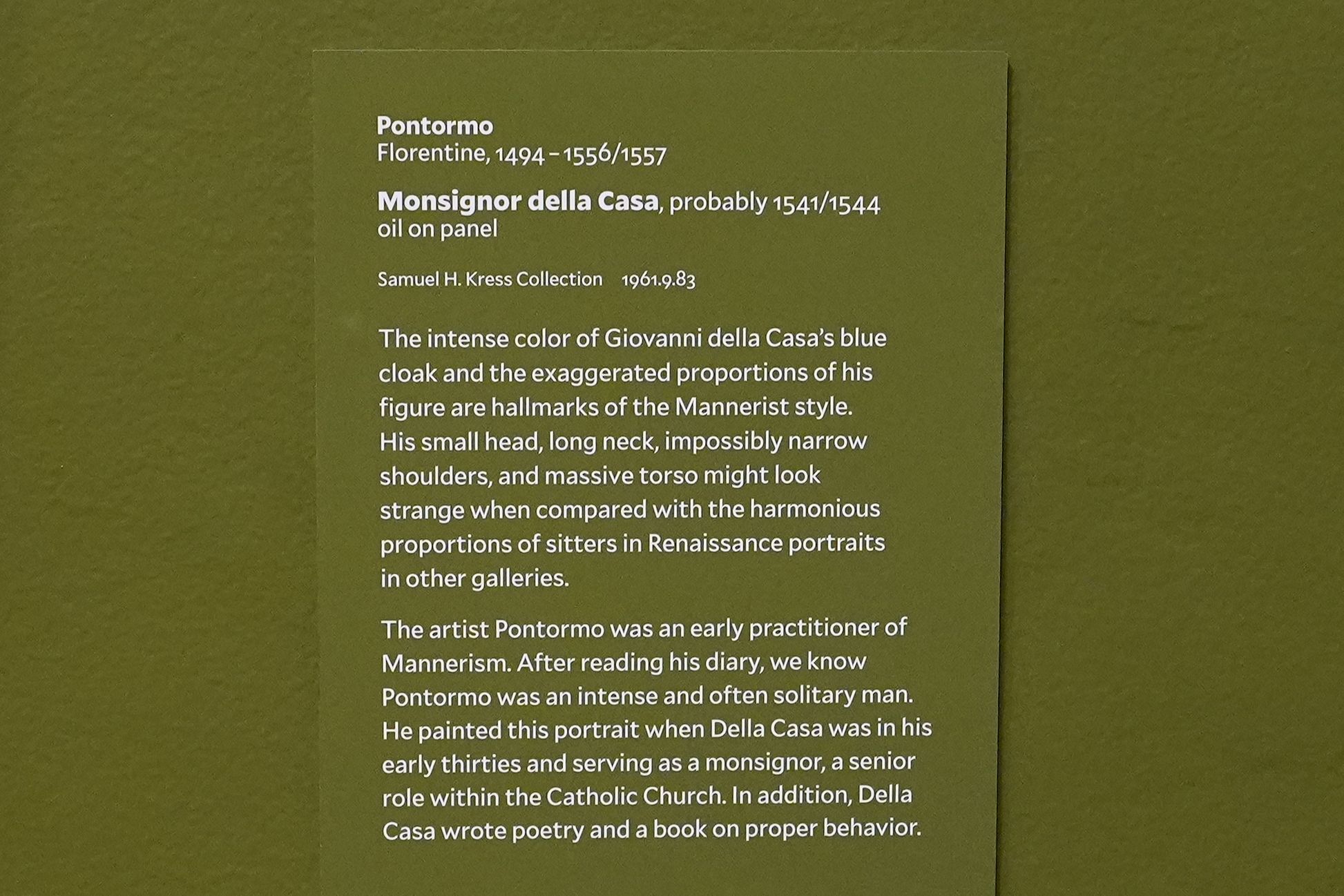
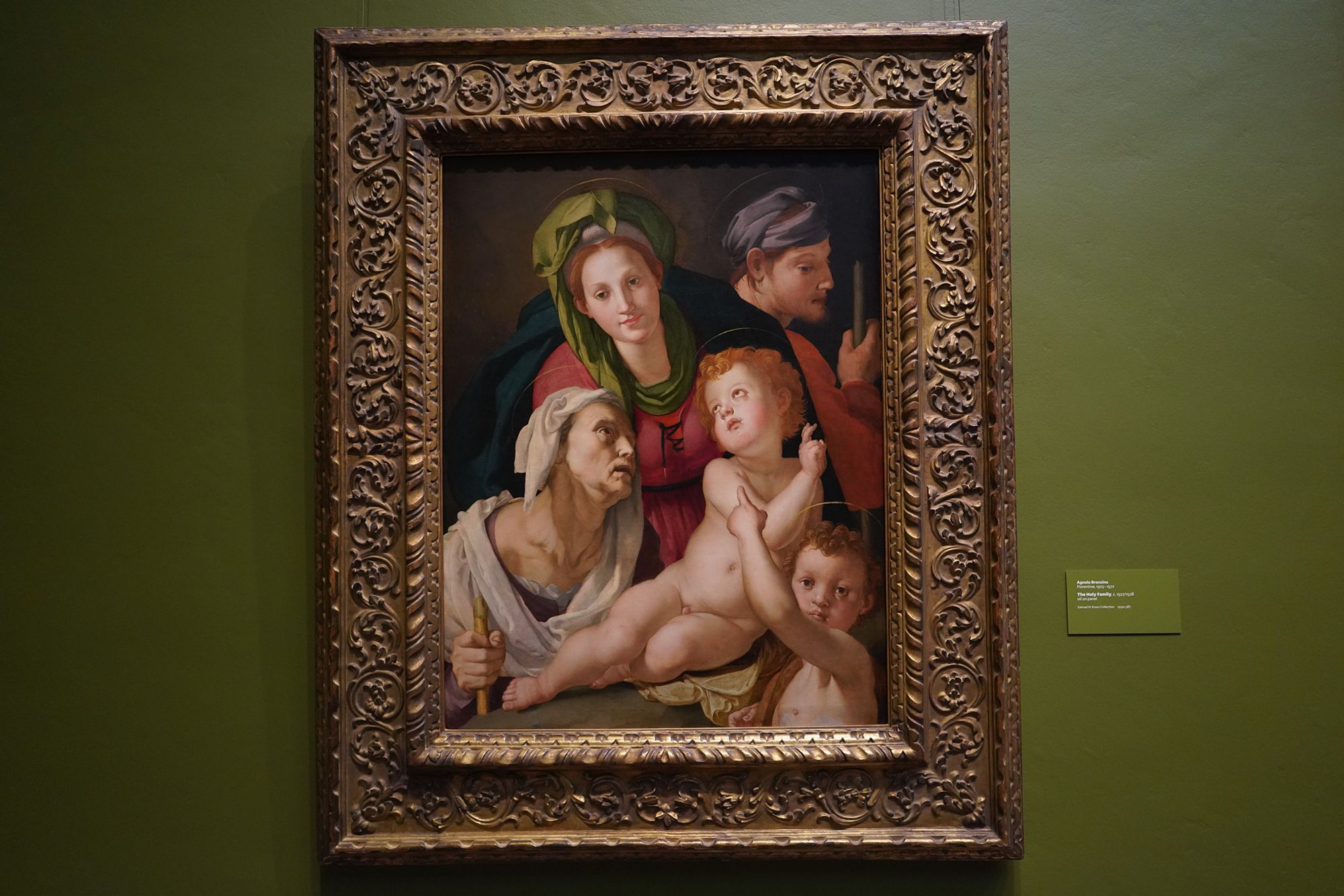
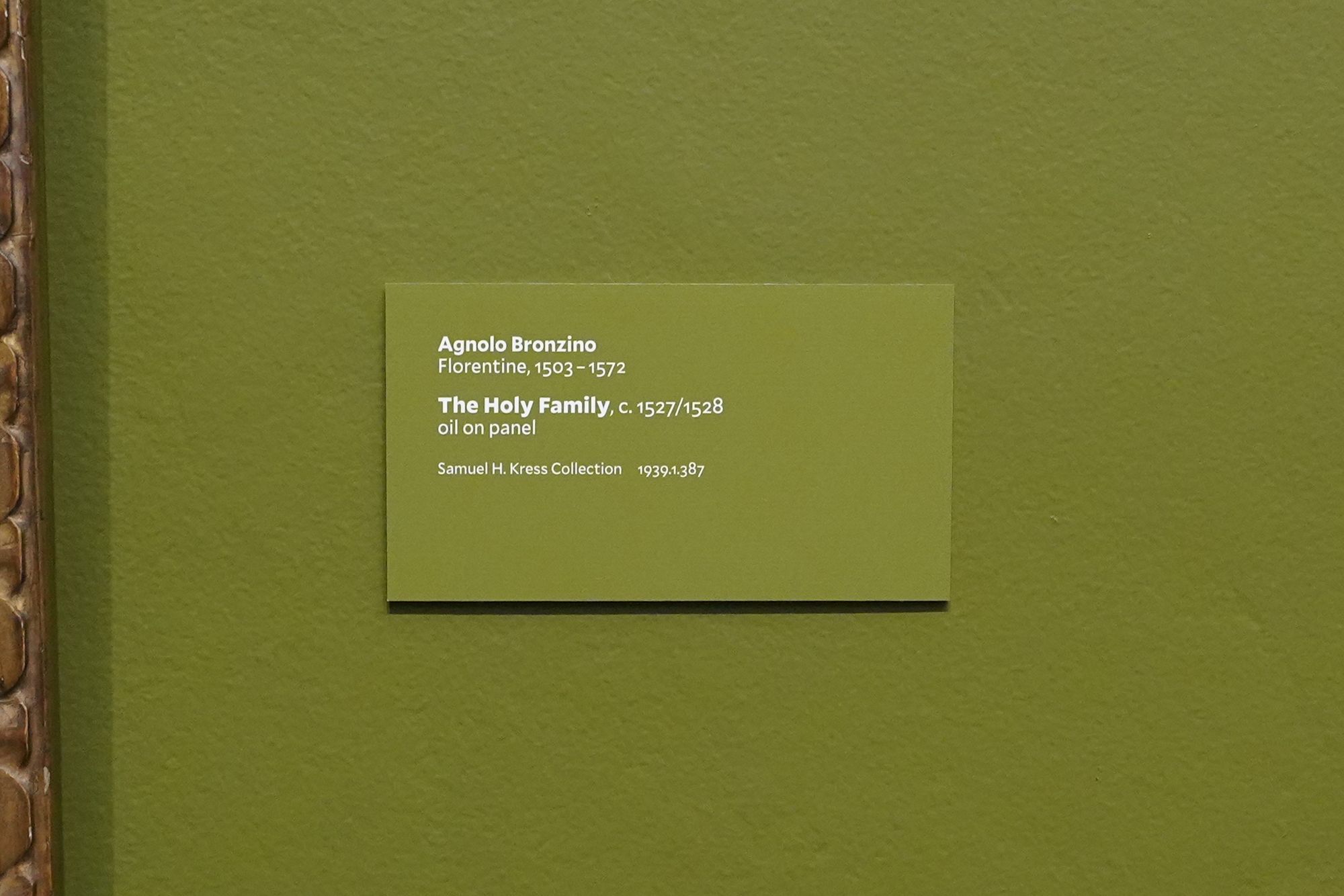
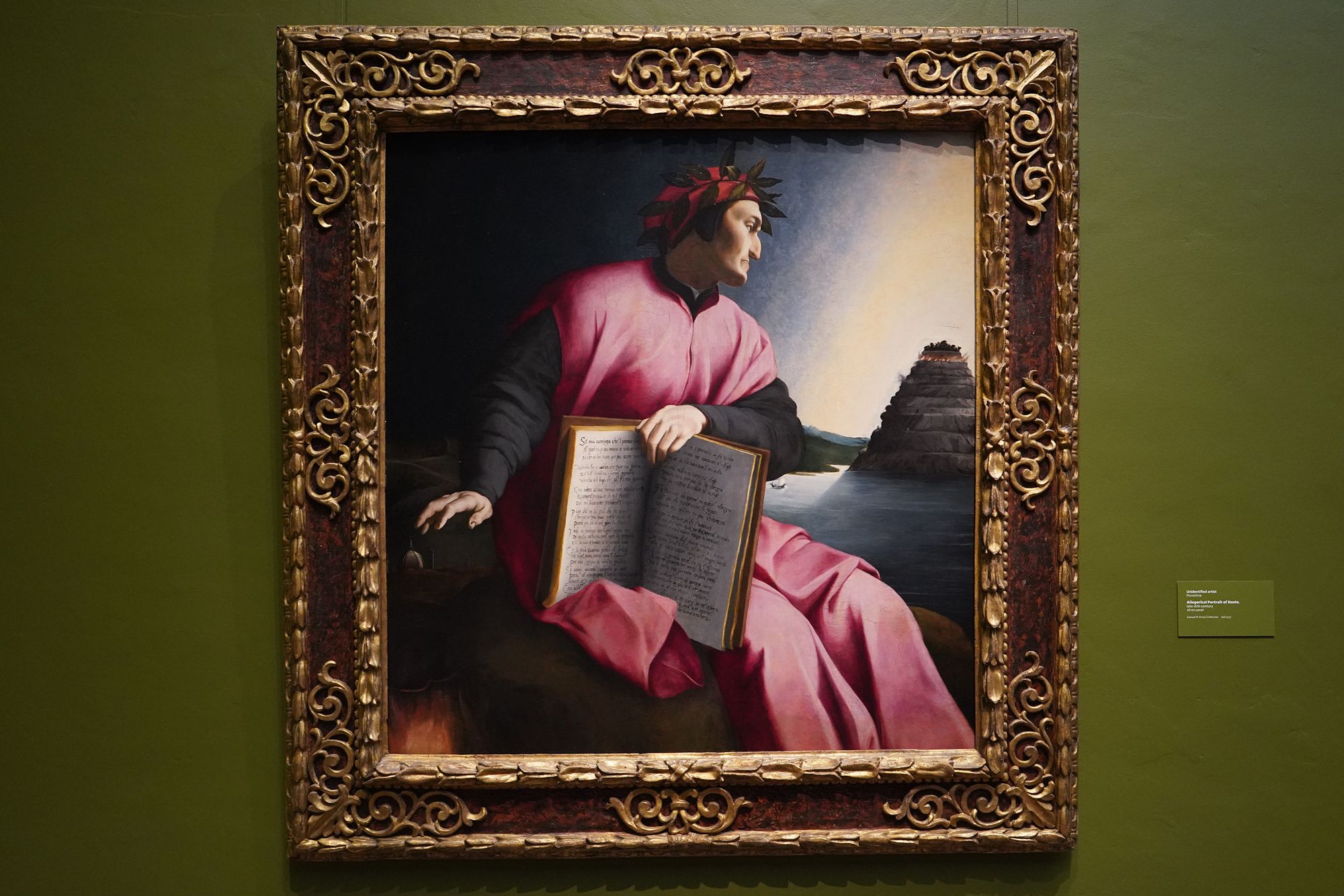
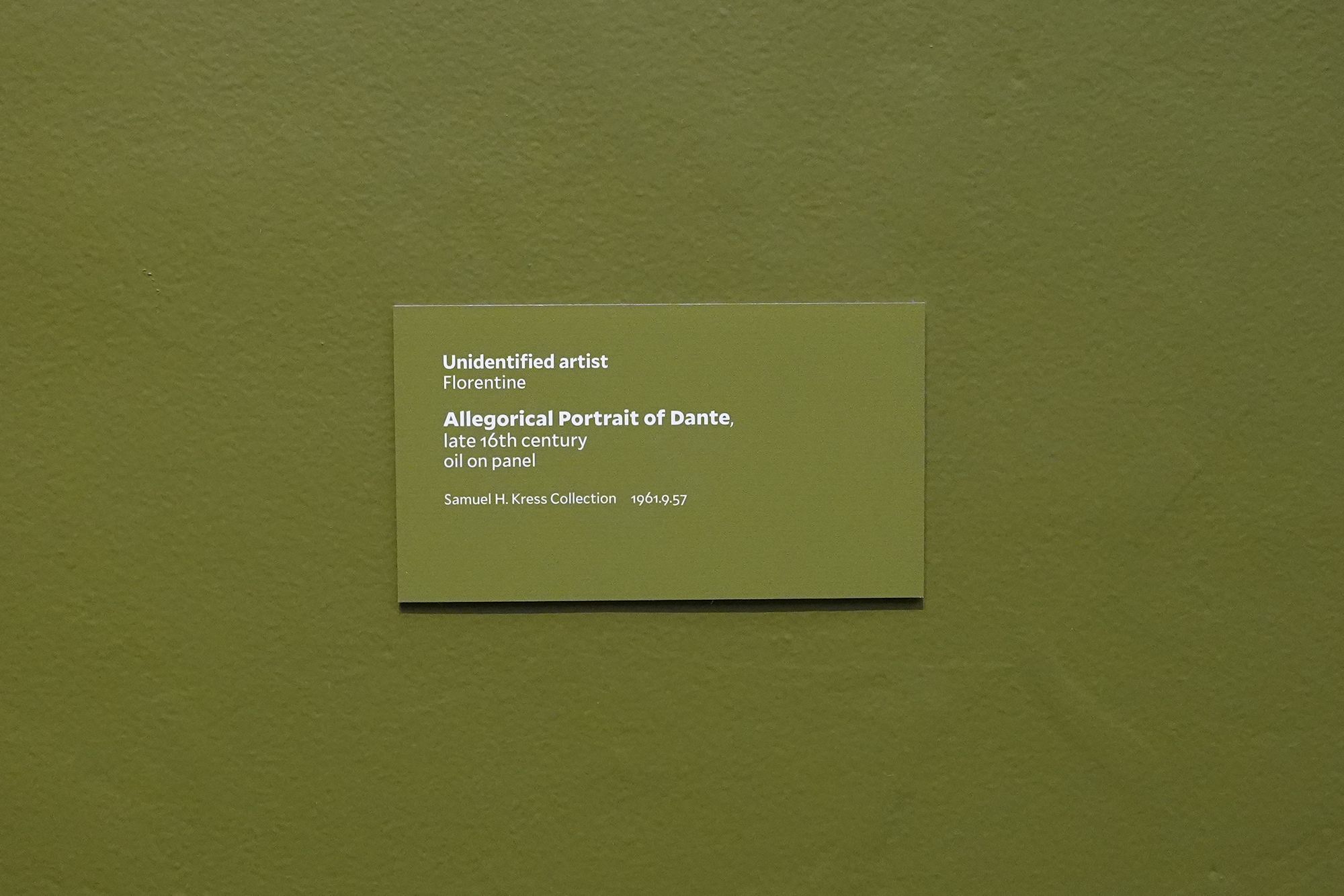
Mannerism emerged in Italy around 1520, following the High Renaissance, and is known for its elegant, exaggerated, and emotionally charged style.
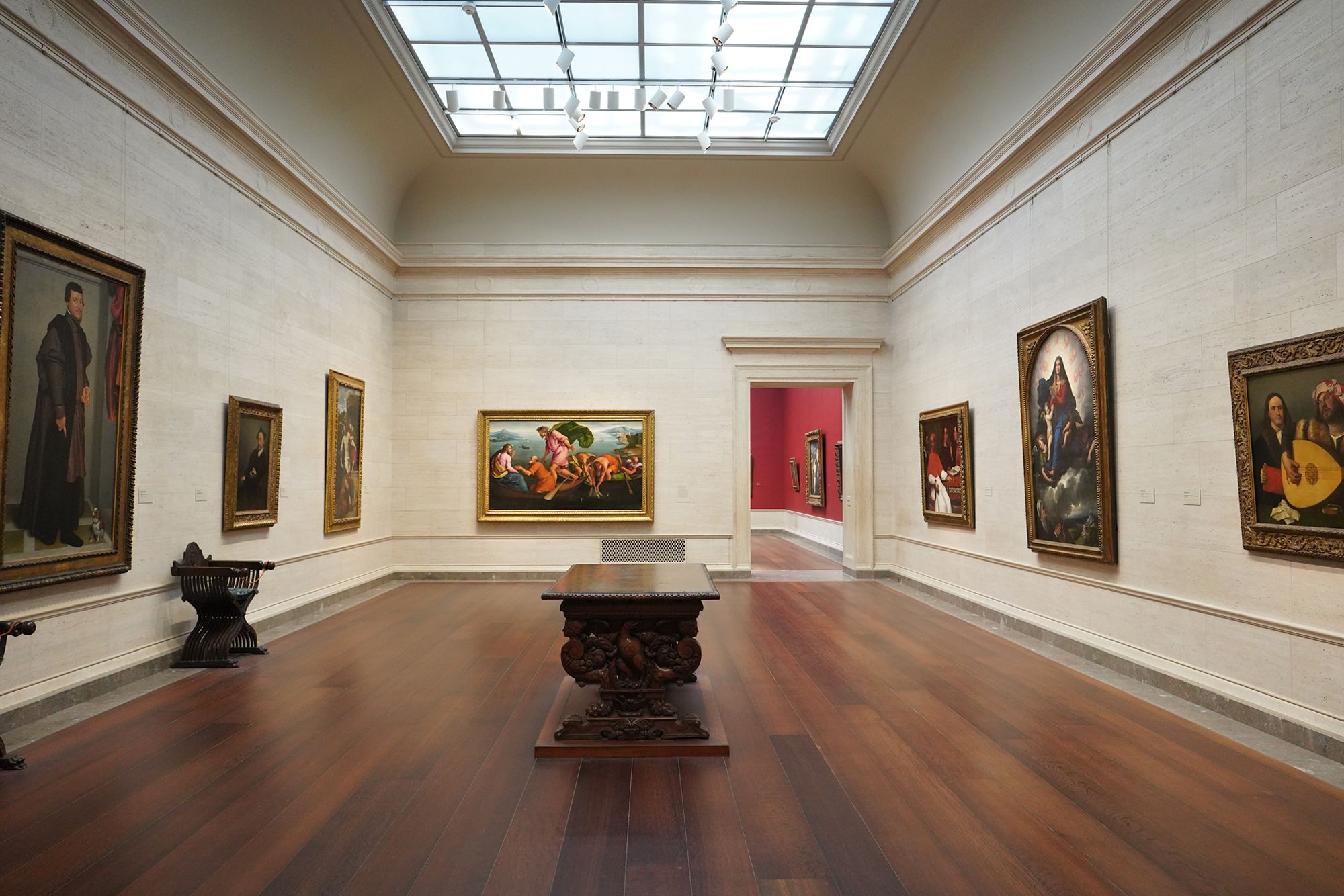
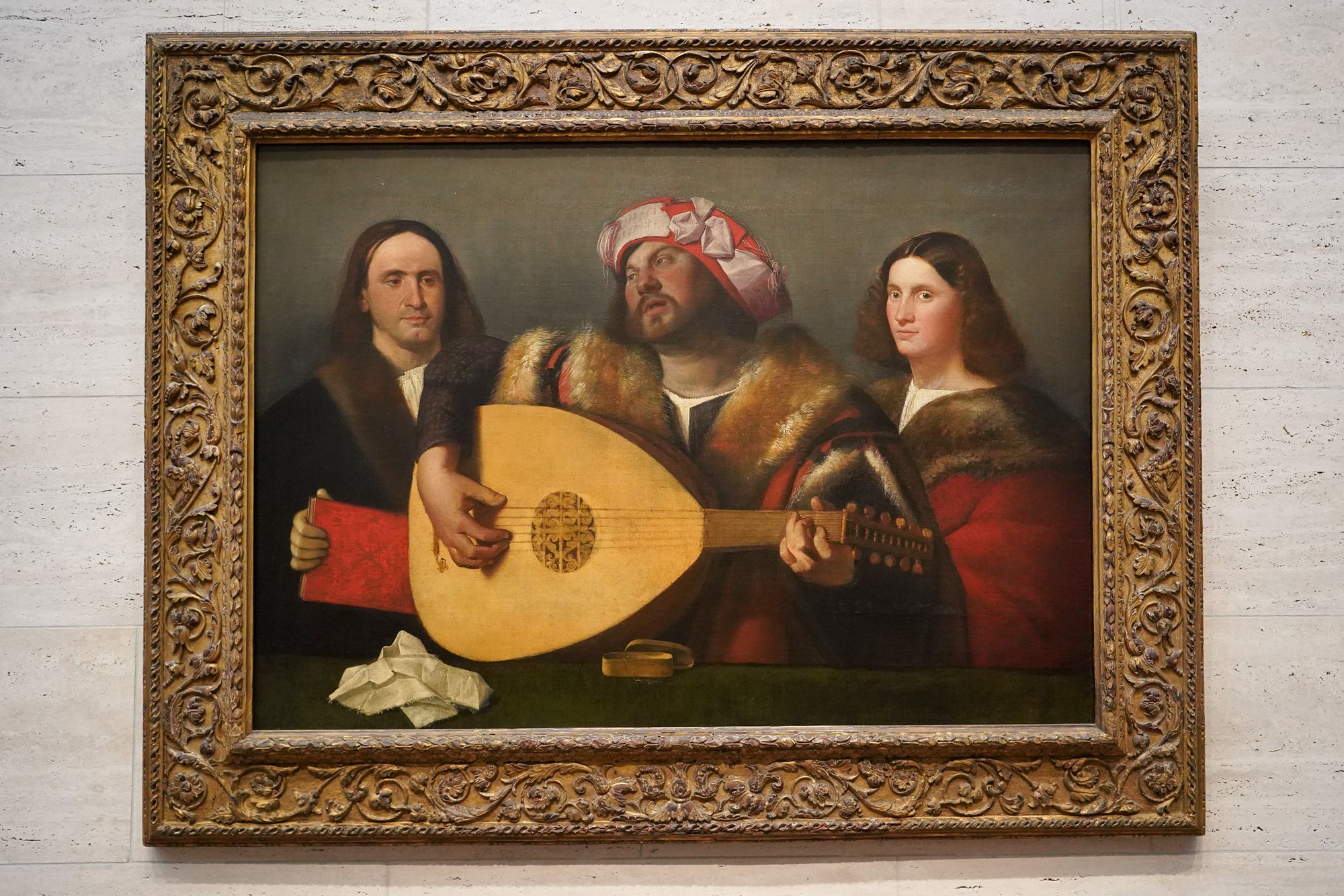
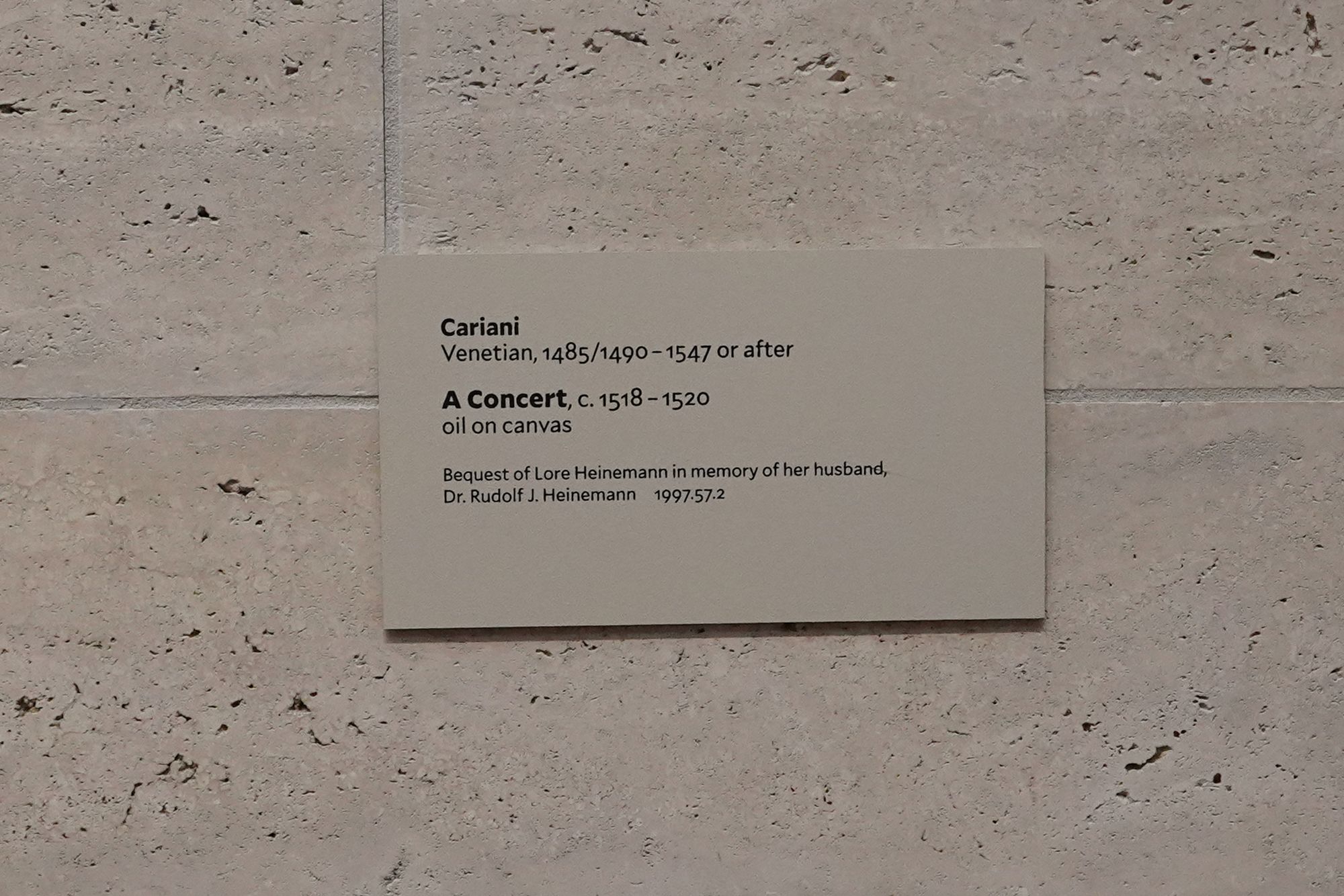
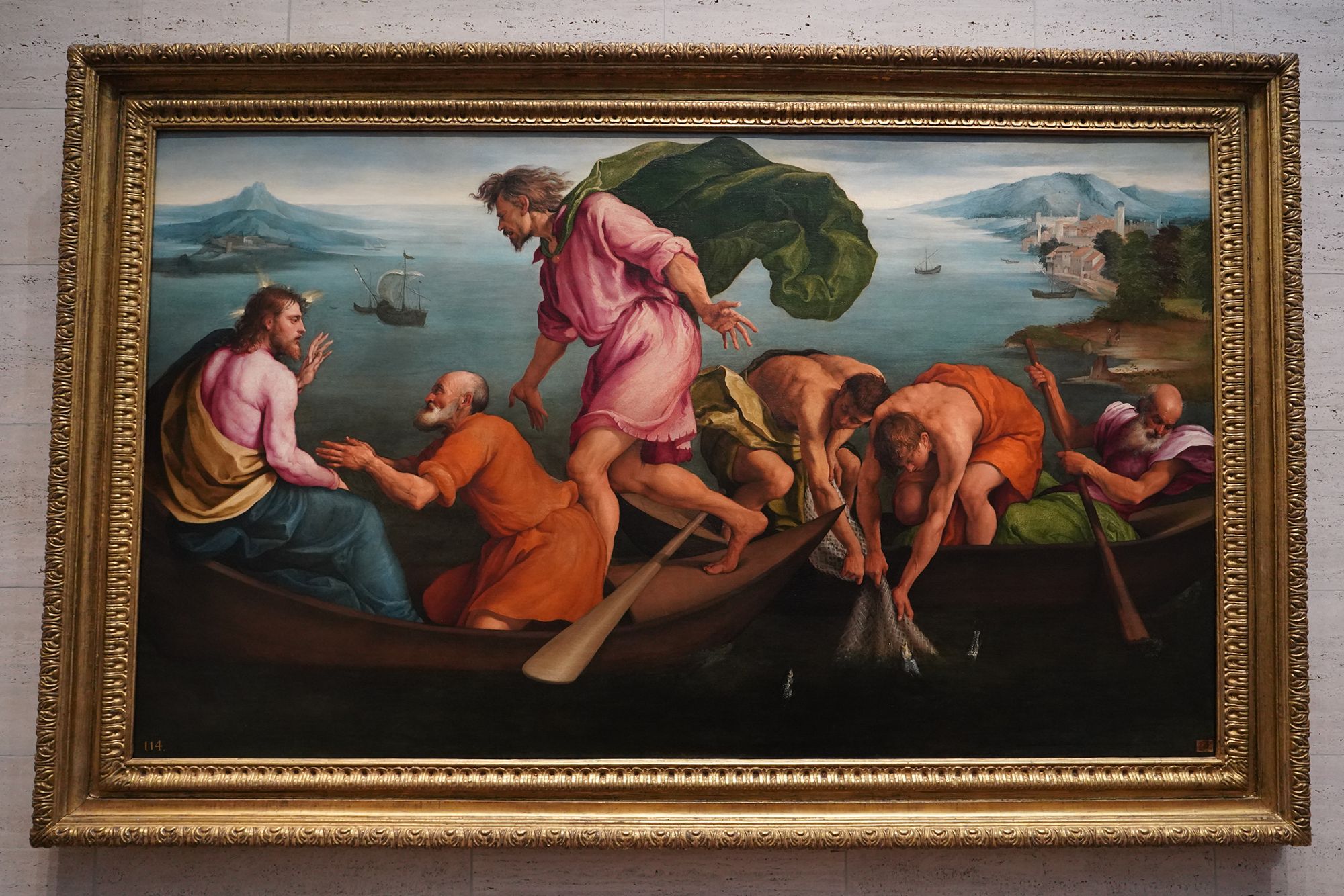
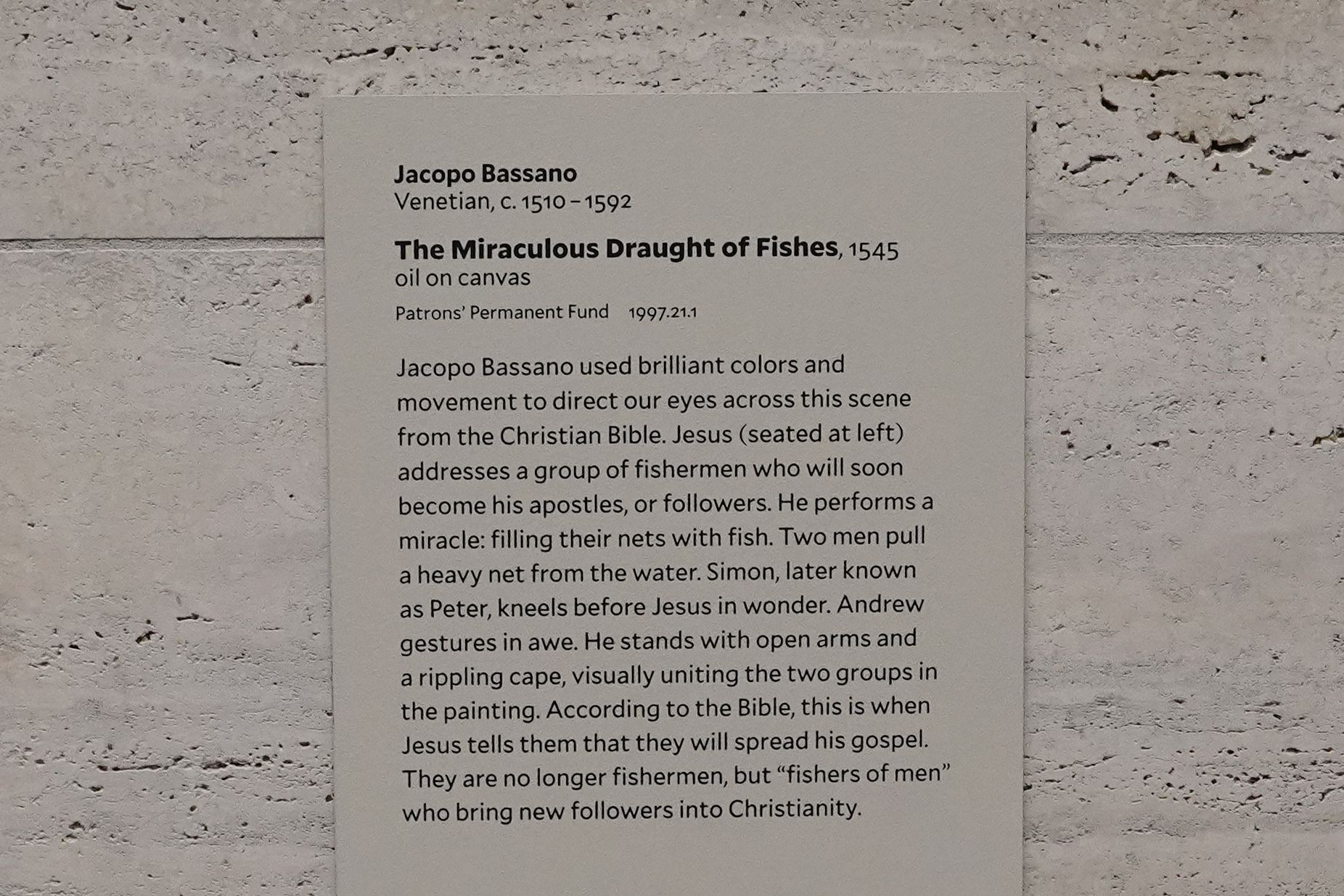
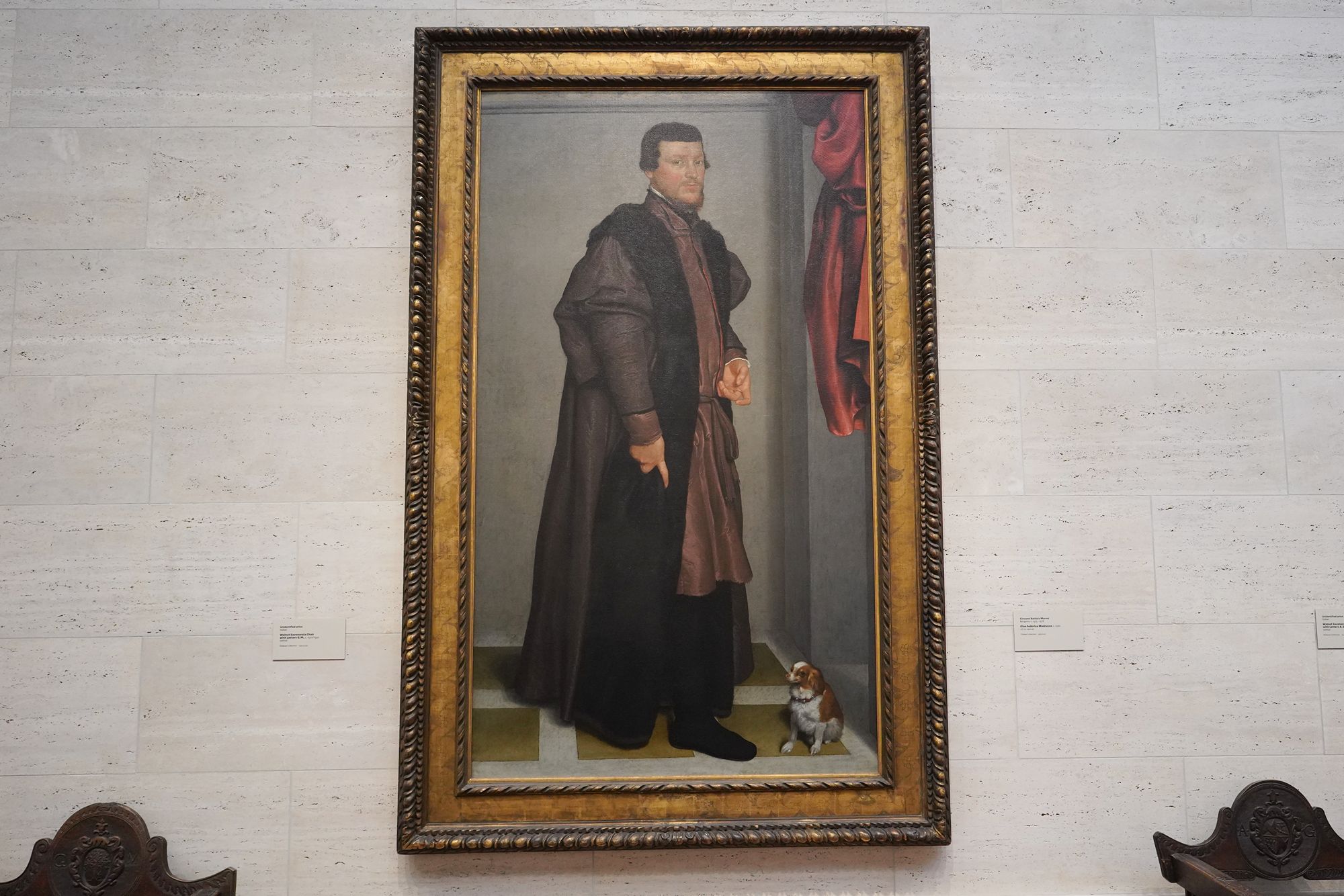
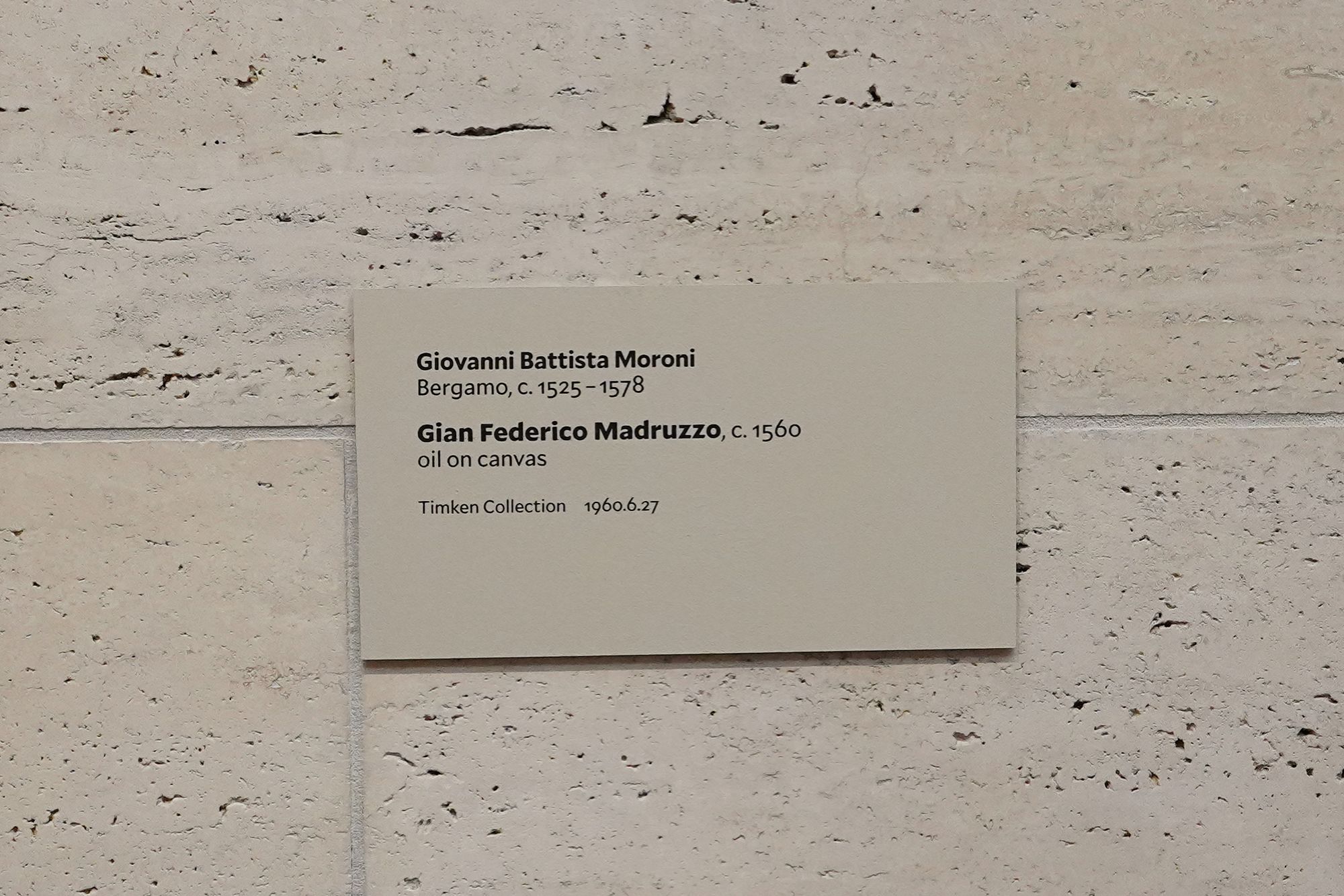
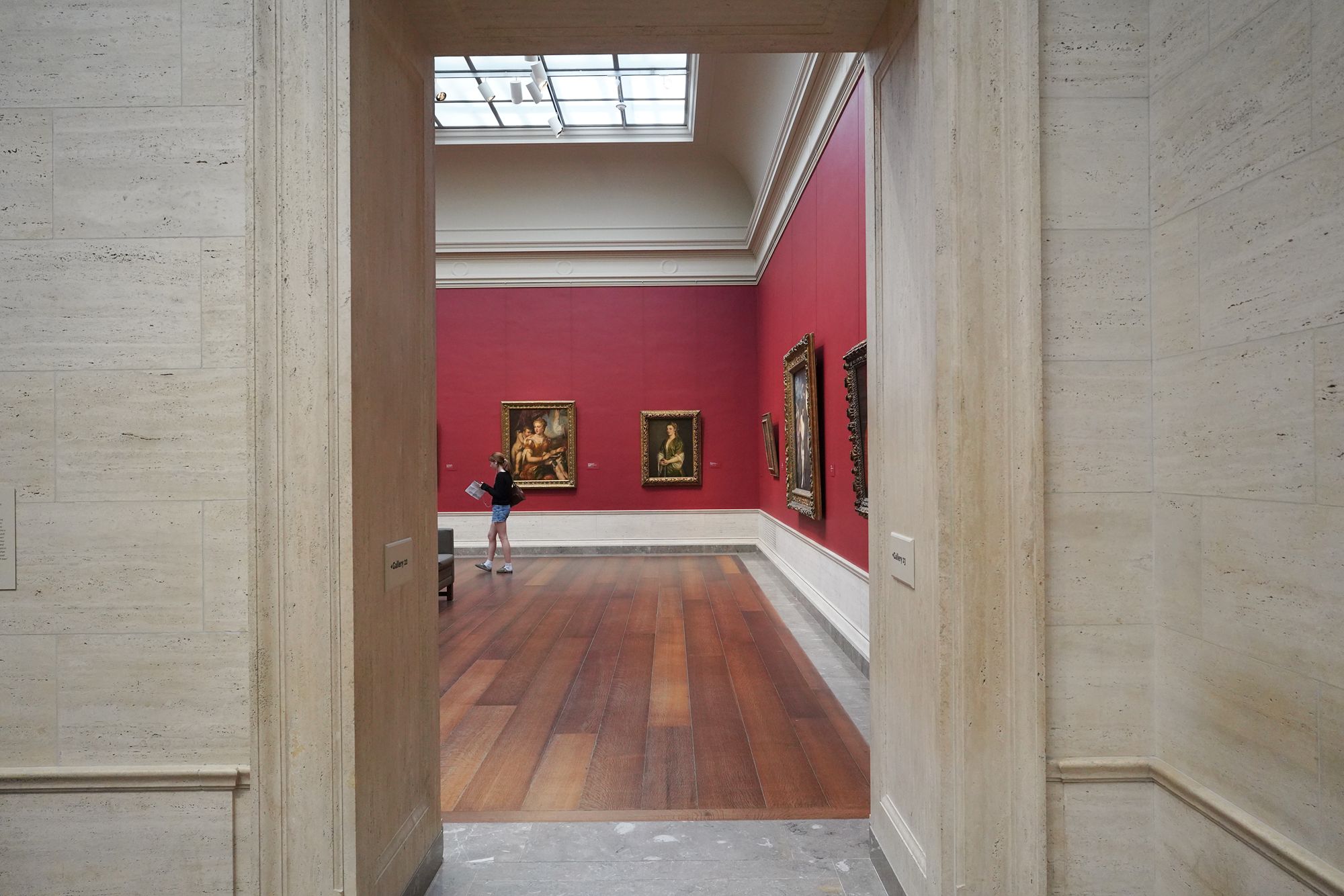
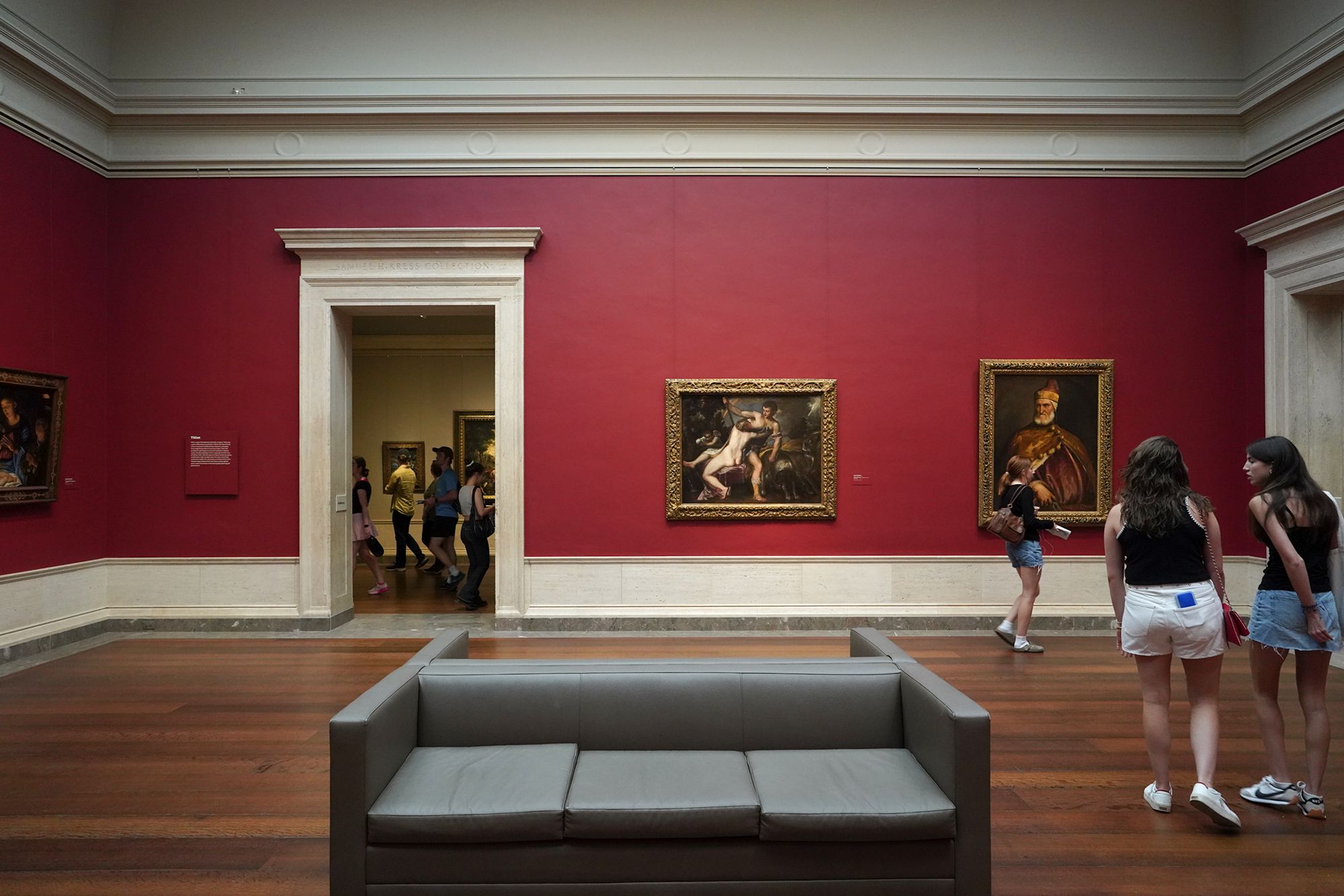
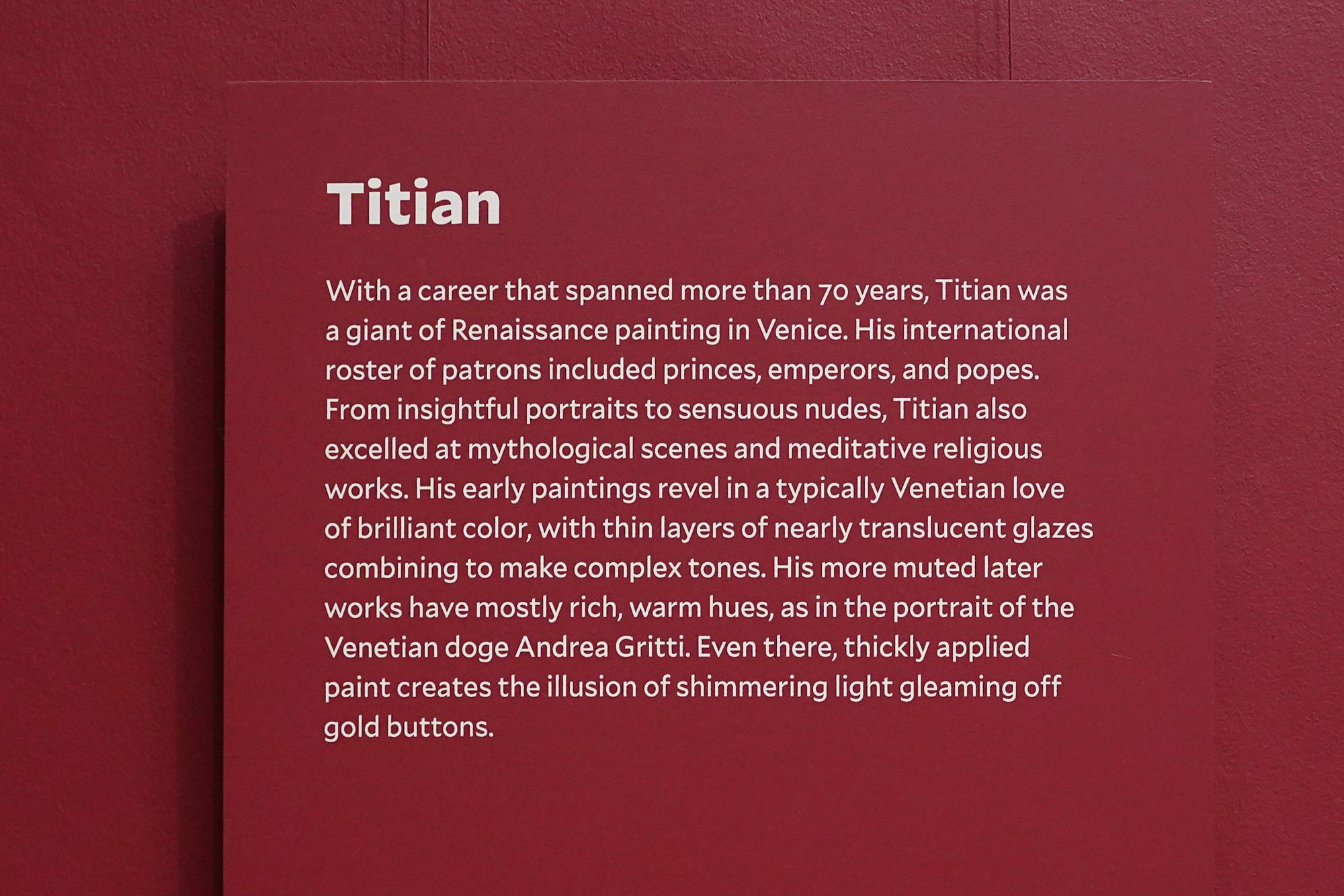
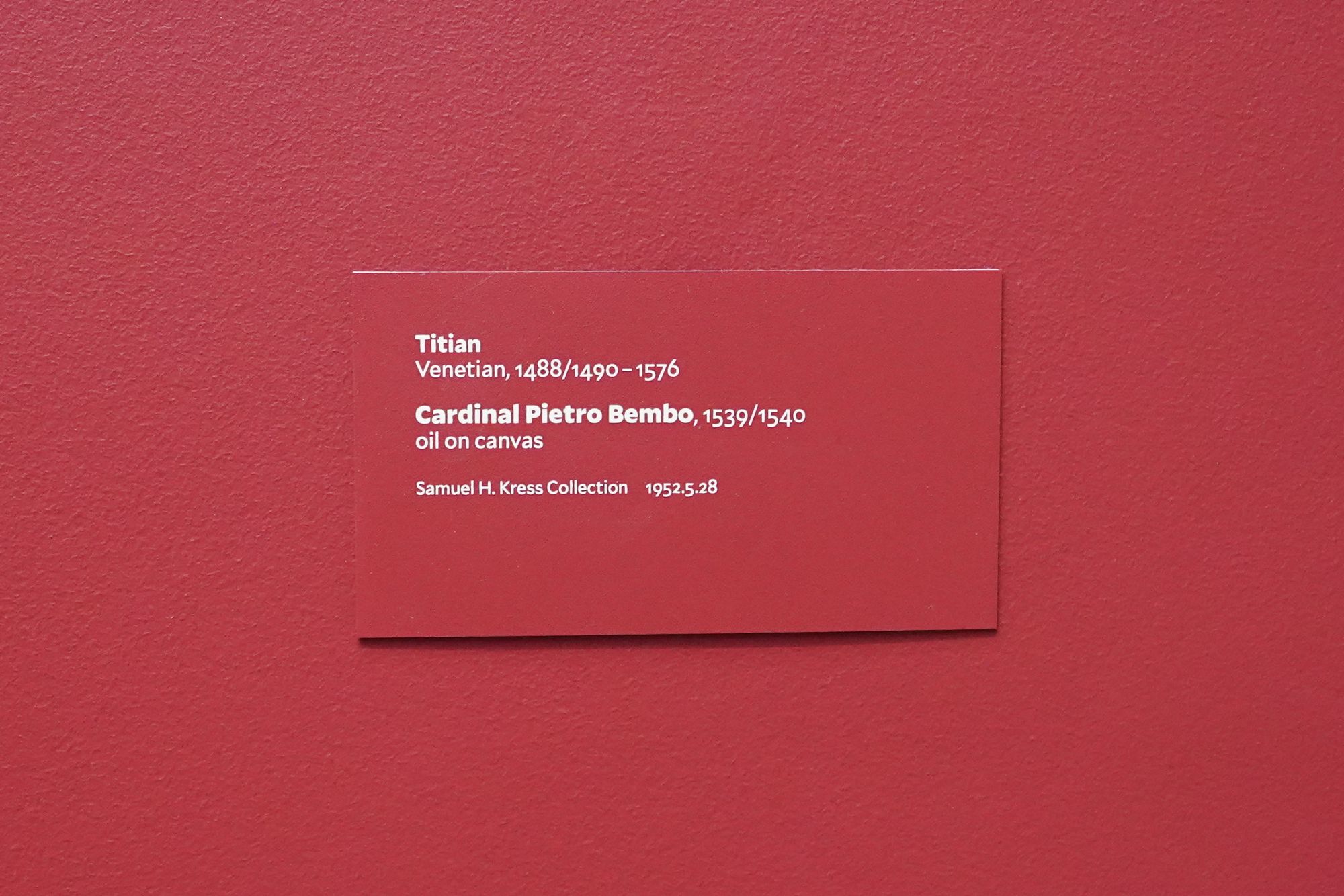
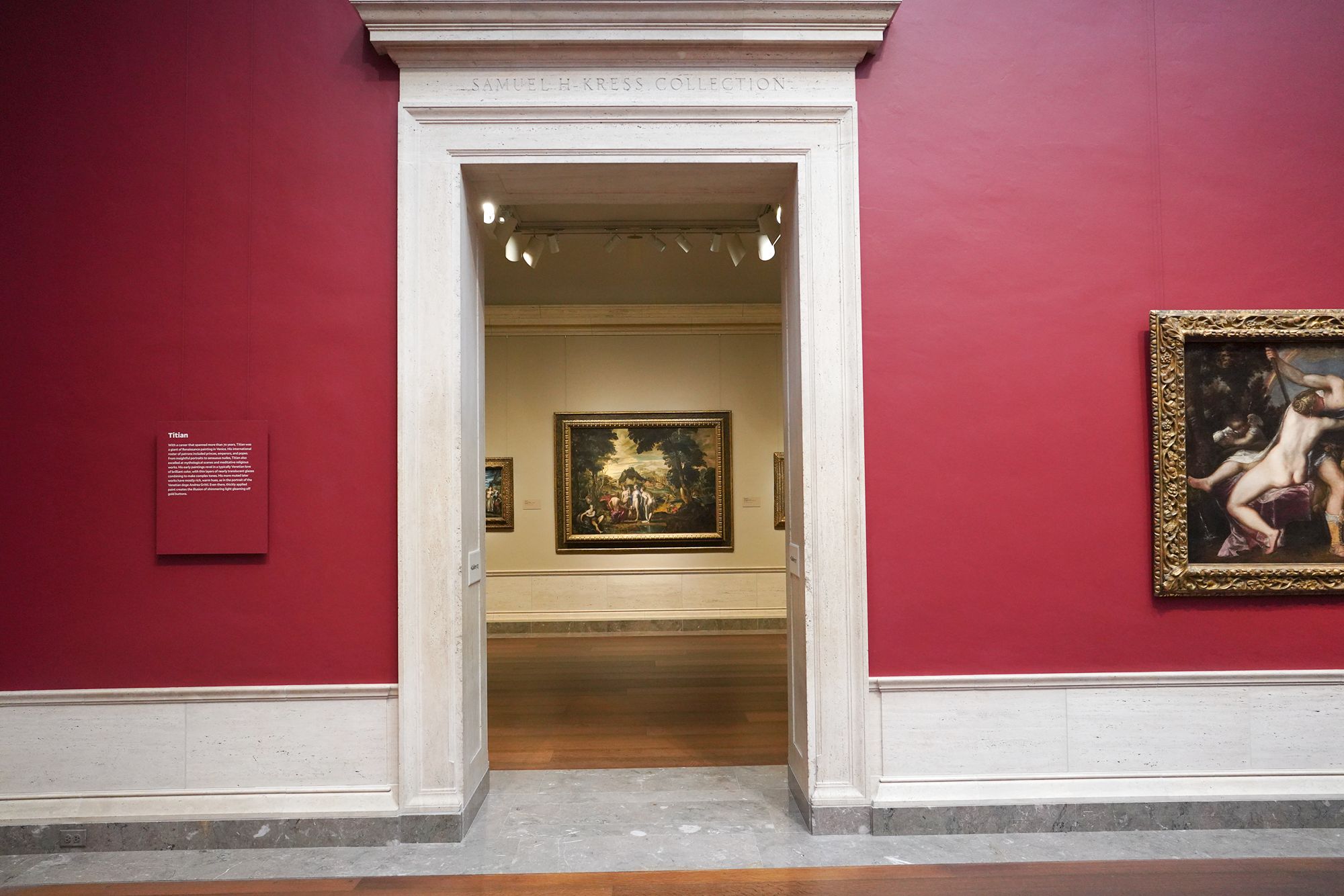
Titian (Tiziano Vecellio) was one of the greatest masters of the Venetian Renaissance, active in the 16th century and renowned for his revolutionary use of color, light, and emotion.
He painted across all genres—portraits, mythological scenes, and religious works—combining vibrant color with soft, atmospheric brushwork that gave his figures life and depth. His masterpieces, such as Bacchus and Ariadne, Venus of Urbino, and The Assumption of the Virgin, influenced generations of artists from Rubens to Velázquez.
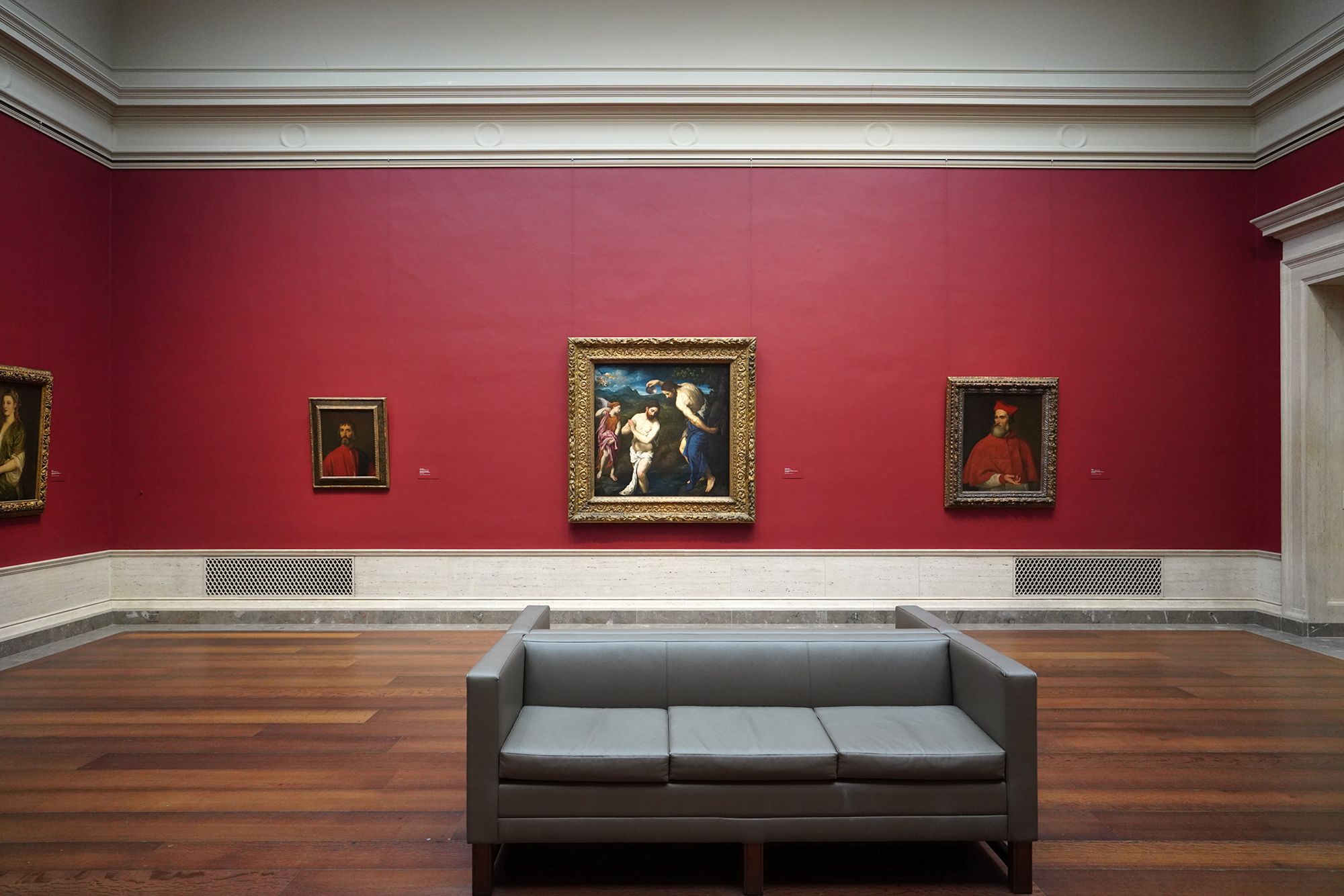
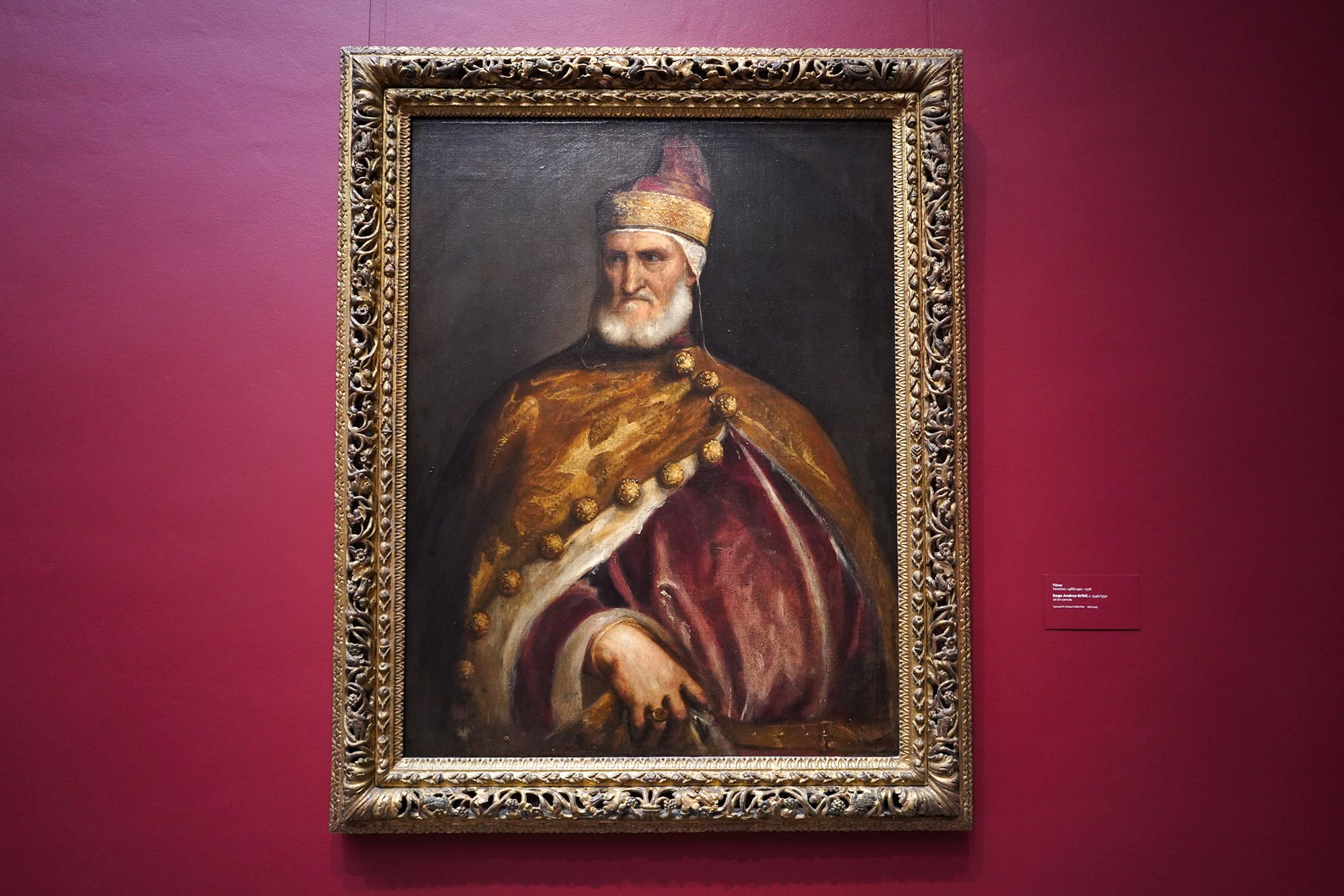
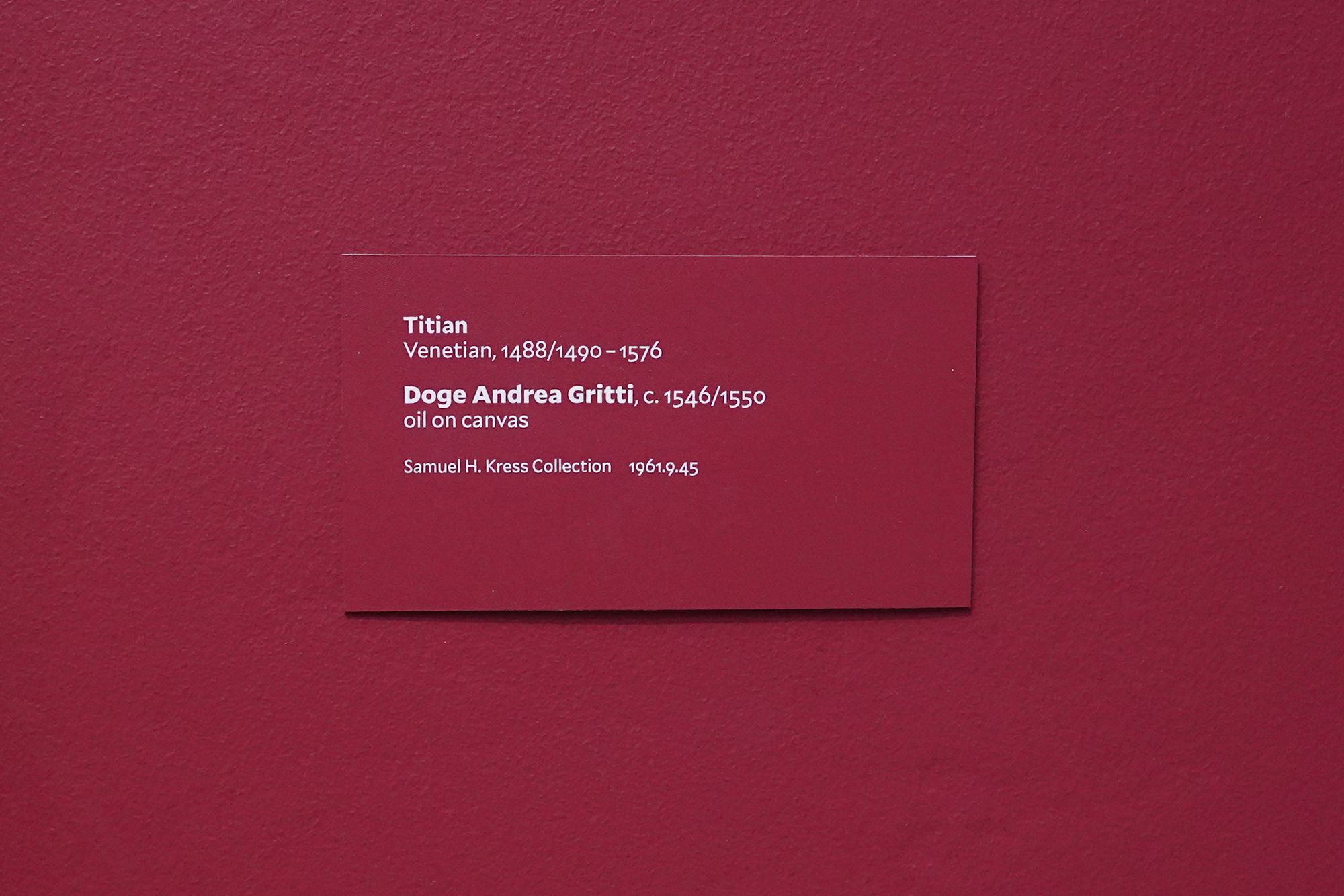
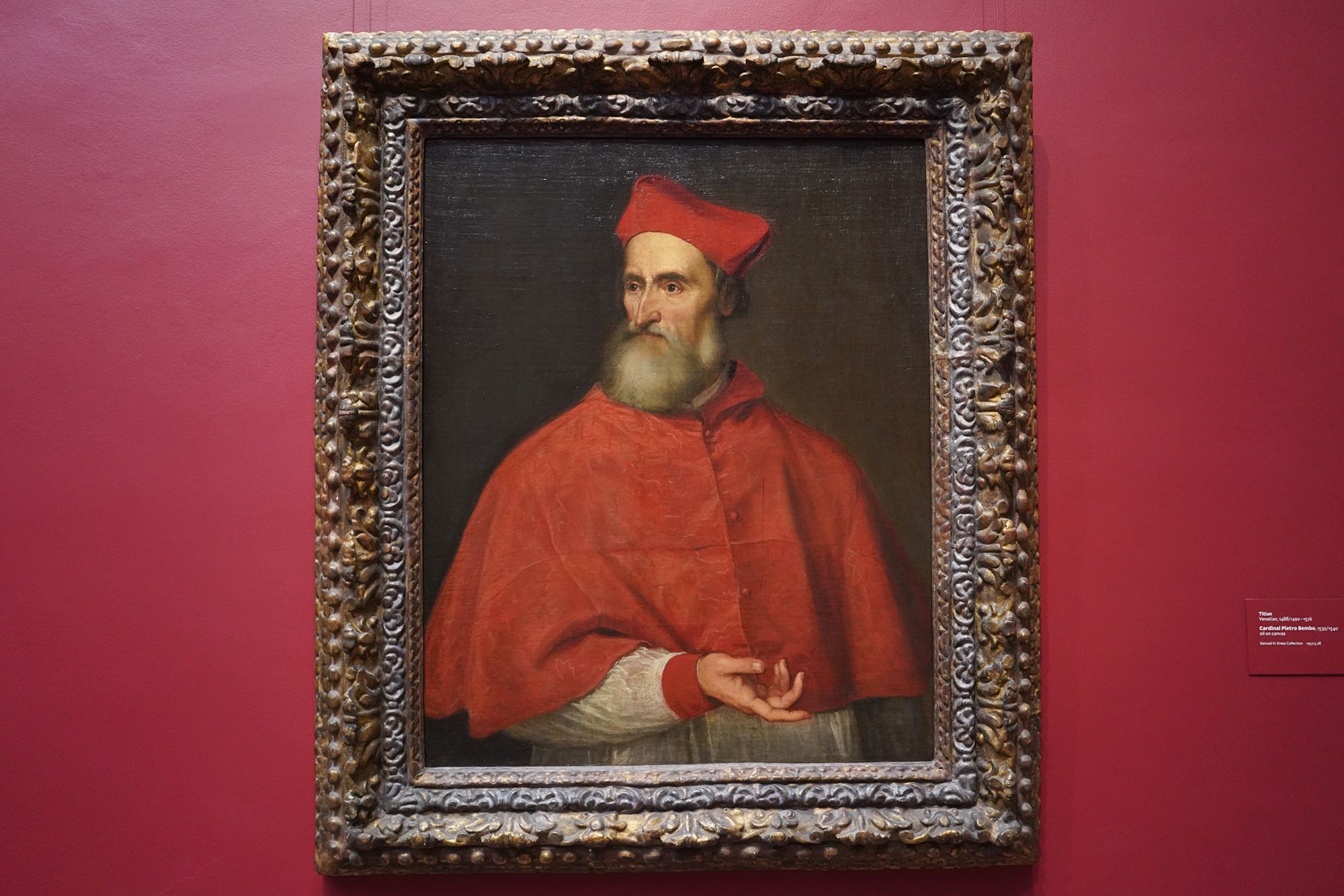
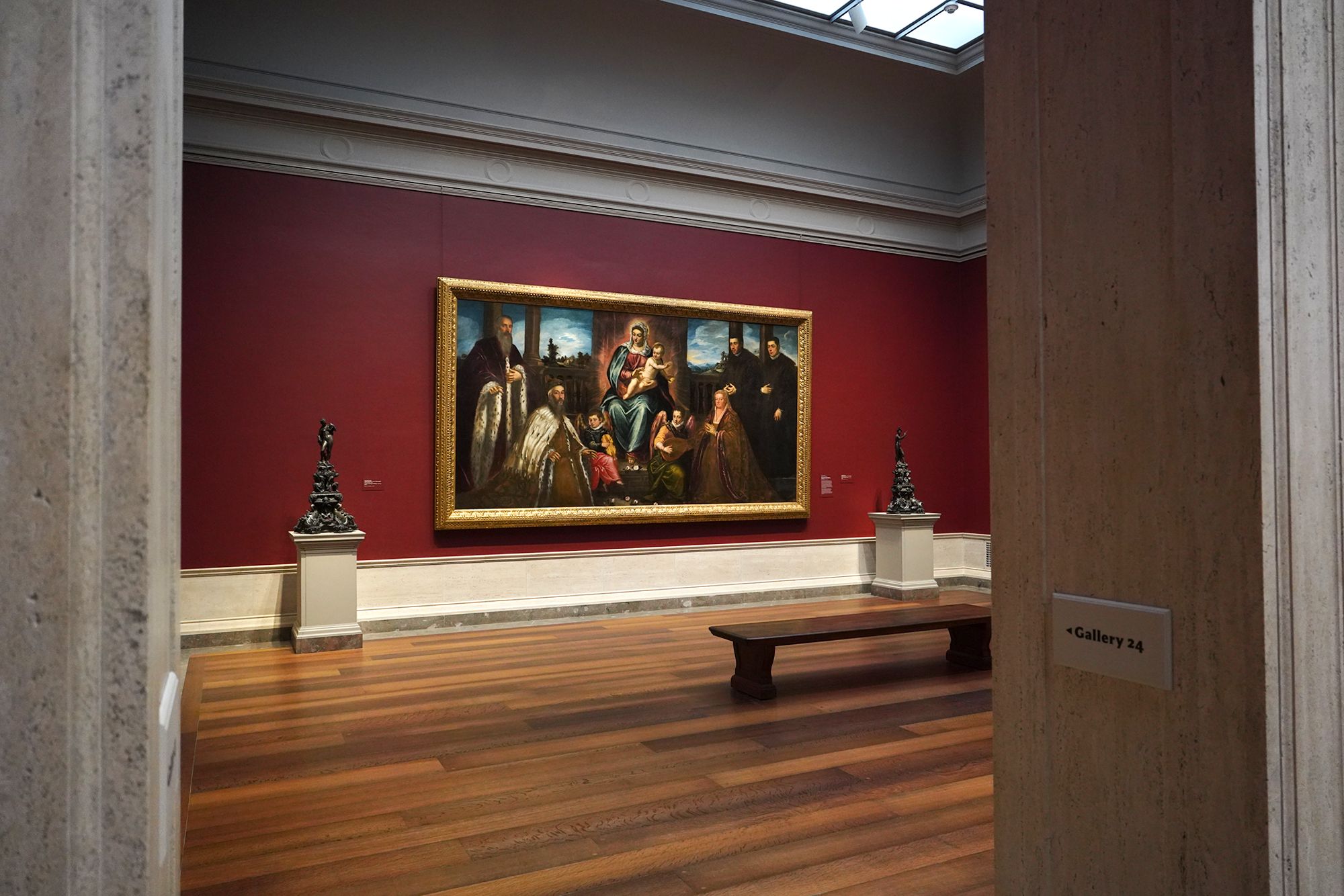
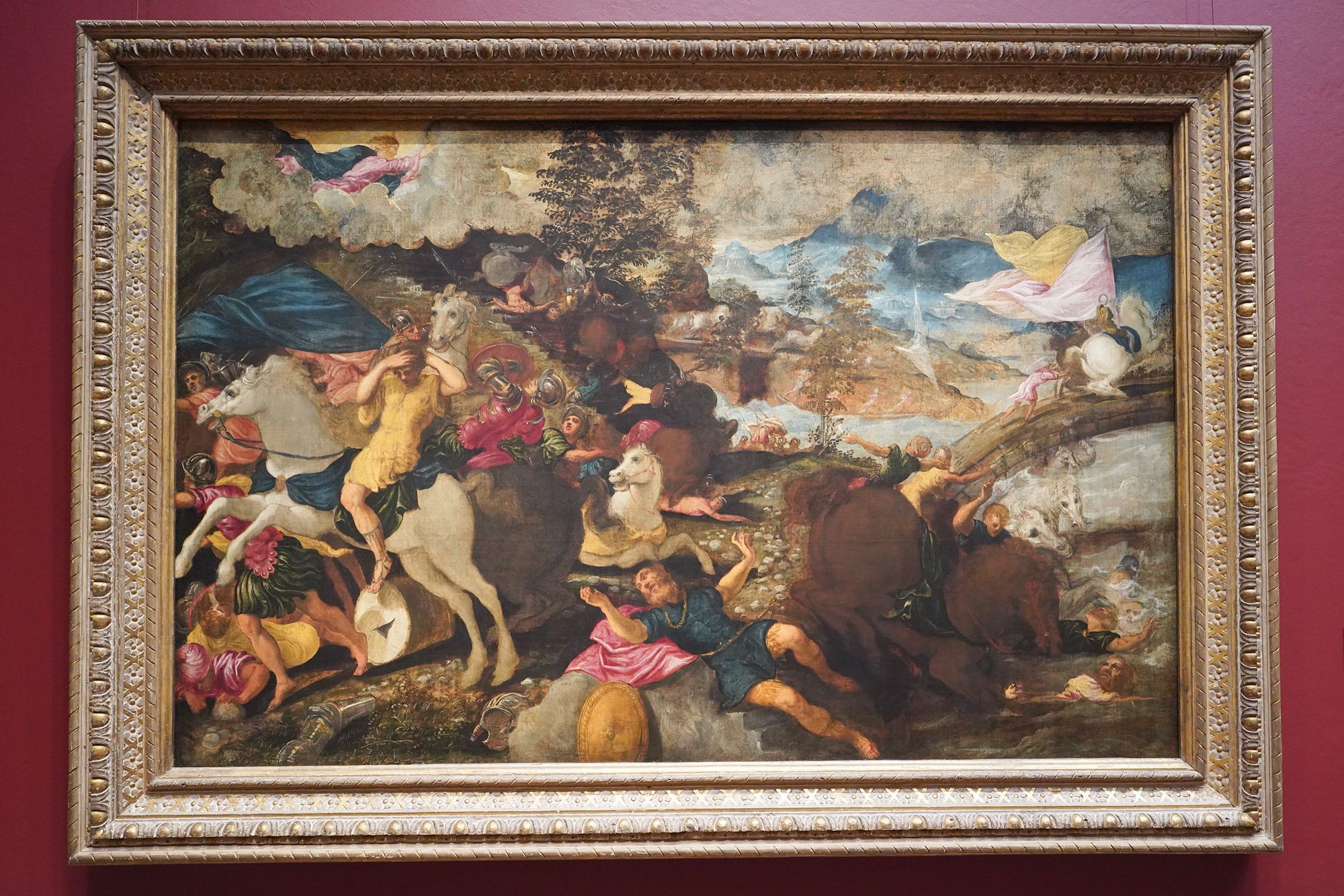
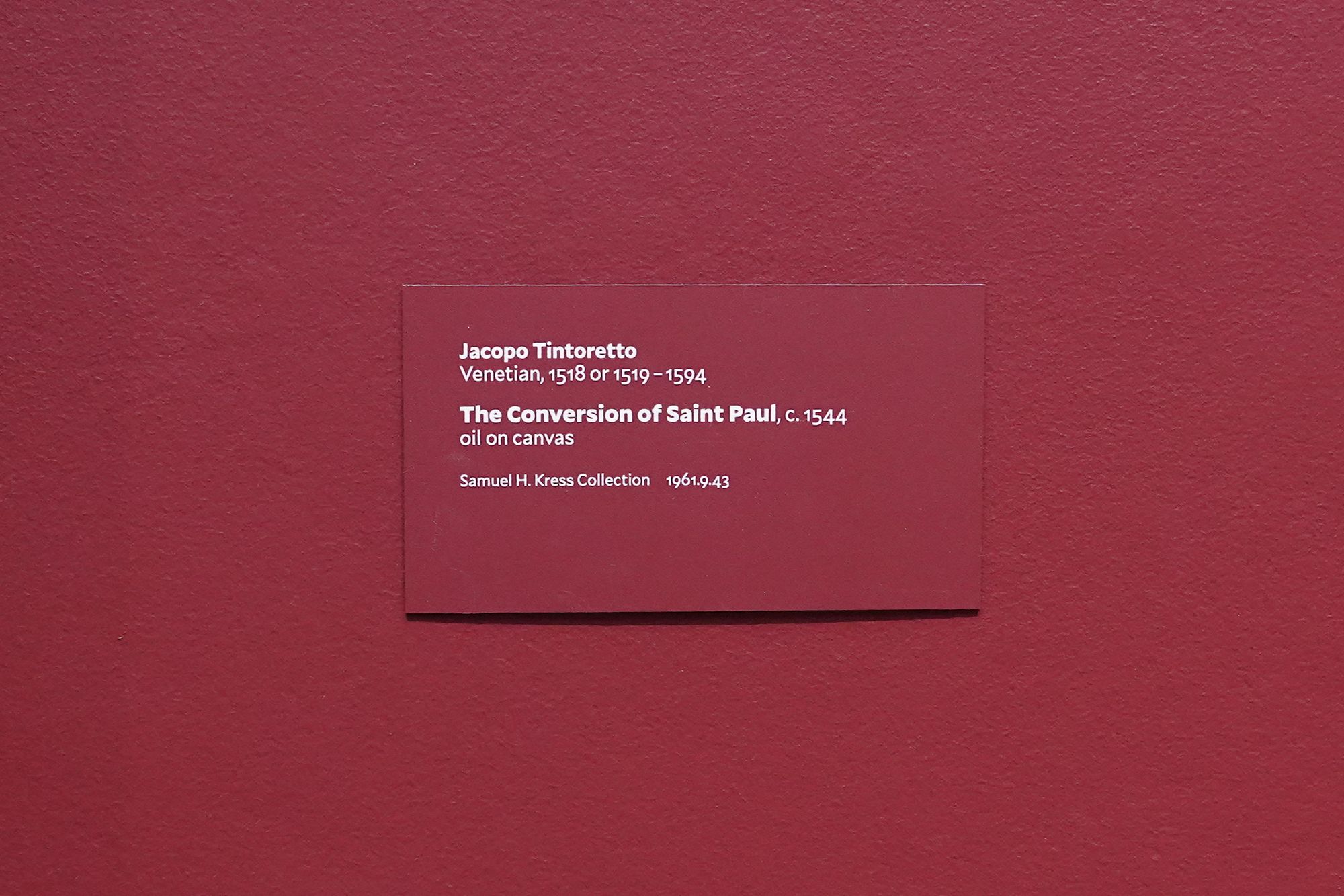
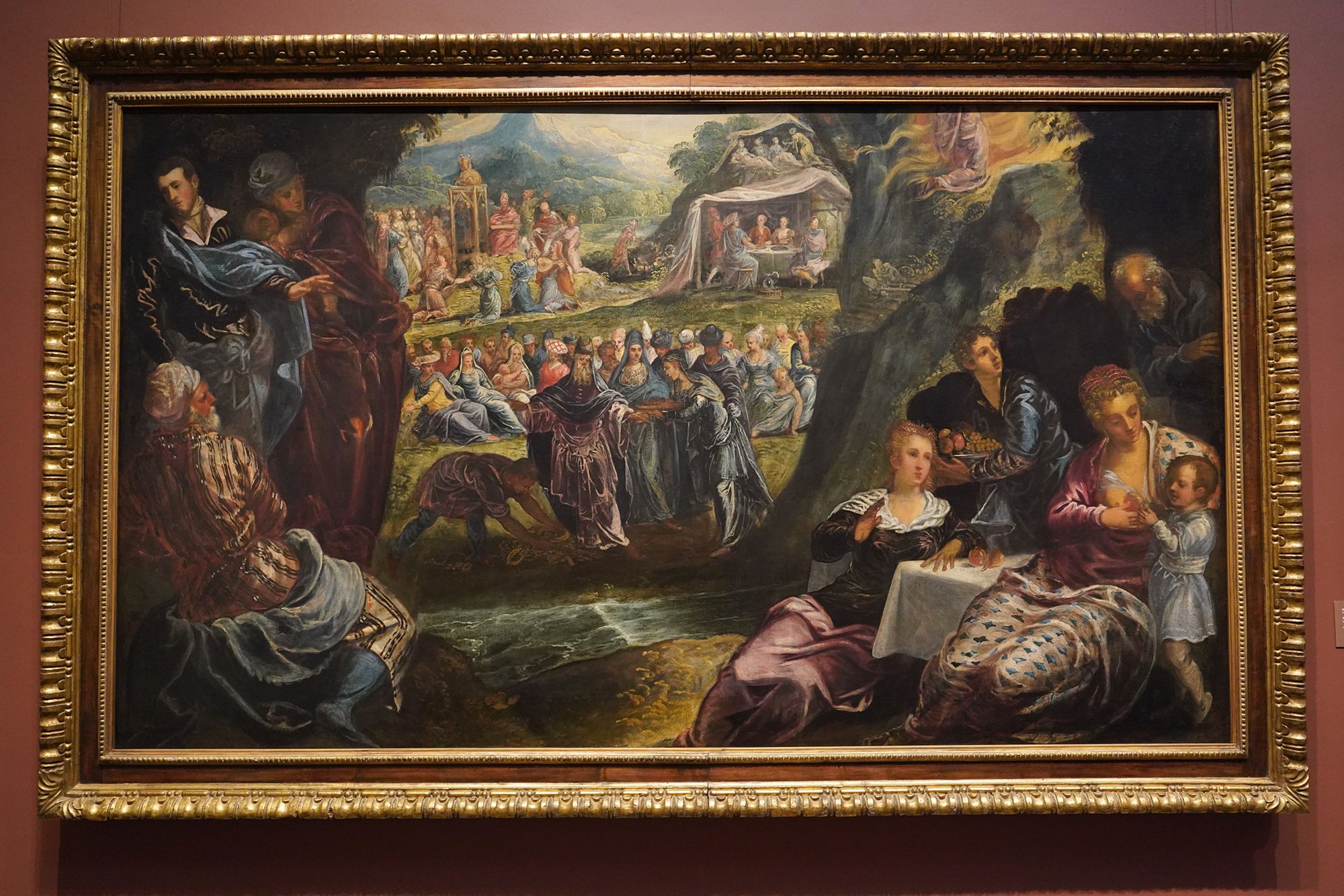
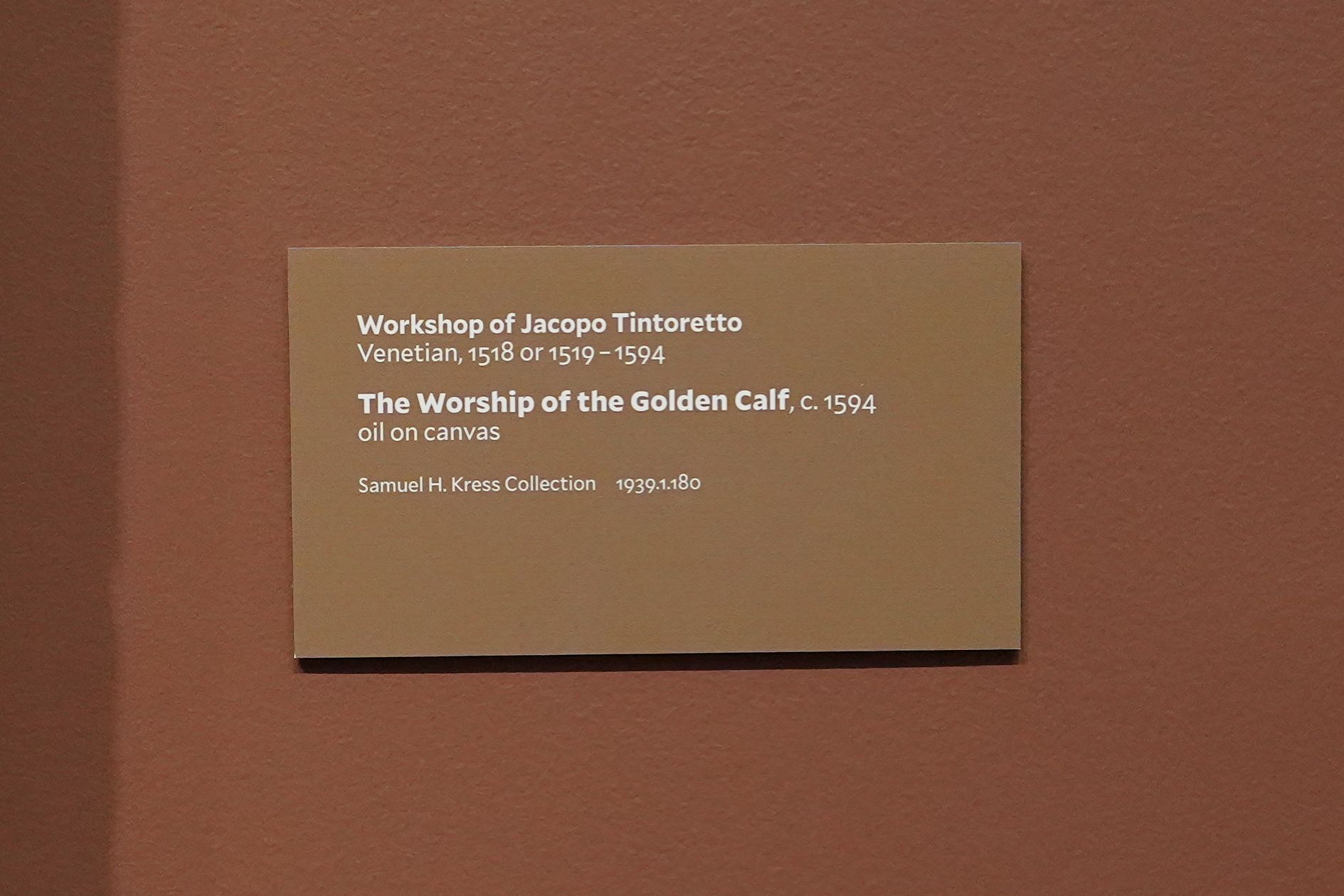
Jacopo Tintoretto (1518–1594) was a dynamic Venetian painter of the Late Renaissance, known for his dramatic energy, bold perspective, and striking contrasts of light and shadow.
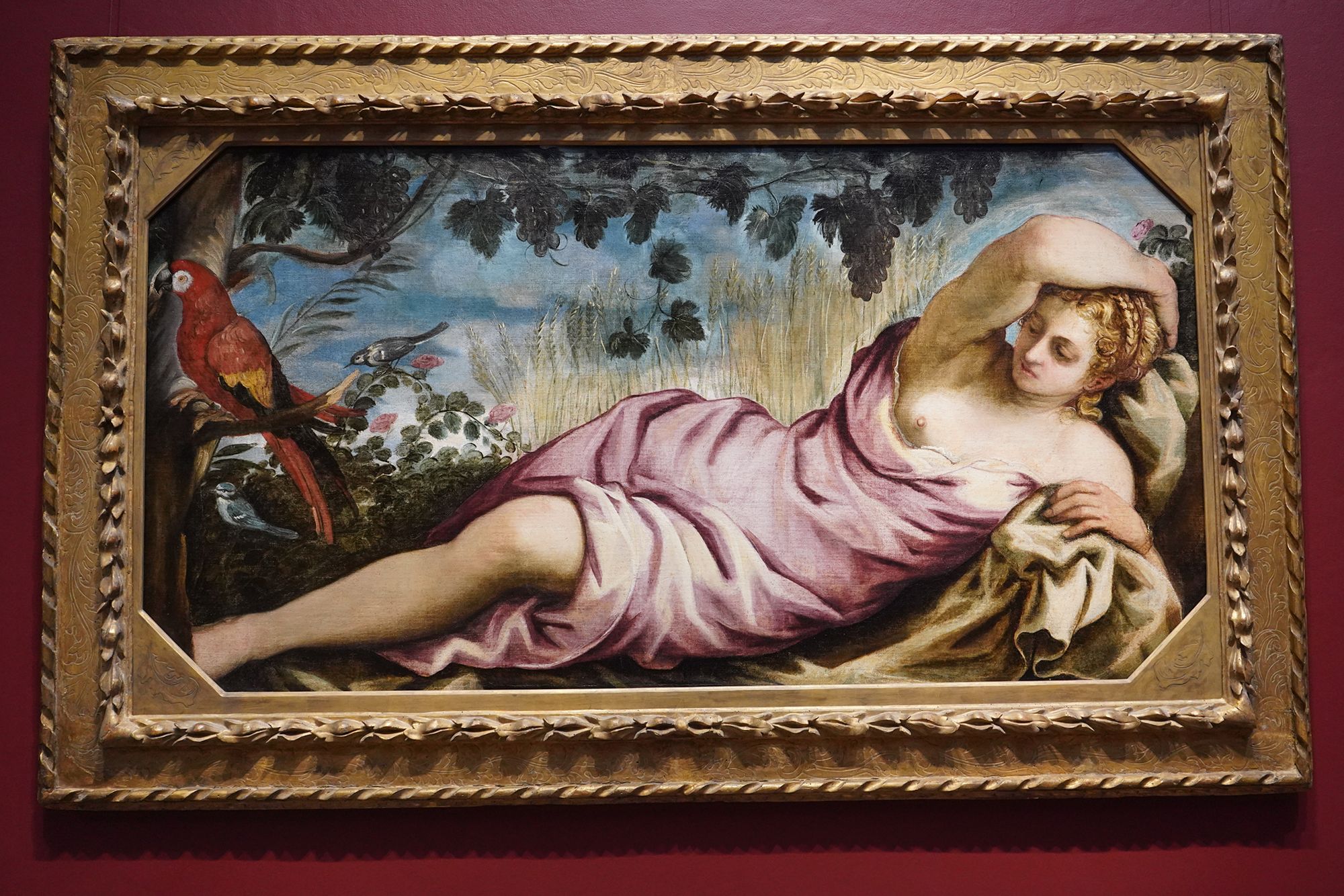
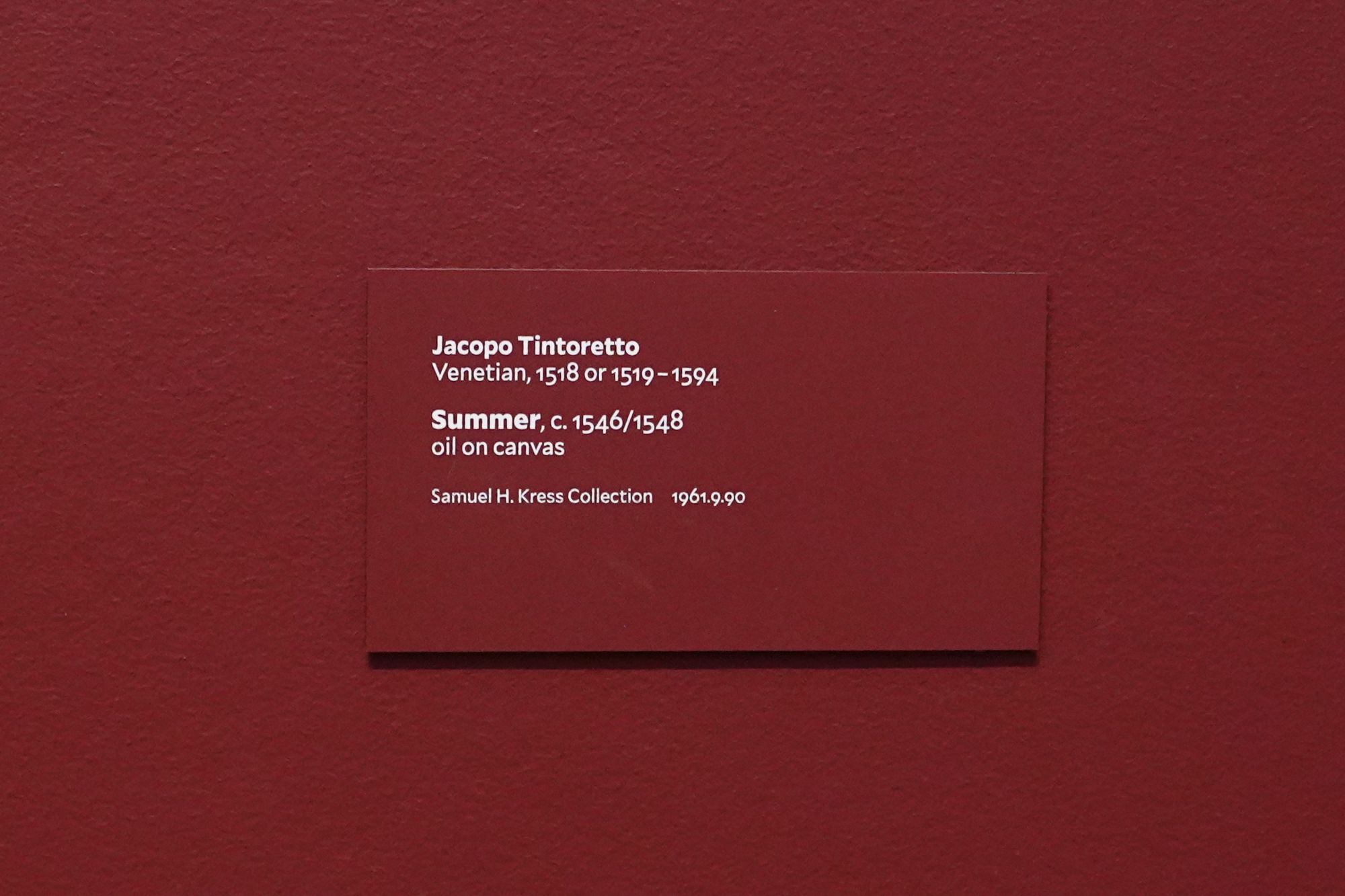
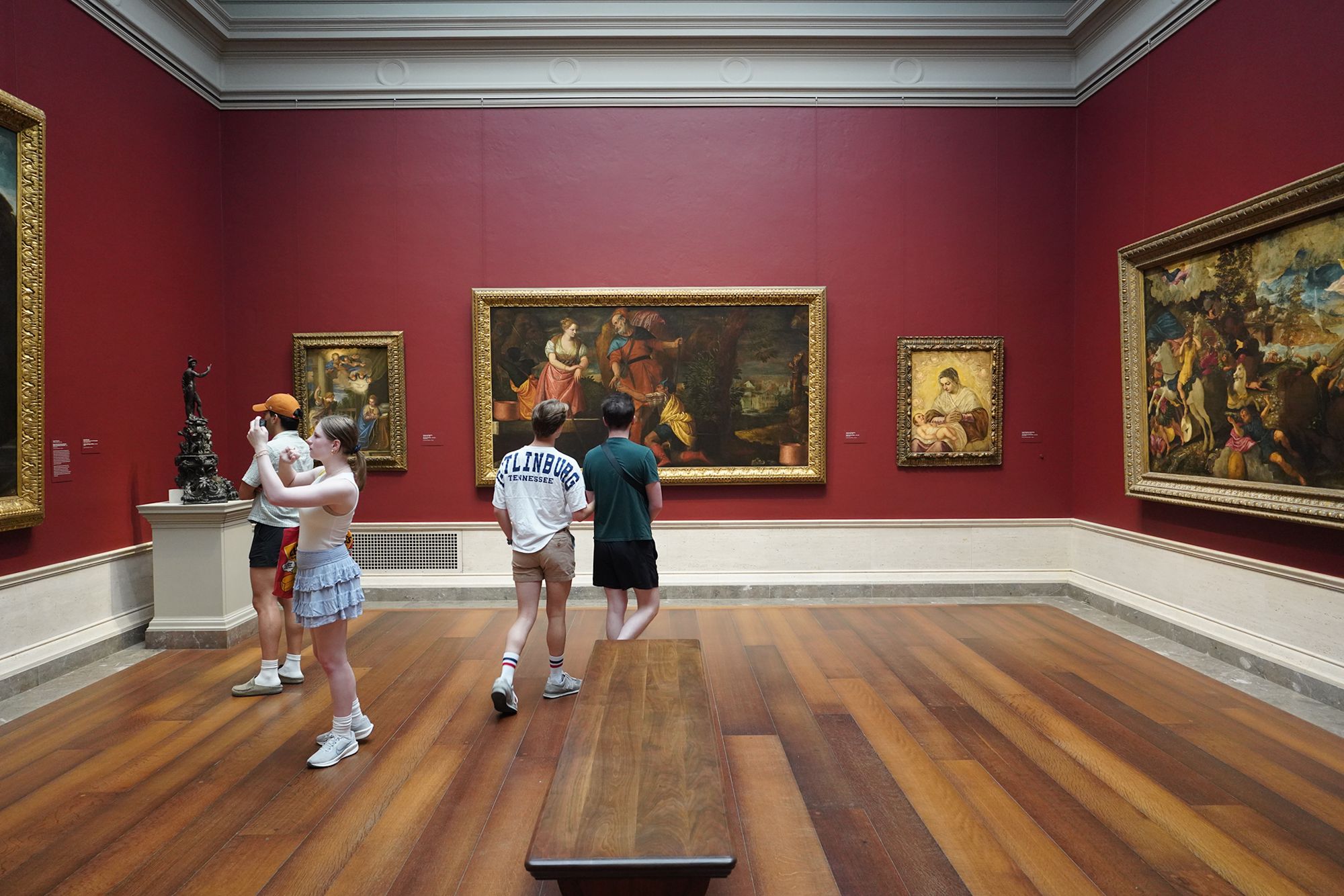
Nicknamed “Il Furioso” for his fast, impassioned style, Tintoretto blended Titian’s rich color with Michelangelo’s powerful anatomy, creating scenes filled with movement and emotion.
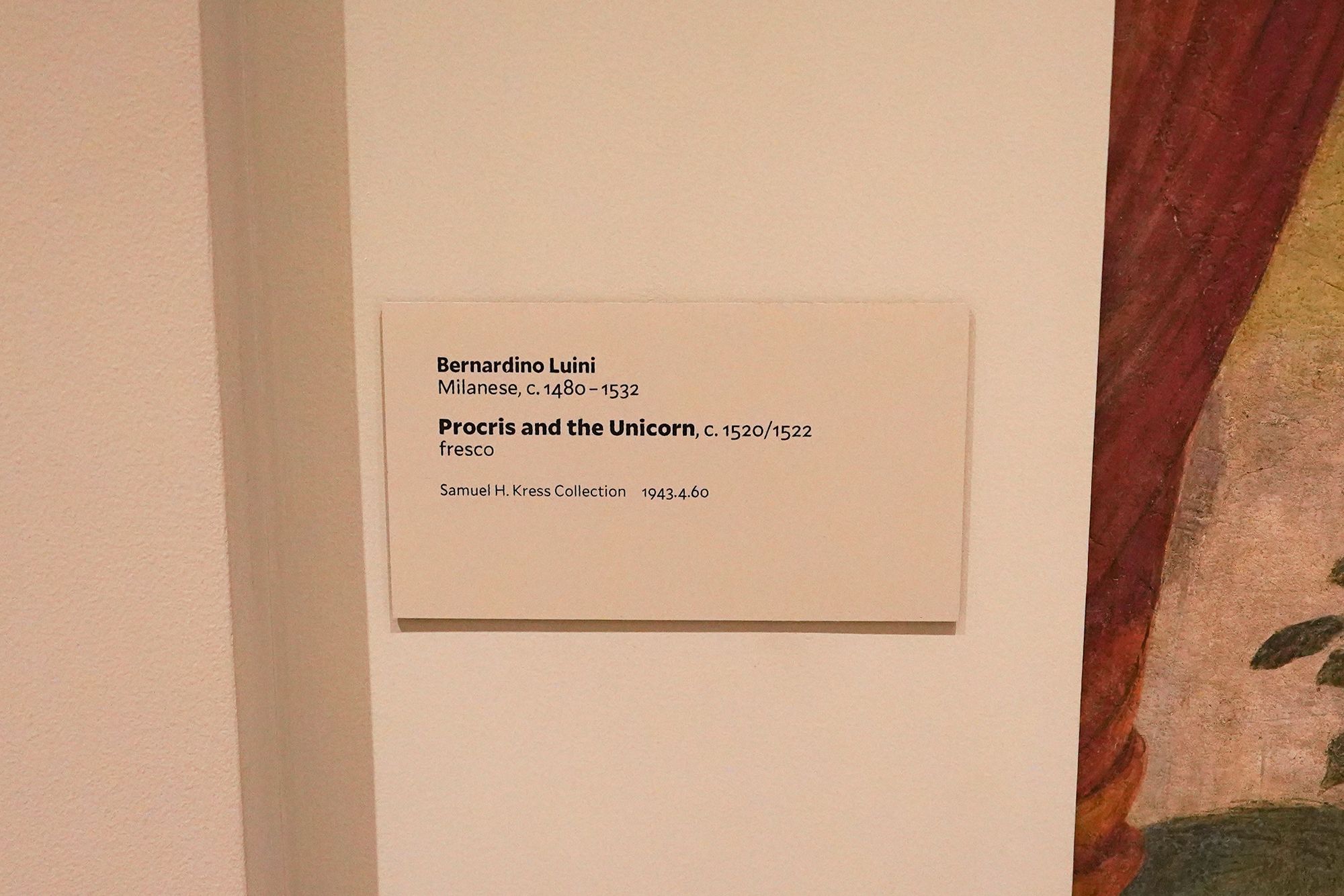
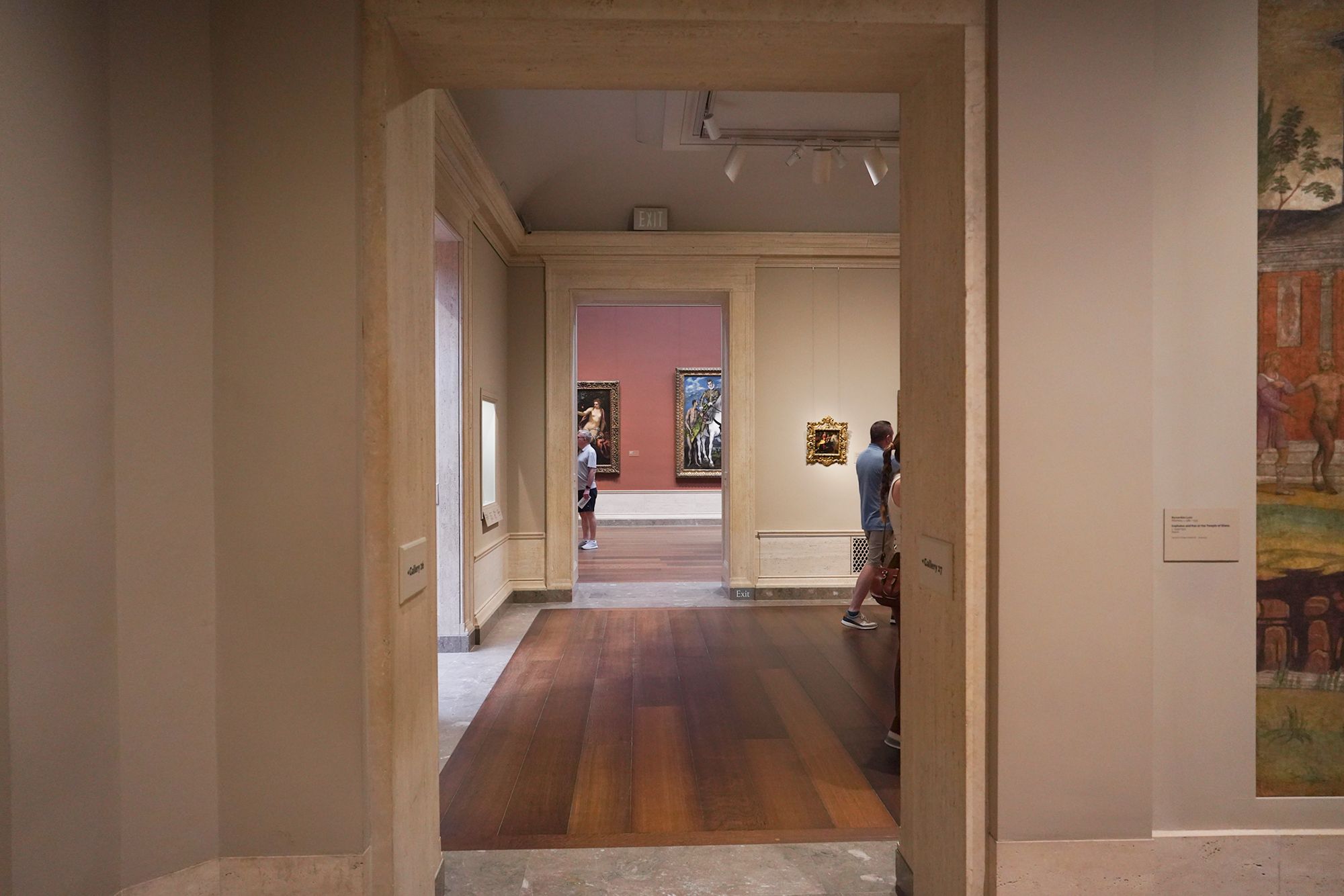
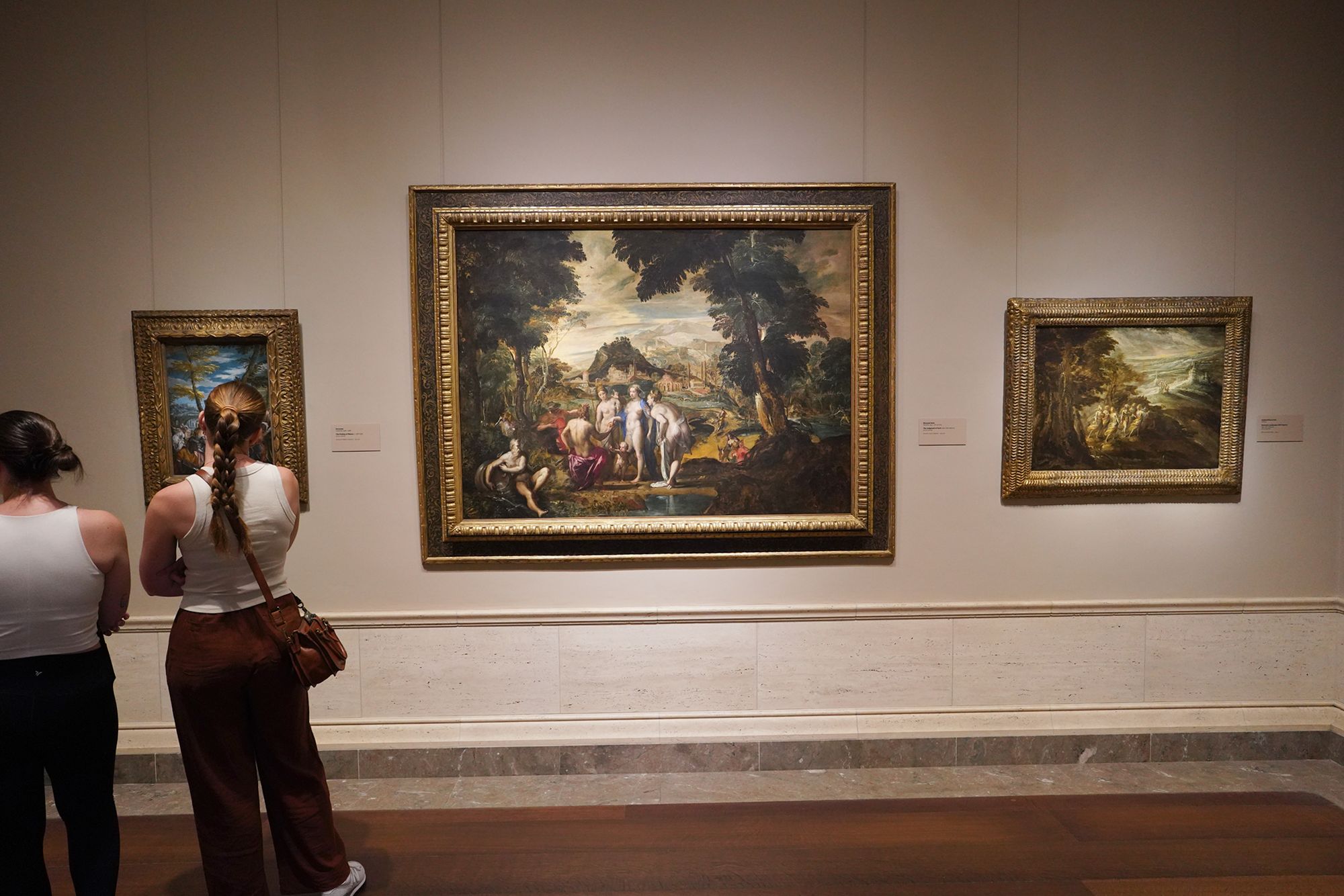
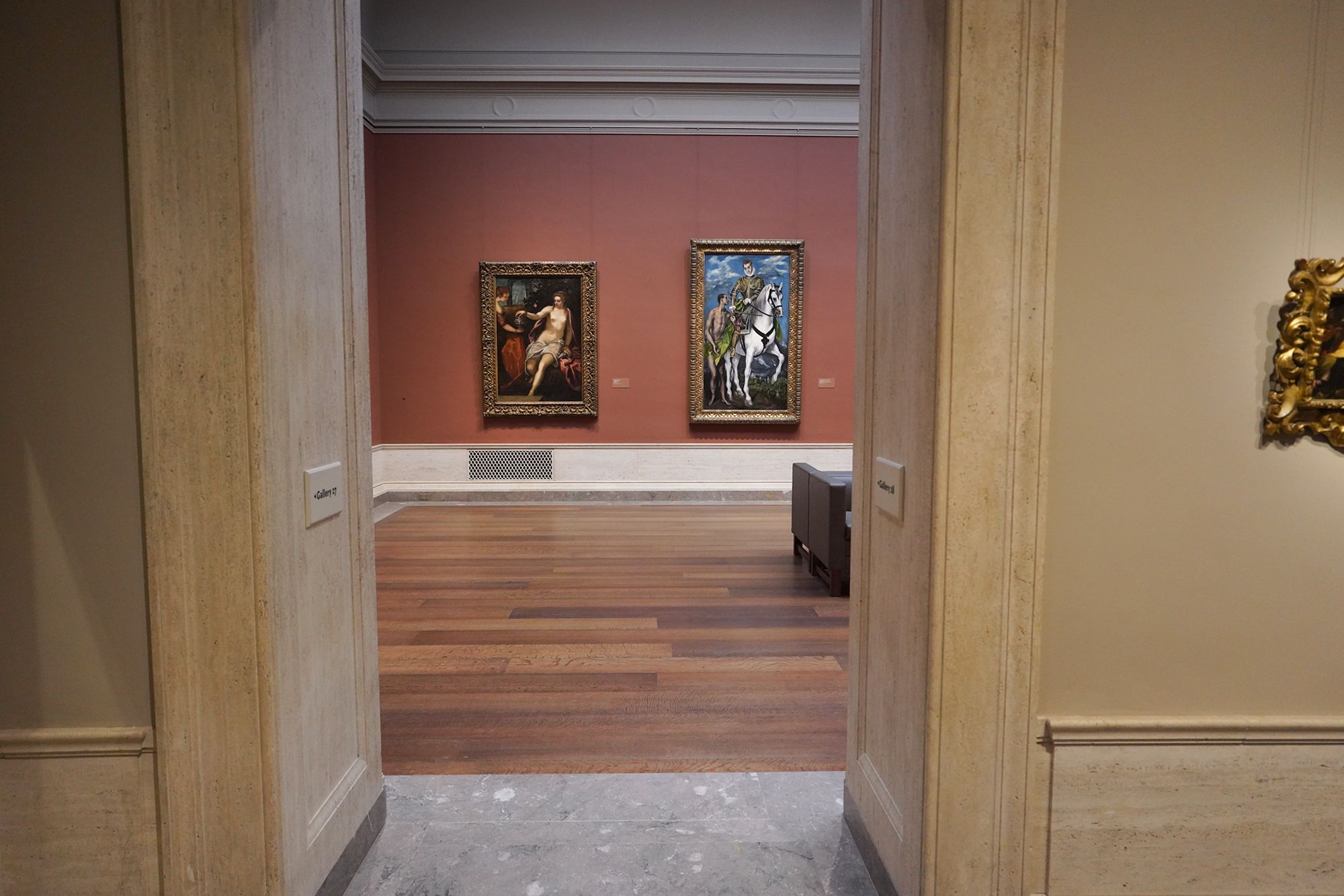
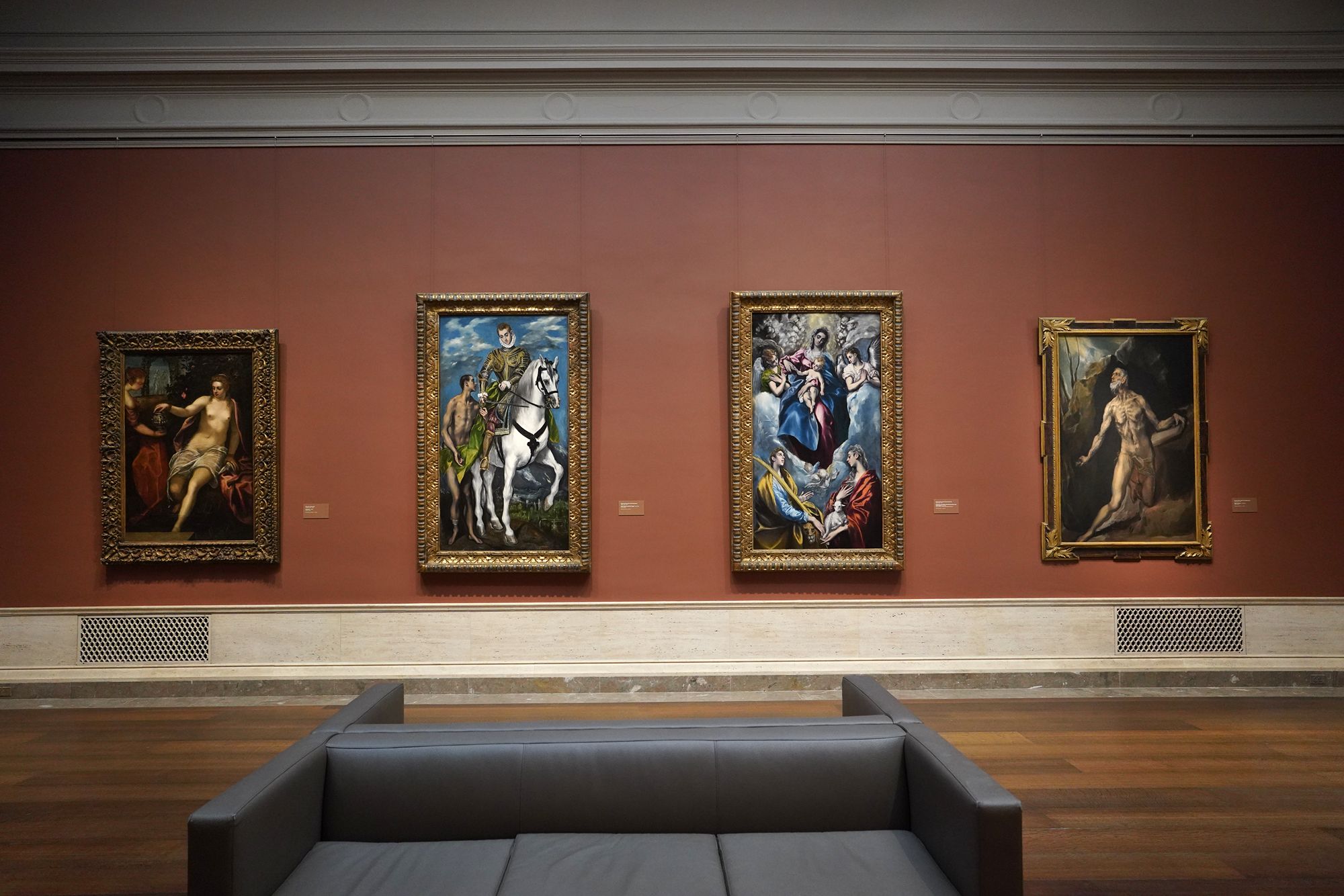
El Greco (Doménikos Theotokópoulos, 1541–1614) was a visionary painter of the Spanish Renaissance, originally from Crete, whose unique style blended Byzantine, Venetian, and Mannerist influences.
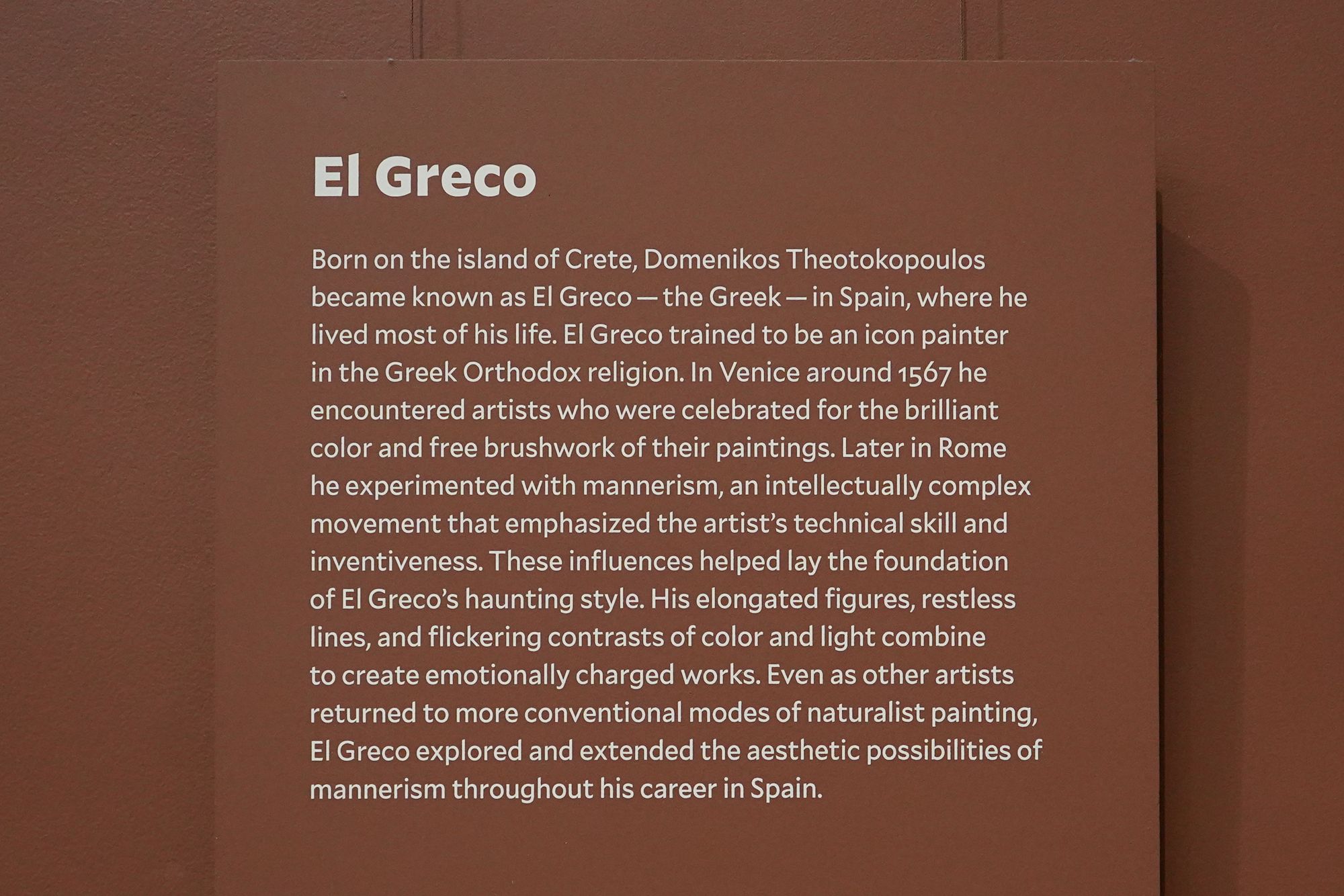
His paintings are instantly recognizable for their elongated figures, swirling movement, intense emotion, and spiritual light. Works like The Burial of the Count of Orgaz and View of Toledo express a deeply mystical vision, using dramatic contrasts and vivid color to convey divine energy.
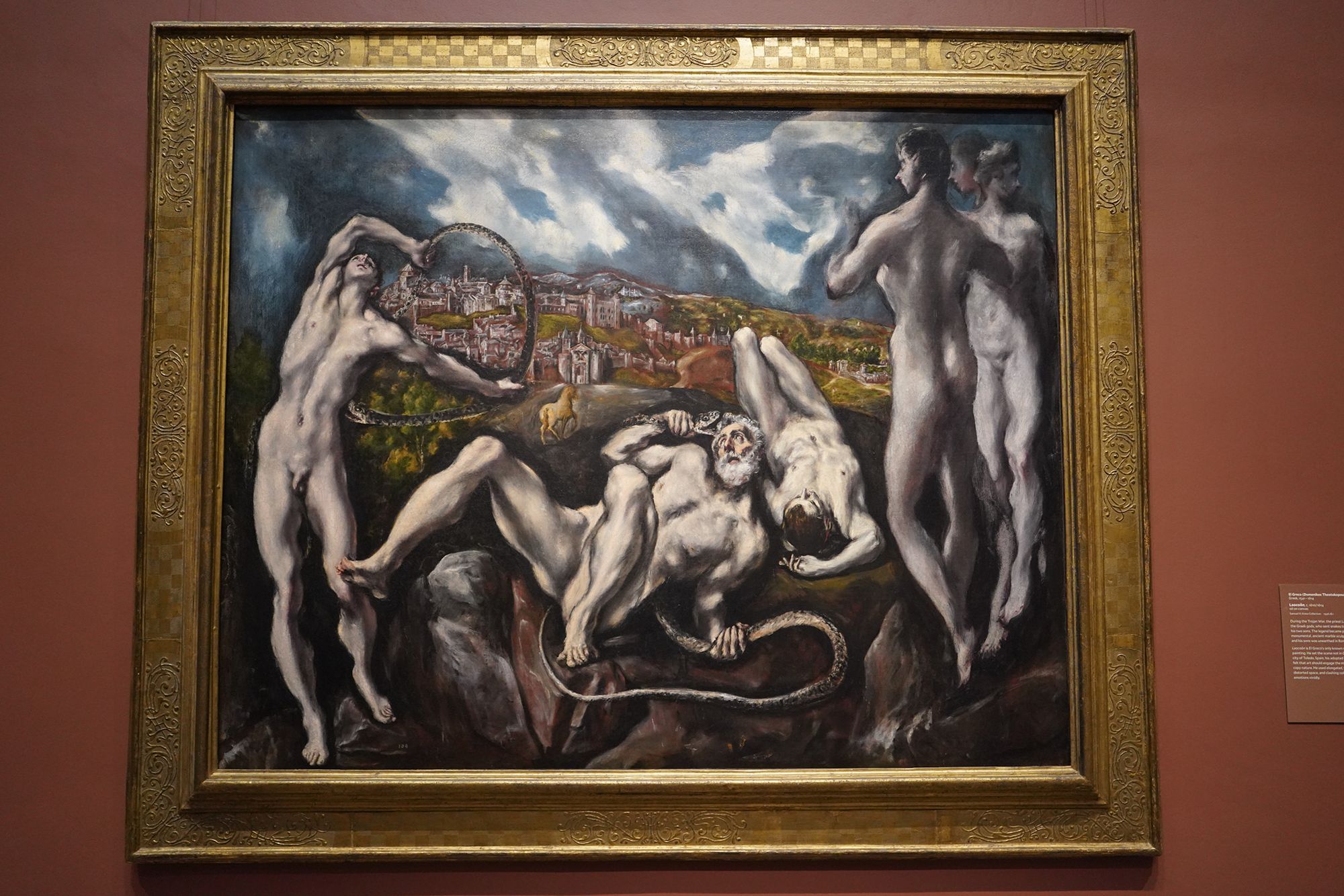
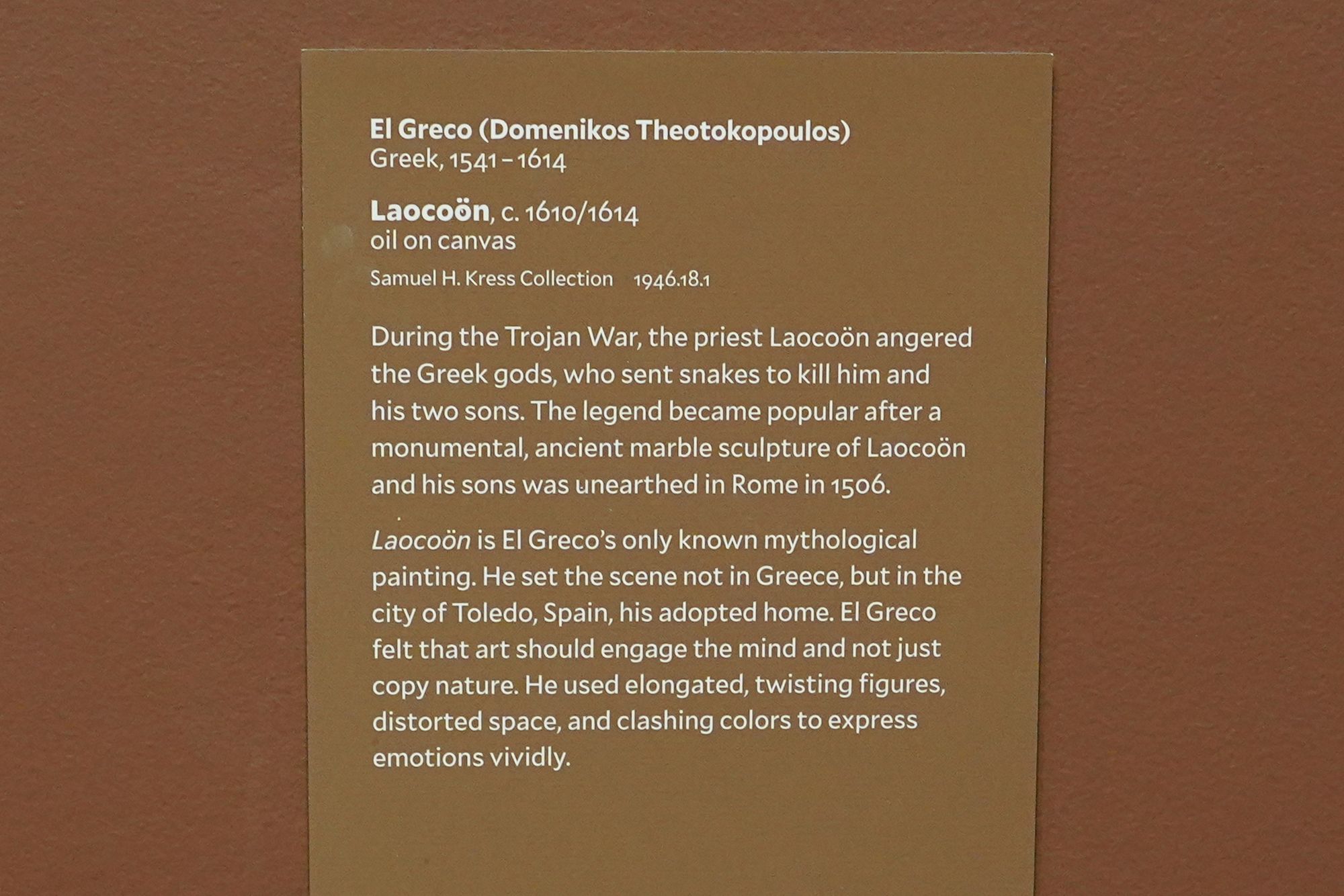
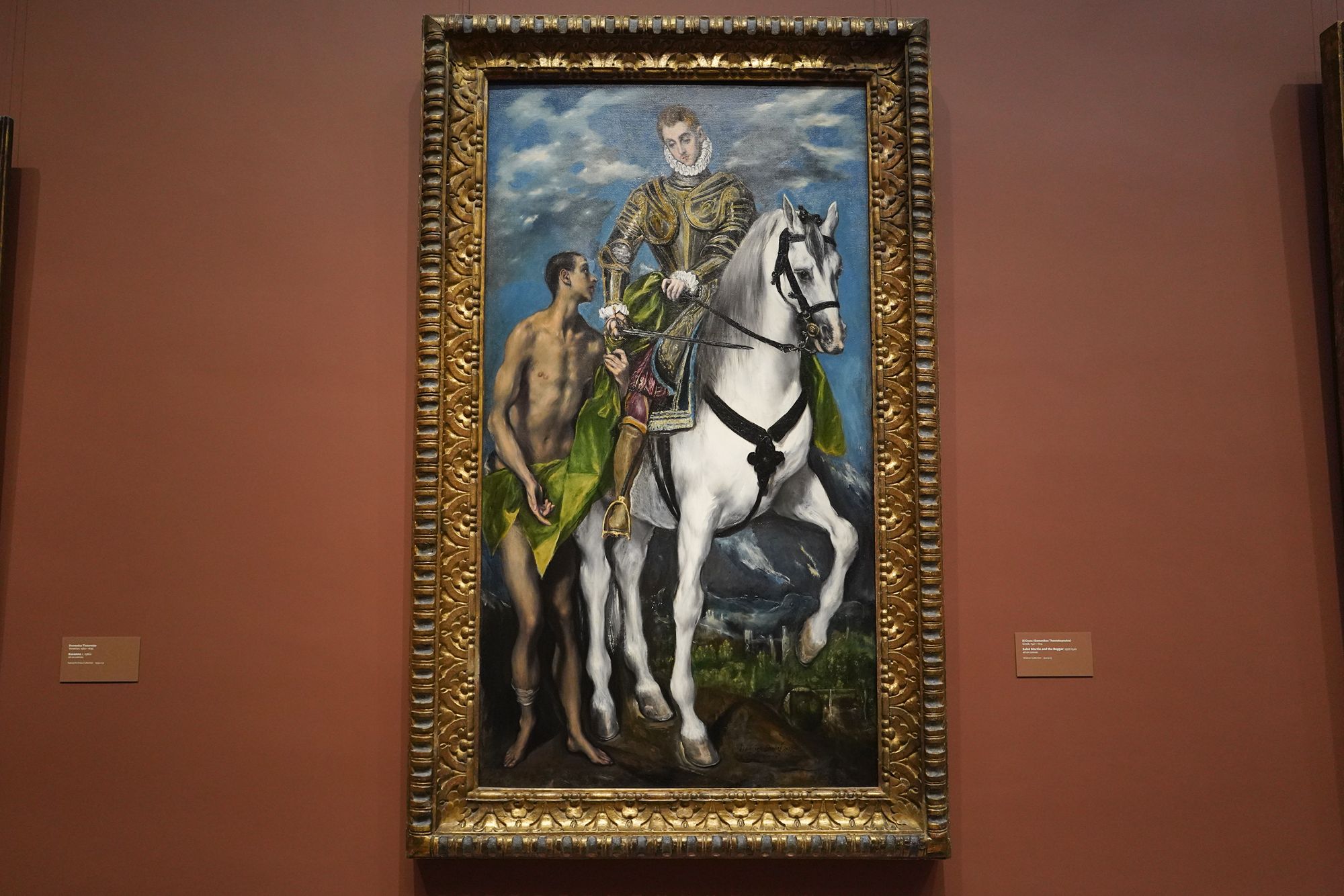
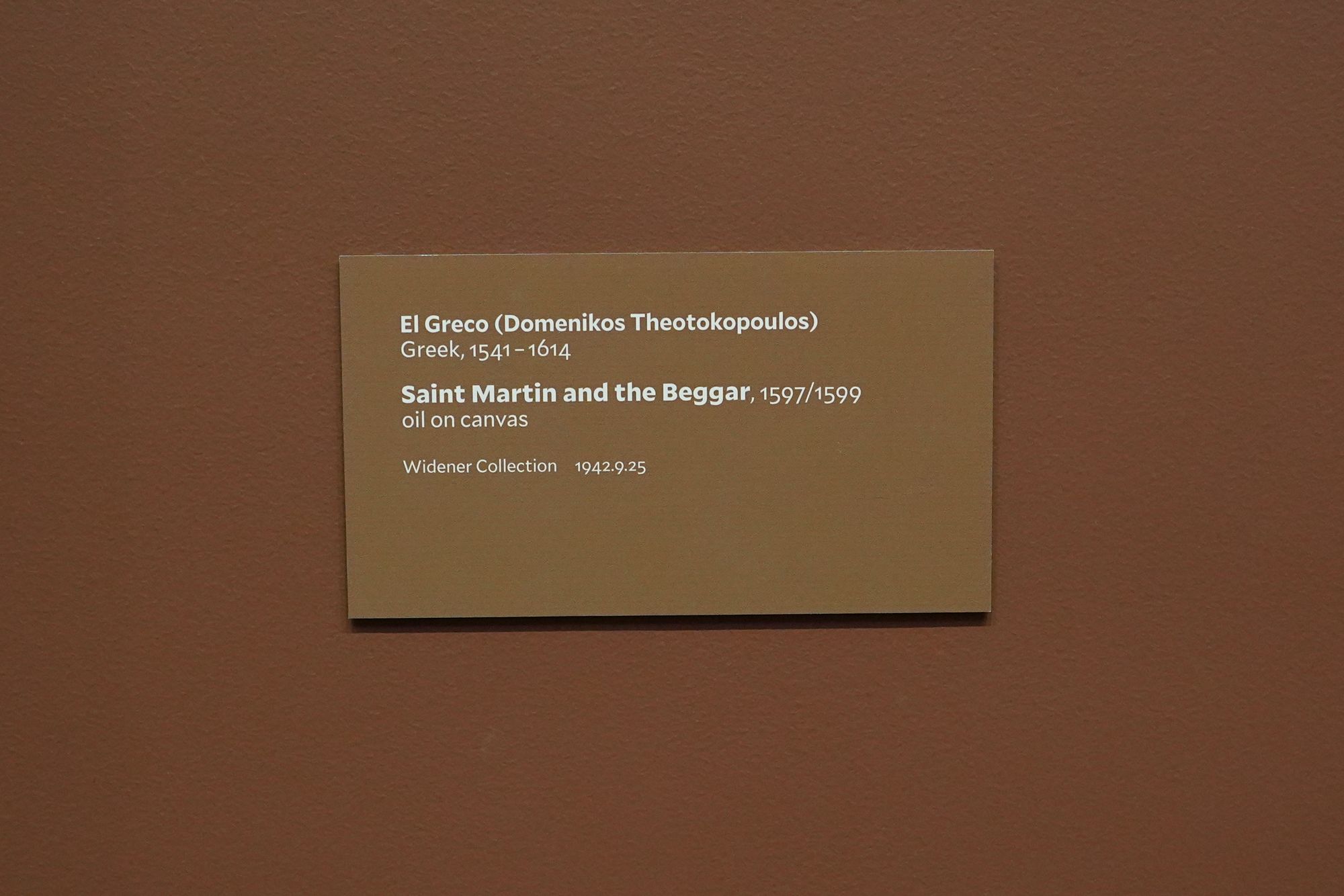
At the National Gallery of Art, El Greco’s paintings show his powerful fusion of faith and expressionism, revealing why he is seen as a bridge between the Renaissance and modern art.
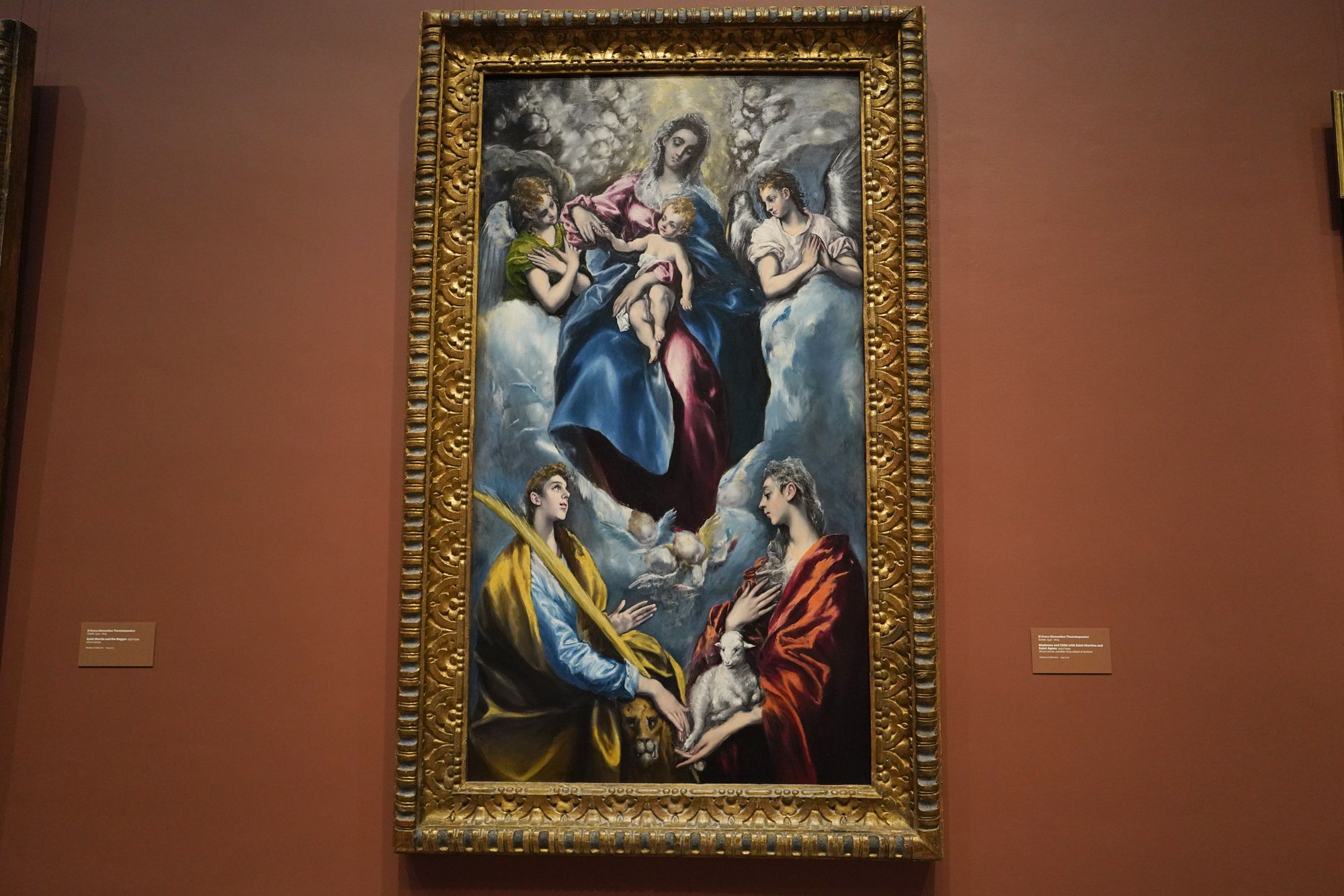
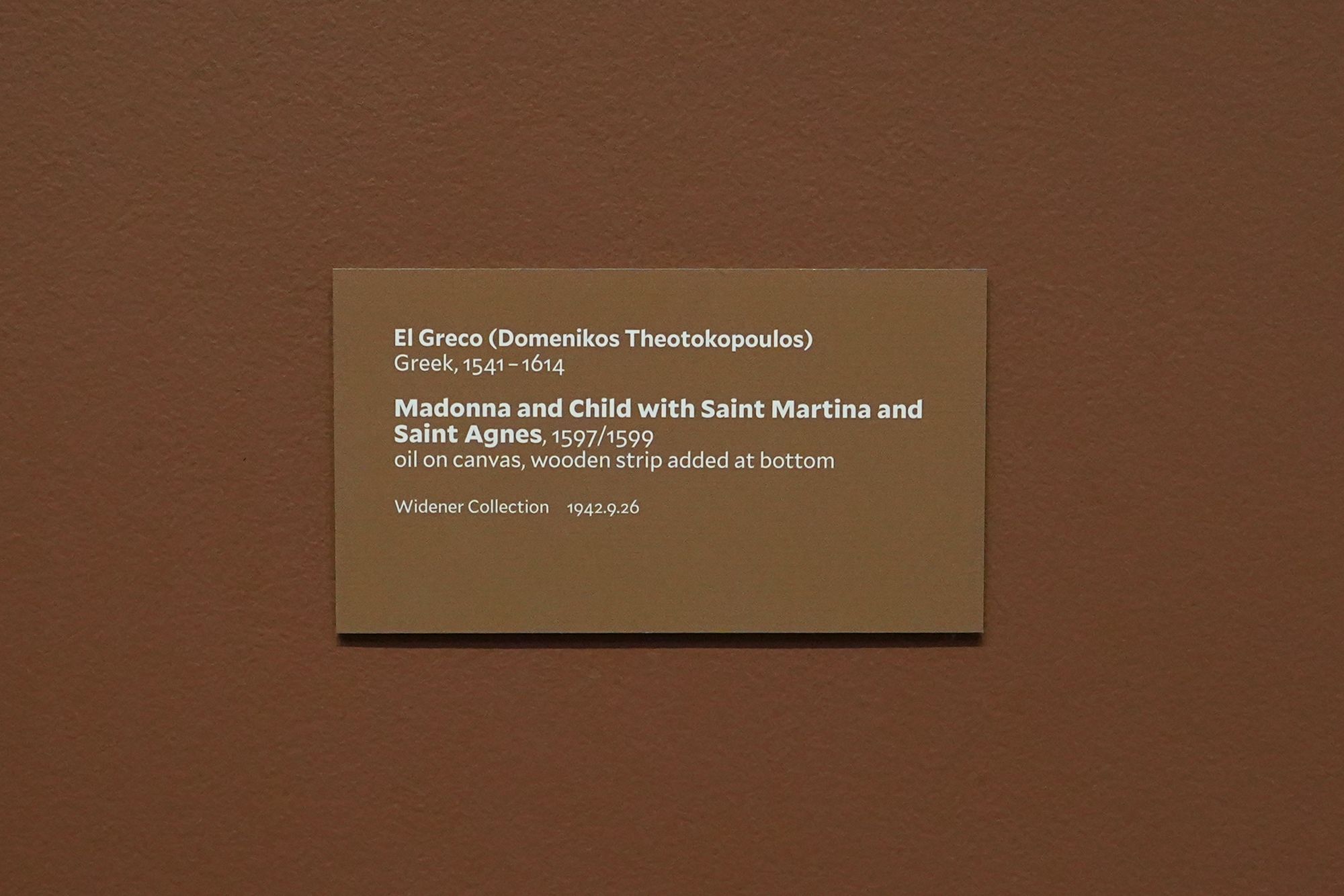
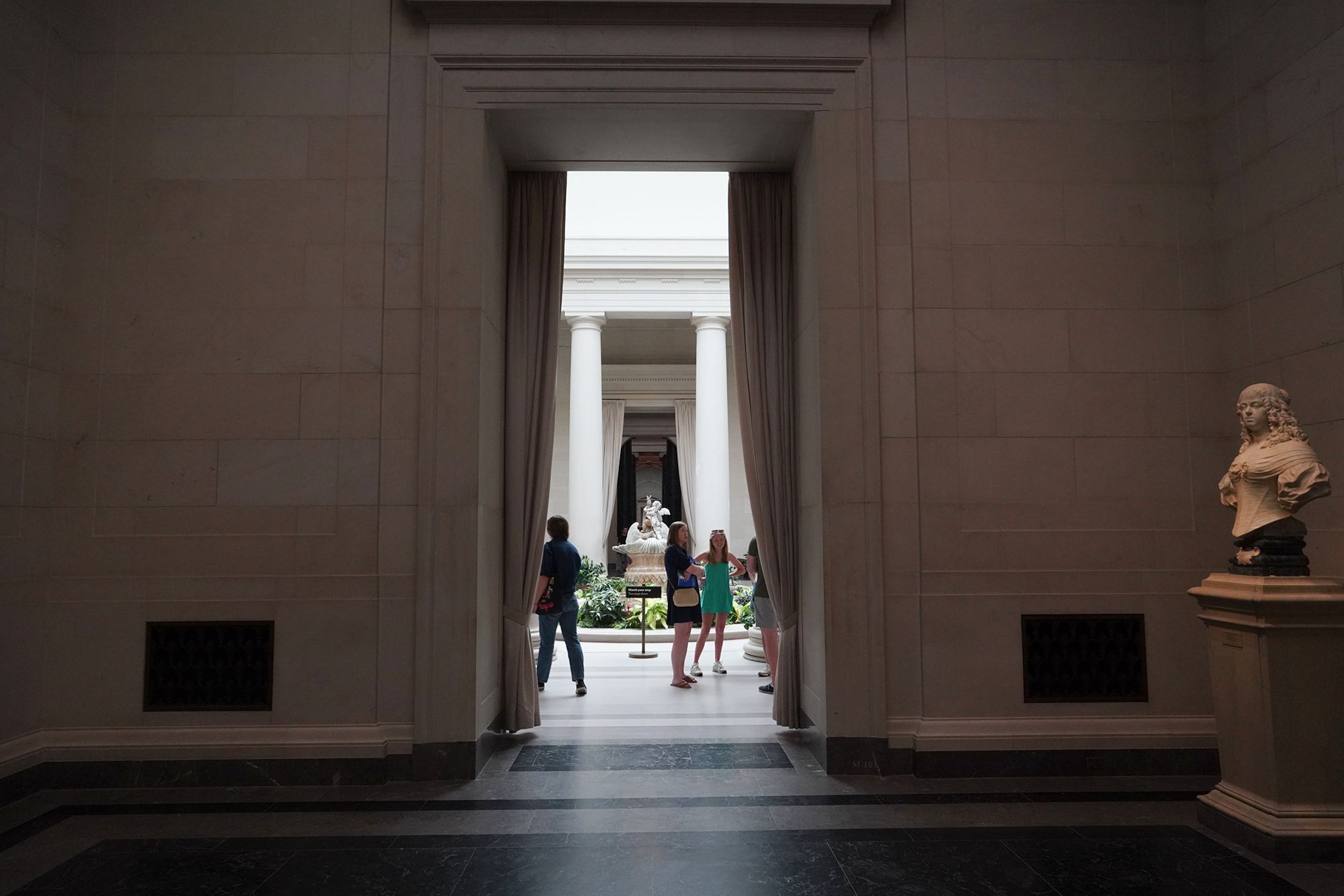
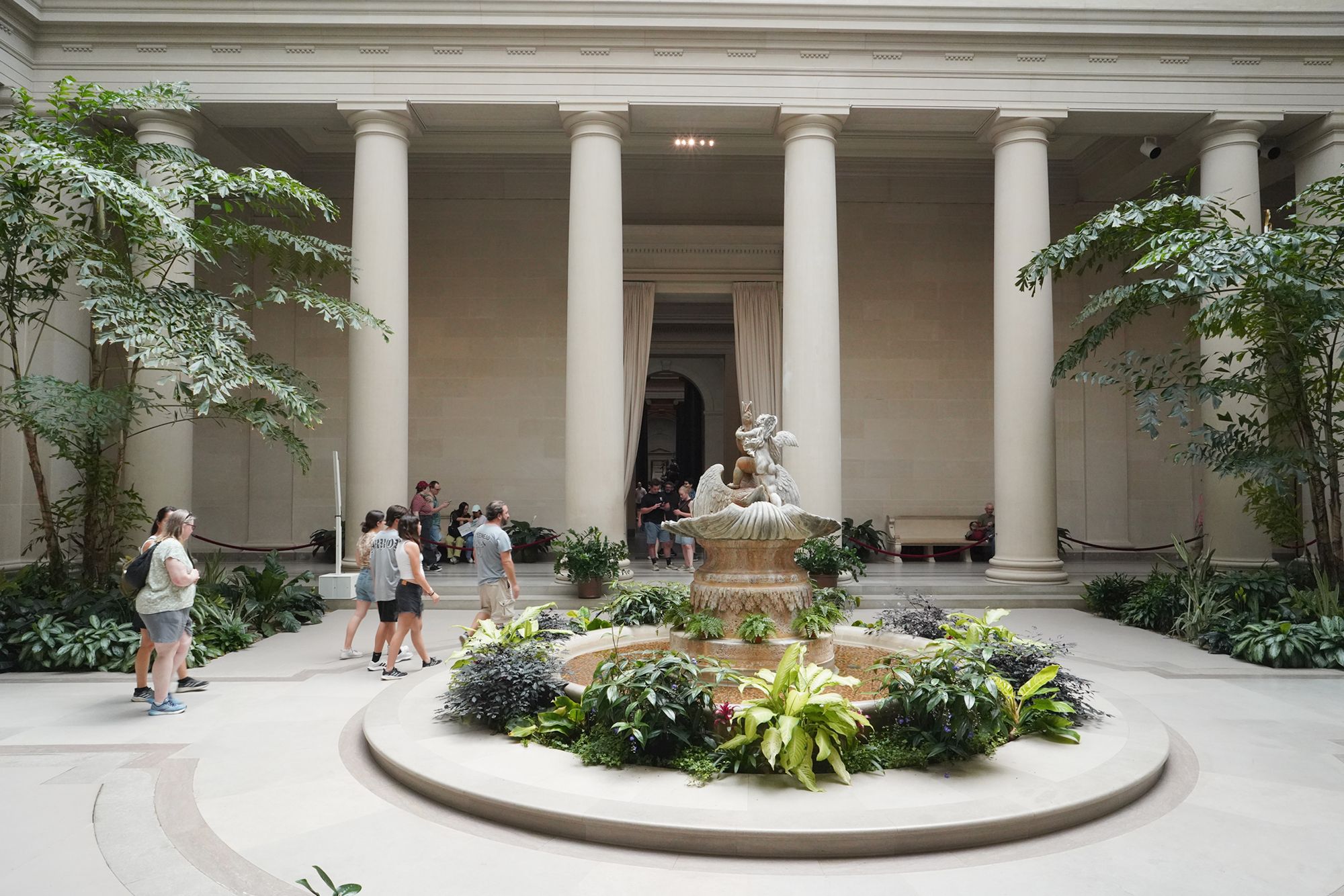
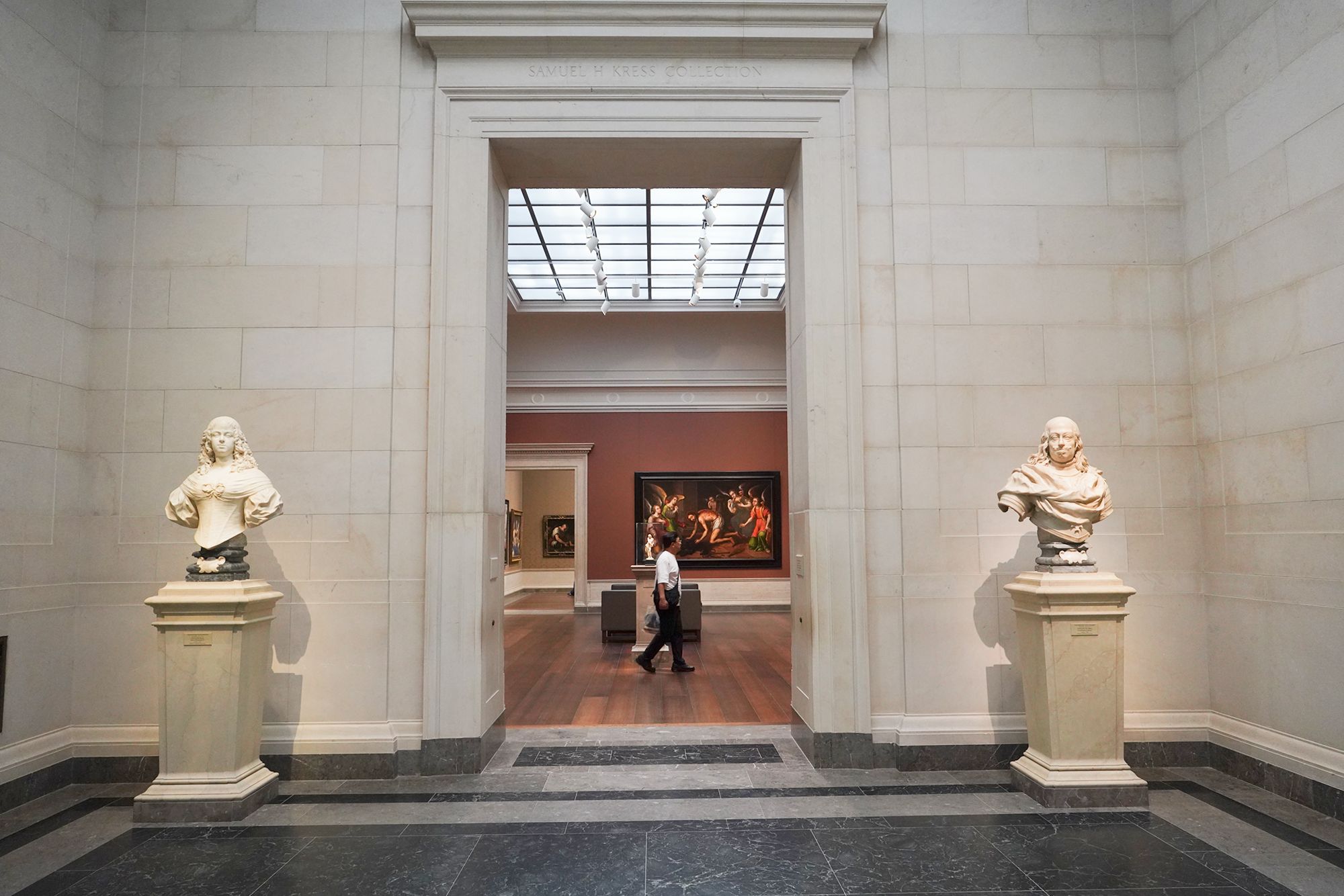
European Painting Late 16th and Early 17th Centuries
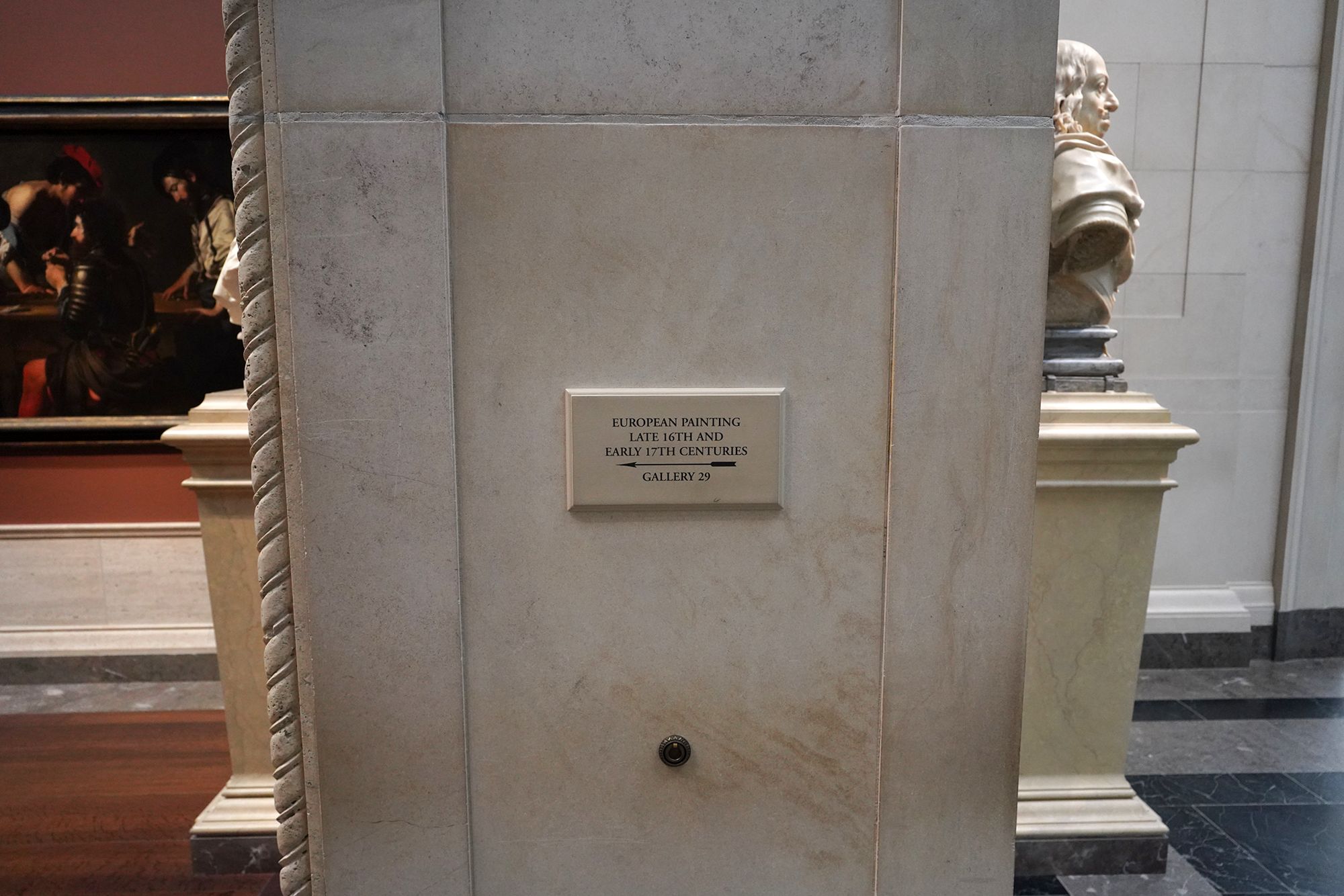
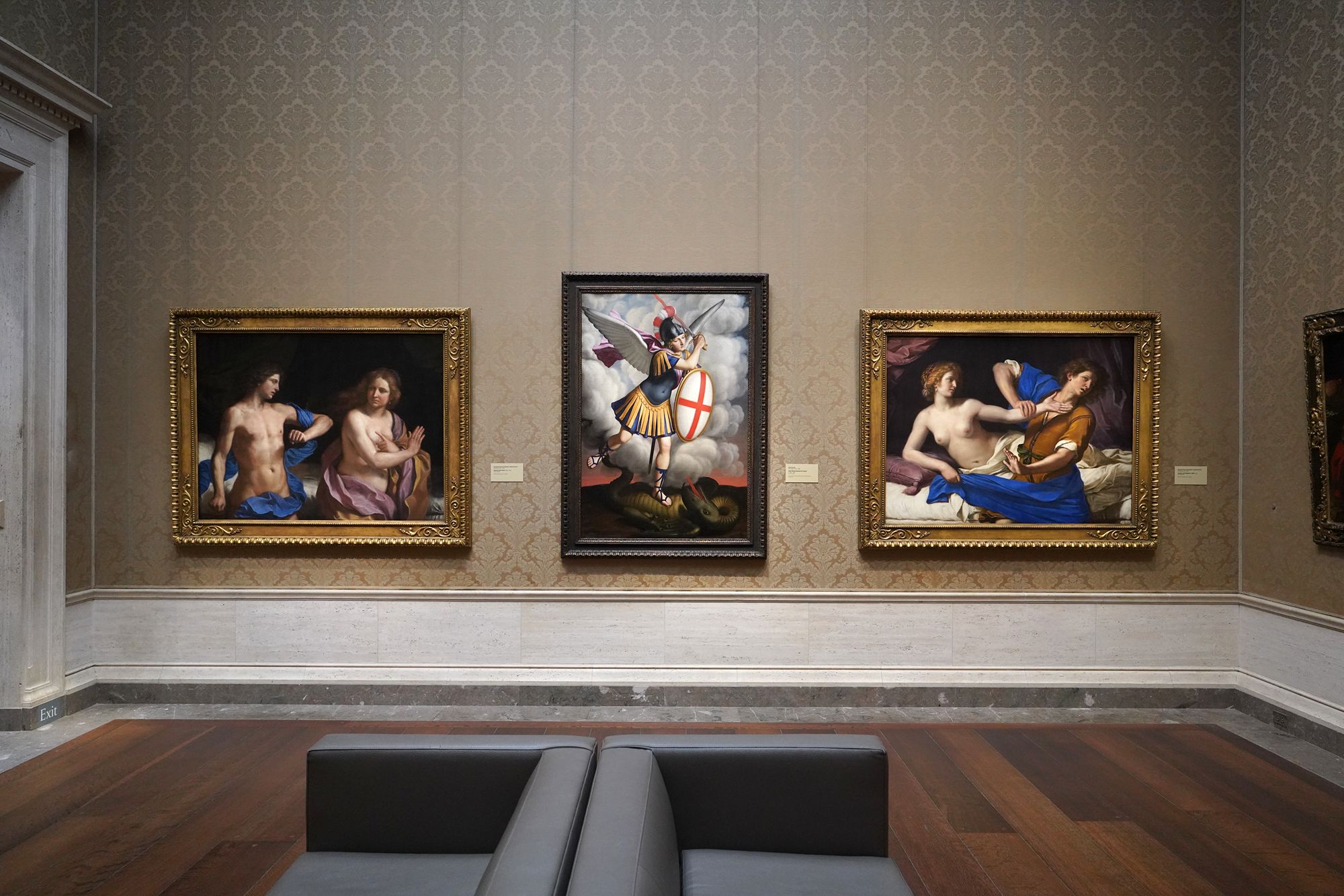
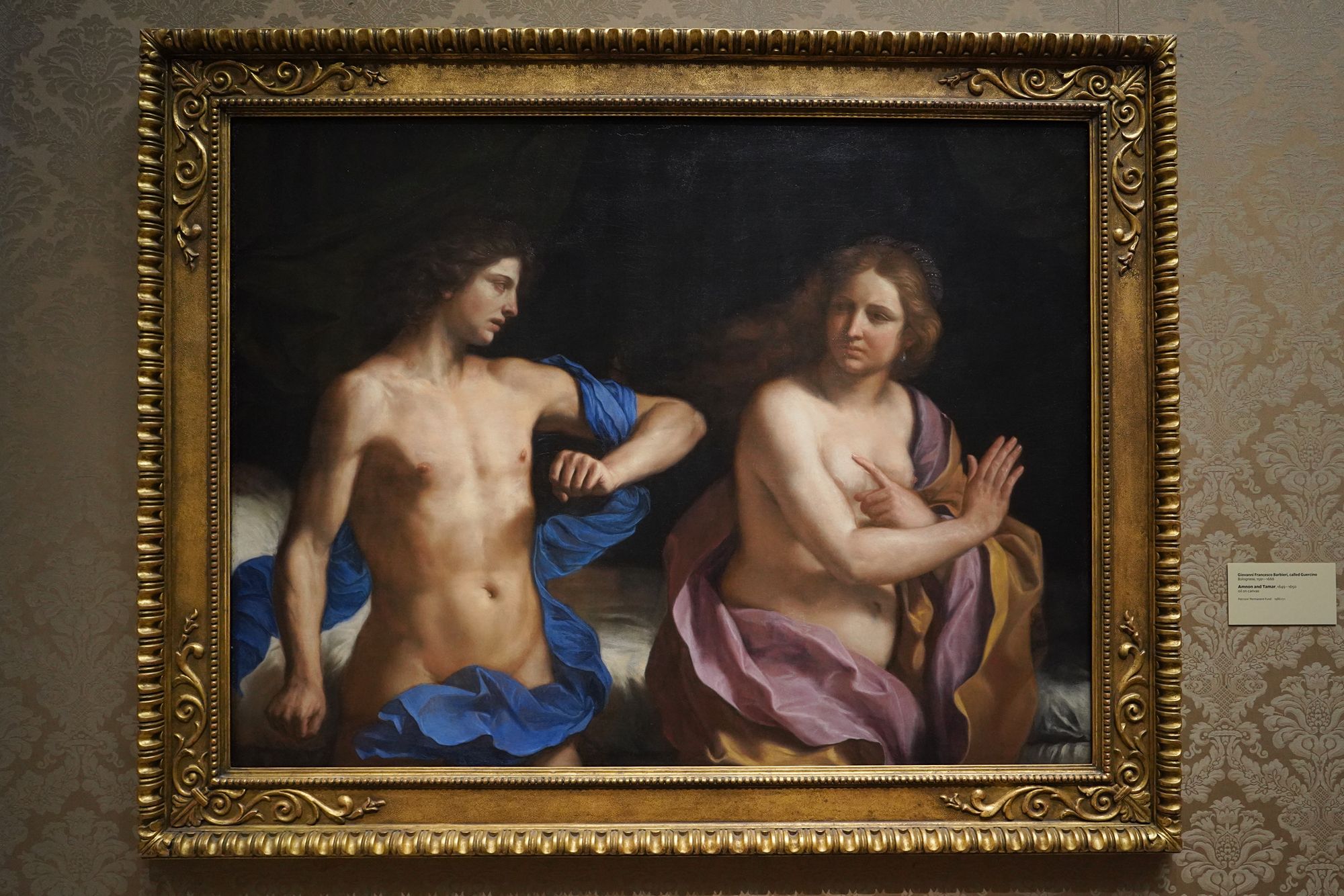
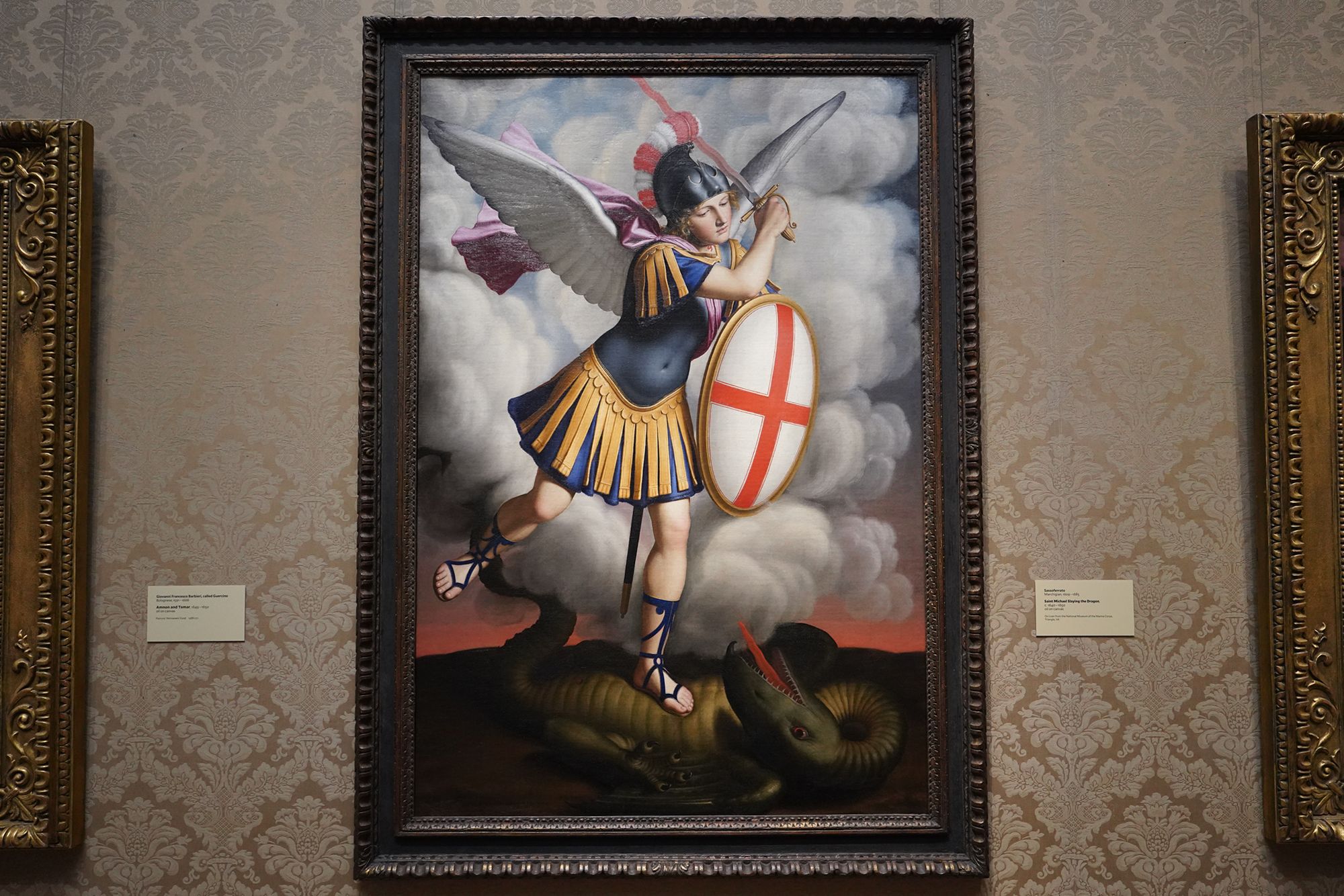
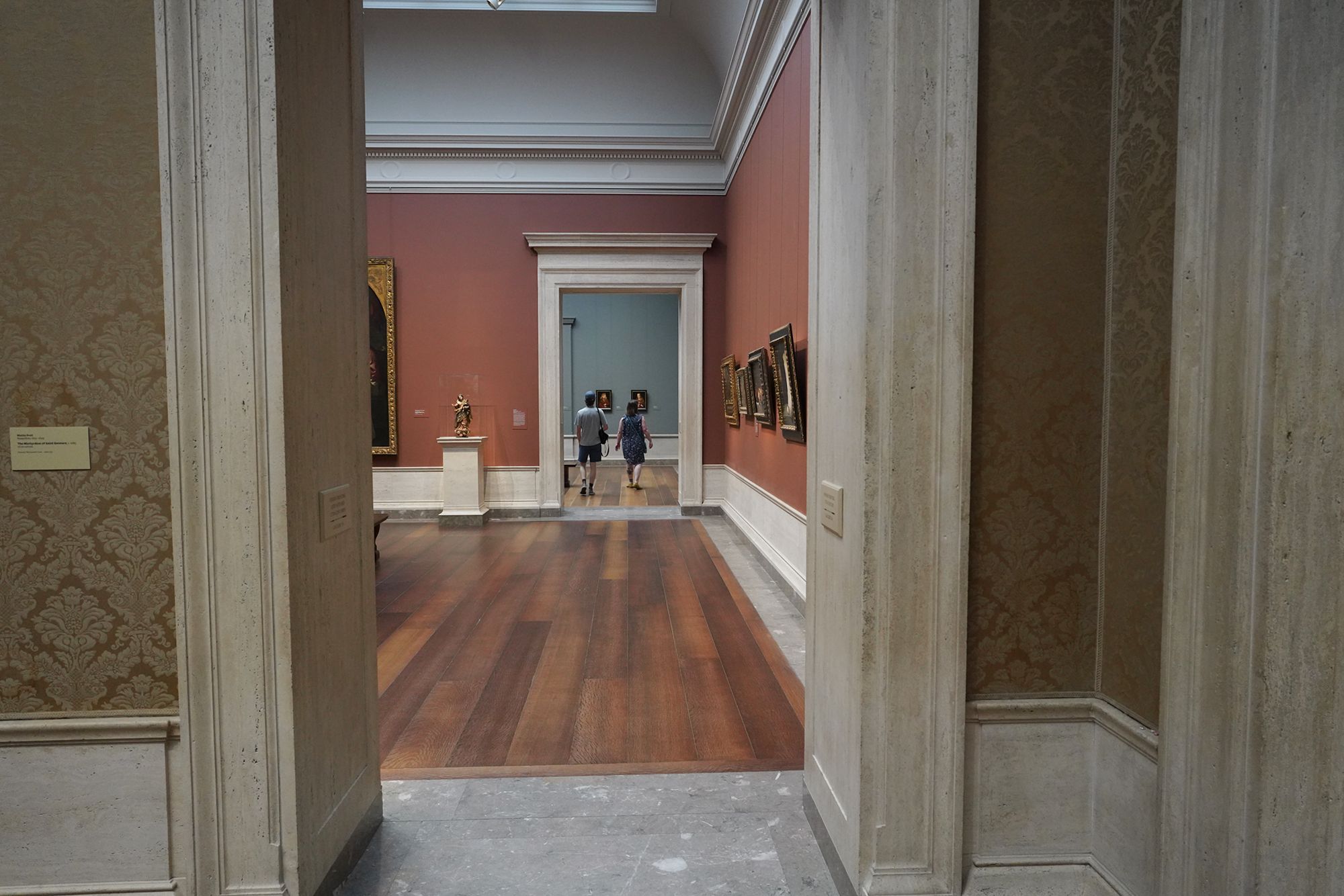
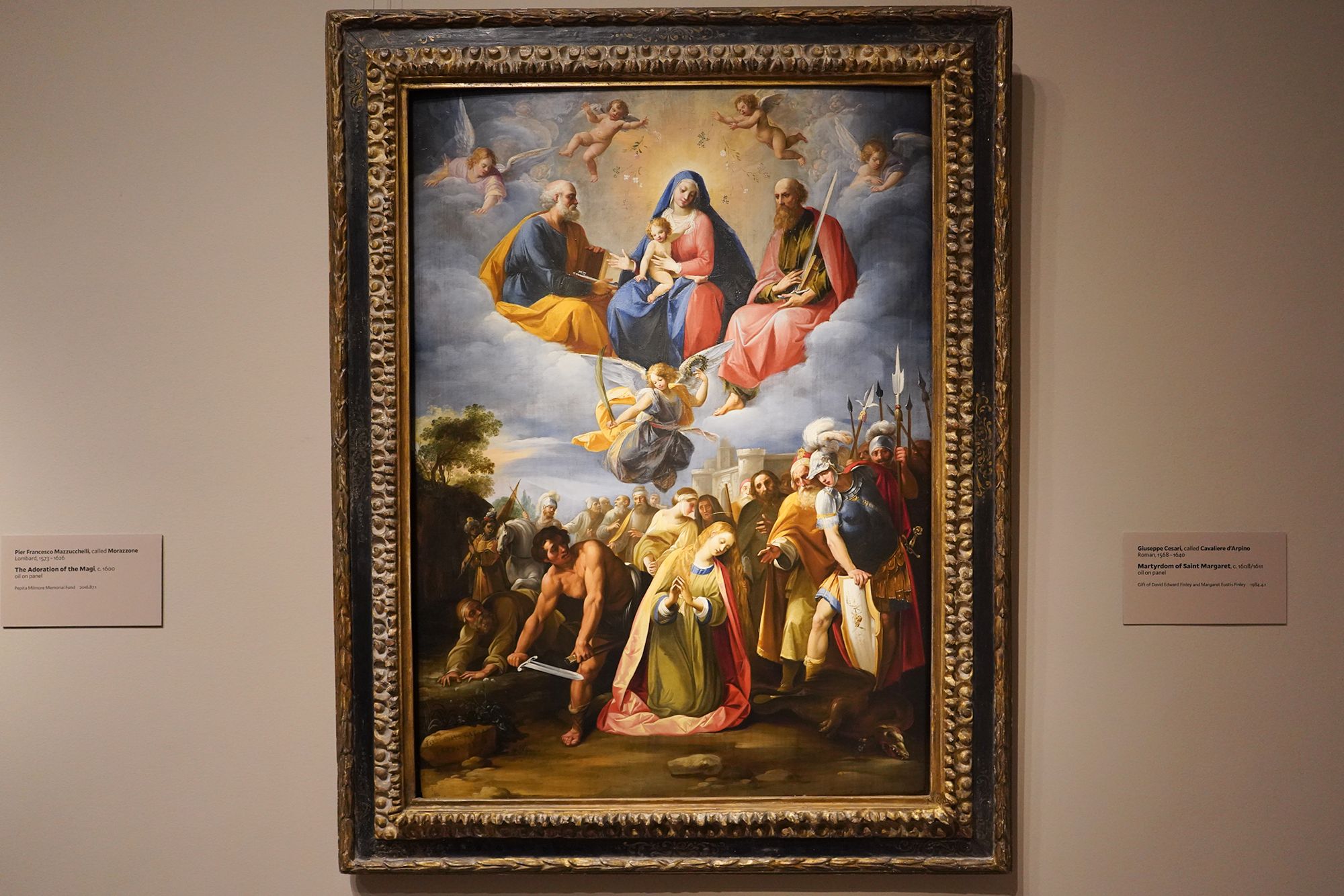
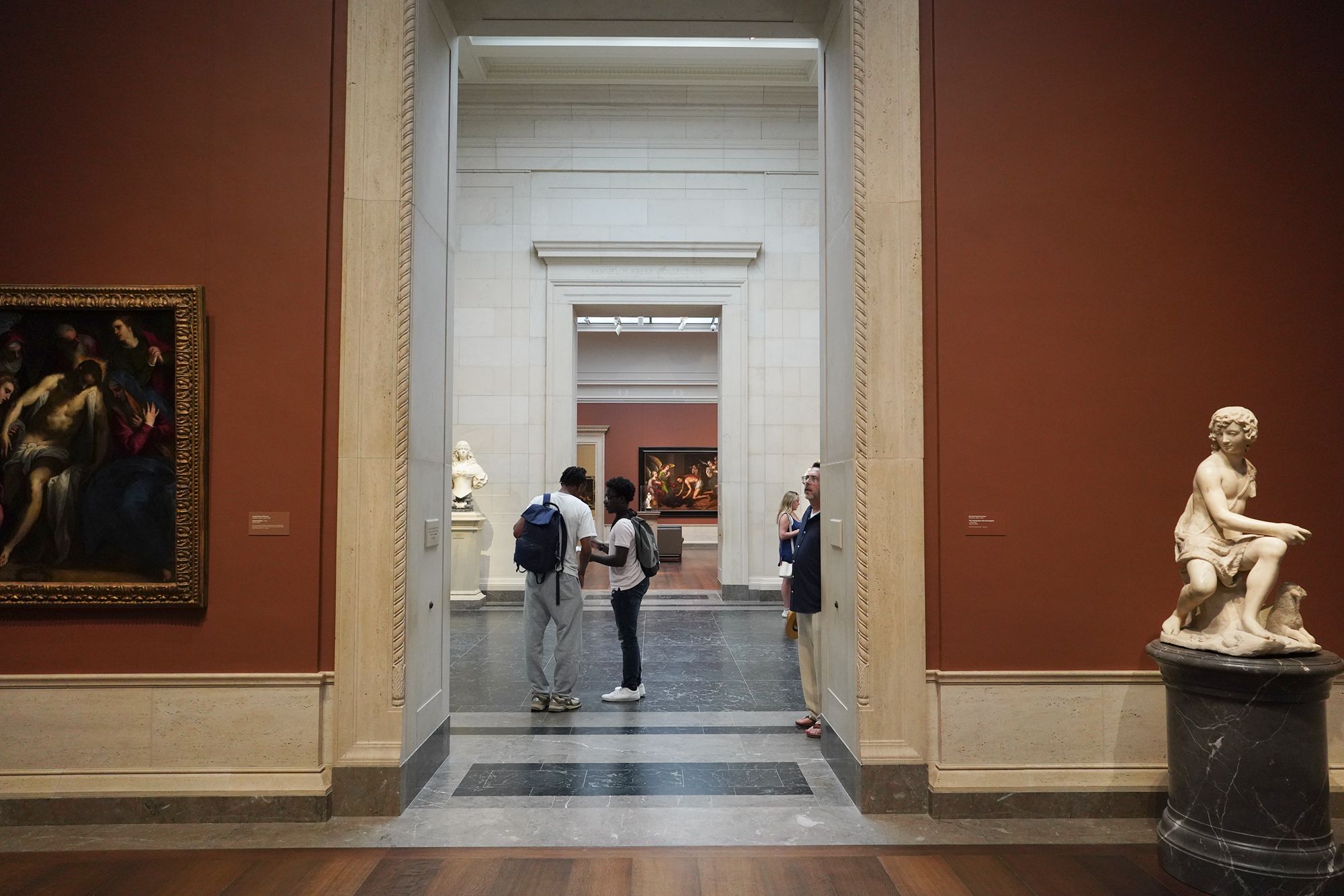
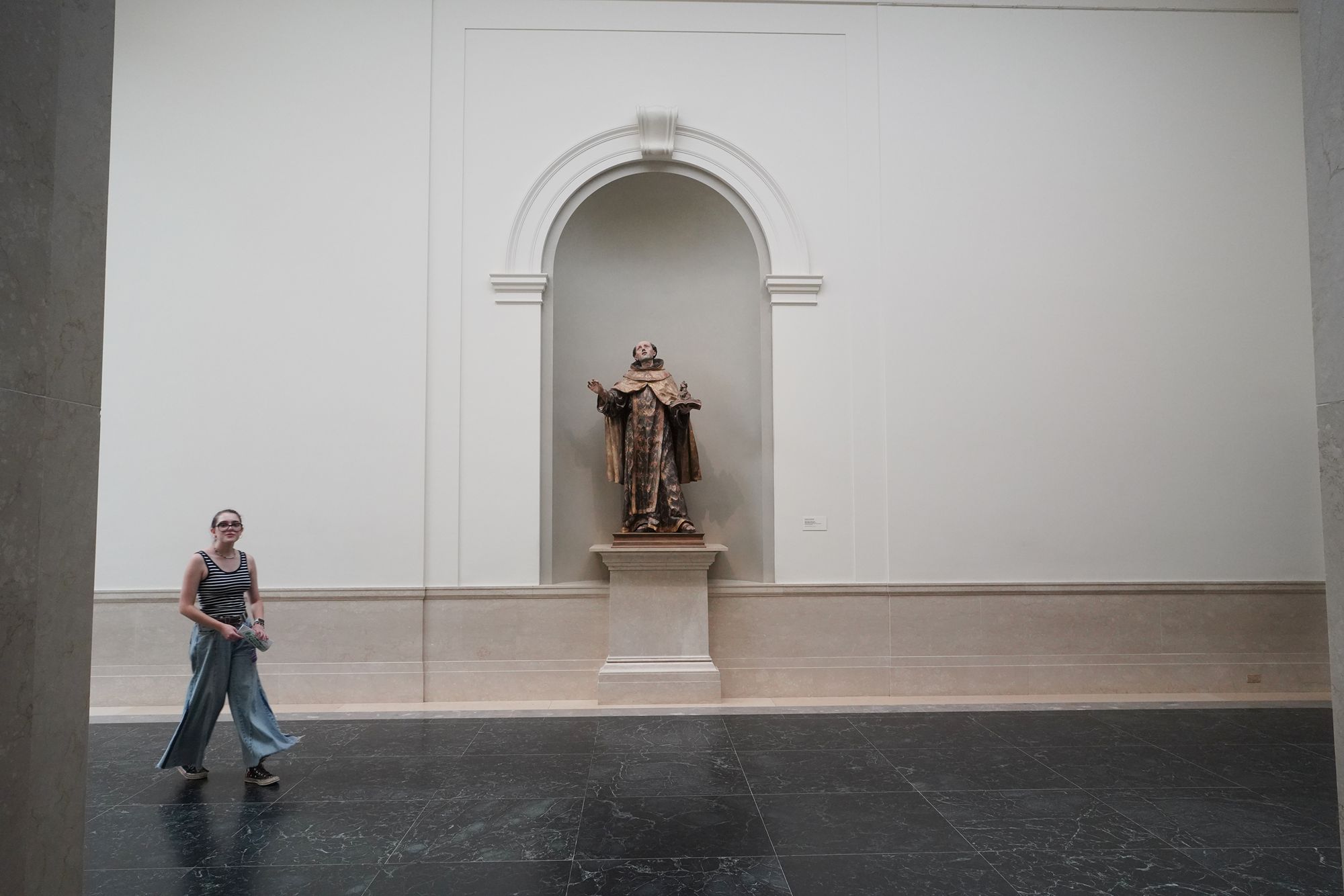
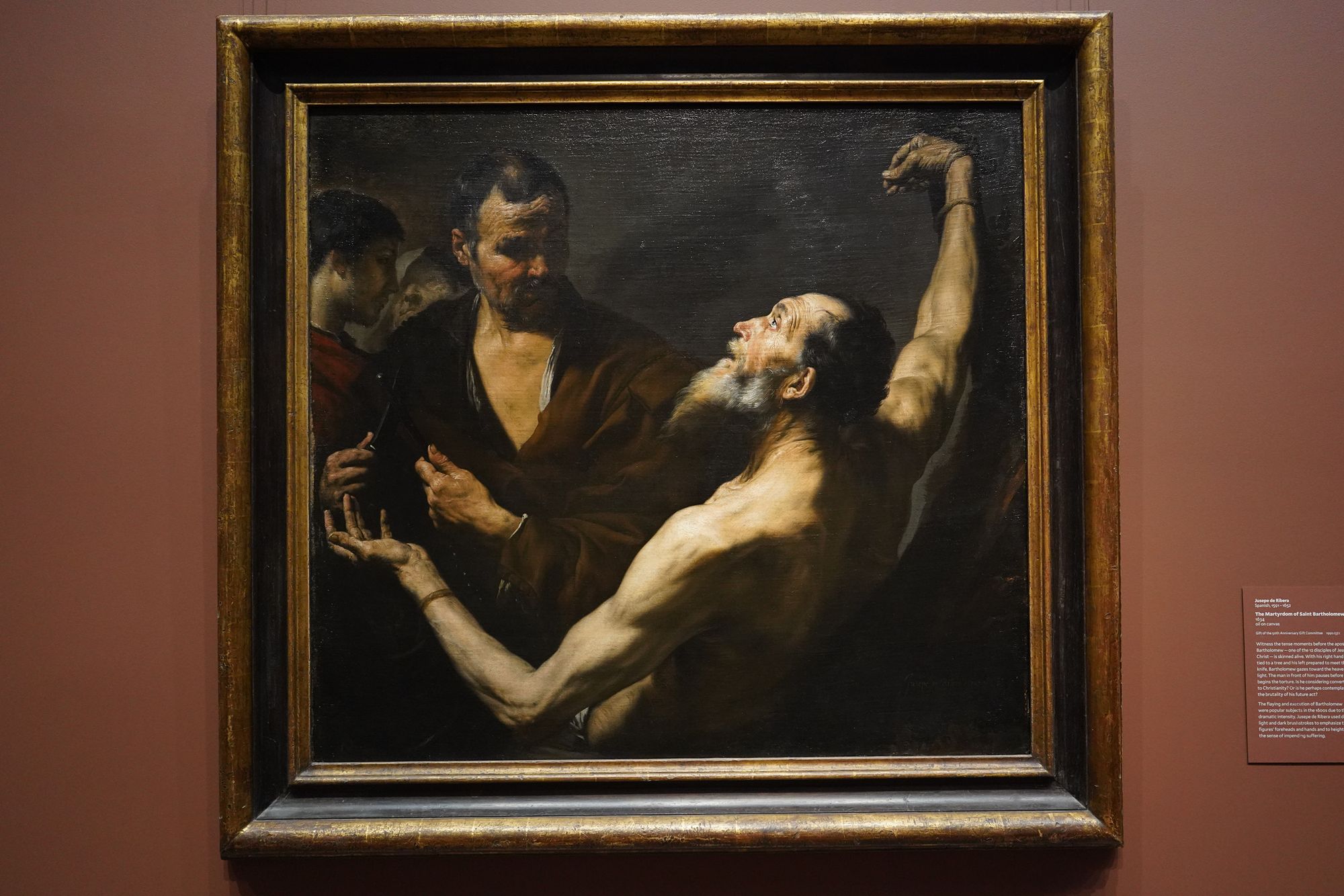
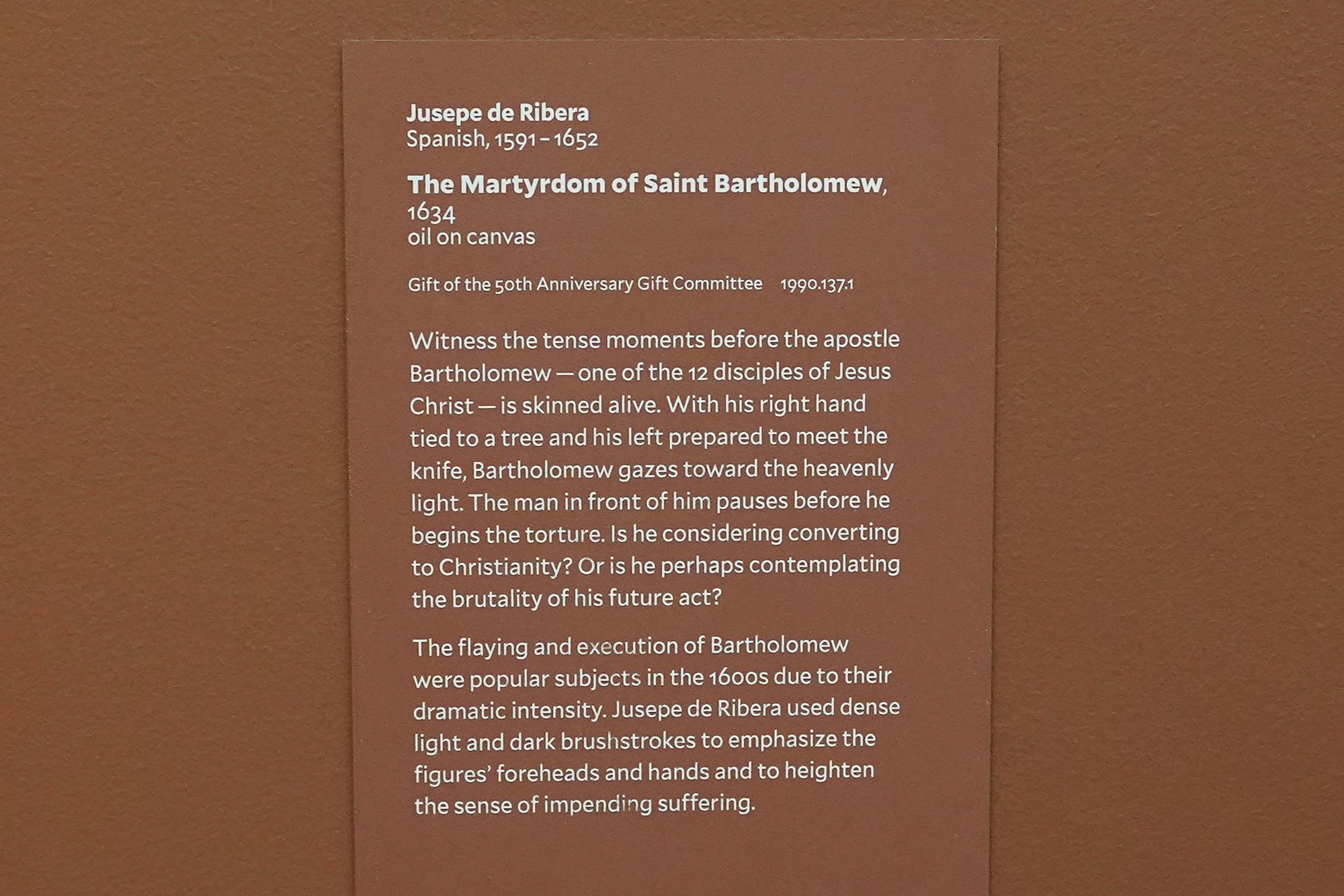
The European Painting galleries of the Late 16th and Early 17th Centuries at the National Gallery of Art showcase the transition from Mannerism to the Baroque era, when artists sought to combine elegance with emotion and realism.
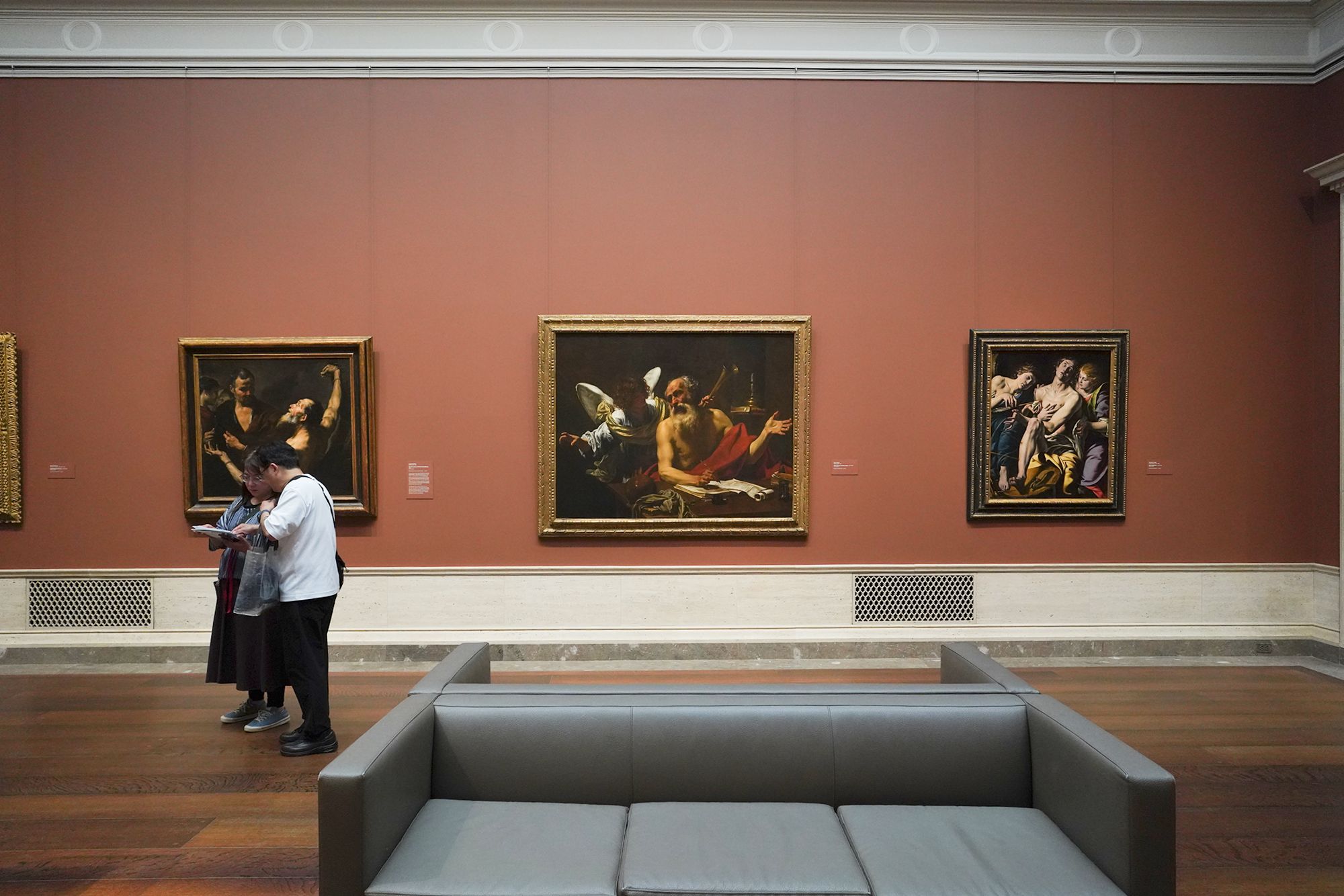
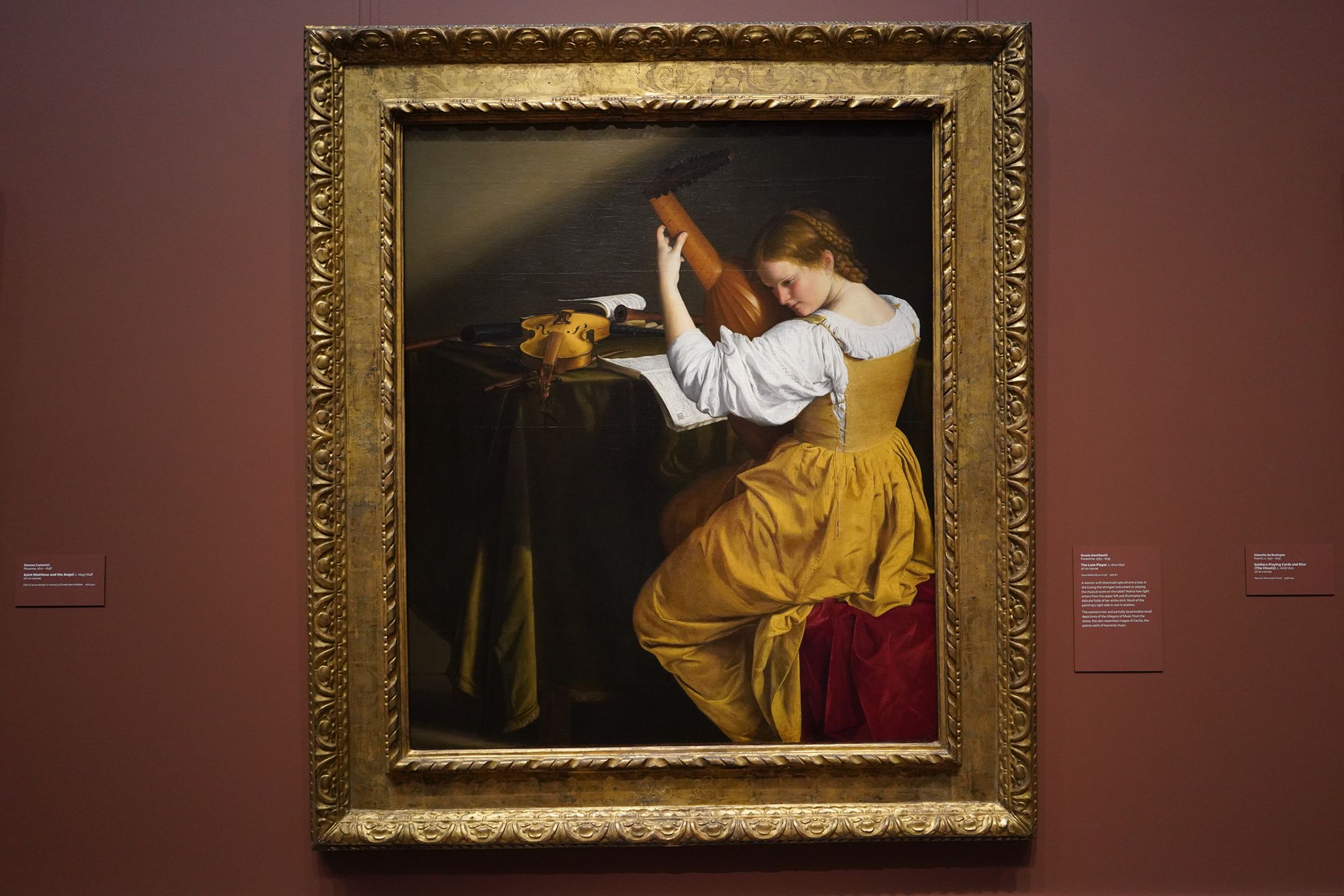
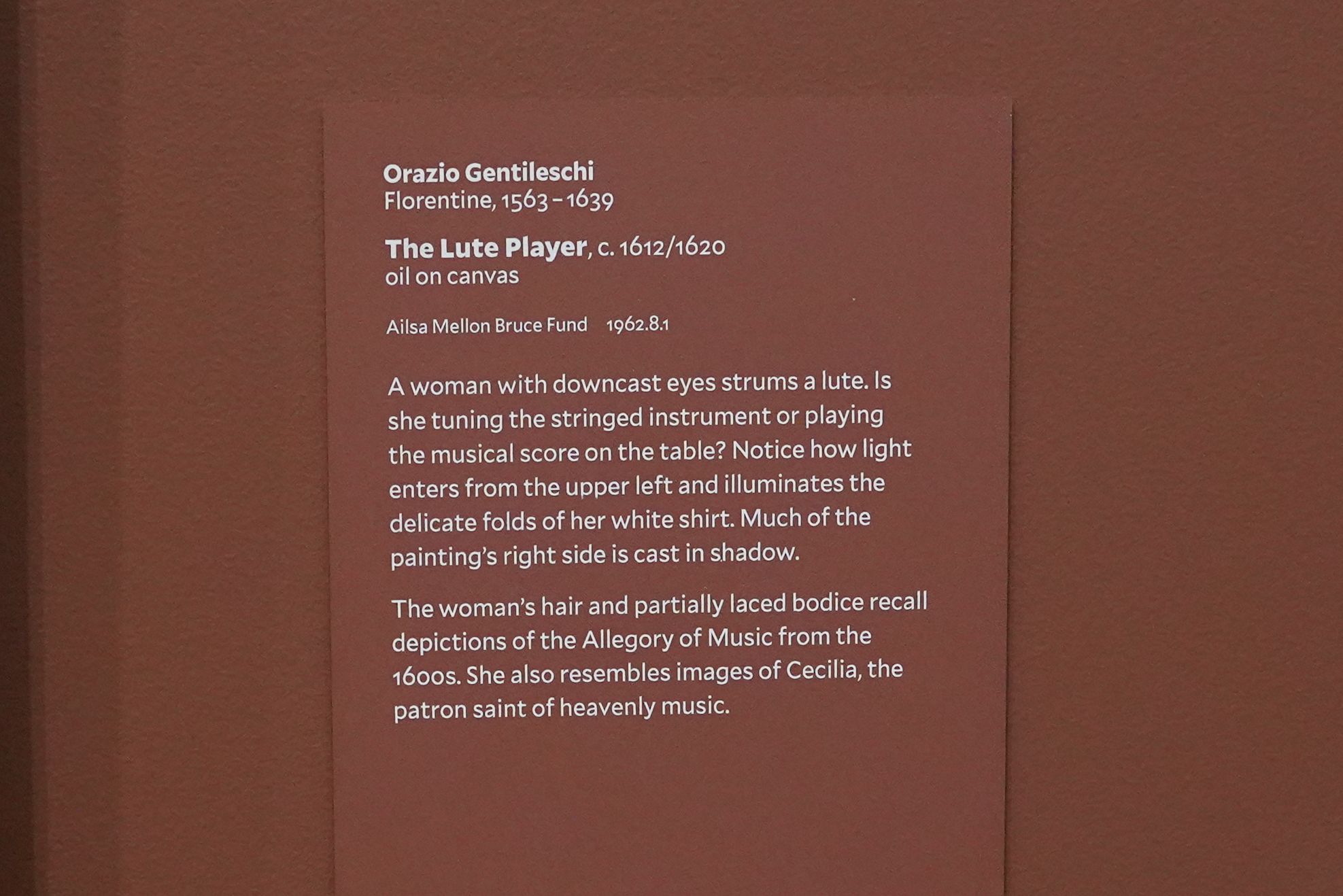
This period features masters such as Caravaggio, El Greco, Rubens, and Veronese, who used dramatic light, vivid color, and dynamic composition to bring biblical, mythological, and everyday scenes to life.
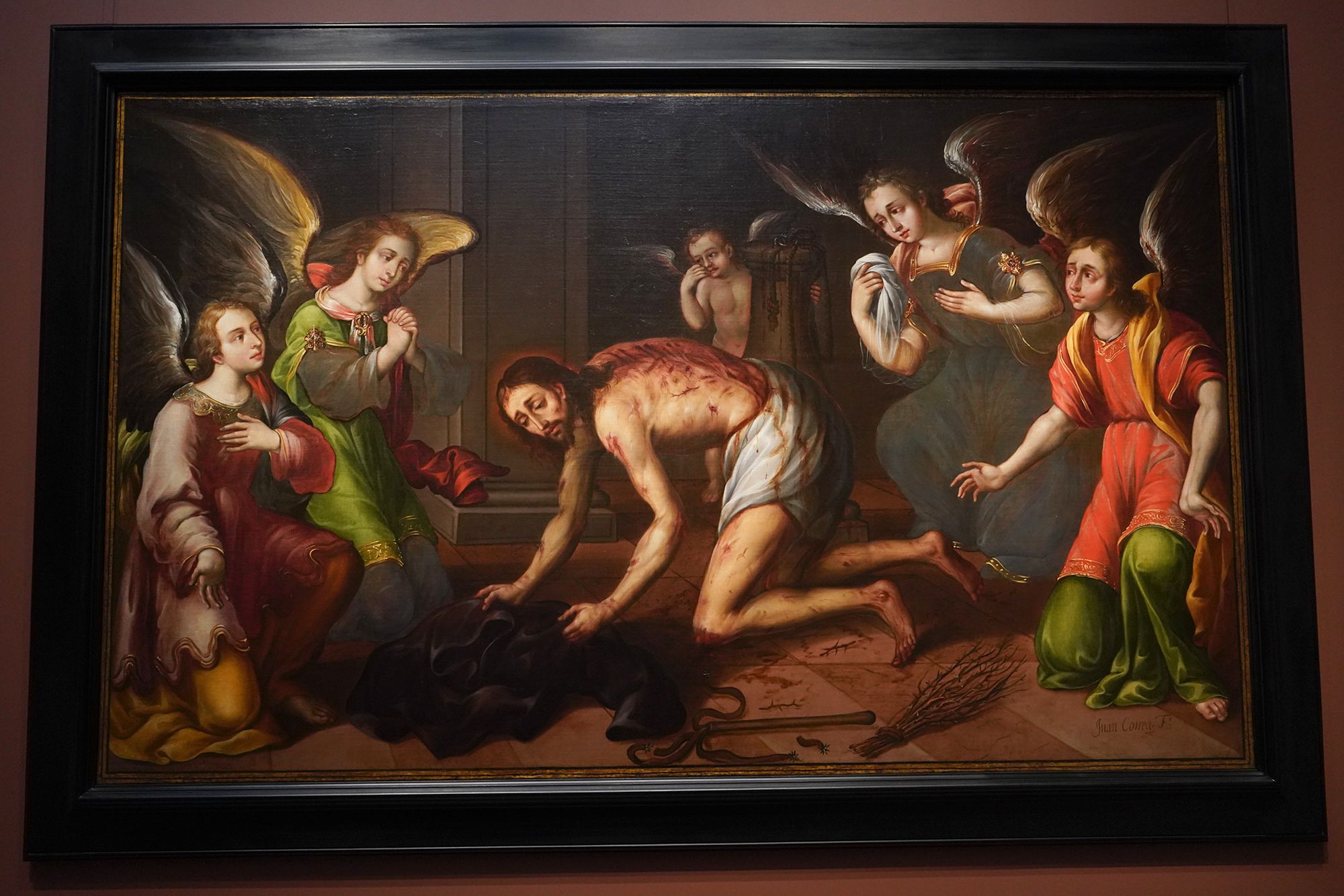
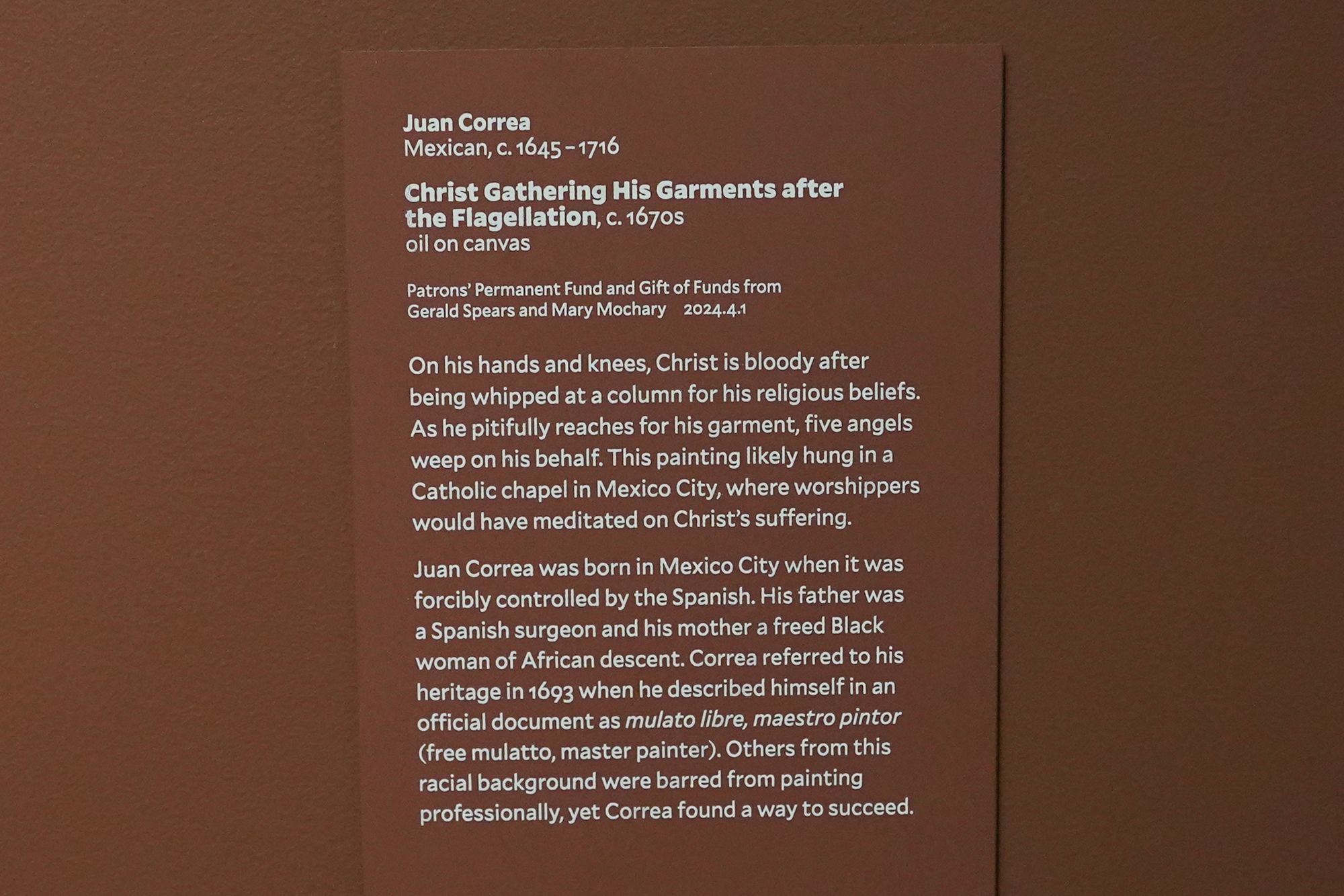
Their works reflect a new focus on human drama, spirituality, and sensory impact, marking a shift from Renaissance harmony to expressive power and theatricality that defined European art of the Baroque age.
Italian Painting 18th Century
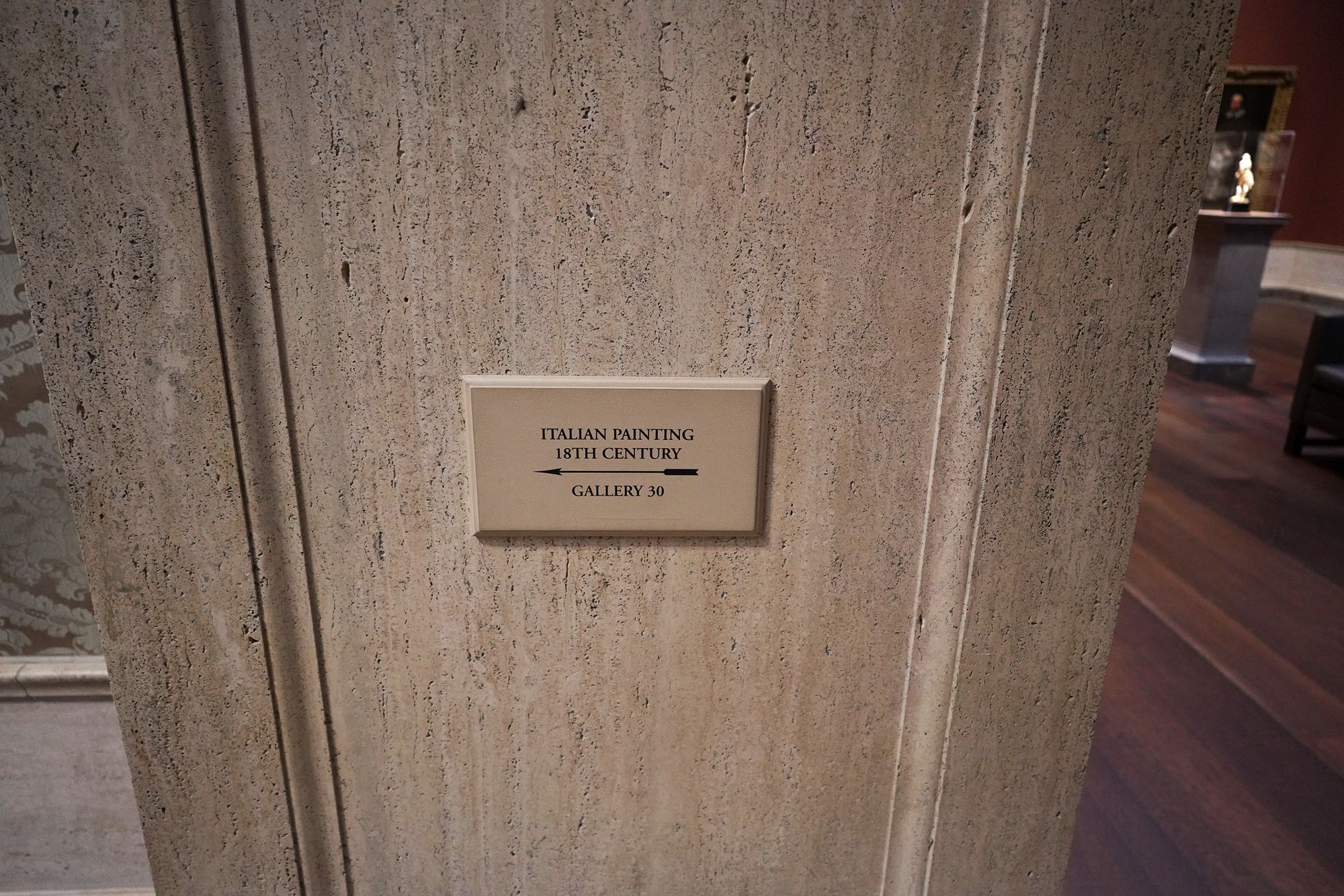
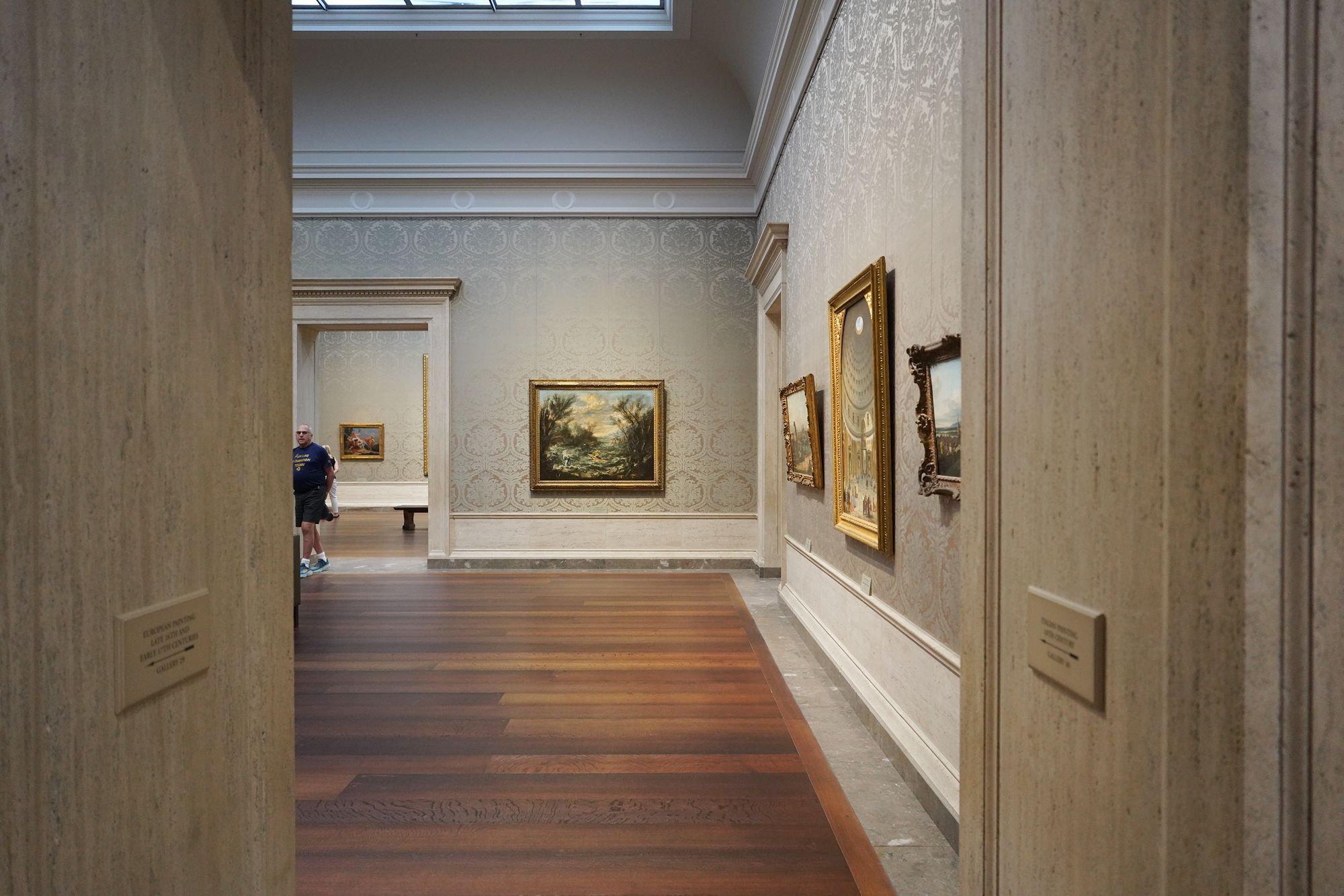
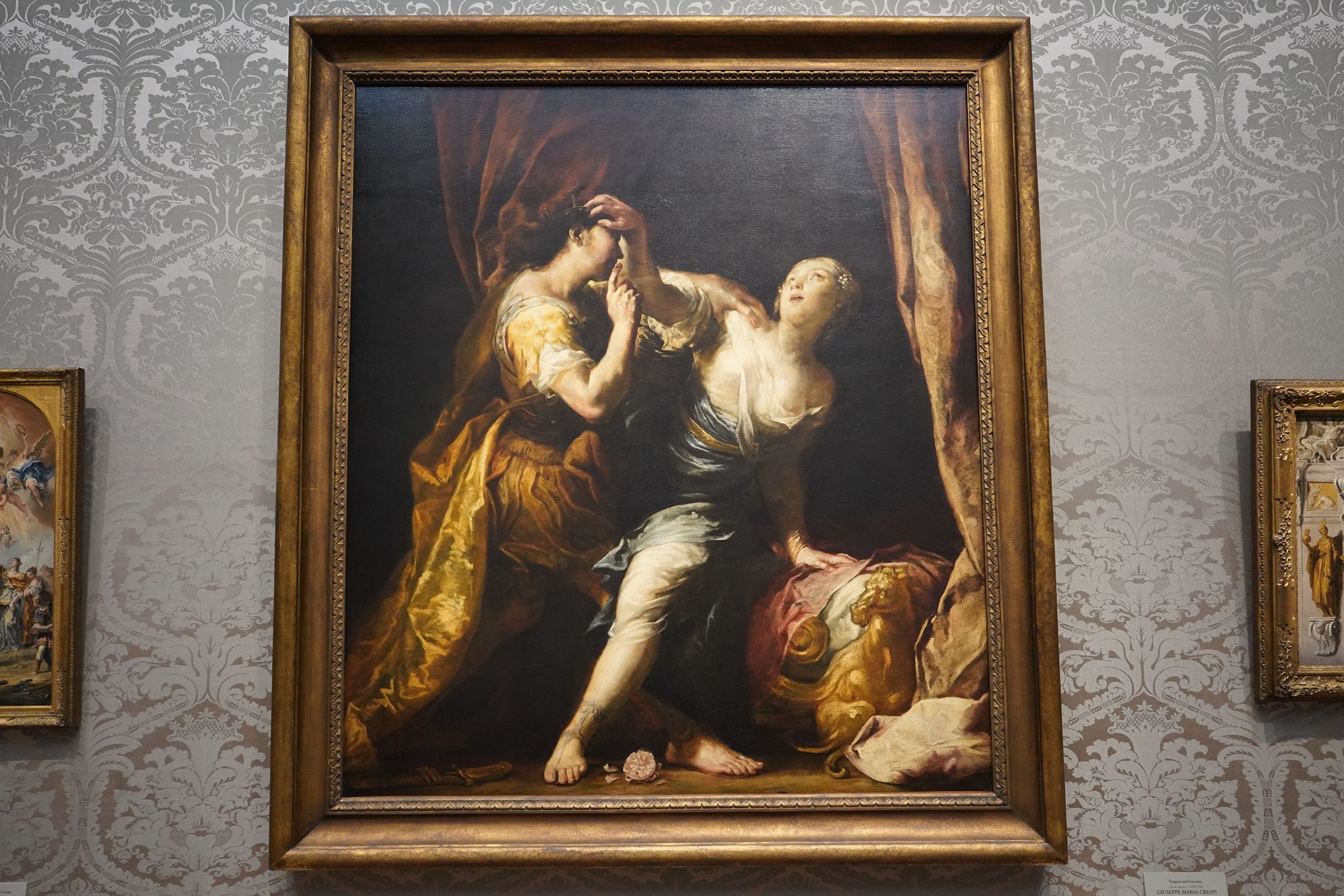
Italian painting of the 18th century reflects a move toward grace, light, and decorative elegance, blending late Baroque drama with the refined beauty of the Rococo and early Neoclassical styles.
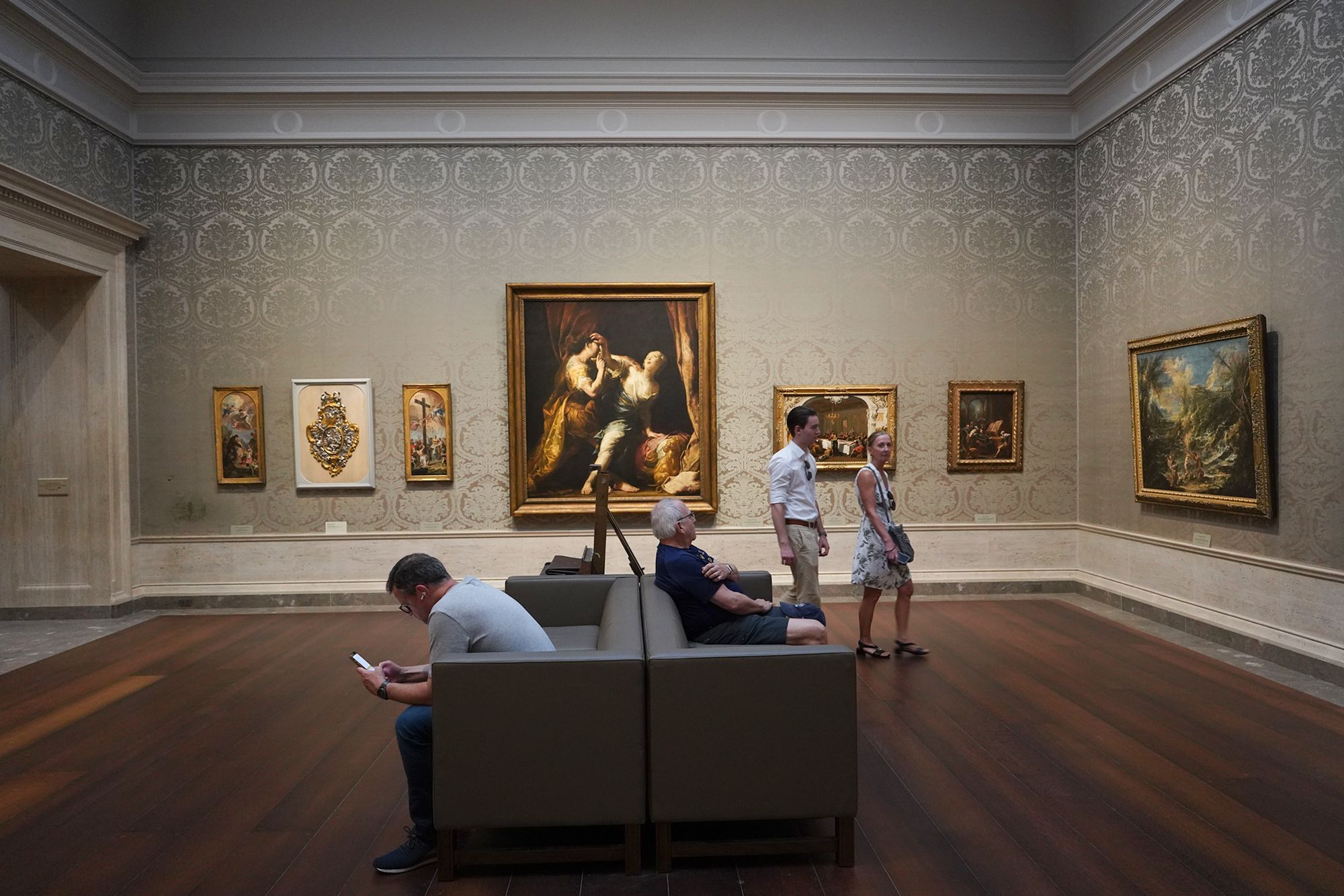
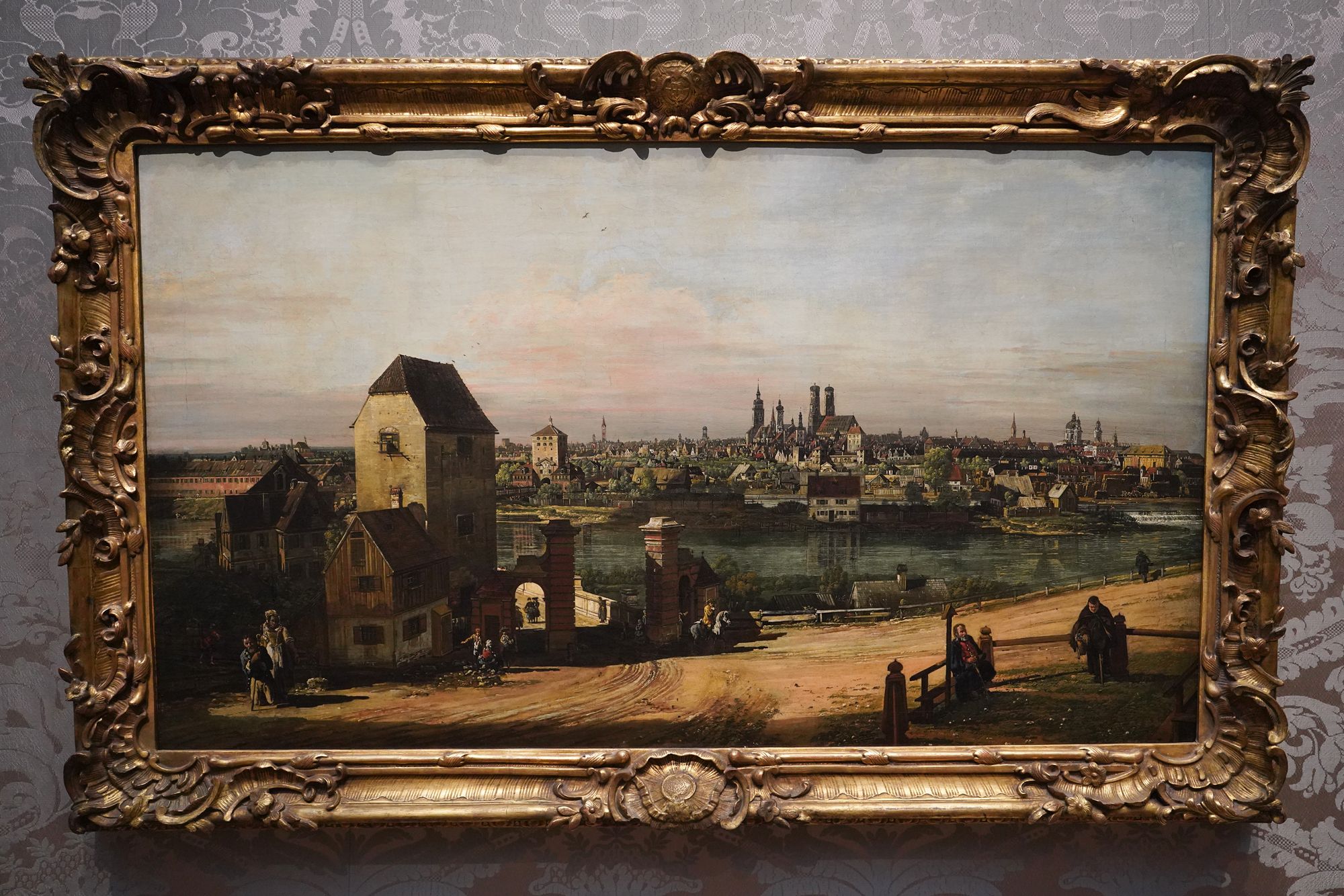
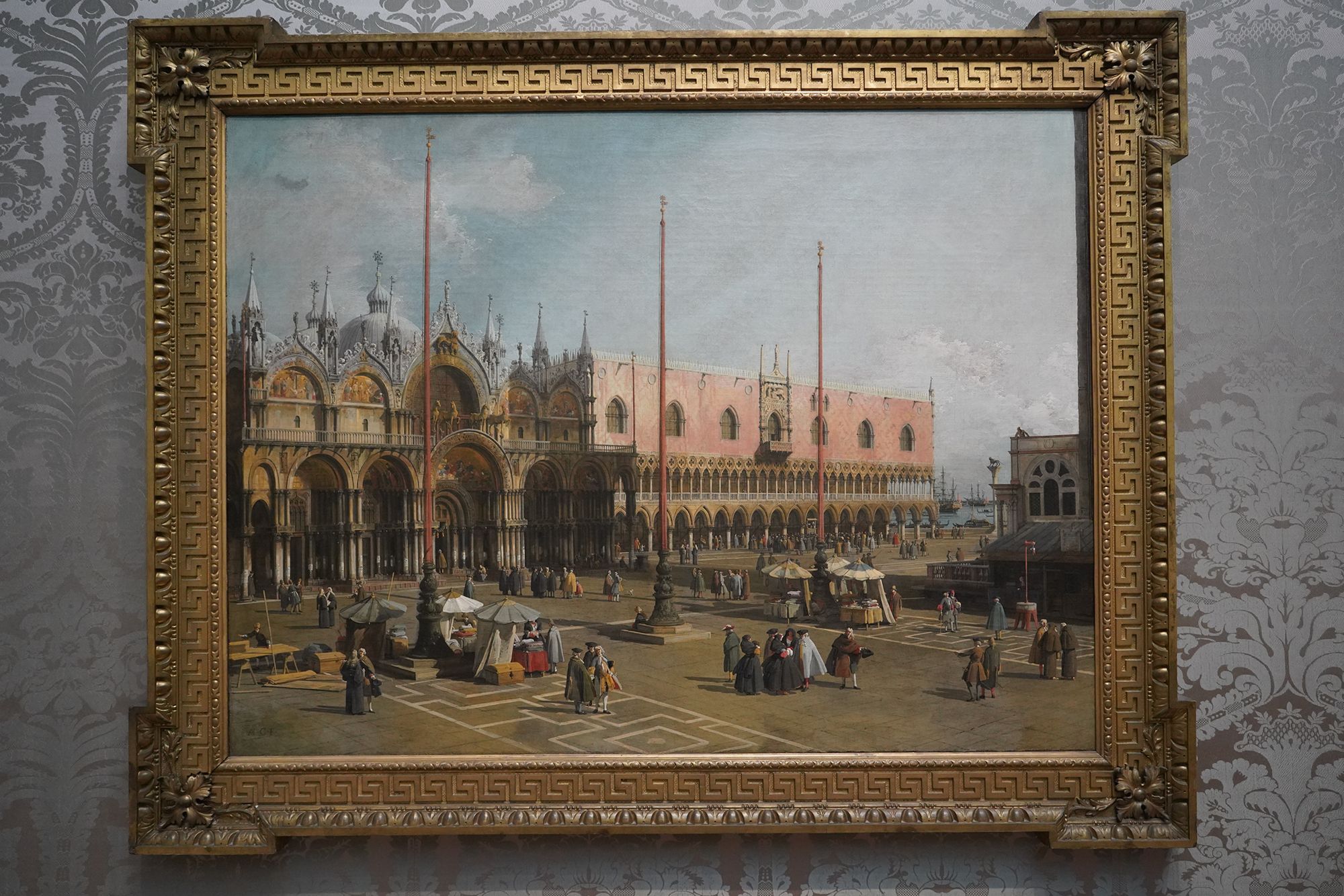
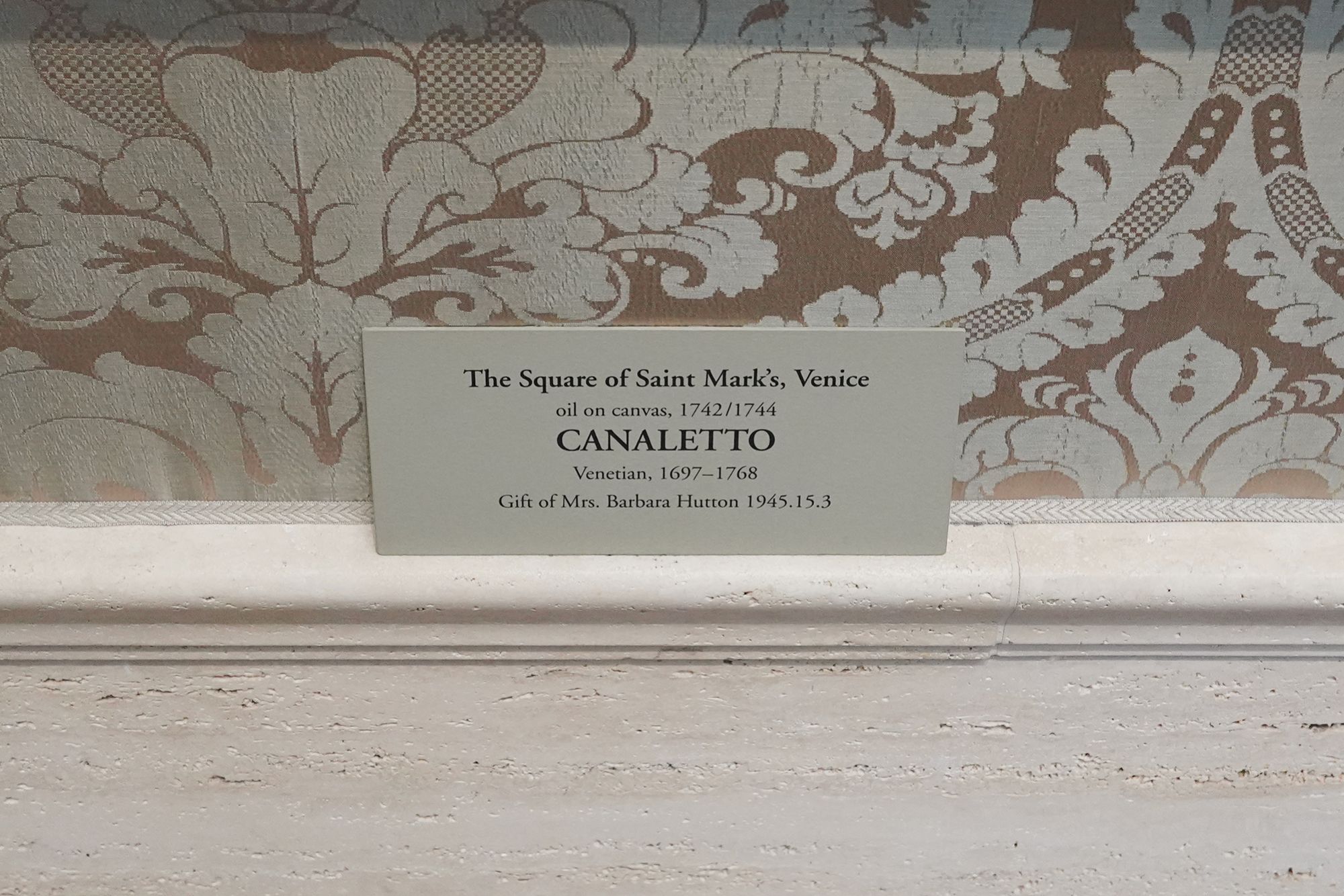
Artists such as Giovanni Battista Tiepolo, Canaletto, and Francesco Guardi captured both mythological grandeur and everyday splendor—from Tiepolo’s luminous ceiling frescoes to Canaletto’s precise Venetian cityscapes.
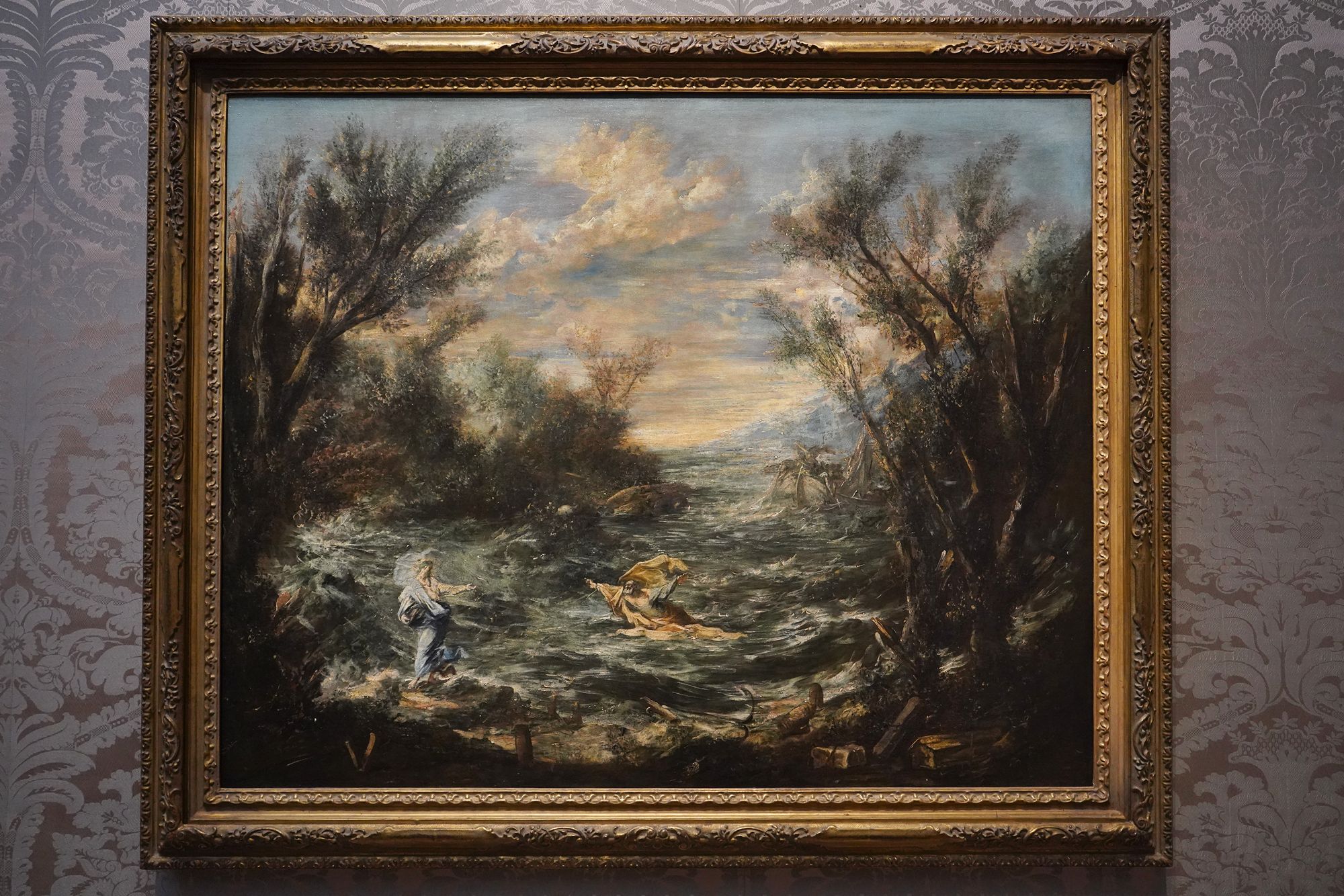
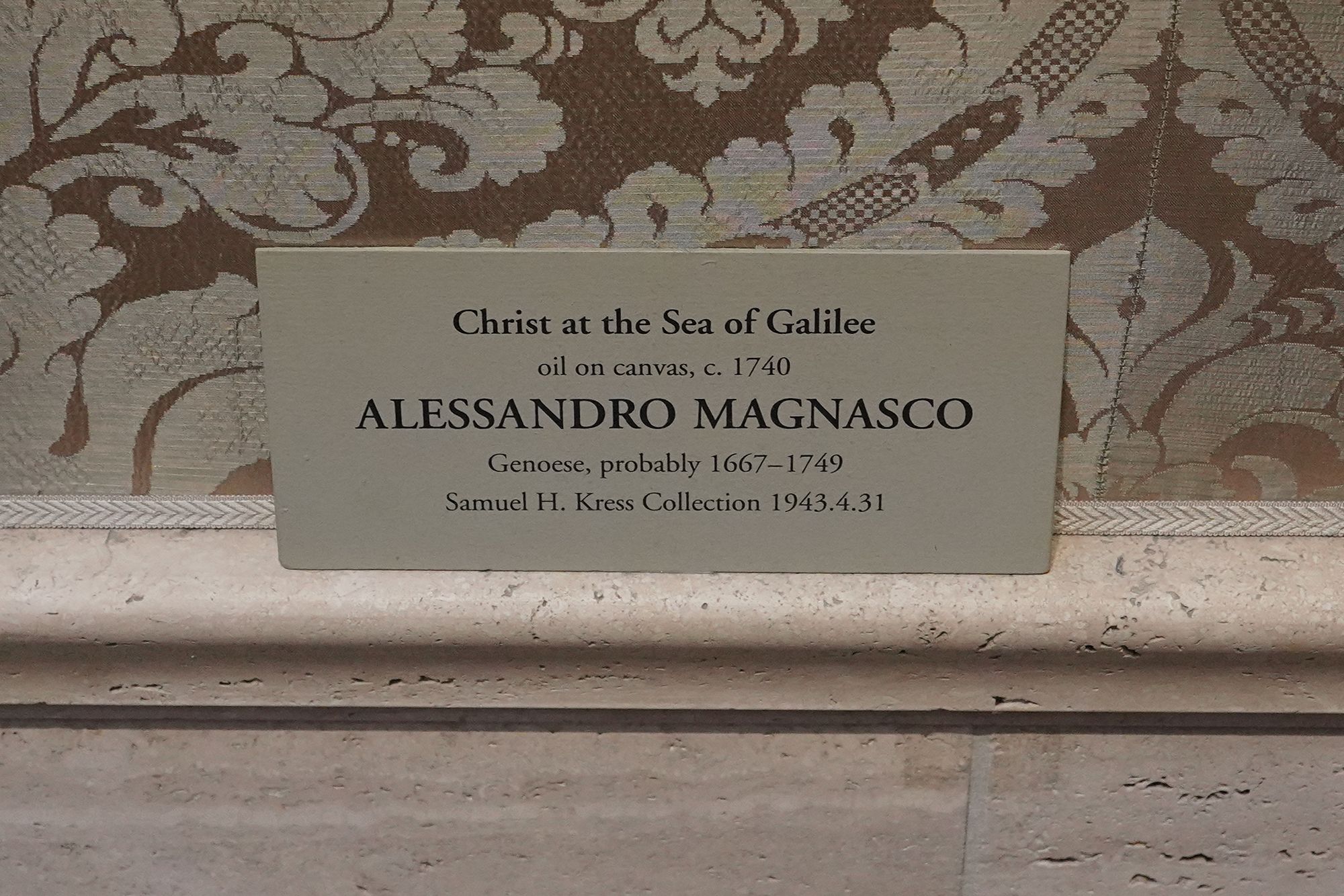
Their works reveal a love of light, movement, and atmosphere, often created for aristocratic patrons and travelers on the Grand Tour.
Italian Landscape and View Painting
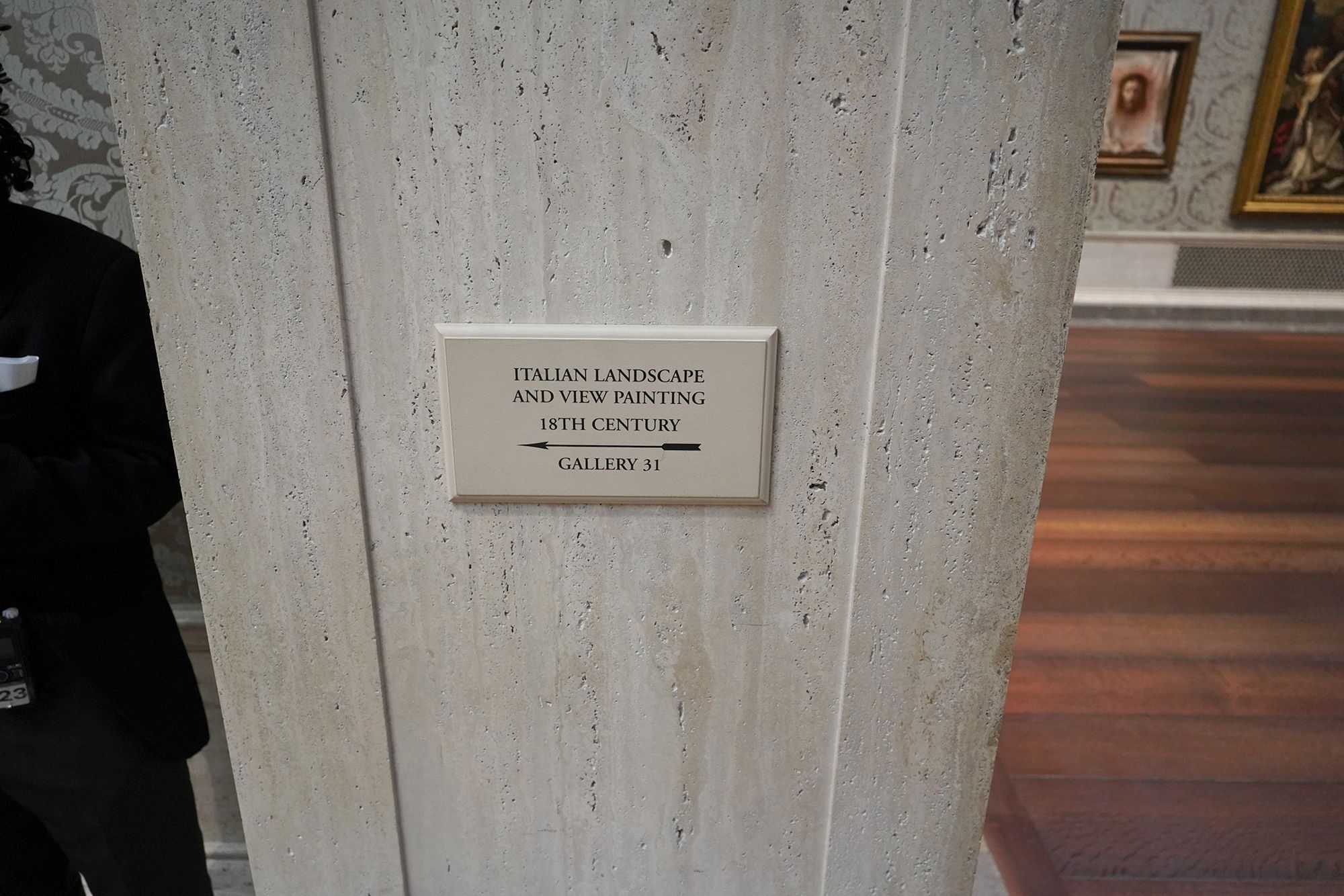
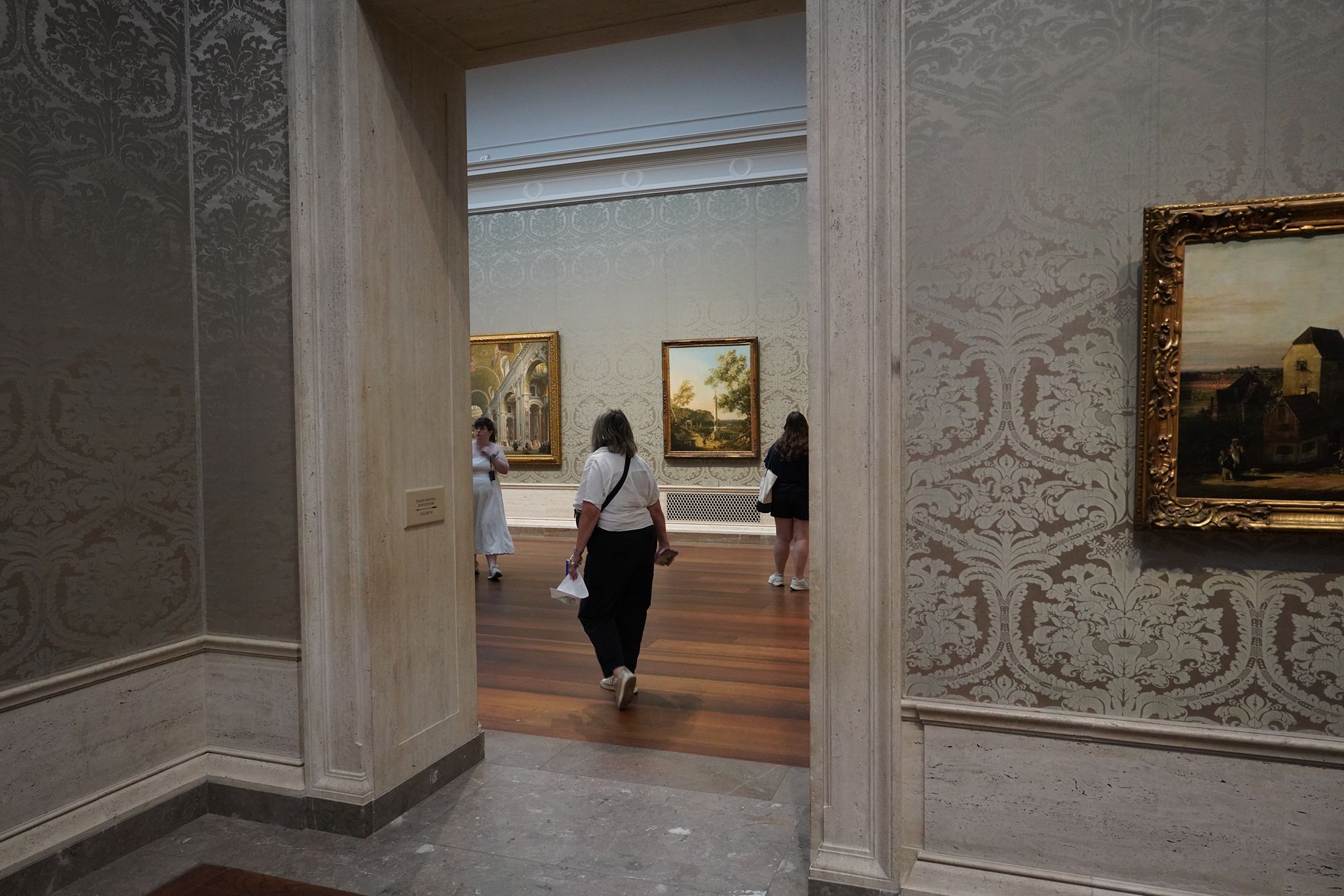
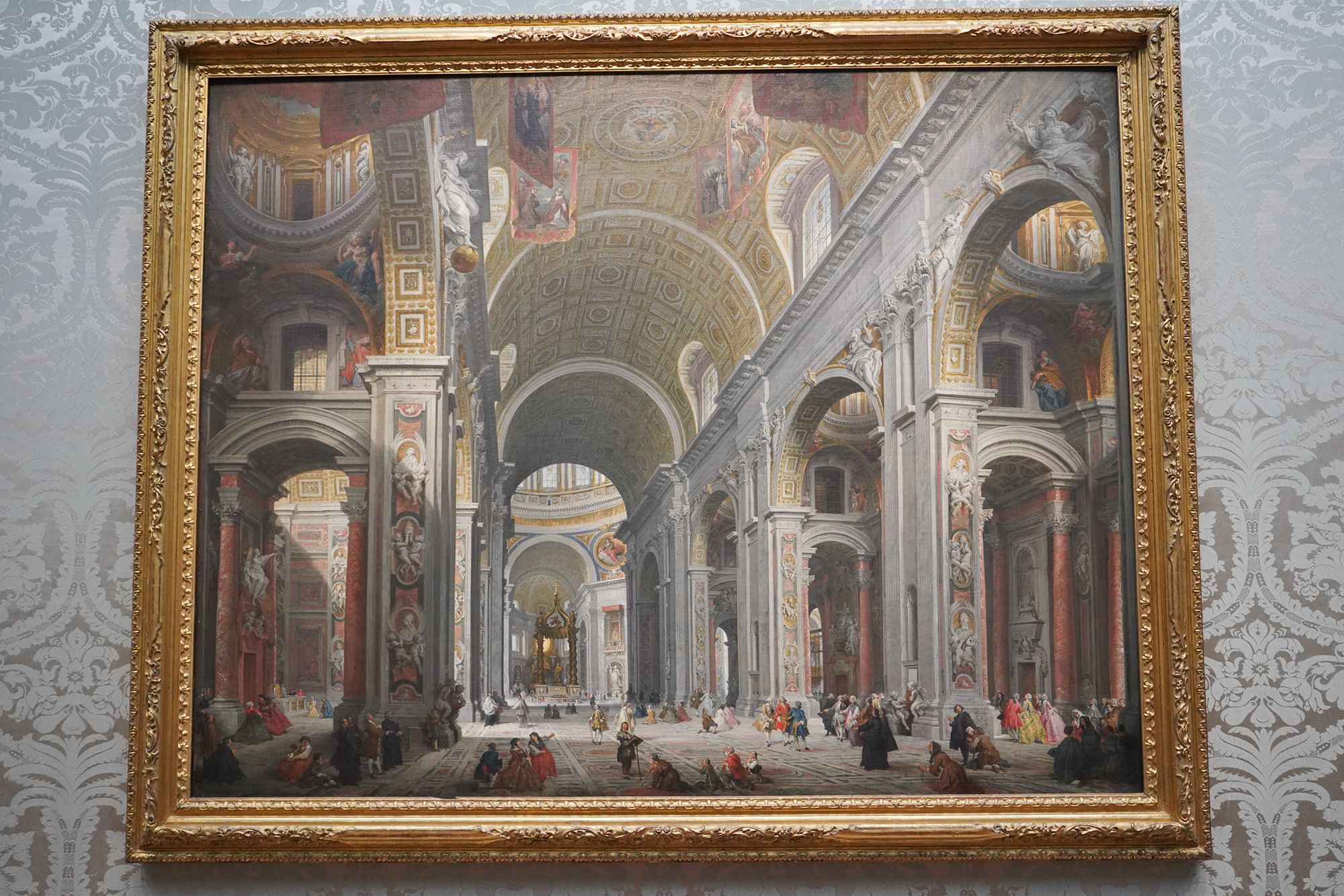
Italian landscape and view painting flourished in the 17th and 18th centuries, capturing the beauty of Italy’s scenery and the charm of its ancient ruins.
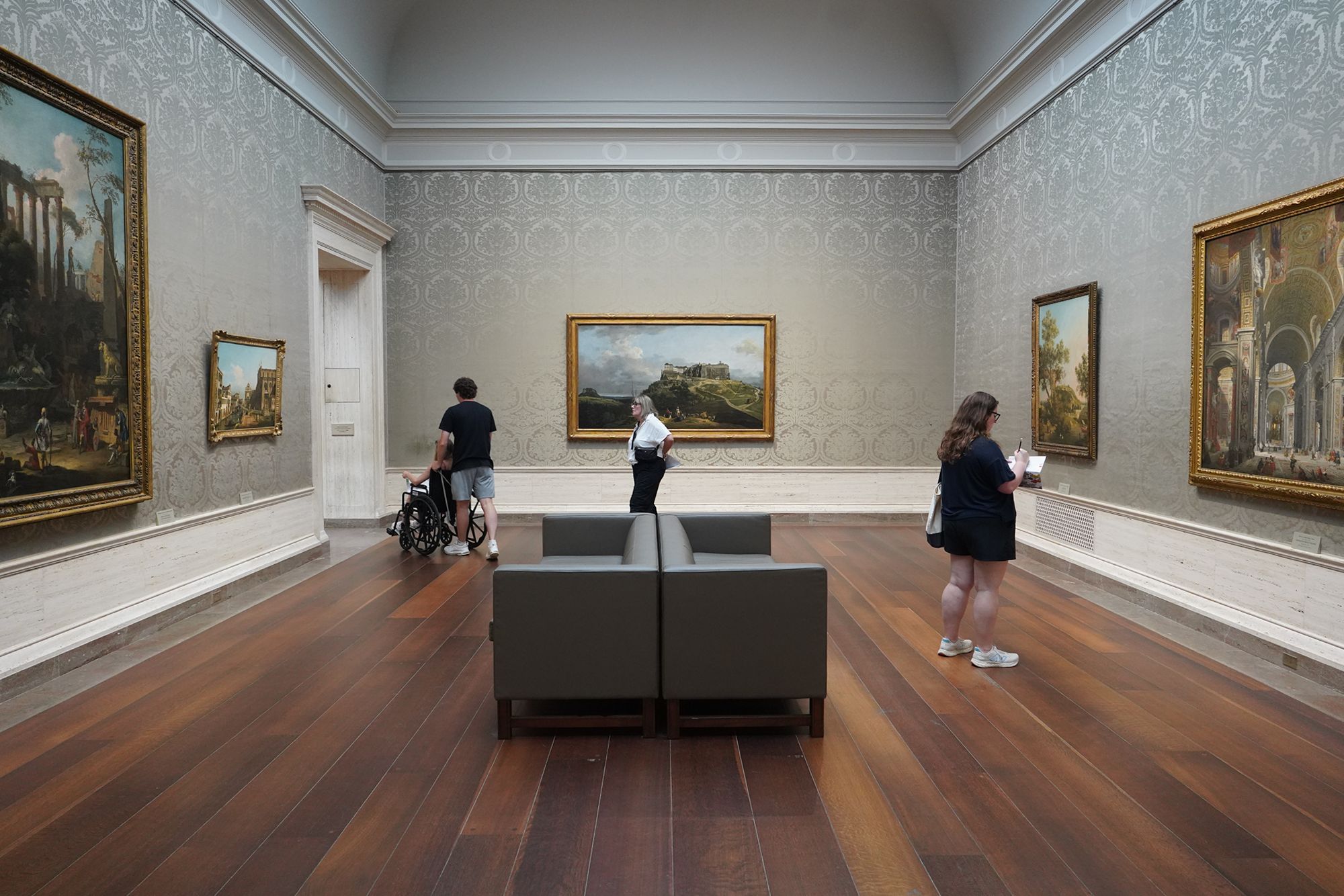
Artists such as Claude Lorrain, Canaletto, and Francesco Guardi transformed the landscape into an idealized vision of harmony and light, blending nature, architecture, and atmosphere.
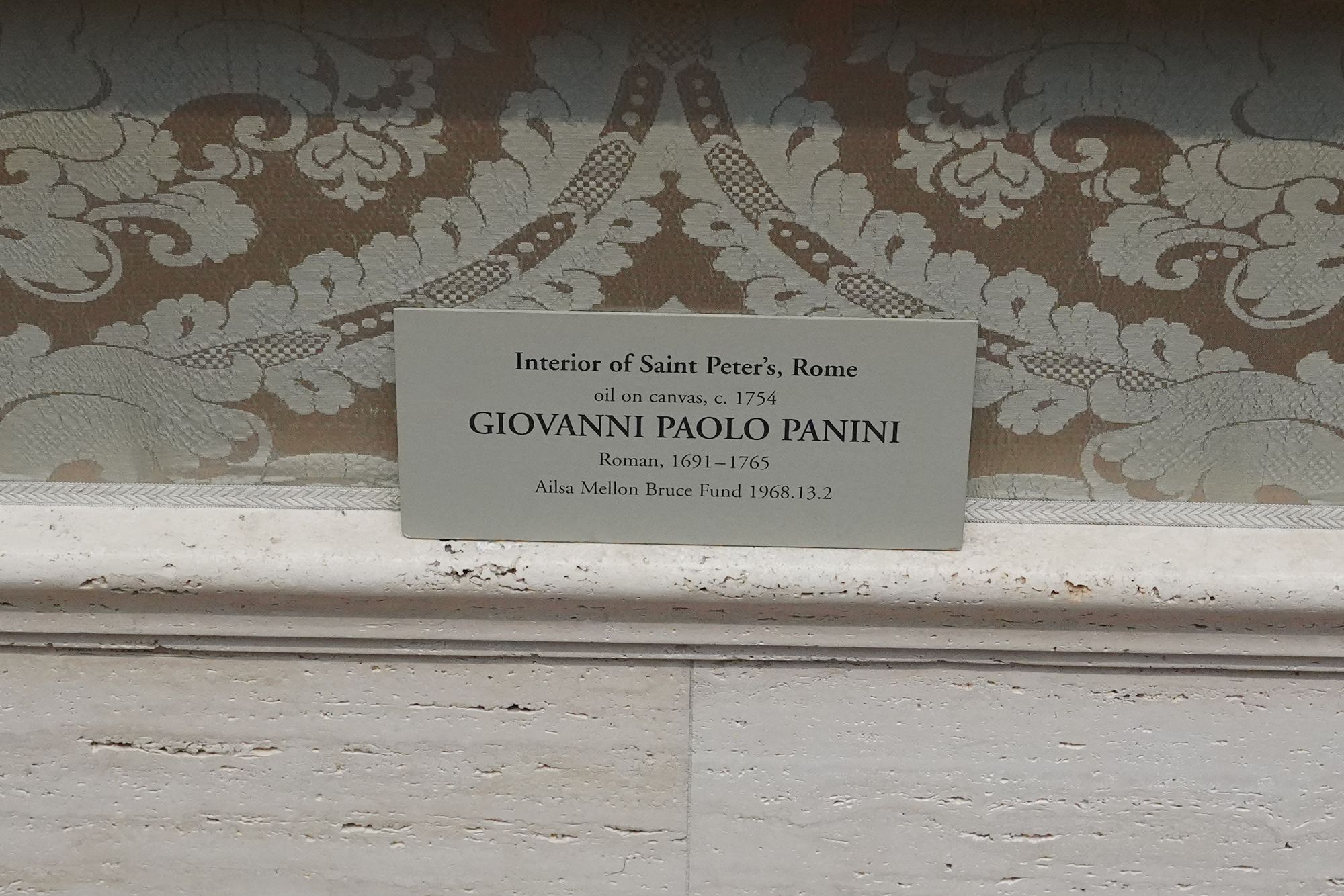
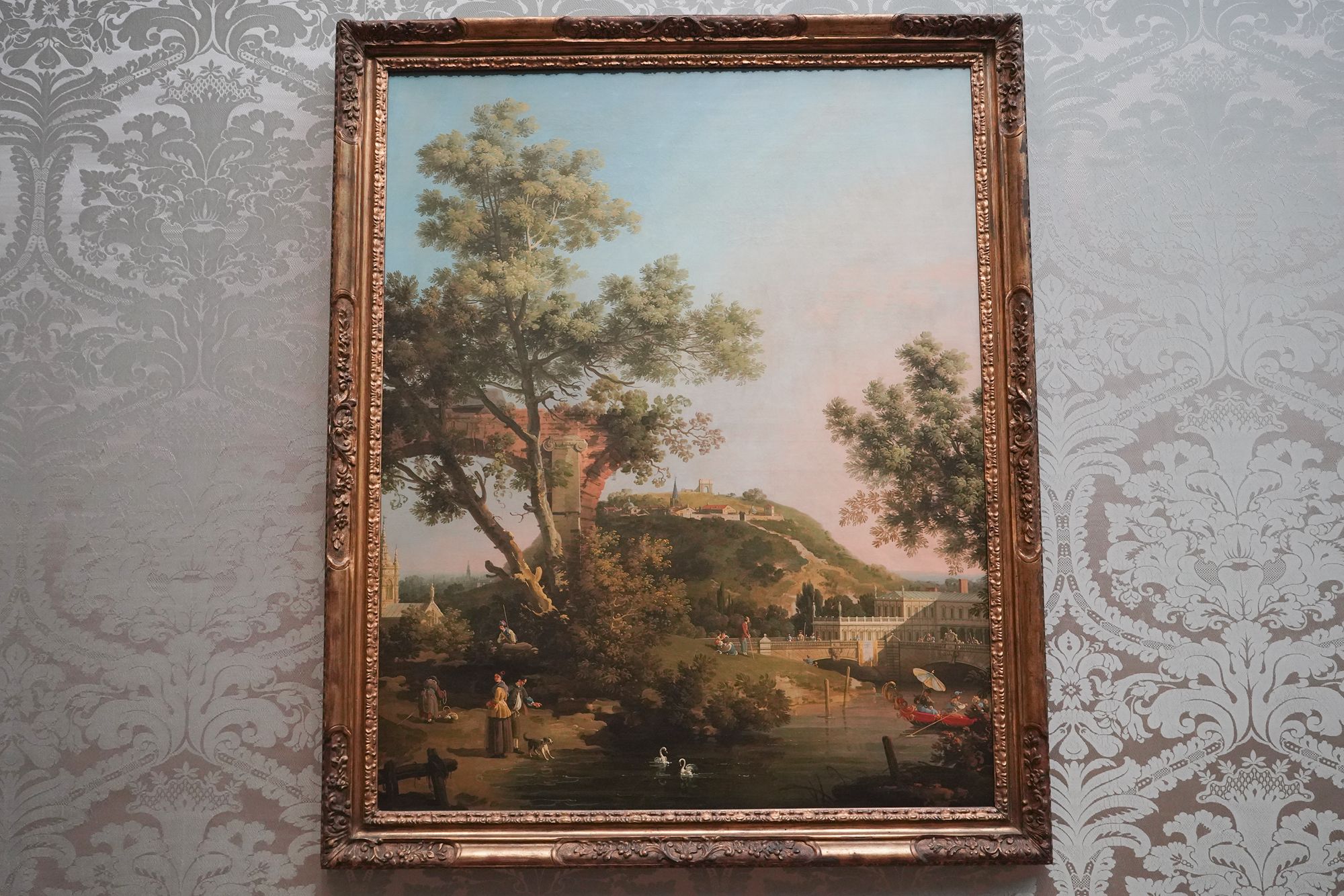
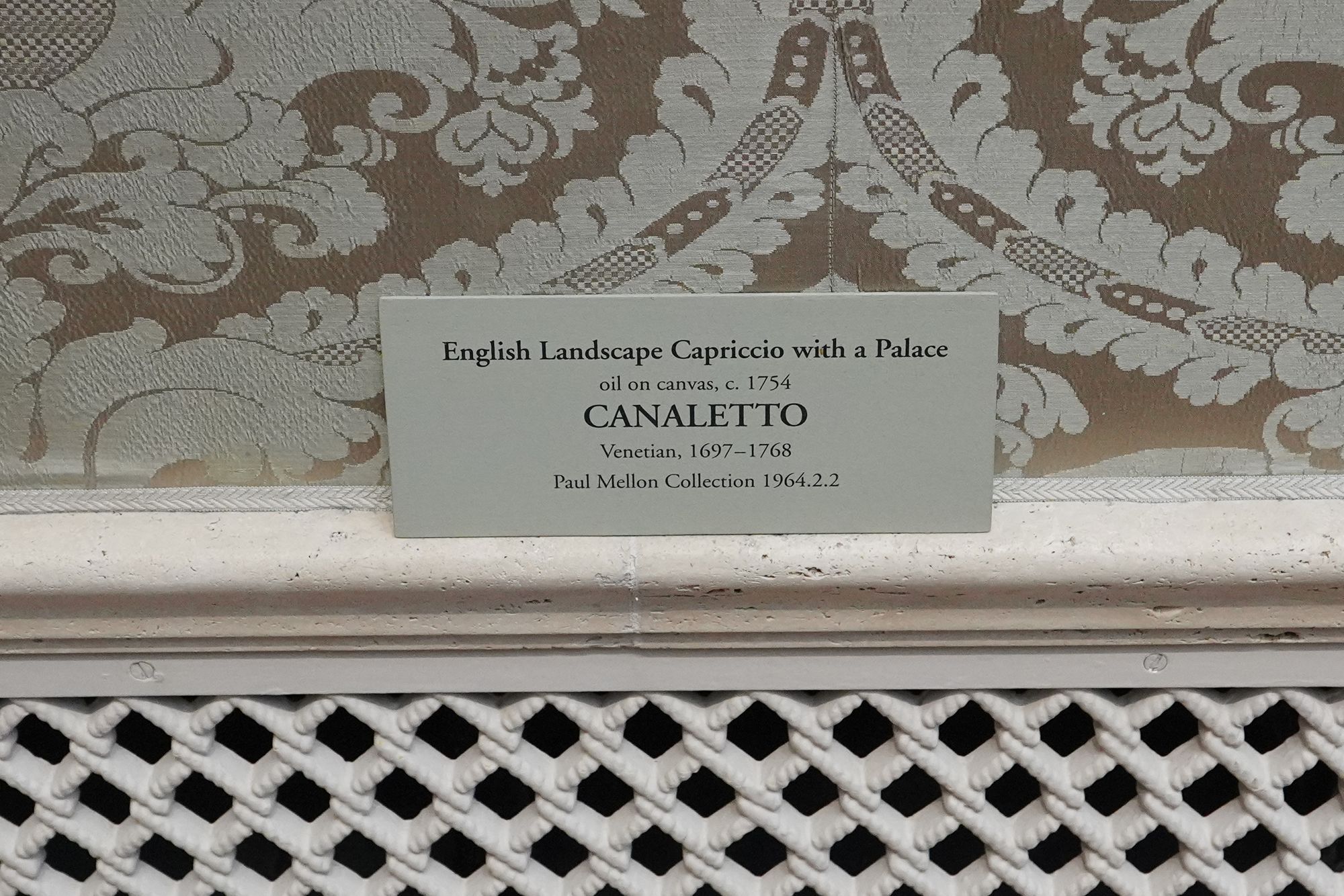
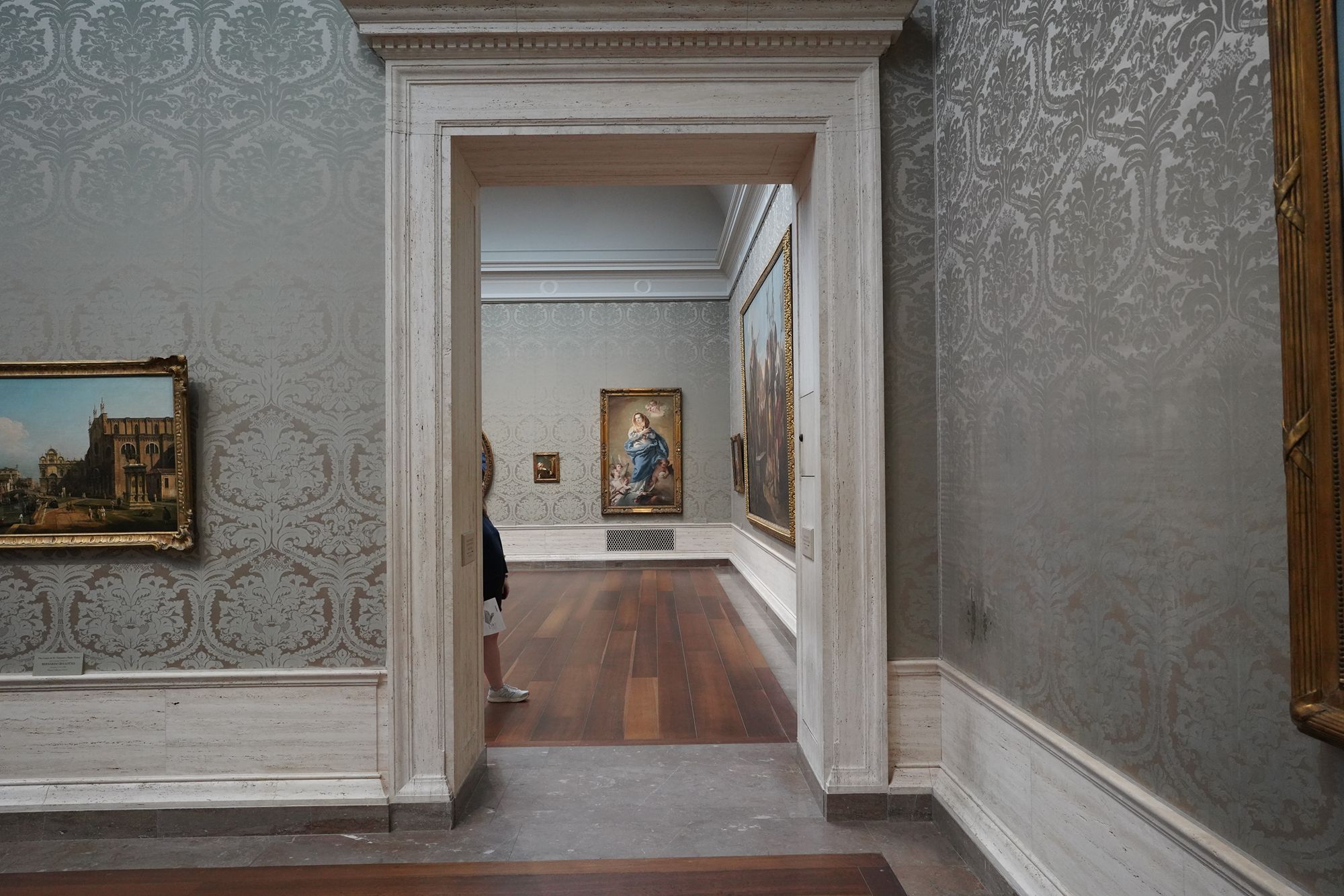
Italian Painting 17th and 18th Centuries
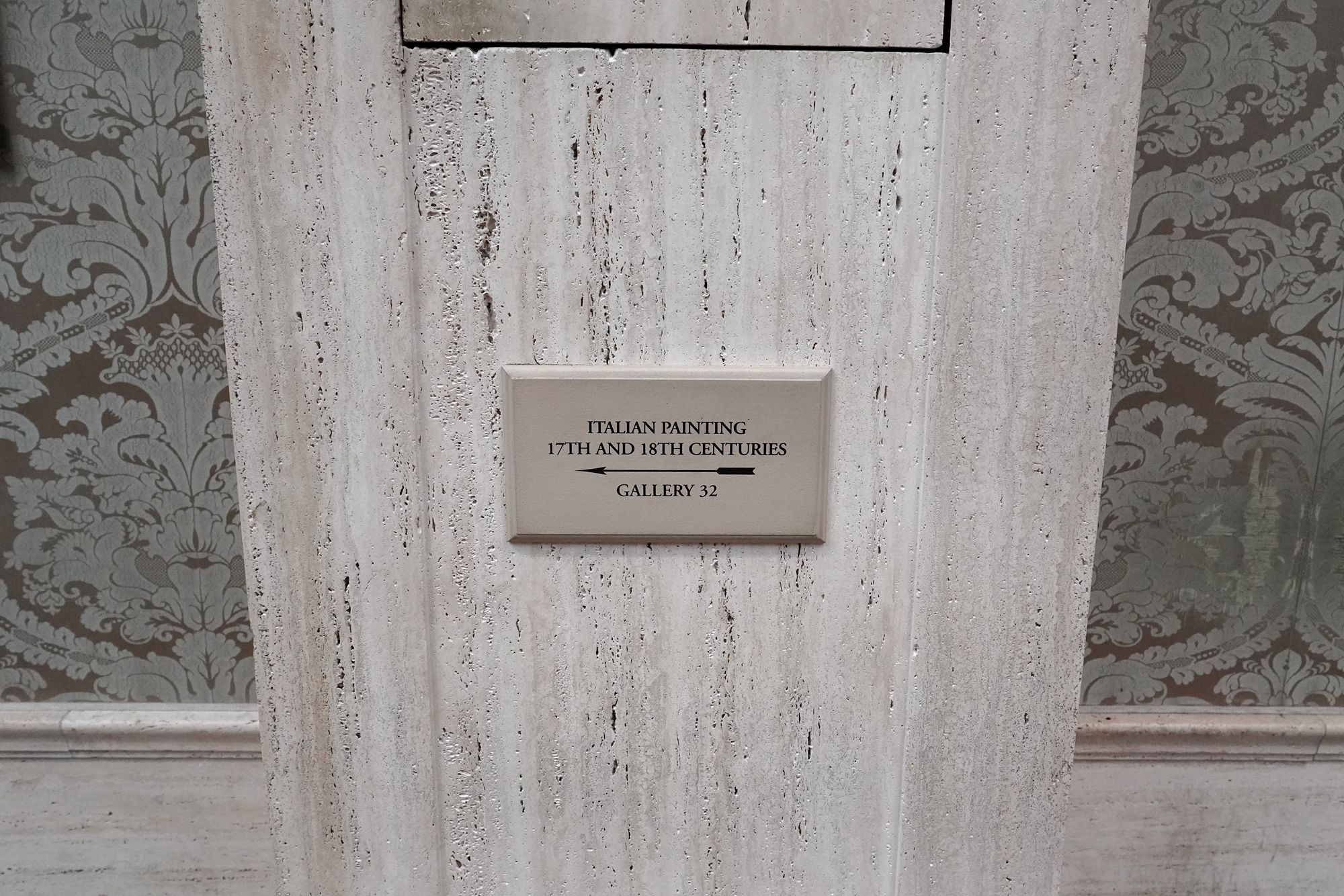
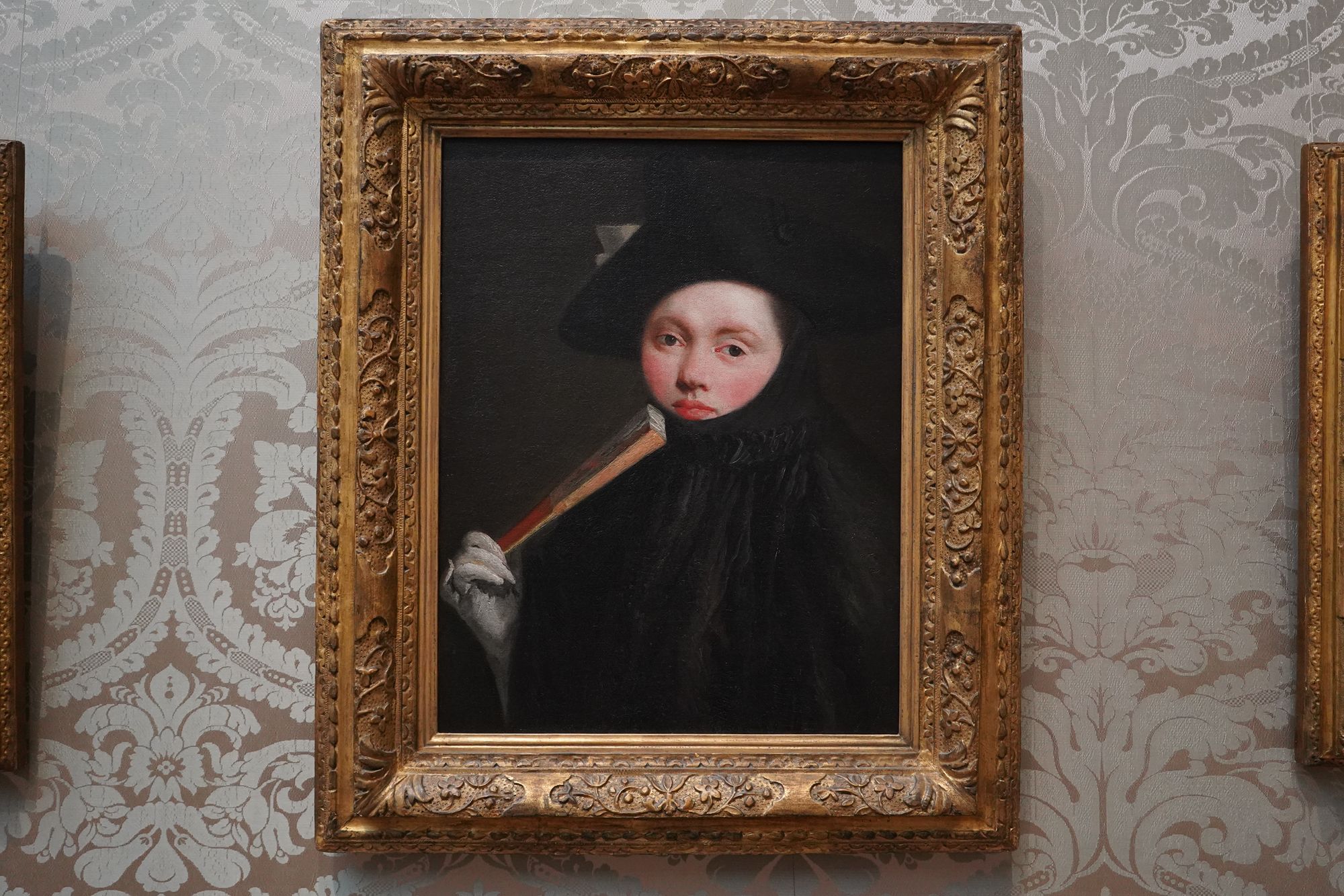
Italian painting of the 17th and 18th centuries at the National Gallery of Art shows the evolution from Baroque drama to Rococo elegance and Neoclassical clarity.
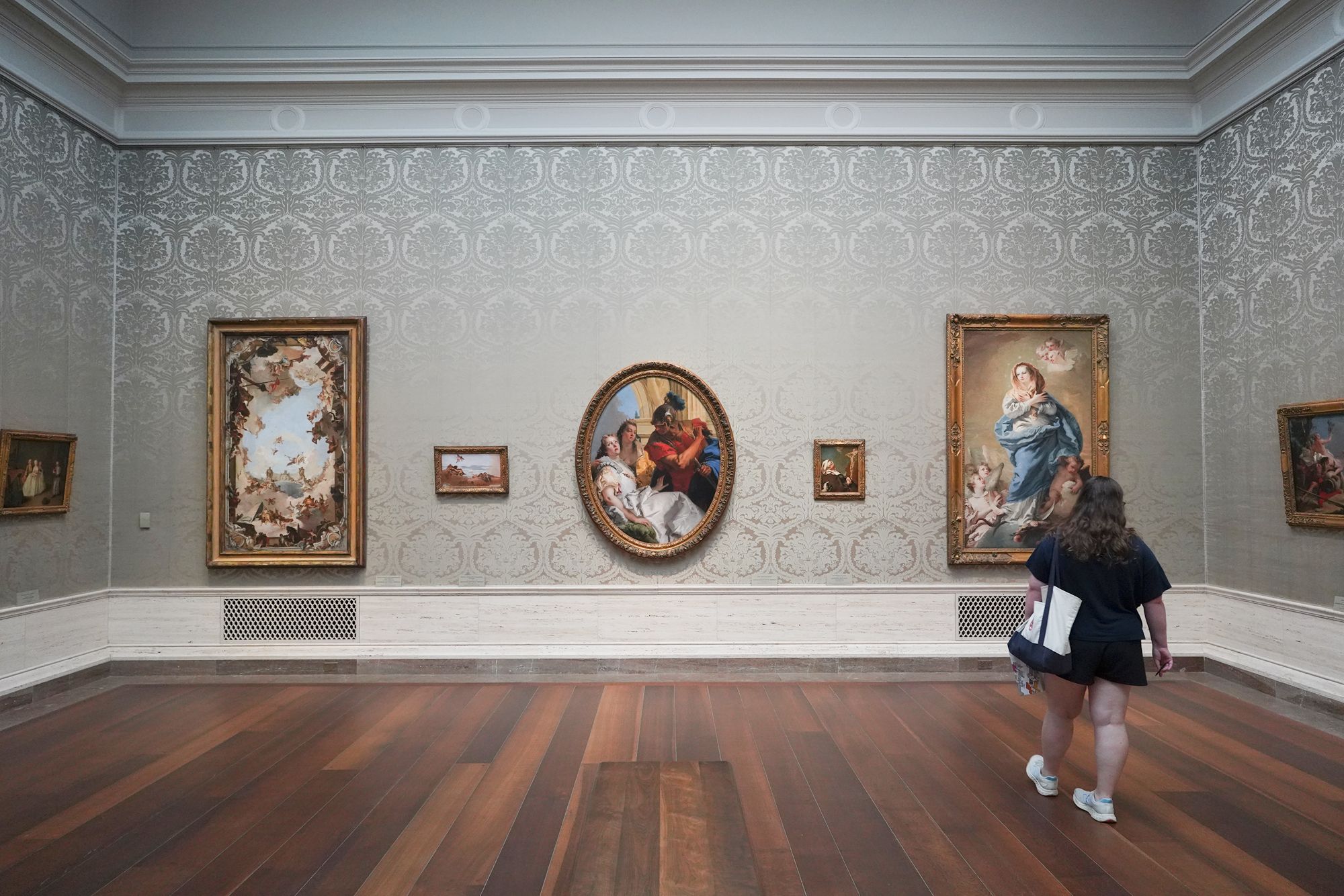
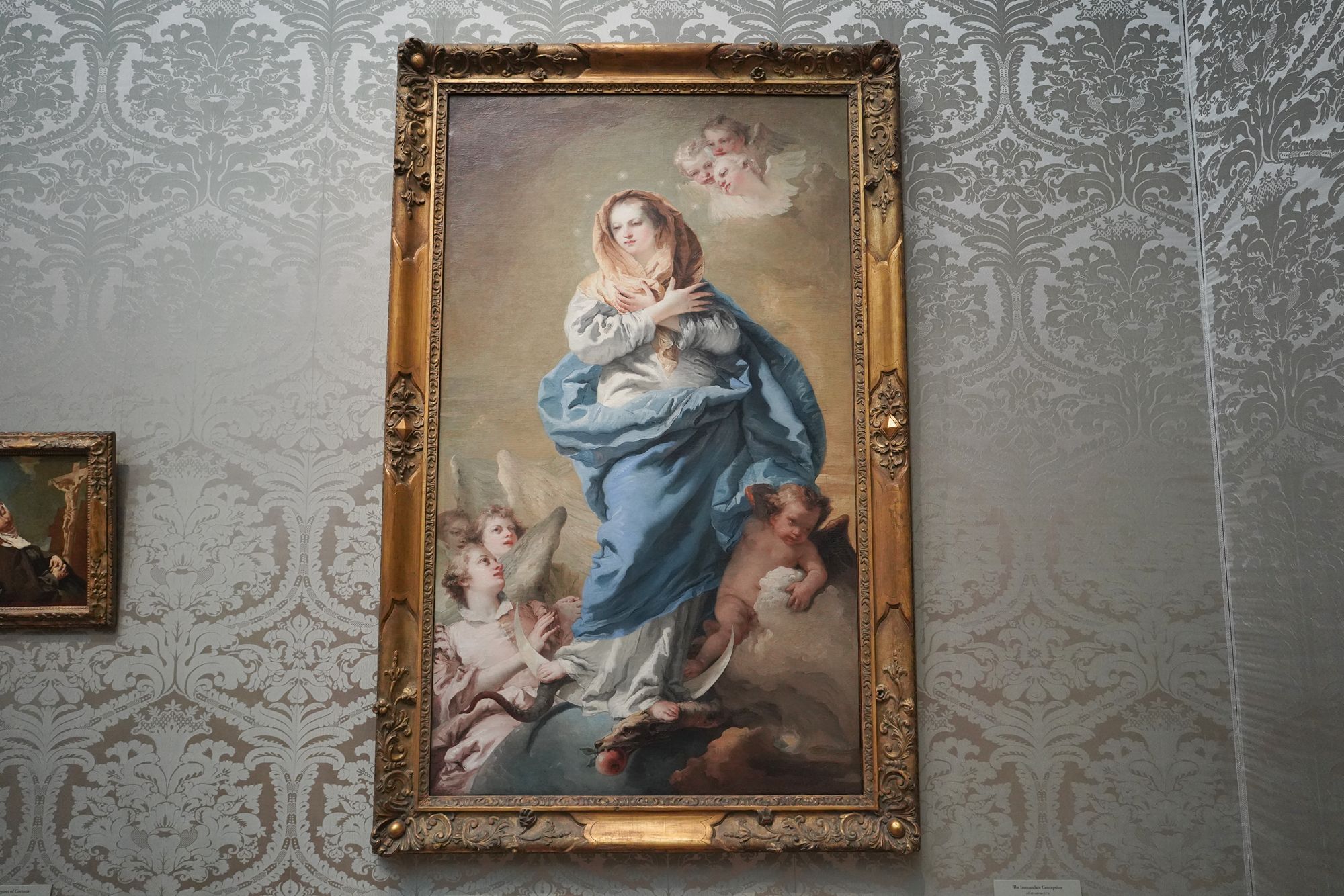
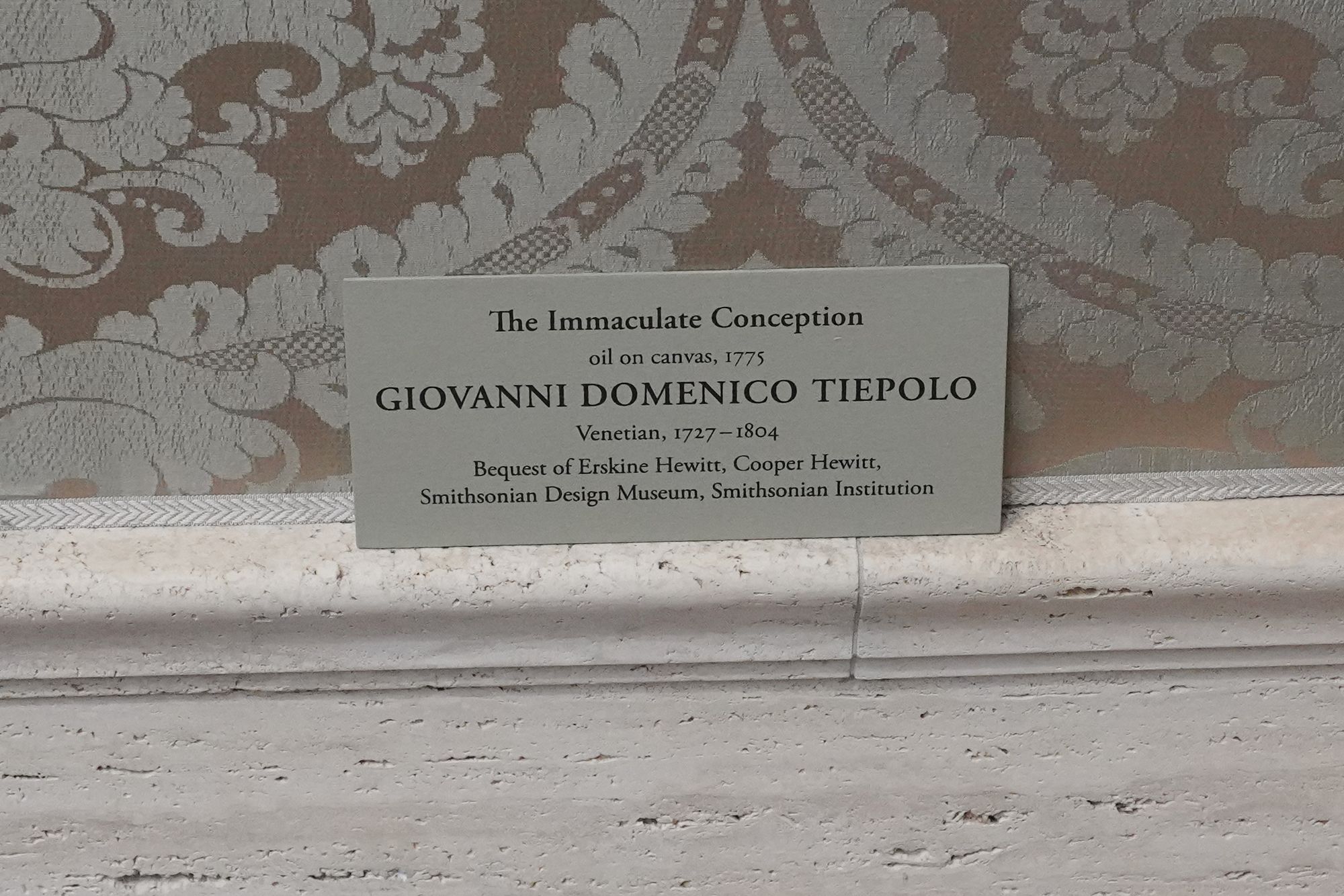
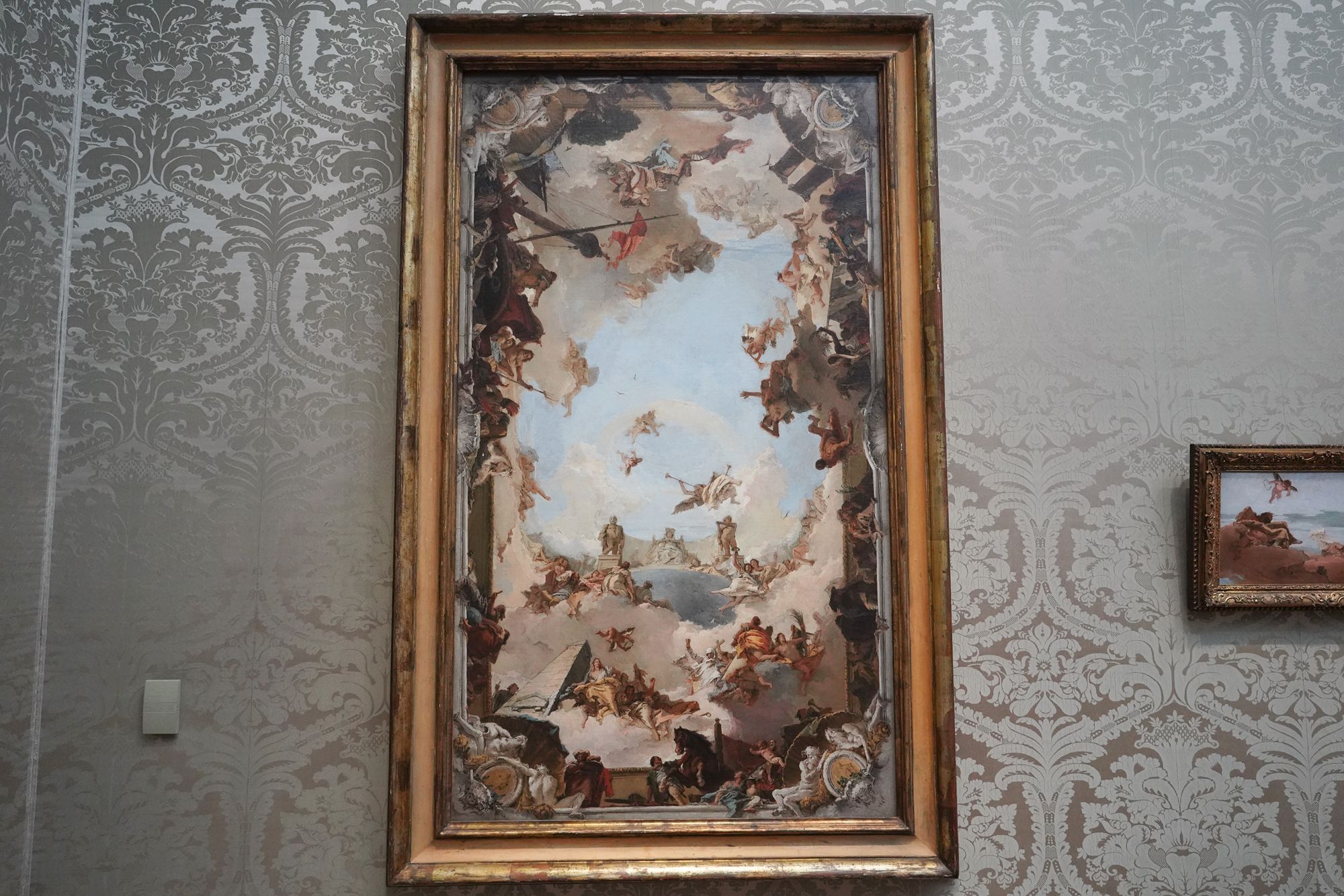
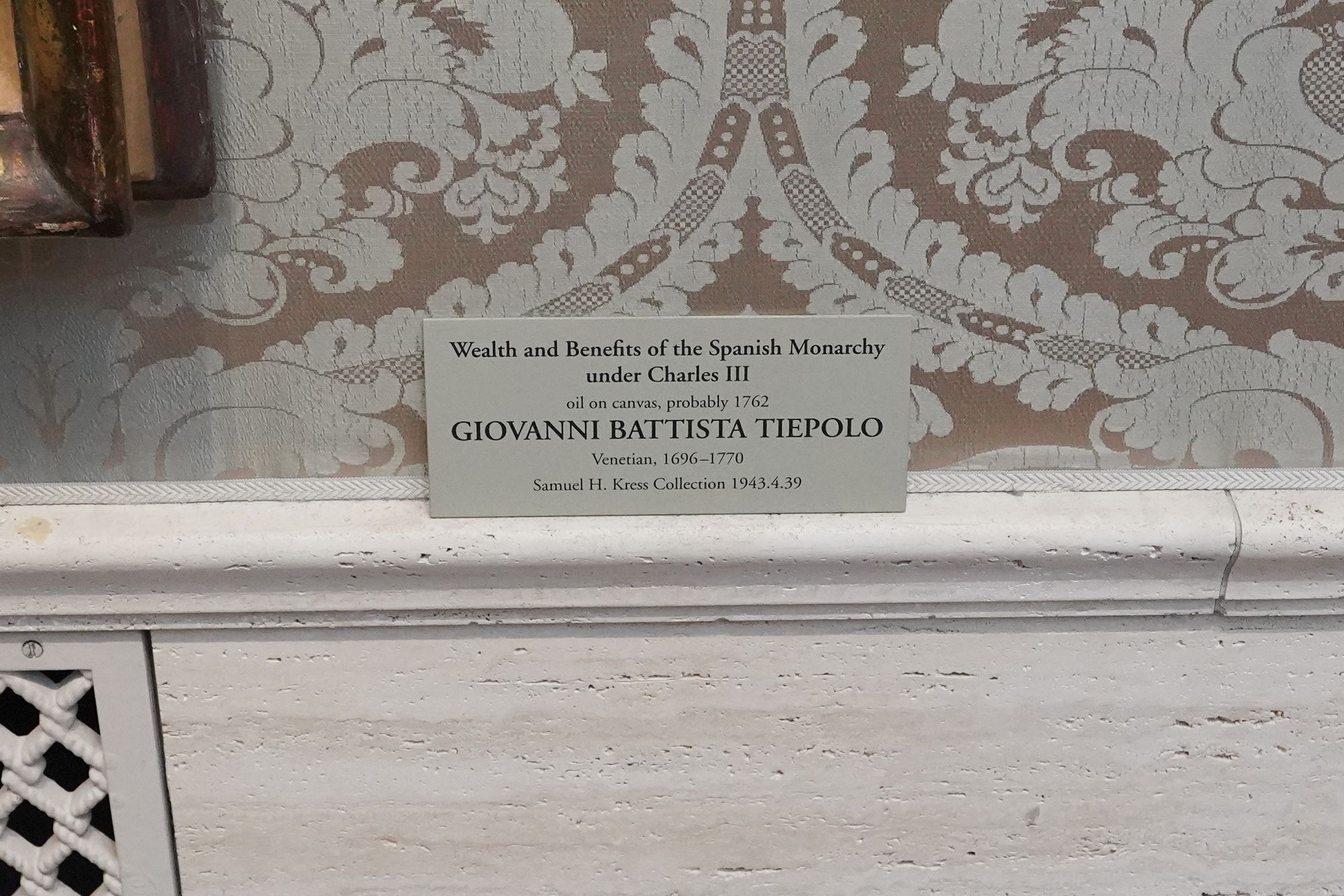
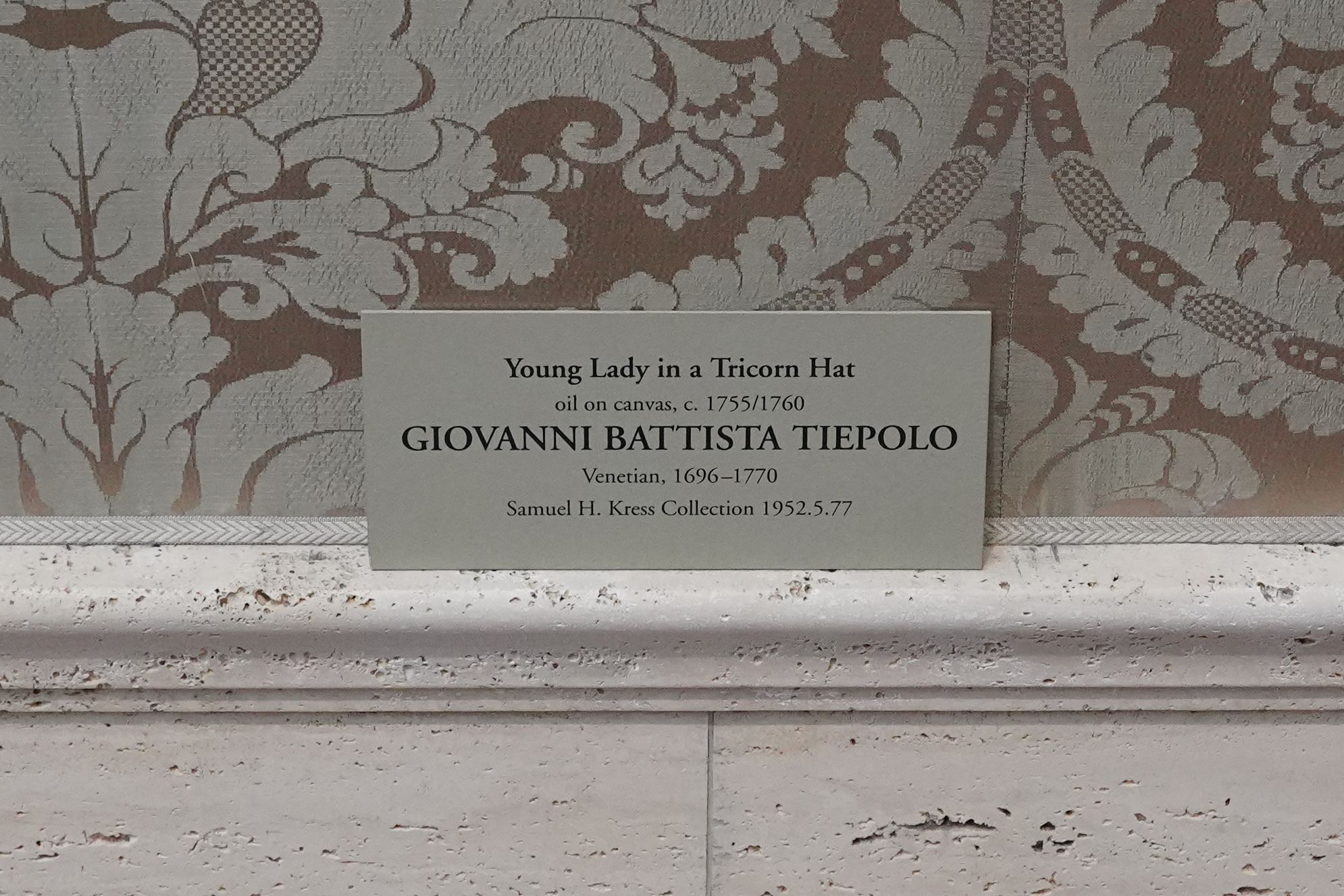
Giovanni Battista Tiepolo (1696–1770) was the leading Venetian painter of the 18th century, celebrated for his brilliant color, luminous light, and soaring imagination.
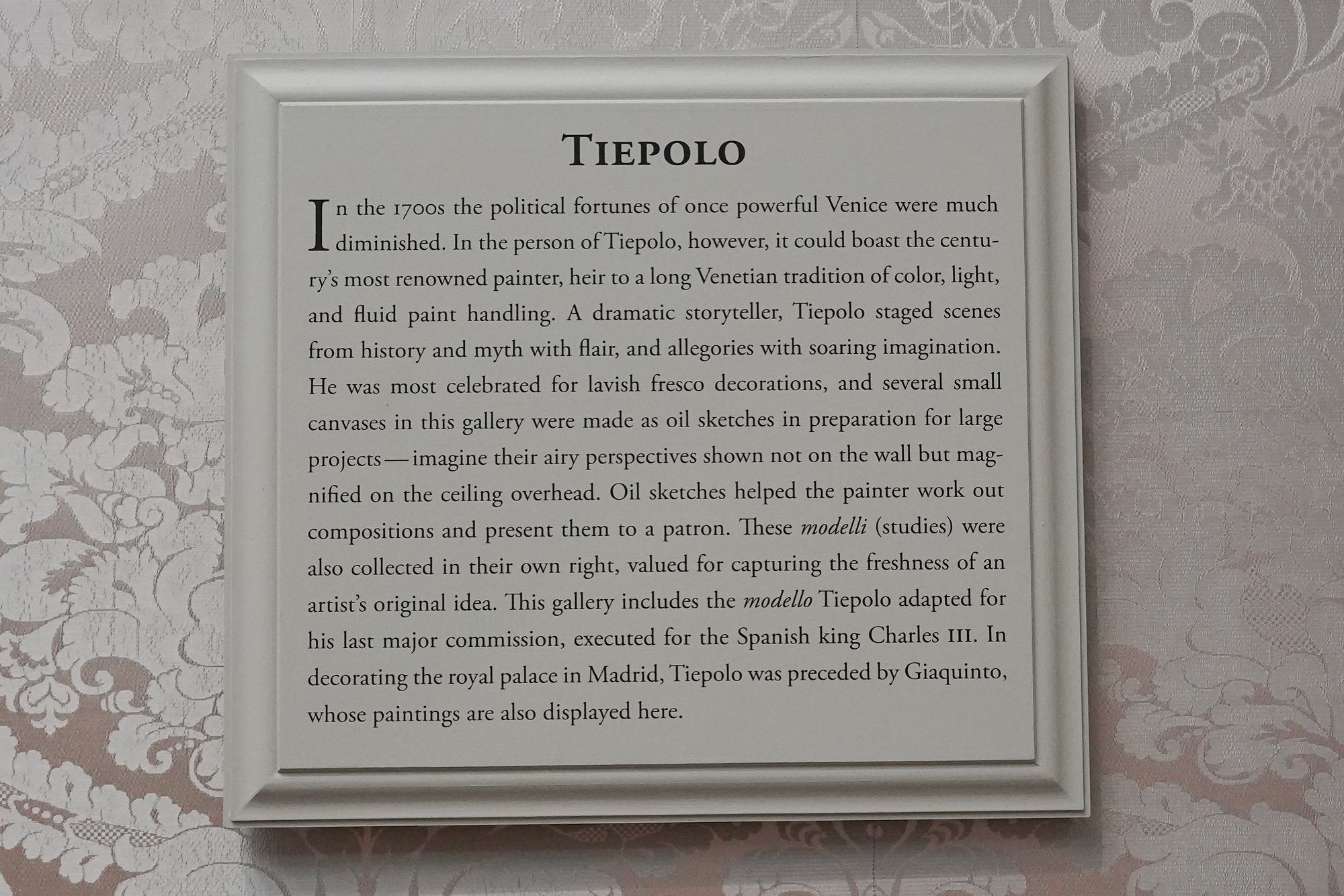
Tiepolo specialized in large-scale frescoes and mythological or religious scenes, filling ceilings and walls with floating figures bathed in radiant light.
Italian Painting Late 16th and 17th Centuries
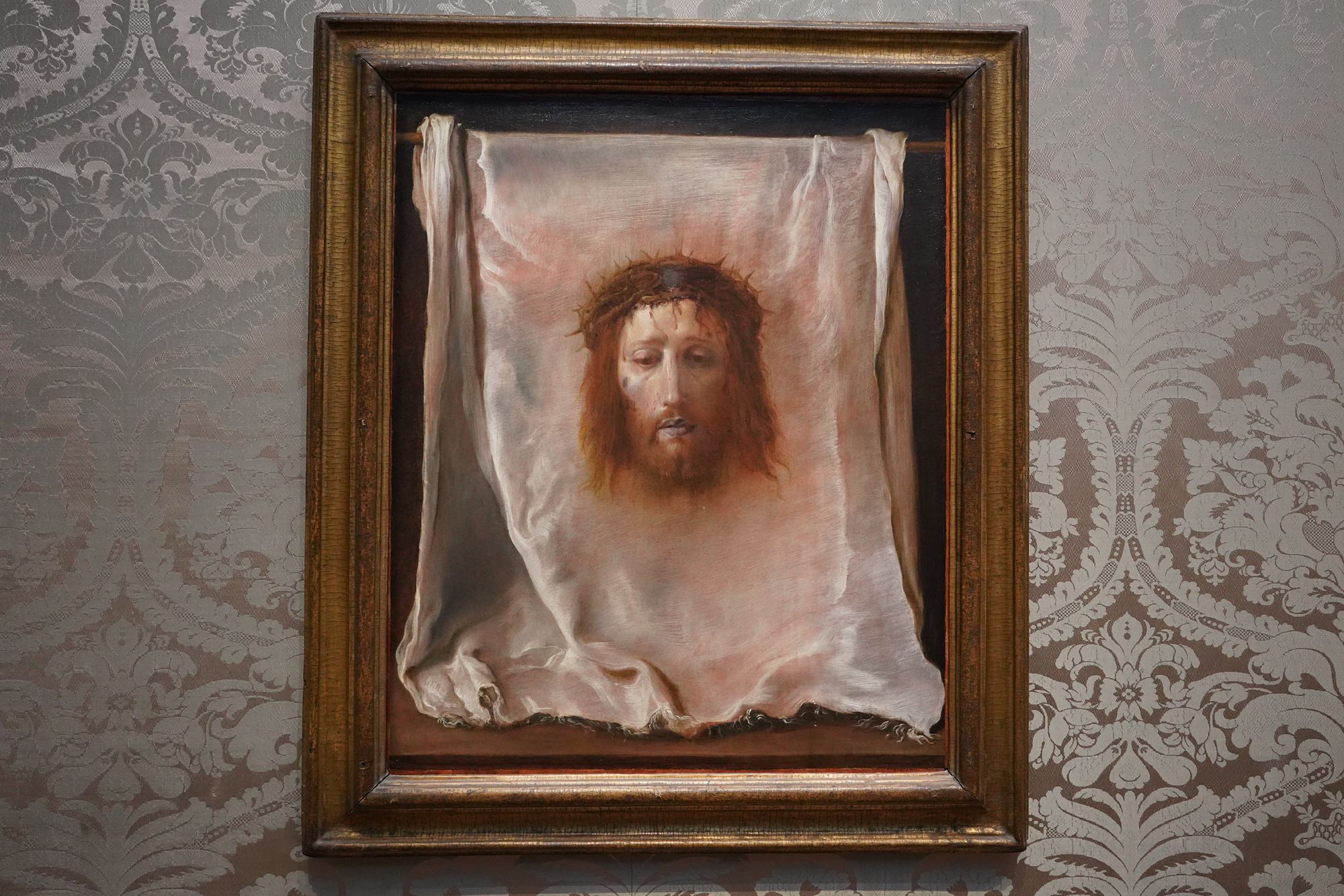
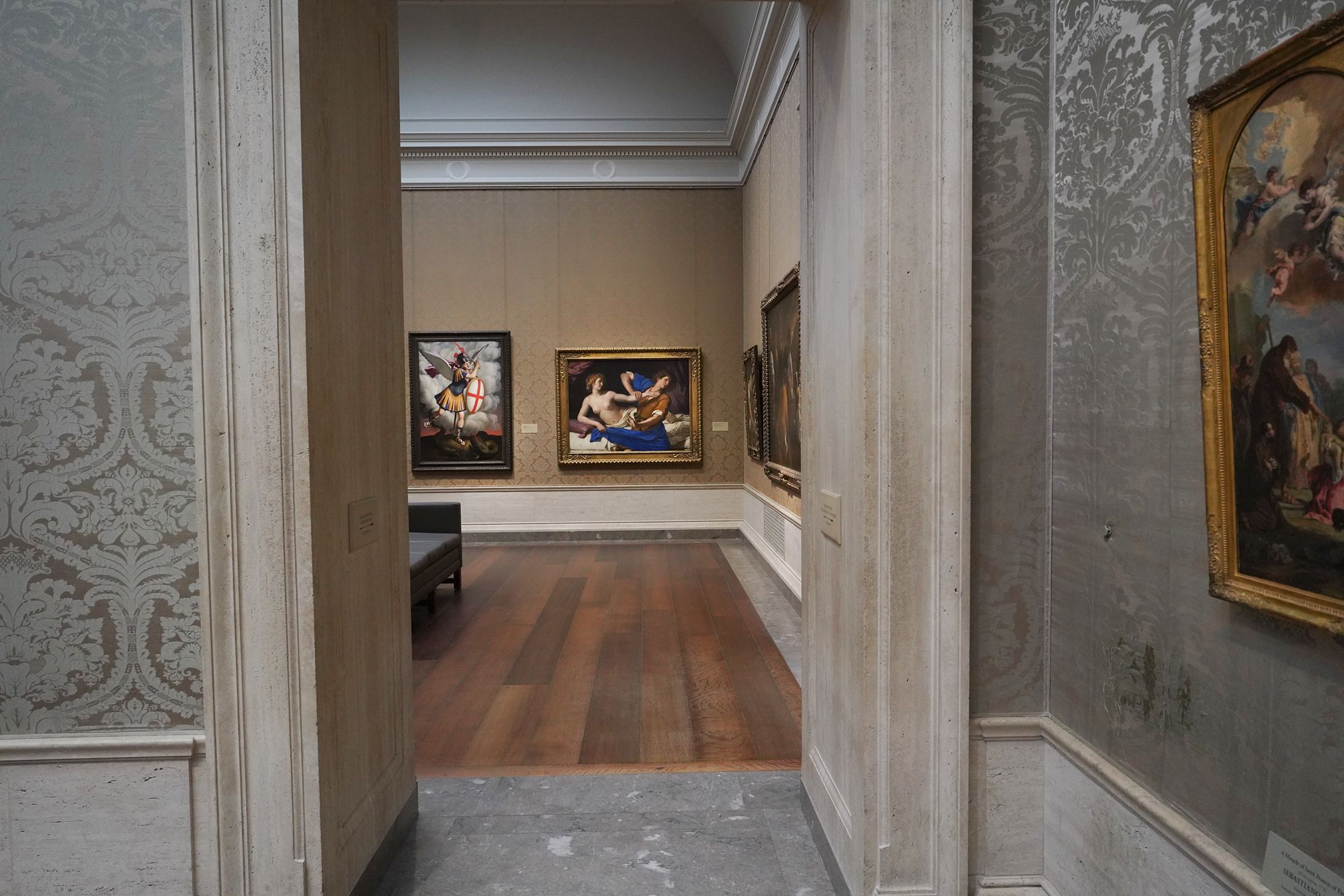
Italian painting of the late 16th and 17th centuries marks the transition from the refined Mannerist style to the powerful emotion and realism of the Baroque era.