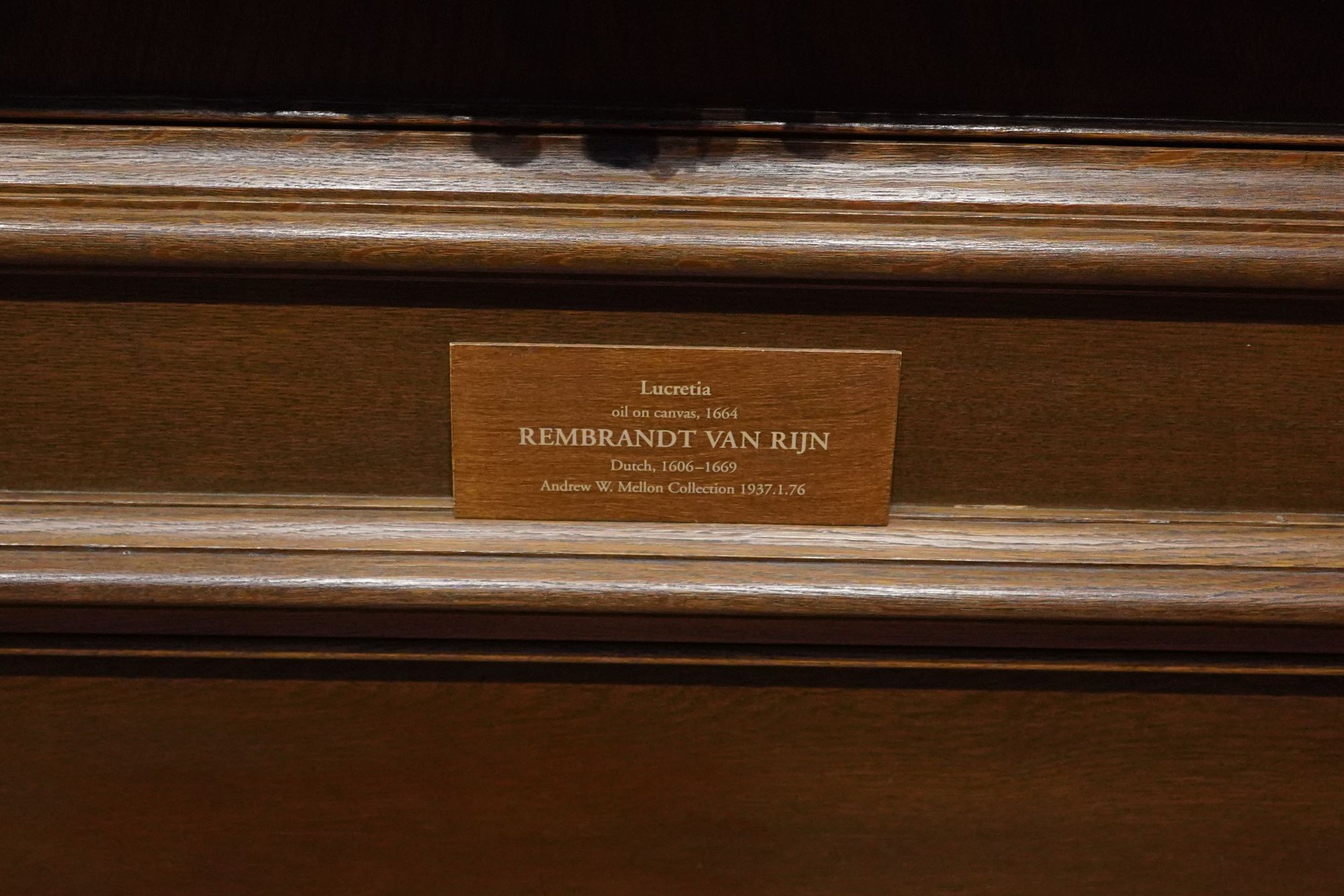
National Gallery of Art – Netherlands and Belgium Art from 1300, Washington DC, USA
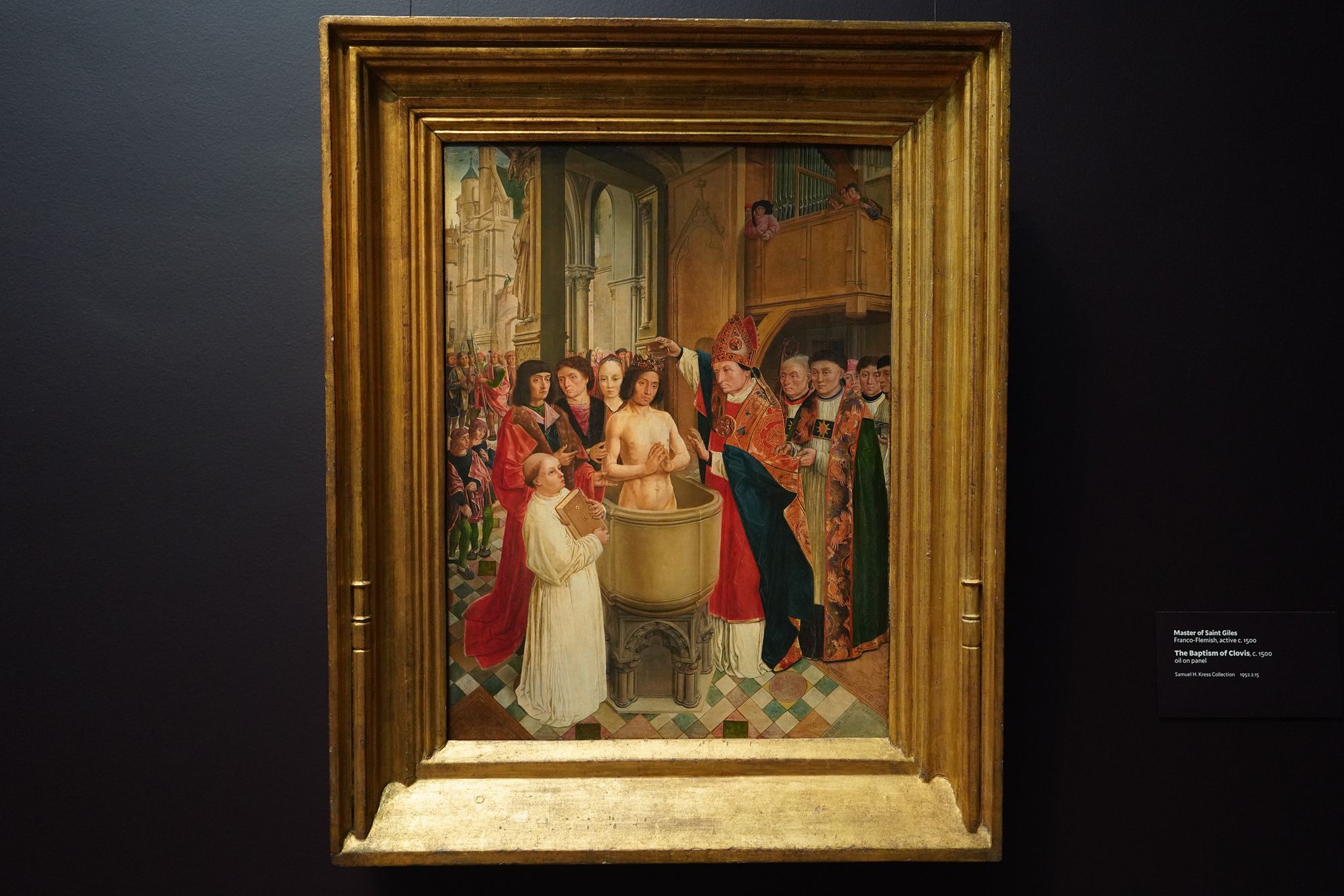
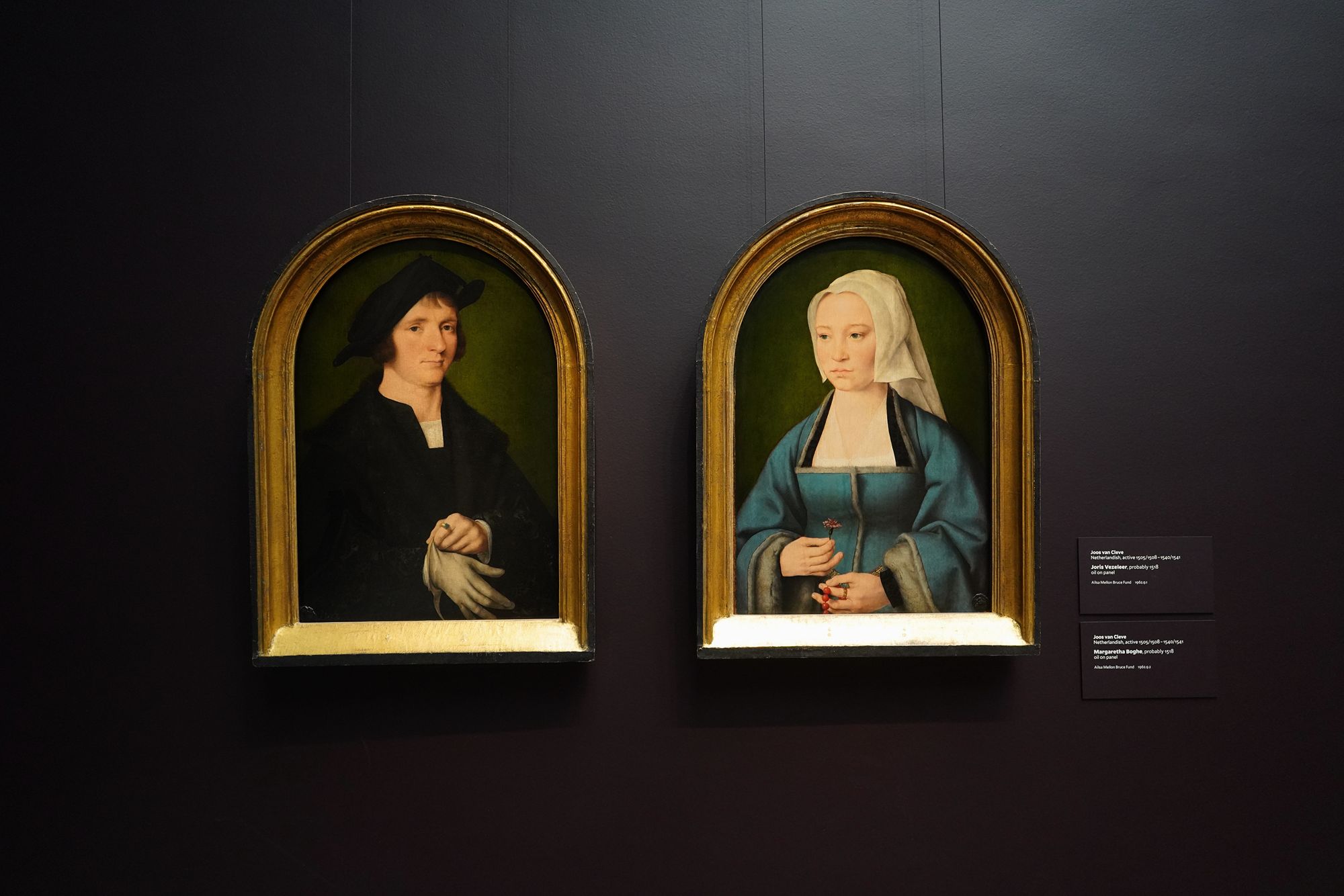
Art from the Netherlands and Belgium from around 1300 marks the rise of the Northern Renaissance. 1128
National Gallery of Art: Constitution Ave. NW, Washington, DC 20565
Date Picture Taken: July 2025
At the National Gallery of Art, the collection of Netherlandish and Belgian art shows this evolution from sacred devotion to human experience, capturing both spiritual intensity and the beauty of ordinary life.
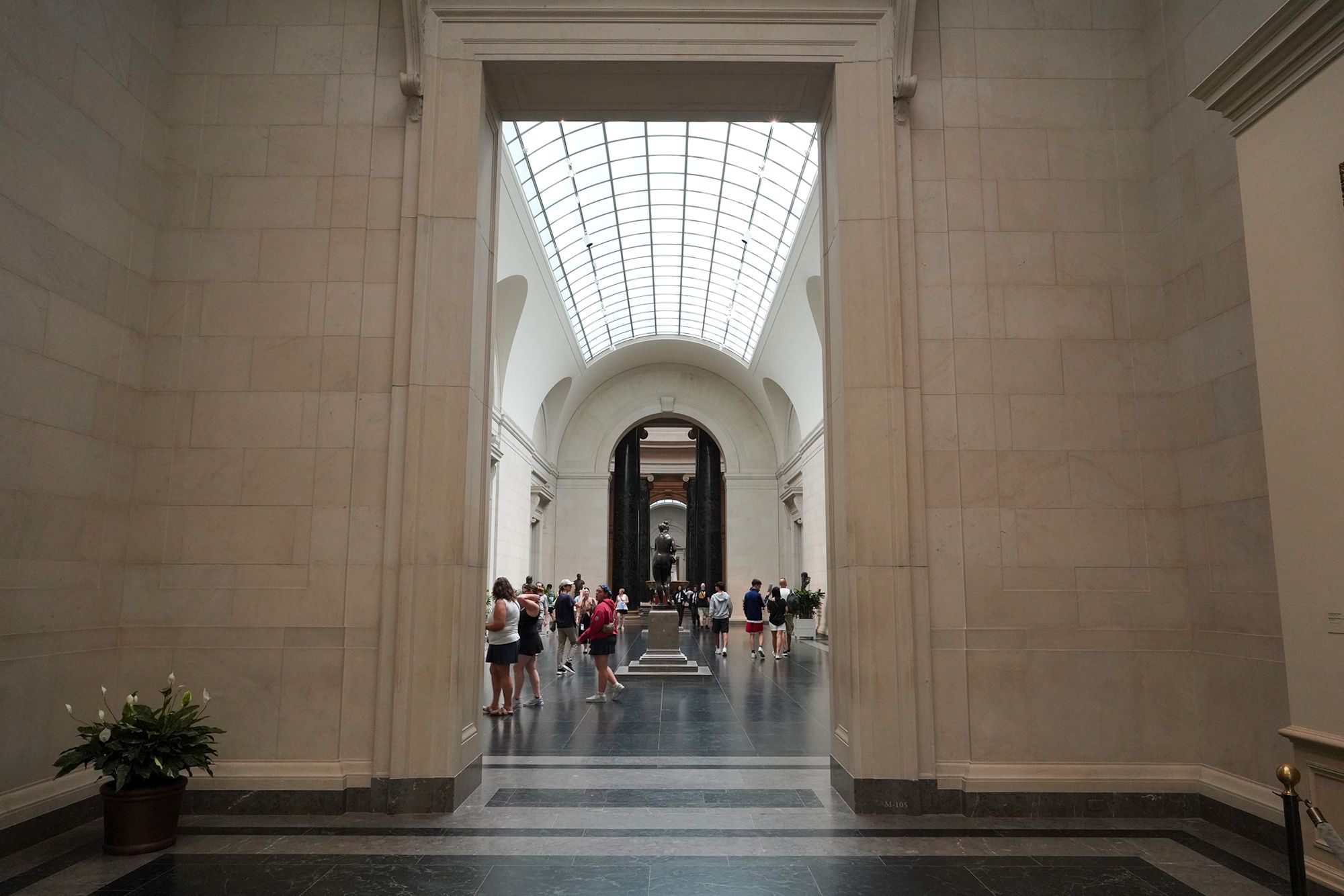
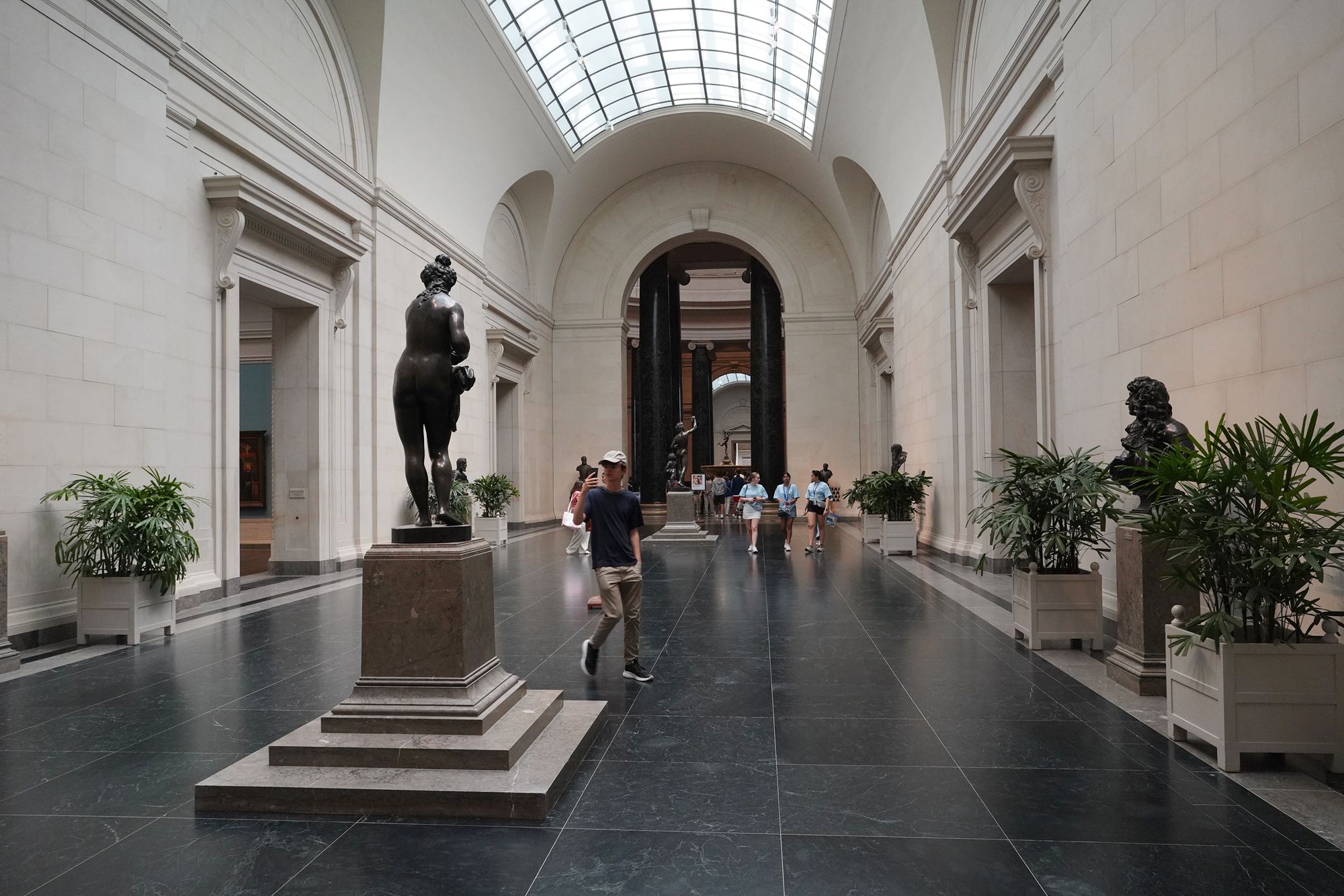
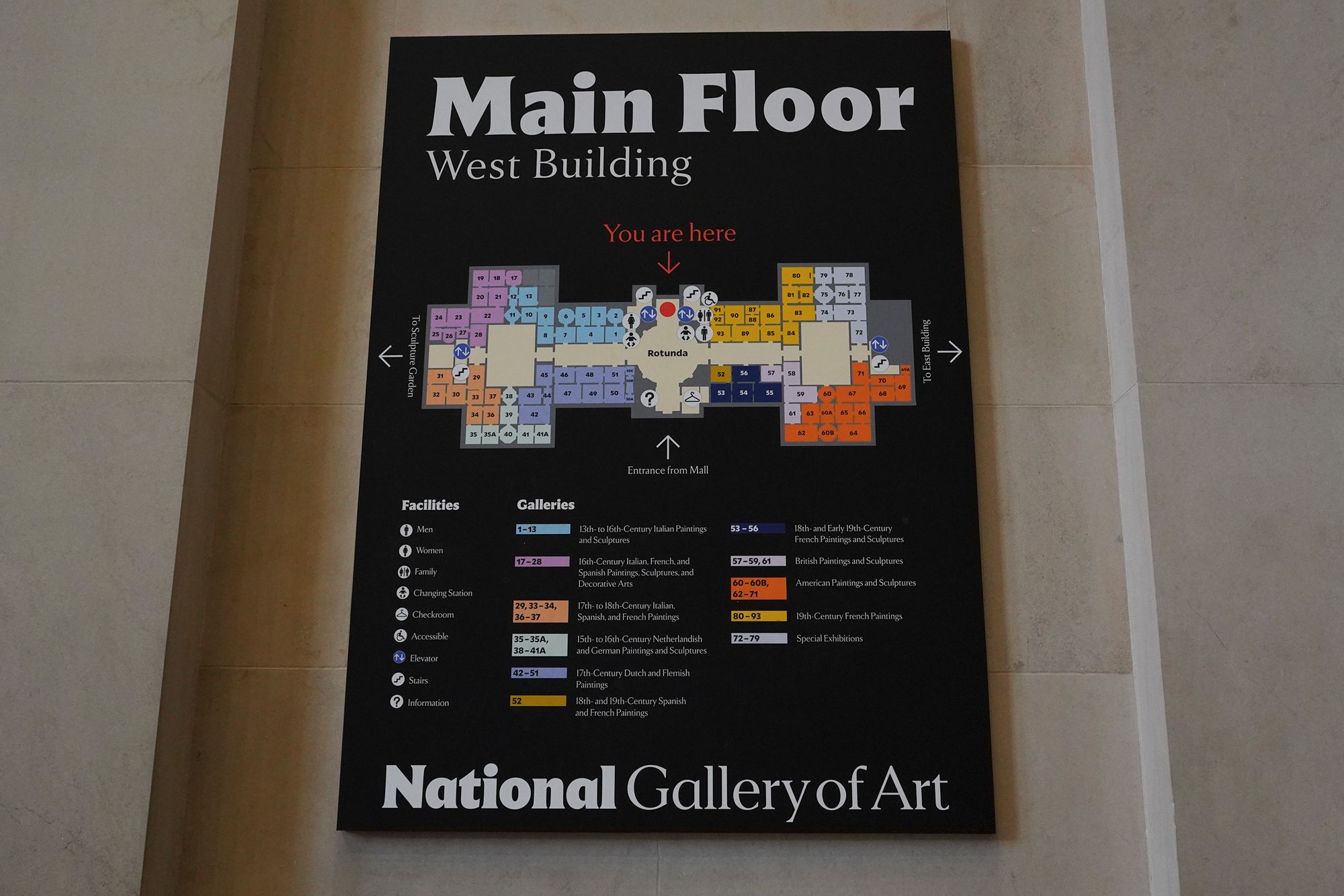
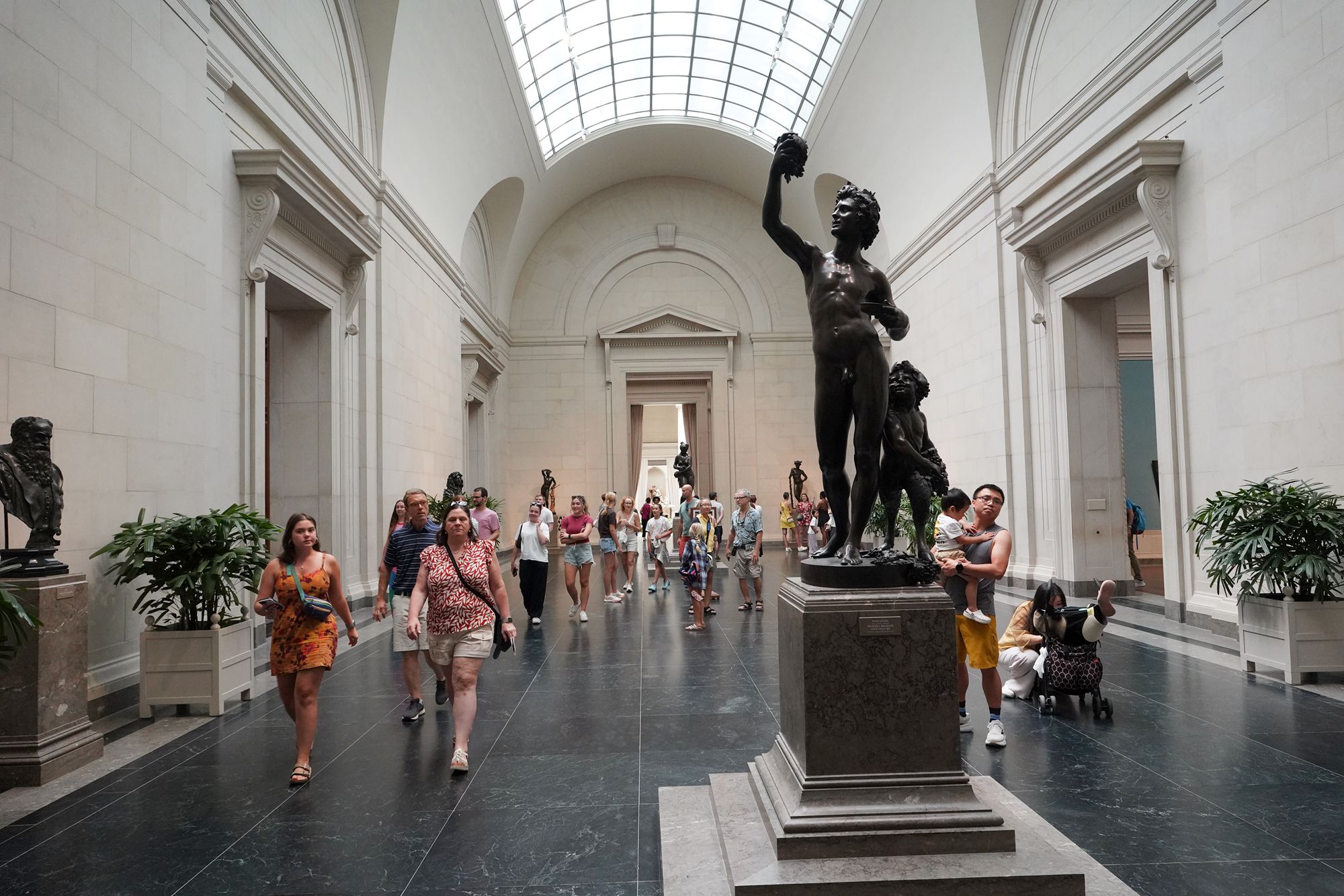
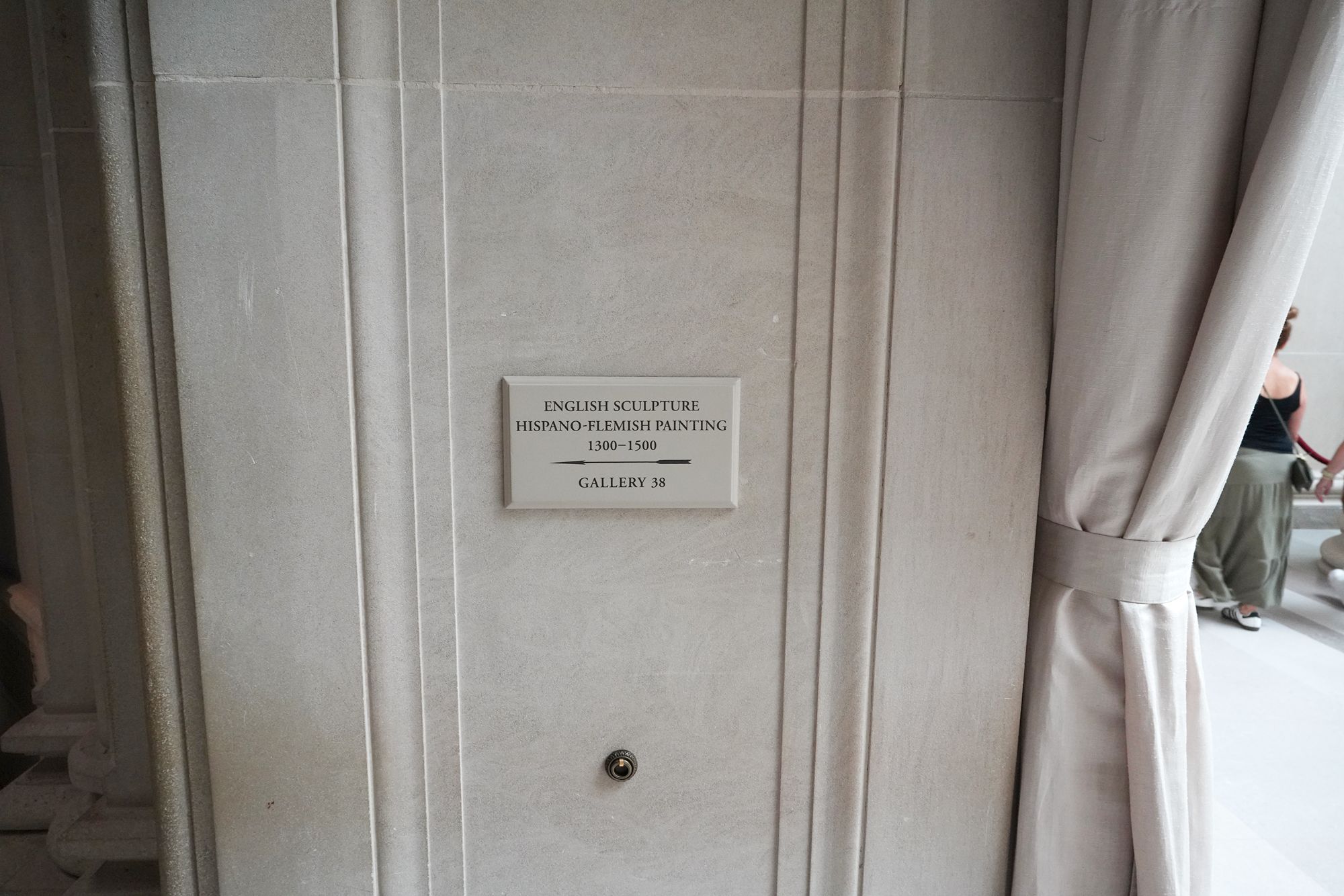
English-Sculpture Hispano-Flemish Painting
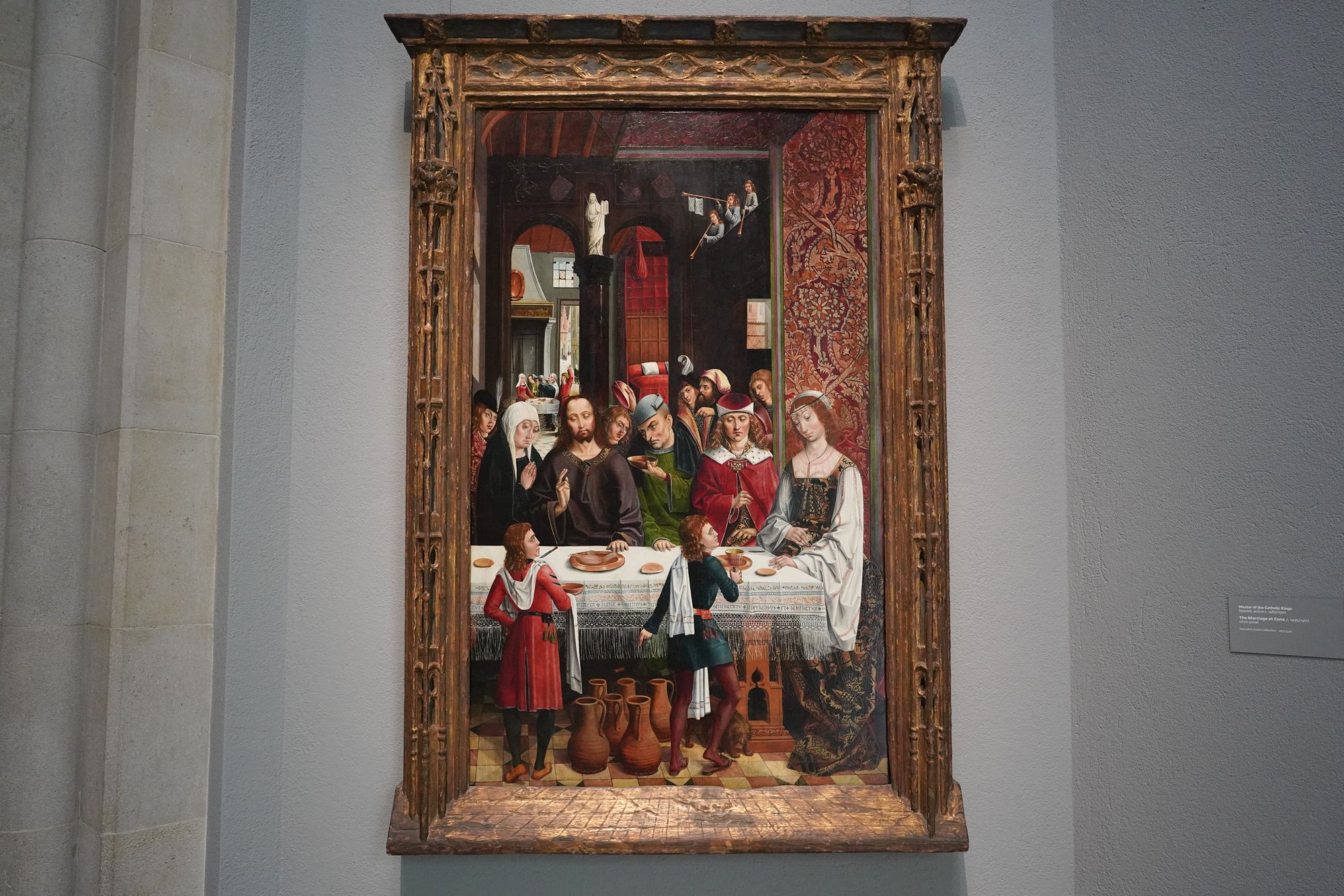
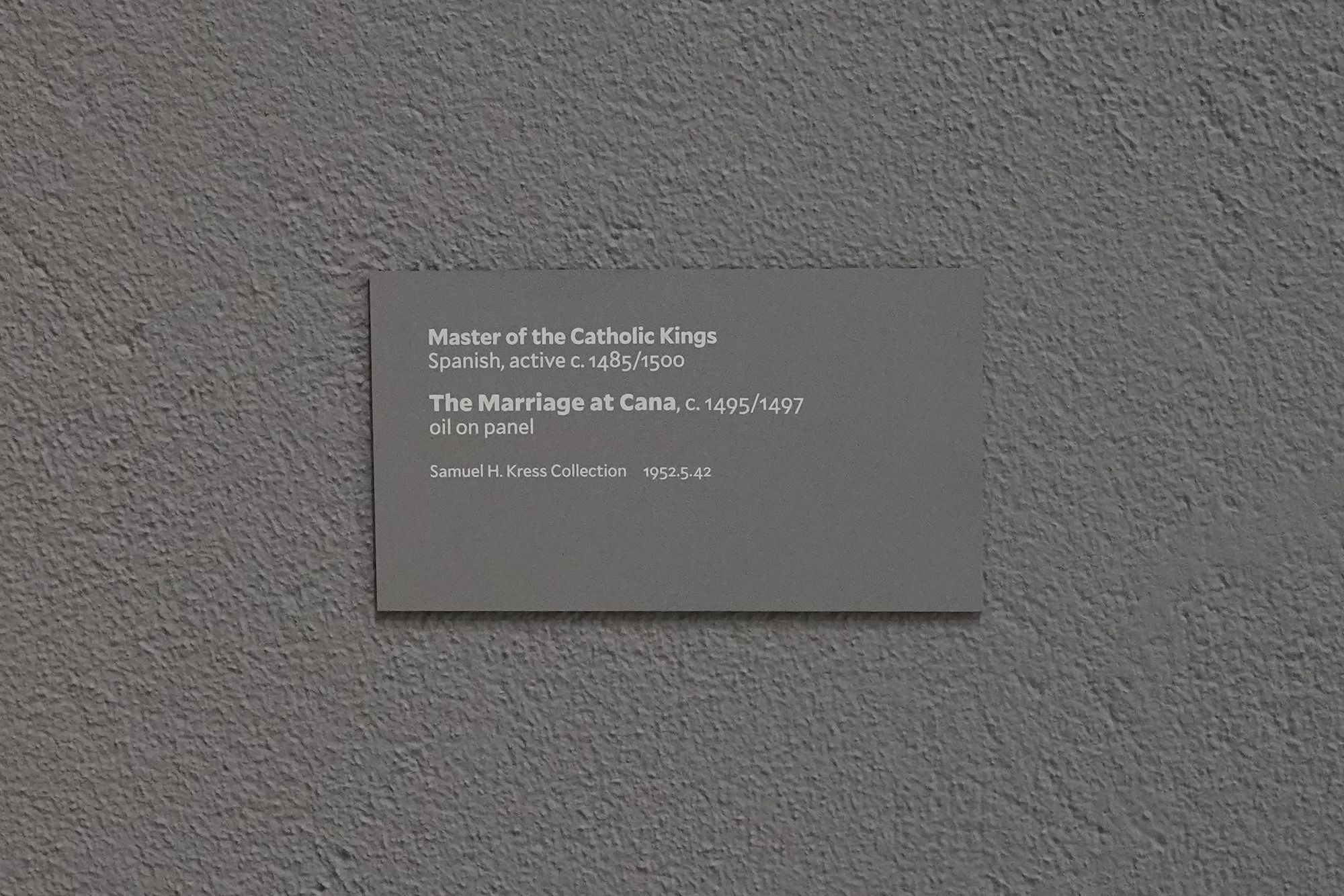
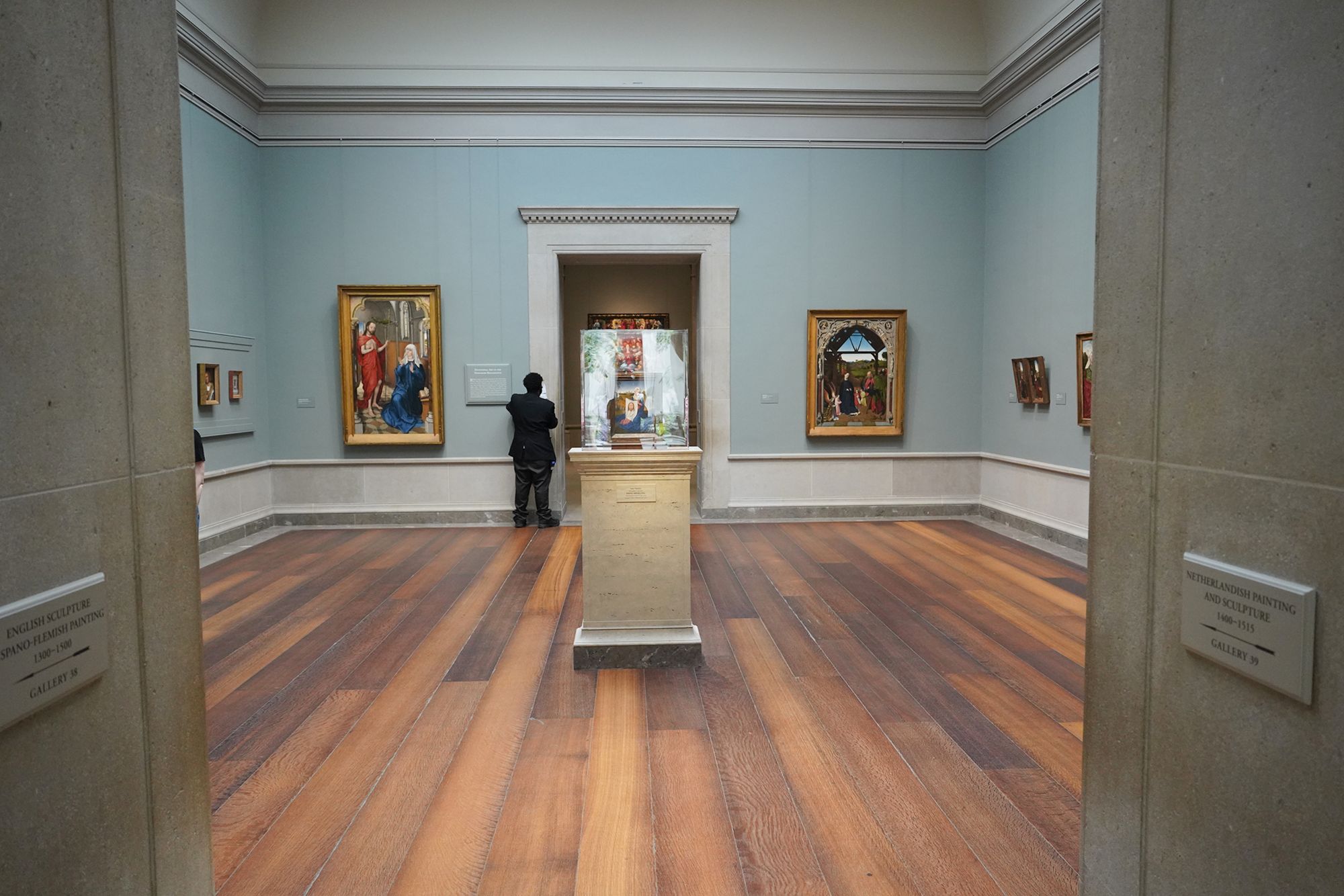
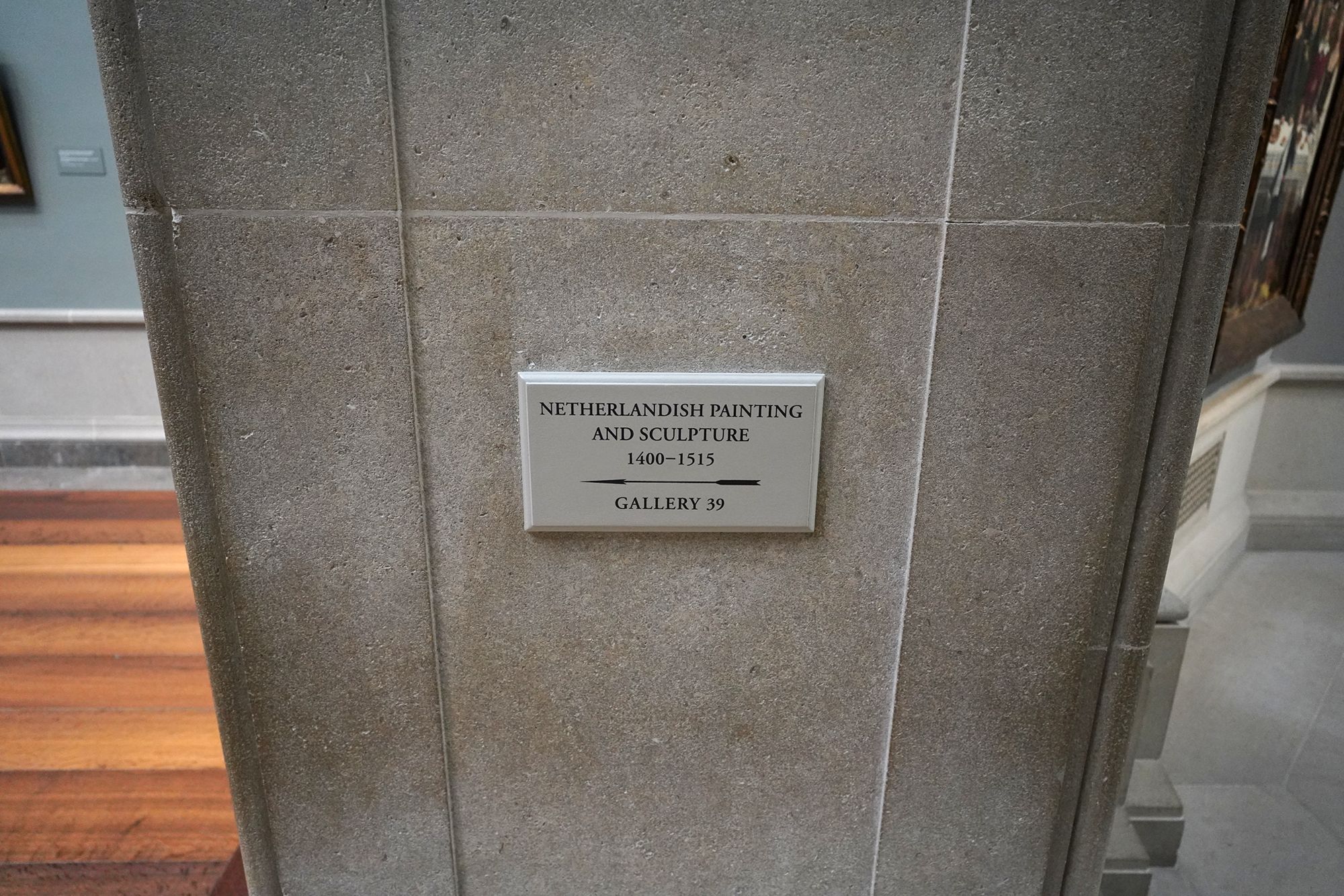
Netherlandish Painting and Sculpture 1400-1515
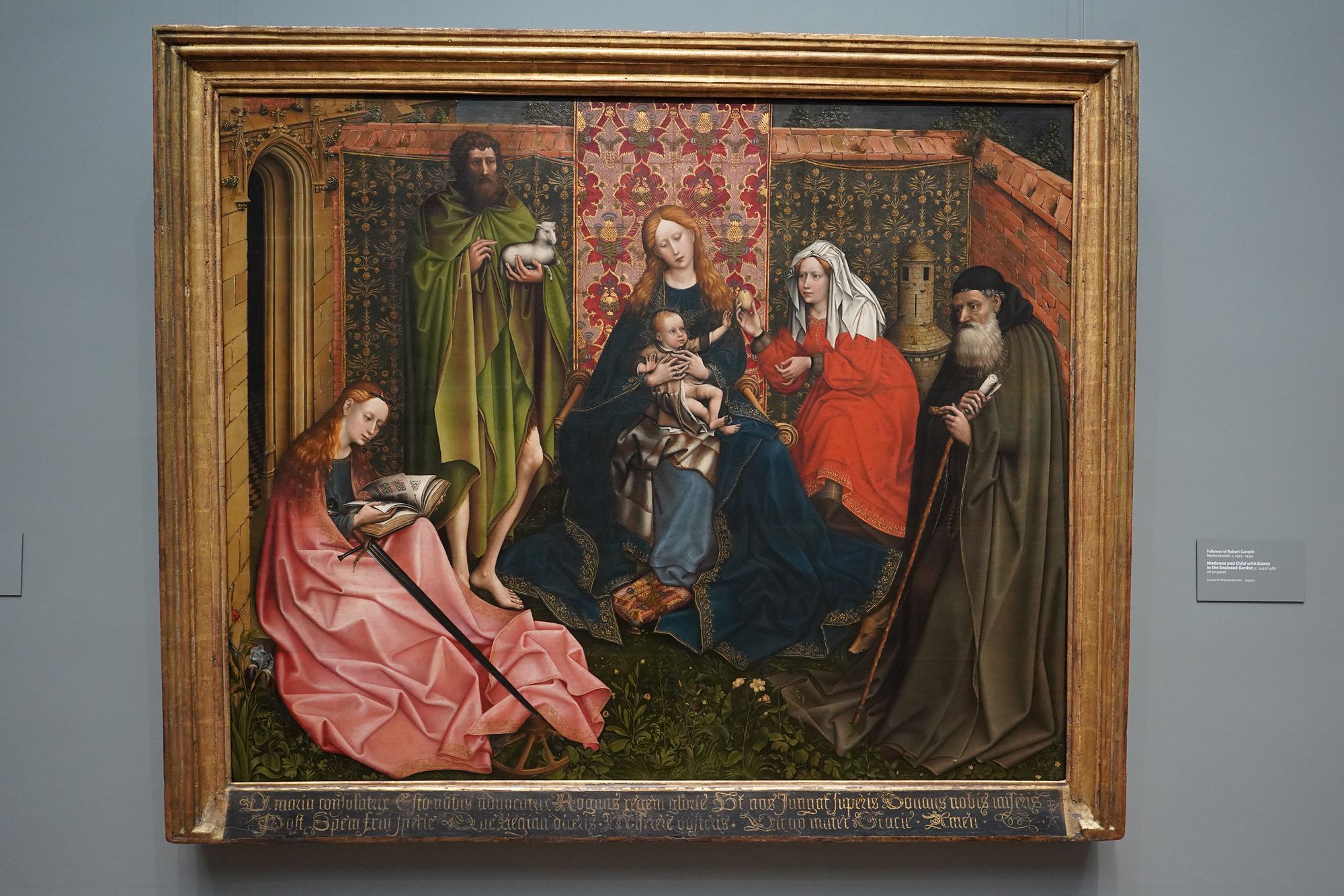
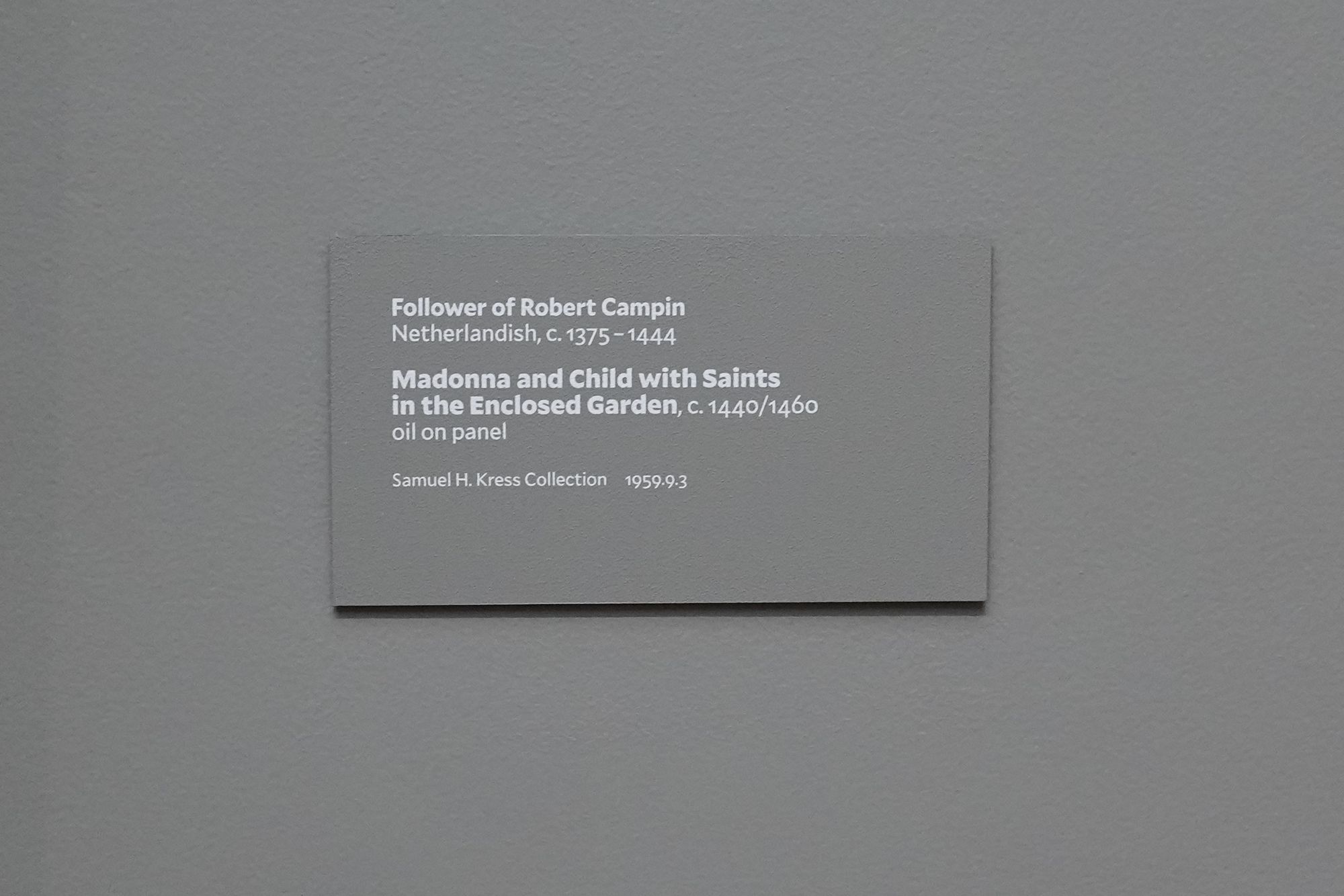
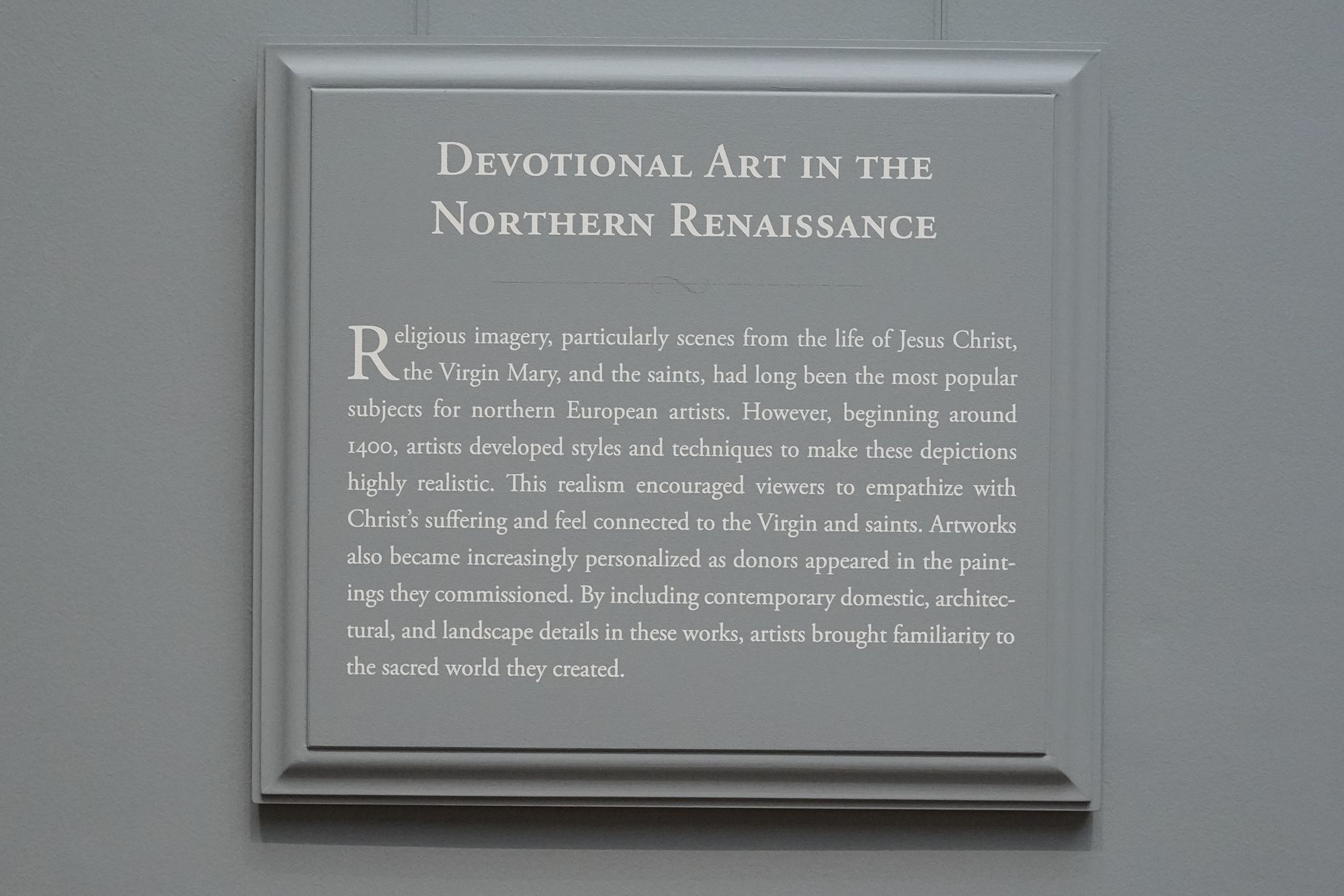
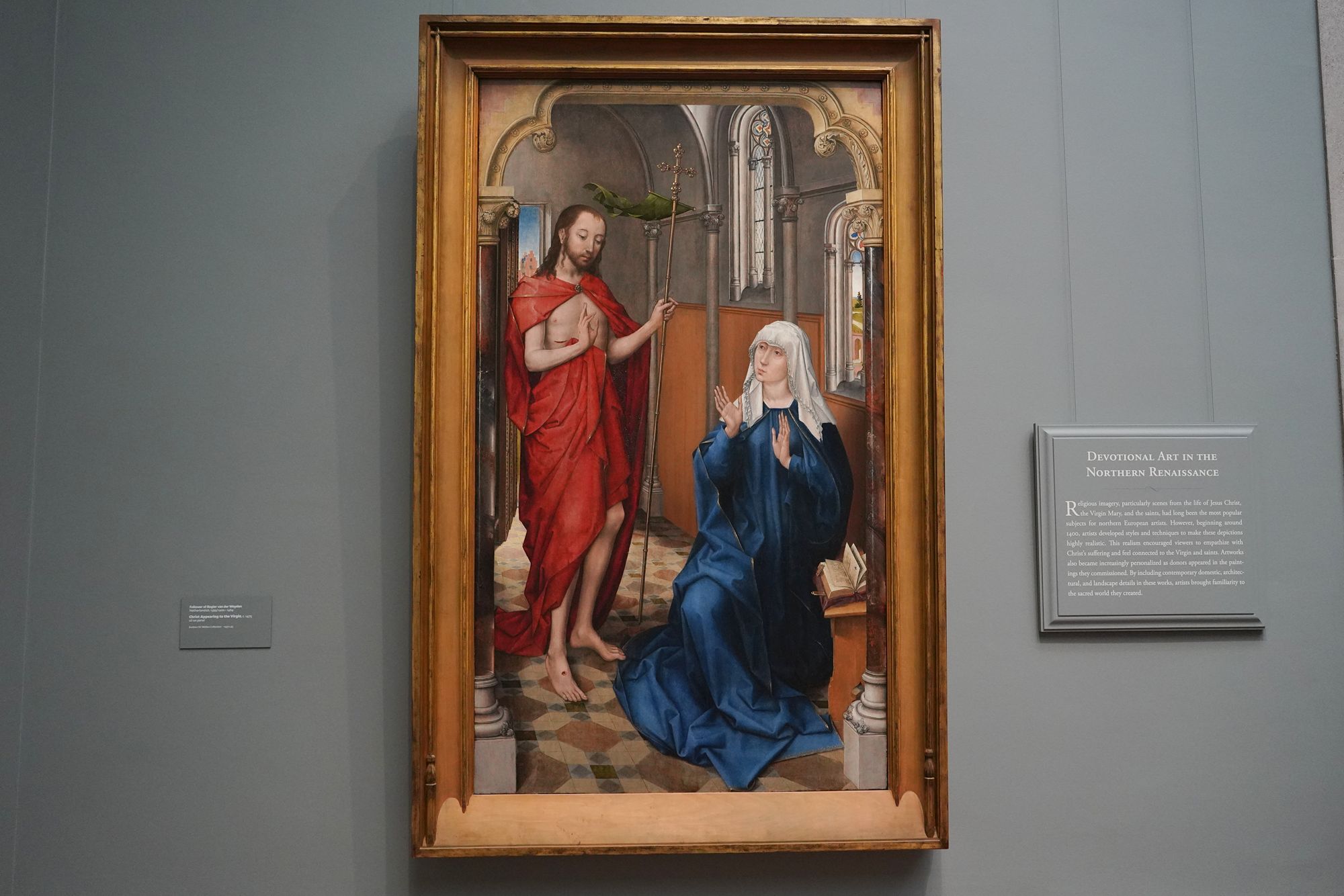
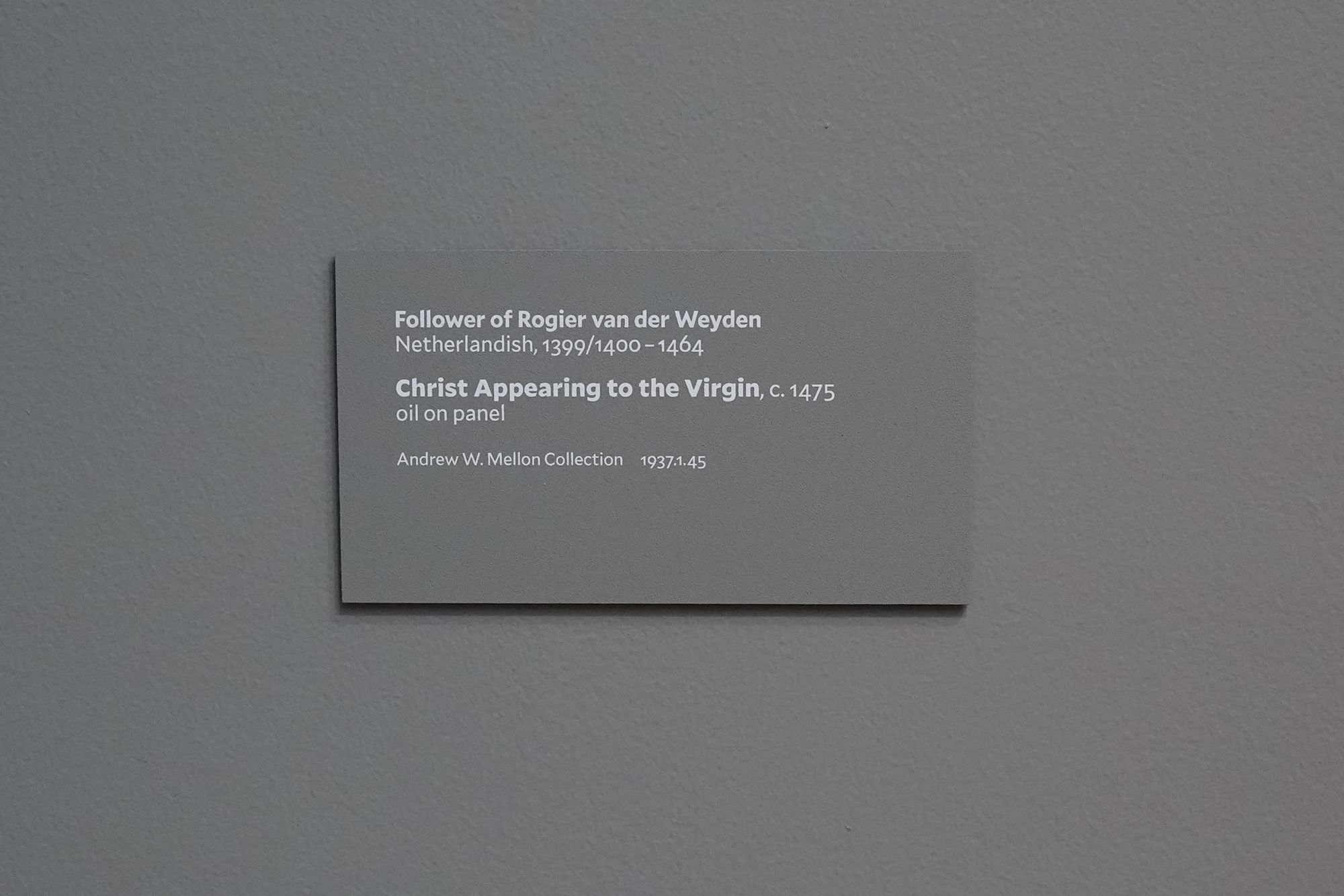
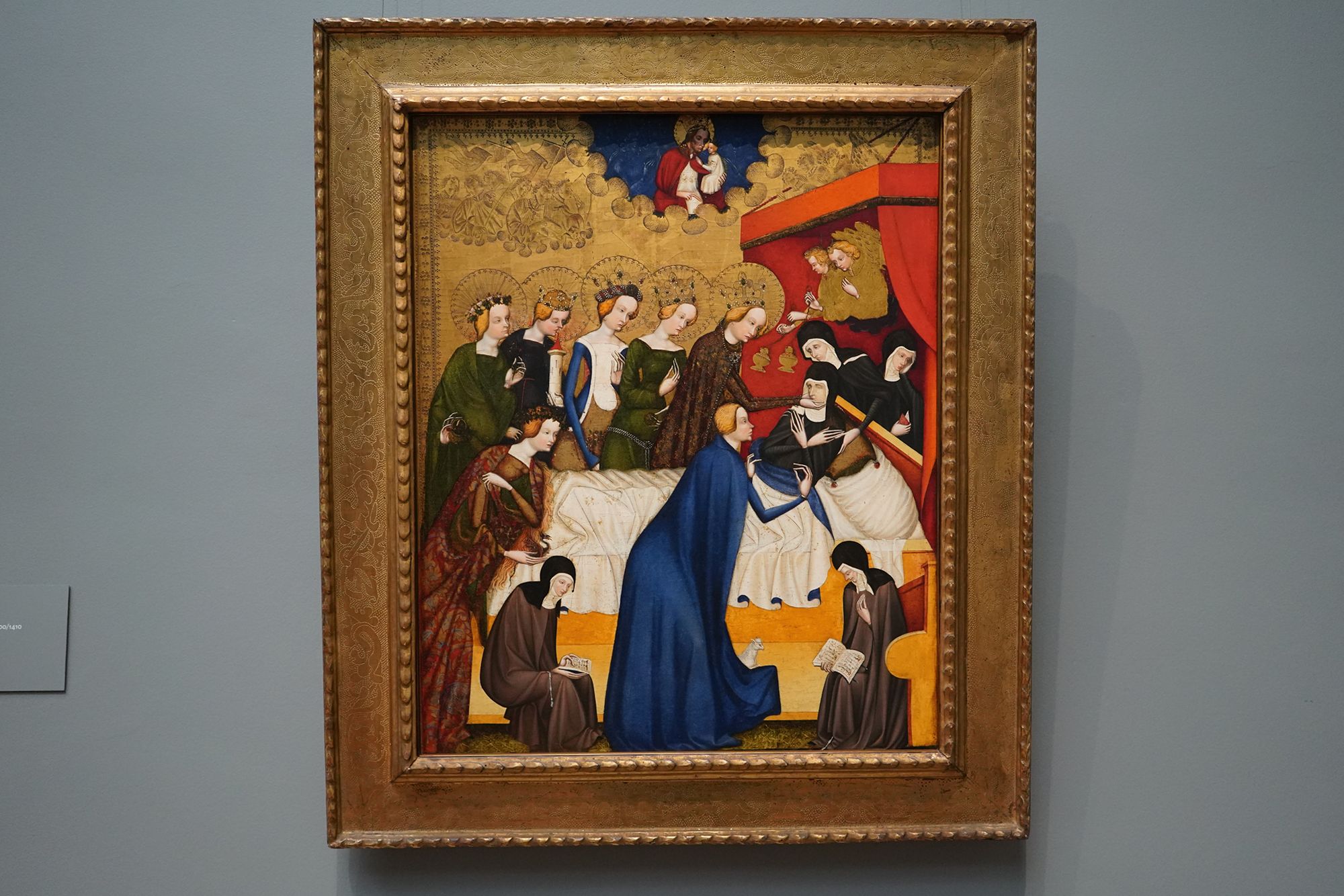
Devotional art in the Northern Renaissance focused on inspiring personal faith and emotional connection rather than public display, reflecting the deeply spiritual culture of Northern Europe between the 15th and early 16th centuries.
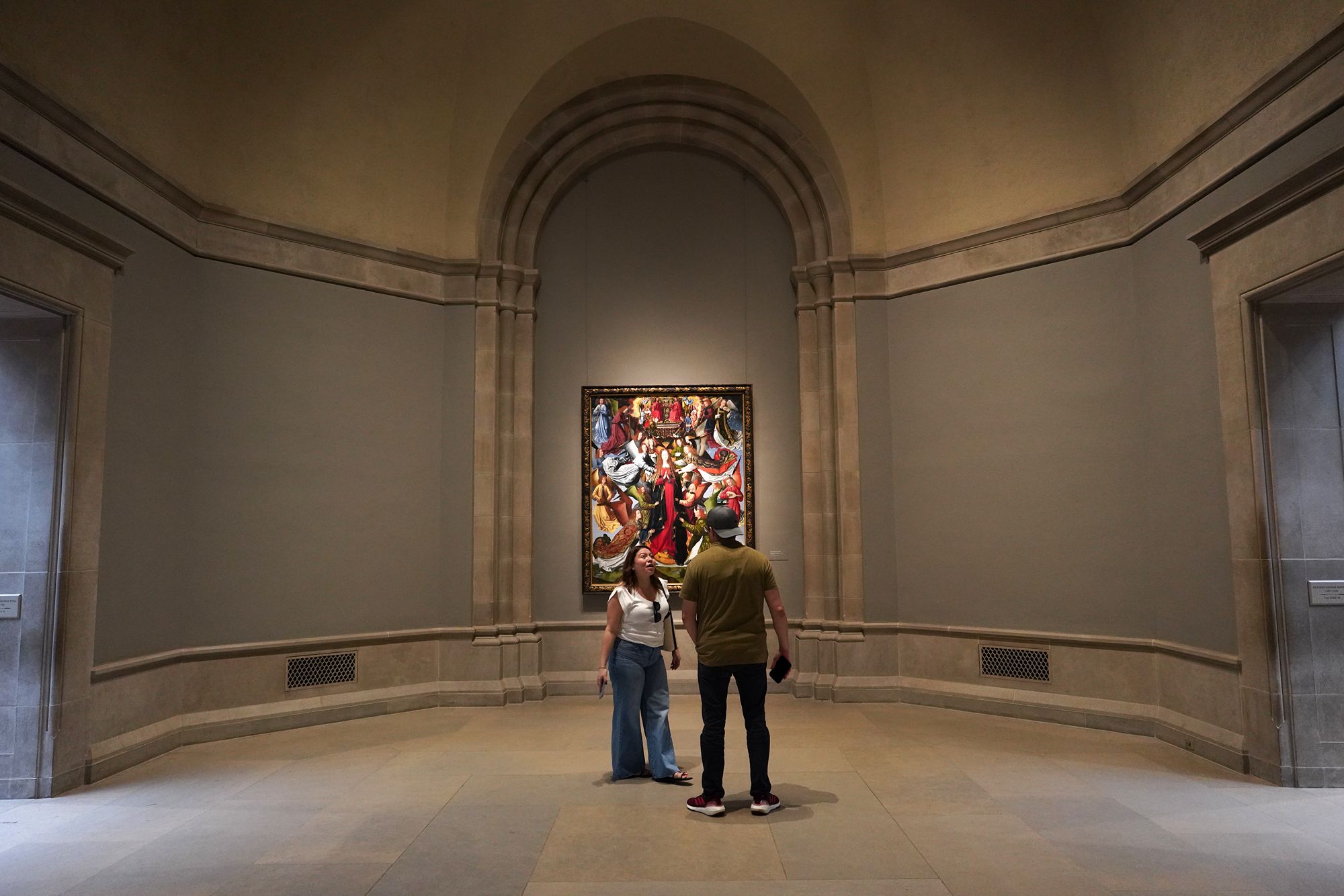
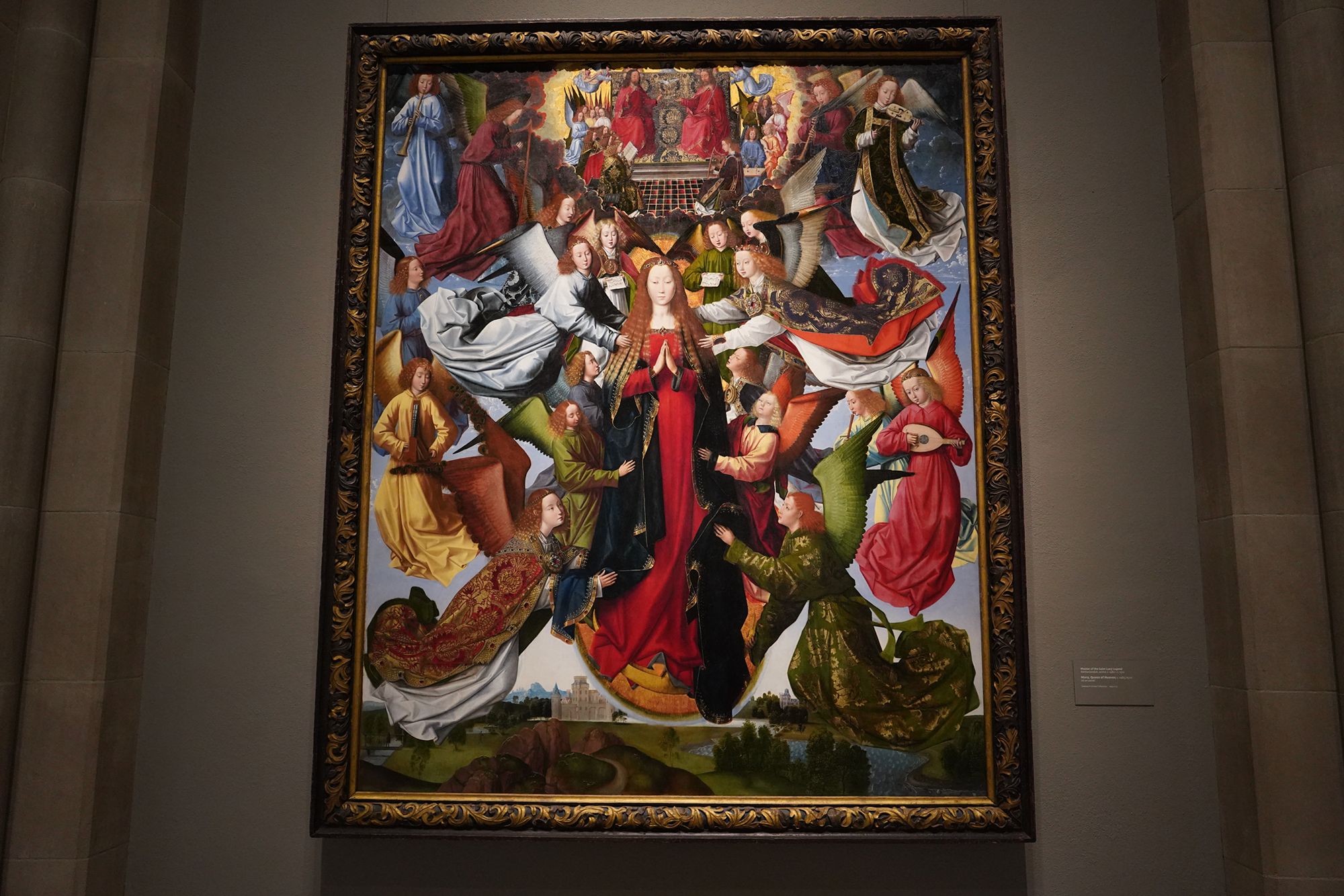
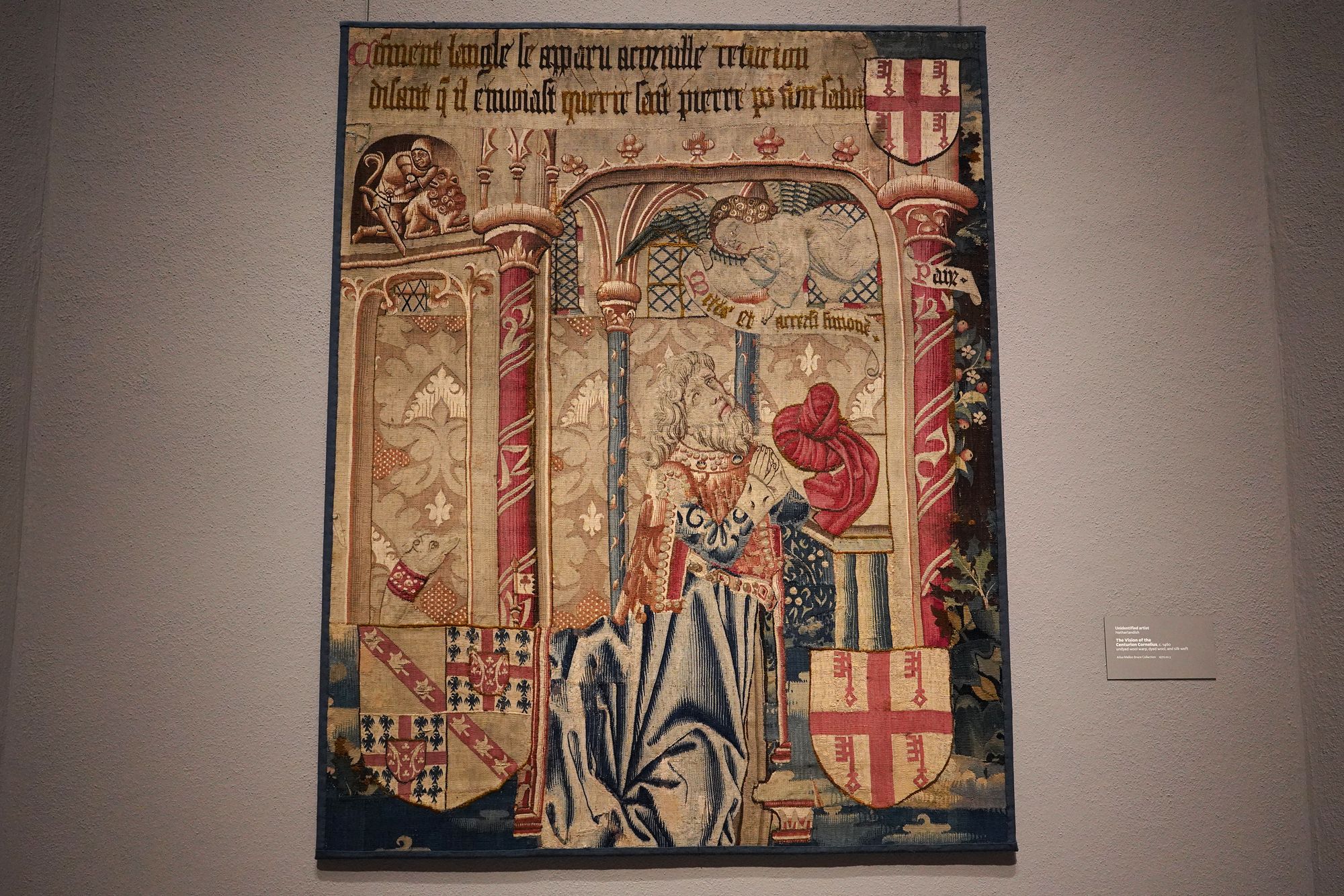
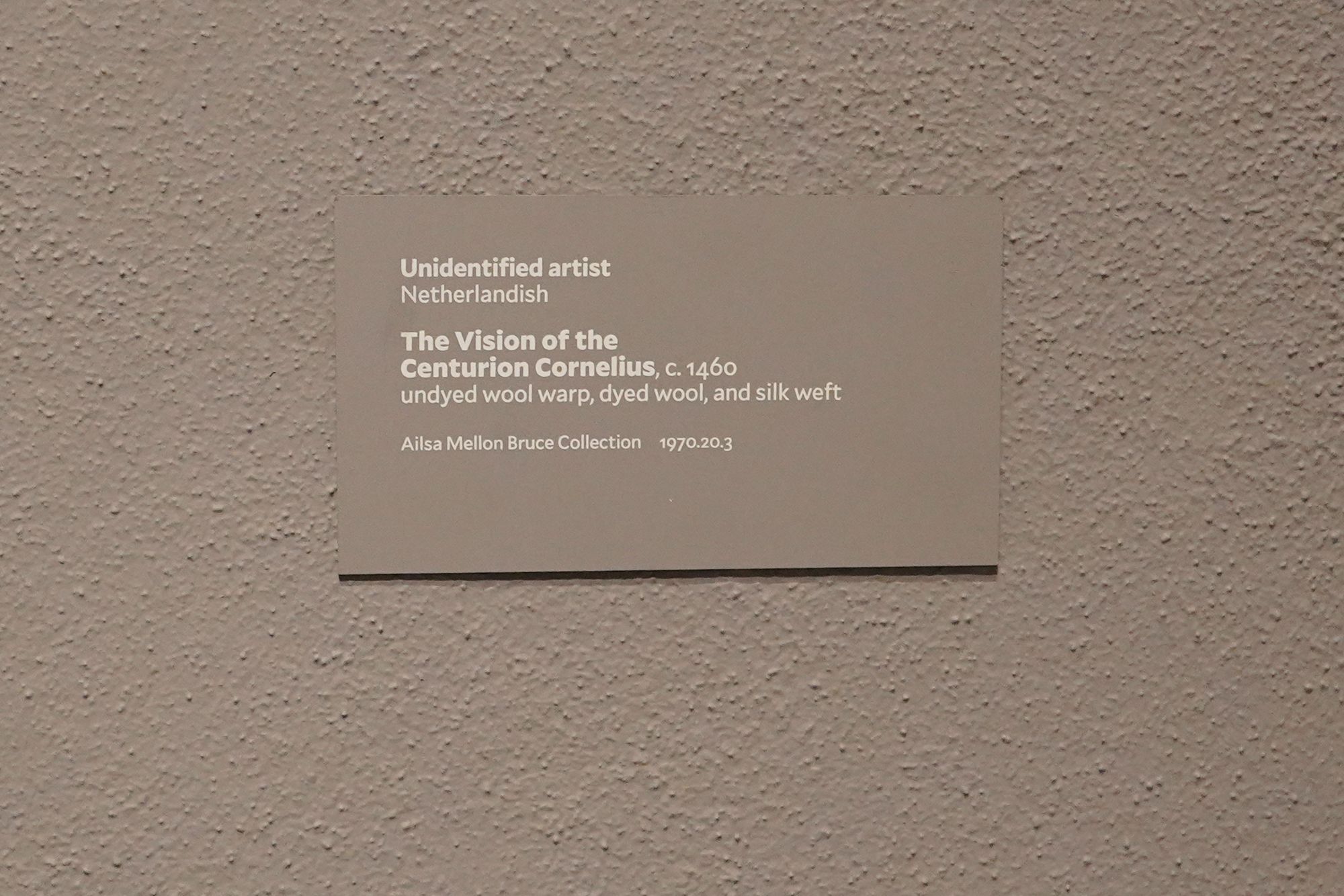
Netherlandish Painting 1485-1590
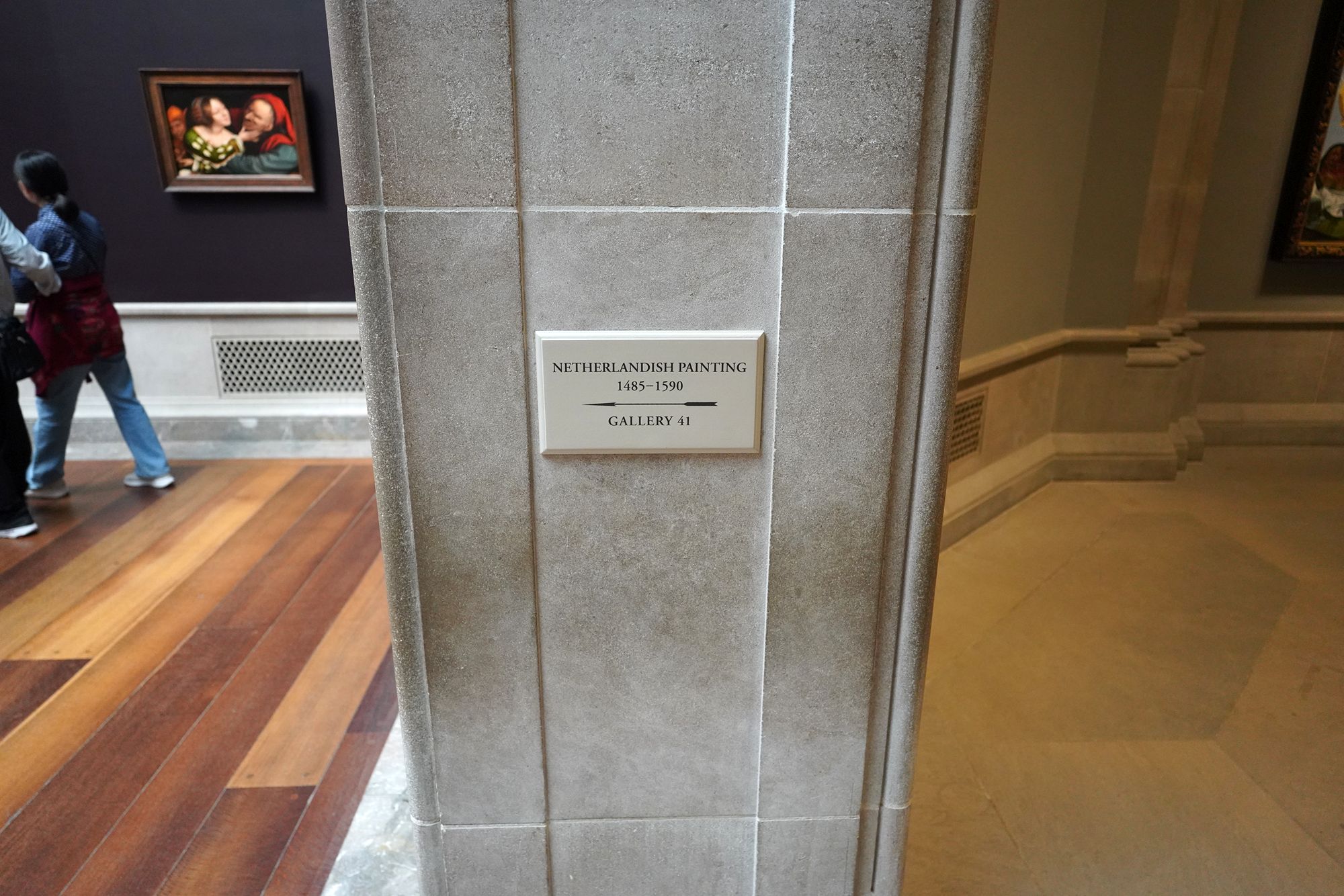
Netherlandish painting from 1485 to 1590 represents a period of transition from the Late Gothic style to the Northern Renaissance, marked by increasing realism, emotion, and complexity.
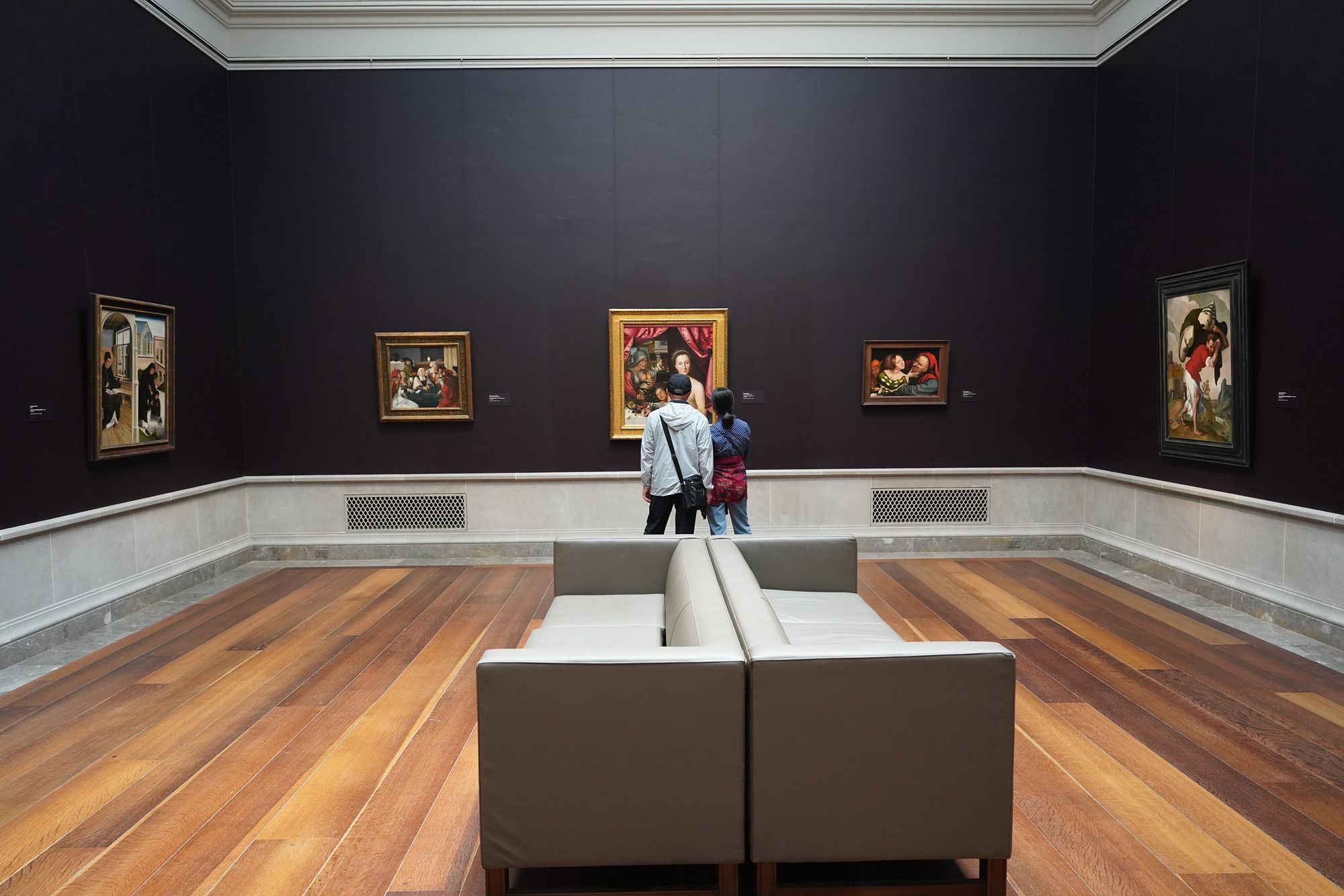
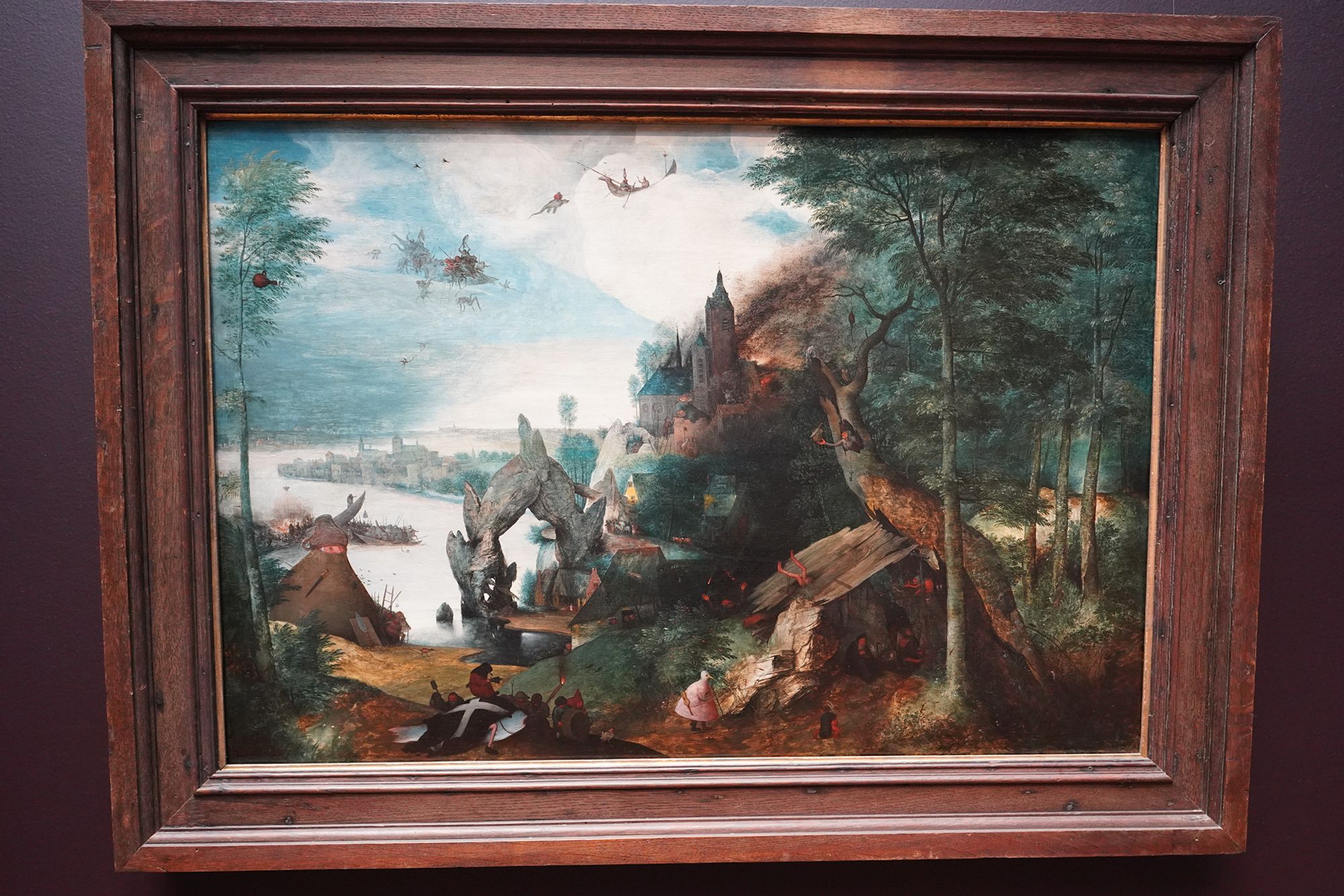
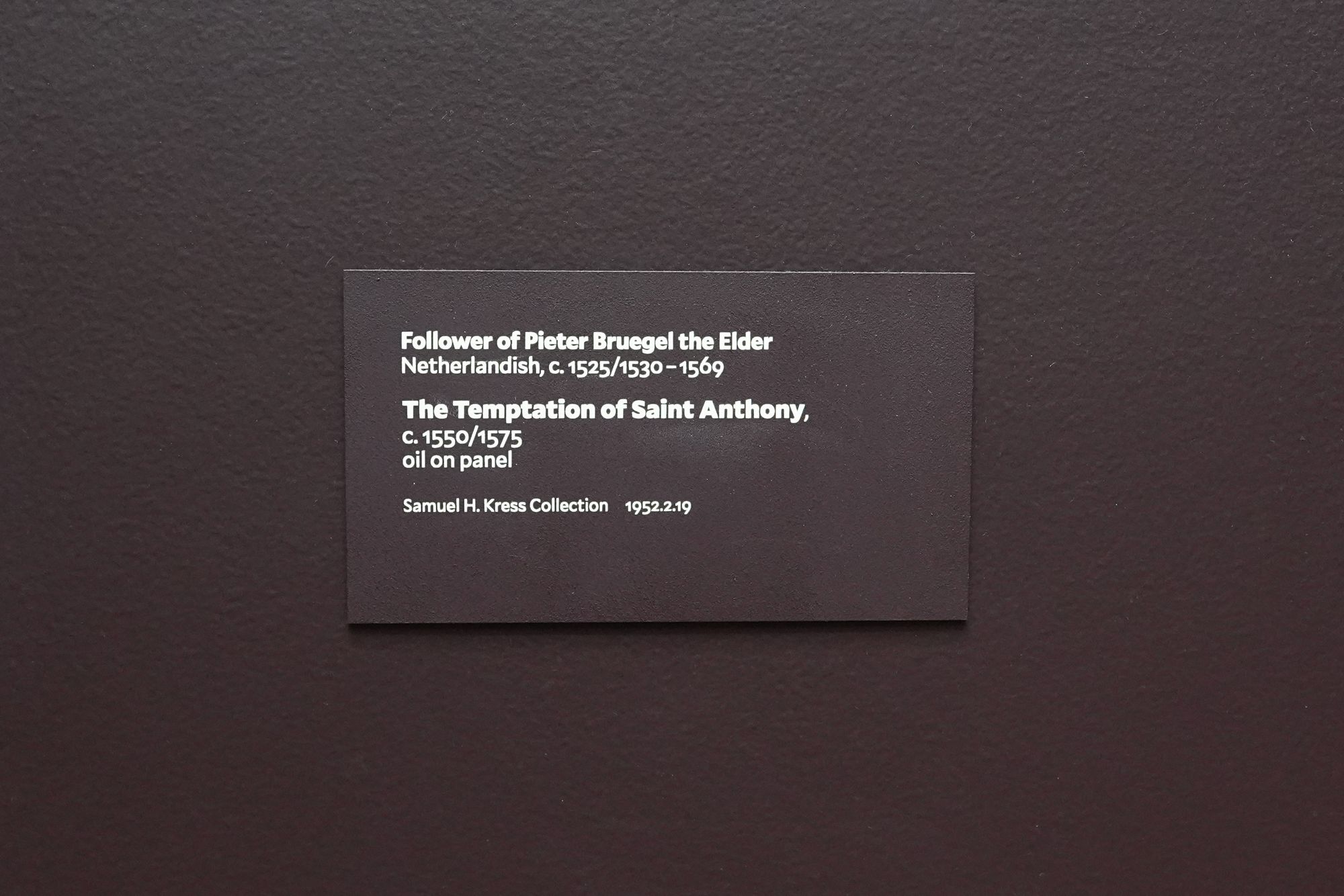
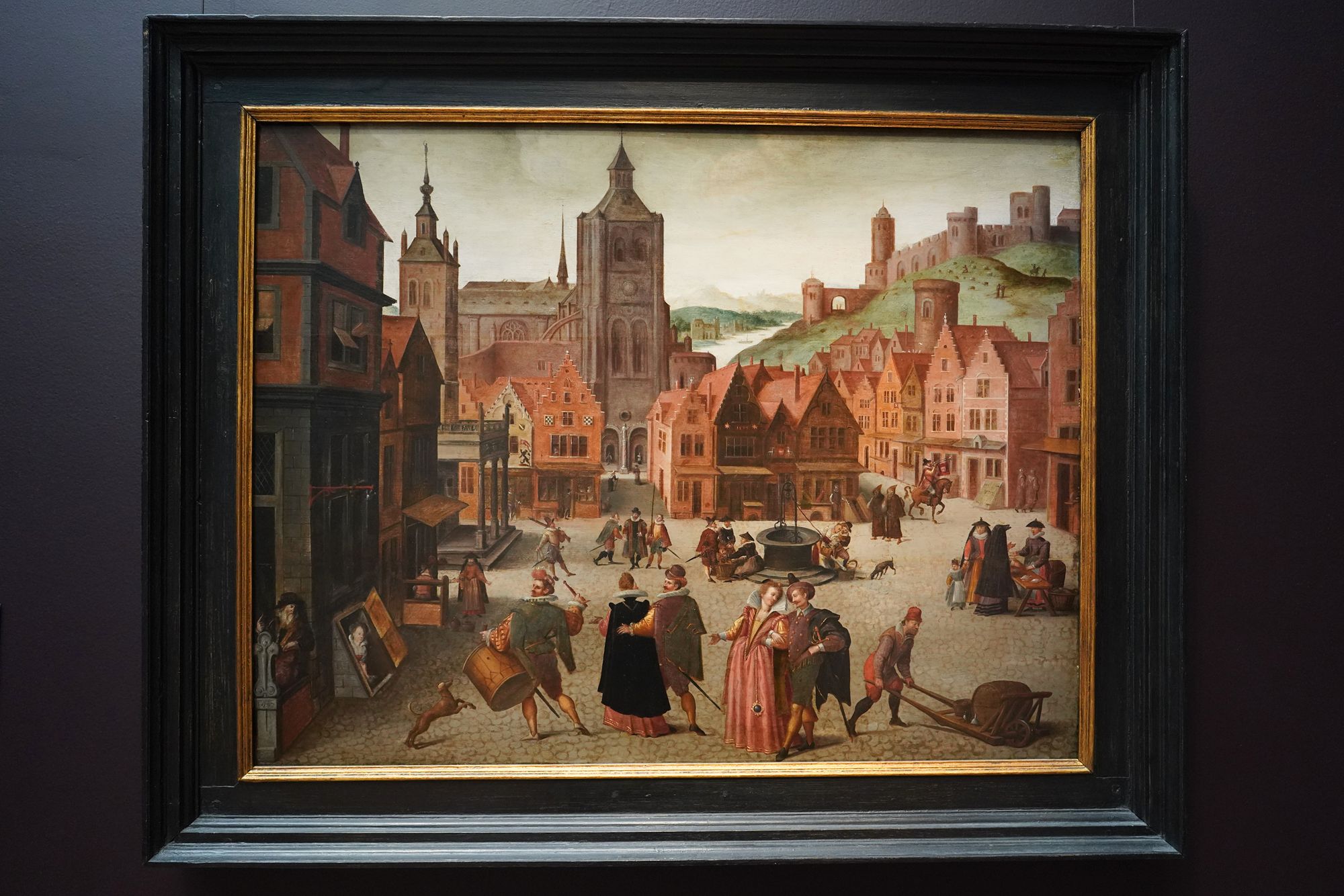
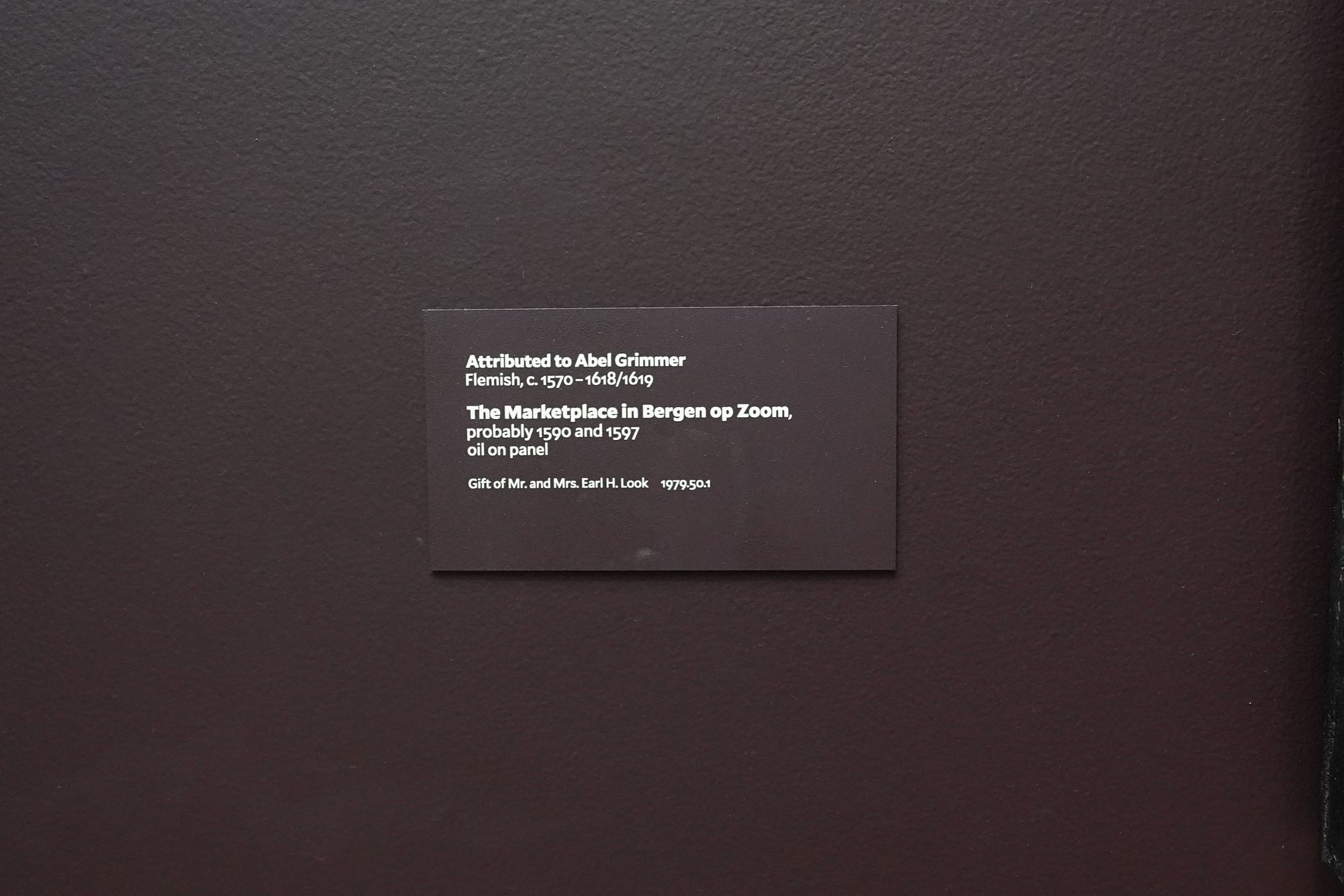
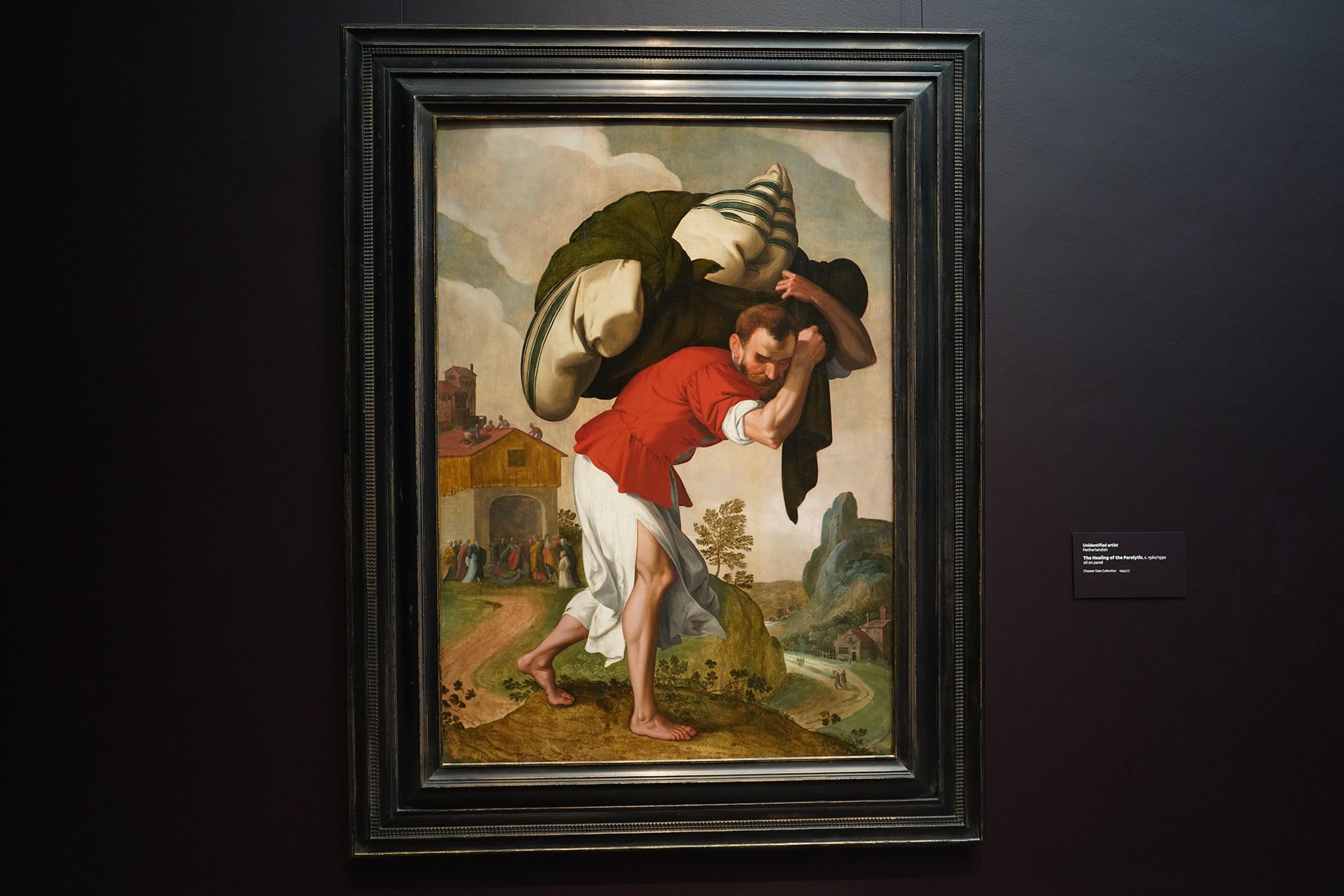
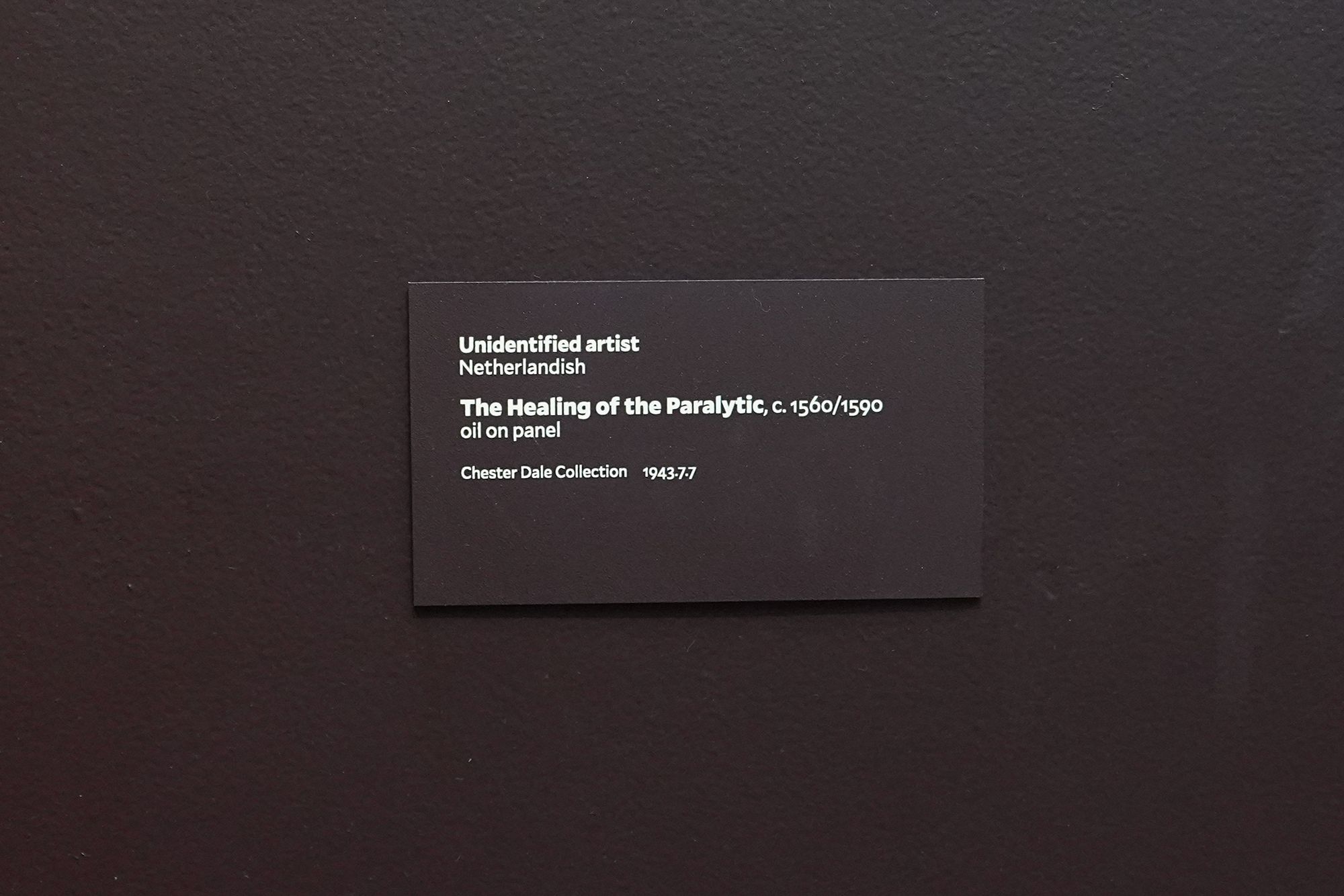
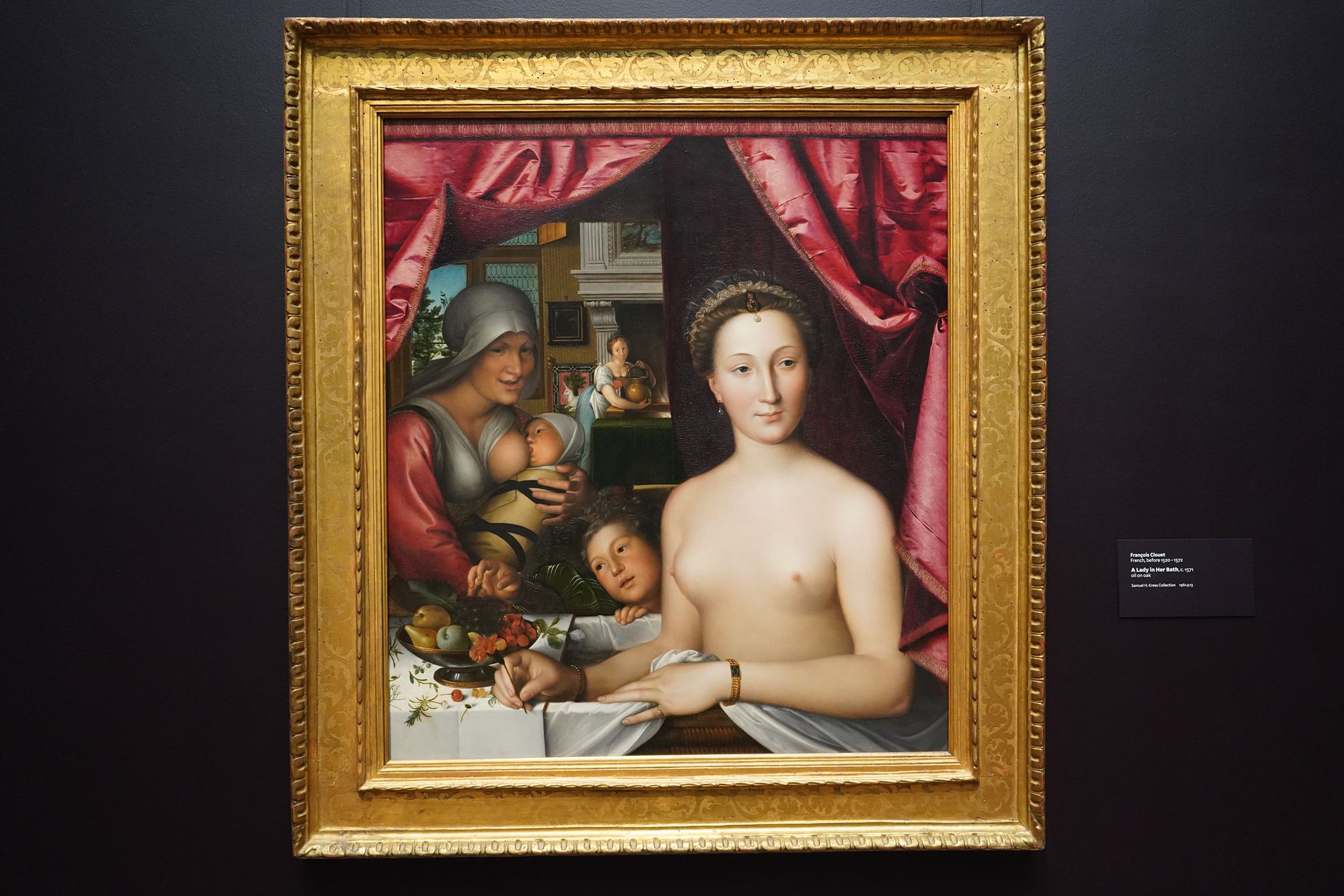
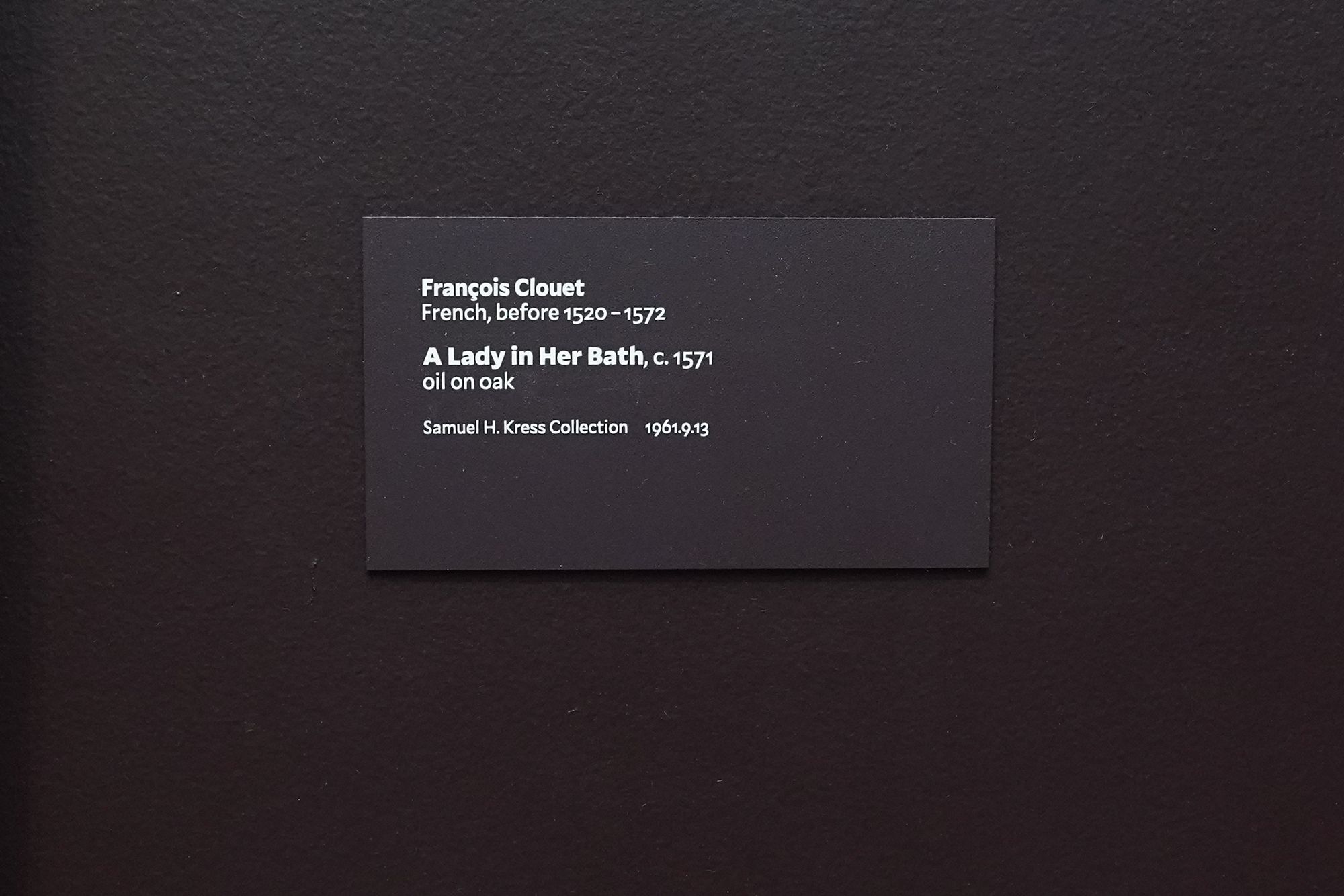
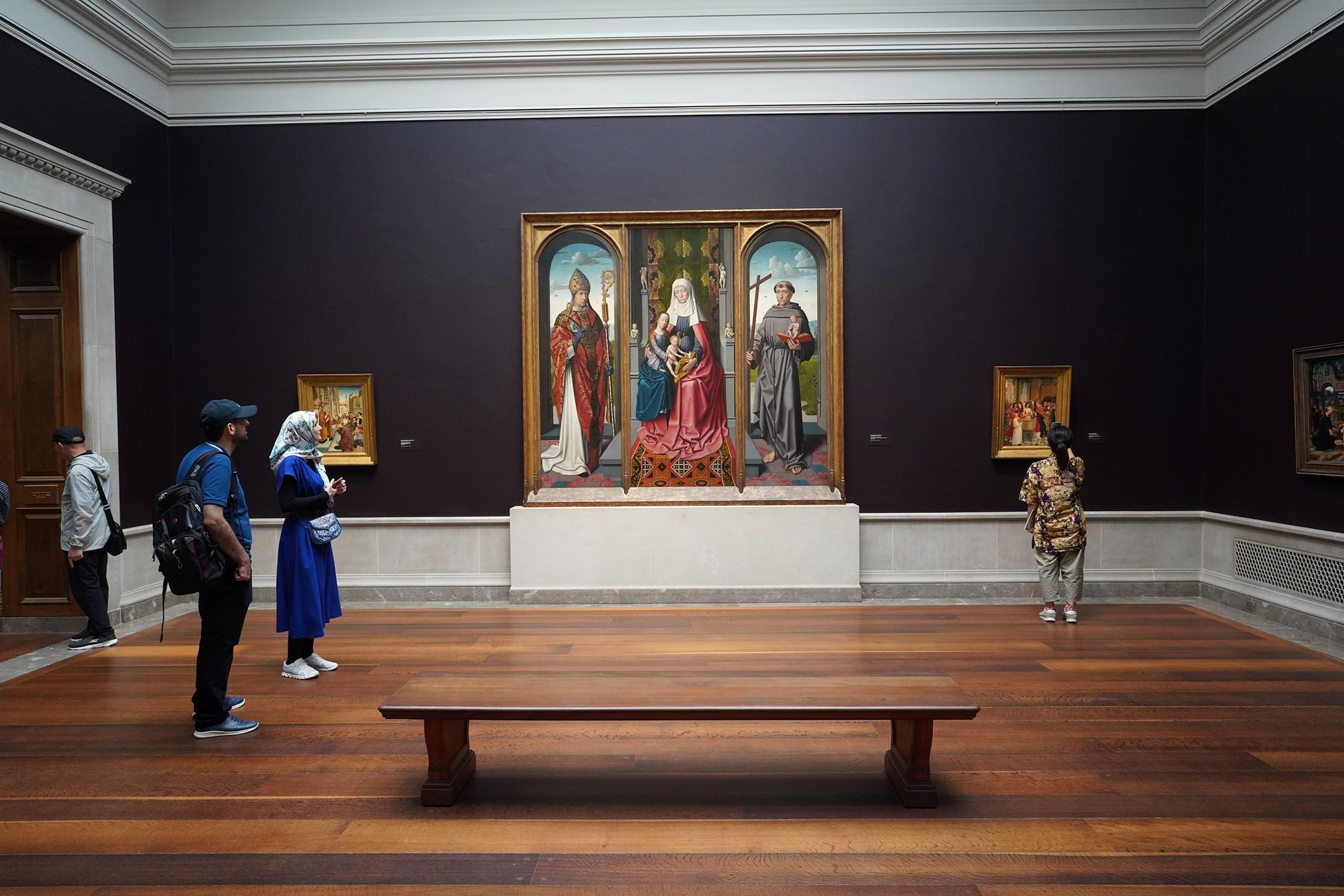
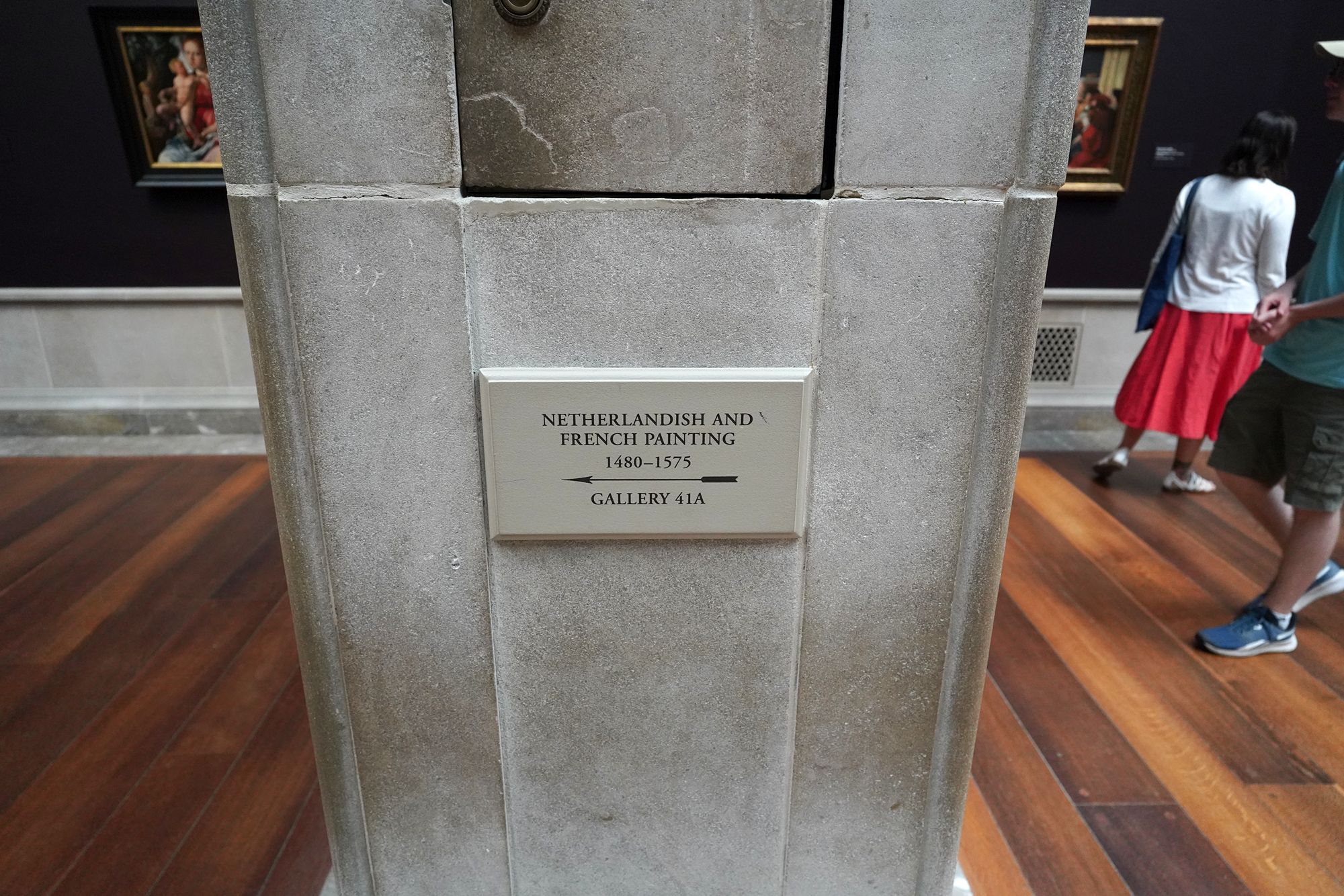
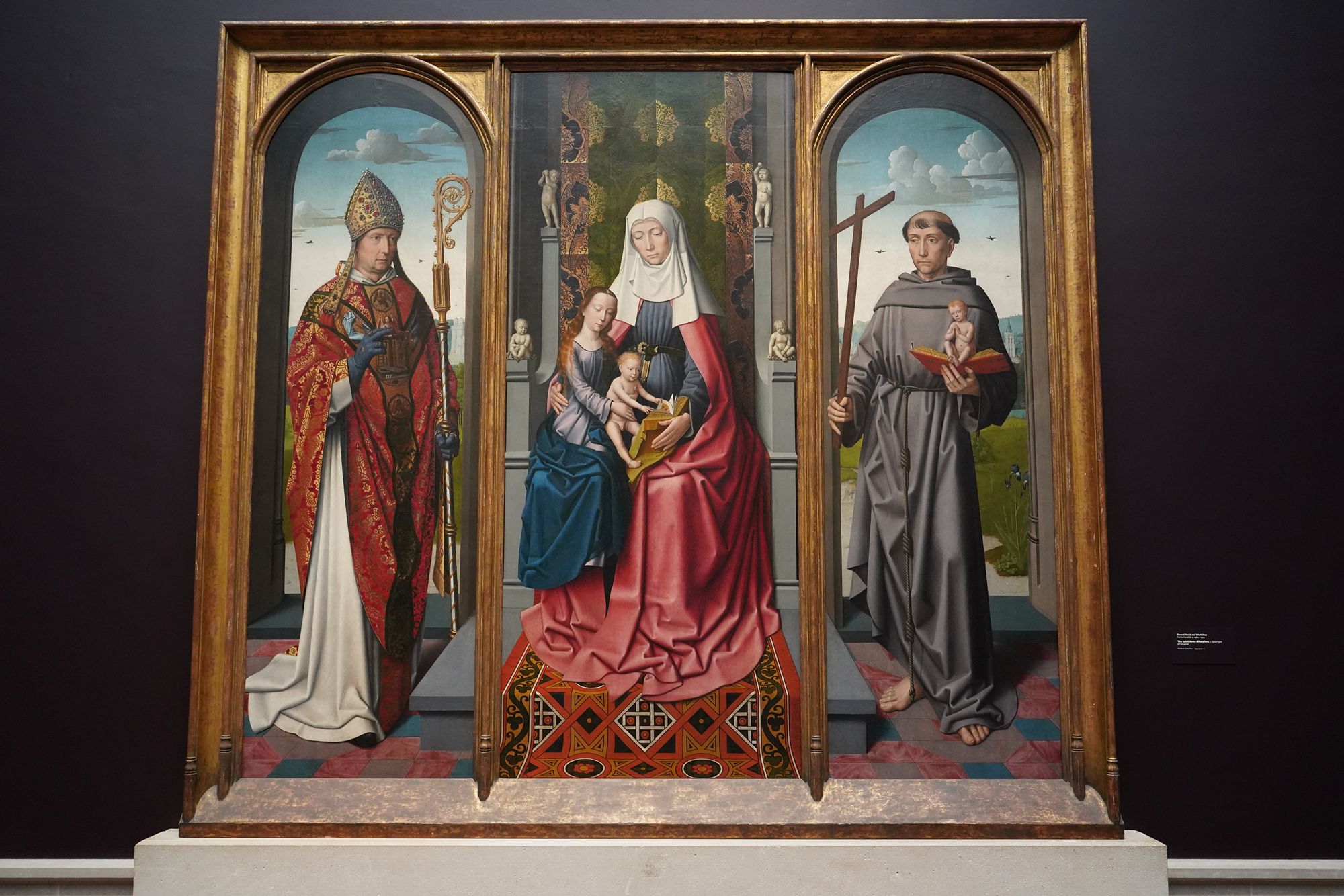
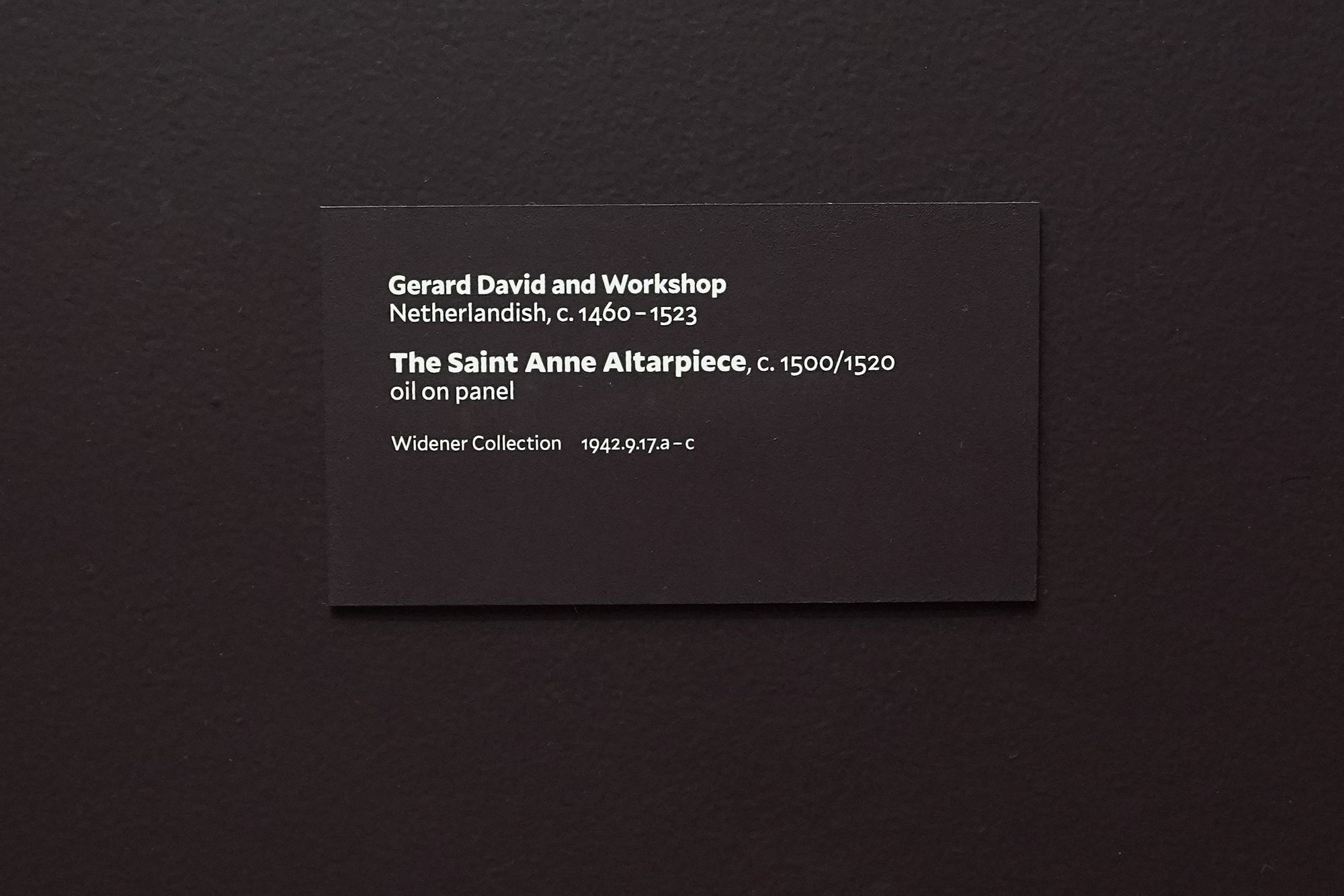
Netherlandish and French Painting 1480-1575
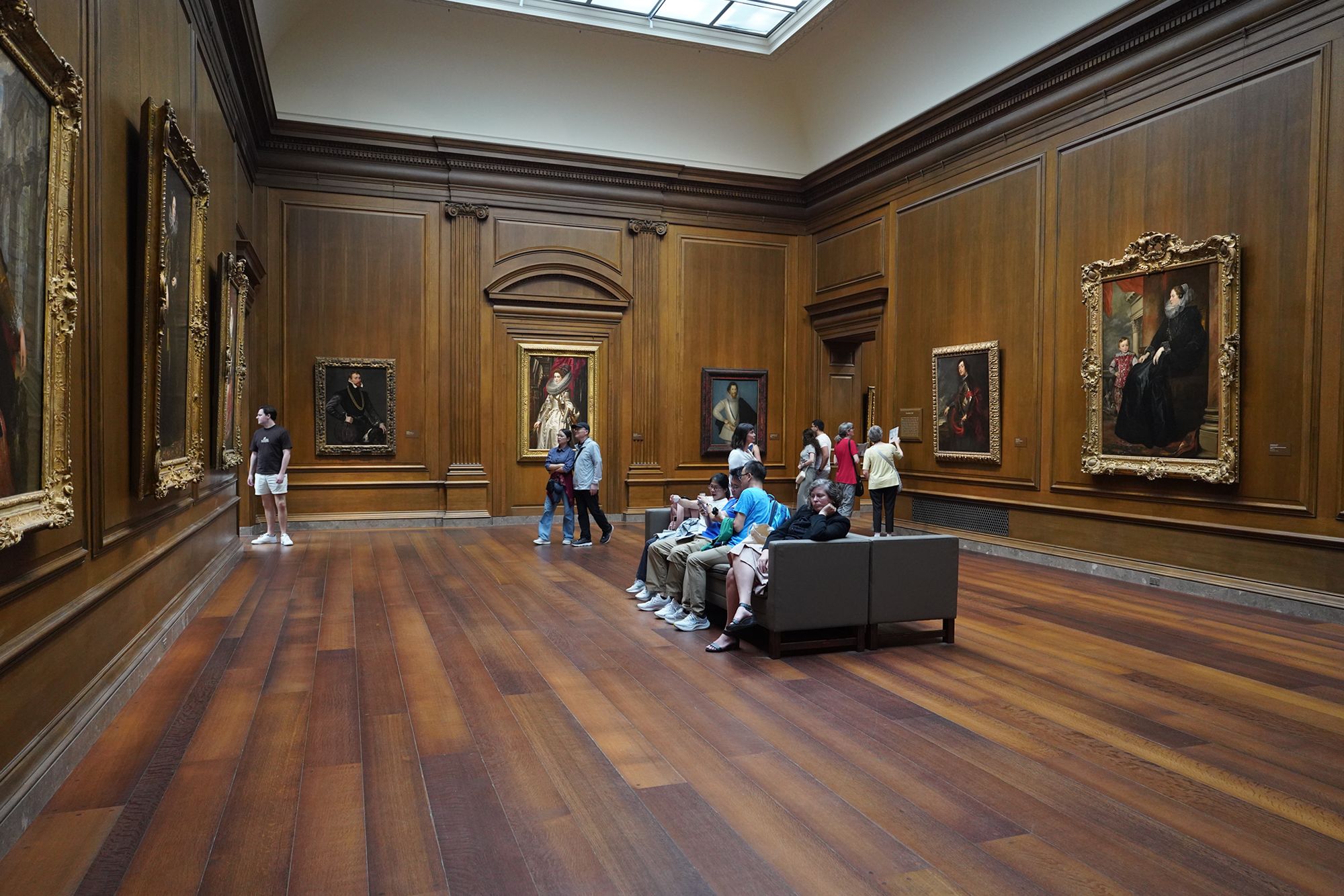
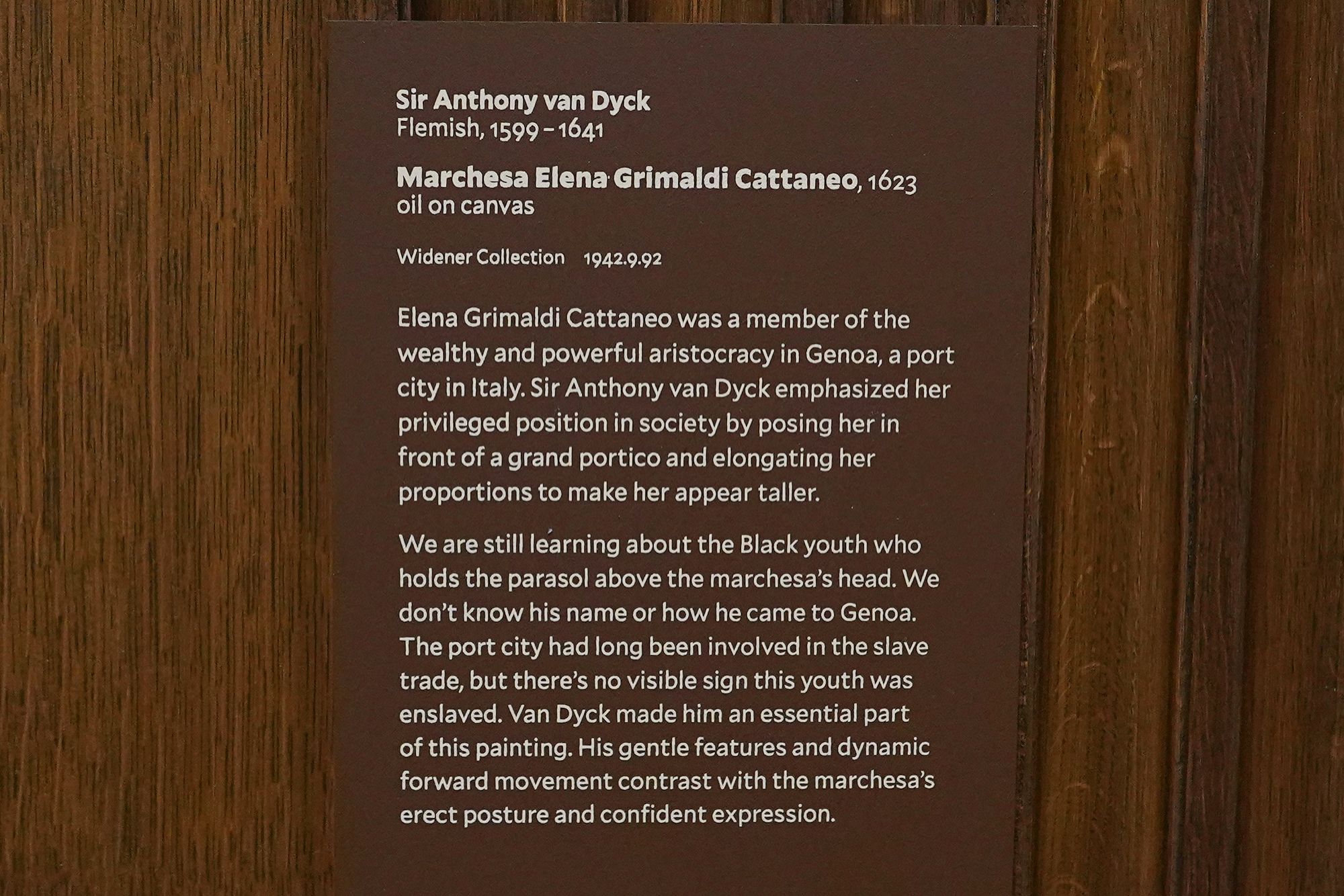
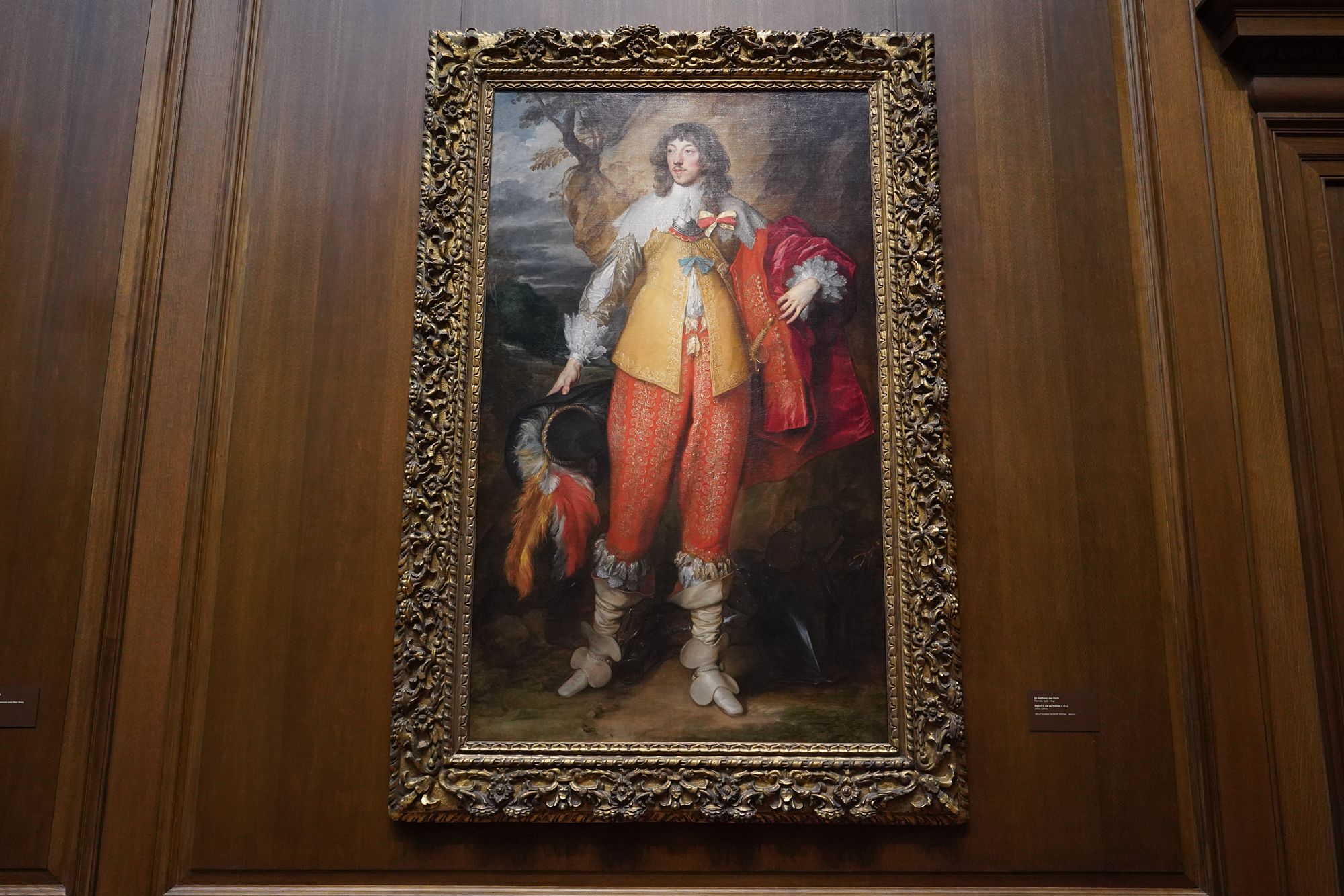
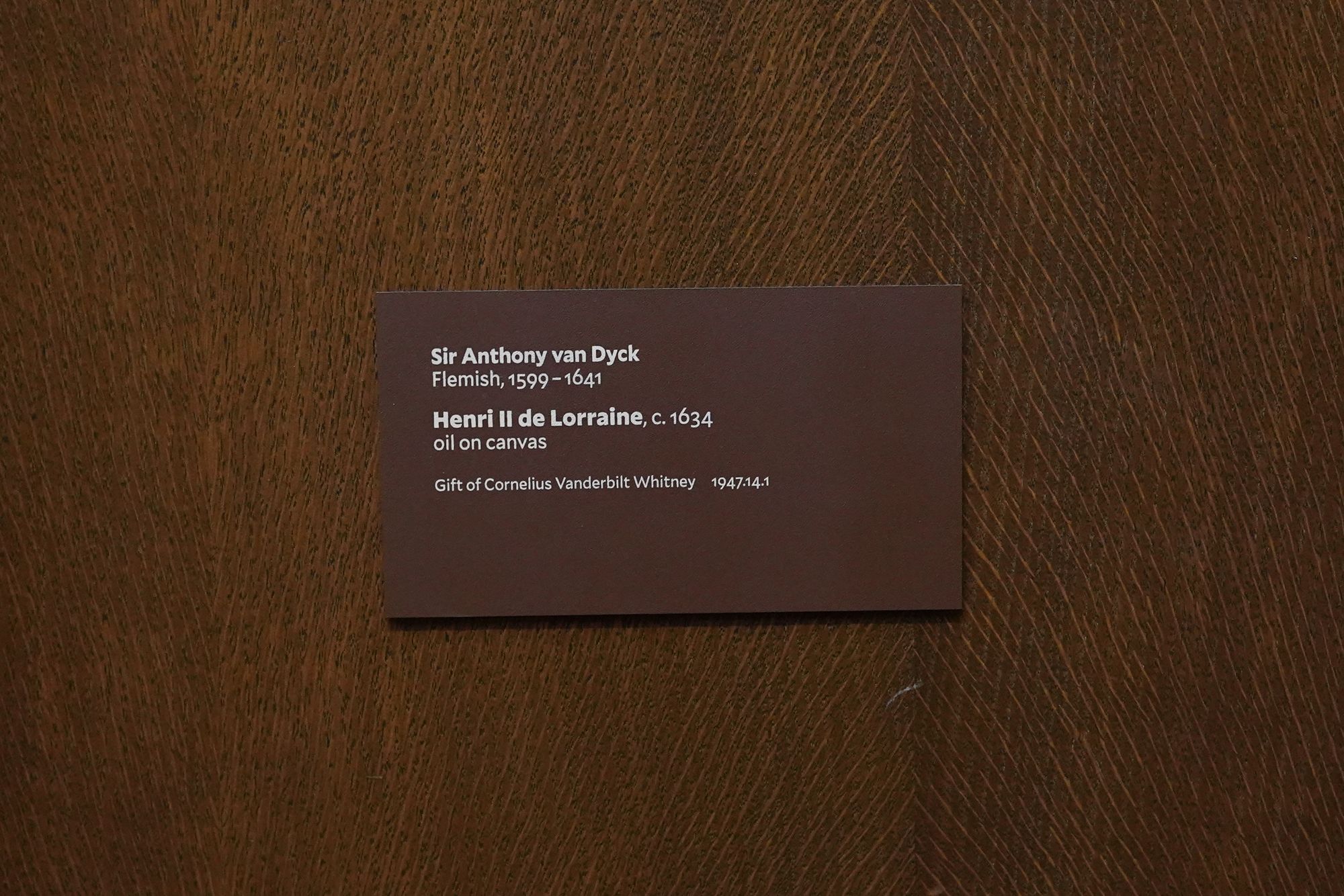
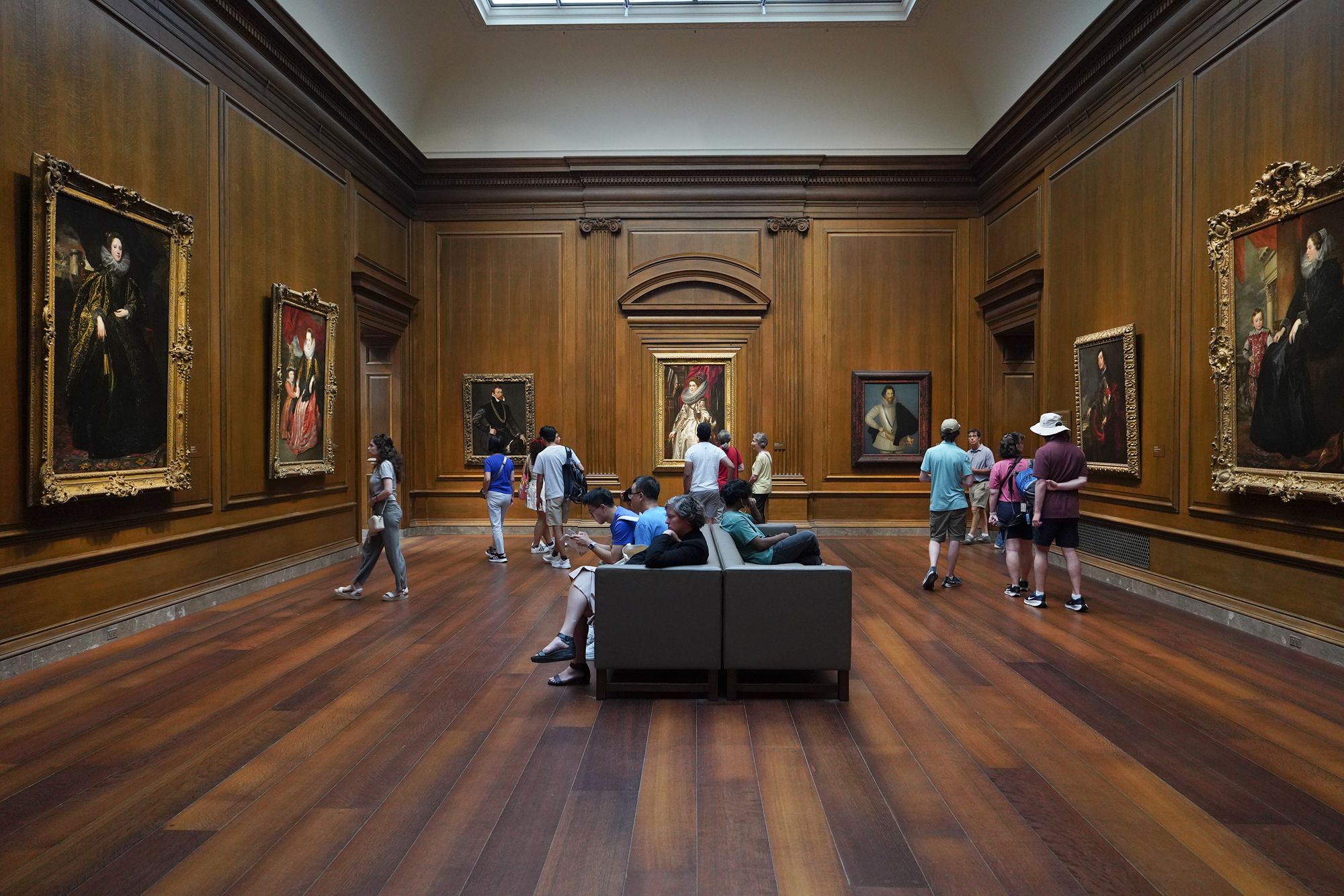
Anthony Van Dick
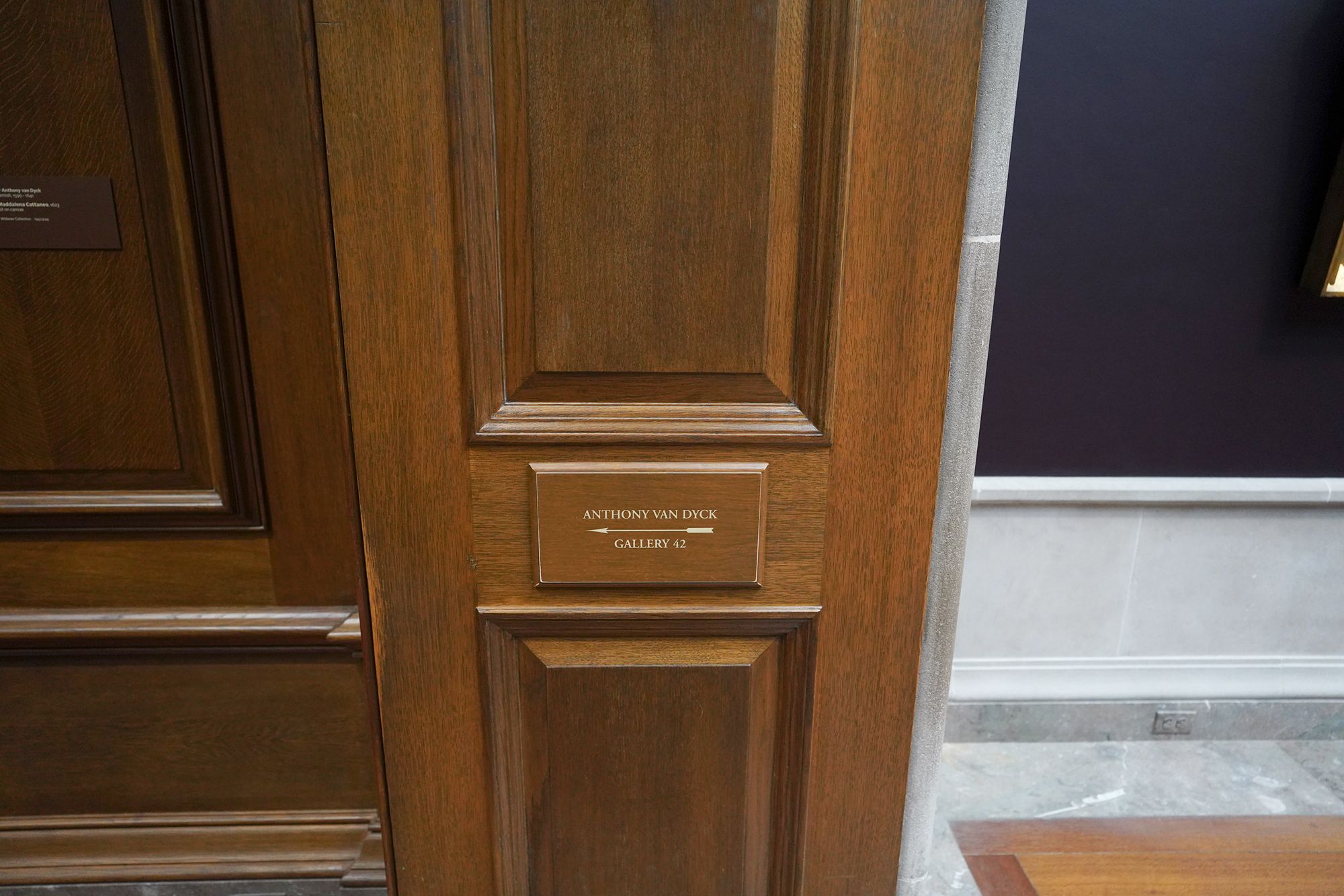
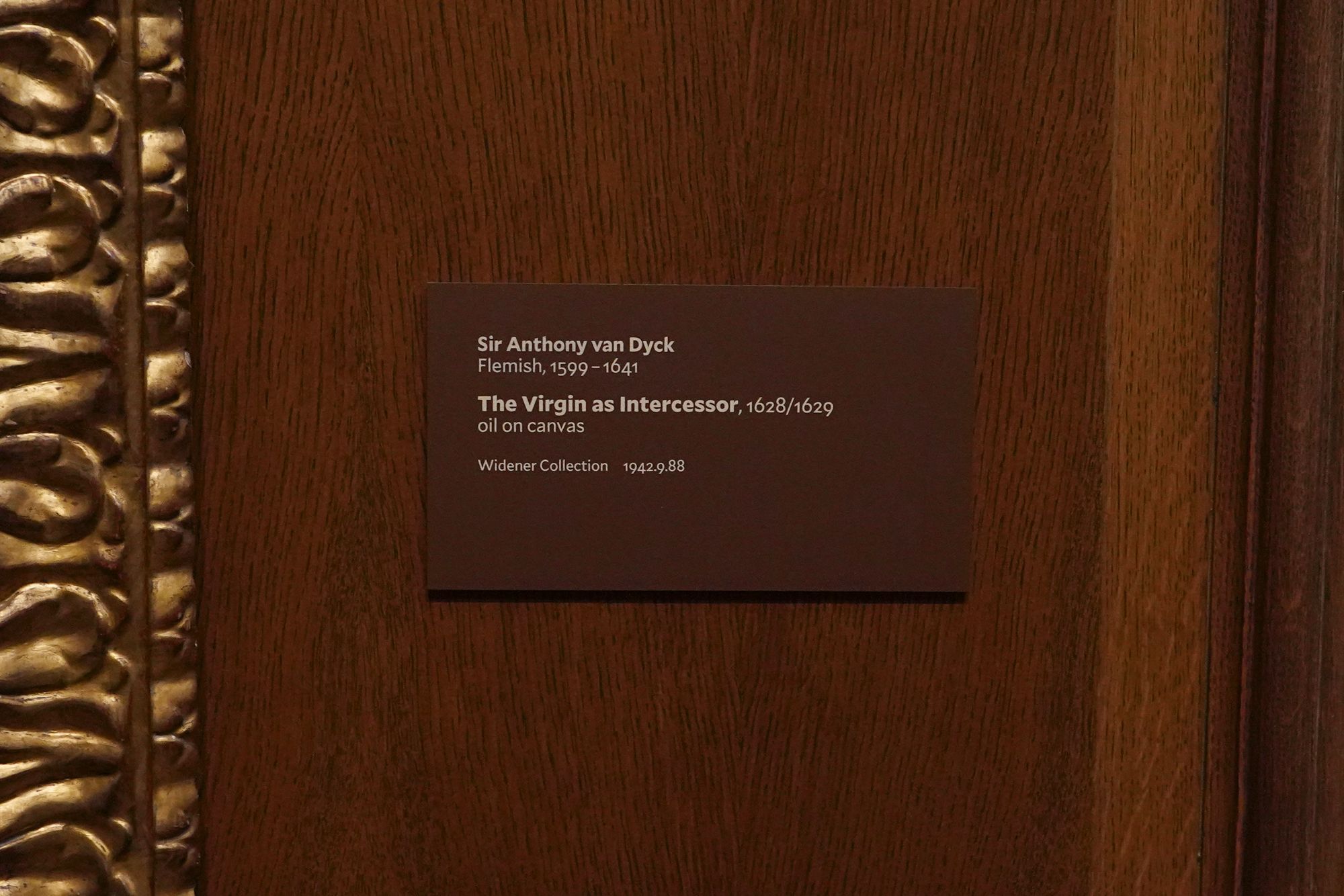
Anthony van Dyck (1599–1641) was a Flemish Baroque painter celebrated for his elegant portraits and refined depiction of character and status.
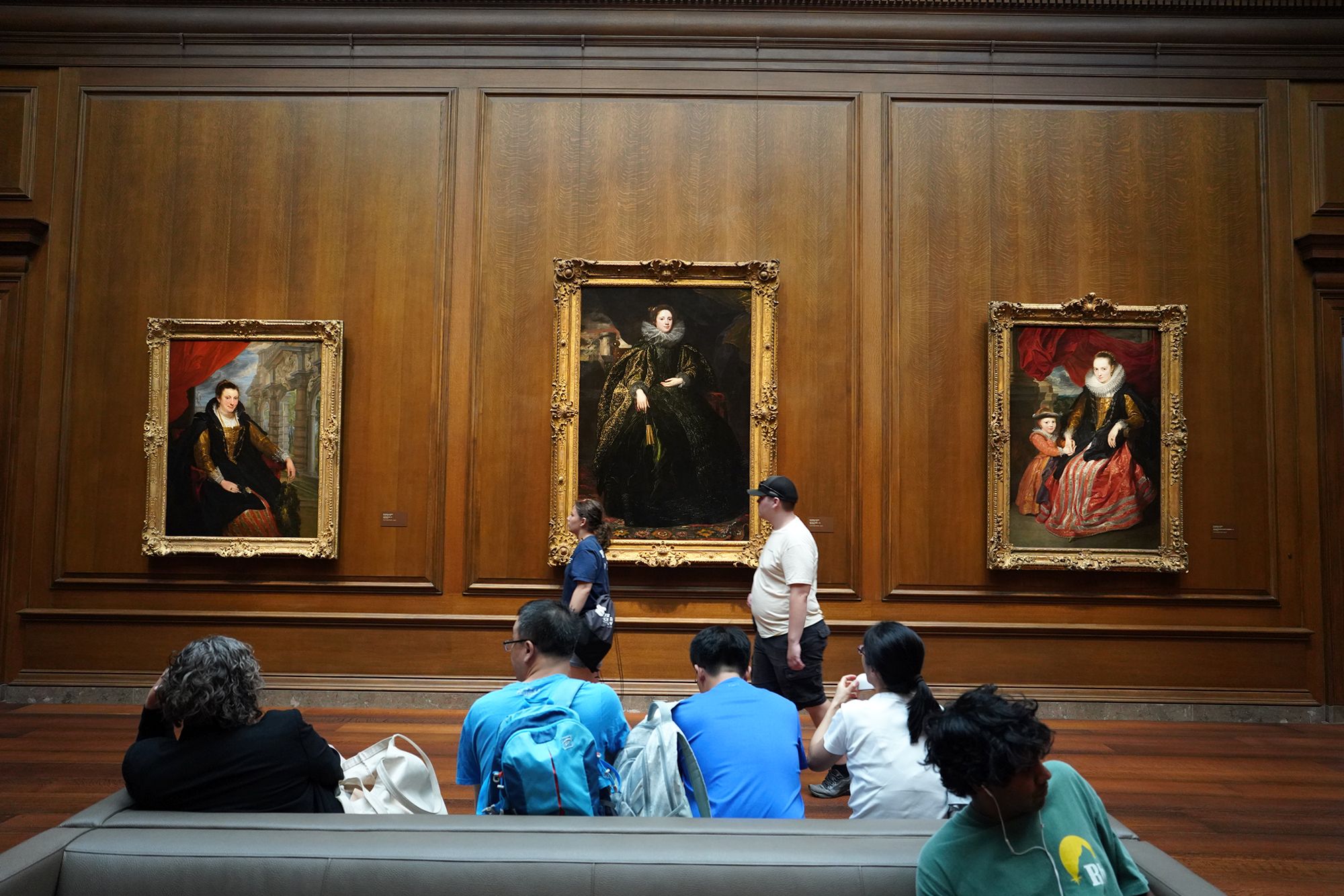
A student of Peter Paul Rubens, Van Dyck developed a more graceful and psychologically sensitive style, using subtle color, soft light, and dignified poses.
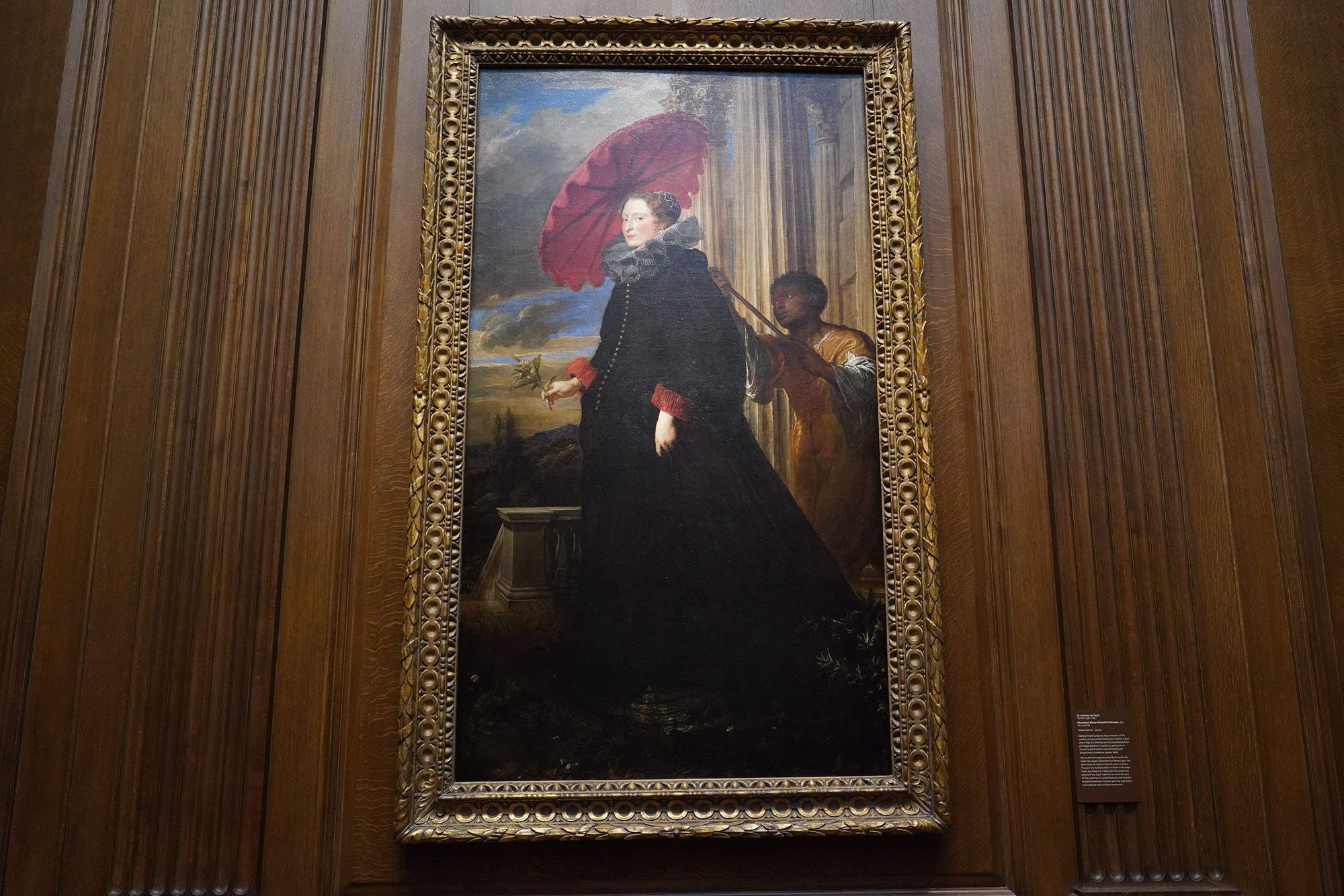
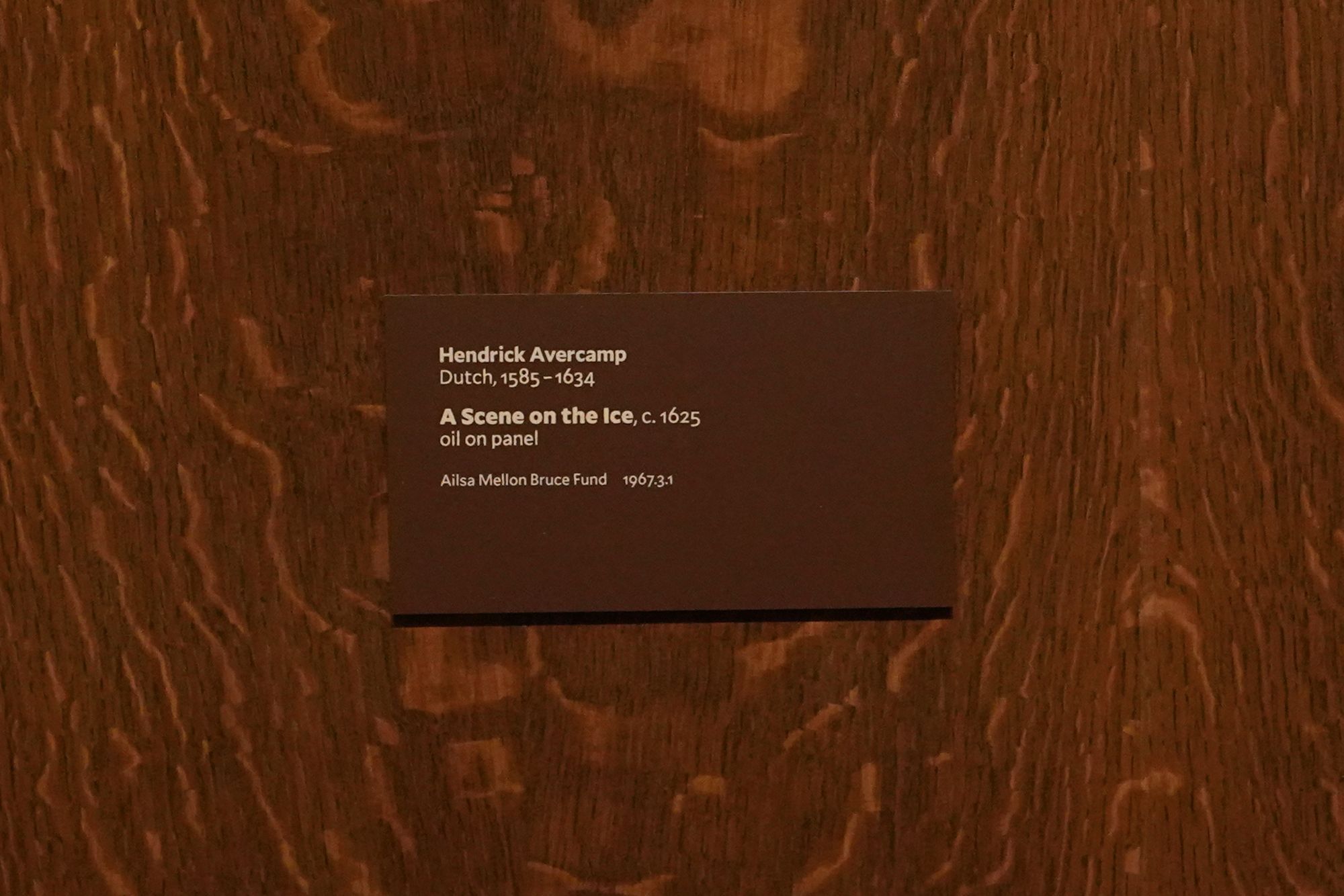
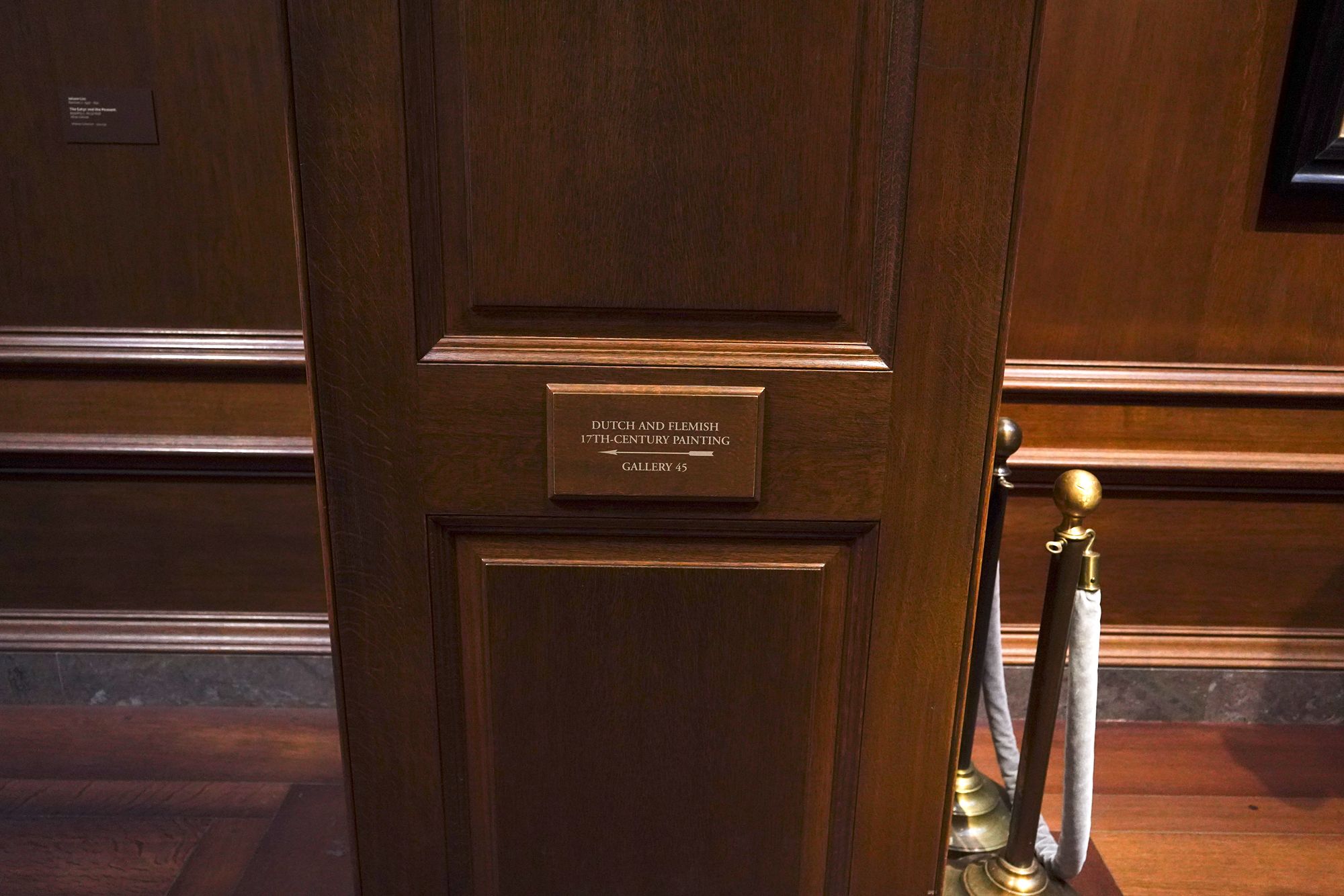
Dutch and Flemish 17th-Century Painting
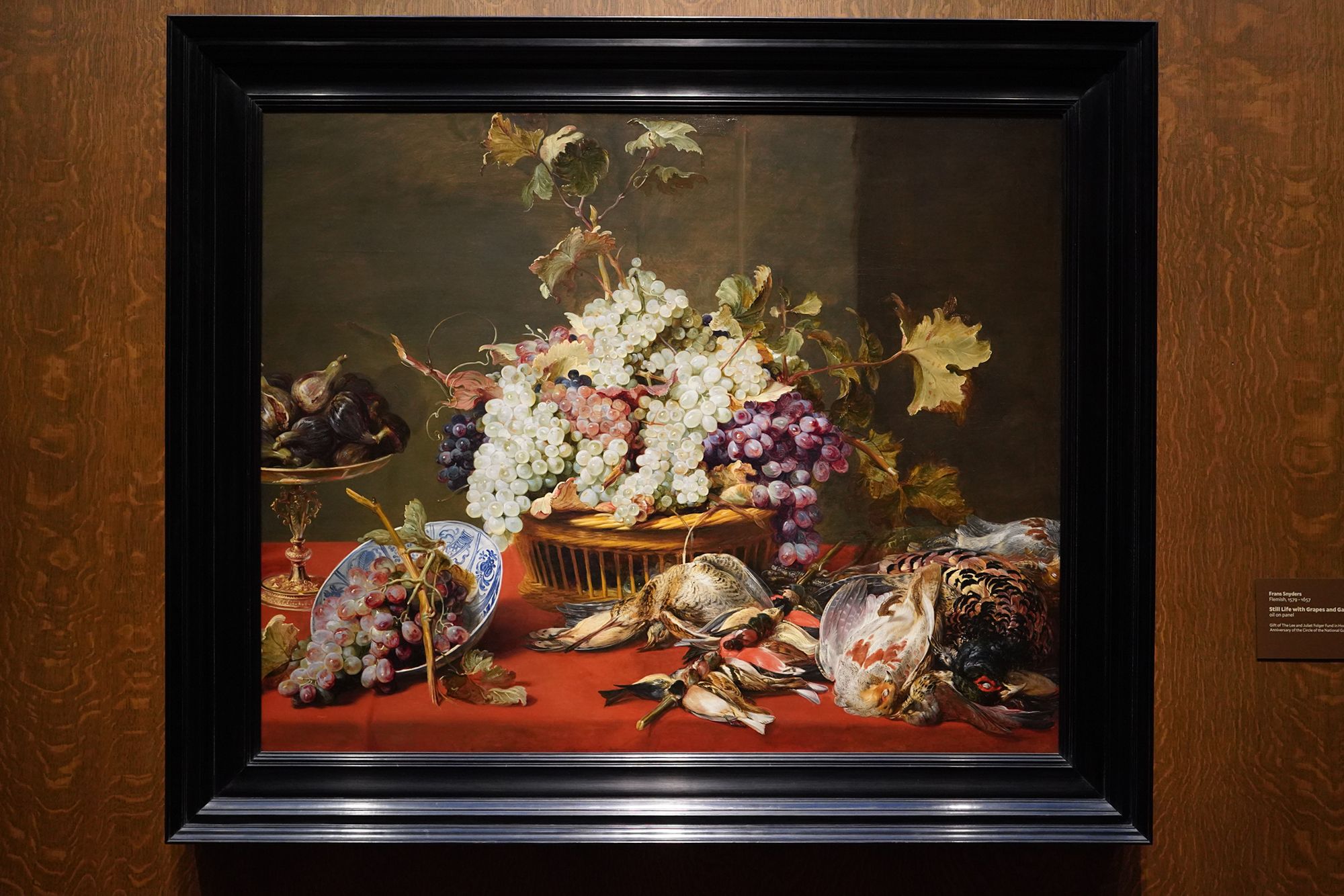
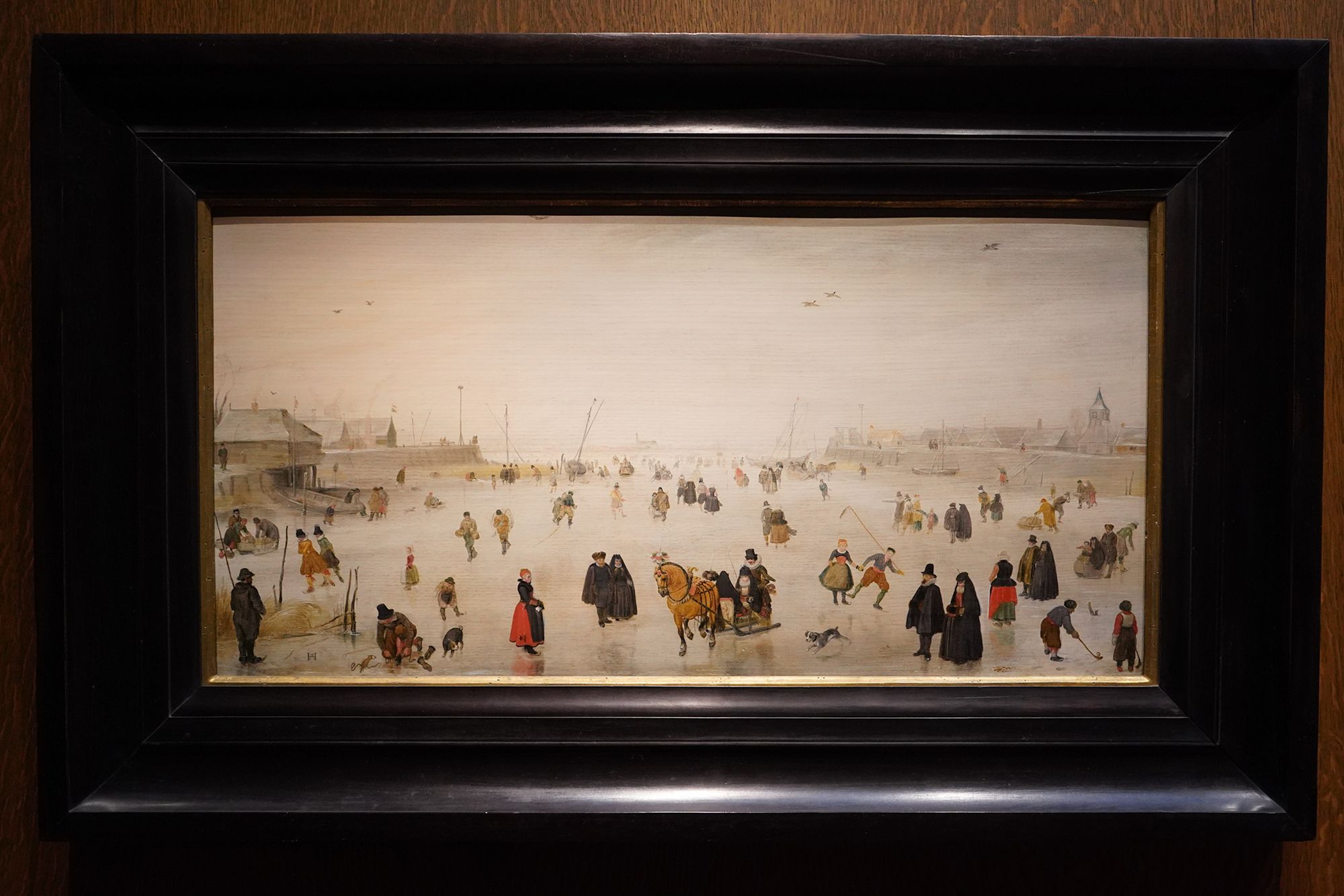
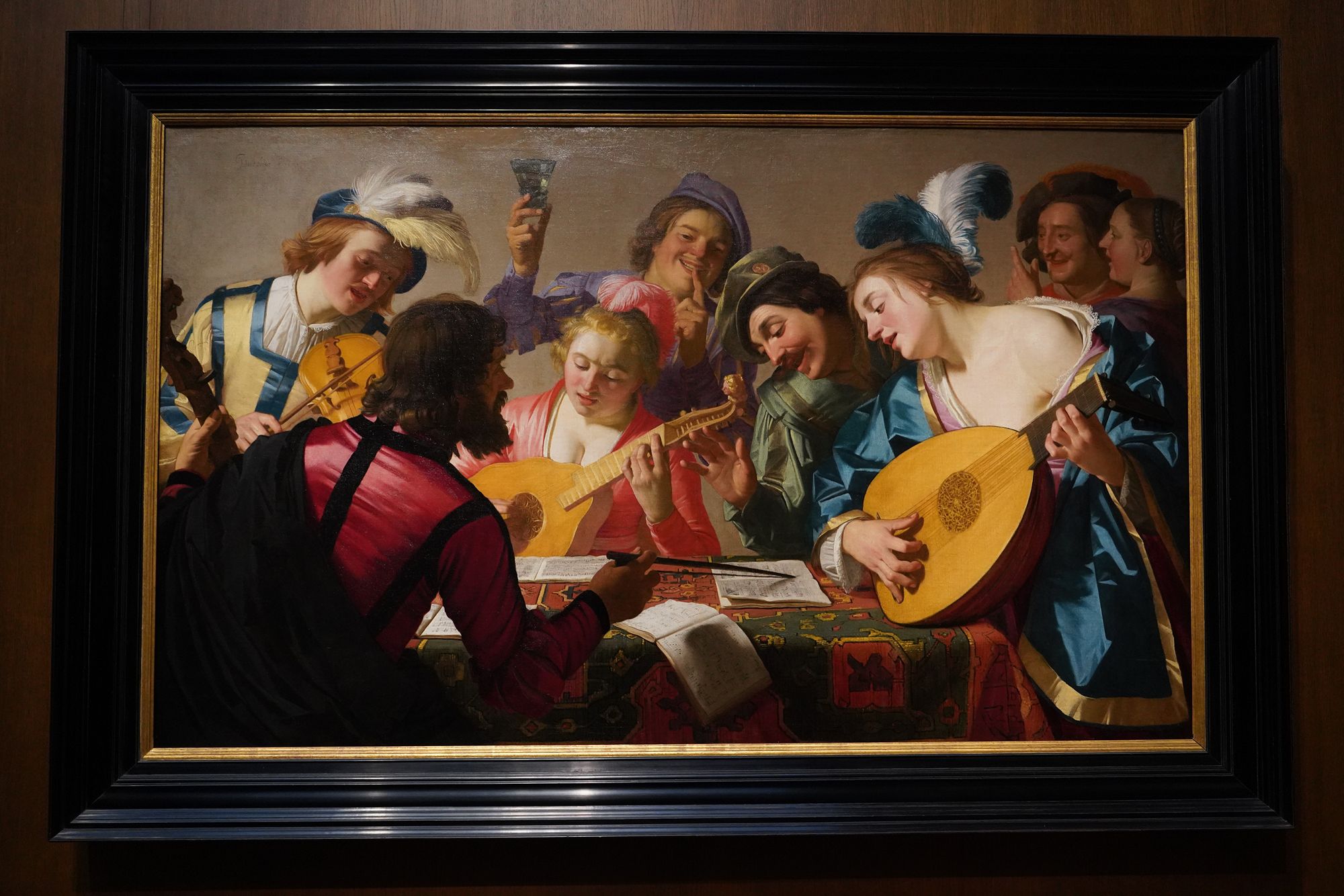
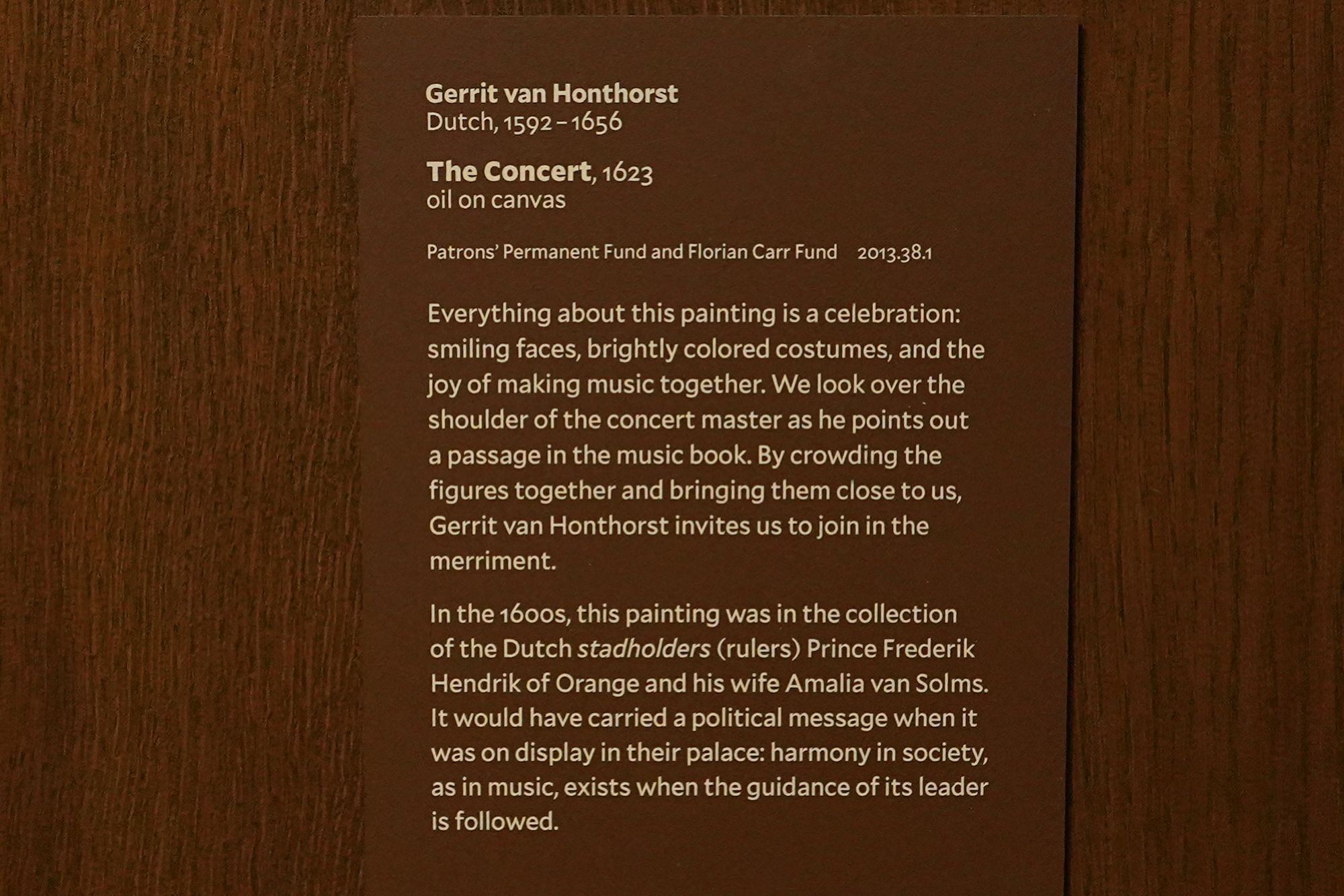
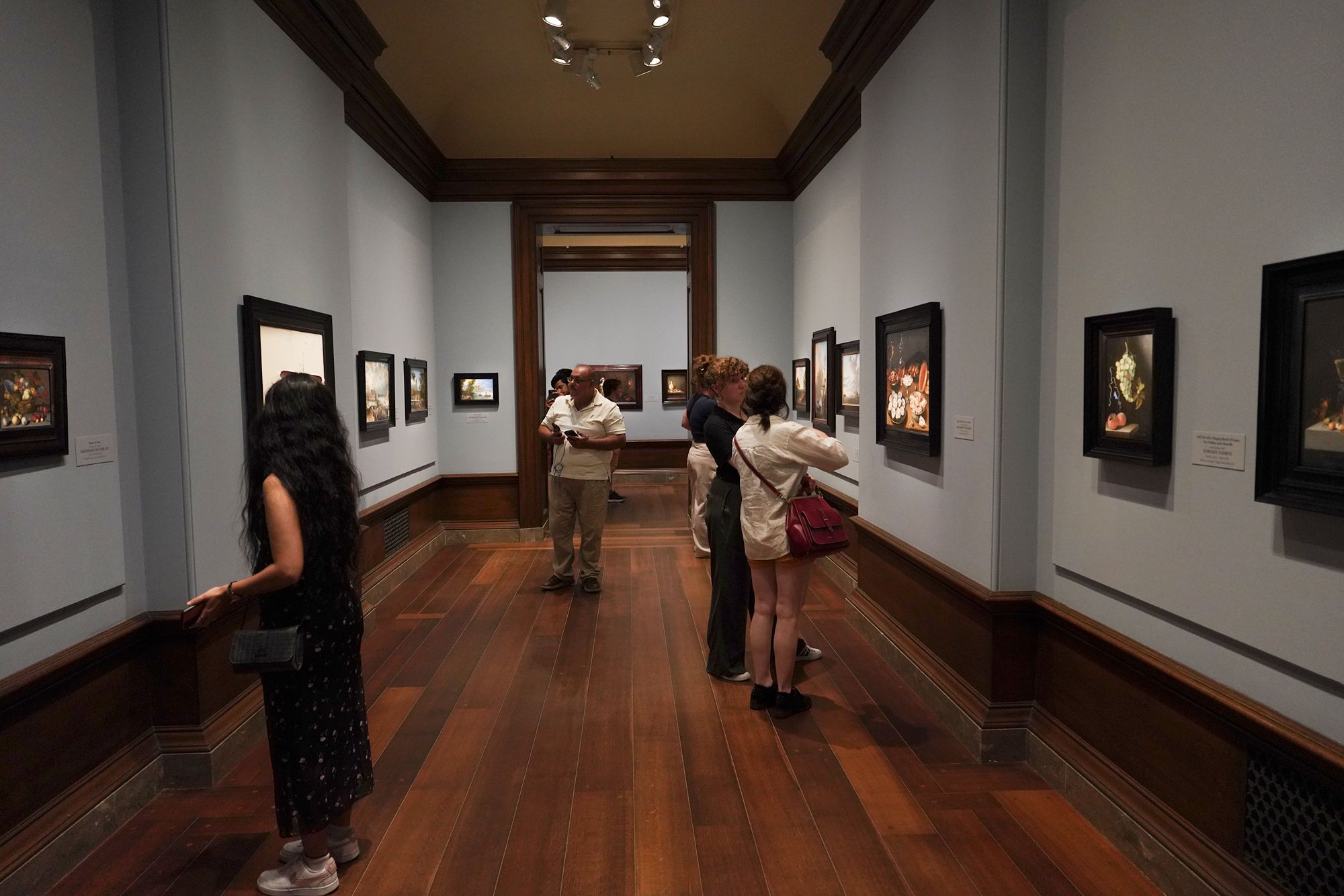
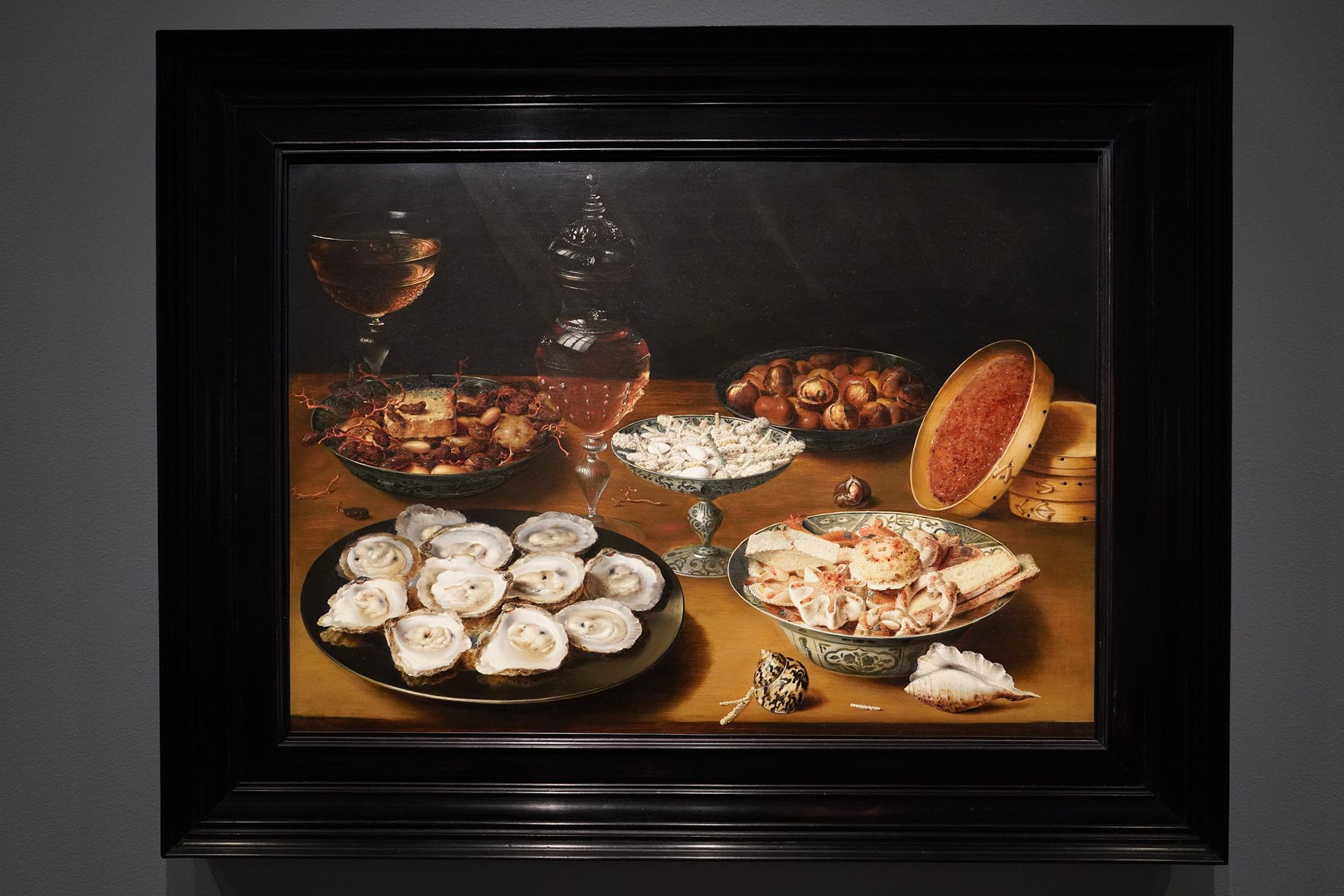
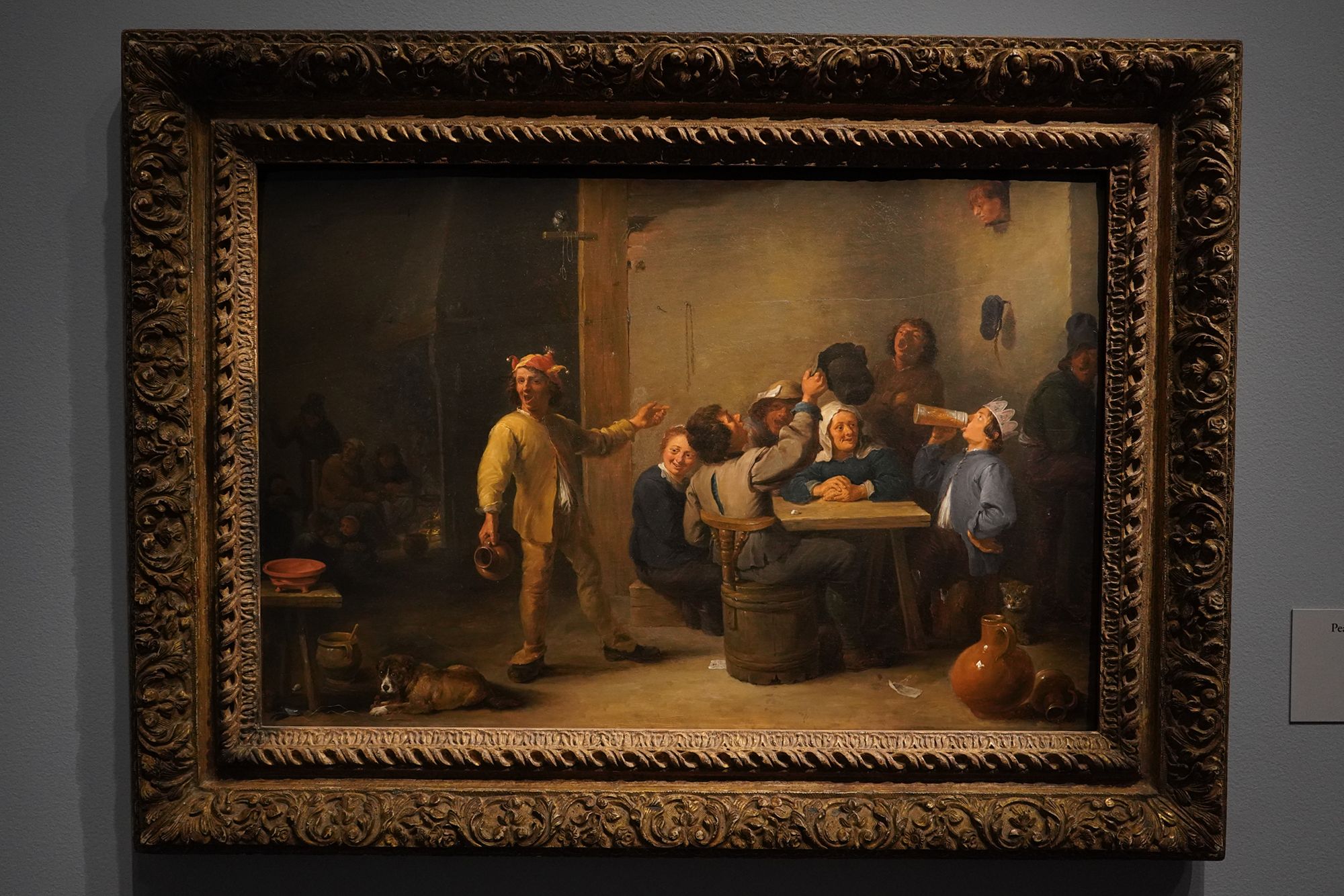
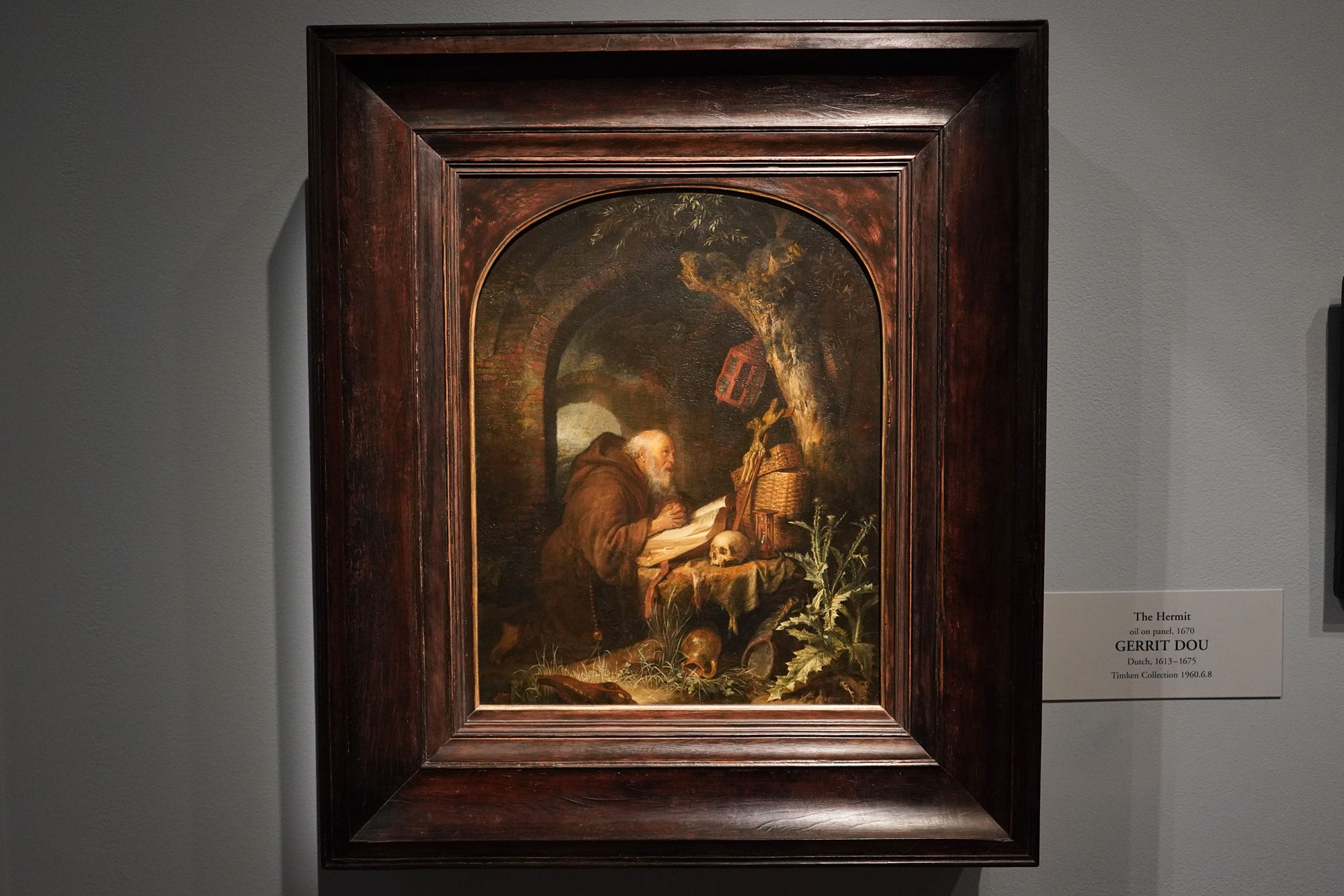
Dutch and Flemish 17th-century painting represents one of the richest periods in European art, marked by realism, technical mastery, and an interest in everyday life.
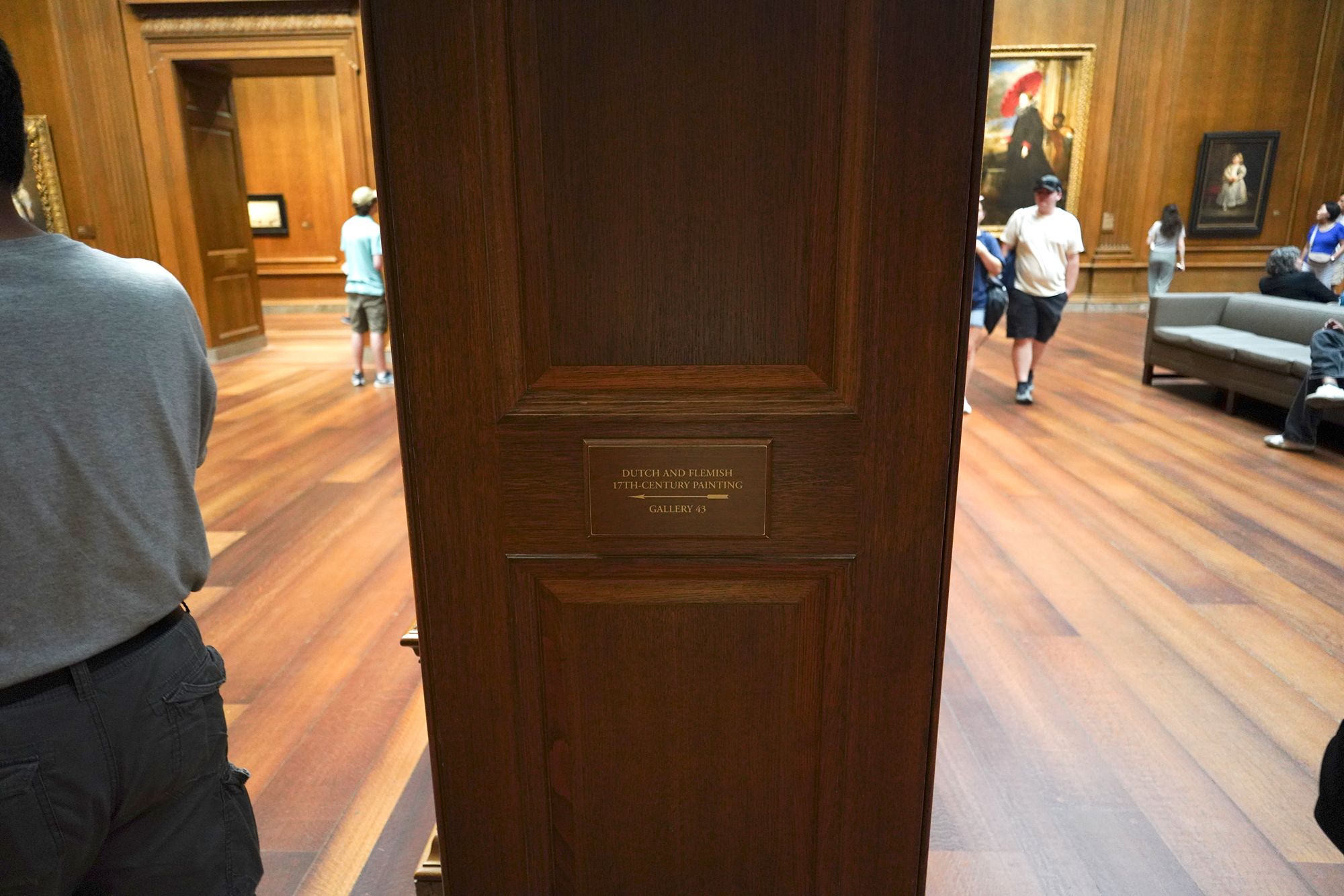
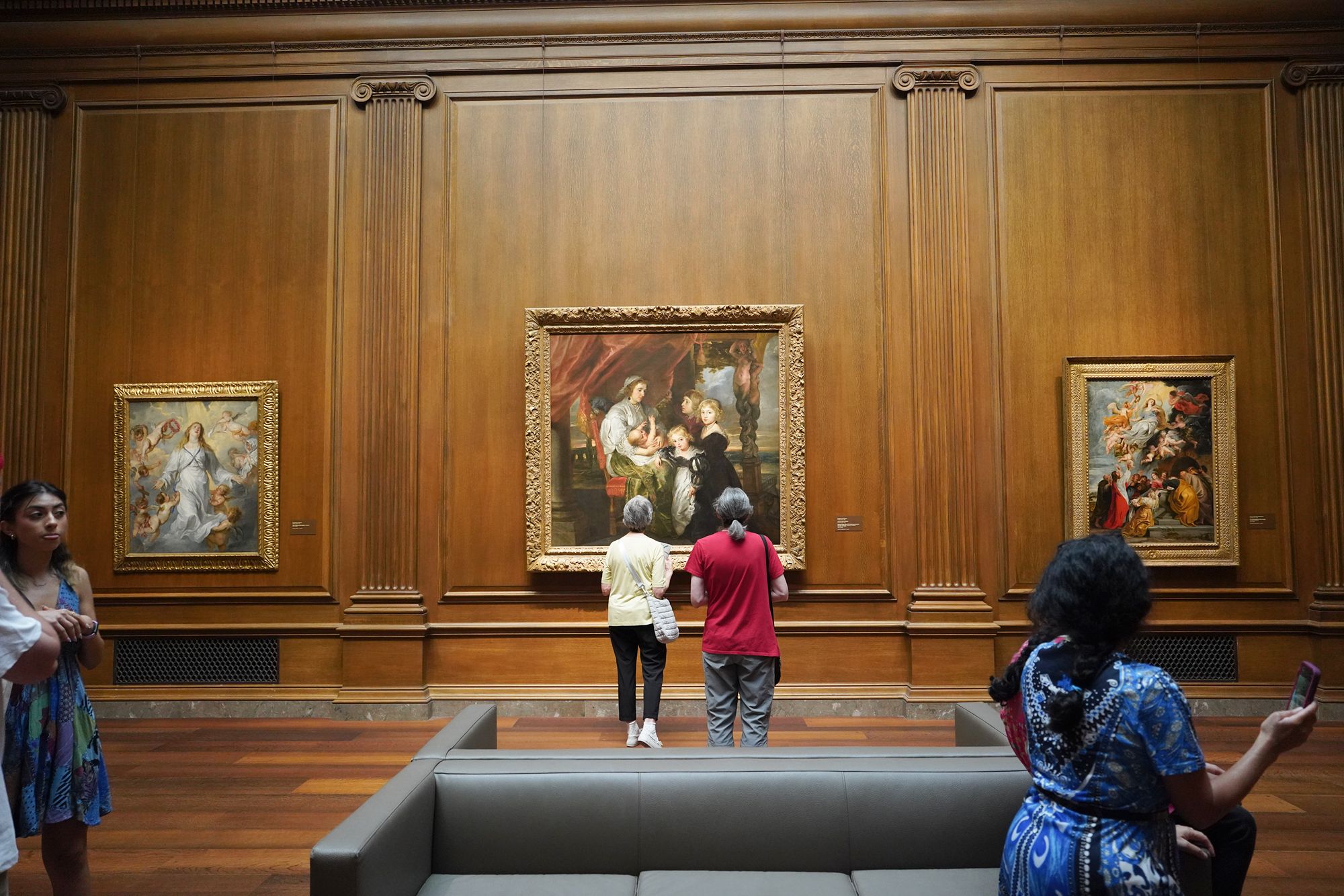
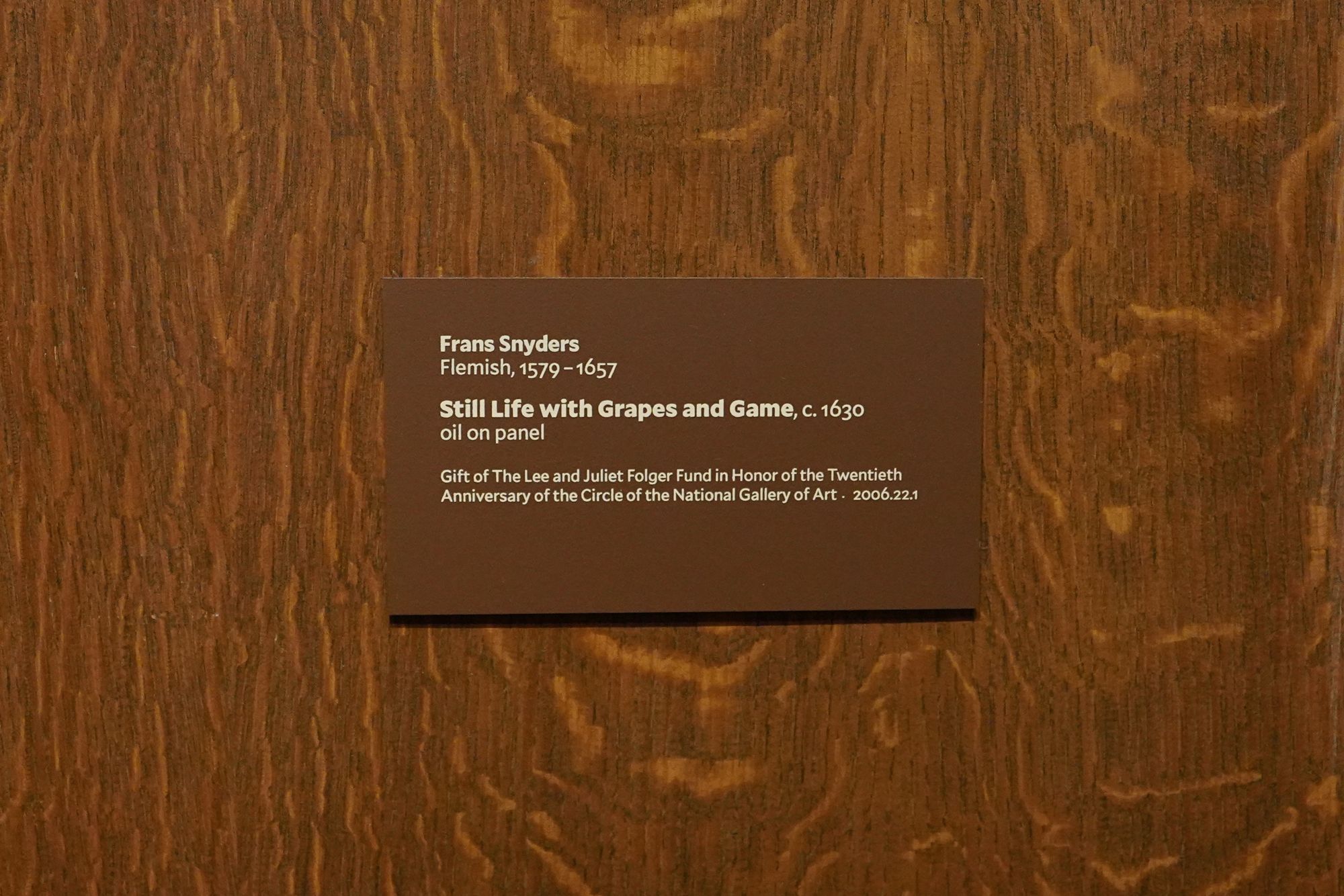
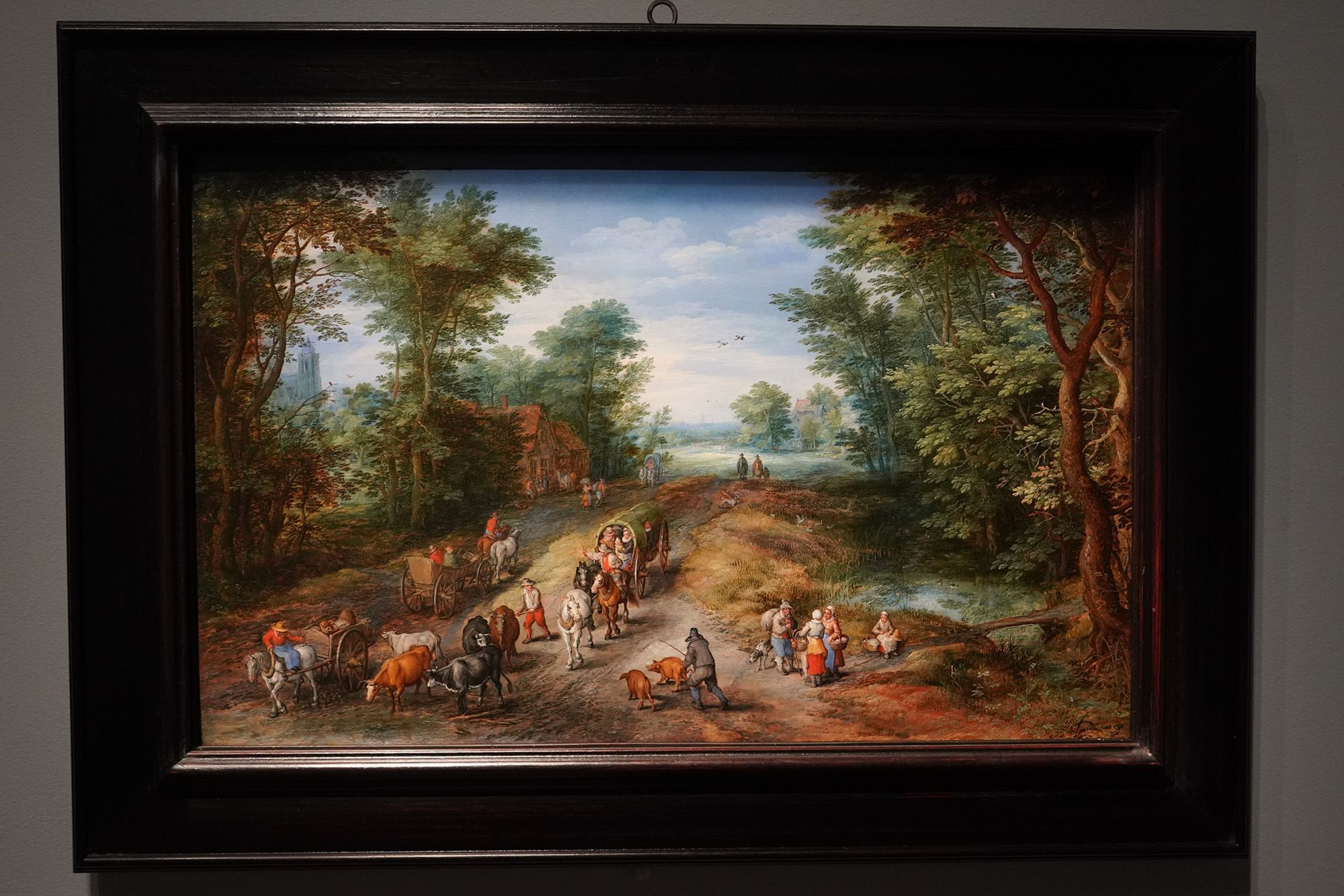
Flemish art refers to the artistic tradition that flourished in Flanders (modern-day Belgium and parts of northern France) from the 15th to 17th centuries, known for its rich color, fine detail, and masterful realism.
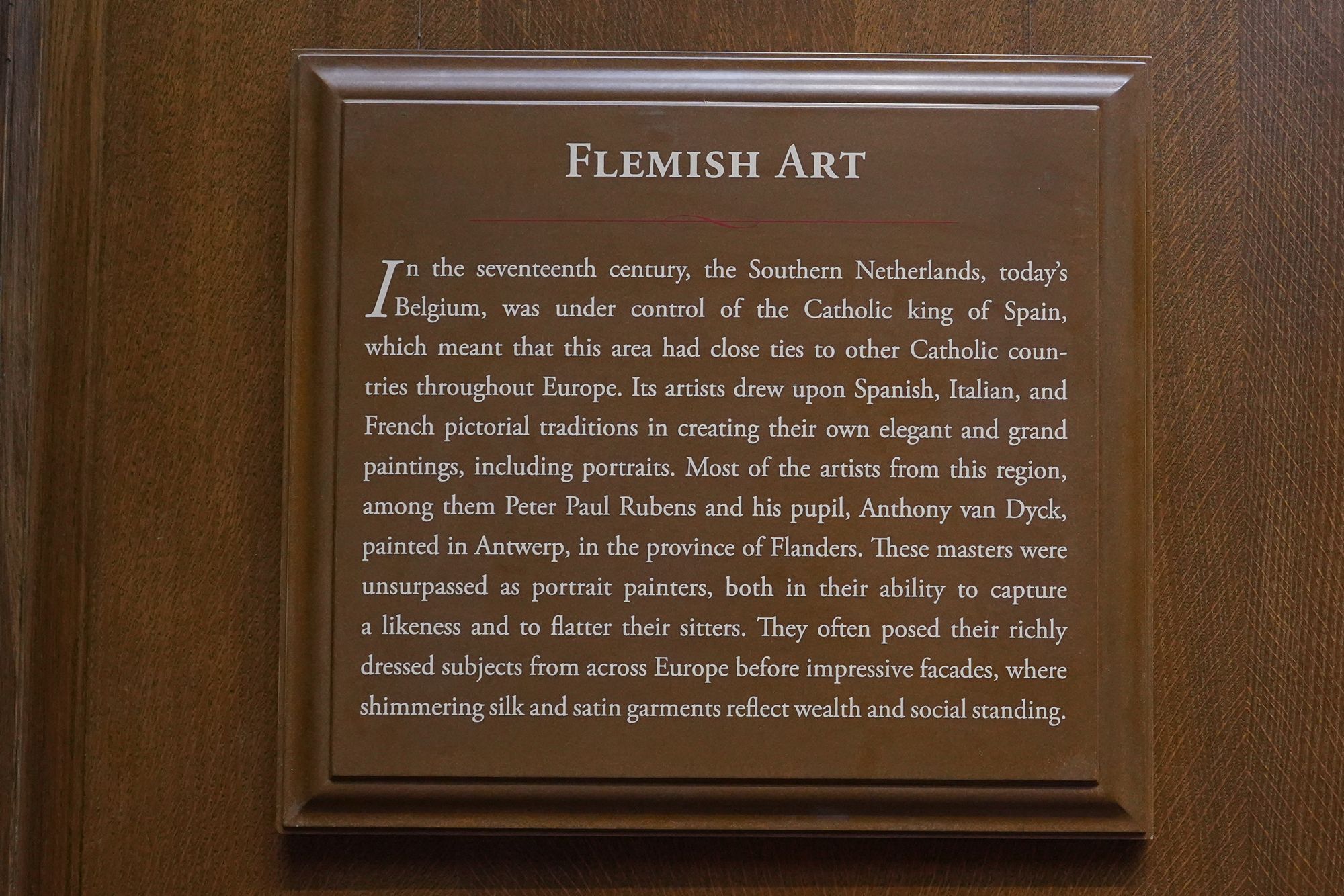
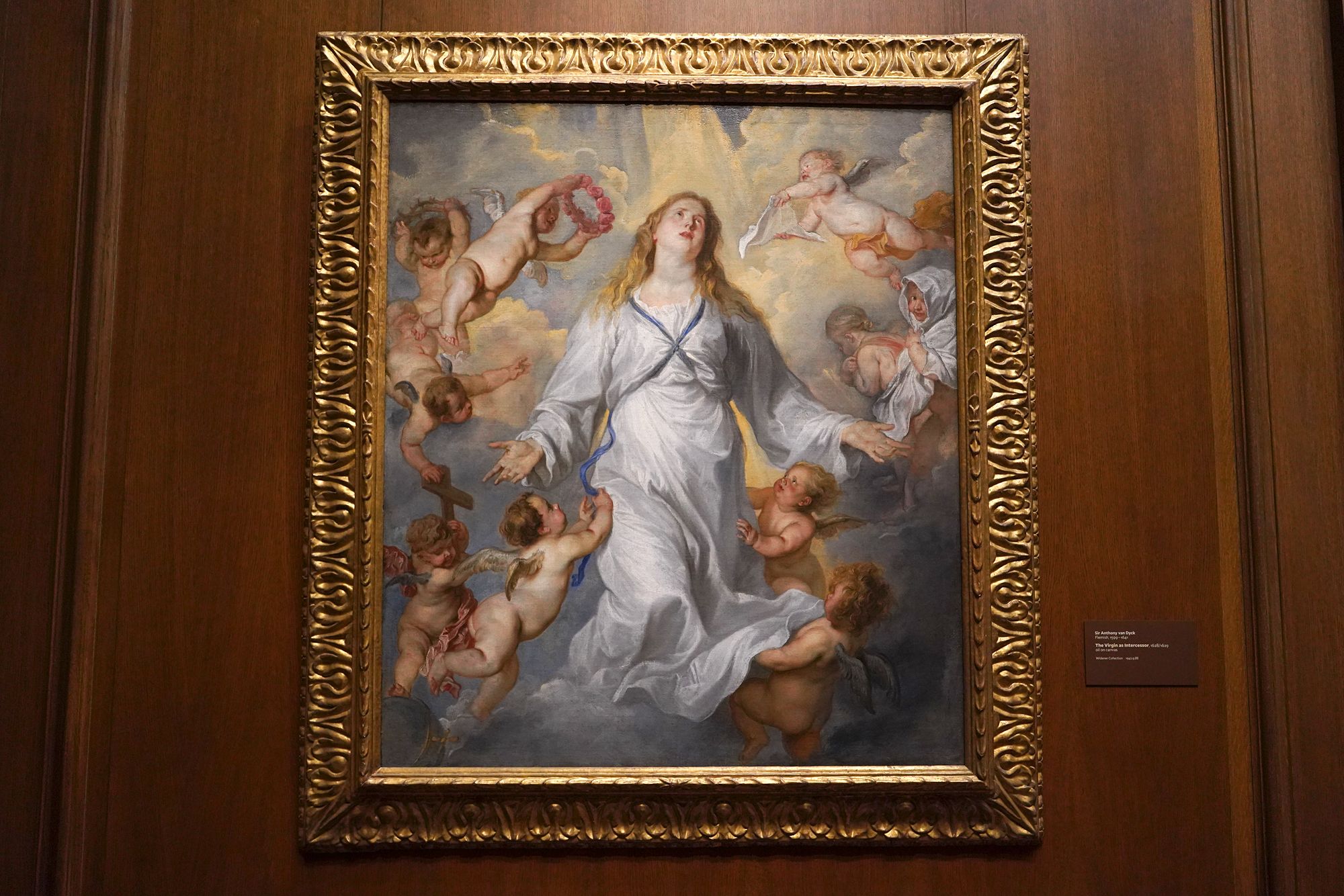
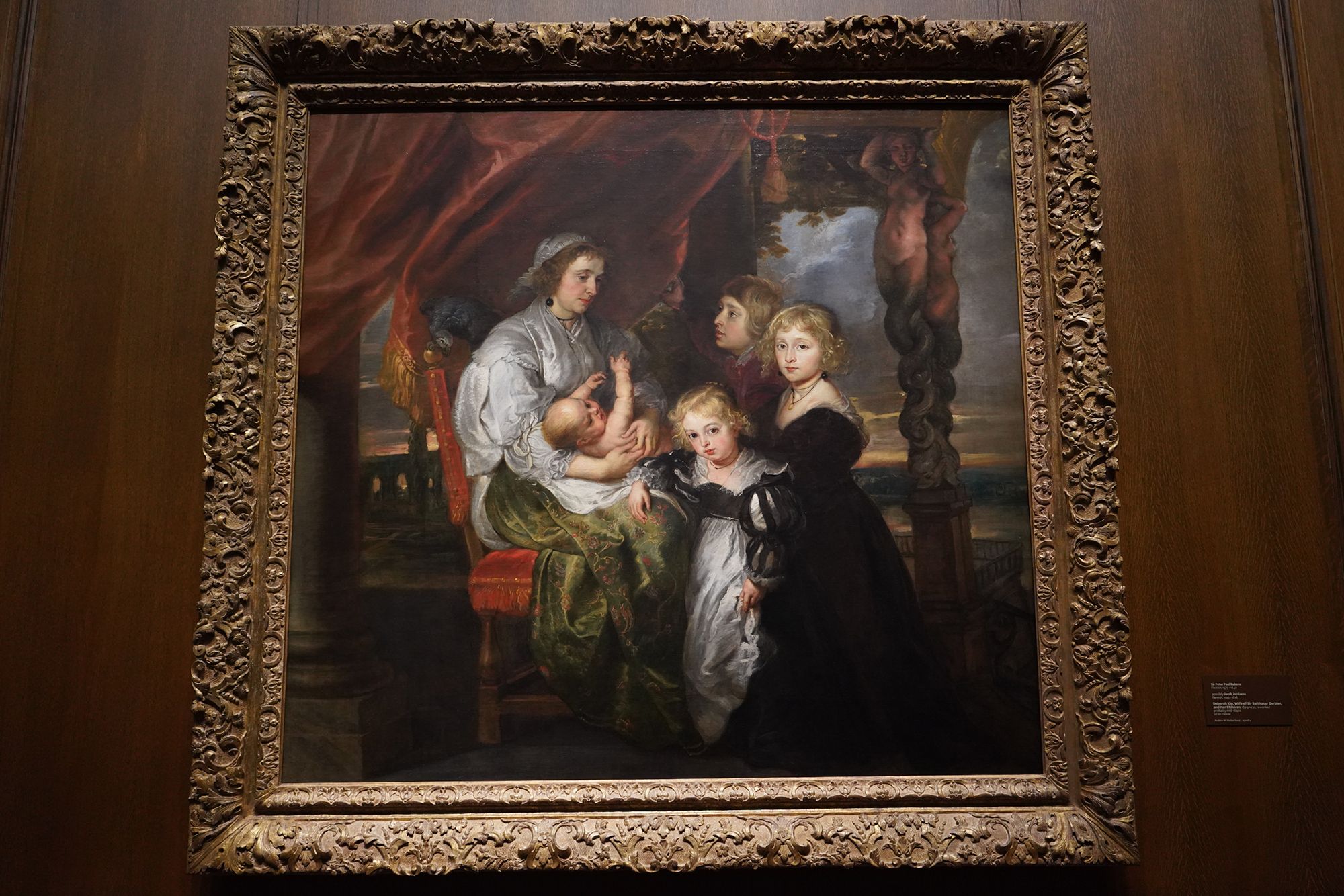
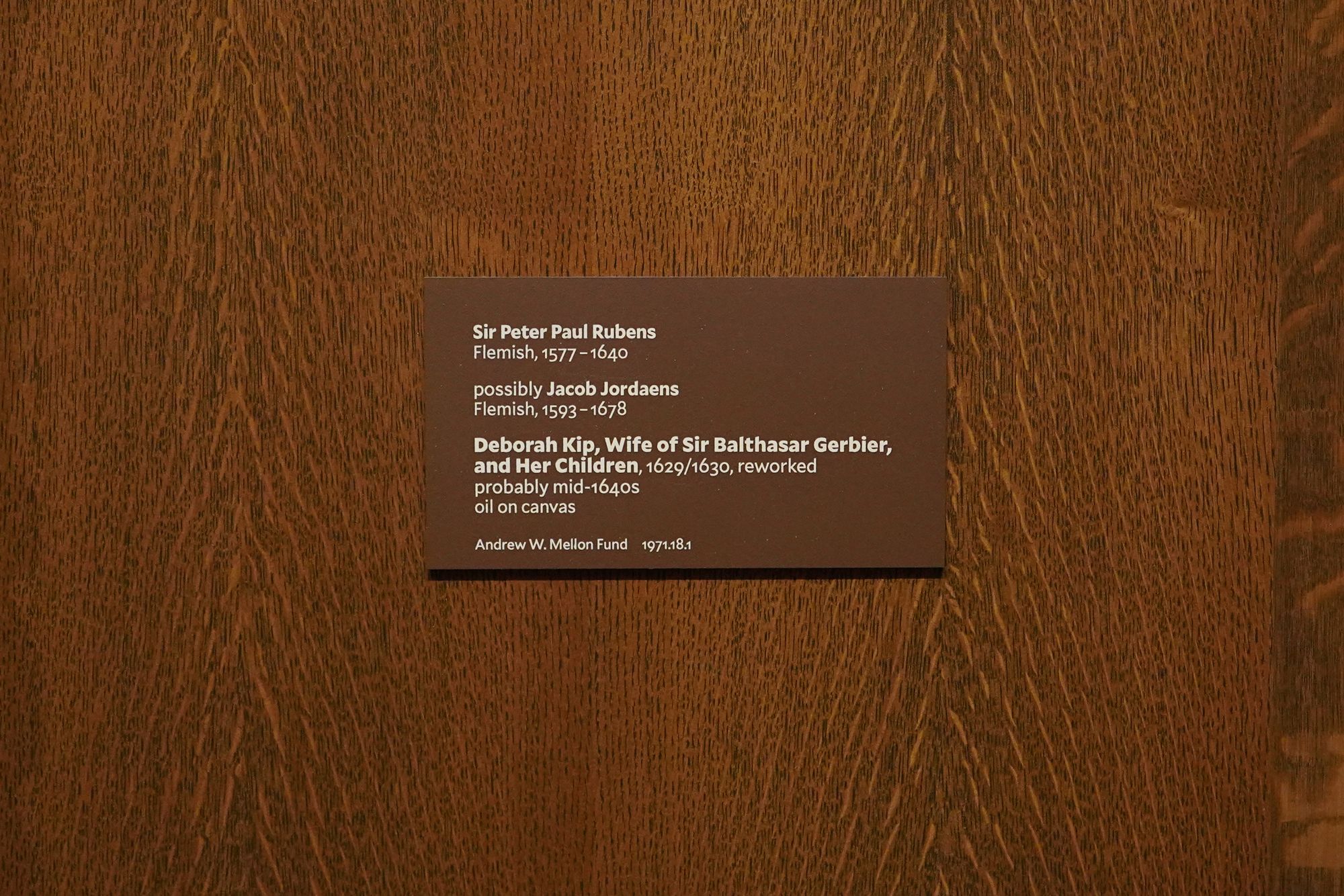
Dutch and Flemish 17th-Century Painting
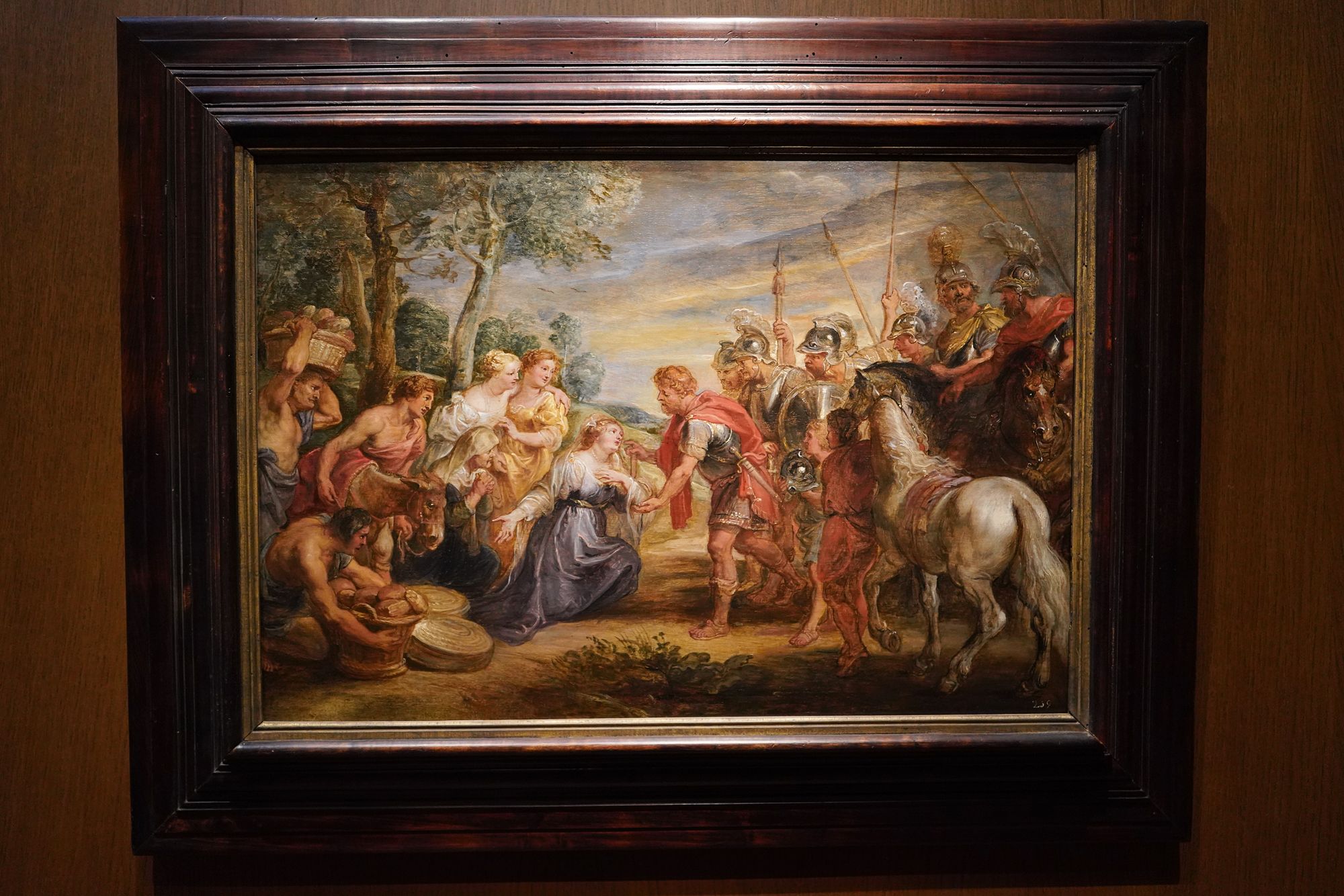
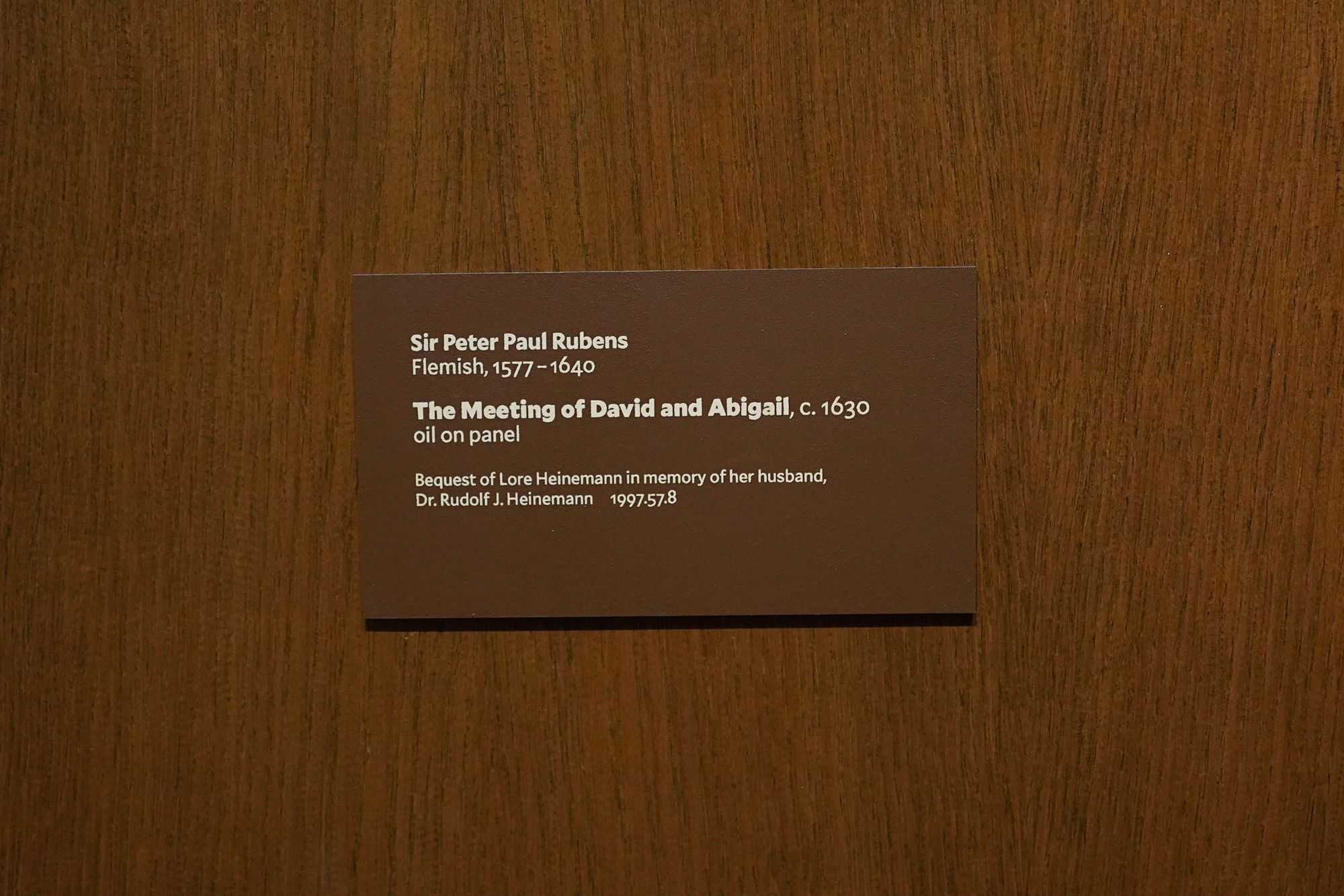
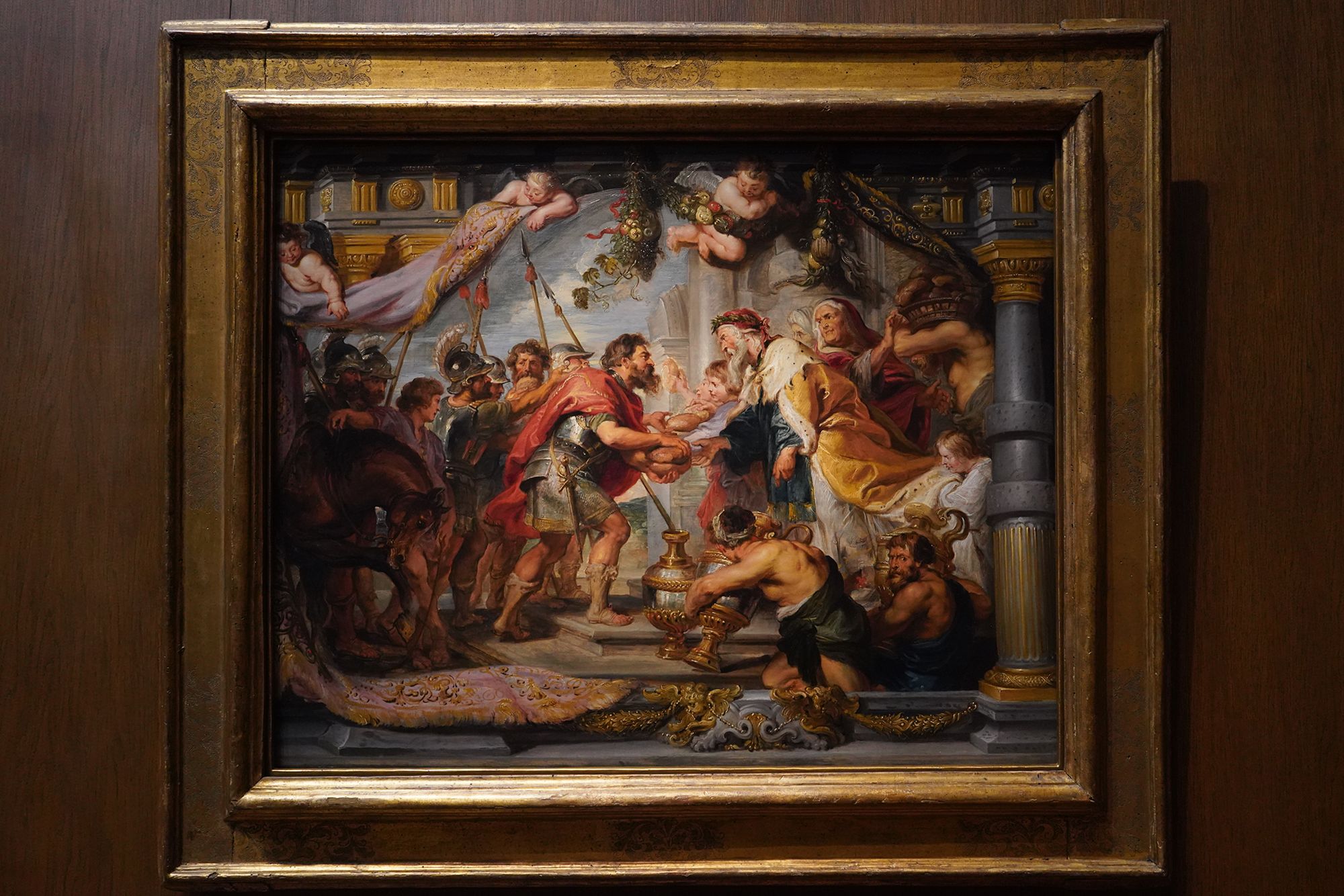
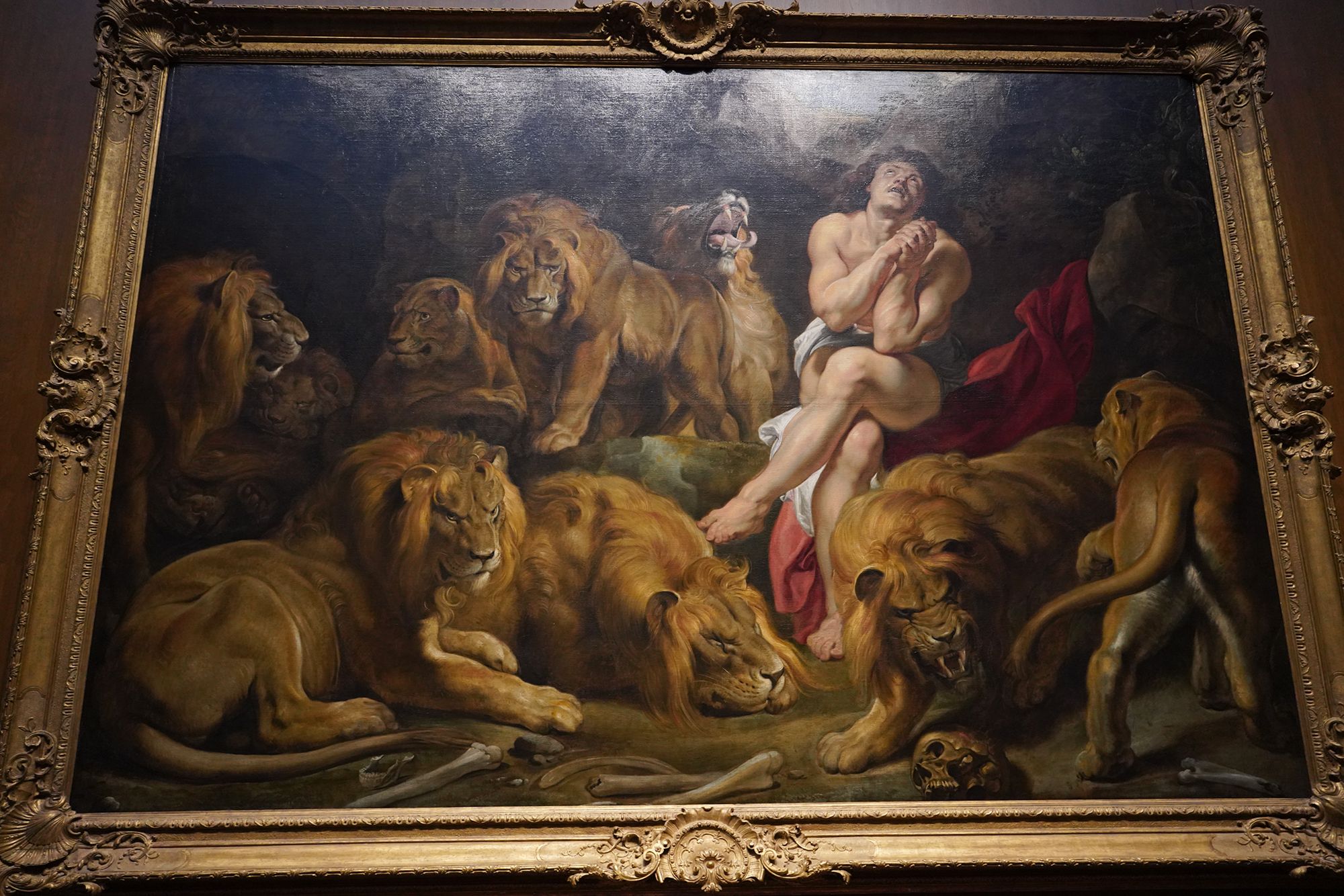
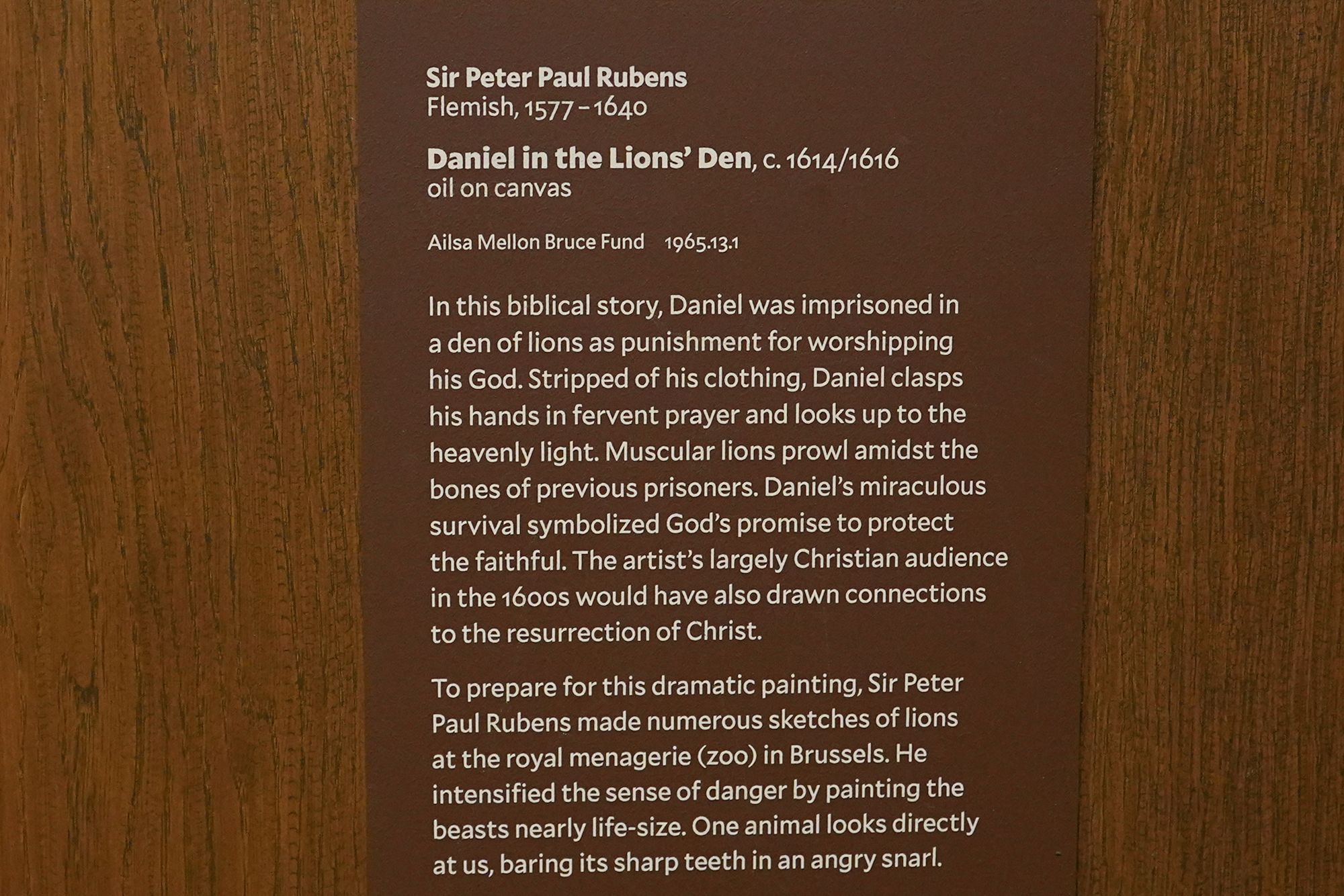
Peter Paul Rubens (1577–1640) was a Flemish Baroque painter known for his vibrant color, dynamic movement, and dramatic compositions.
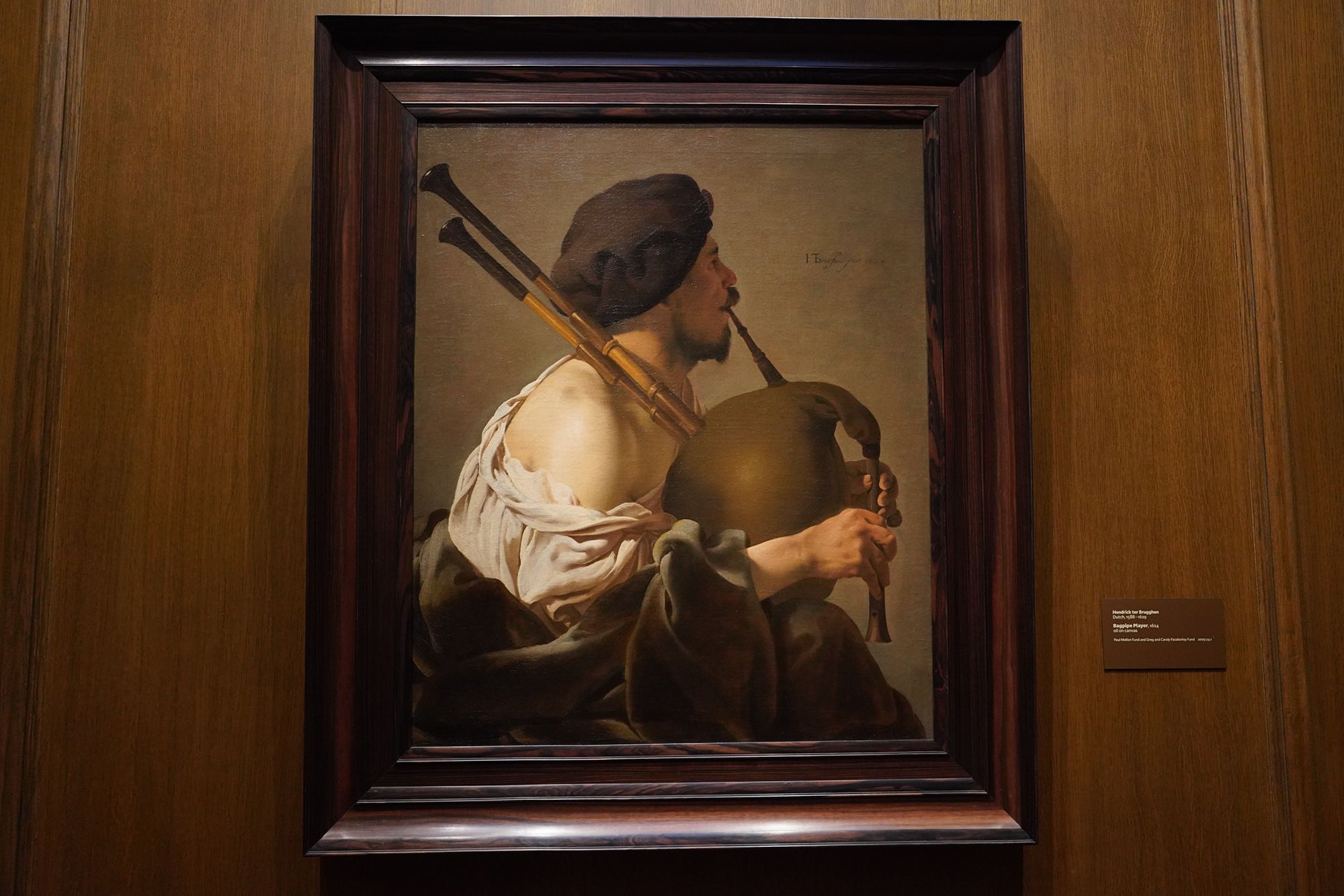
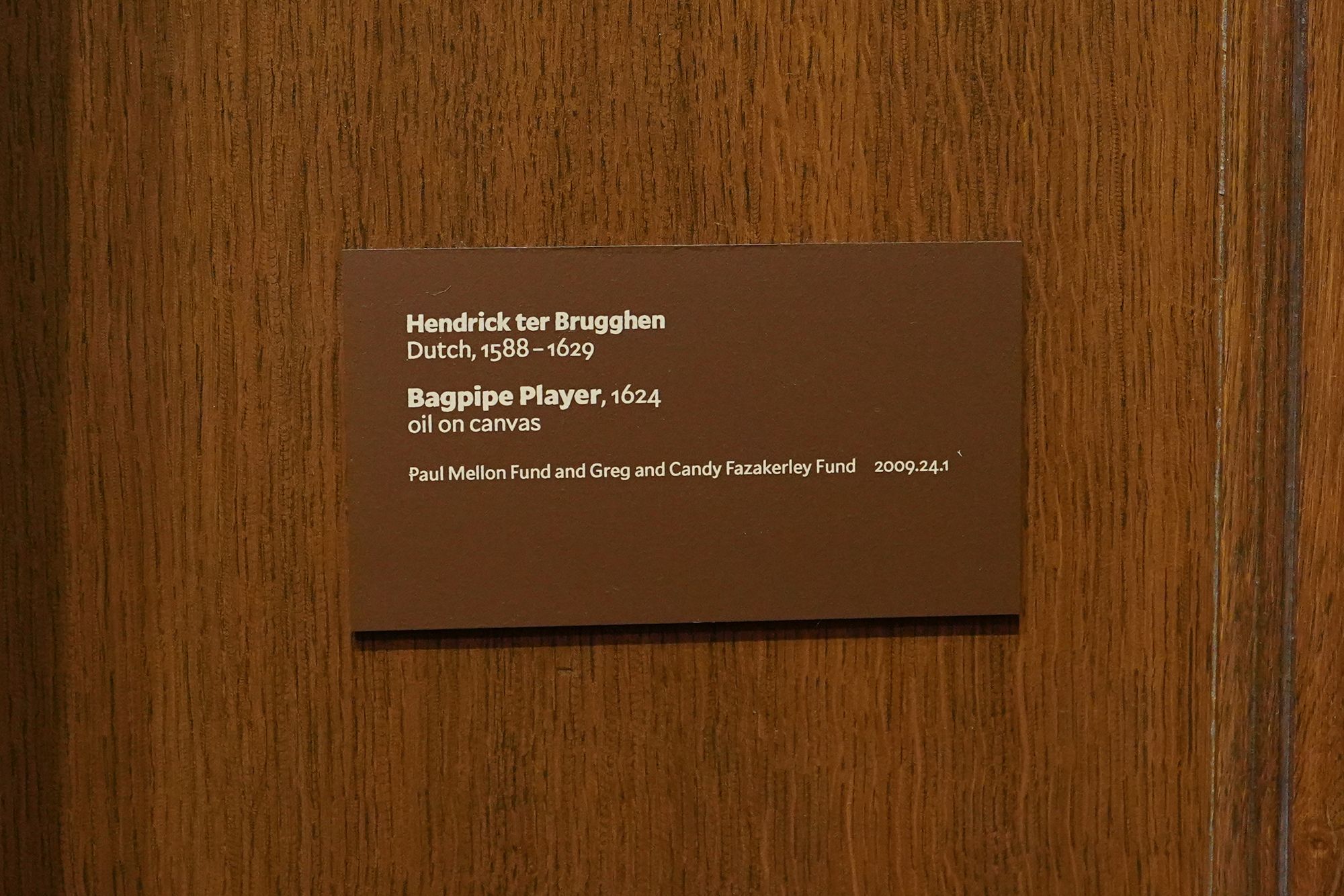
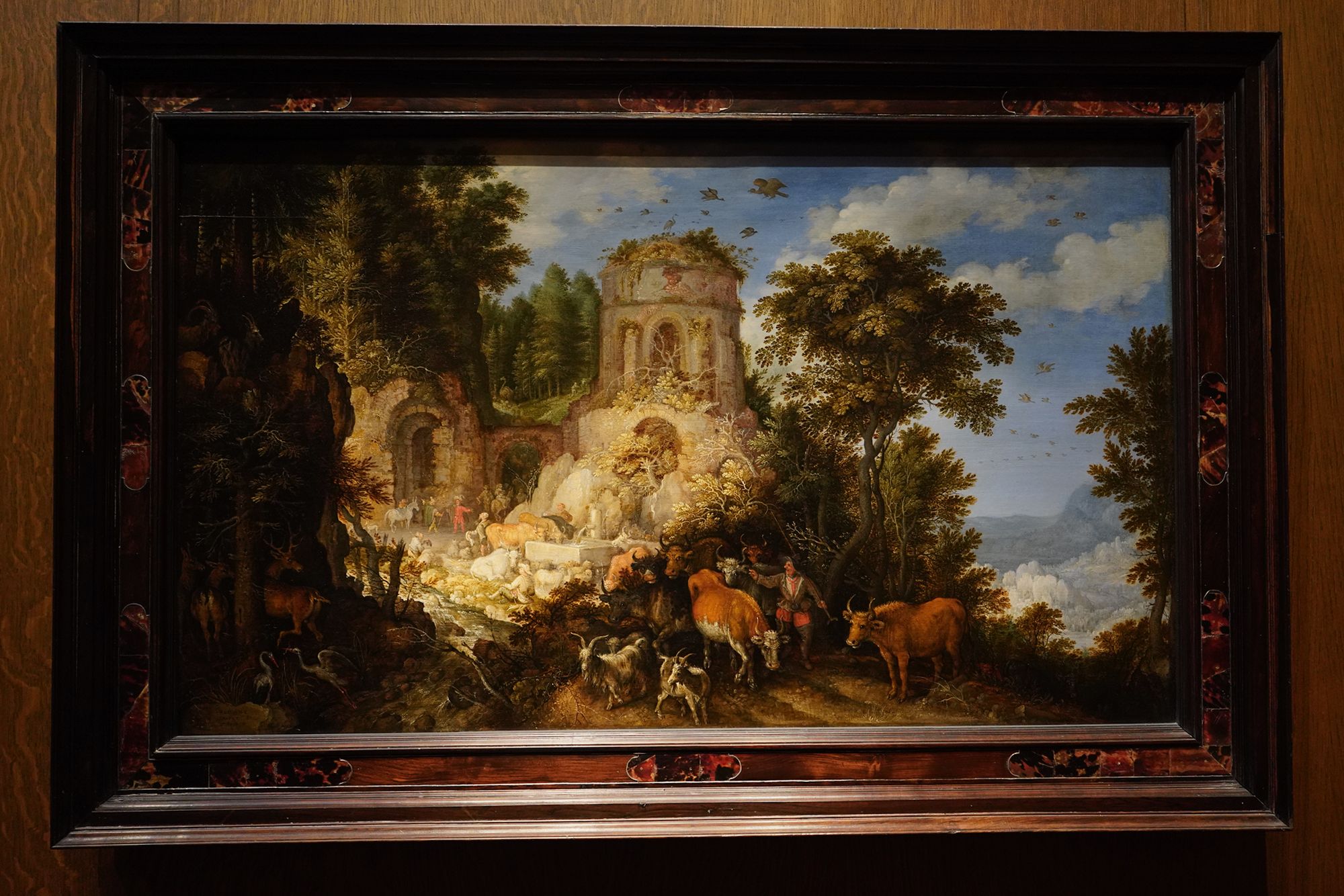
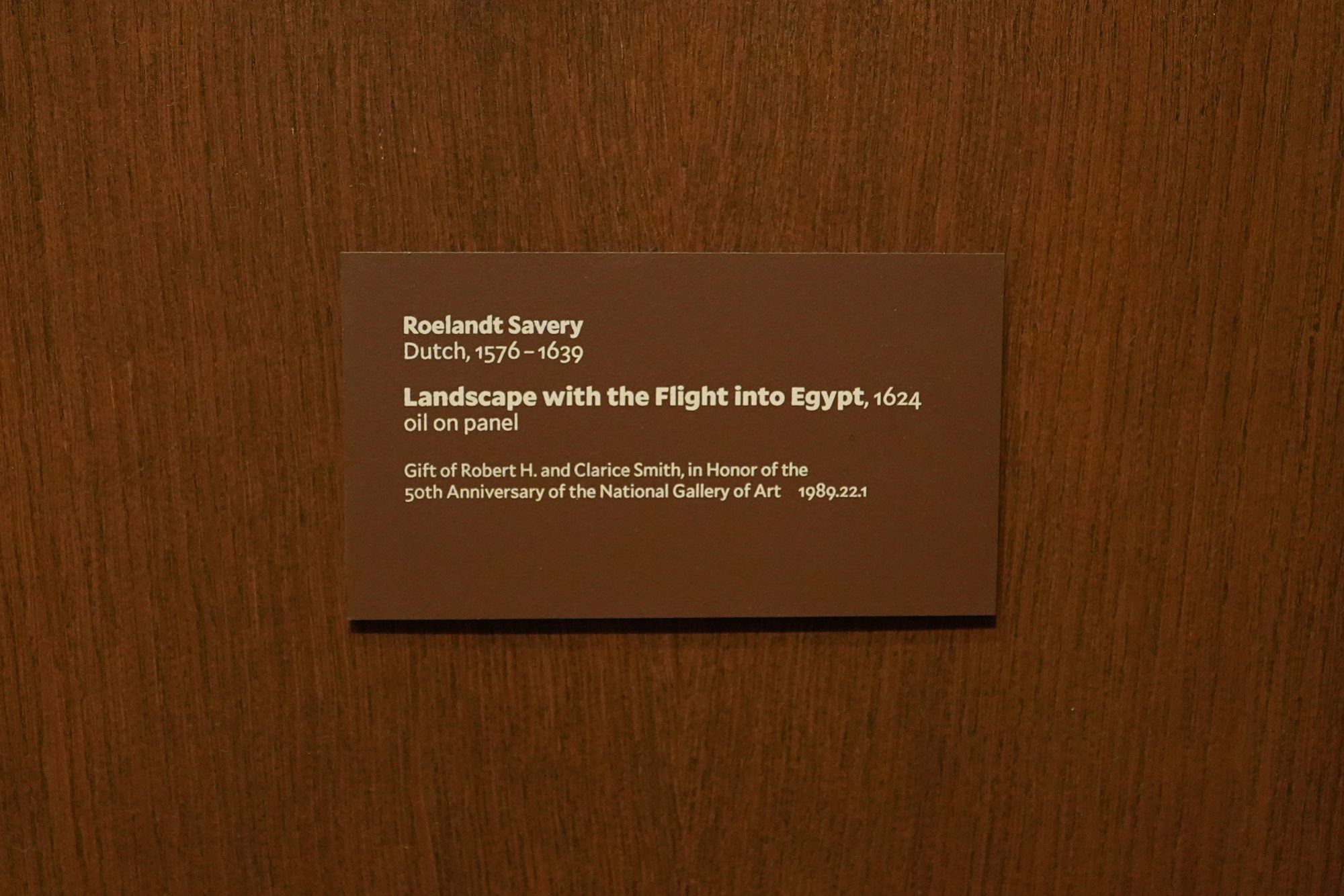
Dutch and Flemish 17th-Century Painting Continues
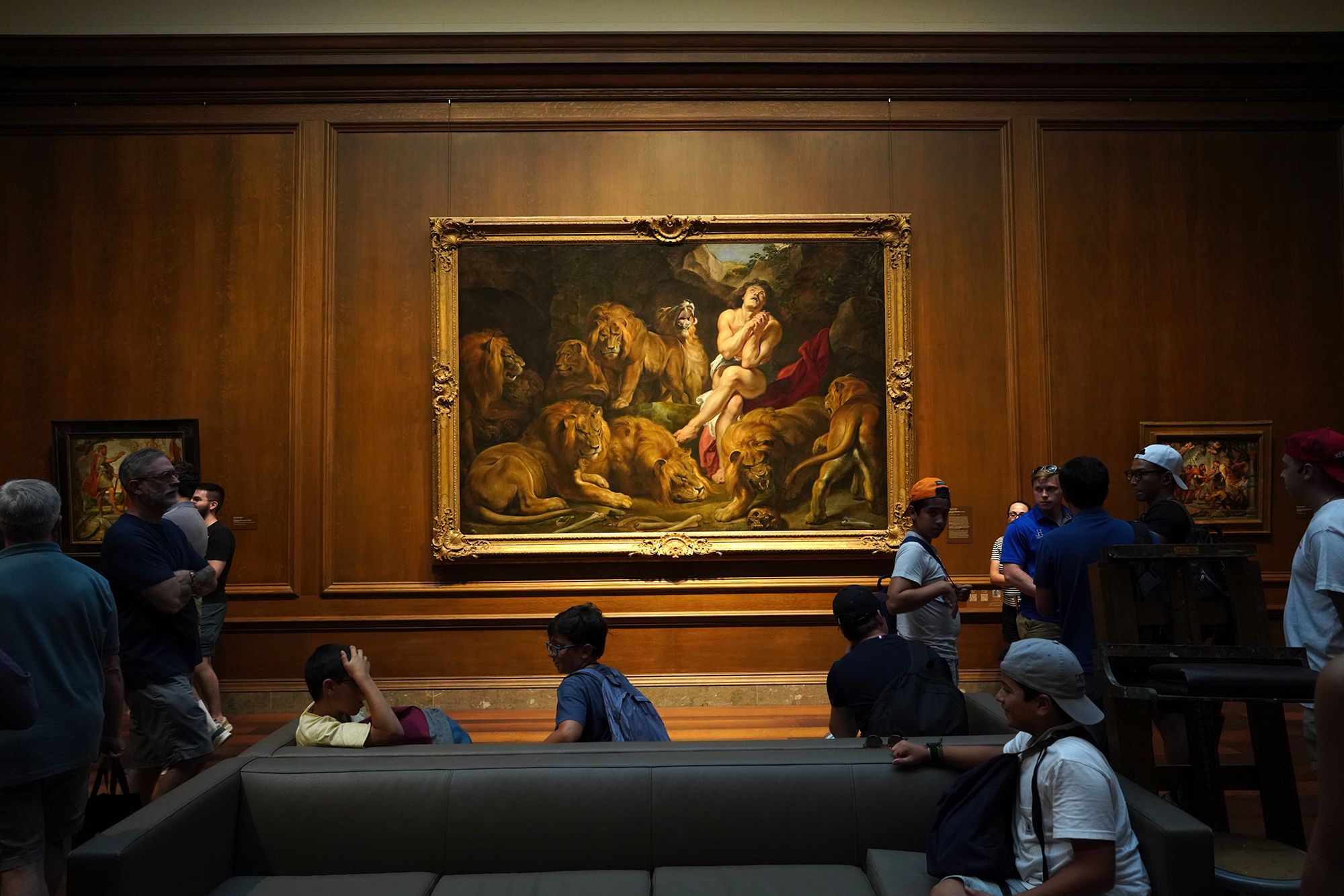
Peter Paul Rubens (1577–1640) was a Flemish Baroque painter renowned for his energetic compositions, vibrant color, and dramatic movement.
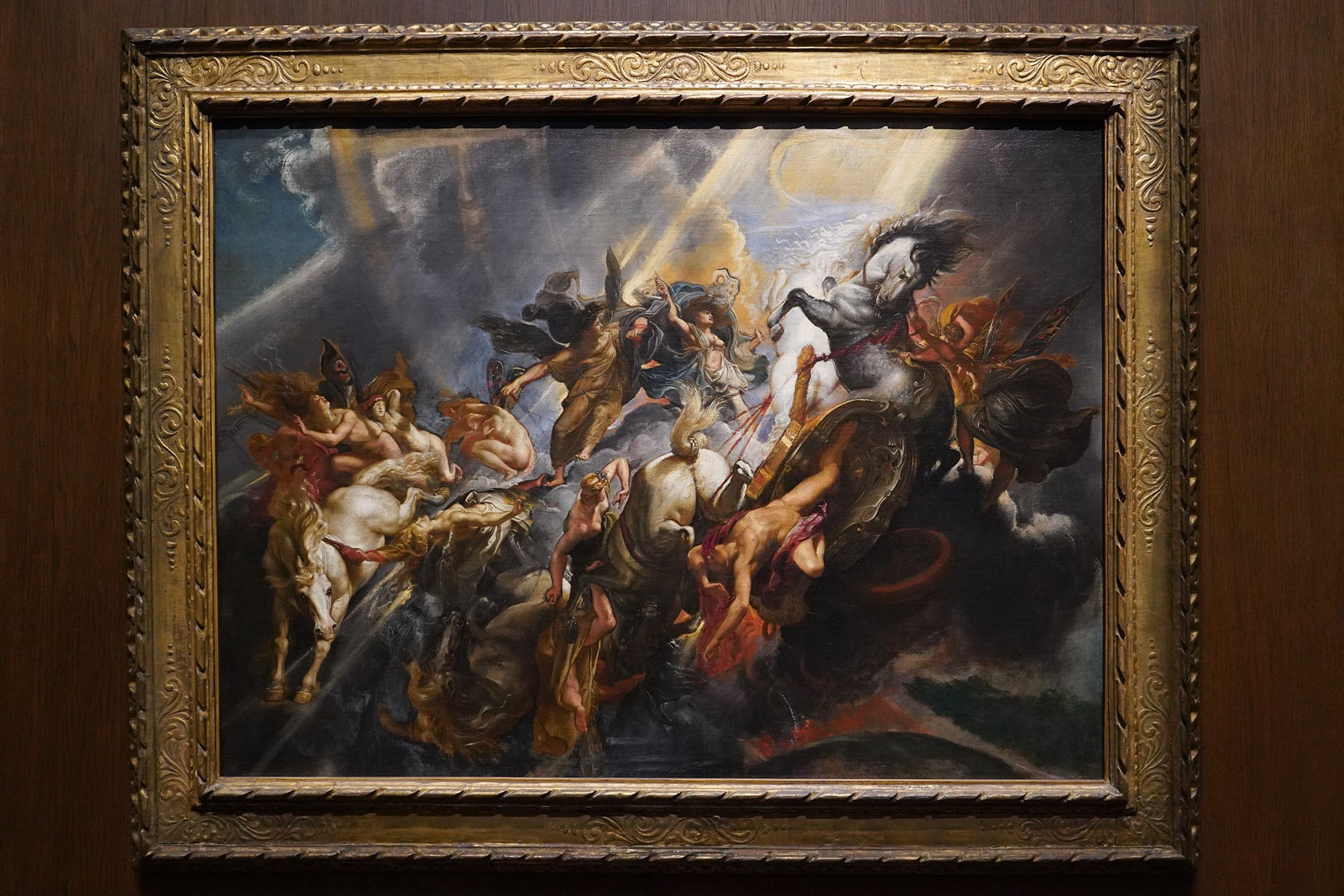
He combined the grandeur of Italian Renaissance art with his own expressive style, creating large-scale works filled with mythological, religious, and historical subjects. His figures are known for their vitality and rich, glowing flesh tones.
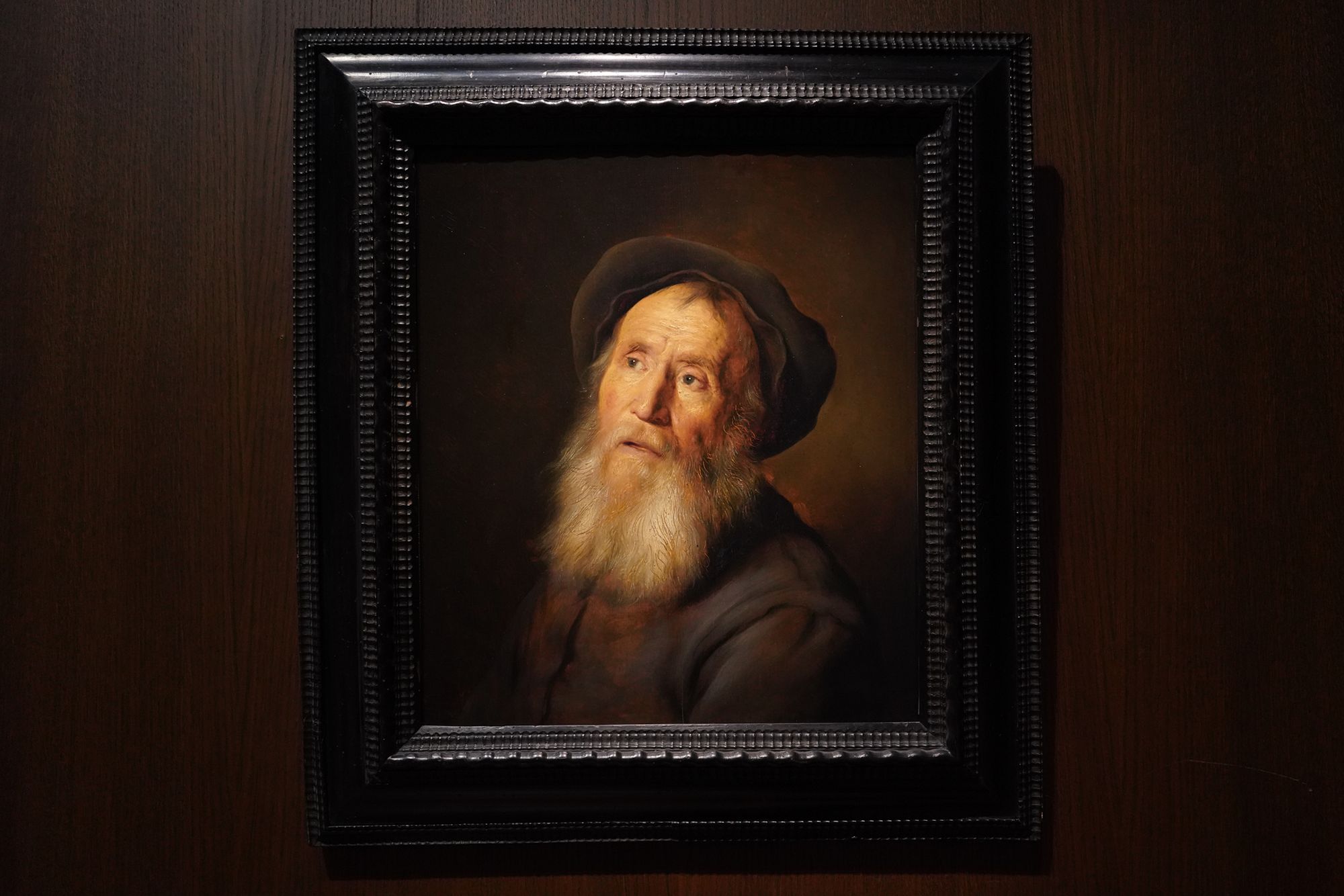
Dutch 17th Century Painting
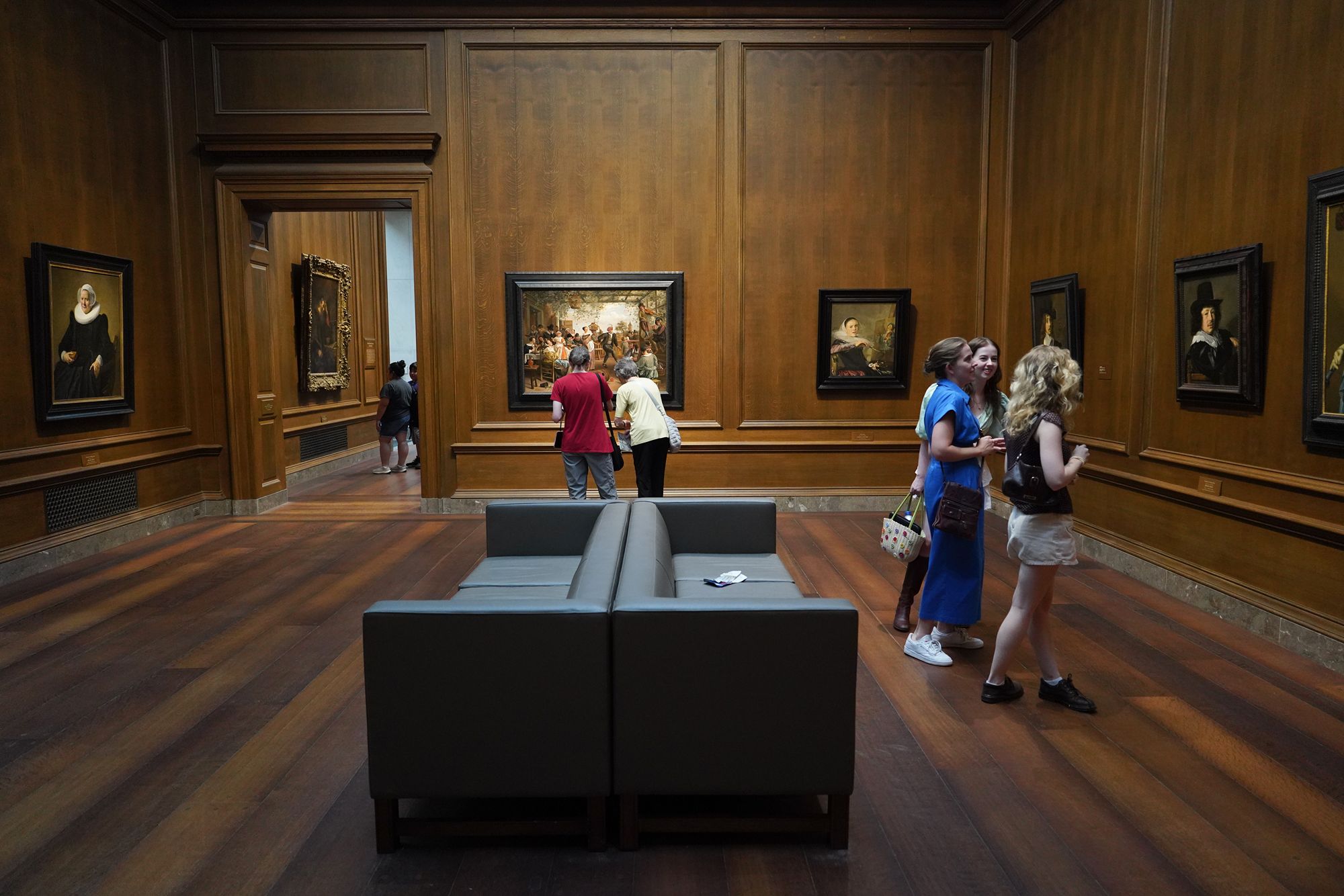
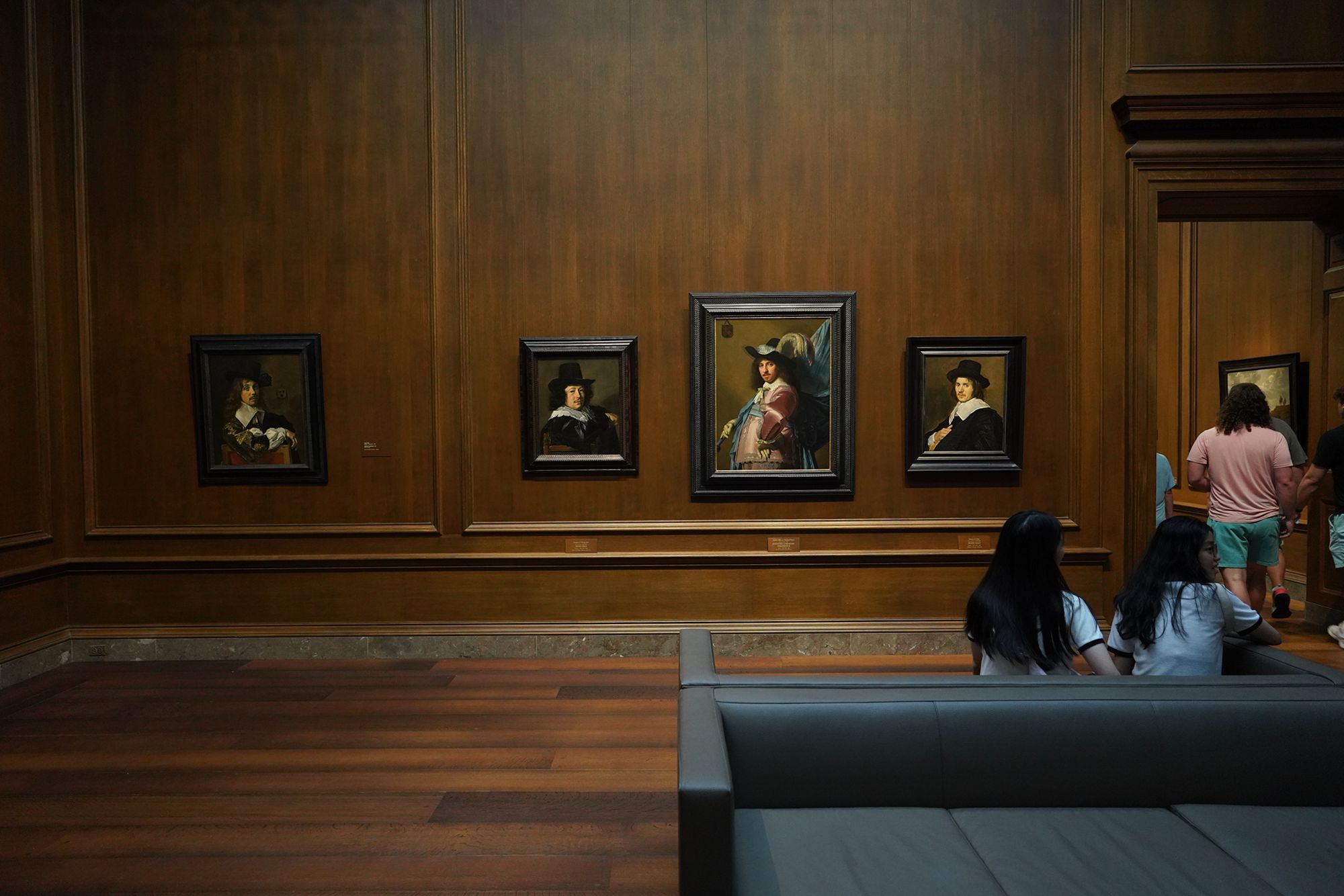
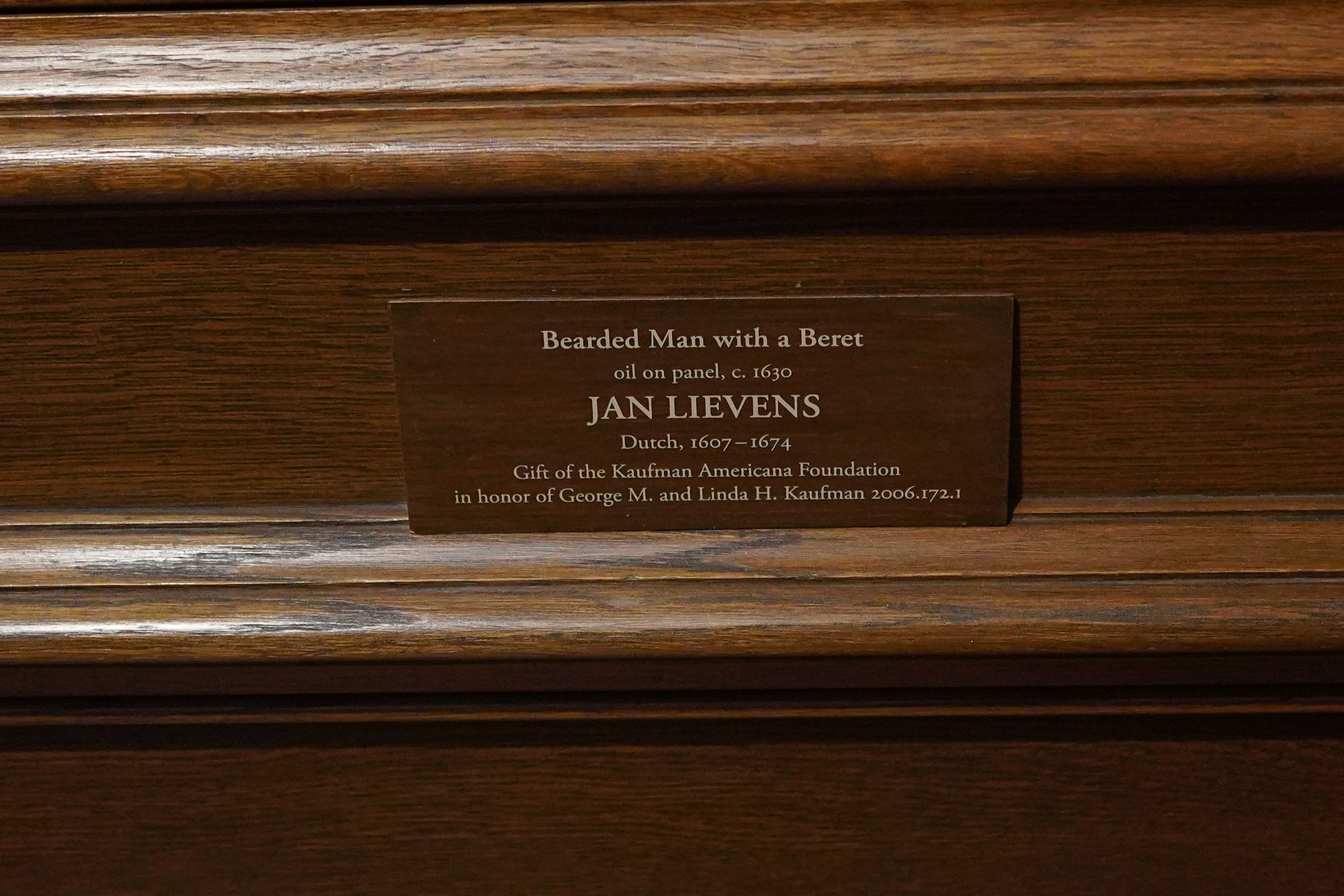
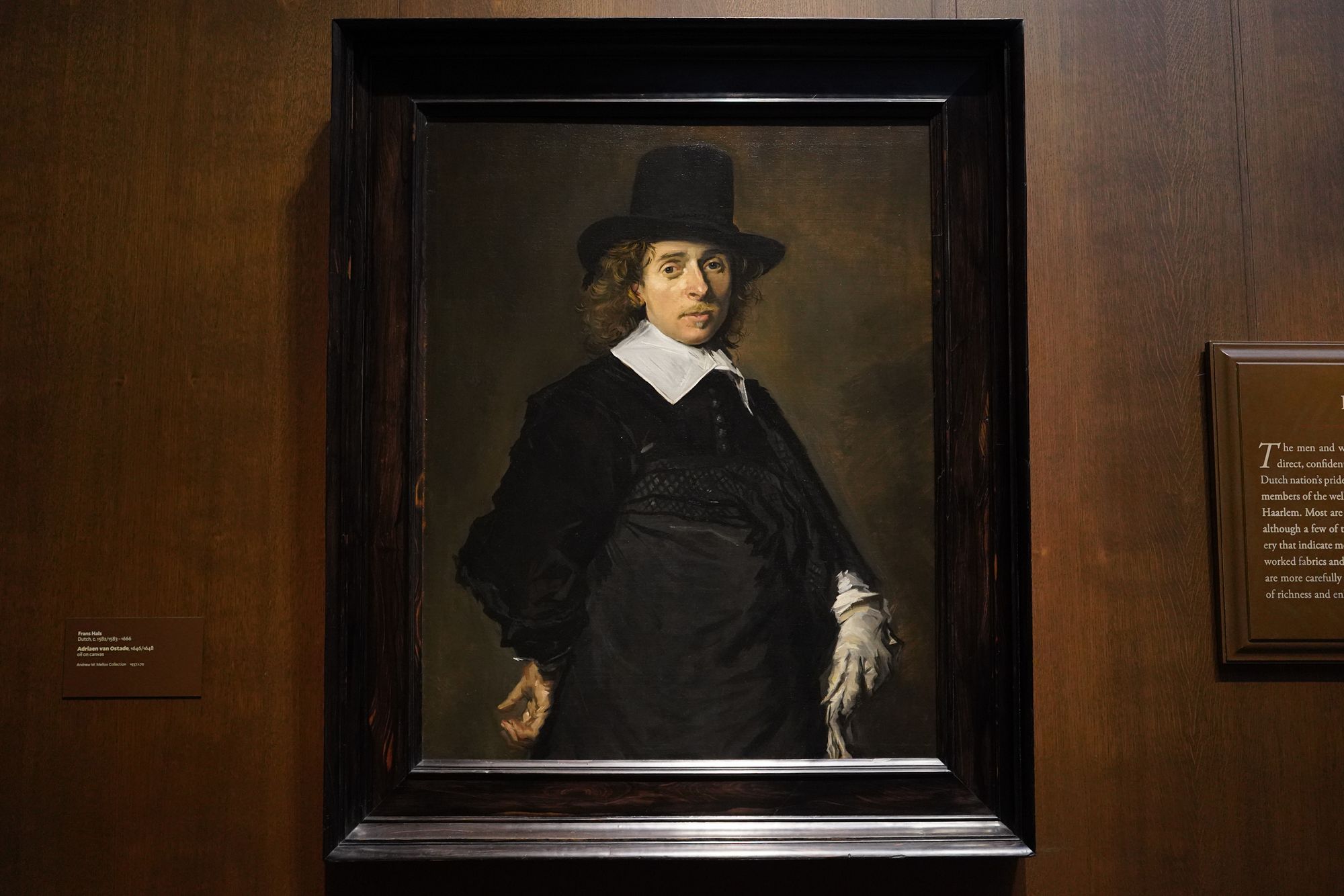
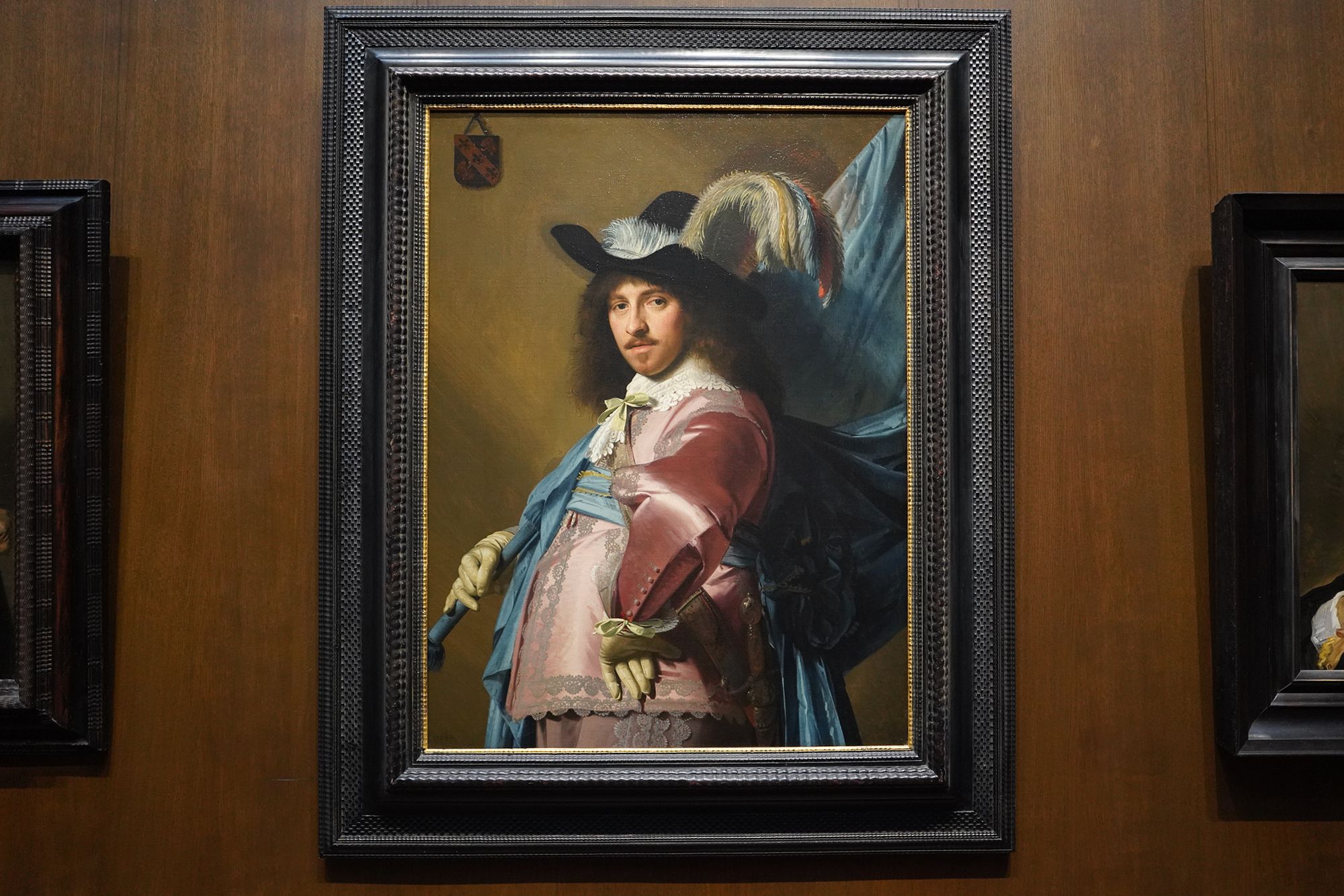
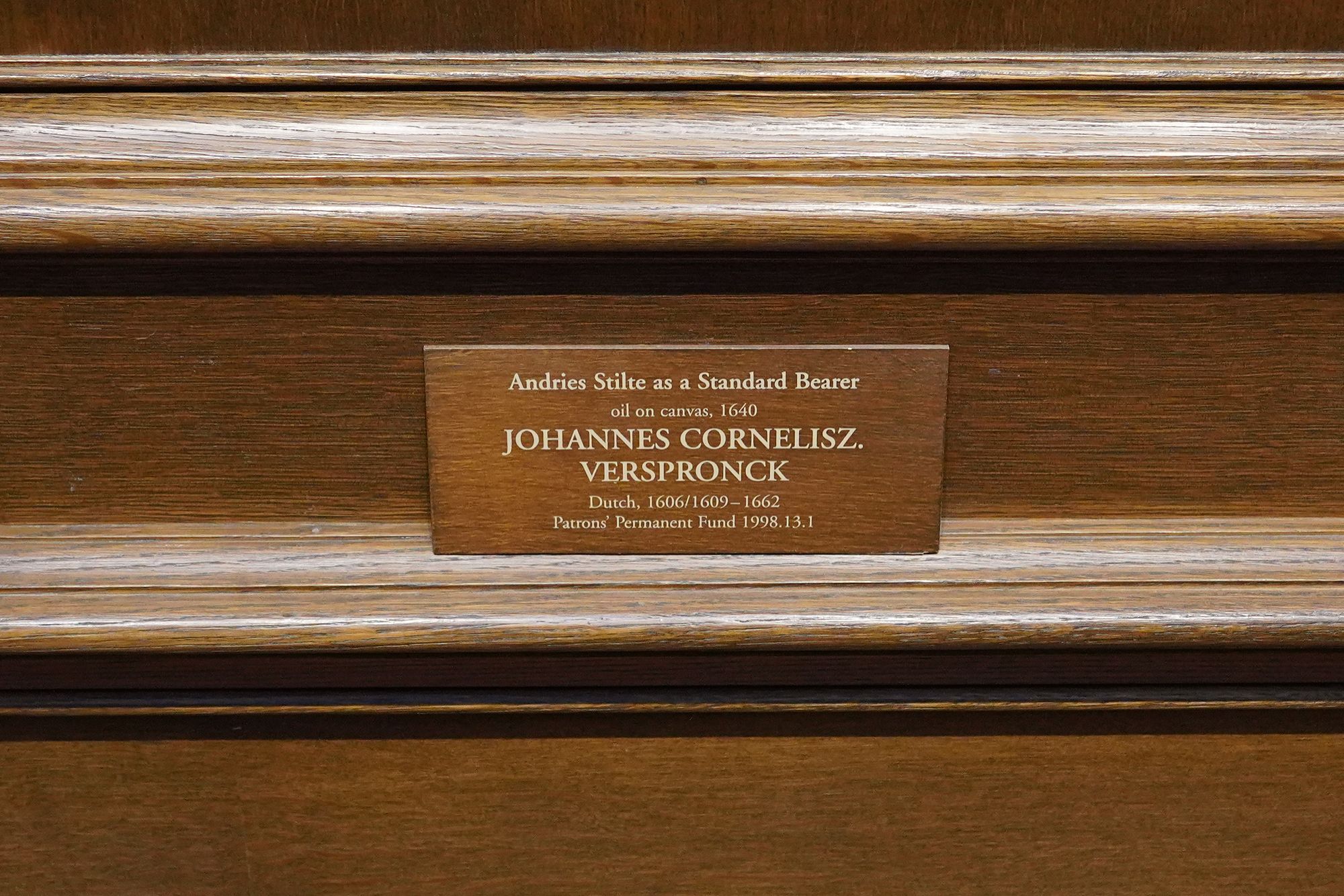
Dutch 17th-century portraits reflect the realism, individuality, and civic pride of the Dutch Golden Age.
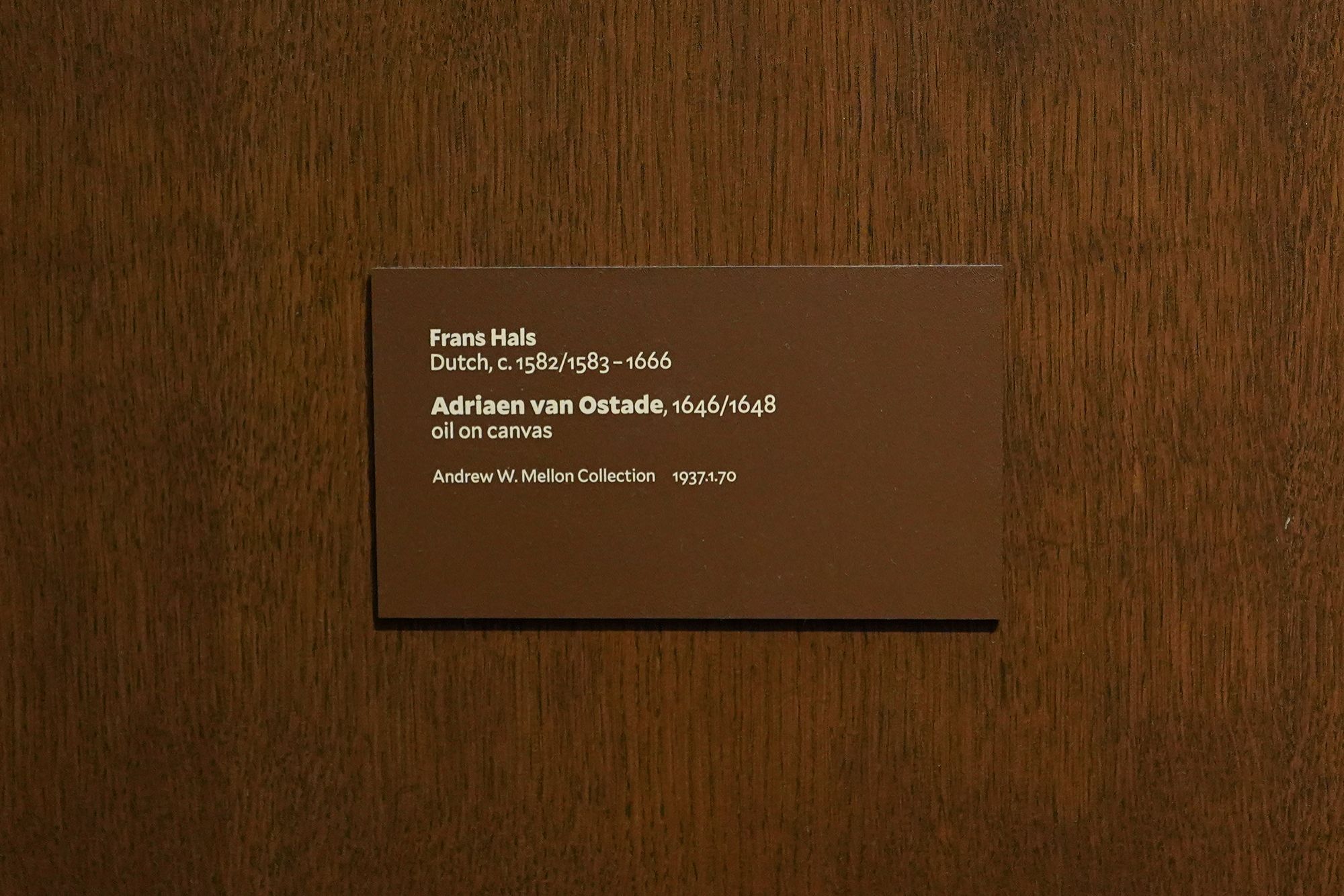
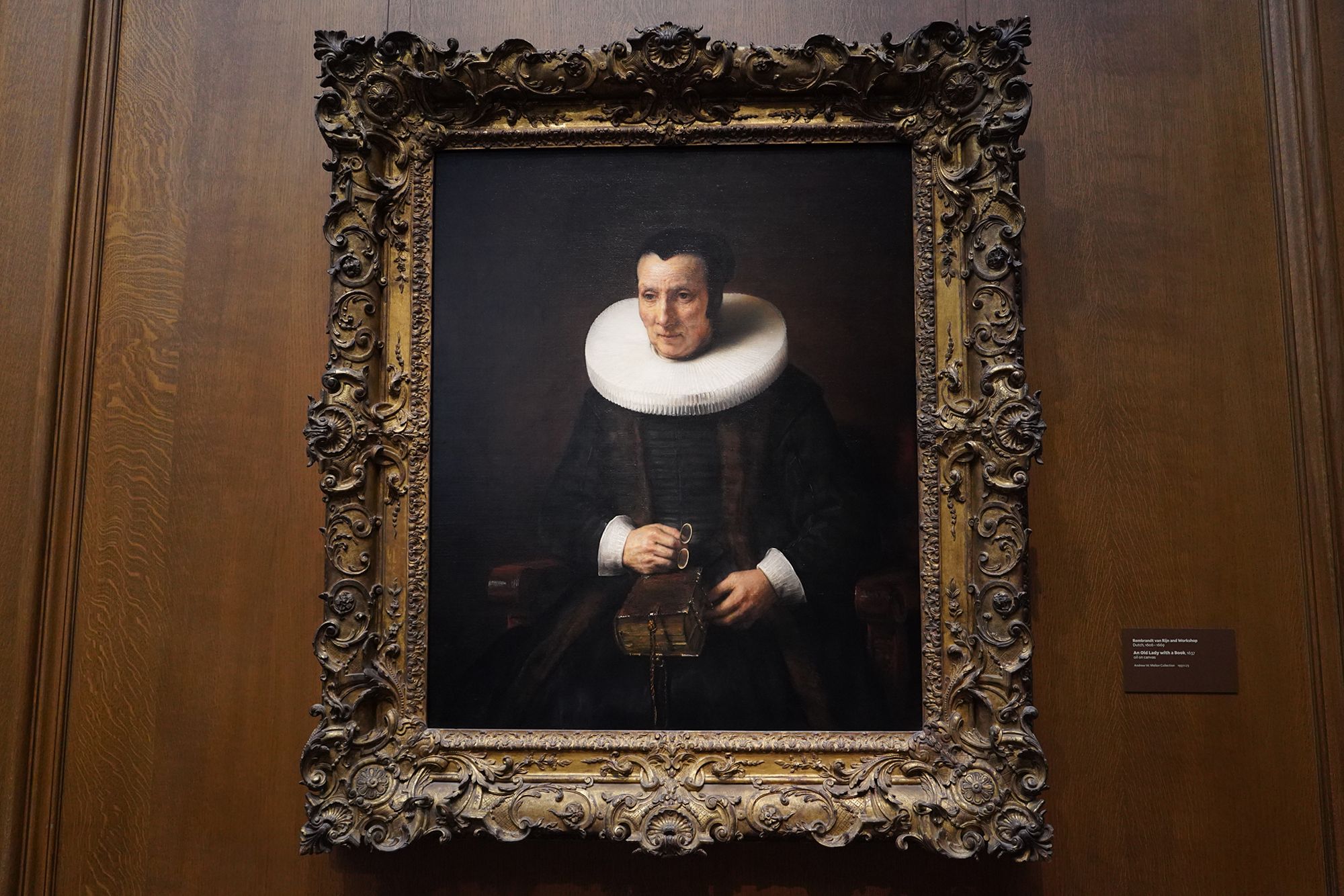
Artists such as Rembrandt, Frans Hals, and Gerard ter Borch captured their sitters with psychological depth and natural light, moving away from idealized images toward lifelike representation.
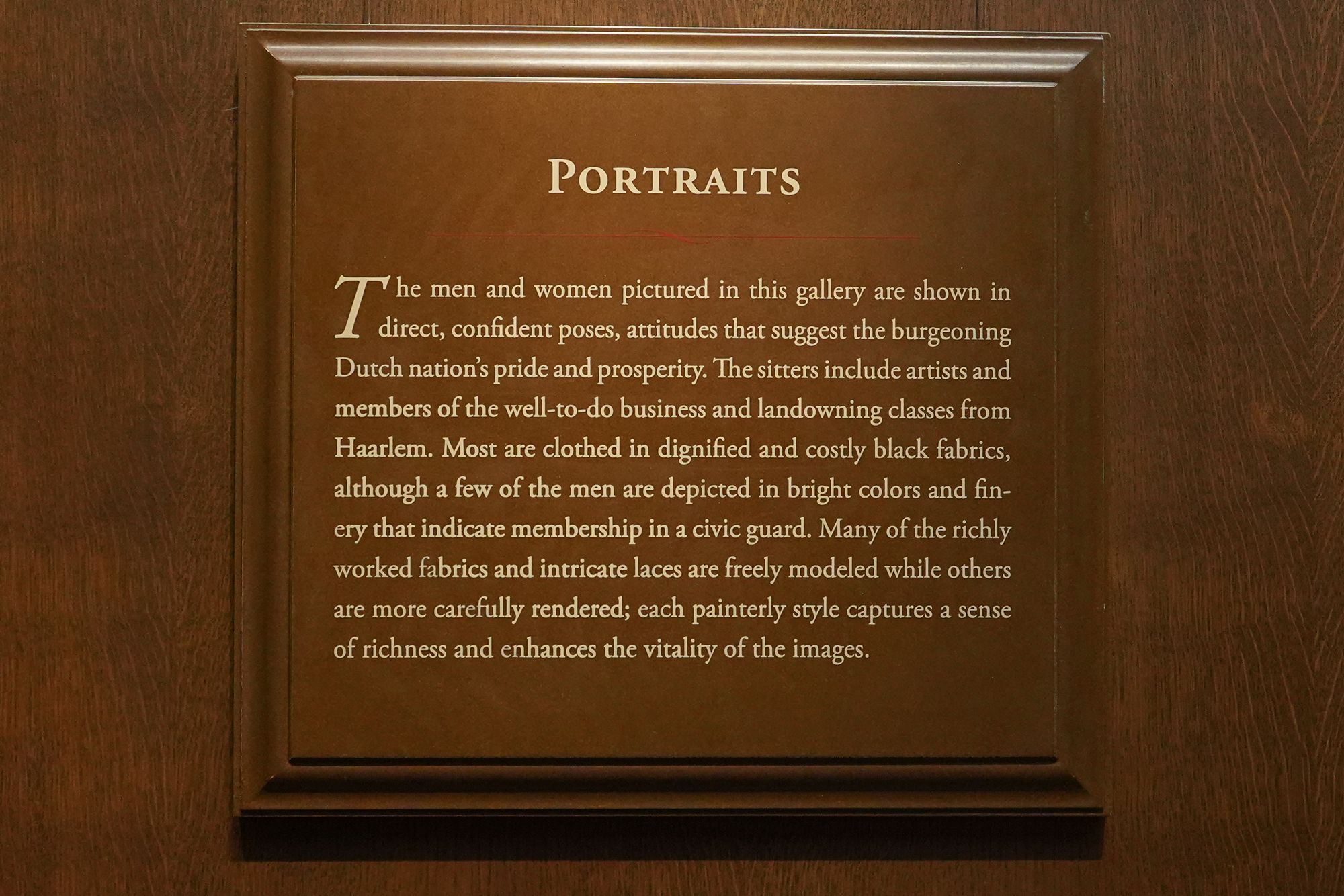
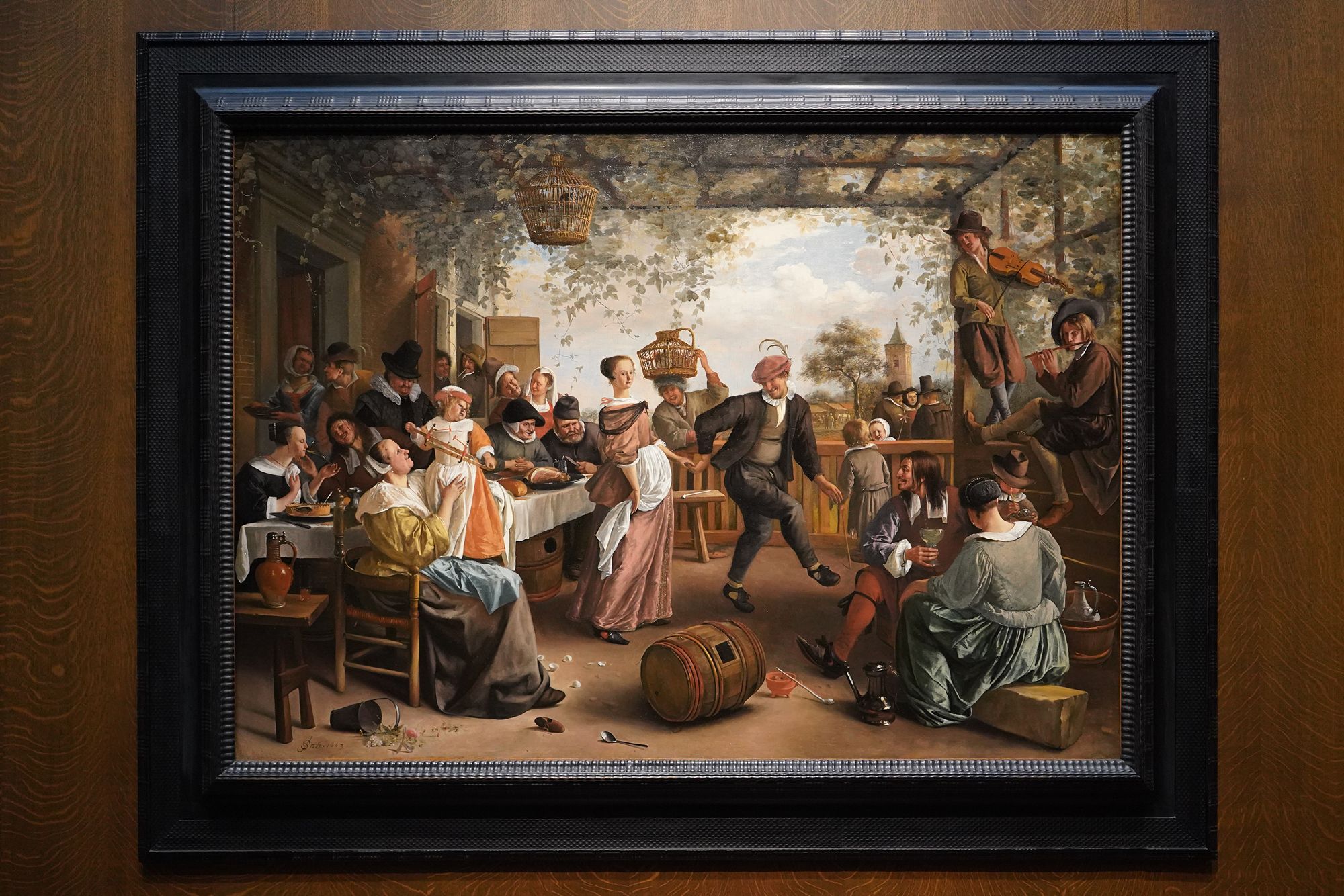
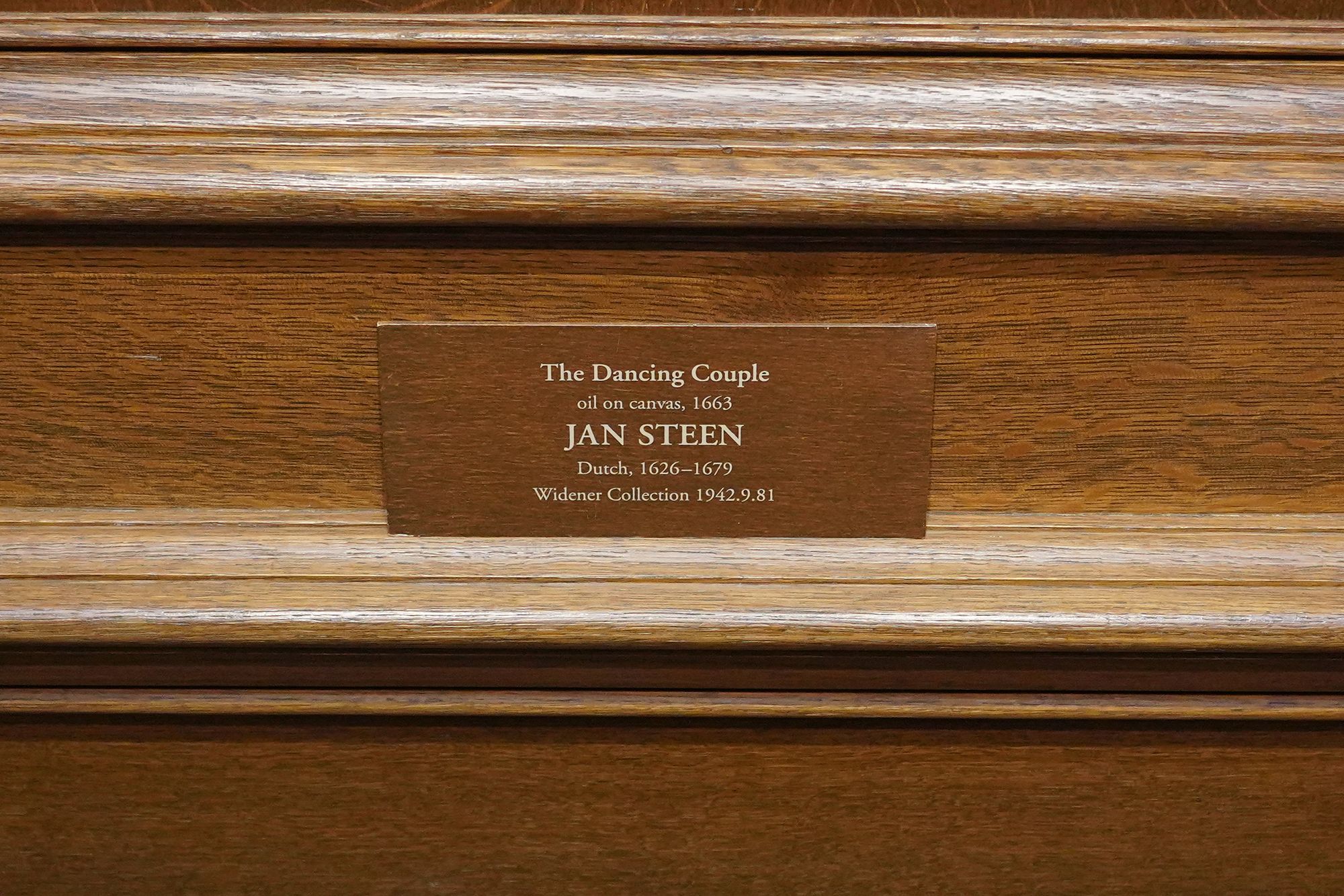
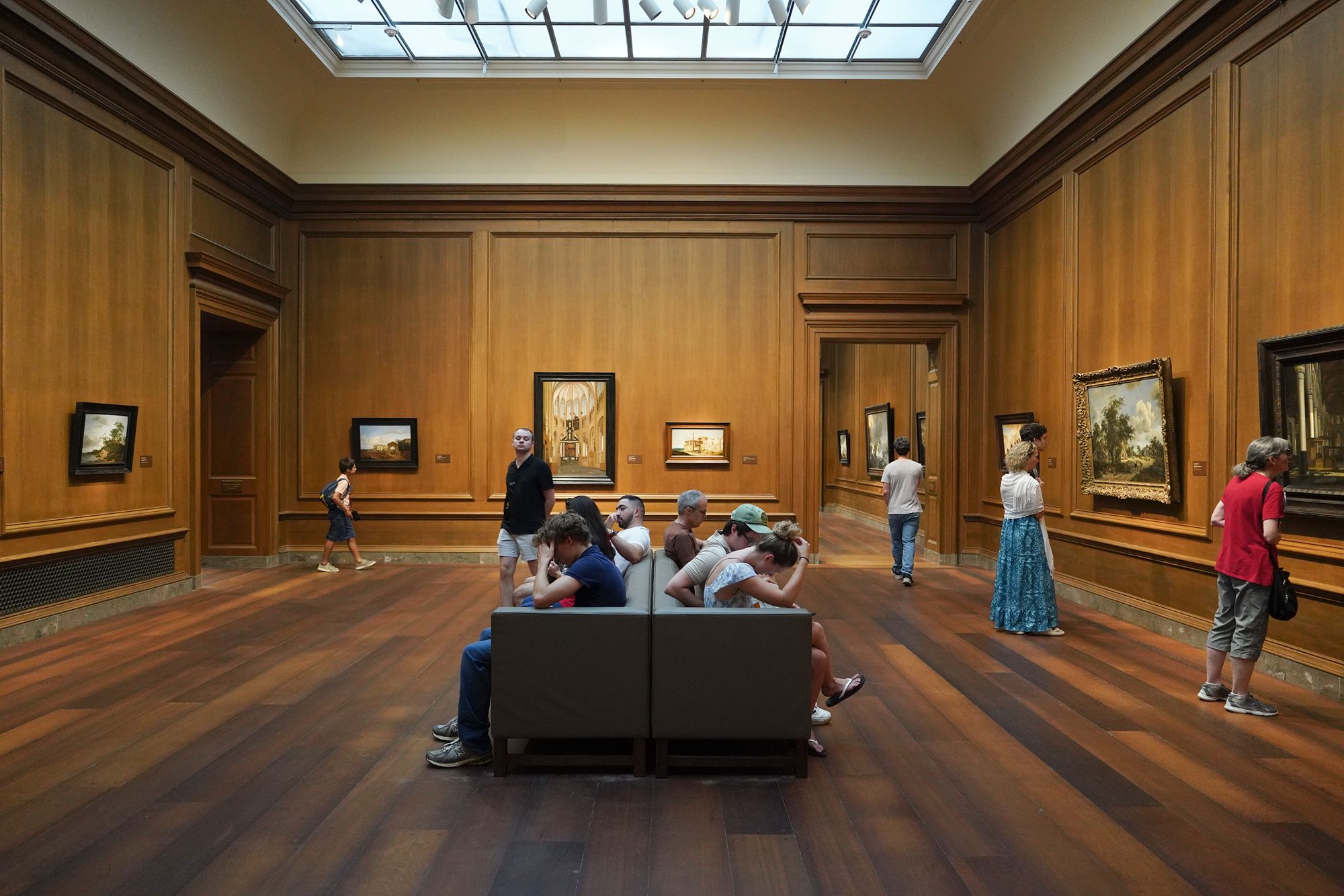
Dutch 17th Century Painting Continues
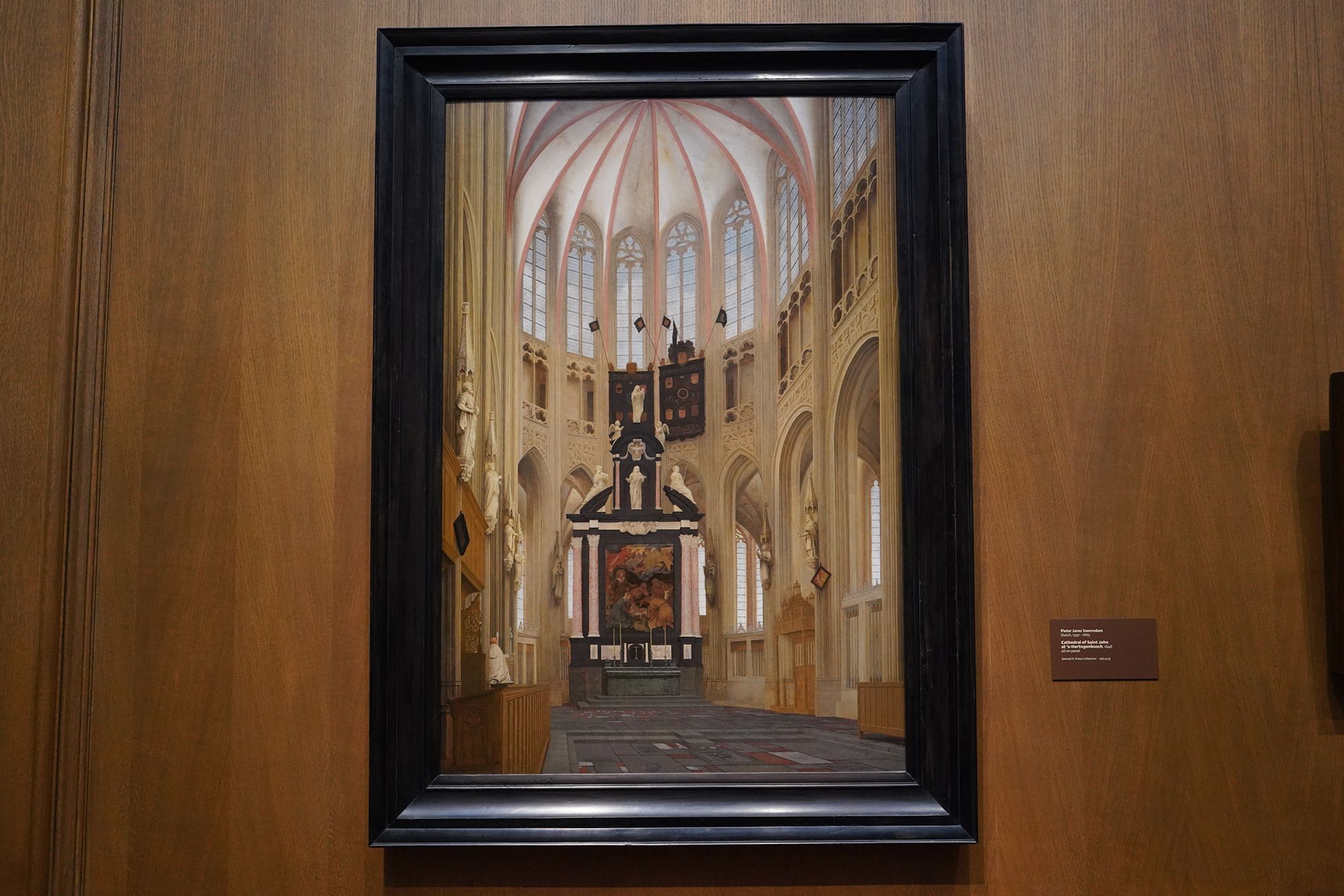
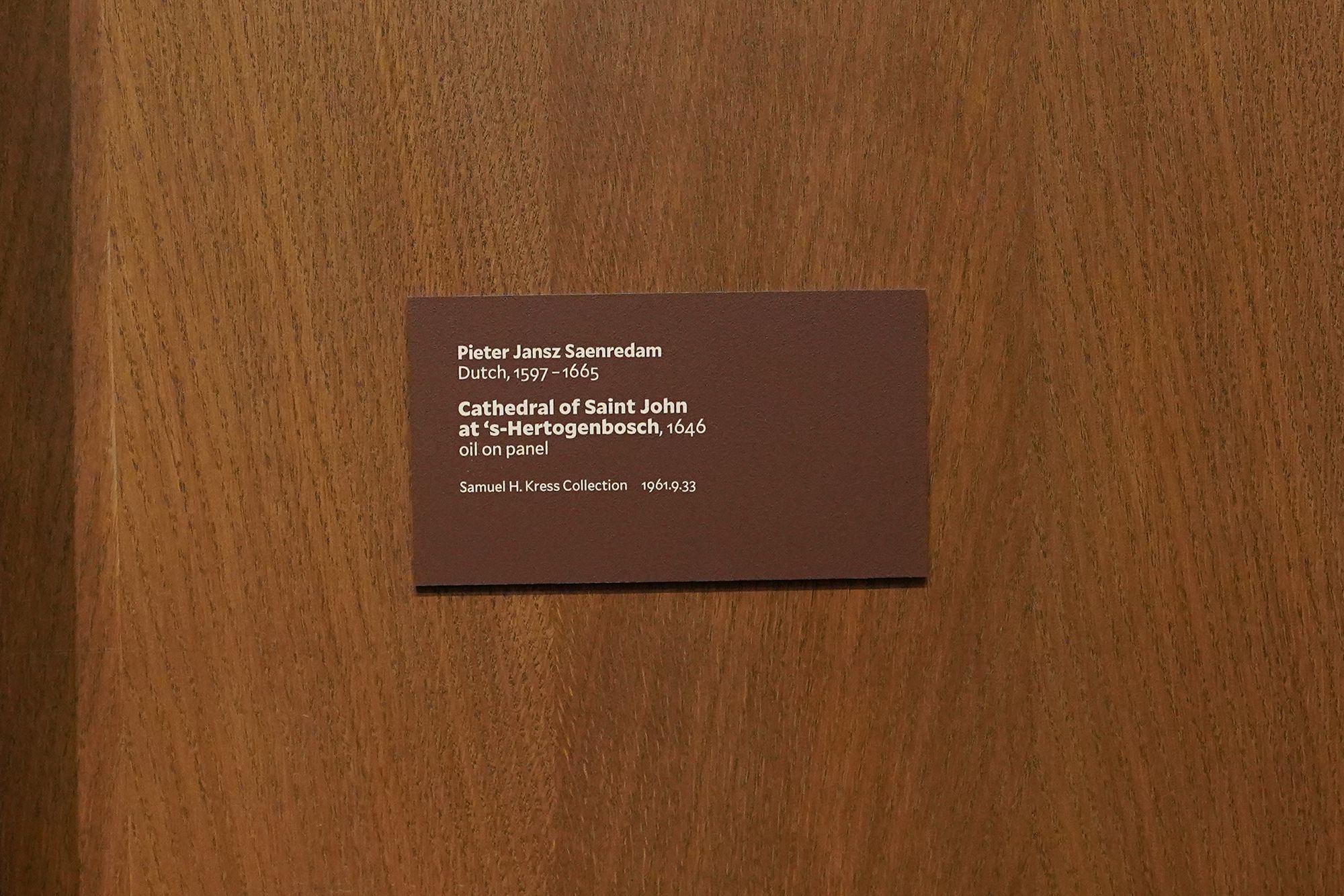
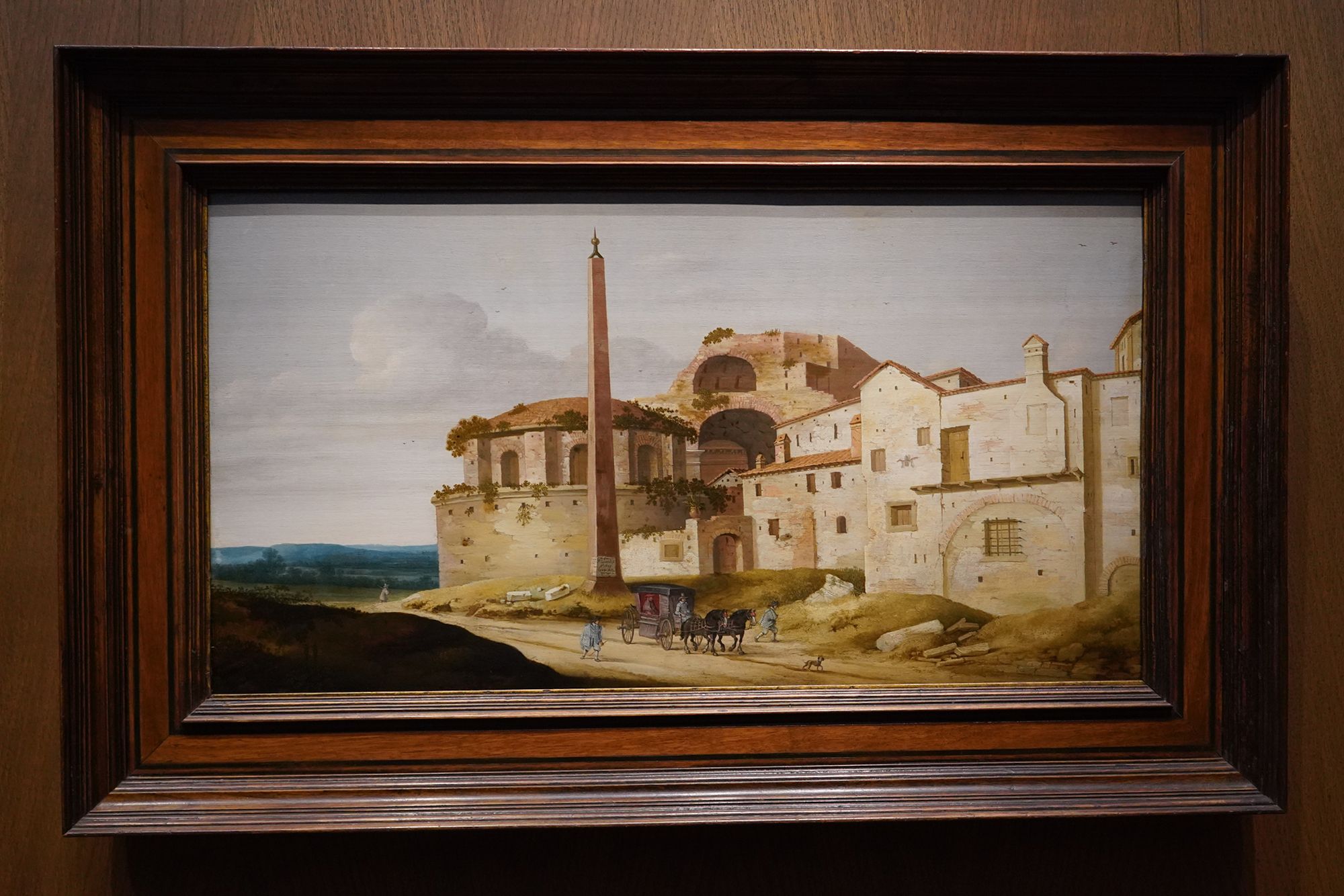
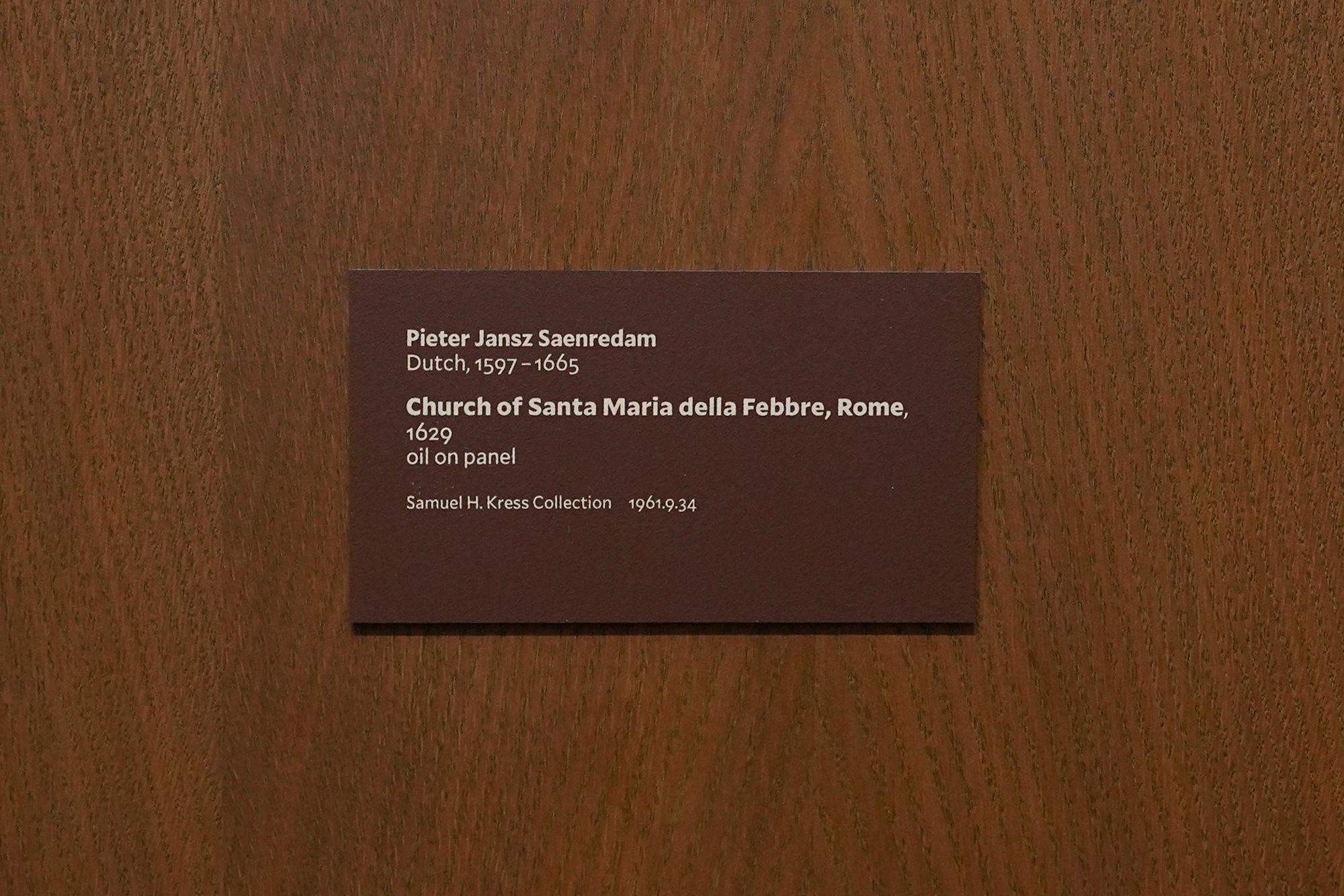
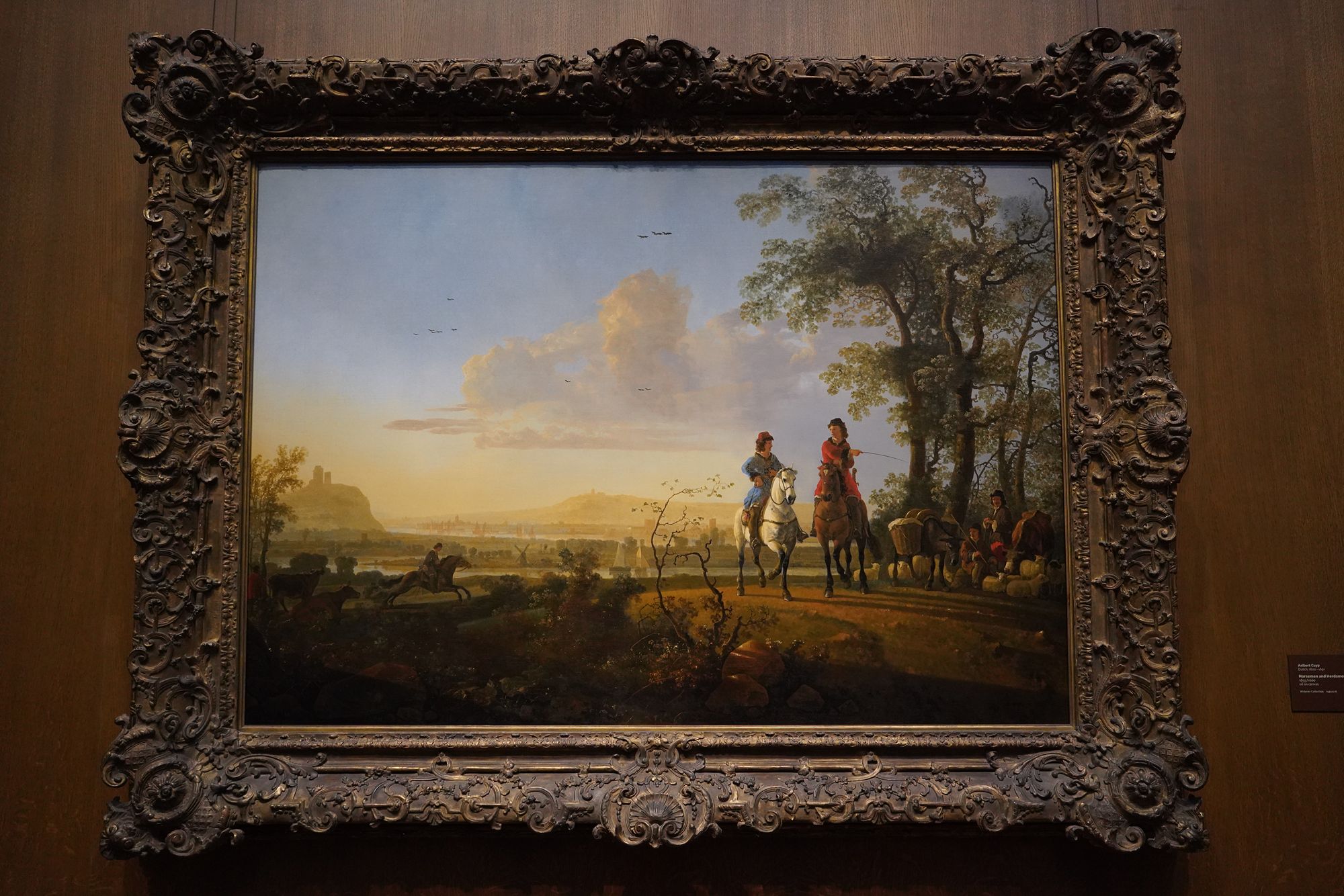
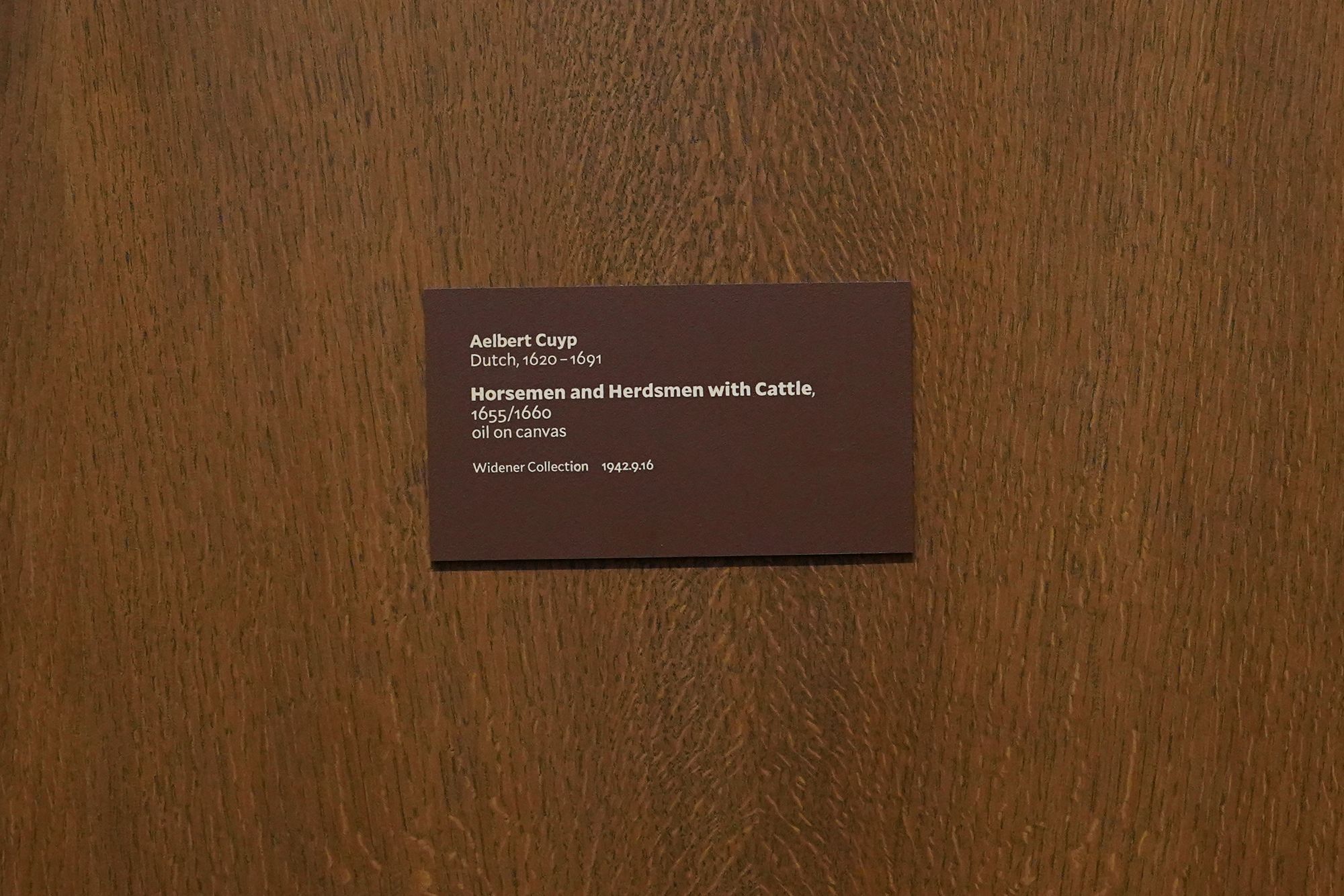
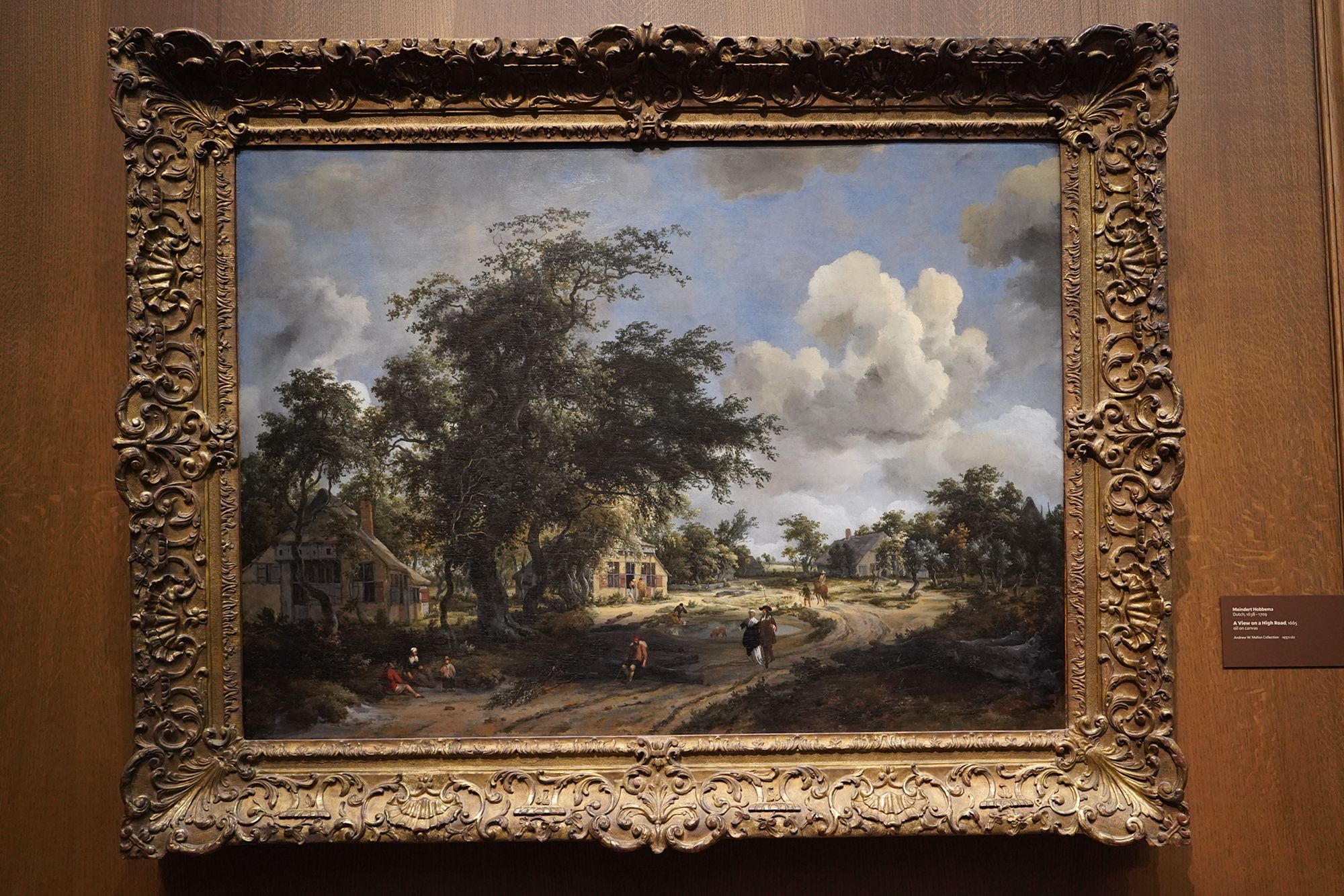
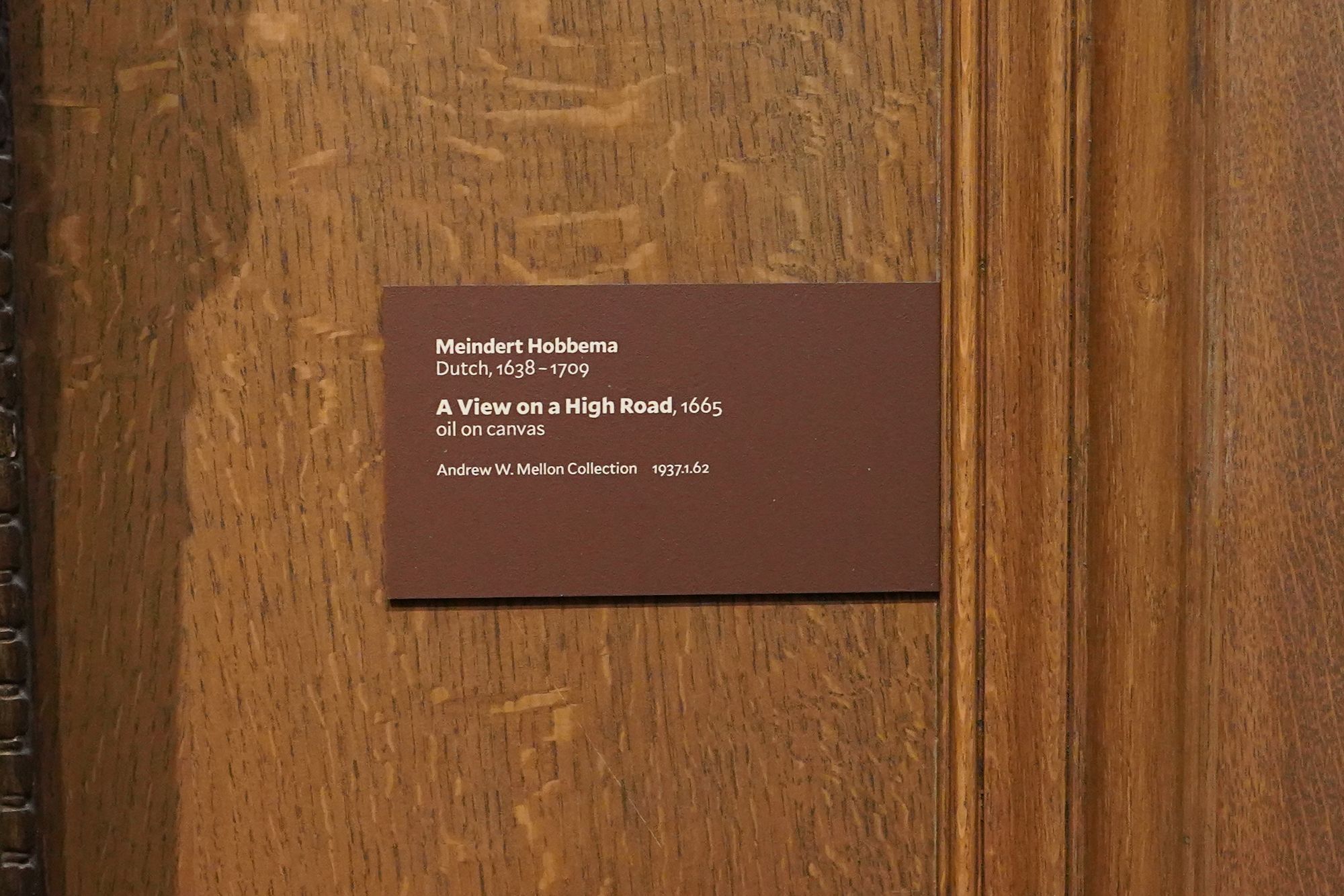
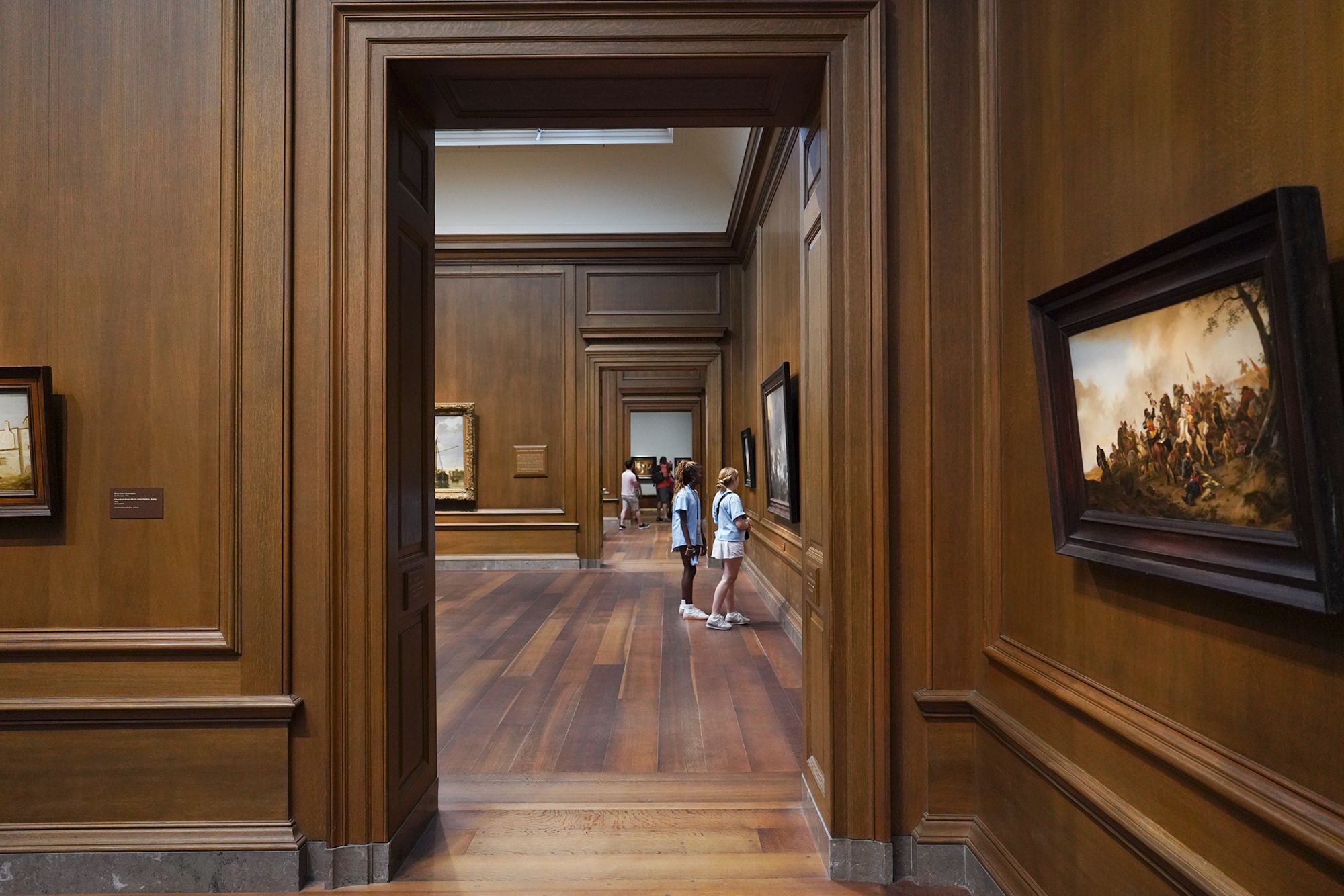
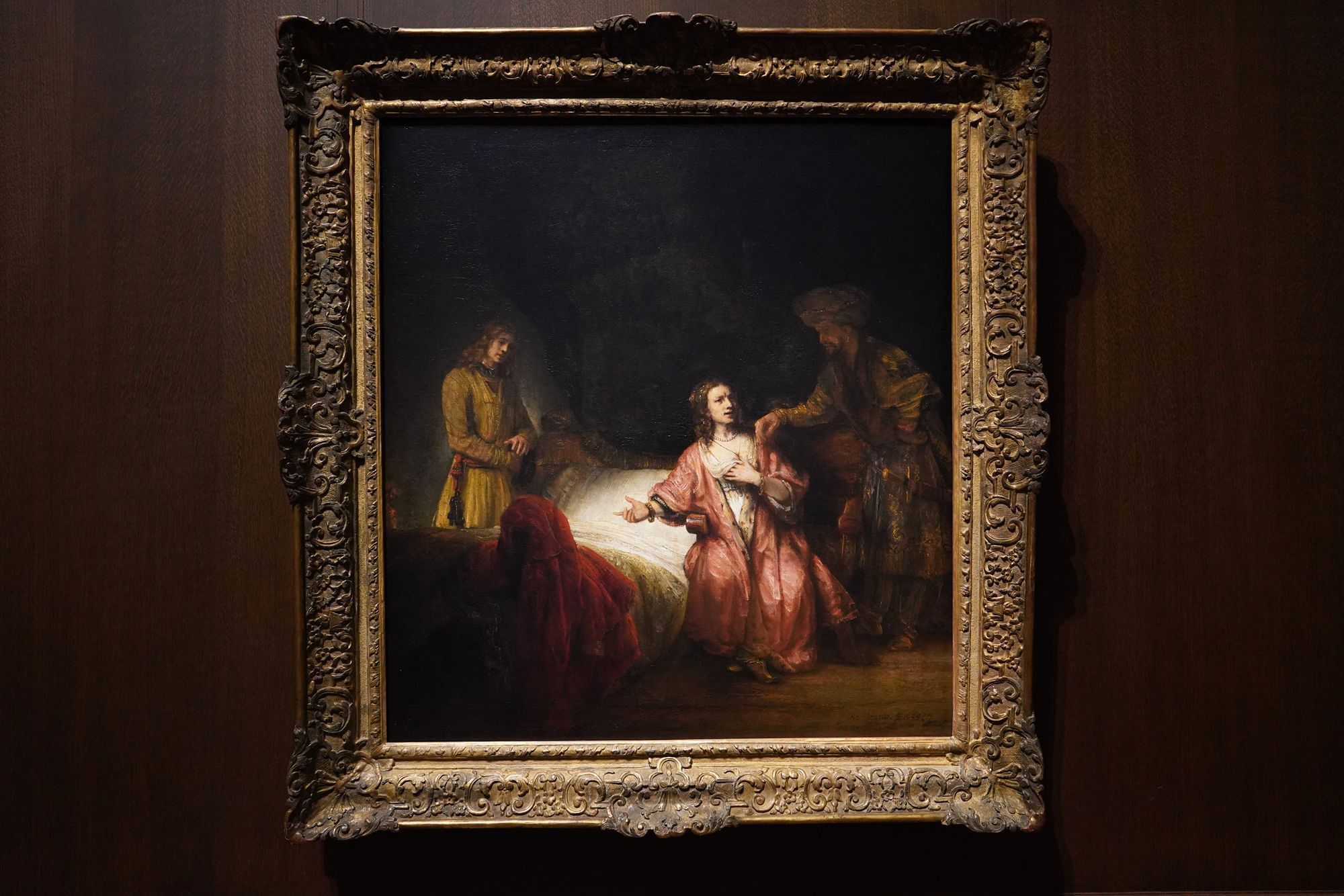
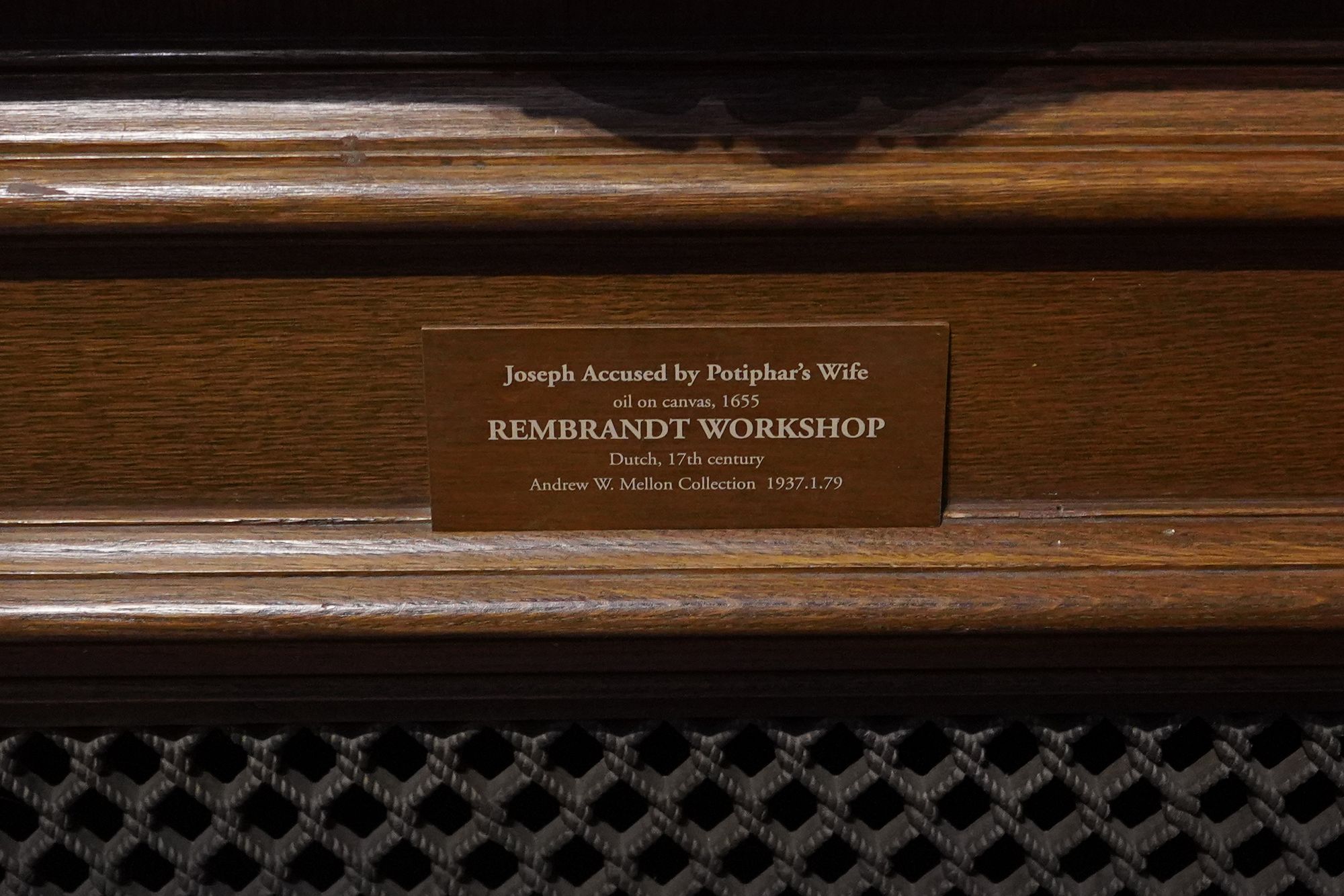
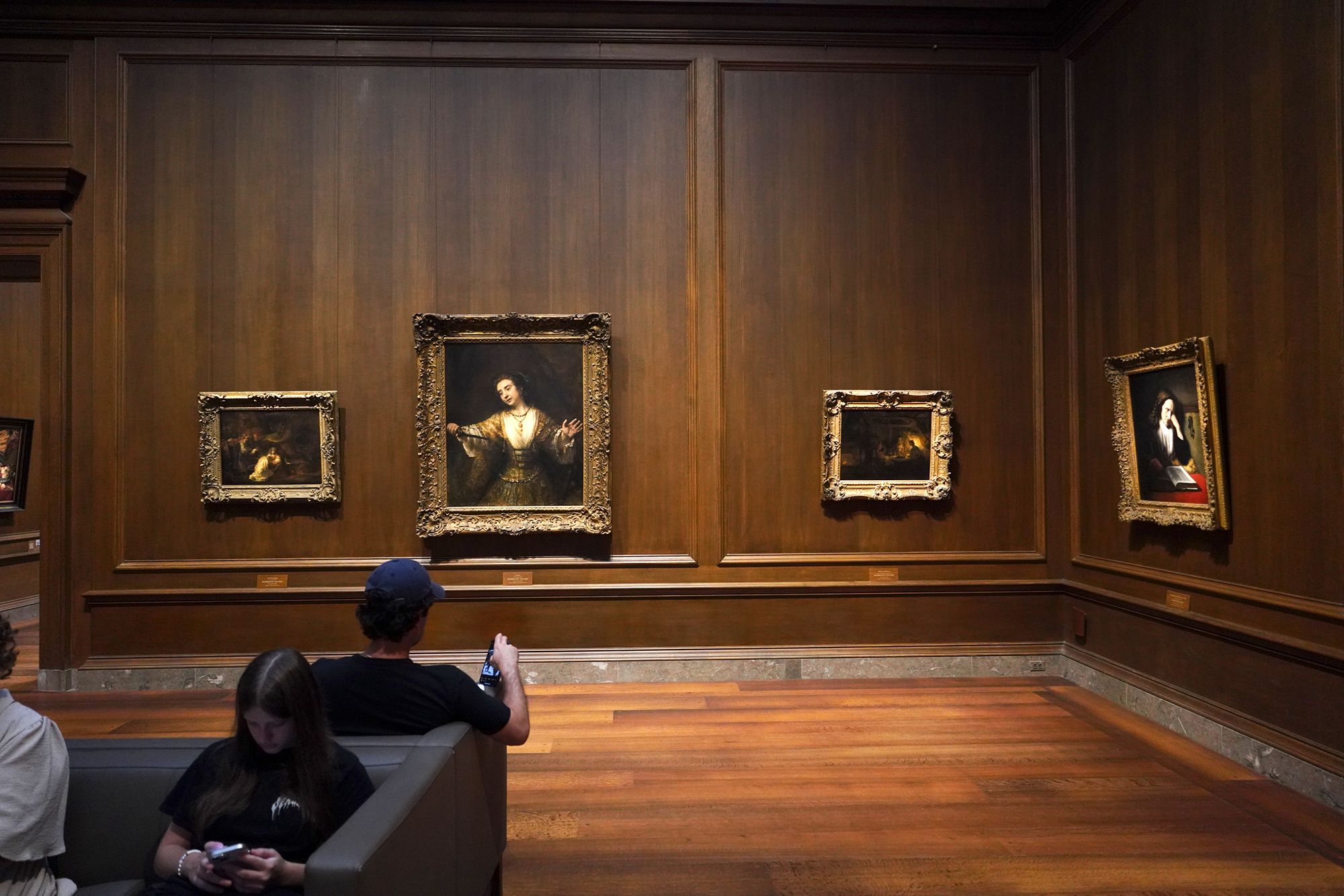
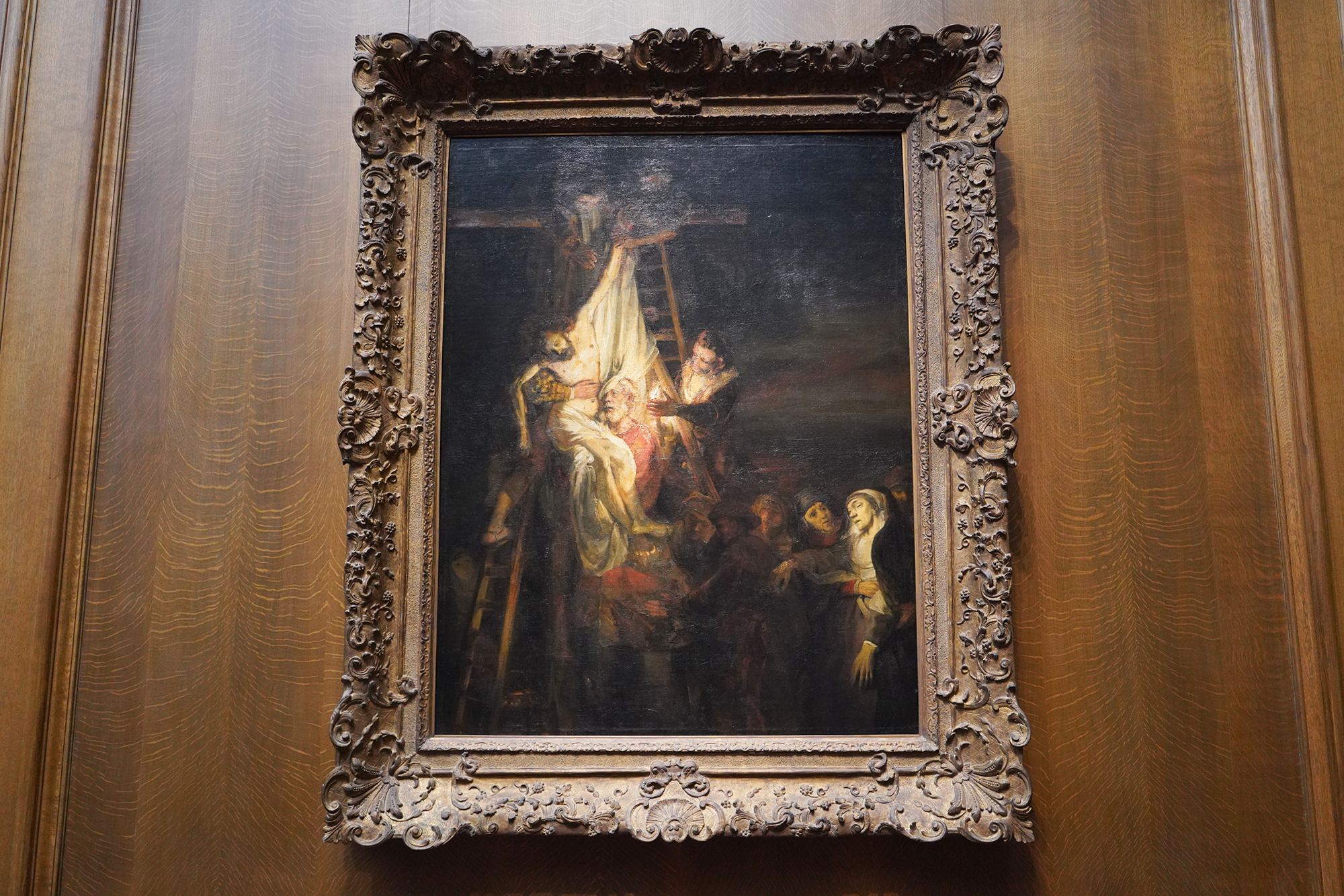
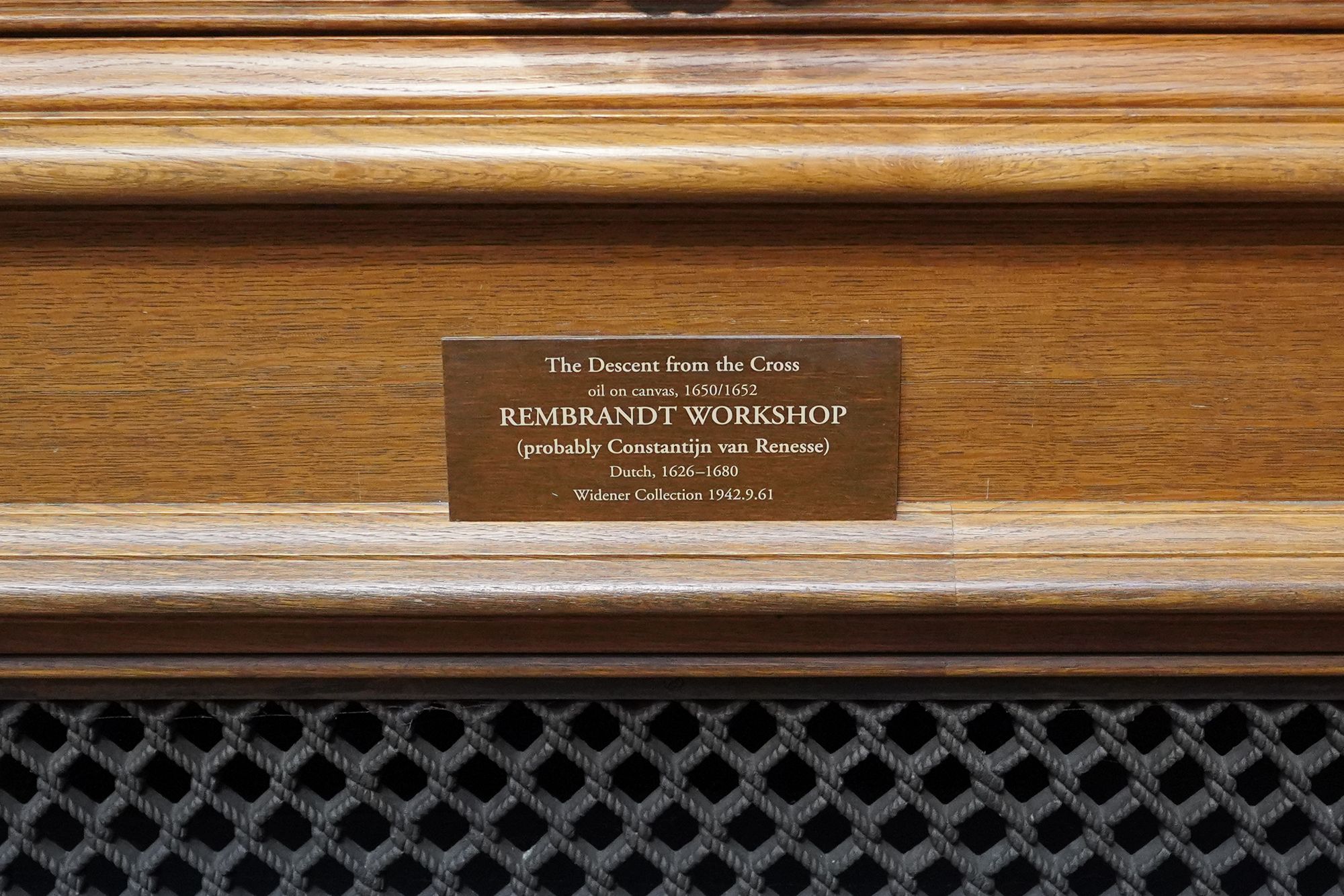
Rembrandt and School
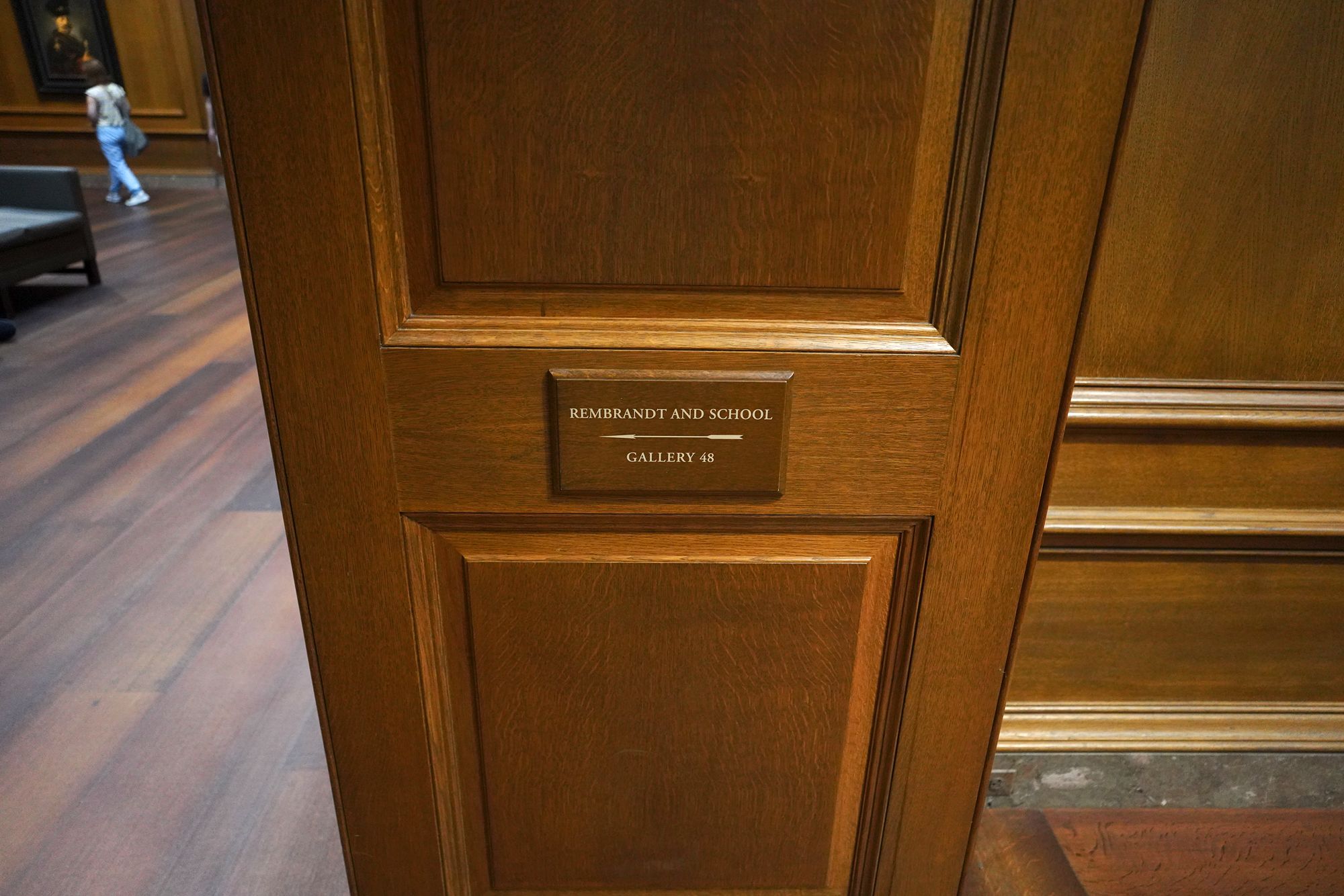
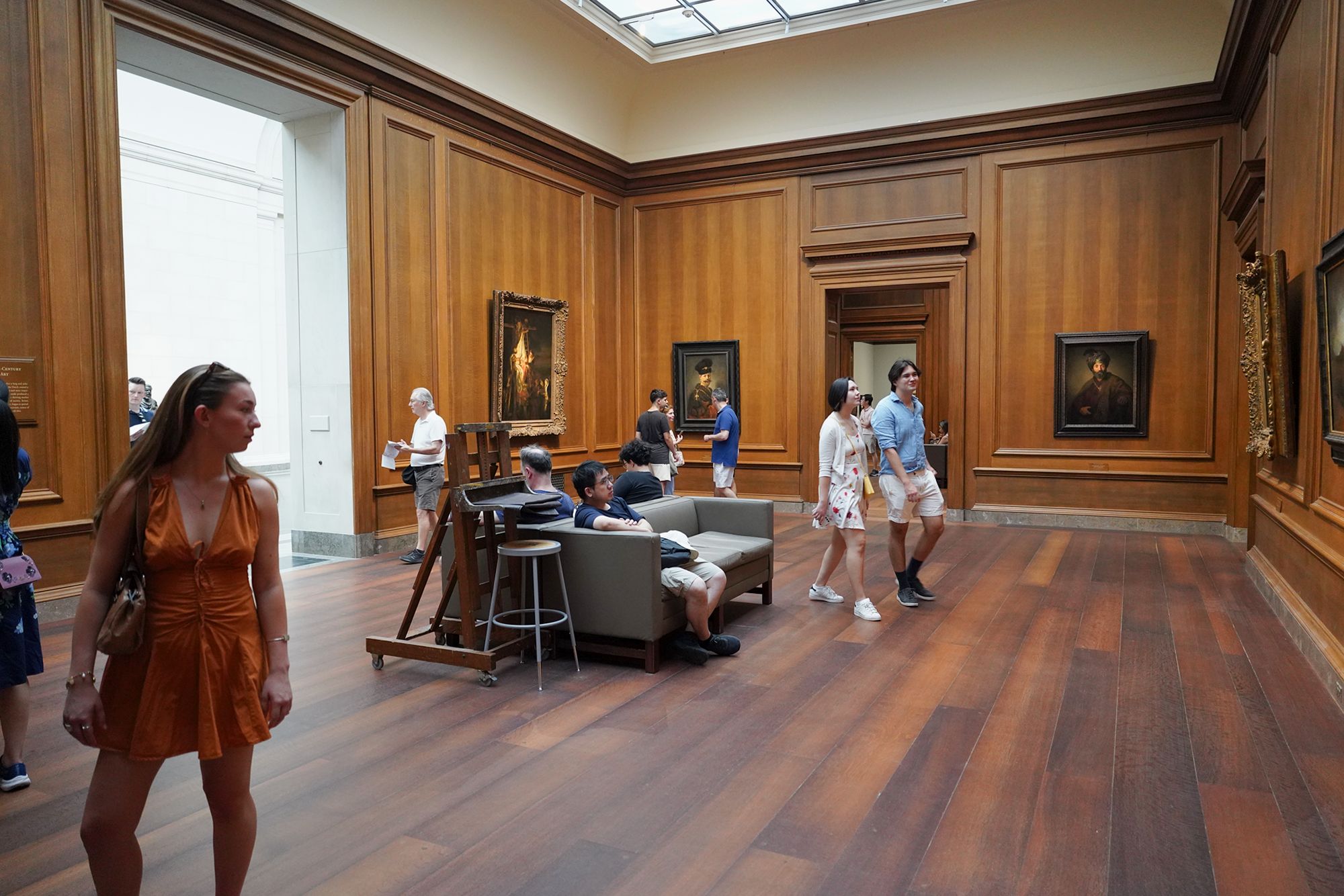
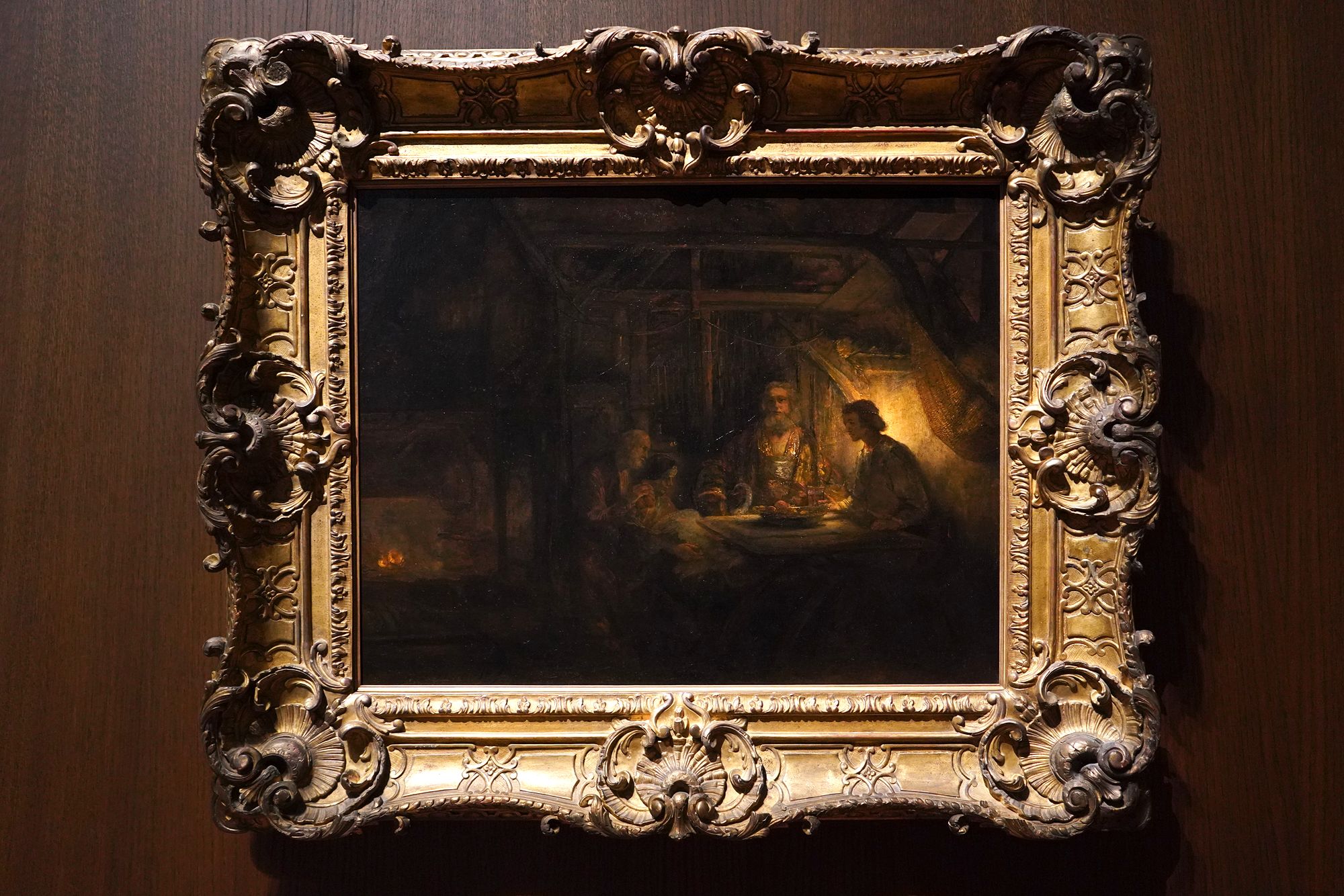
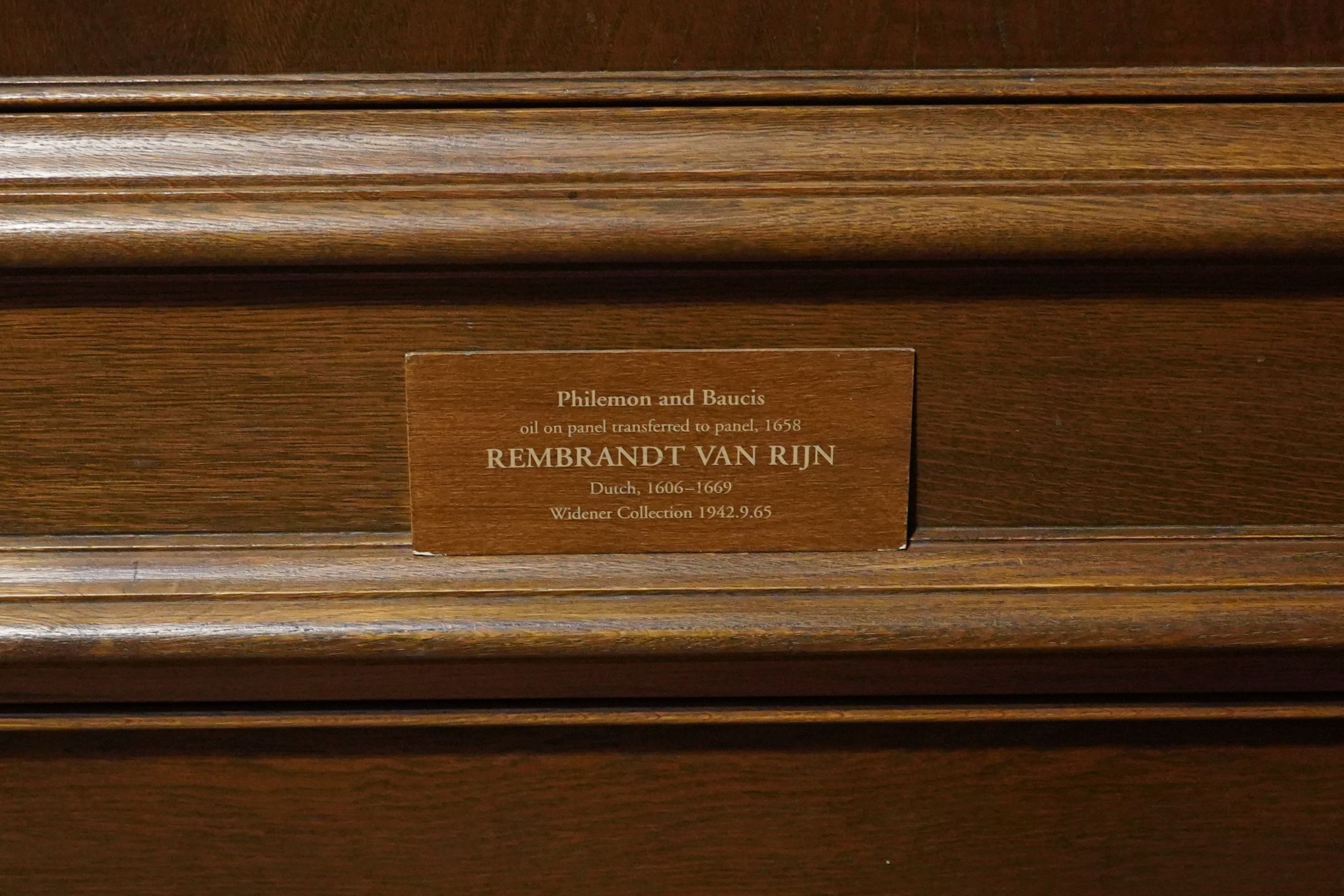
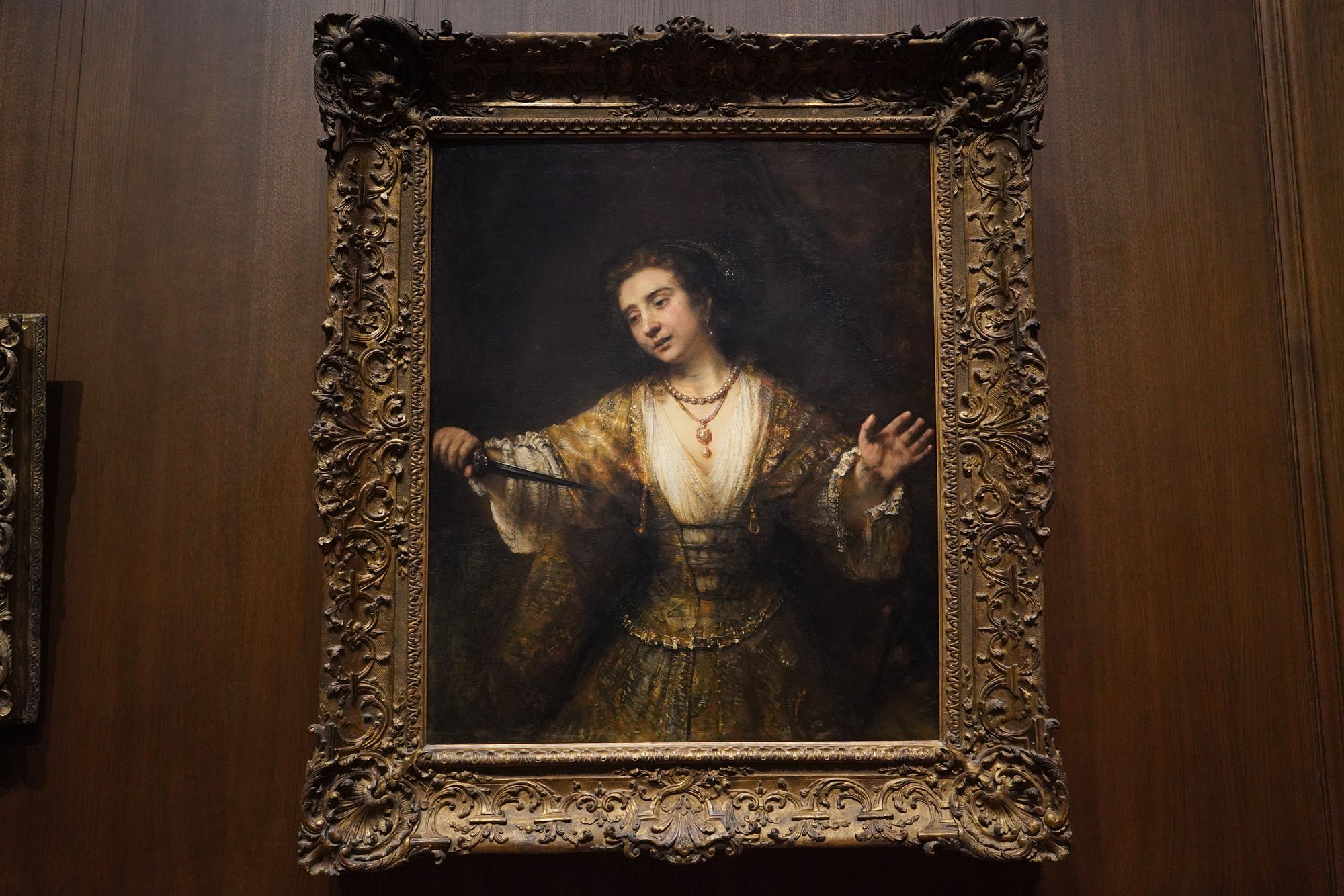
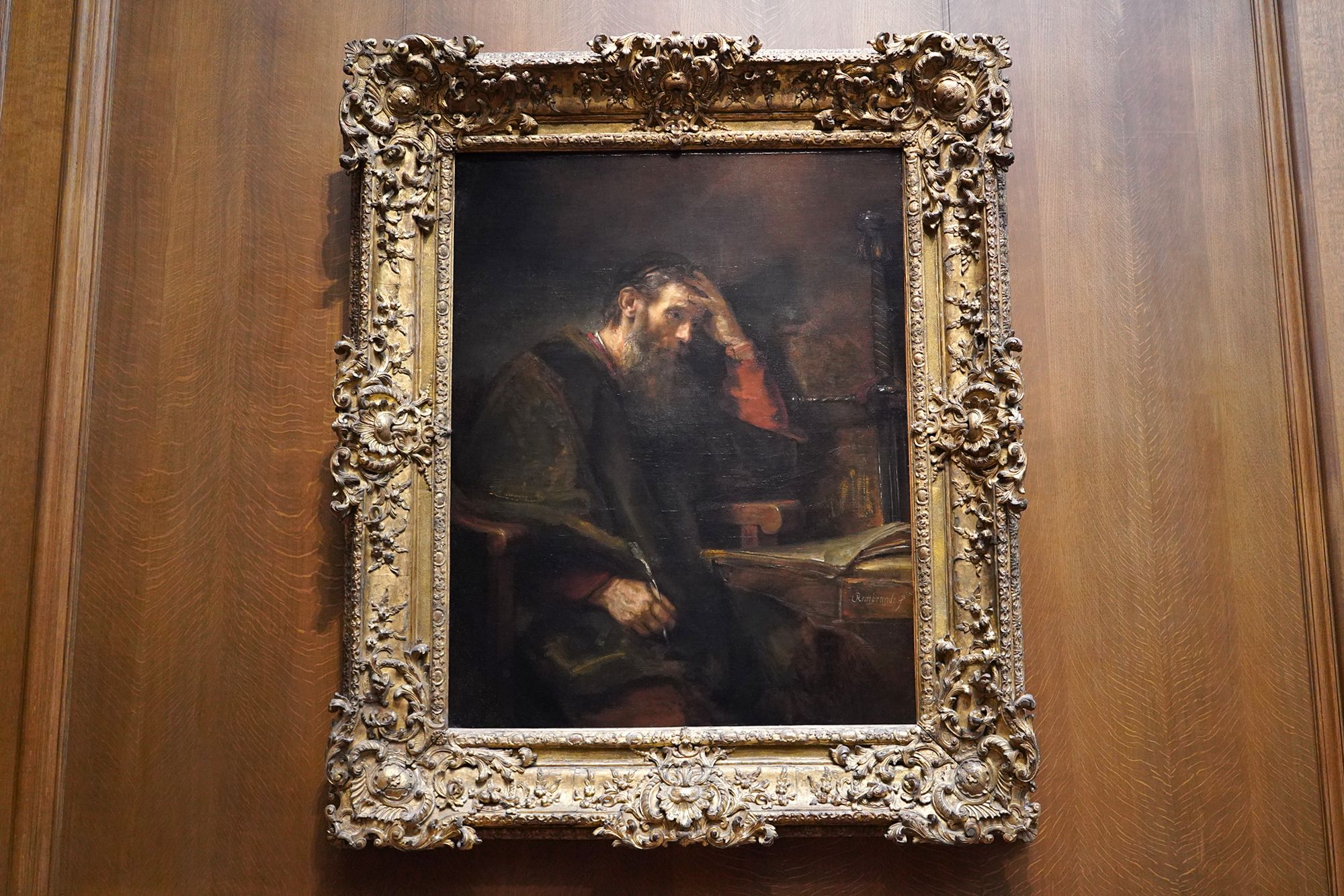
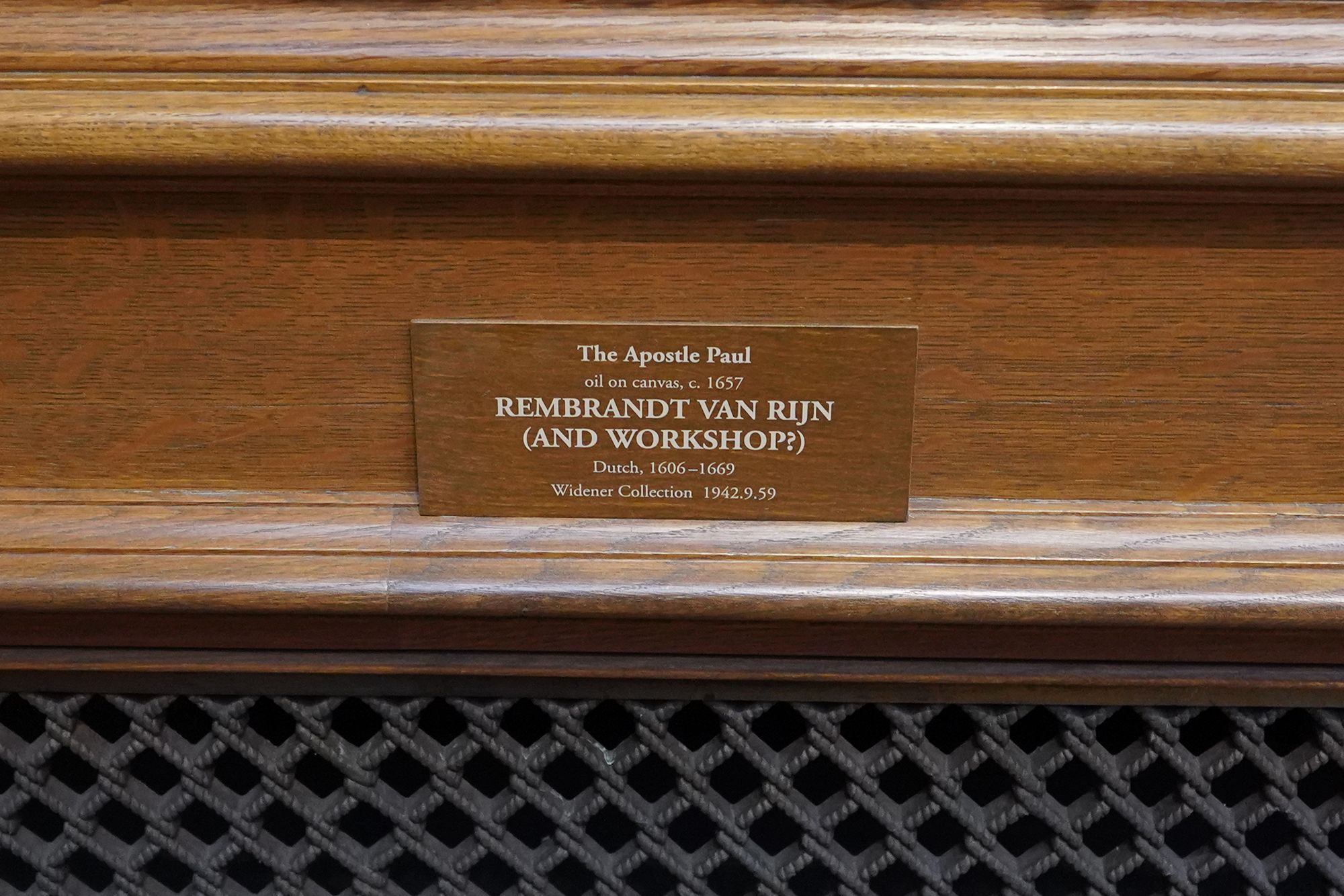
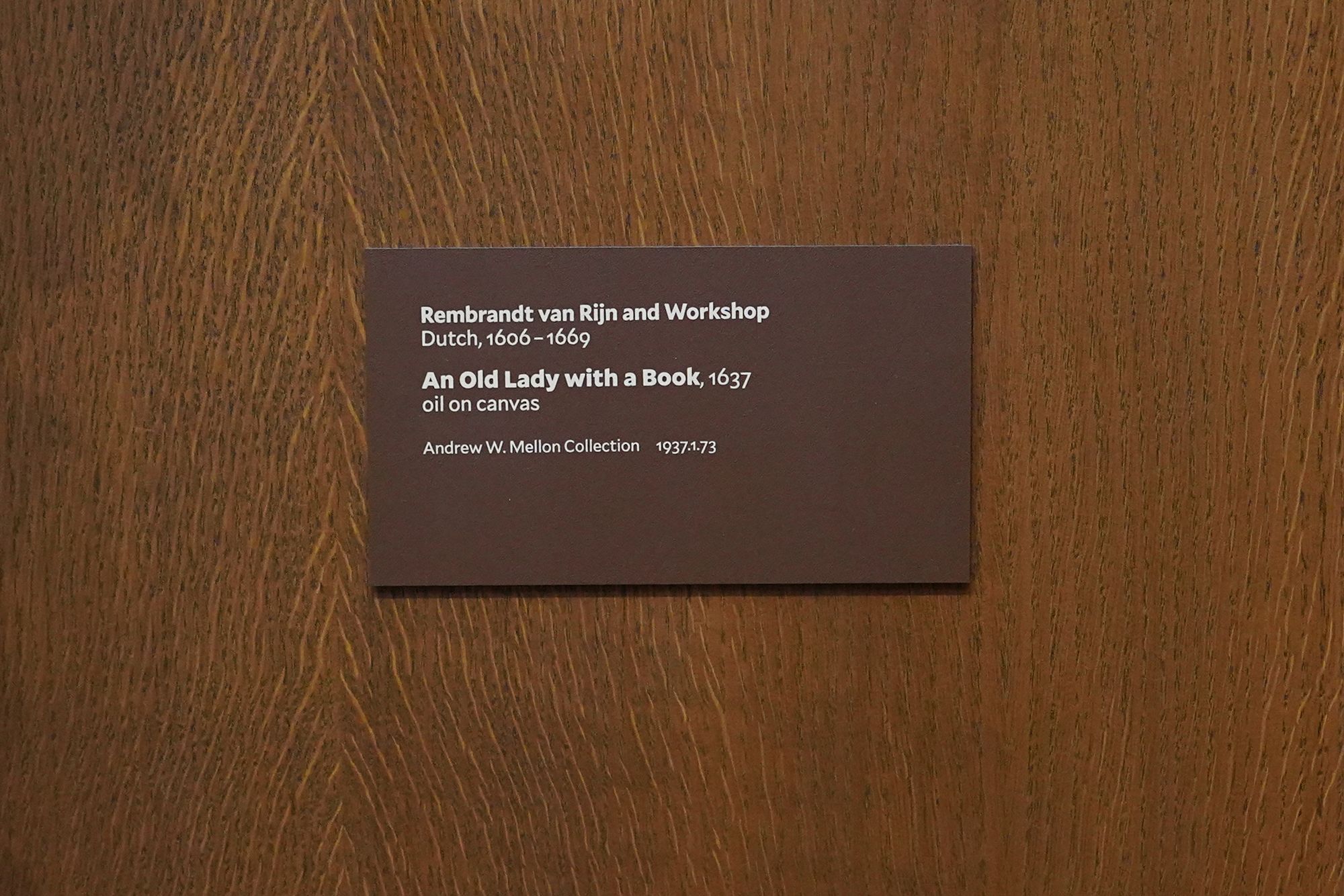
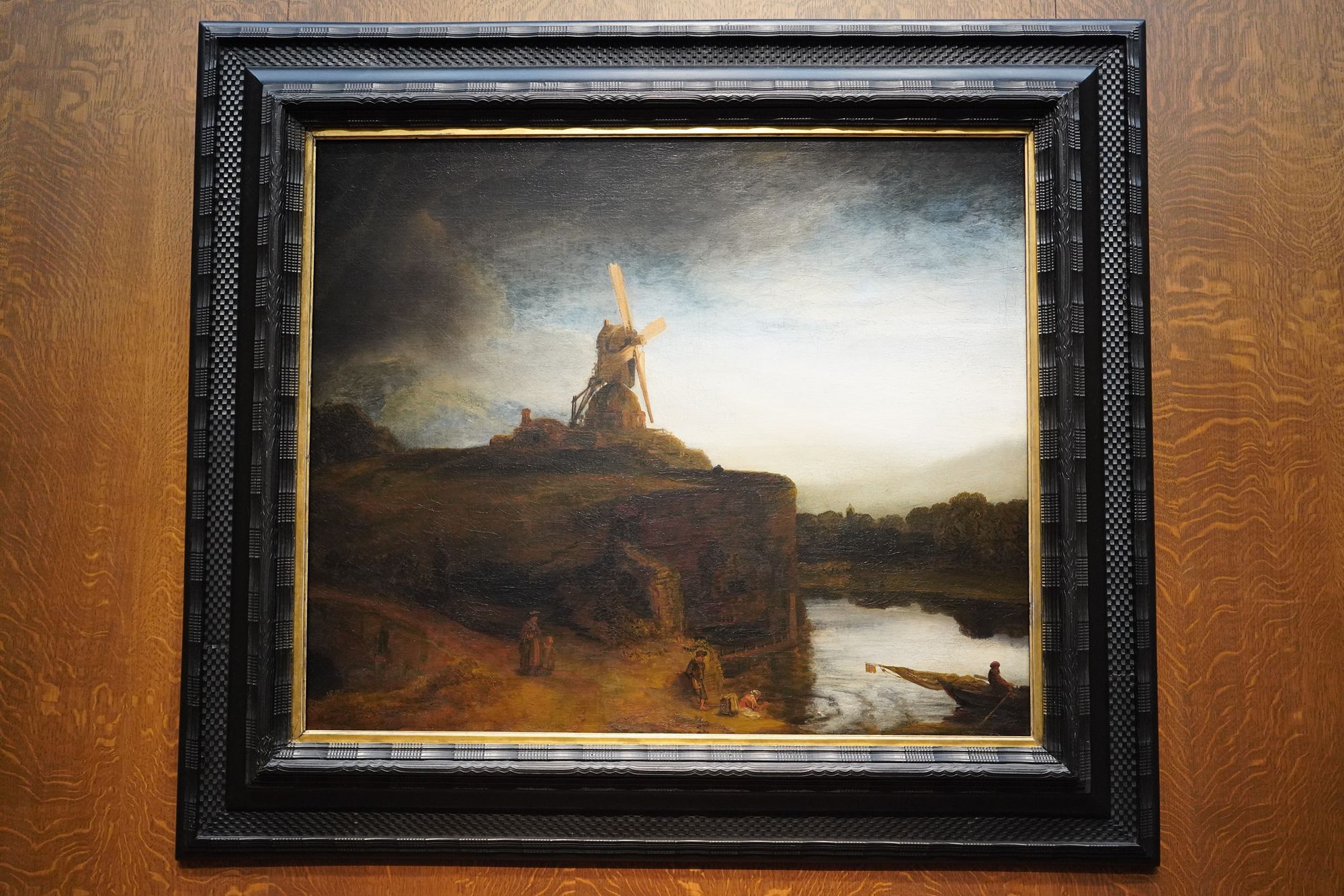
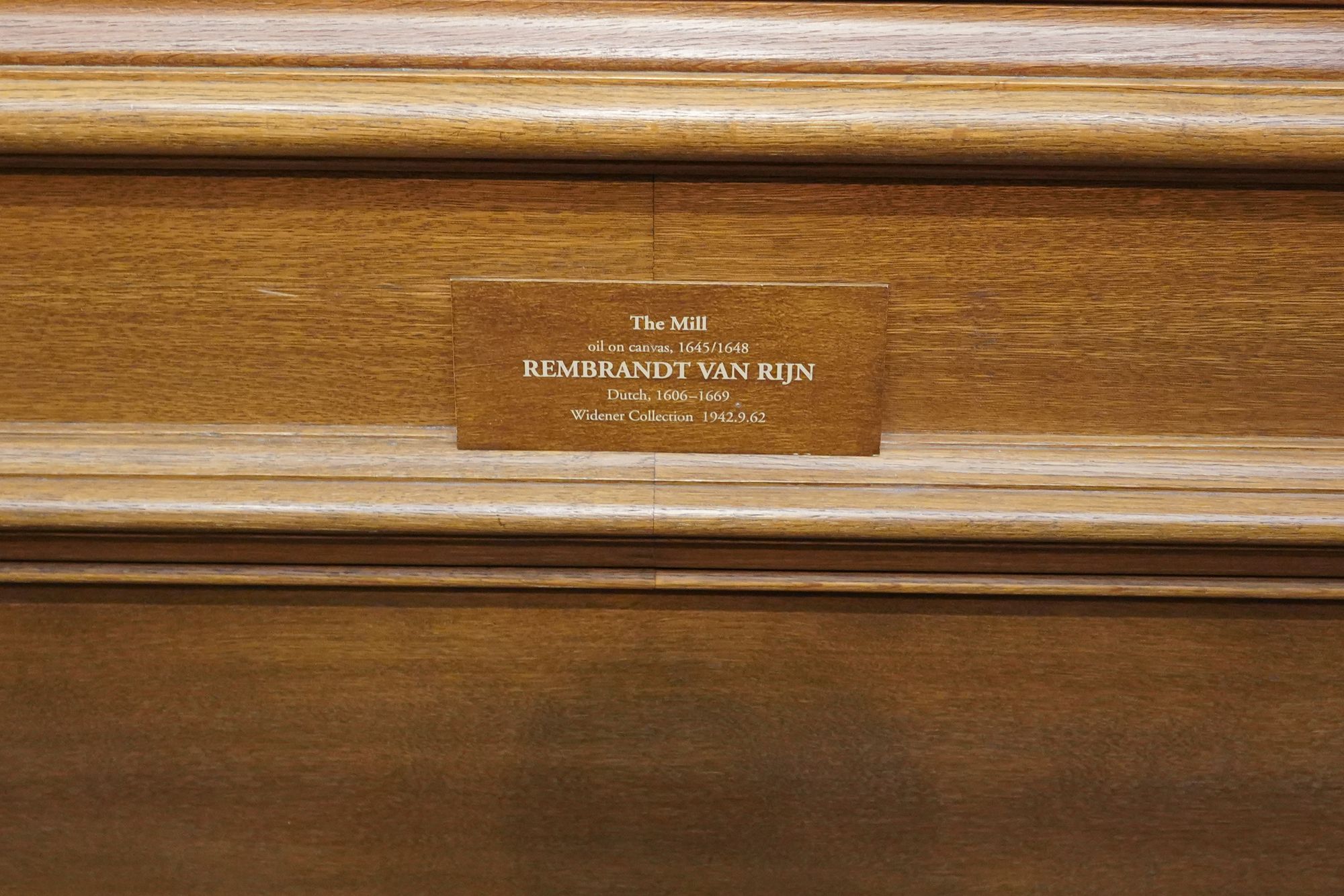
Rembrandt van Rijn (1606–1669) mastered the use of chiaroscuro—strong contrasts of light and dark—to reveal the inner life of his subjects in portraits, biblical scenes, and self-portraits.
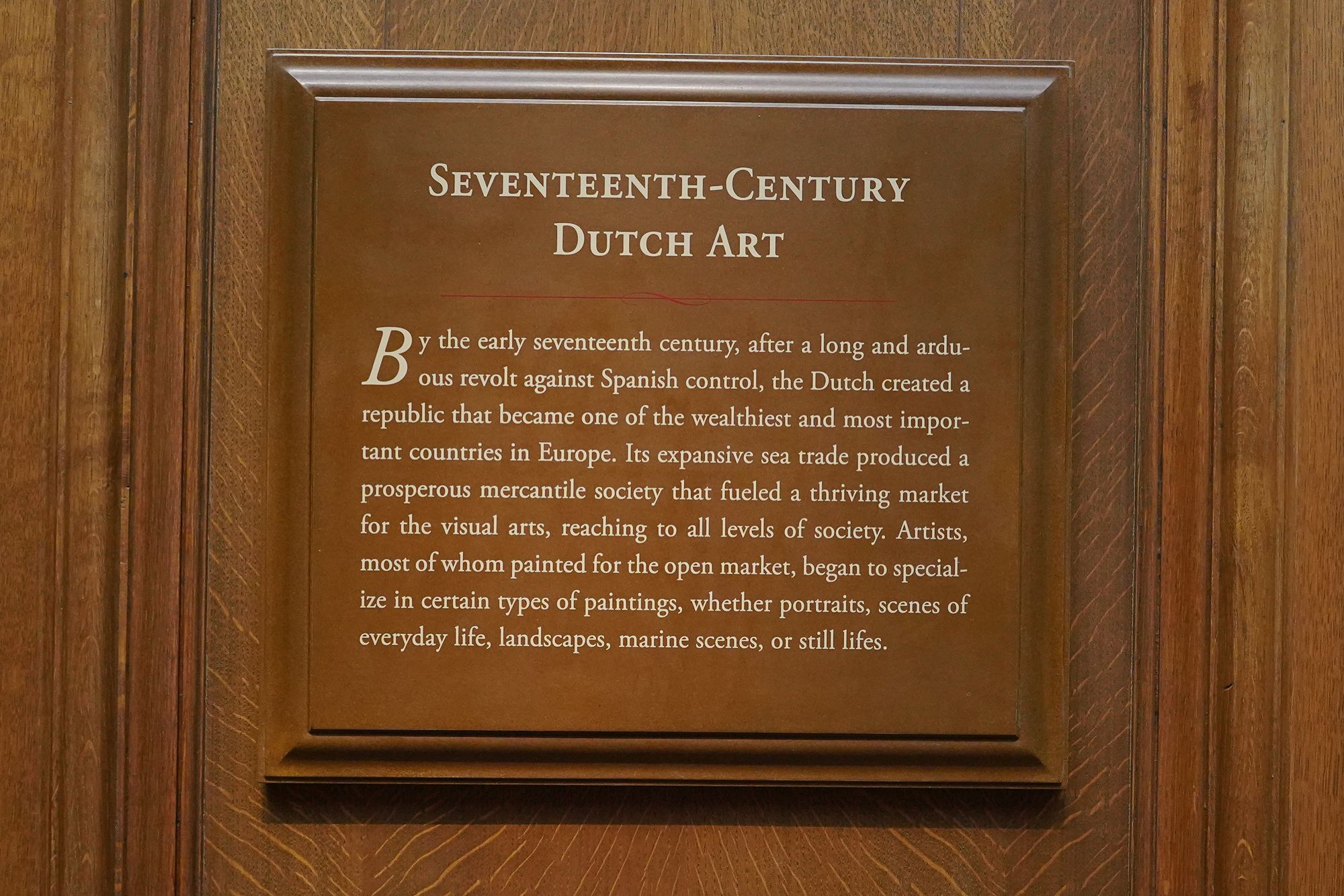
Seventeenth Century Dutch Art
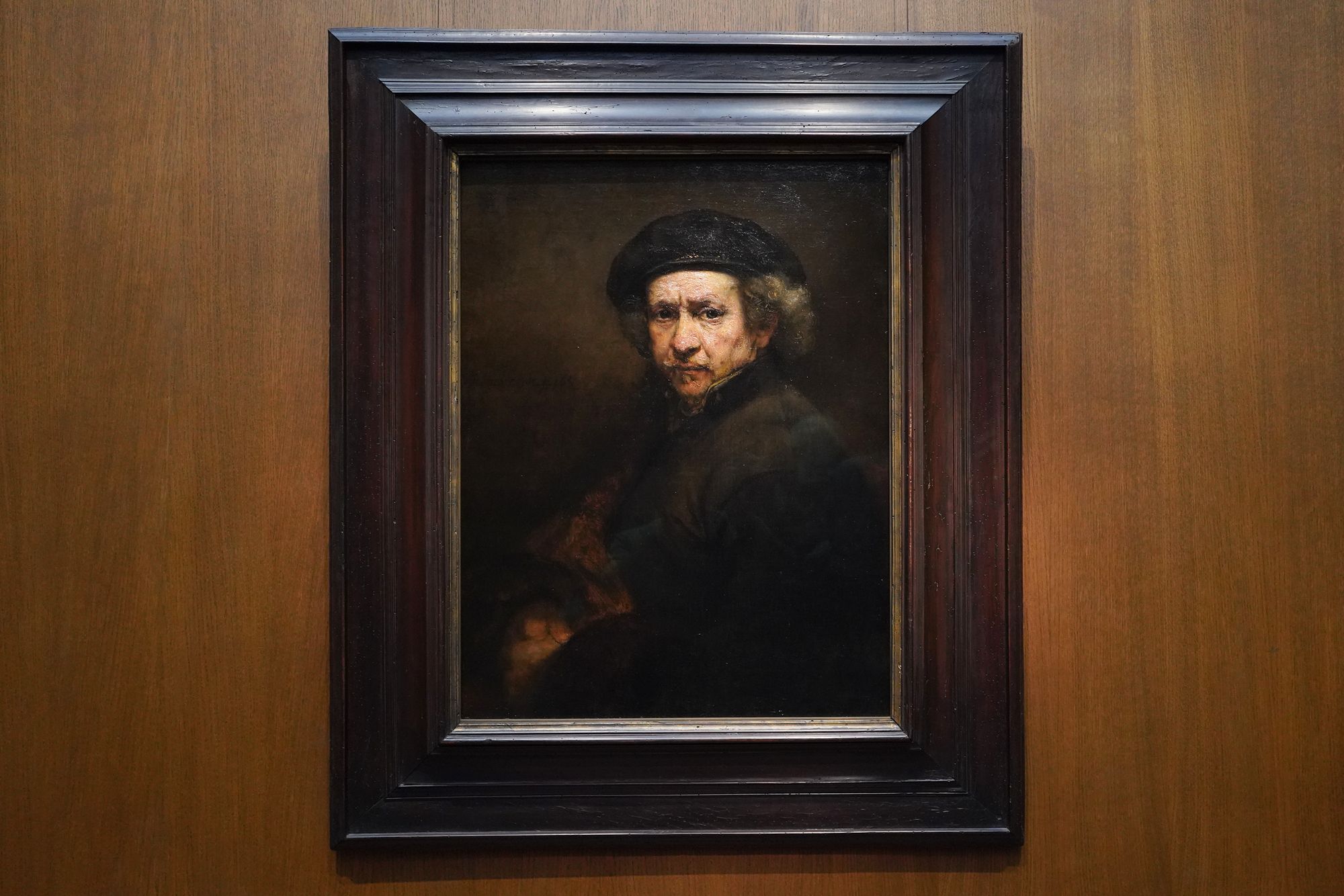
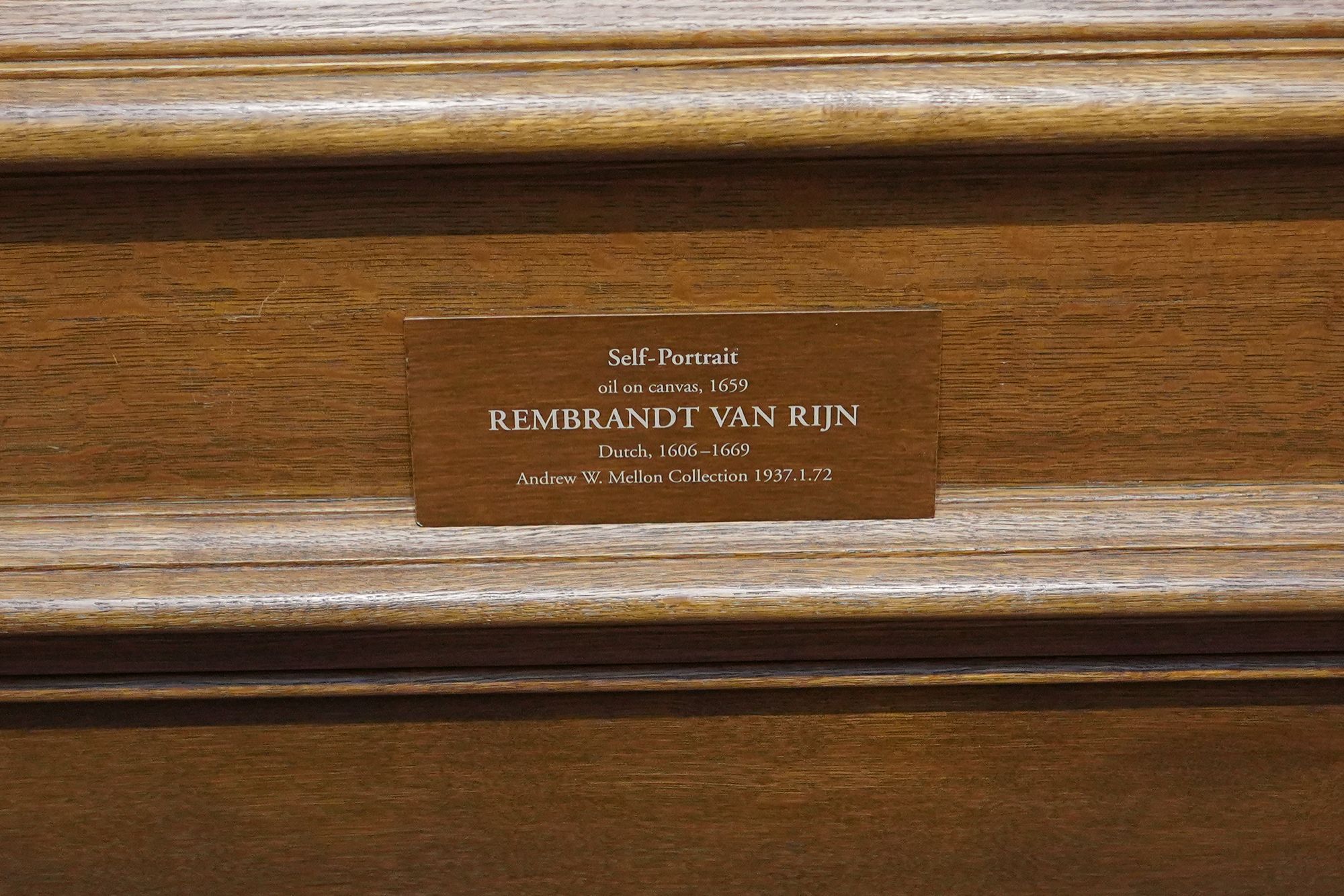
At the National Gallery of Art, works by Rembrandt and his pupils show how he transformed Dutch art through empathy and technique, making ordinary people and sacred stories equally profound.
Dutch 17th Century Painting Continues
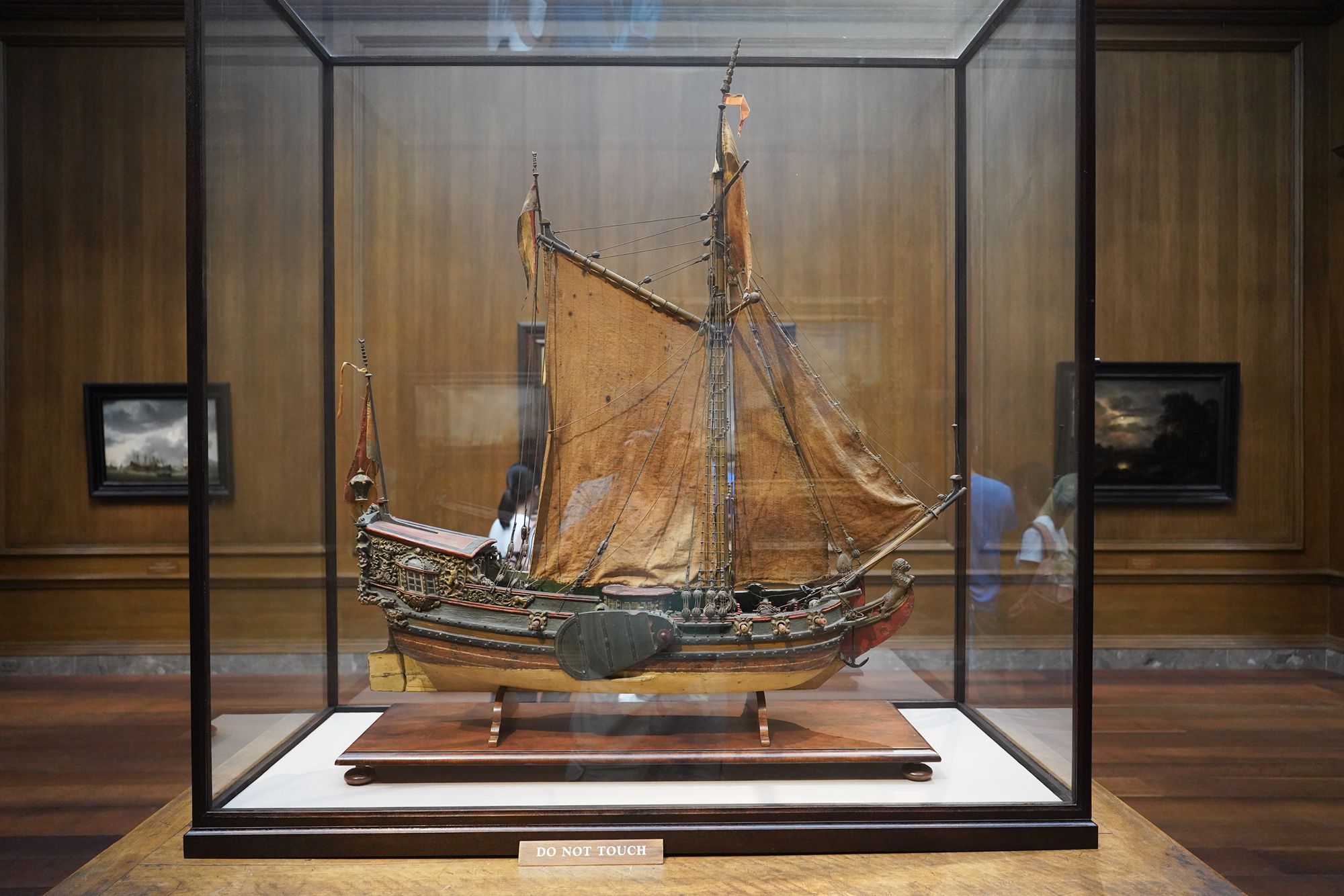
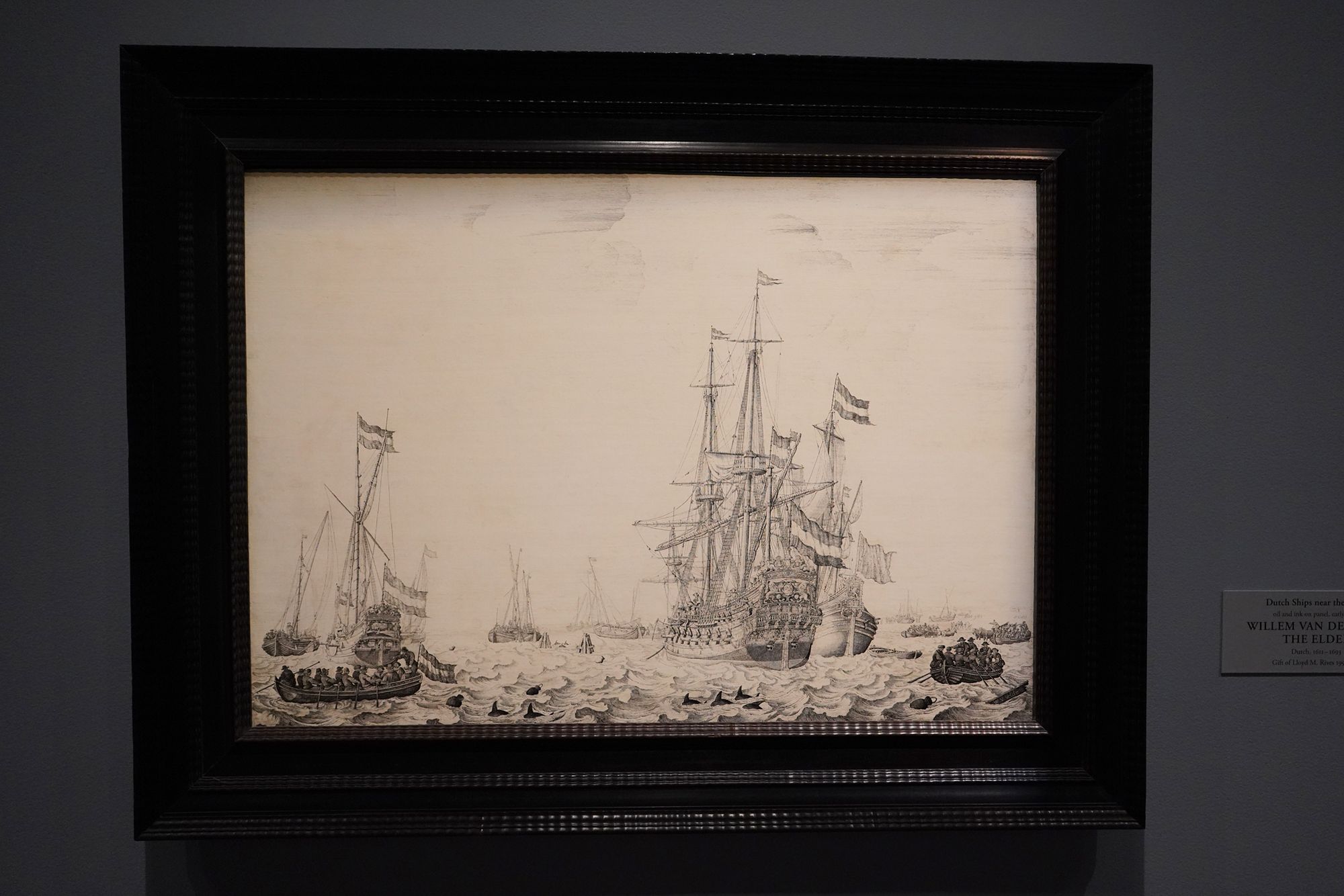
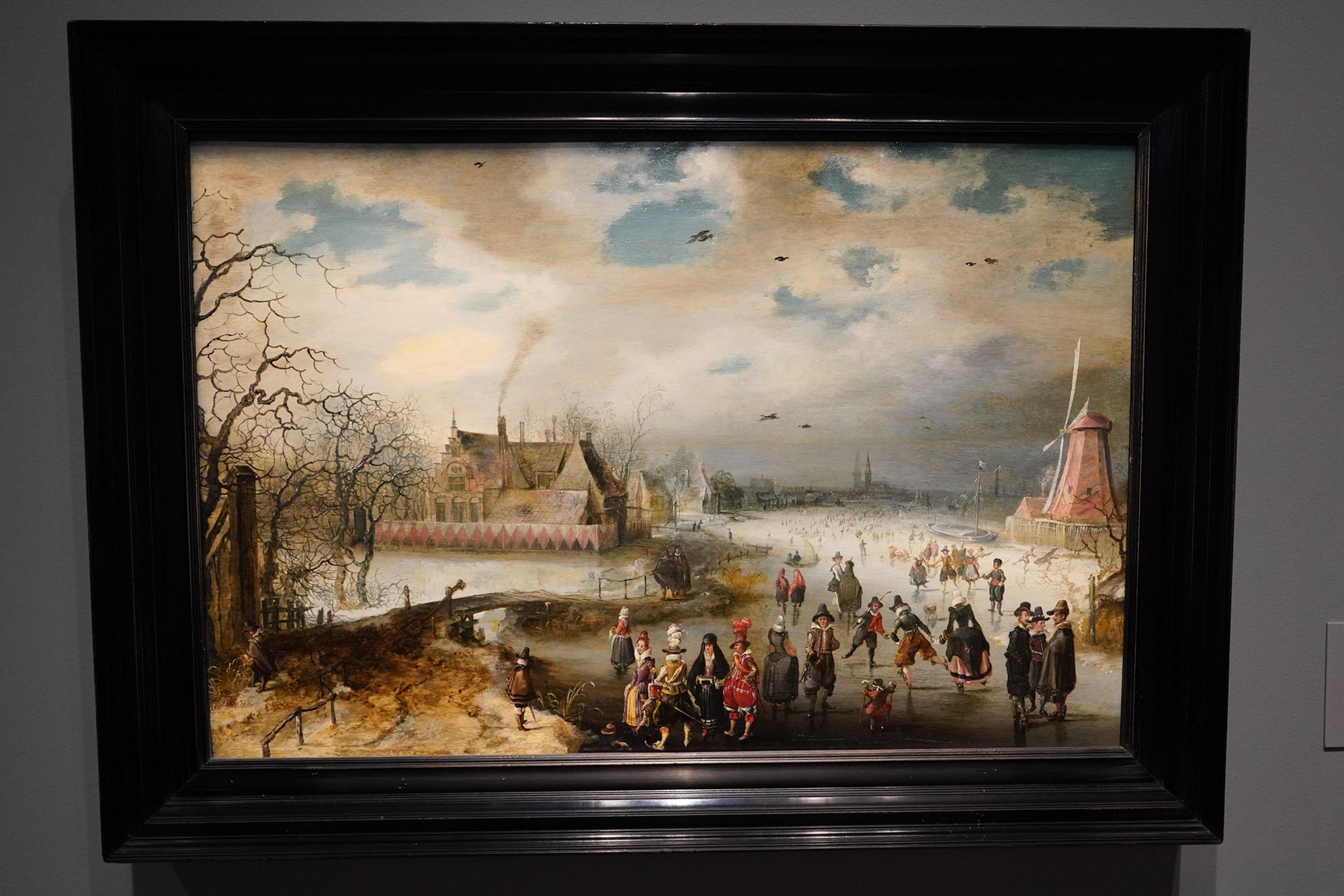
Landscapes and Seascapes
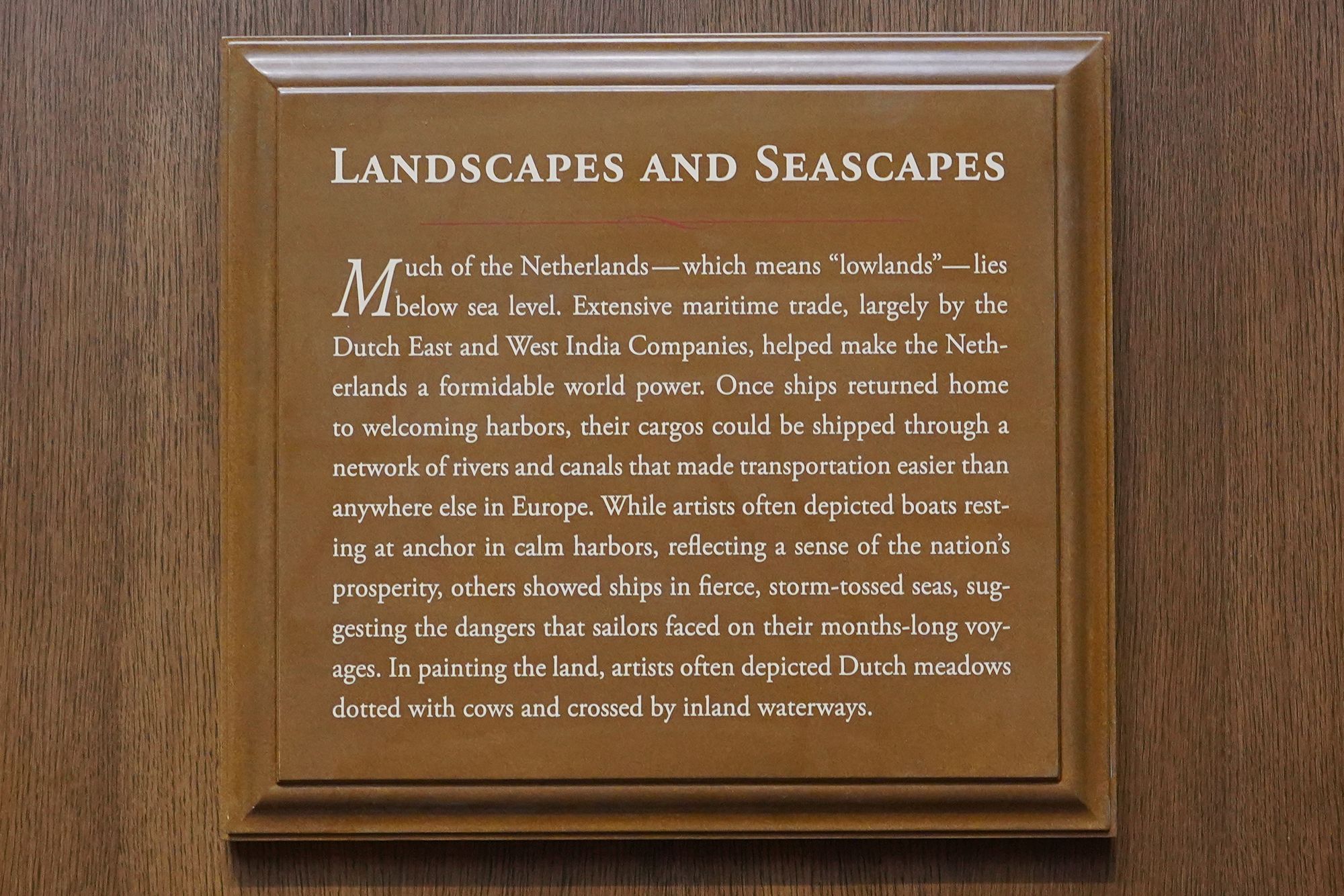
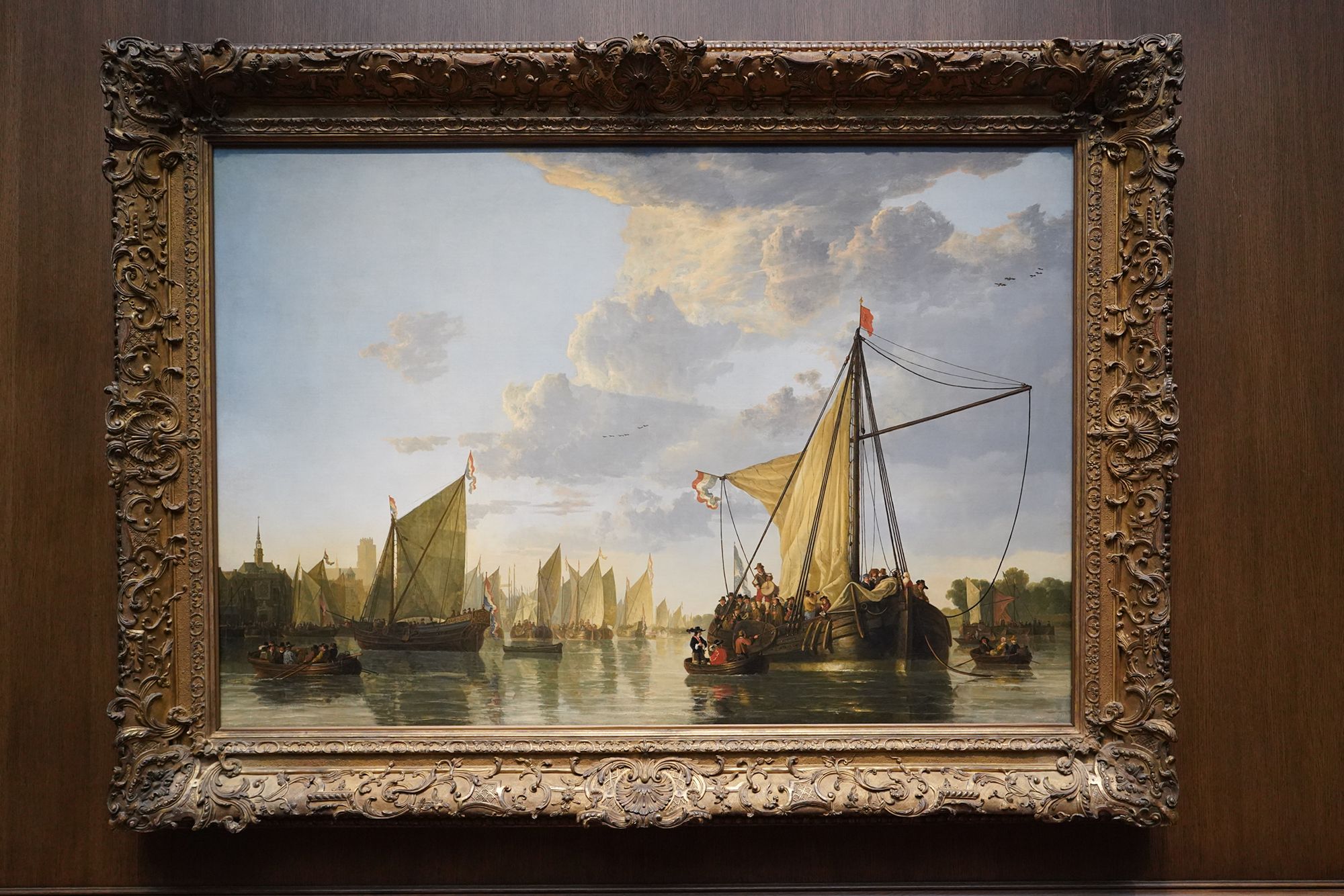
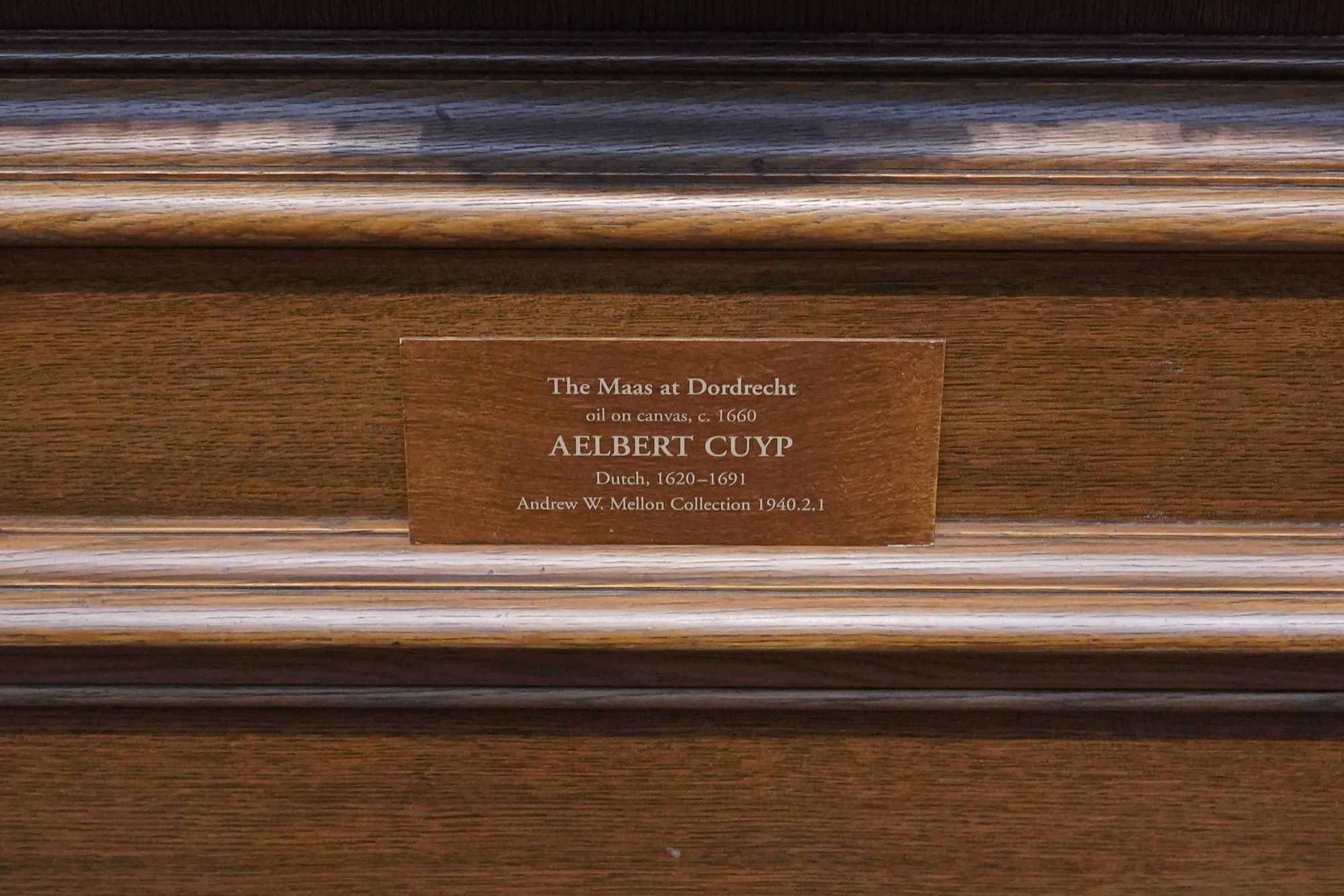
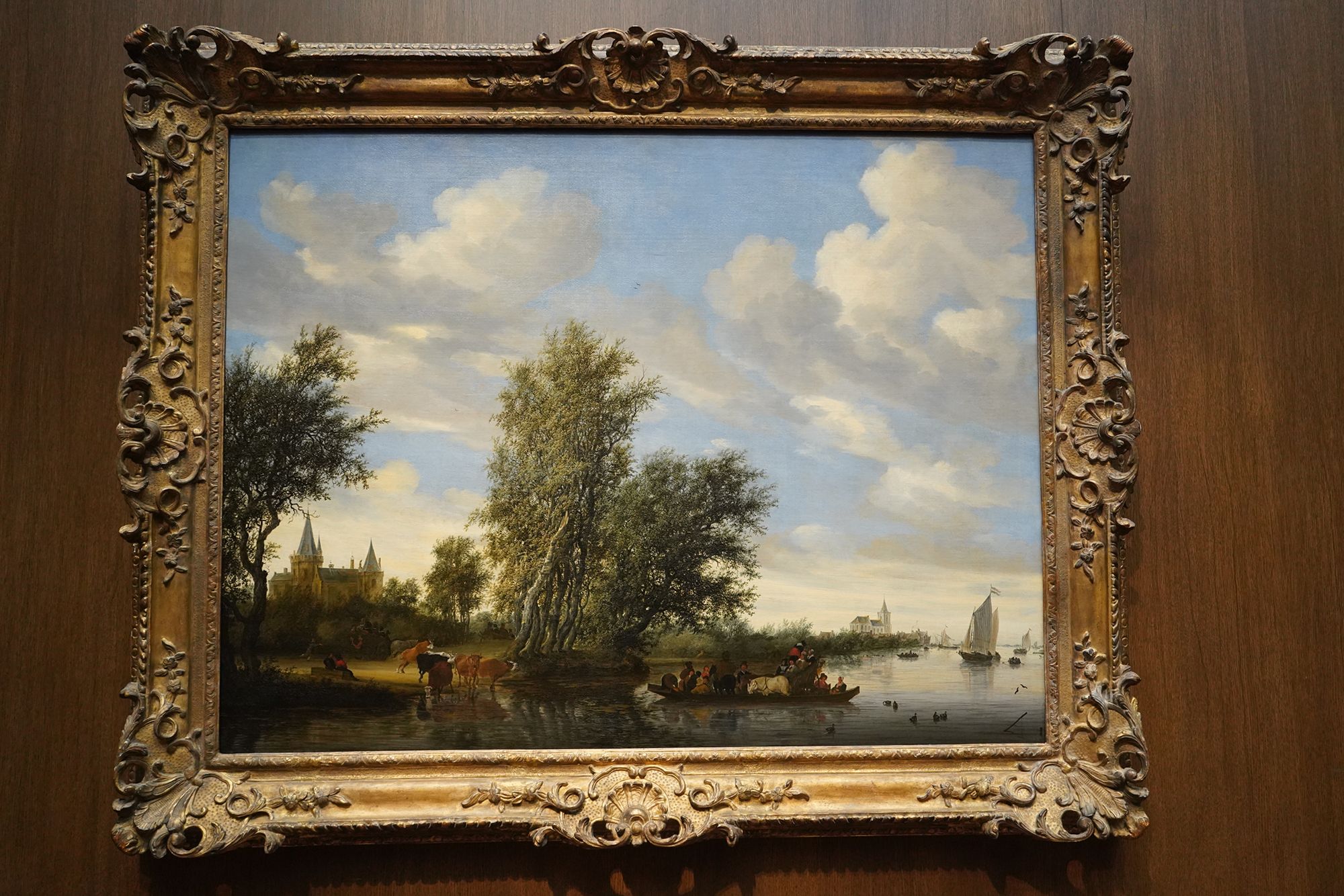
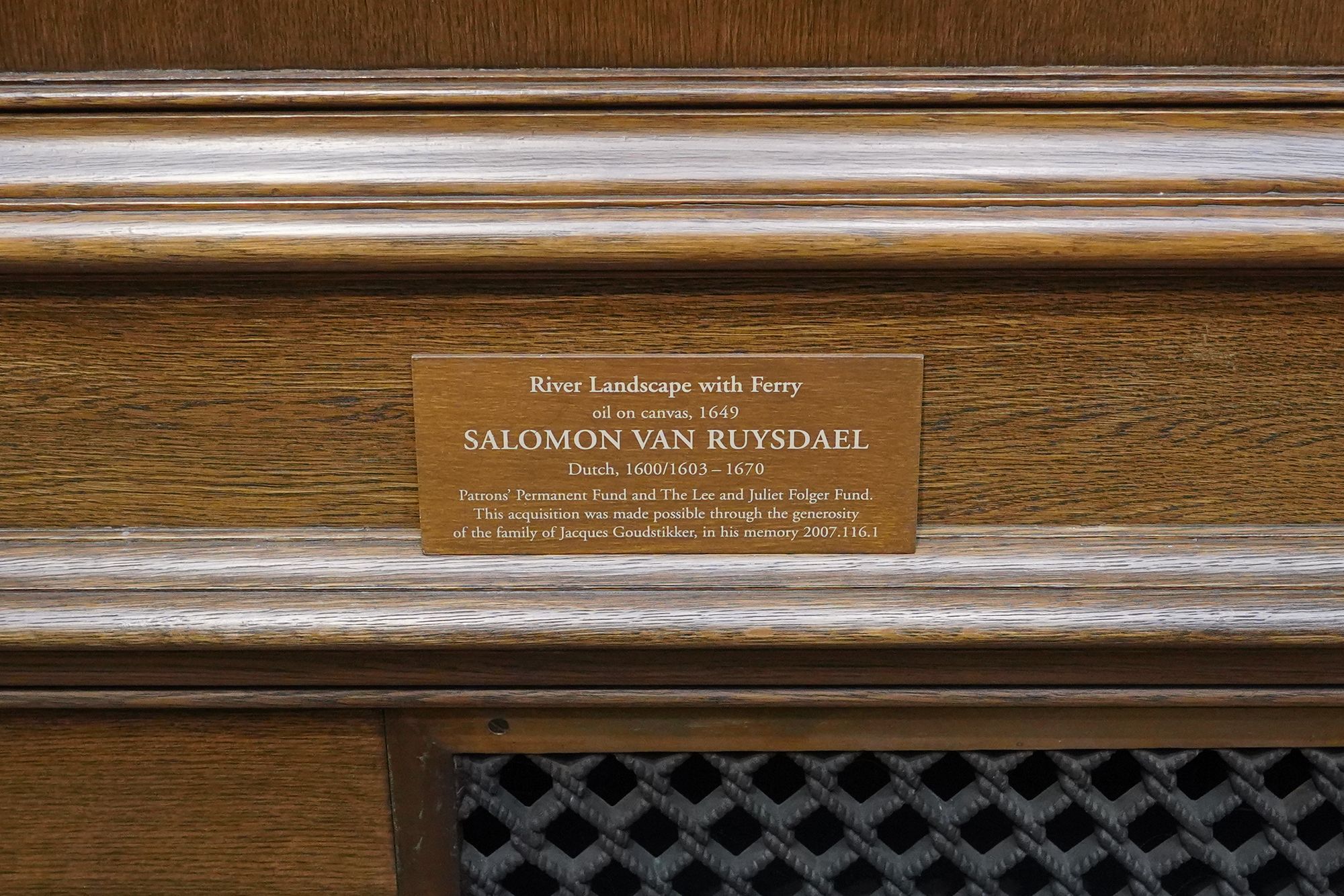
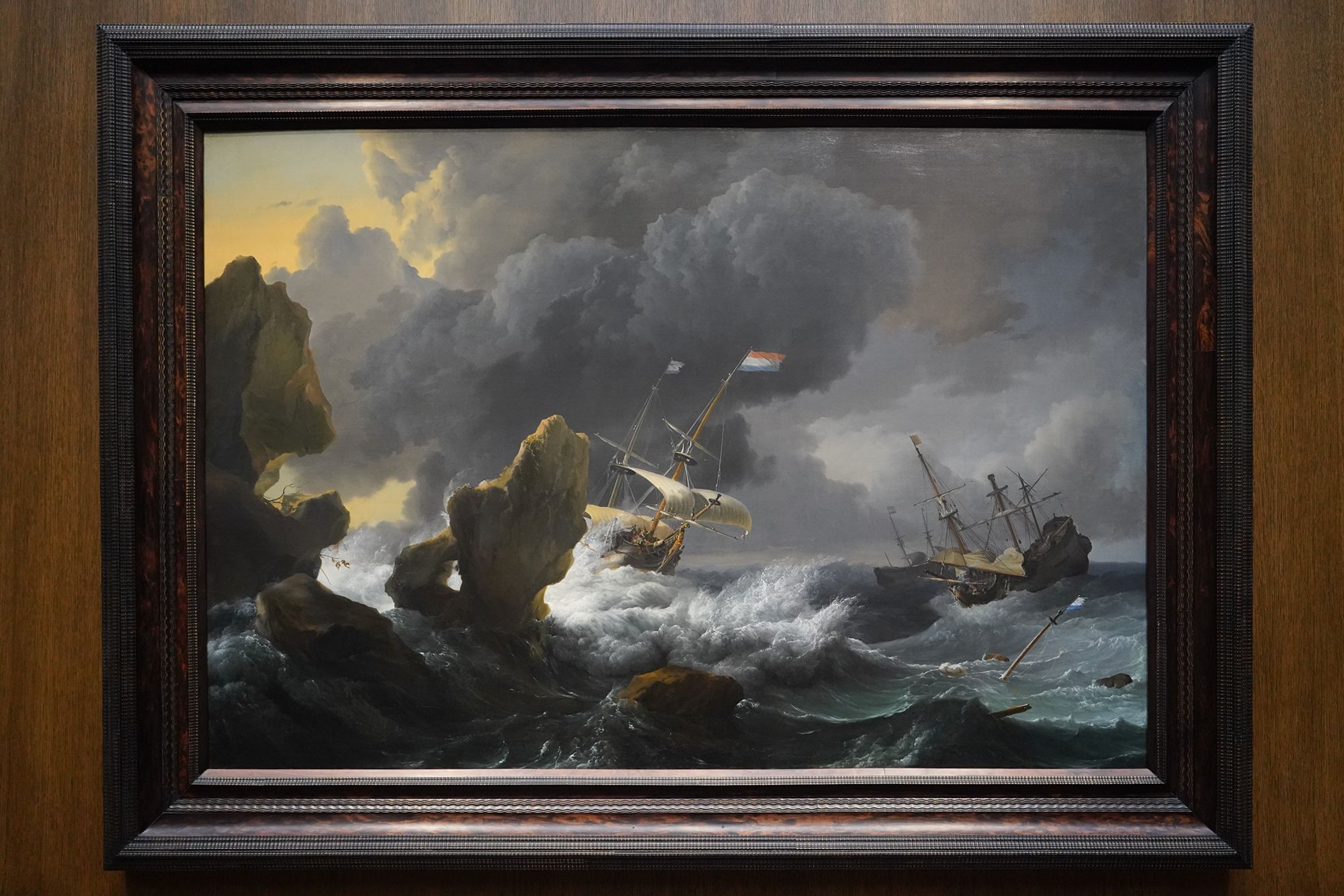
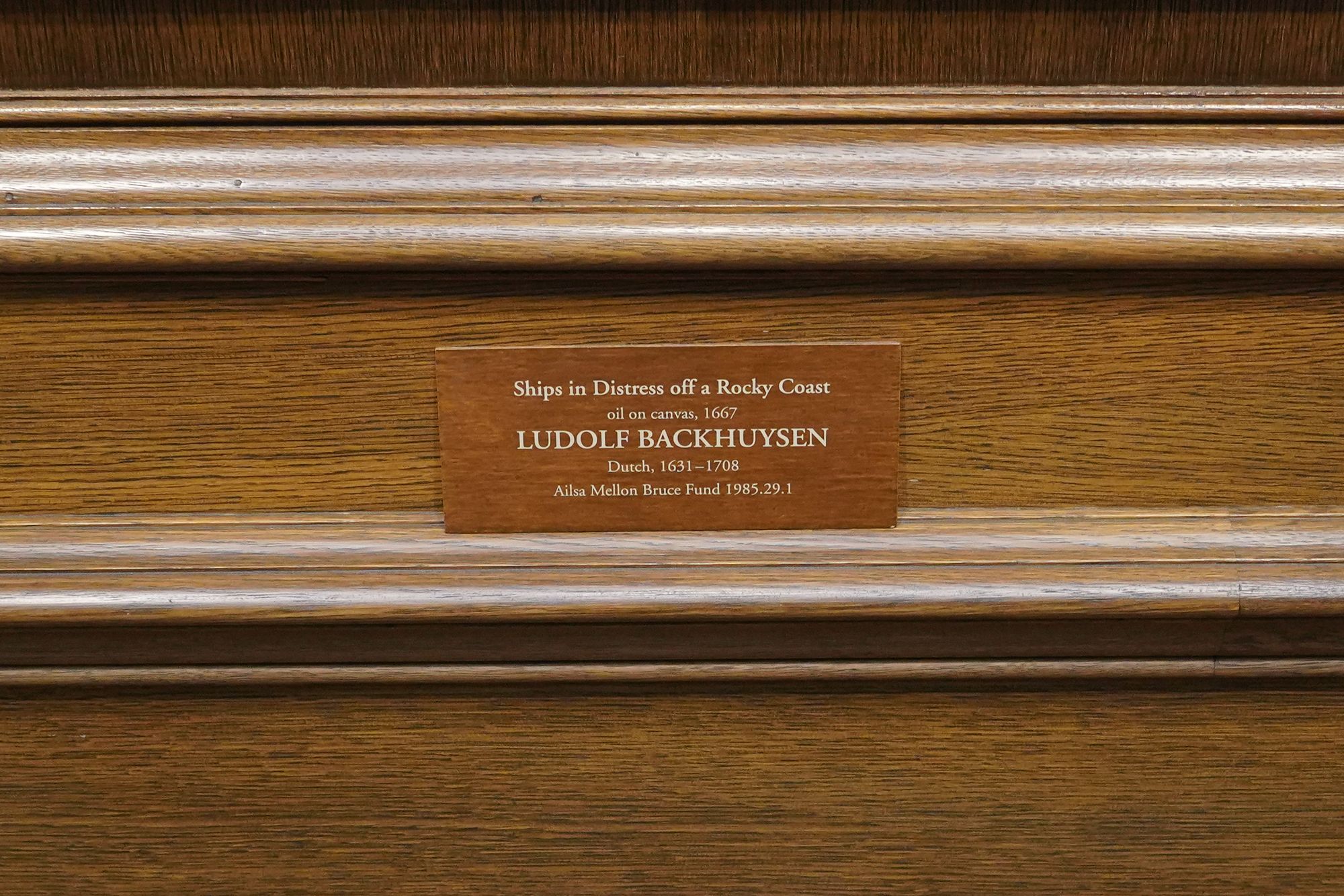
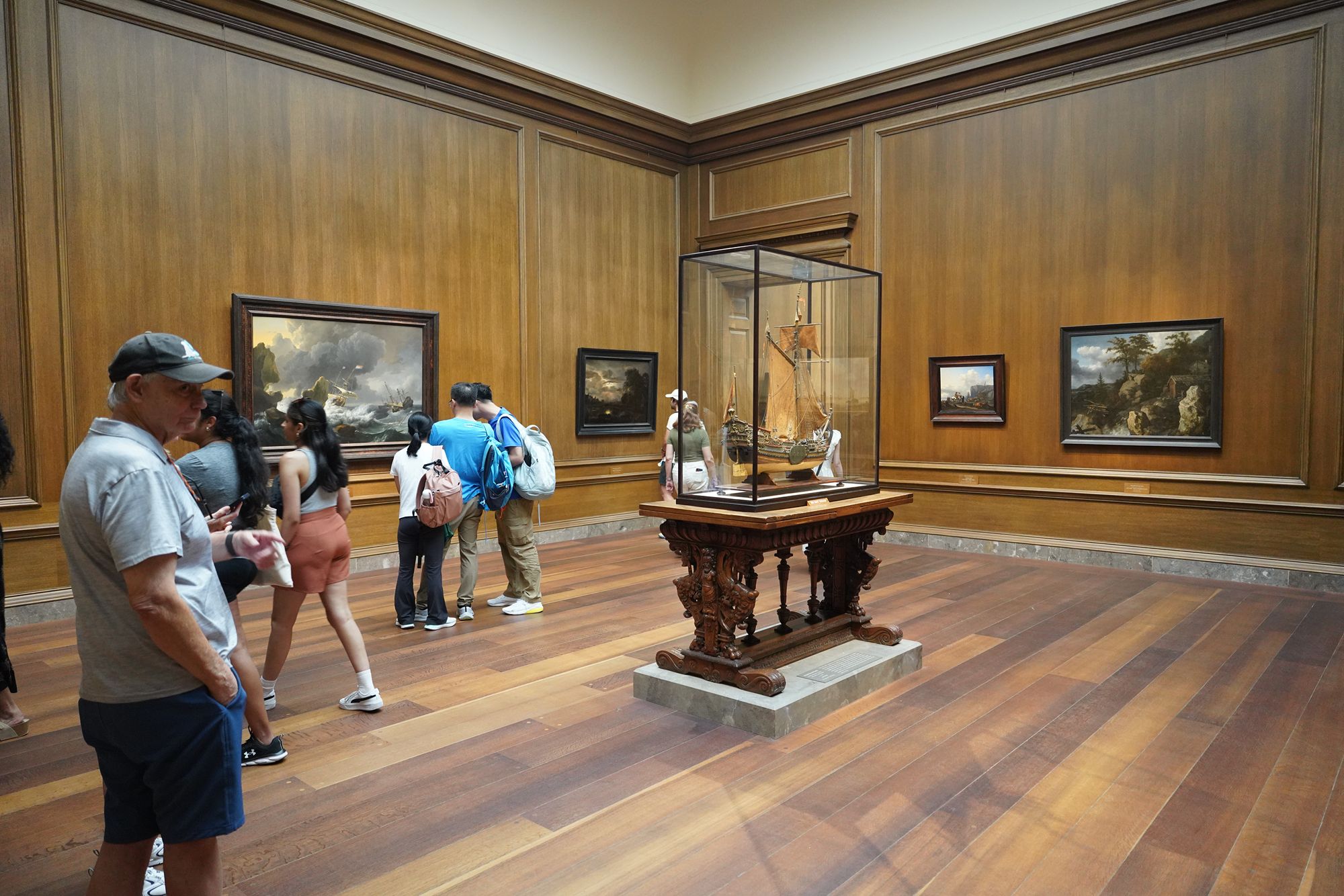
Dutch 17th-Century Painting Continues
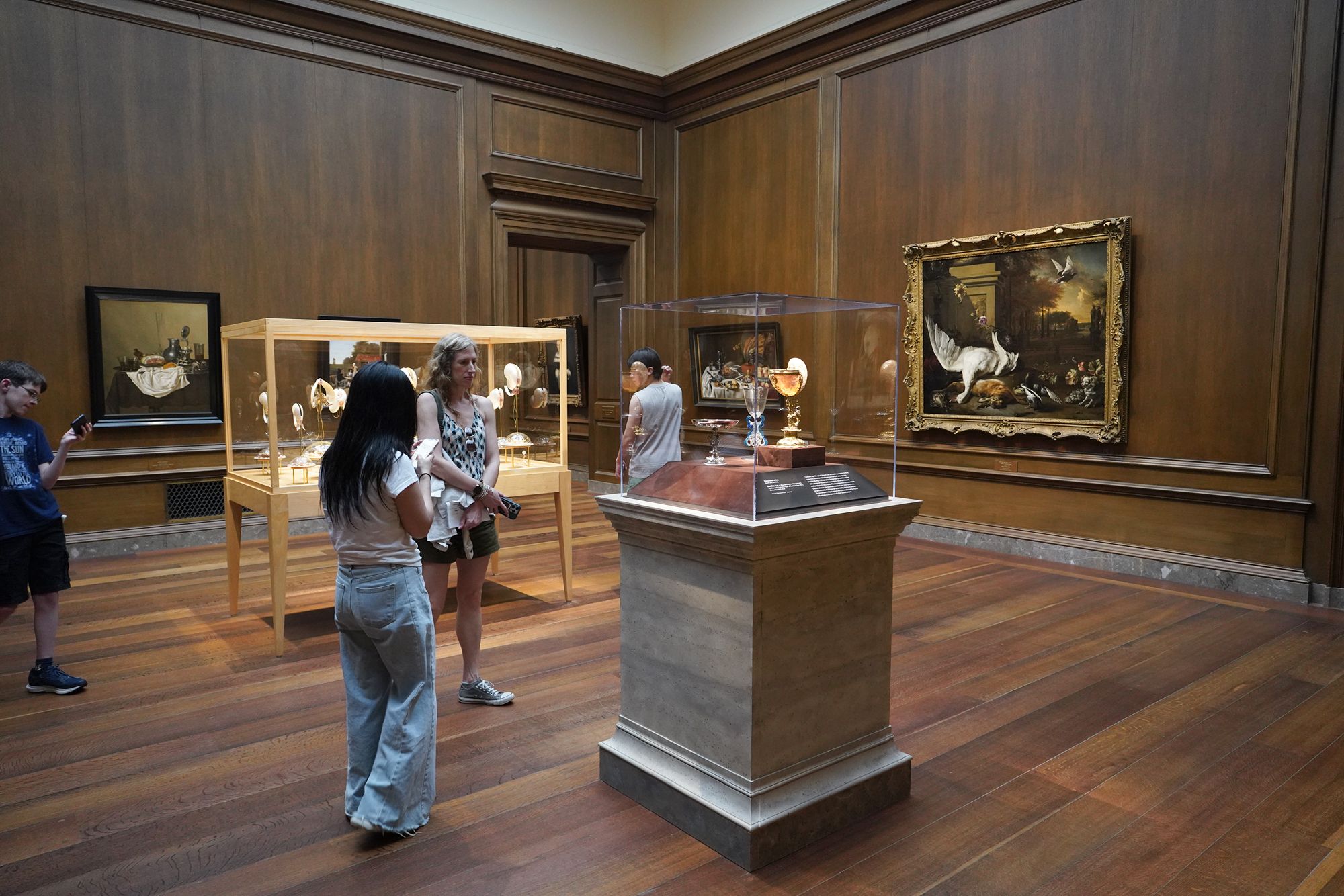
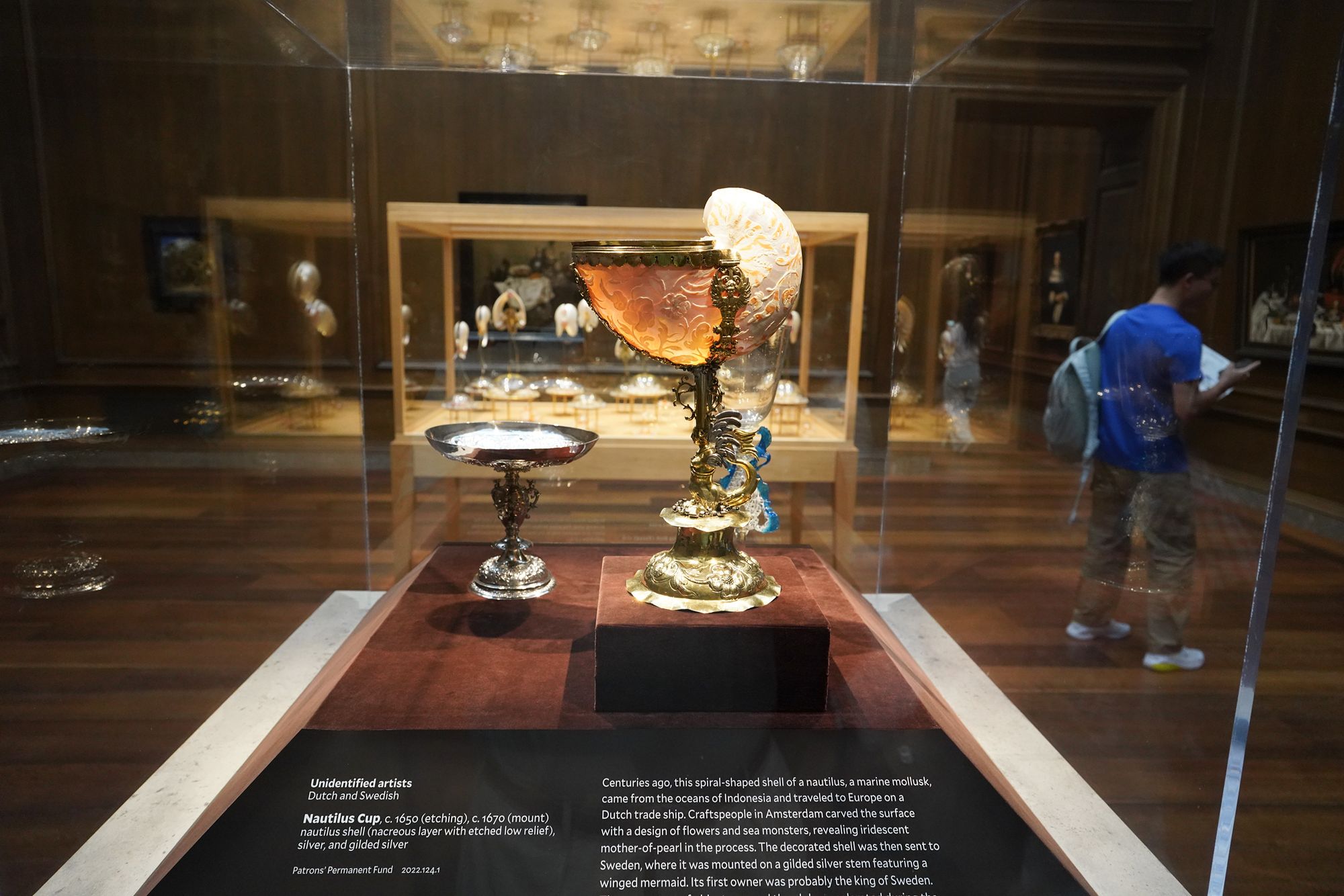
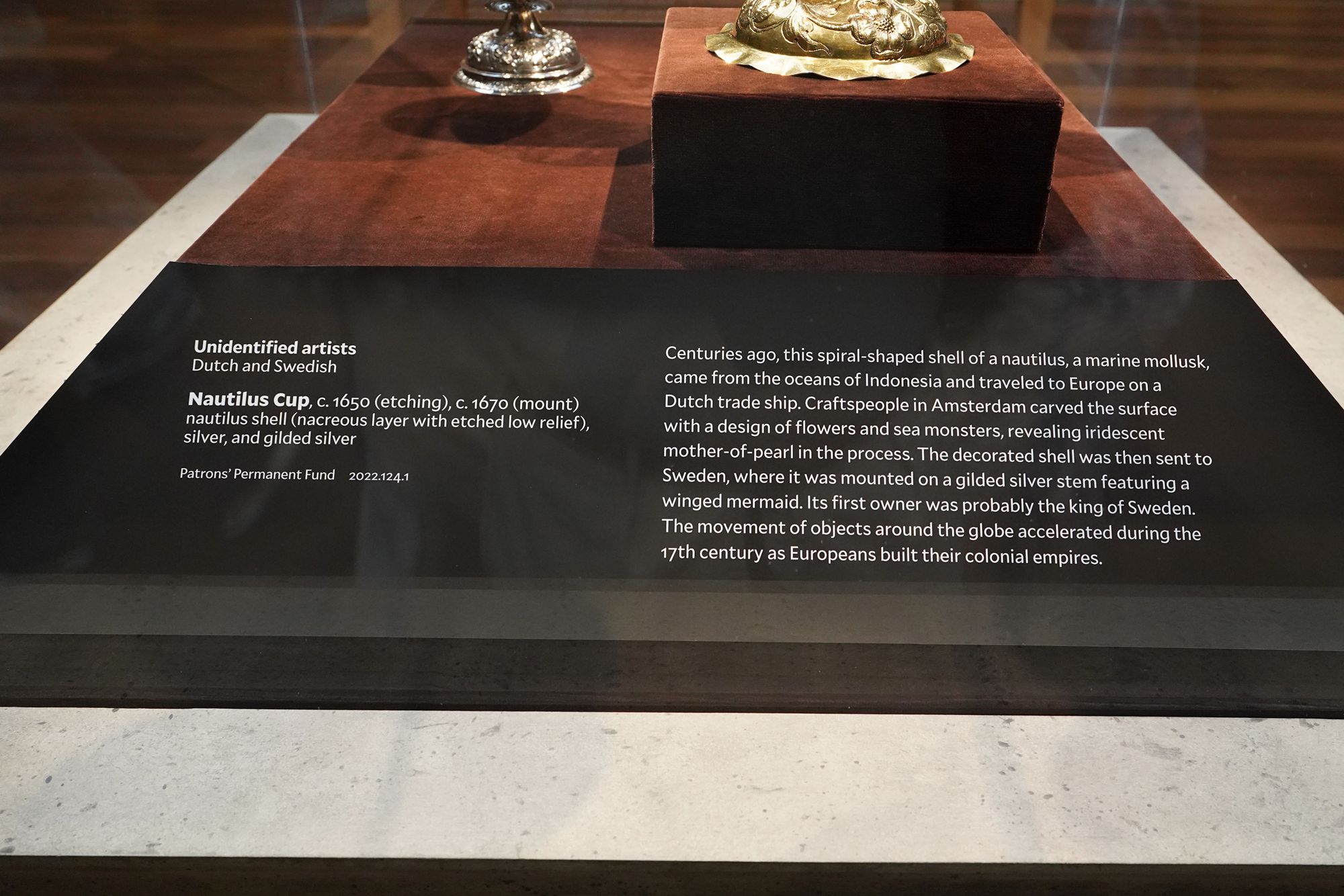
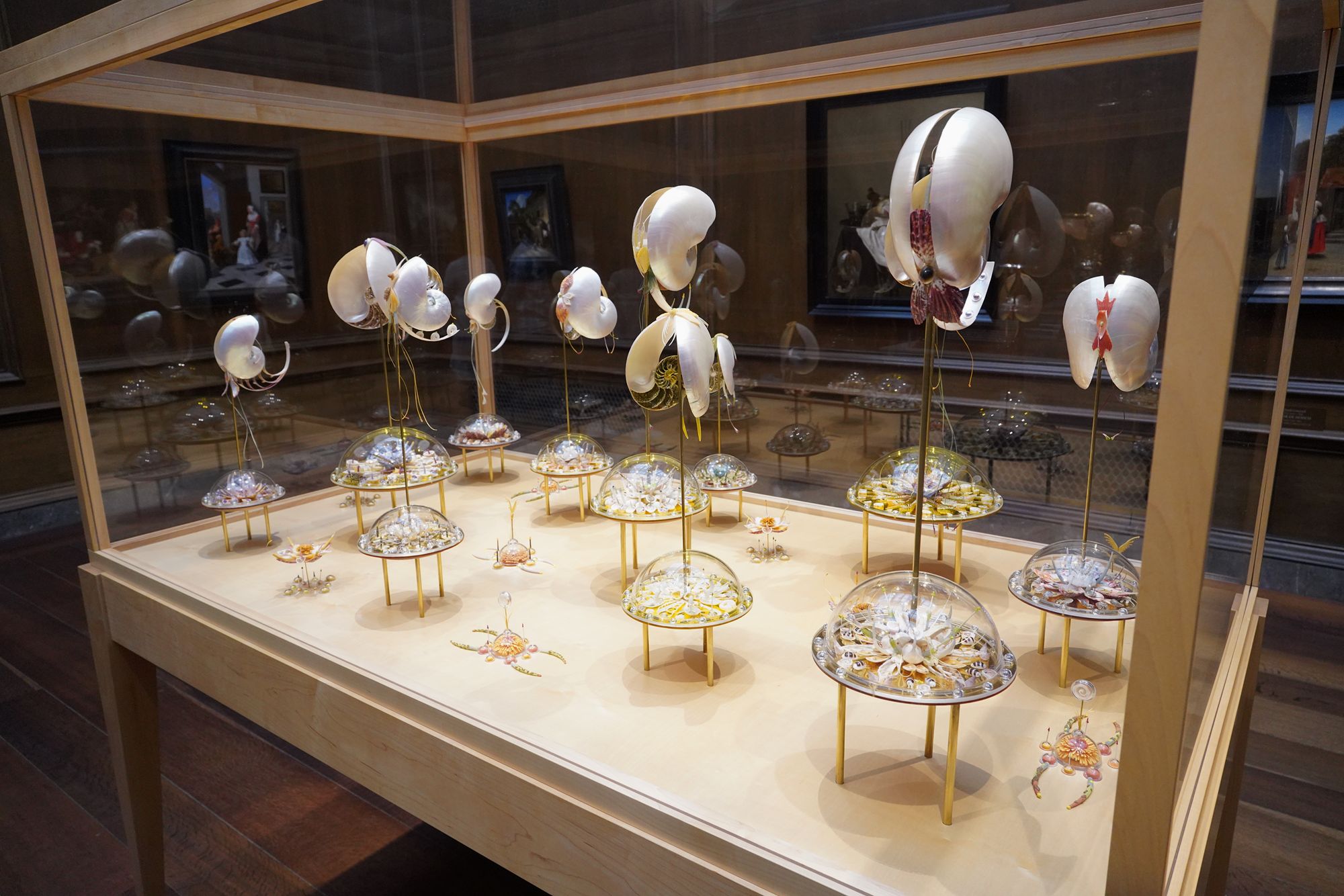
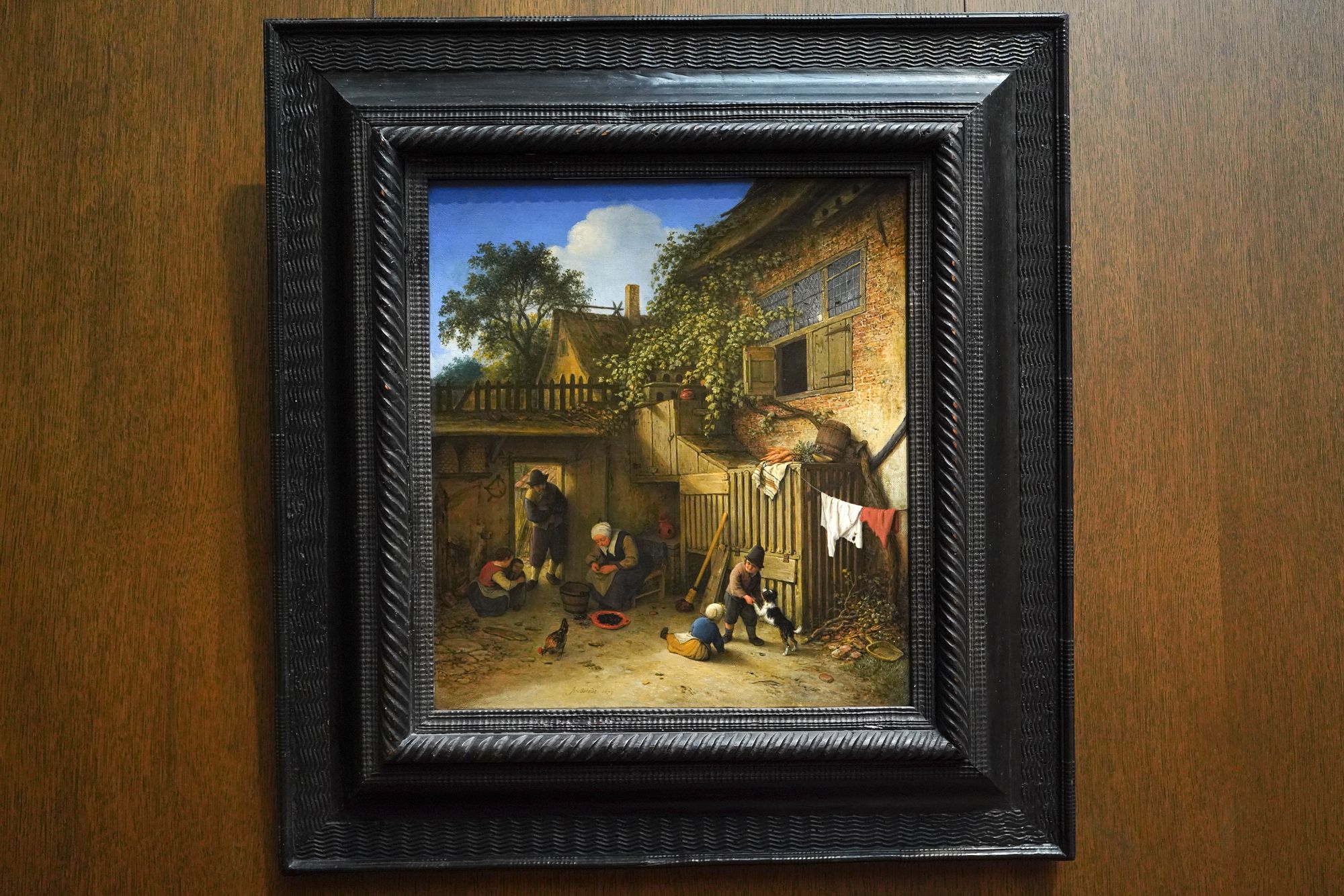
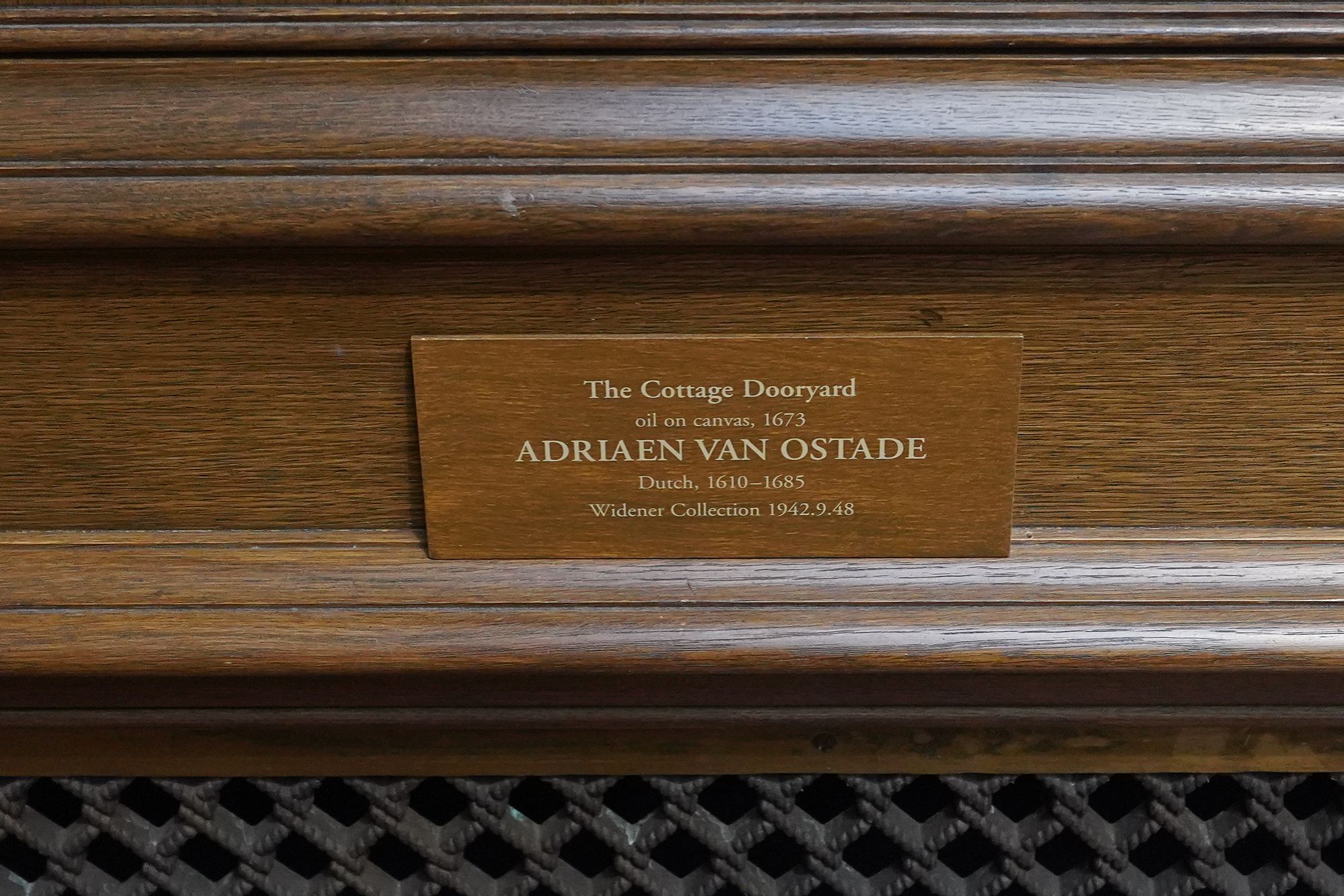
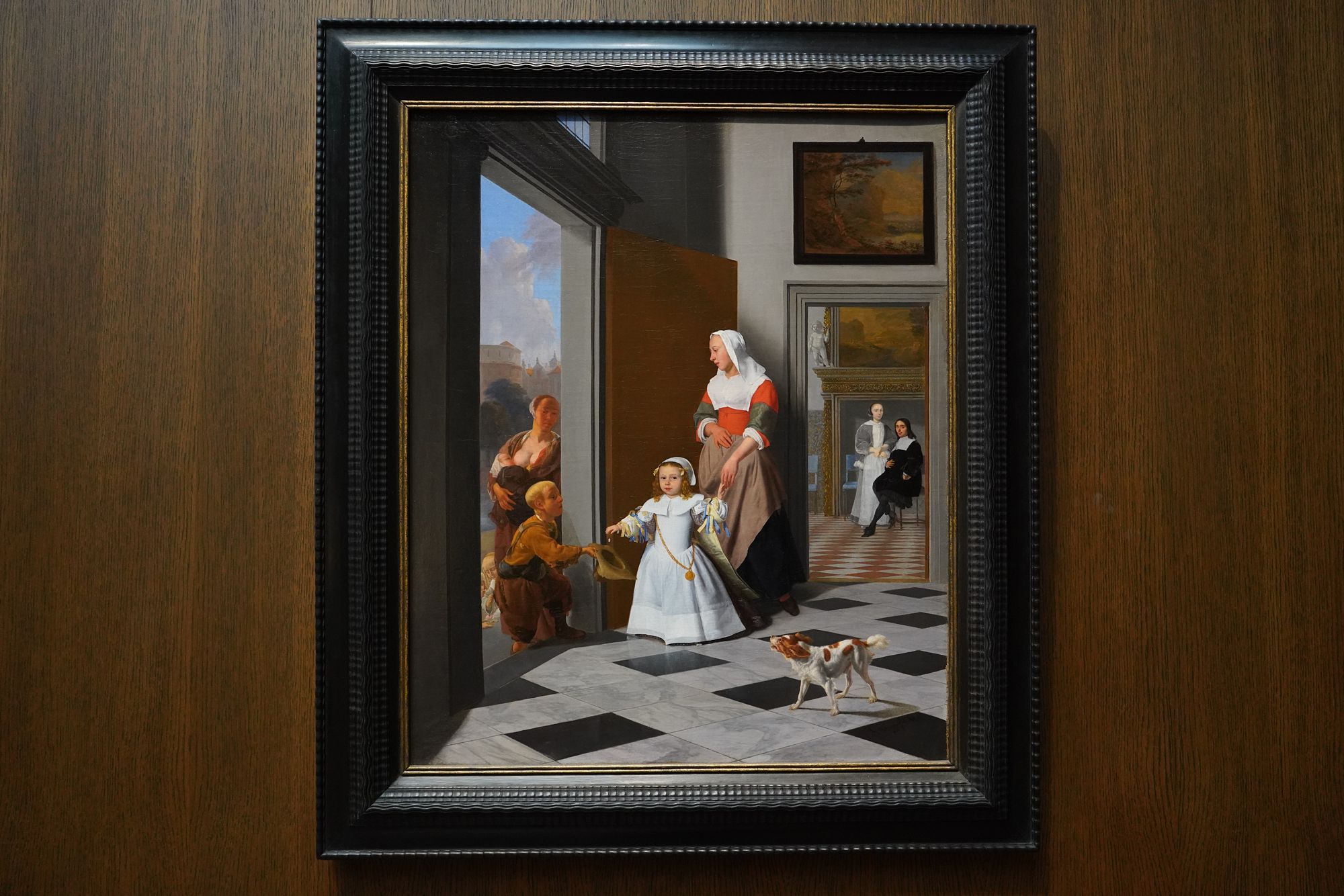
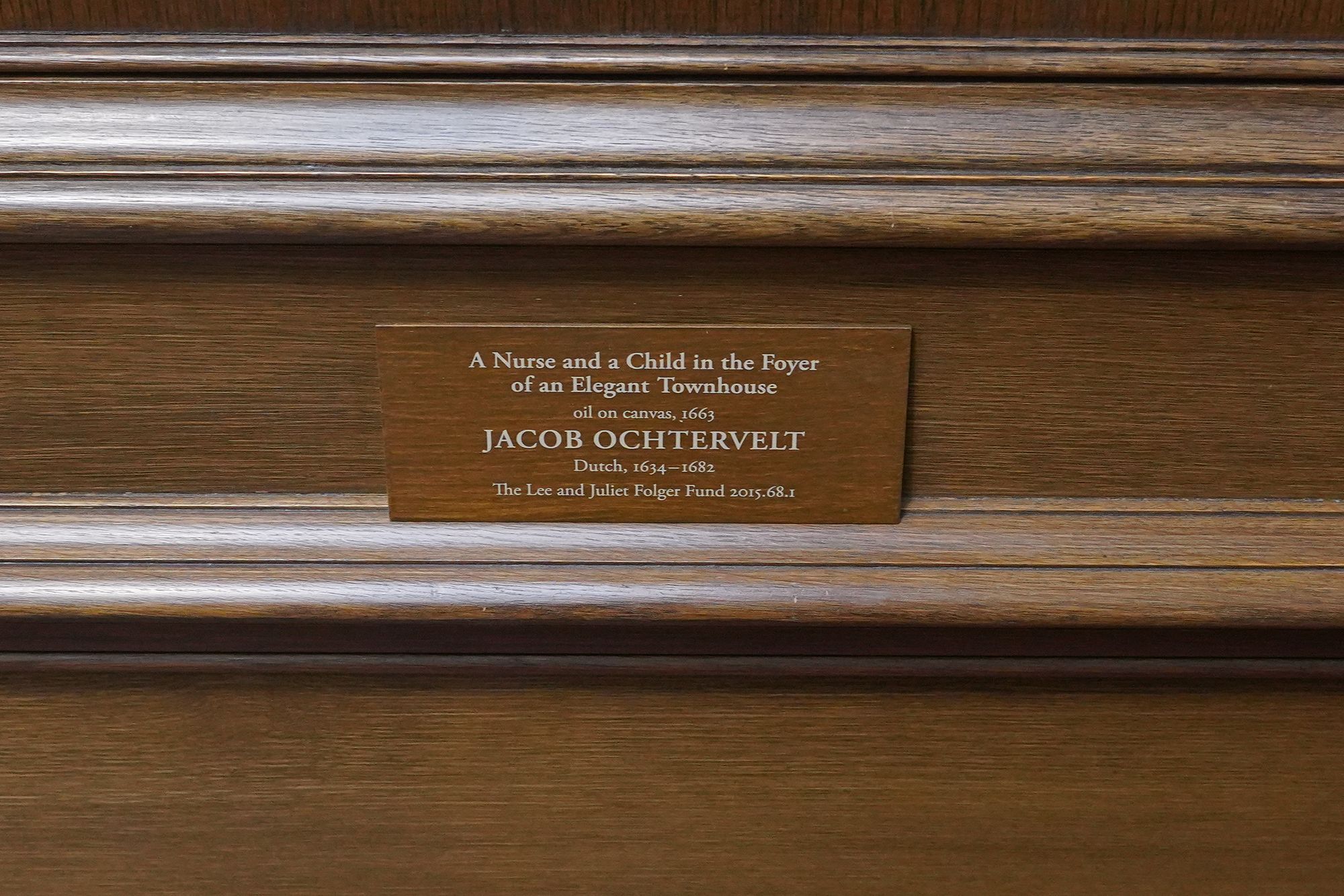
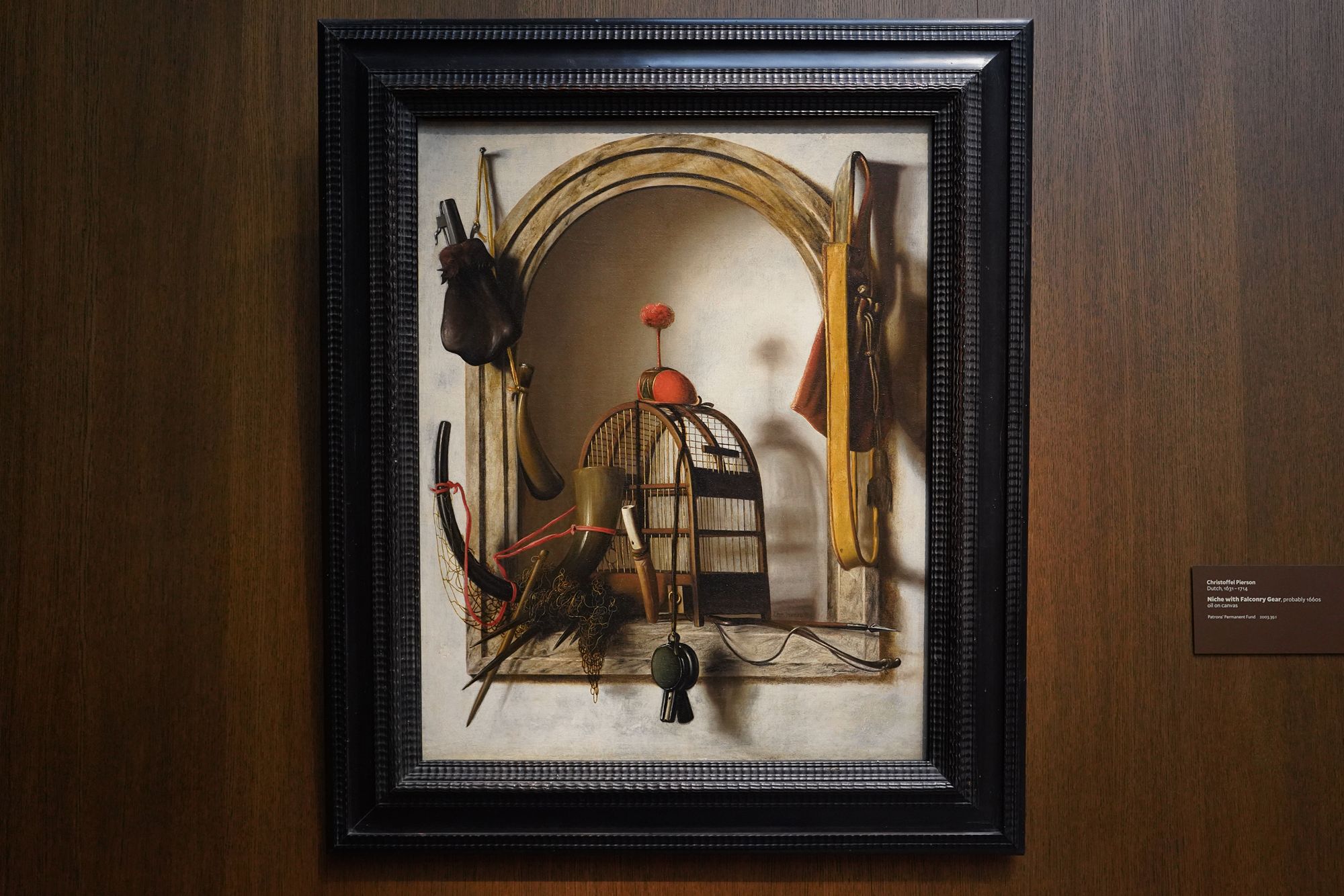

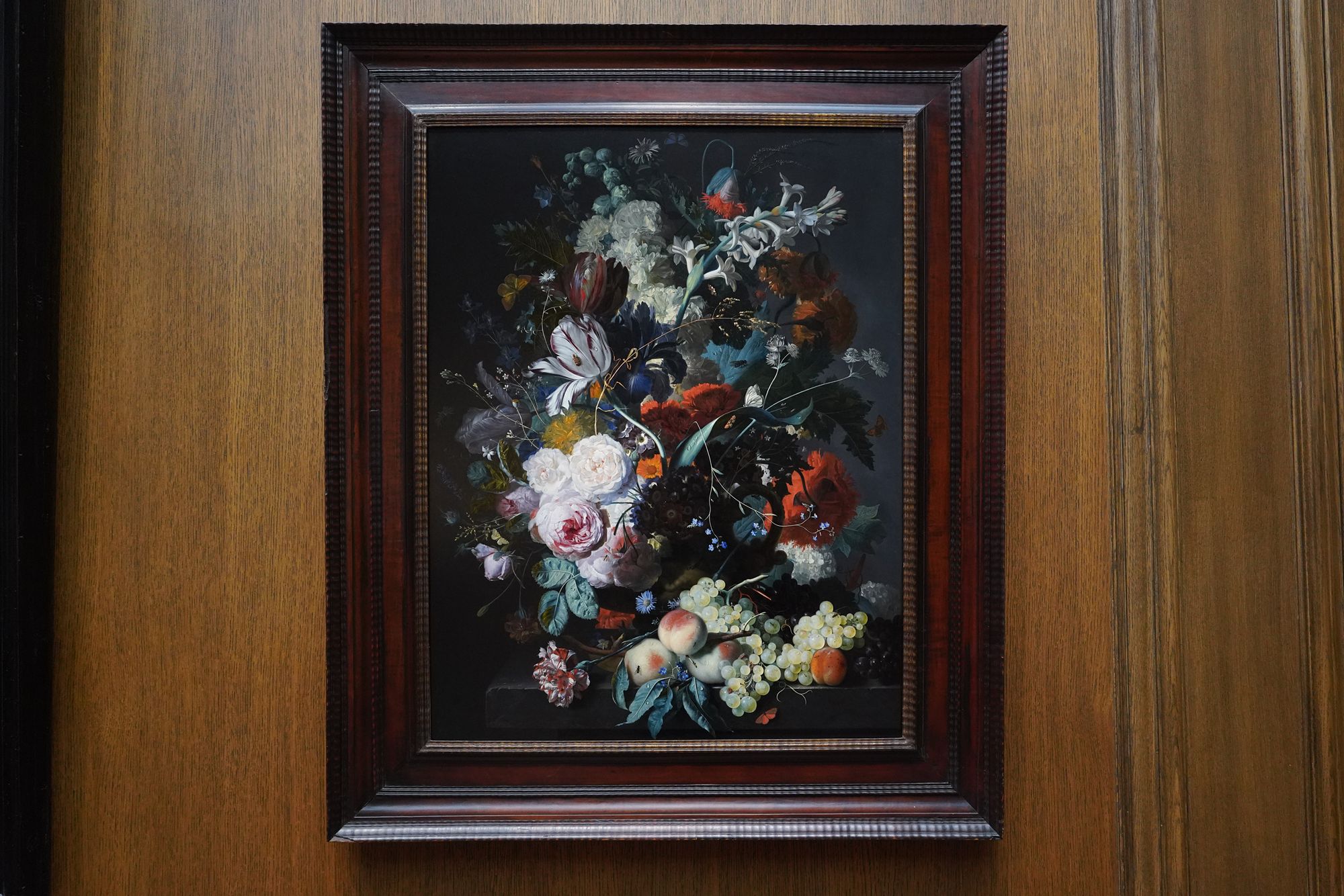
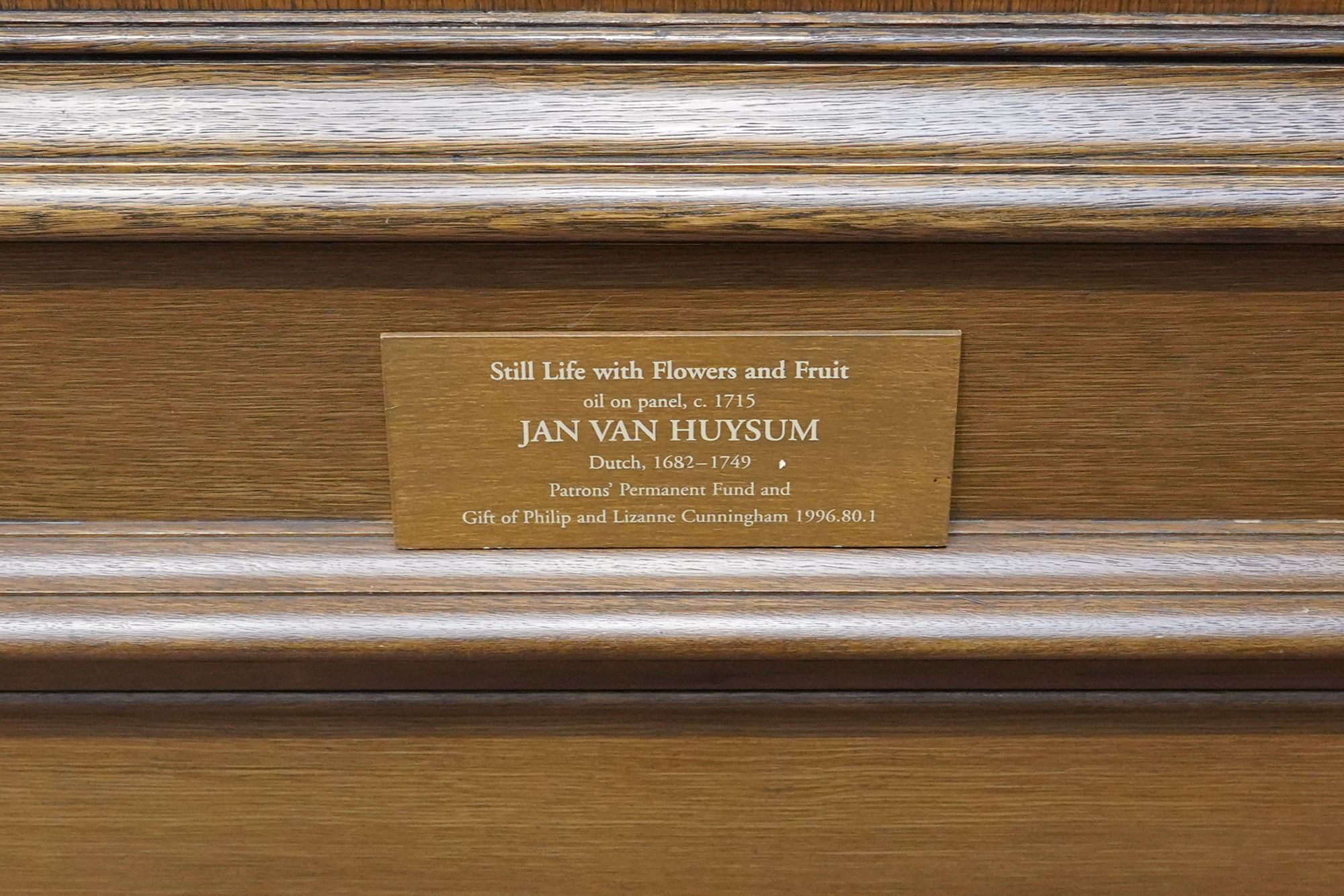
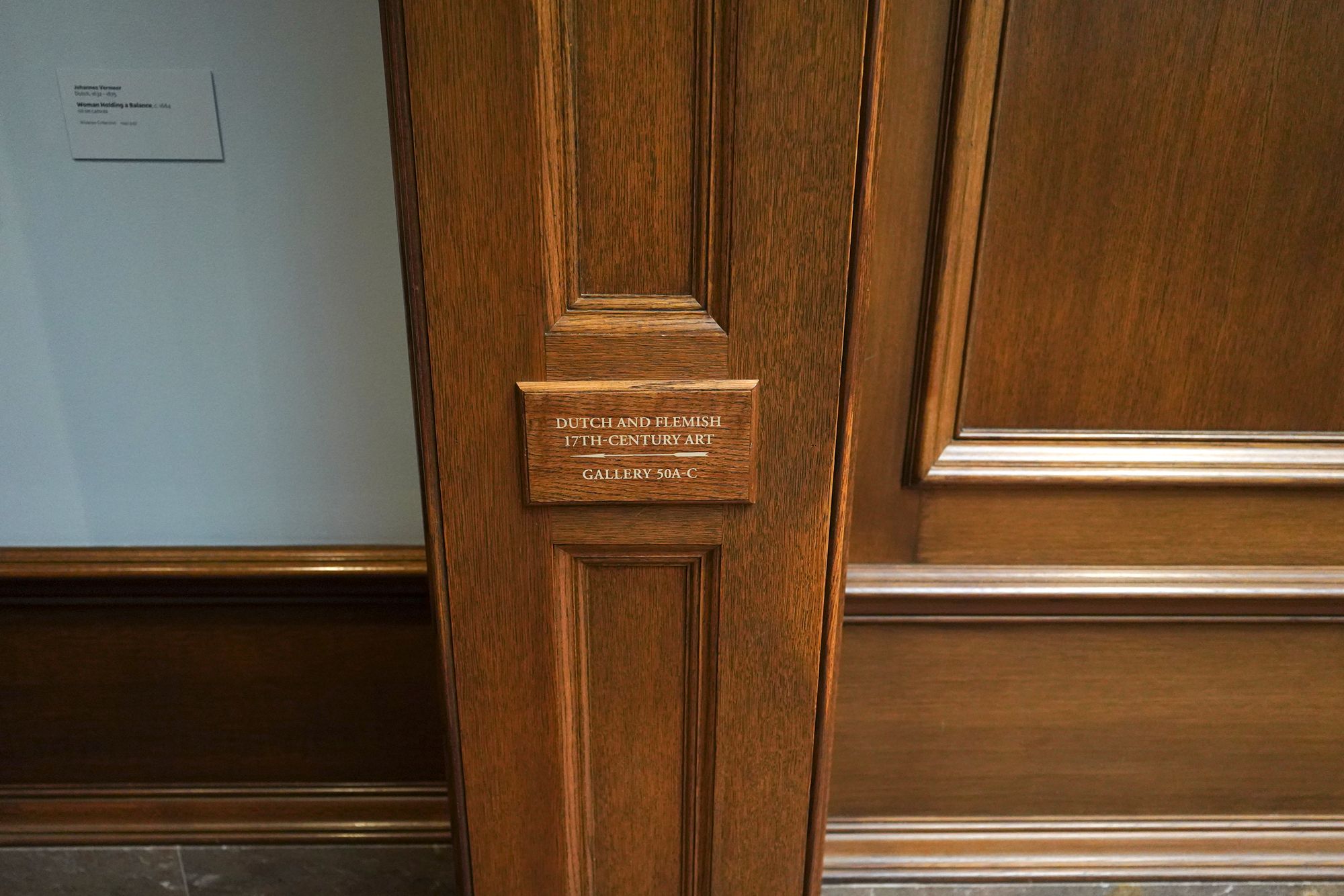
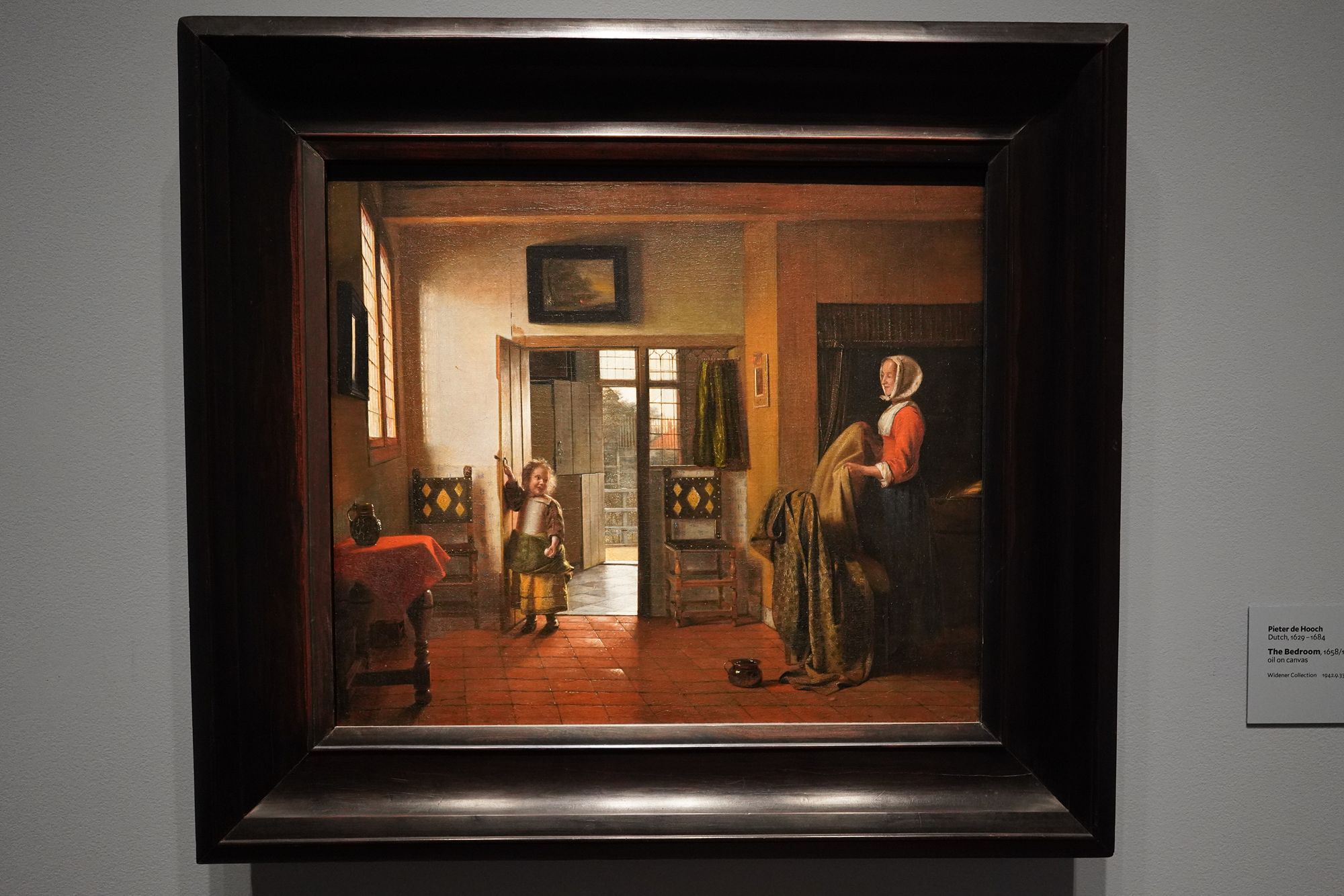
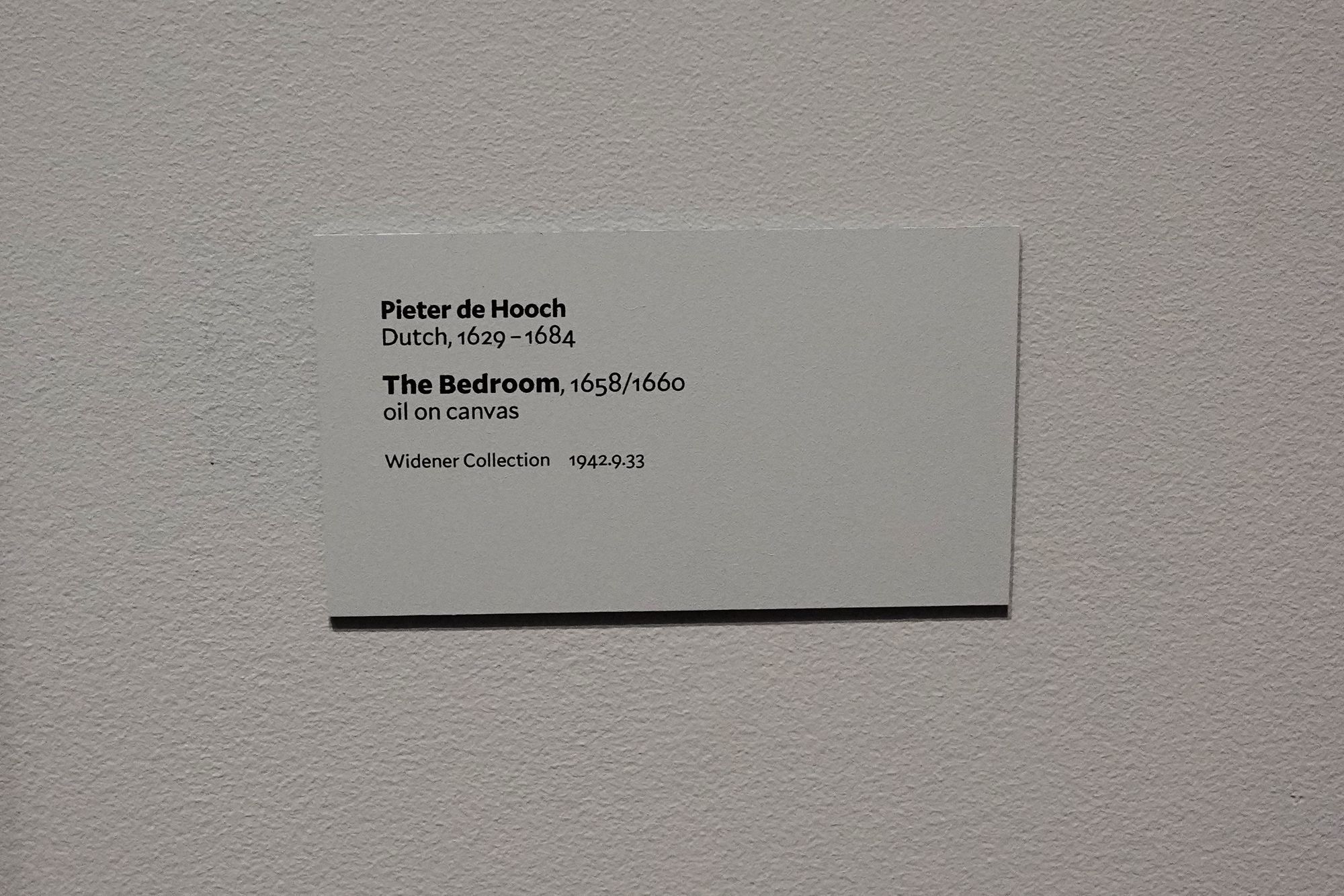
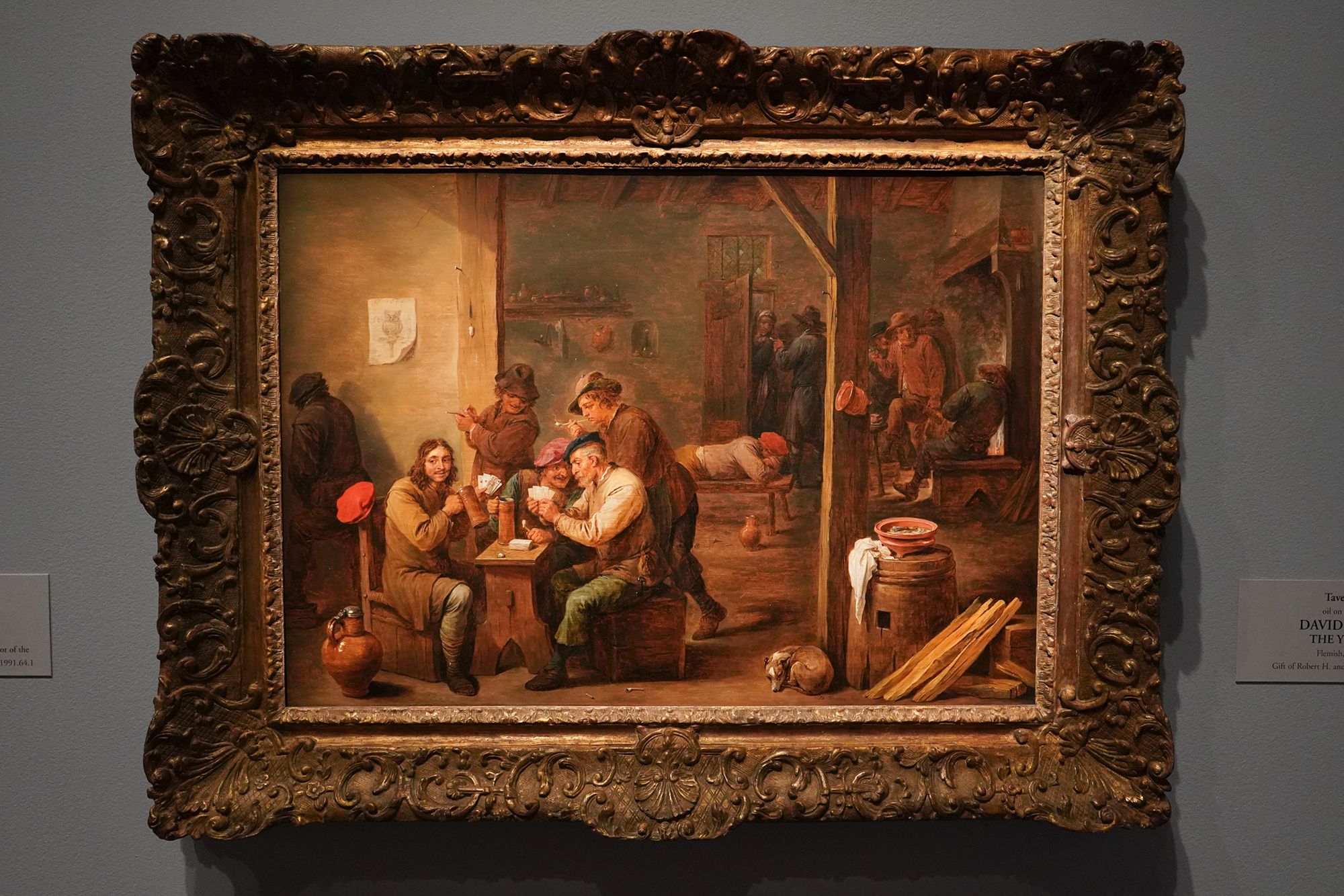
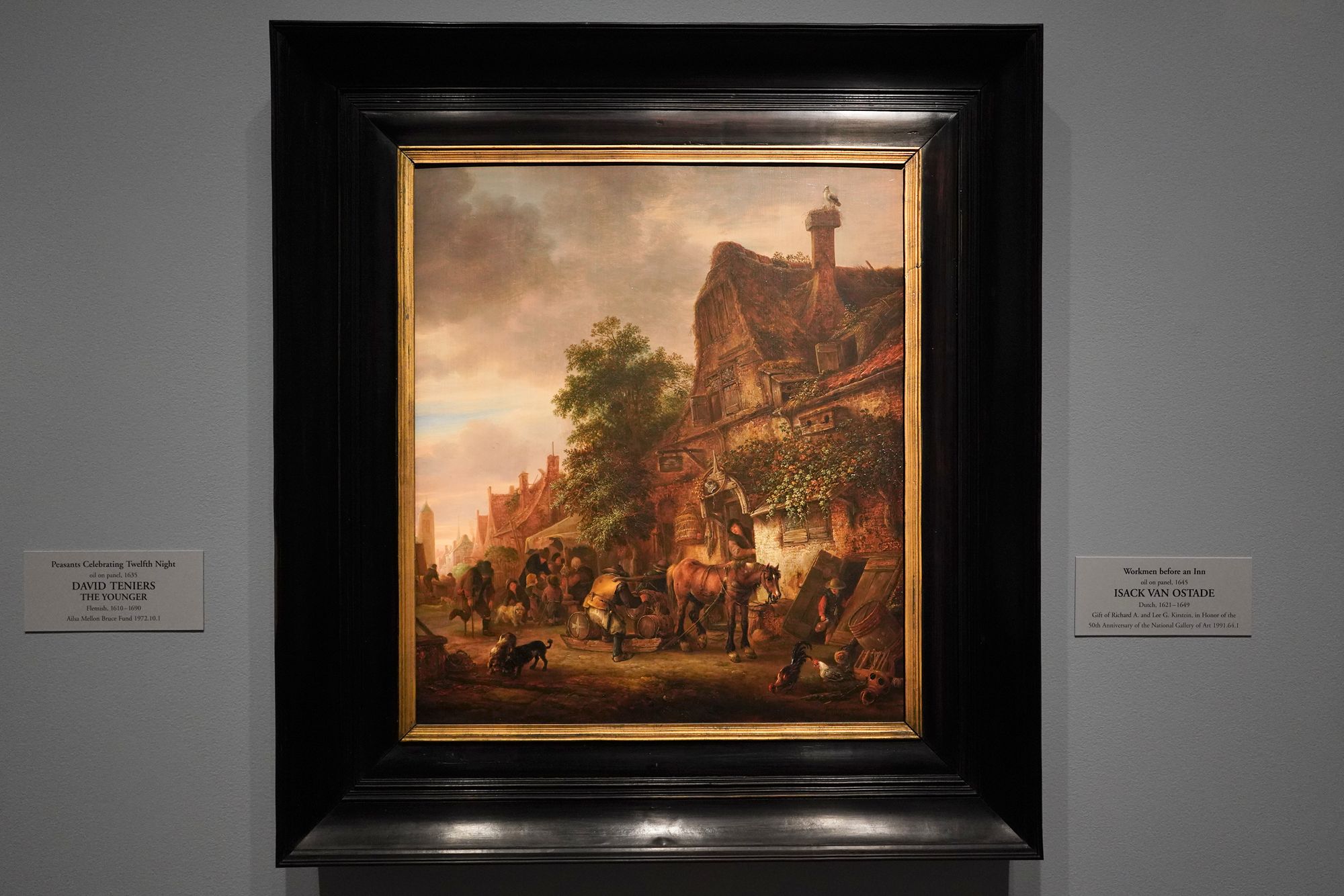
Dutch and Flemish 17th Century Art. Many Dutch 17th-century paintings portray the lives of ordinary people rather than kings or saints.
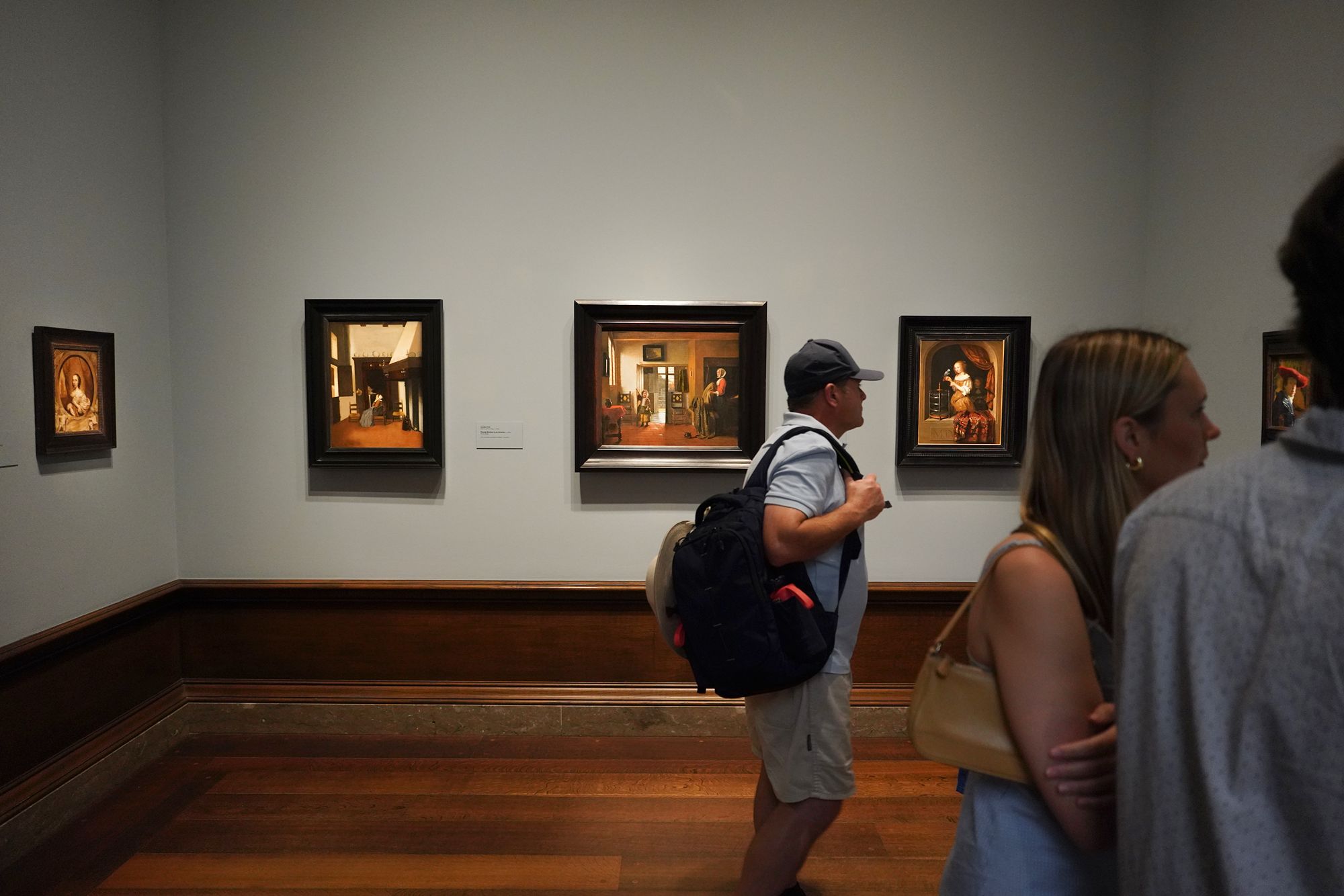
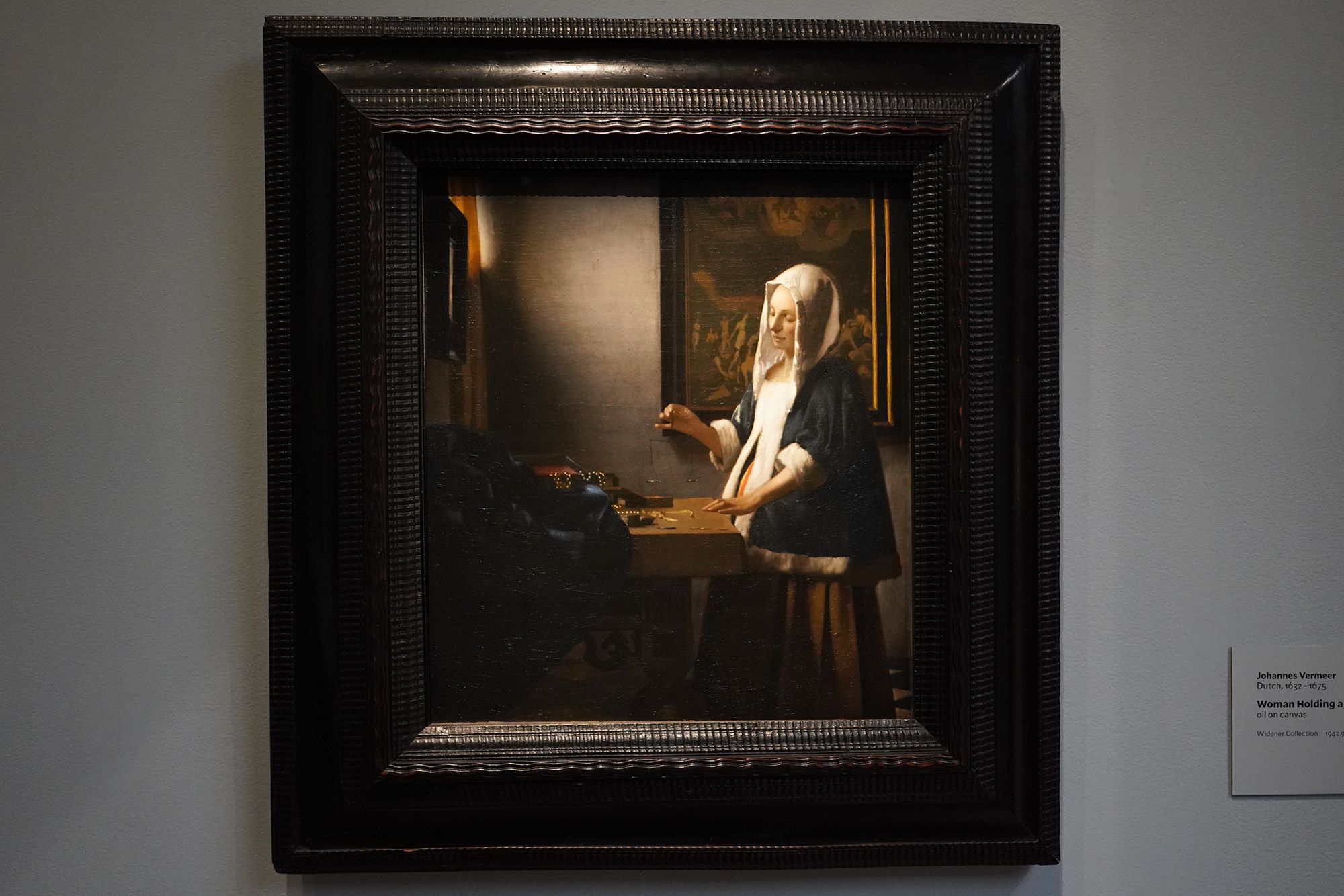
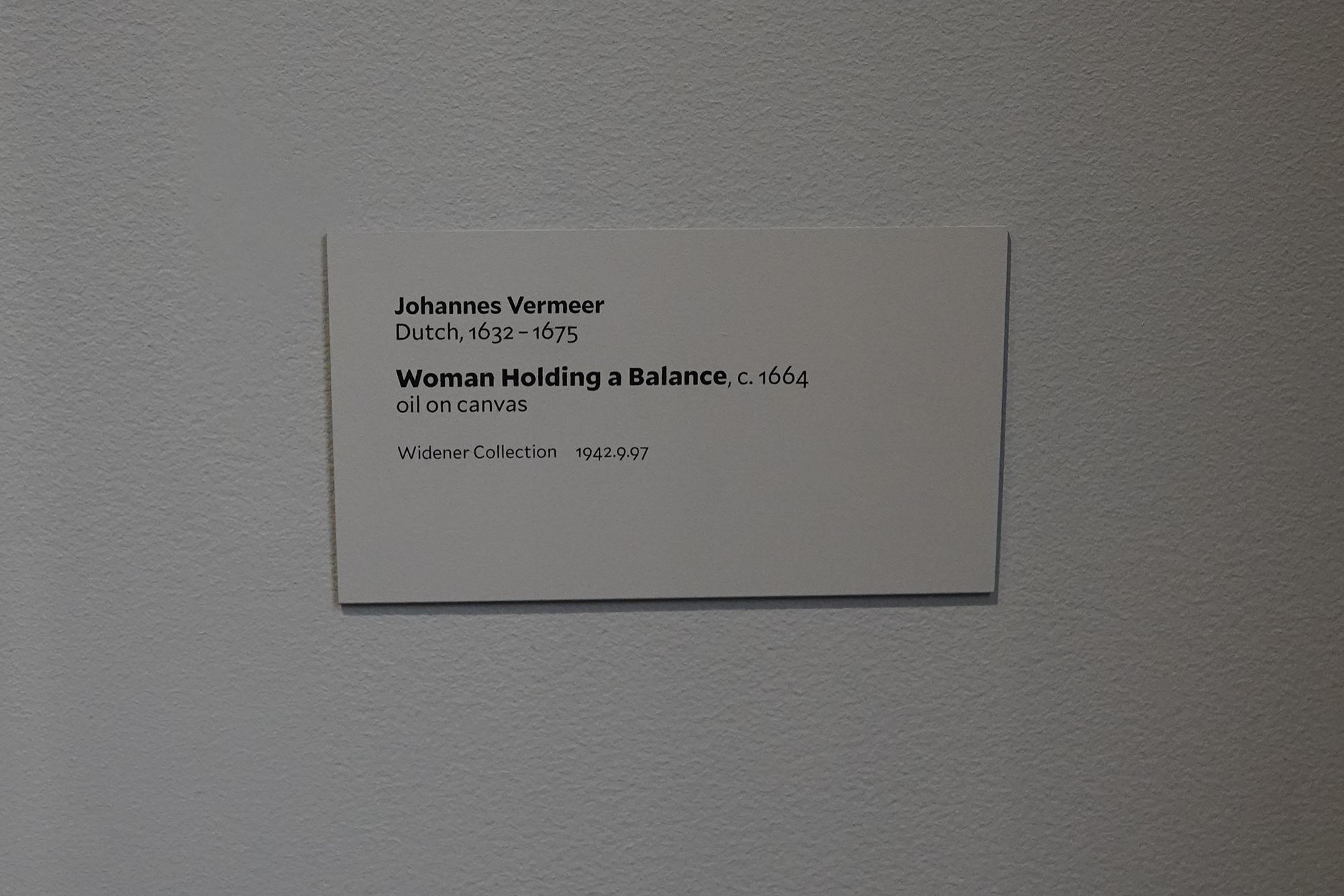
Johannes Vermeer (1632–1675) was a Dutch painter of the 17th century, admired for his serene, intimate scenes of domestic life and his masterful treatment of light.
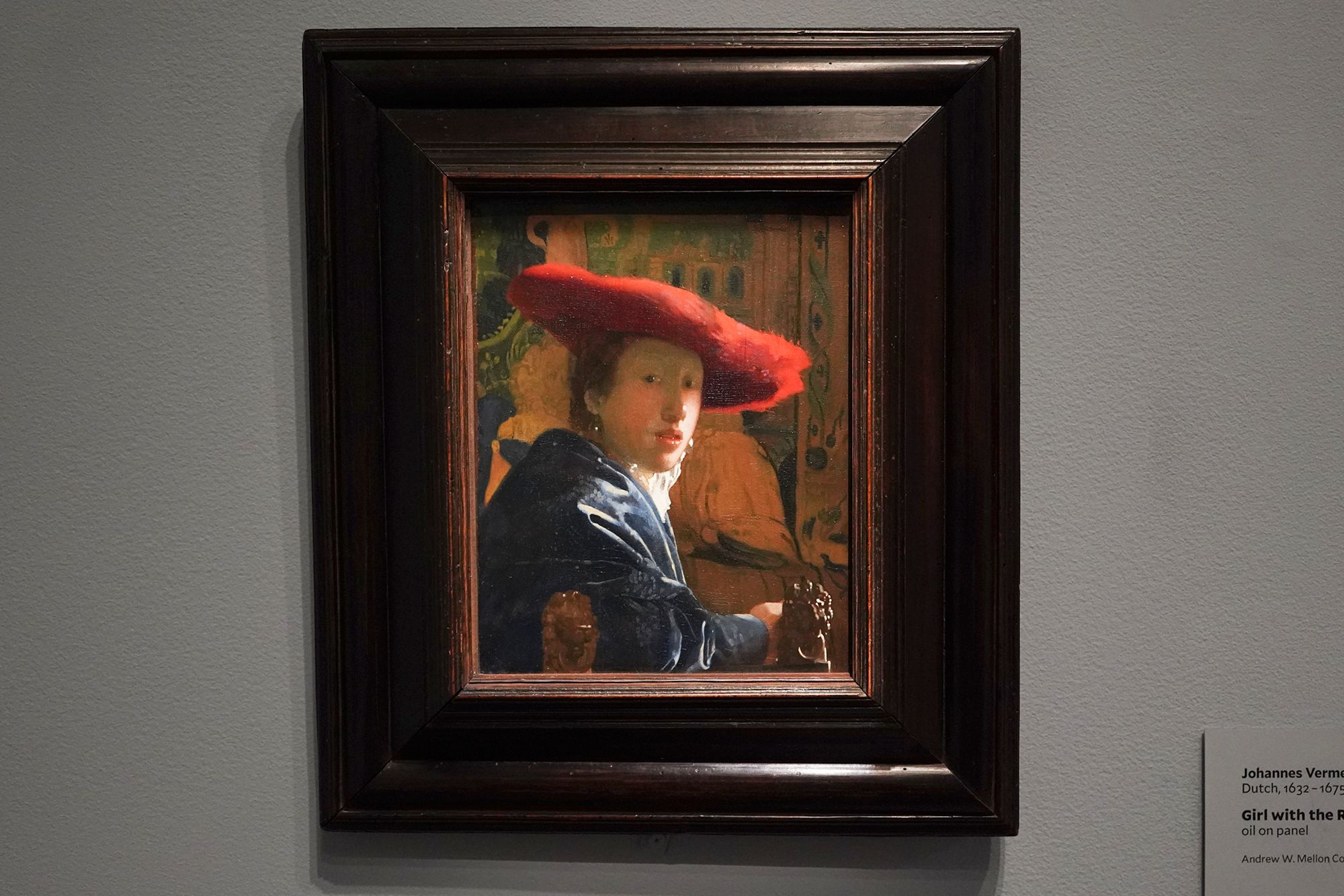
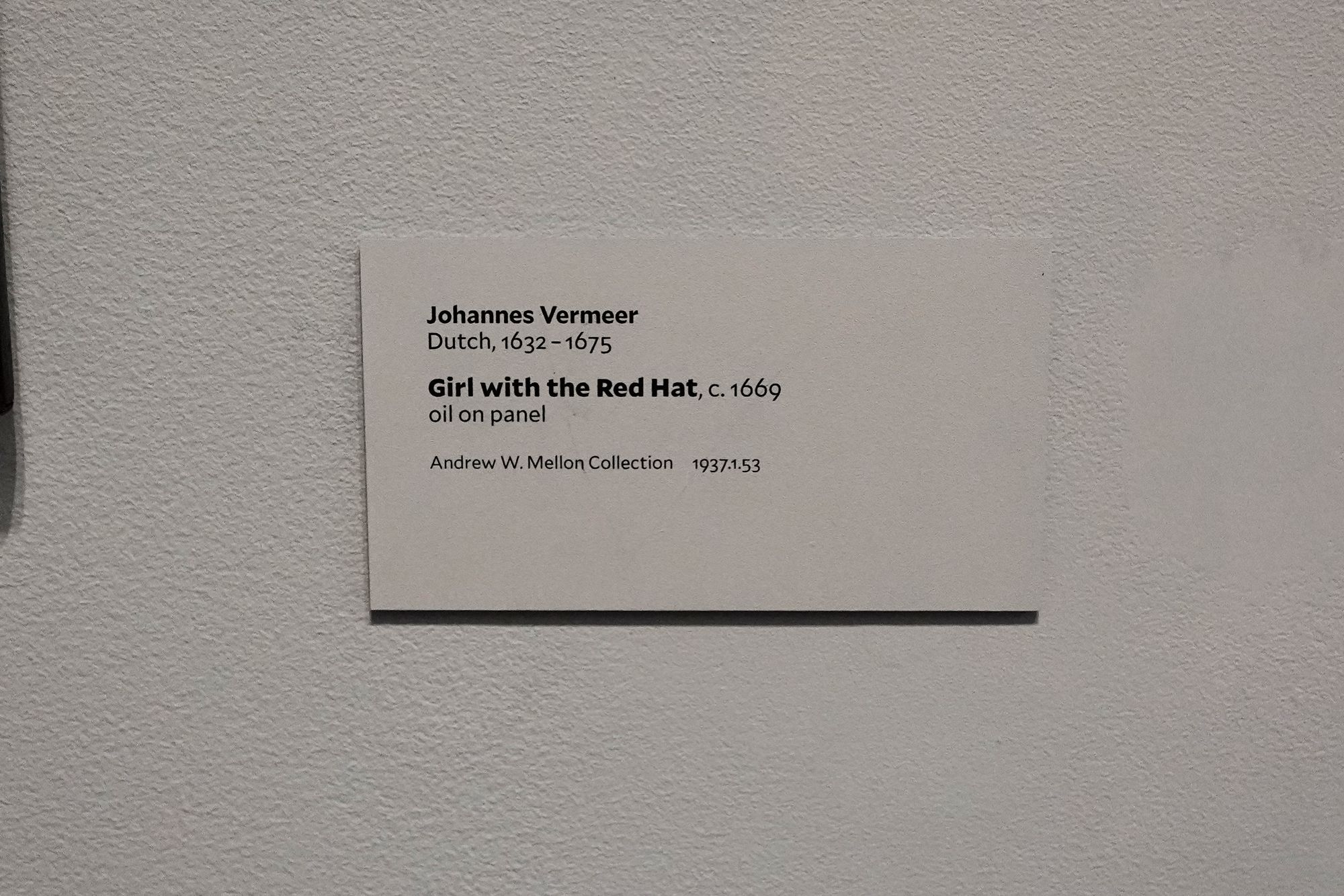
At the National Gallery of Art, Vermeer’s Woman Holding a Balance reflects his ability to turn ordinary life into poetry, capturing both material beauty and spiritual calm in perfect harmony.

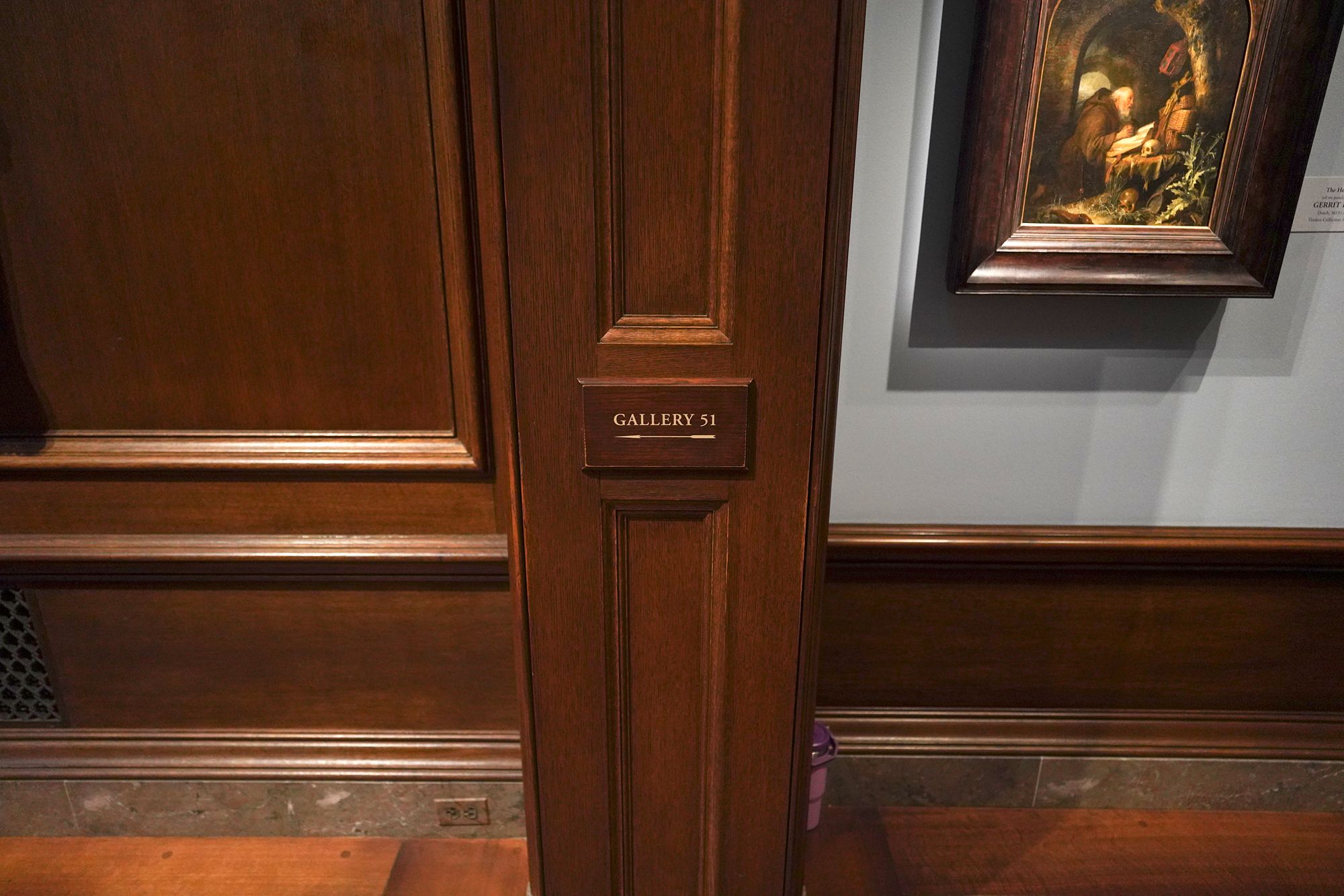
Rembrandt van Rijn was a Dutch painter and printmaker (1606–1669) and one of the greatest artists of the Dutch Golden Age. Rembrandt is known for his deep psychological insight, dramatic use of light and shadow (chiaroscuro), and mastery of portraiture and biblical scenes.
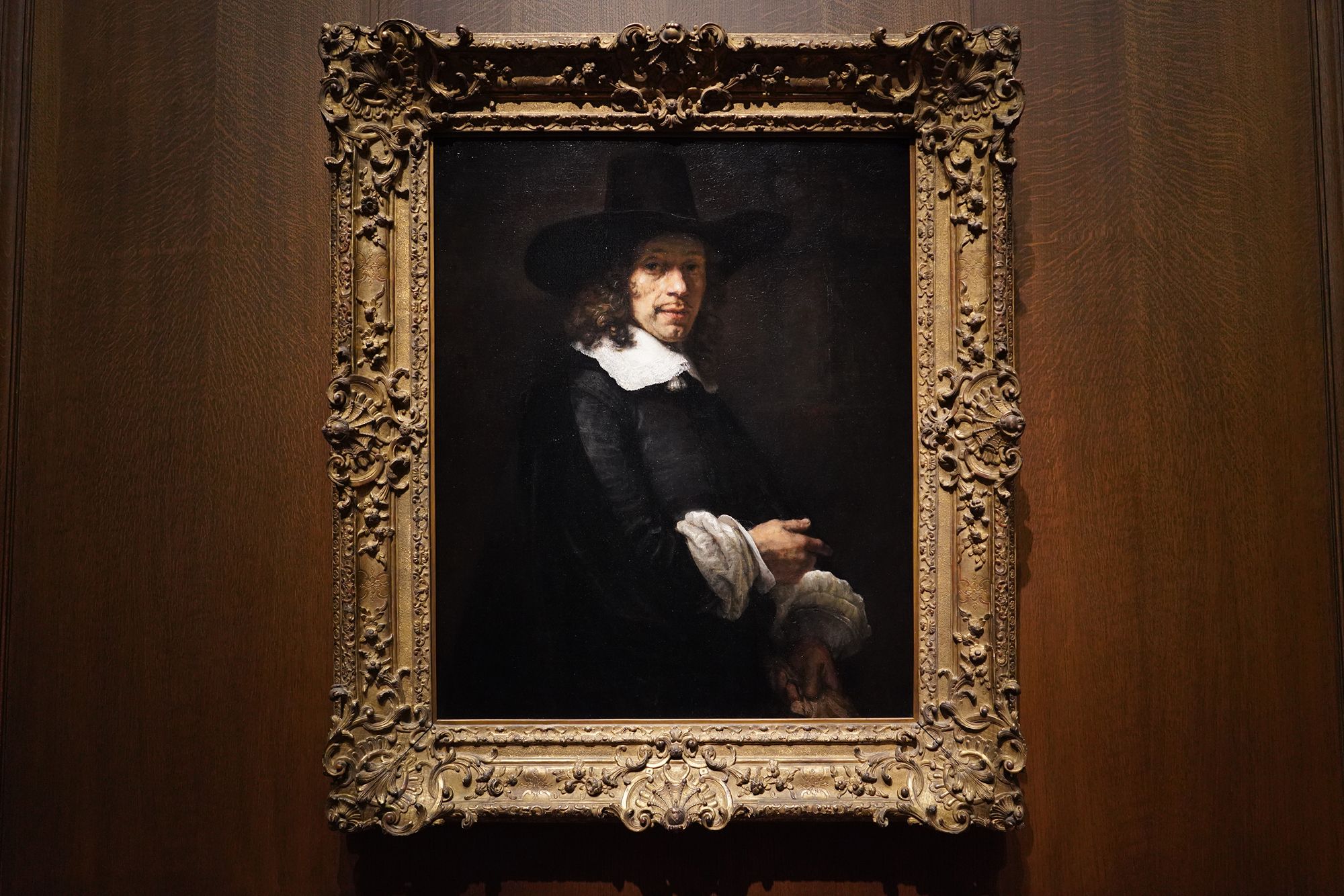
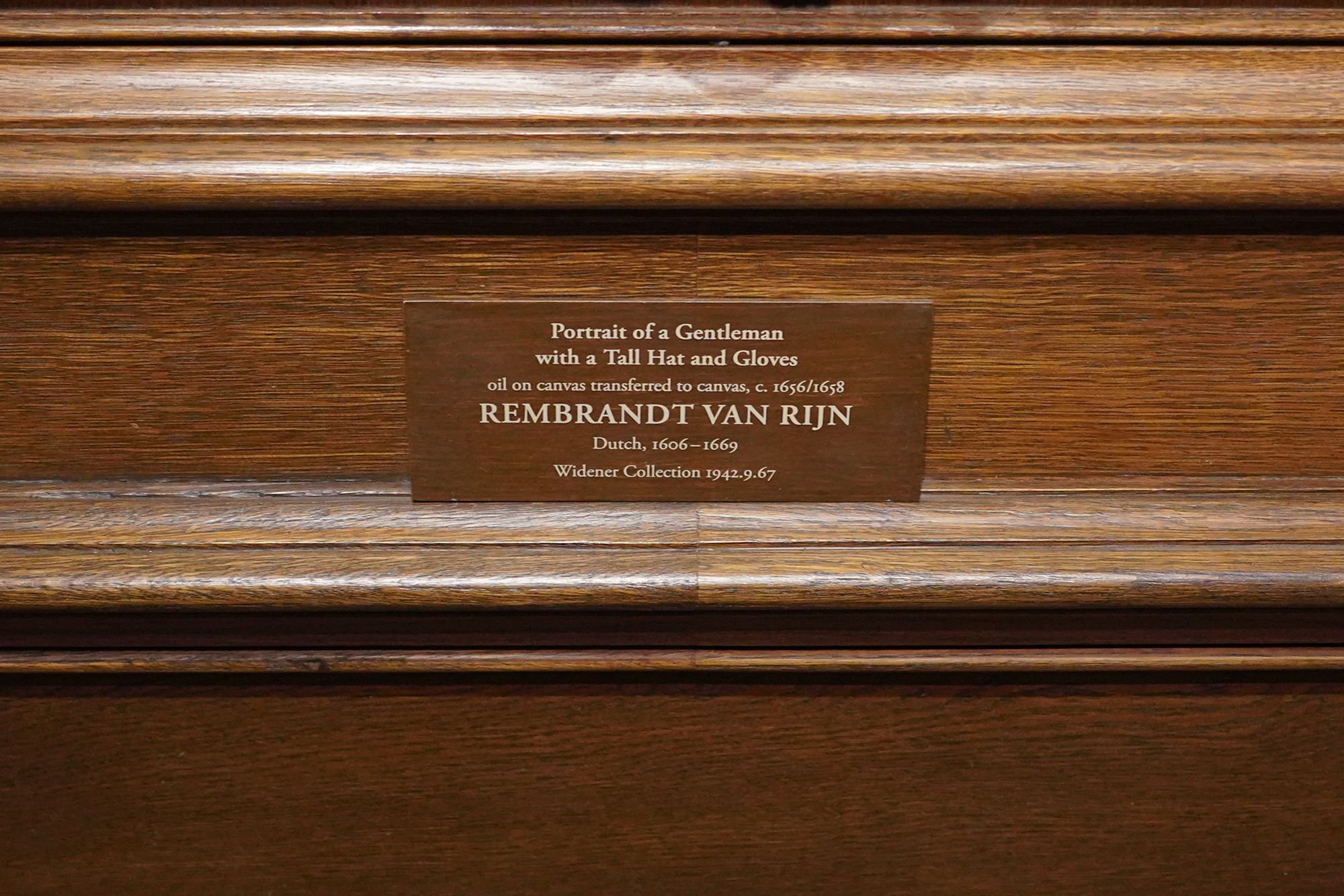
His works include masterpieces such as The Night Watch, The Jewish Bride, and numerous self-portraits that trace his life and emotions over decades.