National Museum of Asian Art – India, Isram, America and Japan Art, Washington DC, USA
The National Museum of Asian Art presents art from across Asia, including ancient sculpture, ceramics, paintings, textiles, and religious objects. 1151
National Museum of Asian Art: 1050 Independence Ave SW, Washington, DC 20004
Date Picture Taken: August 2025
Its galleries present artworks from East Asia, South Asia, Southeast Asia, Central Asia, and the Islamic world, spanning several thousand years of history. Visitors can see ancient sculpture, religious figures, Buddhist and Hindu temple art, and finely crafted bronzes.
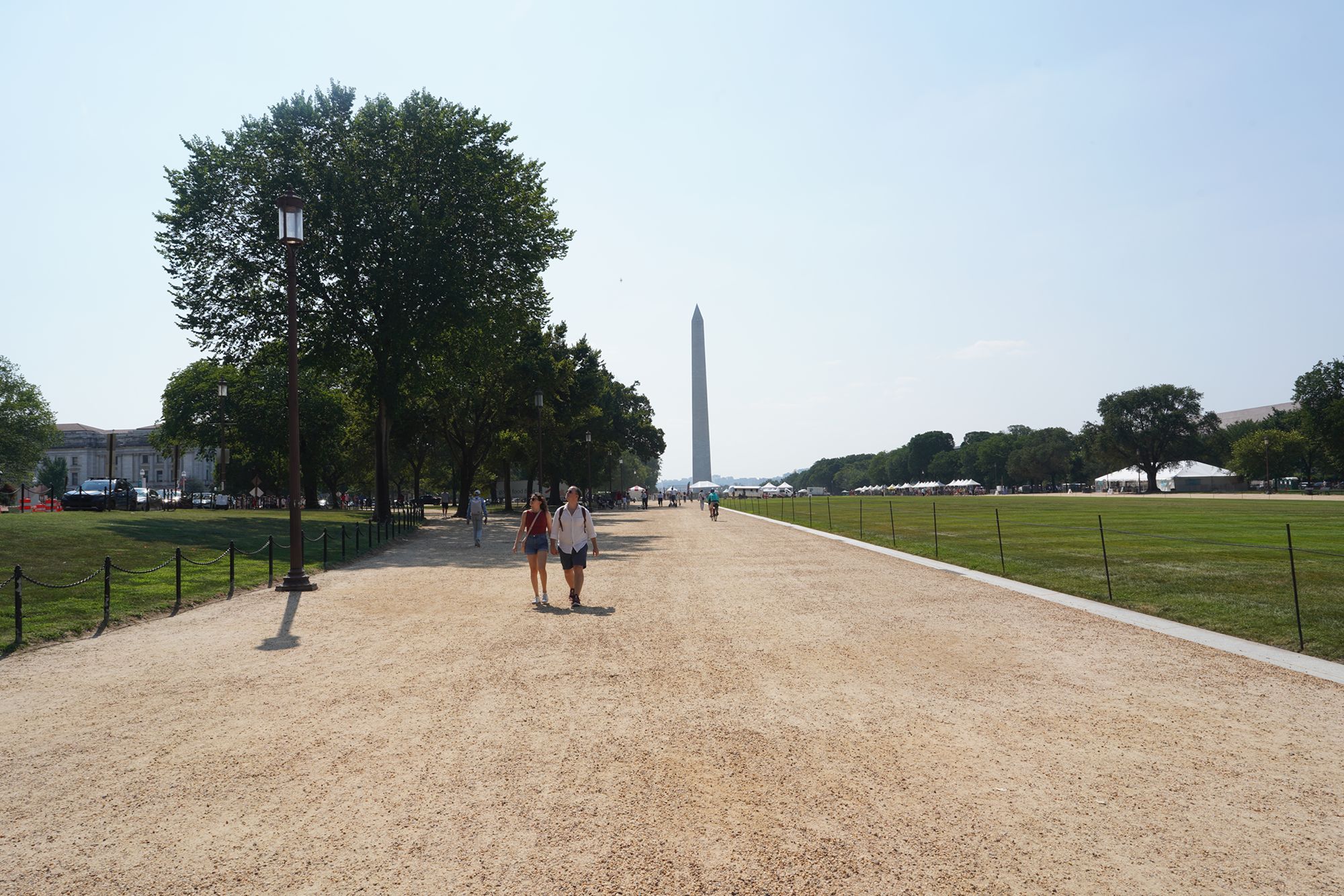
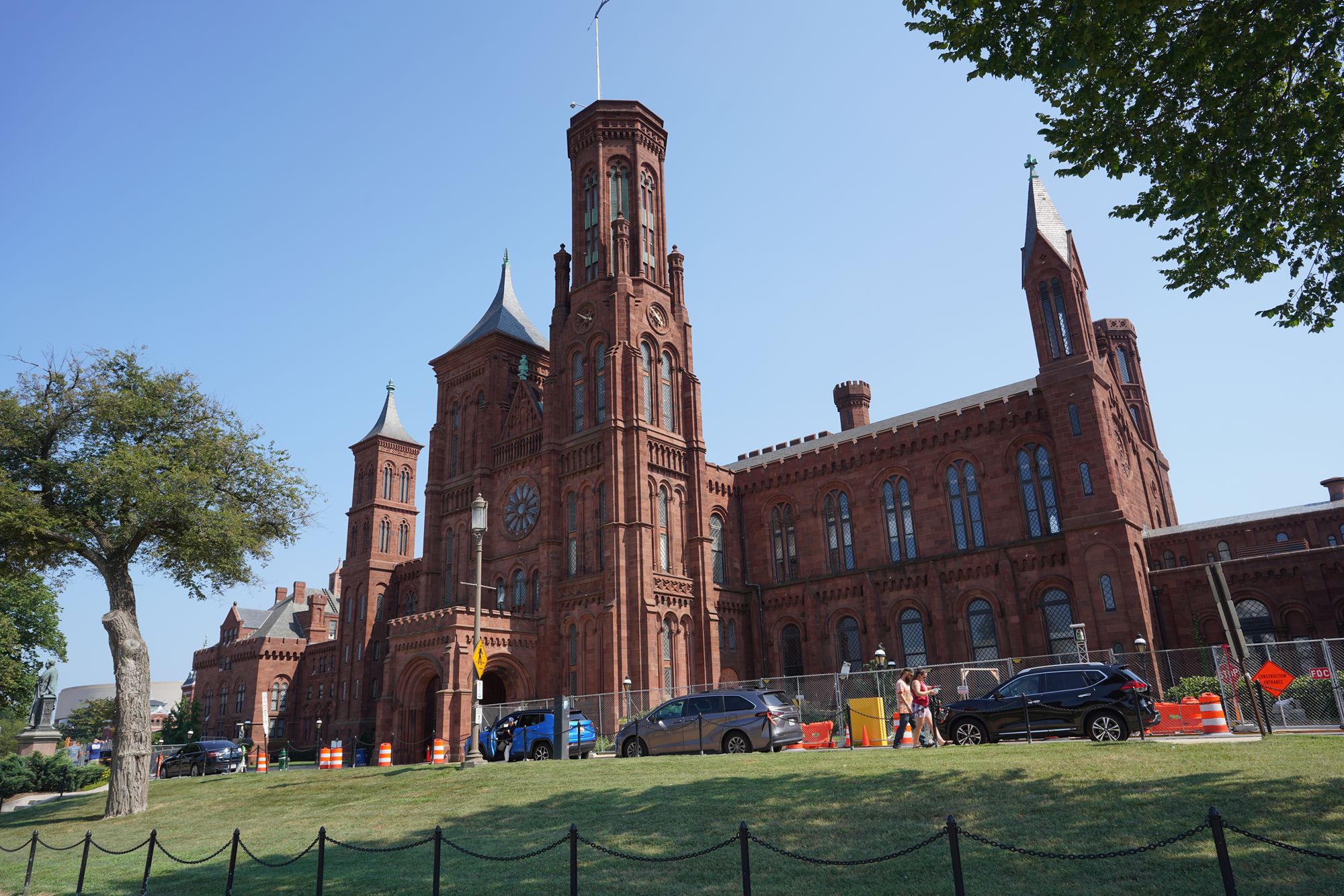
On the way to the National Museum of Asian Art. The building in the picture below is the Smithsonian Arts + Industries Building
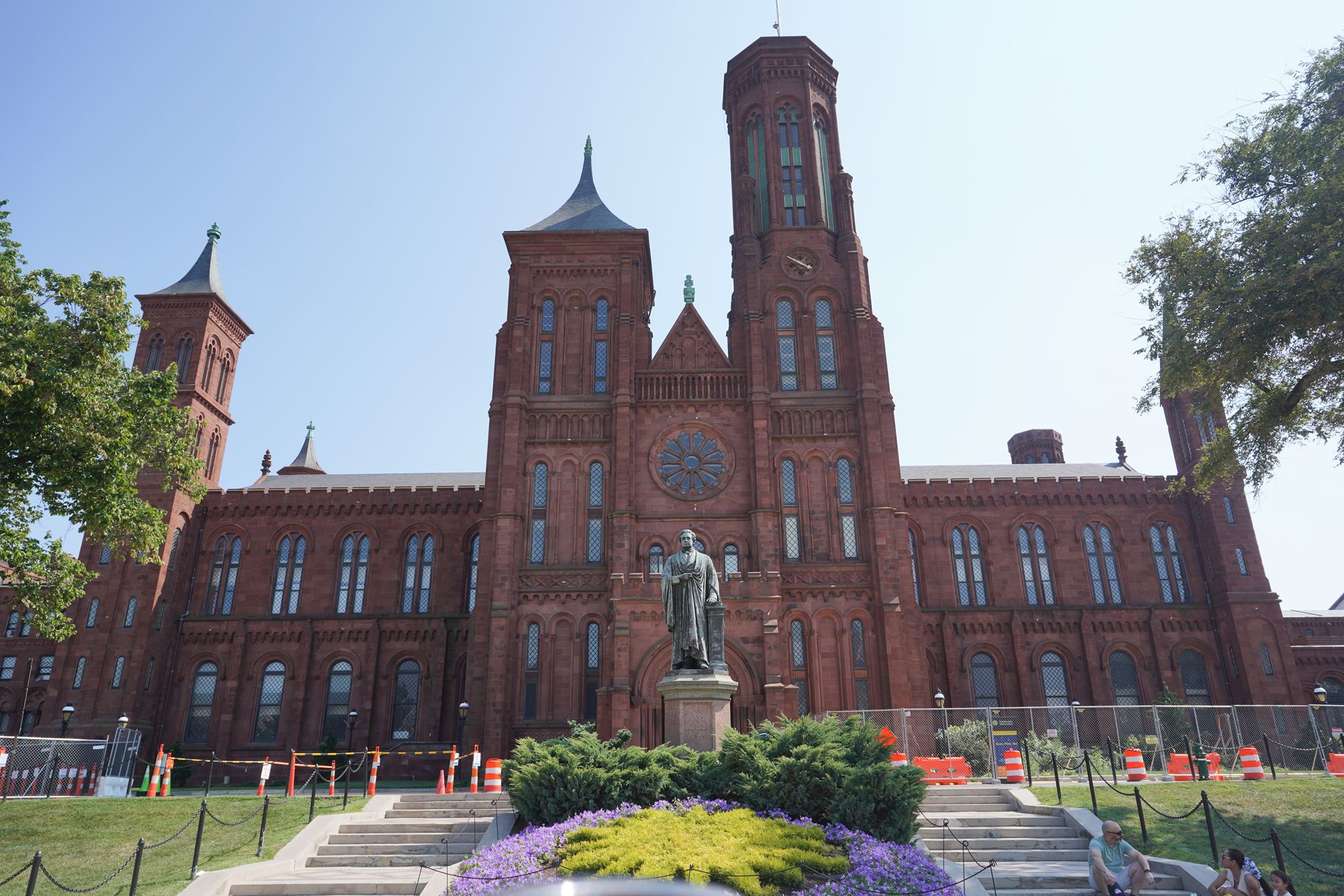
The Arts + Industries Building is one of the oldest Smithsonian museums and was the Institution’s first home for national exhibitions. Built in 1881, it originally showcased American innovation, new inventions, and cultural displays from around the world.
Today, the building opens for special events and temporary exhibitions, continuing its historic role as a place where new ideas, creativity, and innovation are presented to the public.
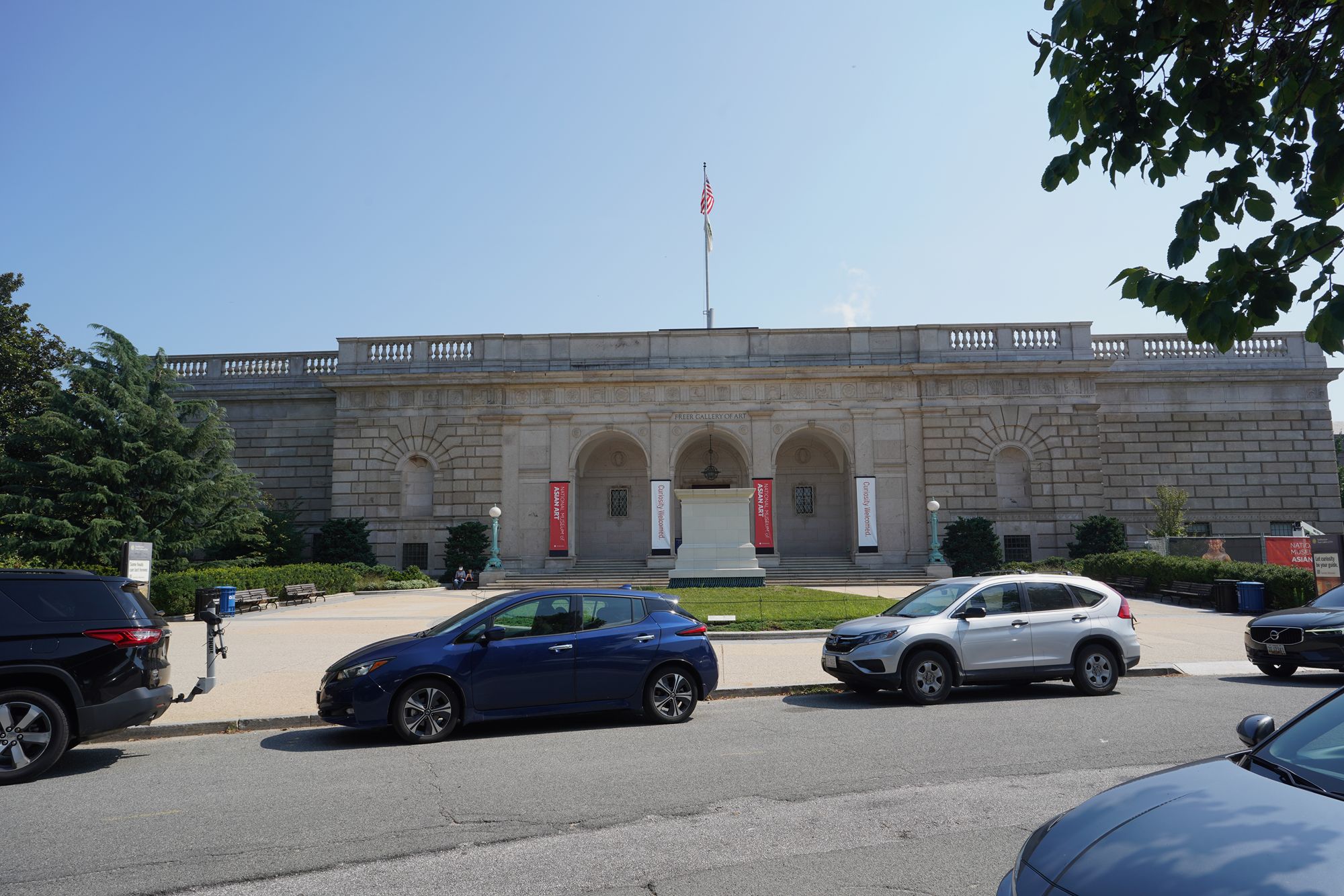
The National Museum of Asian Art
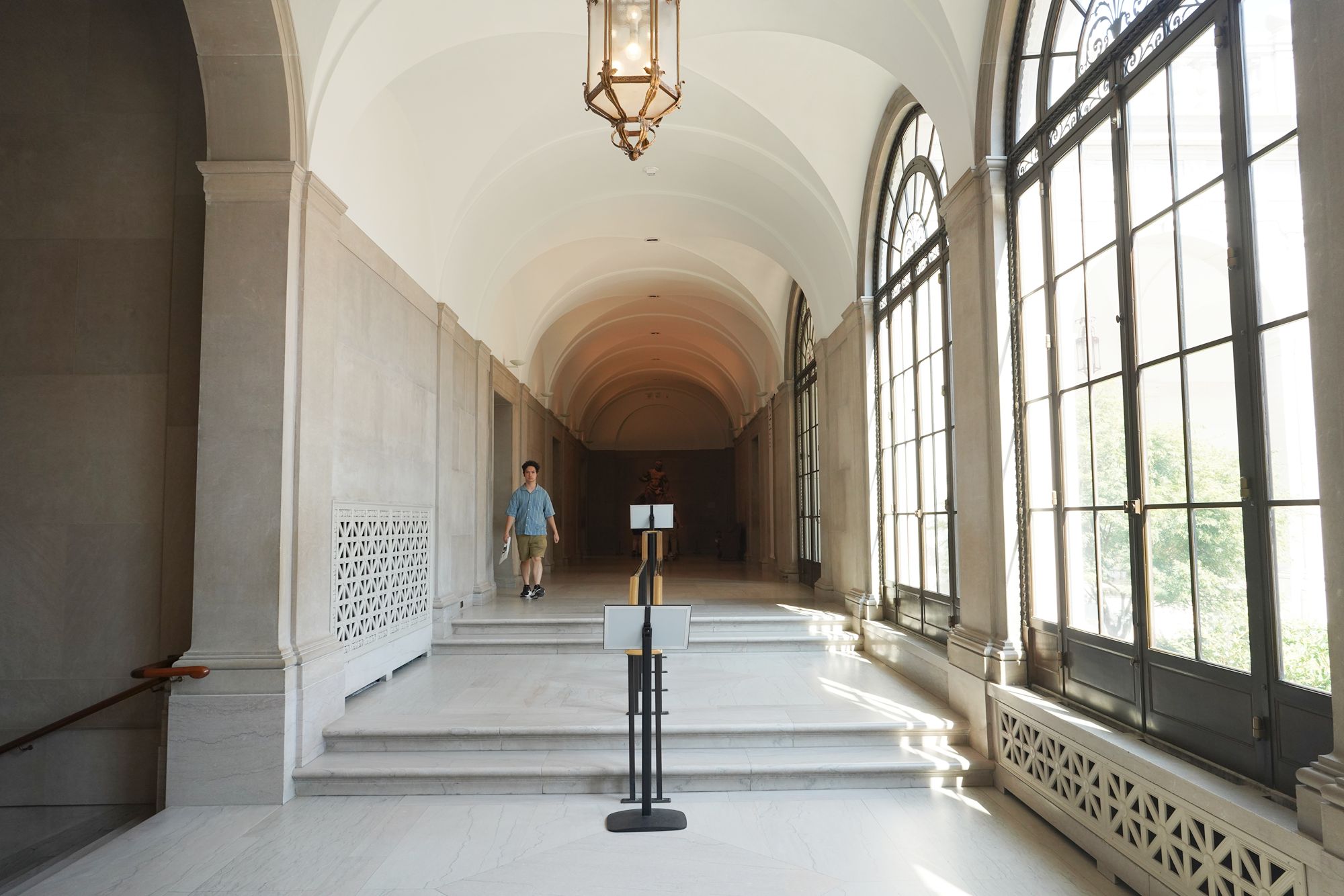
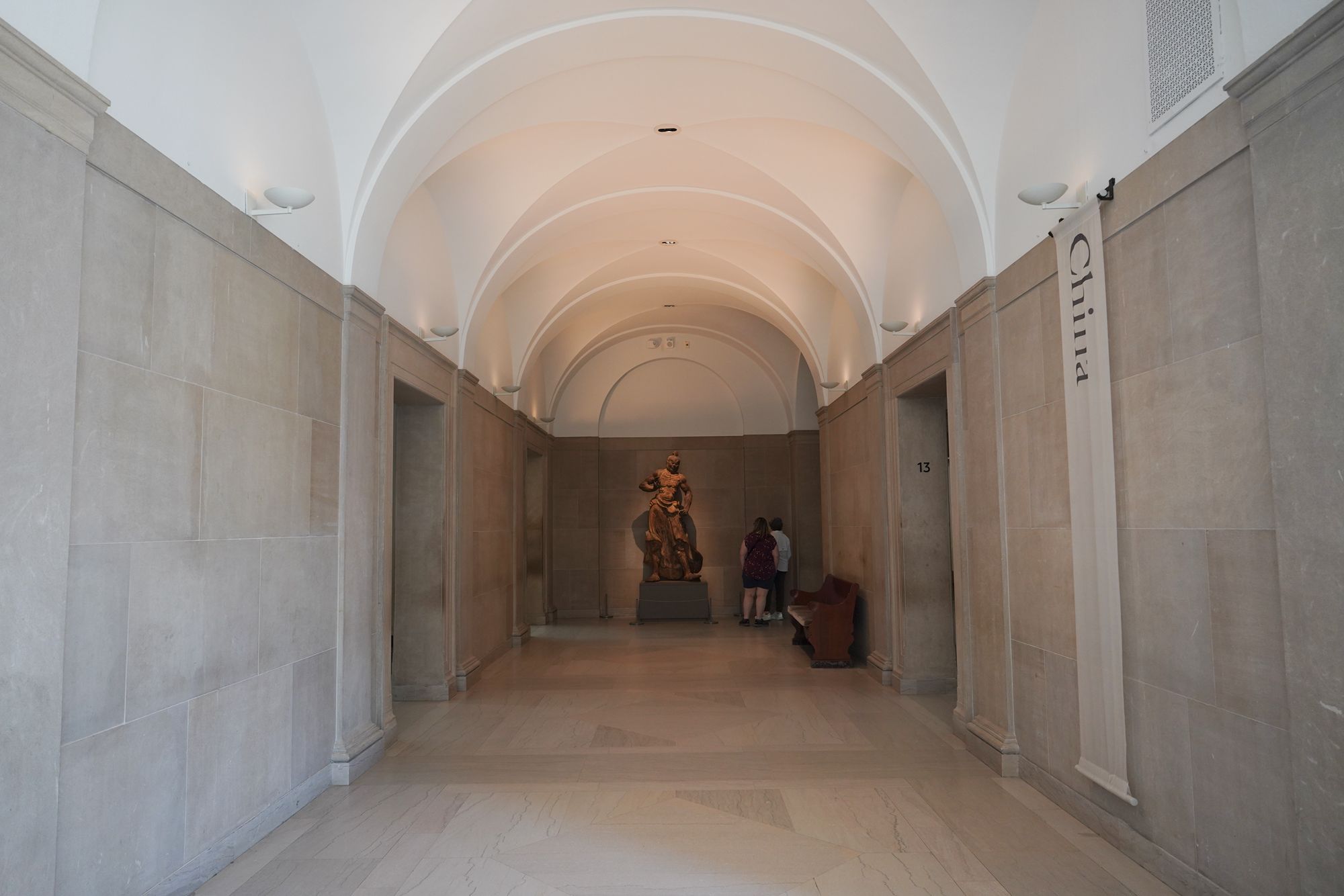
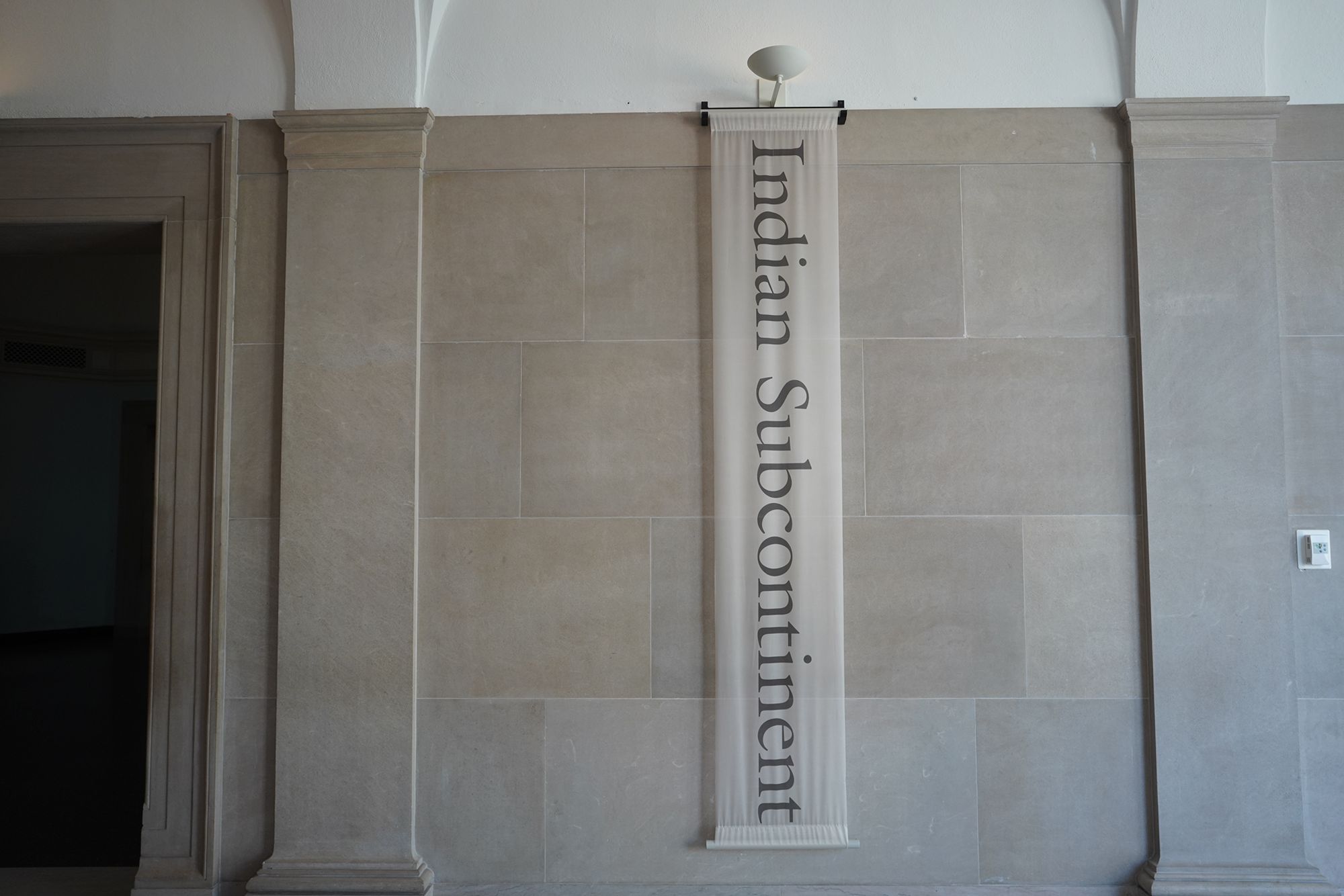
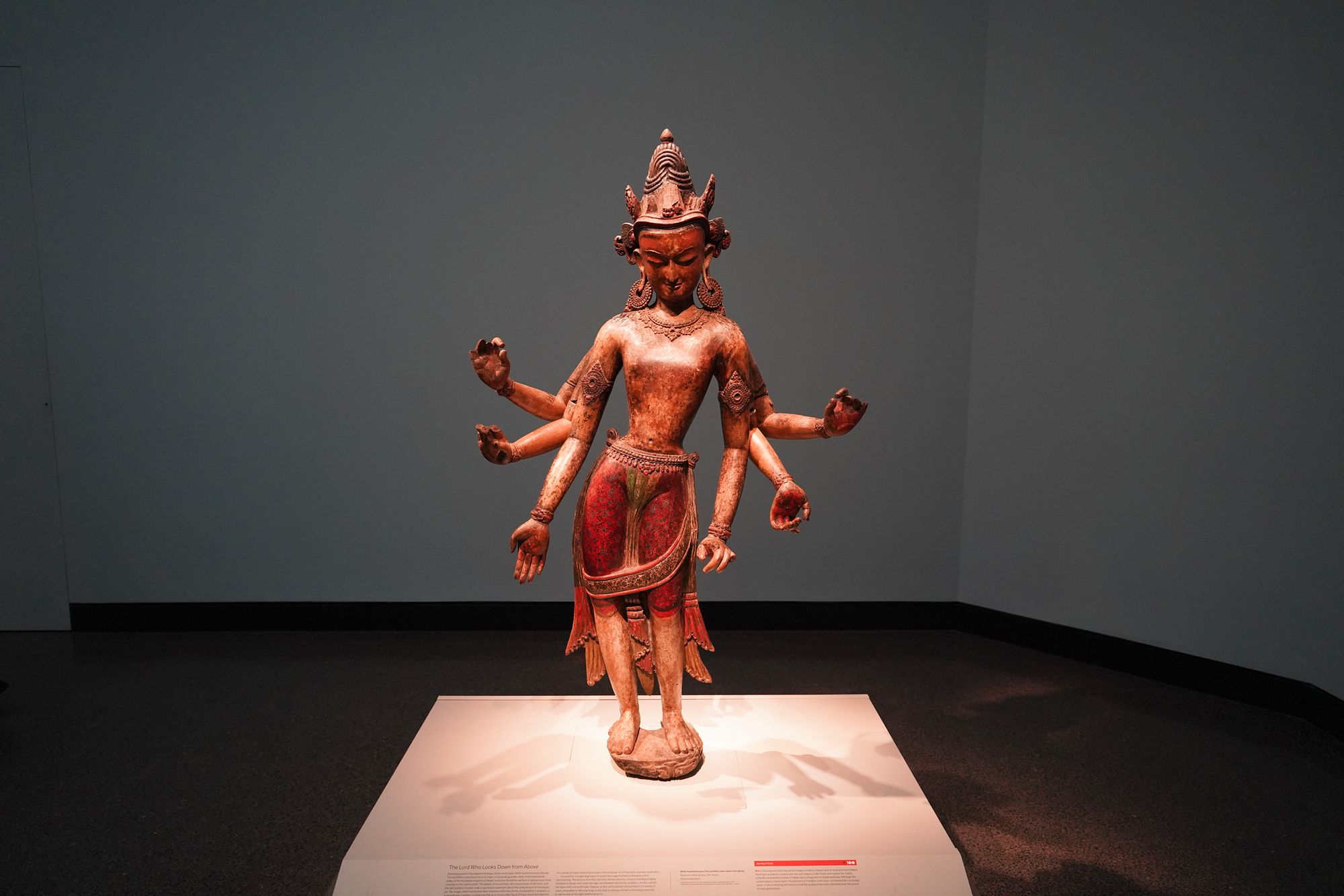
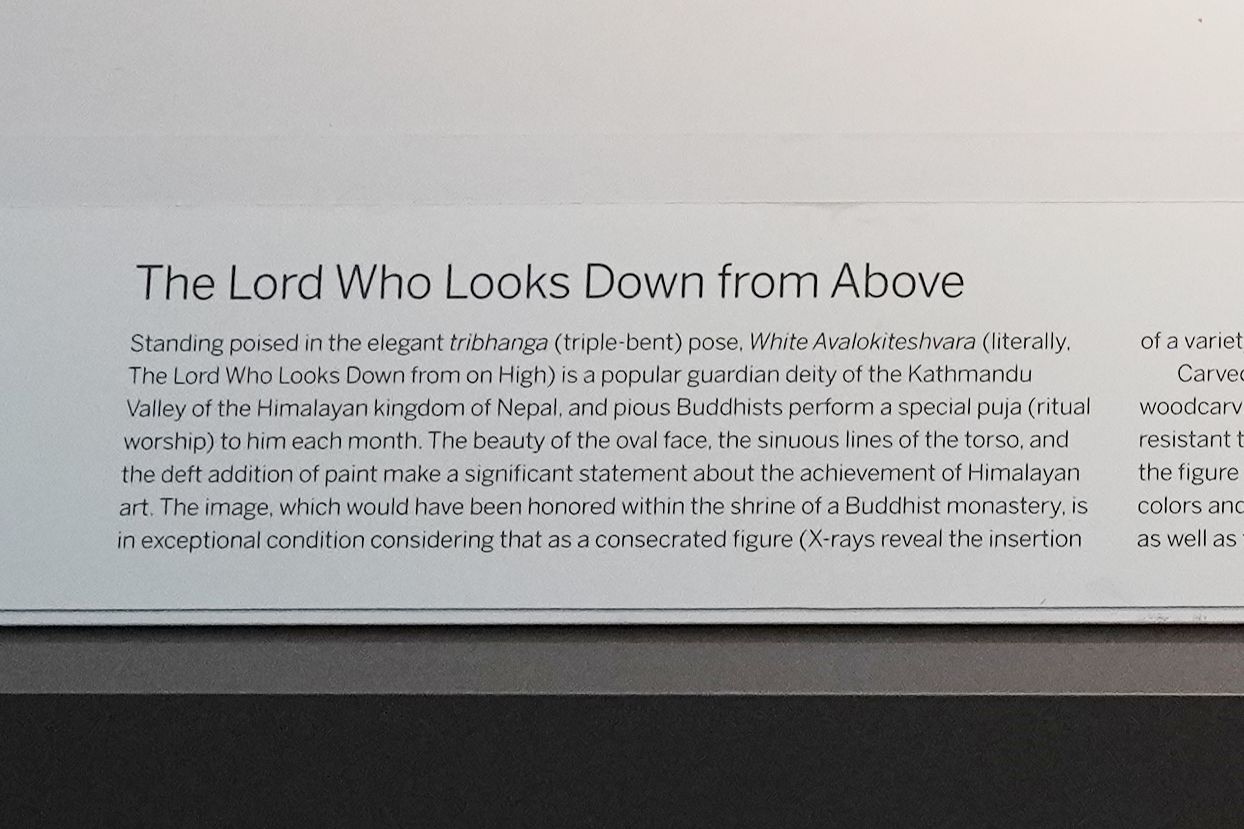
Indian Art
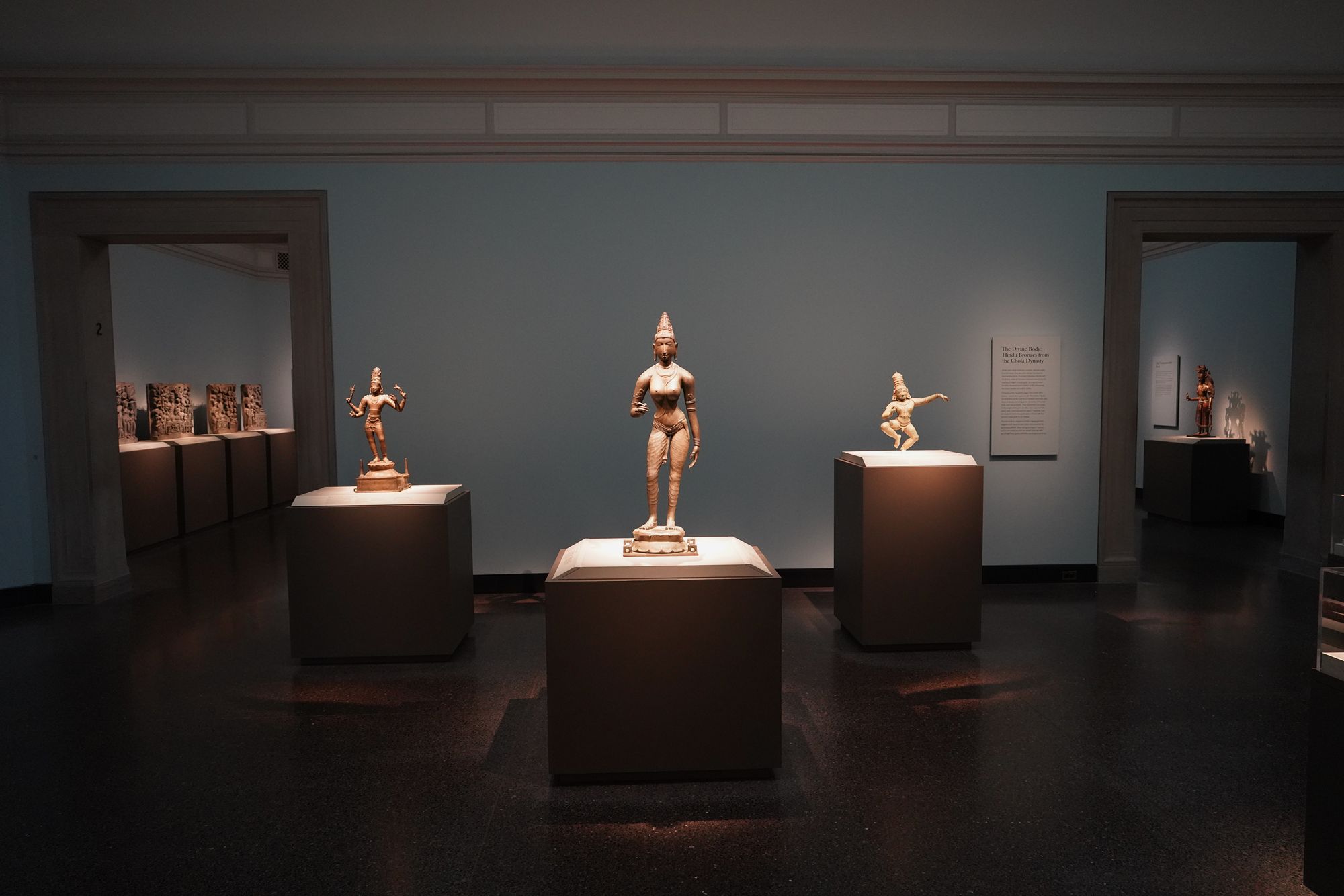
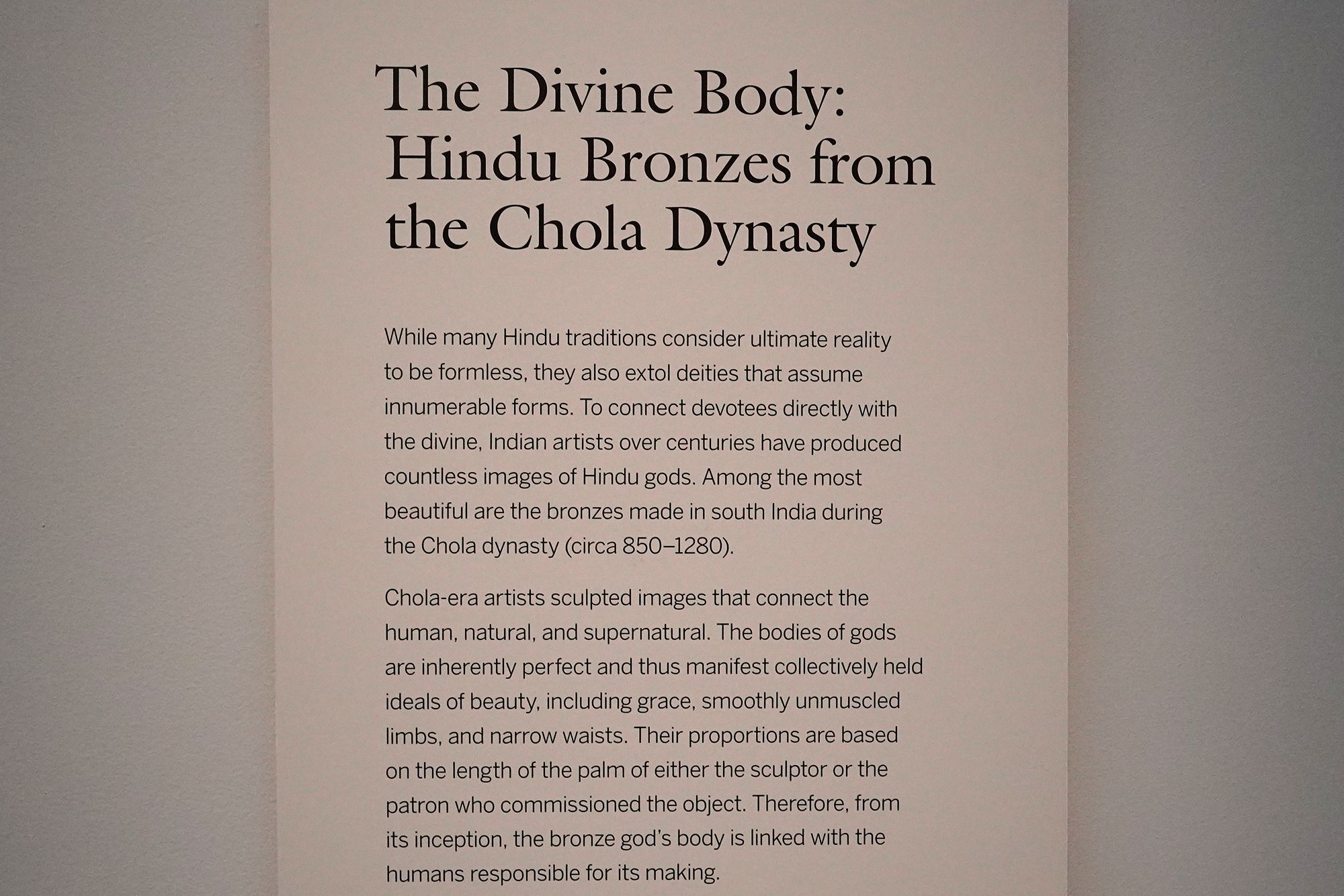
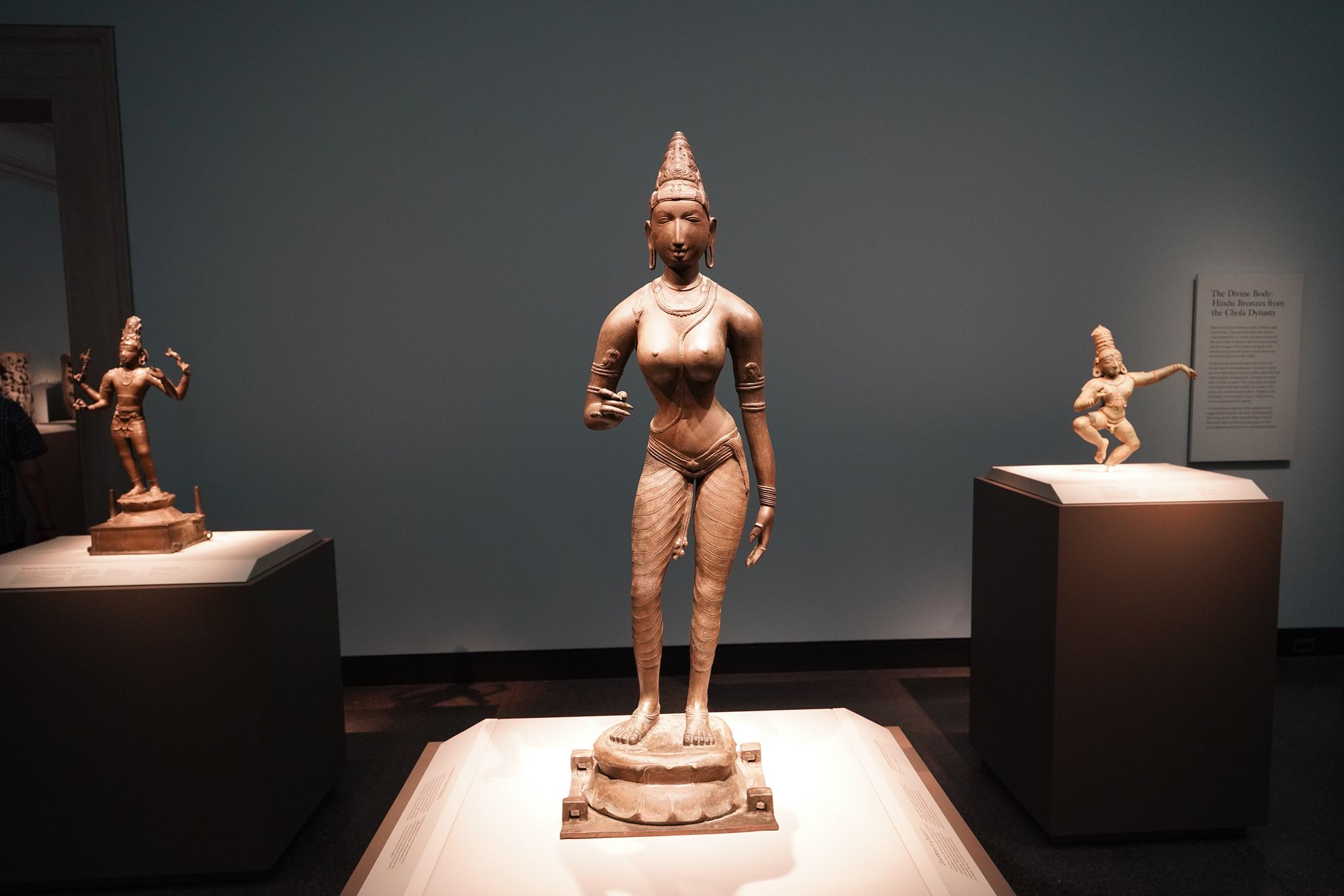
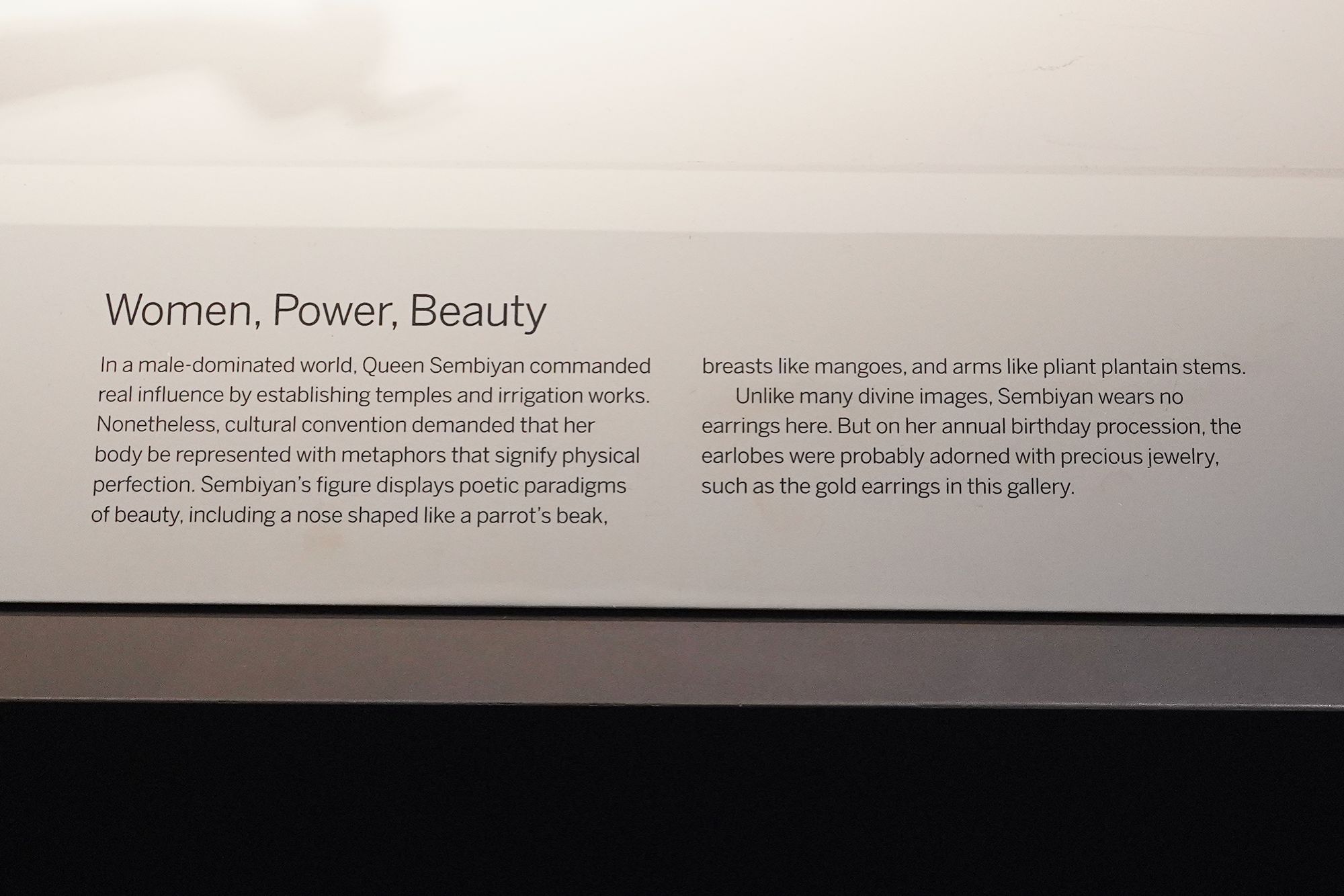
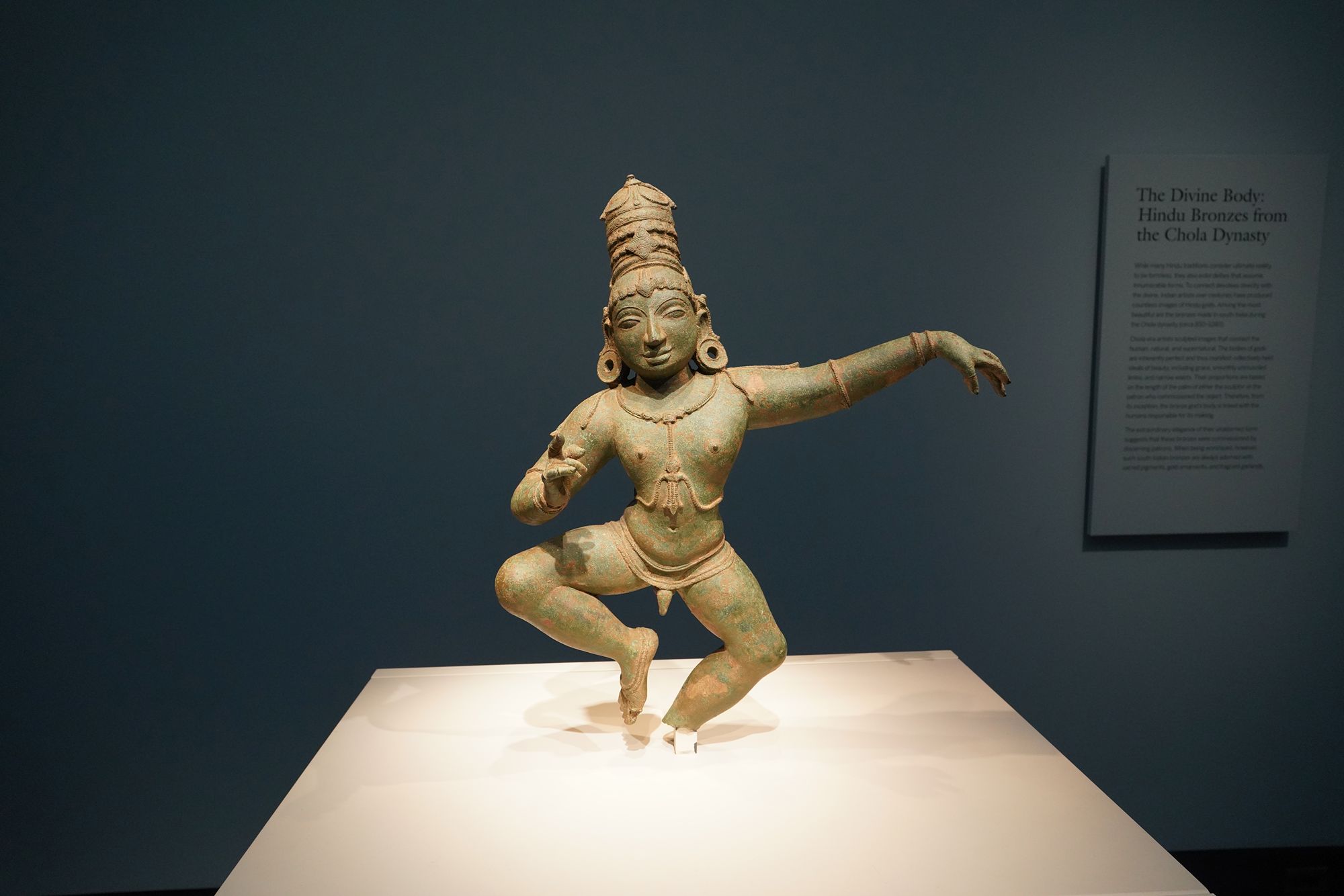
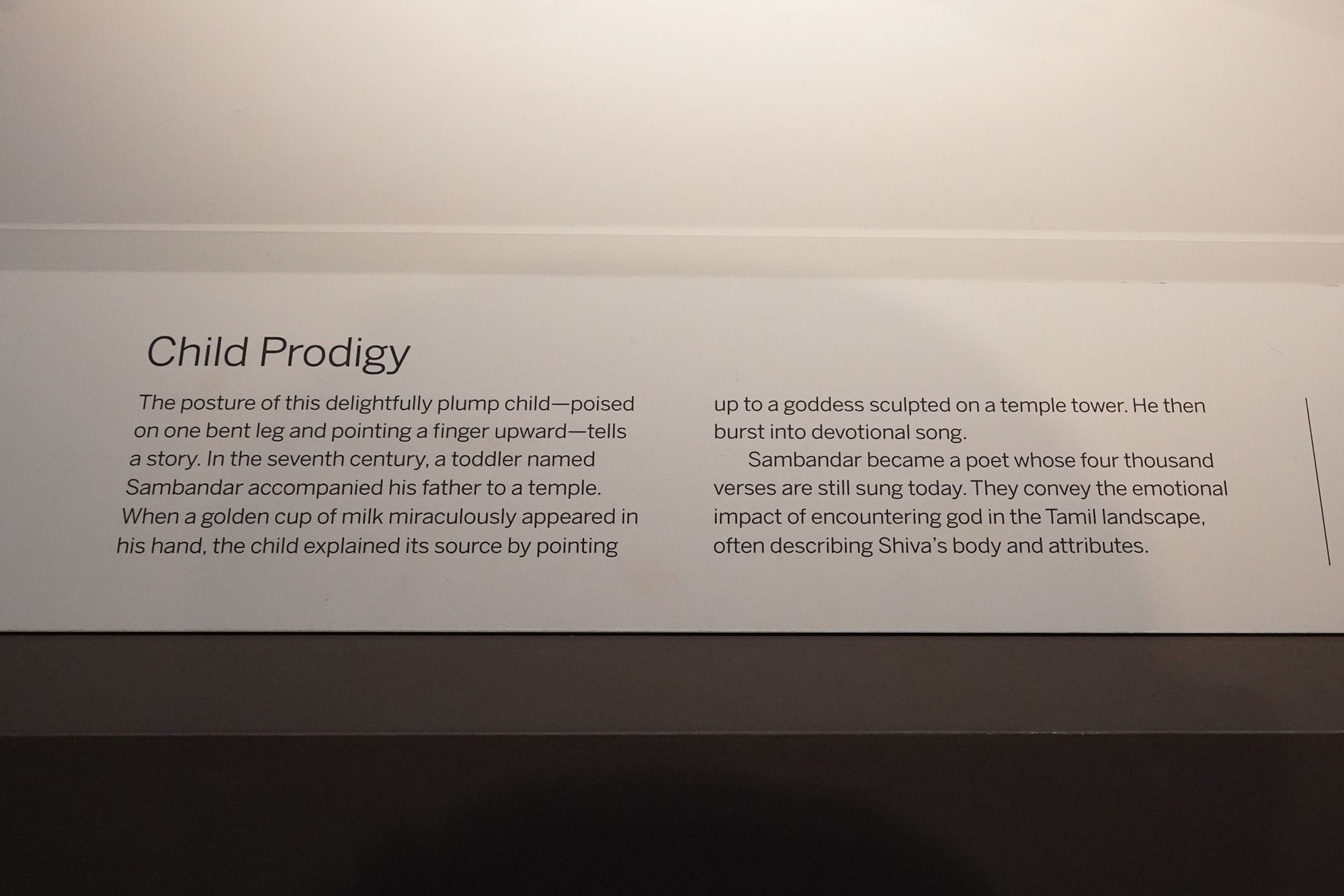
Divine Body explores how Hindu bronze sculptures from South India express the idealized forms of gods and goddesses. The exhibit highlights the elegance, movement, and spiritual presence found in Chola-period bronzes, showing how artists used the human form to convey divine power and sacred beauty.
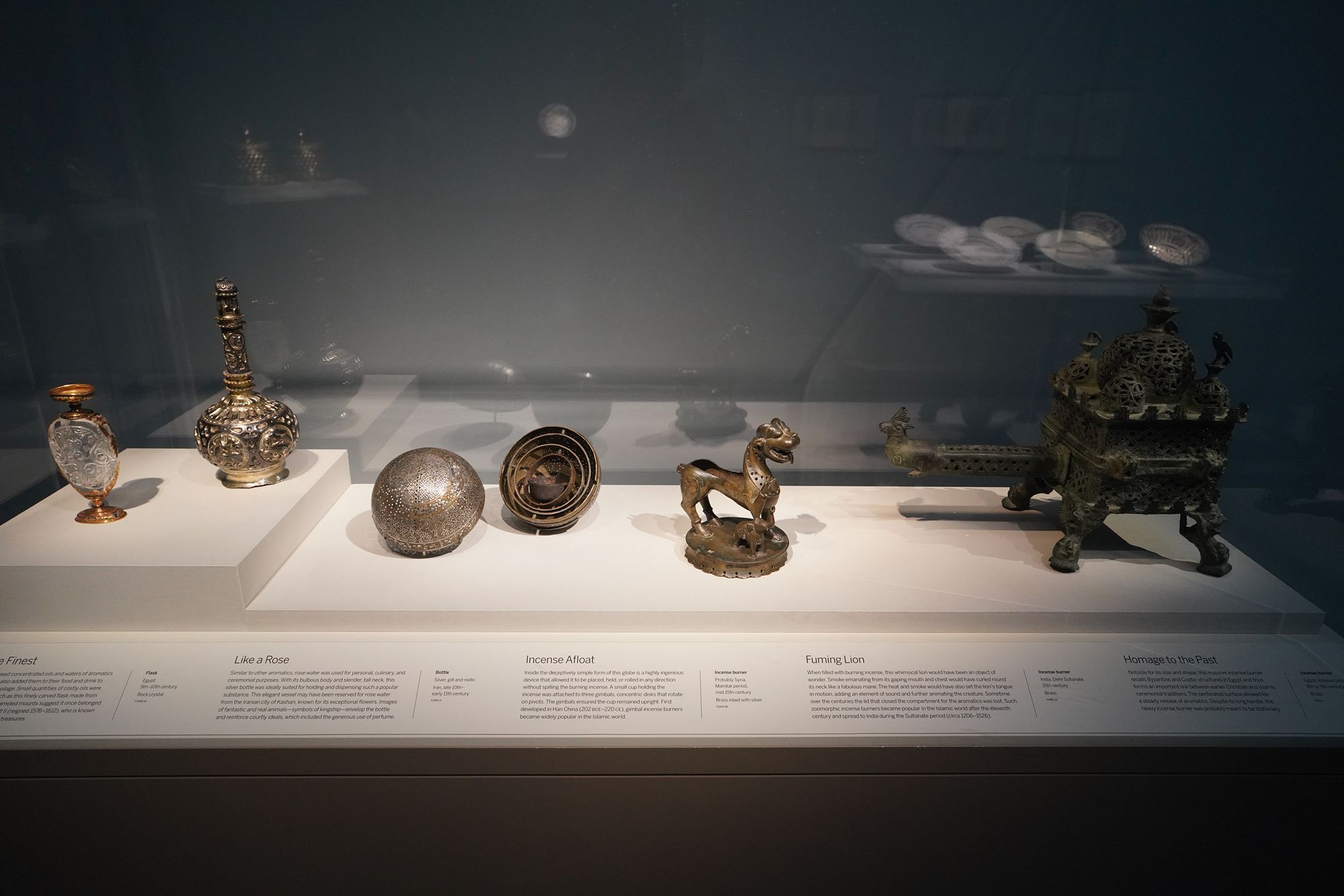
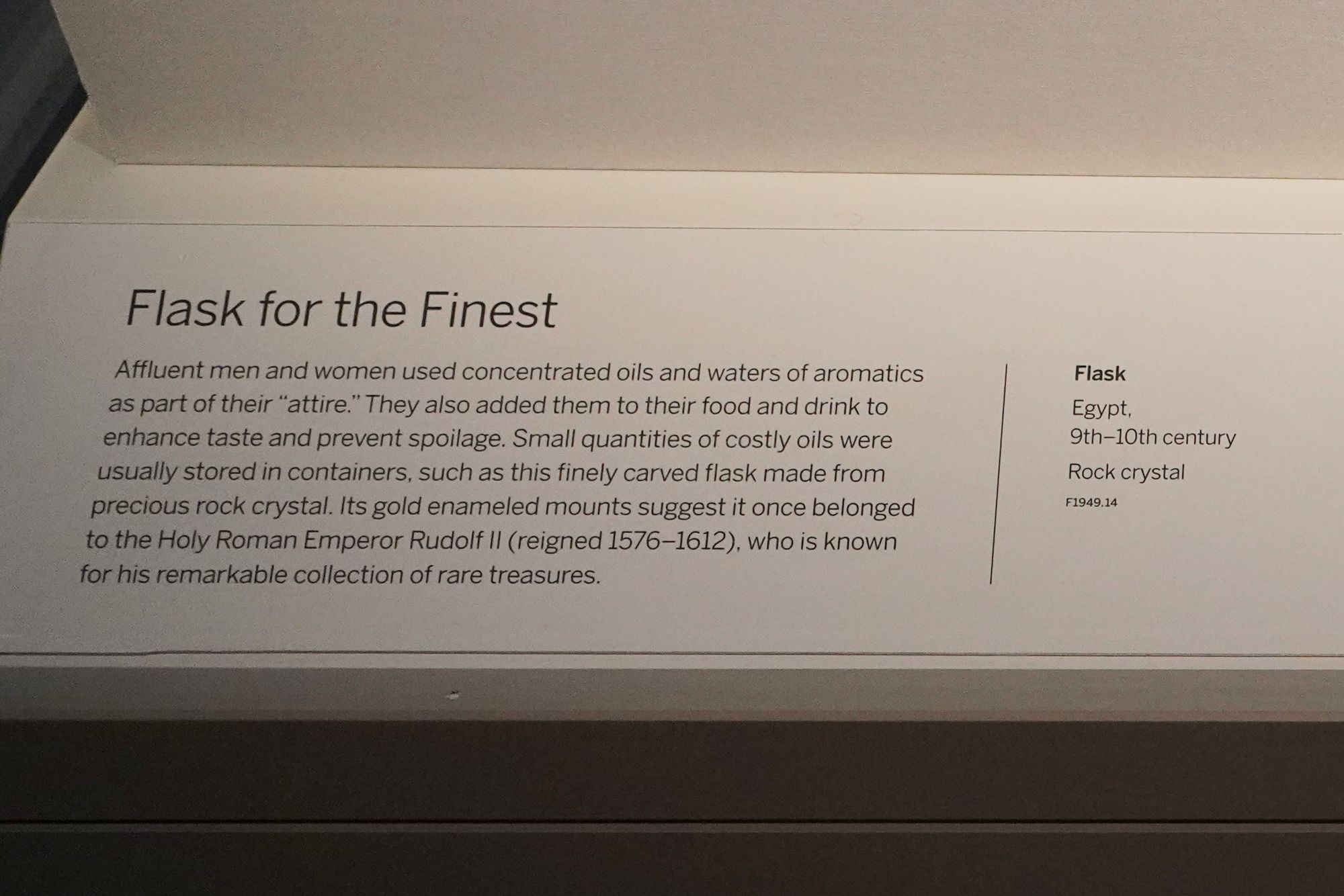
Crafted Luxury Objects
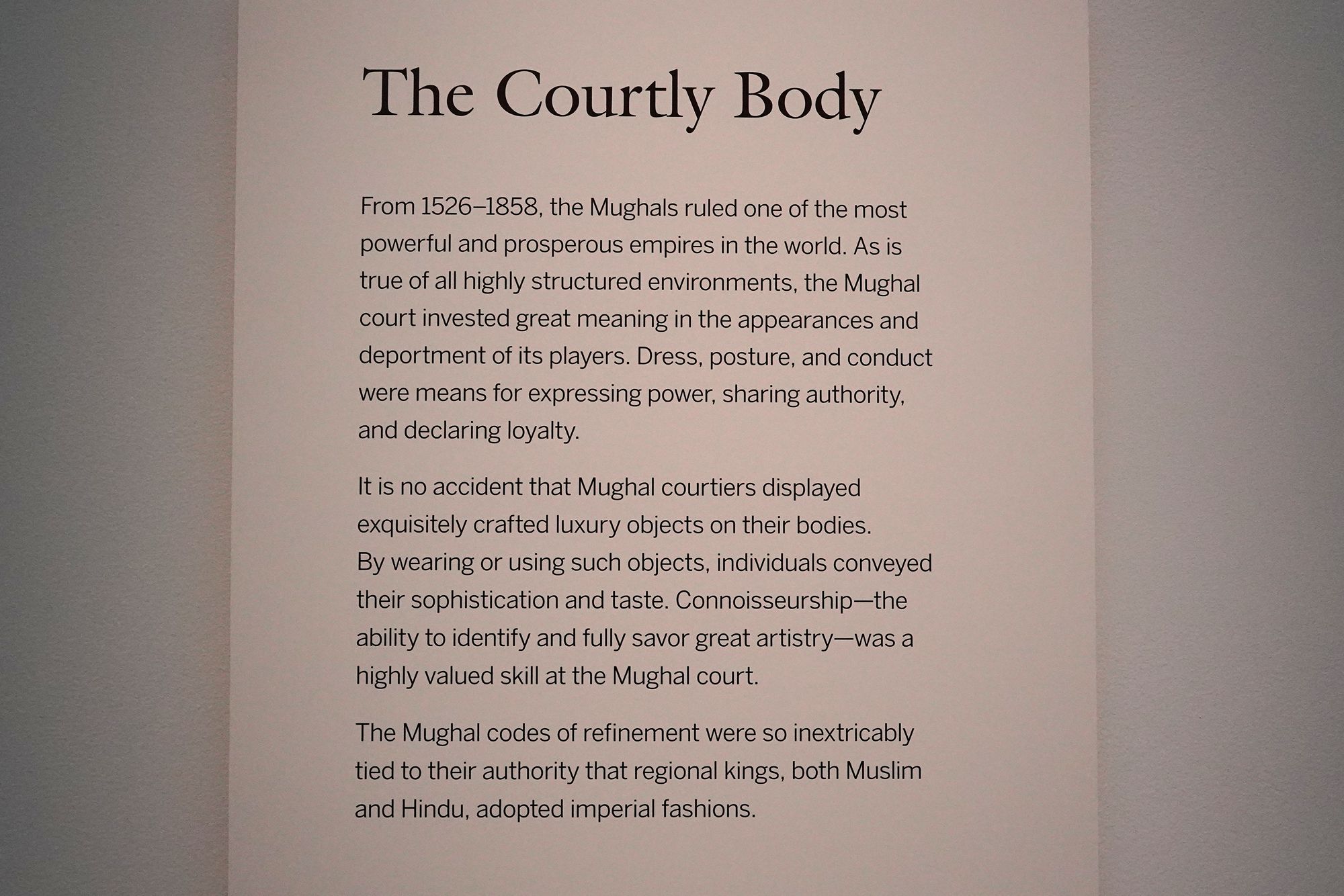
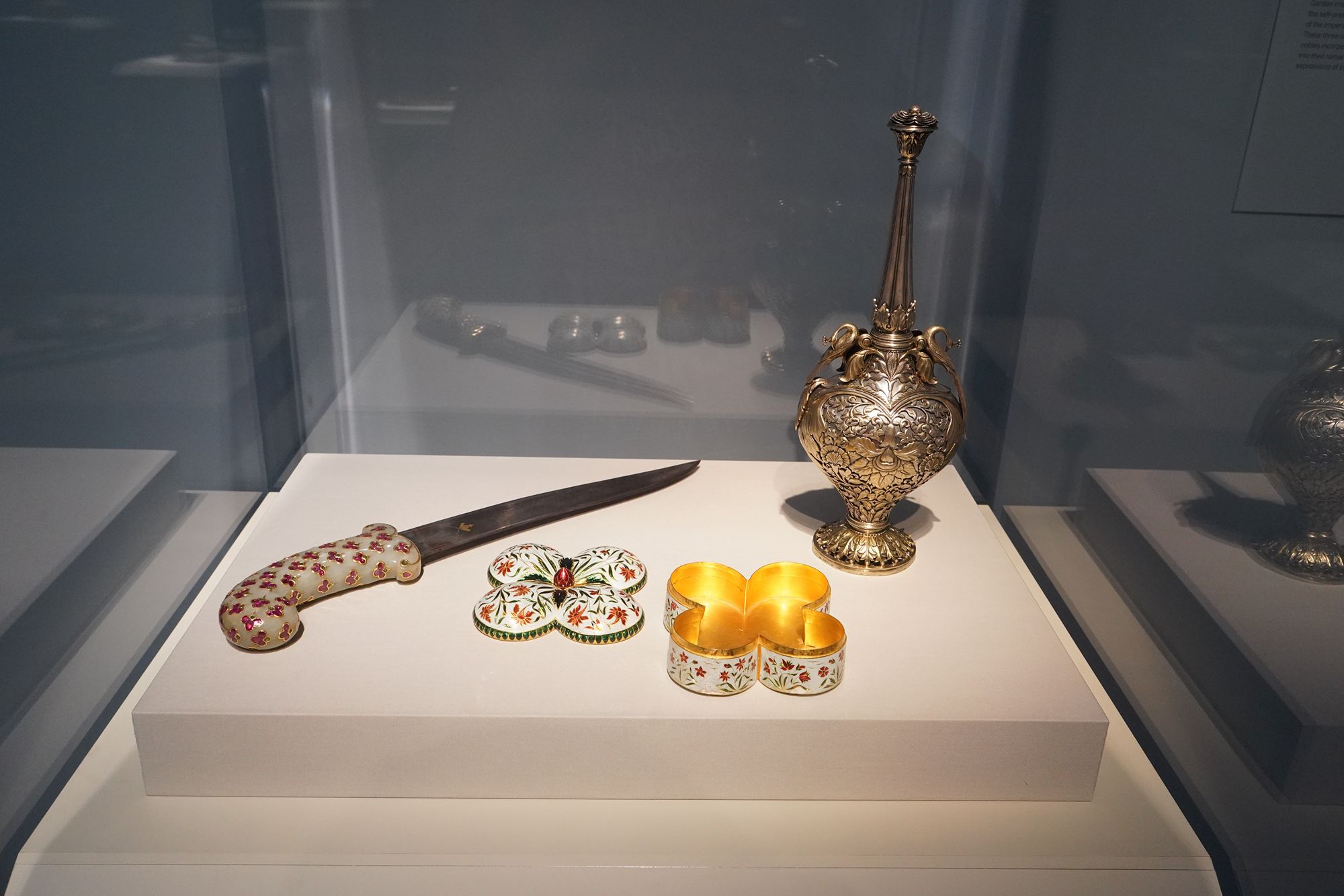
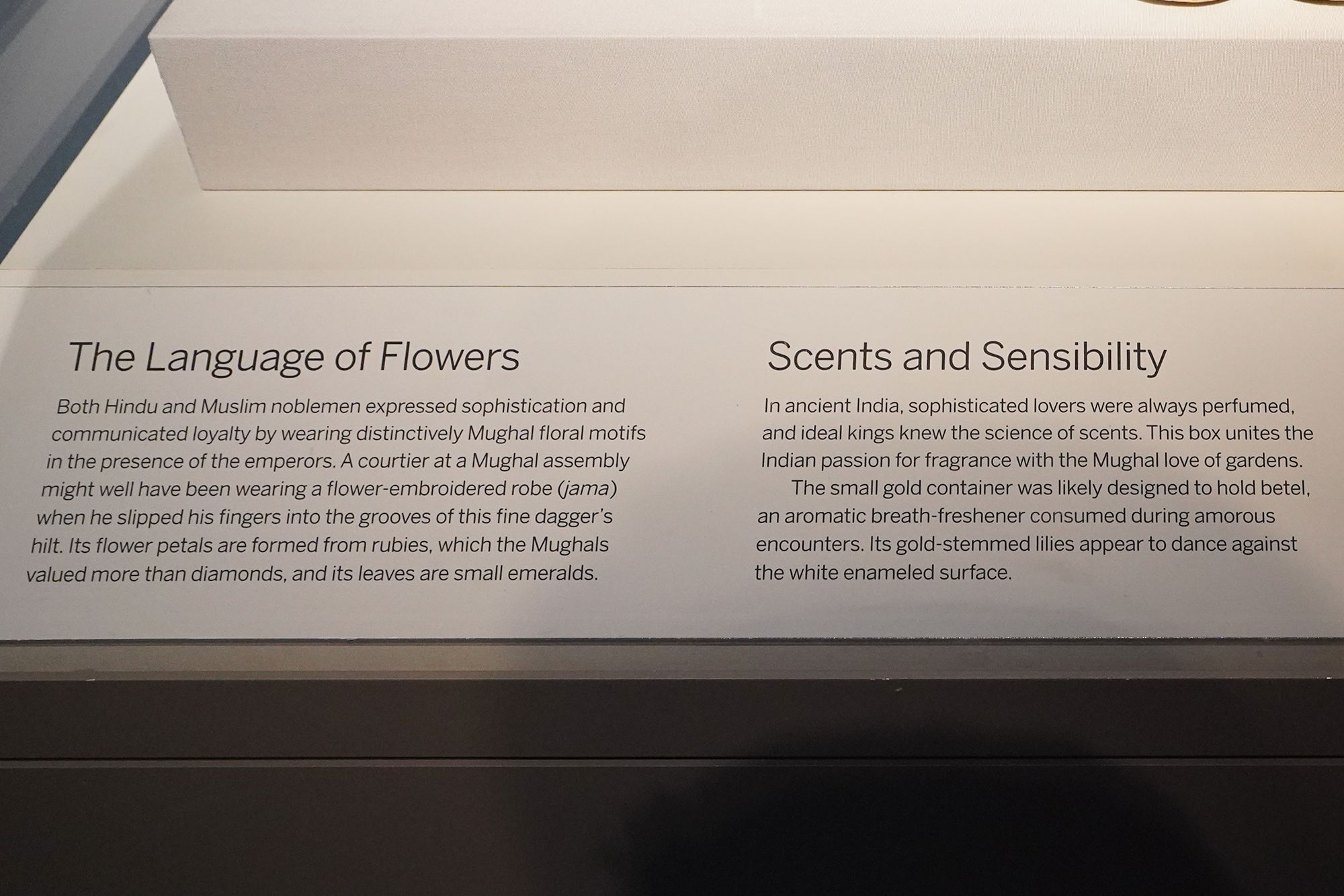
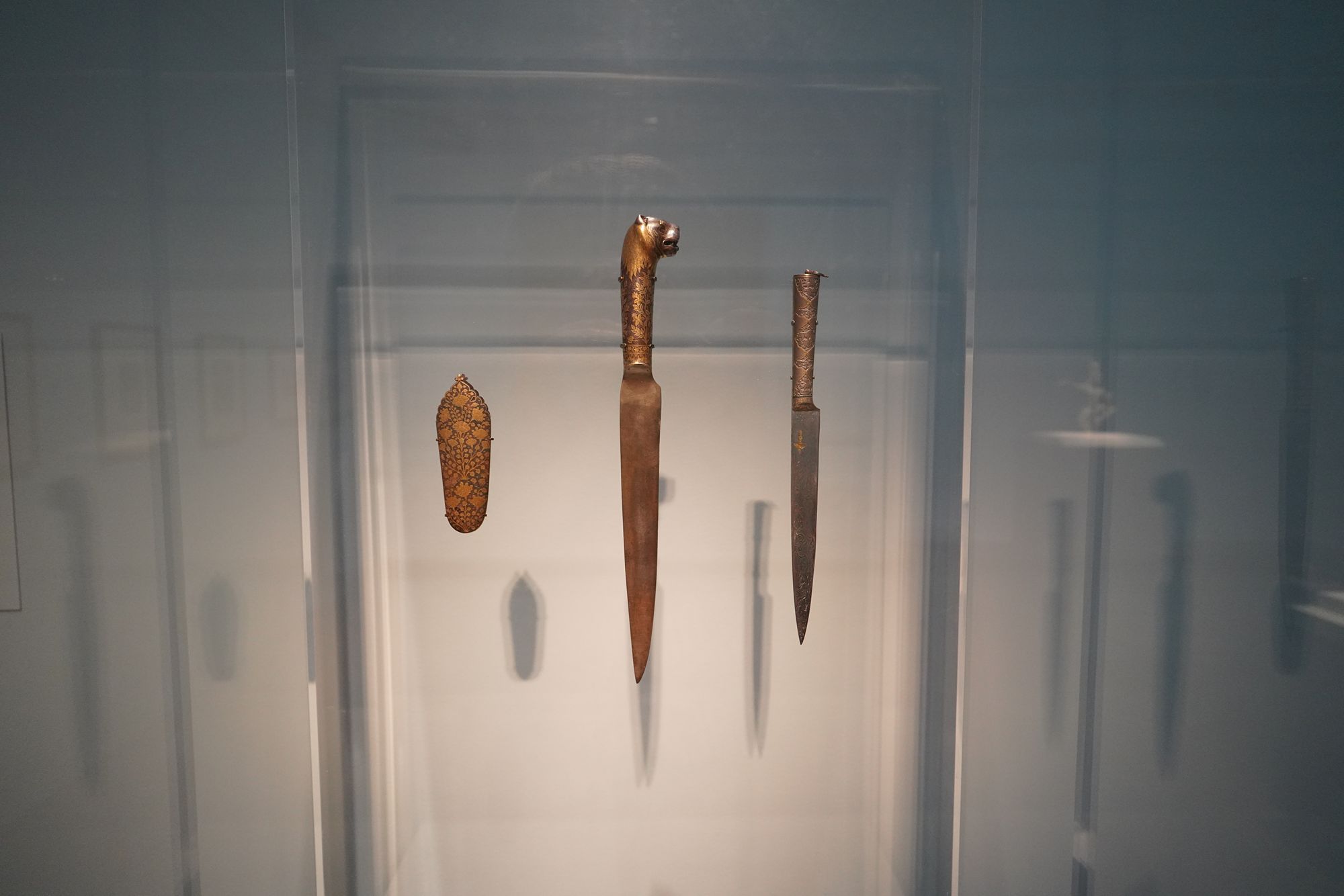
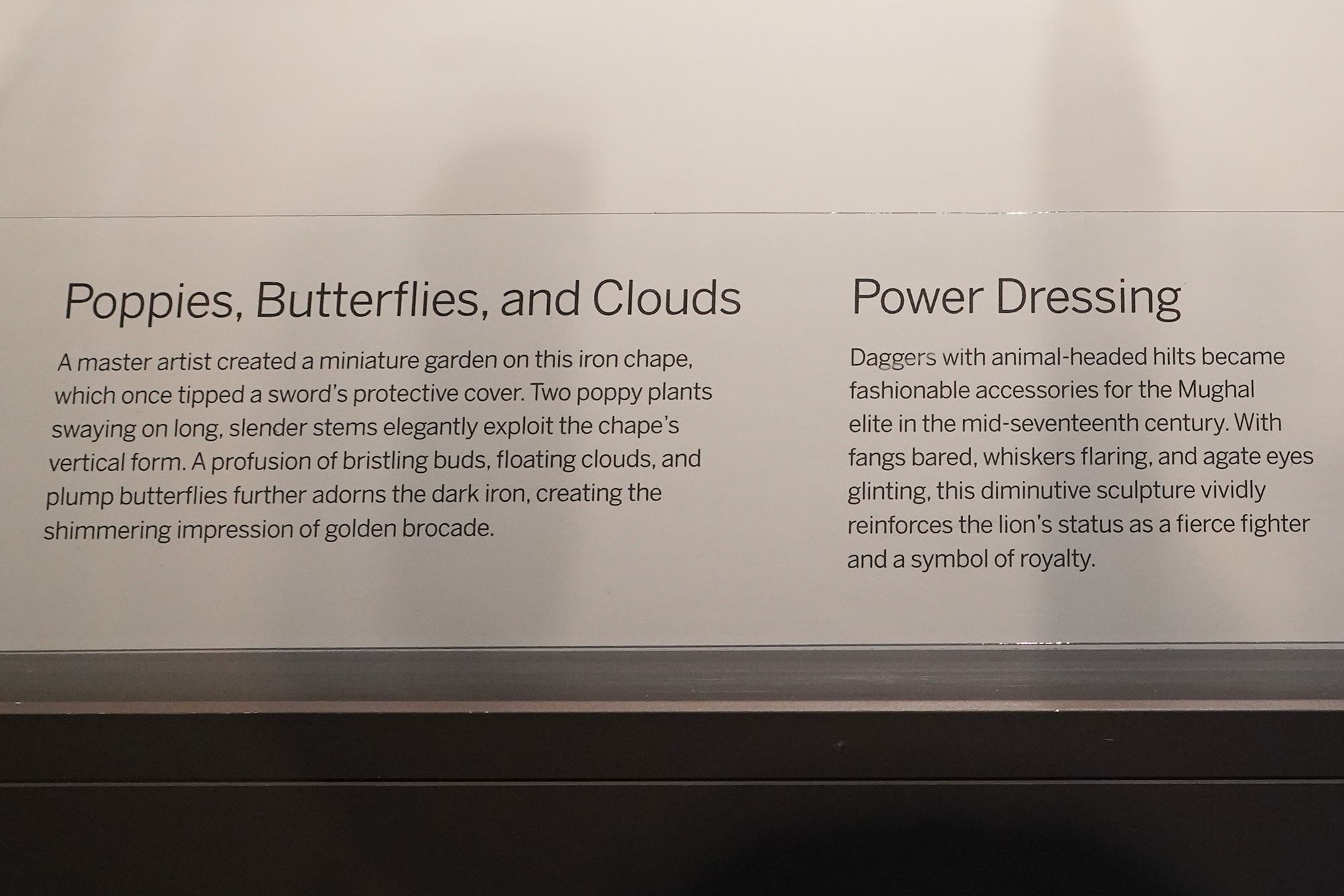
Arts of Pleasure and War
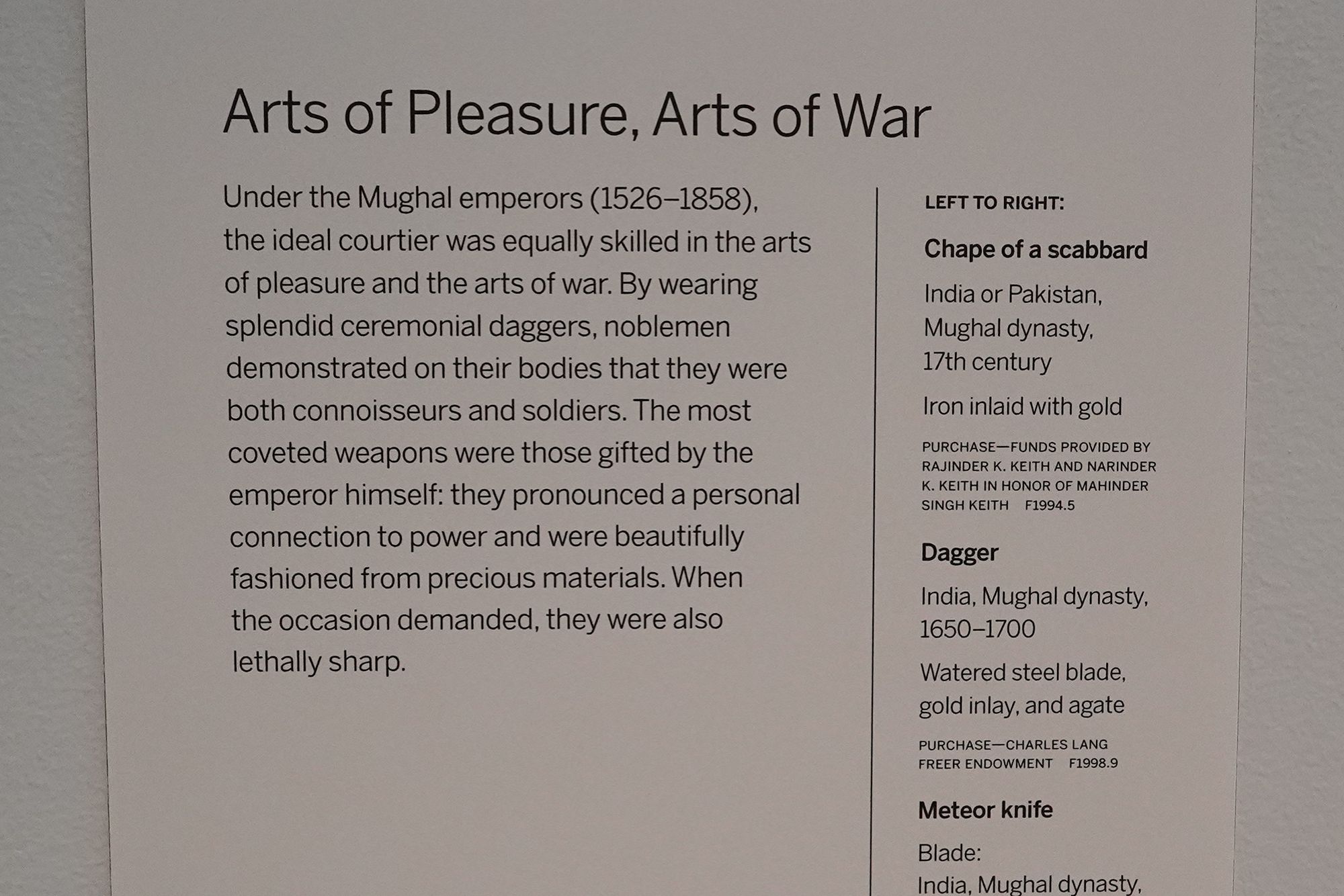
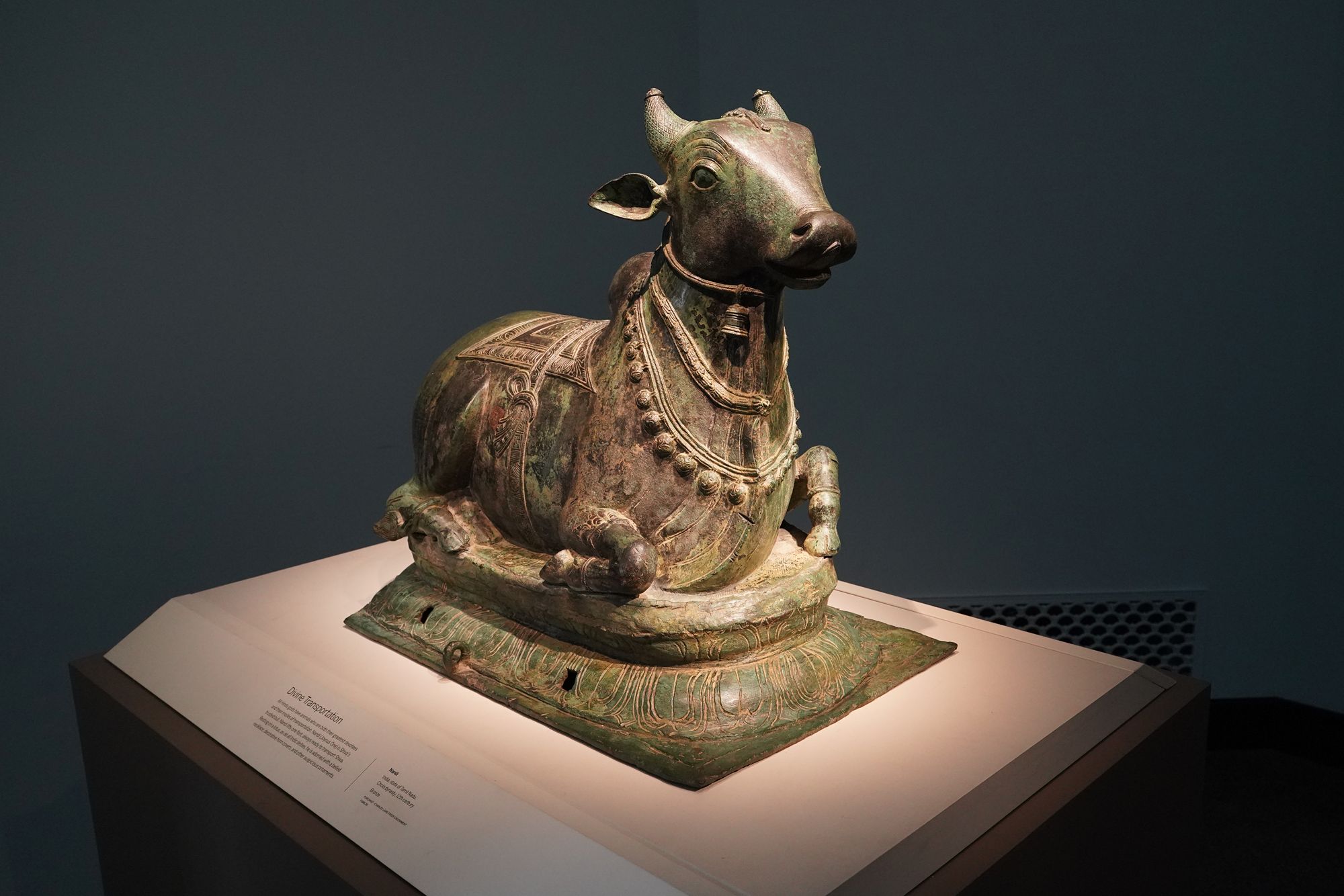
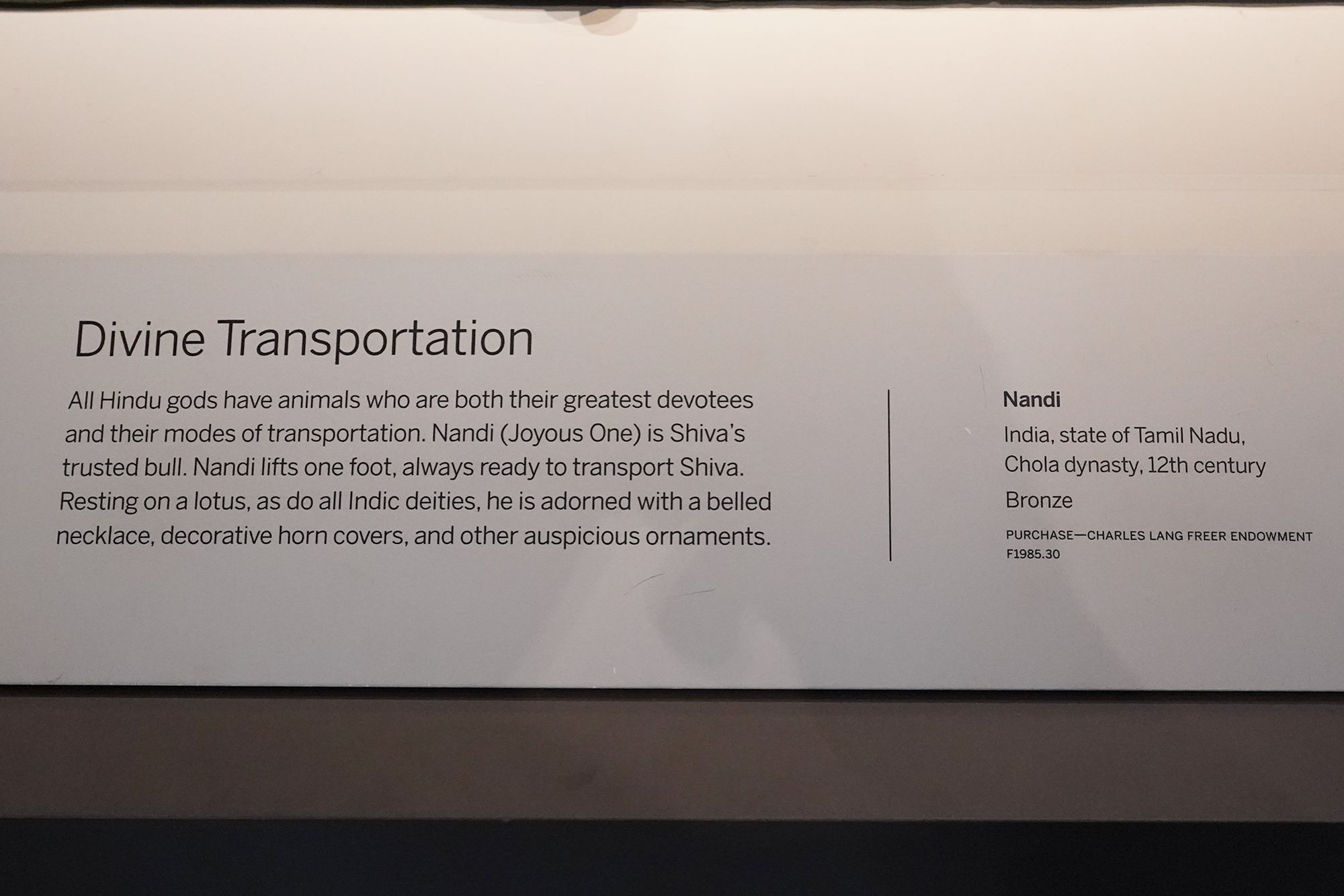
Divine Transportation
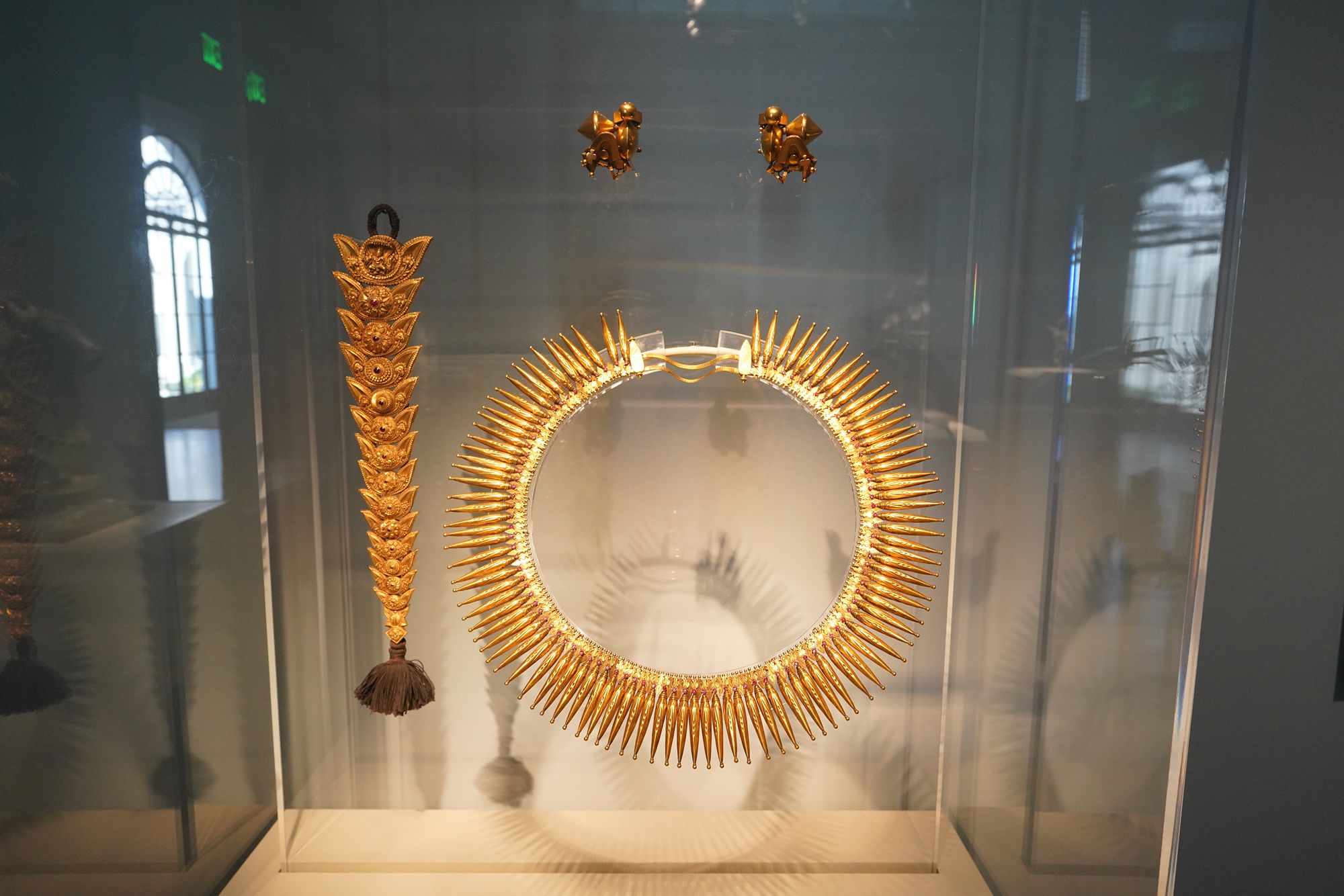
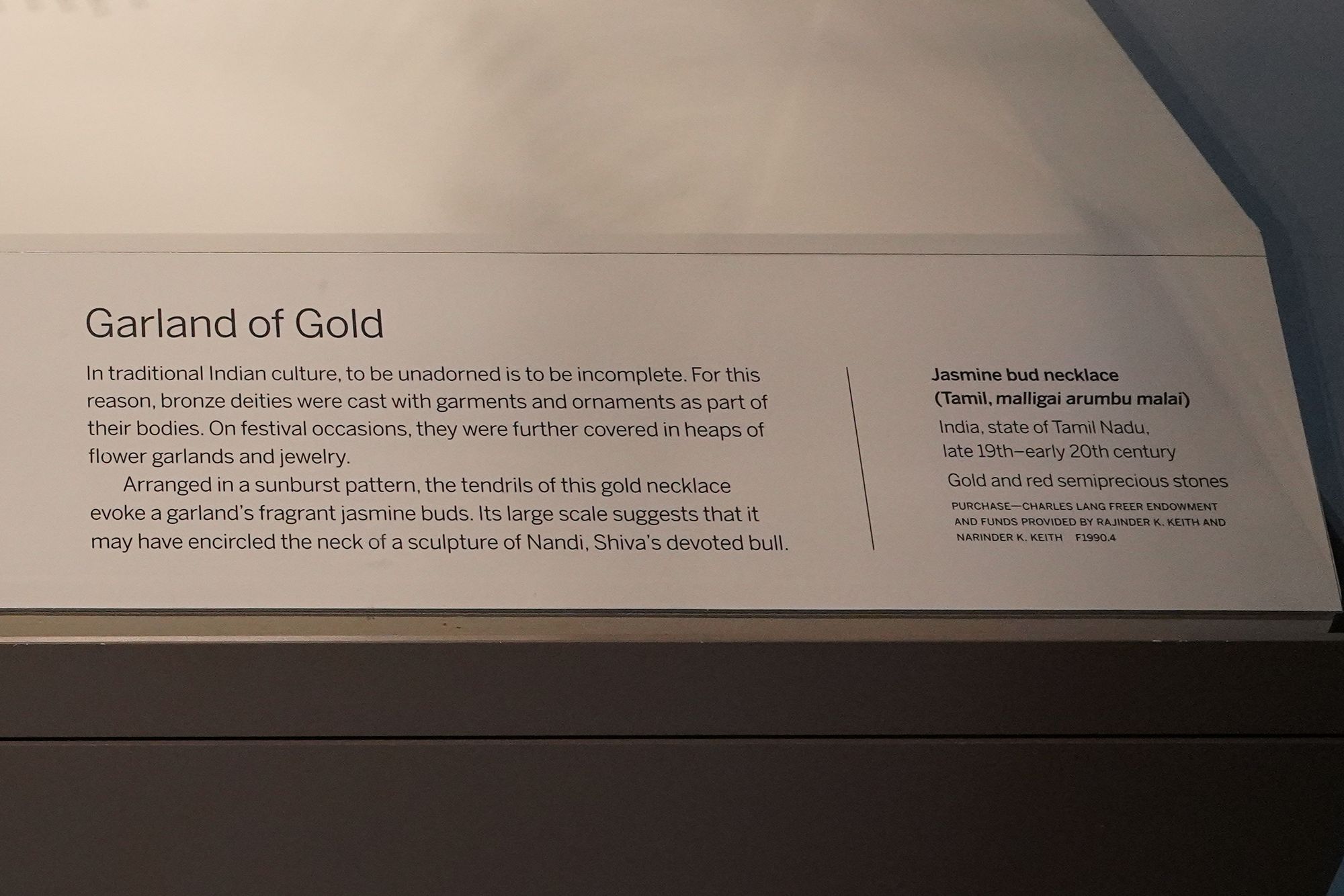
Garland of Gold
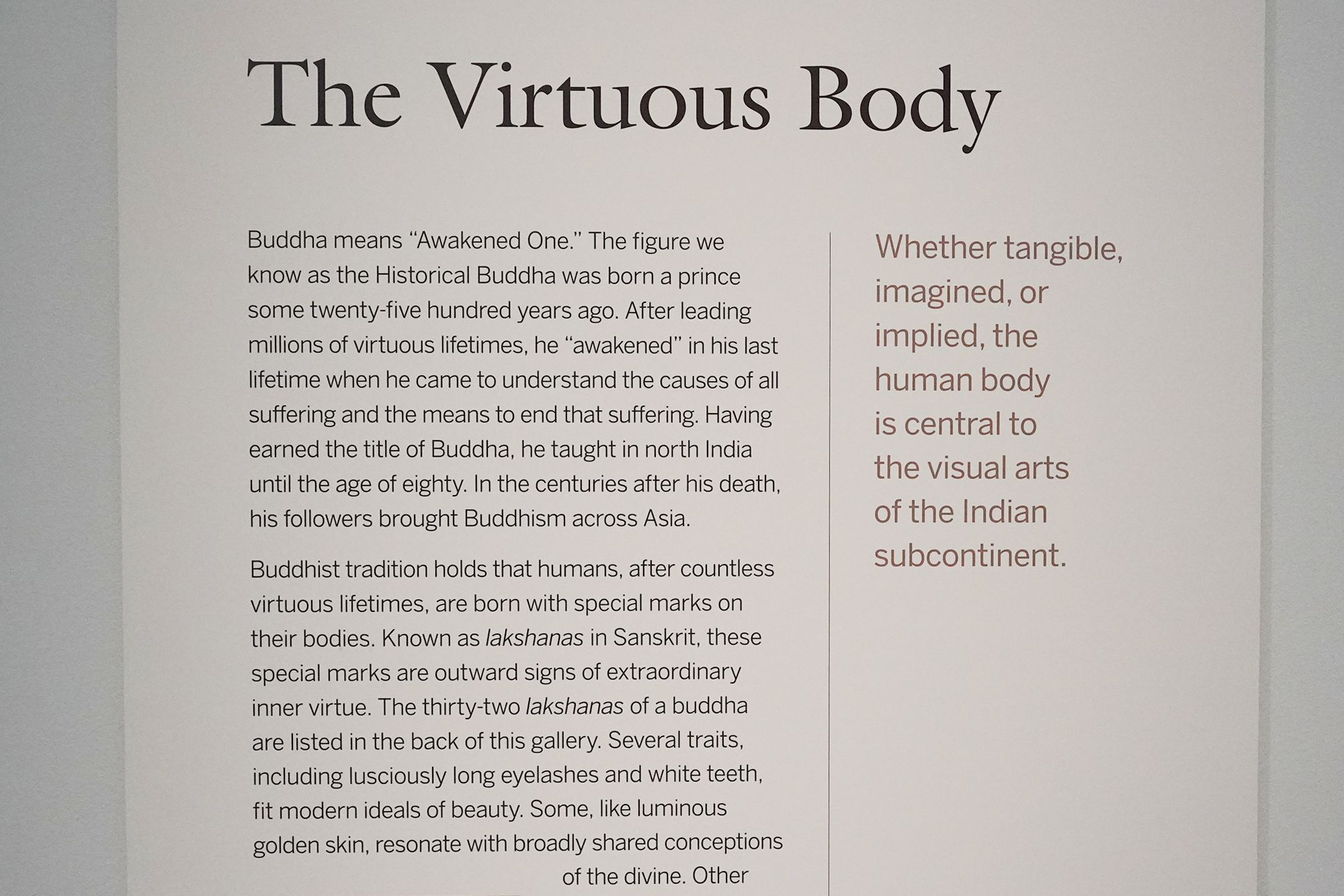
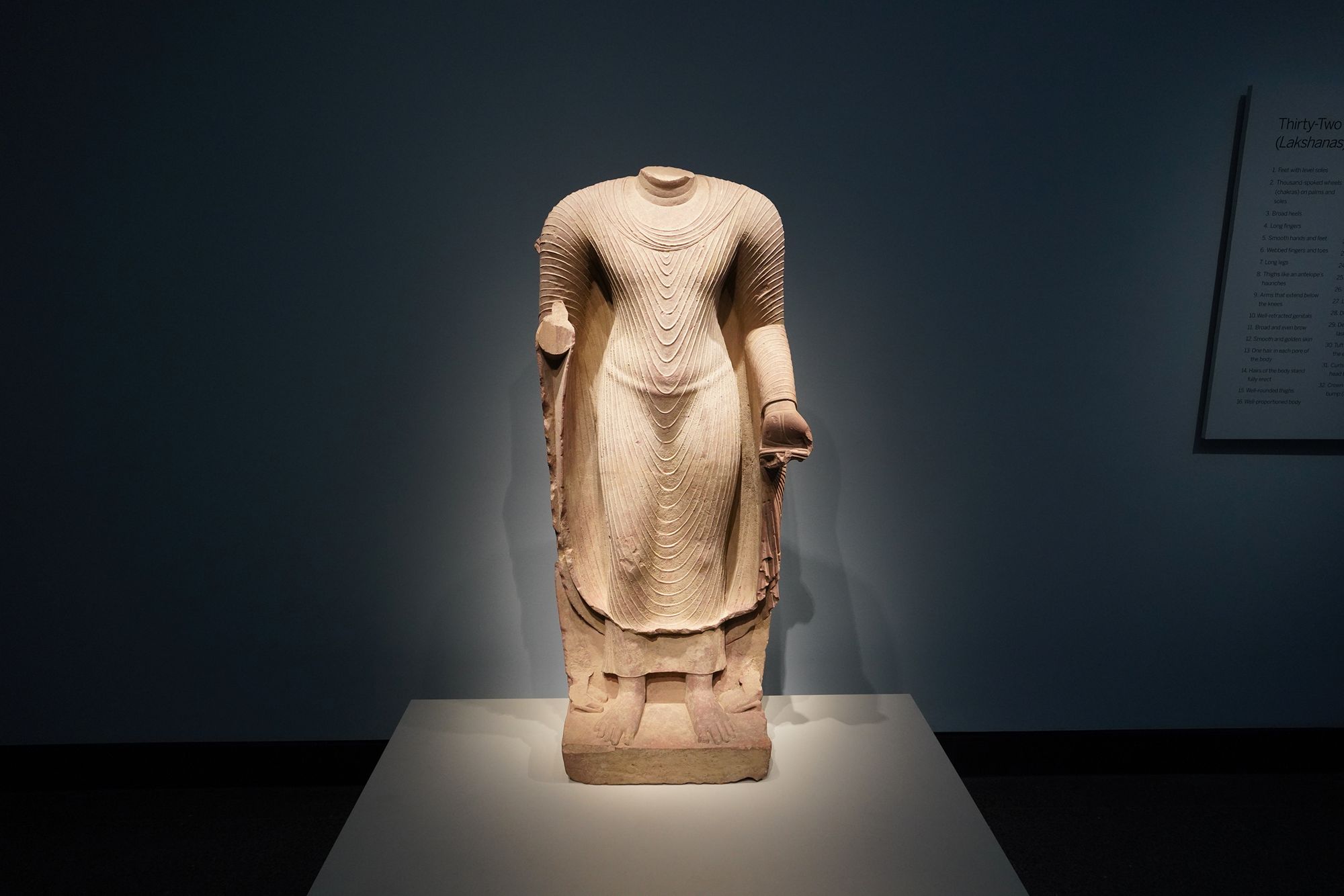
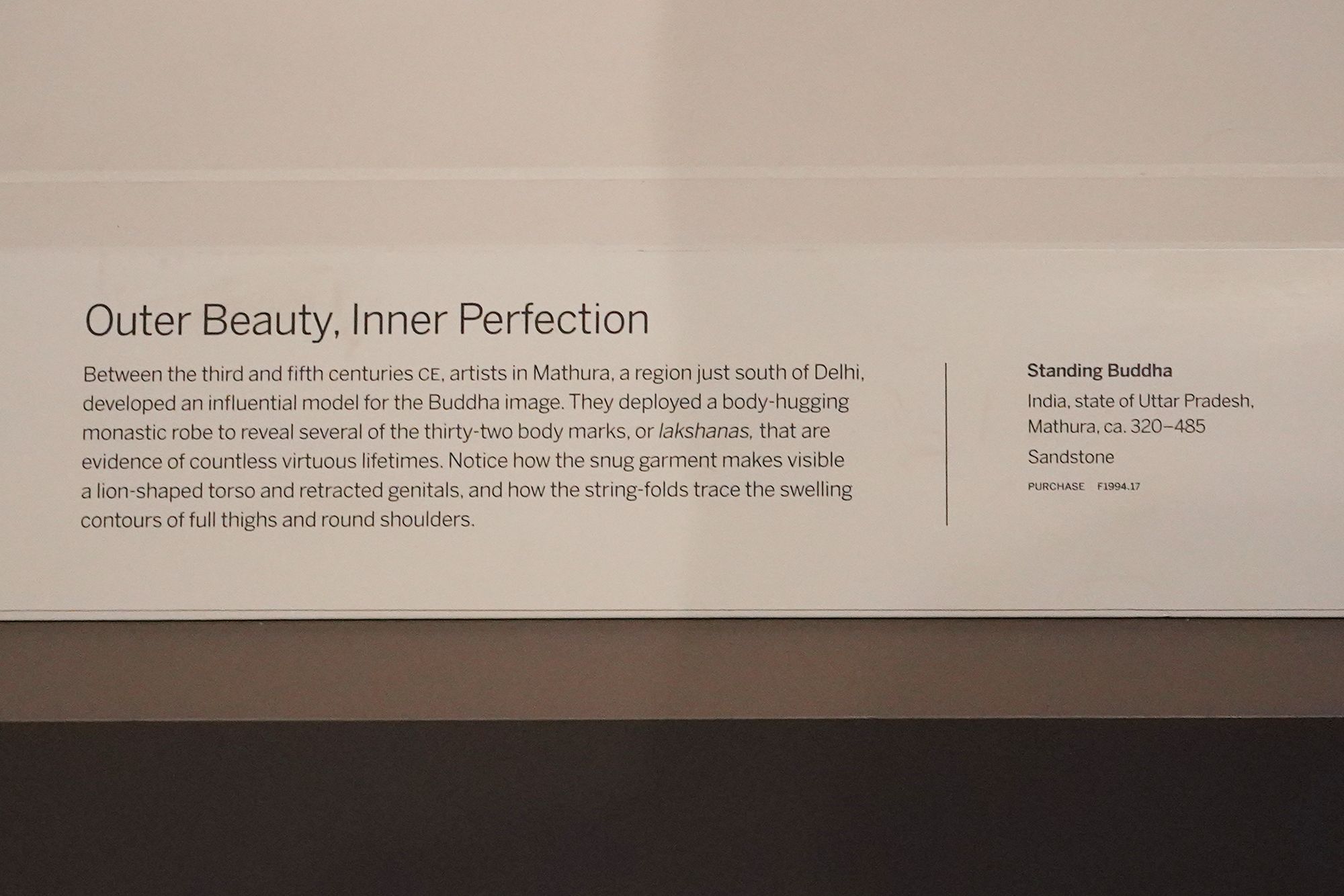
The Virtuous Body
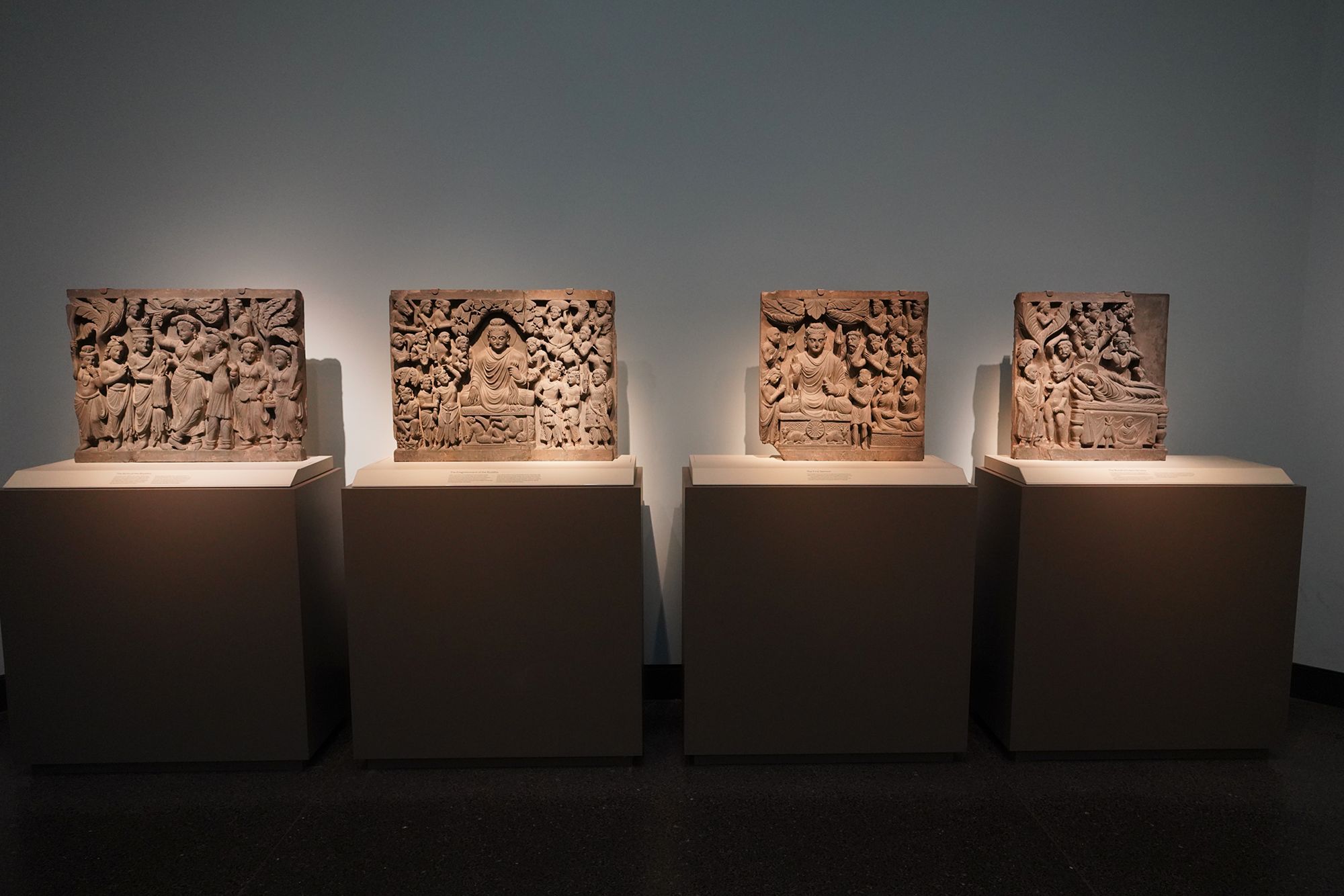
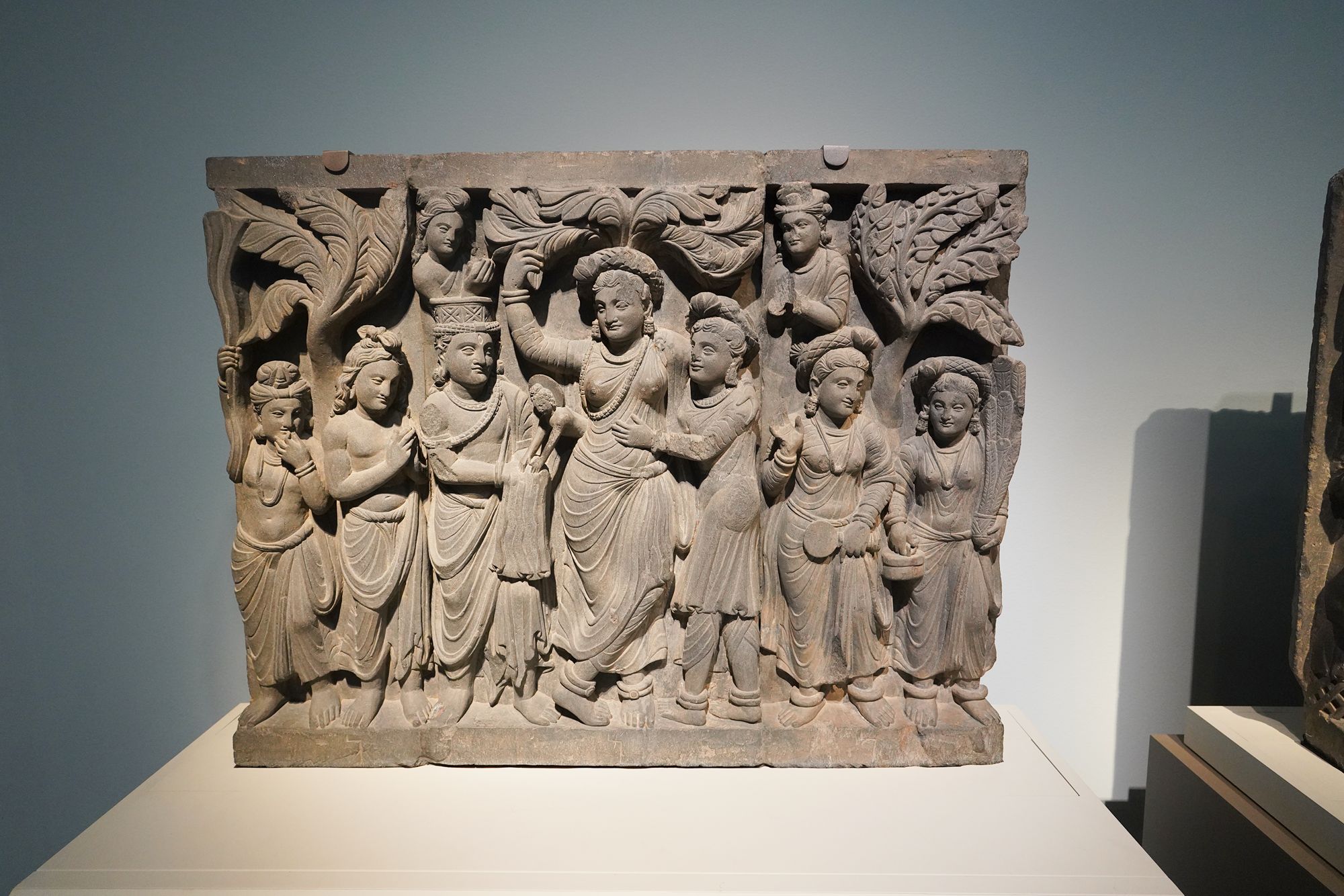
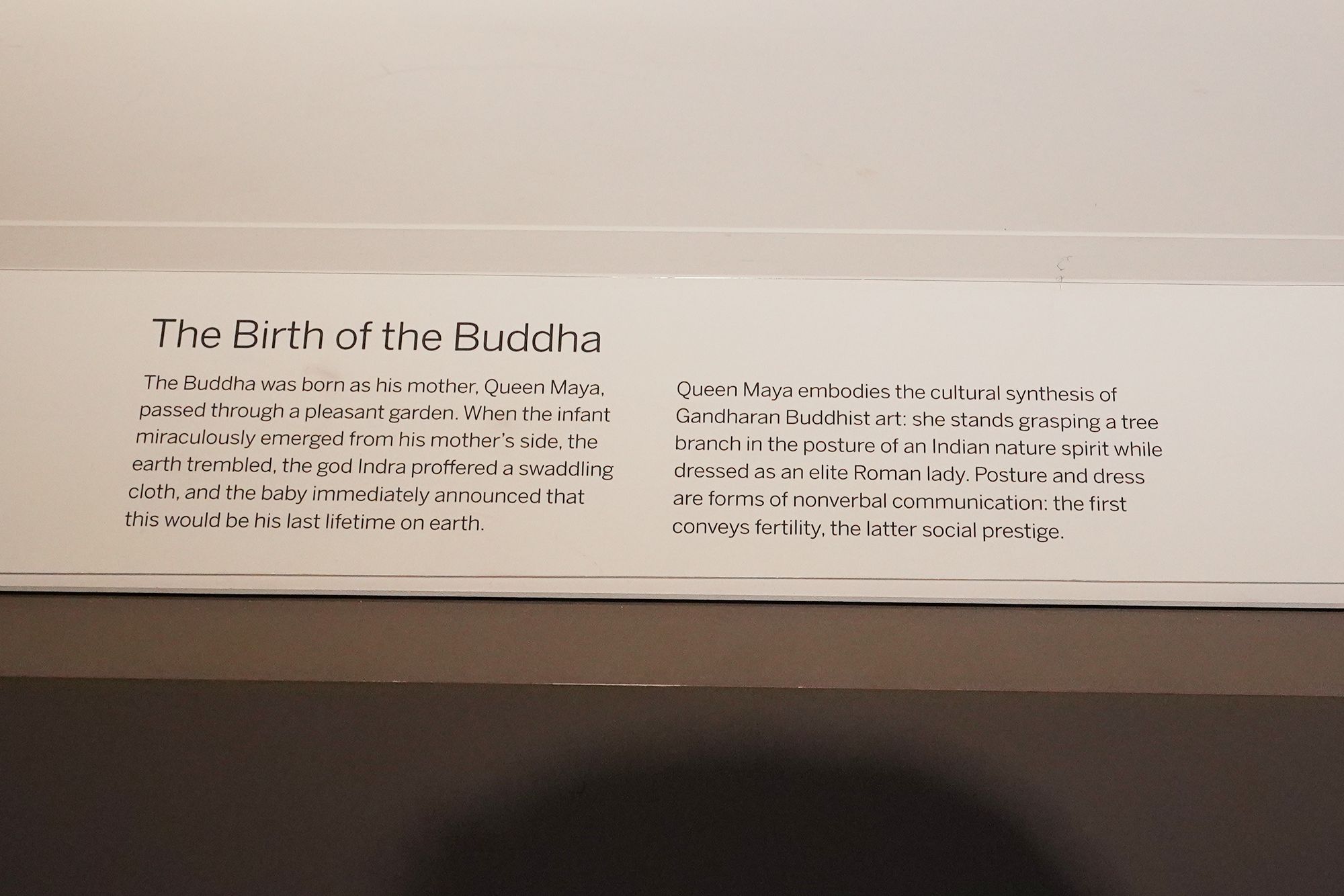
The Birth of the Buddha
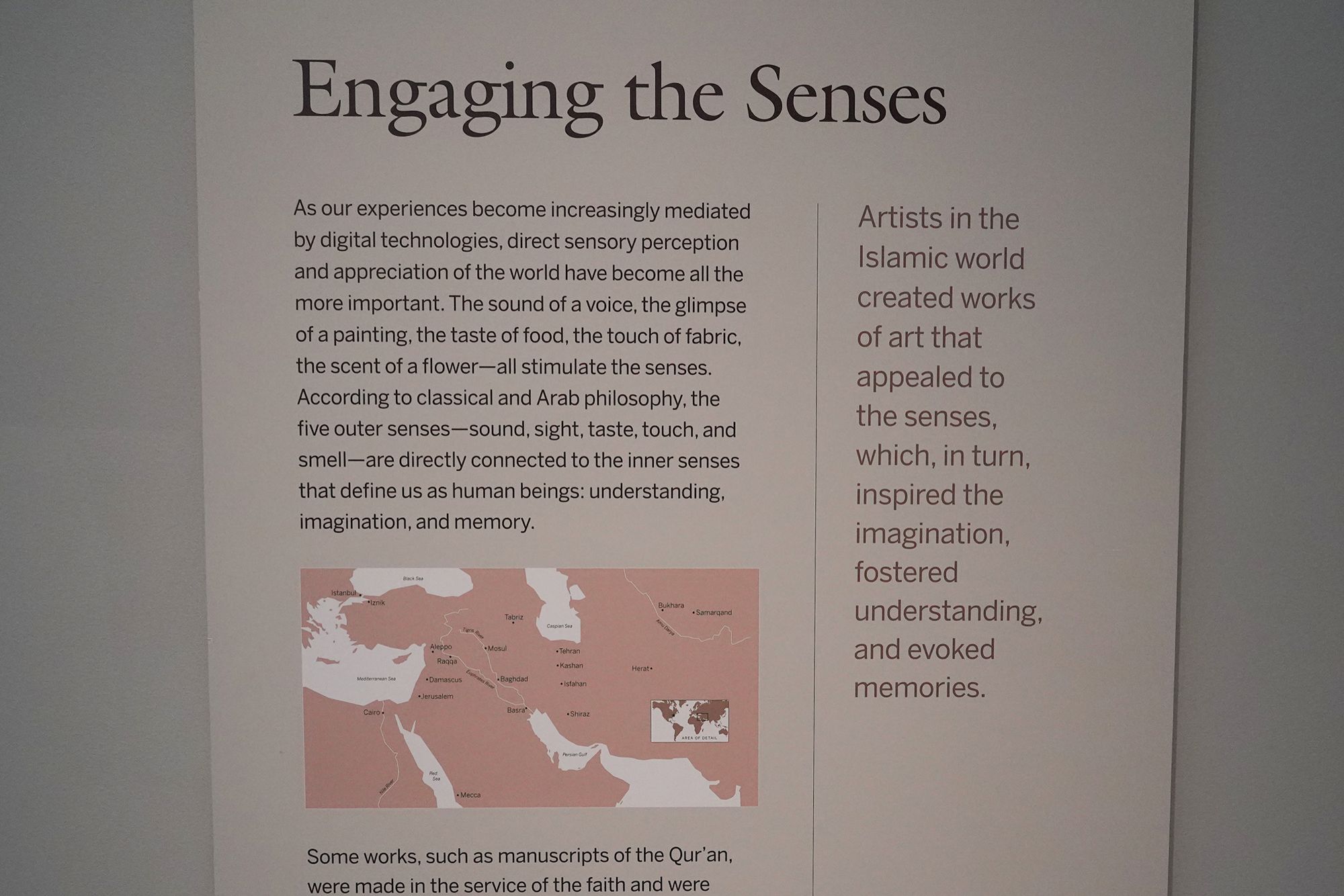
Islamic World
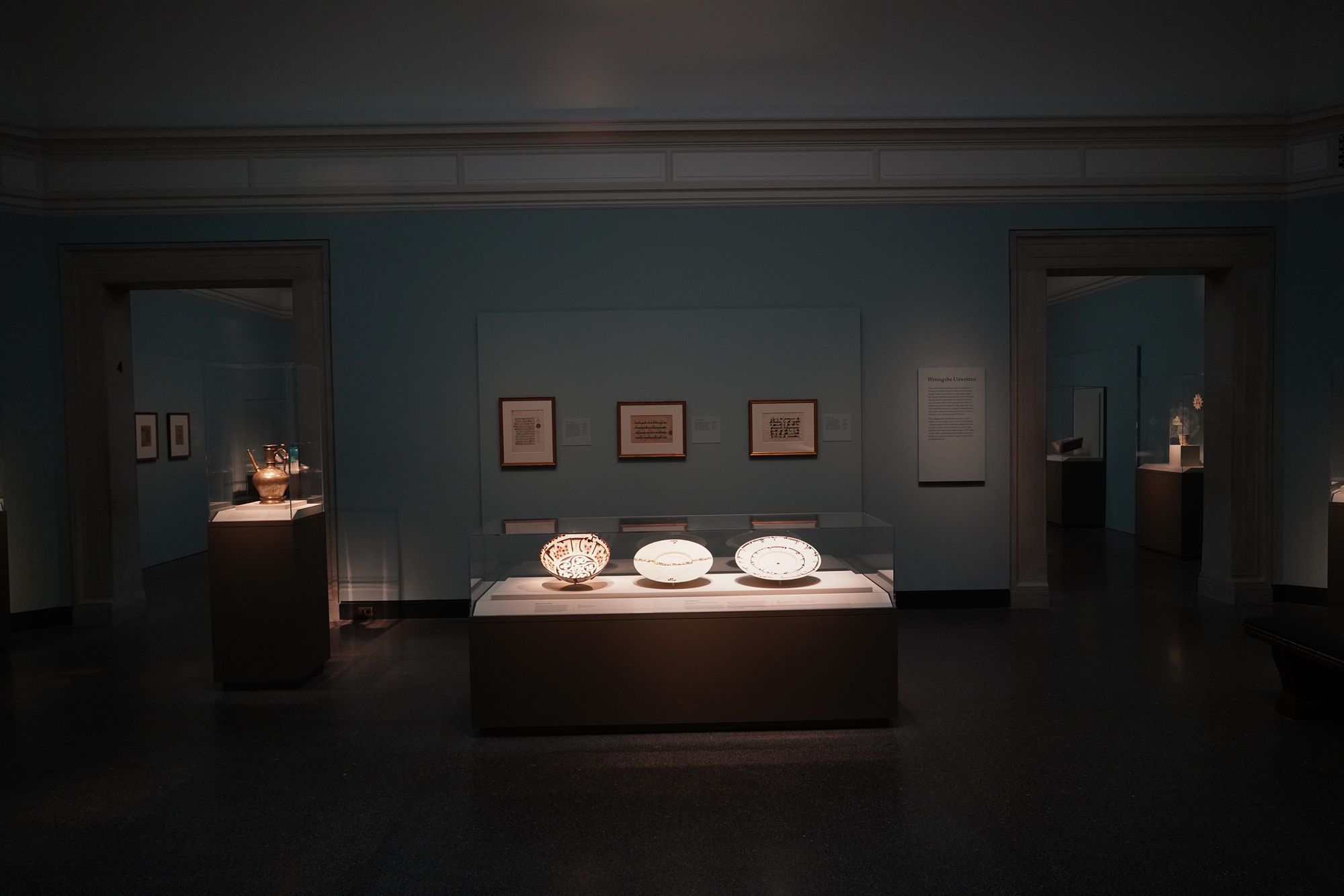
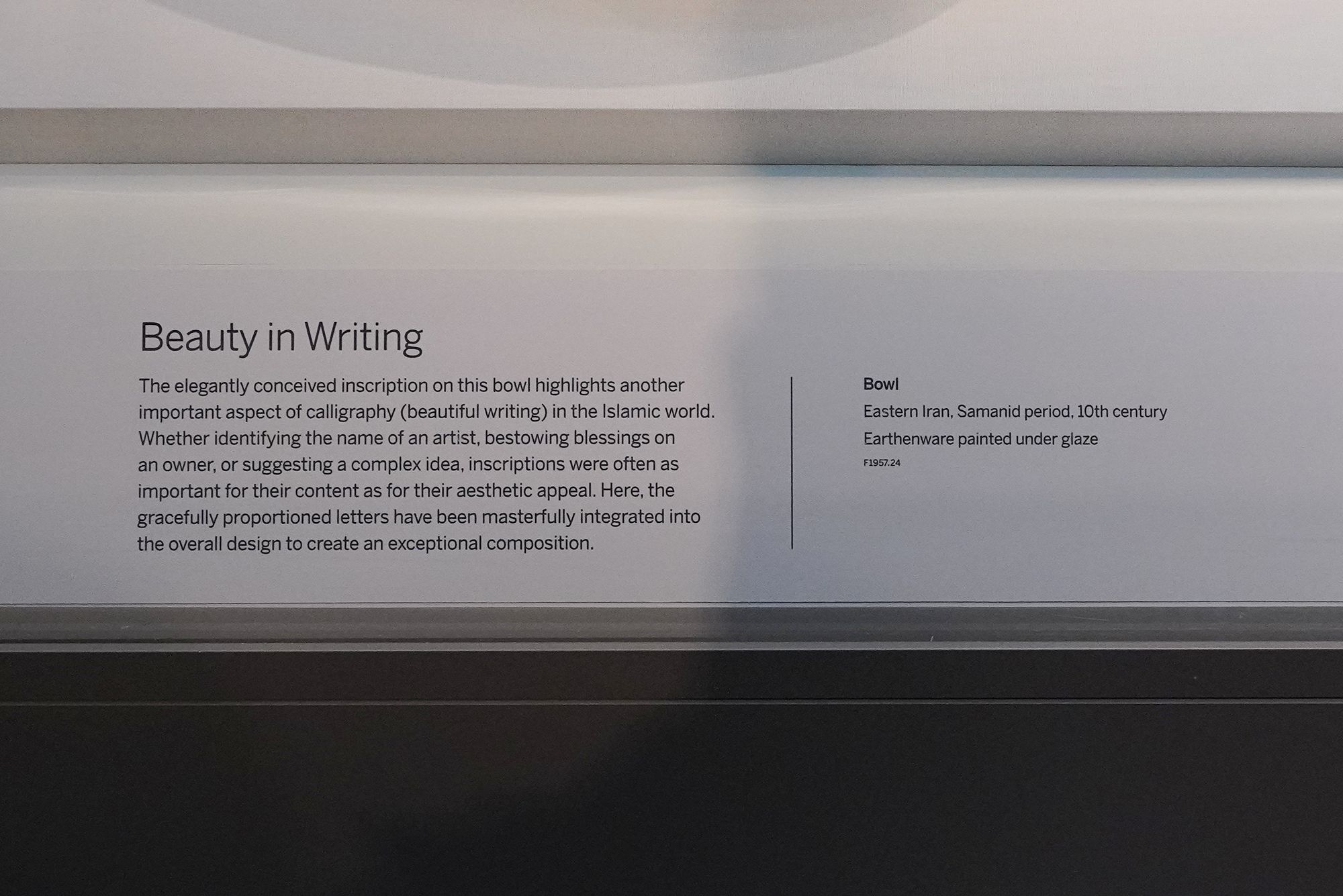
Beauty in Writing
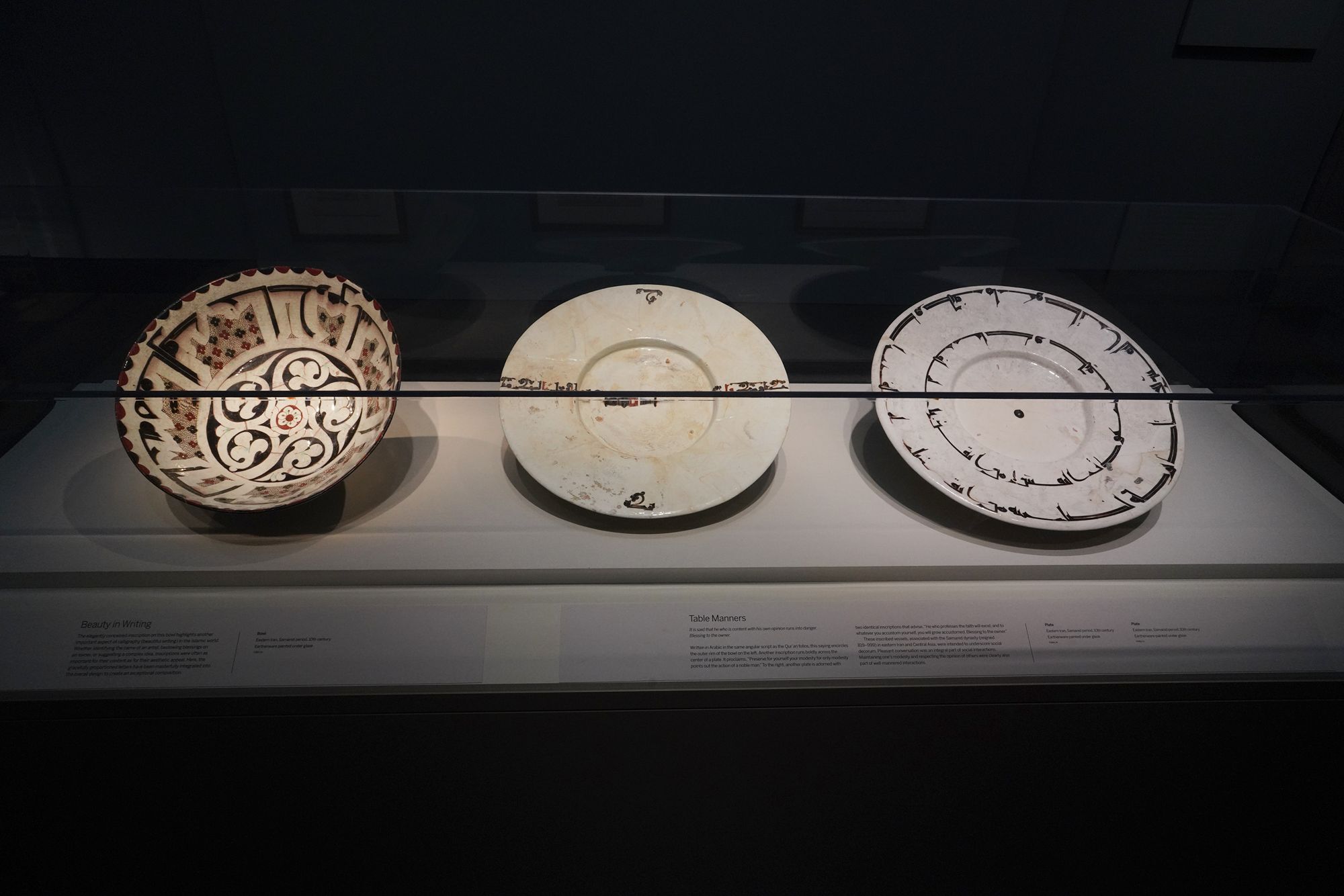
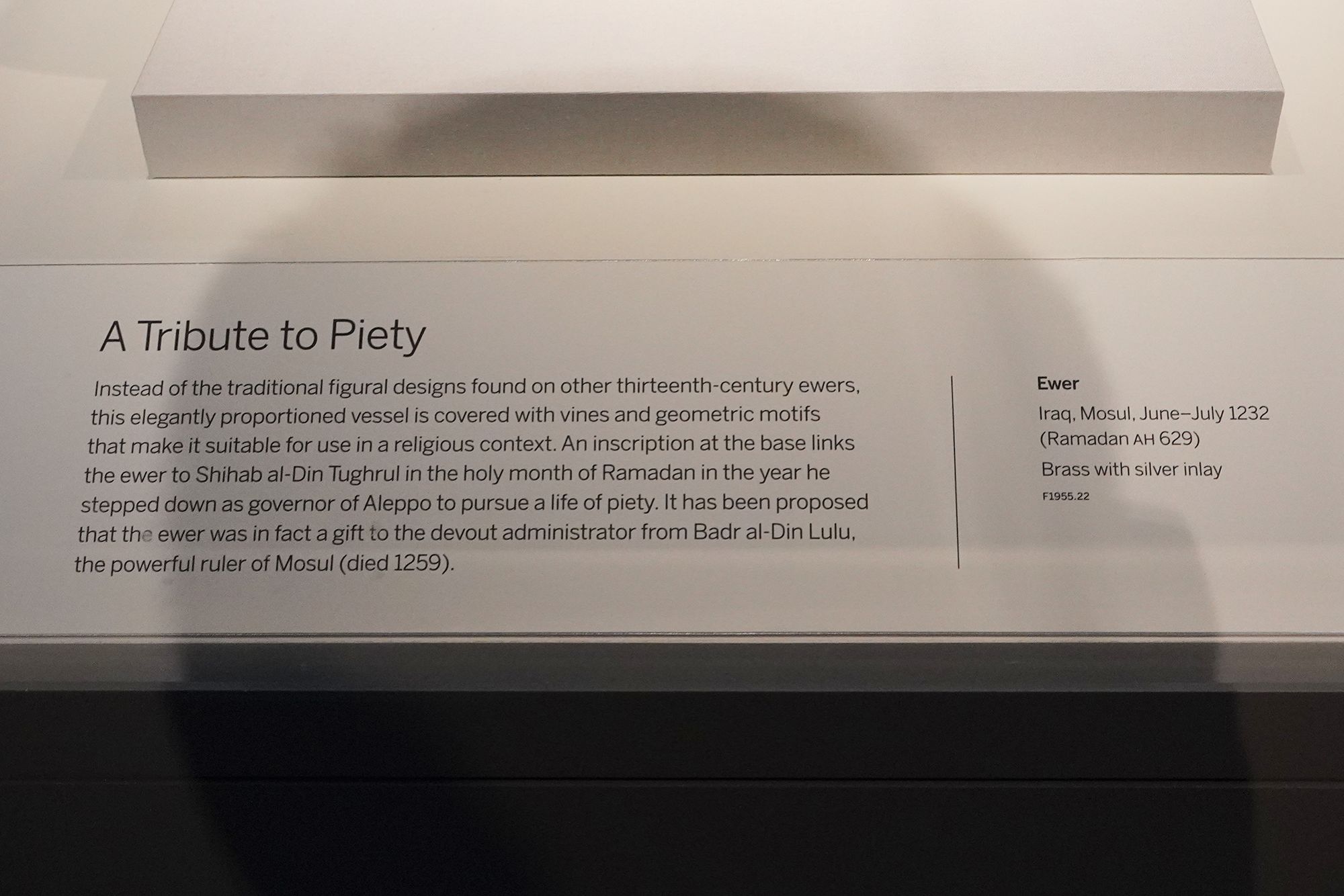
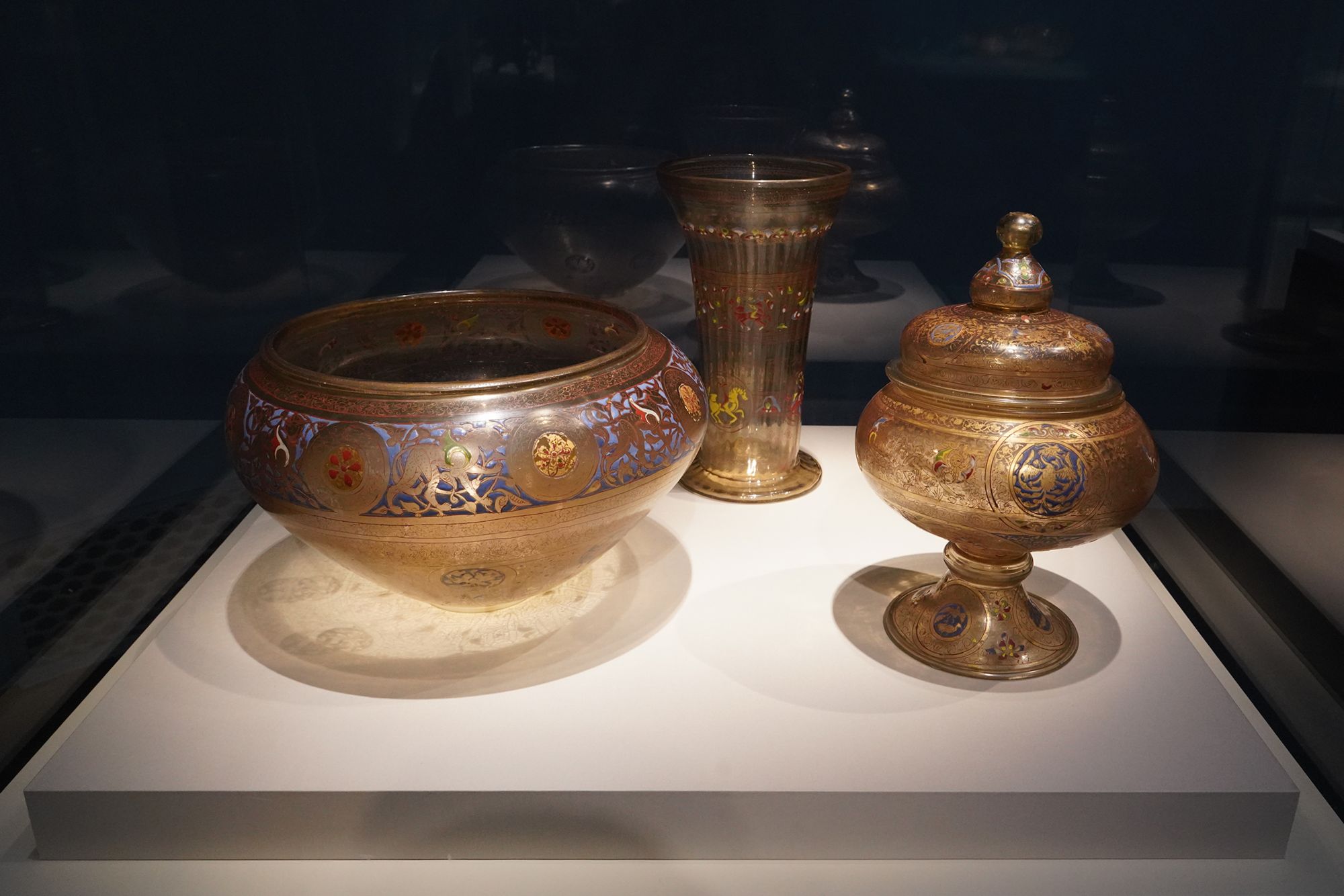
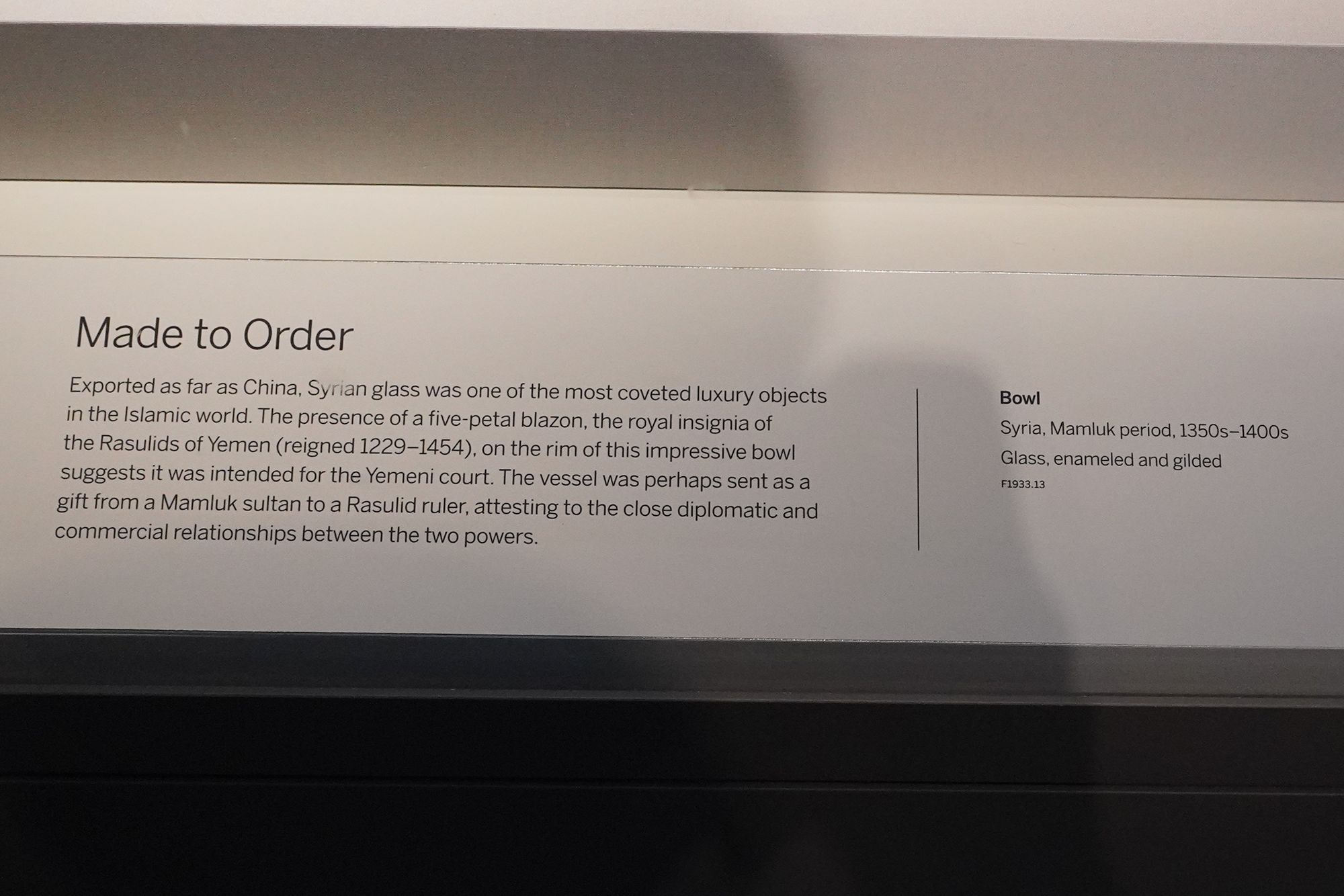
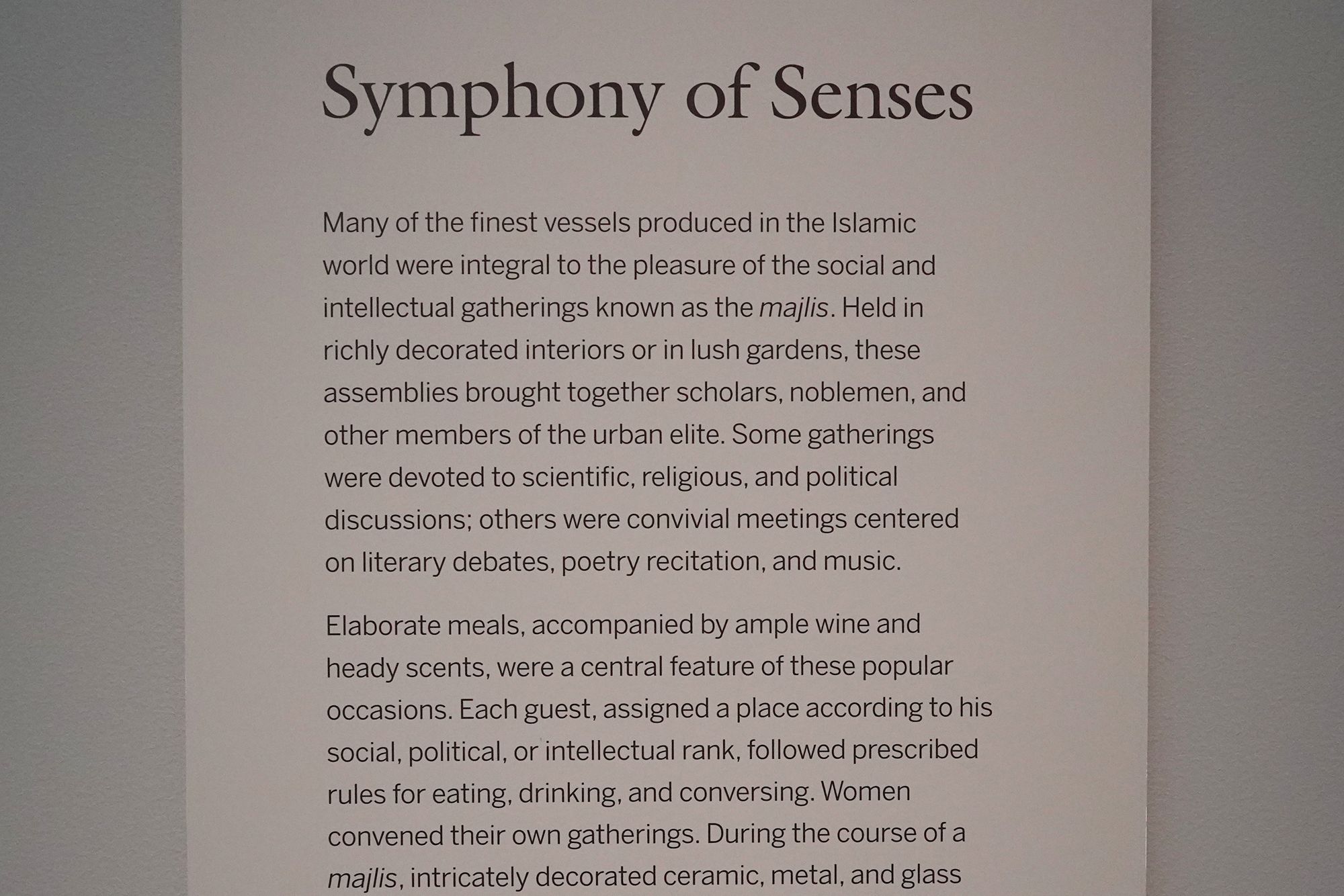
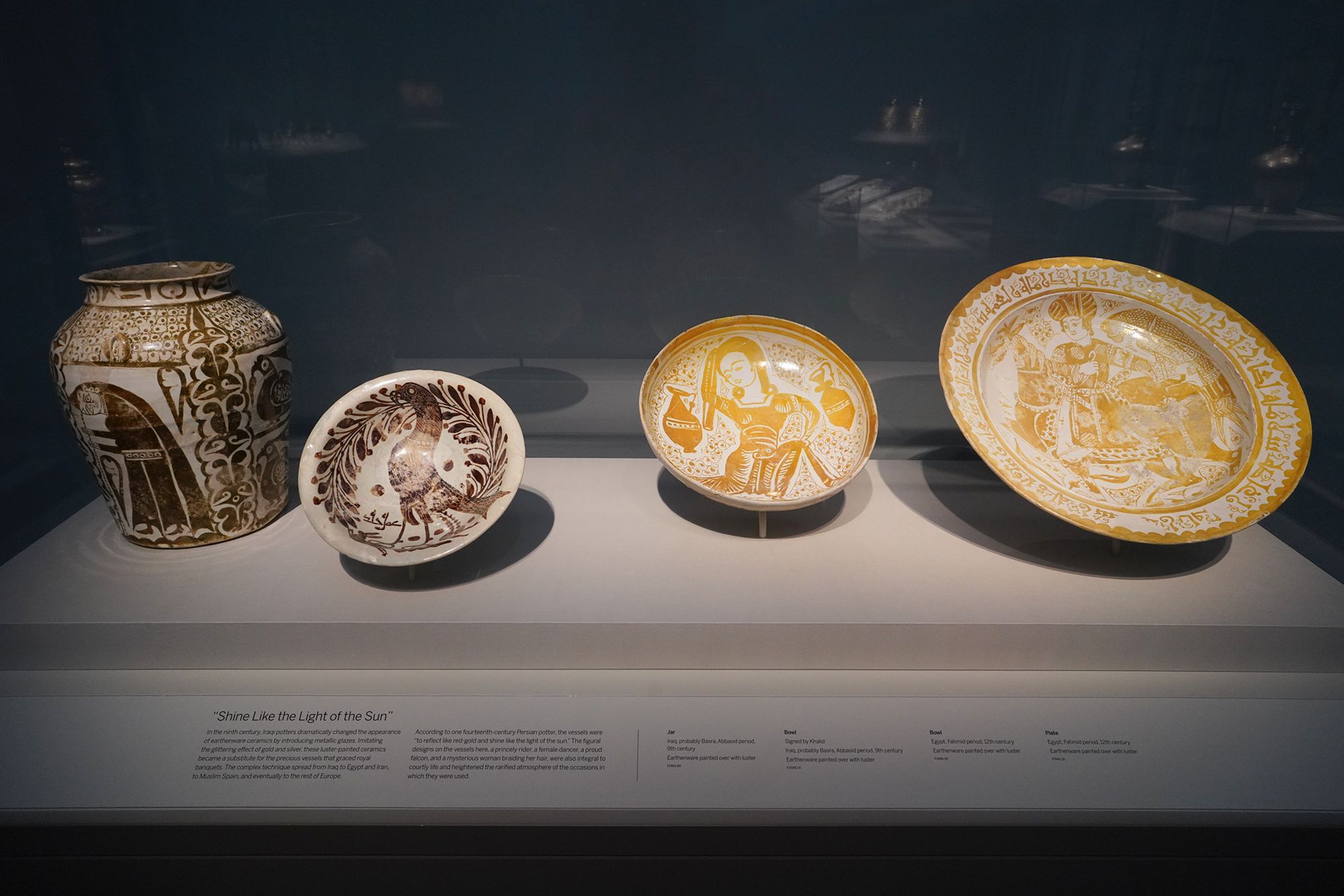
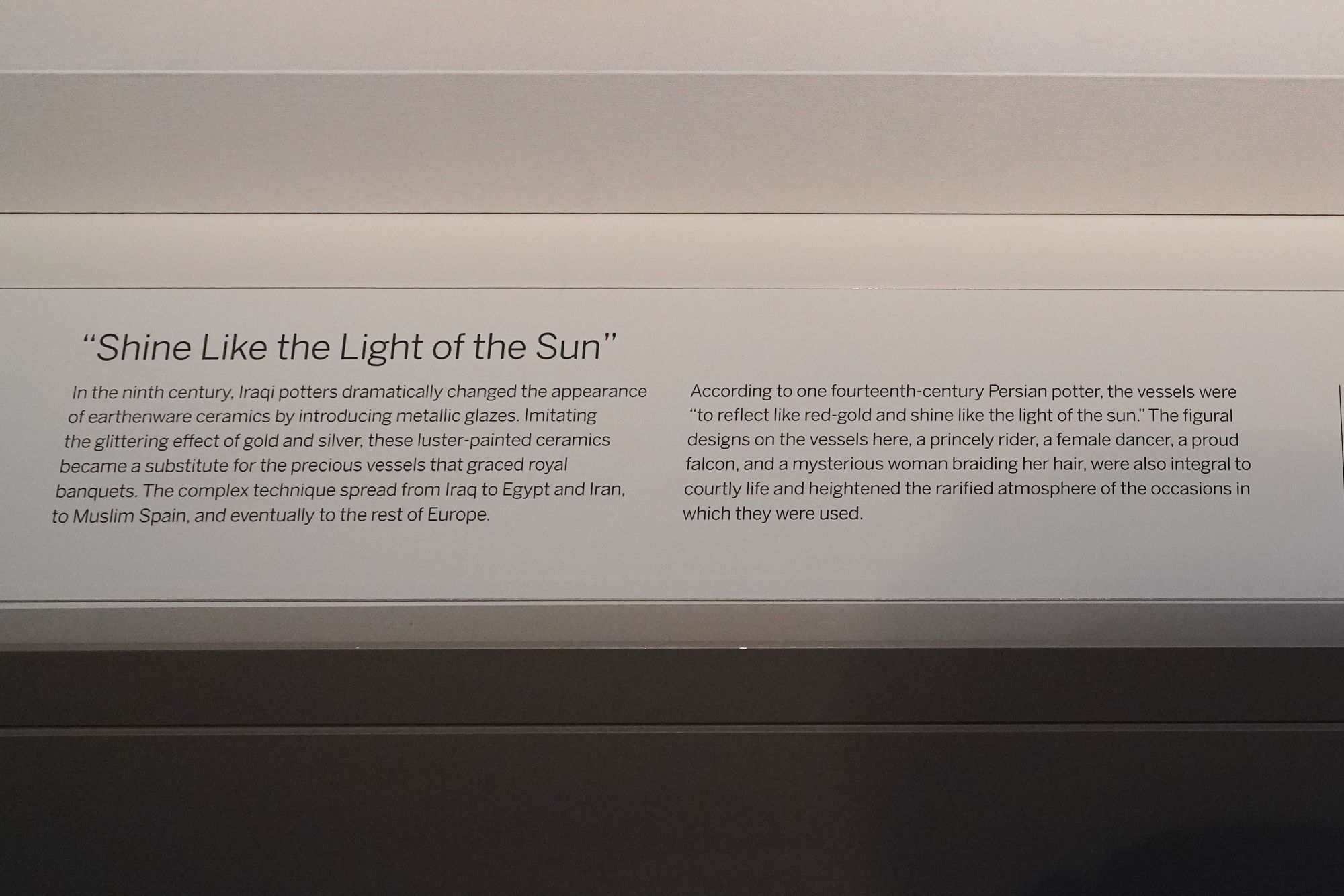
Many of the finest vessels were produced for the pleasure of the social and intellectual gatherings.
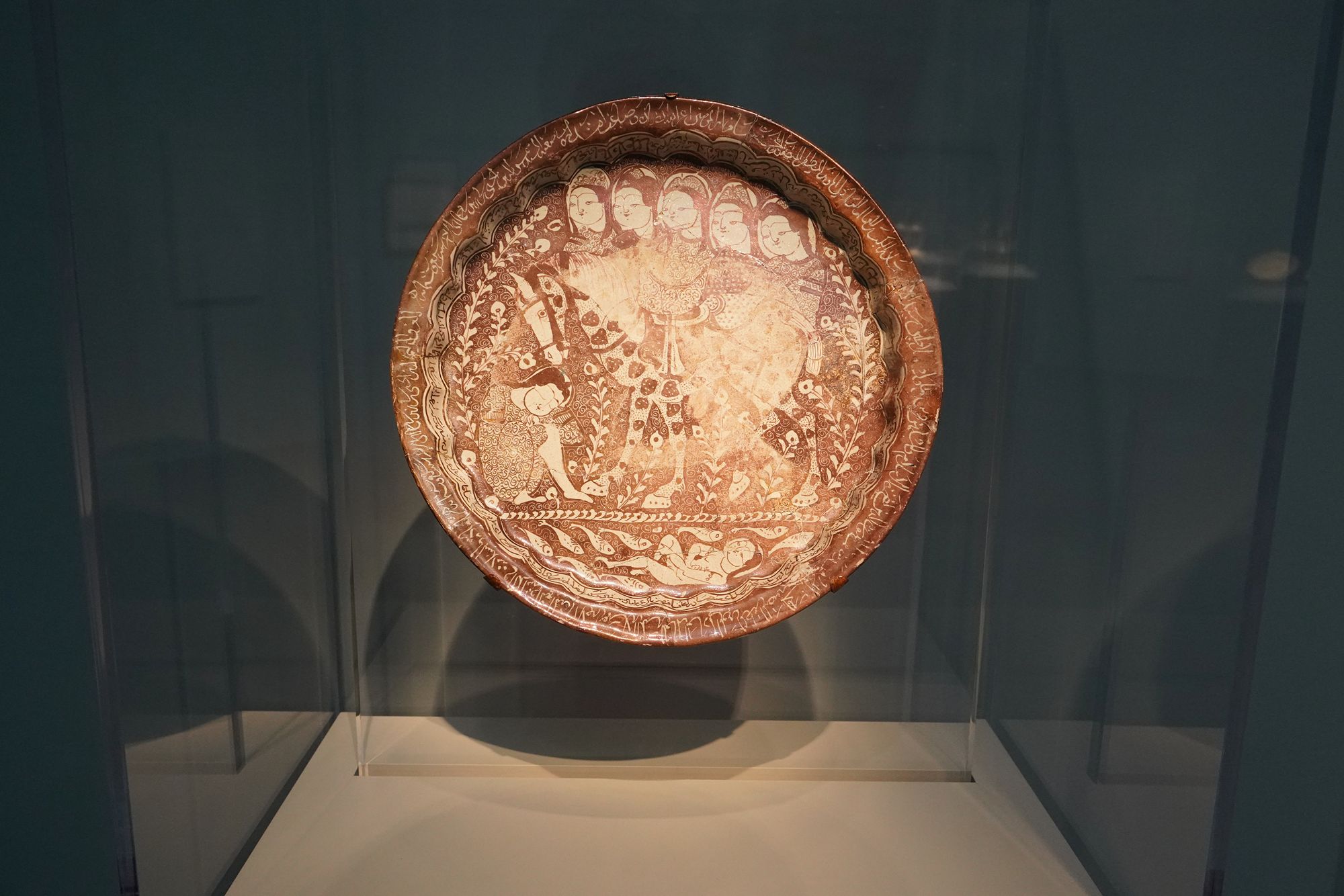
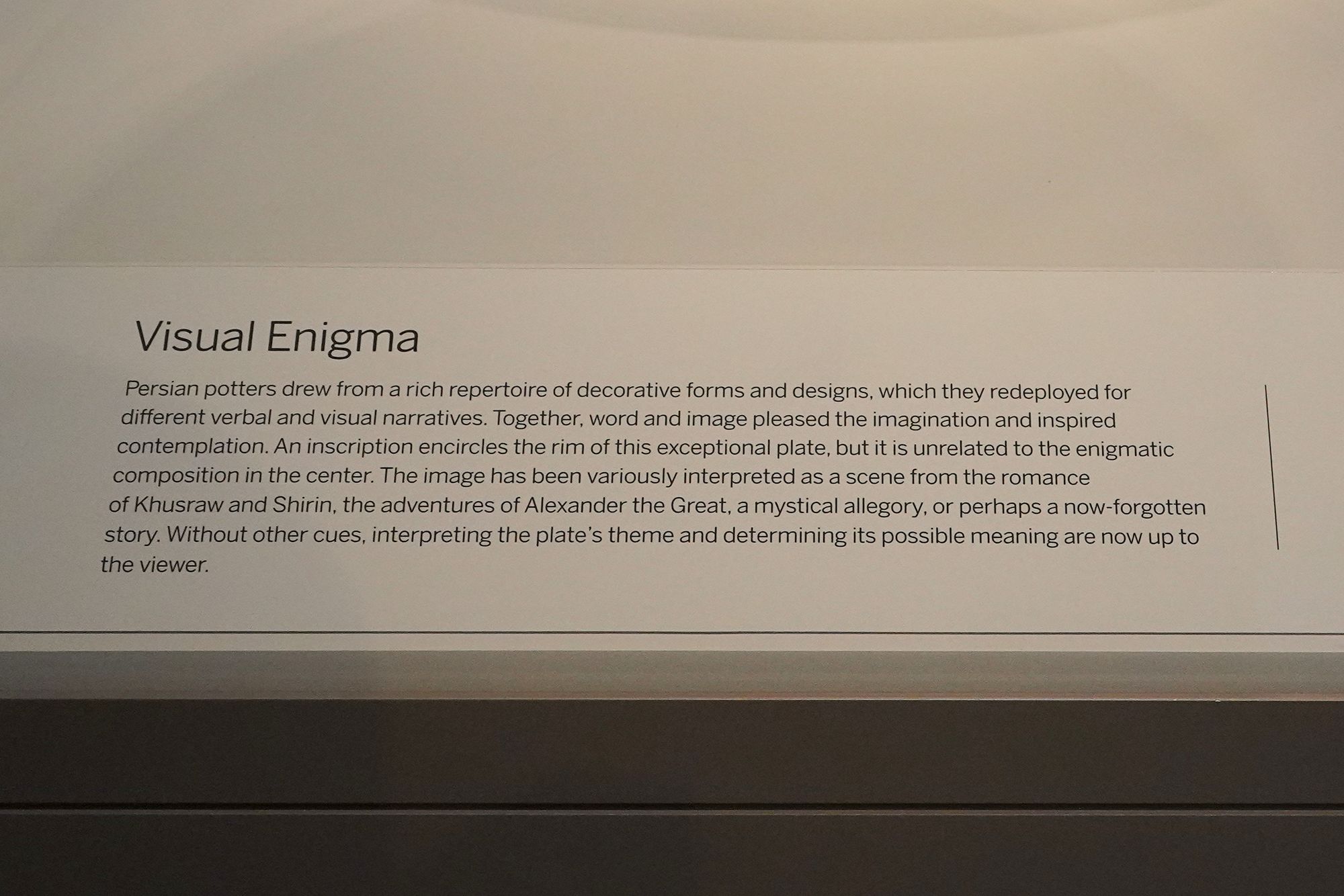
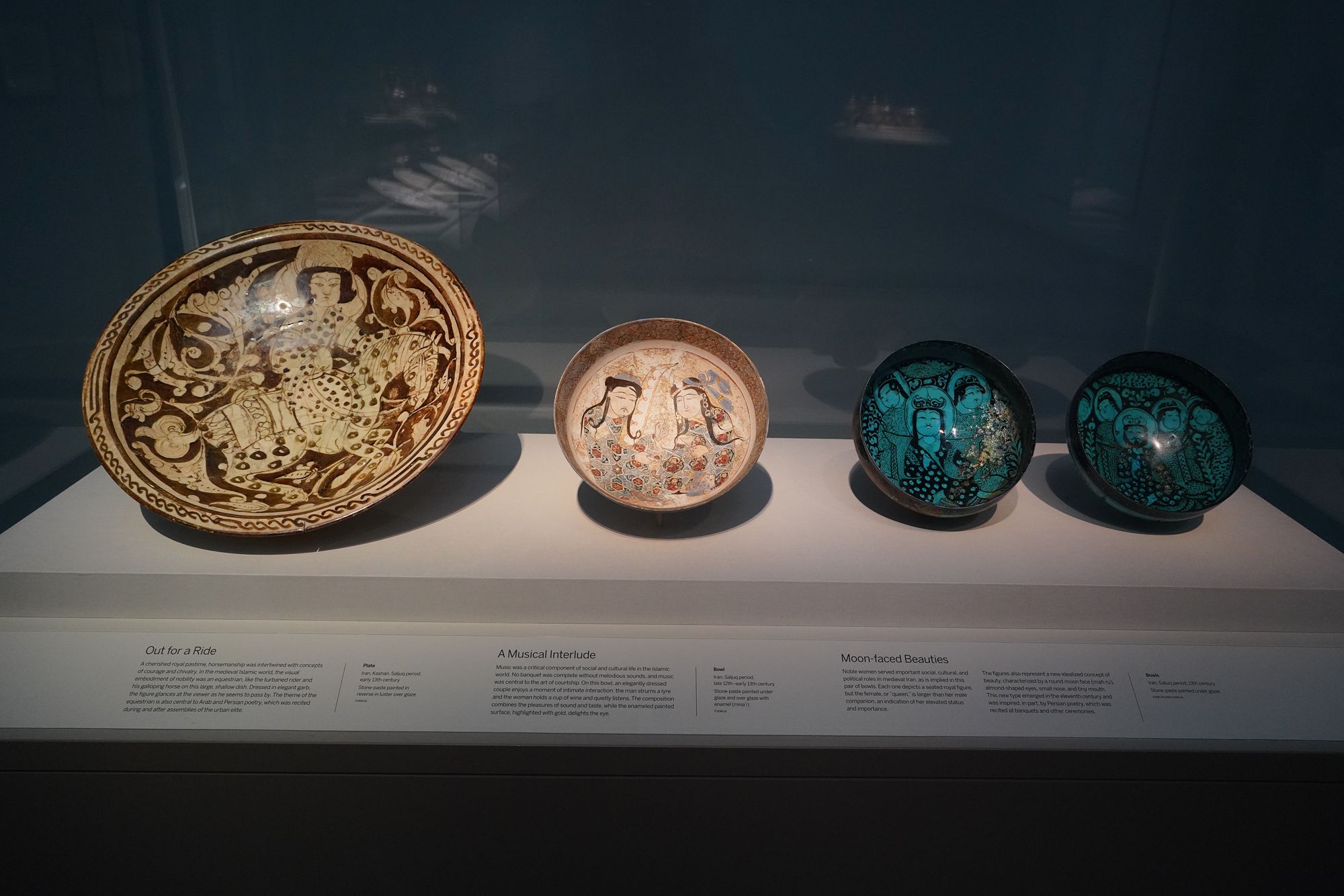
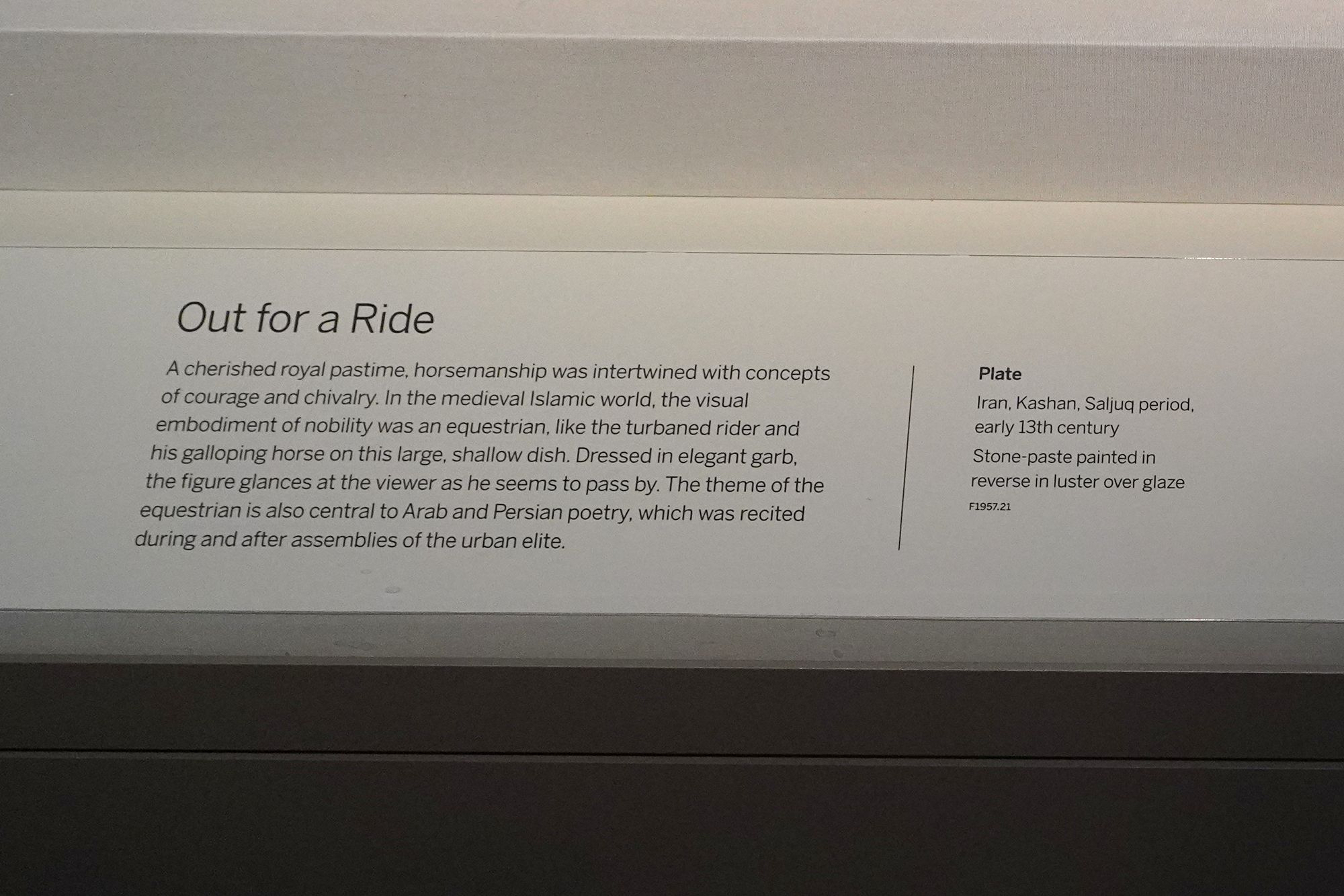
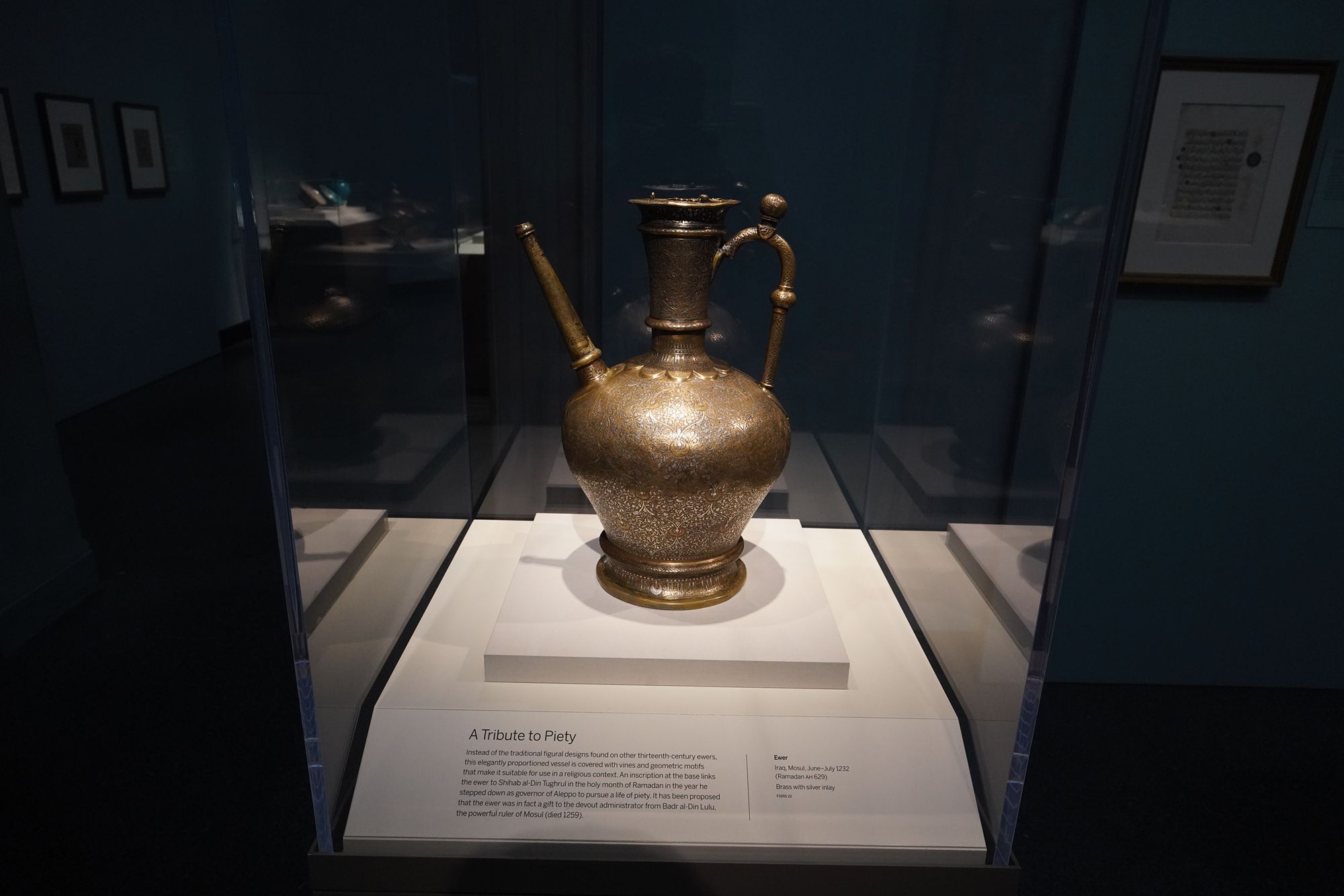
Islamic Writings
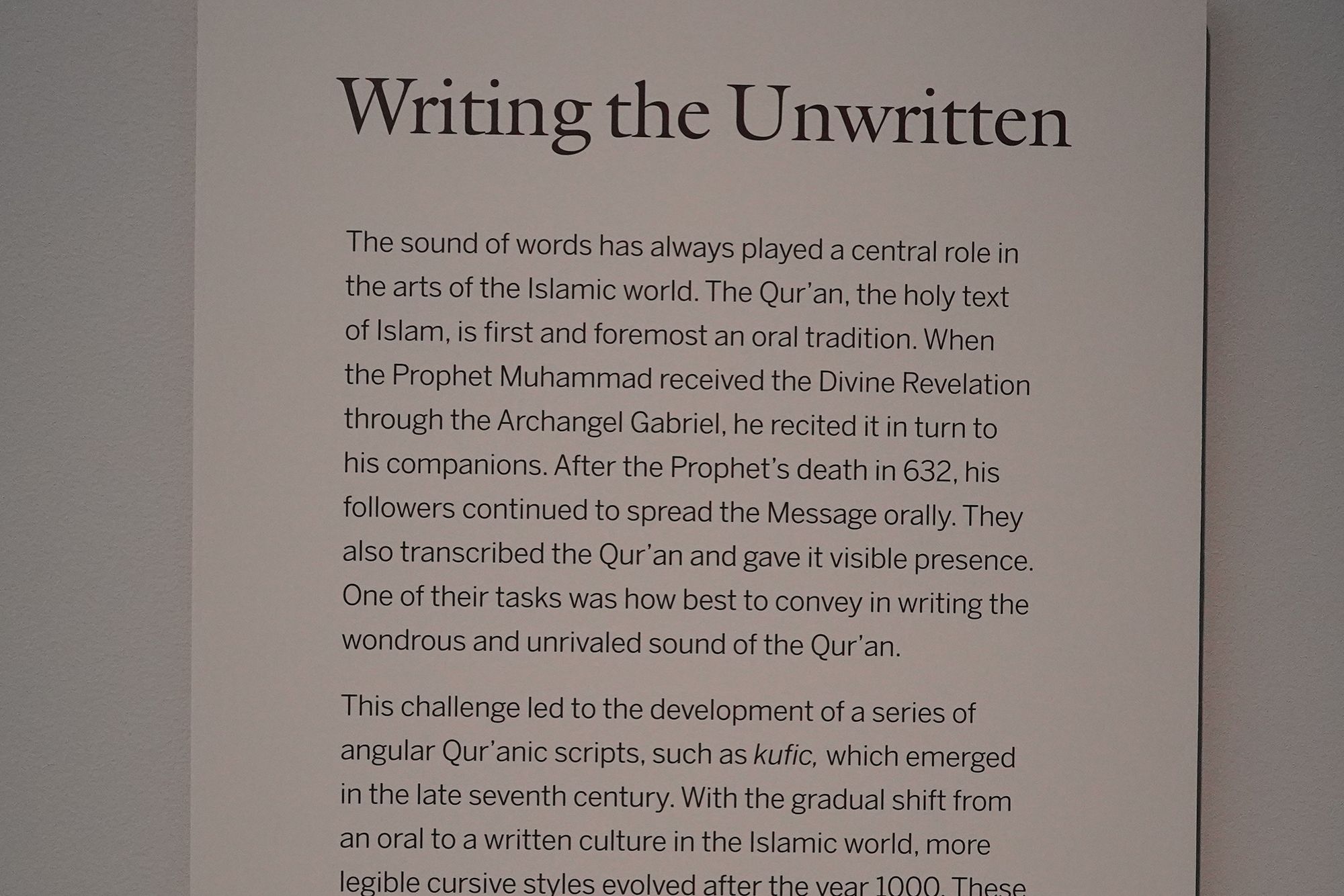
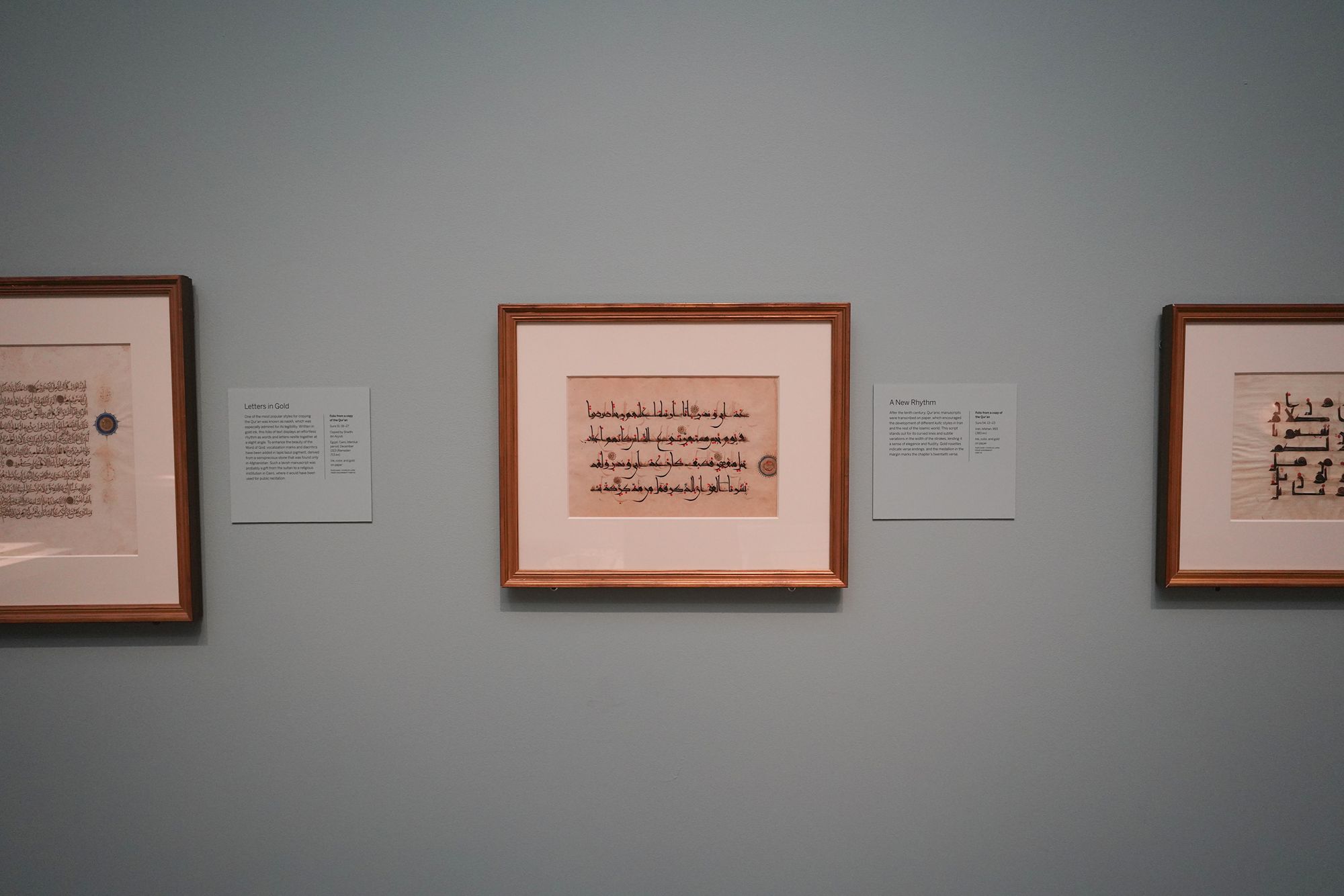
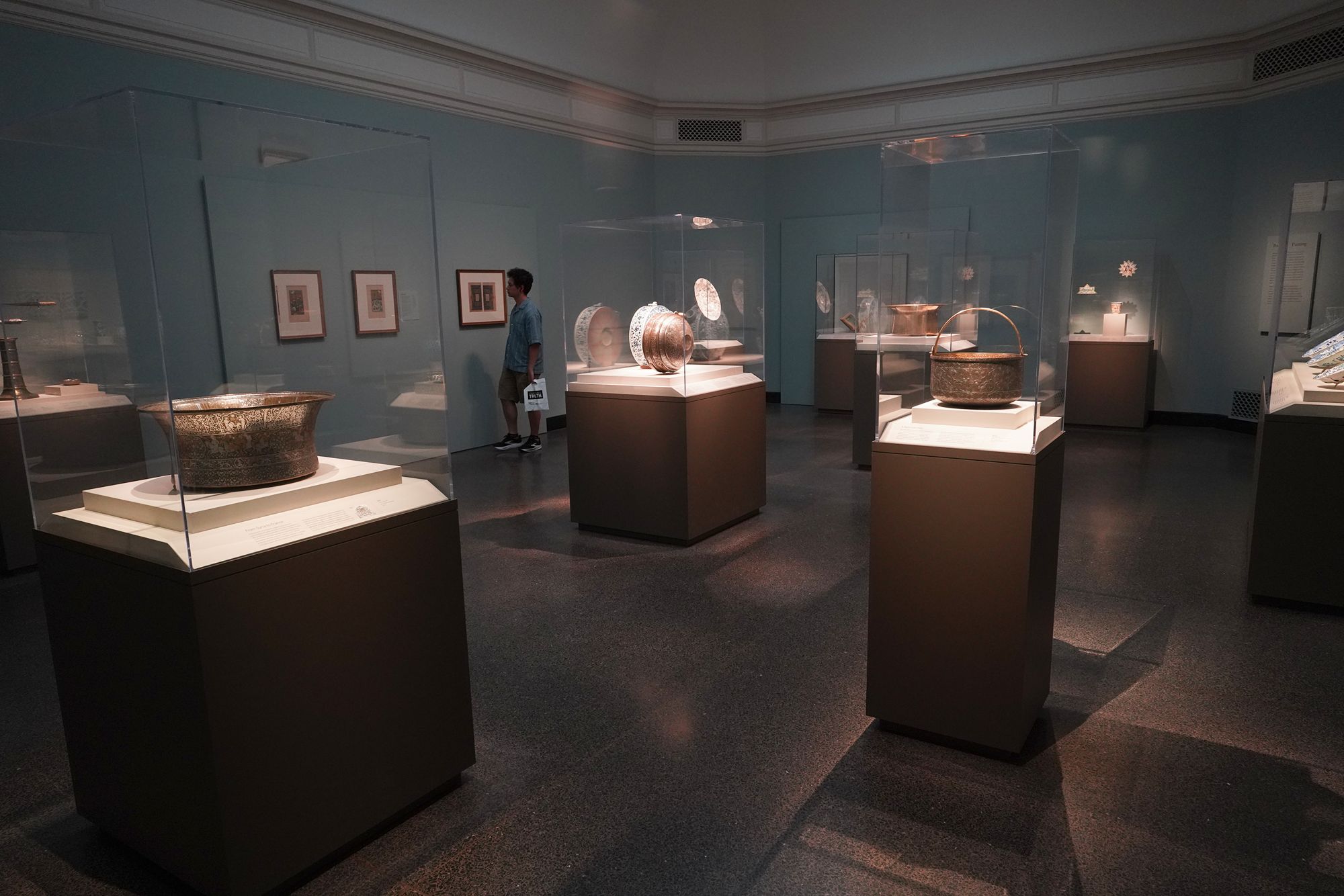
A blend of artistic talents from many different countries.
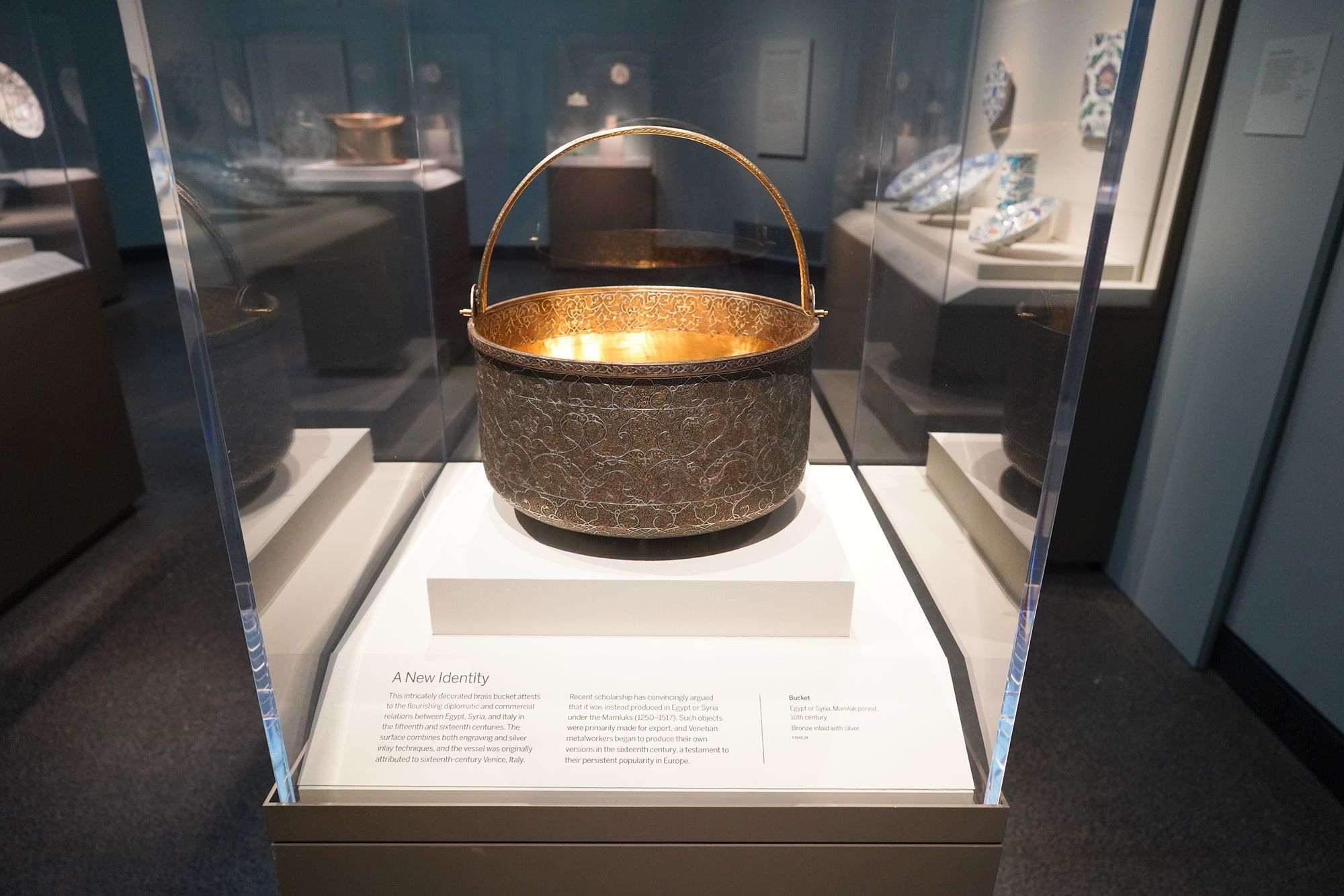
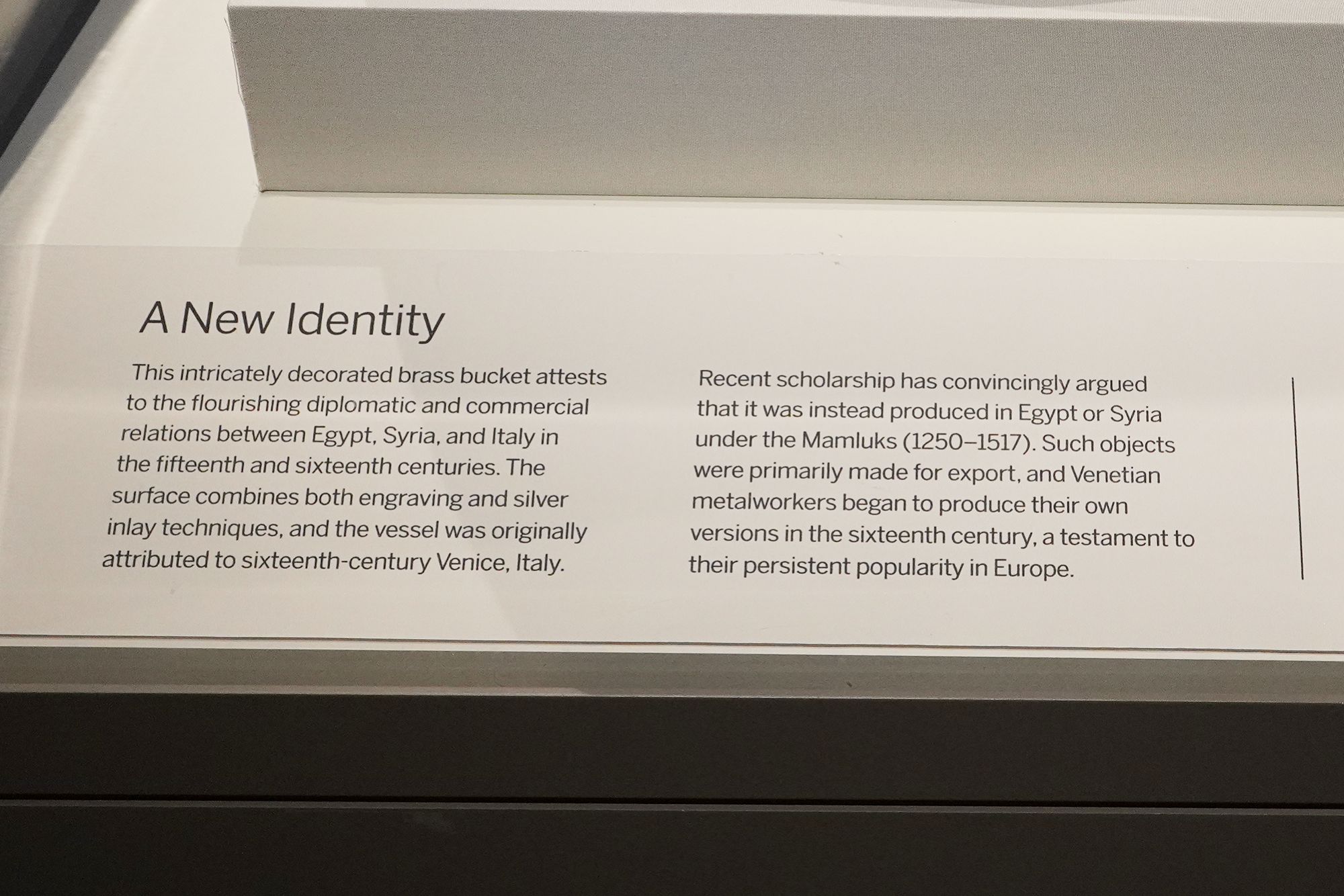
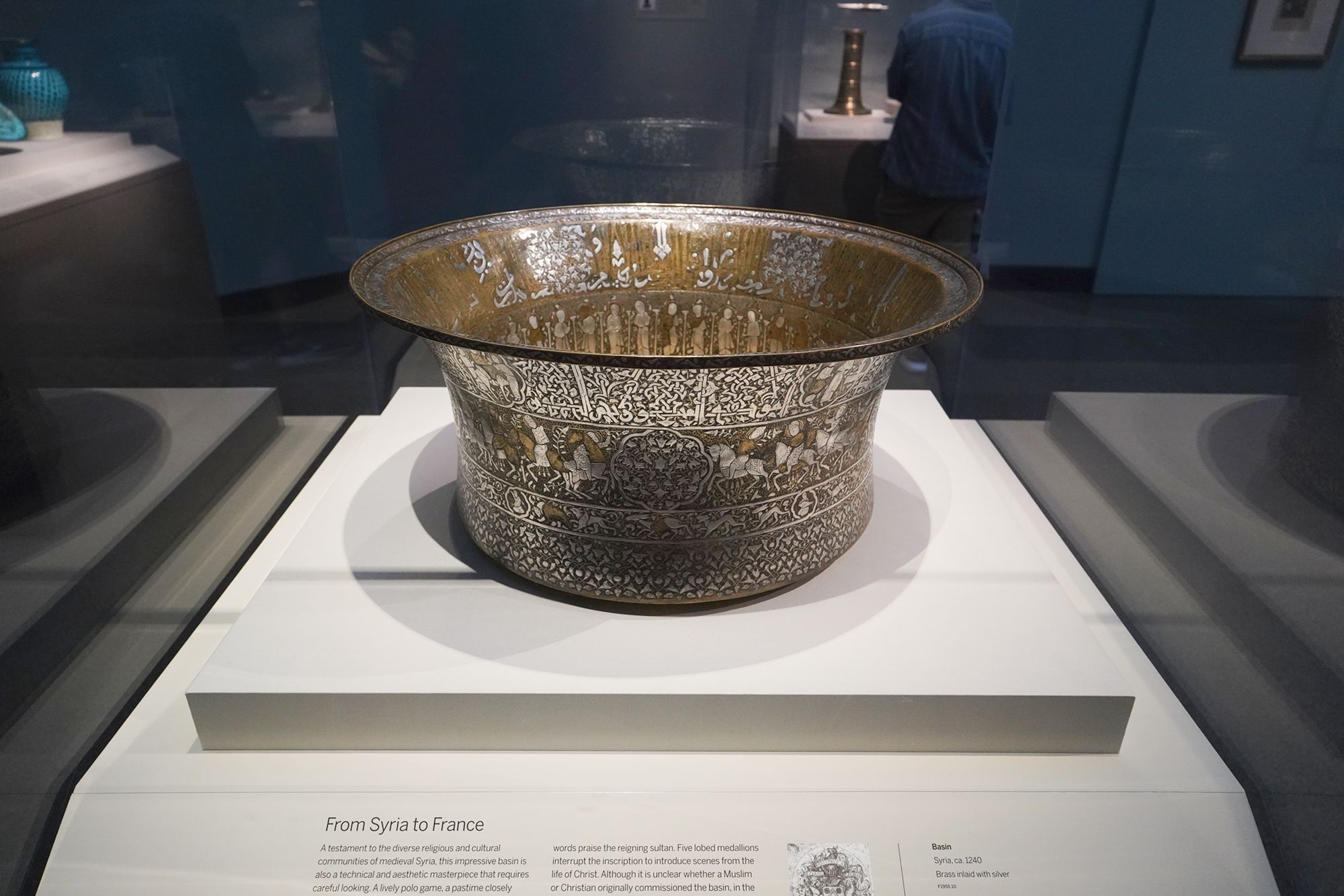
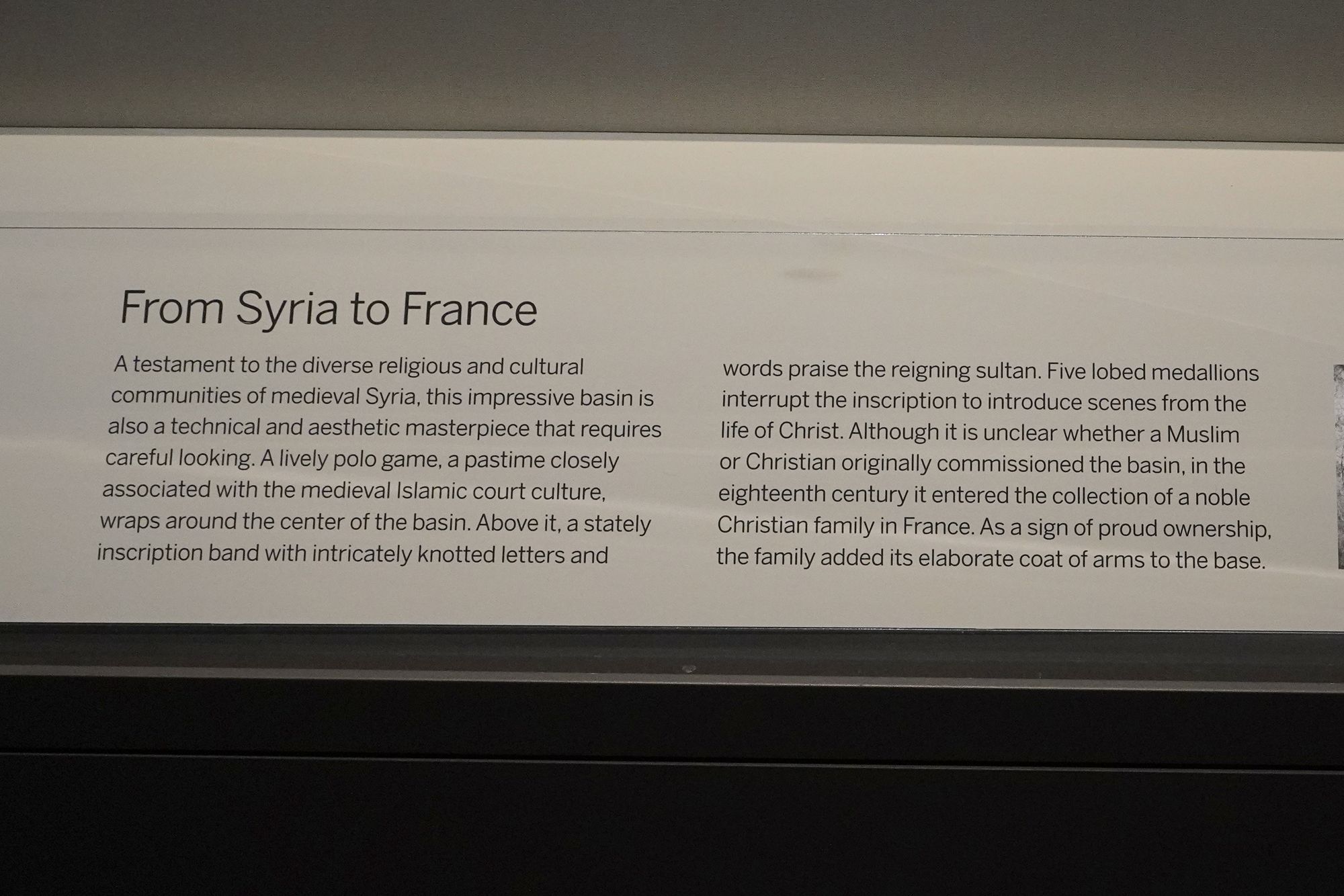
A Syrian artwork found in France.
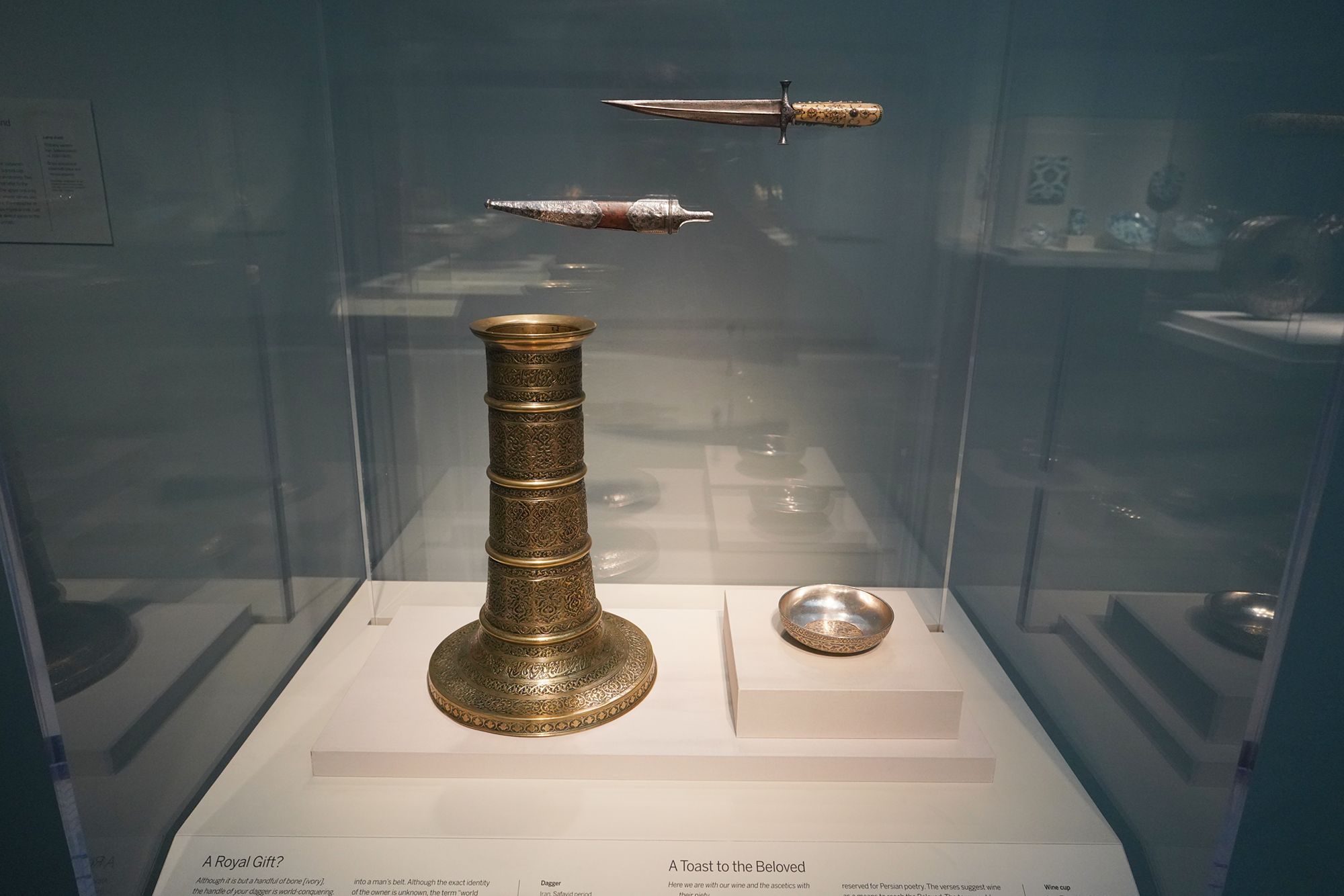
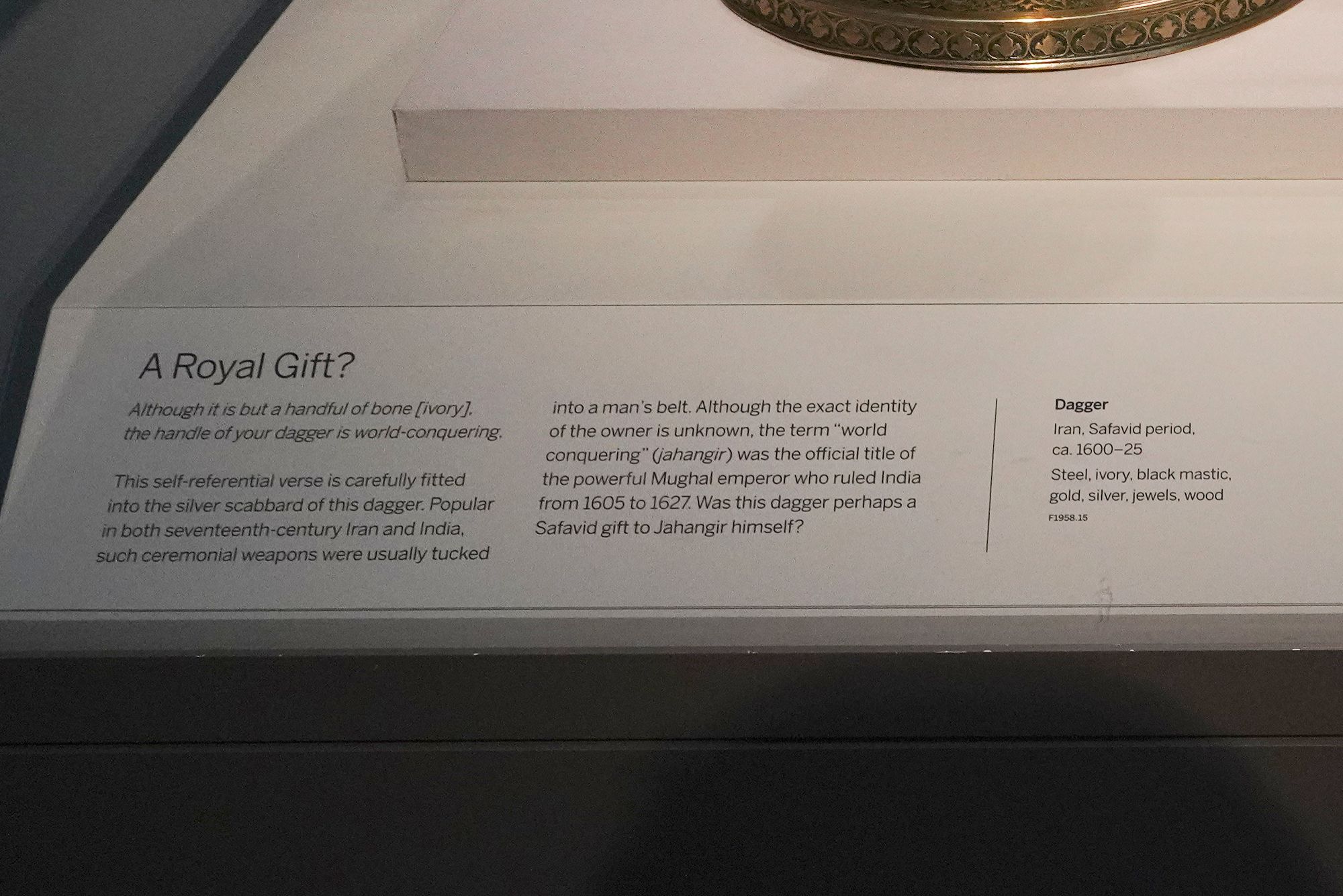
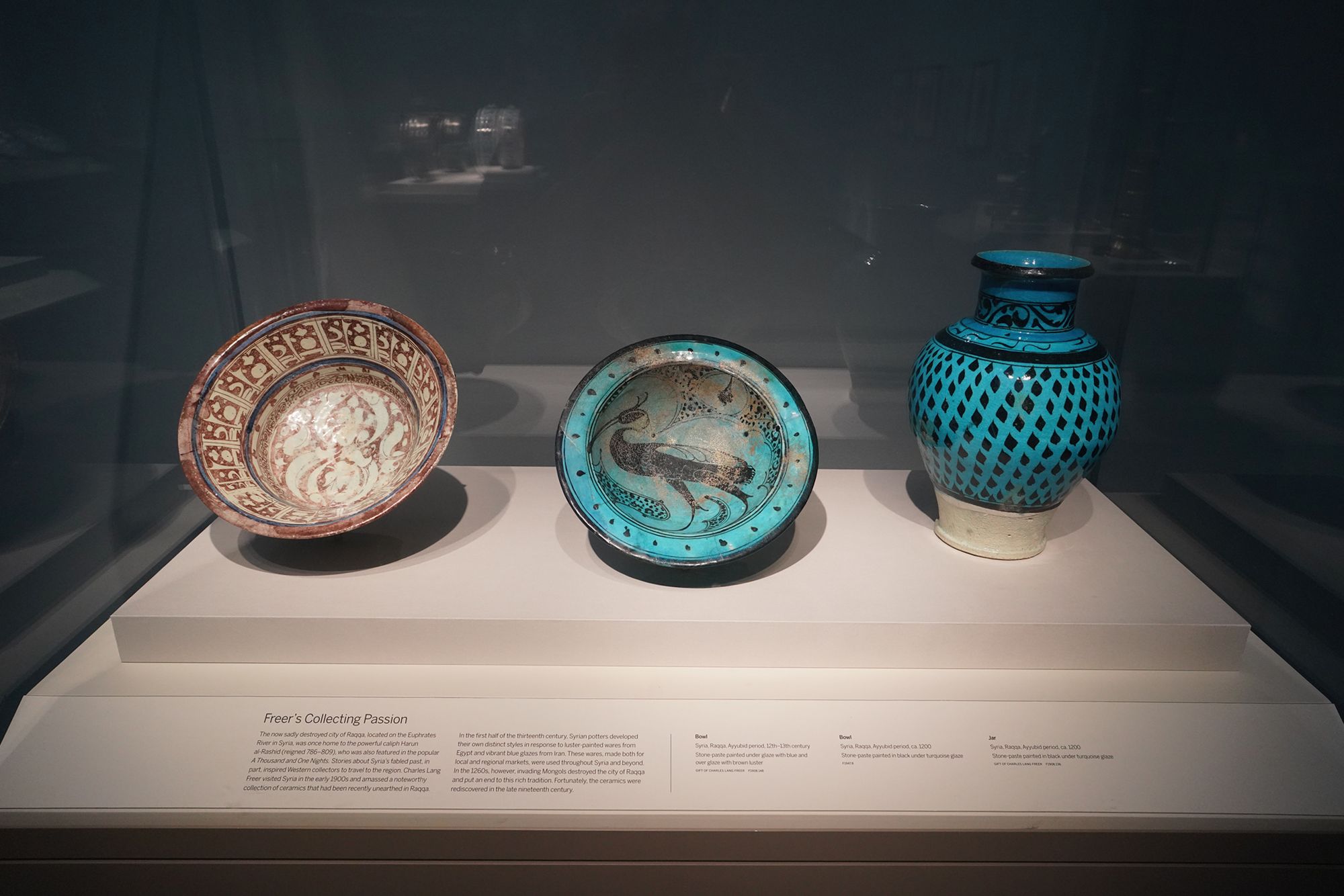
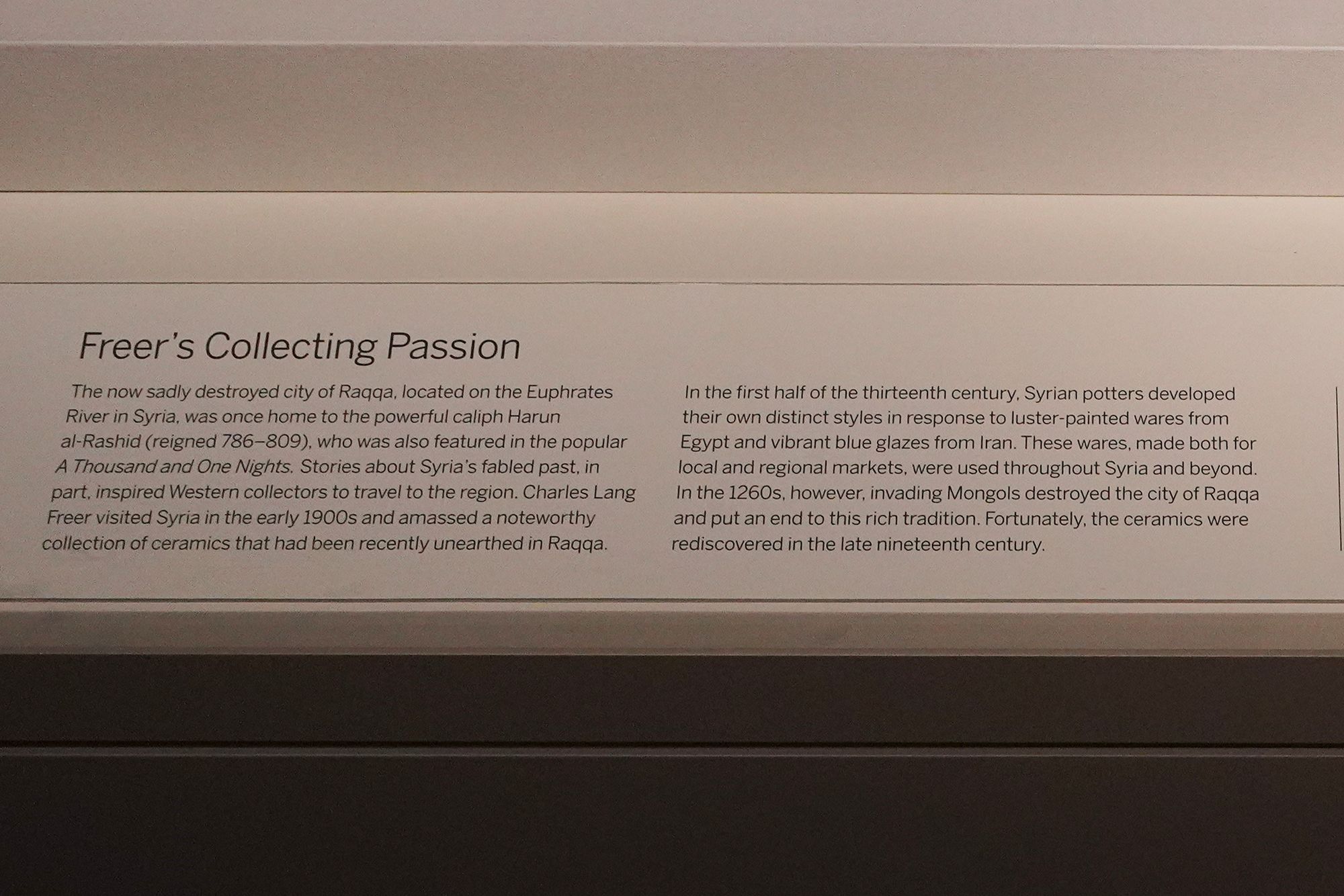
Decorated with flowers
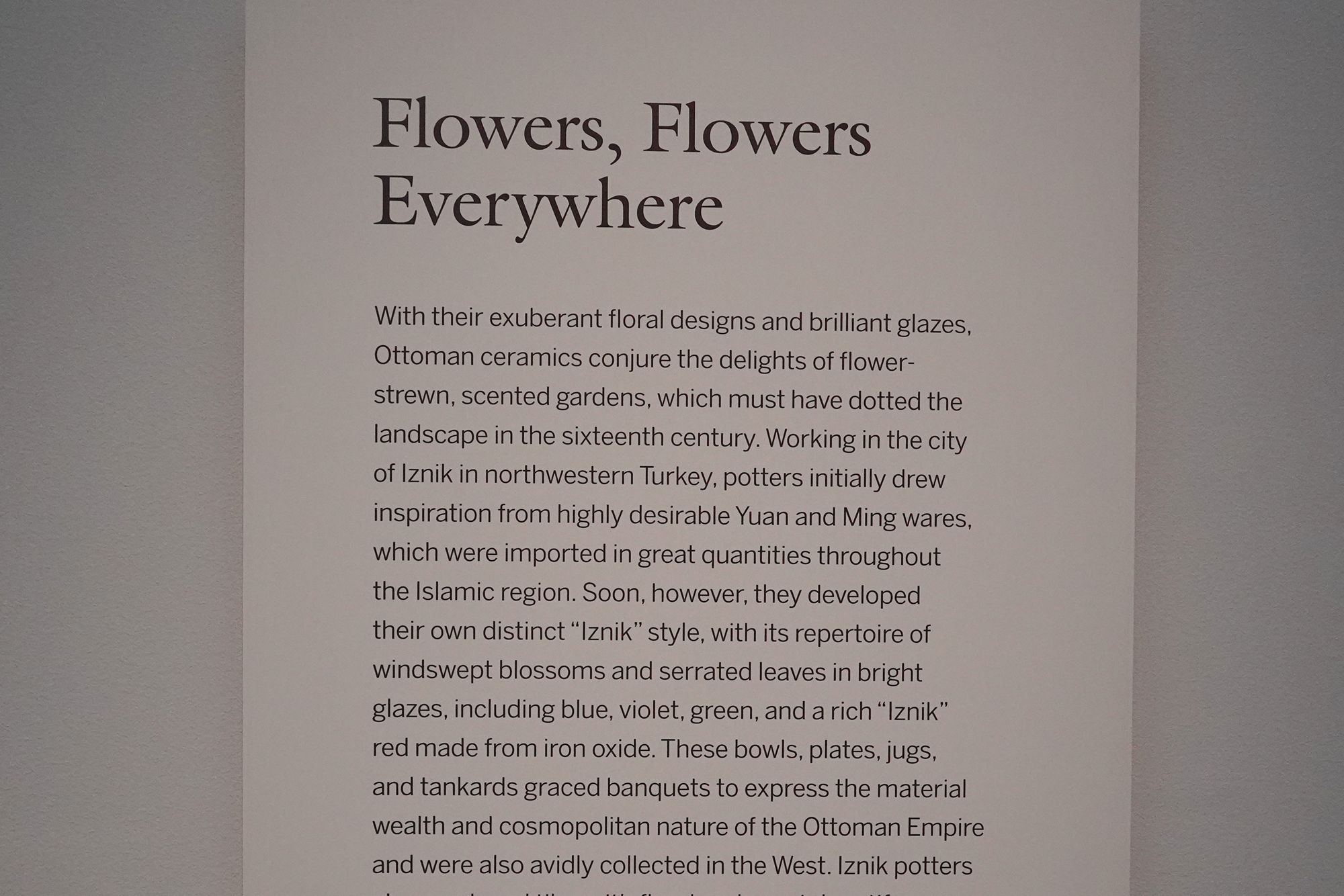
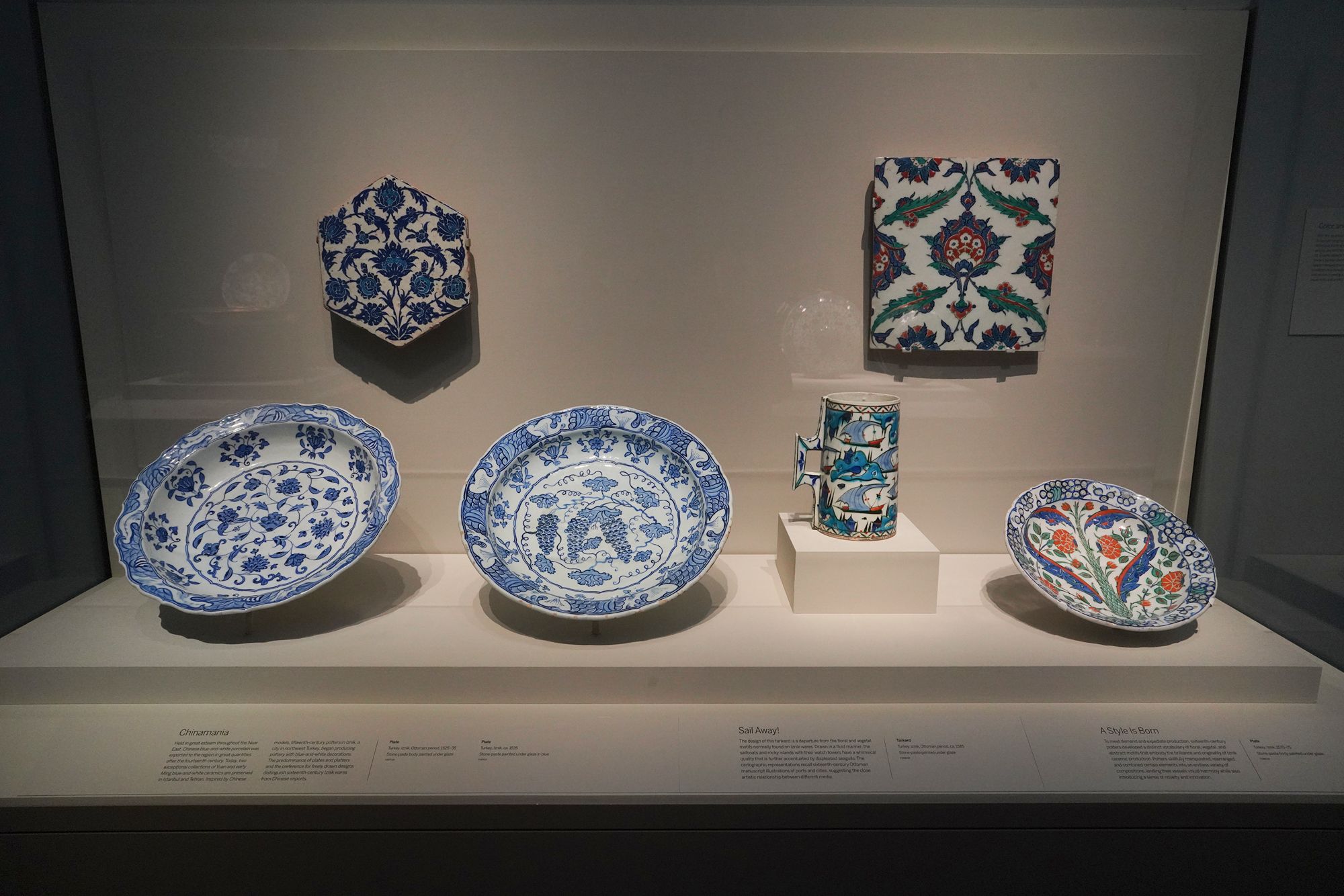
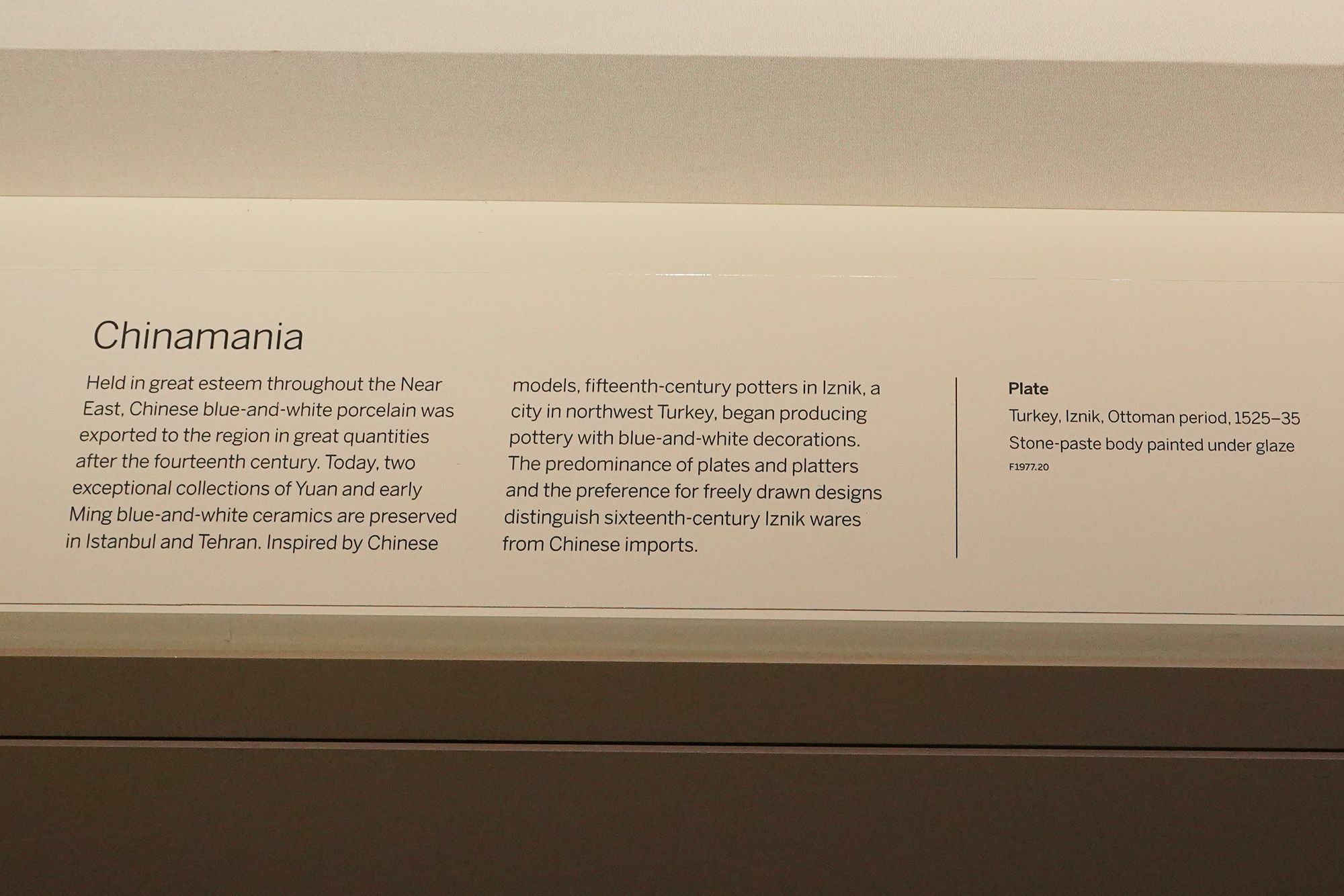
Chinamania
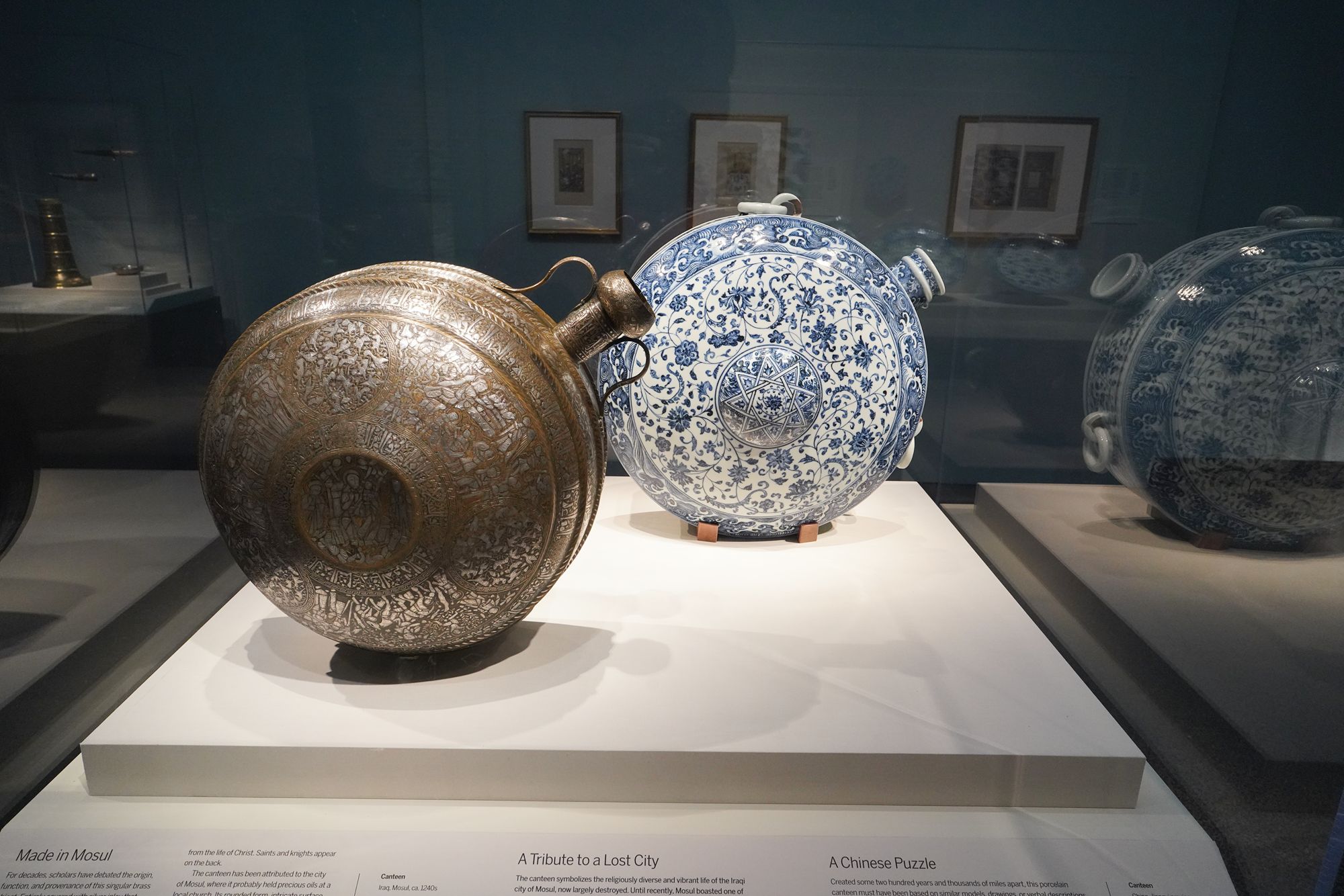
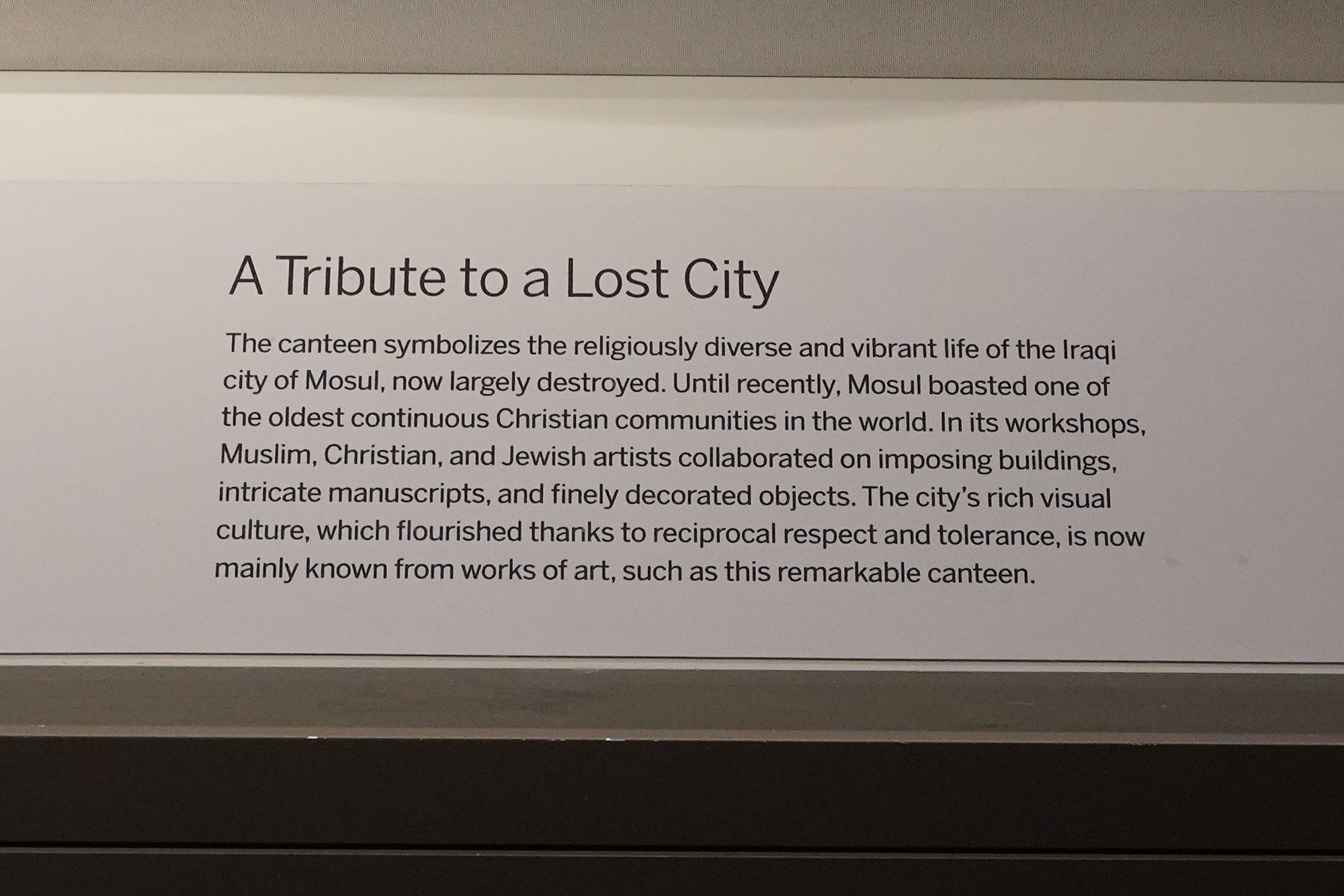
A Tribute to a Lost City
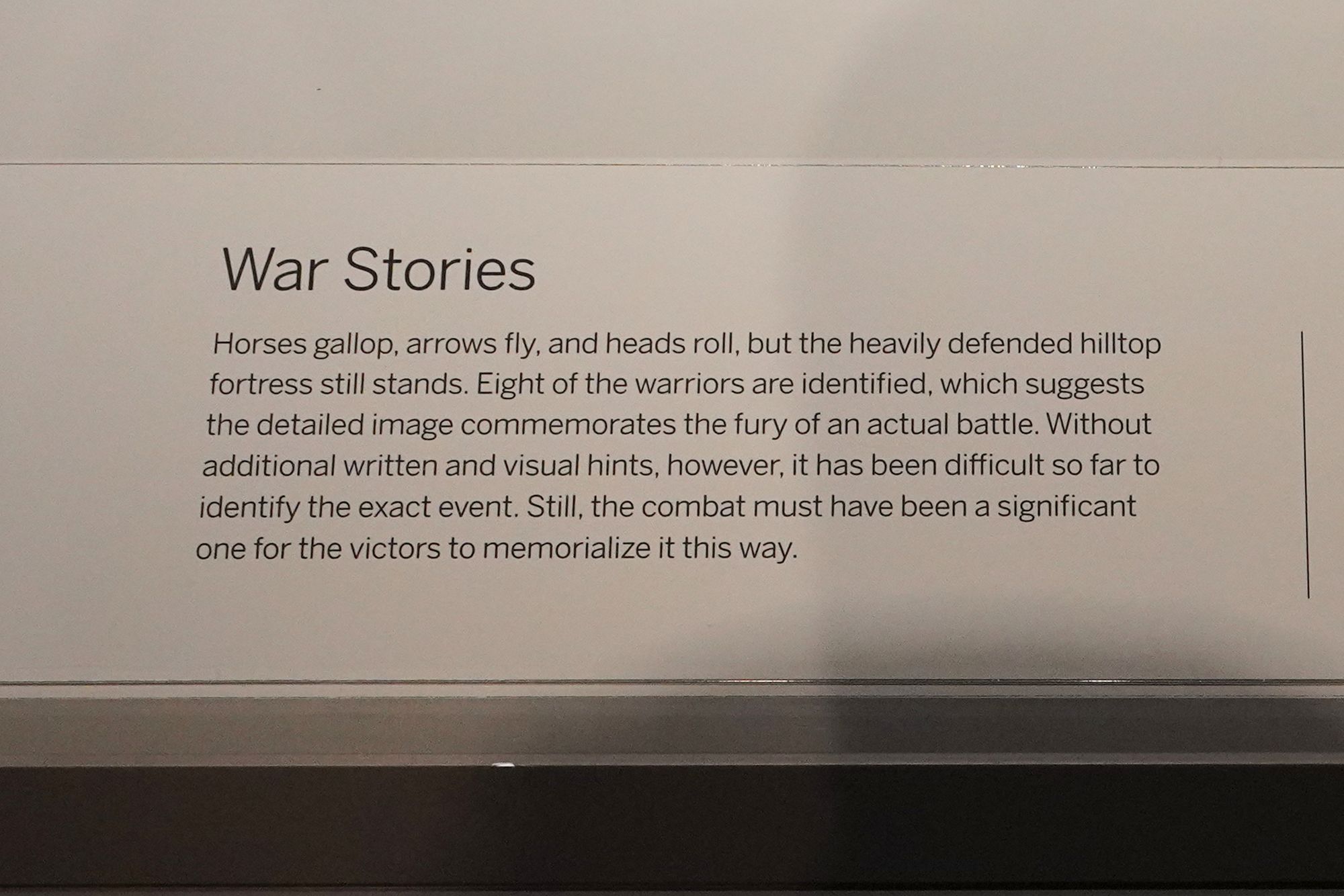
War Stories
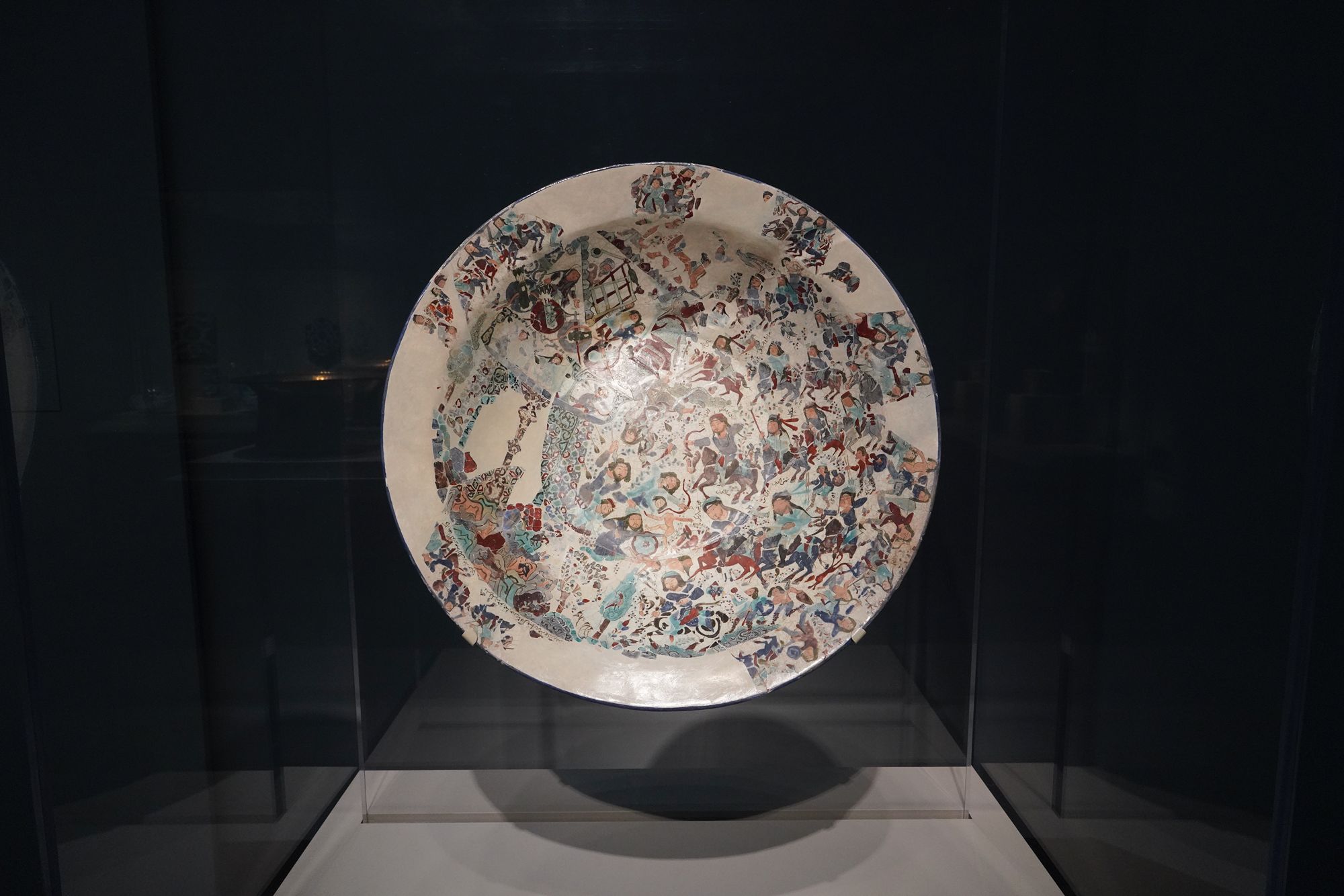
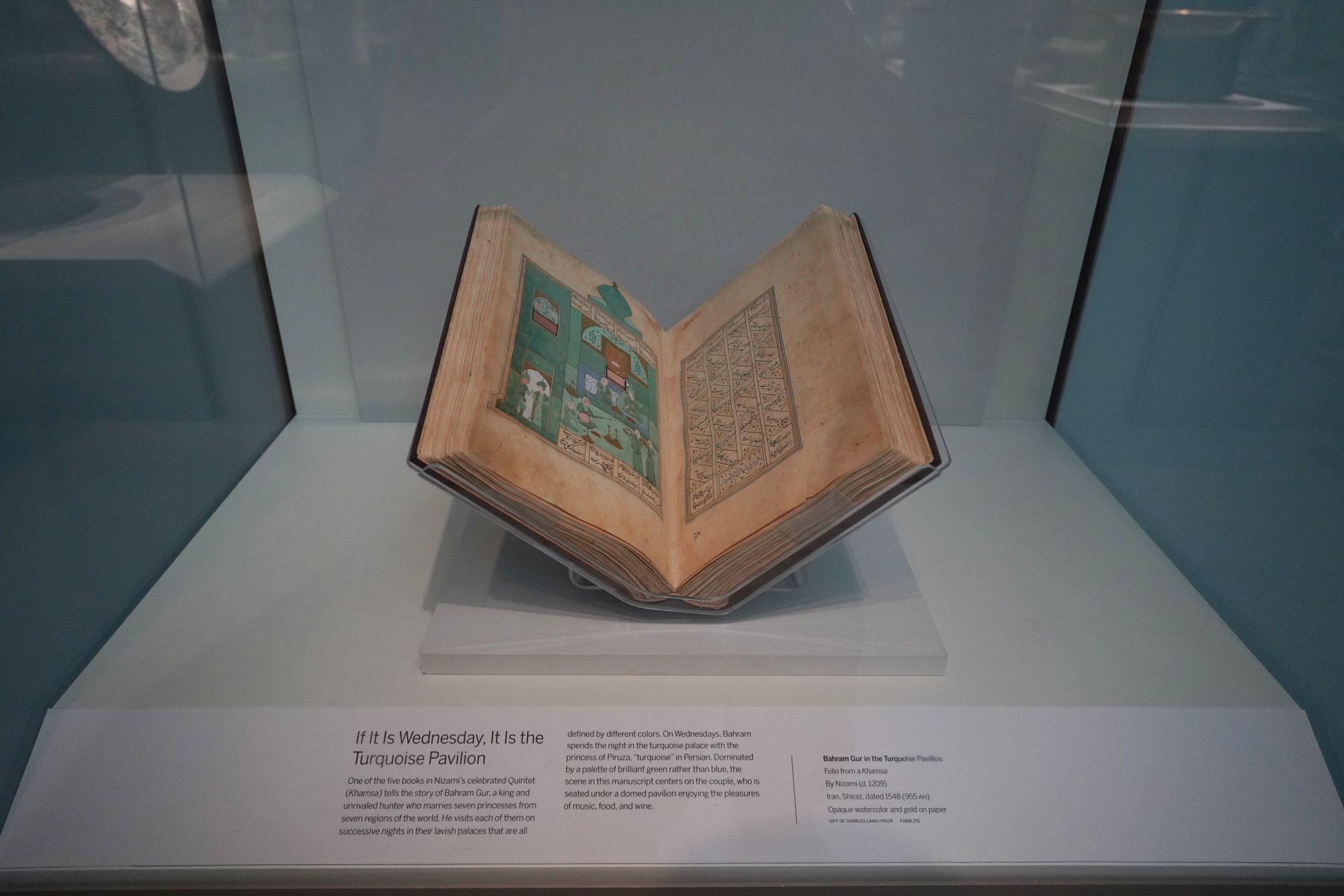
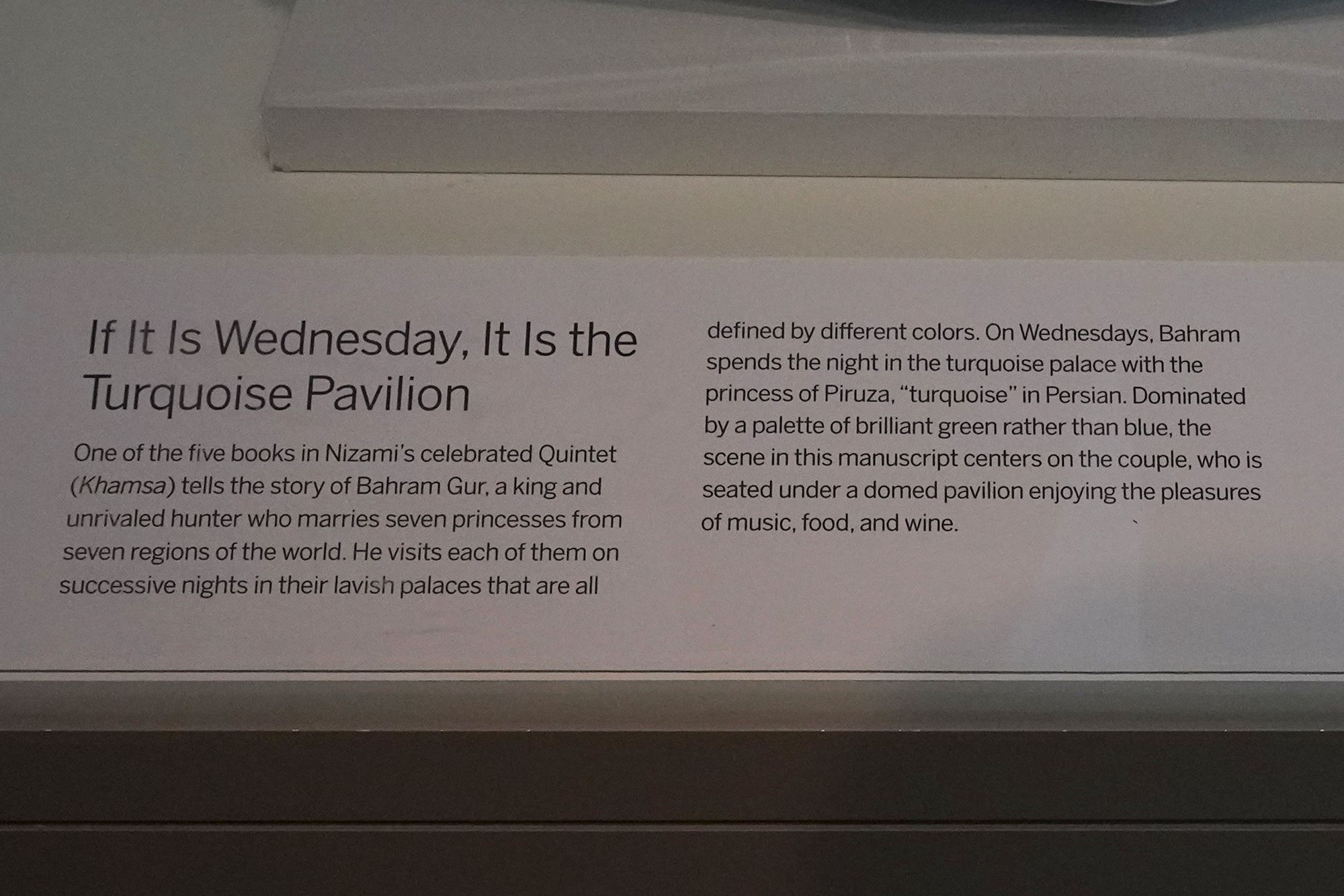
Nizami’s Quintet is a set of five epic poems written by the Persian poet Nizami Ganjavi in the 12th century. The poems combine romance, history, ethics, and storytelling, and they became some of the most influential works in Persian literature.
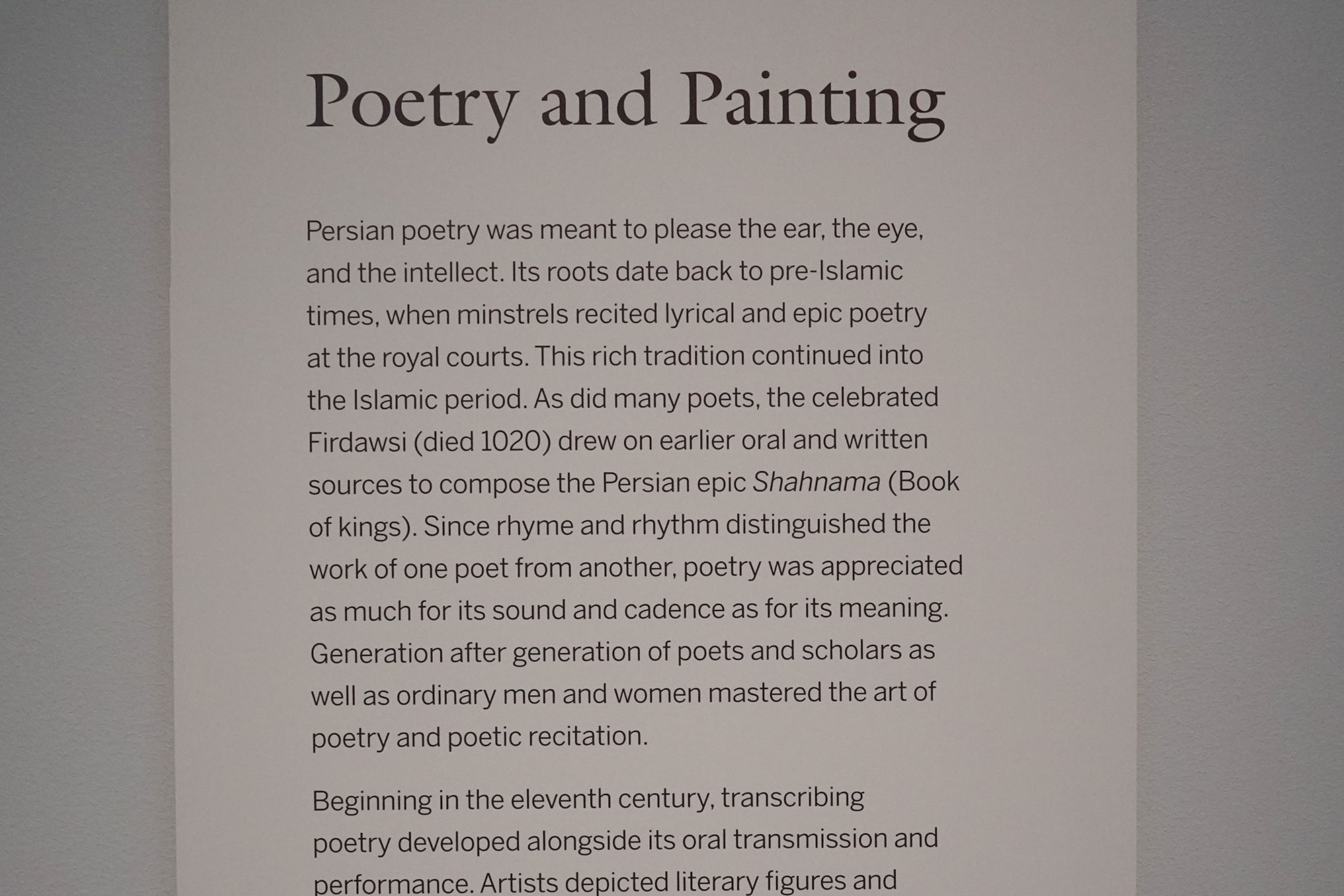
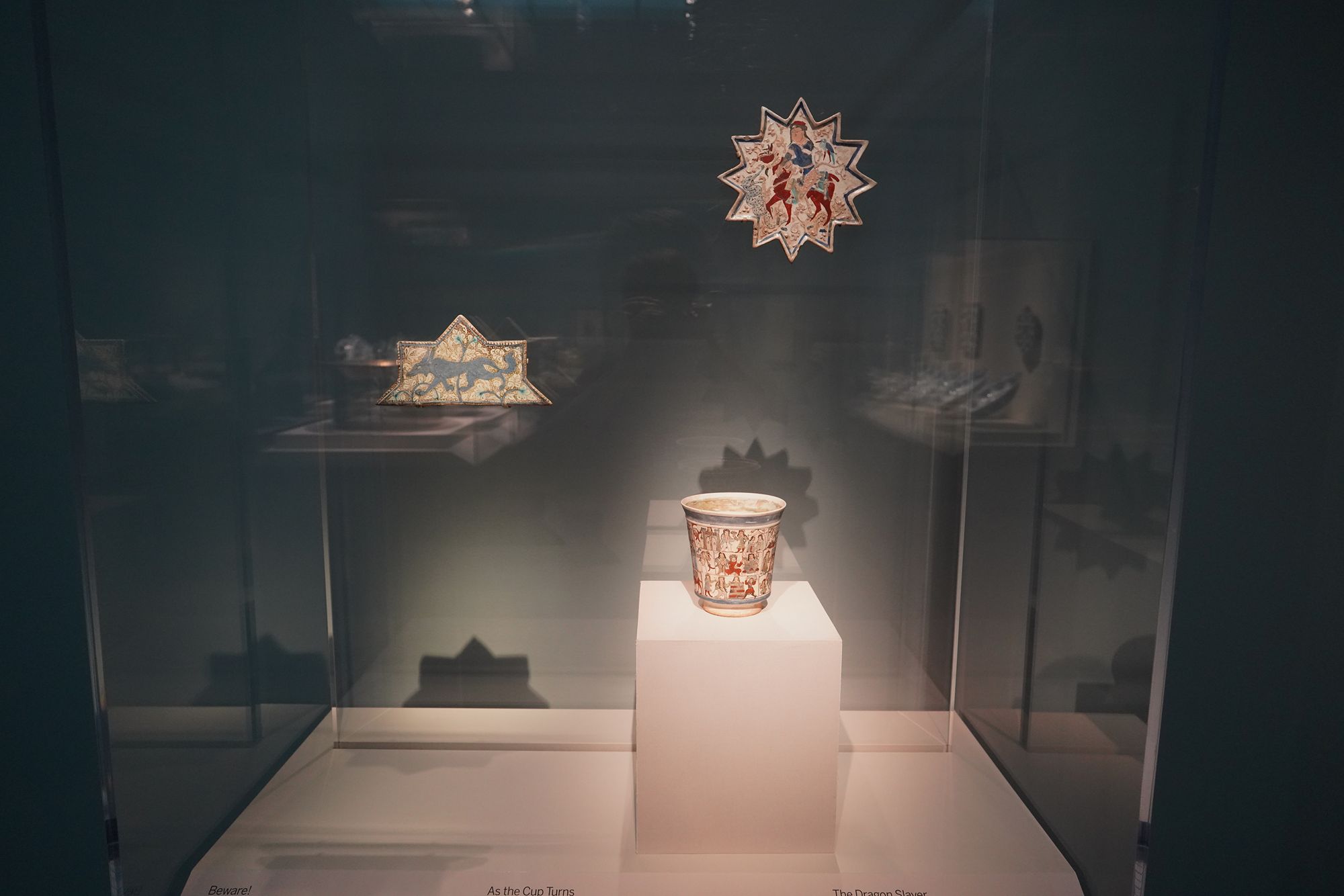
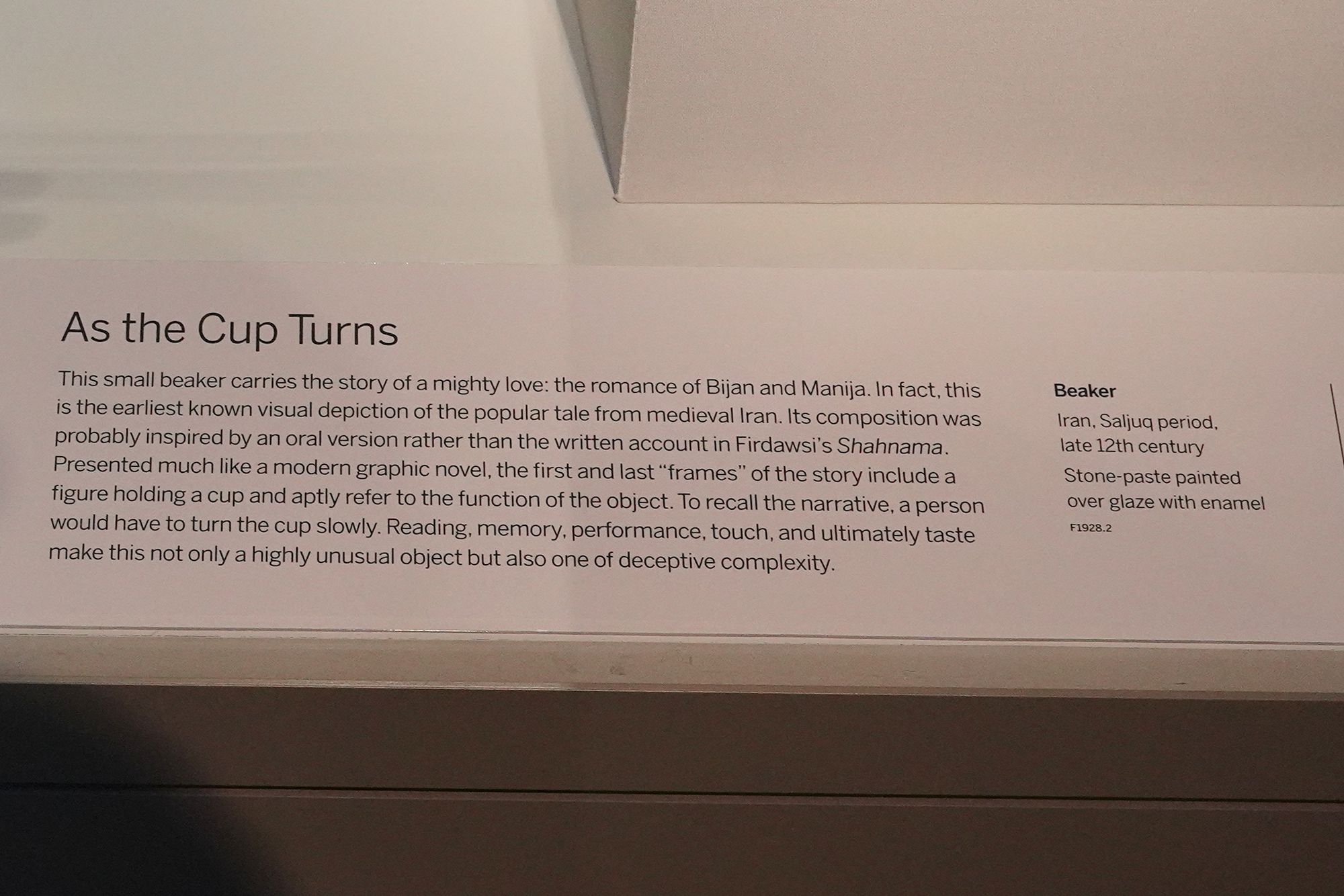
Poetry and Painting
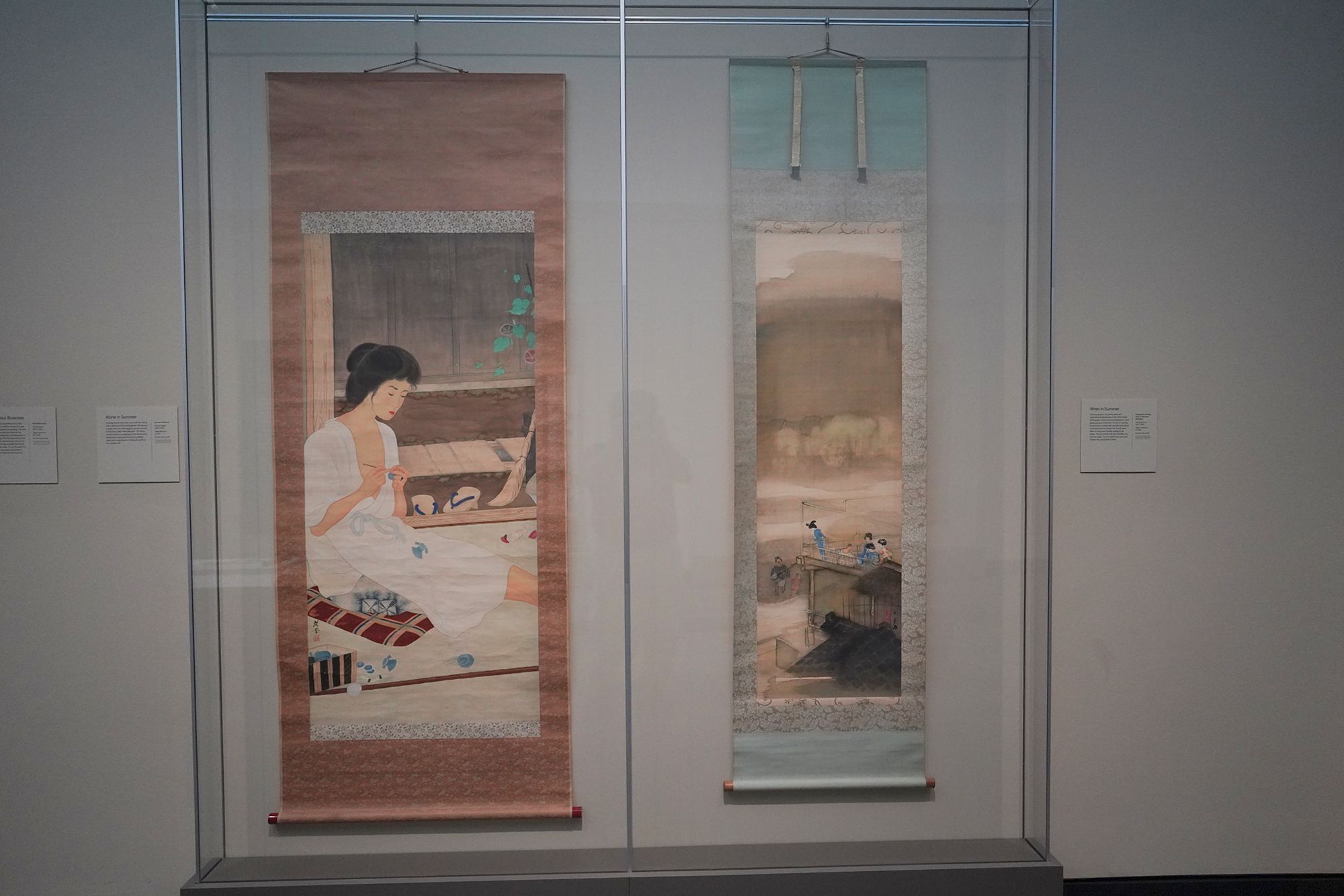
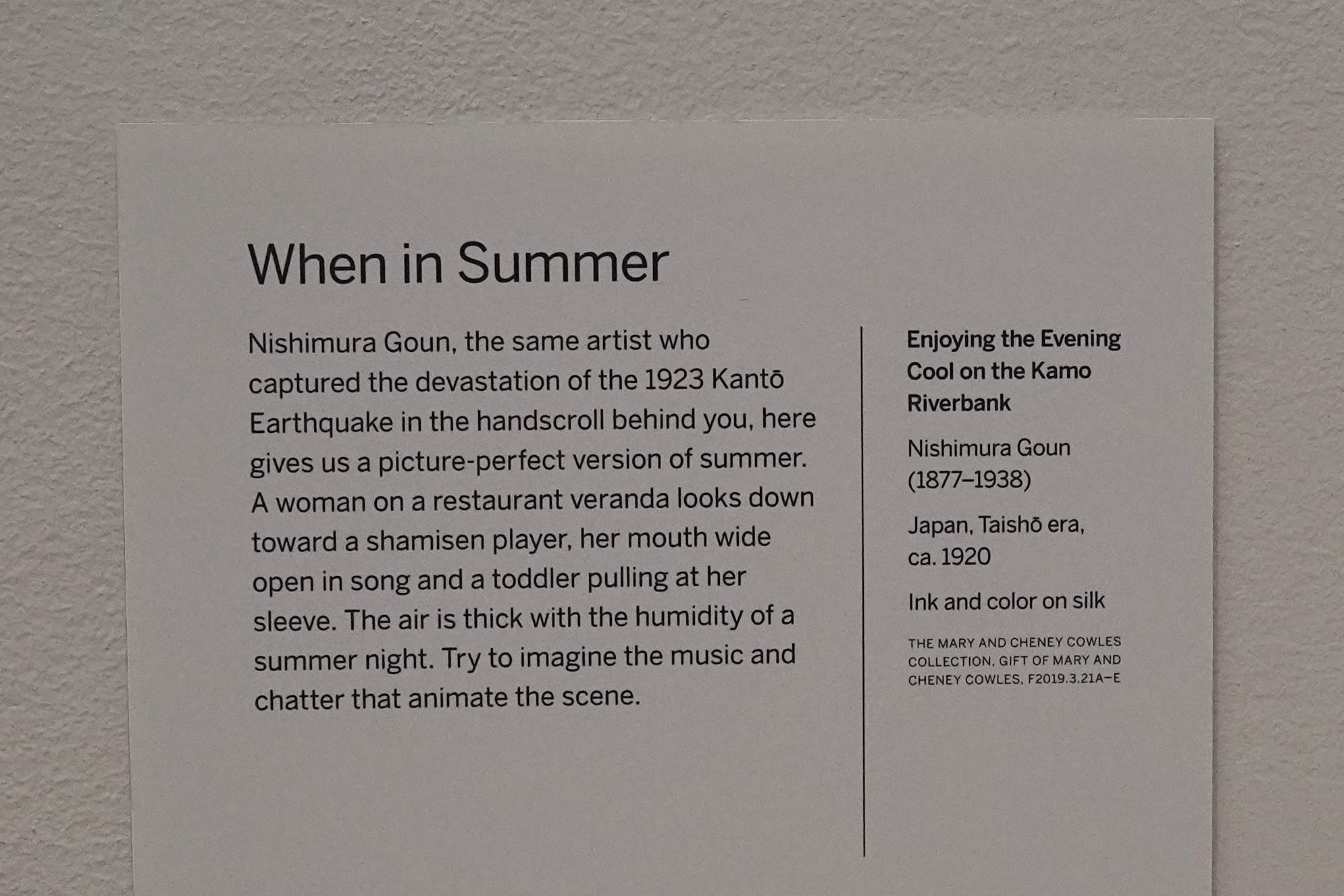
Japanese Art
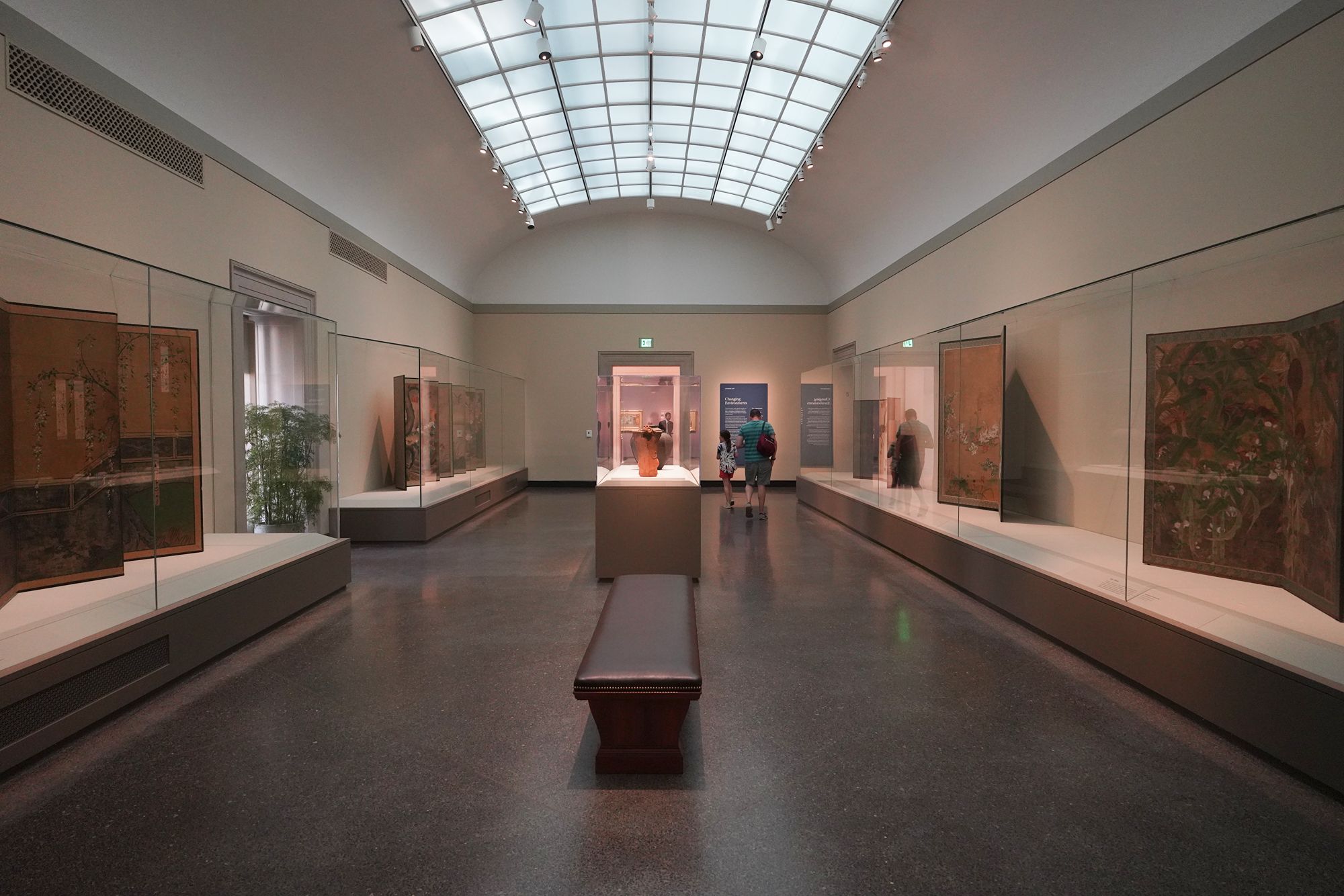
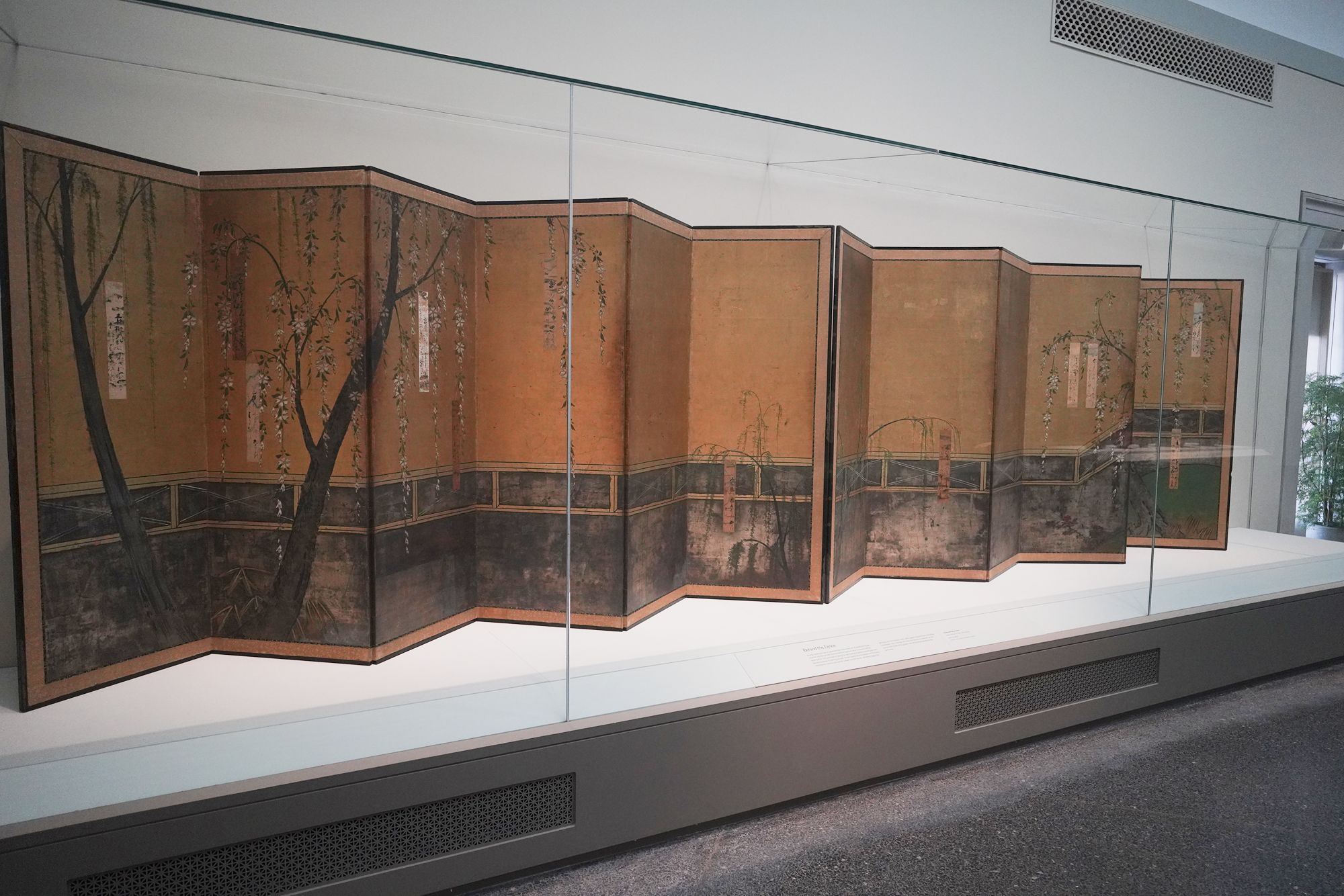
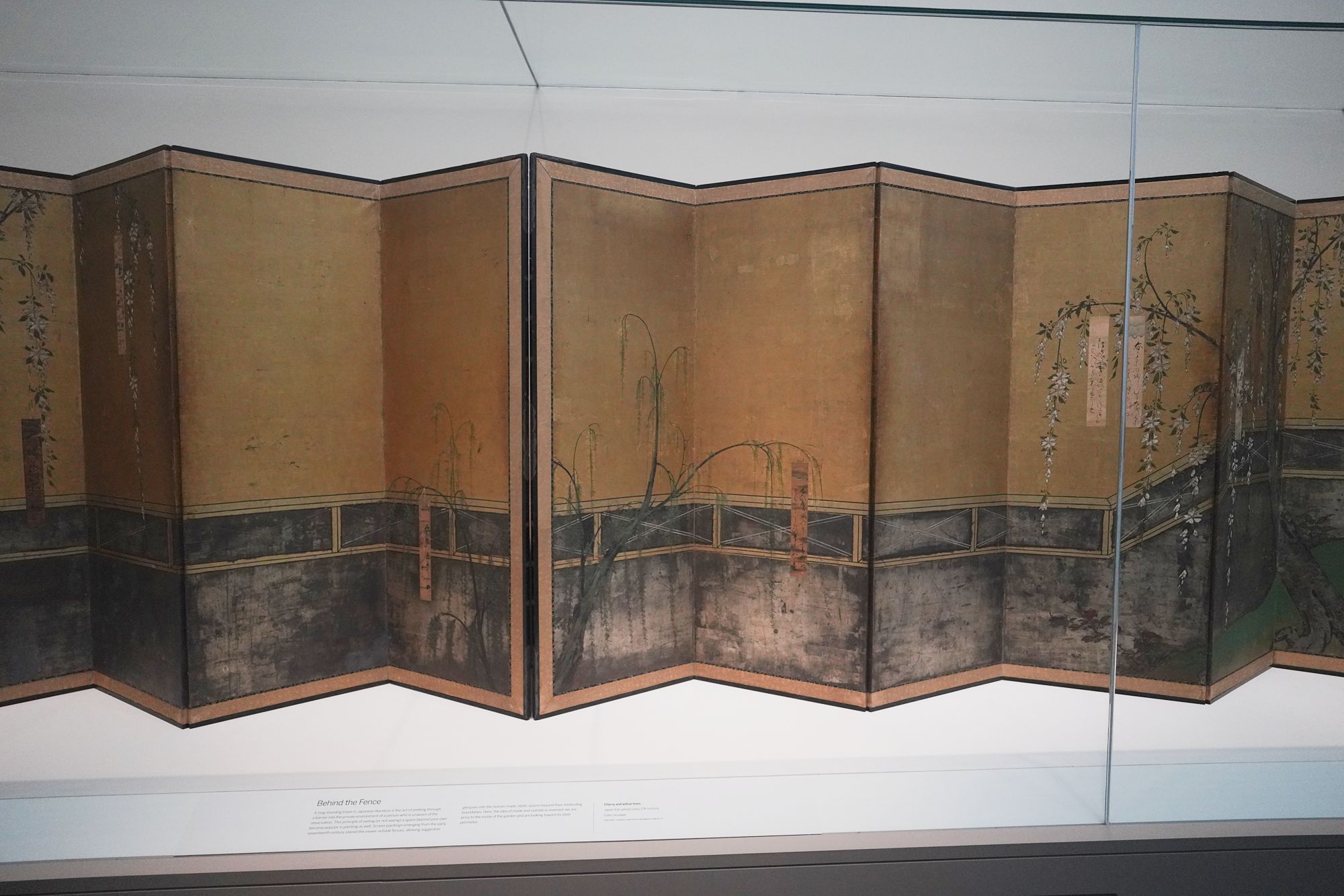
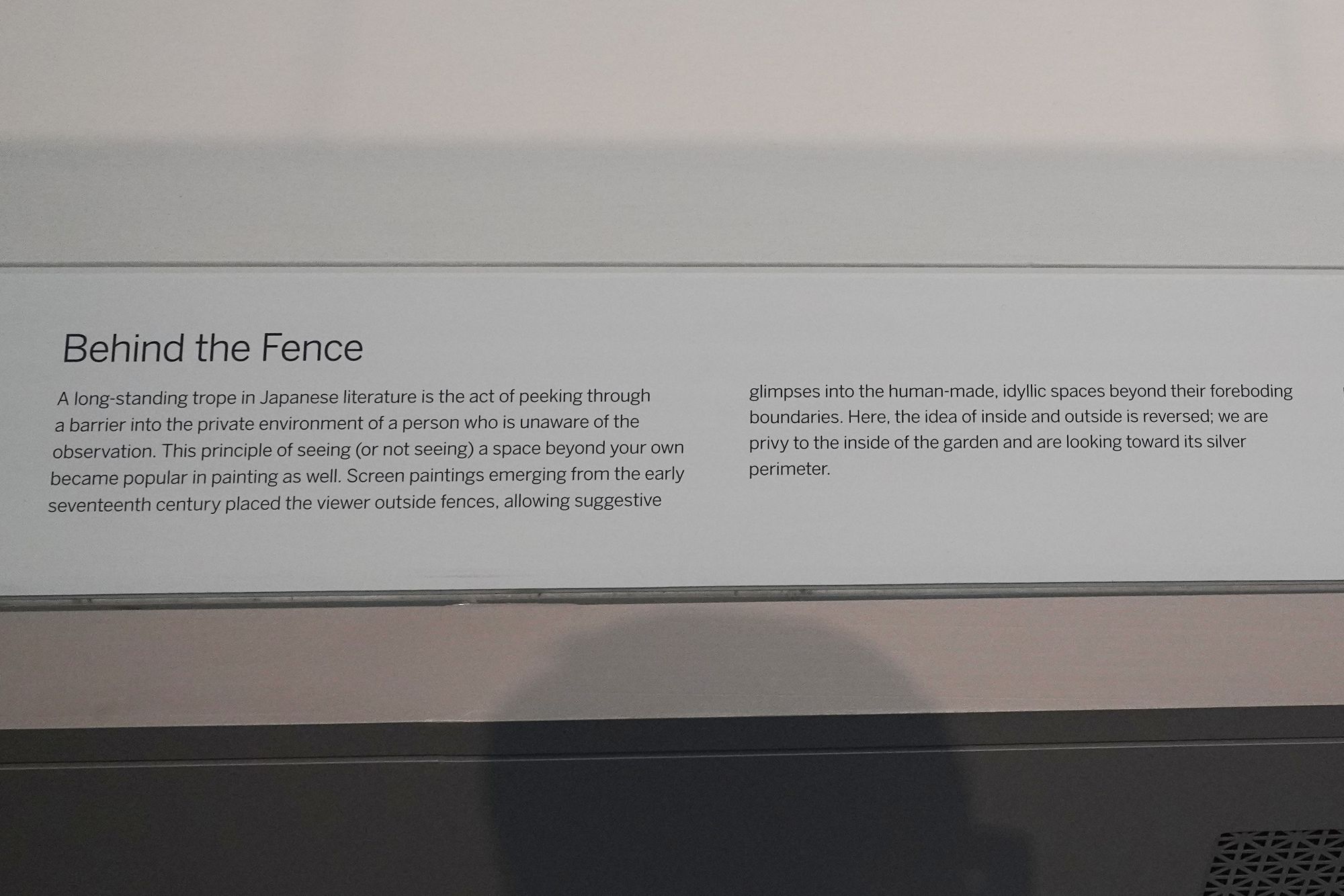
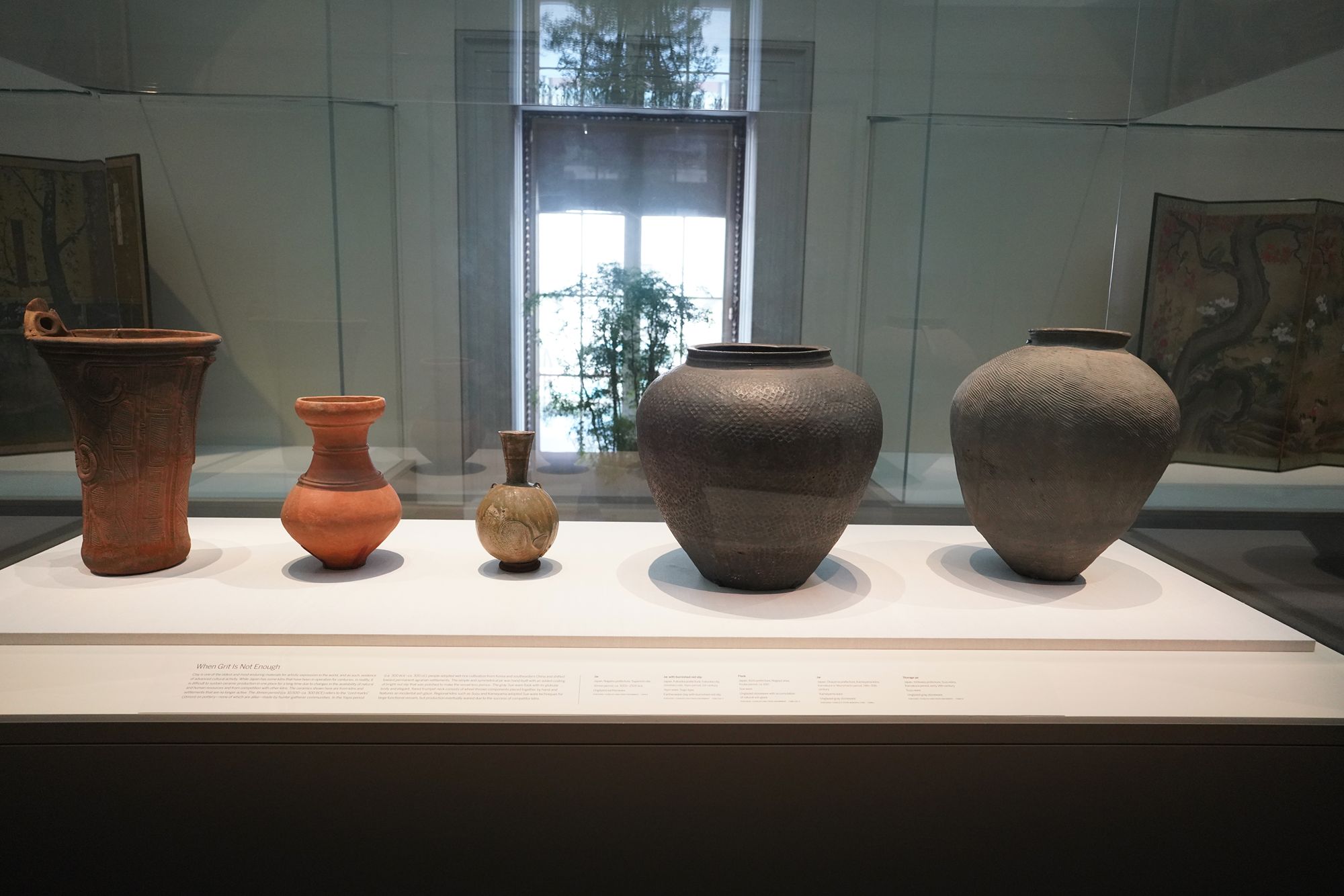
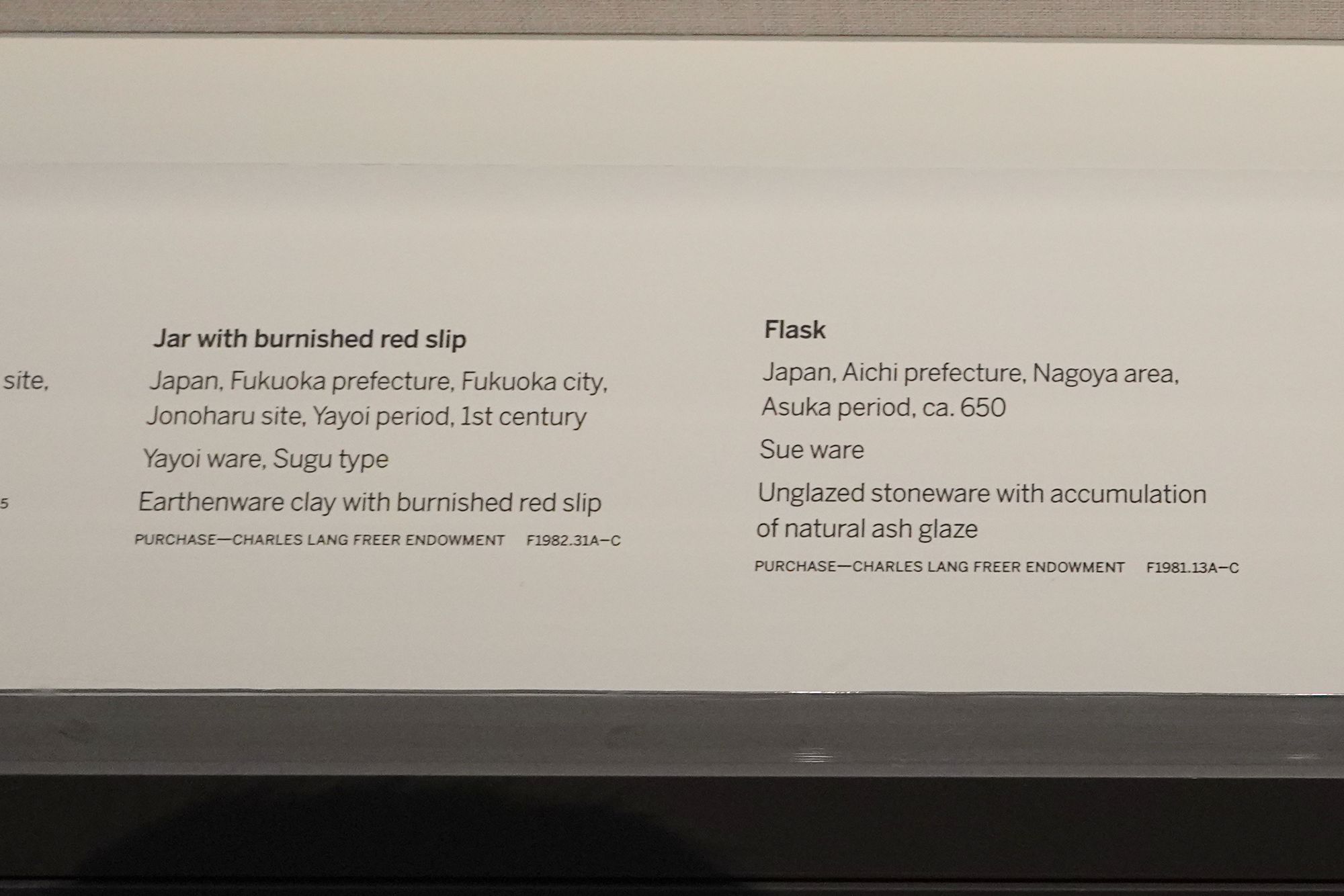
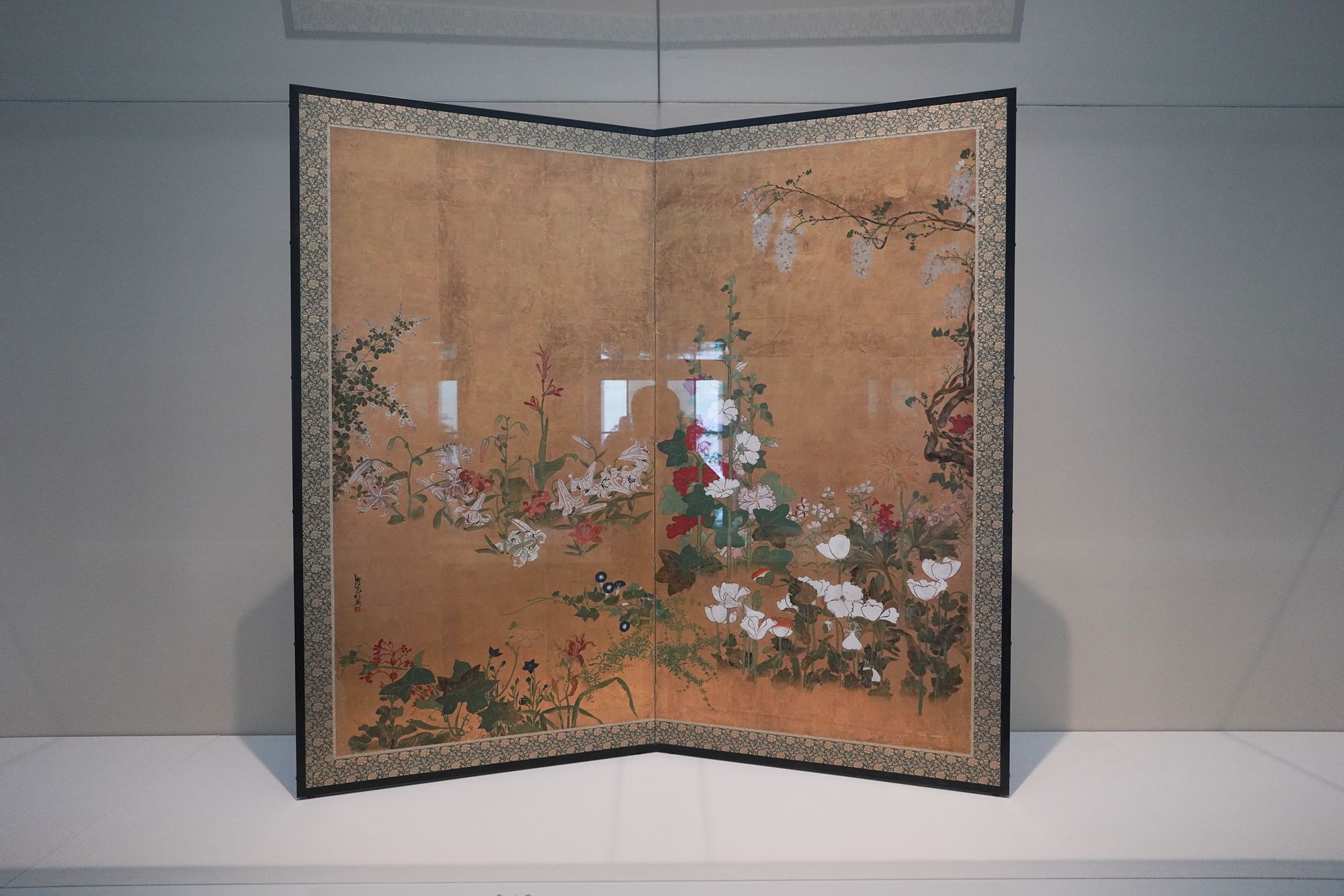
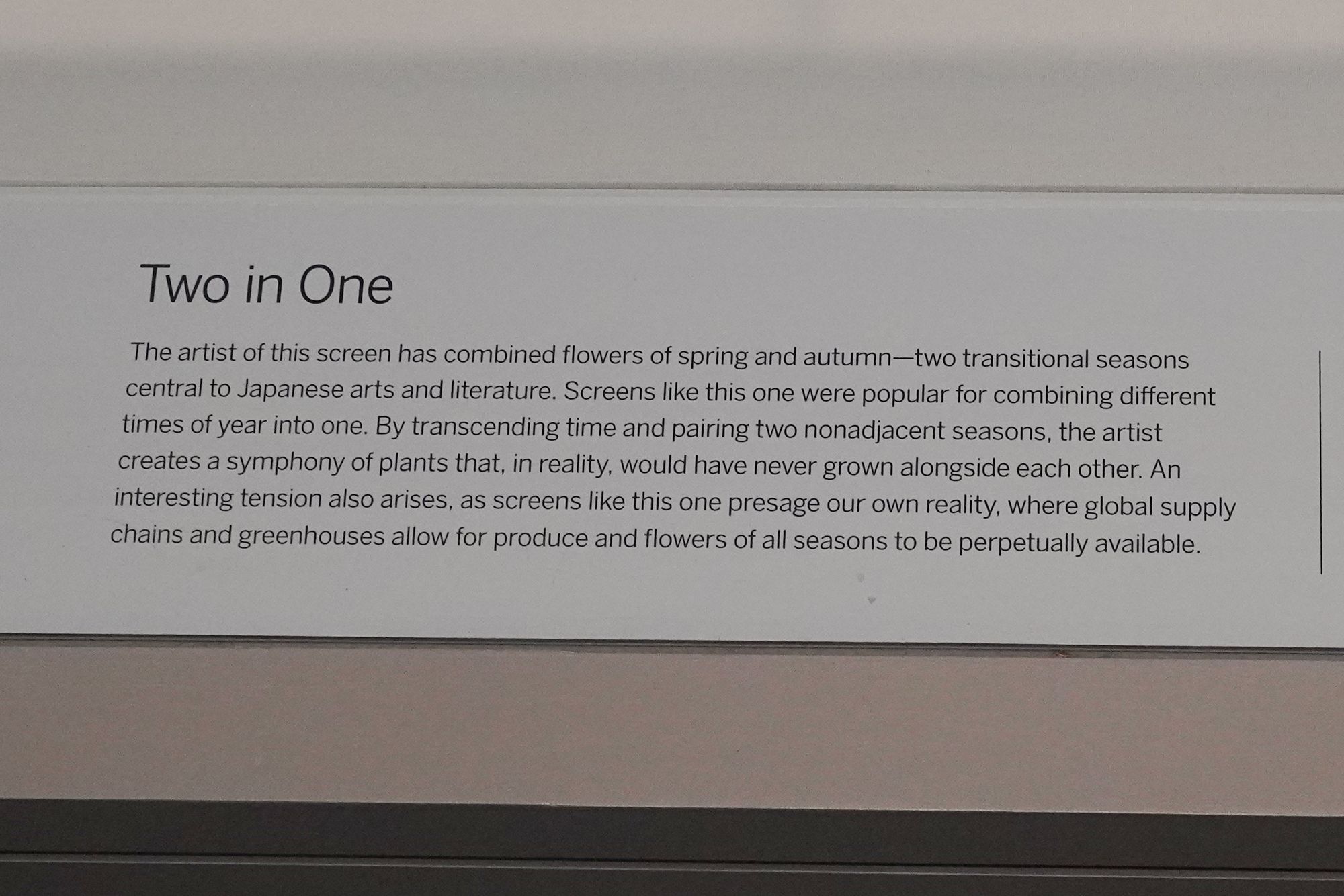
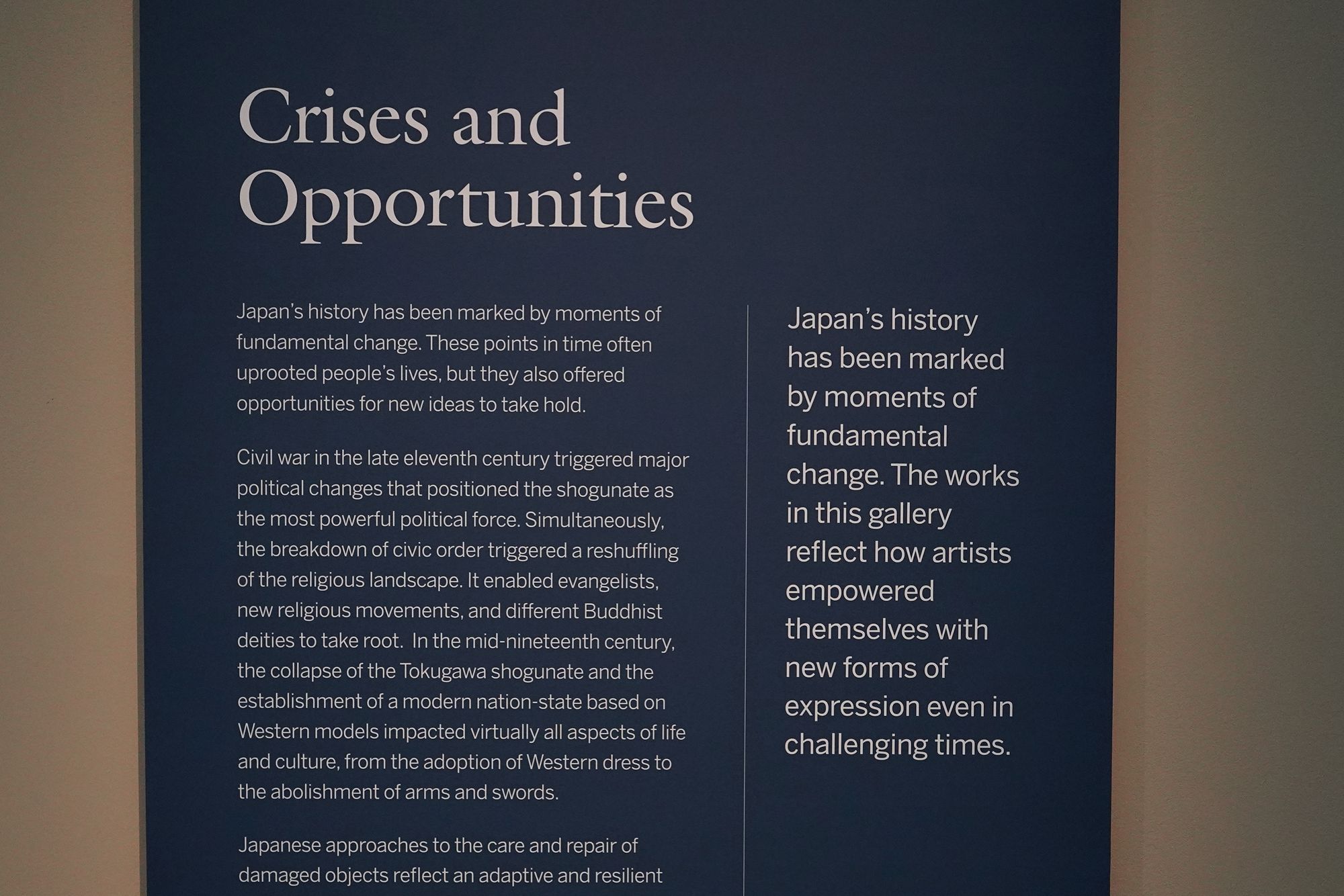
Crises and Opportunities
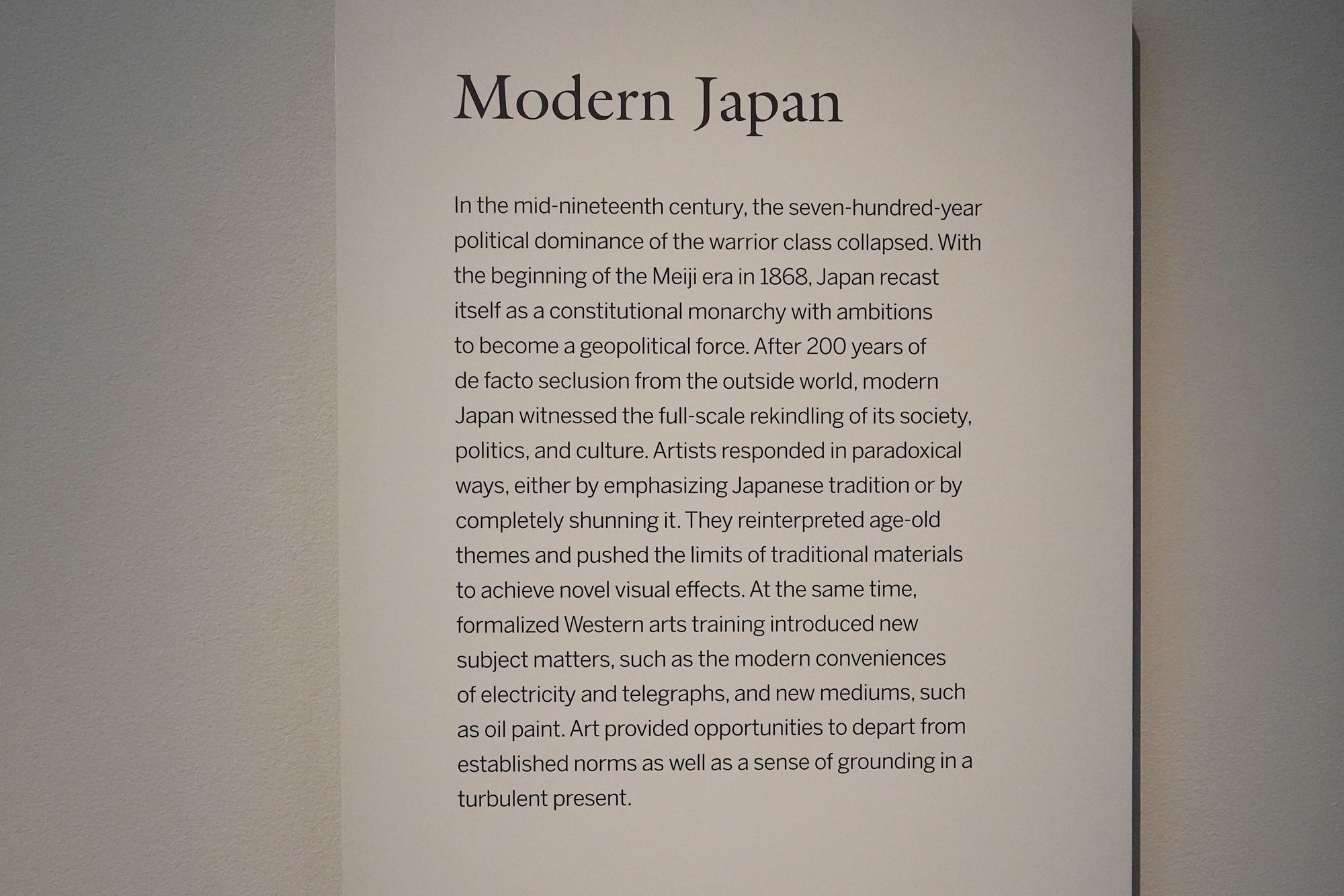
Modern Japn
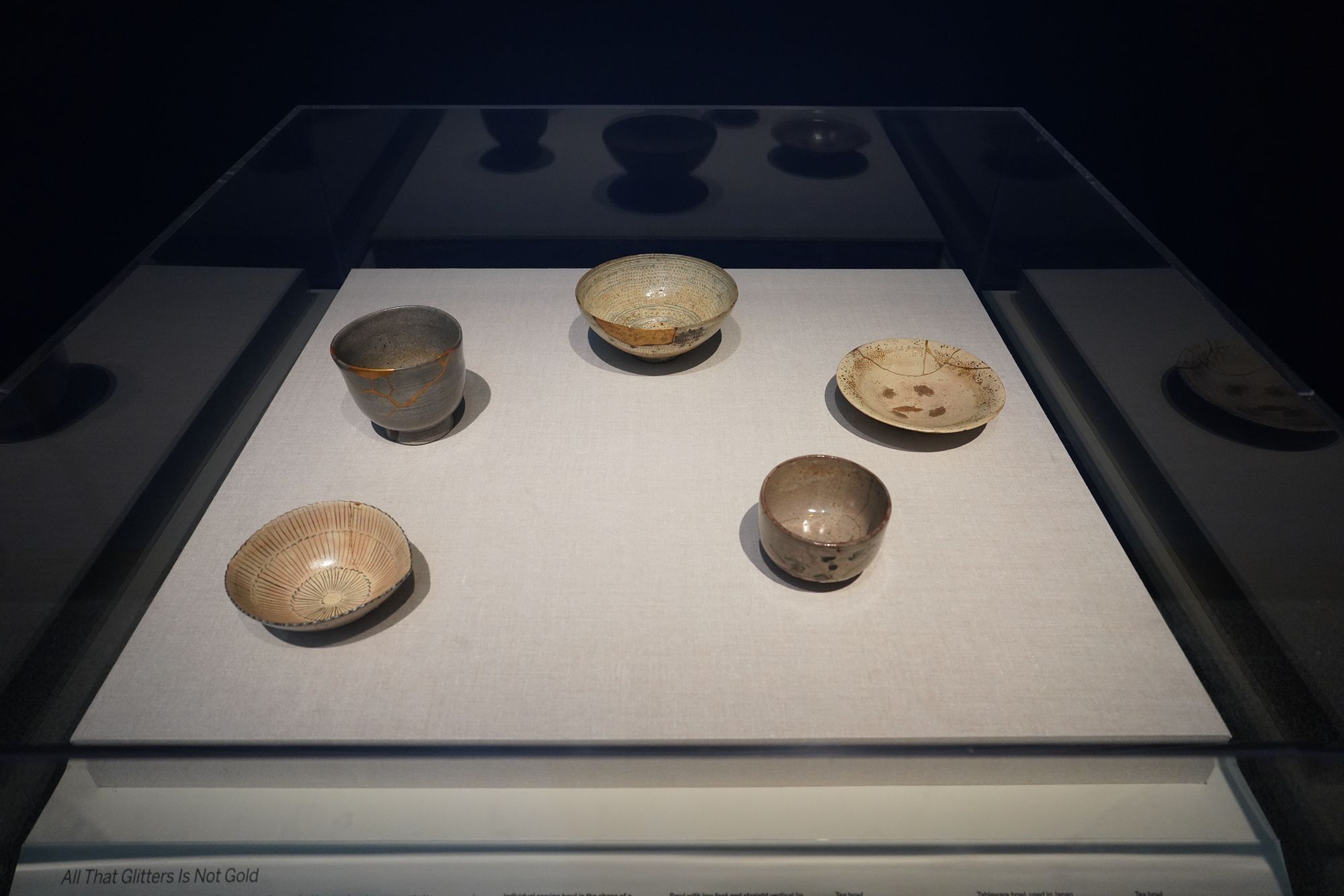
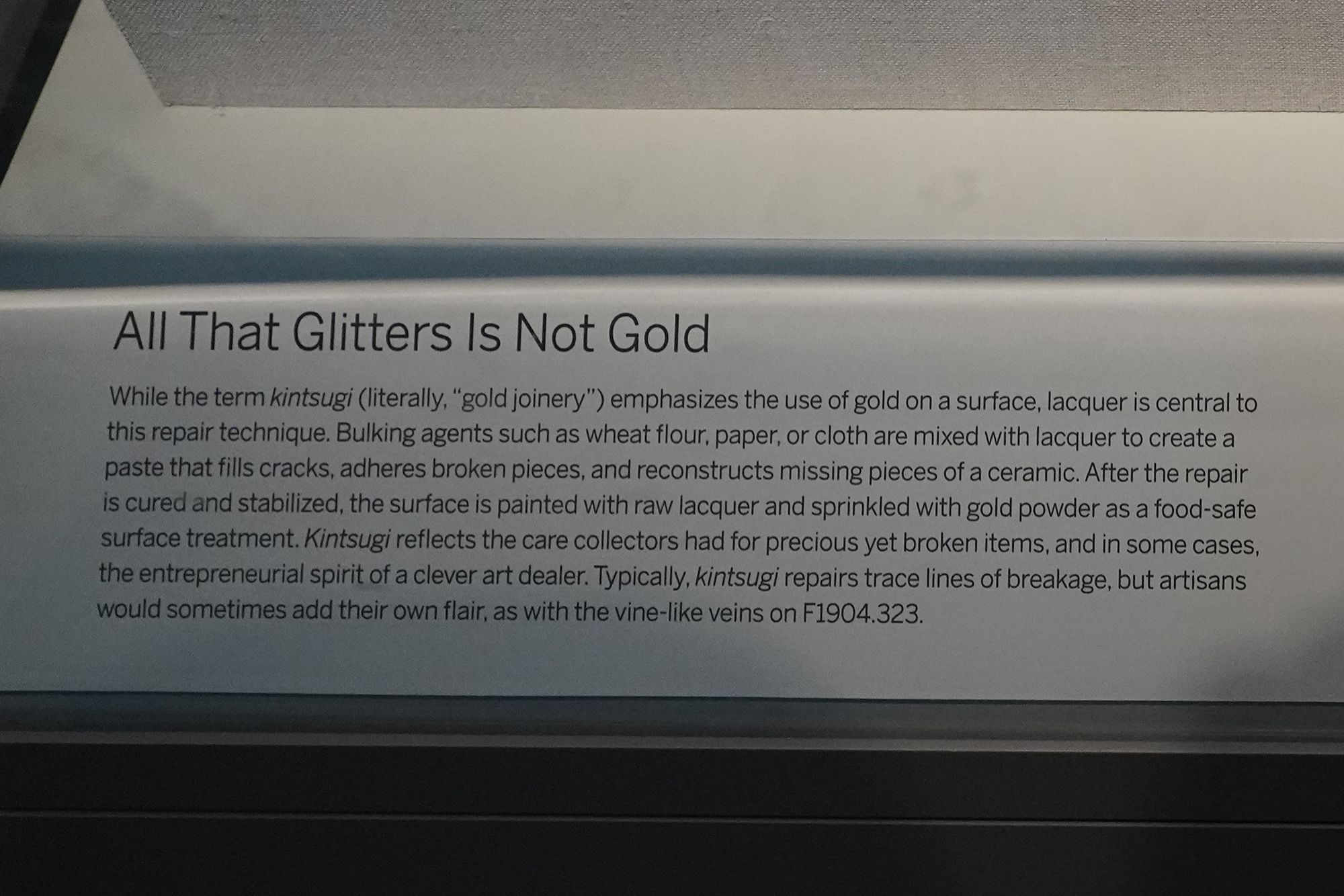
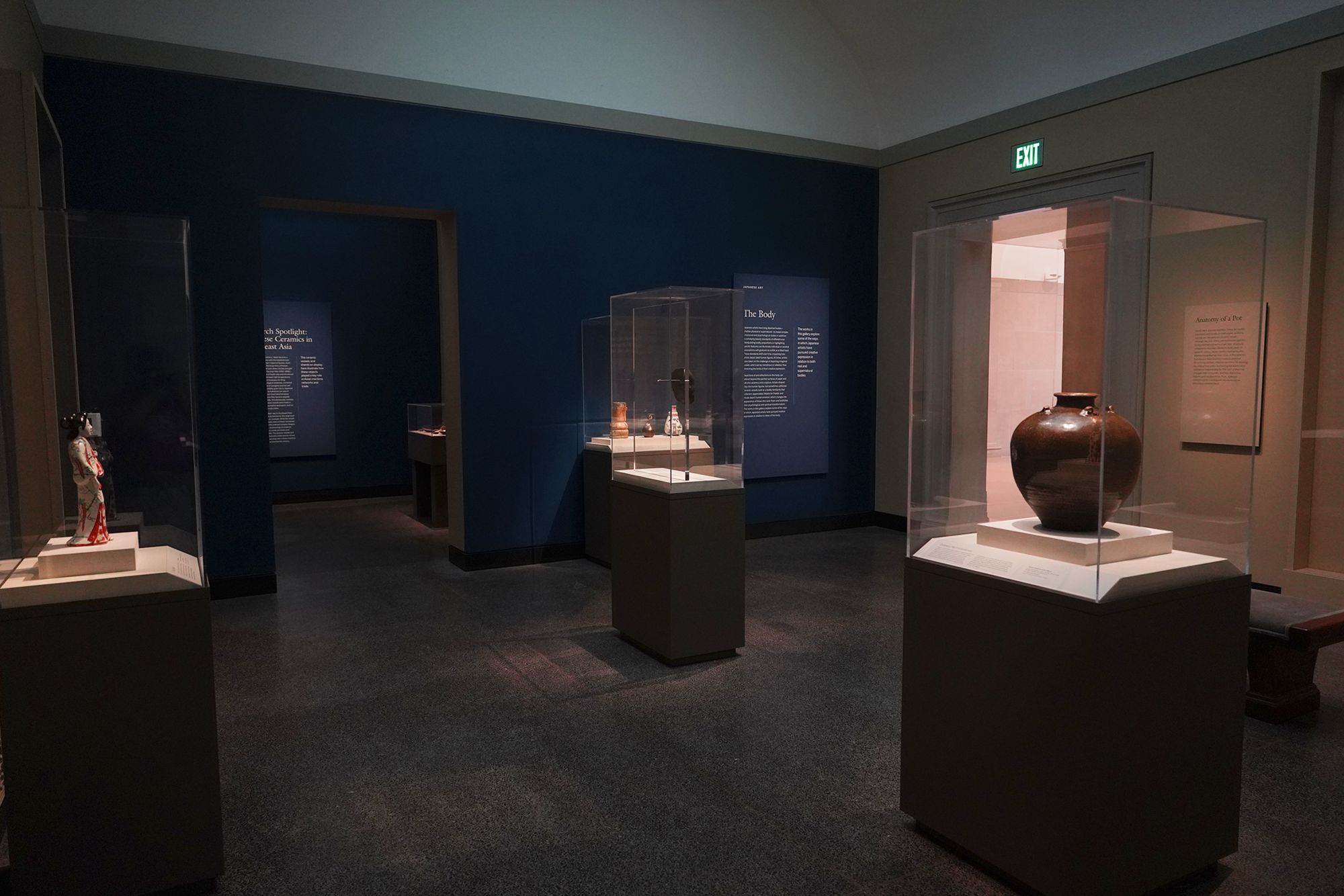
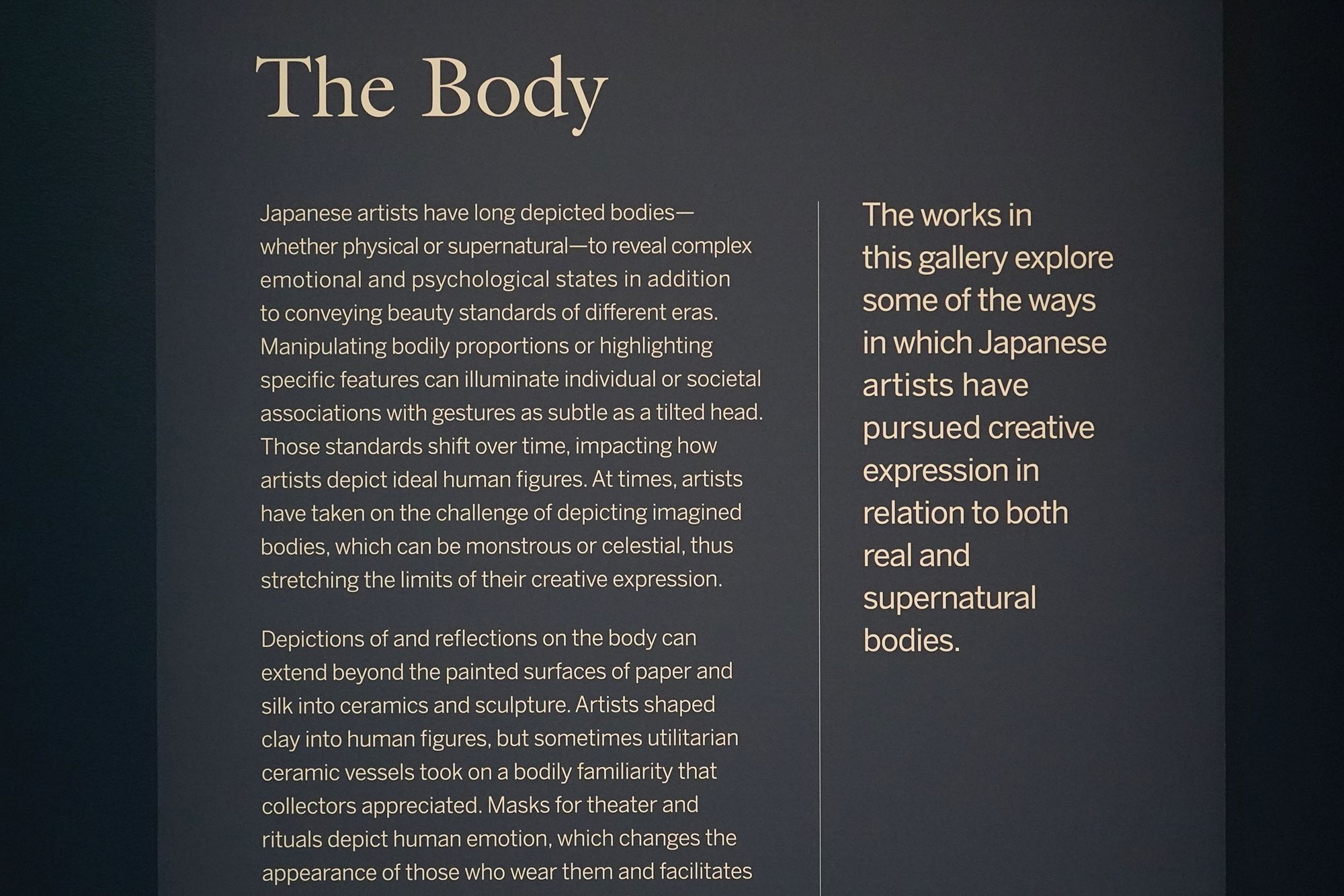
The Body
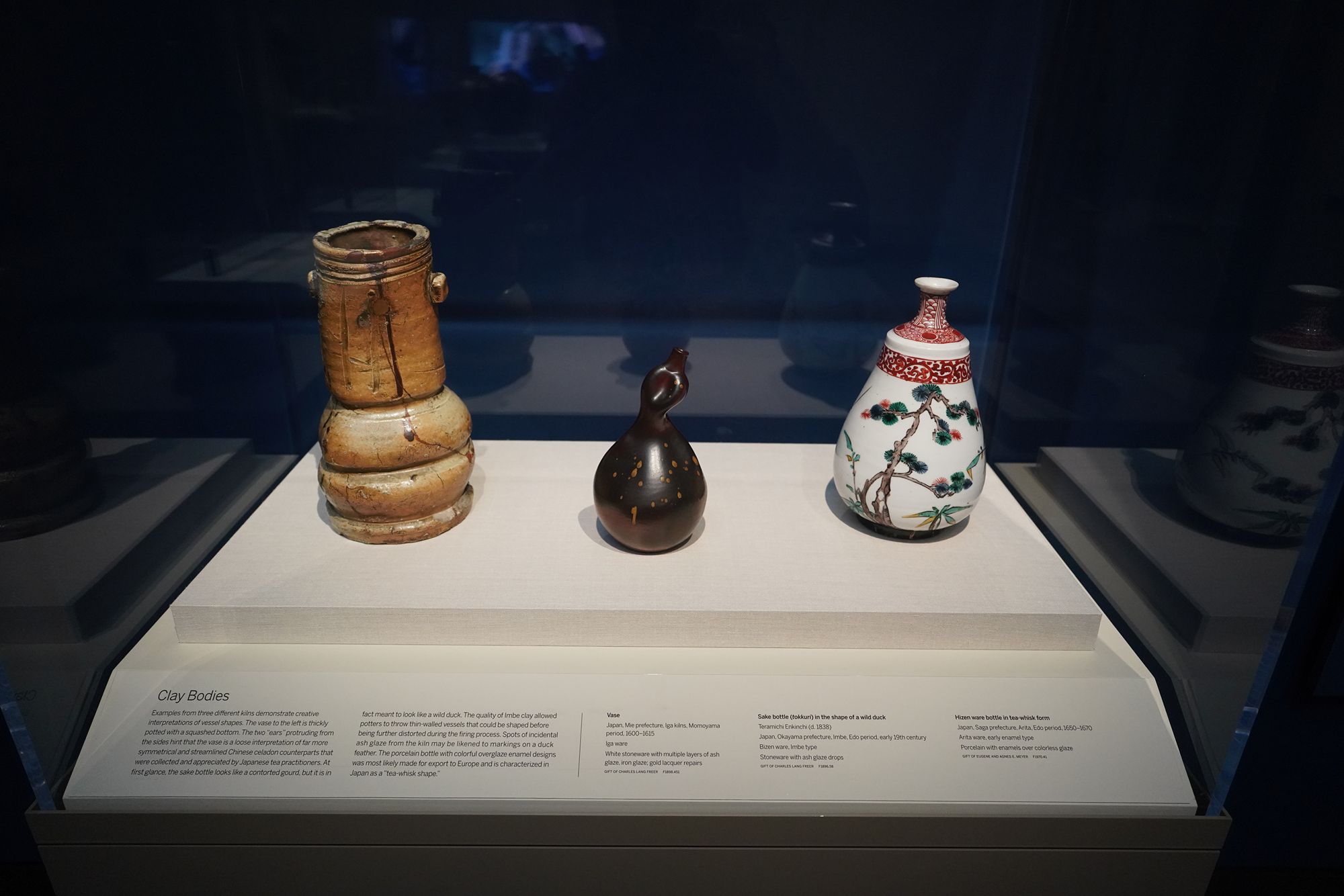
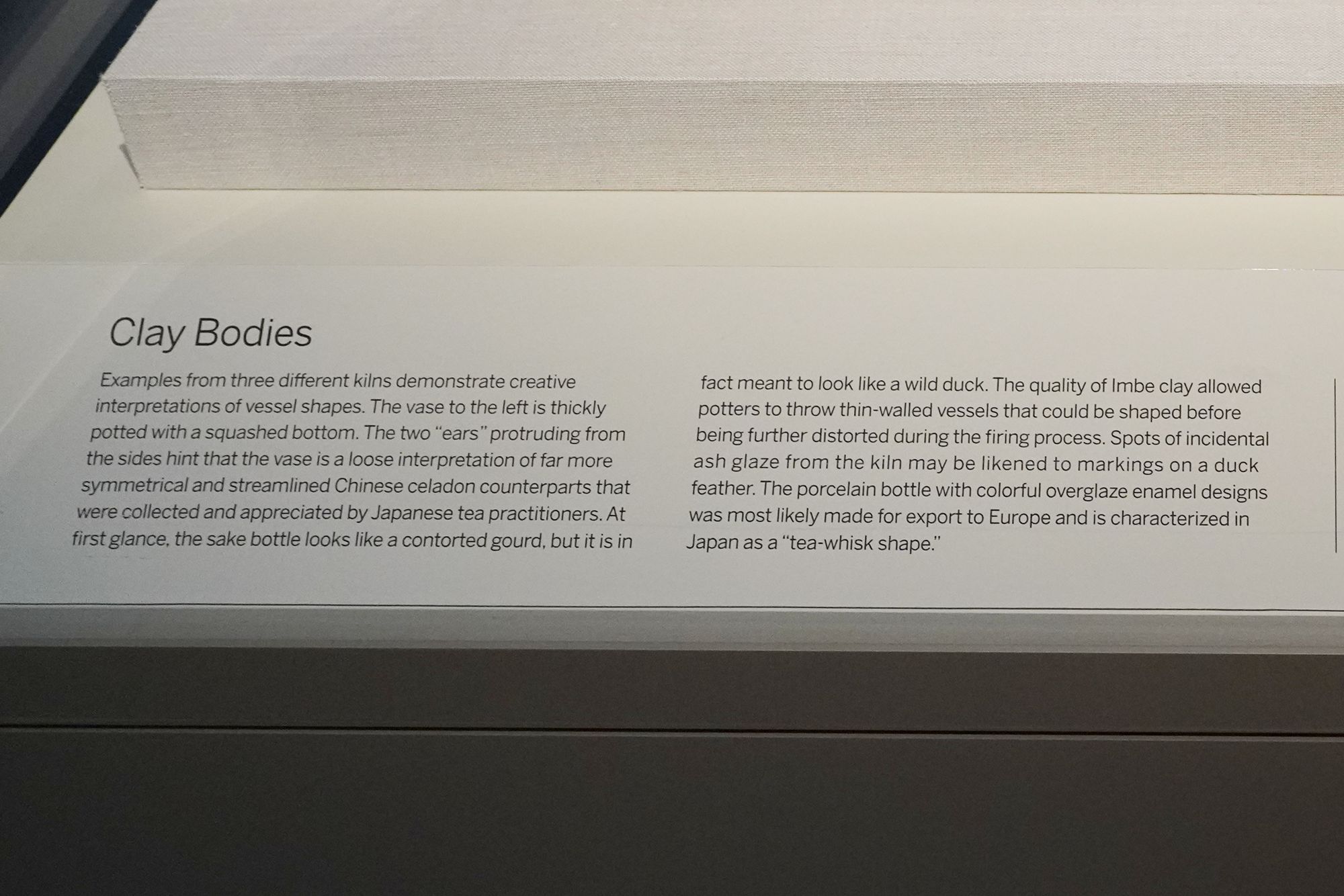
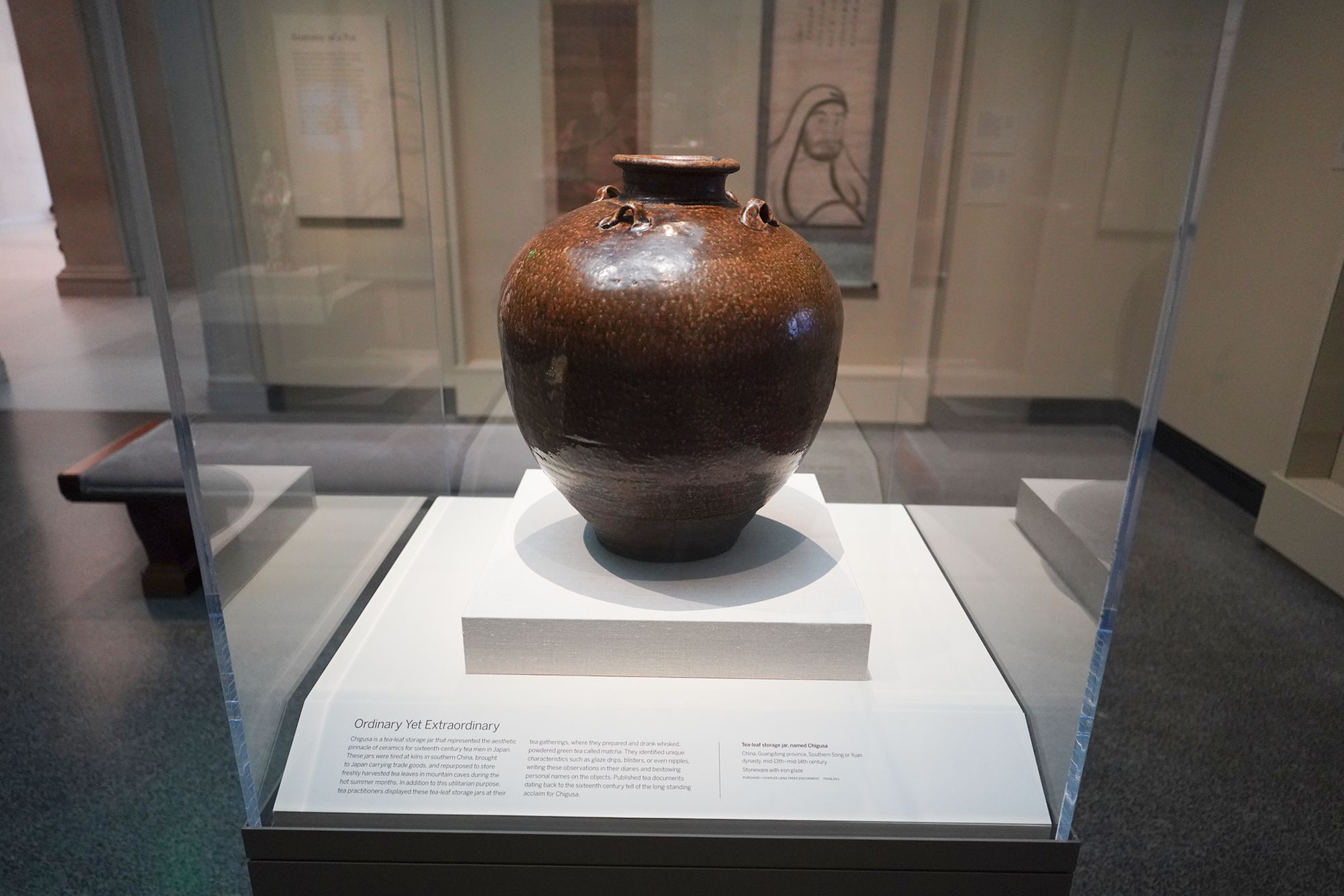
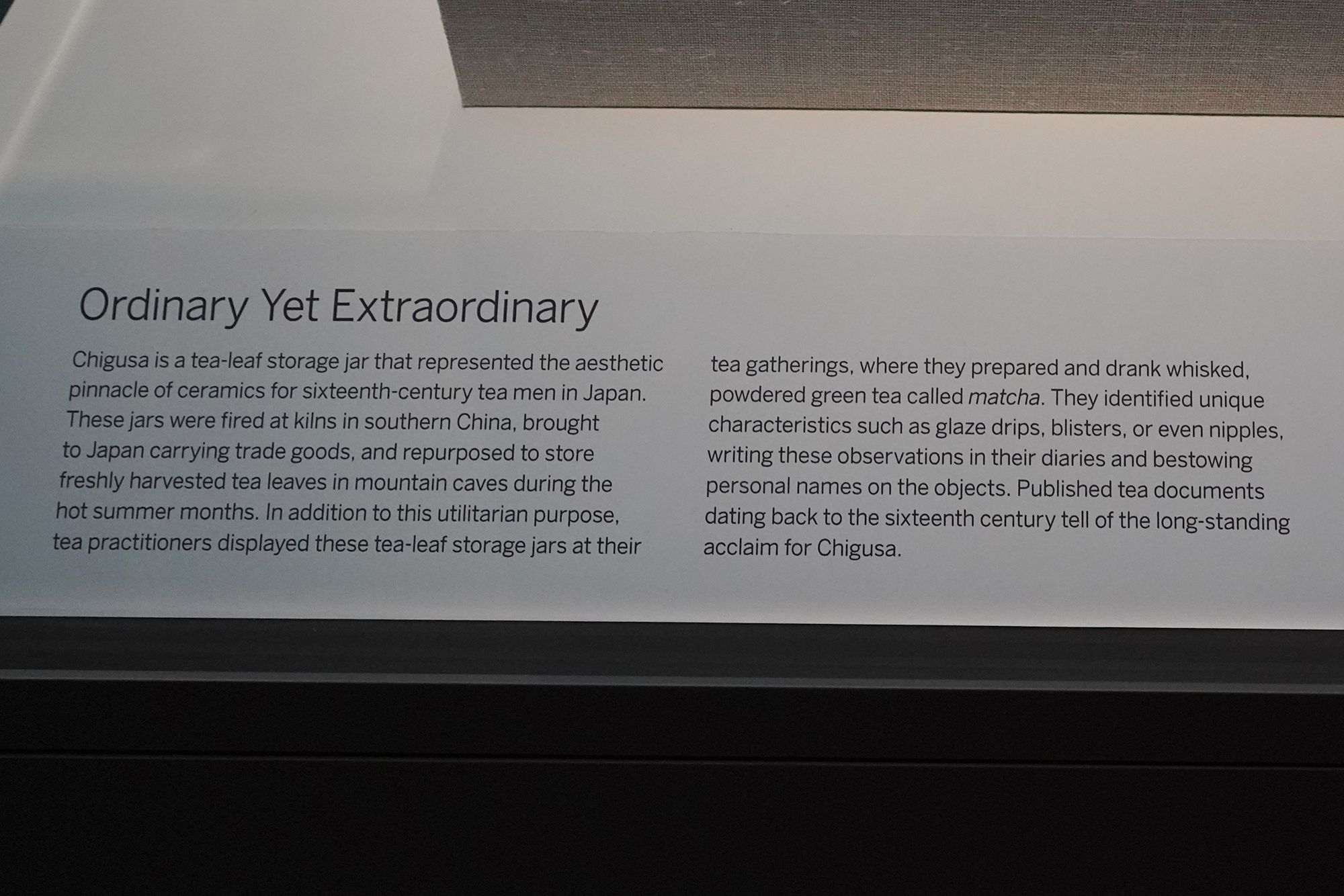
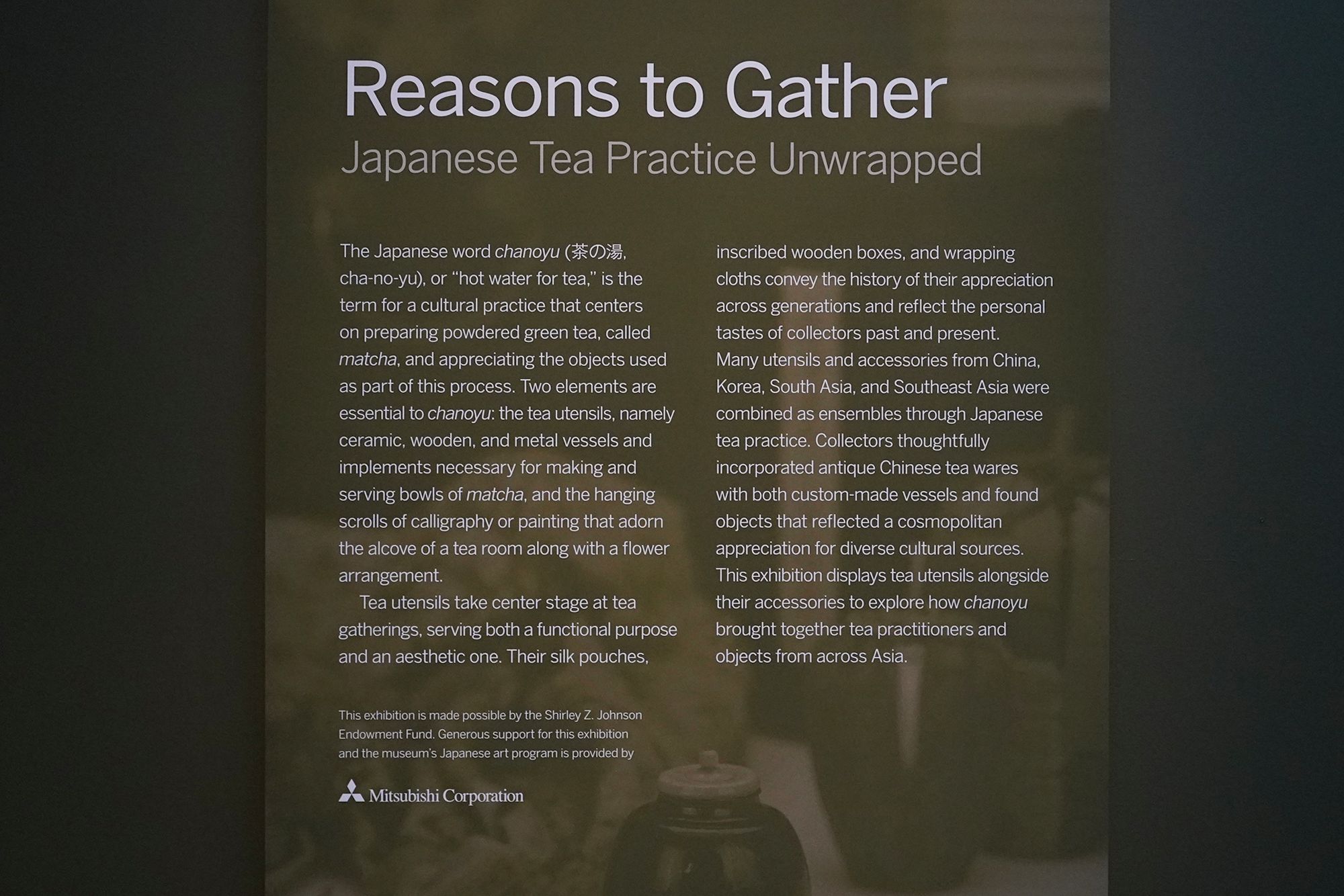
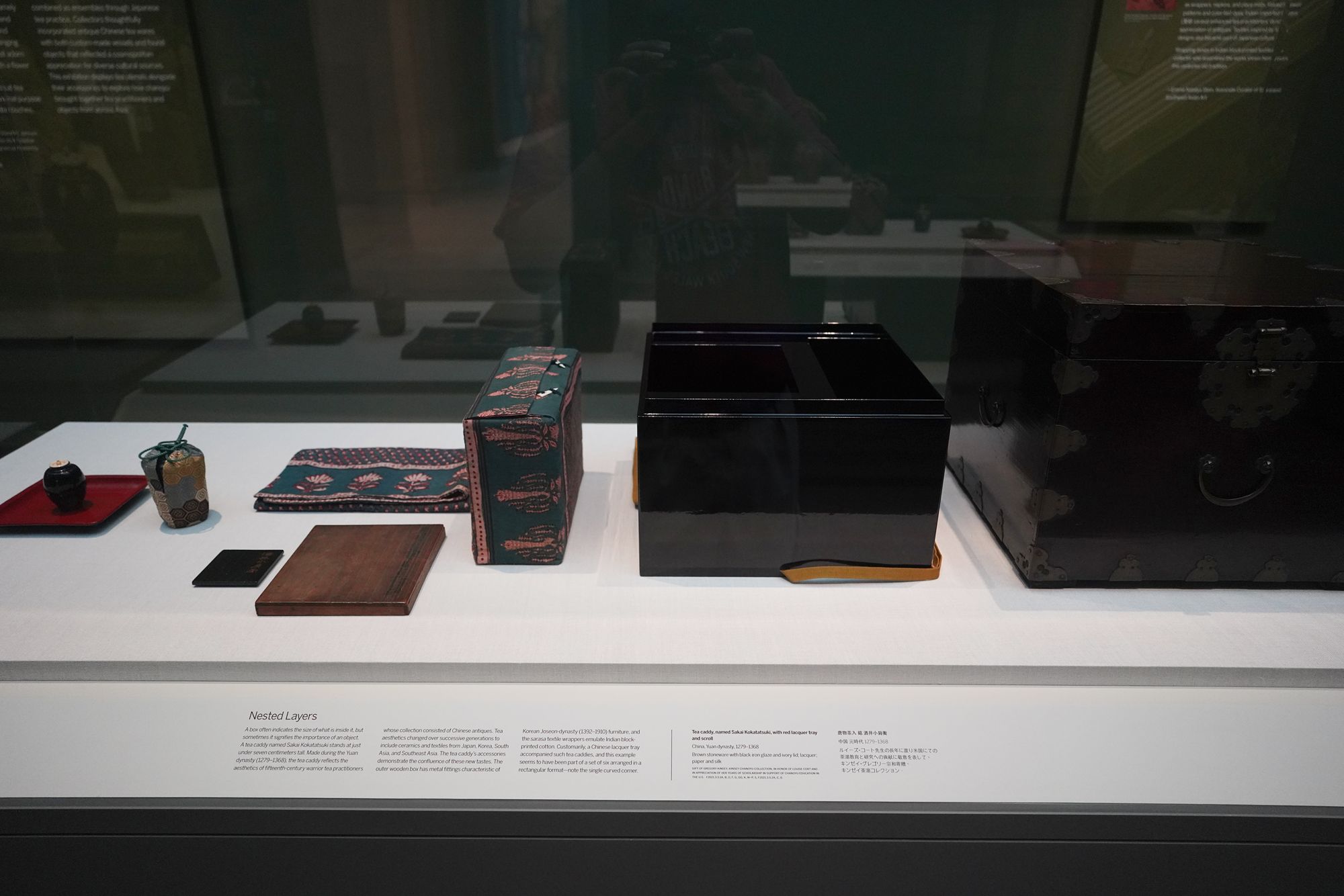
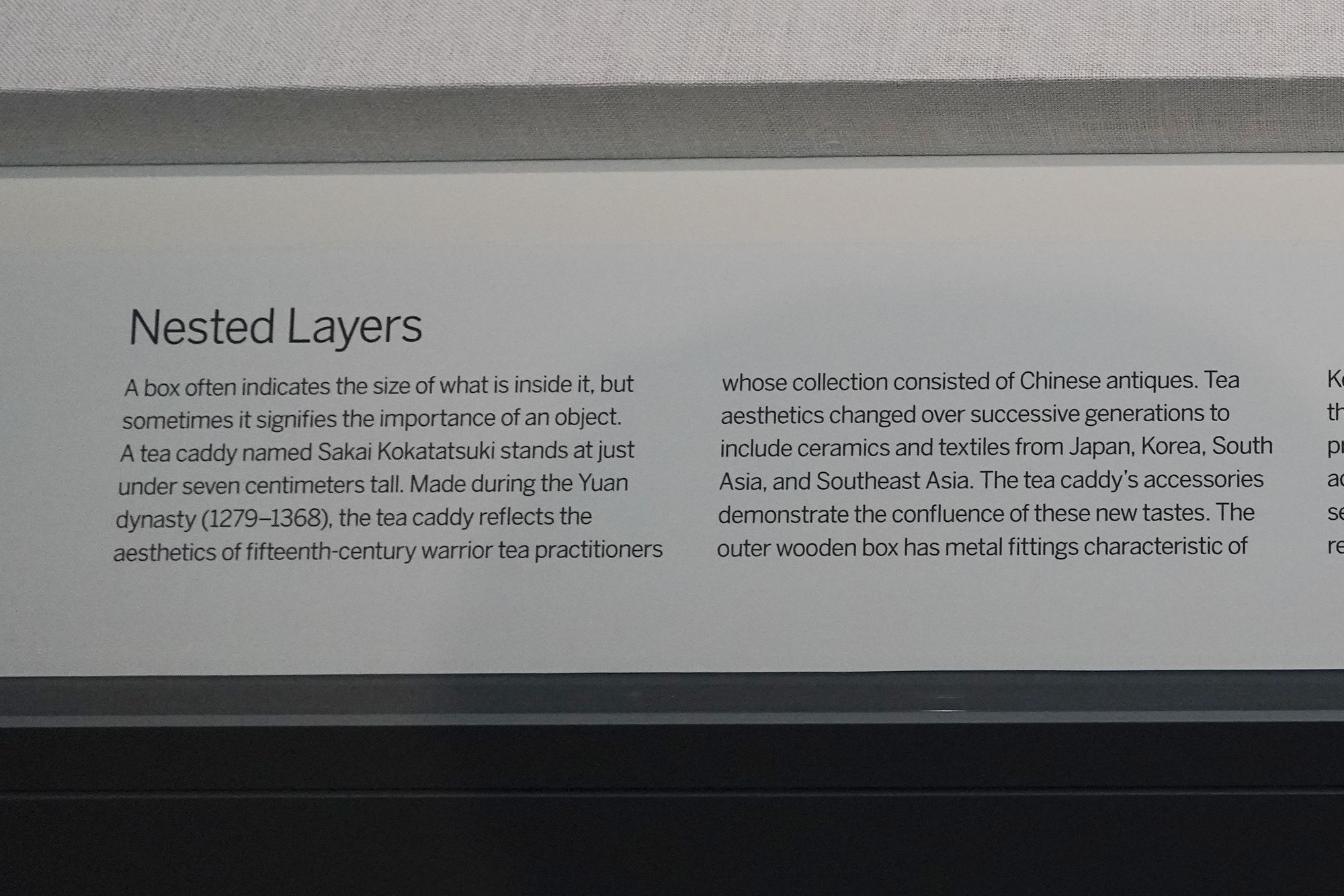
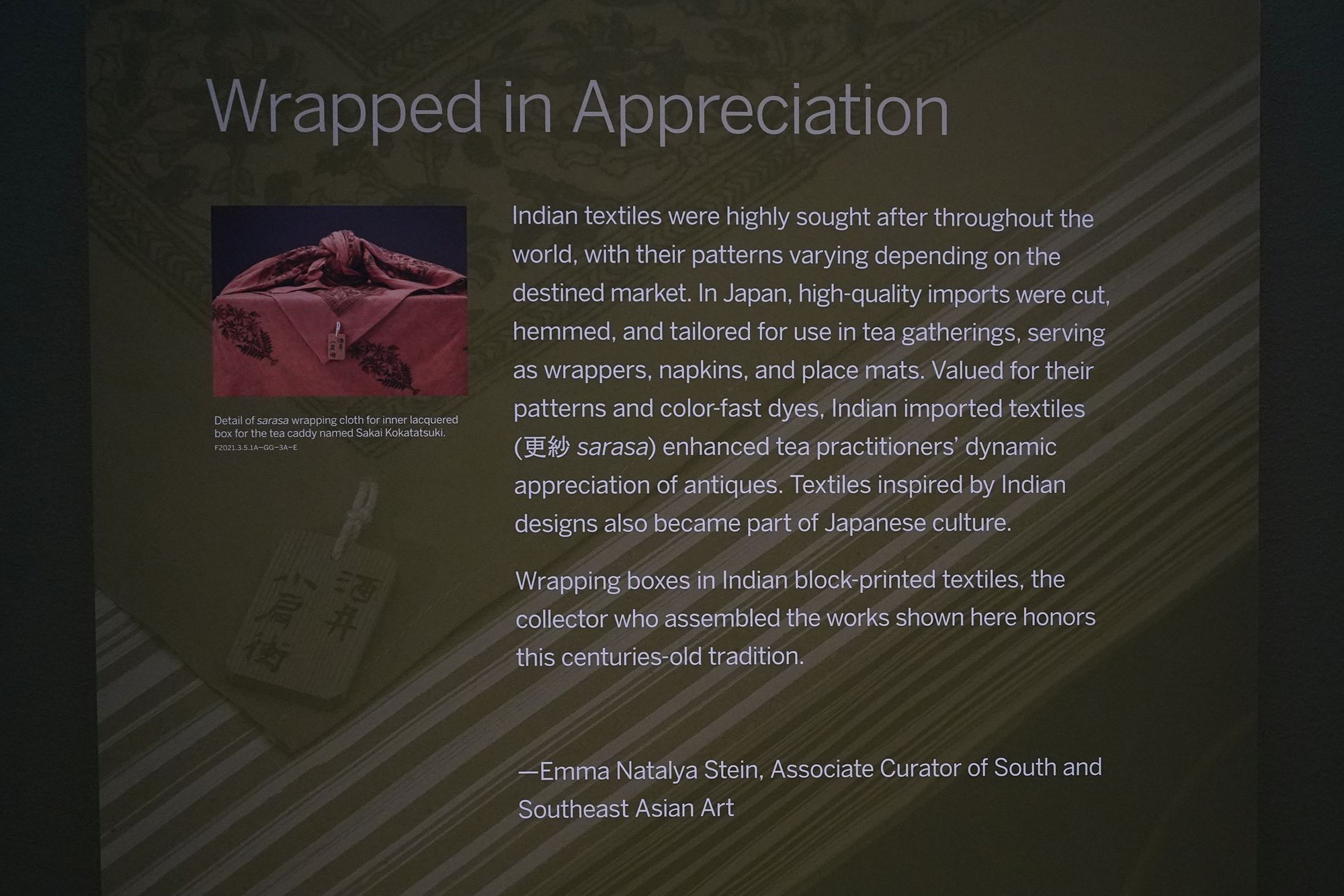
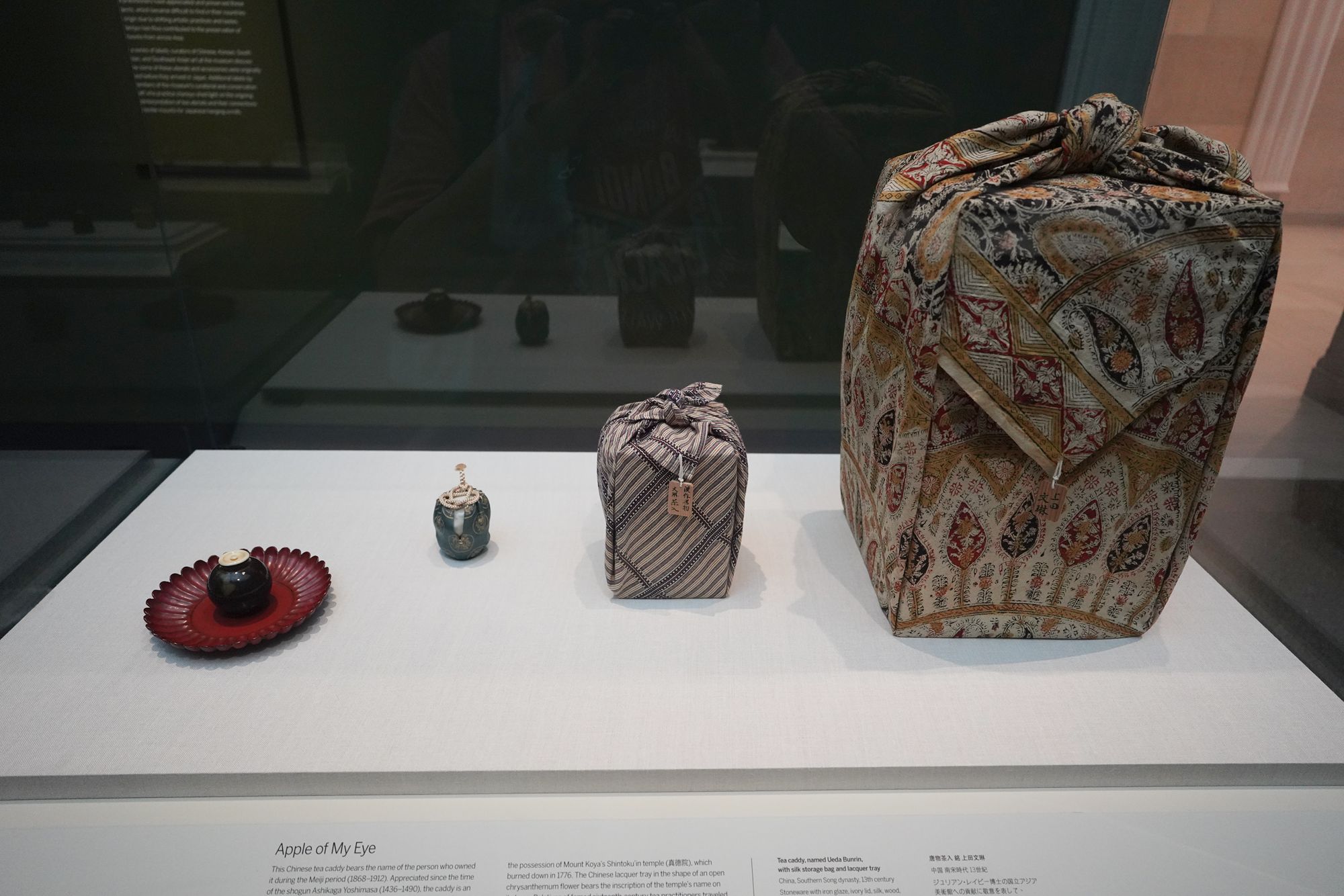
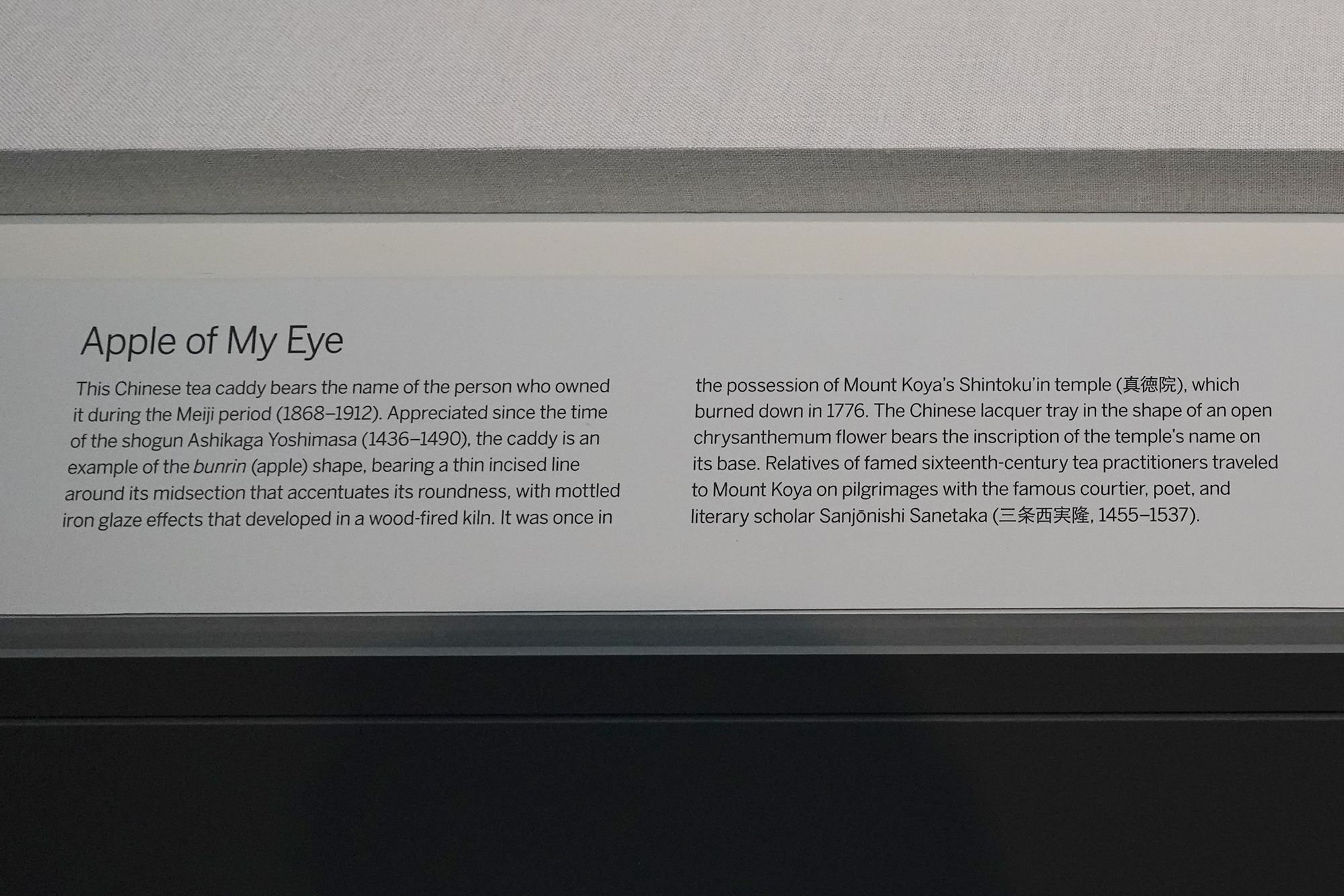
A traditional Japanese tea wrap used for carrying or storing tea utensils.
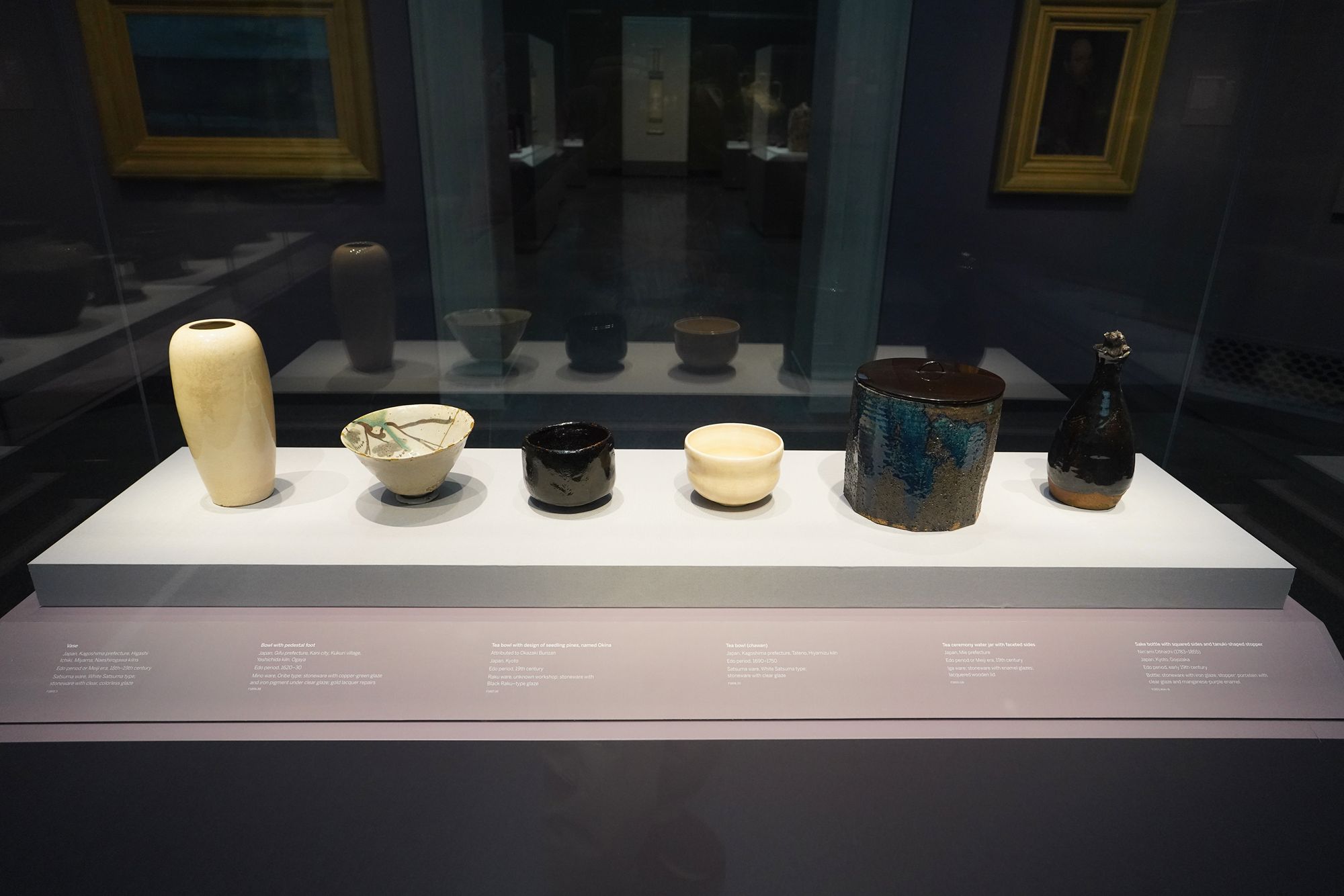
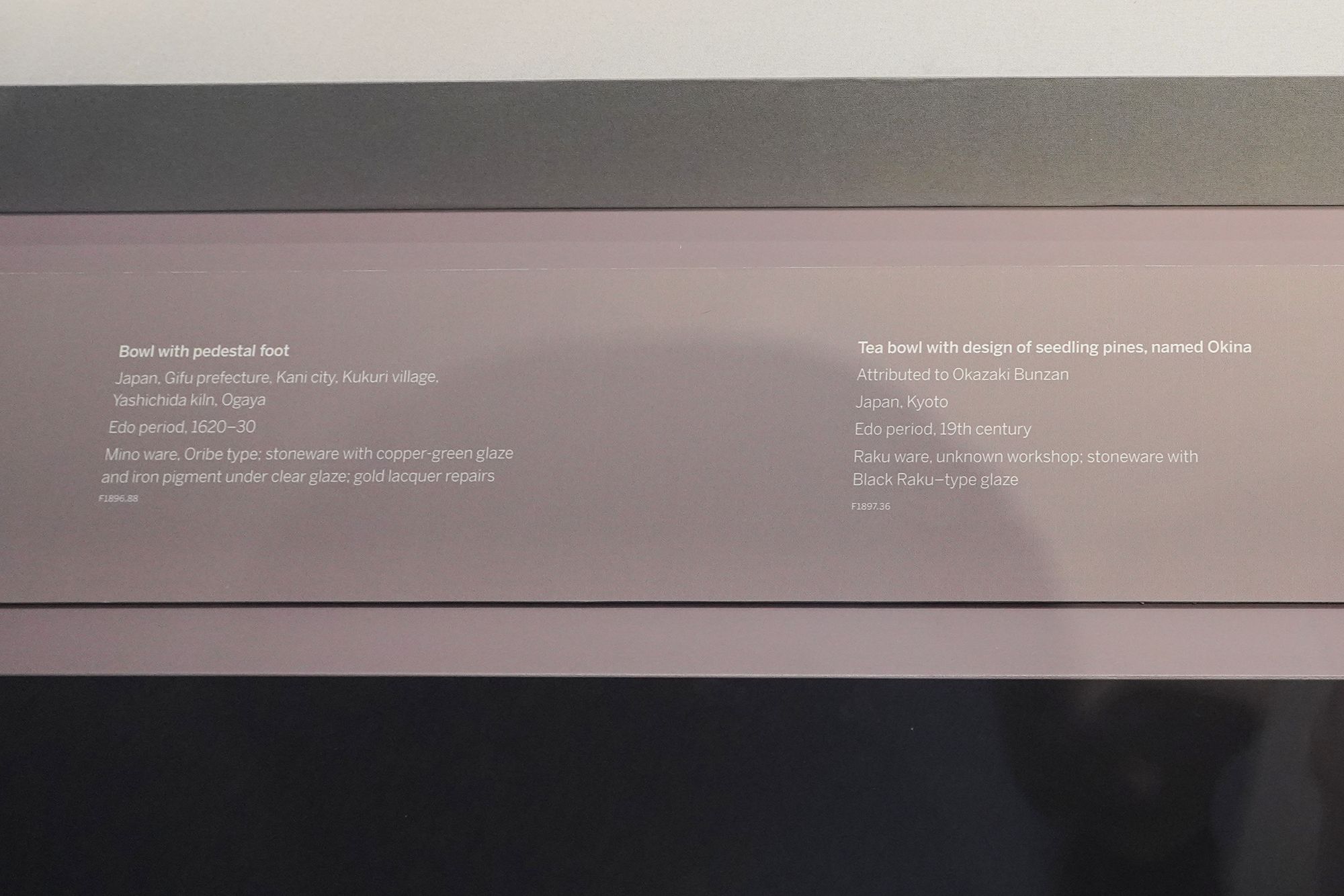
Bowls
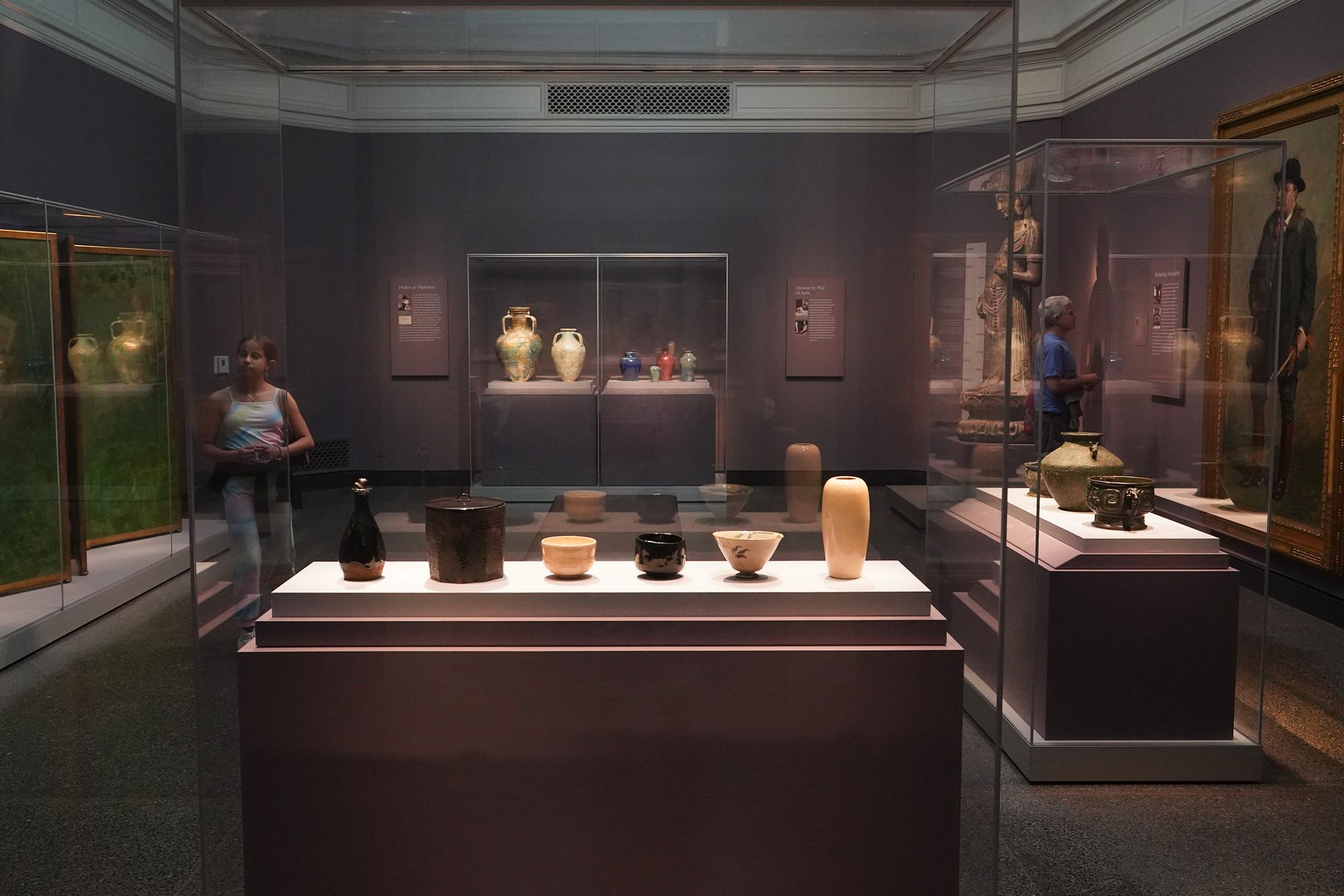
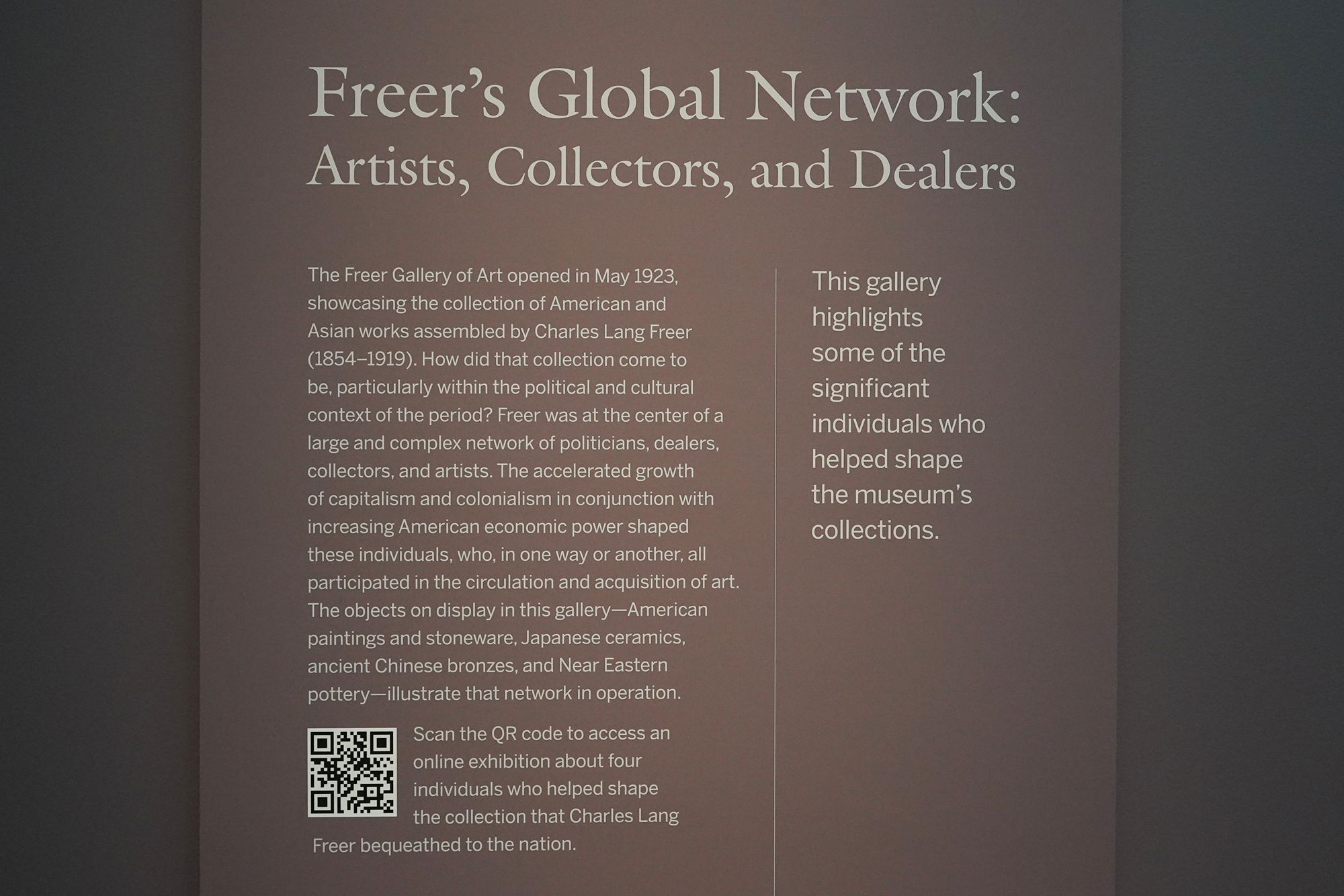
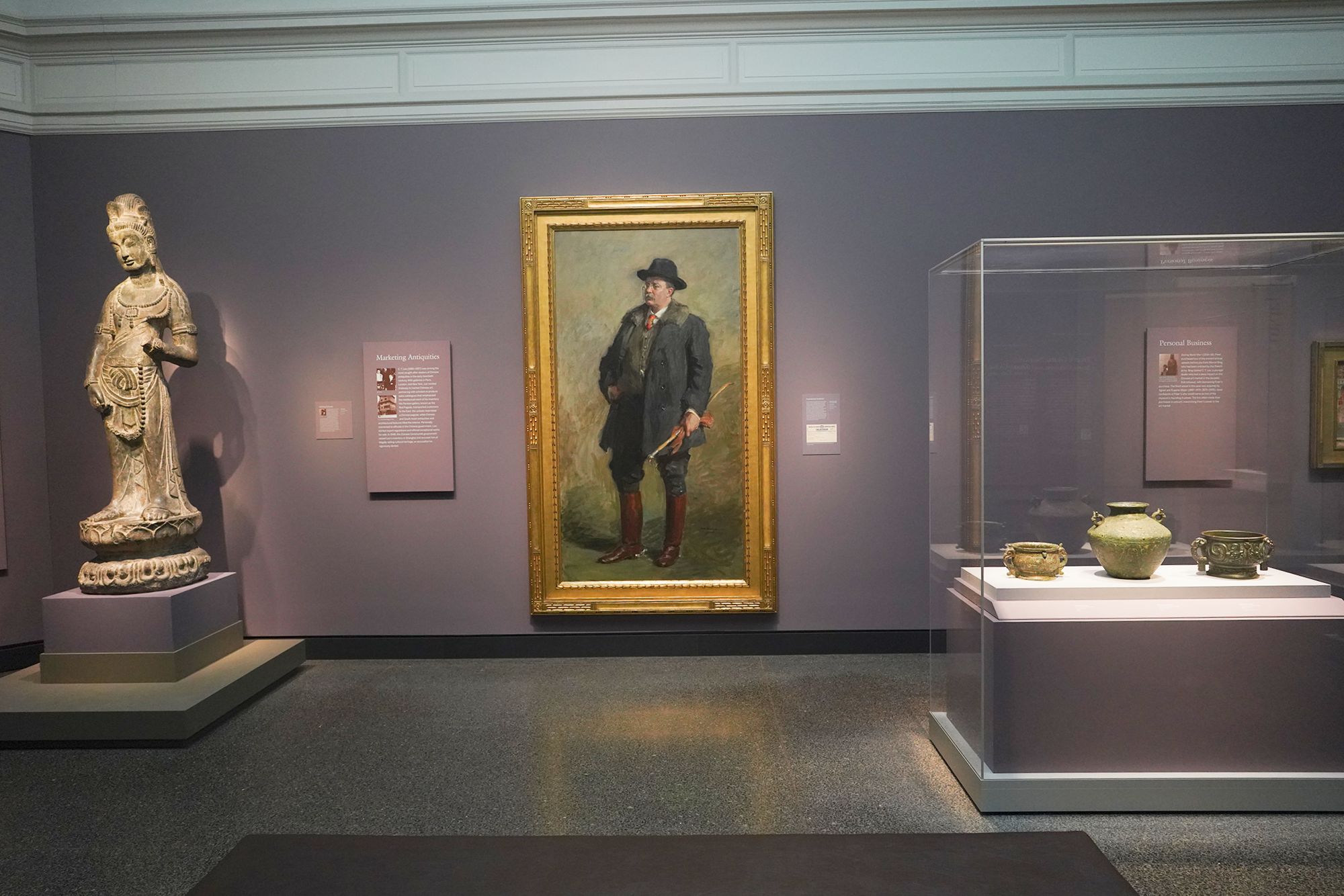
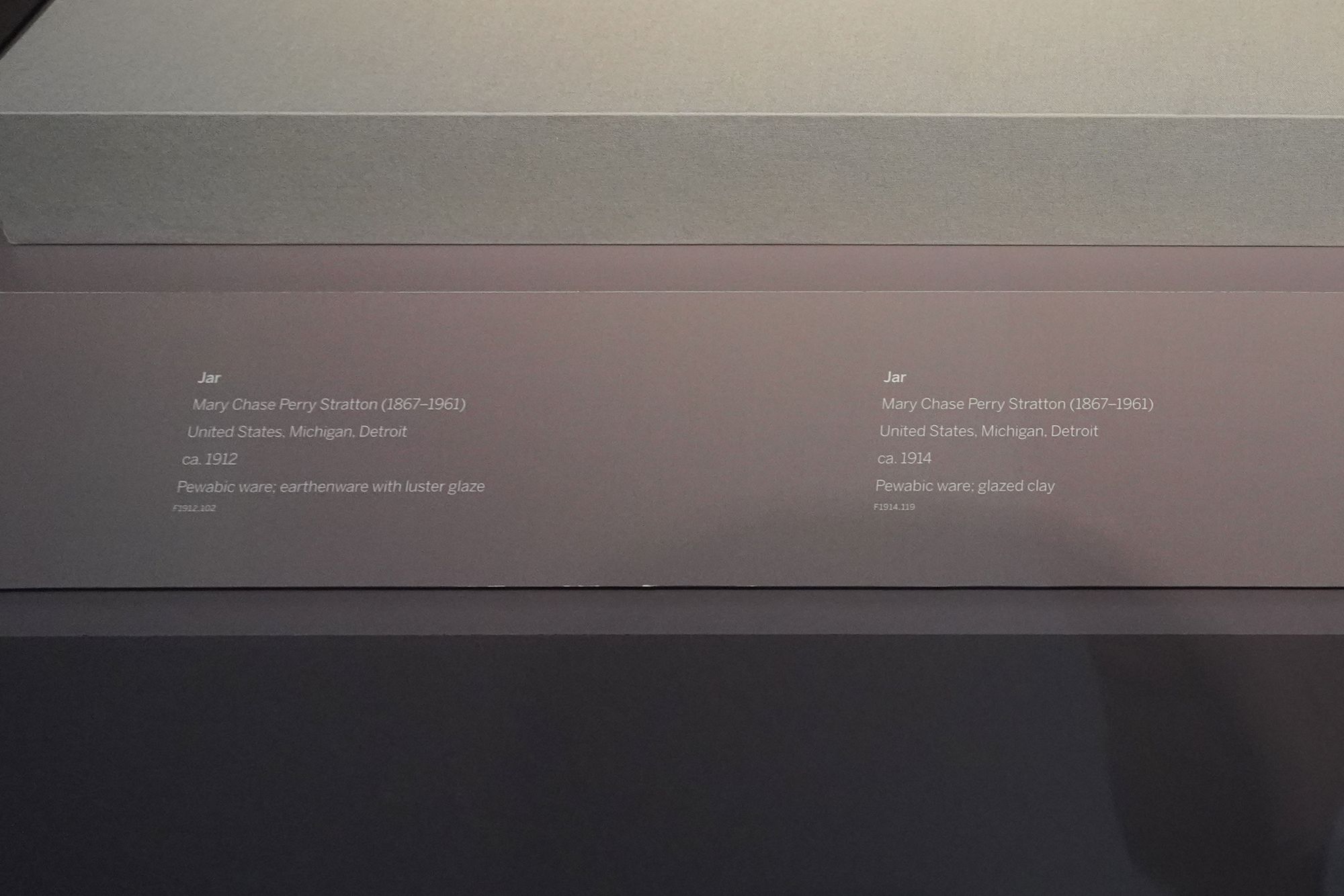
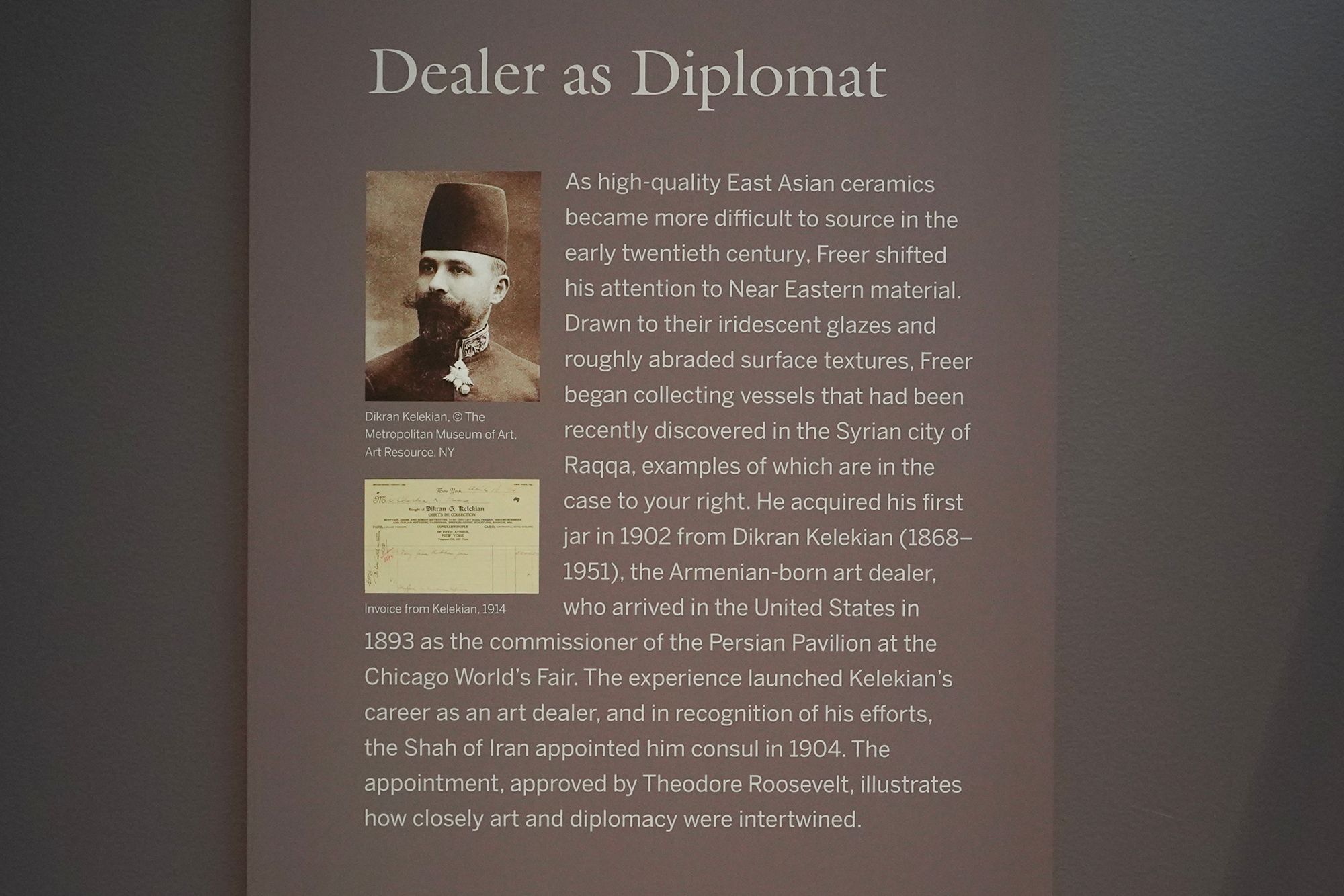
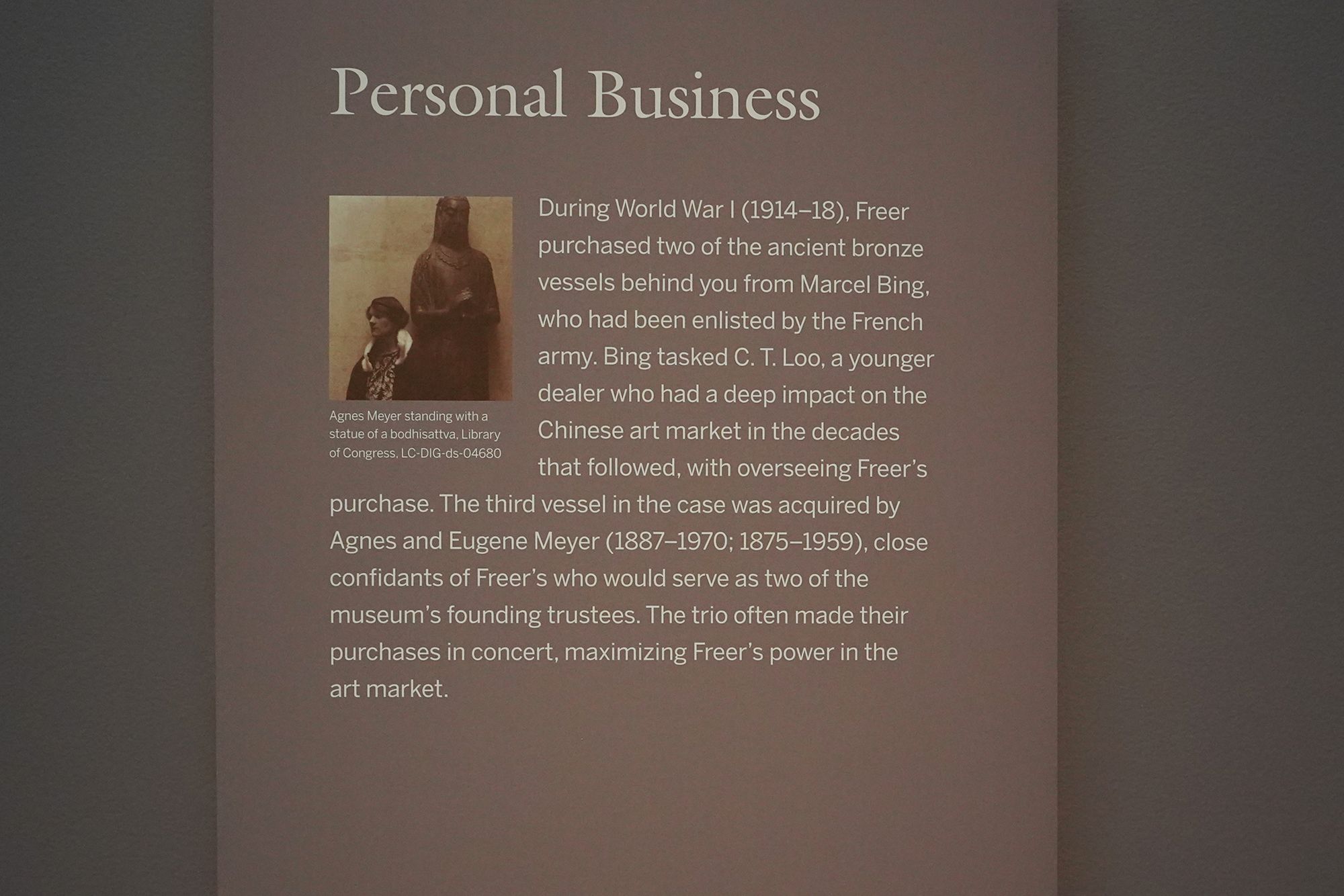
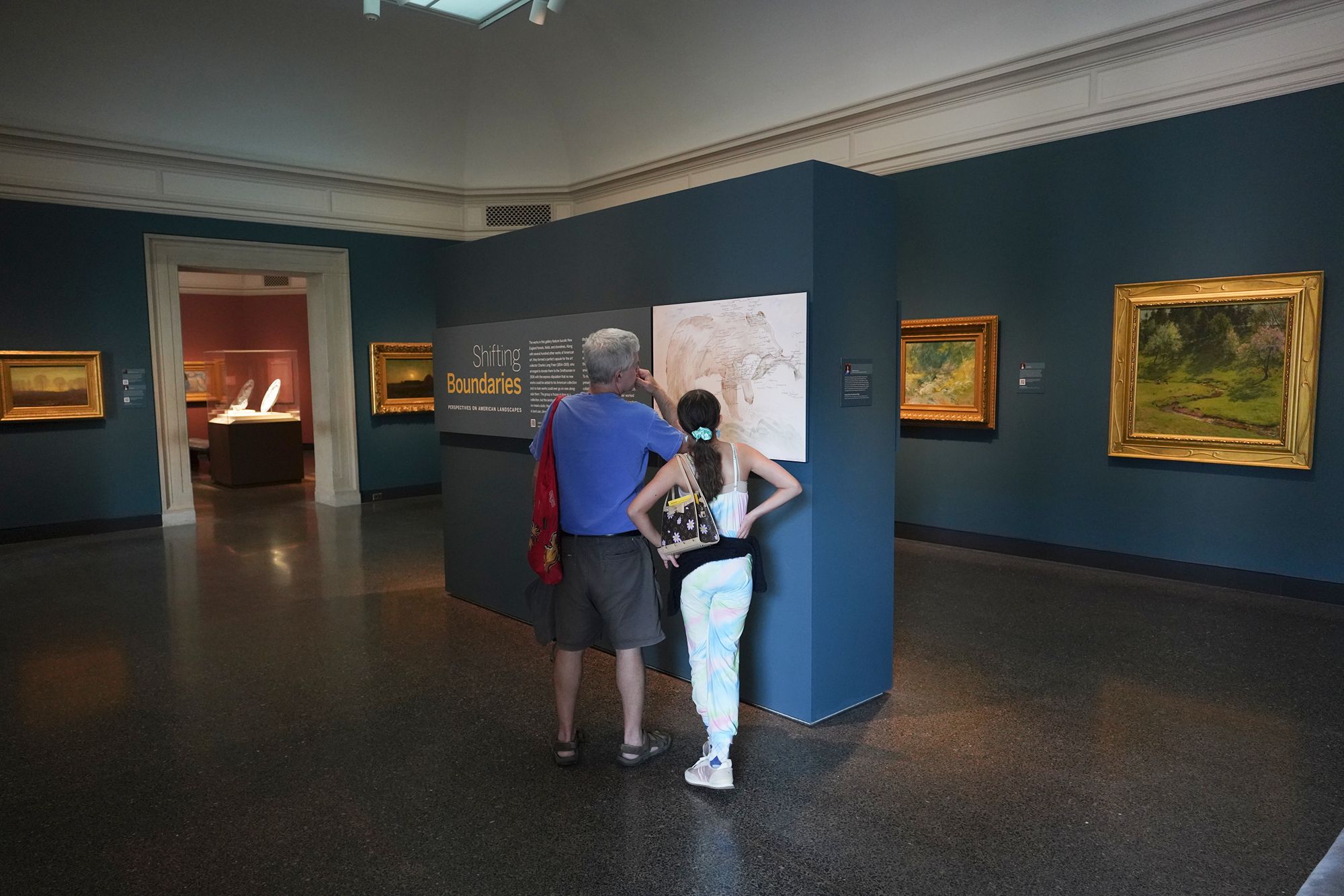
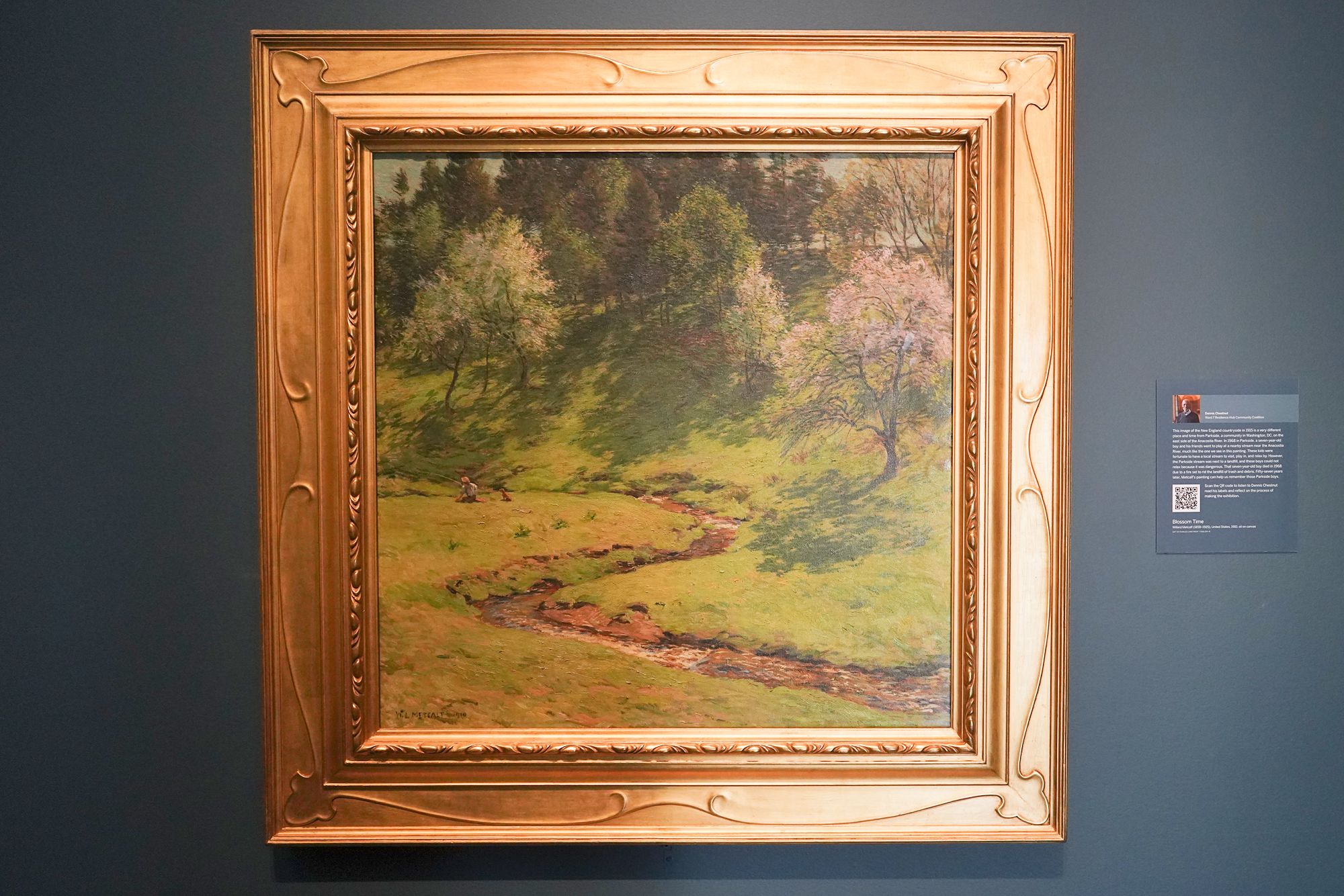
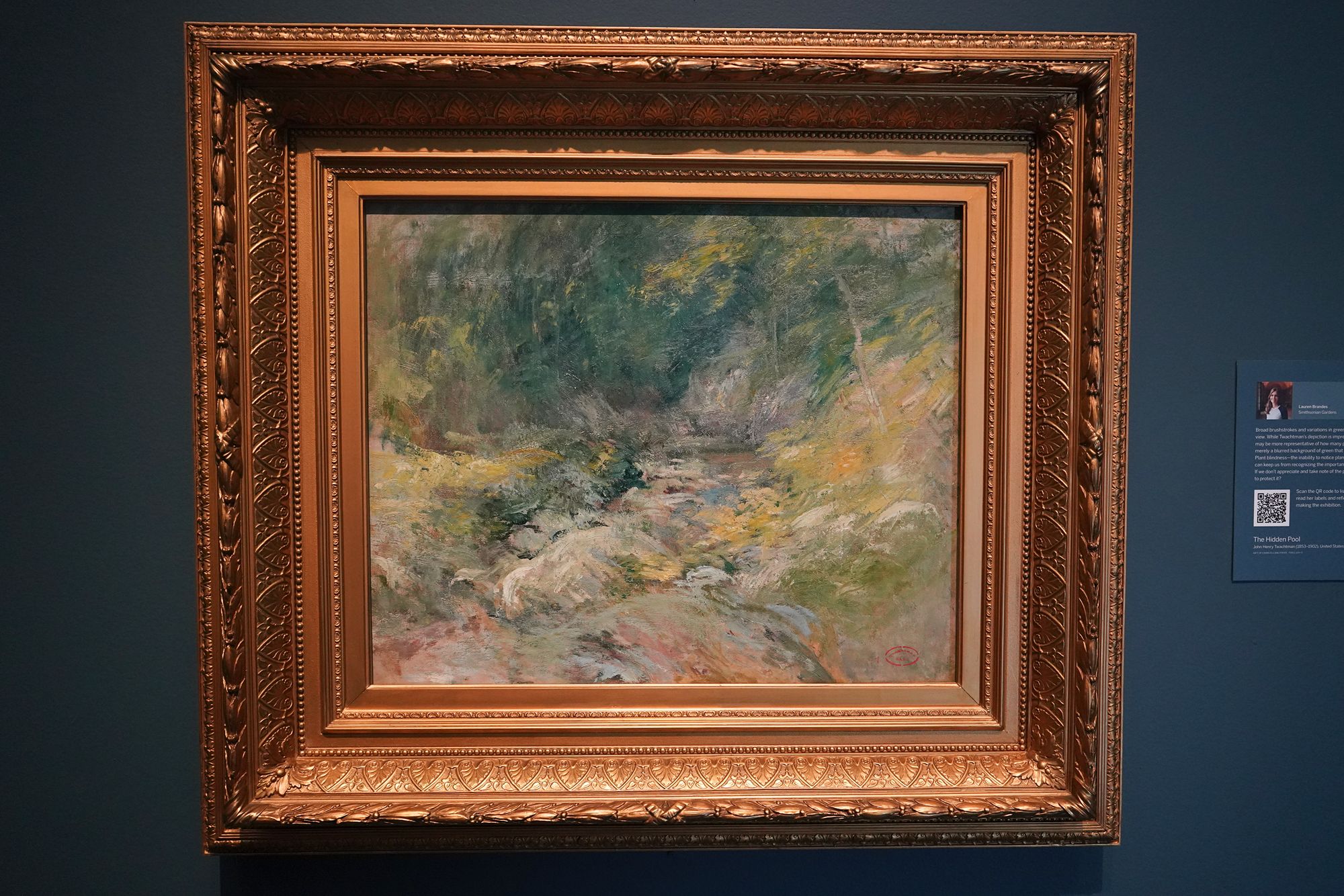
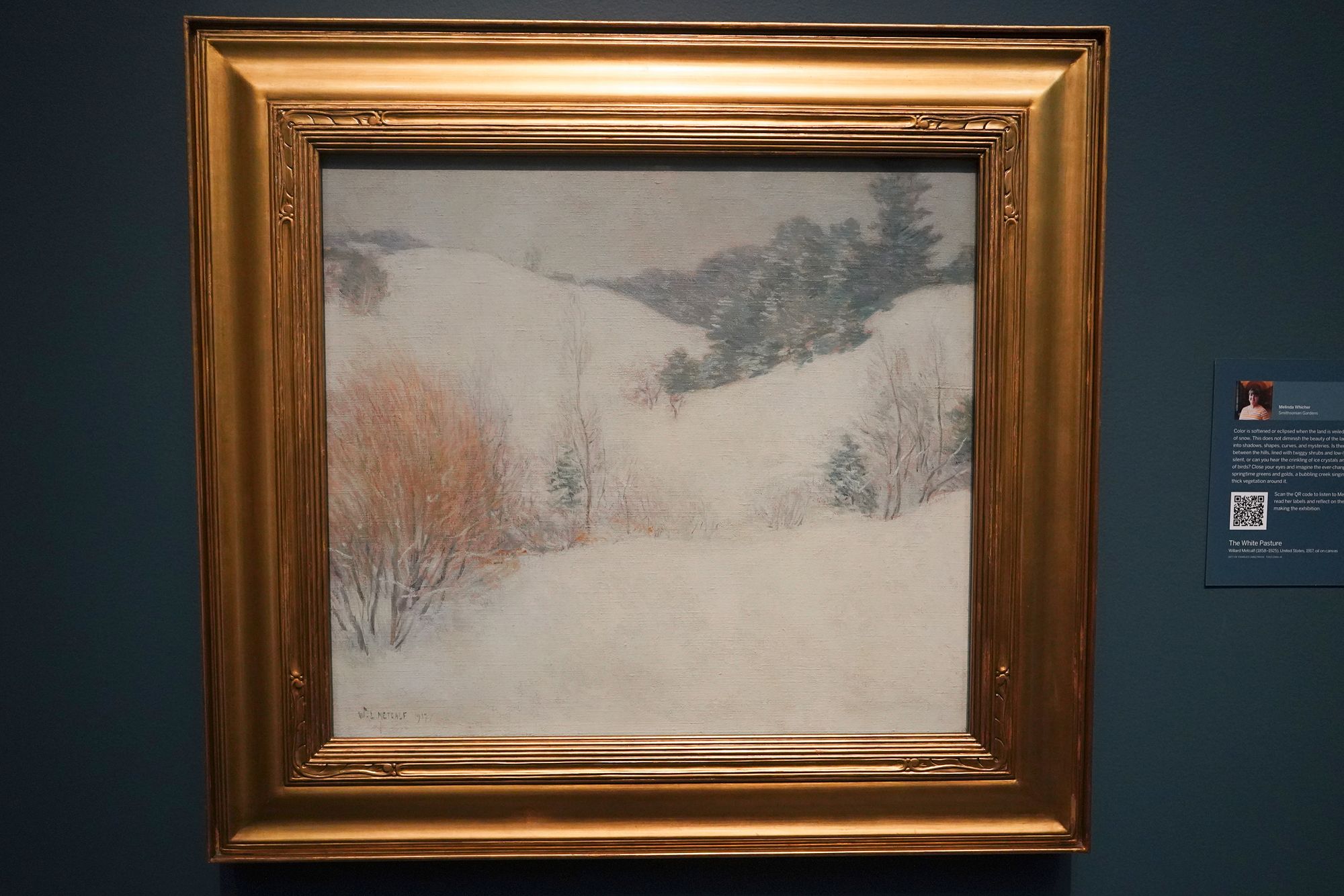
Charles Lang Freer (1854–1919) was an American industrialist and art collector who founded the Freer Gallery of Art. He built a major fortune from manufacturing railroad cars, then devoted his later life to collecting art from Asia and the United States.
Freer formed close relationships with artists such as James McNeill Whistler and gathered one of the most important collections of Chinese, Japanese, Korean, and American art of his time. He donated his entire collection, along with funds to build and maintain the museum, to the Smithsonian, creating the first national art museum dedicated to Asian art in the United States.
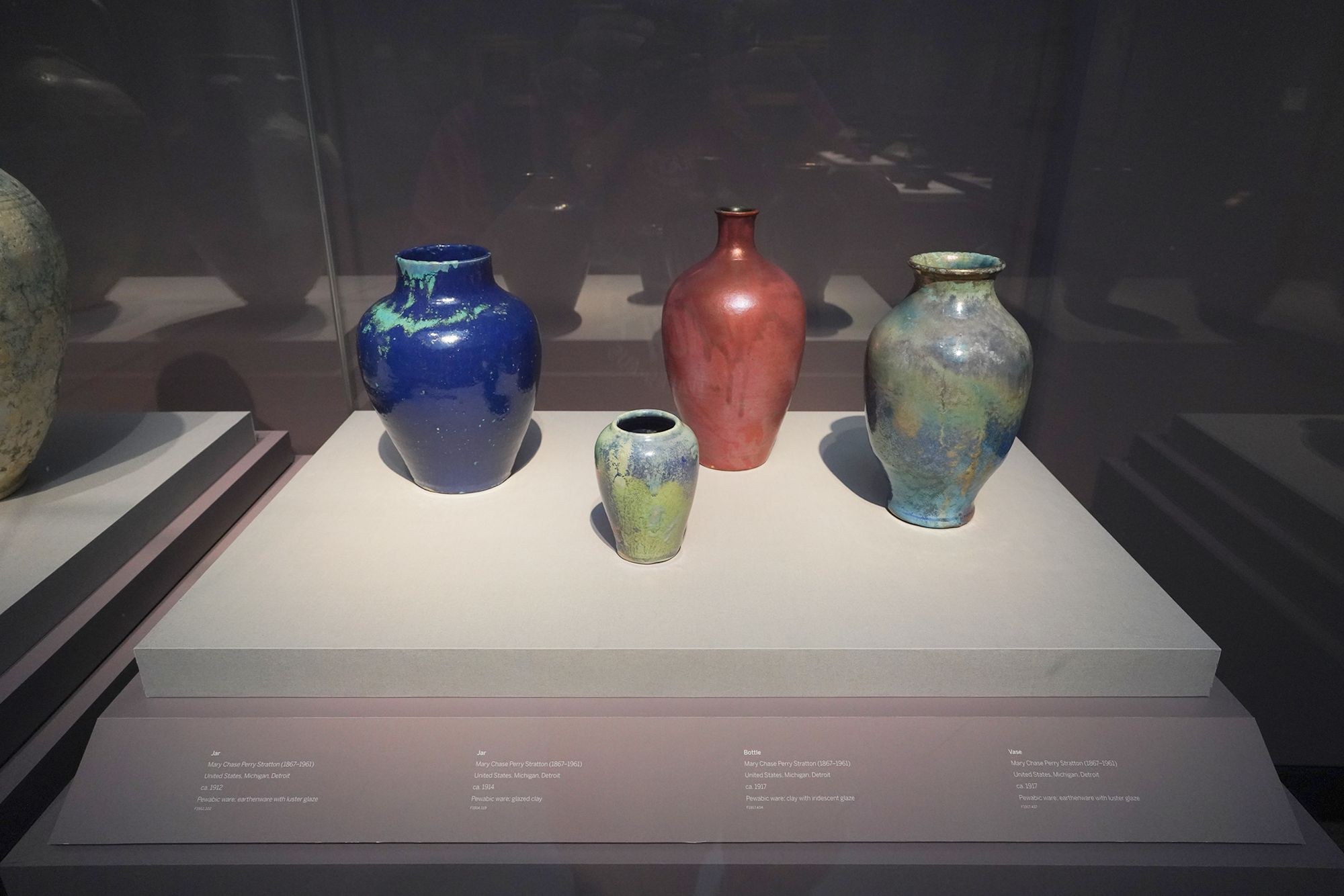
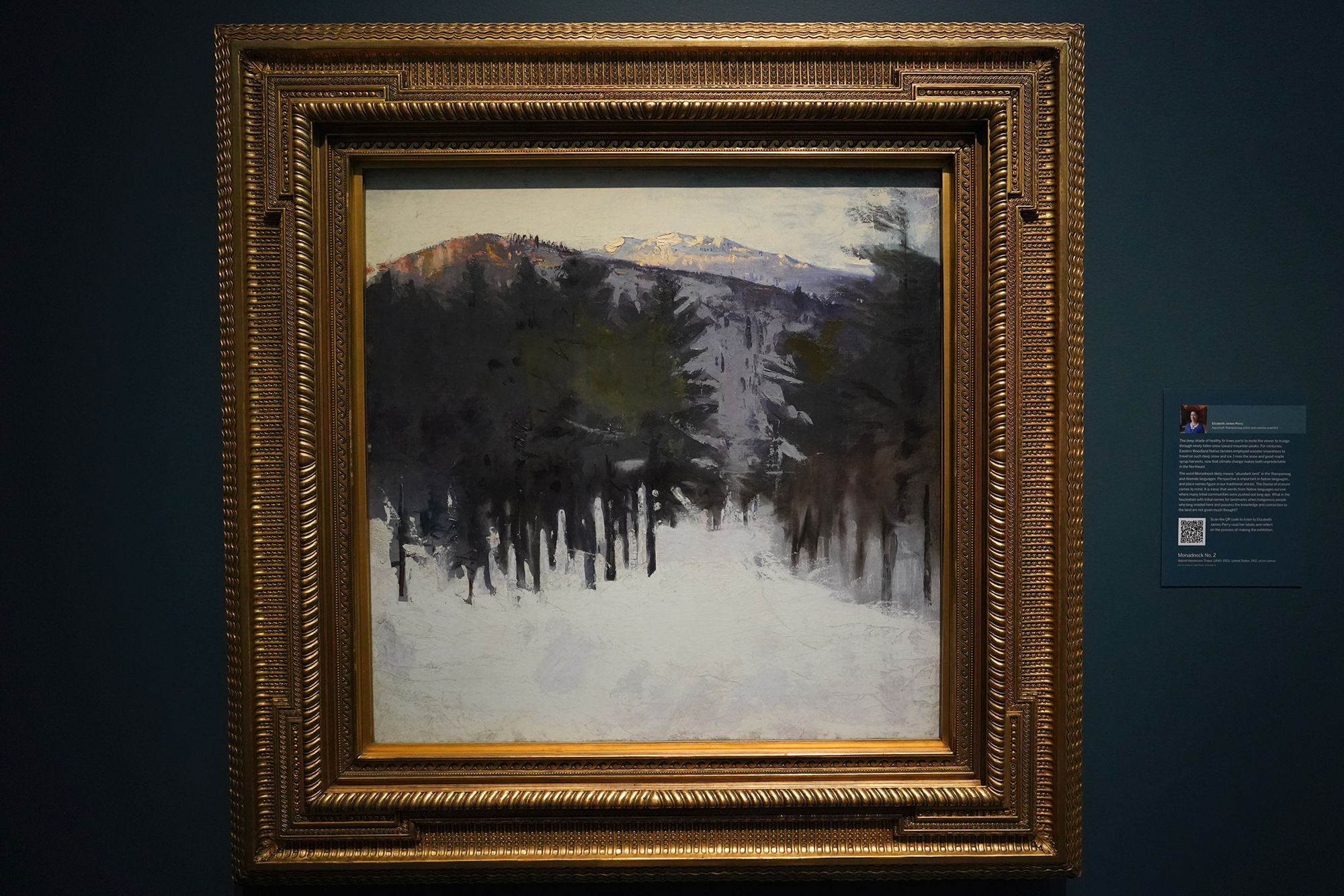
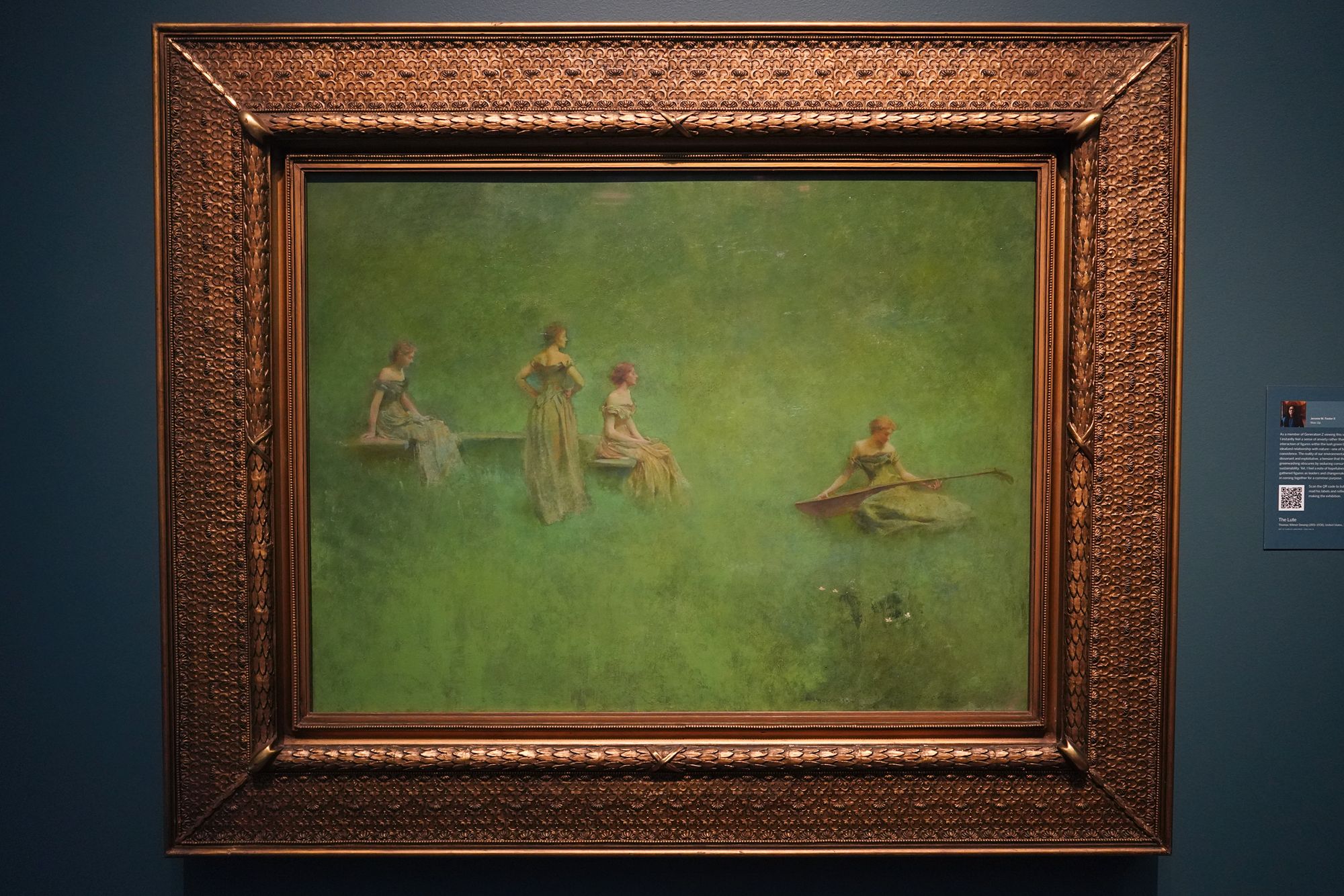
American Art
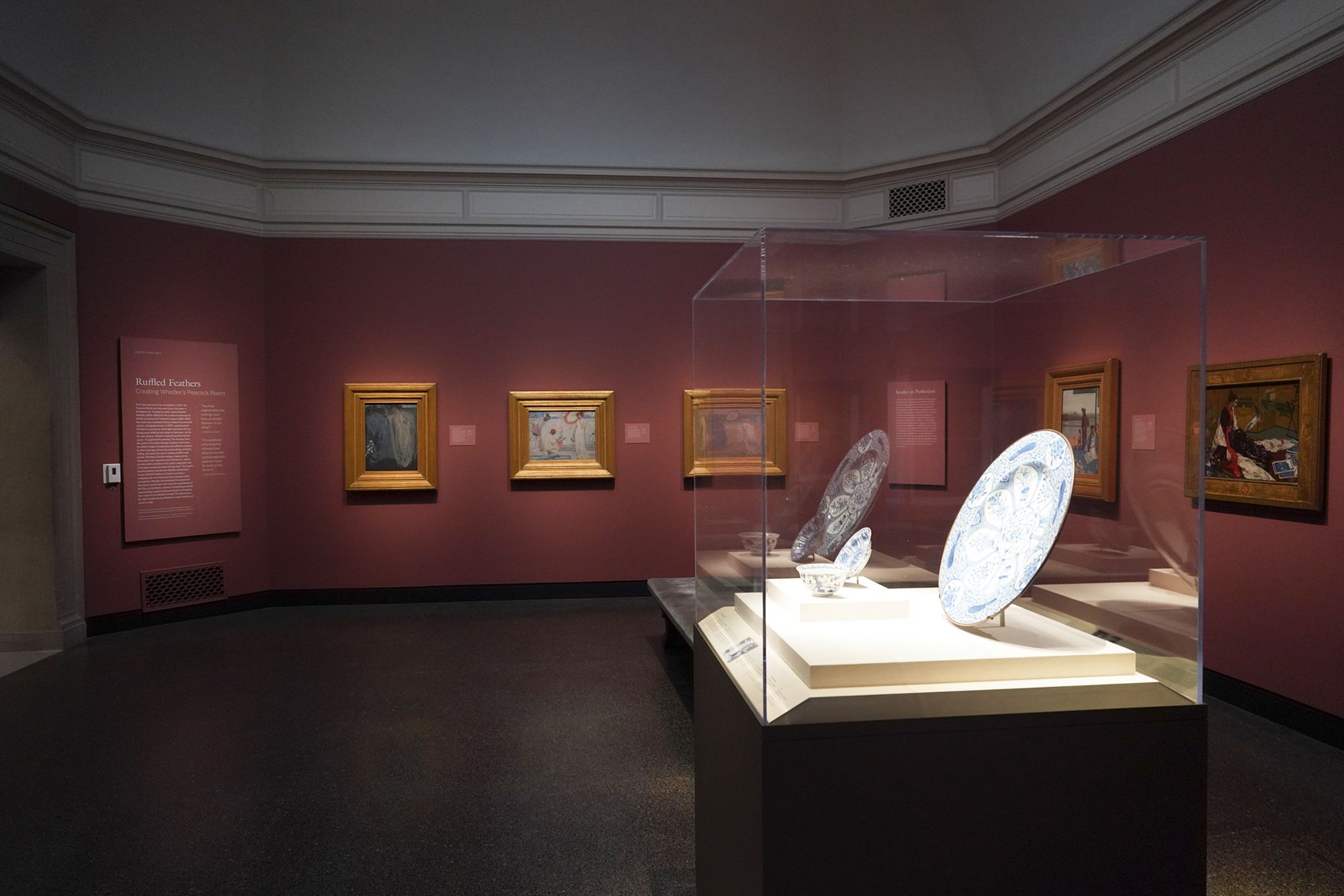
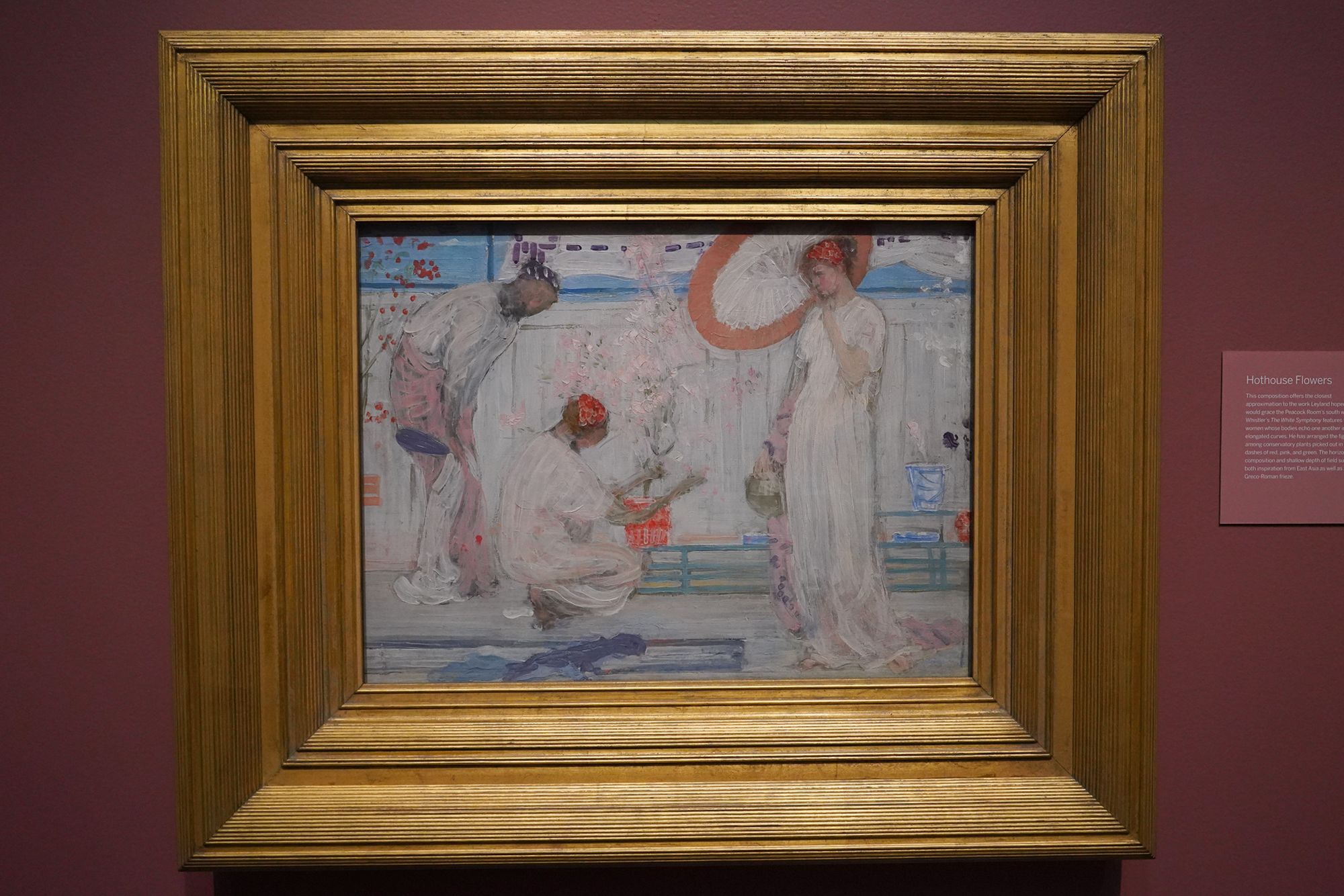
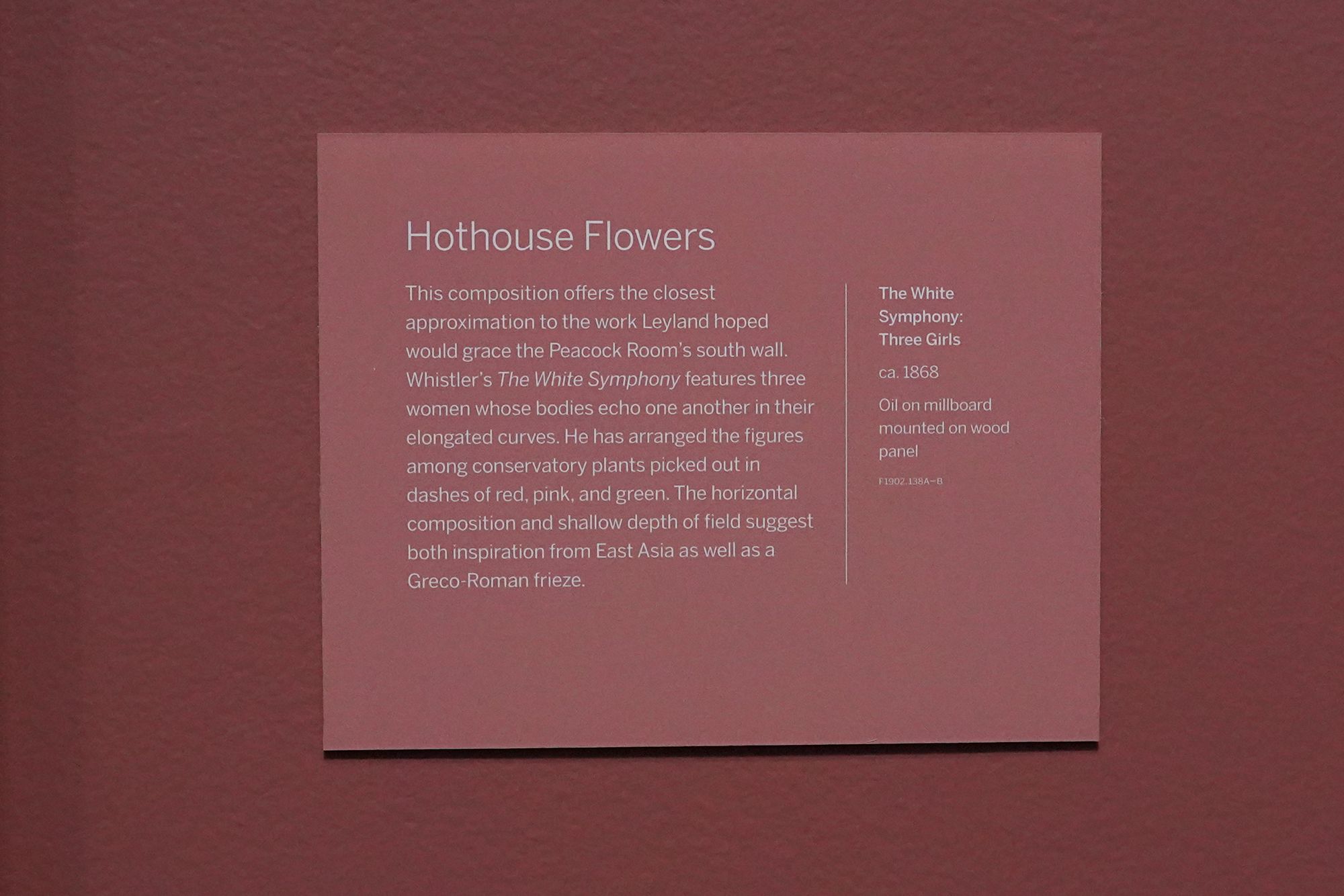
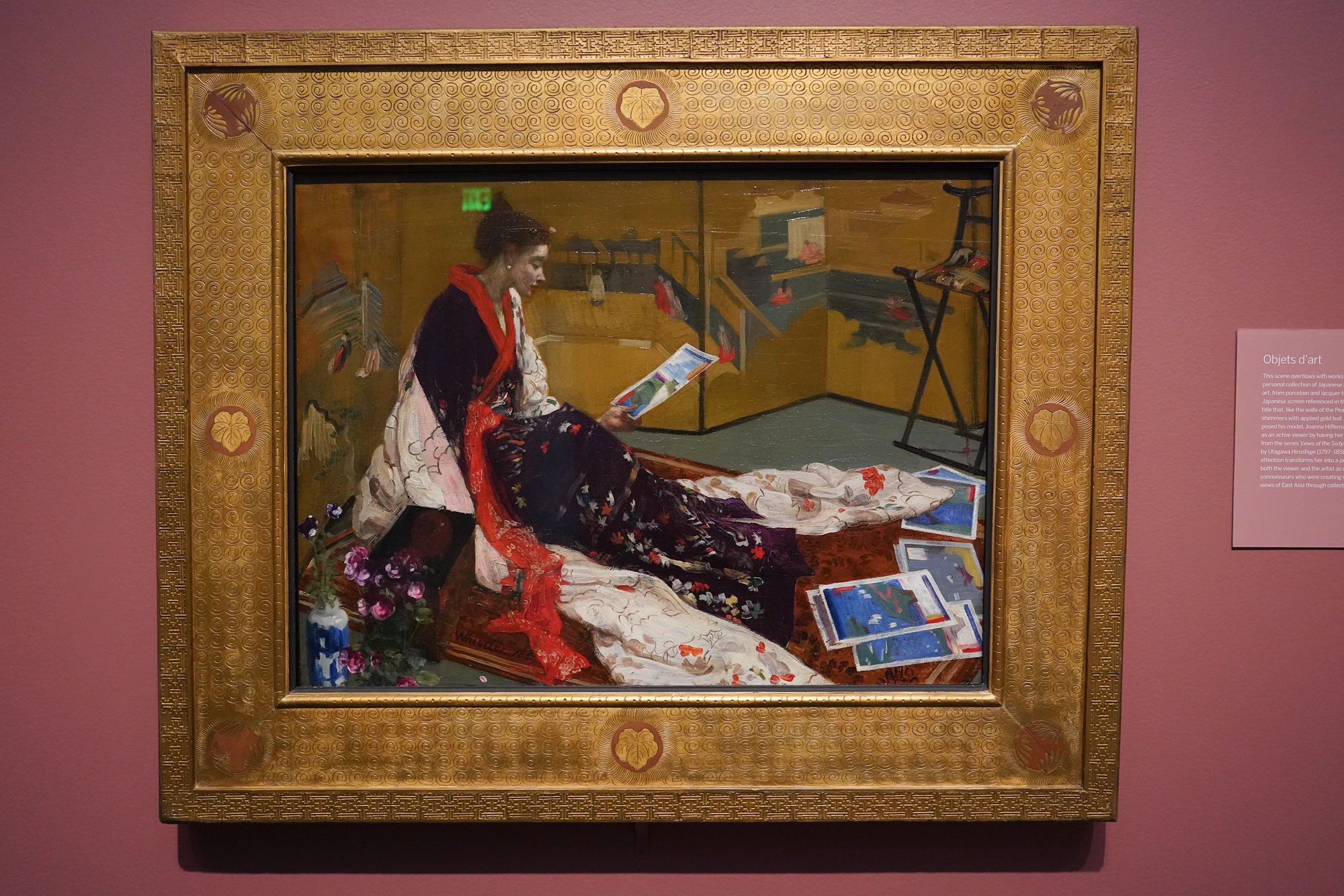
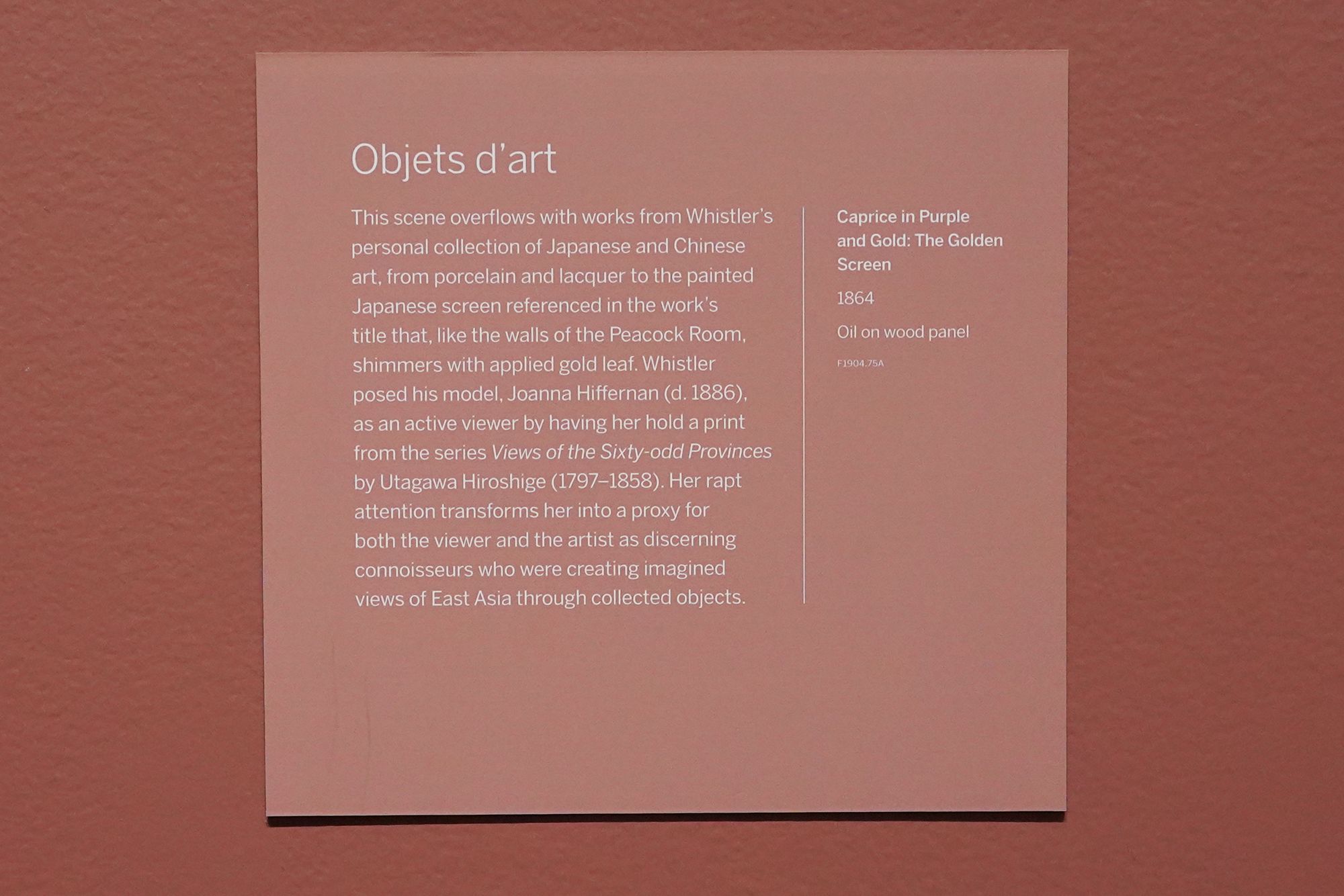
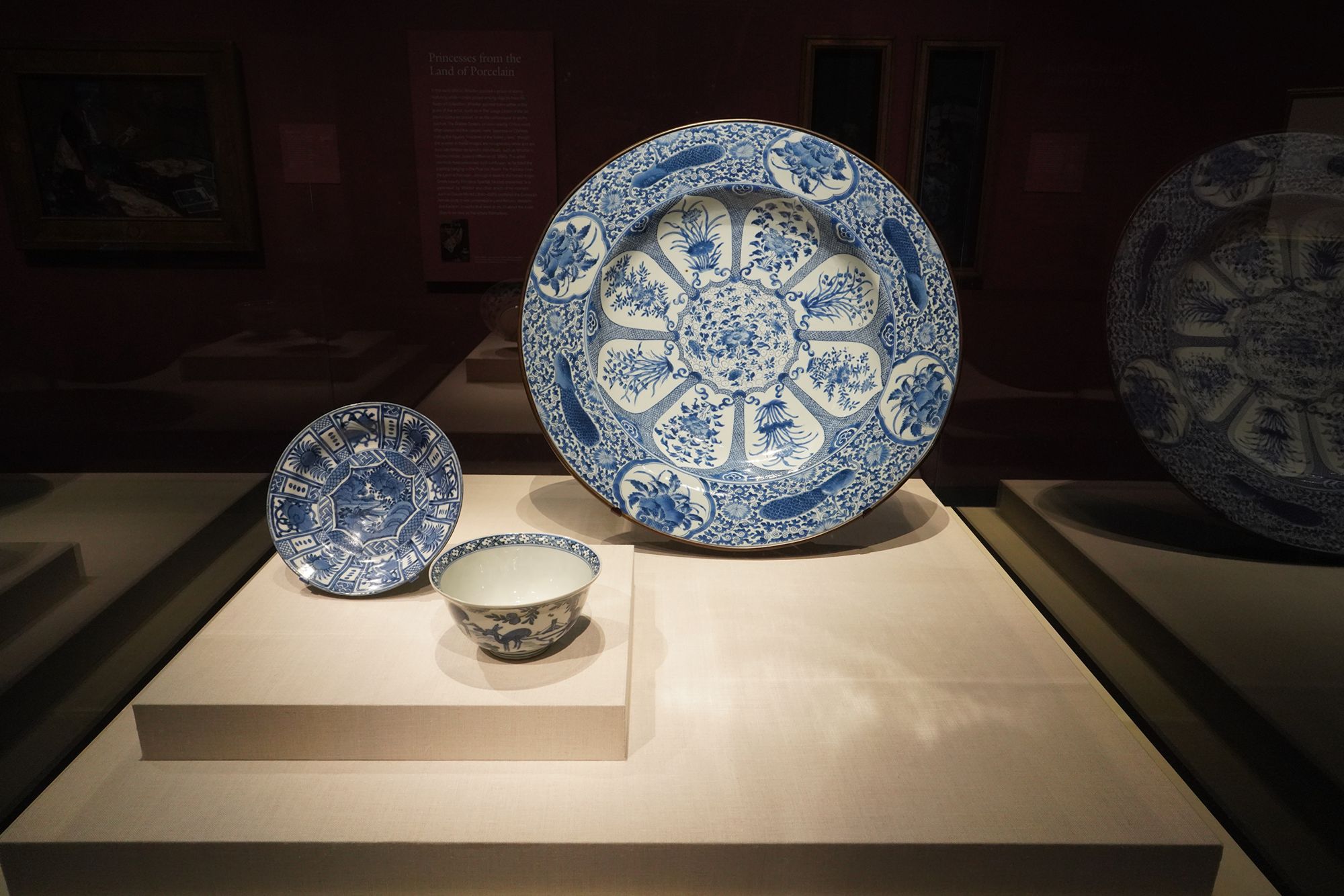
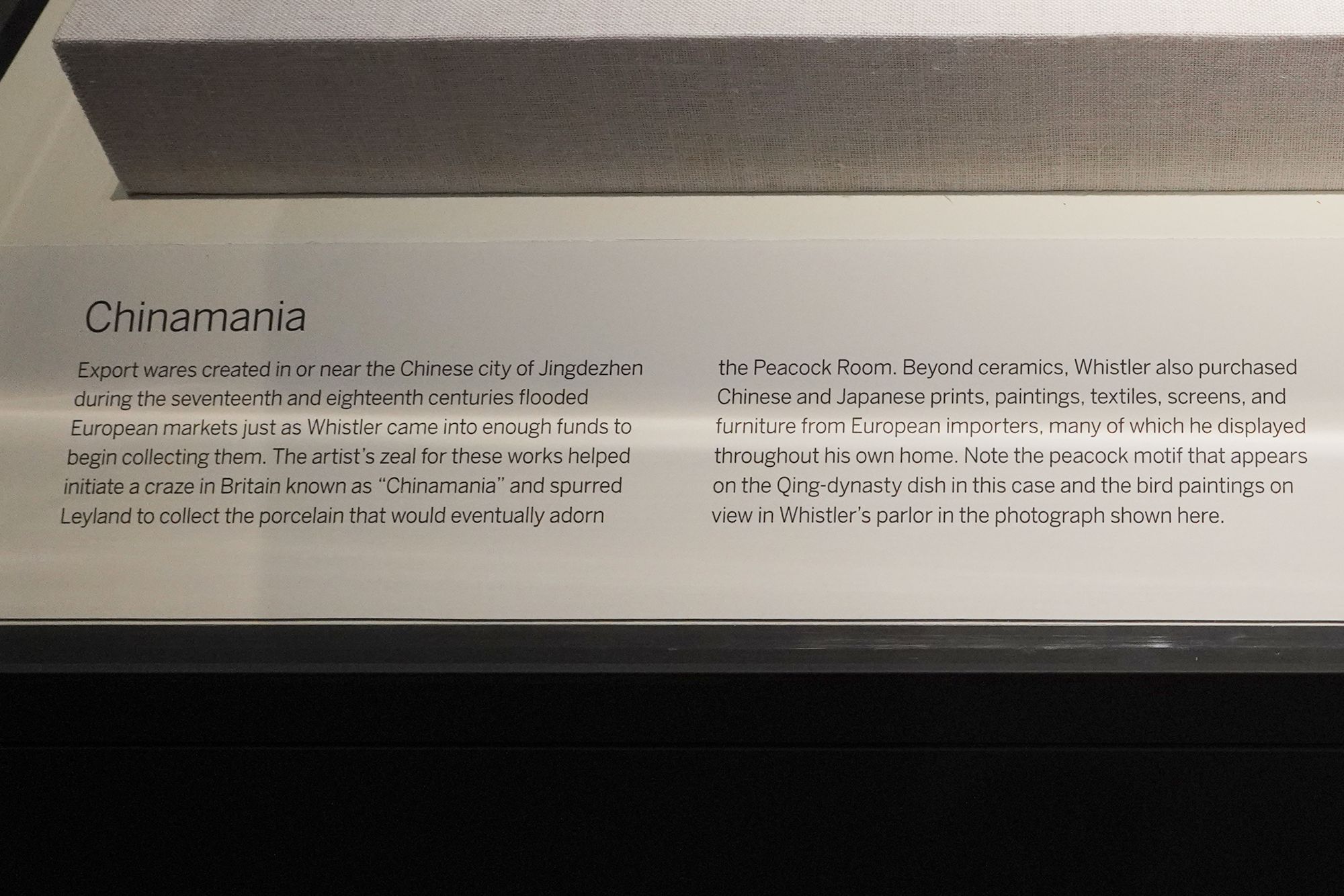
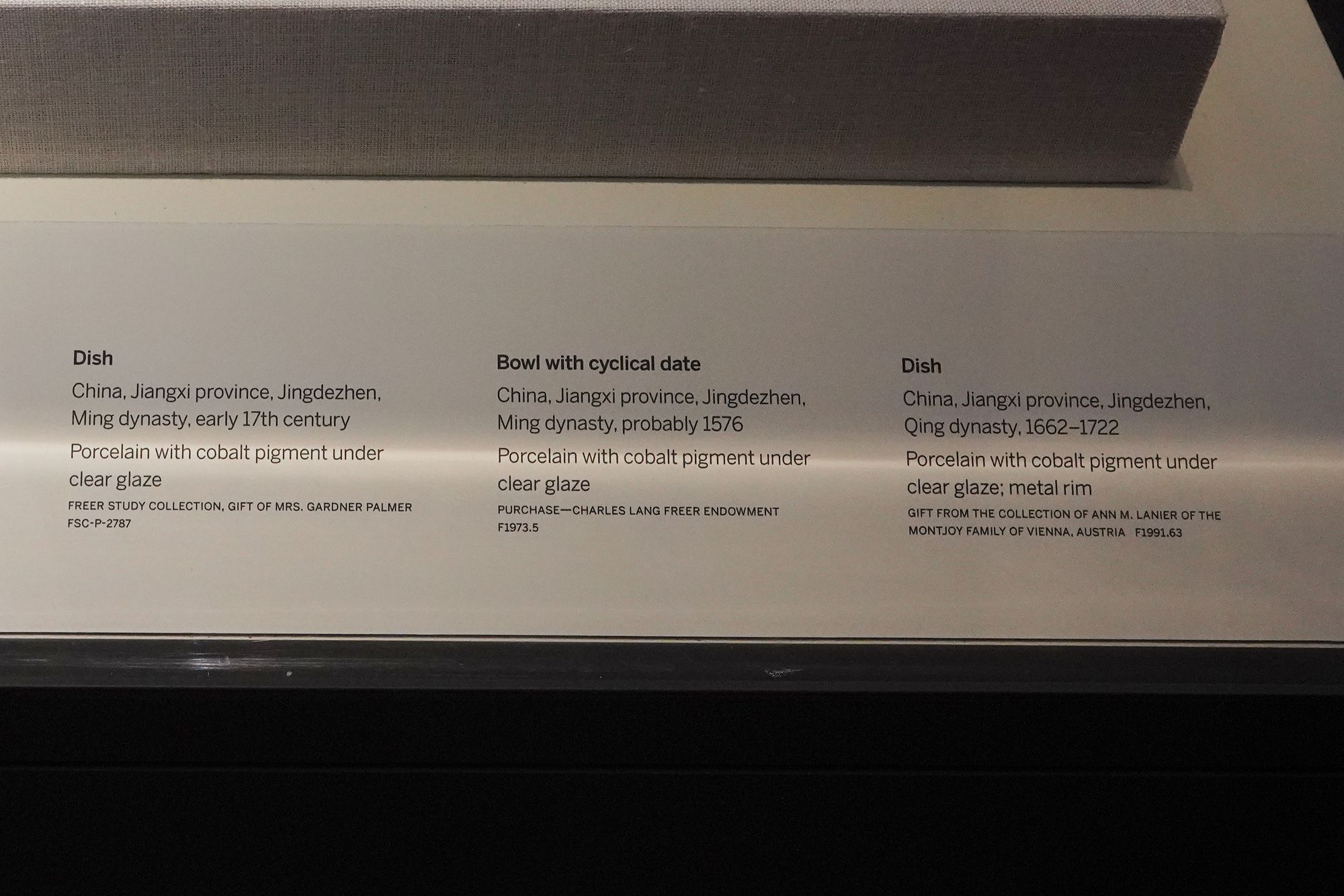
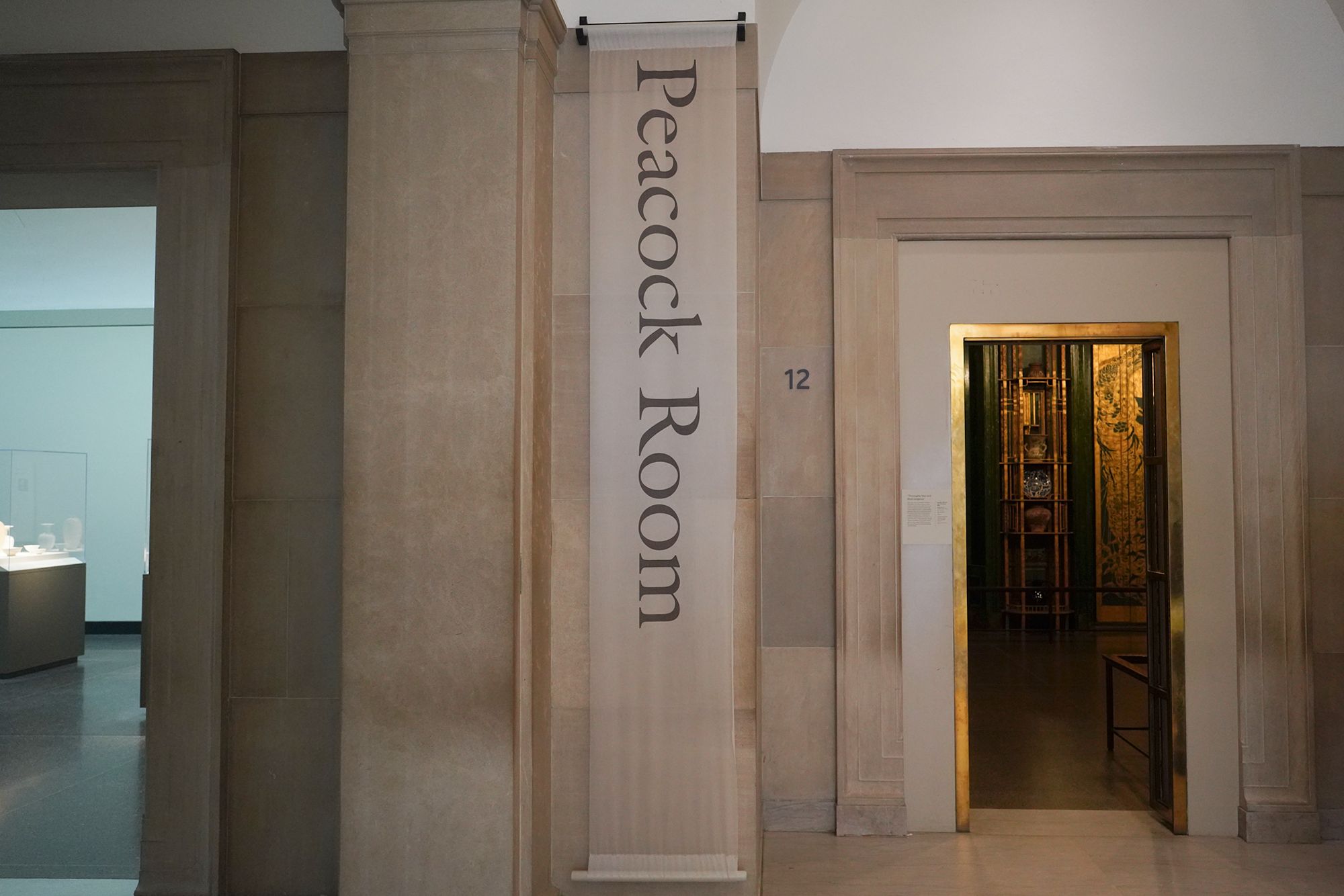
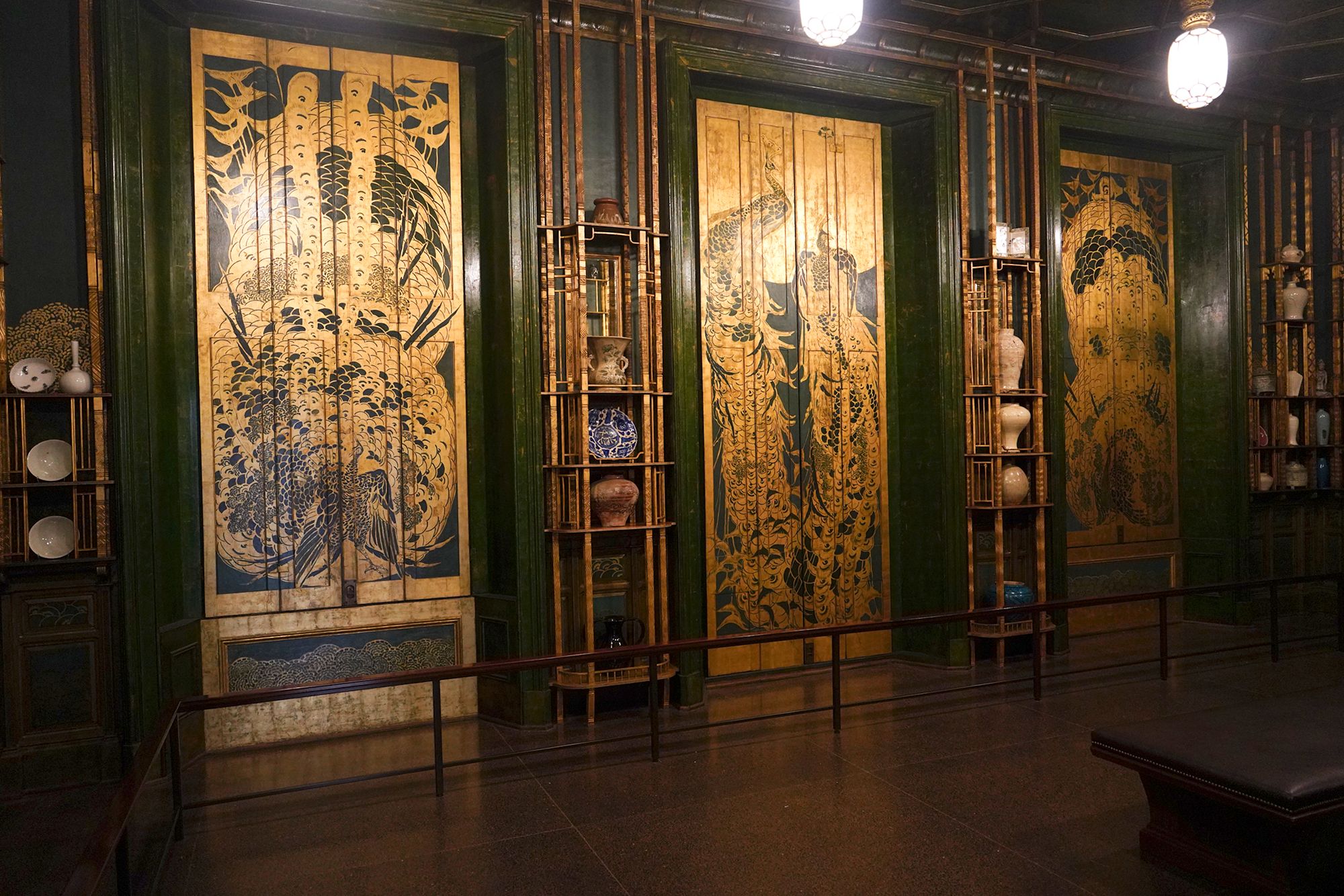
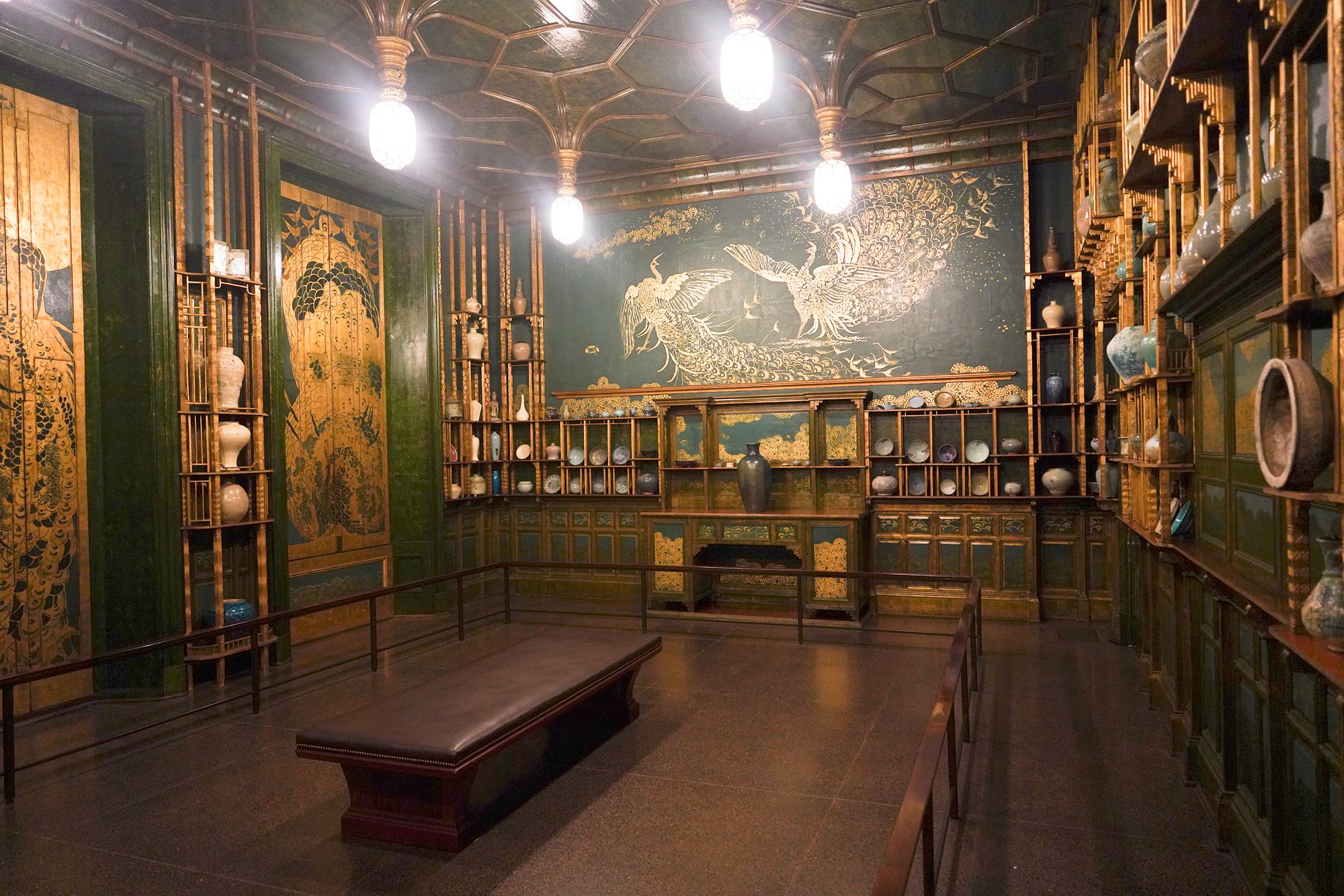
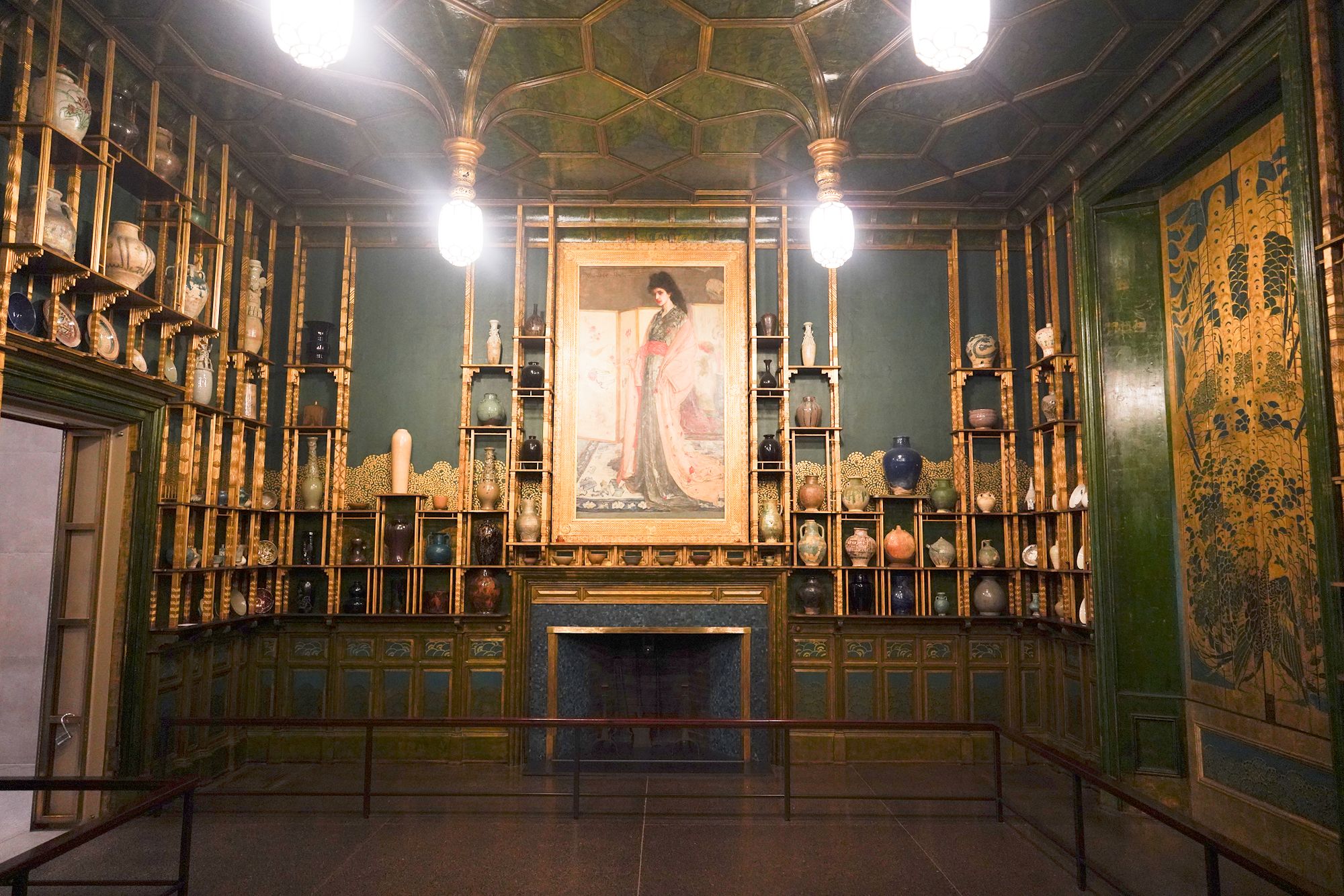
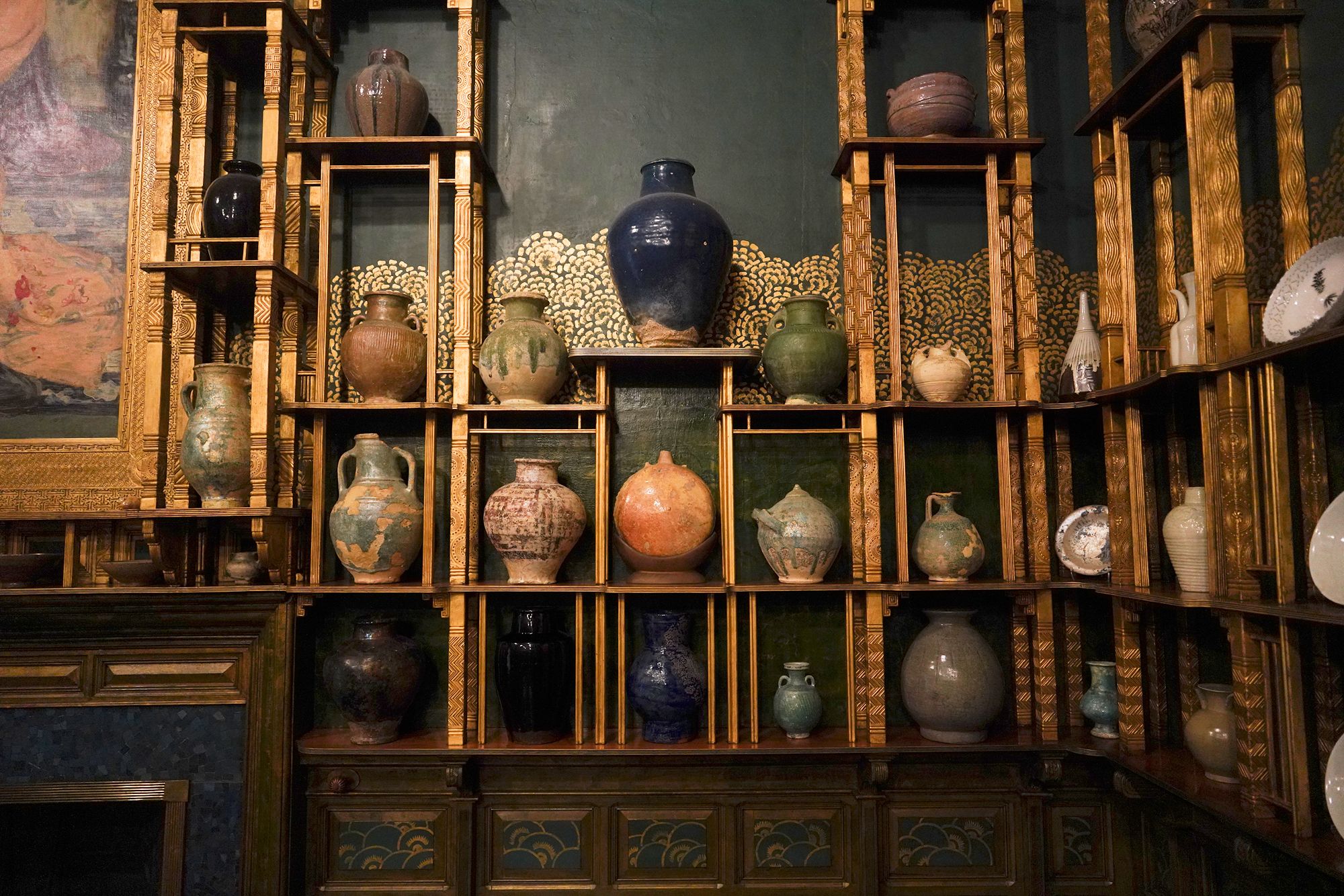
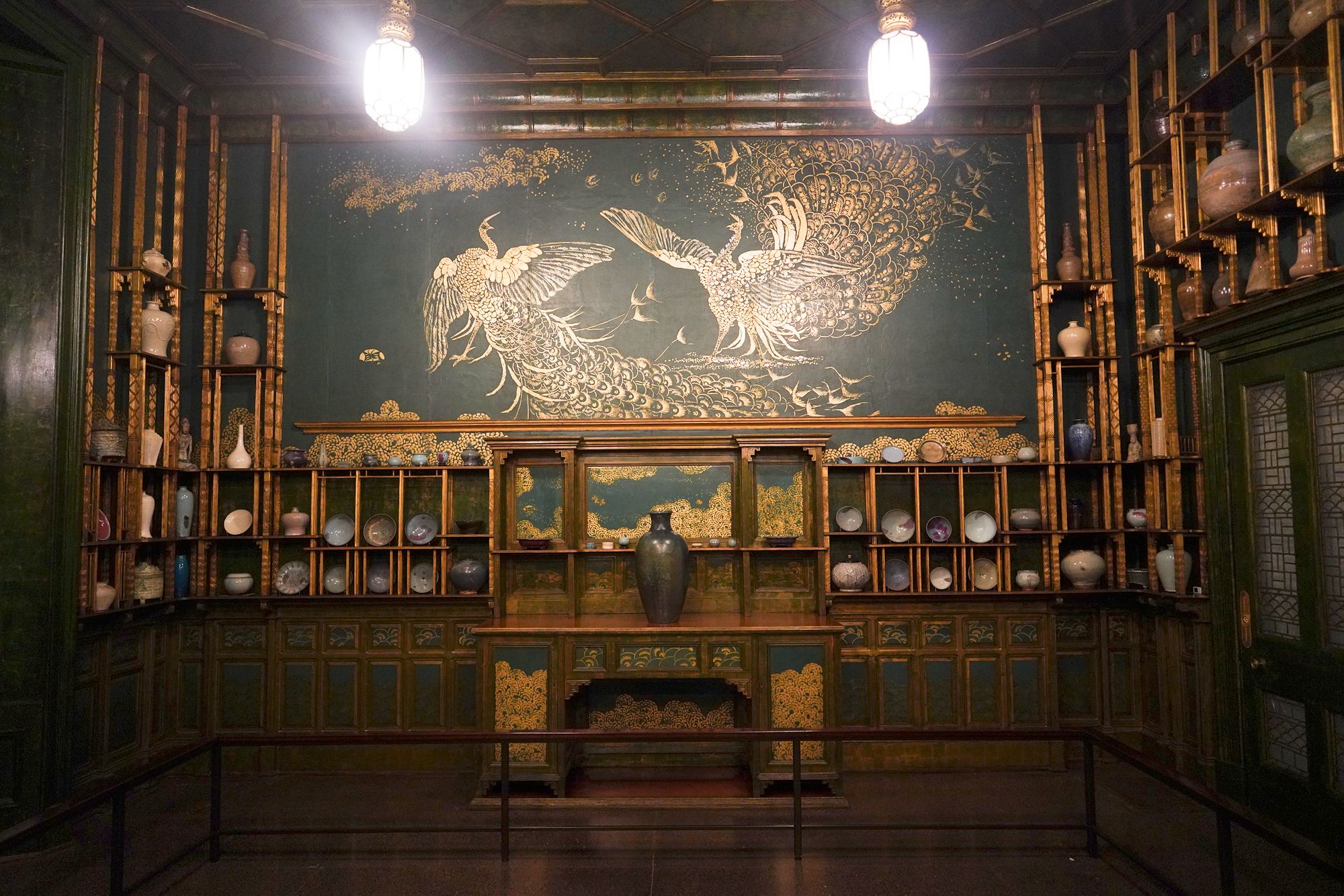
Peacock Room. The Peacock Room is a richly decorated interior designed by artist James McNeill Whistler in the 1870s. Originally created for a London home, the room features elaborate blue-green walls, gold-painted peacock motifs, and shelves for displaying ceramics. Charles Lang Freer later acquired the room and installed it in his Detroit home before giving it to the Freer Gallery, where it is now preserved as a complete work of art combining painting, architecture, and design.