National Museum of Asian Art – Korea, China, and Egypt Art, Washington DC, USA
Continuation of the National Museum of Asian Art with Korean, Chinese, and Egyptian Art 1152
National Museum of Asian Art: 1050 Independence Ave SW, Washington, DC 20004
Date Picture Taken: August 2025
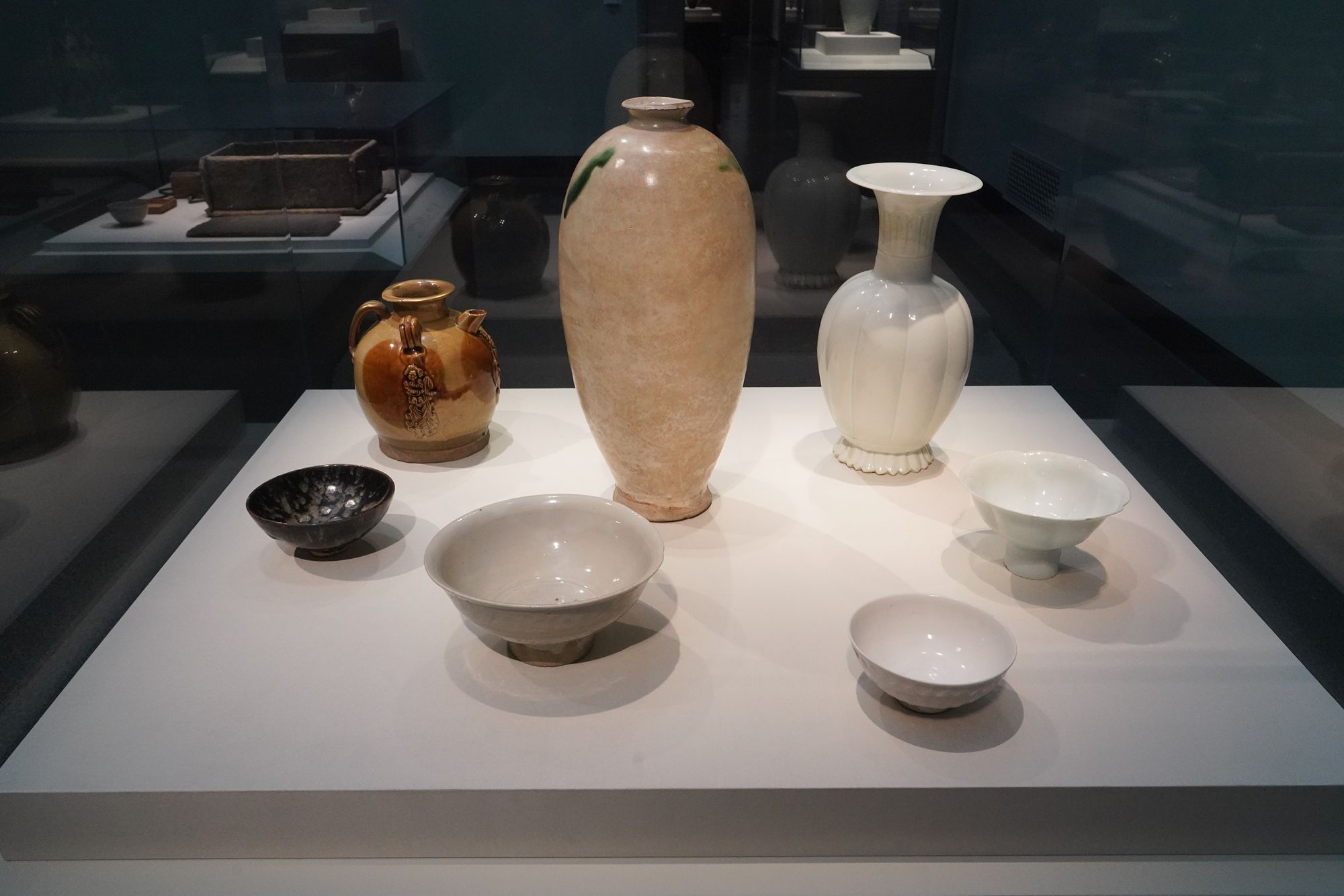
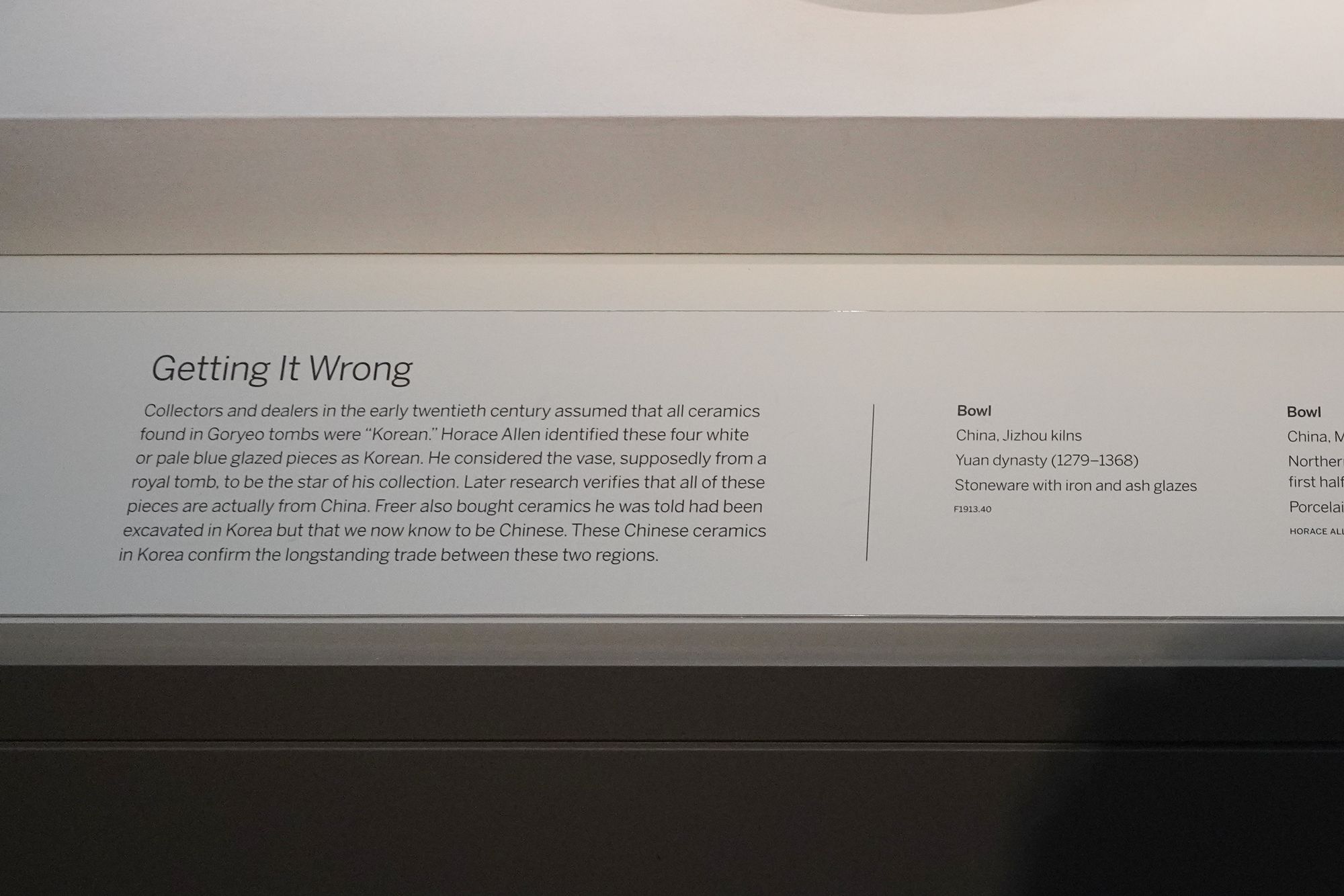
The galleries present Korean celadon, white porcelain that highlights the country’s refined artistic traditions. Chinese art follows with ancient ritual bronzes, jade carvings and porcelain from different dynasties. The Egyptian section shows statues and funerary objects that illustrate daily life and religious beliefs.
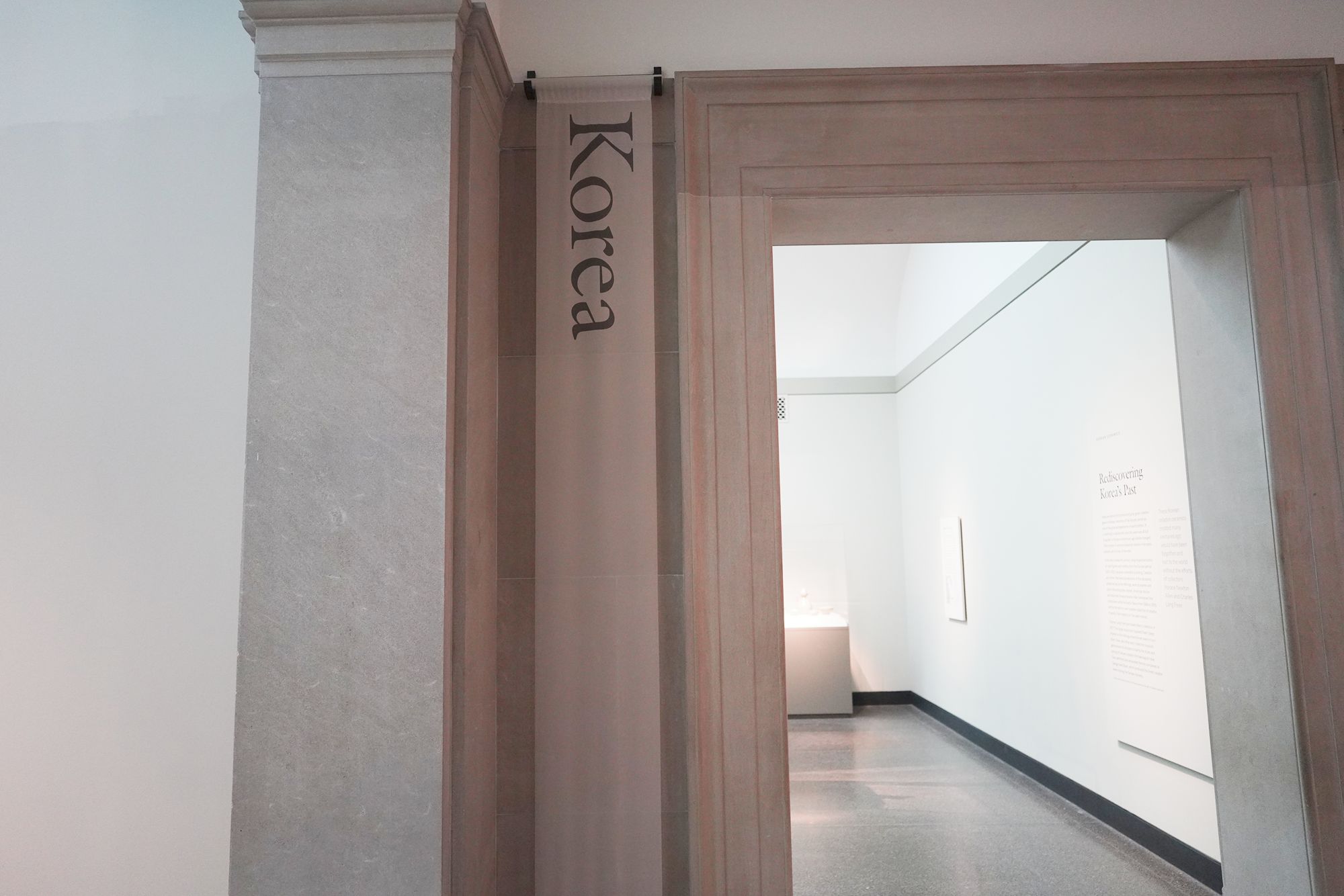
Korean Art
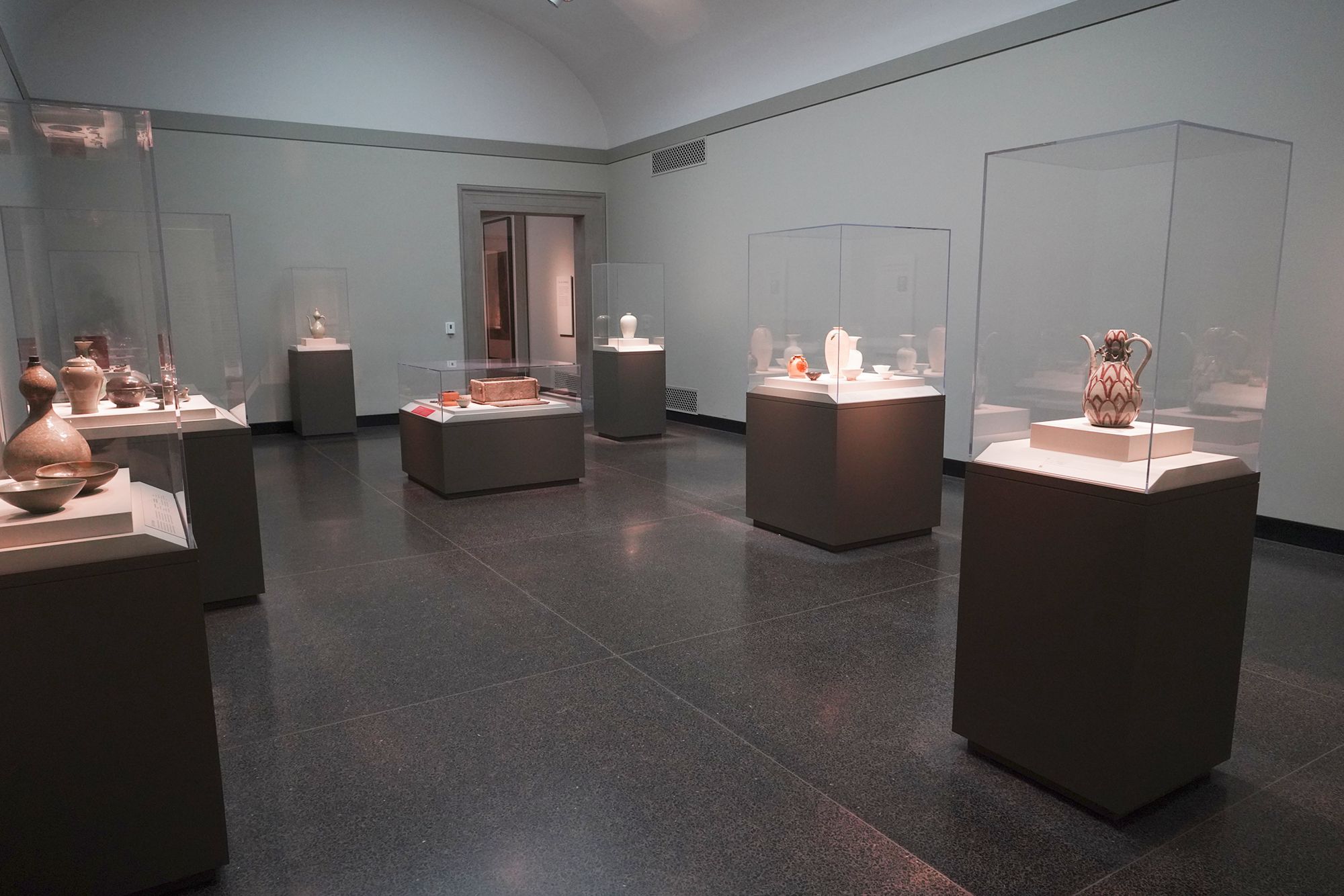
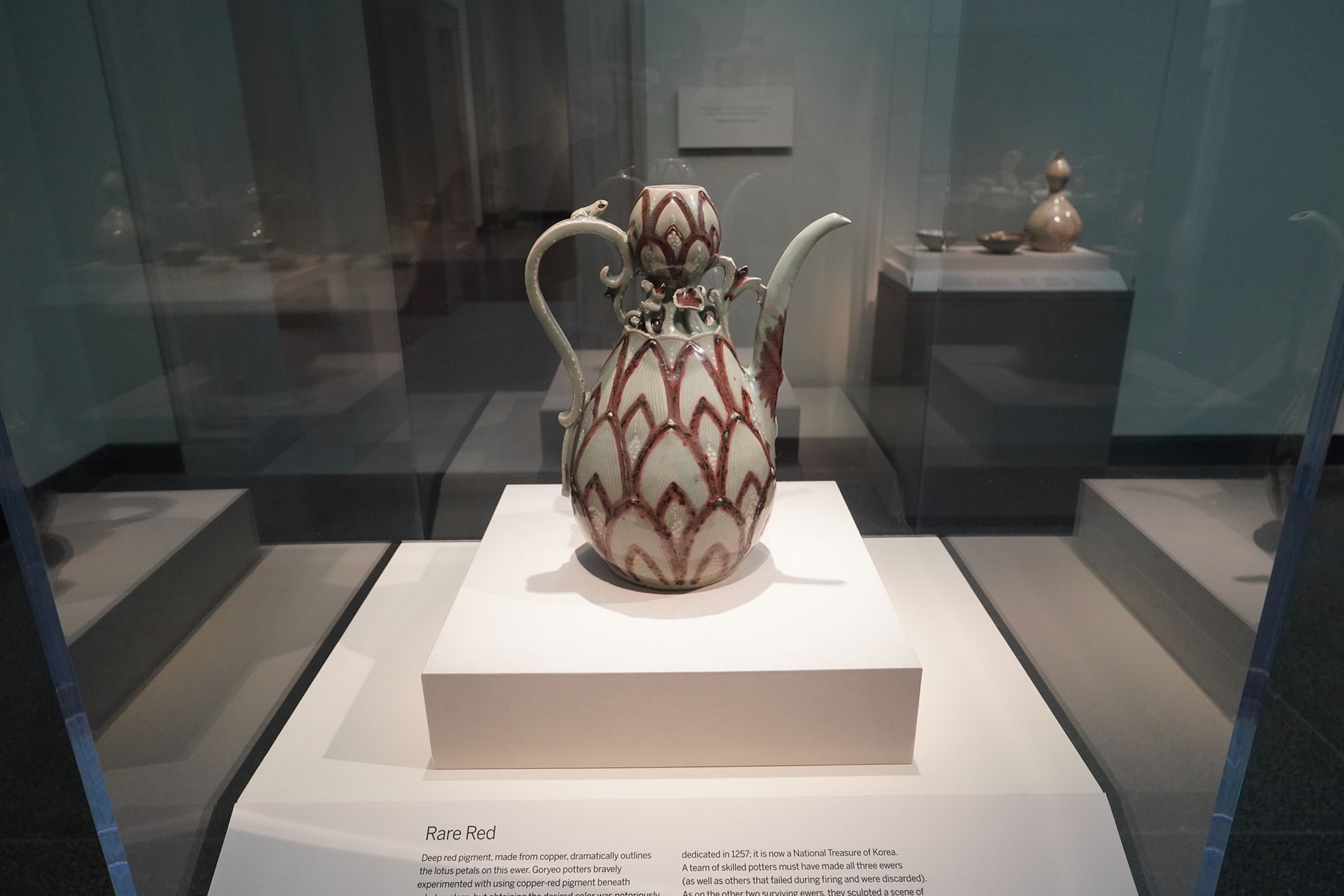
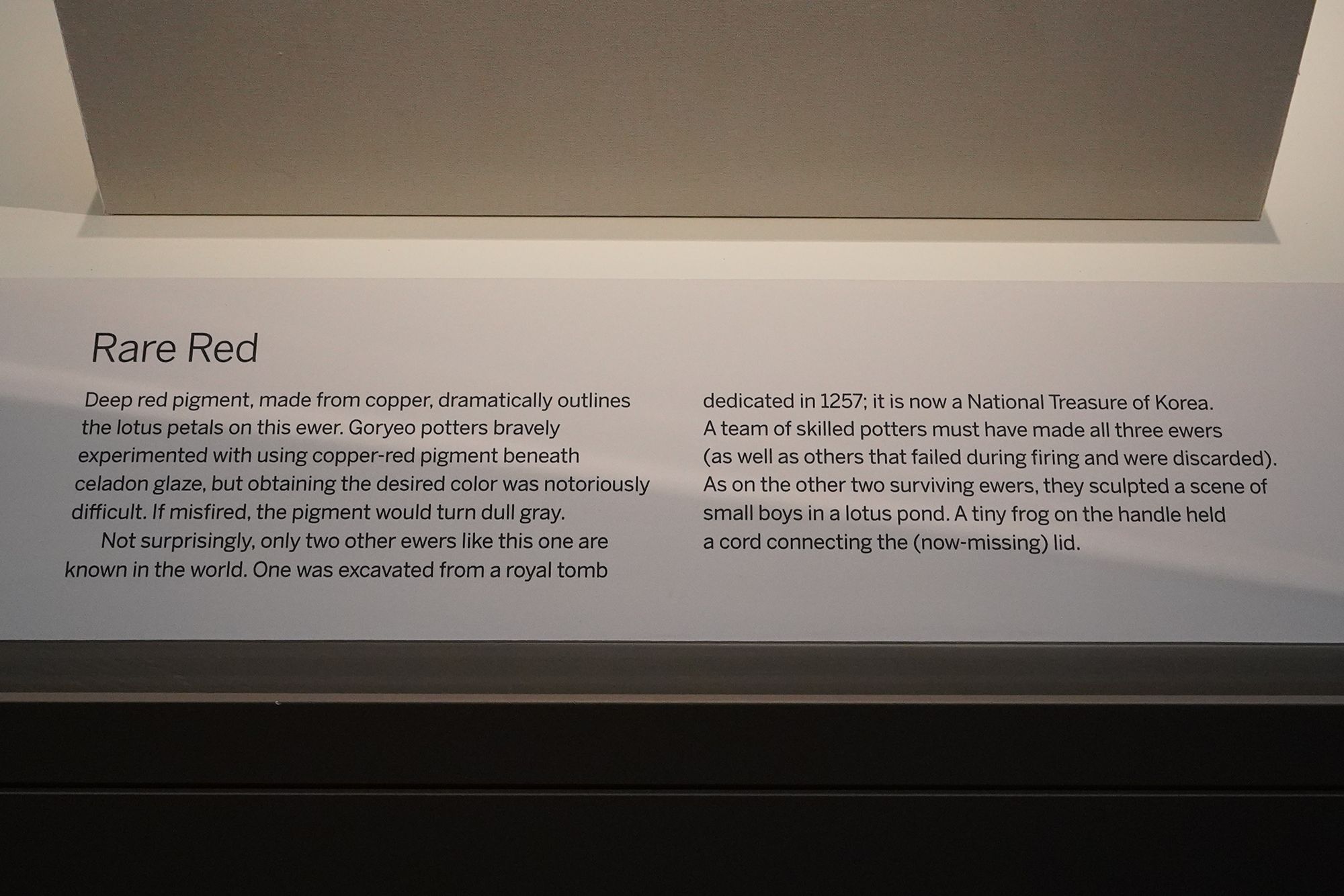
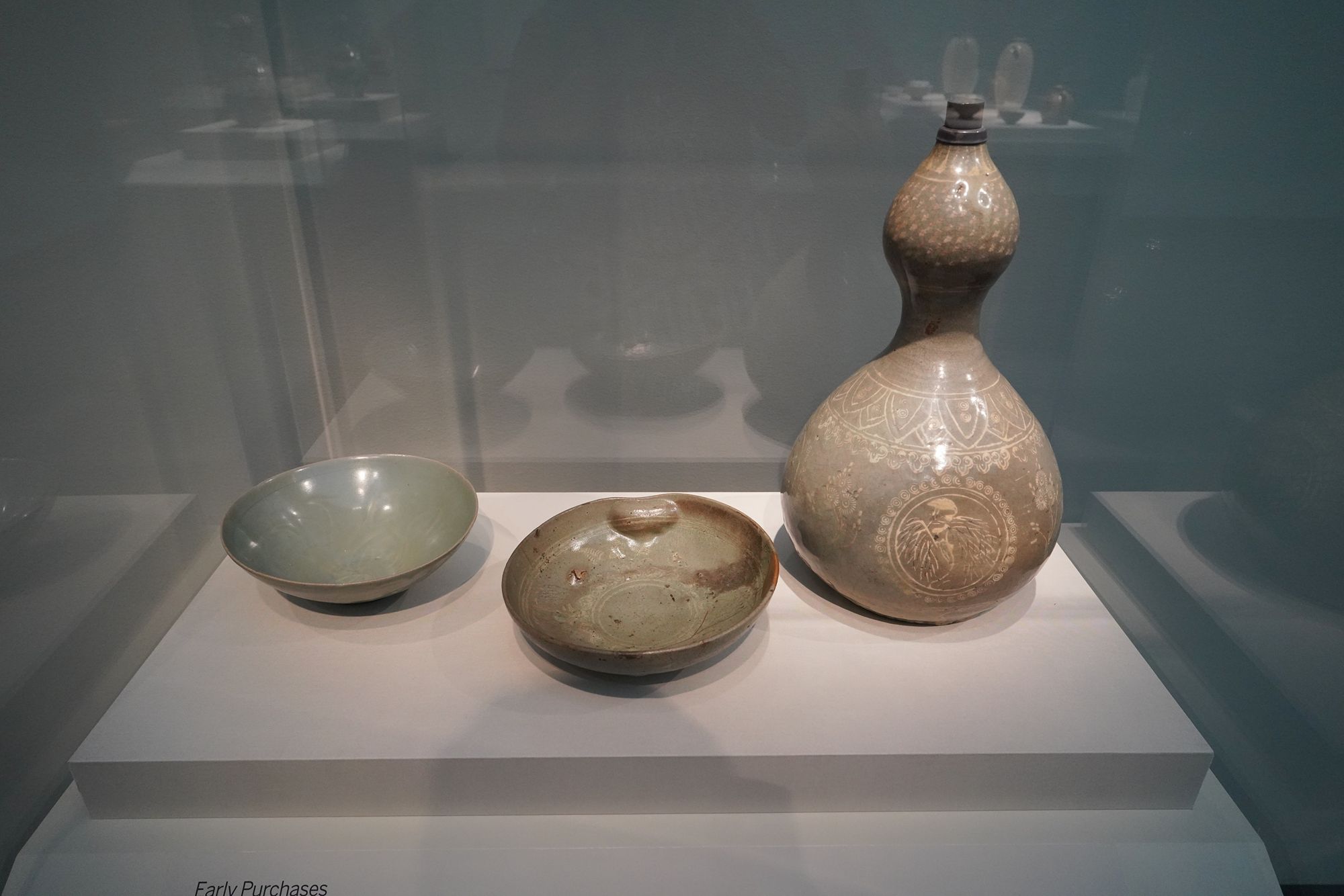
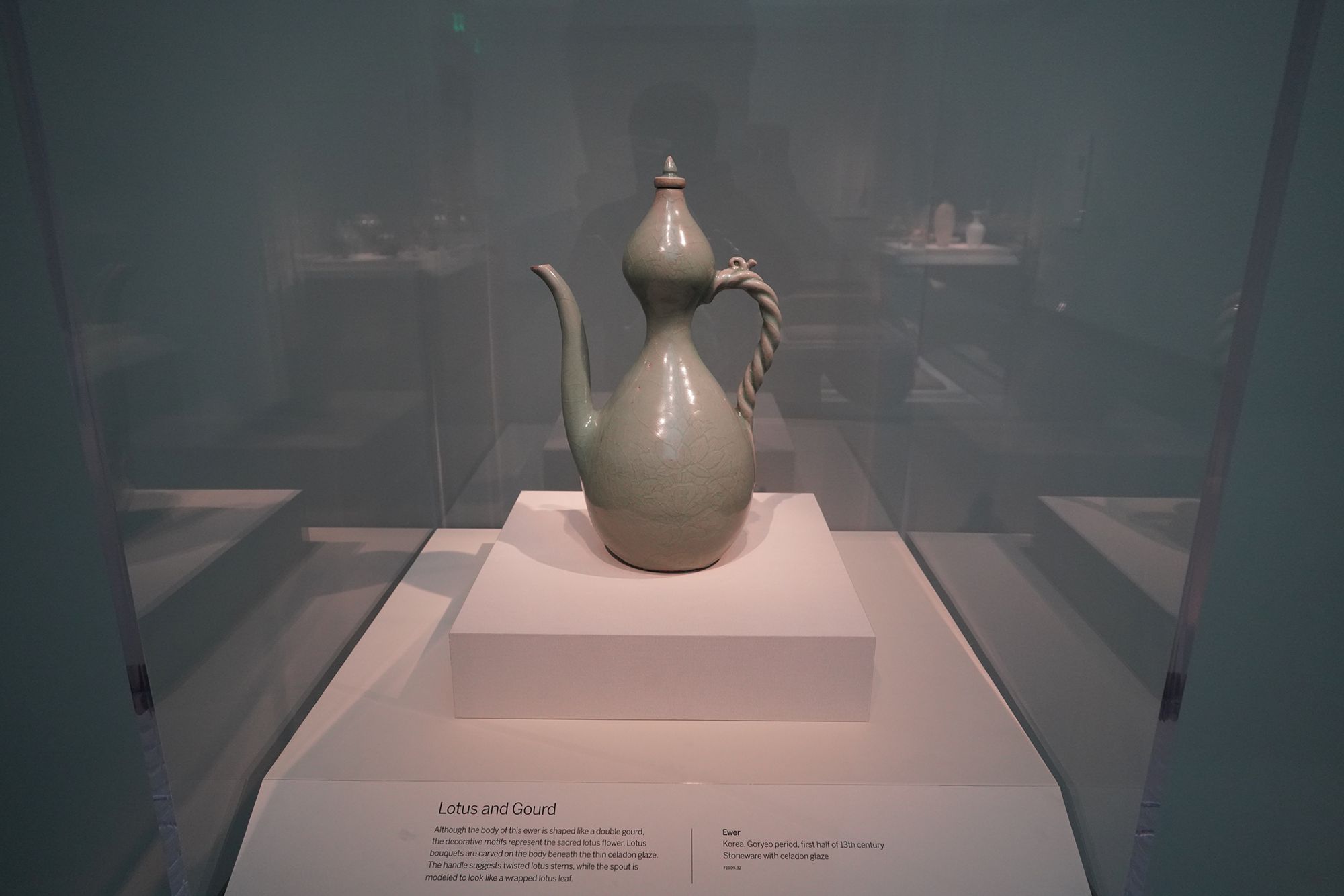
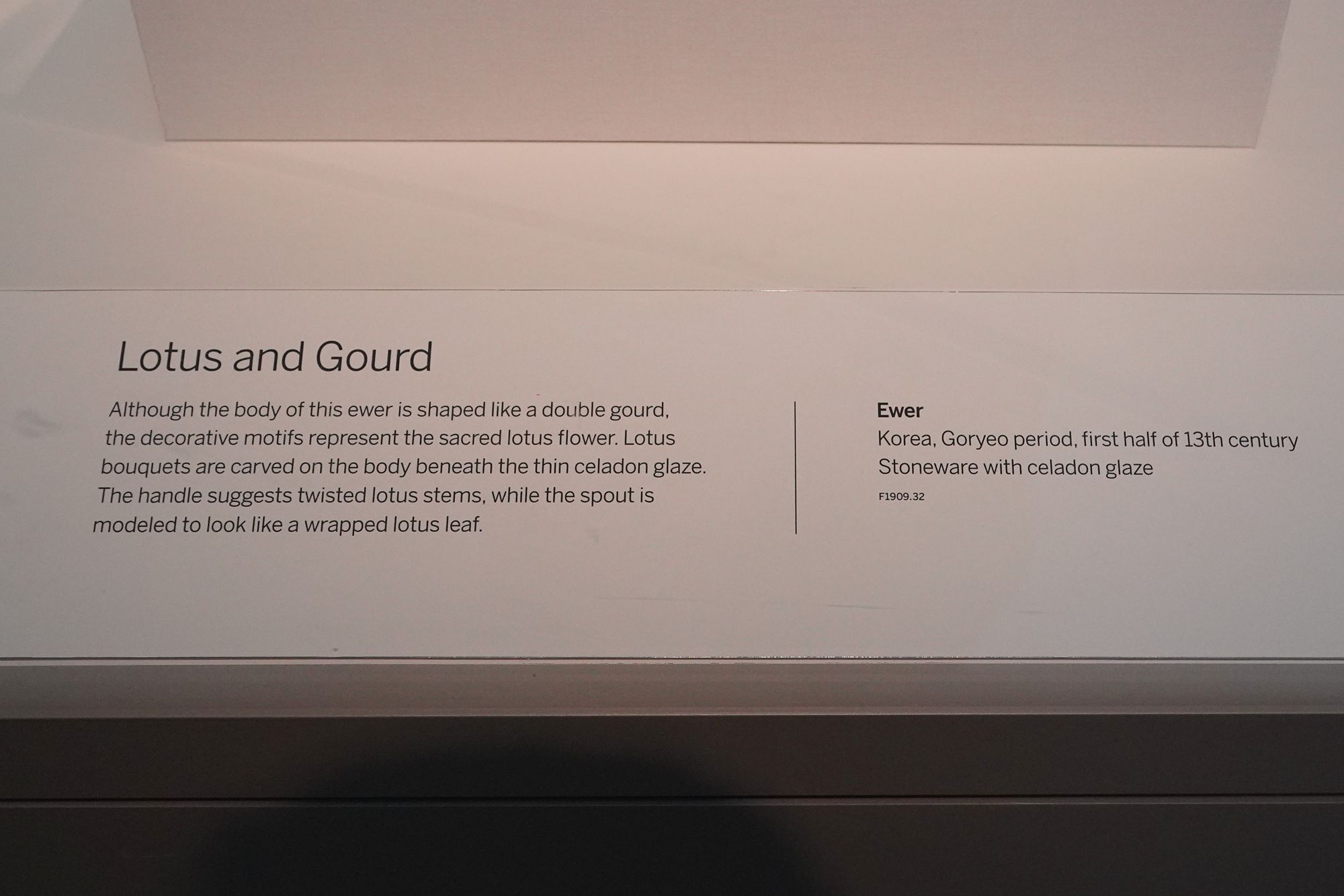
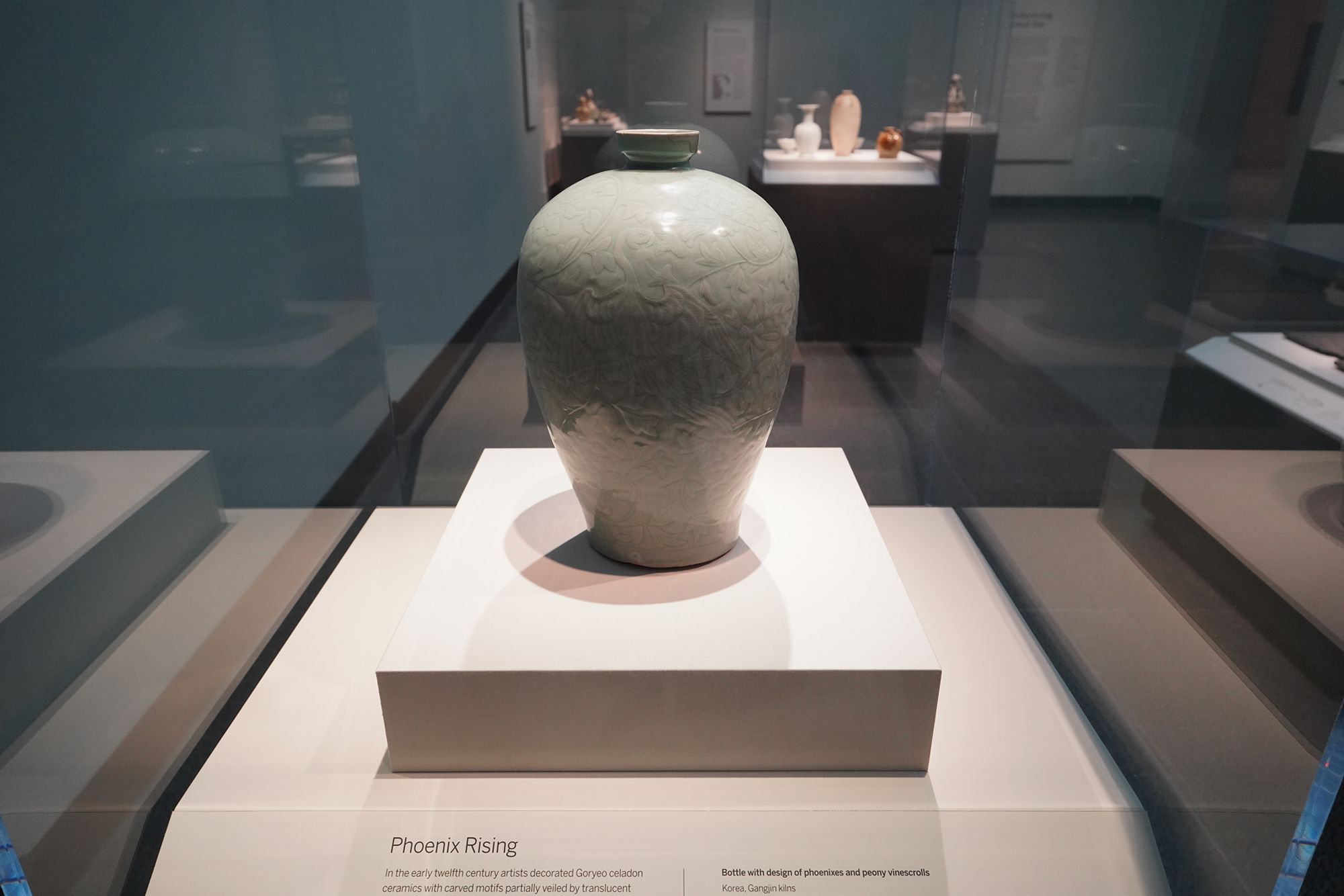
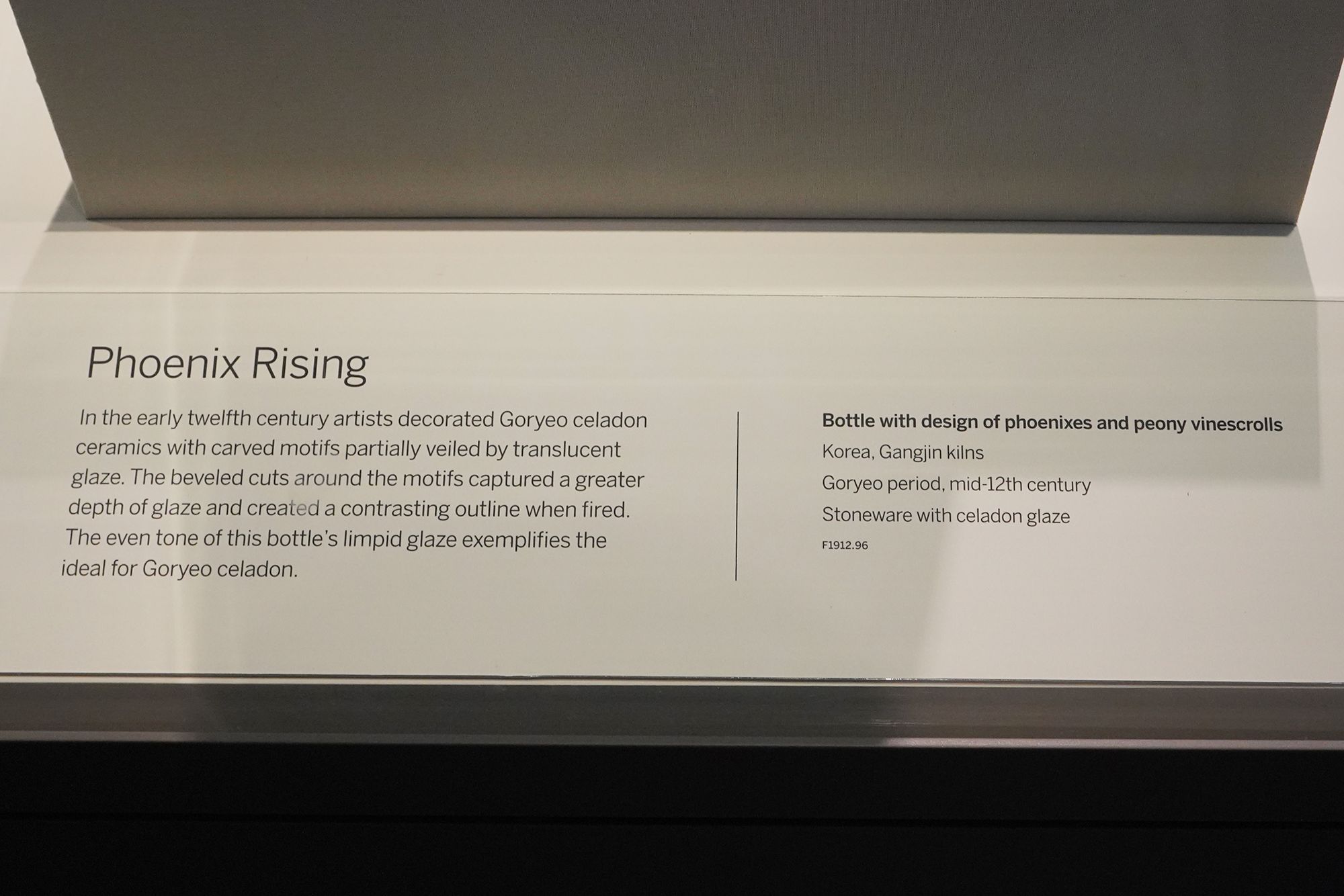
Korean celadons ceramics
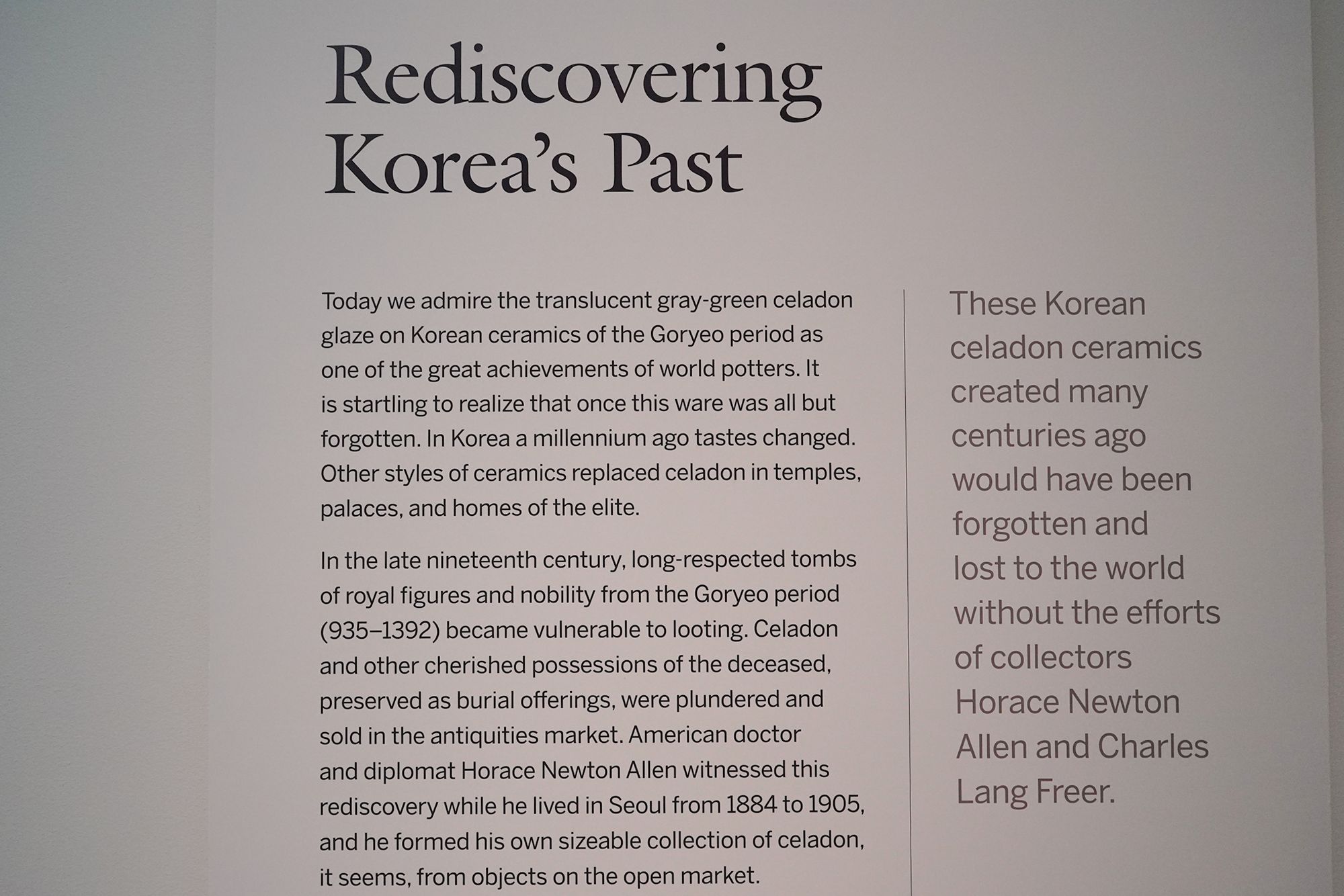
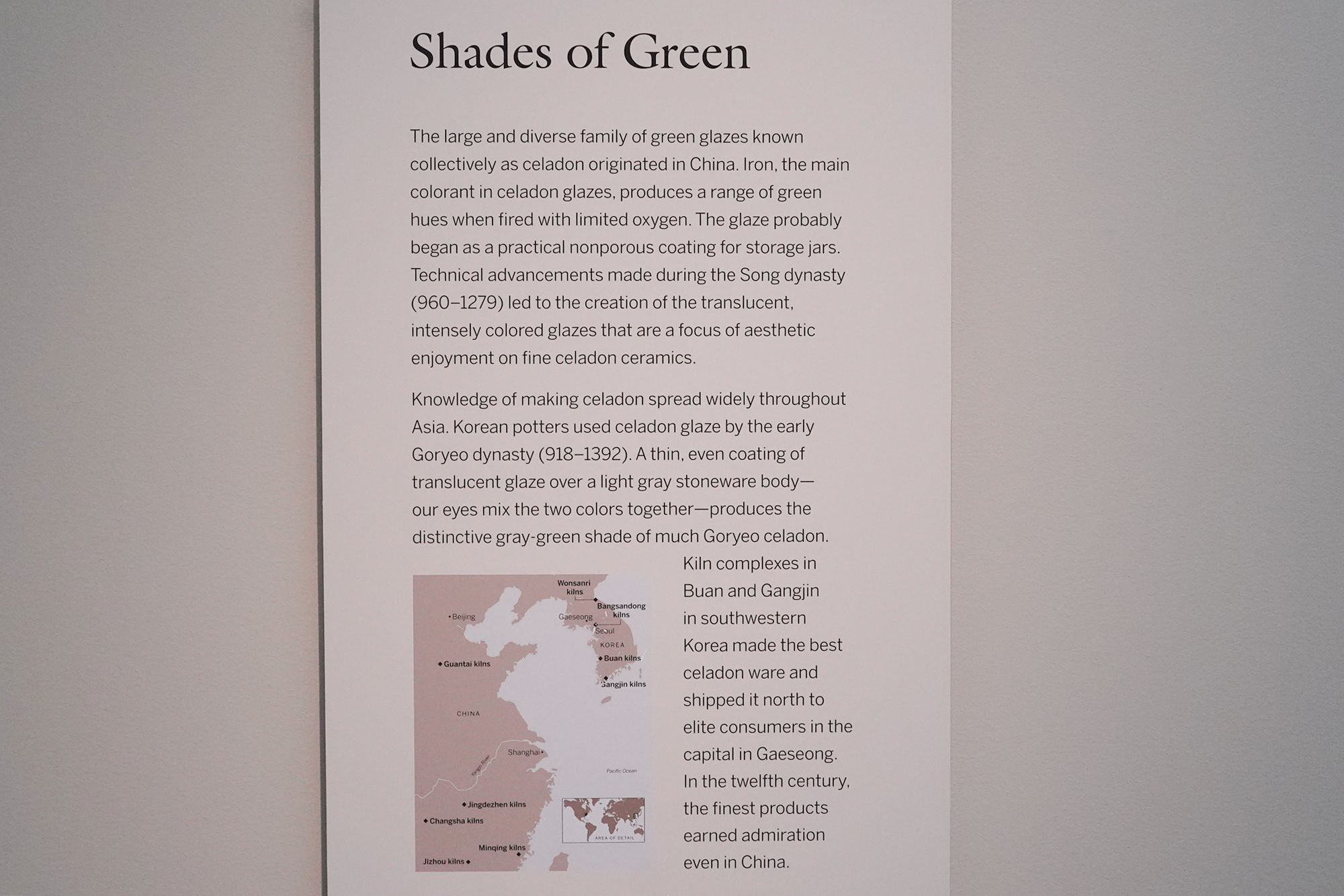
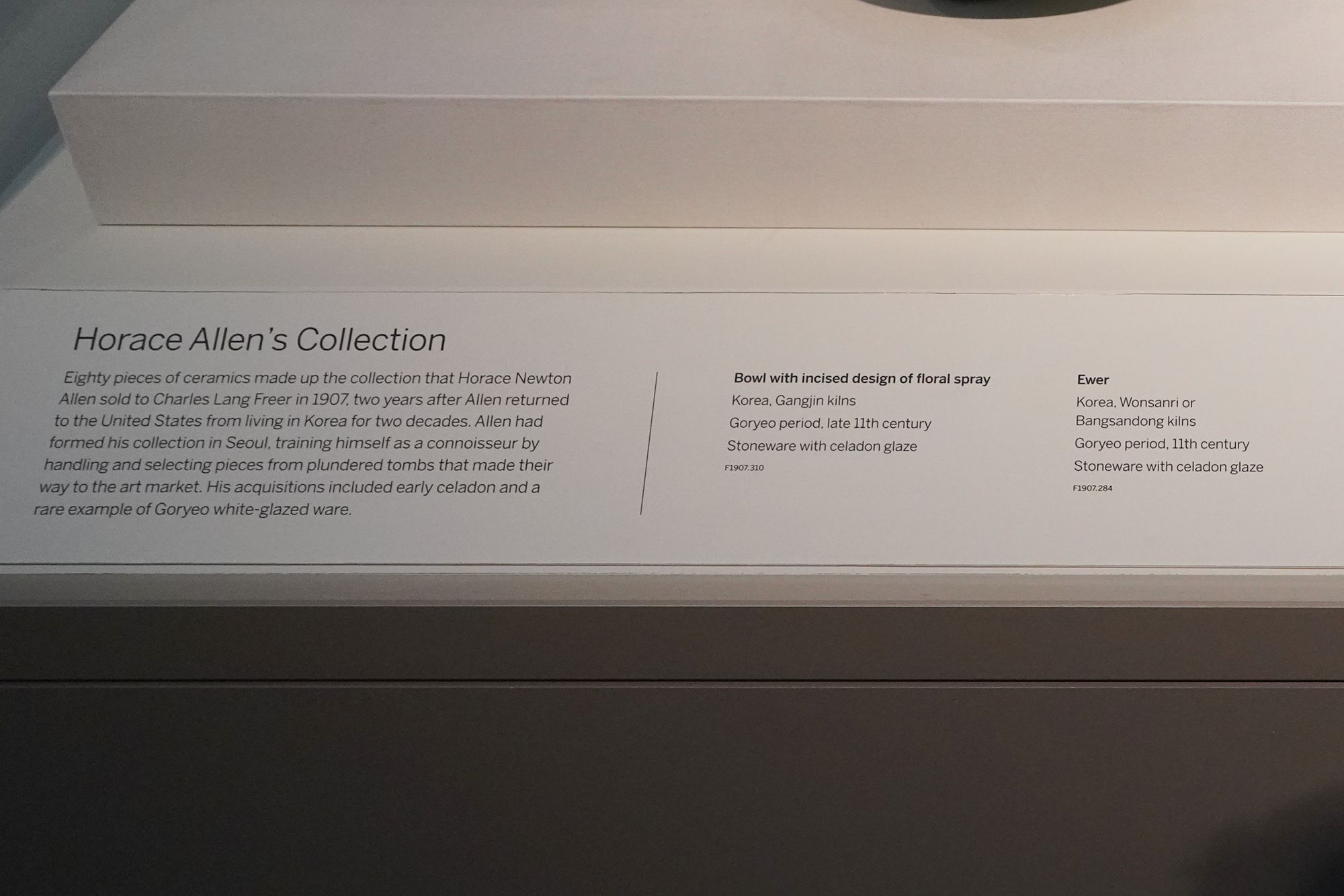
Dr. Horace Newton Allen’s Collection
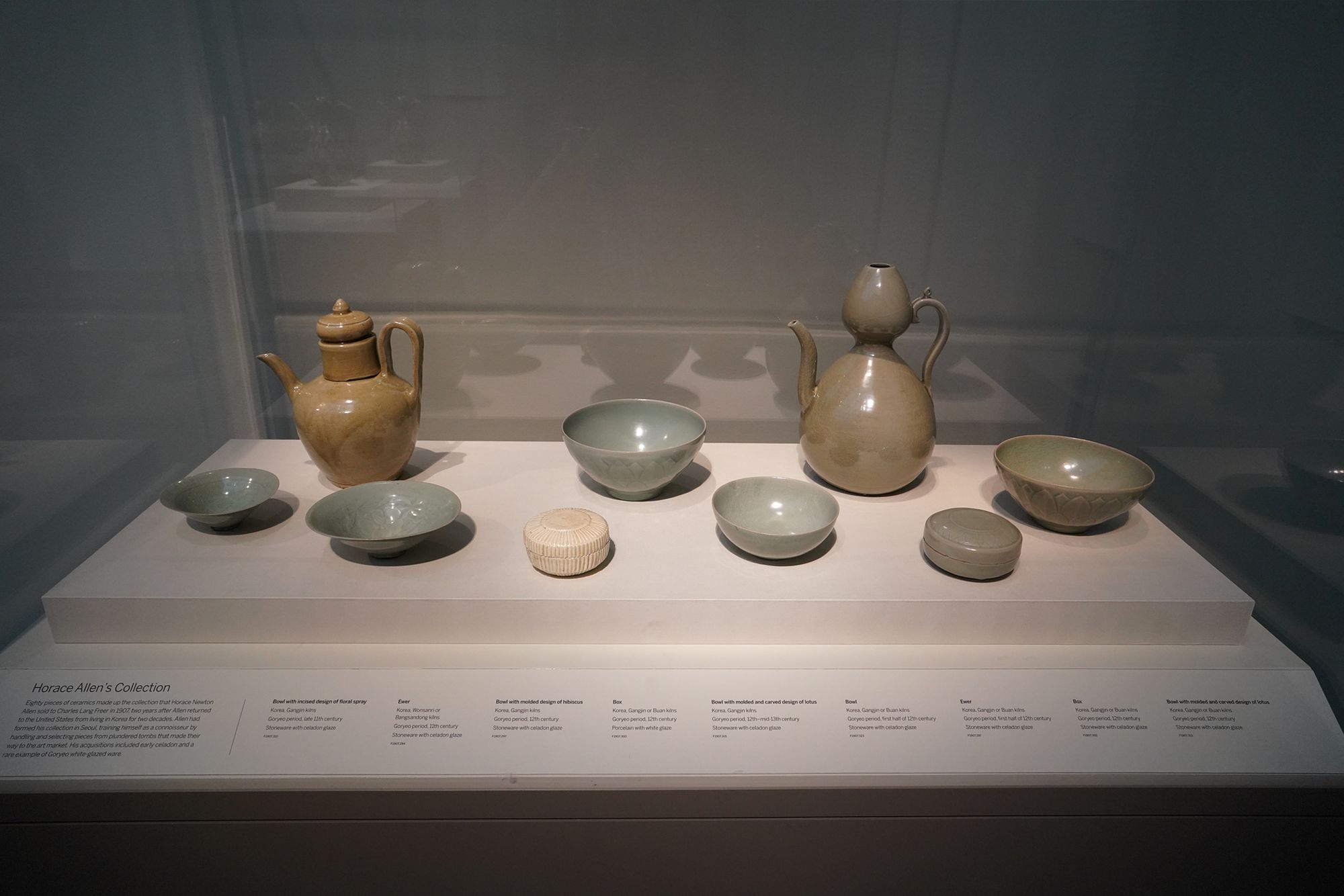
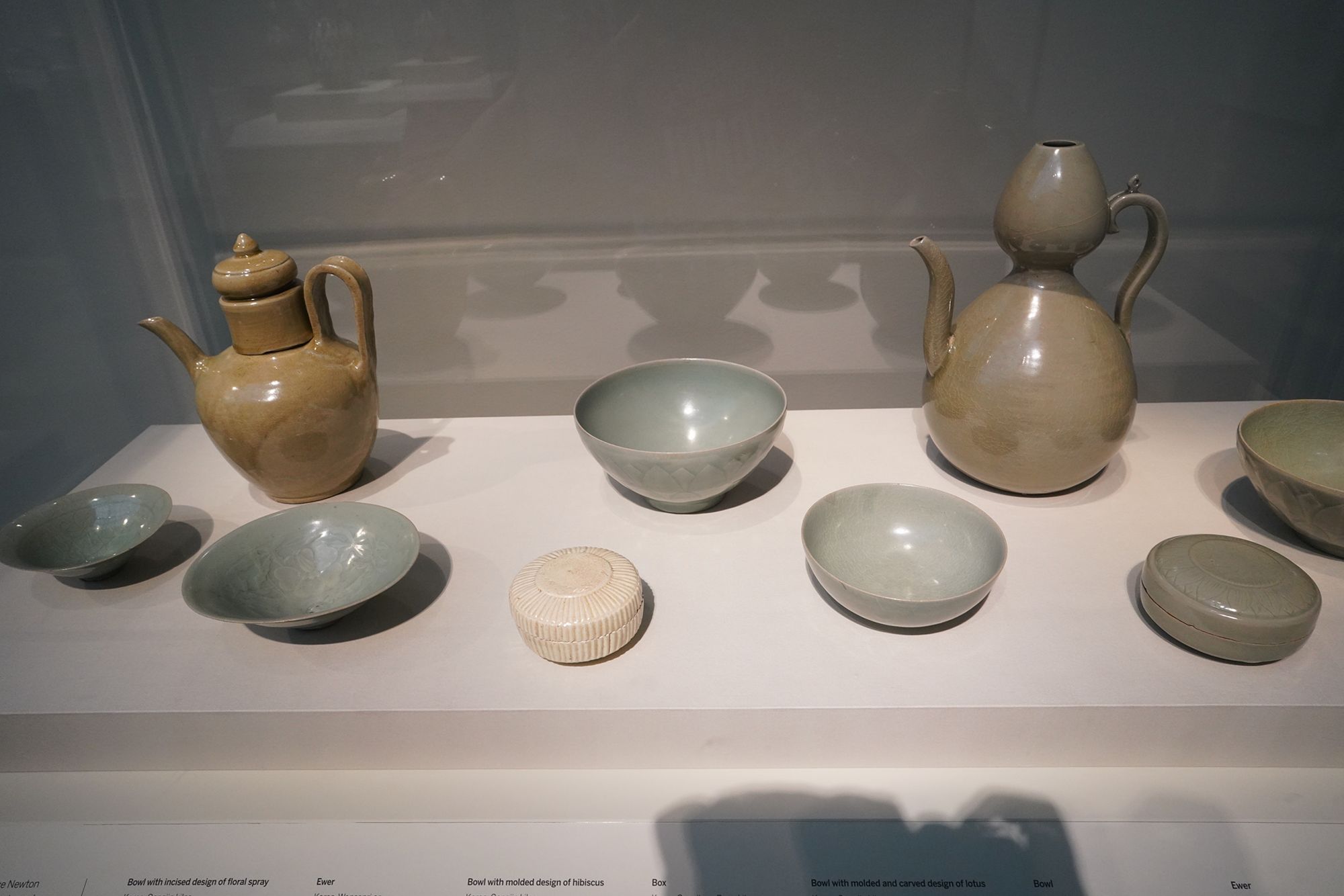
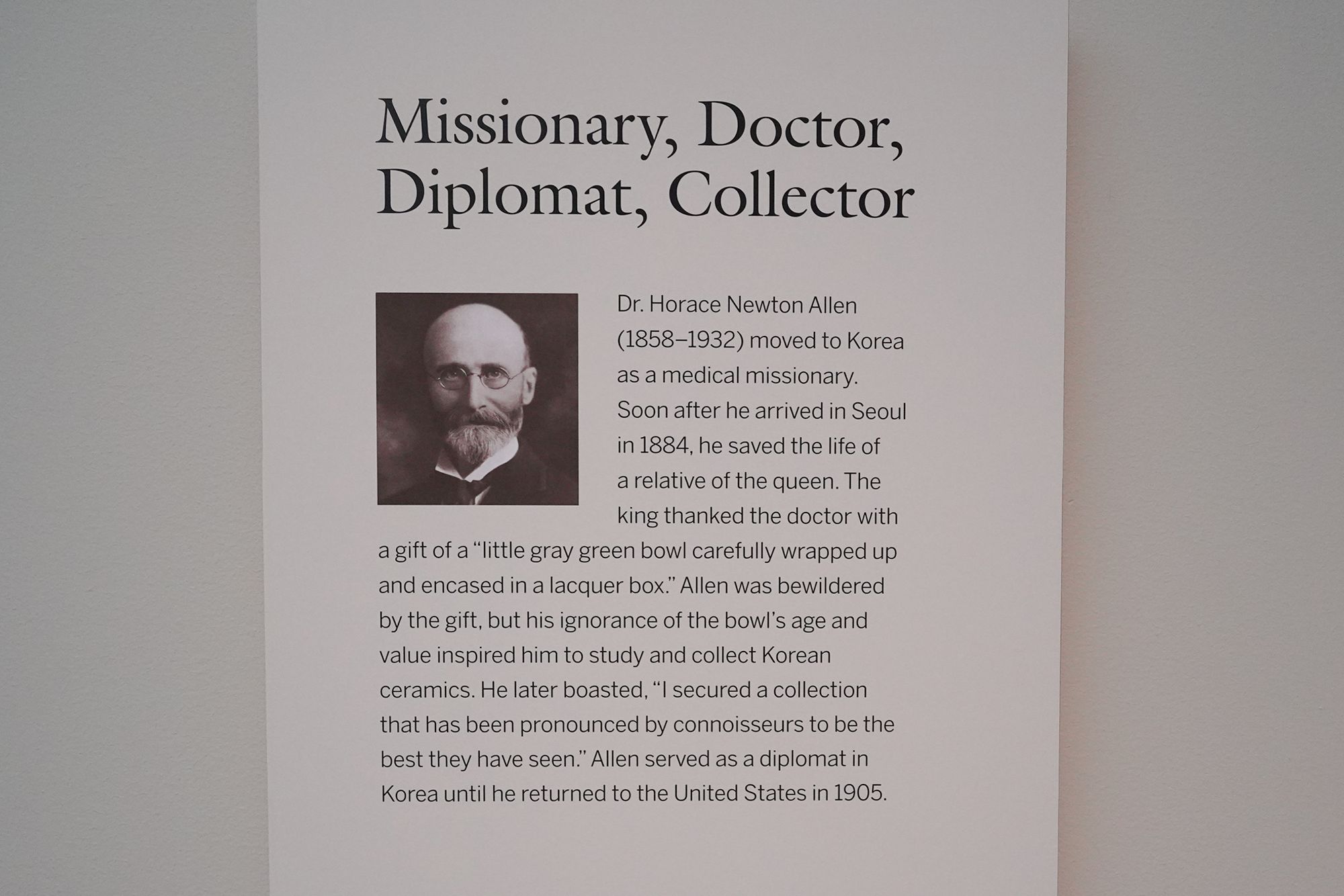
Dr. Horace Newton Allen was an American medical missionary who arrived in Korea in 1884 and became one of the first Western doctors in the country. After successfully treating a royal family member injured during the Gapsin Coup, he gained King Gojong’s trust. He founded Korea’s first Western-style hospital, Chejungwon, and later served as a U.S. diplomat, helping strengthen early relations between Korea and the United States.
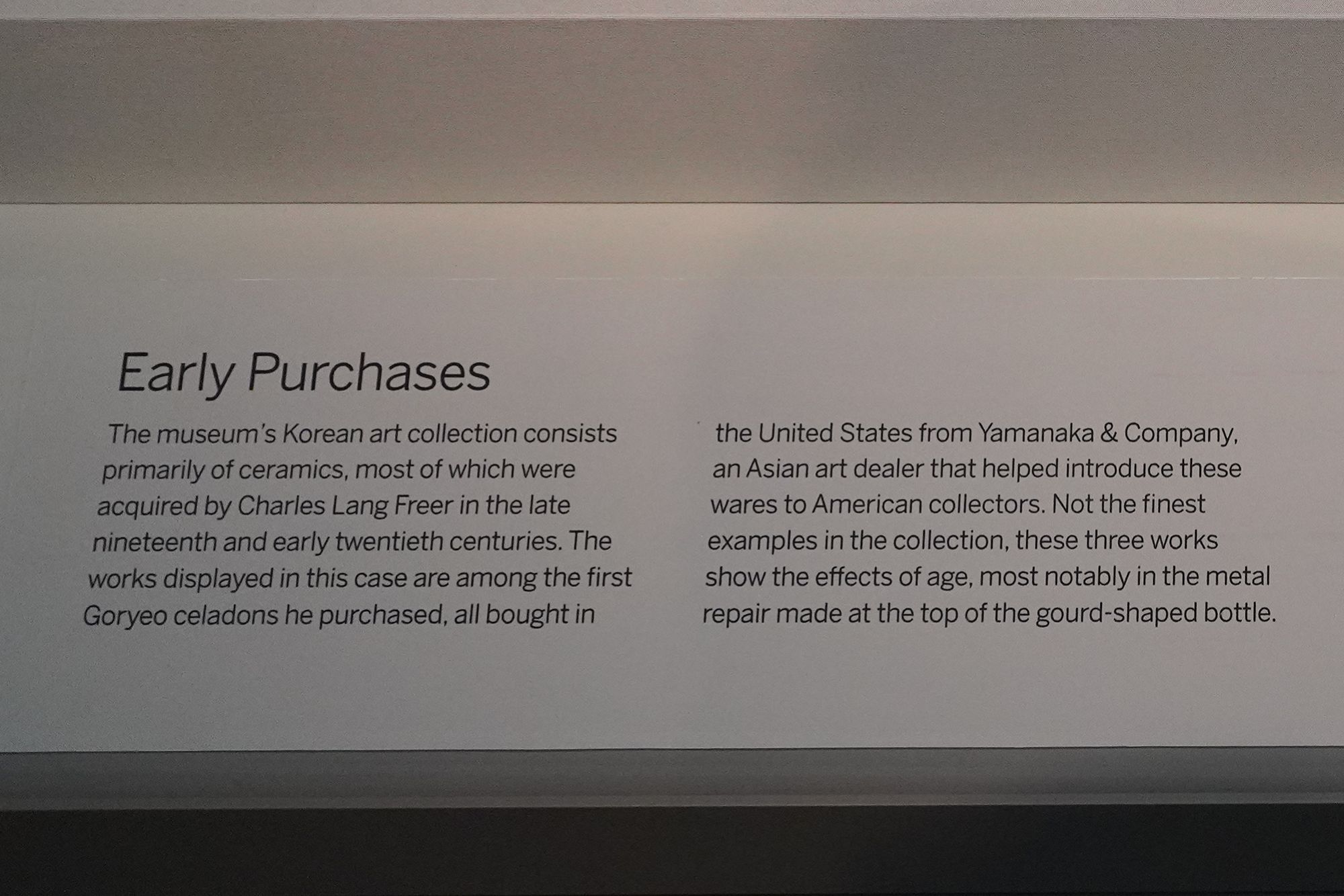
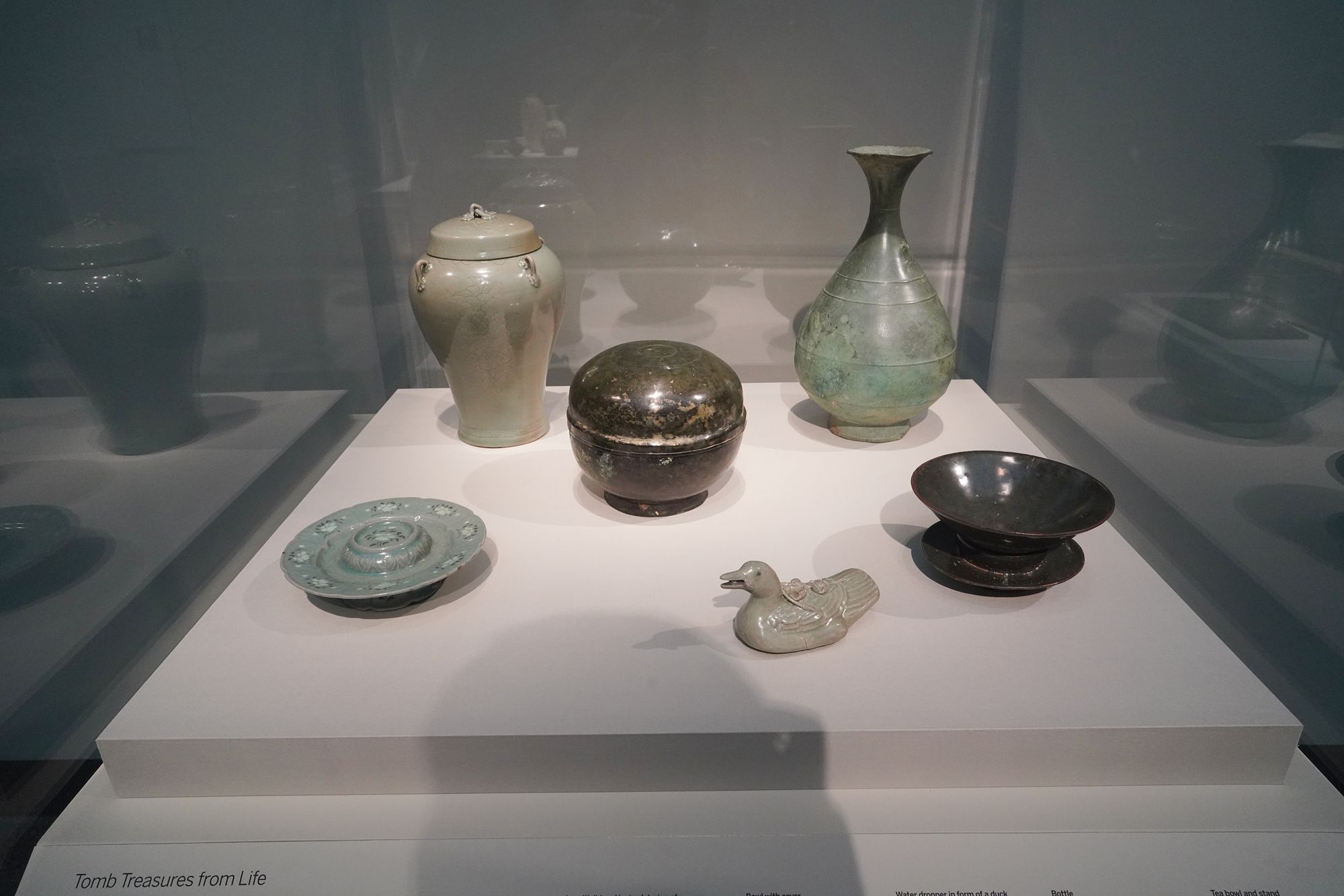
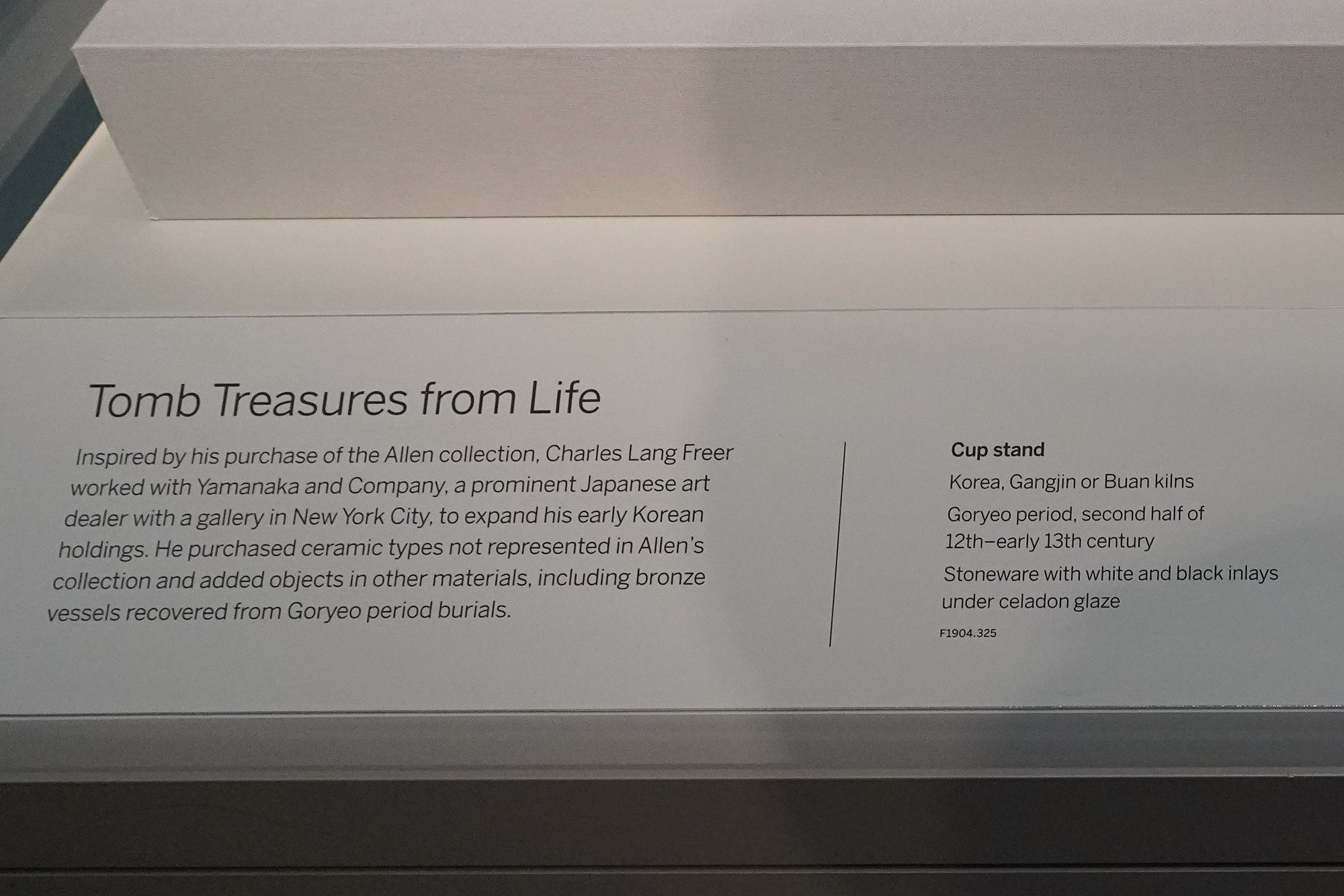
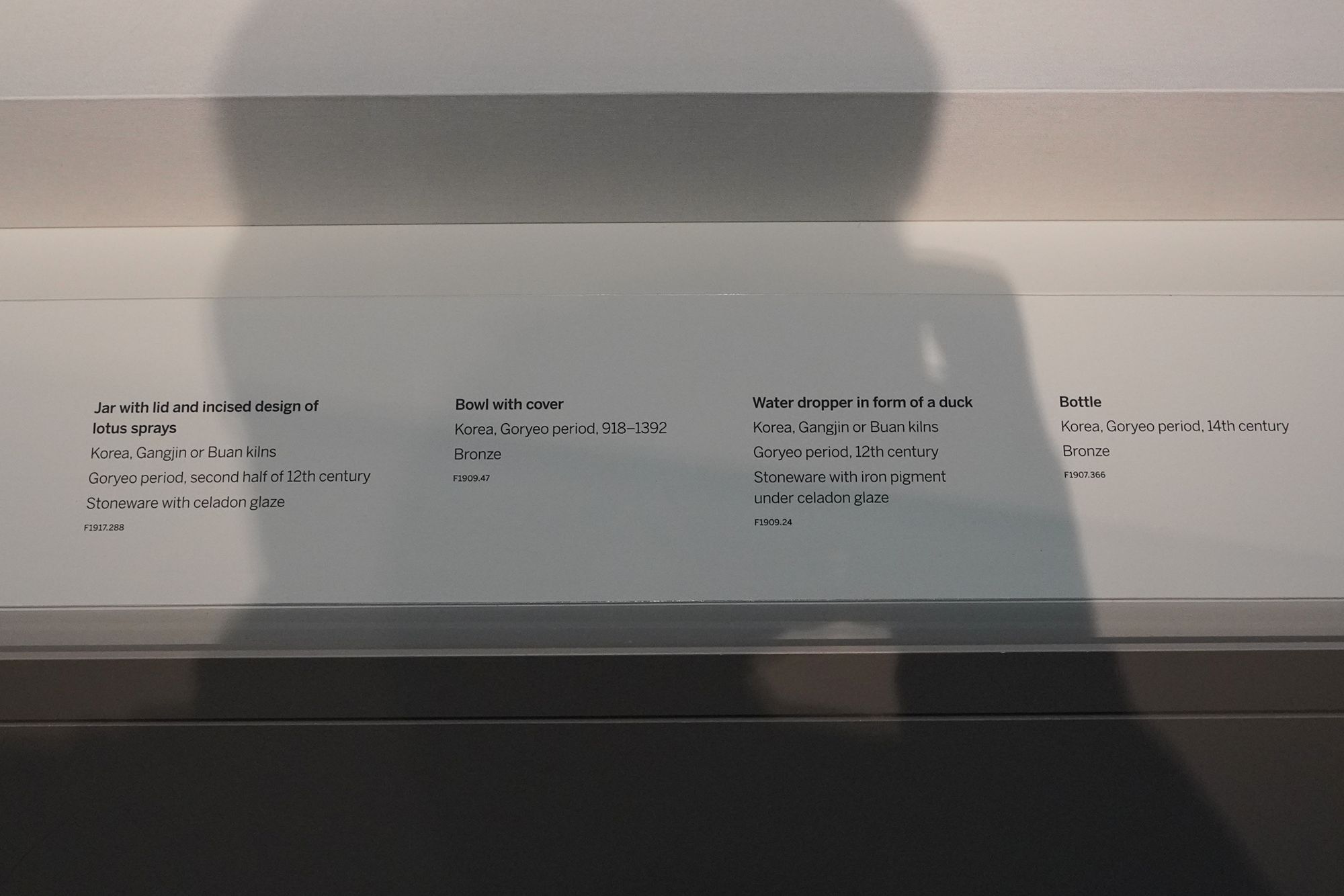
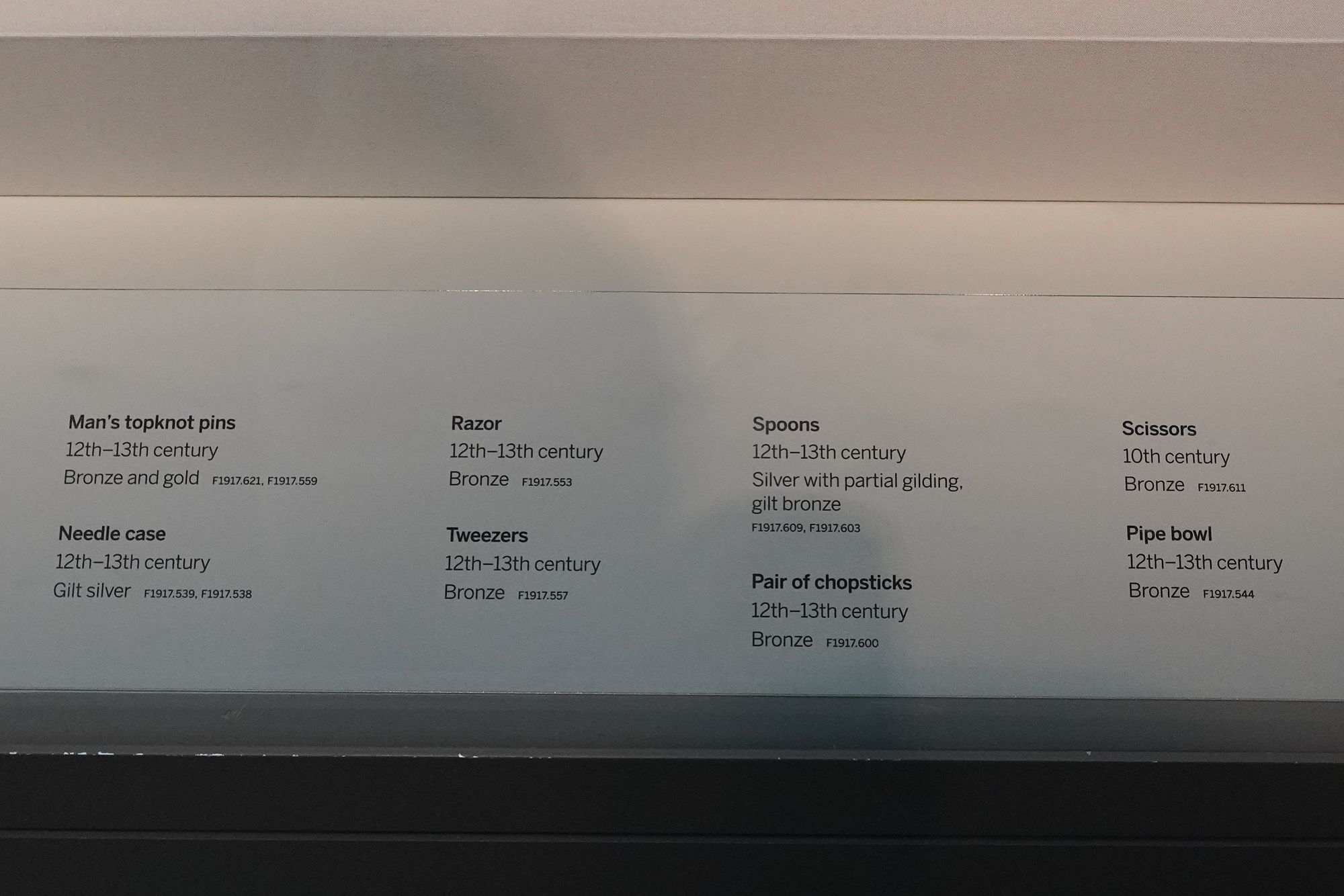
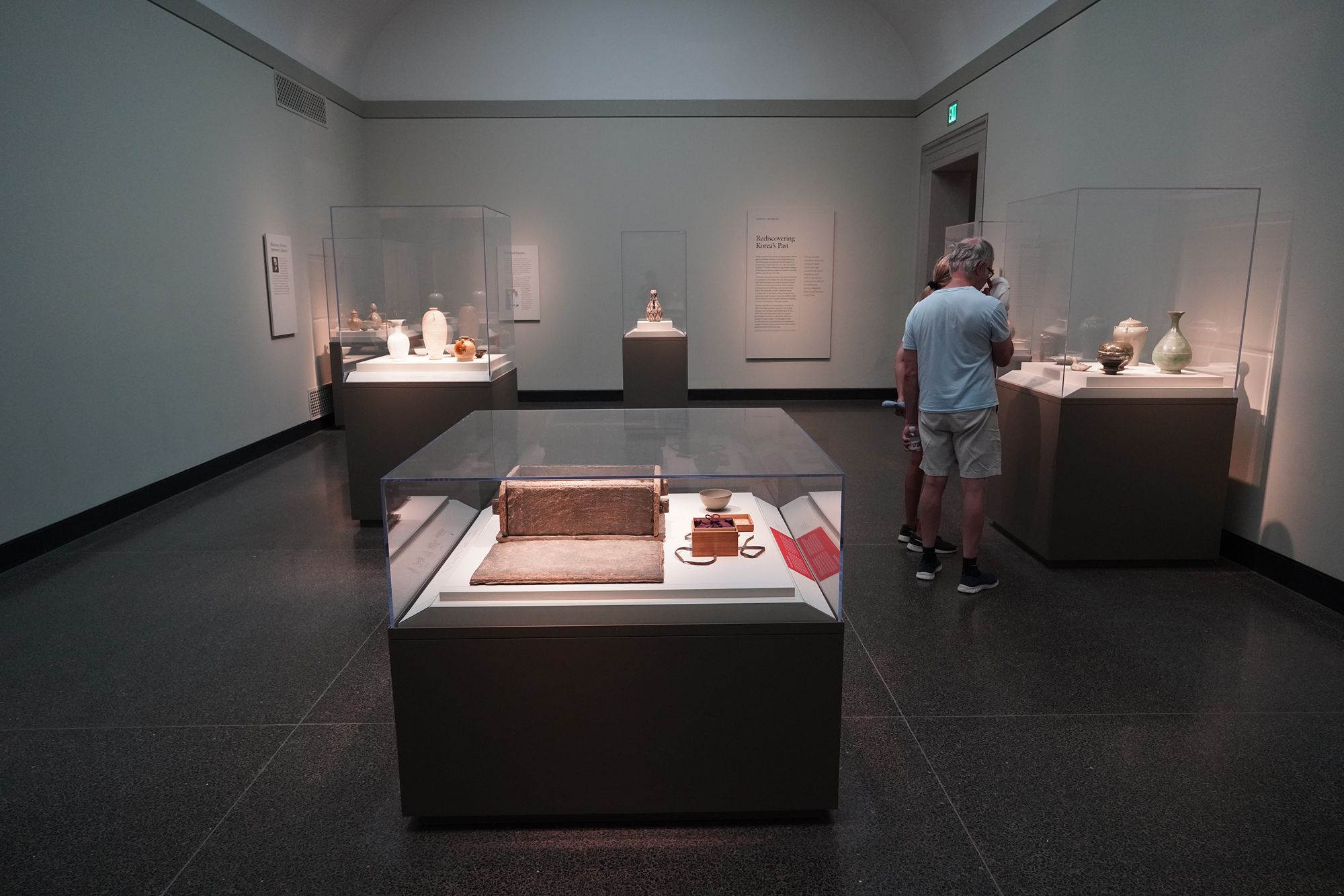
Items found inside an ancient casket dated to the year 1149
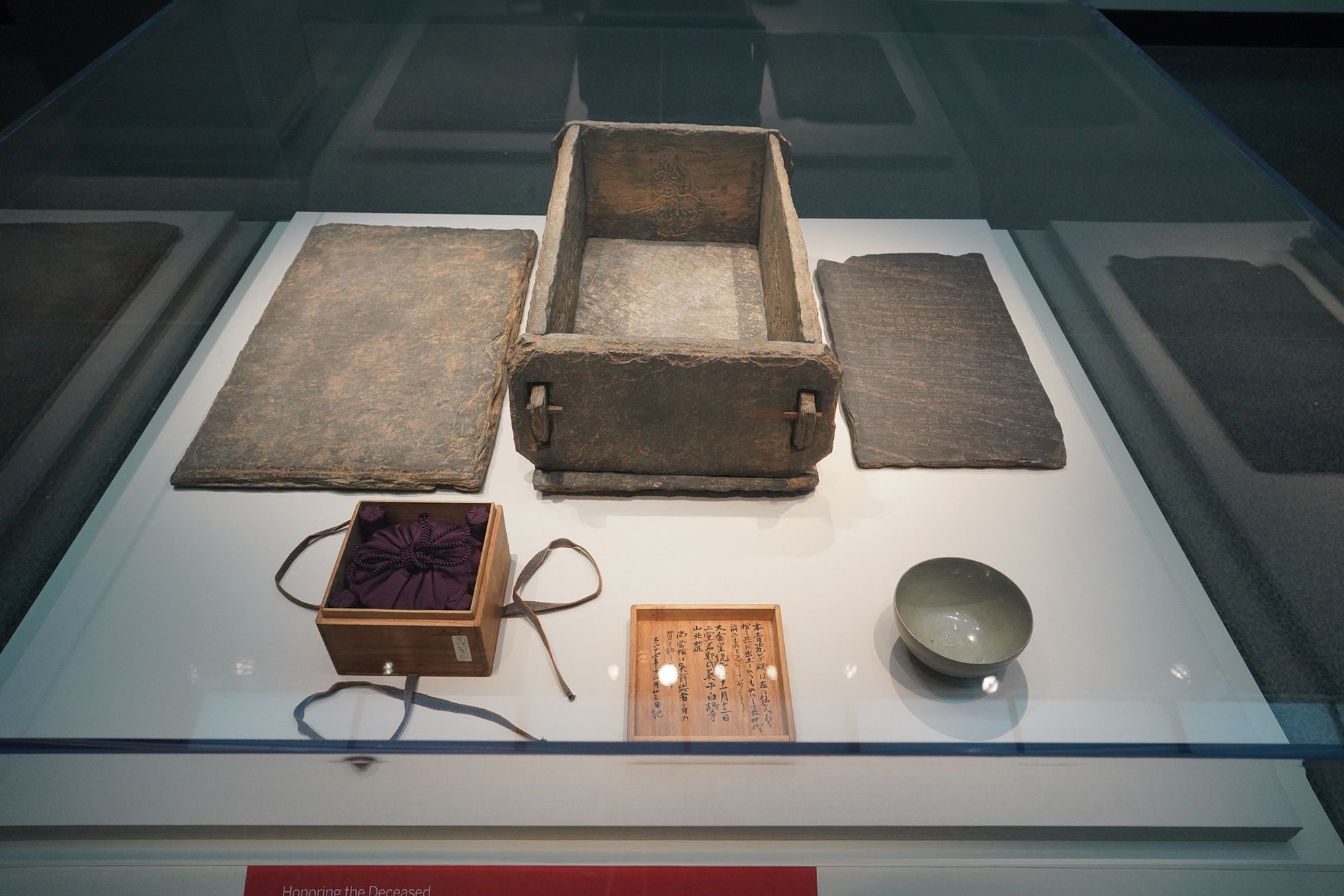
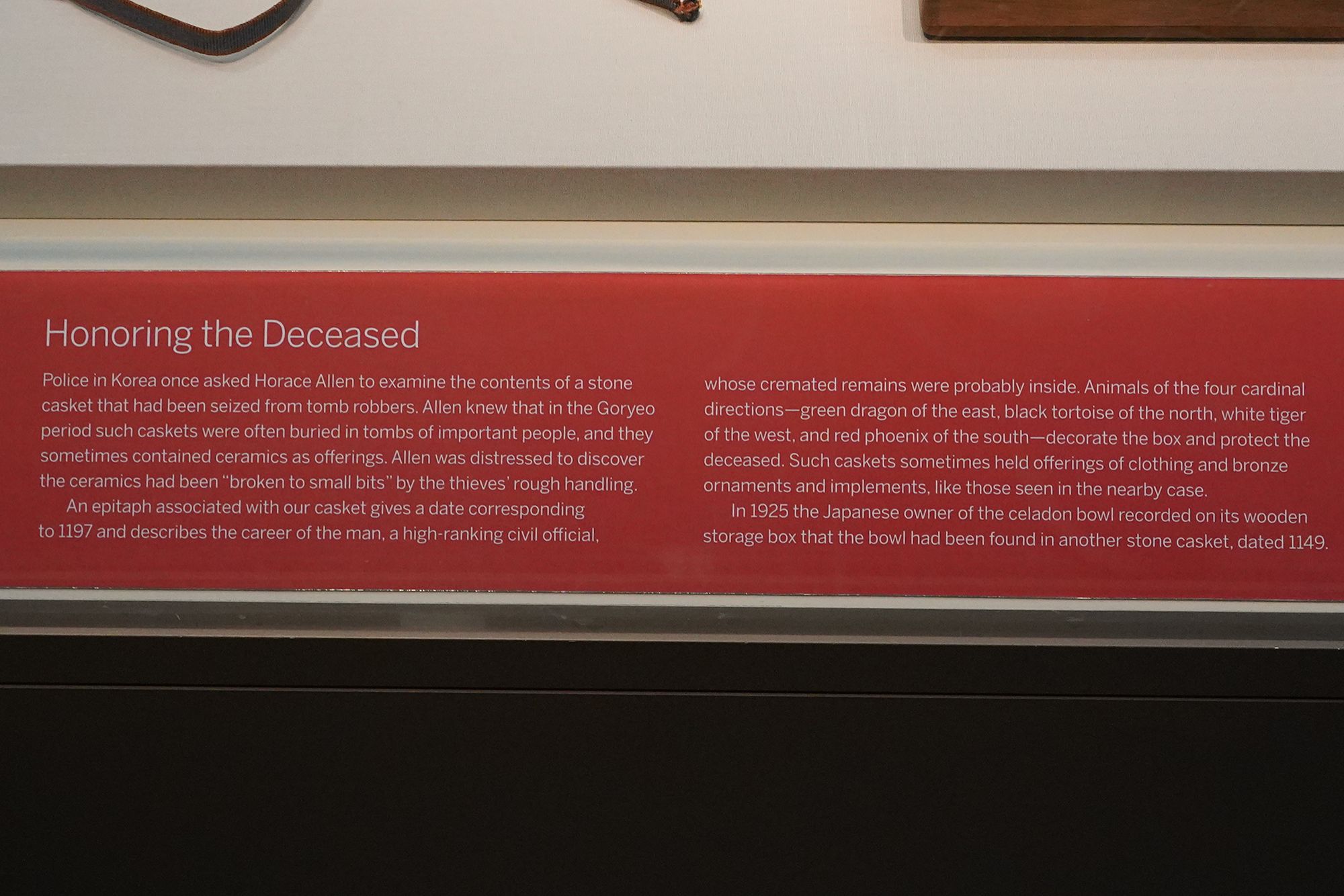
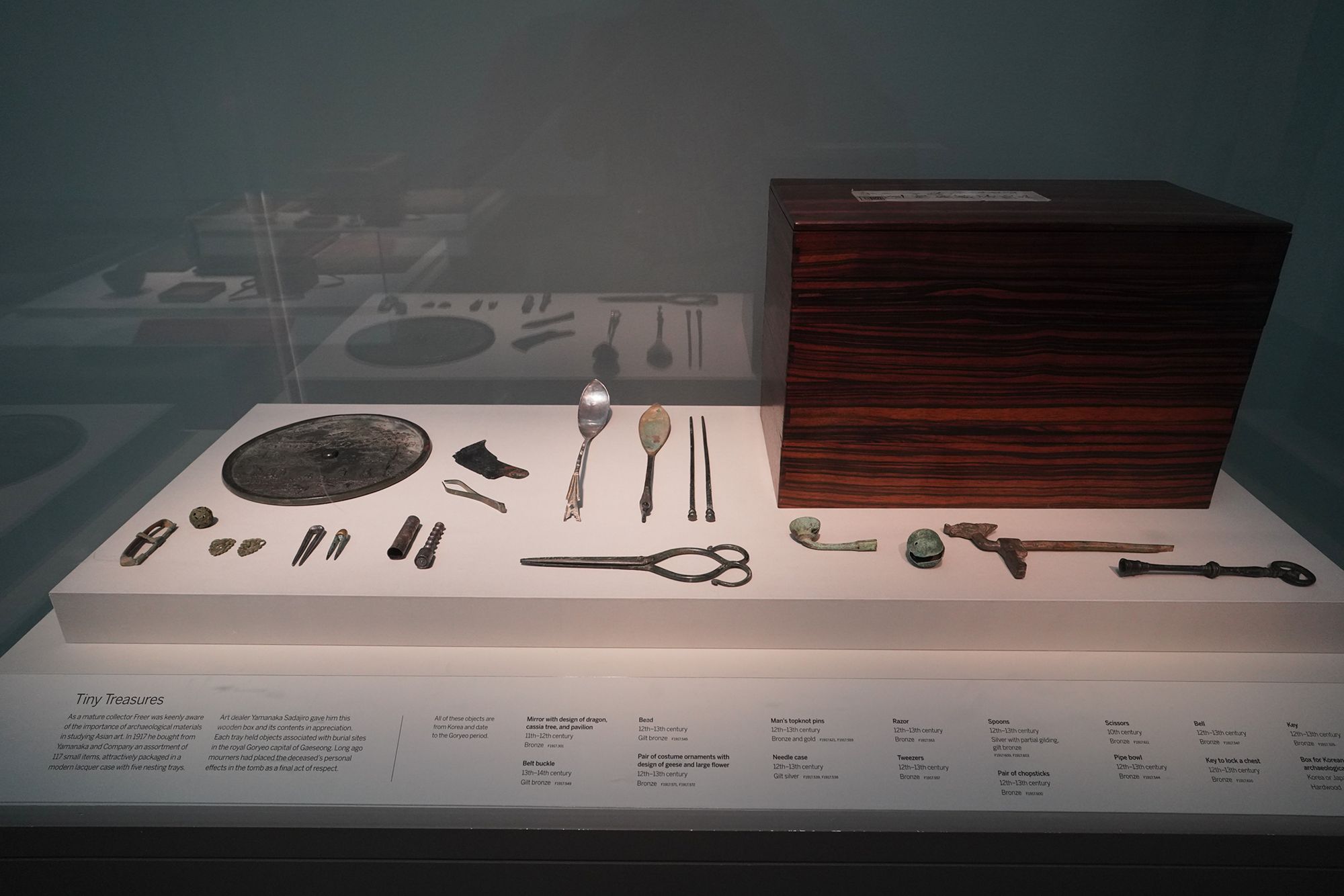
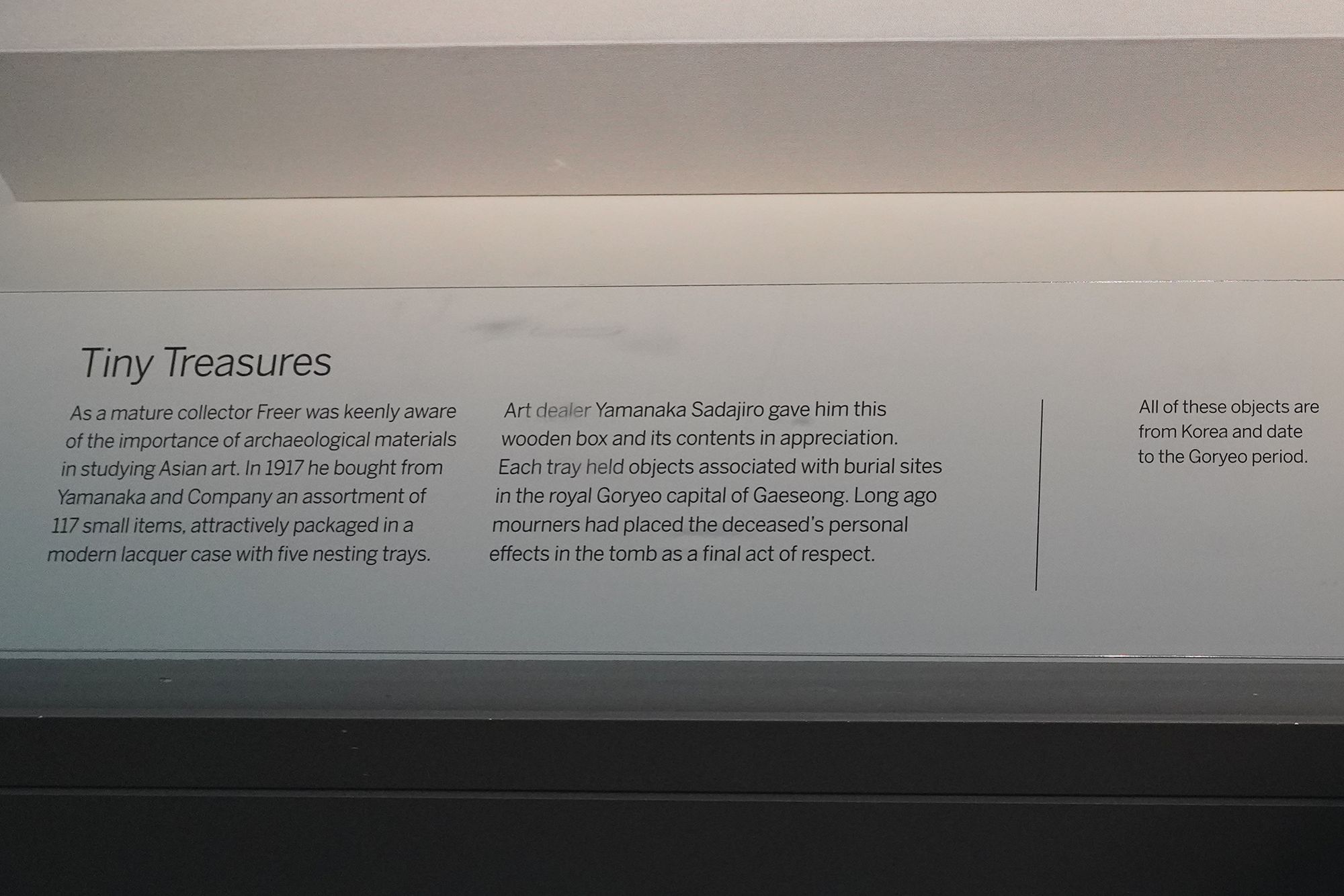
Treasures in a box
Chinese Art
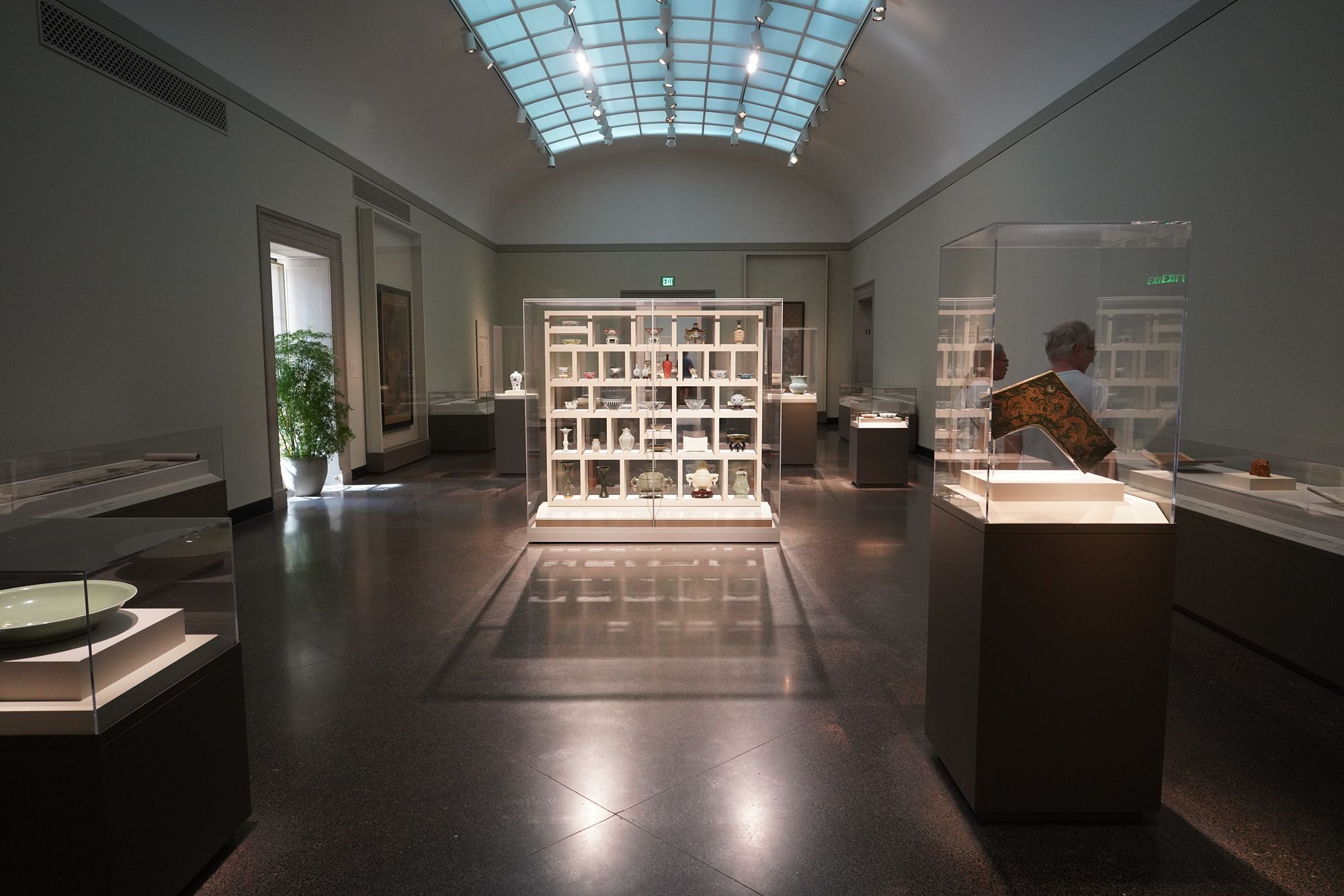
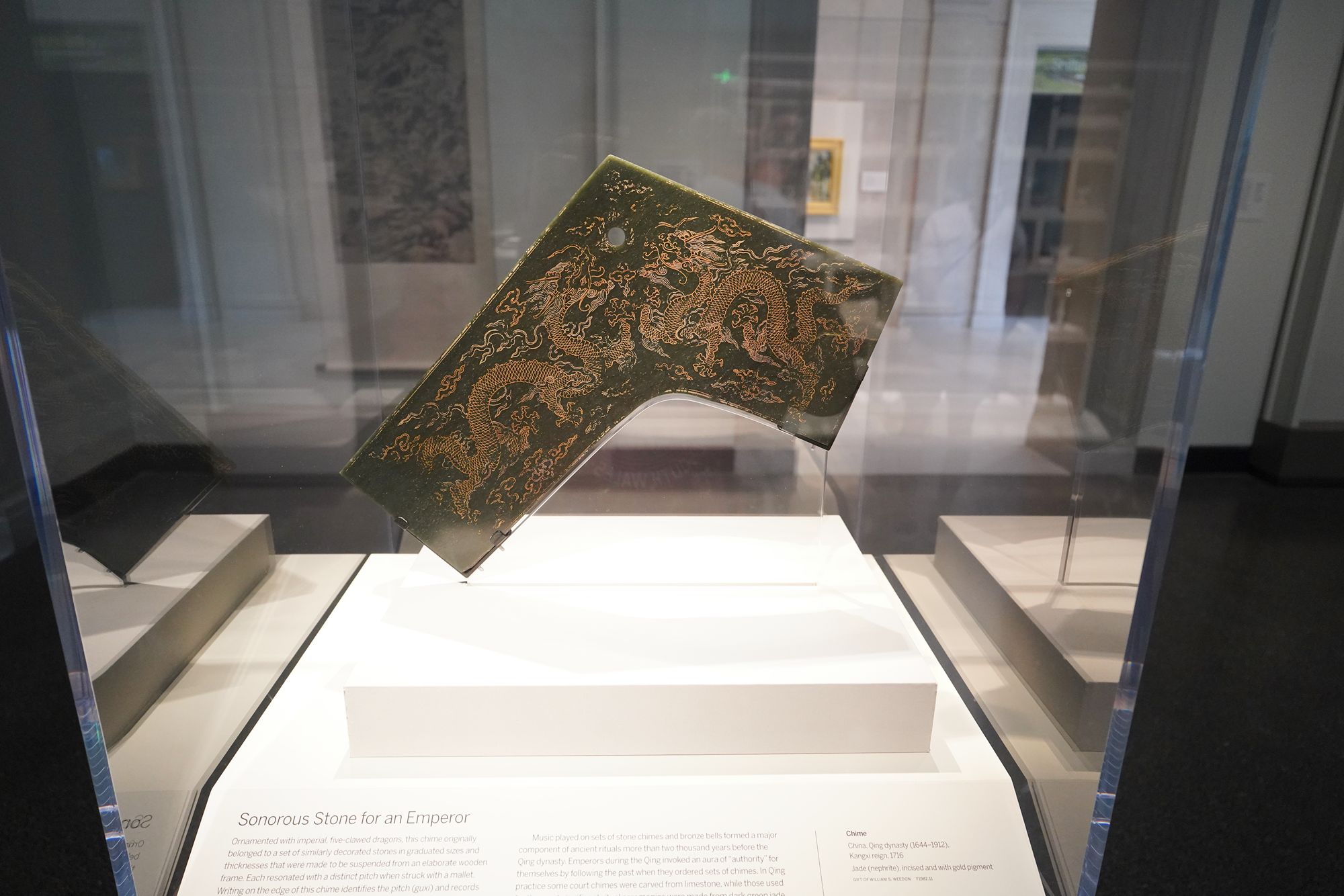
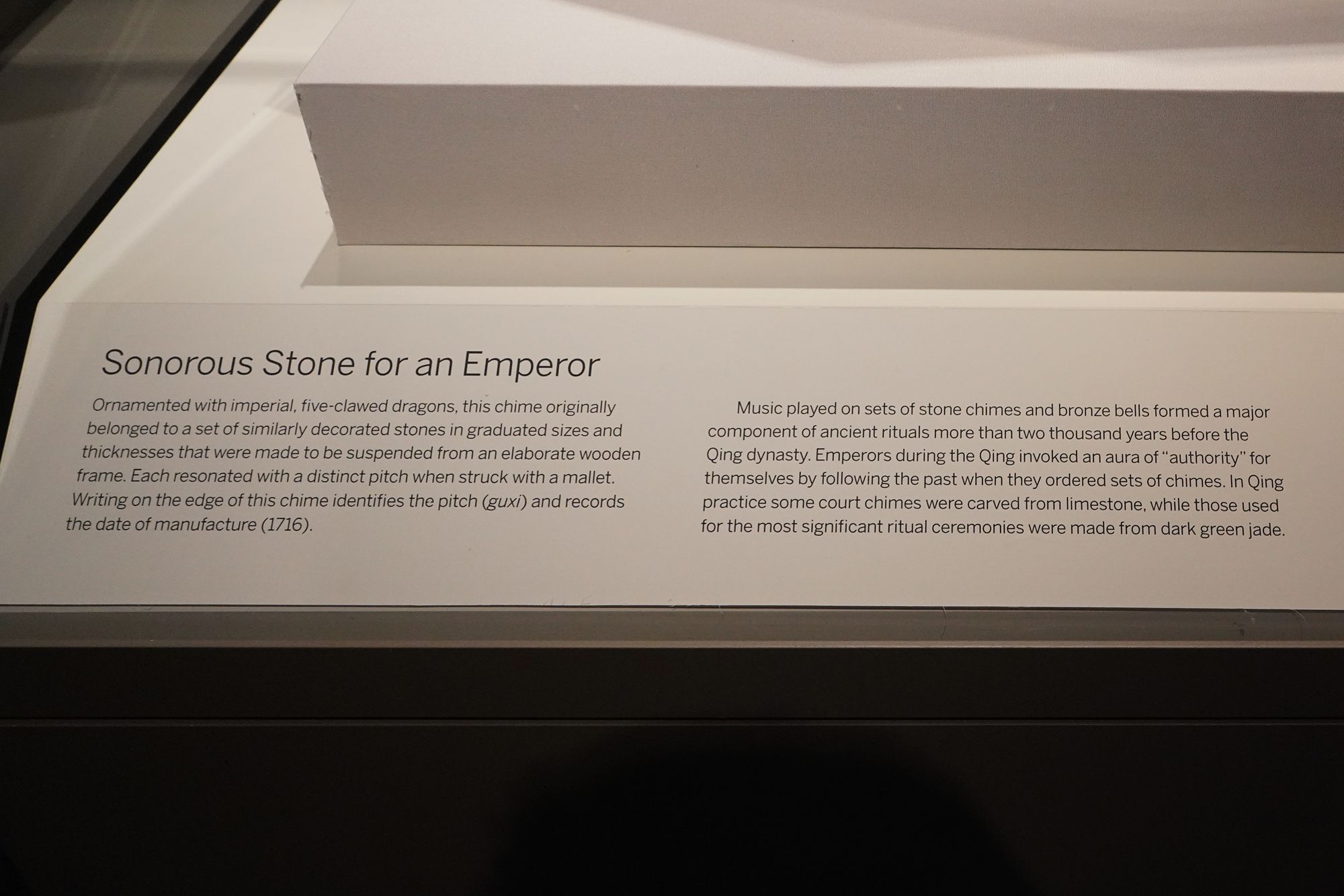
Musical Chime
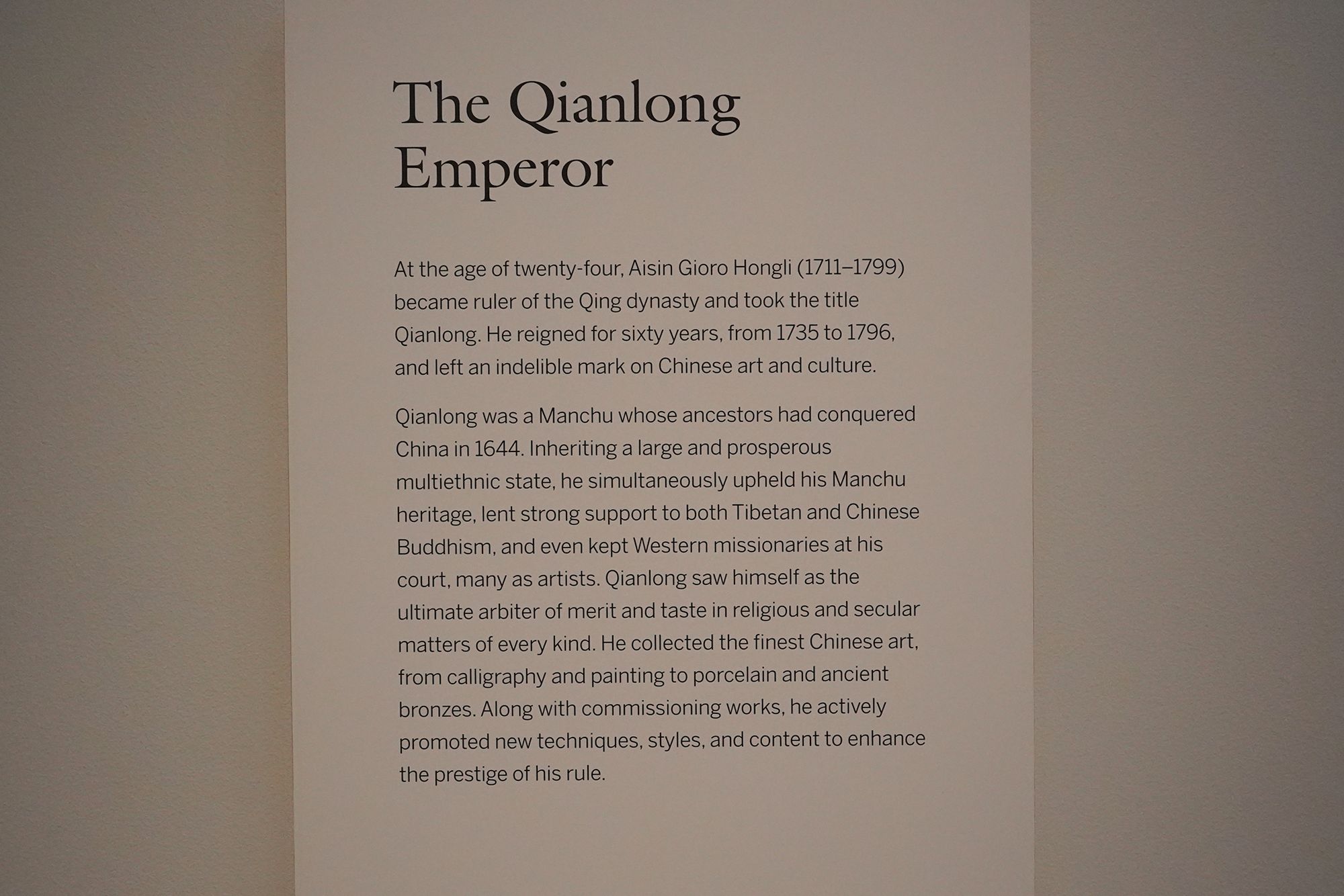
The Qianlong Emperor ruled China from 1735 to 1796 and was one of the longest-reigning emperors in Chinese history. Under his rule, the Qing dynasty reached great territorial expansion, economic growth, and cultural richness. He was a scholar-emperor who sponsored vast art collections, commissioned catalogues of paintings and antiquities, and promoted literature and architecture. Although his early reign was marked by prosperity, his later years saw rising corruption and administrative decline, which weakened the dynasty after his abdication.
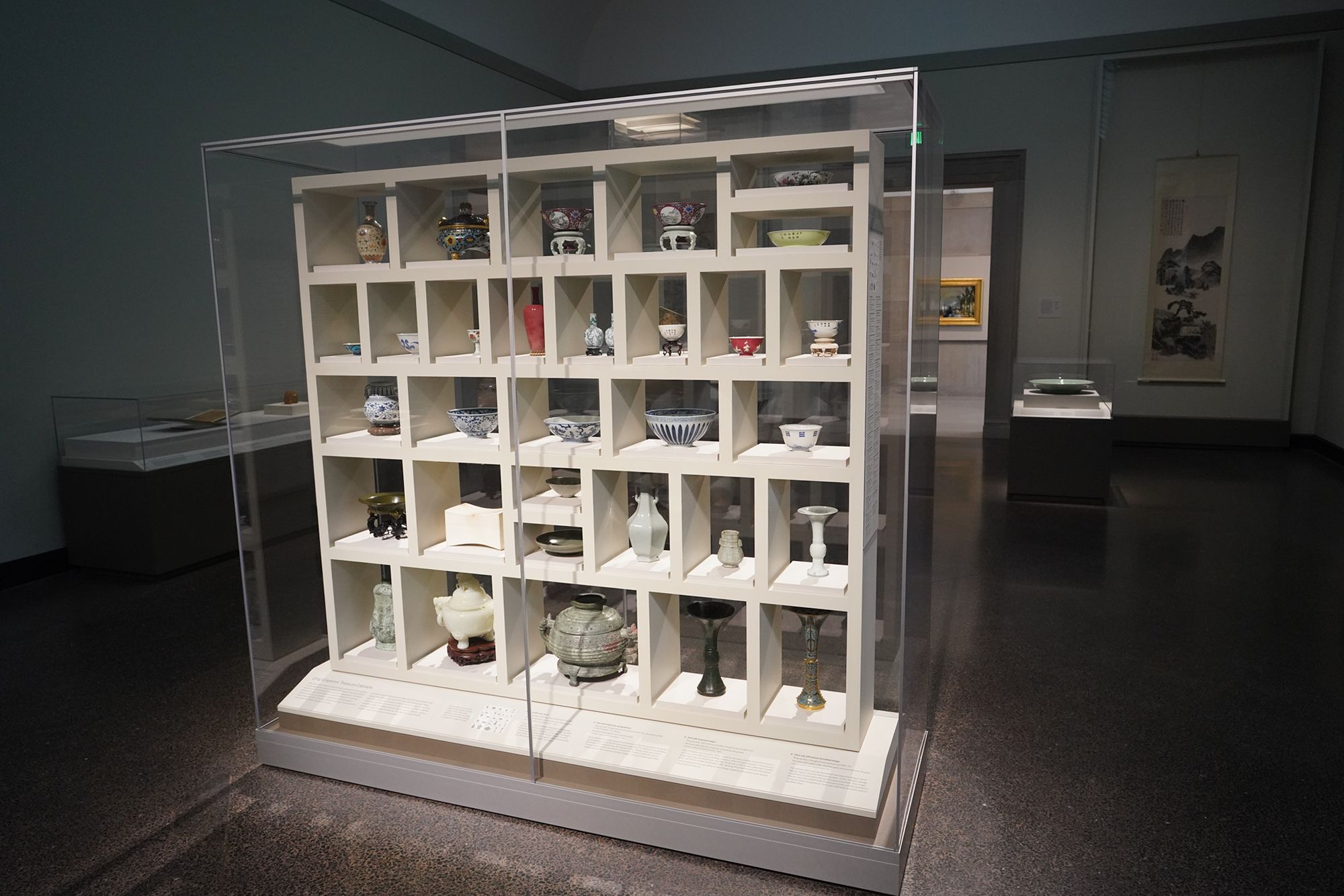
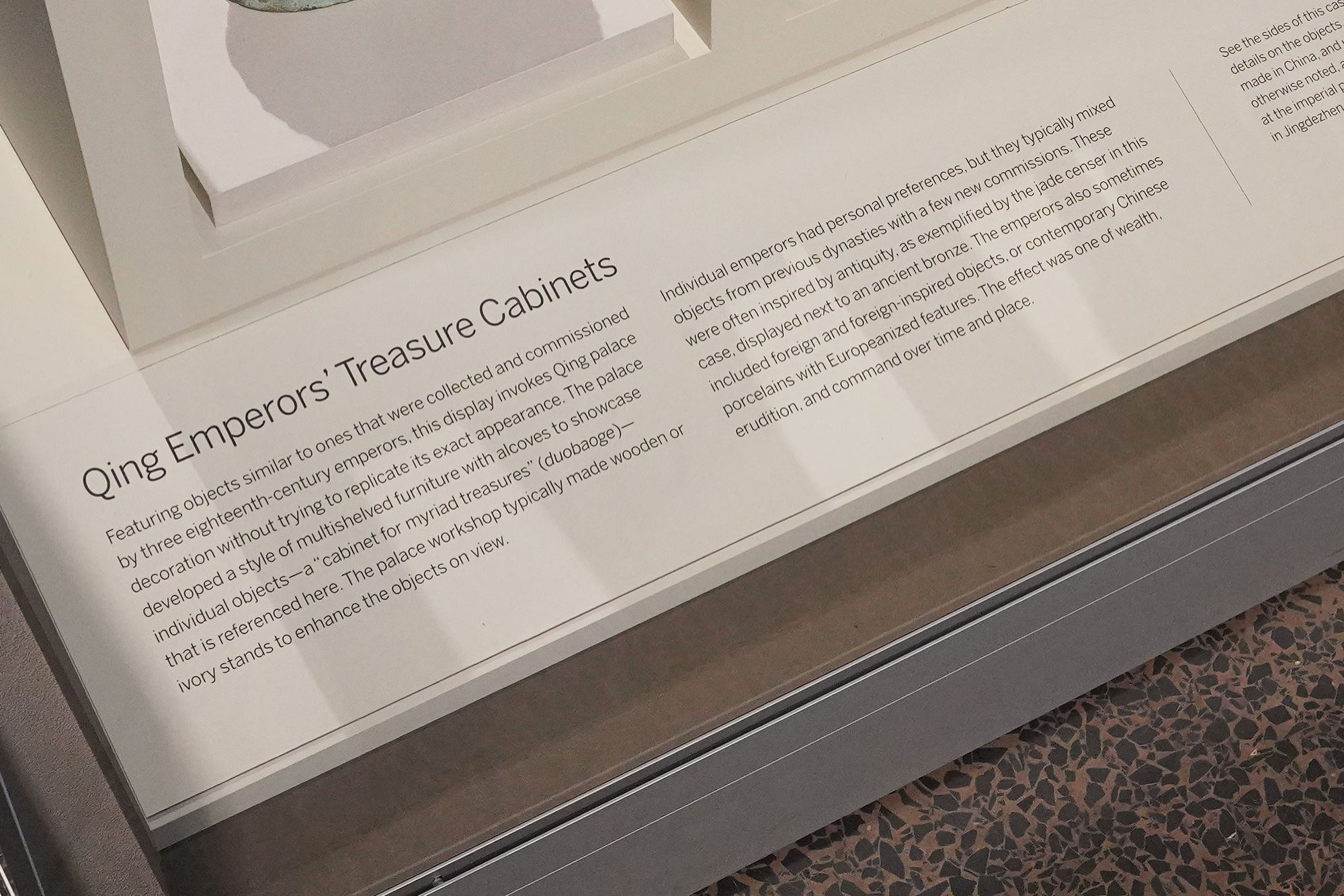
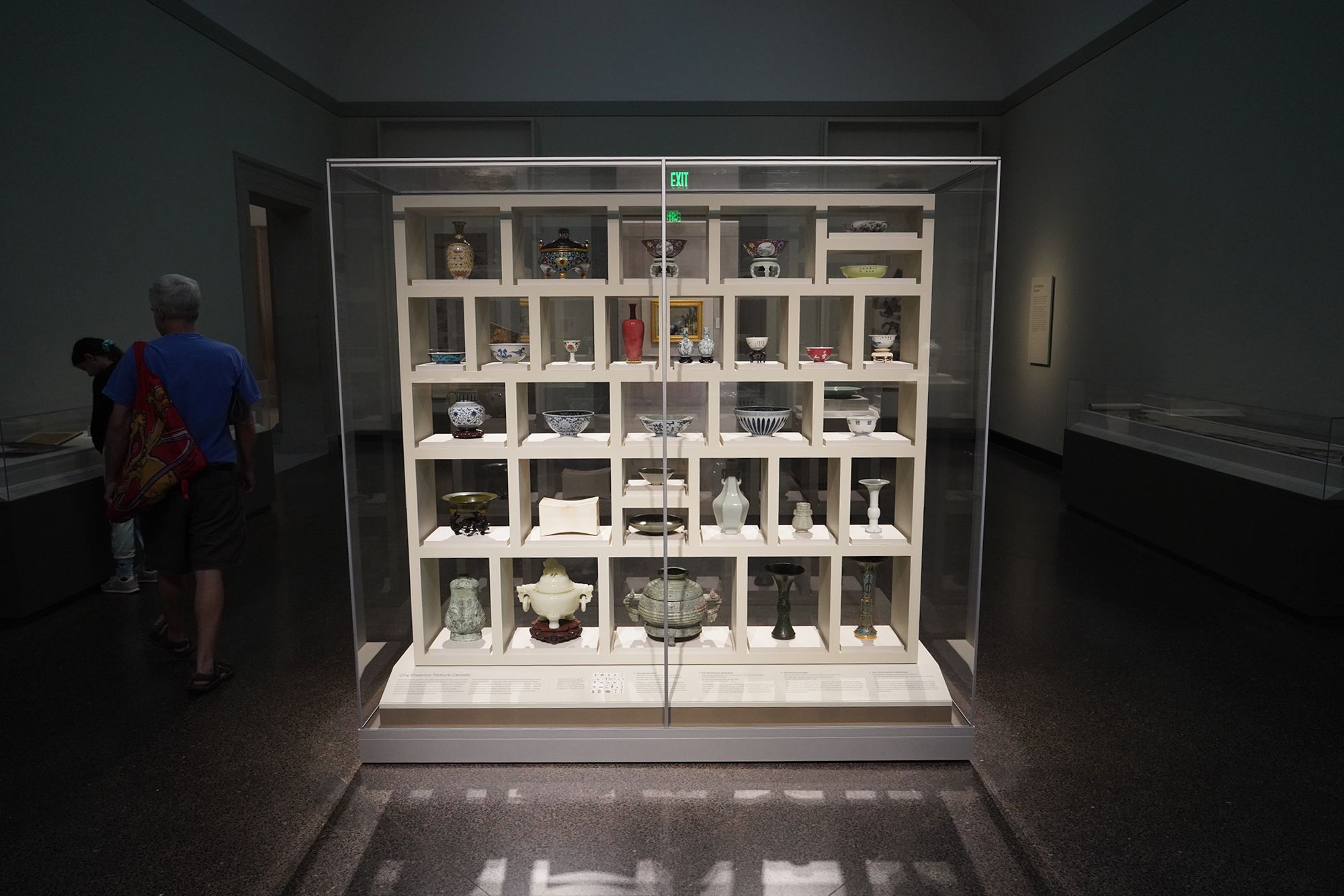
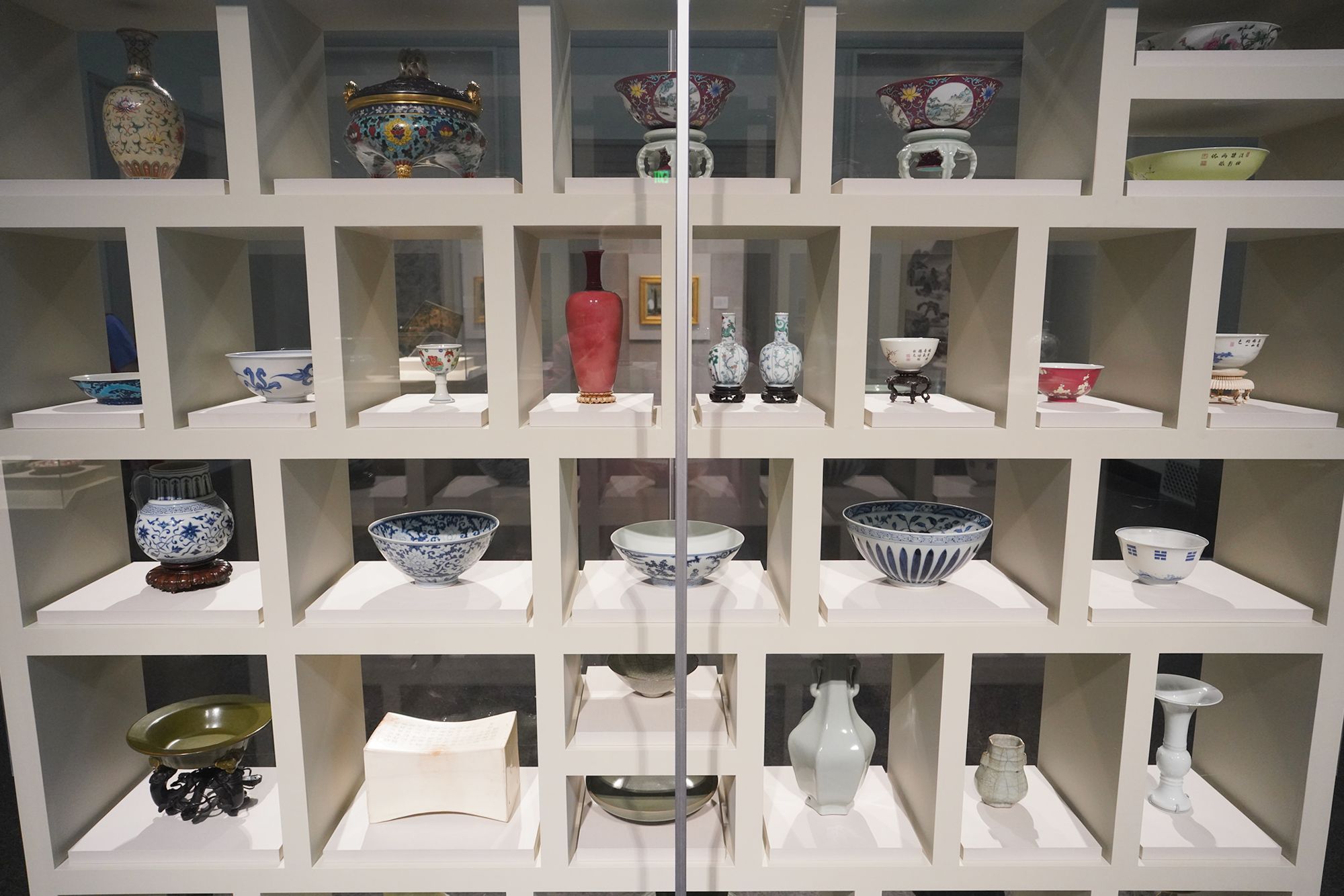
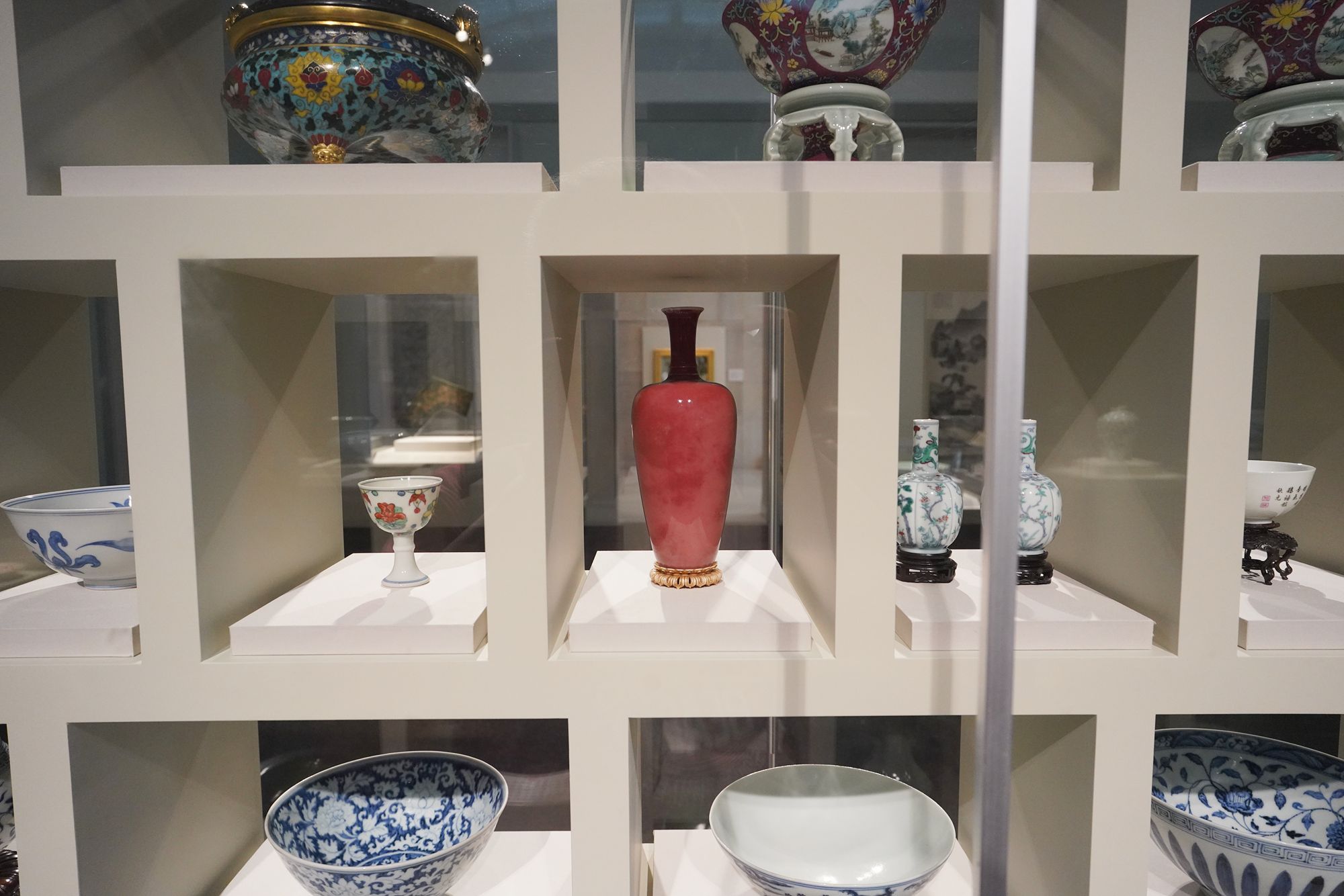
Qing Emperors’ Treasure Cabinets
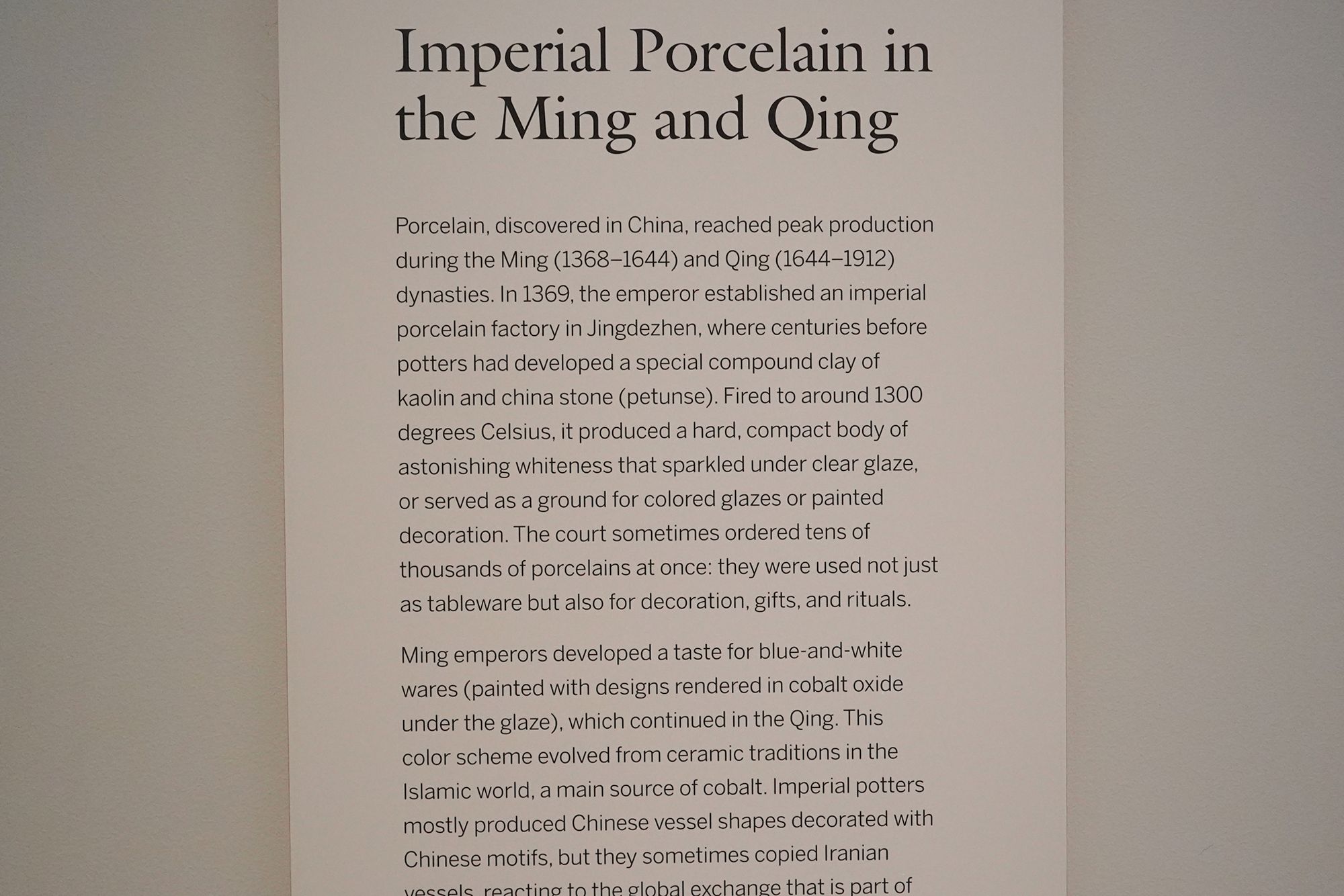
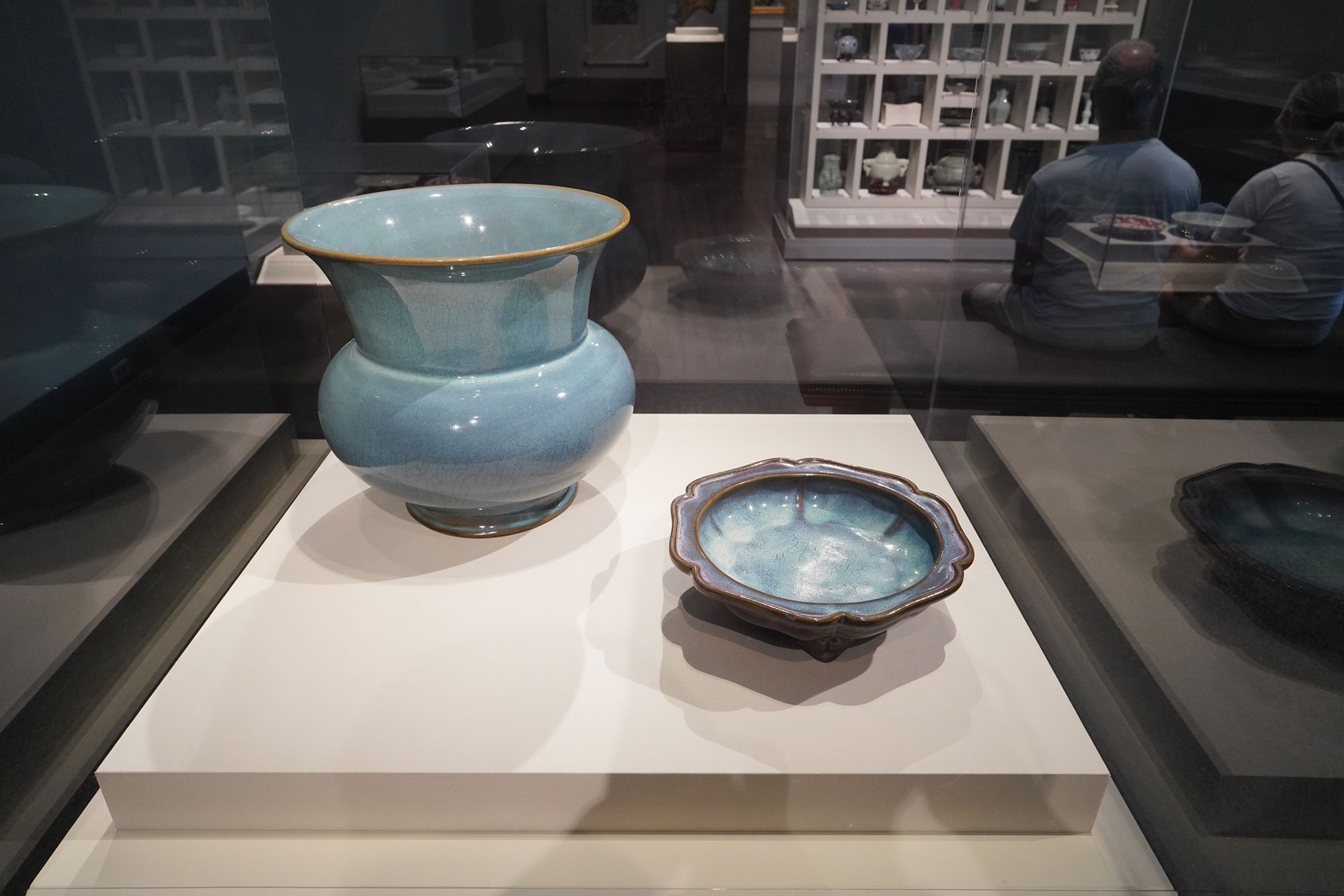
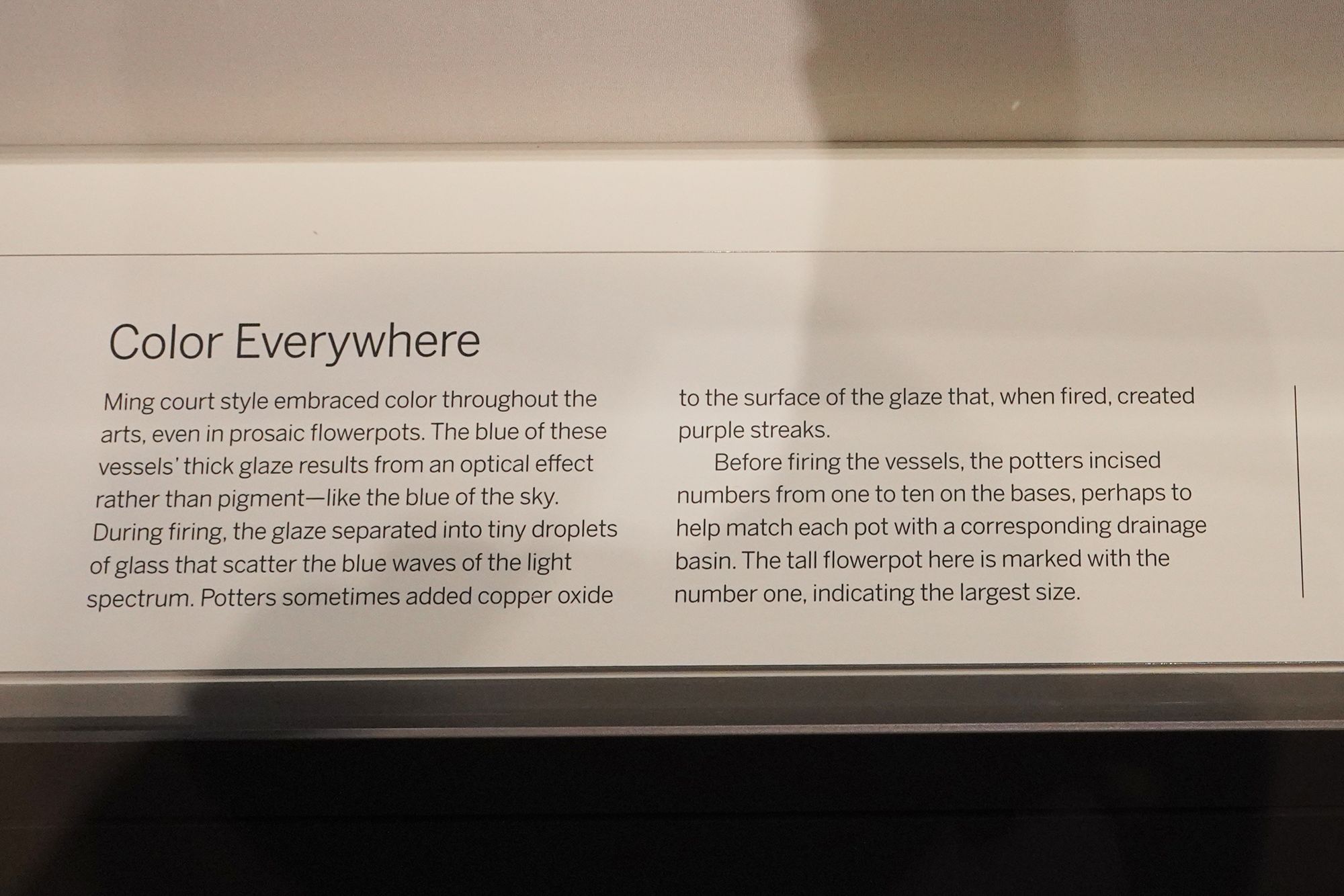
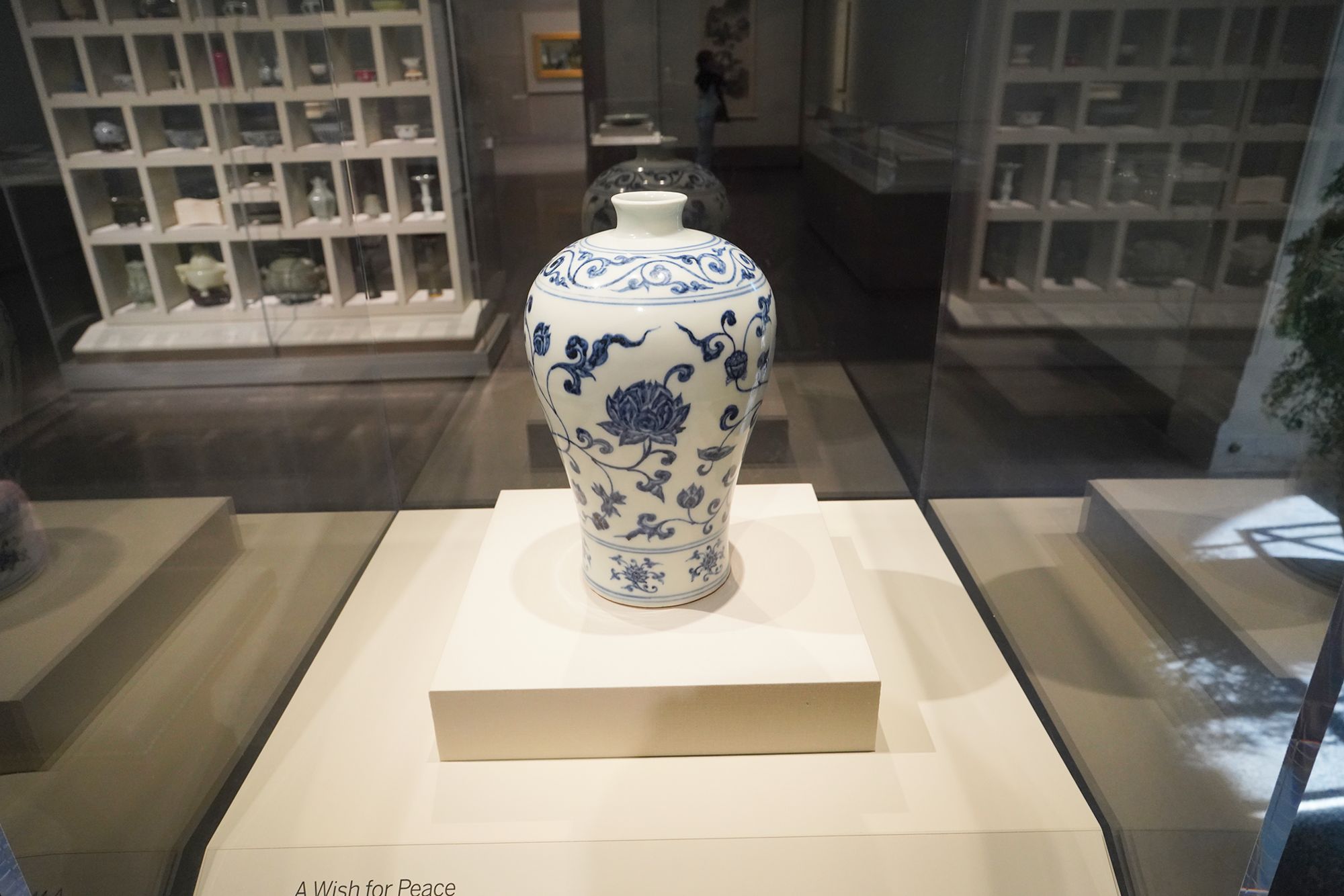
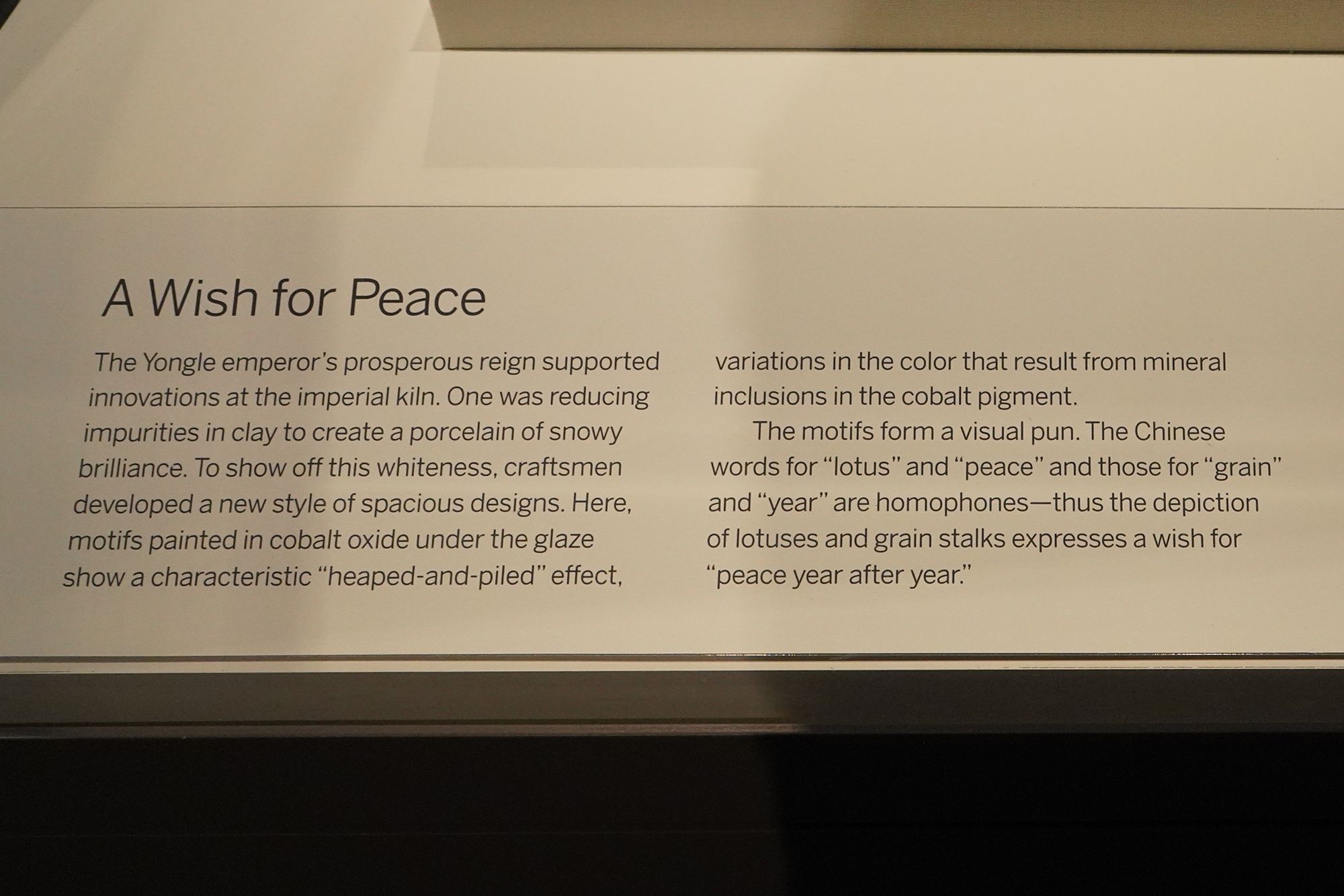
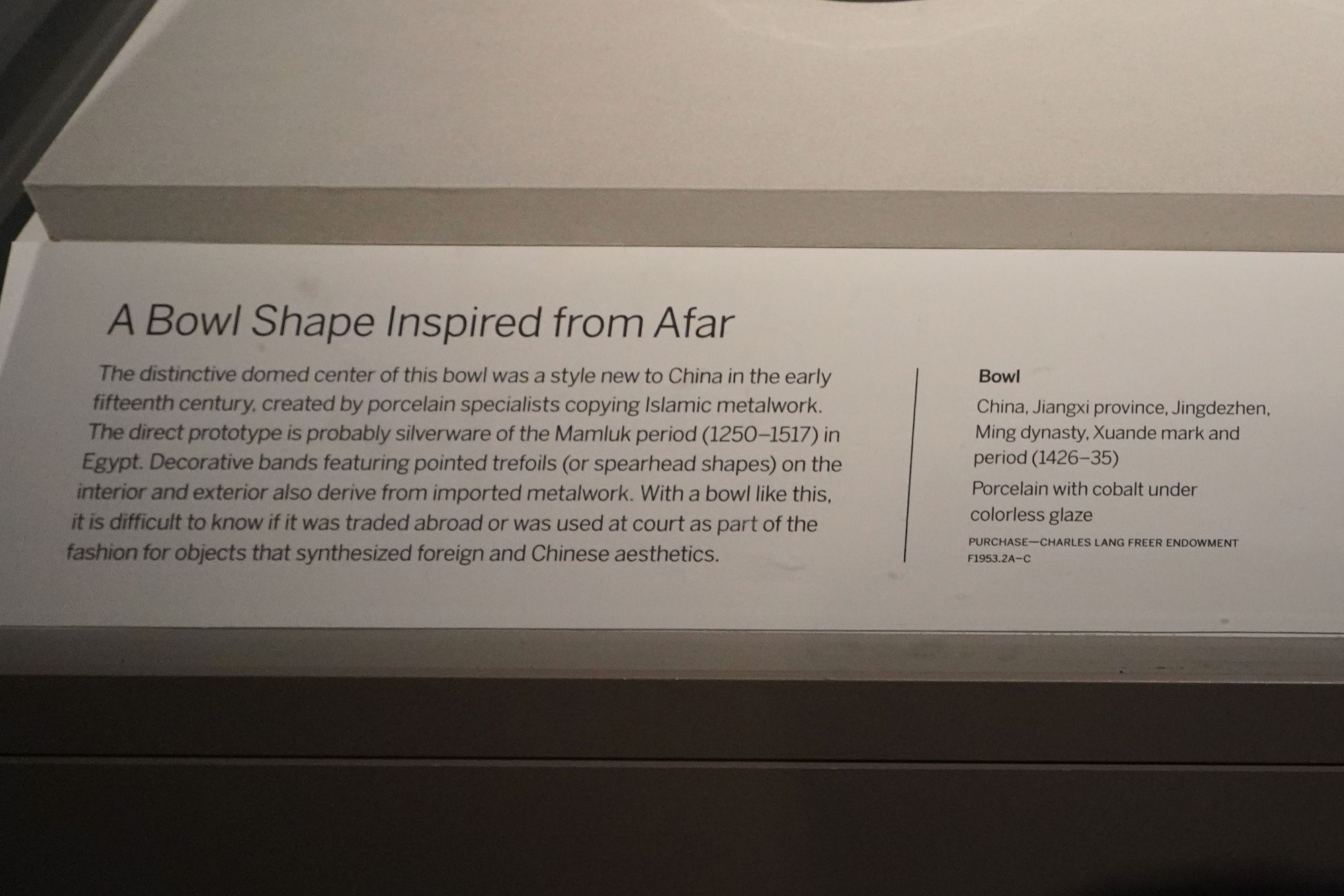
Imperial porcelain in the Ming and Qing dynasties represents the highest level of Chinese ceramic art. During the Ming era, kilns at Jingdezhen produced bold blue-and-white wares, vibrant overglaze enamels, and finely shaped vessels made specifically for the court. In the Qing dynasty, porcelain became even more refined with intricate famille-rose and famille-verte palettes, precise craftsmanship, and new decorative techniques. Both dynasties used porcelain to display imperial taste, power, and artistic innovation.
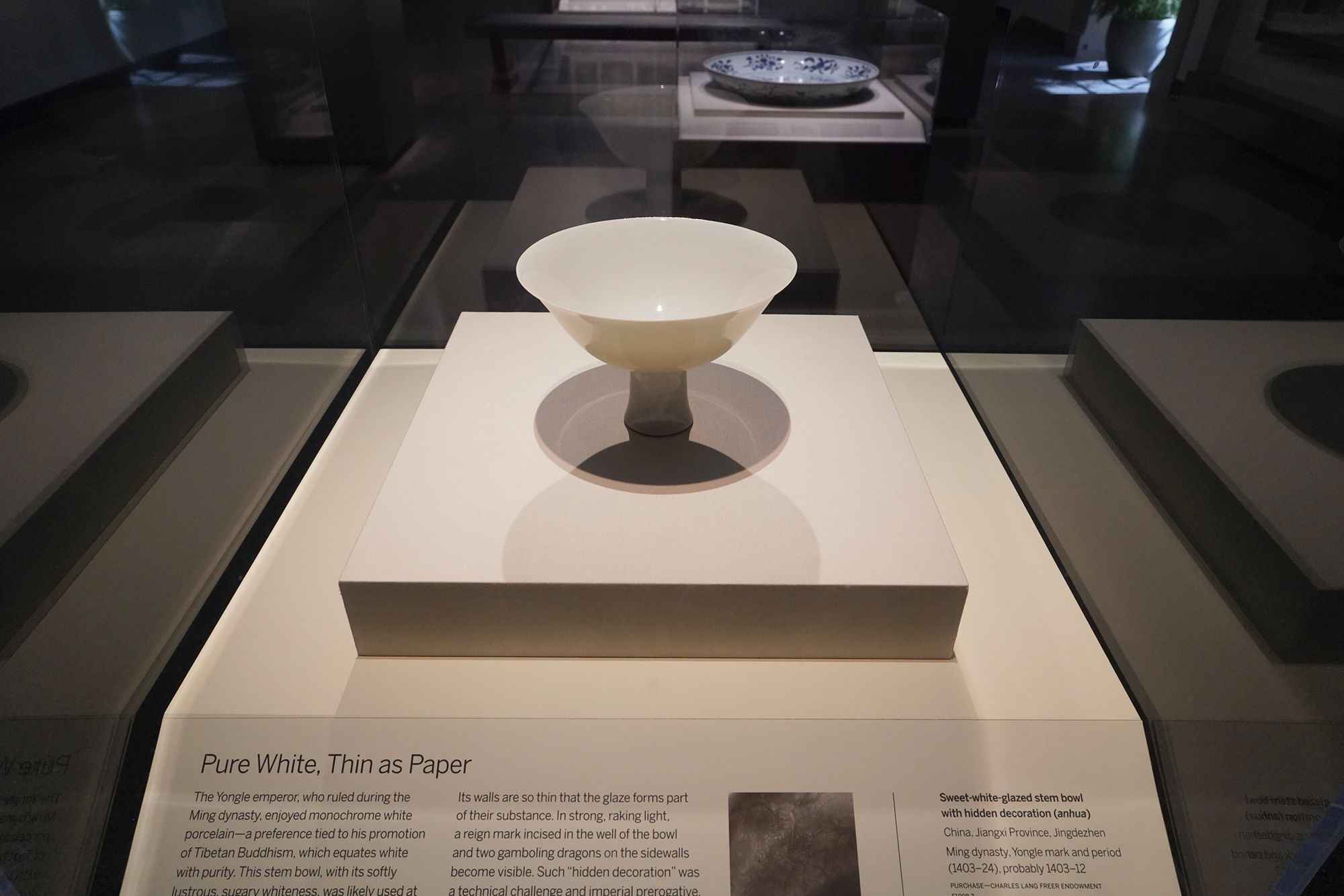
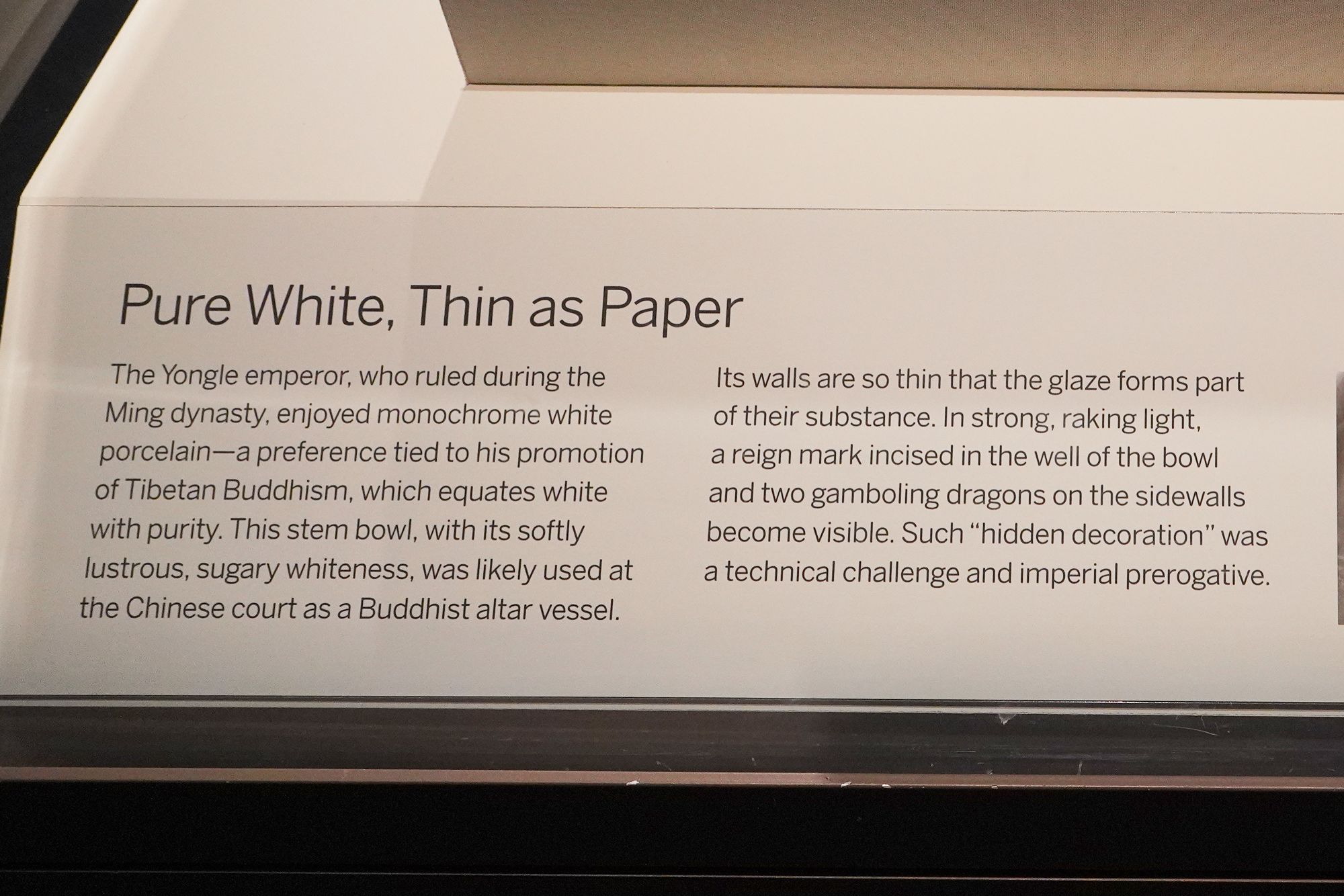
Foreign Influence on Chinese Art
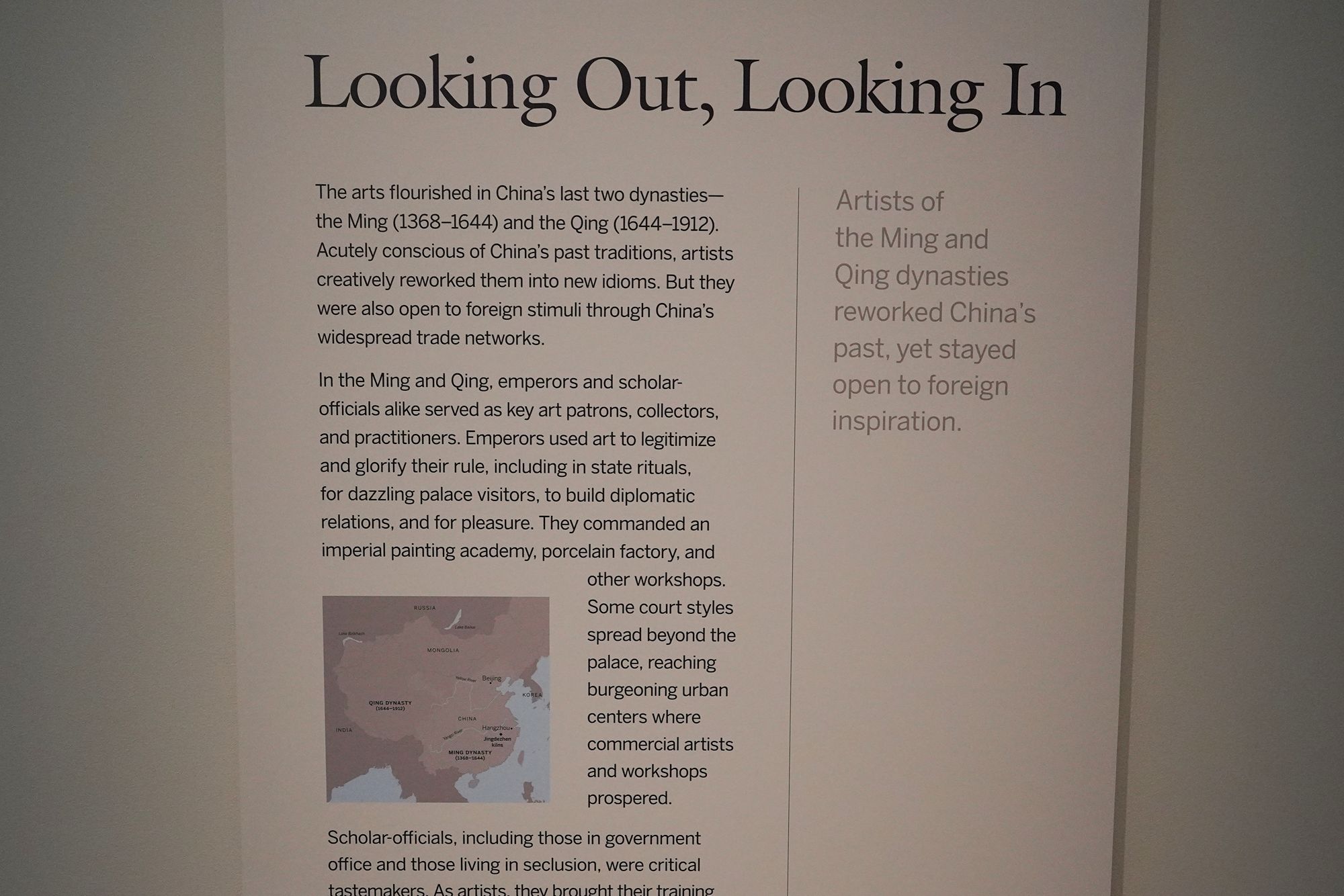
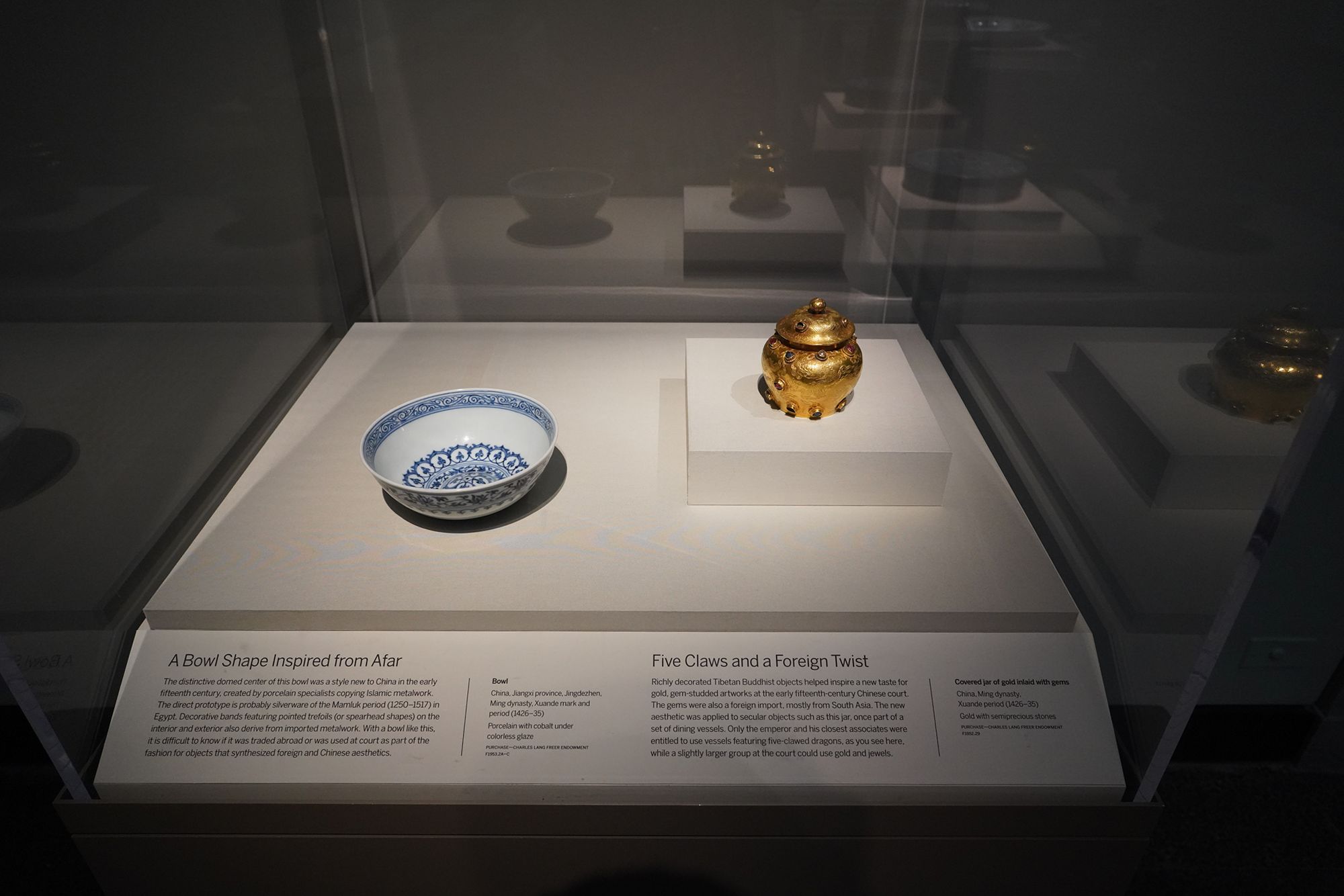
Seeing the Qing Emperors’ treasure cabinets reveals how the rulers collected rare objects to display their taste, power, and connection to the wider world.
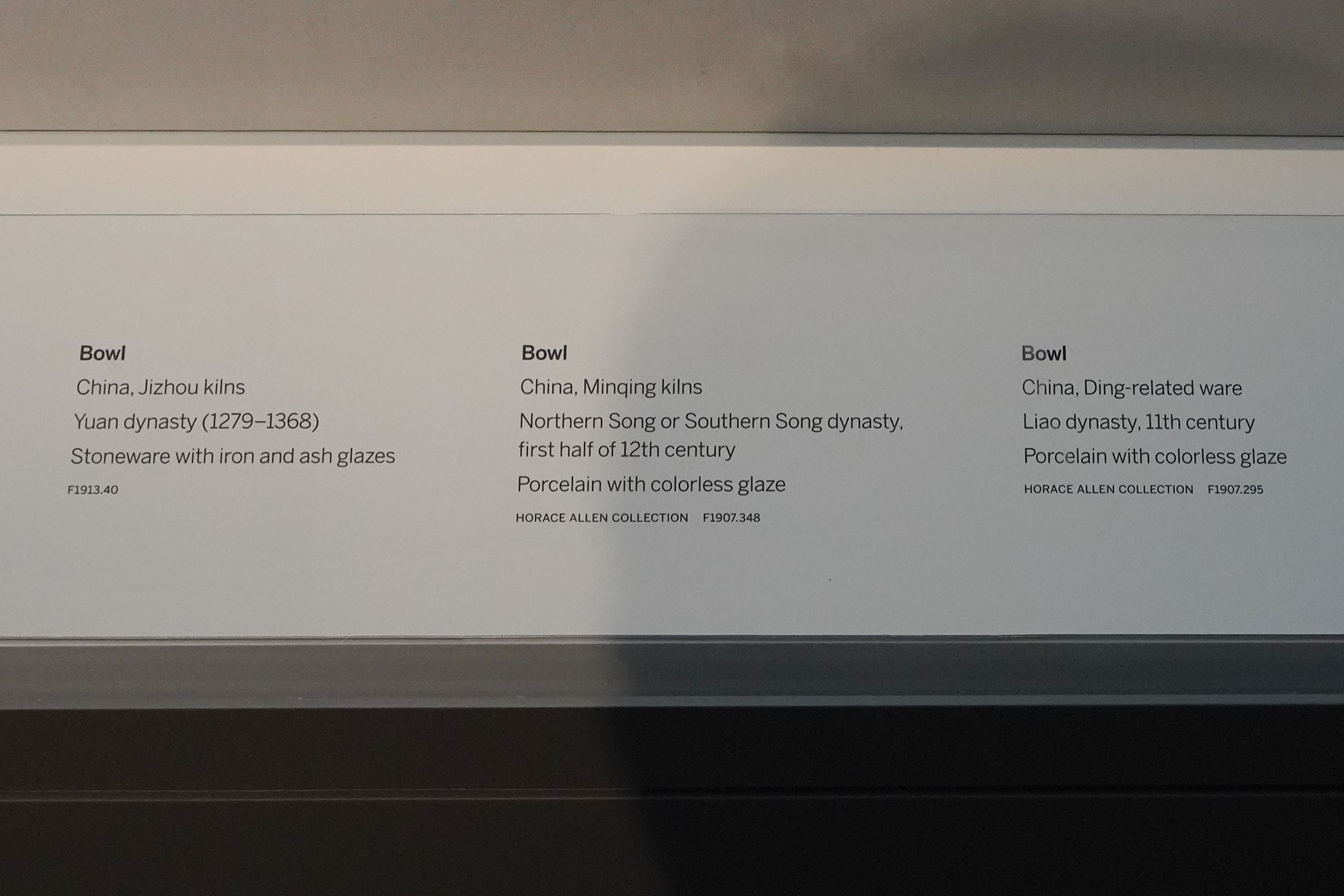
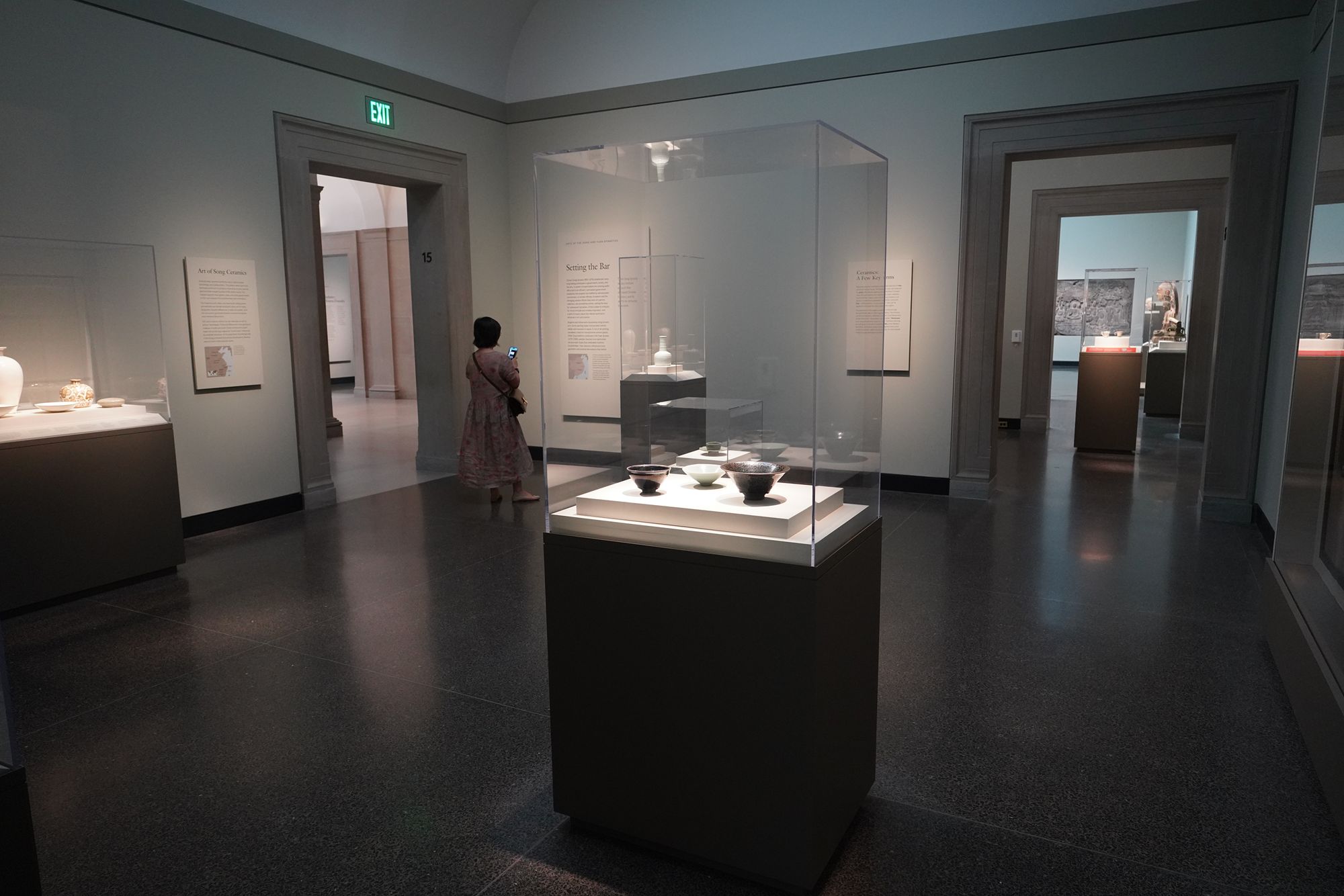
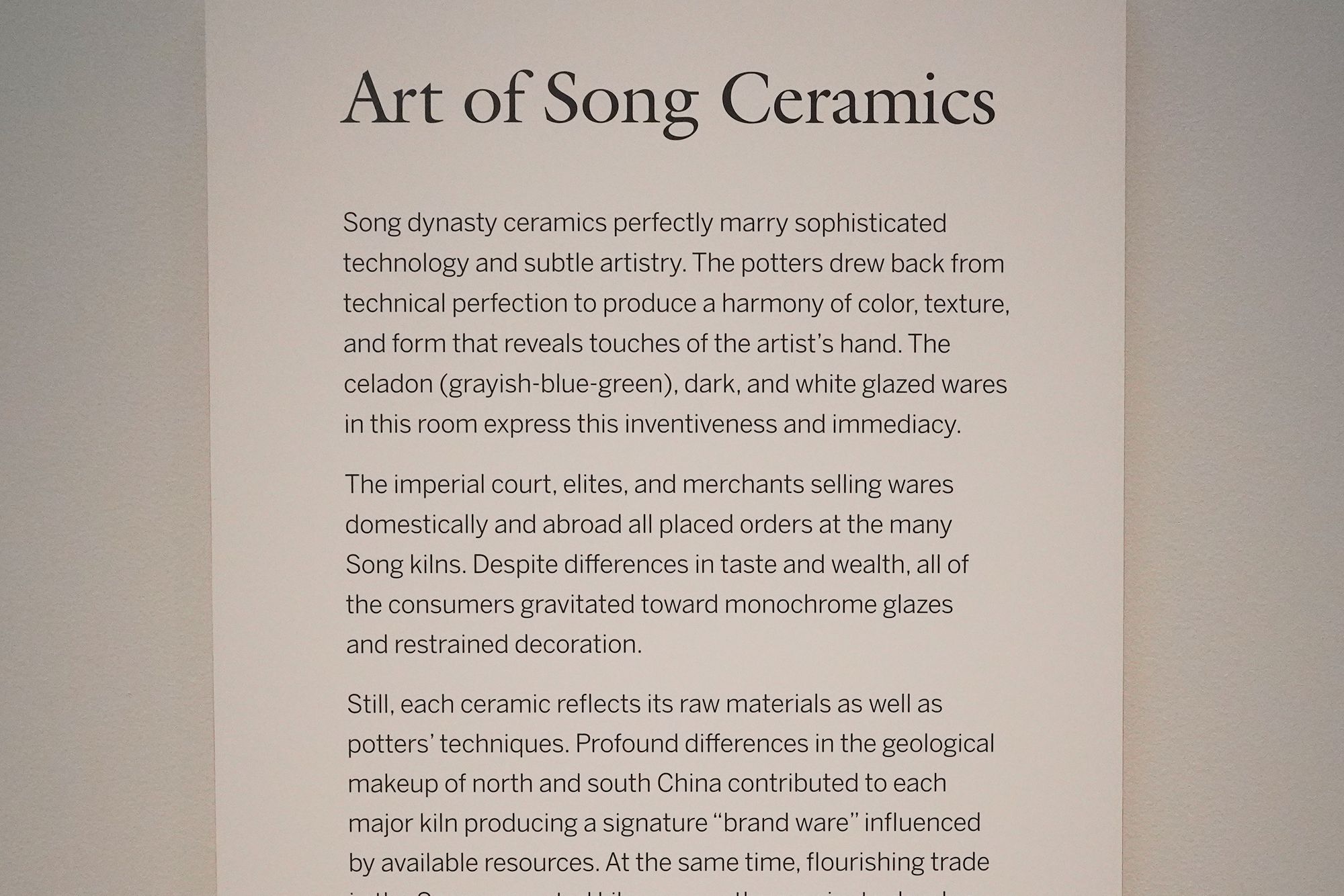
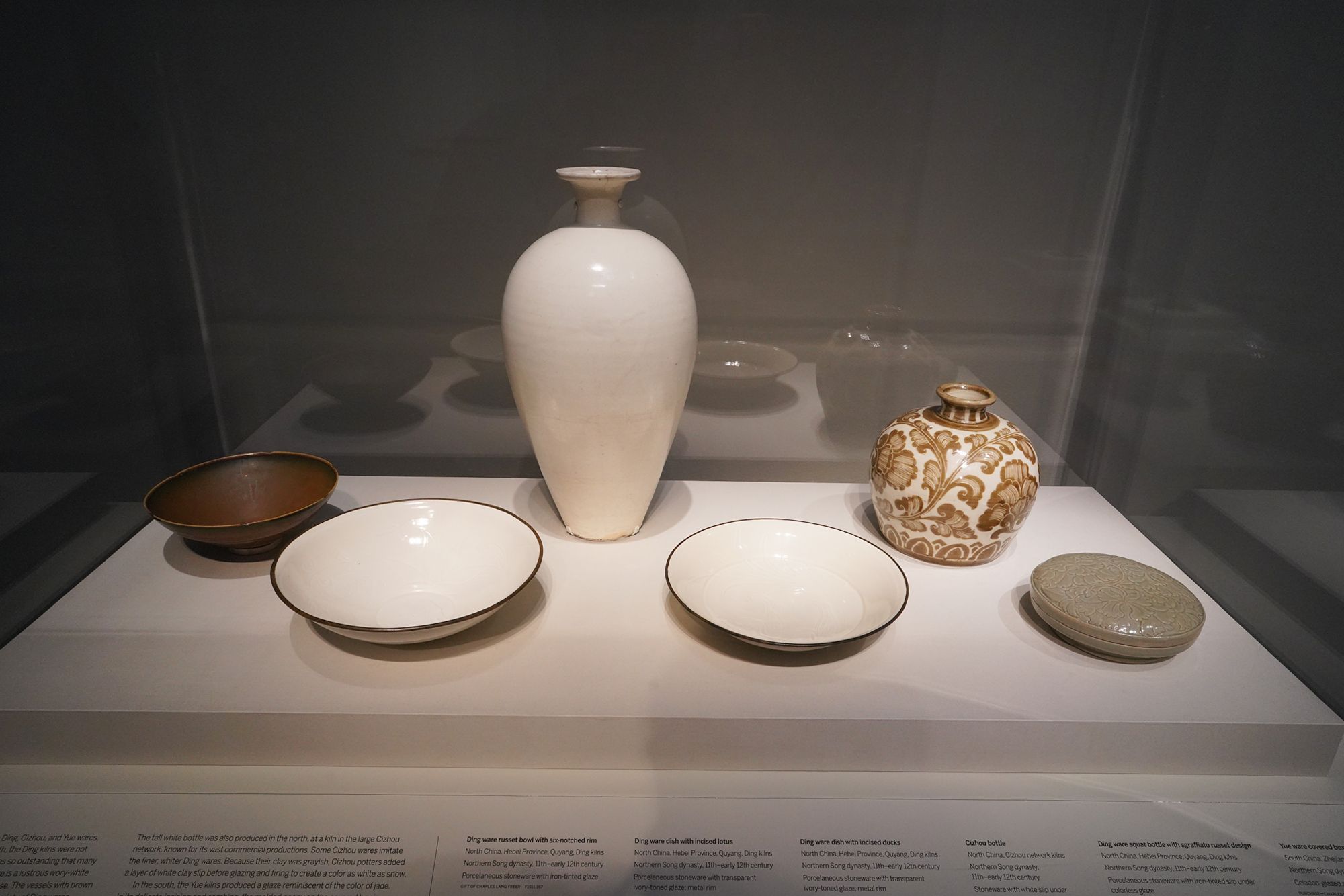
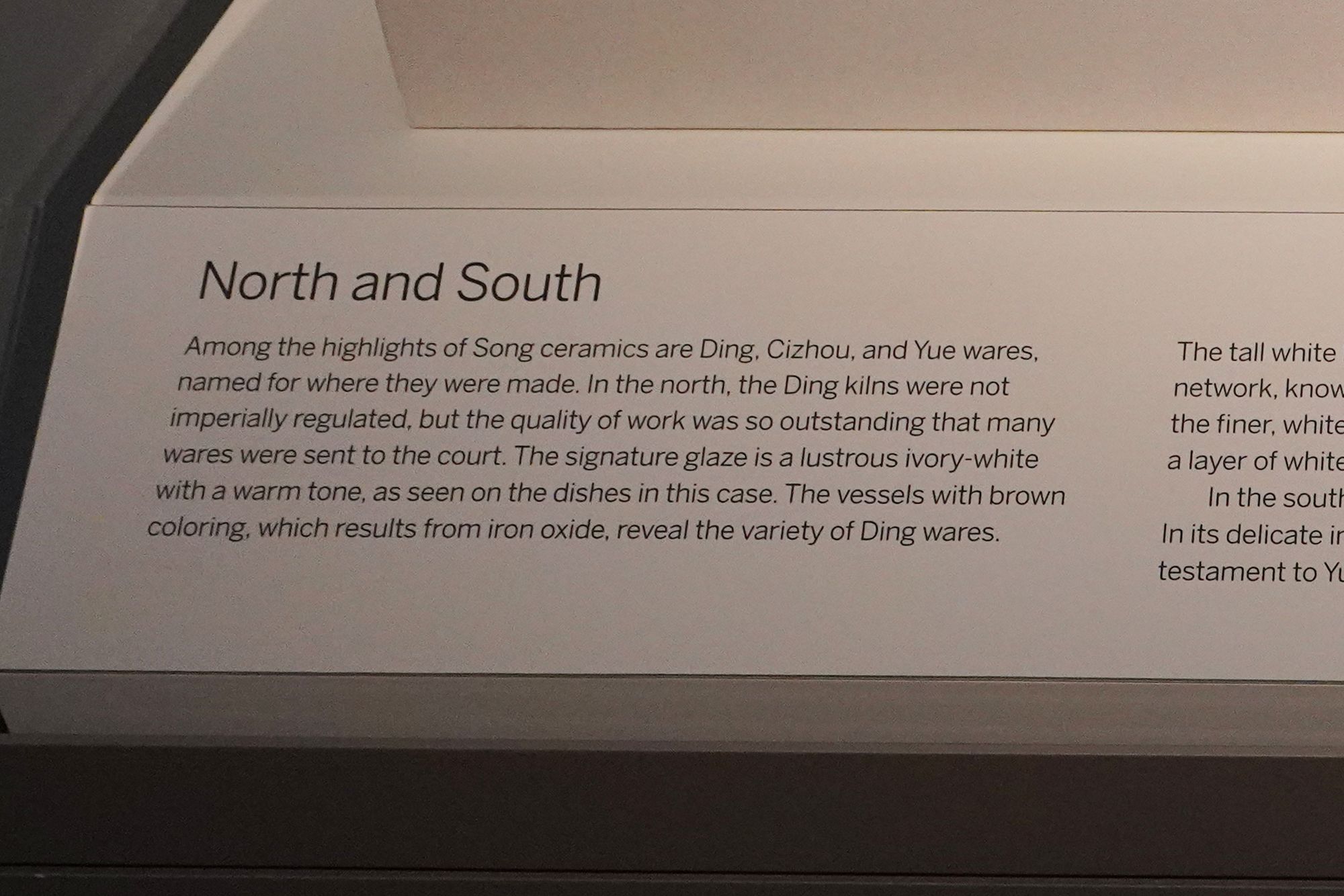
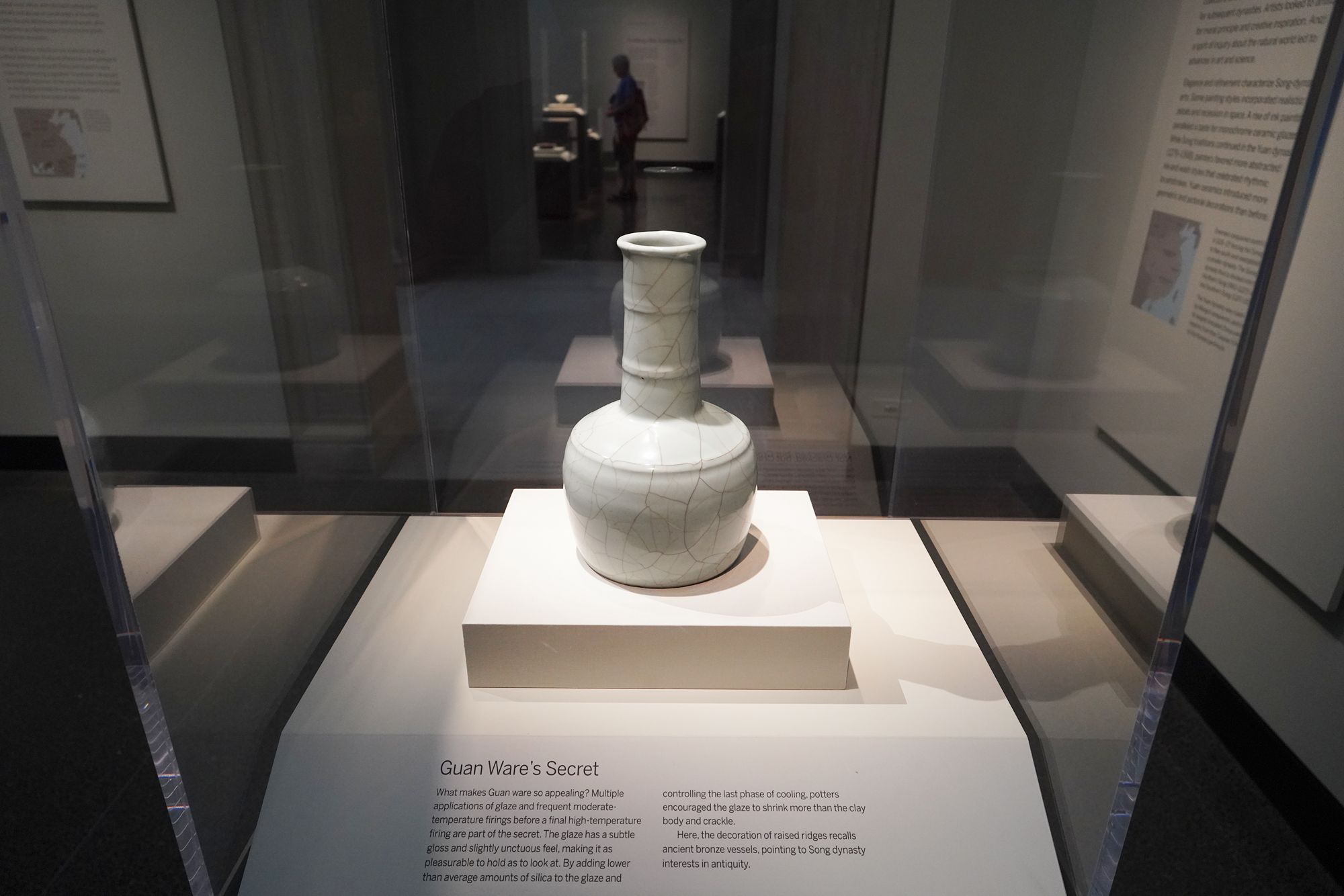
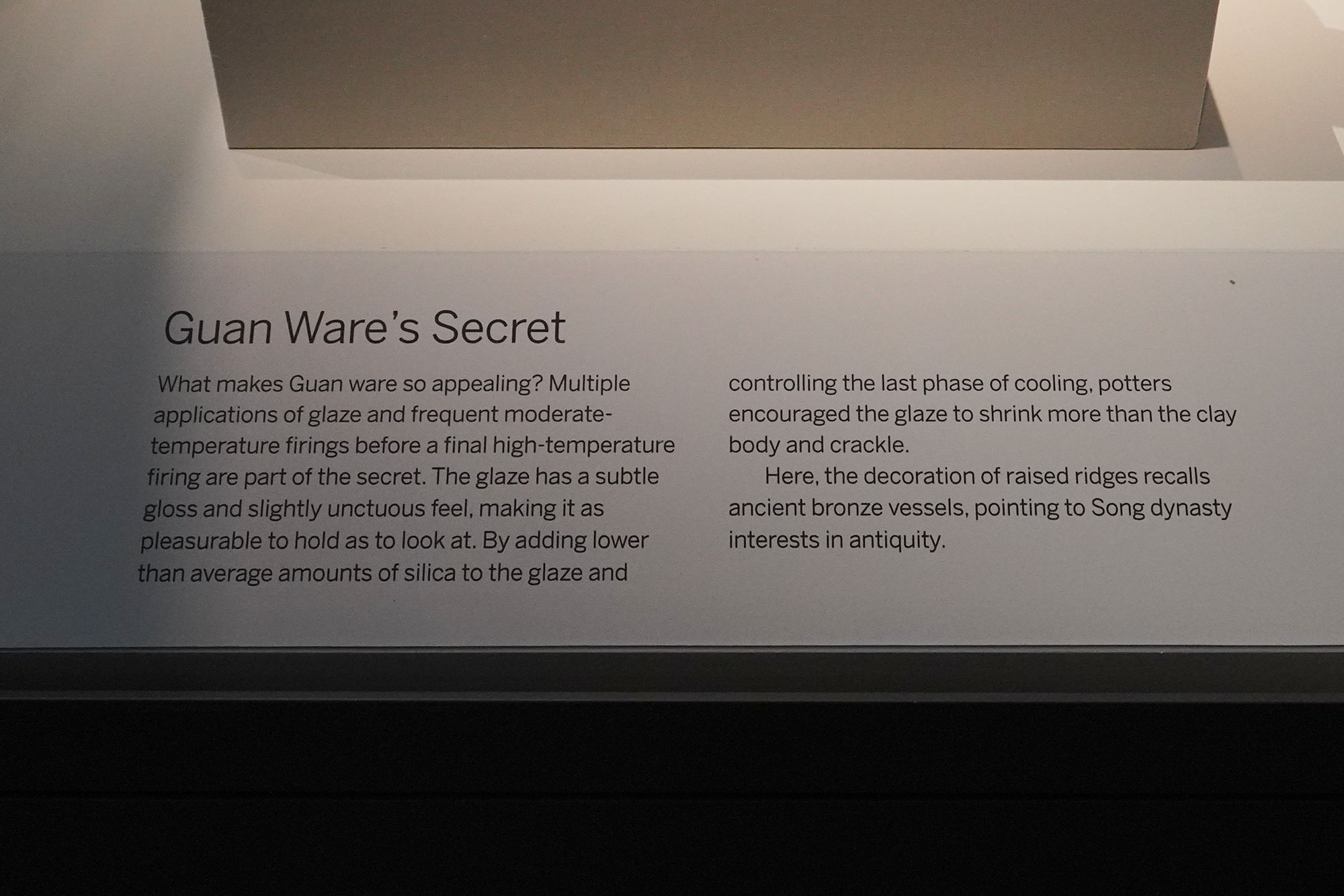
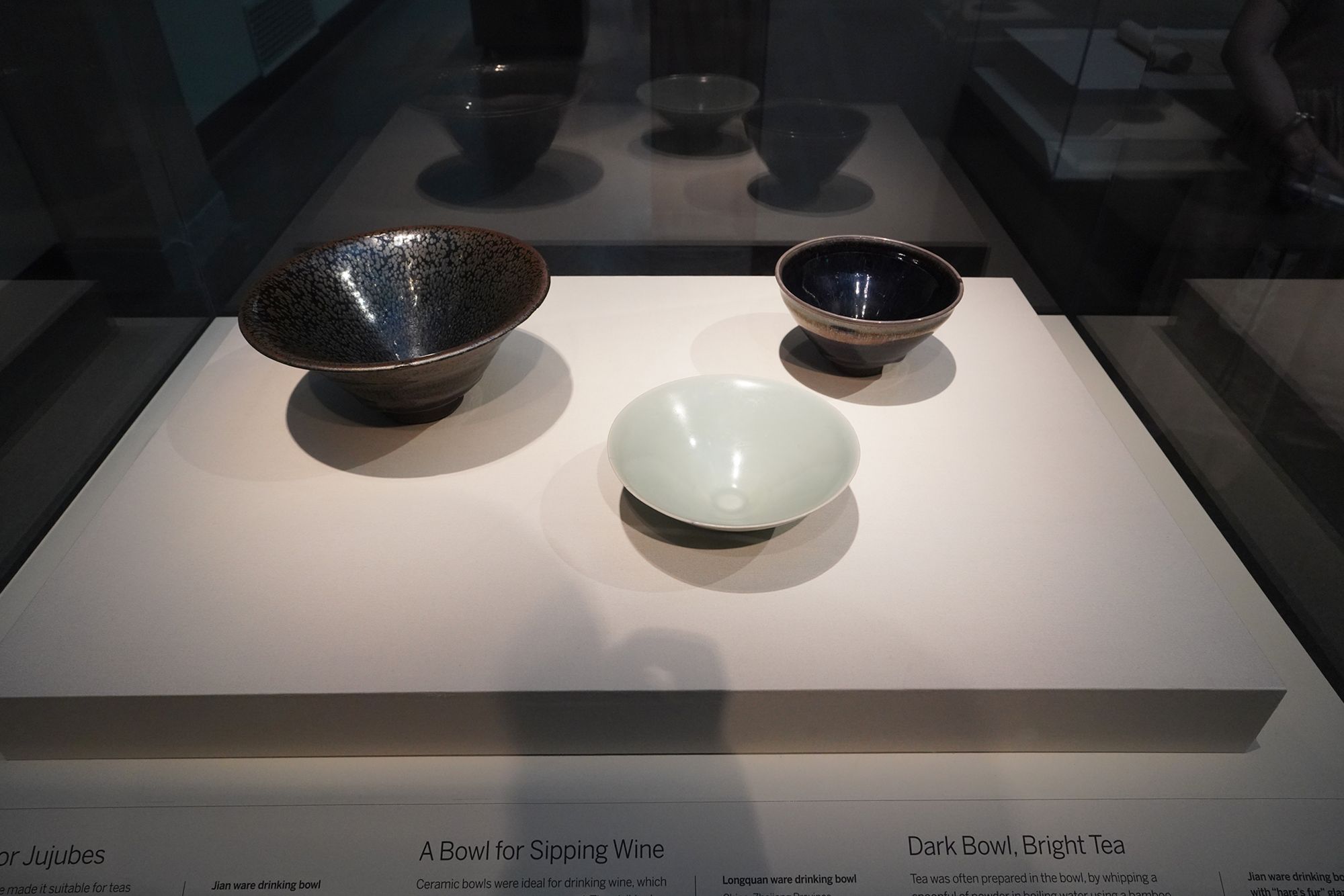
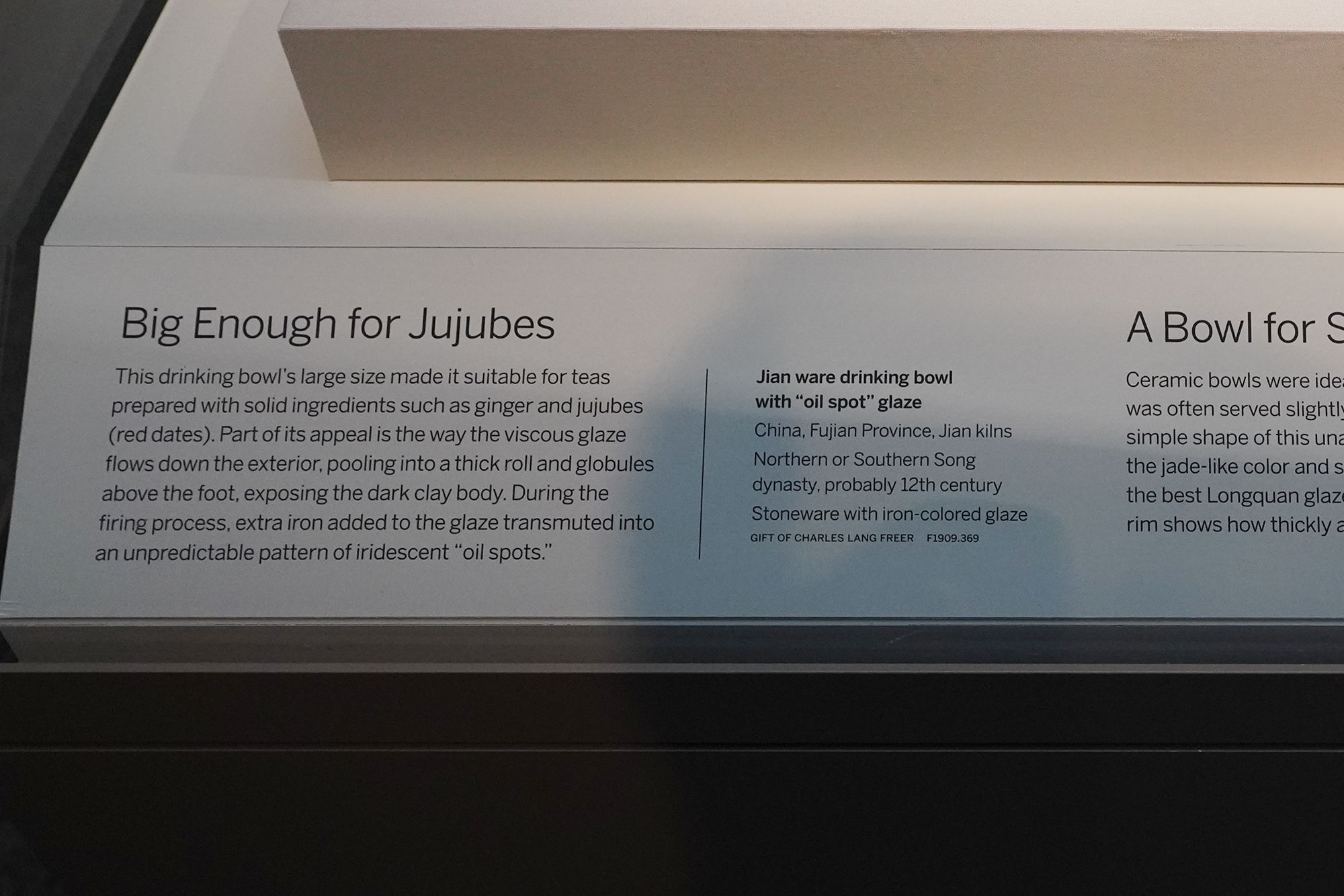
The Song ceramics are known for their simple shapes, subtle glazes, and refined beauty. Instead of elaborate decoration, Song potters focused on perfecting form and surface, creating pieces that feel calm and balanced.
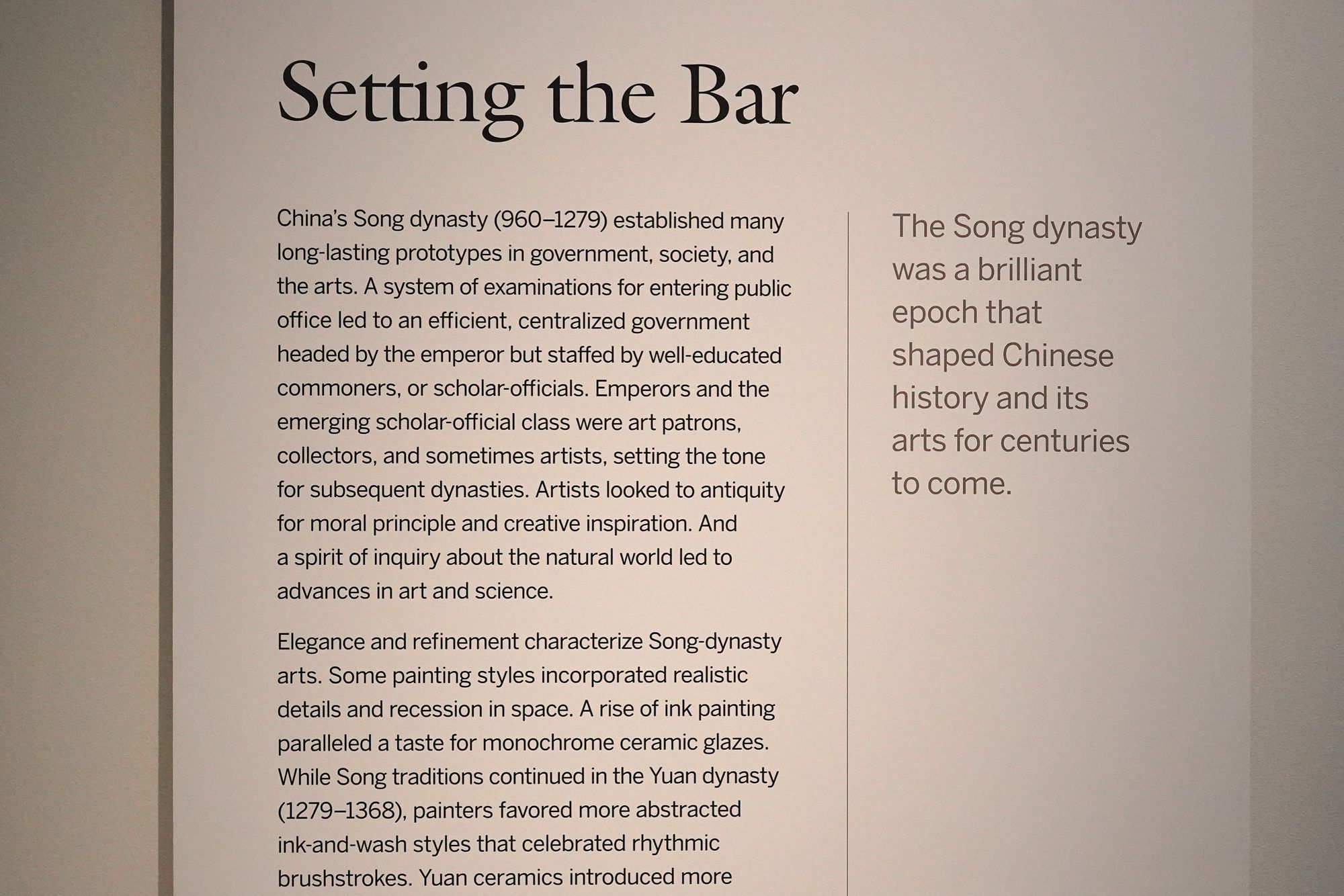
In the Song dynasty, artists and craftsmen “set the bar” by establishing high standards of refinement, balance, and technical mastery. Whether in ceramics, painting, or calligraphy, Song culture emphasized elegance, natural beauty, and thoughtful simplicity.
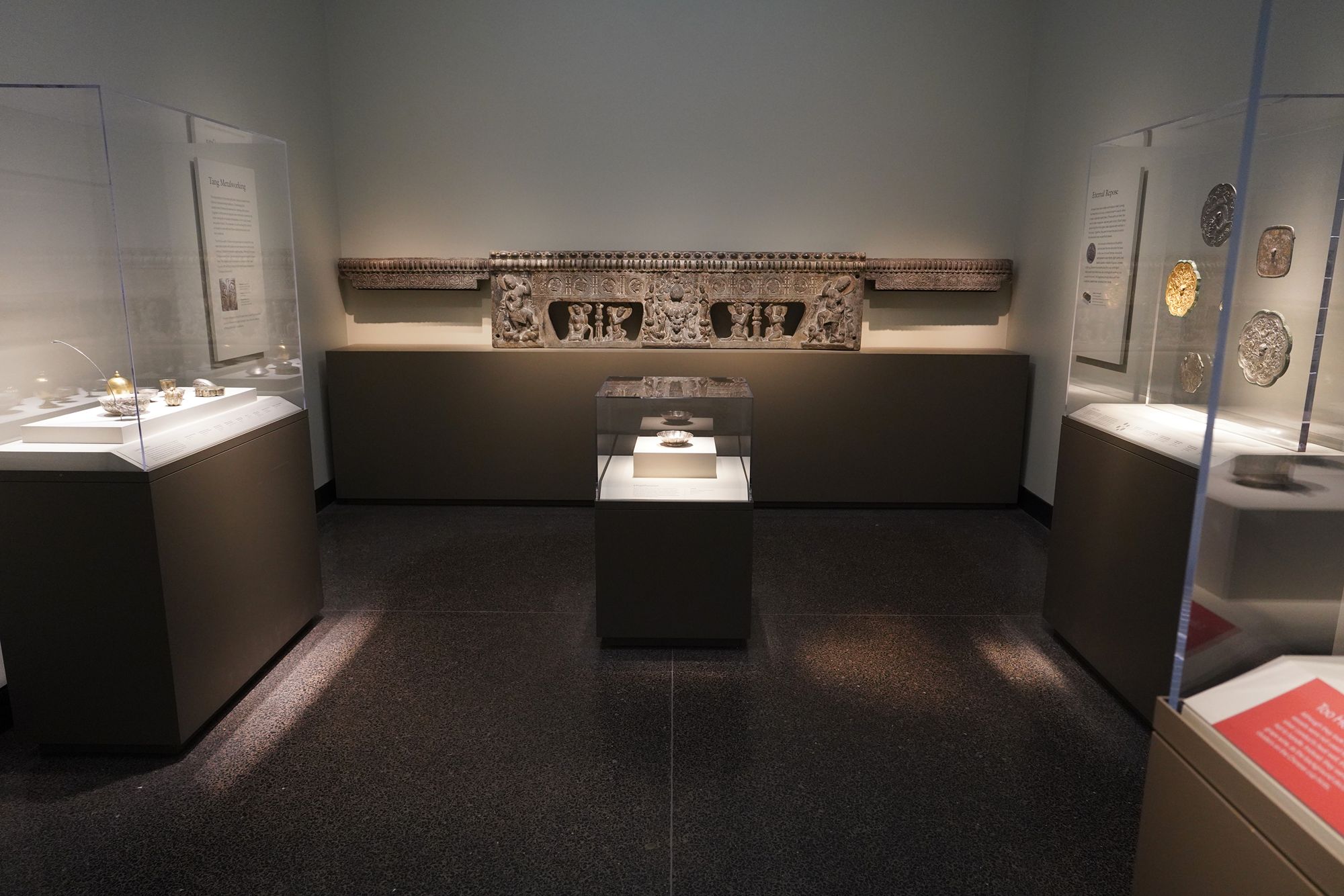
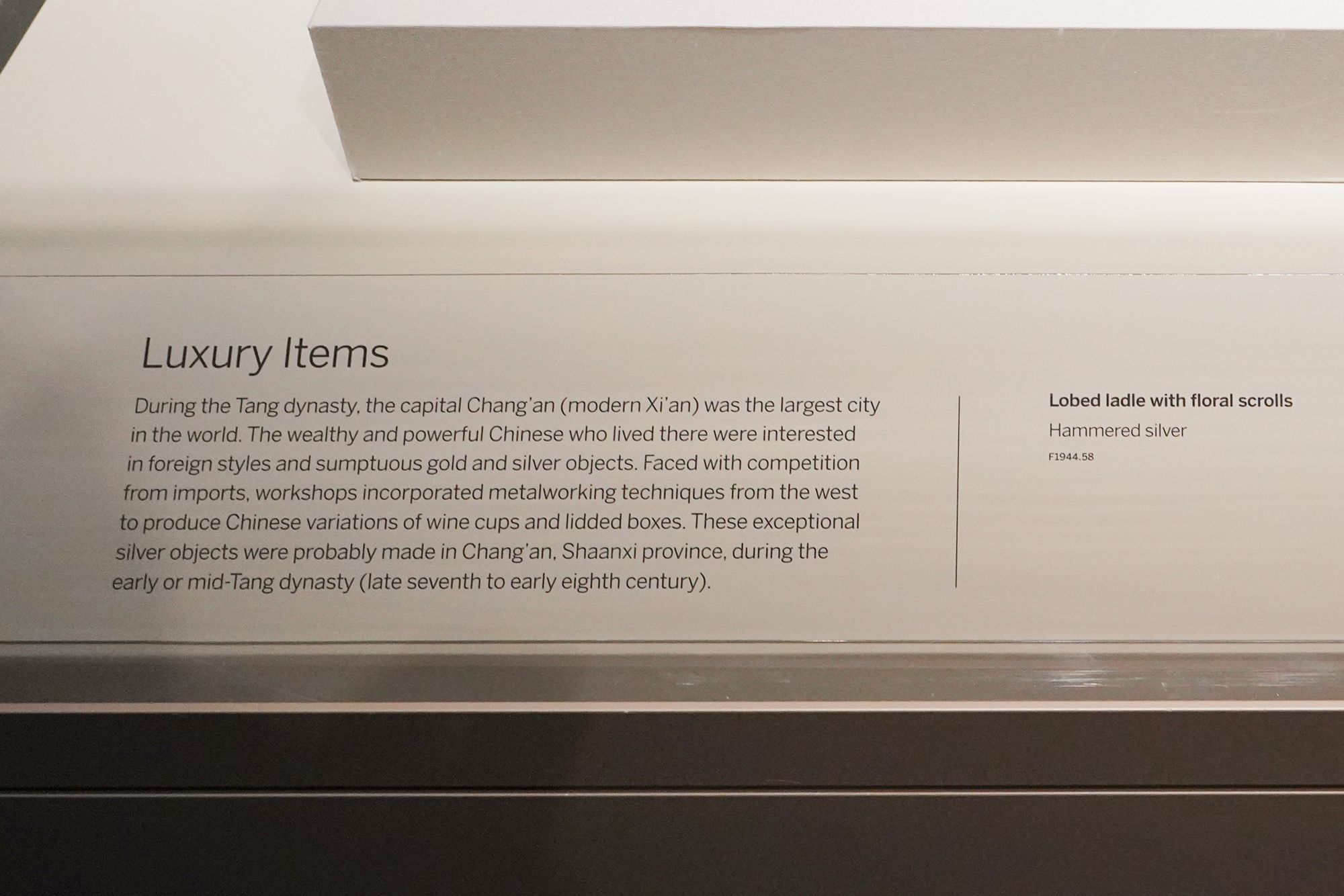
Chang’an was considered the “center of the world” in ancient China because it was the capital of powerful dynasties and a major hub of culture, trade, and government. As the eastern end of the Silk Road, it connected China to Central Asia and beyond, bringing goods, ideas, and people from many regions. Its grand palaces, wide avenues, and diverse population made it one of the largest and most cosmopolitan cities of its time.
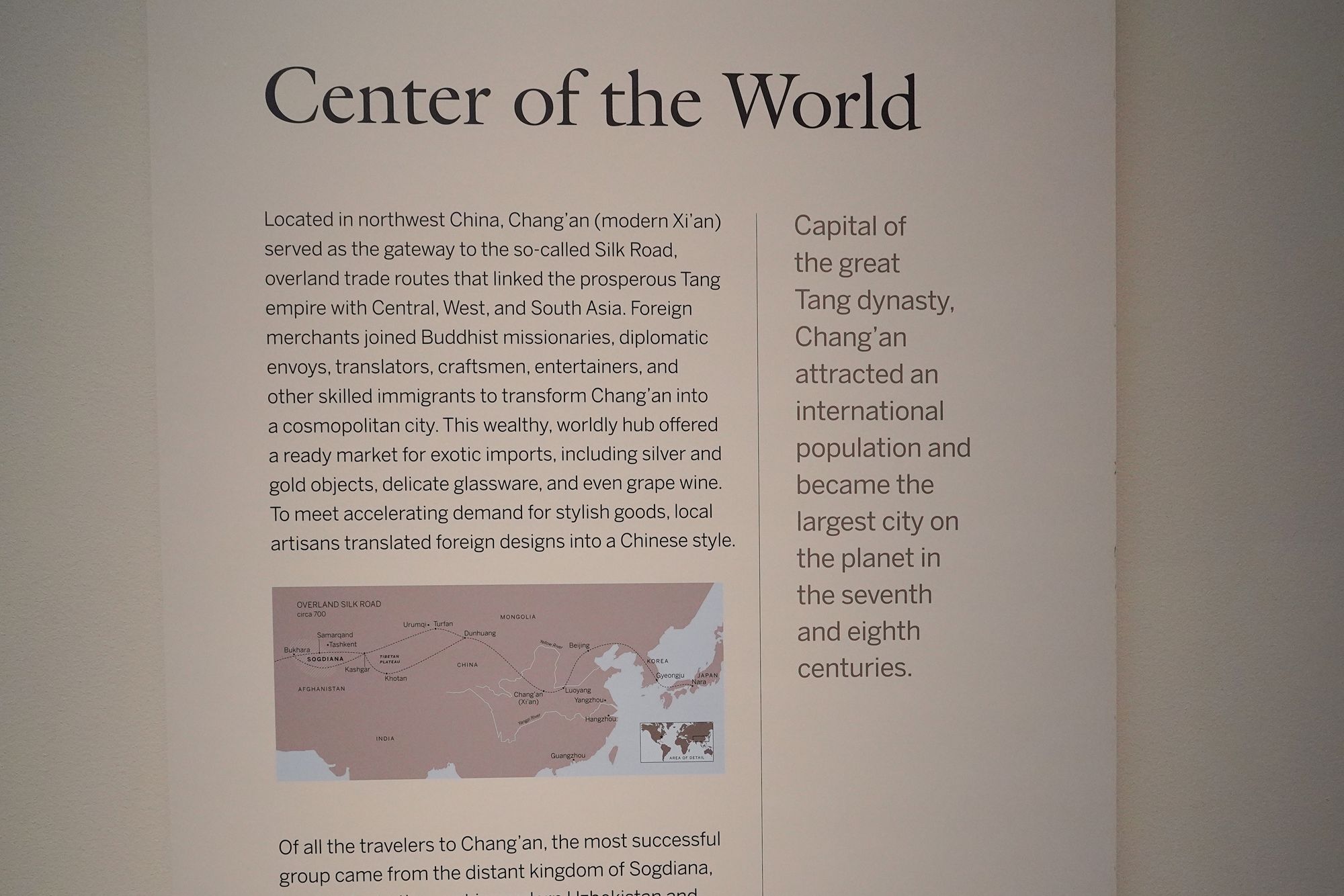
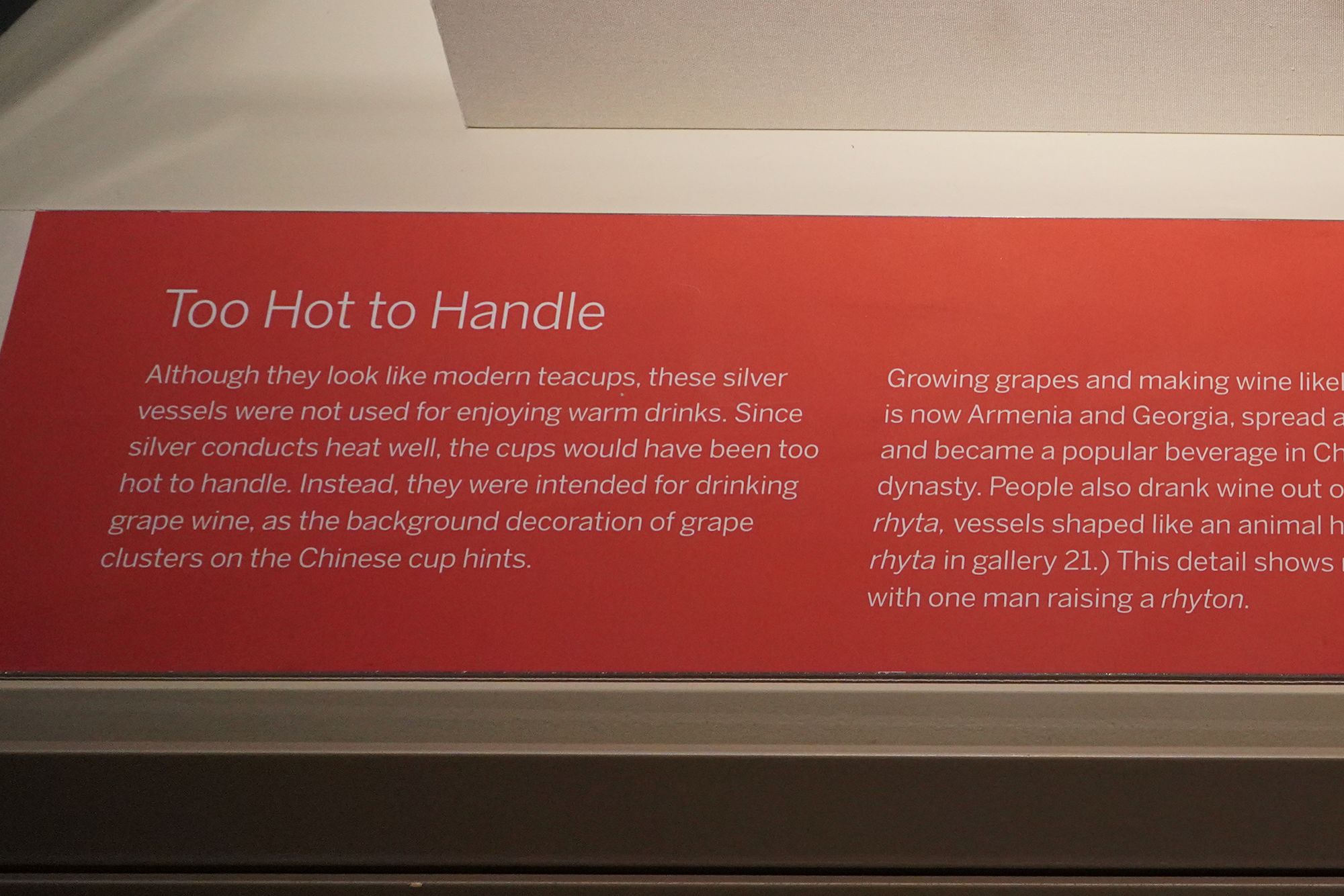
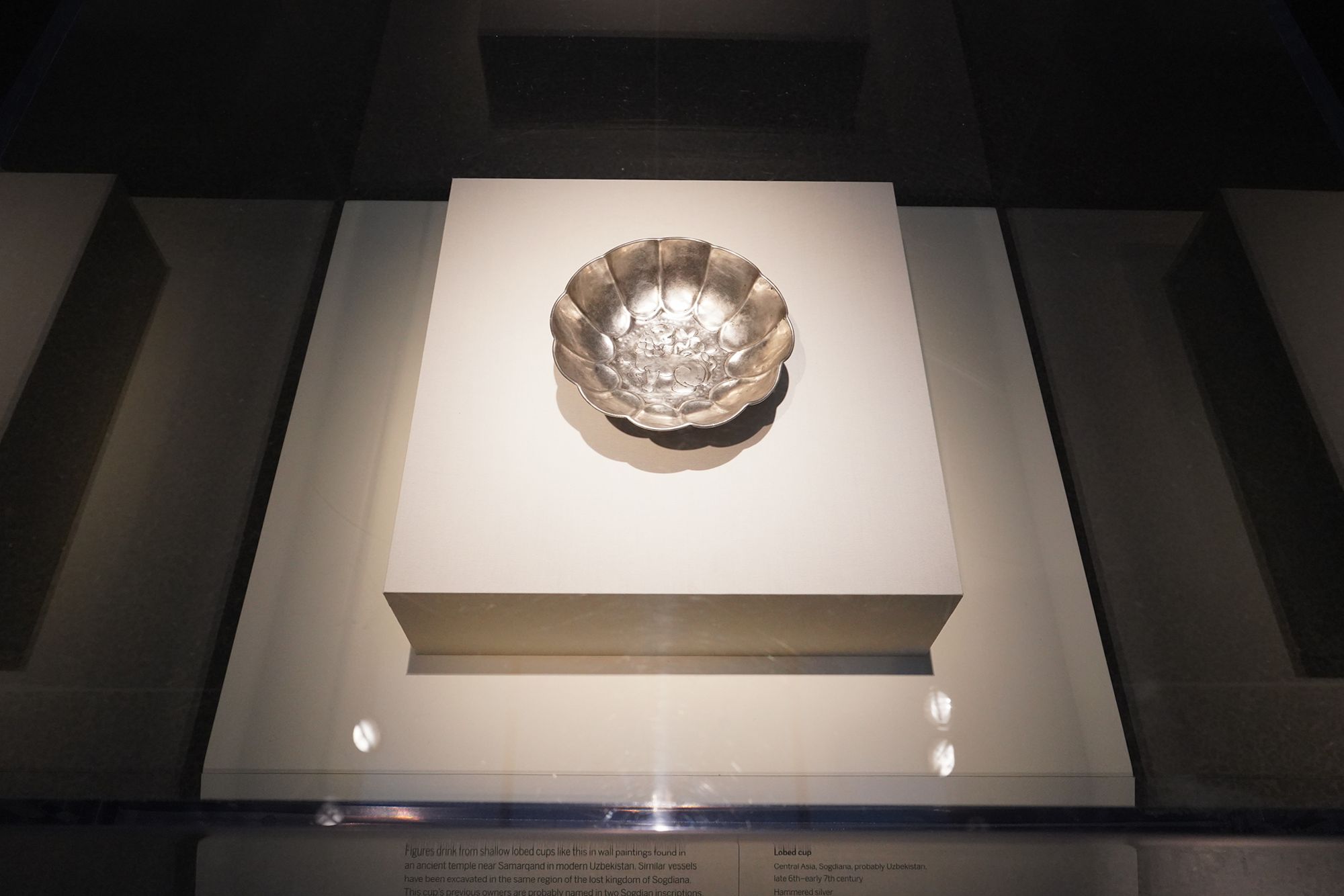
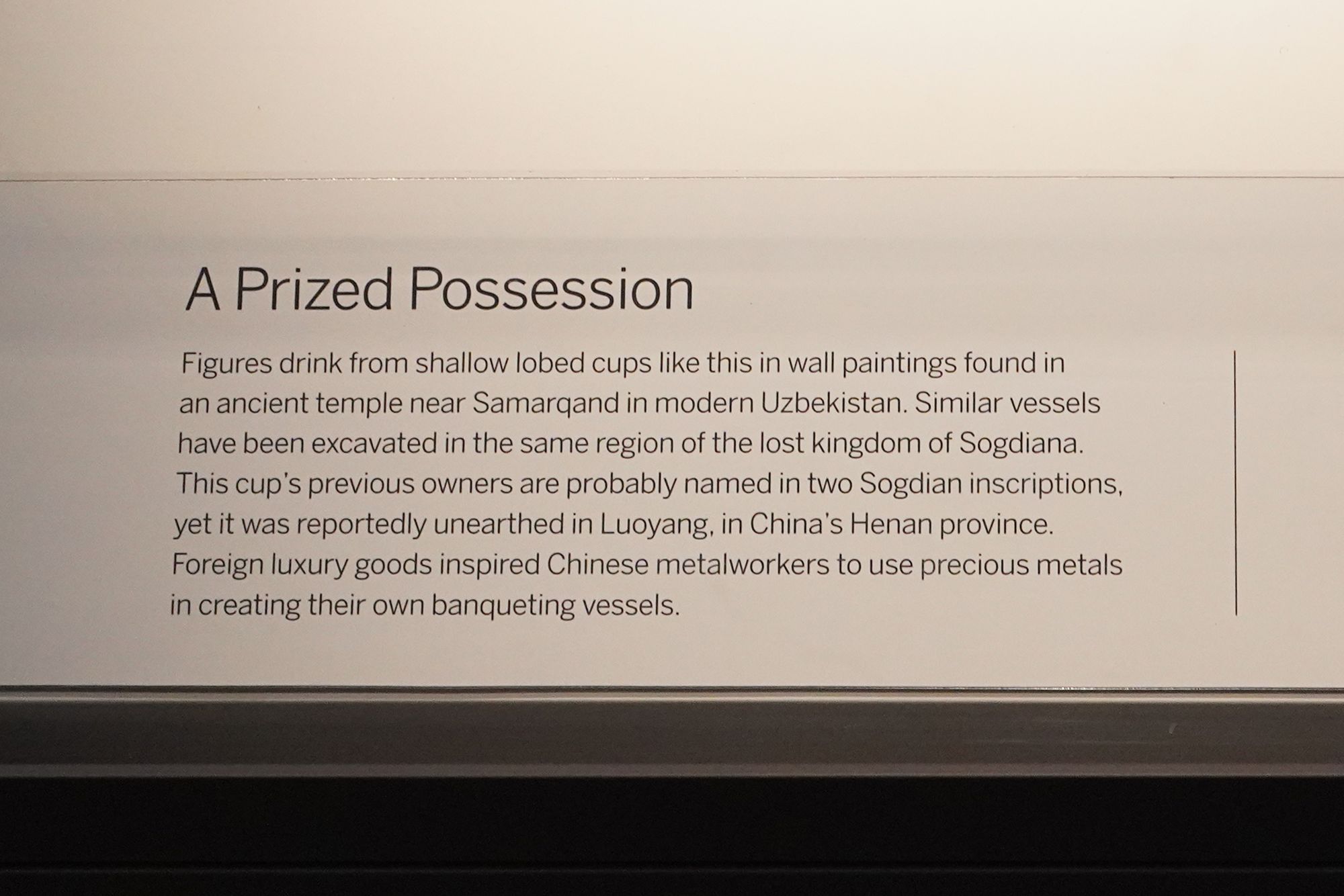
Wine Cups, early 7th century
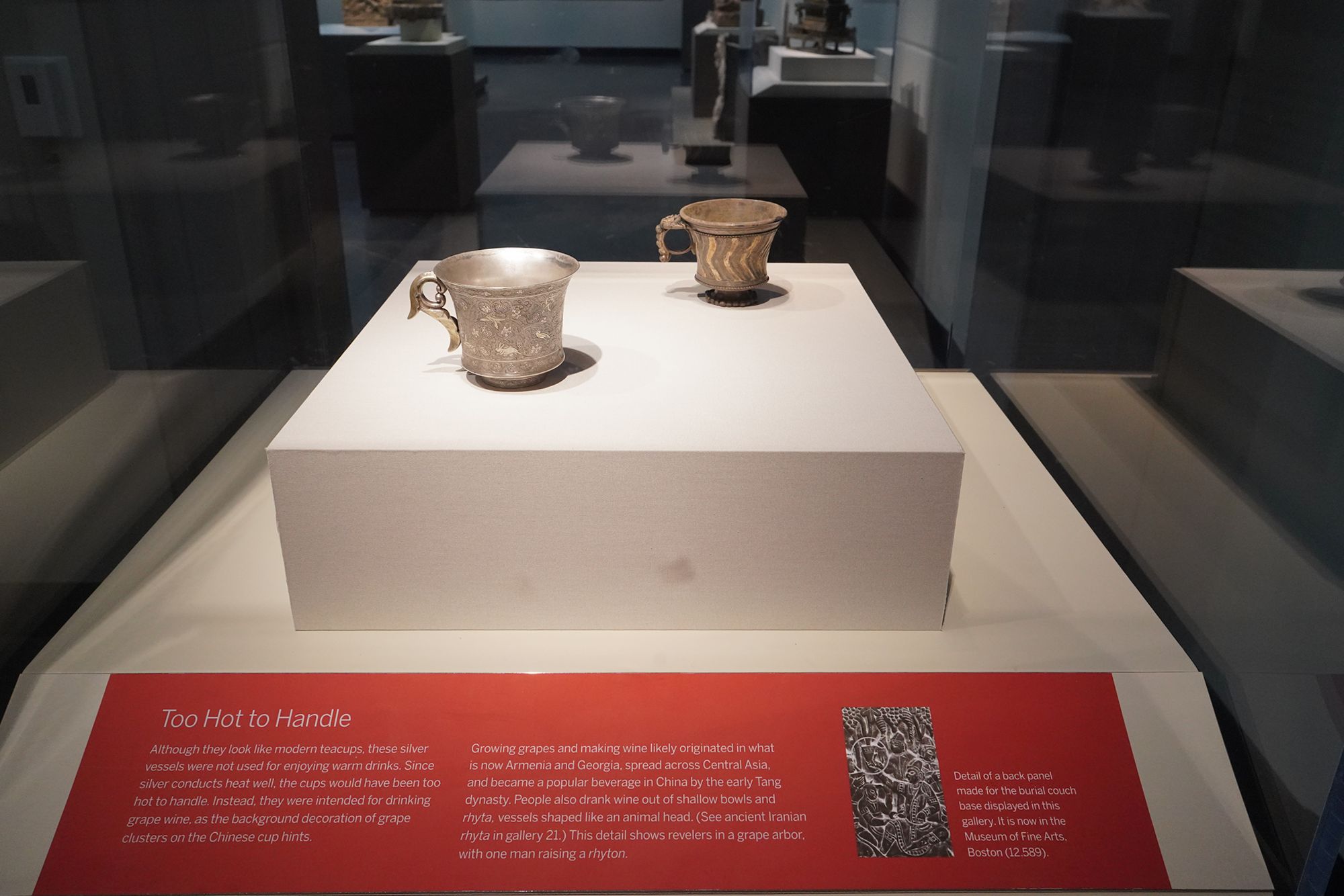
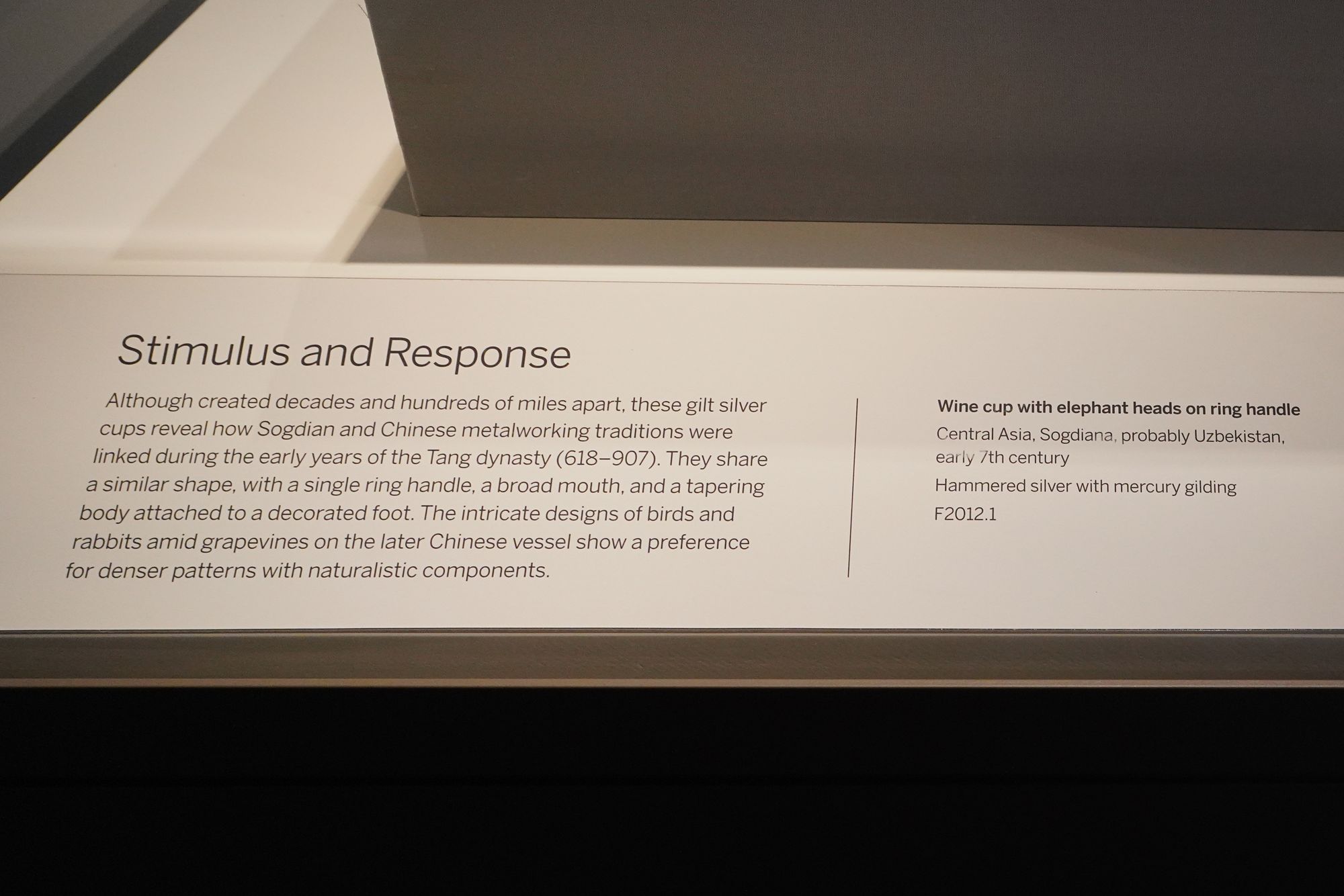
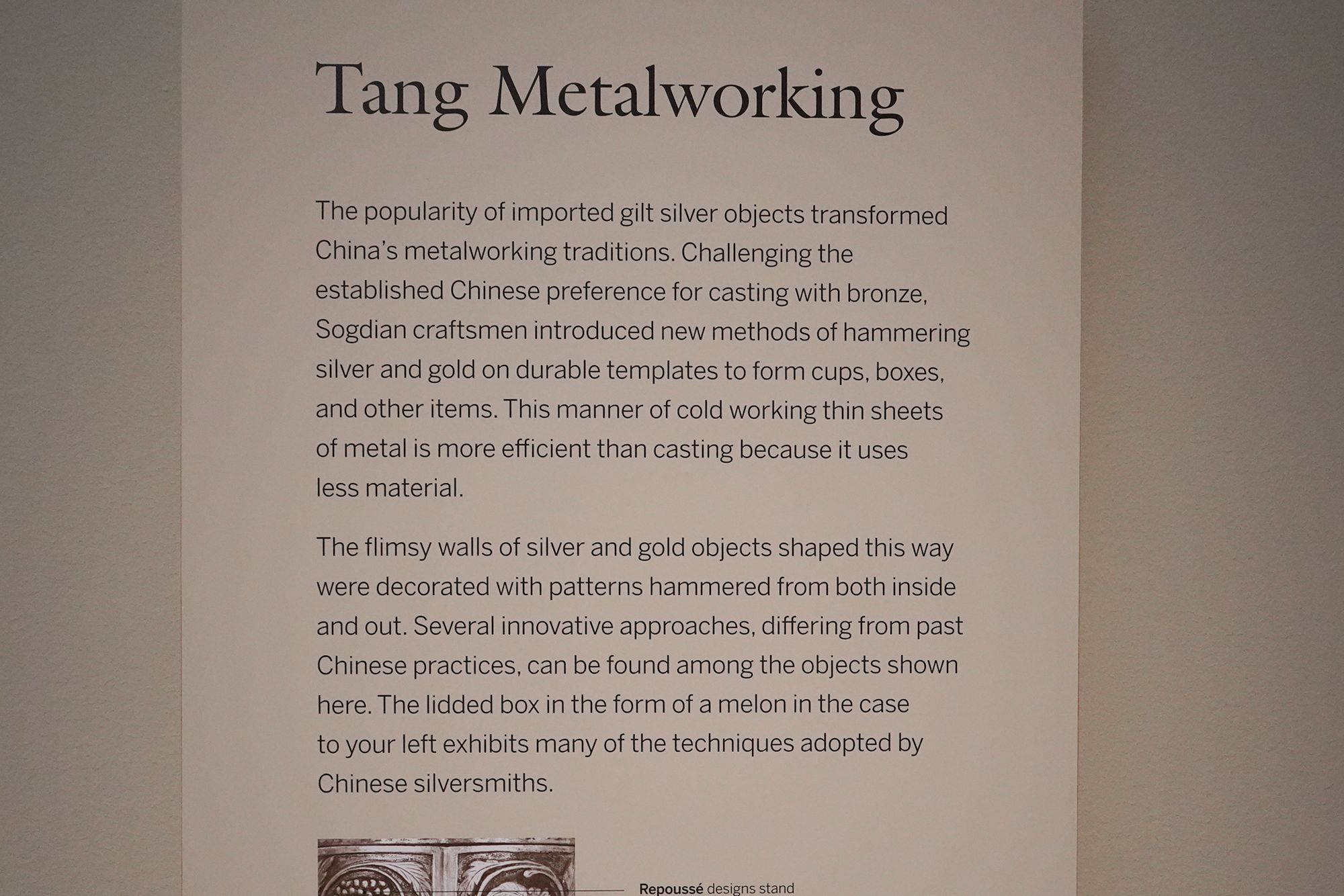
Luxury items imported from other lands during the Tang dynasty from 618 to 907 CE.
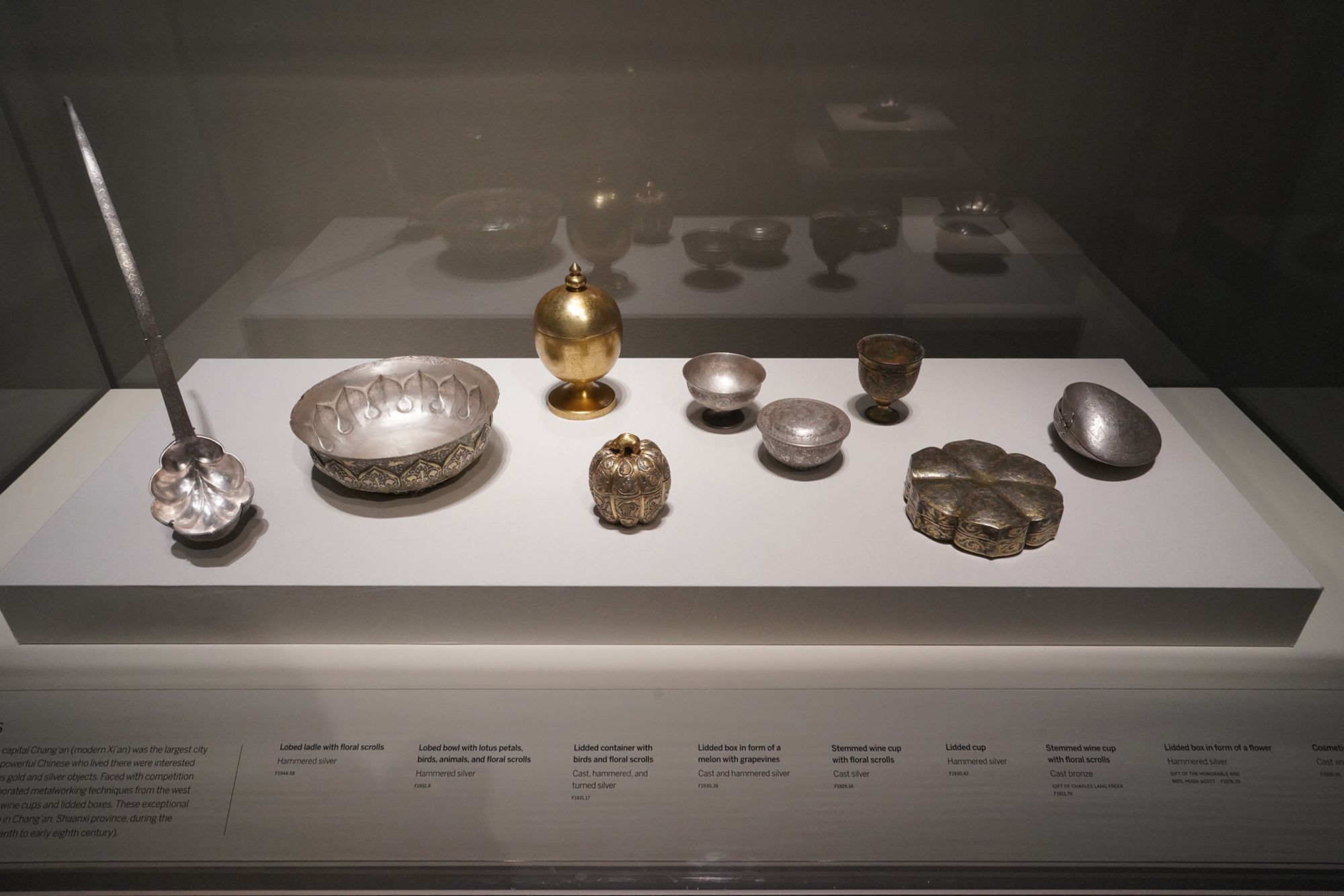
Imported silver dish
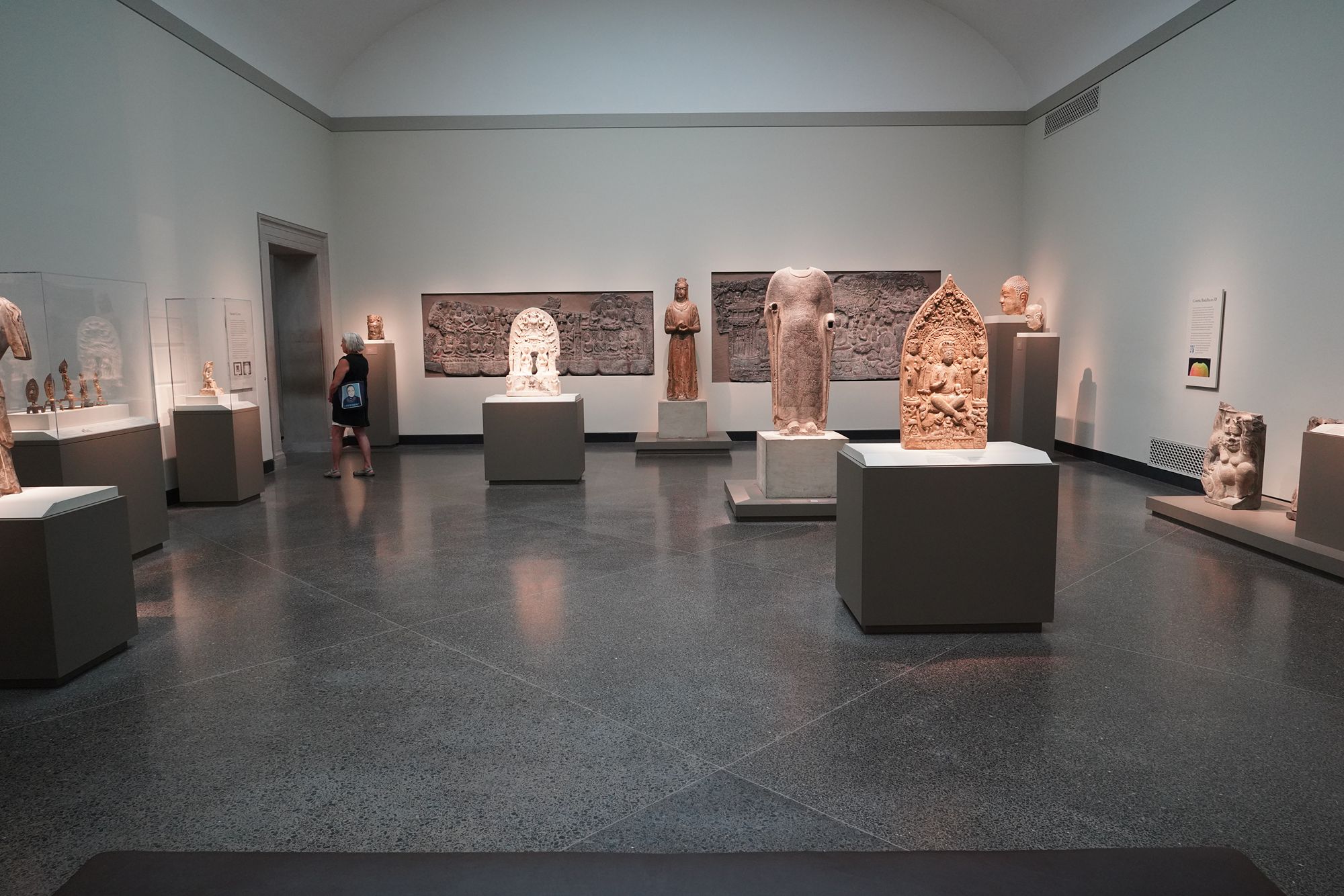
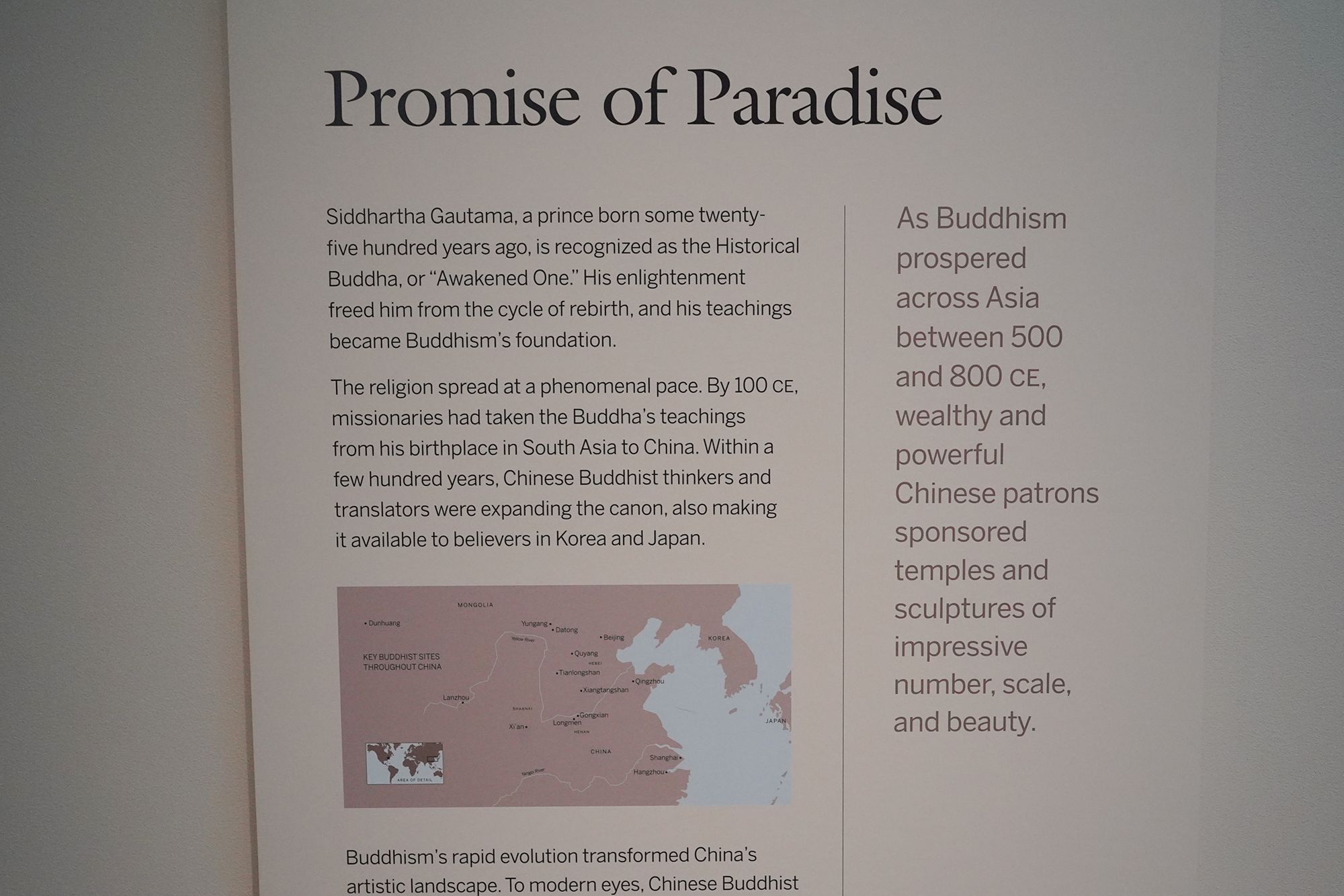
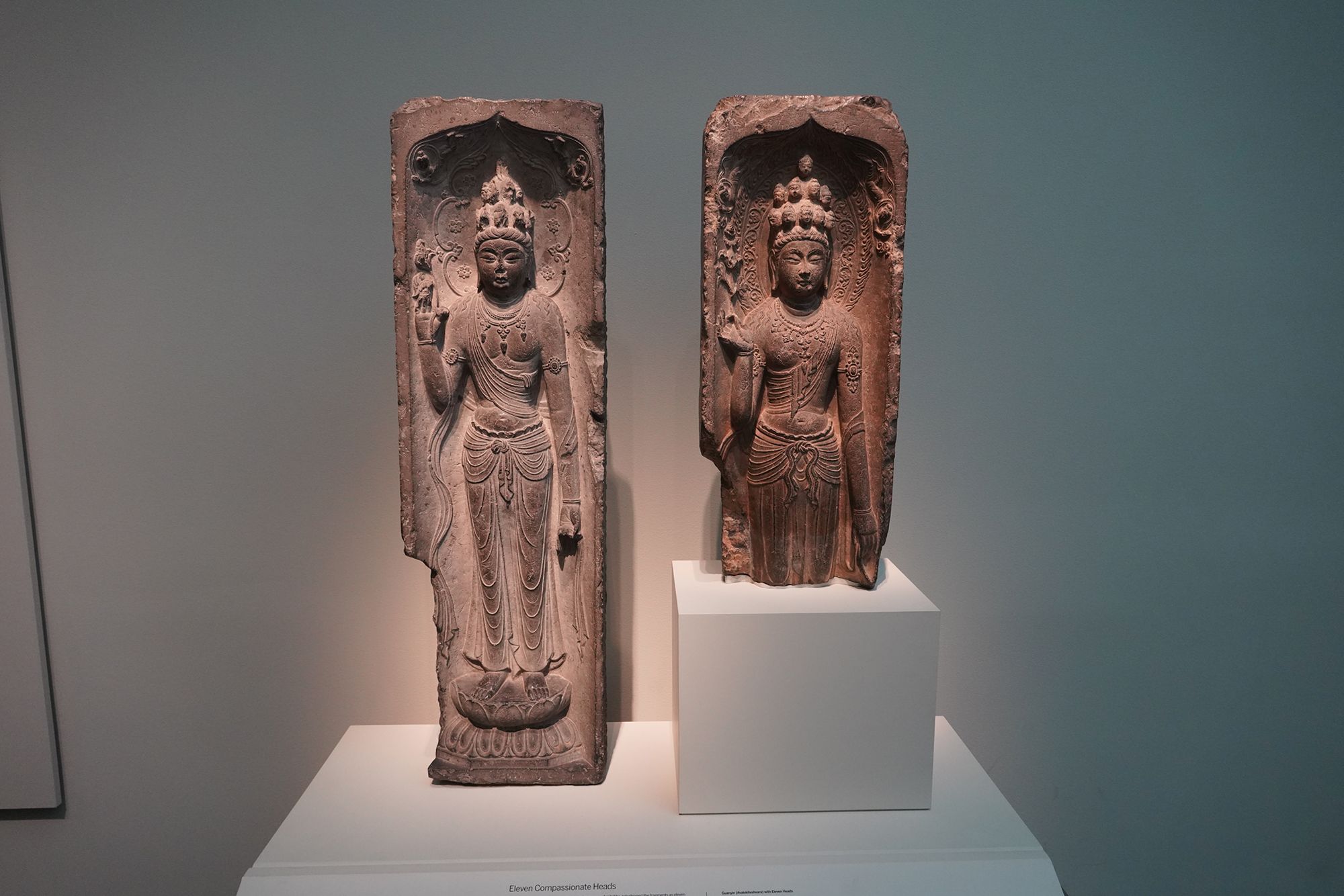
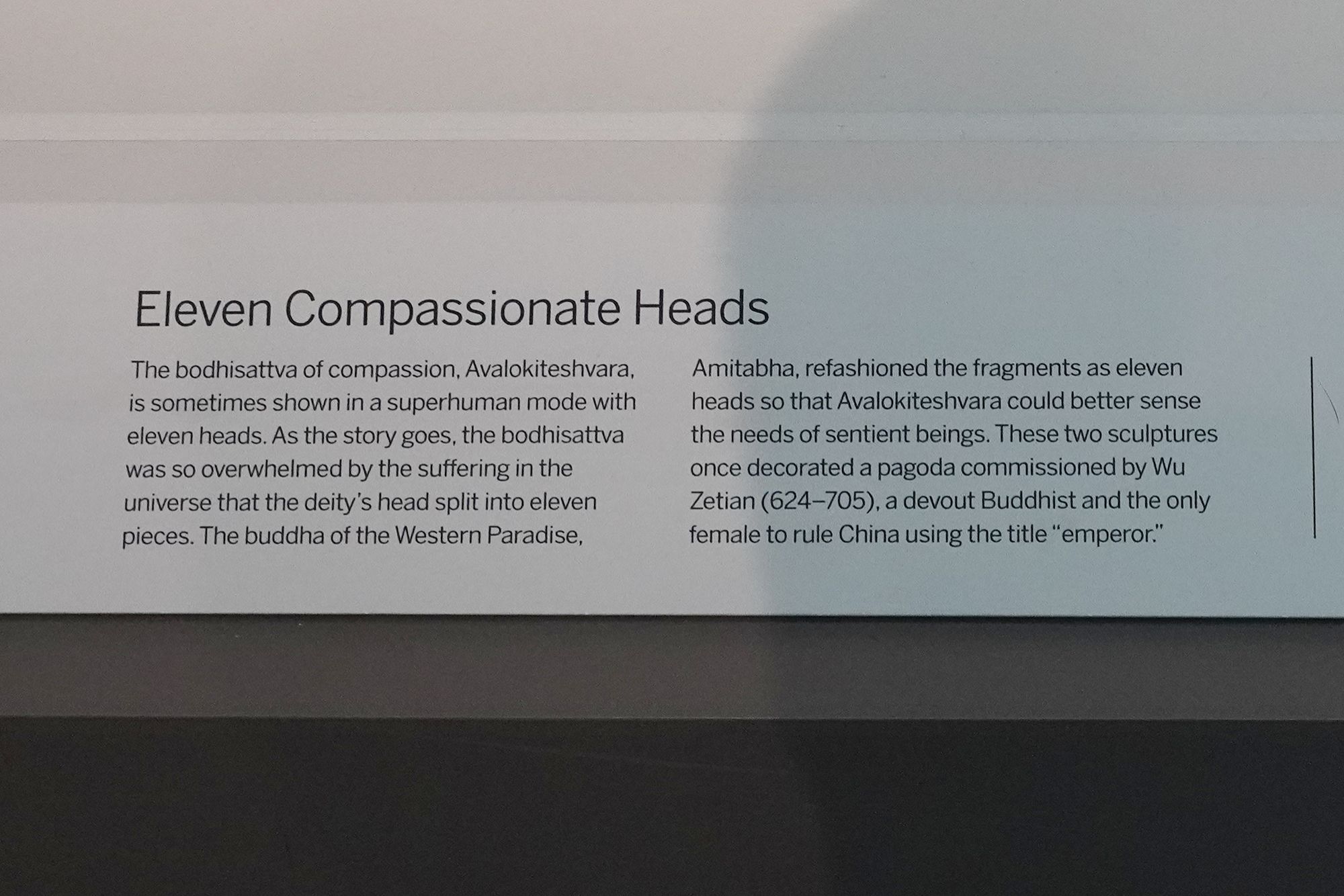
Promise of Paradise – Buddhism
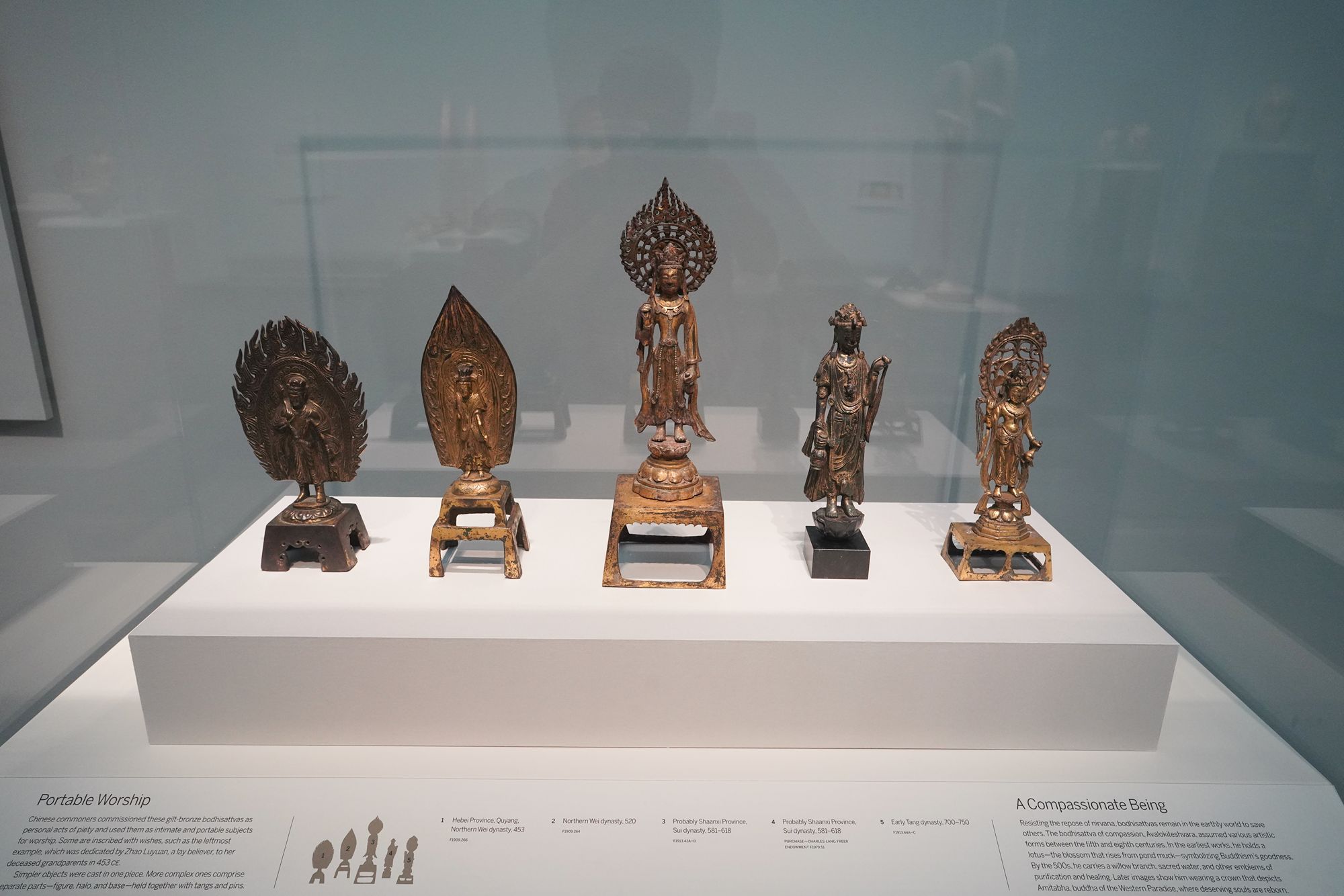
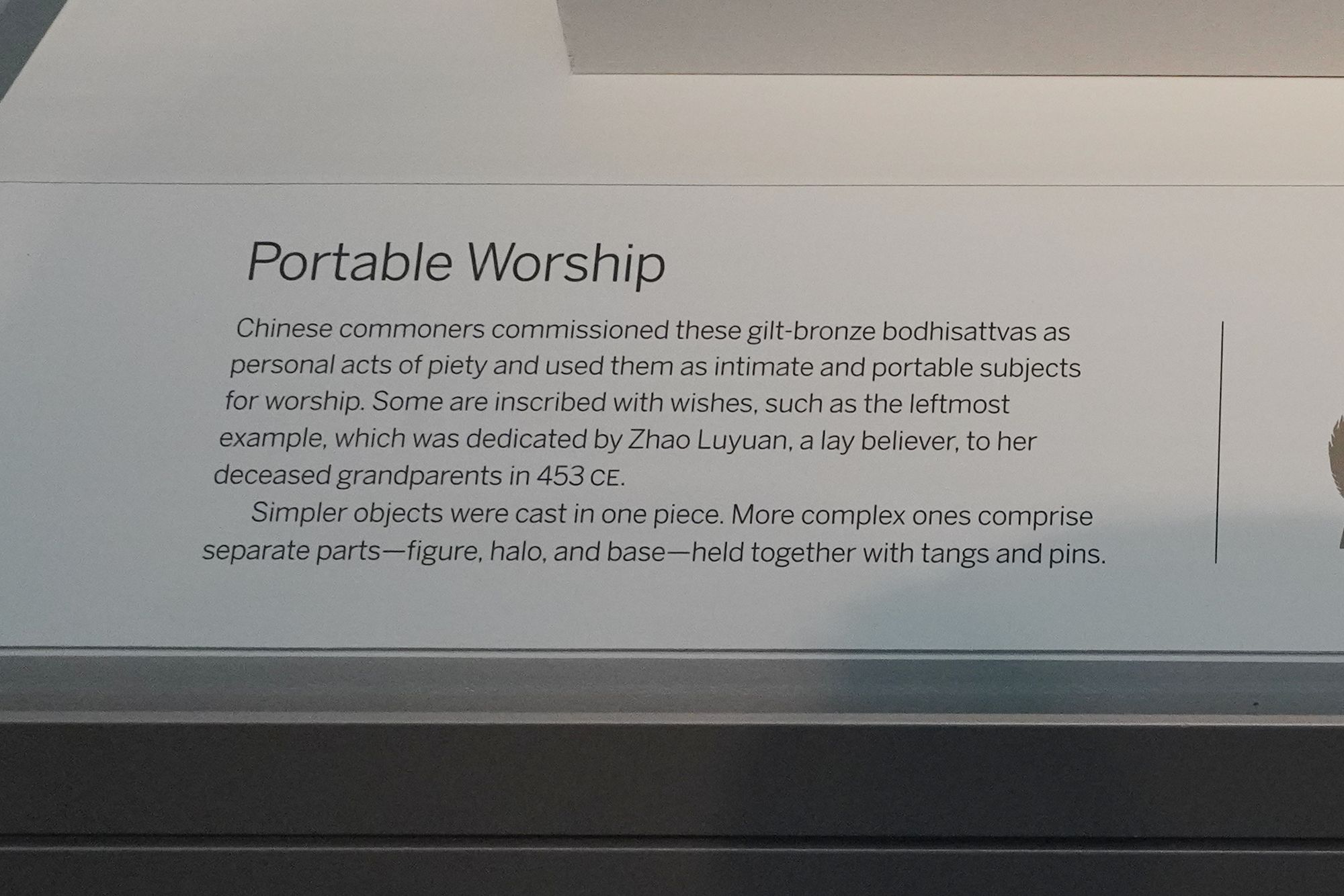
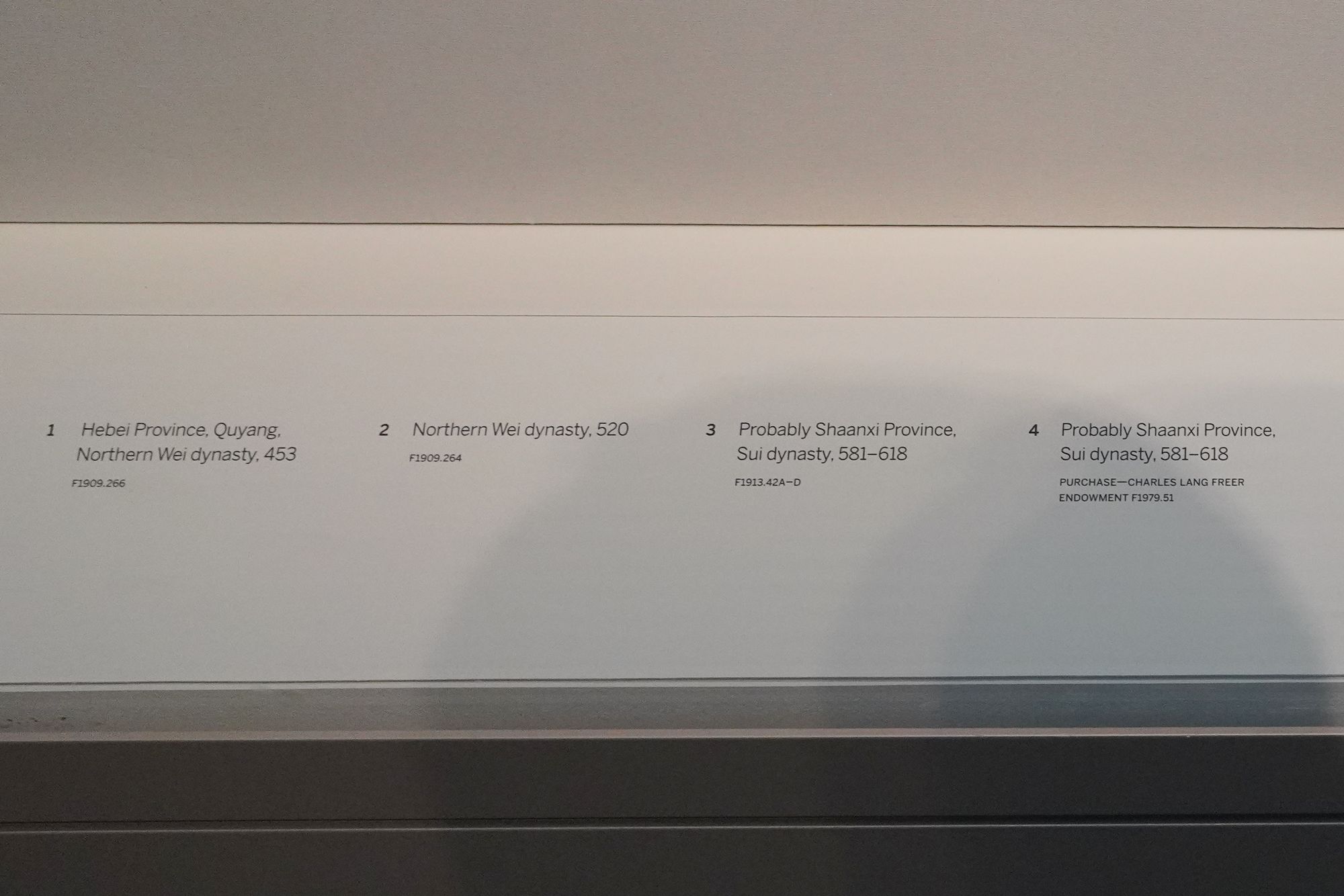
Portable Worship
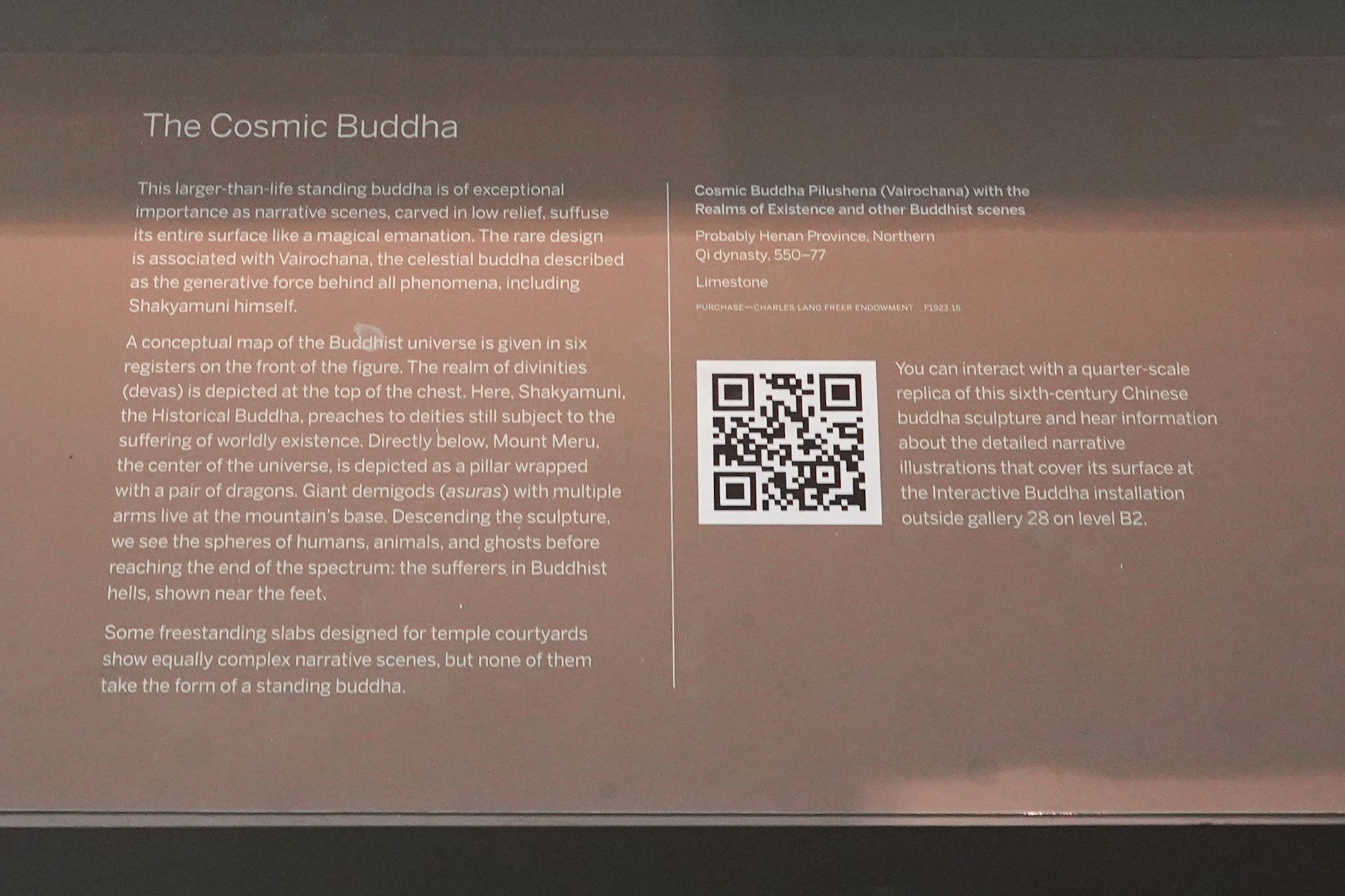
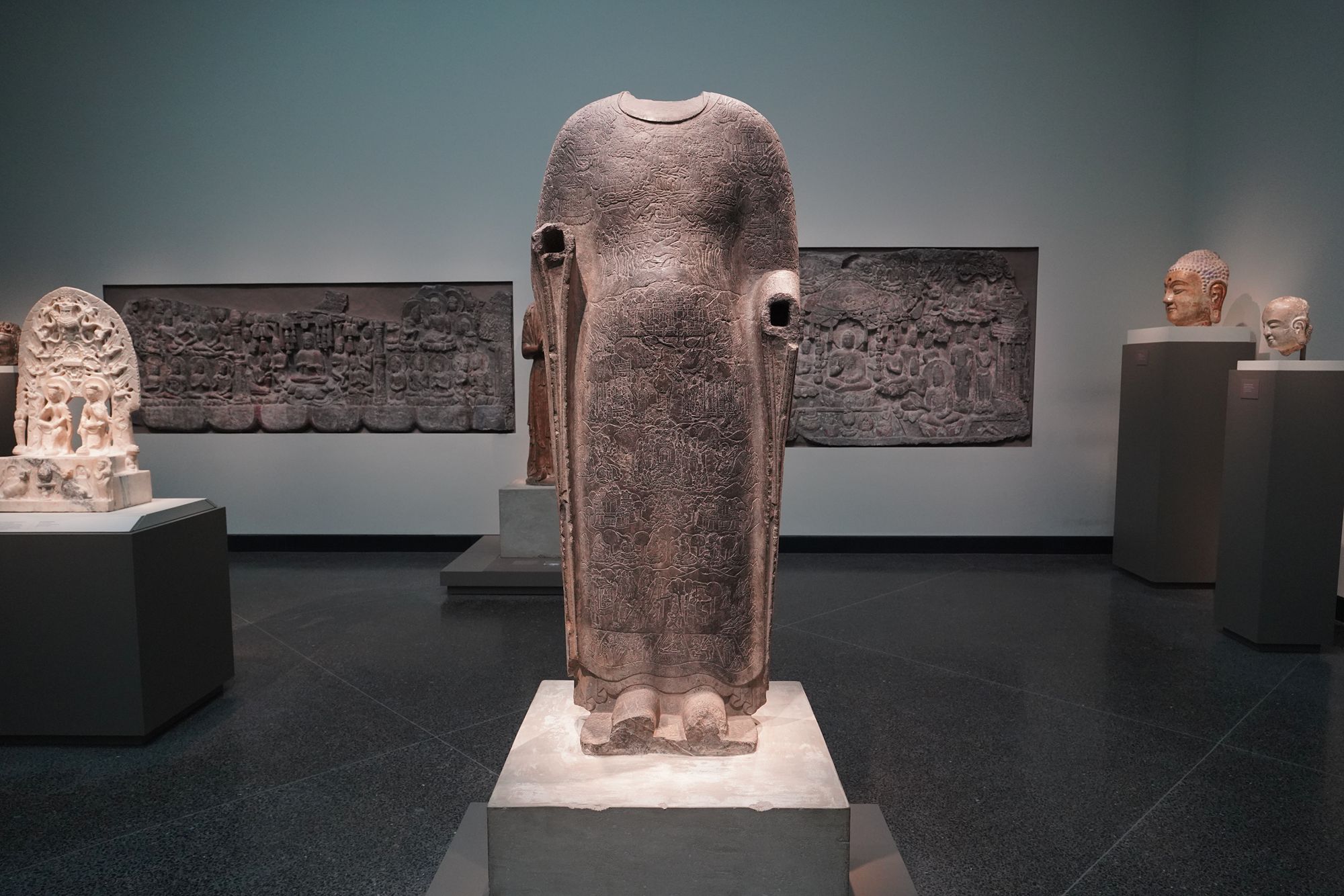
The Cosmic Buddha
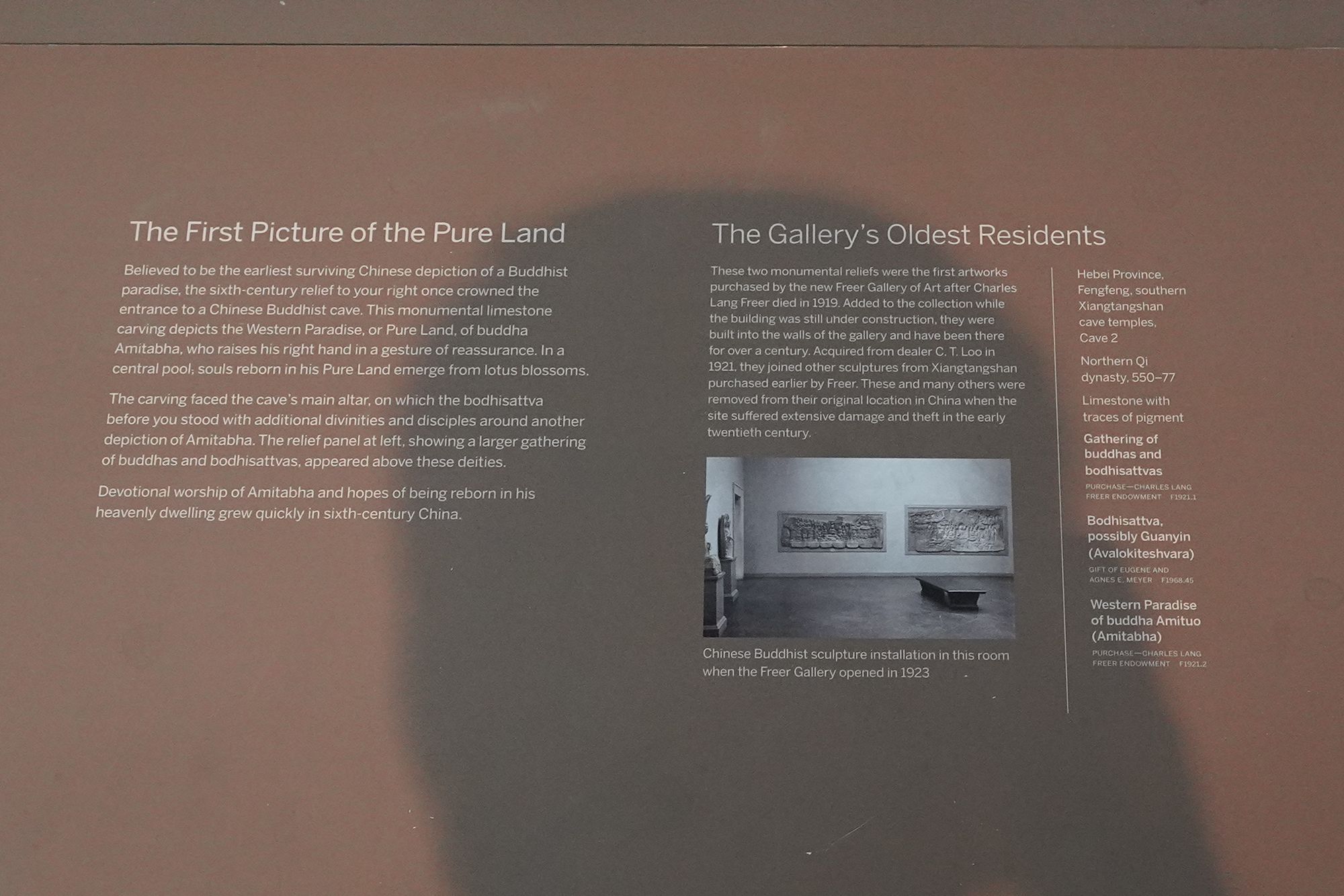
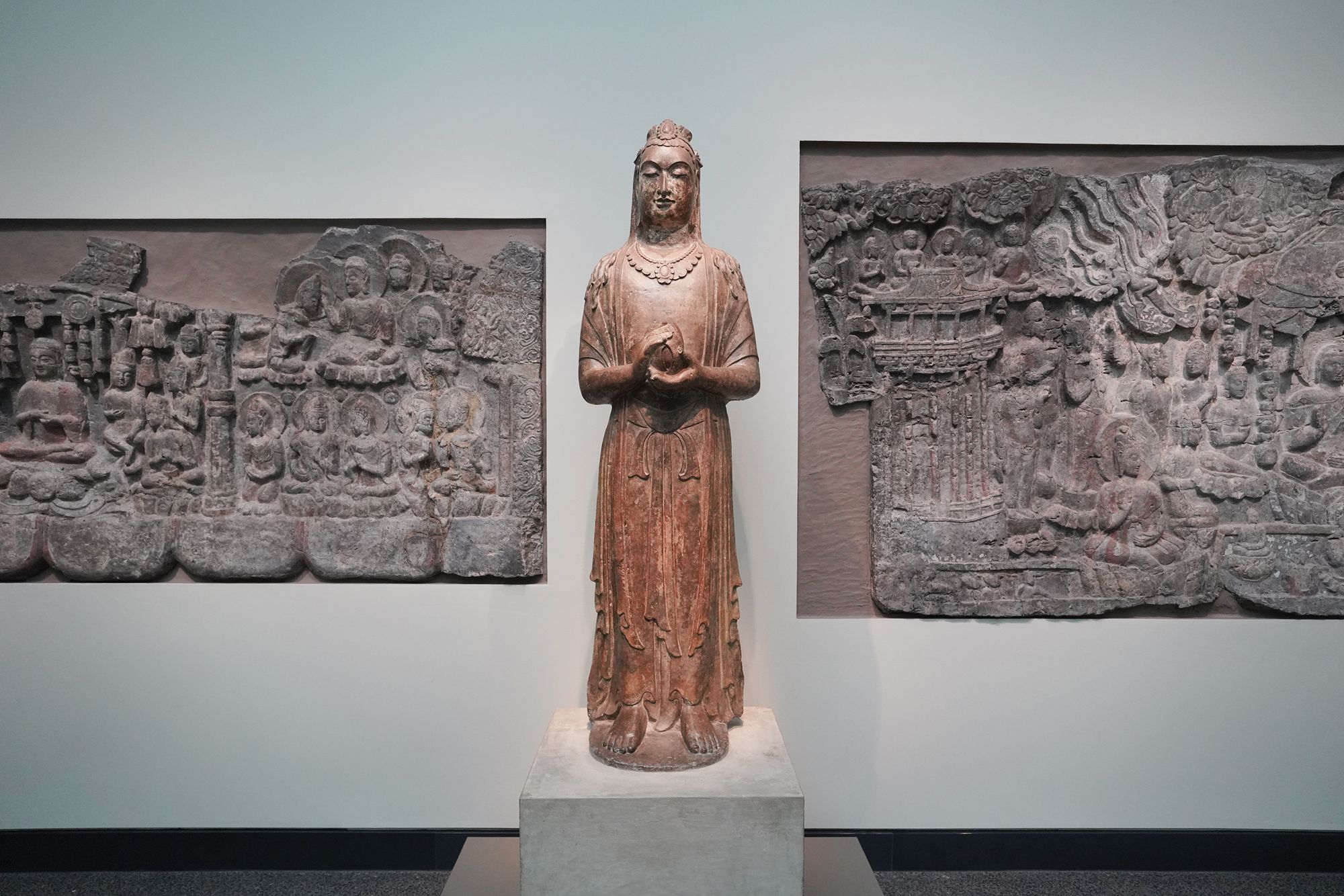
The First Picture of the Pure Land
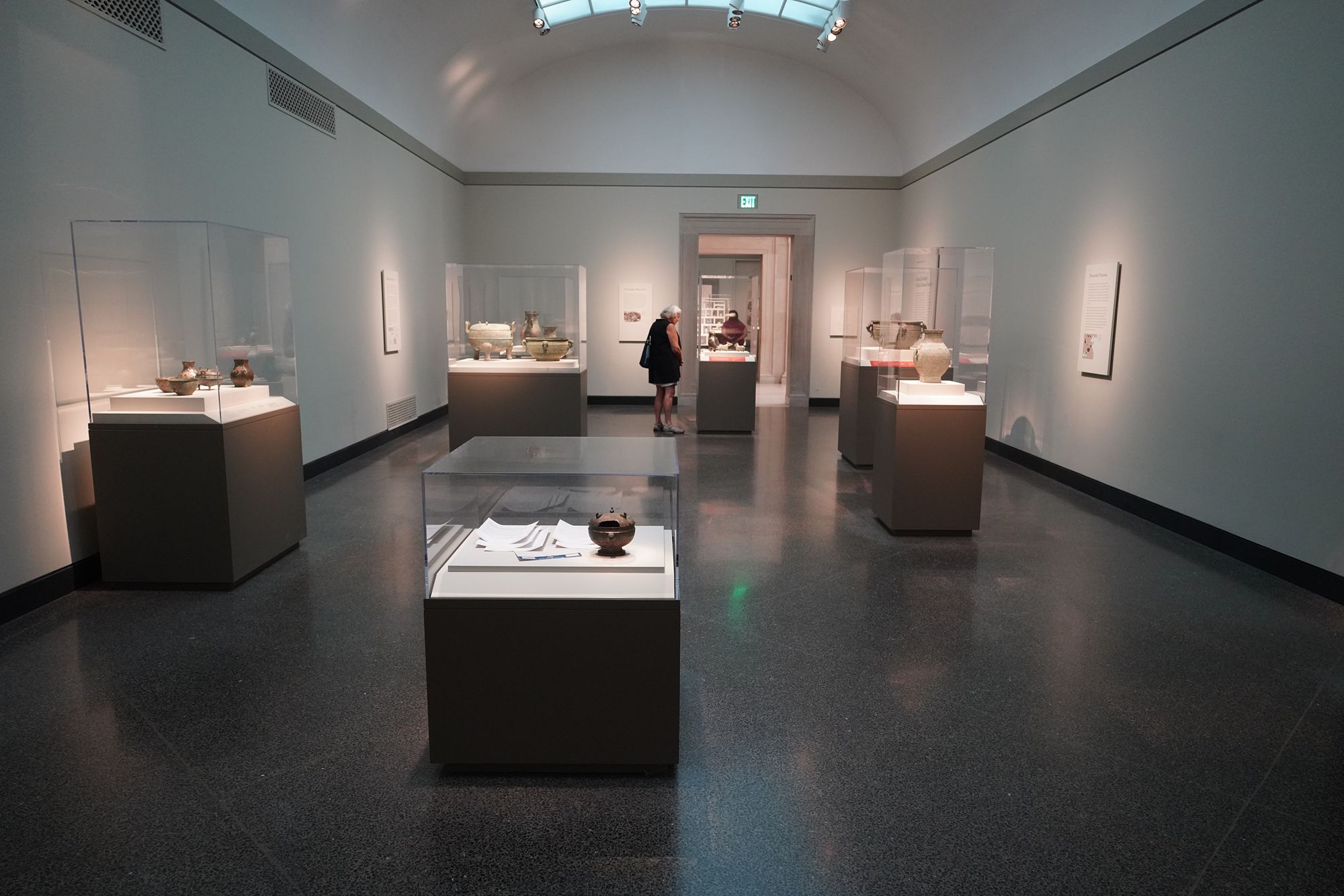
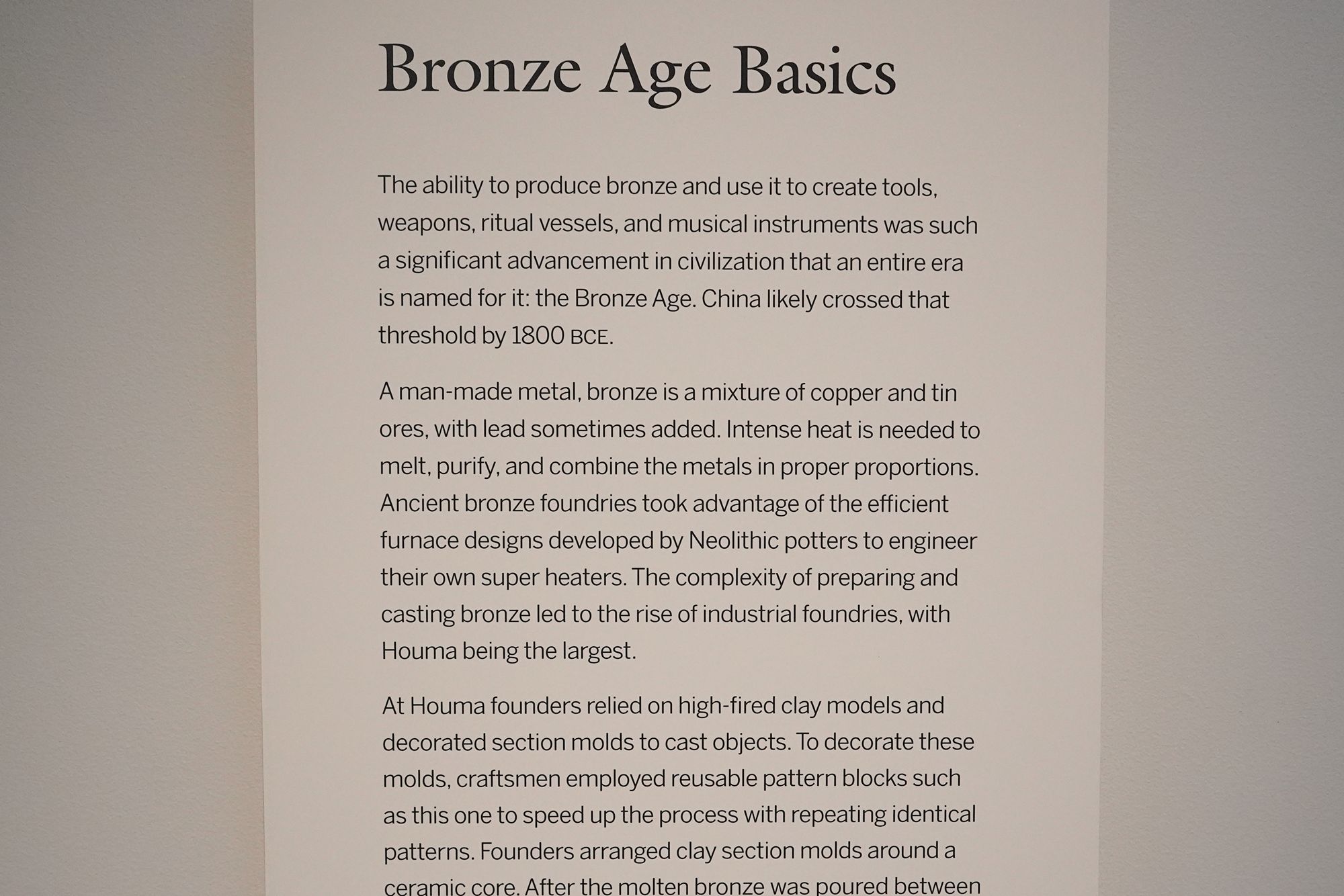
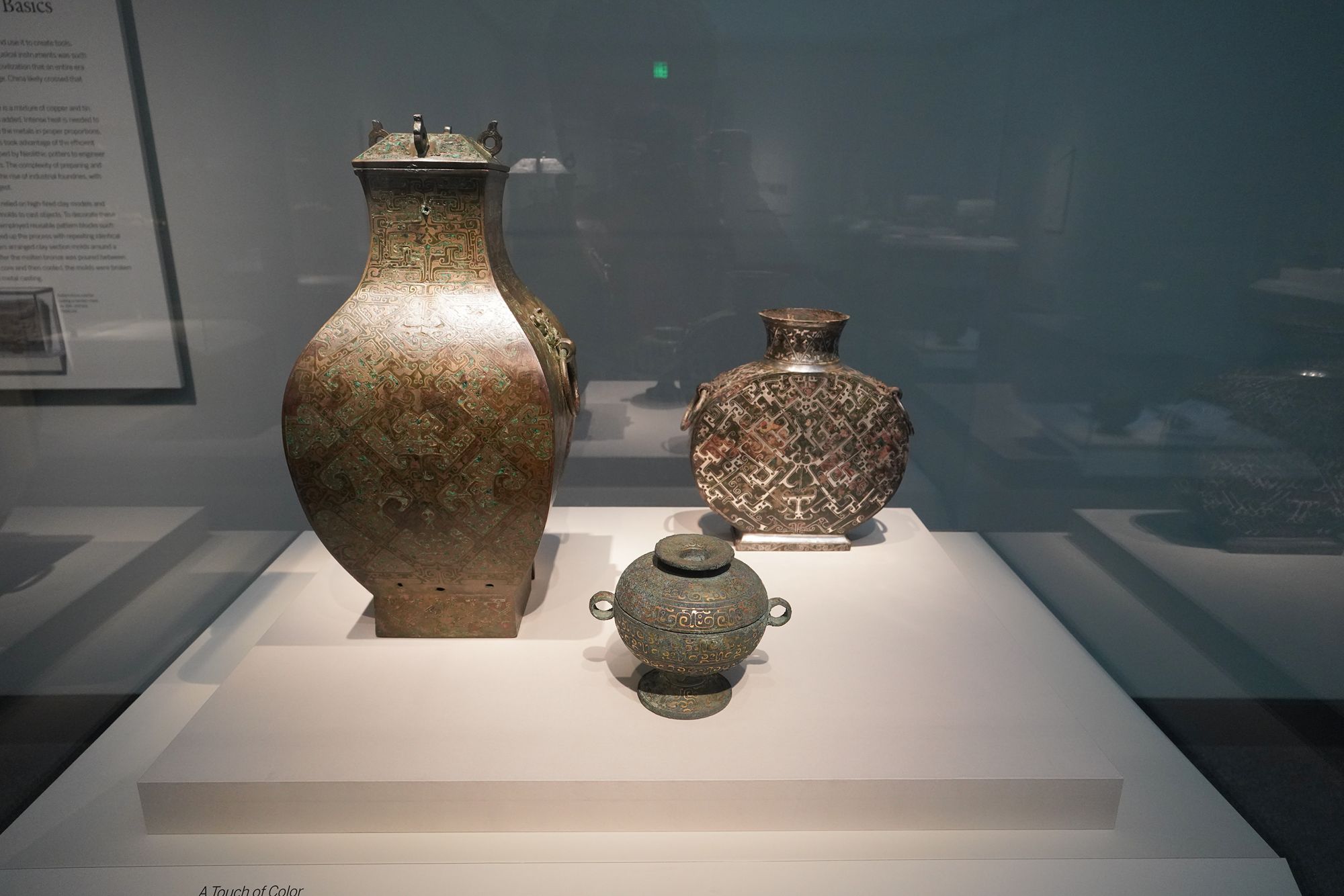
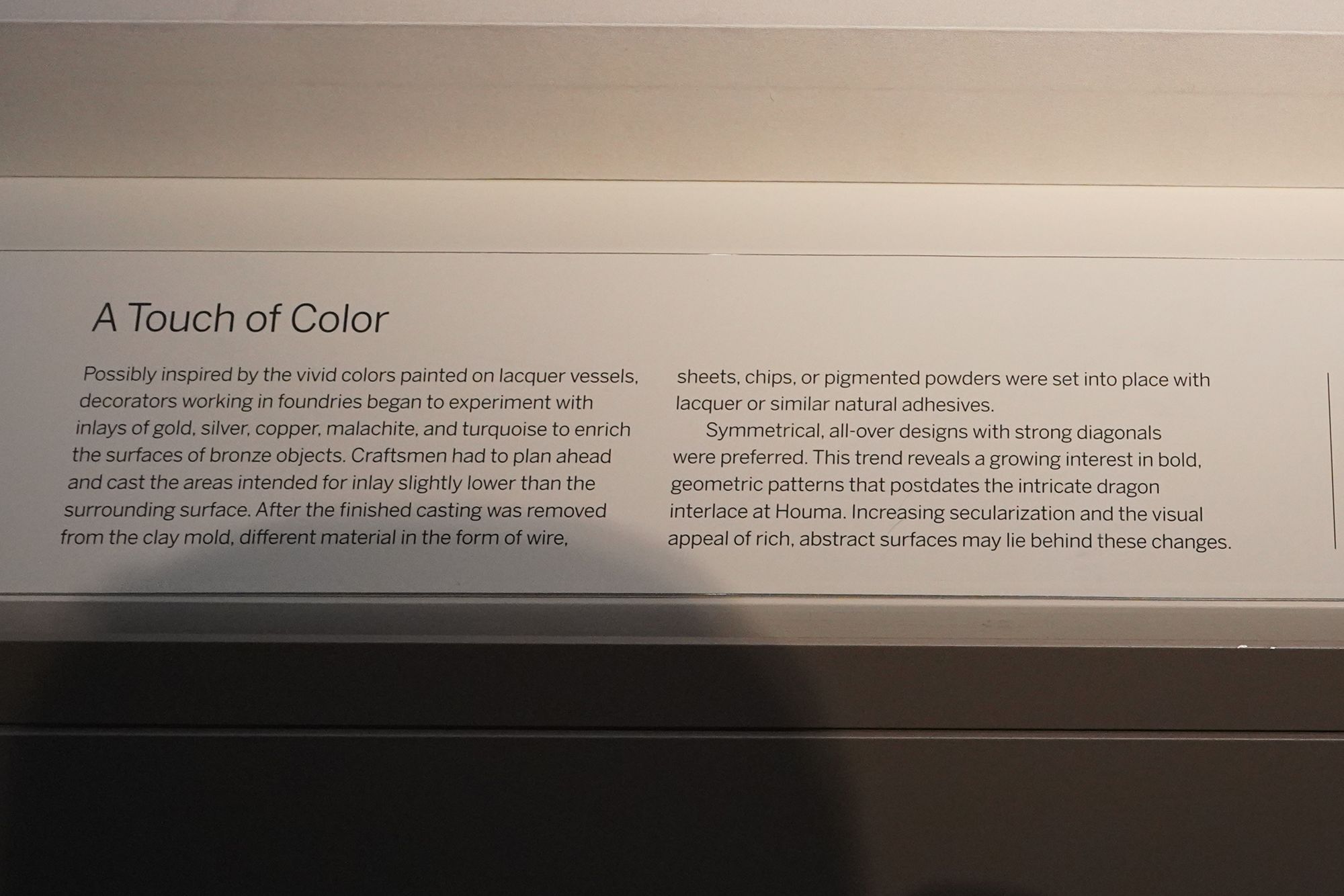
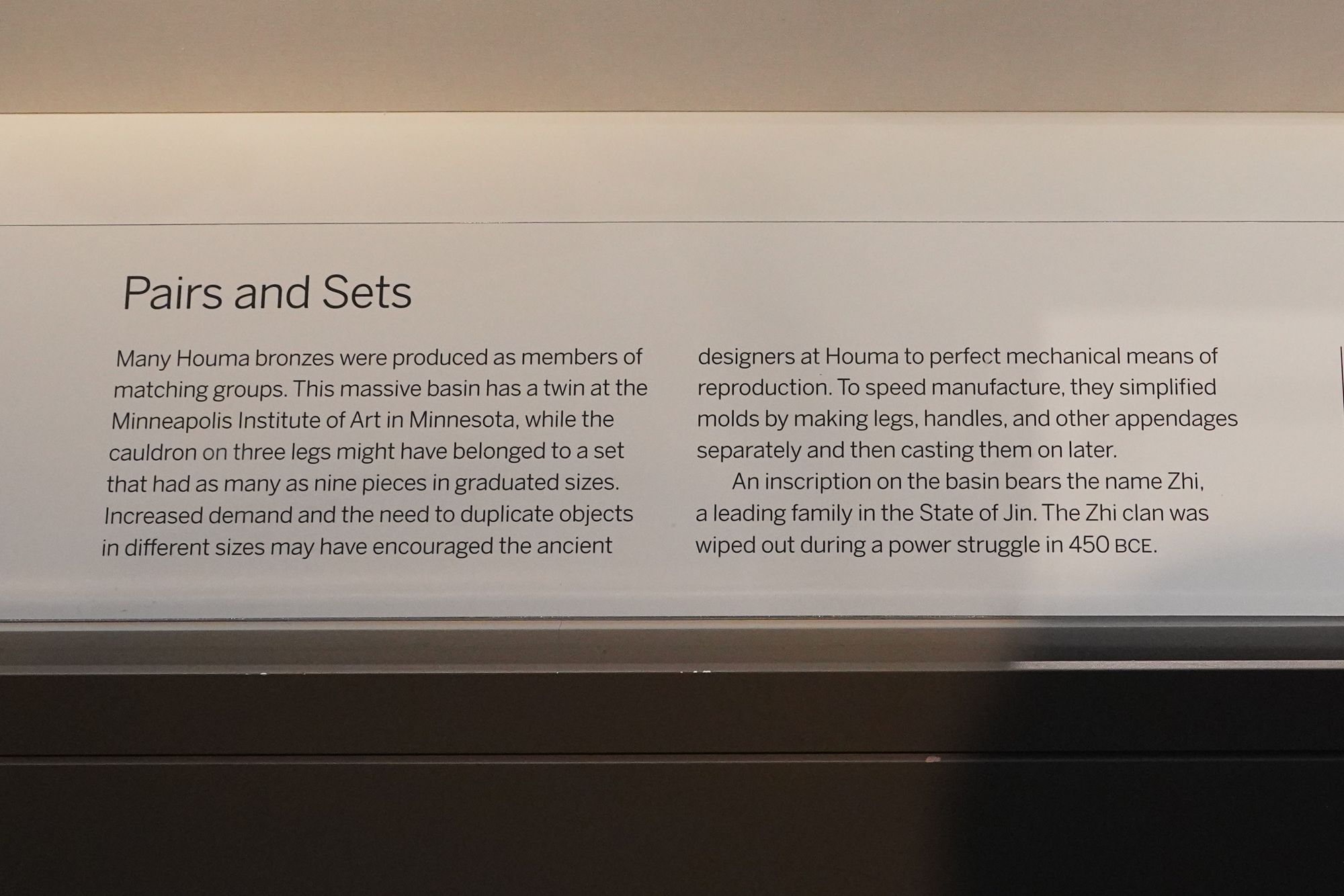
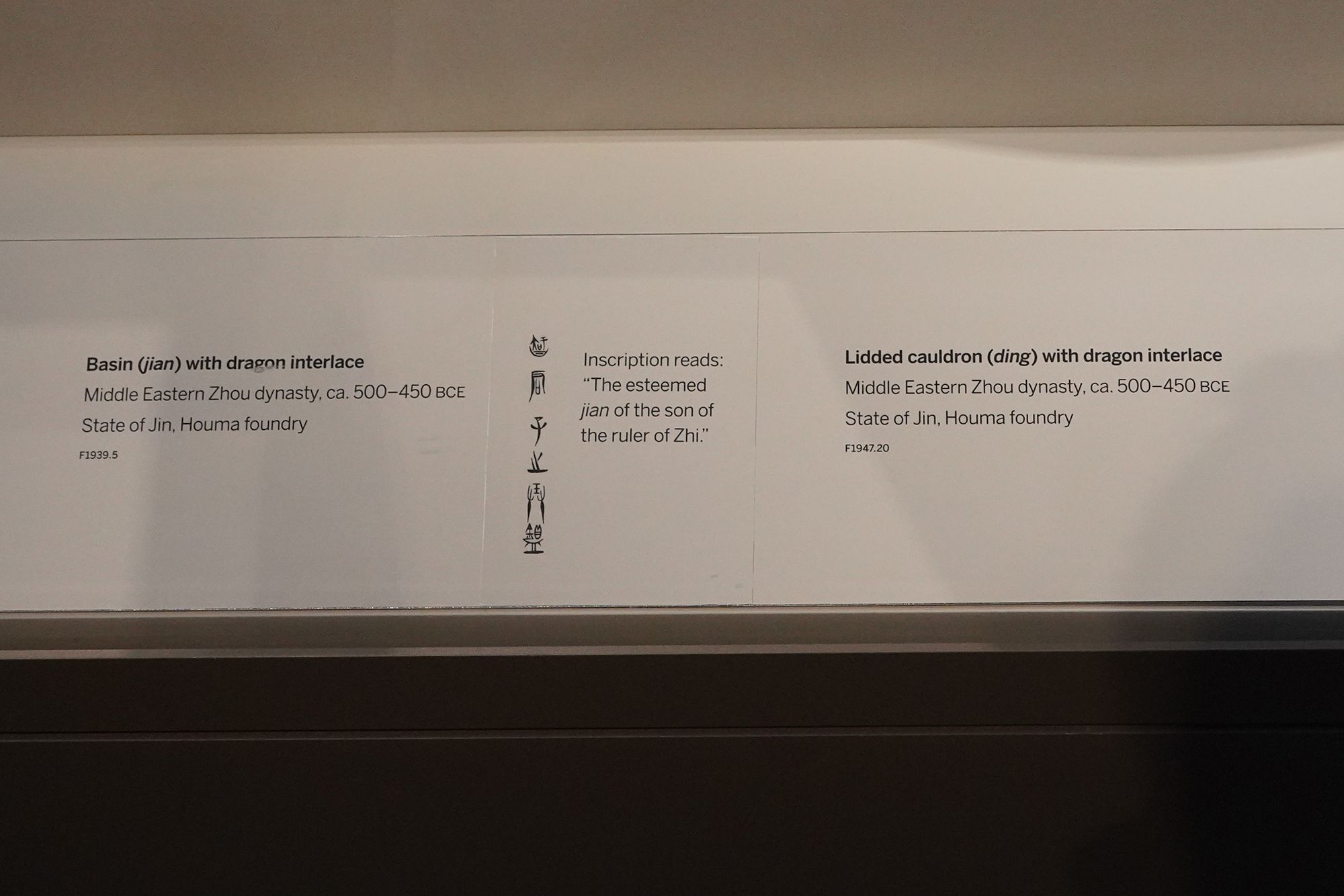
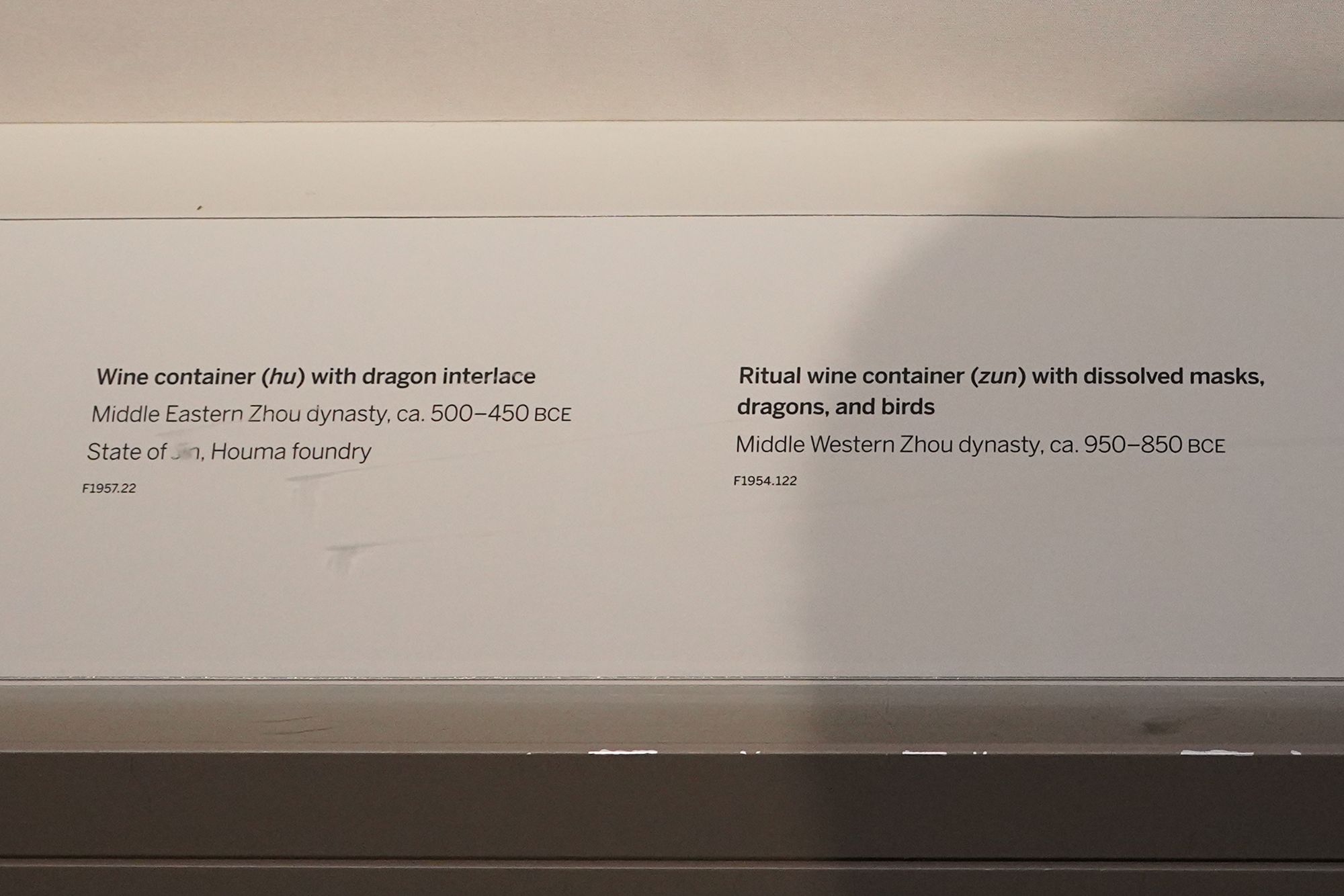
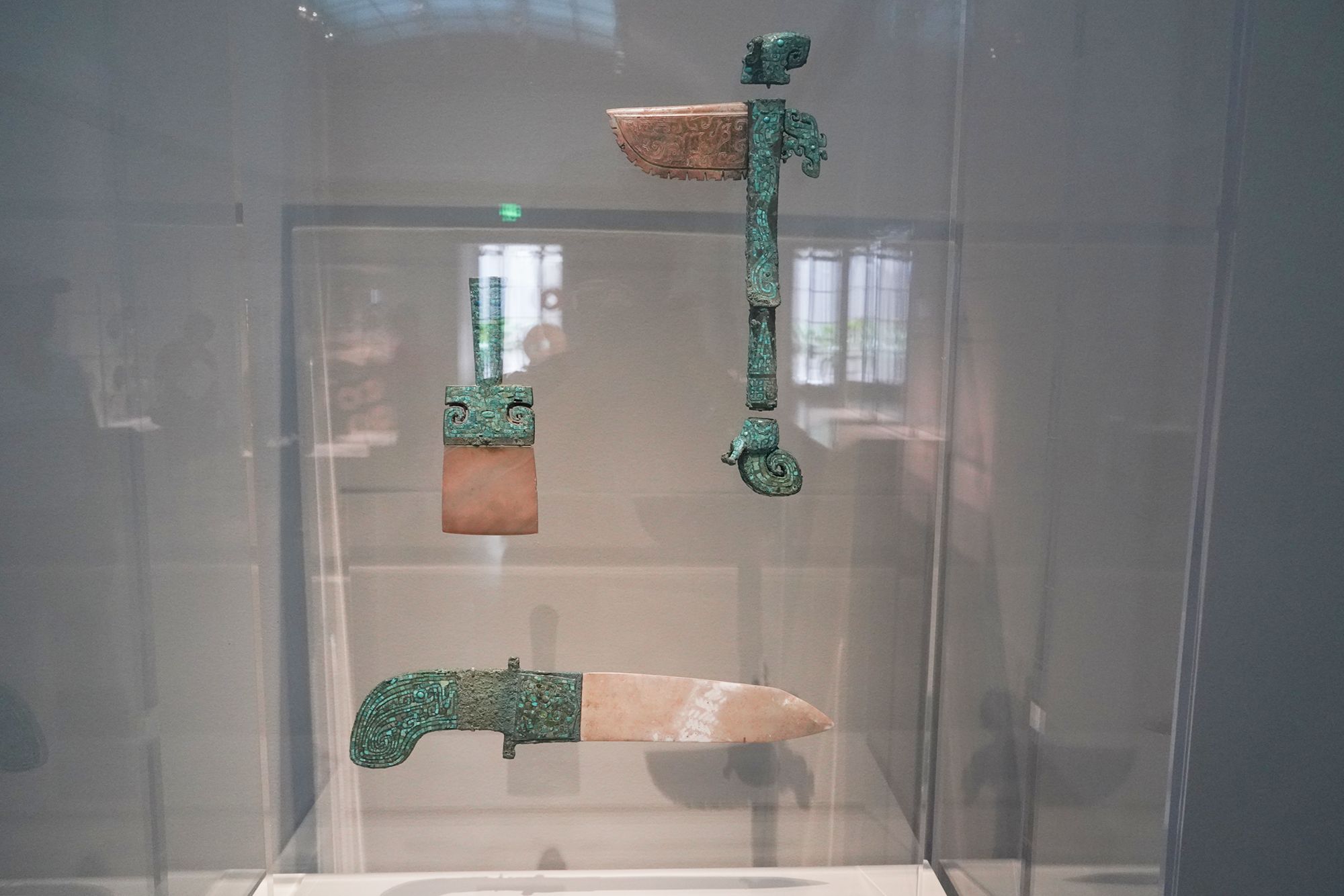
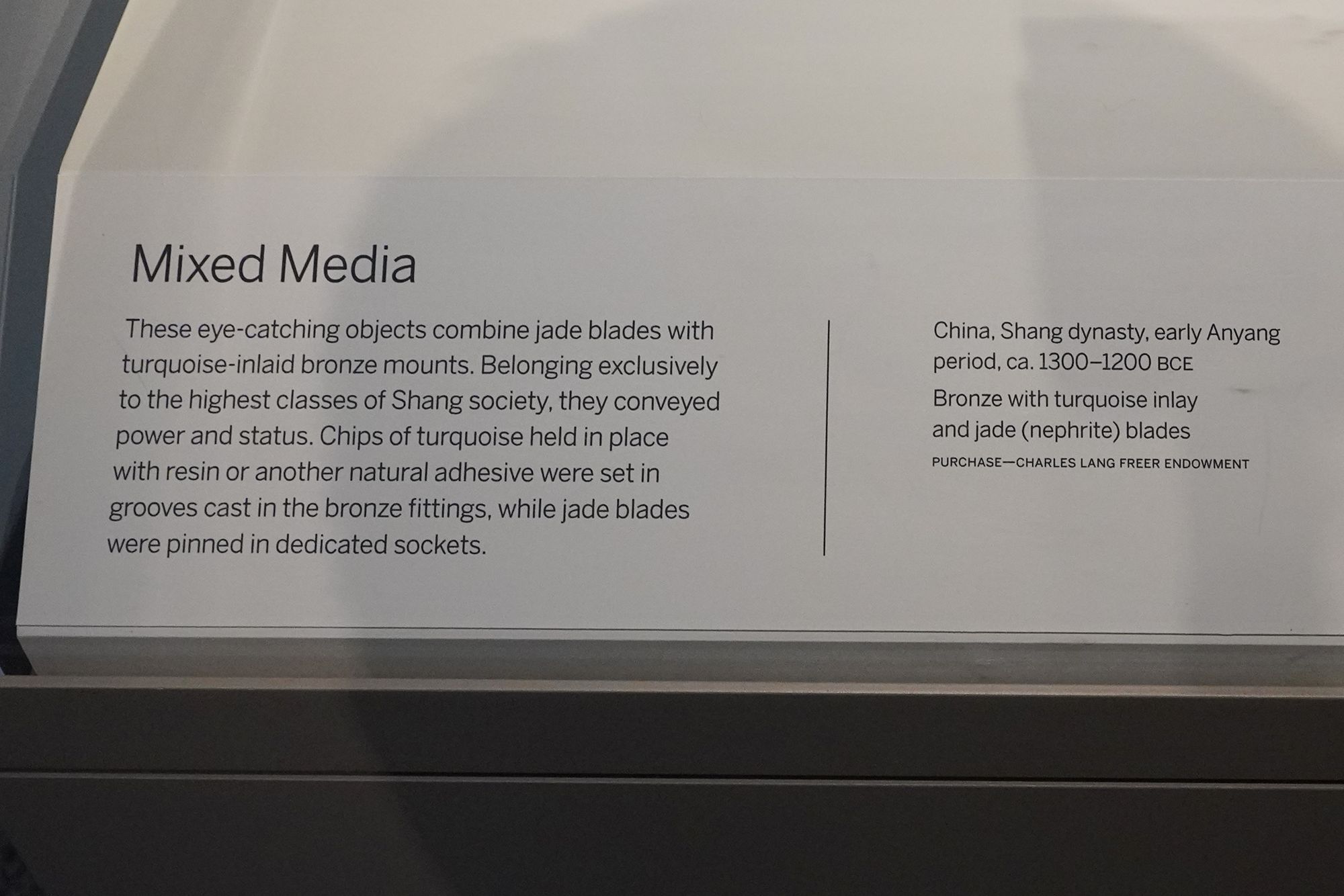
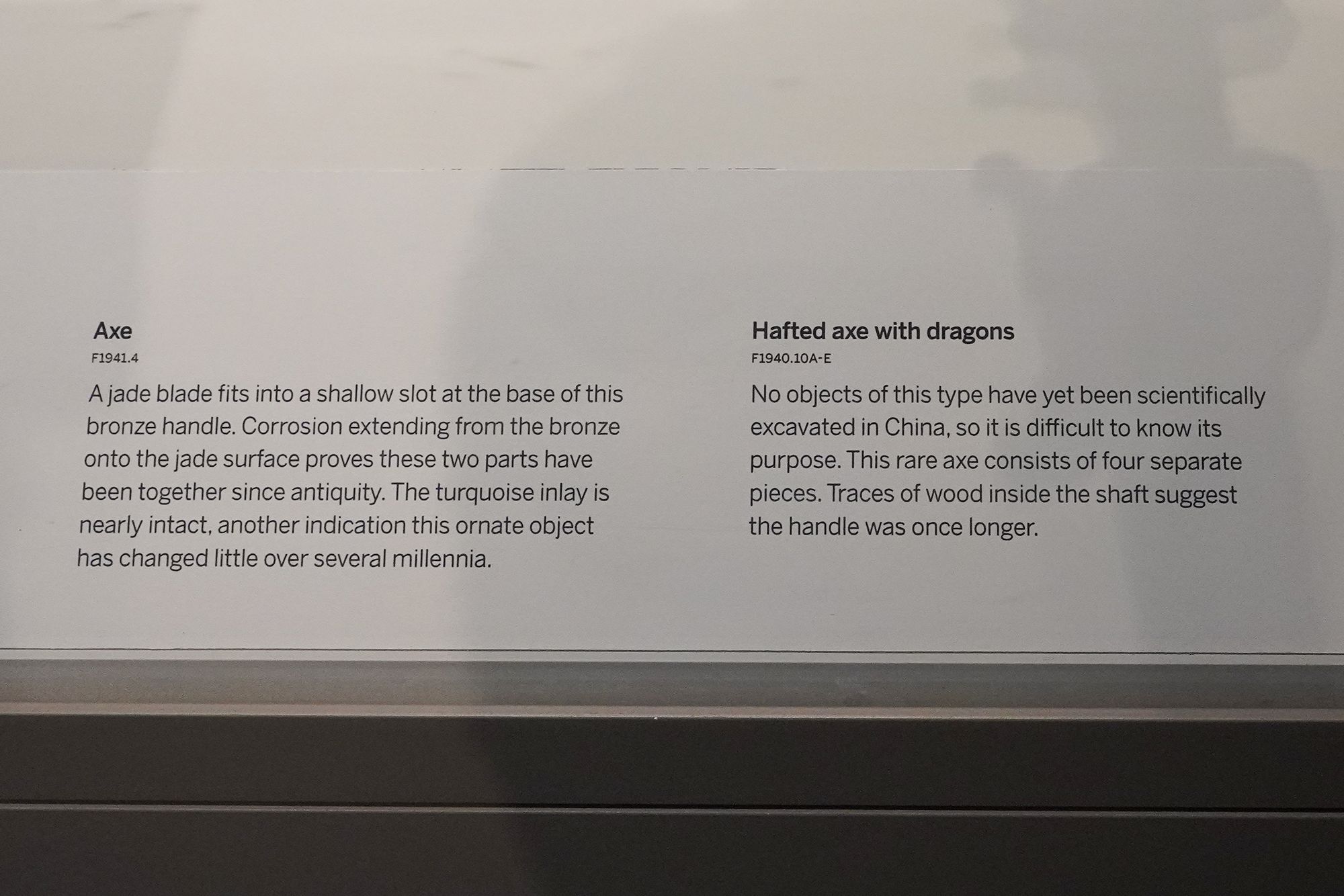
Bronze Art
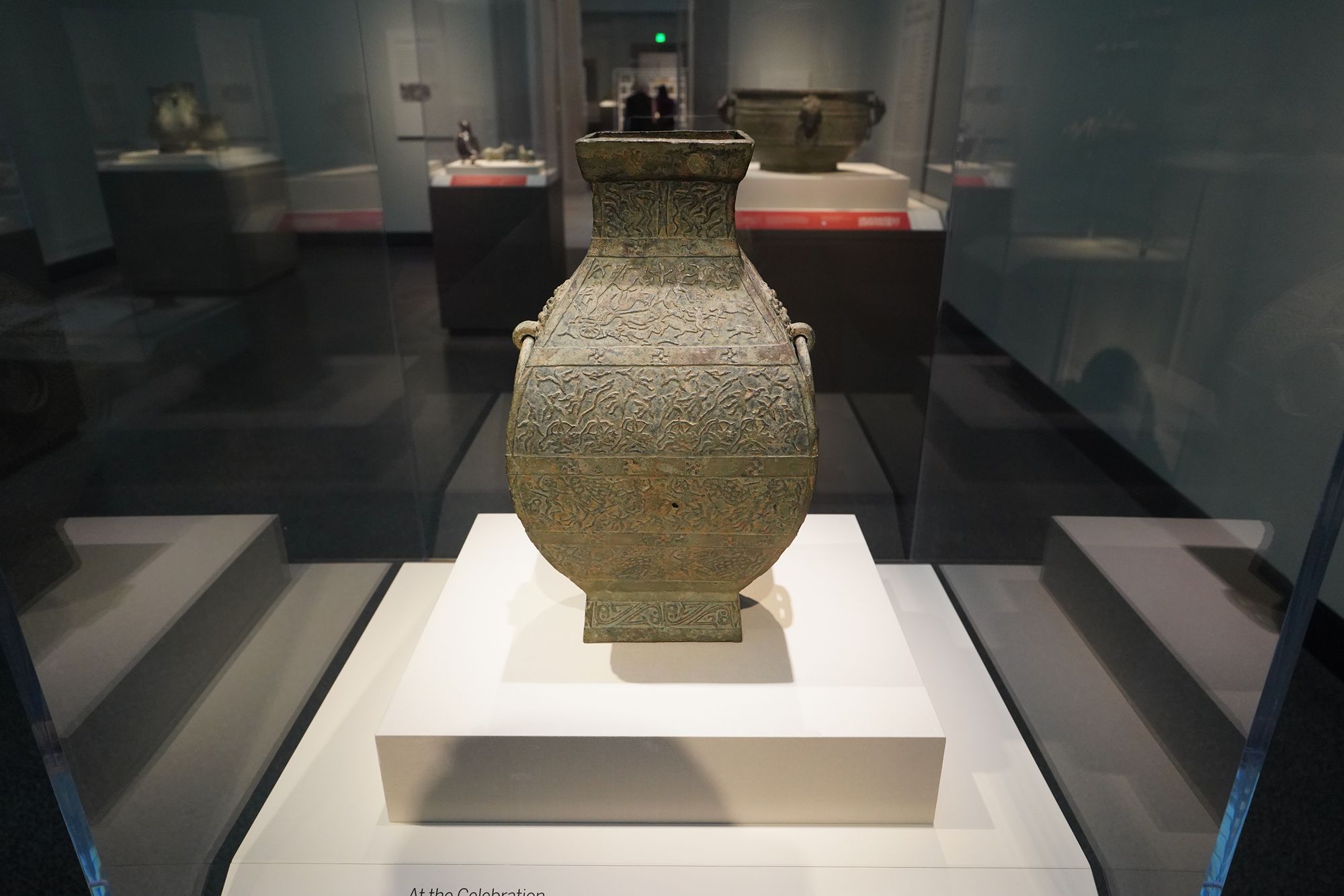
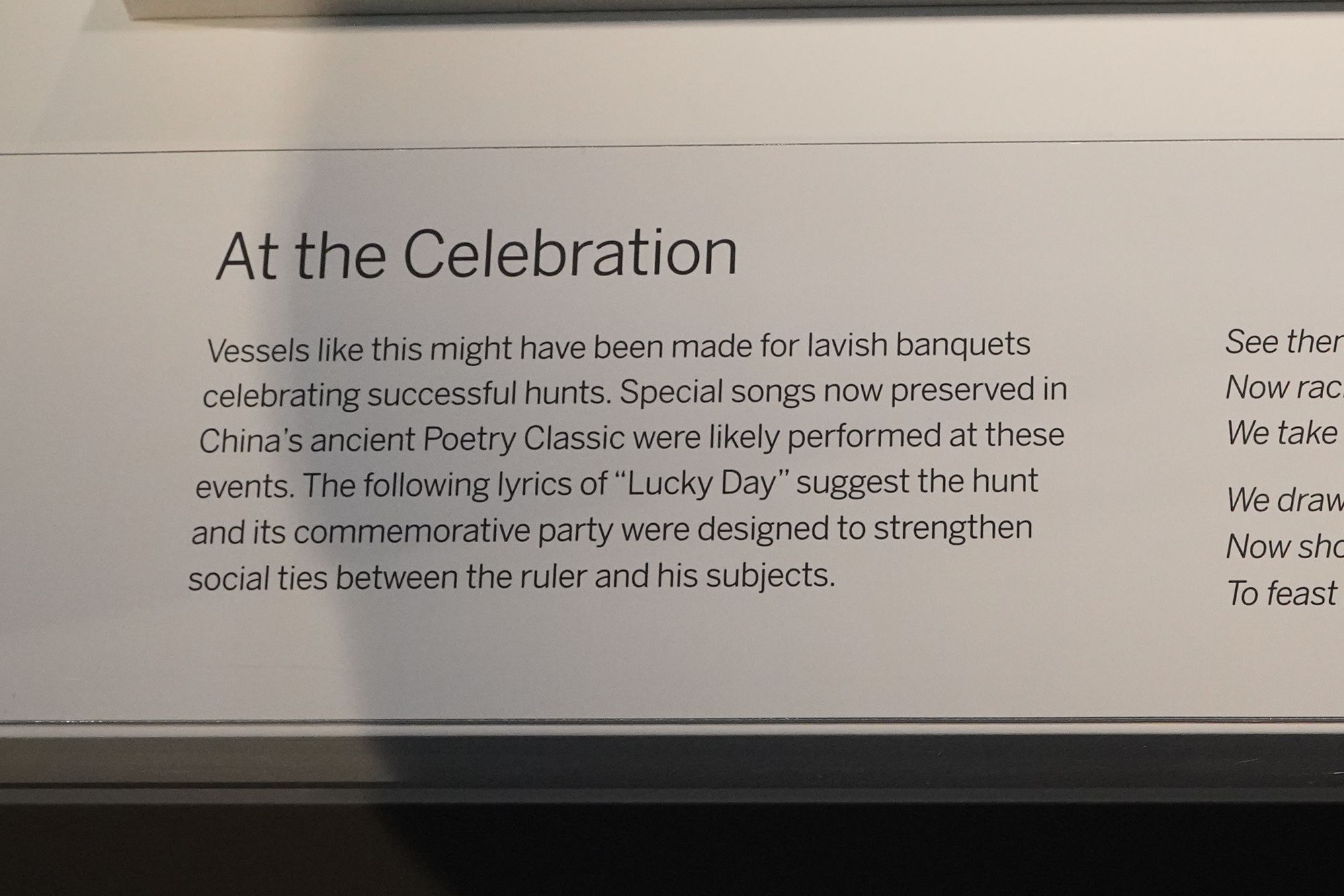
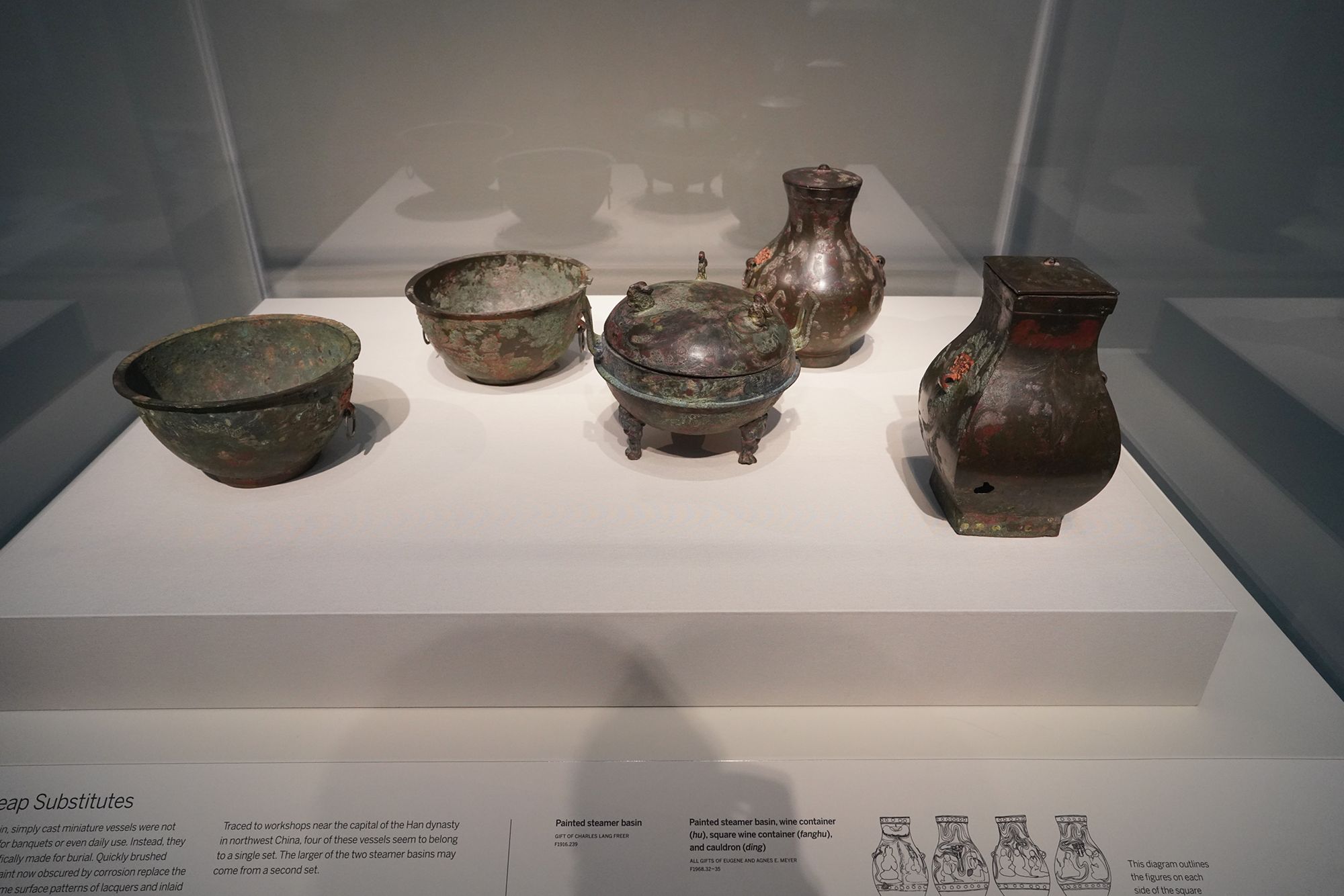
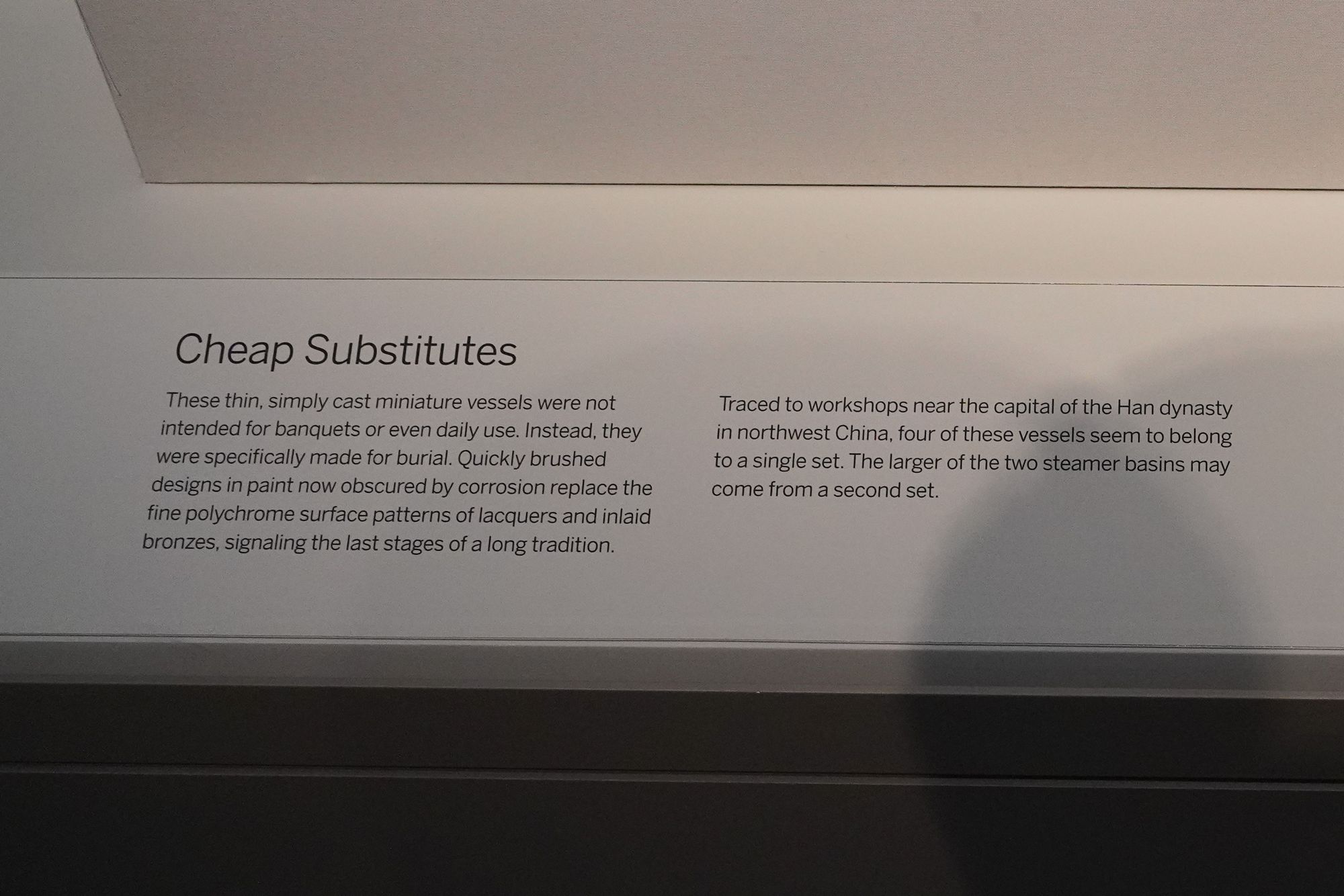
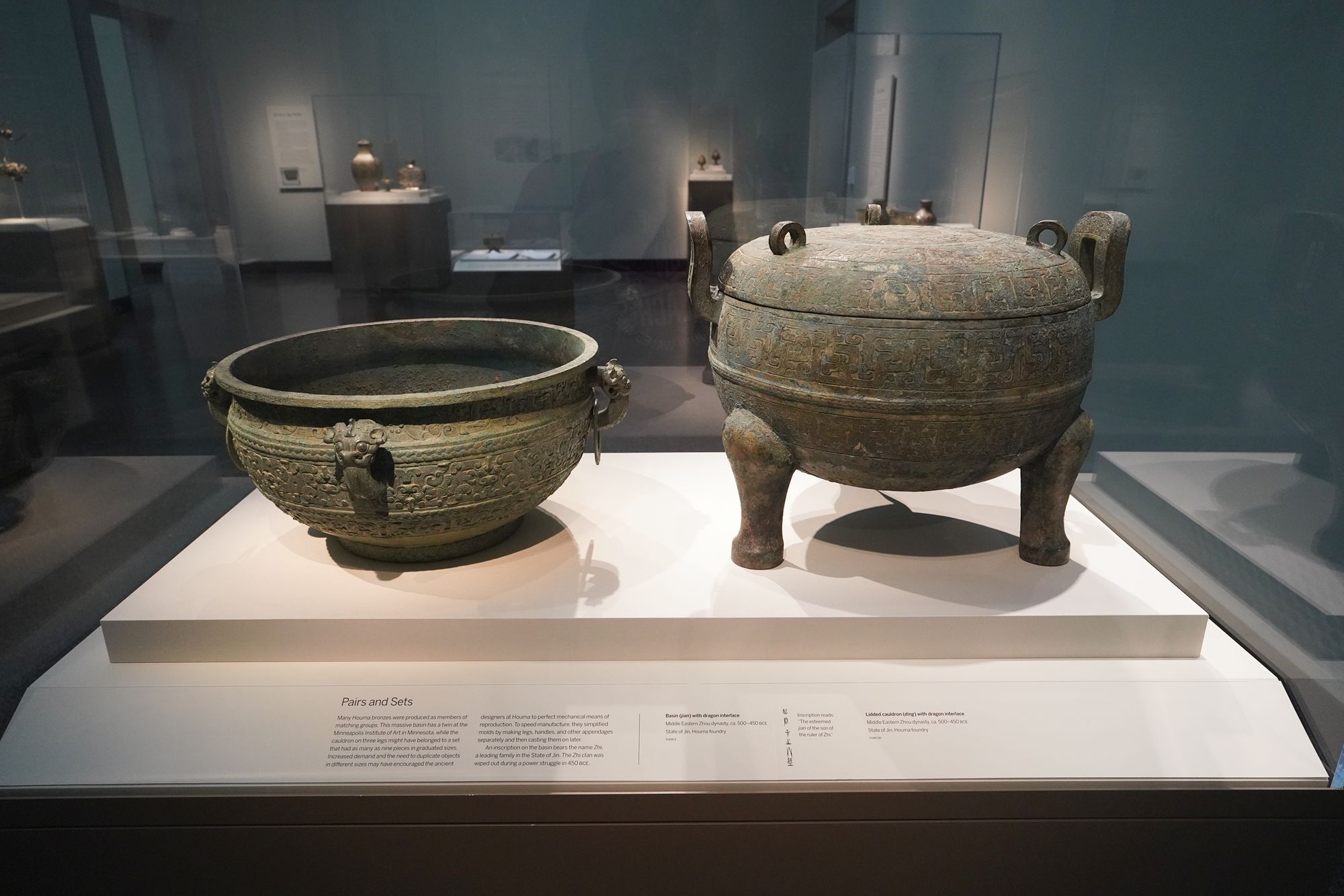
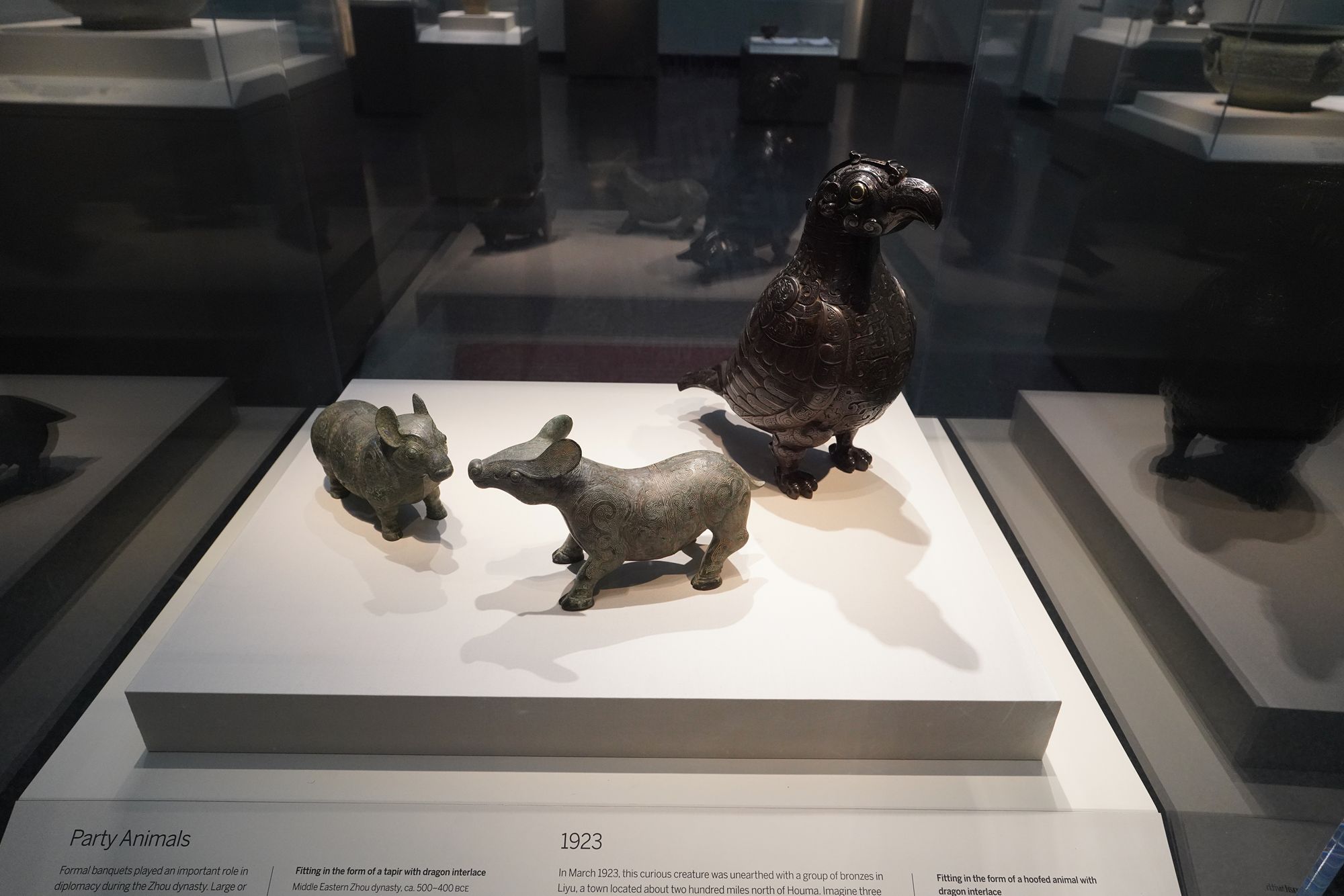
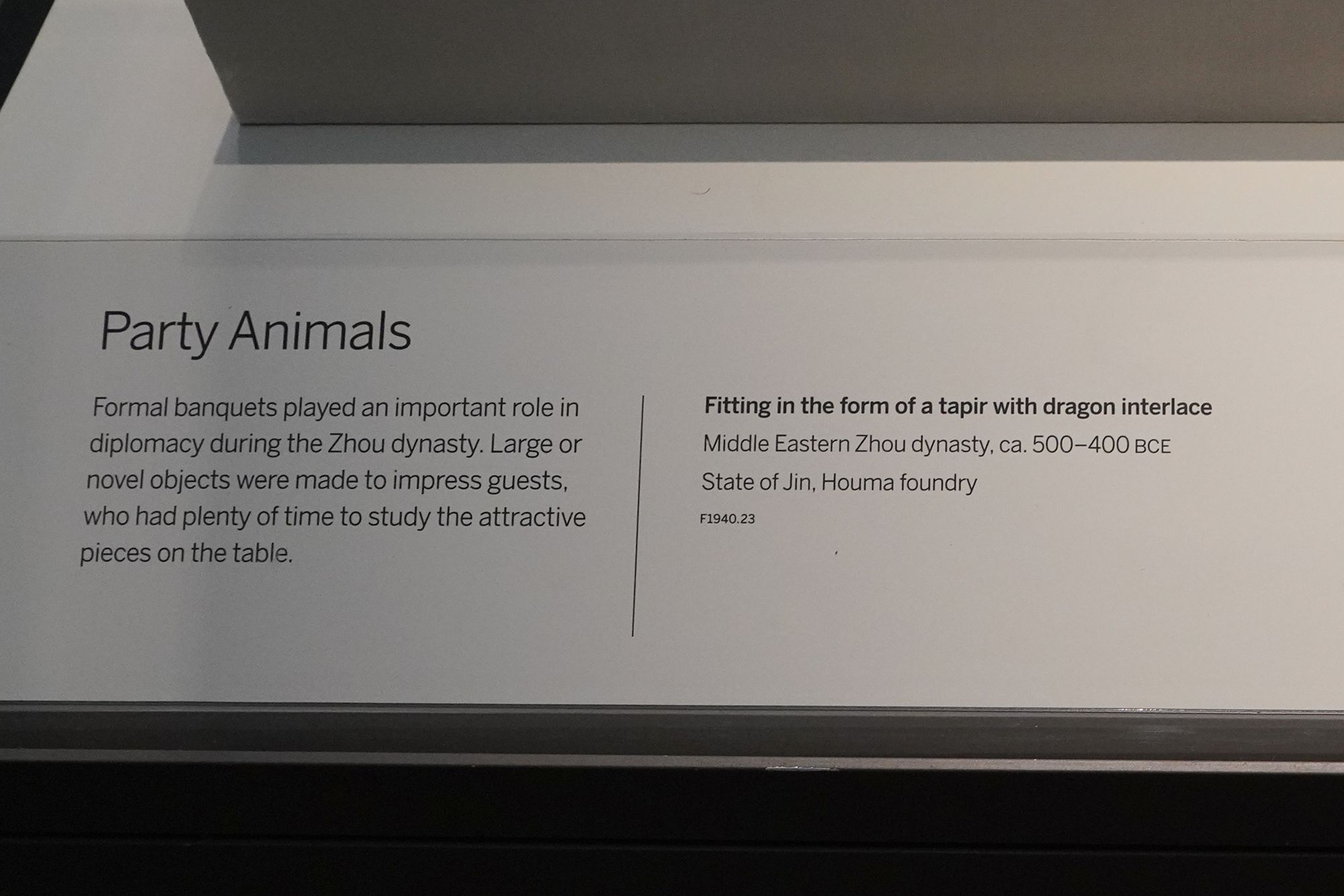
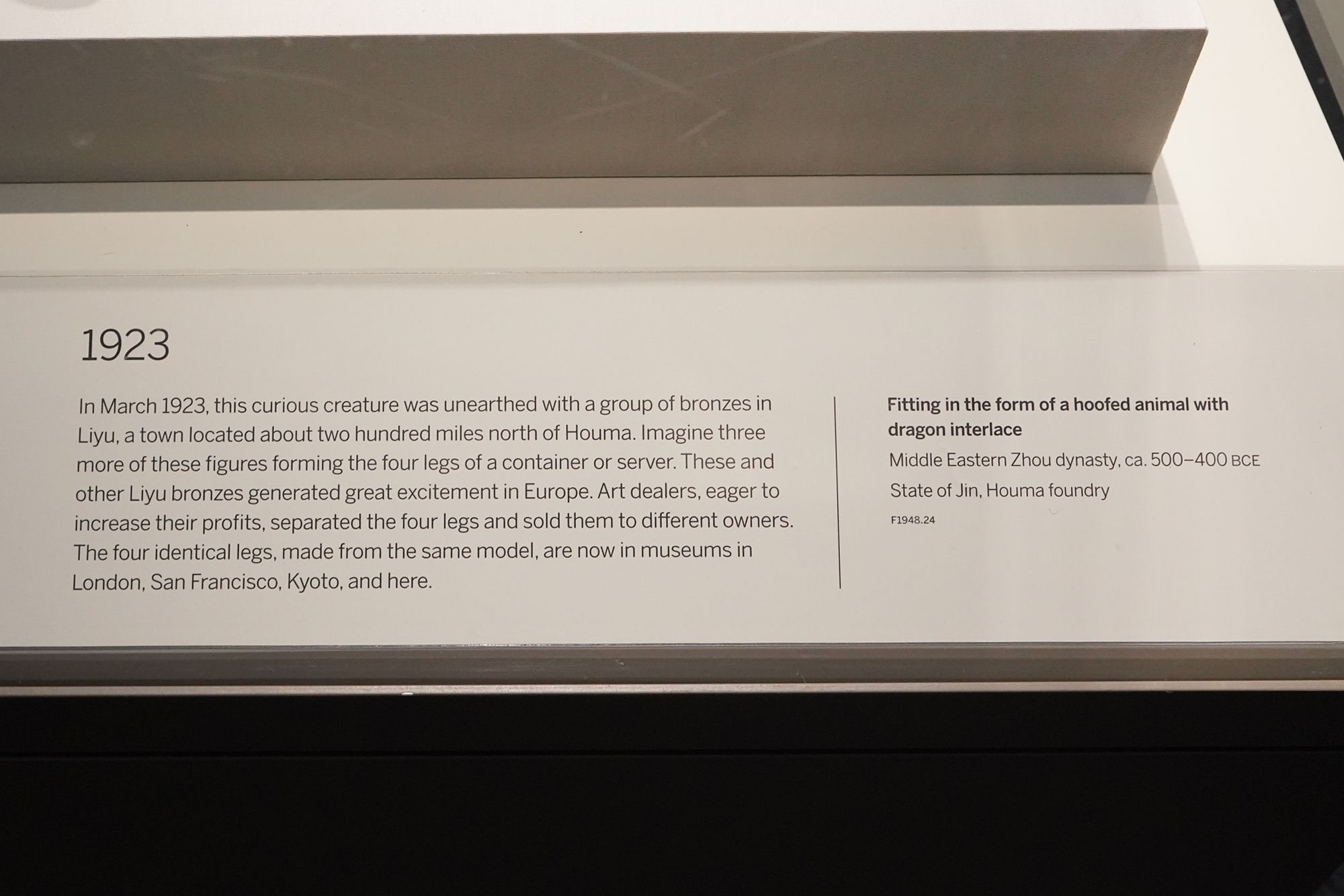
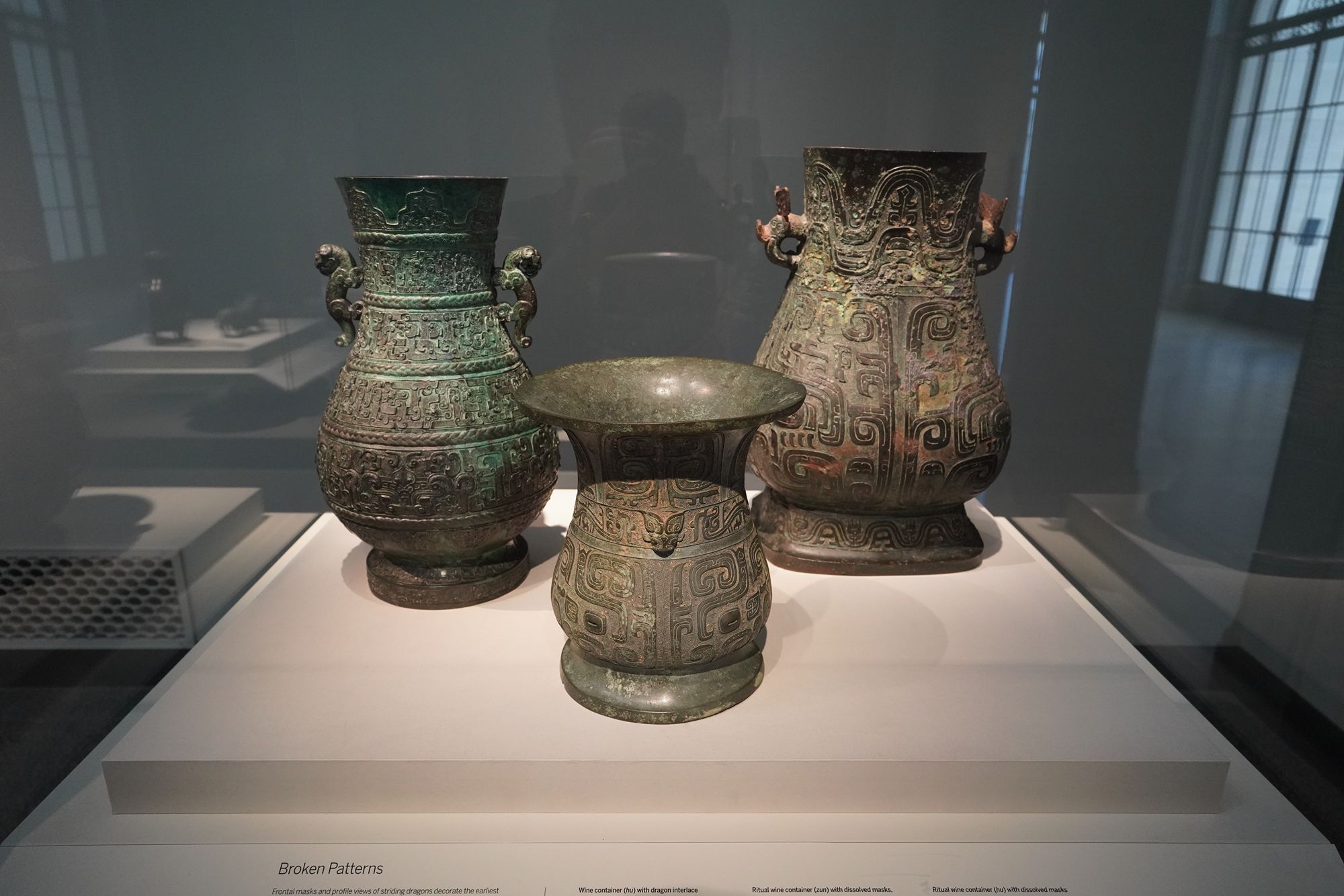
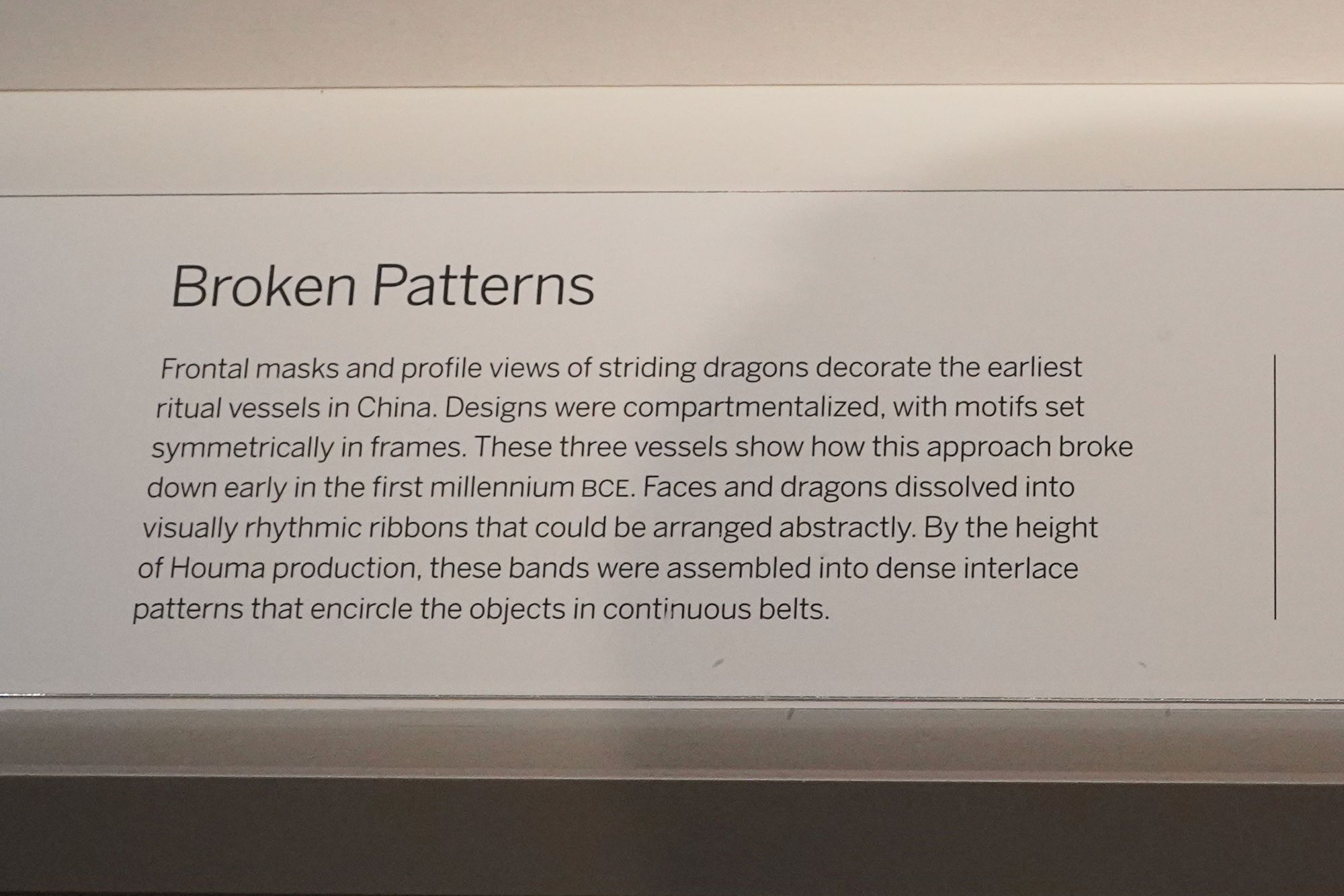
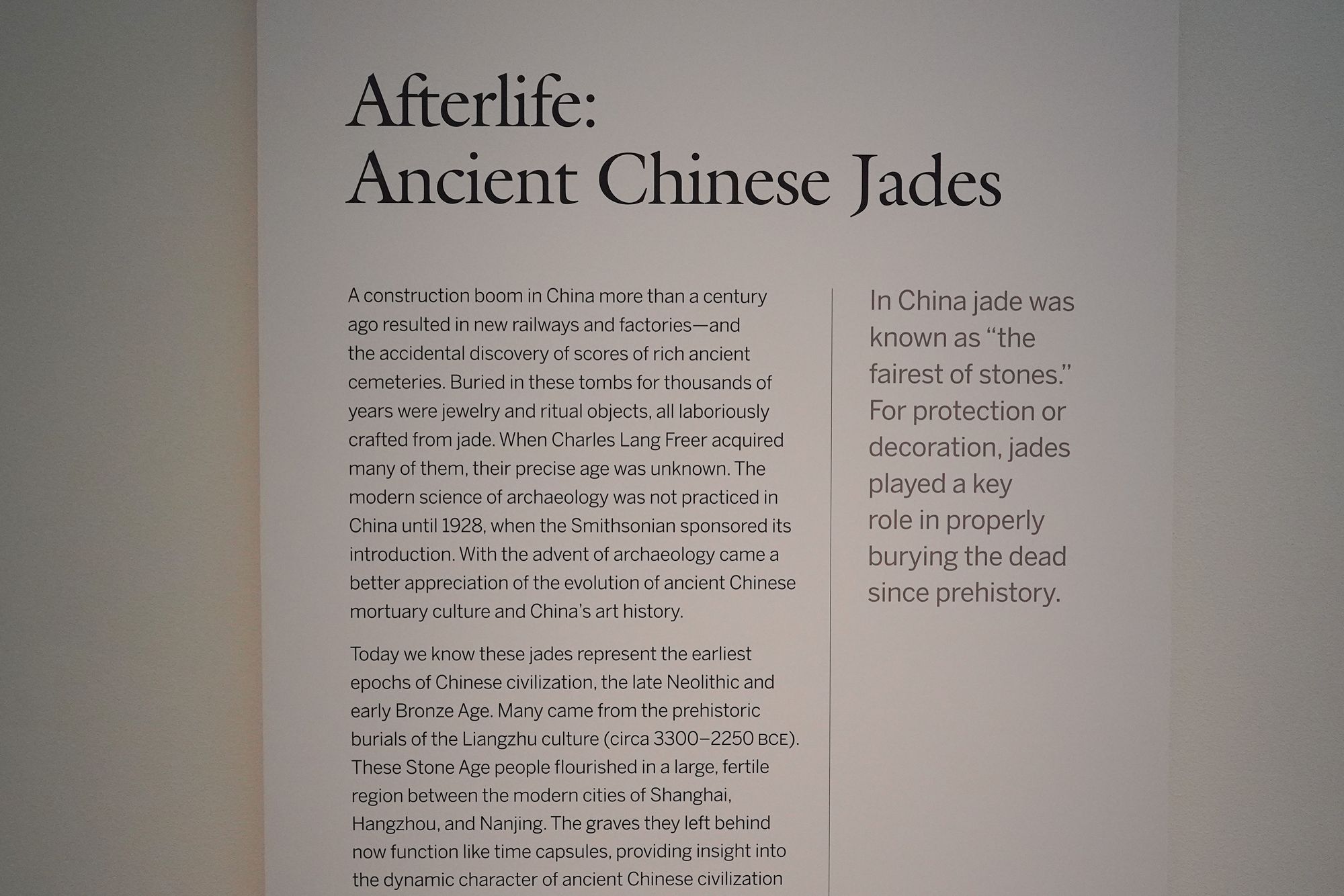
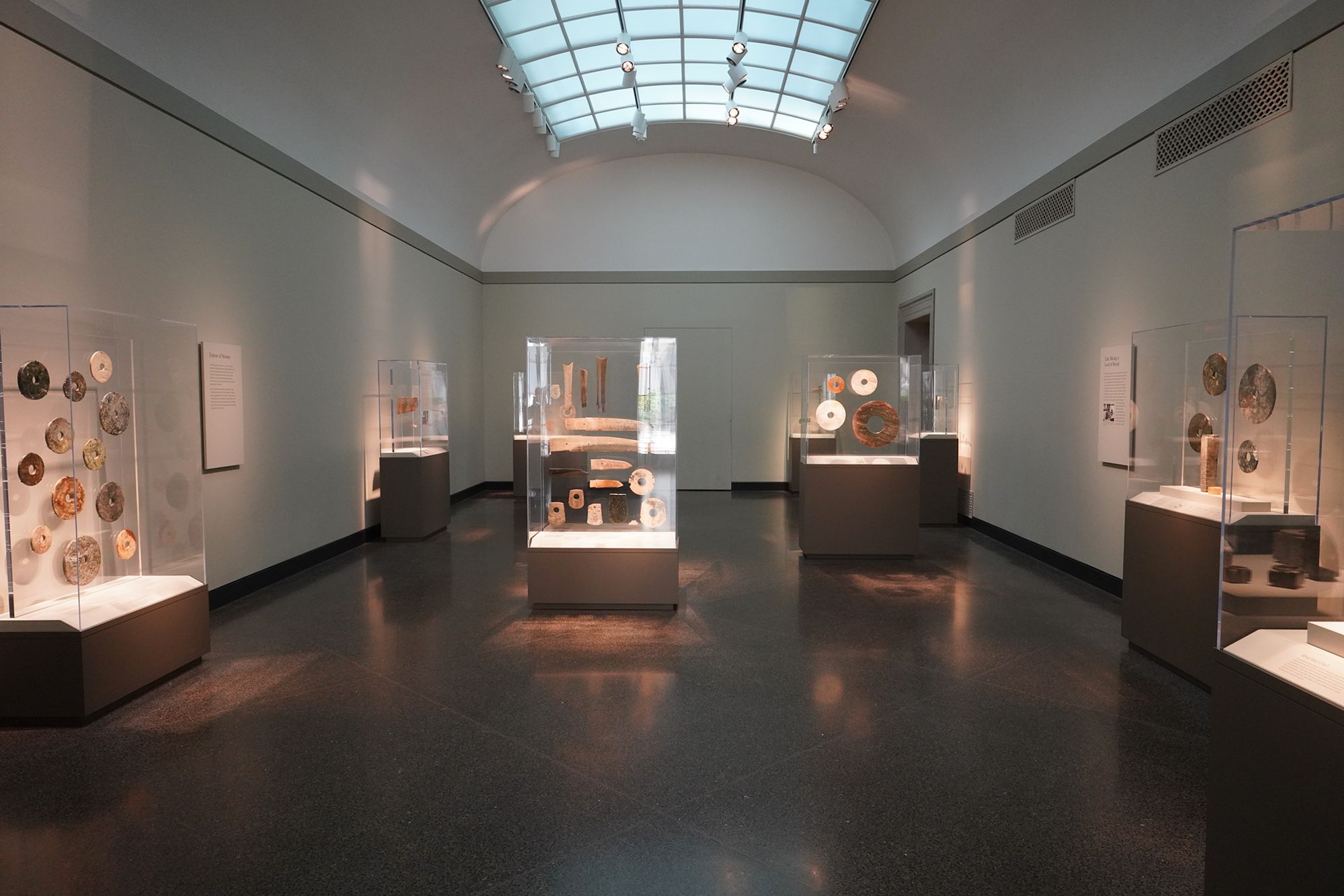
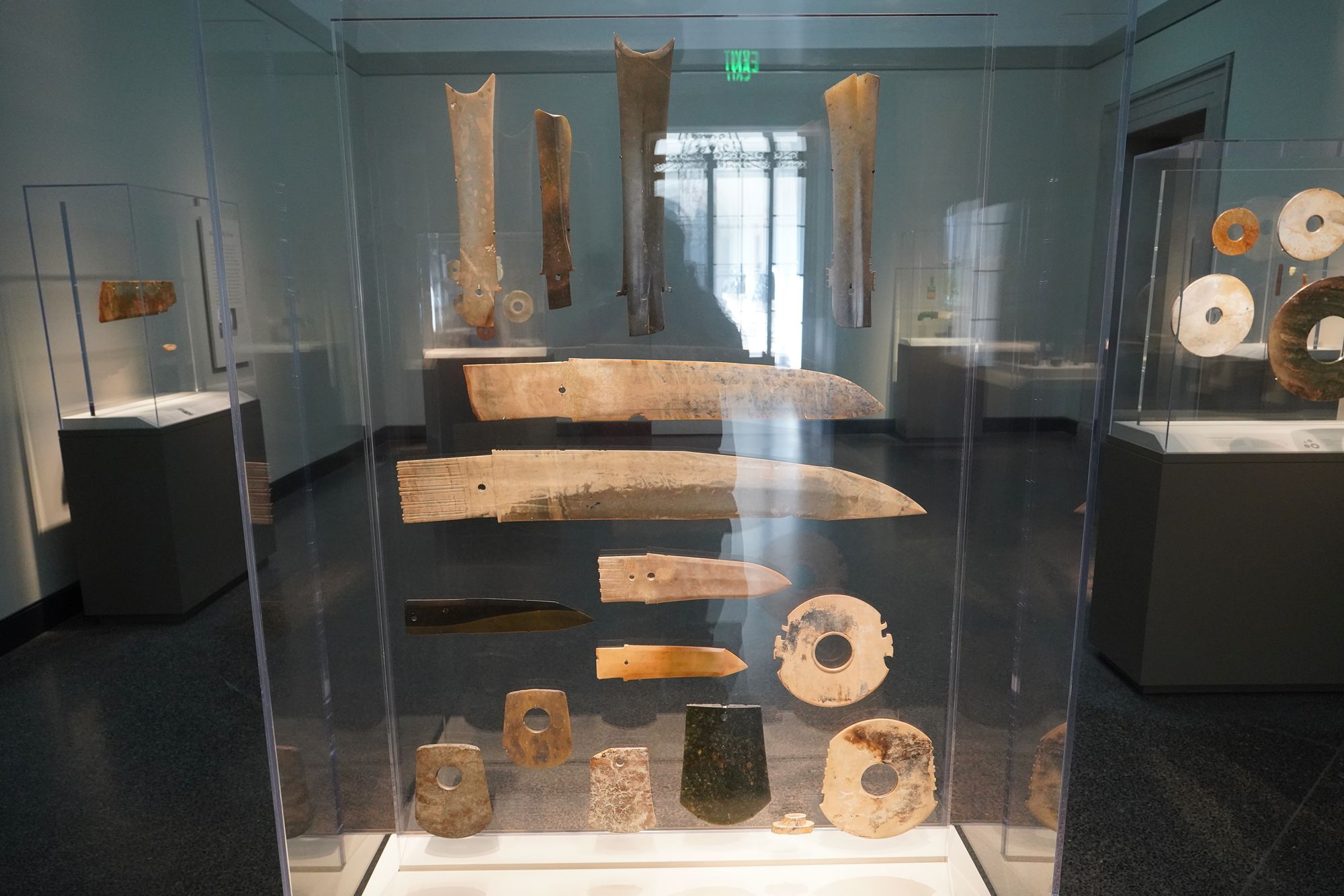
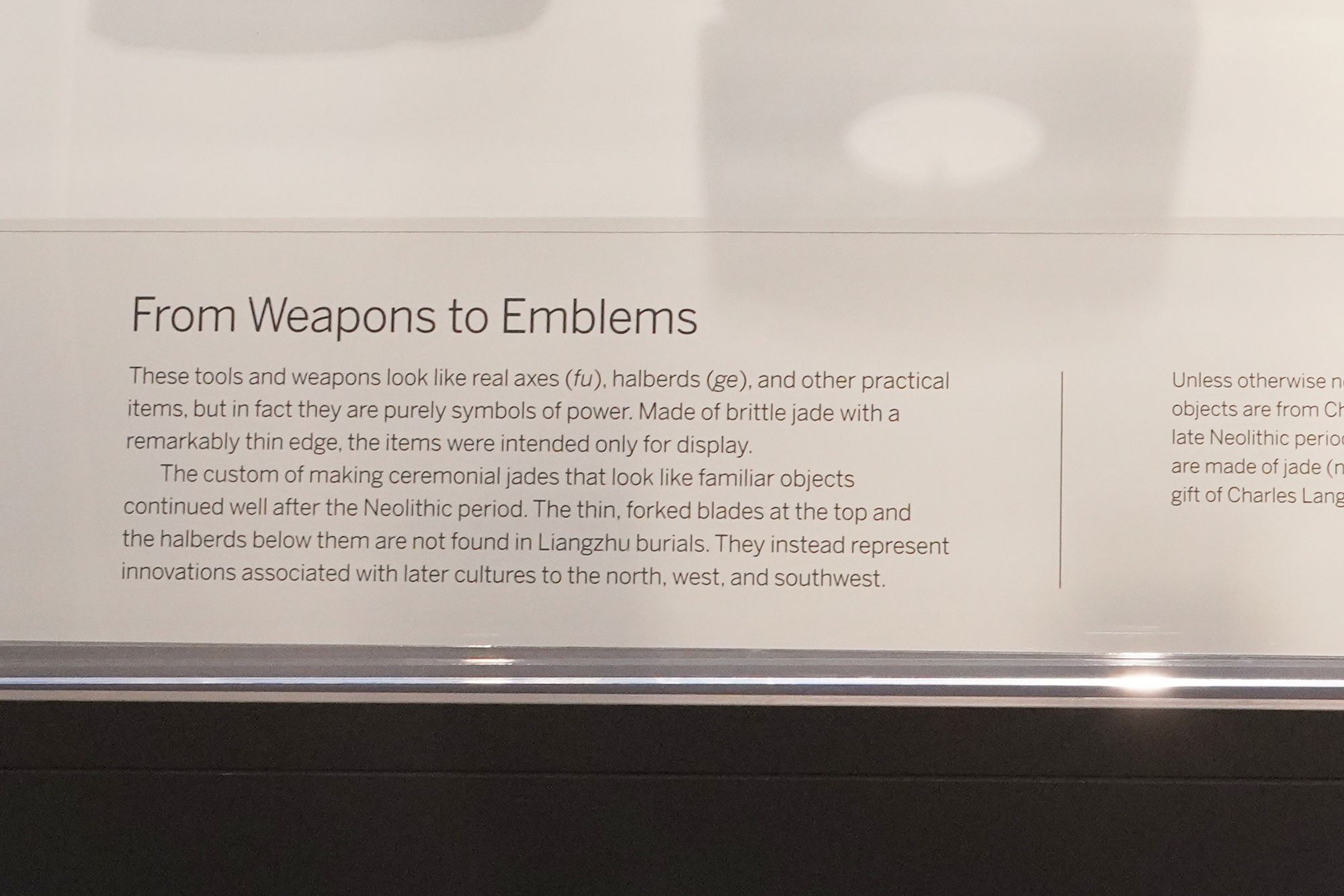
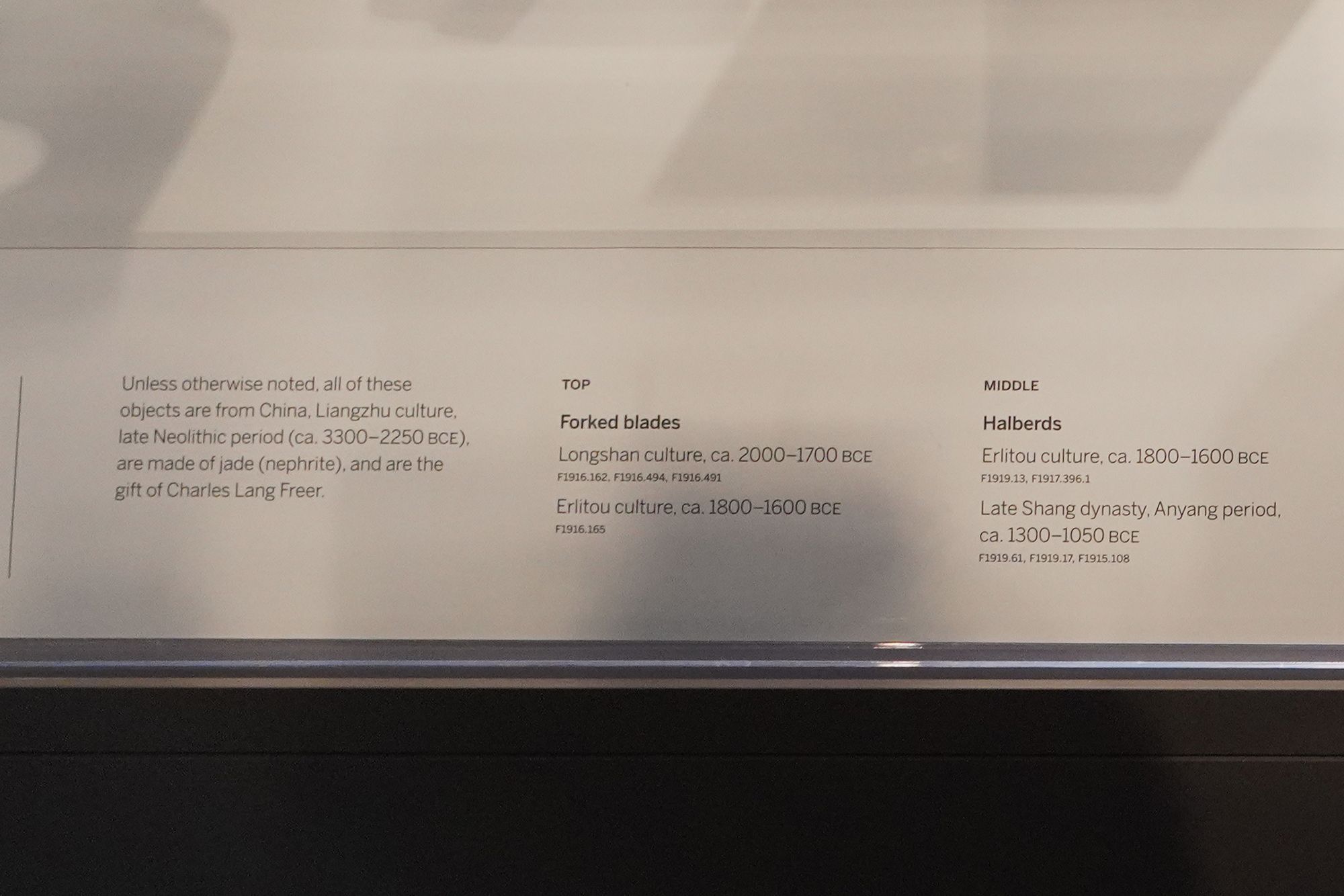
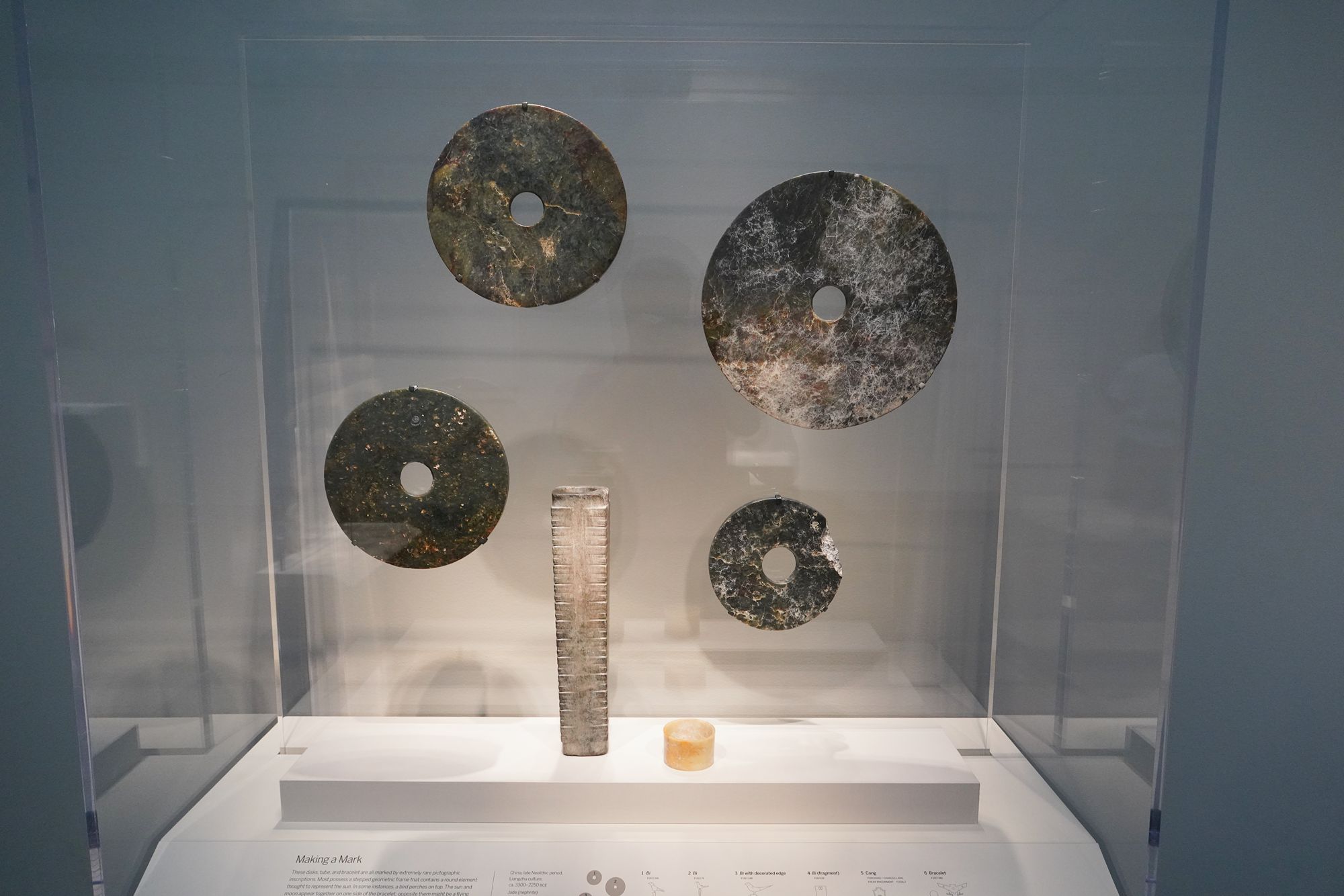
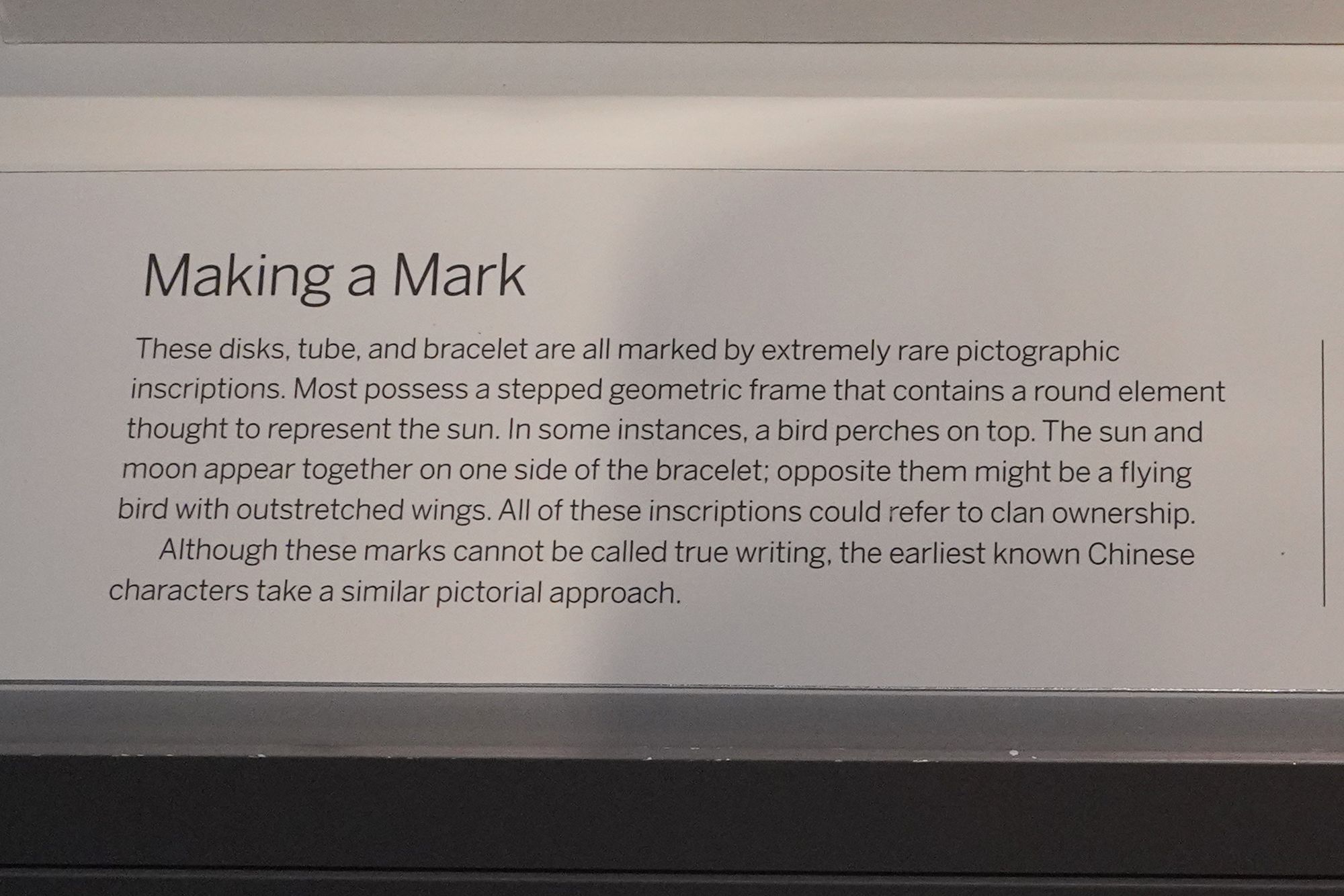
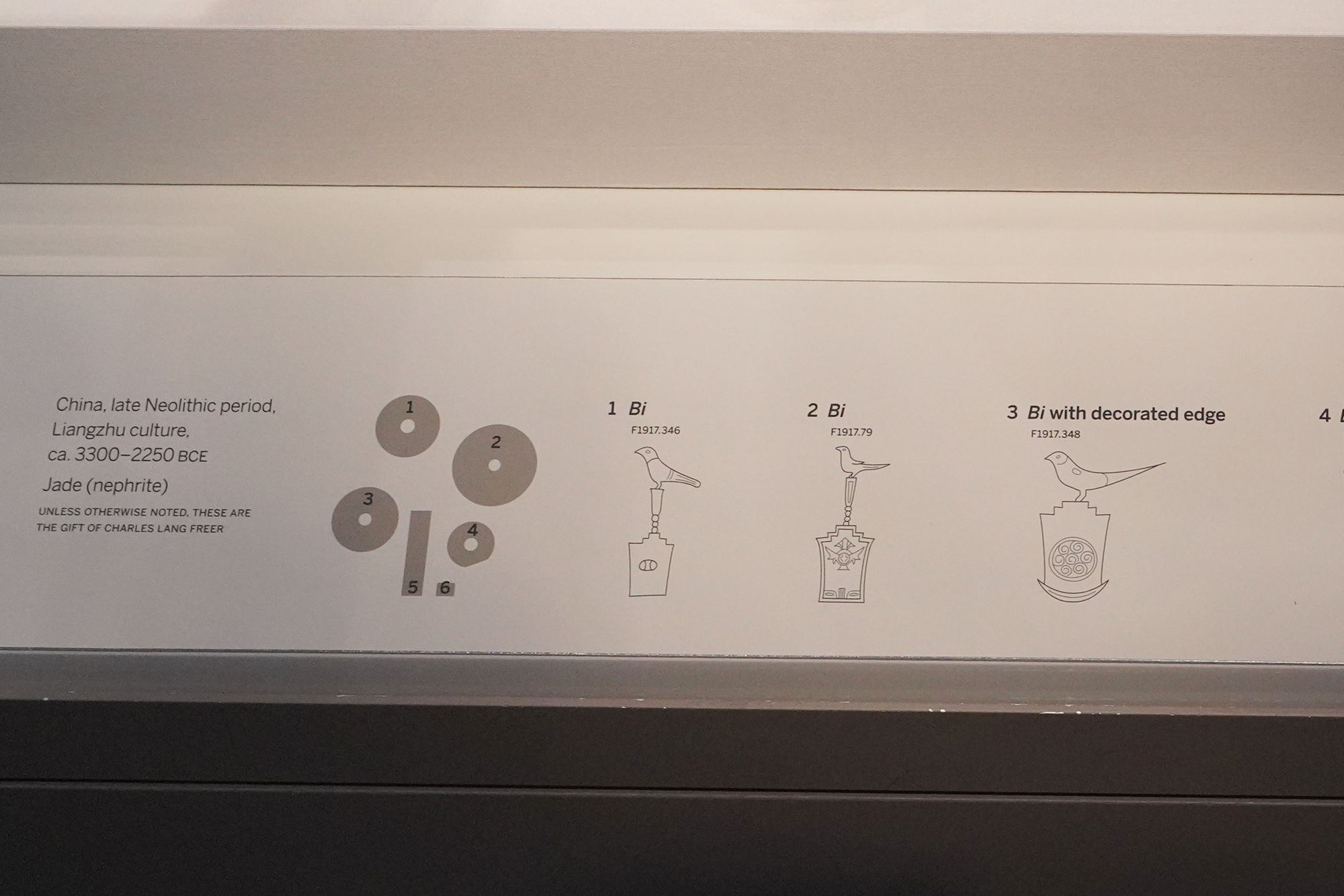
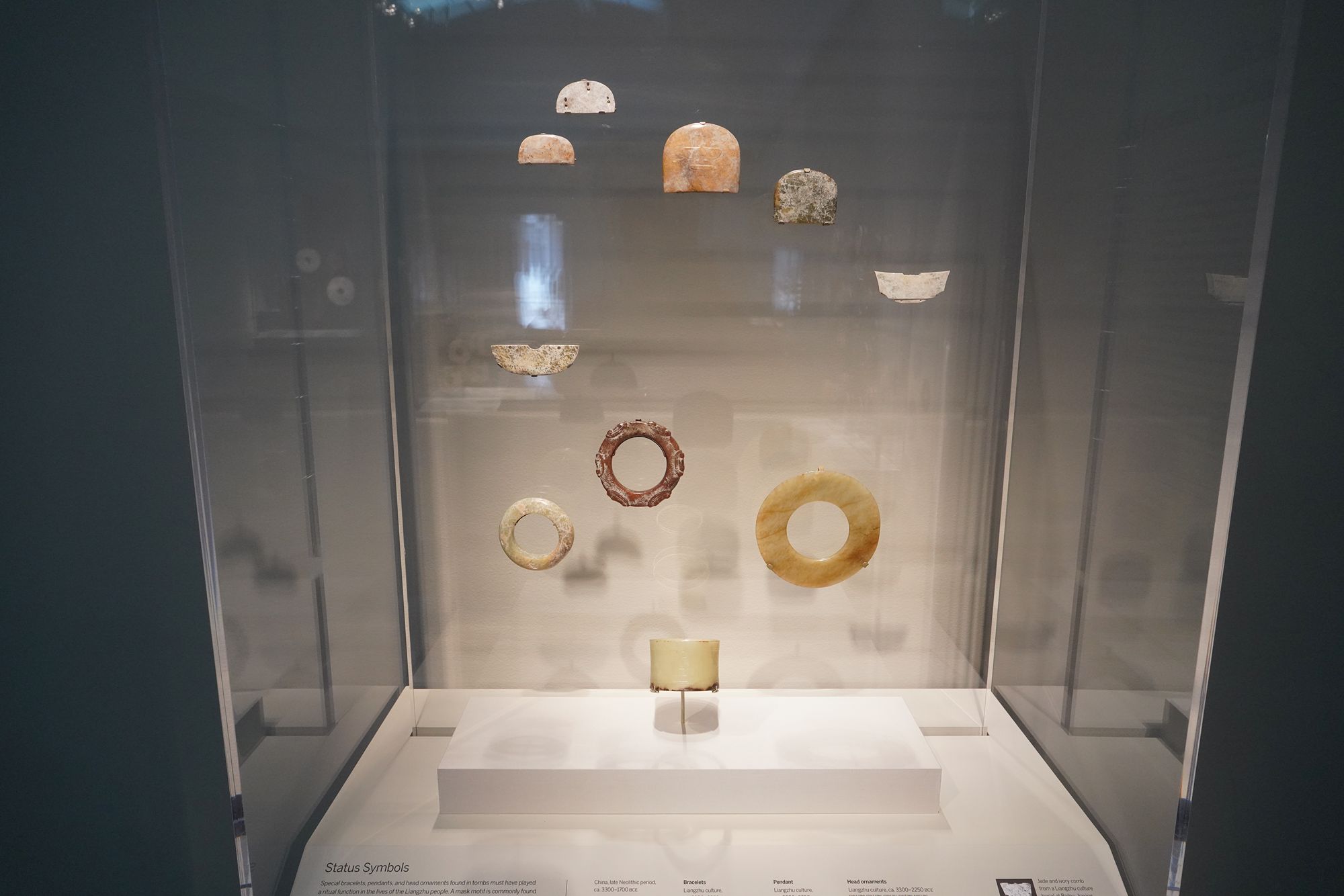
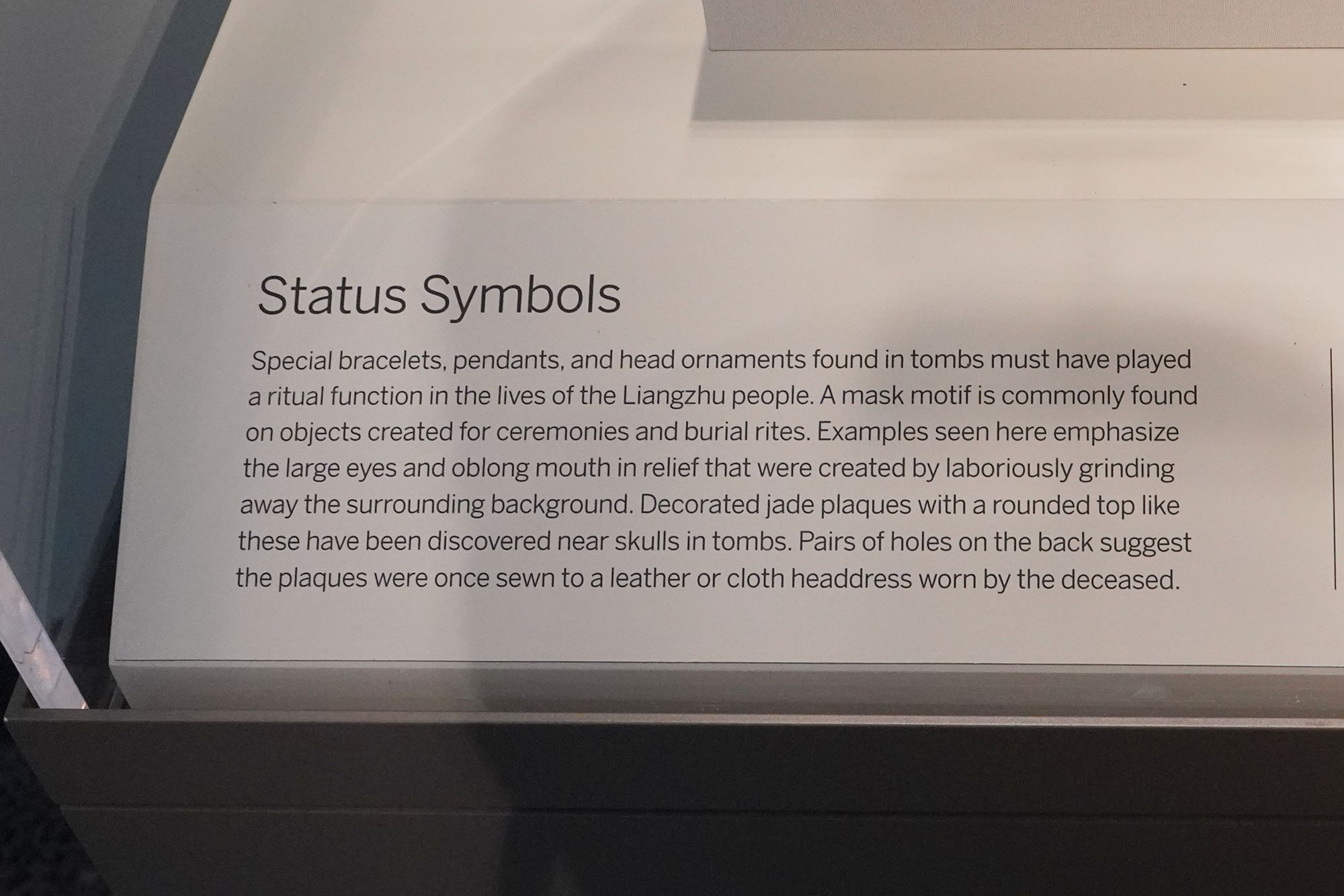
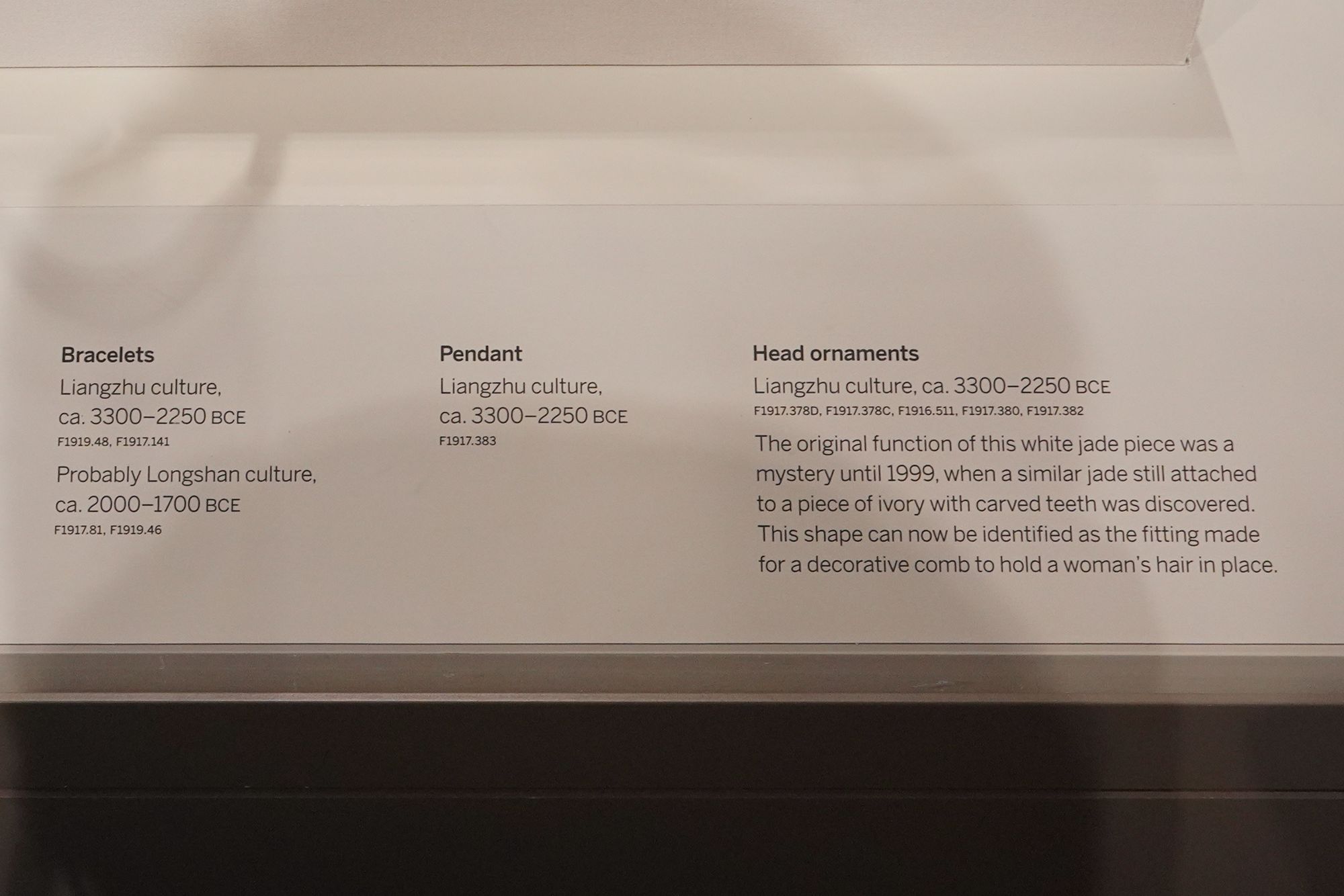
Ancient Chinese Jades
Egyptian Art
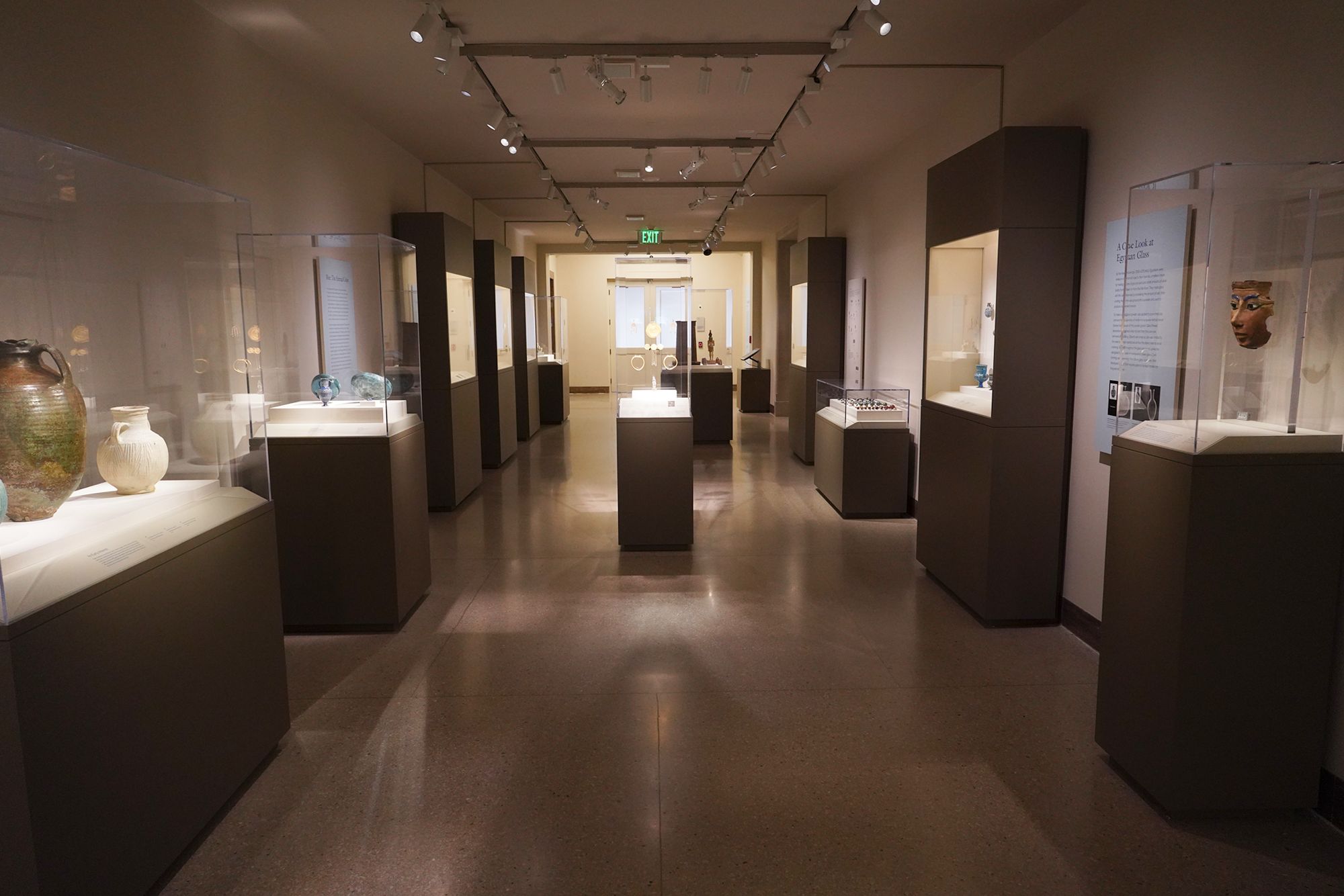
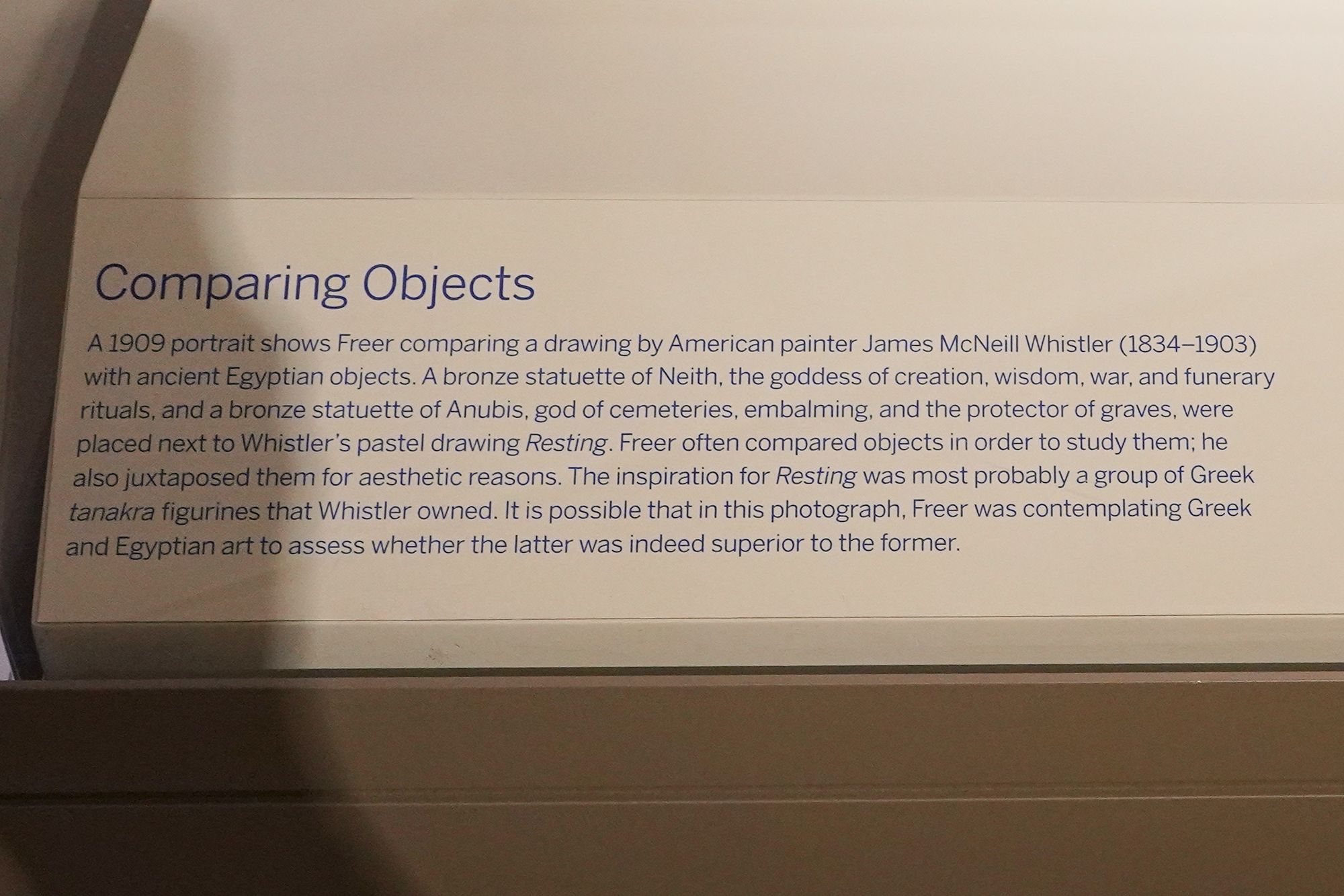
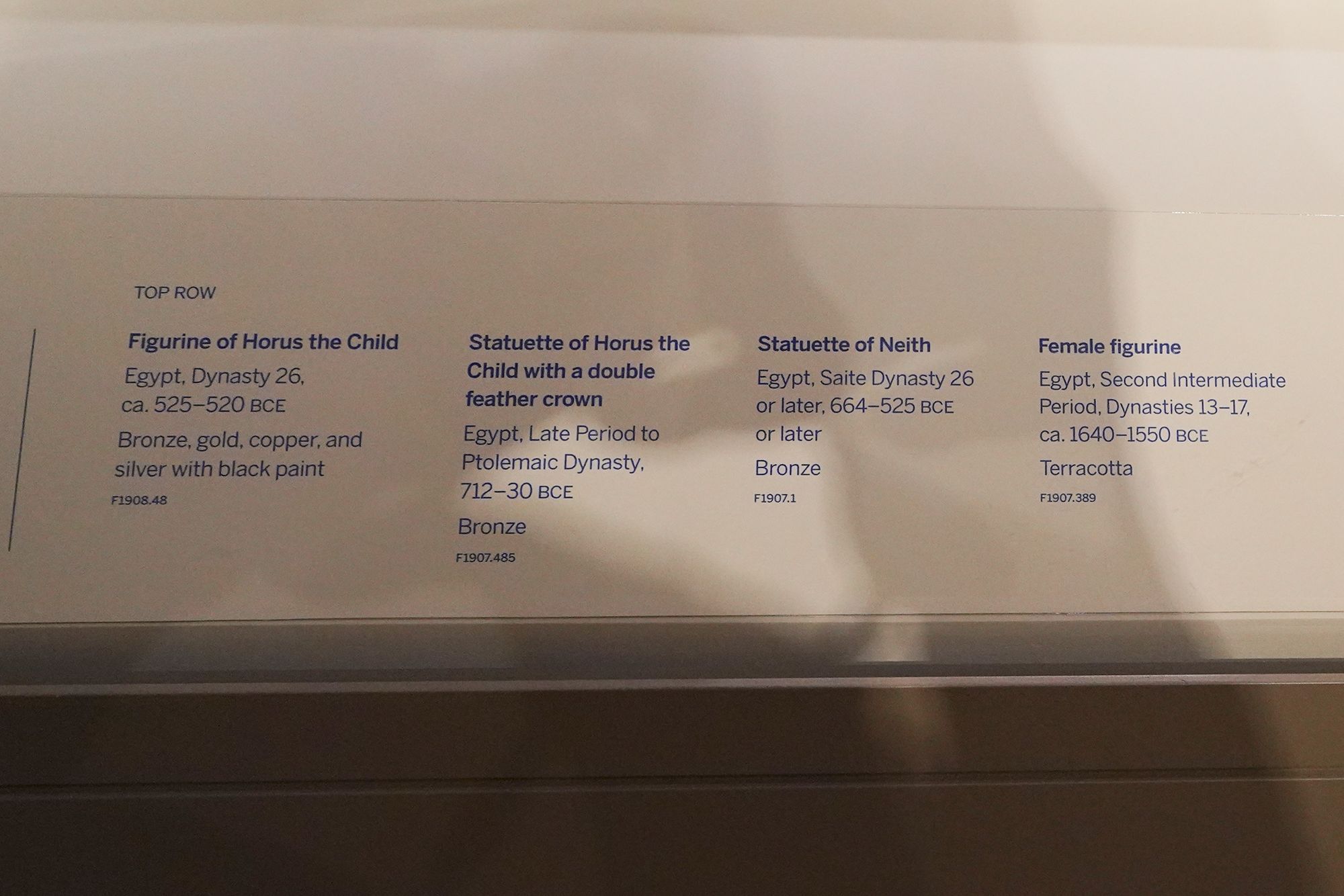
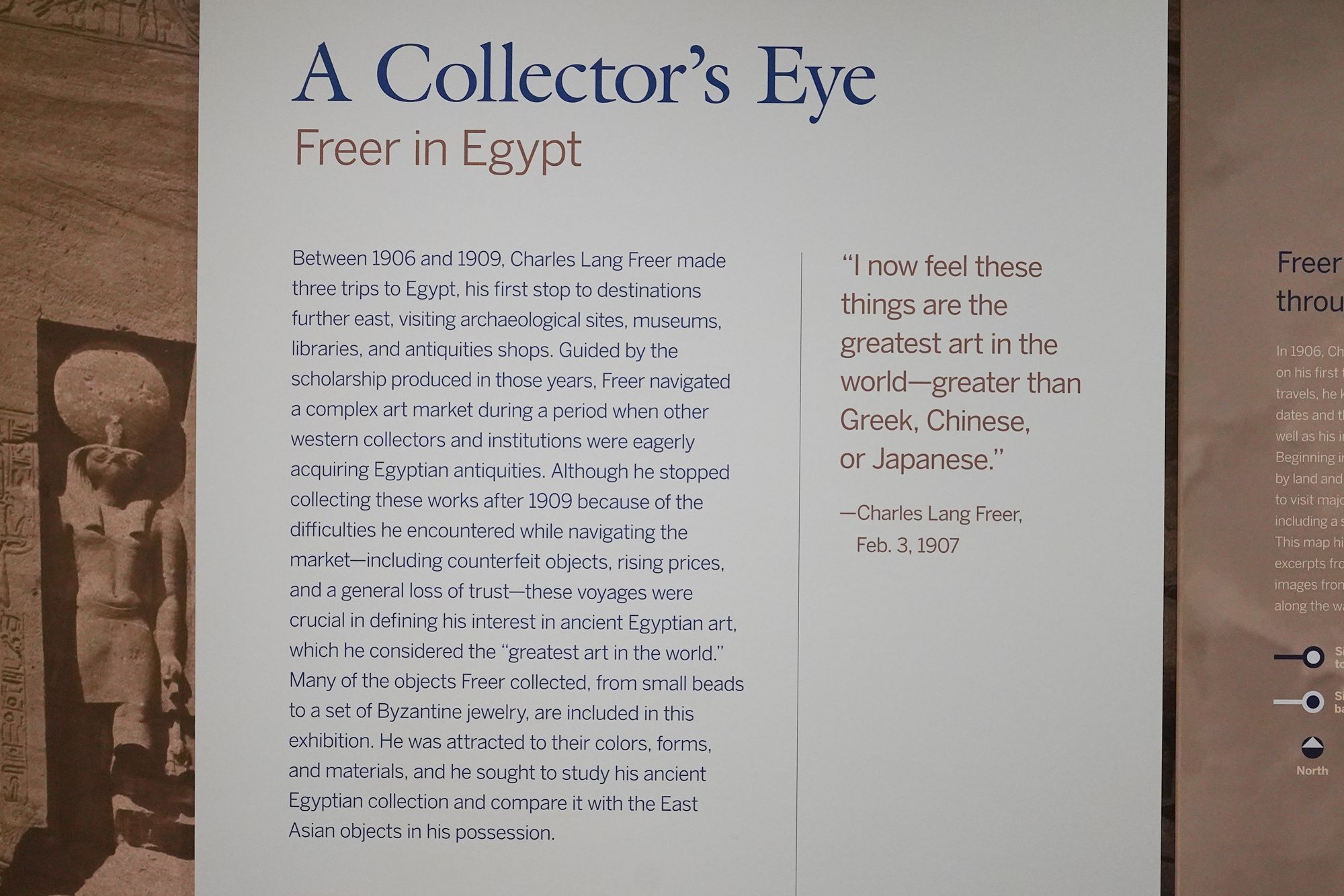
Freer traveled to Egypt in the early 1900s as part of his wider search for Asian and ancient art. During his visit, he explored archaeological sites and studied ancient objects firsthand. Although most of his collection focuses on Asian art and American painting, his time in Egypt deepened his interest in ancient craftsmanship and helped shape the broader vision of the Freer Gallery as a museum connecting different cultures through art.
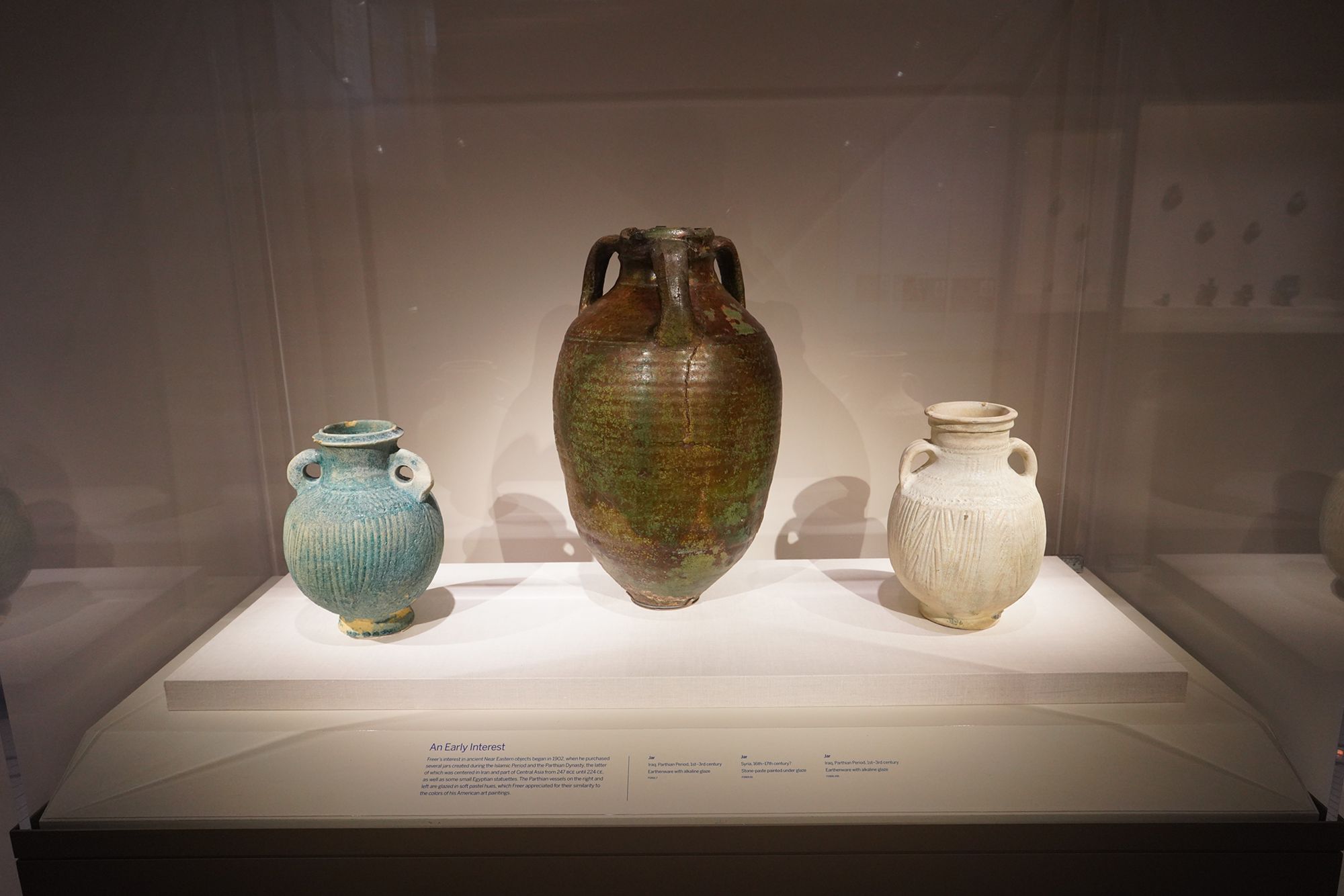
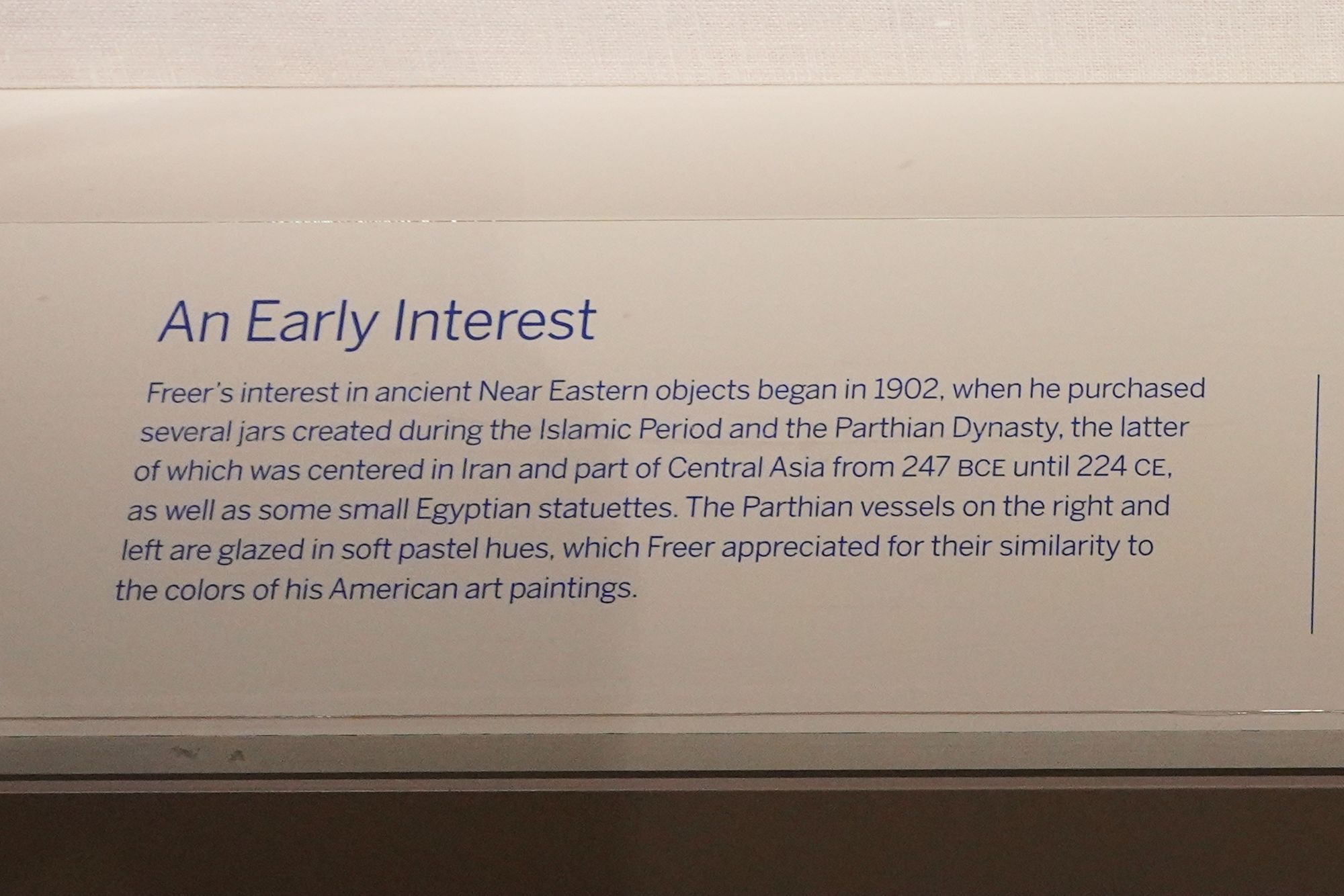
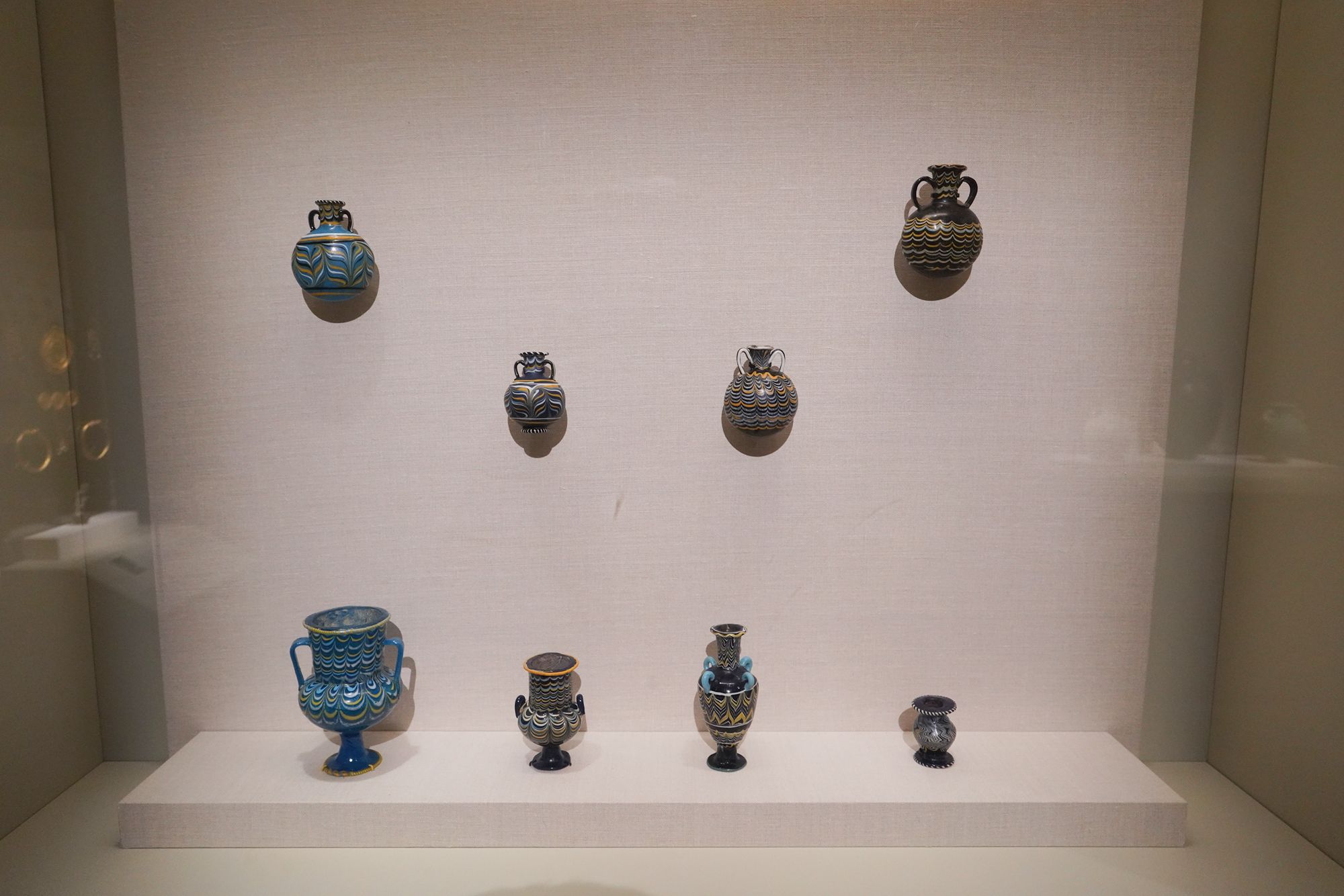
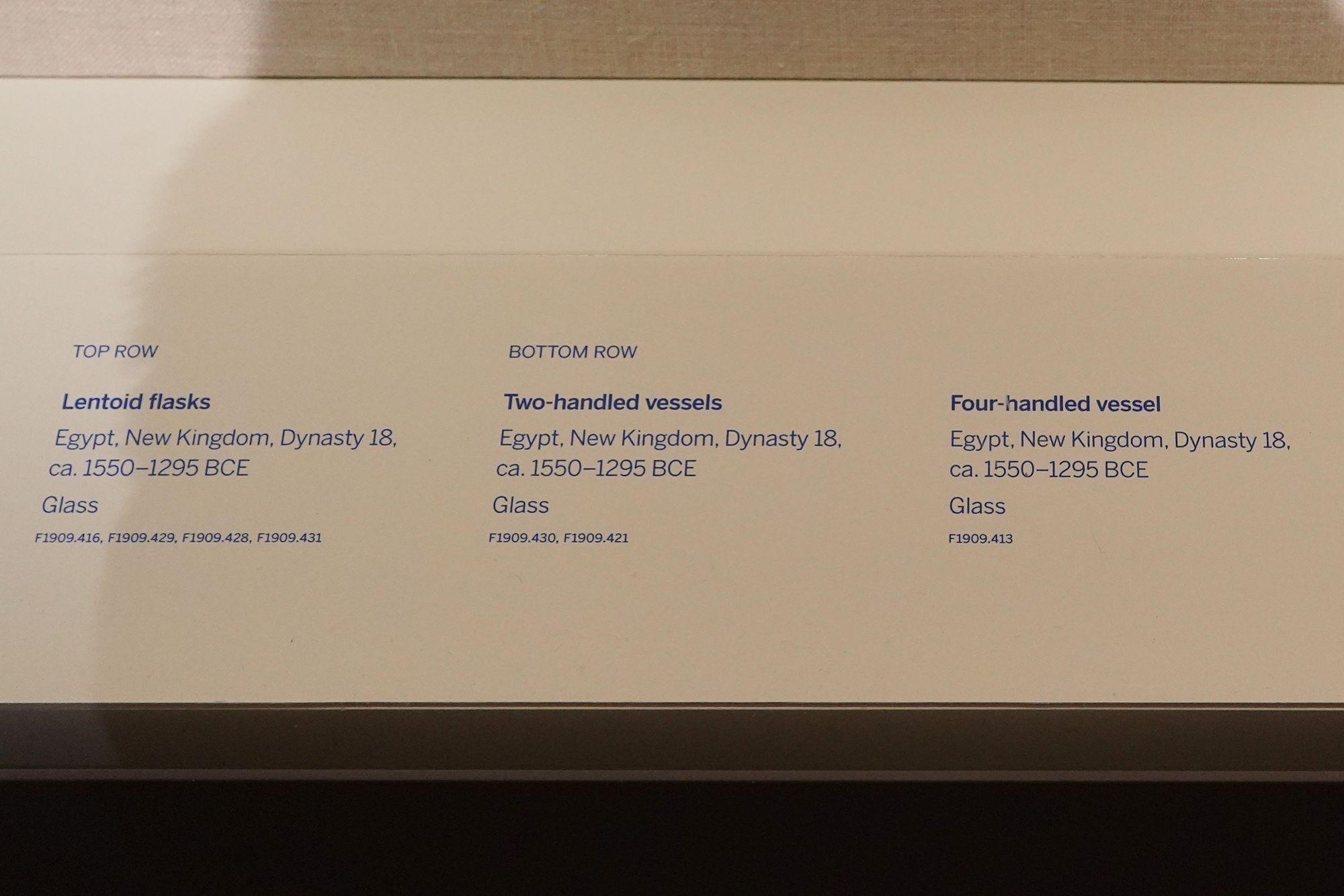
Flasks and Vessels
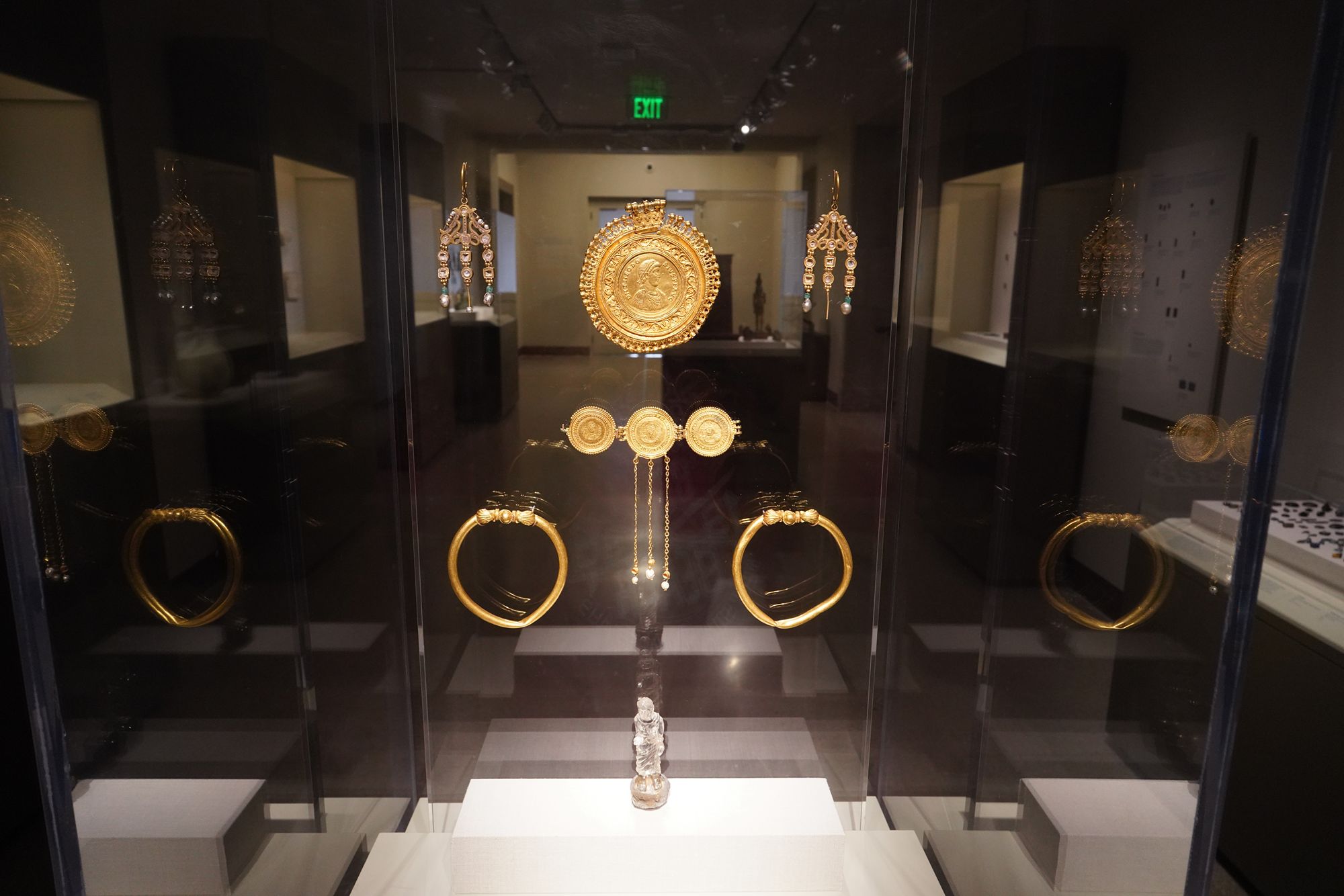
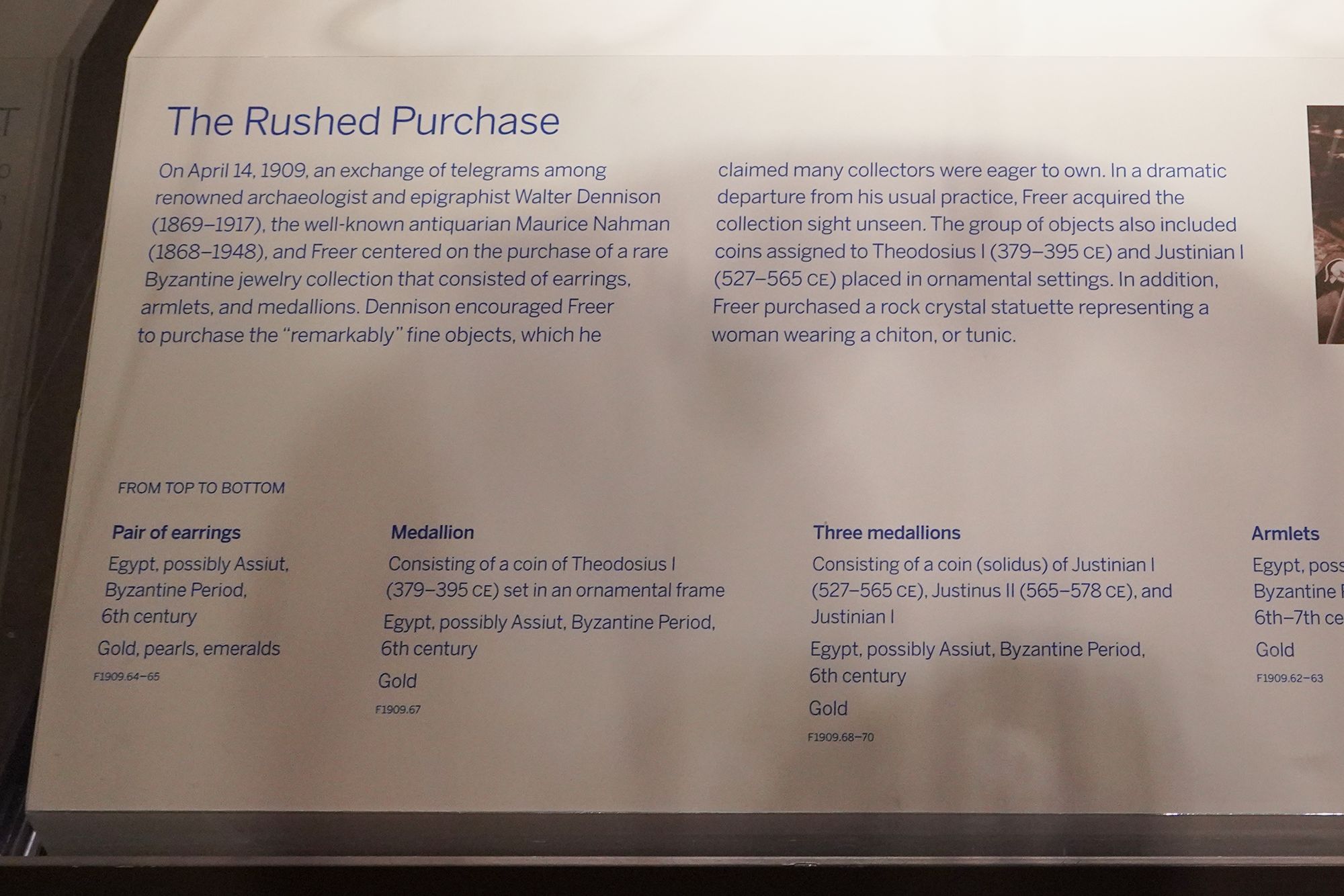
Byzantine Jewelry
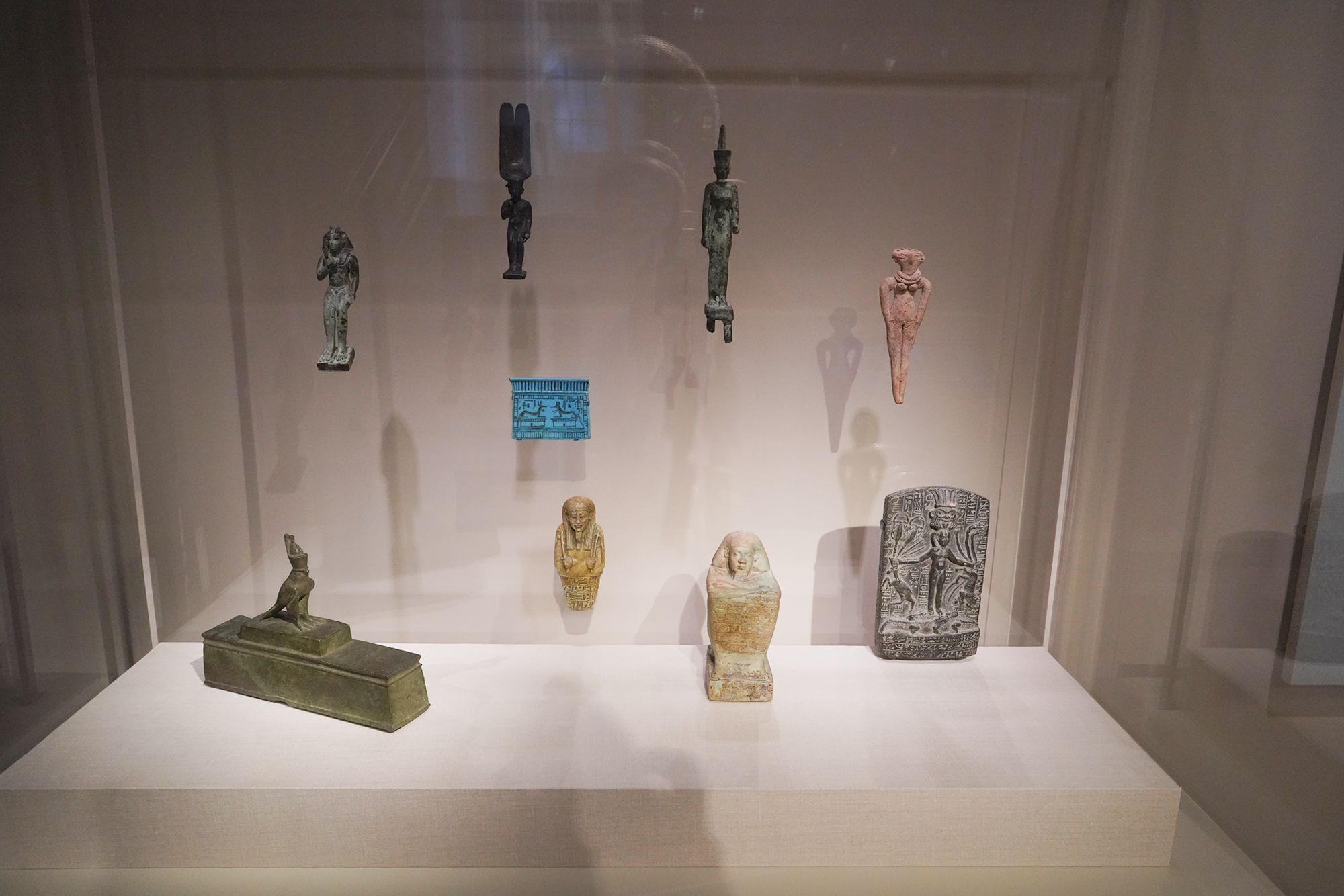
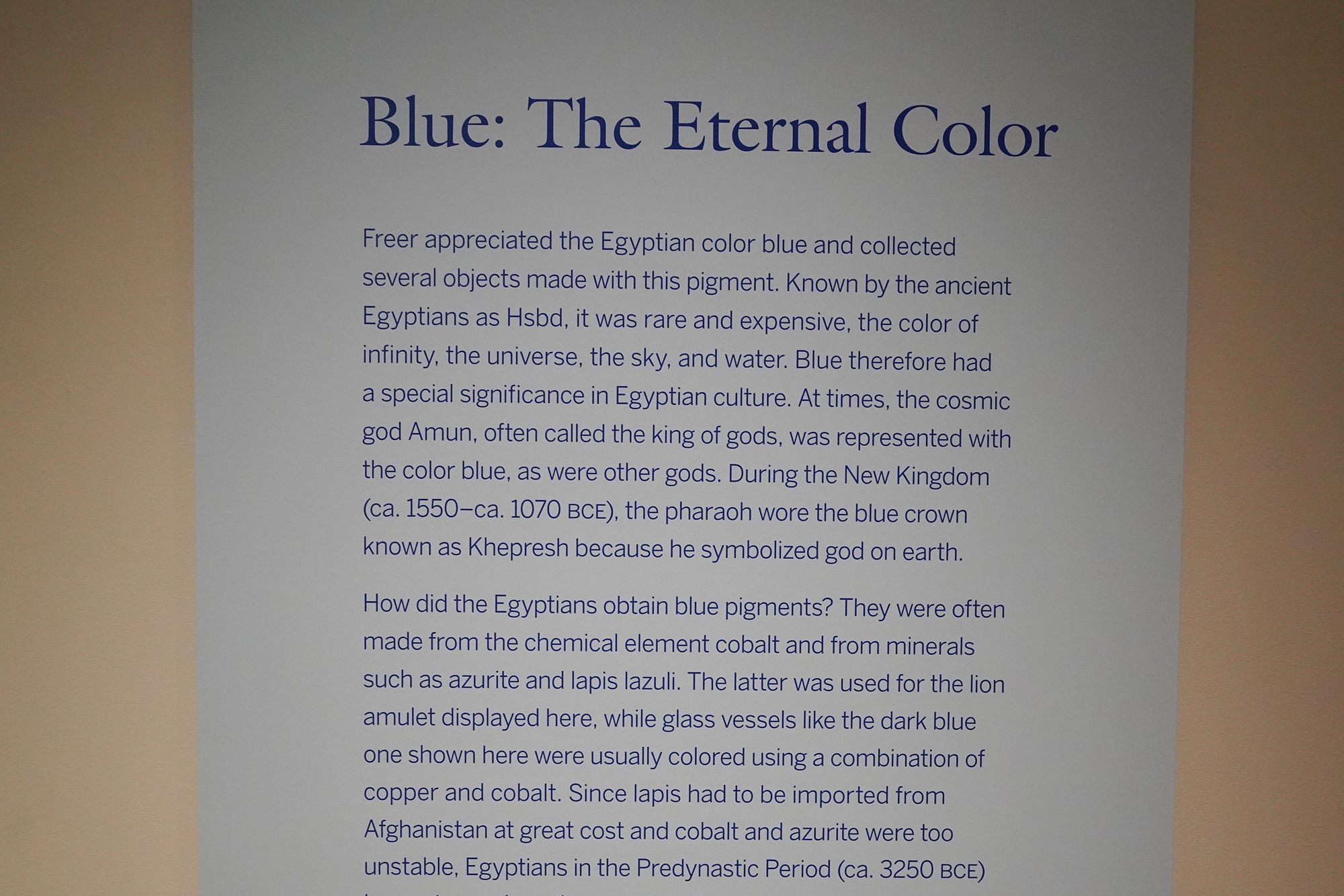
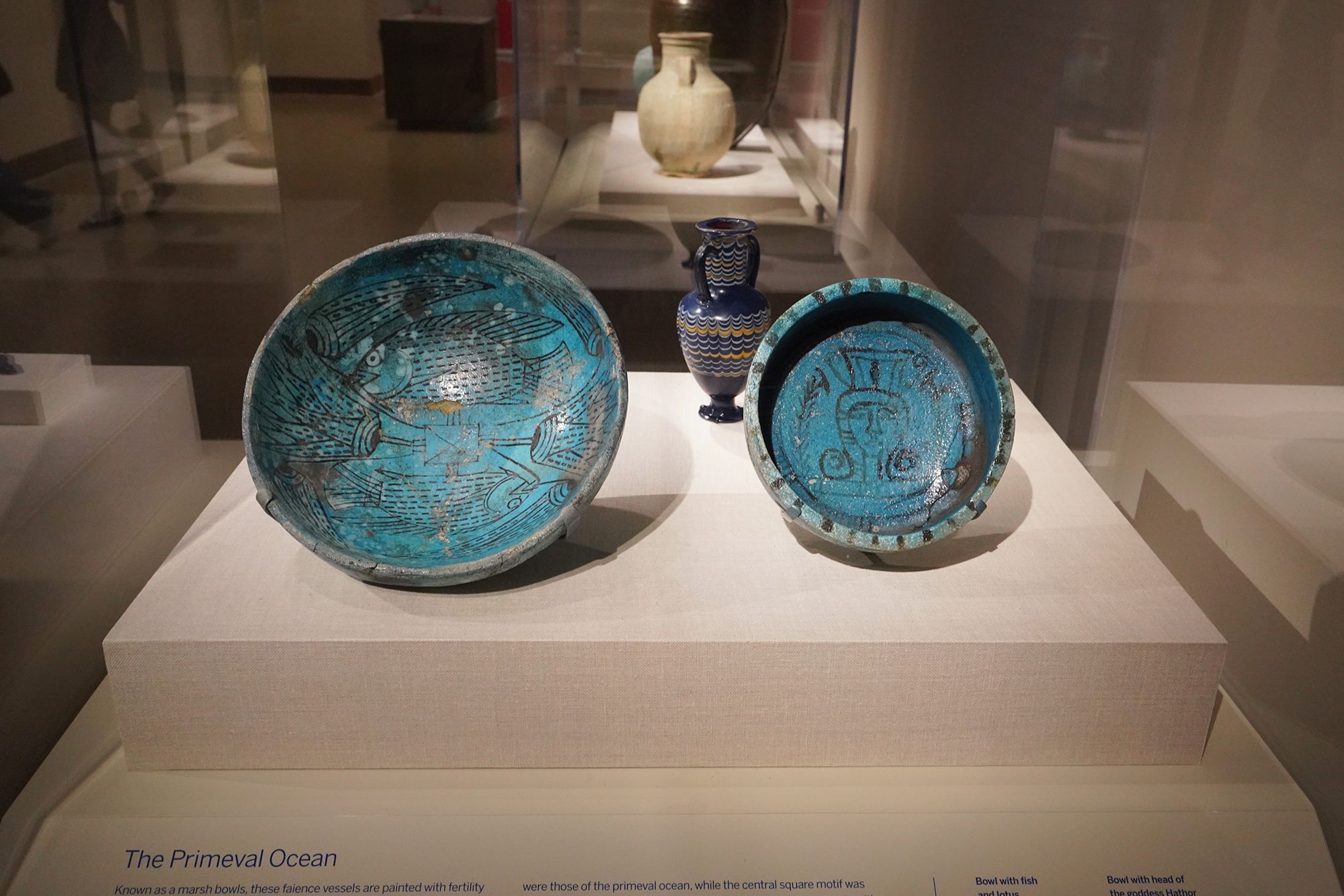
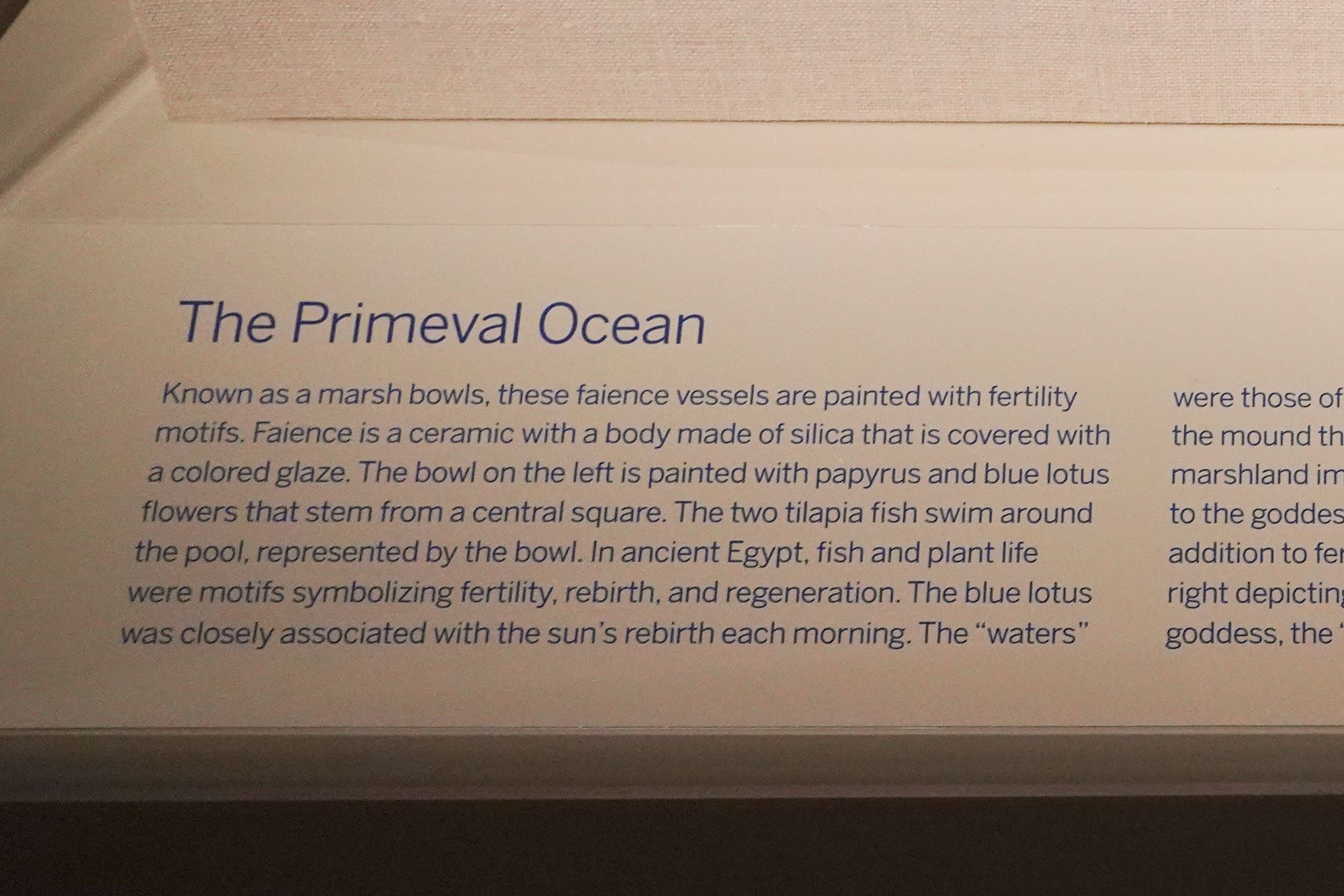
In ancient Egypt, blue was seen as an eternal color linked to the sky, the Nile, and the heavens. It symbolized creation, rebirth, and protection. Egyptian artists used a special pigment known as “Egyptian blue,” one of the earliest synthetic colors in the world, to decorate statues, tombs, and ritual objects. Its bright, luminous tone expressed the divine power and everlasting nature of gods and the afterlife.
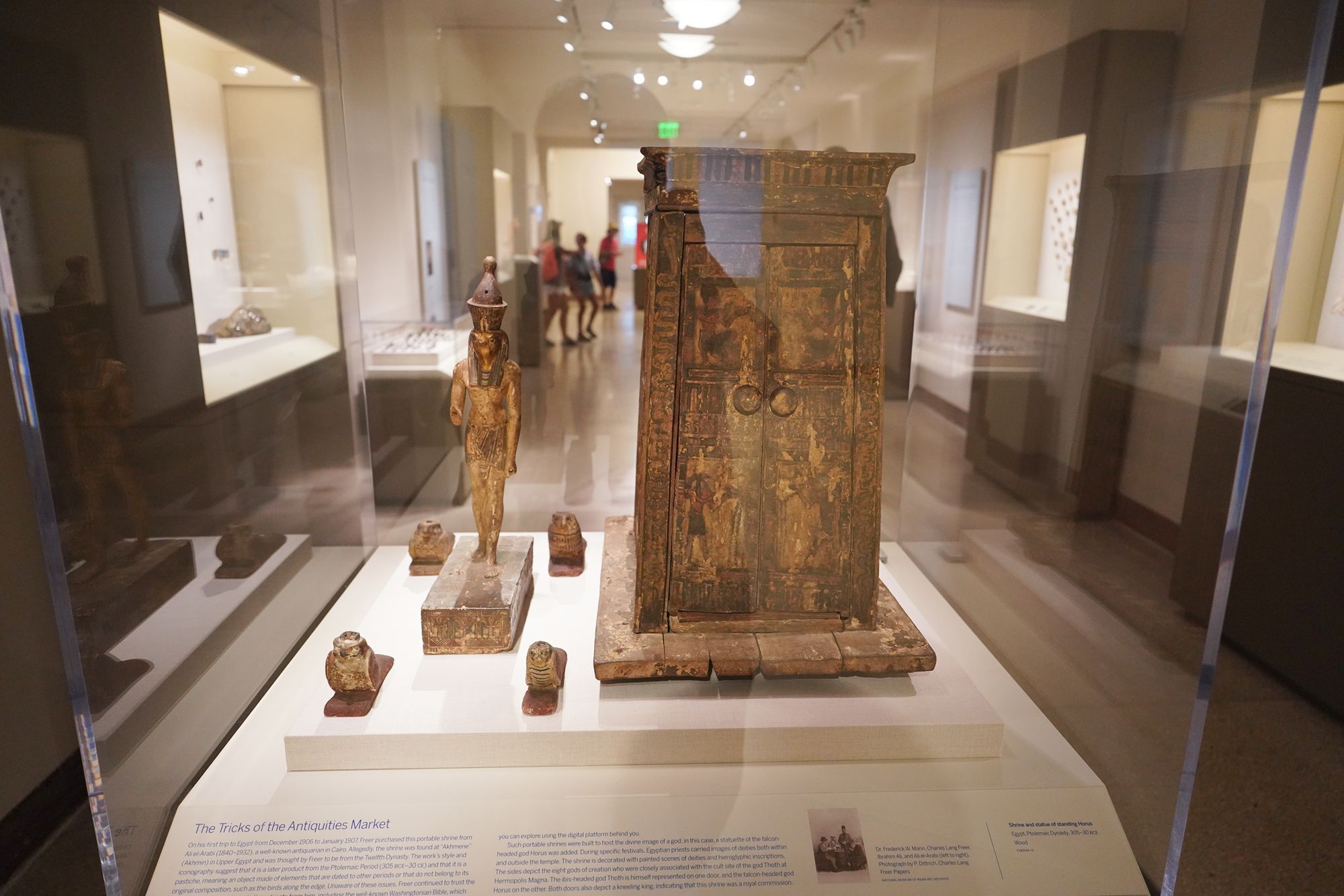
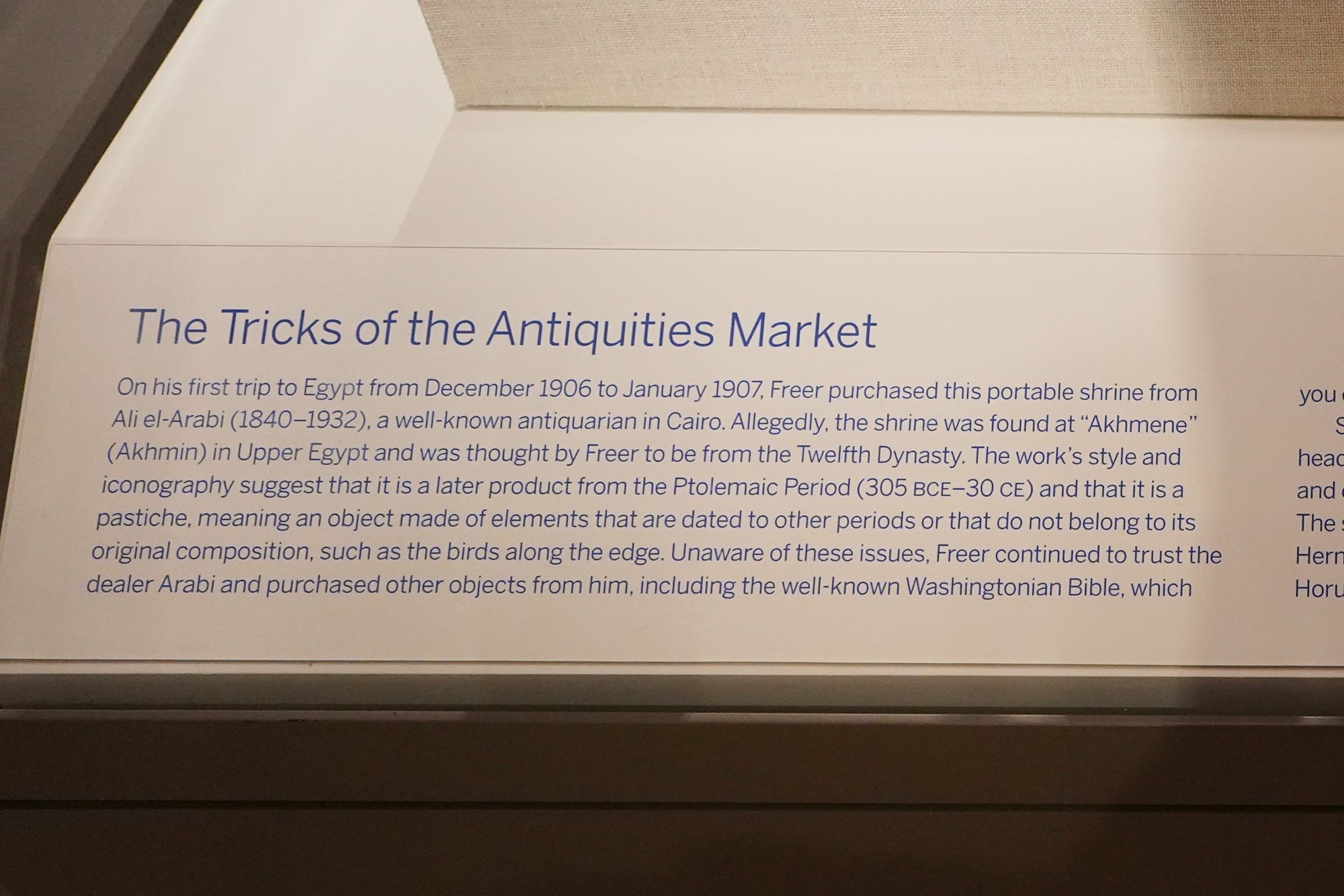
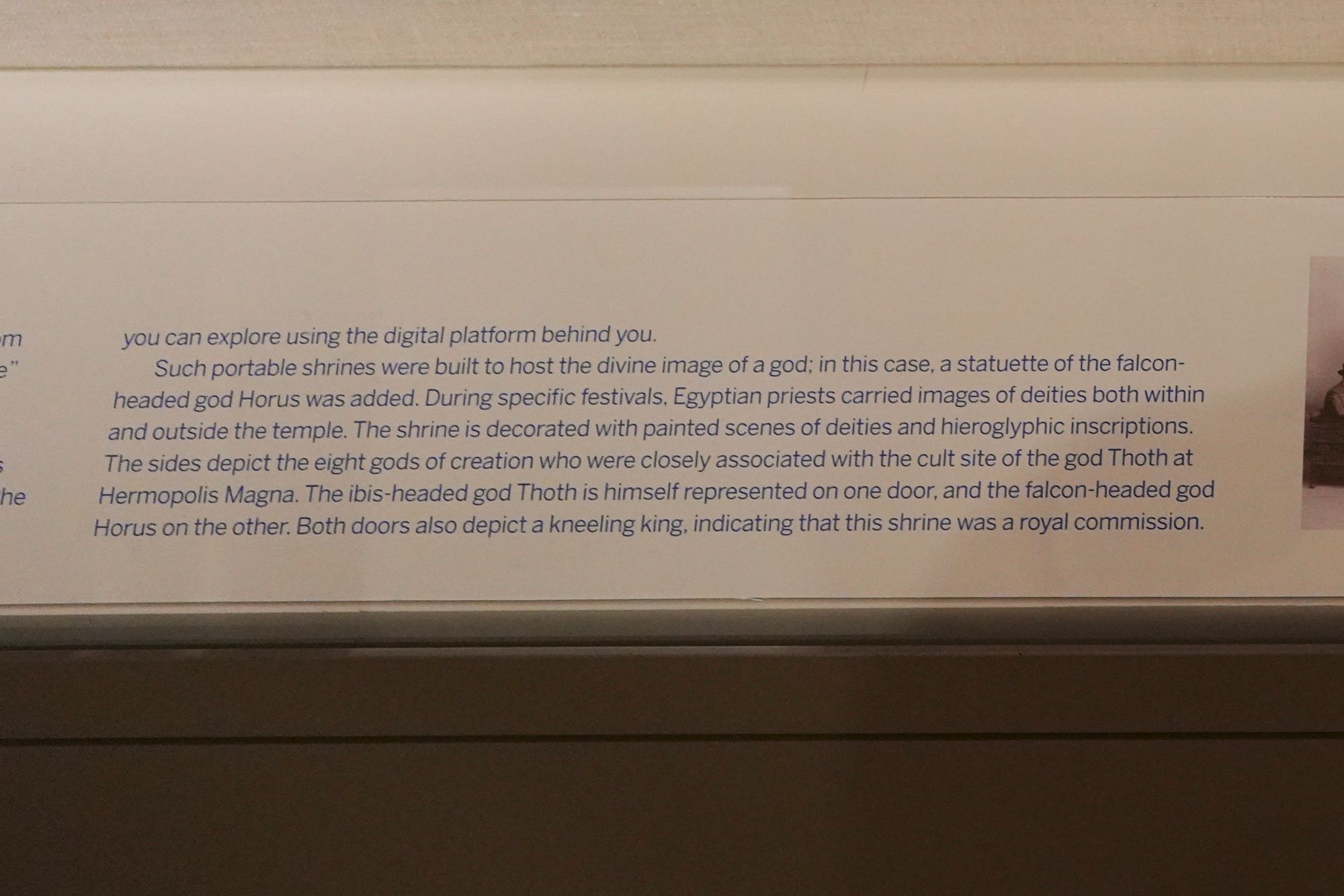
Portable Shrine from Ptolemaic Period (305 BCE-30 CE)