National Museum of Natural History – Human Origins, Washington DC, USA
The Human Origins exhibit shows how early humans evolved over millions of years and how climate shaped the rise of Homo sapiens. 1149
Smithsonian National Museum of Natural History: 10th St. & Constitution Ave. NW, Washington, DC 20560
Date Picture Taken: August 2025
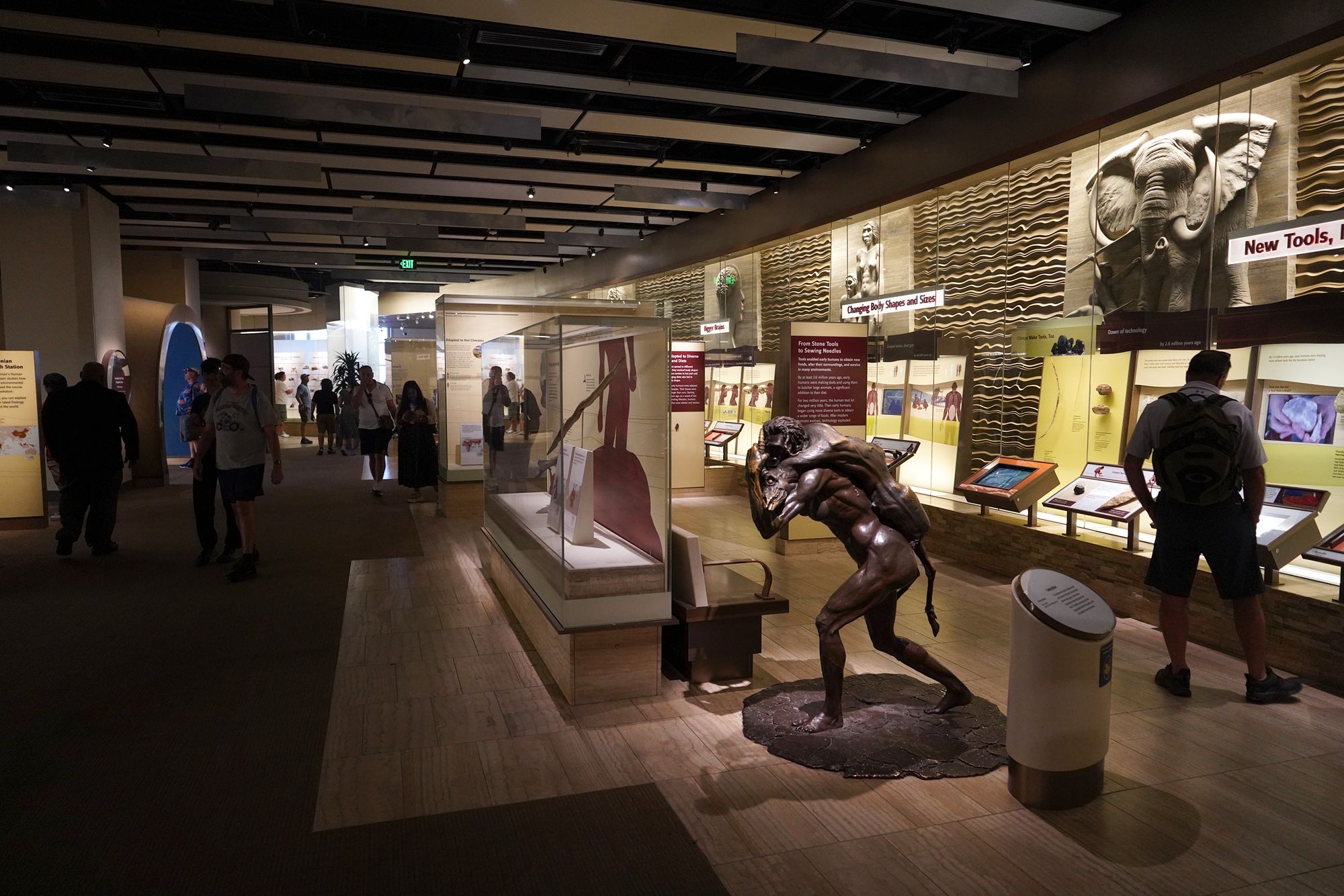
The Hall of Human Origins explores the evolution of humans over the past six million years. It presents fossils, lifelike reconstructions of early human species, and stone tools. The exhibit shows major milestones—walking upright, using tools, controlling fire, developing language, and creating art.

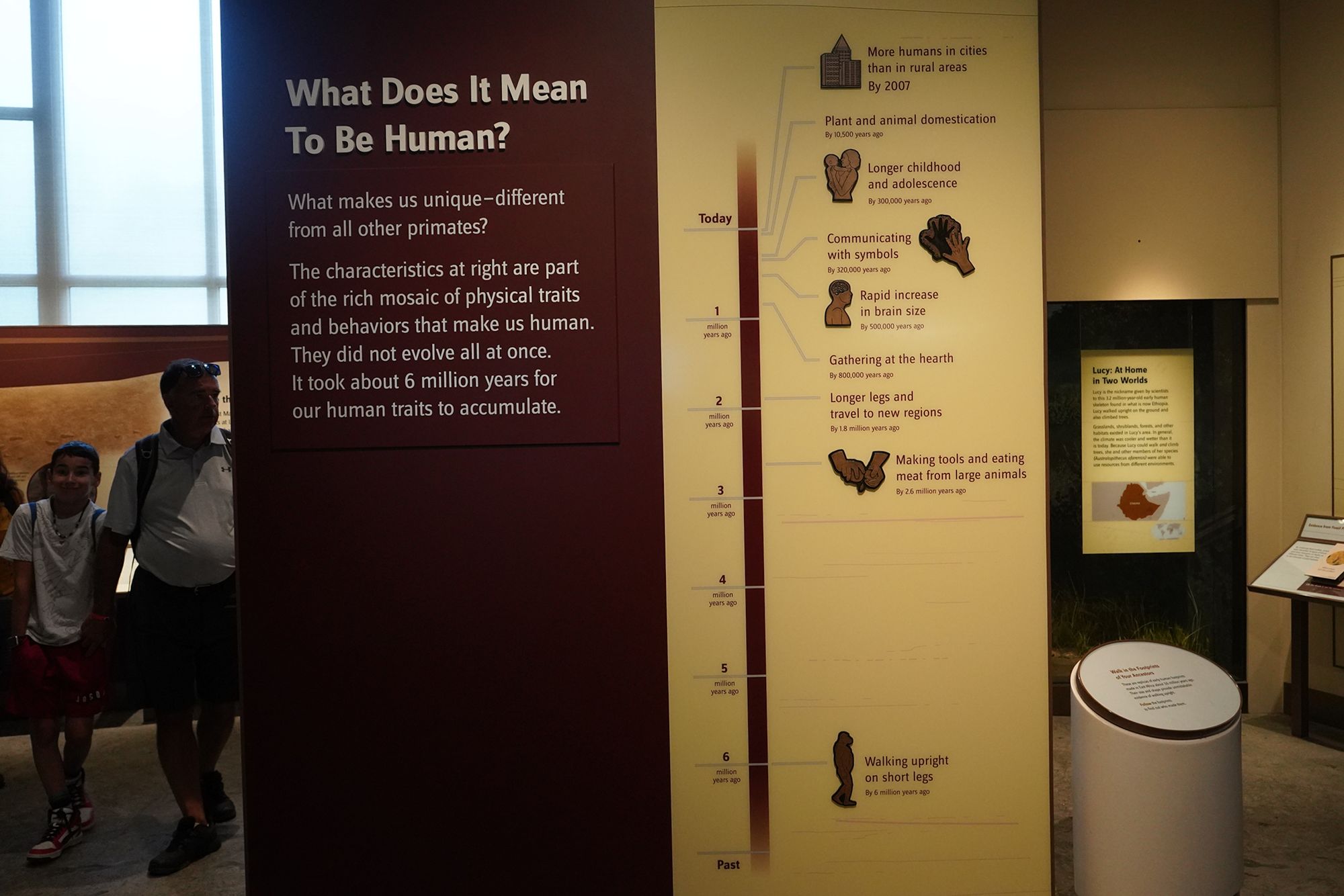
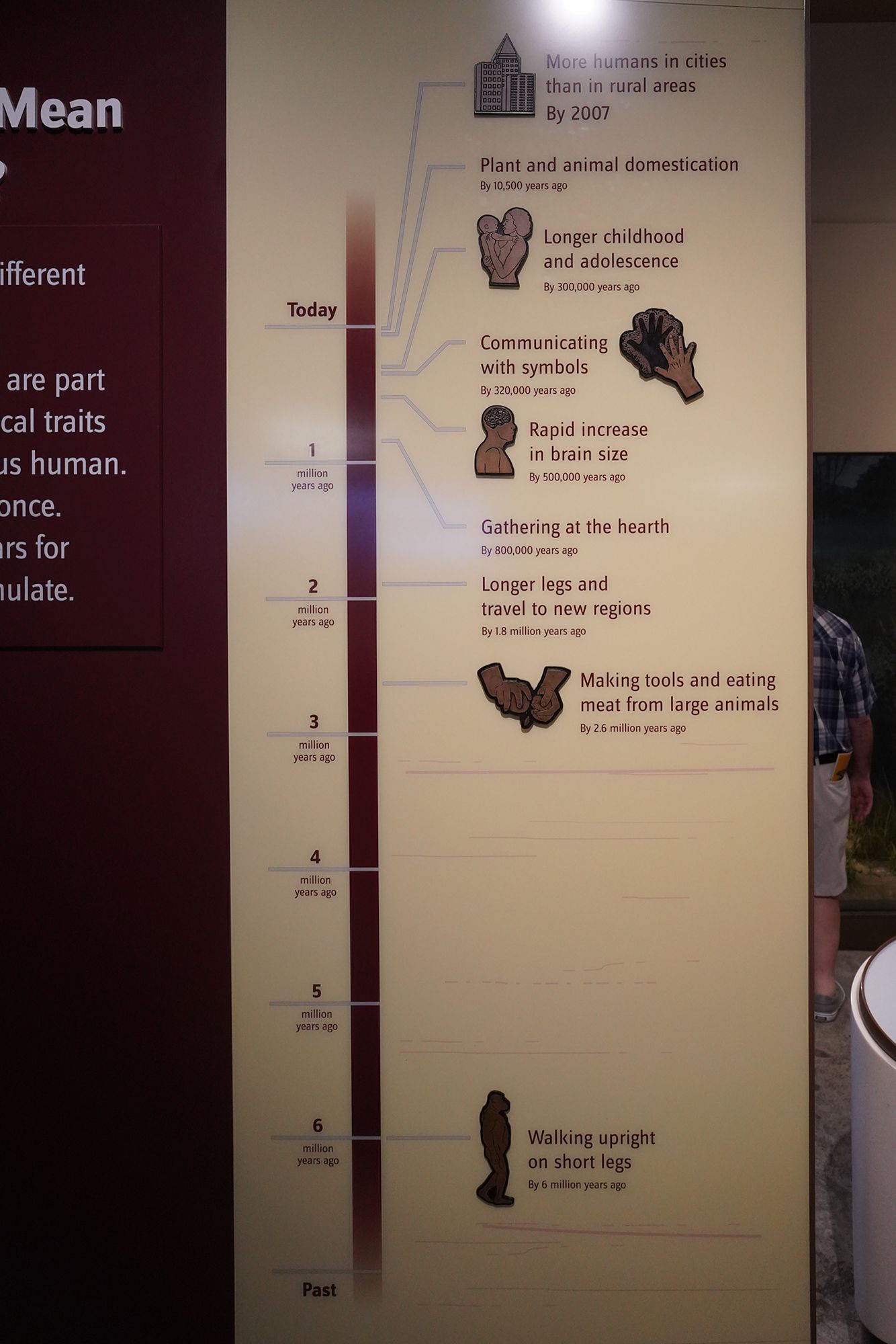
What Does It Mean To Be Human?
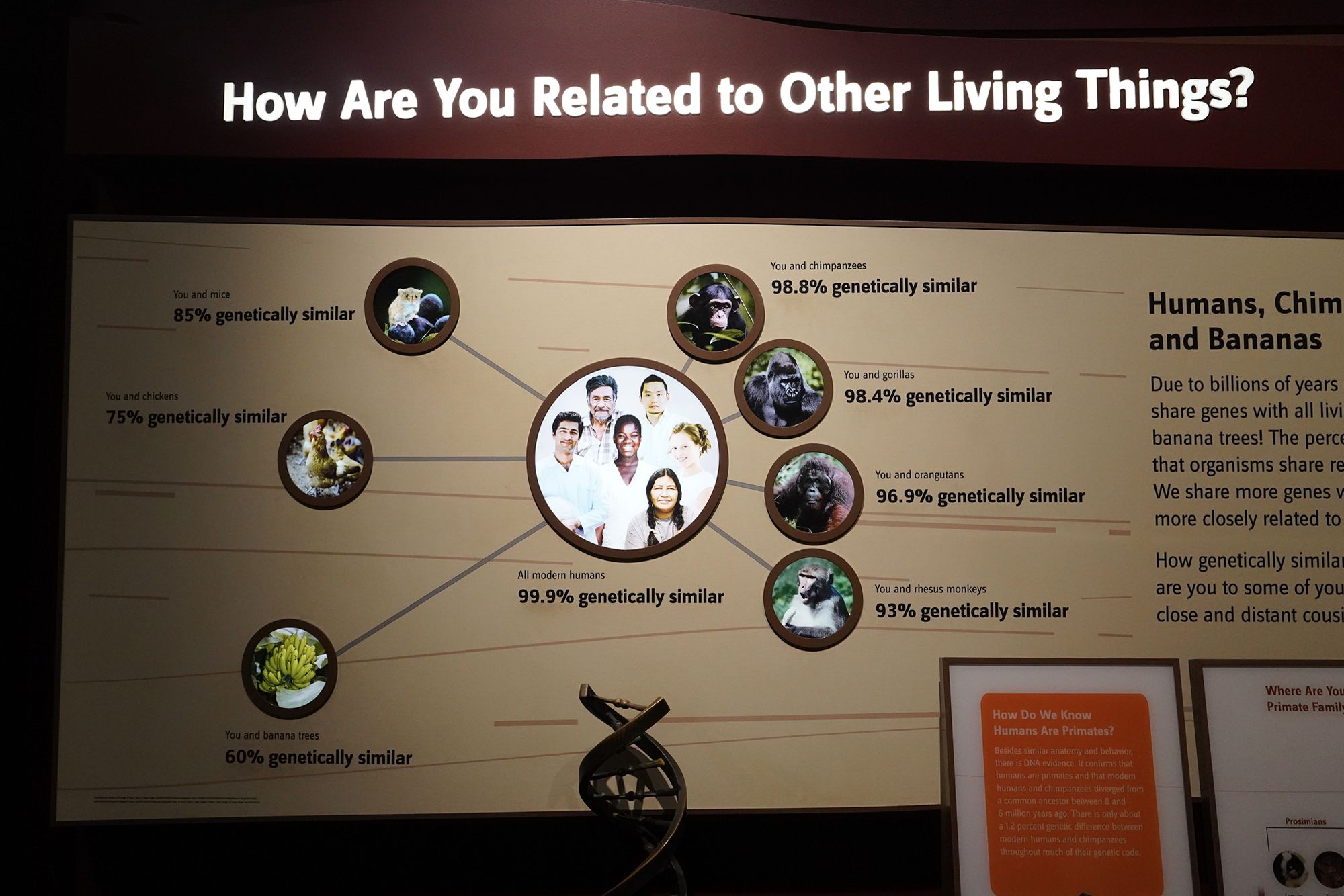
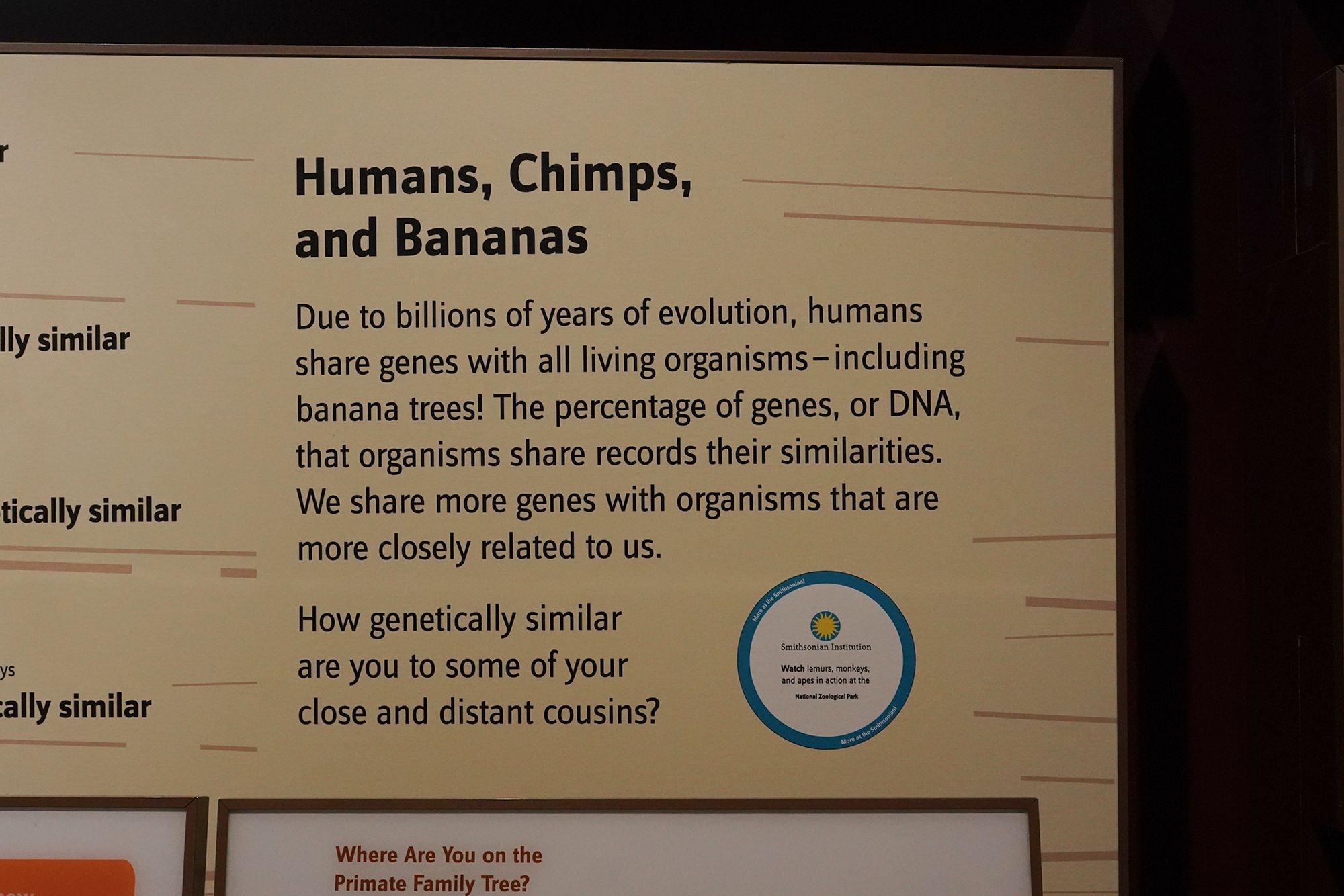
How are humans related to other living things? We shared about 98.8% genetics with Chimpanzees
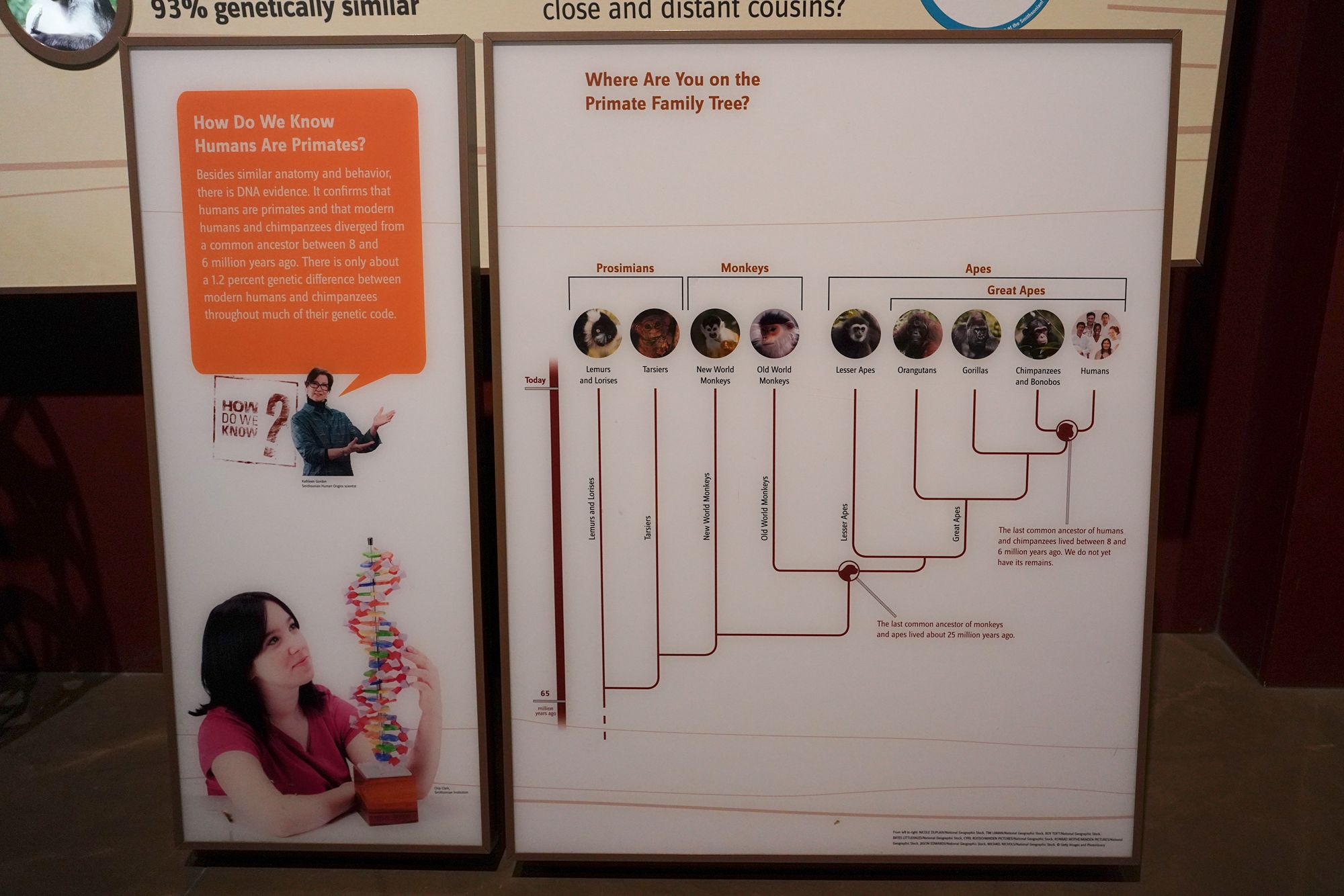
On the primate family tree, we belong to the ape group.
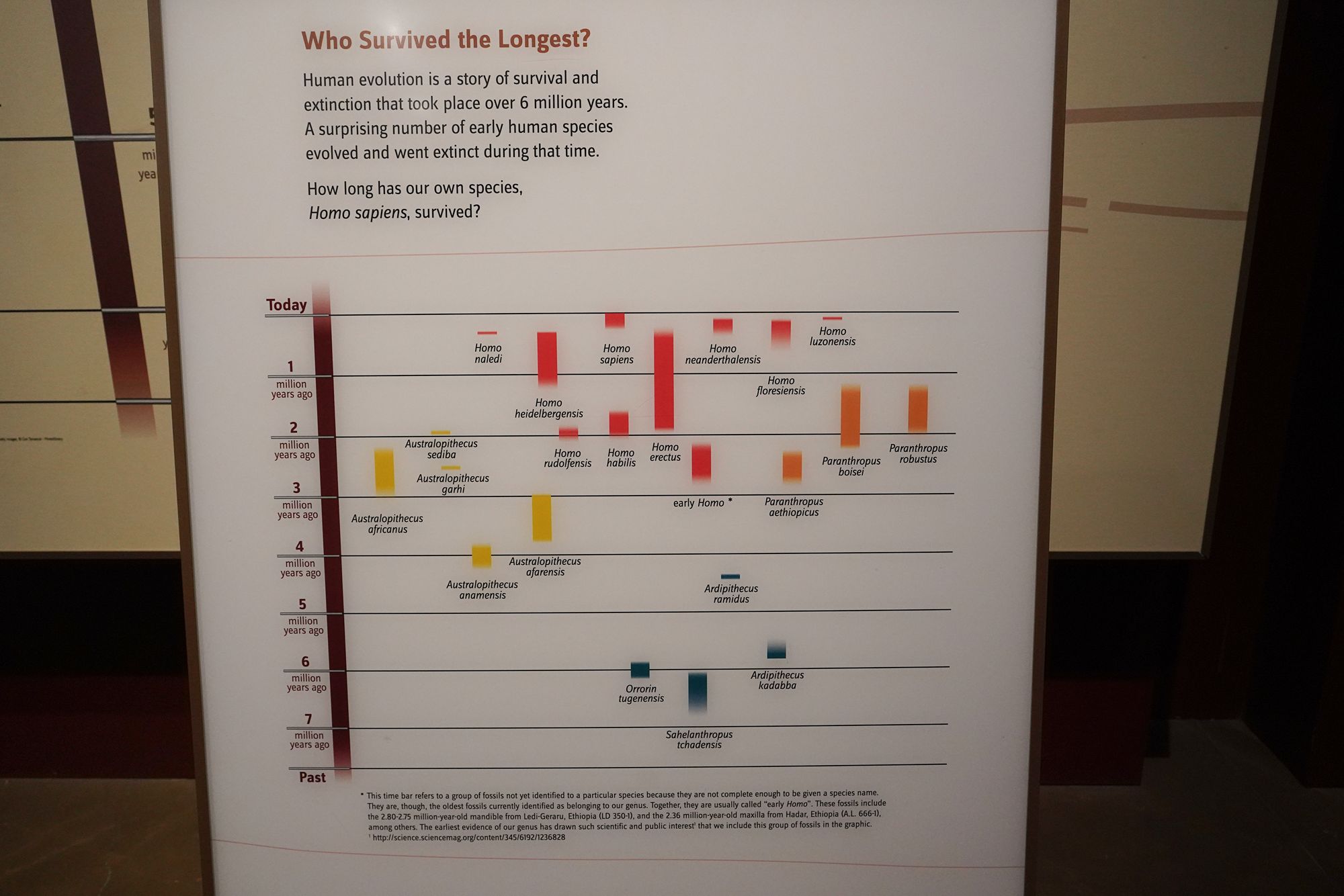
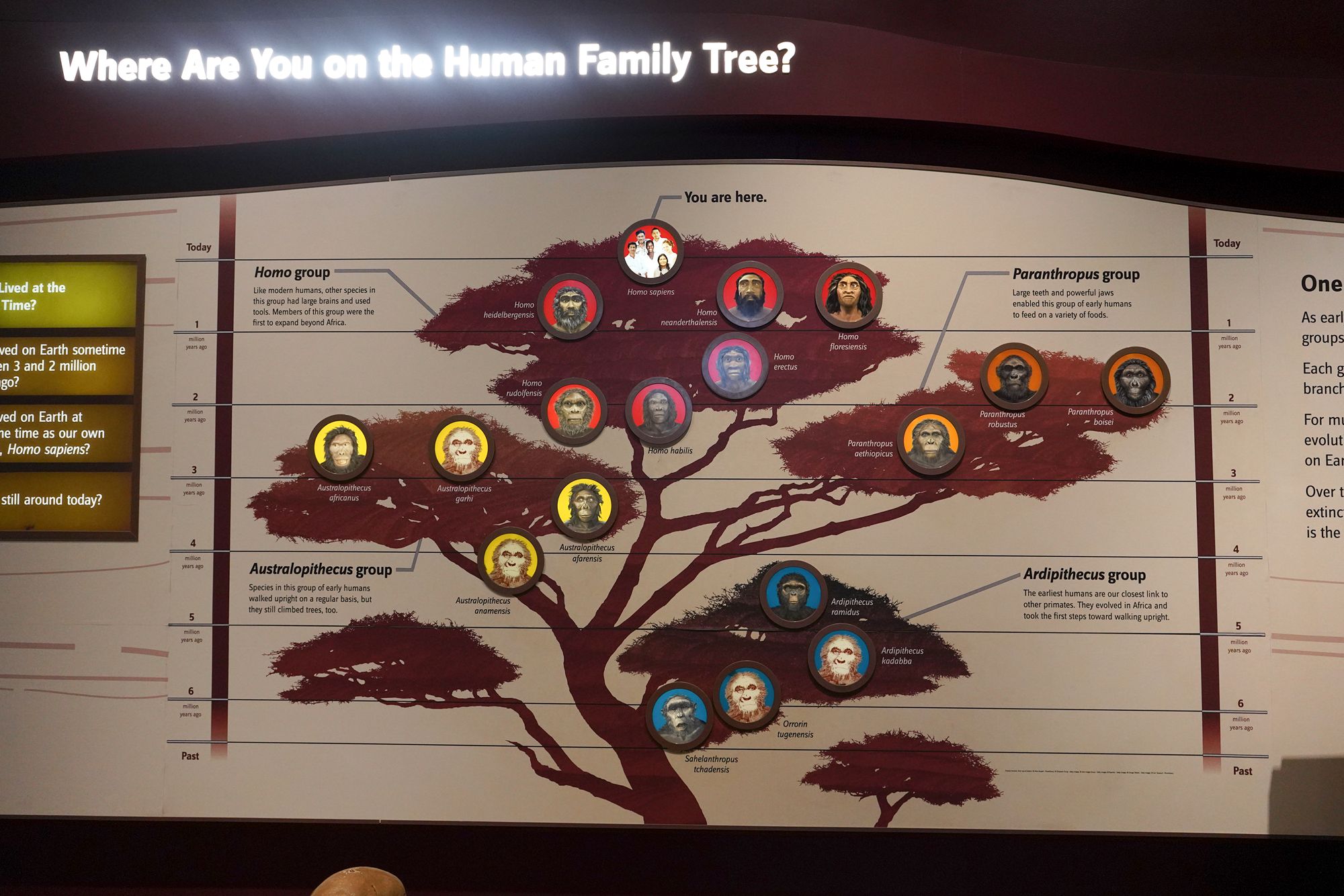
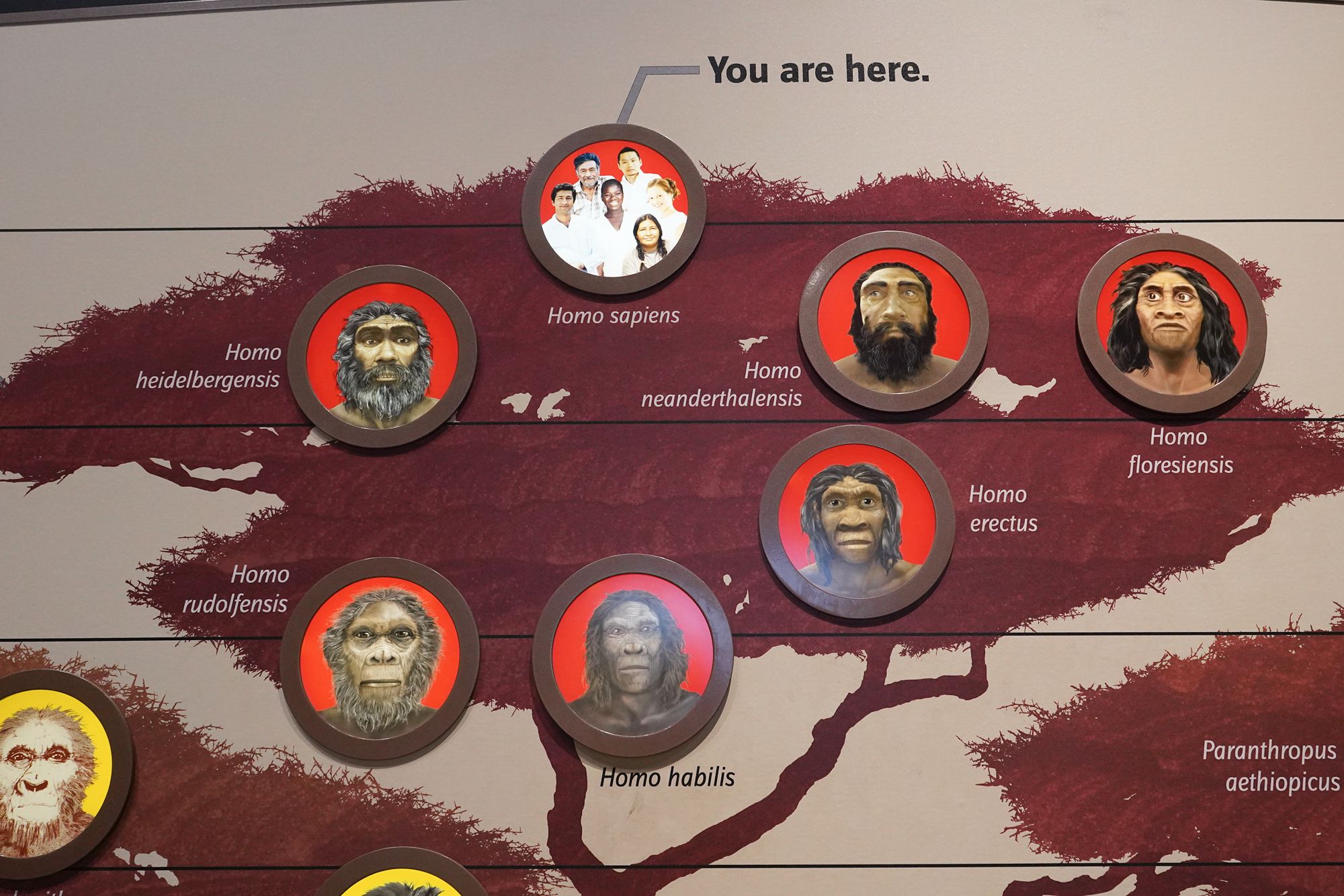
Early Human Species. There were many early human species, but only one remained
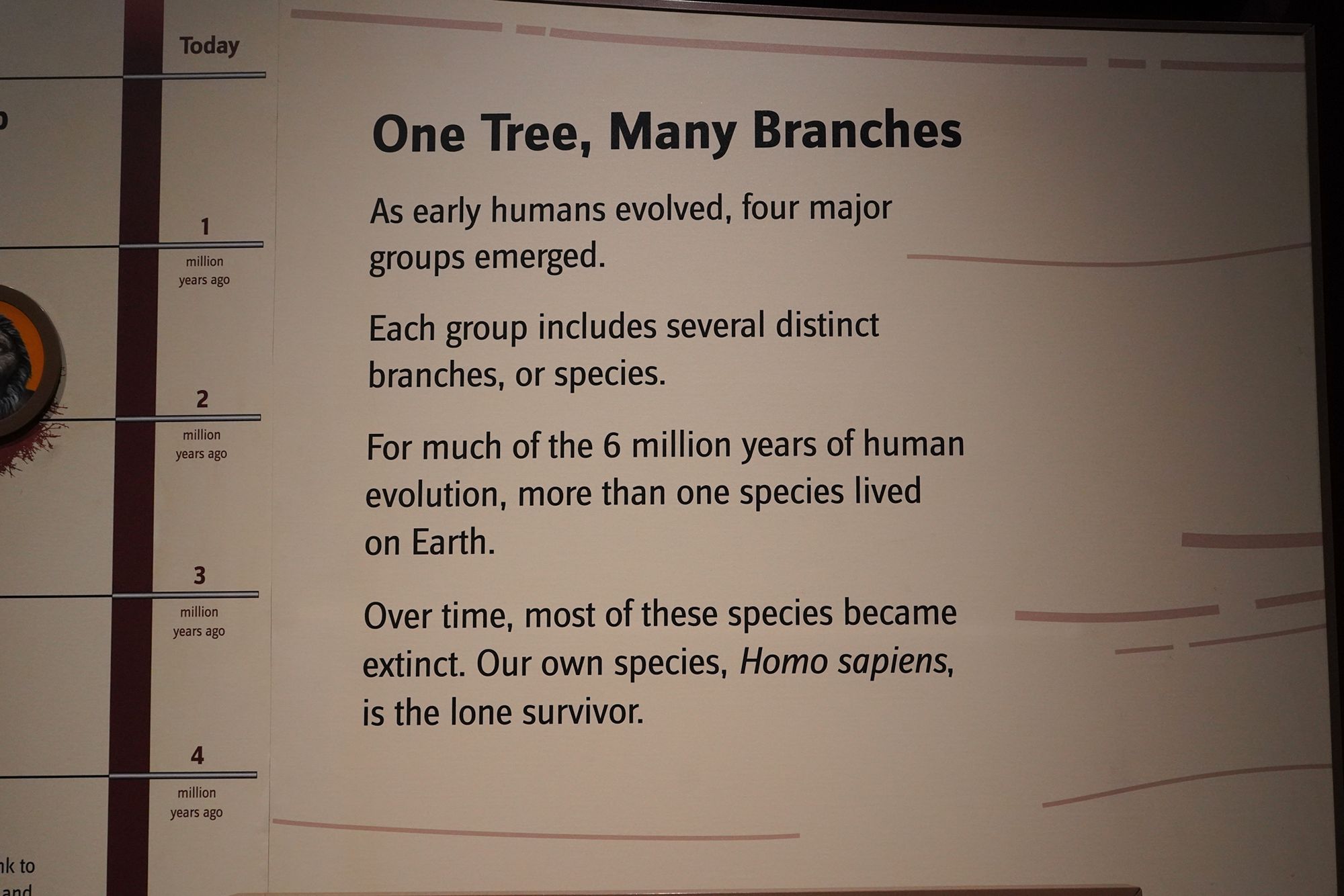
One Tree, Many Branches
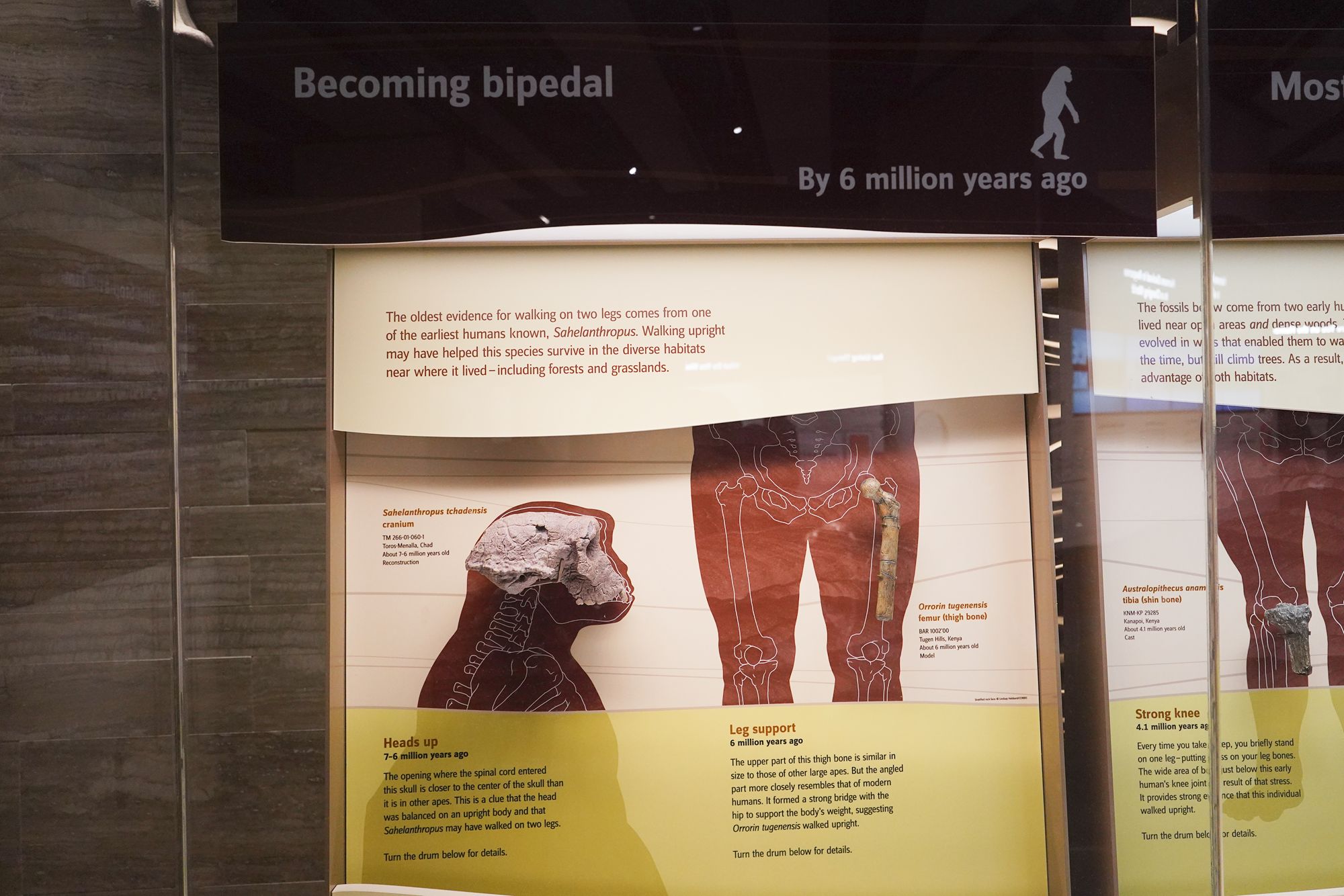
Walking upright may have helped the species survive in the diverse habitats.
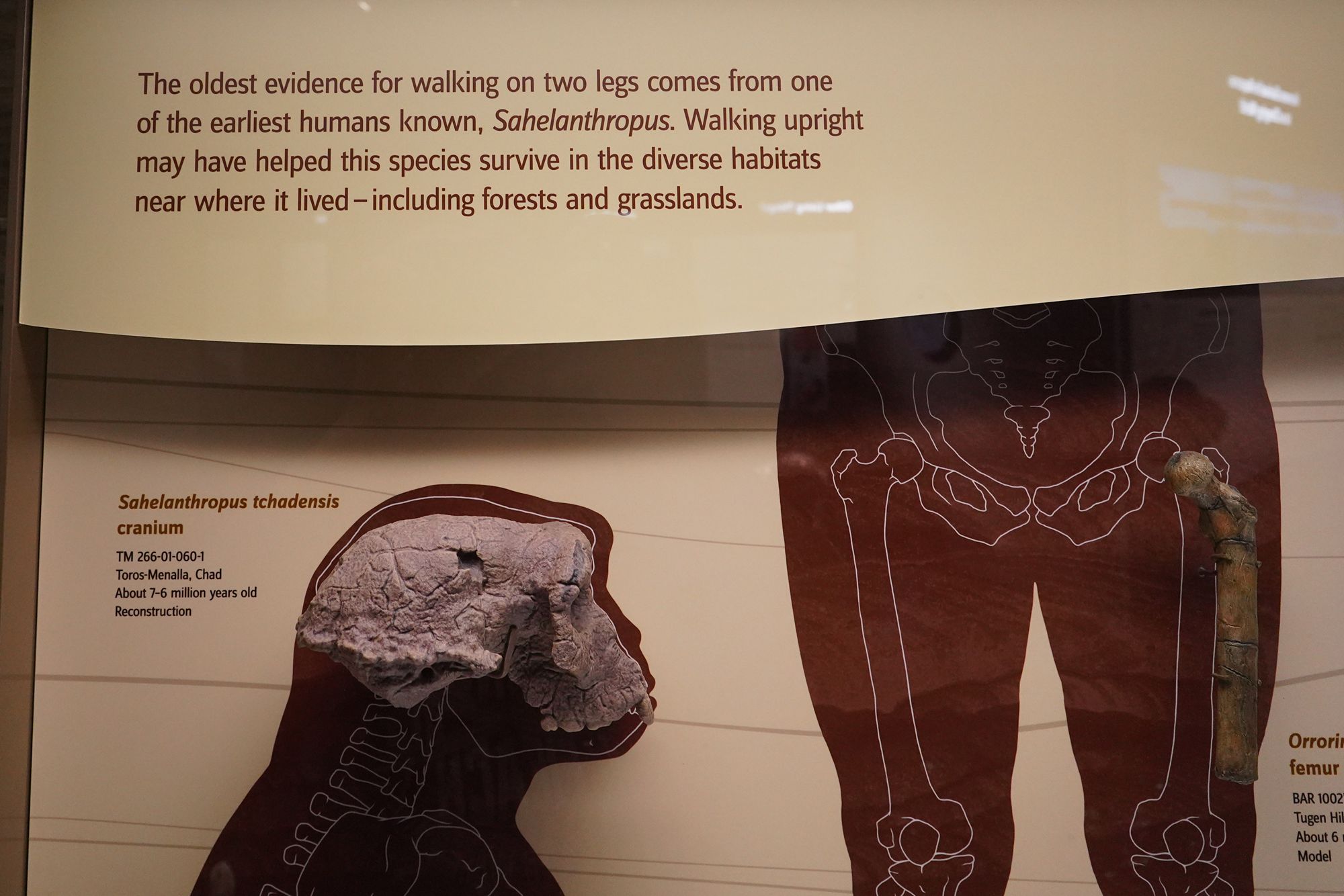
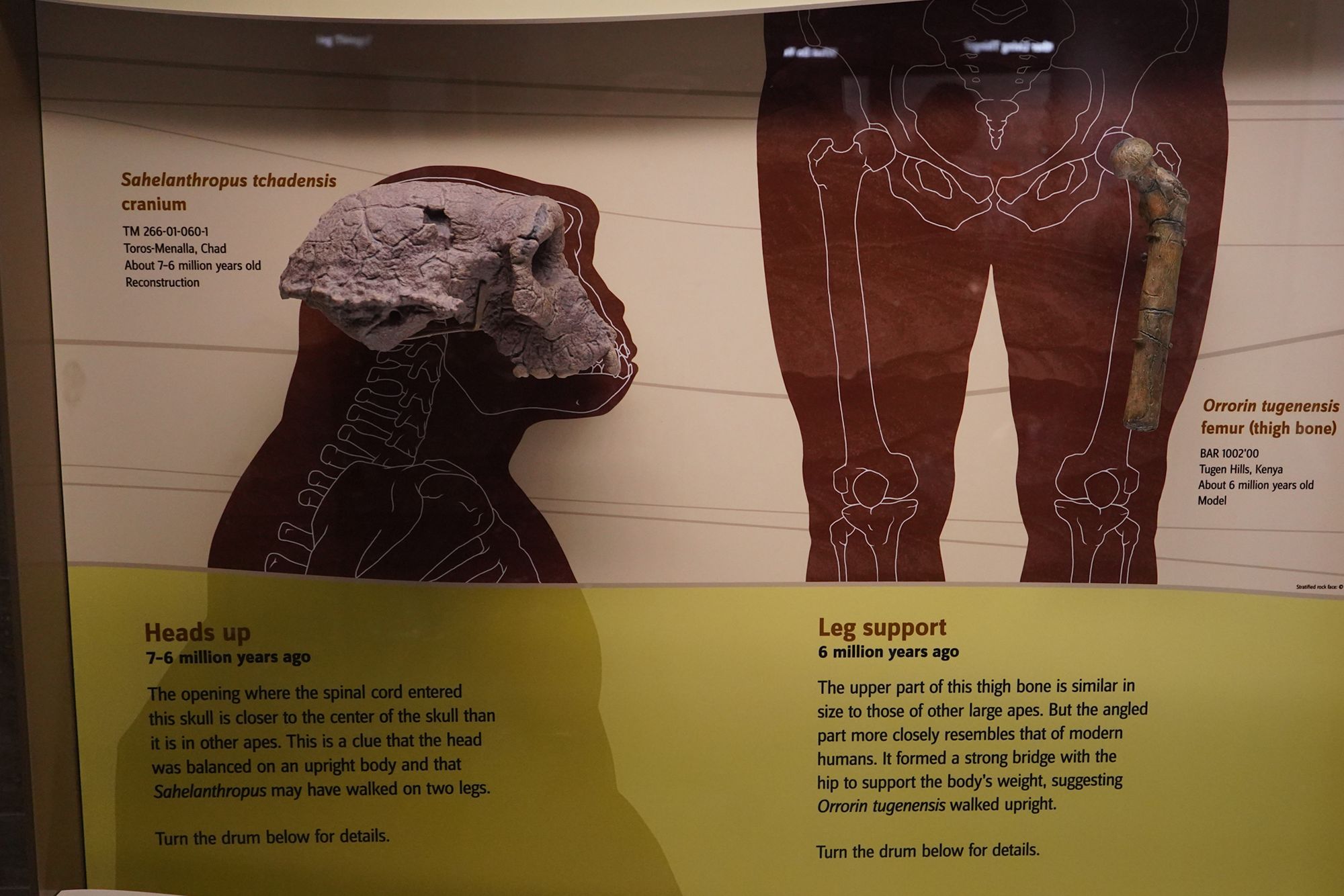
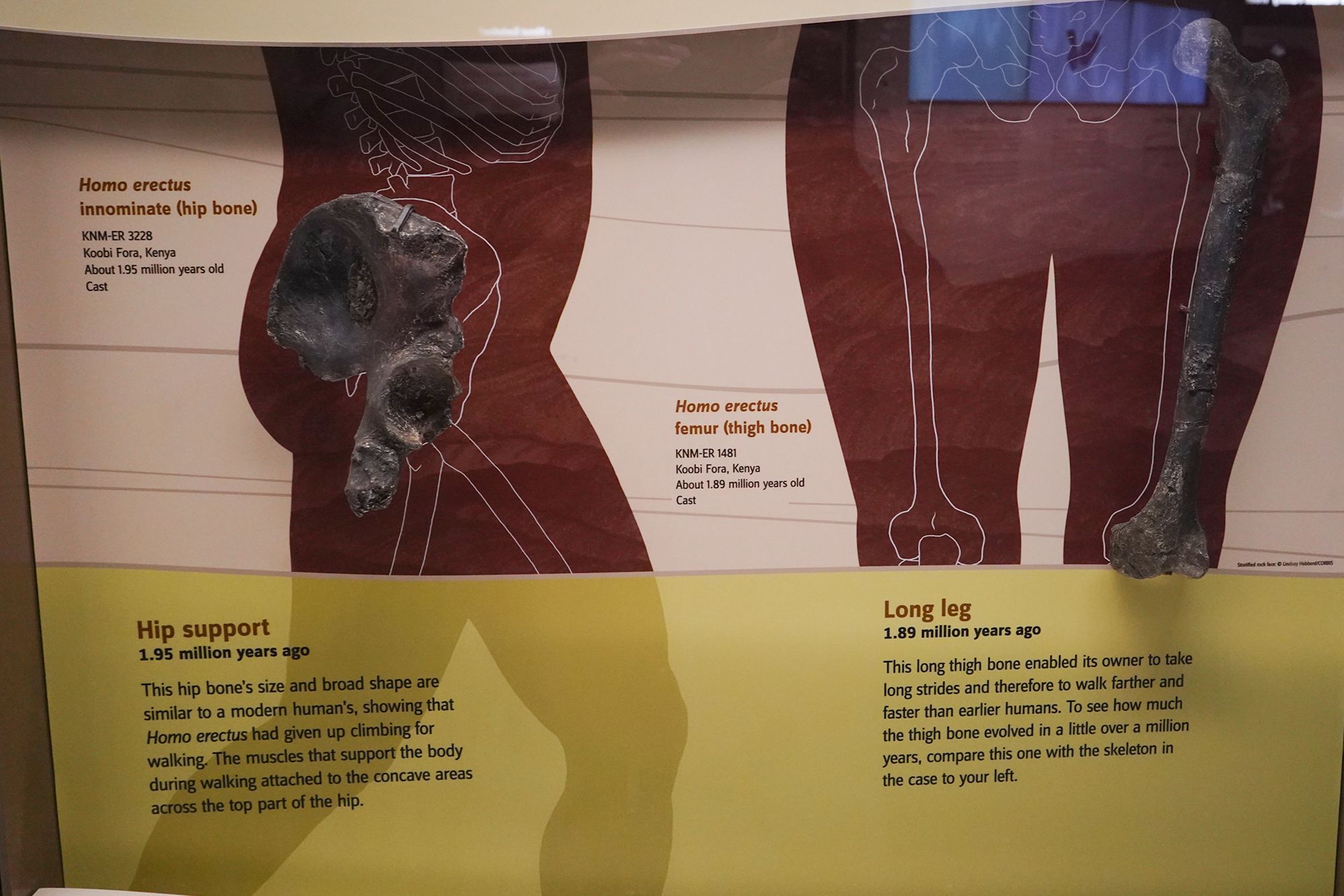
To walk upright, the body needed key changes—lifting the head for forward vision and developing stronger legs to support weight.
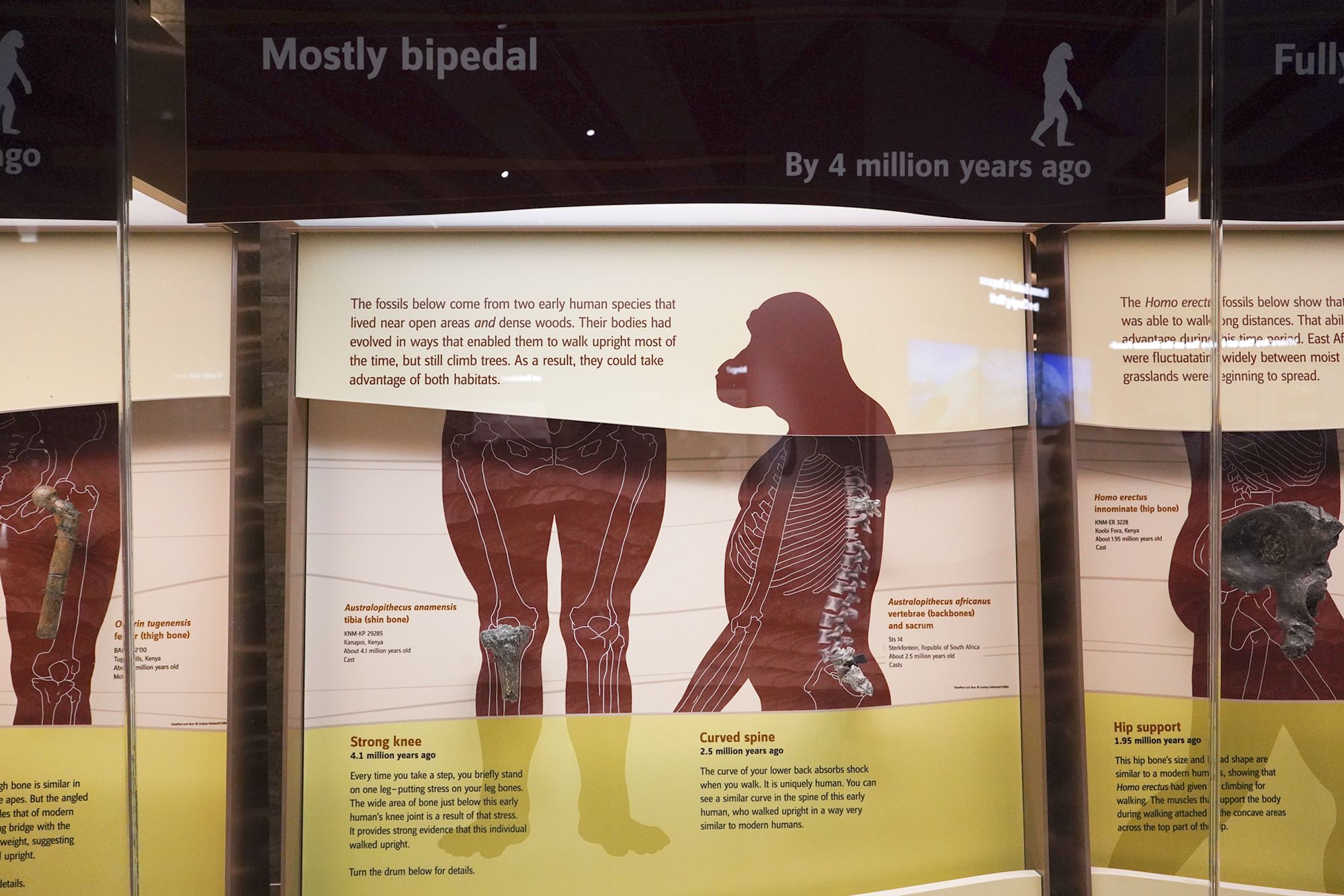
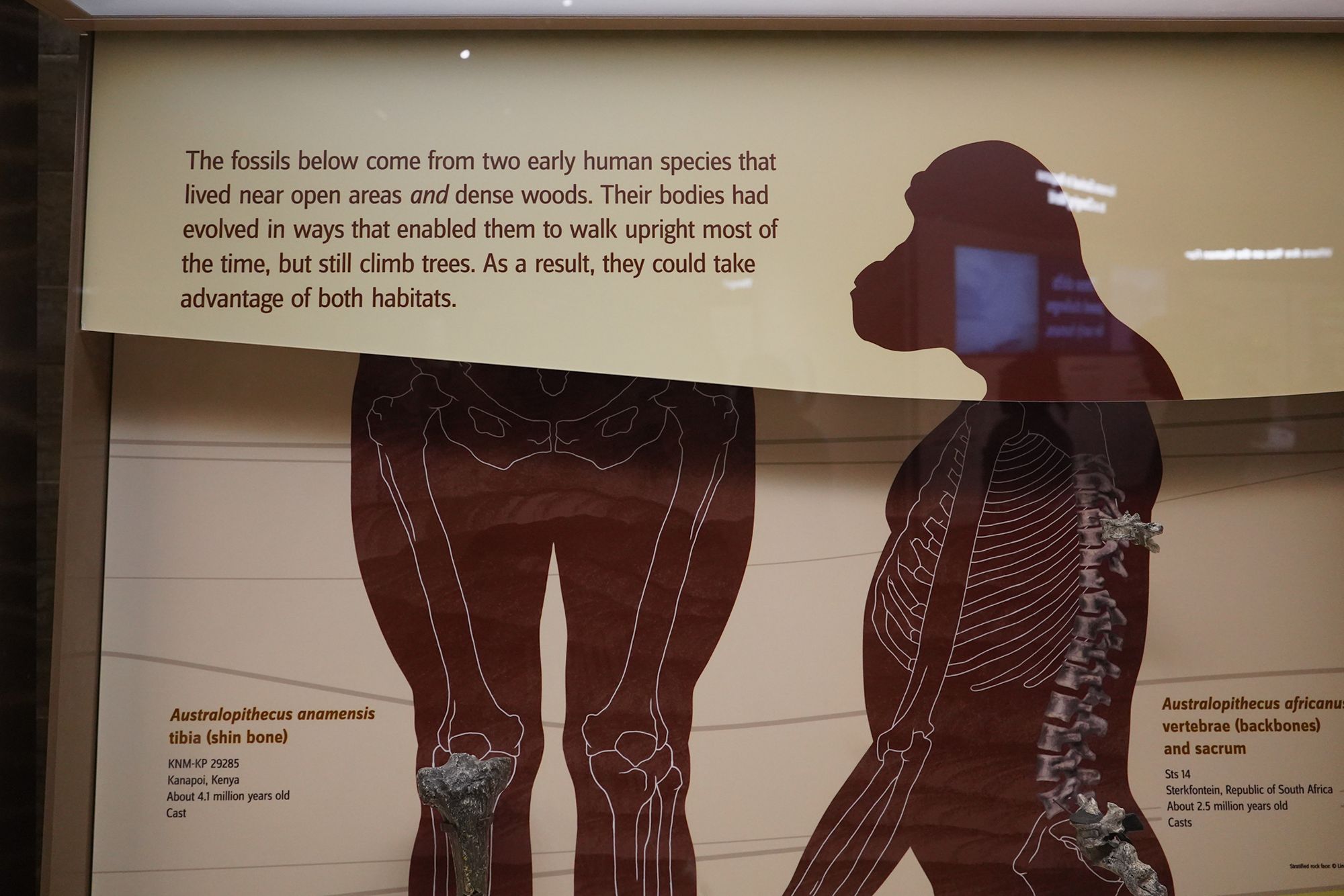
By 4 million years ago, early humans had developed strong knees for upright walking, and by about 2.5 million years ago, they evolved a curved spine to support bipedal movement.
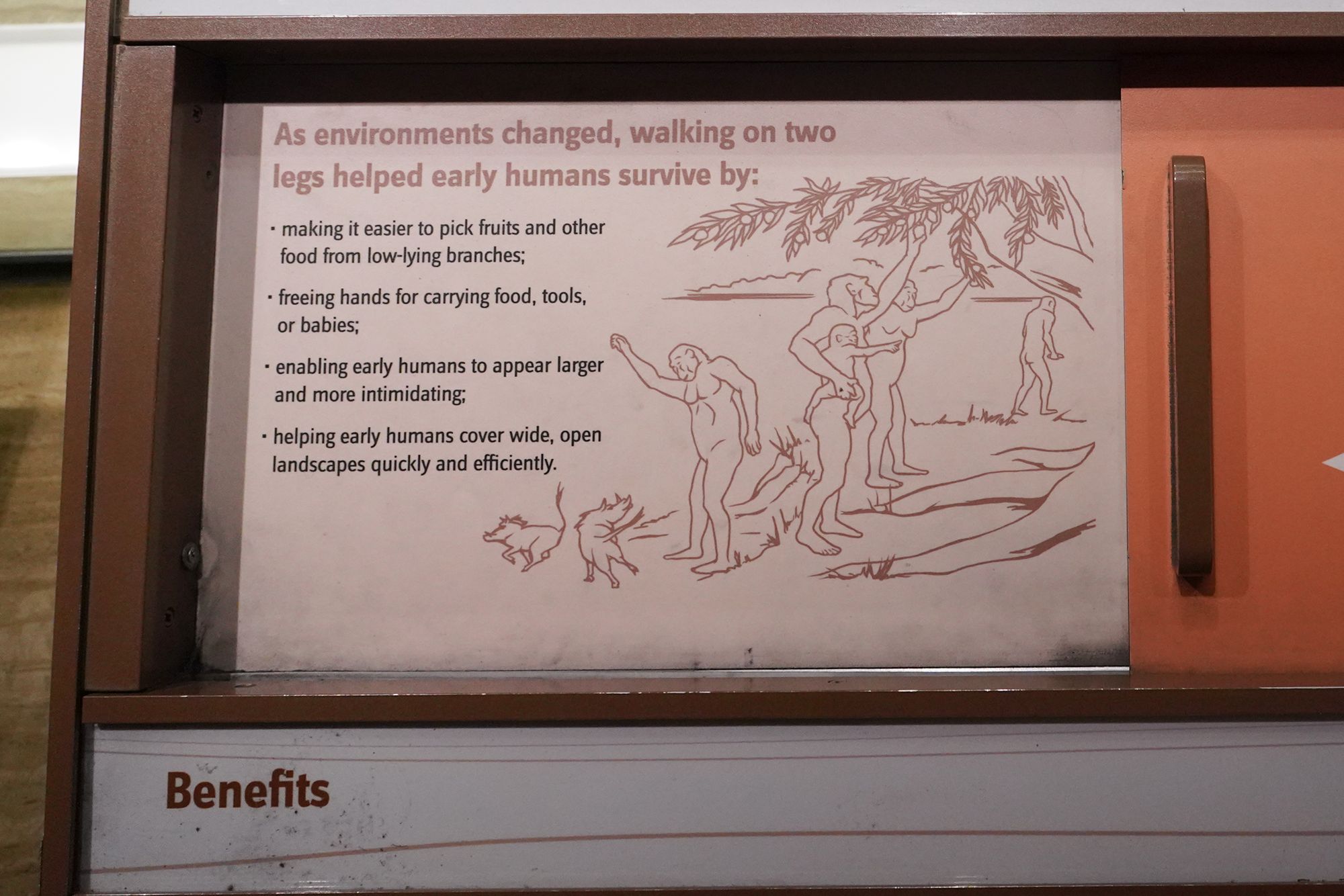
Benefits of walking on two legs
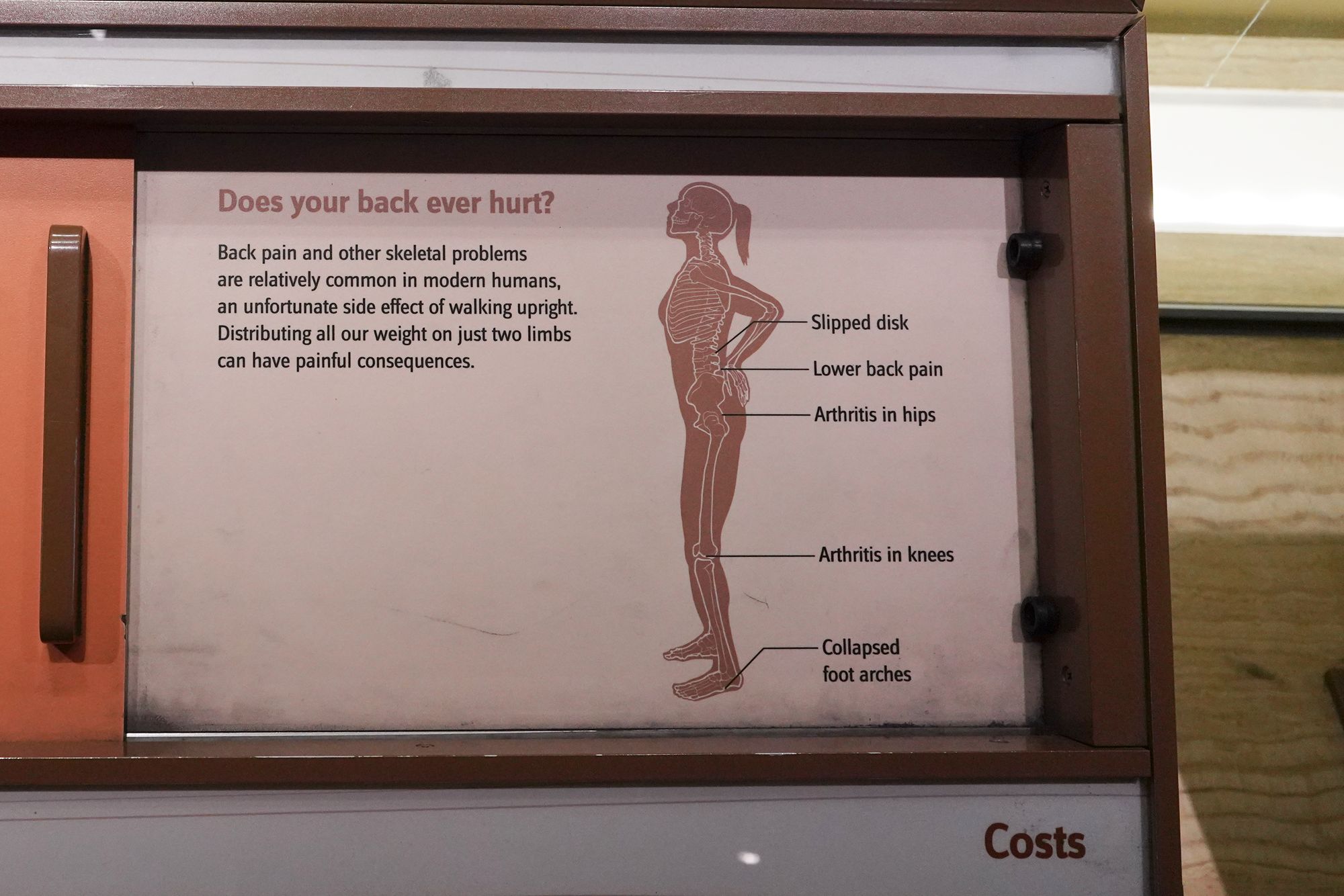
But it causes back pain
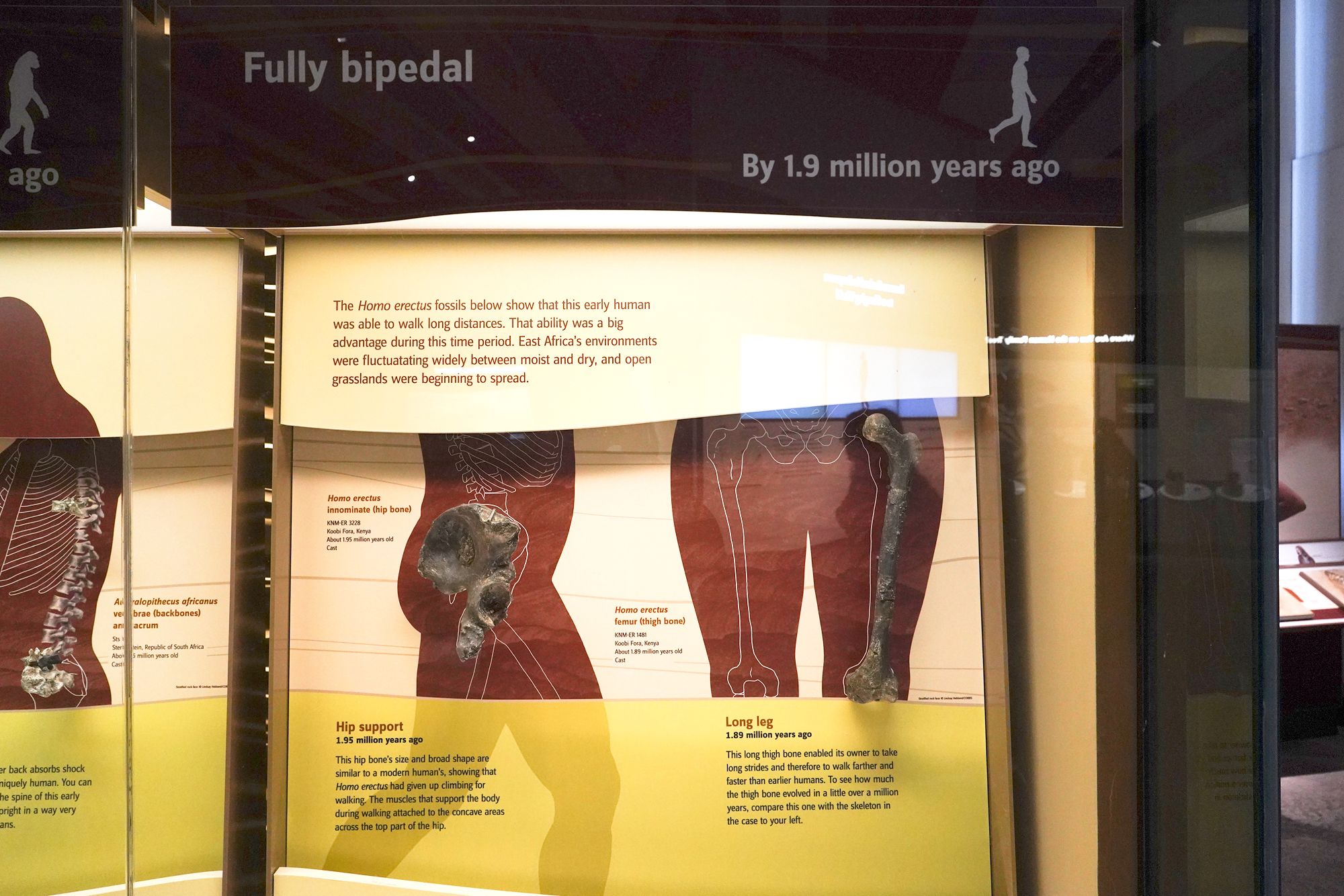
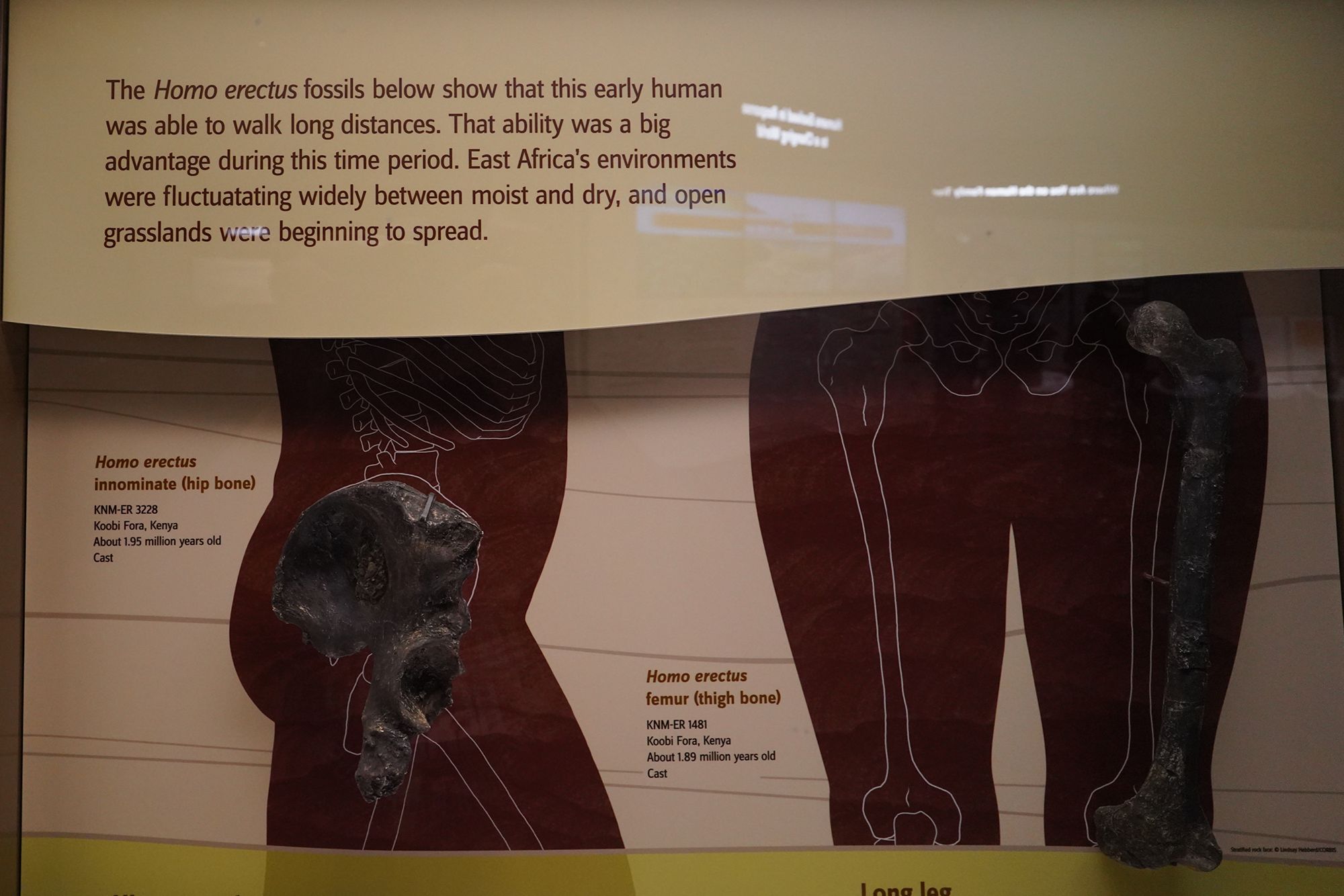
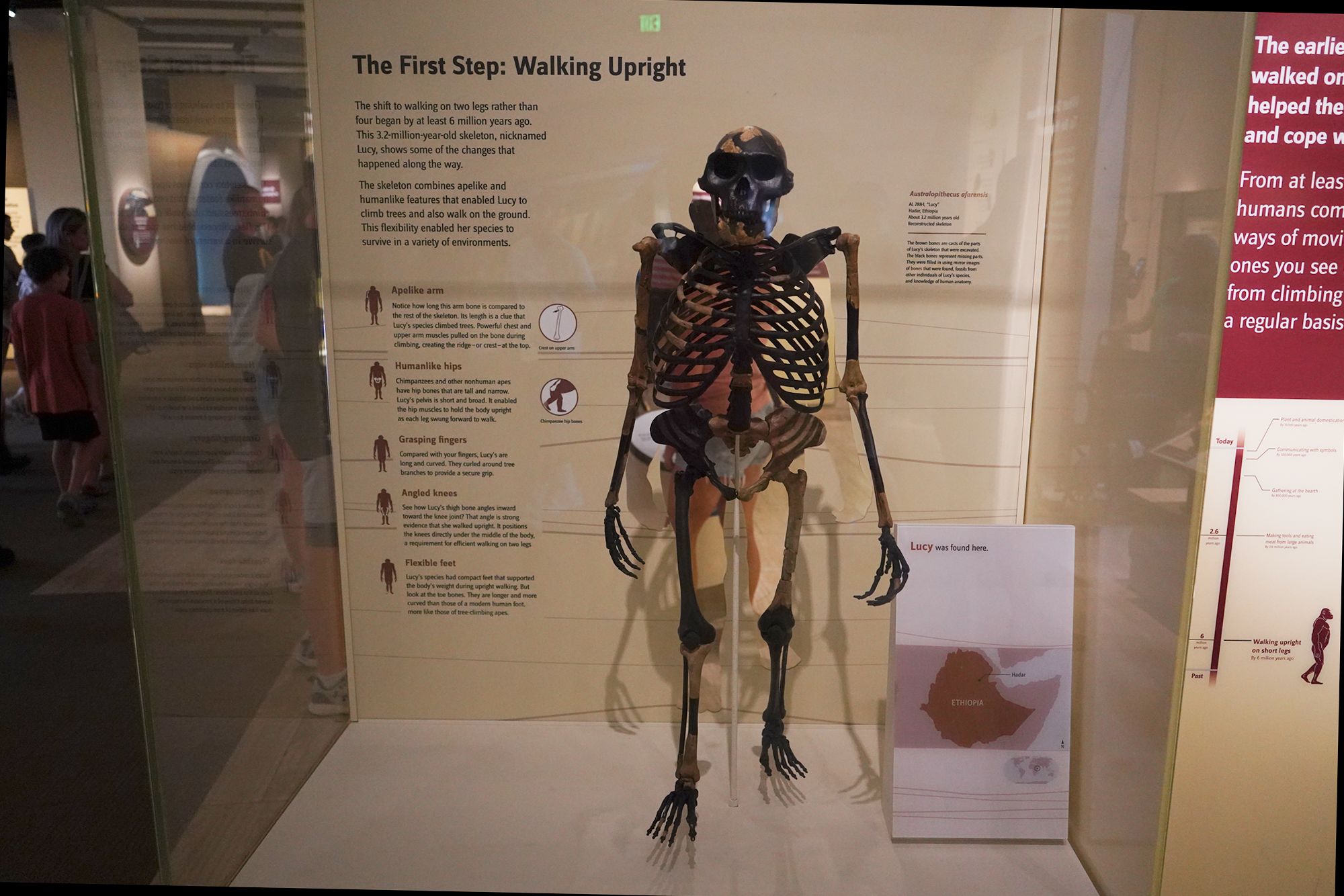
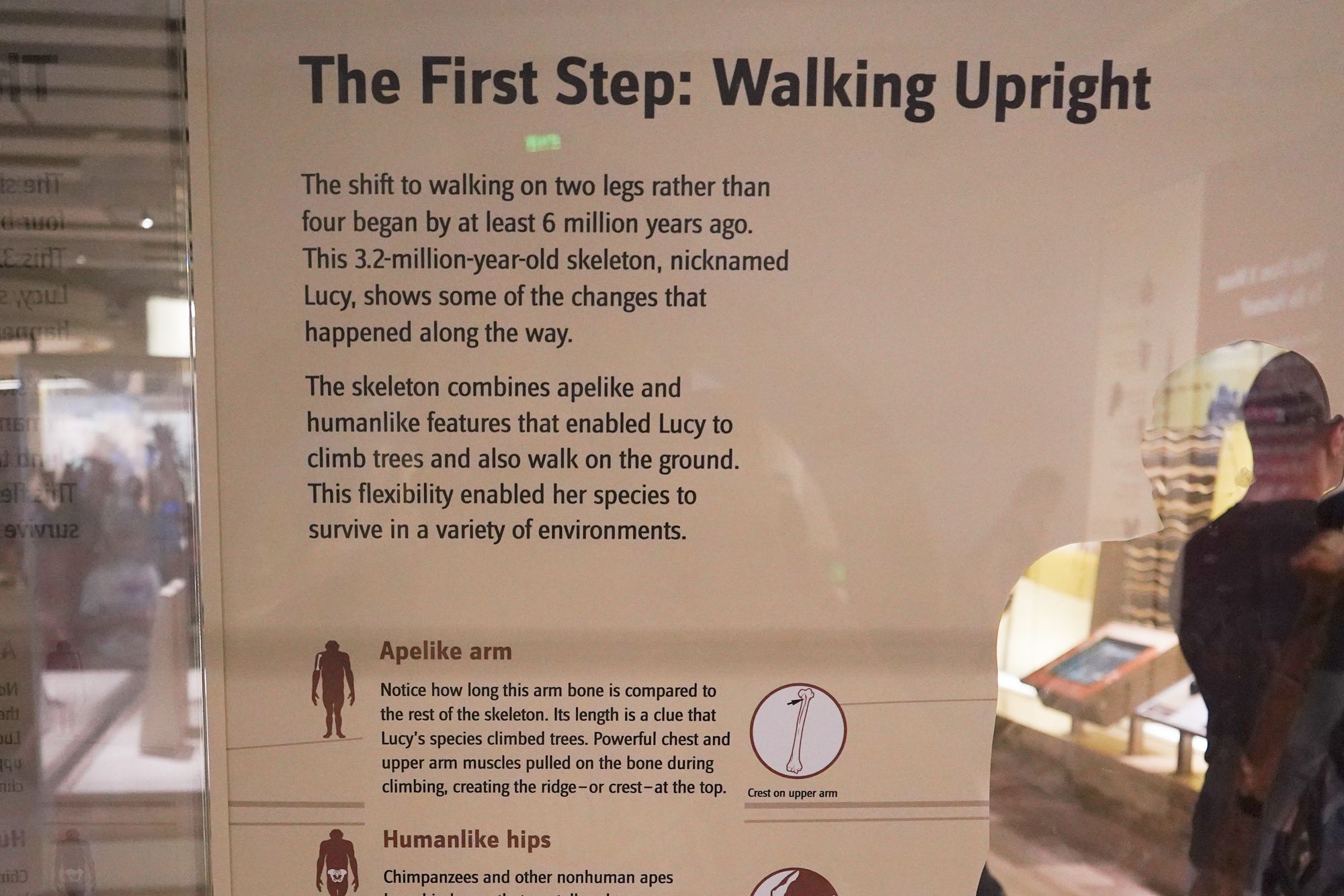
Lucy, a 3.2-million-year-old skeleton, shows several key changes that occurred along the path to bipedalism.
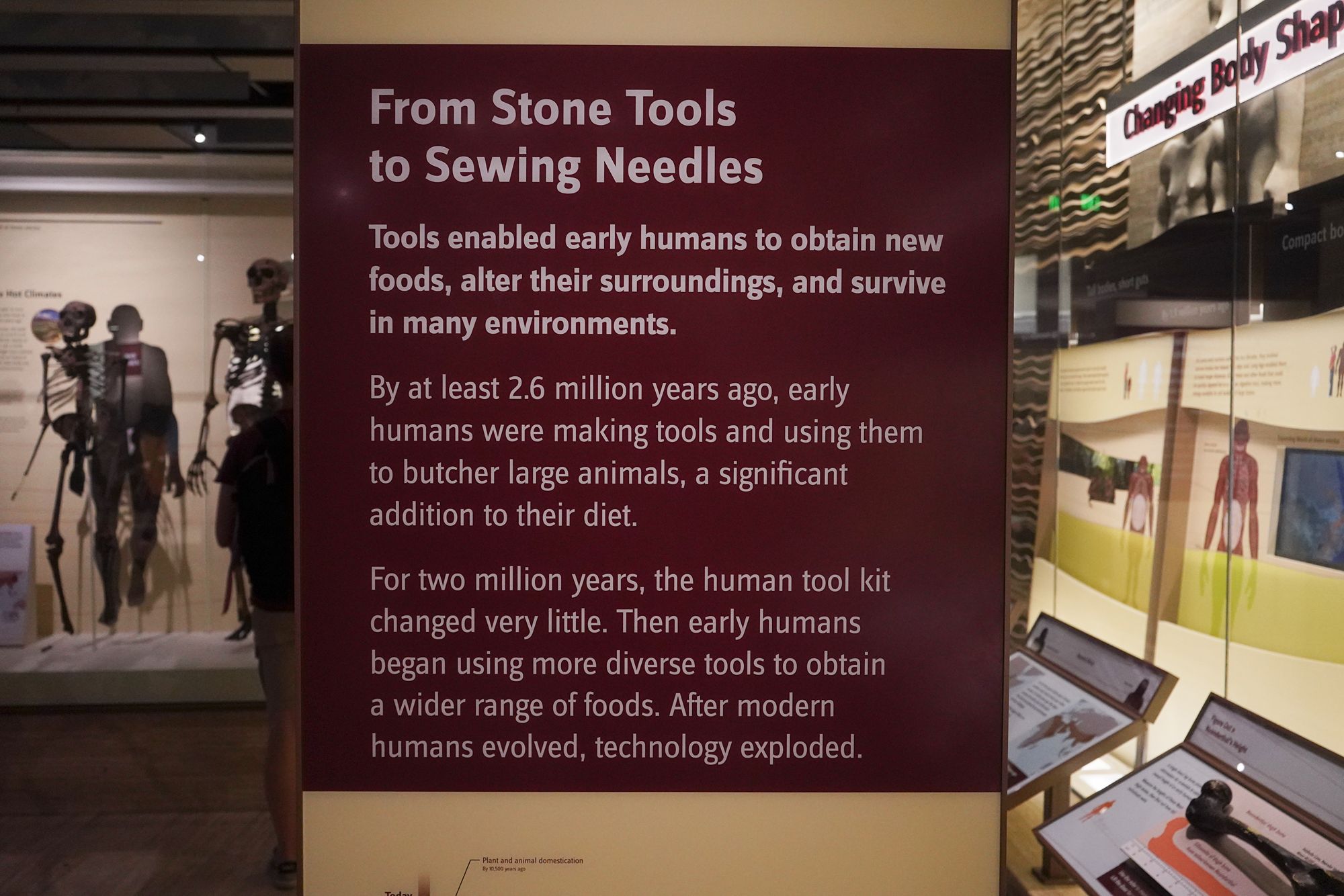
New Tools, New Foods
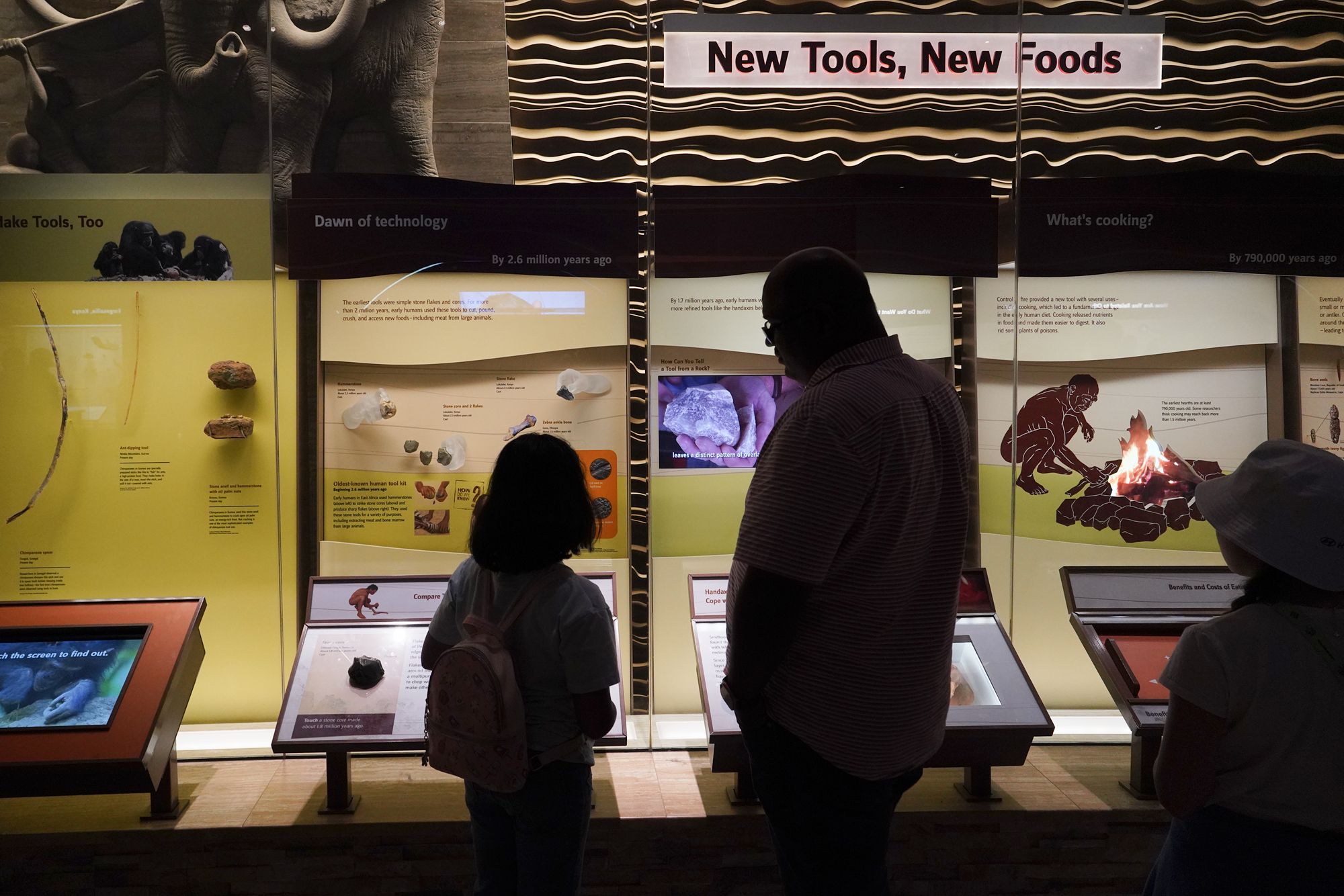
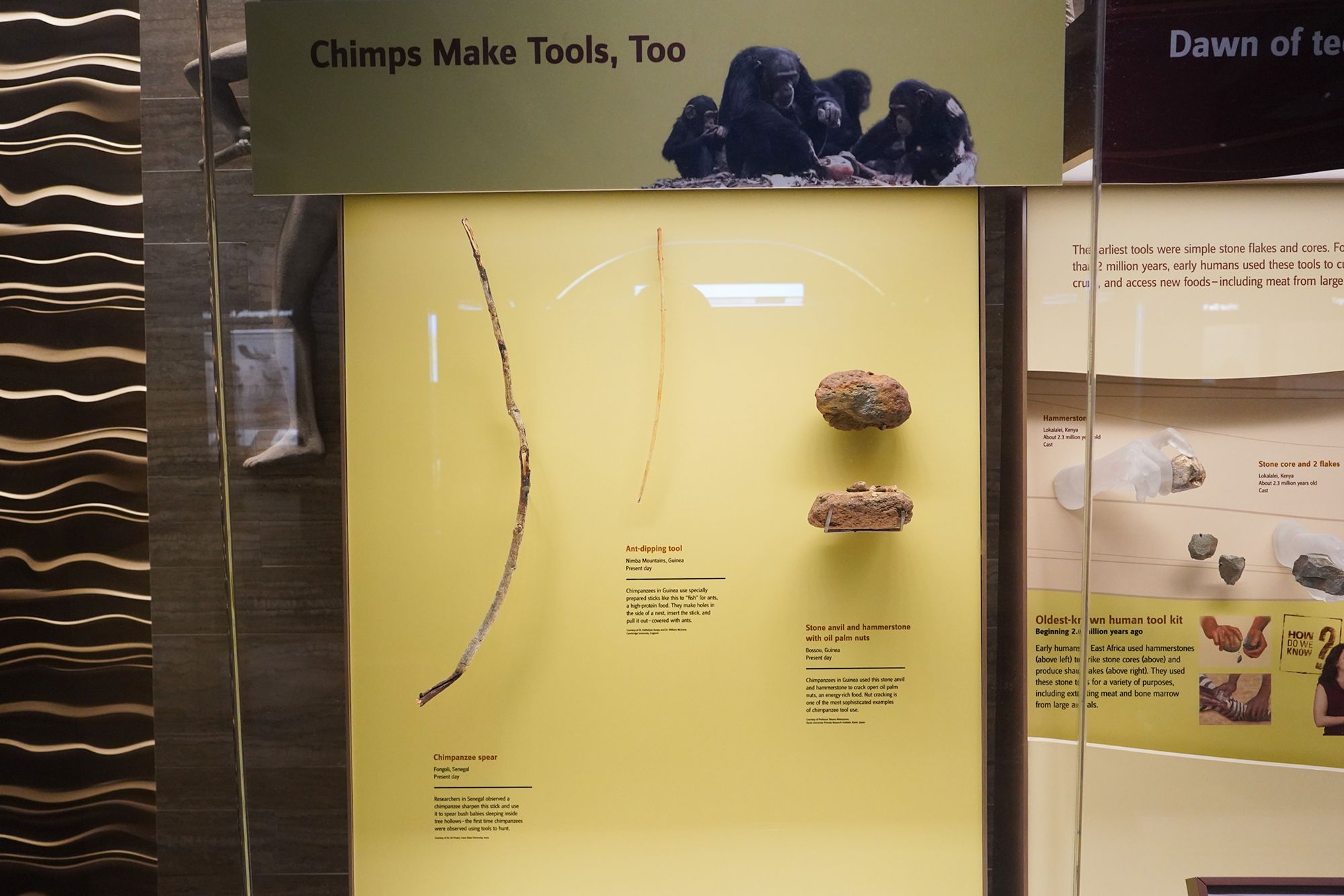
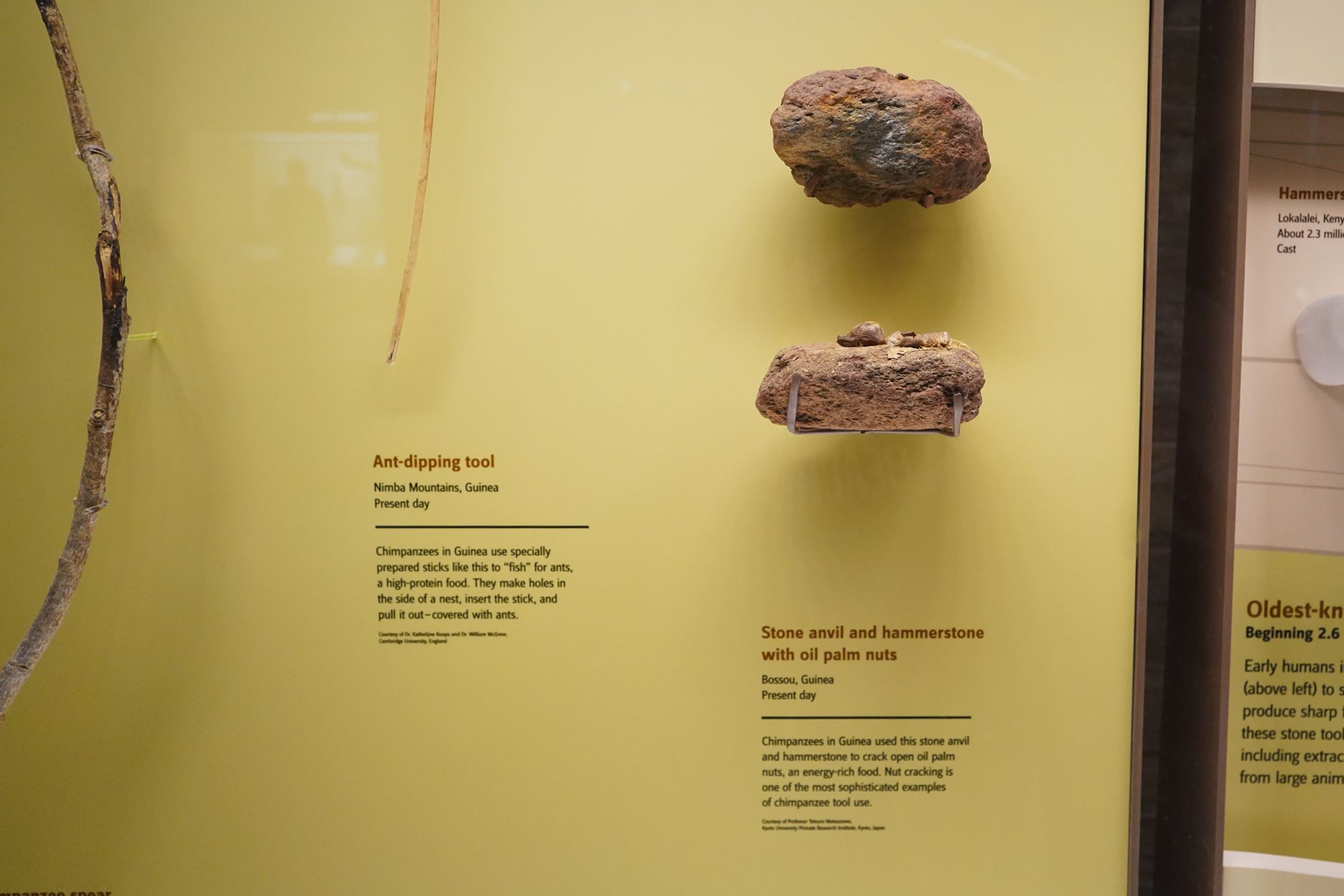
Even chimpanzees make simple tools.
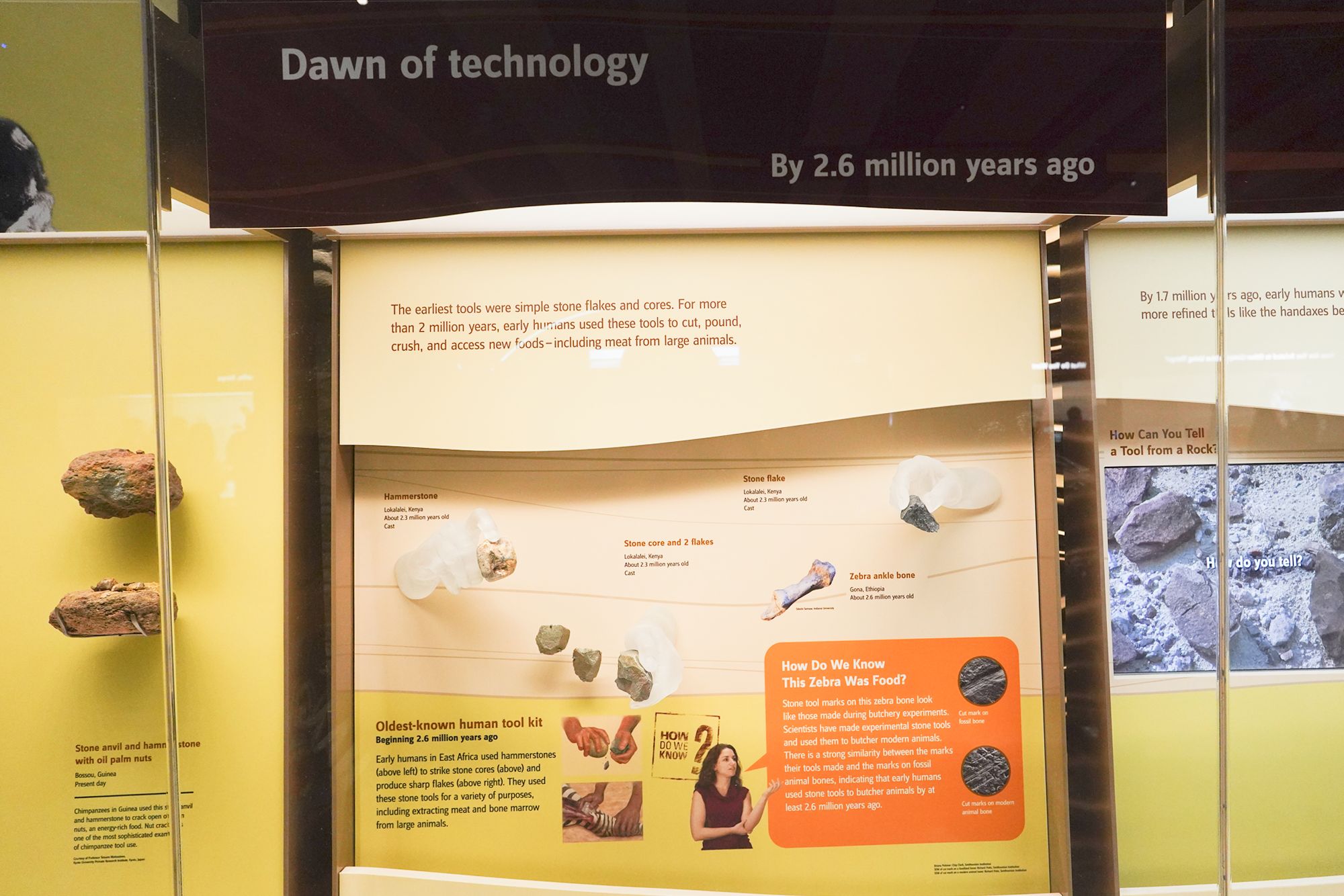
Dawn of technology
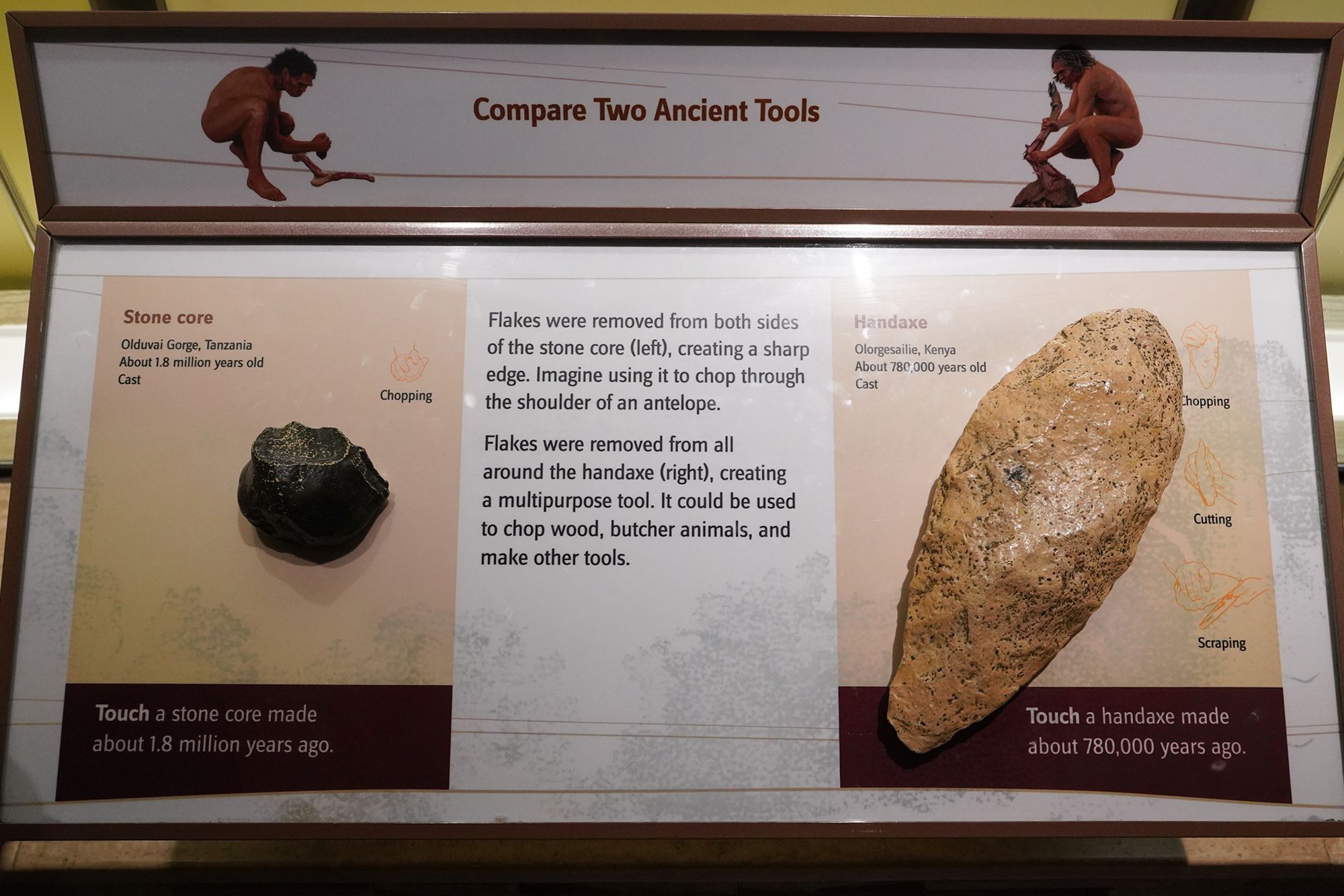
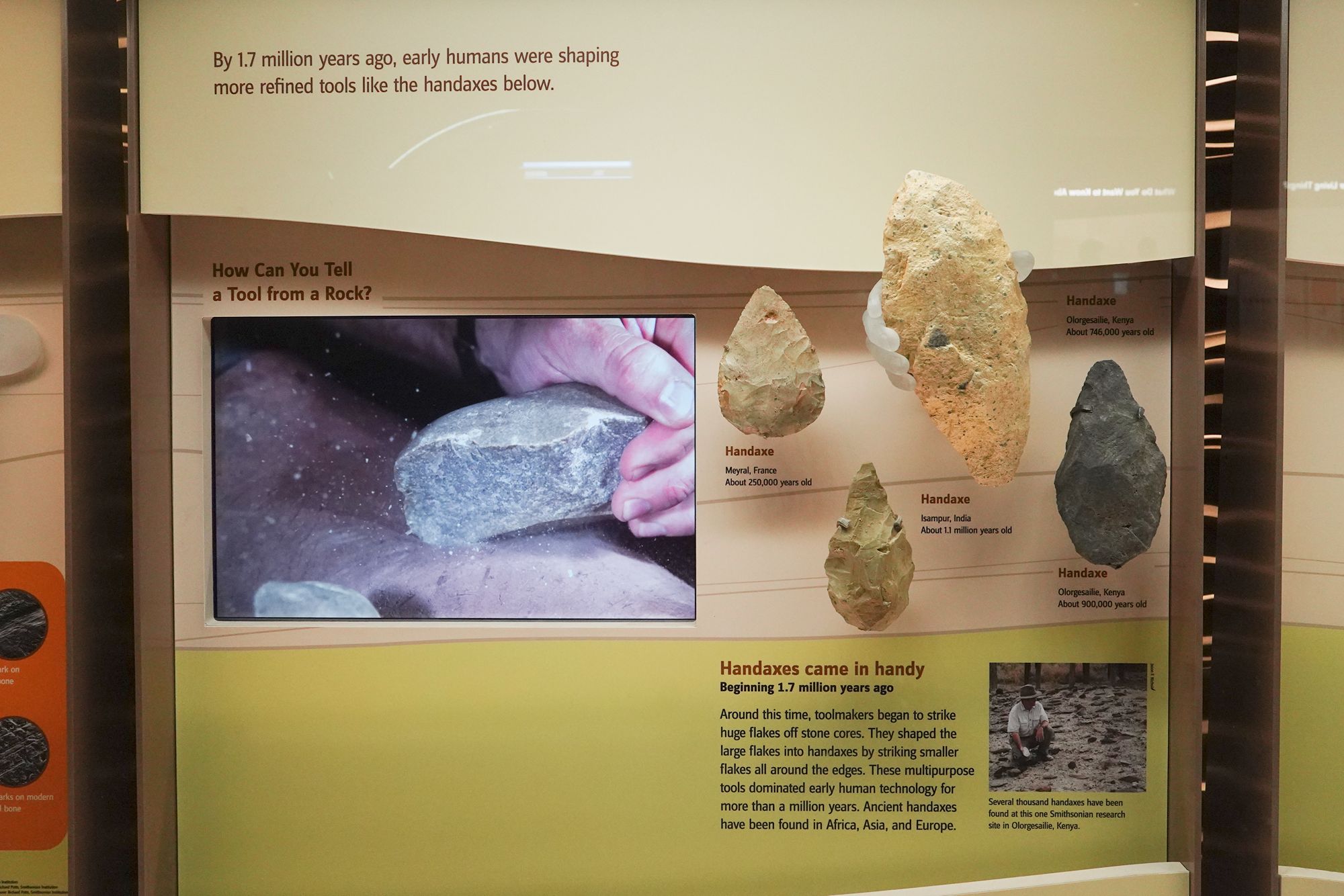
By 1.7 millions years ago, early humans were shaping more refined tools
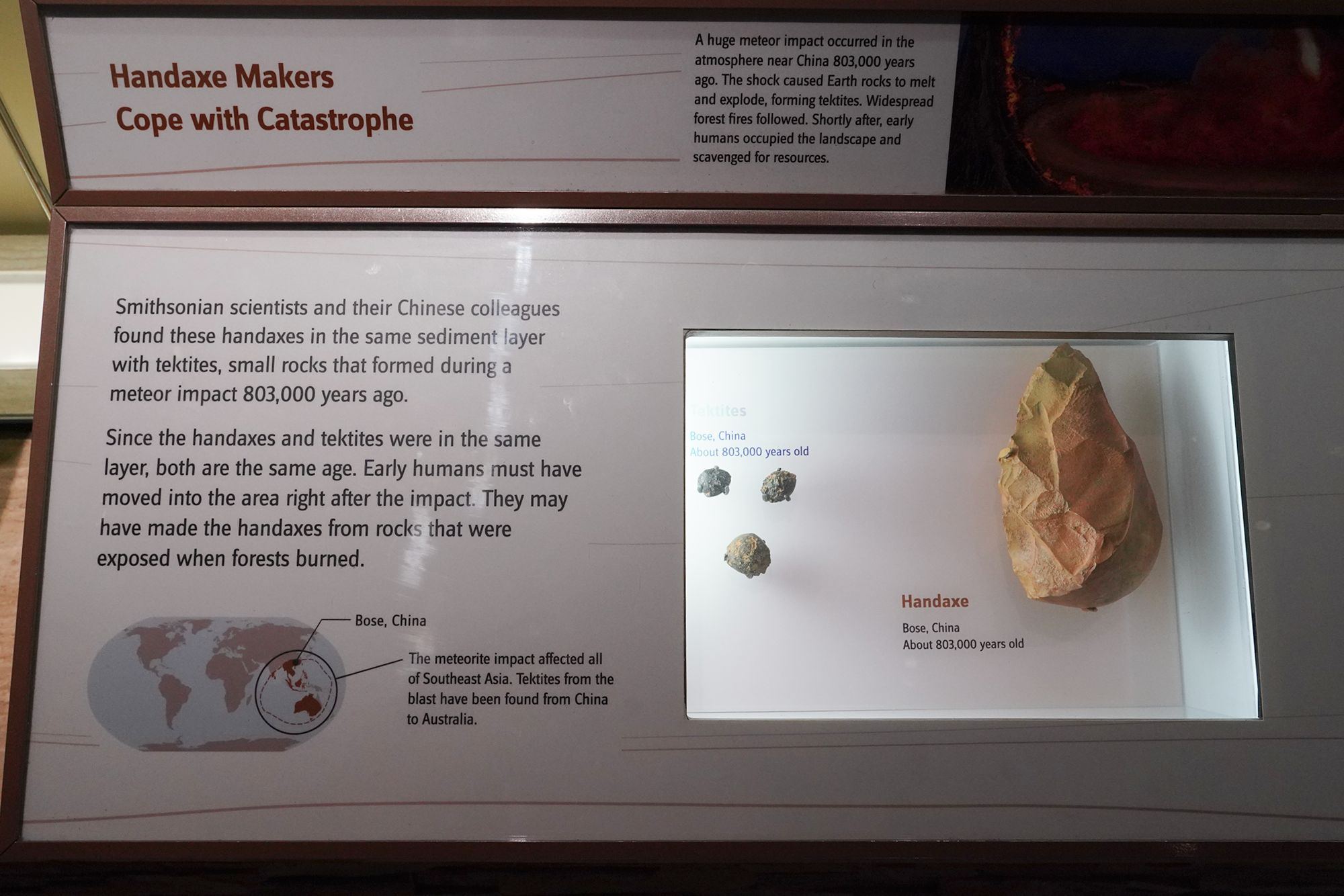
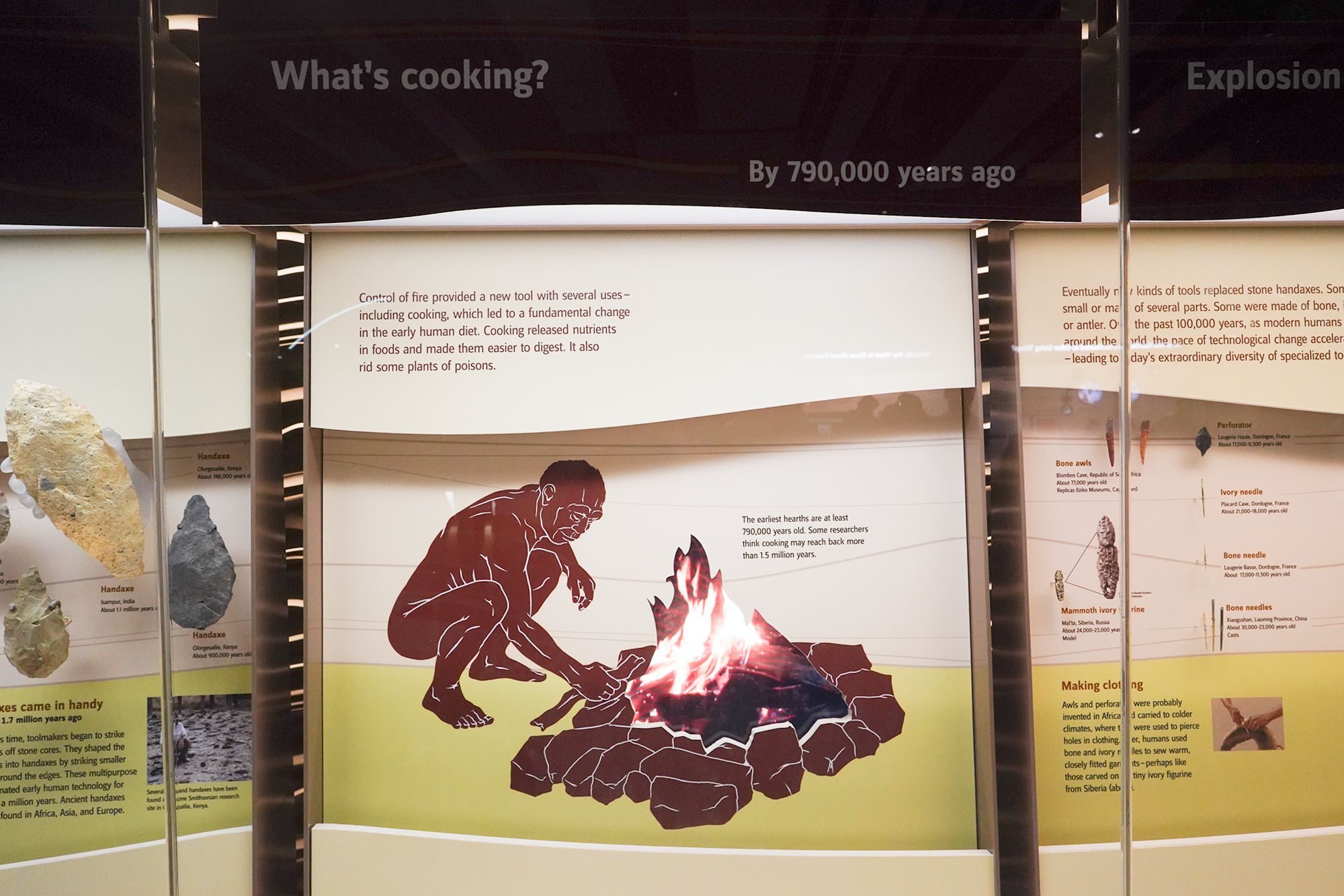
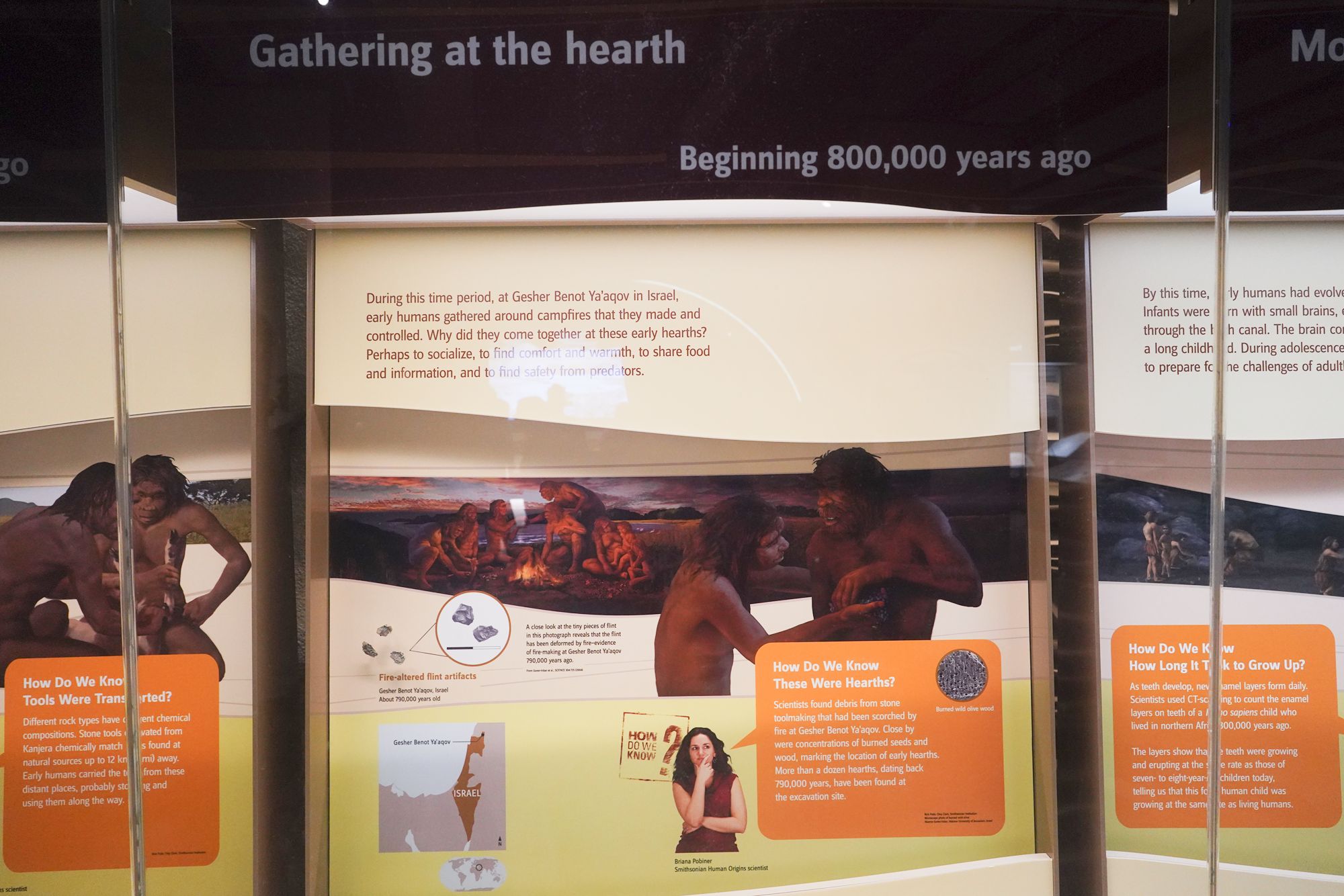
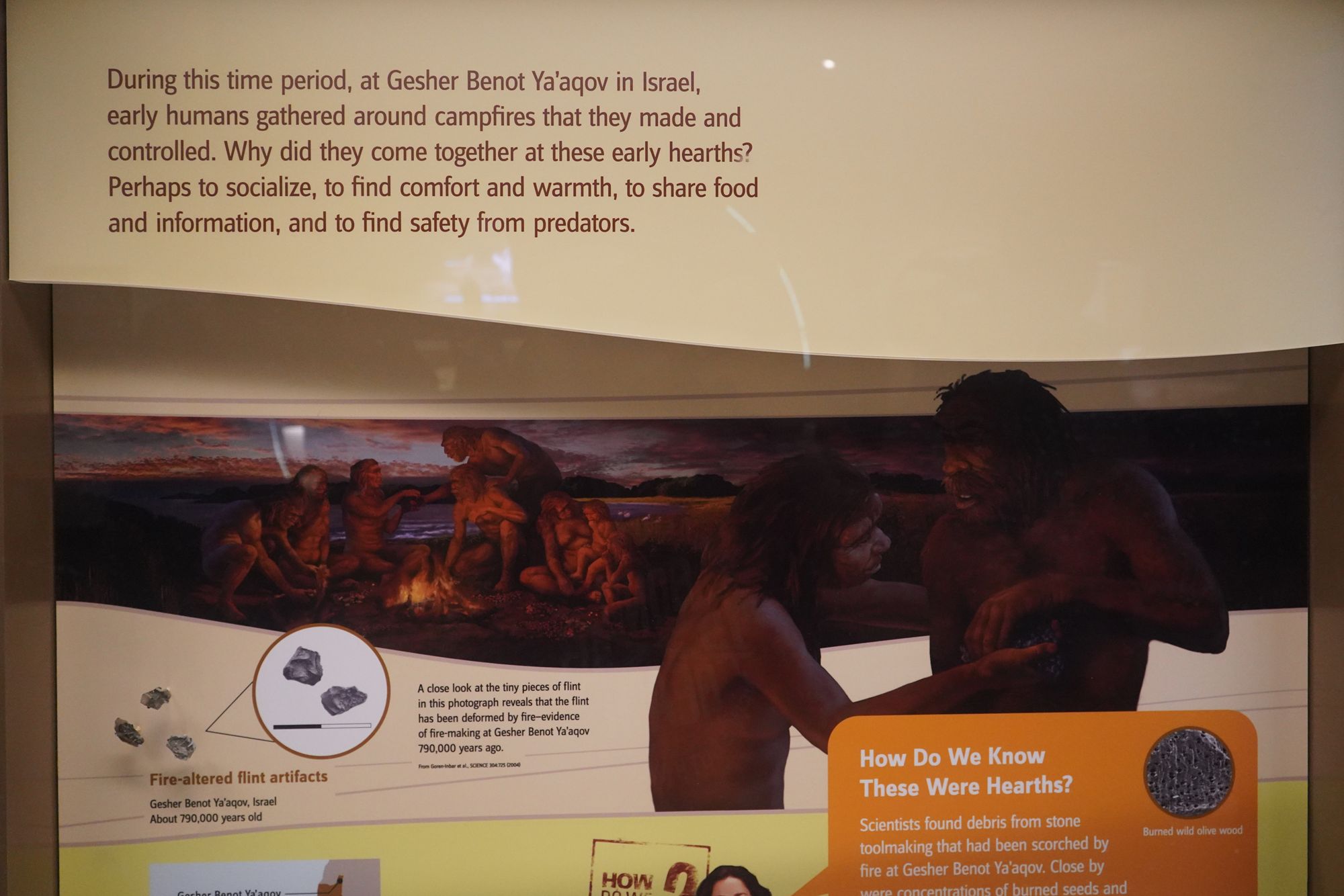
By 790,000 years ago, humans had learned to control fire.
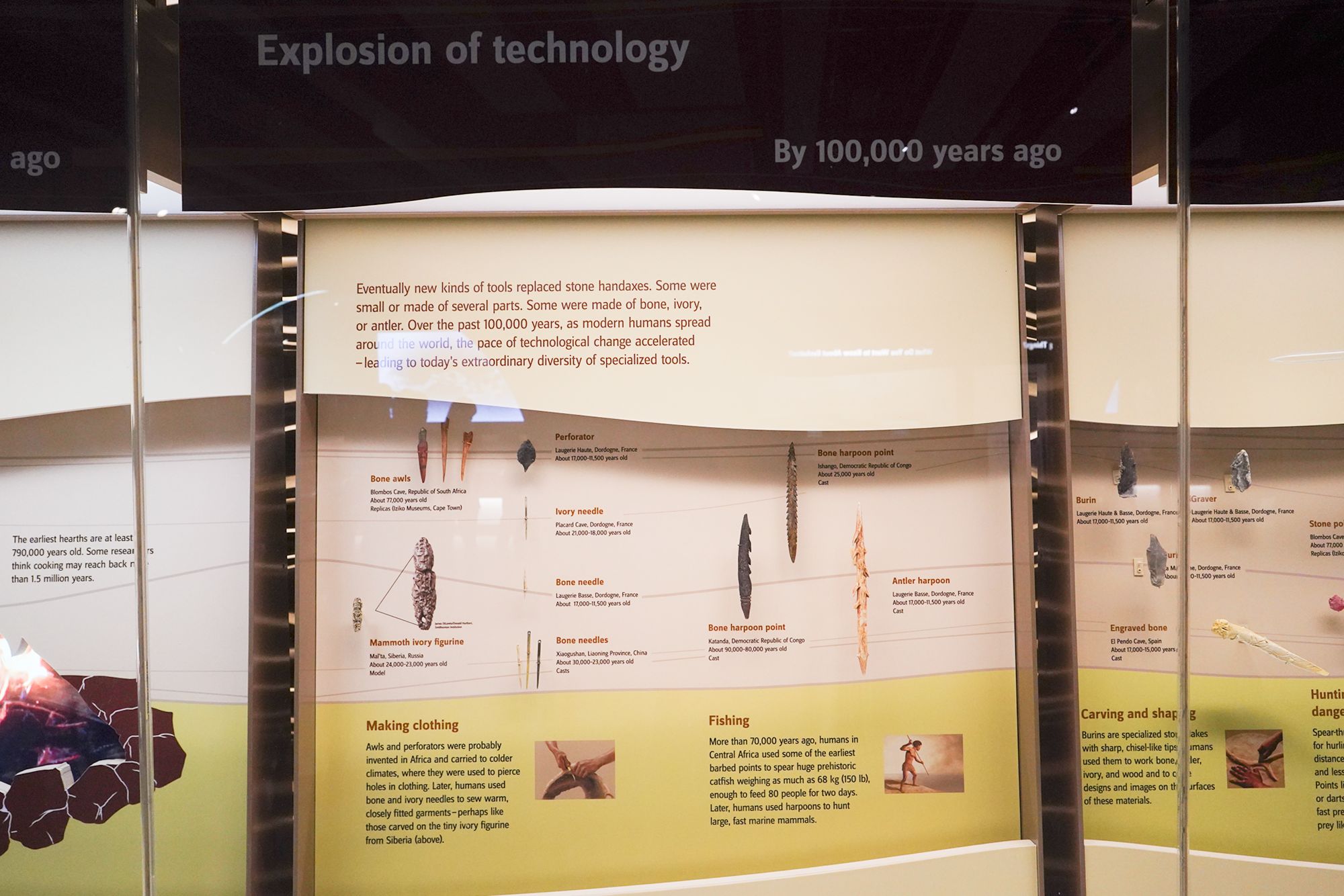
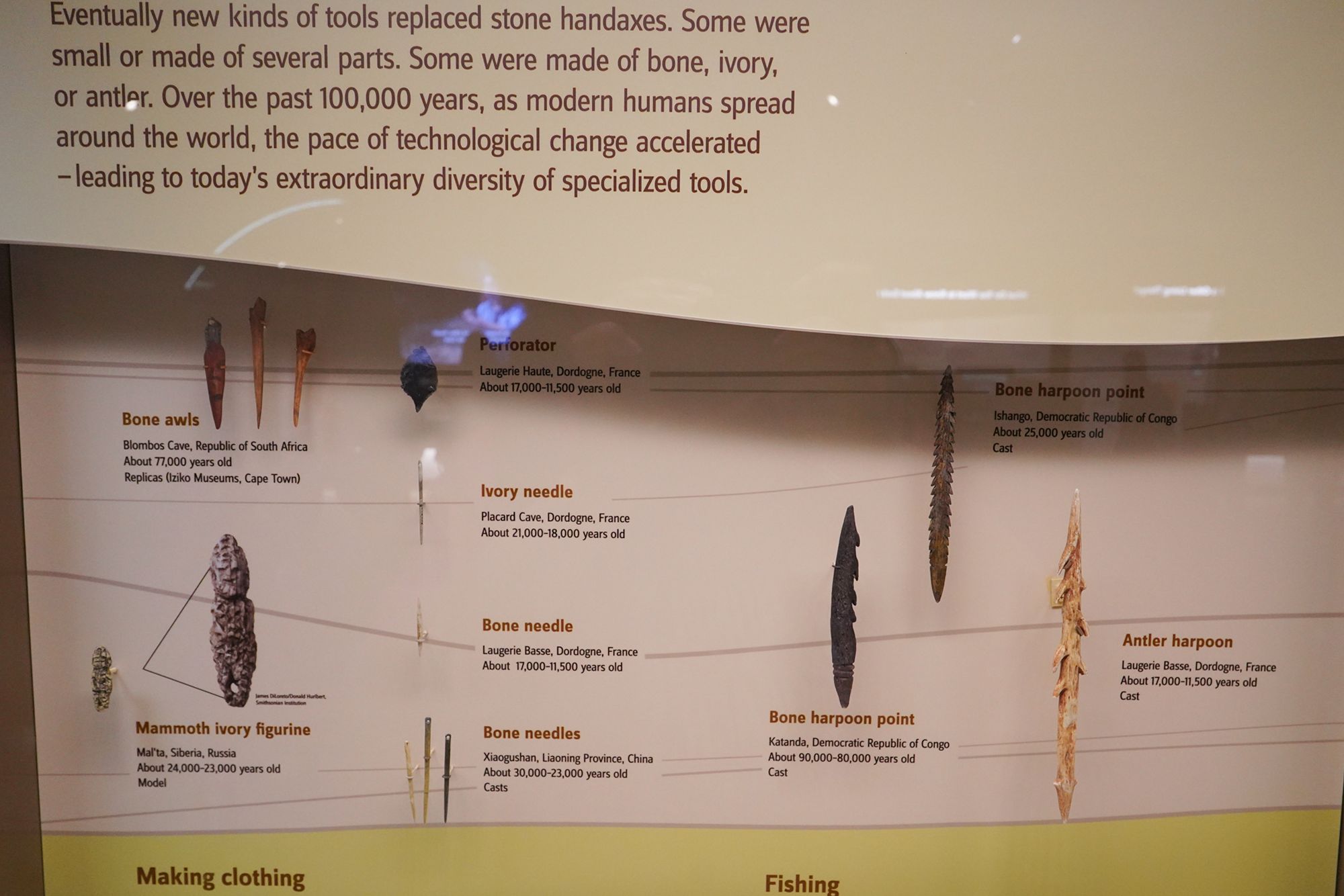
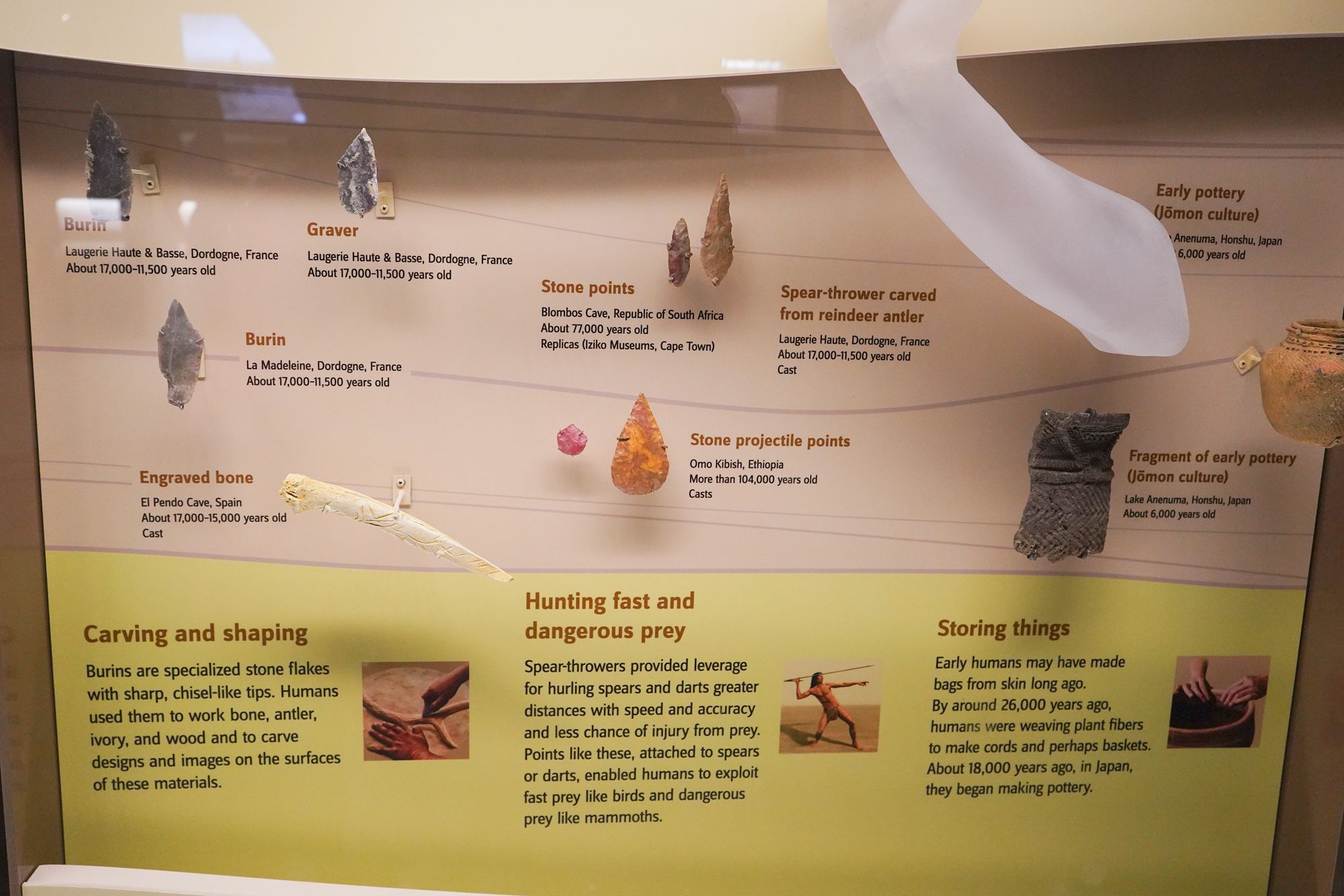
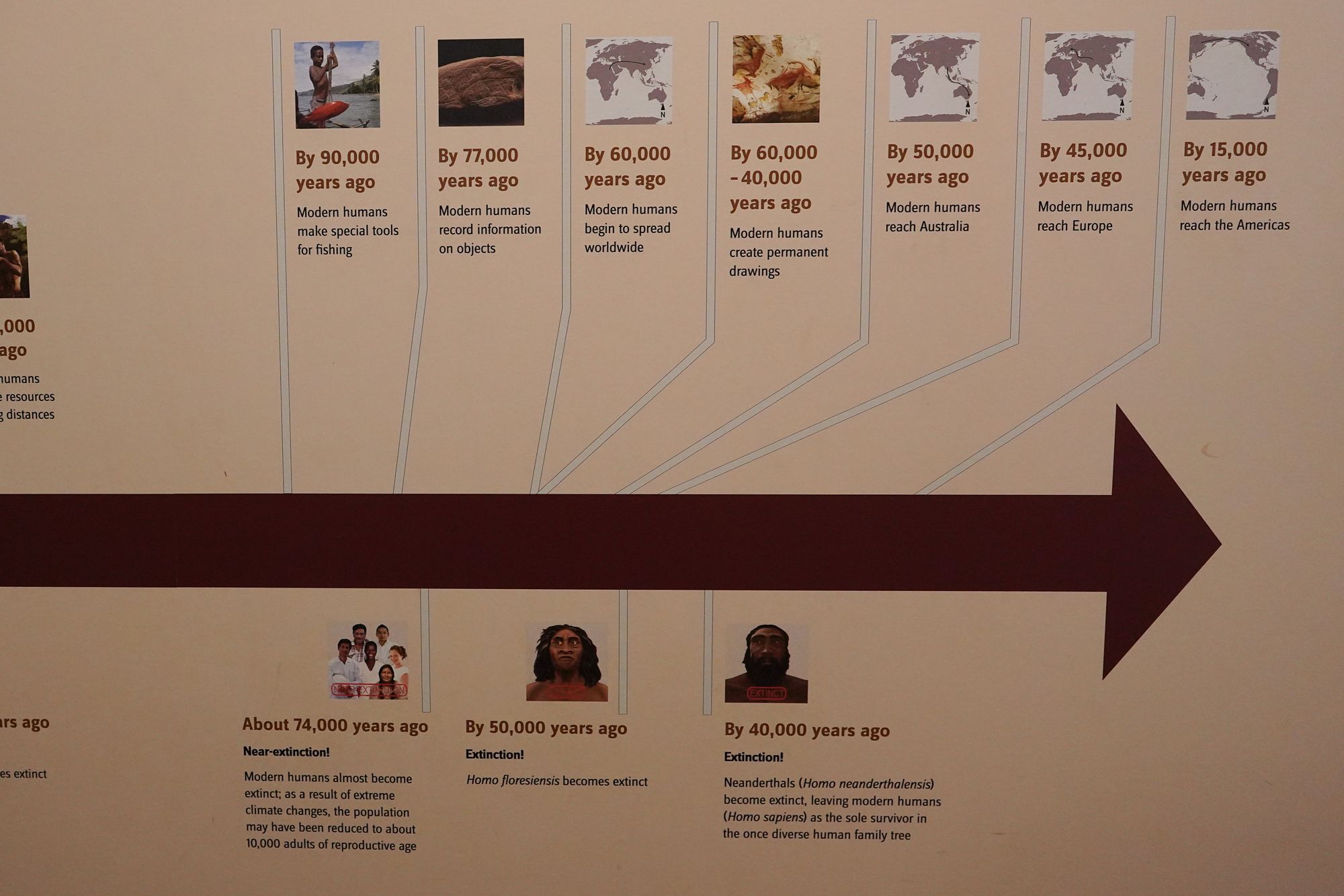
By 100,000 years ago, there was an explosion of new technologies.
Bodies Adapted to Diverse Climates and Diets
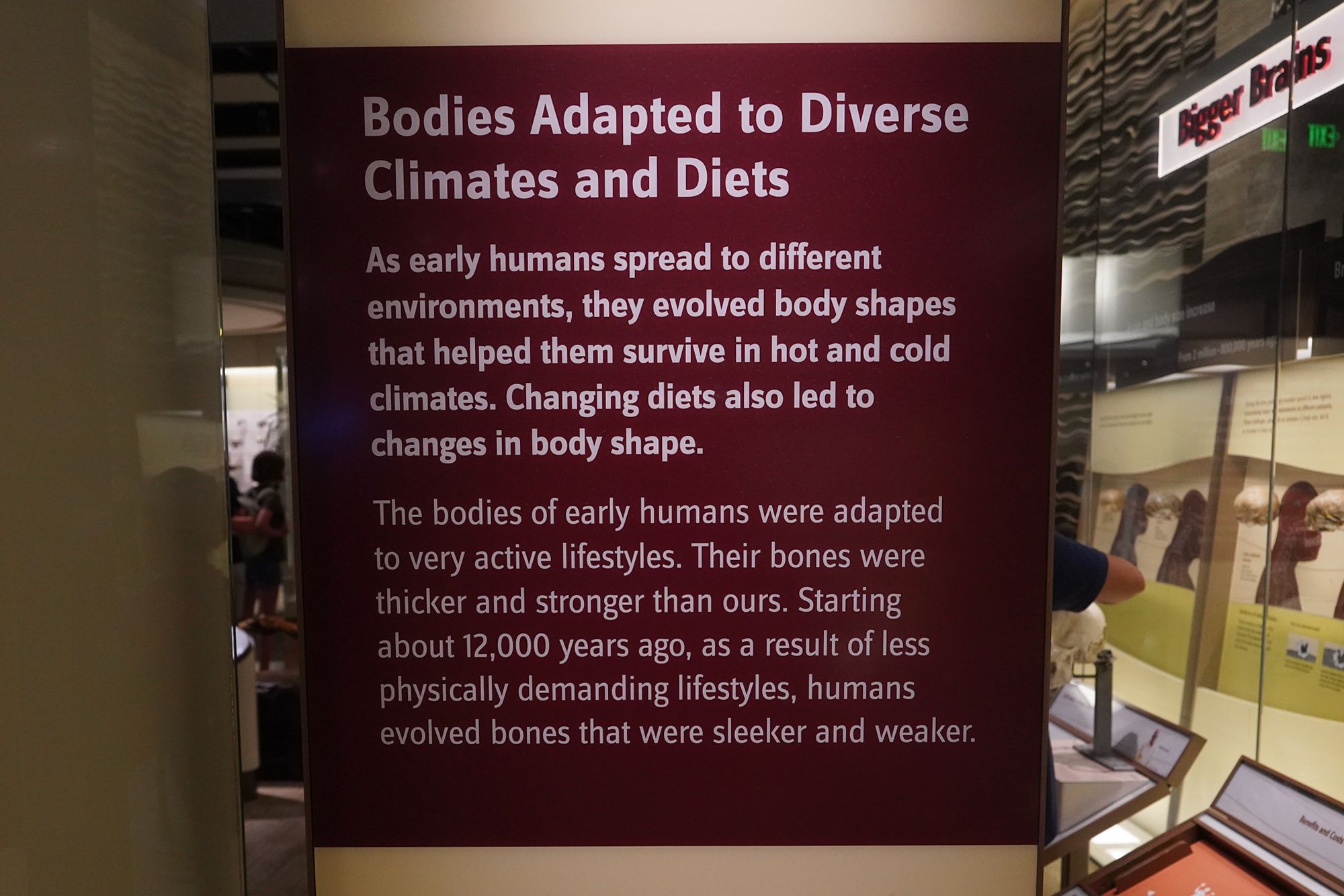
Six million years ago, the earliest human species had short bodies and long guts.
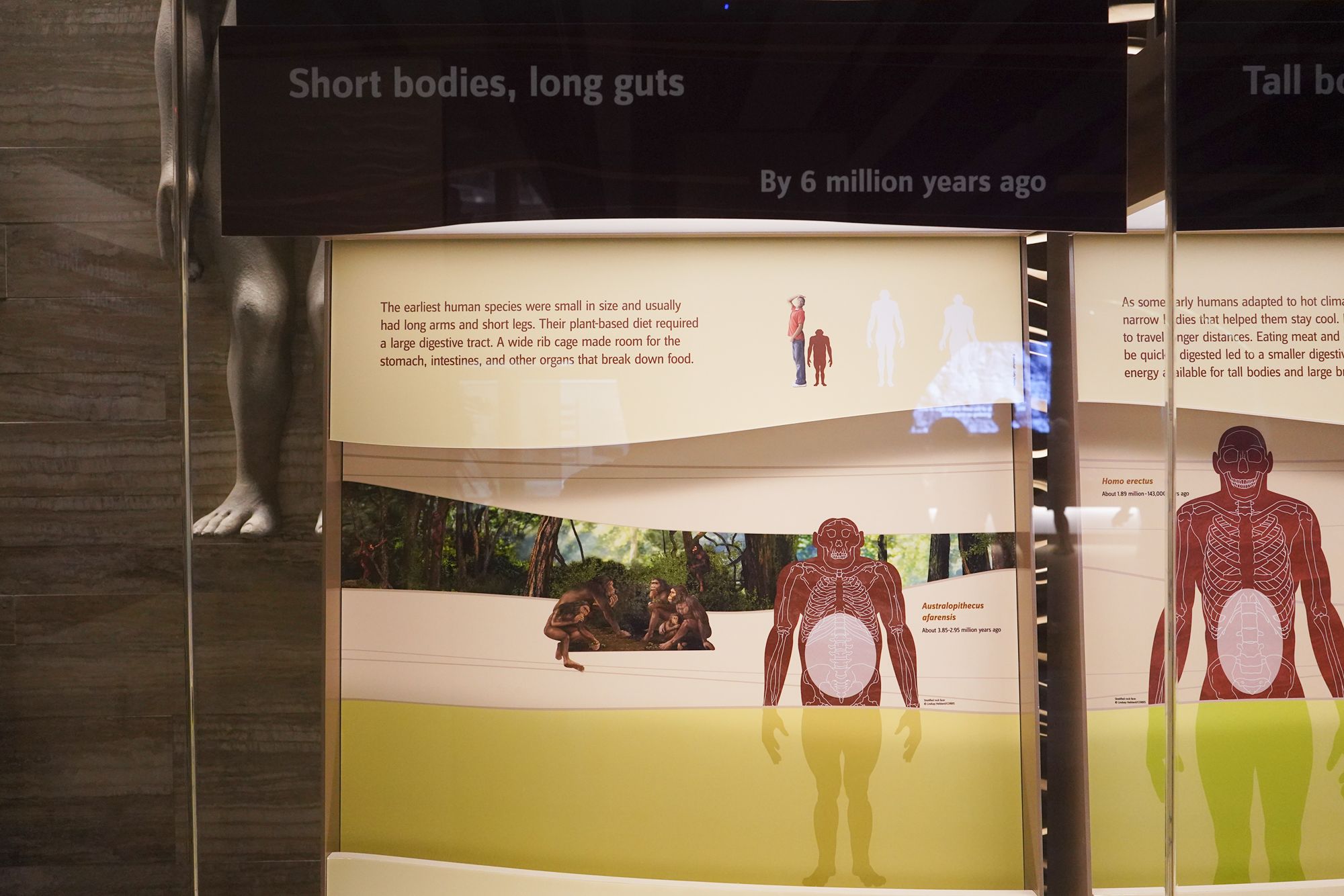
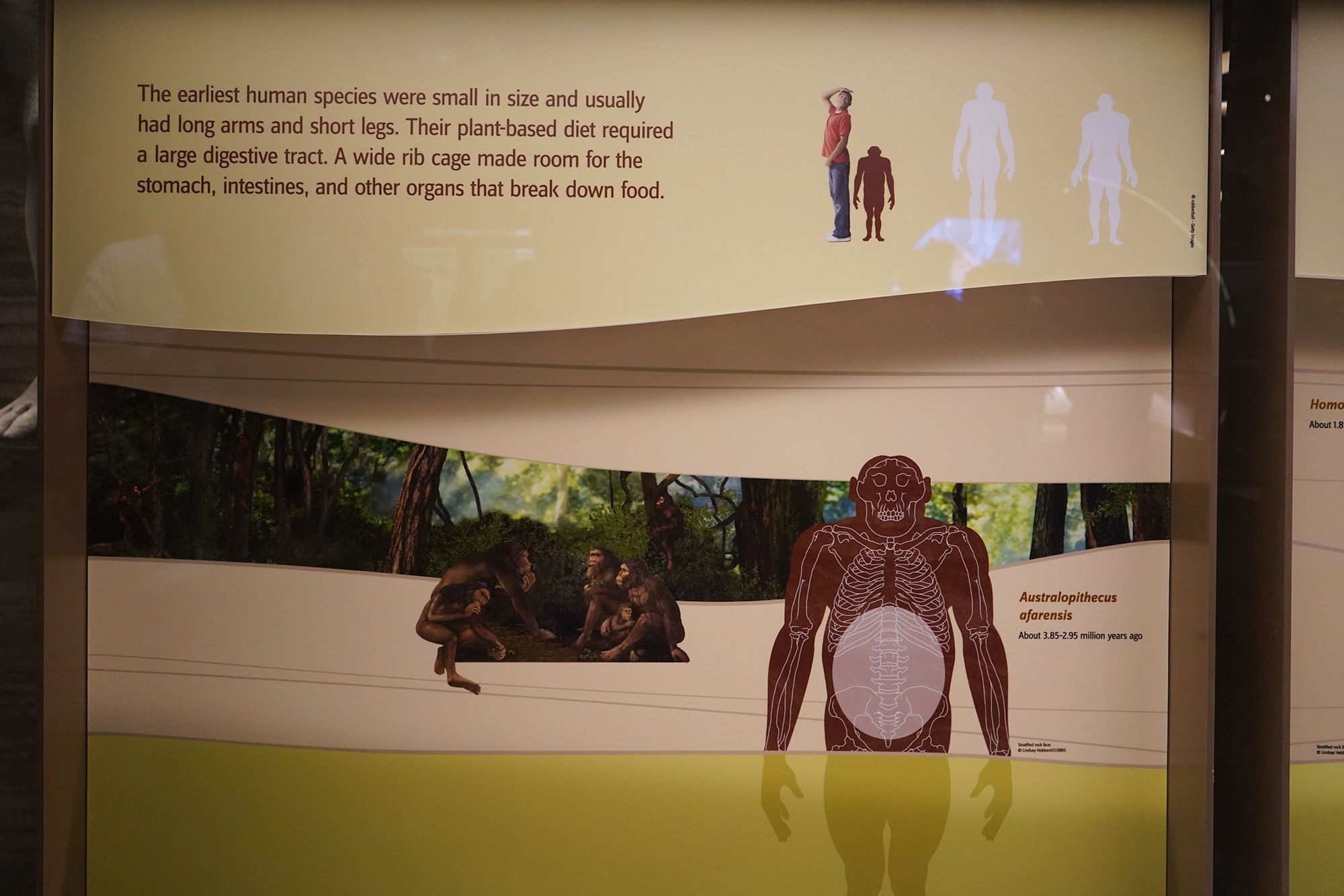
By 1.9 million years ago, they had tall bodies and shorter guts.
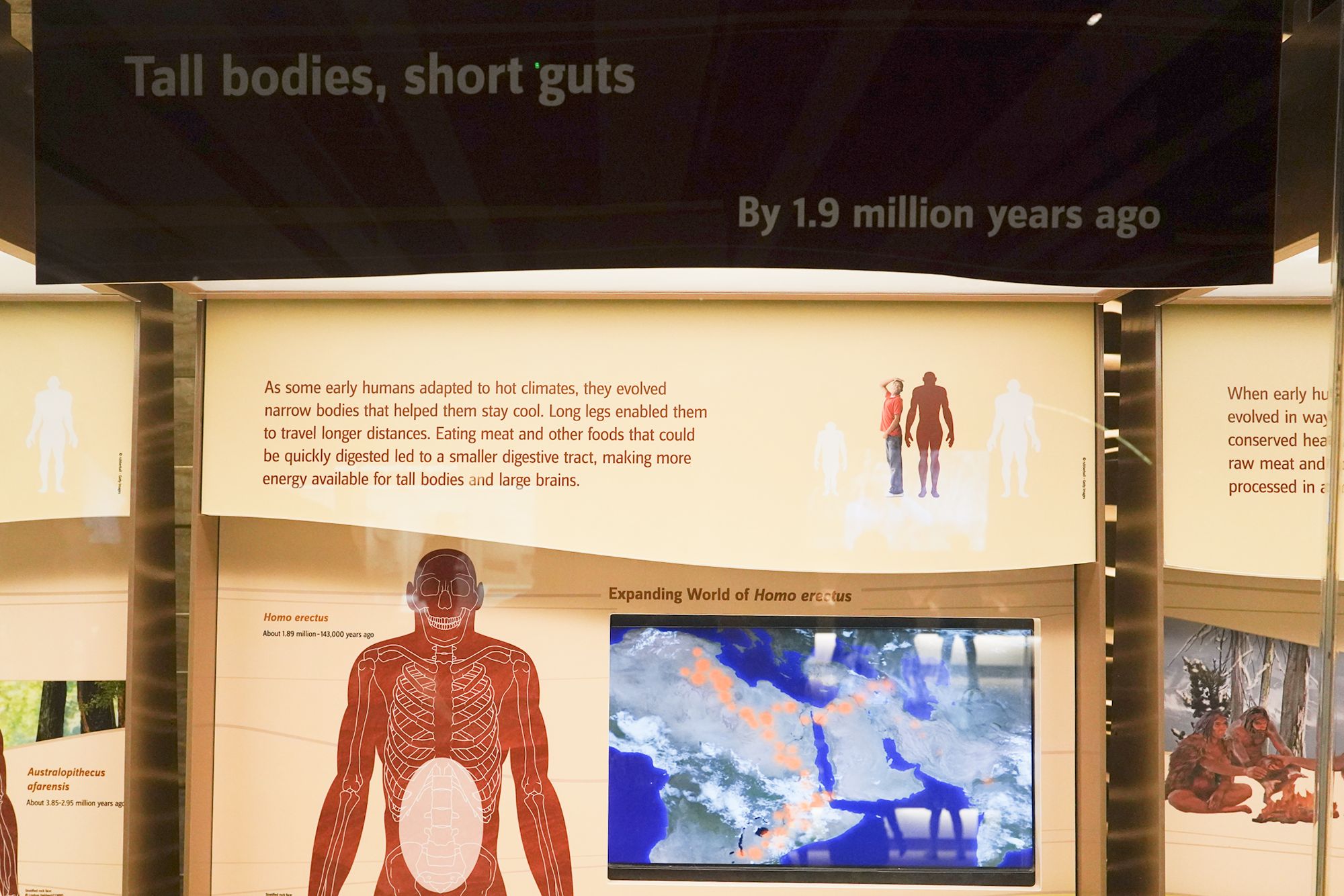
By 400,000 years ago, they had compact bodies and short guts.
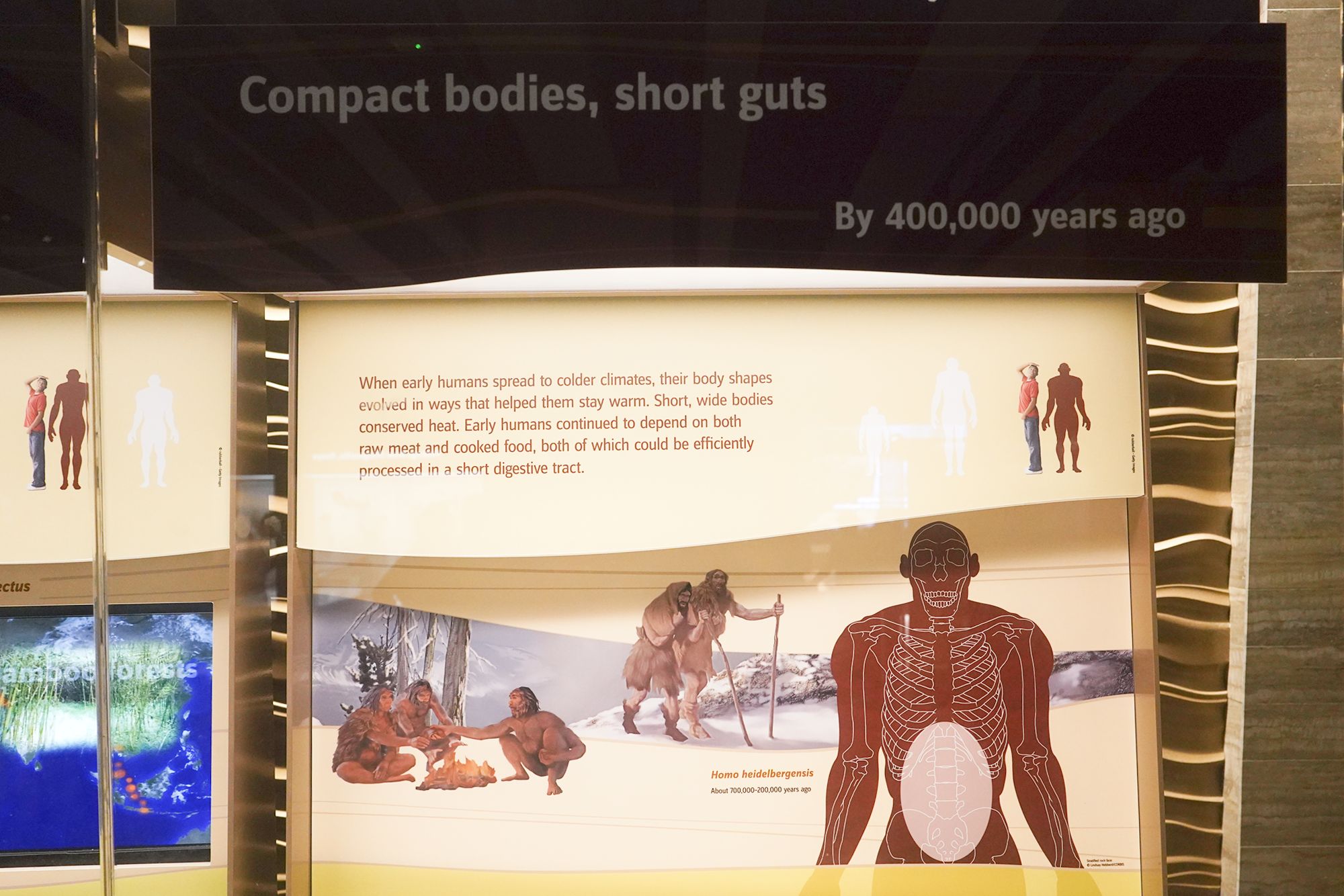
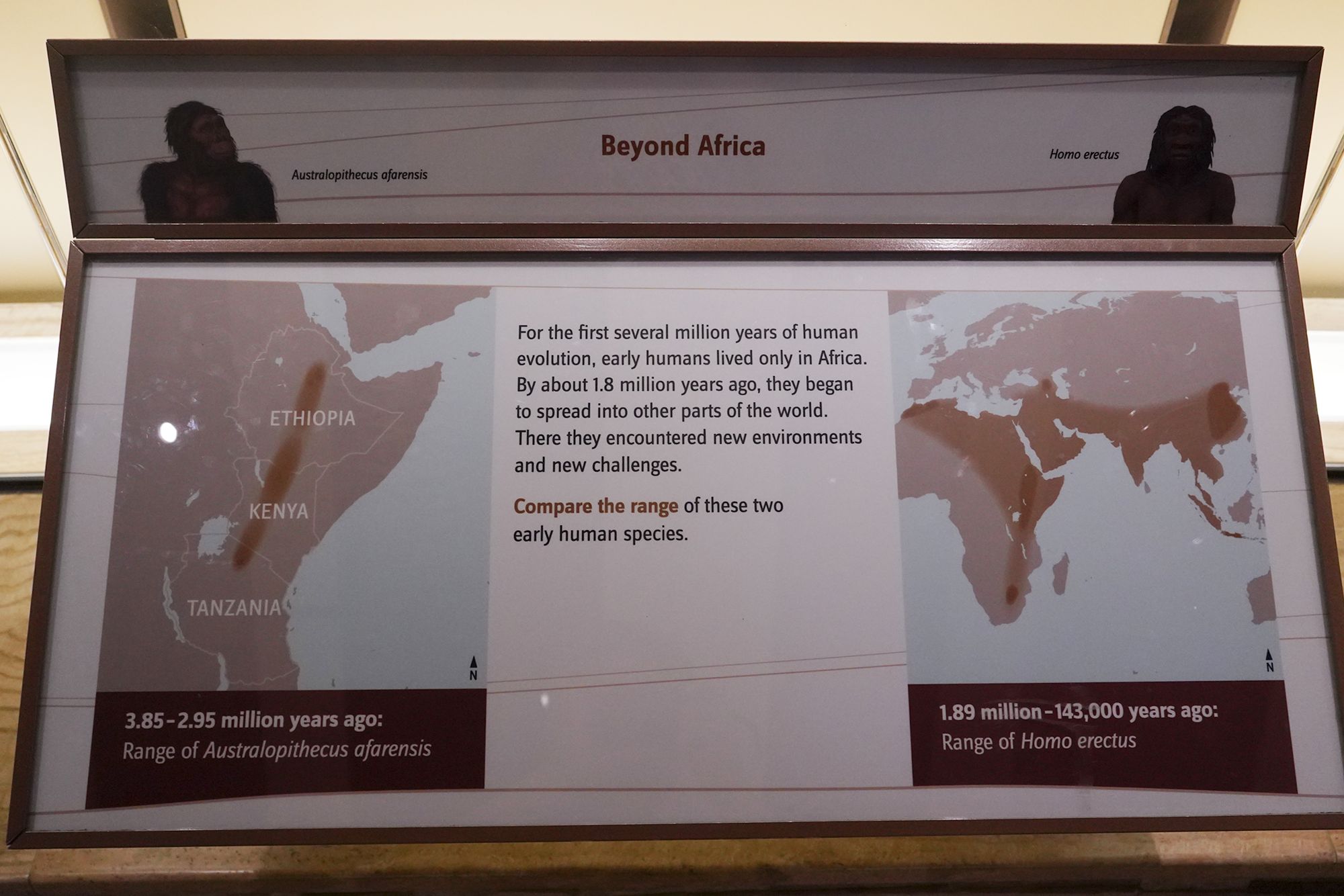
By about 1.8 million years ago, they began spreading from Africa into other parts of the world.
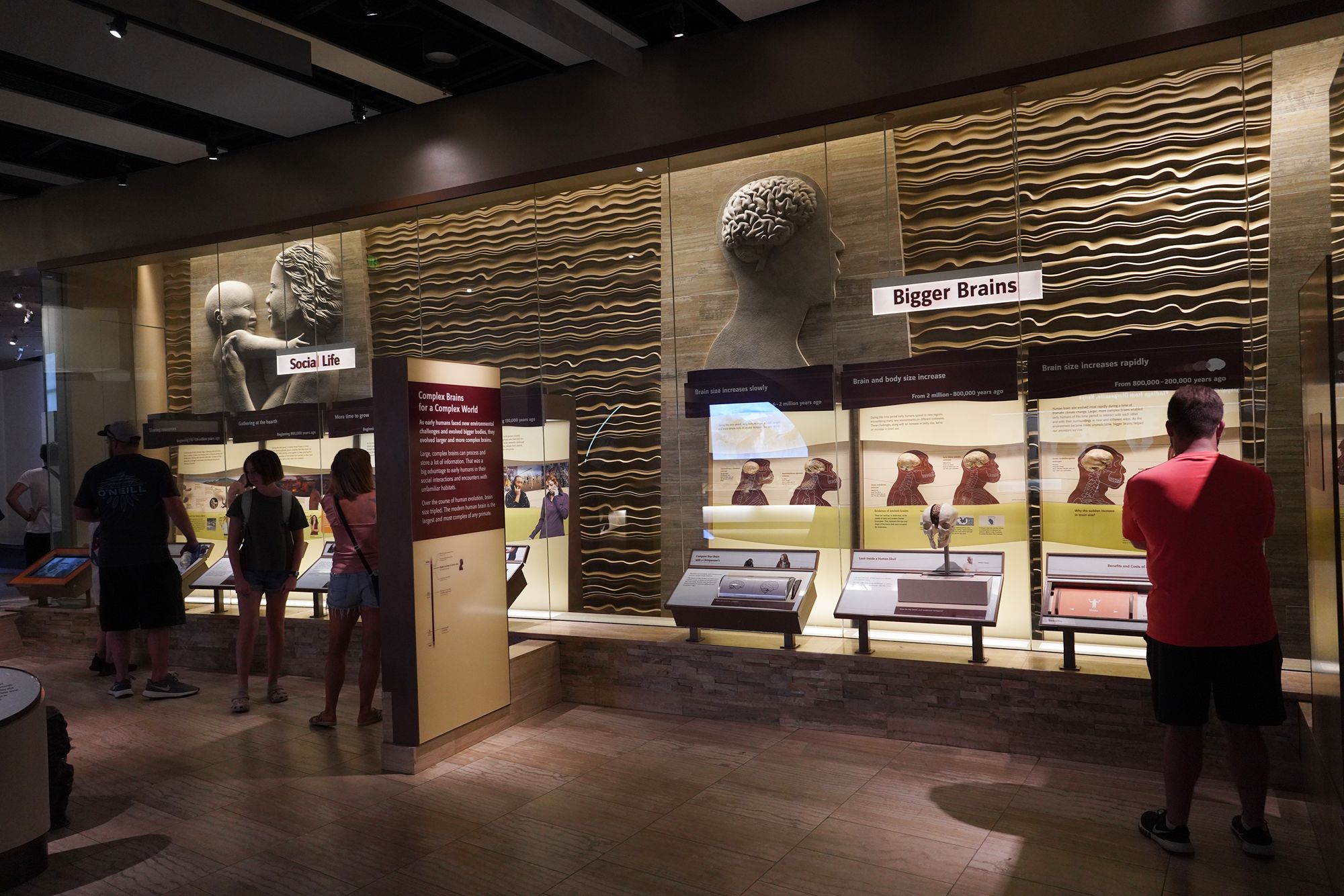
Bigger Brains
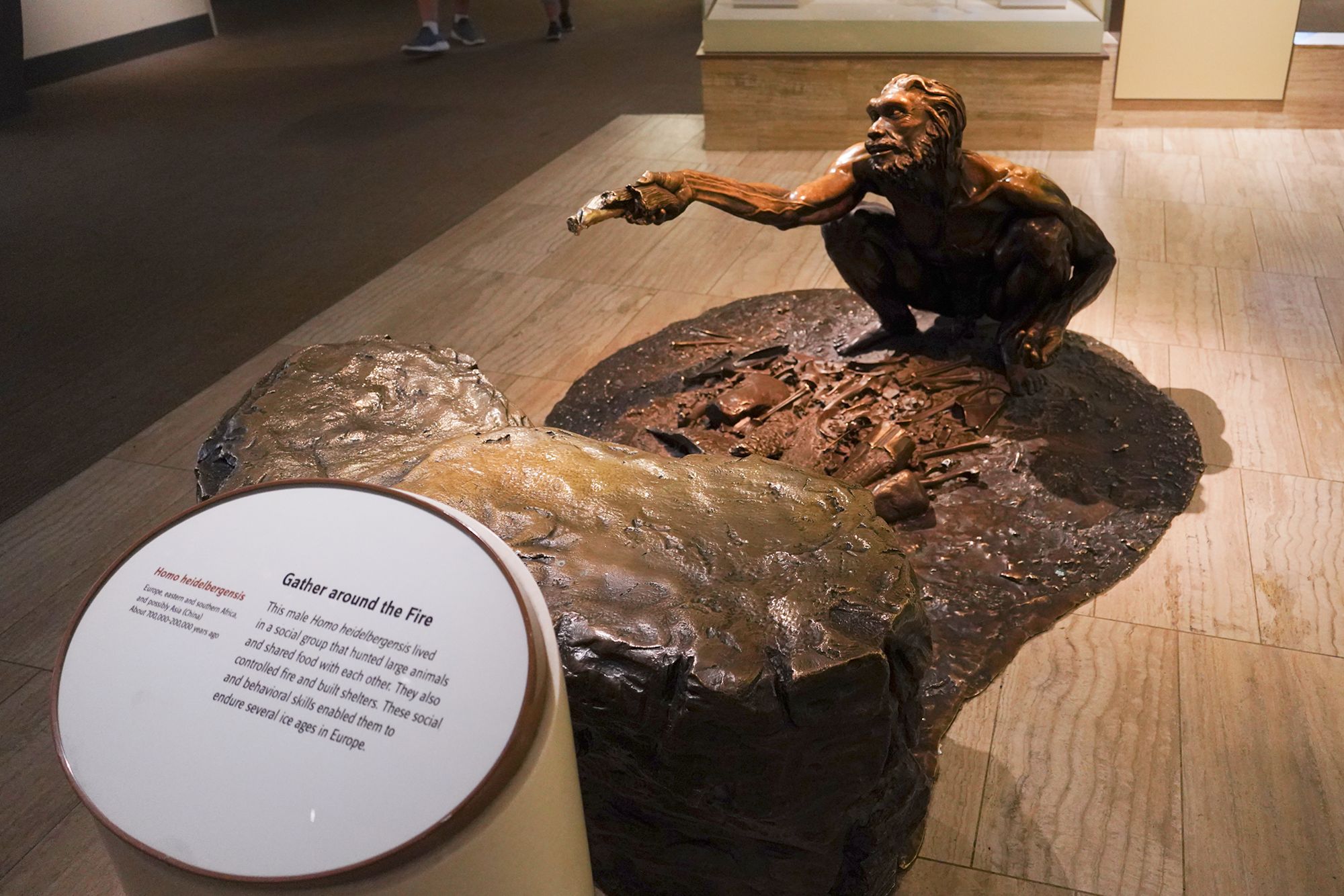
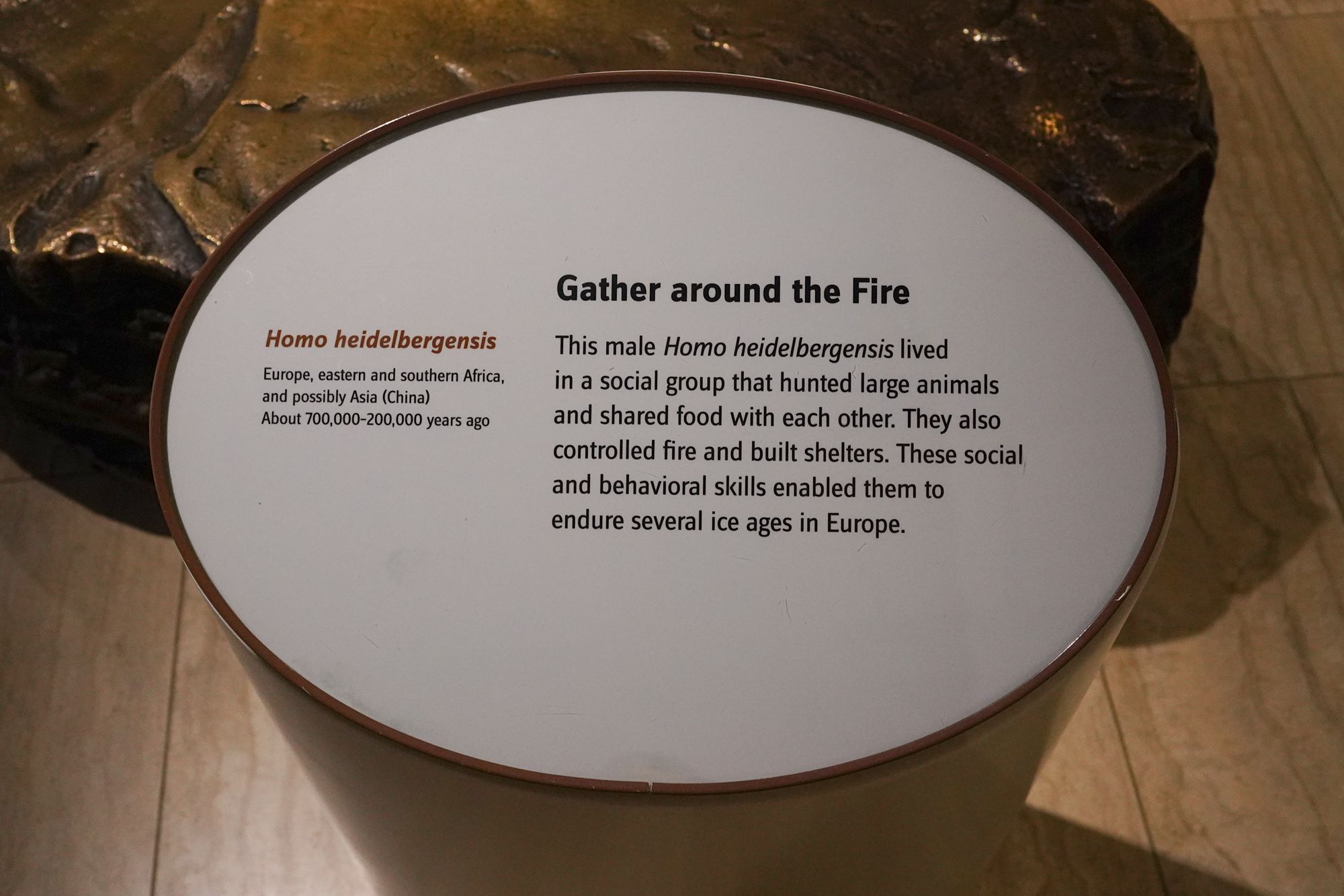
People gathered around fire for warmth, safety, and social connection.
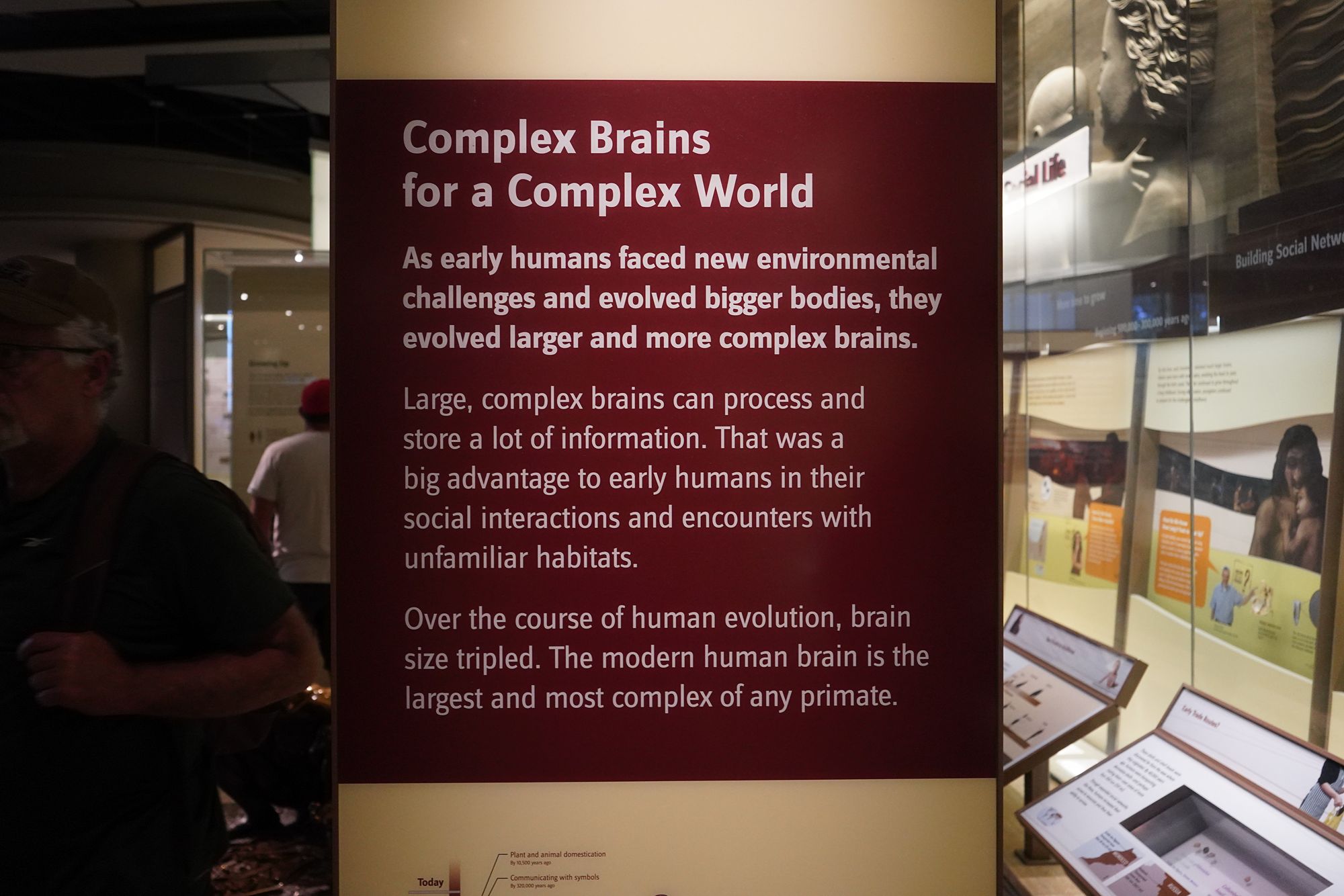
A bigger brain was needed to handle a more complex world.
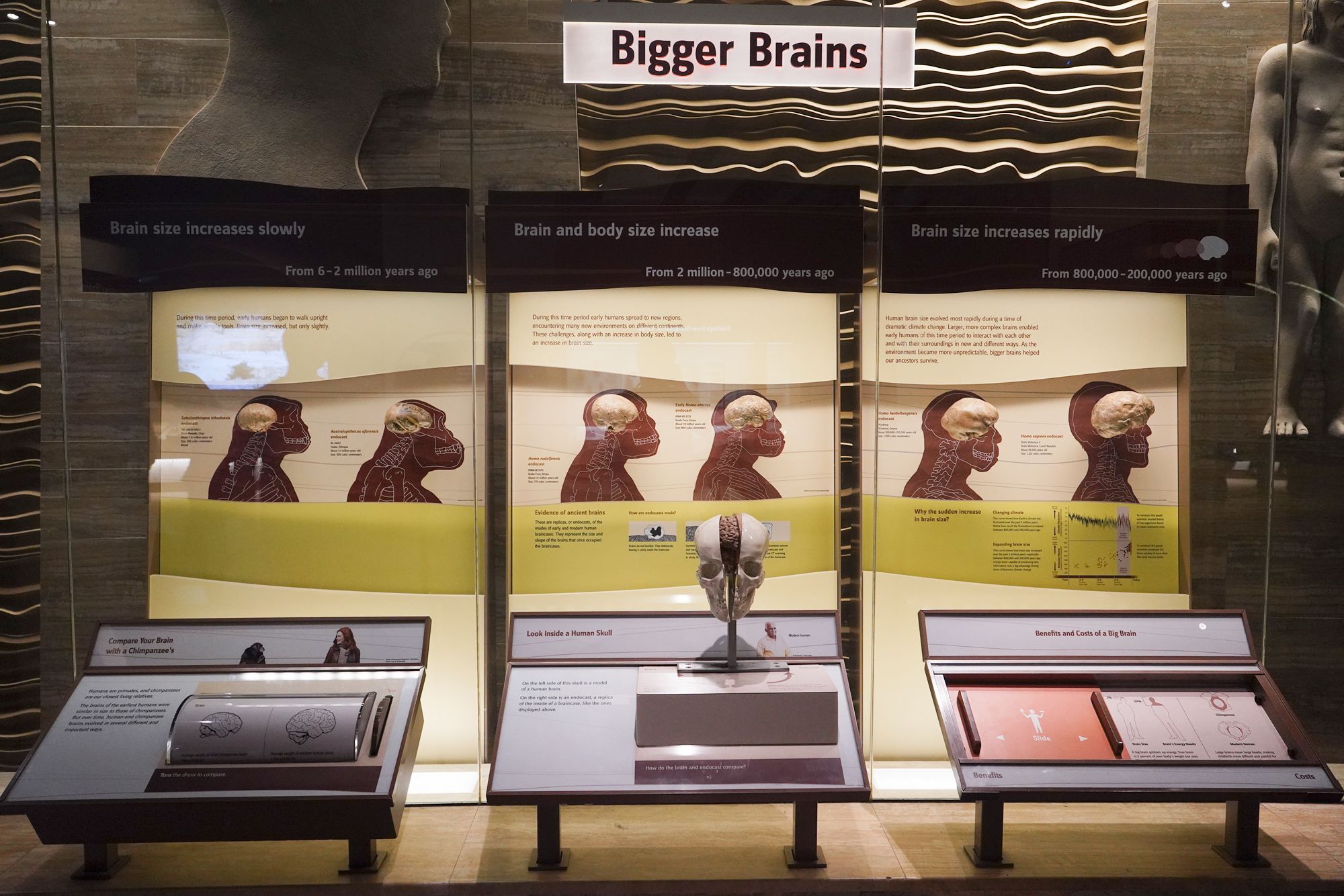
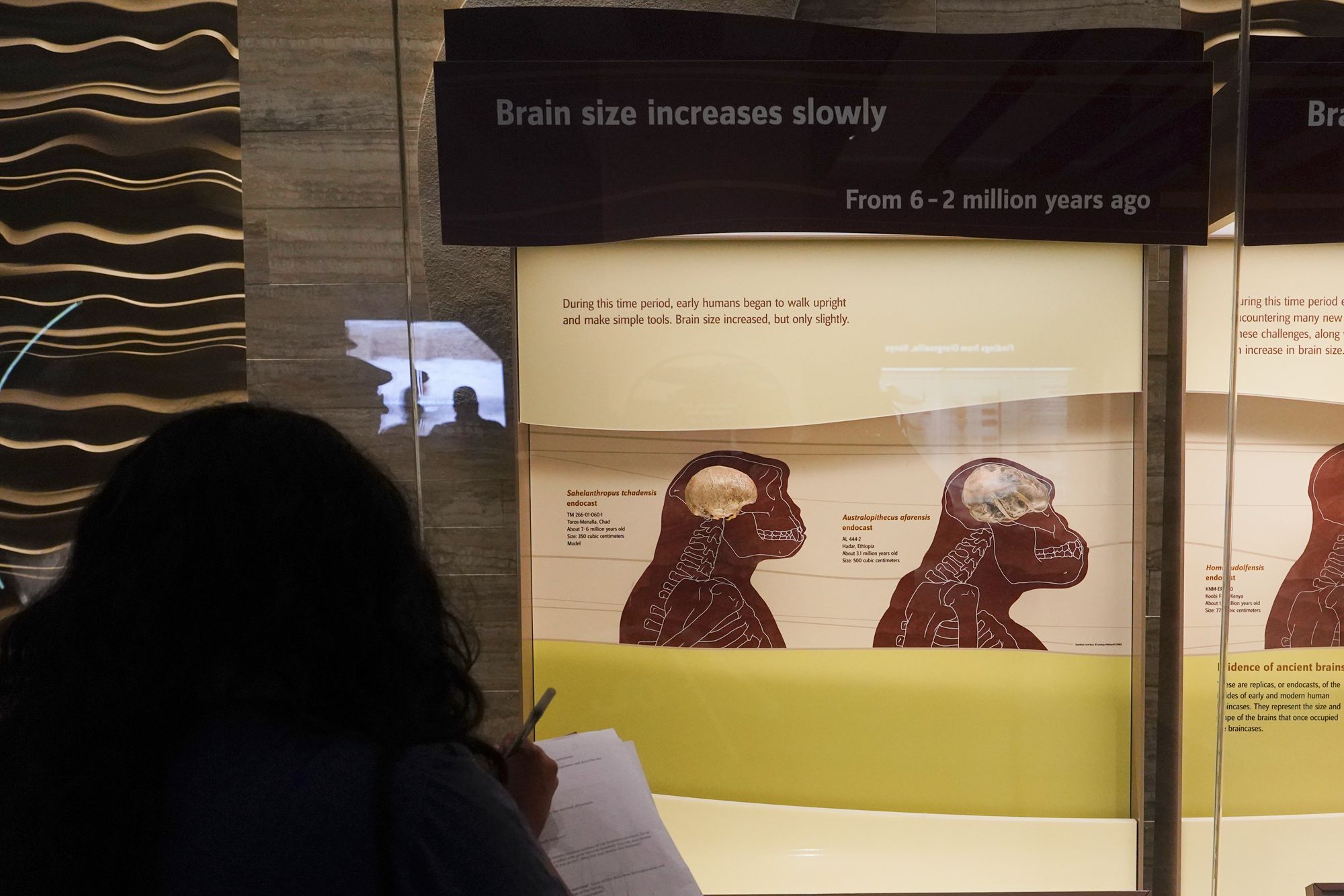
From 6 to 2 million years ago, brain size increased slowly.
From 2 million to about 800,000 years ago, both brain and body size increased.
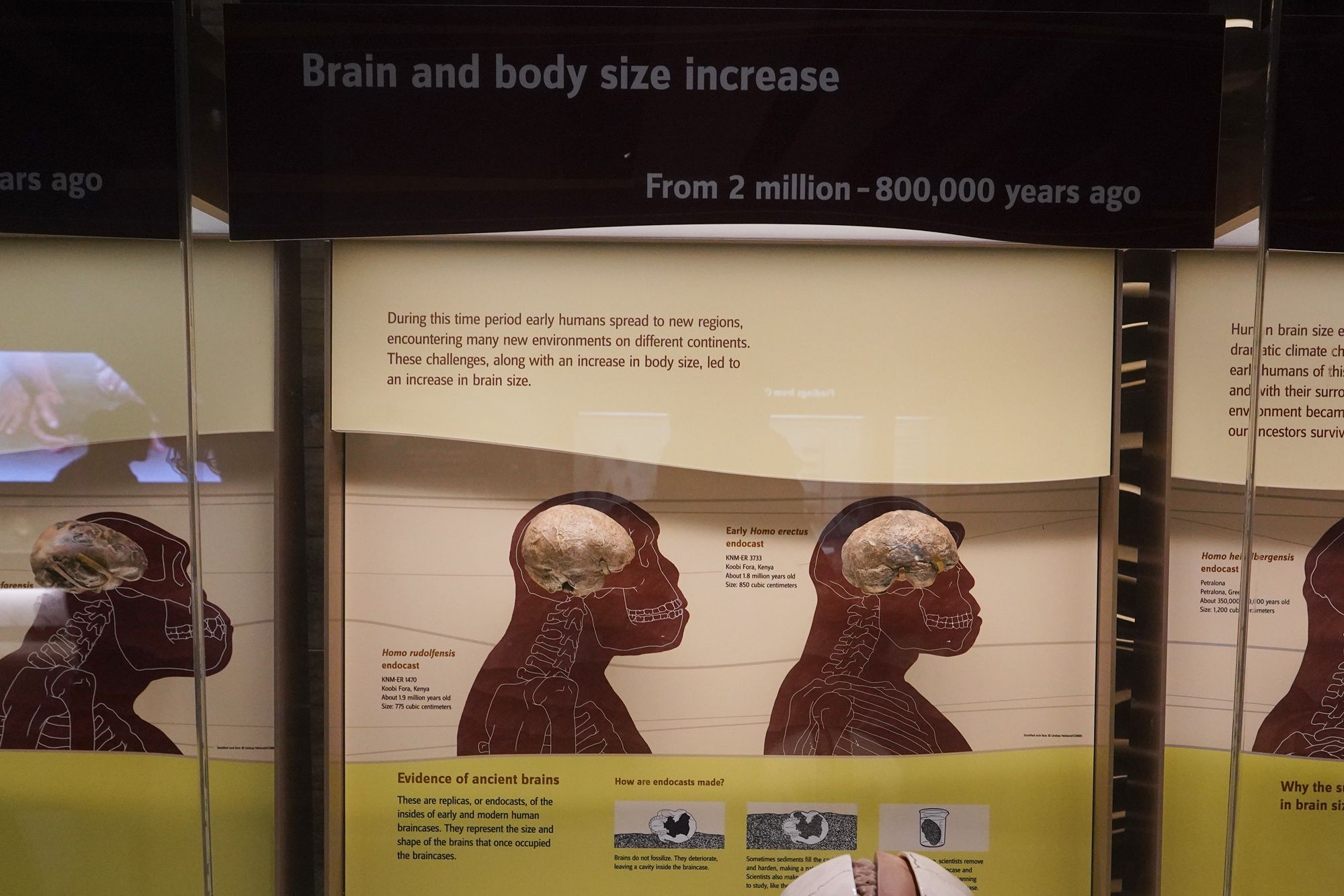
During this time, early humans spread into new regions and faced many challenges.
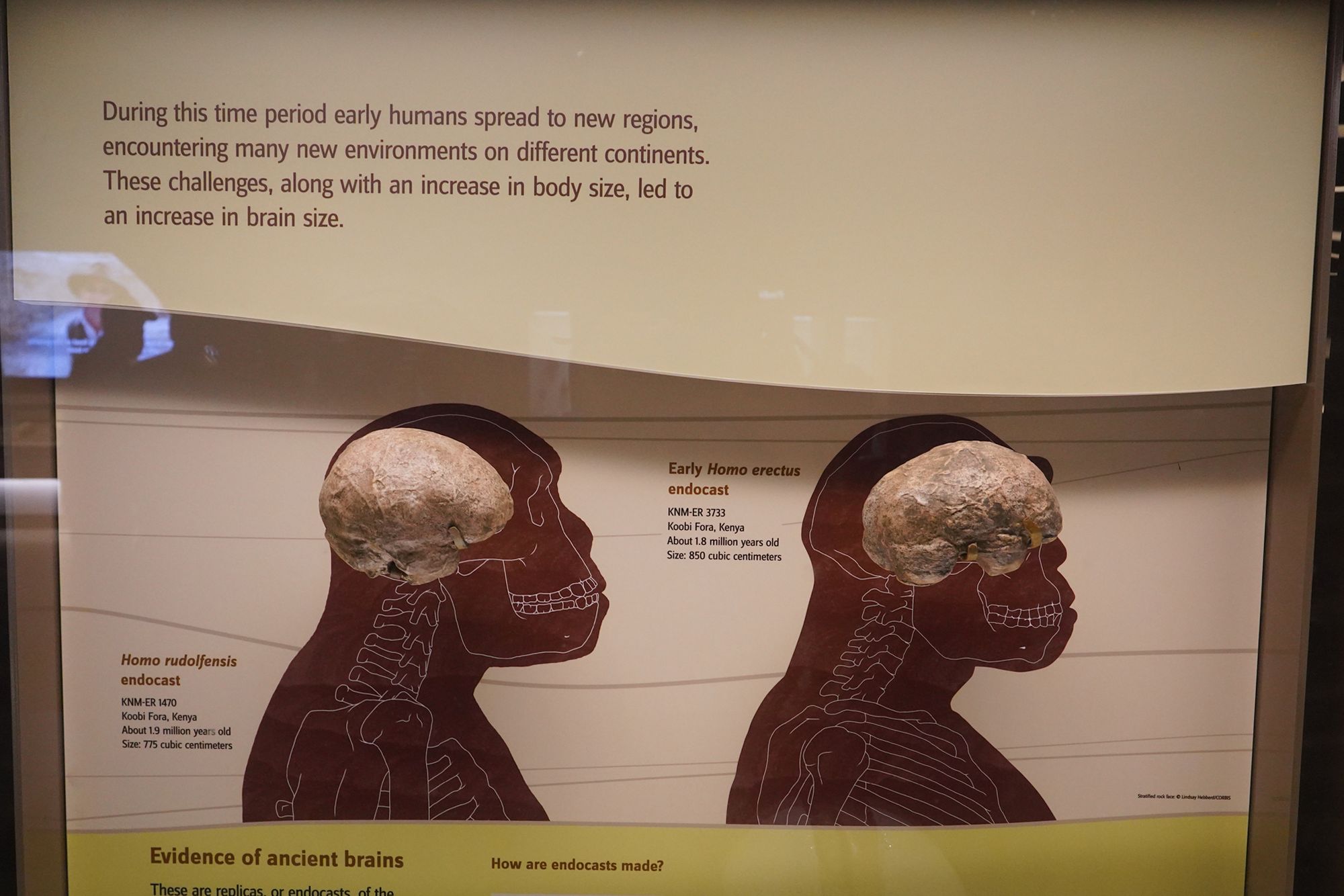
From 800,000 to 200,000 years ago, brain size increased rapidly.
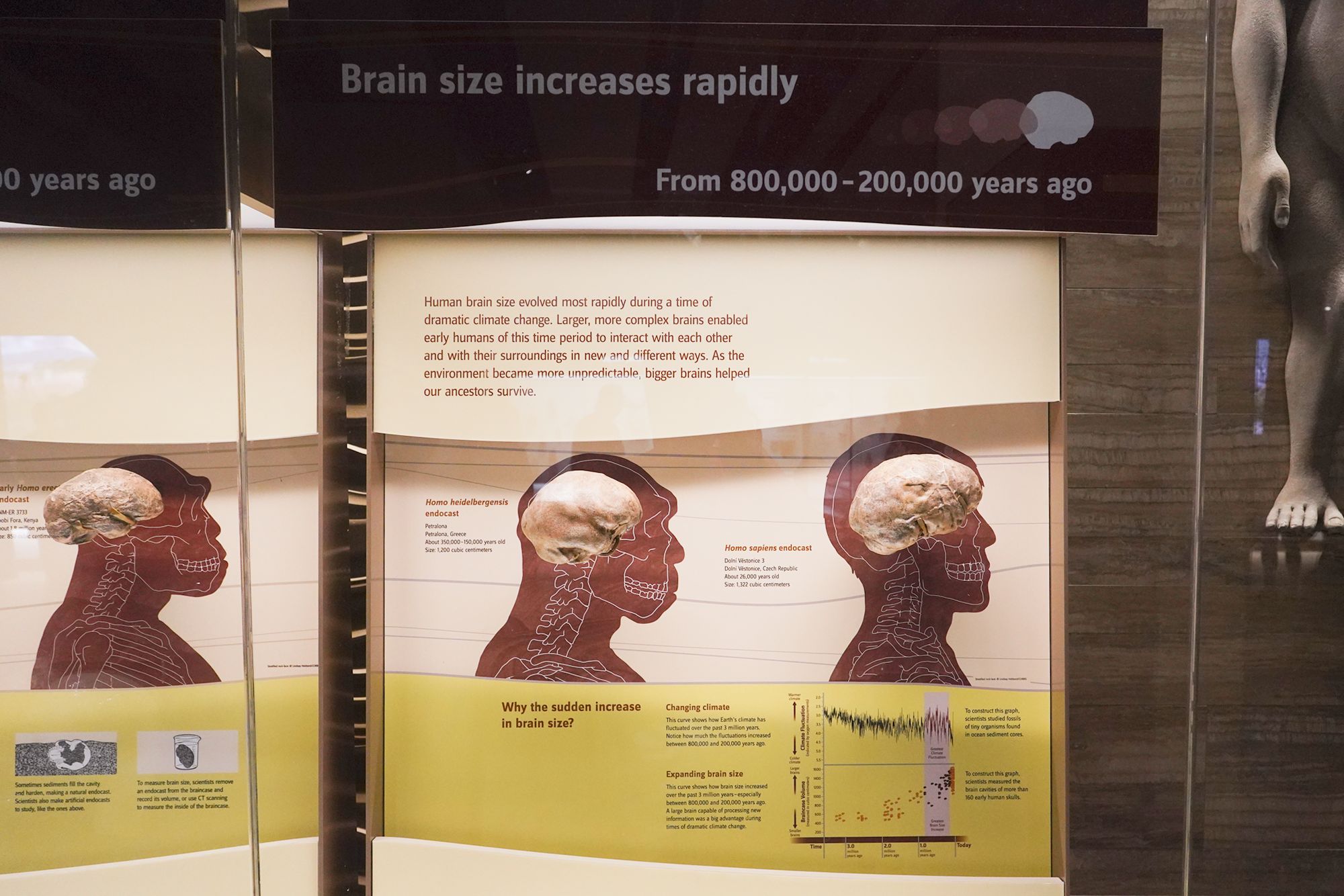
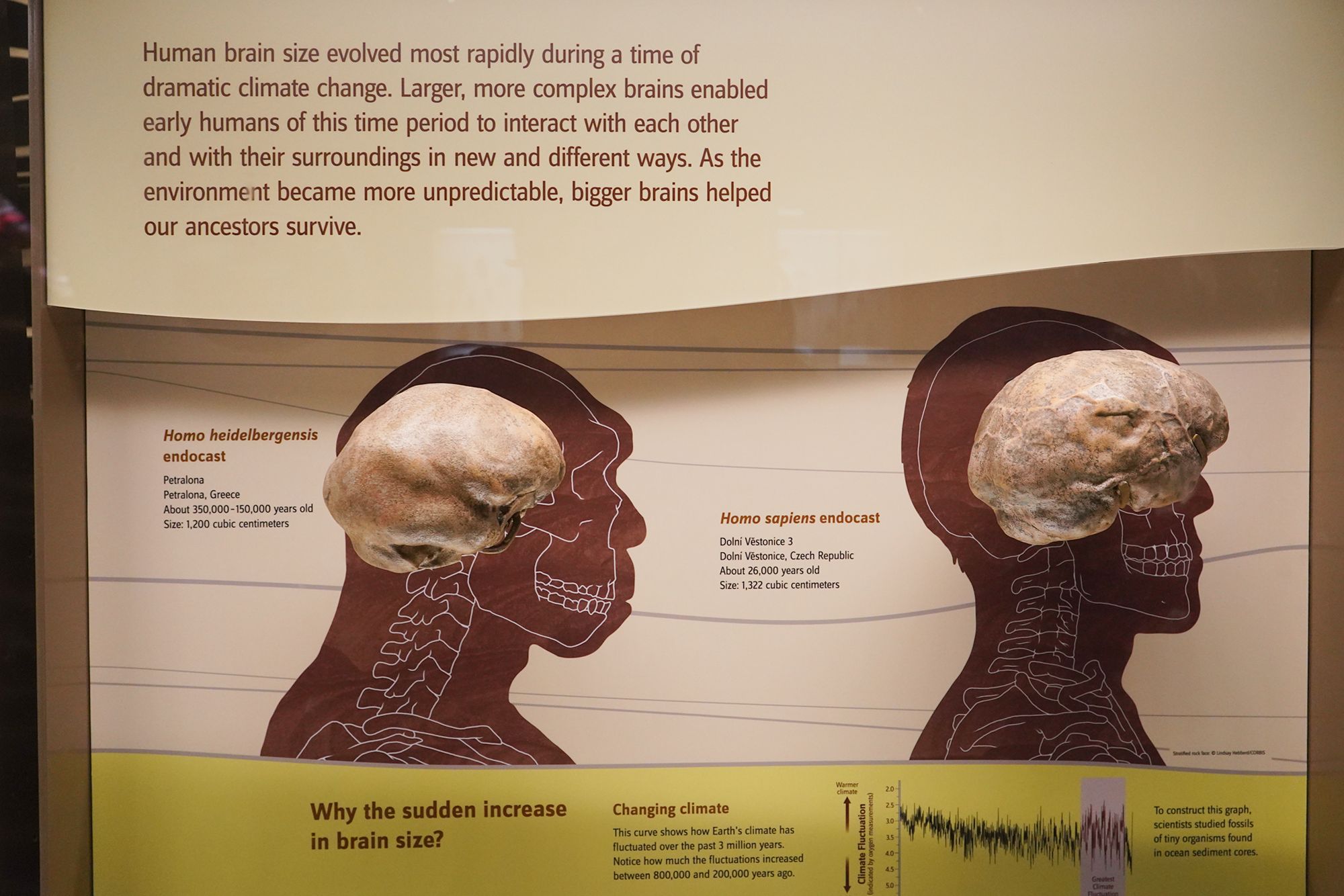
Human brain size evolved most rapidly during a time of dramatic climate change
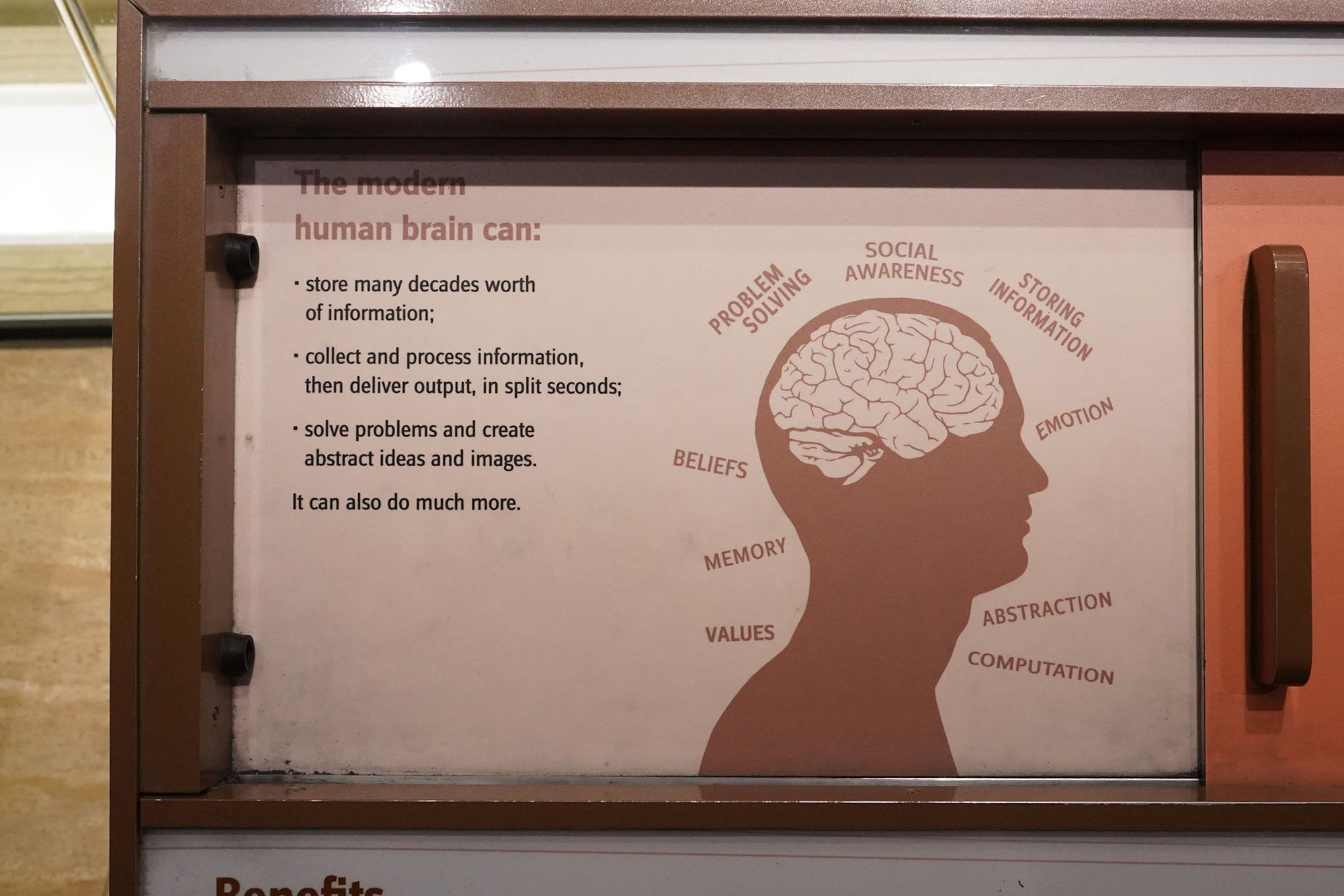
The modern human brain can do many things
Our big brains use a lot of energy and made our heads larger, leading to more difficult births.
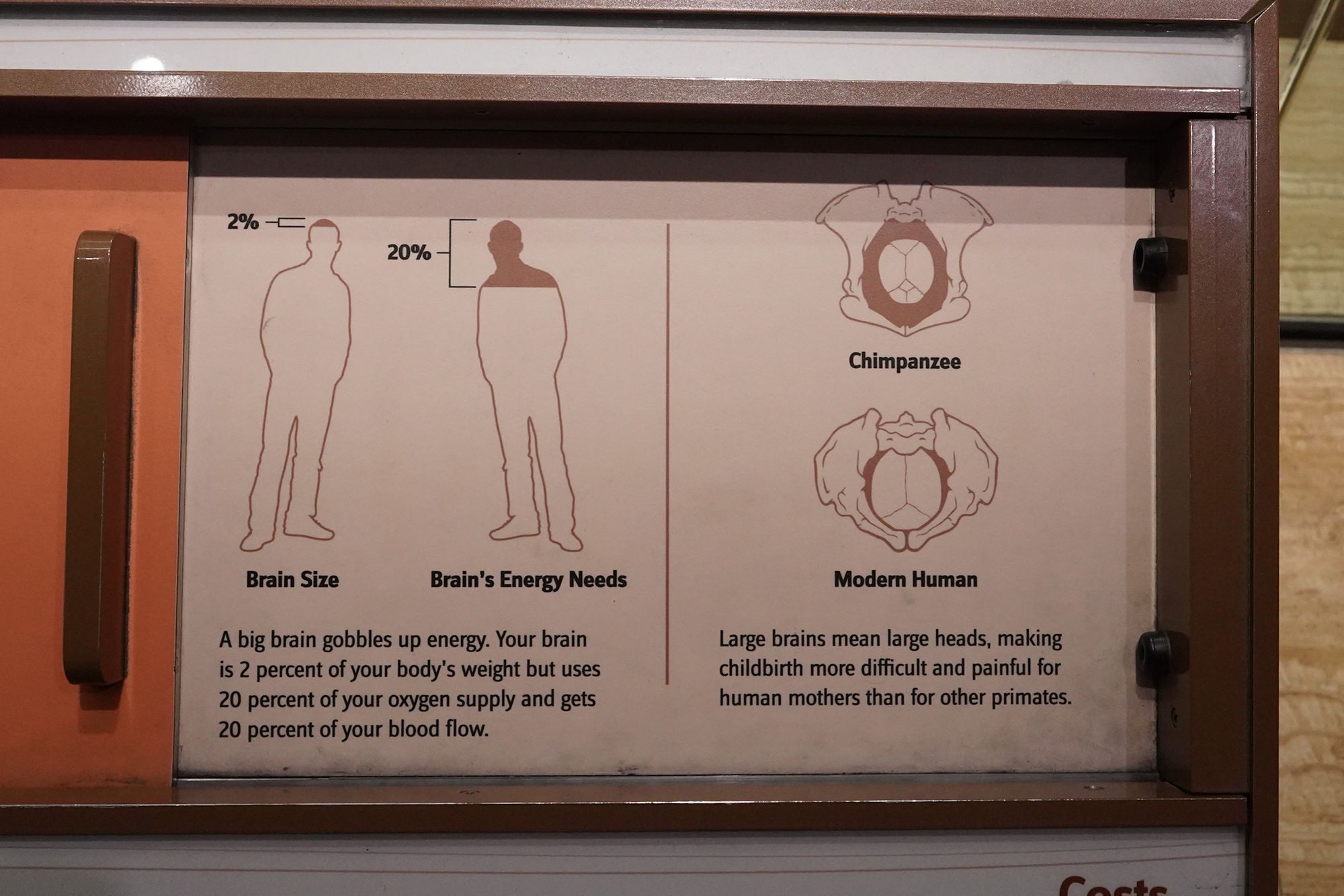
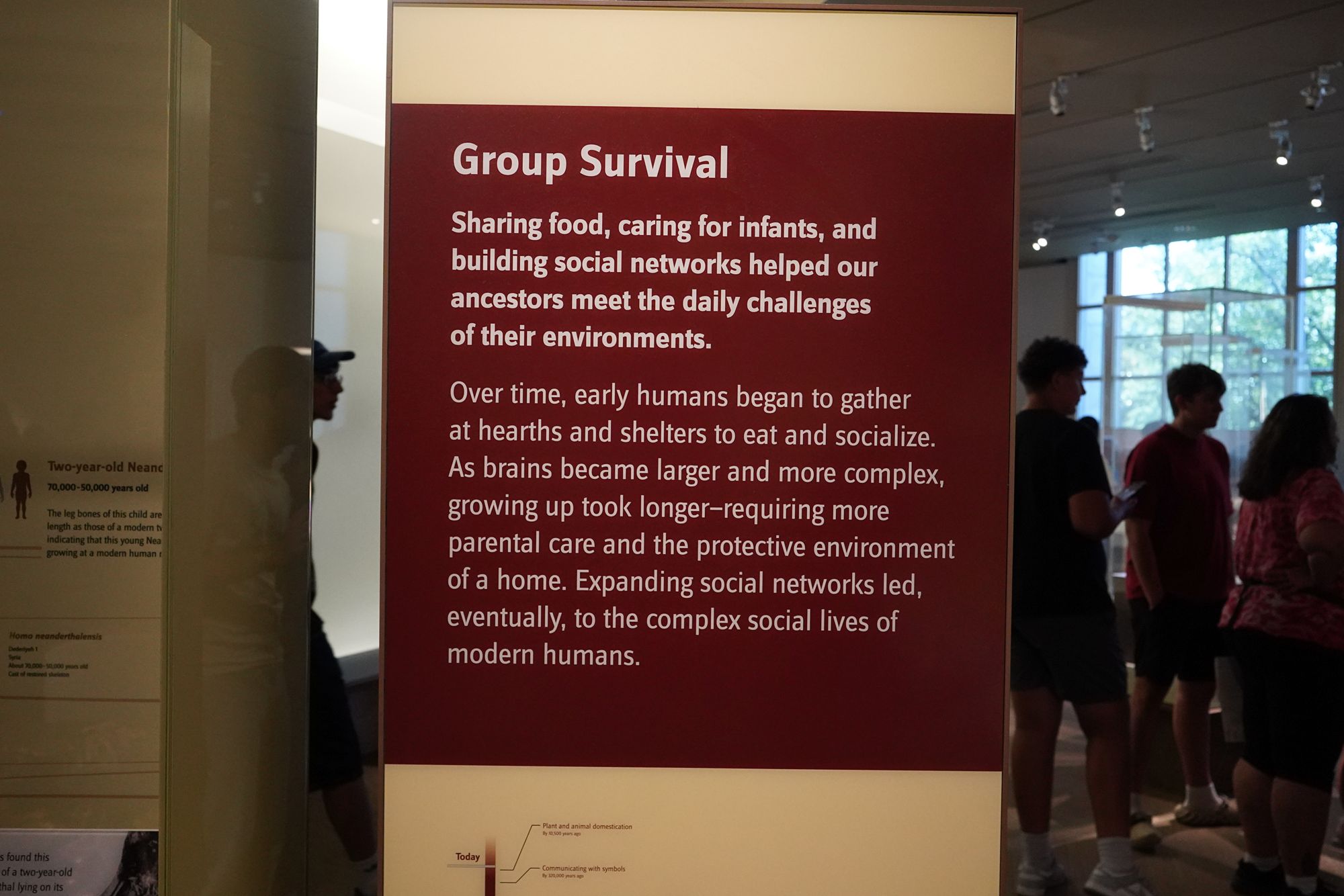
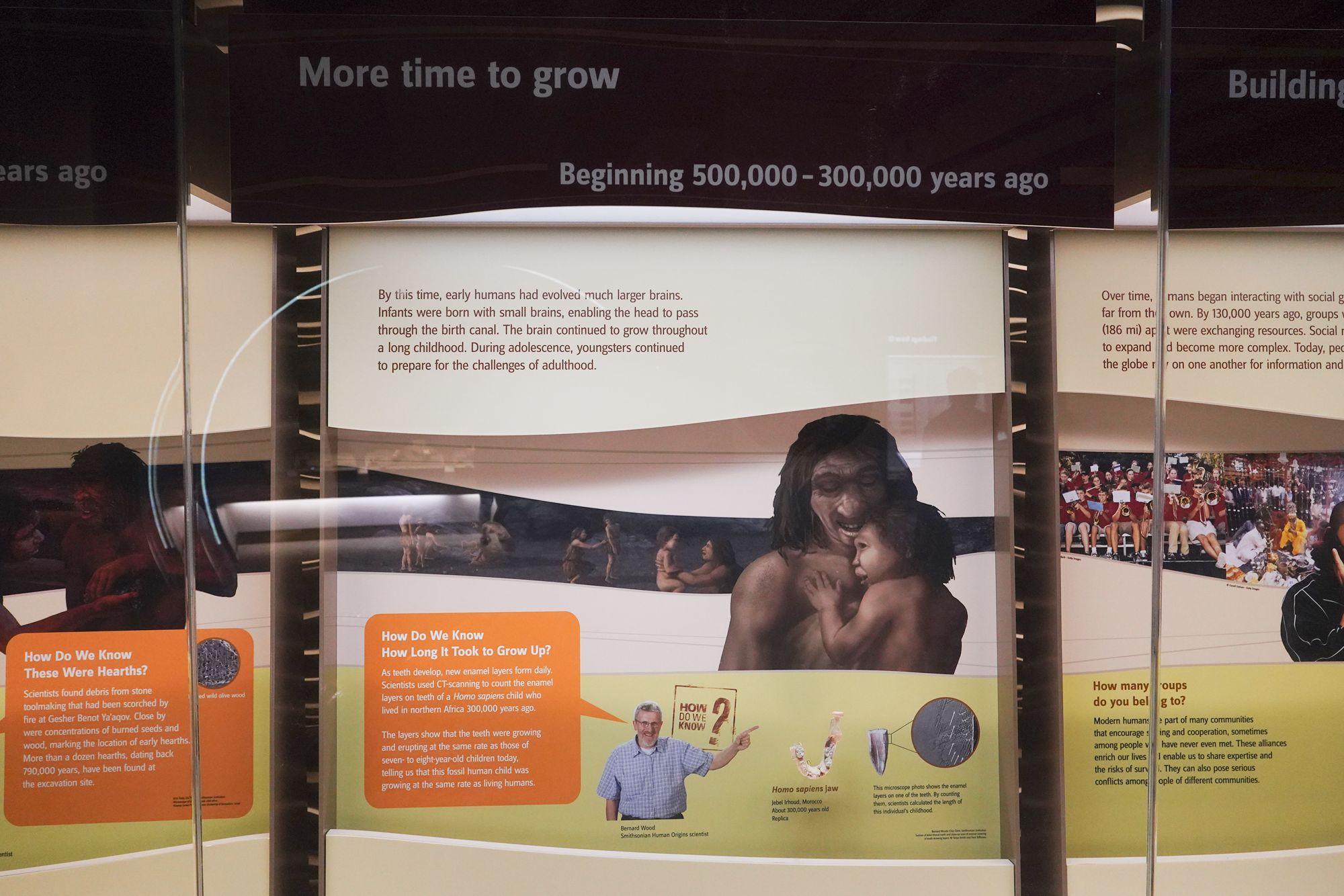
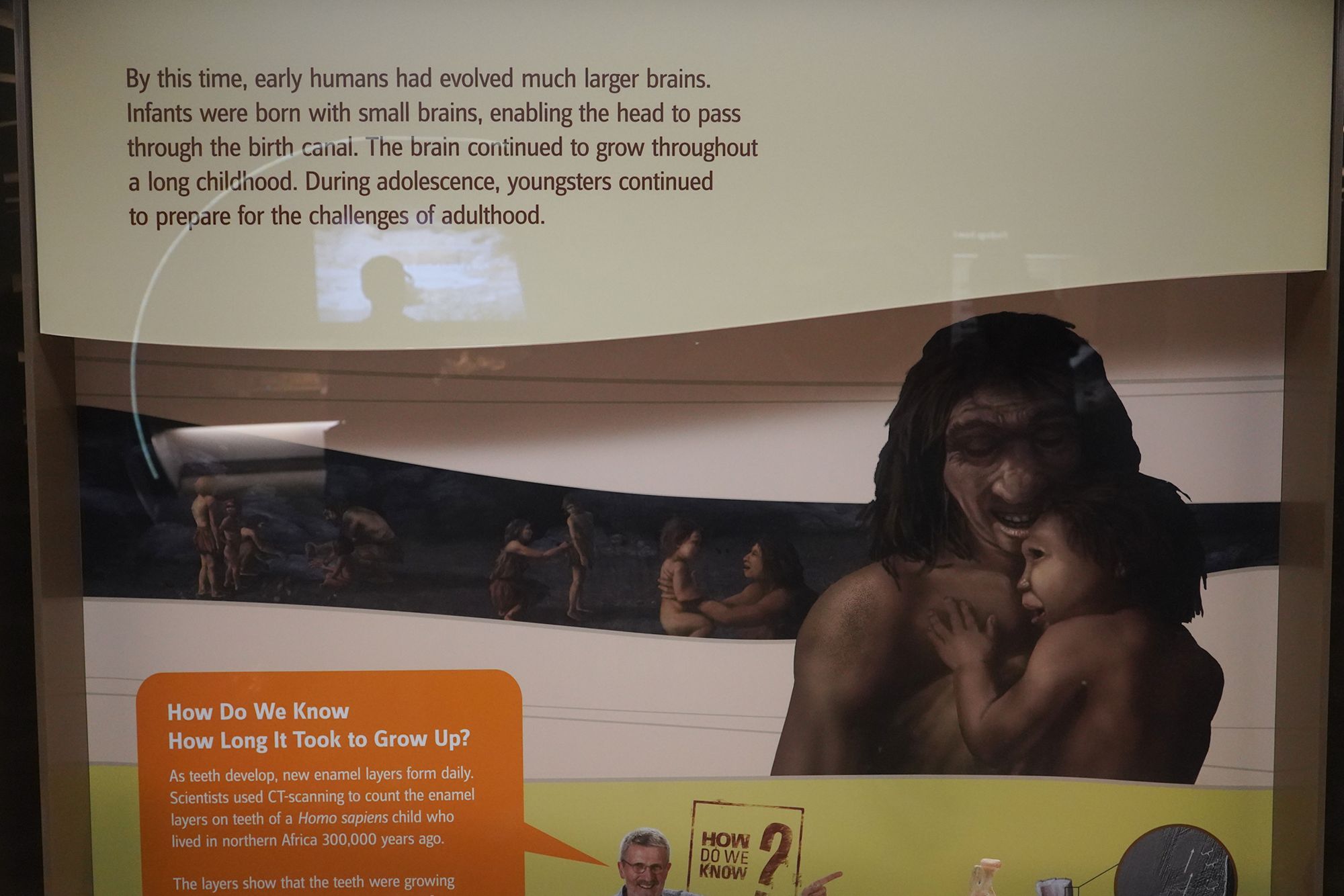
Our brains take longer to mature, requiring more parental care and a more stable society.
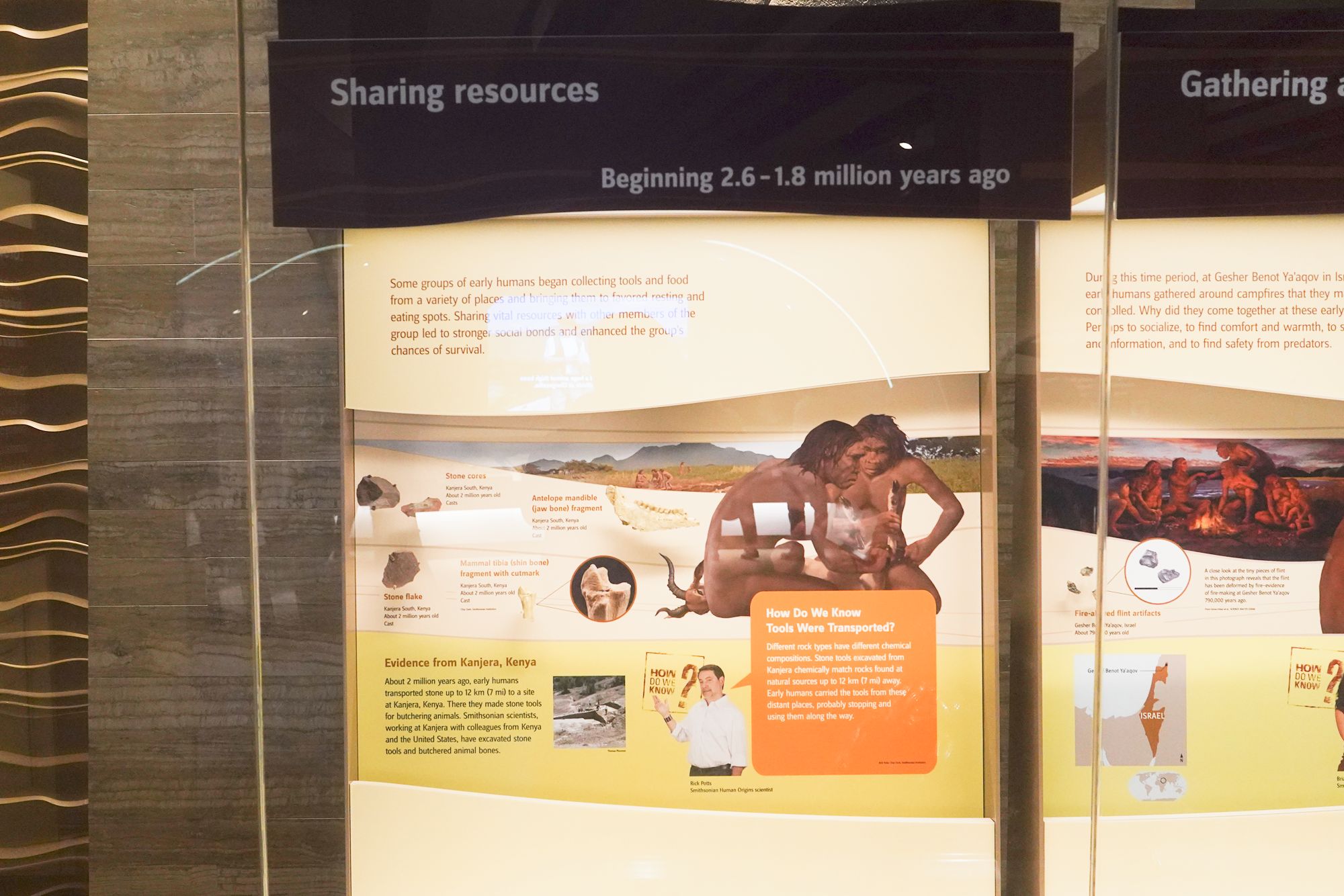
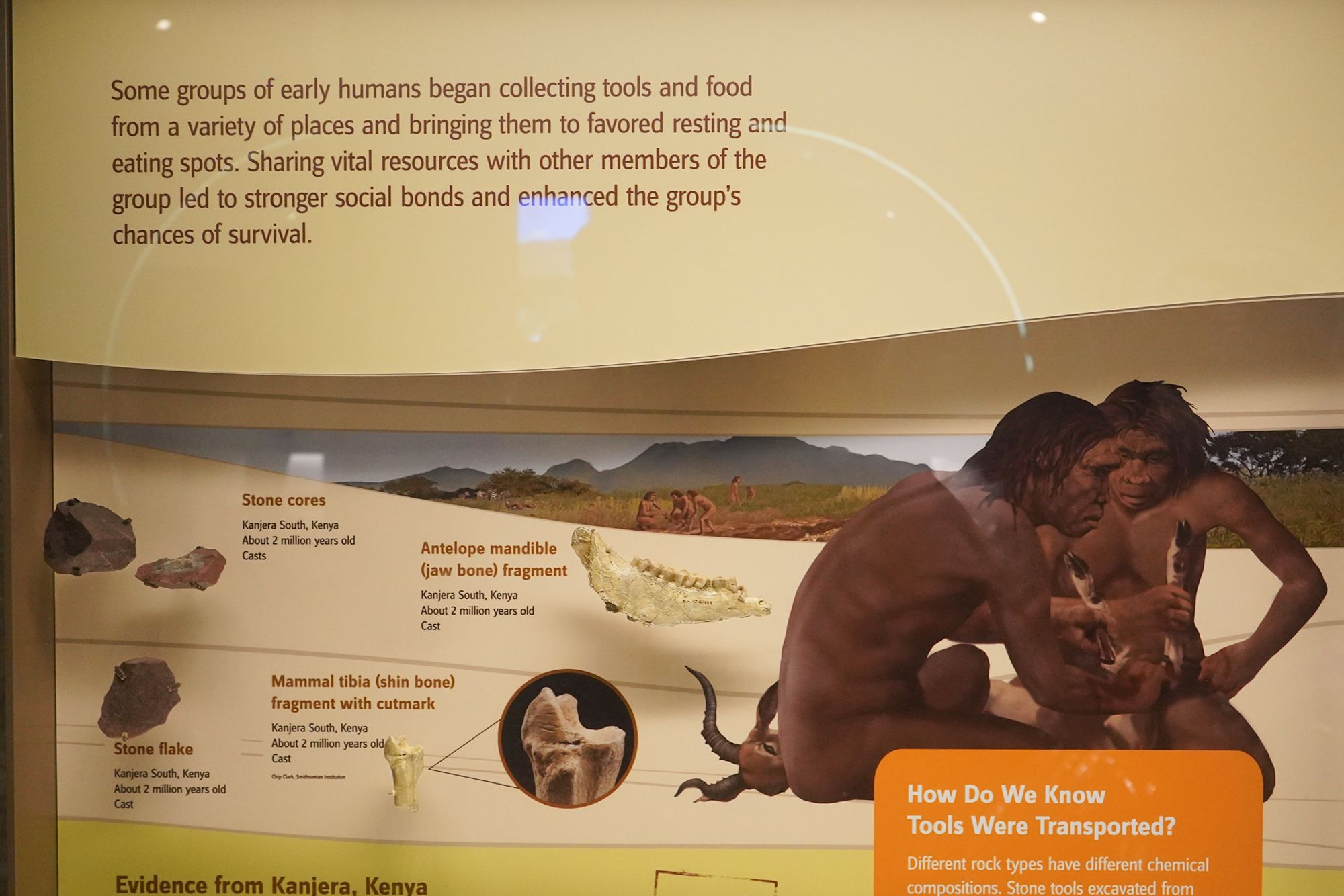
We began sharing resources as early as 2.6 million years ago.
Gathering at the hearth began around 800,000 years ago.
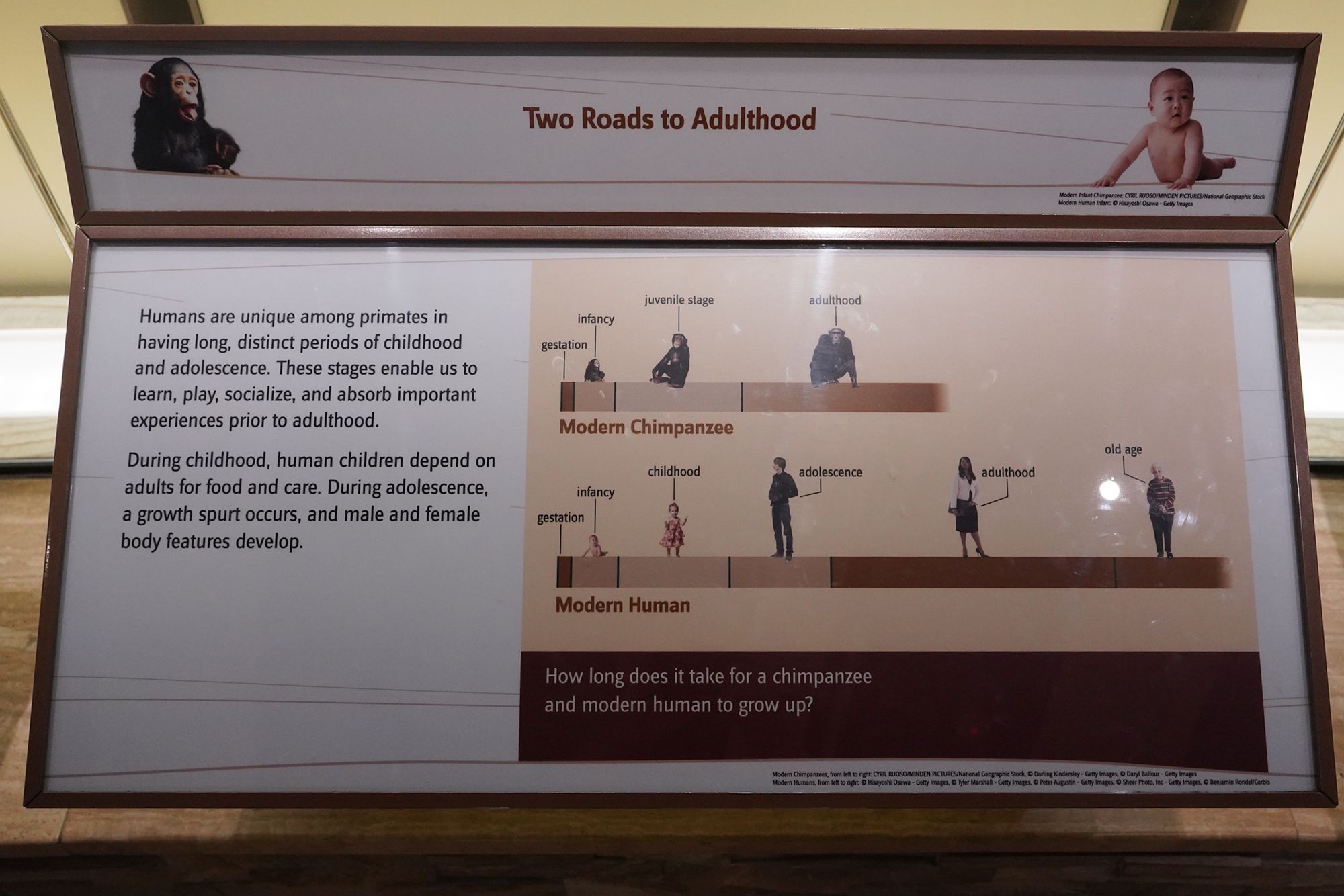
The bigger brain required more time to grow.
Humans require much more time to grow compared with chimpanzees.
Building Social Networks
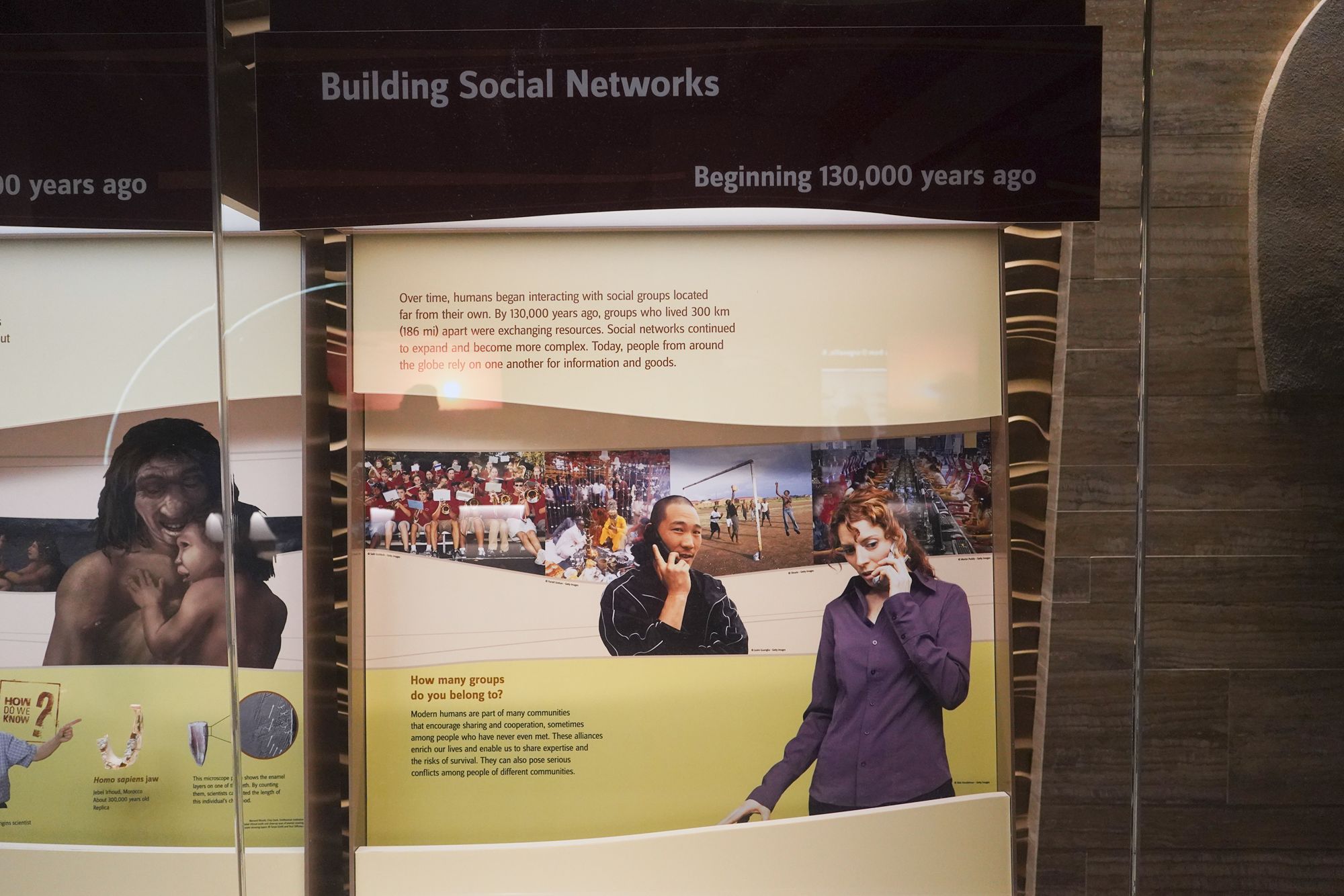
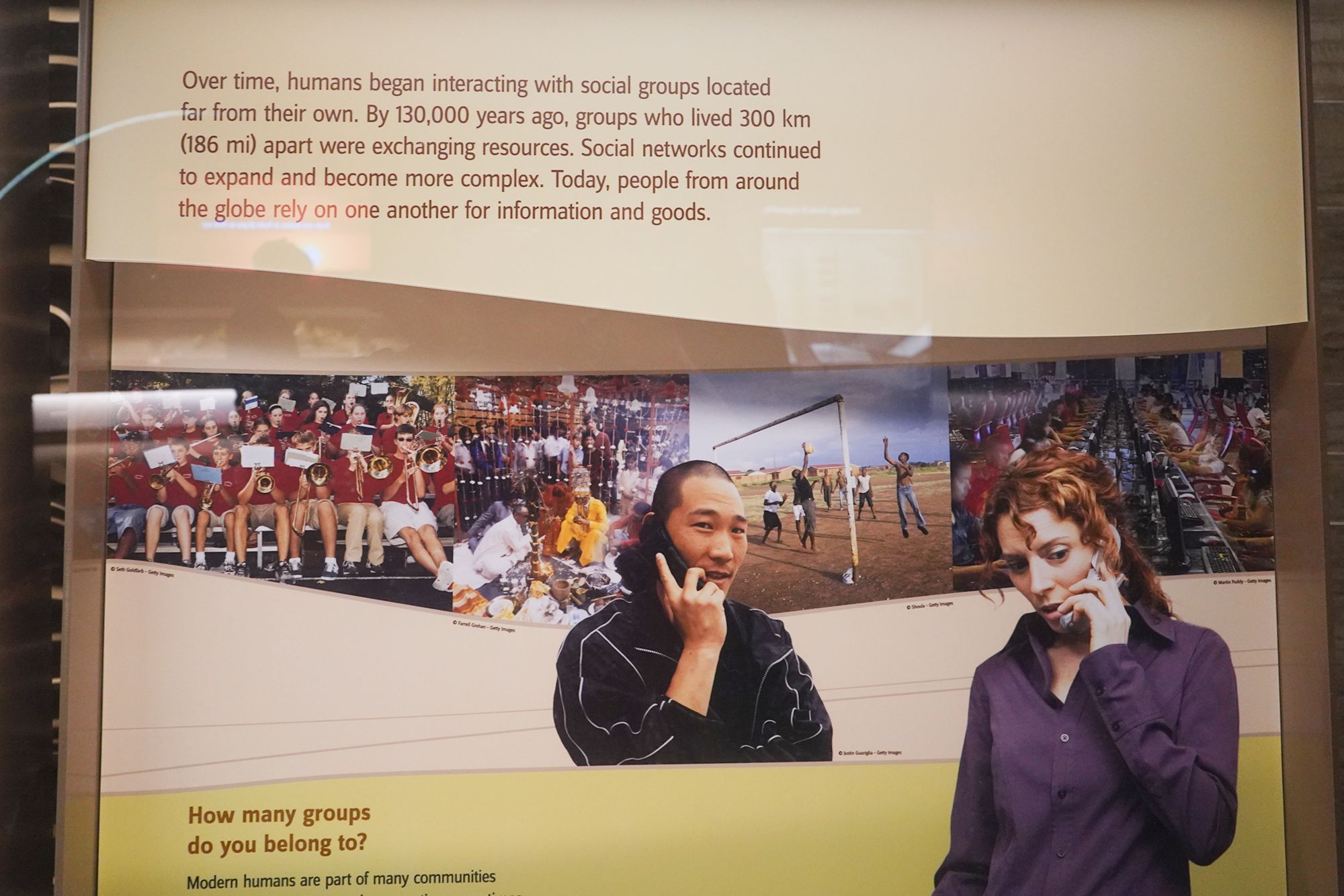
Over time, humans began interacting with social groups located far from their own
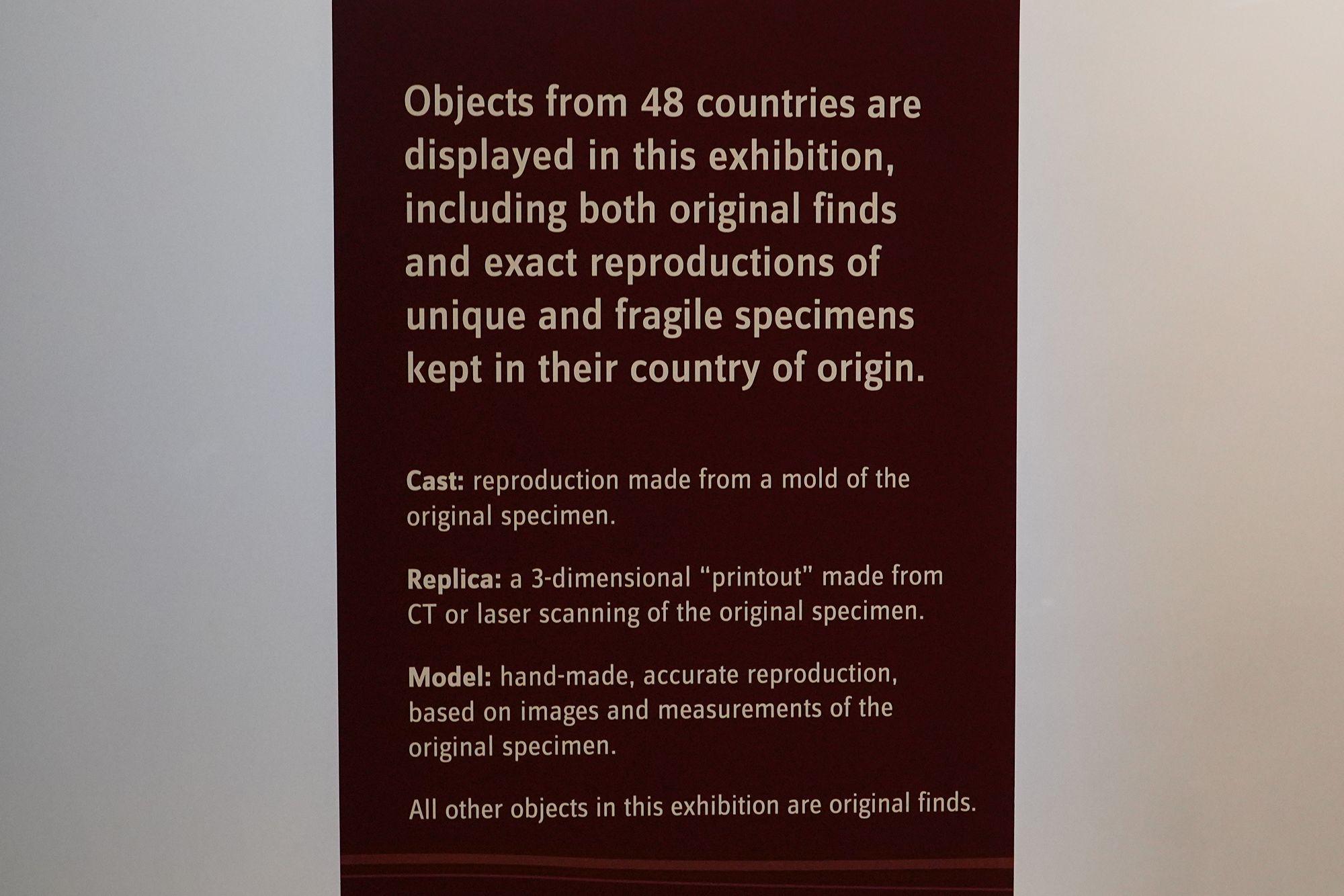
Early human skull from 48 countries
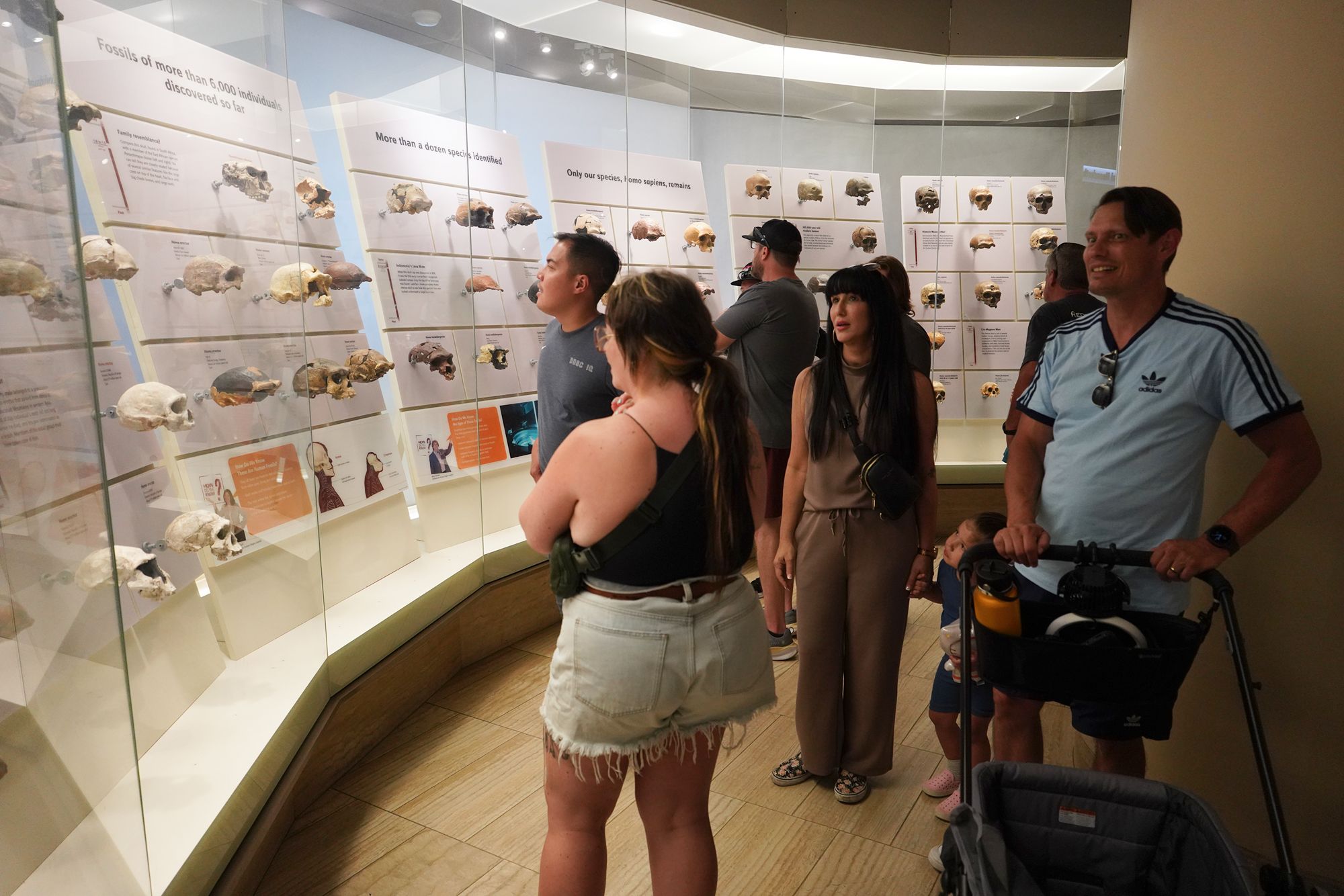
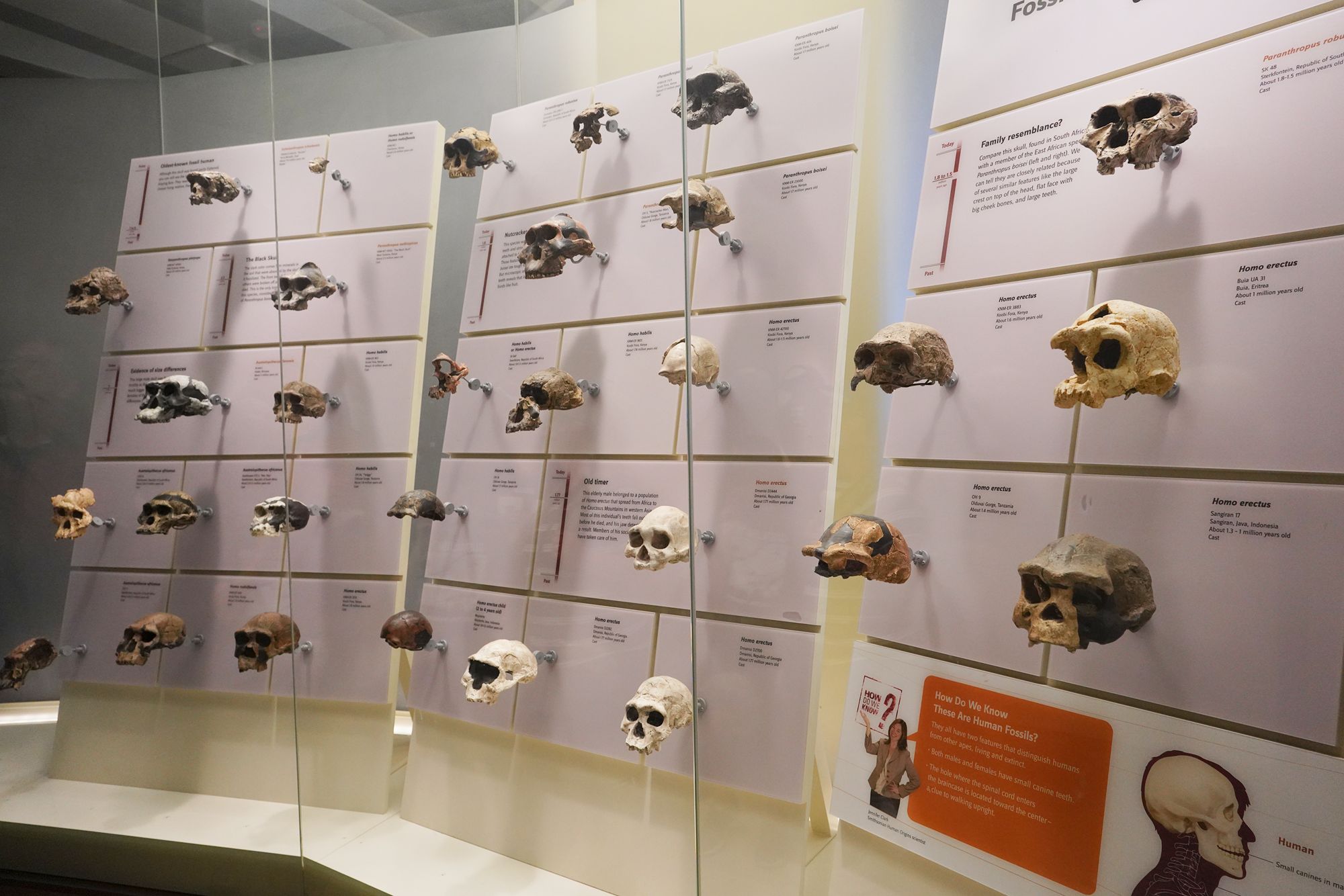
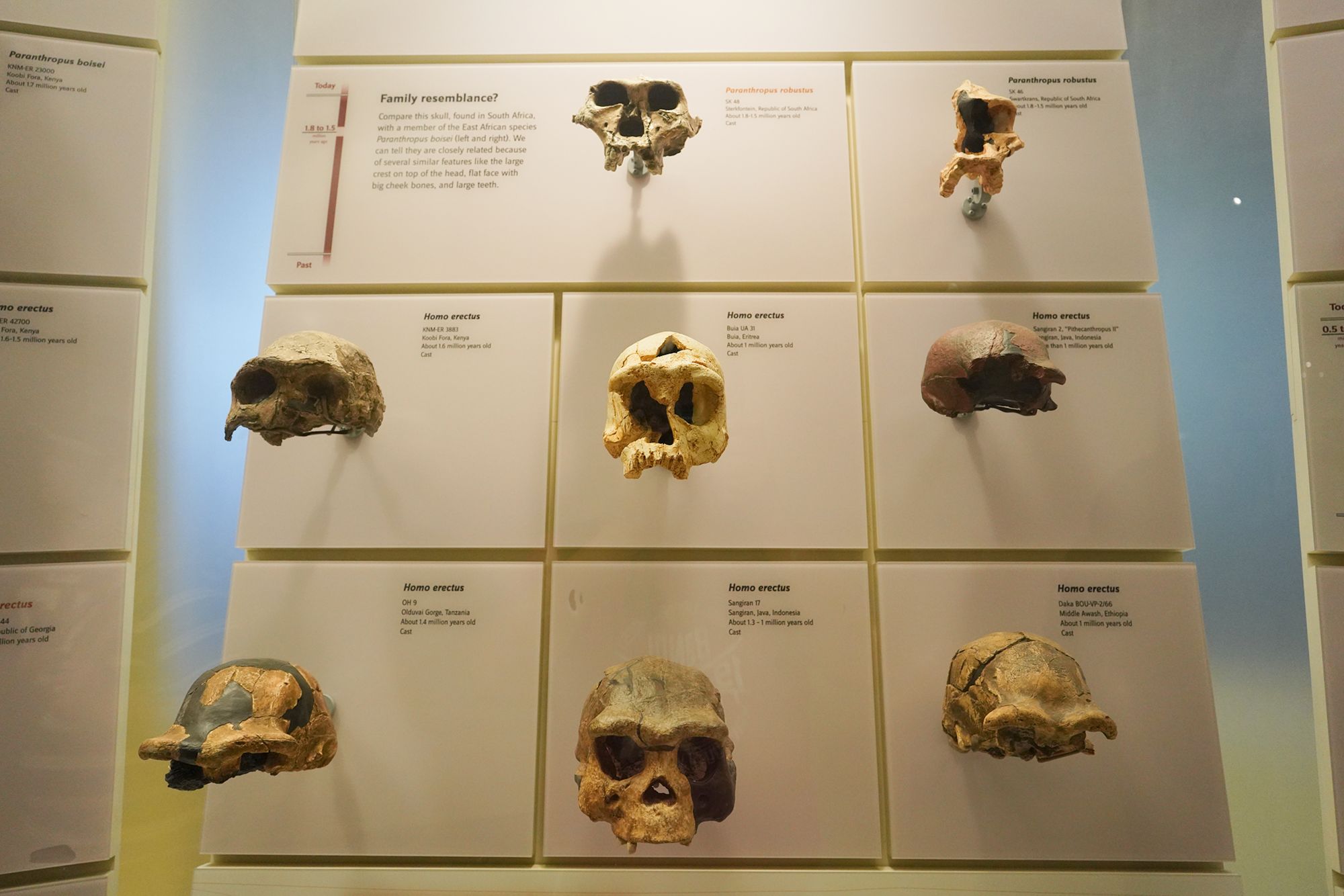
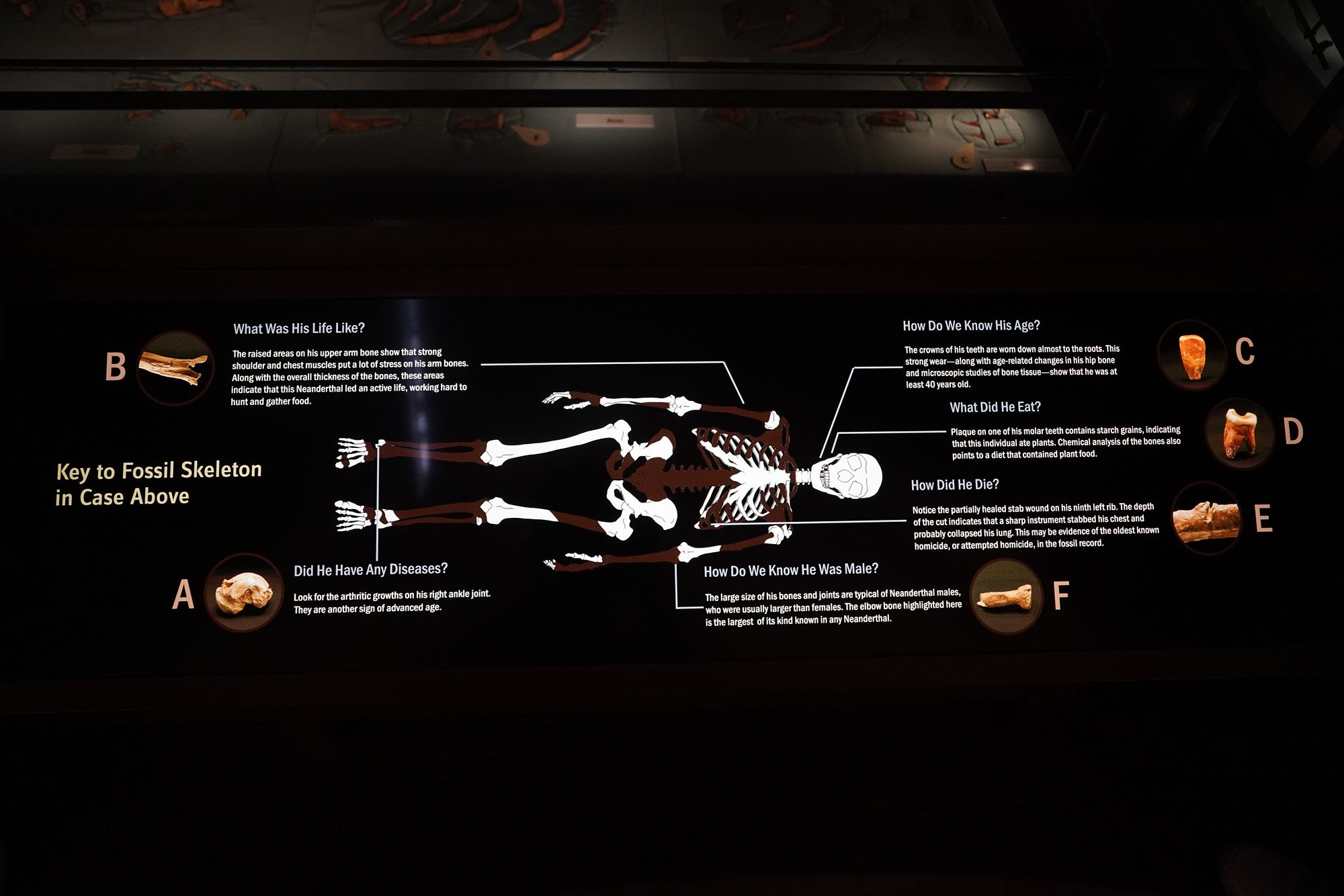
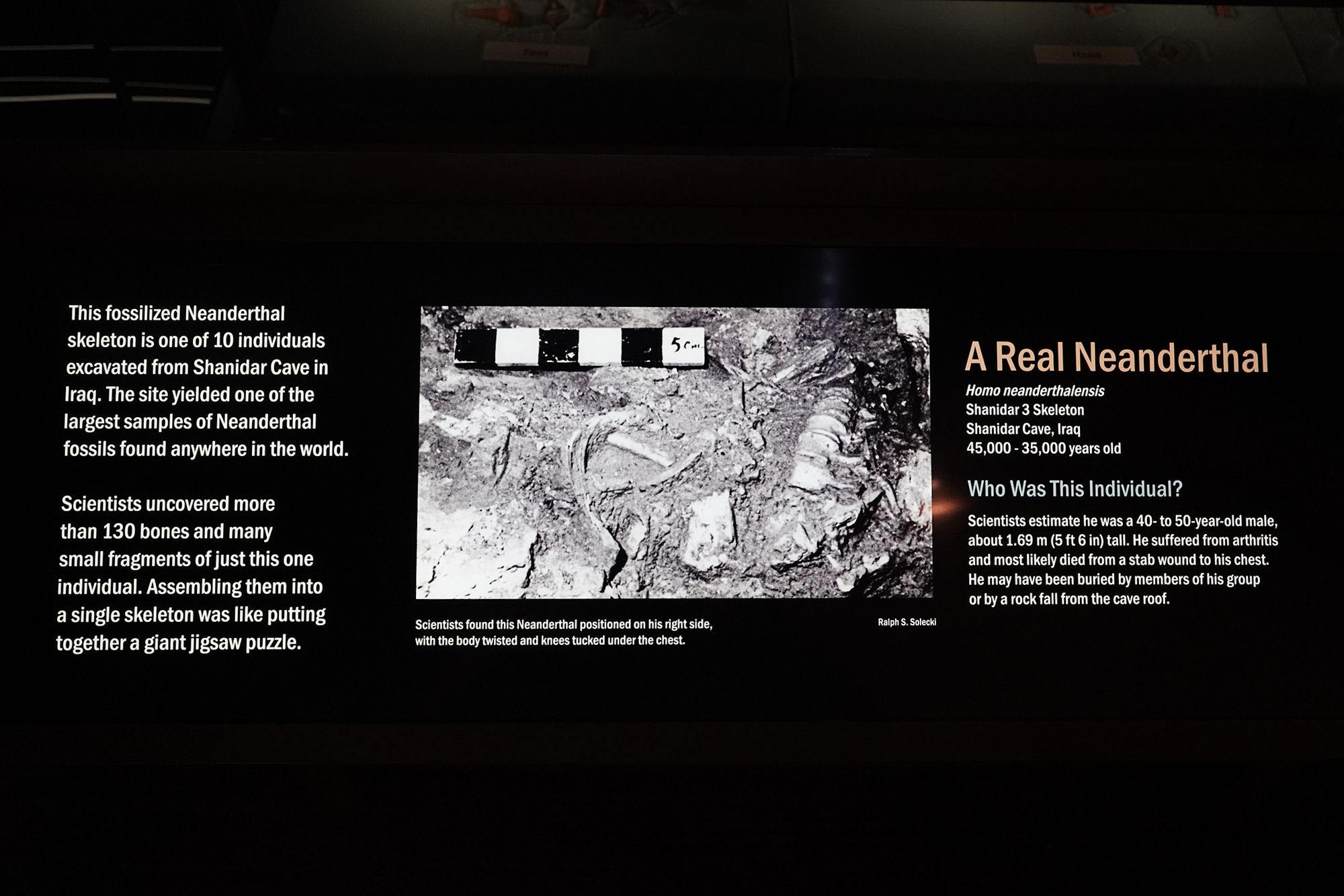
A Real Neanderthal Bonds
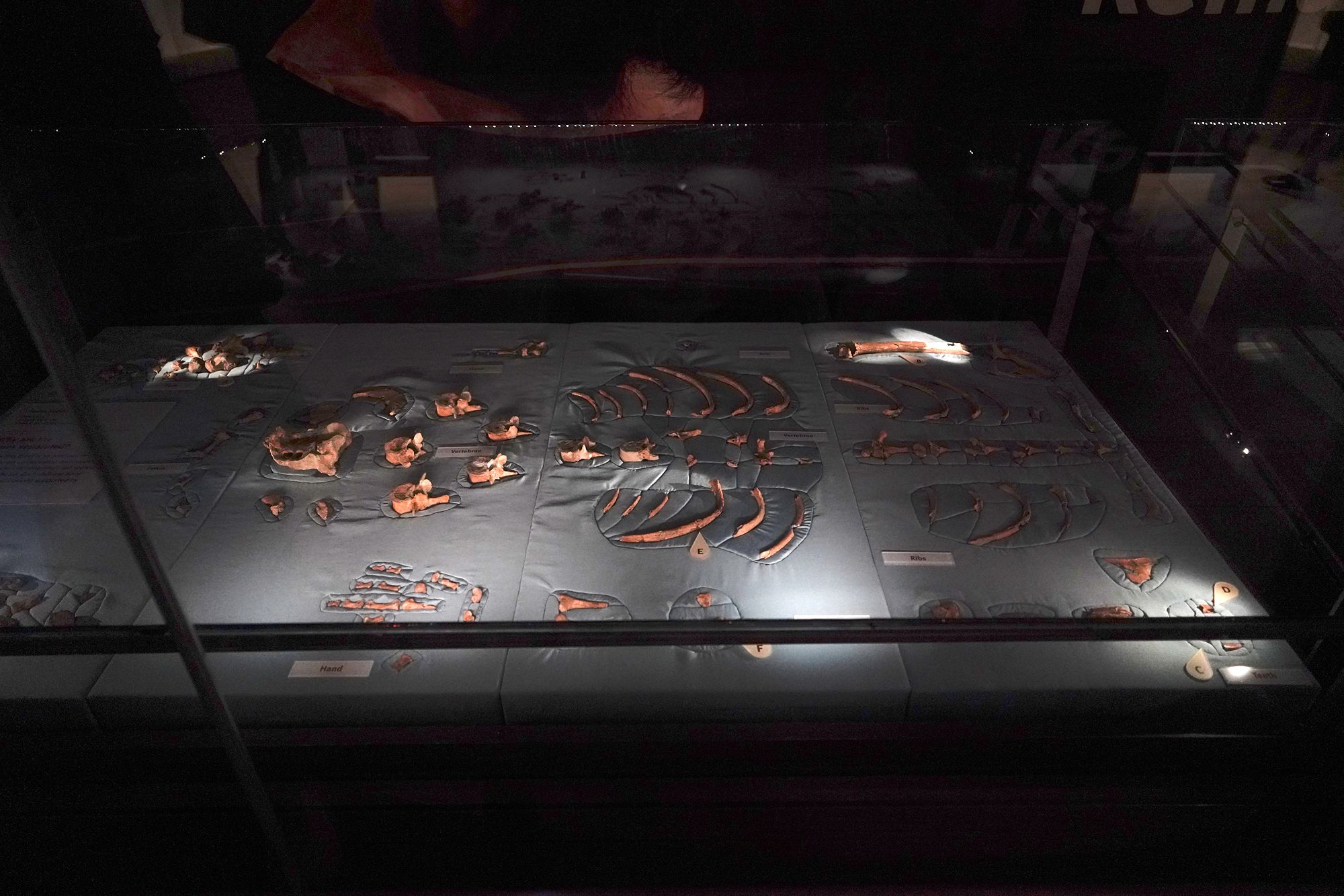
Neanderthals (Homo neanderthalensis) were a close human species who lived in Europe and western Asia from about 400,000 to 40,000 years ago. They had large brains, strong bodies, and distinctive skull features such as a long, low cranium, heavy brow ridges, and a projecting mid-face. They made tools, controlled fire, hunted large animals, and even buried their dead. Modern humans share some DNA with Neanderthals due to interbreeding.
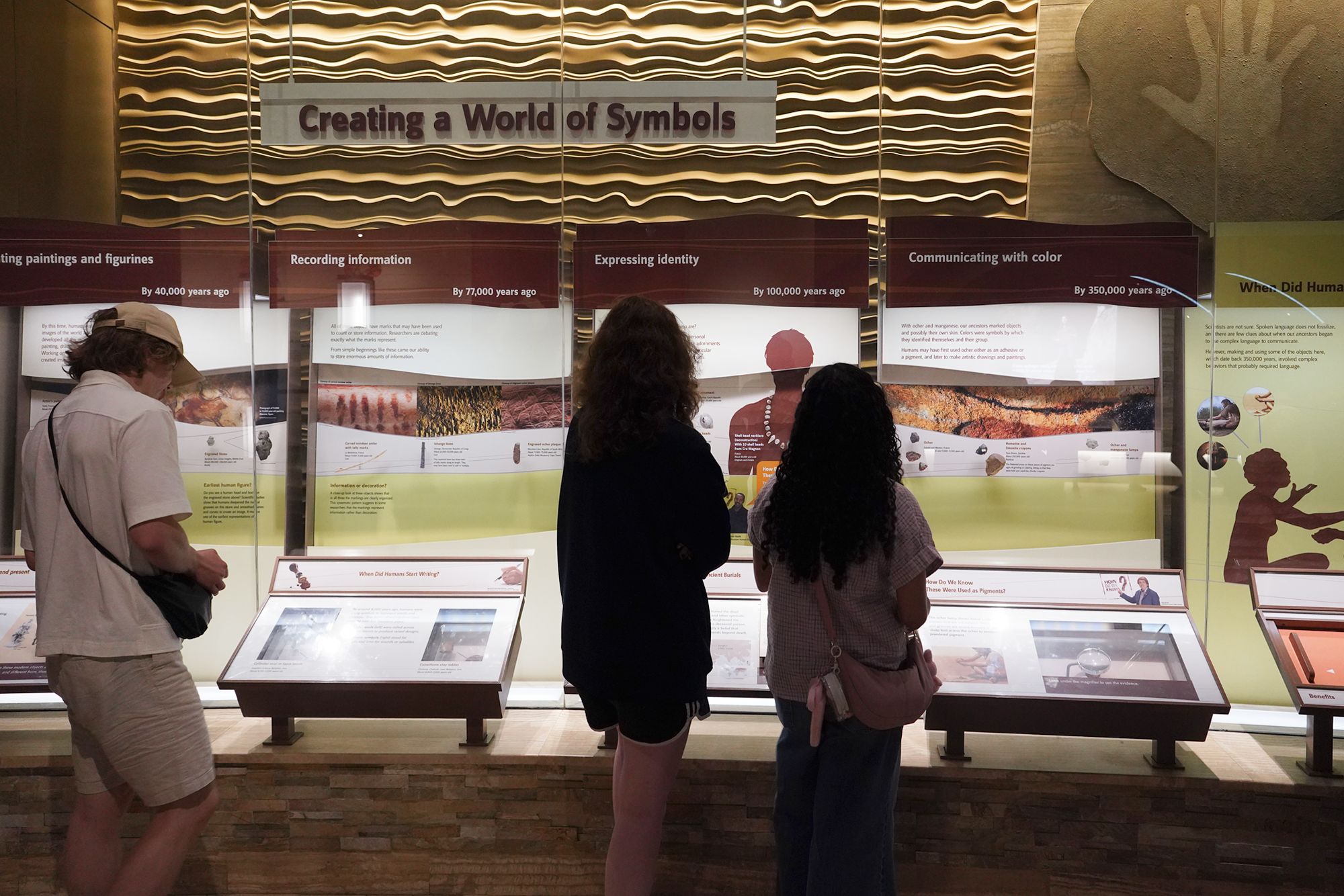
Creatng a World of Symbols
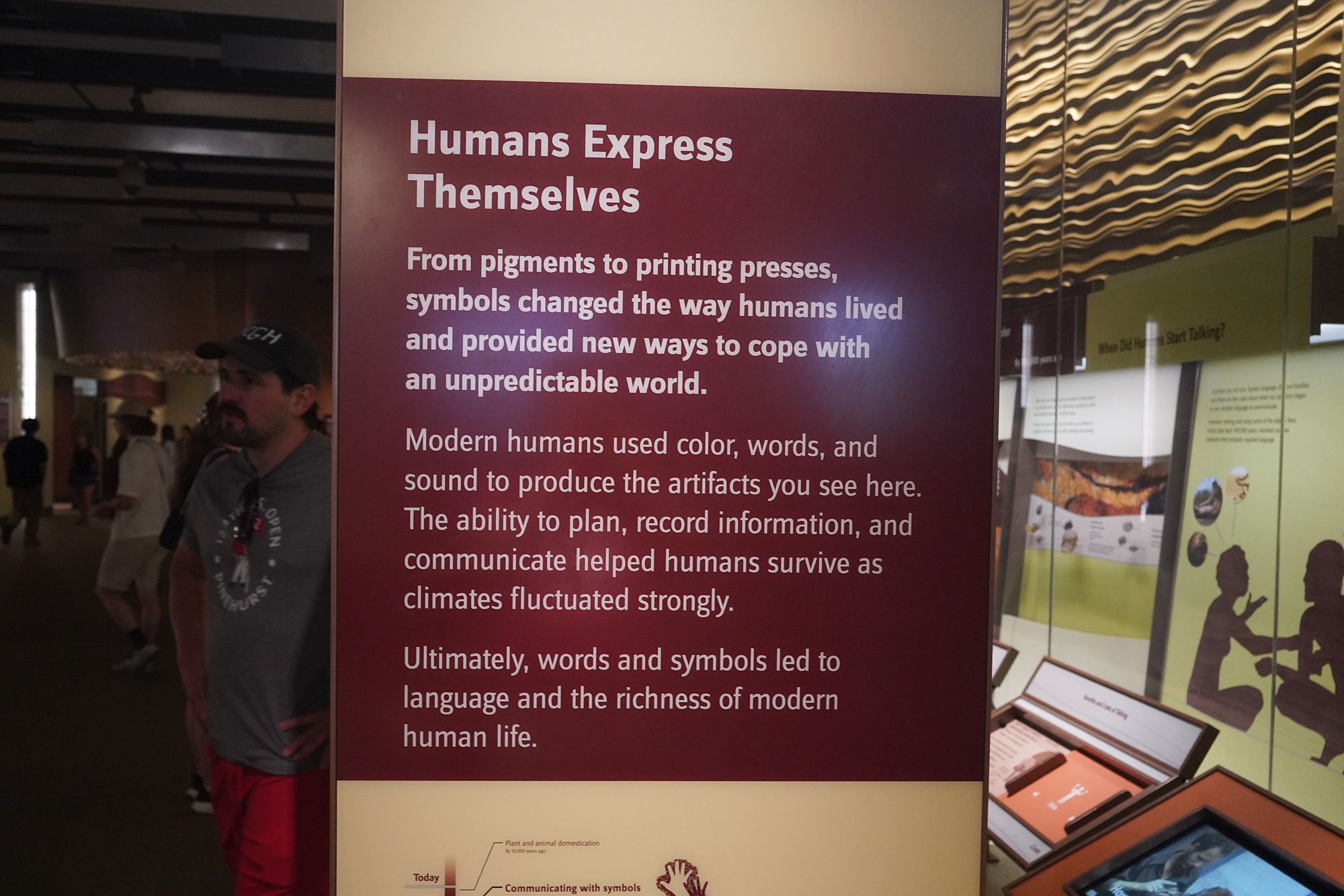
Humans Express Themselves – Creating Arts
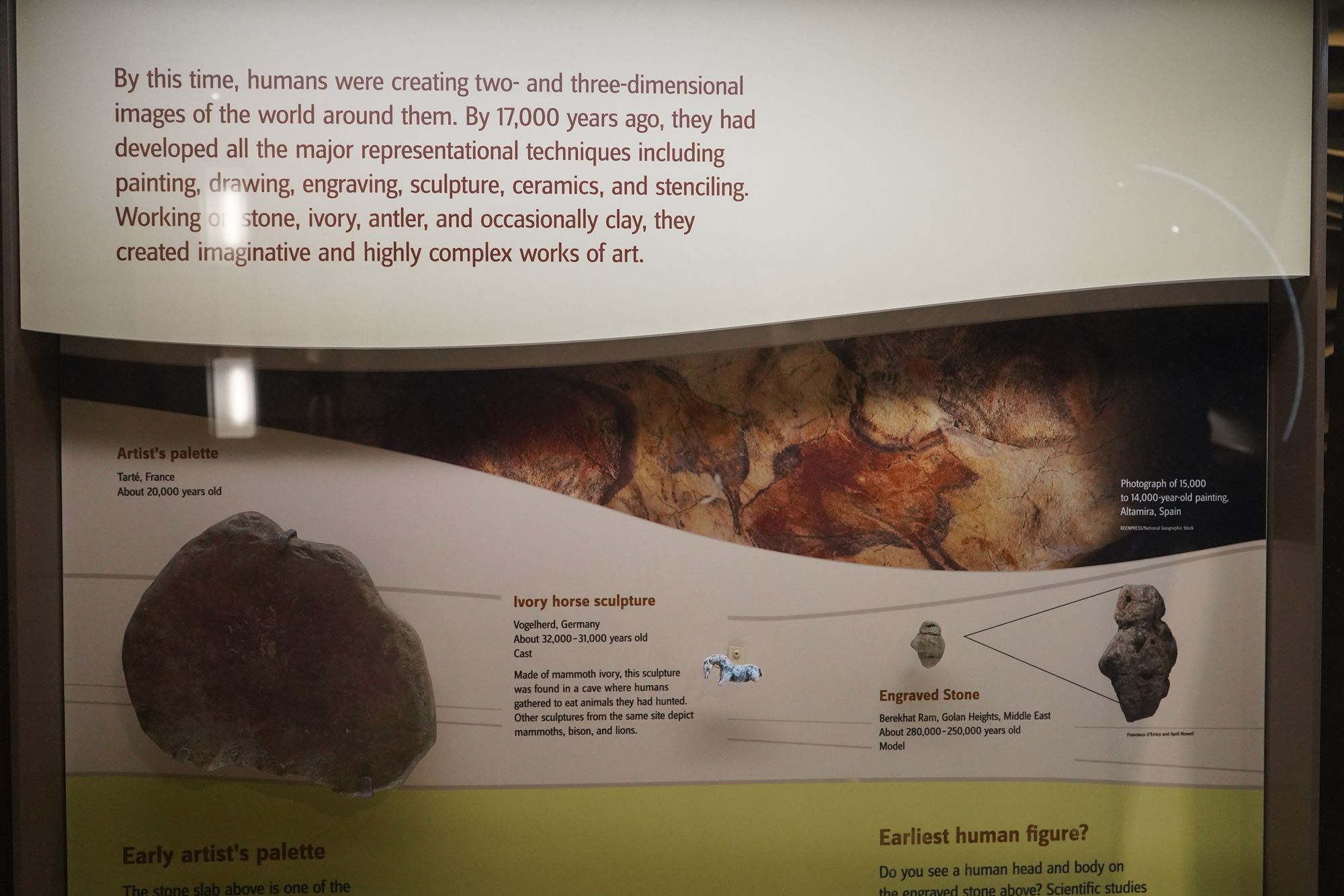
By 40,000 years ago, humans were creating images of the world.
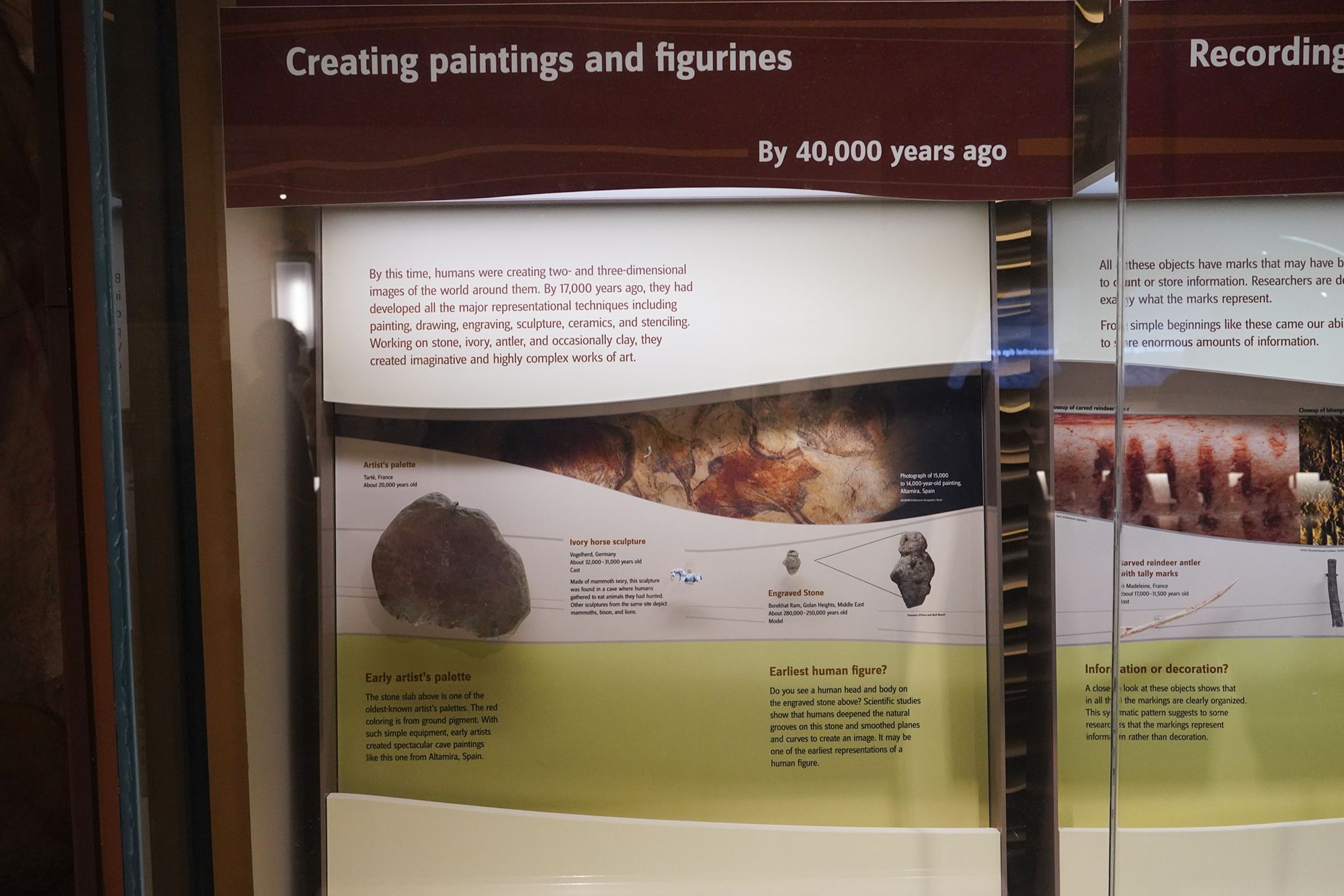
By 17,000 years ago, early humans had developed all major representational techniques, including painting, drawing, engraving, sculpture, ceramics, and stenciling.
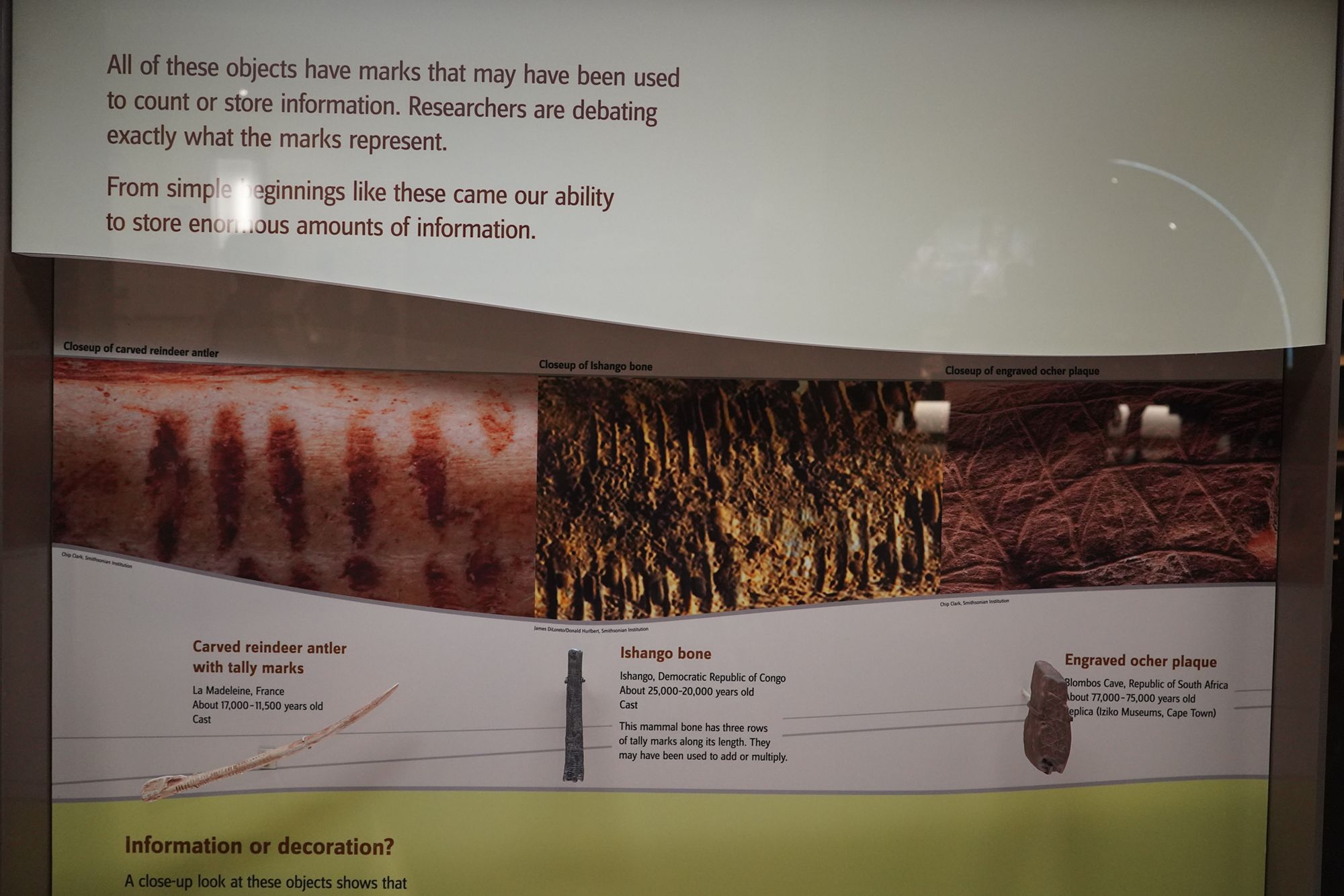
Recording information
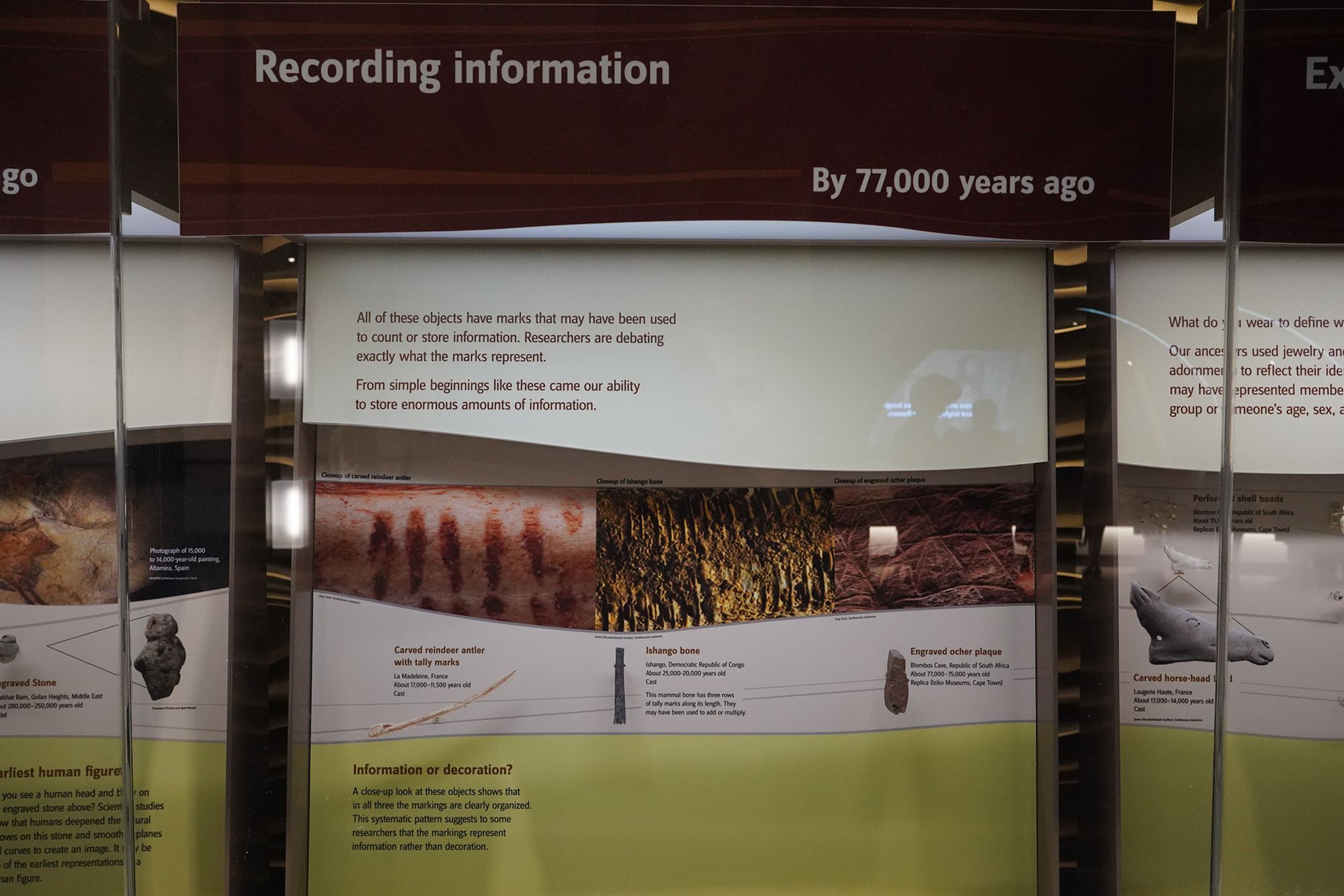
Methods of recording
By 8,000 years ago, they started to write

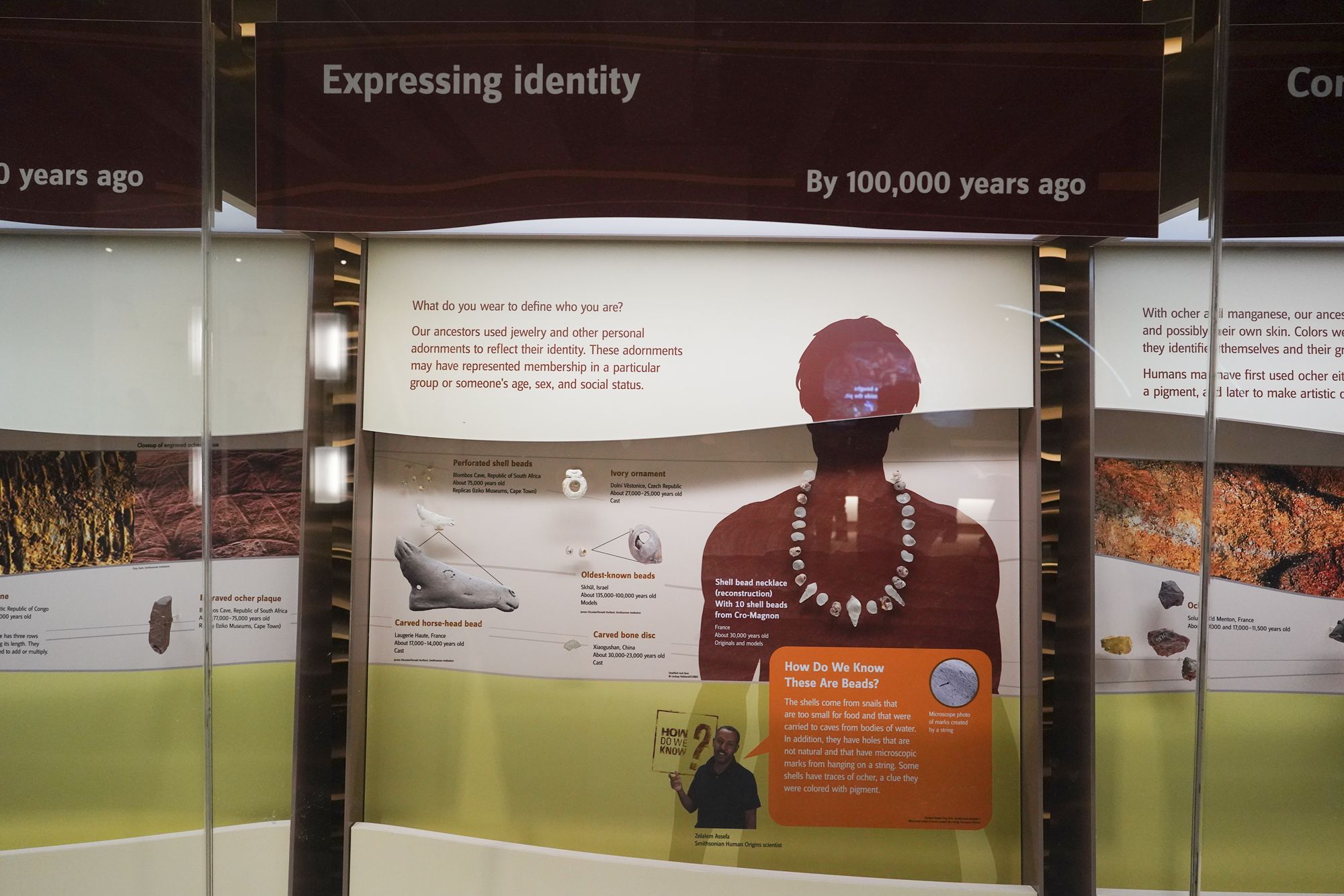
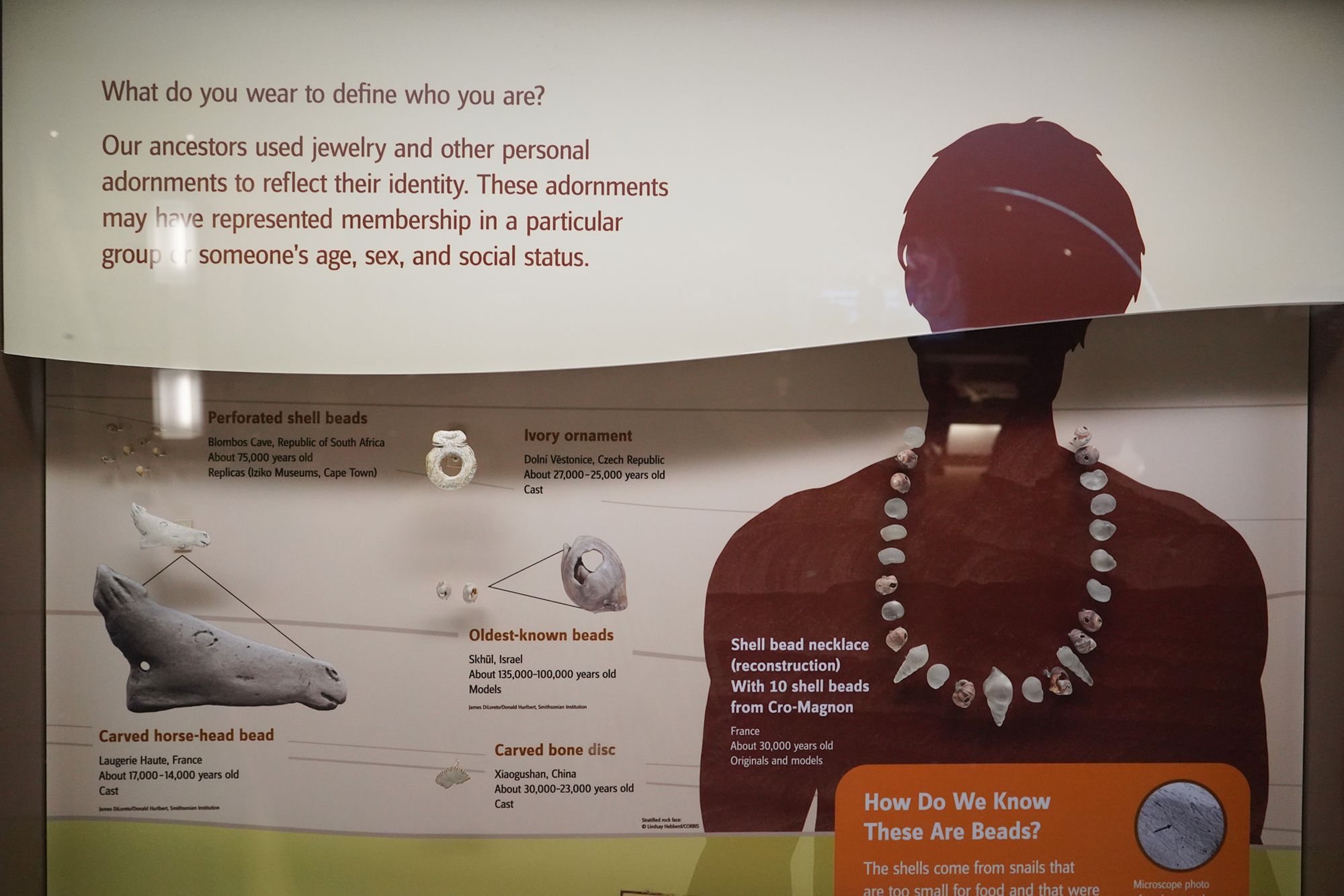
By 100,000 years ago, they were using jewelry and other personal adornments.
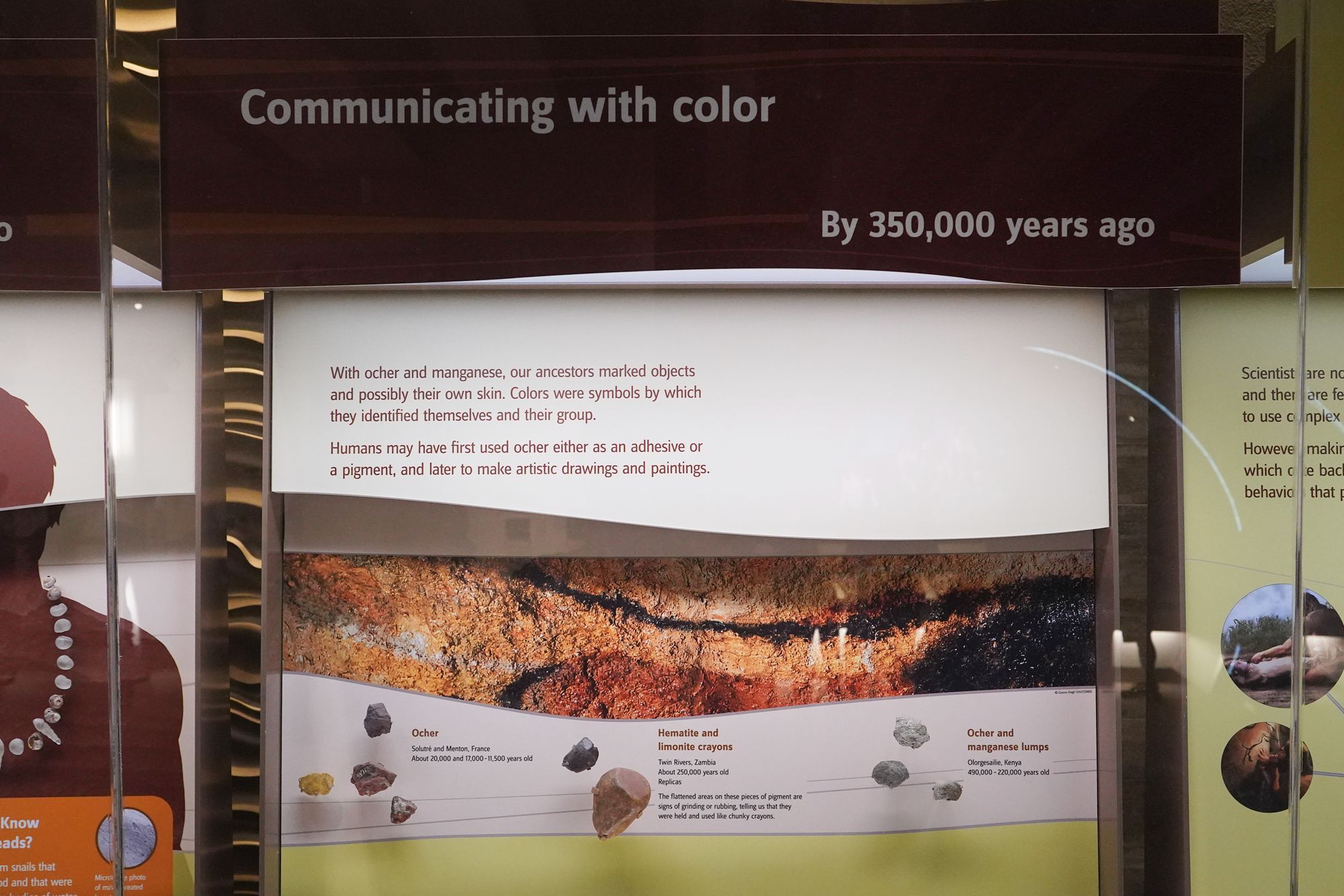
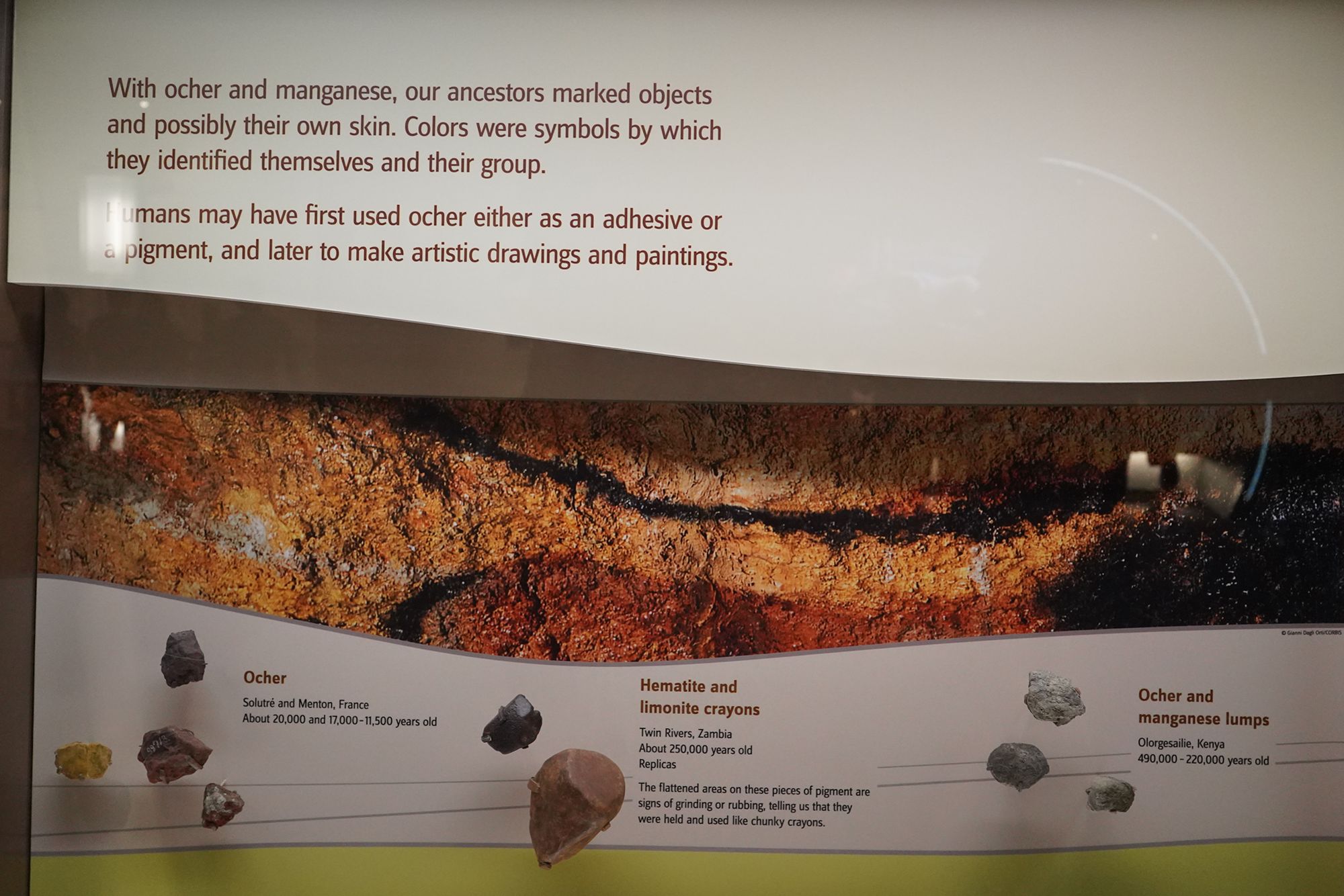
By 350,000 years ago, they had begun using colors.
Spoken Language – benefits
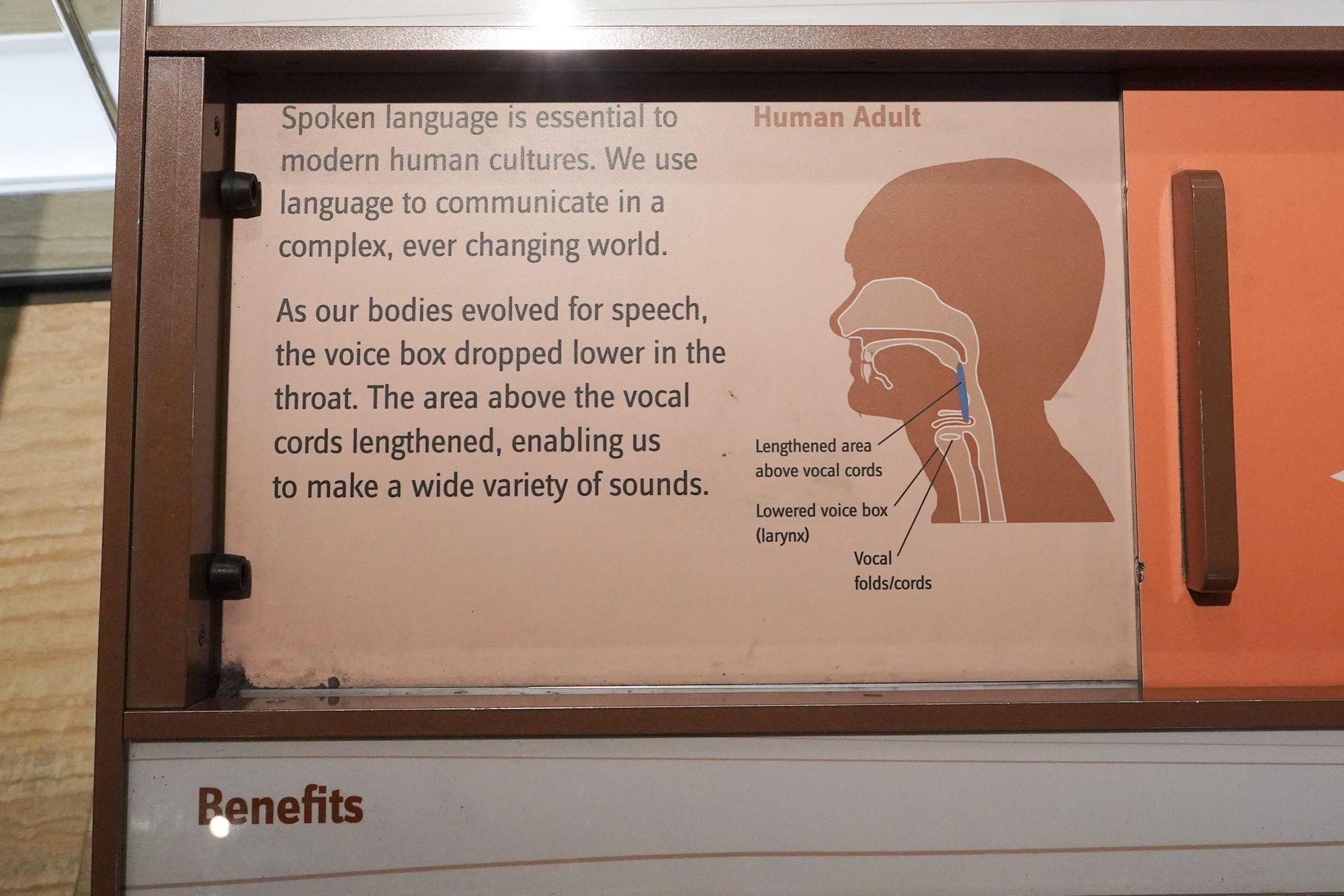
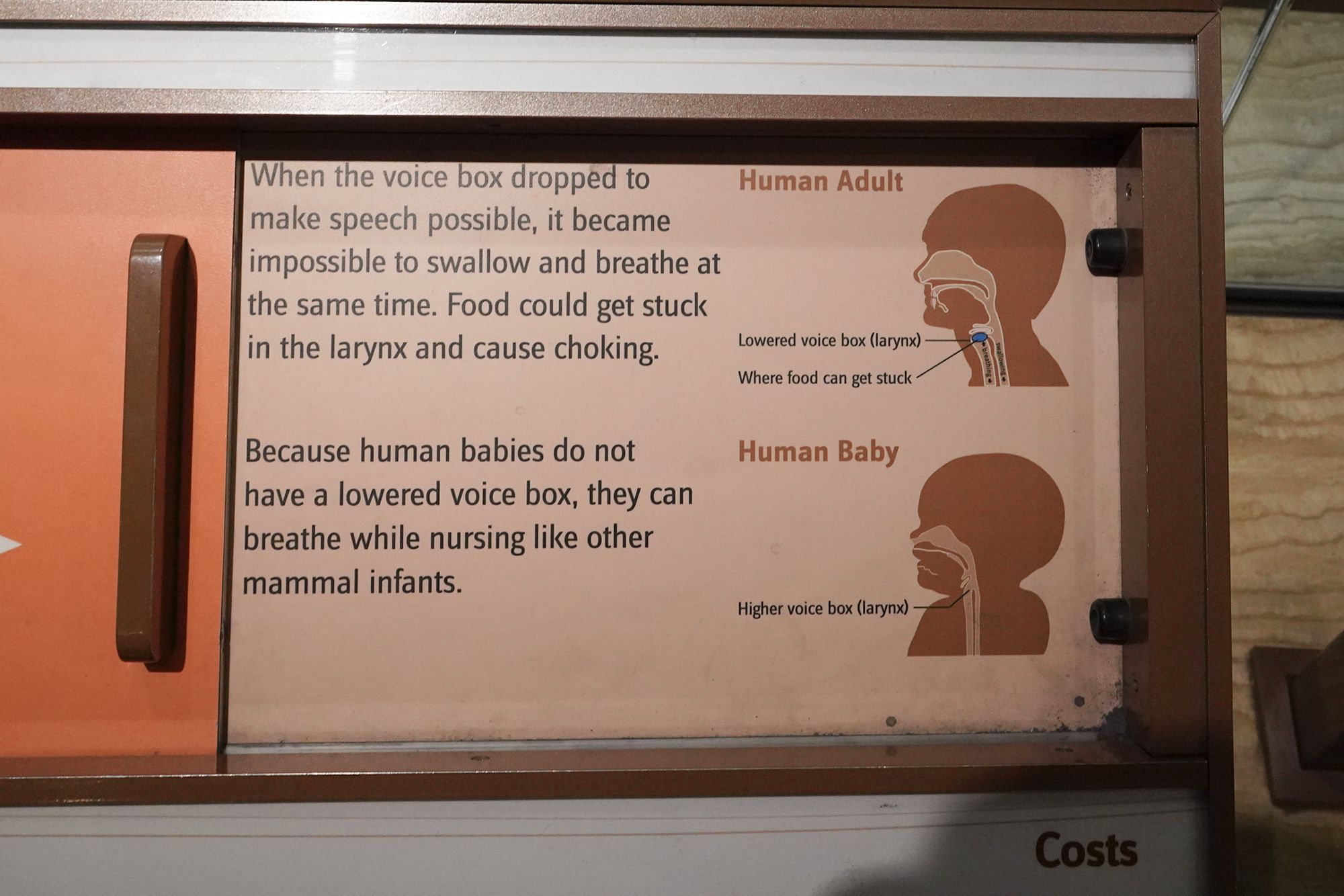
The vocal changes needed for speaking came with a cost.
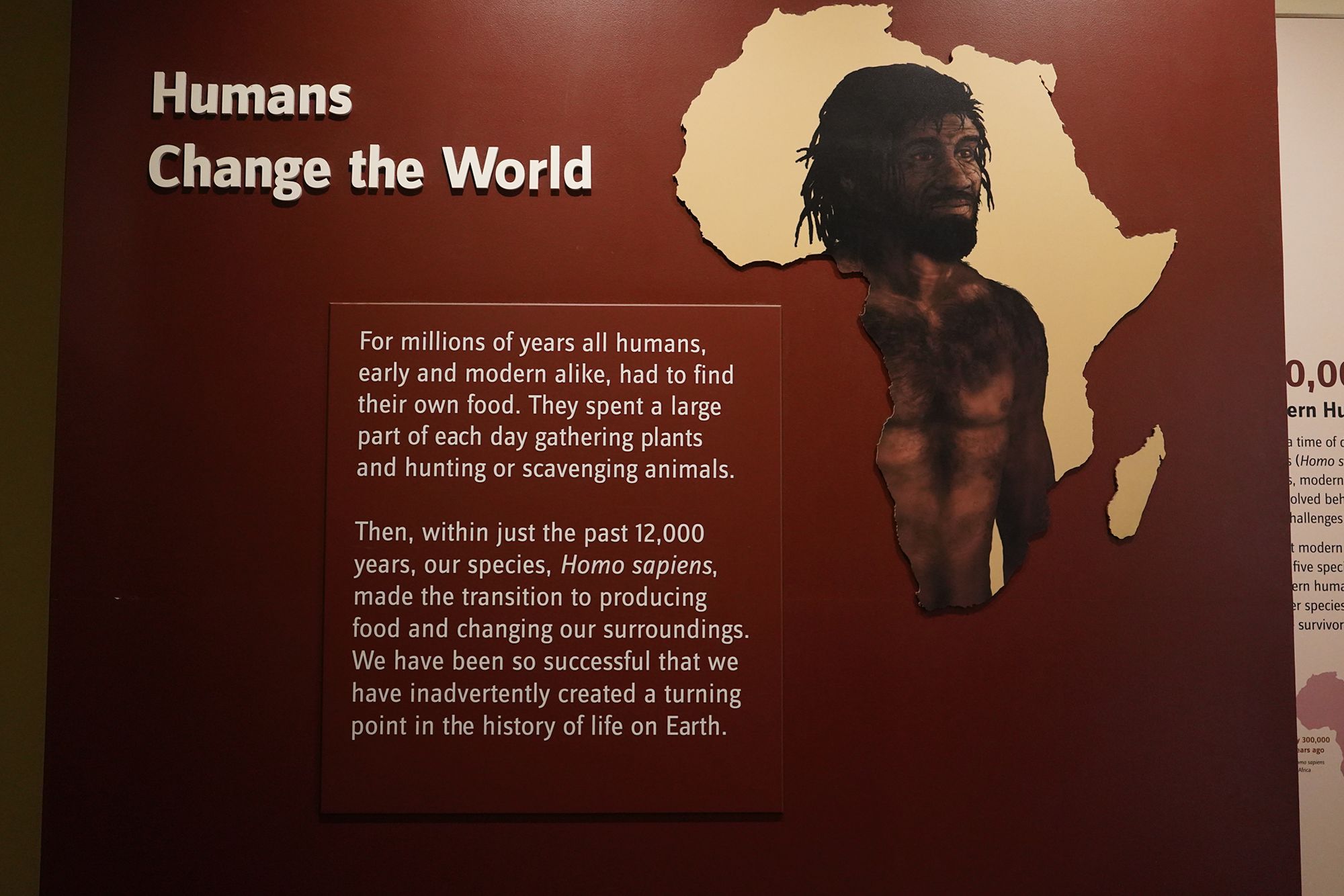
Humans Change the World
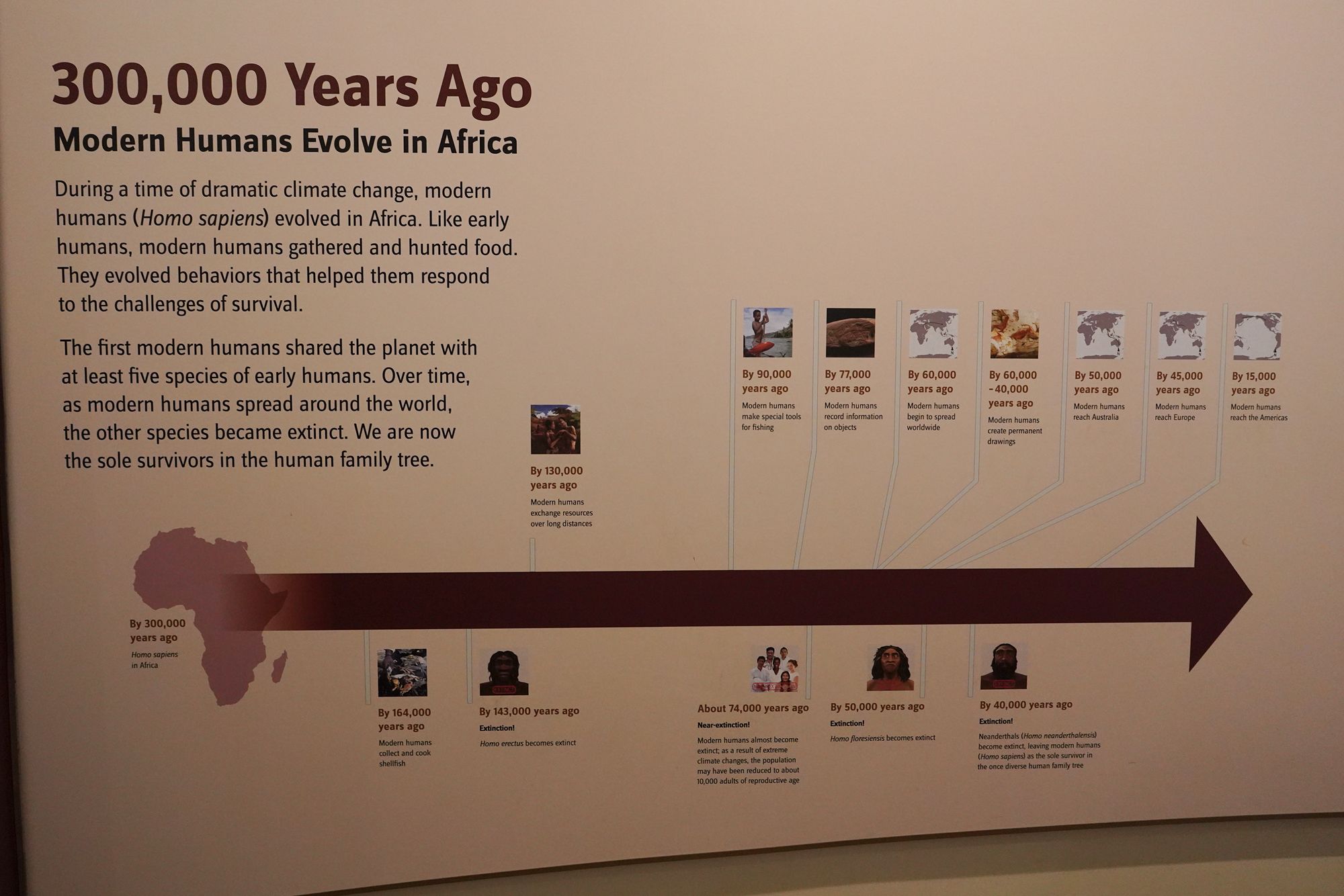
Modern humans evolved in Africa about 300,000 years ago.
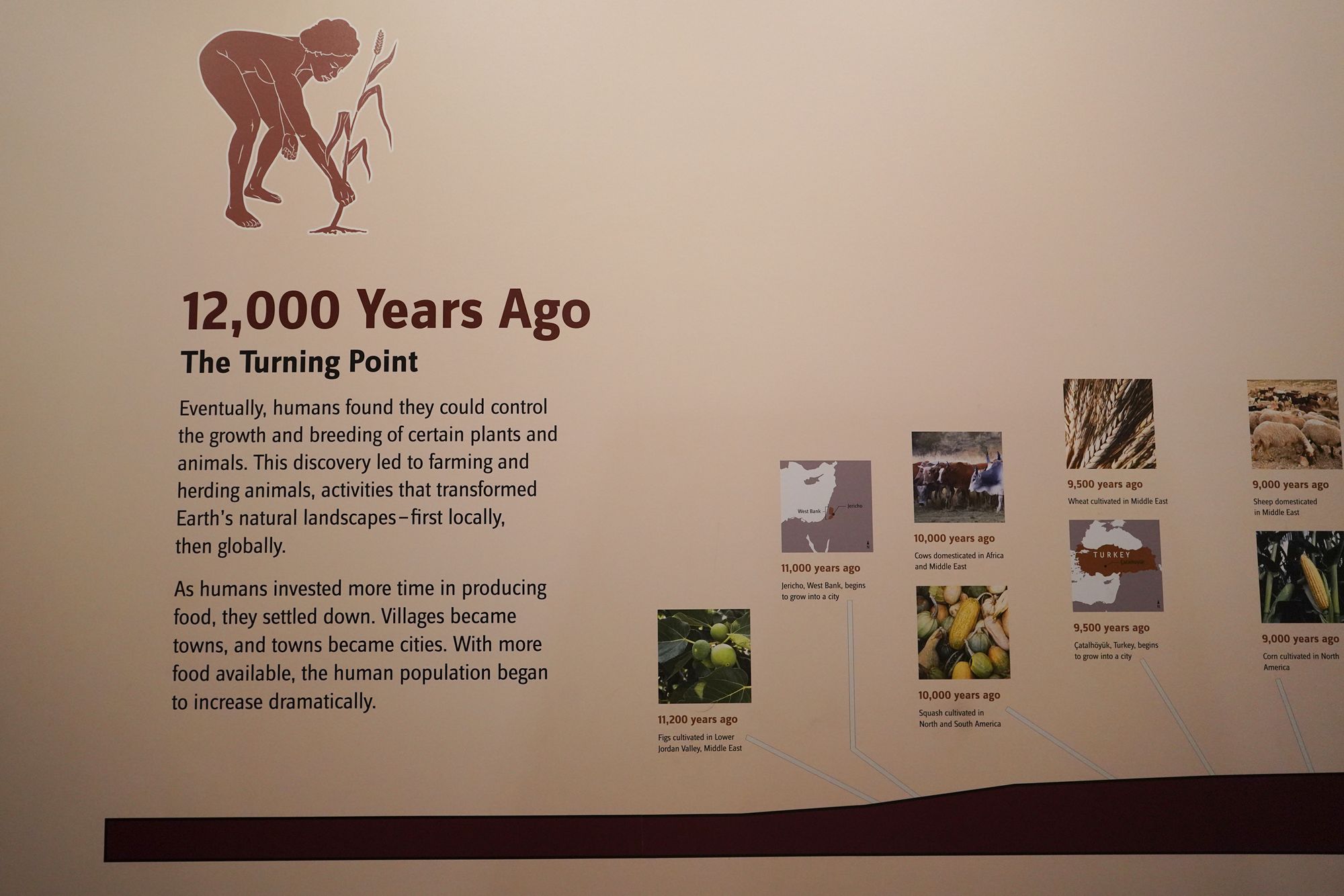
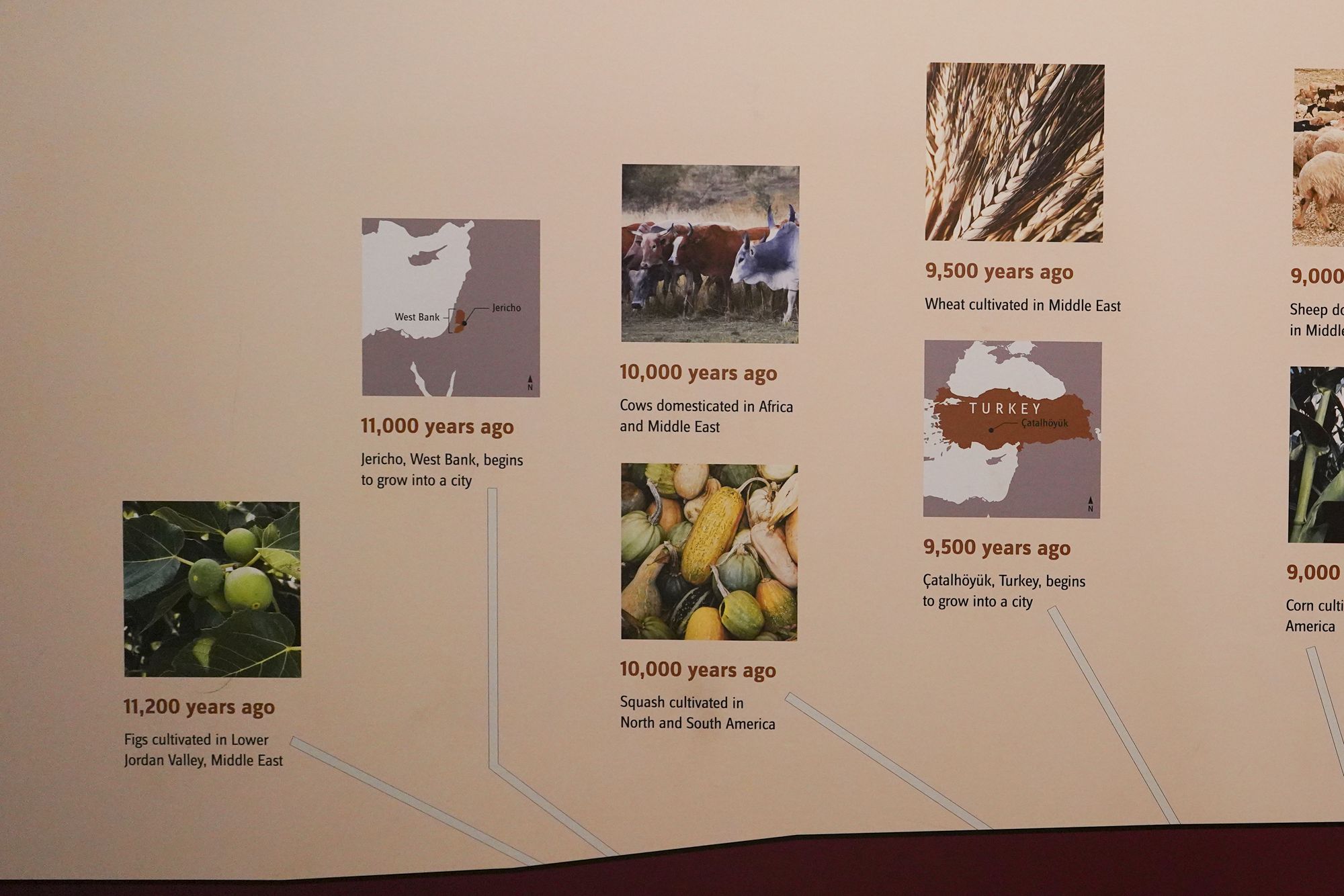
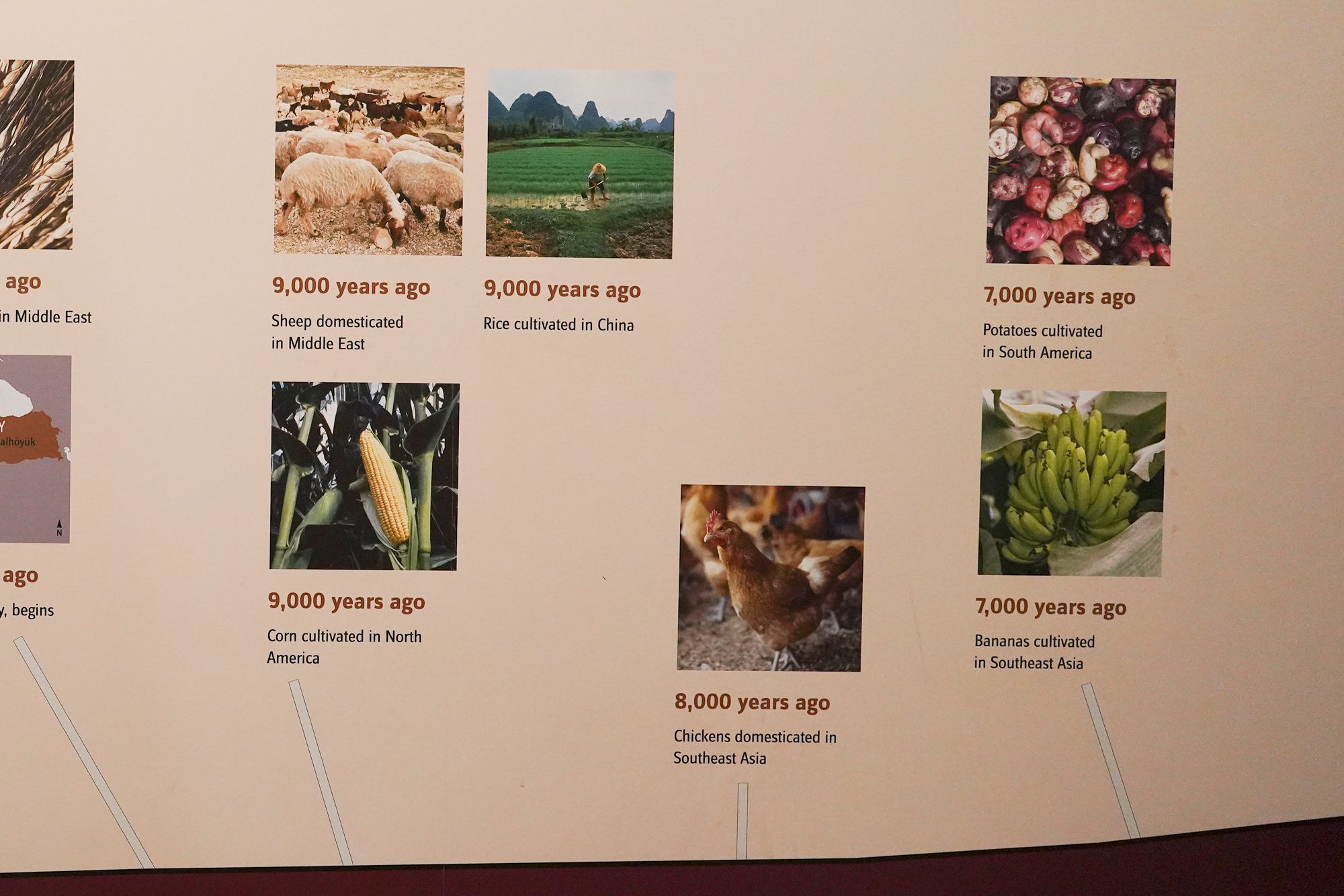
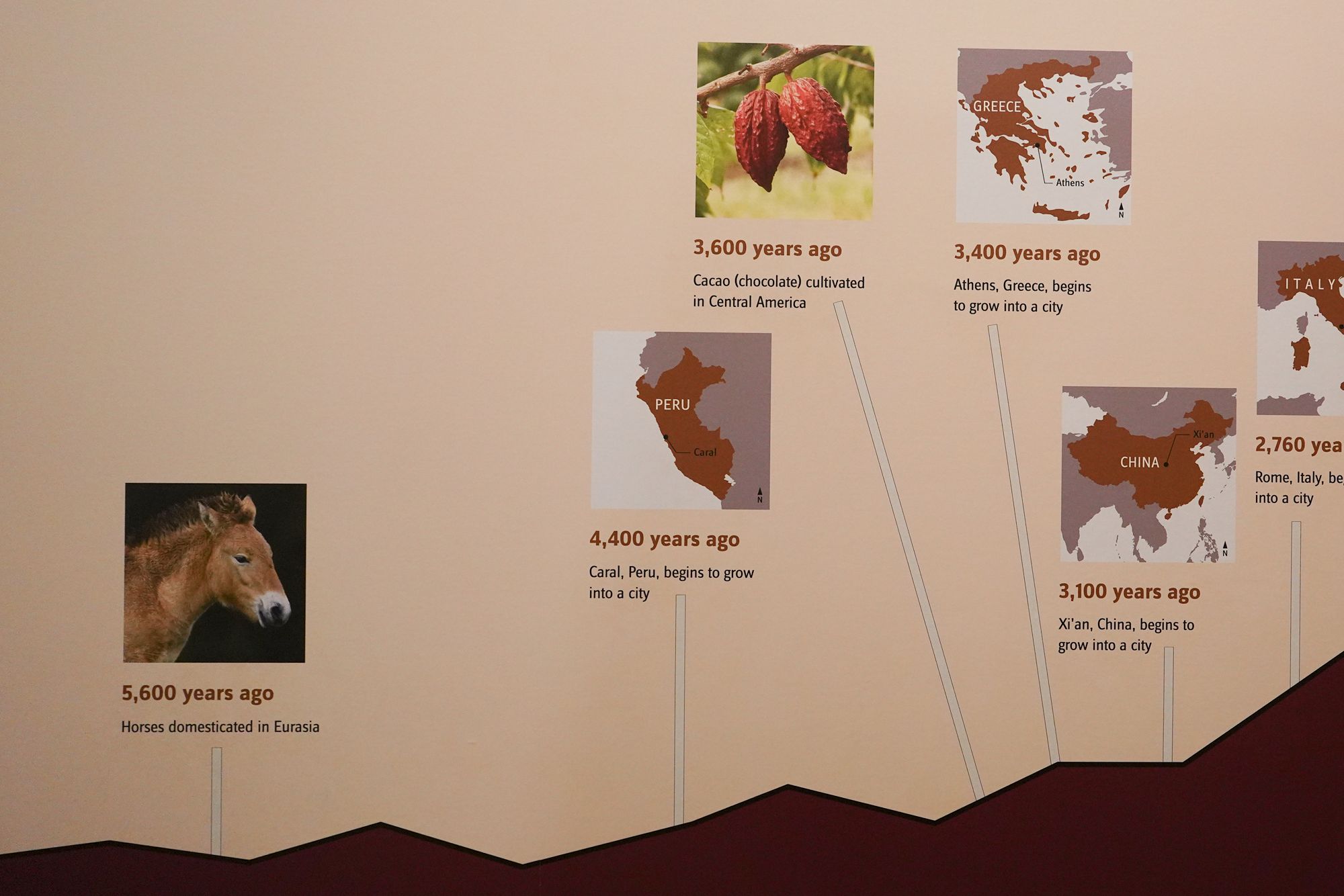
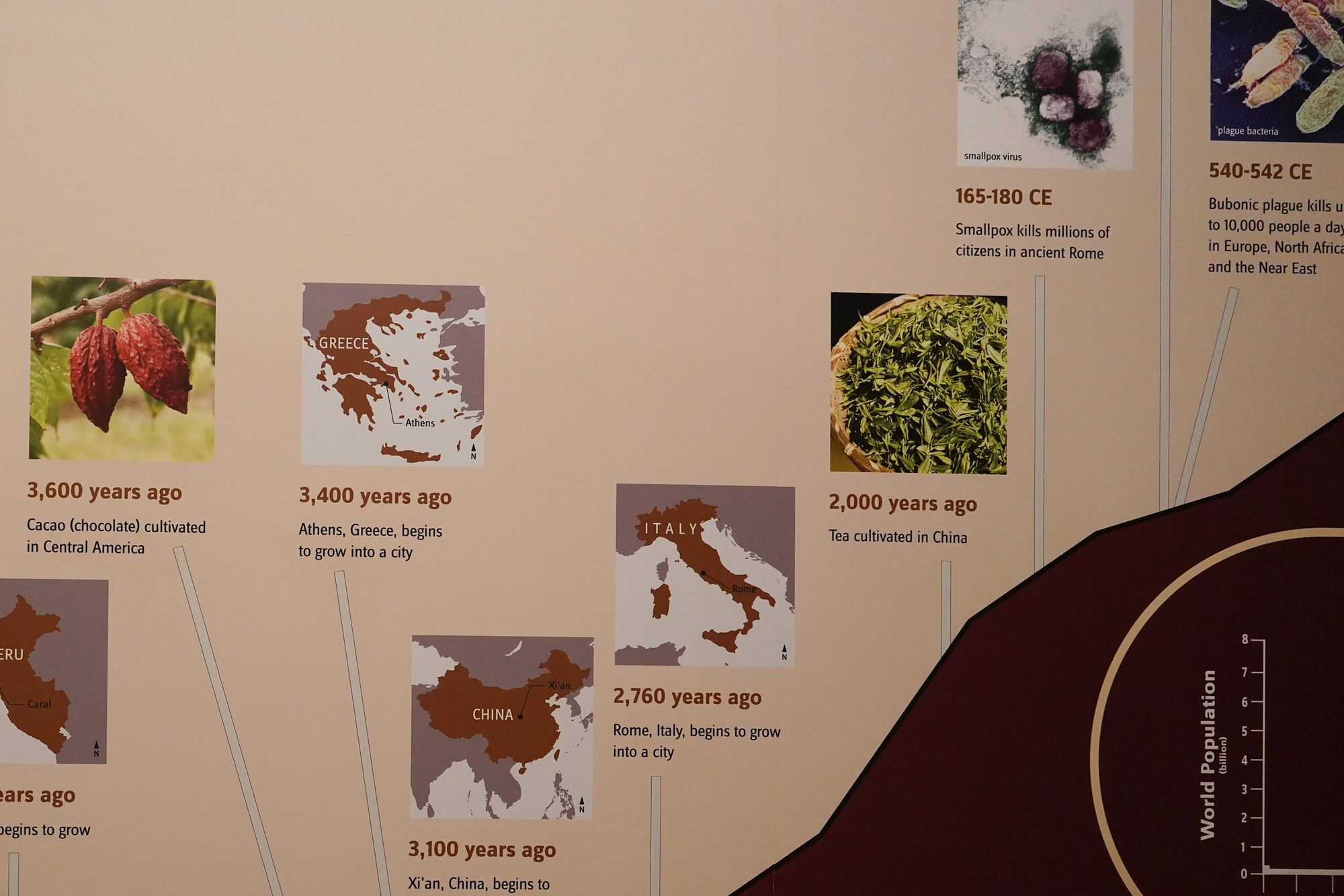
Approximately 12,000 years ago, a significant turning point occurred with the advent of farming.