National Museum of Natural History – Life on the Earth, Washington DC, USA
The “Life on Earth” exhibit offers a clear, sweeping look at biodiversity, evolution, and Earth’s history. 1148
Smithsonian National Museum of Natural History: 10th St. & Constitution Ave. NW, Washington, DC 20560
Date Picture Taken: August 2025
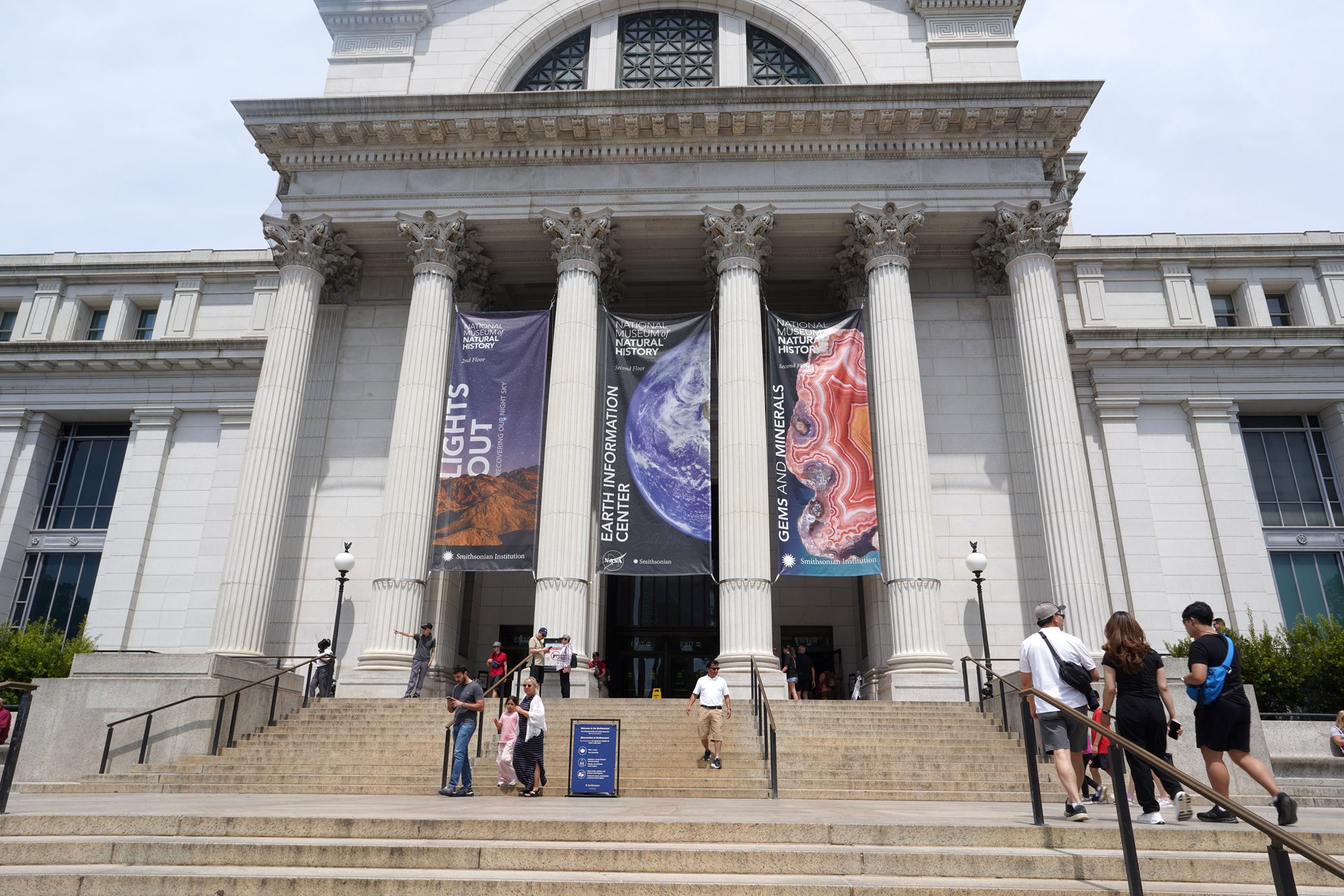
On the way to the National Museum of Natural History.
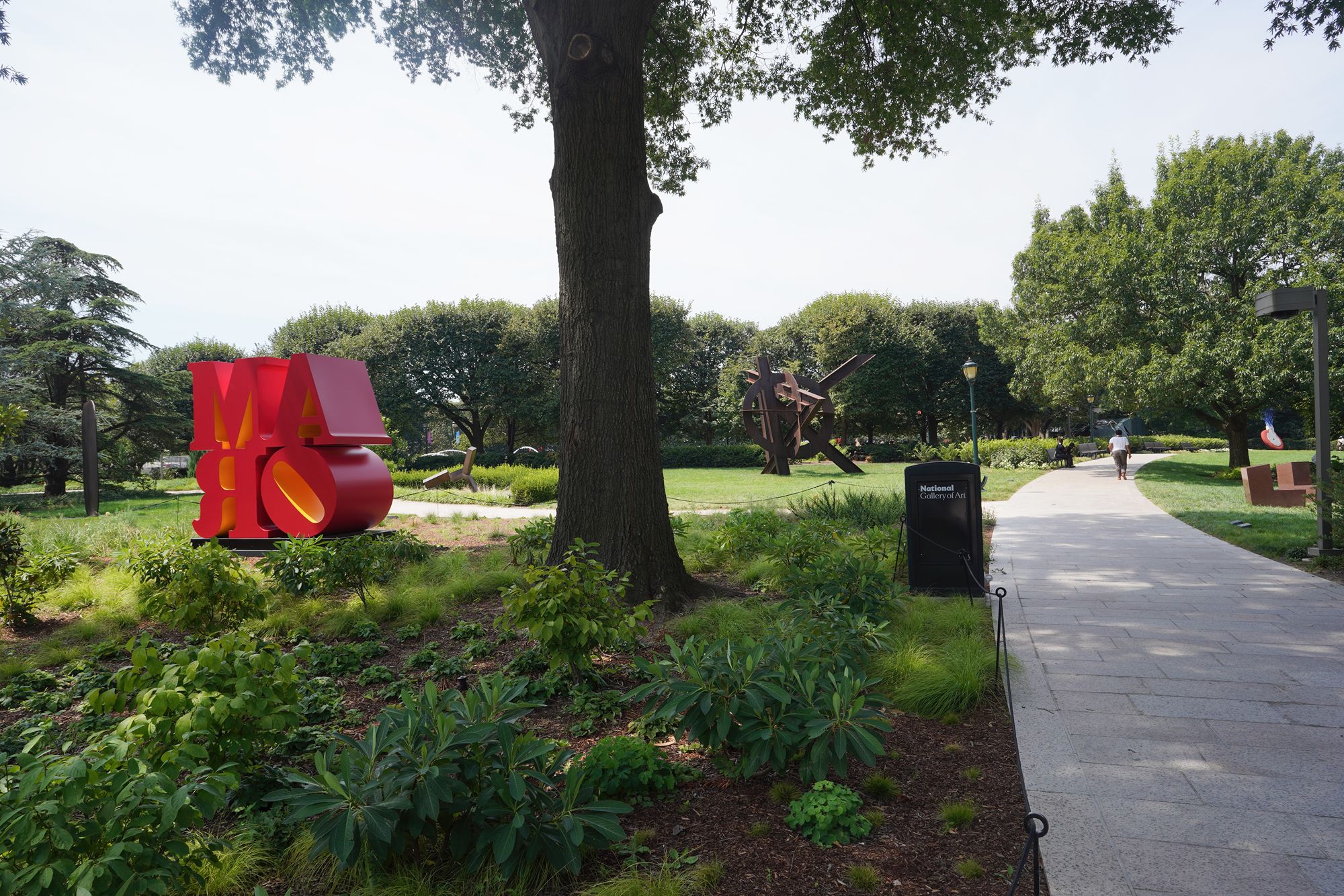


National Archives


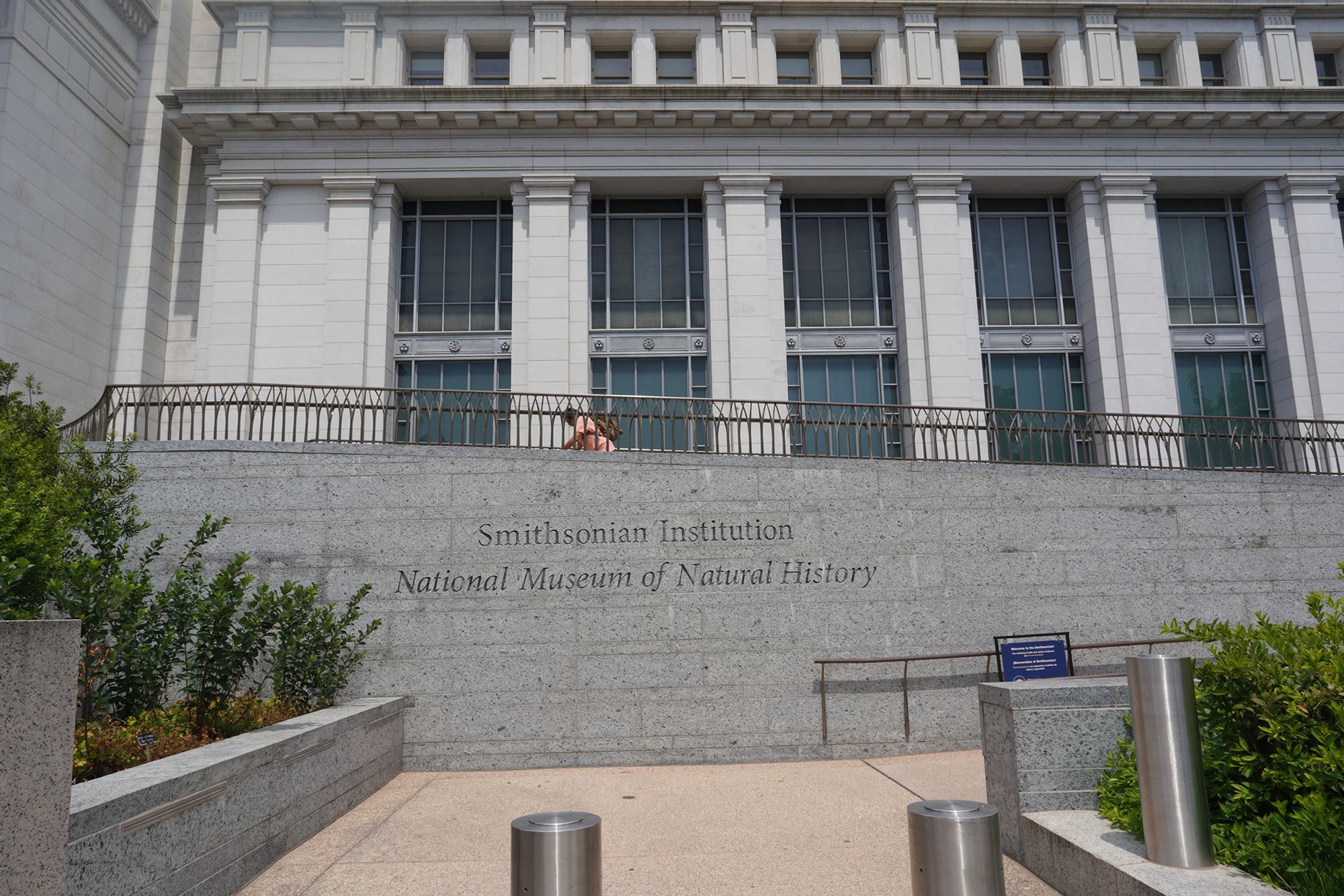
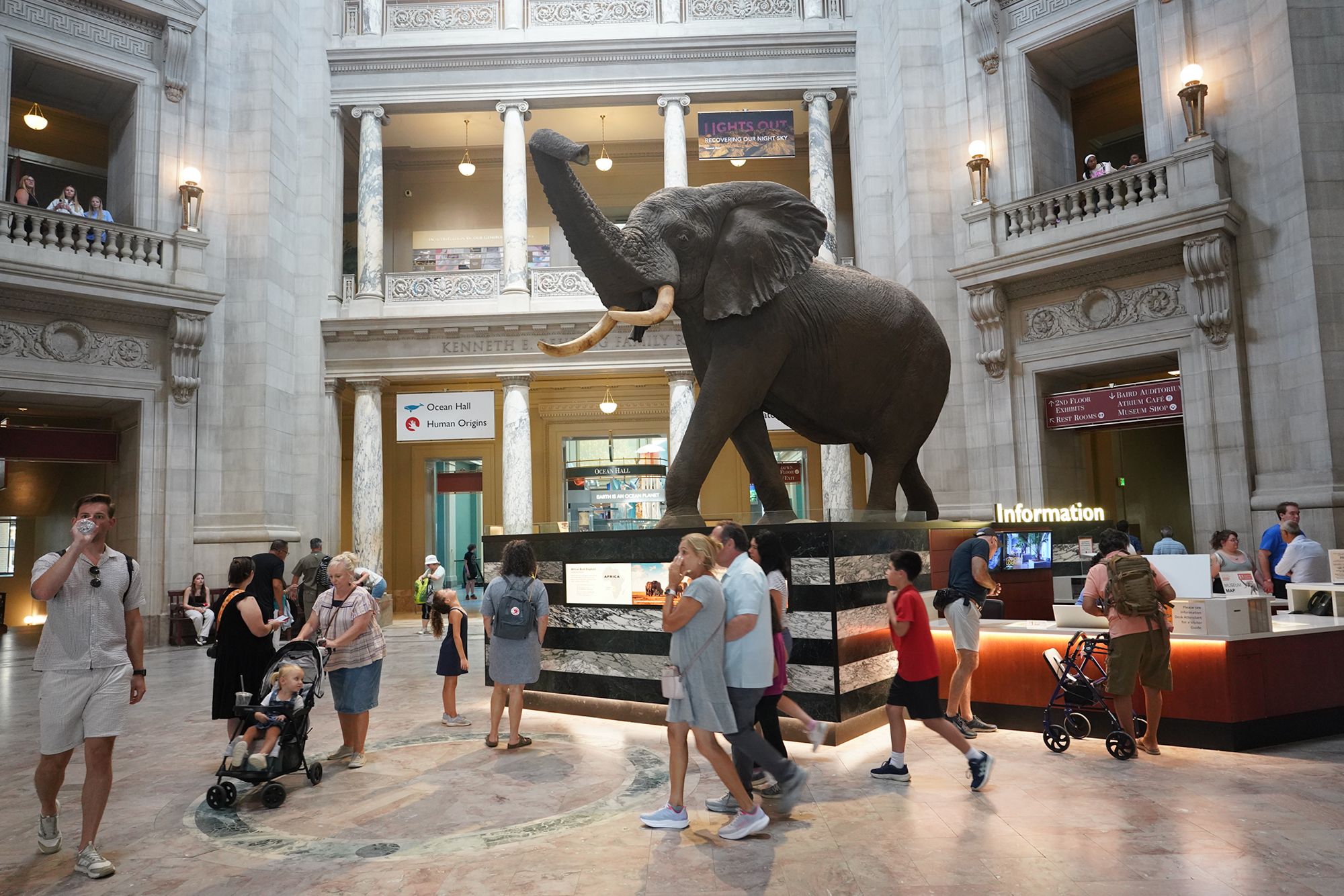
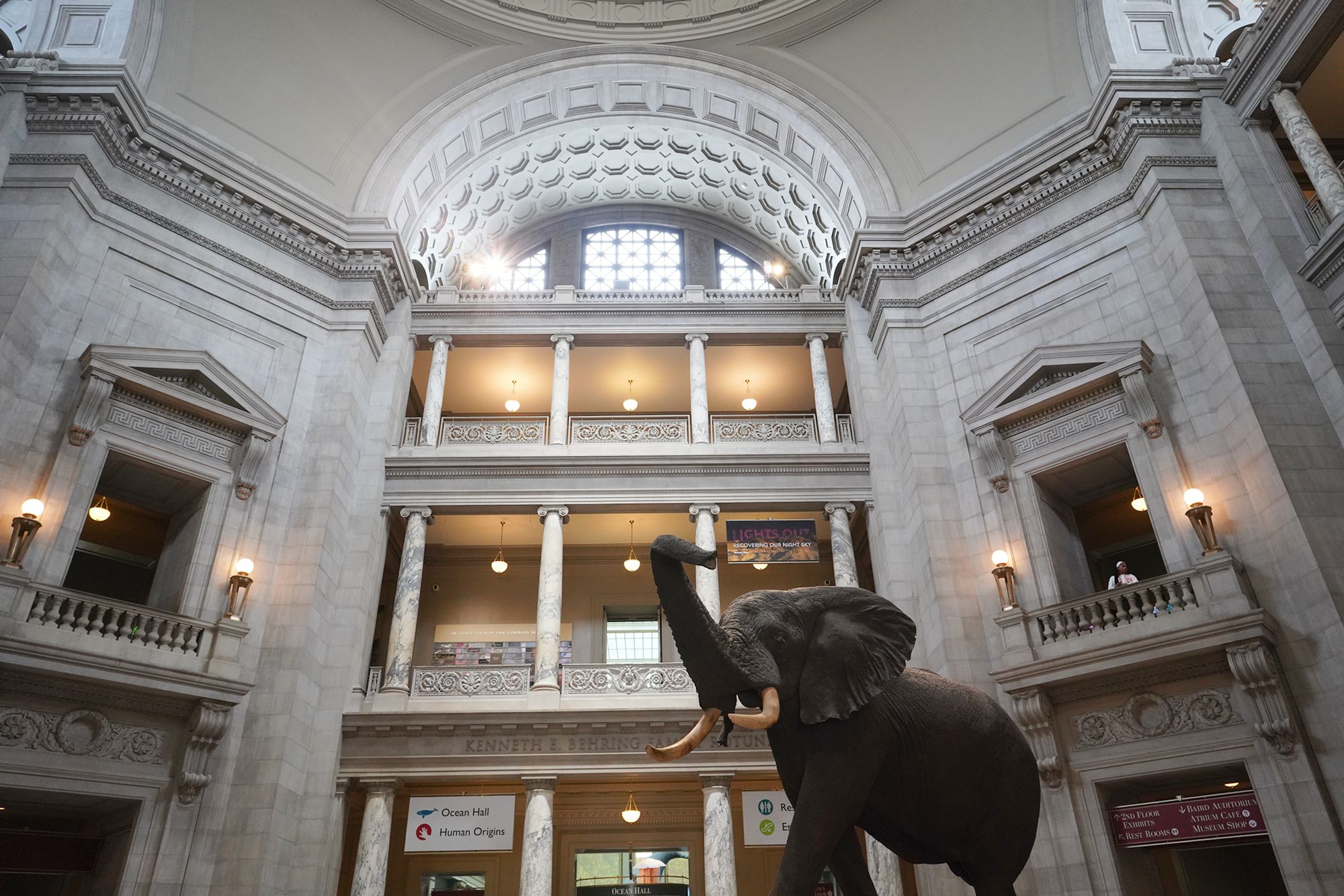
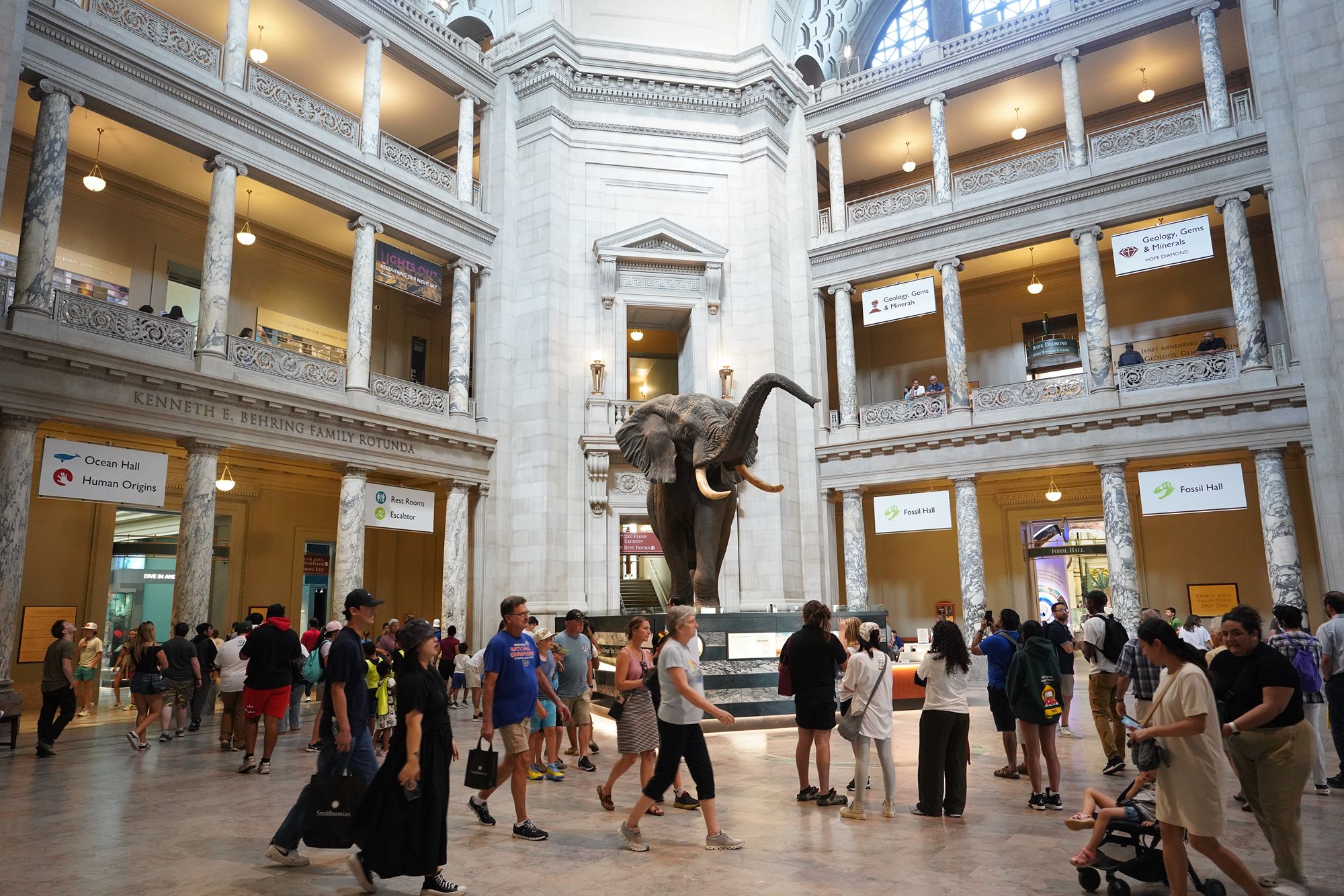
National Museum of Natural History
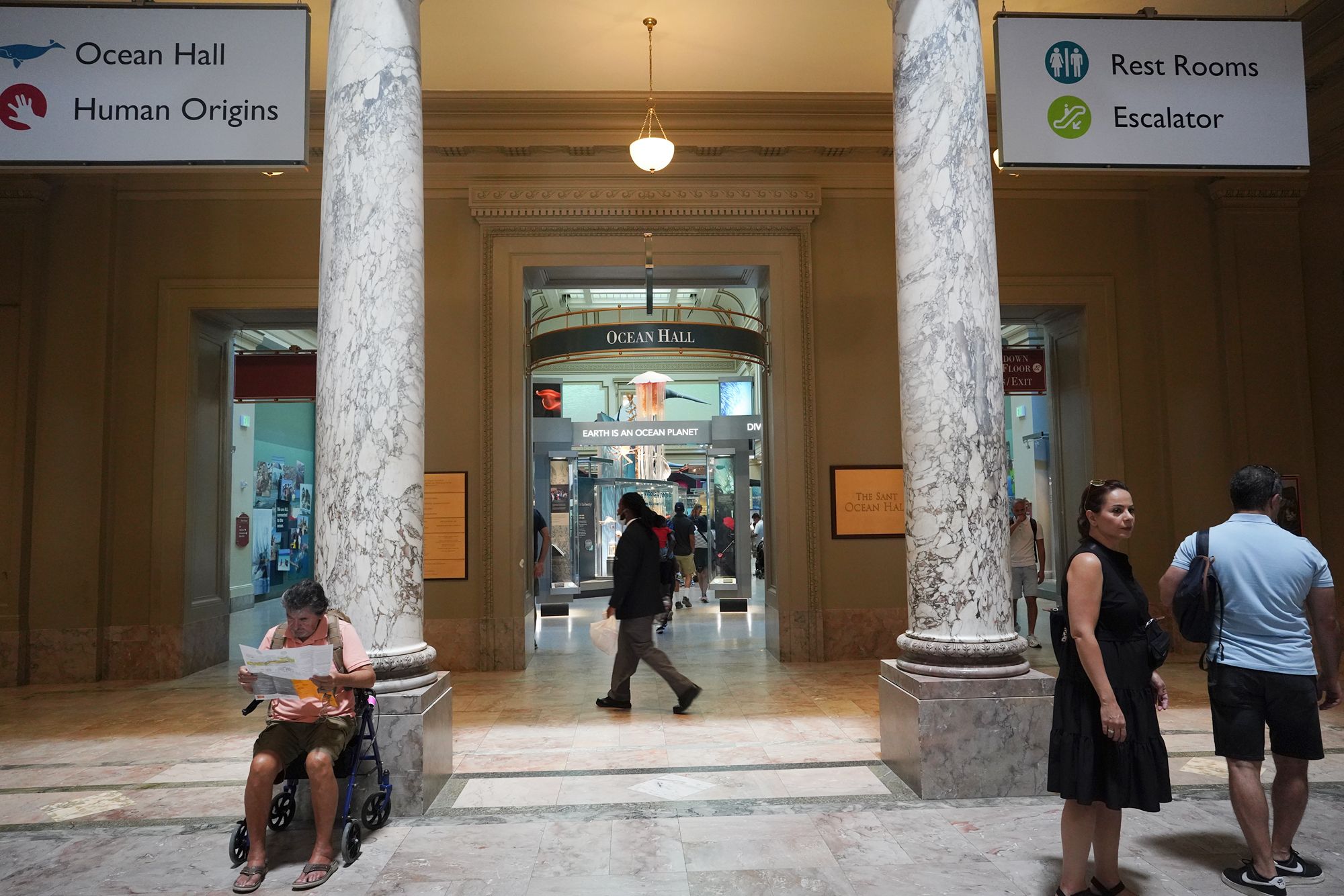
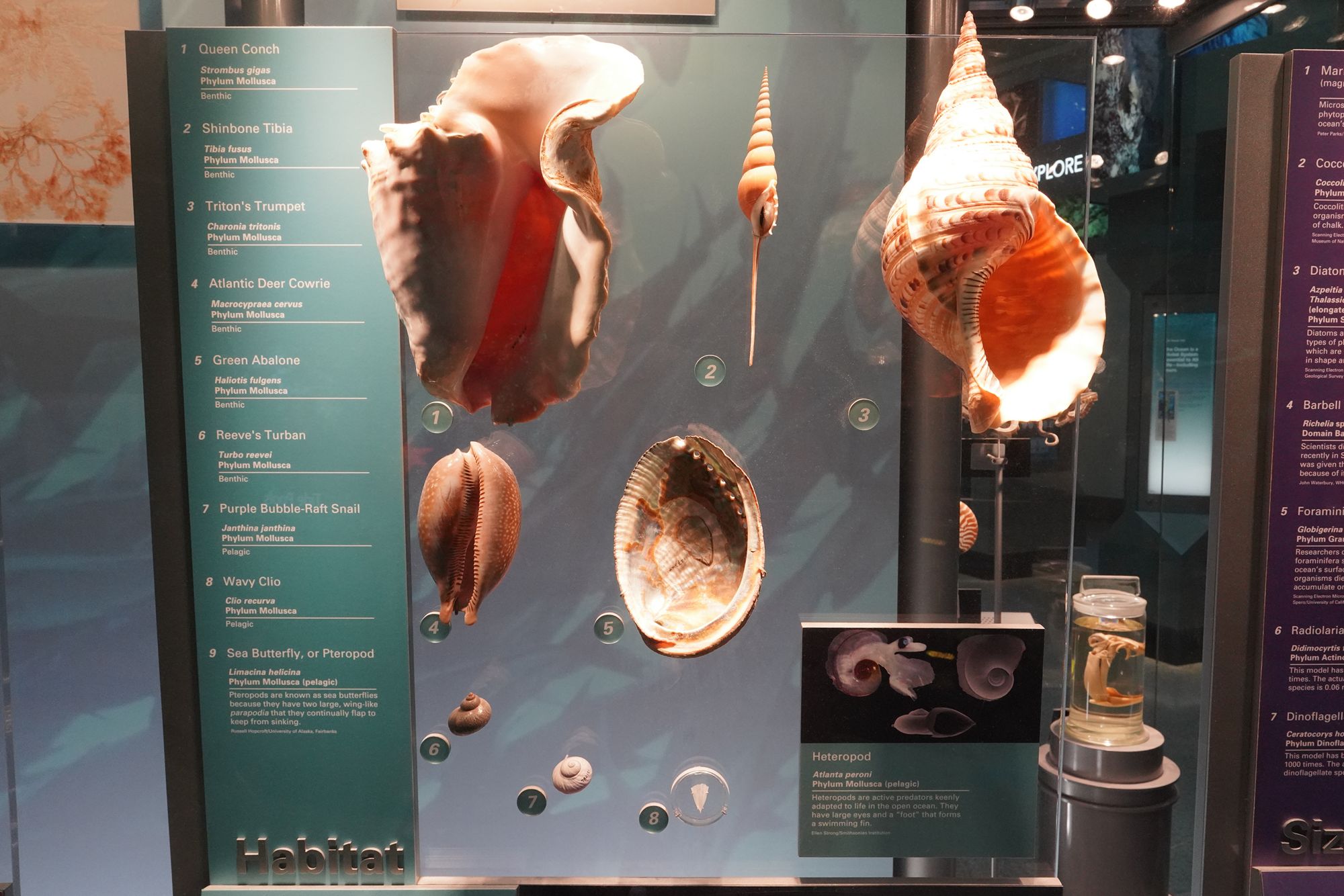
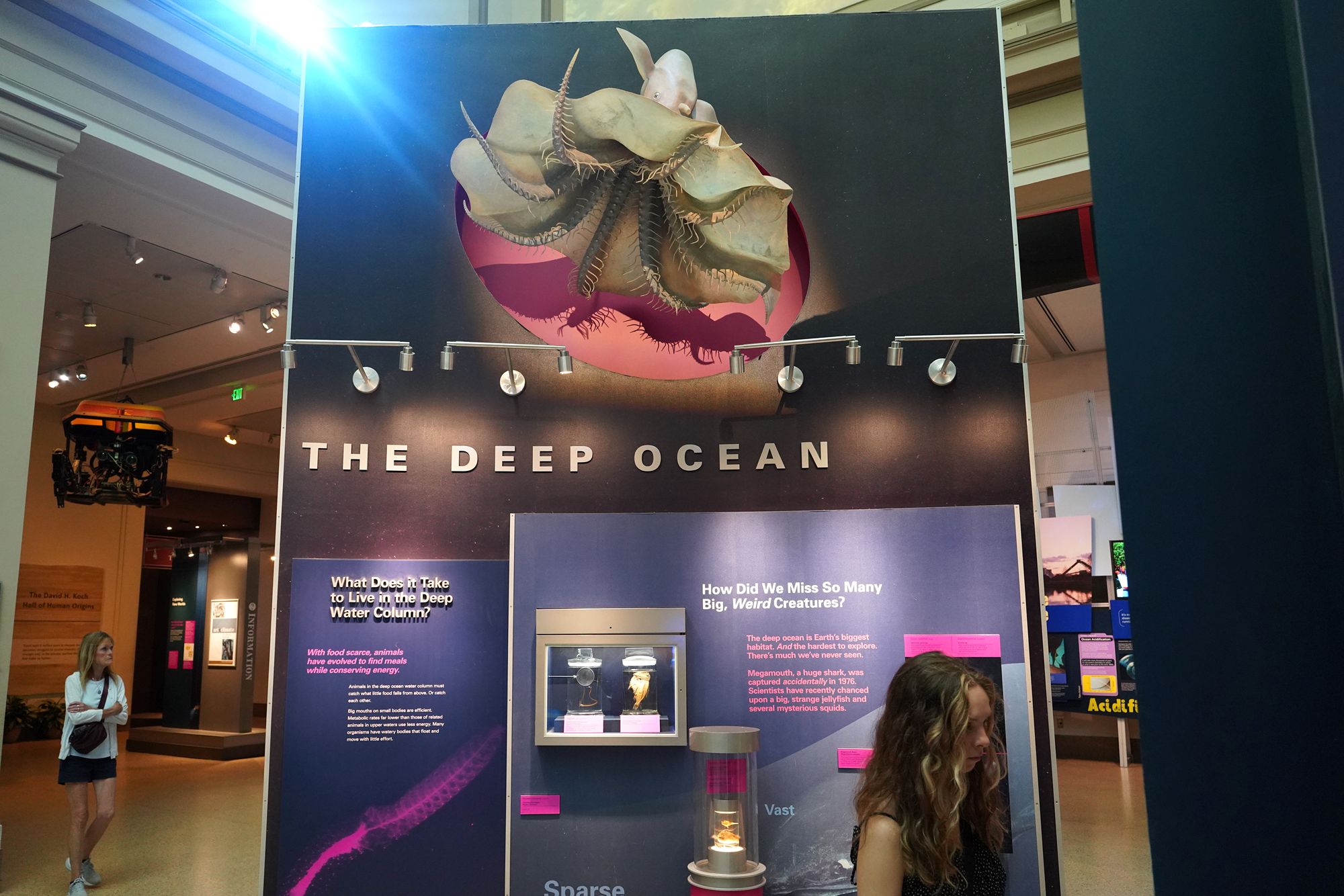
Oceans Hall
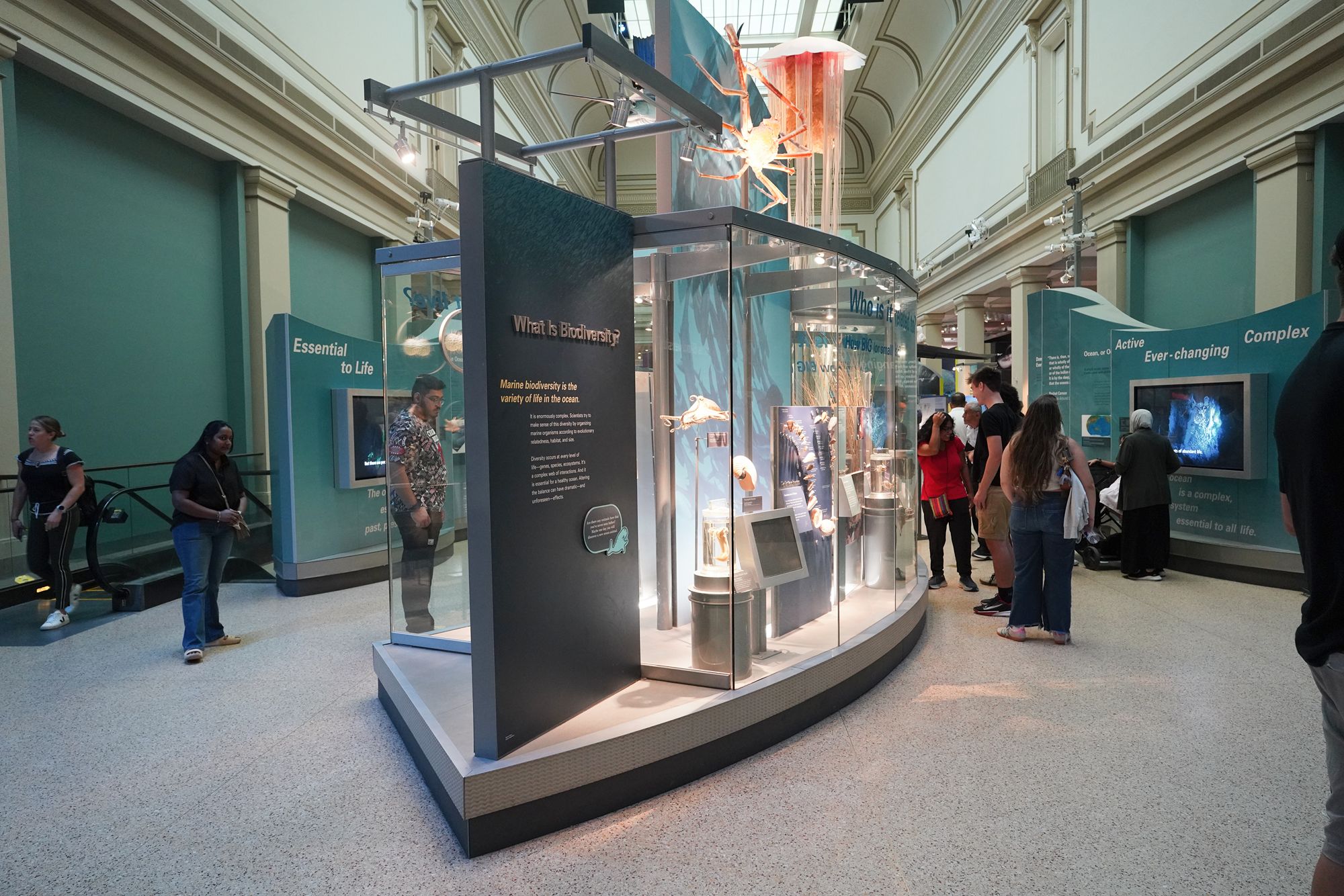
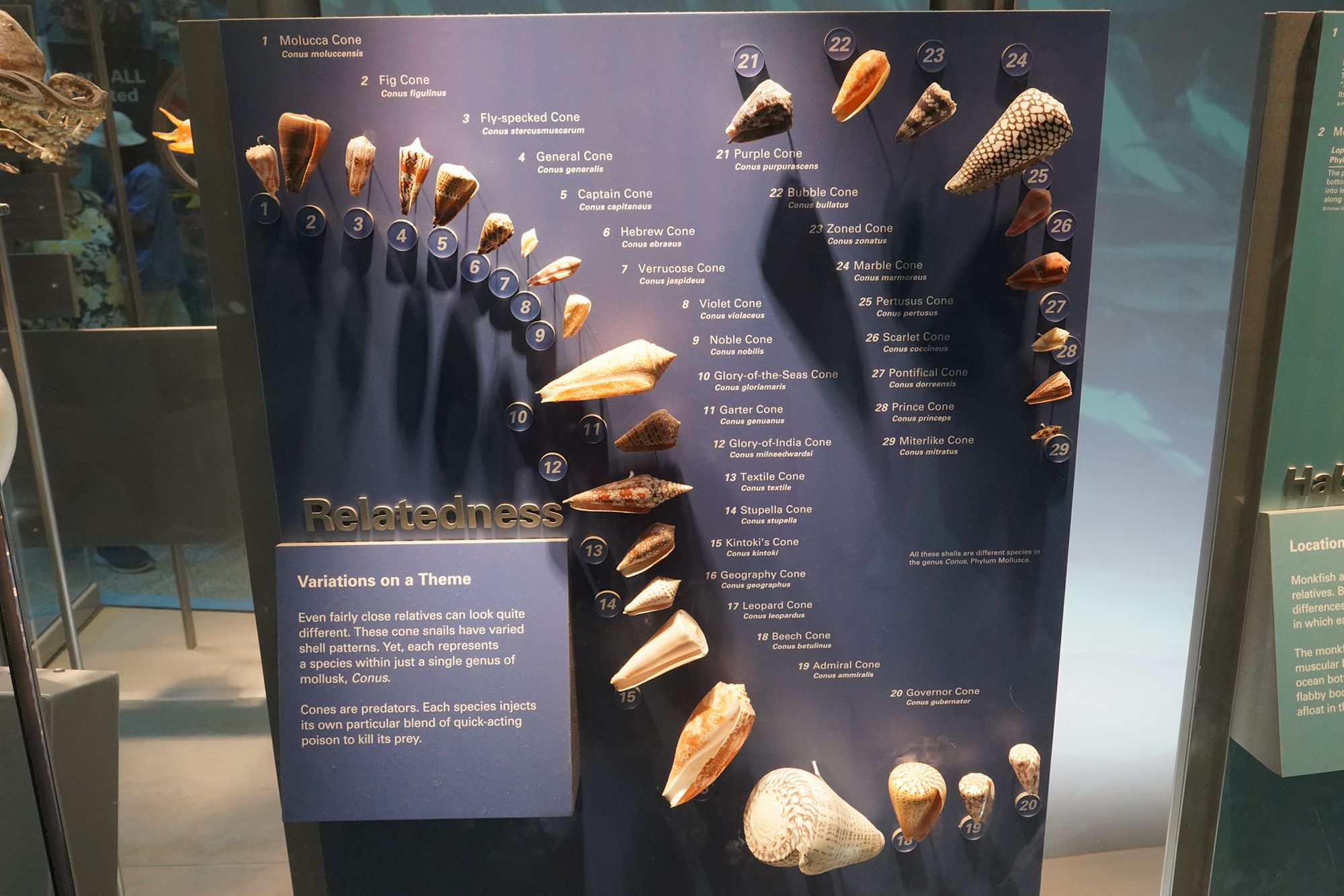
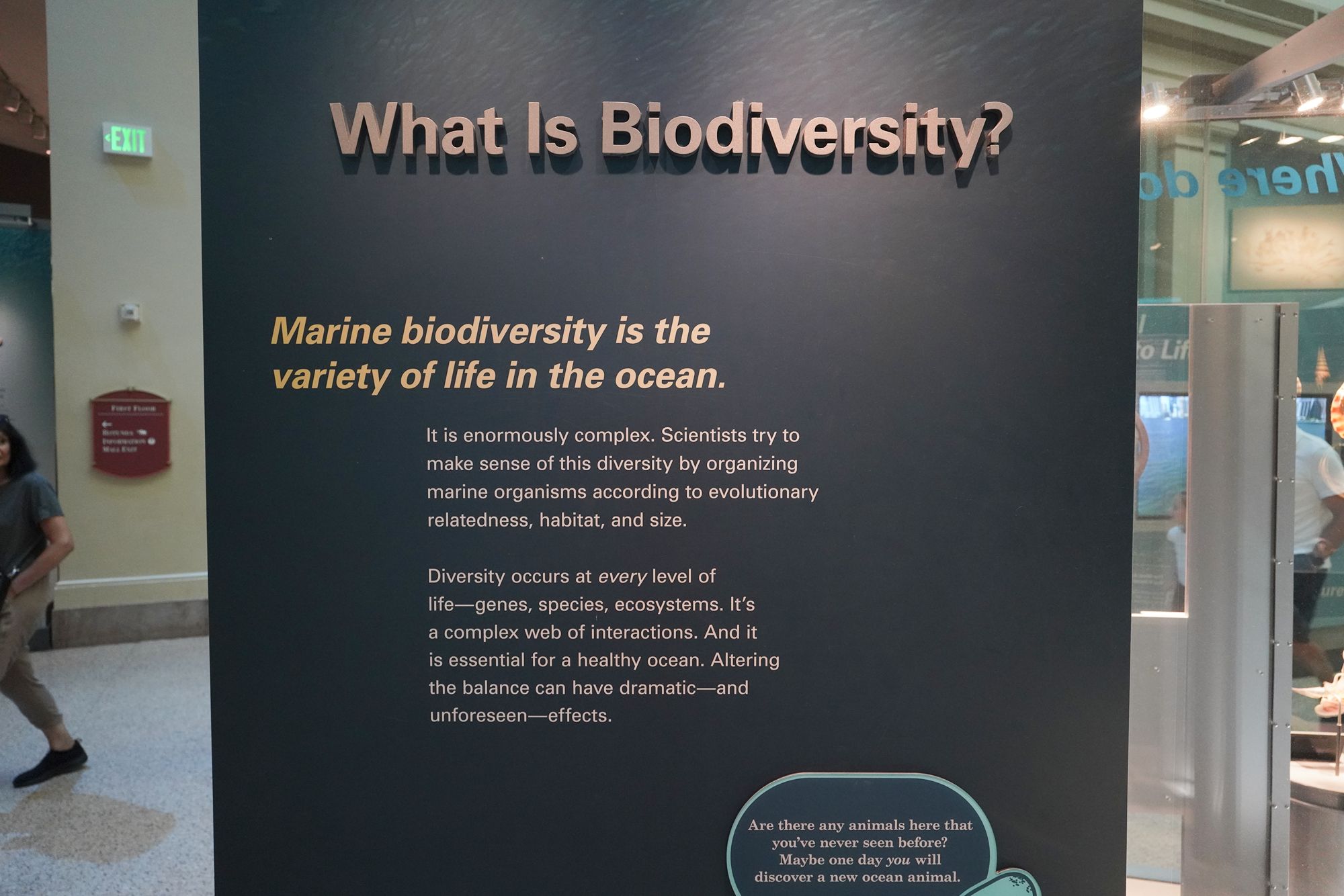
Biodiversity is the full range of living things and the environments they form.
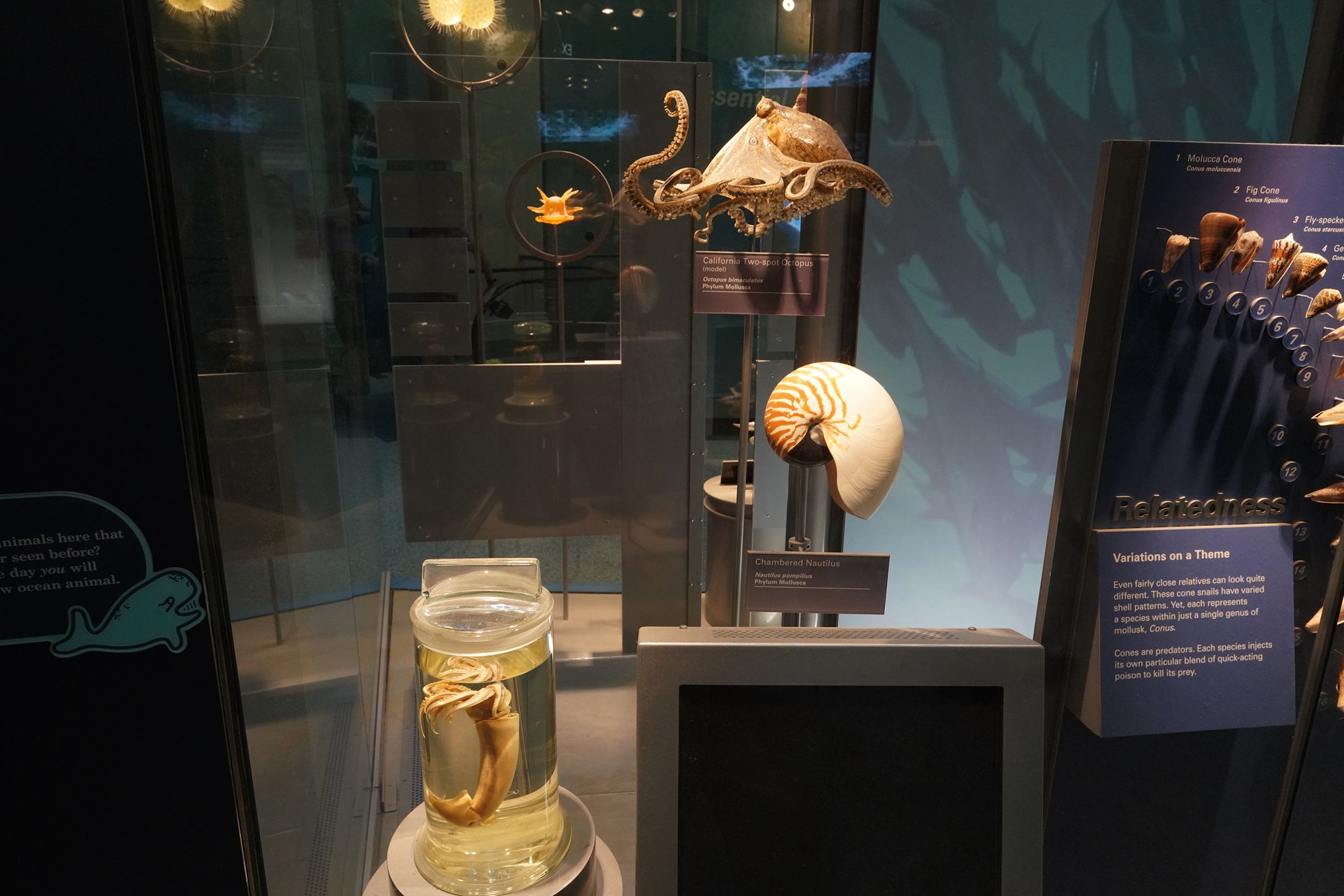
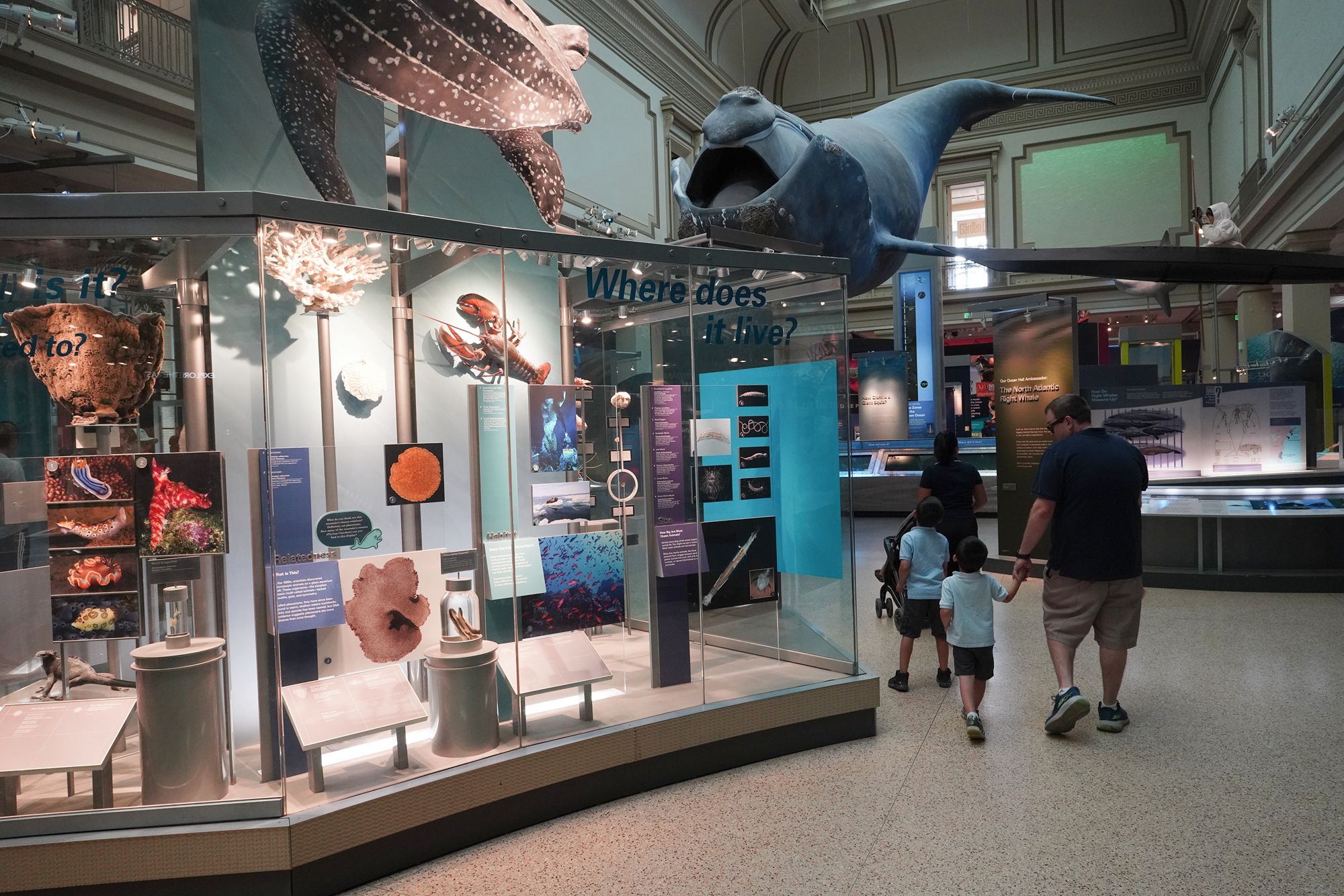
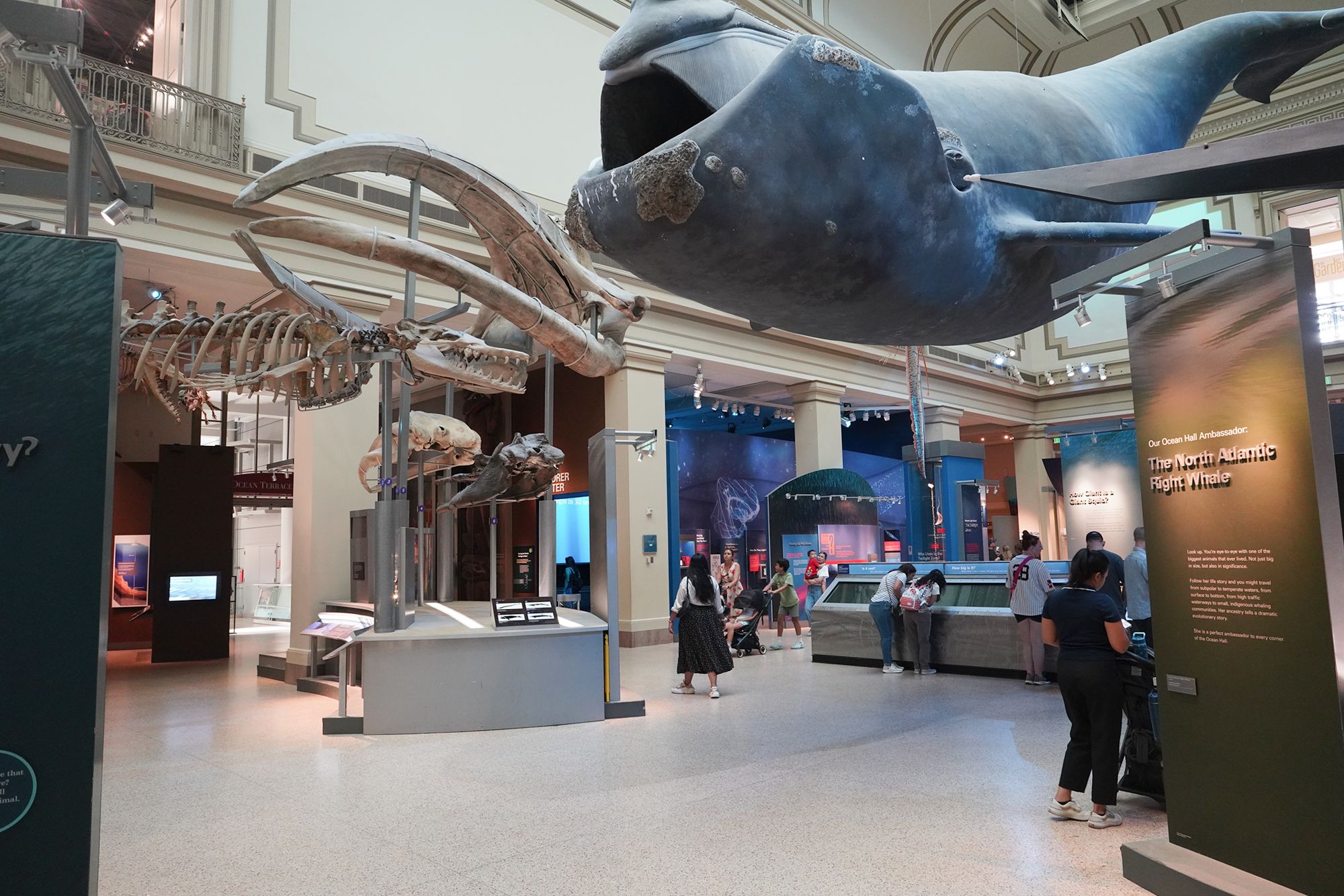
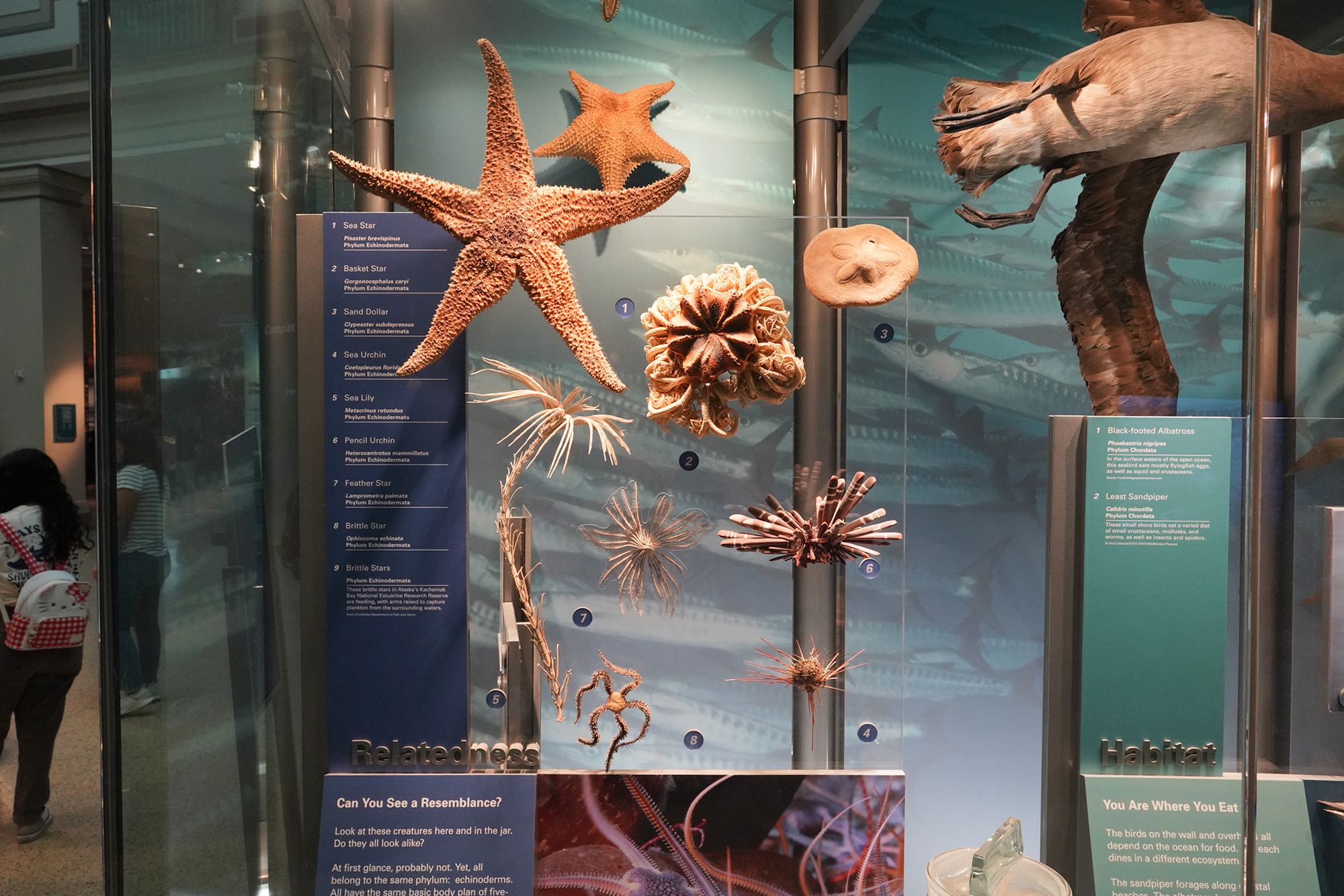
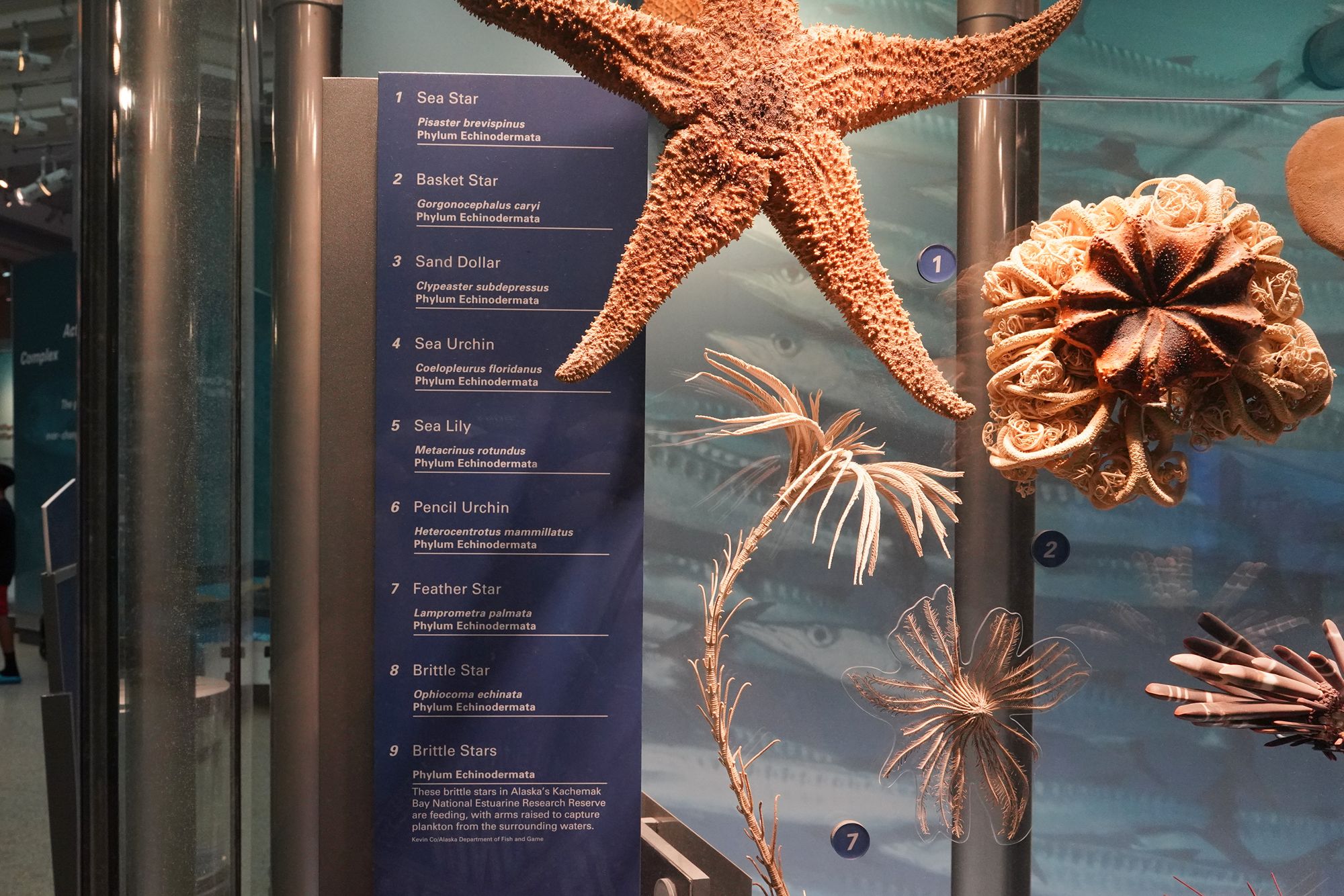
A Giant Squid
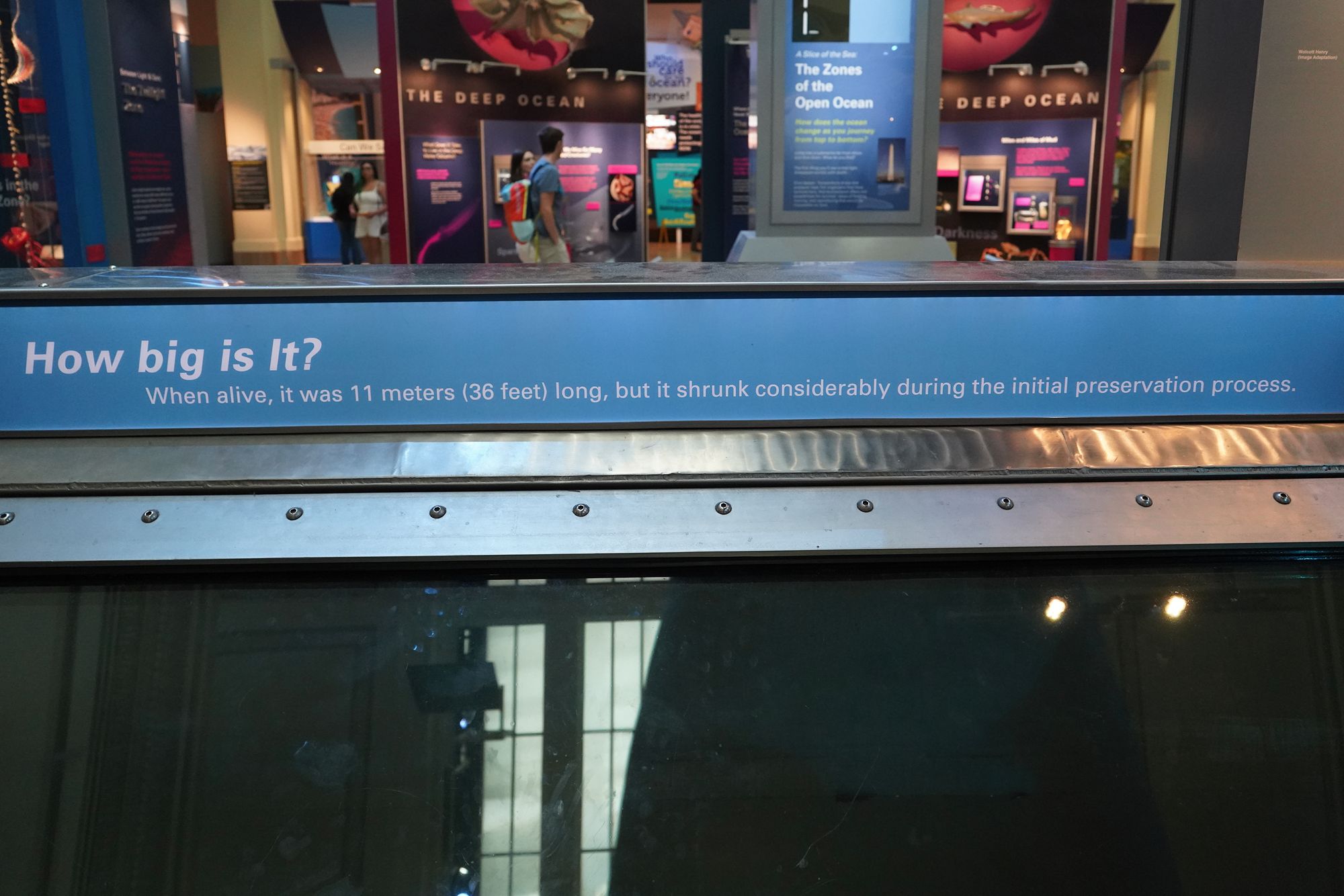
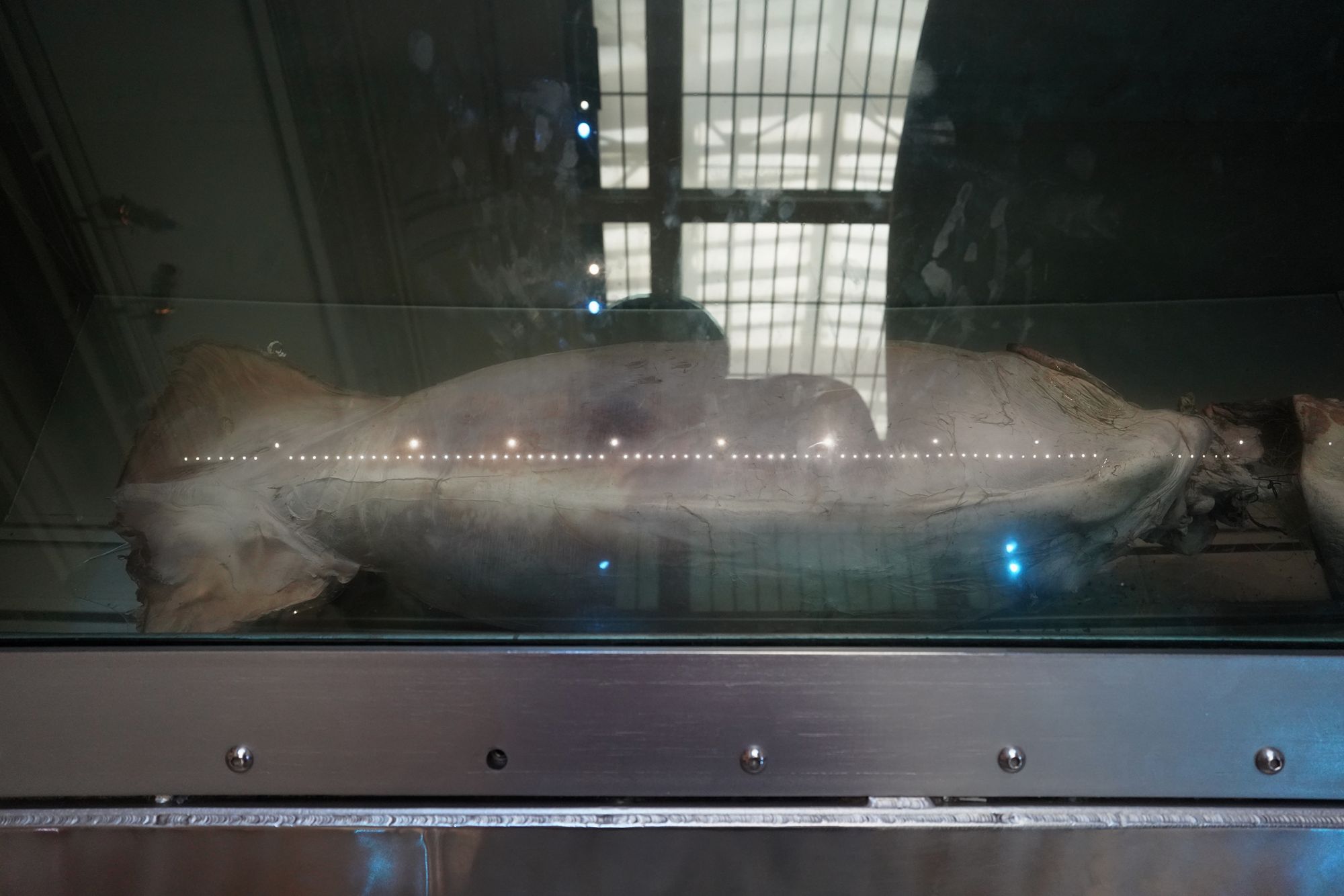
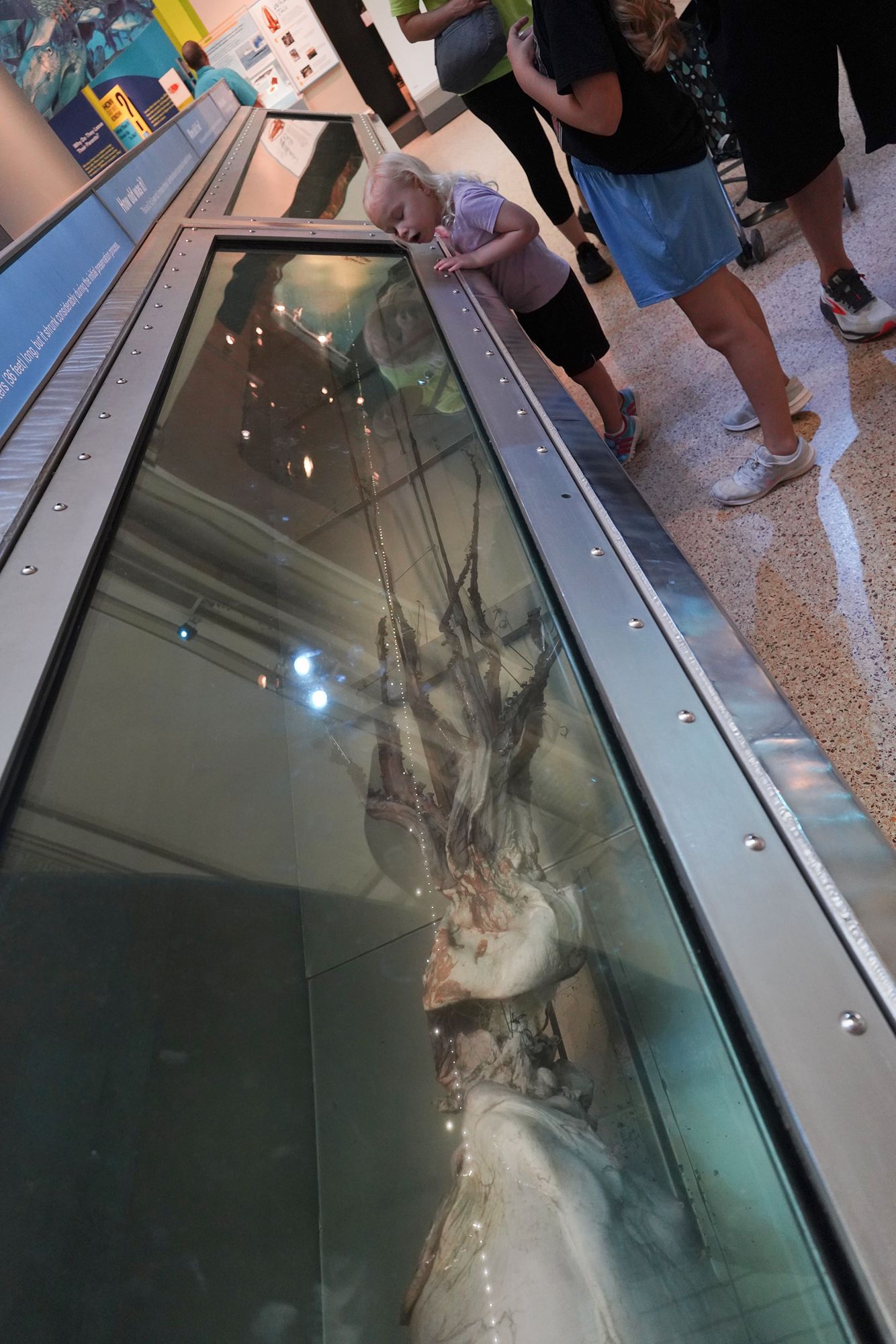
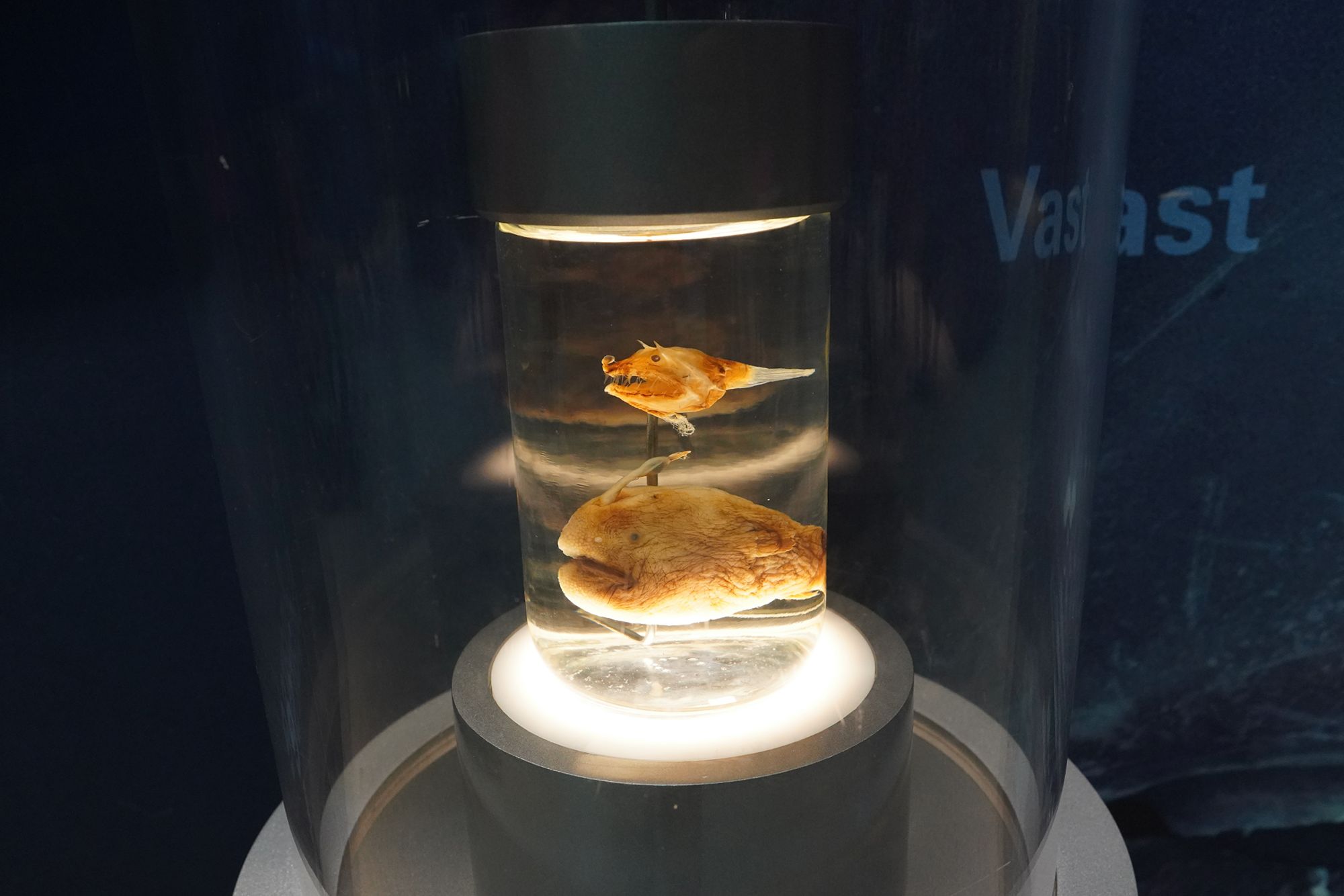
Life in the Deep Ocean
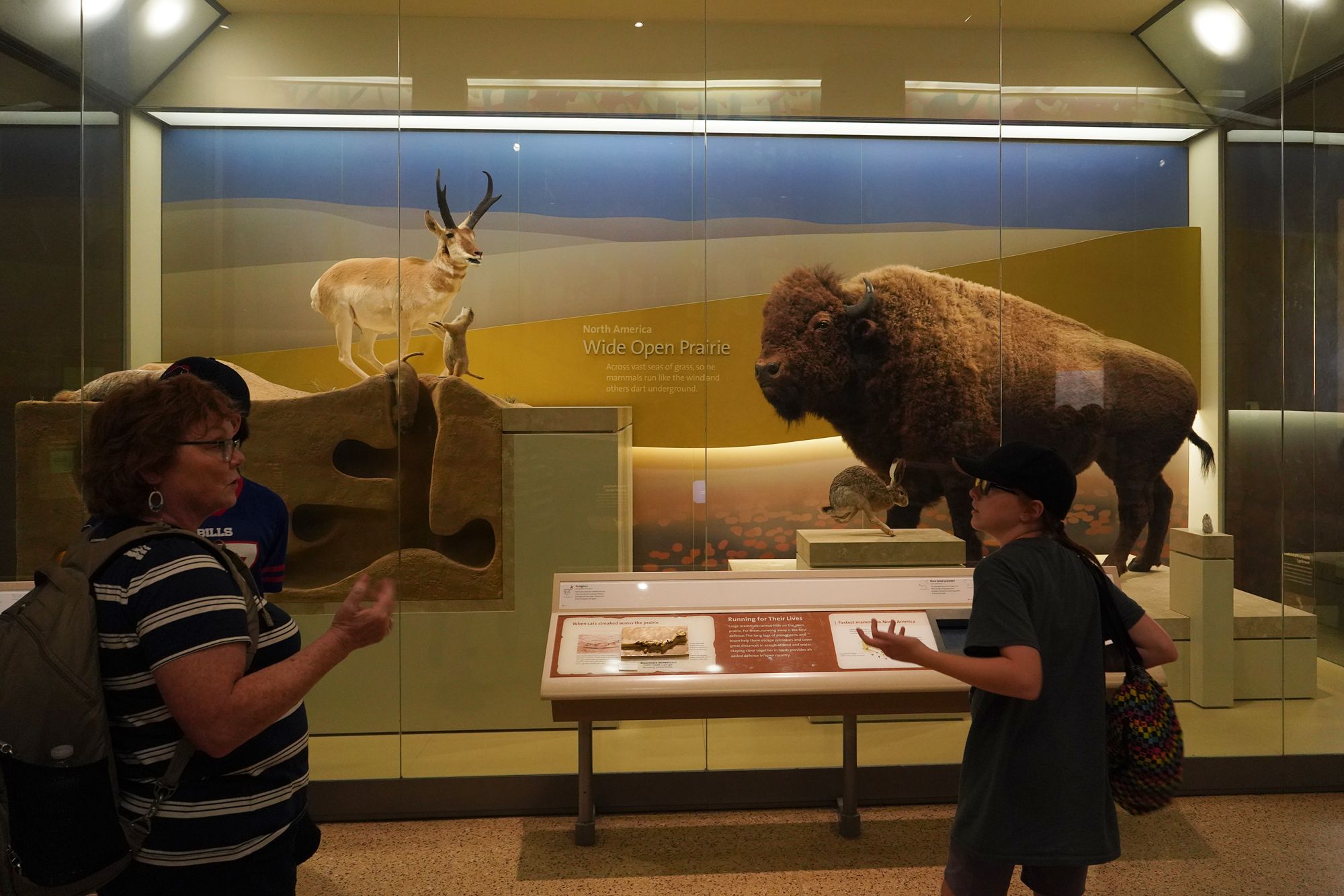
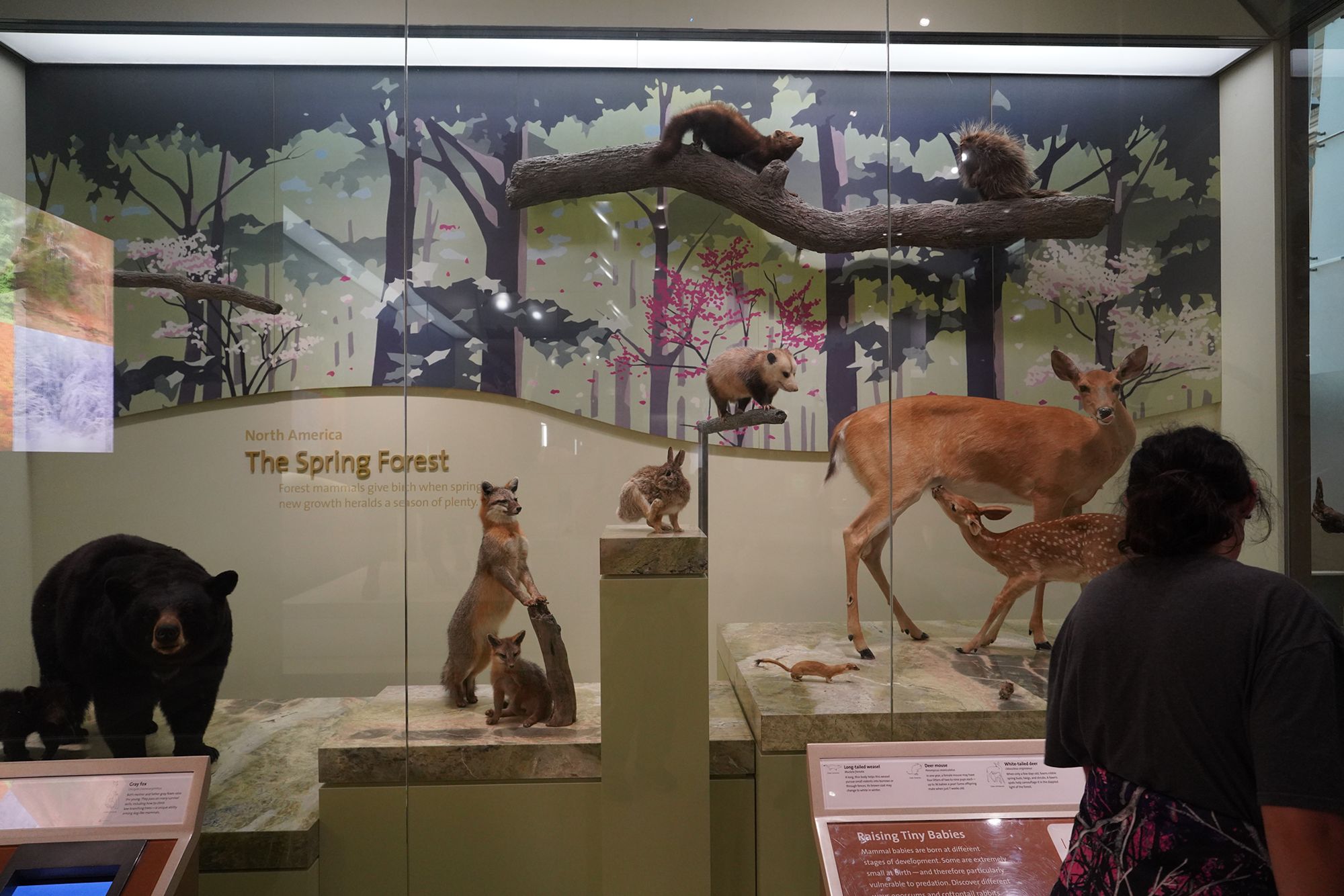
Animals in North America
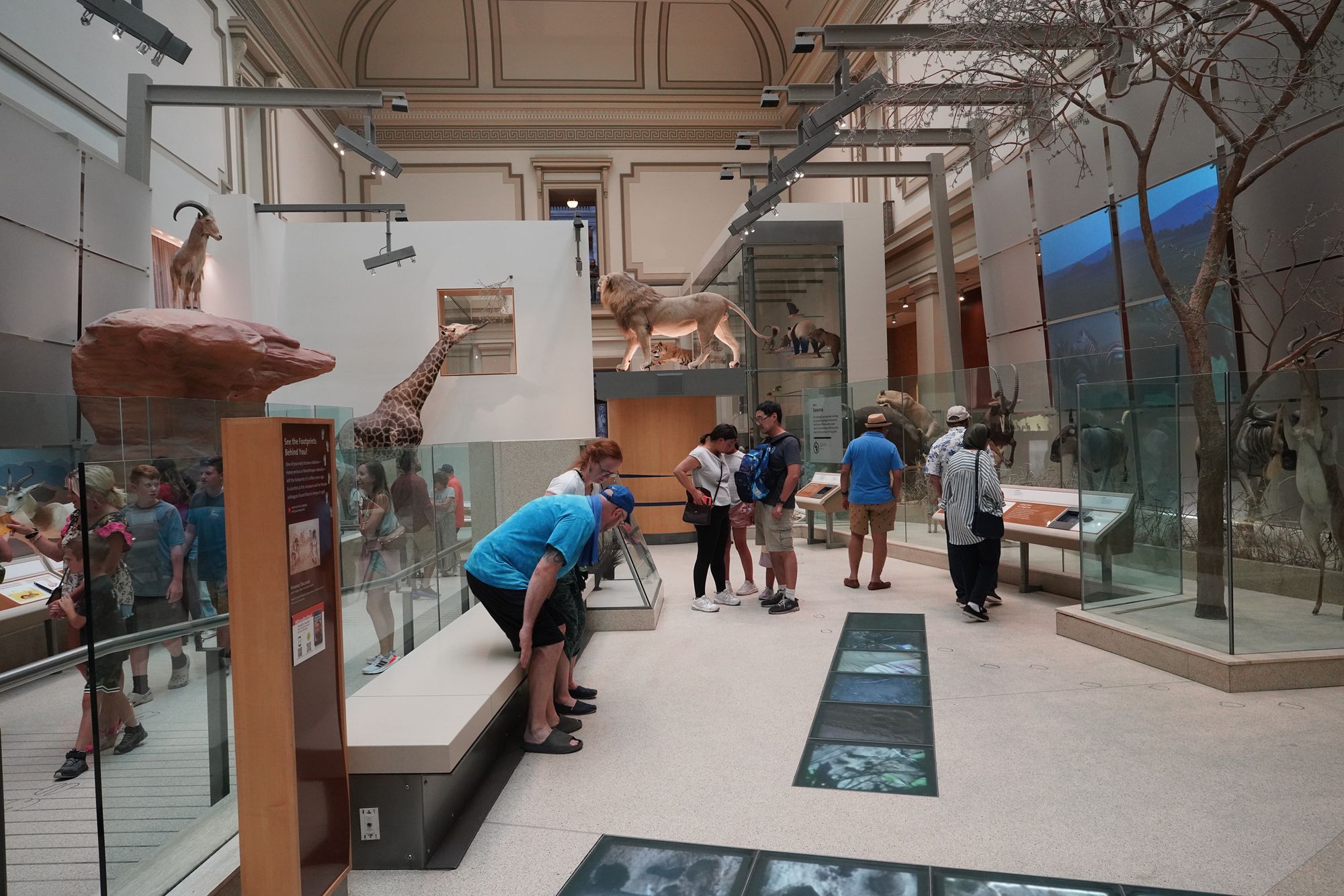
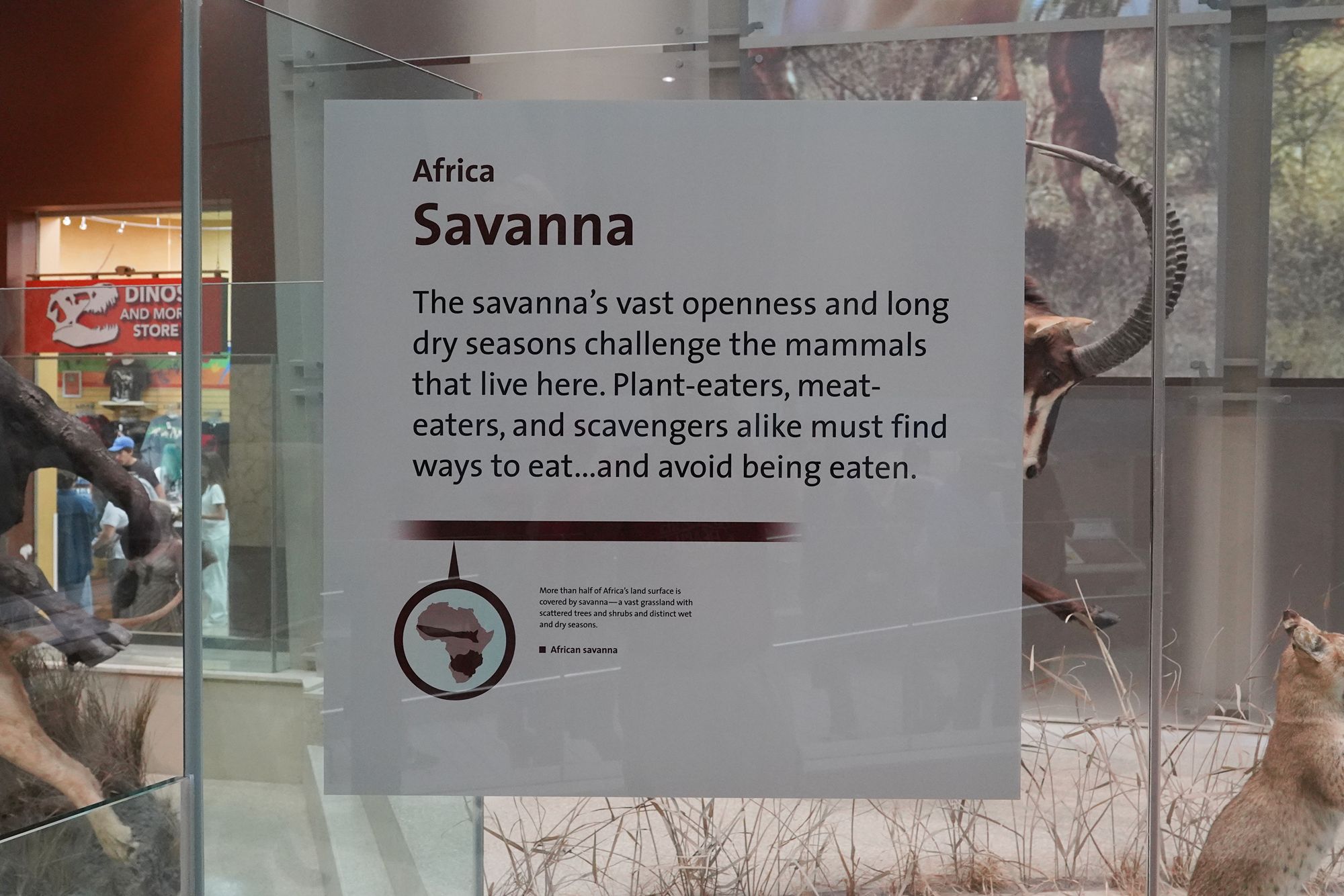
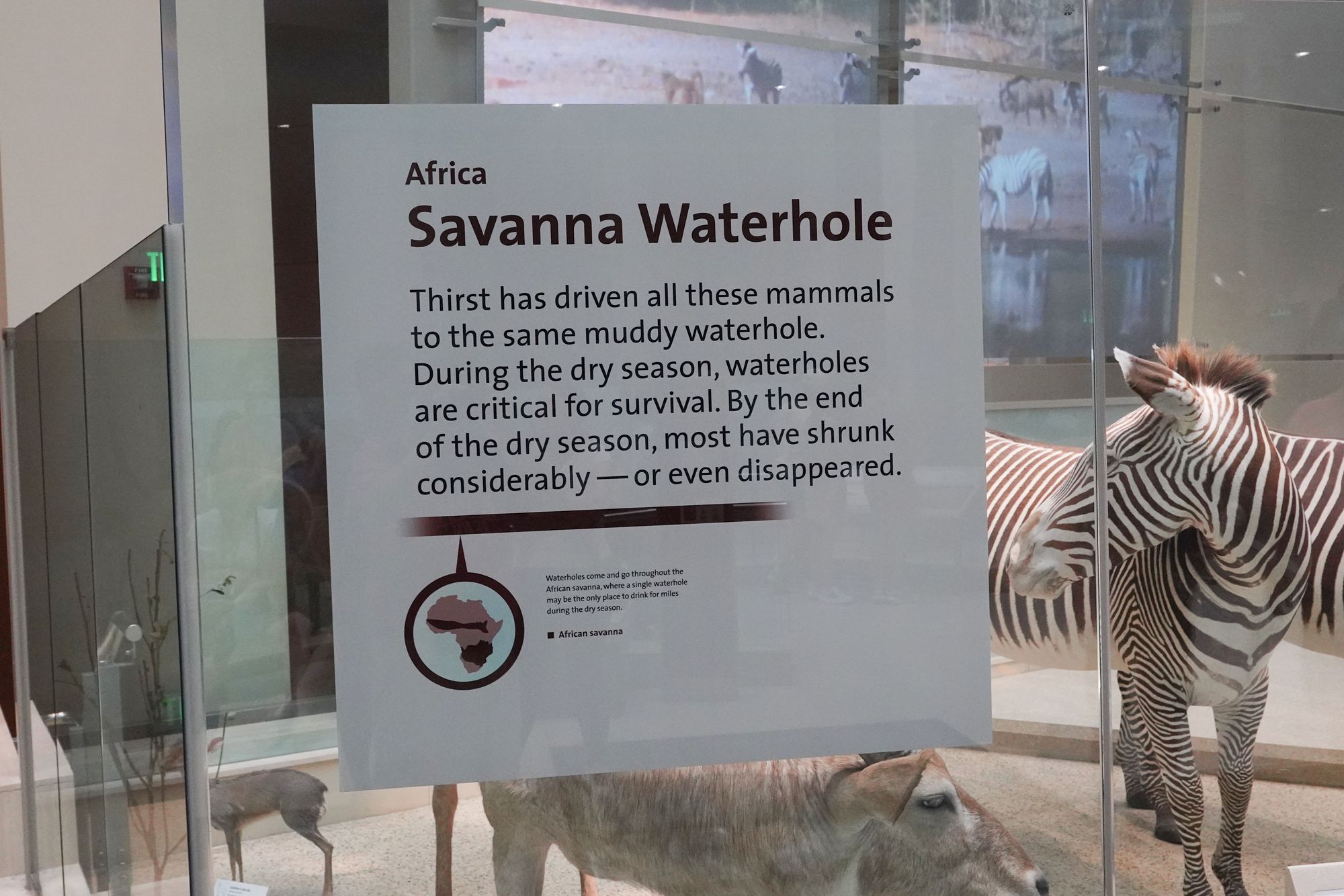
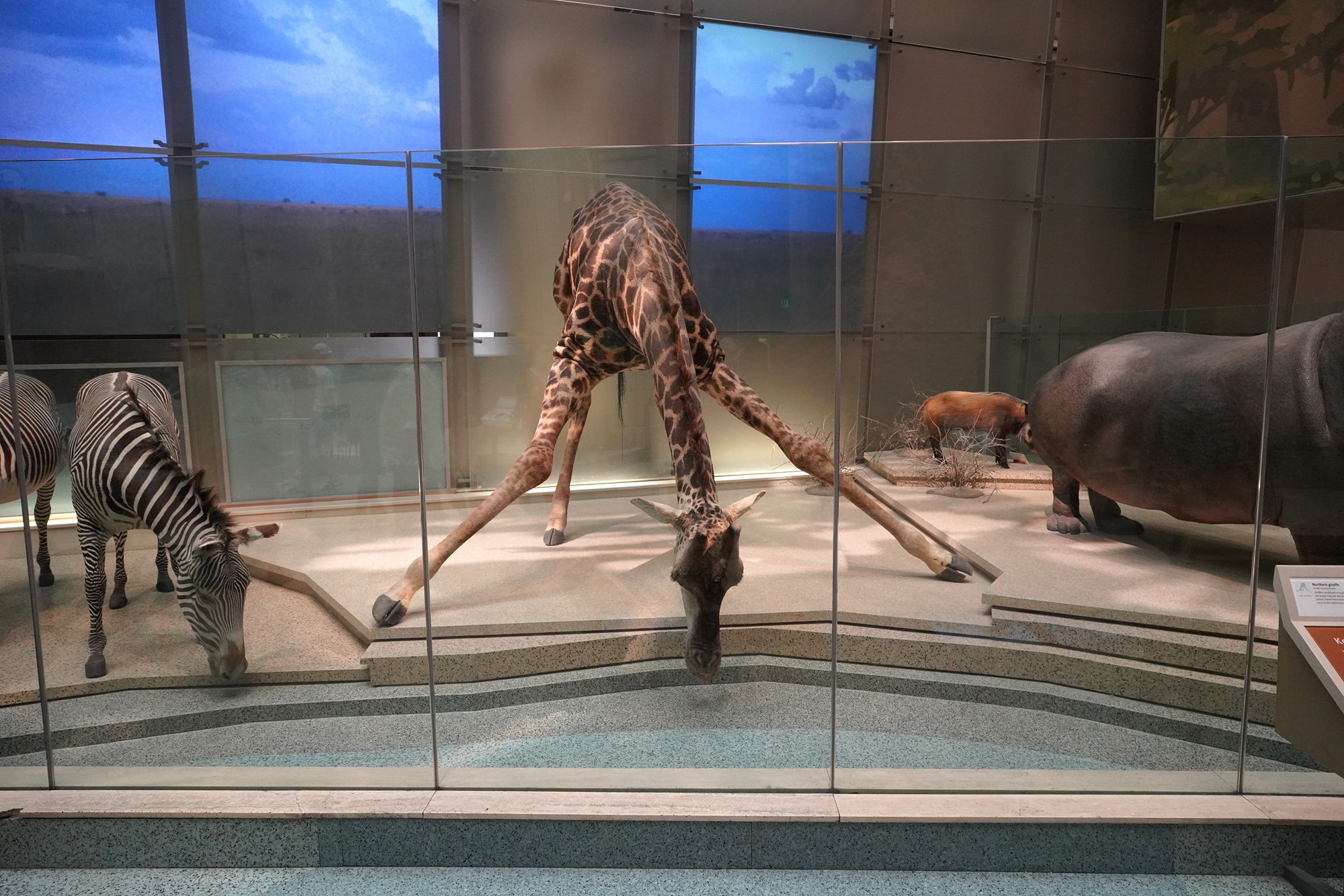
Africa Savanna
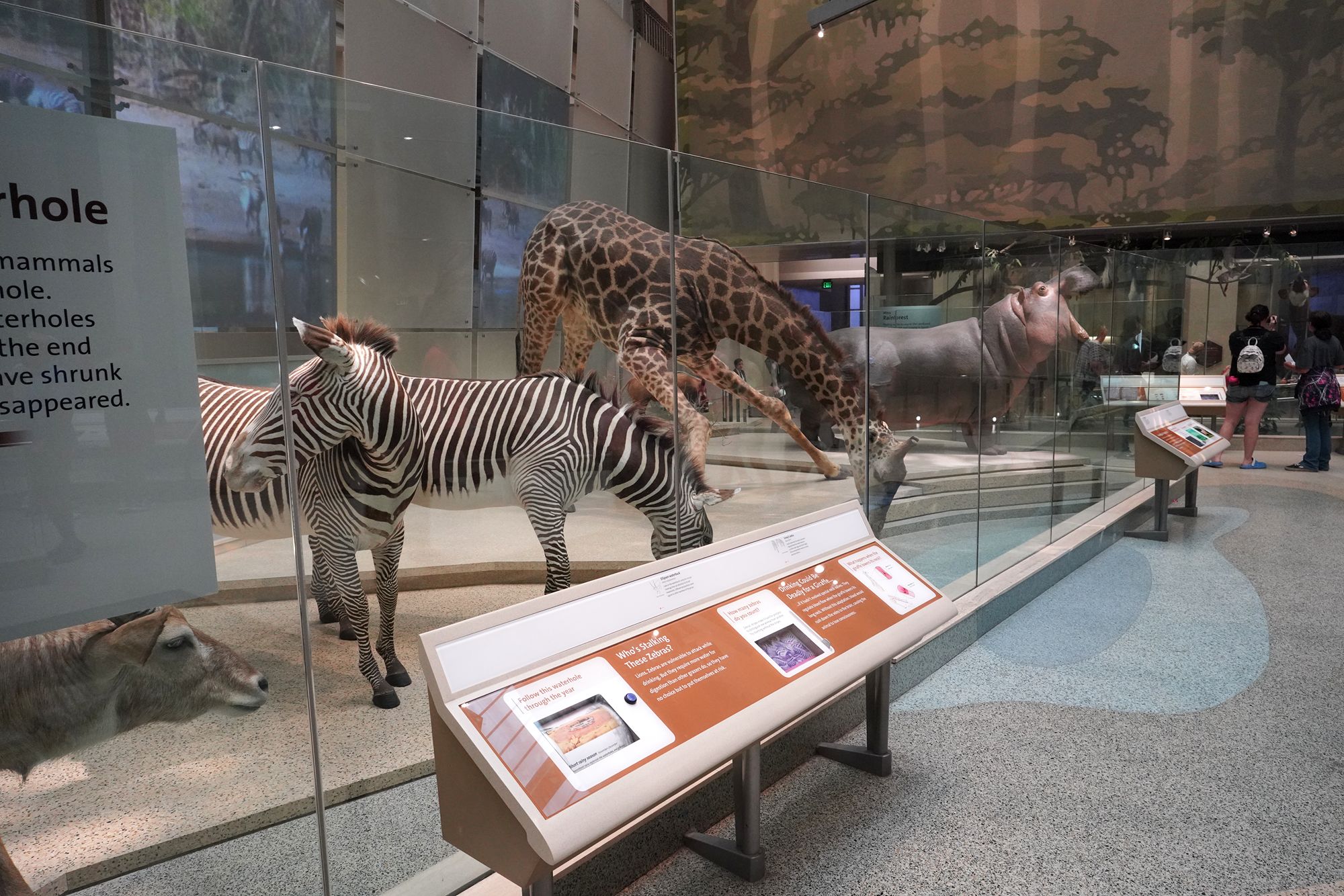
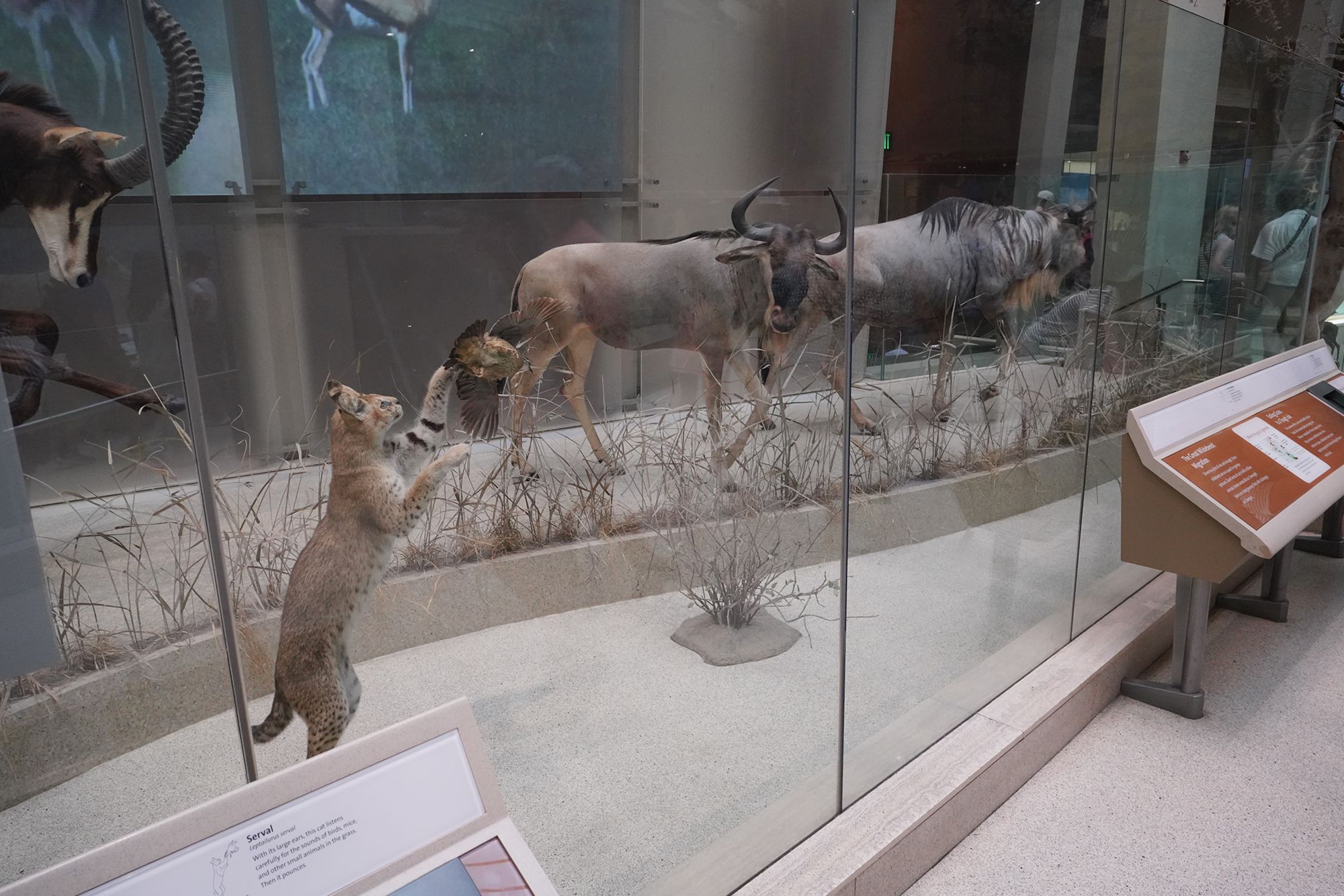
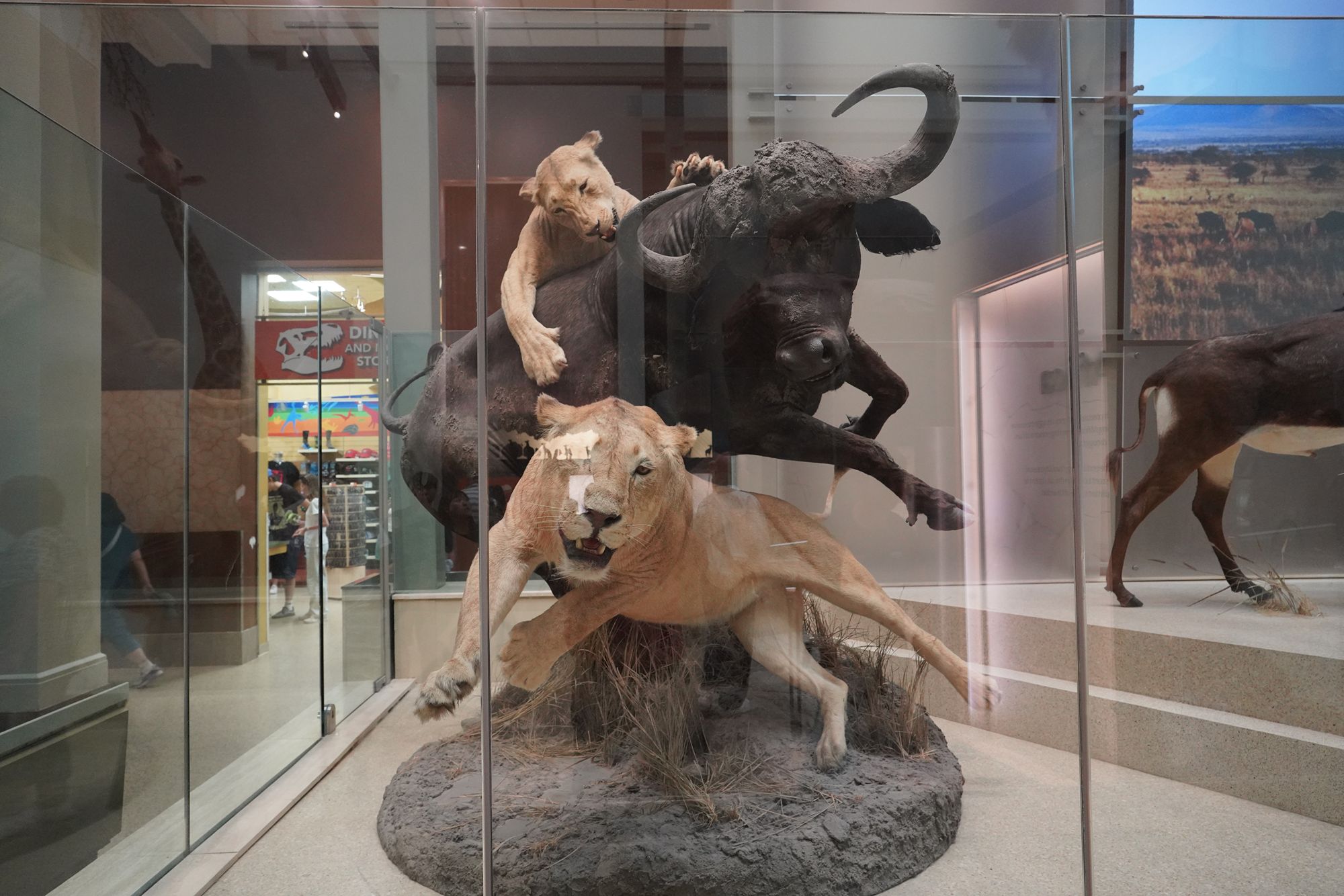
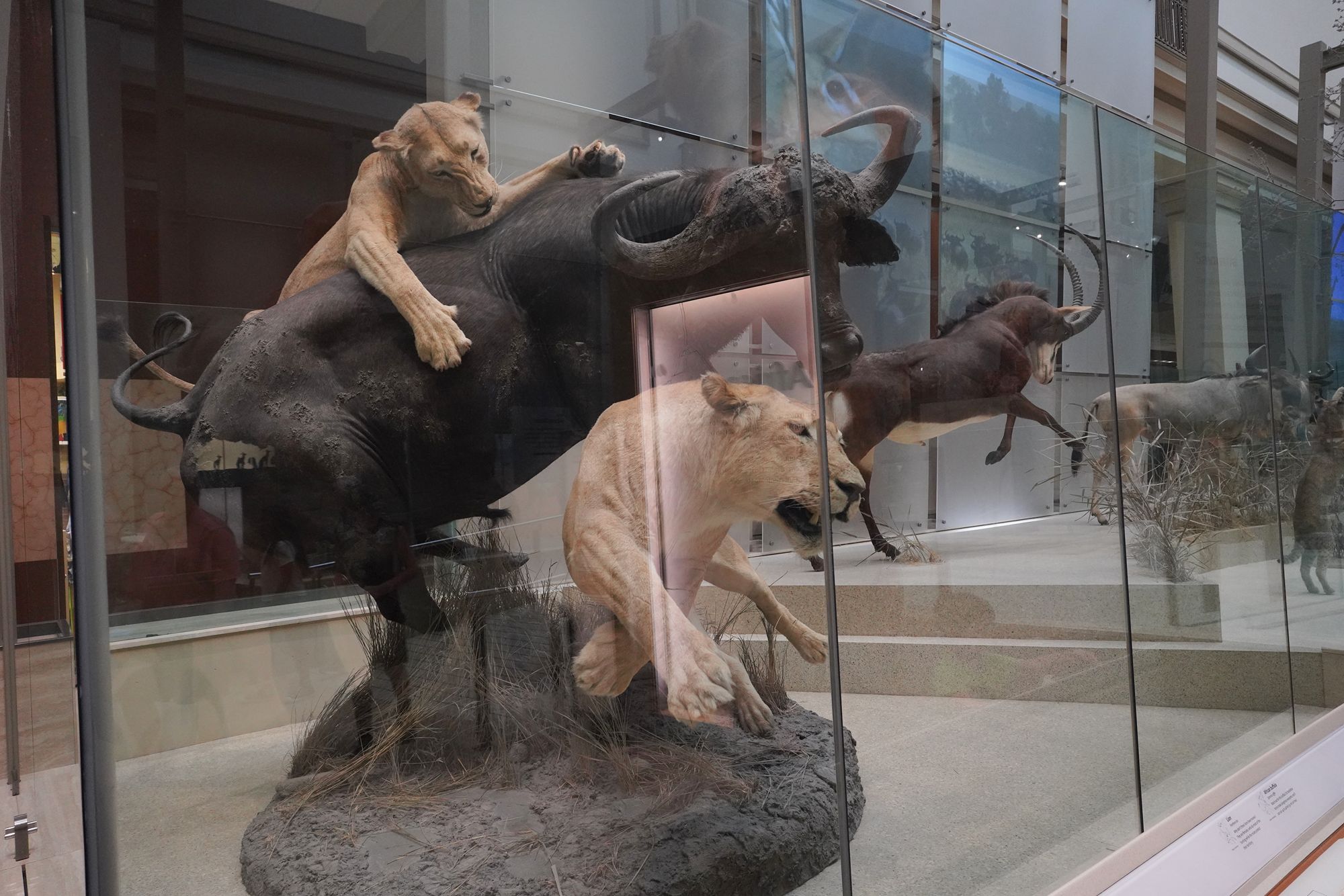
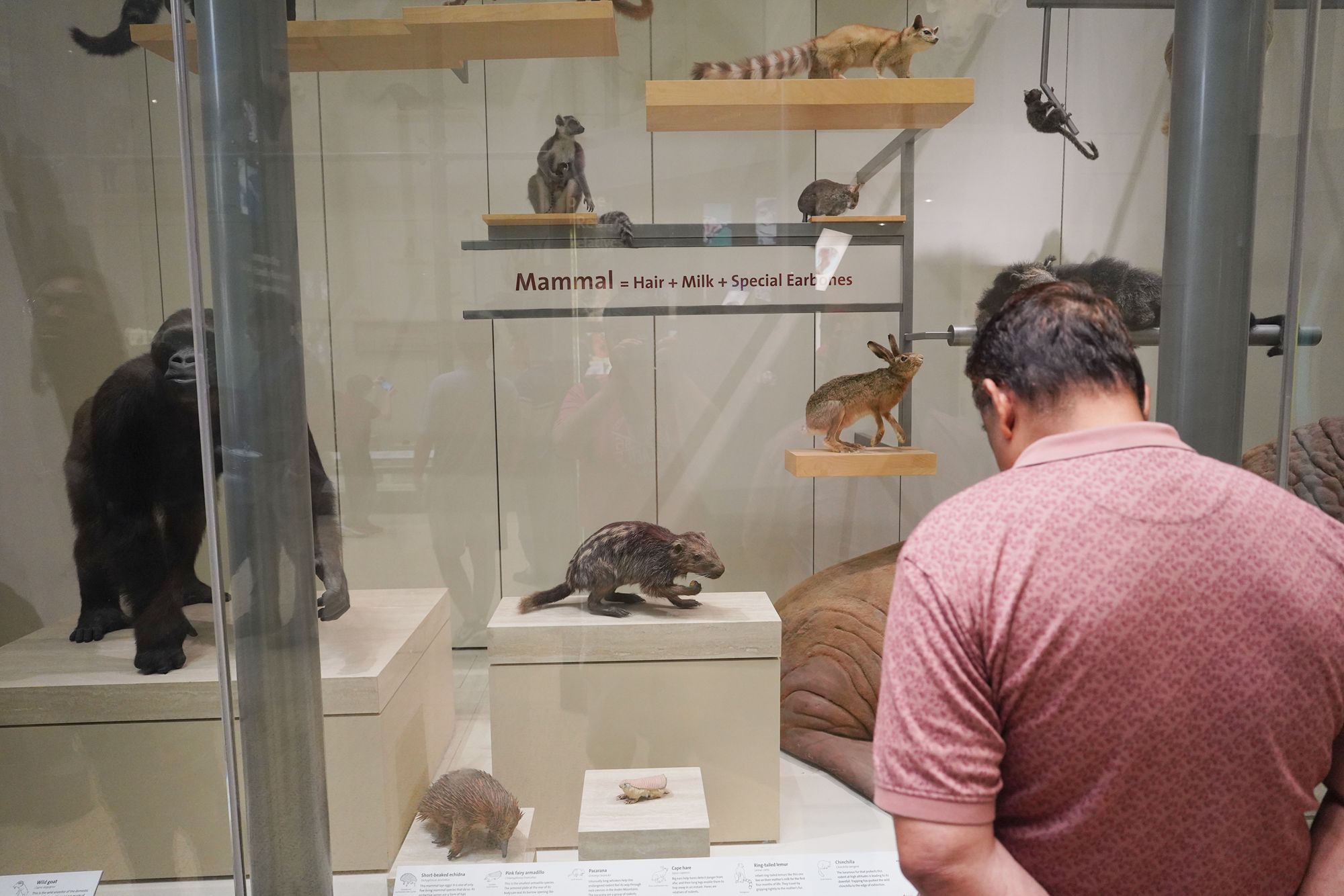
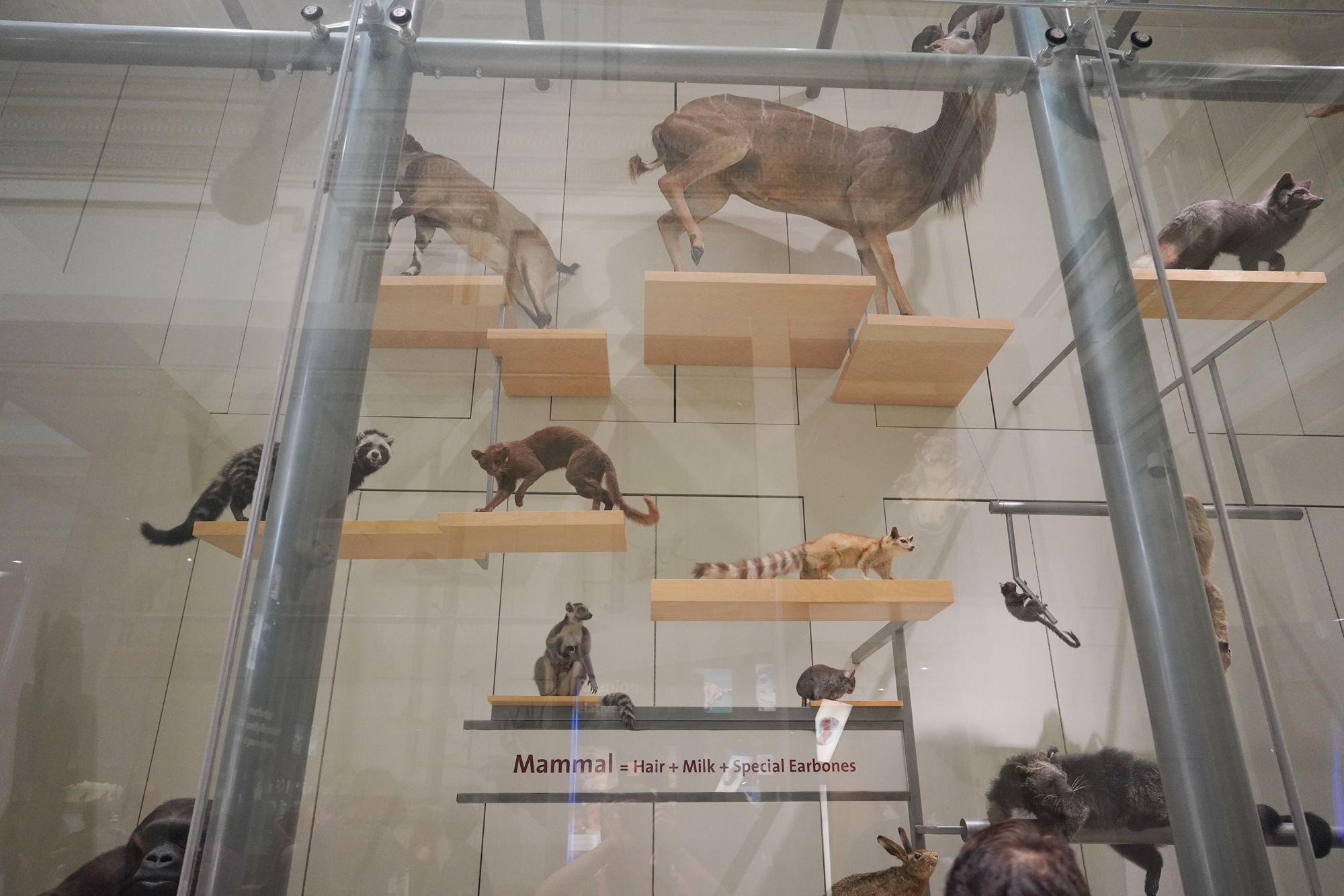
Mammal = Hair + Milk + Special Earbones
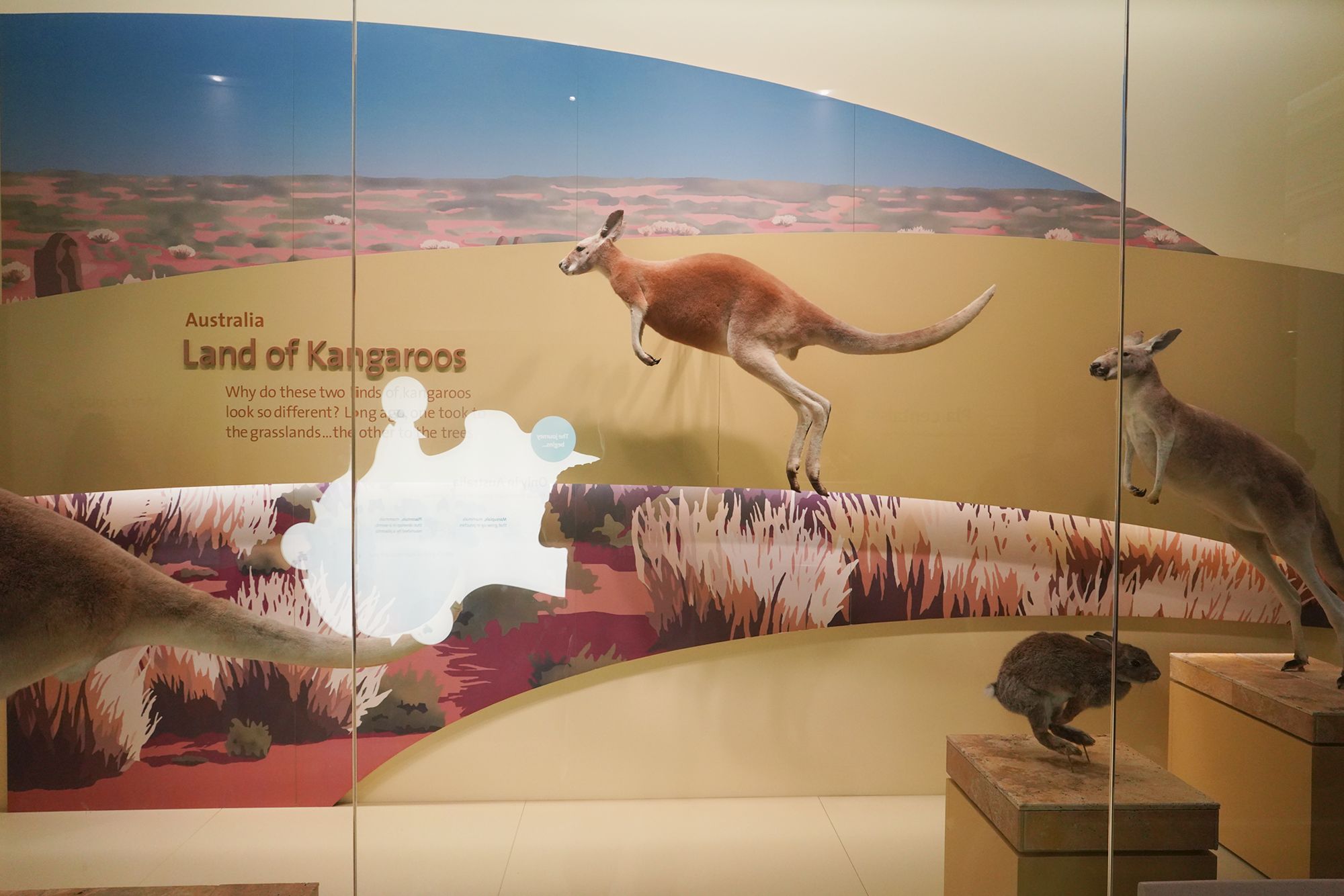
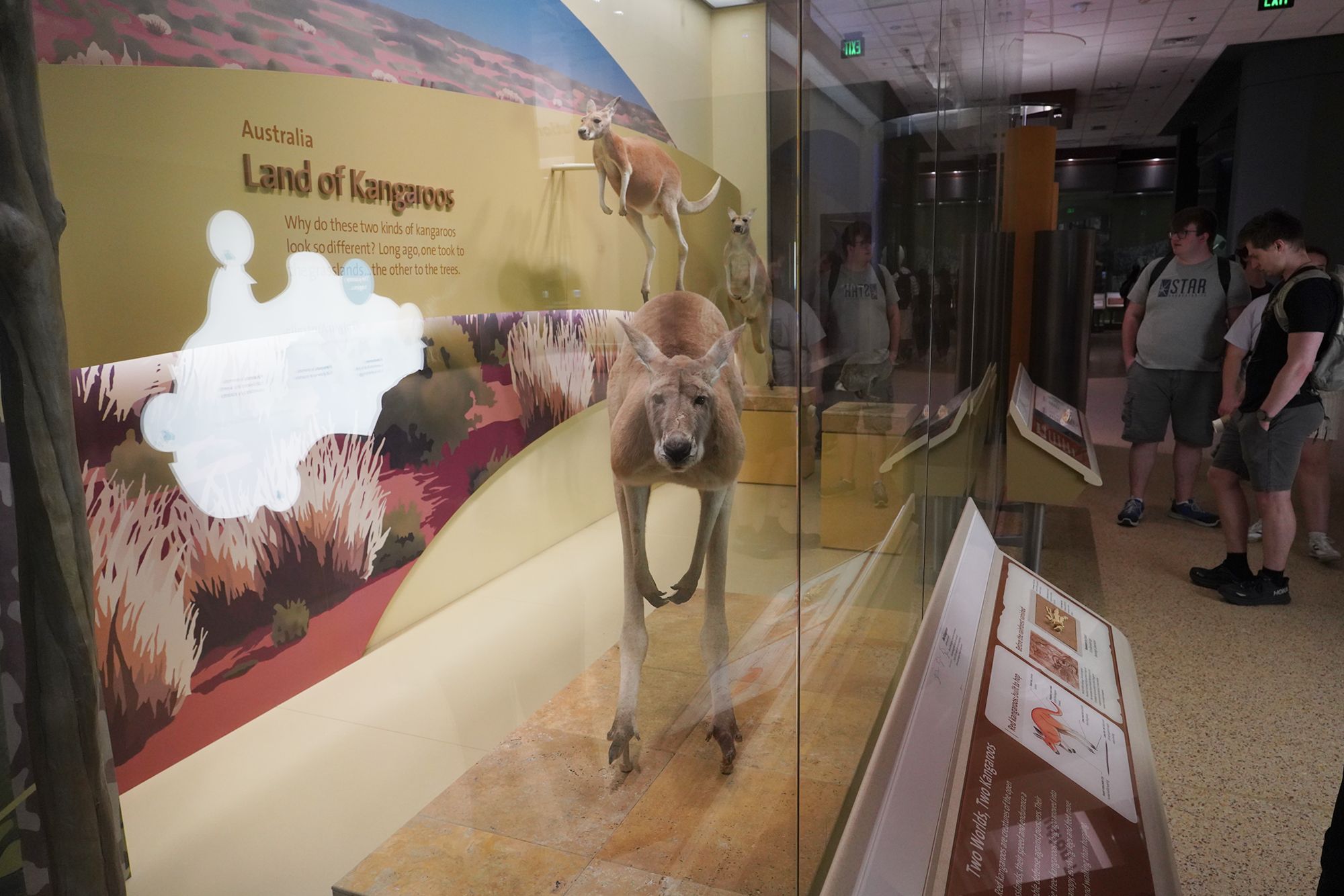
Australia
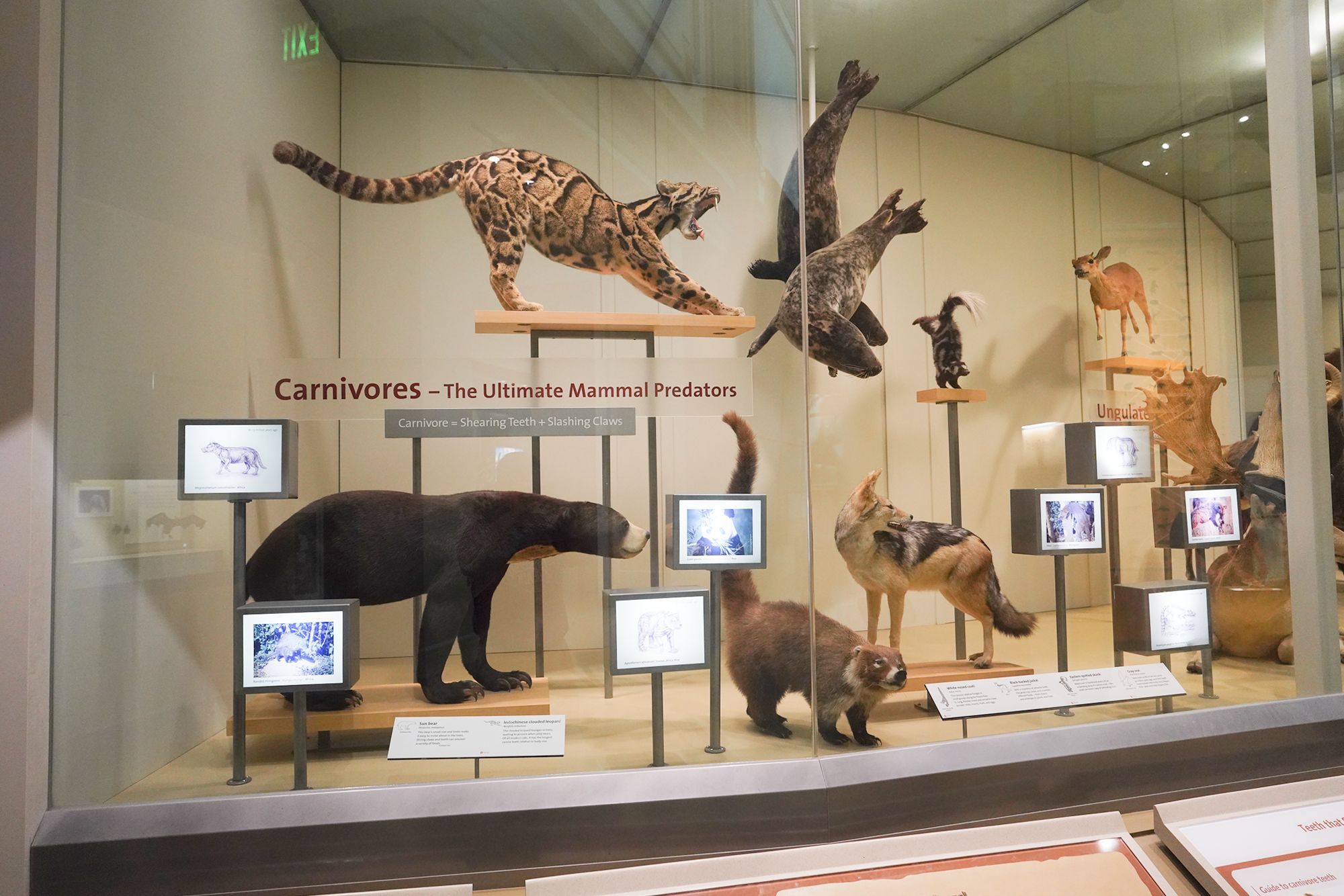
Carnivores – The Ultimate Mammal Predators
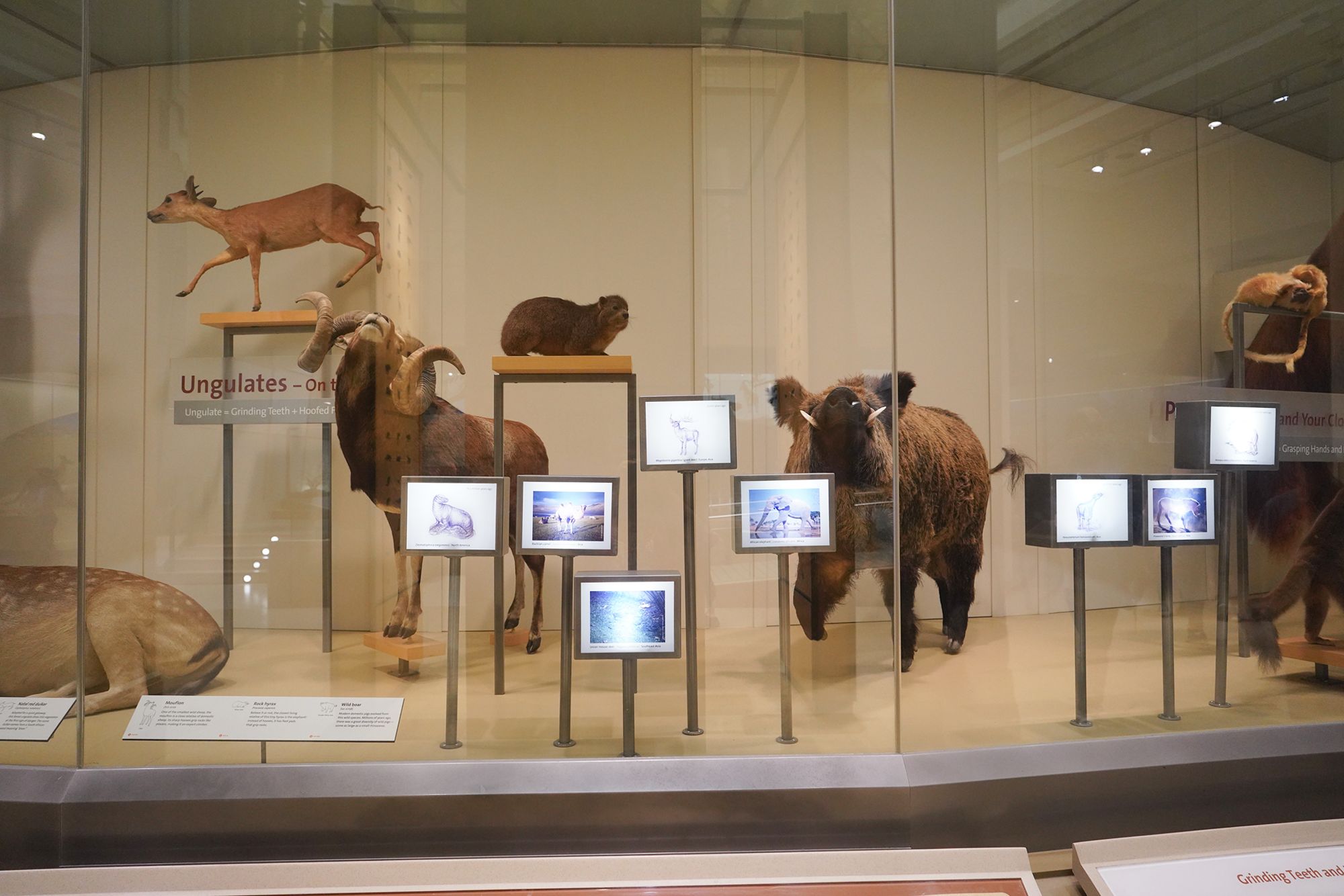
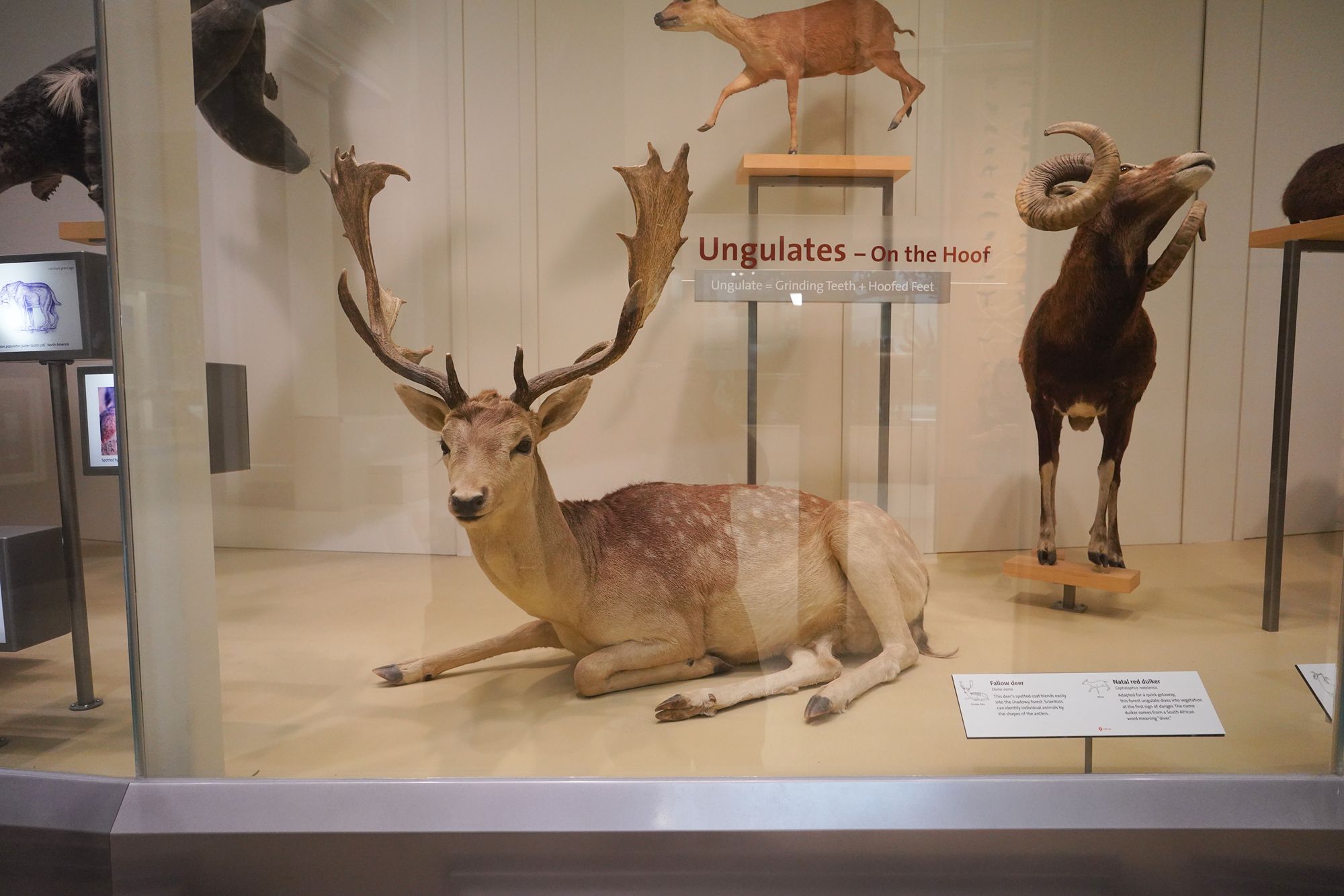
Ungulates – Grinding Teeth + Hoofed Feet
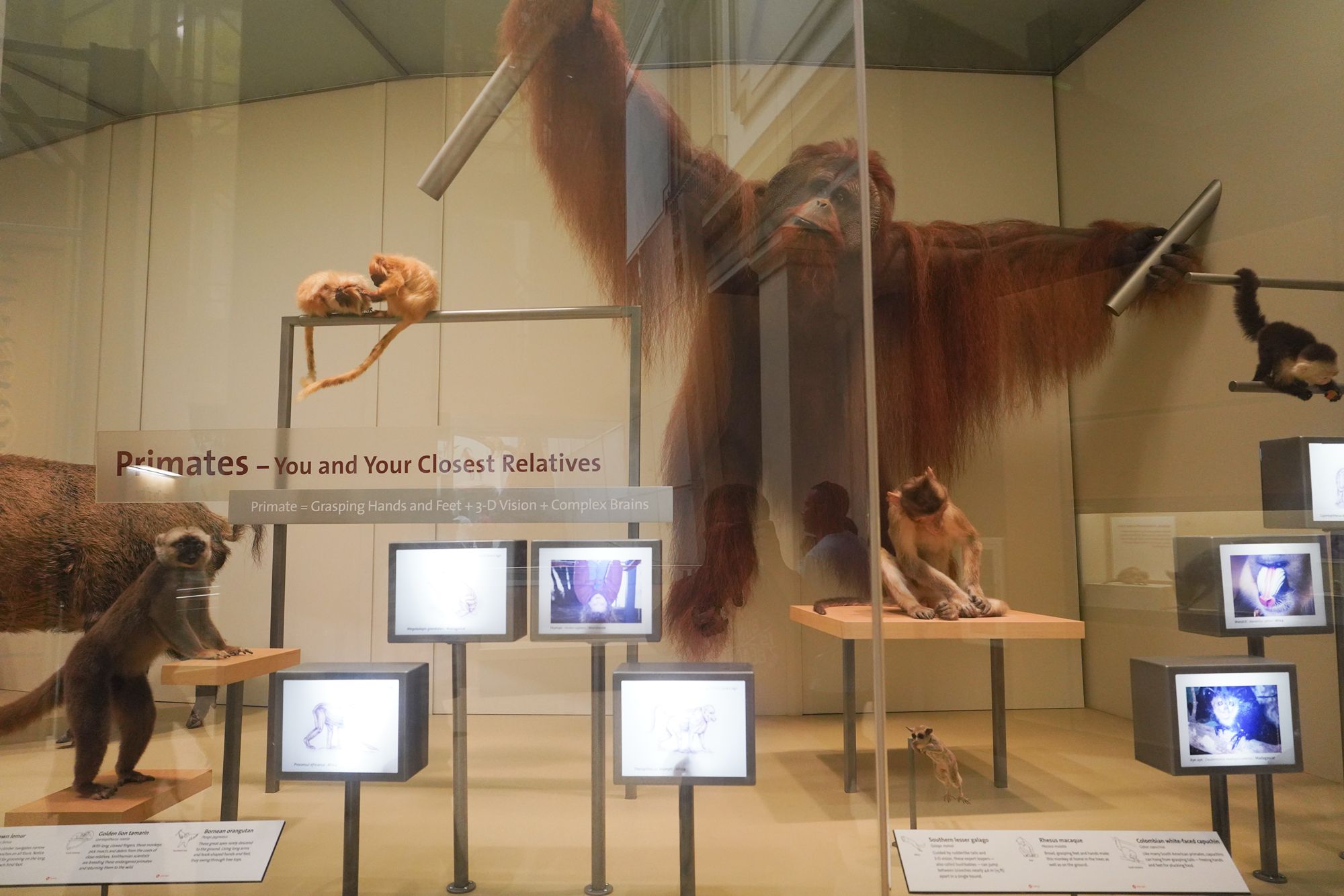
Primates
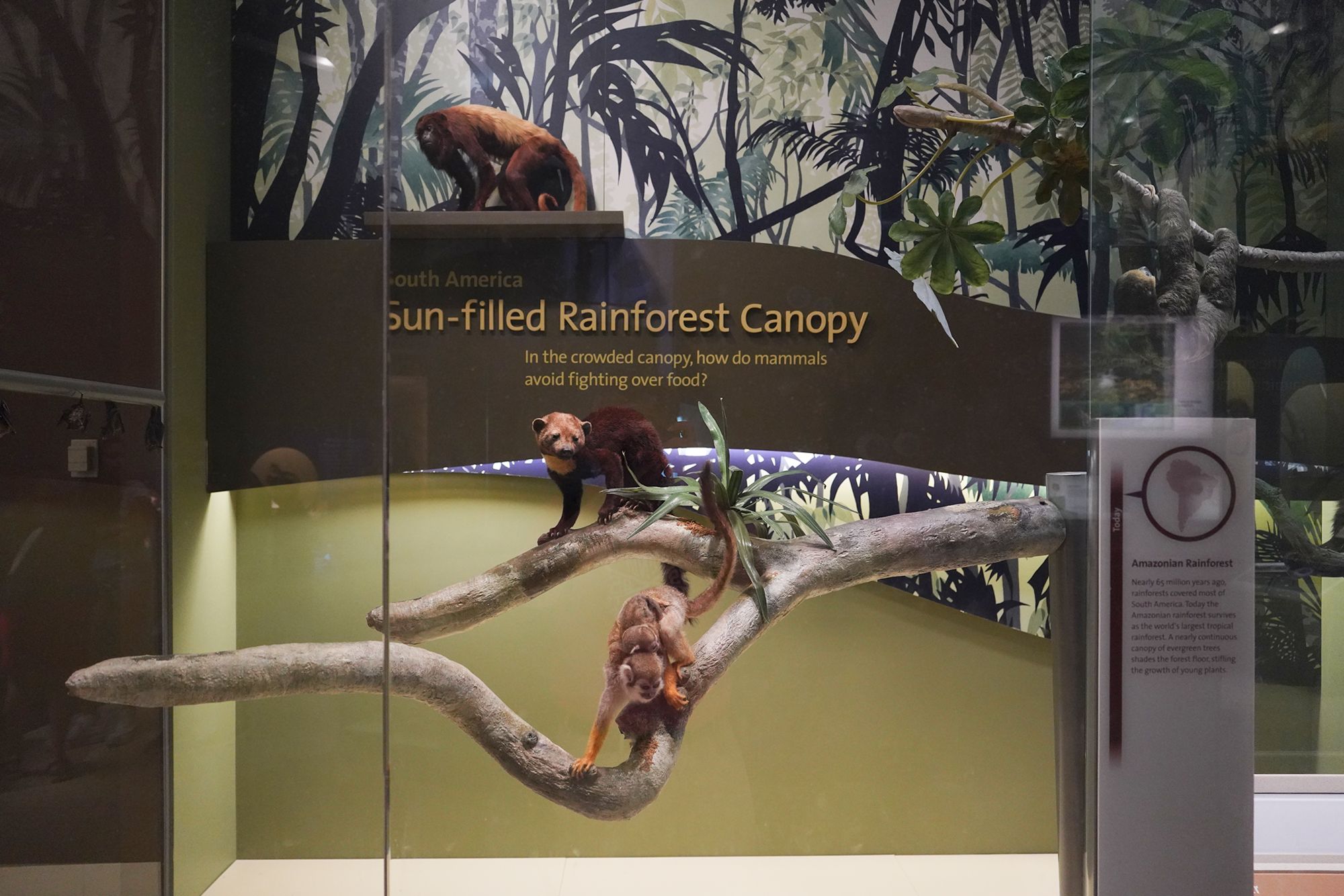
Sun-filled Rainforest
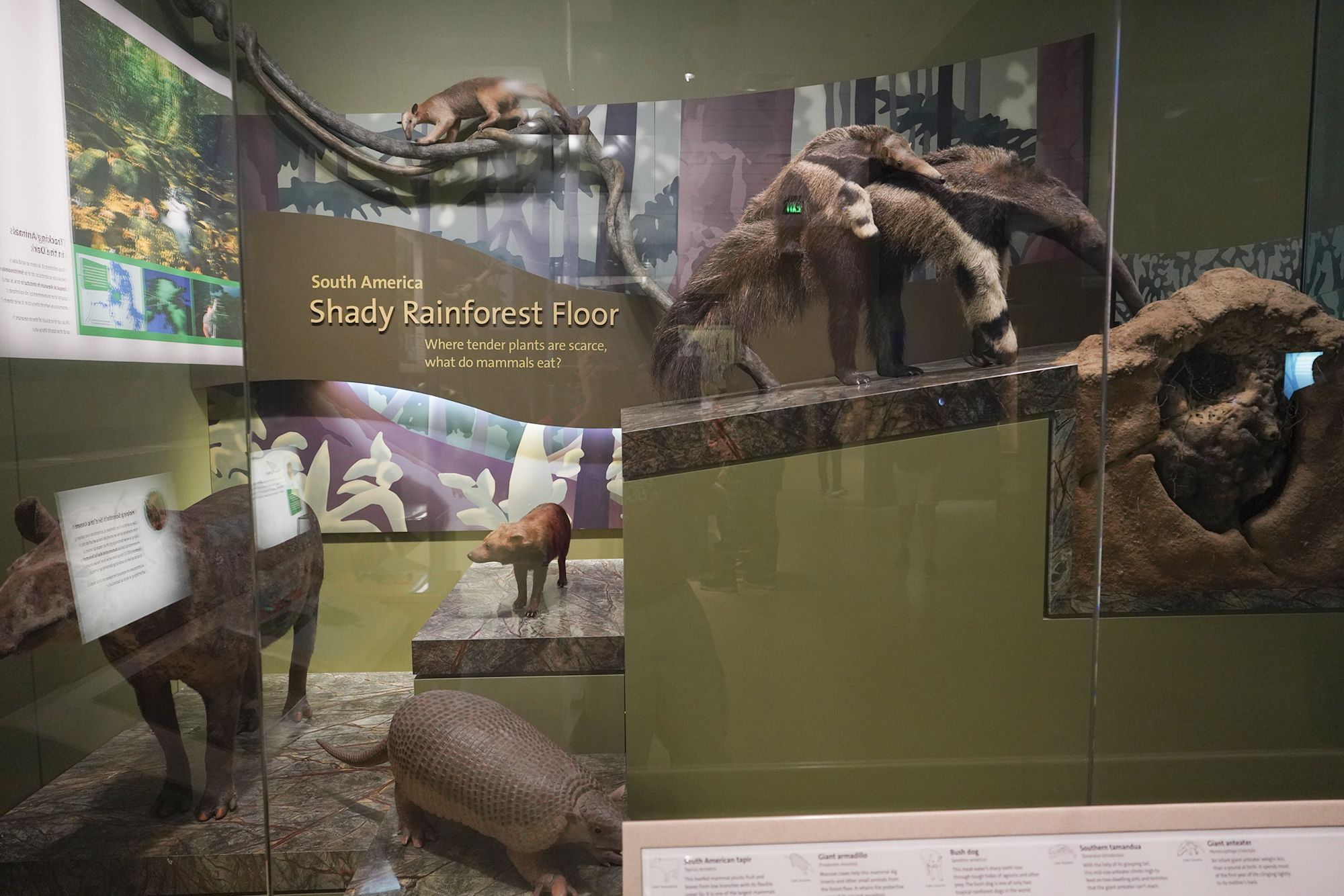
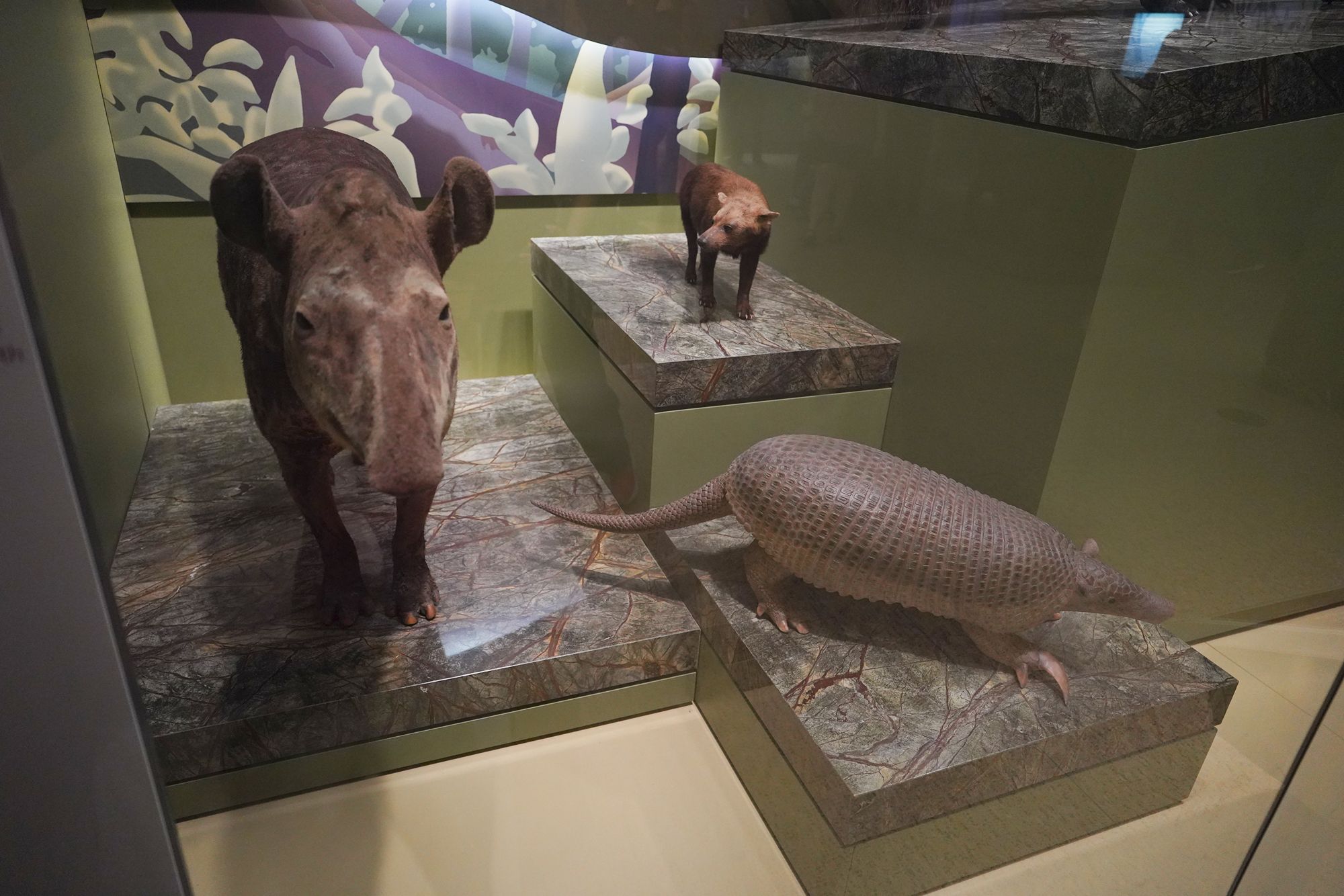
South America, Shady Rainforest Floor
Fossil Hall (Deep Time)
It is a large permanent exhibition that tells the story of life on Earth over 3.7 billion years. The hall features:
-
Hundreds of fossils of plants, marine life, mammals, and insects
-
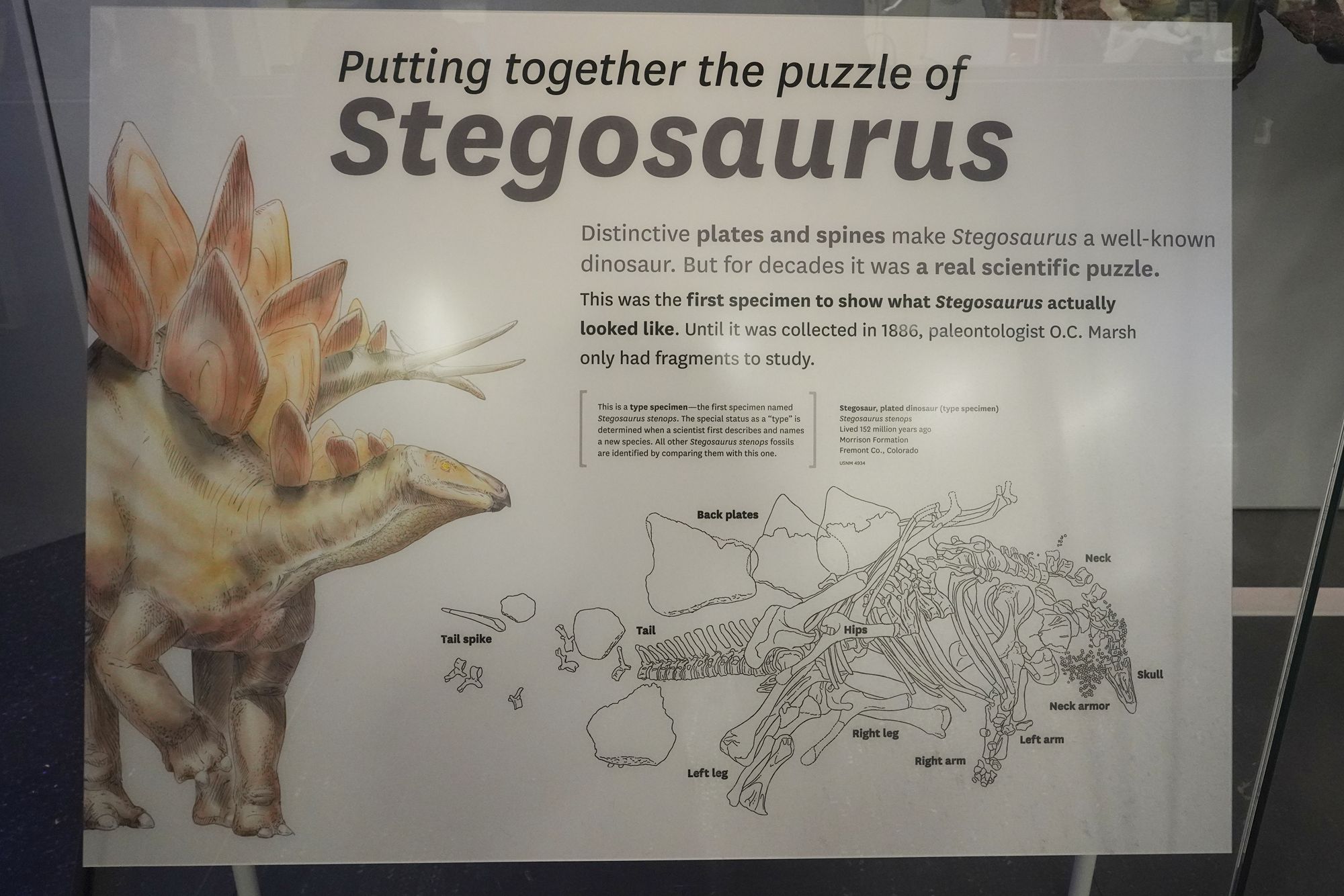
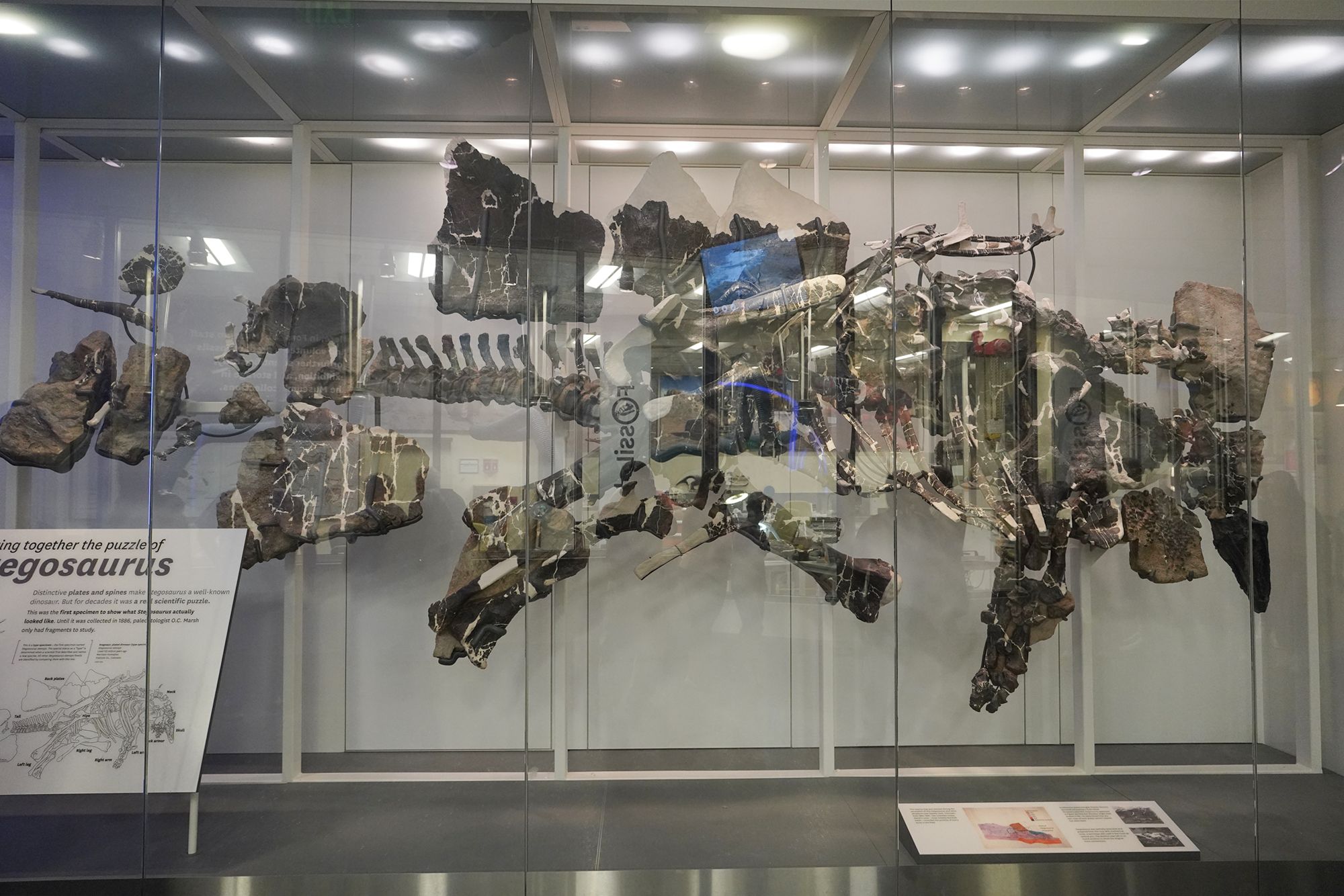
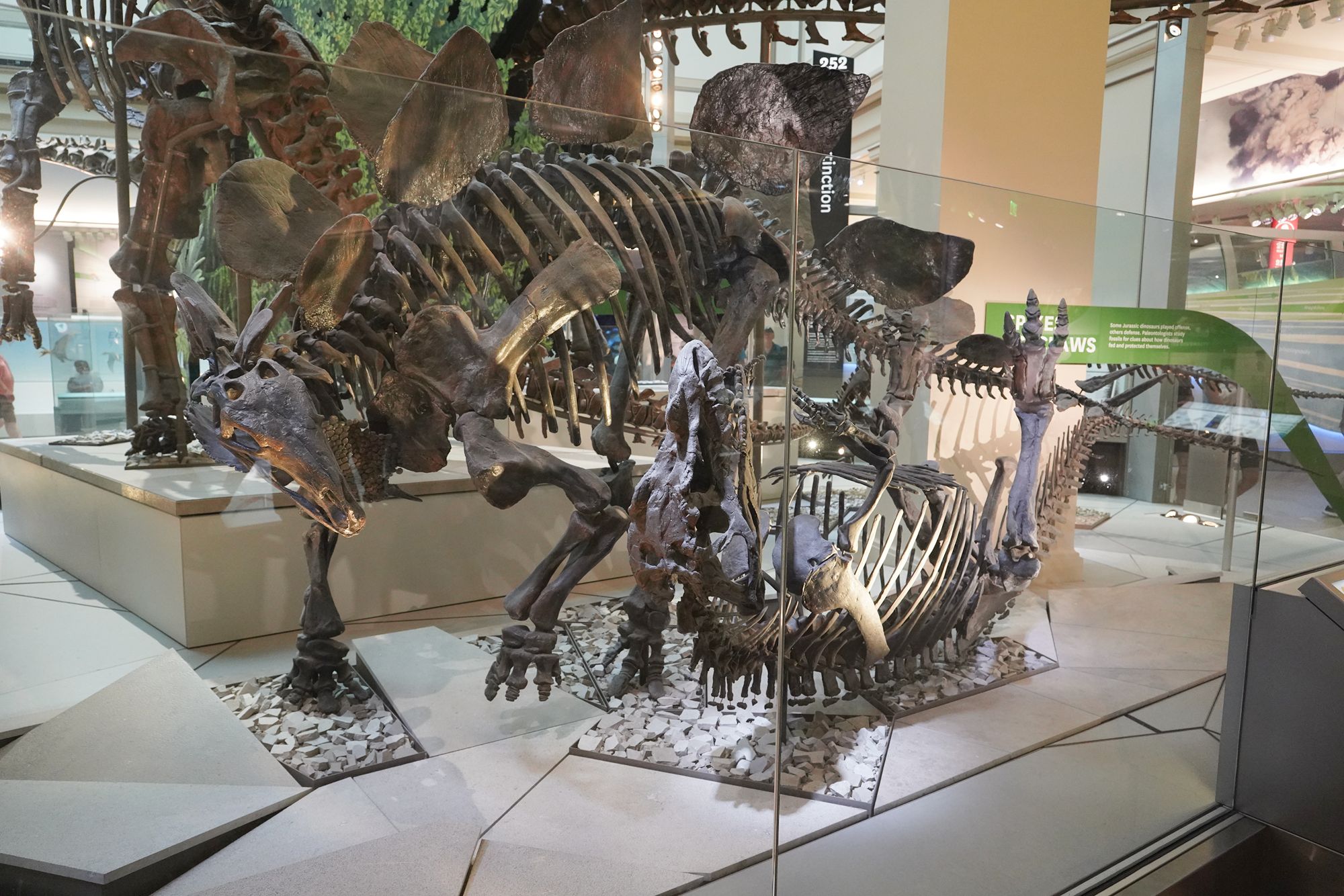
Iconic dinosaurs like T. rex, Triceratops, and Stegosaurus
-
Displays showing mass extinctions, climate change, evolution, and how life and Earth’s systems are connected
-
A timeline that shows how life changed from ancient oceans to the rise of mammals and humans


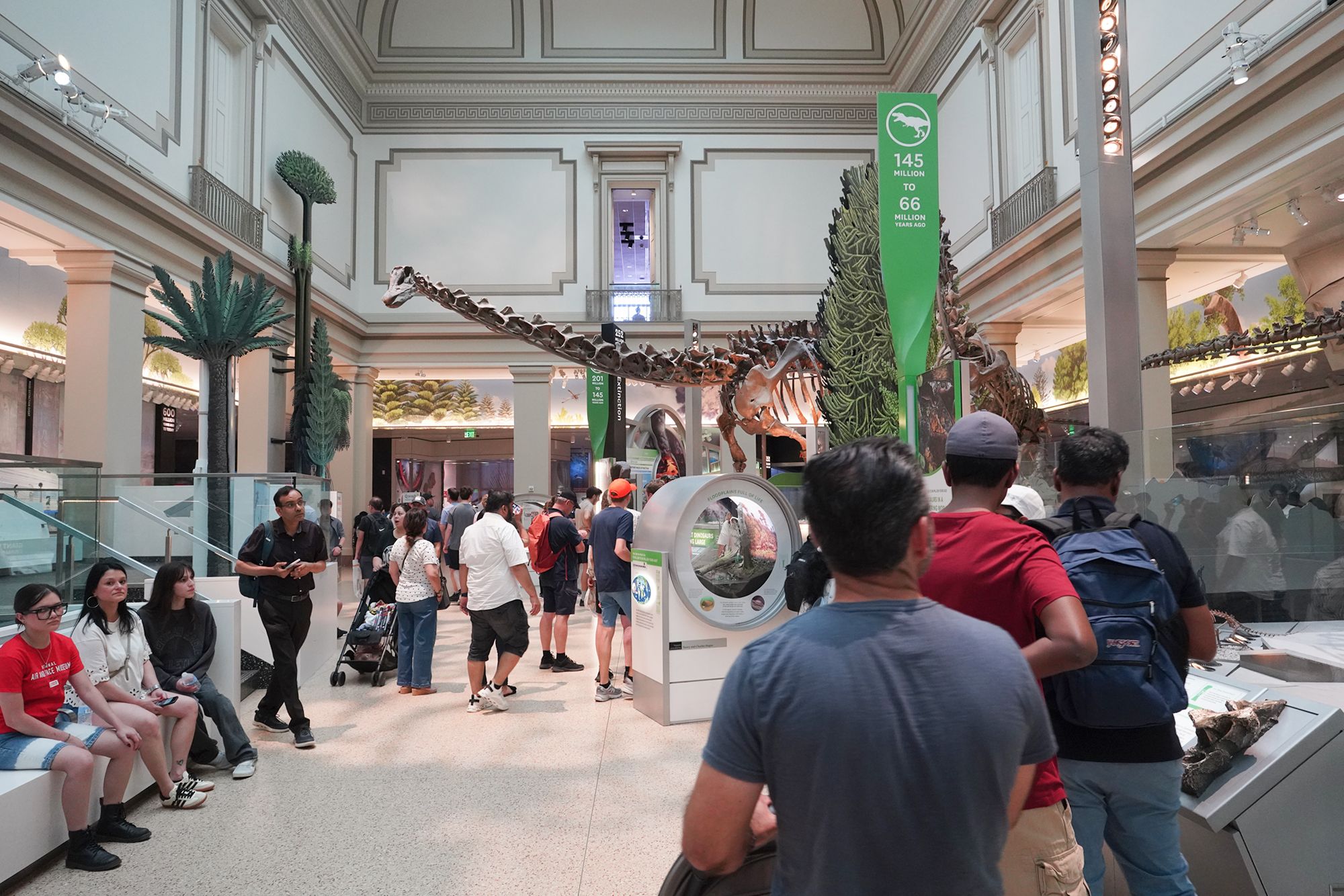
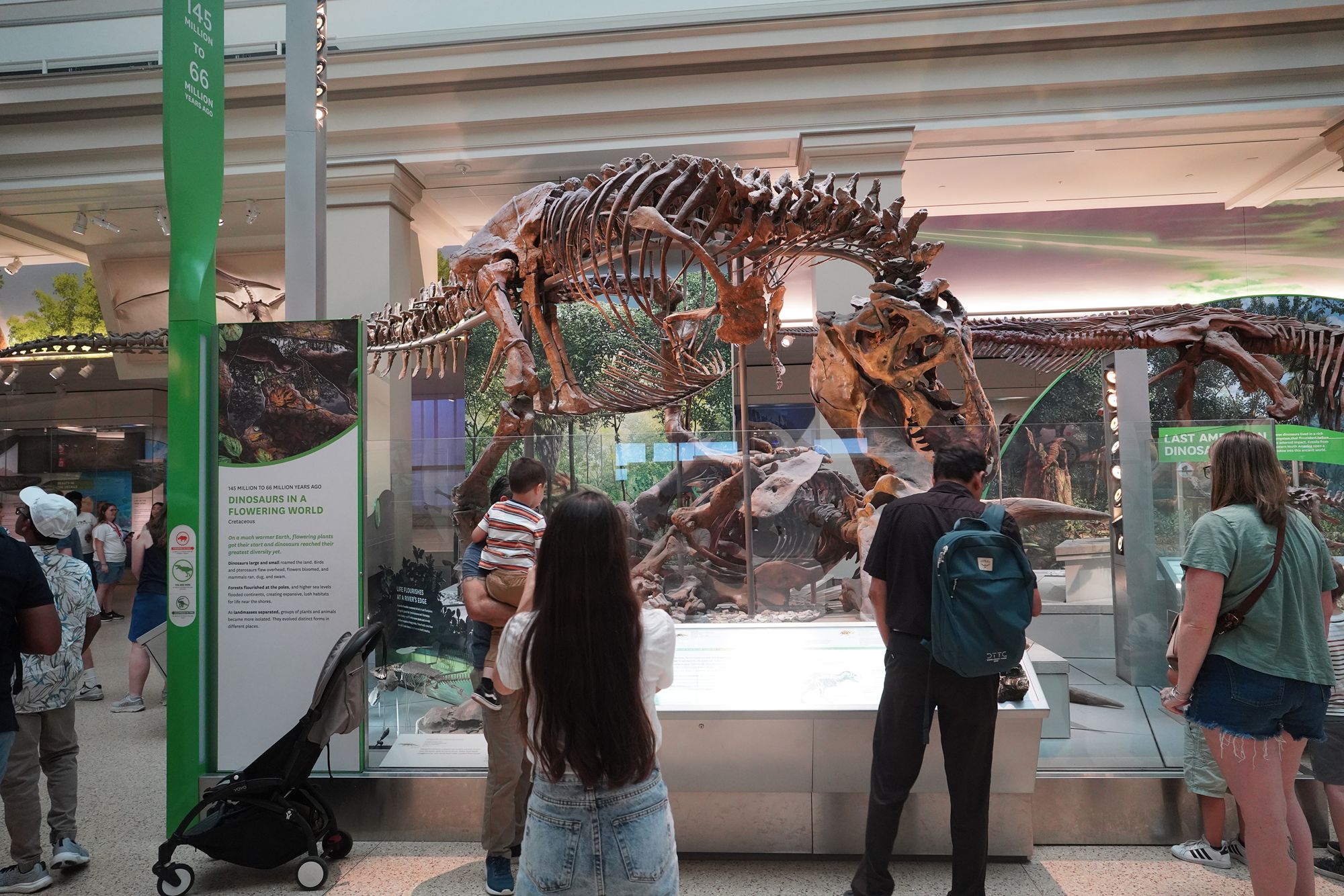
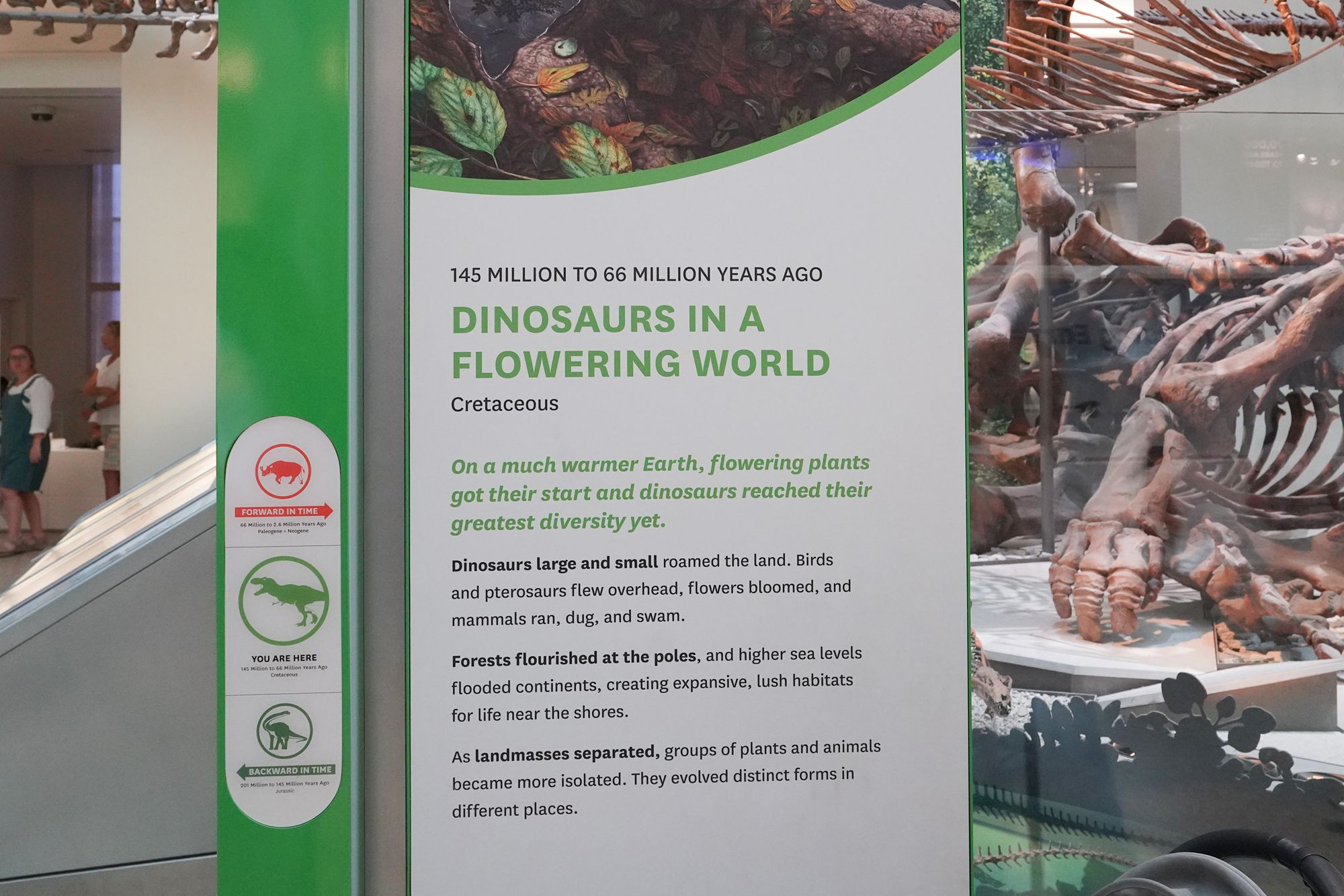
From approximately 145 million to 66 million years ago, the dinosaurs lived in a world of abundant flowering plants.
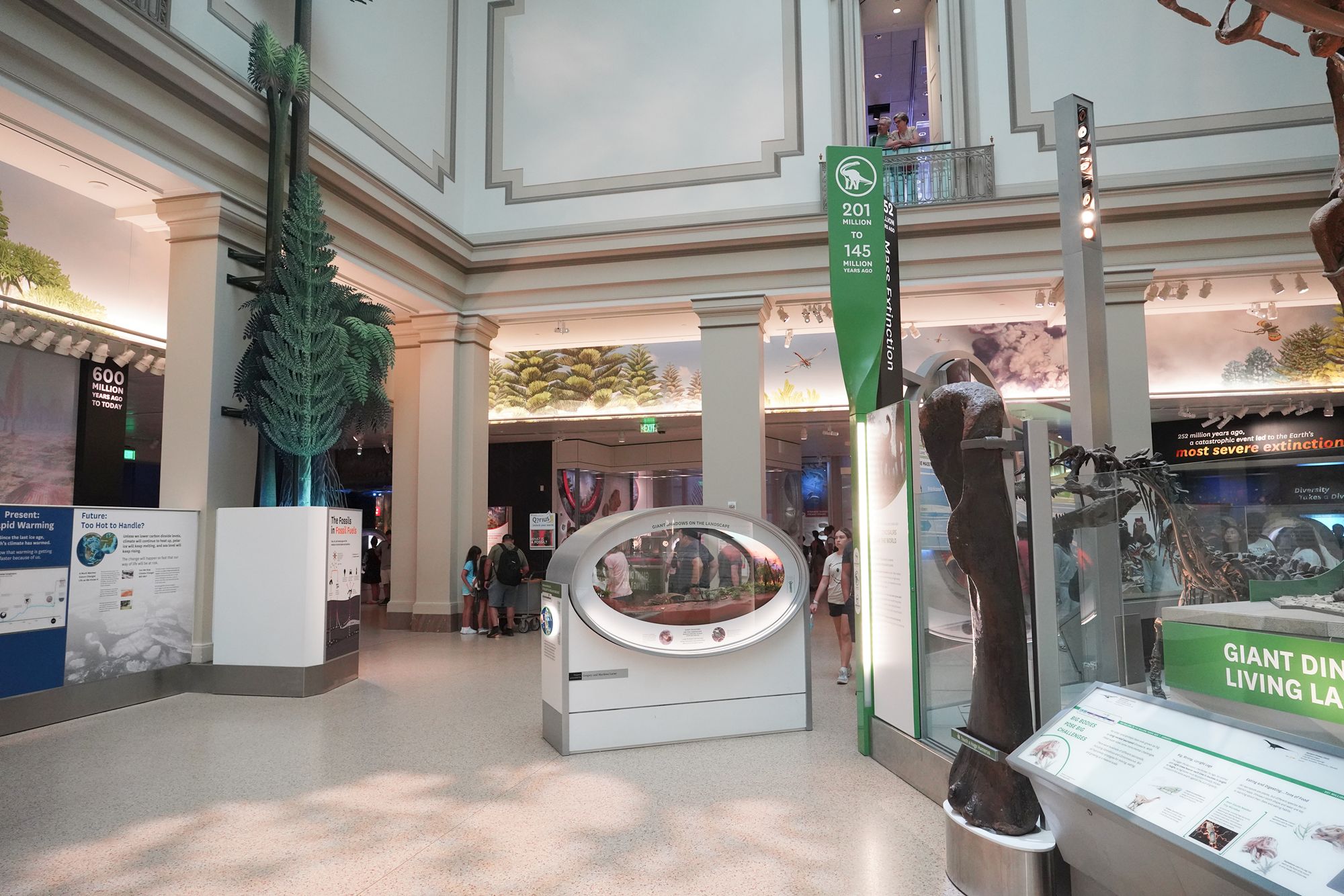
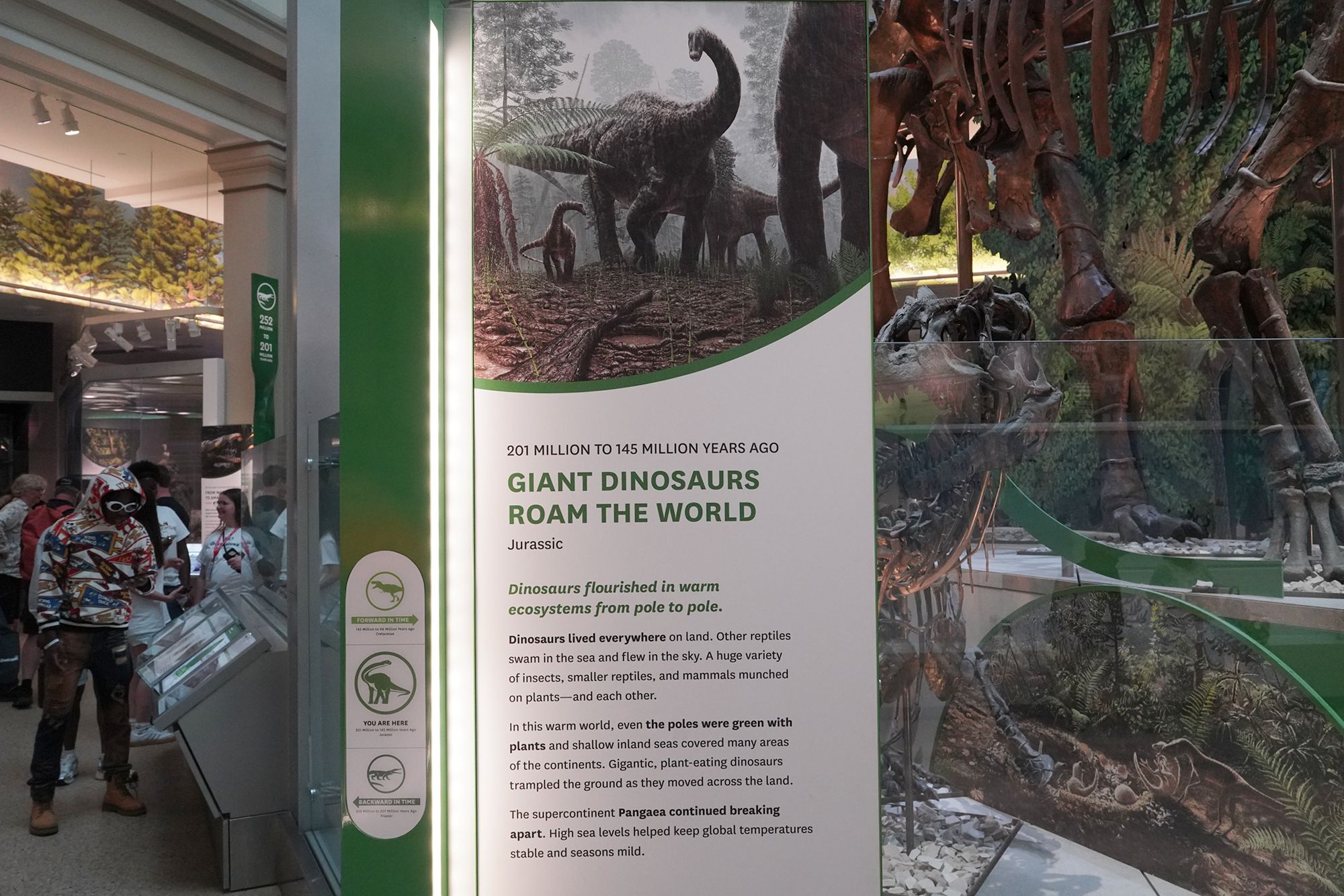
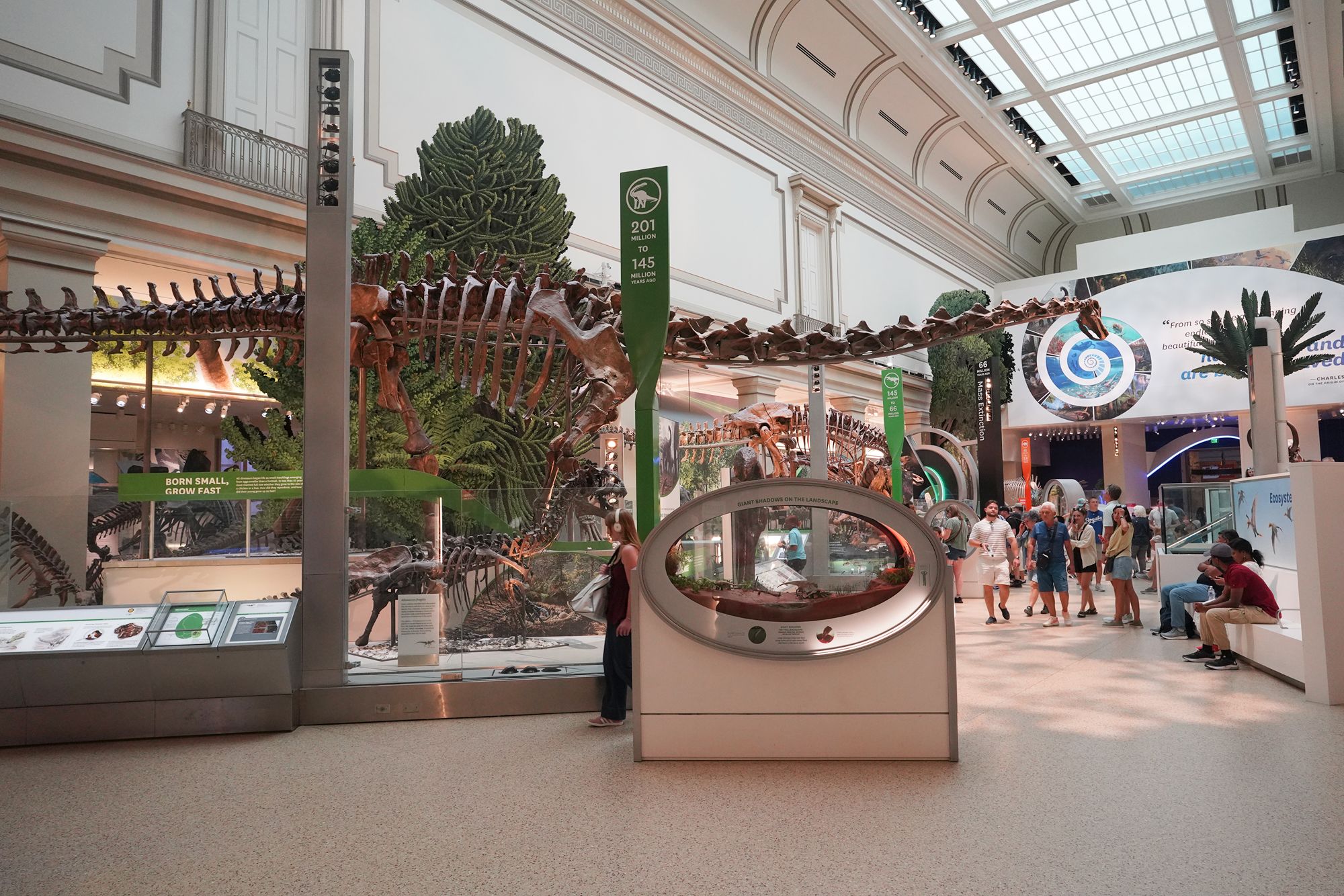
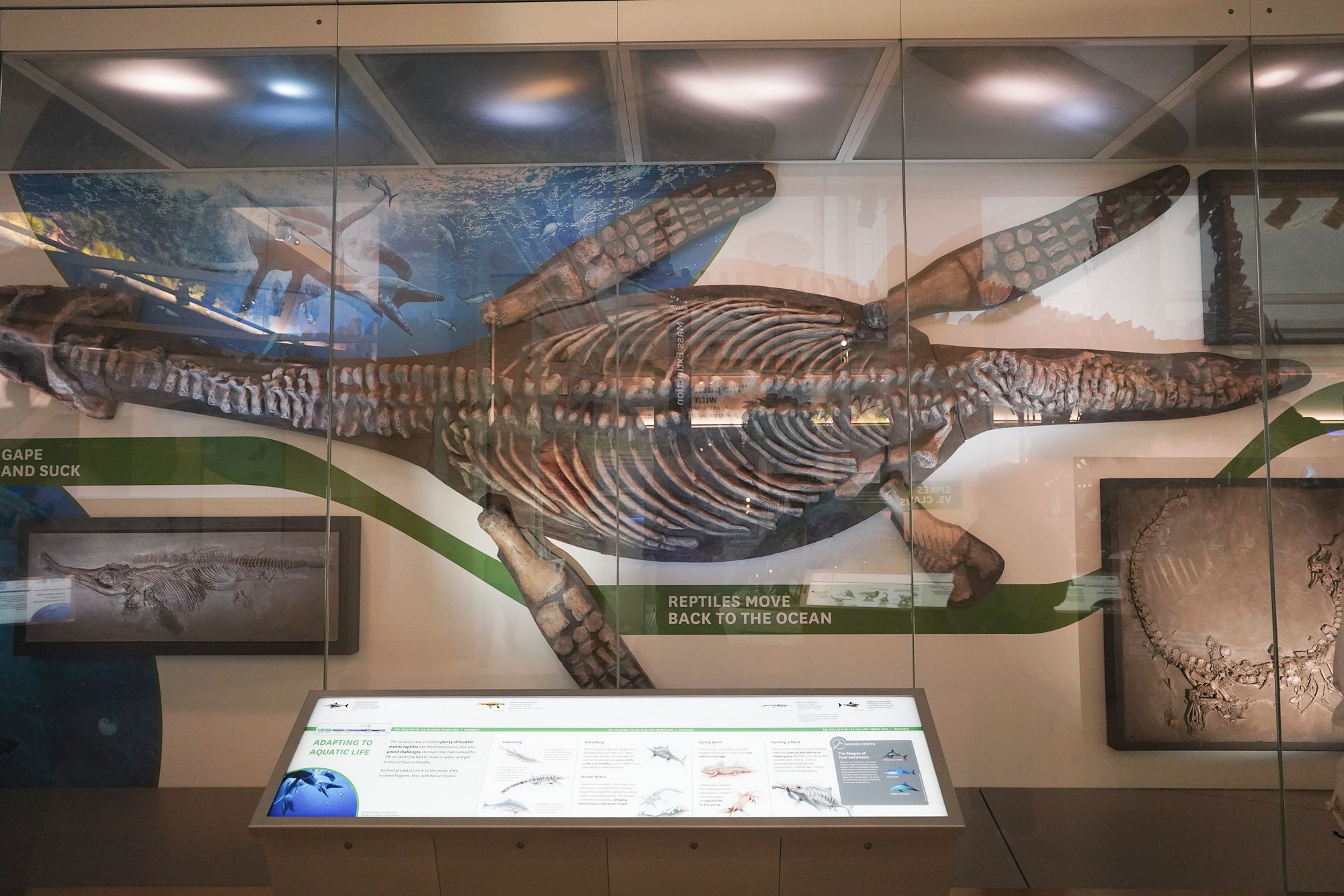
In 201 Million to 145 Million Years ago, giant dinosaurs roam the world.
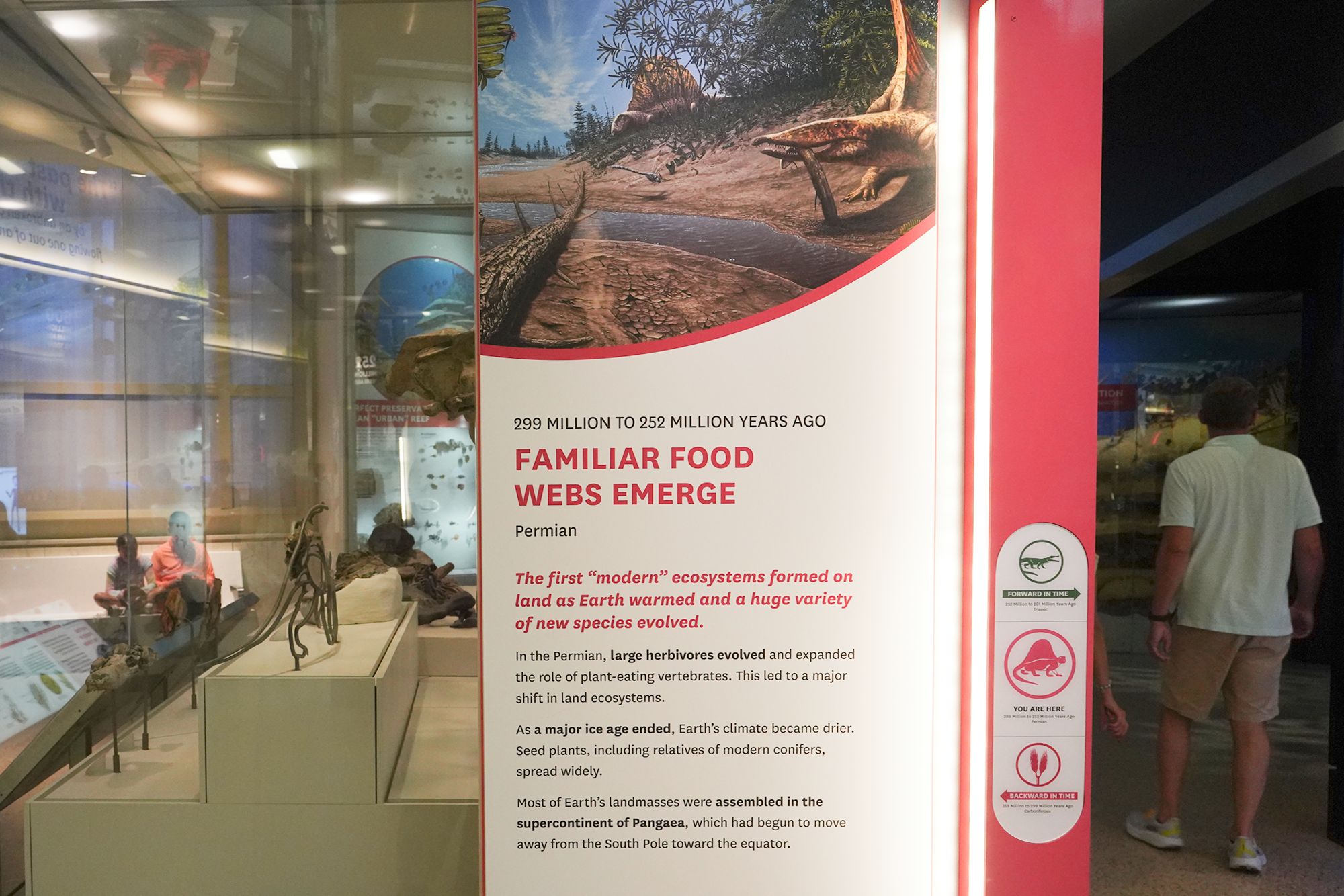
Between 252 million and 299 million years ago, the first “modern” ecosystems emerged on Earth.
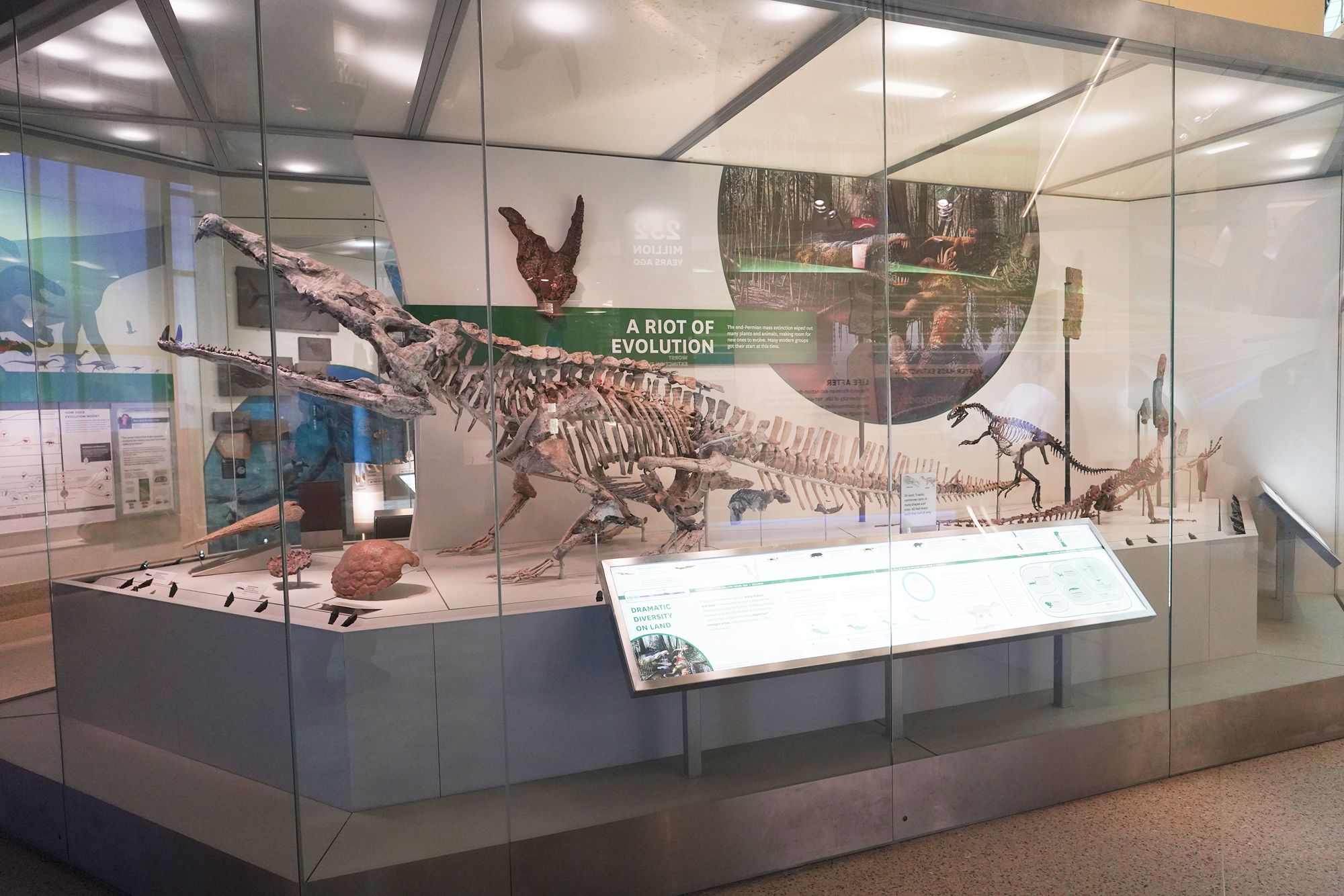
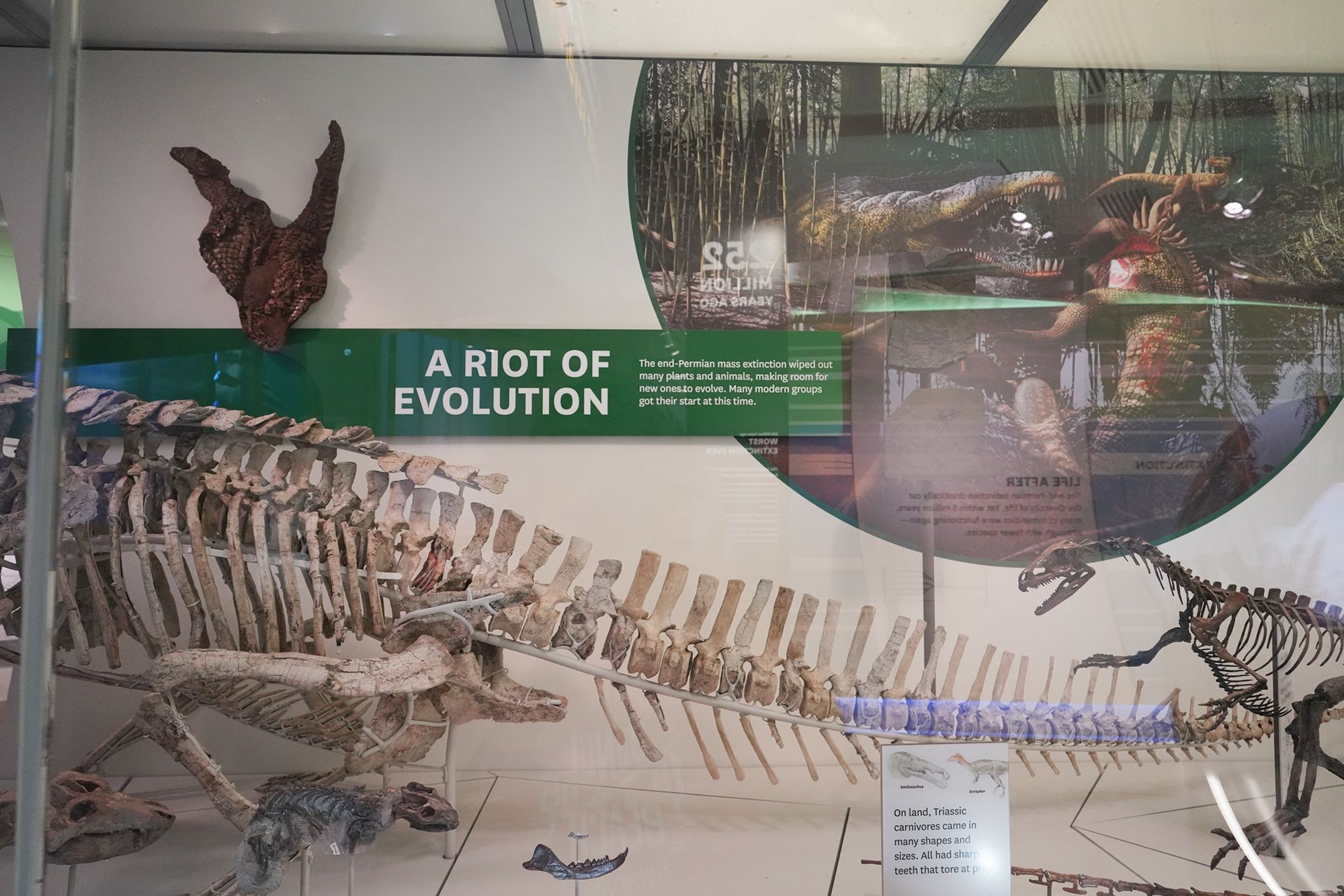
The end-Permian extinction occurred about 252 million years ago, triggered mainly by massive volcanic eruptions.
It is the largest mass extinction in Earth’s history, wiping out roughly 90–96% of marine species and 70% of land species.
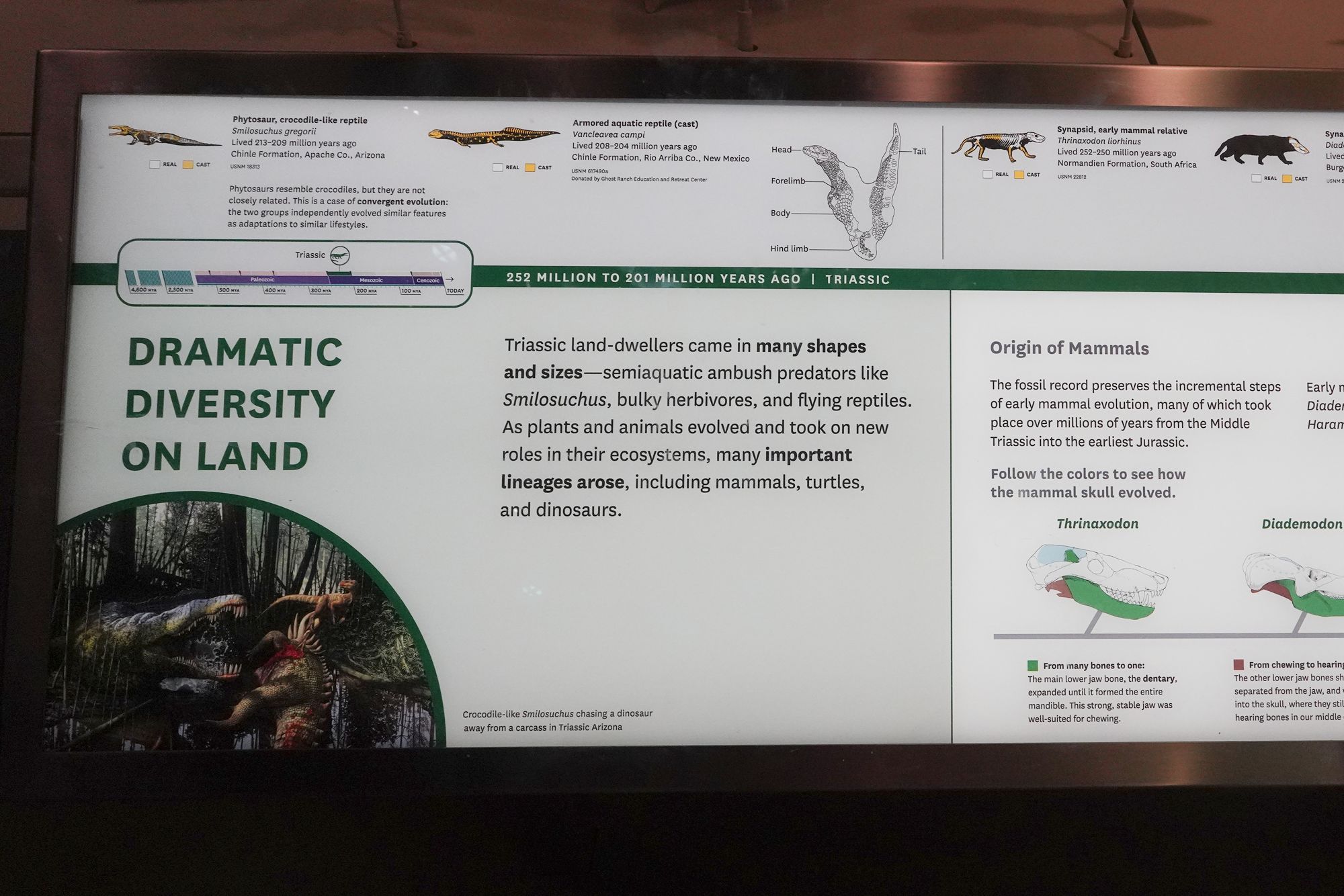
Approximately 252 million to 201 million years ago, during the Triassic period, dinosaurs began to appear.
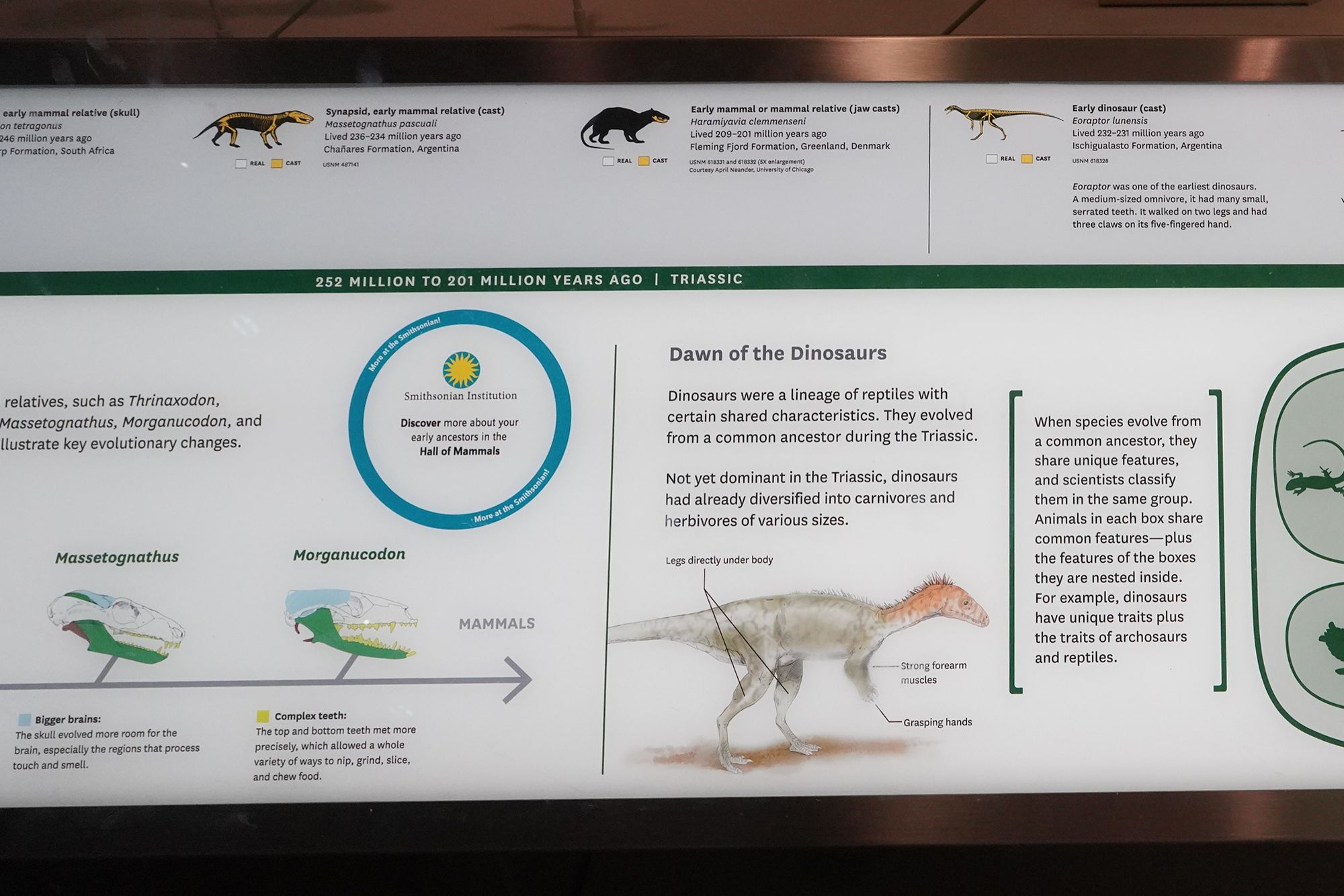
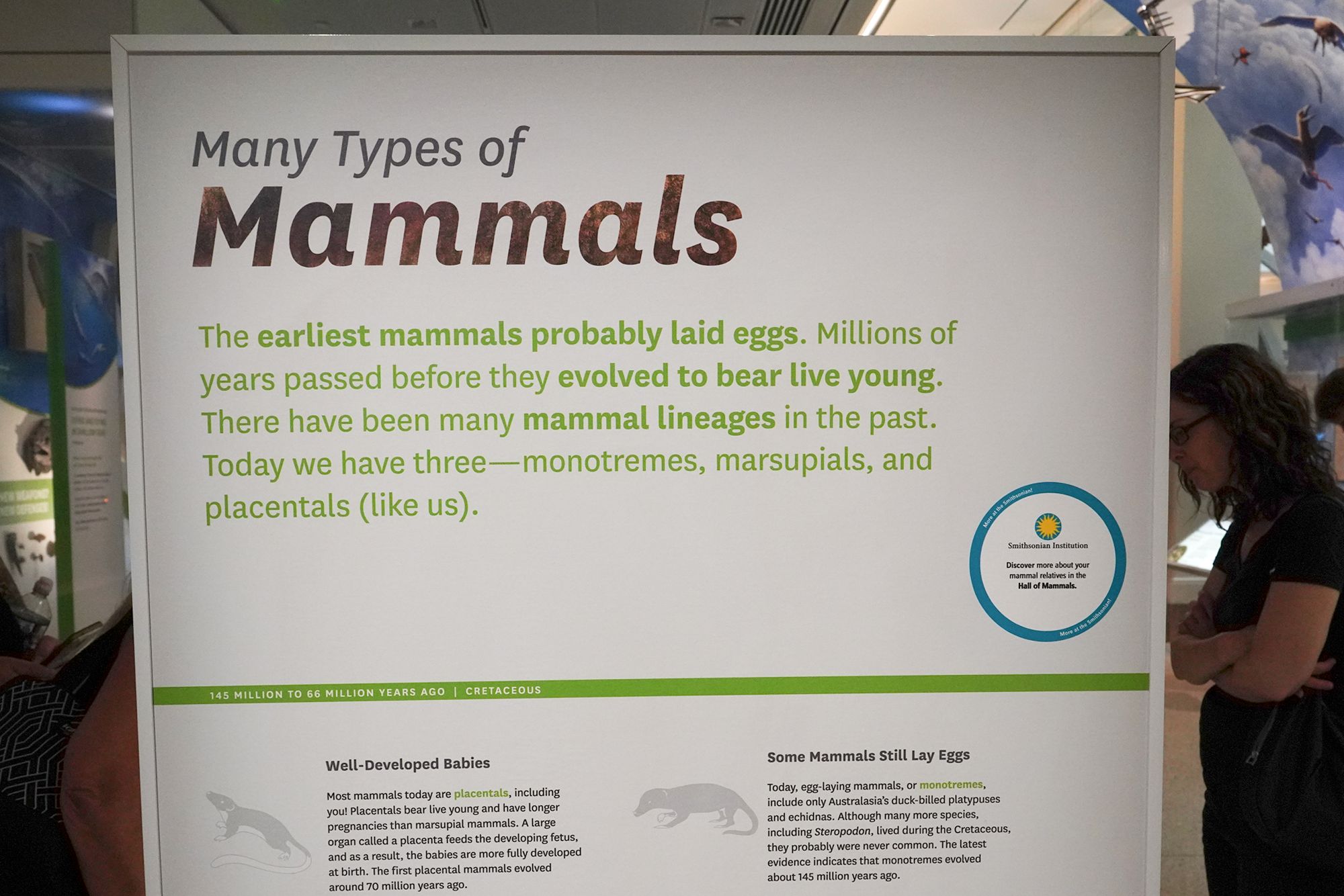
The earliest true mammals appeared around 225 million years ago (Late Triassic).
At that time—and for many tens of millions of years afterward—they almost certainly laid eggs.
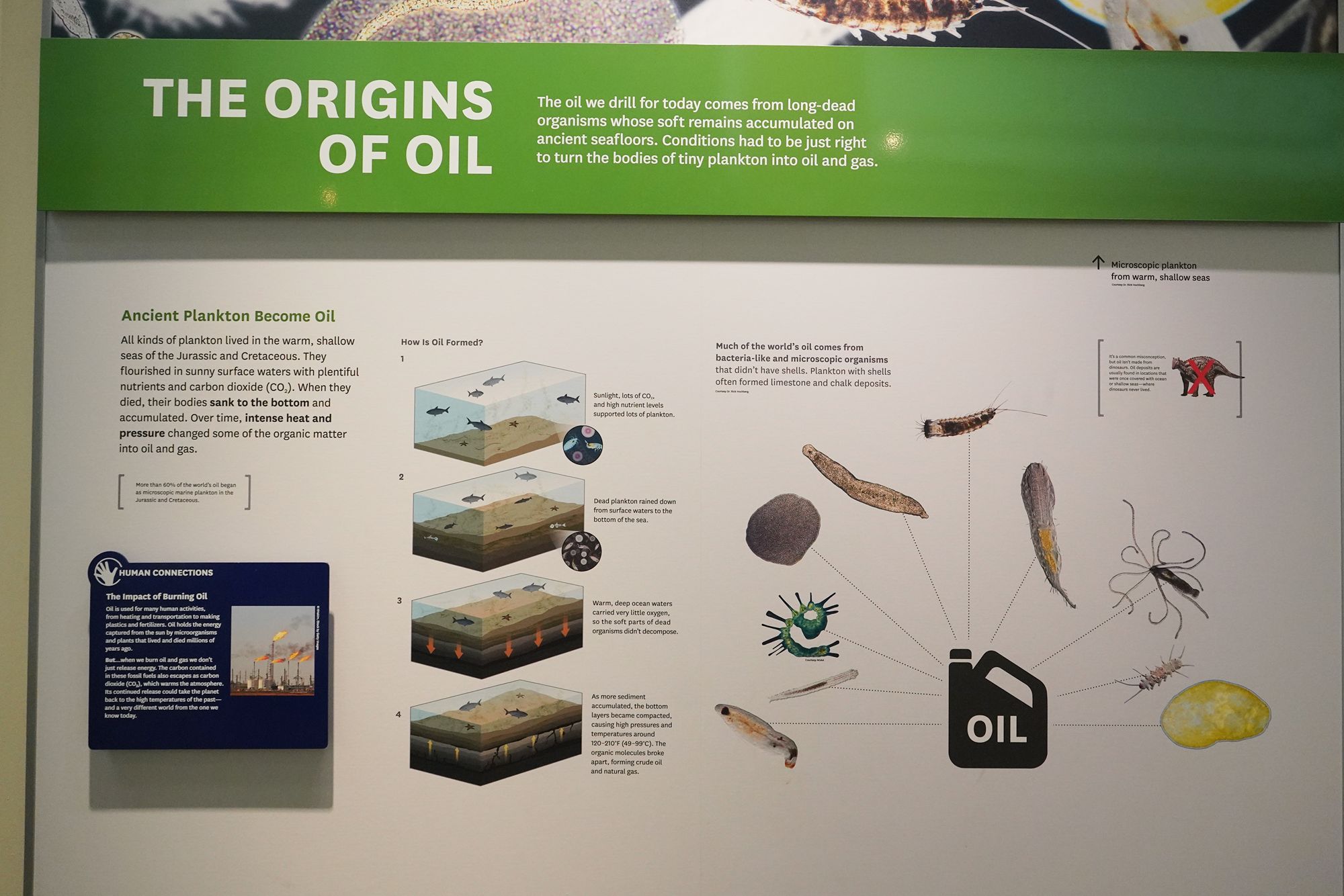
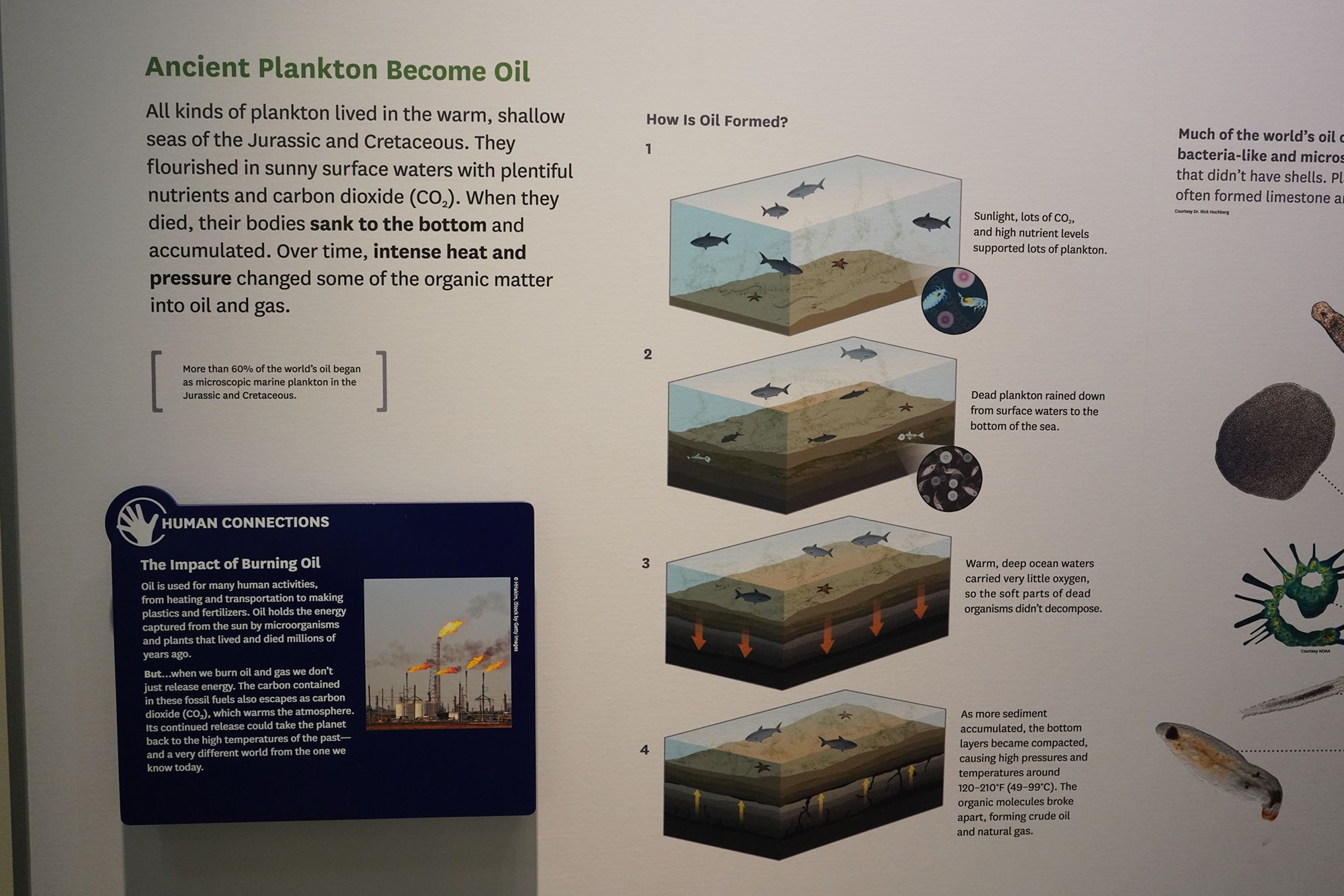
Oil (petroleum) comes mainly from the remains of tiny marine organisms—not dinosaurs—such as plankton and algae.
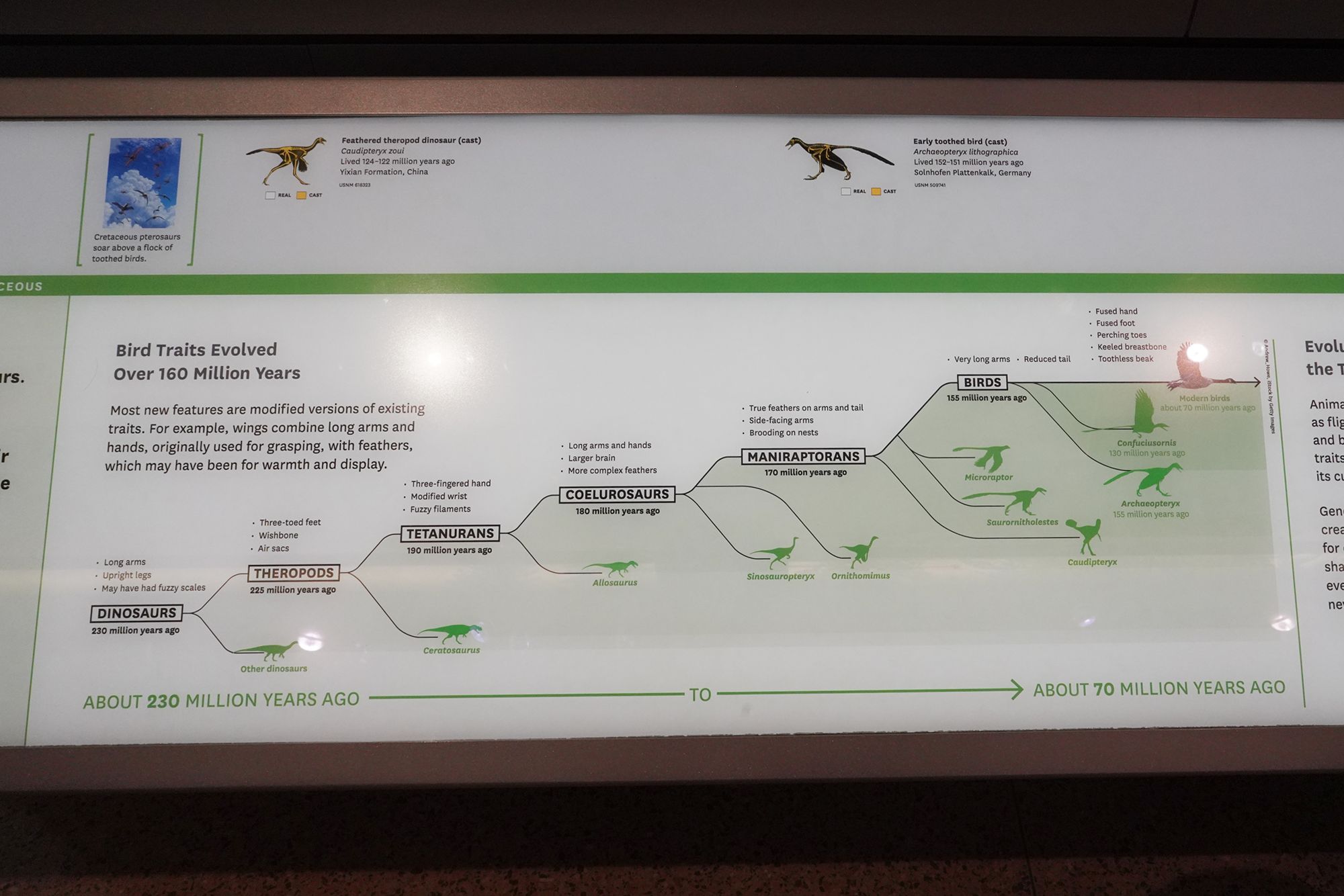
Dinosaurs took to the air gradually. Small, feathered theropods first glided, then evolved wings and muscles for true flight. Birds today are their descendants.
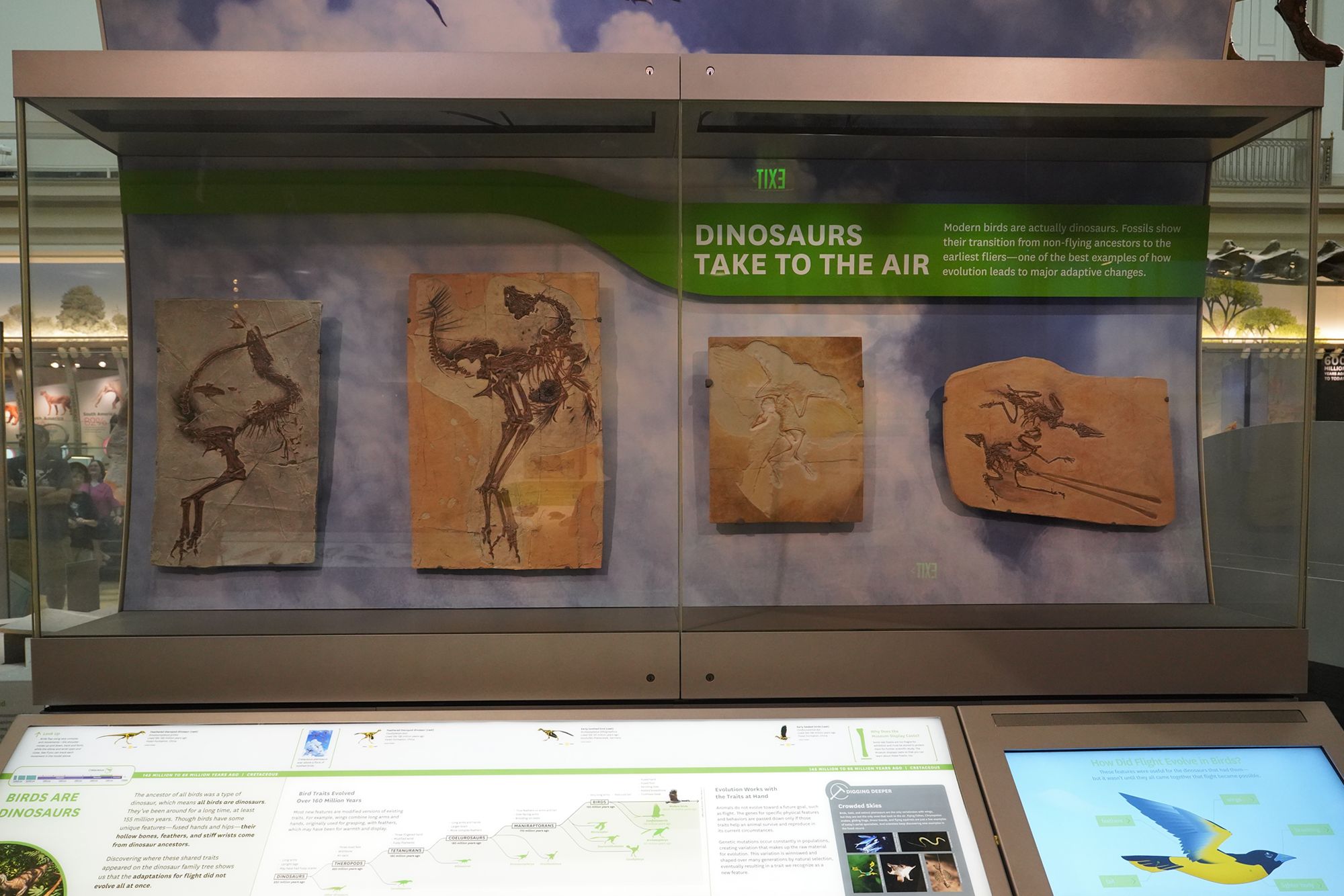
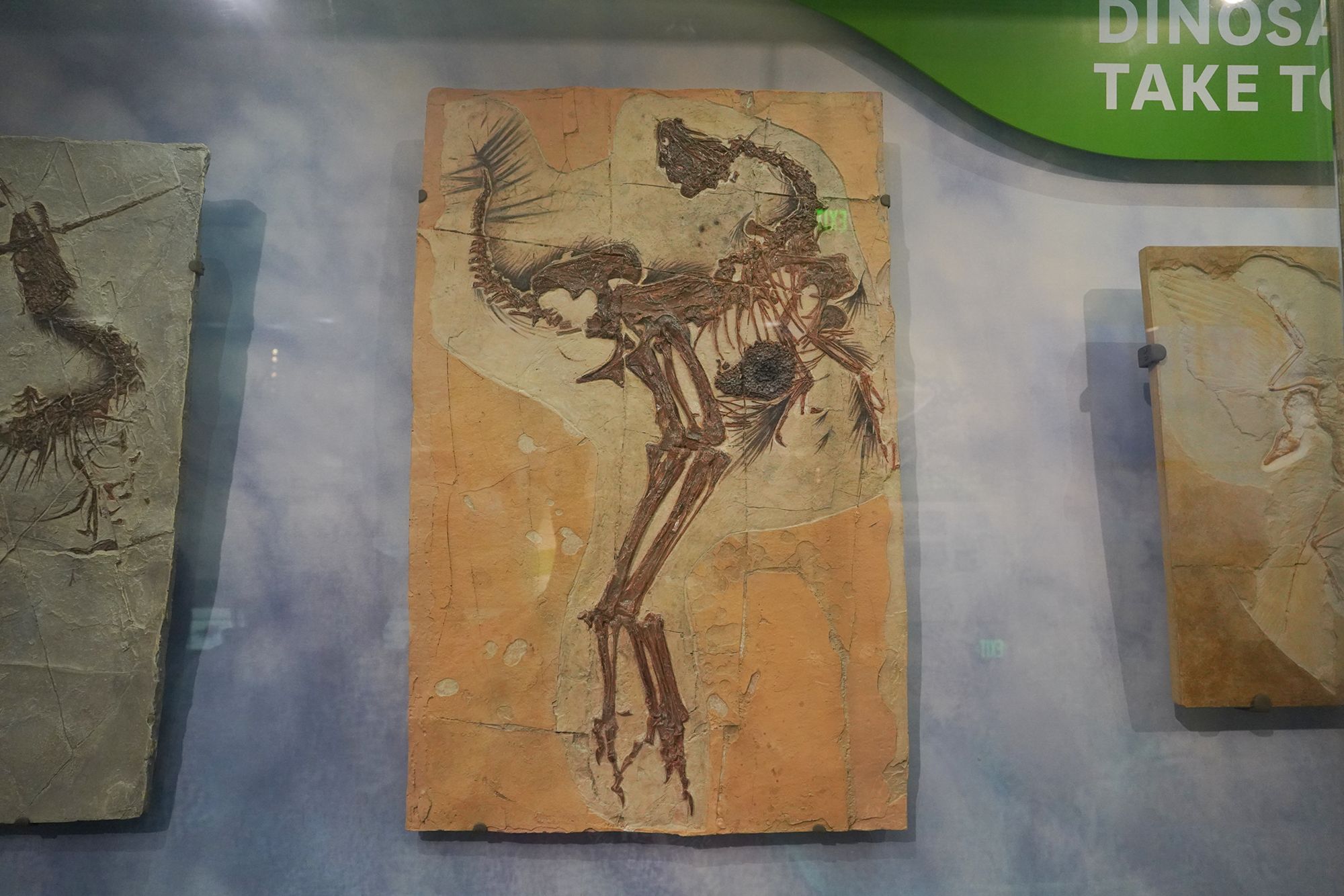
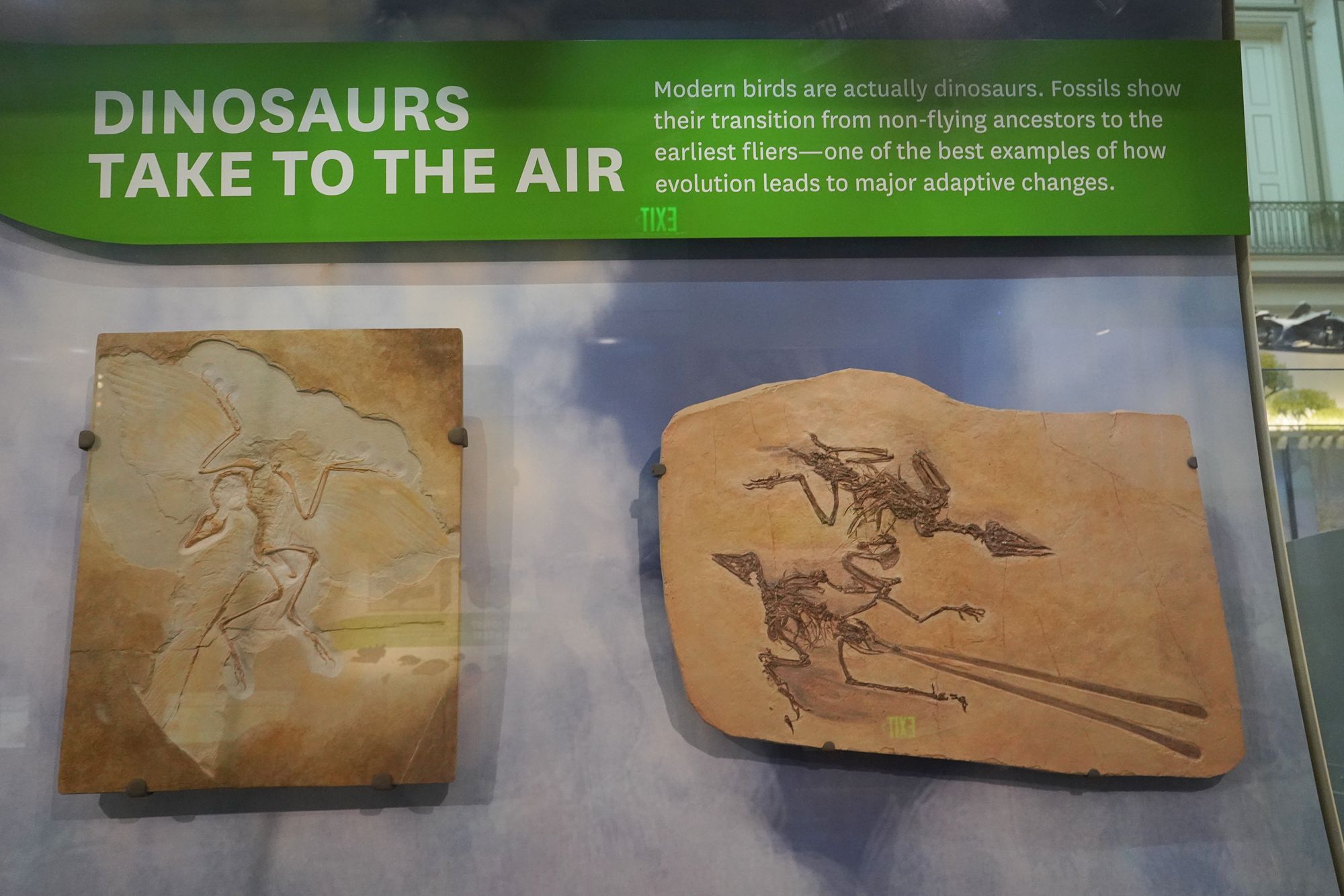
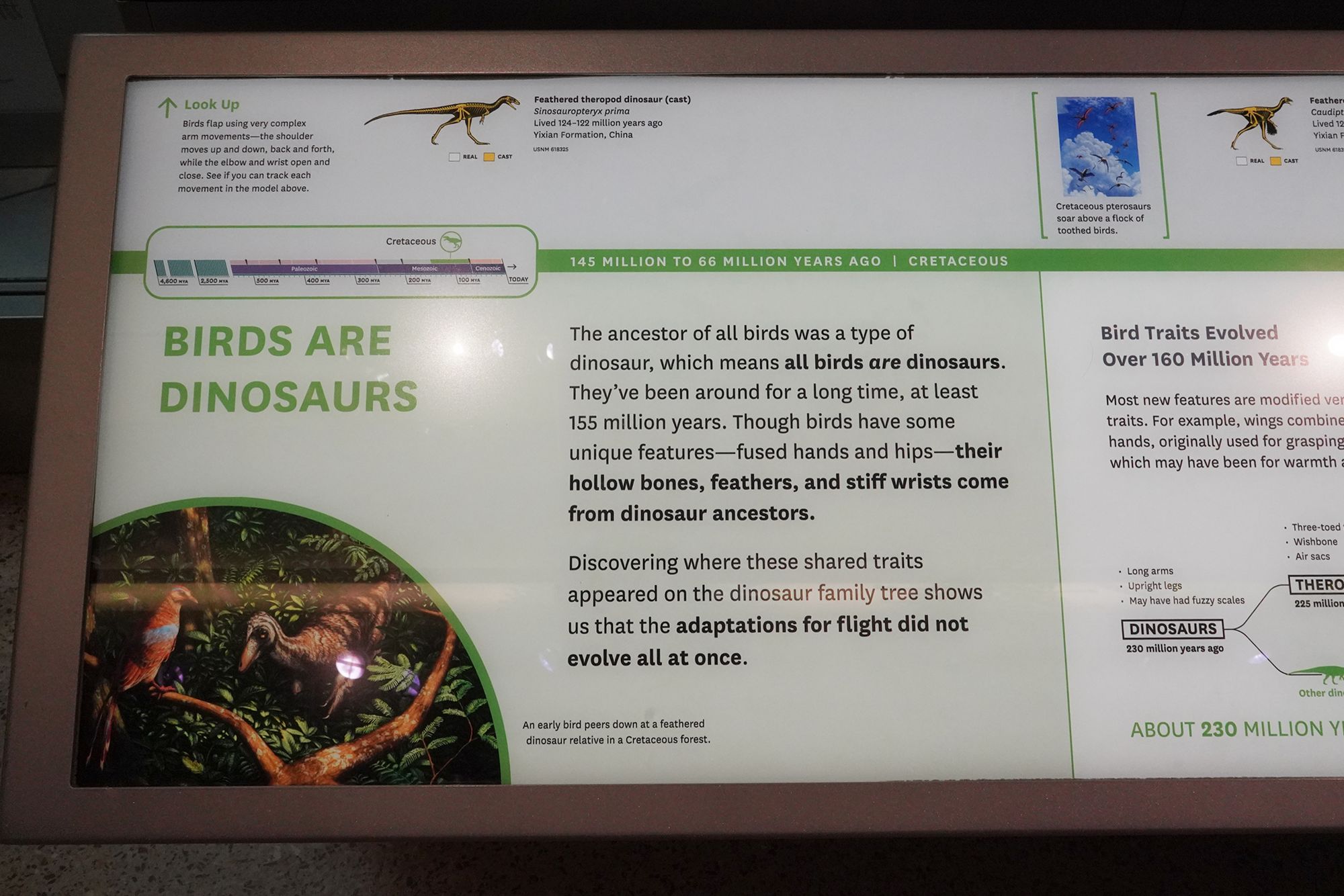
From dinosaurs to Birds, it took over 160 million years
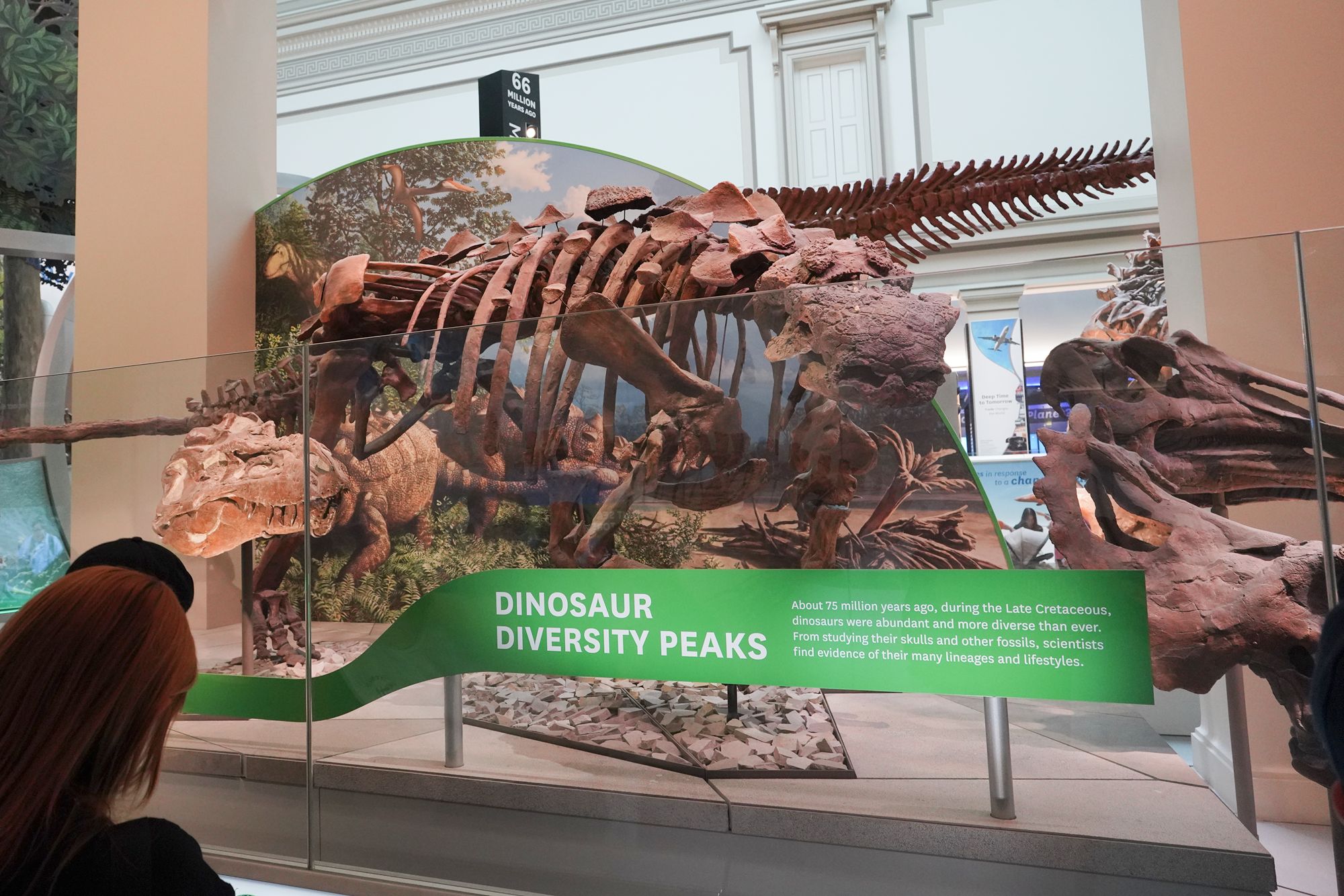
About 75 million years ago, dinosaur diversity peaked
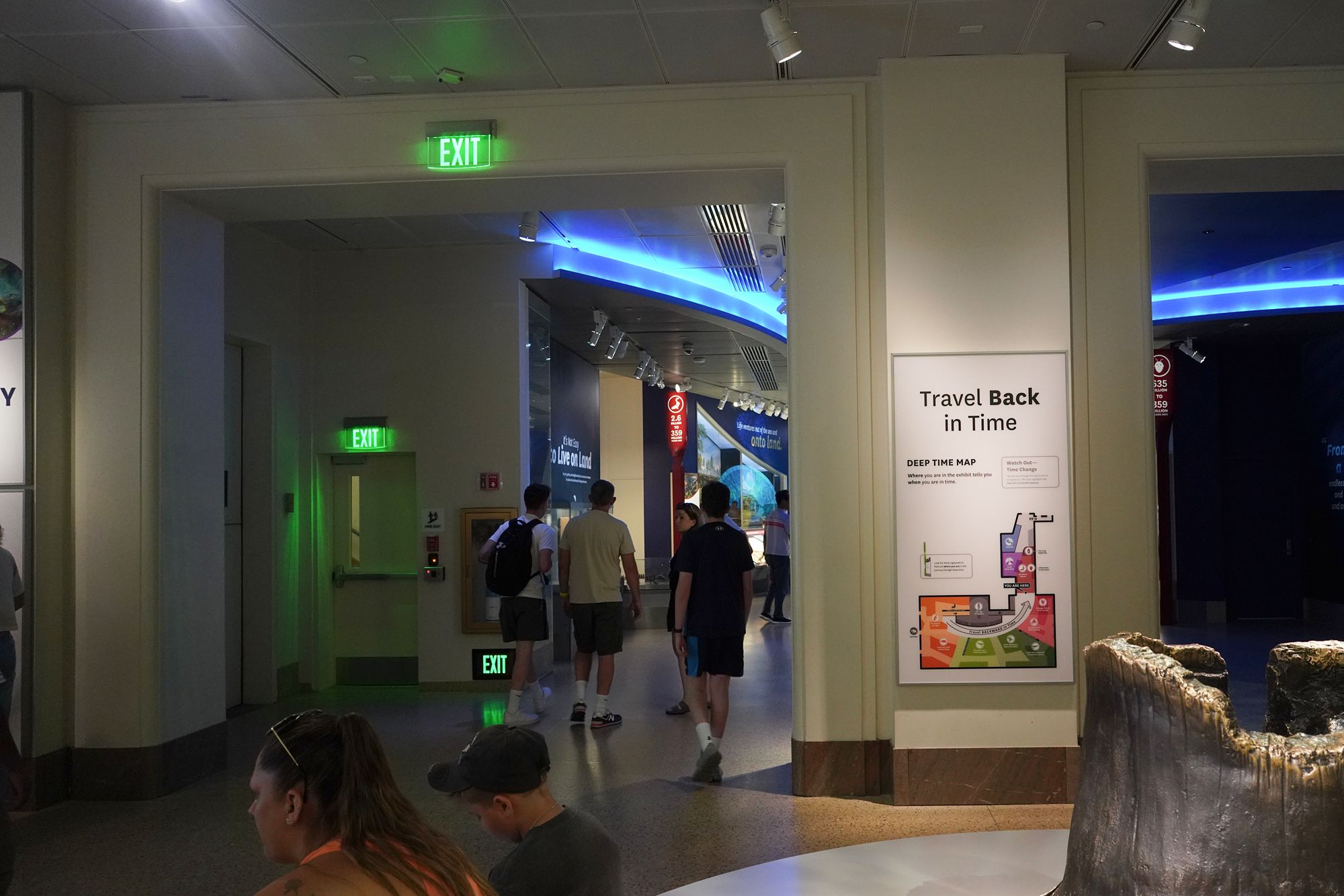
Go even further back in time
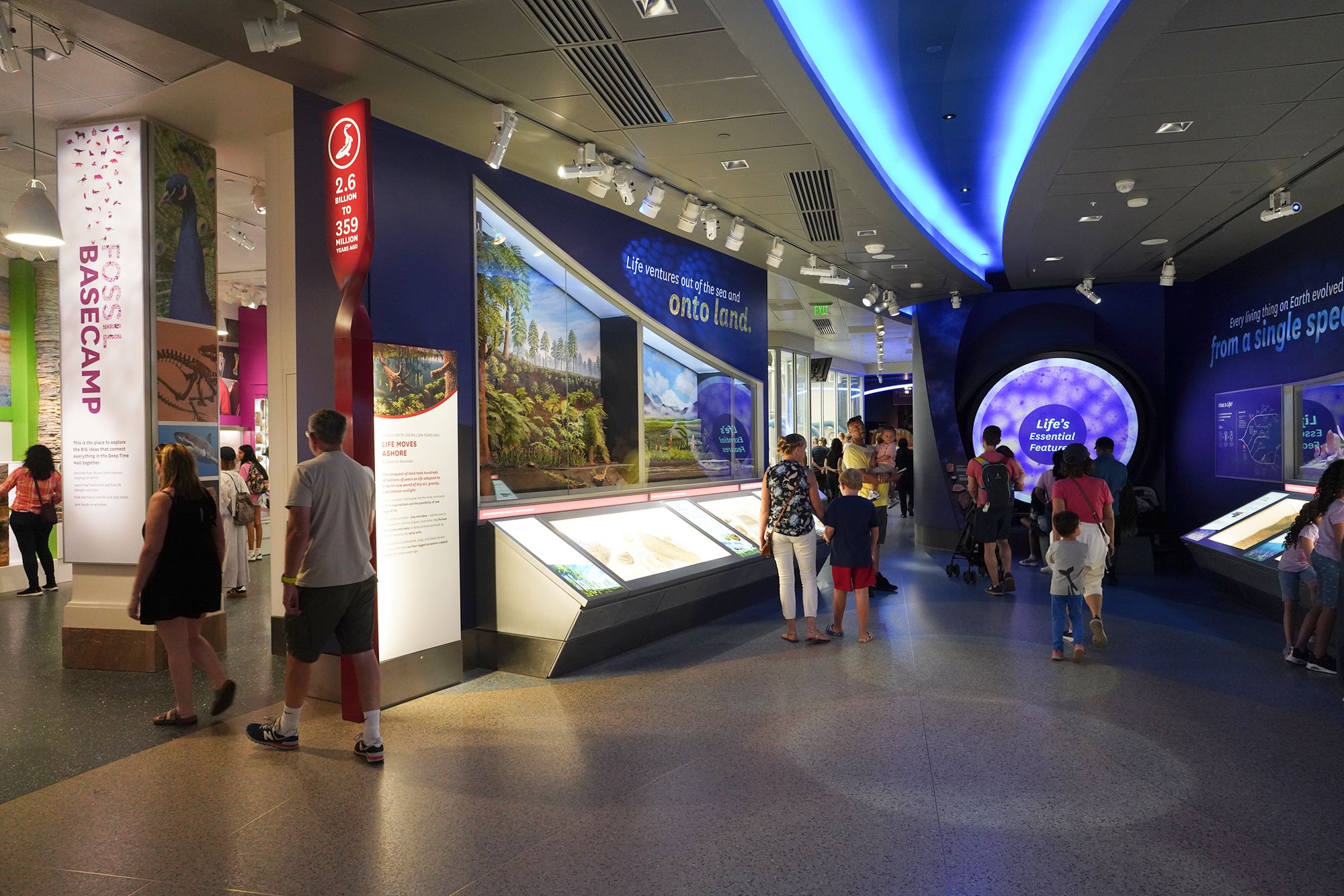
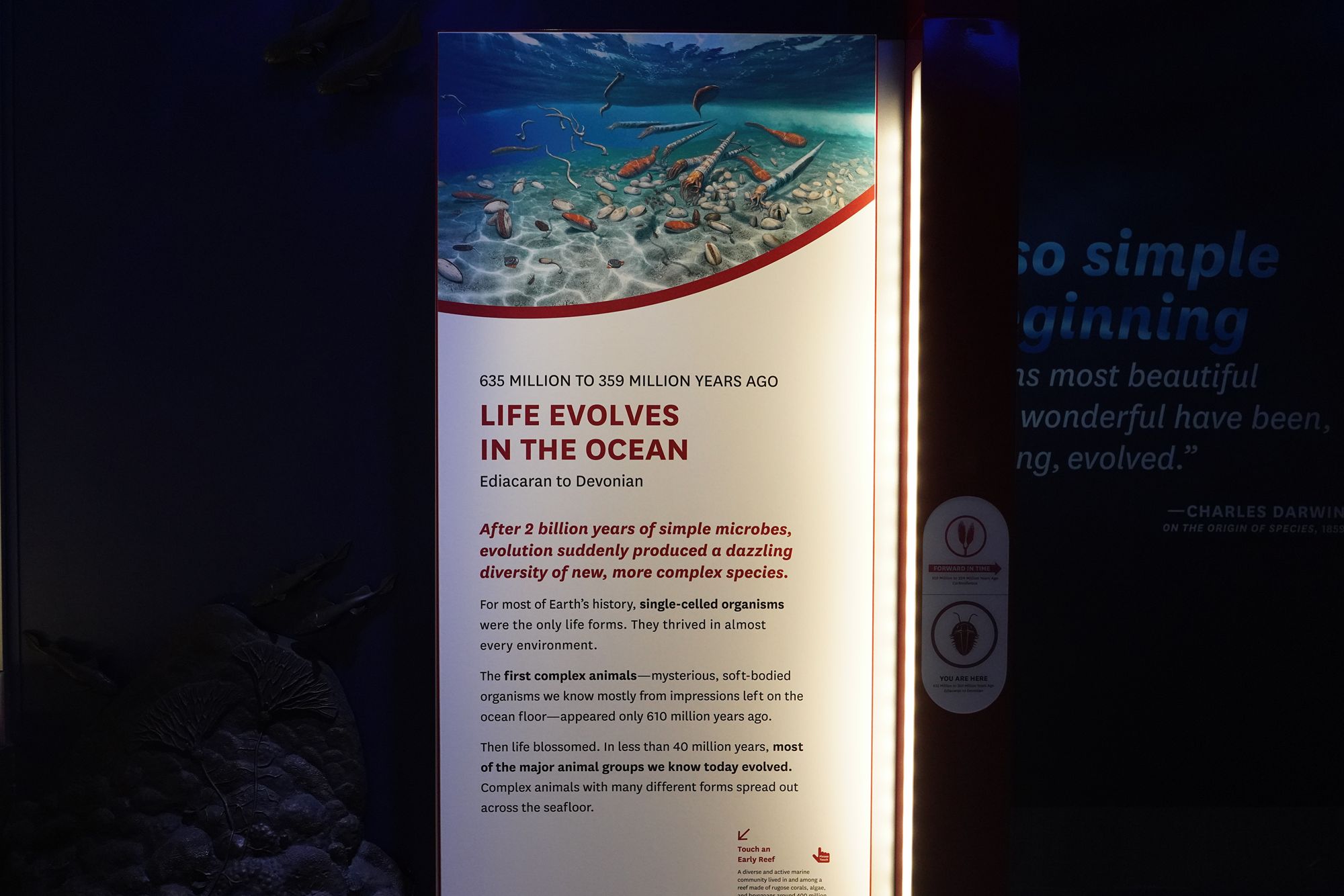
635 million to 359 million years ago, life evolved in the ocean
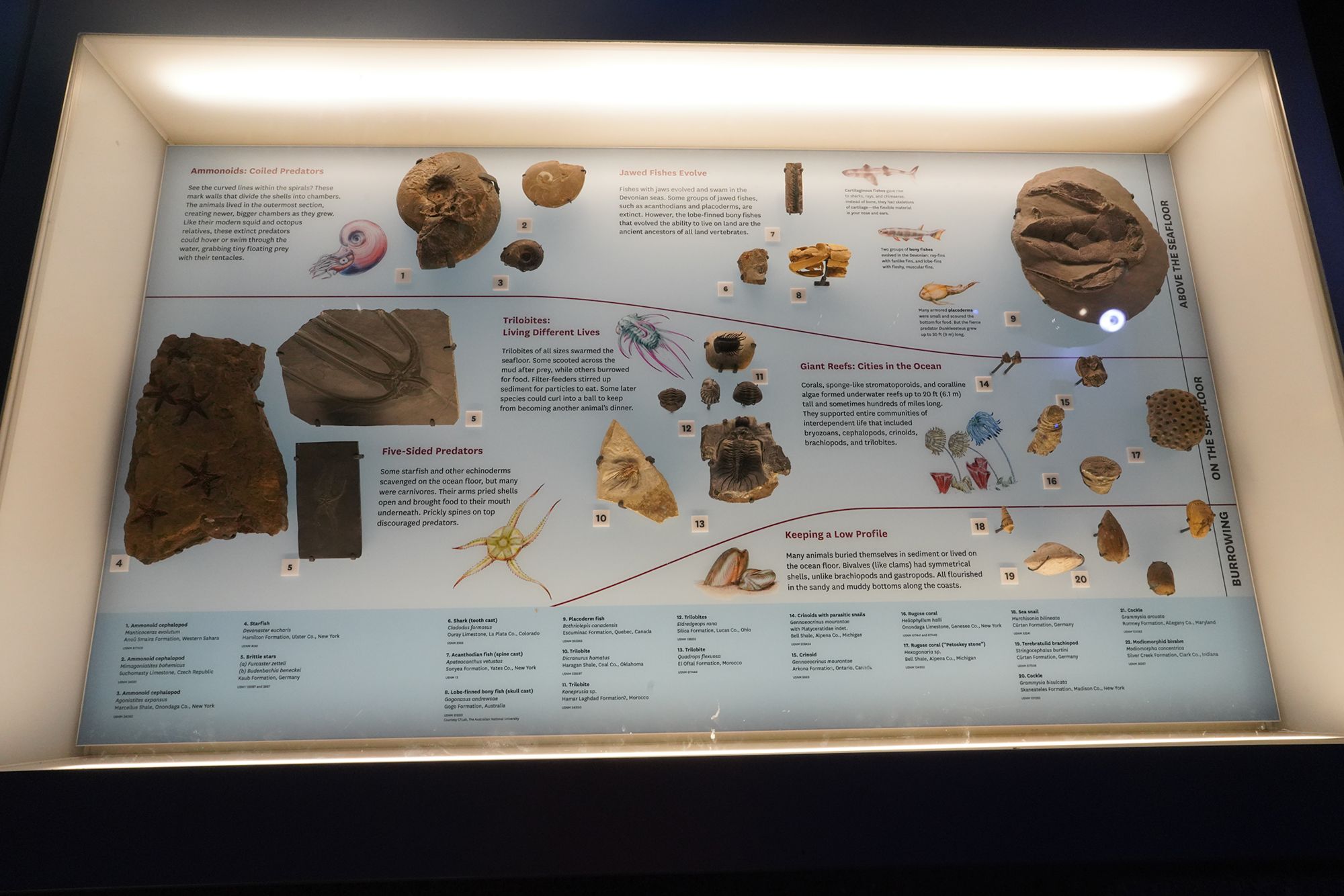
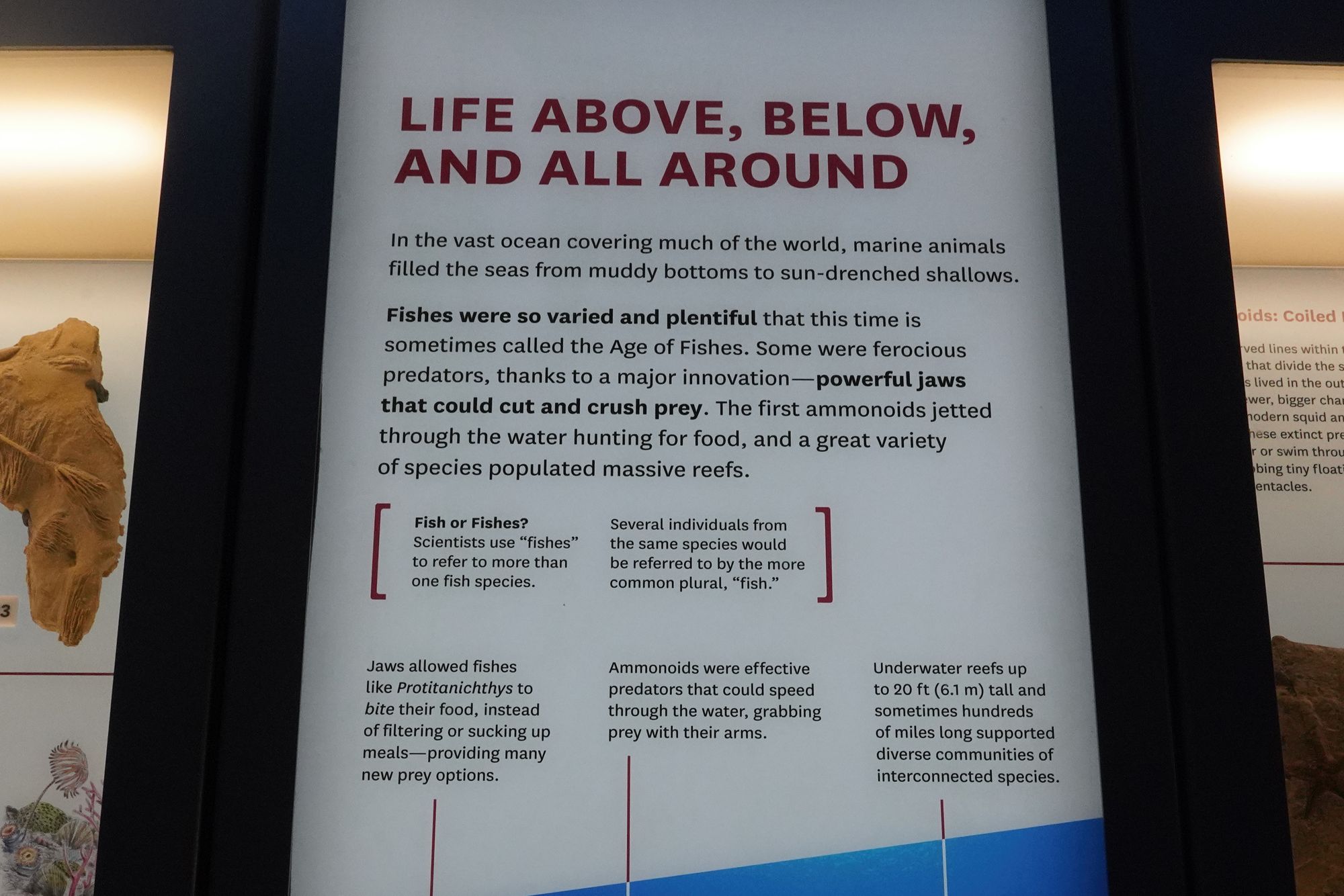
The vast ocean was full of life
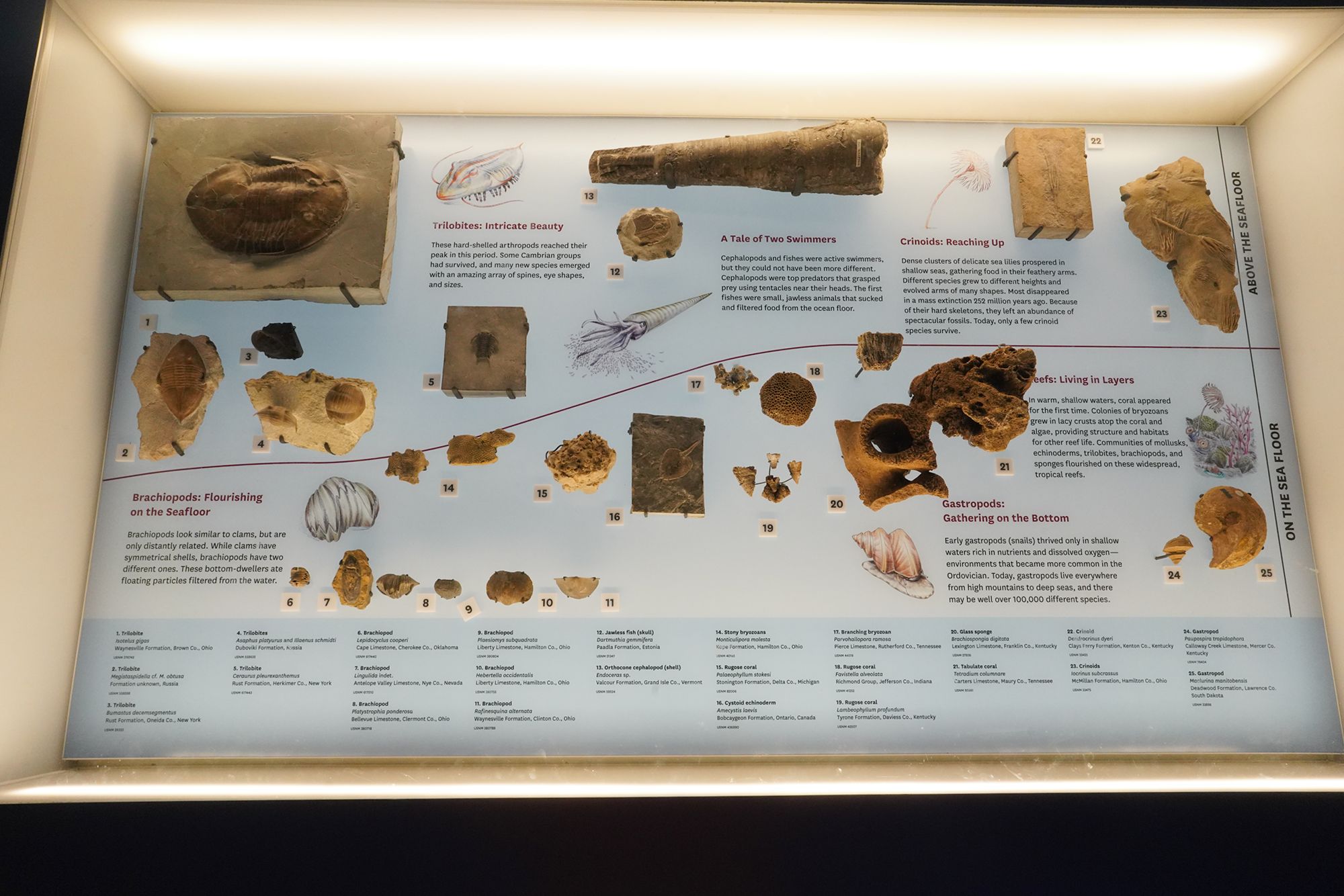
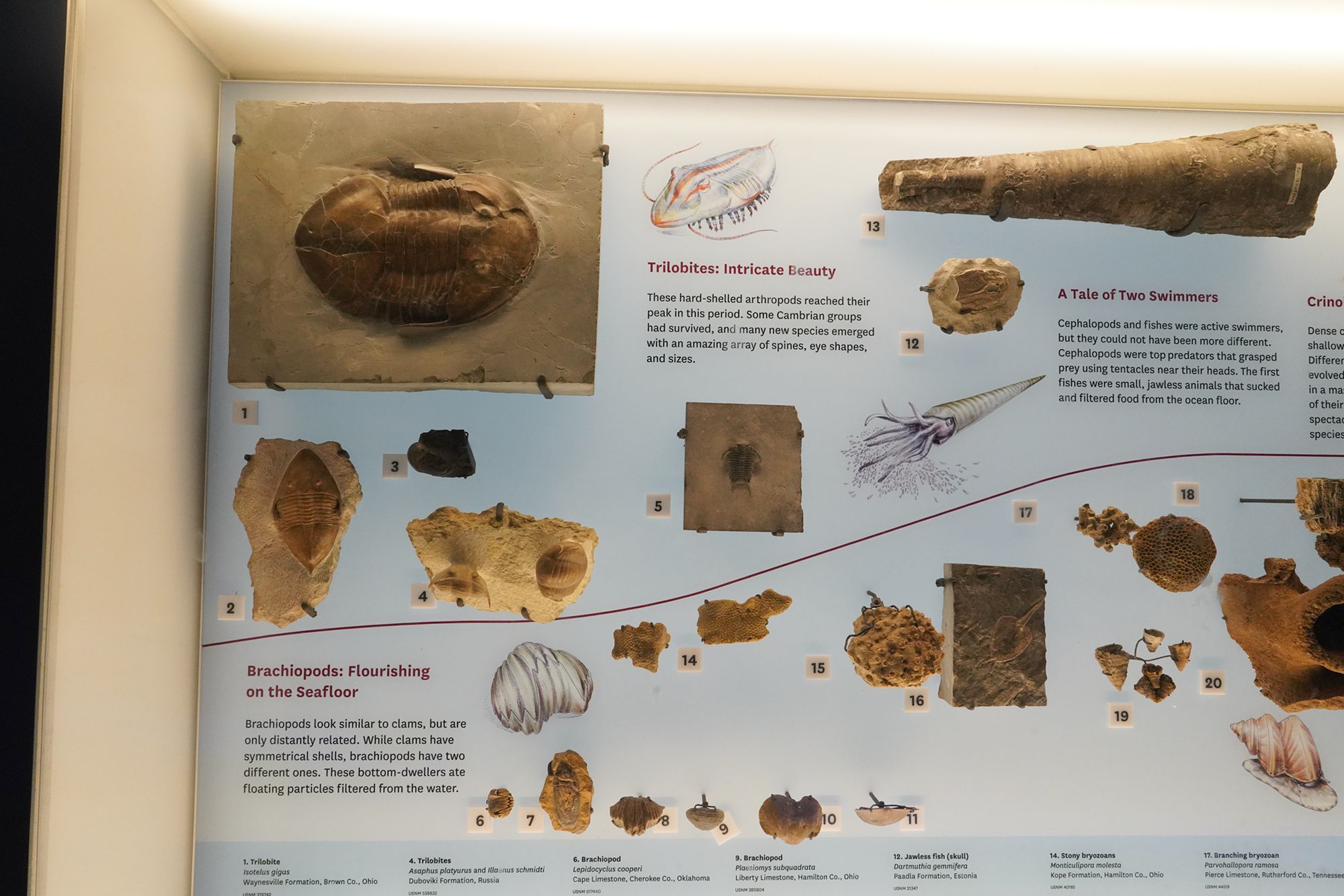
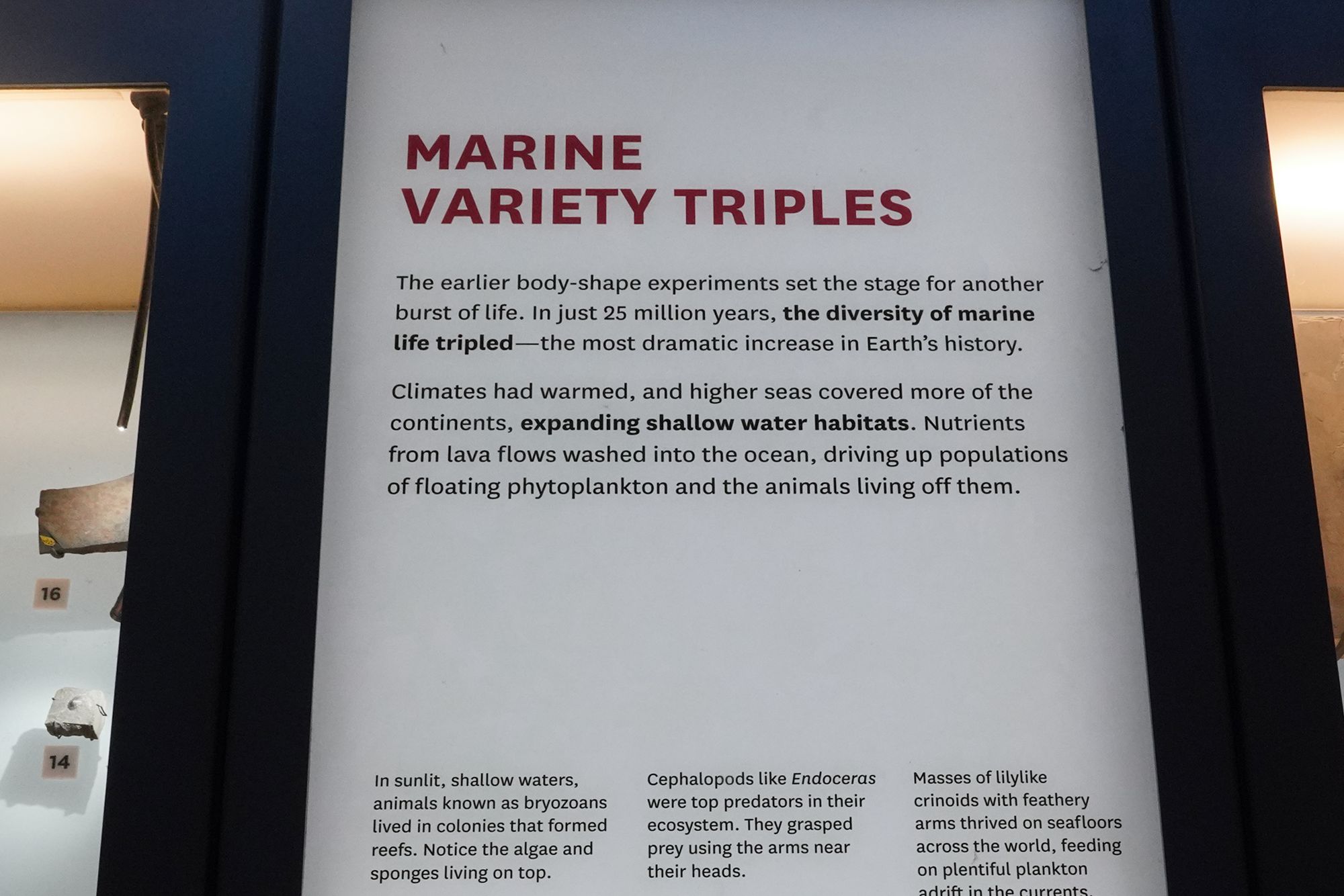
And the marine life variety tripled
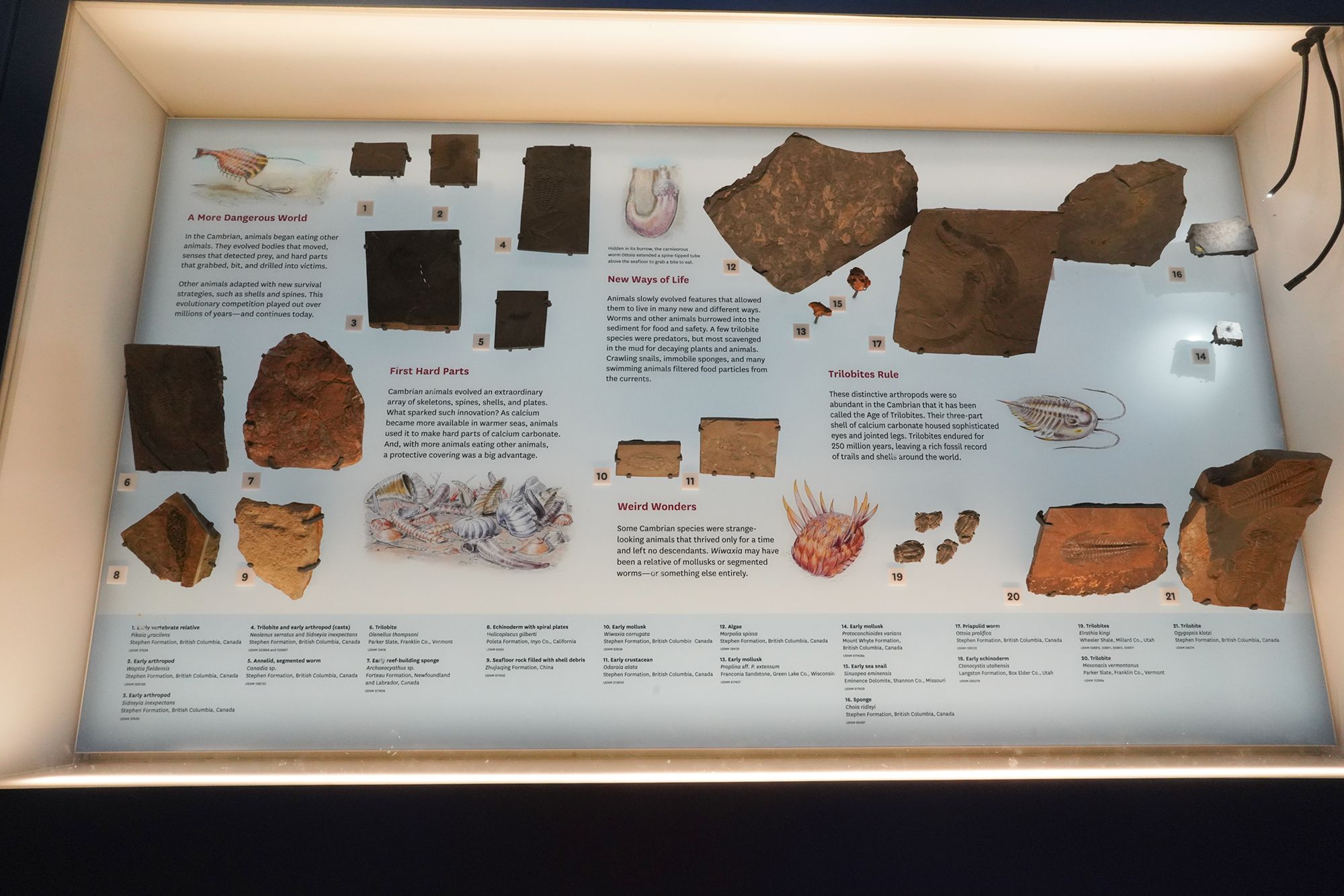
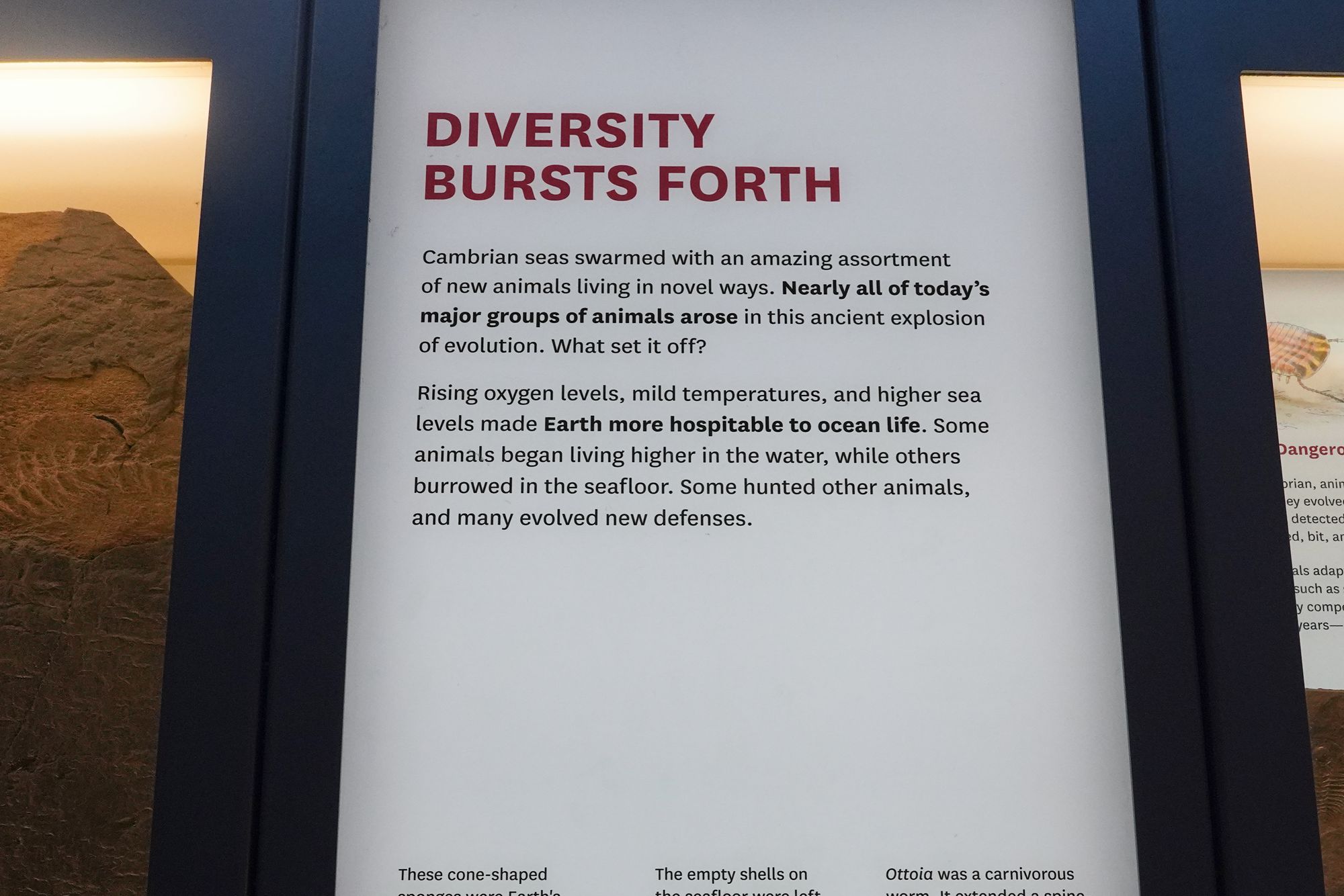
In the Cambrian age, nearly all of today’s major groups of animals arose
The Rise of Animals
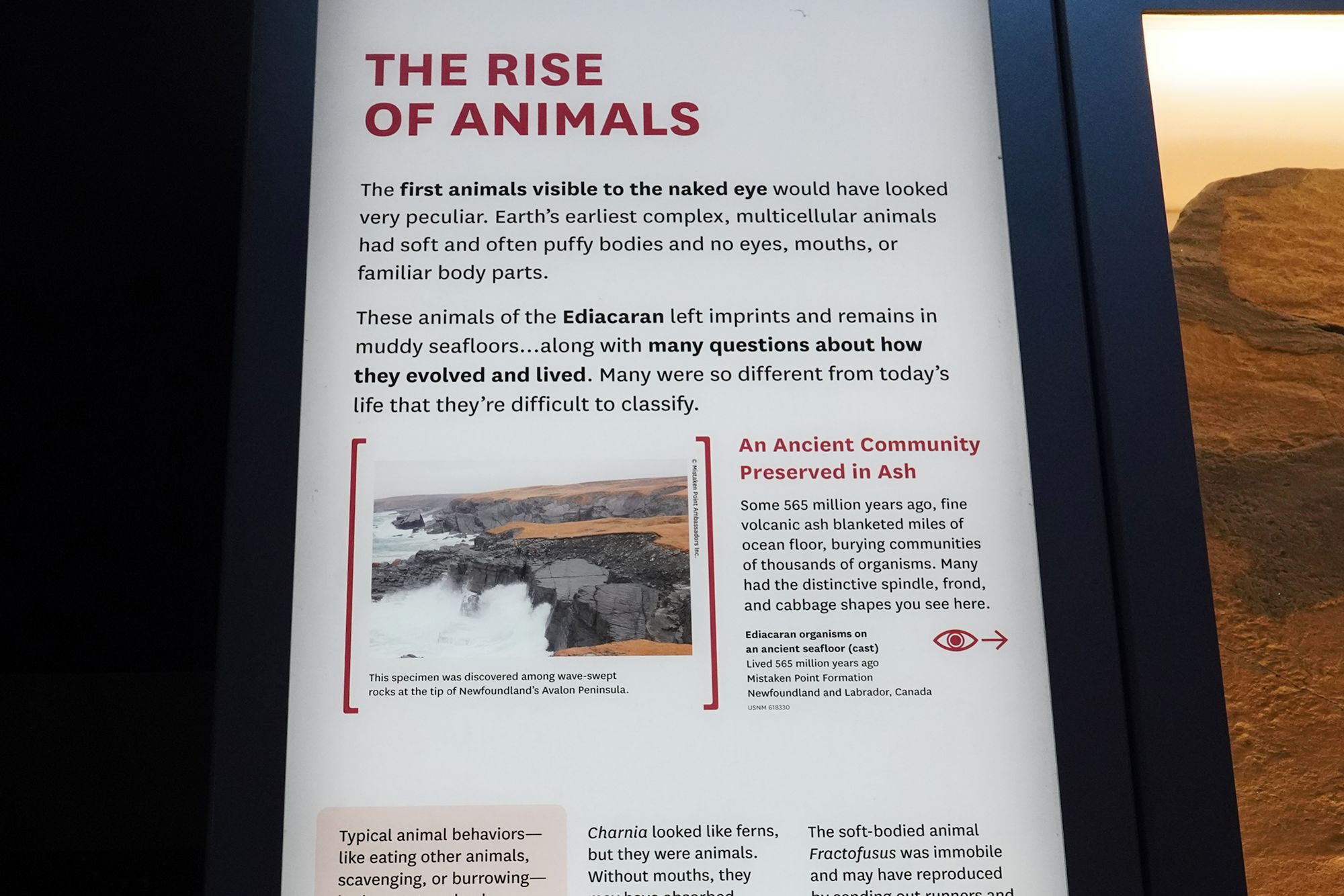
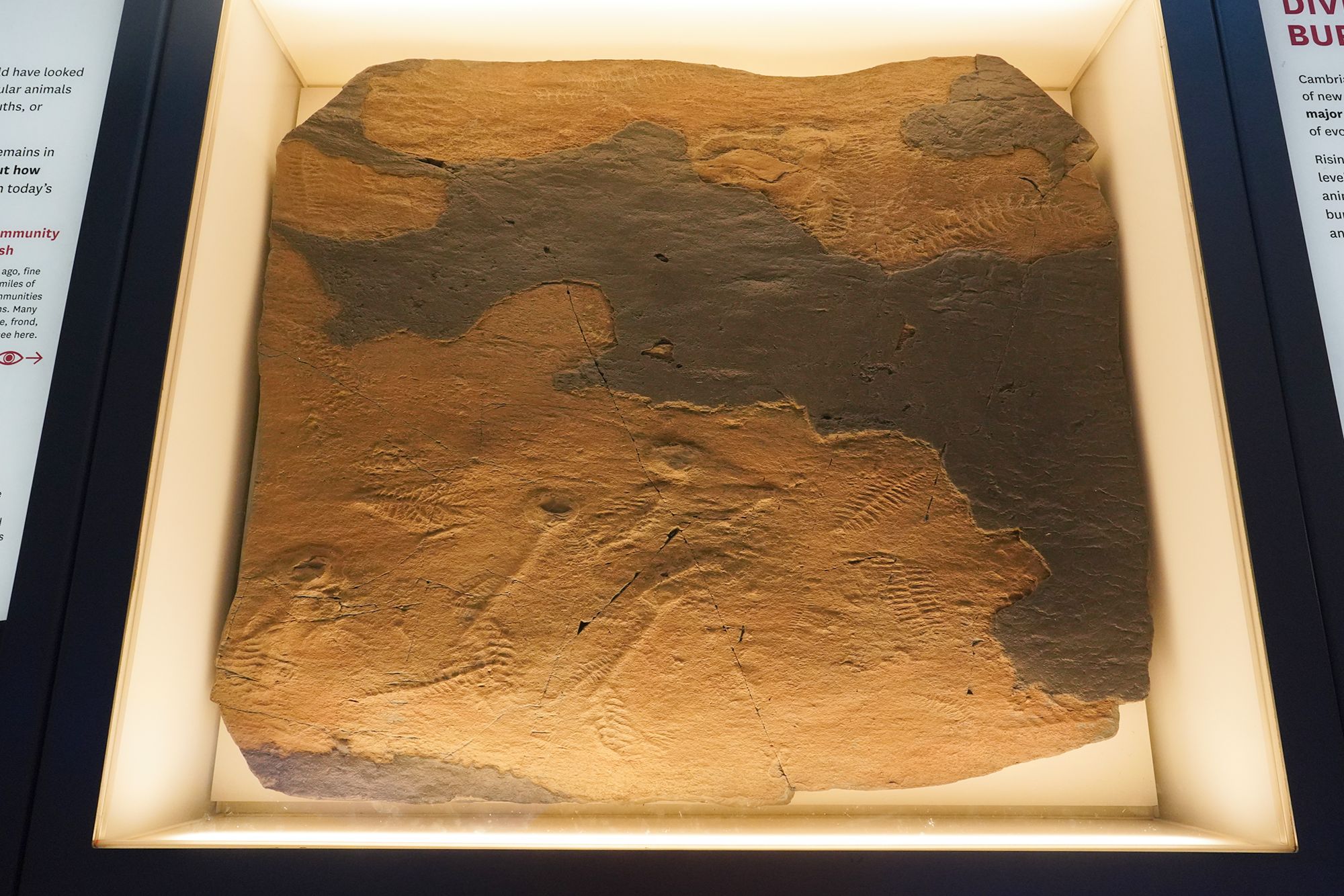
Ediacaran organisms (animal ancestor) on an ancient seafloor
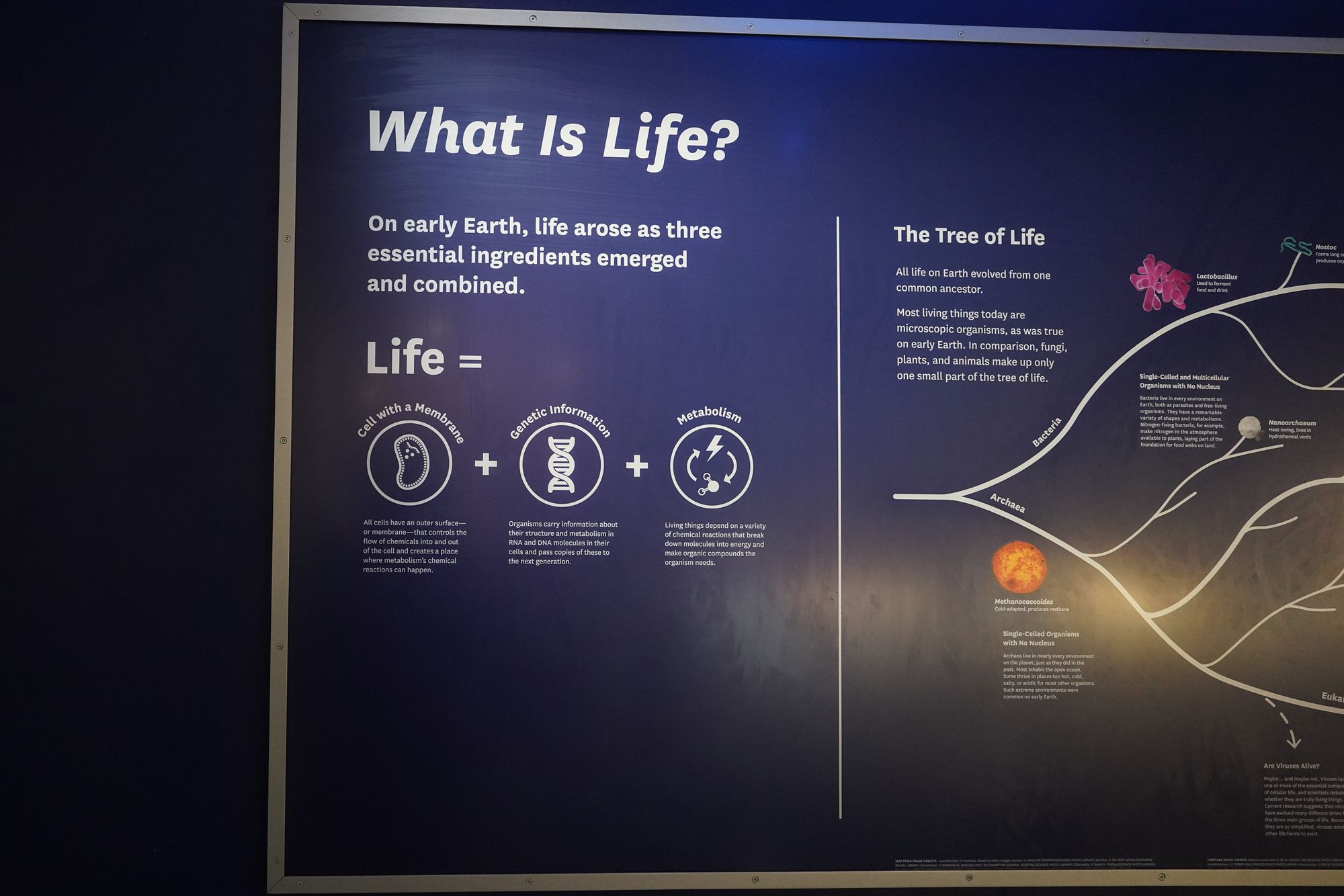
Life = Cell with a Membrane + Genetic Information + Metabolism
Life ventures out of the sea and onto land.
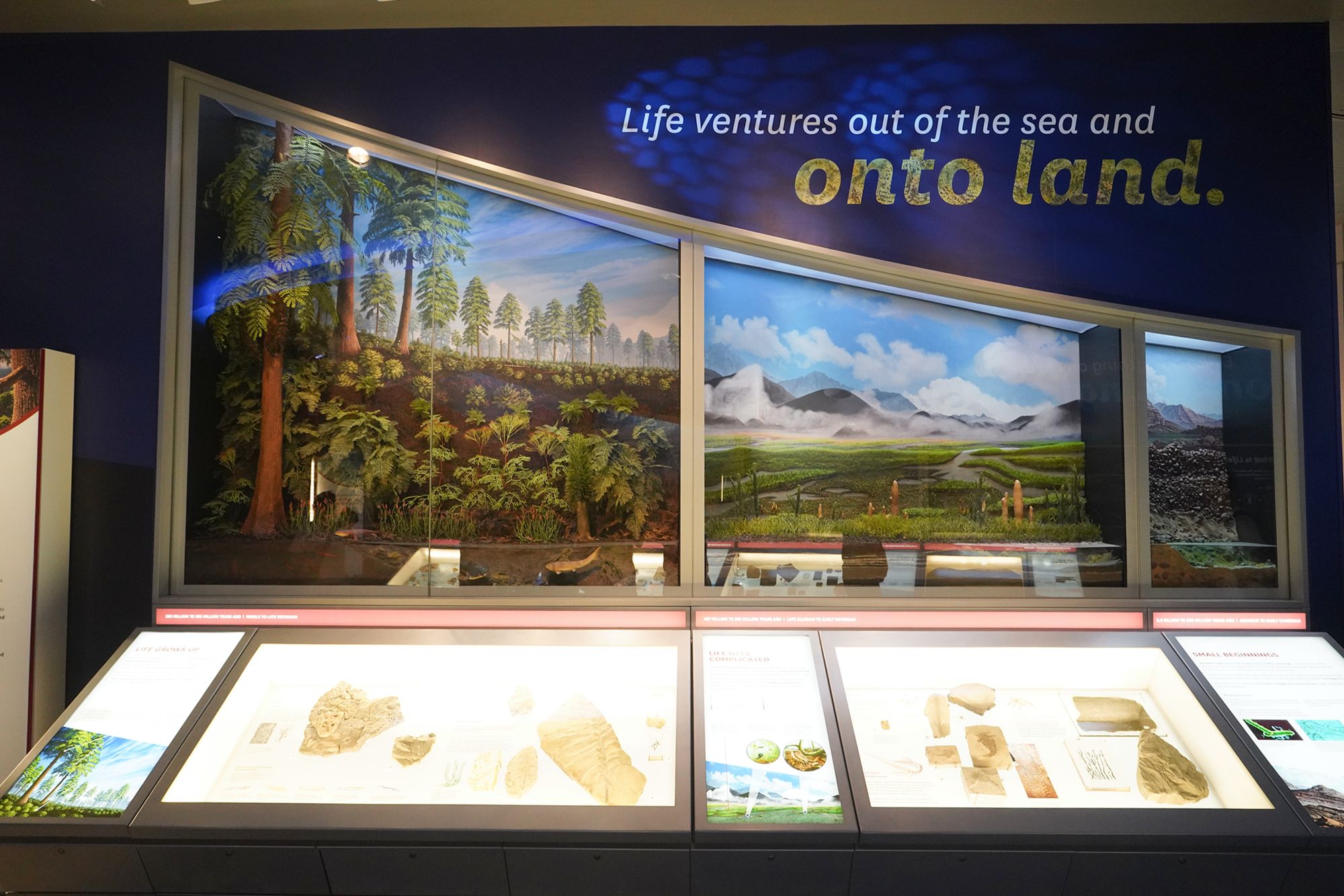
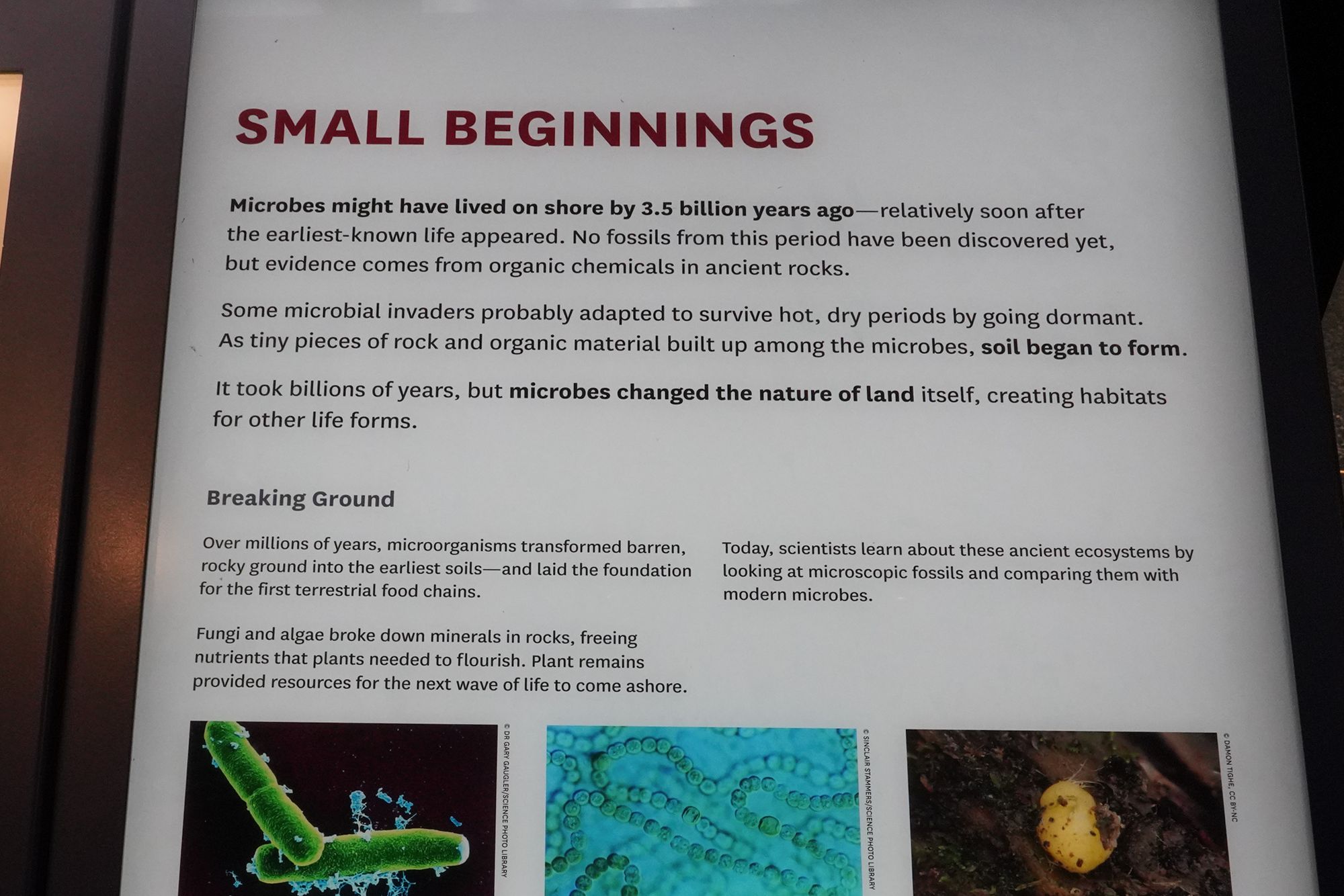
Small beginning of life on earth
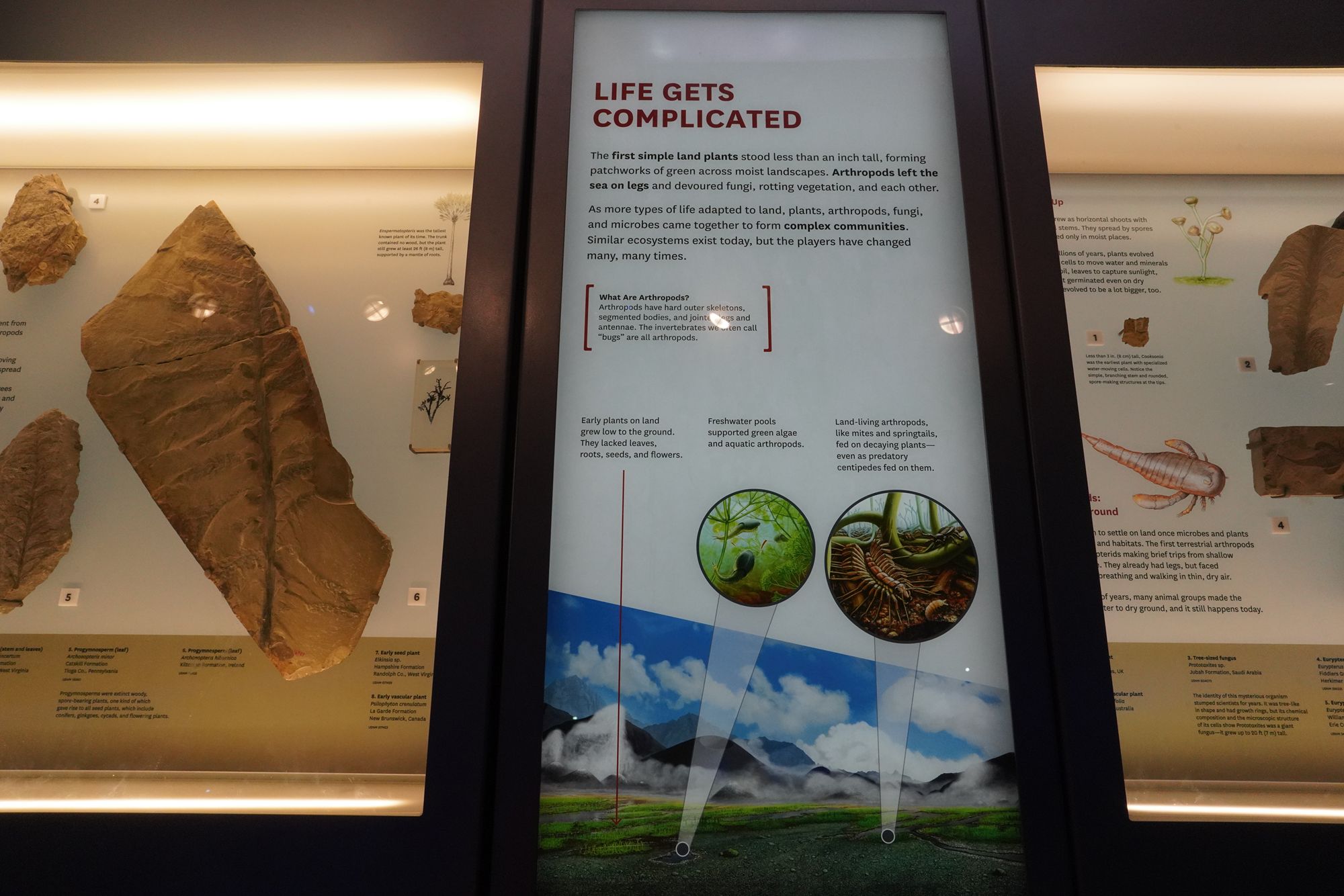
And it got complicated
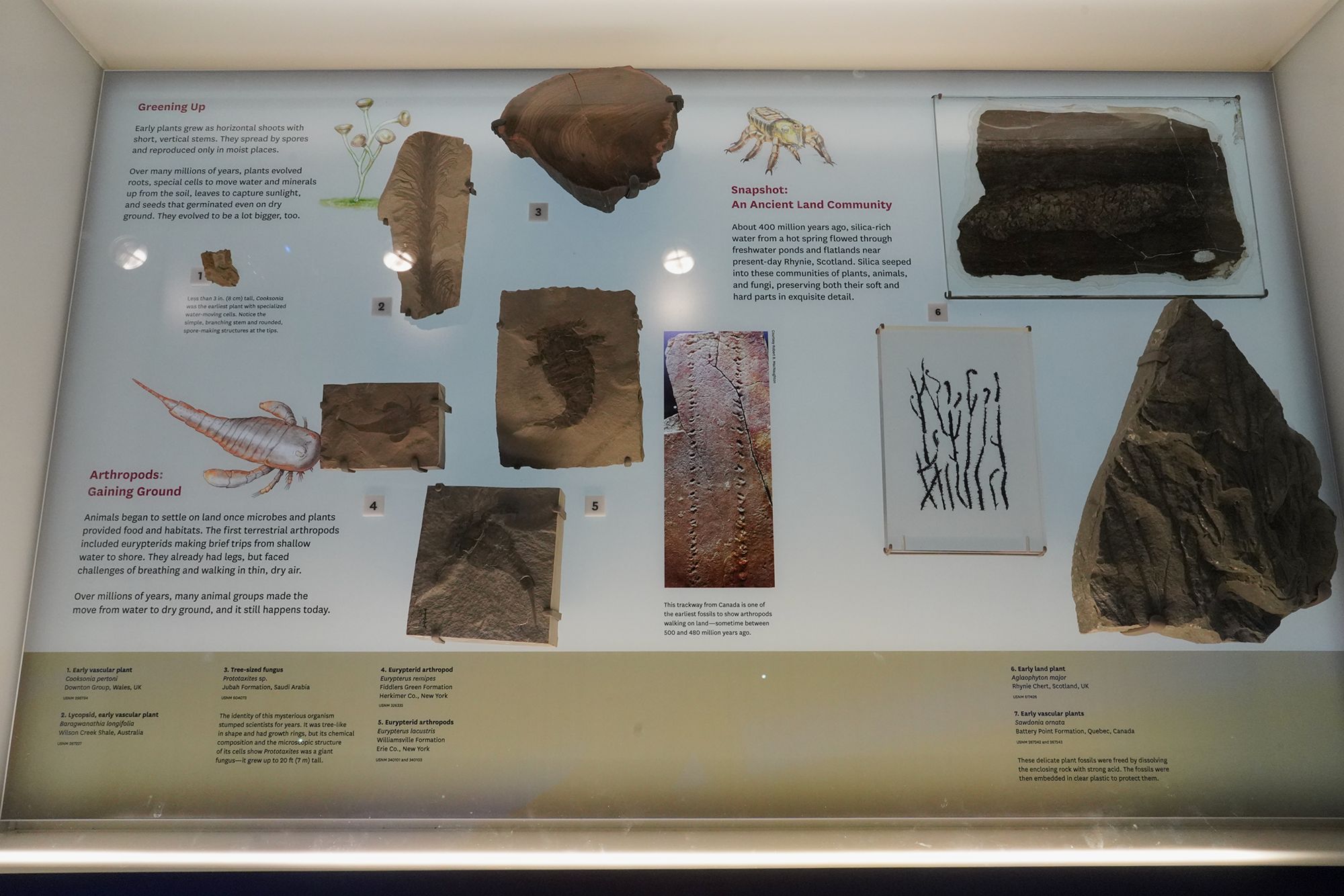
From water to land—fish began venturing onto land.
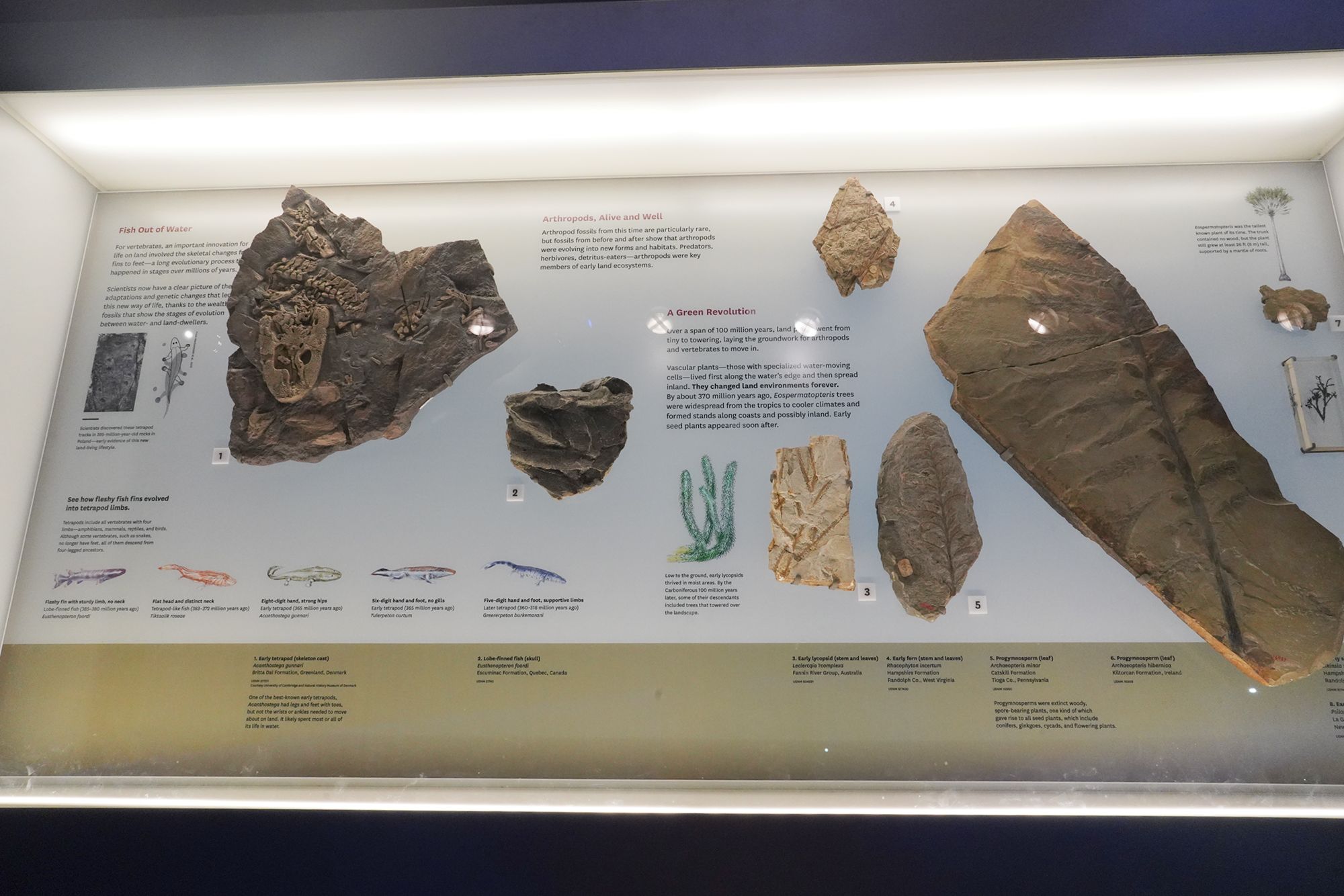
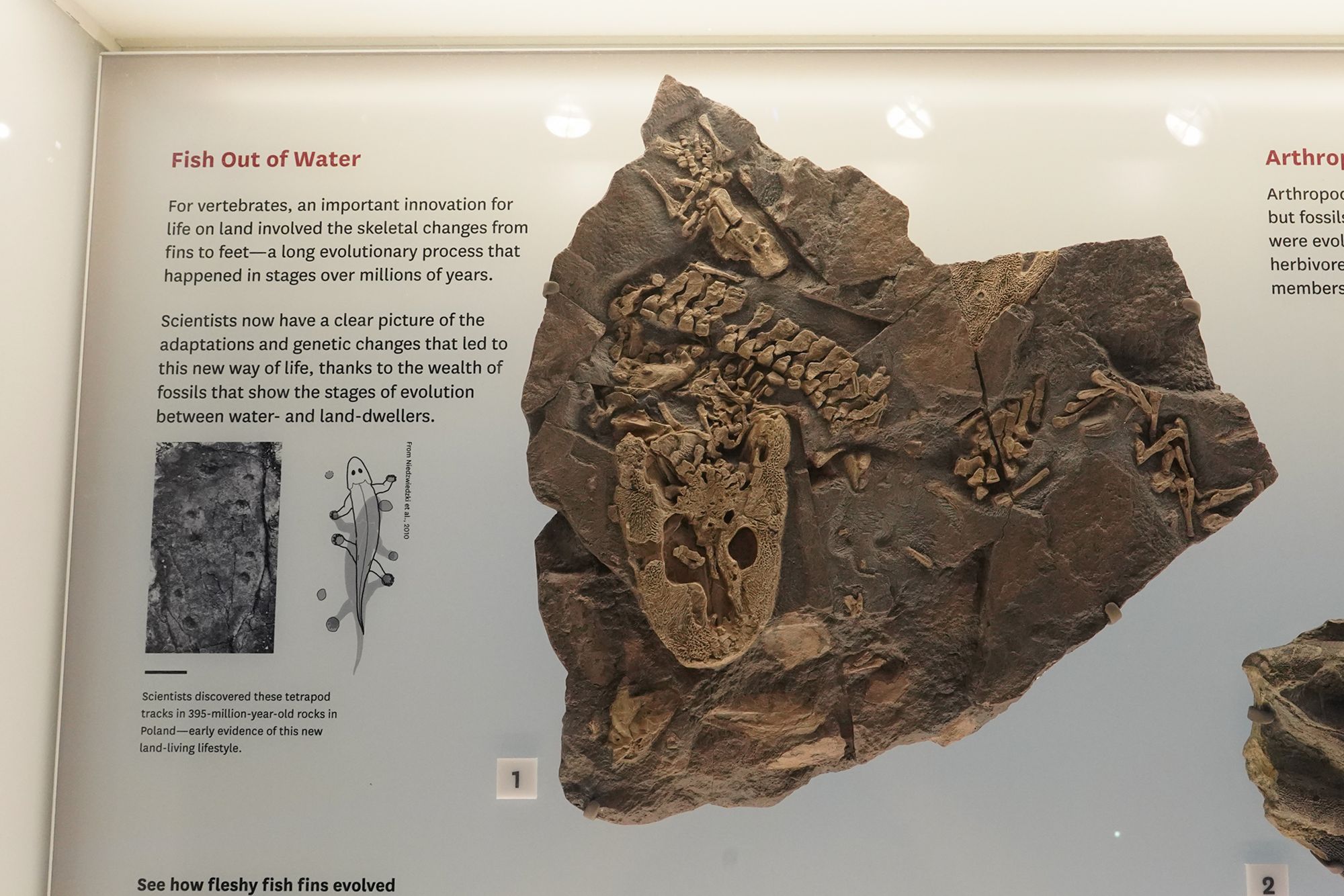
But, it was not easy to live on land
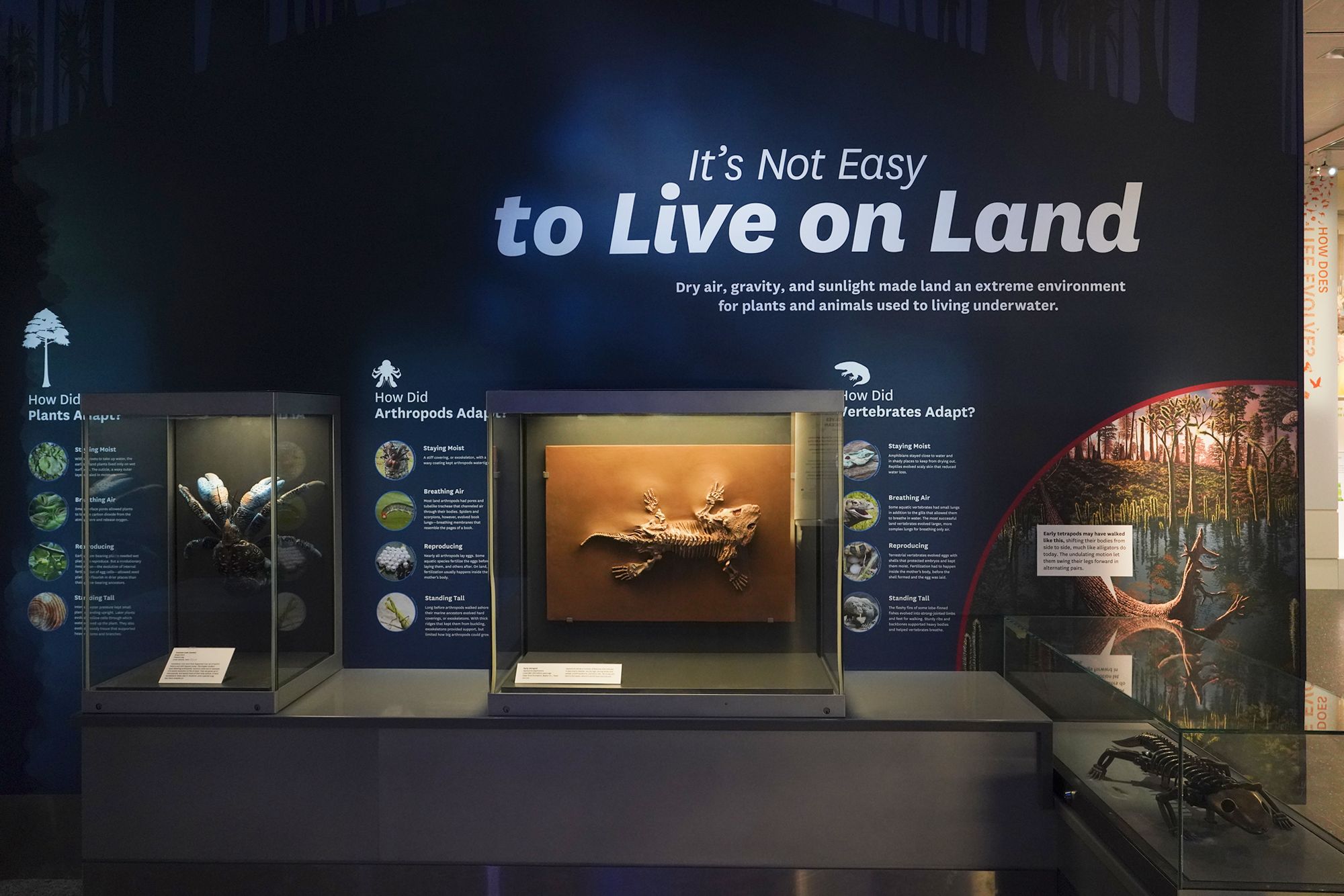
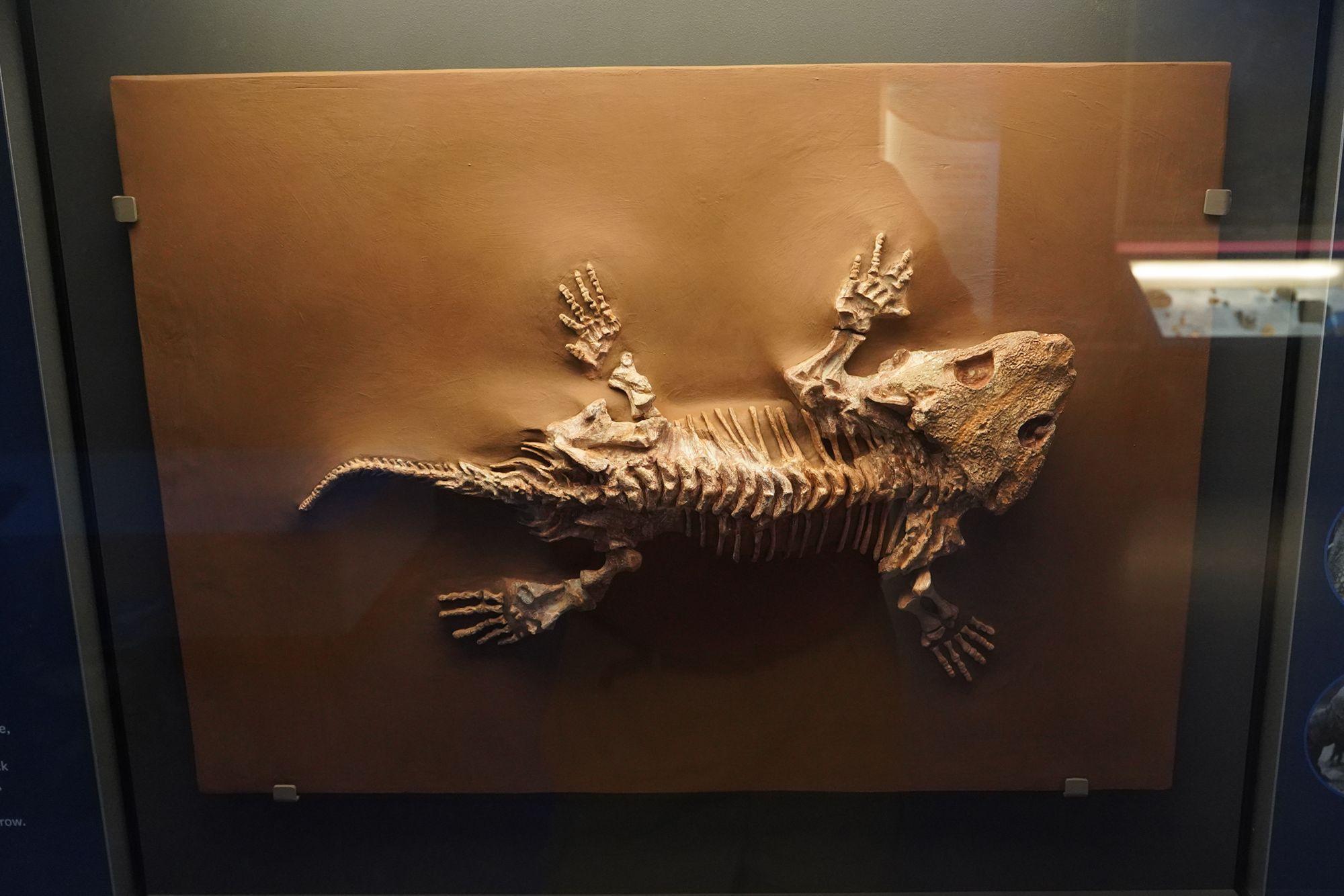
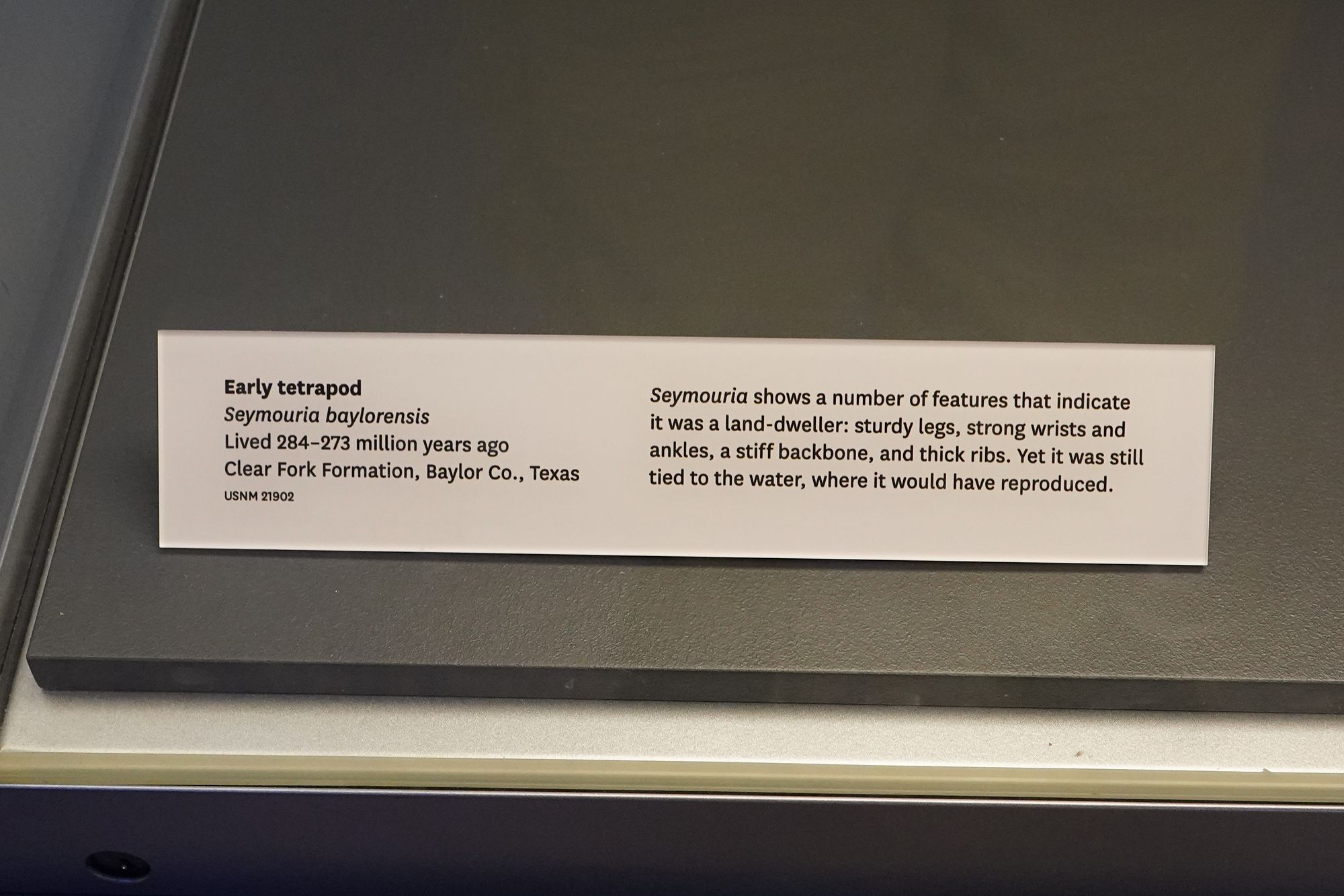
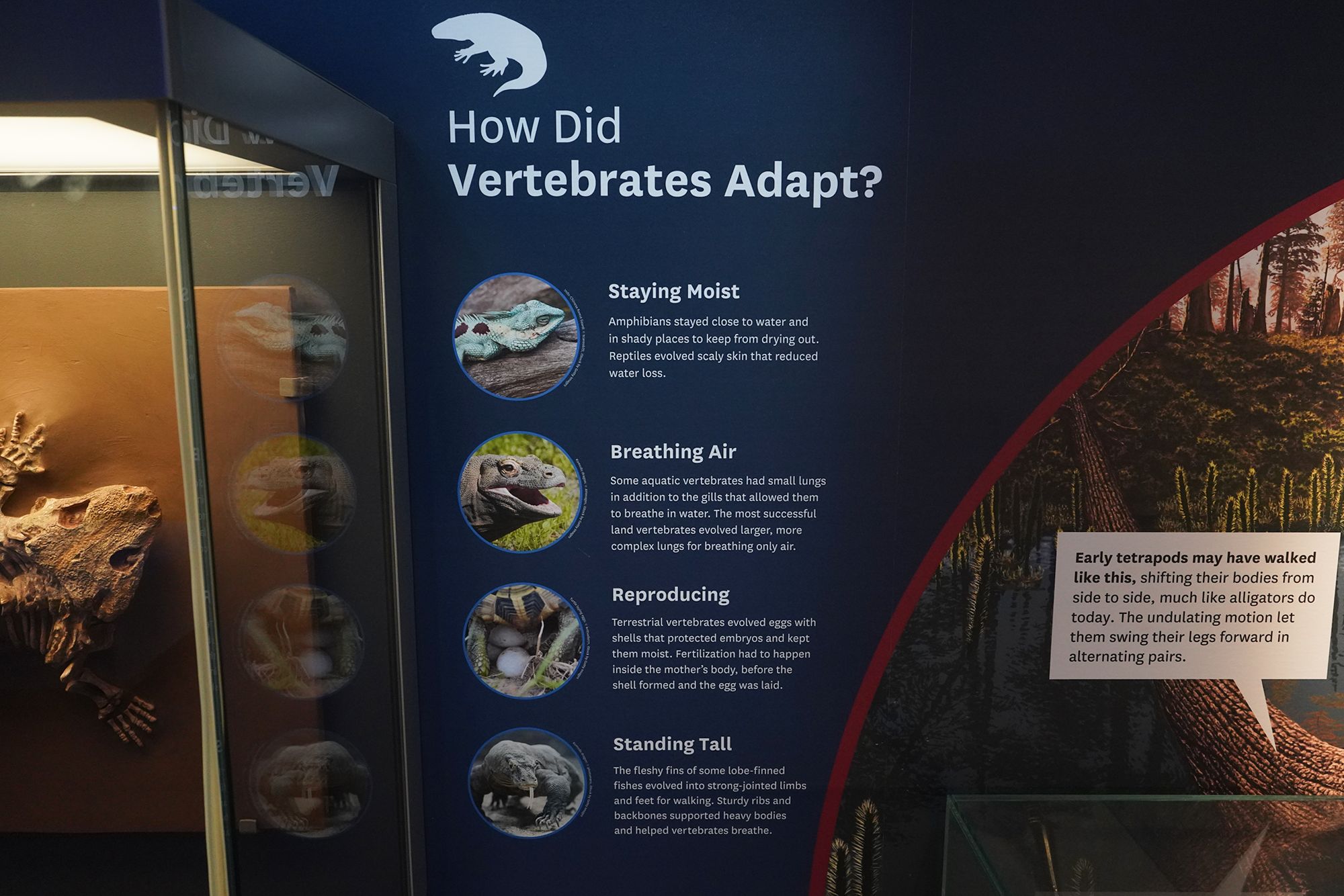
How did it adapt?
Putting together the puzzle of Stegosaurus