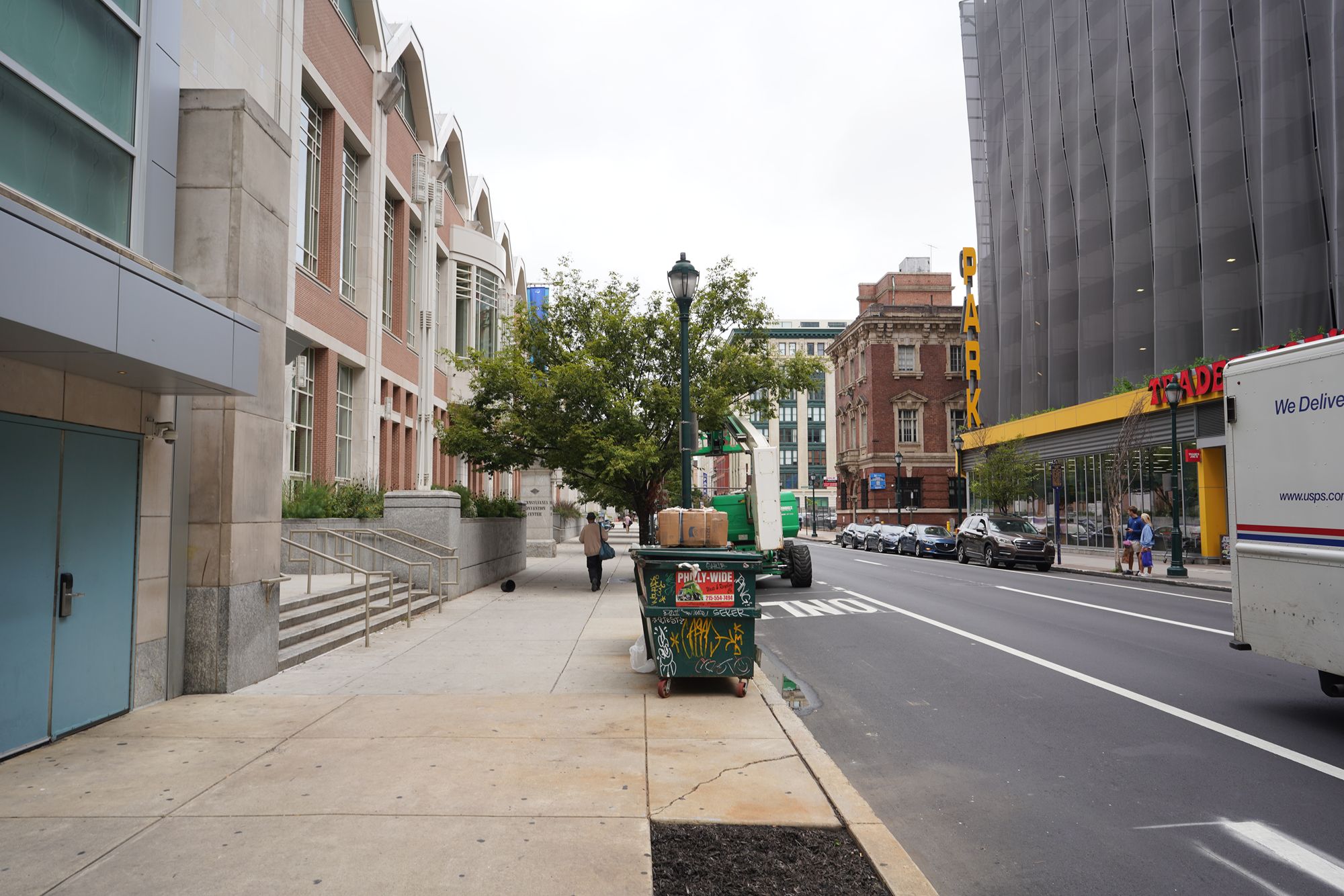
Philadelphia Downtown, City Hall, Mason Temple and PAFA, Philadelphia, Pennsylvania, USA
Downtown Philadelphia mixes historic sites with modern buildings, busy streets, museums, and walkable city life. 1178
Masonic Temple: 1 N Broad St, Philadelphia, PA 19107
Pennsylvania Academy of the Fine Arts: 118-128 N Broad St, Philadelphia, PA 19102
Date Picture Taken: August 2025
Downtown Philadelphia blends colonial history with a modern urban core. Independence Hall and the Liberty Bell stand near skyscrapers, shops, parks, and museums. The area is walkable, lively, and diverse, offering both national heritage and everyday city energy.
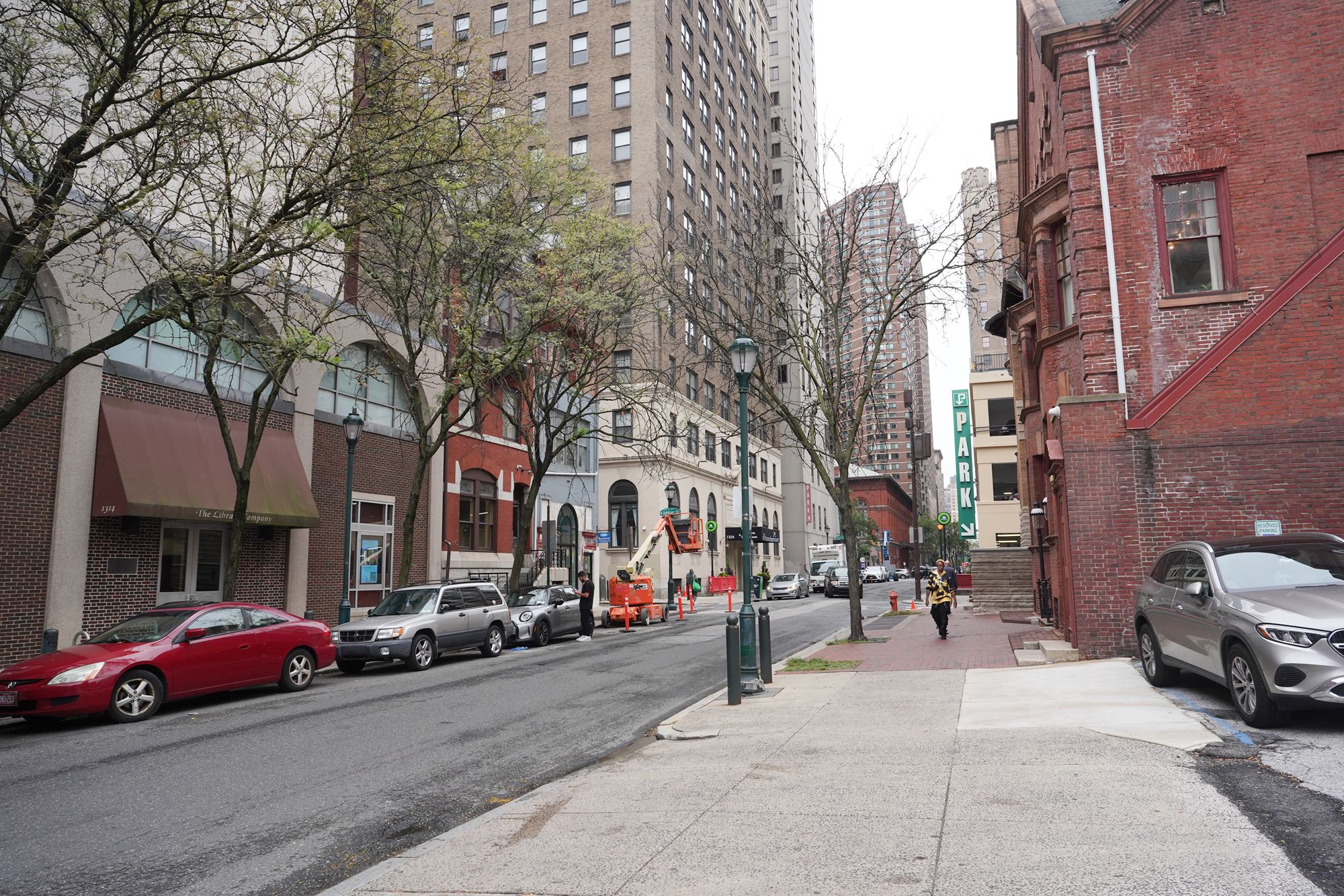
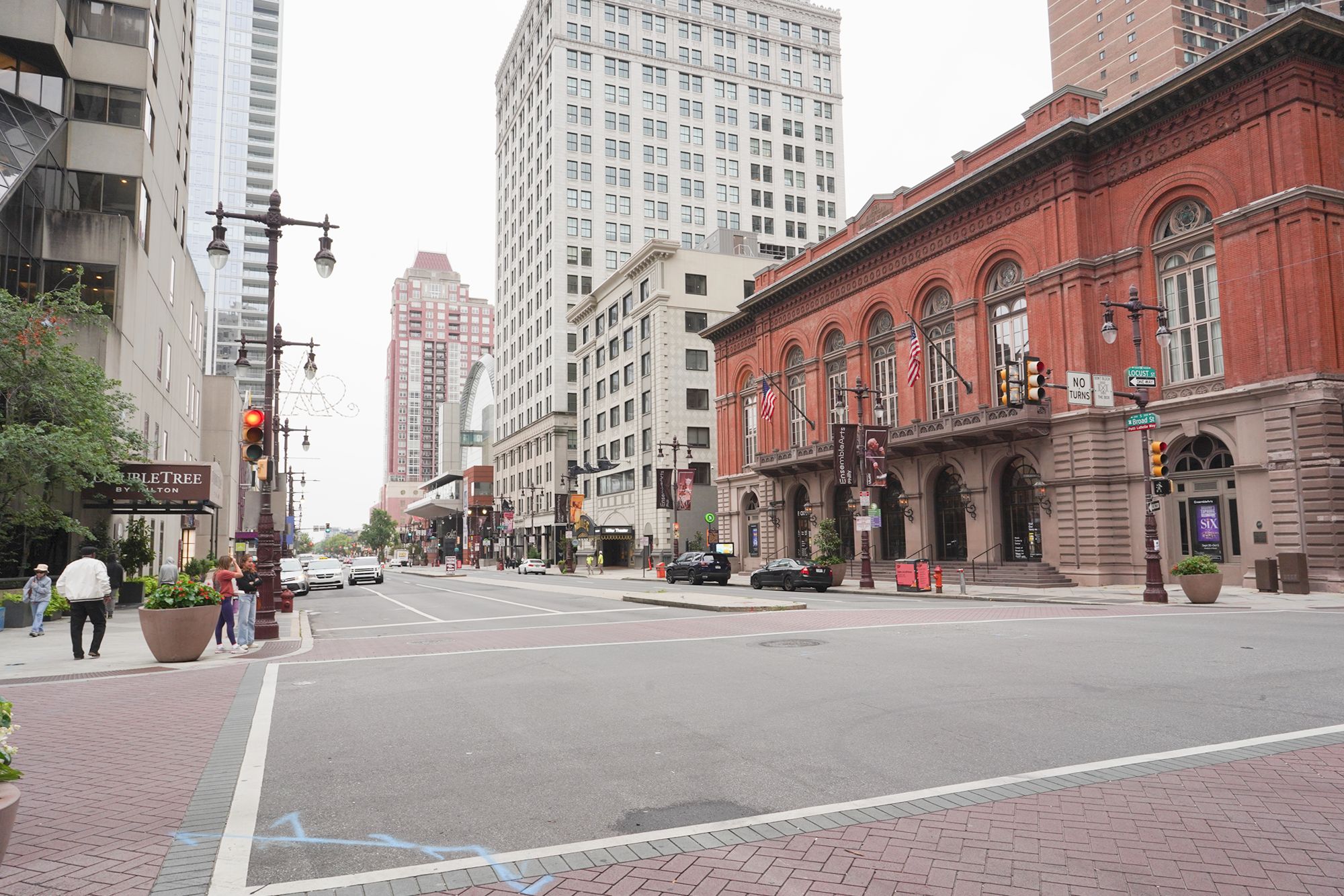
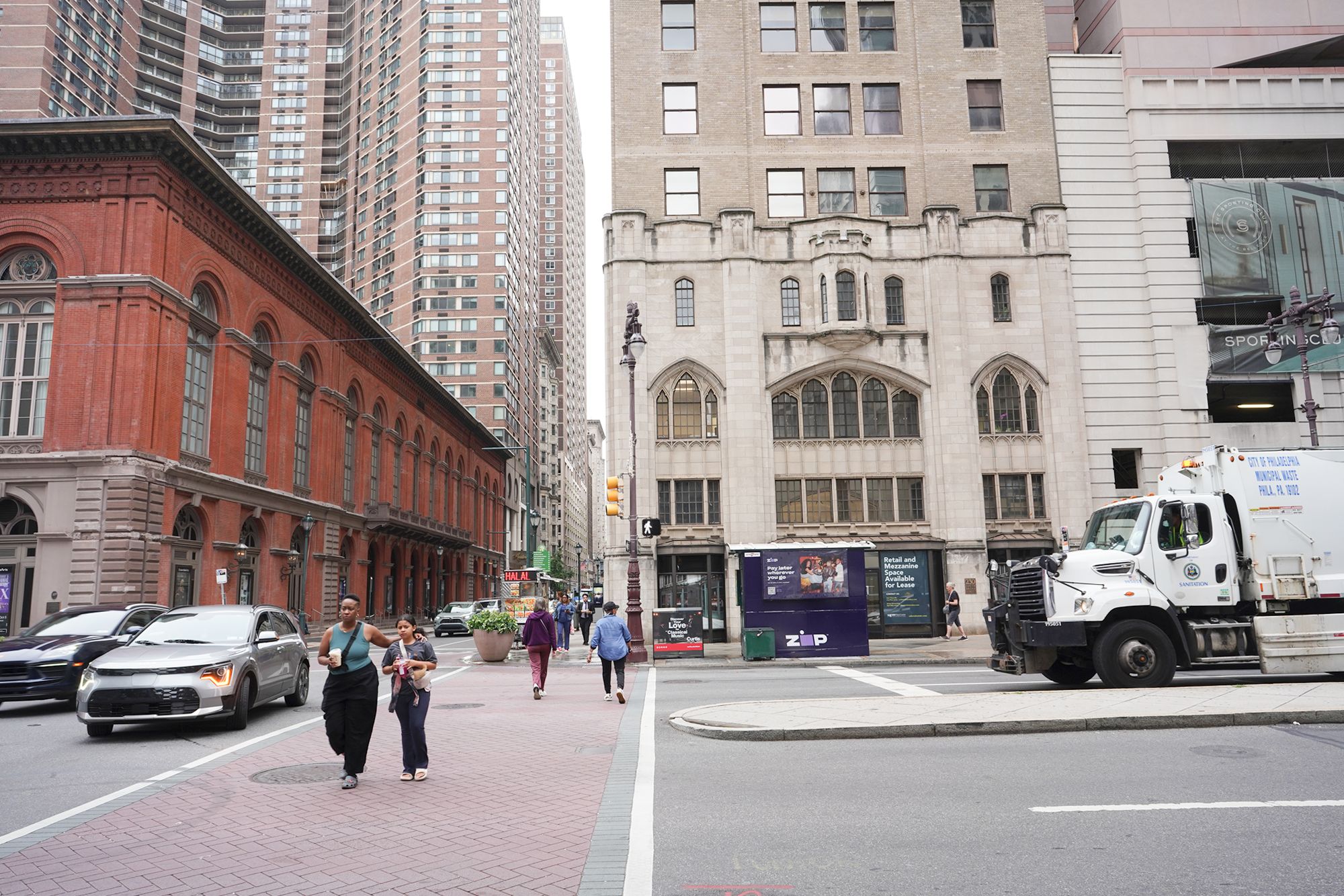
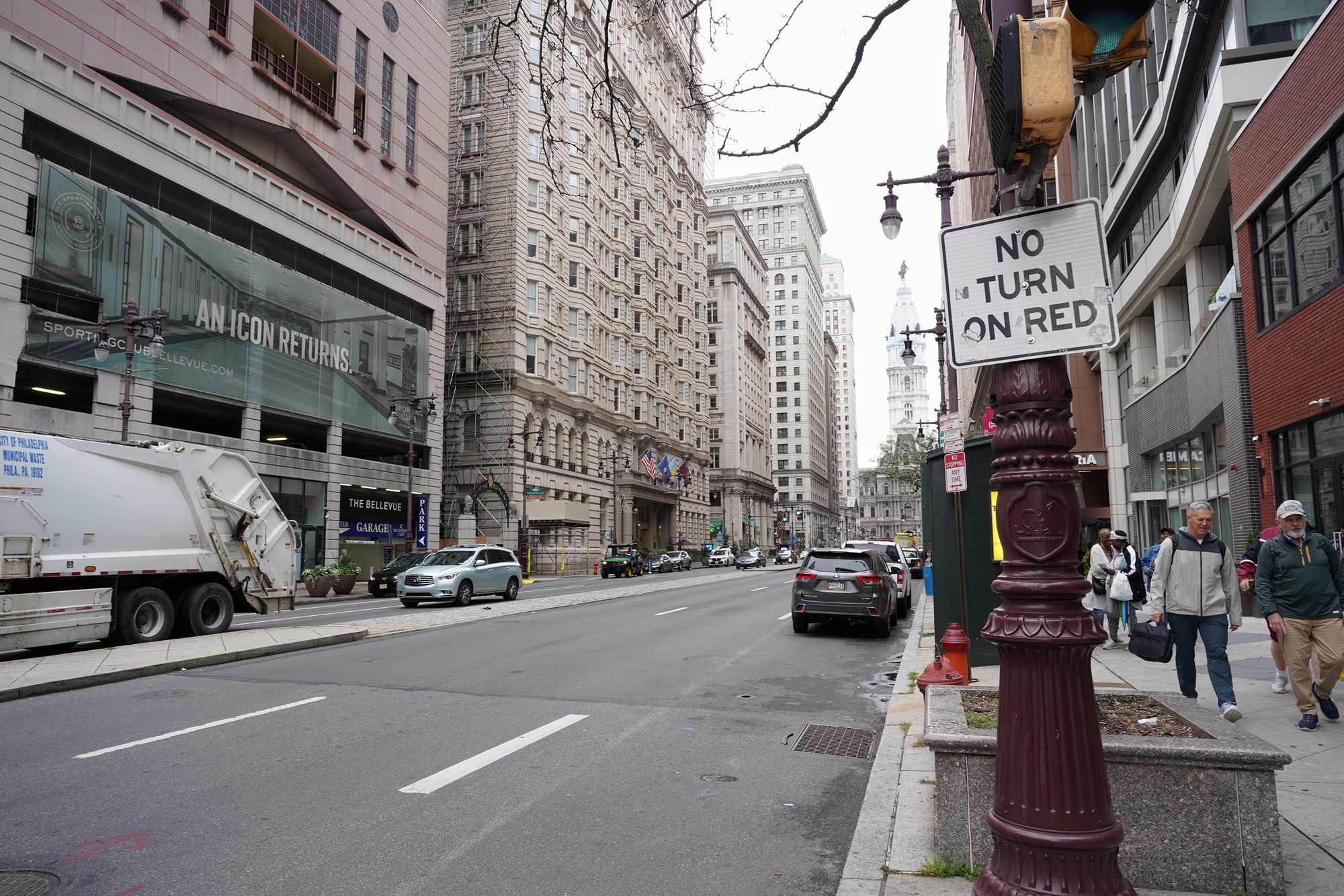
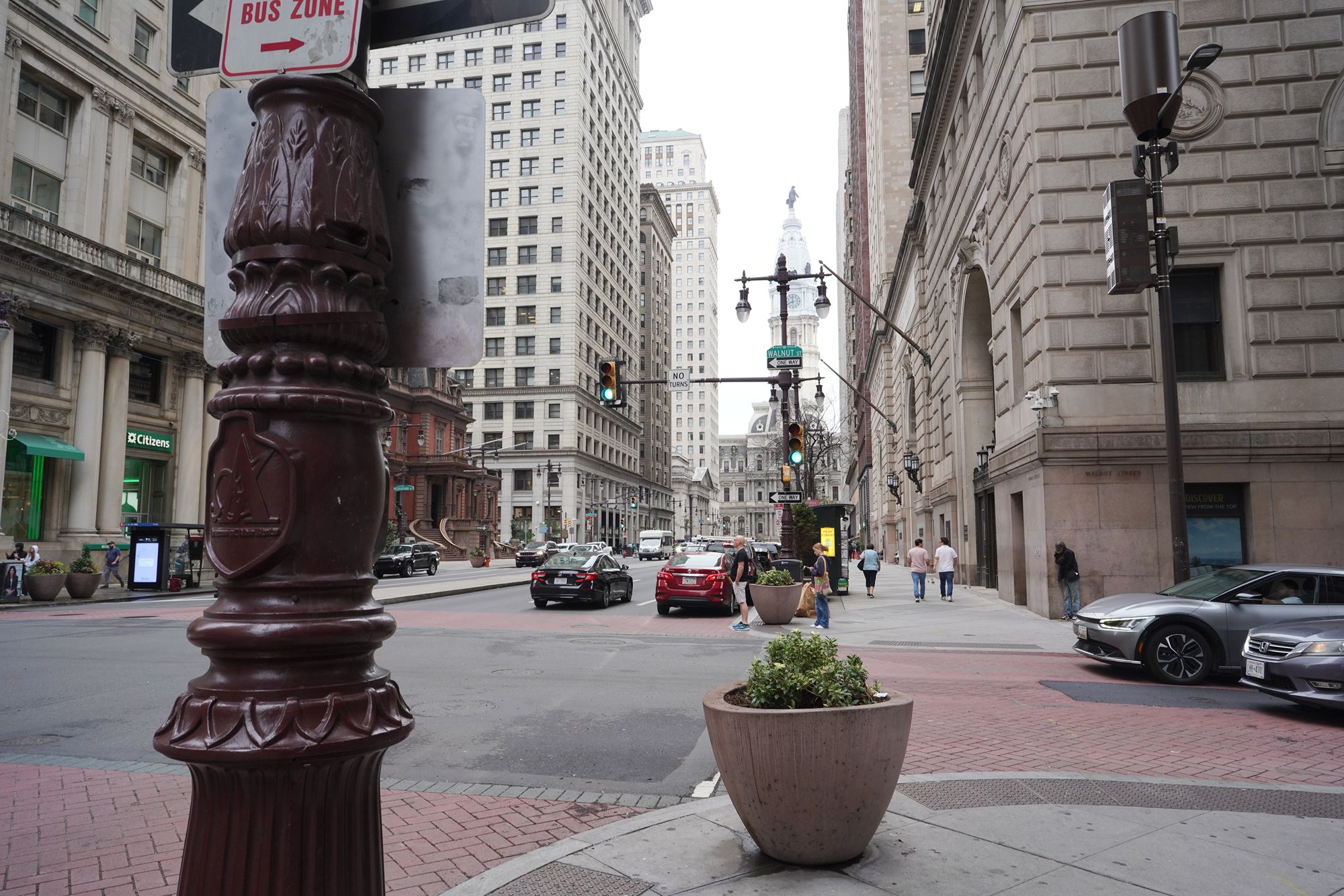
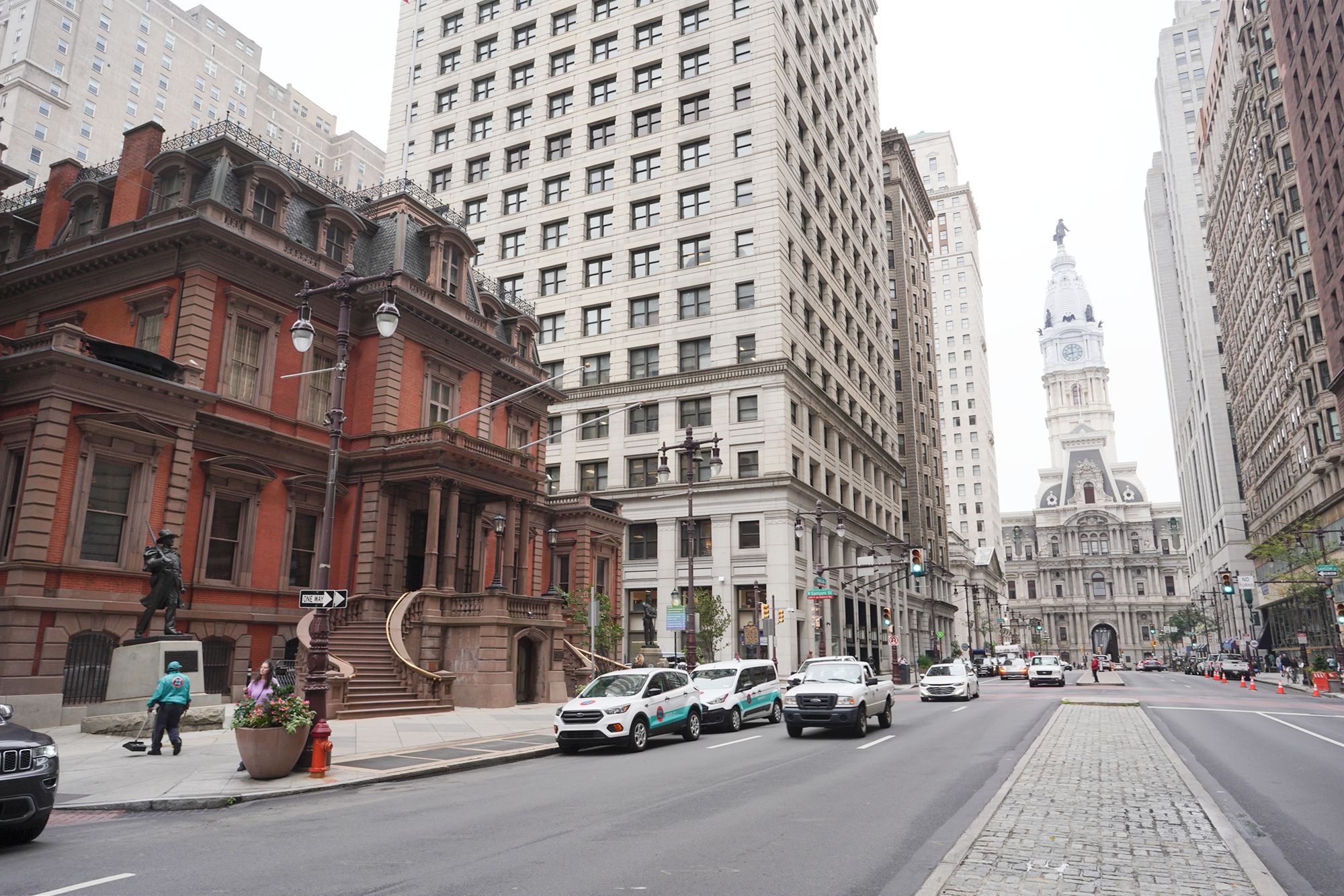
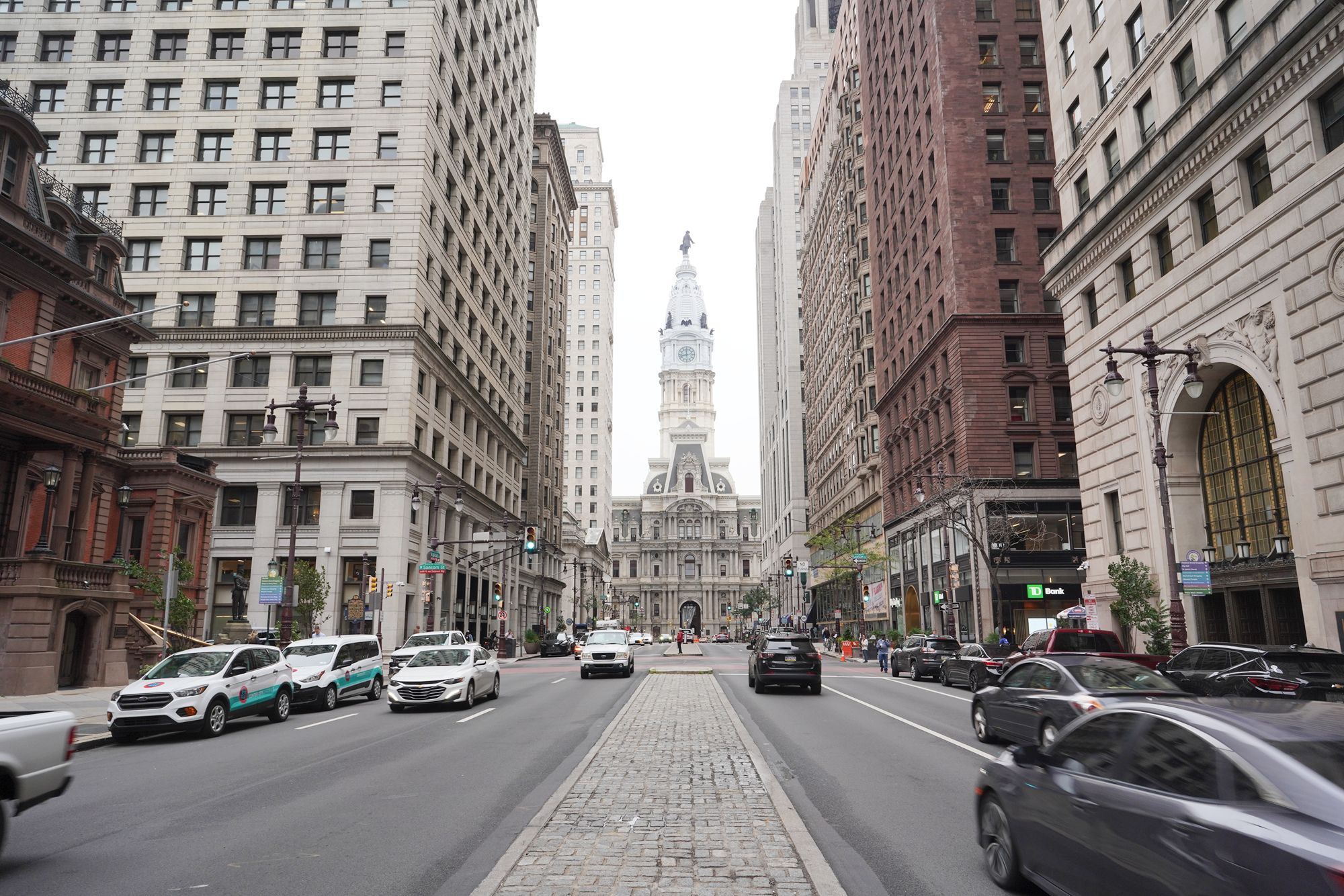
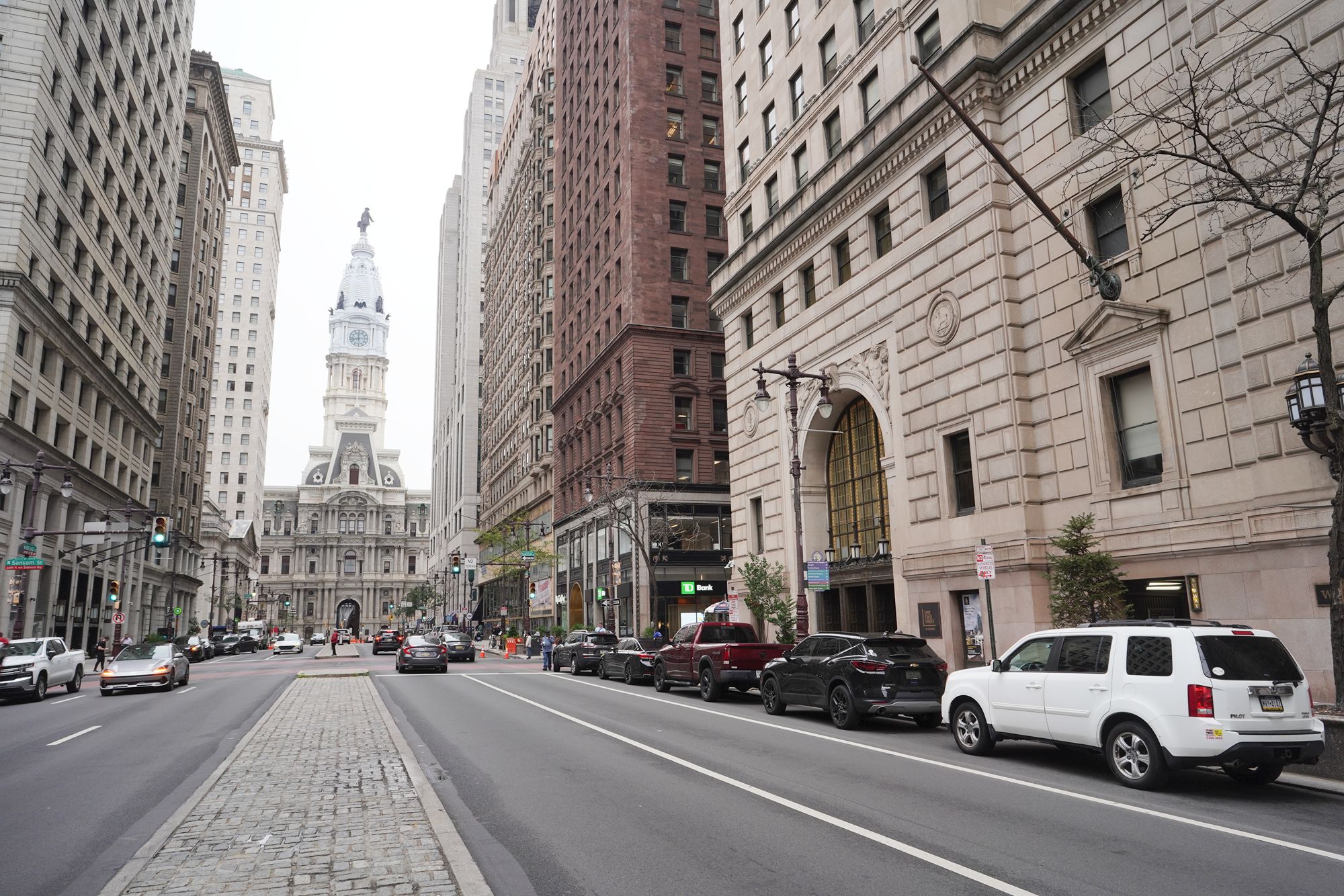
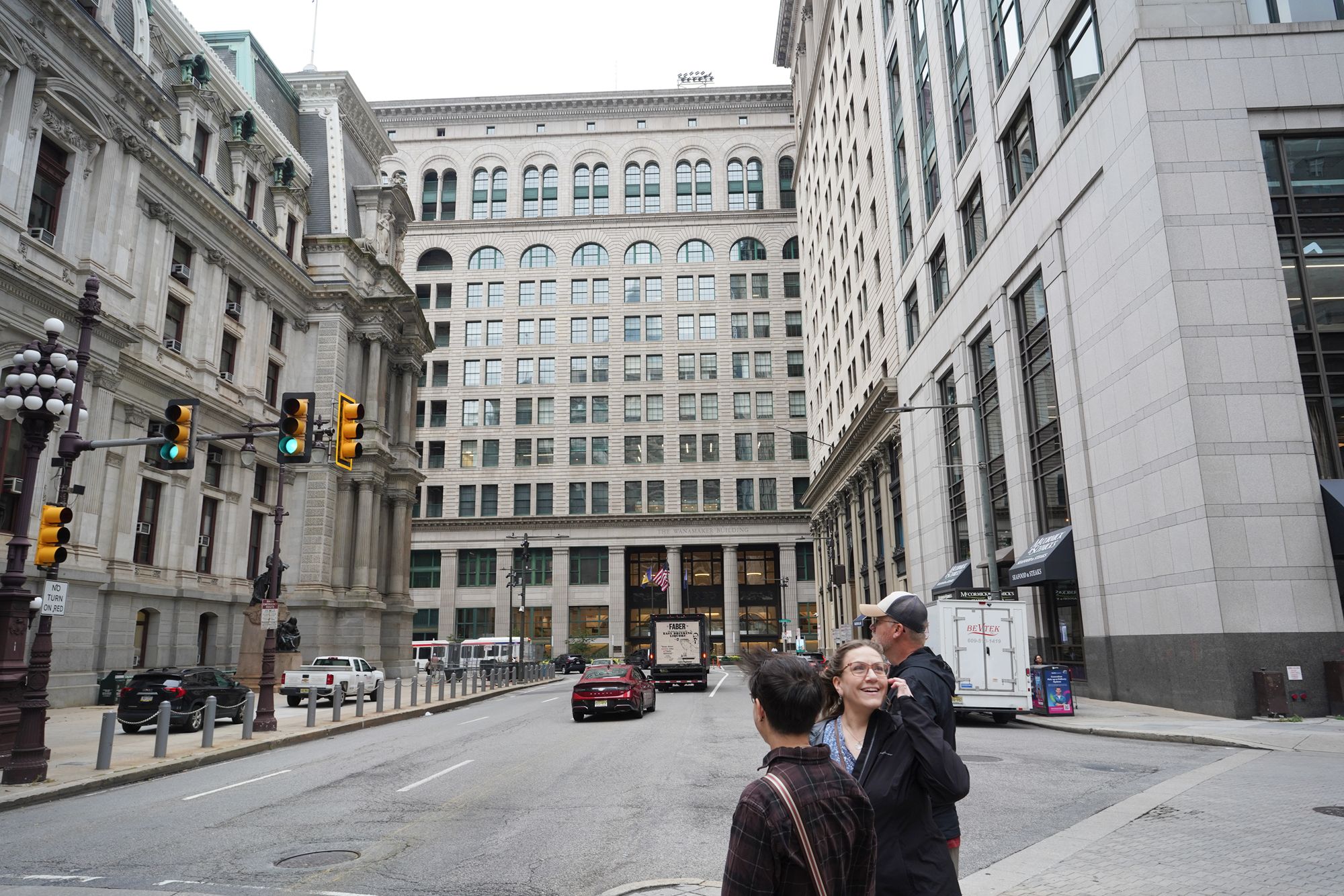
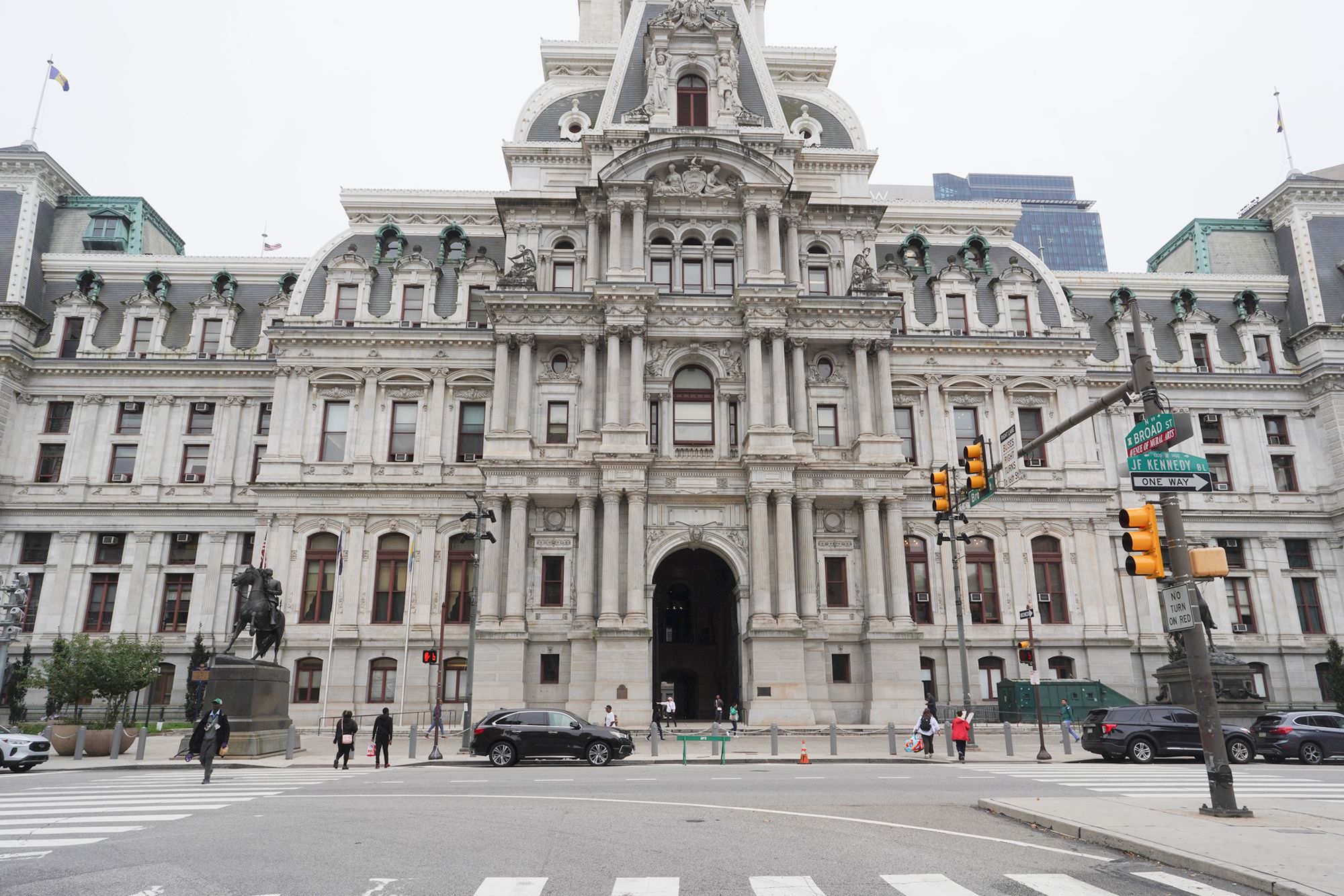
The tall building in the center of the picture below is the Philadelphia City Hall. It is one of the largest and most striking municipal buildings in the United States.
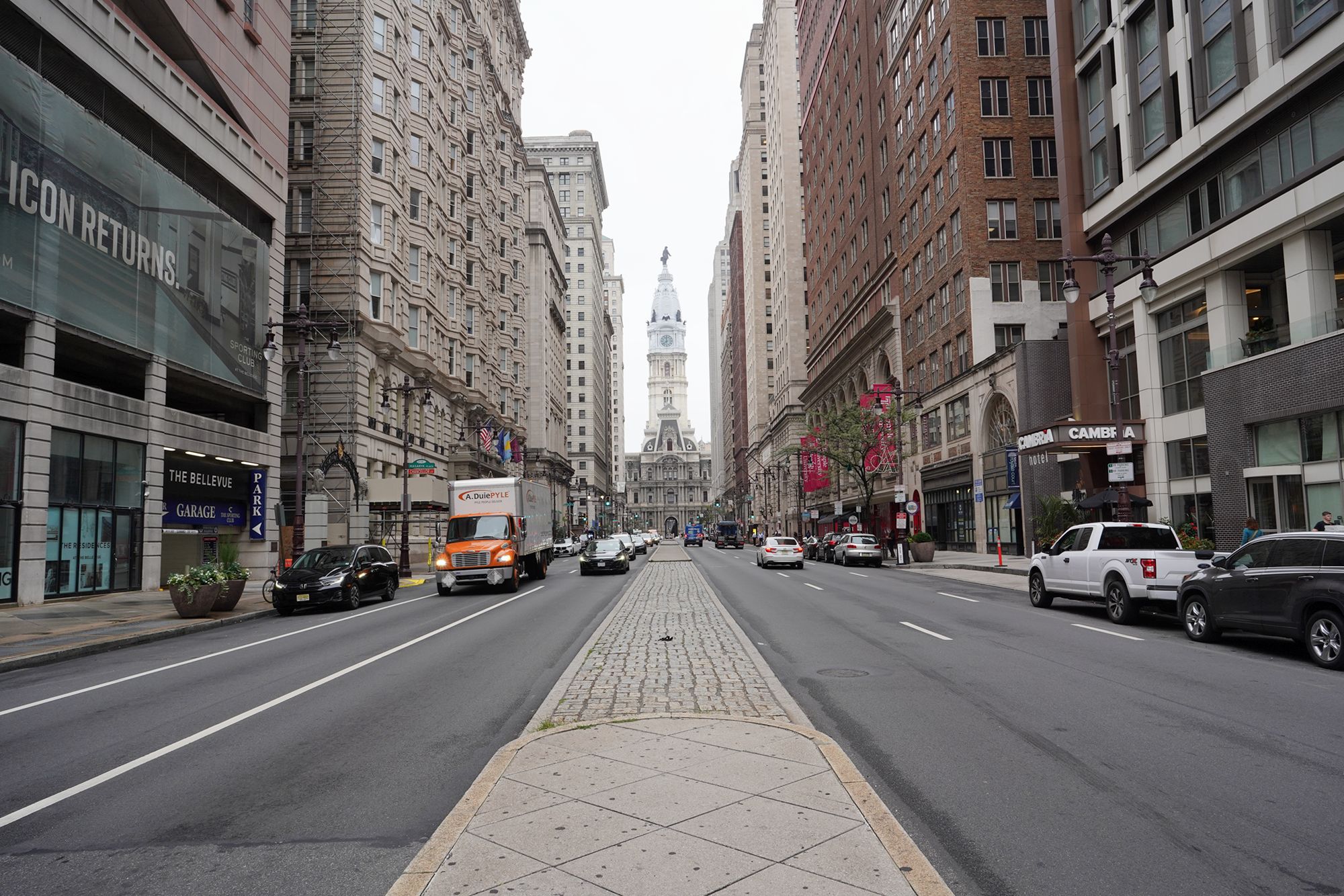
I am walking toward City Hall.
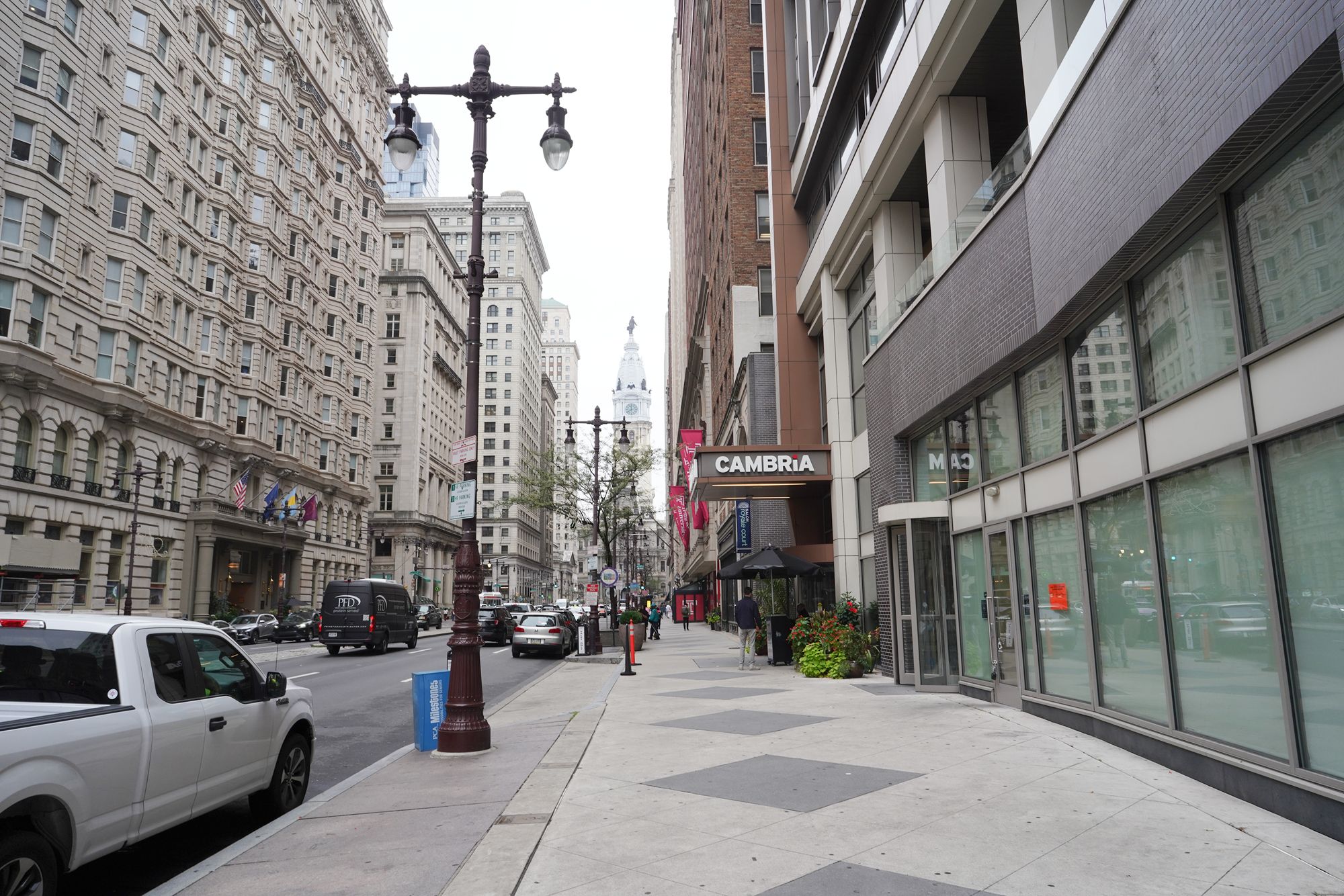
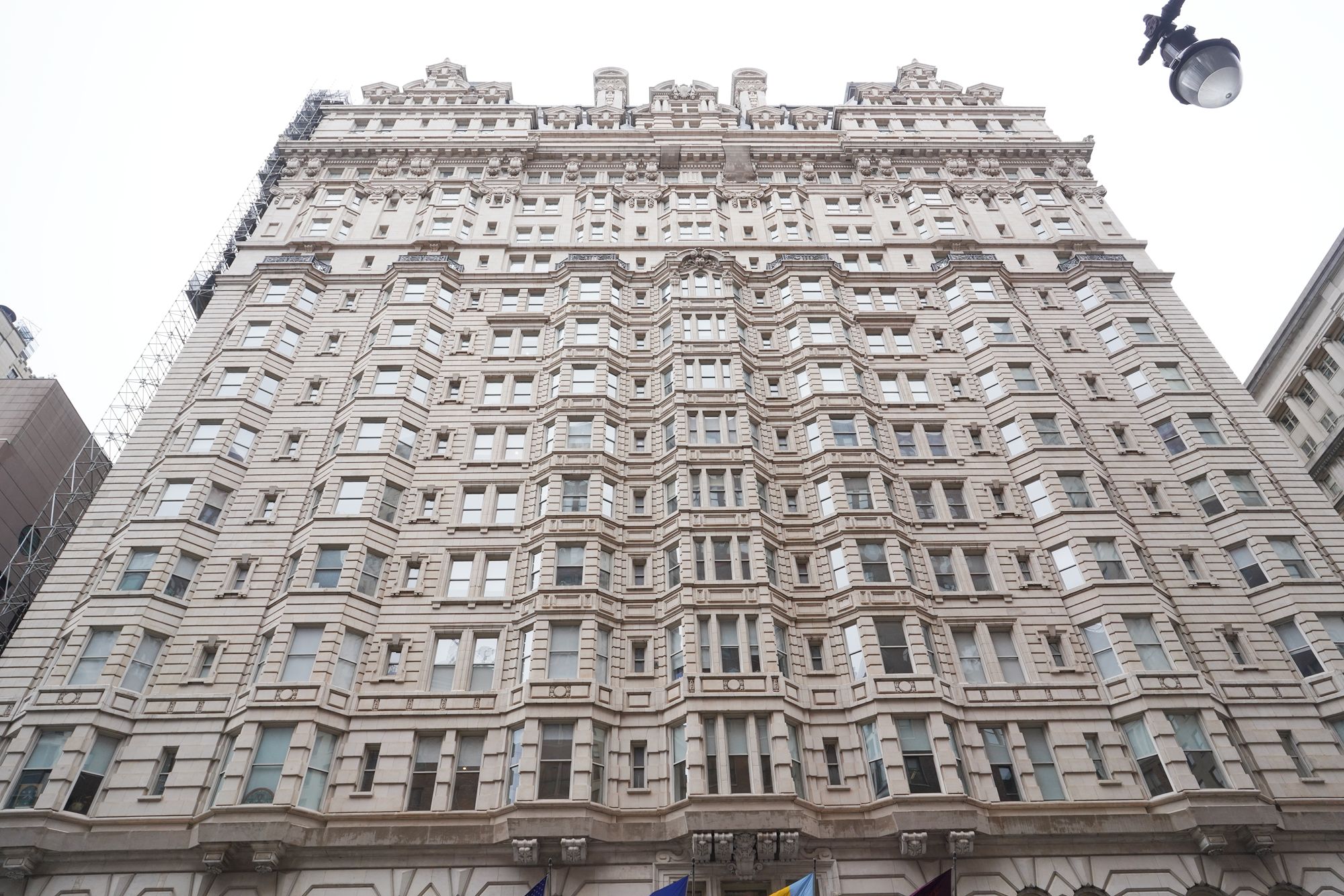
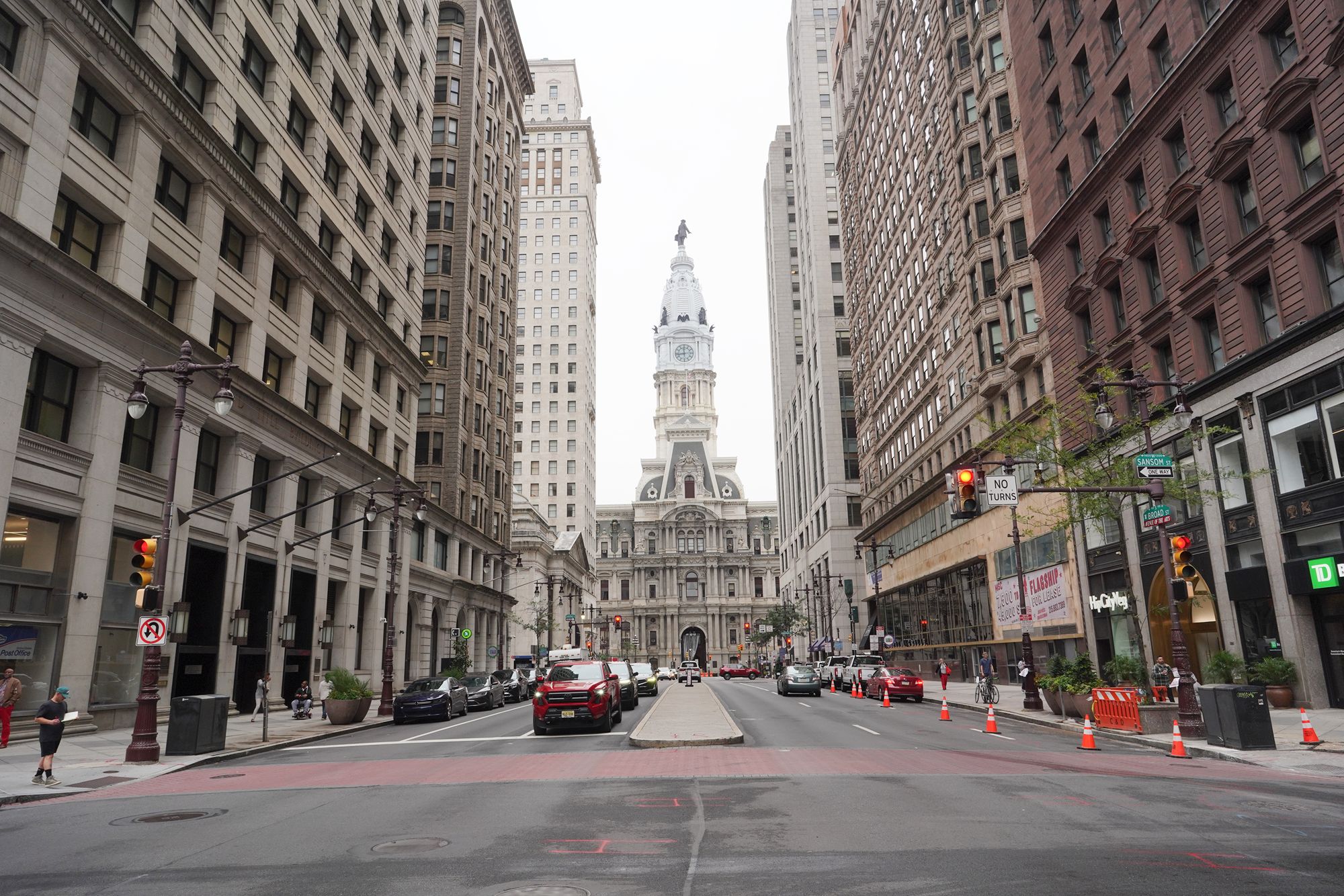
My back side
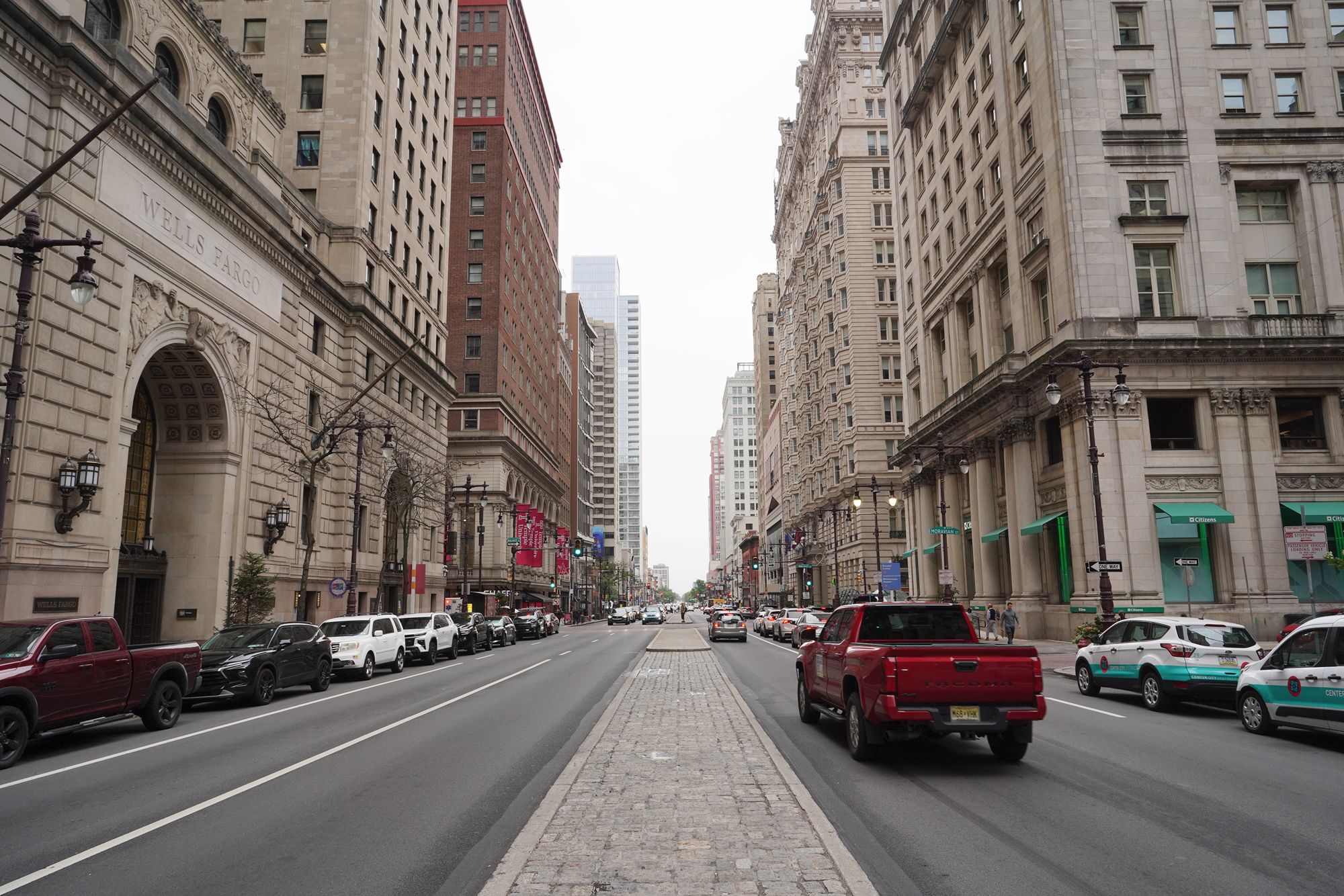
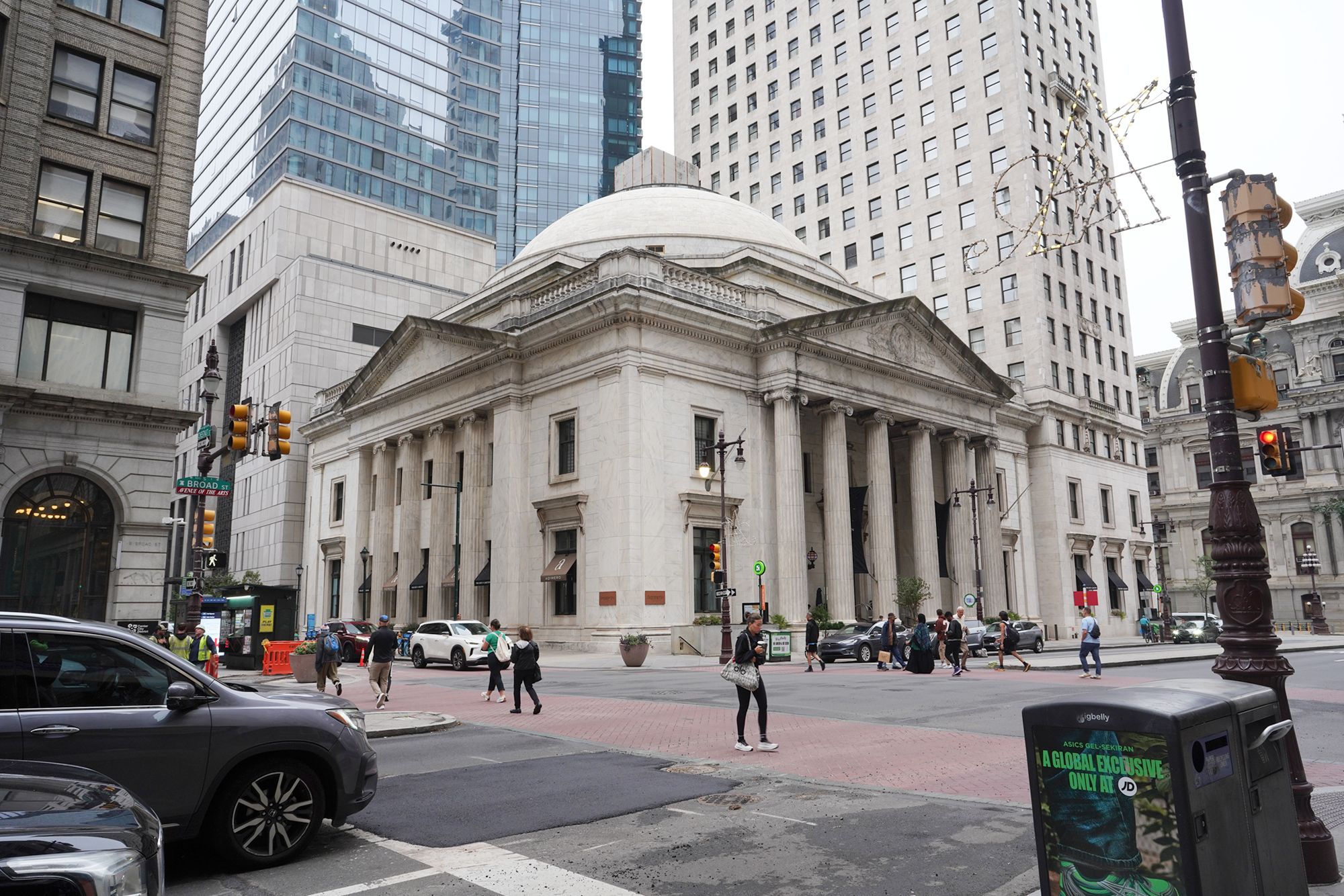
The buildings next to the city hall
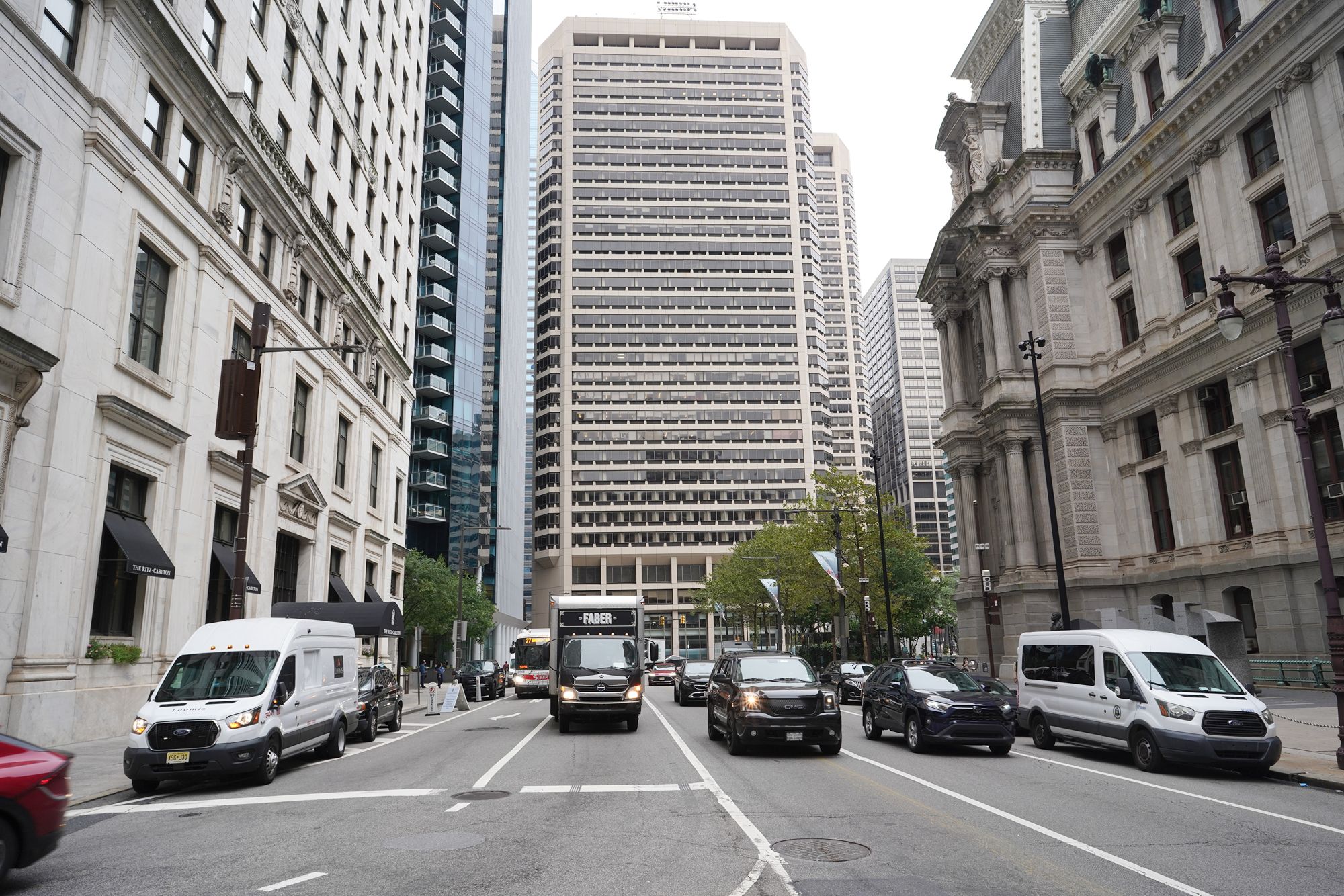
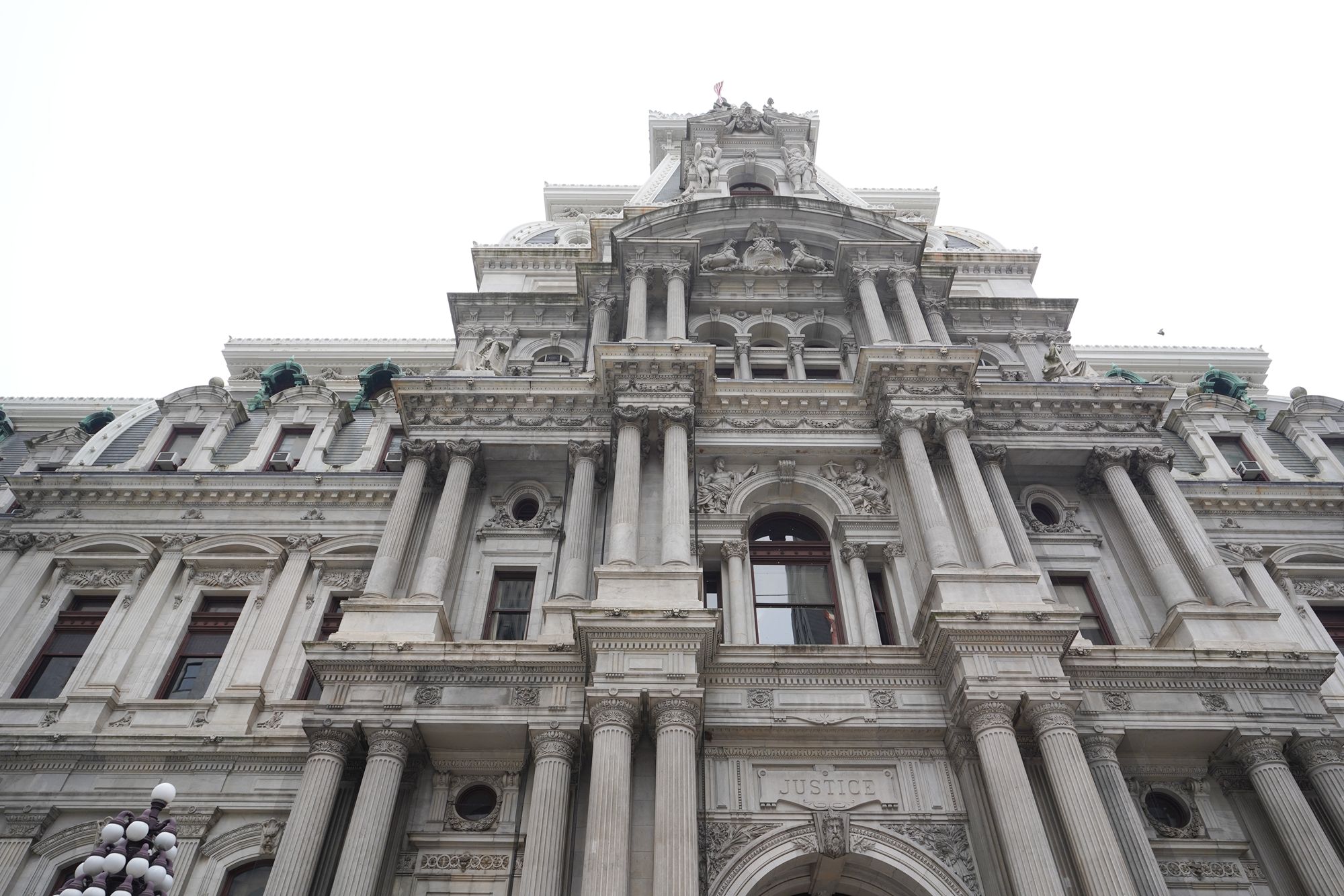
From up close, City Hall shows intricate design
I am walking around the city hall
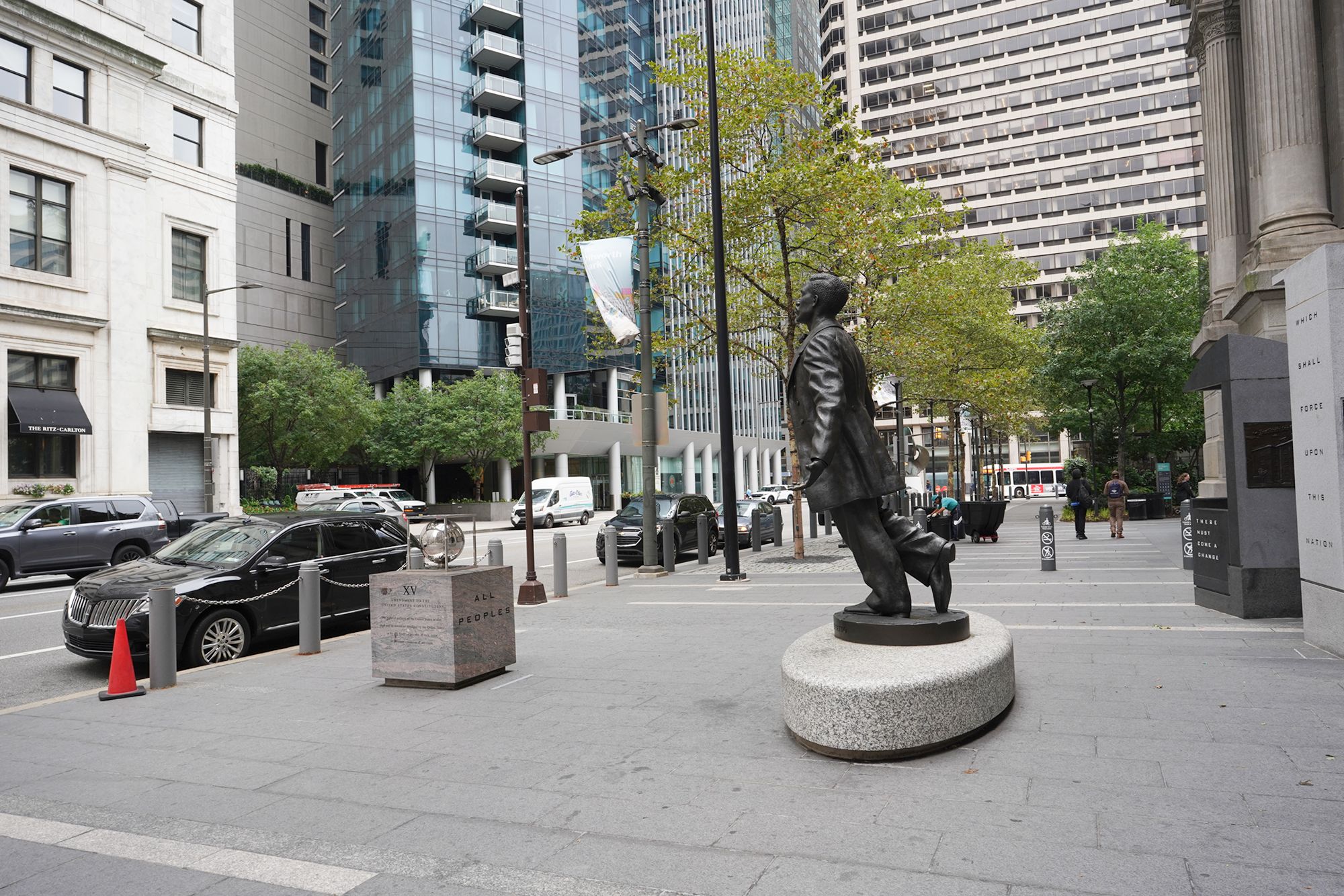
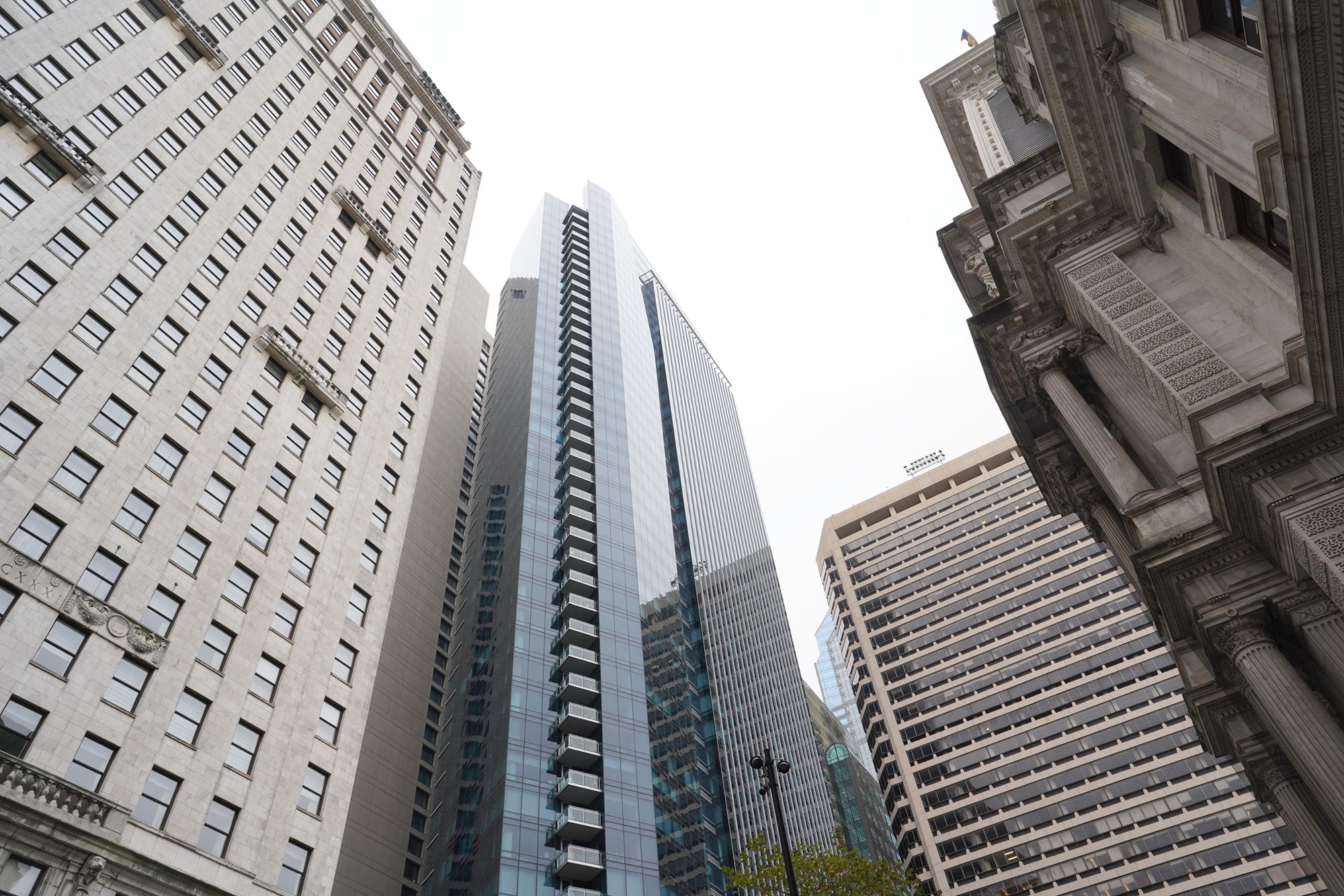
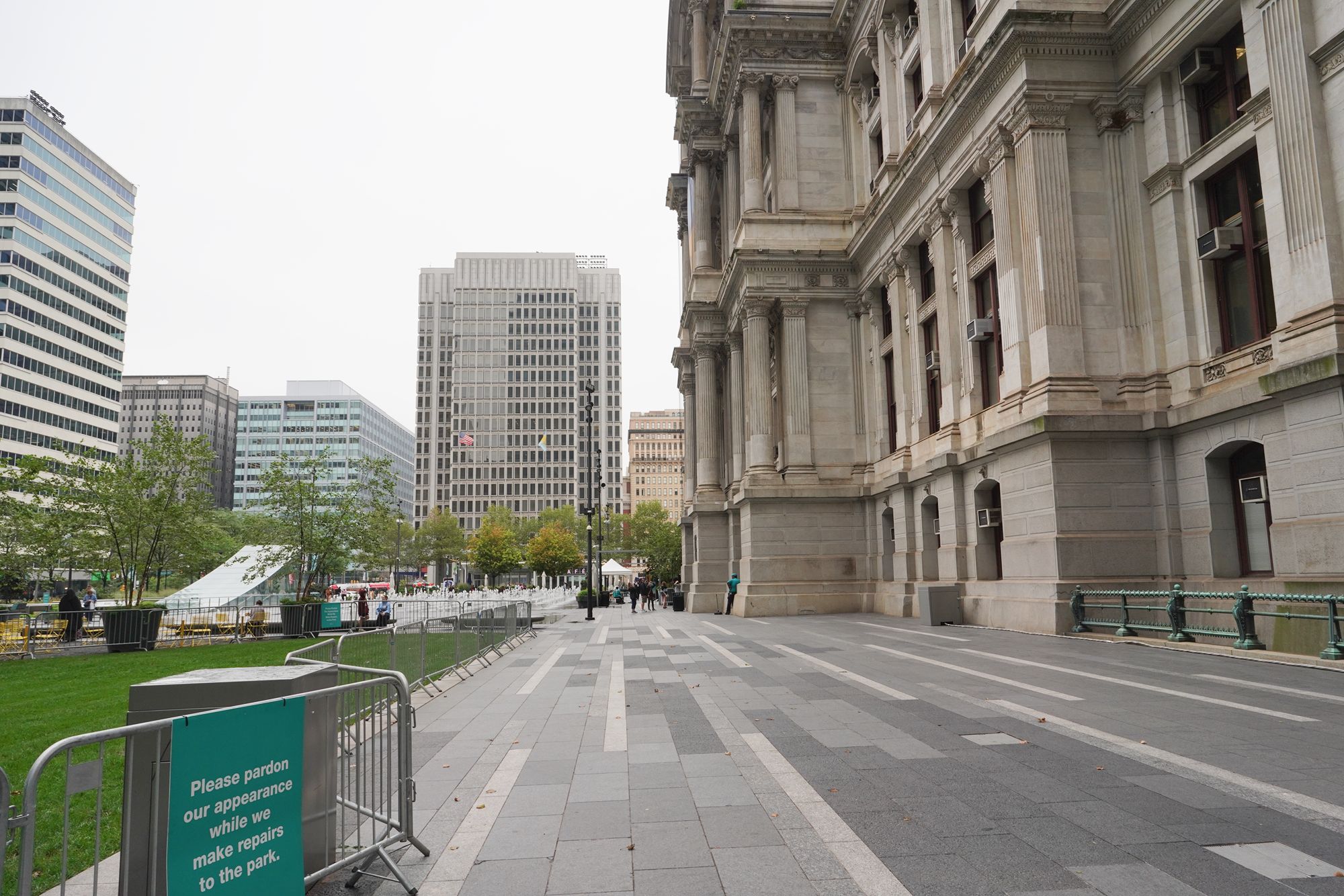
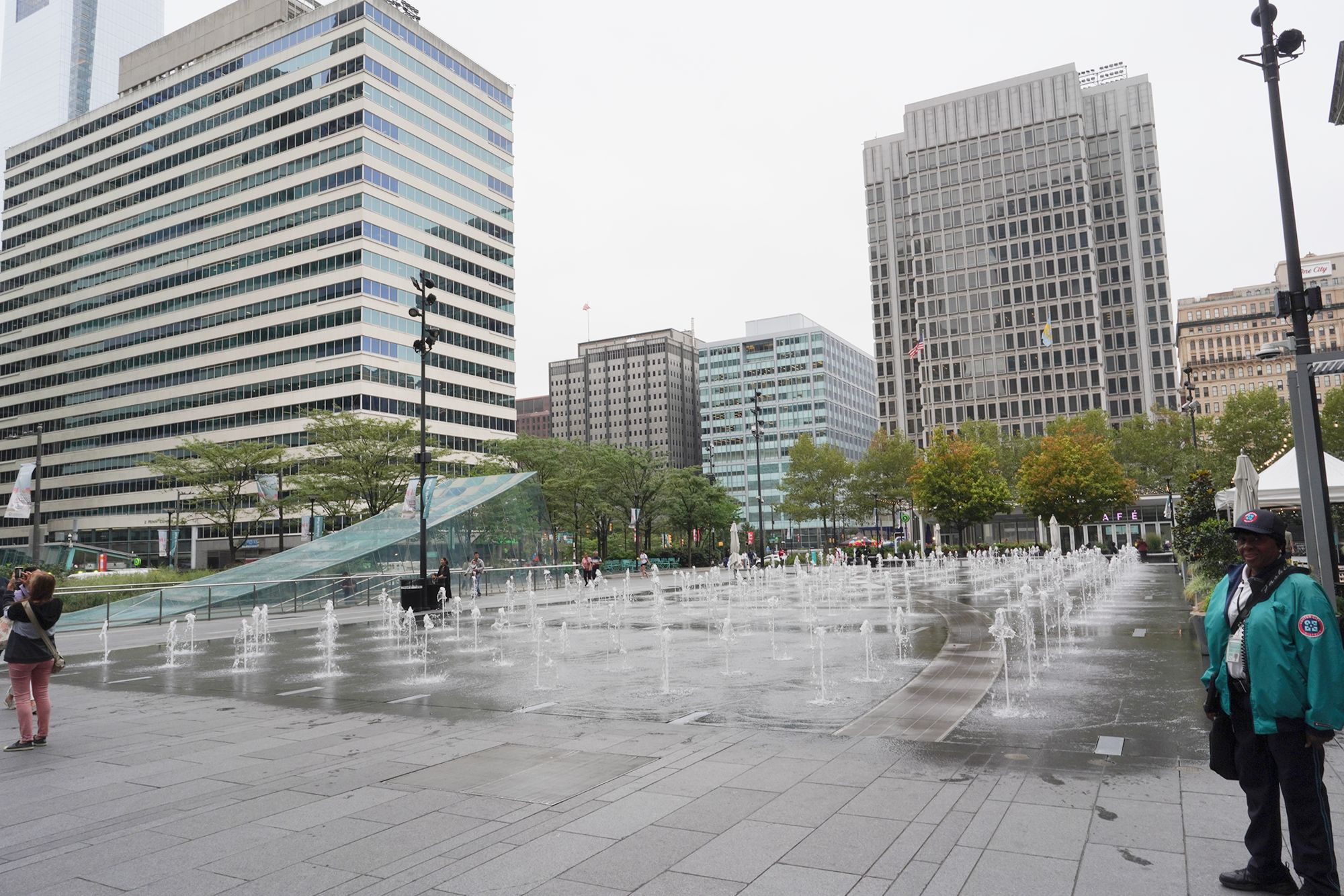
I walked through one of the arched tunnel entrances of City Hall, emerging into an open plaza at its center.
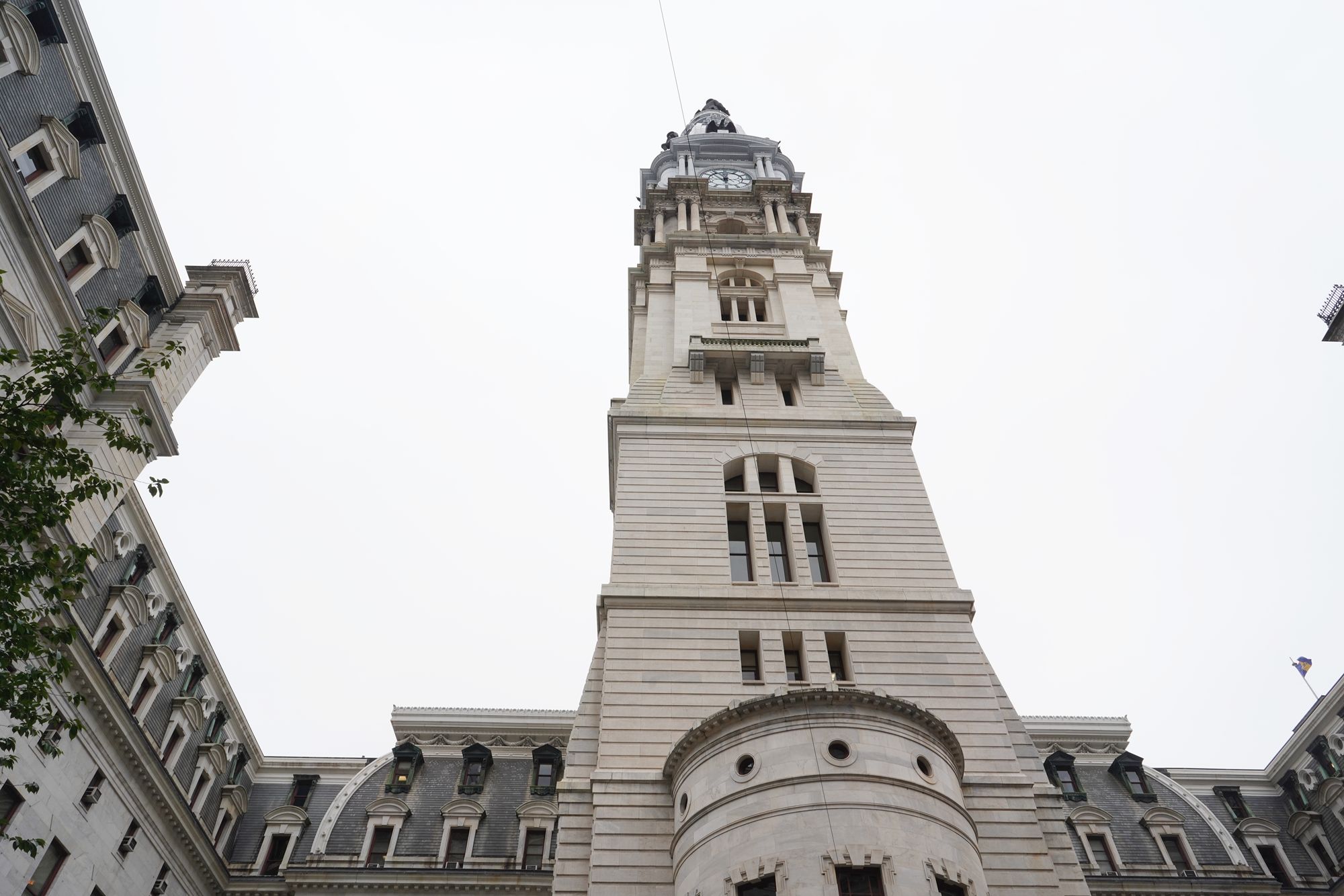
On one side of the courtyard, the central tower rises high above the building, looking magnificent even from far away.
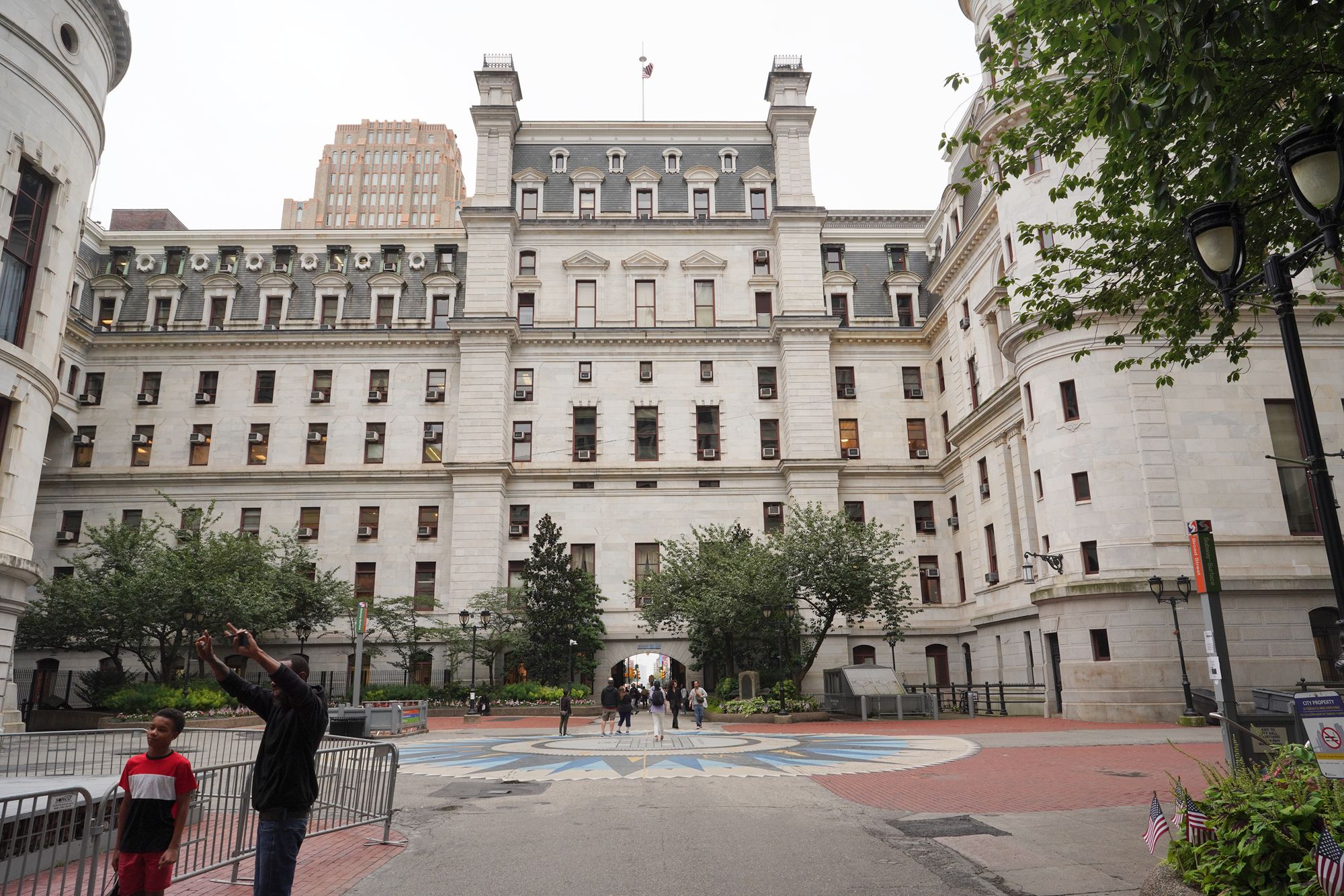
The inner courtyard of the city hall buildings
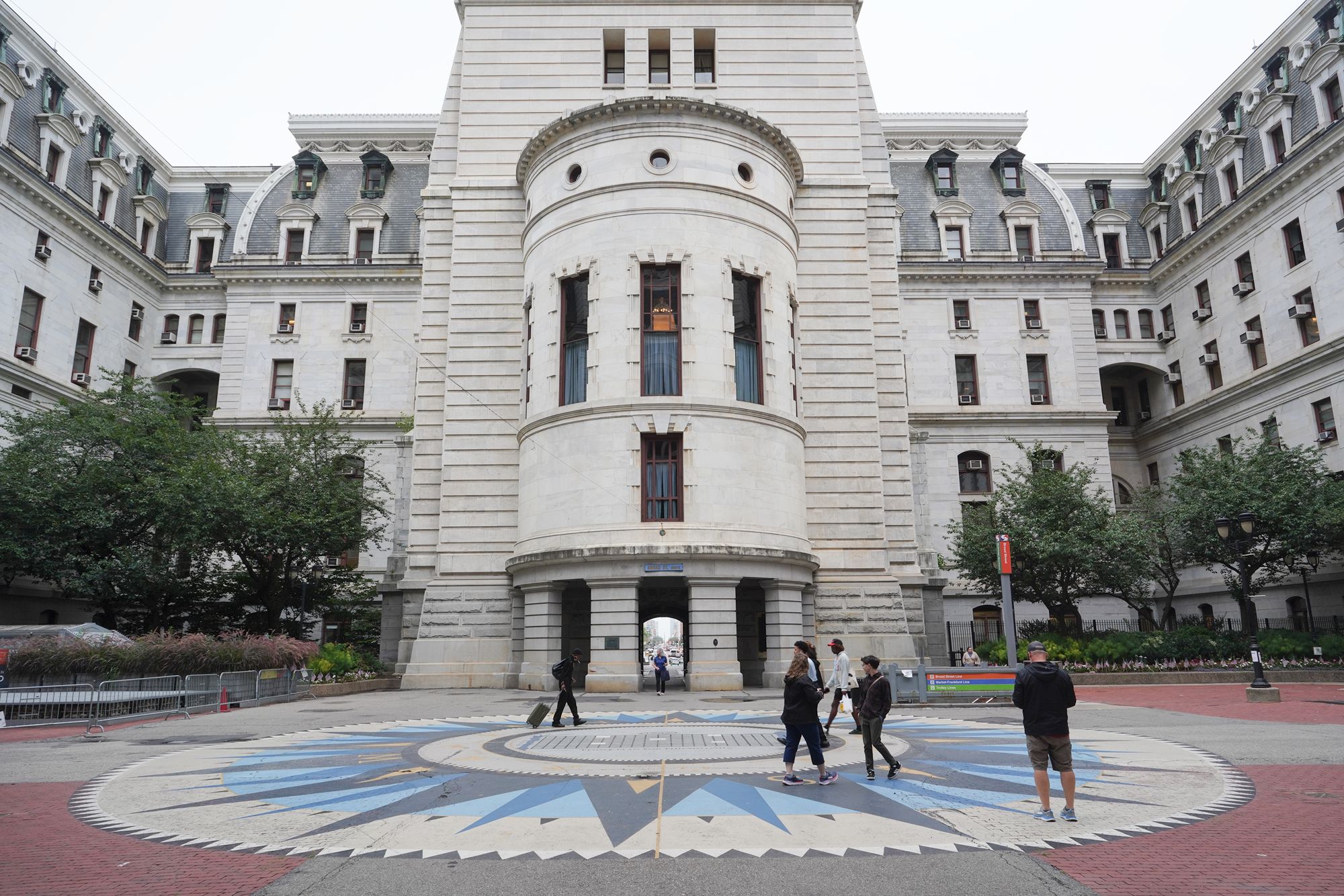
I walked out of the courtyard through another arched passageway.
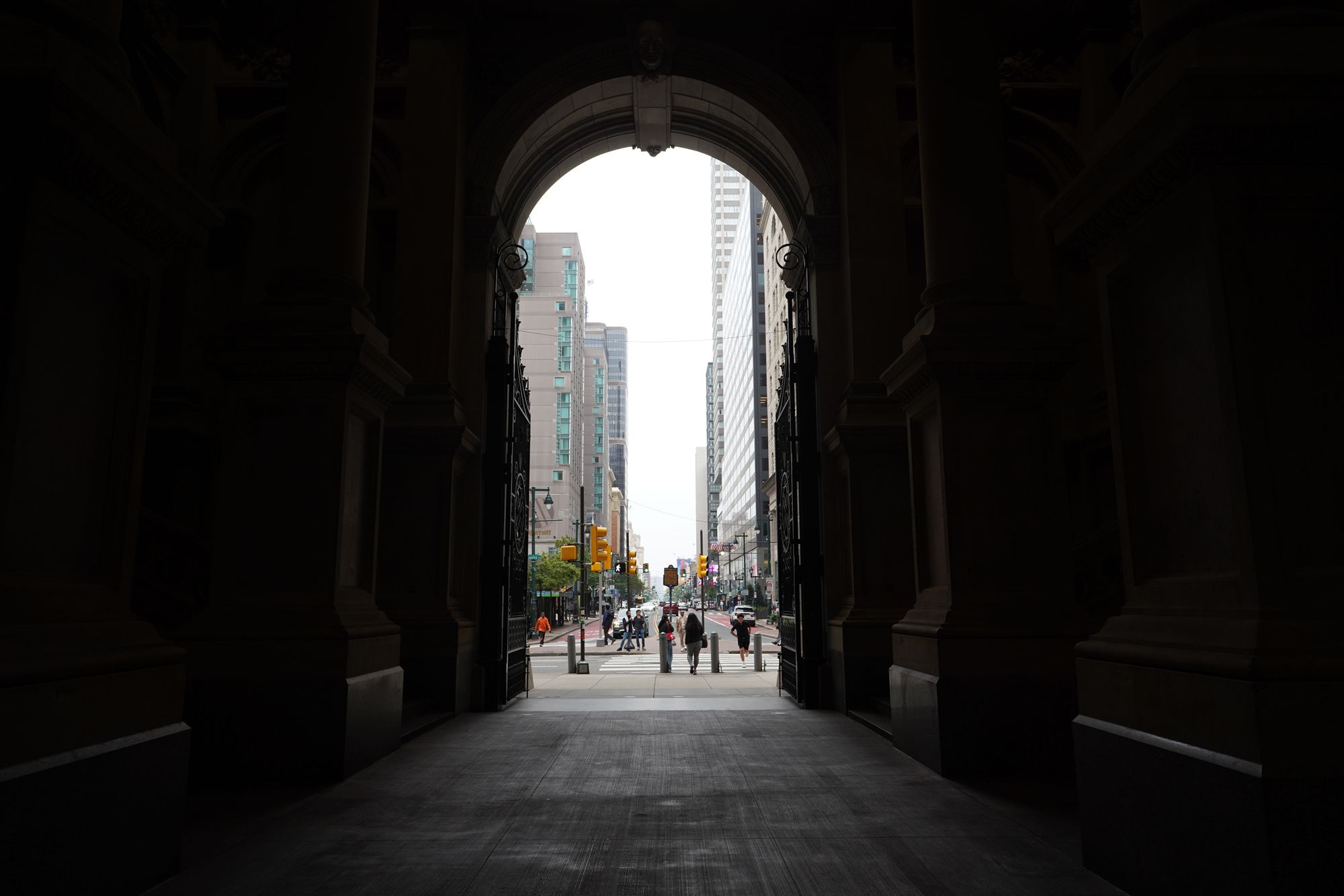
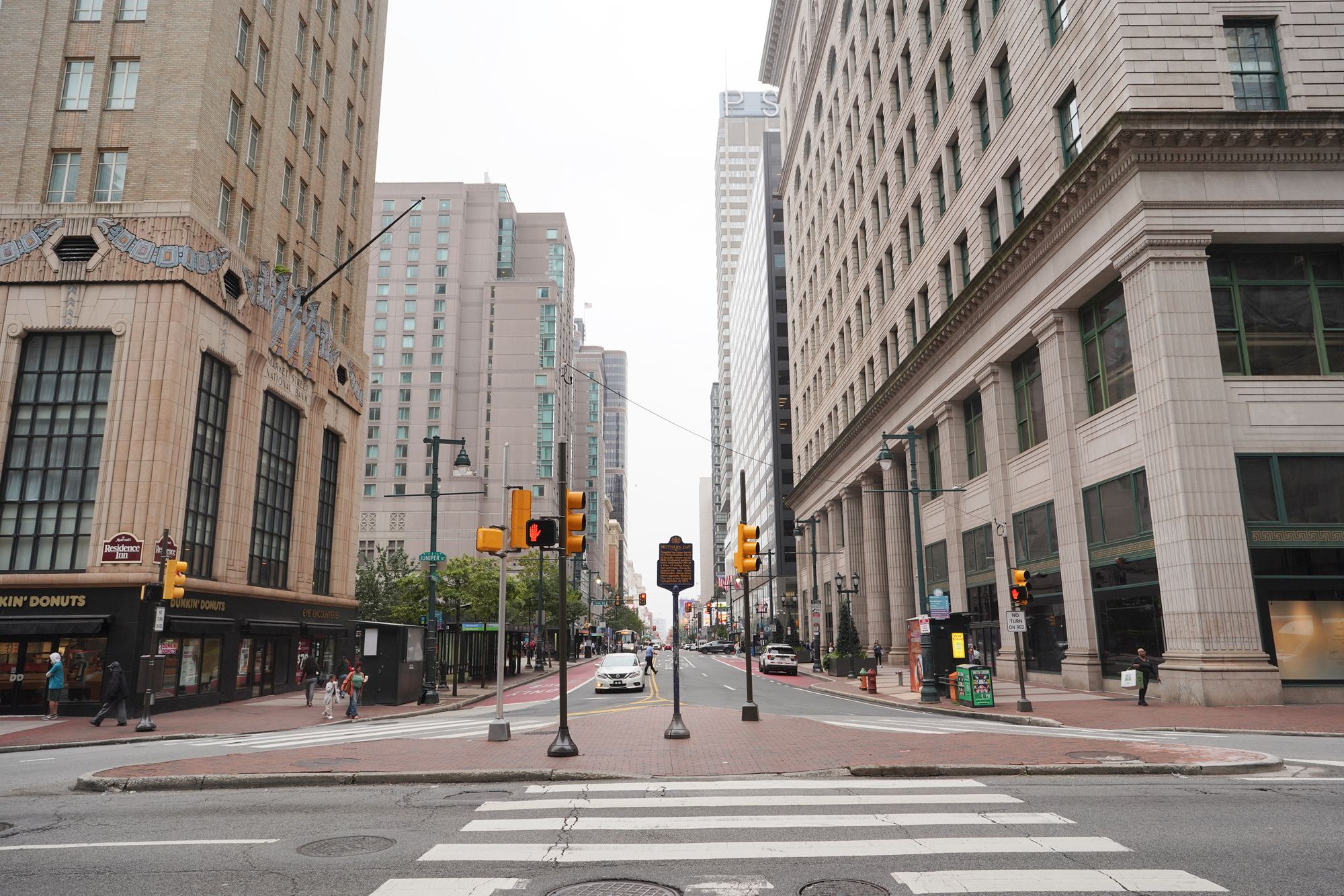
To my left stood the Masonic Temple, and I headed in that direction.
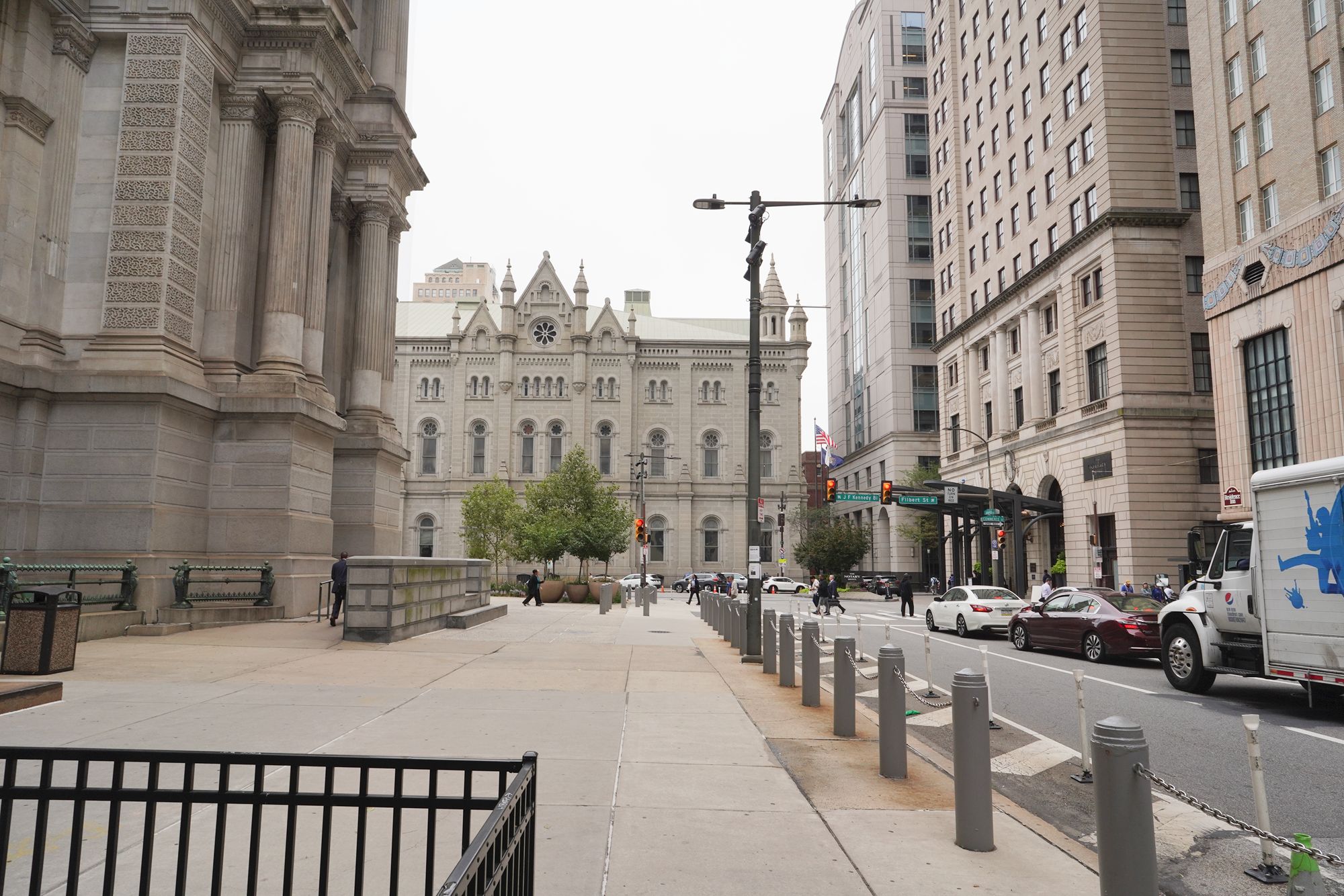
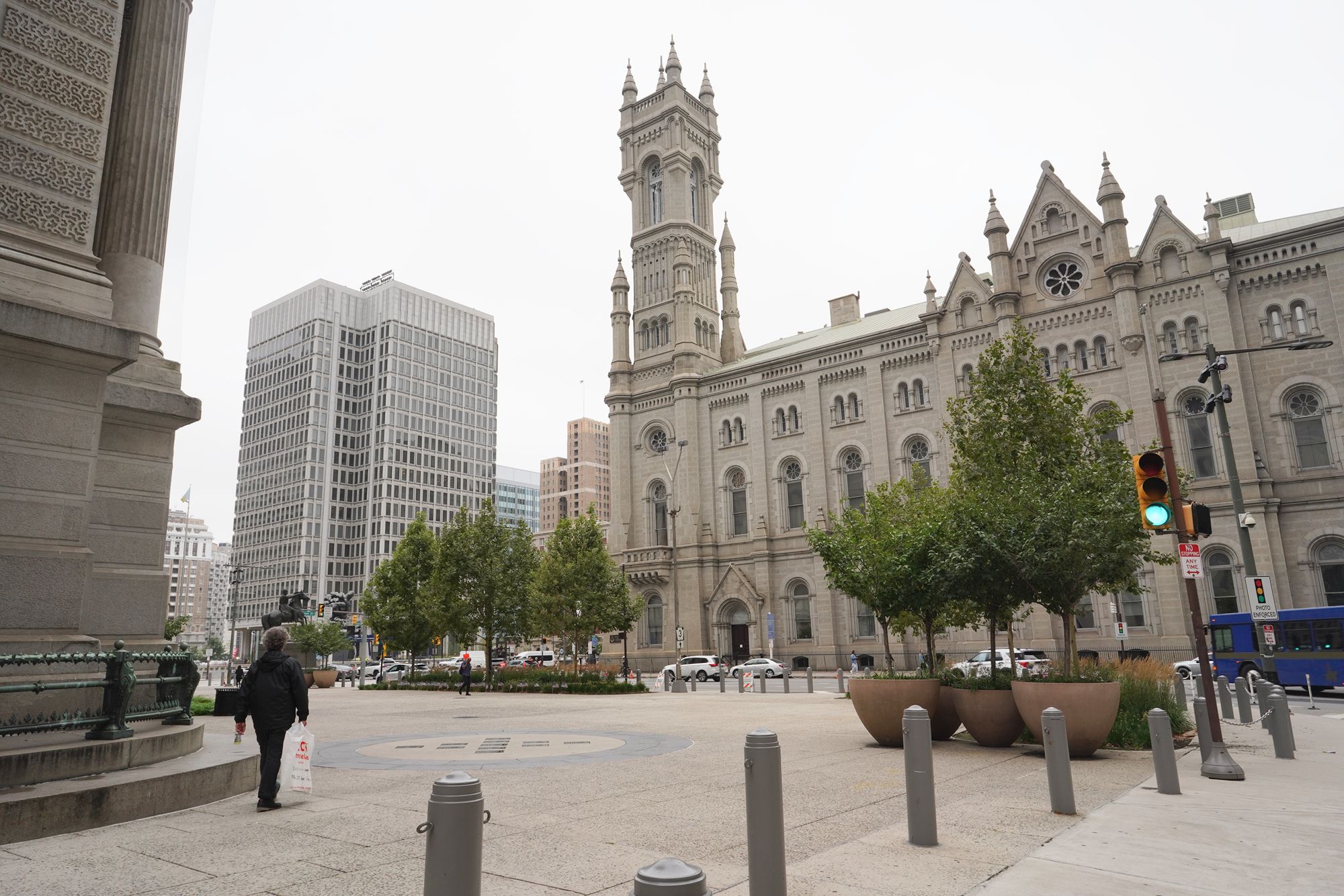
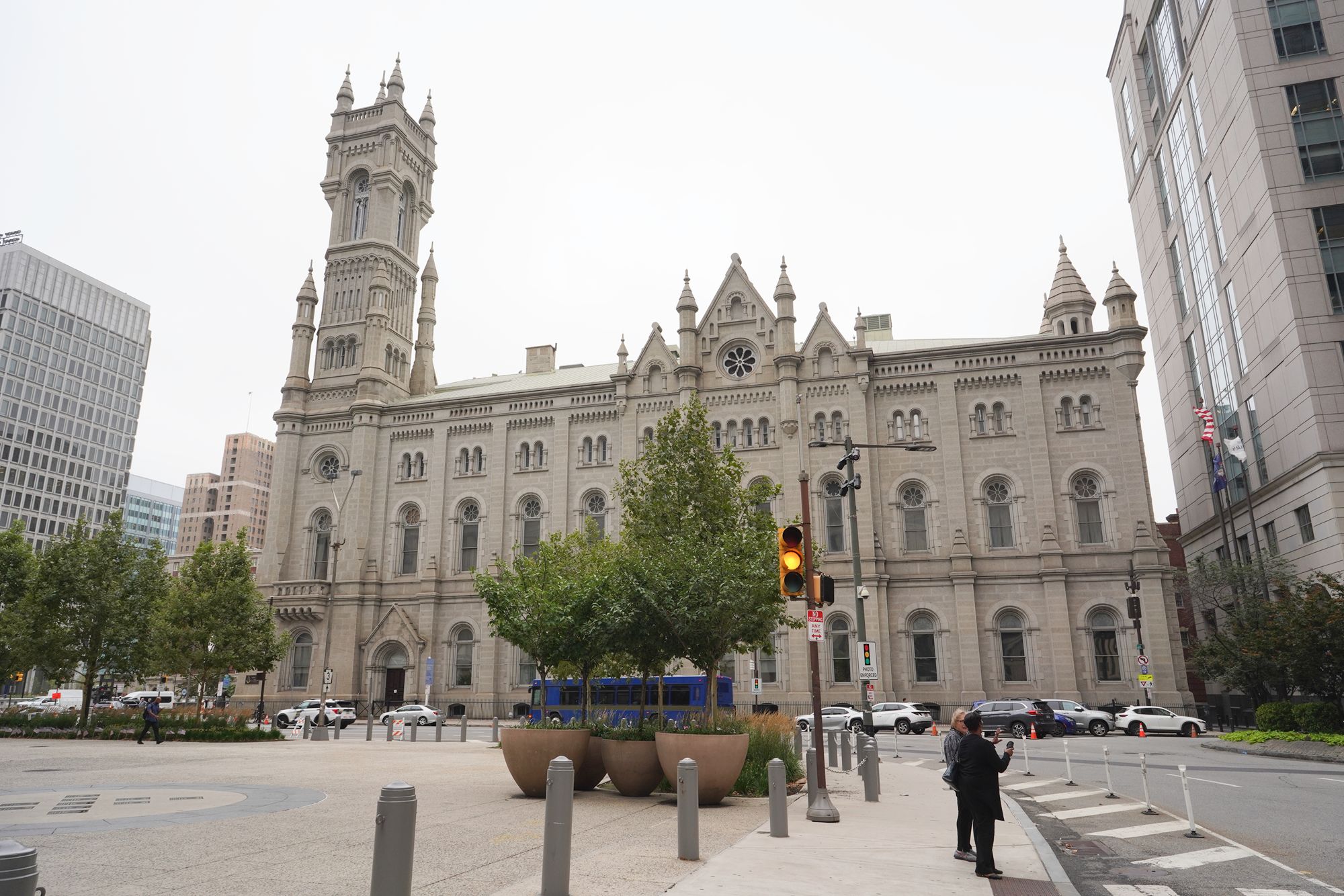
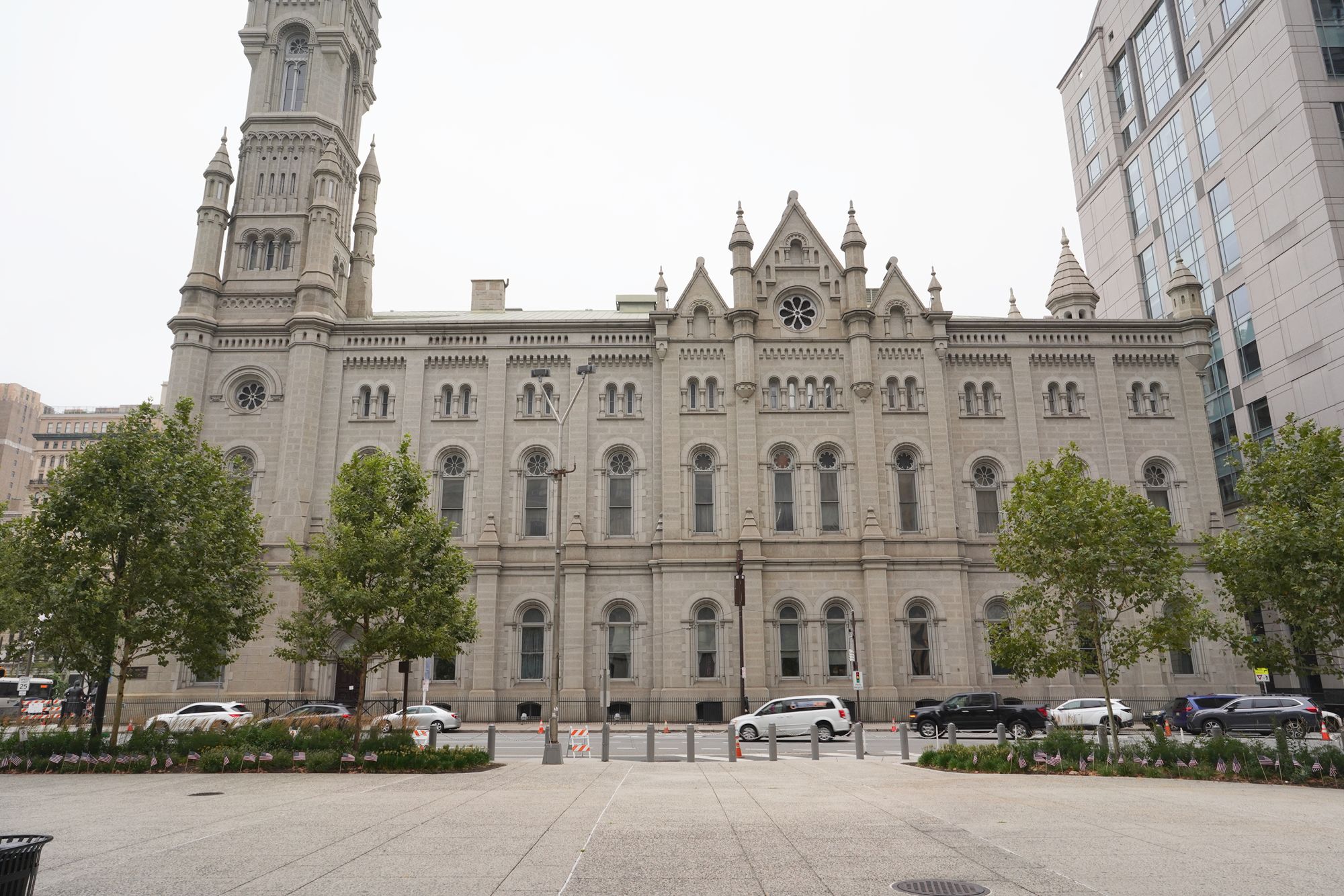
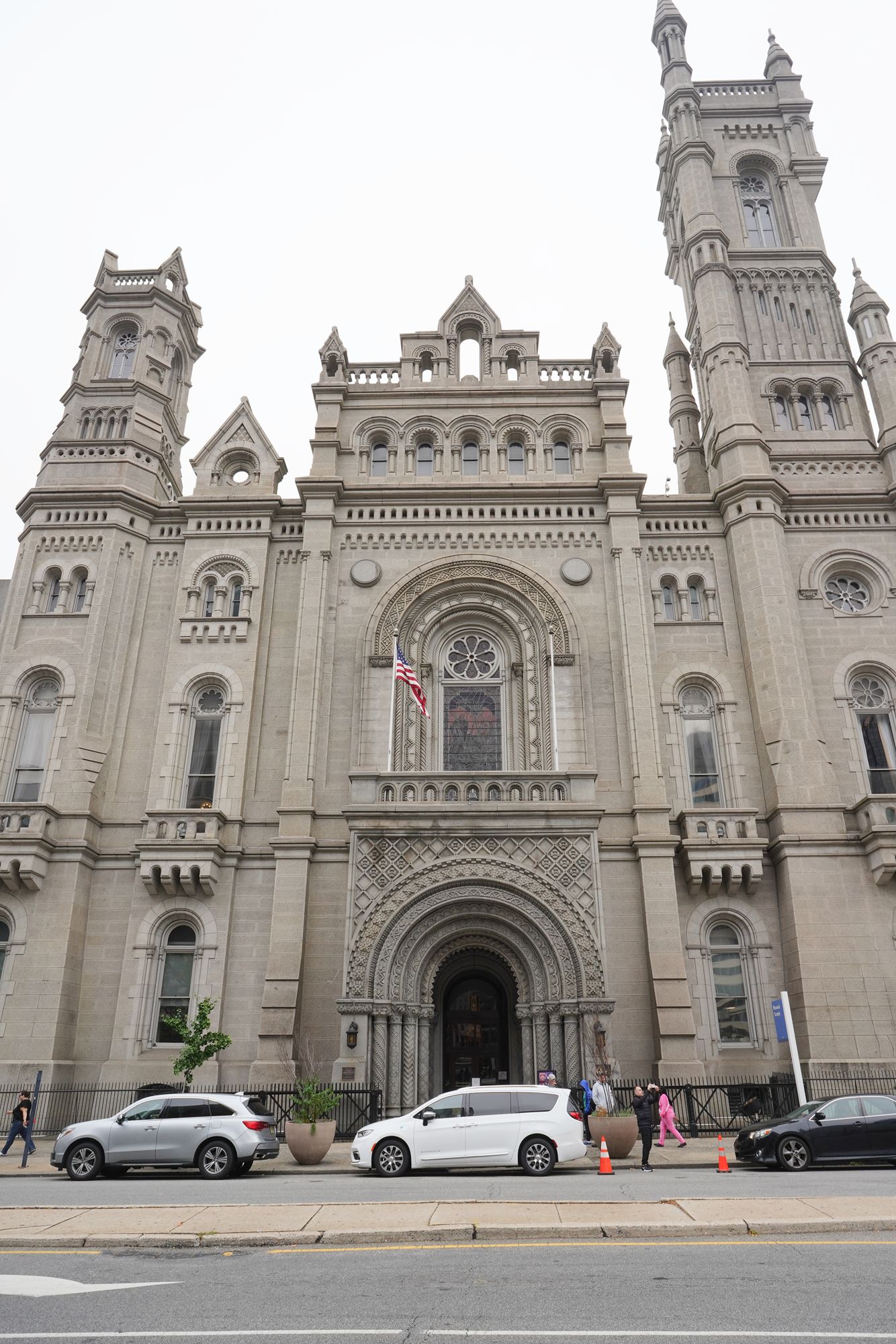
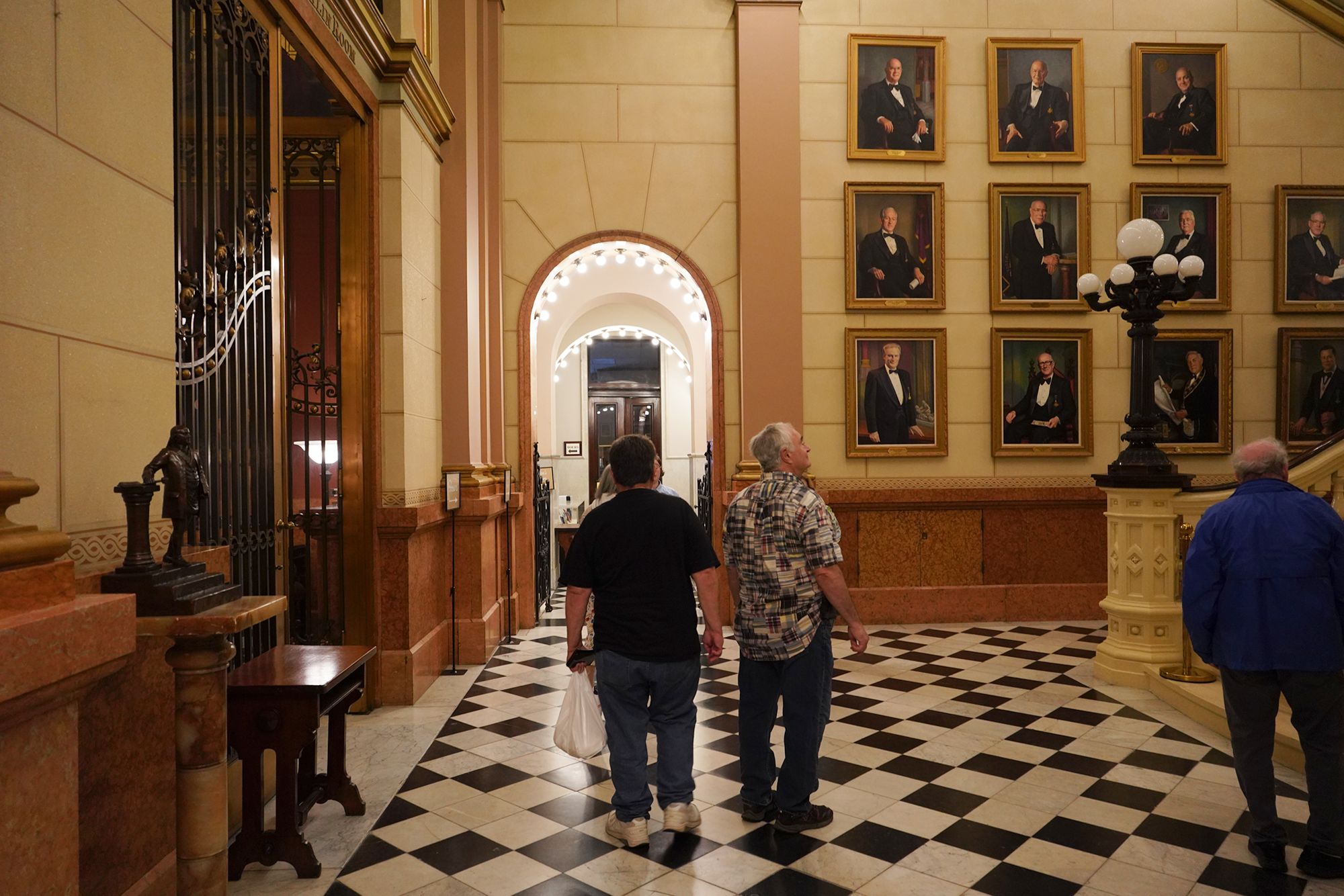
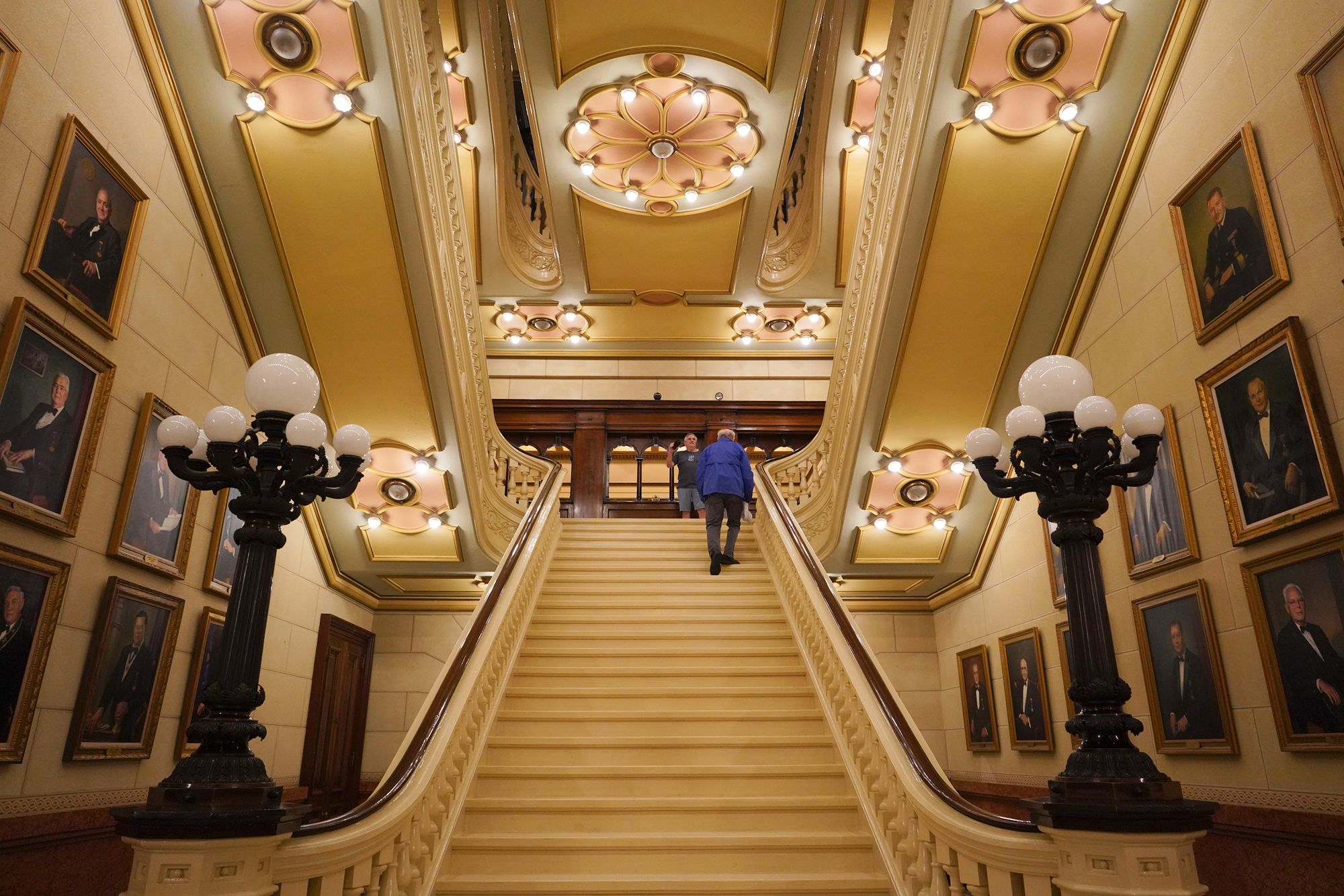
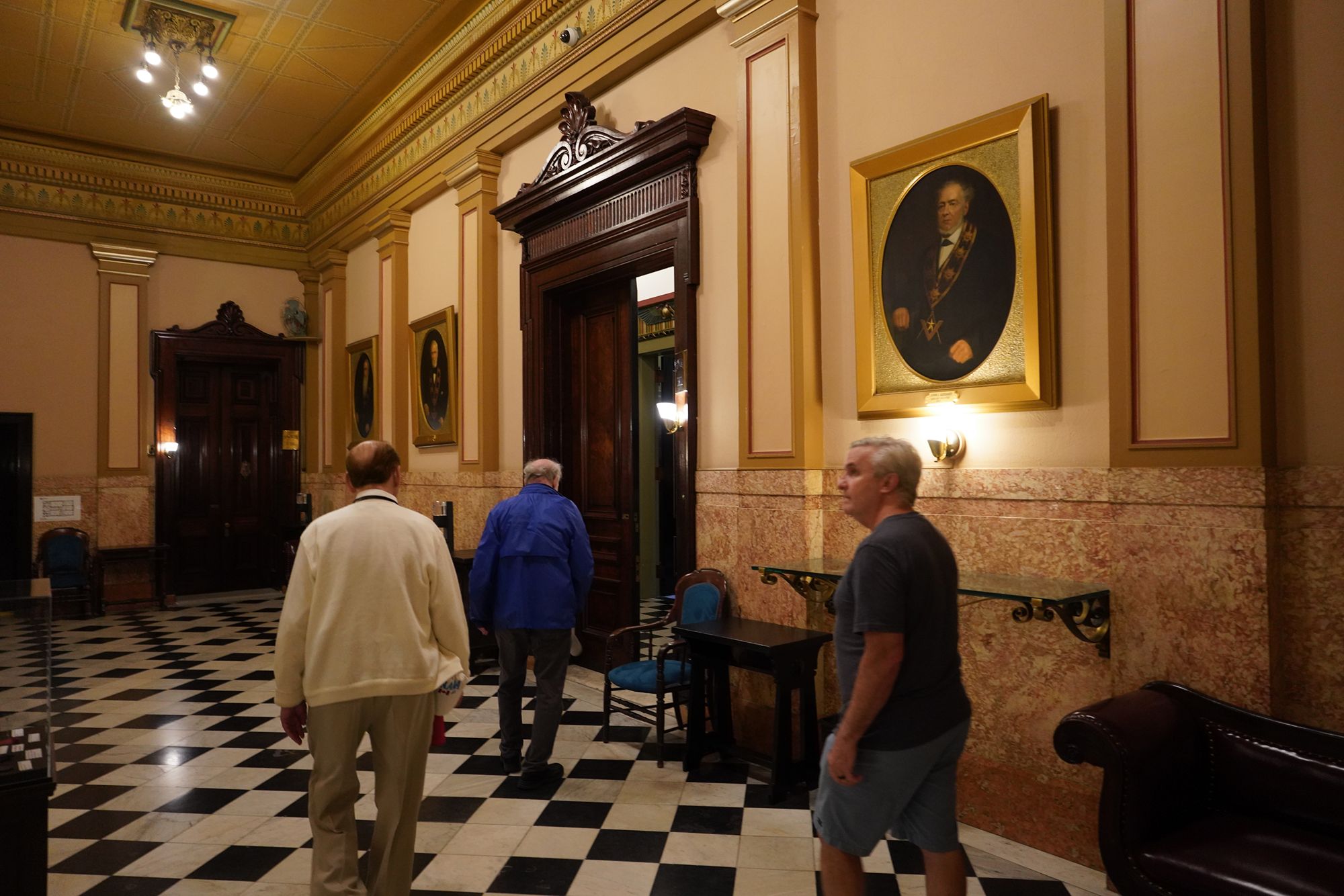
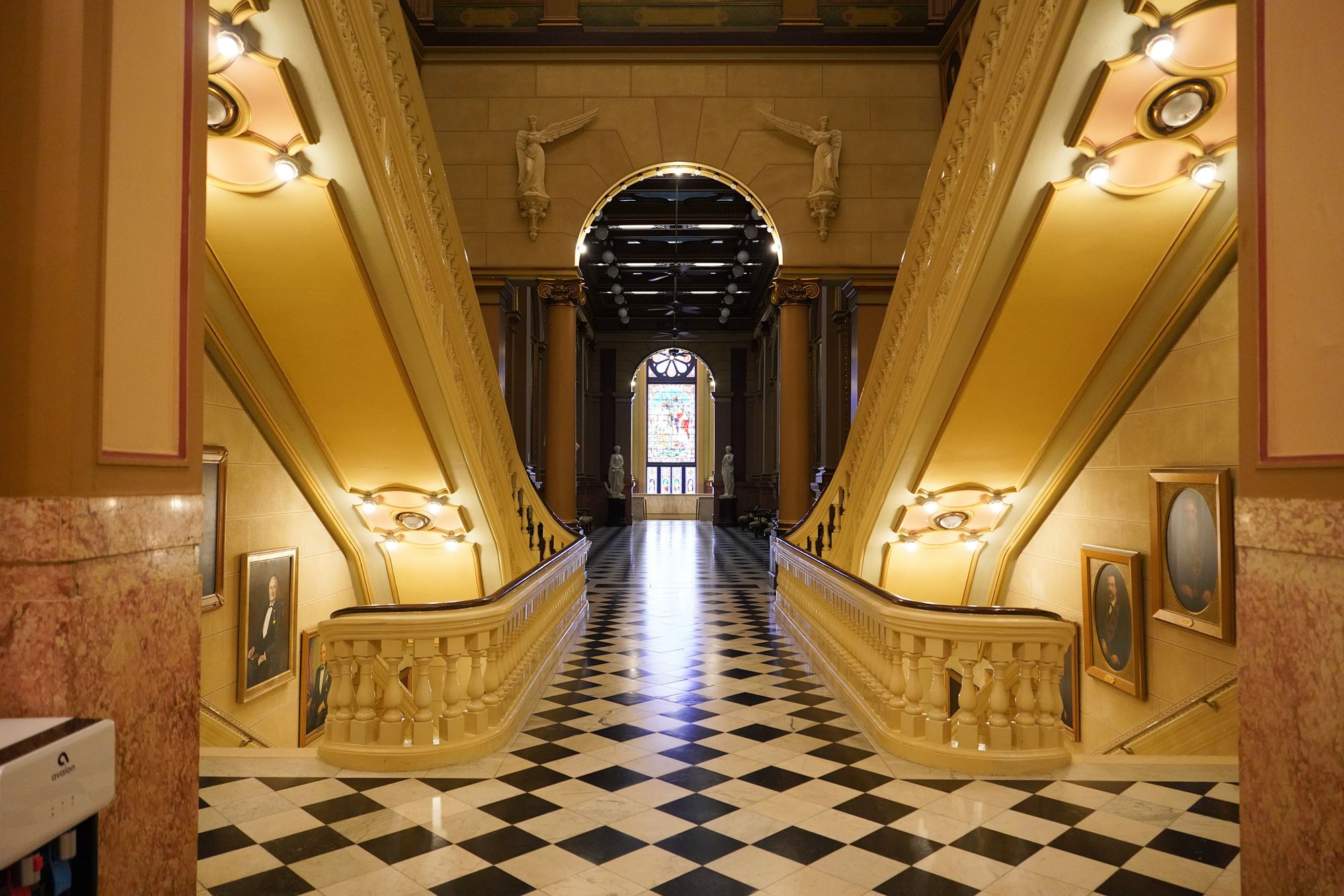
The Philadelphia Masonic Temple is a grand 19th-century building across from City Hall. Built 1868–1873, it features ornate interiors spanning Egyptian, Gothic, and Renaissance styles. Inside is a Masonic museum, library, and richly decorated lodge halls.
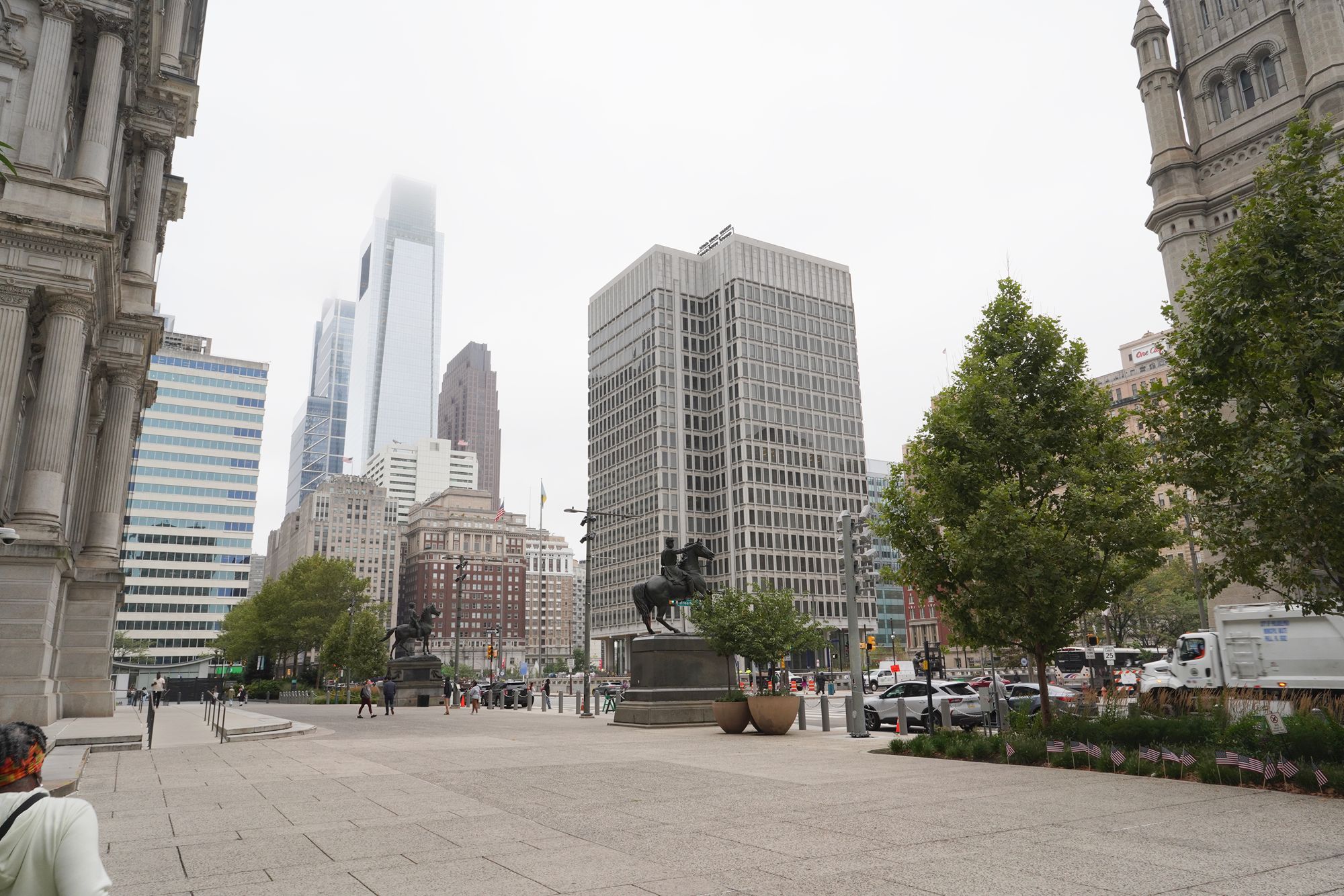
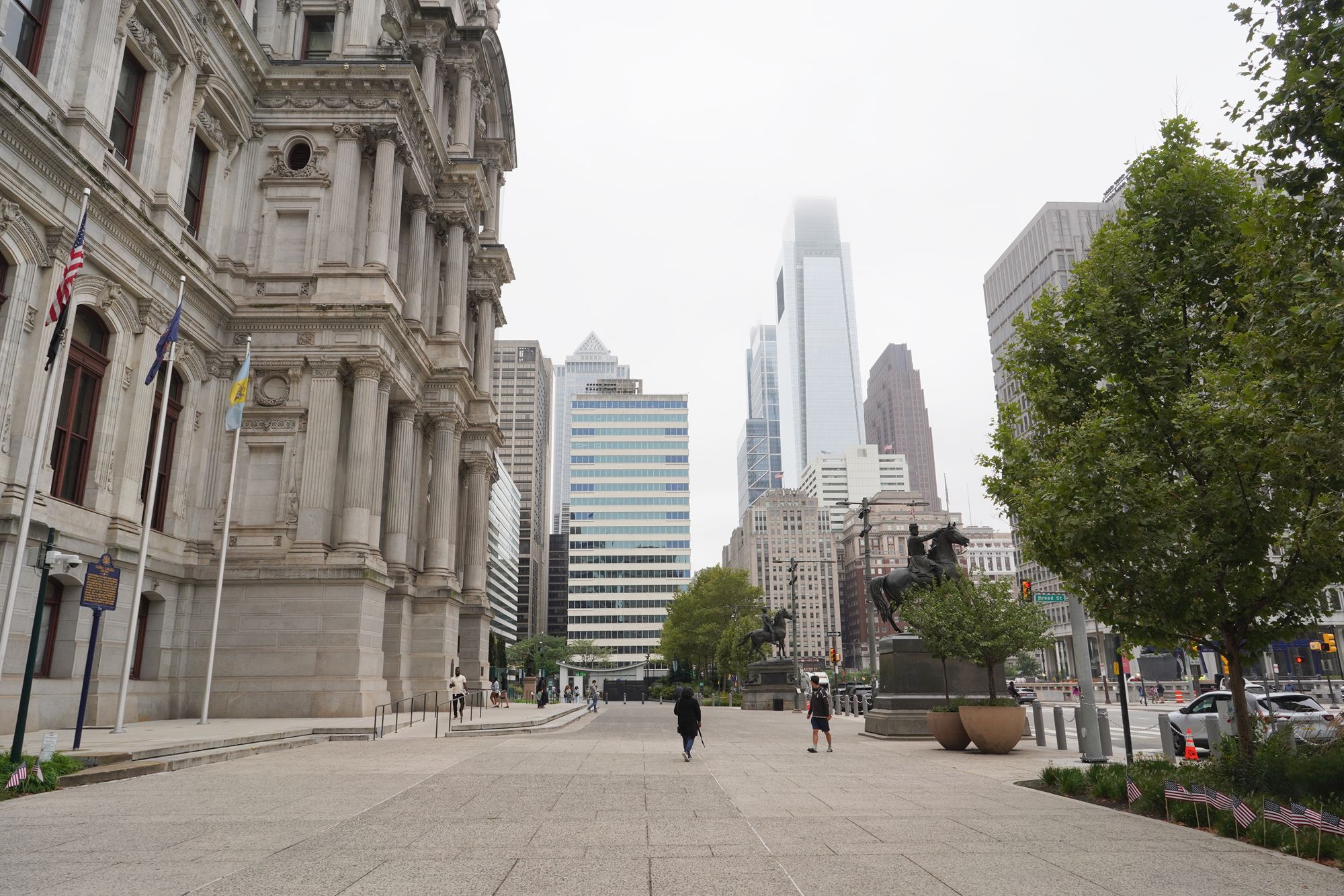
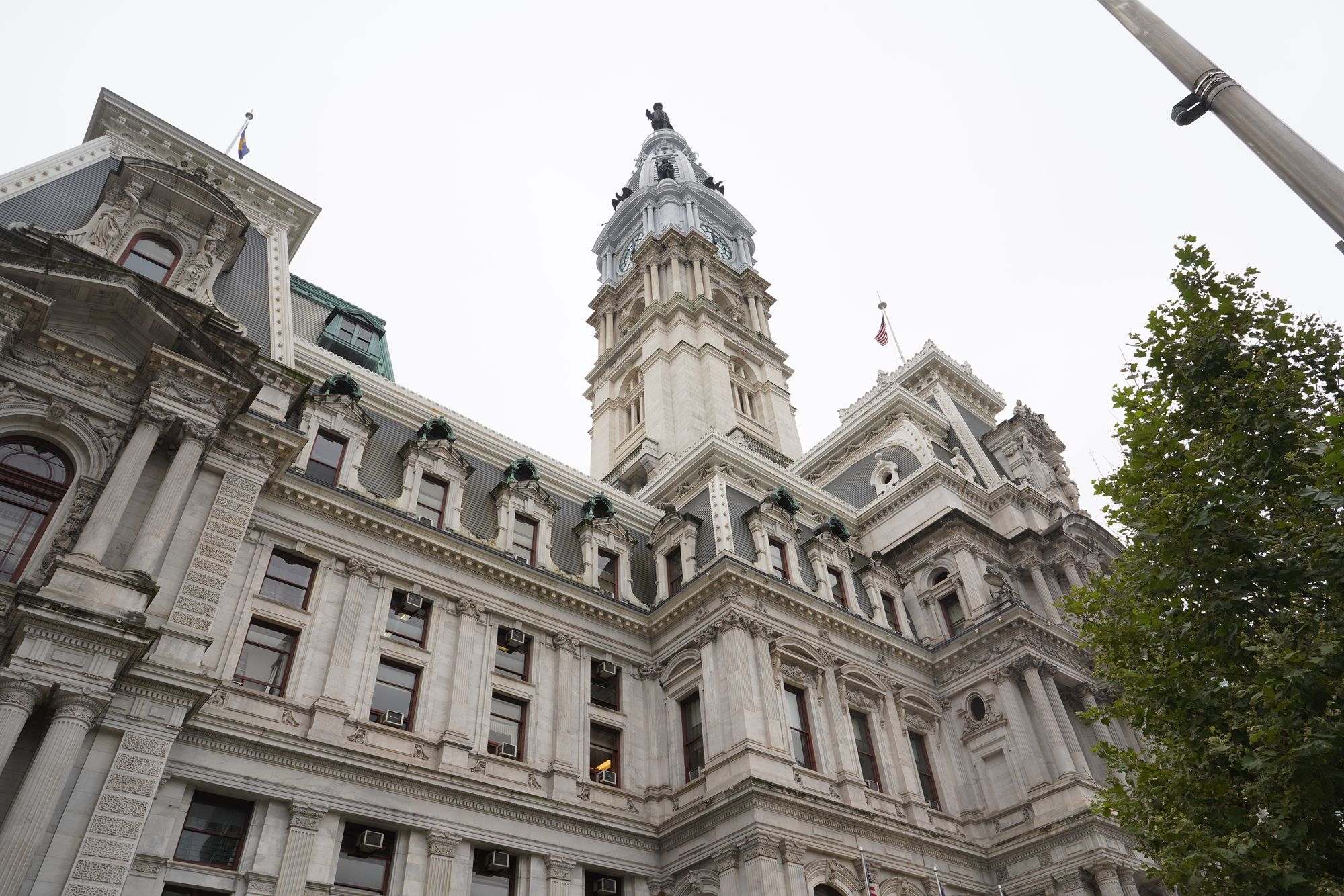
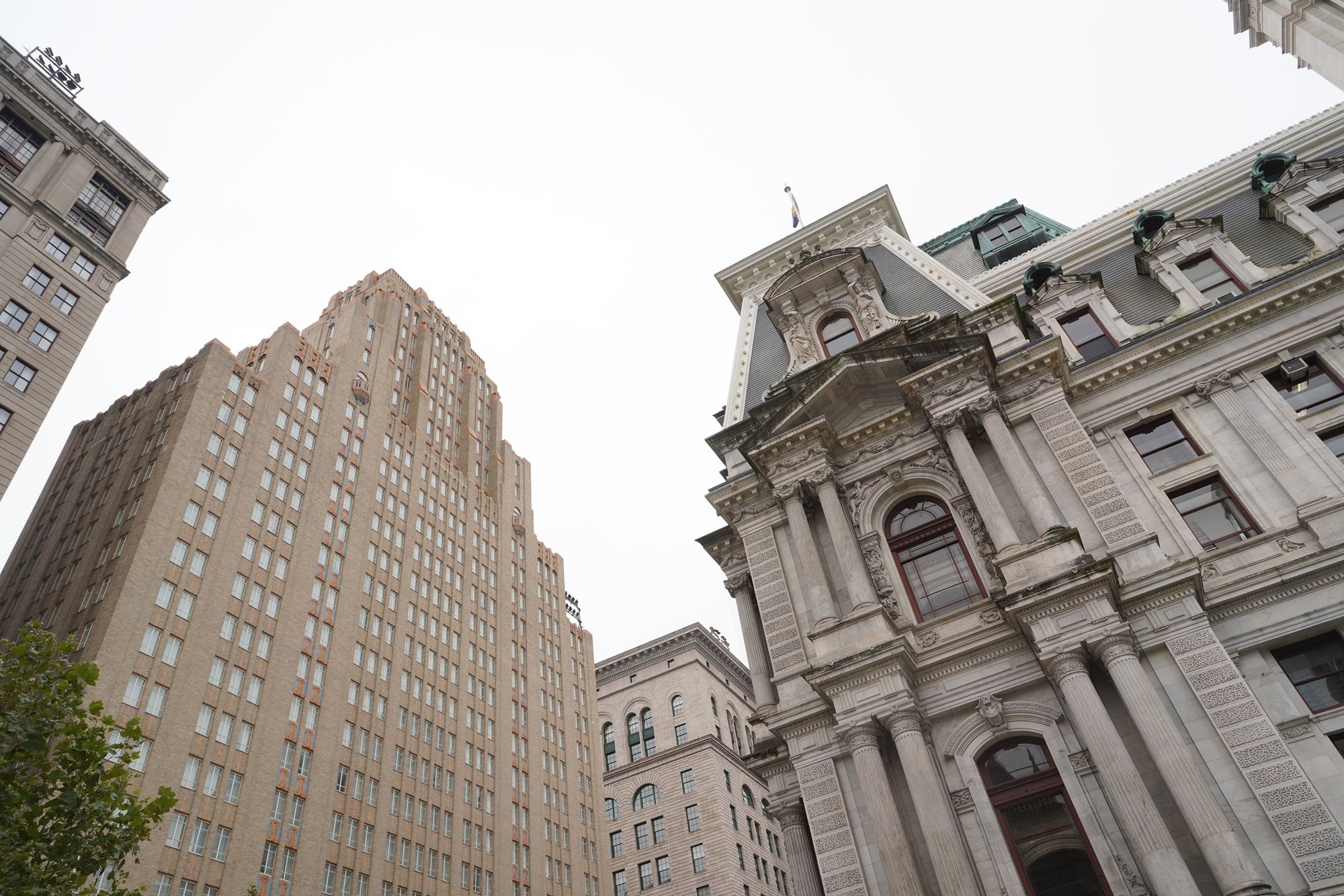
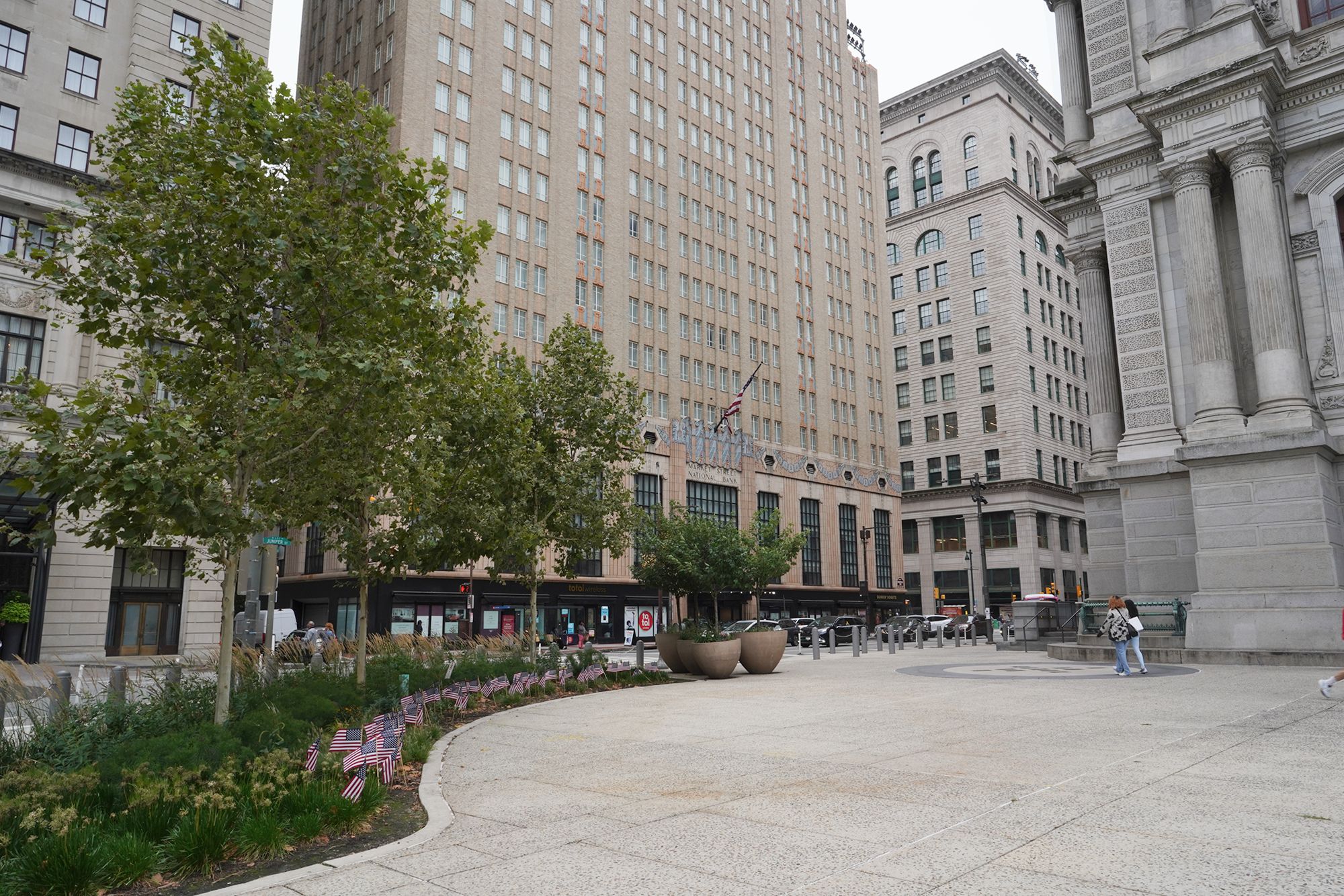
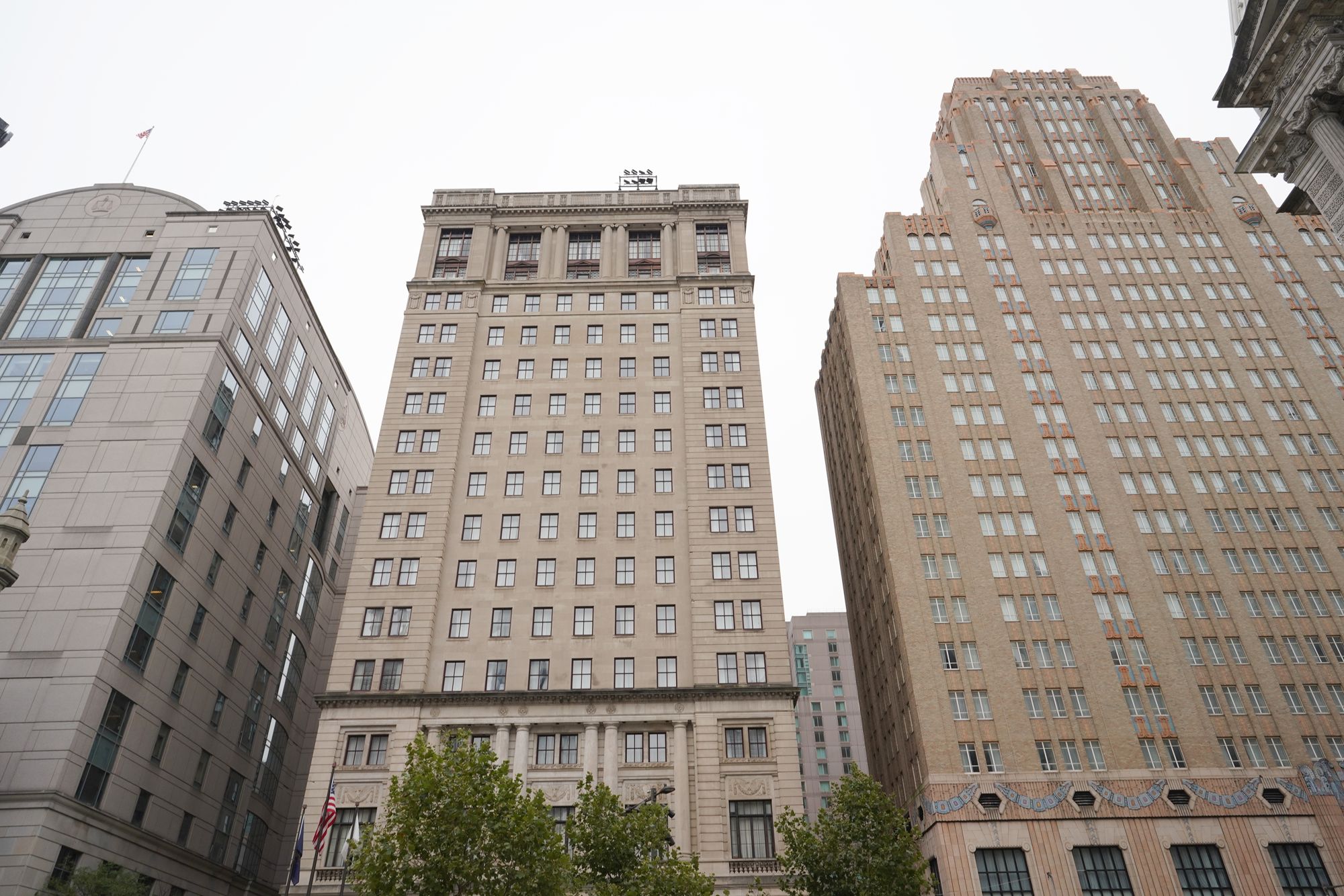
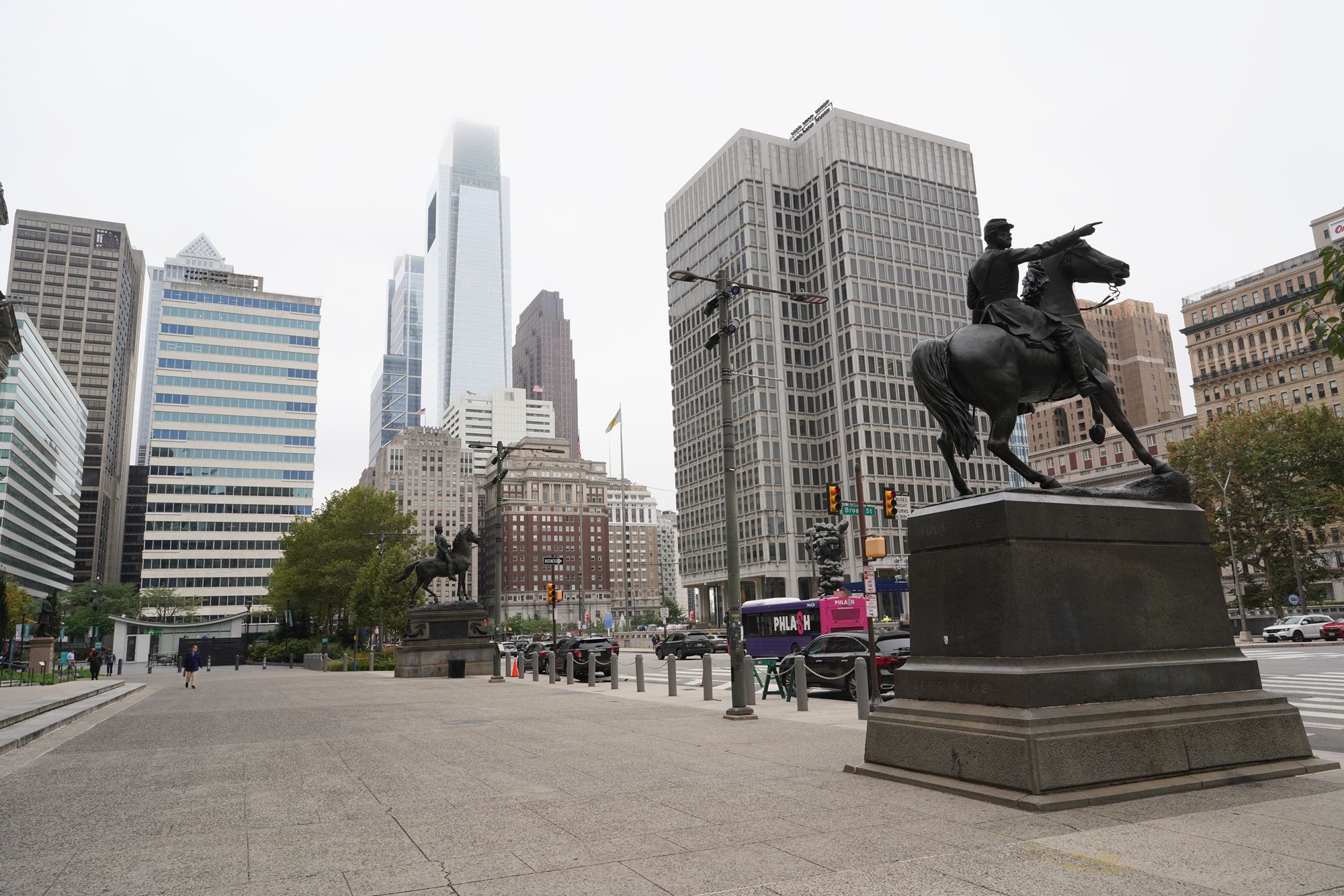
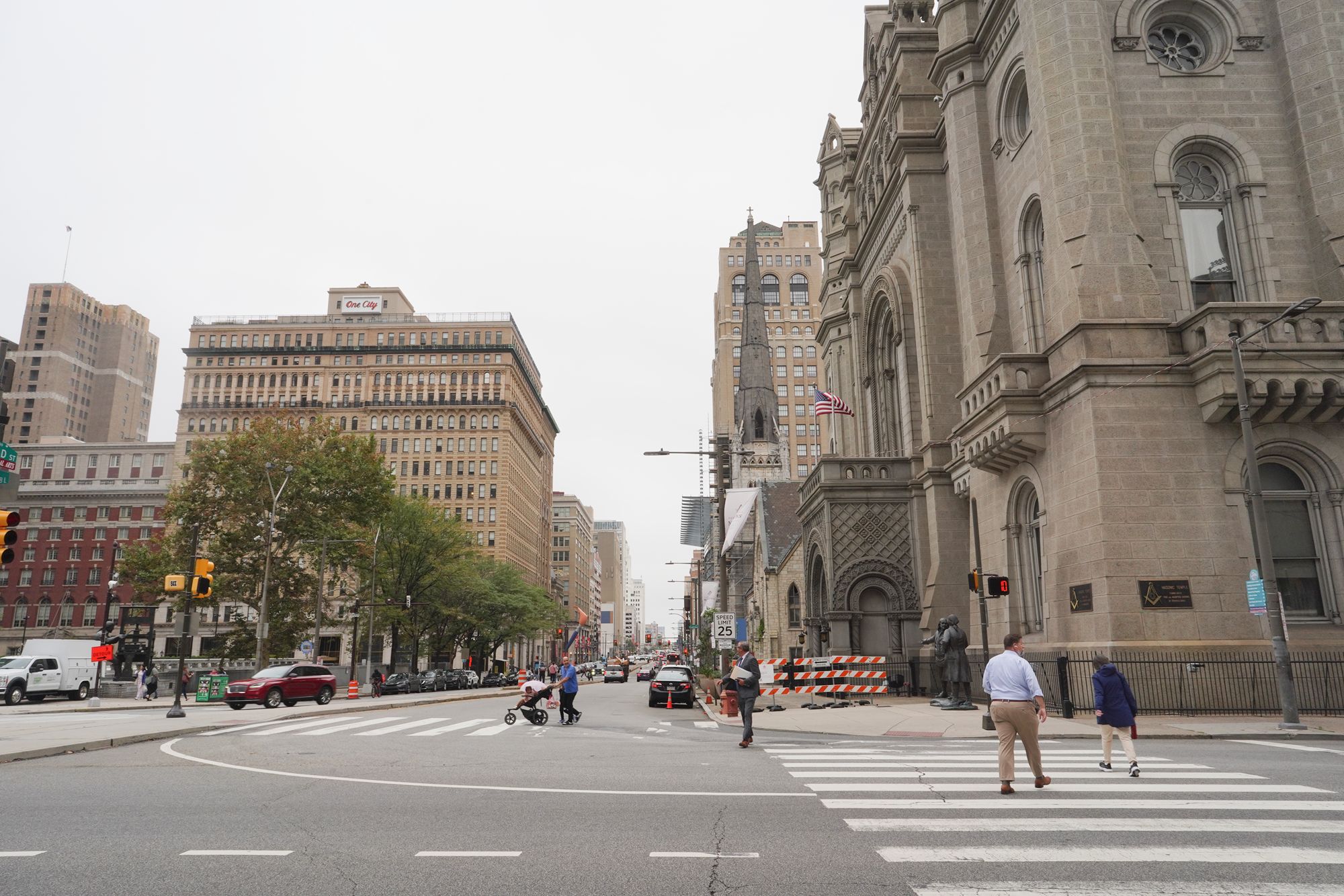
Philadelphia City Hall is one of the largest and most striking municipal buildings in the United States. Completed in 1901, it was the tallest occupied building in the world at the time and remains the largest stone government building in America. Designed in ornate Second Empire style, it features detailed carvings, grand columns, and a massive central tower topped by a 37-foot bronze statue of William Penn, the founder of Pennsylvania.
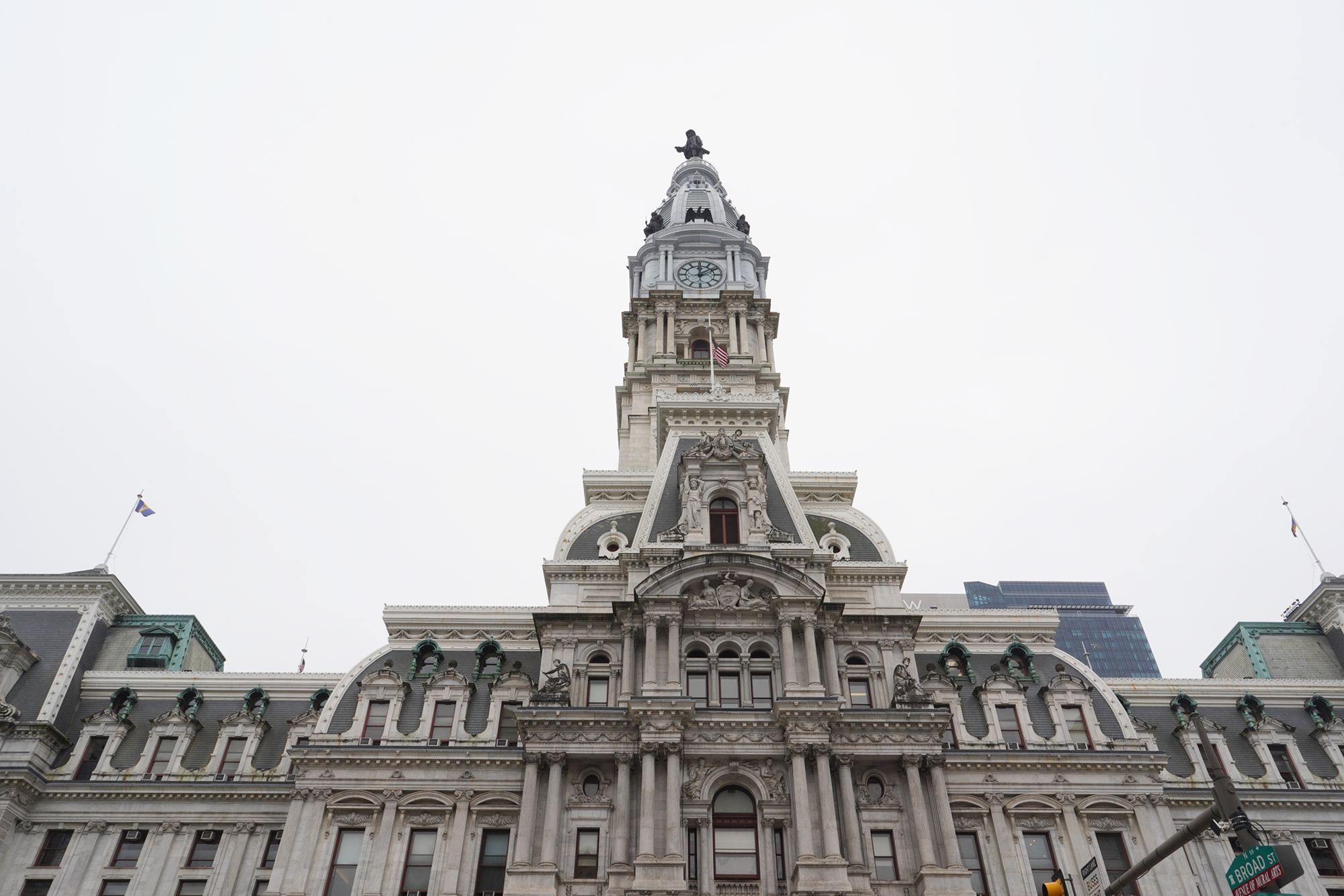
City Hall stands at the heart of downtown, where Broad and Market Streets cross, serving as both a working government building and a public landmark. Its courtyard, observation deck, and surrounding plazas make it a hub for events, photos, and city gatherings. At night, lights illuminate the tower, turning it into one of Philadelphia’s most recognizable symbols.
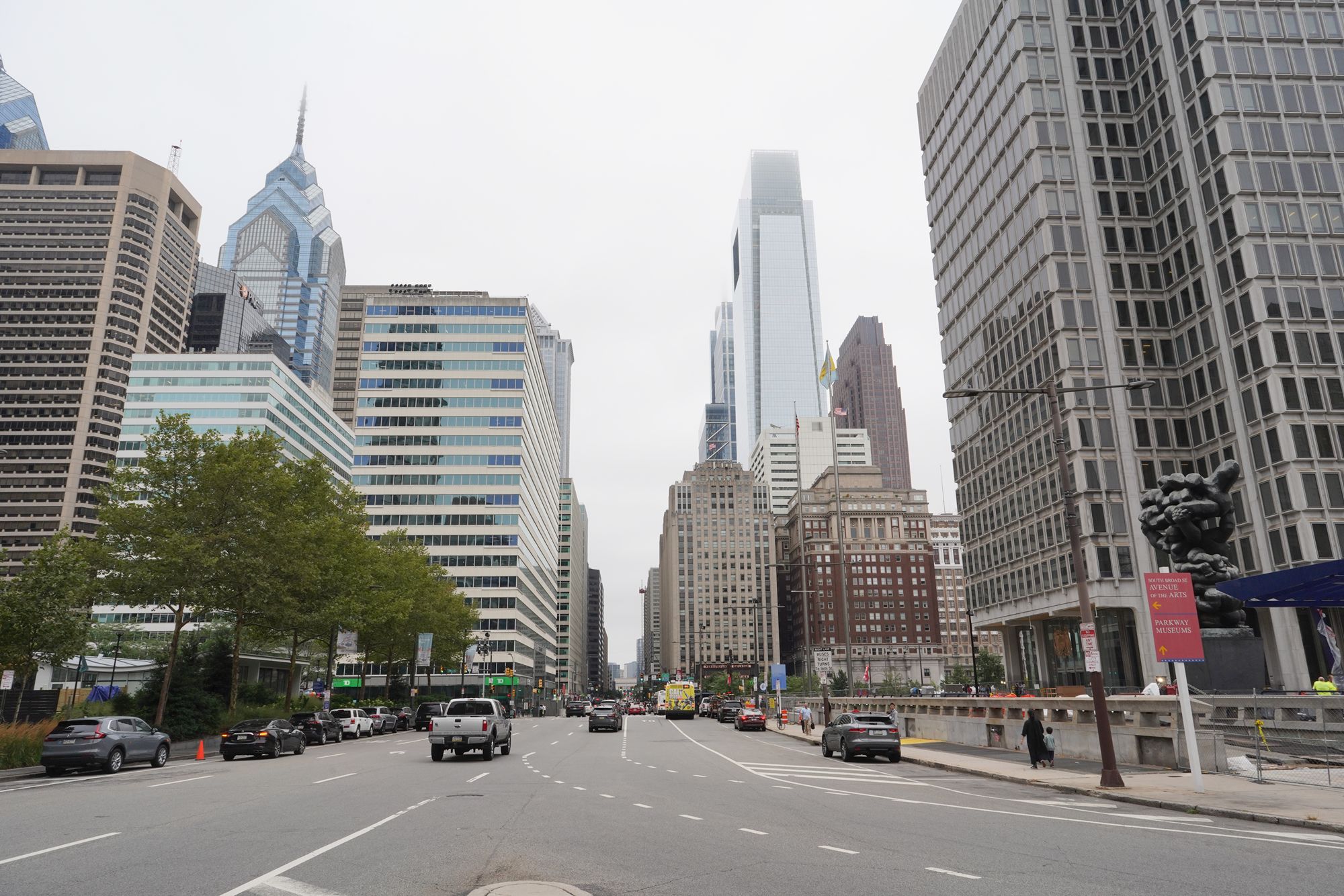
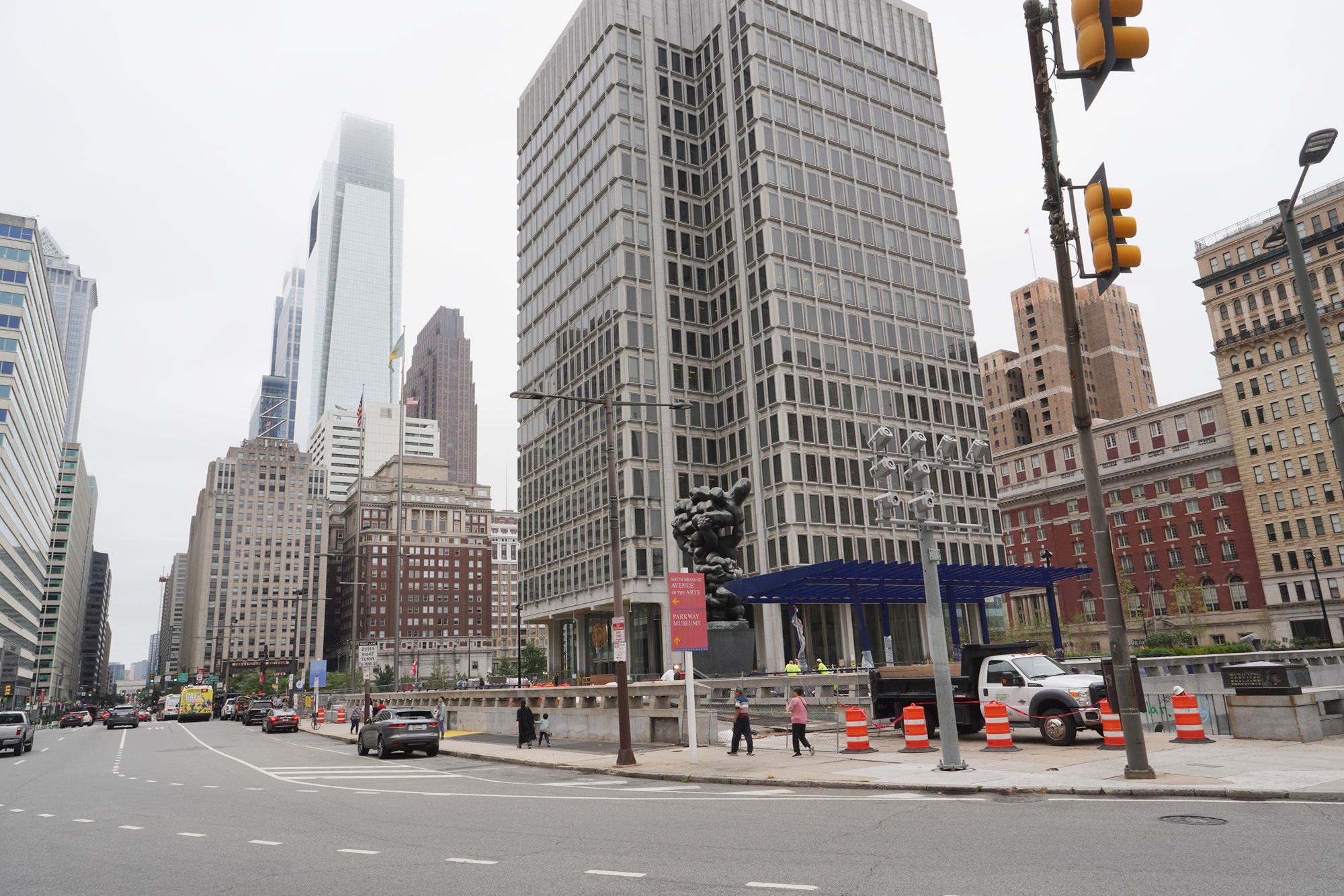
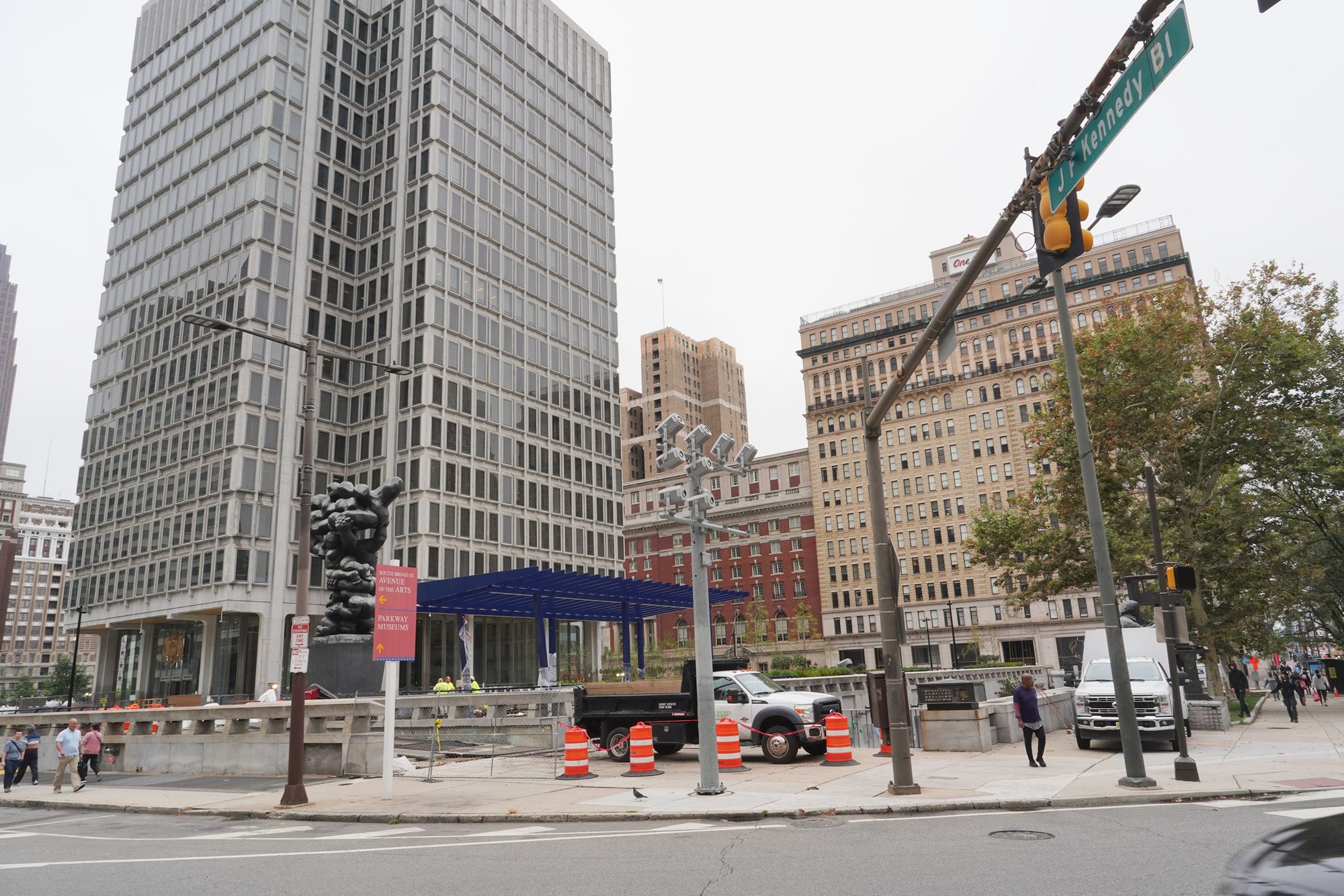
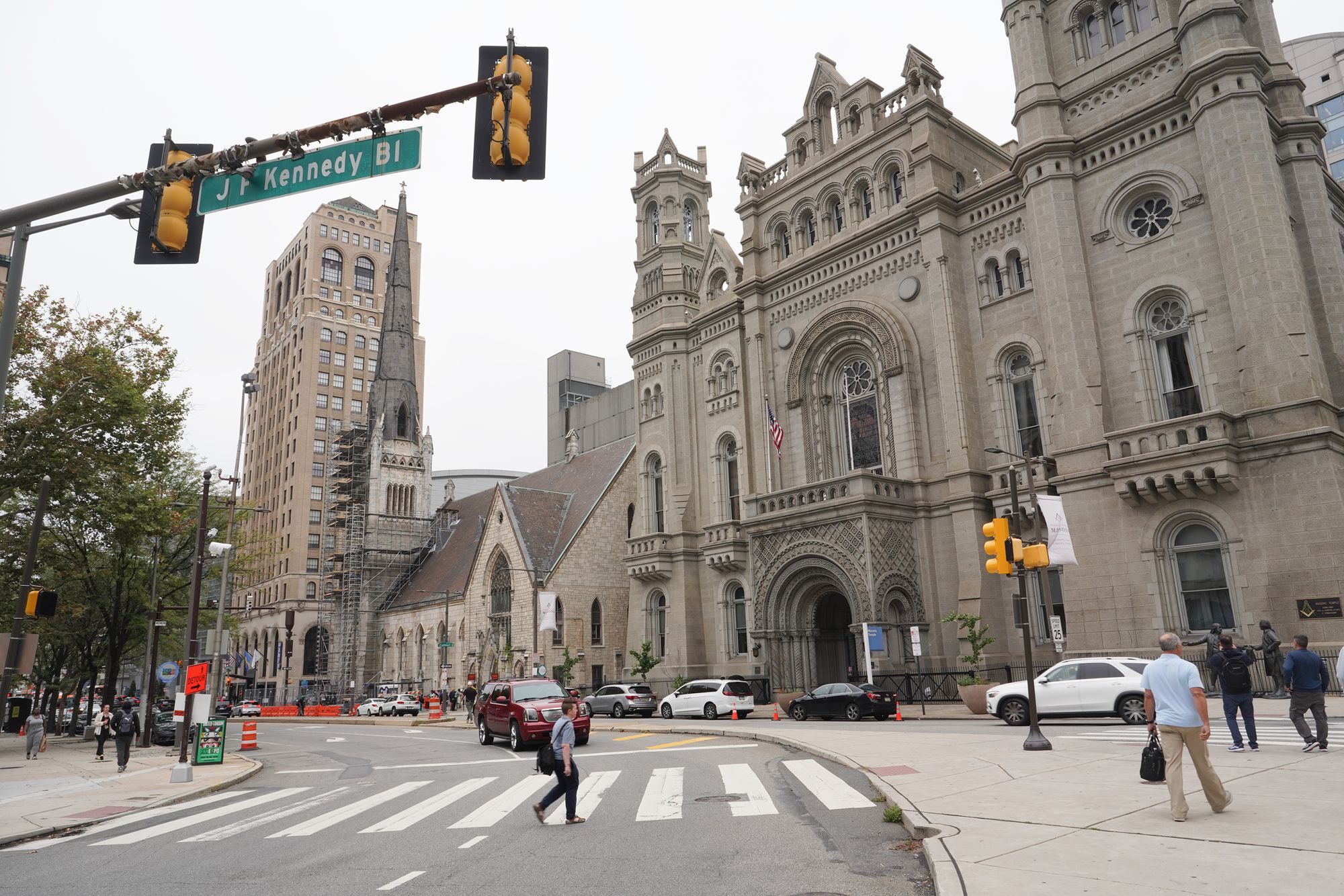
The Masonic building is one of the most elaborate and important Masonic buildings in the world, still active for meetings while also housing a museum and library. Its location directly across from City Hall and its dramatic stone exterior make it a landmark of Philadelphia’s skyline and history.
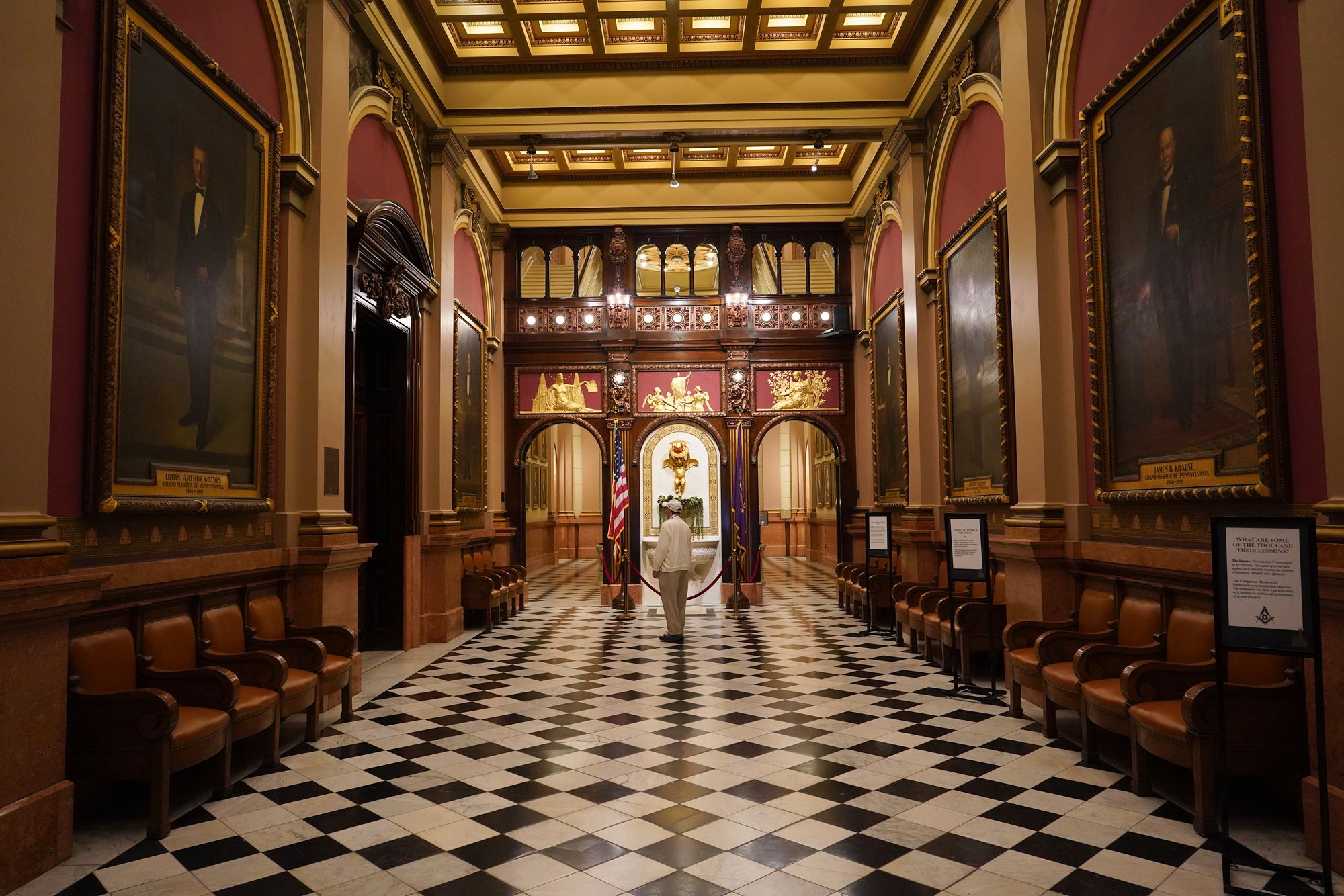
You can see inside the building on a guided tour
Who are the Masons (Freemasons)?
Masons, or Freemasons, are members of one of the world’s oldest fraternal organizations. Freemasonry began in Europe in the 1600s–1700s, growing from stonemason guilds into a society built around friendship, moral values, charity, and mutual support. Members meet in groups called lodges, like the one housed in Philadelphia’s Masonic Temple.
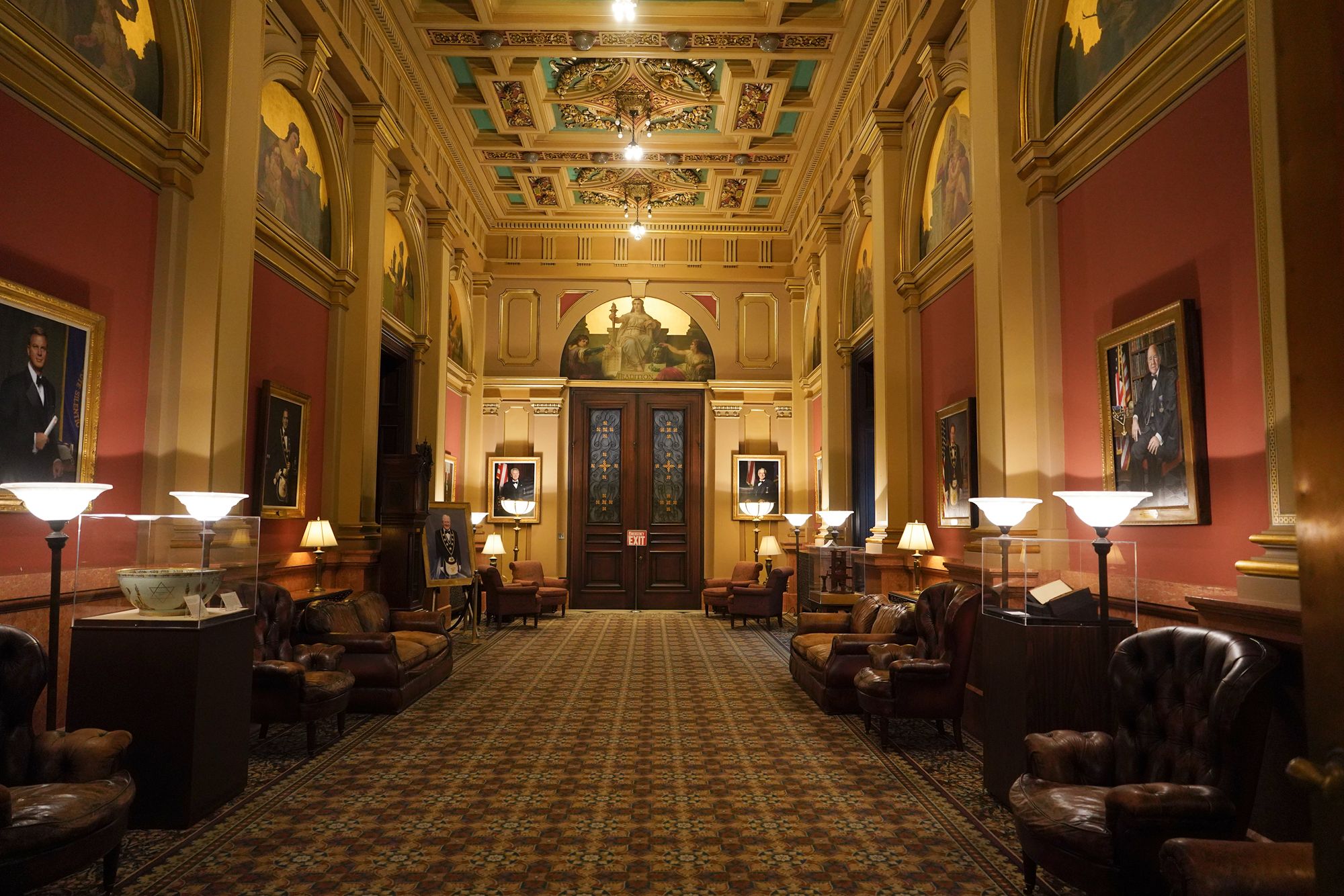
Freemasons are not a religion, but they emphasize ethical living, personal improvement, and community service. Many historical figures were Masons, including George Washington, Benjamin Franklin, and other American founders.
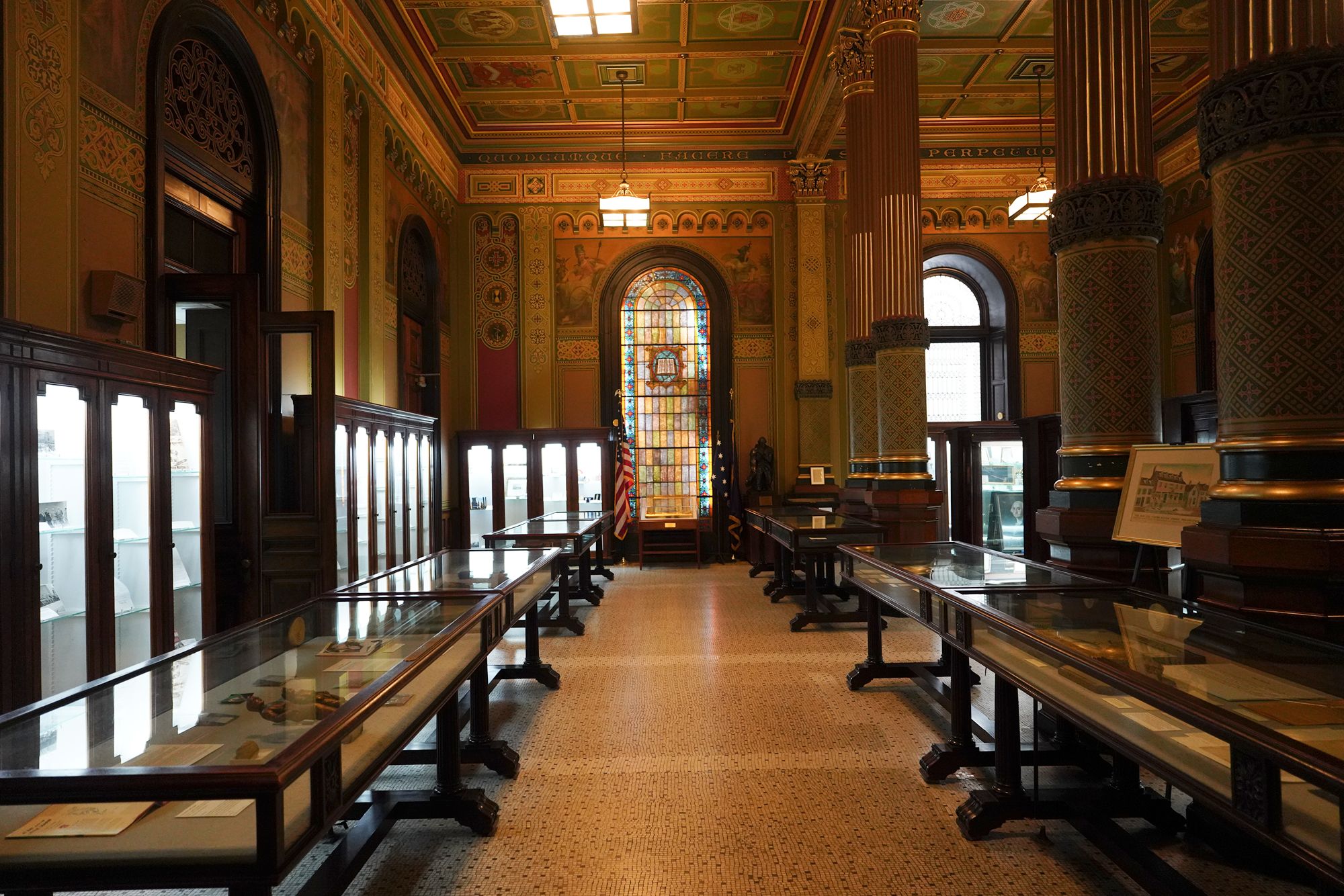
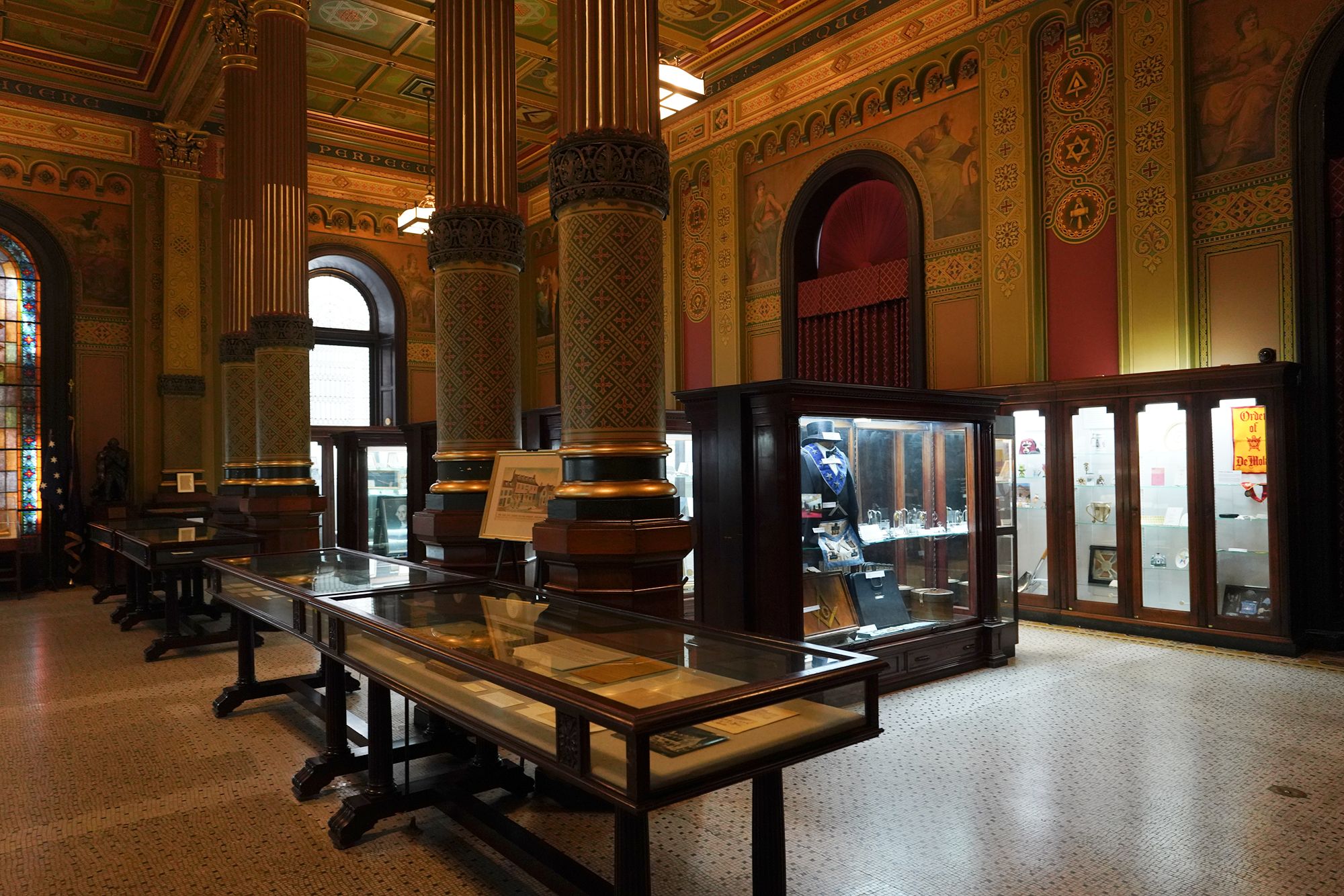
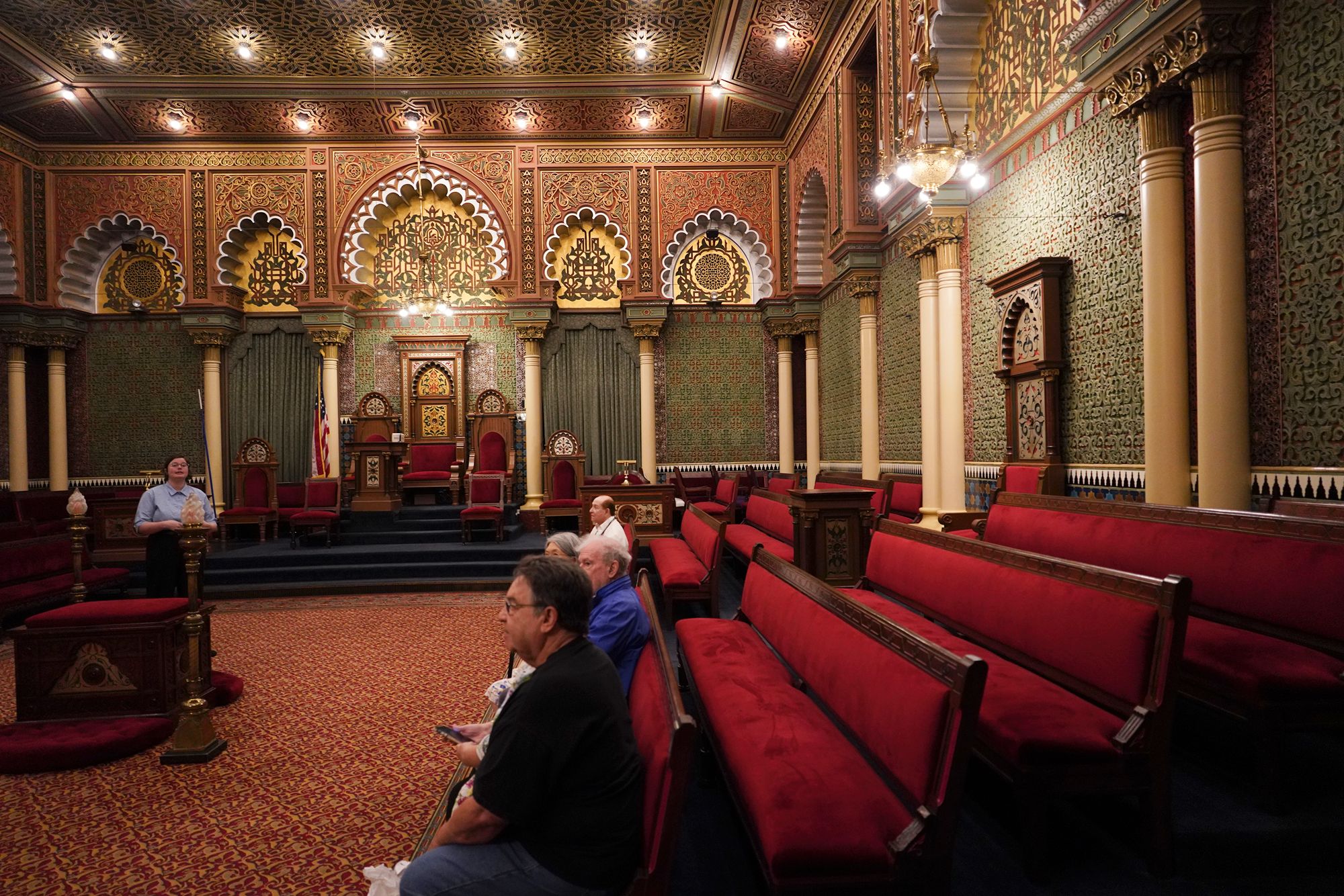
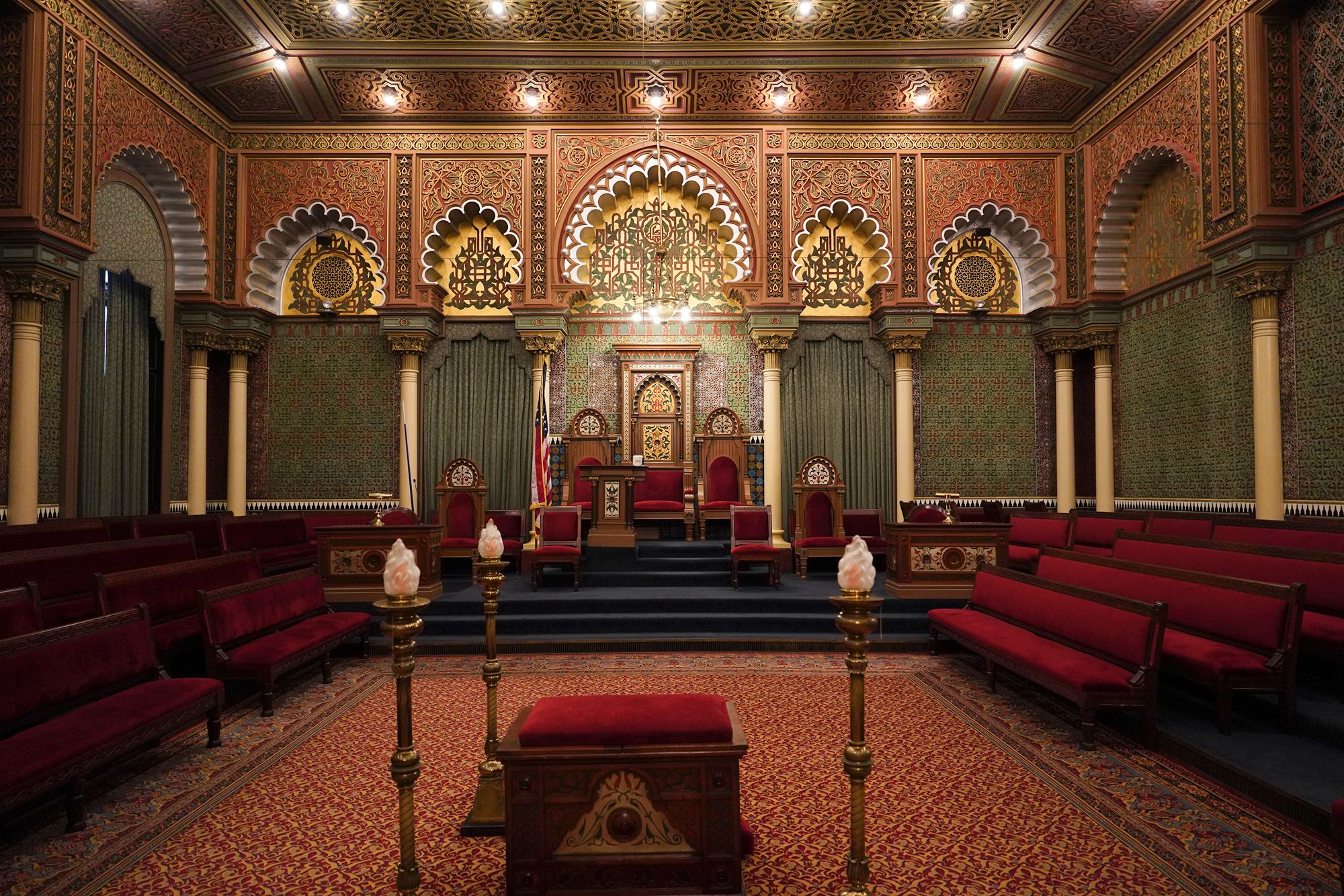
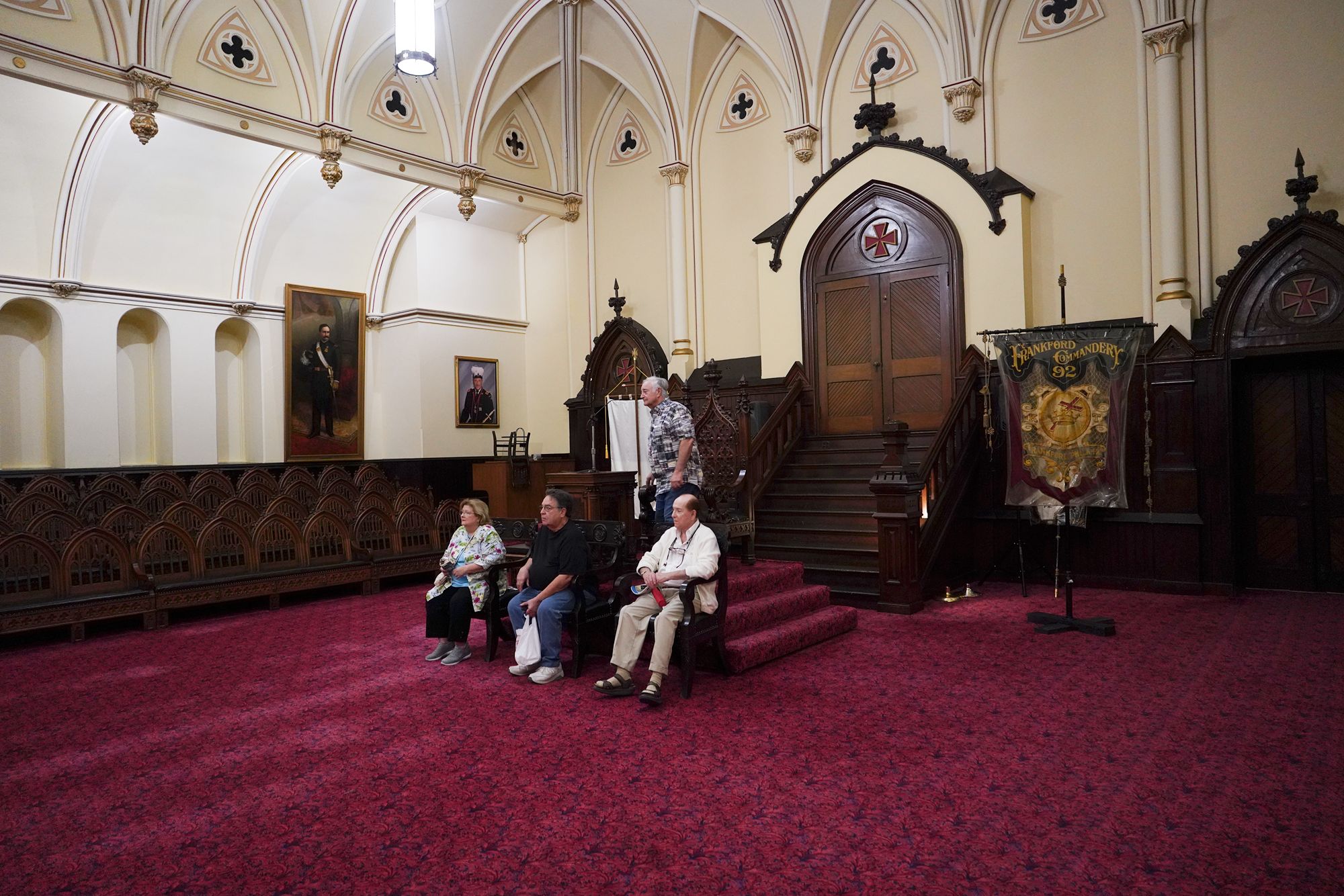
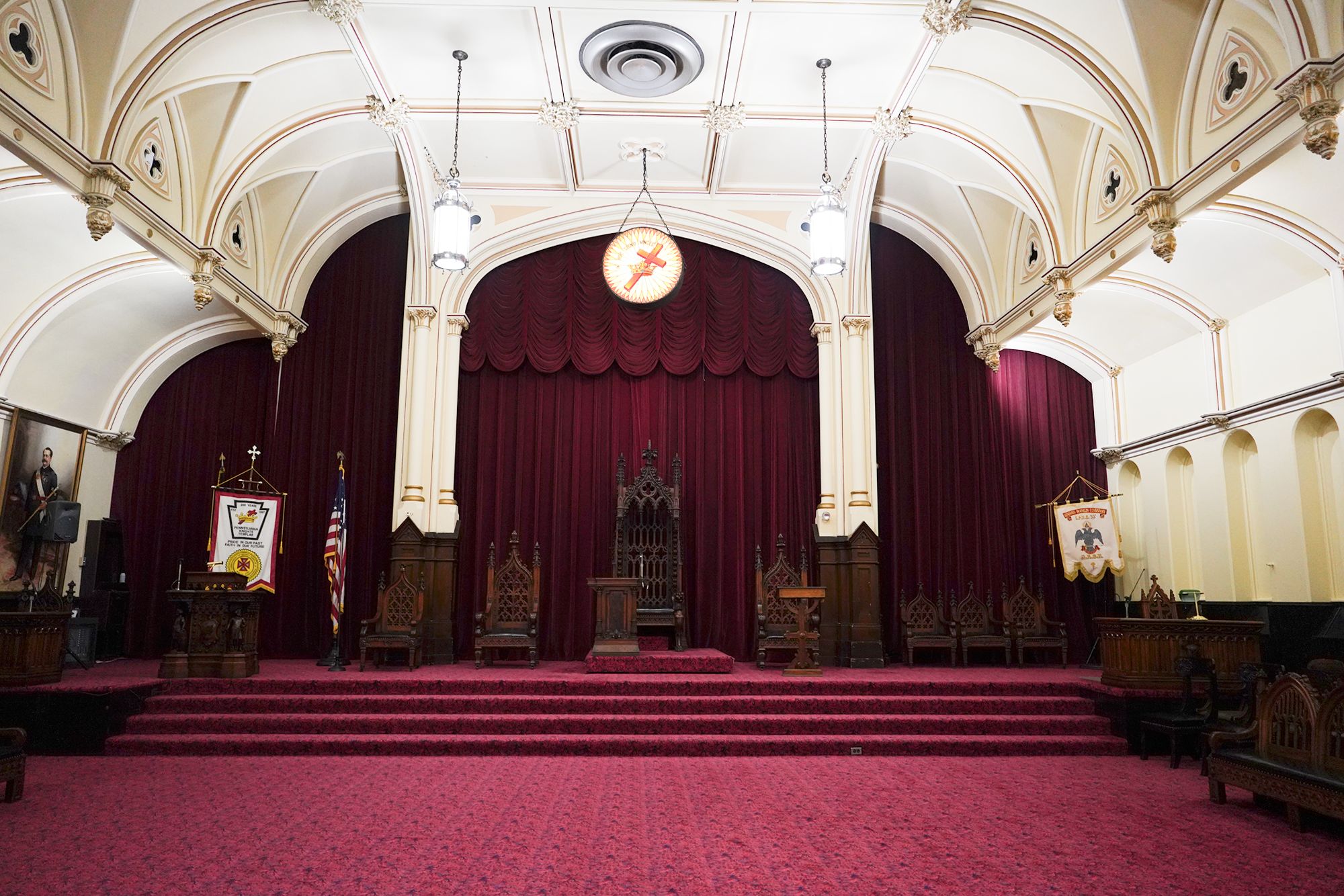
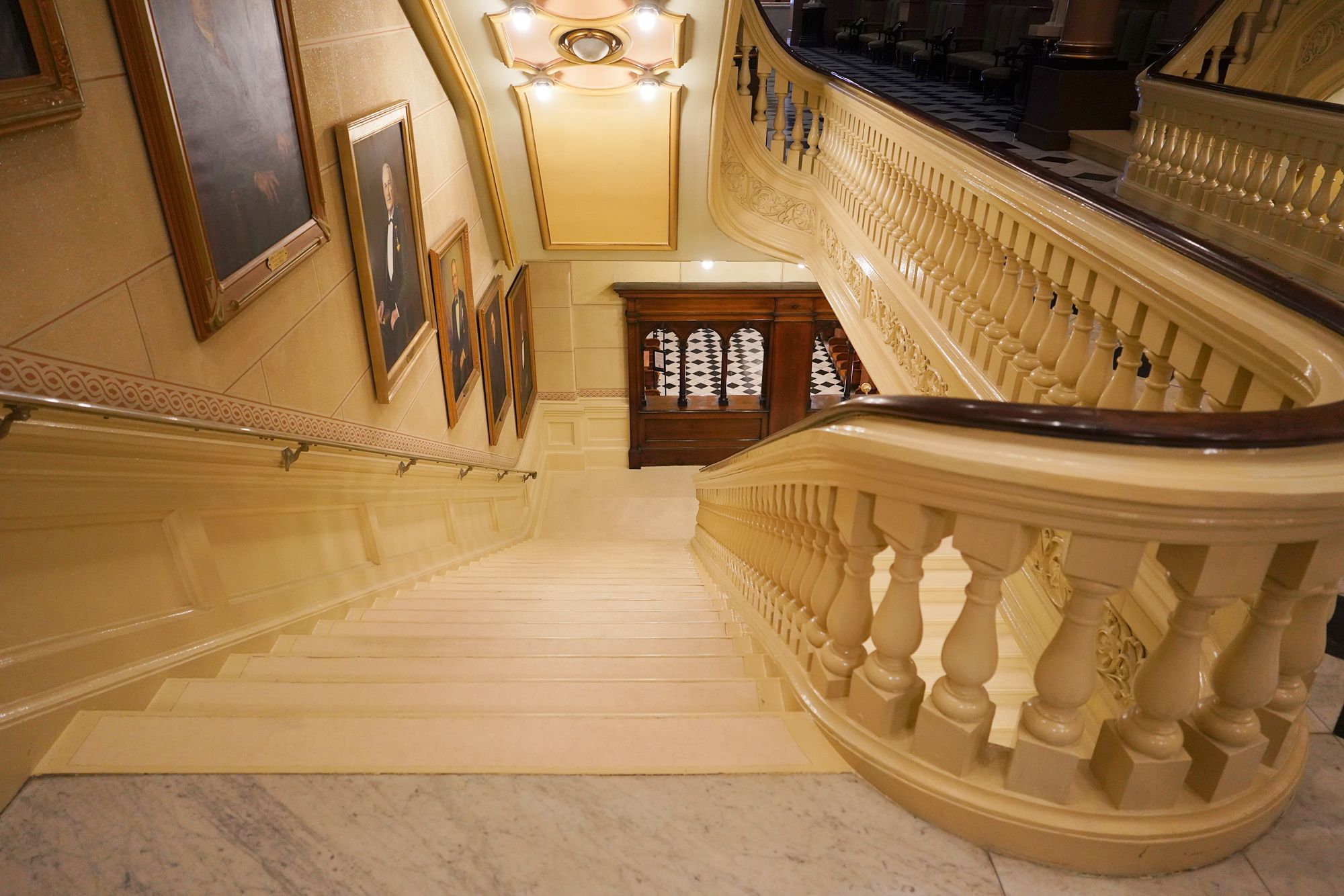
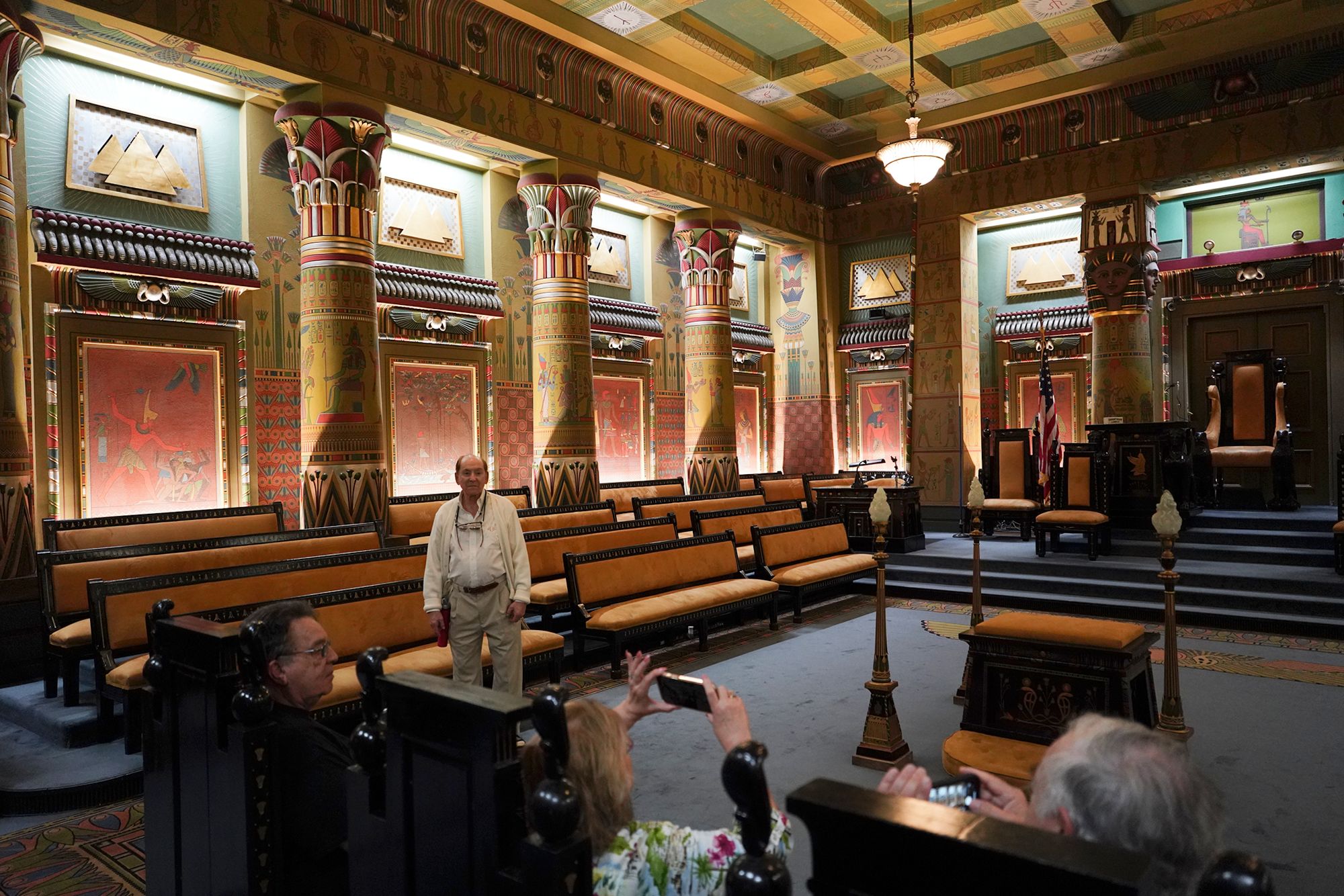
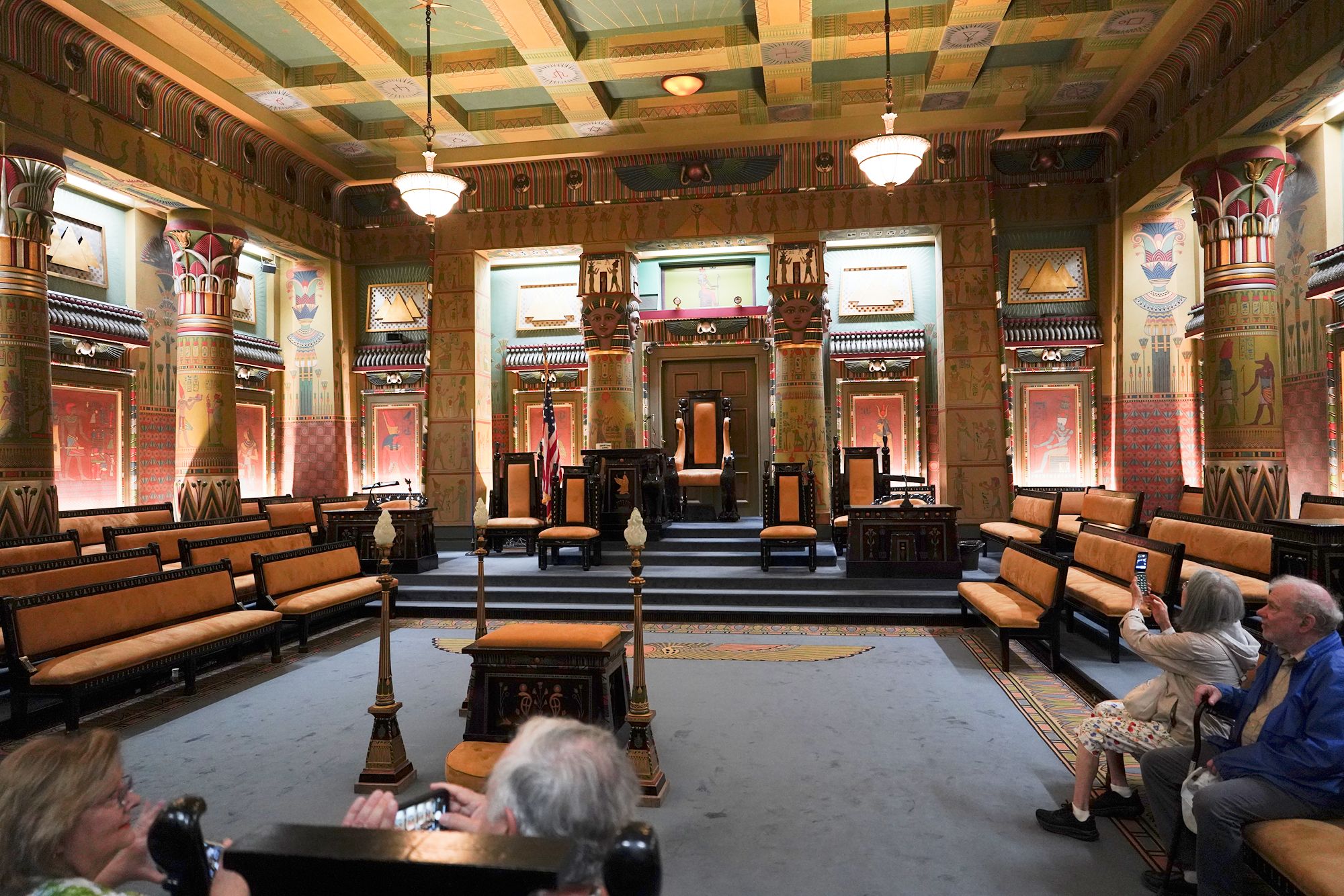
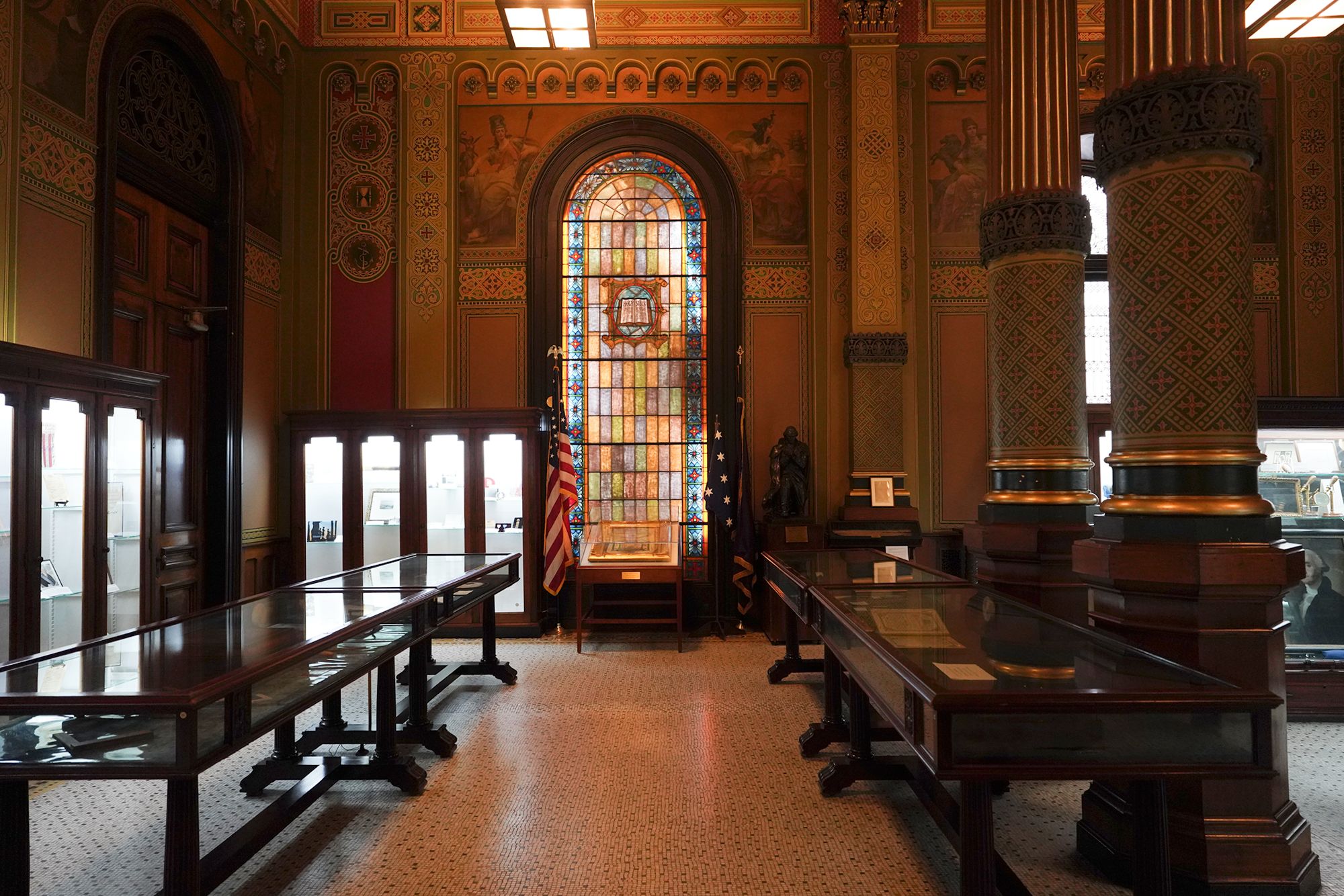
Inside the Masonic Temple are seven main lodge halls, each designed in a completely different artistic style. One hall is built in an Egyptian theme with sphinxes and hieroglyphs, while others reflect Gothic, Norman, Renaissance, Ionic, and Corinthian influences. Walking through the building feels like moving through several architectural worlds in one place.
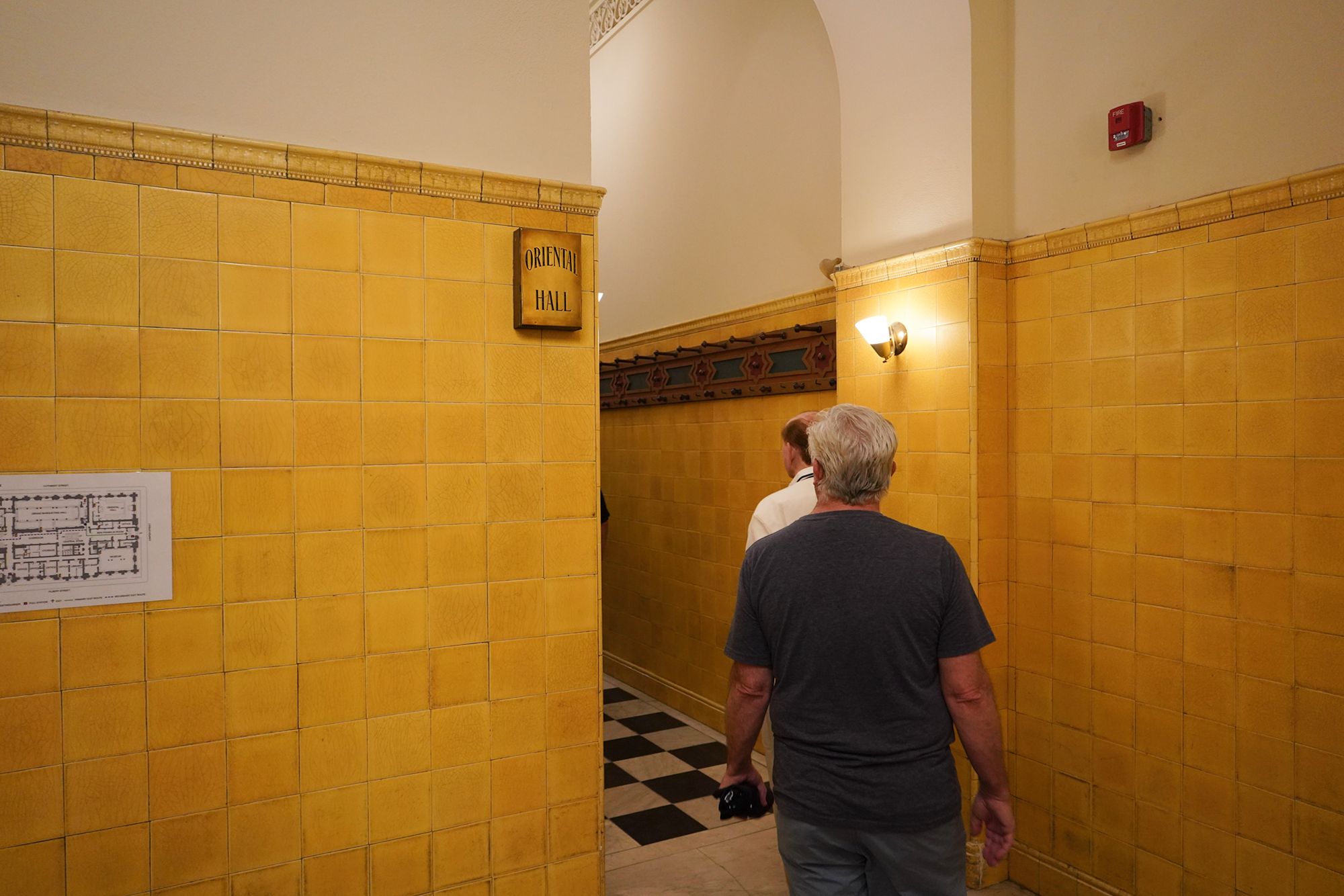
This is Oriental Hall
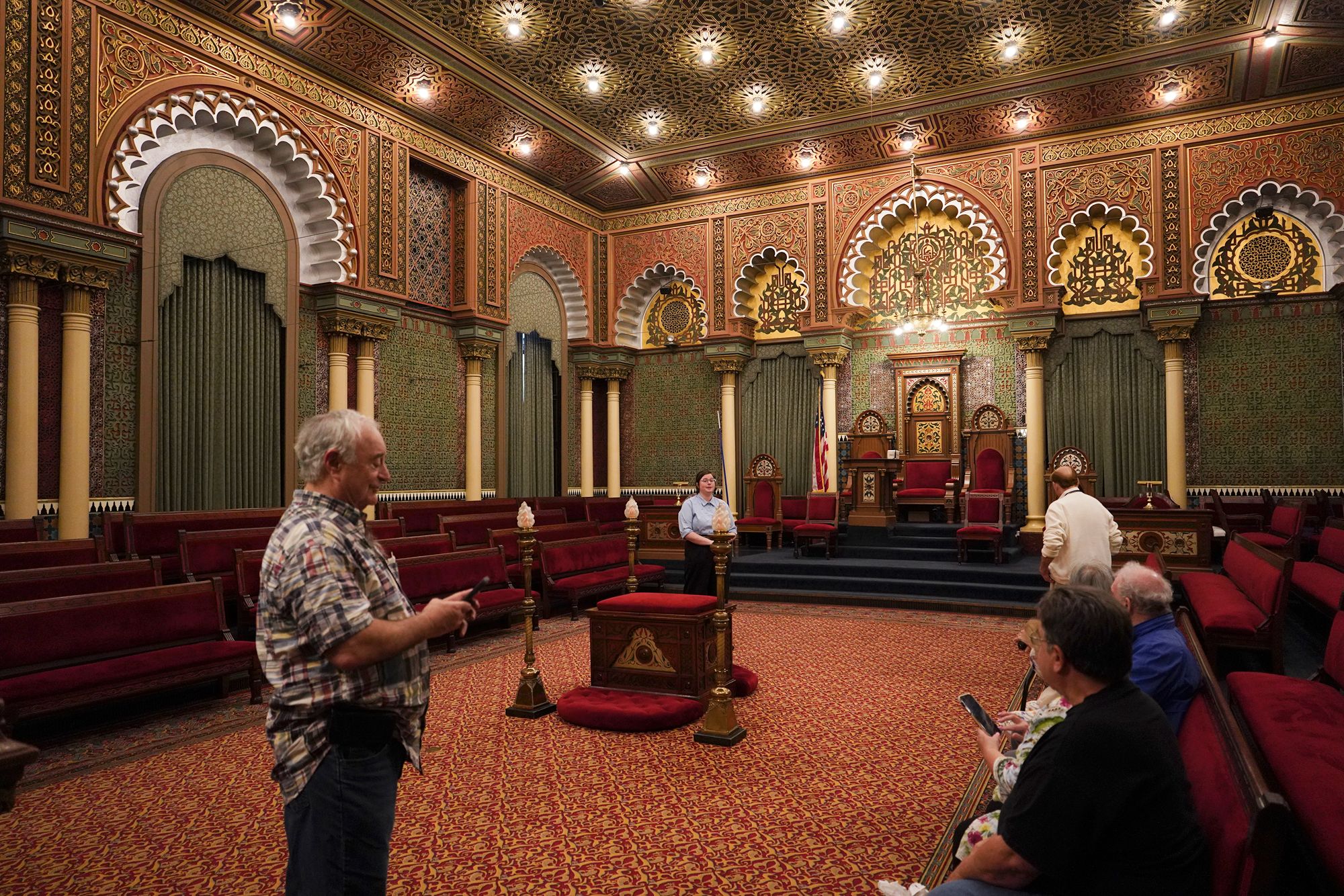
These halls are used for Masonic meetings and ceremonies, but they also function like museum spaces filled with murals, carvings, stained glass, and symbolic decoration. In addition to the halls, the building contains a museum and library holding Masonic artifacts, documents, and historical collections. The interior is elaborate, colorful, and highly detailed, making it one of the most unique interiors in Philadelphia.
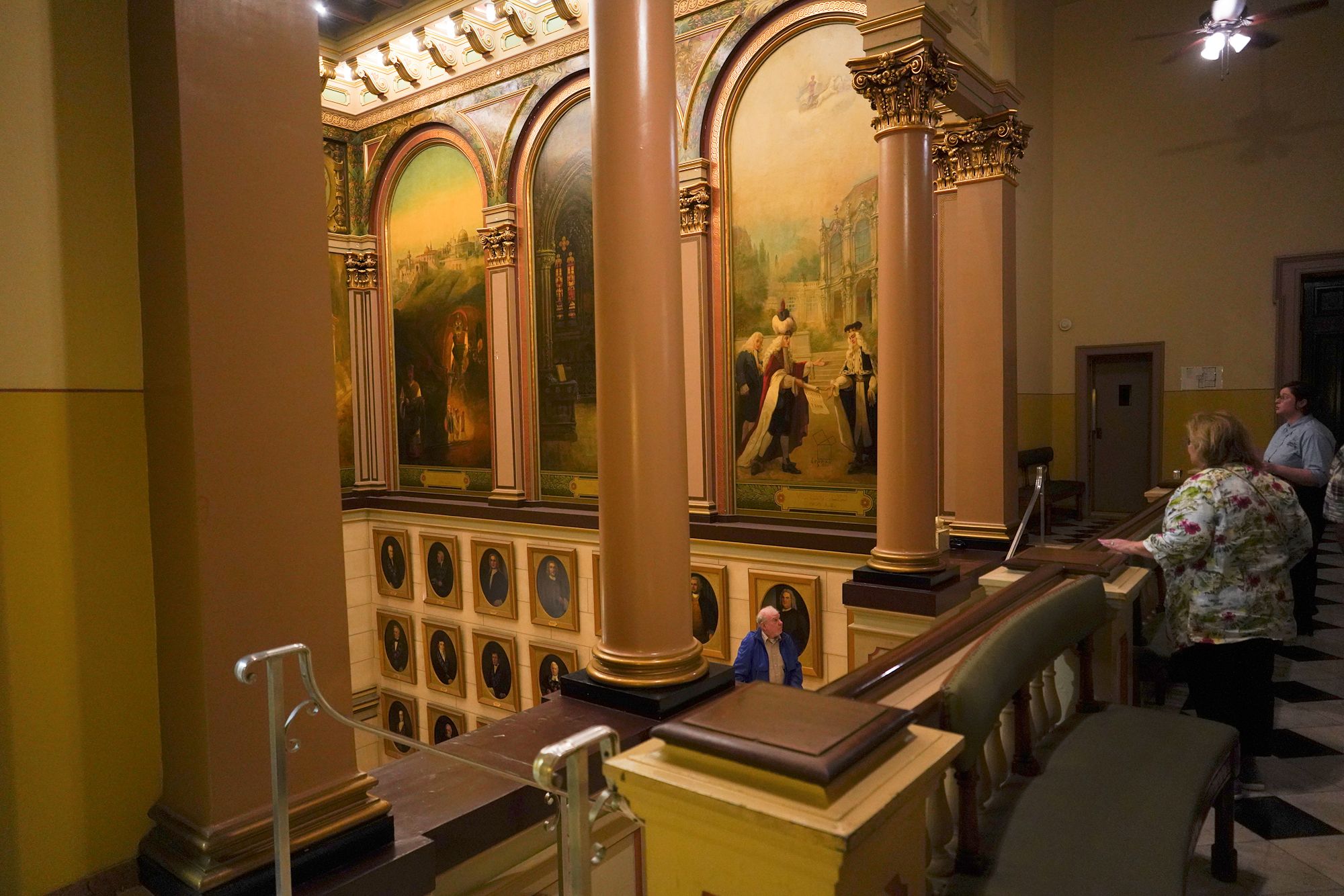
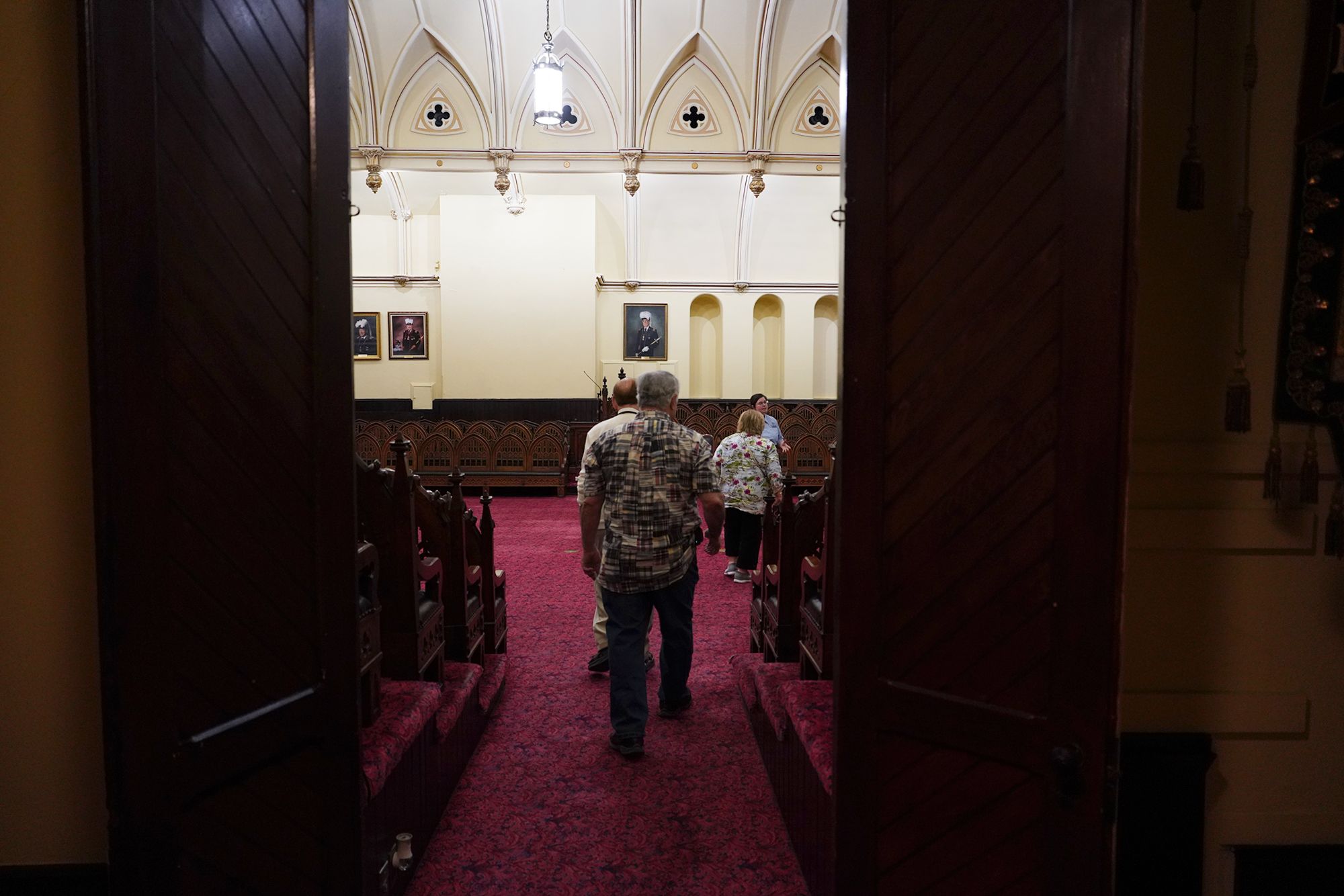
Gothic Hall
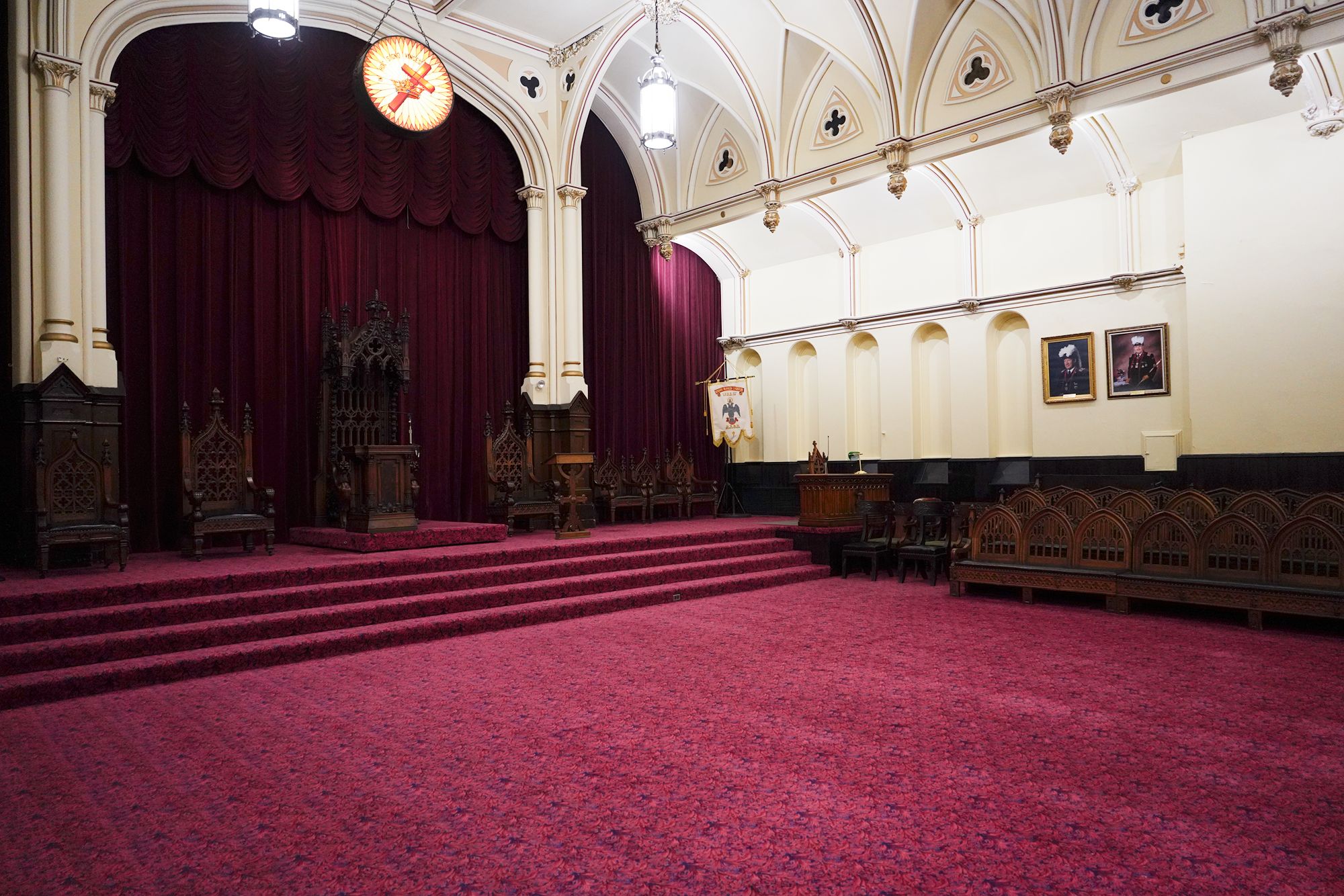
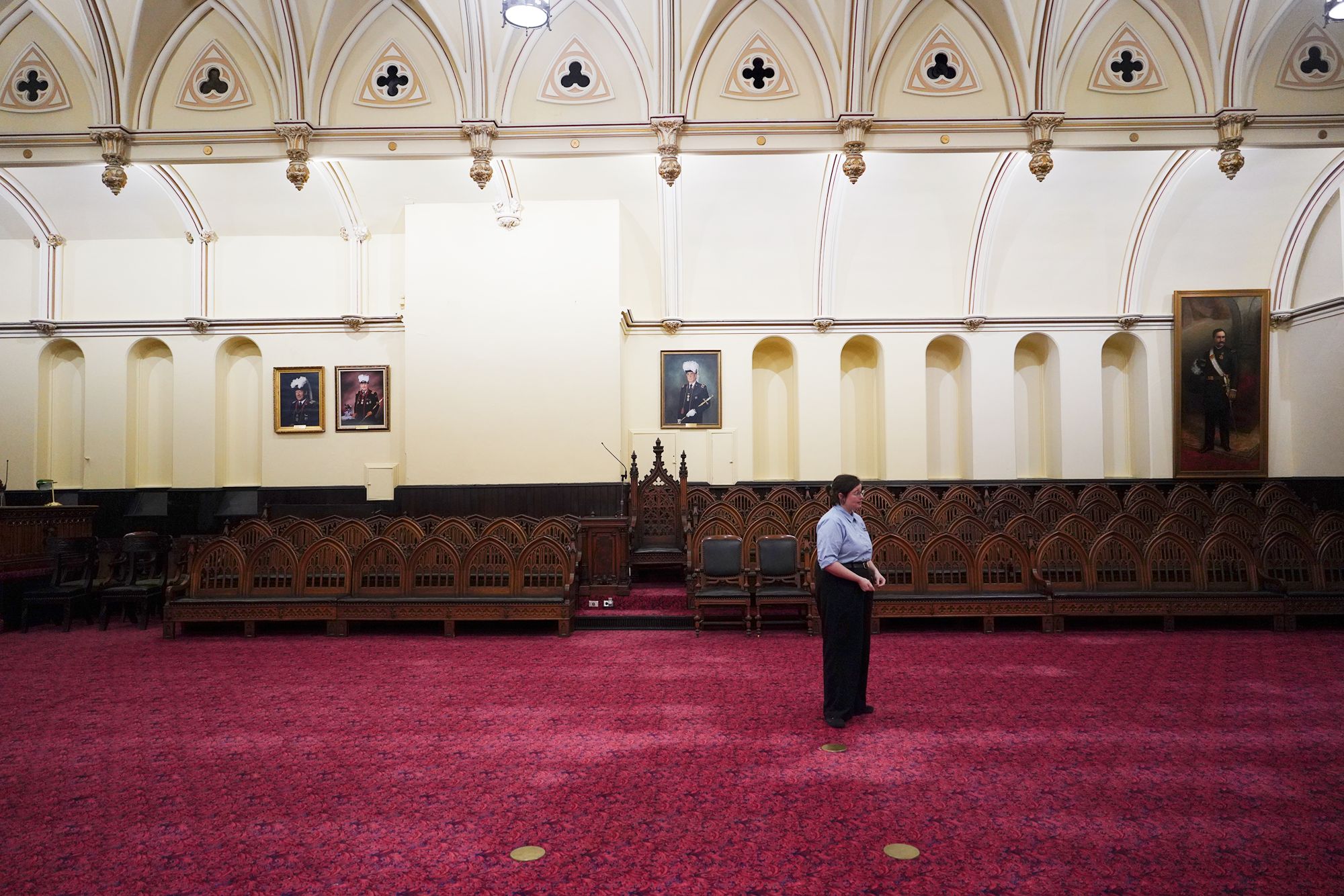
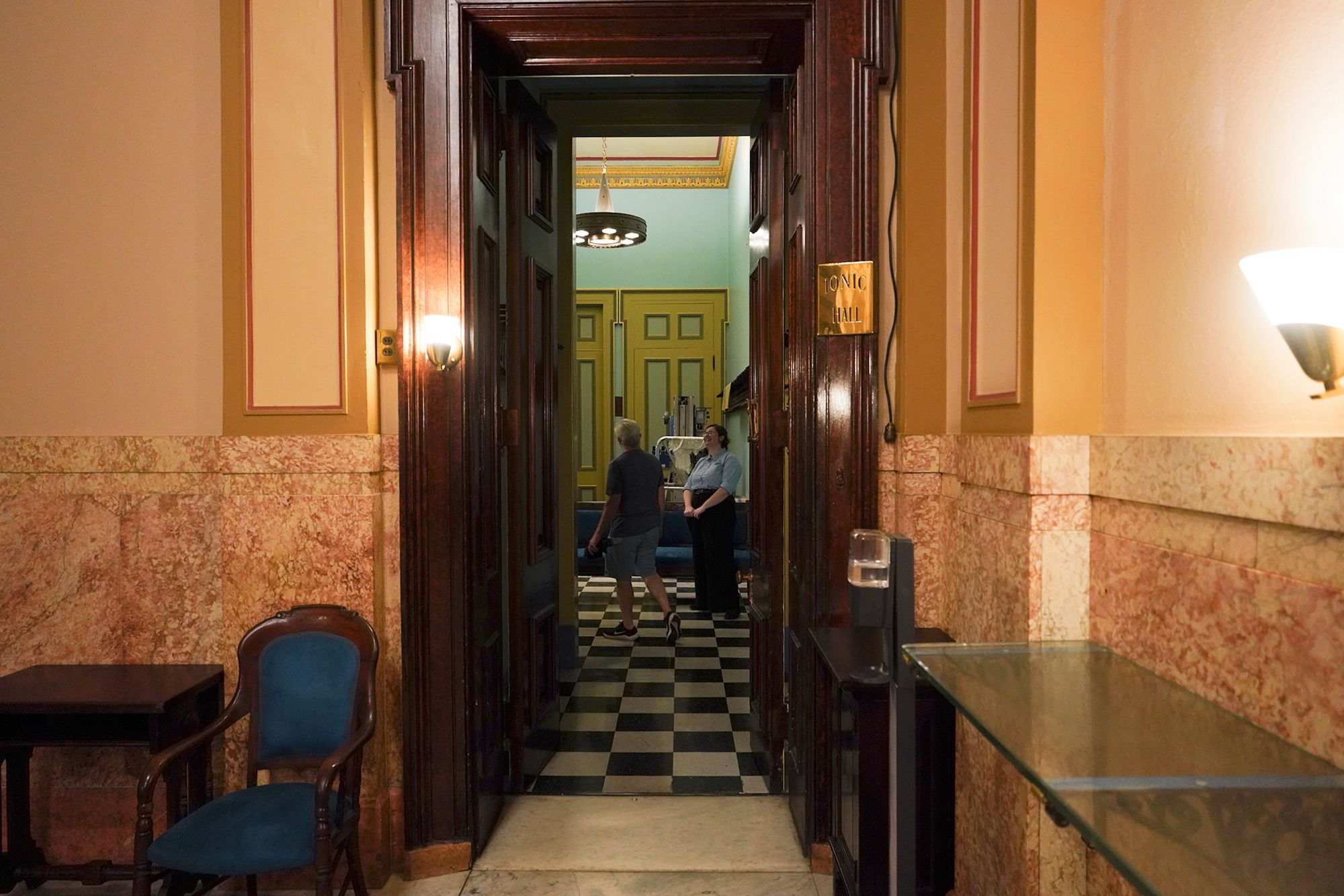
Ionic Hall
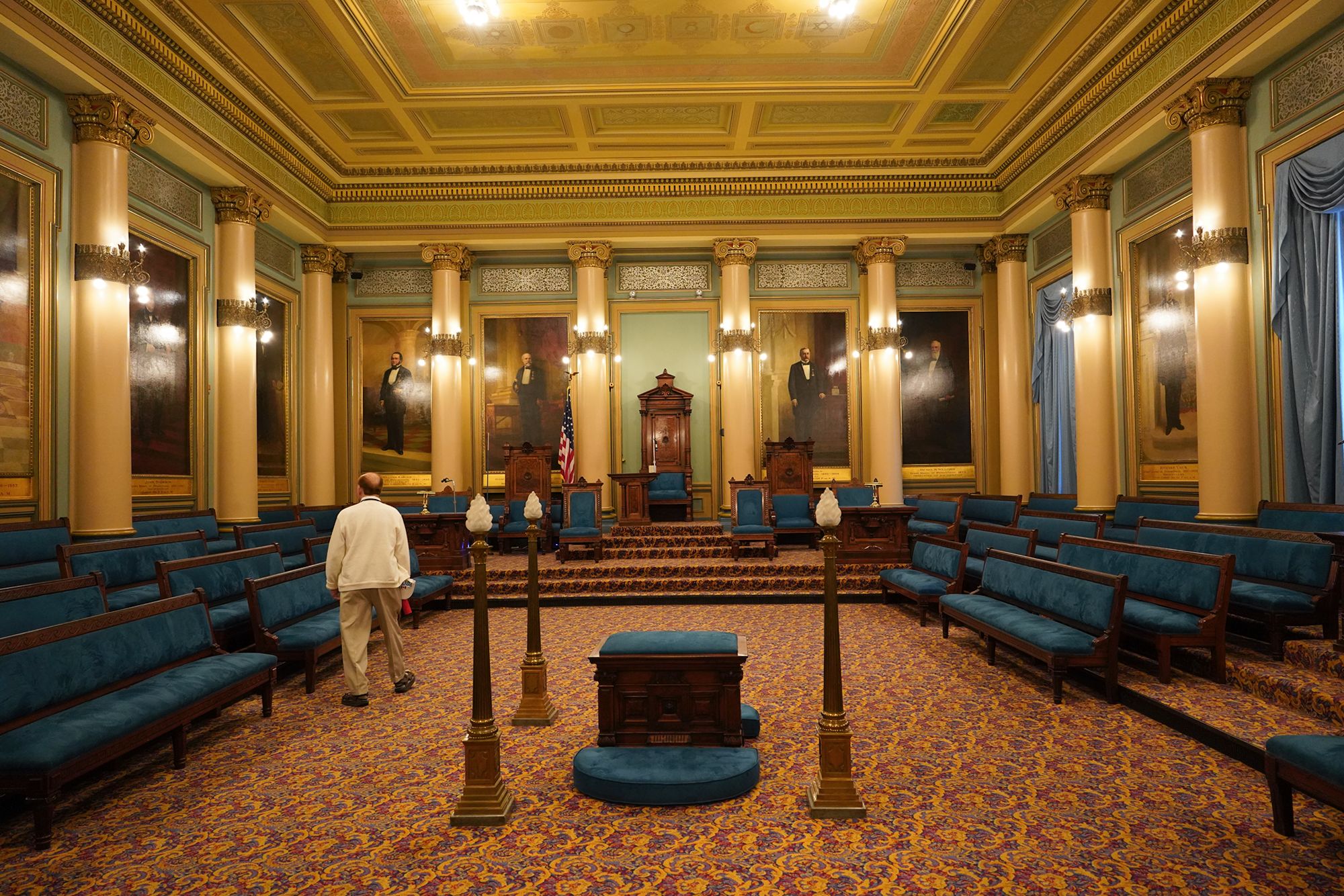
Egyptian Hall
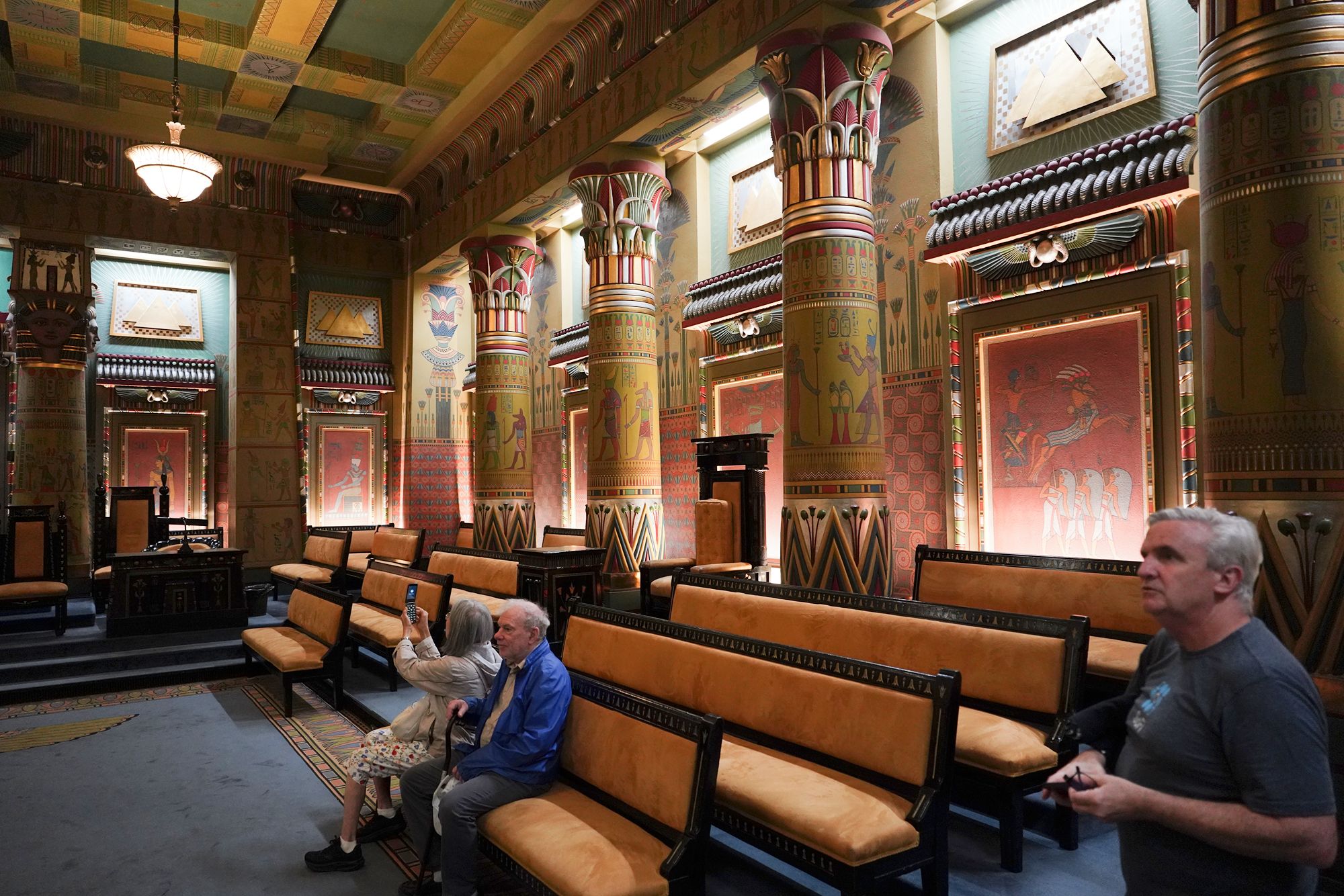
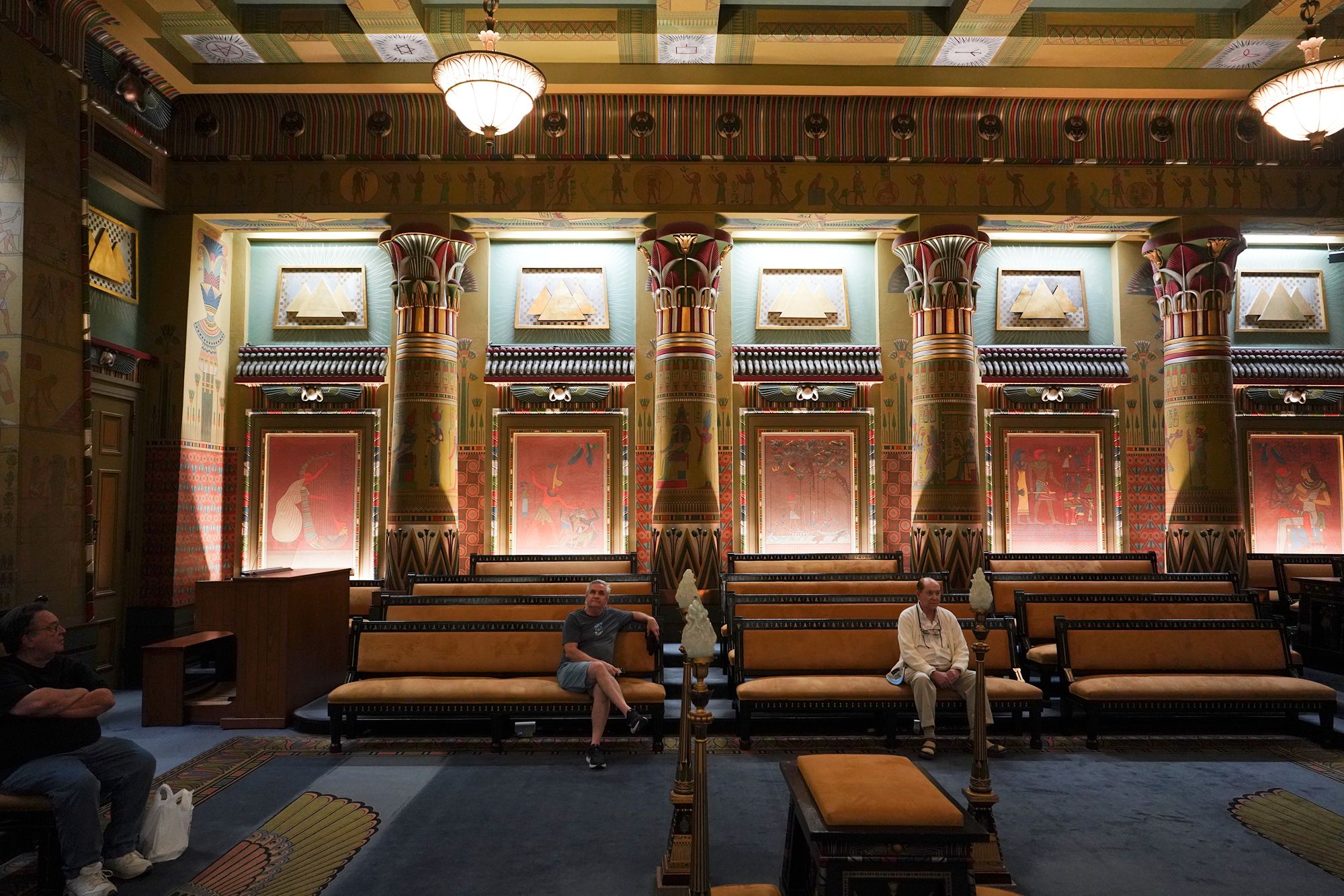
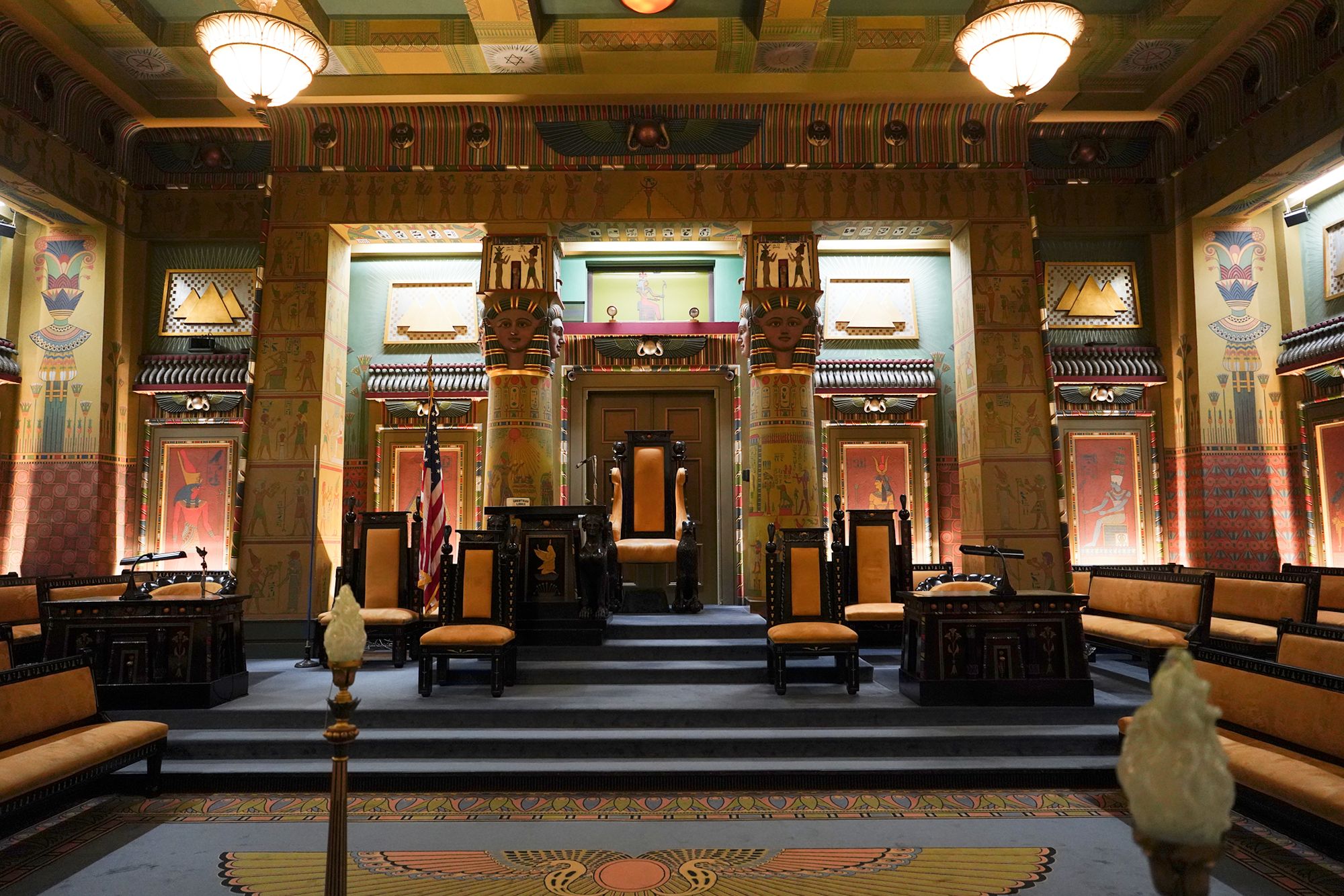
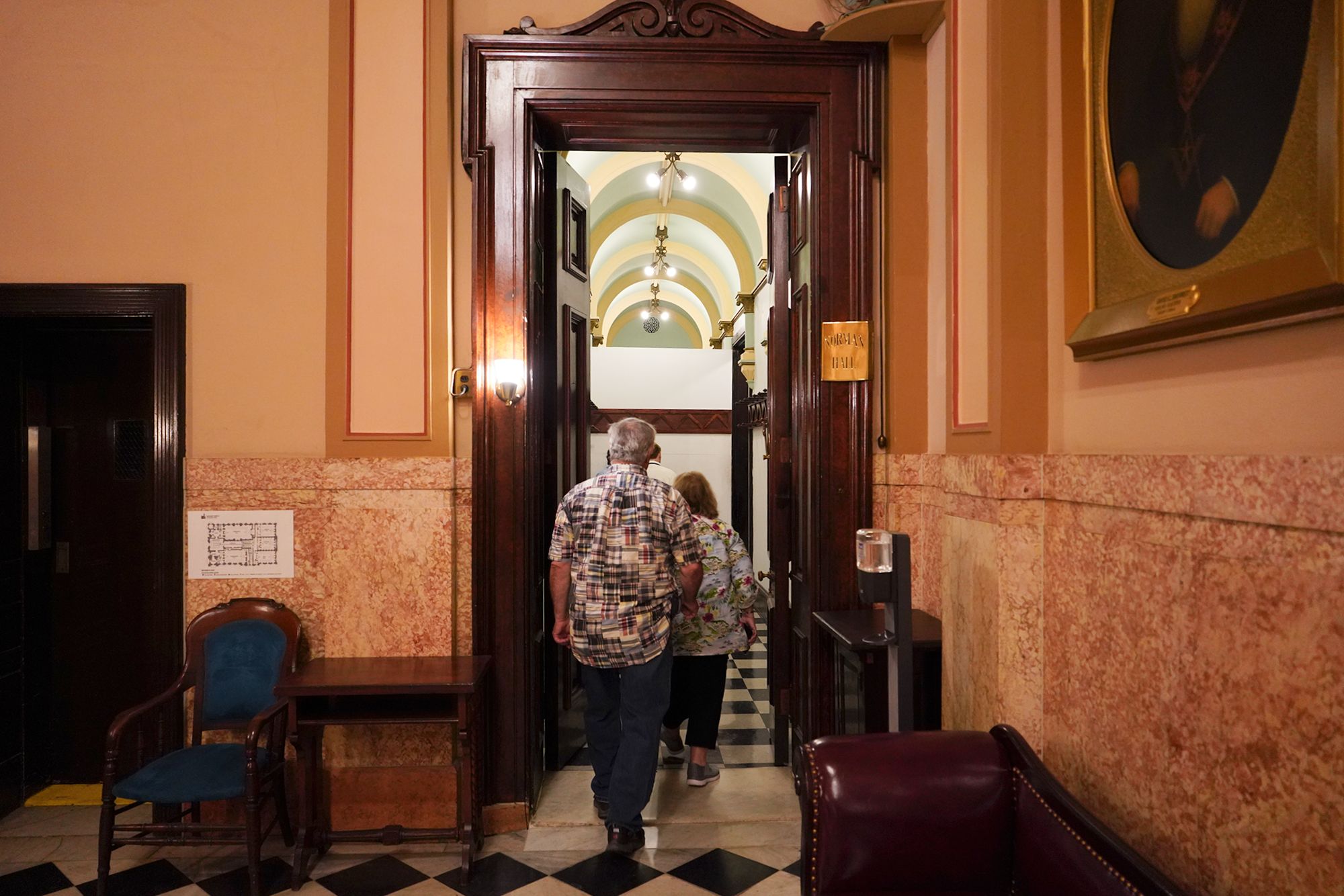
Norman Hall
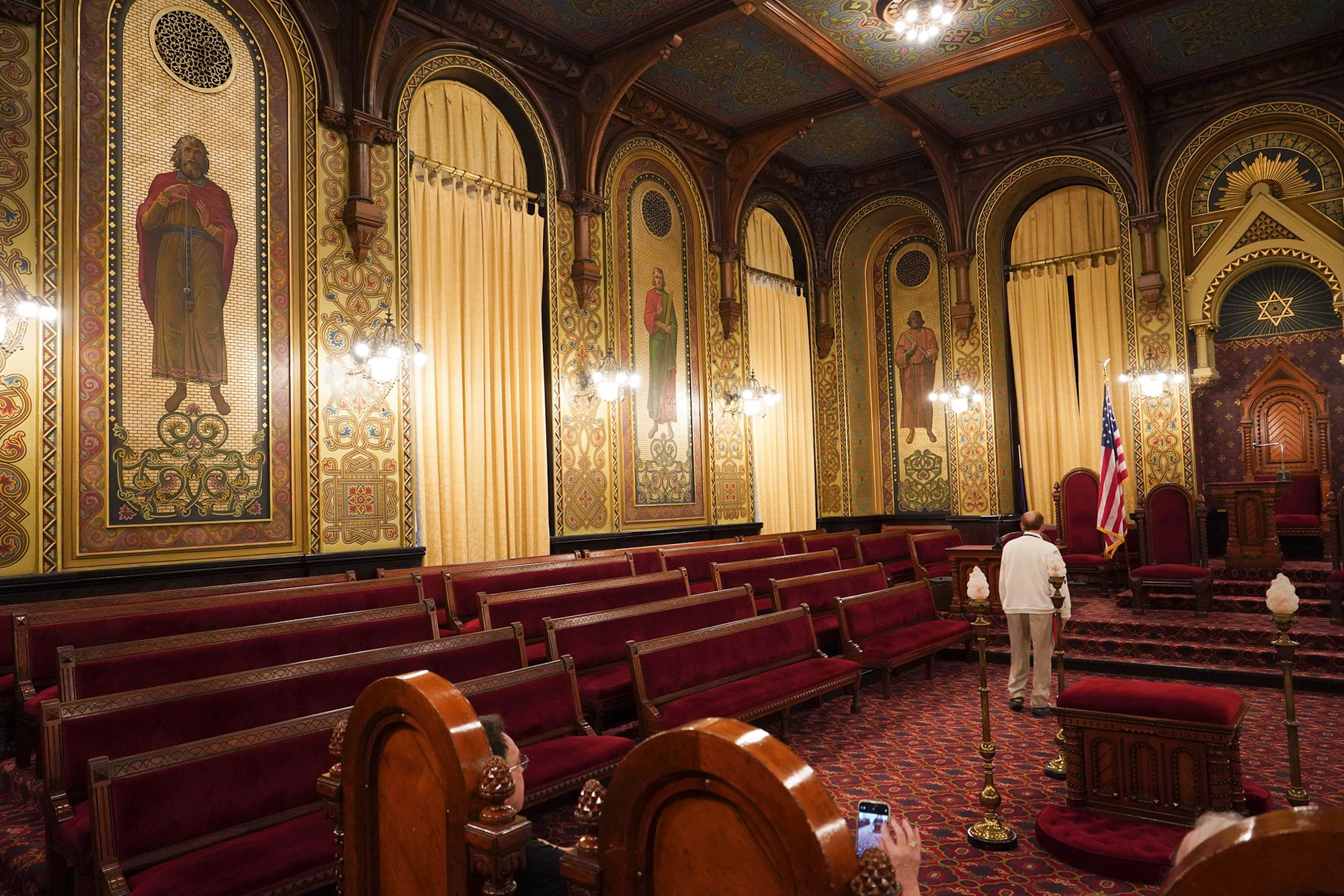
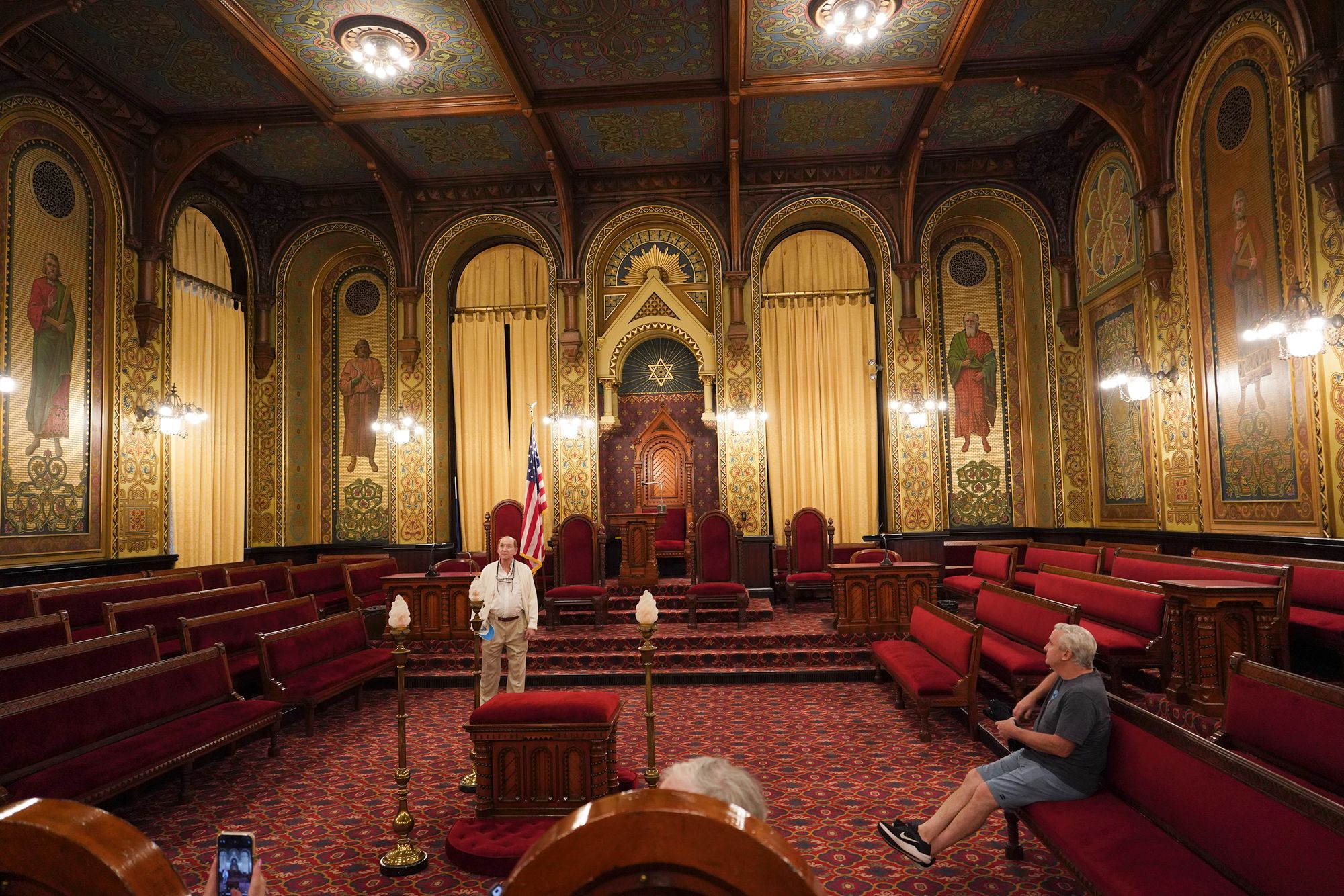
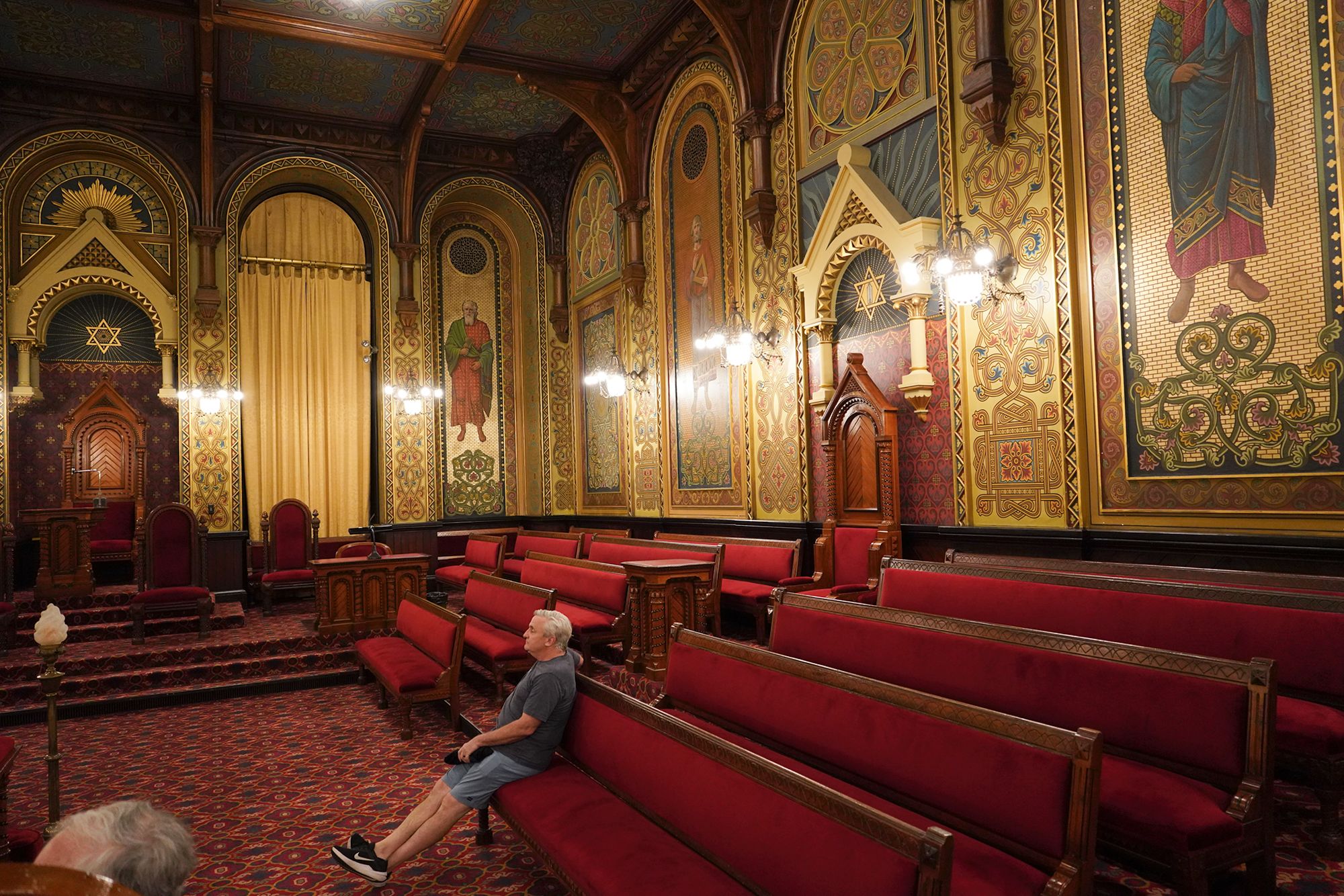
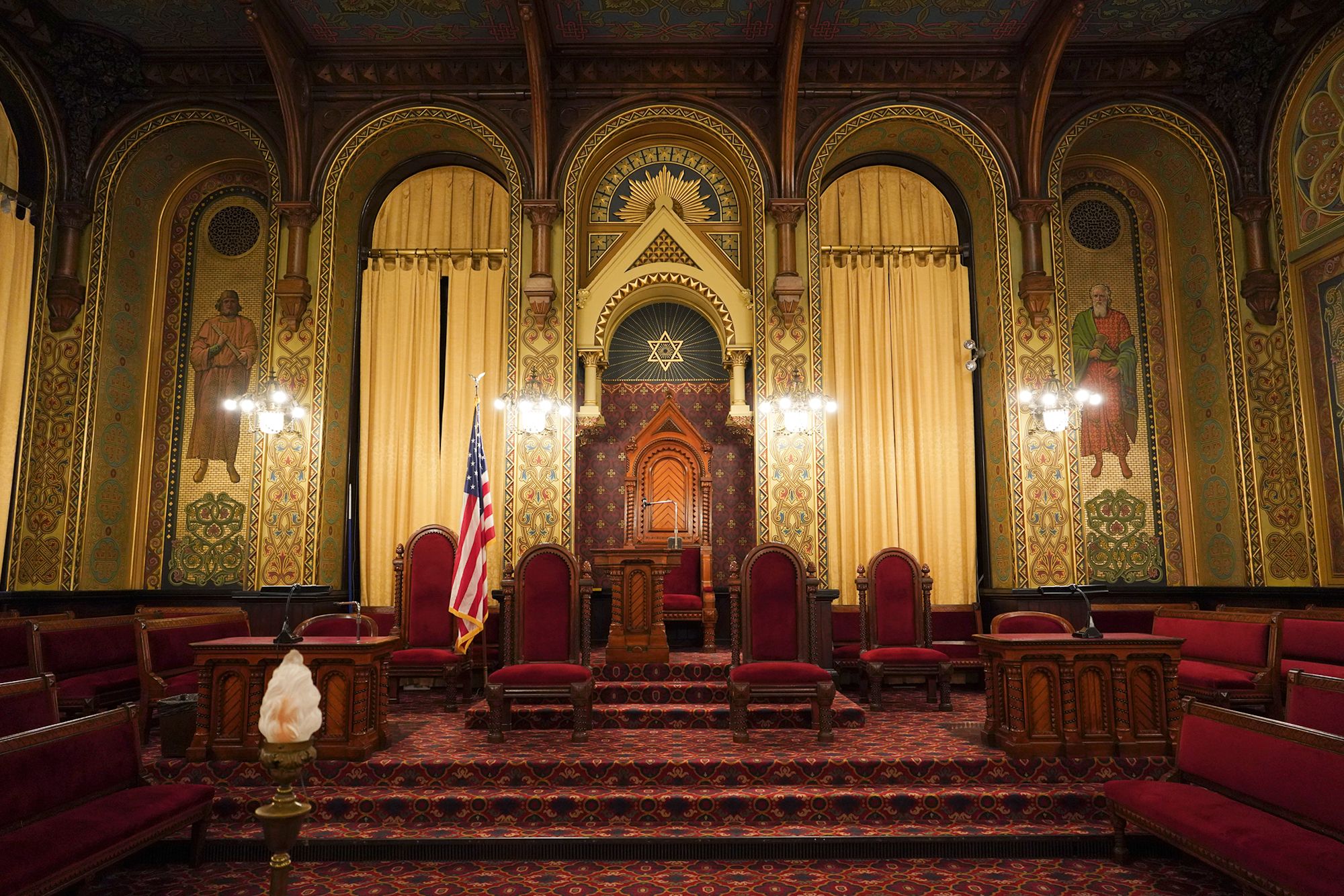
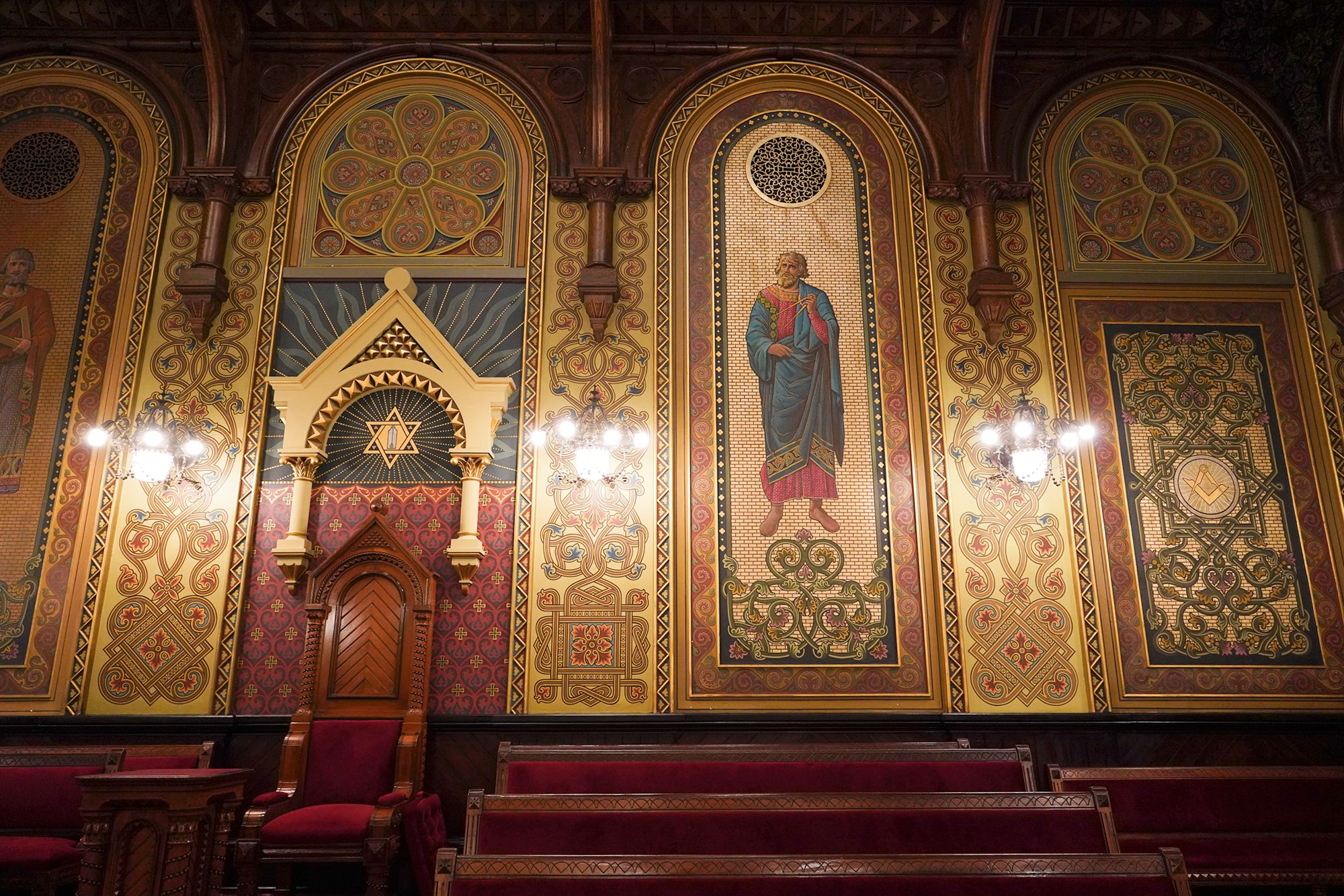
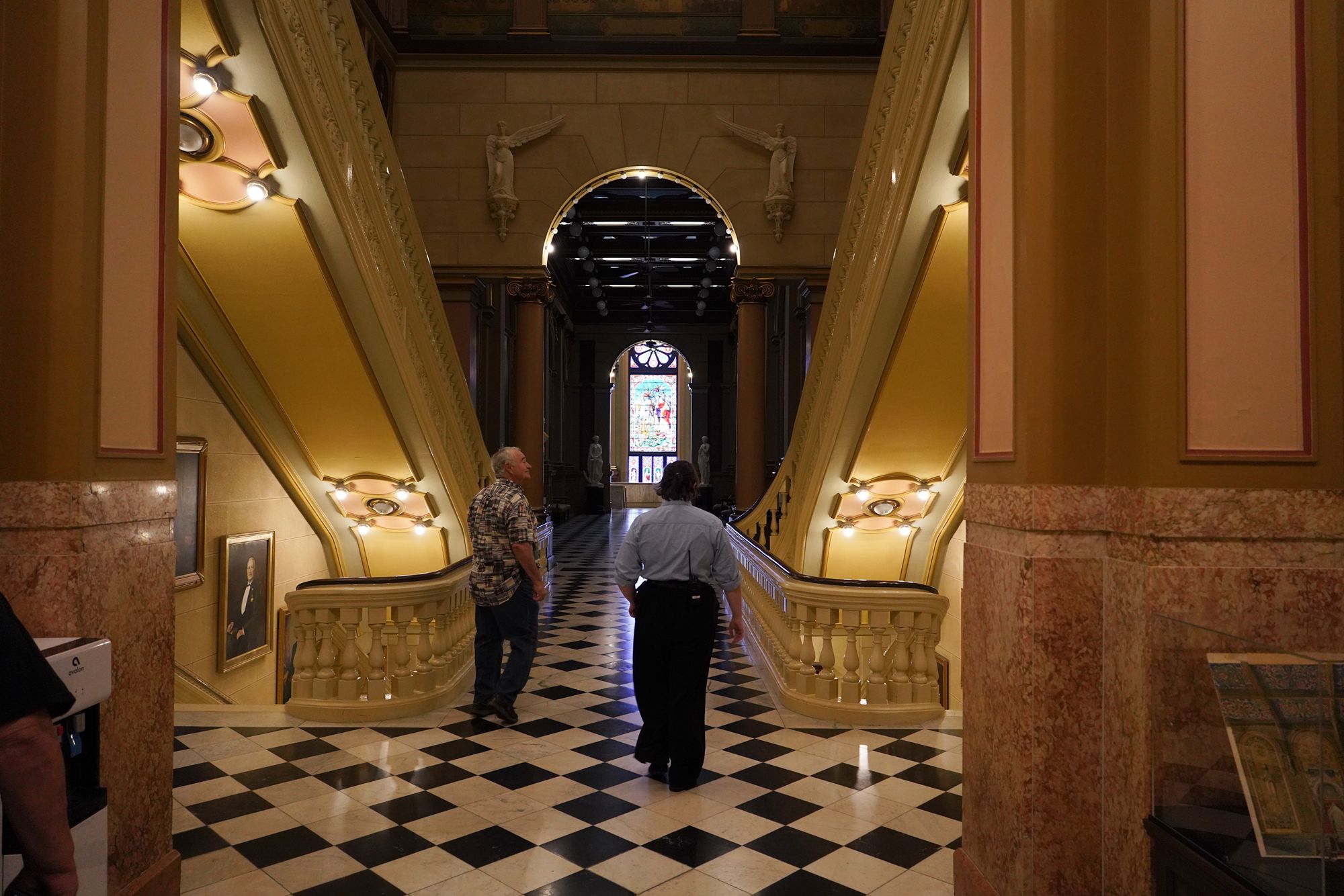
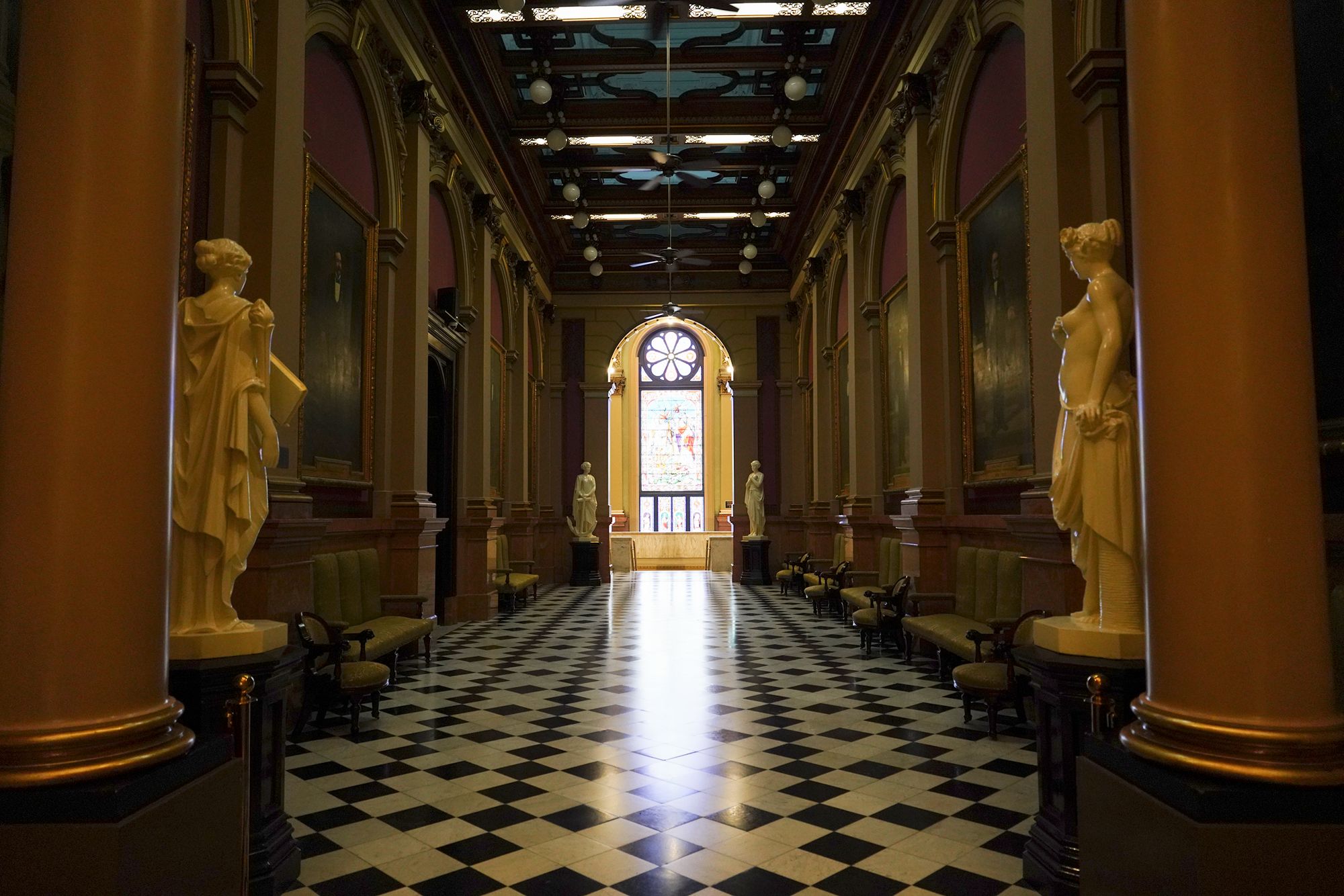
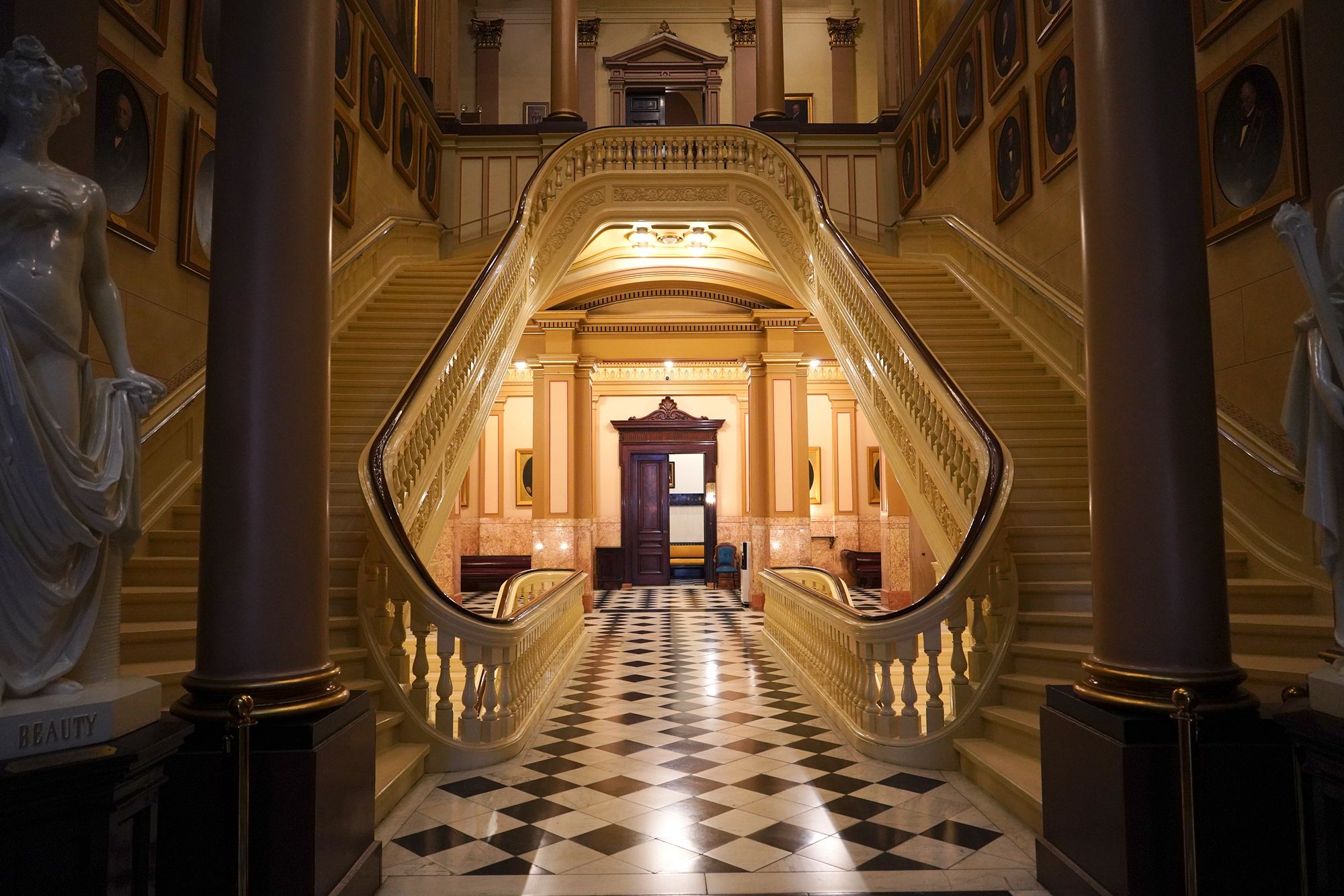
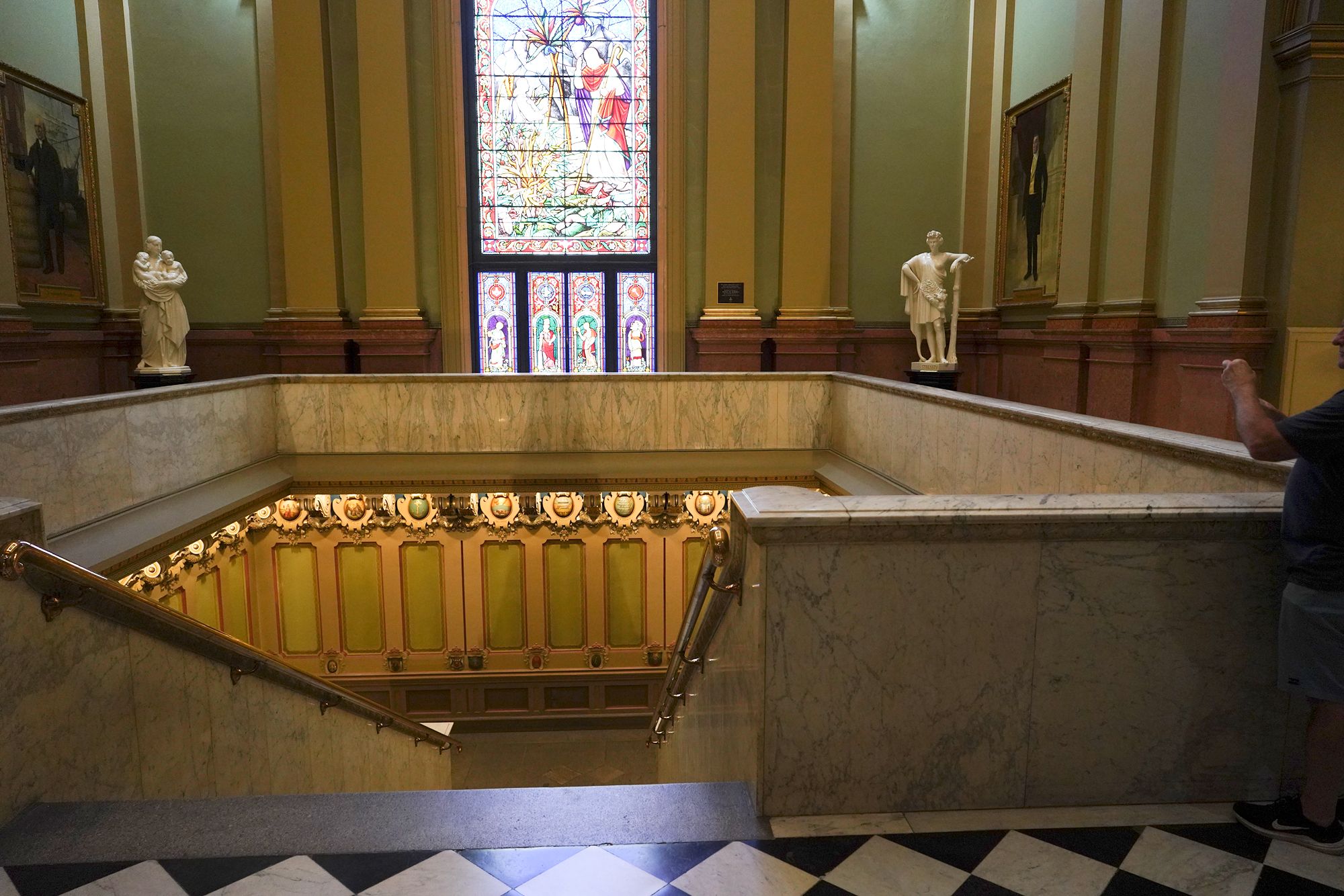
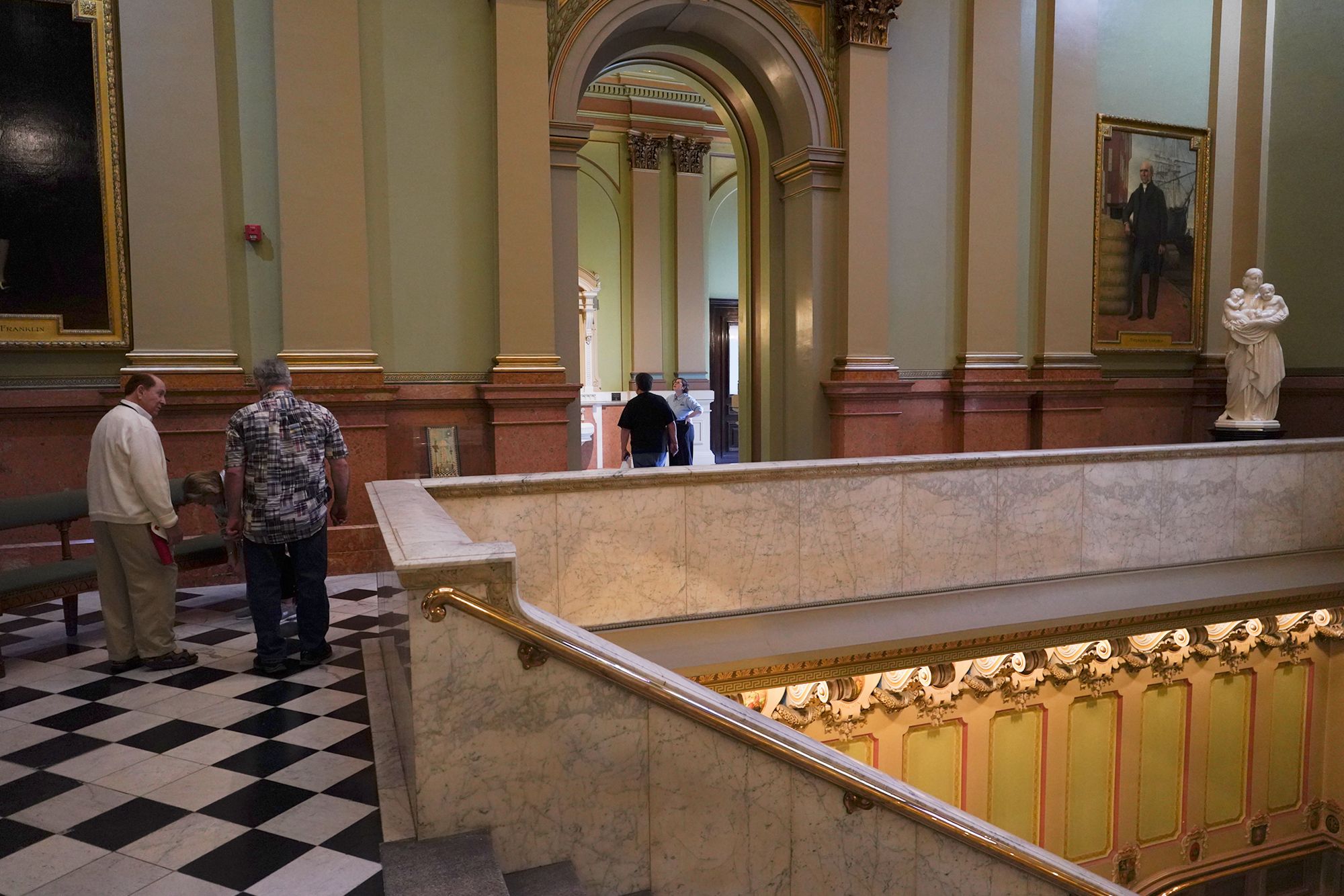
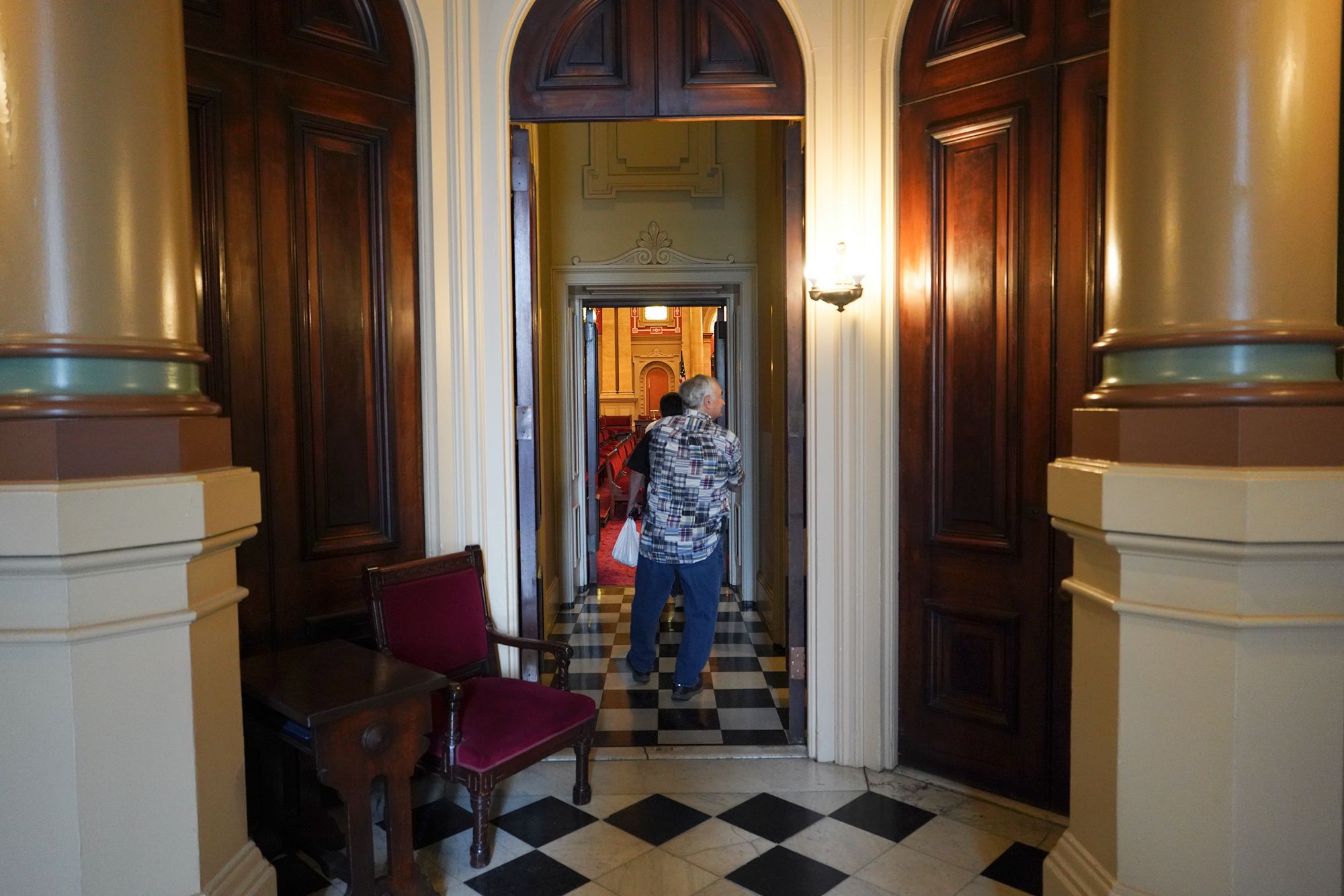
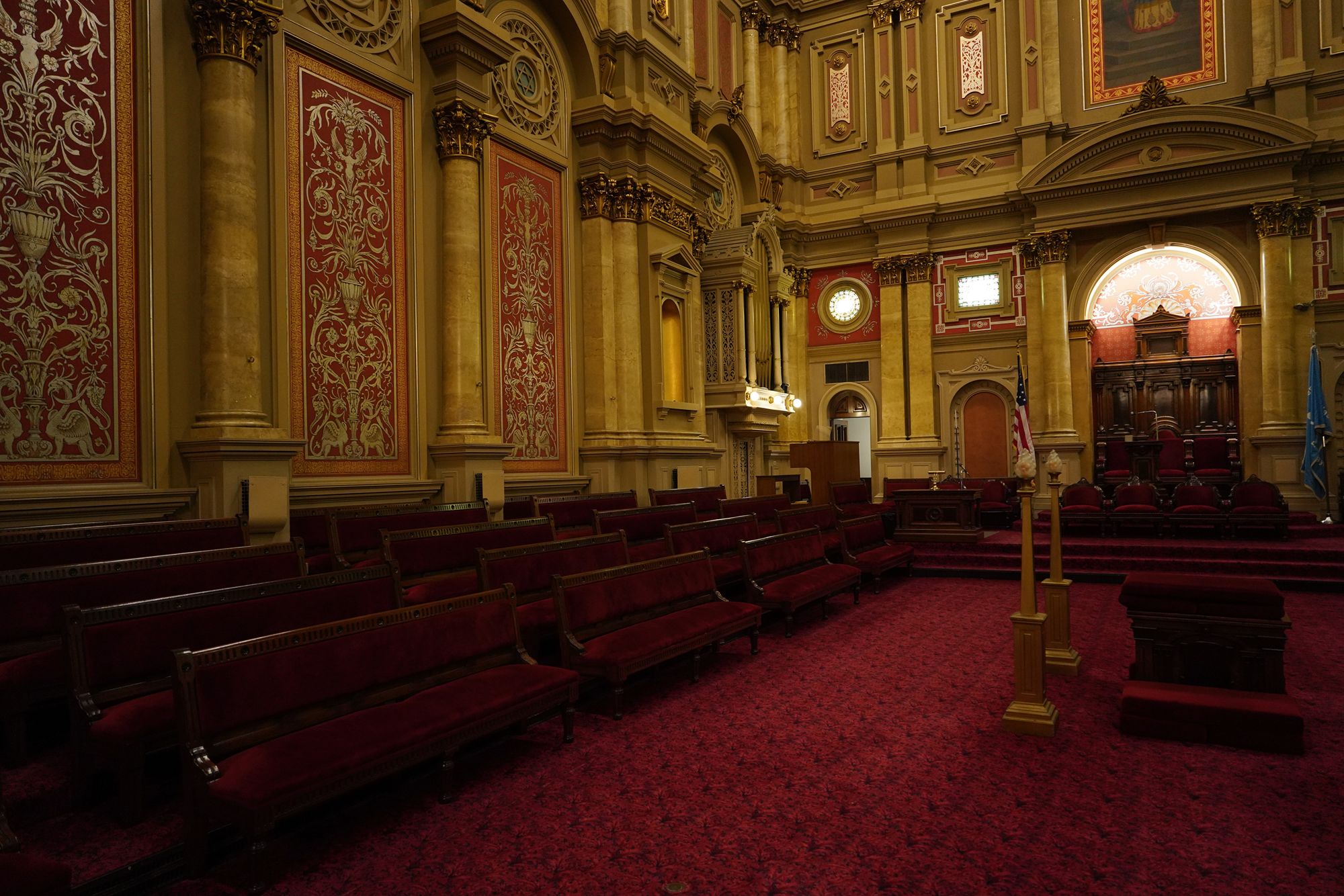
Renaissance Hall
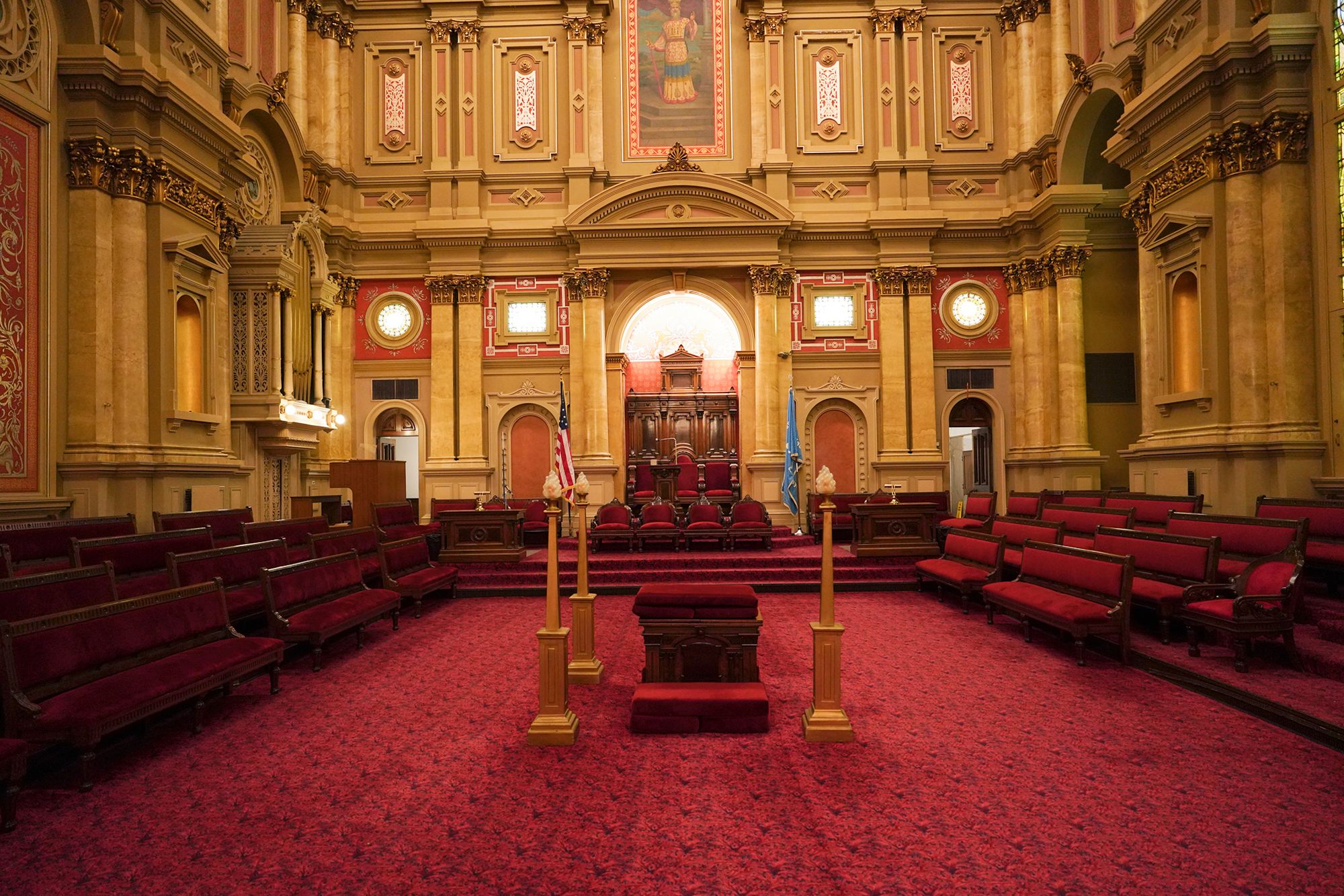
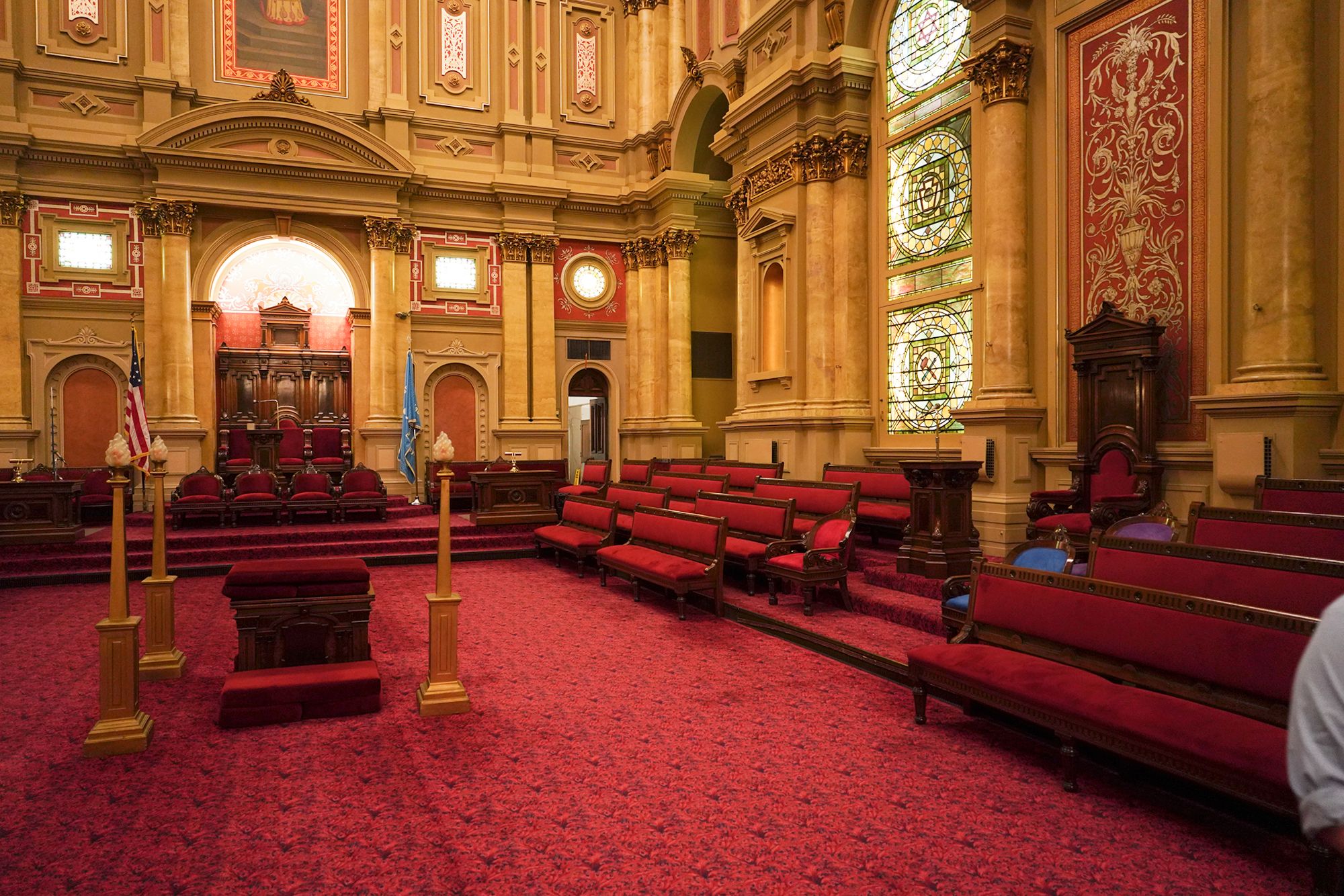
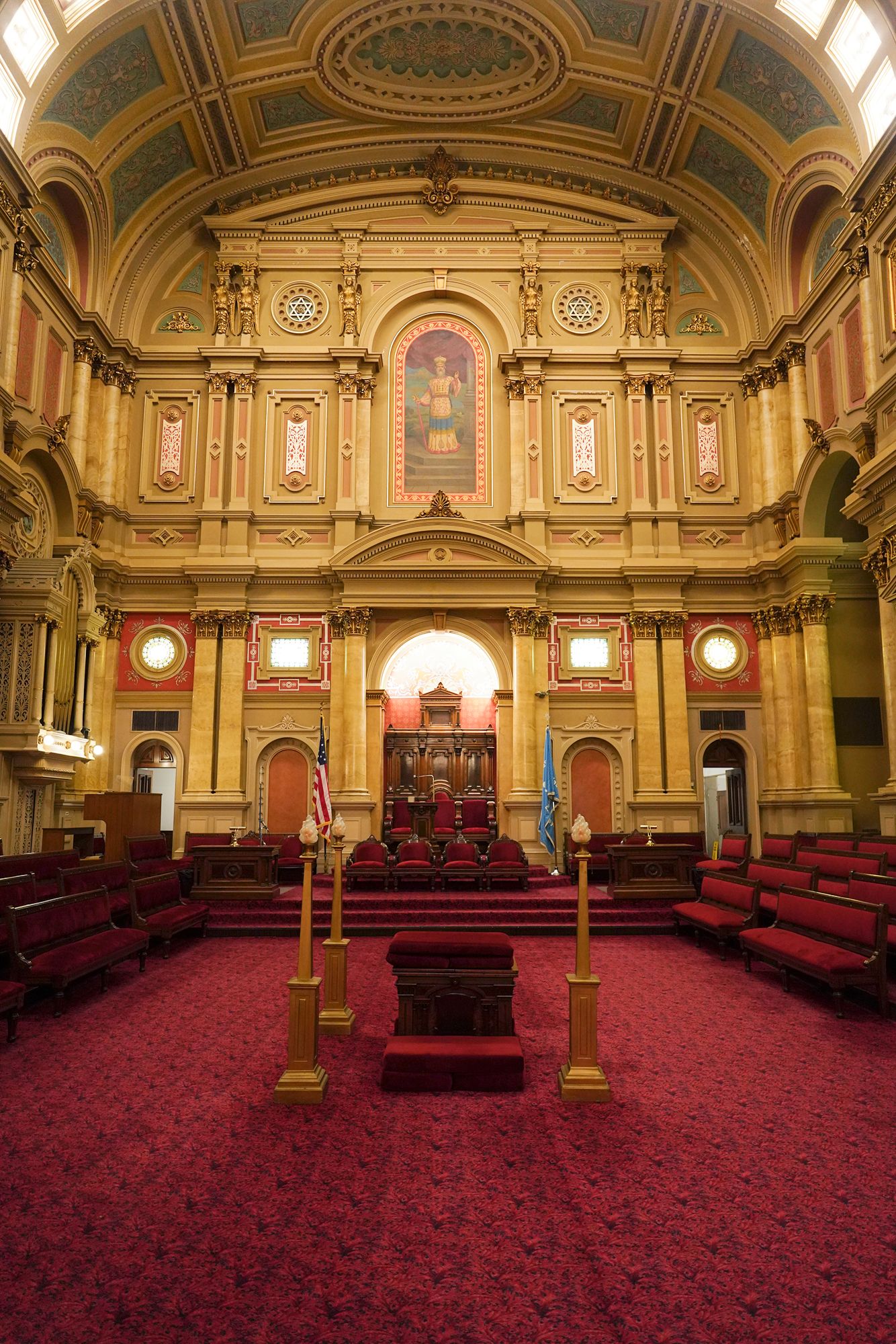
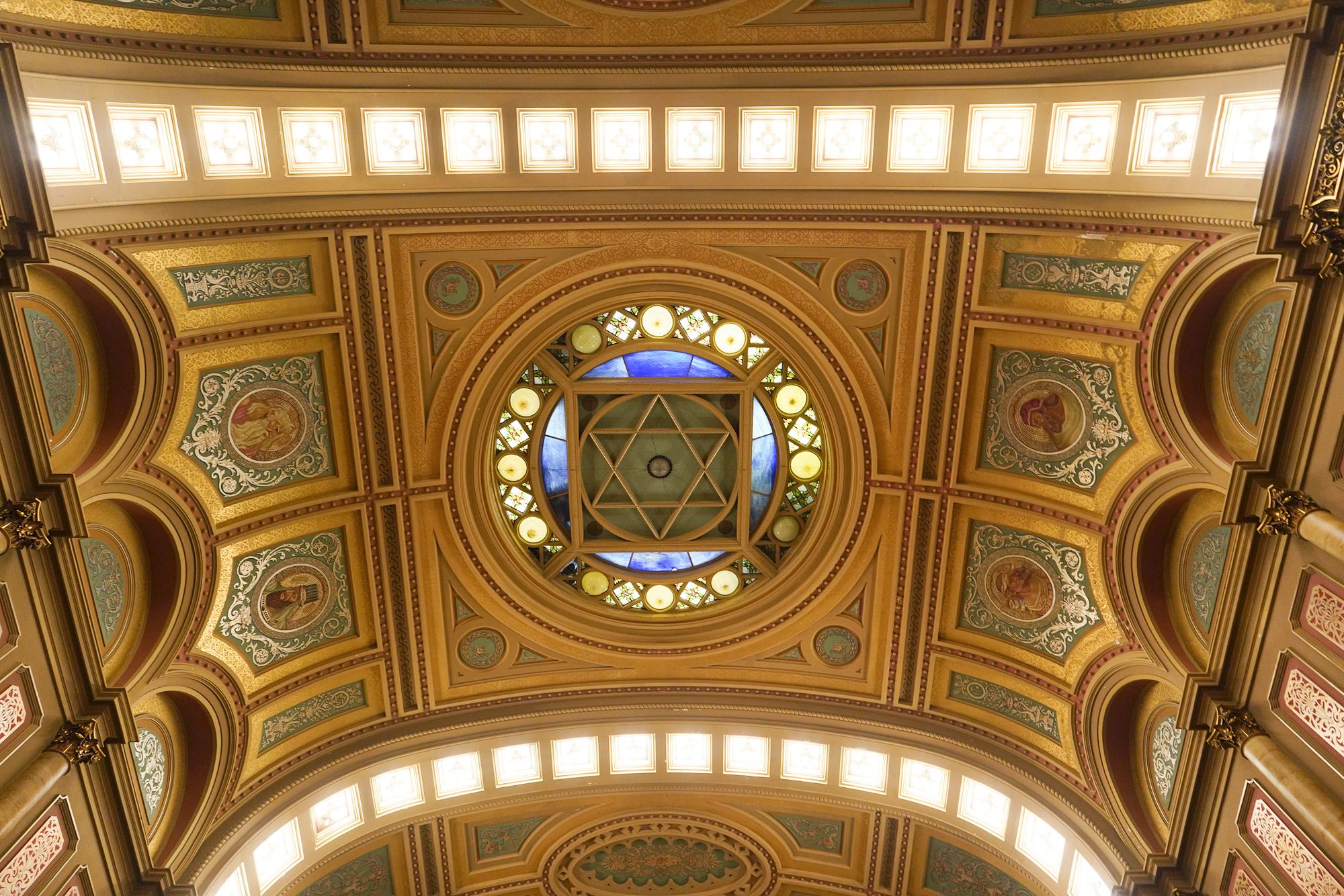
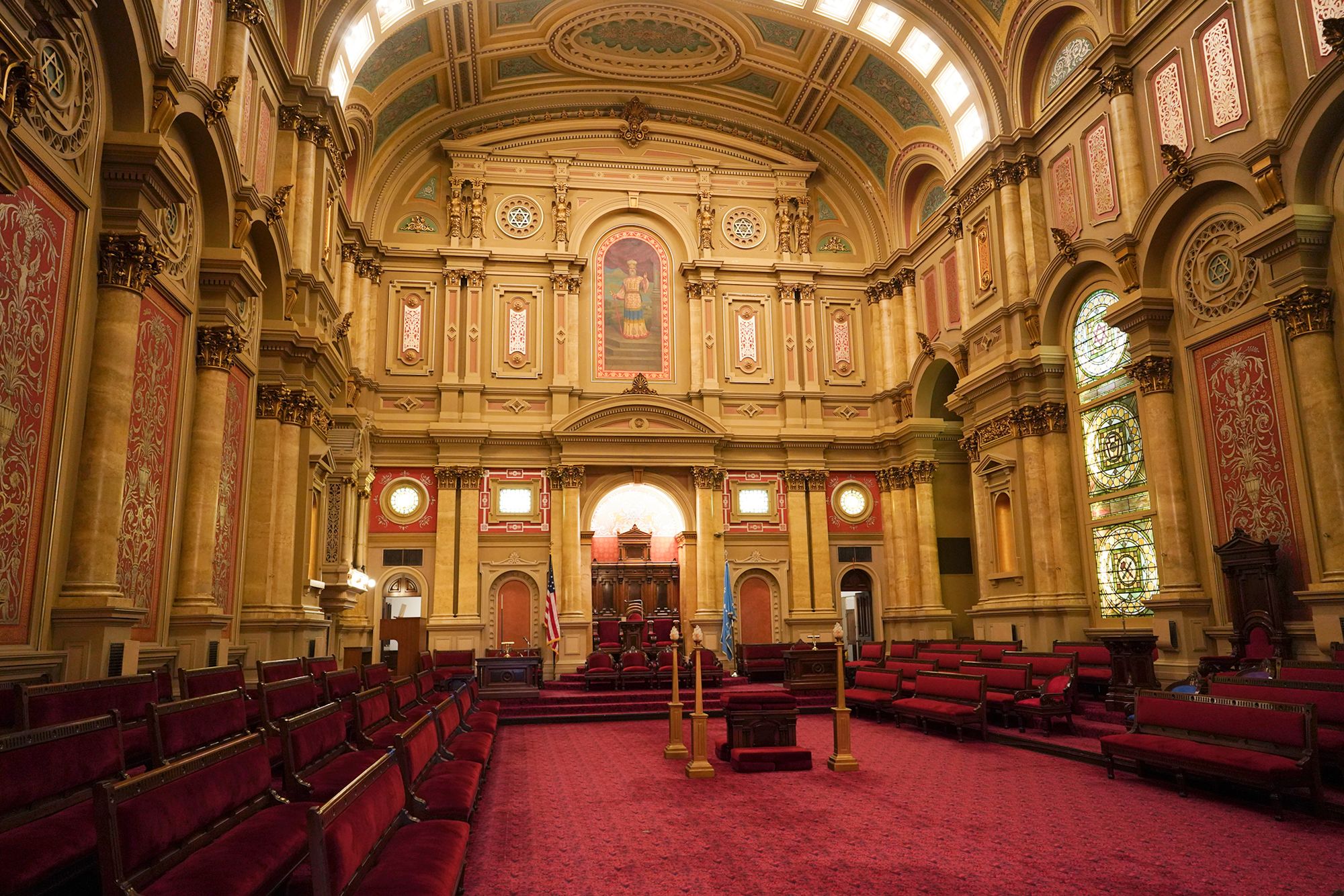
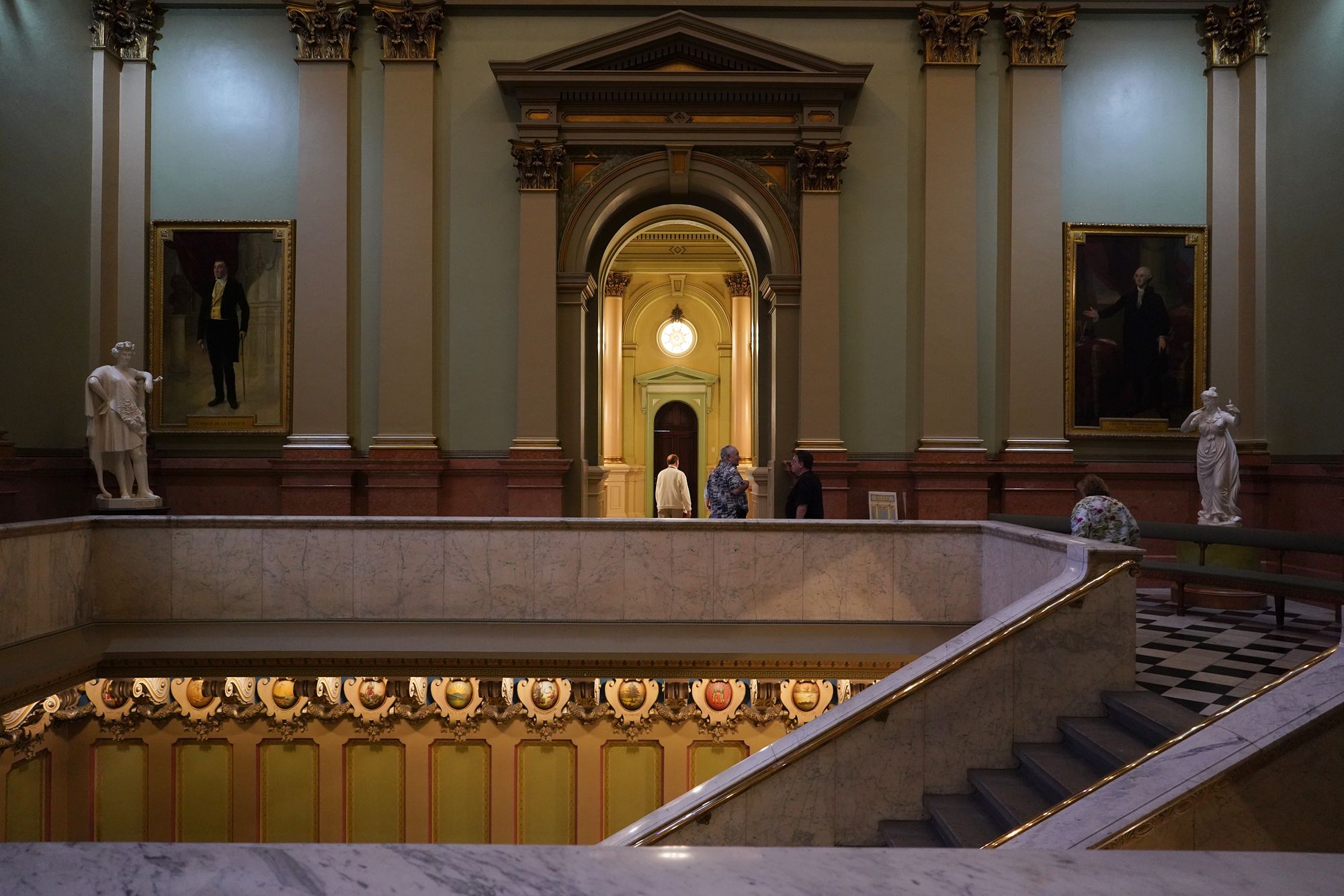
Corinthian Hall
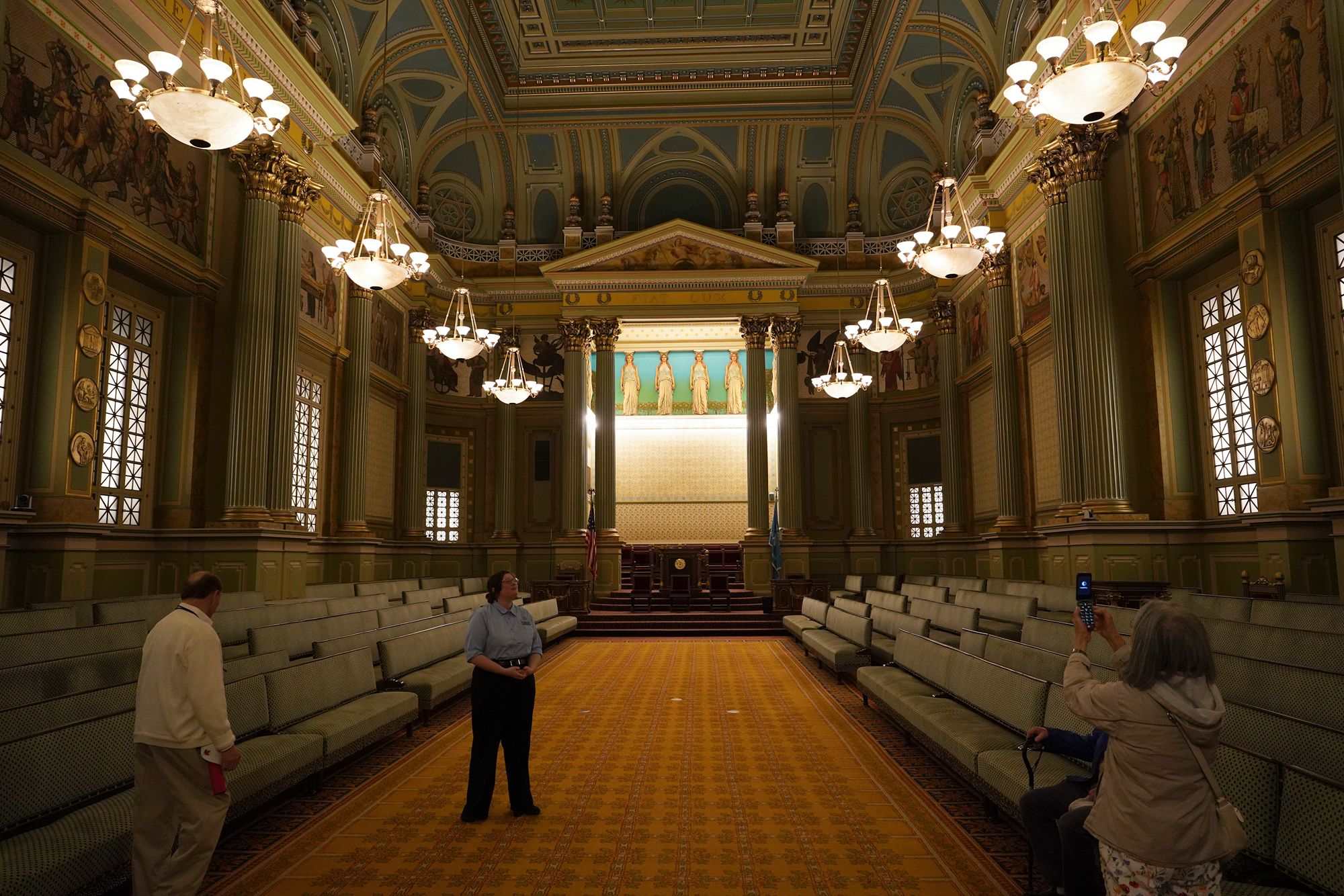
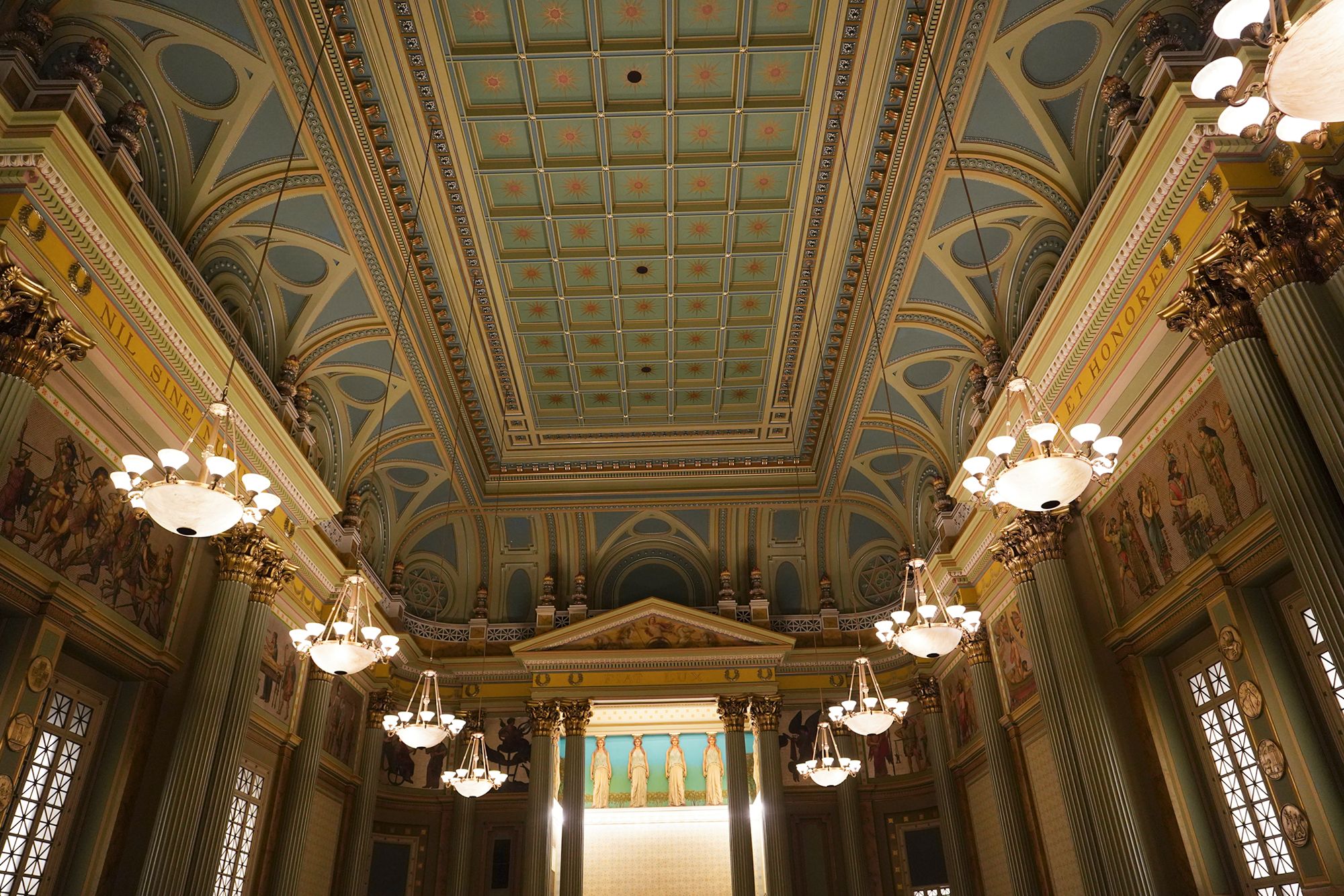
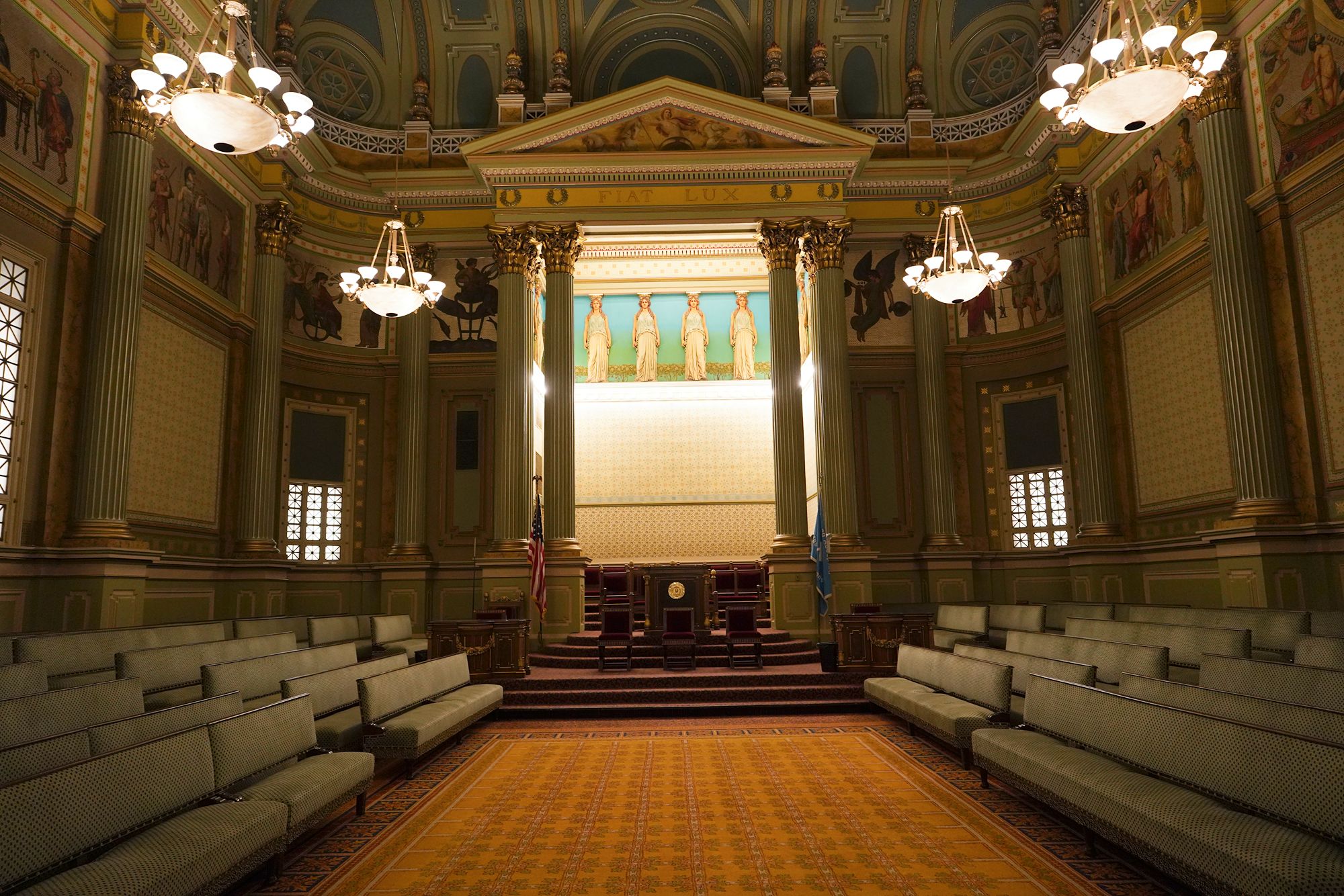
The Grand Ballroom
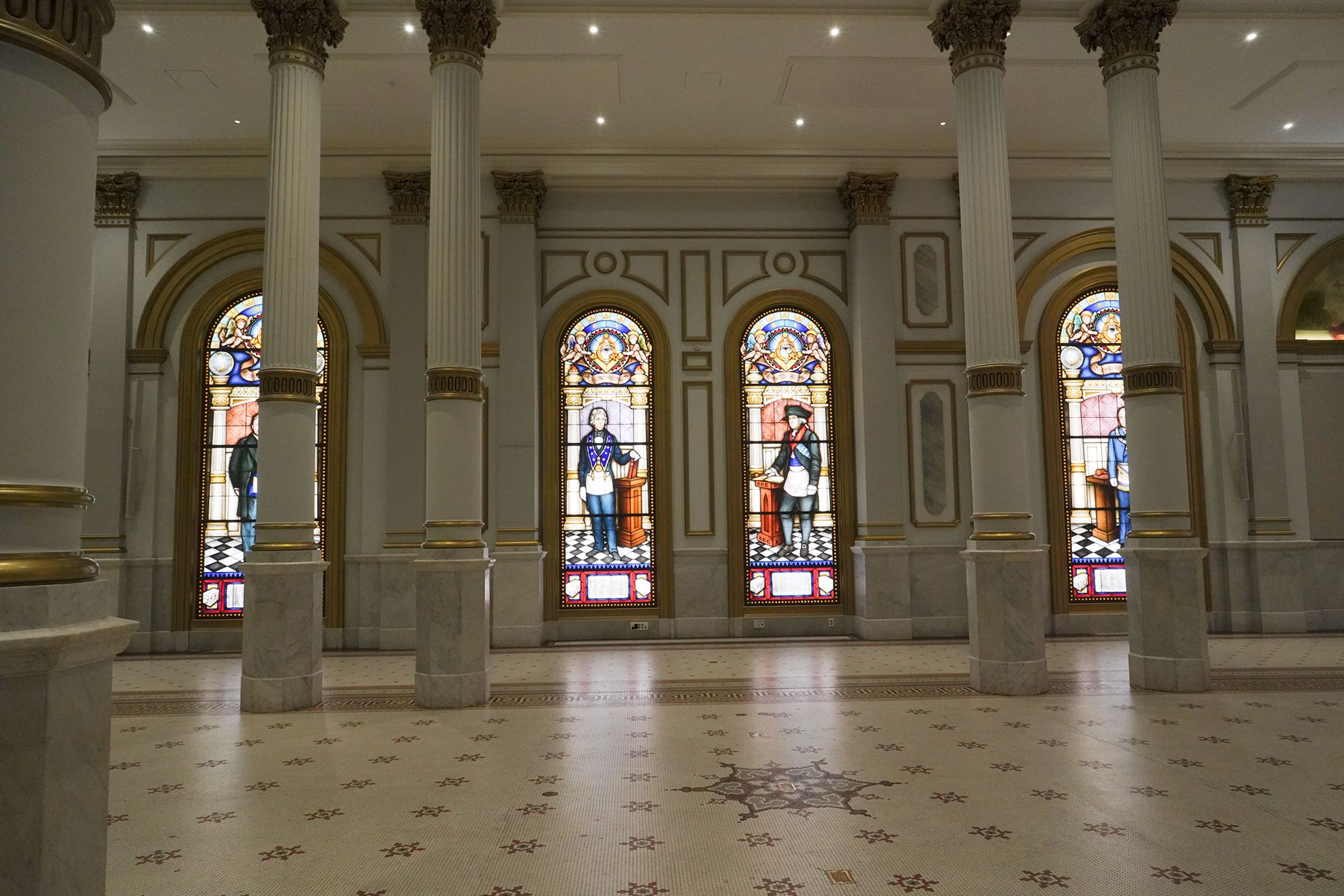
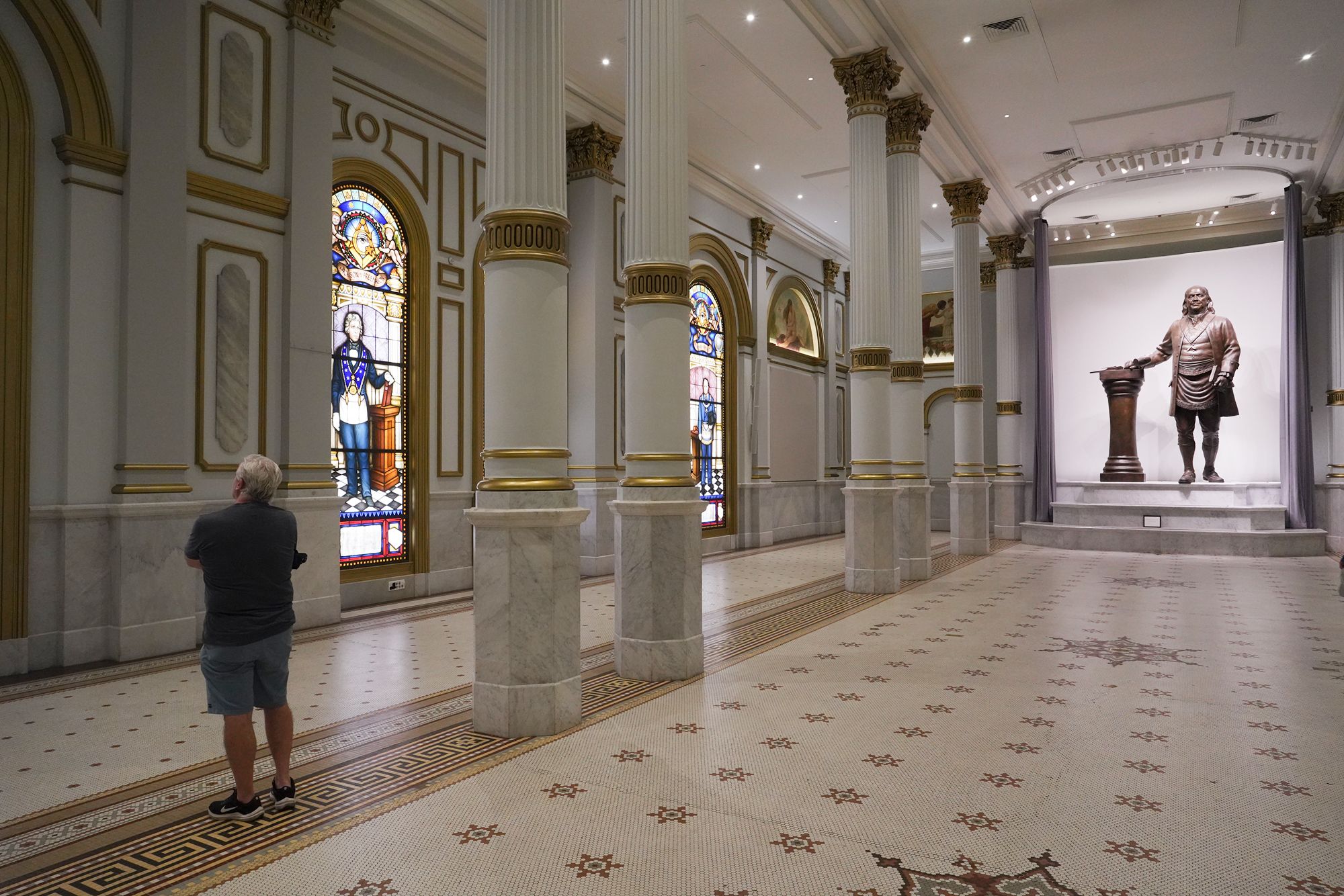
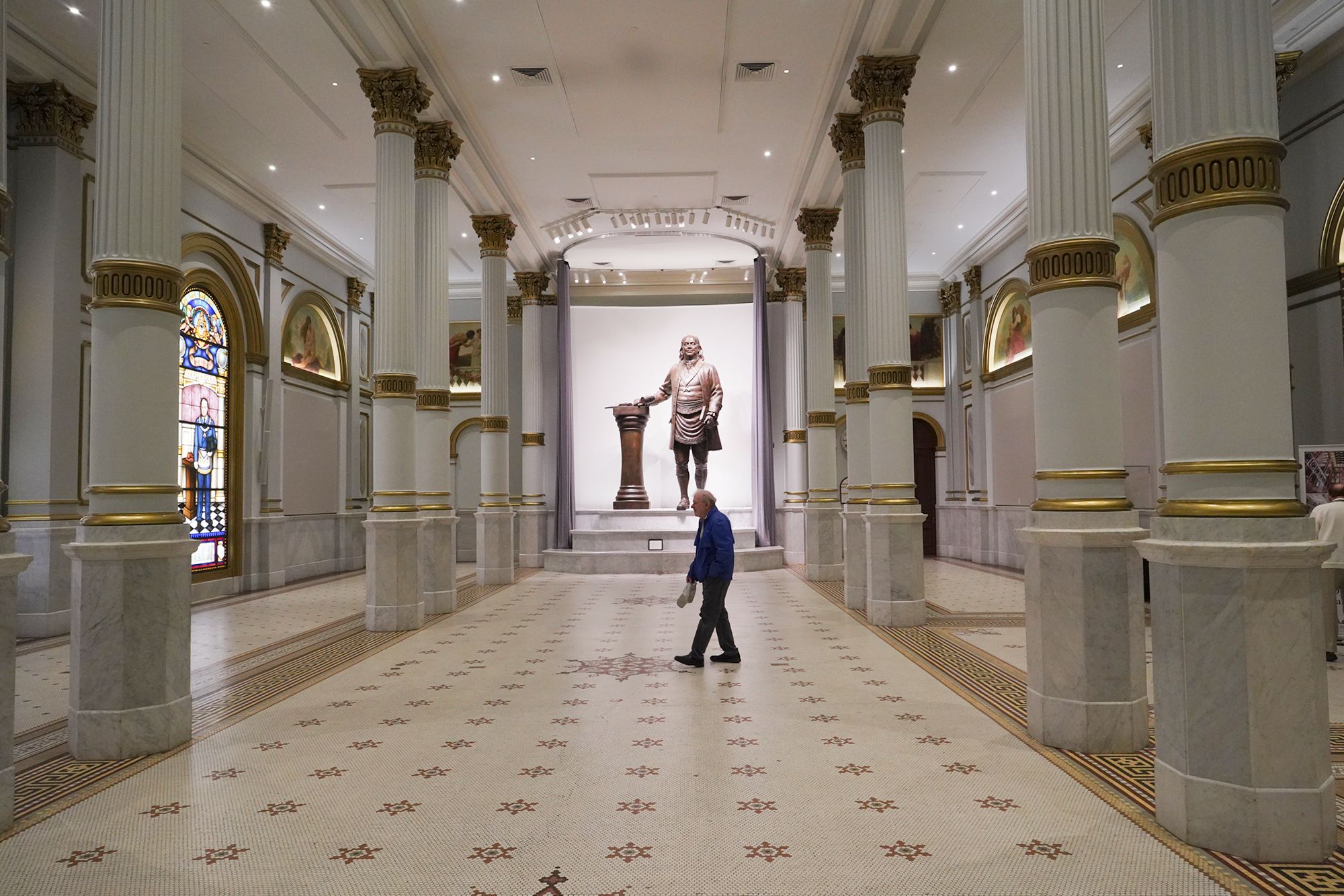
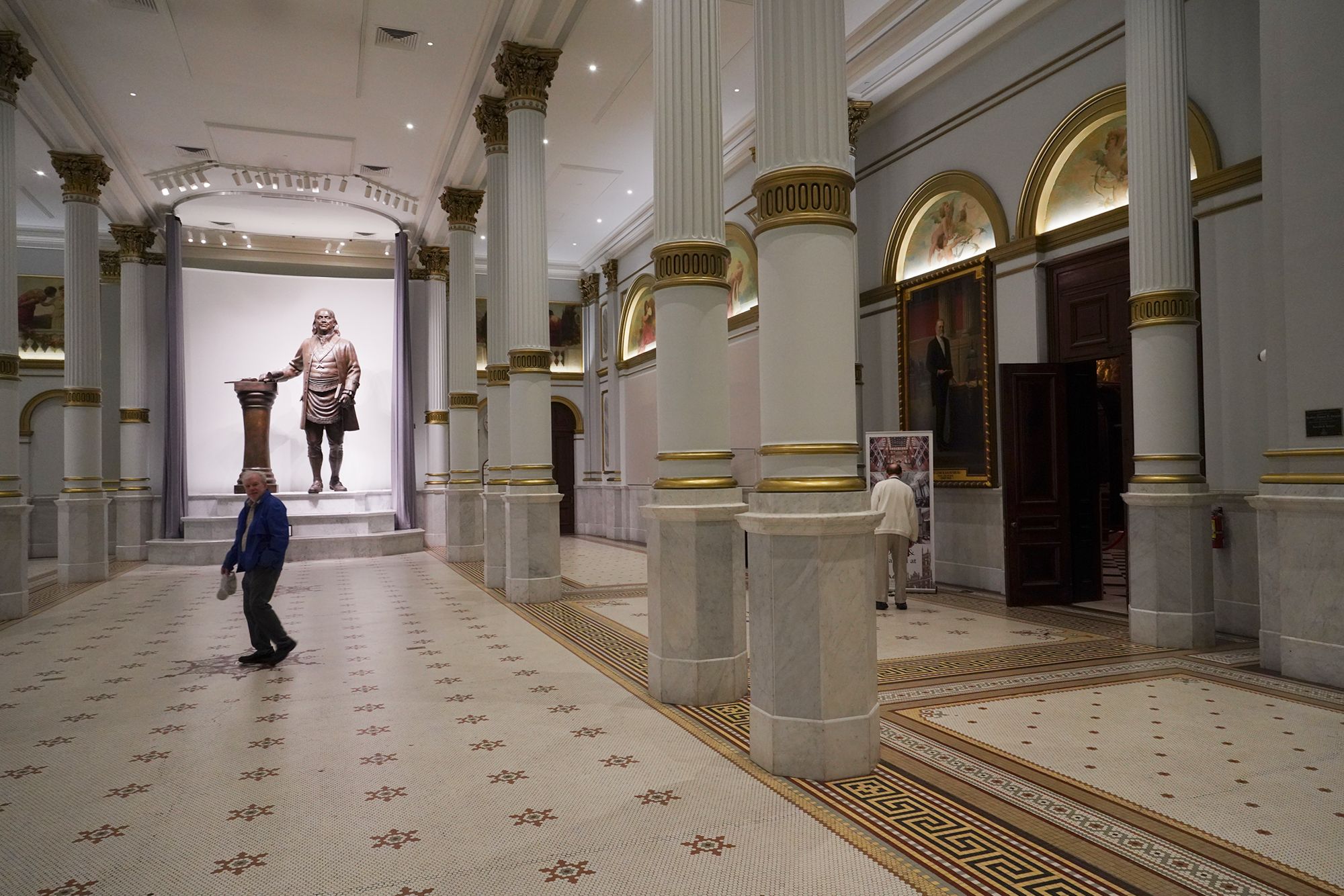
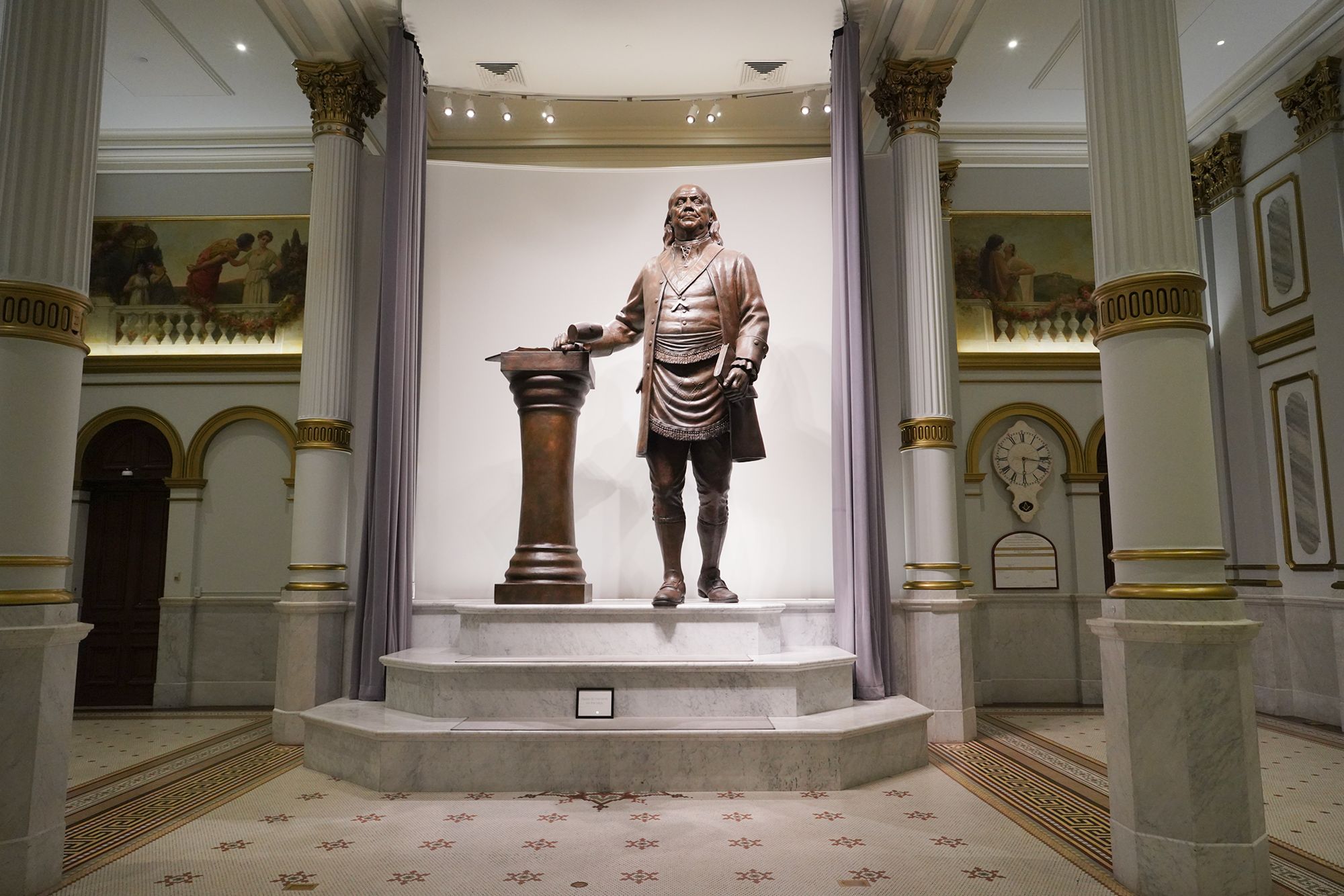
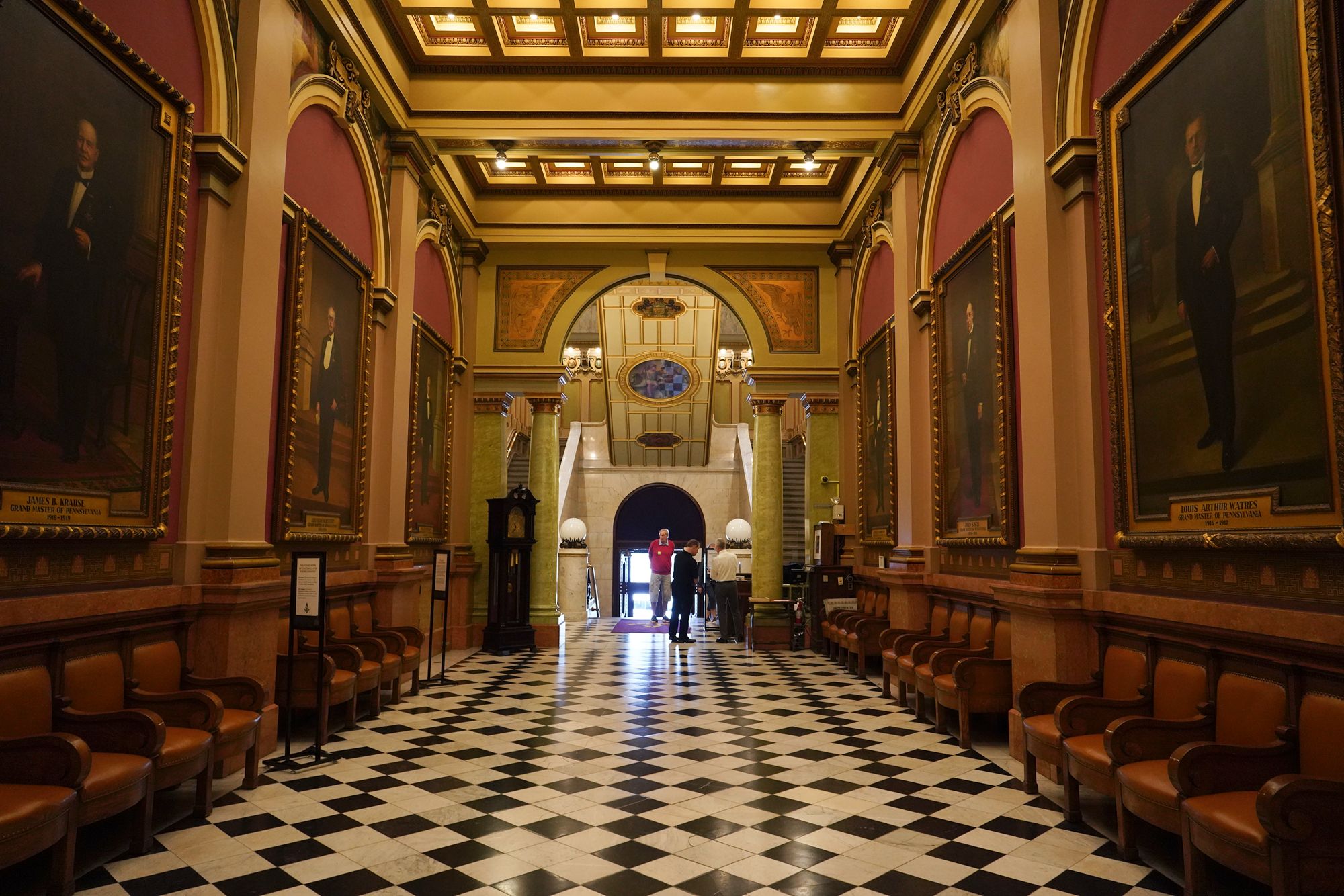
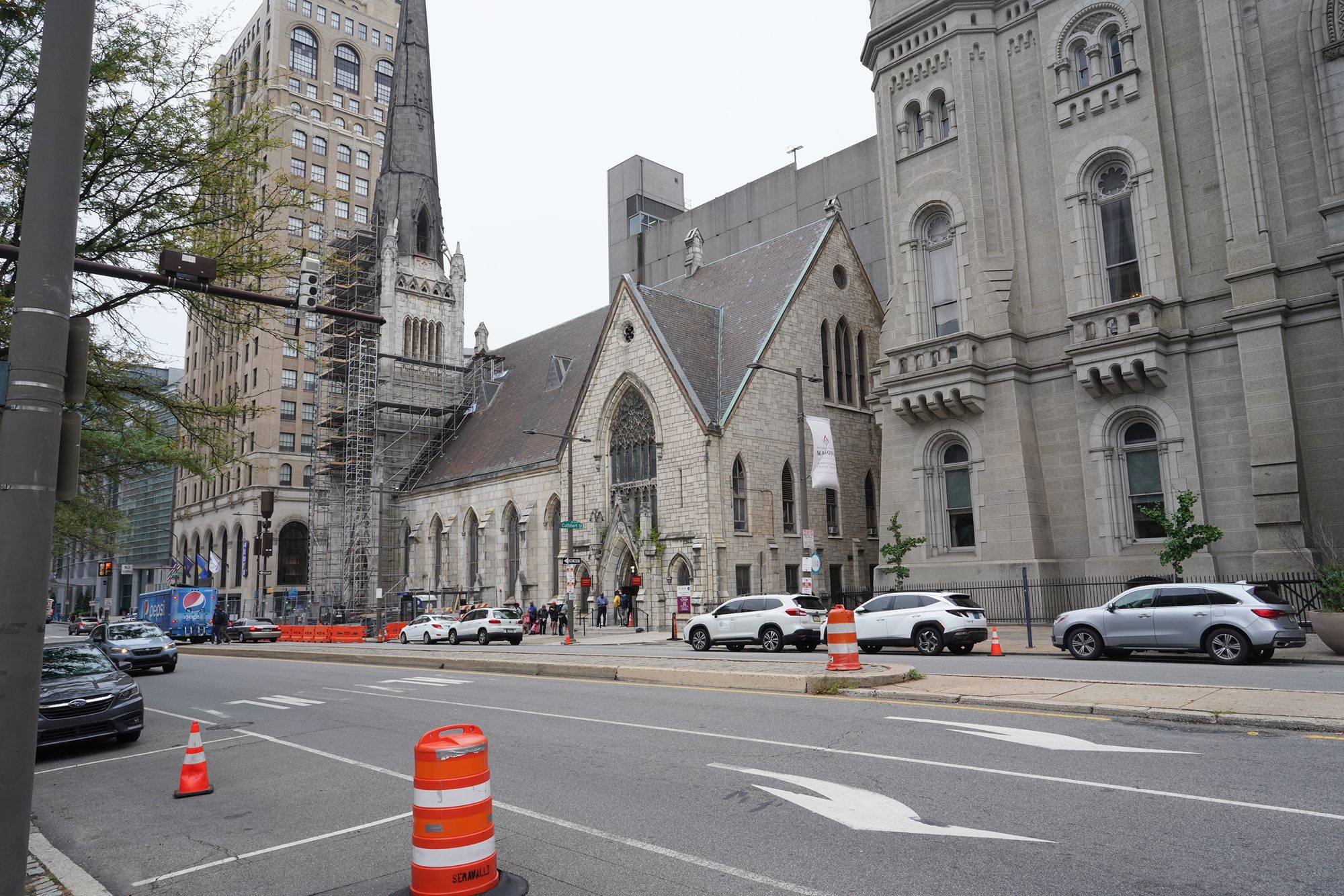
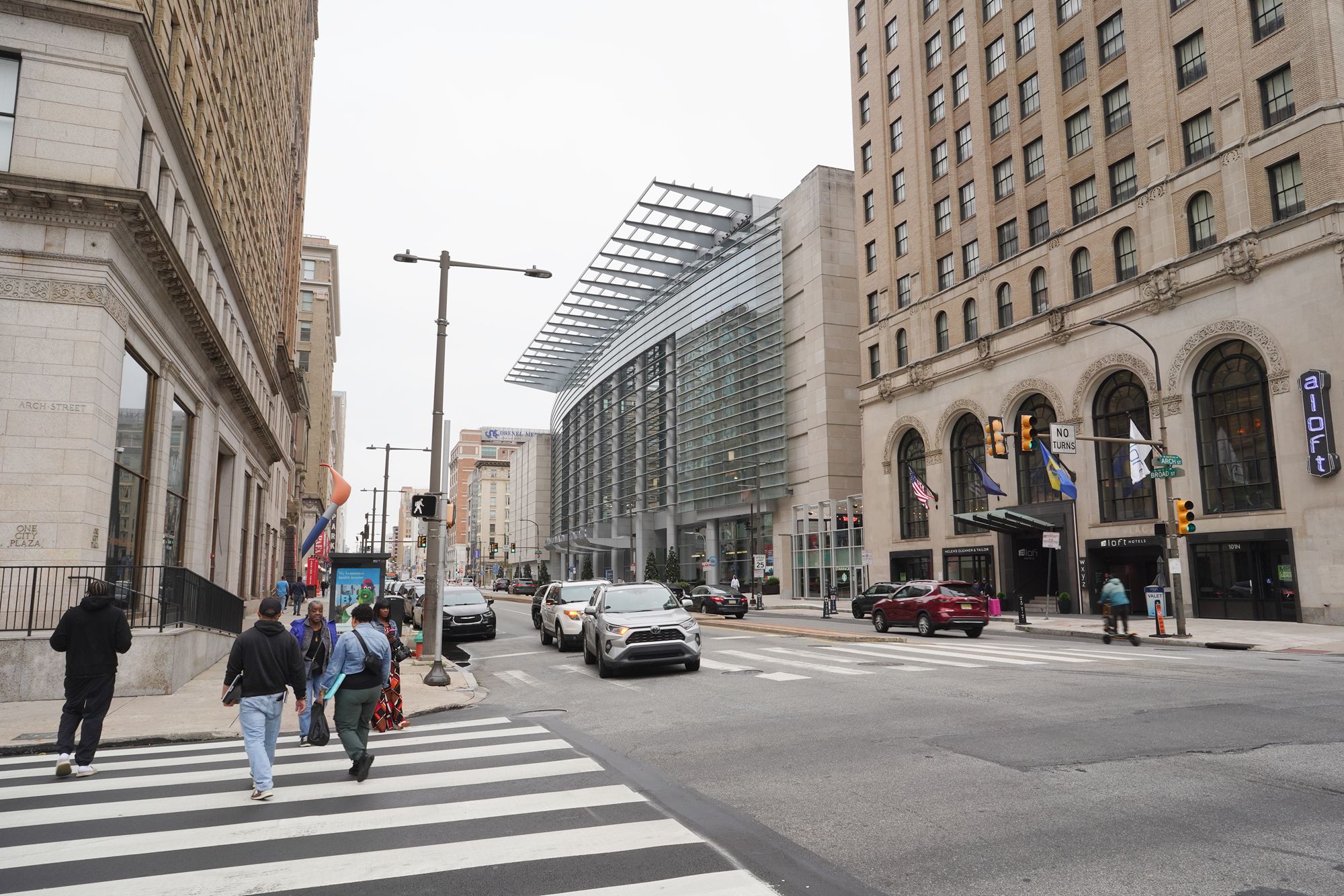
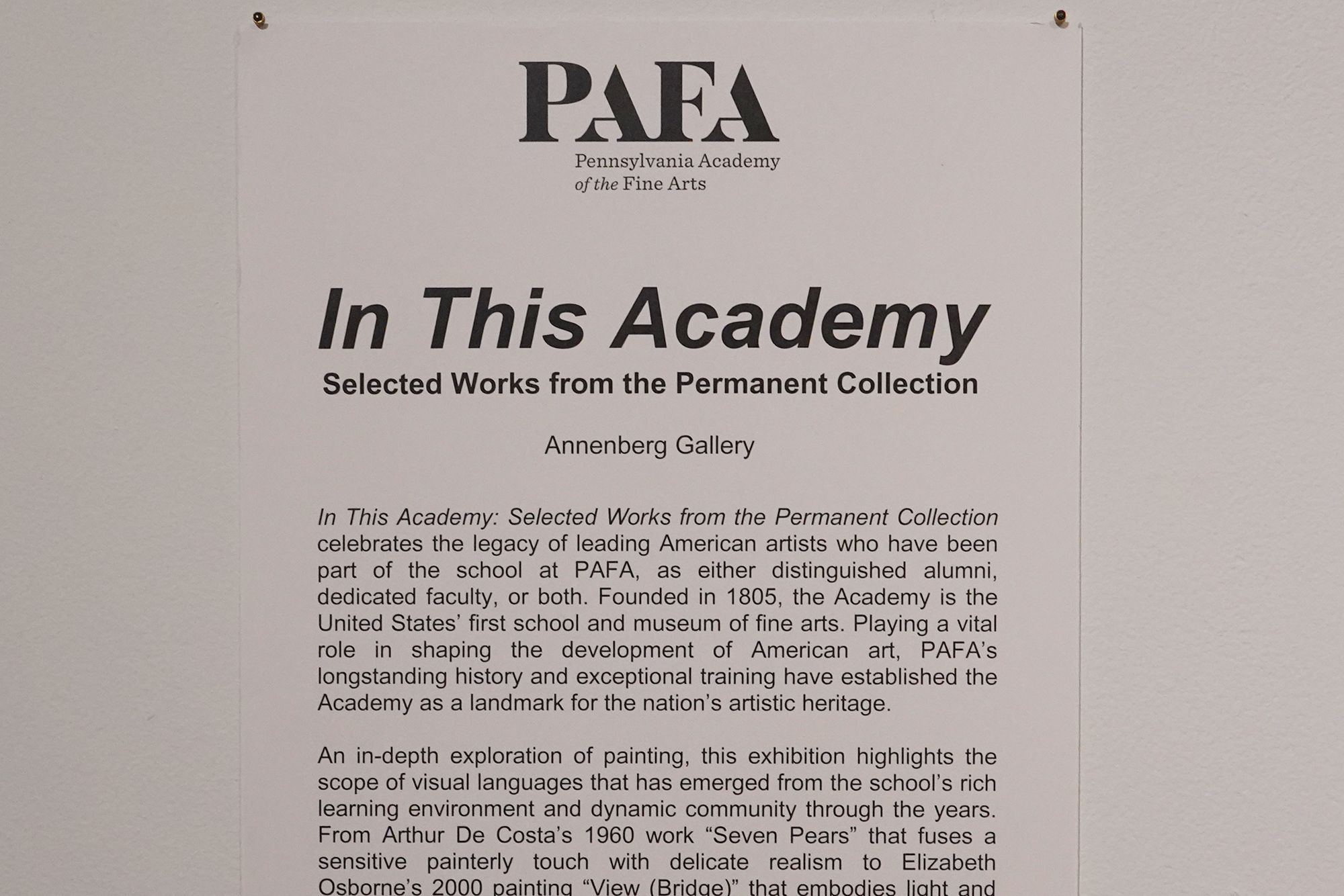
After the temple, I walked to the Pennsylvania Academy of the Fine Arts
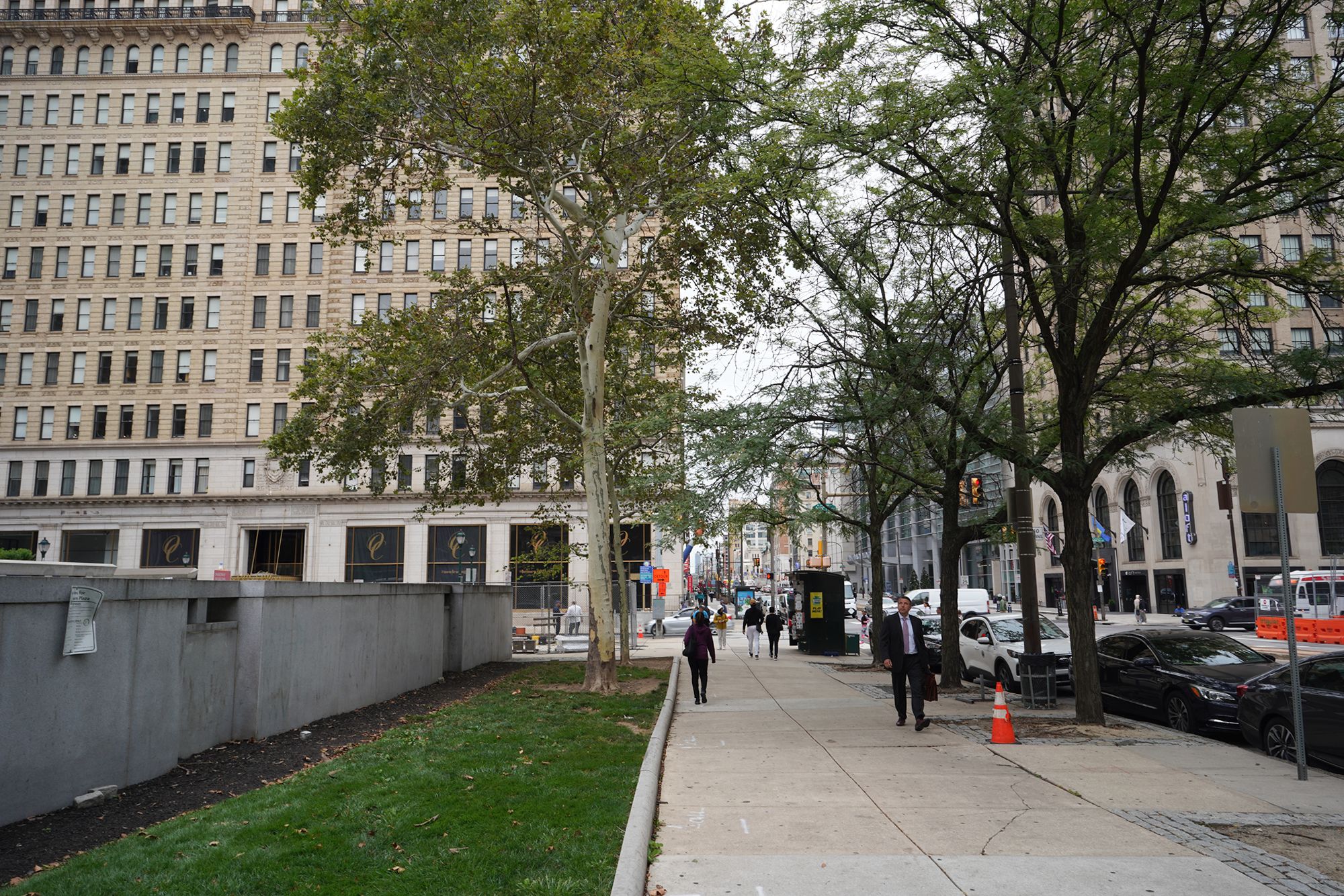
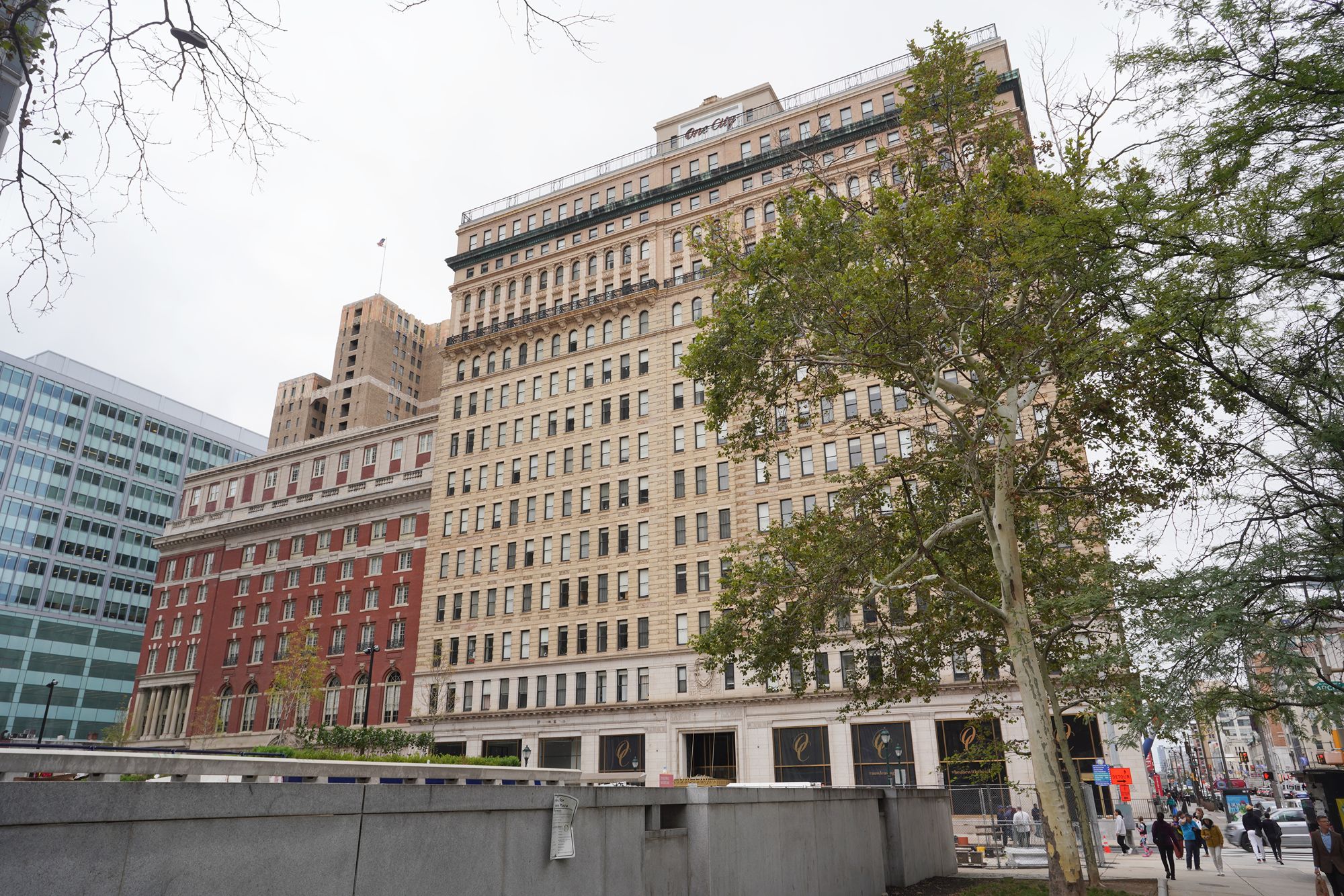
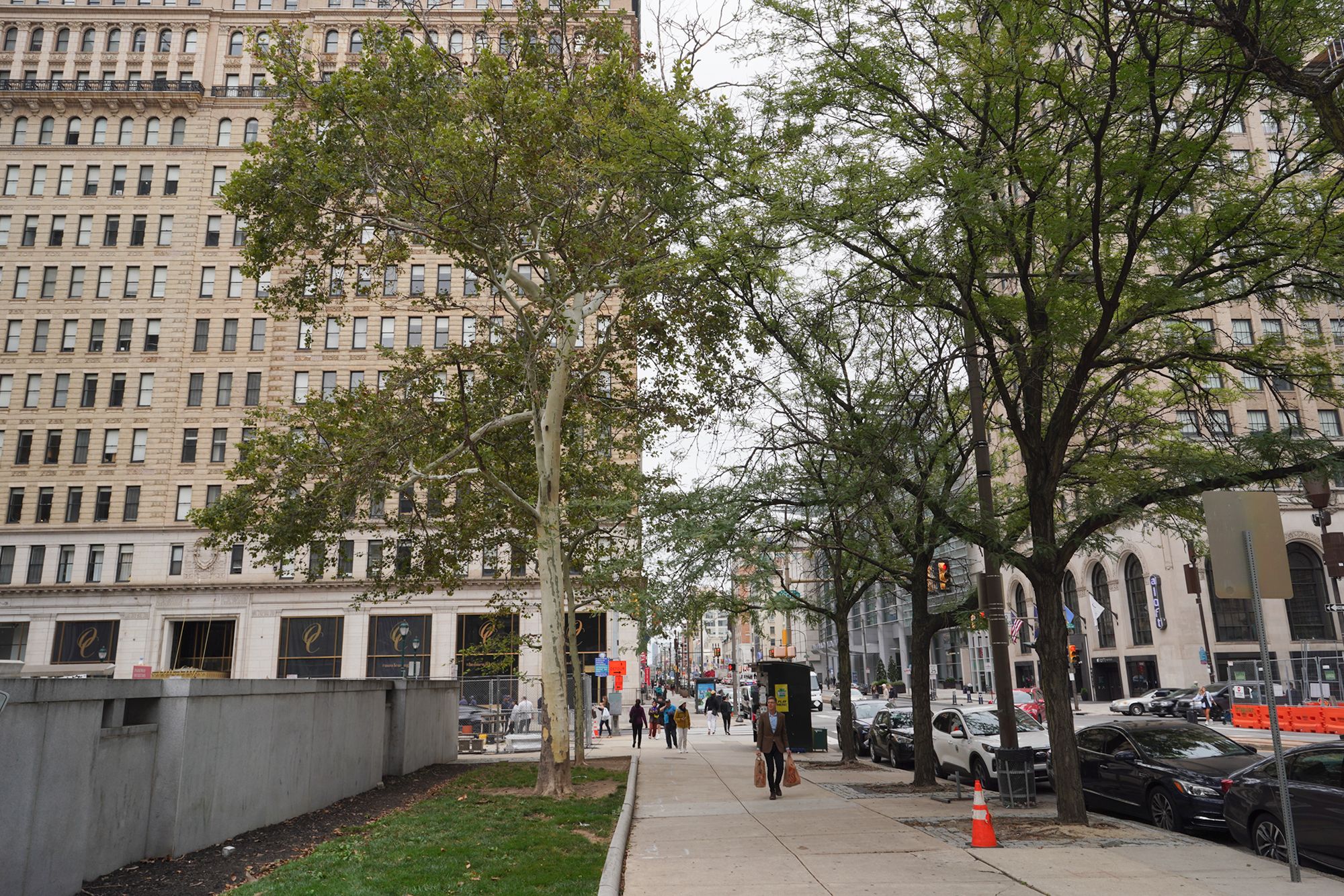
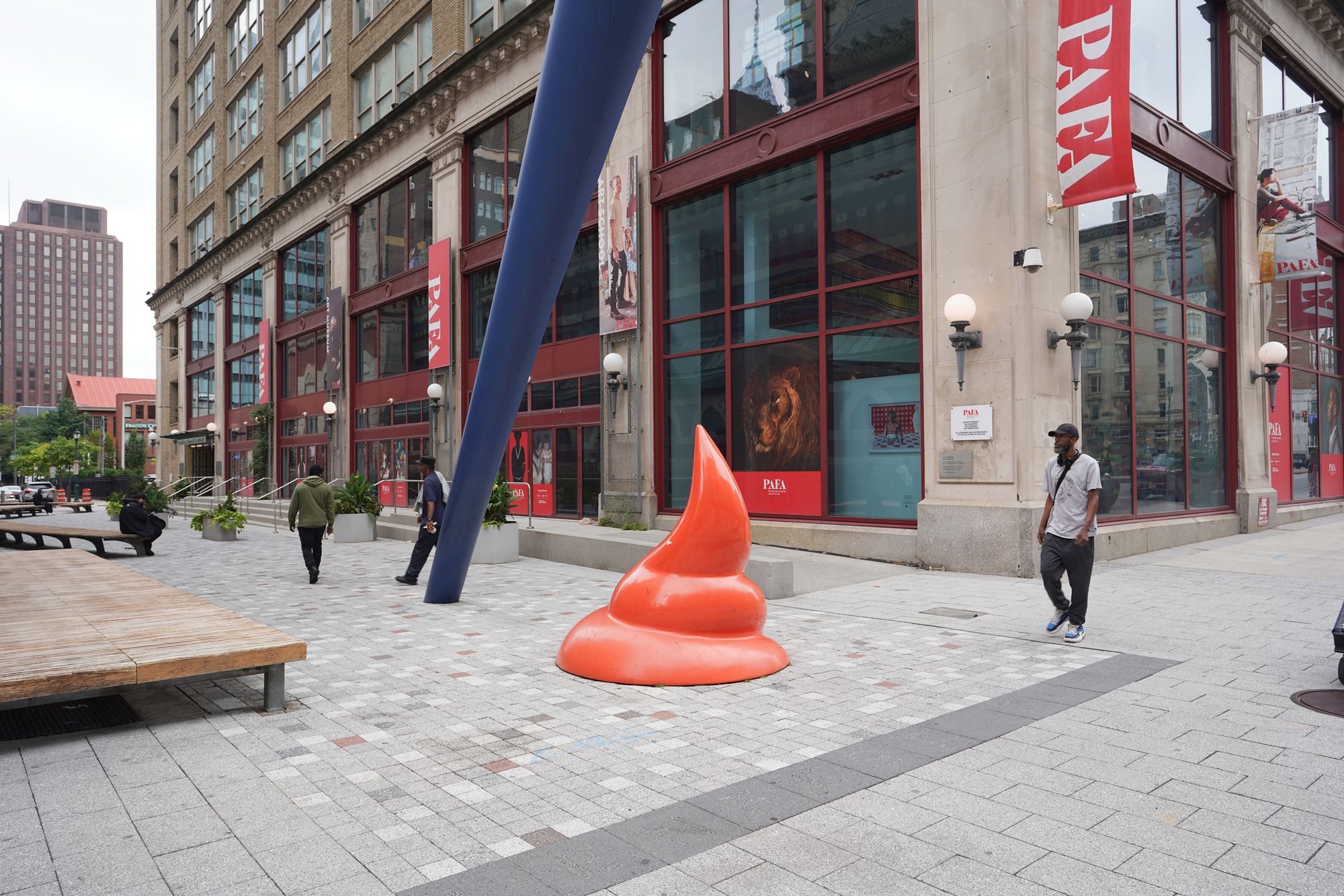
Pennsylvania Academy of the Fine Arts
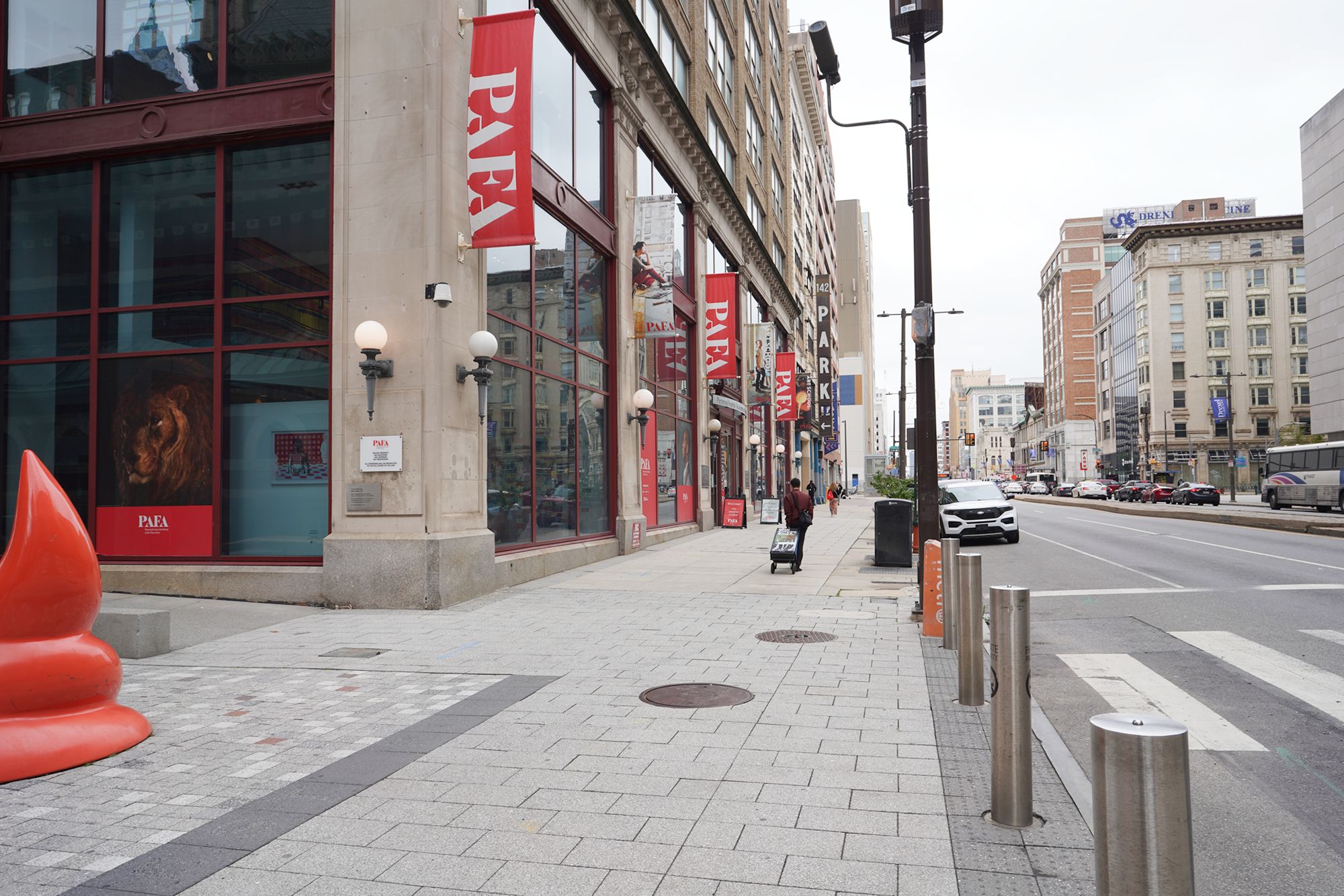
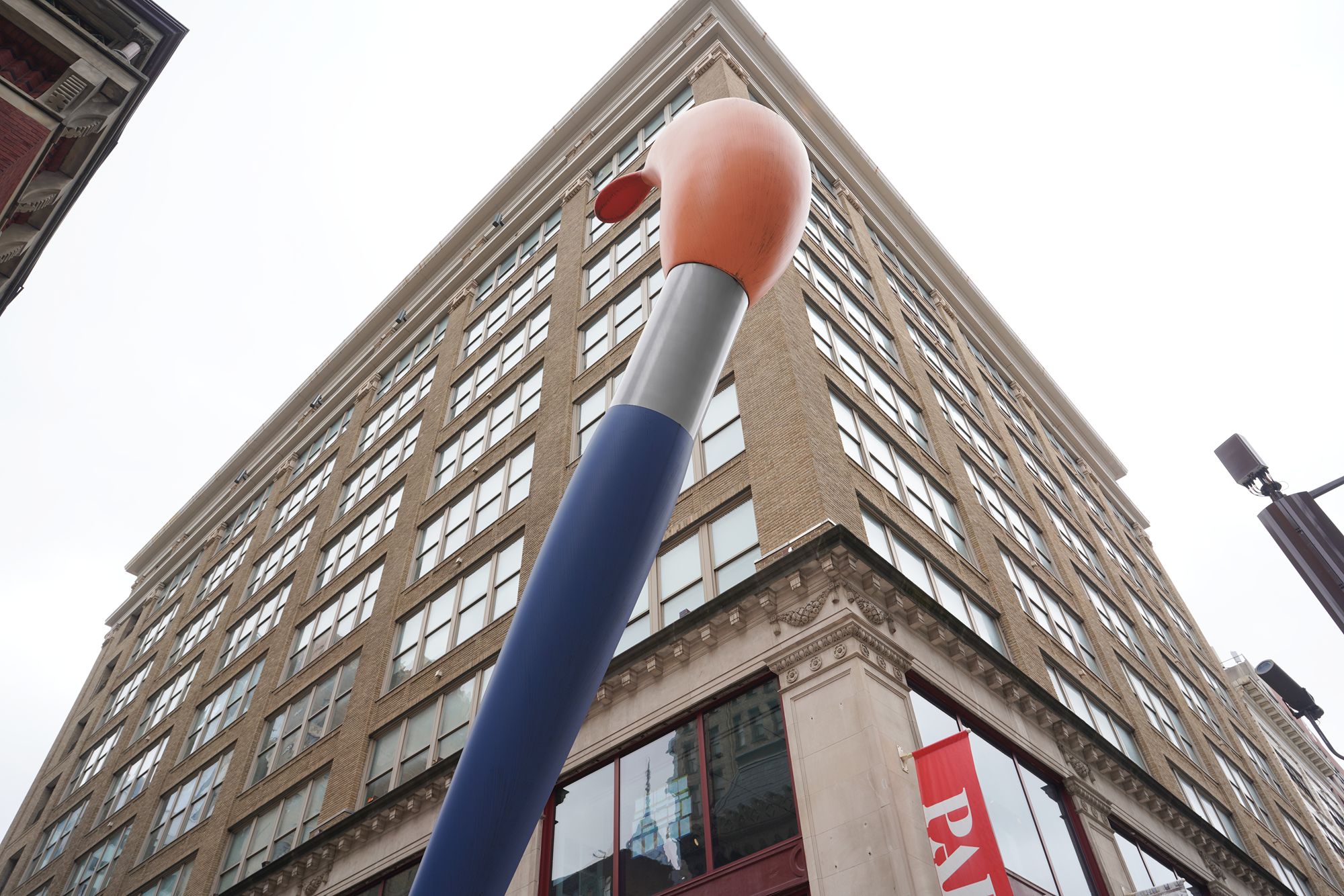
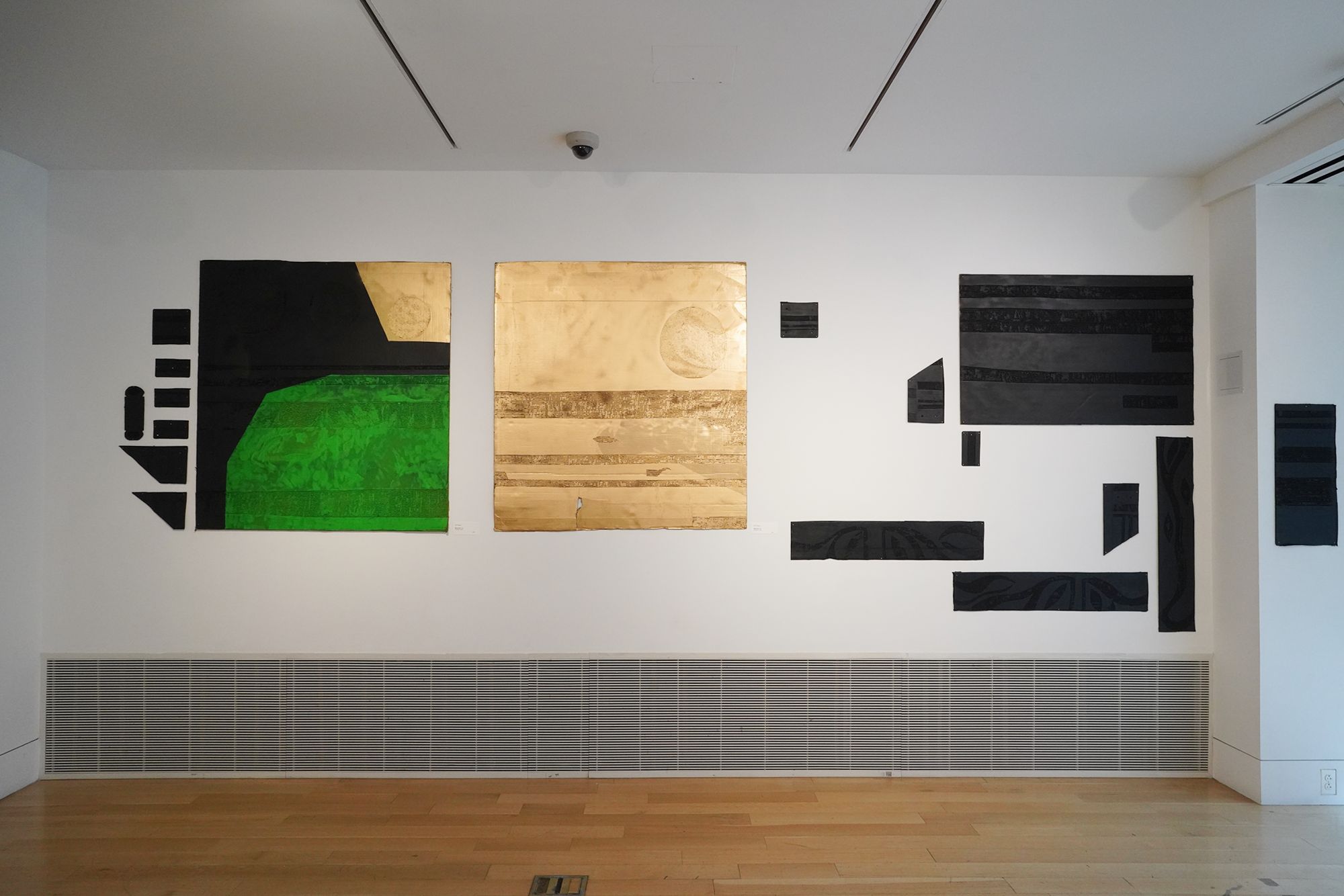
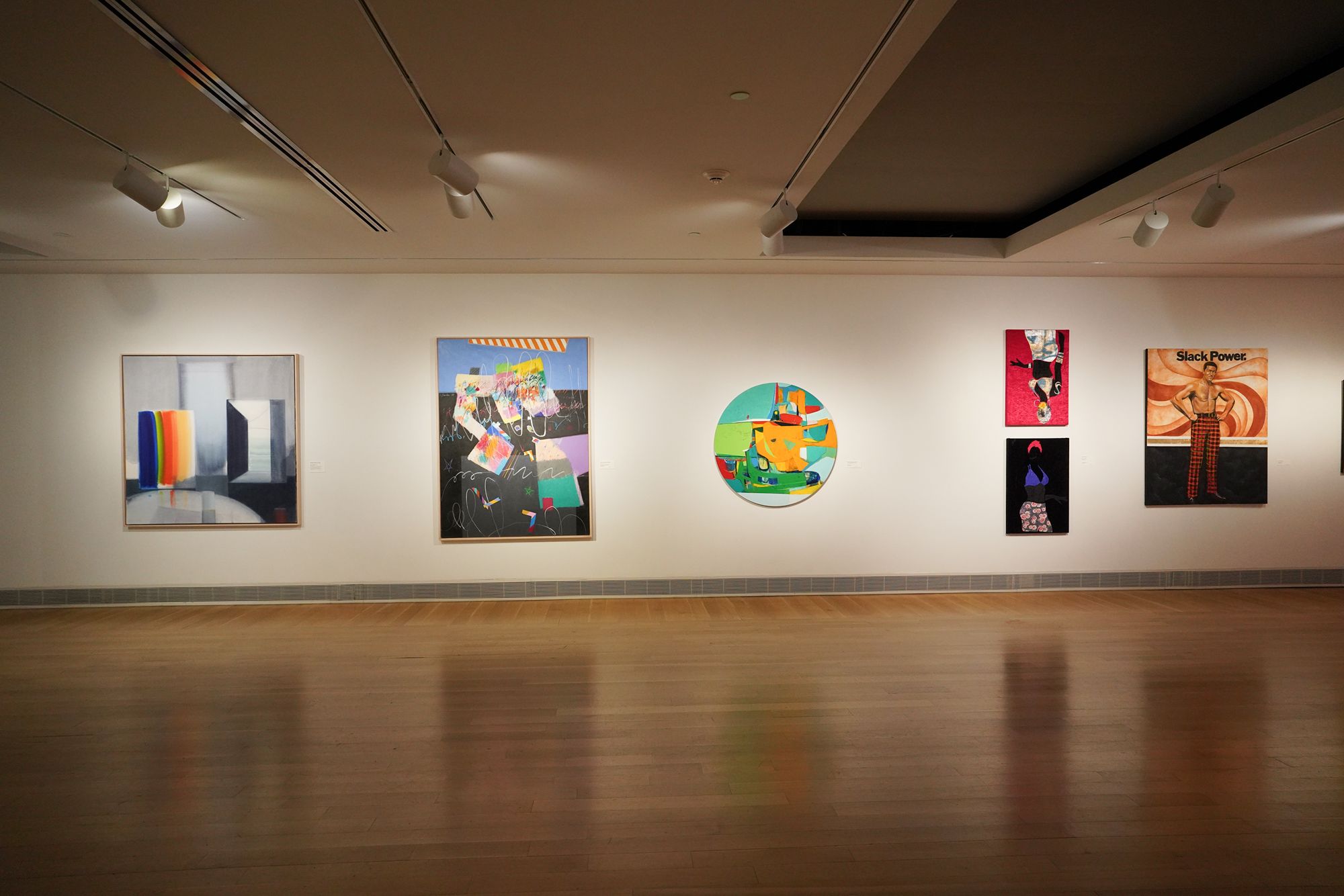
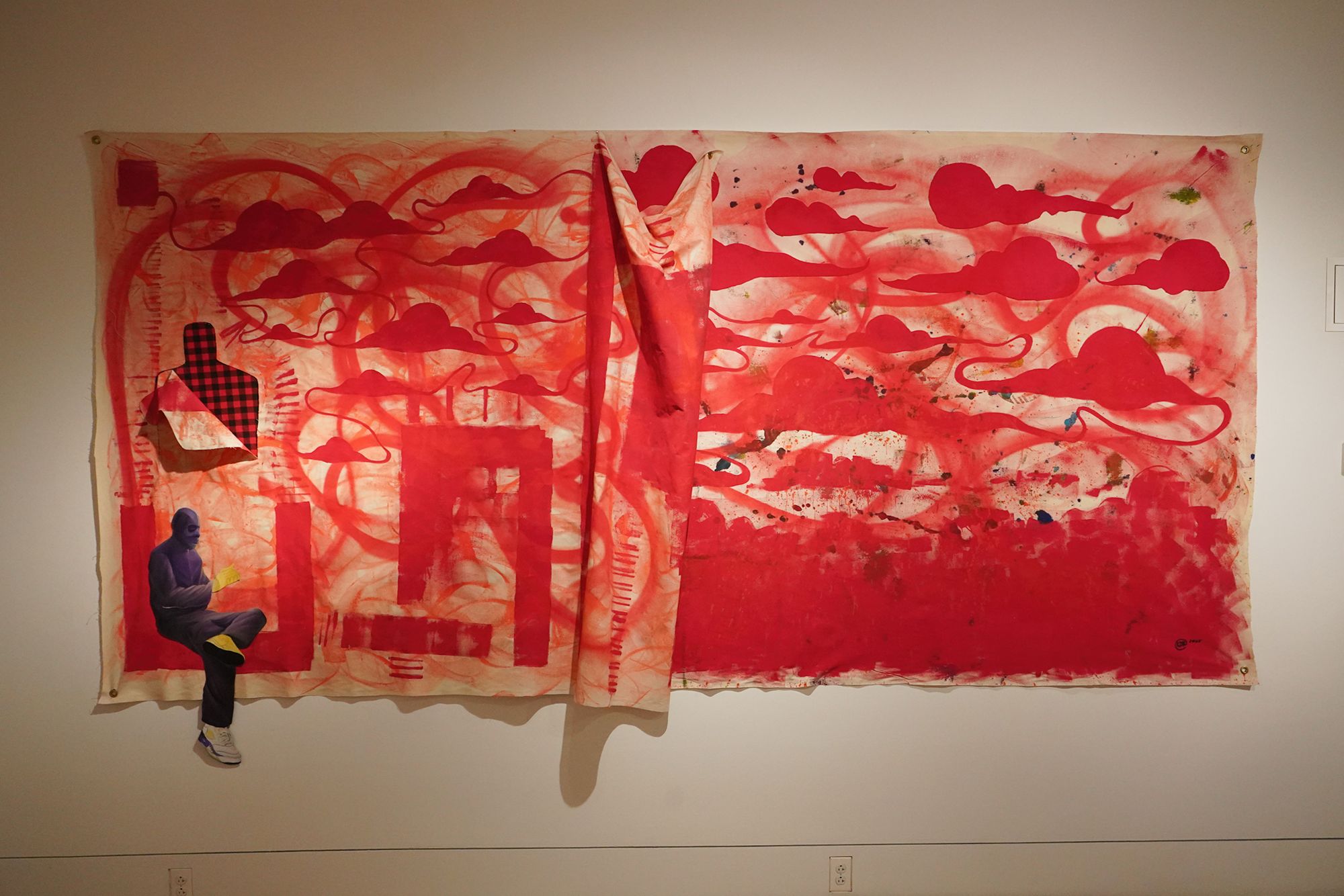
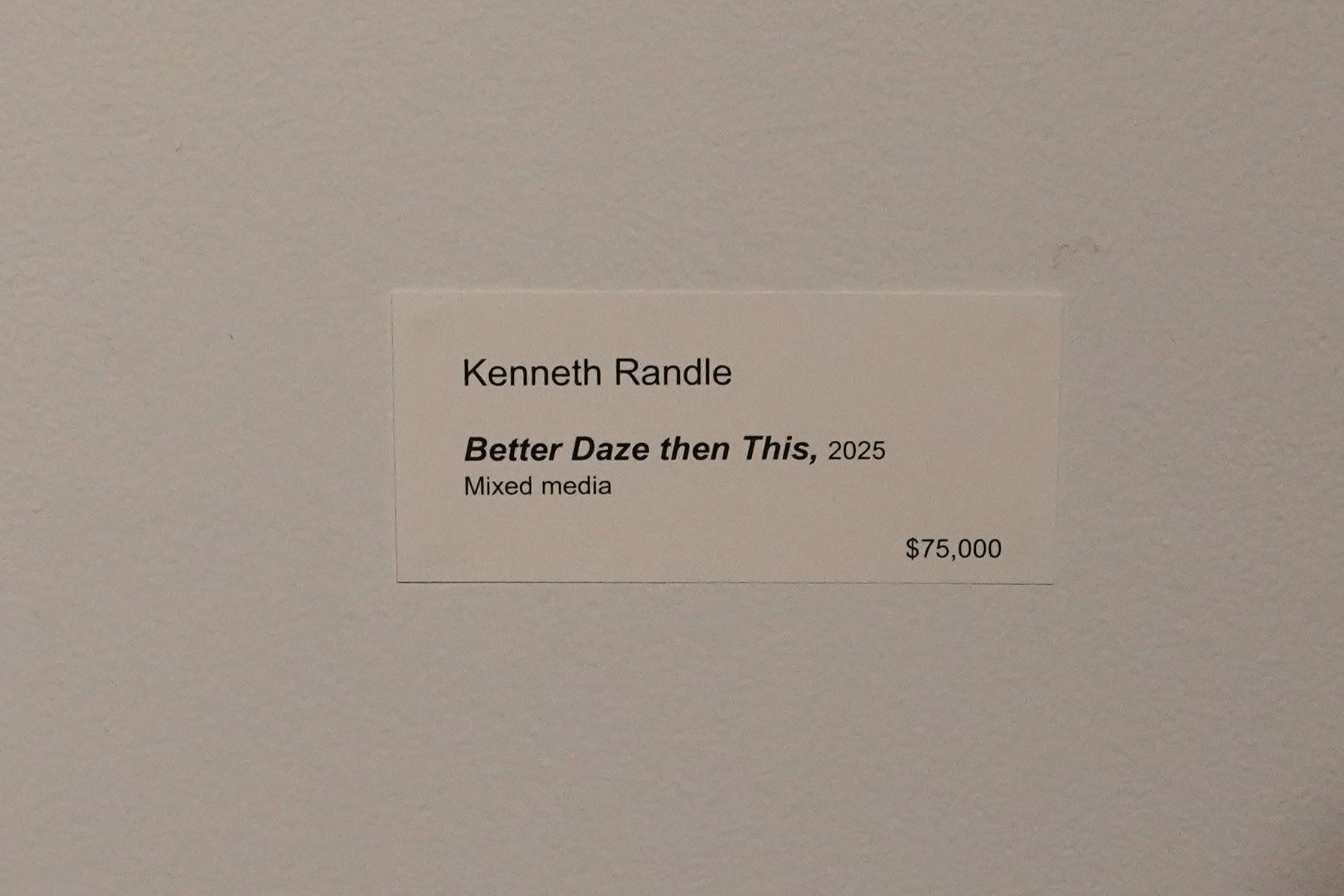
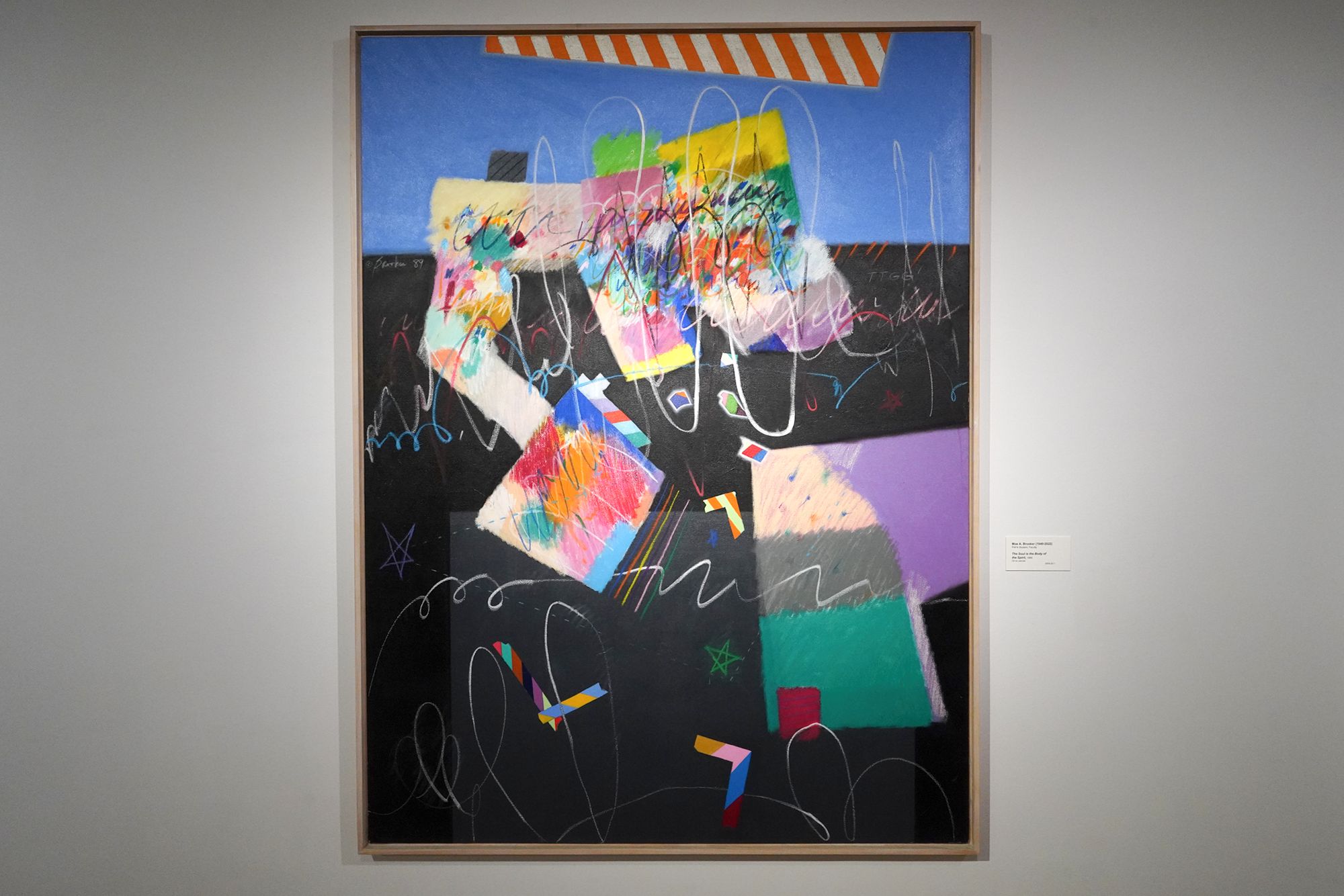
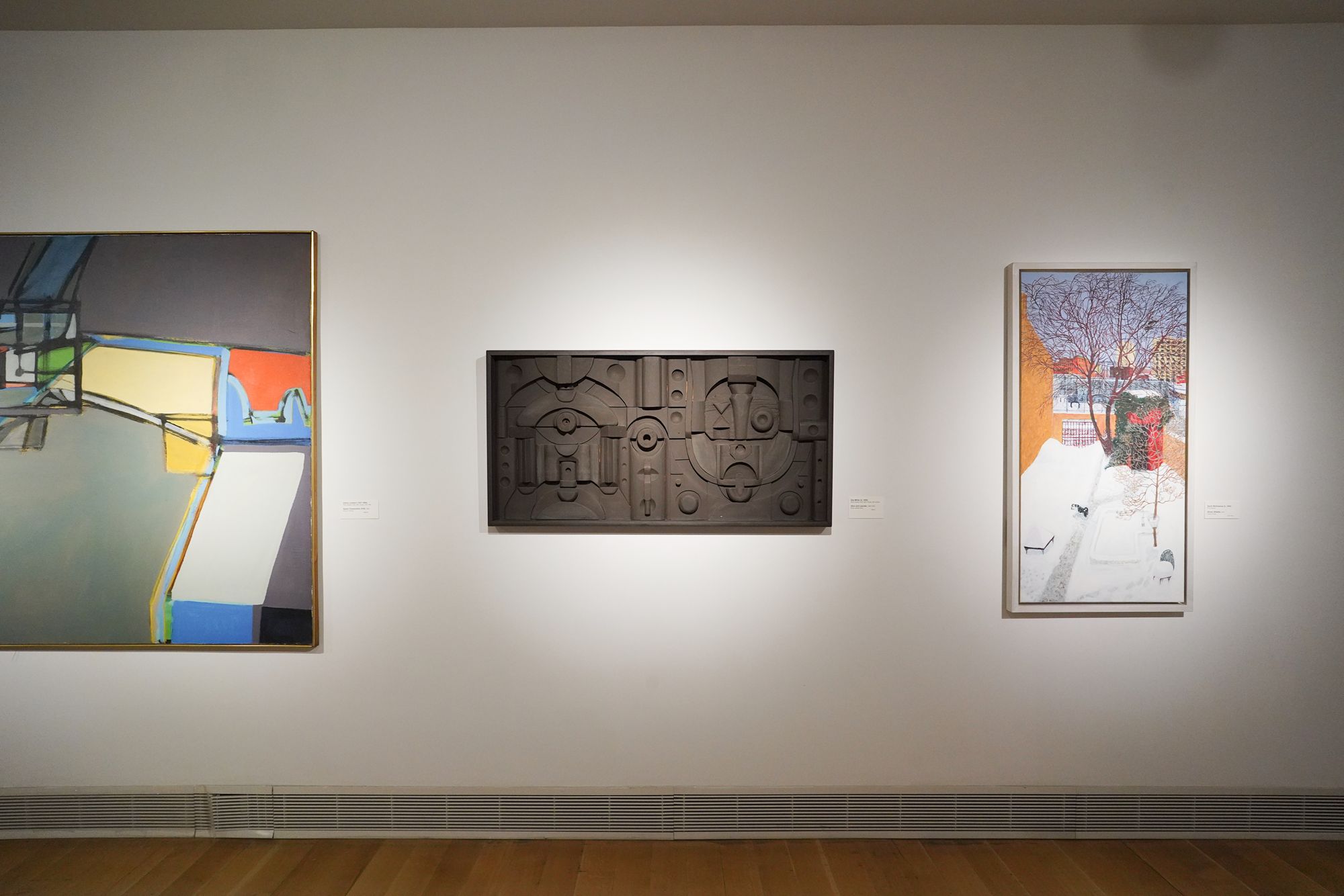
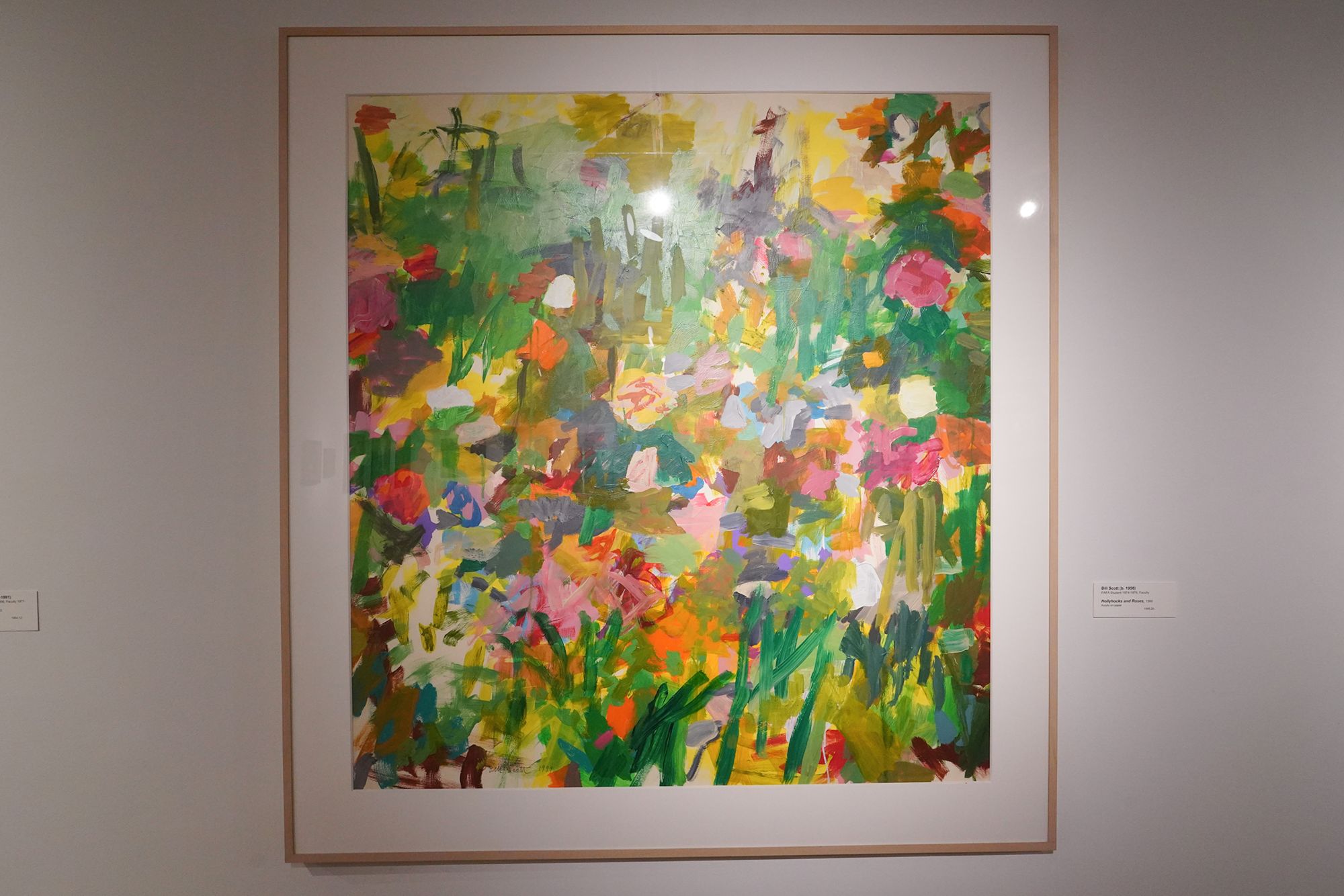
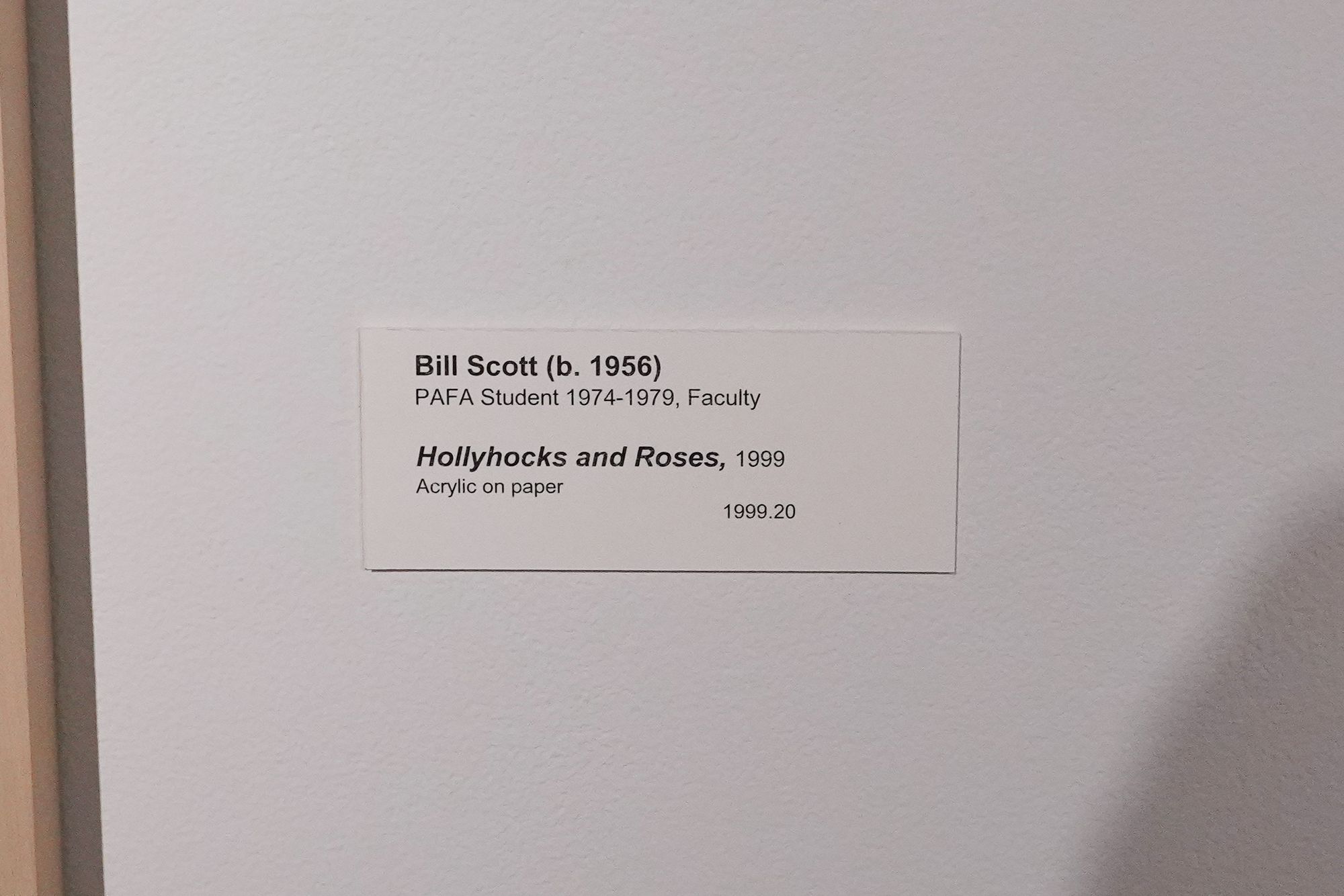
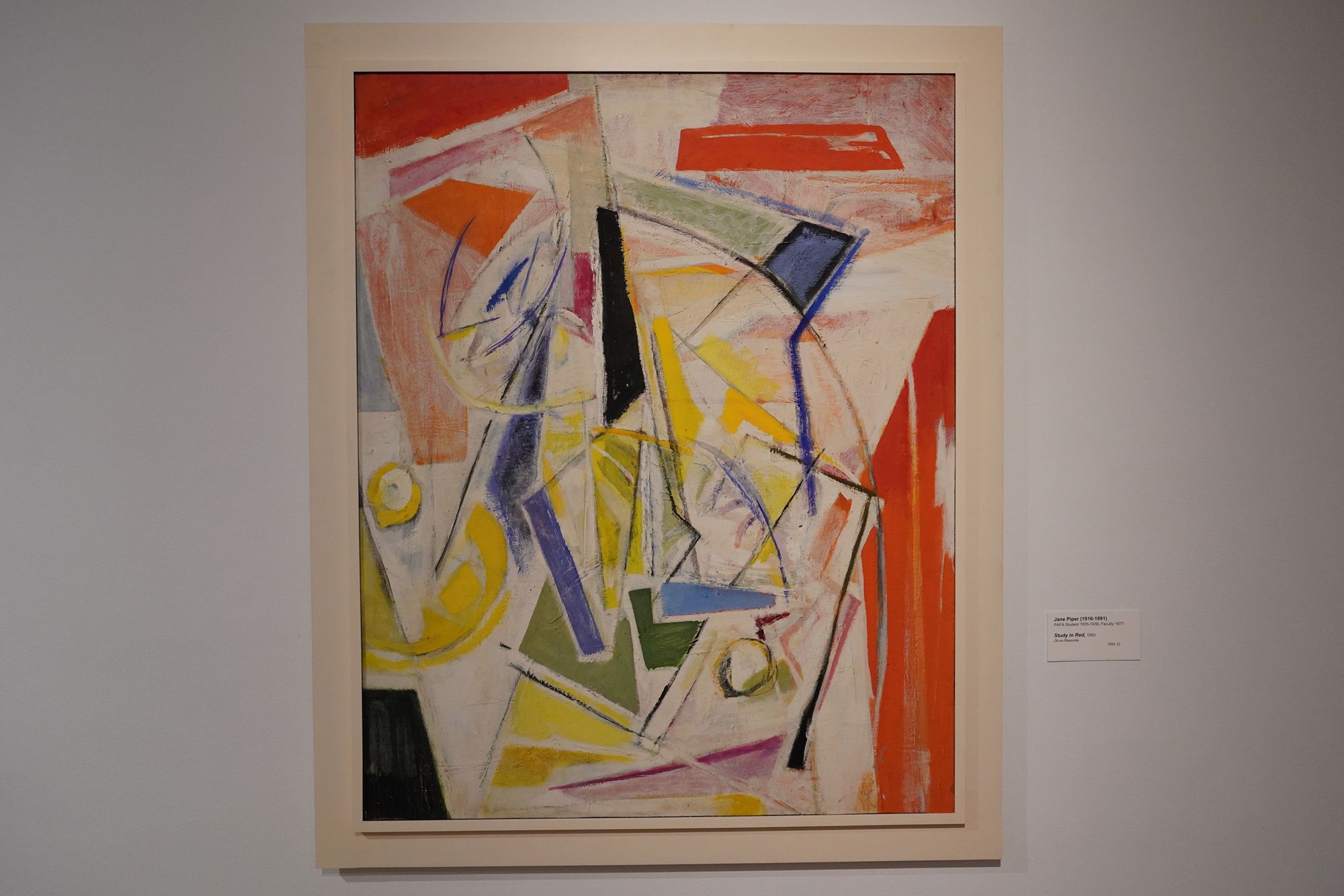
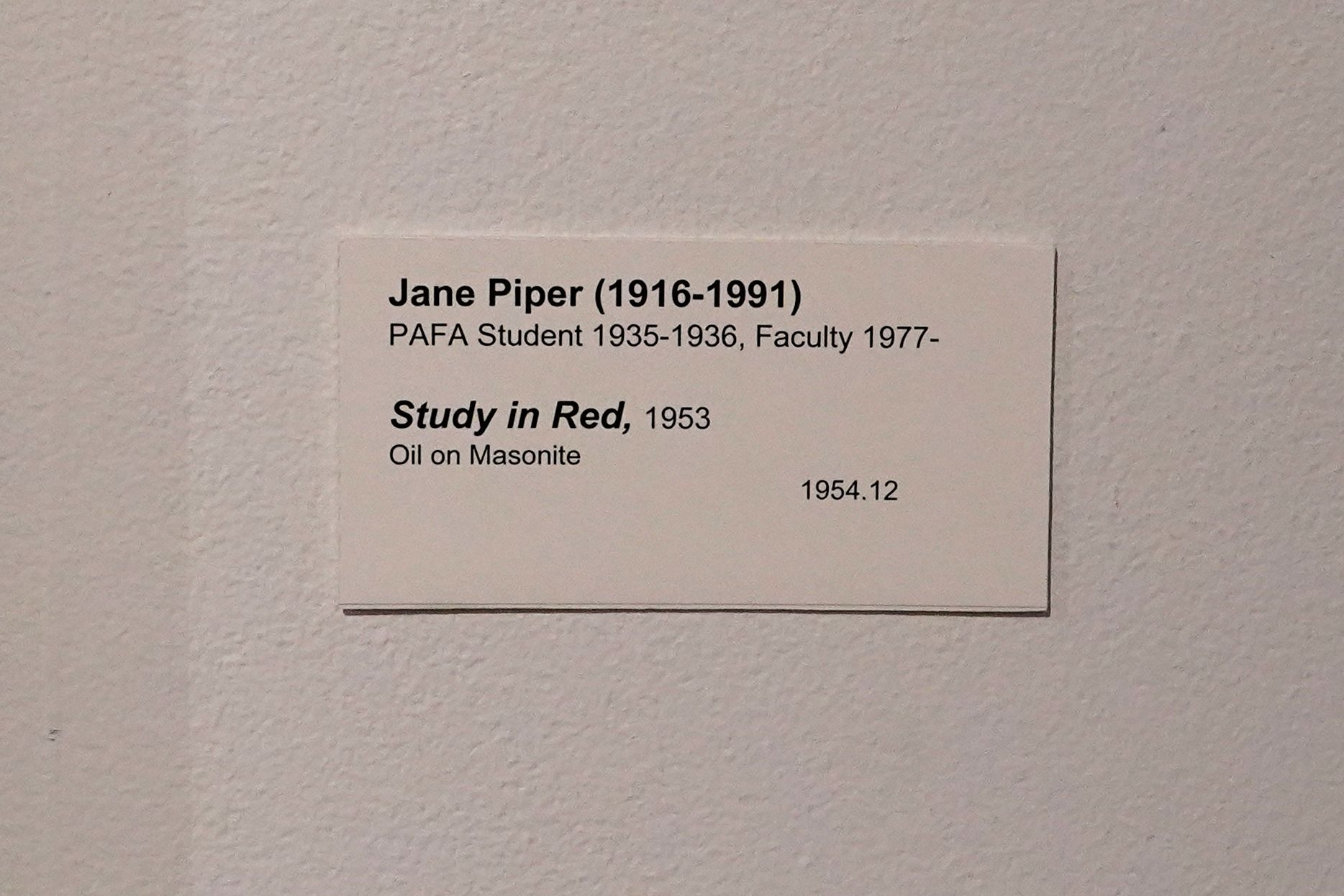
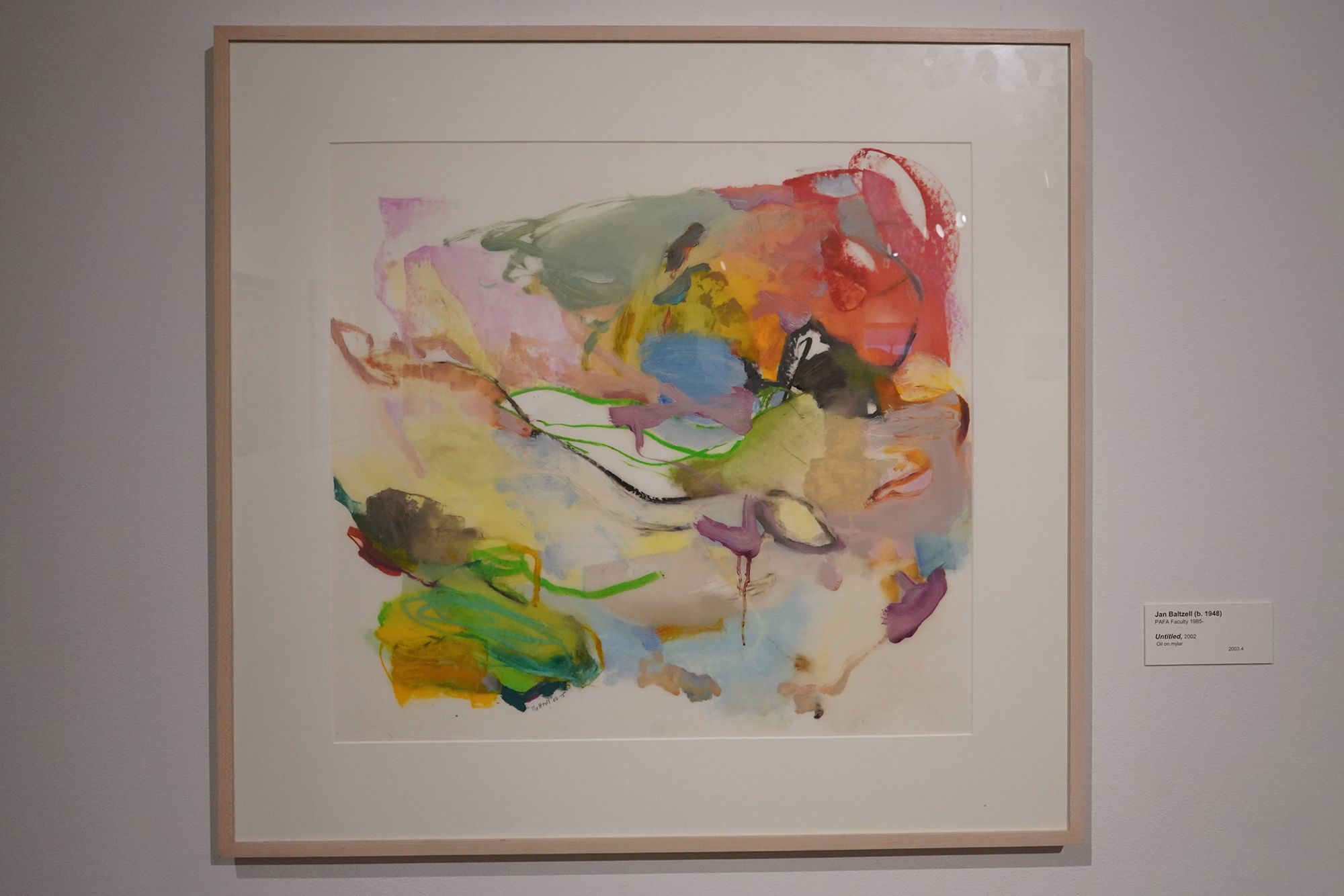
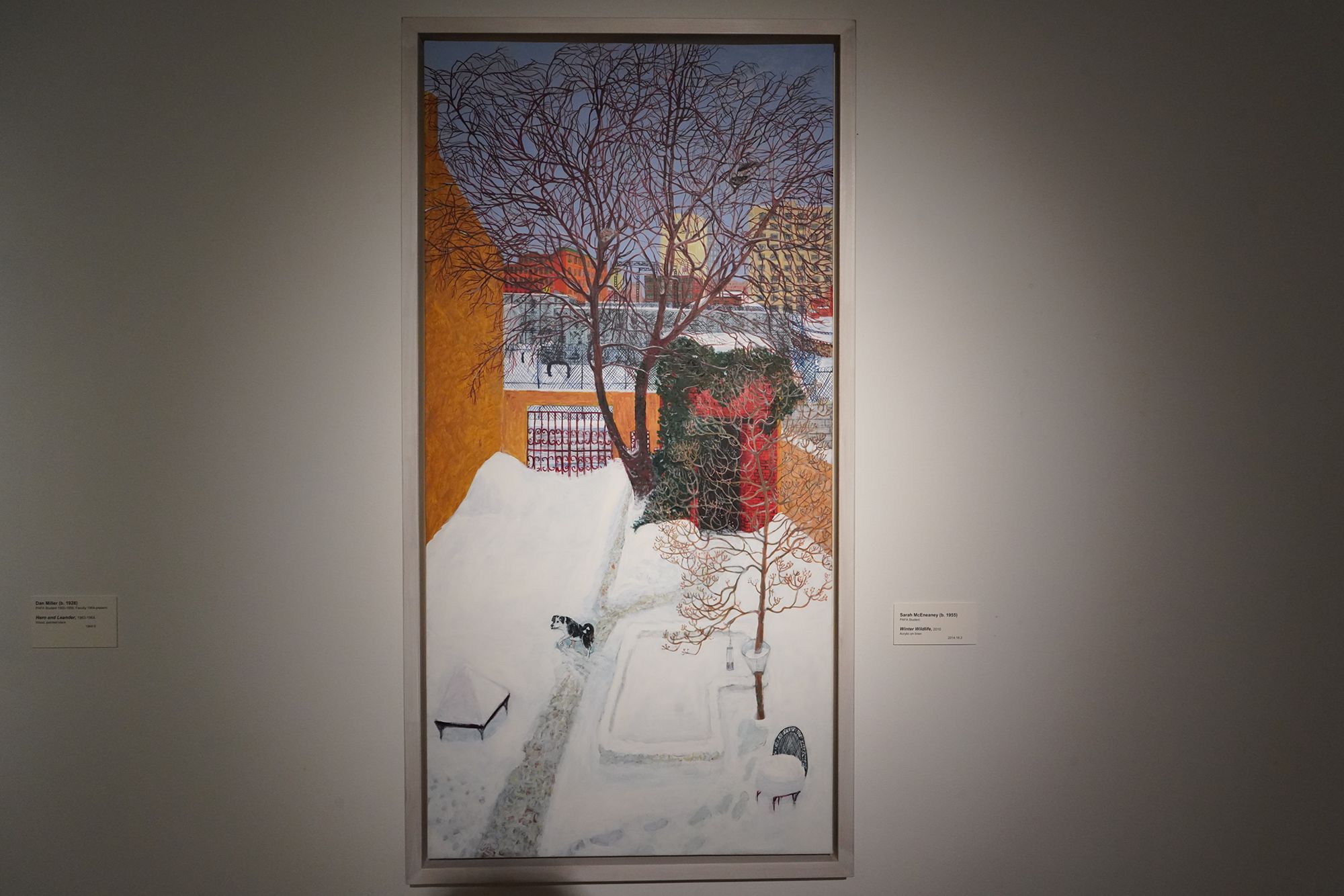
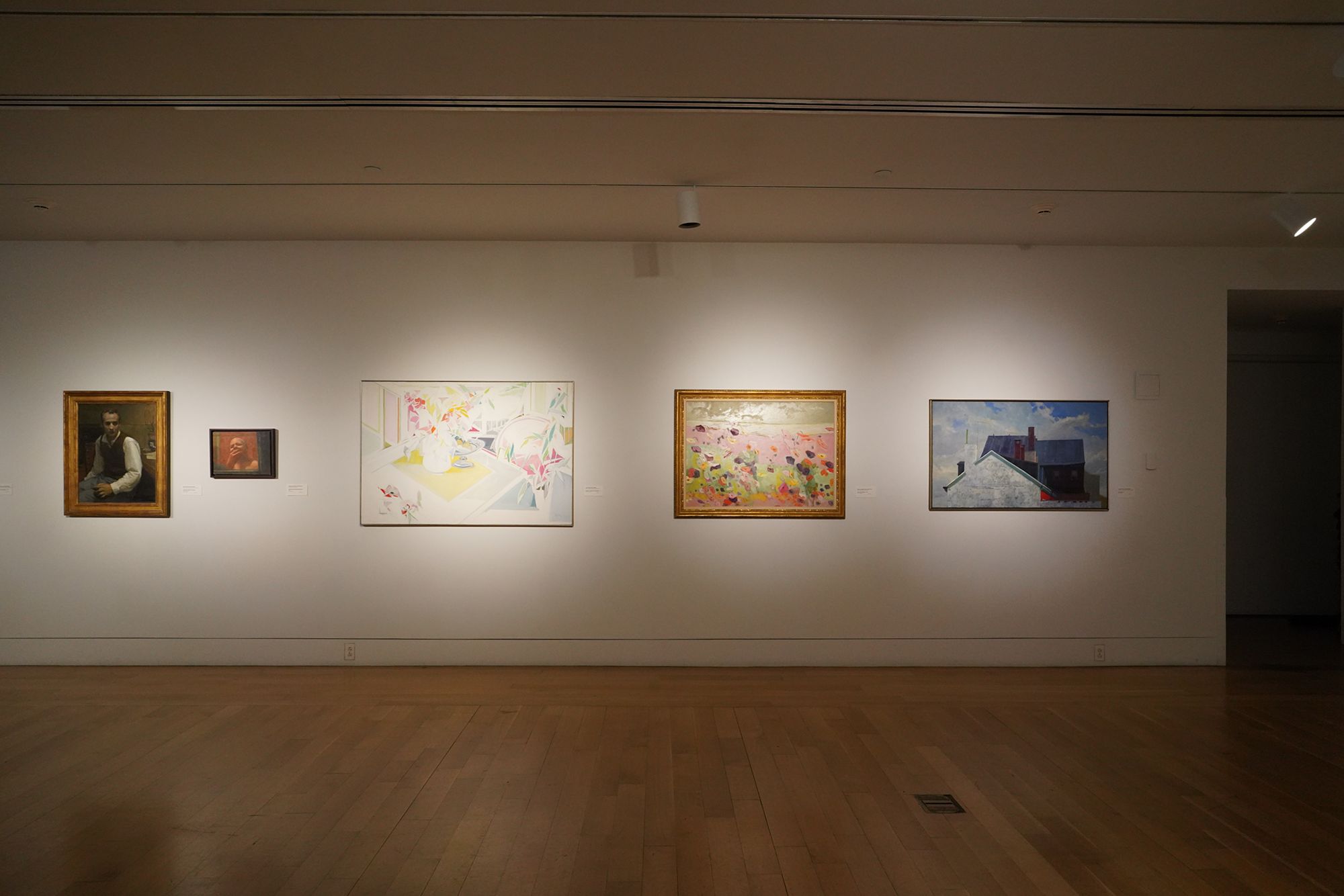
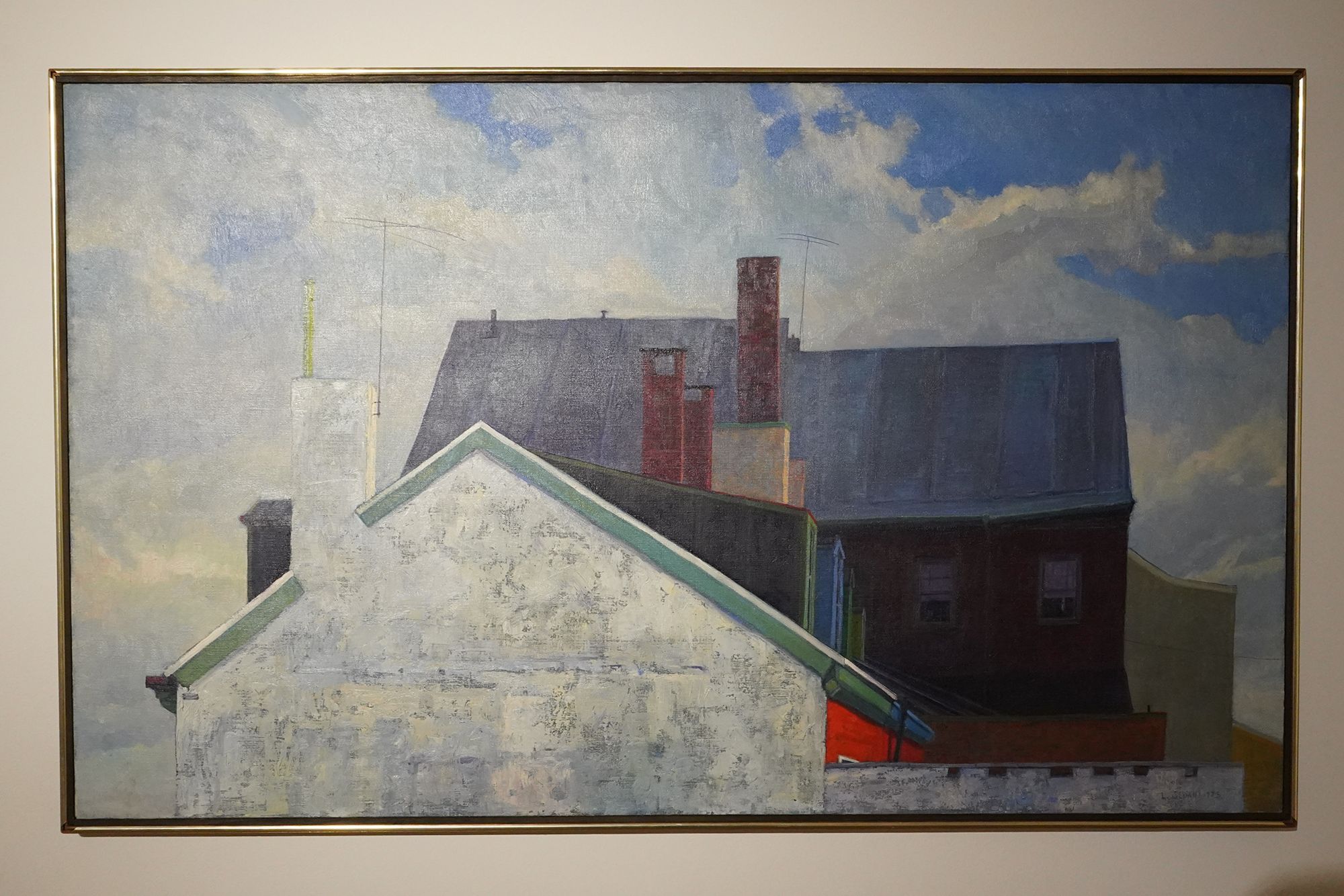
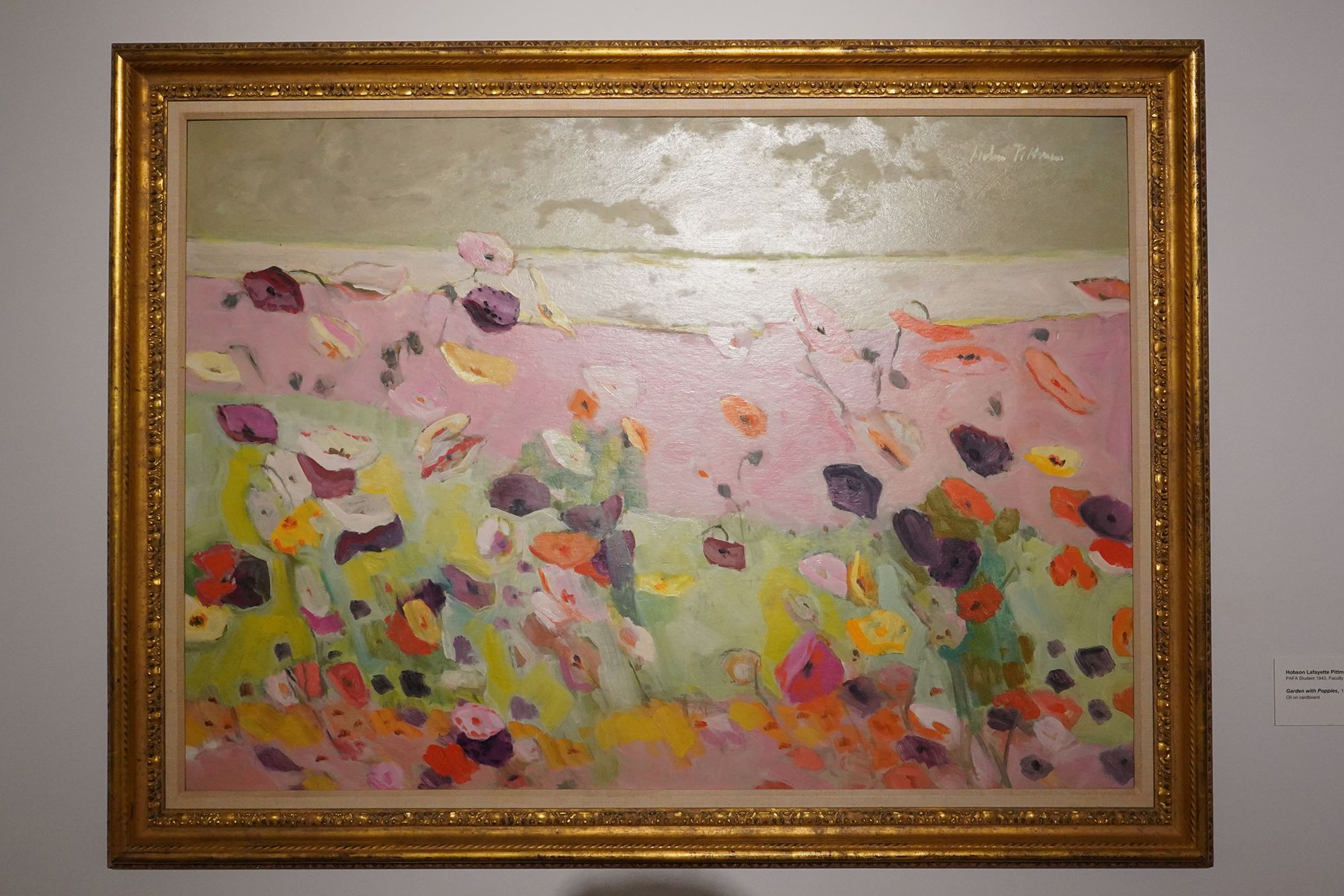
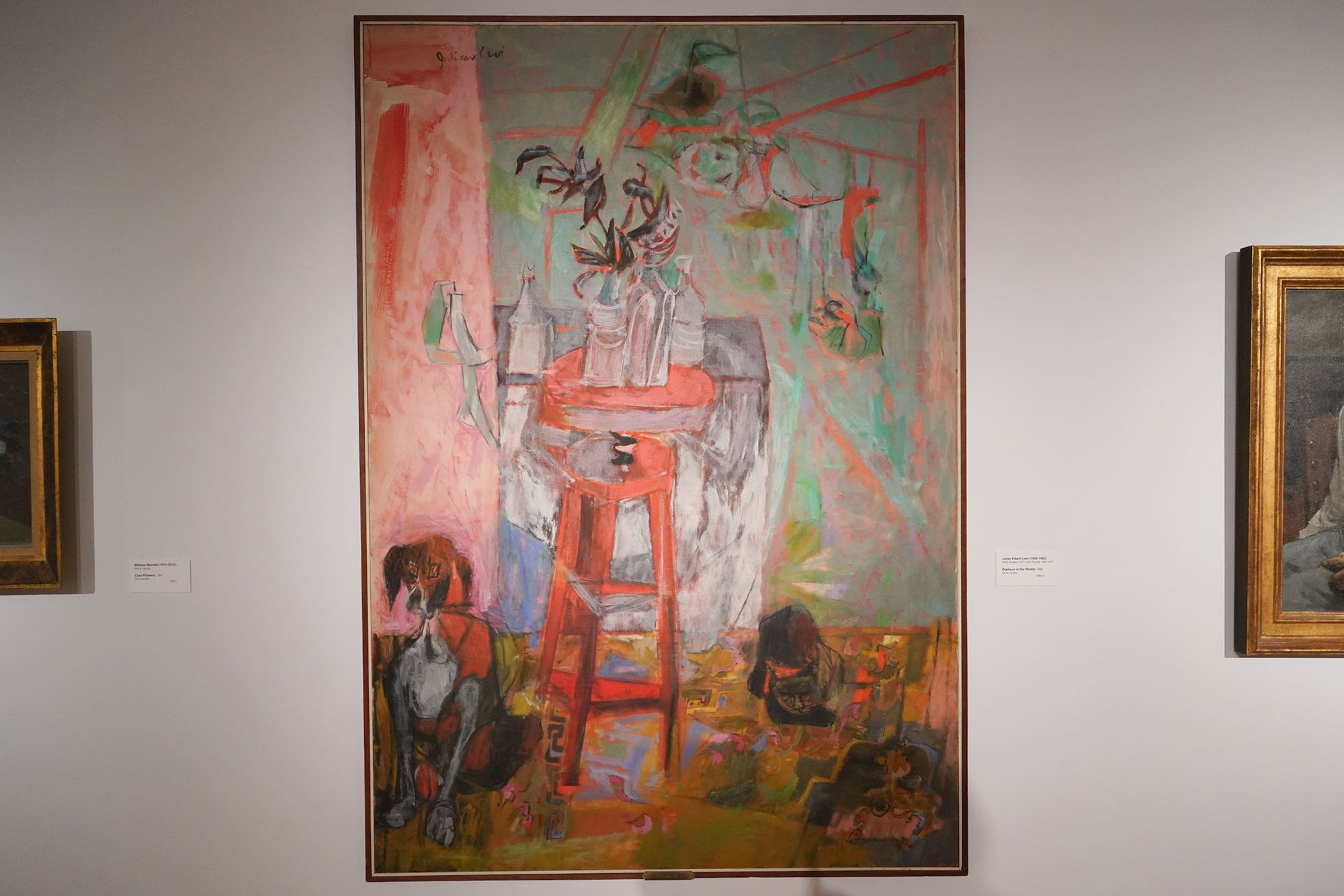
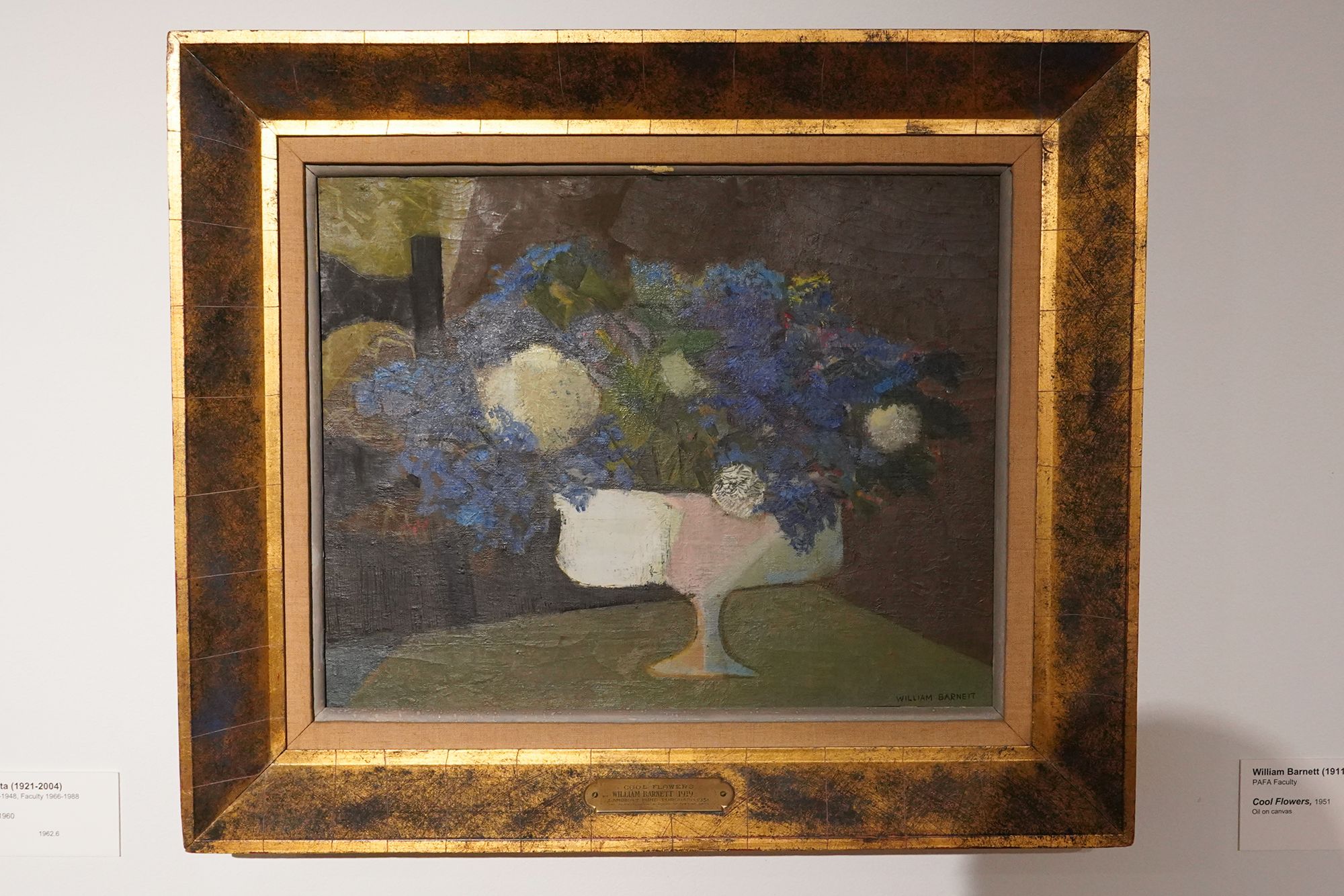
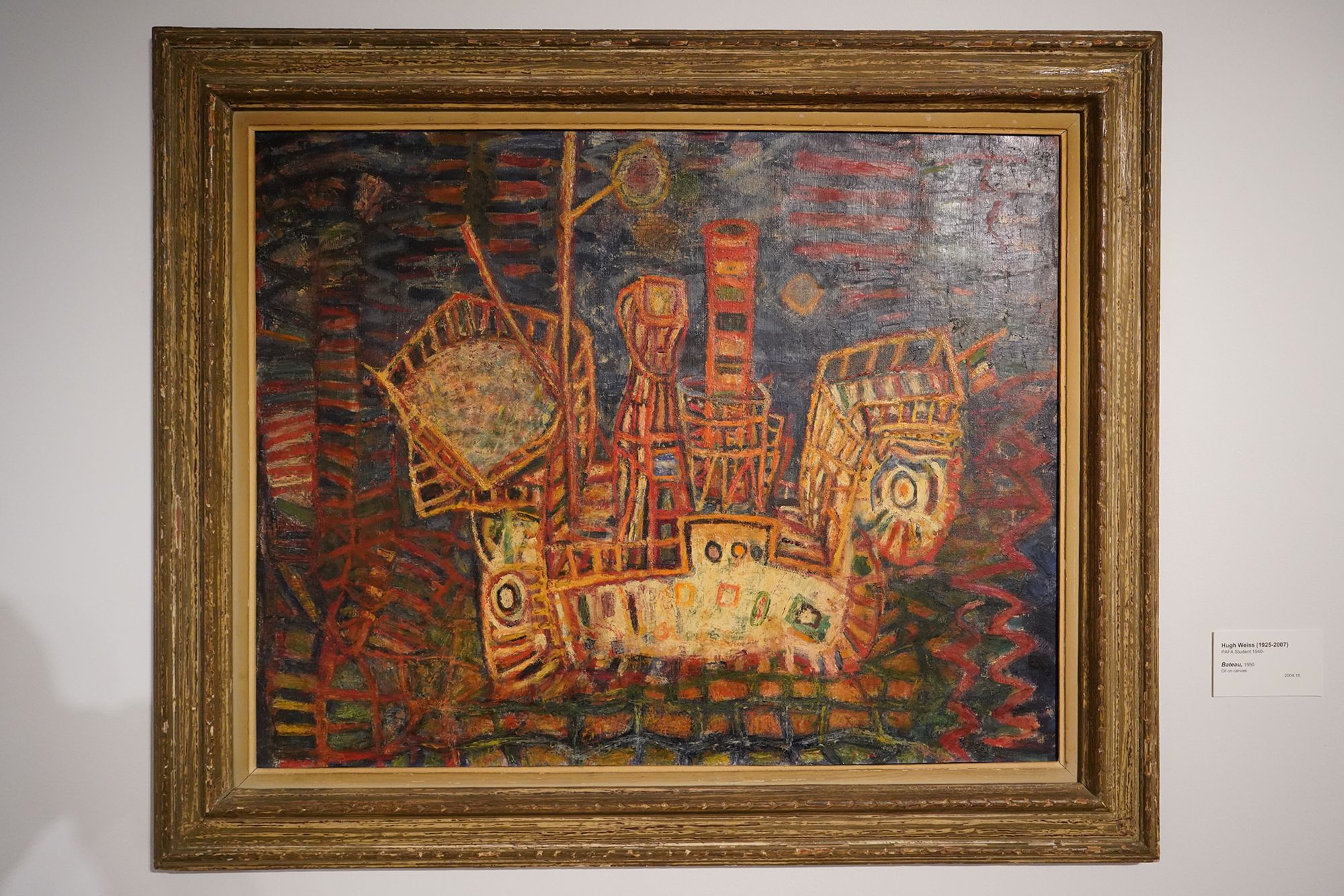
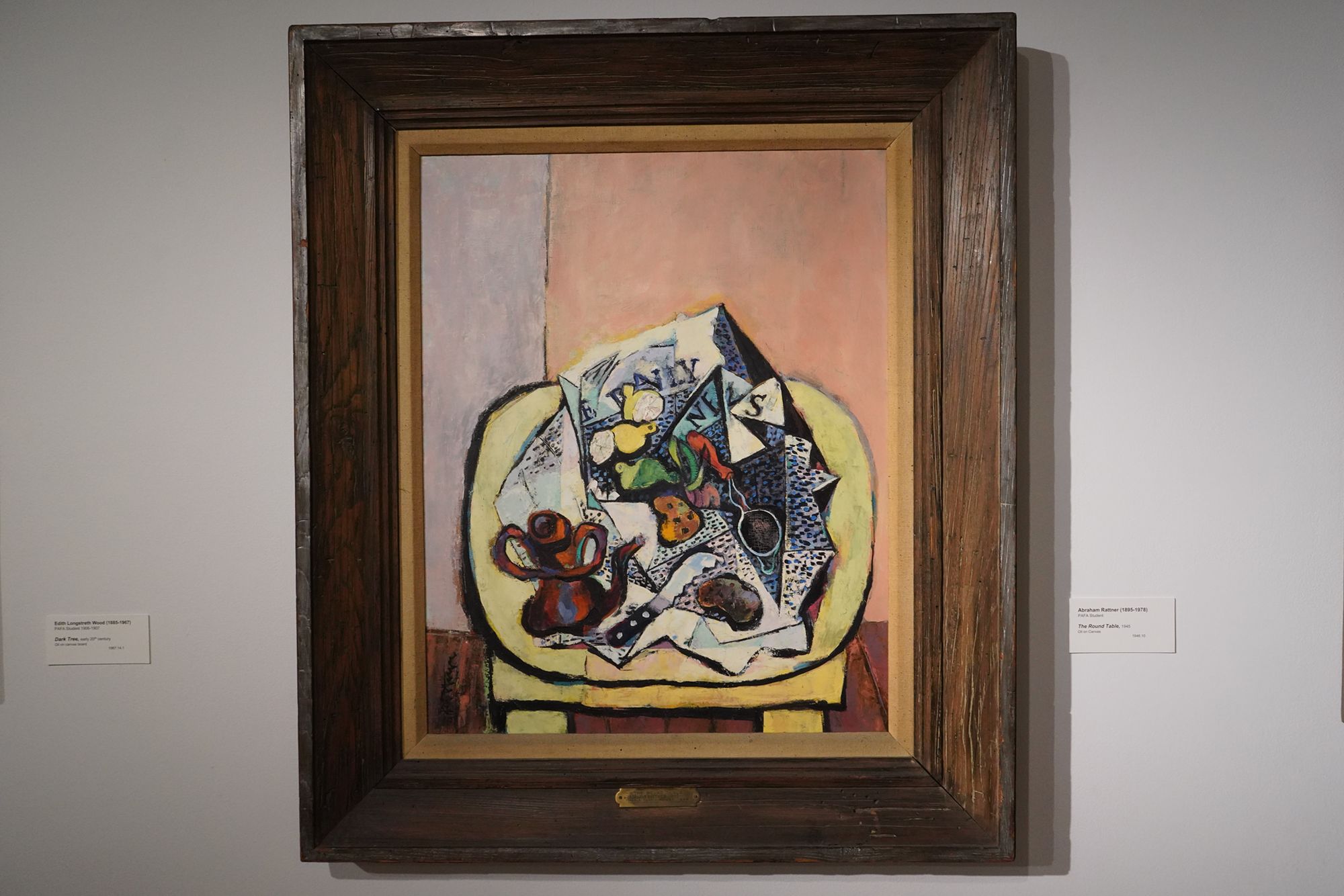
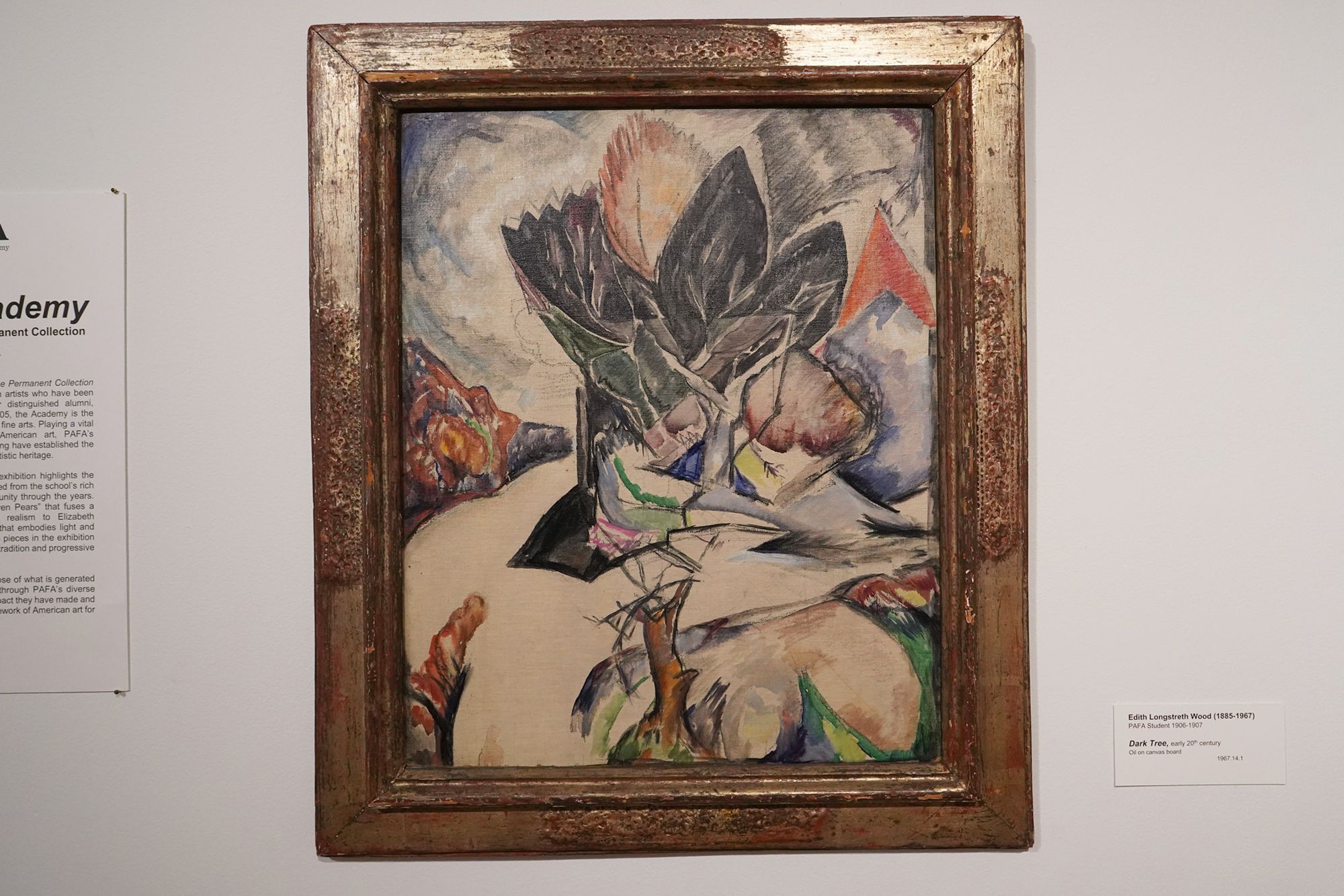
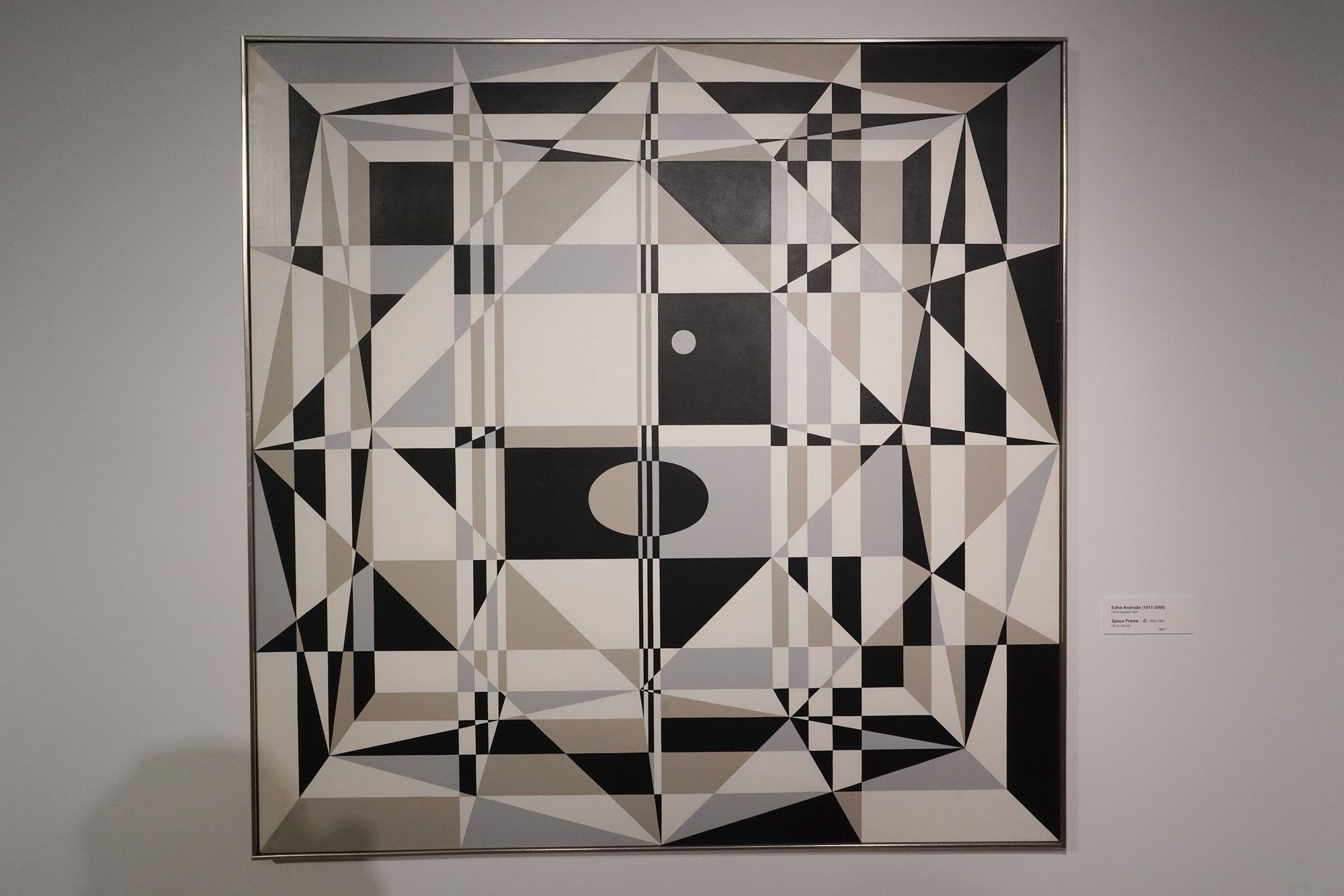
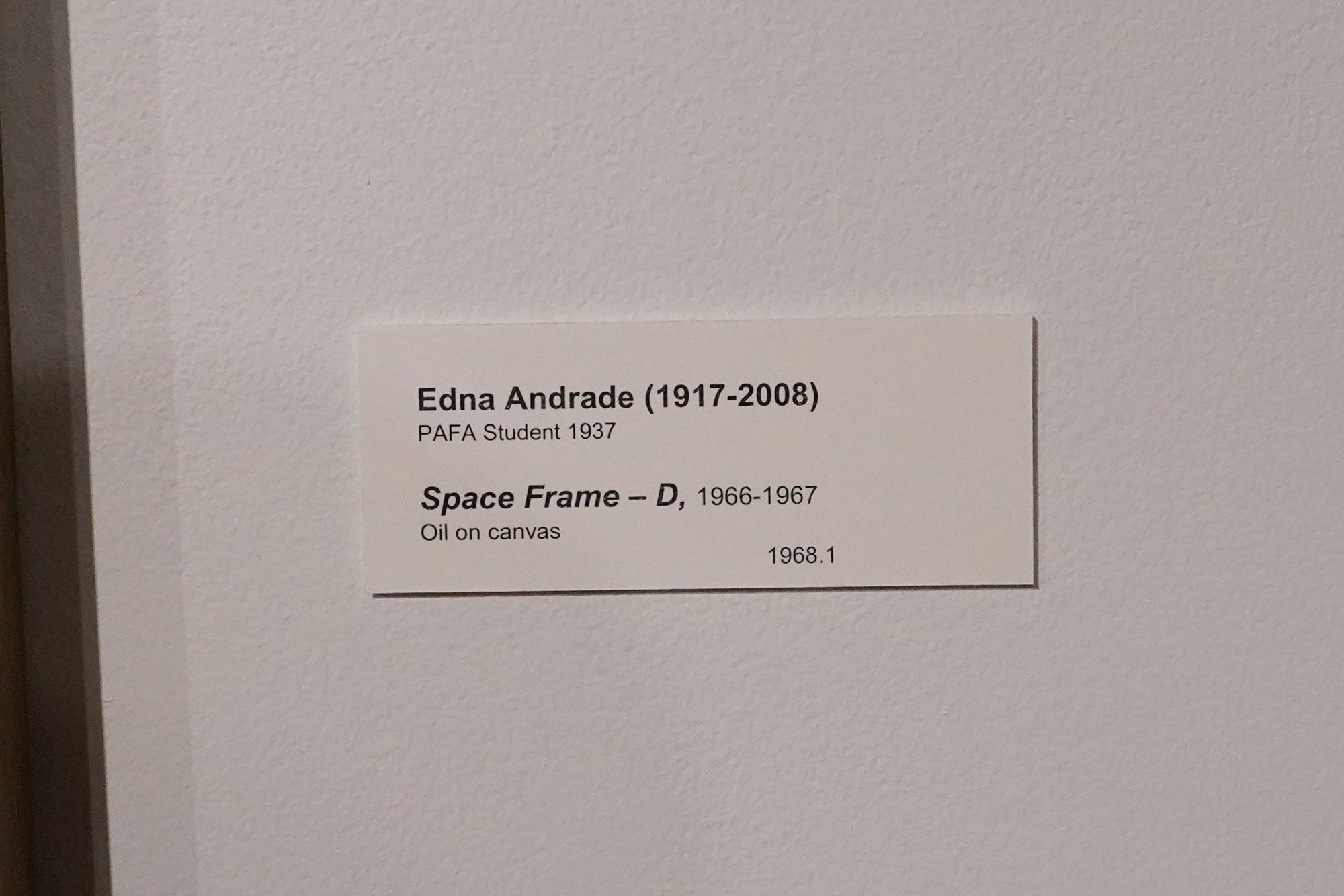
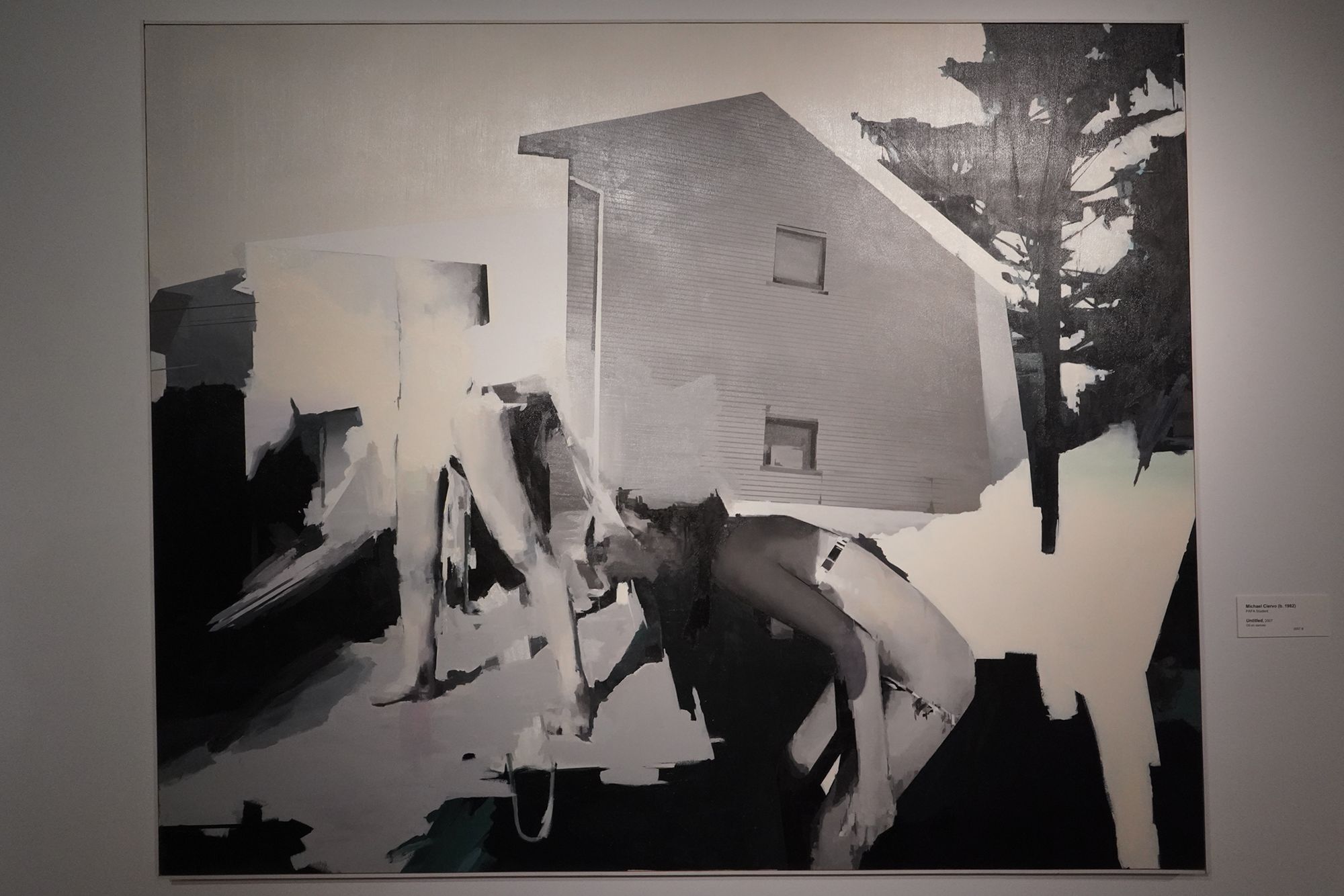
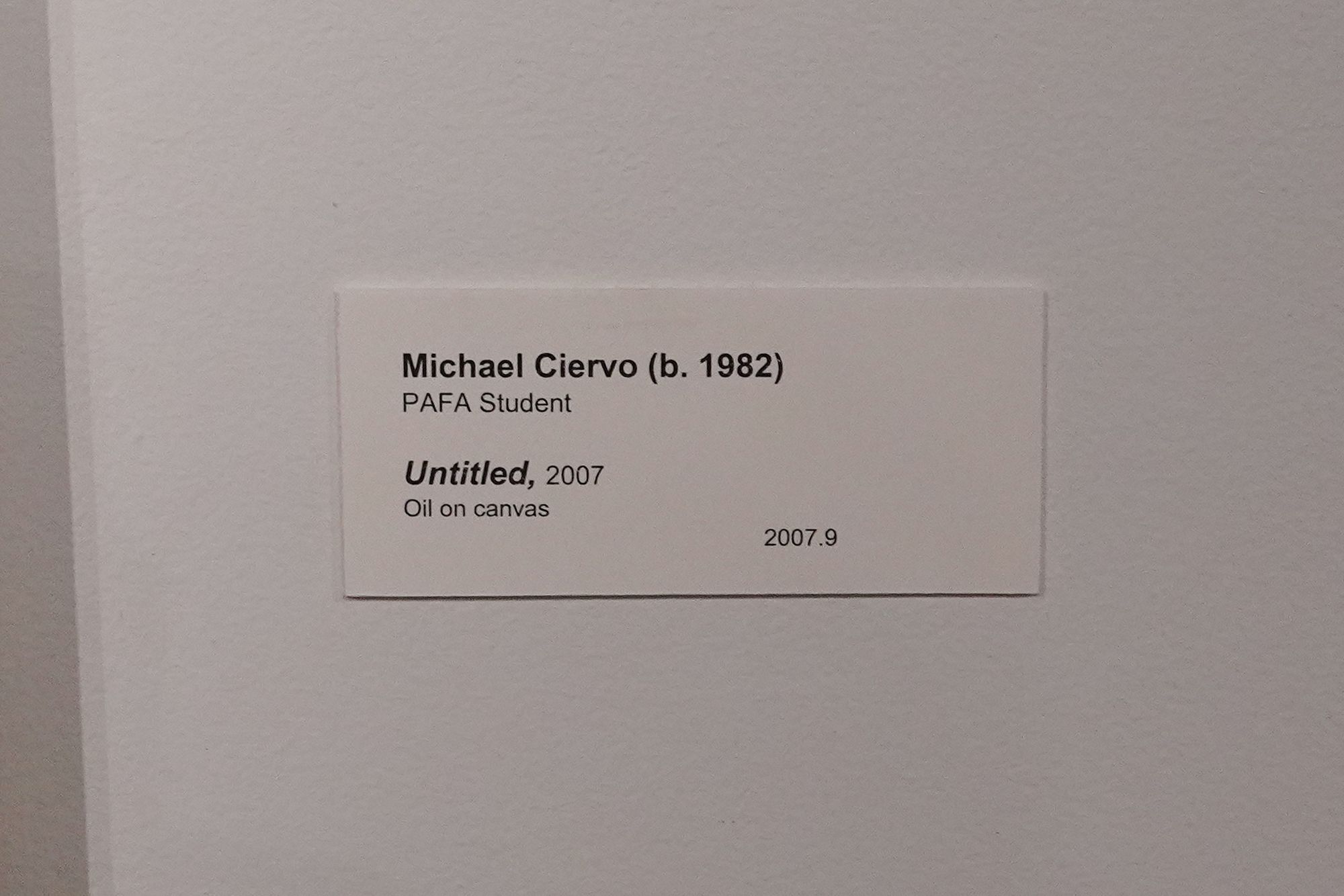
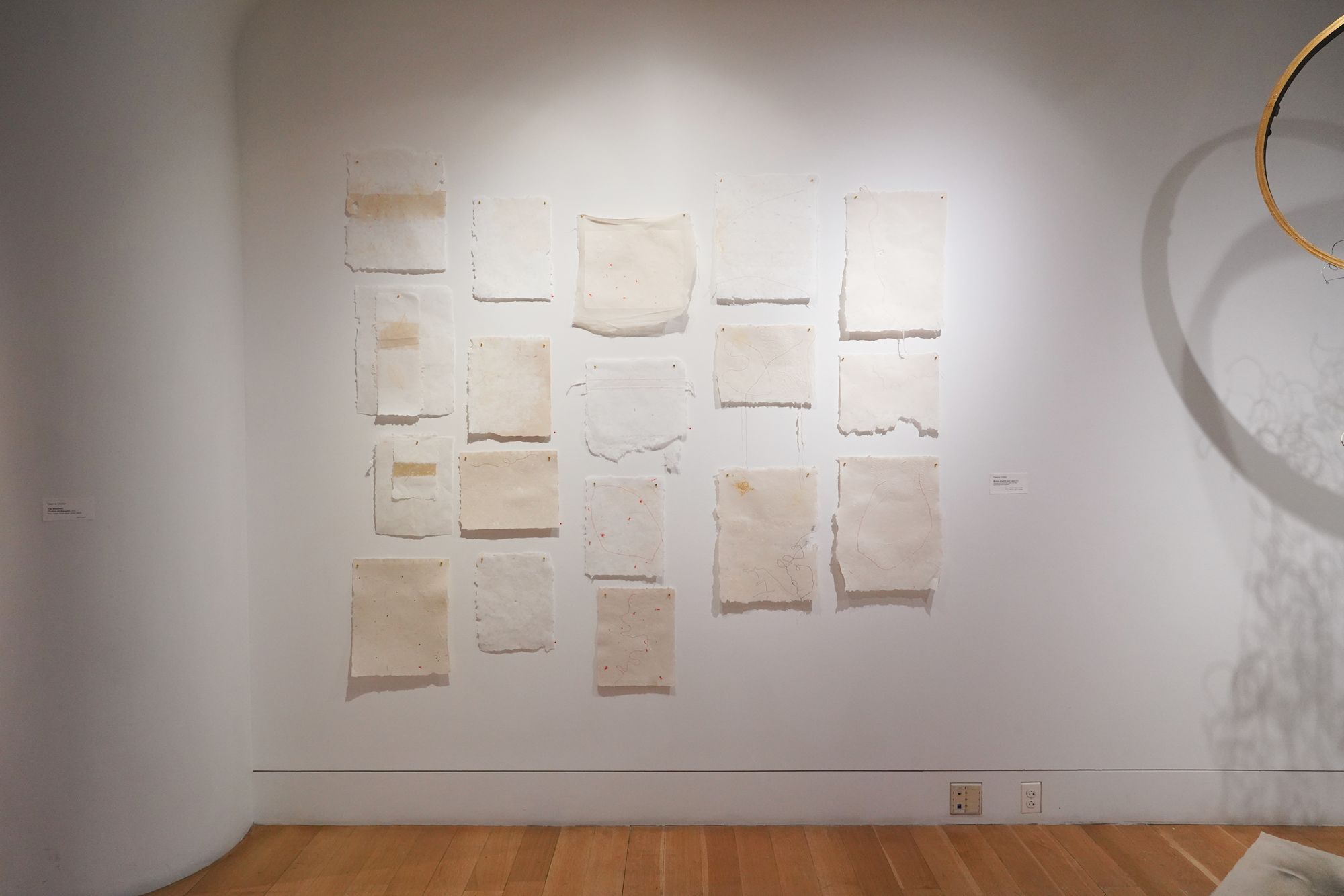
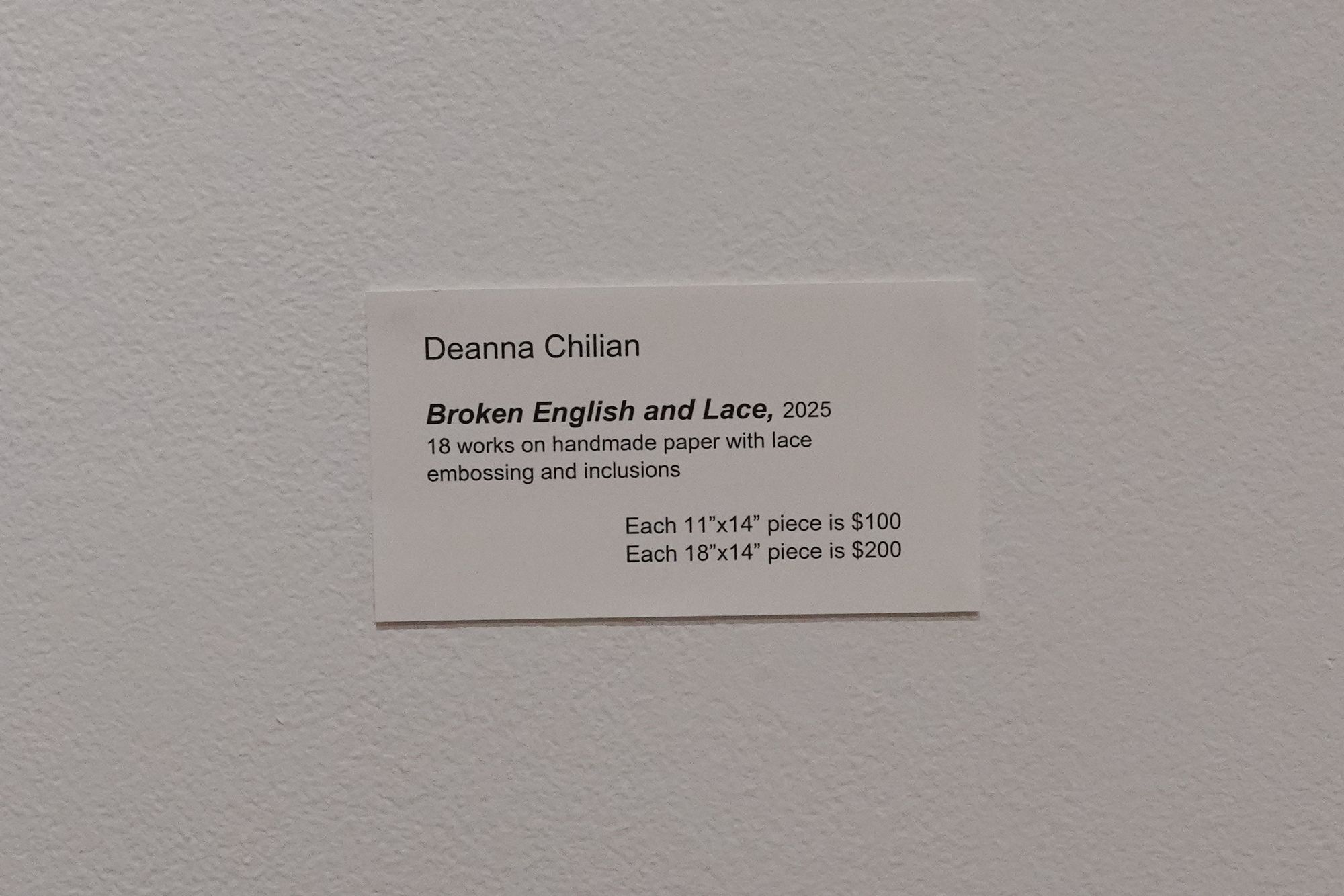
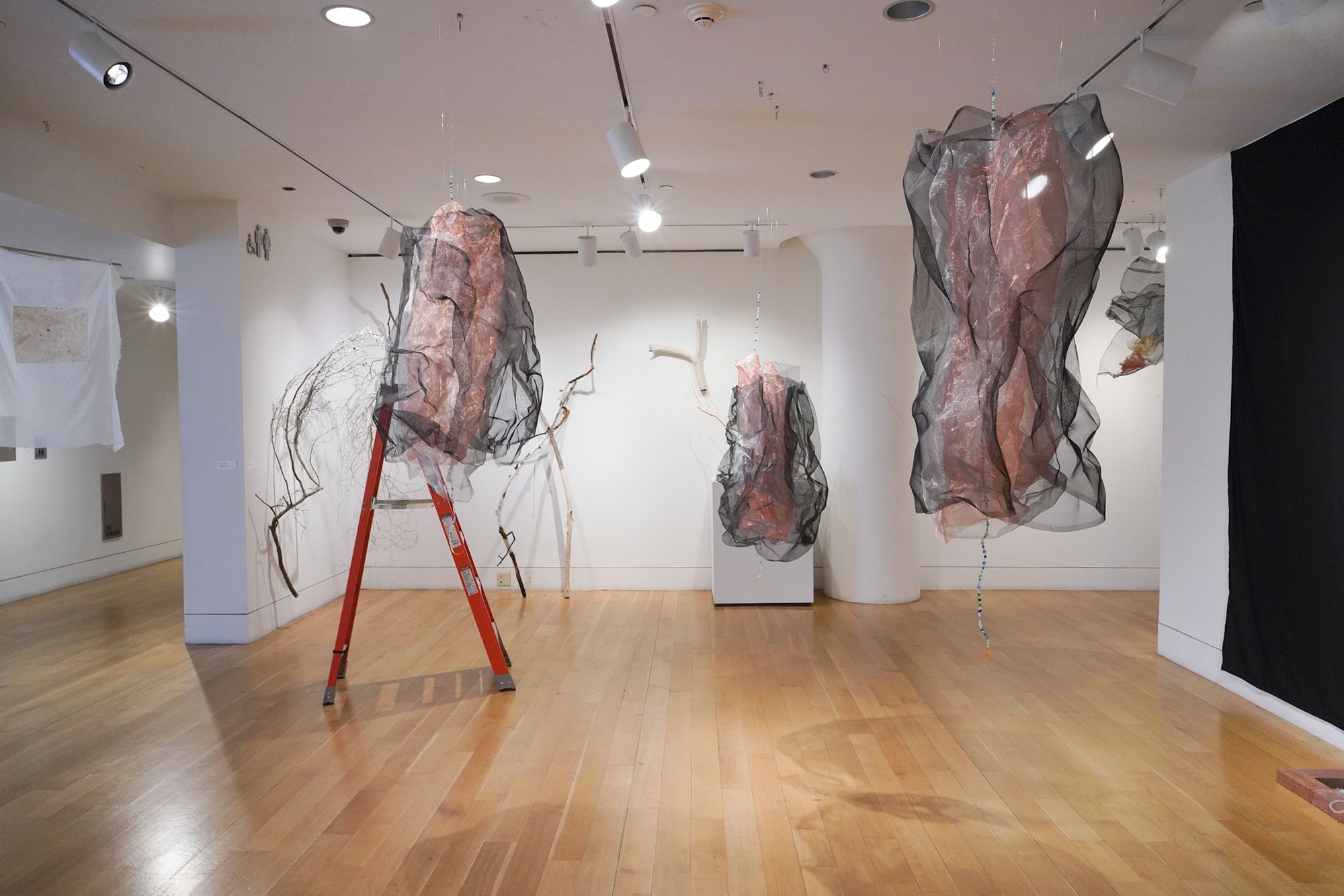
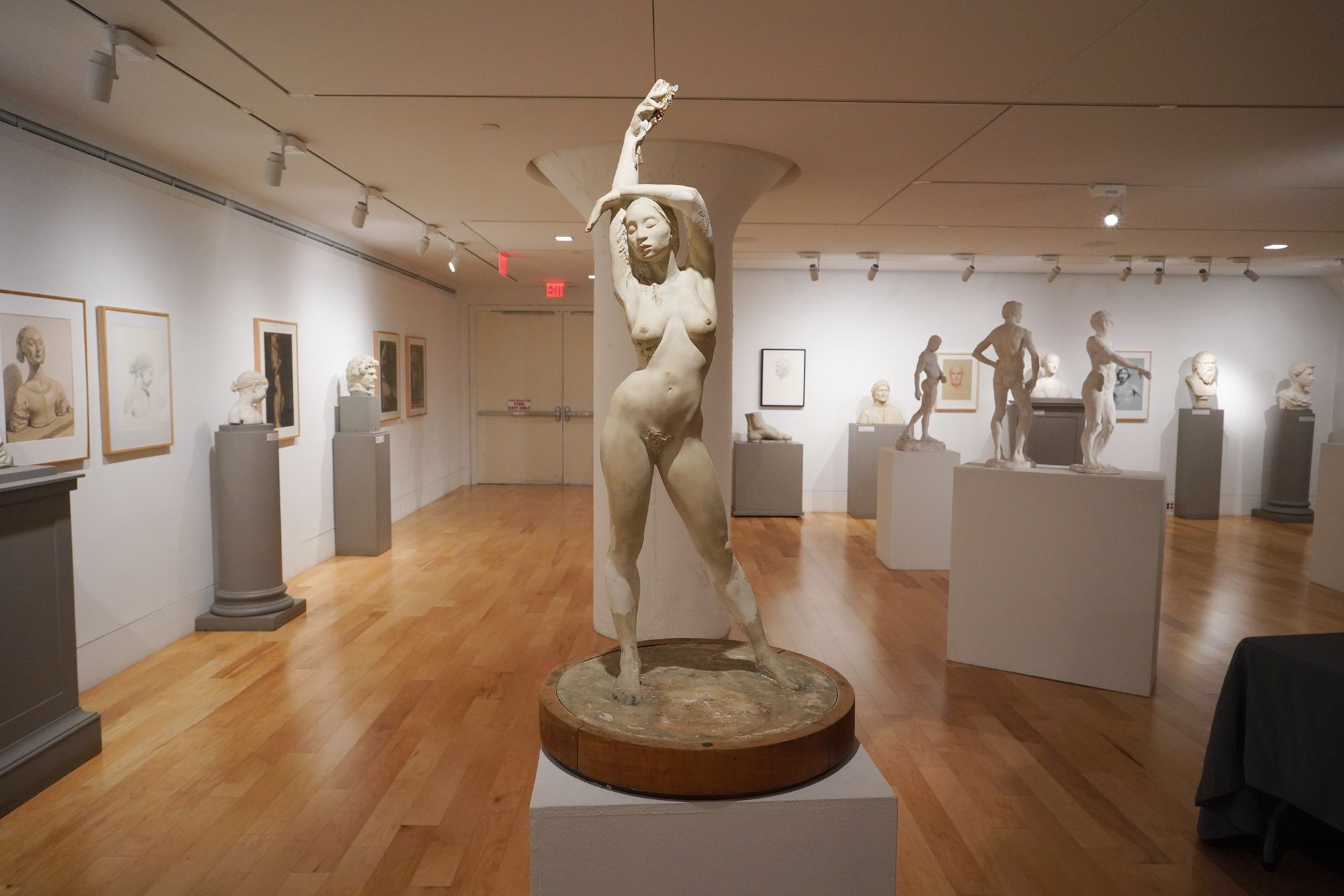
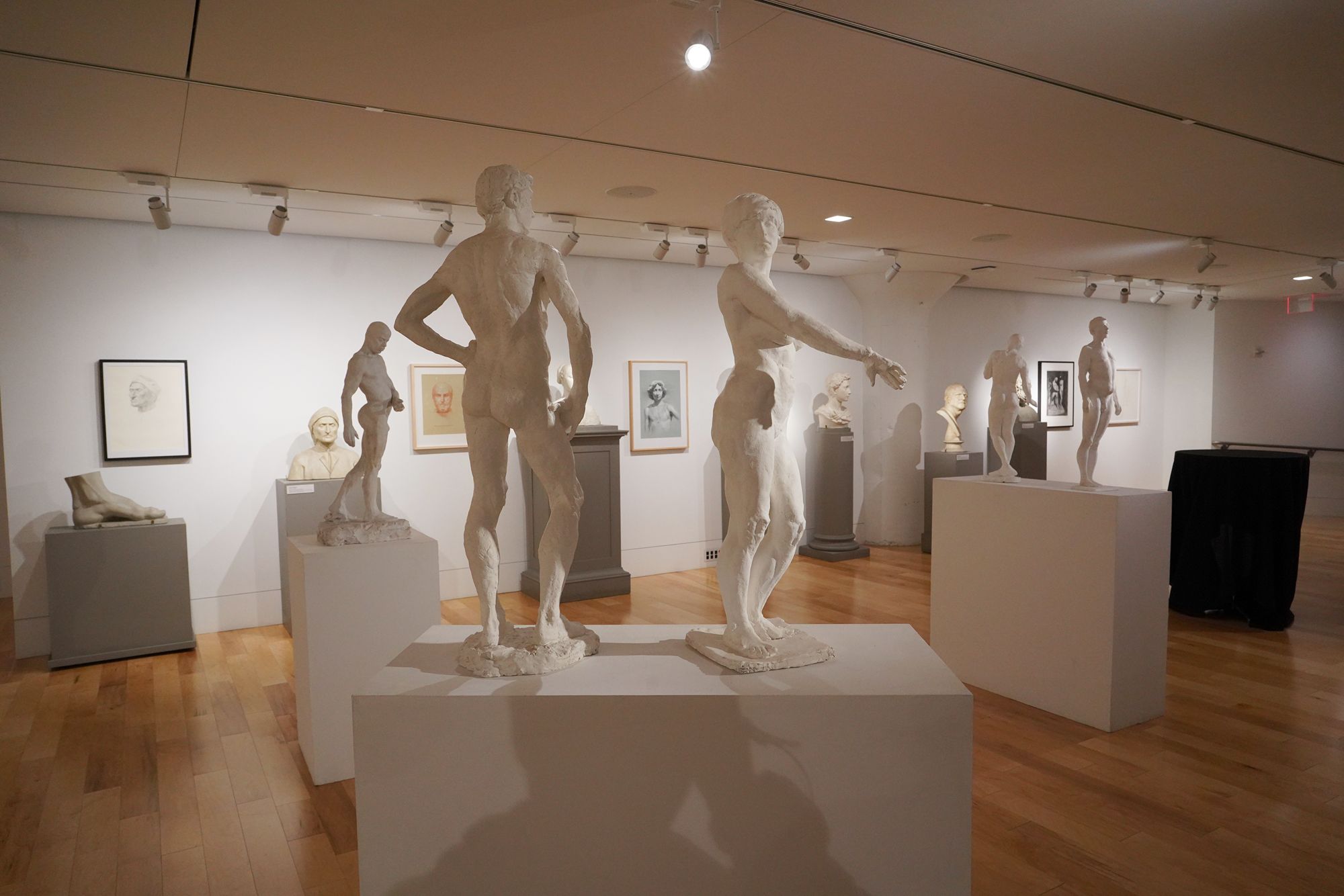
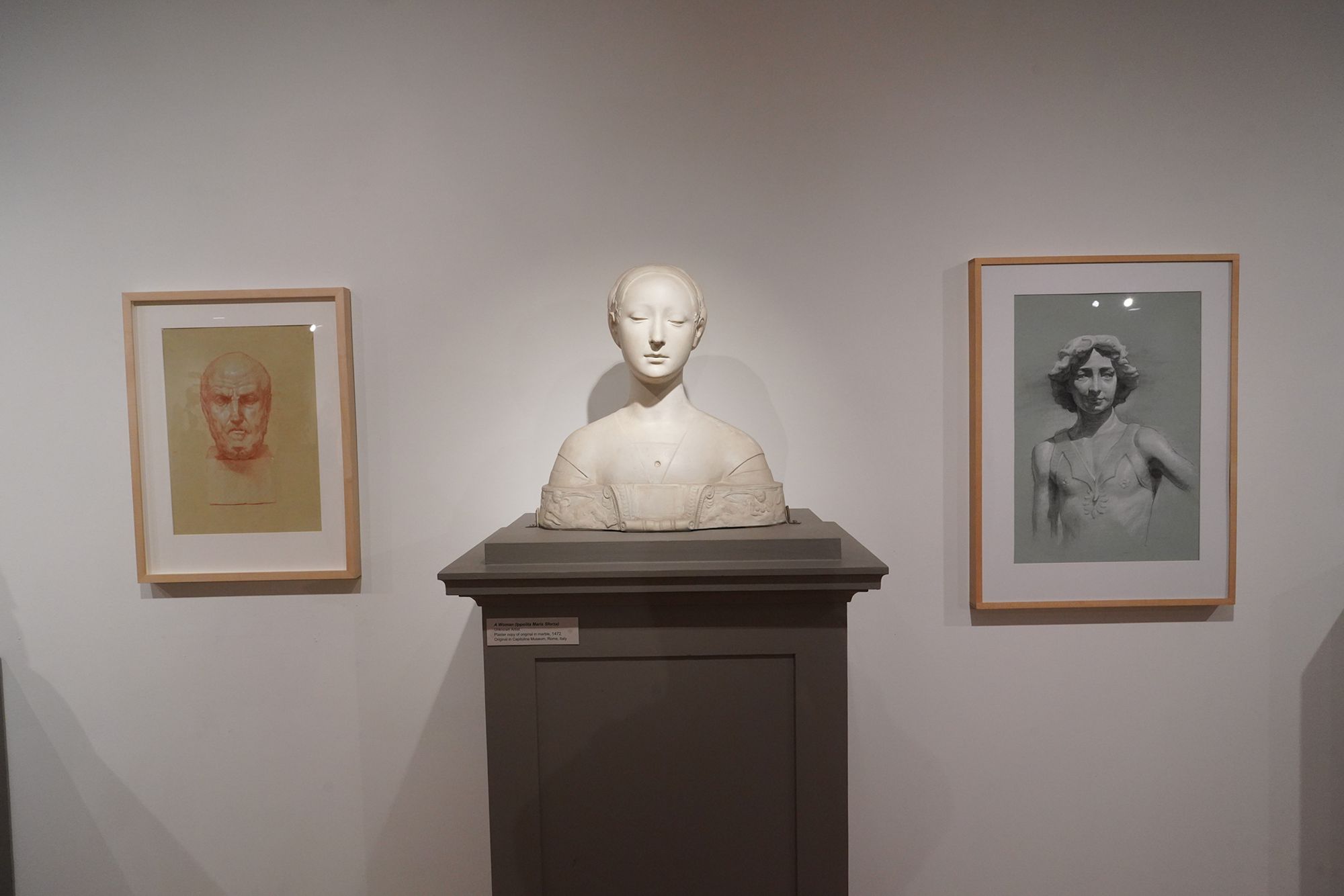
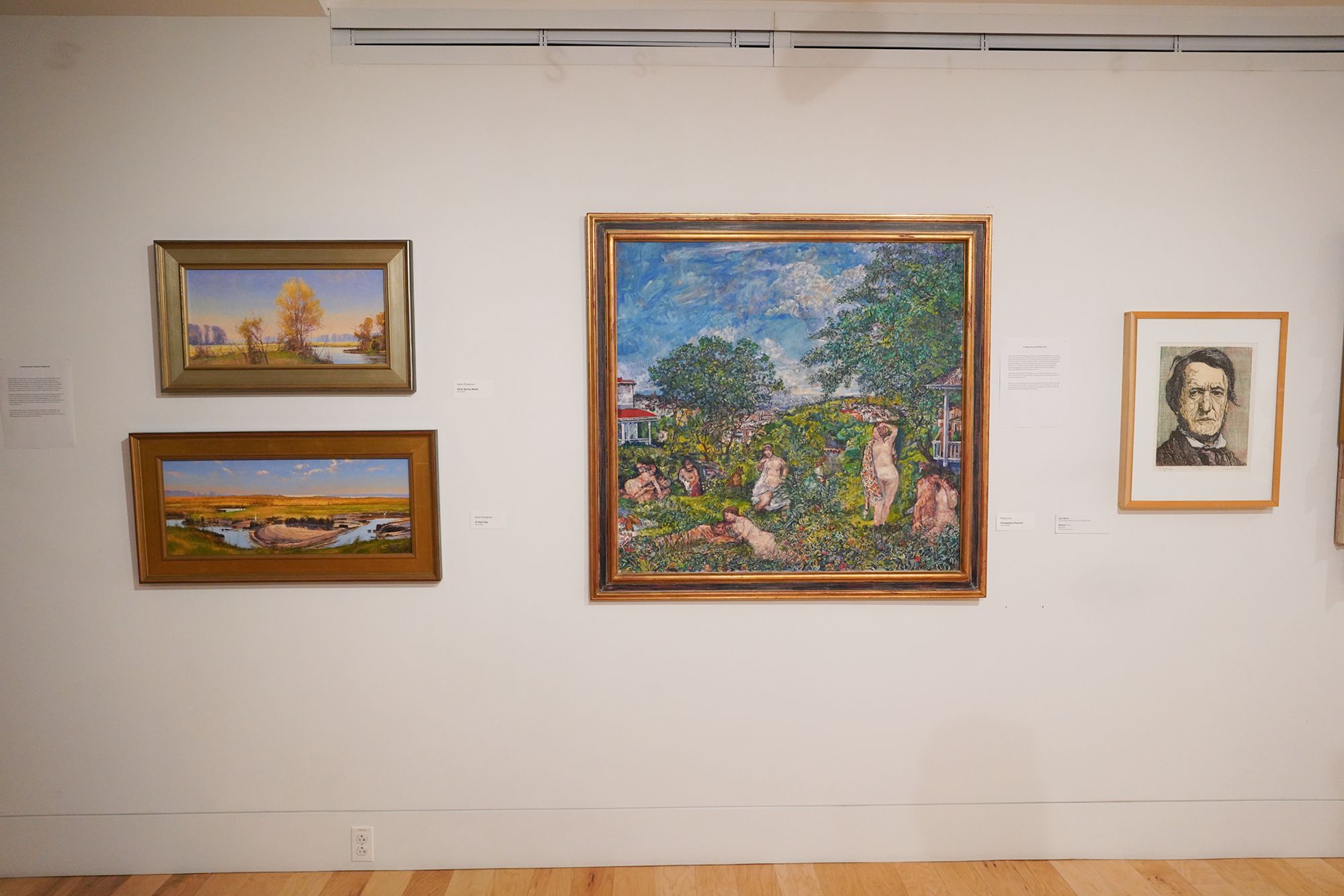
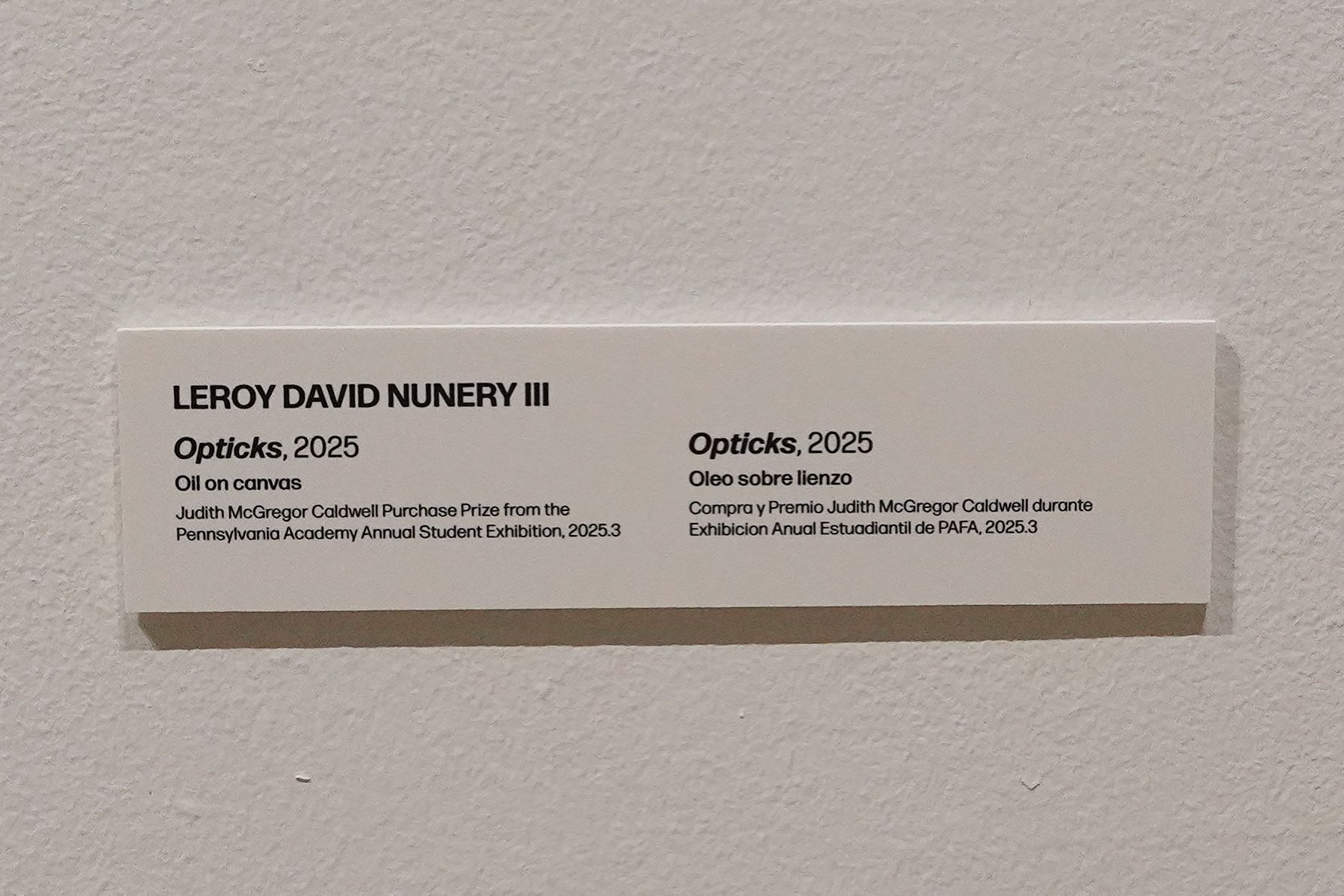
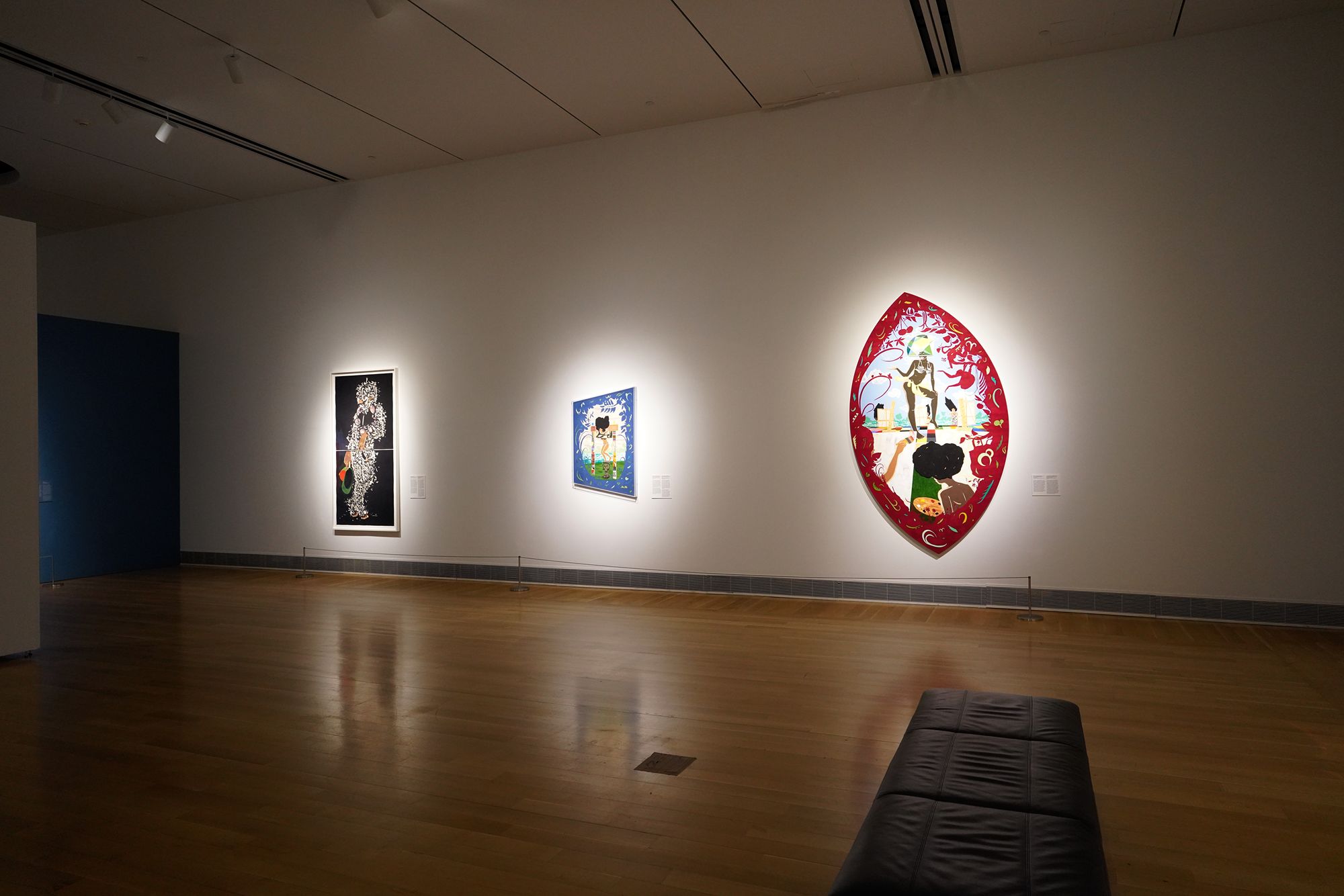
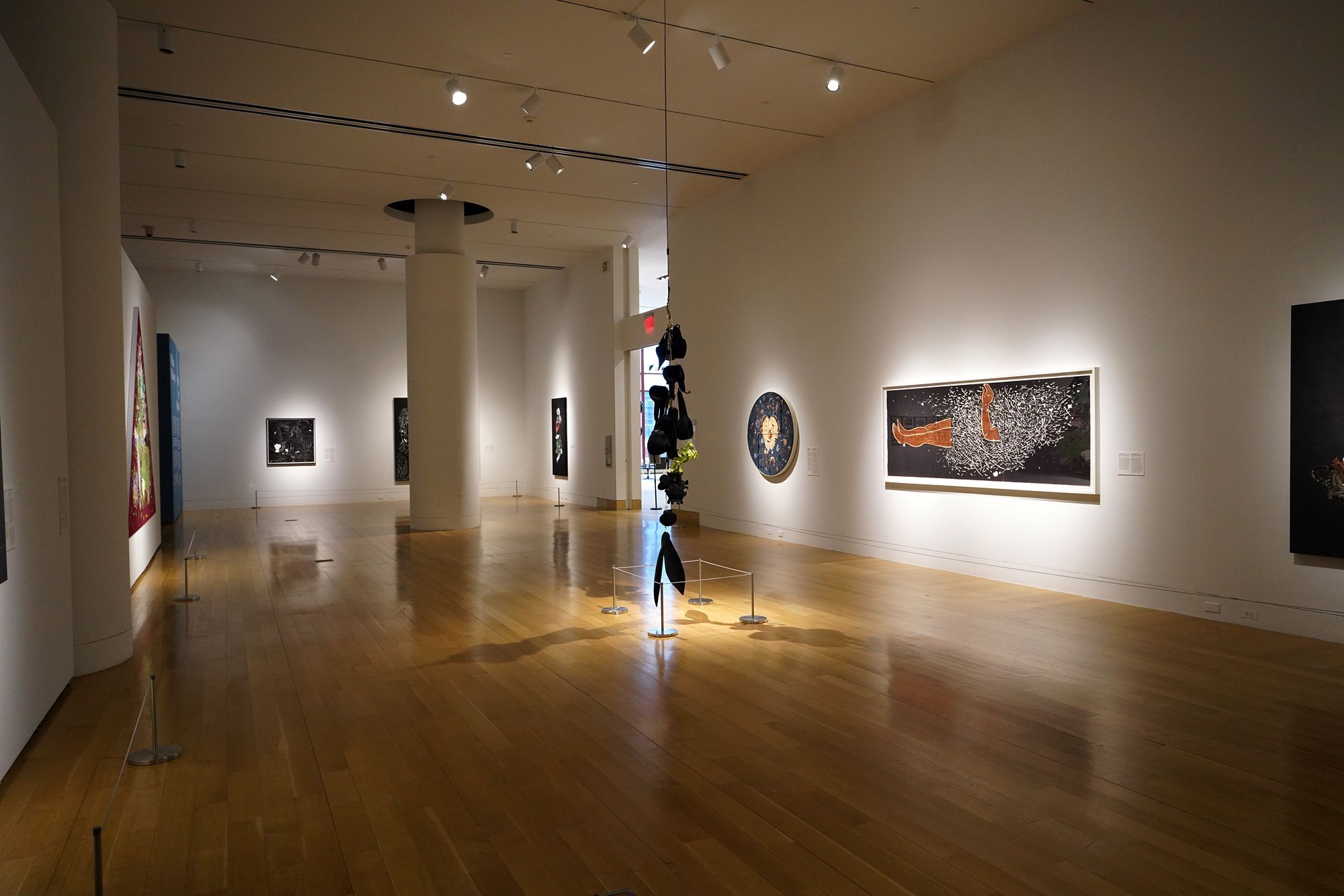
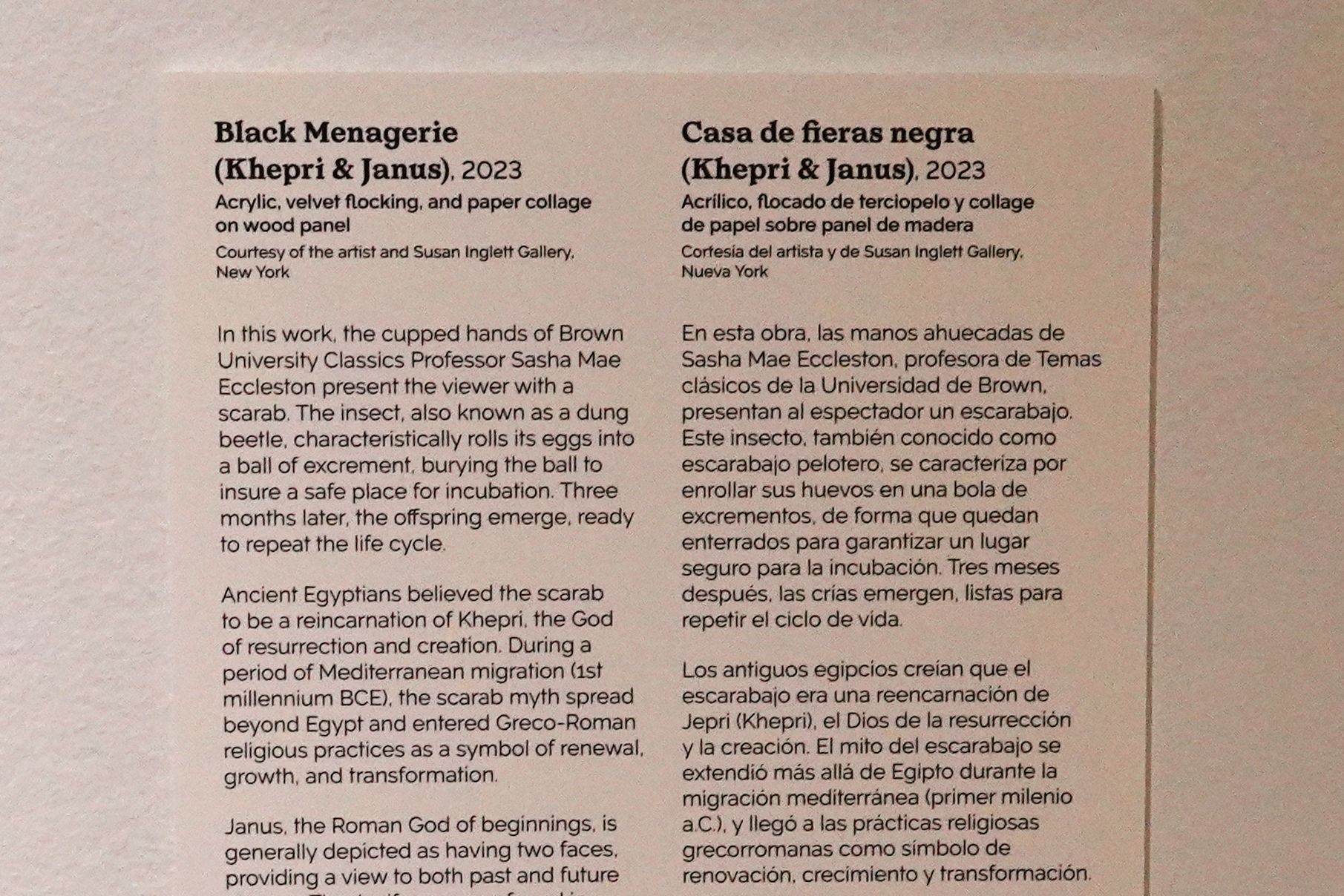
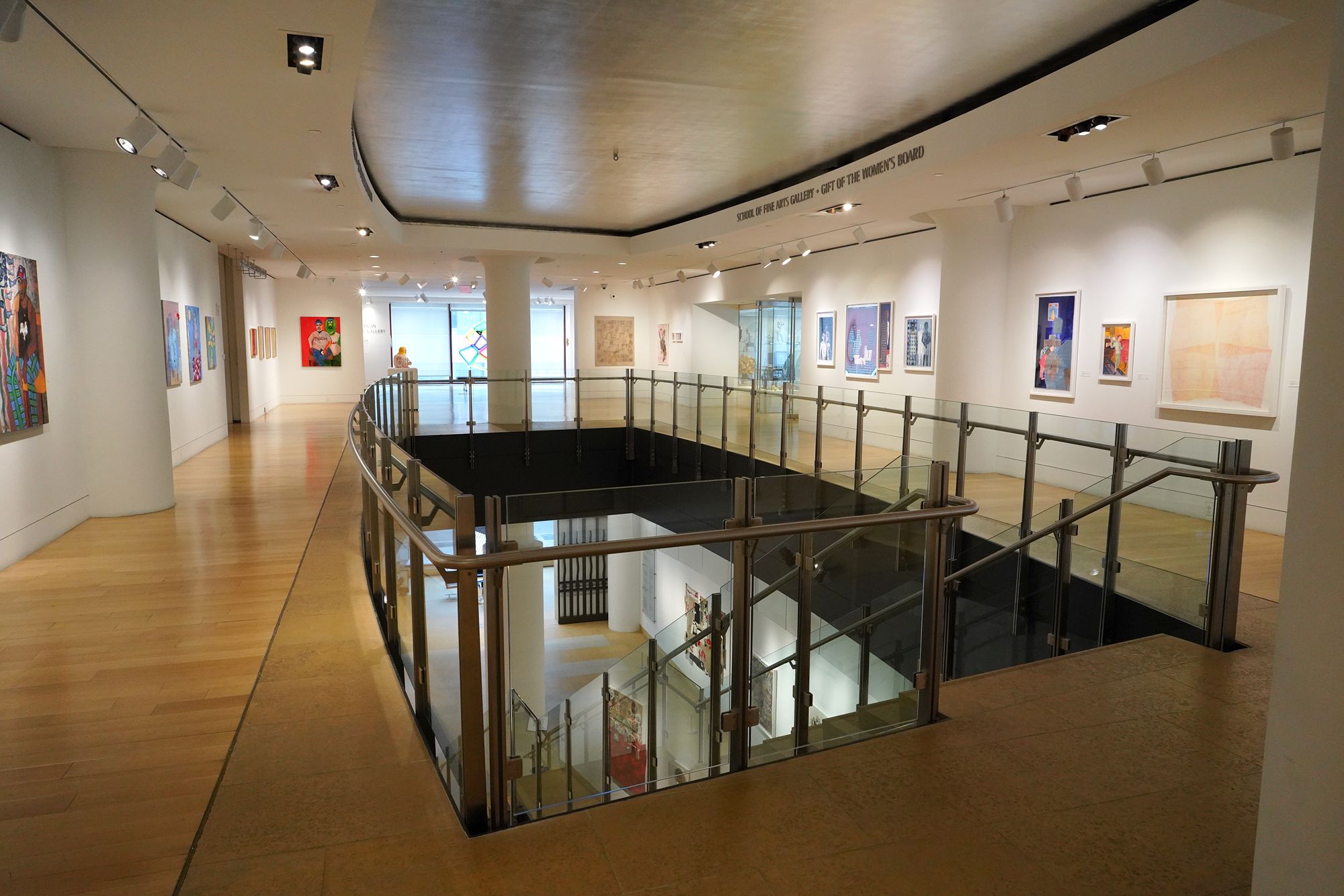
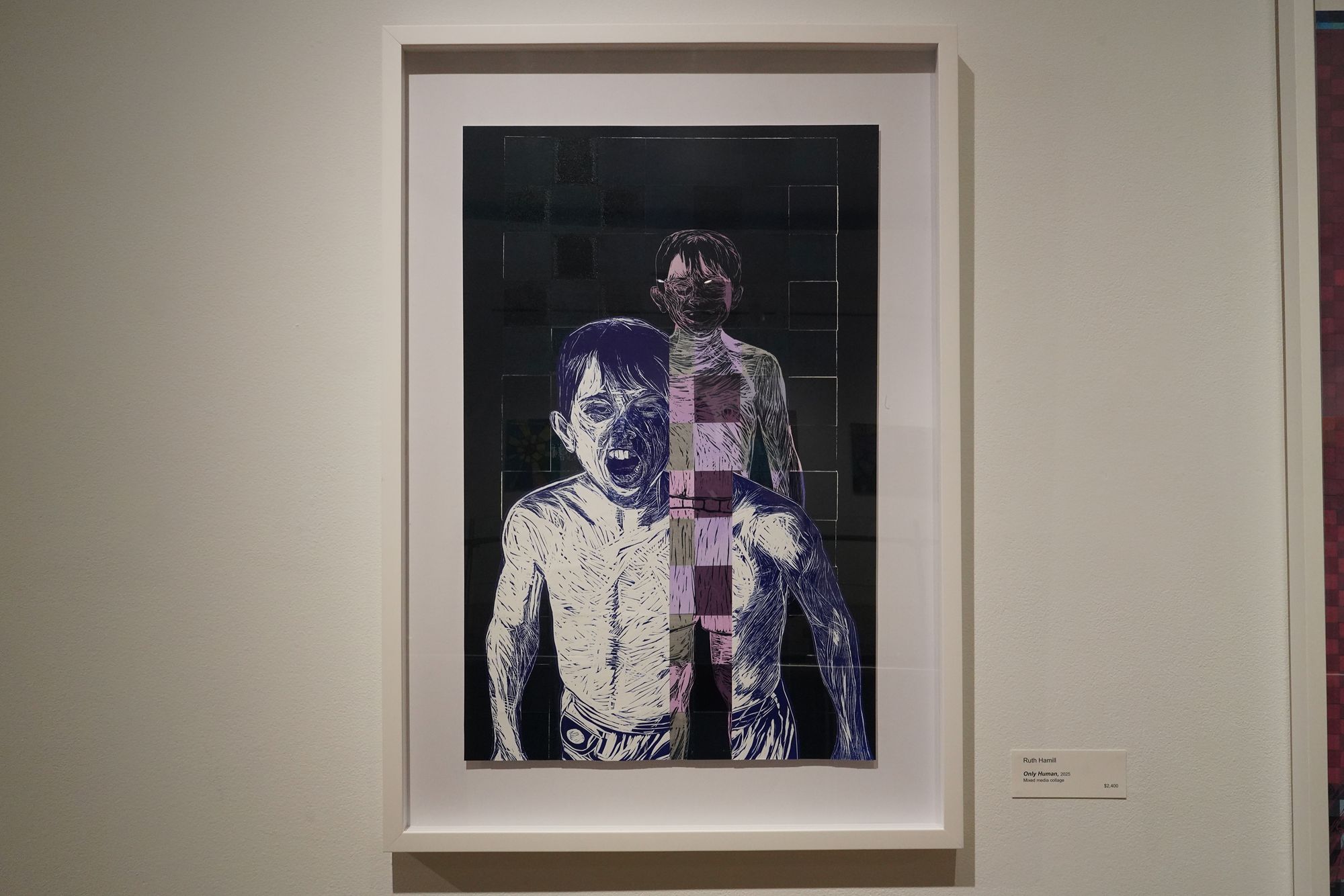
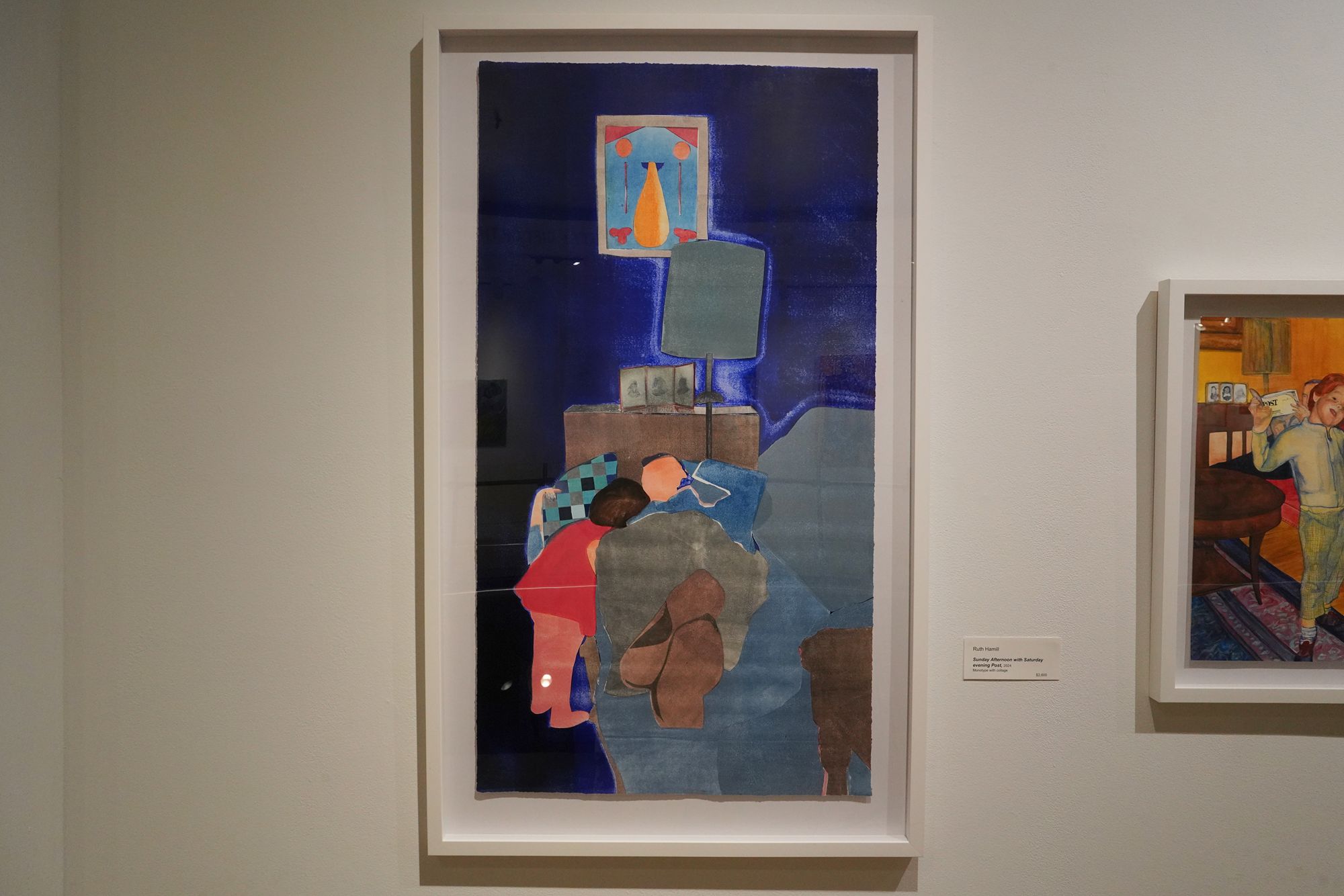
Inside the Pennsylvania Academy of the Fine Arts (PAFA) is a small art museum
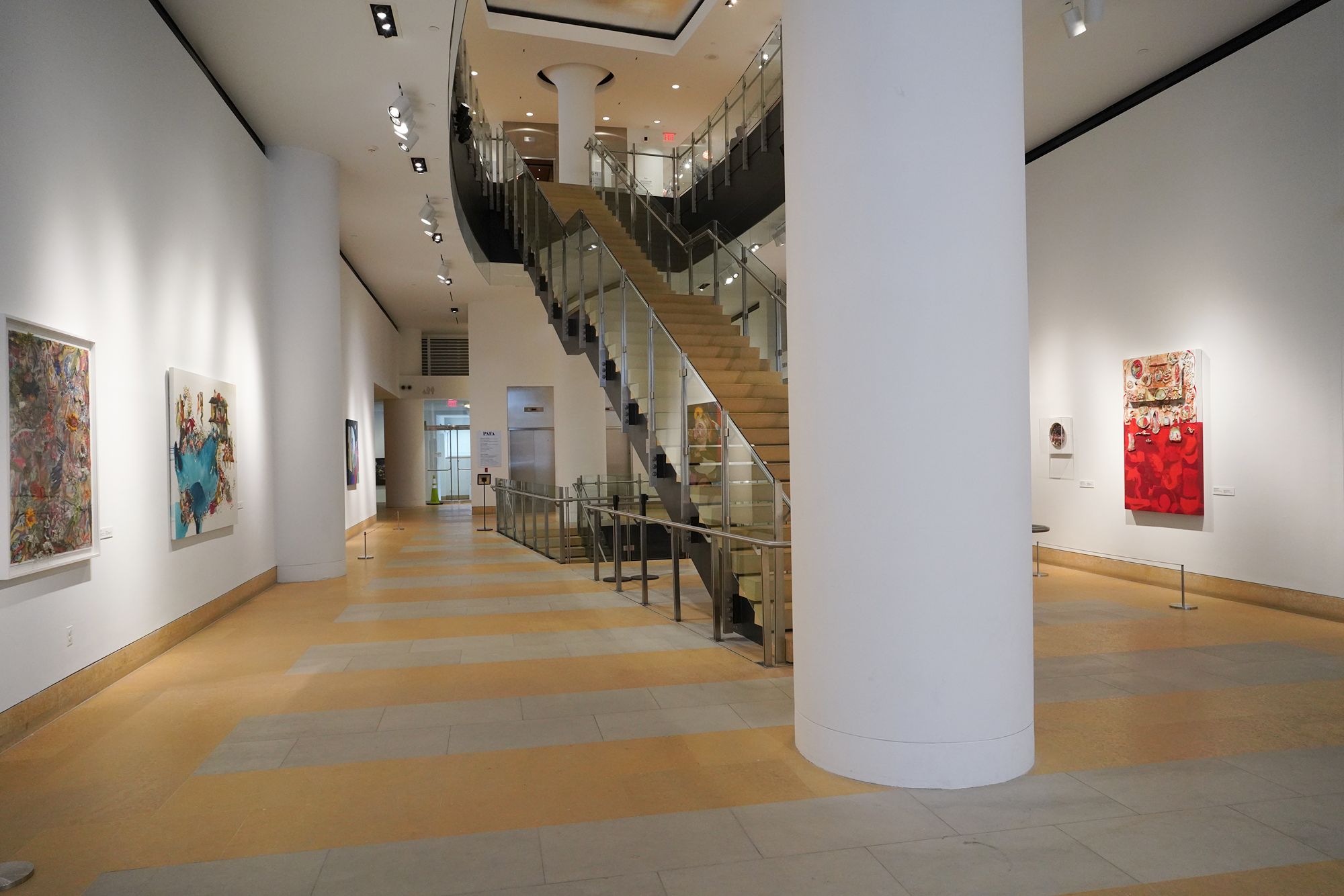
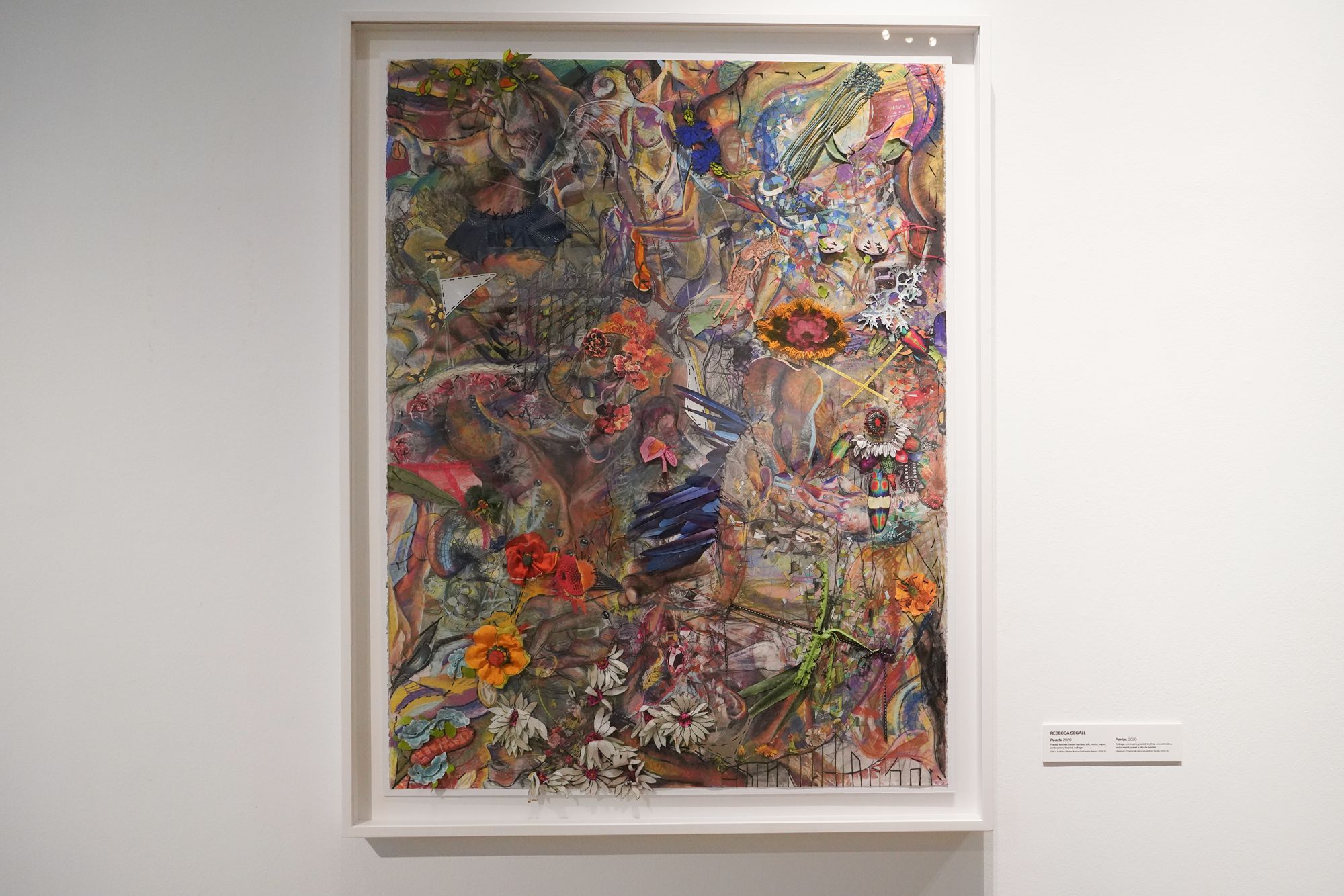
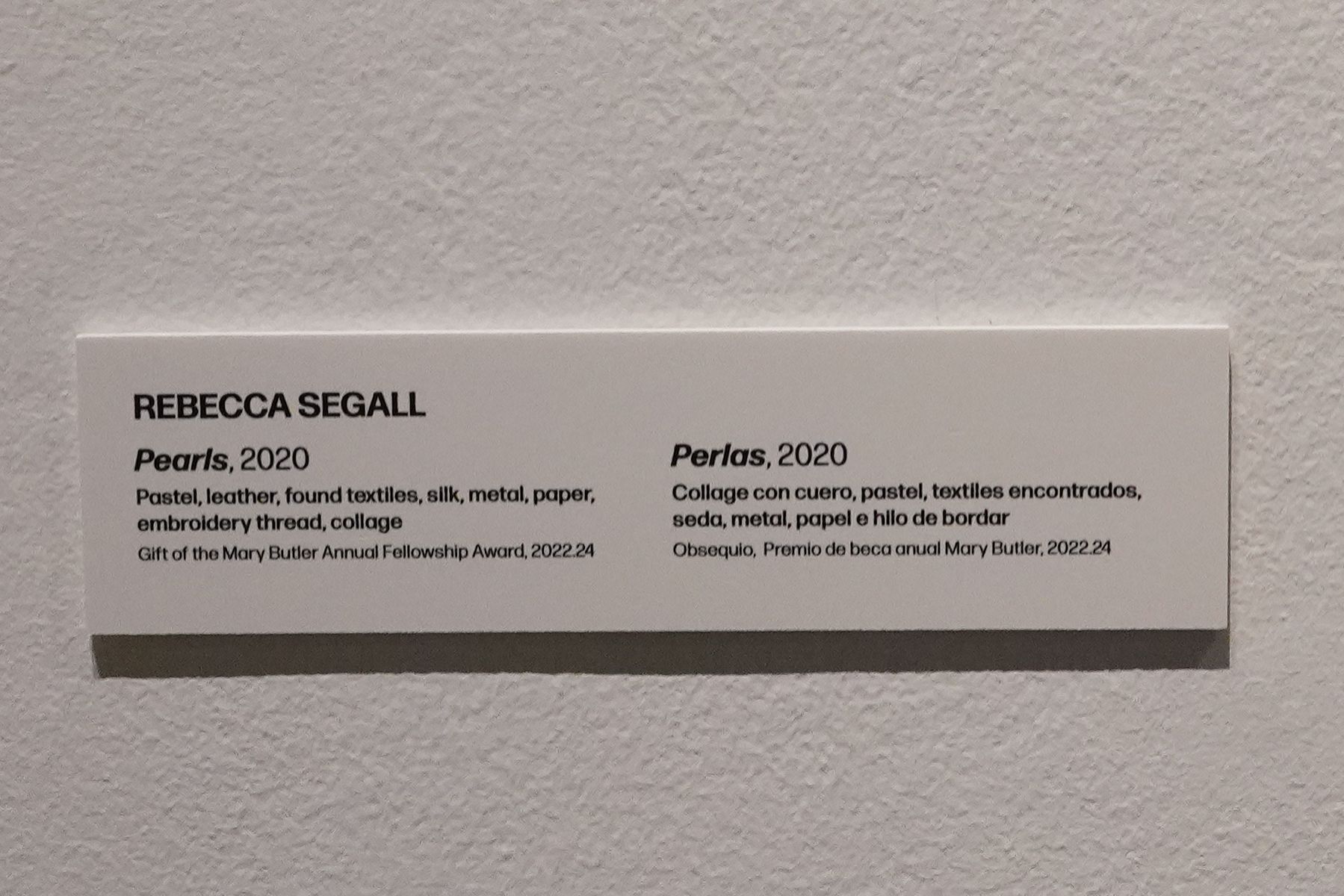
The Pennsylvania Academy of the Fine Arts, founded in 1805, is the oldest art school and museum in the United States, known for preserving American creativity through centuries of paintings, sculptures, drawings, and contemporary exhibitions.
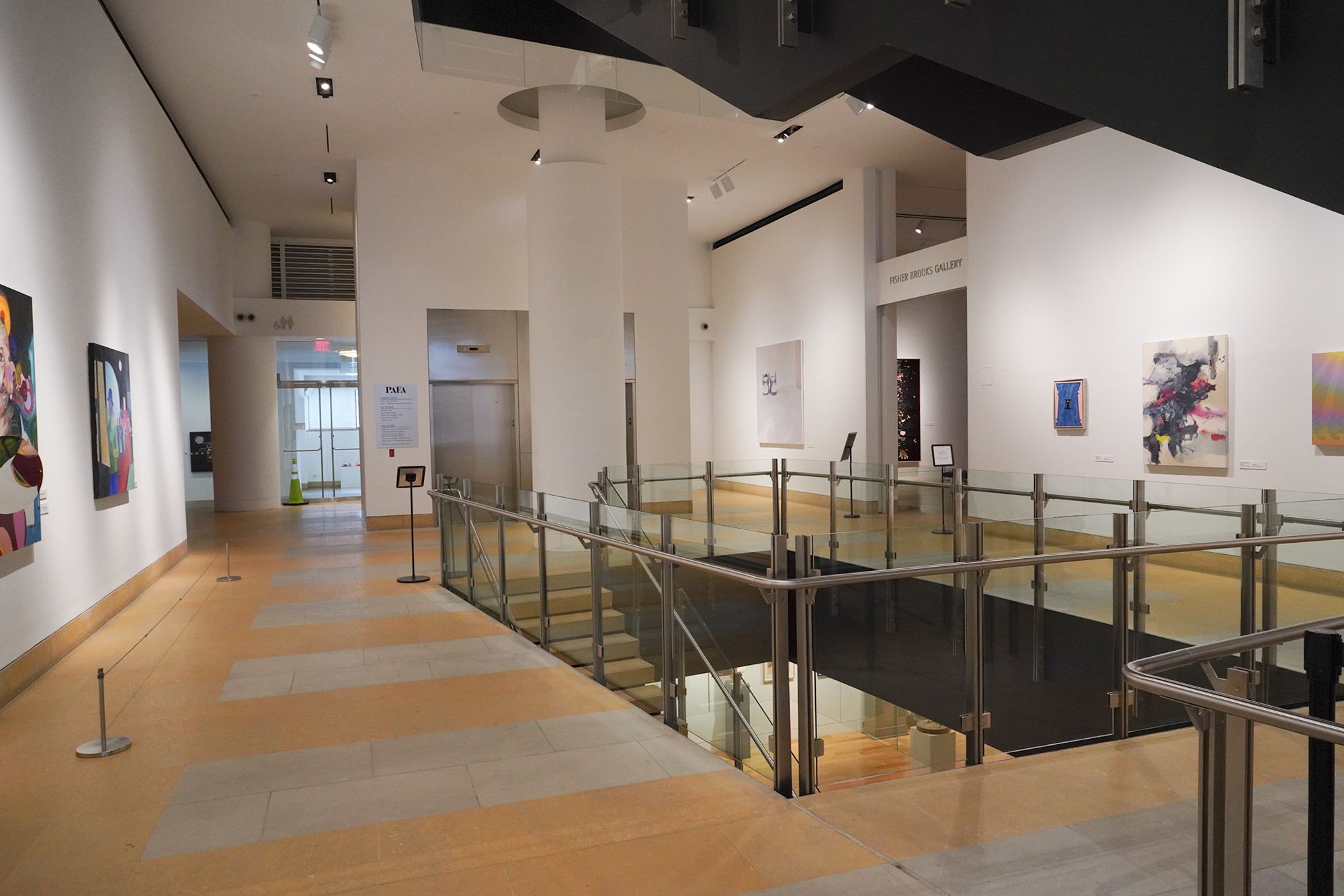
Its Victorian building, completed in 1876, blends museum galleries with studio classrooms, allowing visitors to experience historic American works while artists continue to study, create, and contribute to the ongoing story of American visual art.
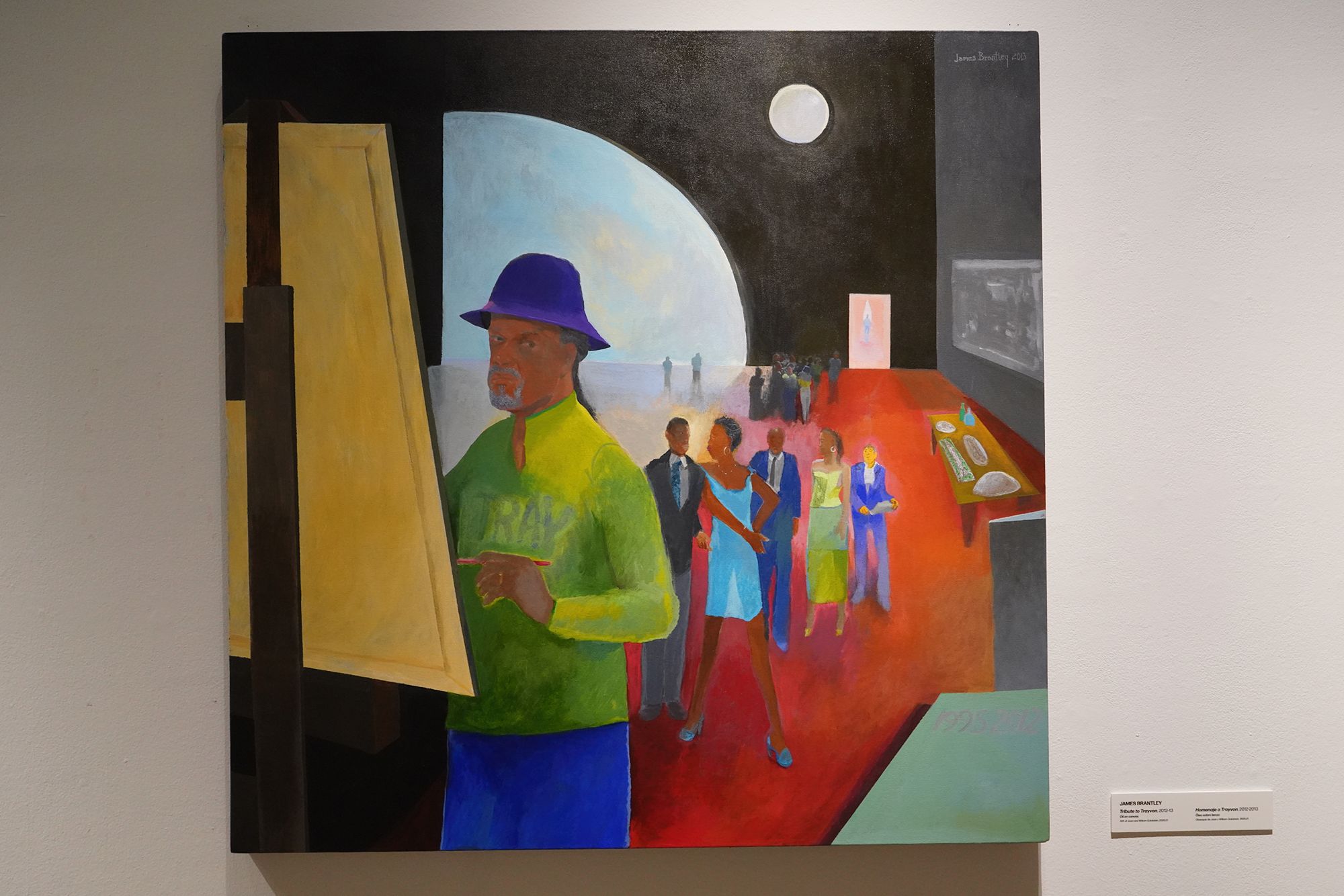
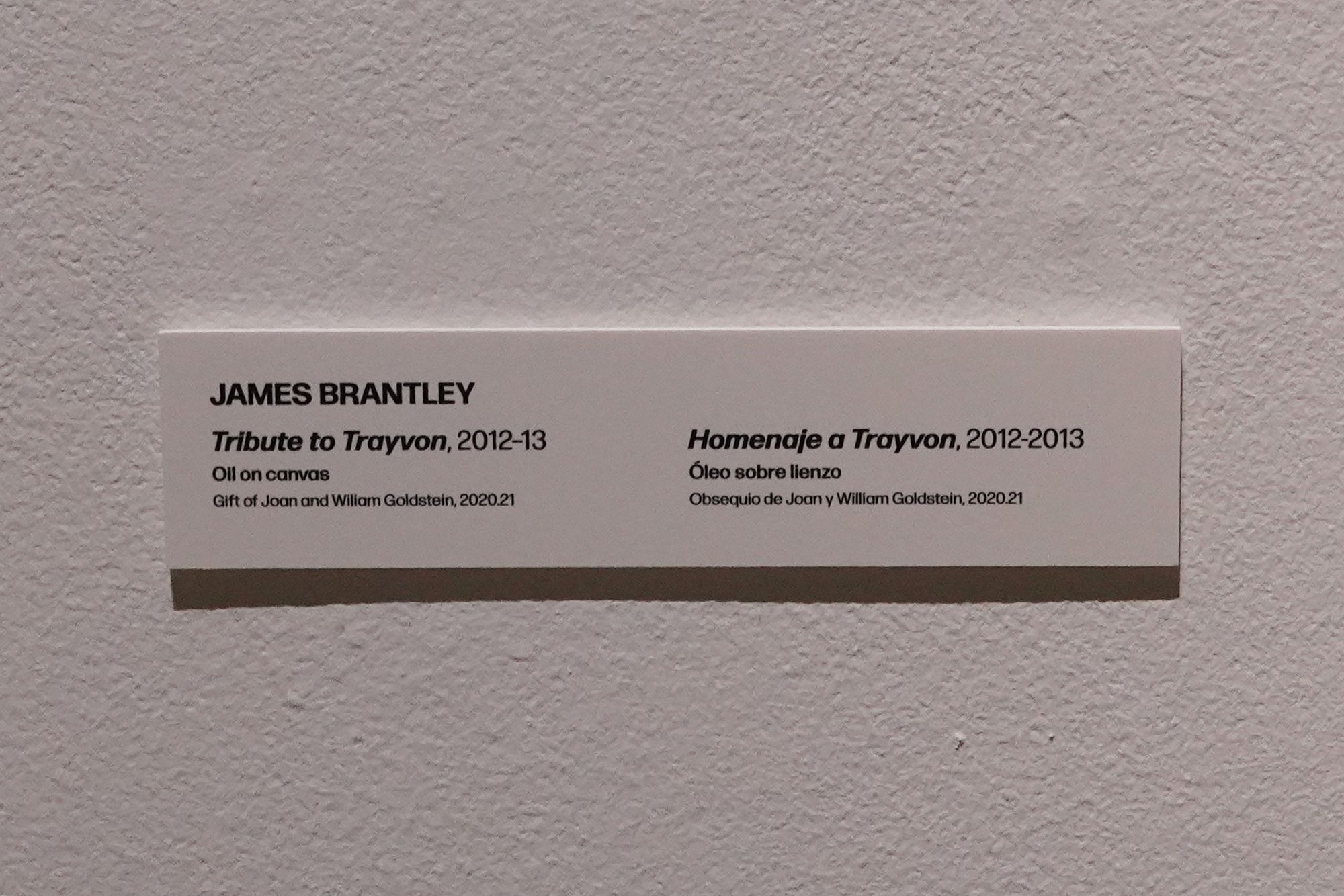
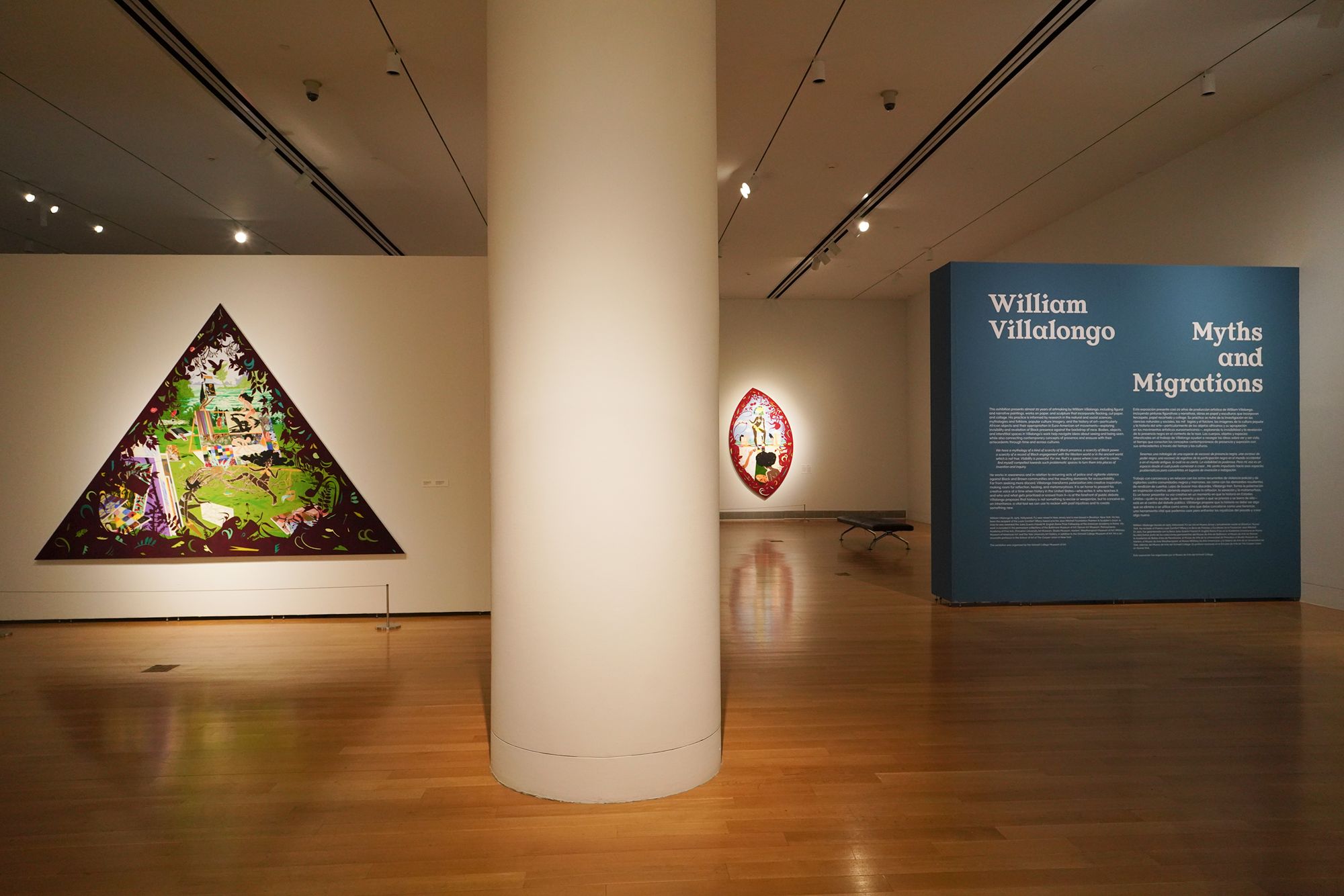
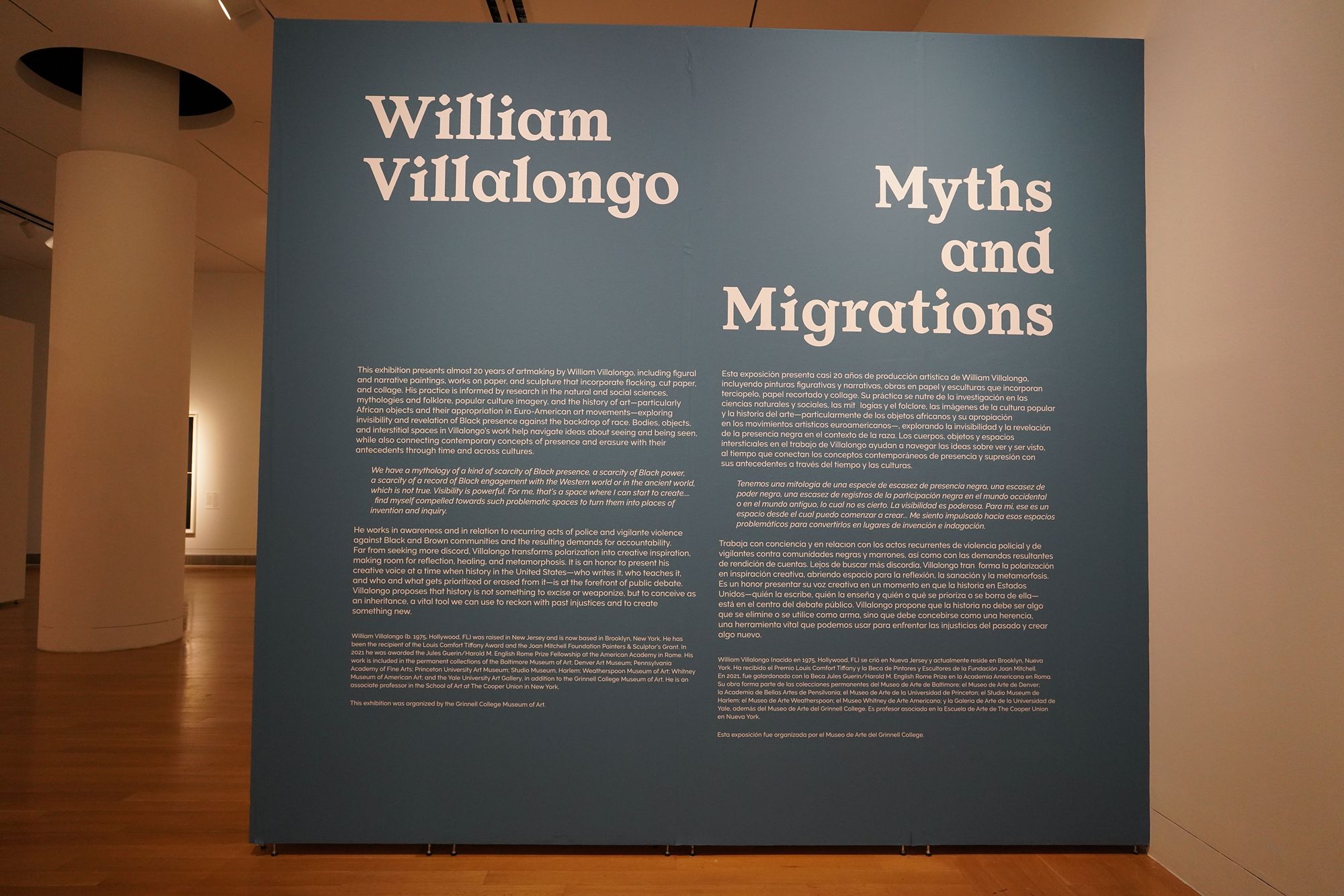
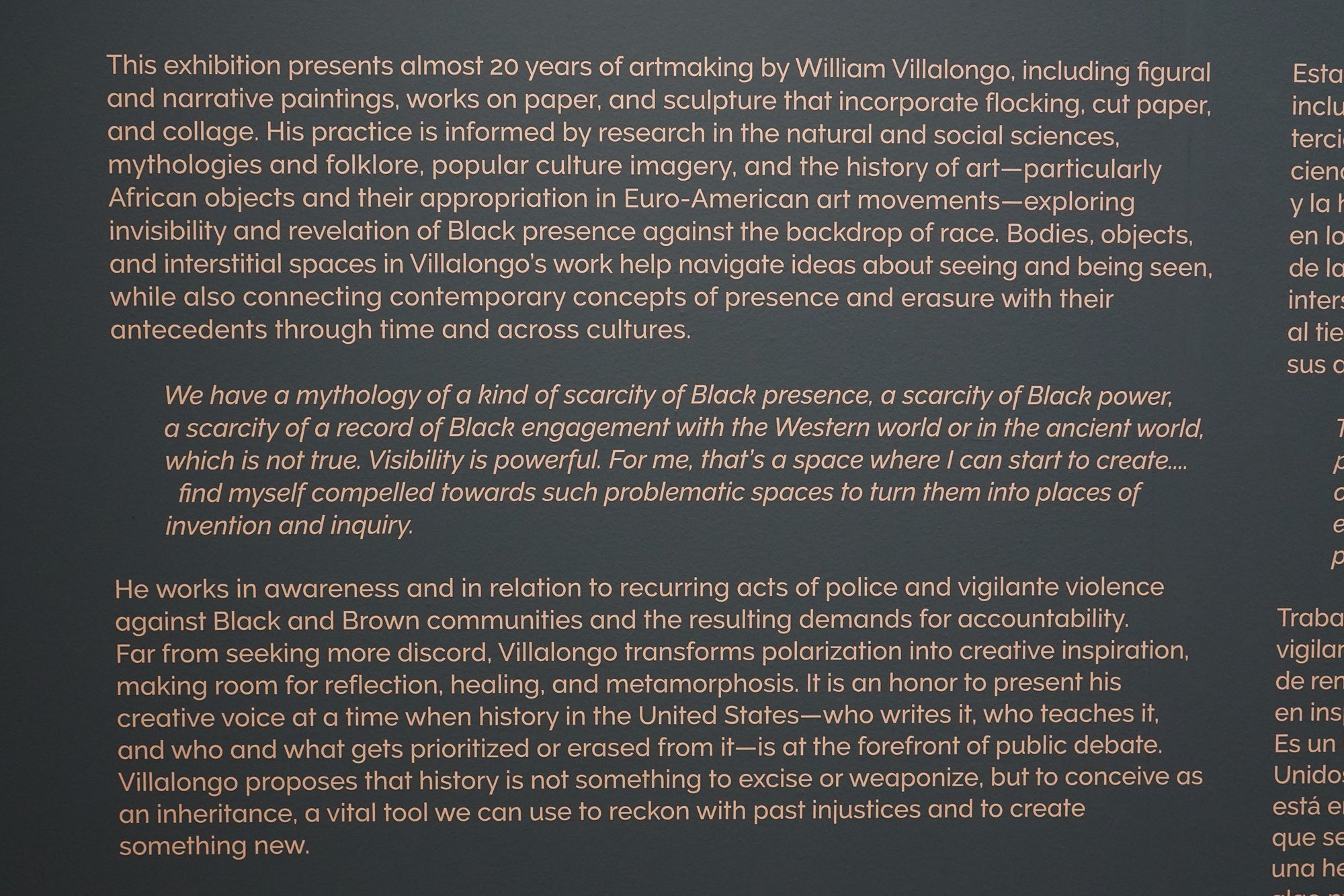
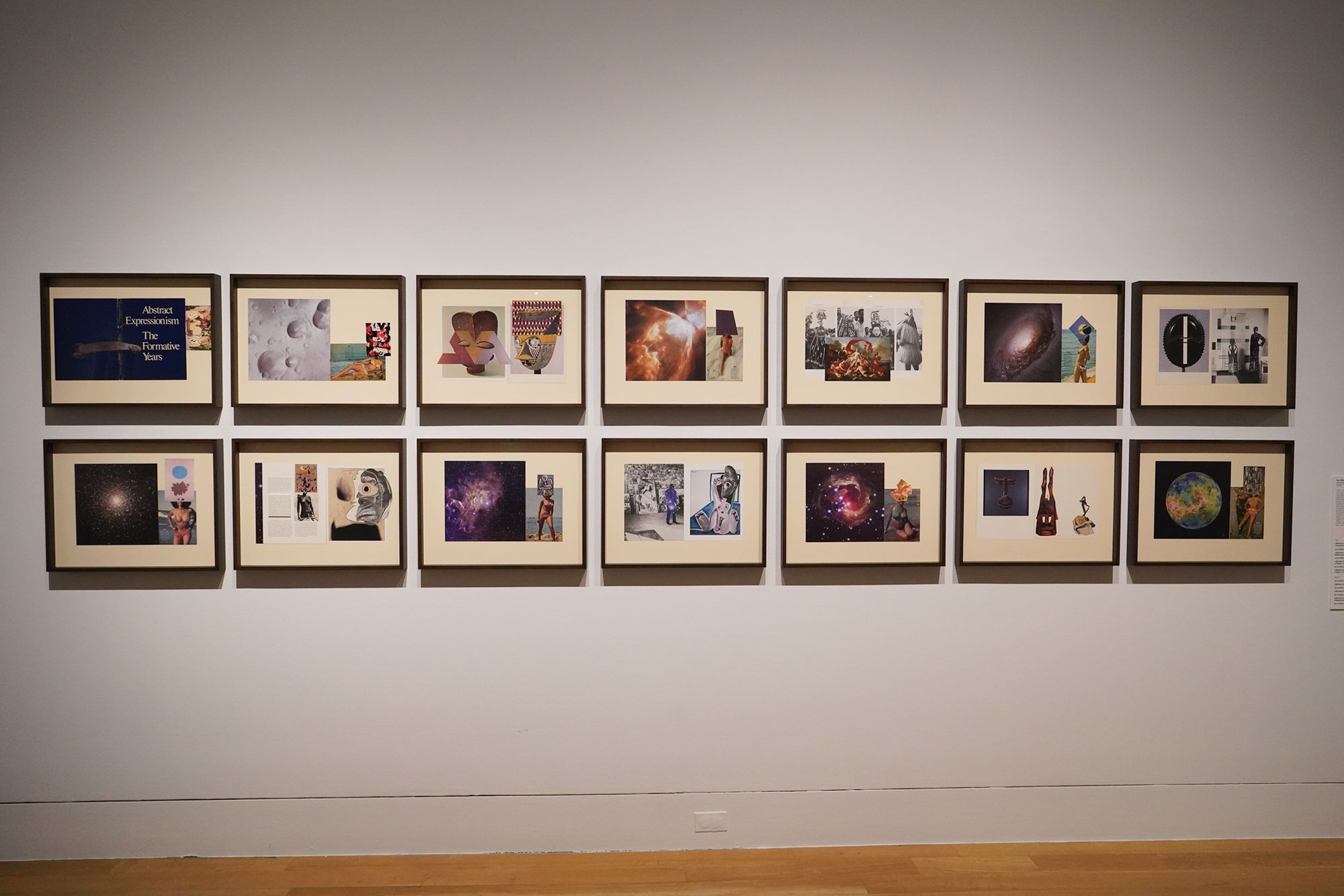
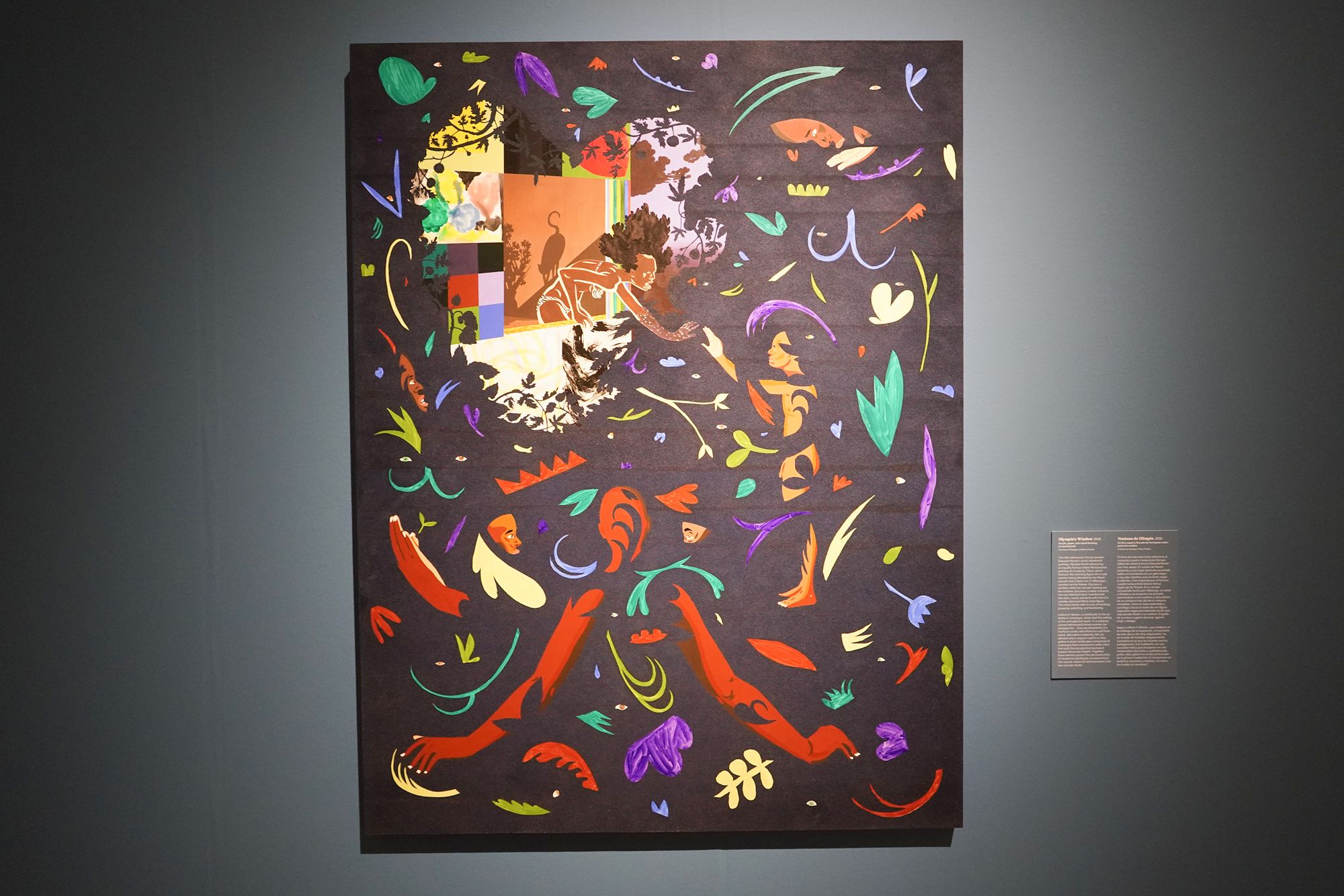
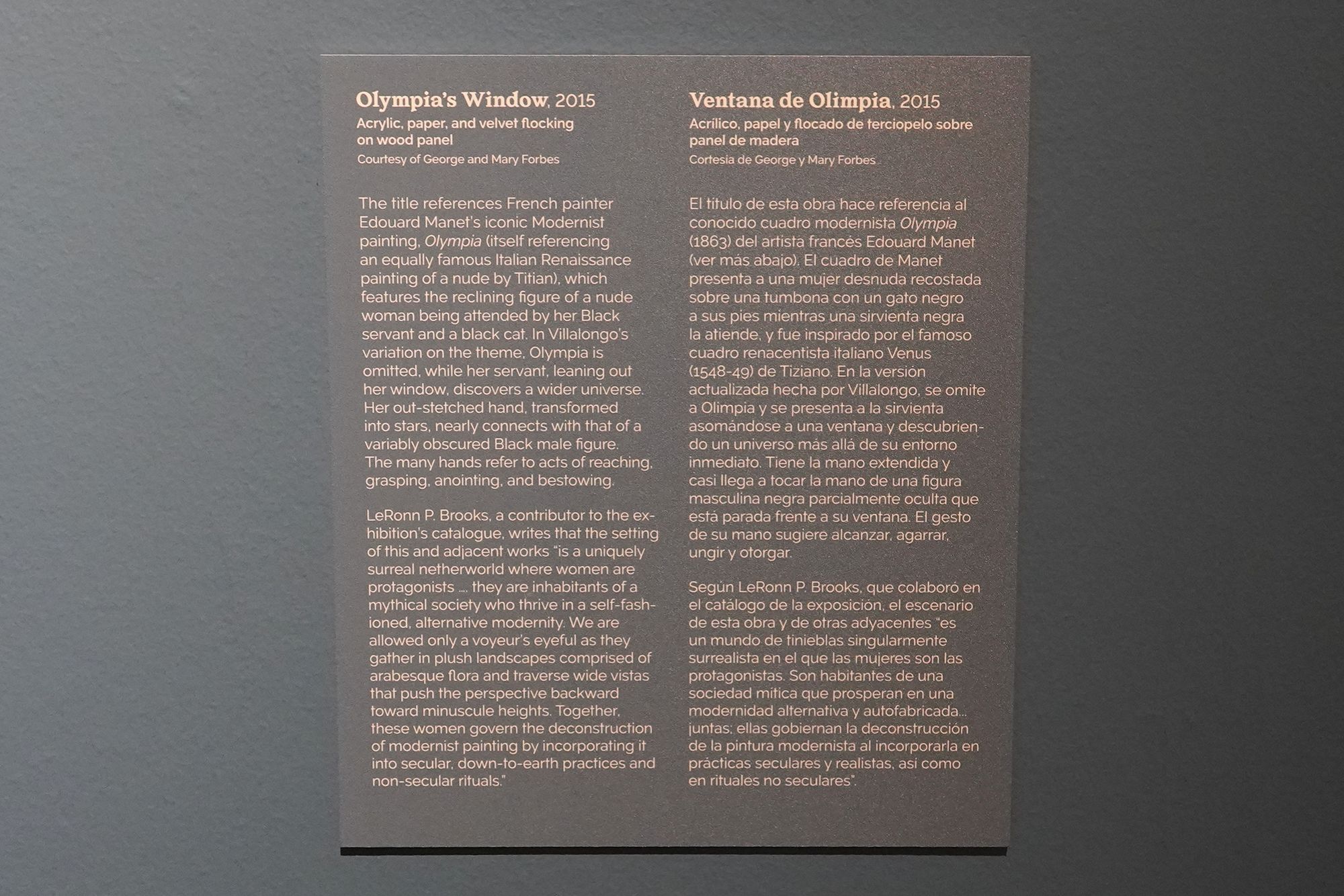
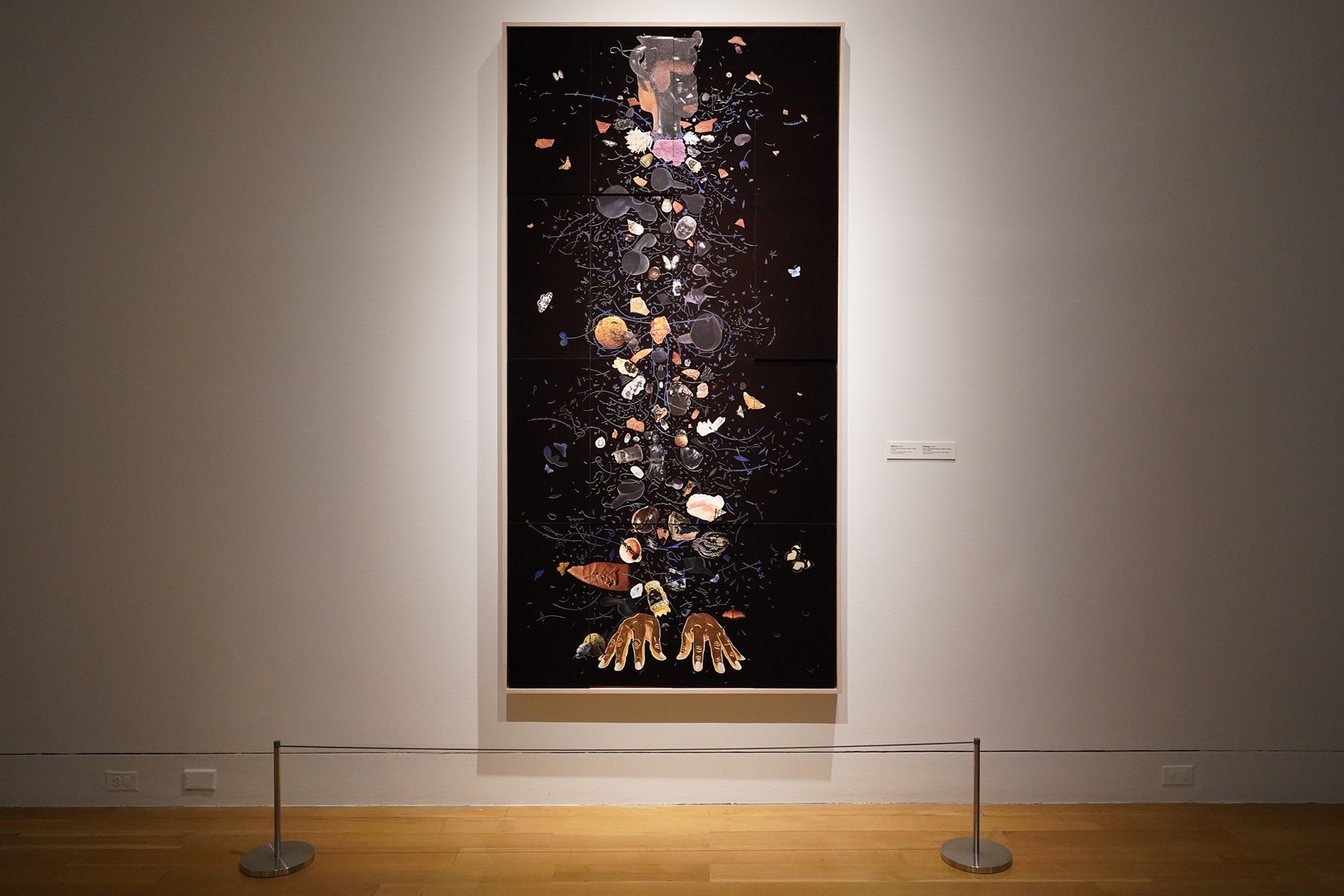
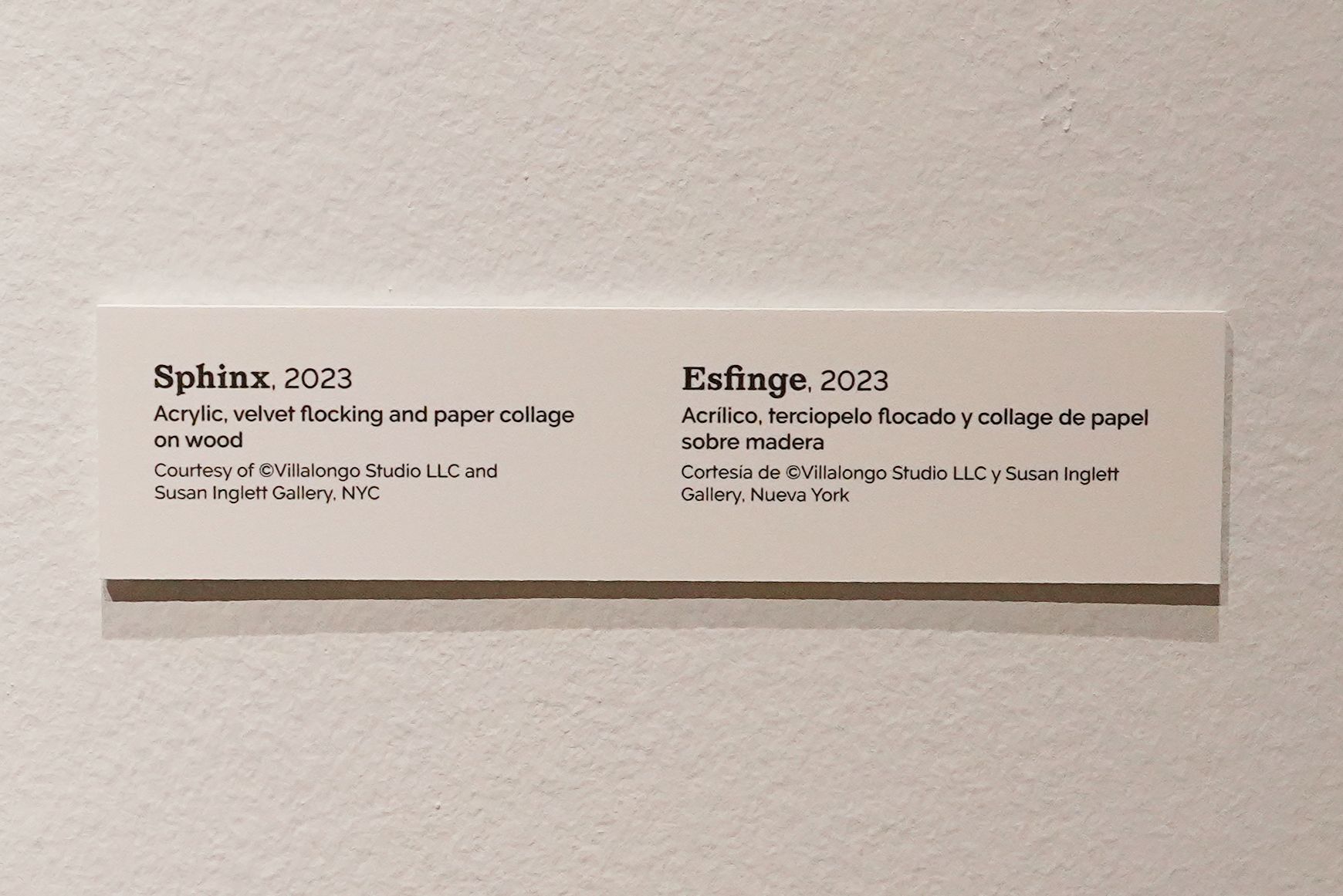
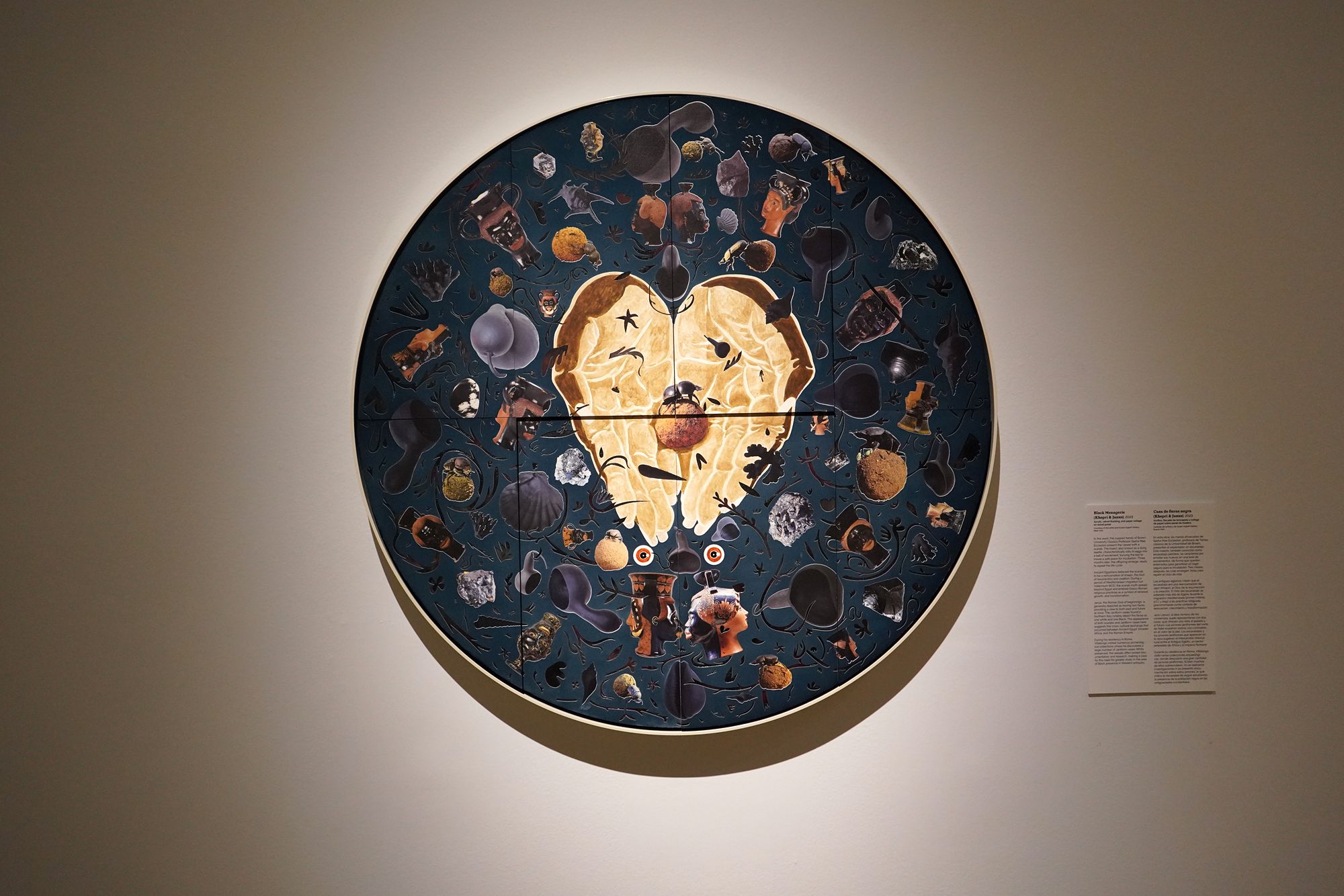
William Villalongo (born 1975) is a contemporary American artist known for work exploring Black identity through painting, collage, and mixed media. He teaches at Cooper Union and is represented in major museum collections including Princeton and the National Gallery of Art.
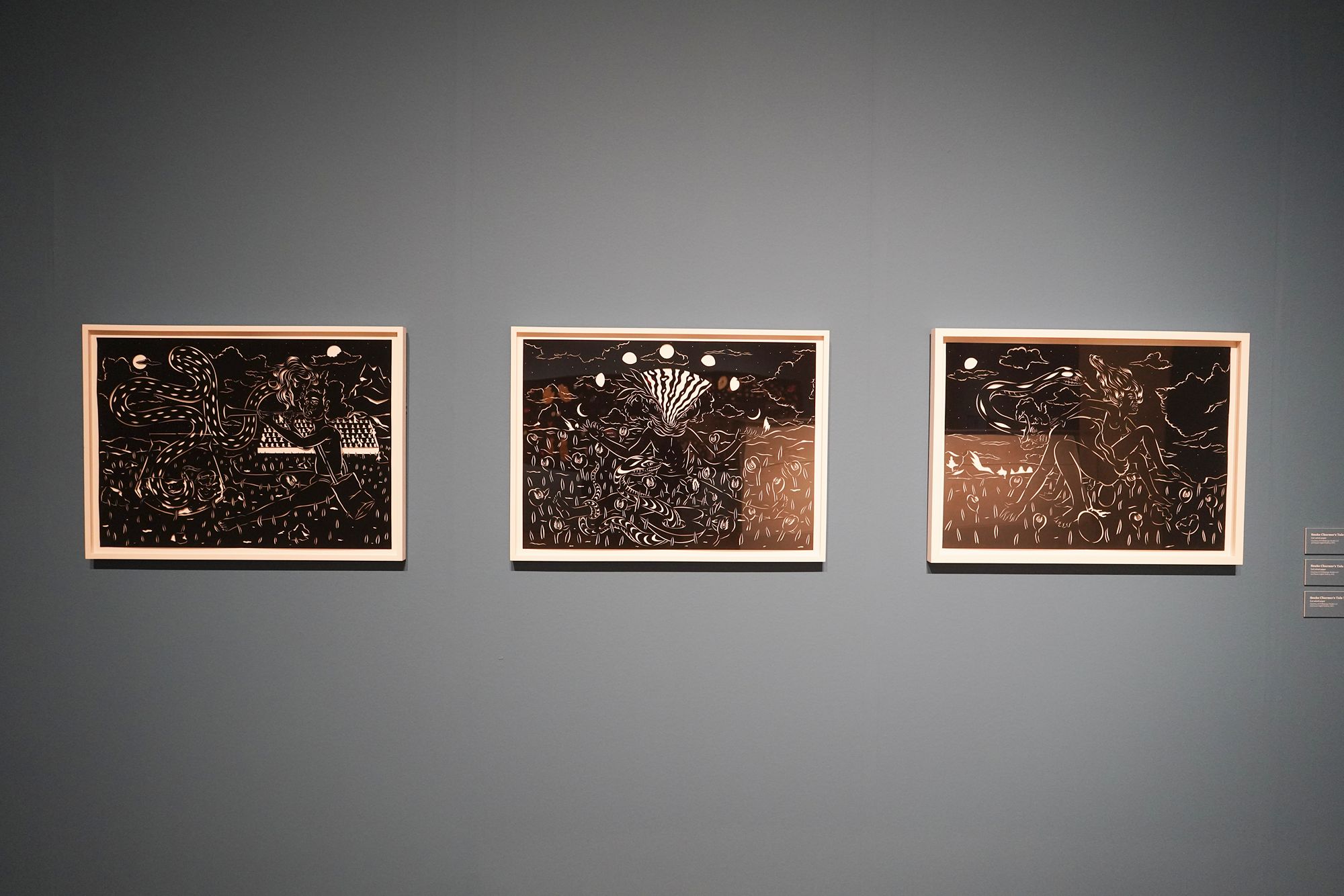
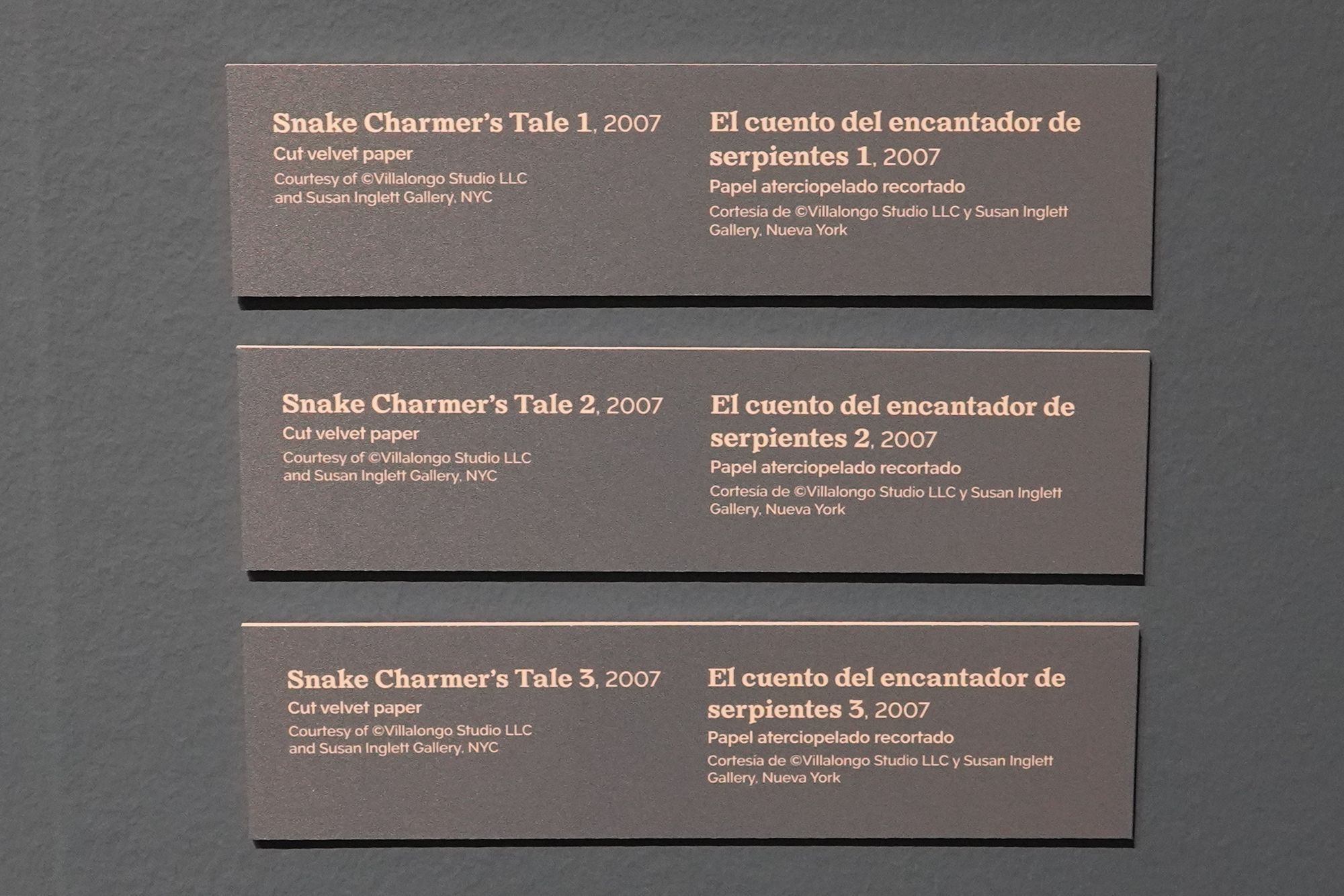
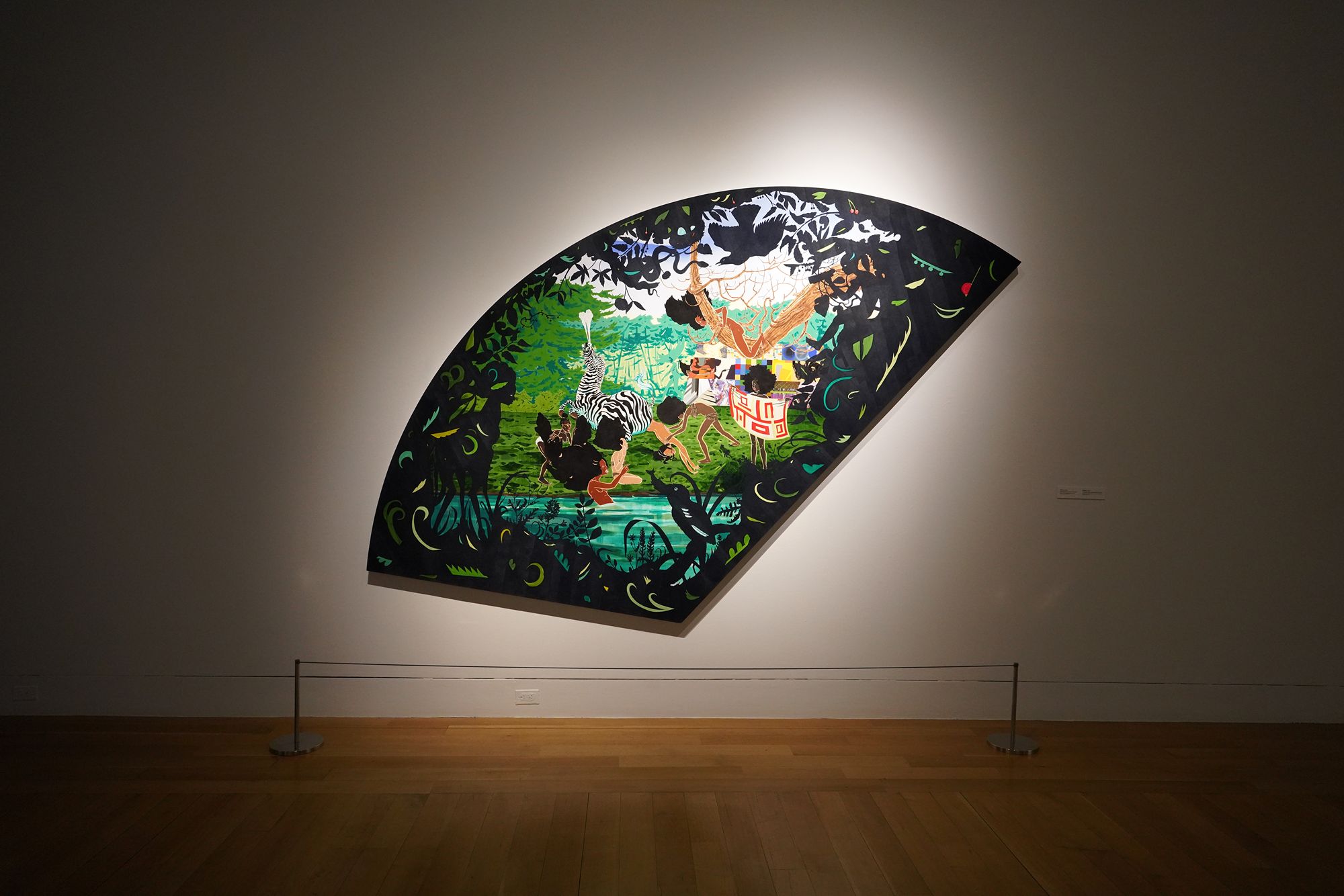
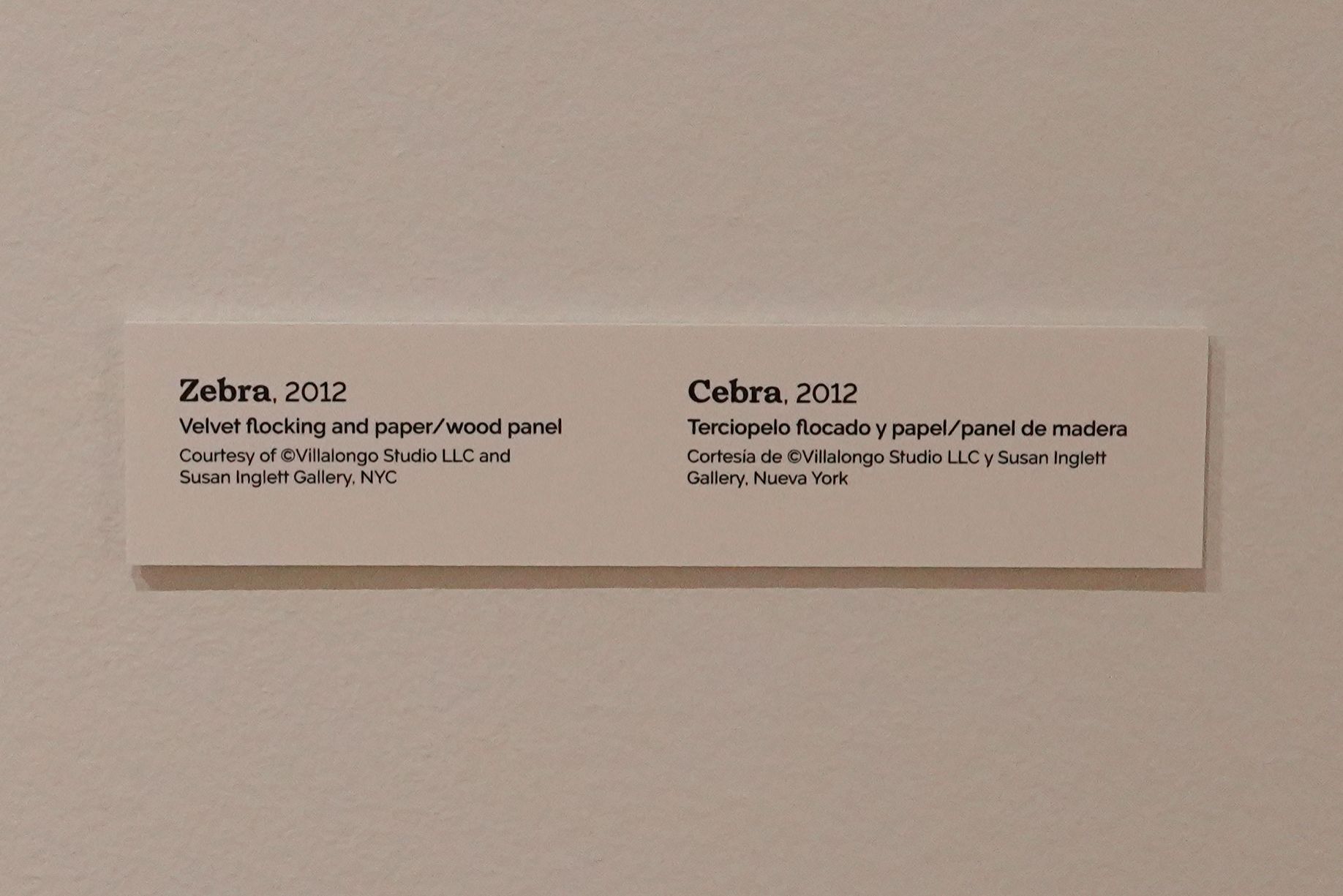
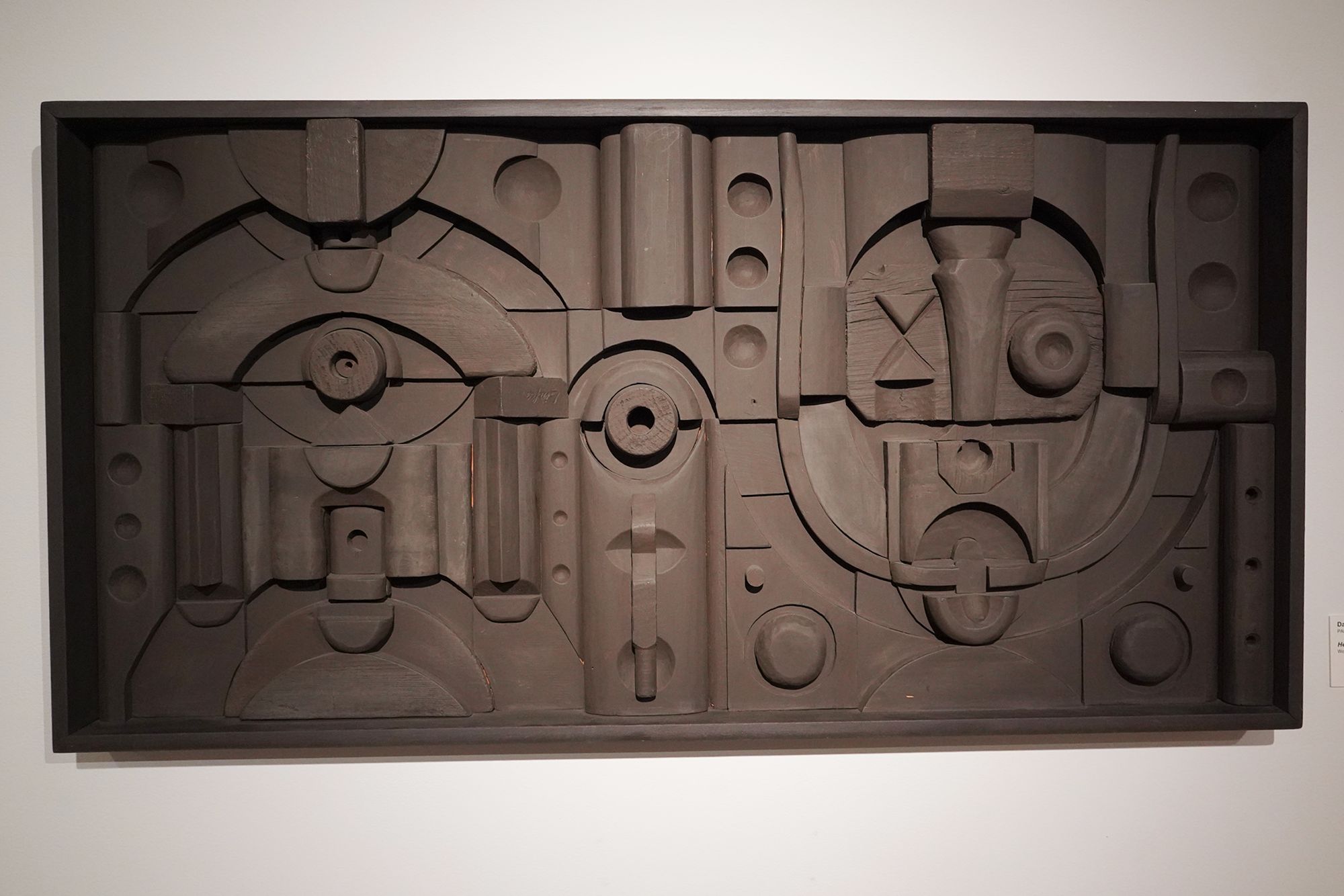
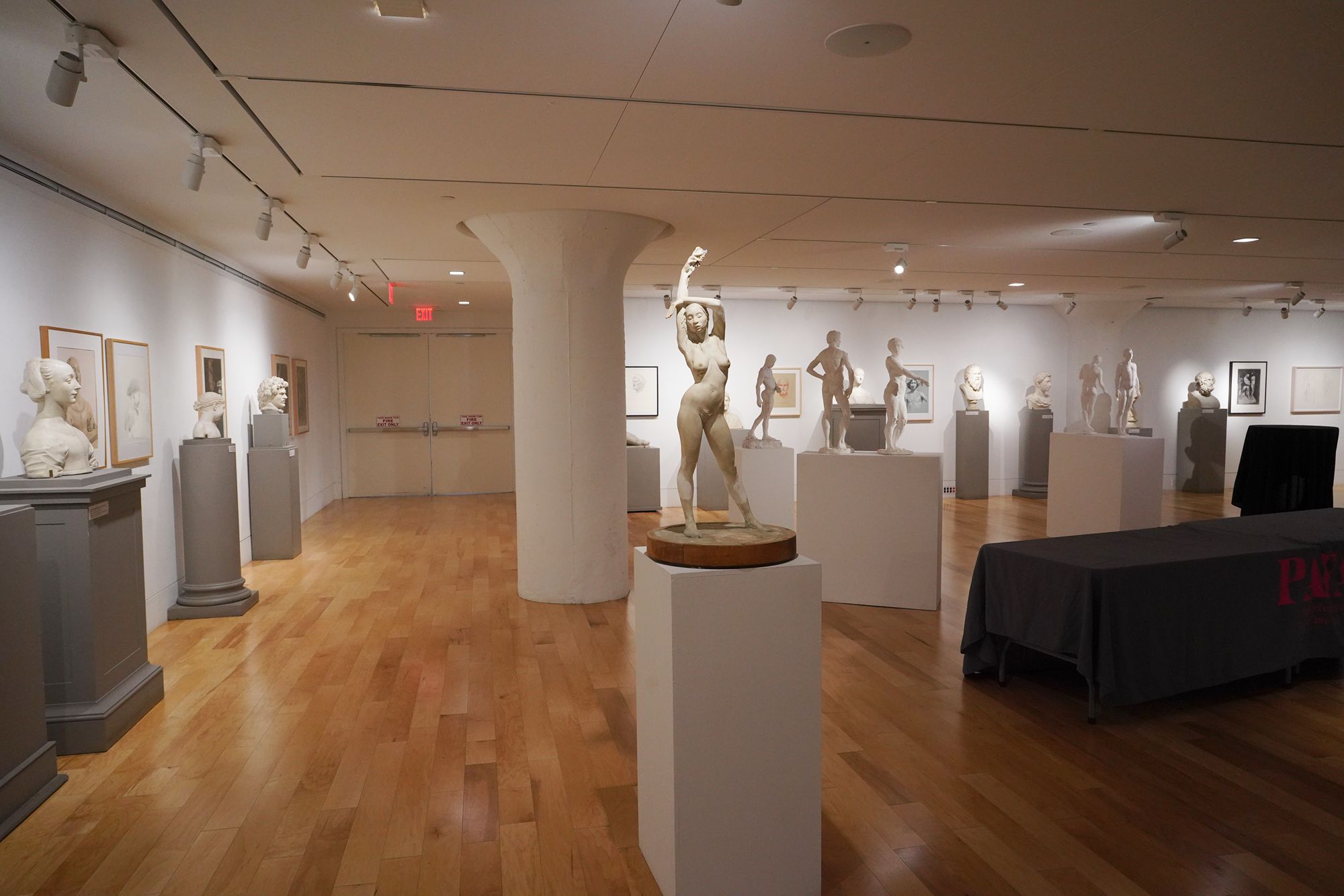
Sculptures
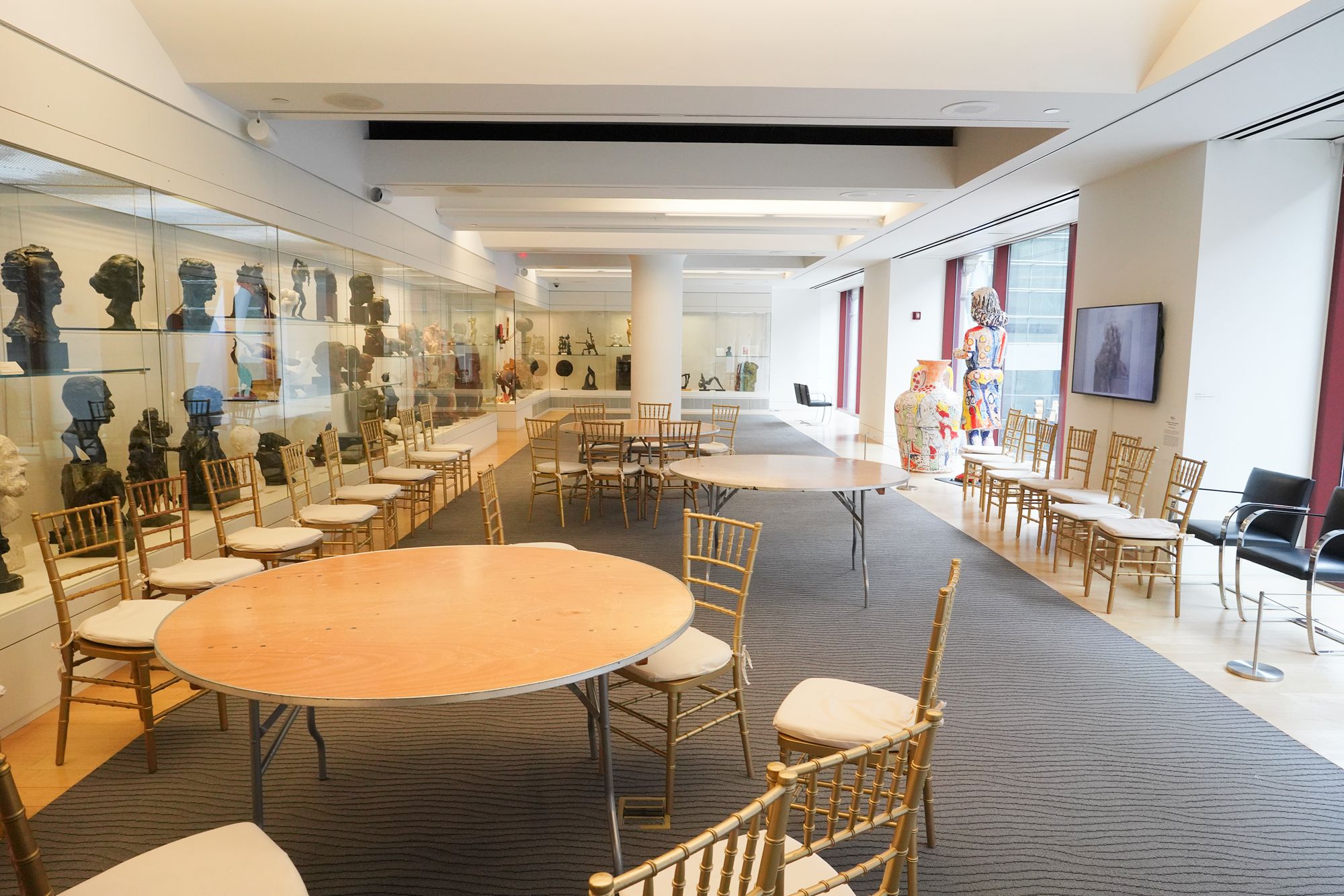
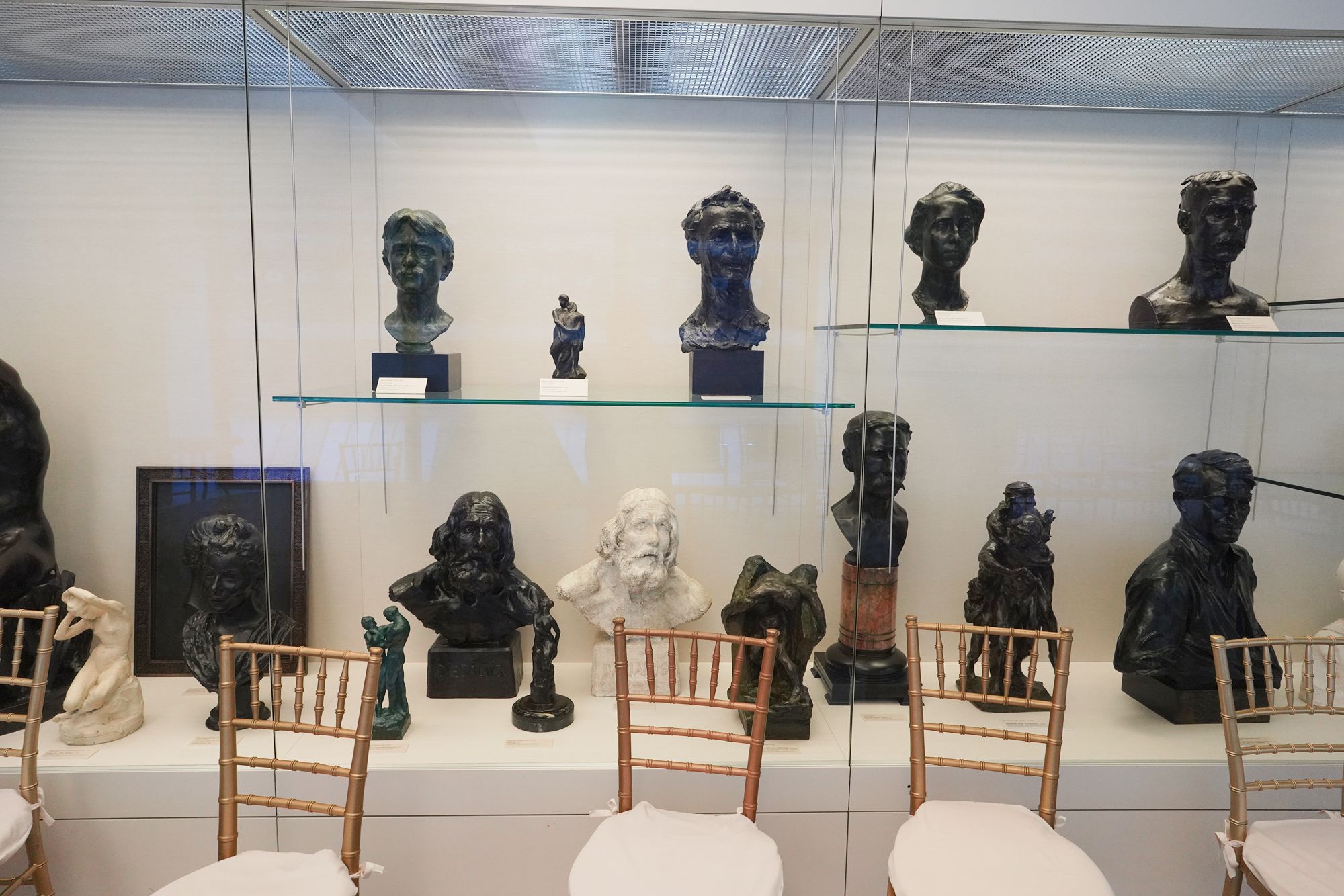
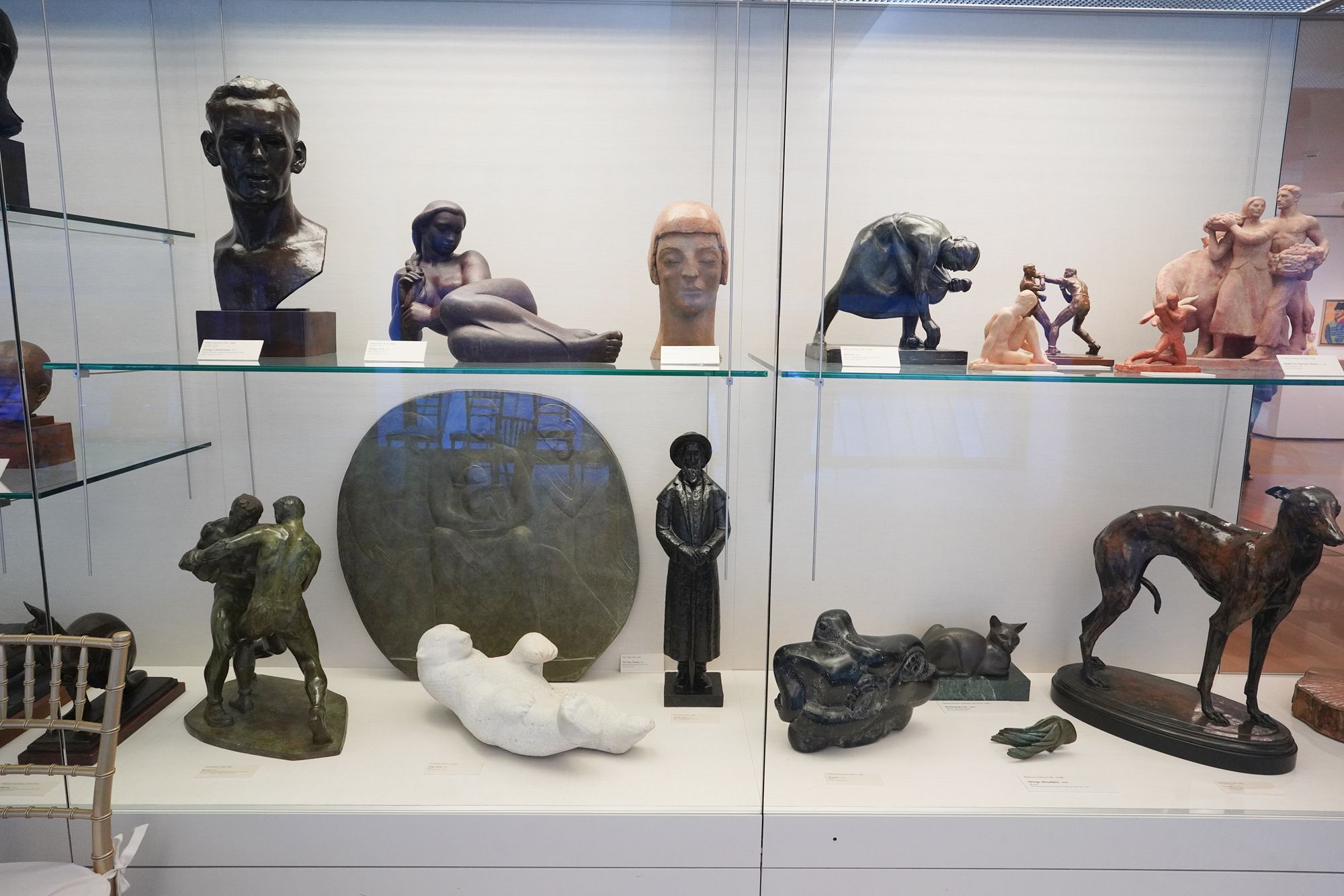
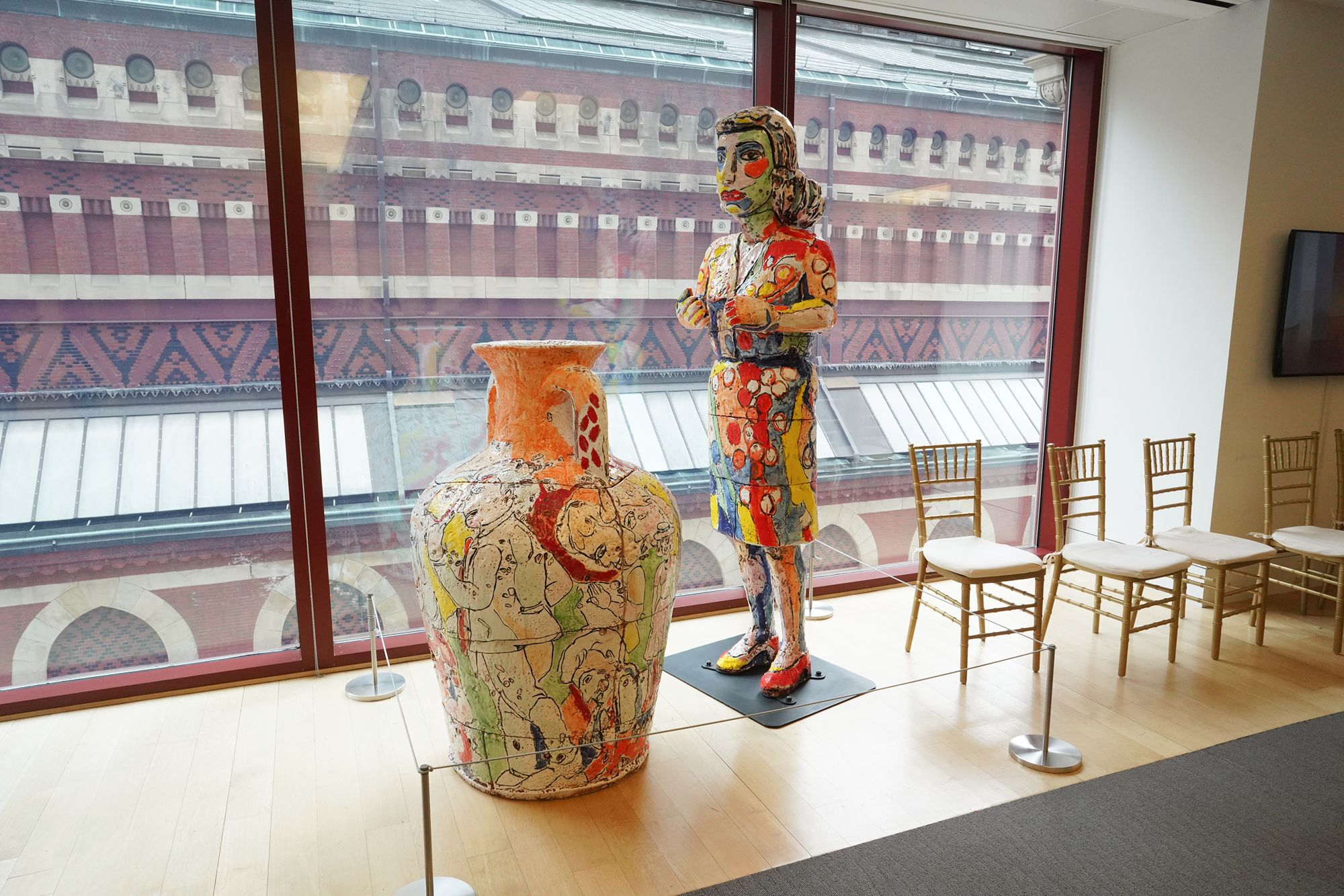
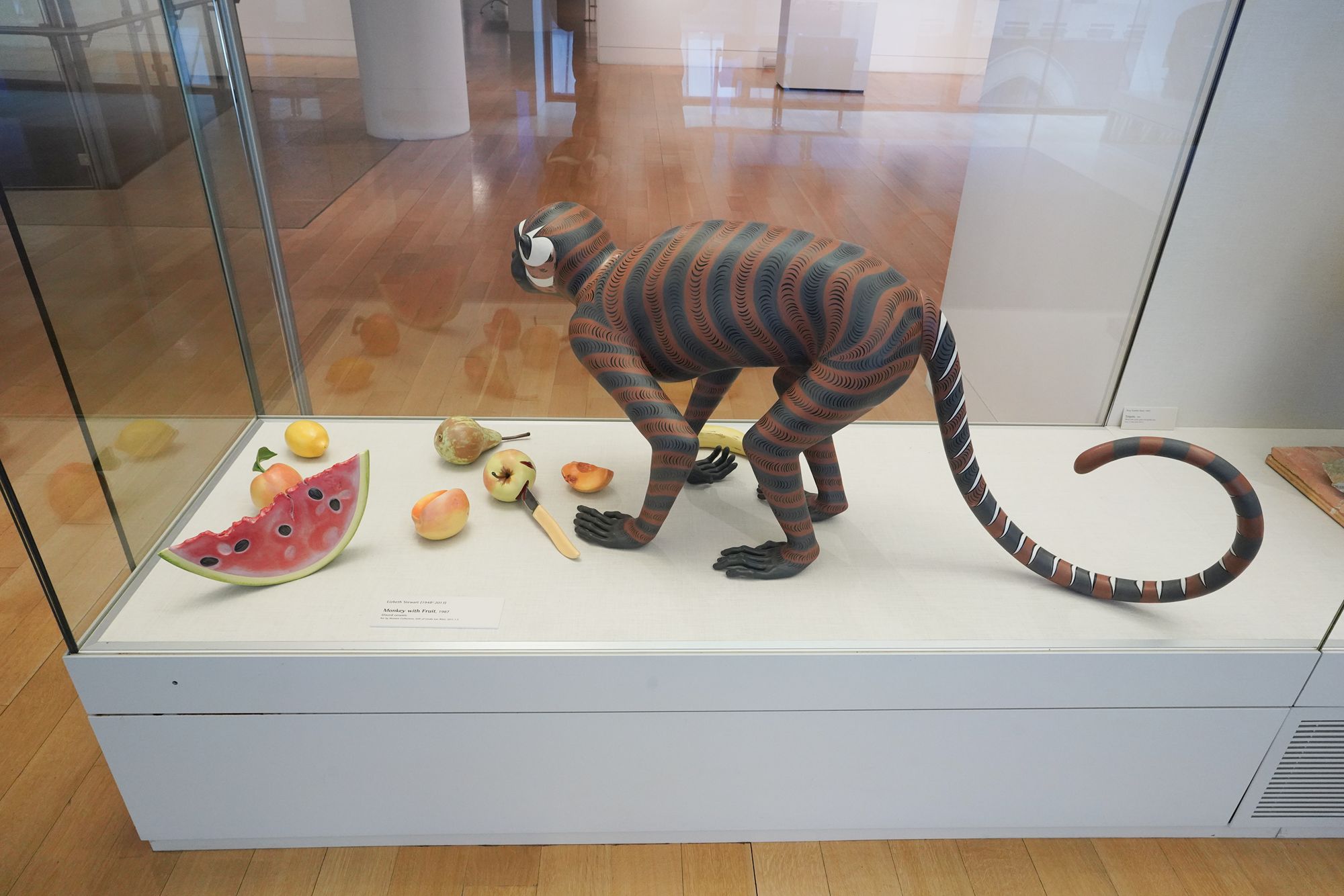
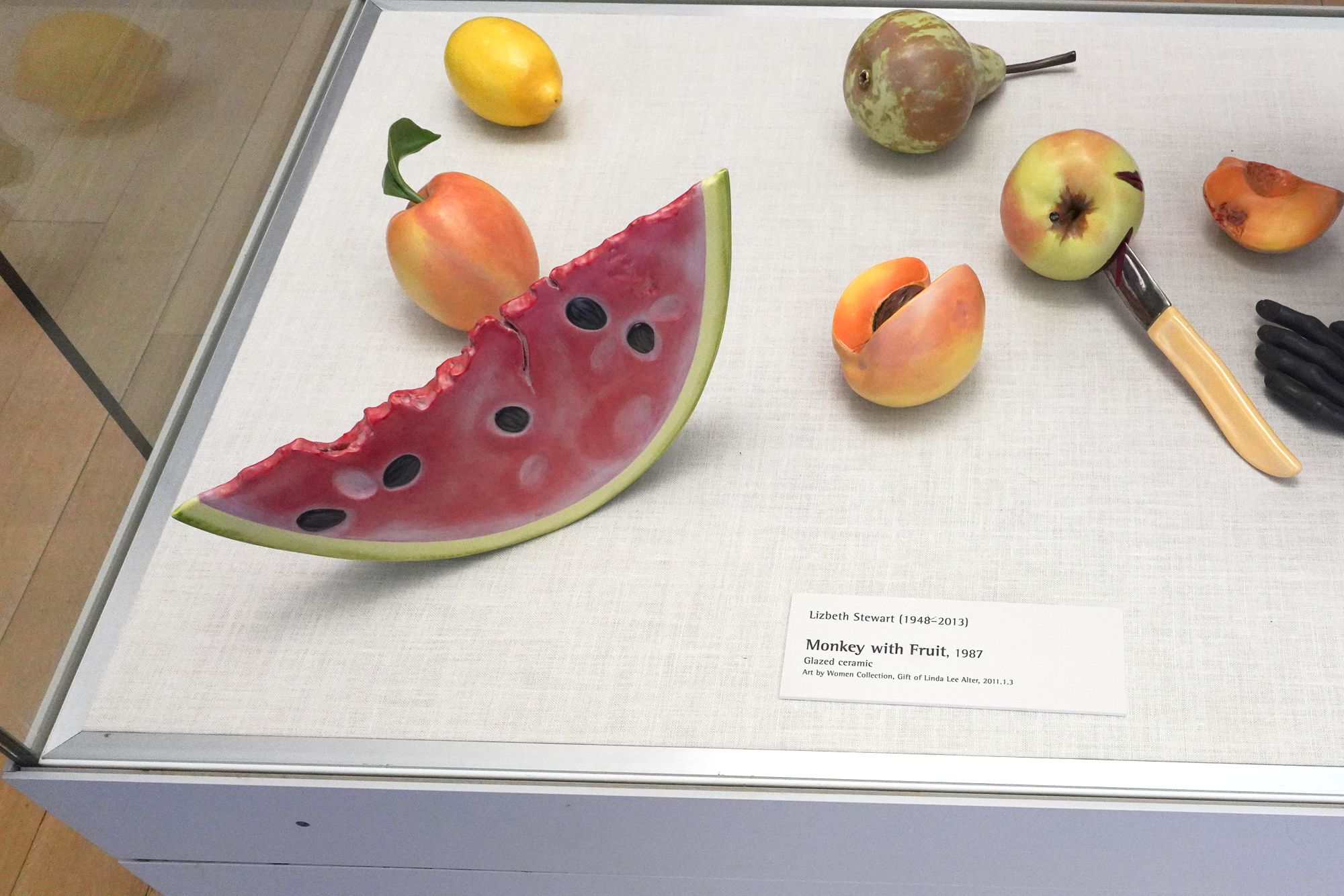
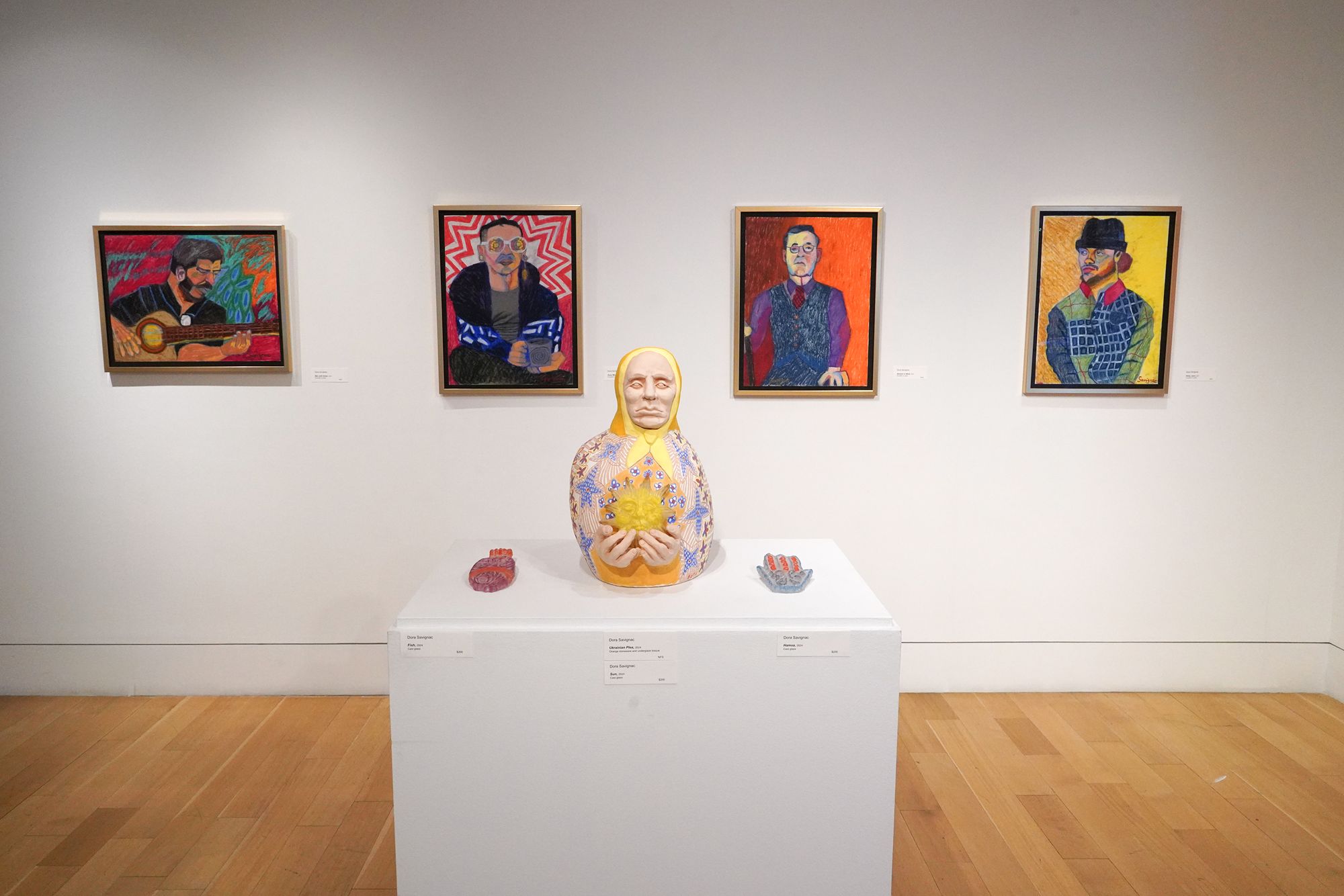
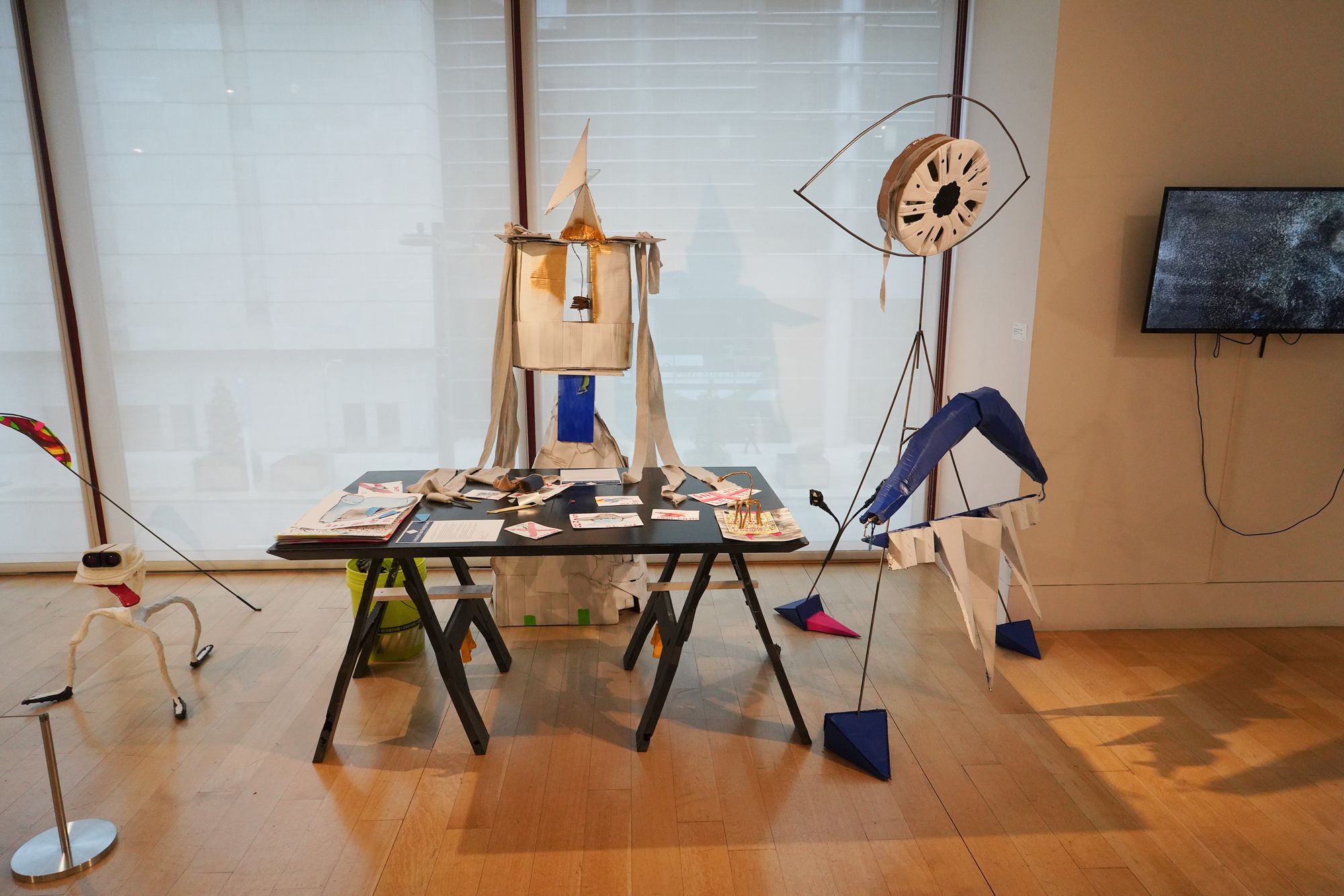
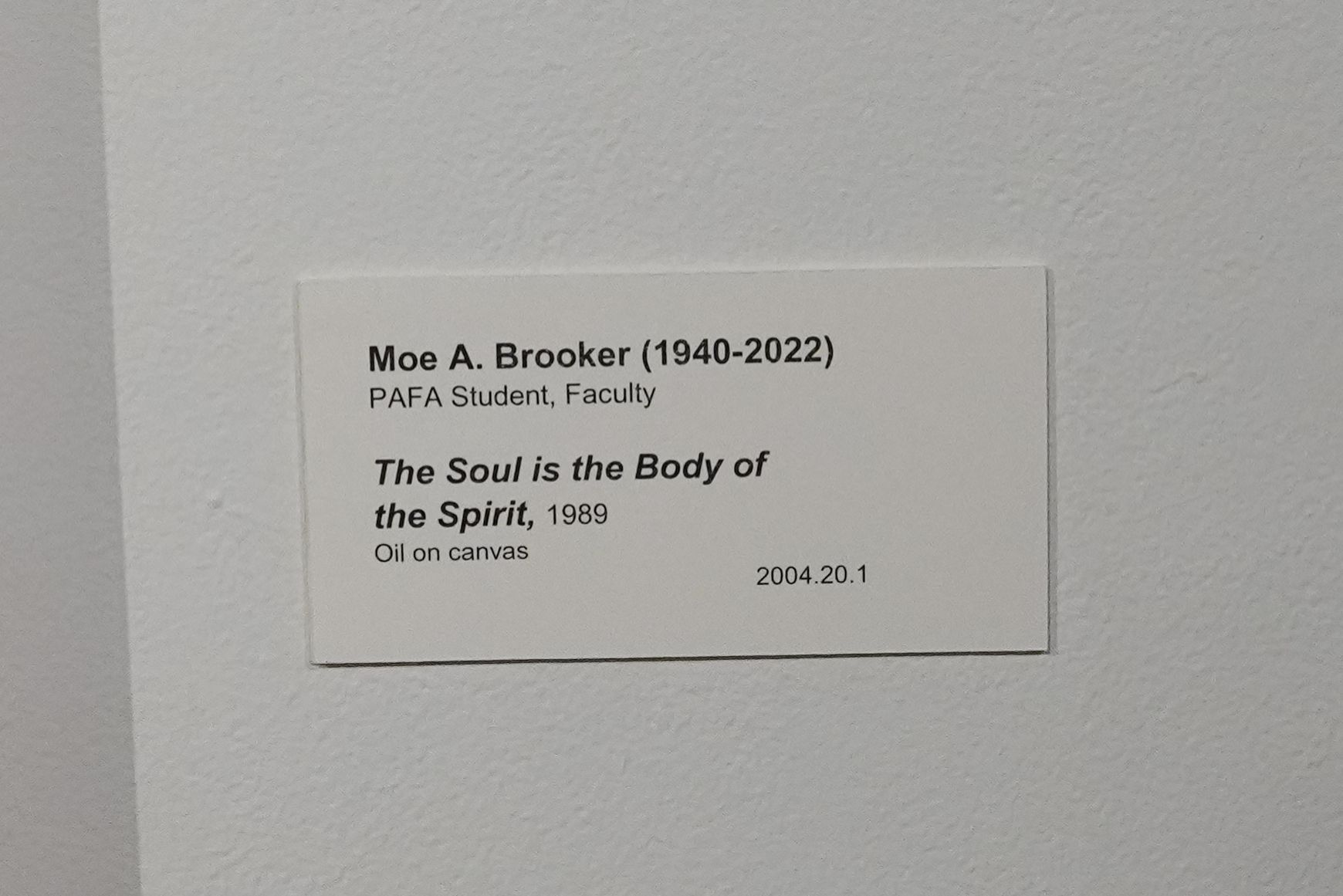
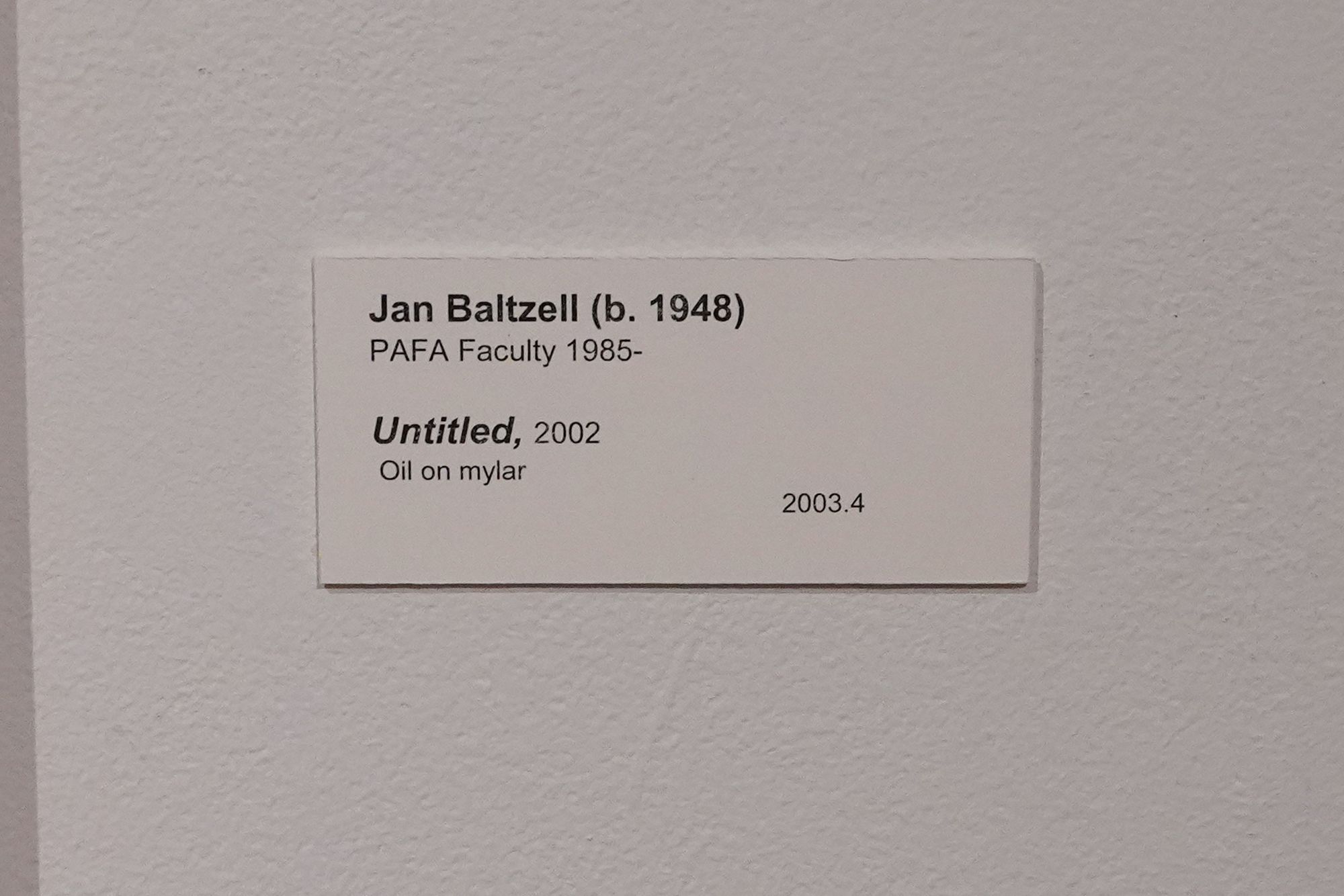
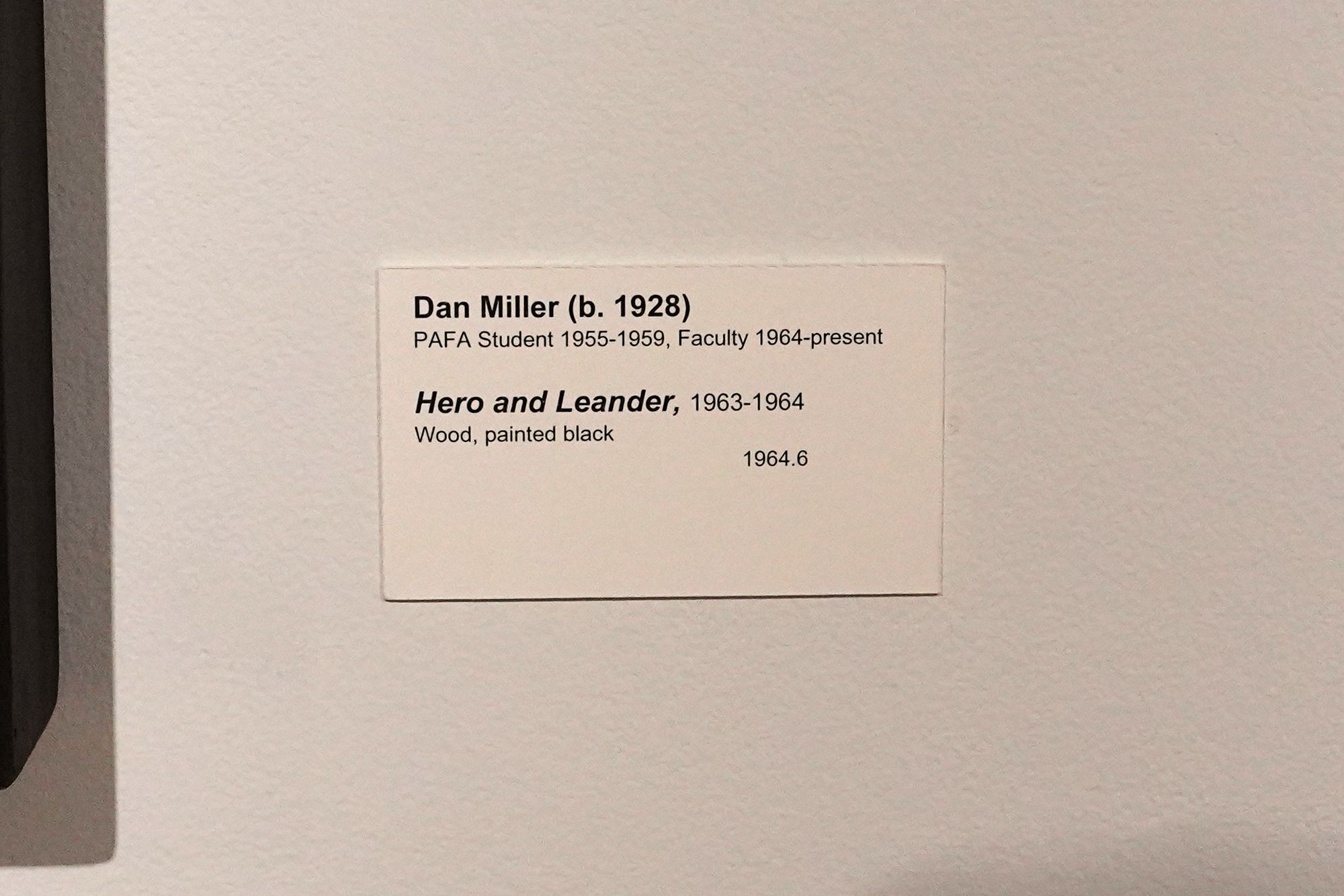
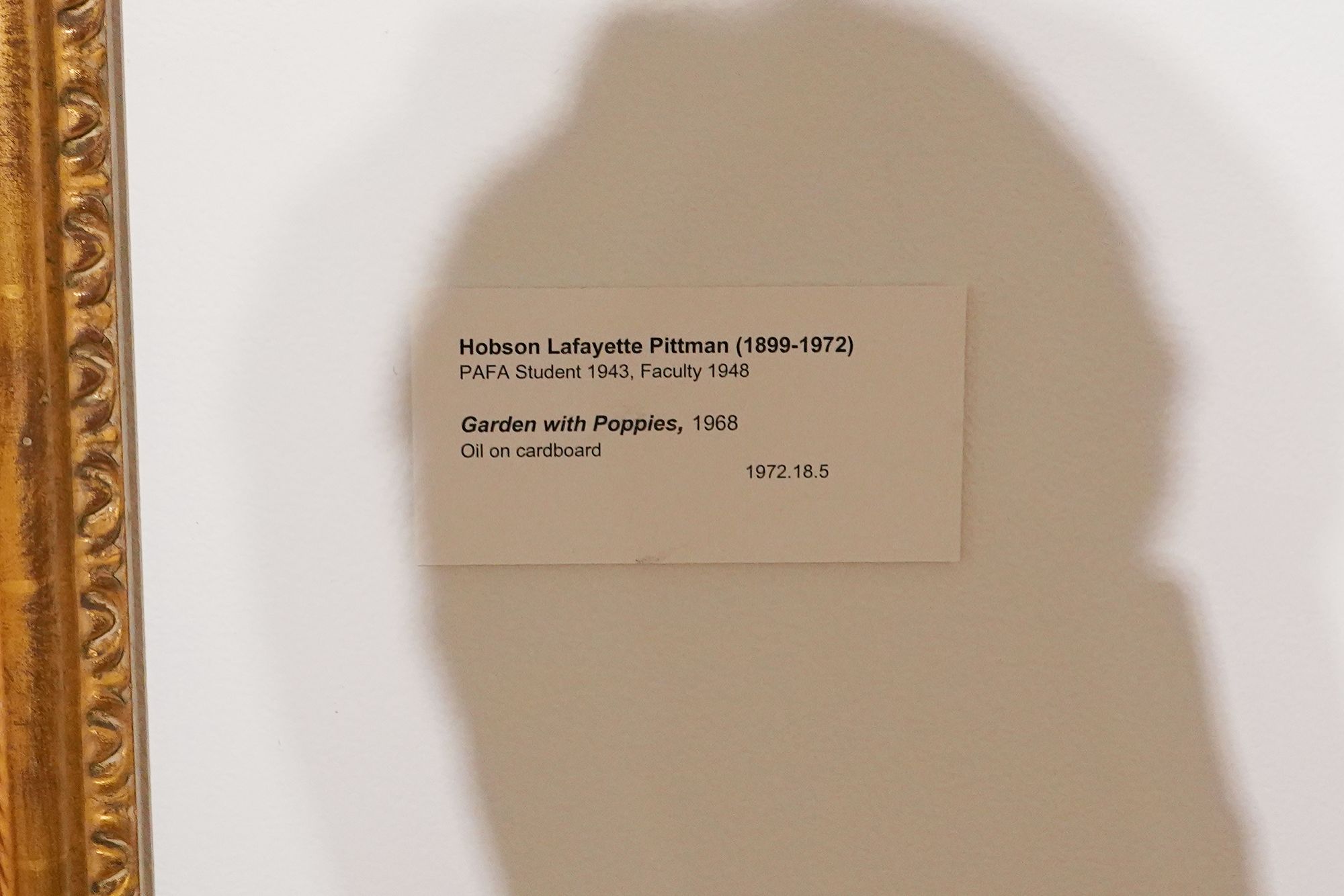
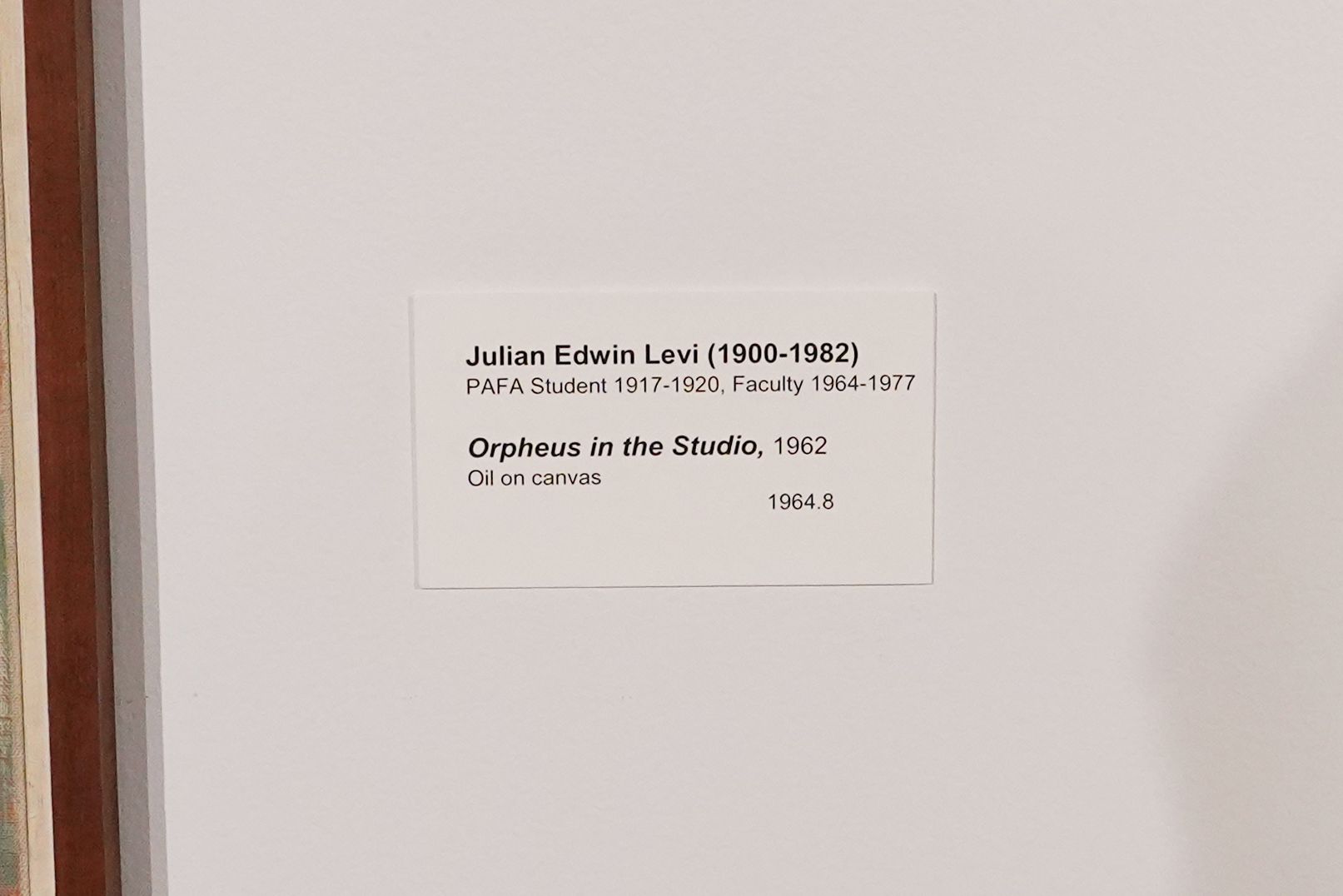
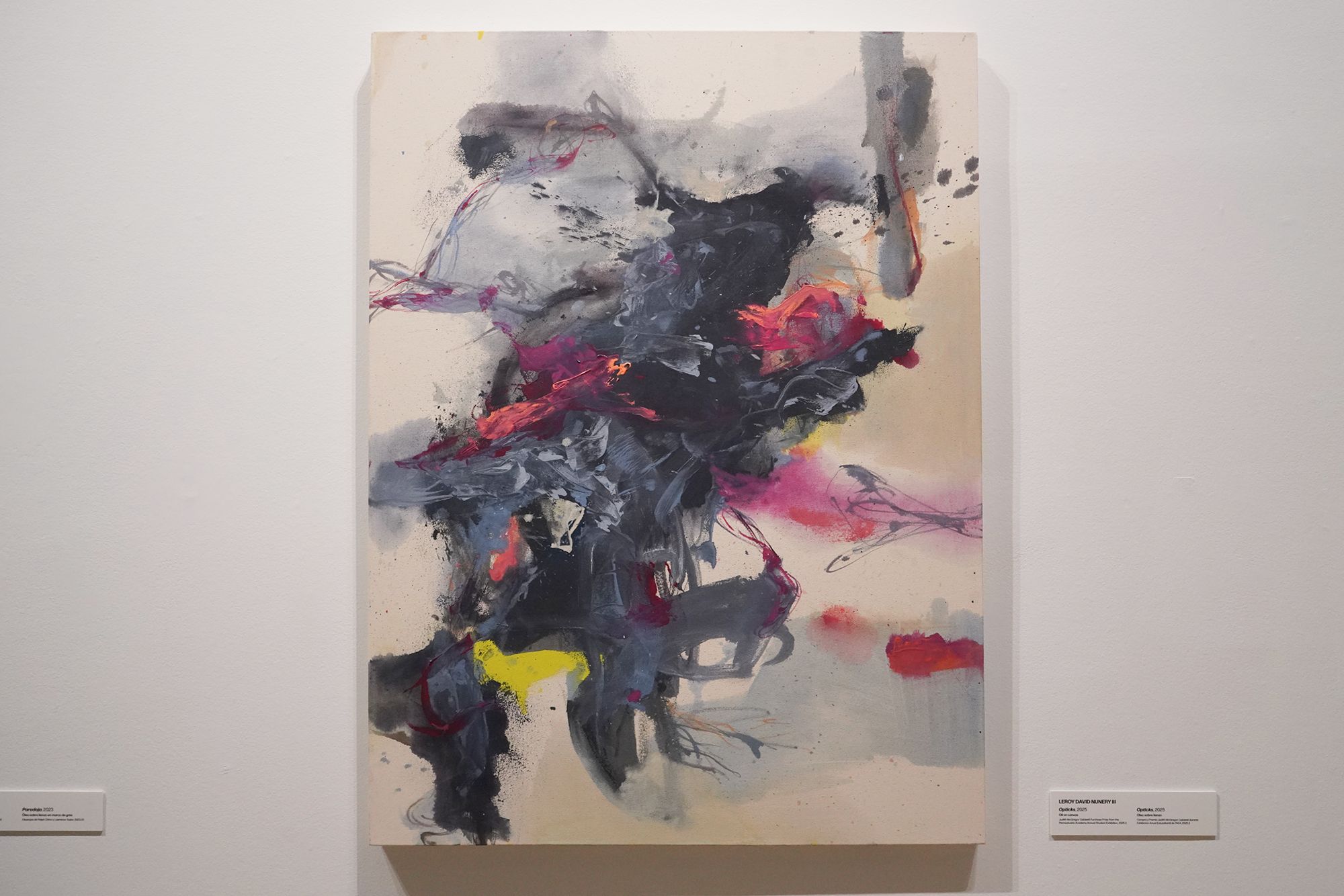
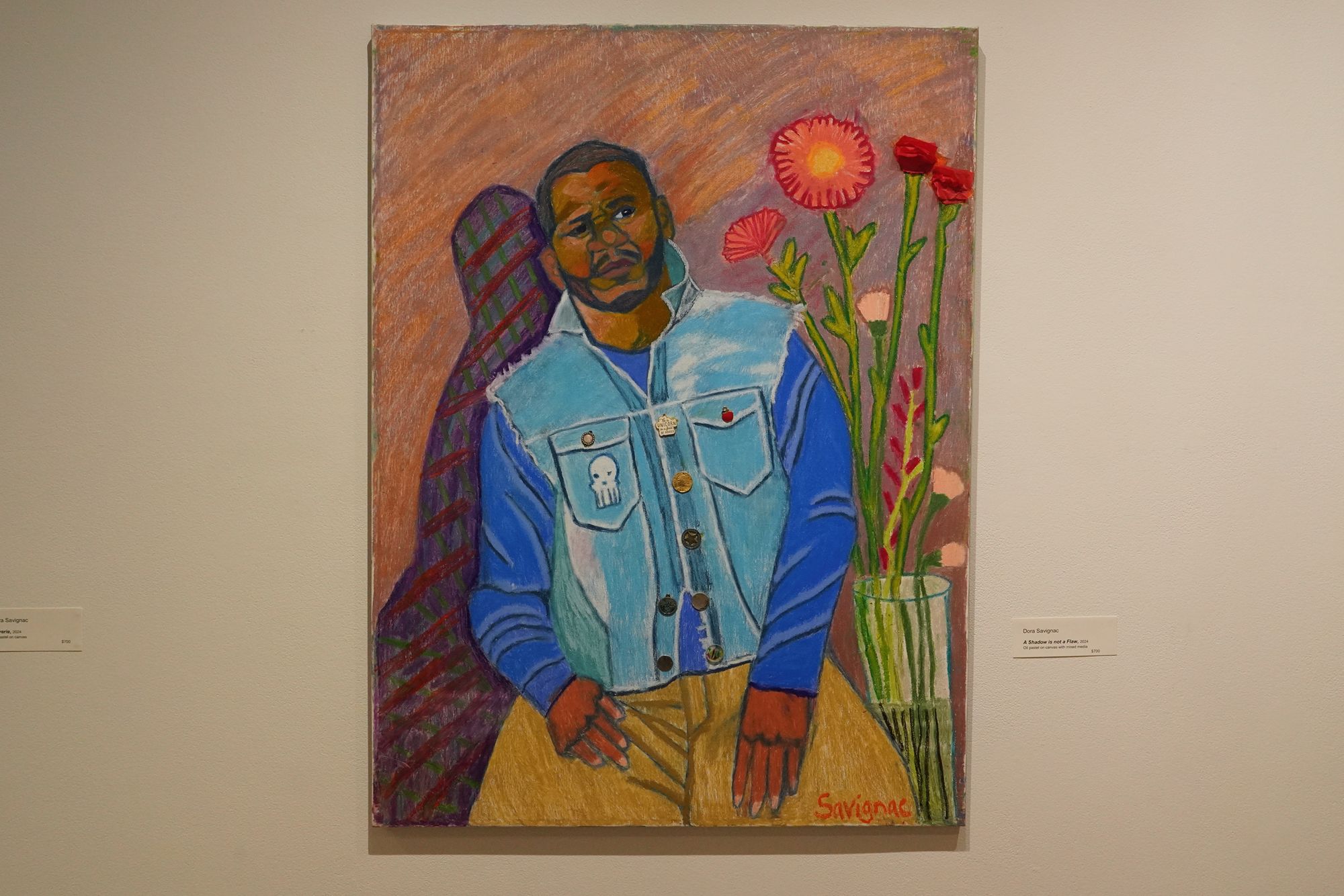
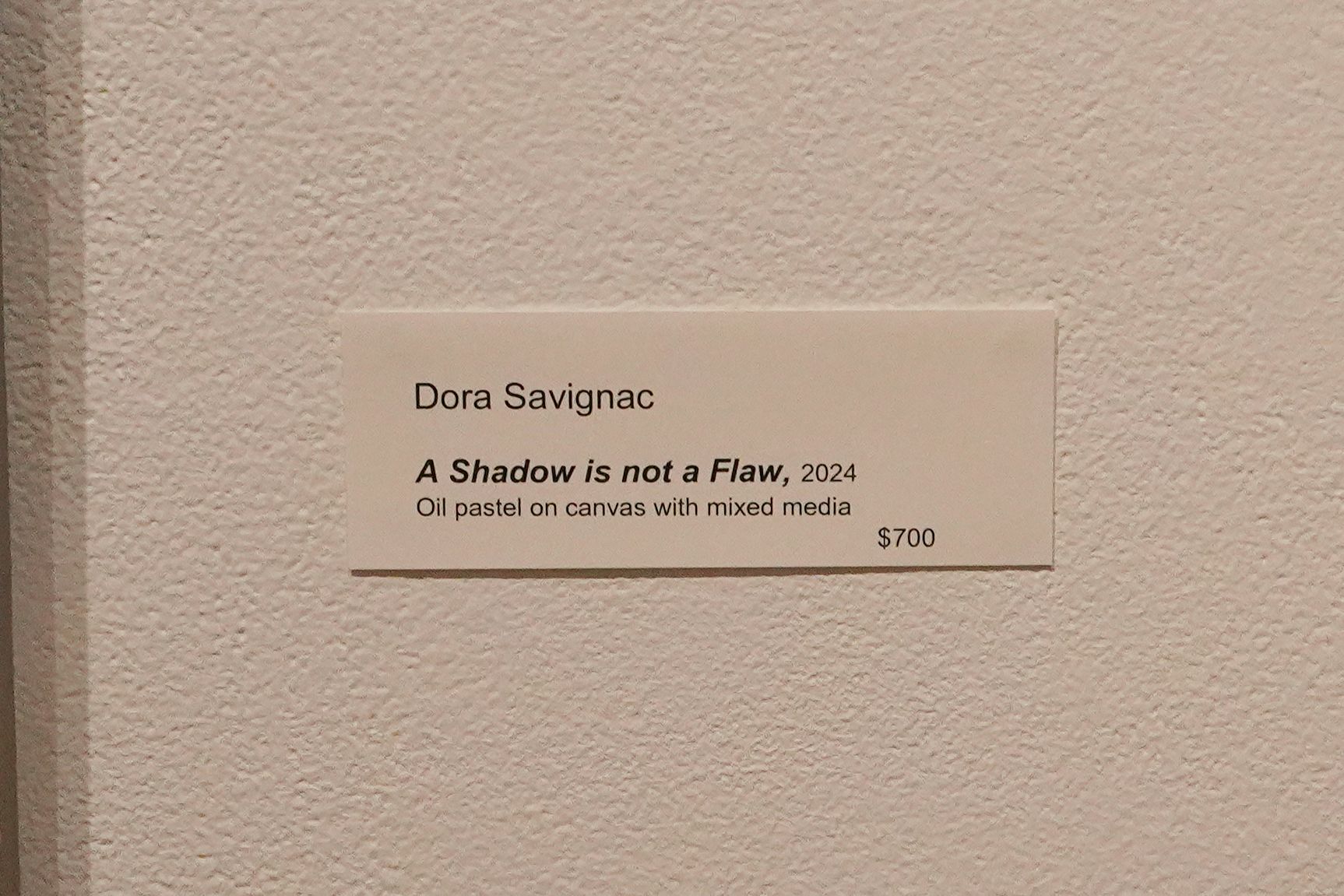
Art made by students and faculty members