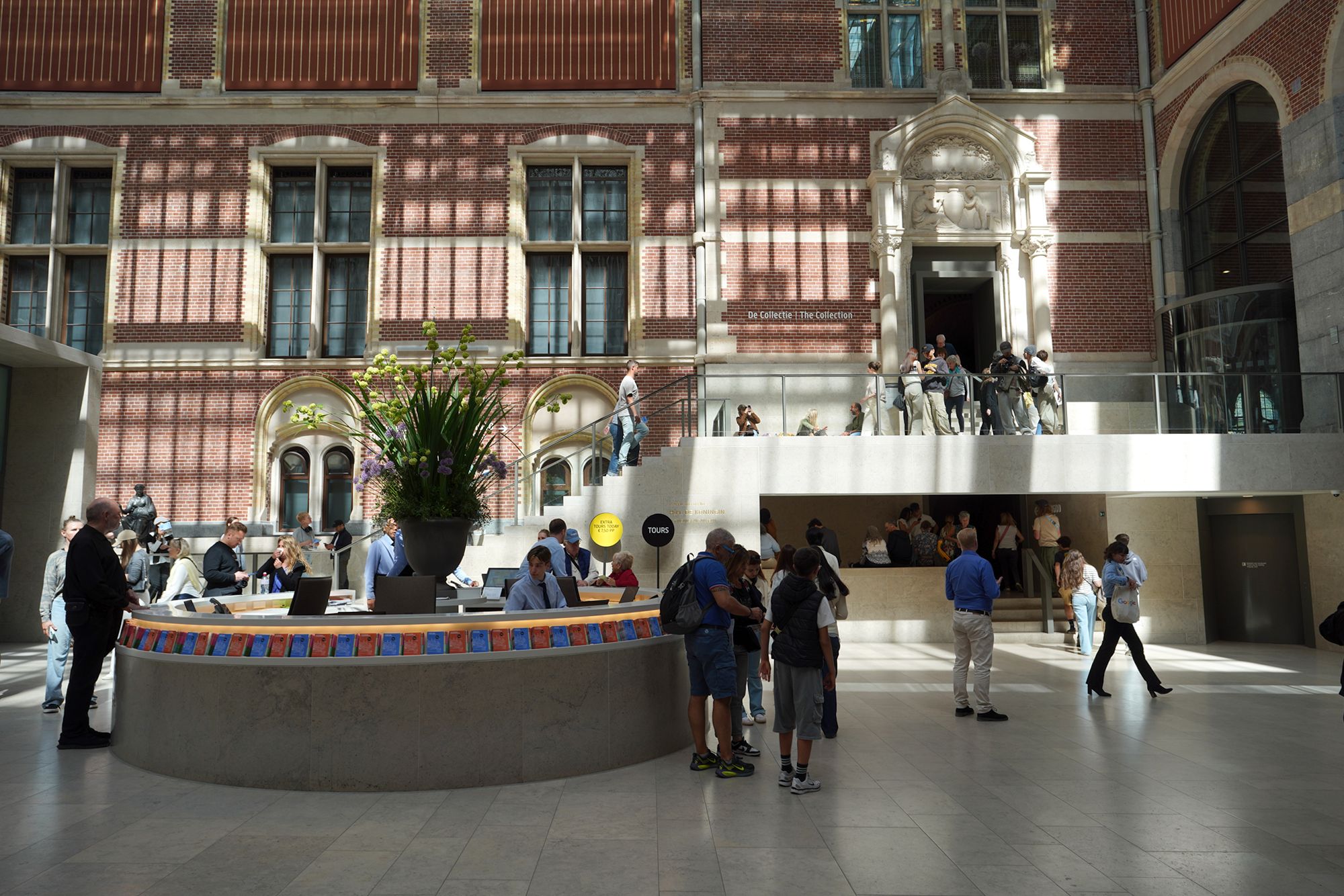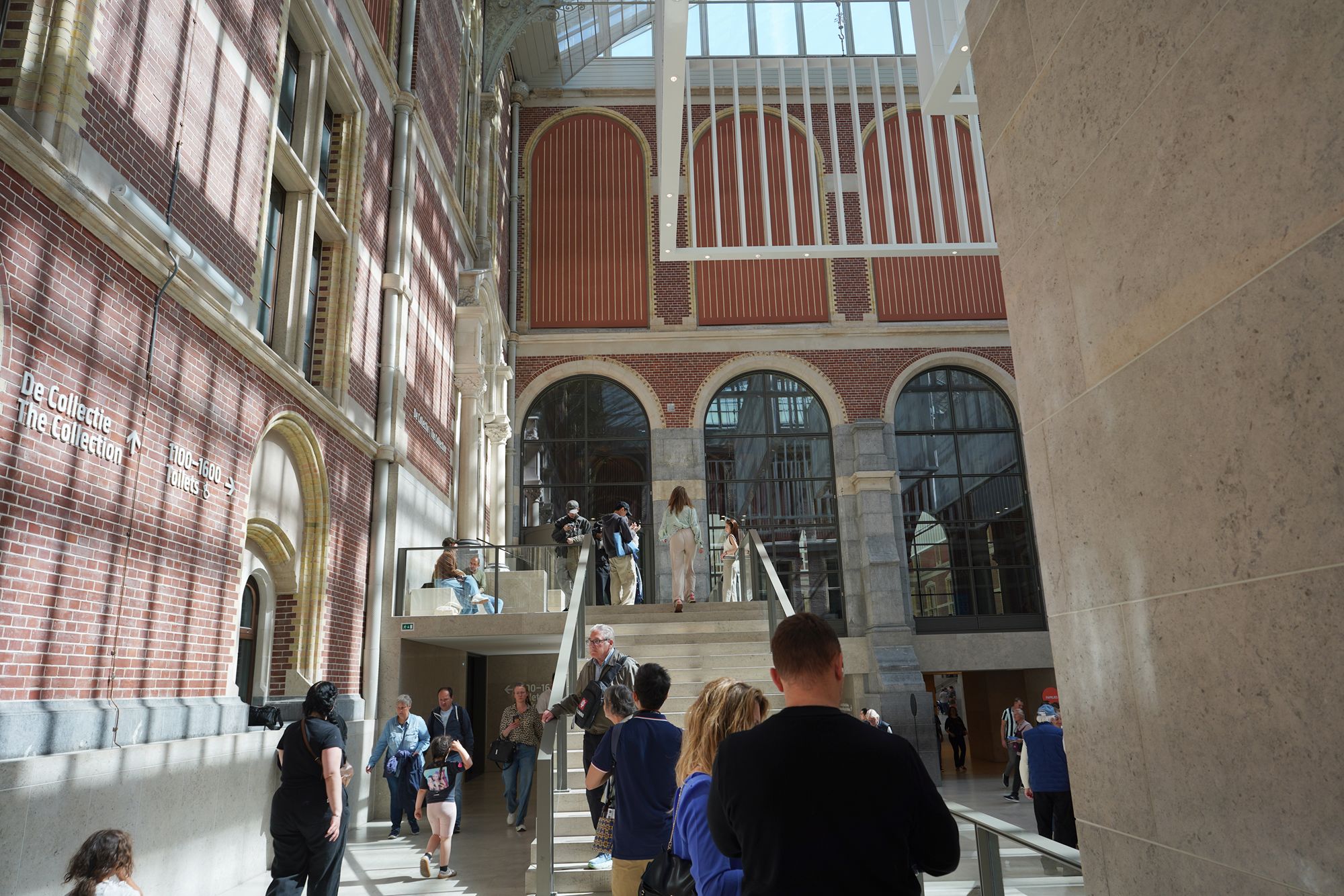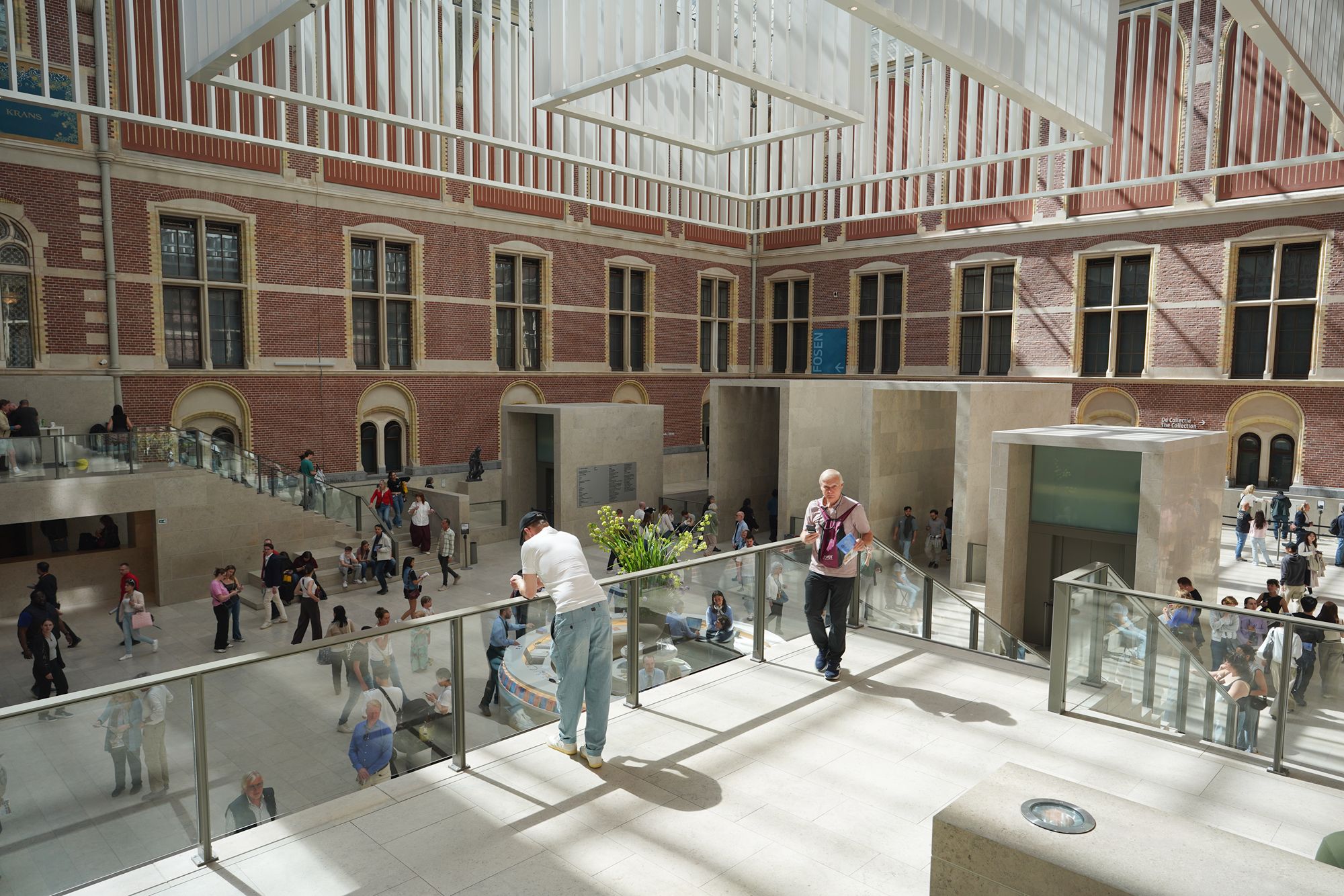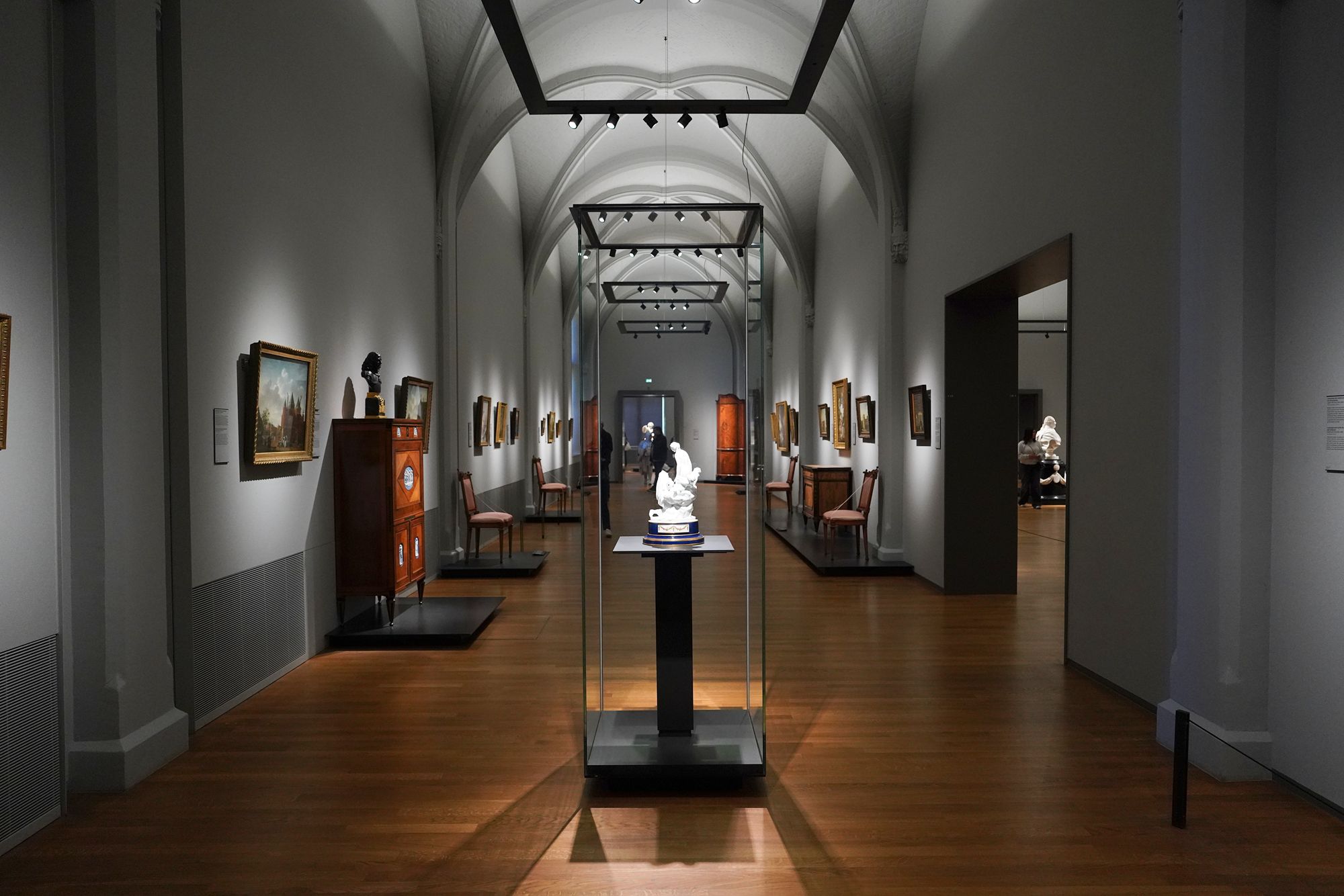
Rijksmuseum – Highlights, 1650 to 1900, Amsterdam, Netherland
The Rijksmuseum showcases masterpieces of Dutch art and history from 1650 to 1900. 1294
Rijksmuseum: Museumstraat 1, 1071 XX Amsterdam, Netherlands
Date Picture Taken: May, 2026
The Rijksmuseum in Amsterdam showcases masterpieces of Dutch art and history, with highlights from 1650 to 1900, including works by Rembrandt, Vermeer, and other celebrated artists.
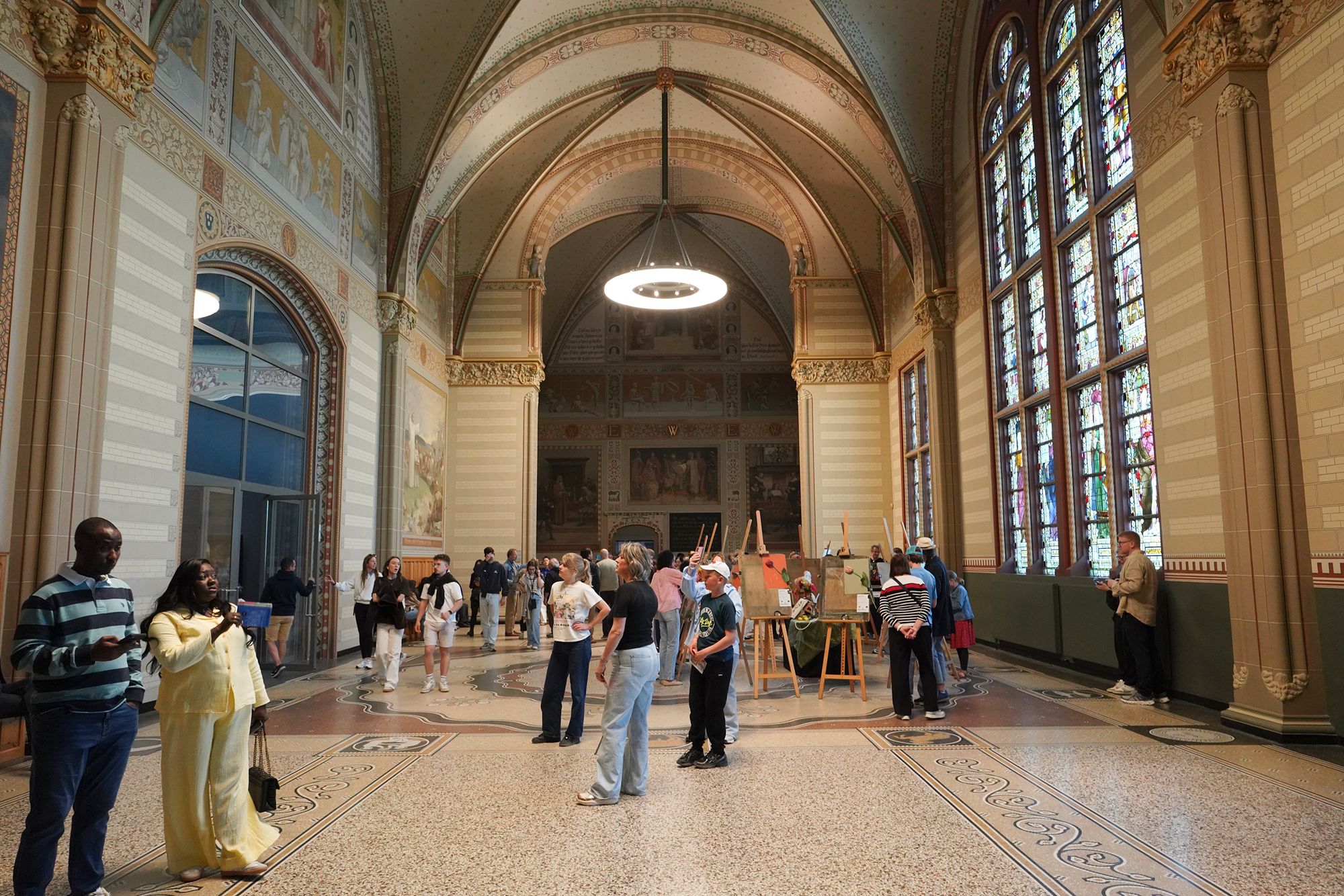
The Rijksmuseum showcases Dutch art from 1650 to 1700, the height of the Dutch Golden Age.

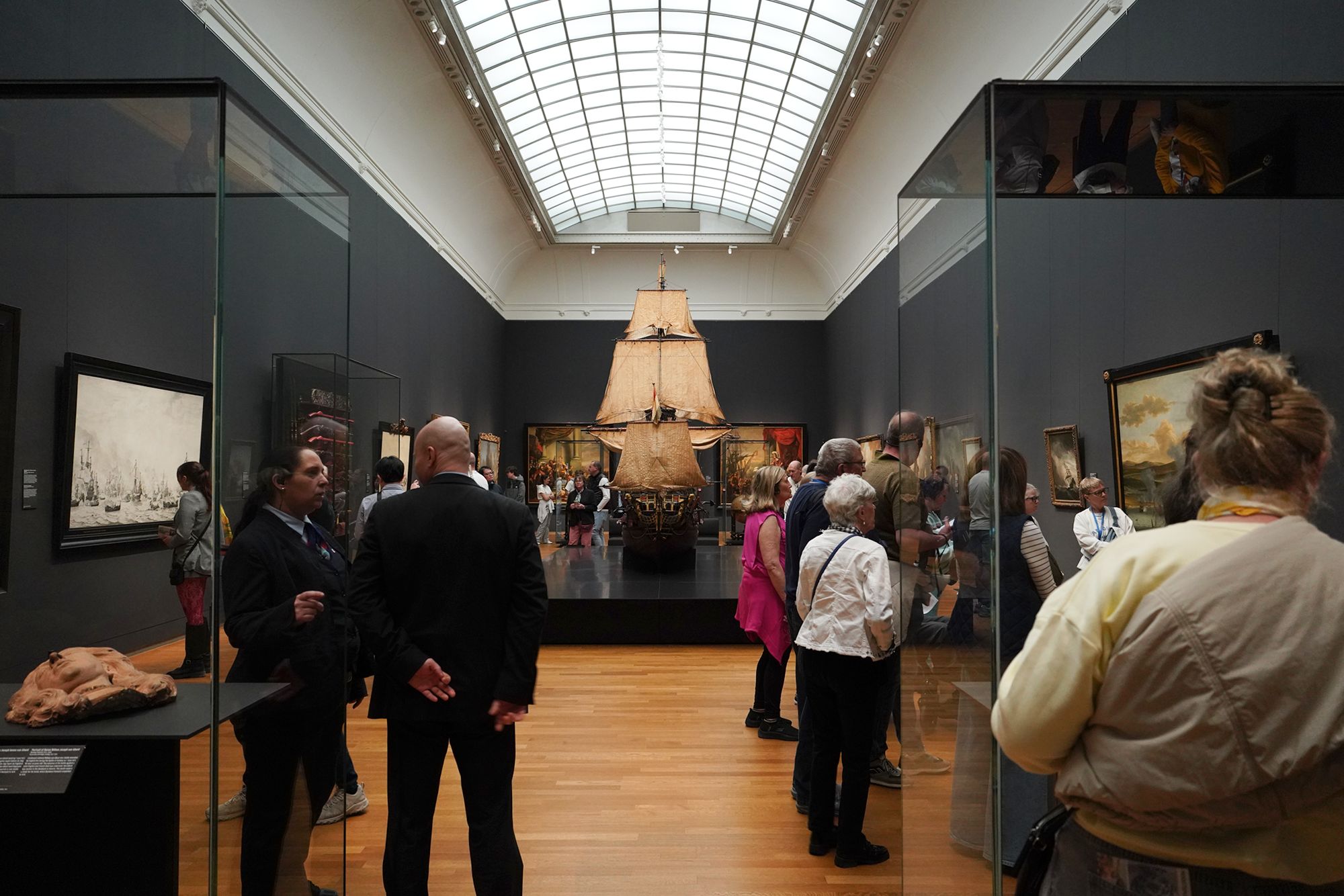
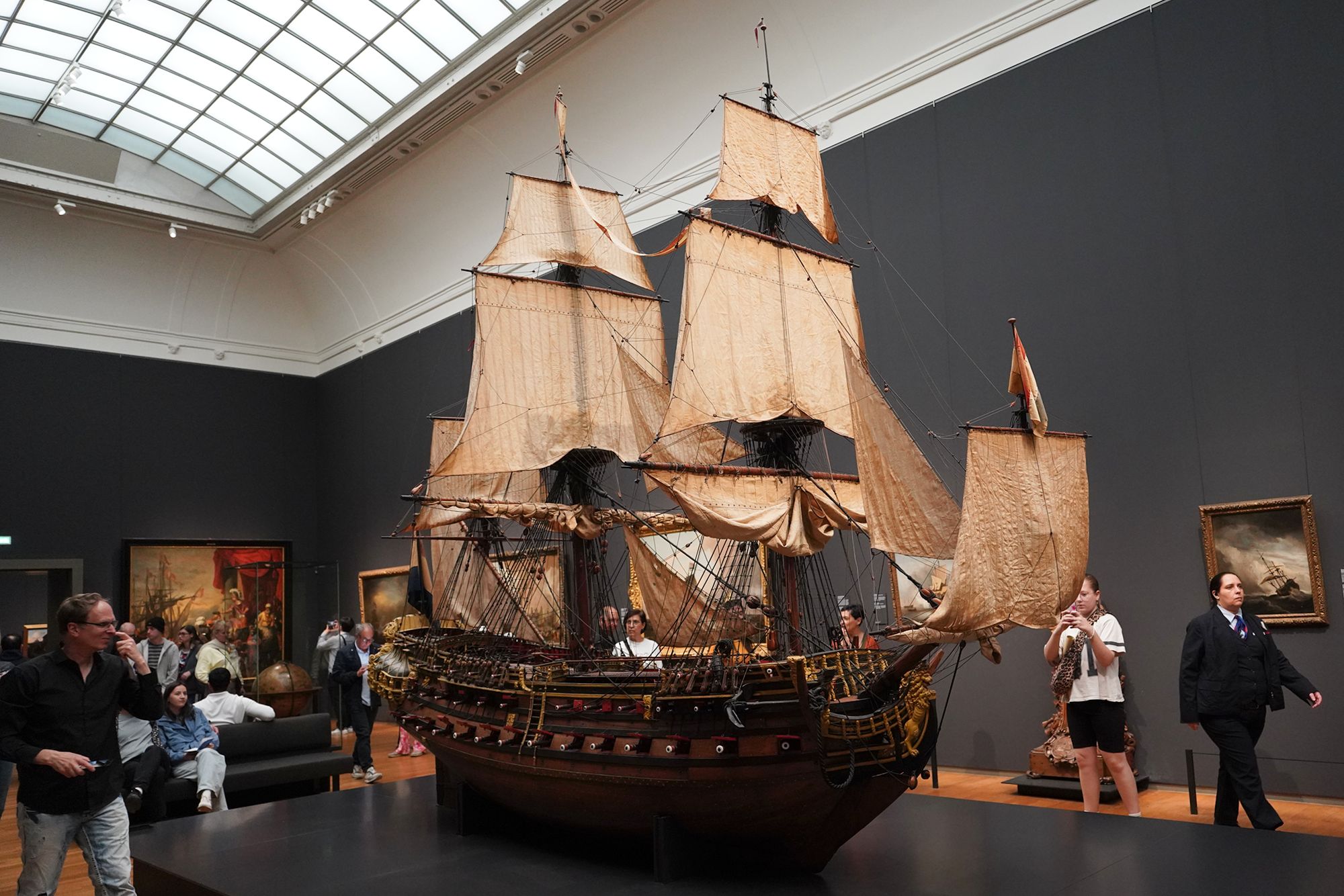
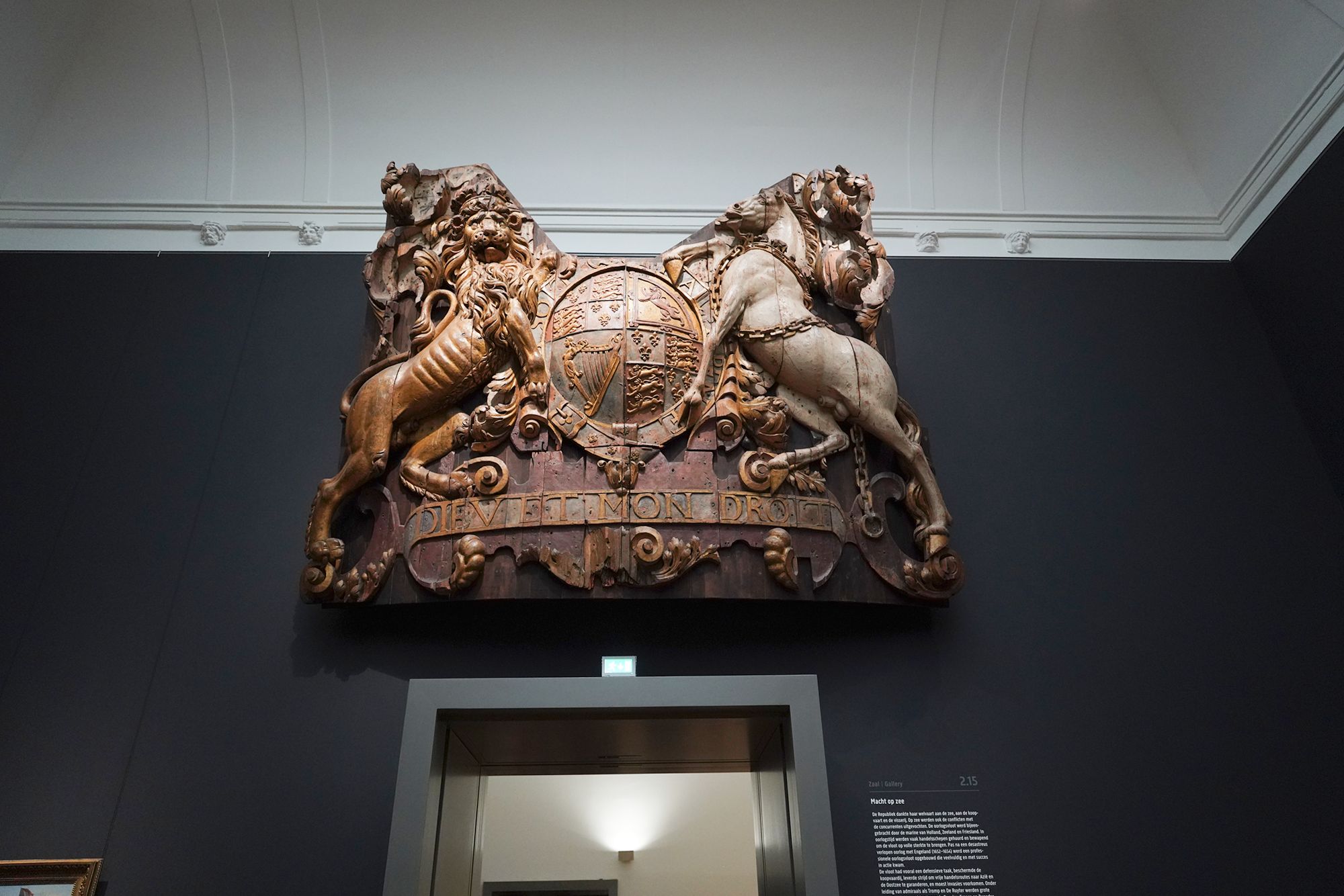
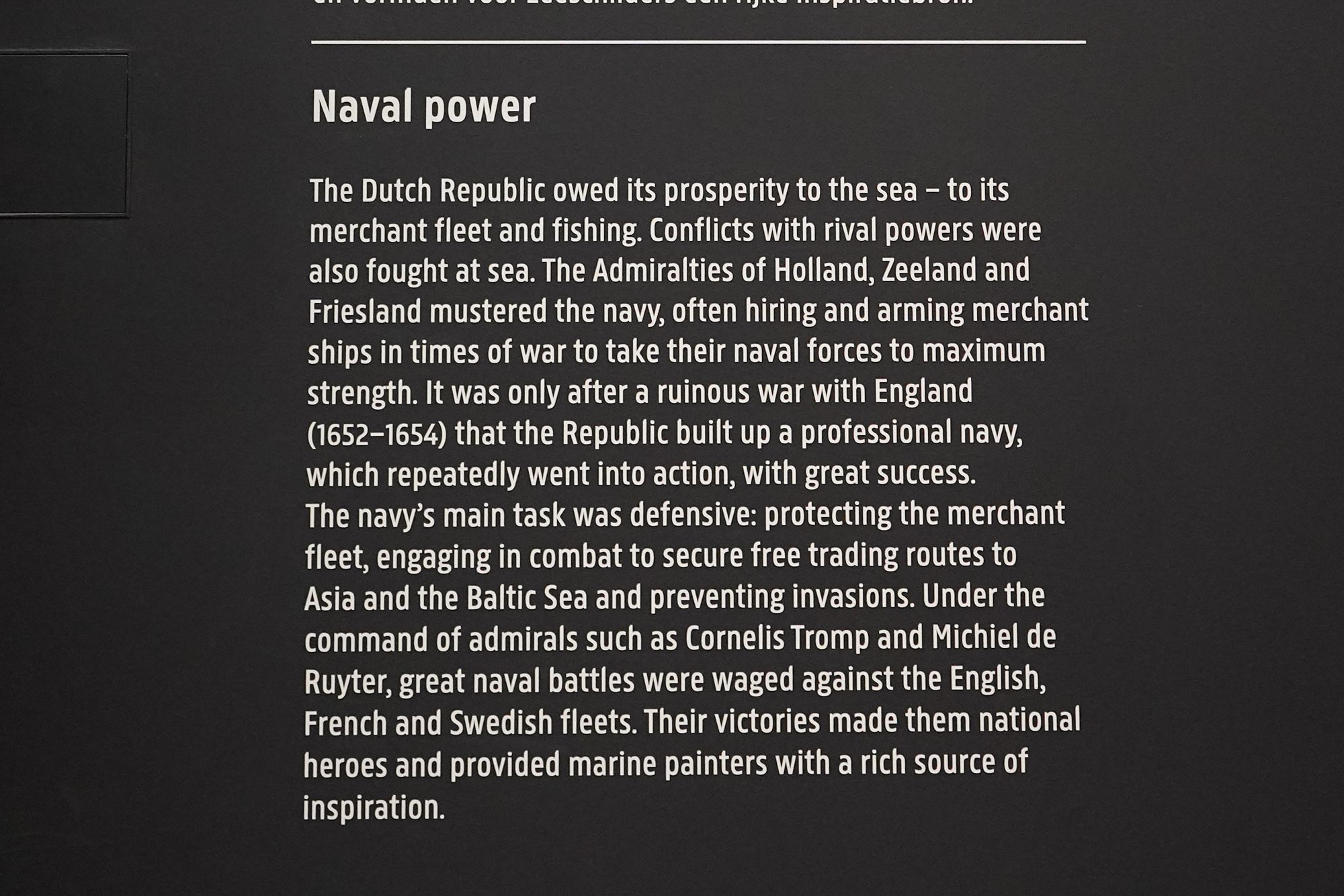
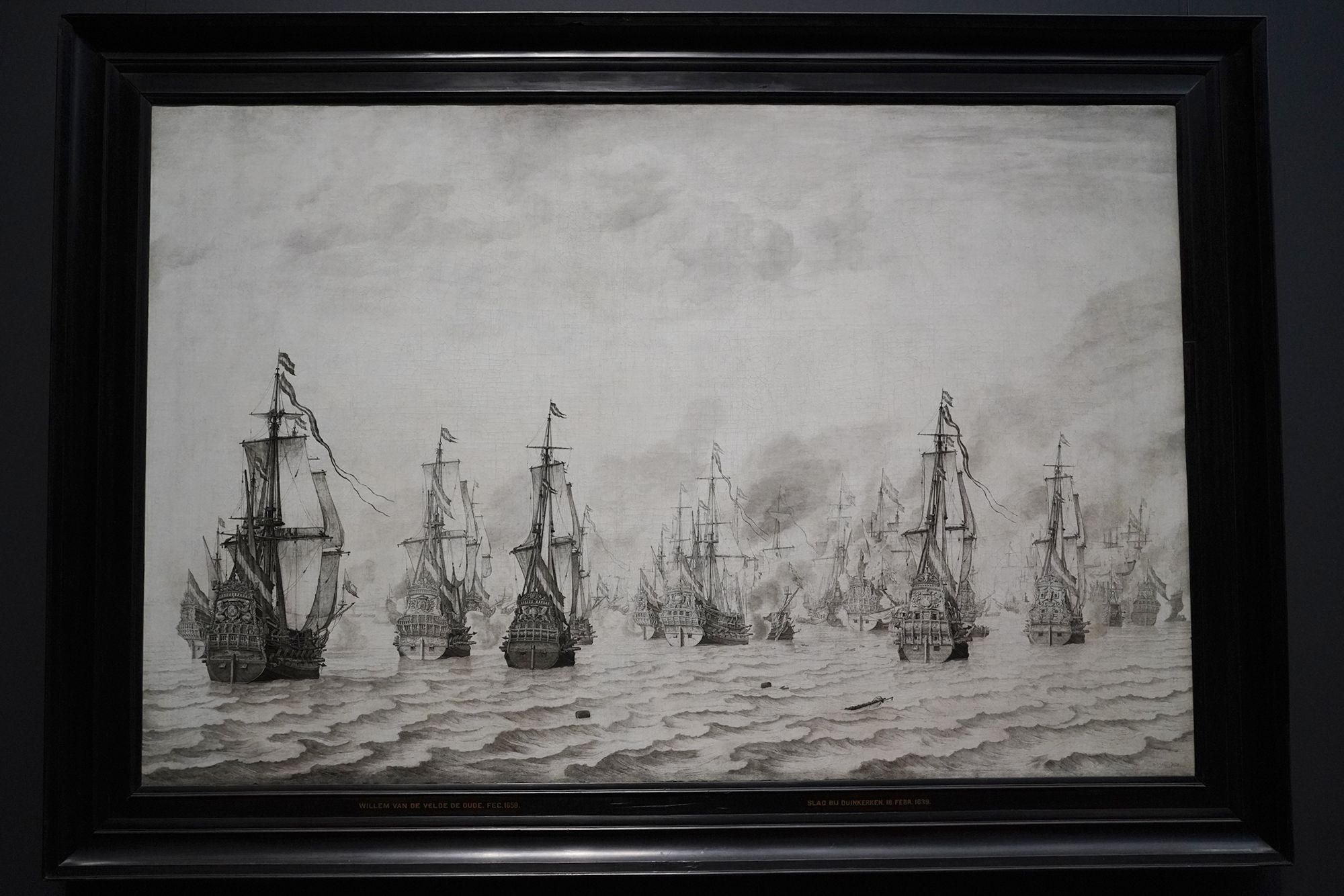
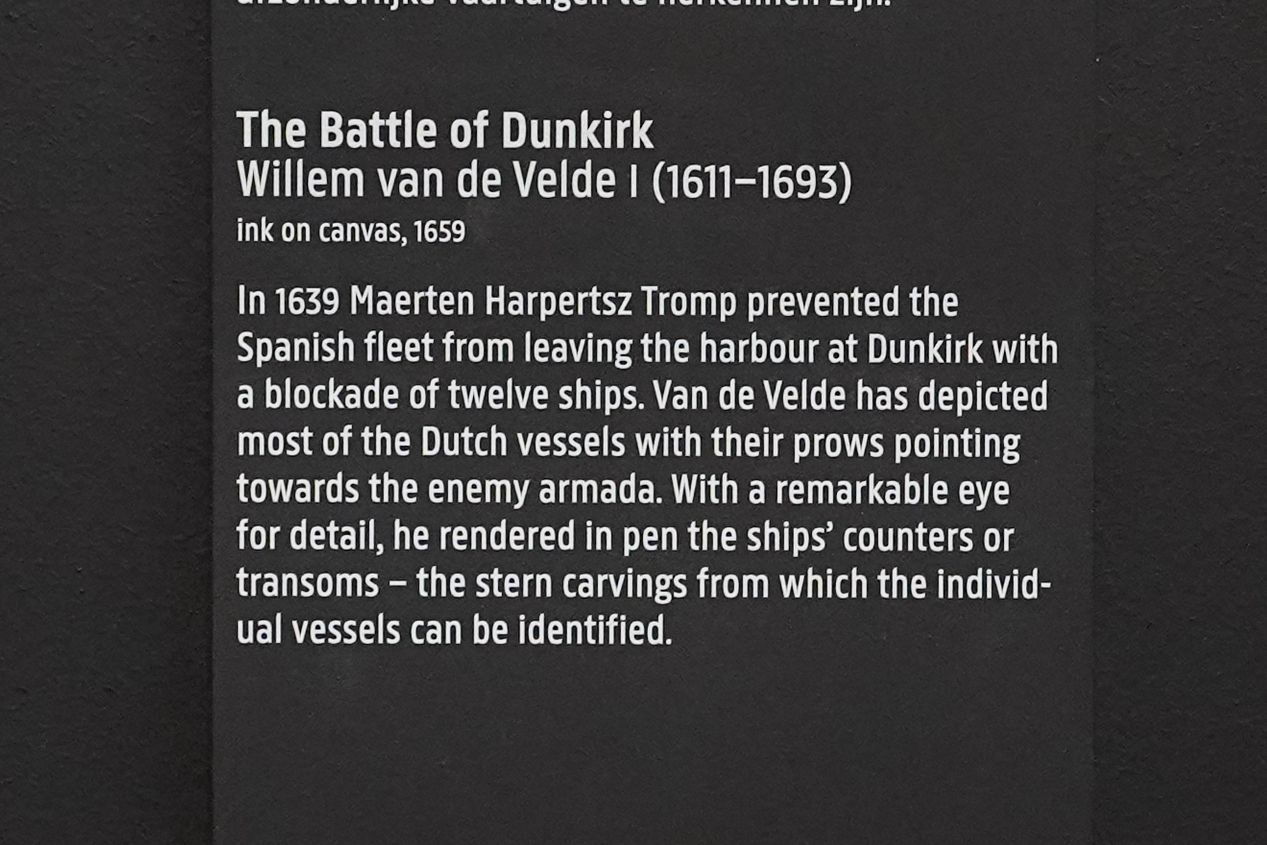
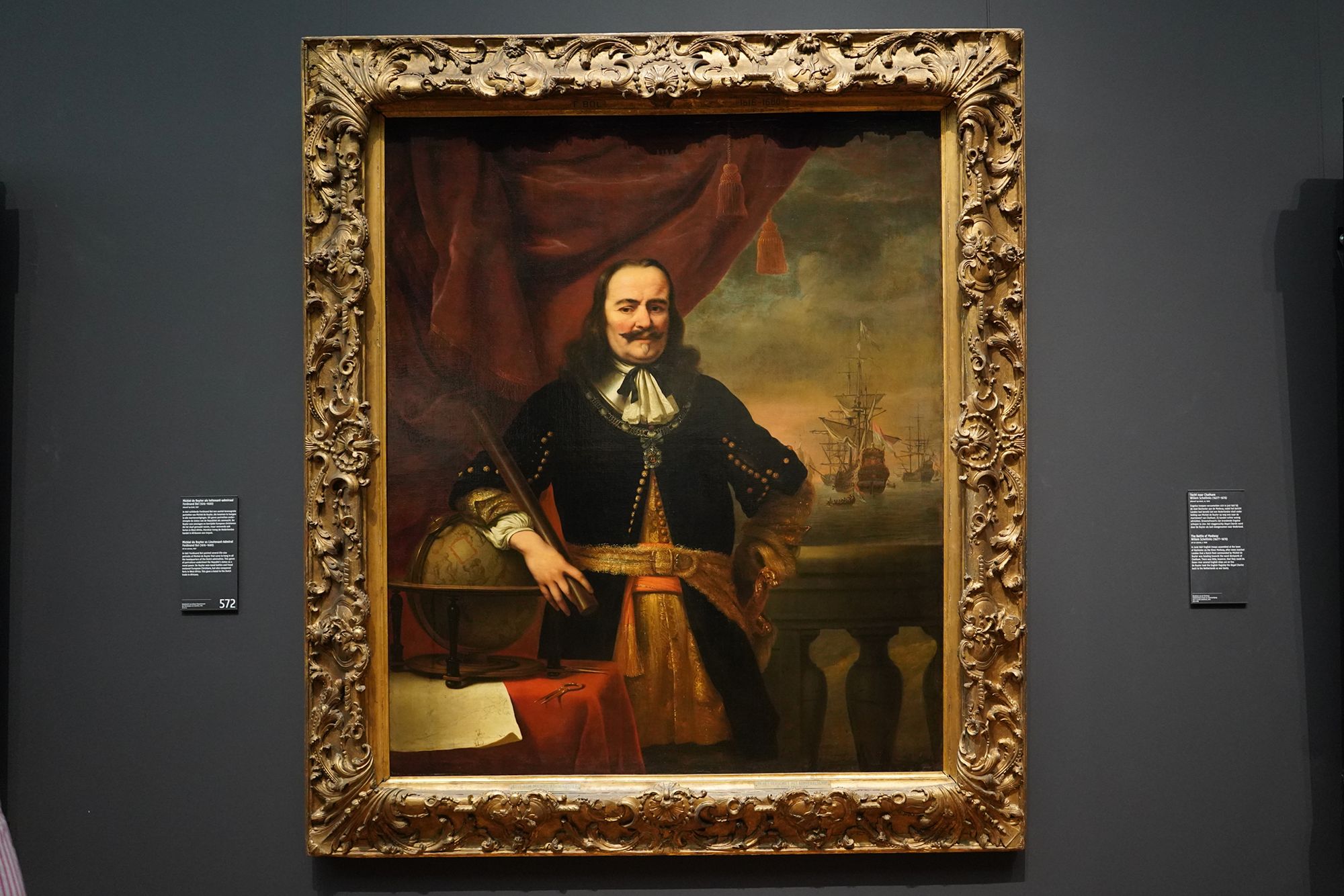
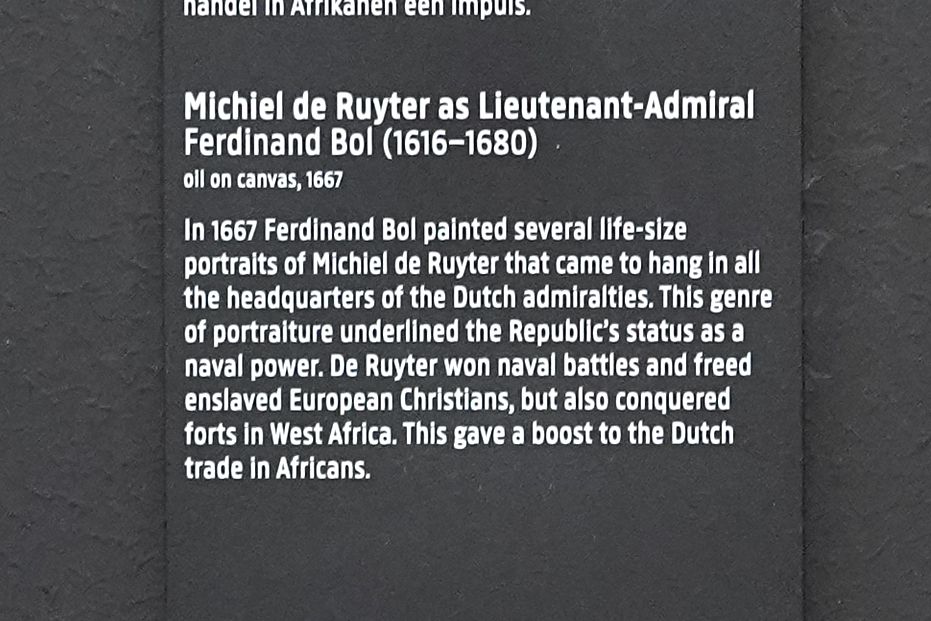
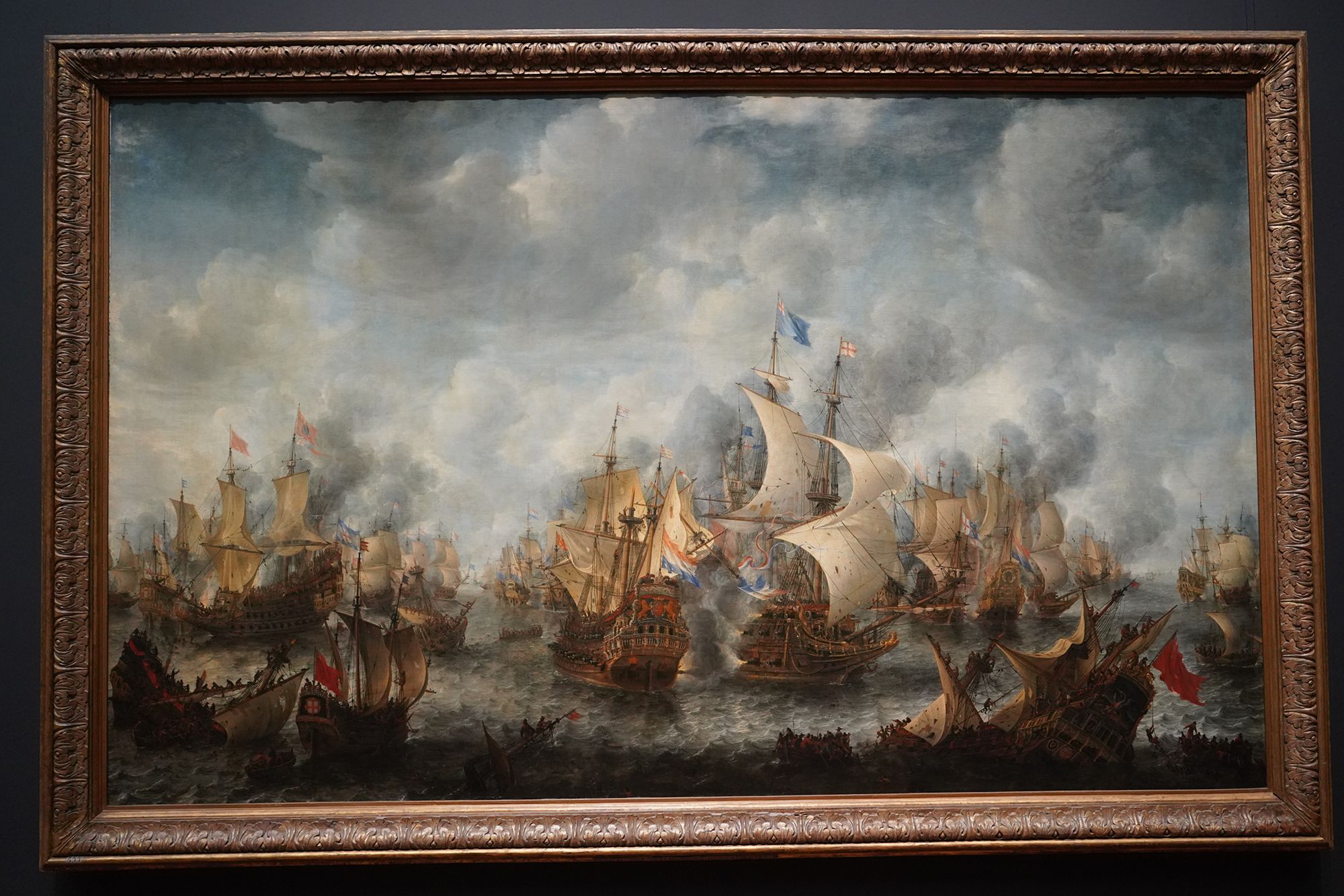
The Dutch Republic’s prosperity depended heavily on its powerful navy, which protected its merchant ships and important trade routes during the 17th century.
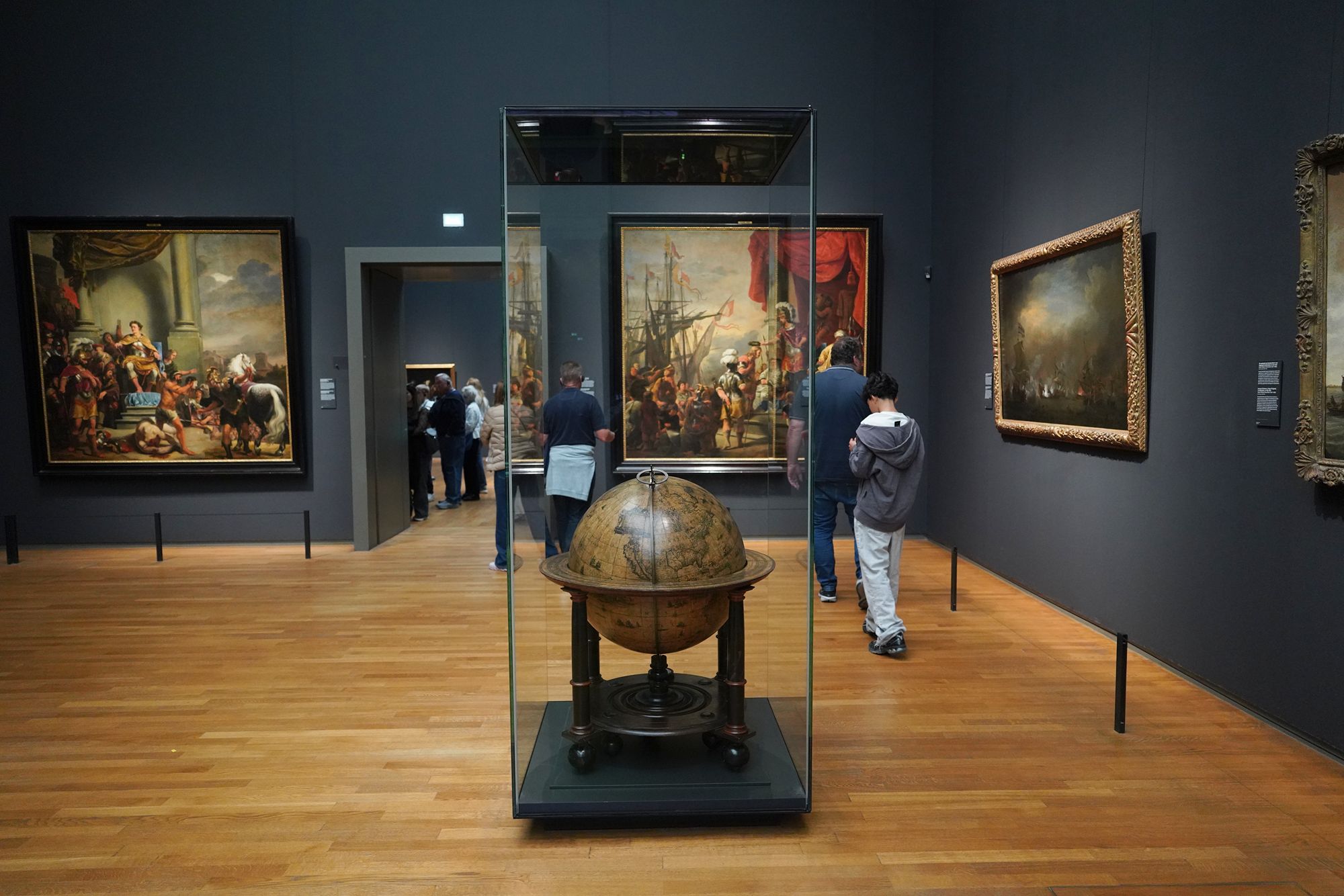

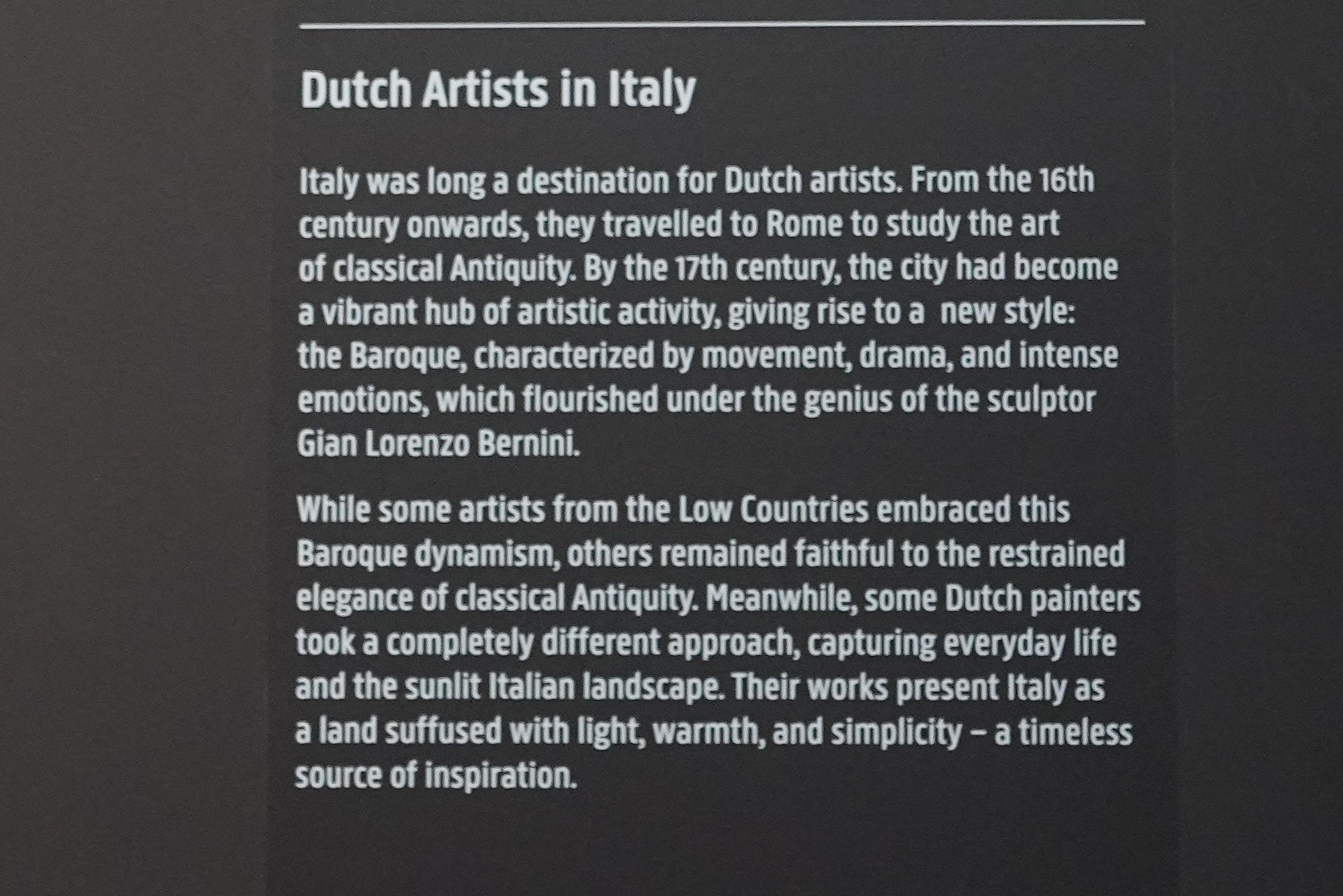
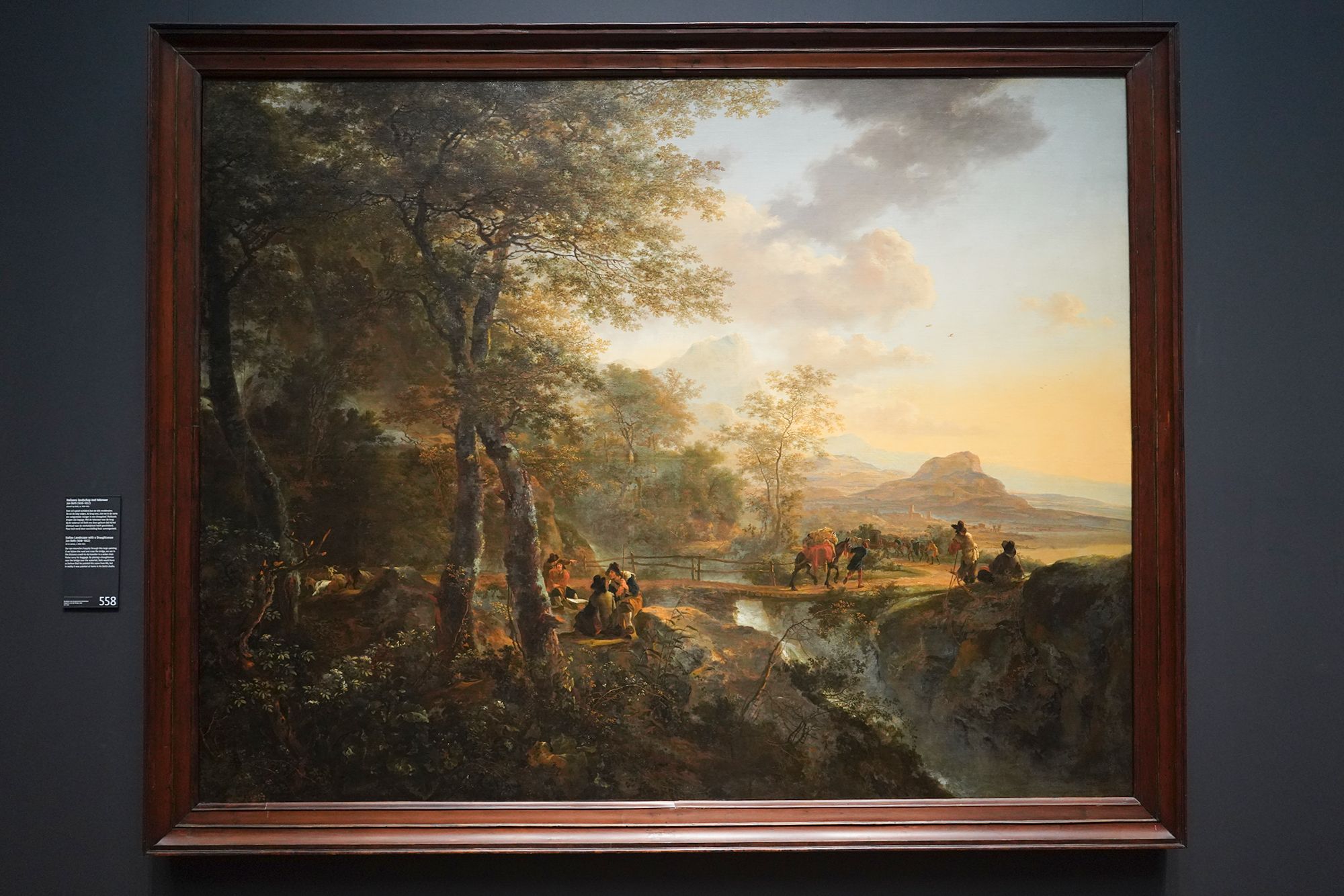
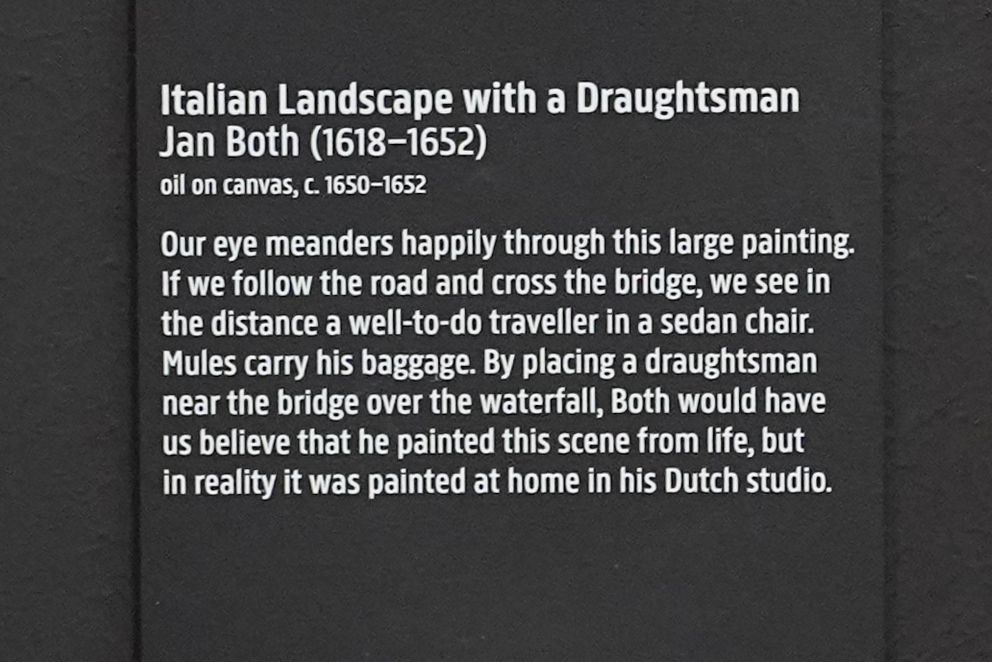
Dutch artists traveled to Italy for centuries, inspired by classical antiquity, Baroque art, and the sunlit Italian landscape.
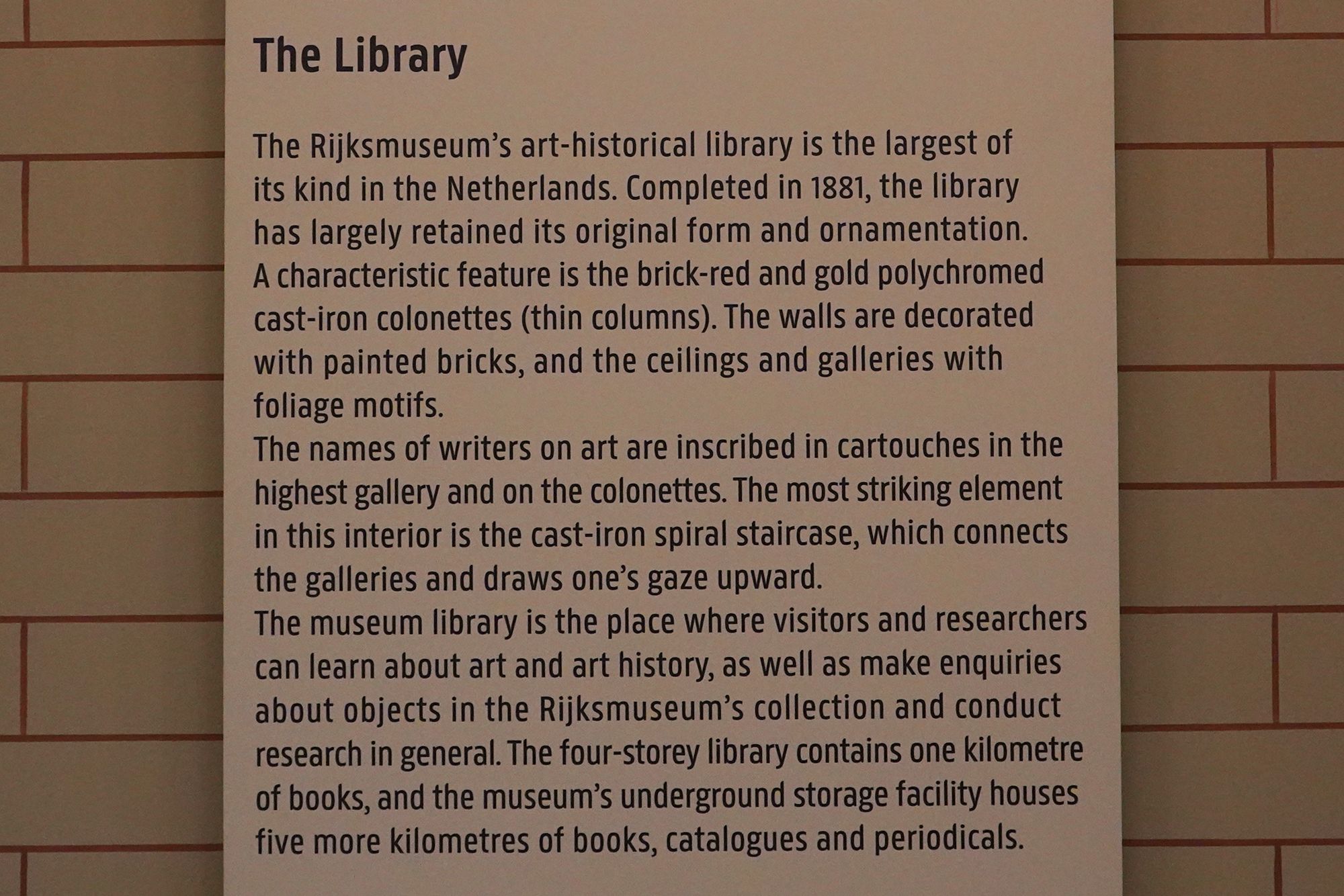
The Rijksmuseum’s beautiful four-story library, completed in 1881, is the largest art-historical library in the Netherlands.
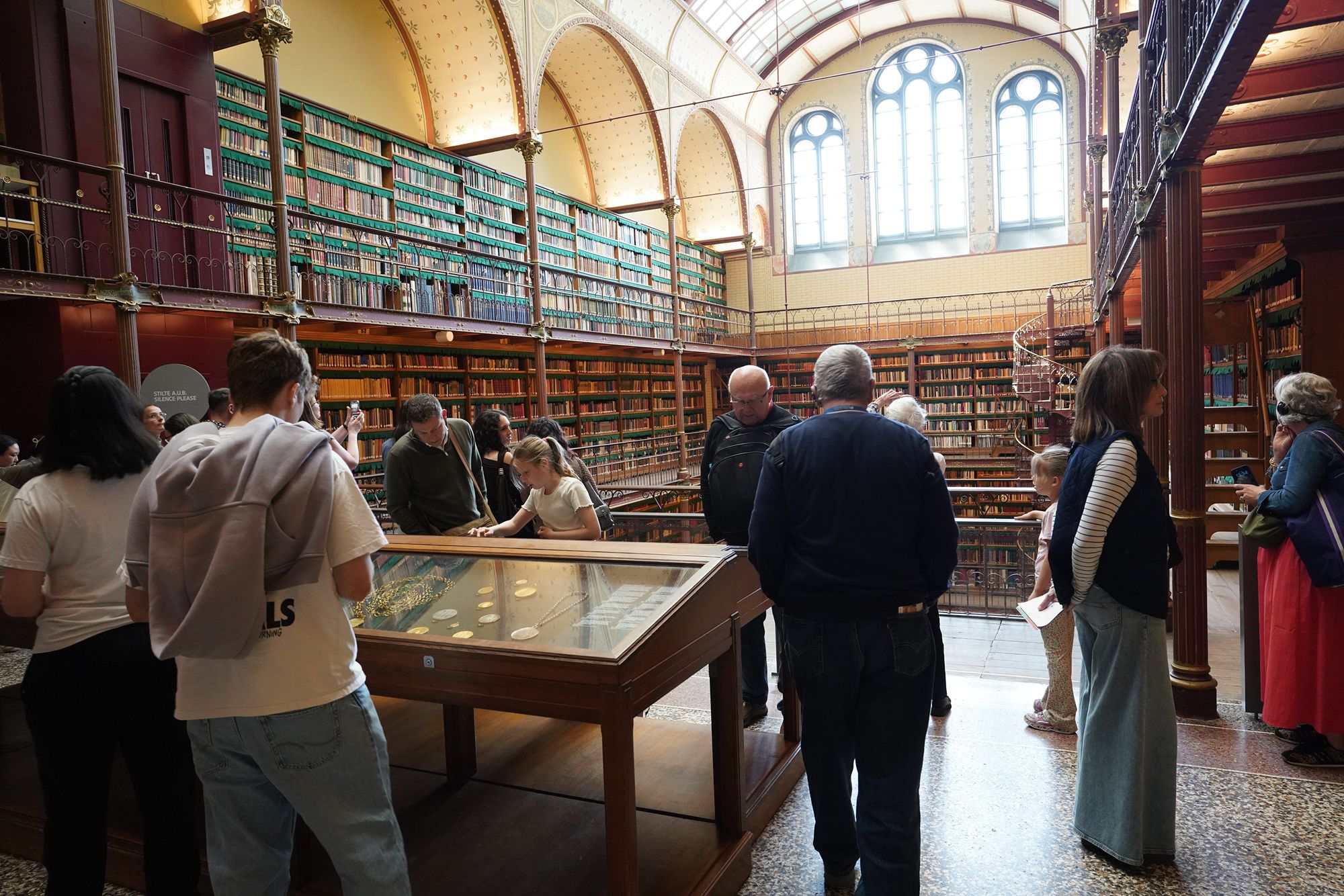
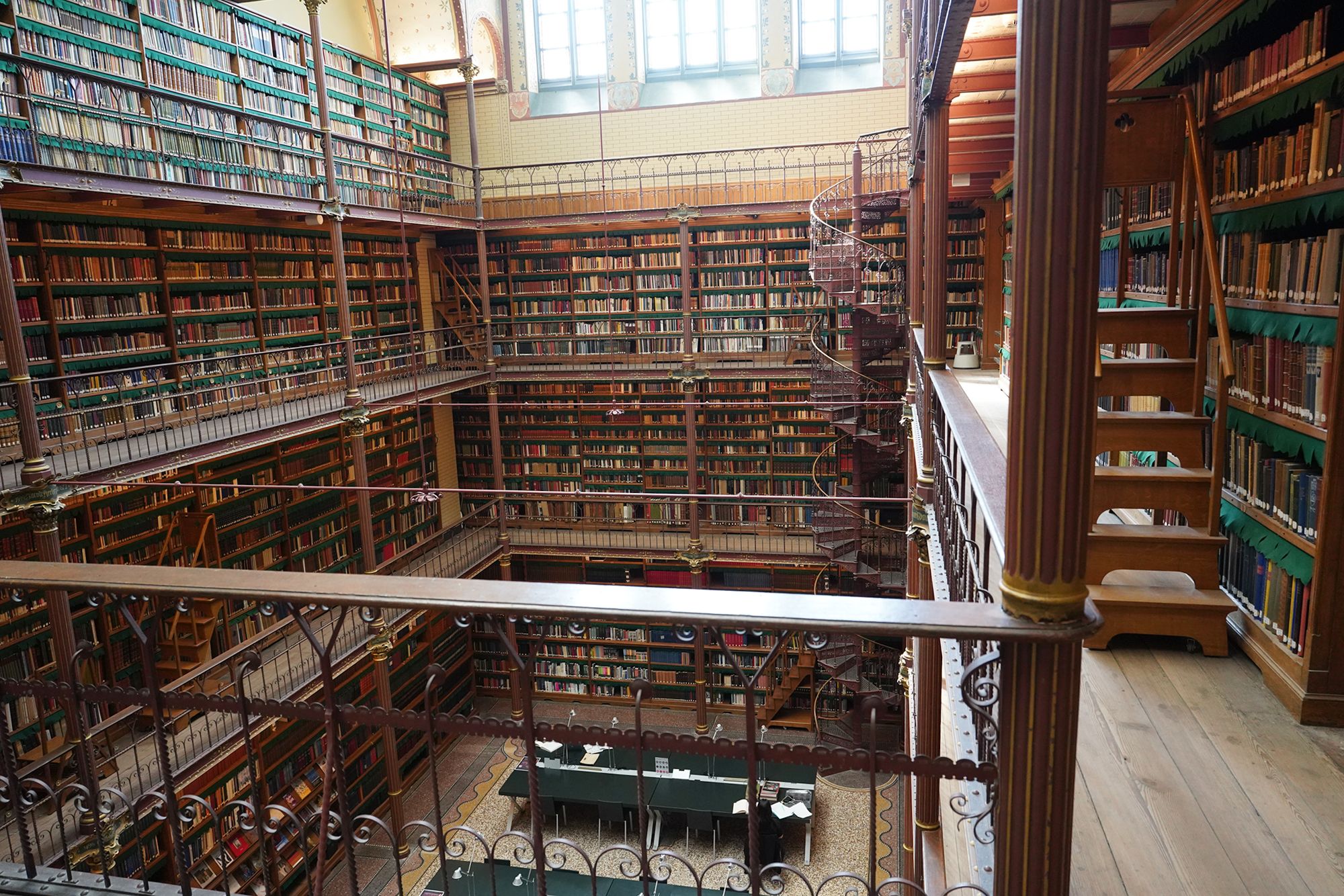
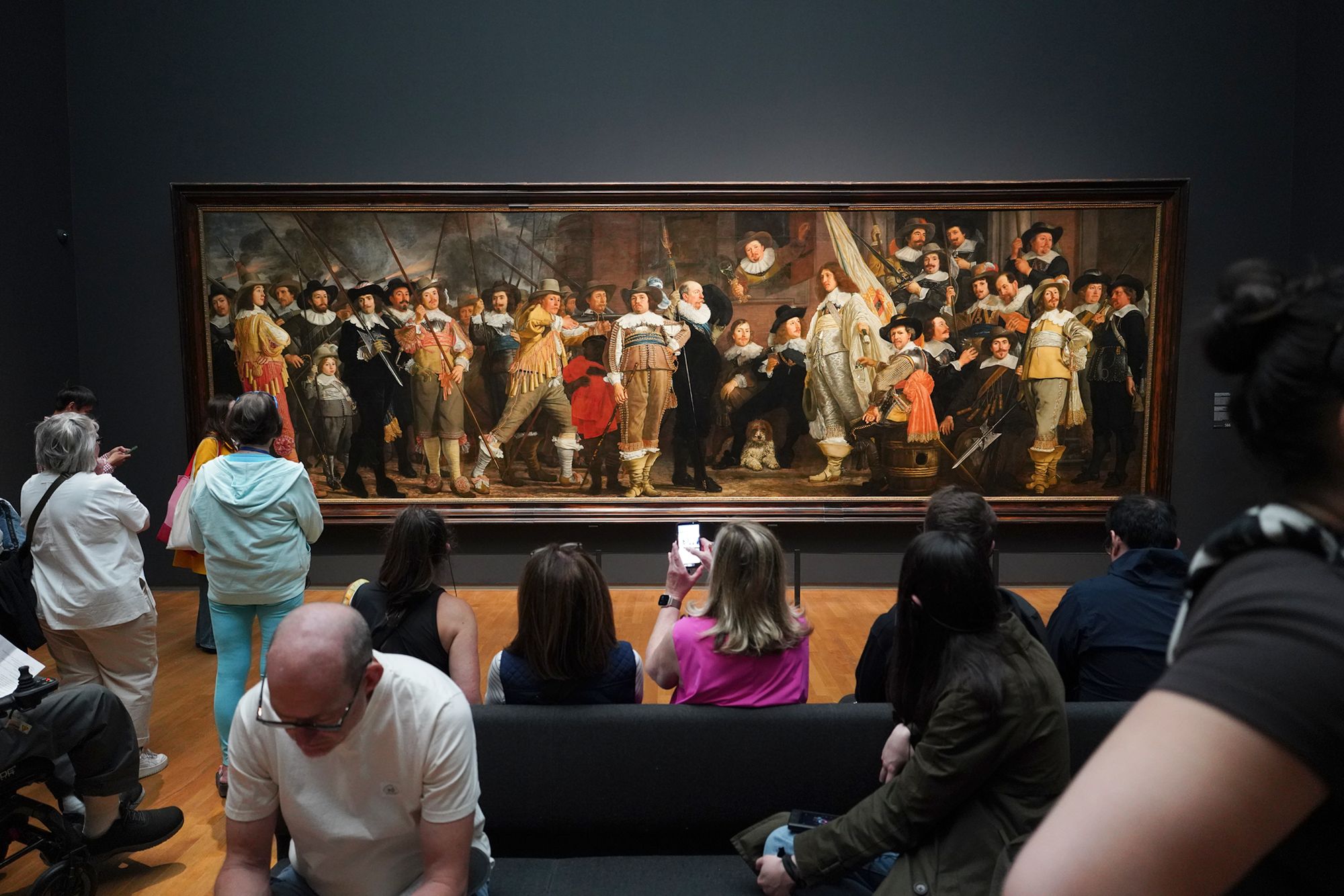
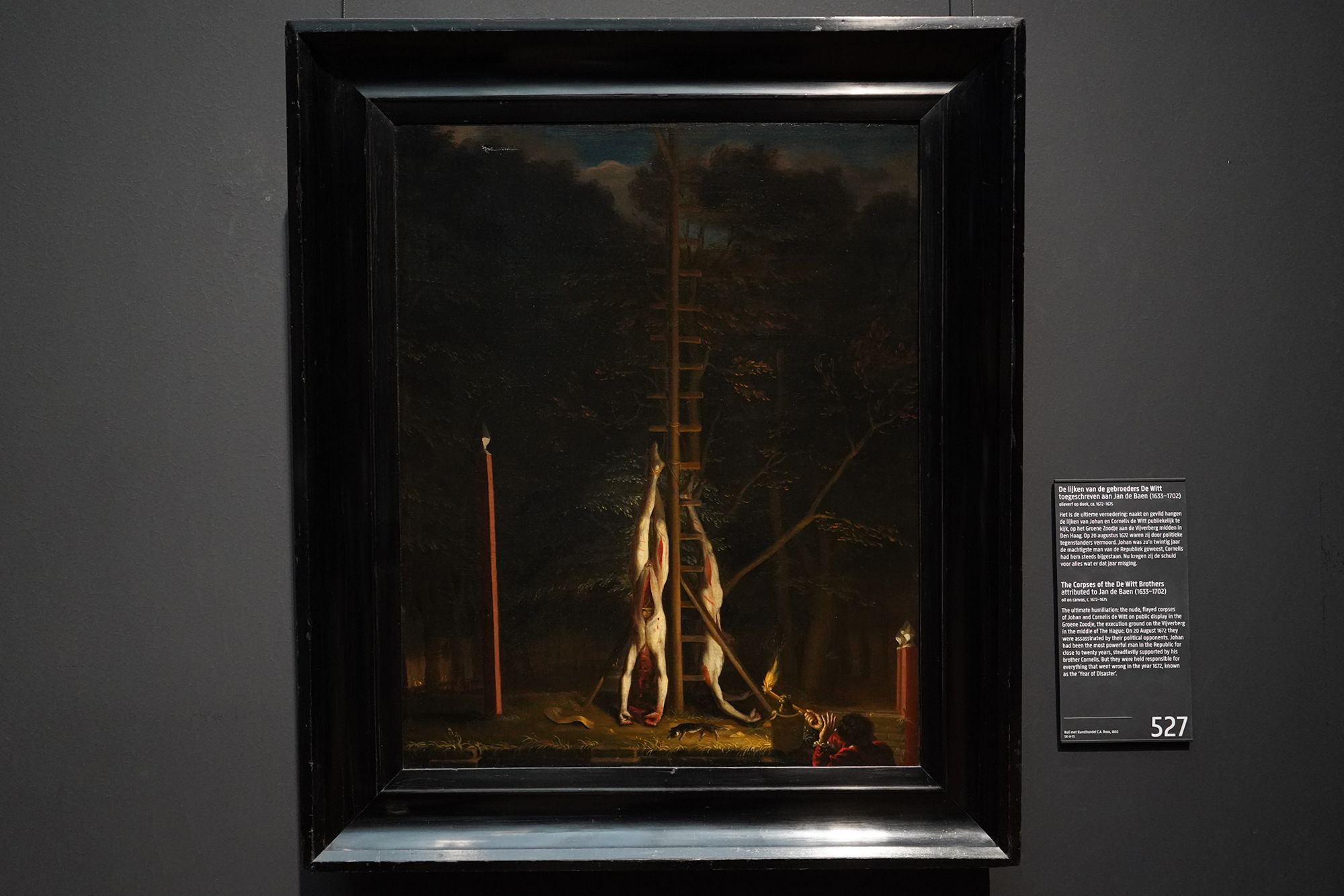
During the mid-17th century, the Dutch Republic had no head of state, and political power was largely held by wealthy citizens and regents led by Johan de Witt.
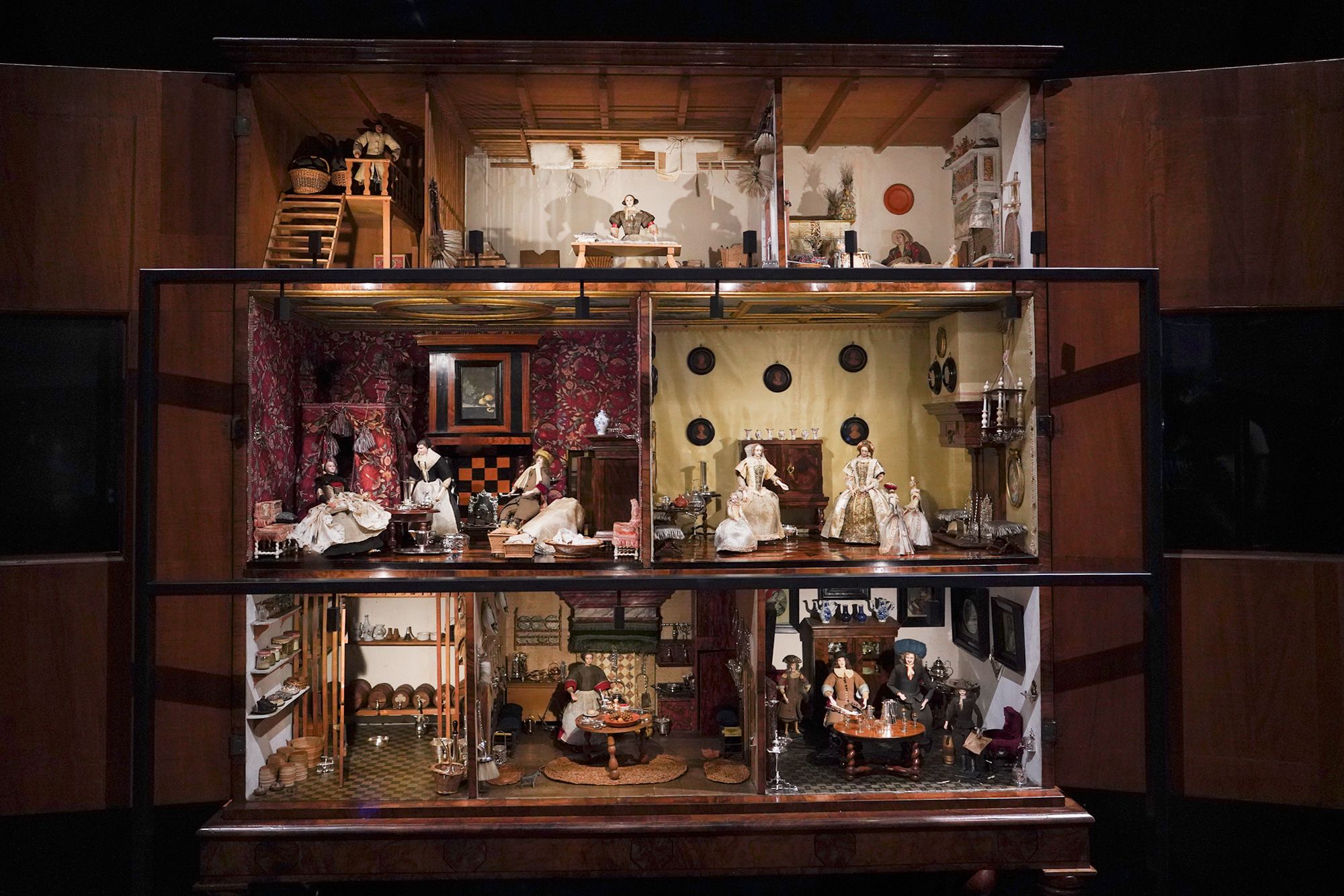
In the 17th century, wealthy Dutch citizens built grand town houses, especially along Amsterdam’s canals, with luxurious interiors that displayed their wealth and status.
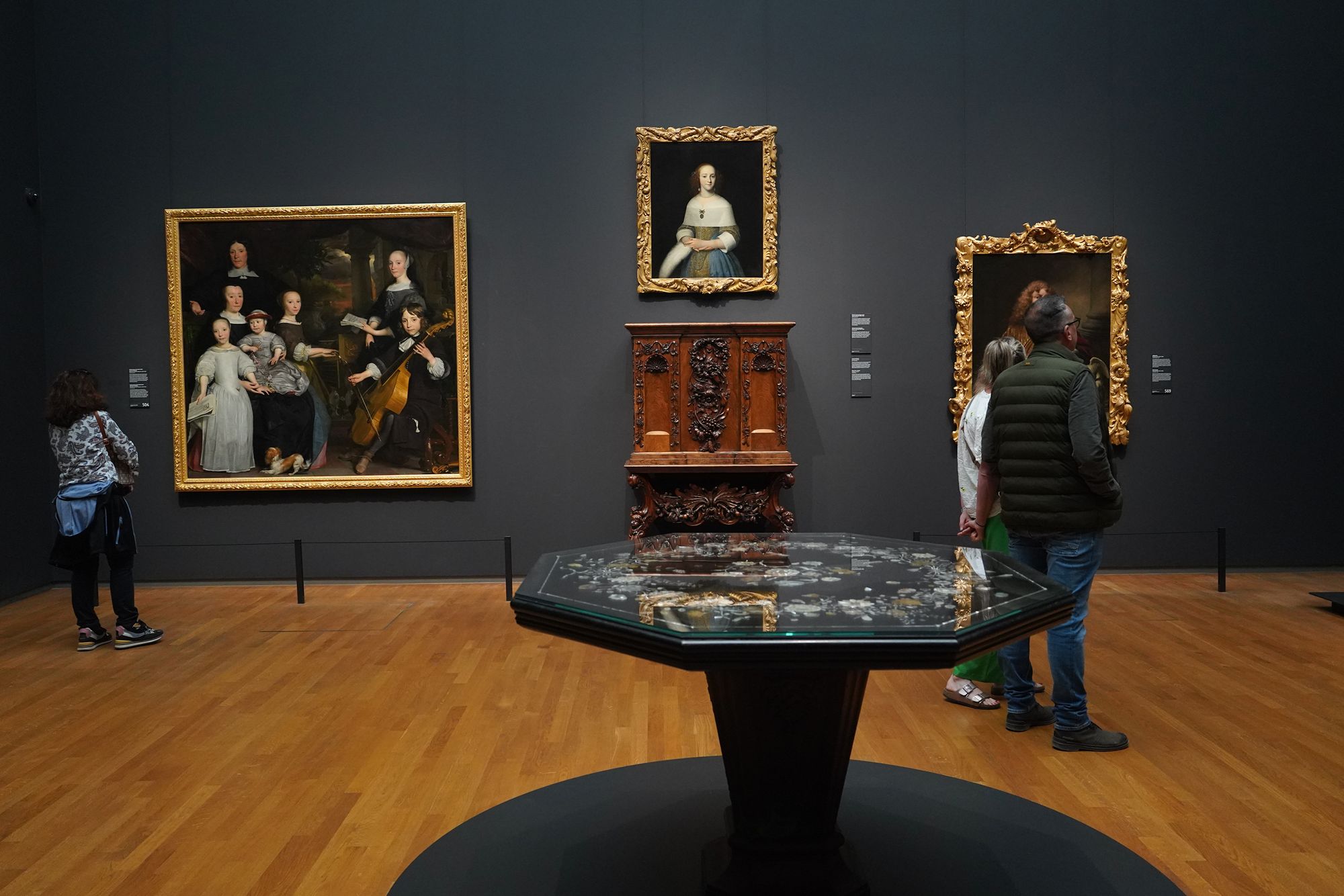
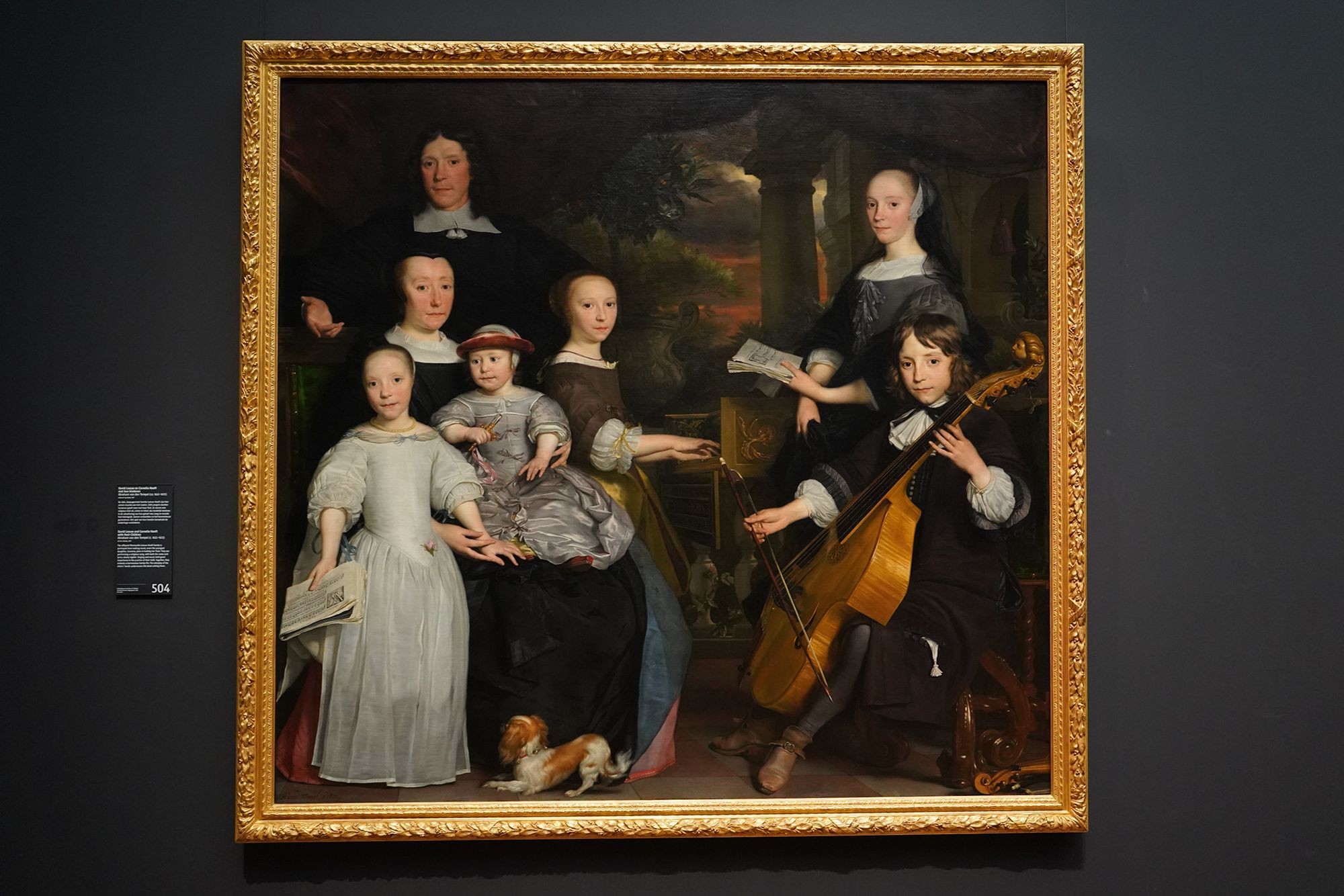
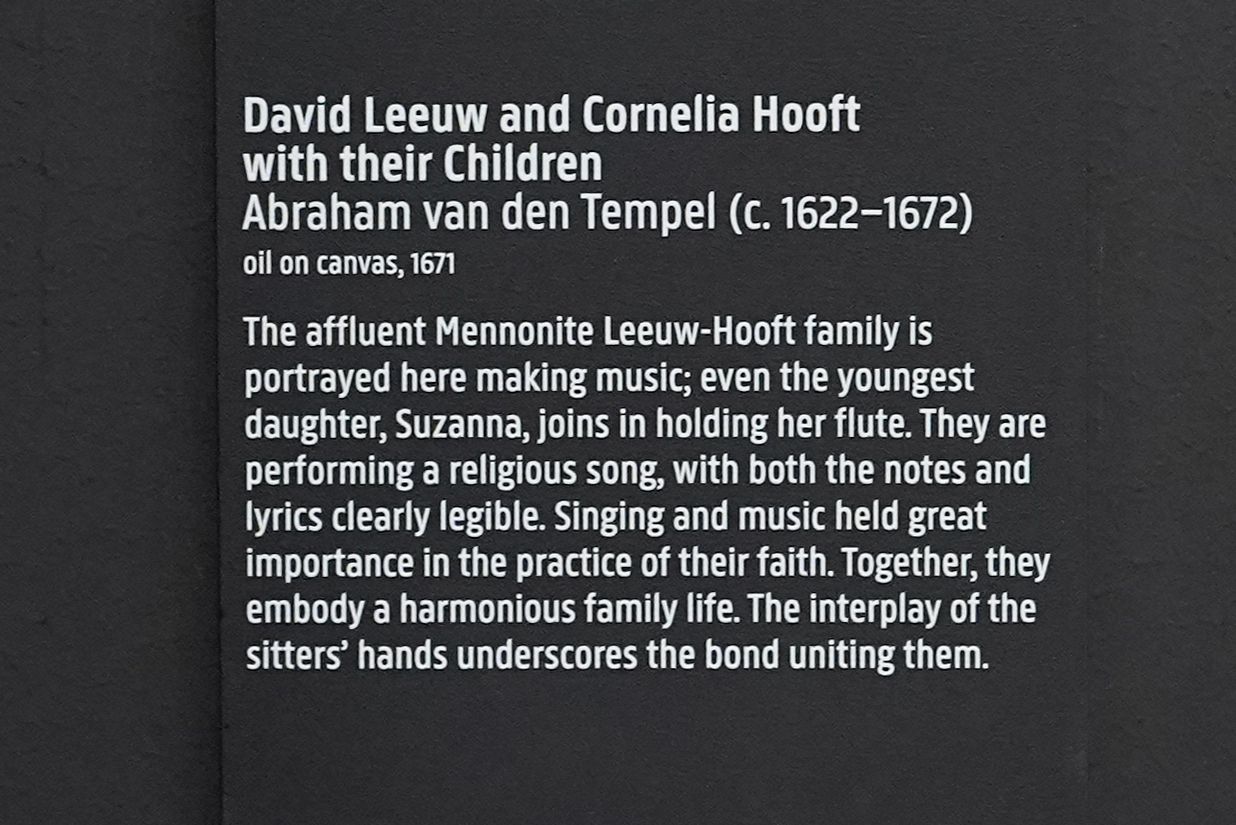
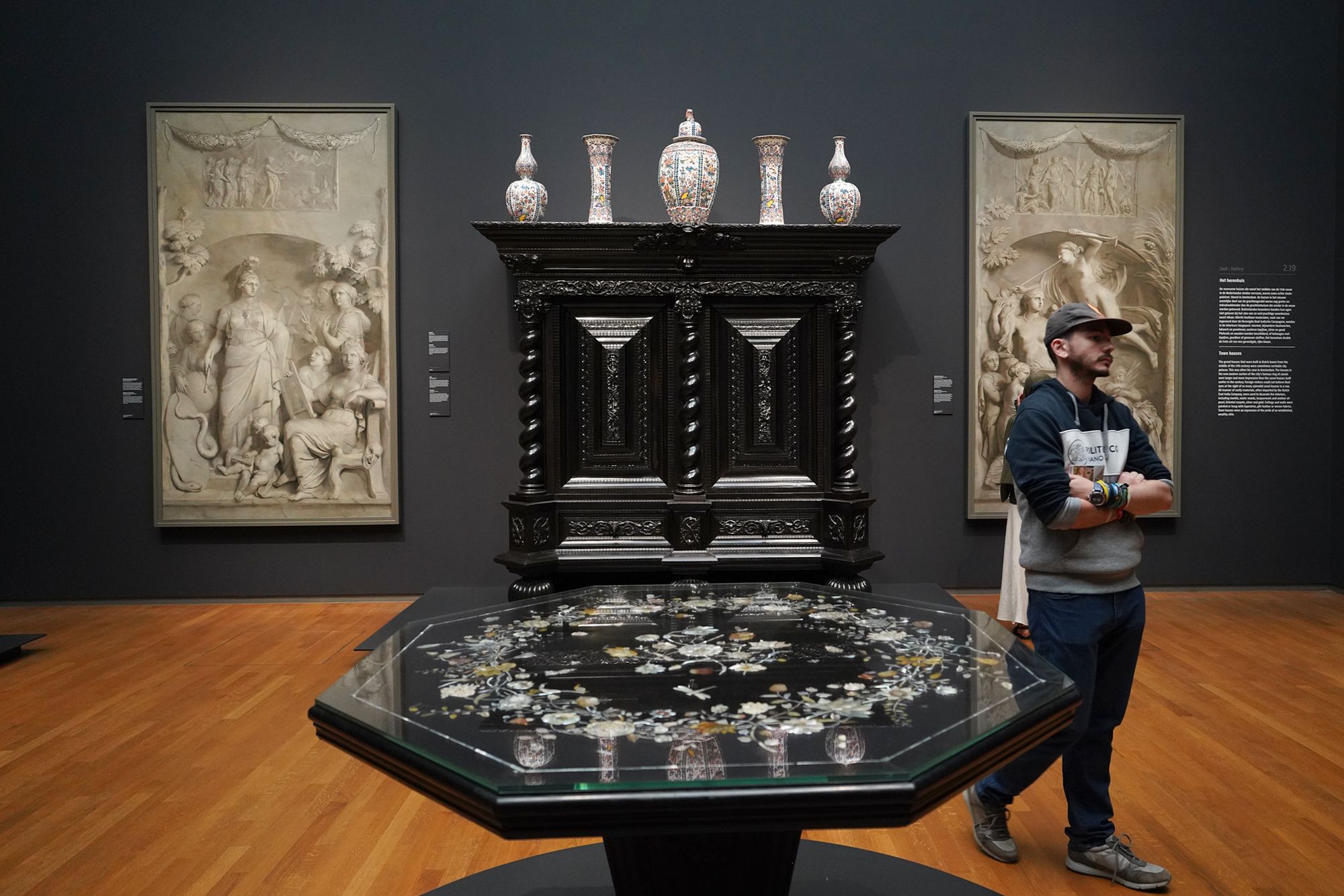
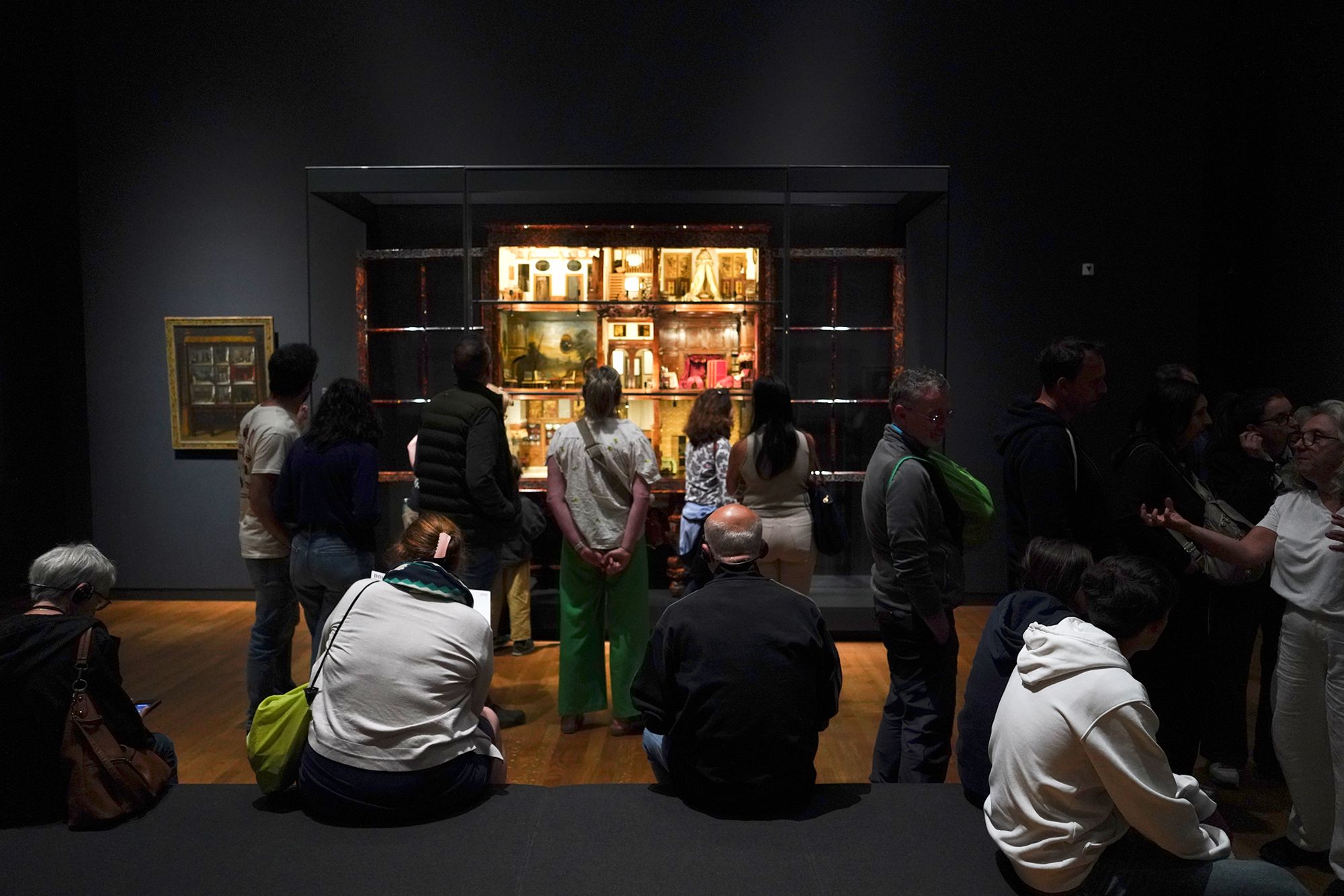
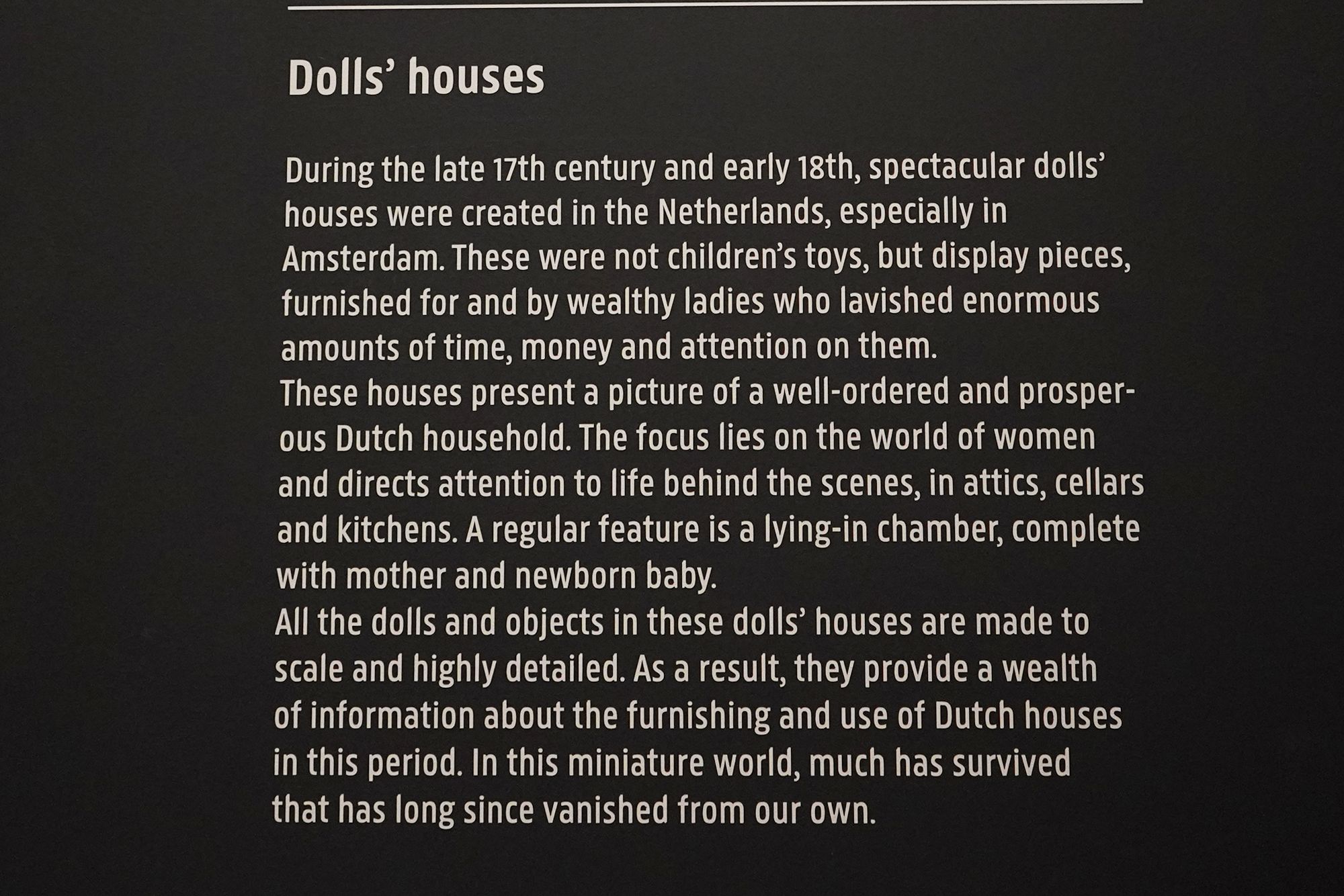
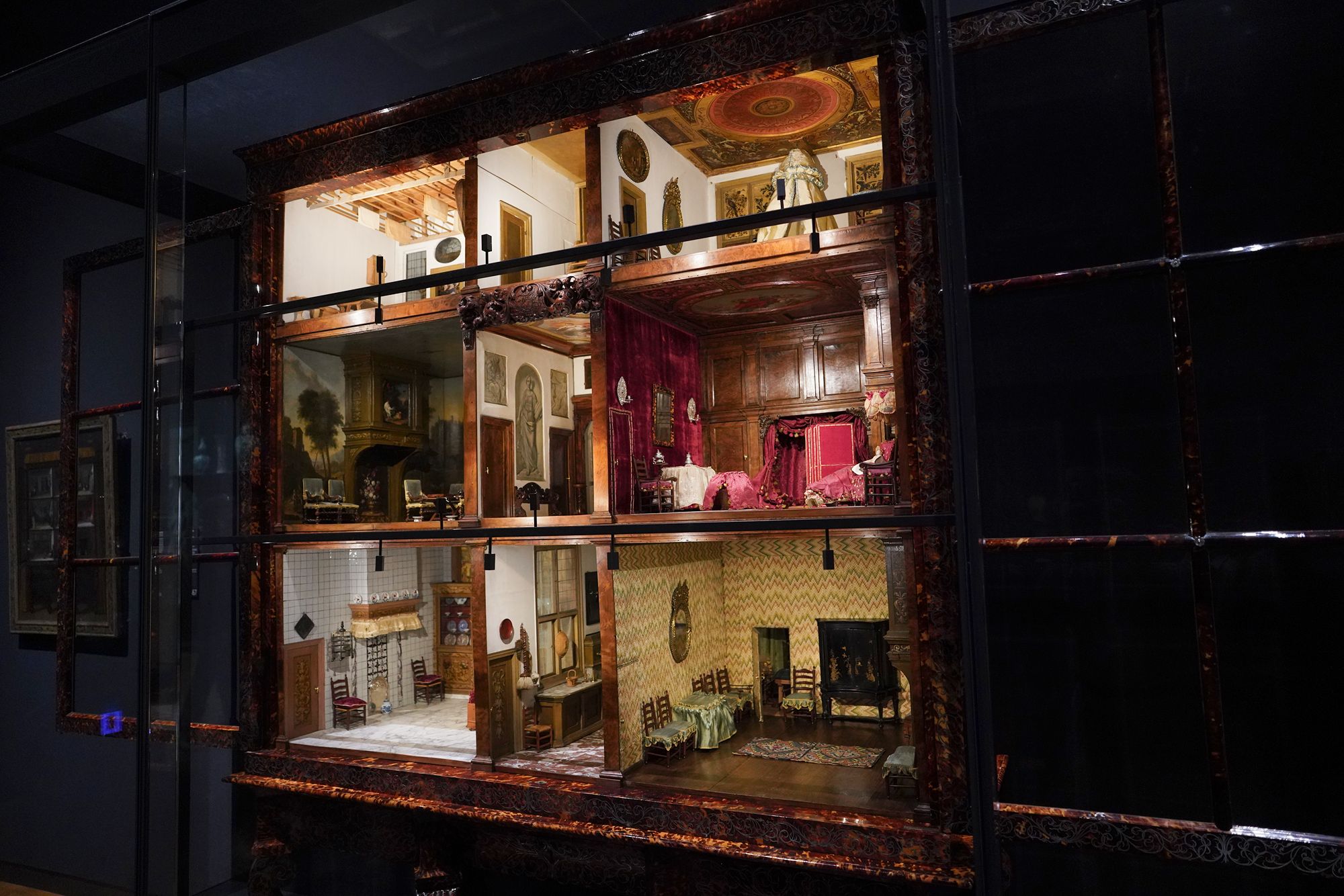
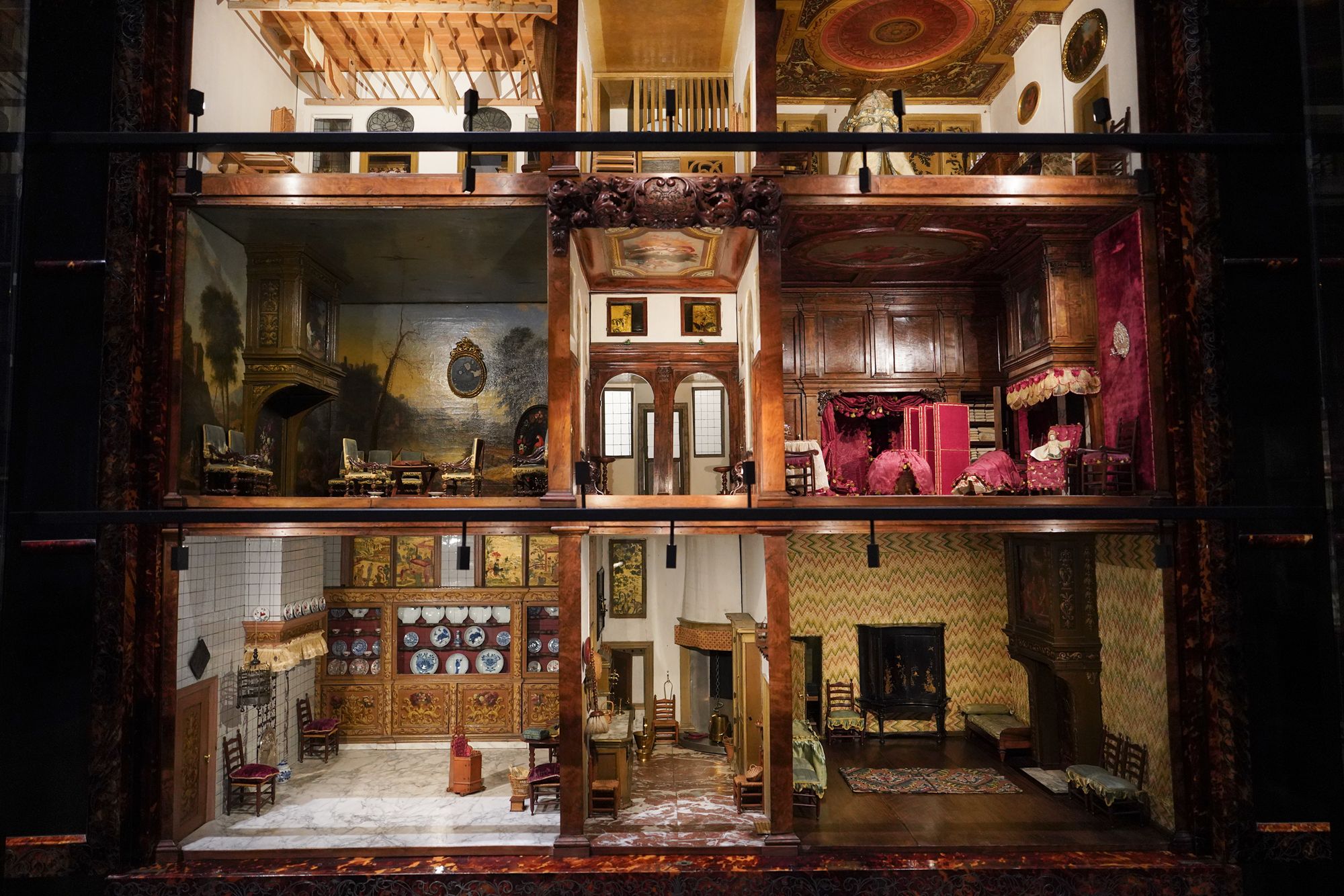
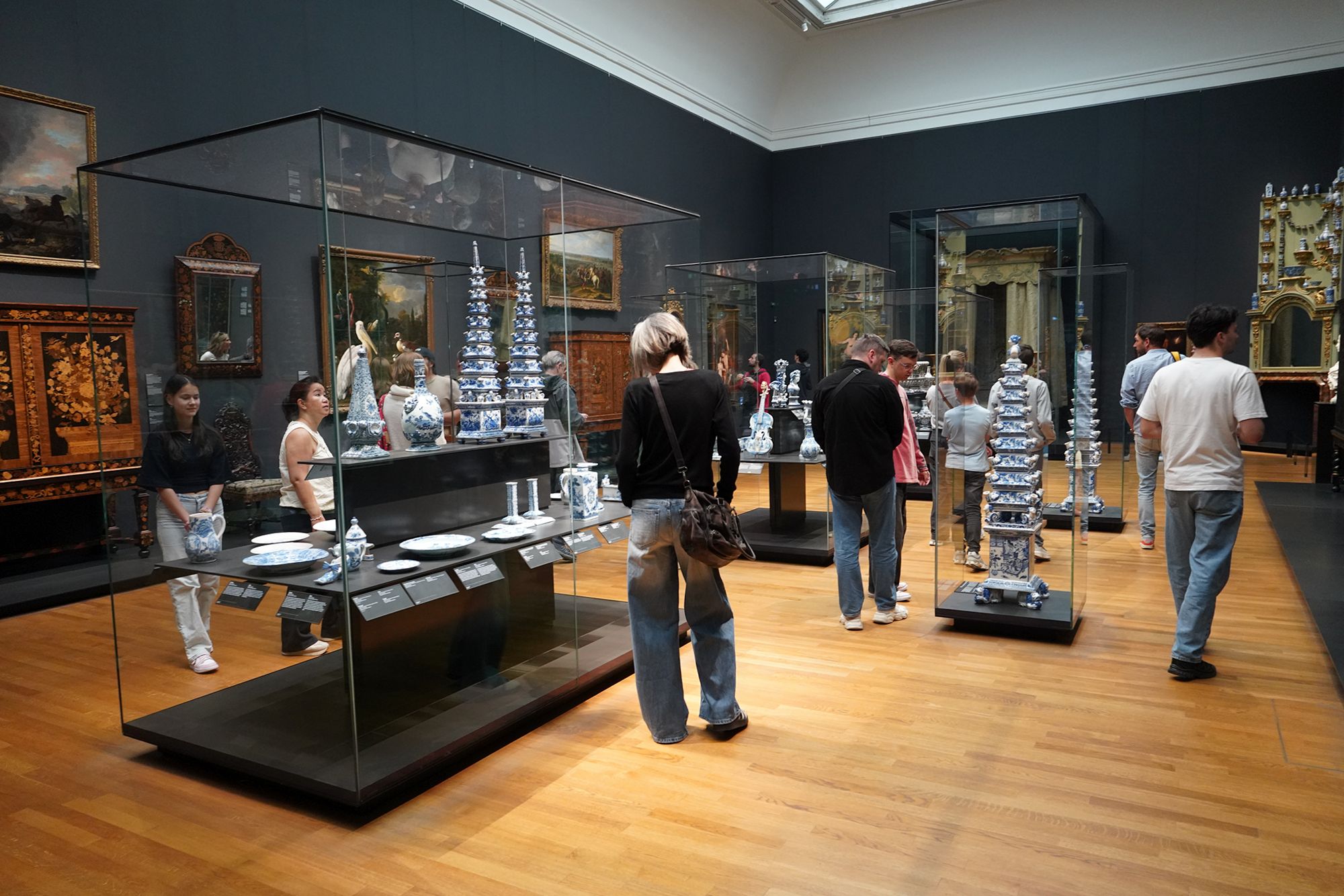
William III of Orange and Mary Stuart became joint rulers of England, Scotland, and Ireland in 1689, while also influencing Dutch art and court culture.
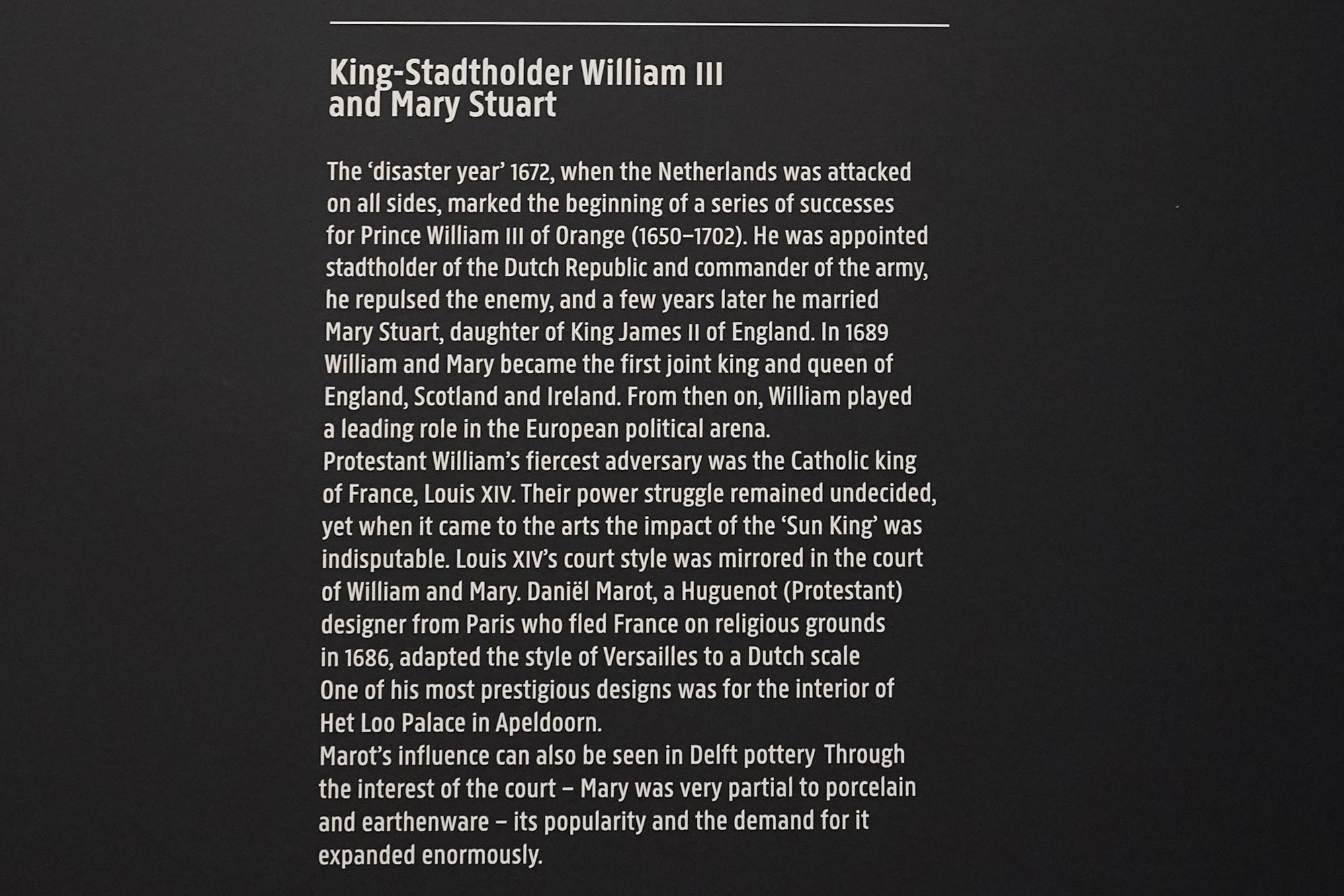
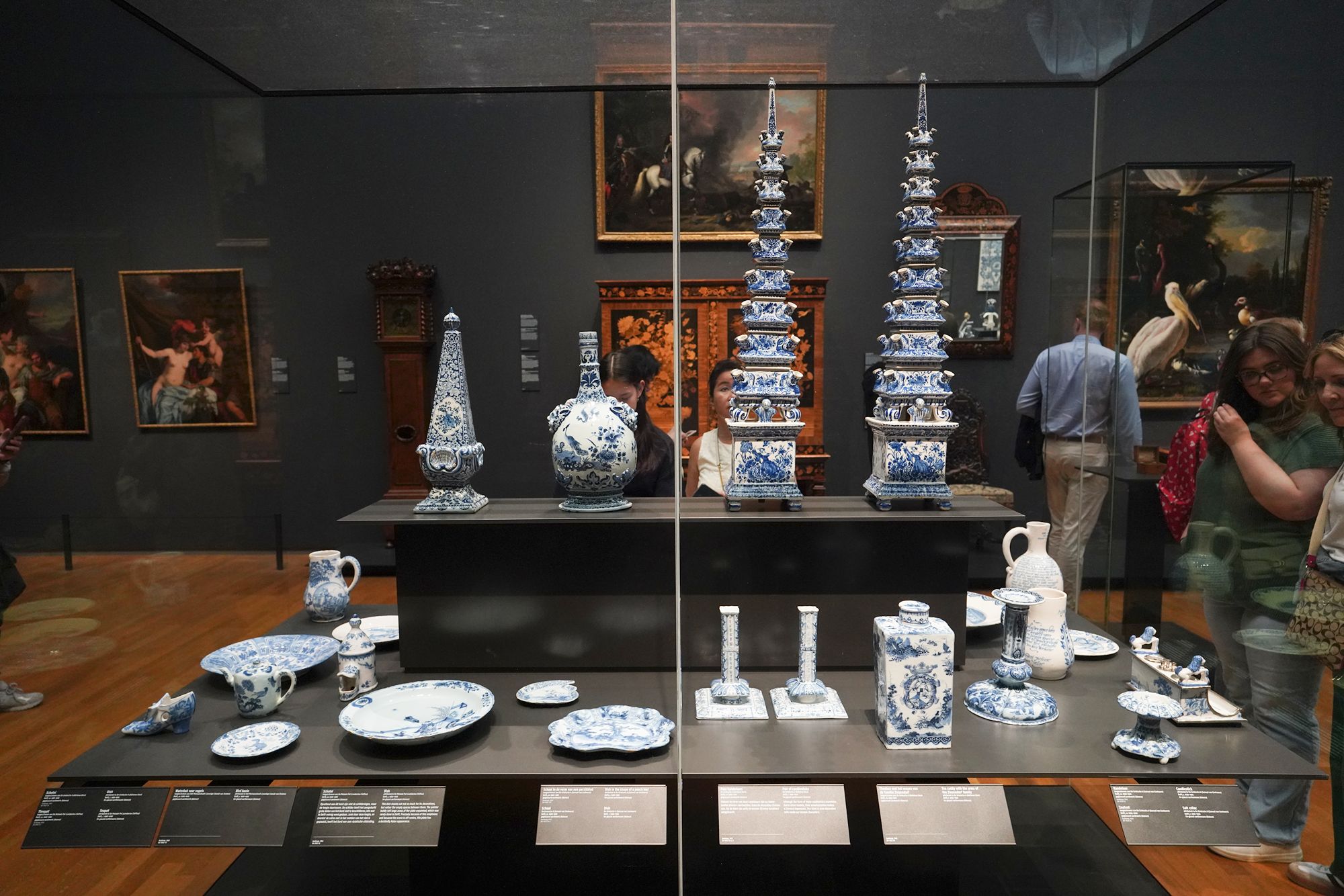
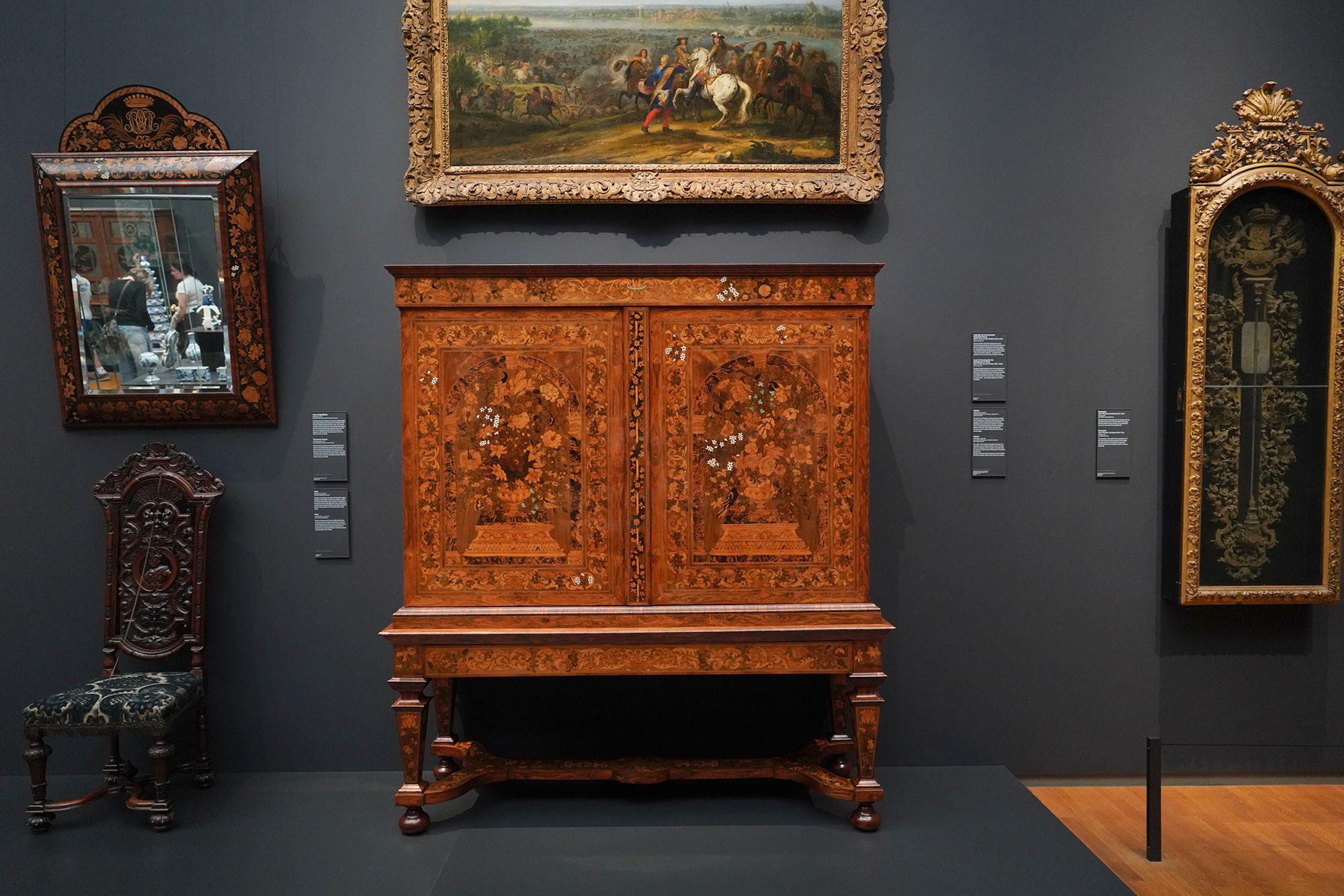
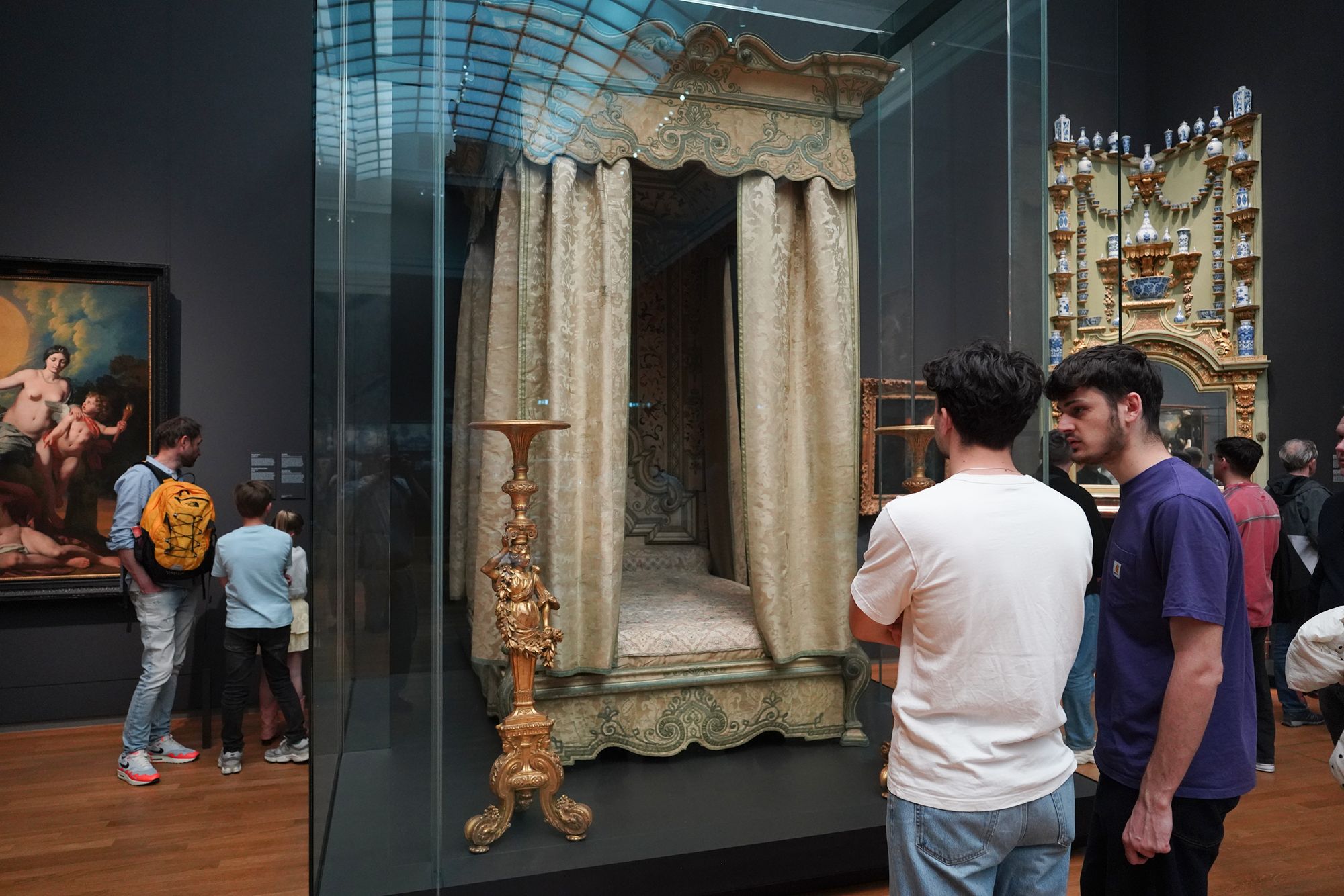
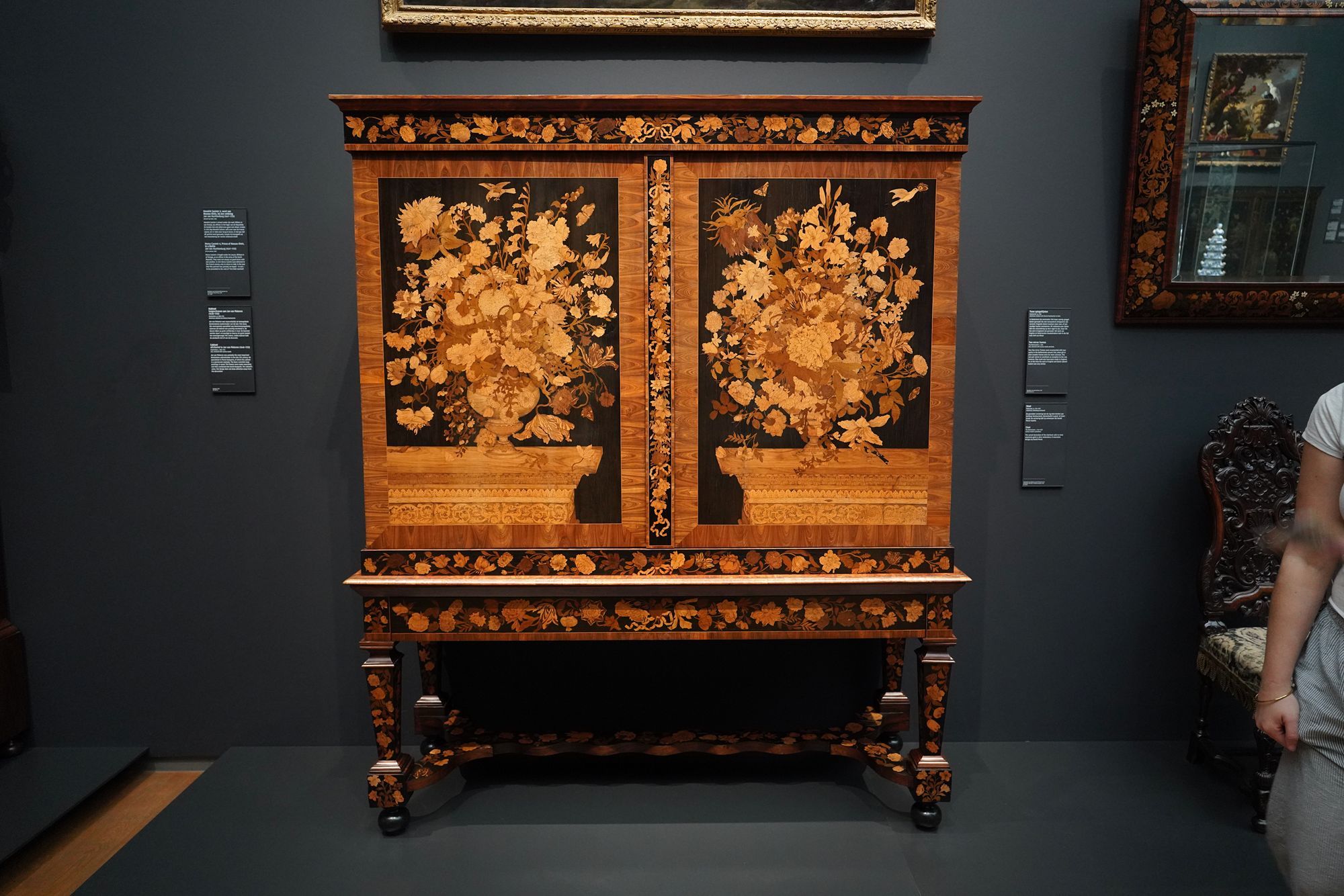
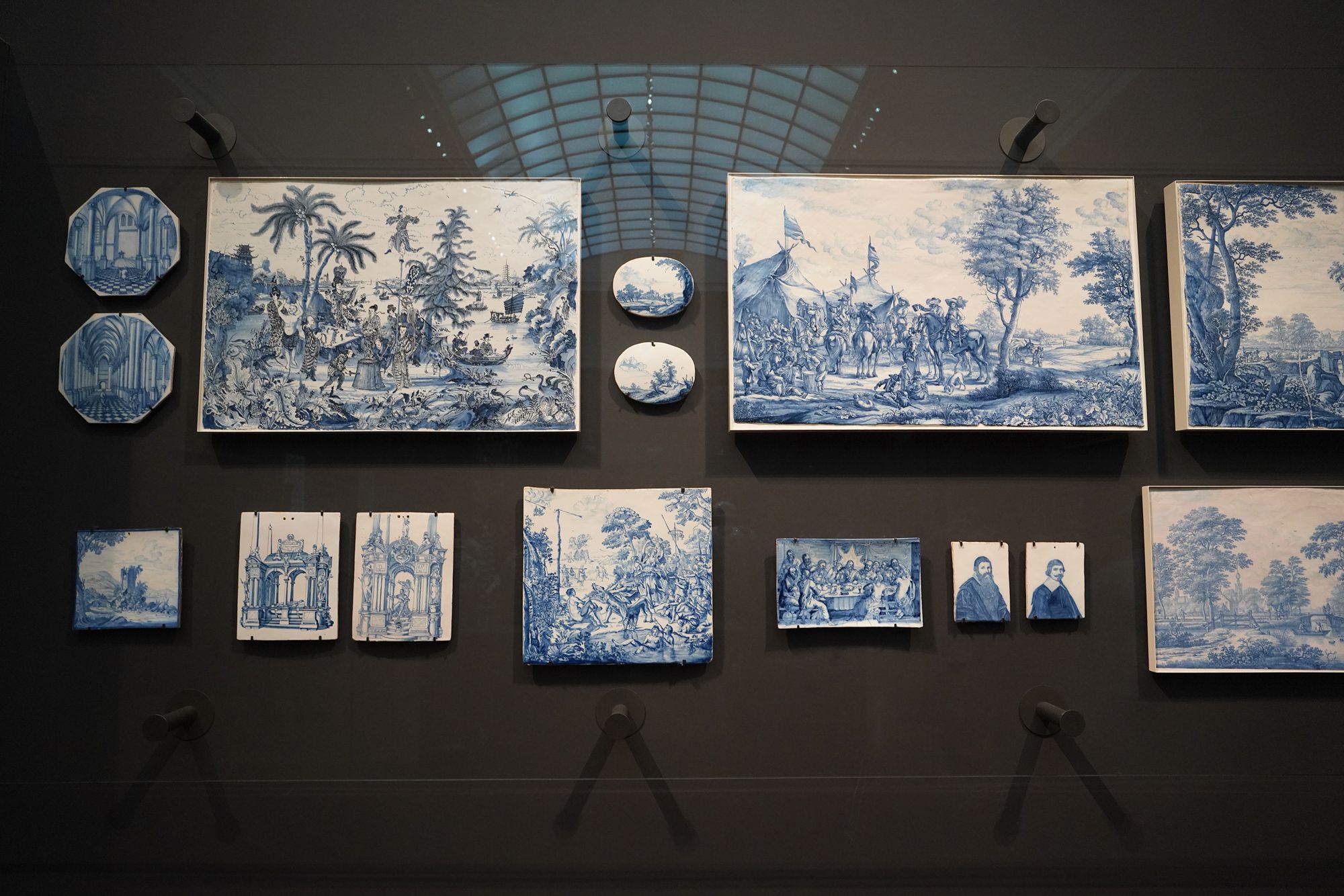
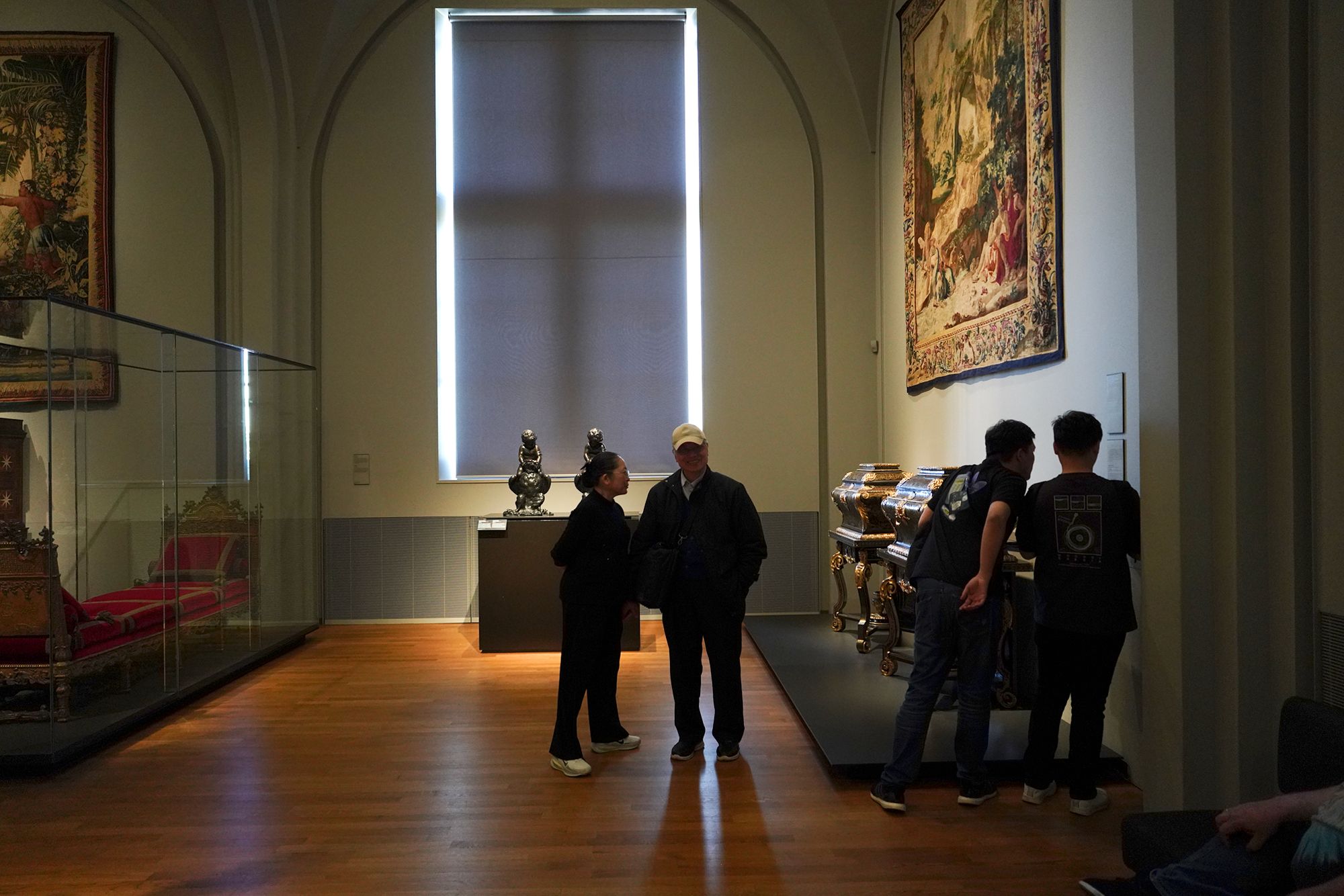
Under Louis XIV, French court art and the lavish style of Versailles became highly influential throughout Europe.
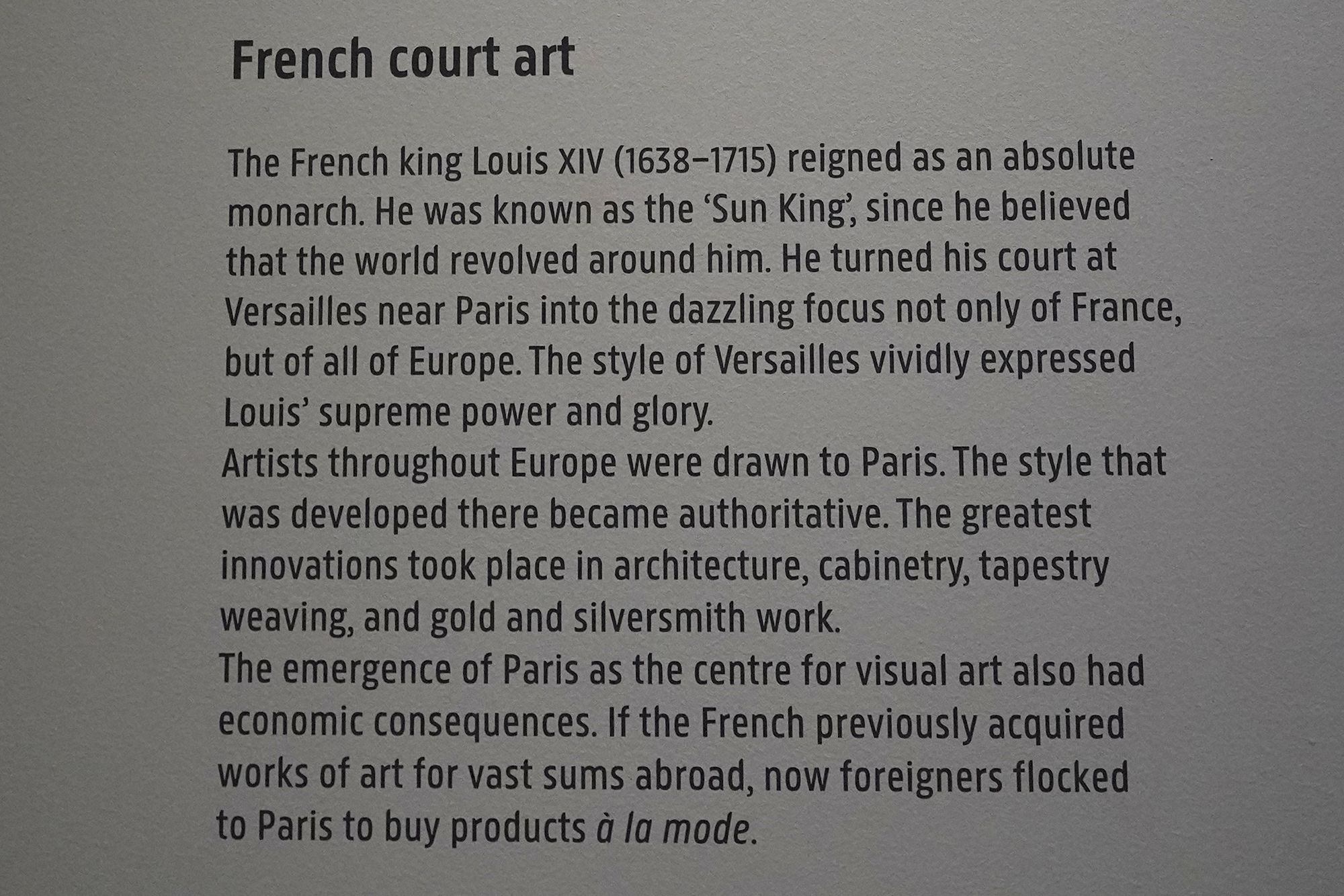
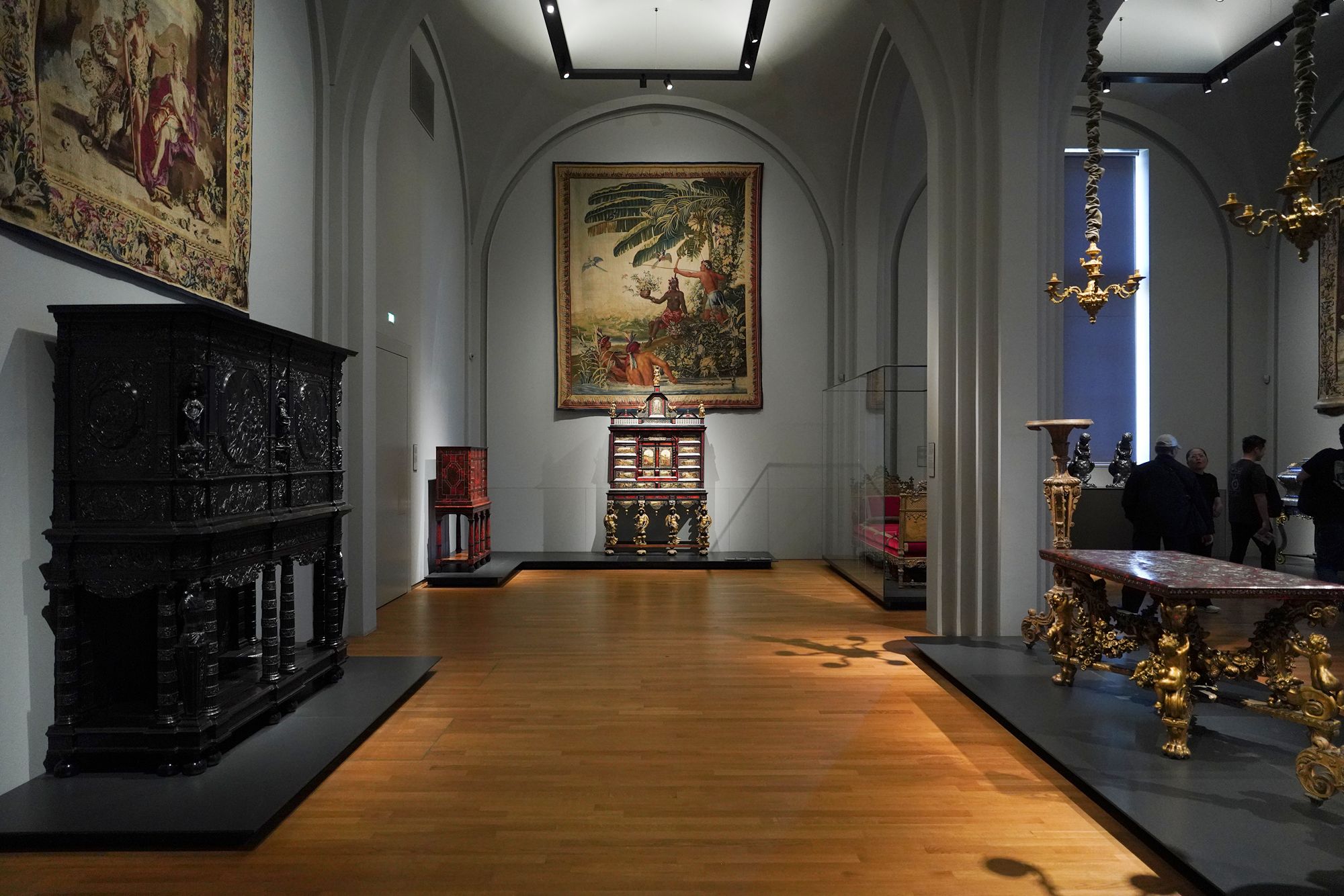
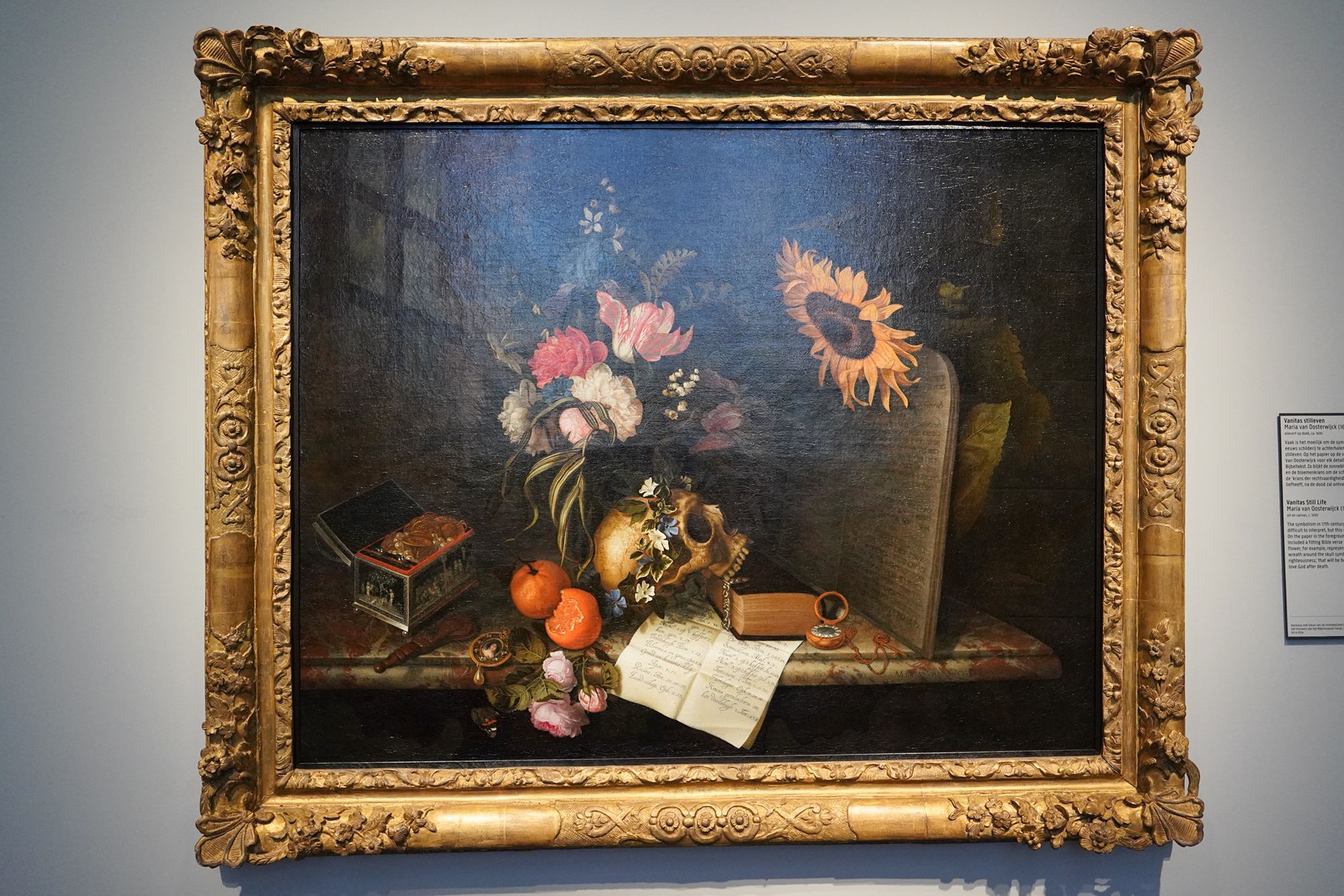
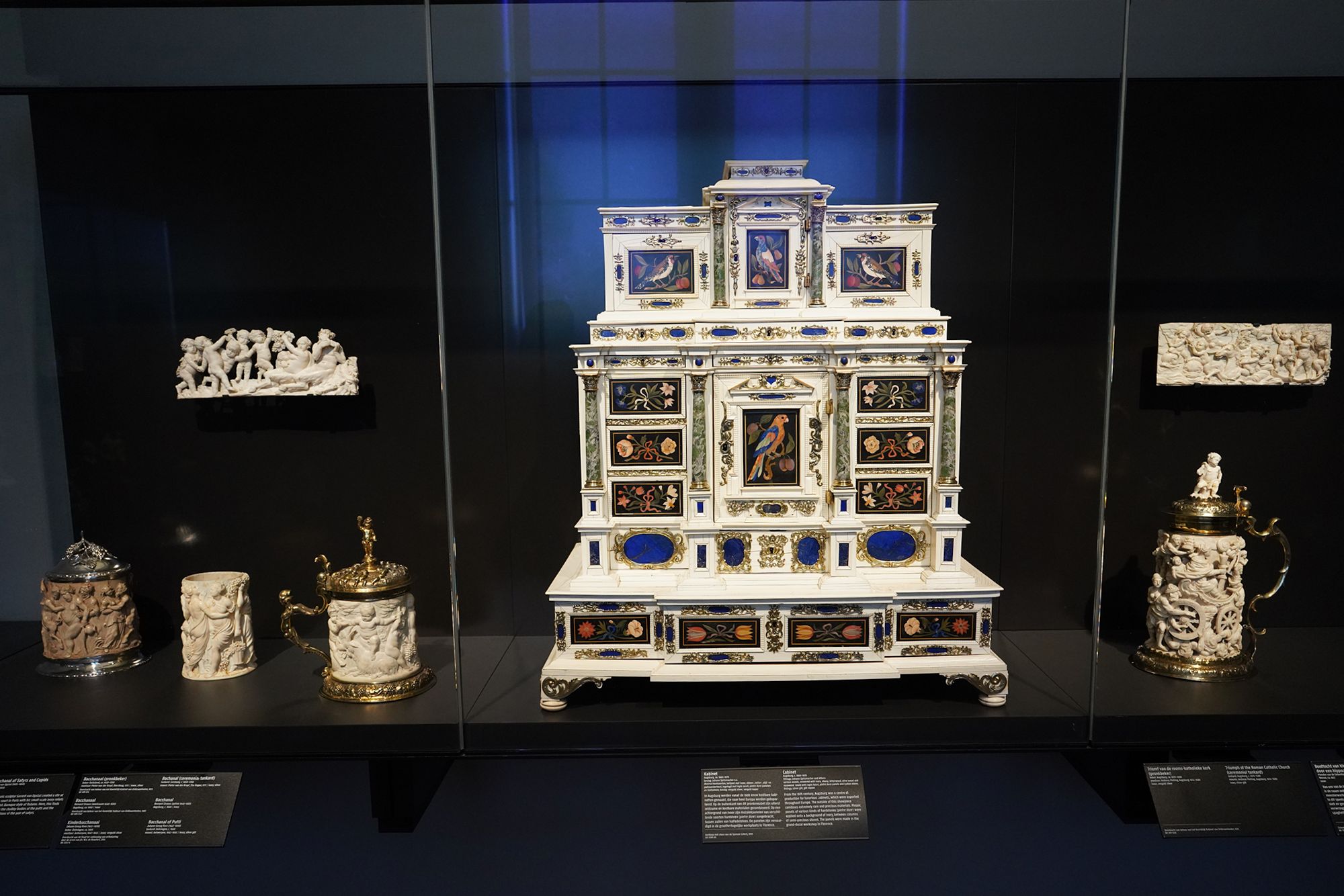
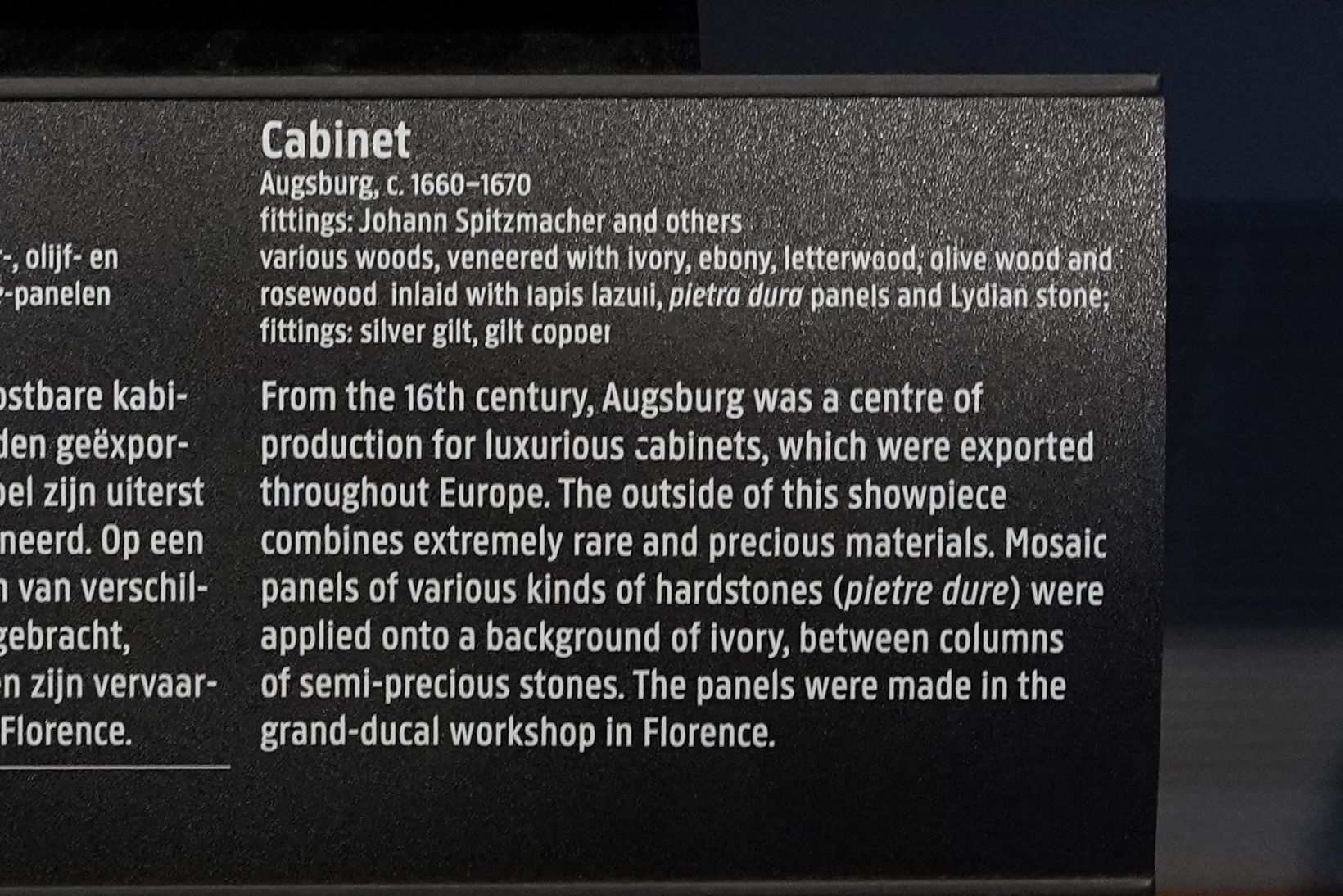
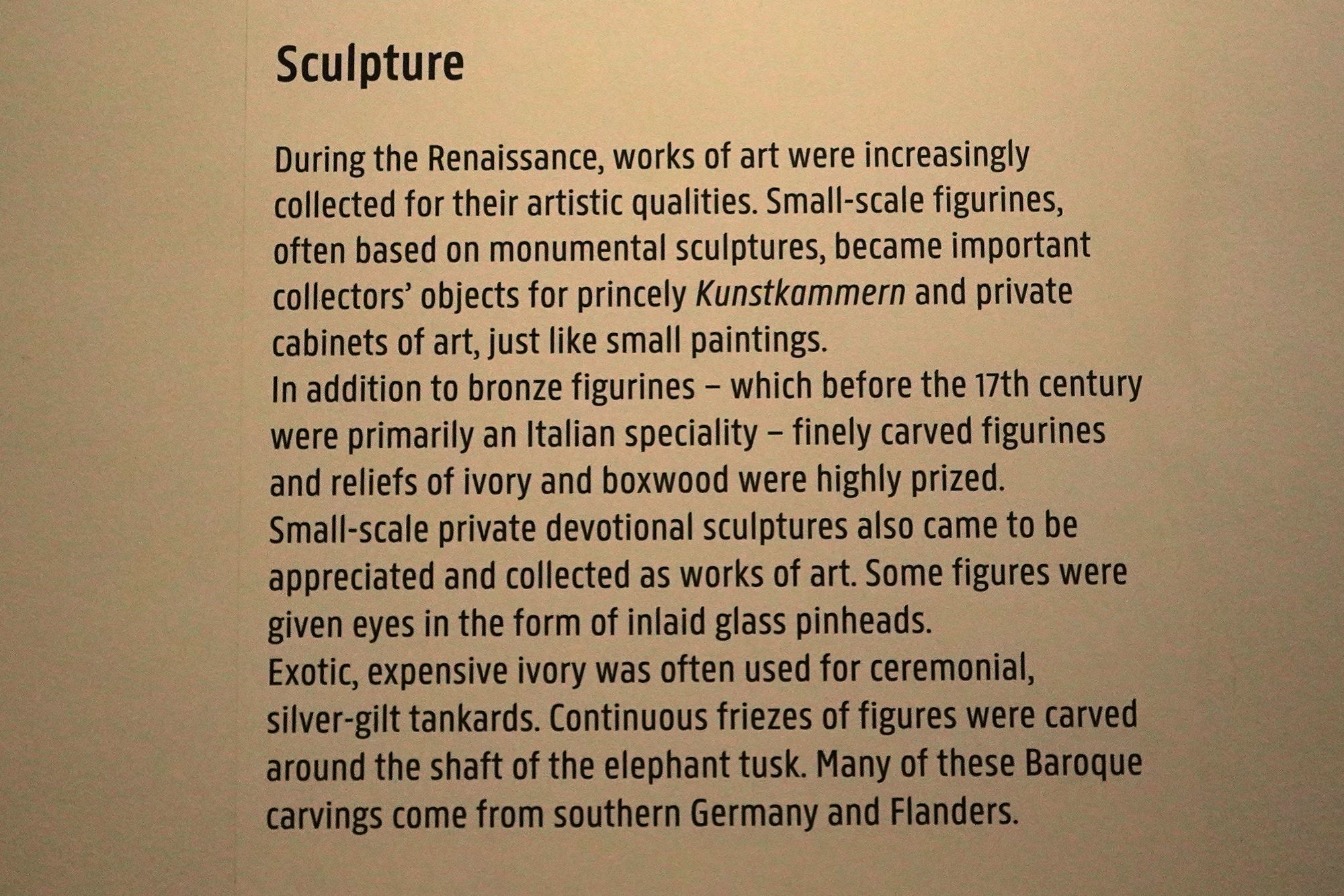
During the Renaissance and Baroque periods, small, highly detailed sculptures in bronze, ivory, and wood became prized works of art for wealthy collectors.
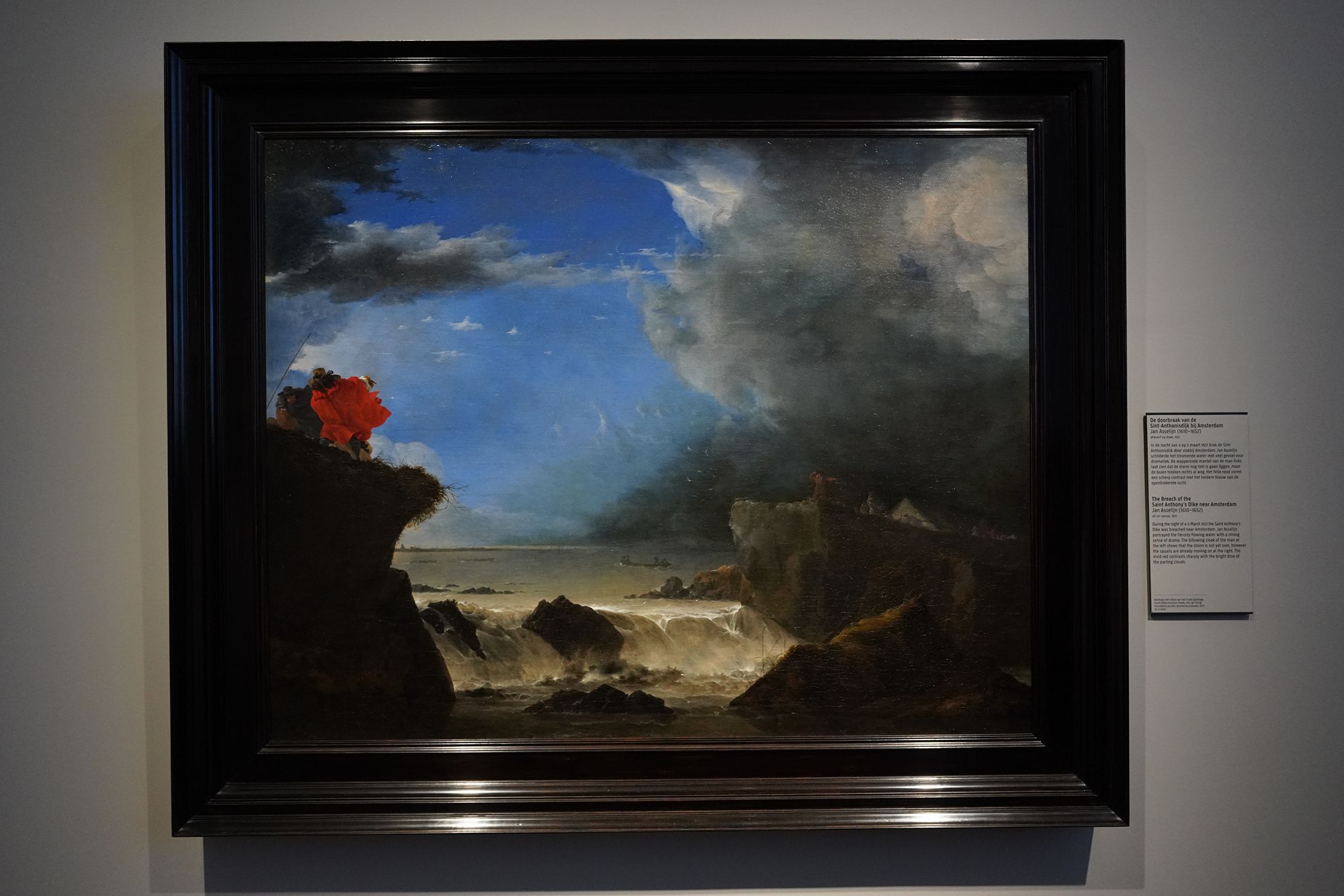
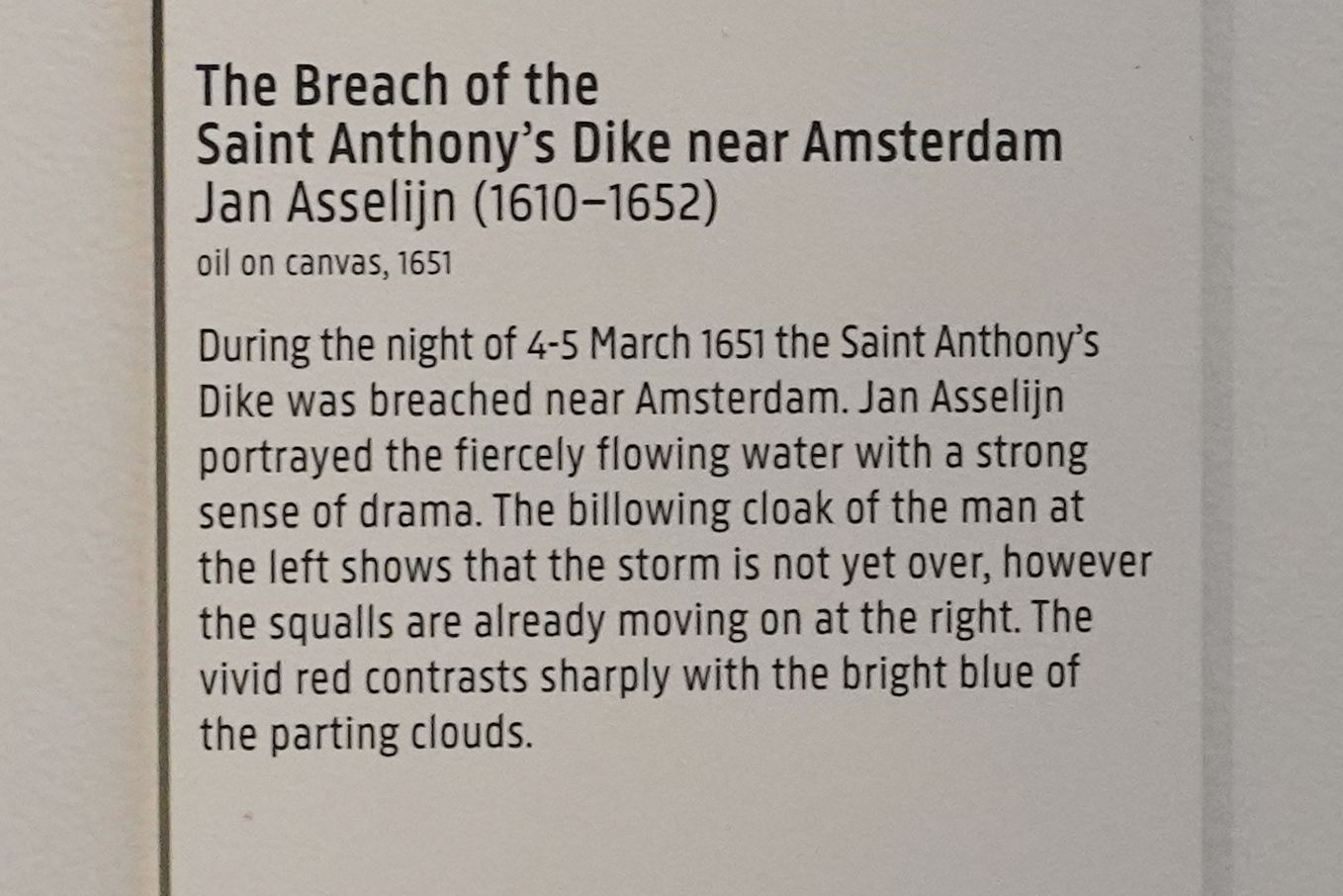
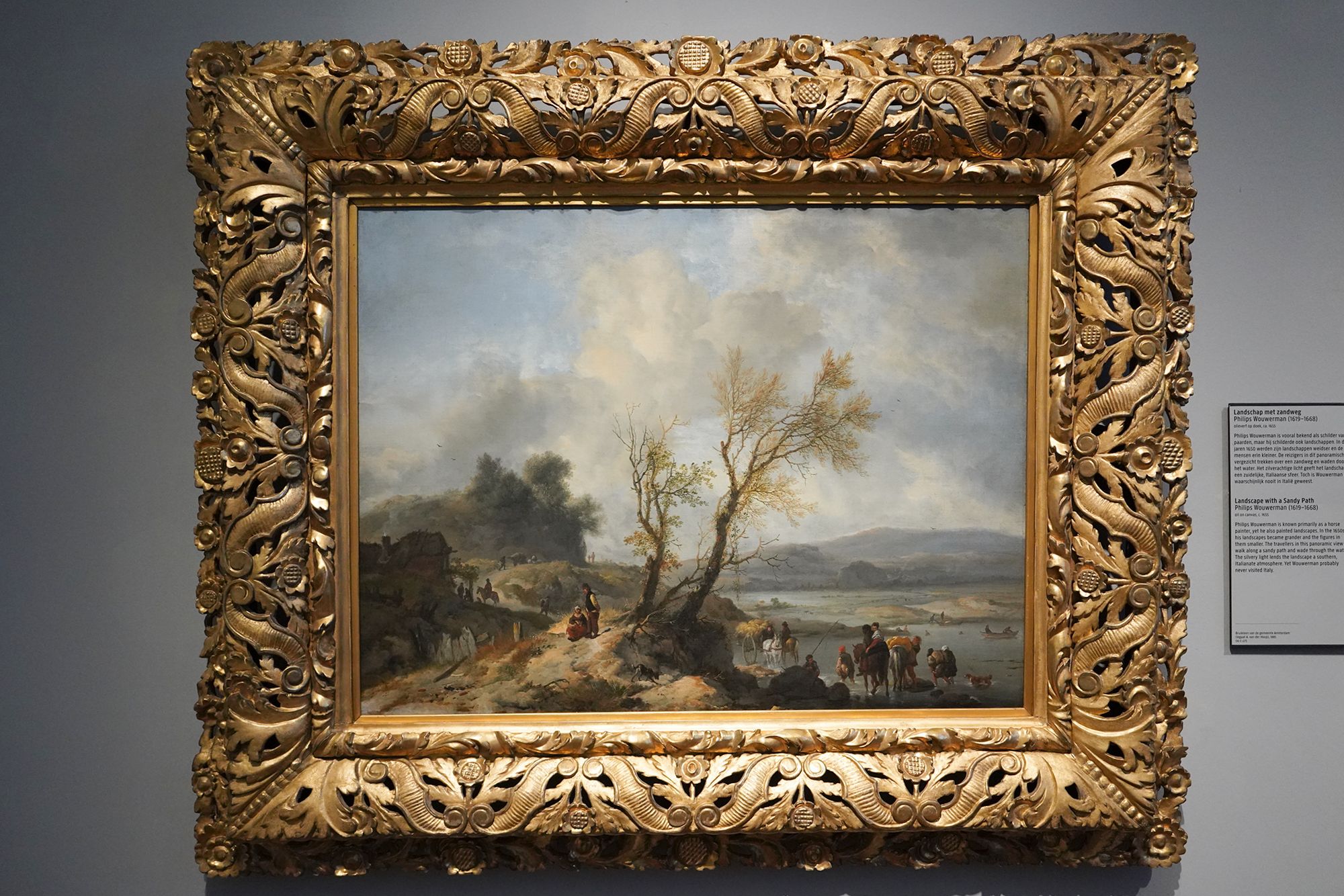
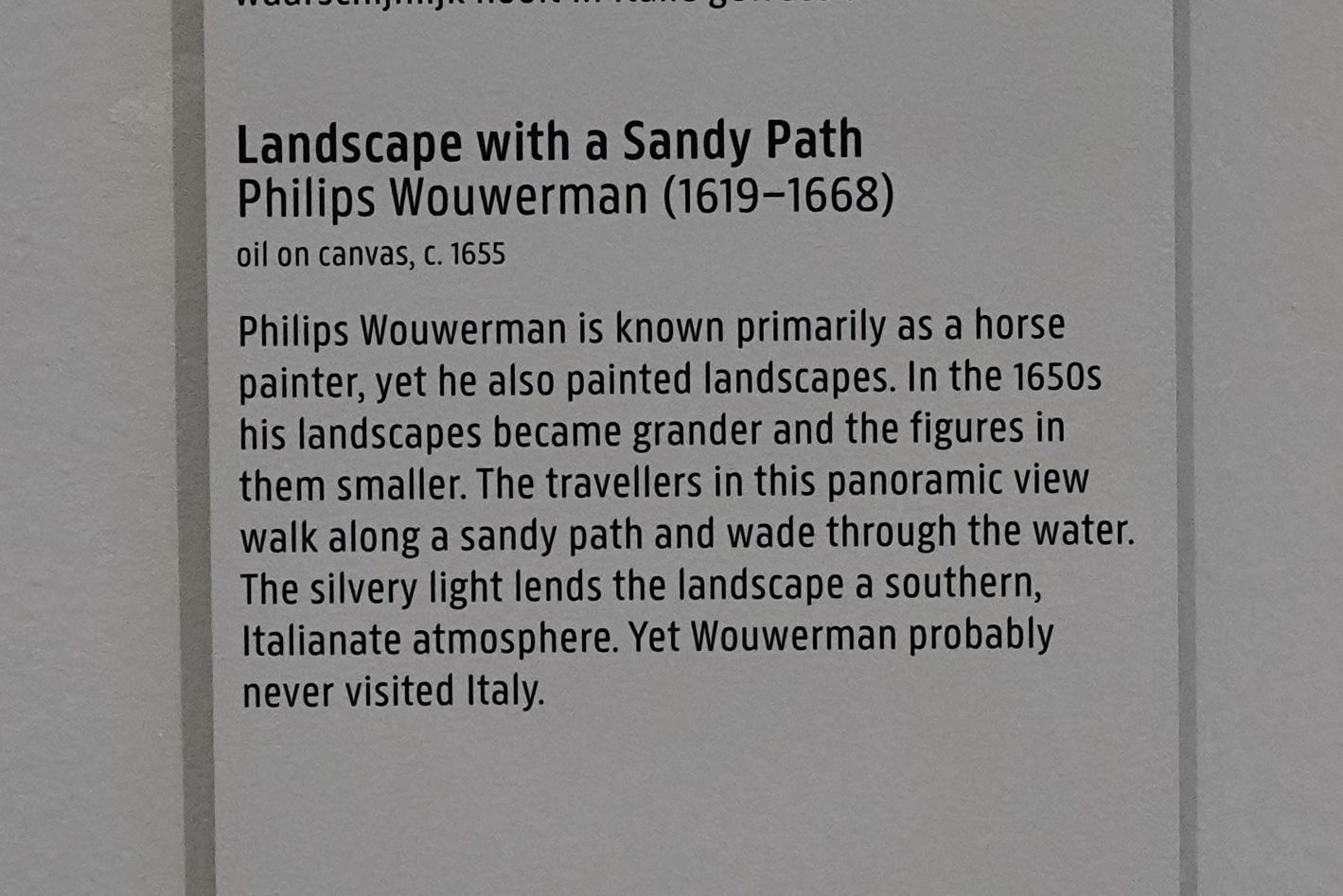
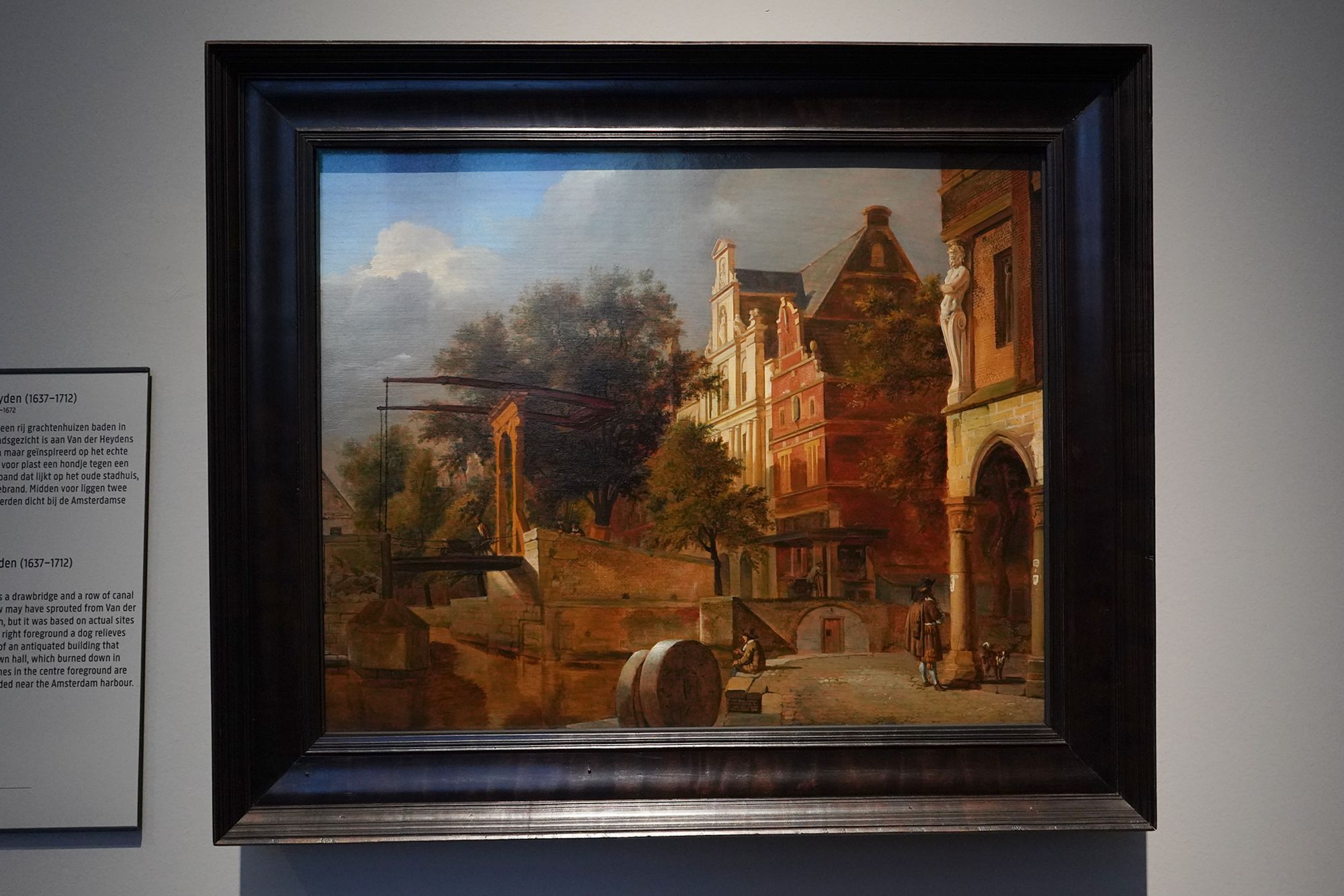
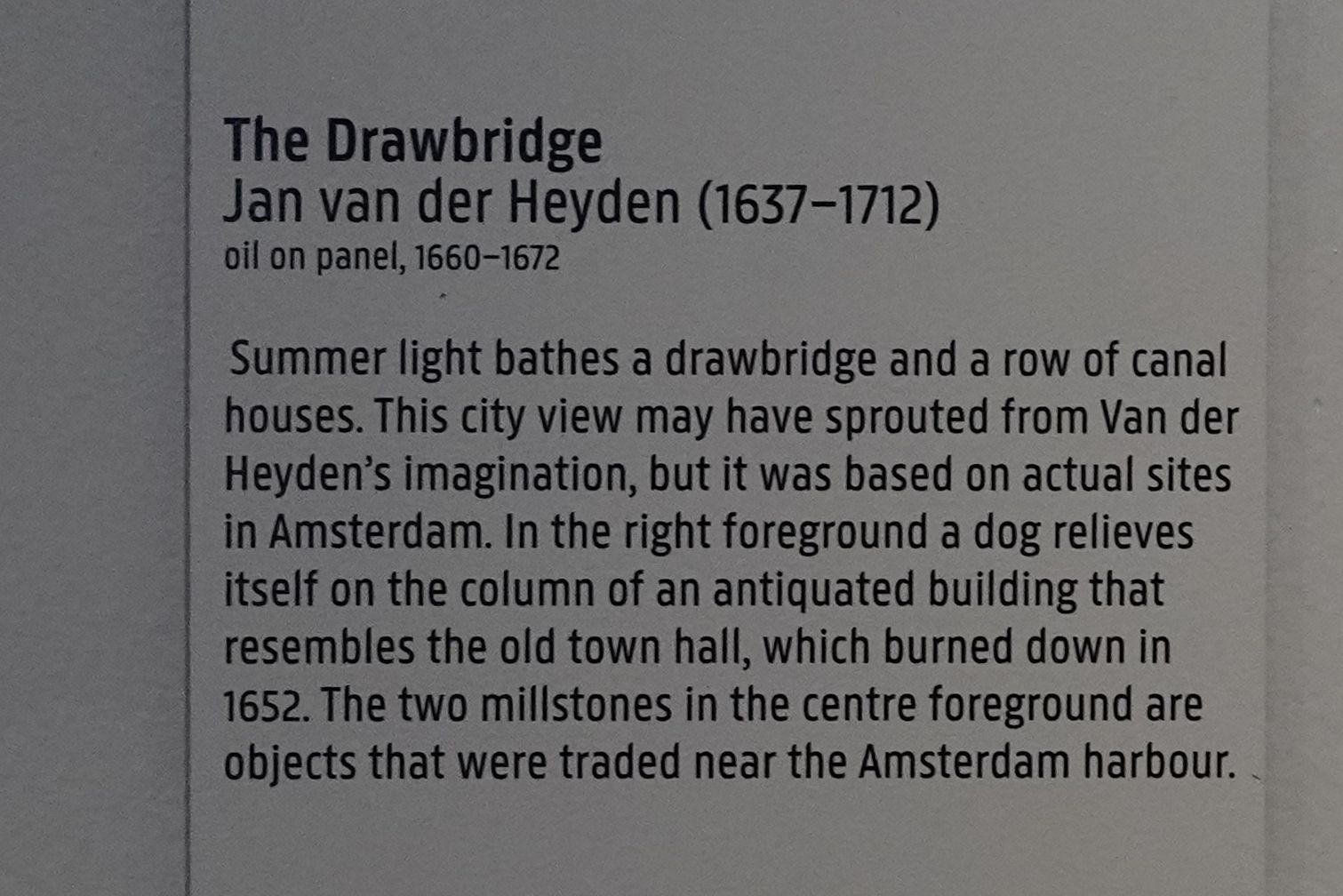
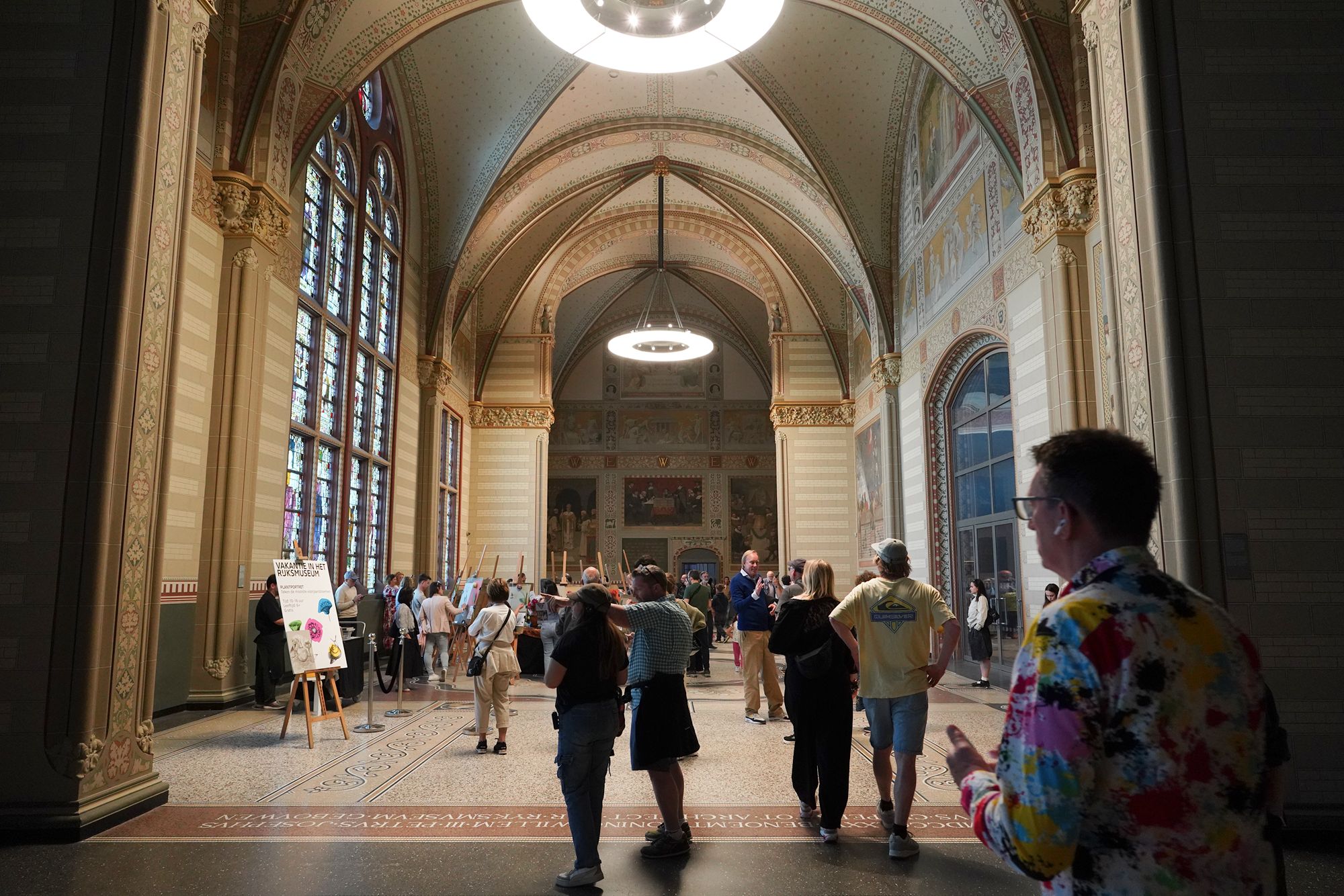
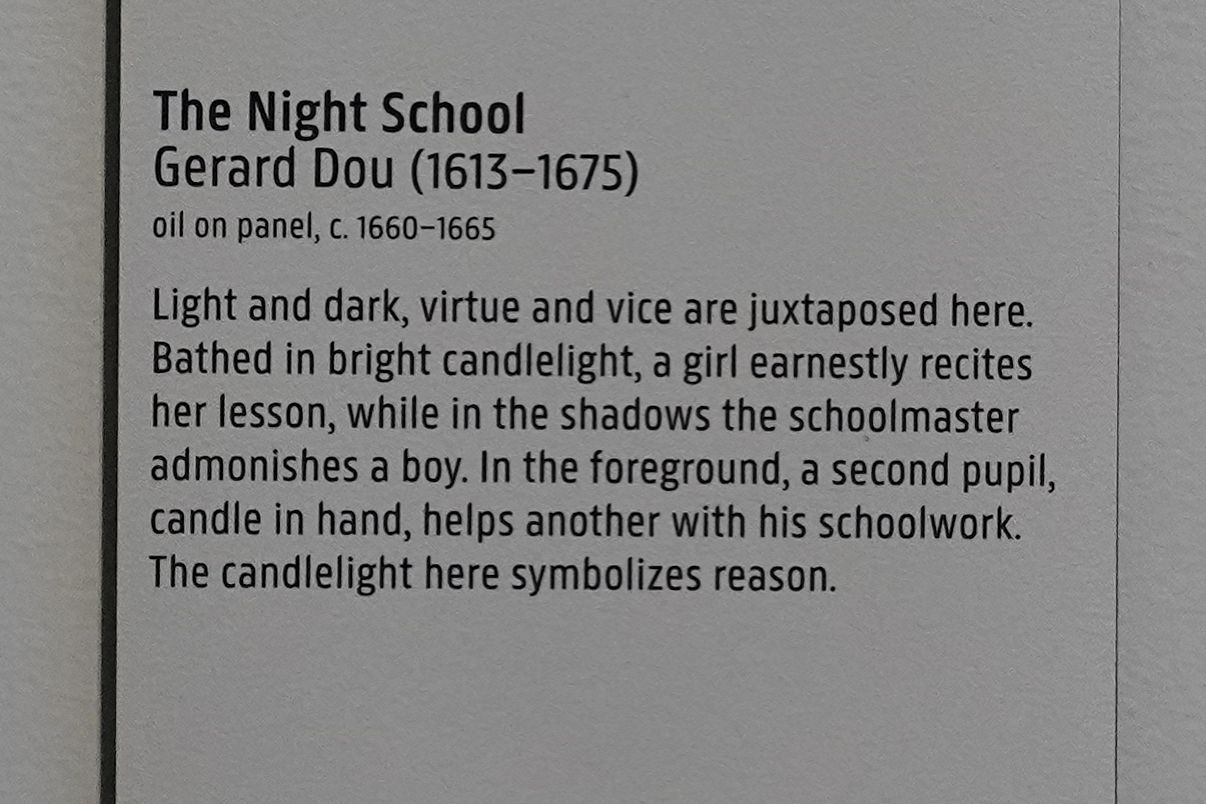
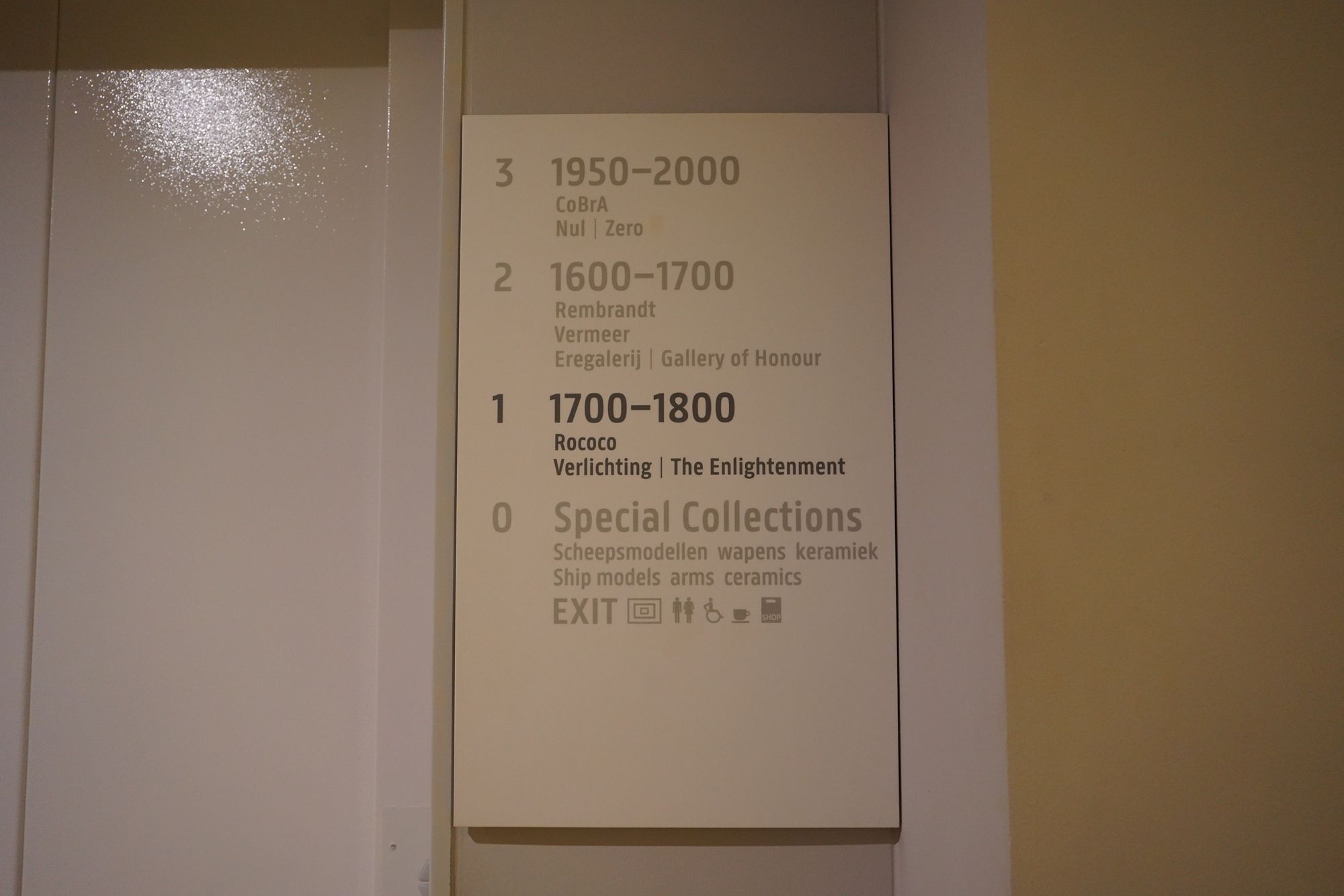
The next section of the Rijksmuseum covers 1700–1800, featuring Rococo art and the Age of Enlightenment.
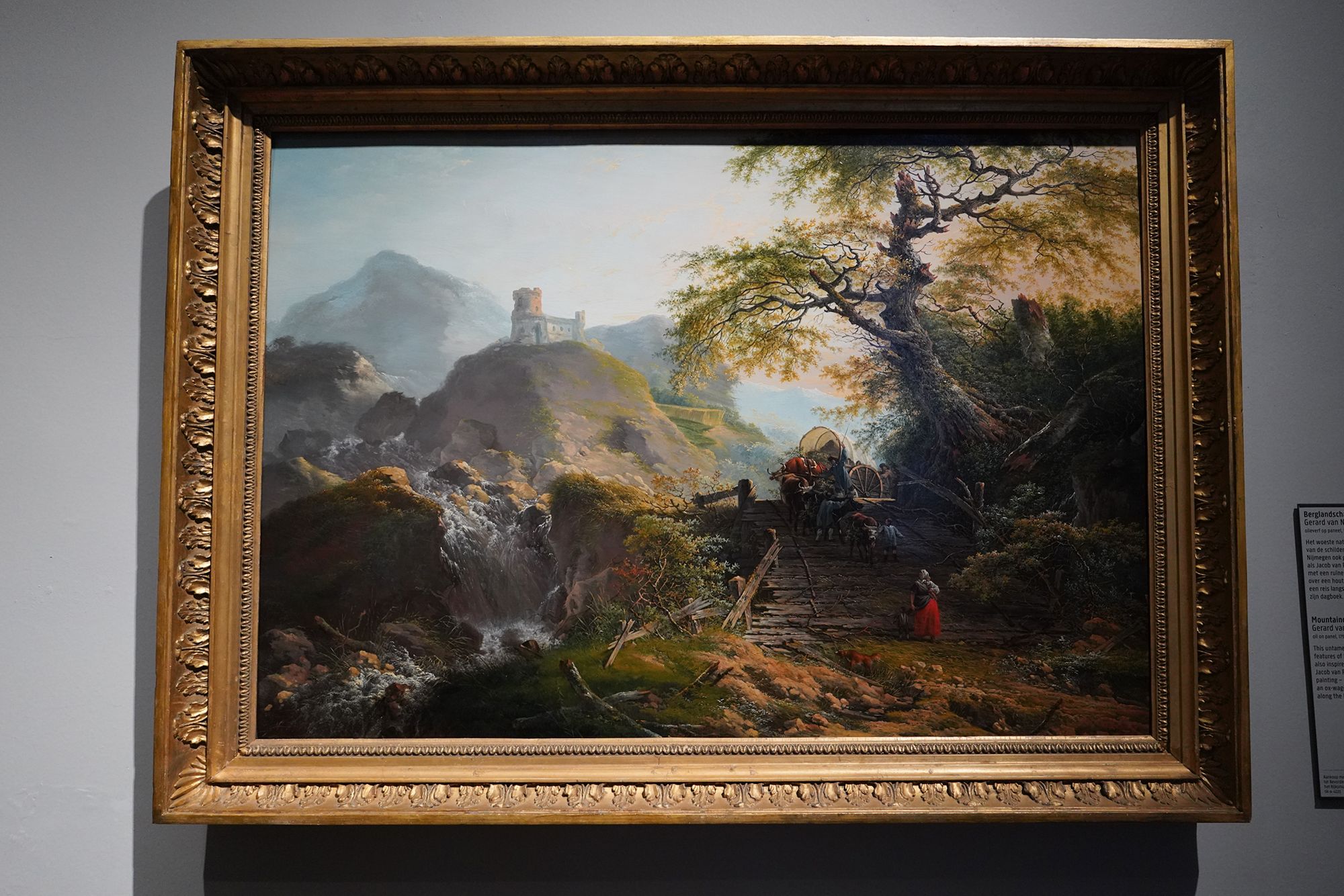
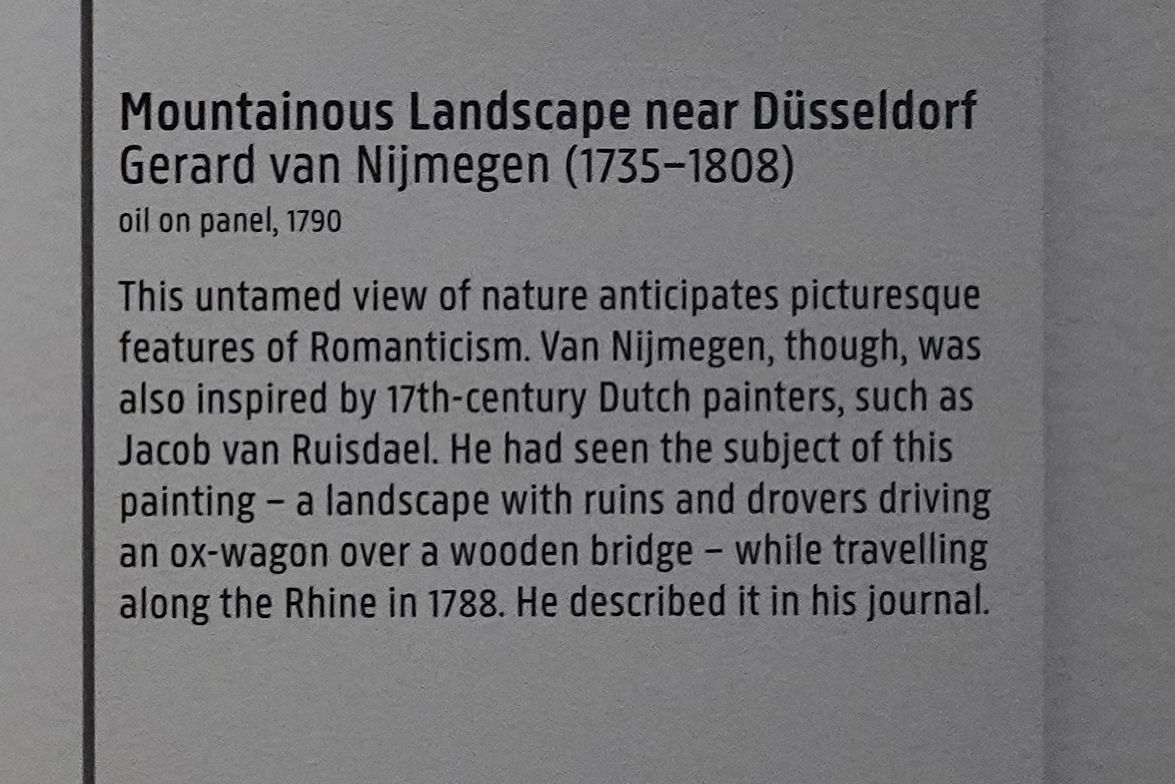
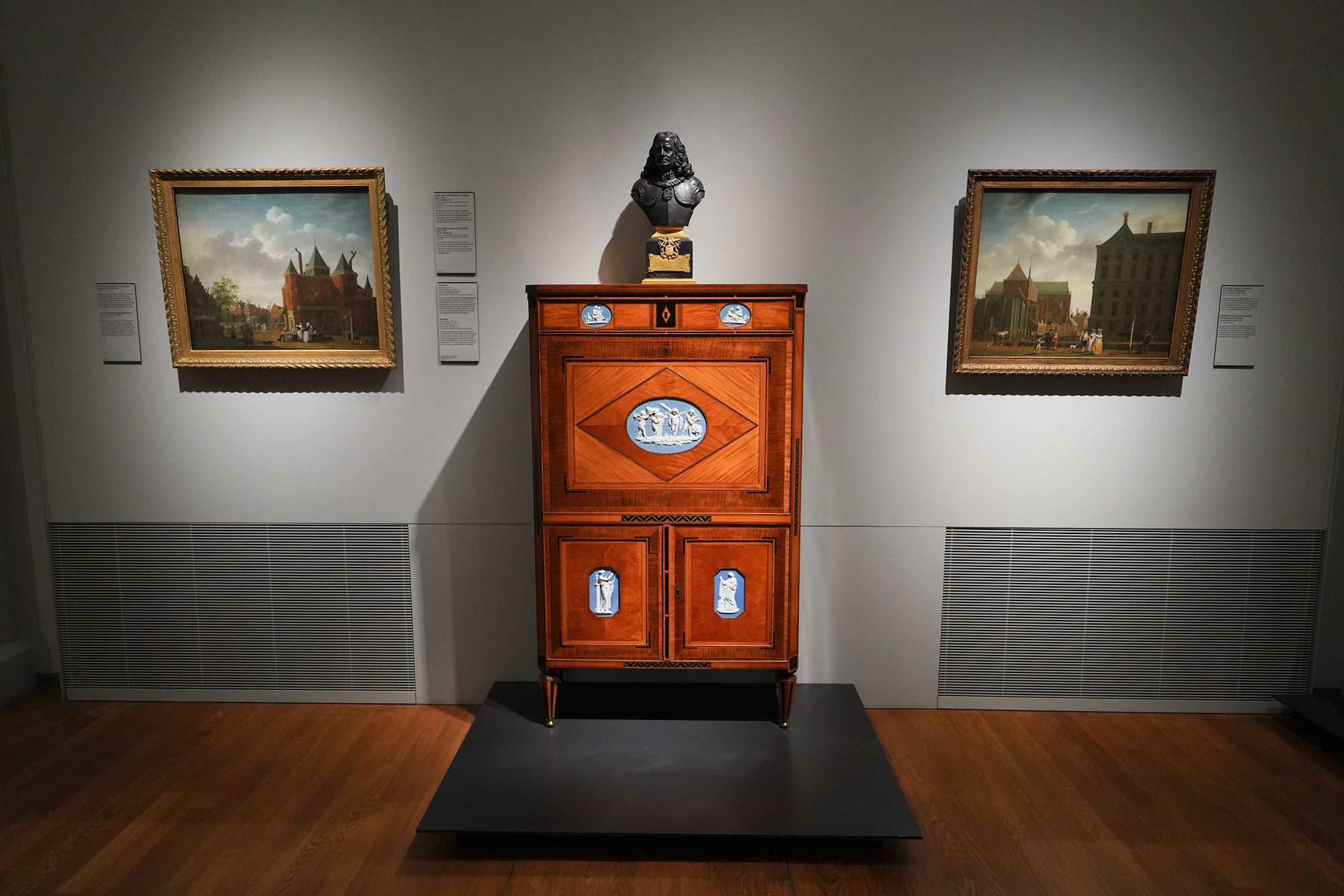
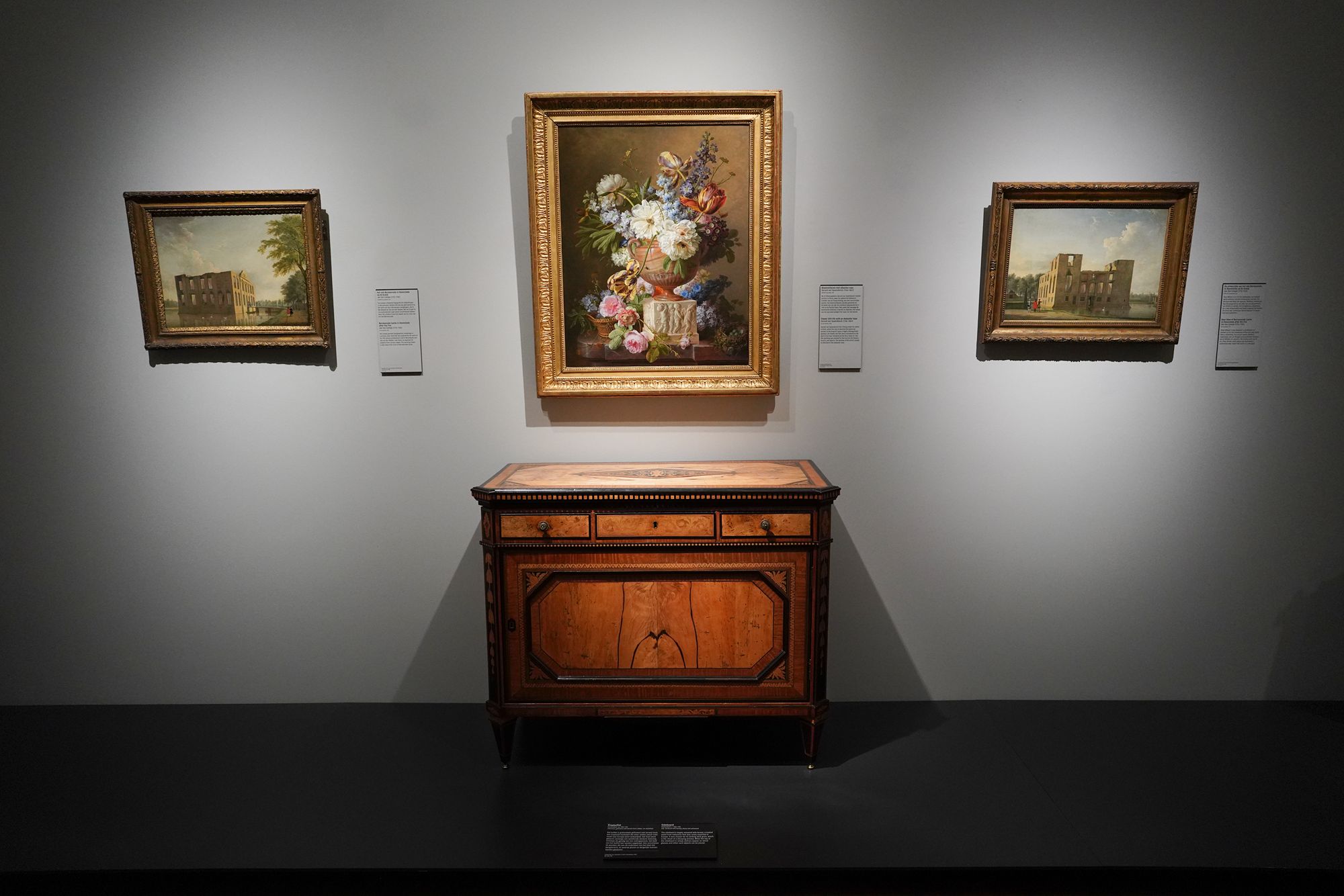
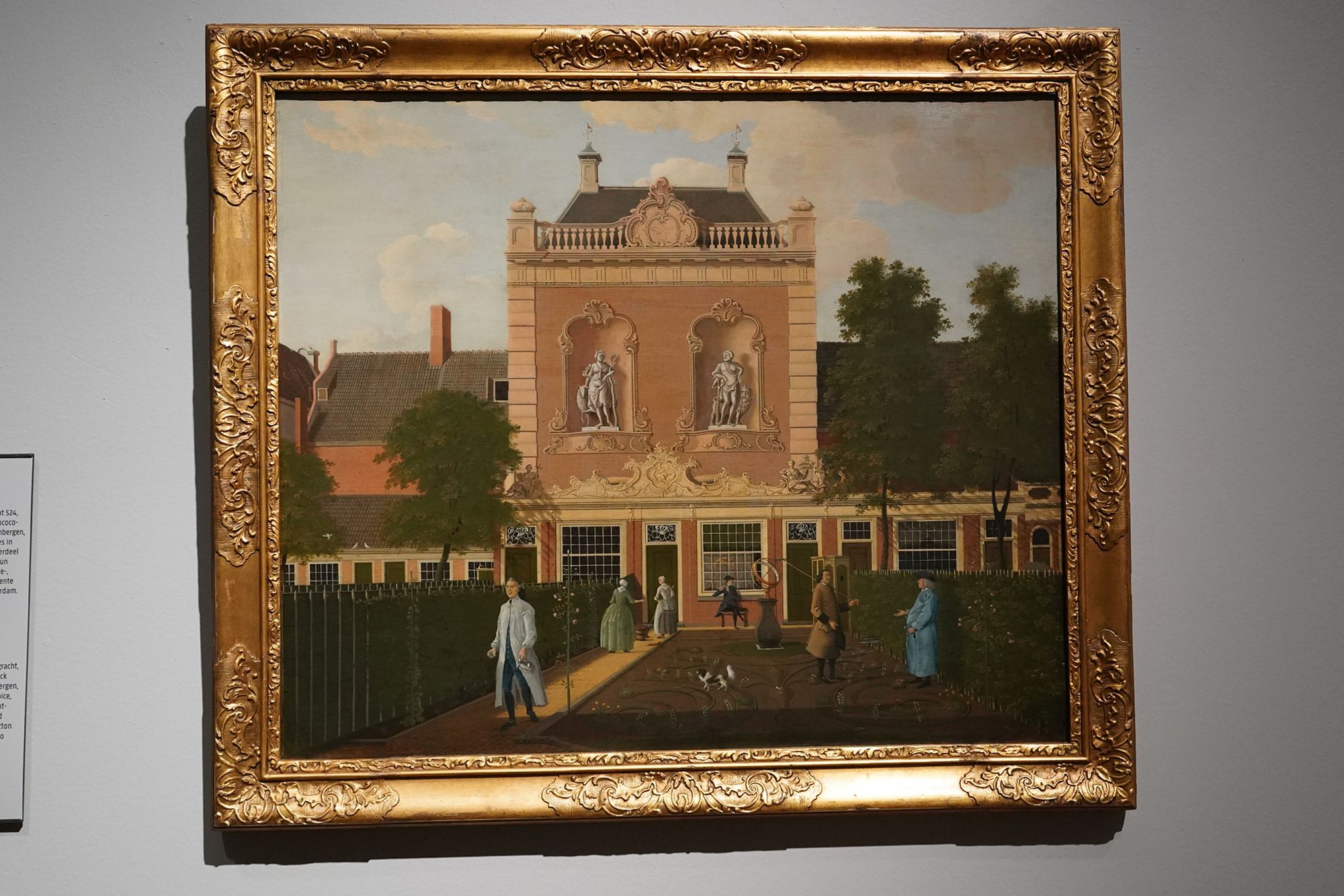
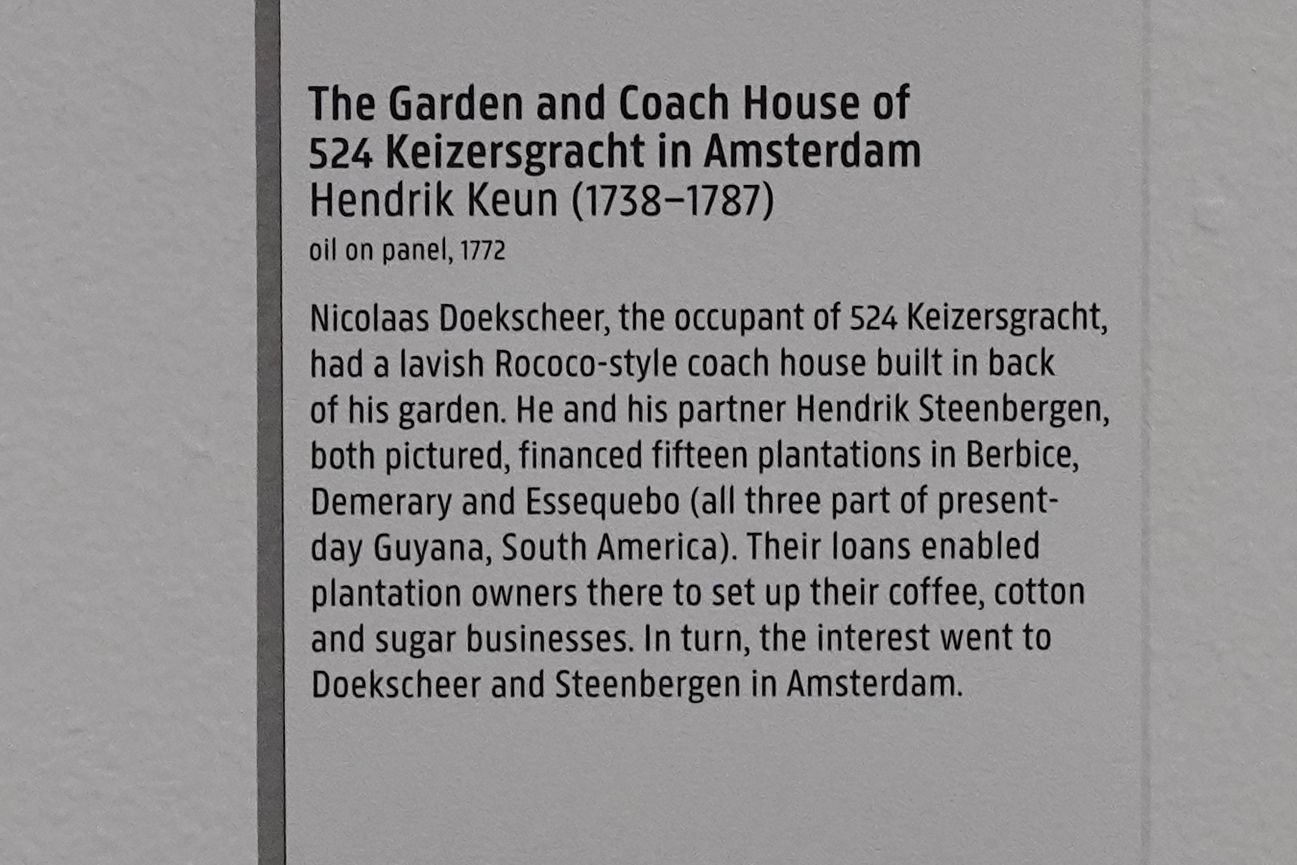
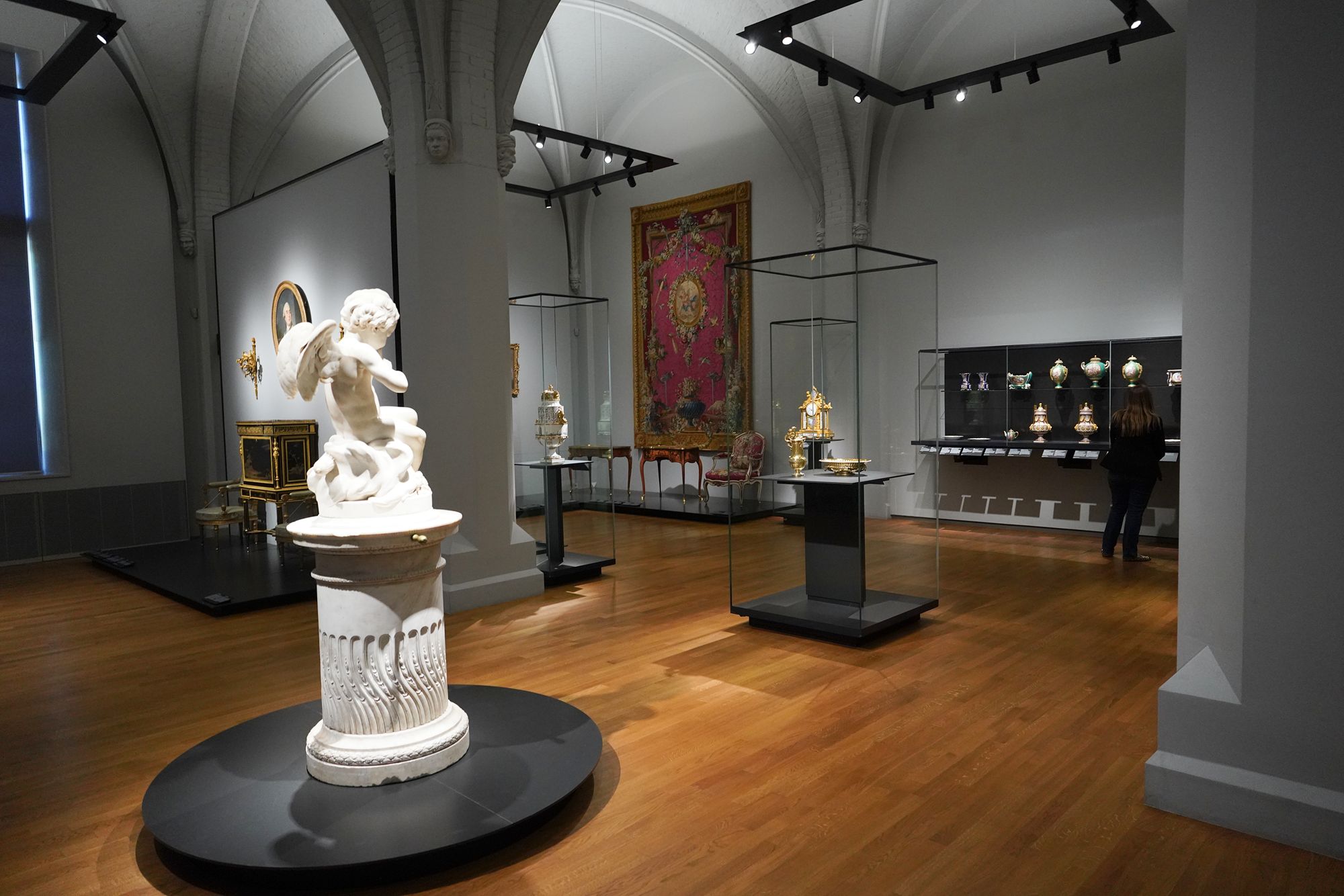
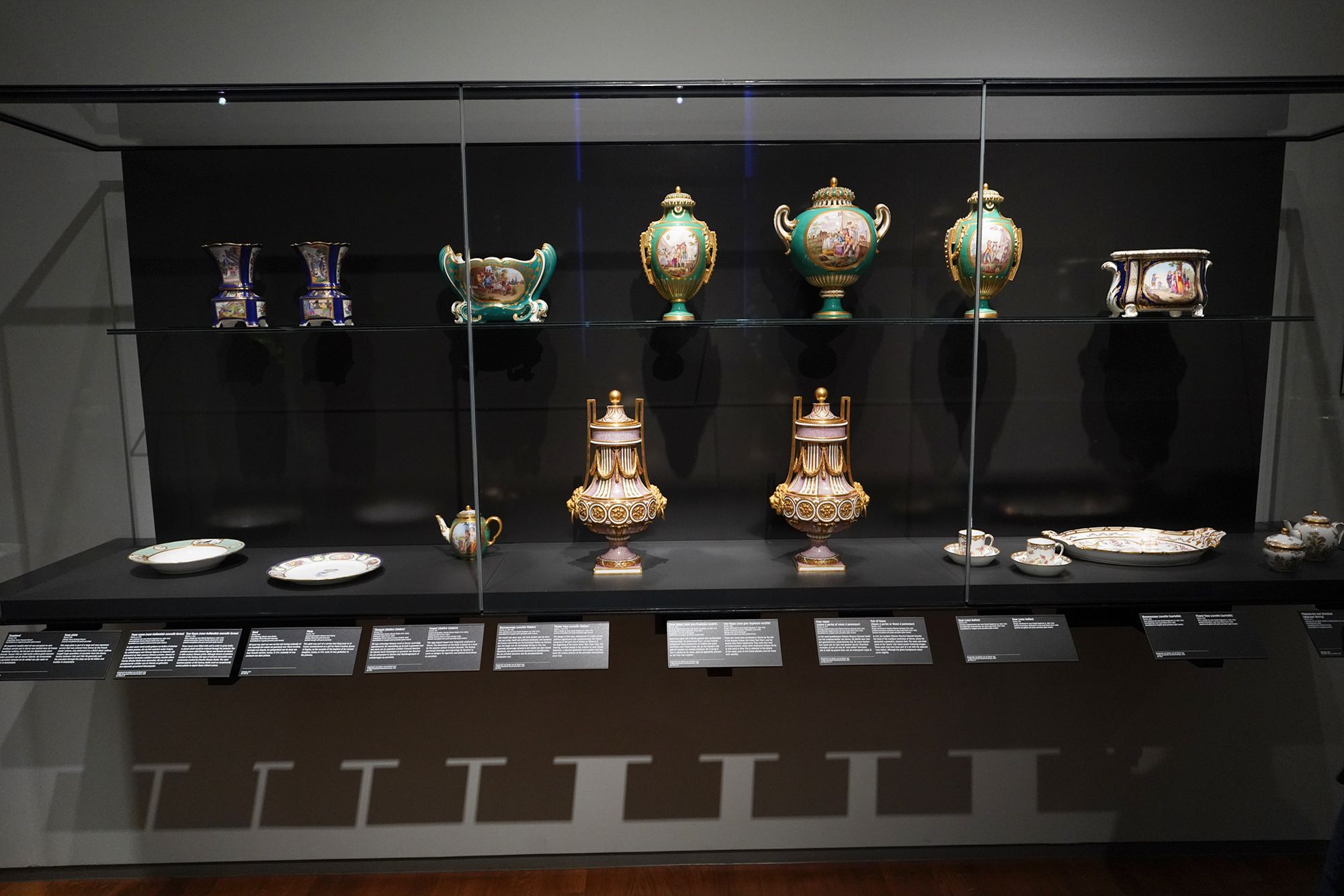
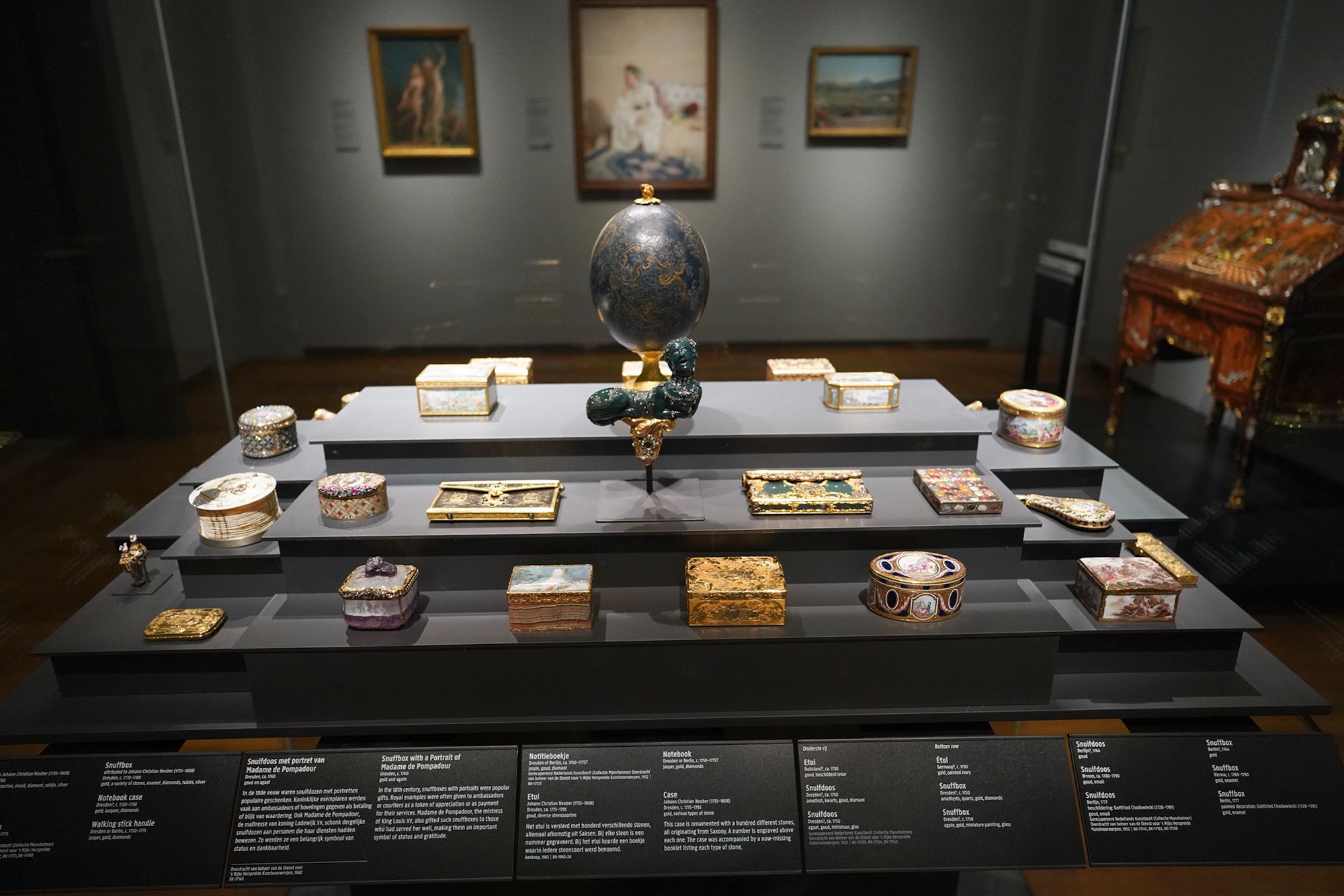
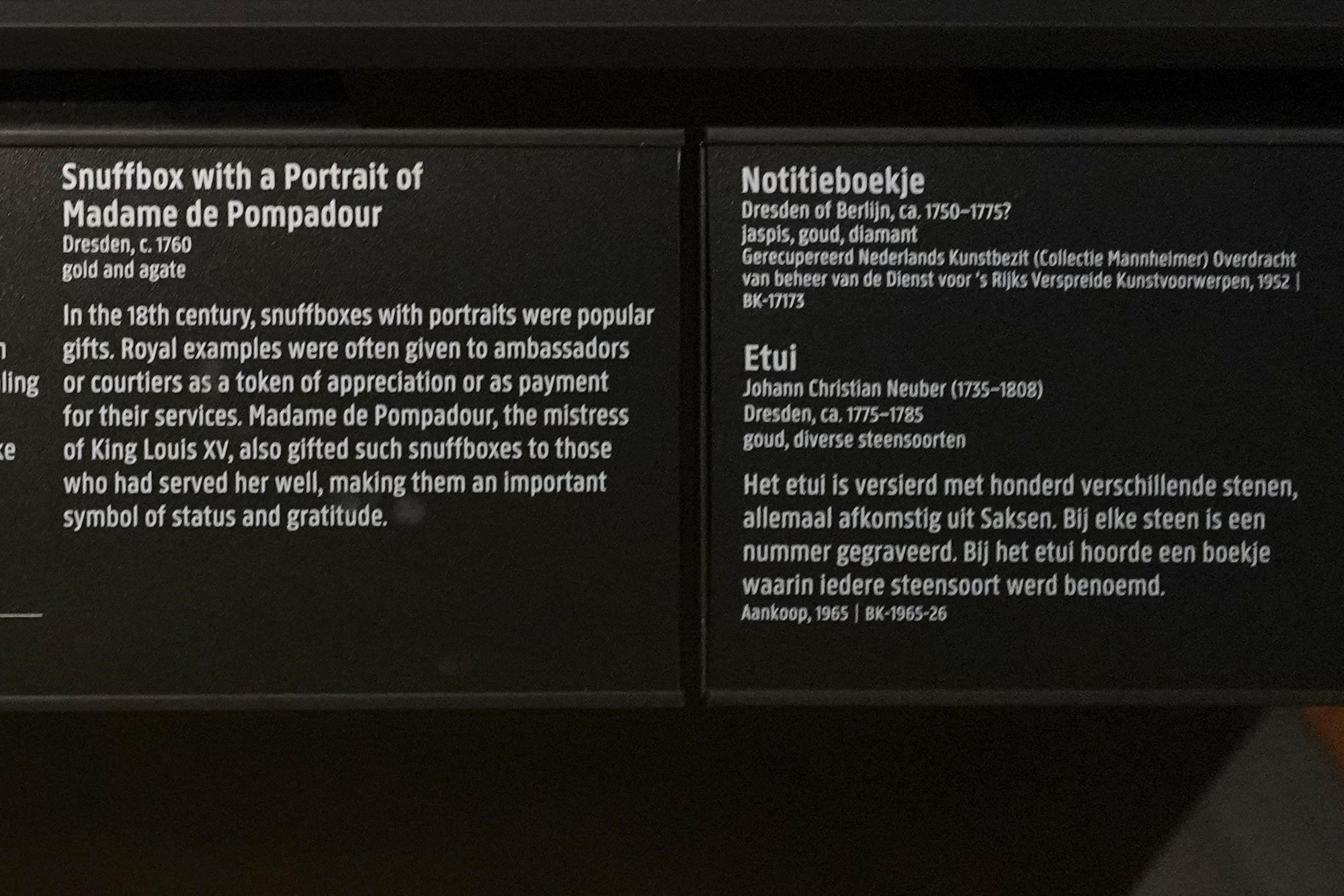
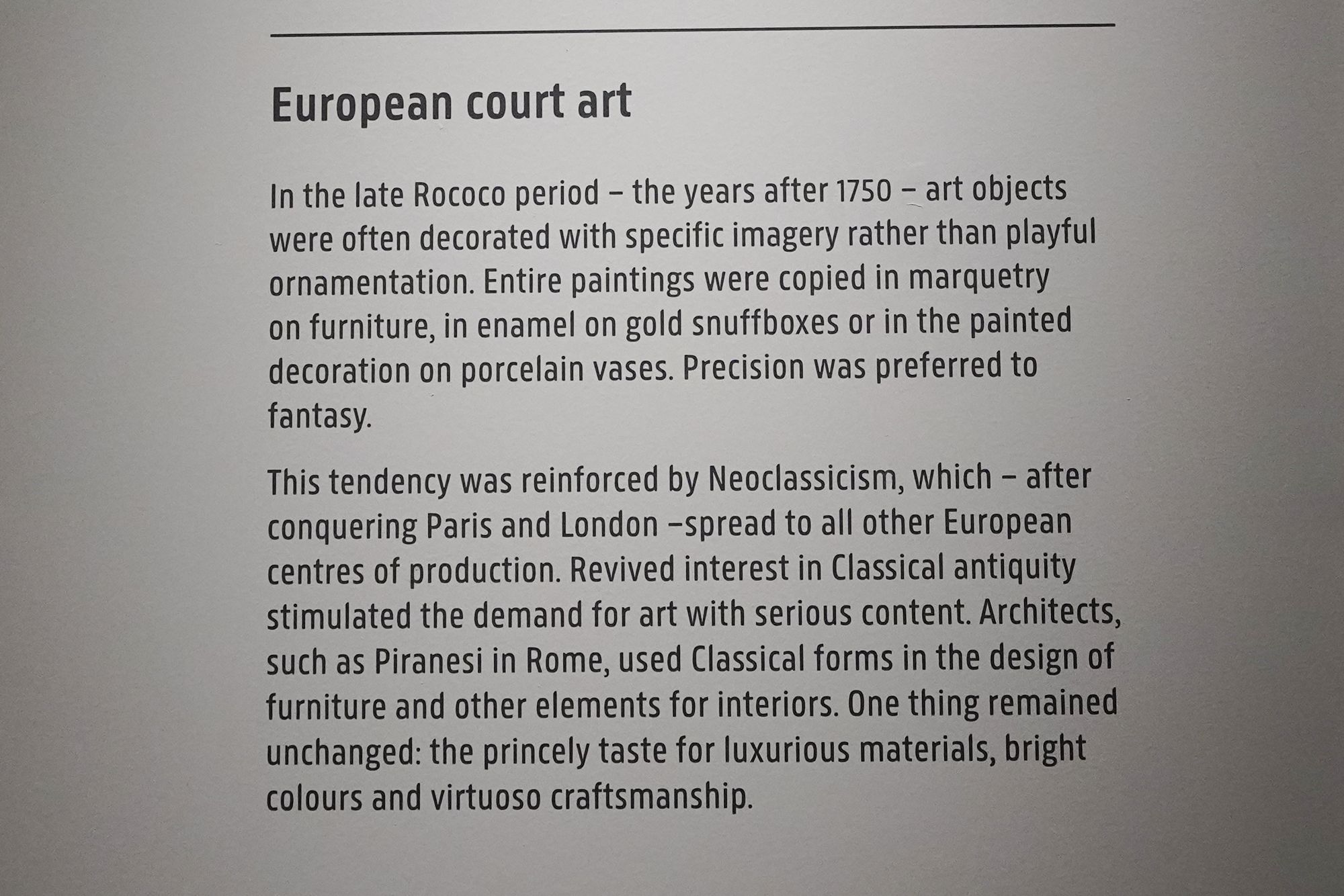
European court art after 1750 shifted from playful Rococo decoration toward the more serious Classical style of Neoclassicism.
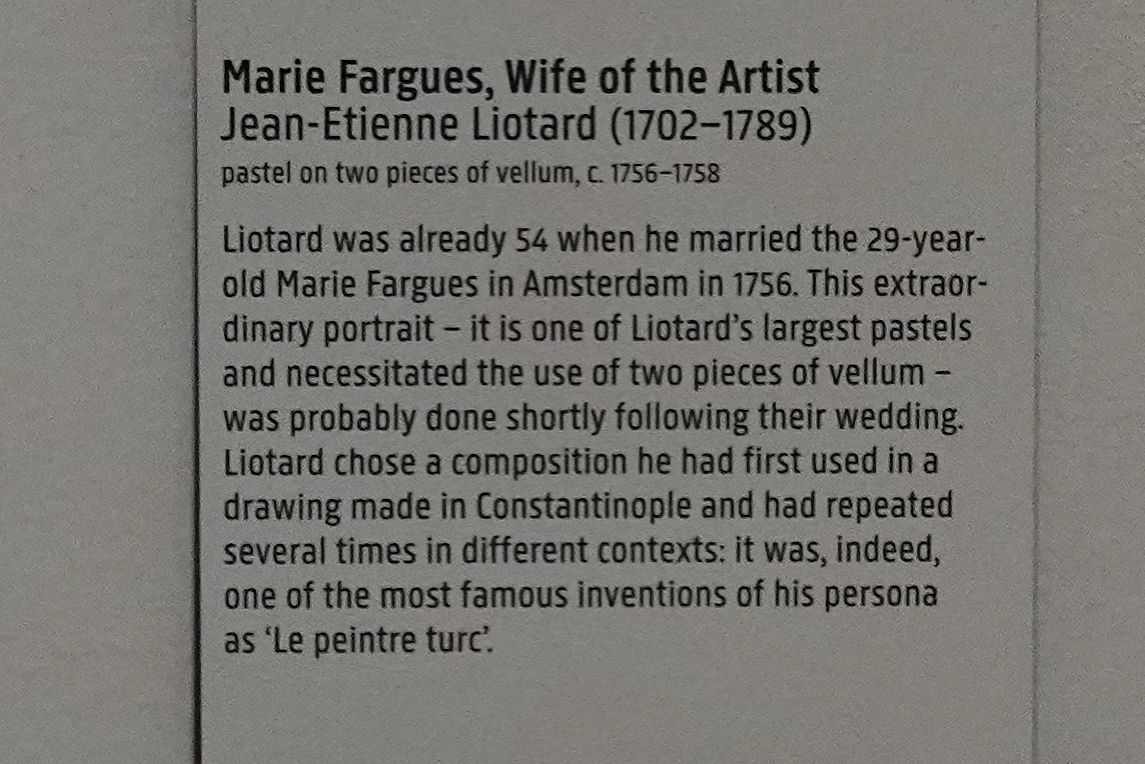
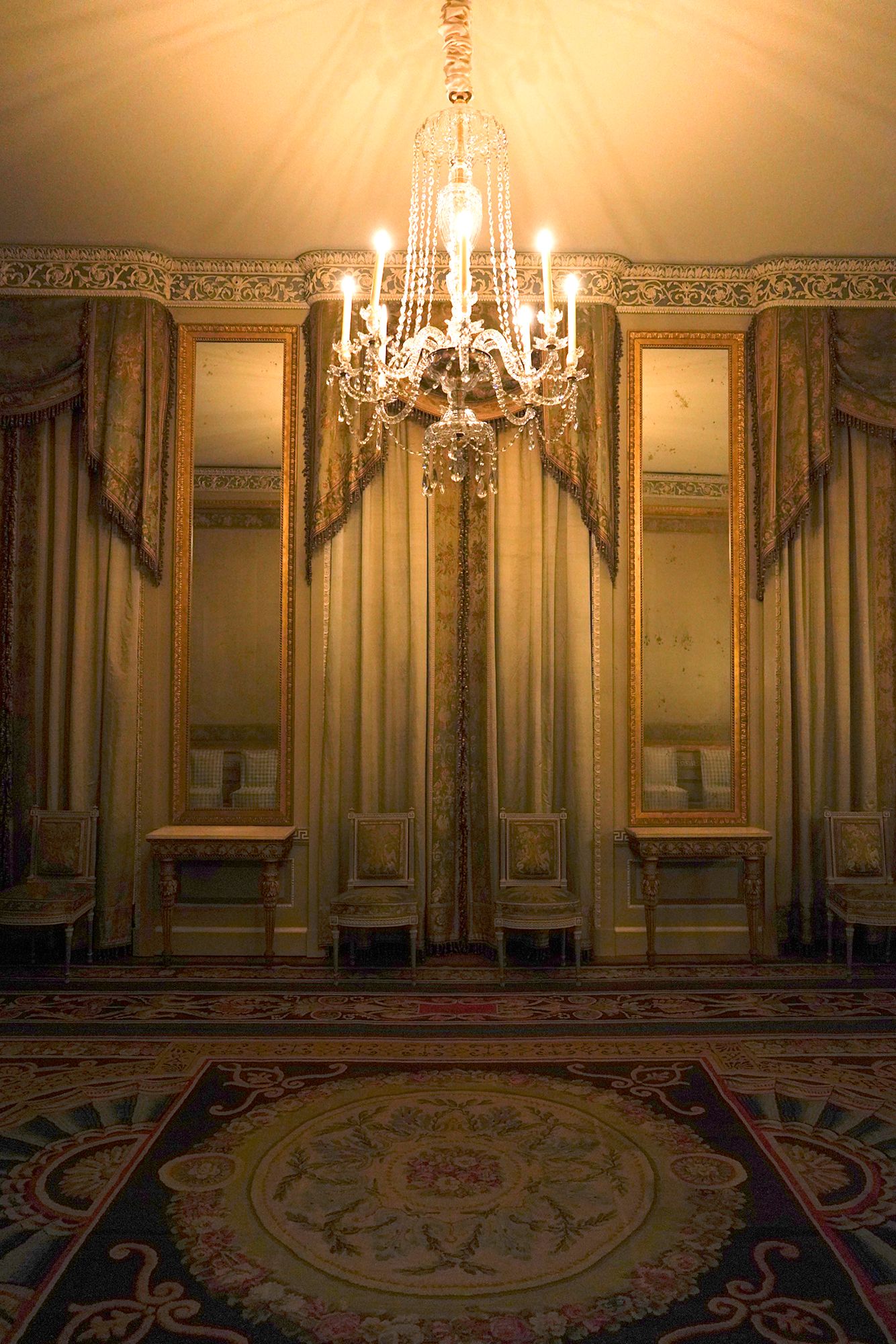
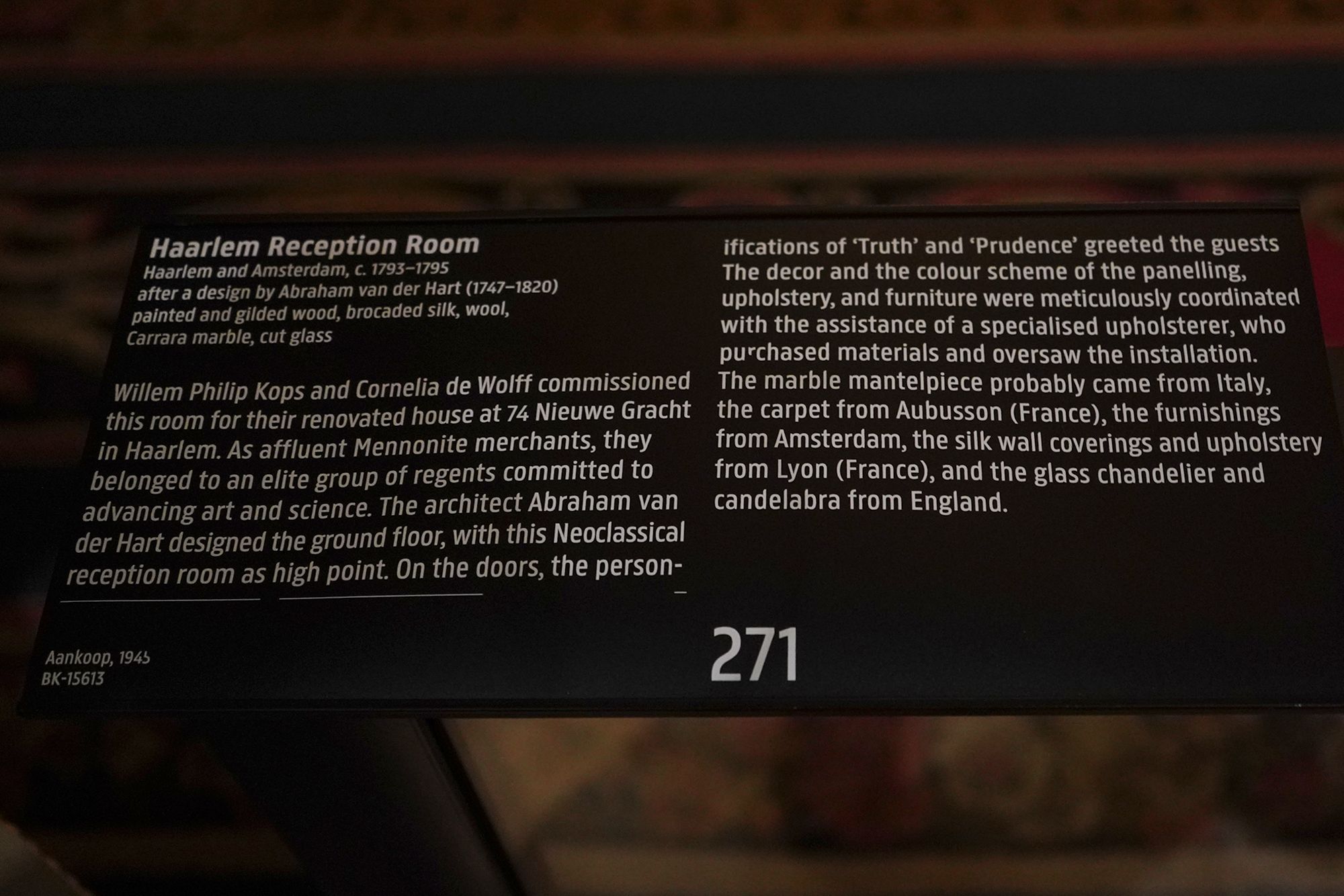
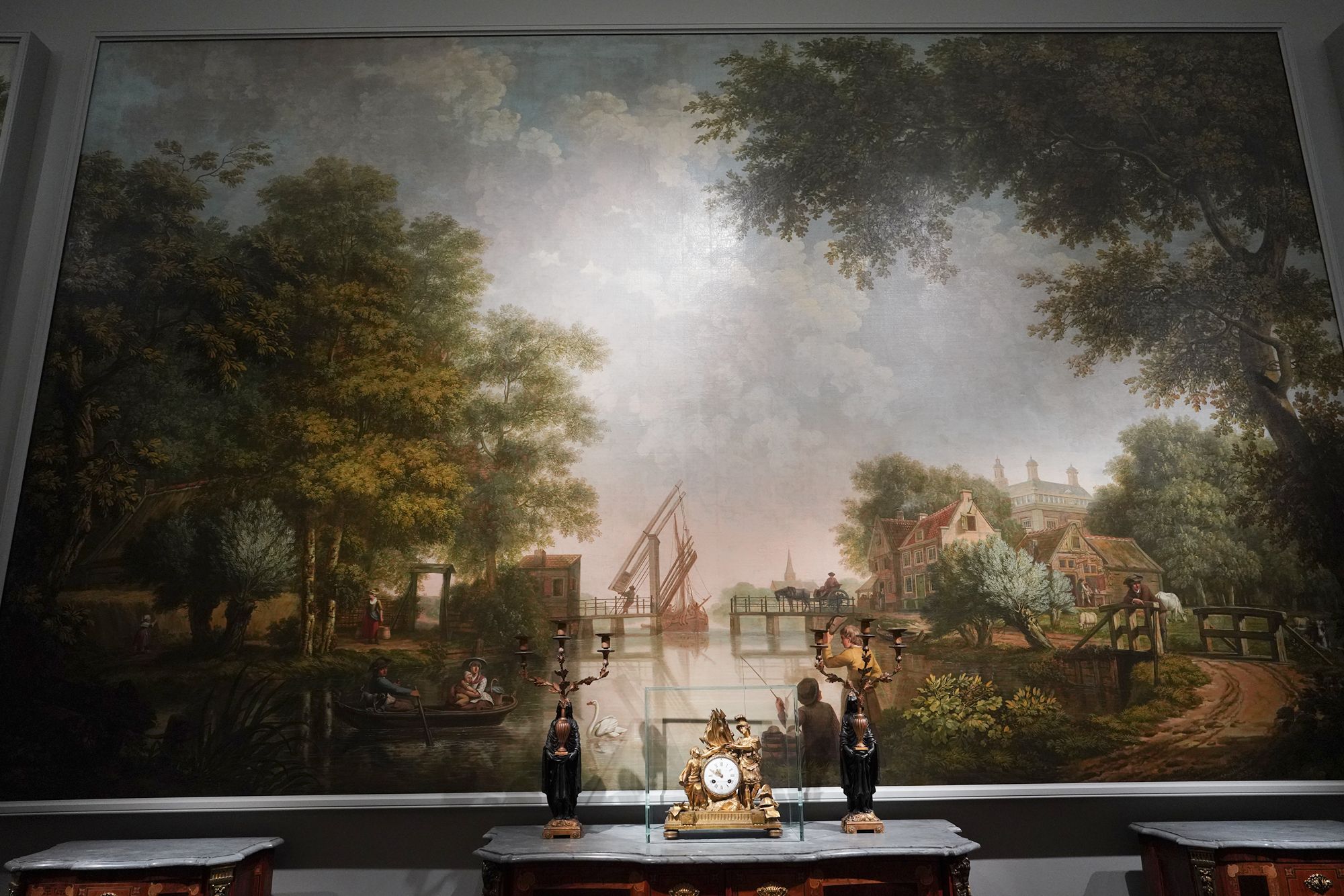
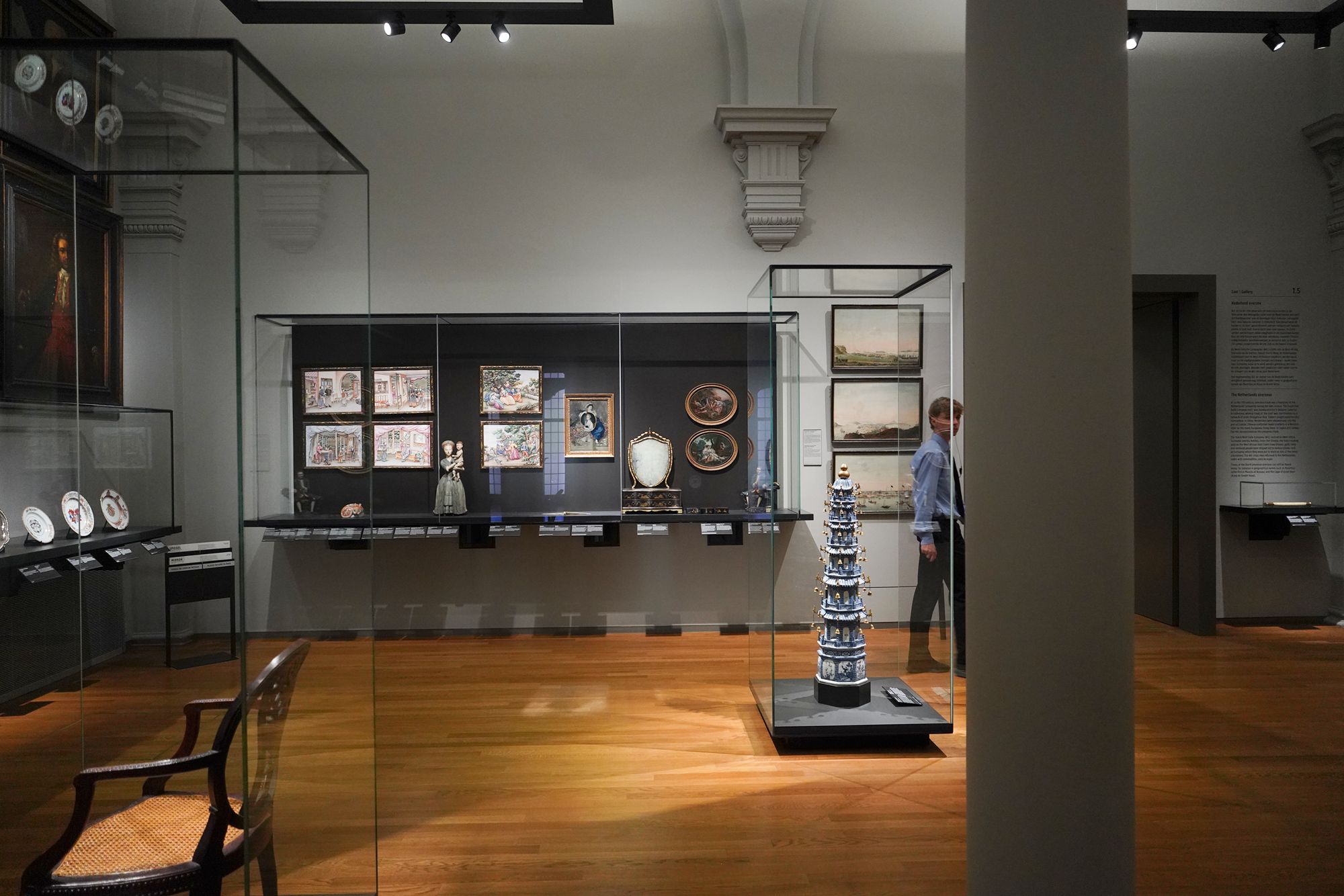
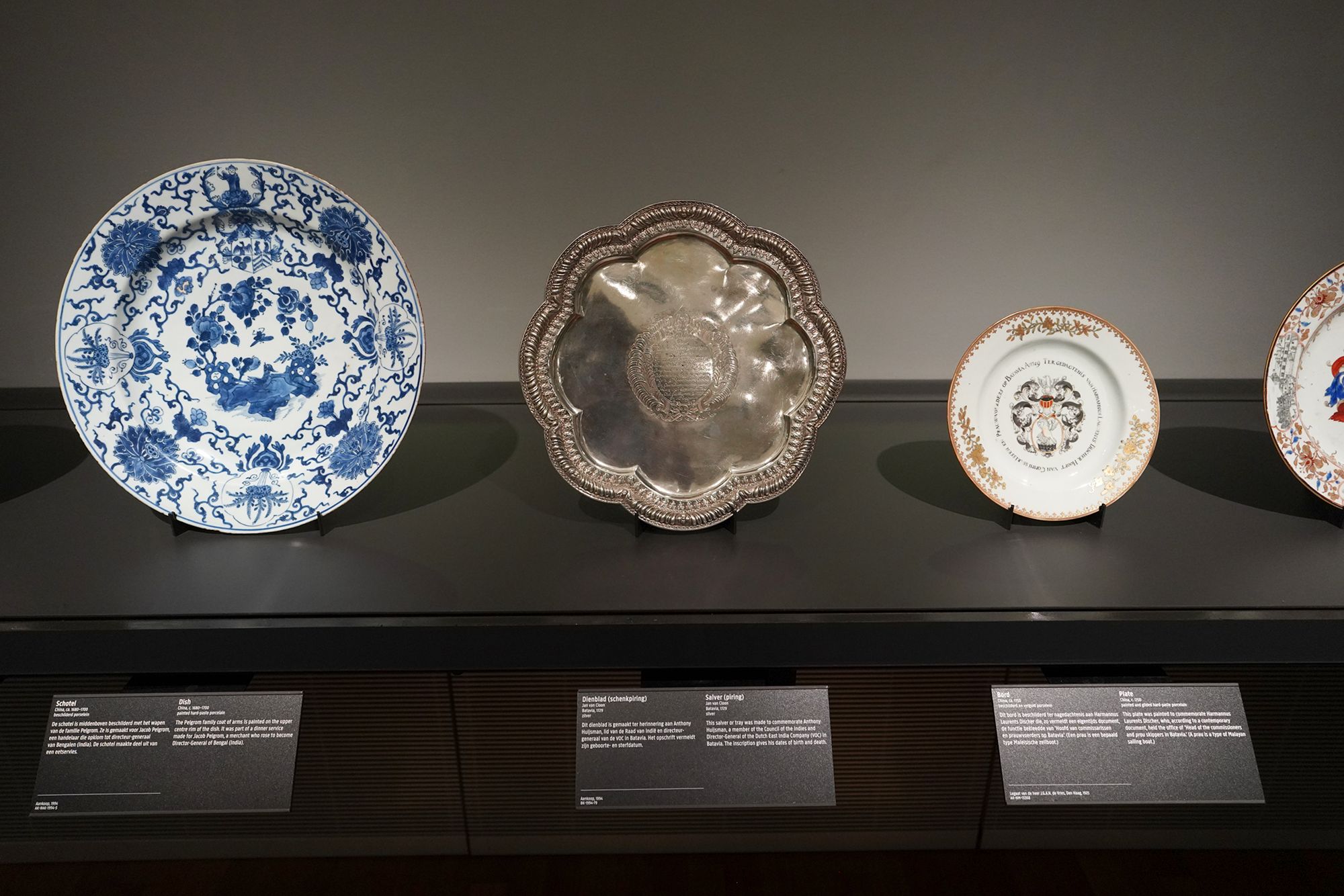
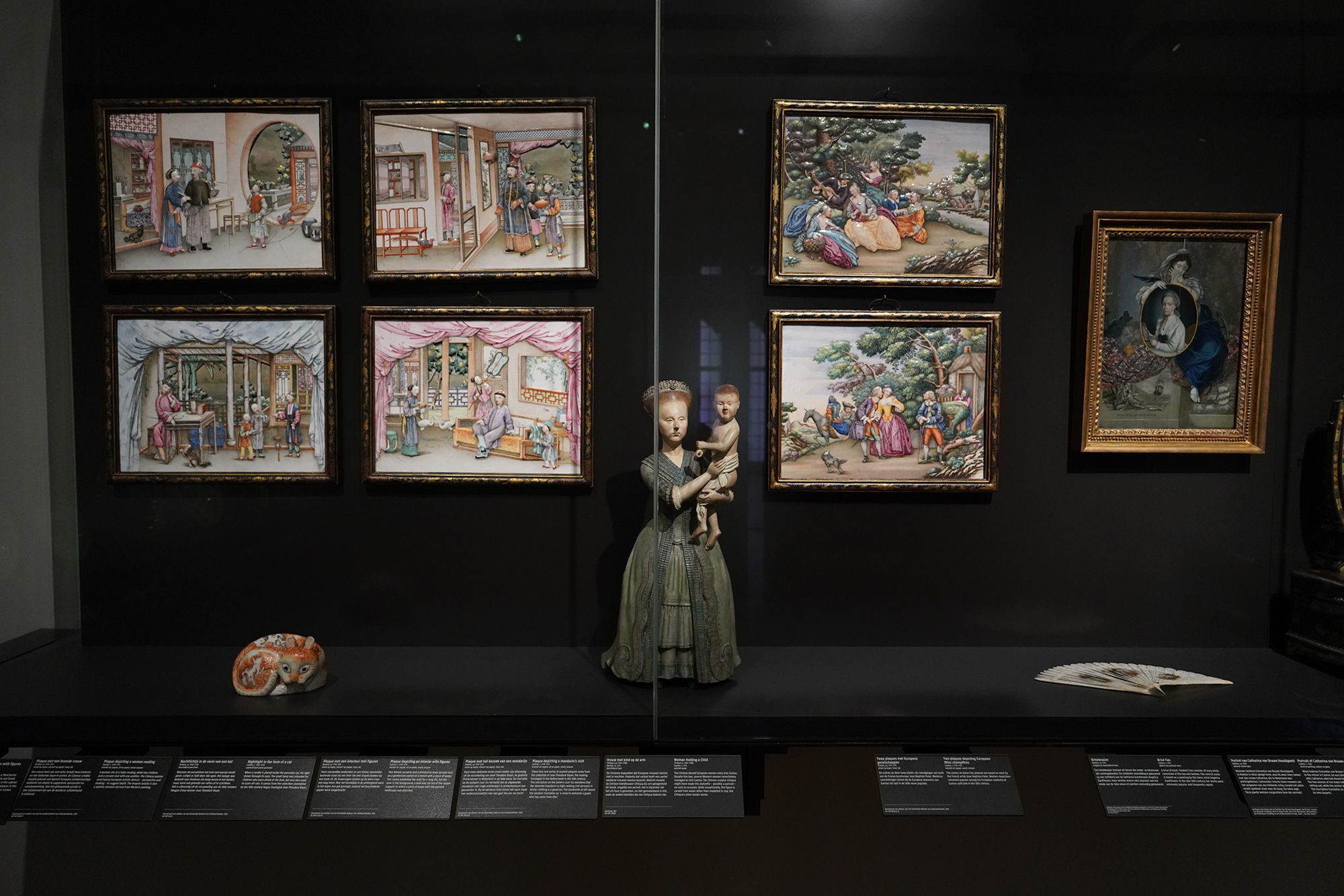
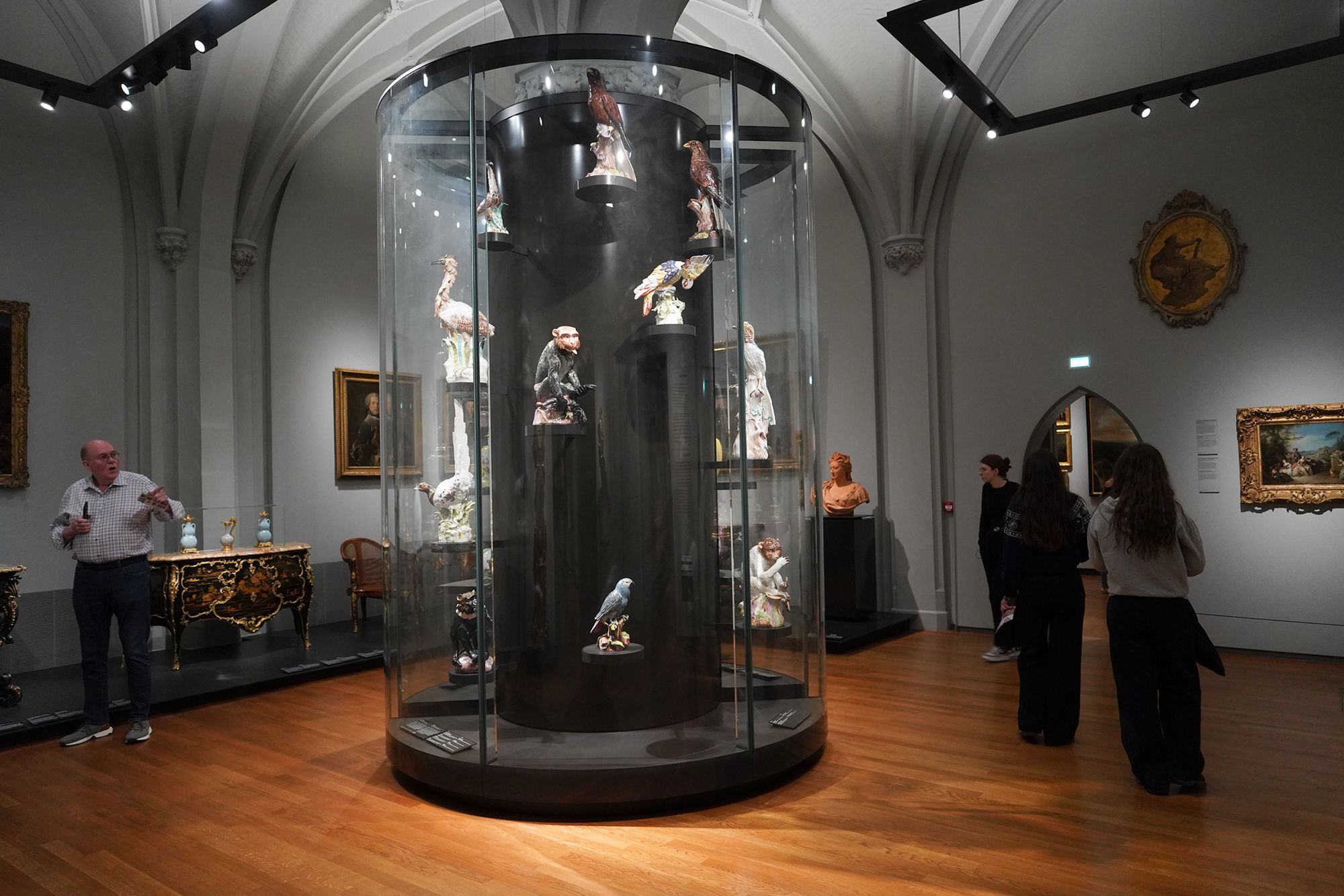
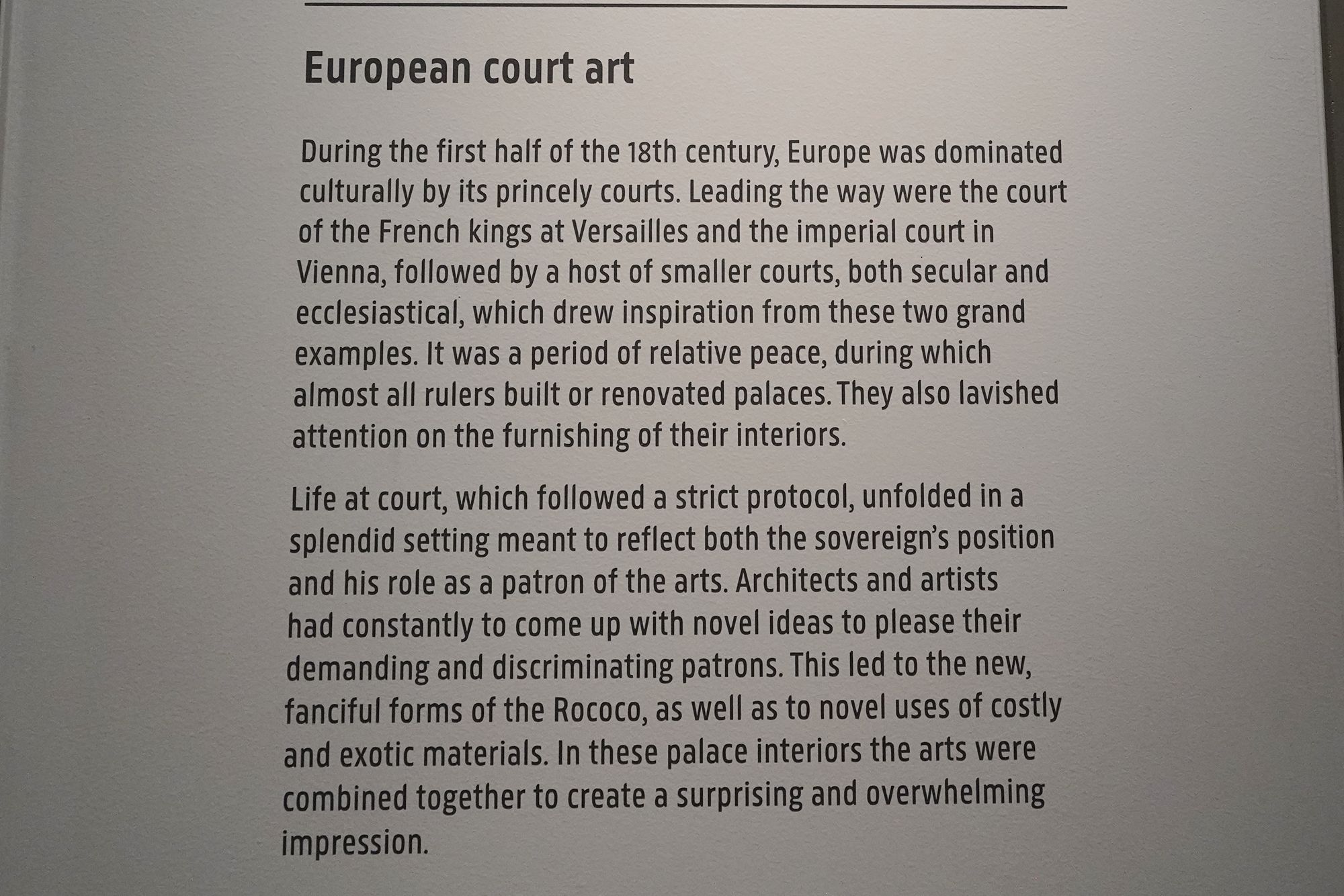
In the early 18th century, the royal courts of Europe inspired the elegant and elaborate style known as Rococo.
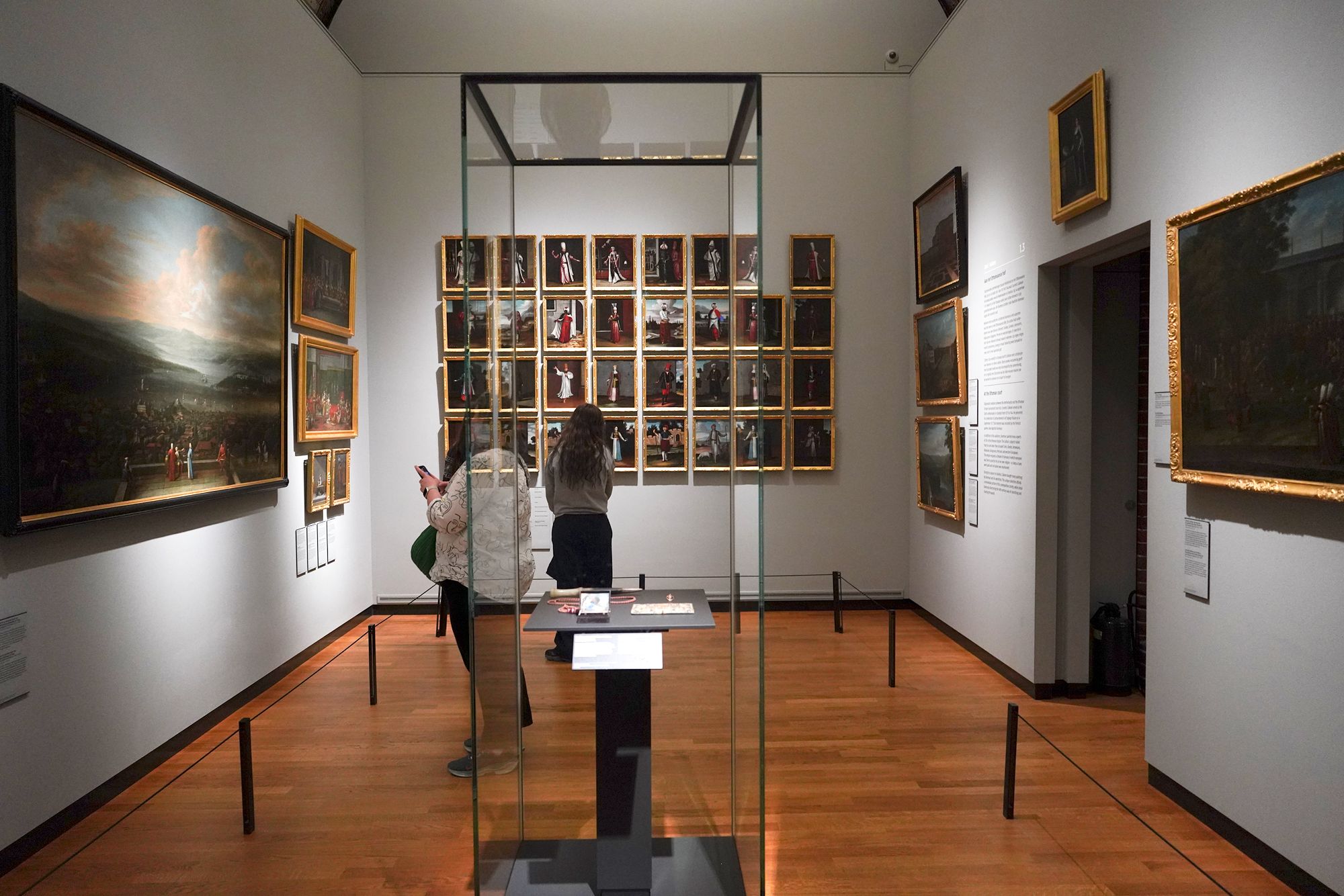
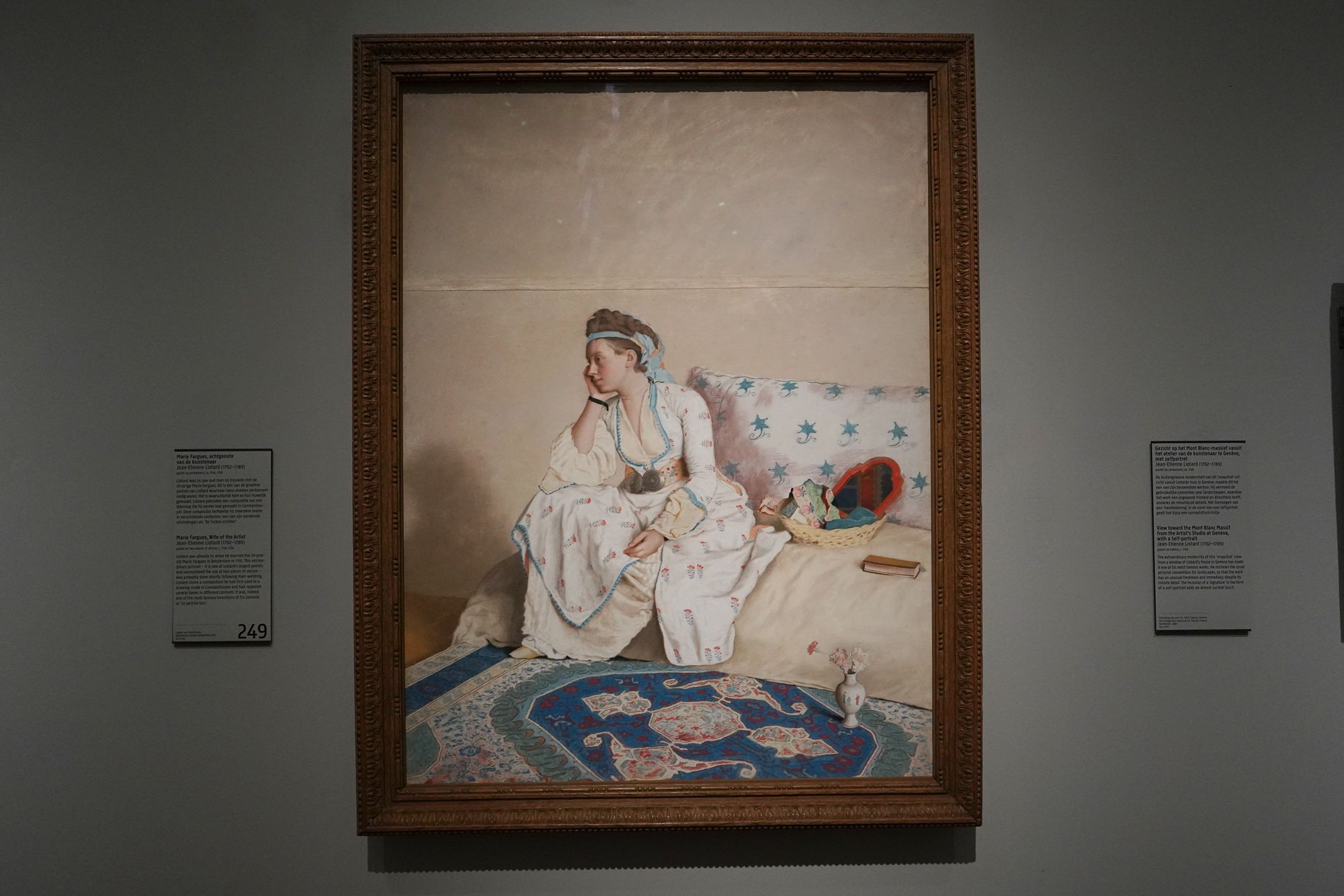
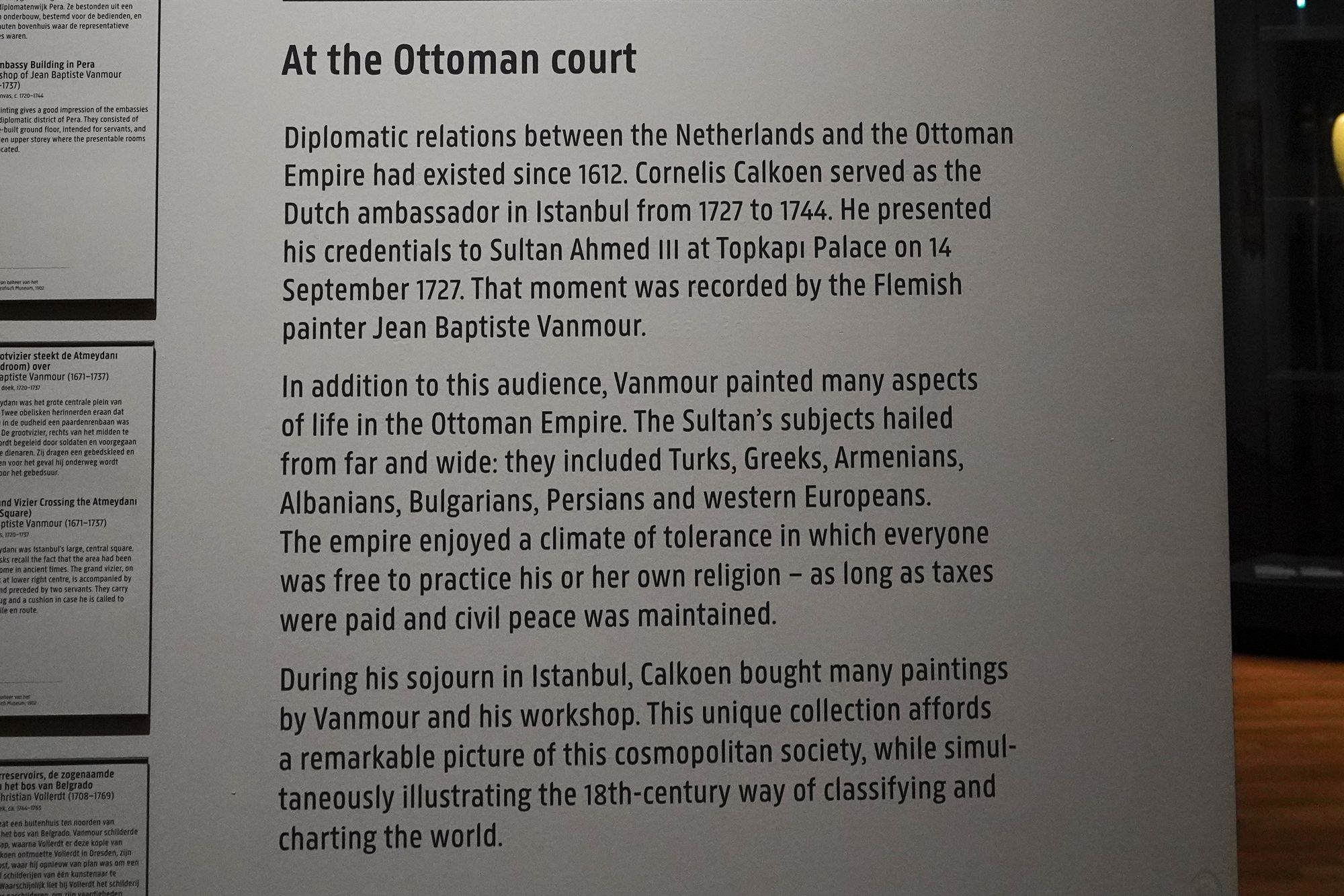
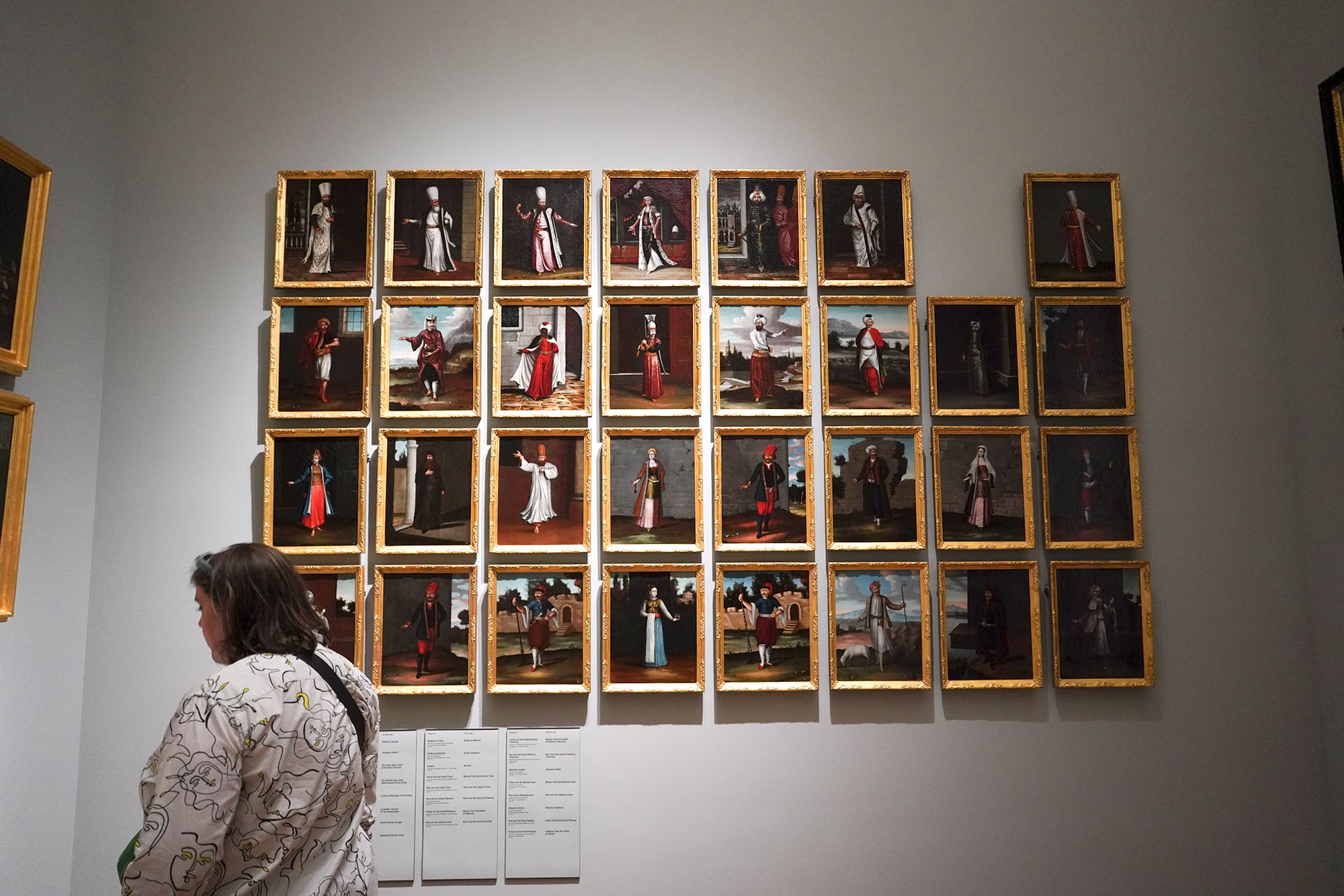
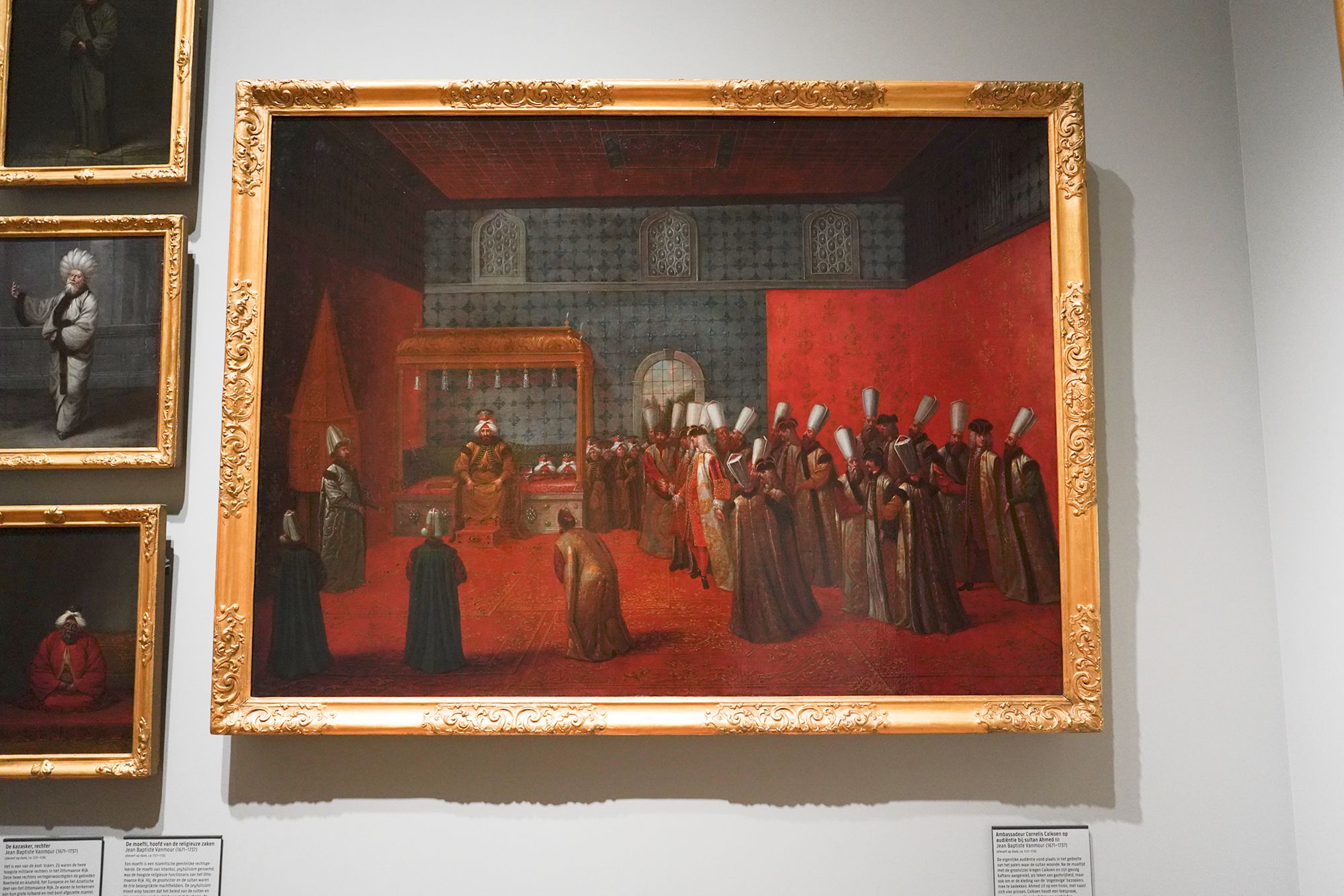
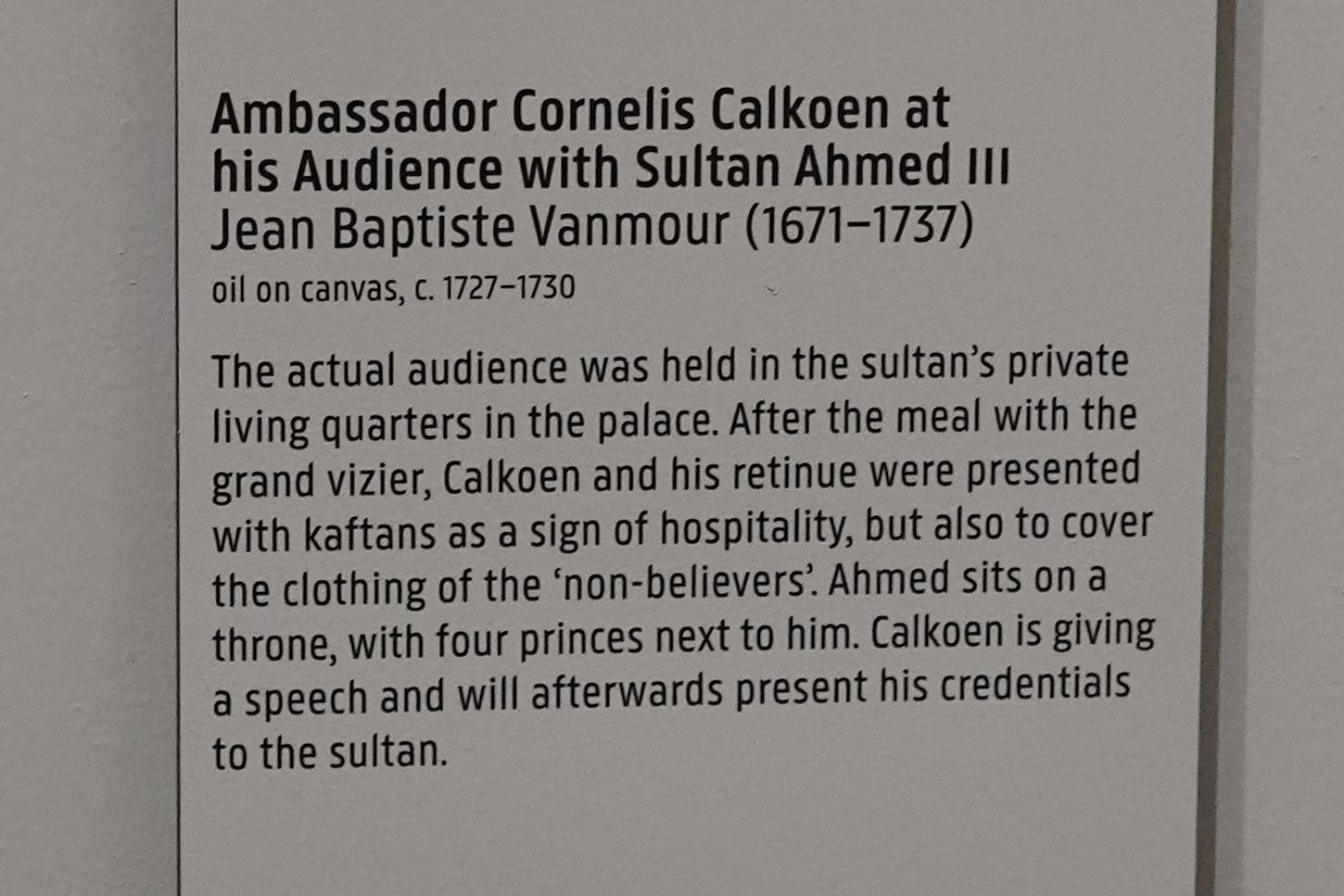
The paintings in this section show life at the Ottoman court and the diverse society of 18th-century Istanbul.
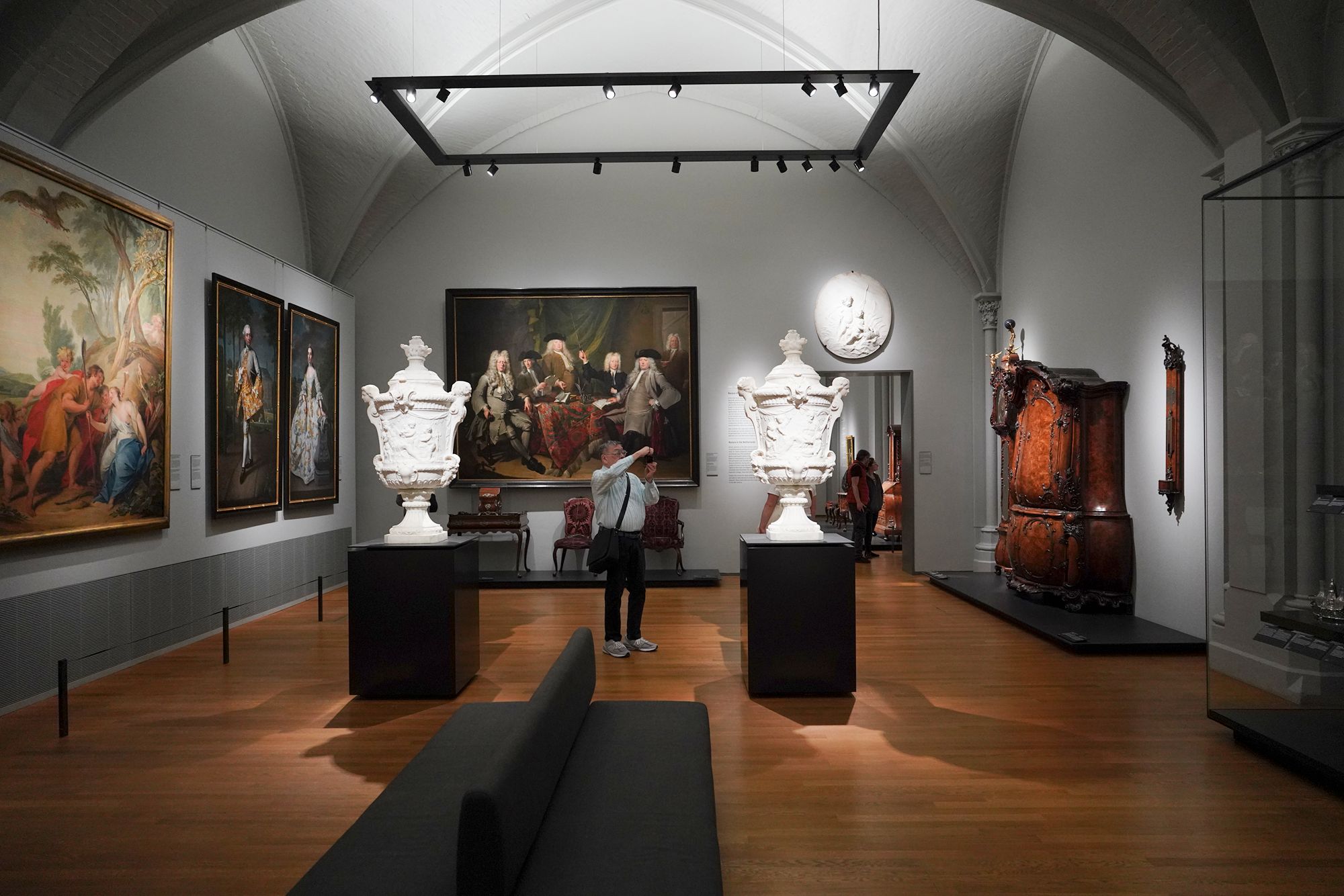
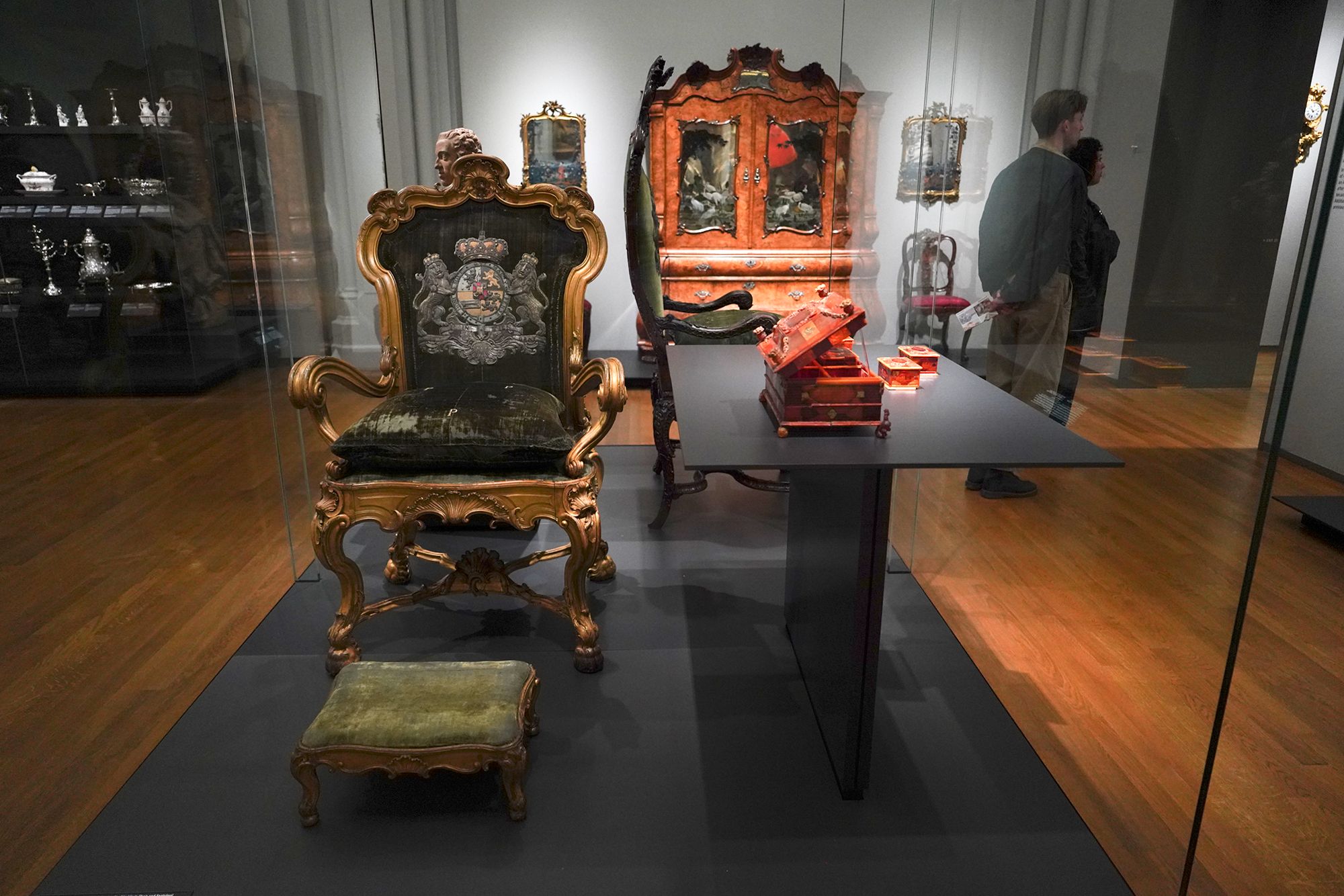
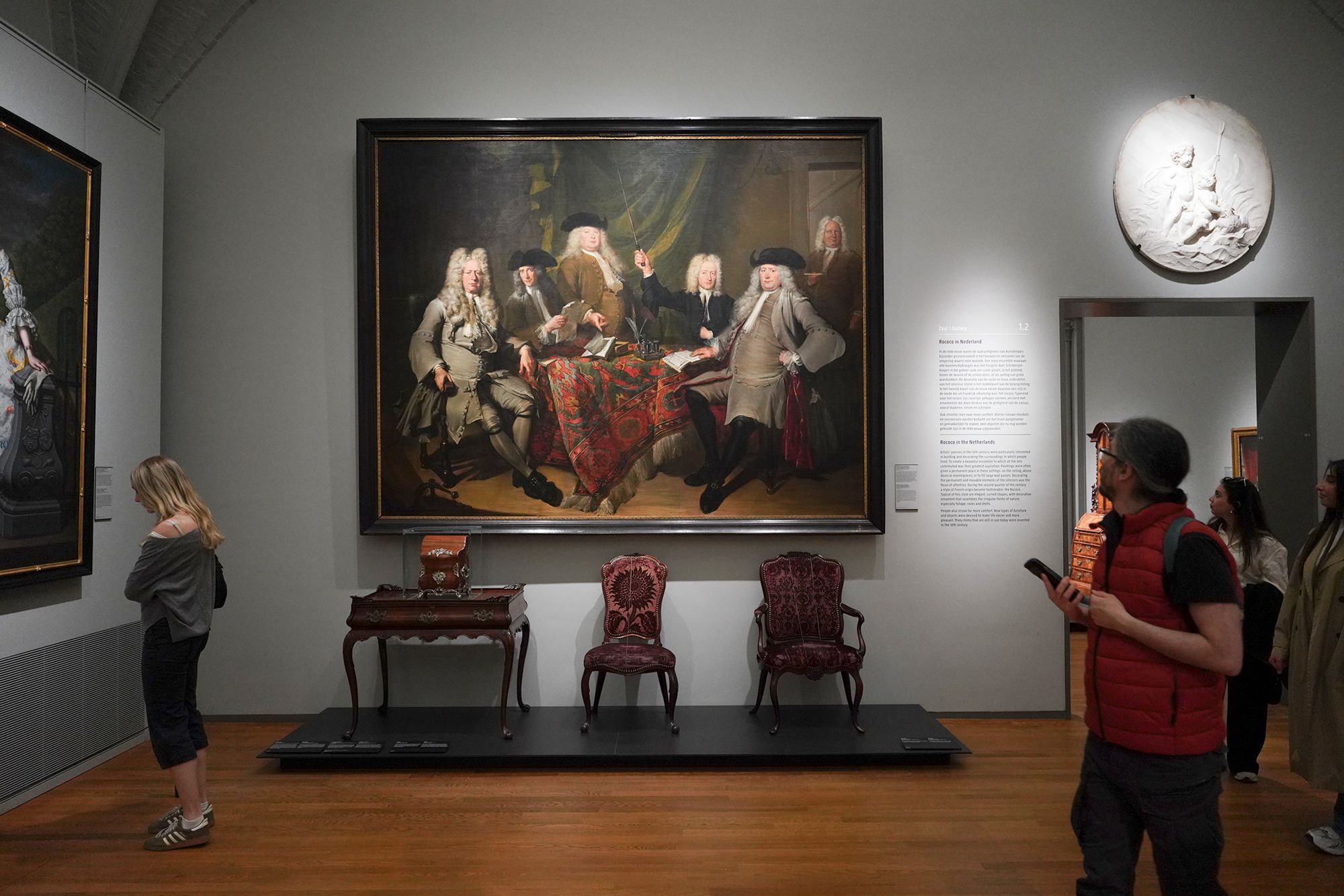
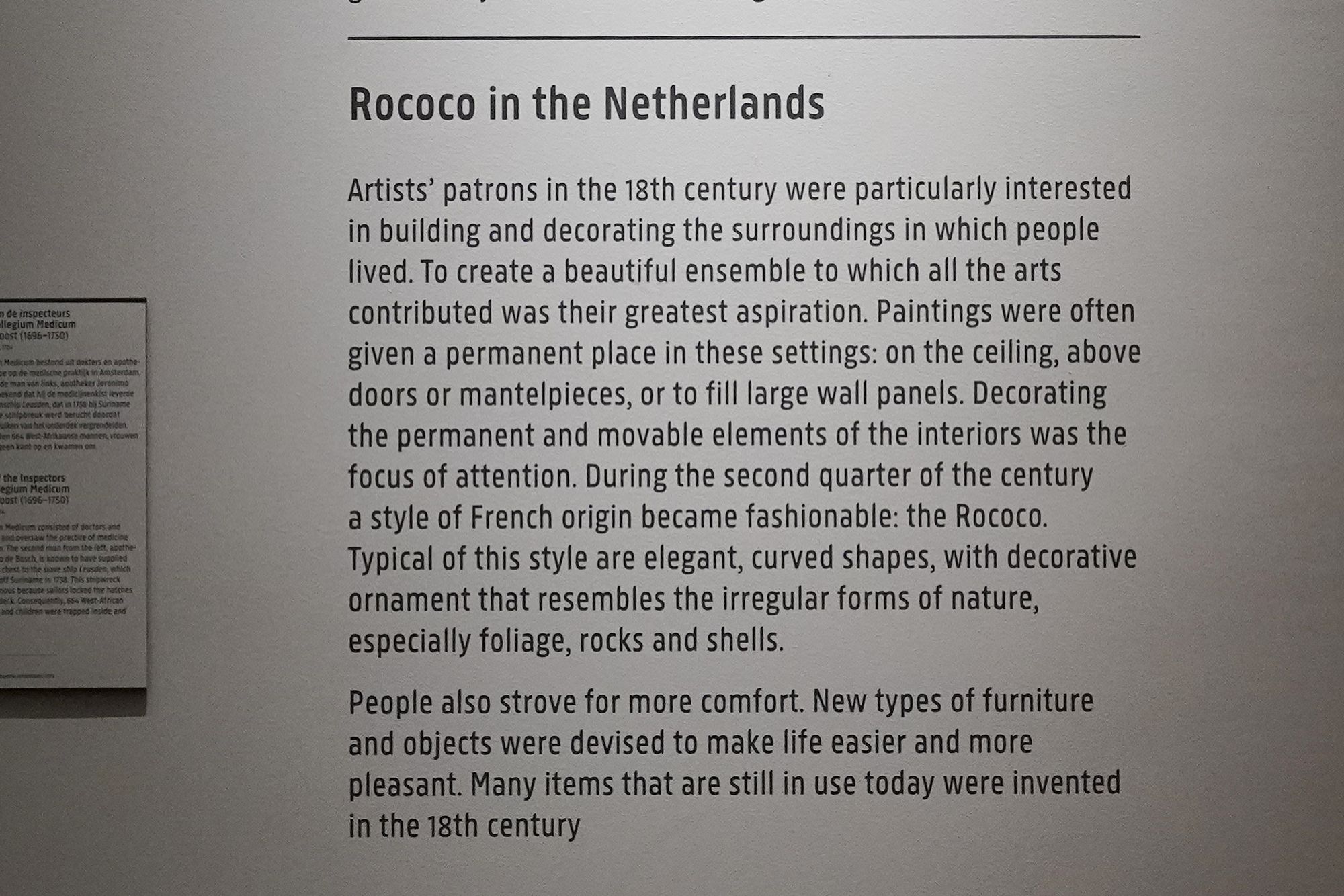
Rococo became fashionable in the Netherlands during the 18th century, bringing elegant curved forms and elaborate decorations inspired by nature.
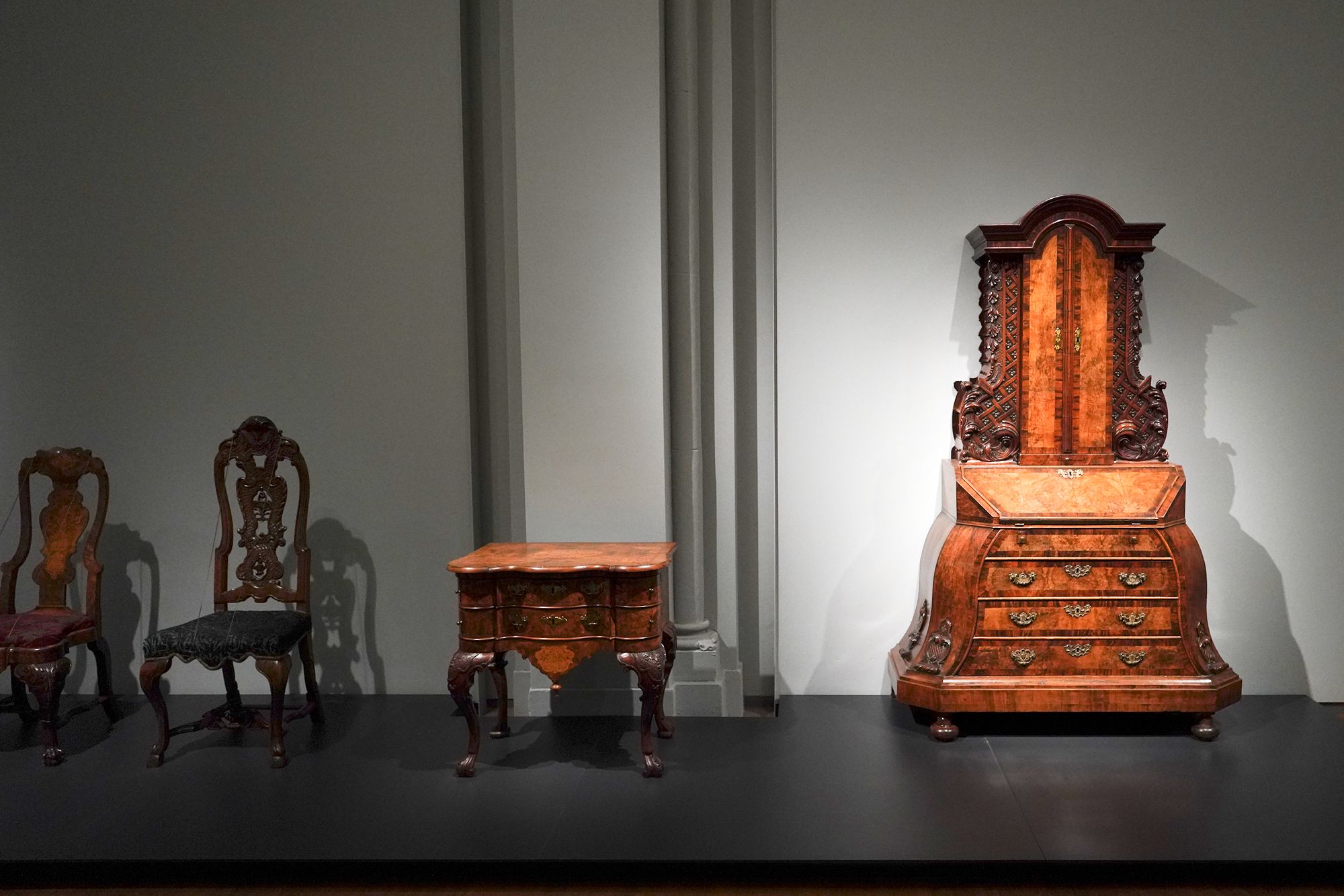
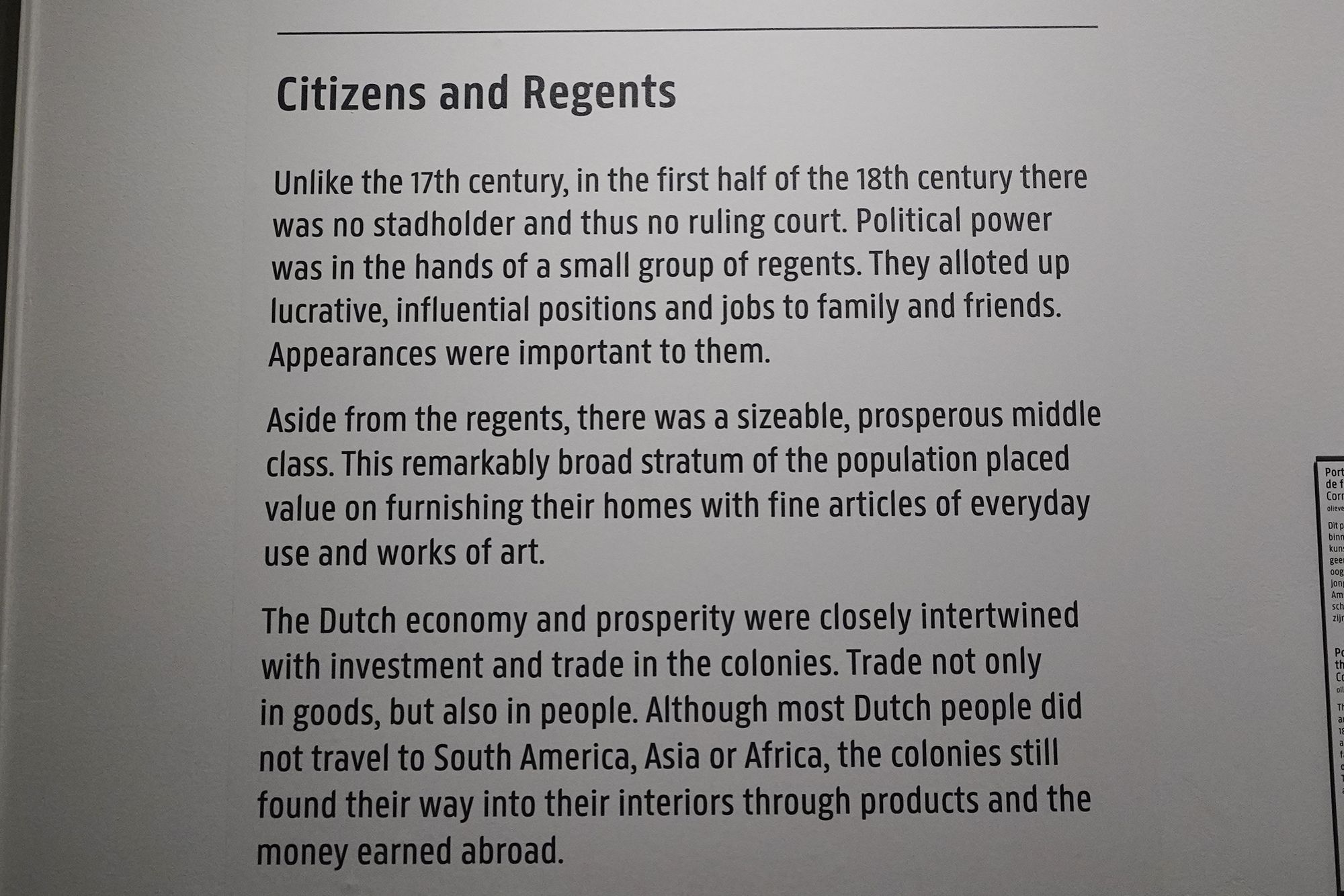
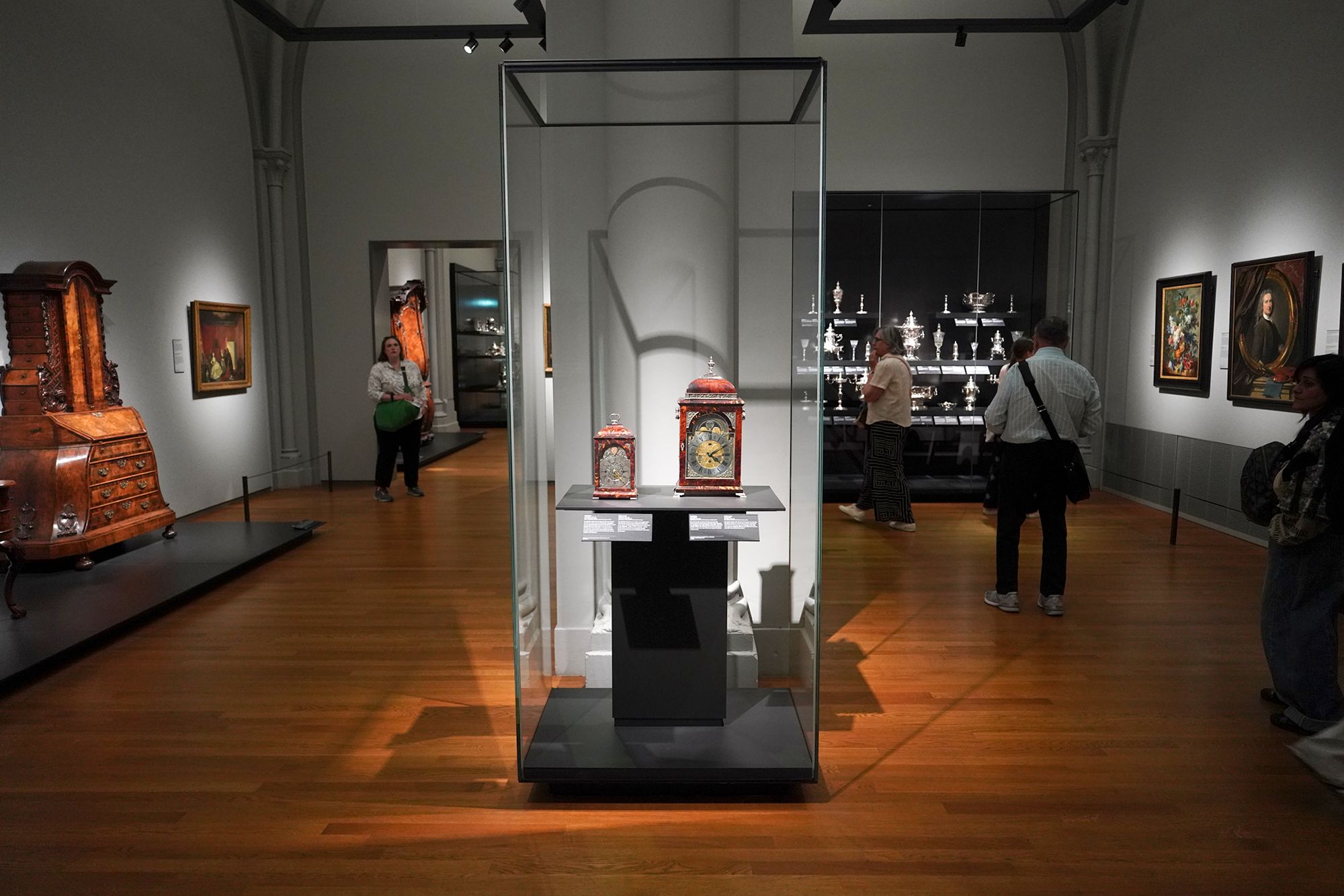
In the early 18th century, Dutch society was dominated by wealthy regents and a prosperous middle class, whose wealth was closely connected to overseas trade.
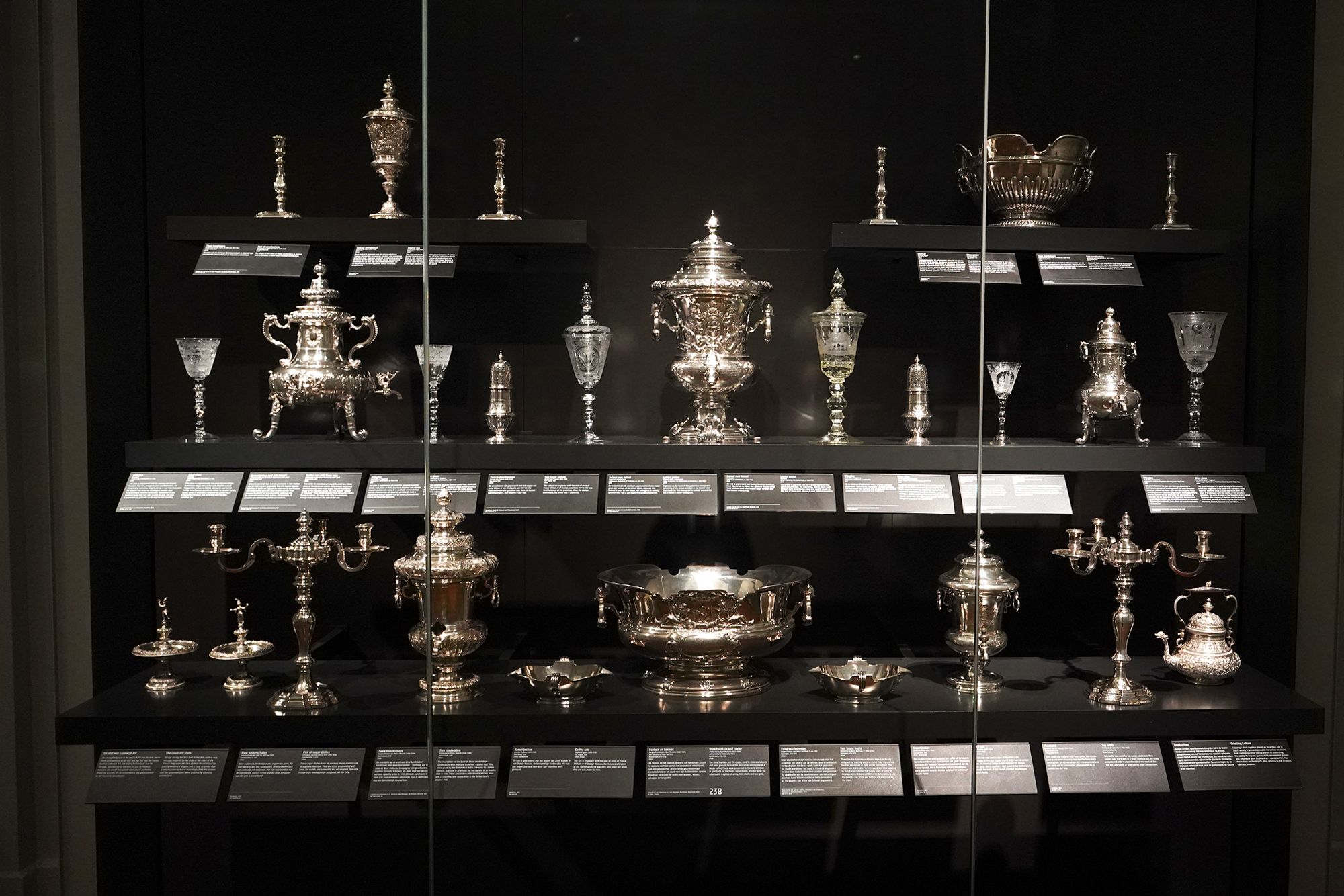
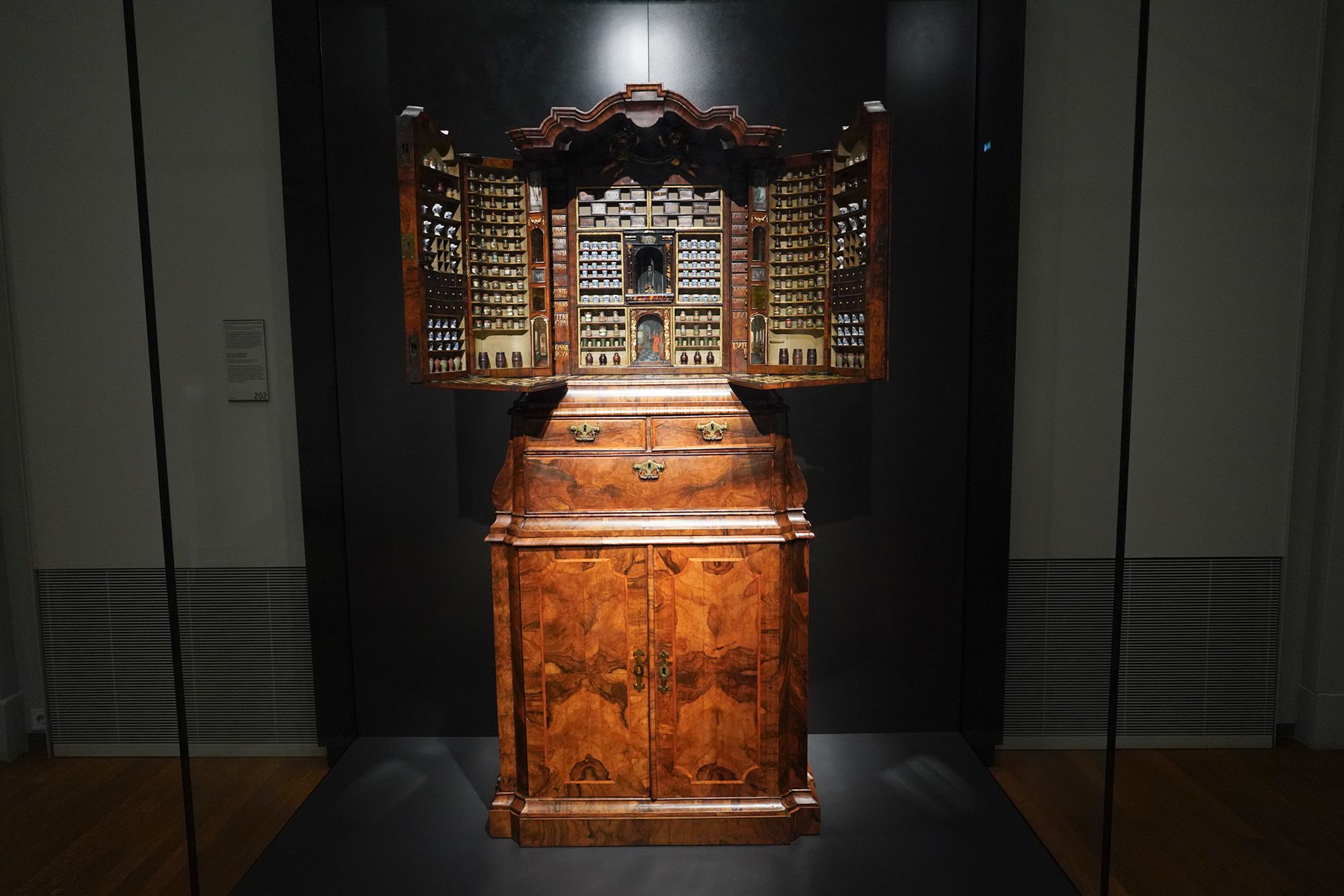
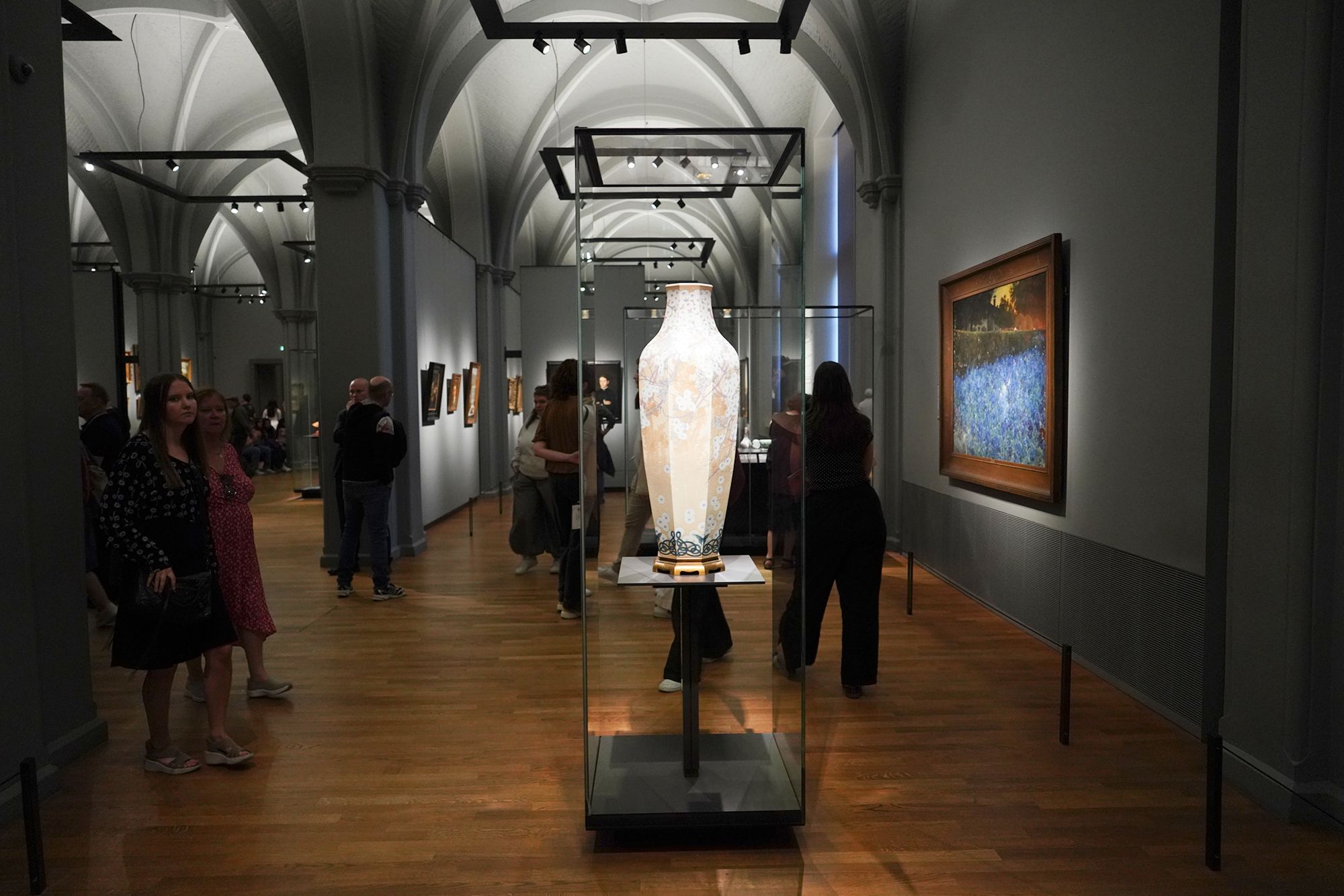
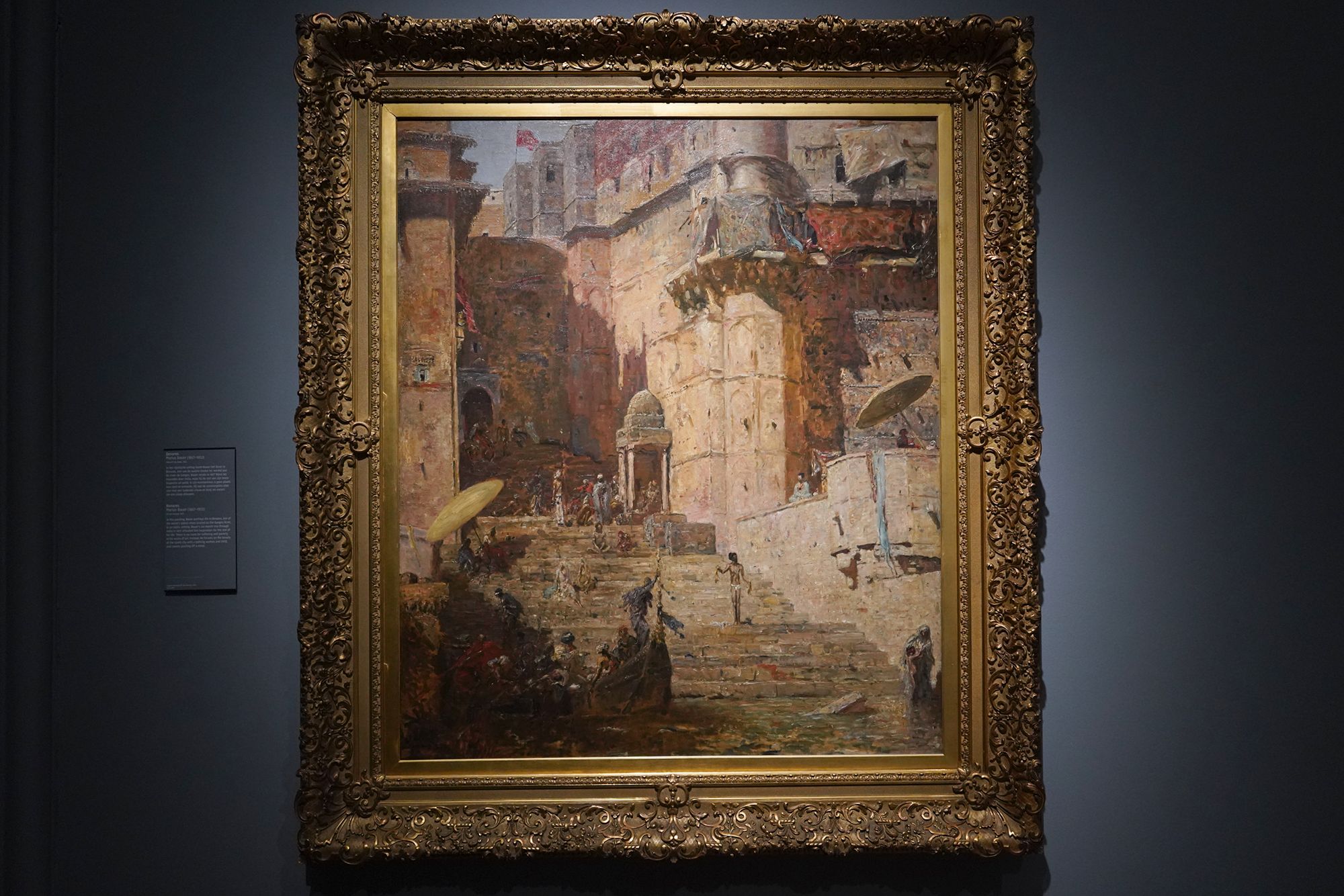
The next section of the Rijksmuseum covers 1800–1900, exploring Dutch art and history during the 19th century.

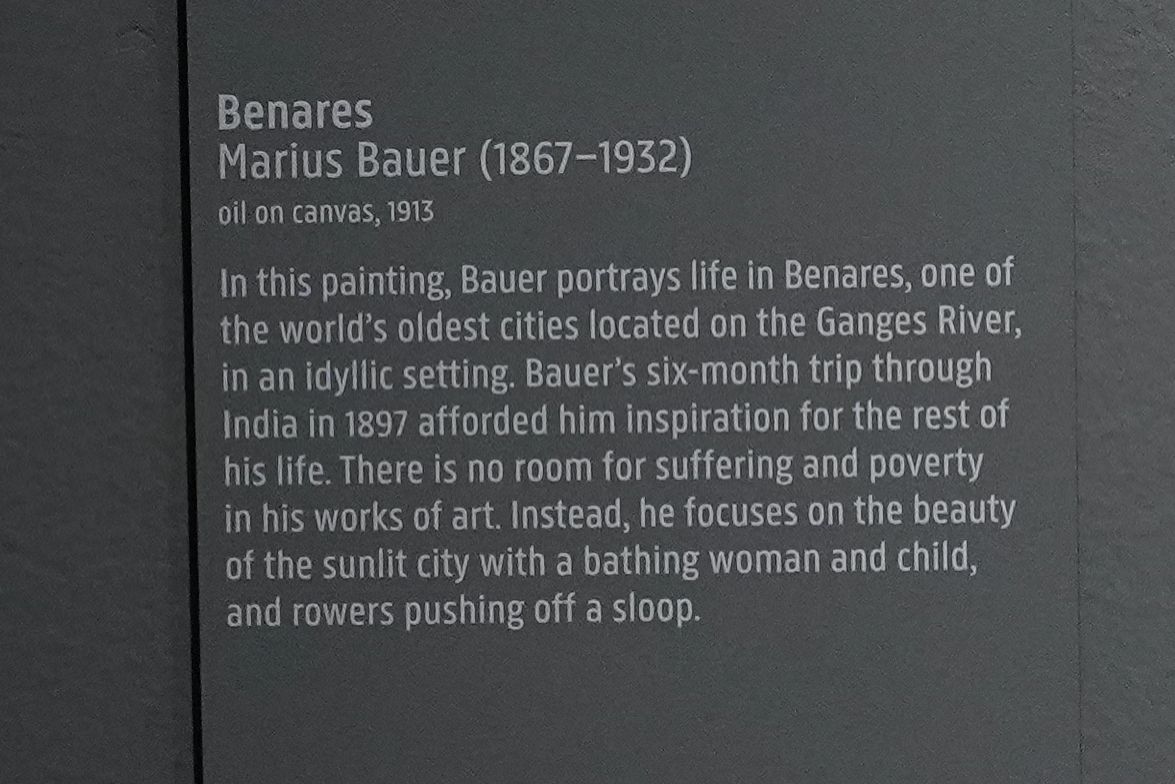
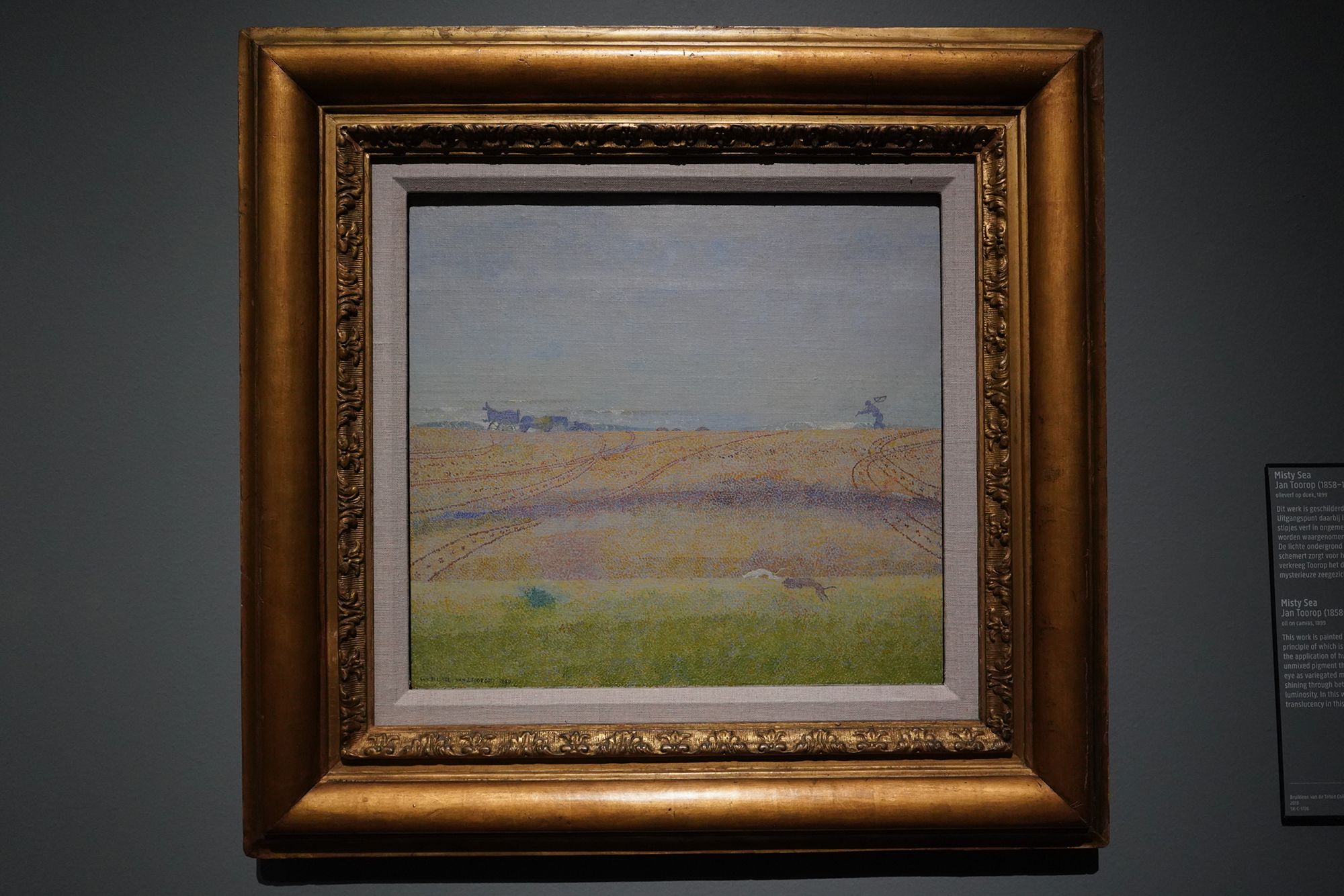
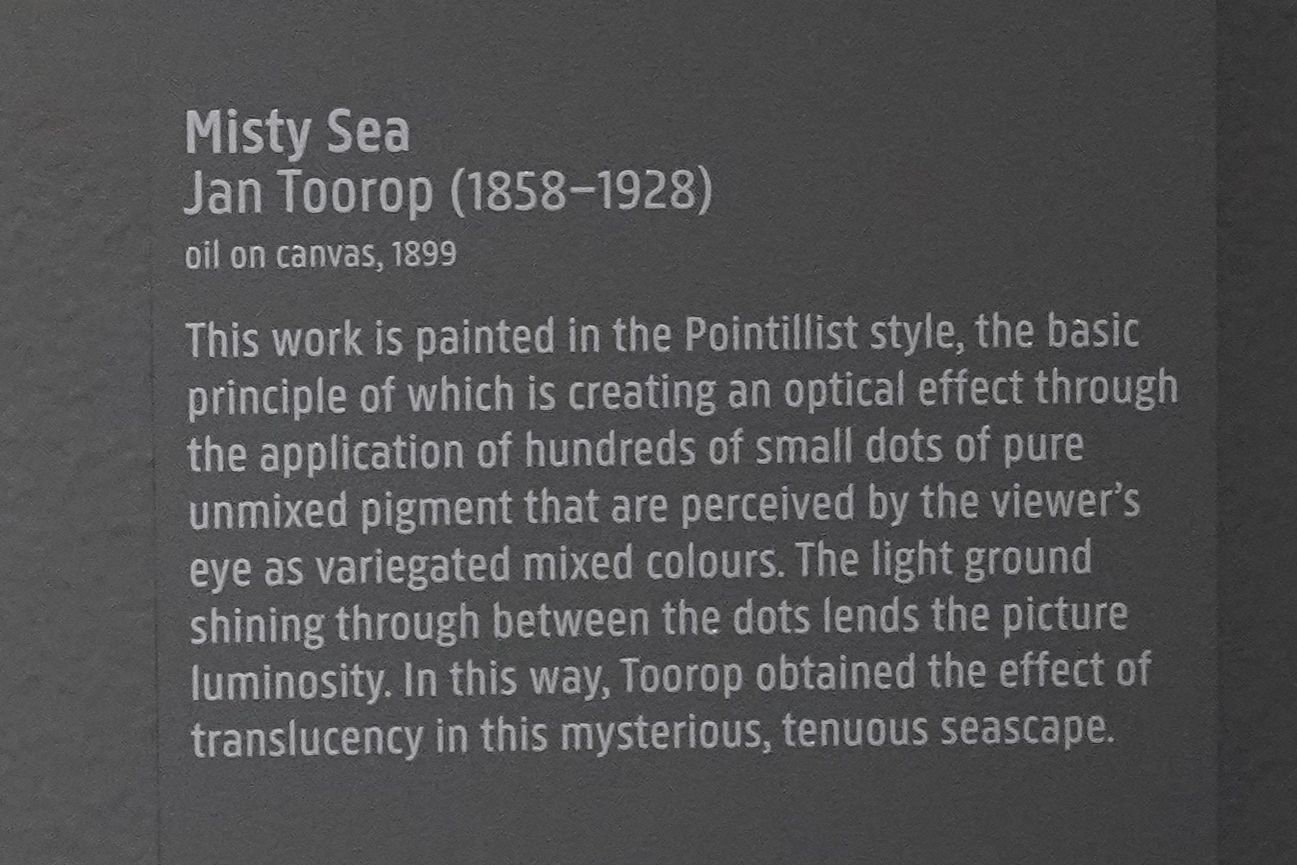
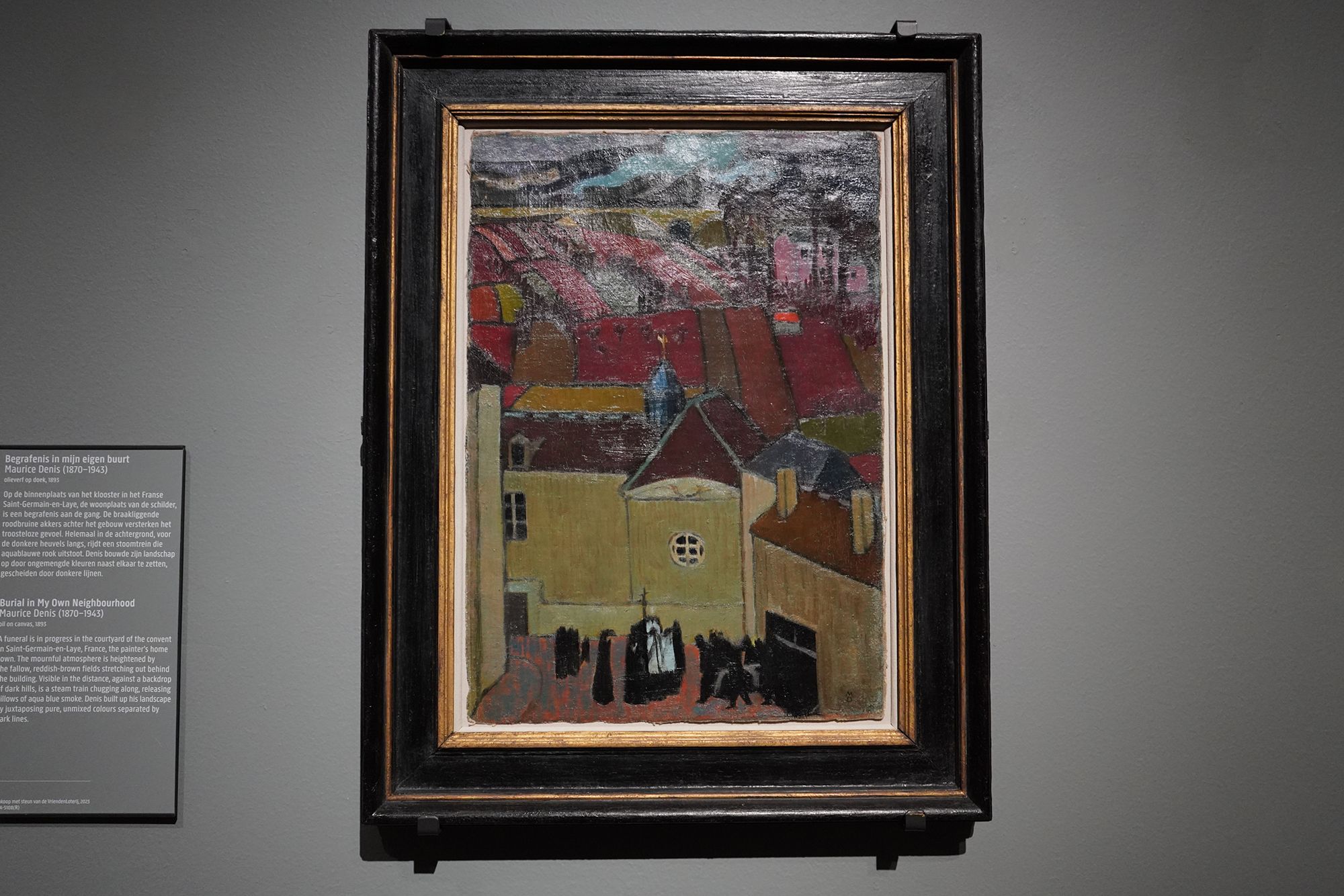
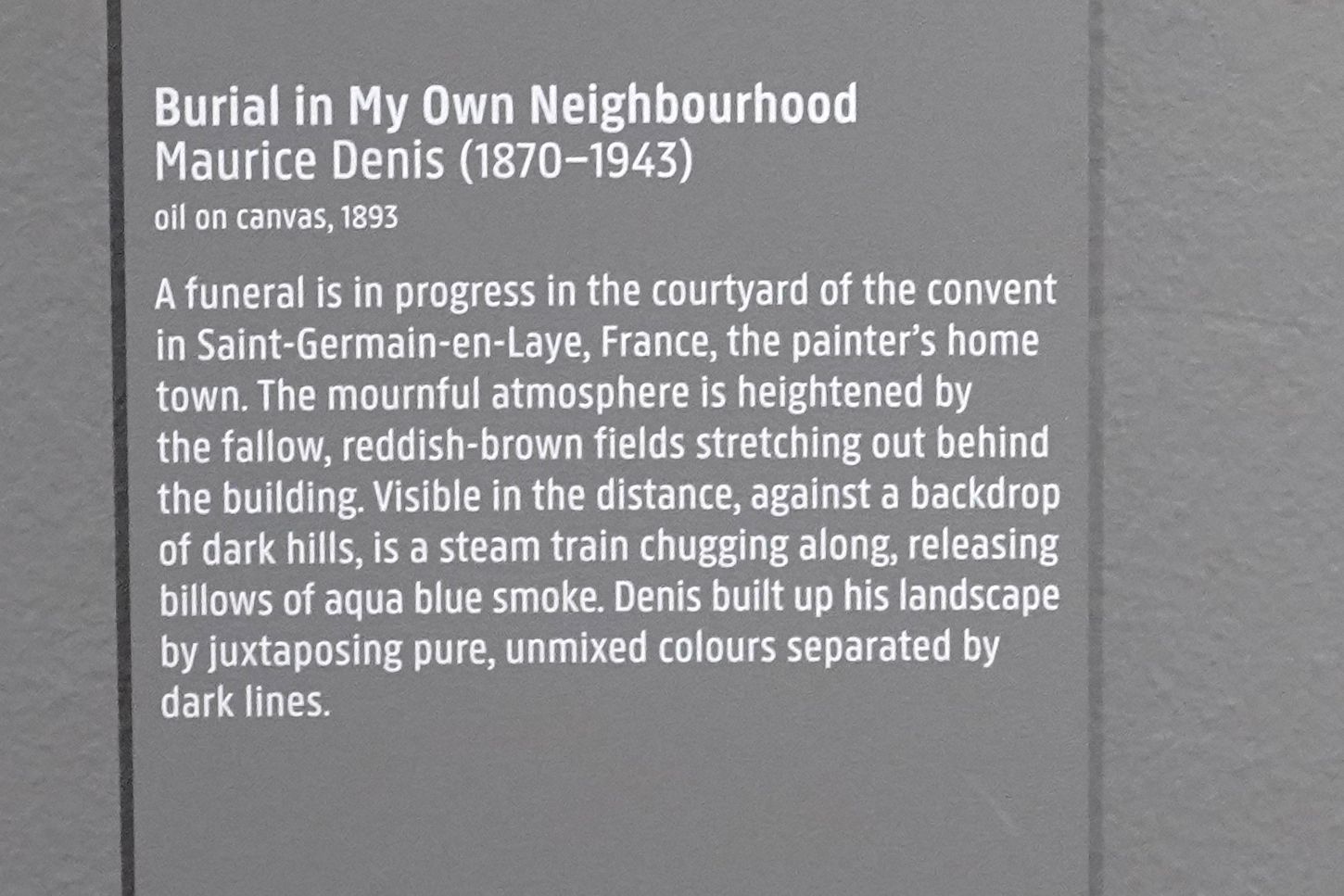
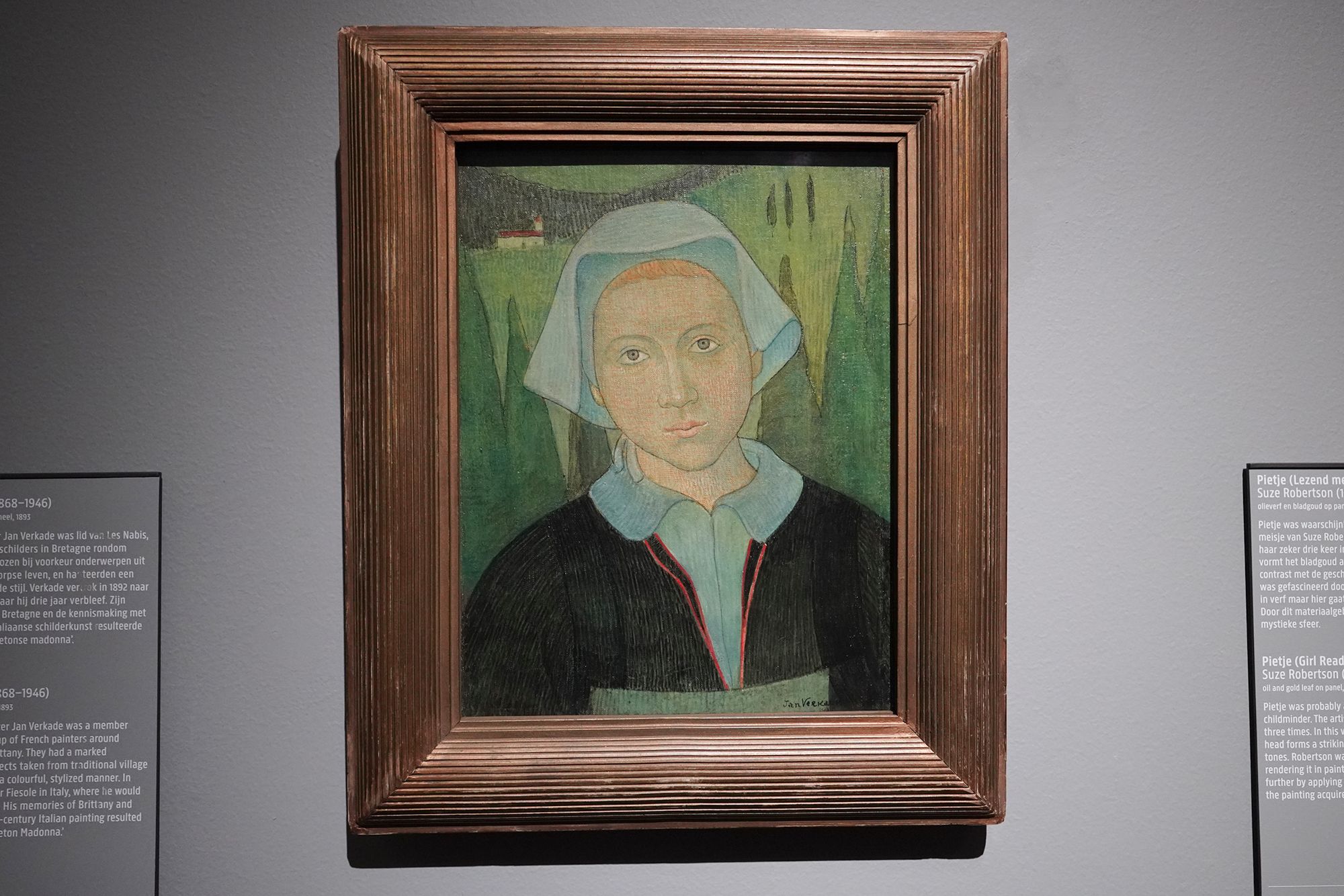
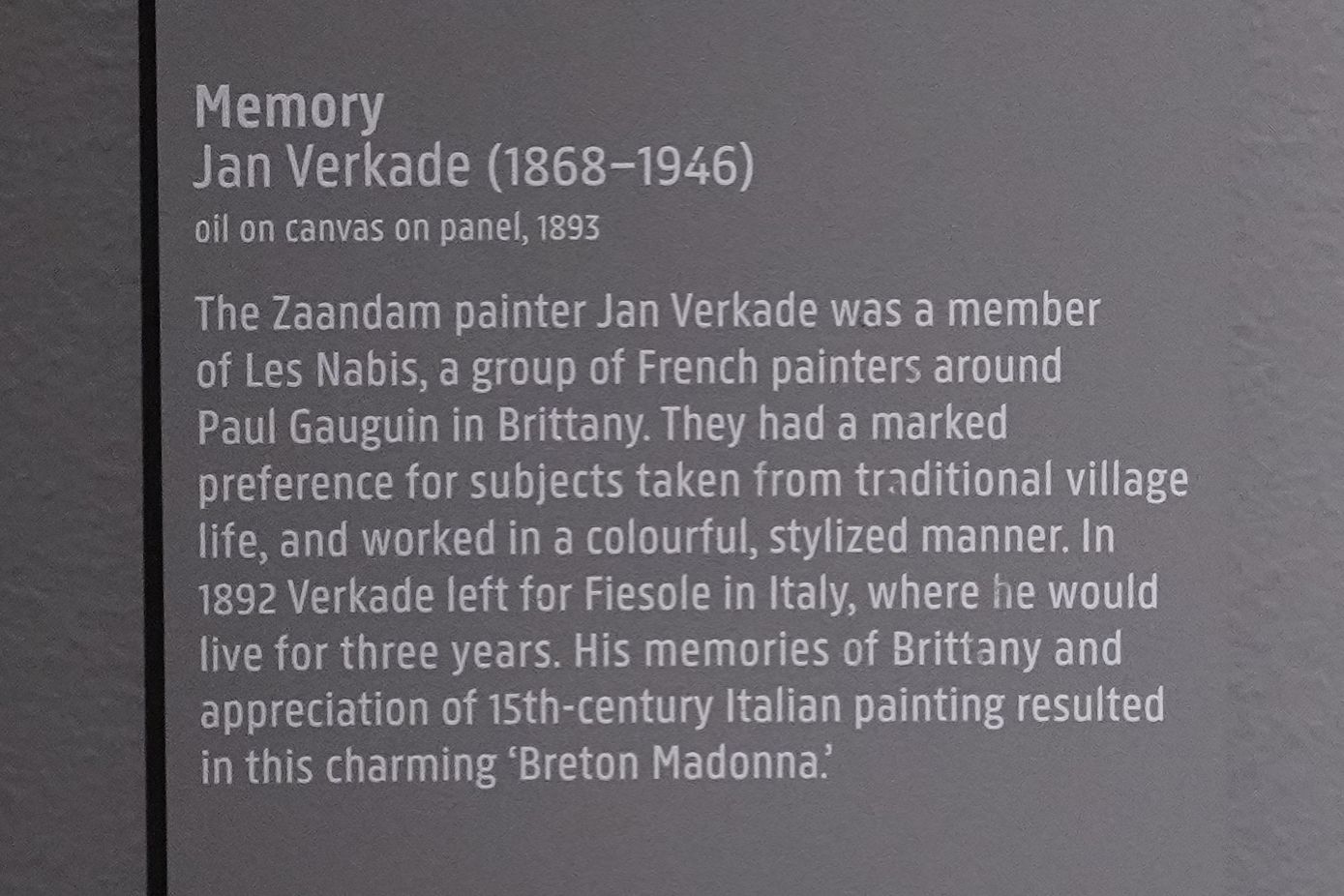
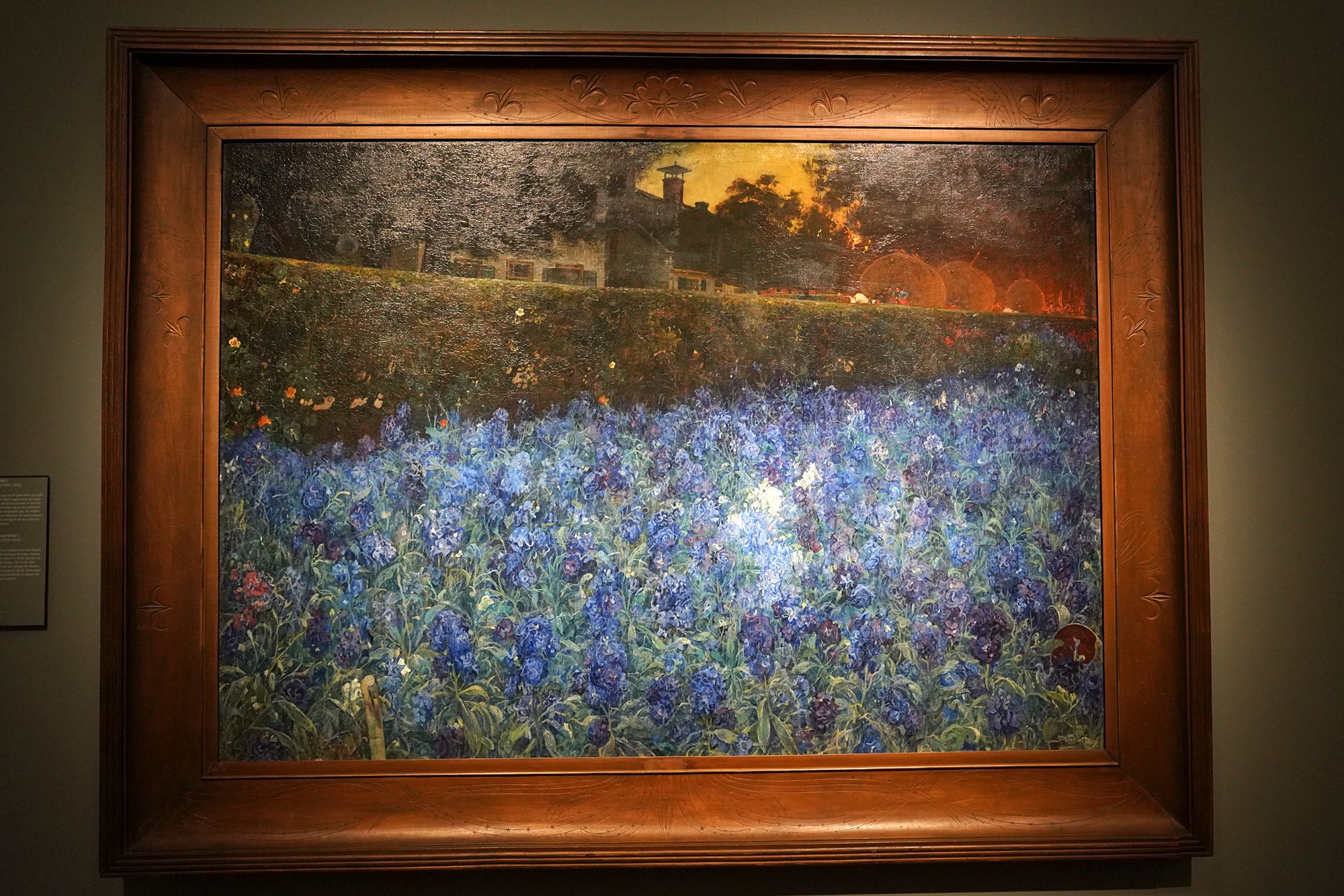
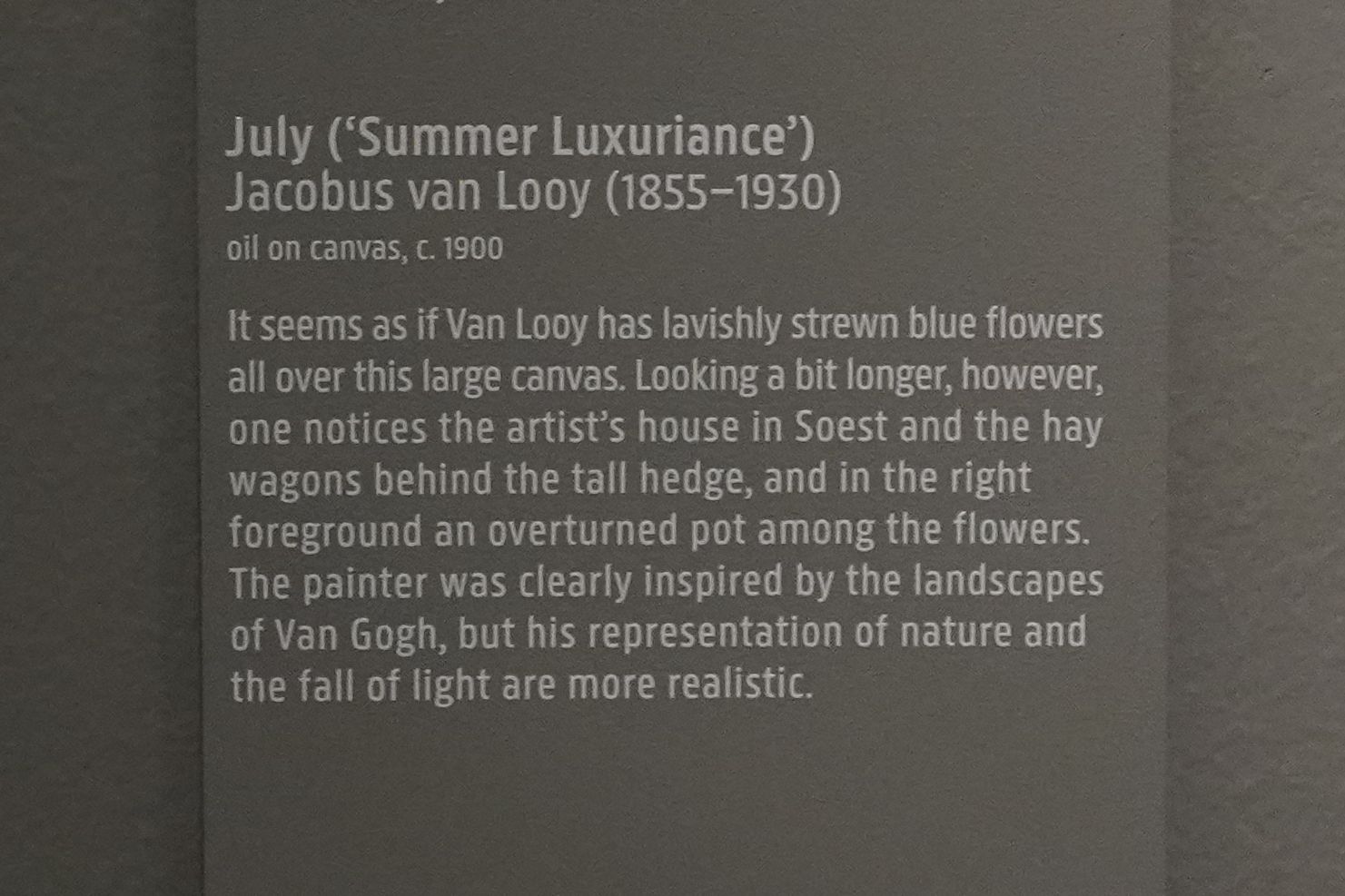
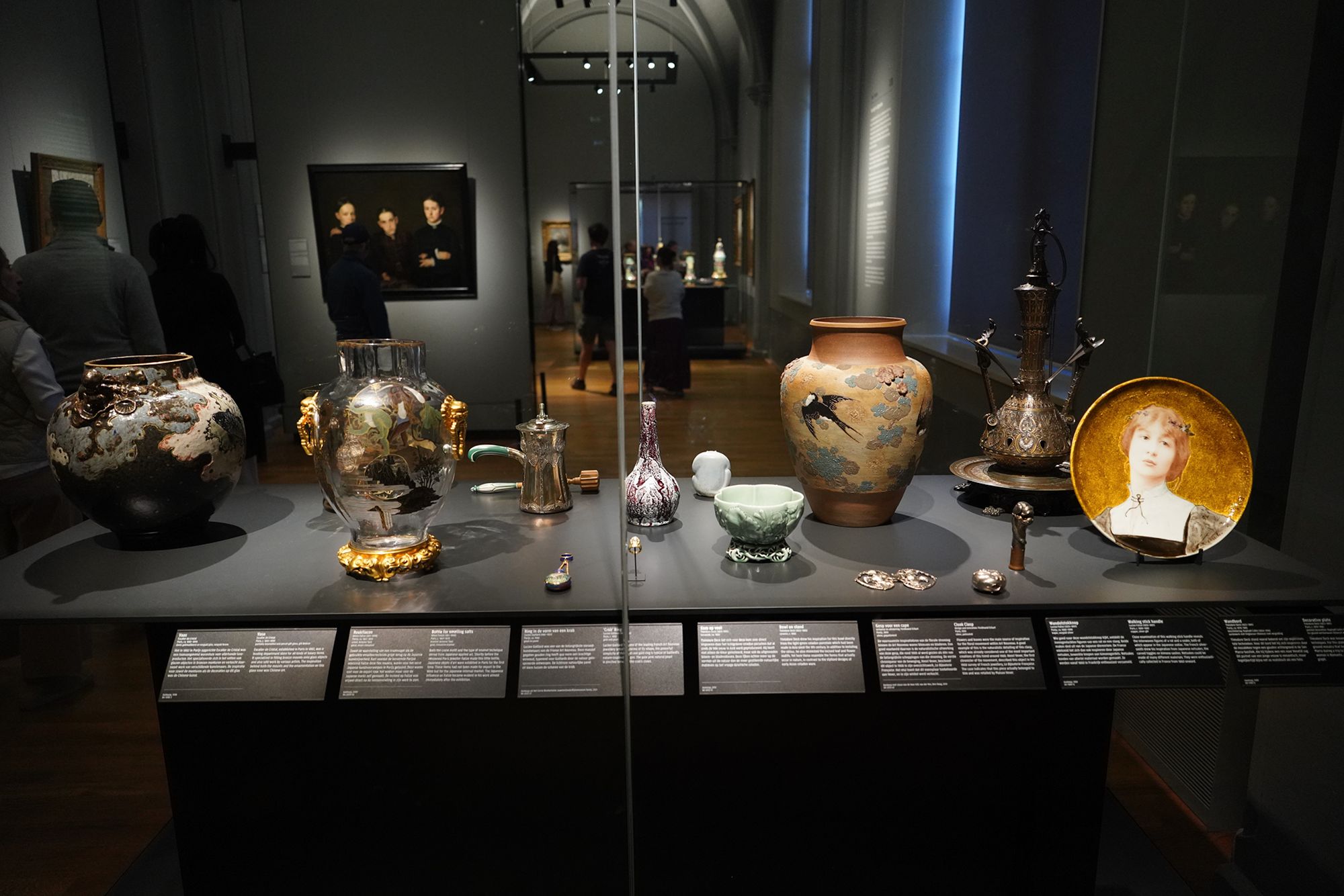
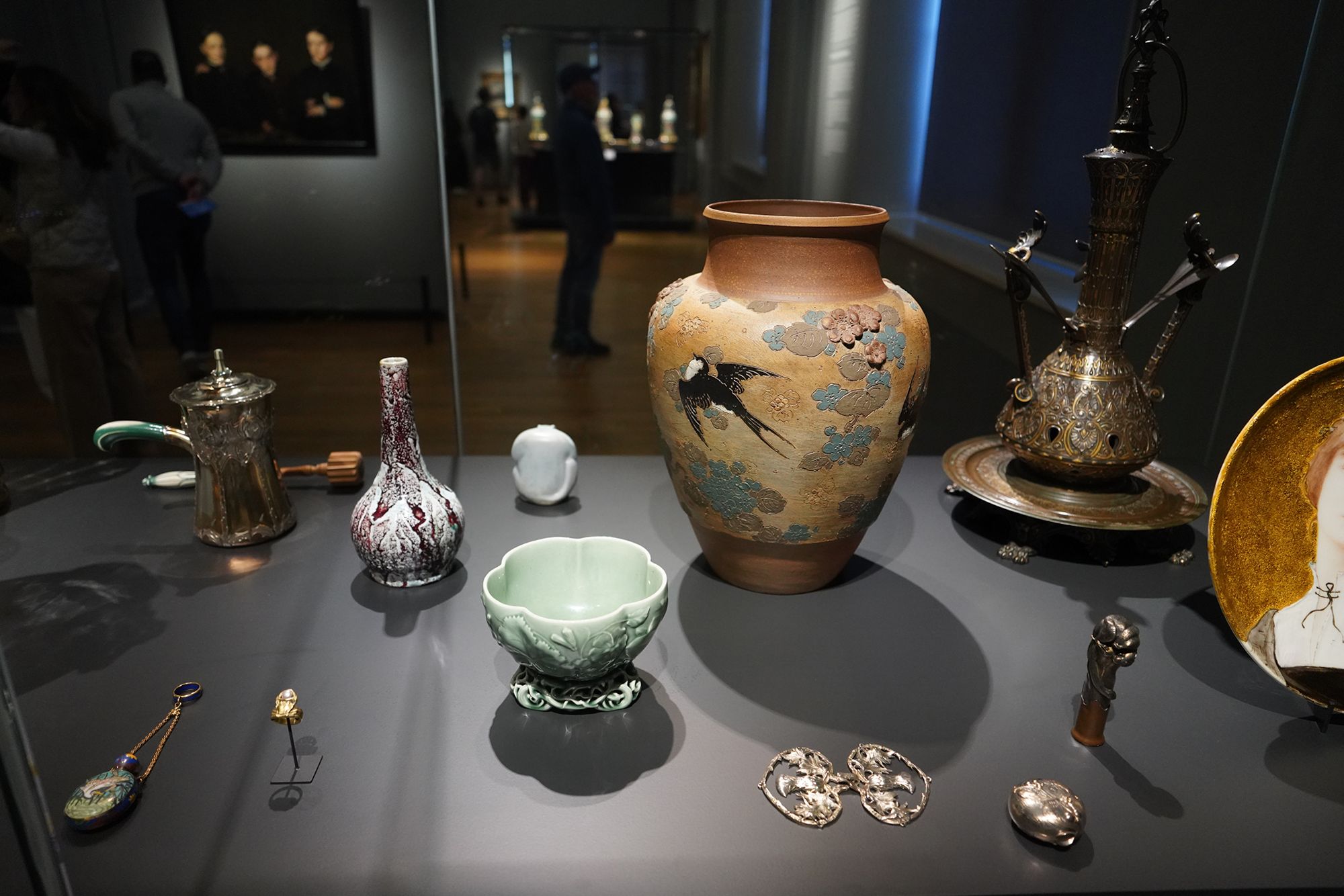
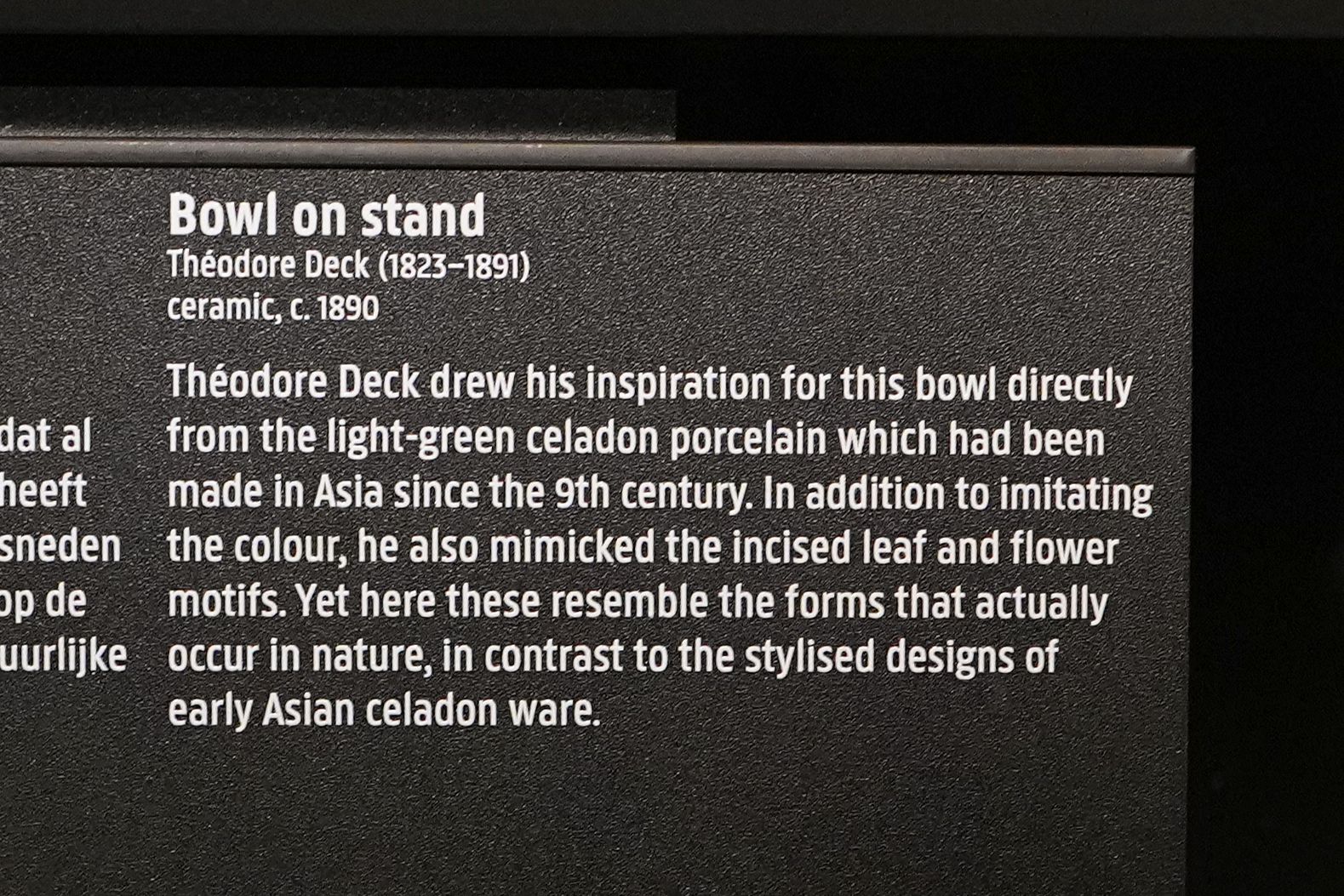
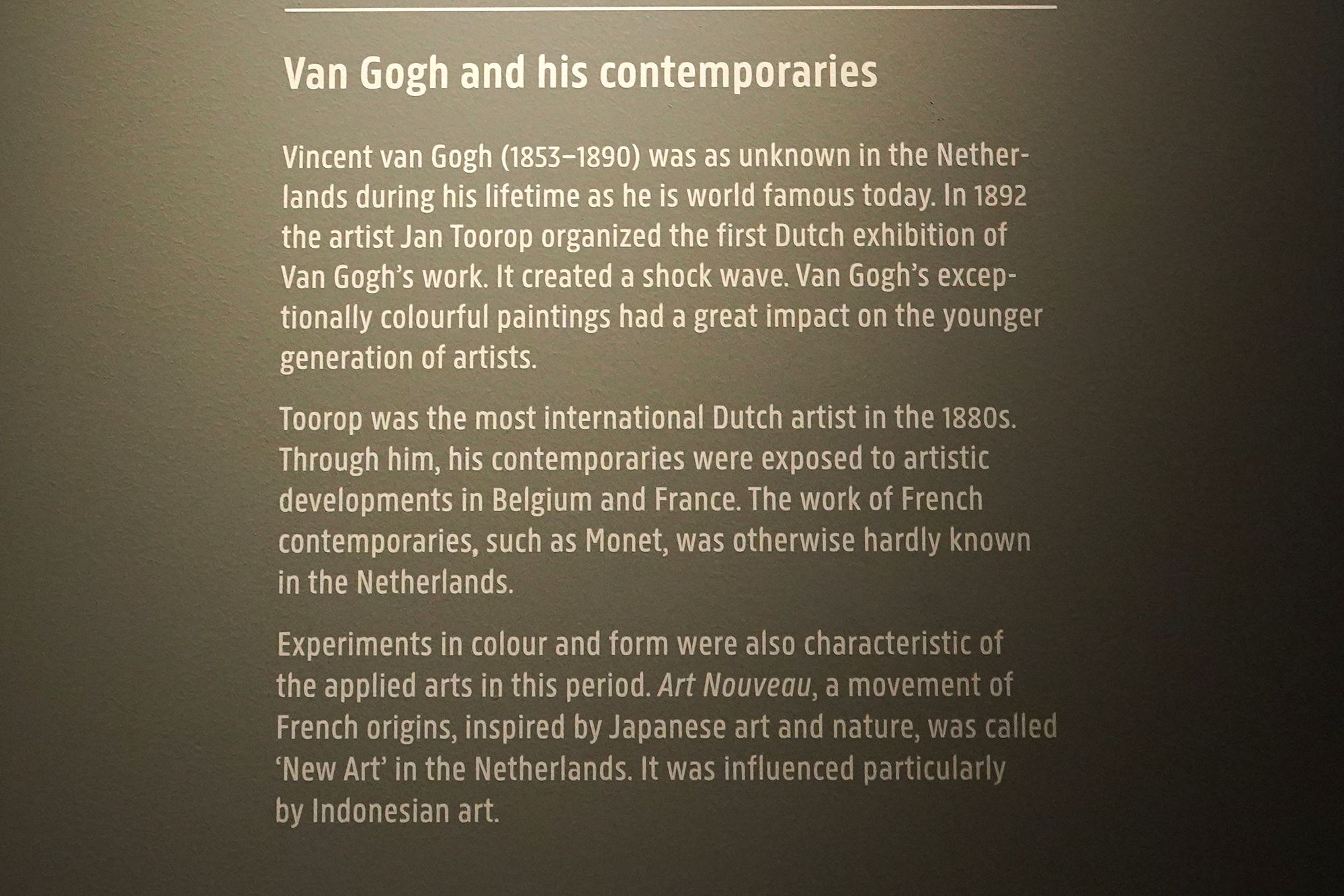
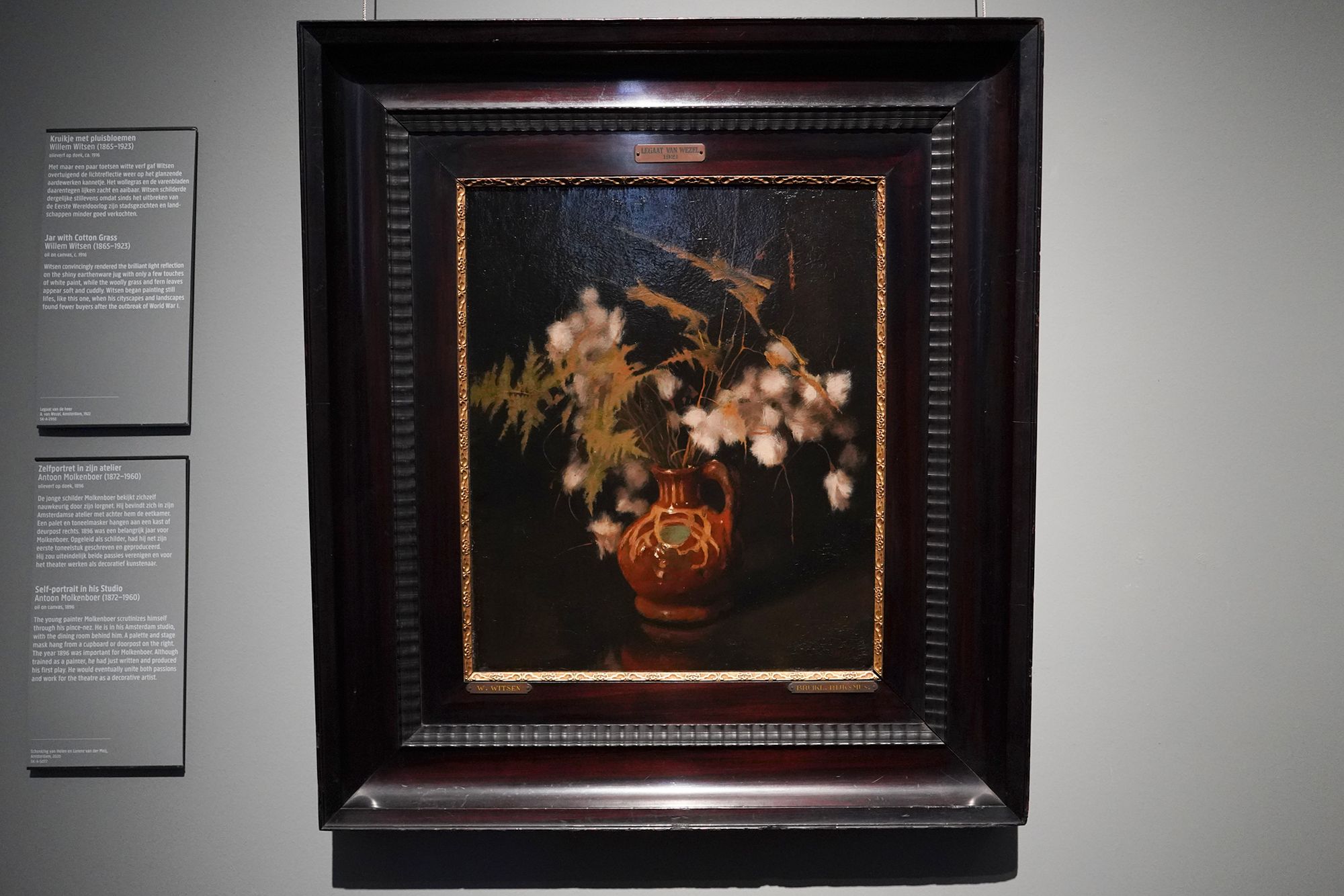
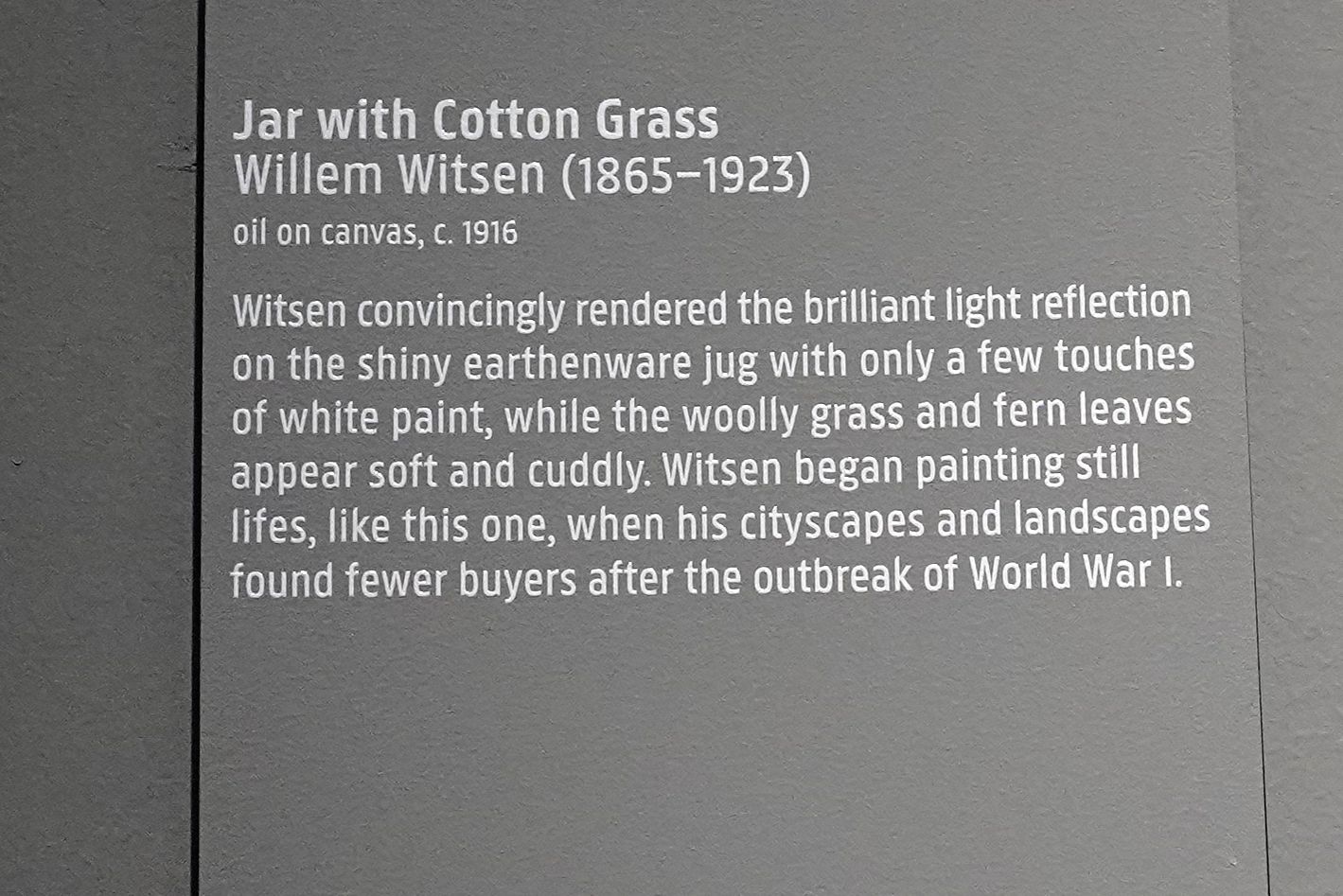
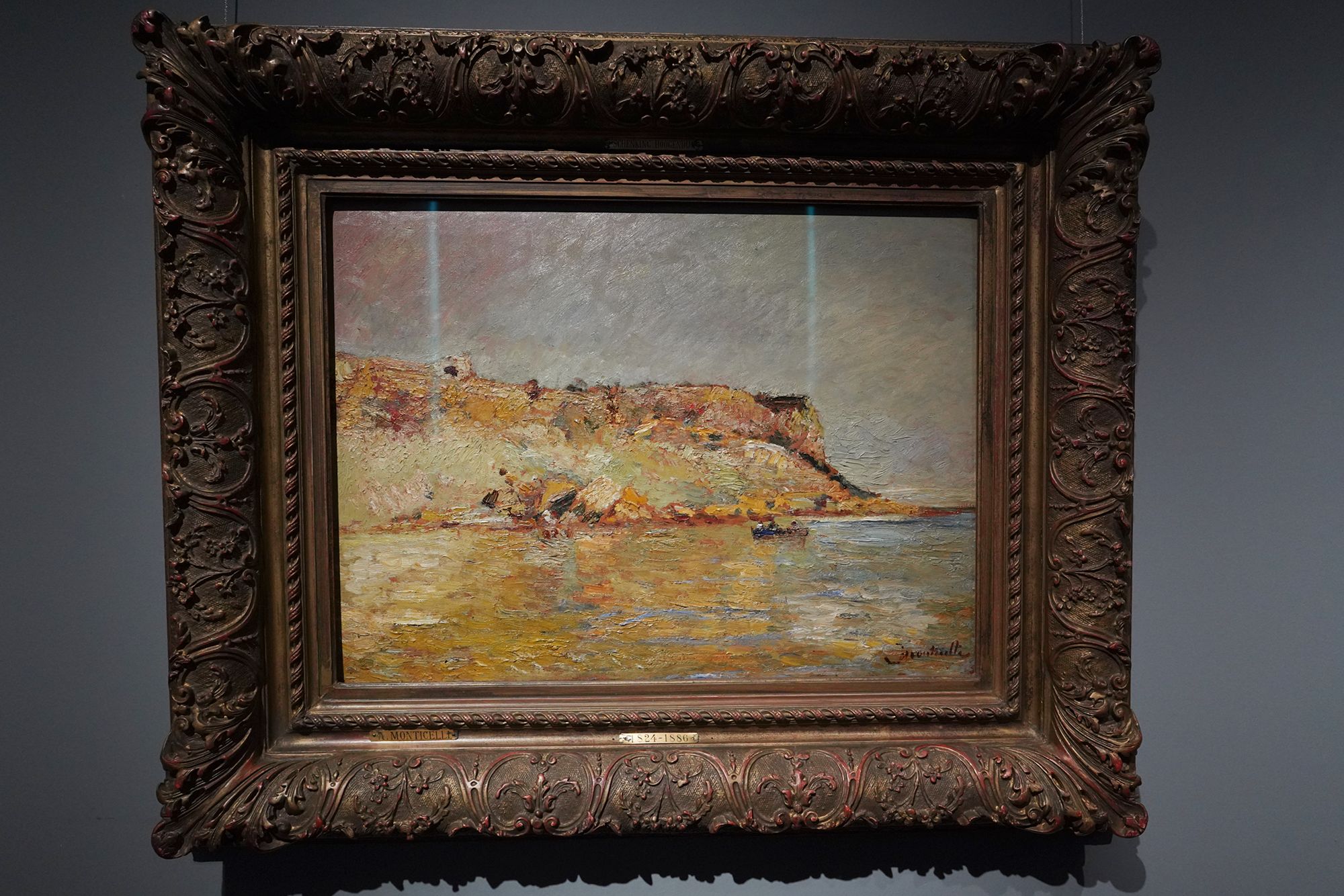
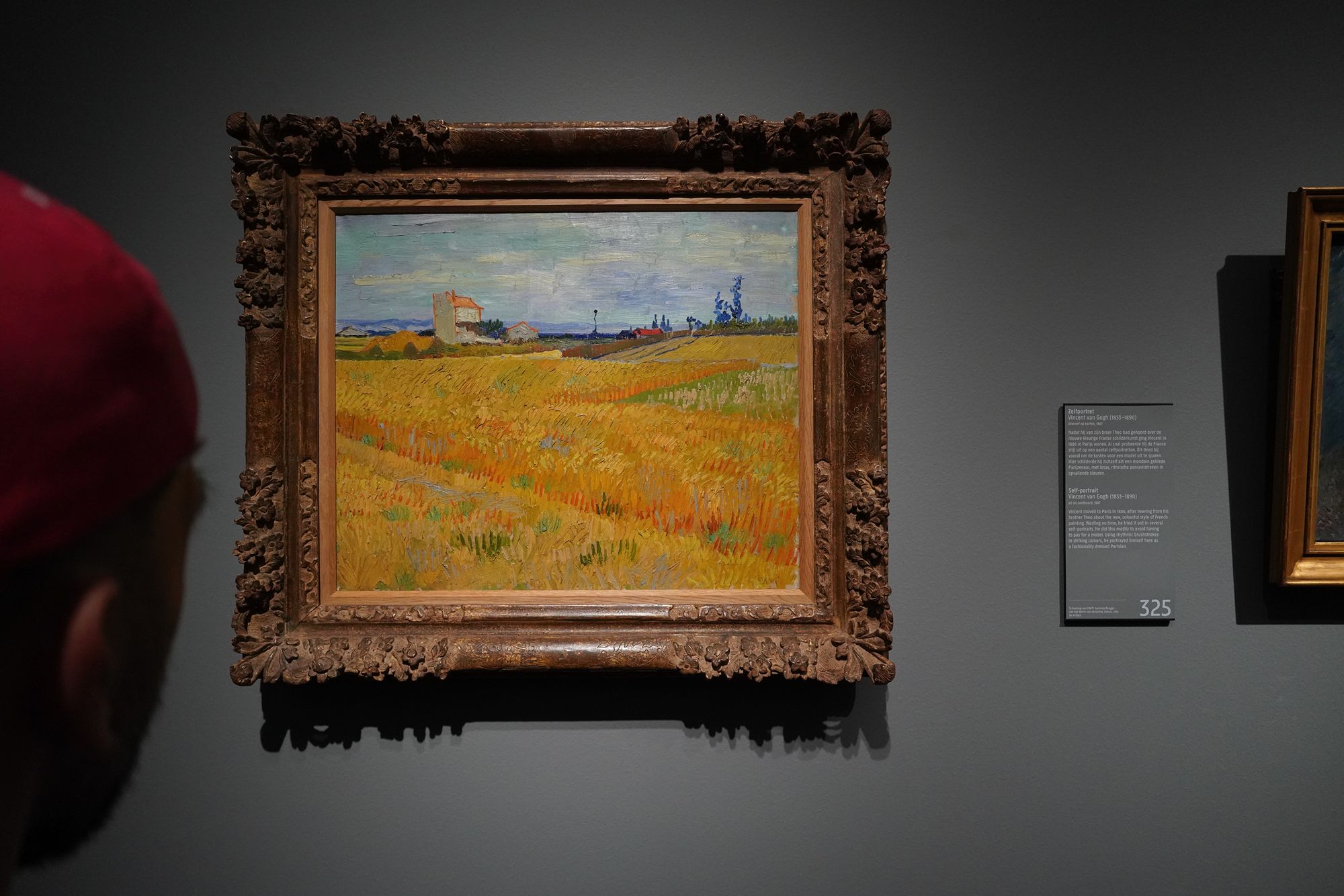
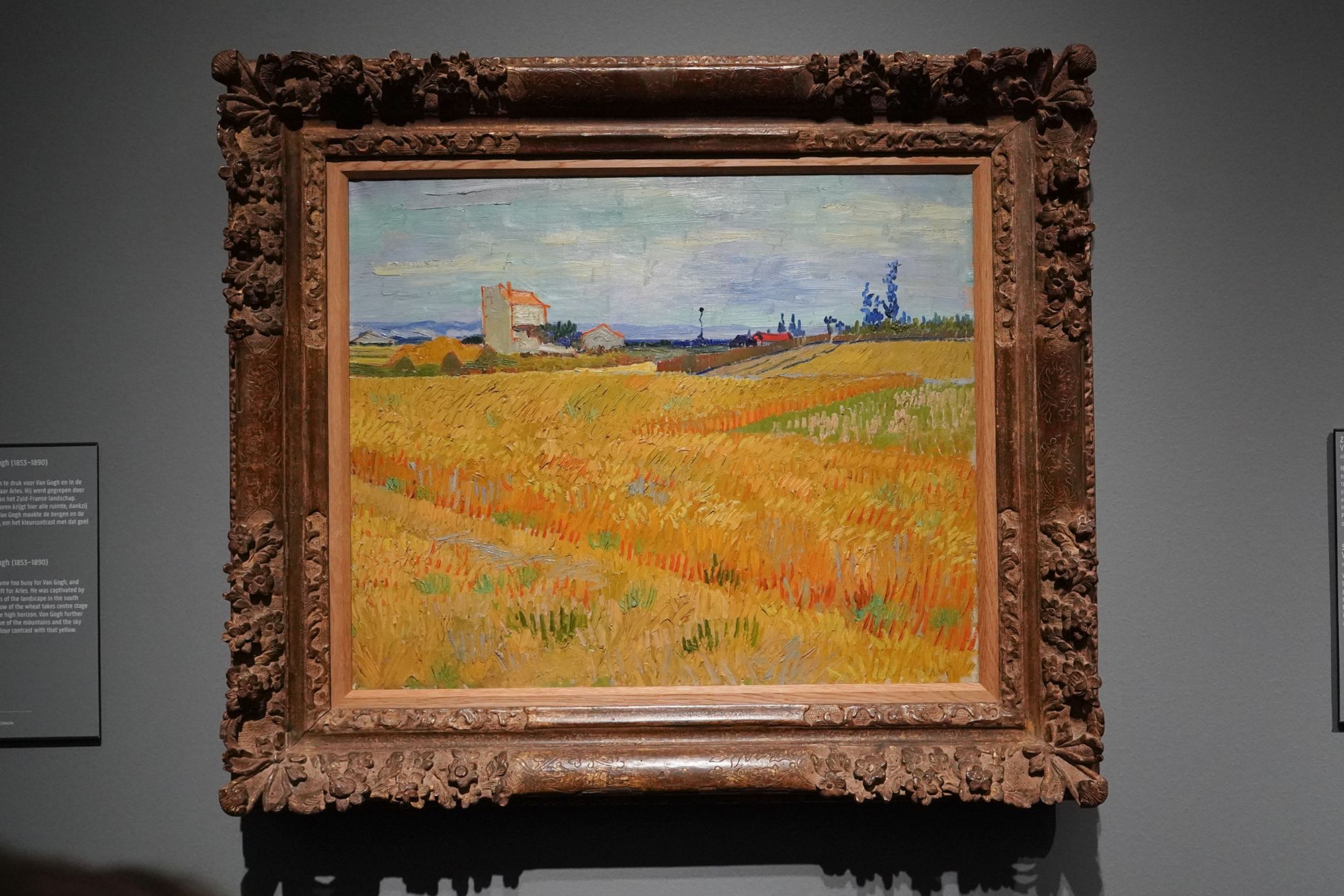
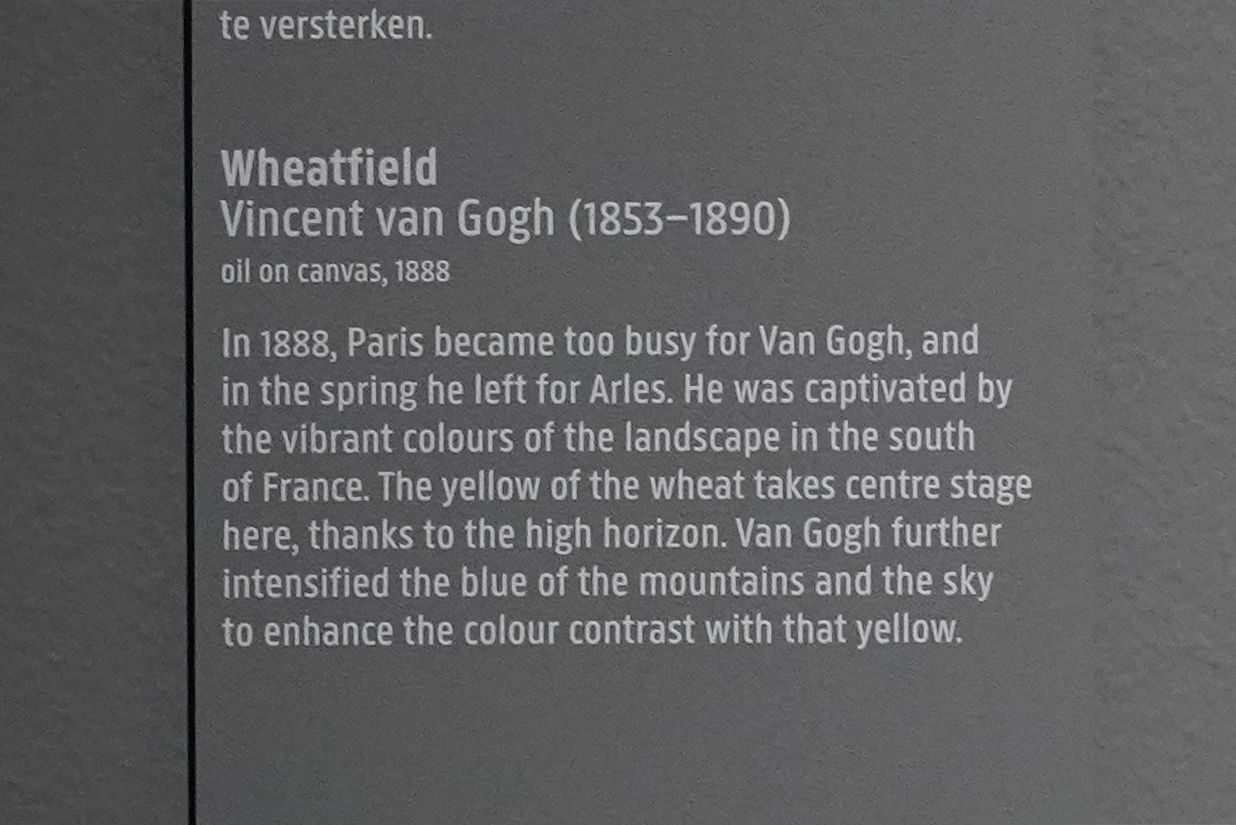
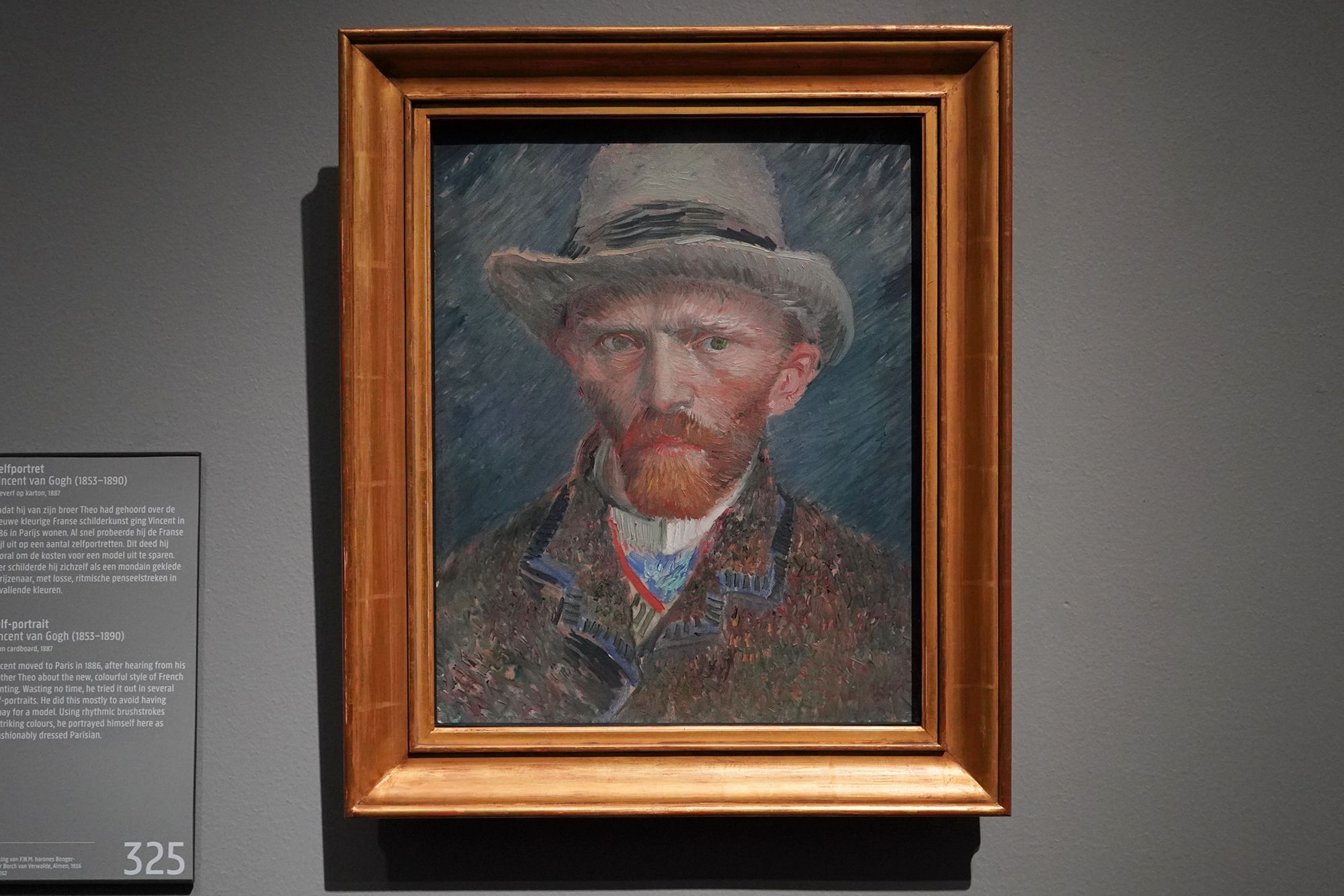
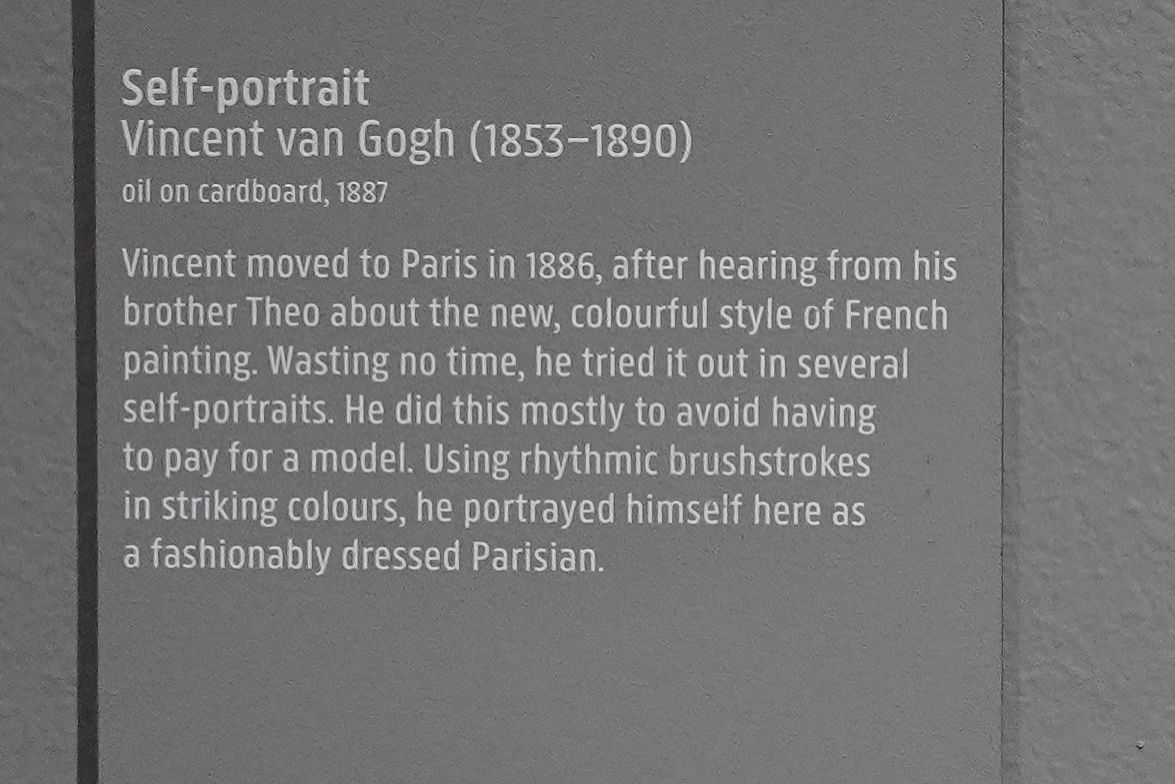
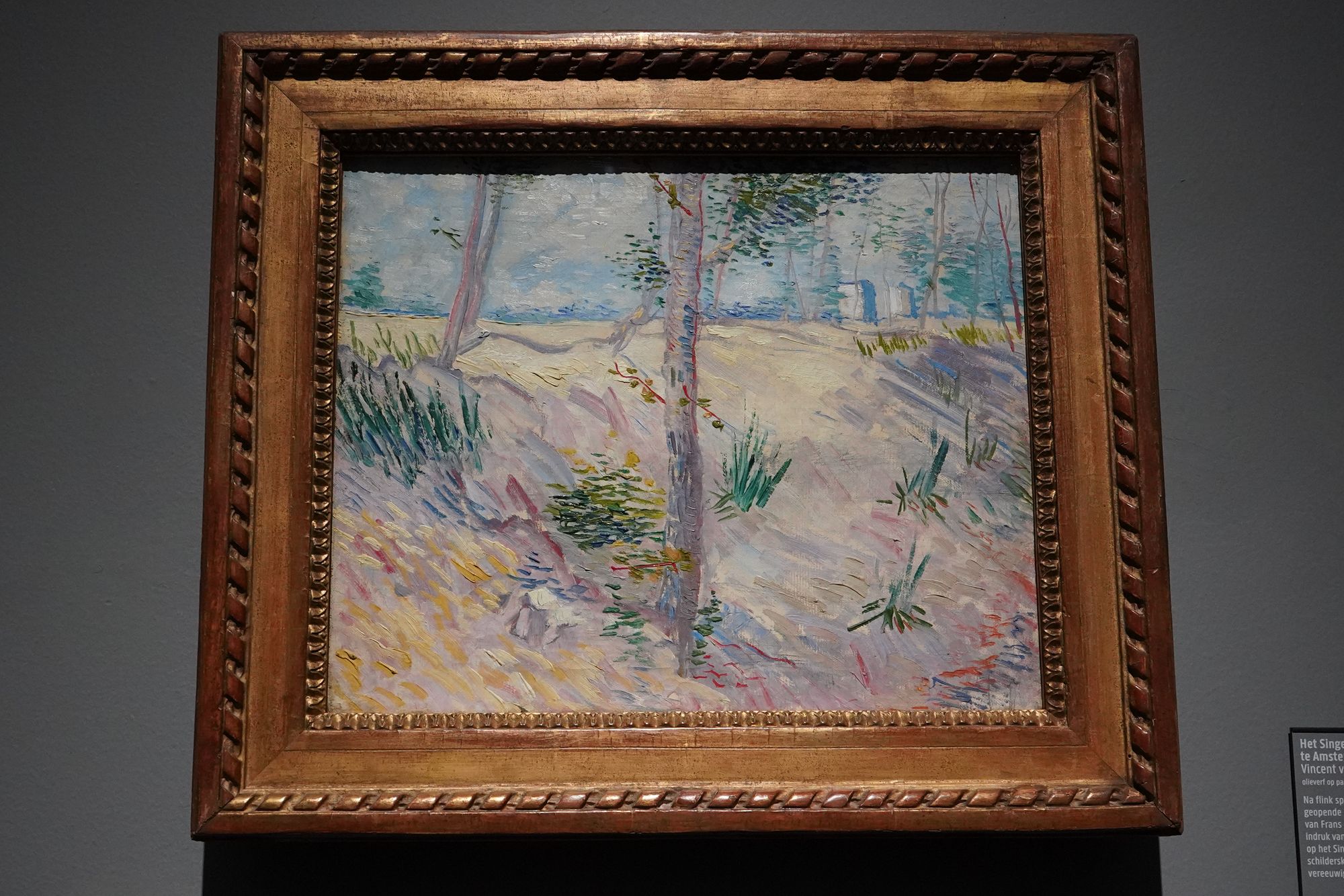
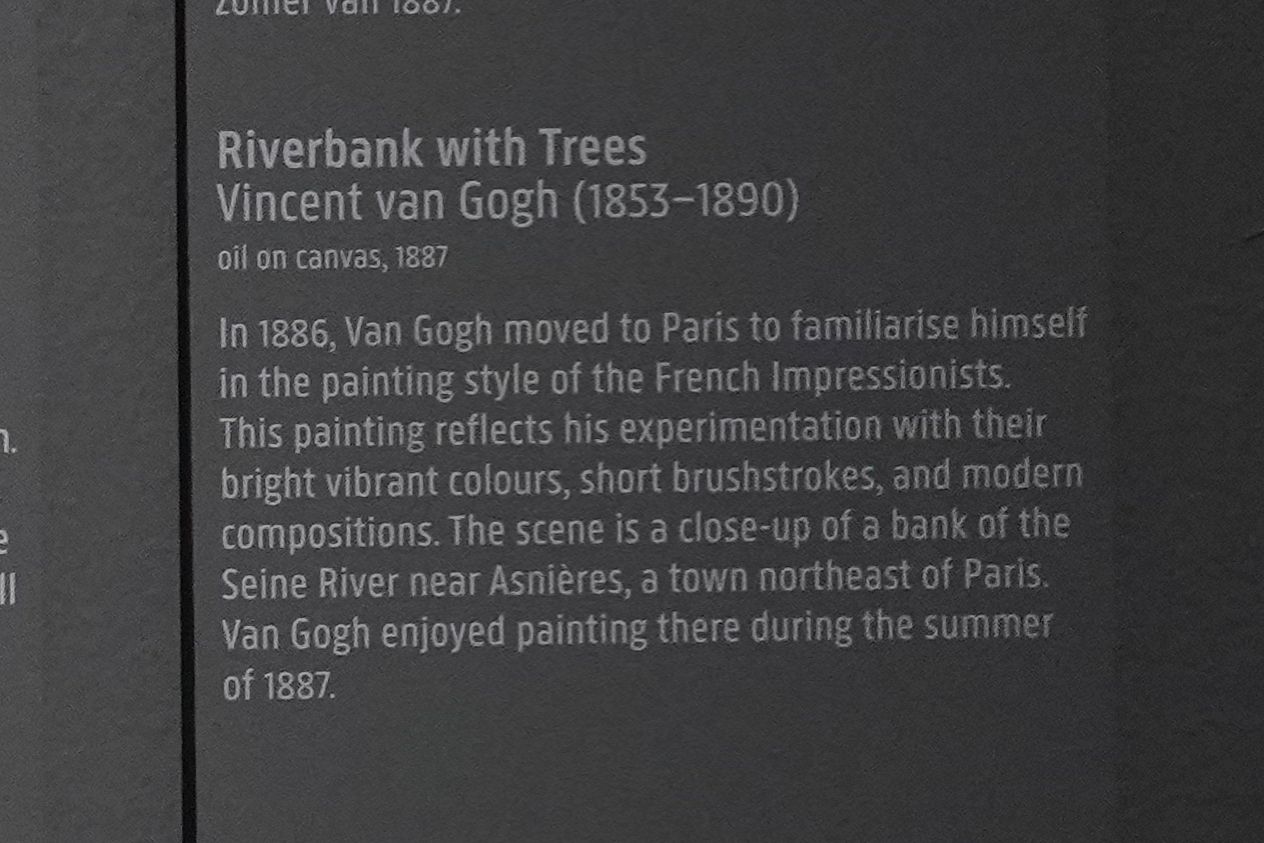
Van Gogh’s colorful paintings had a major influence on a younger generation of Dutch artists, although he remained largely unknown during his lifetime.
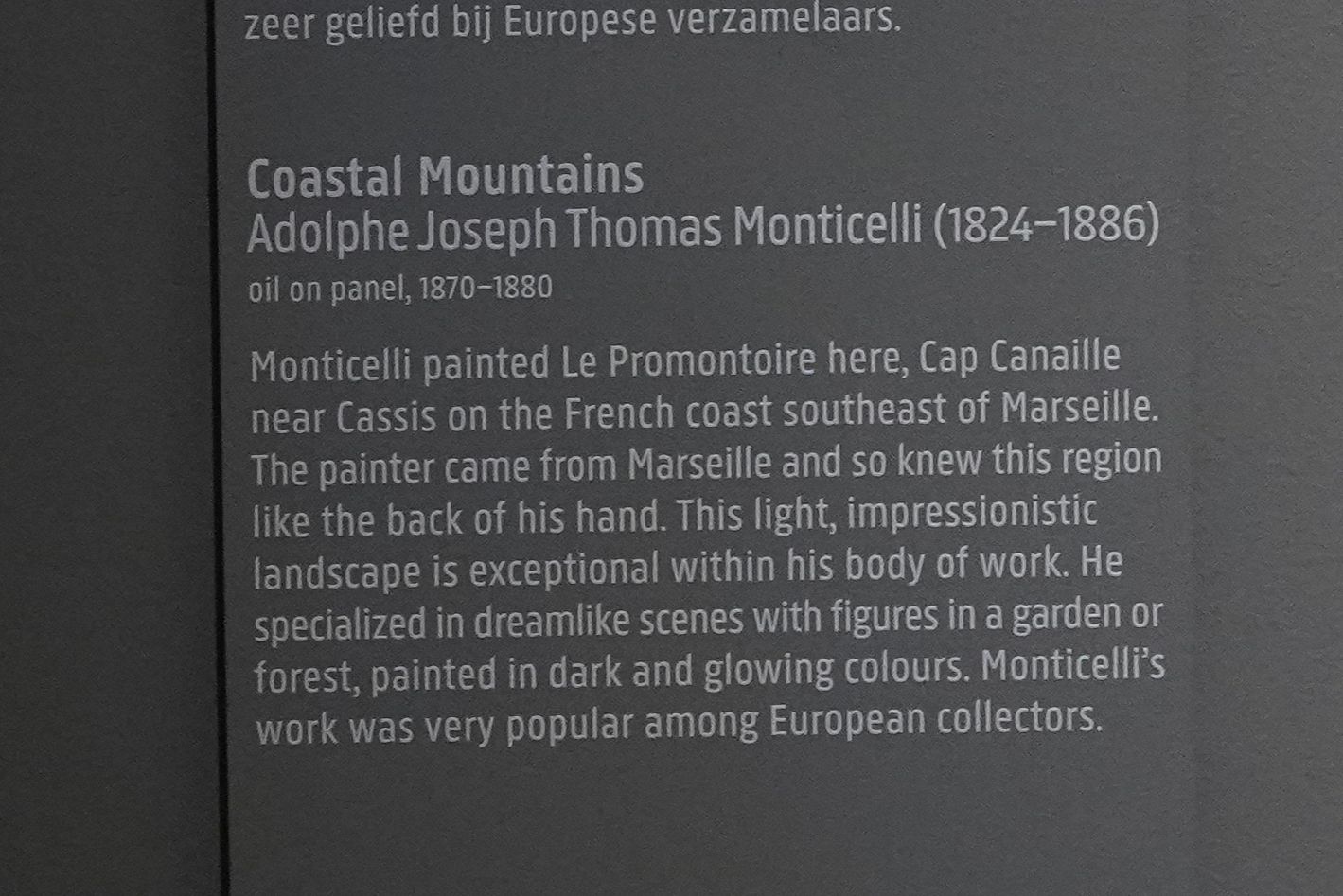
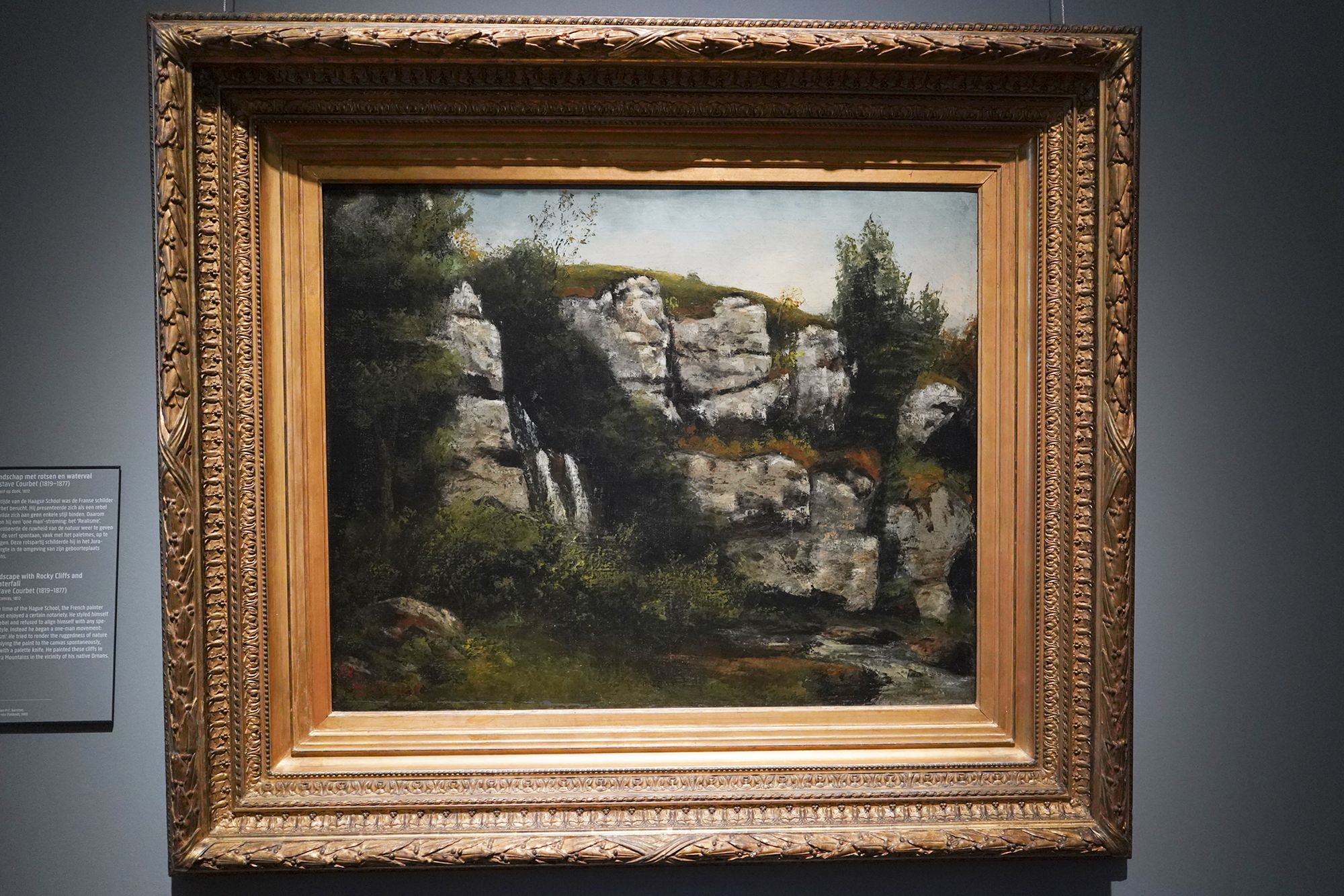
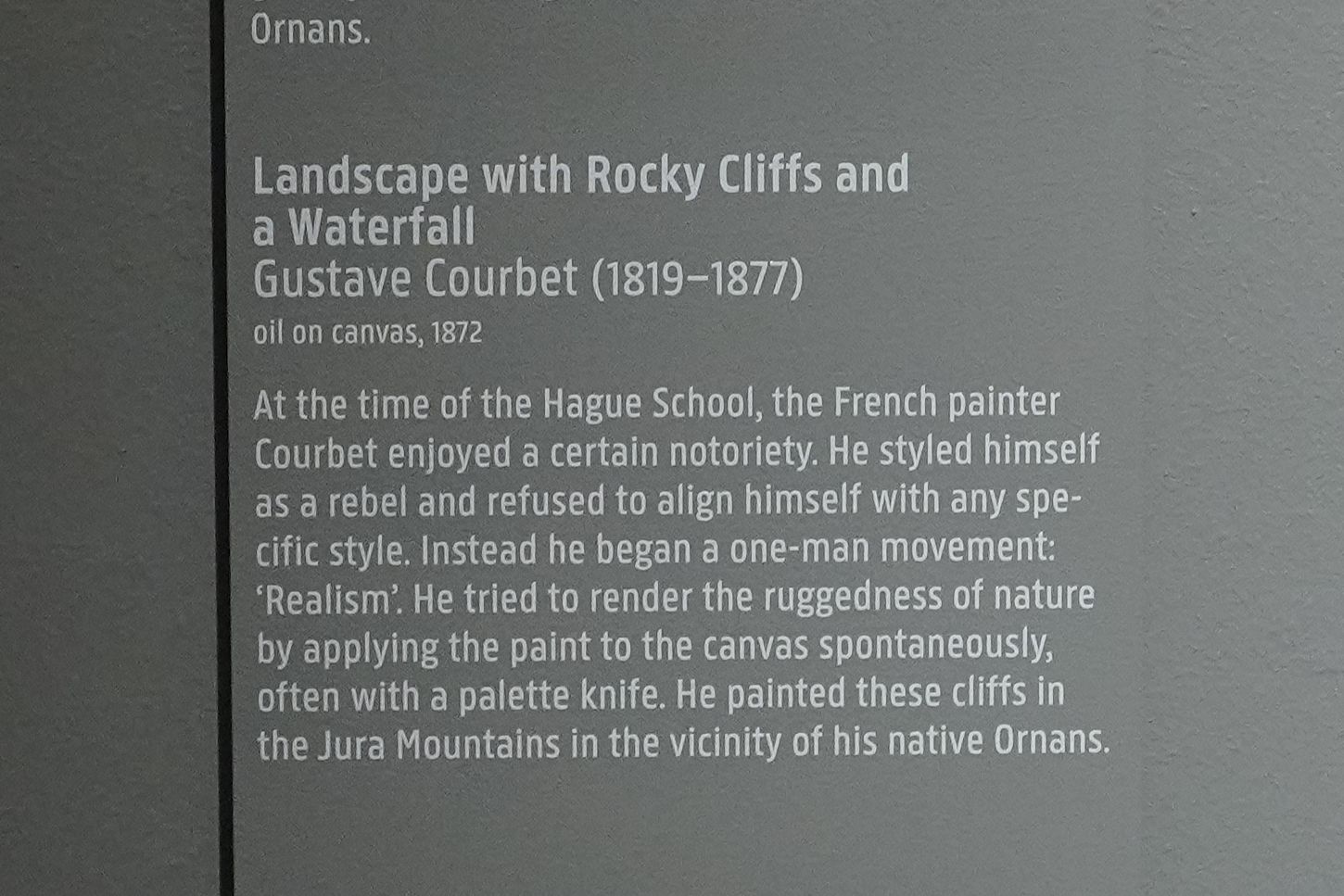
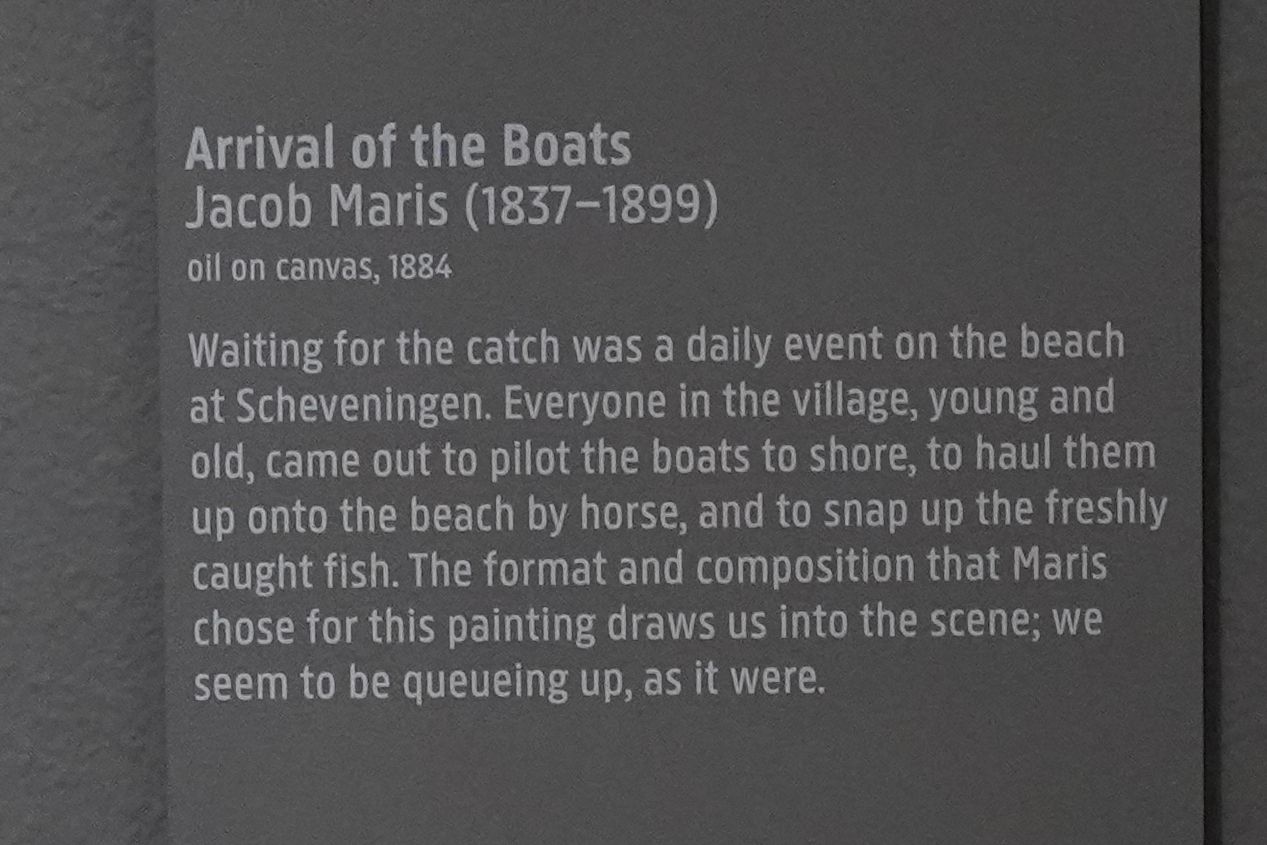
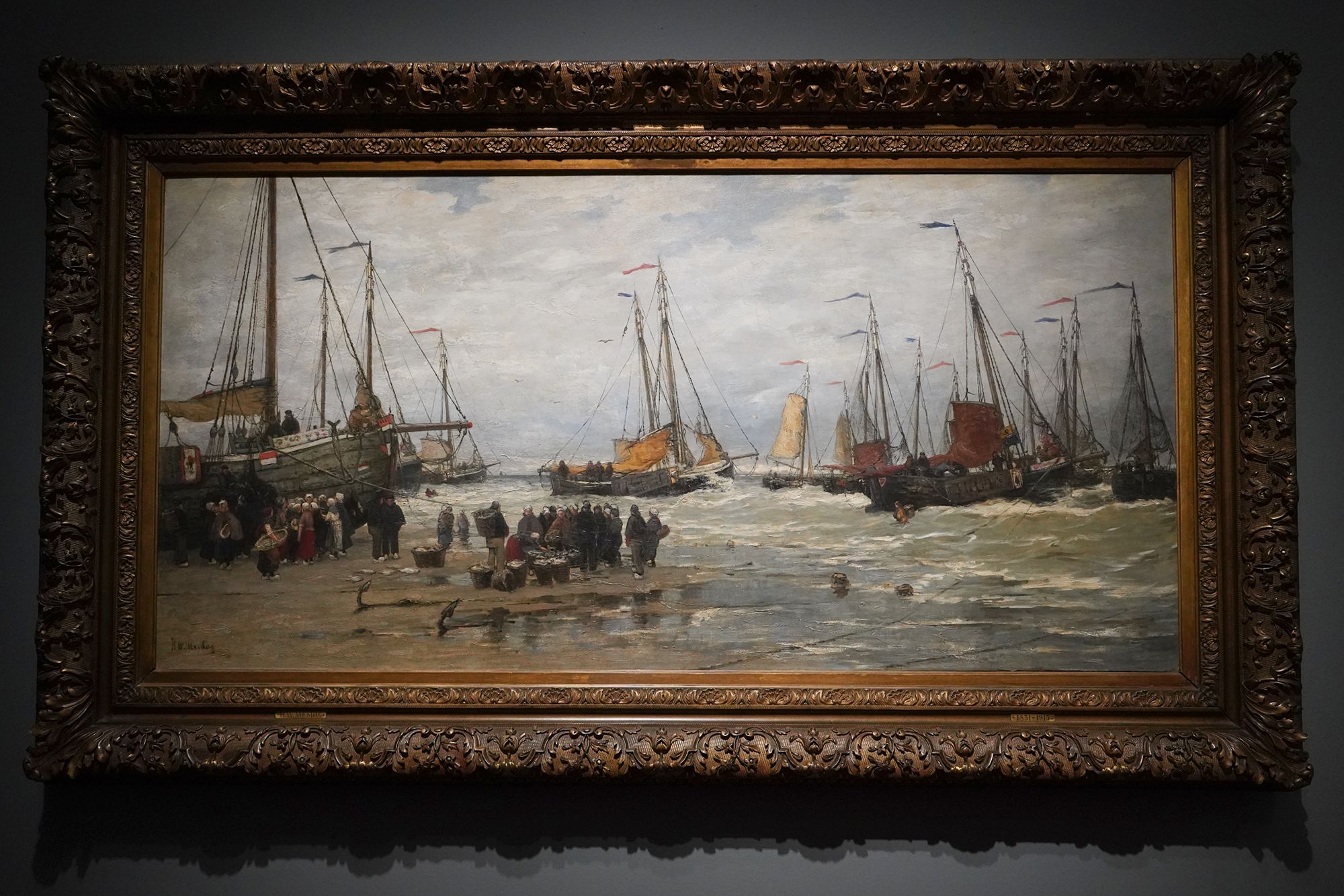
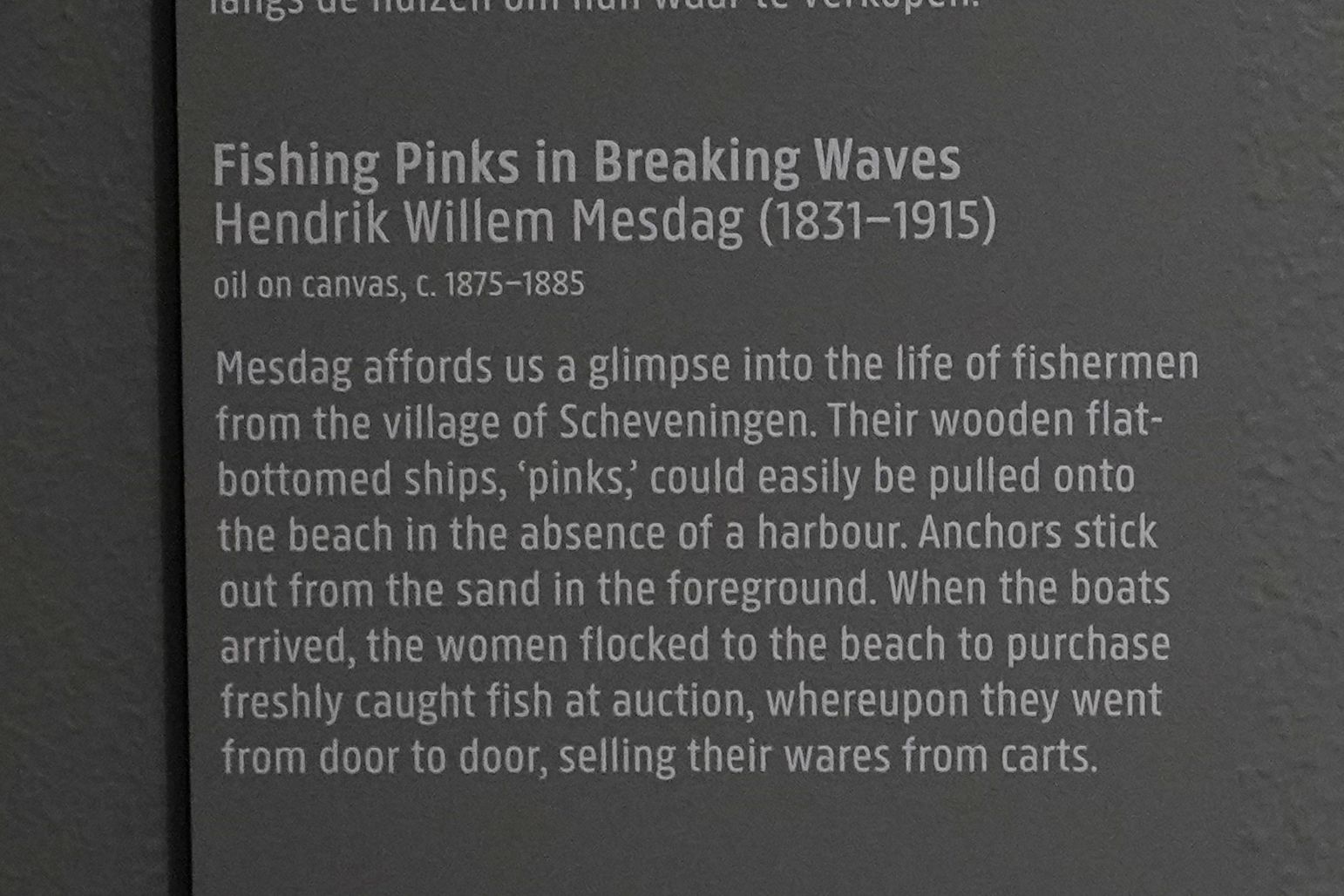
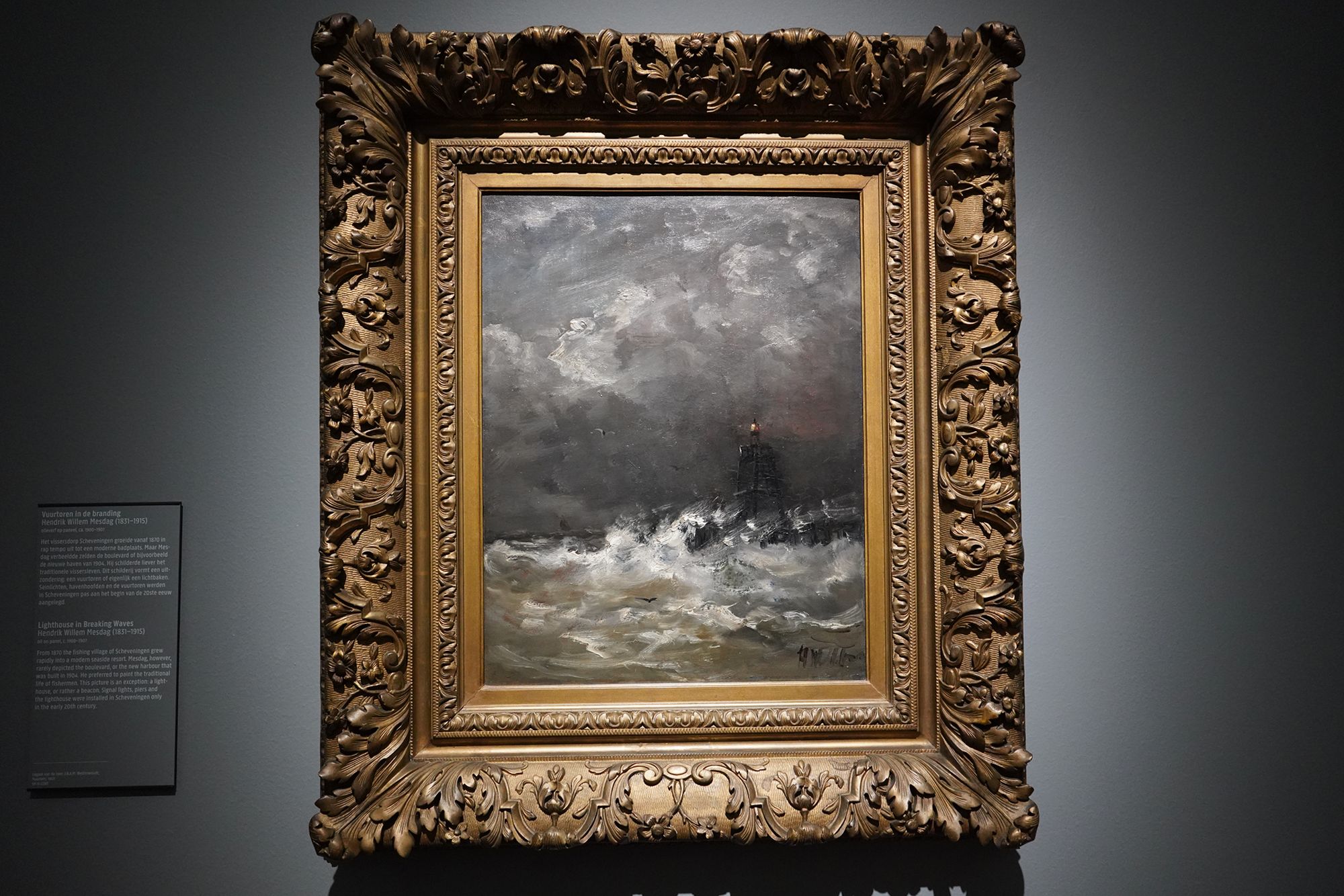
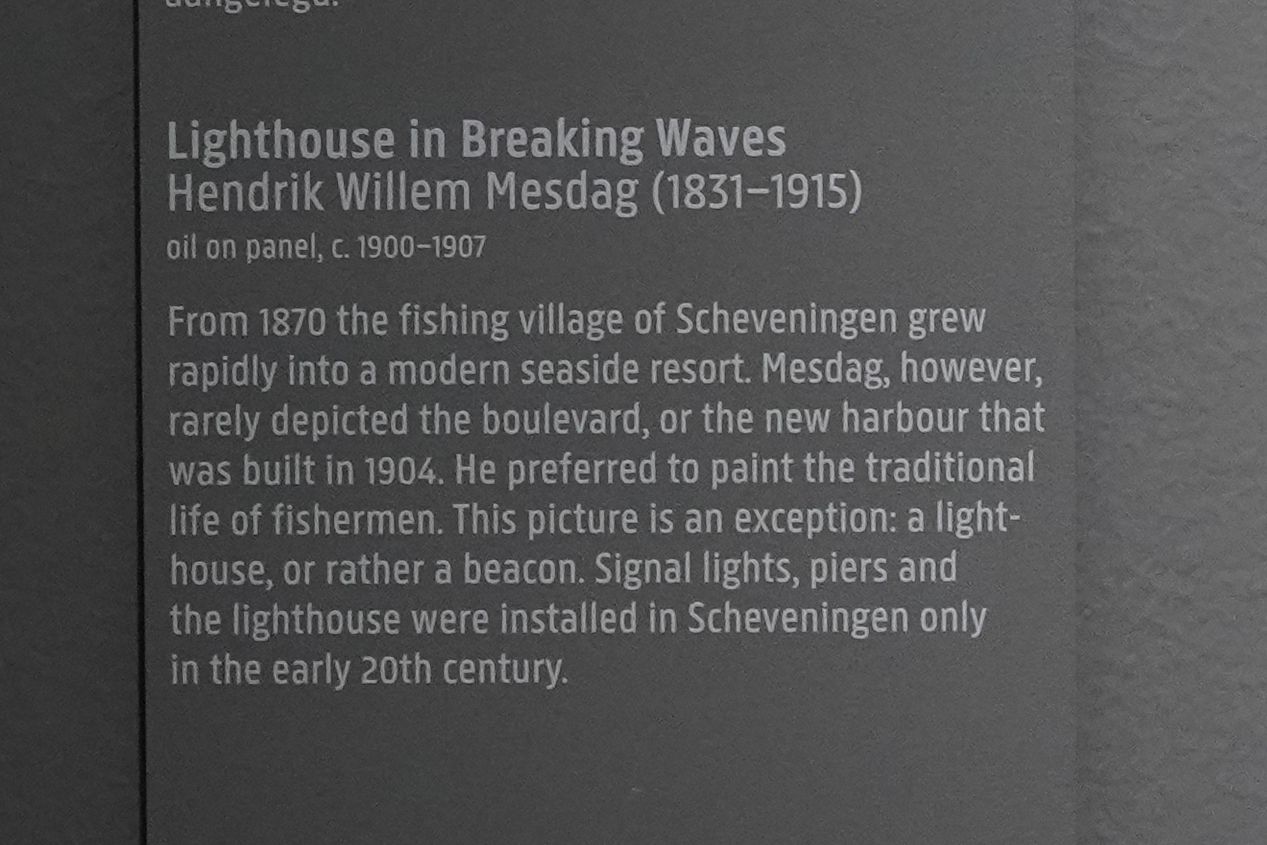
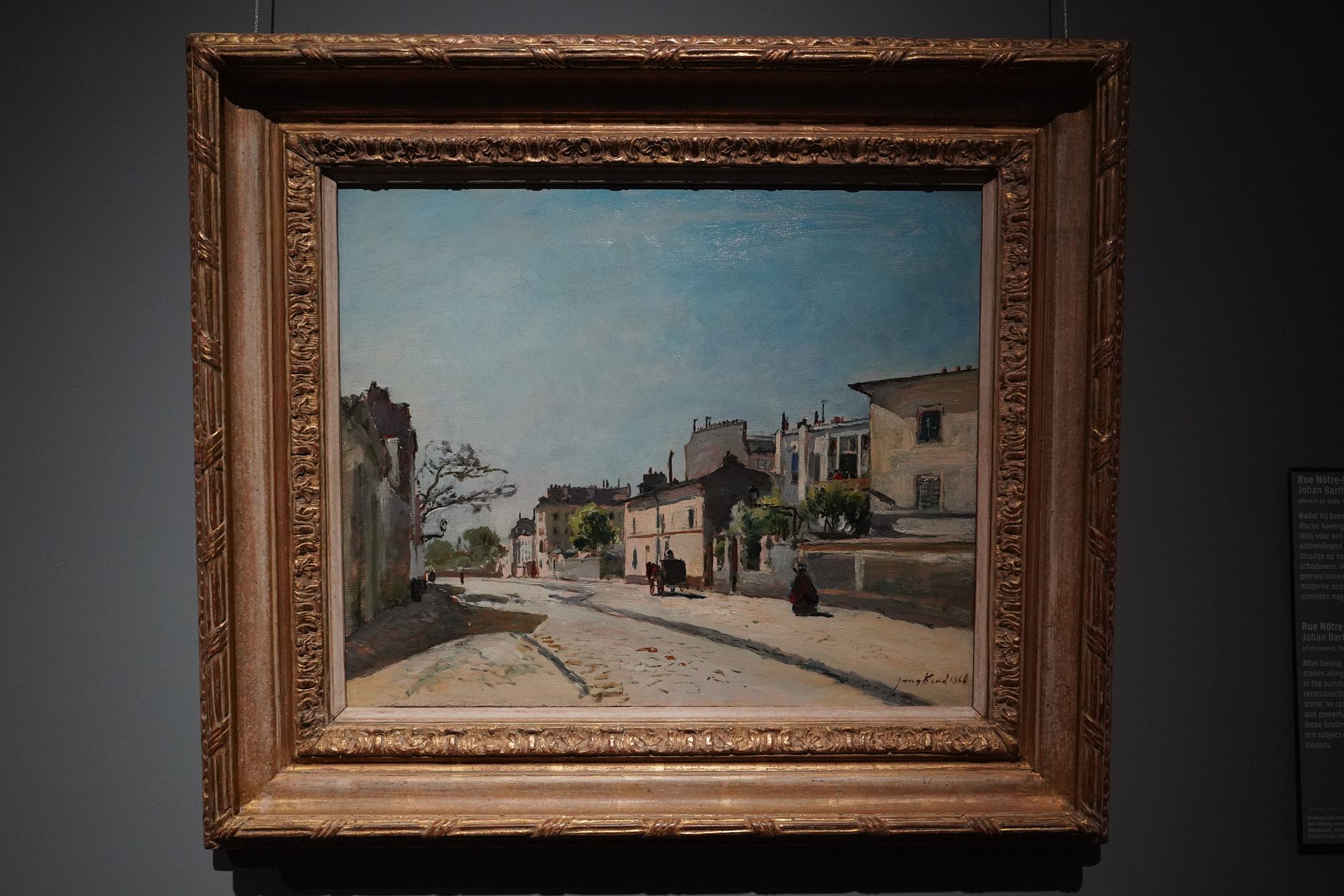
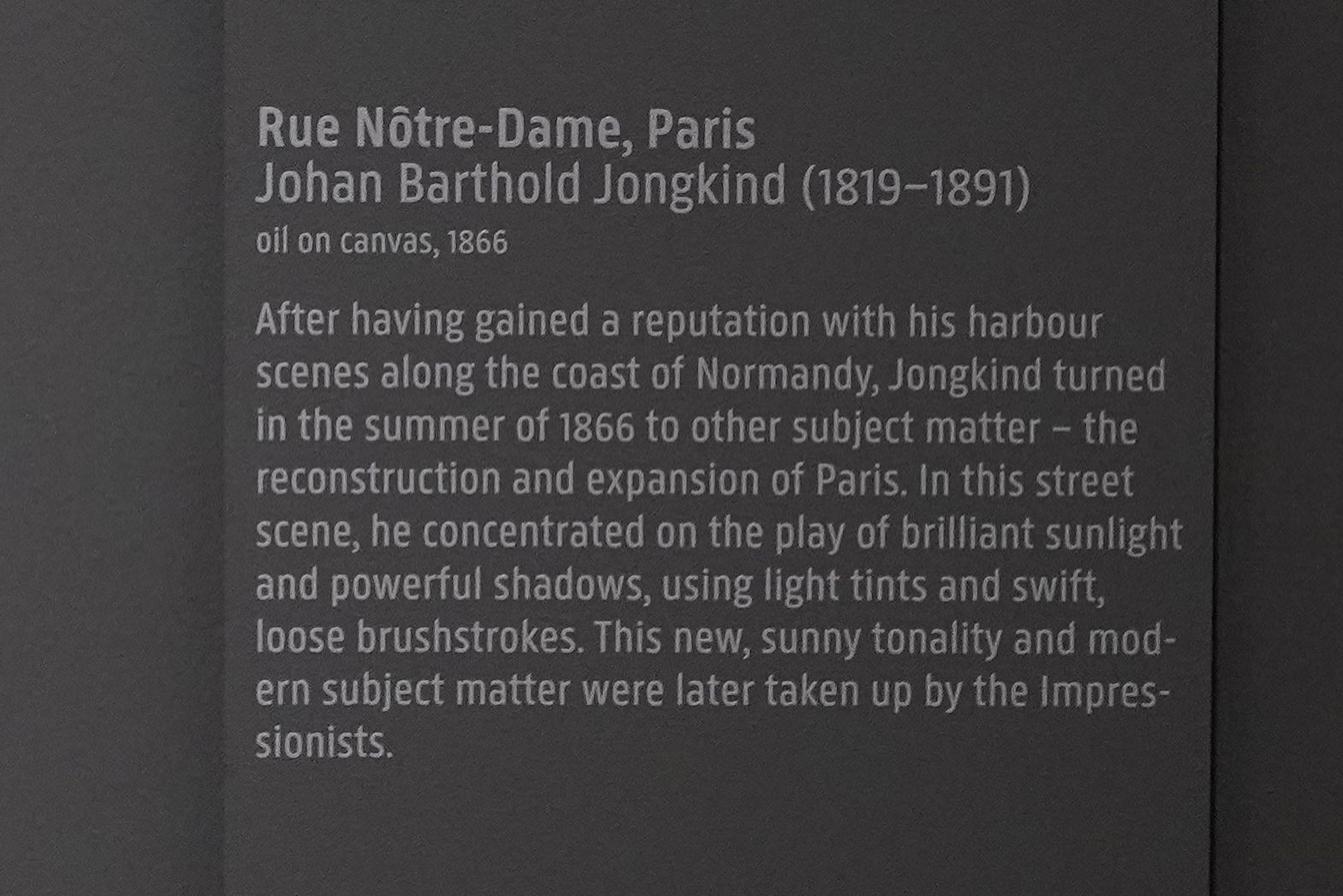
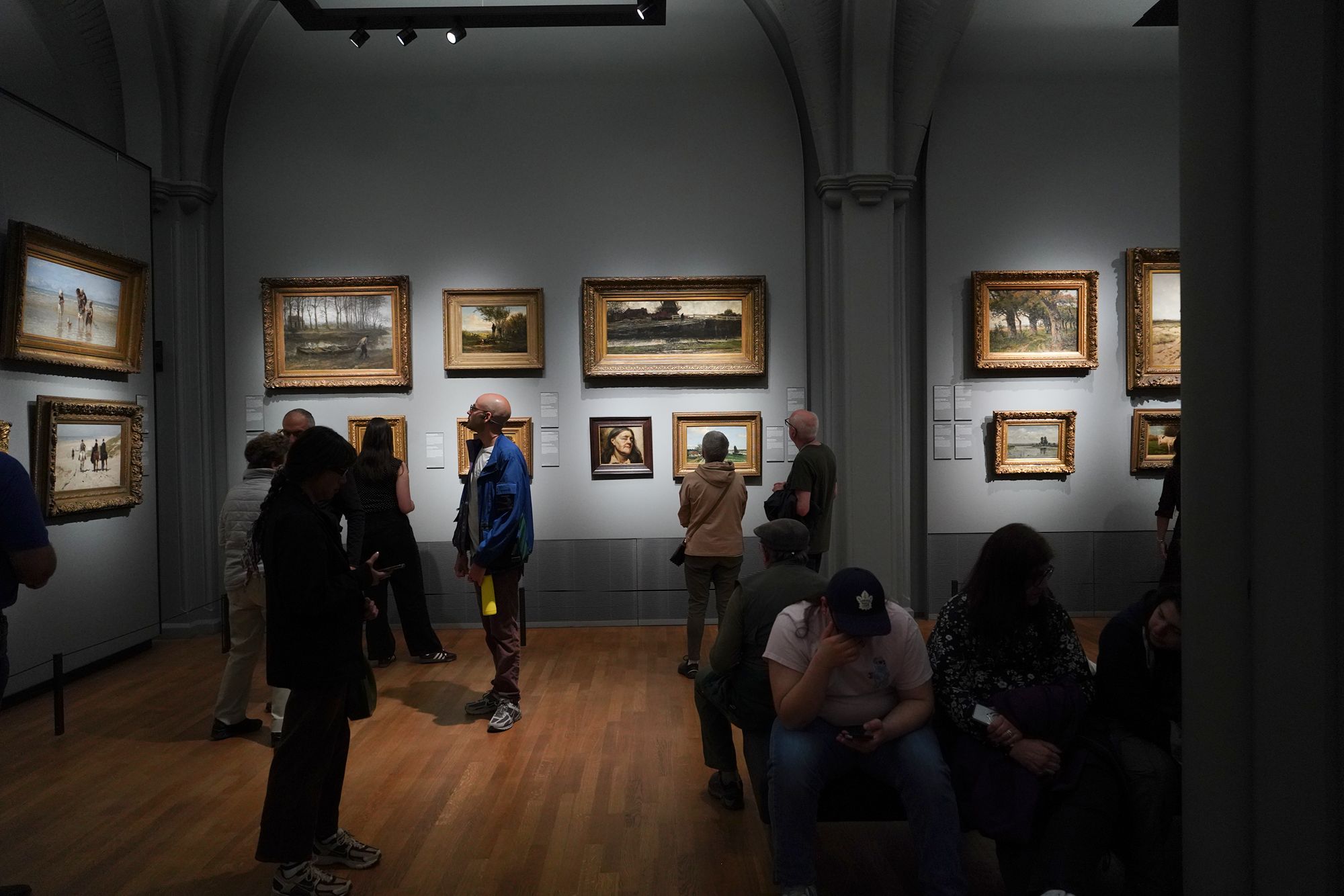
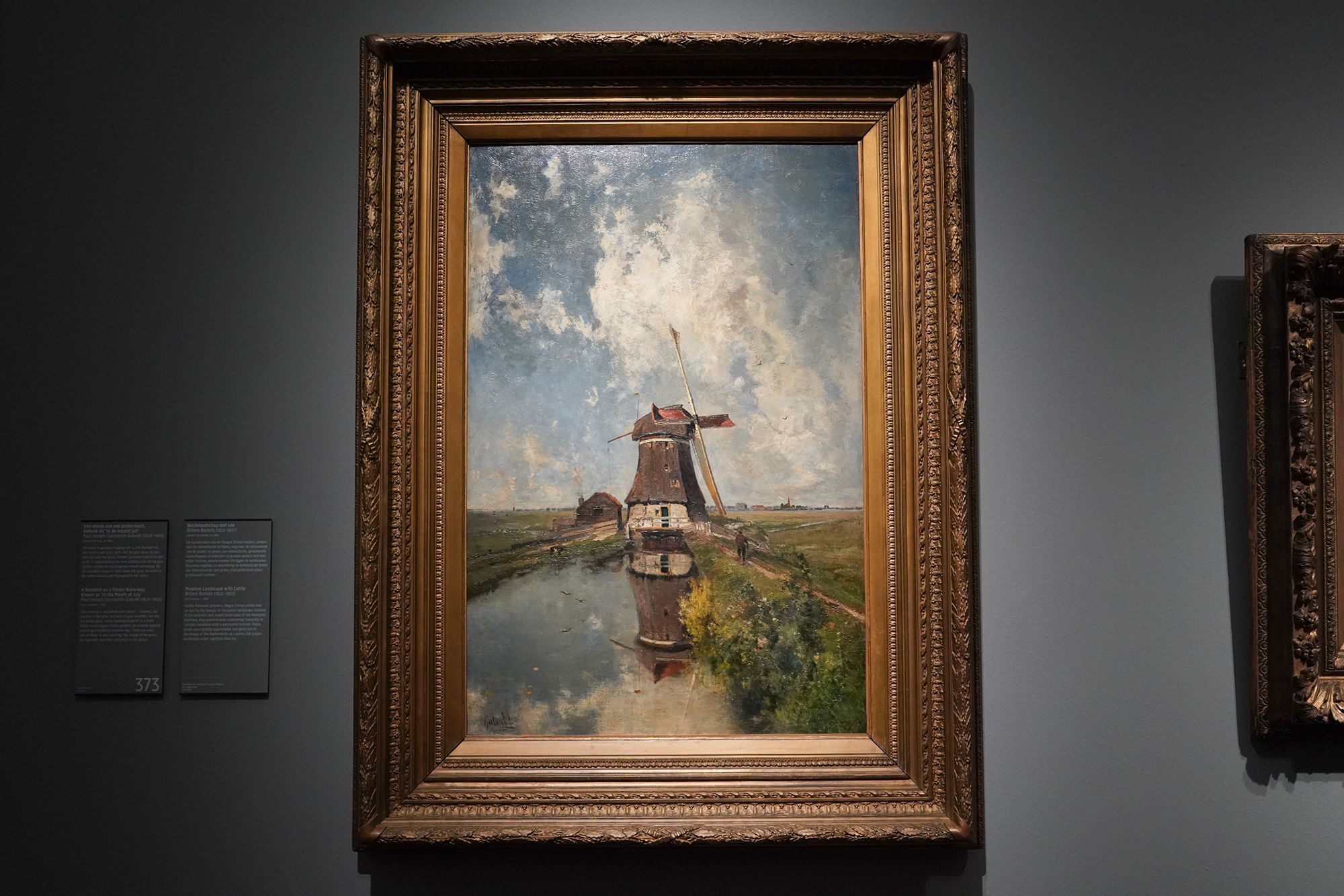
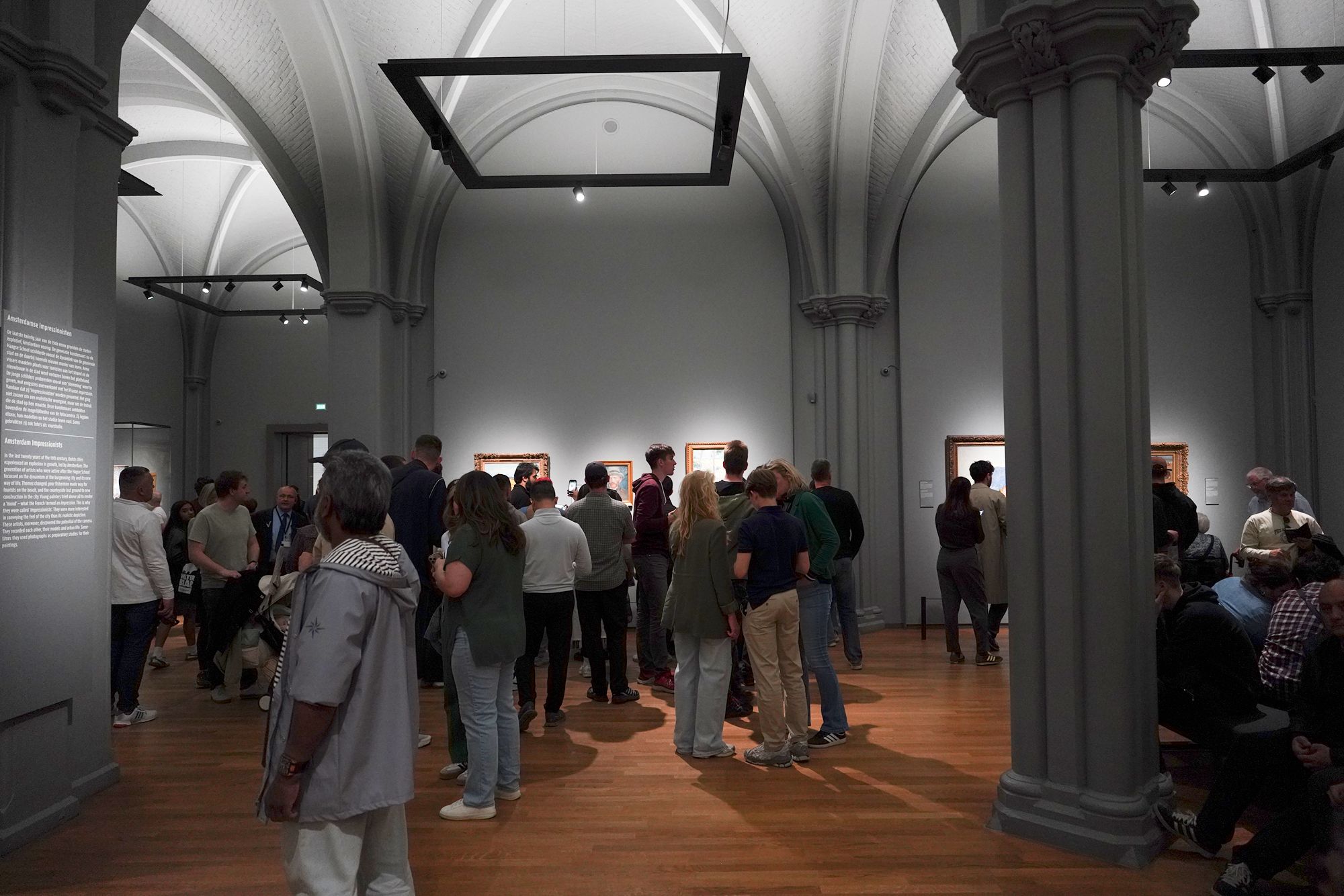
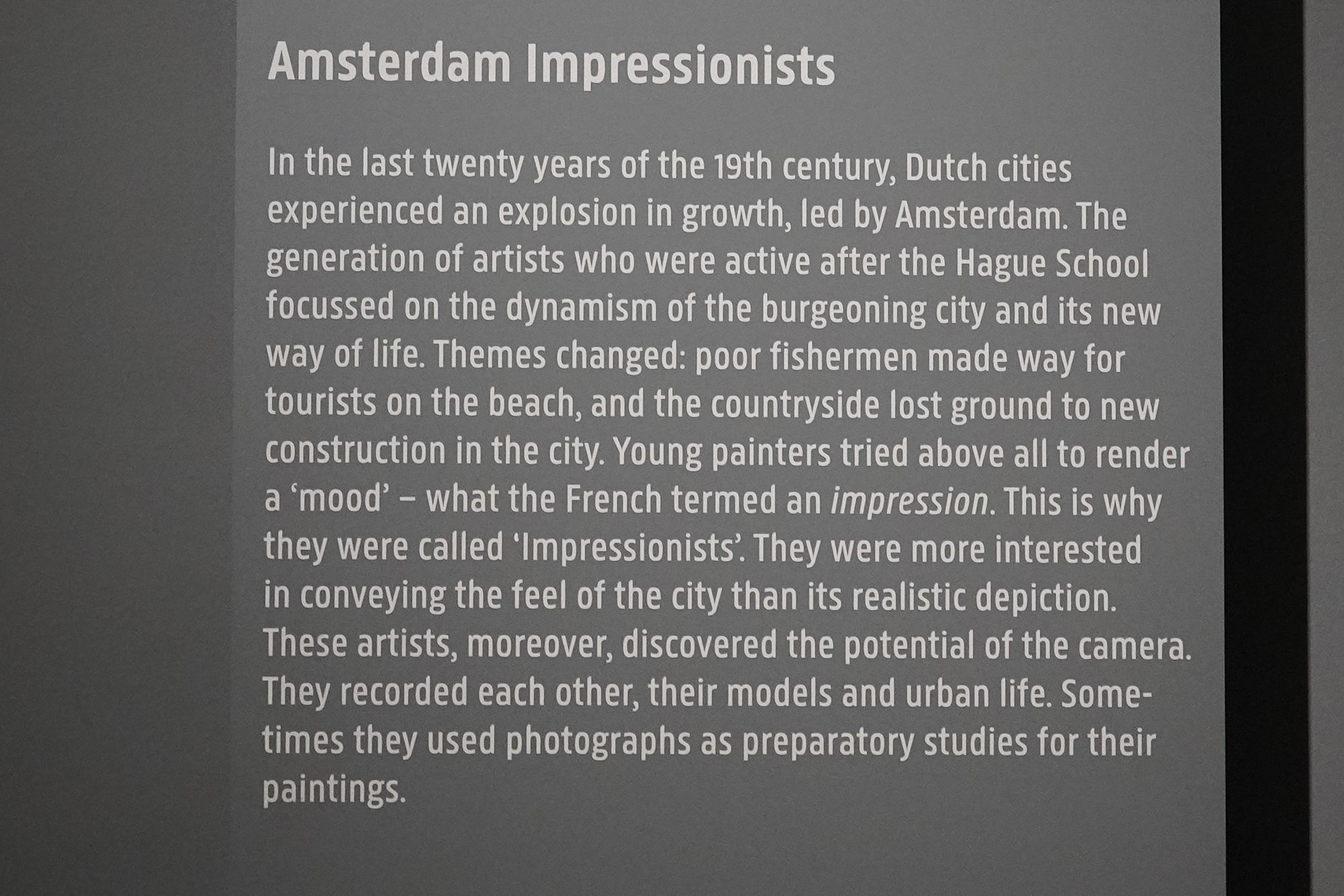
The Amsterdam Impressionists captured the changing mood and energy of Amsterdam as the city rapidly expanded in the late 19th century.
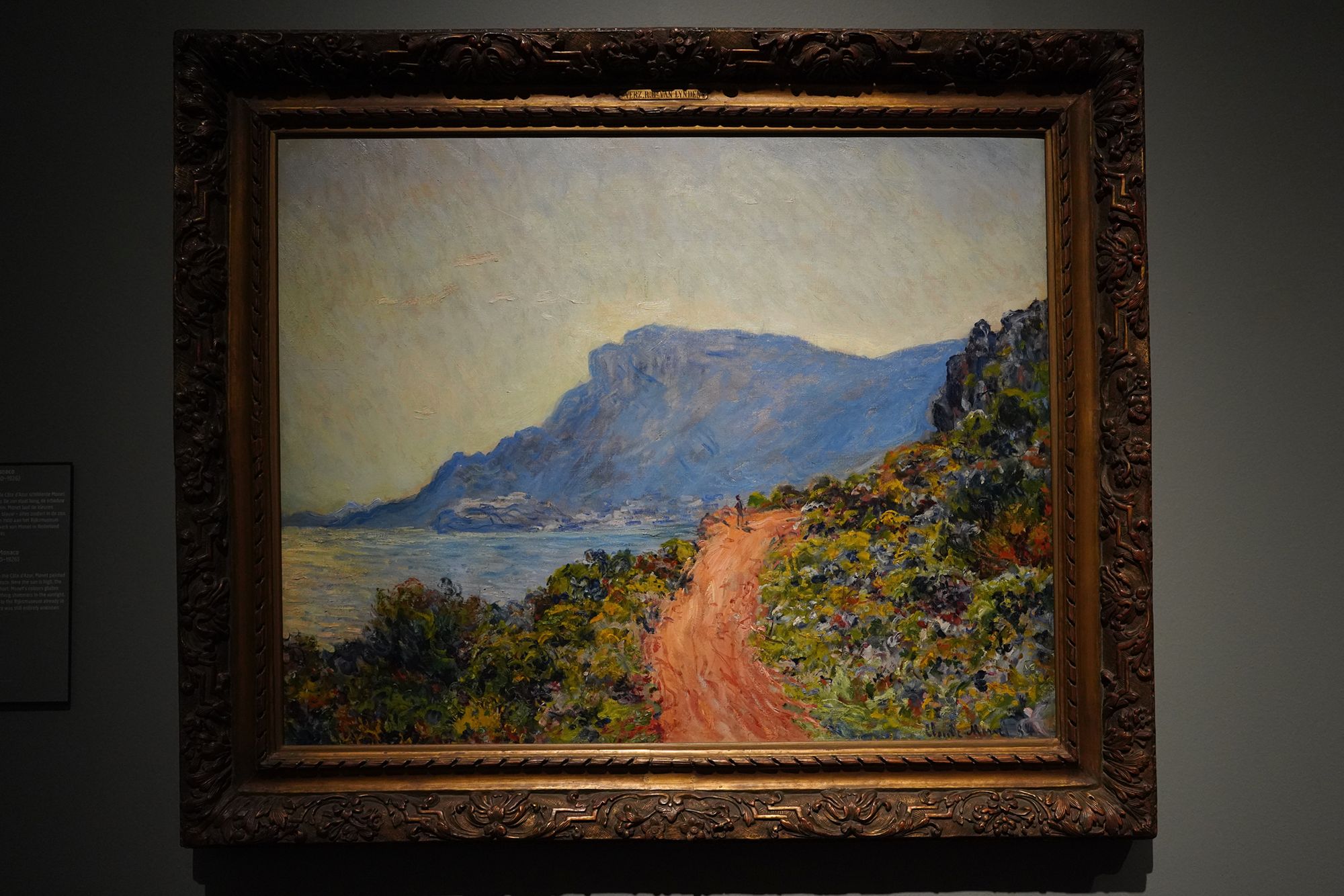
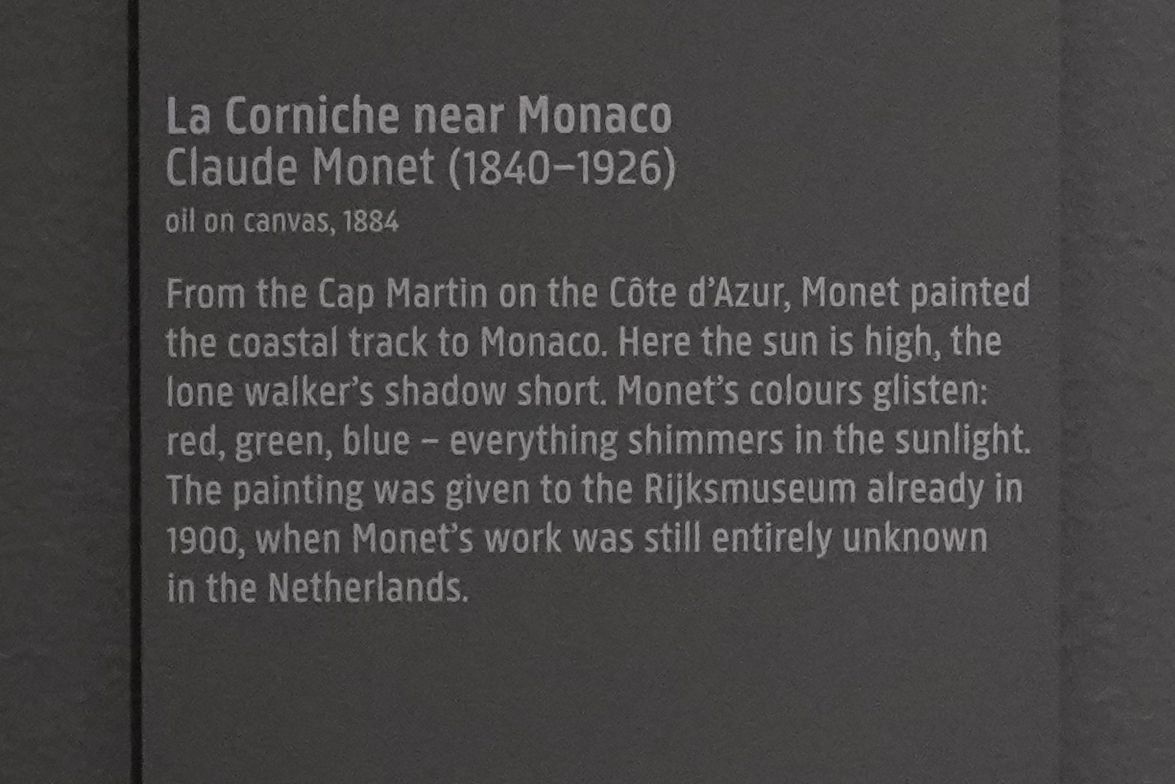
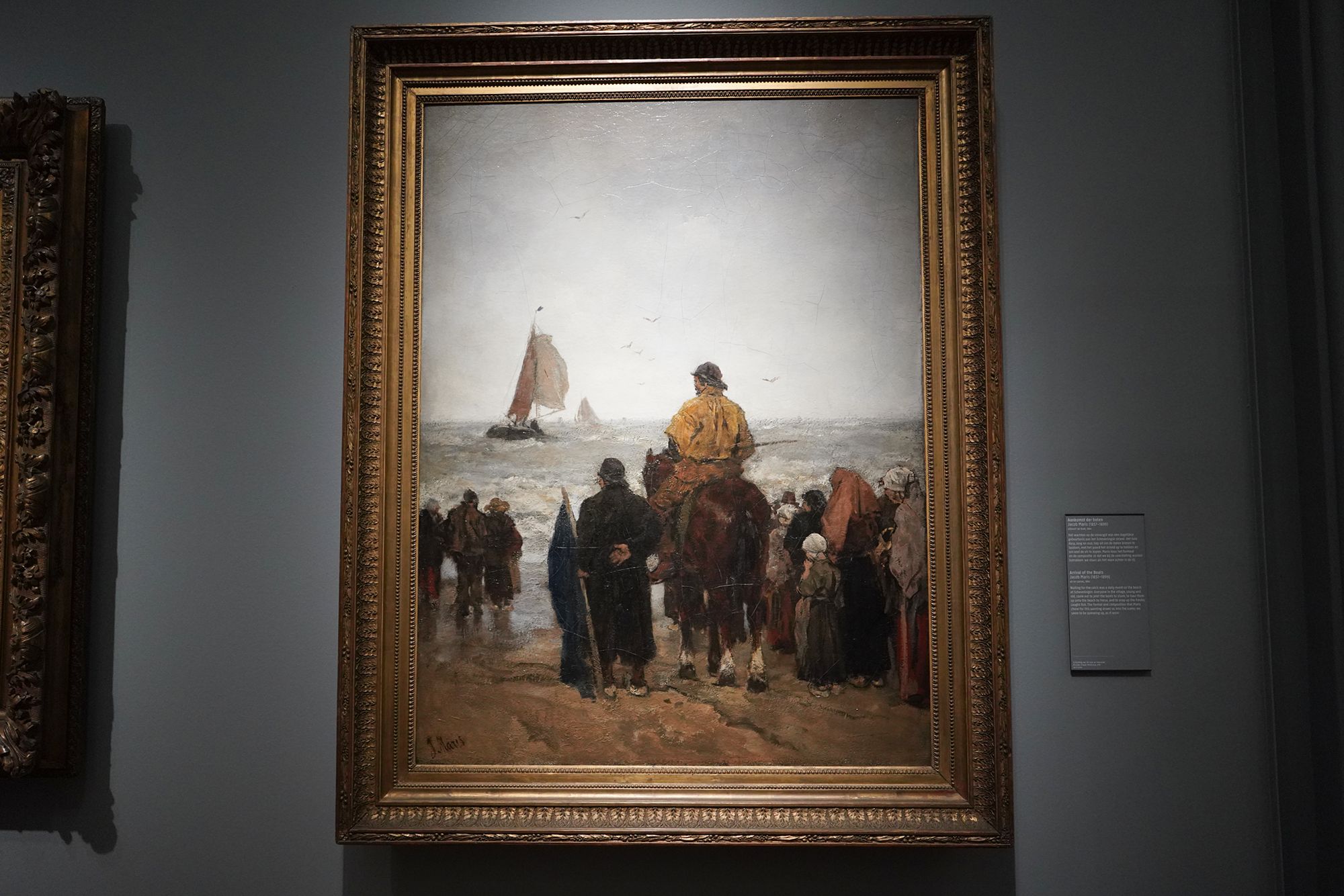
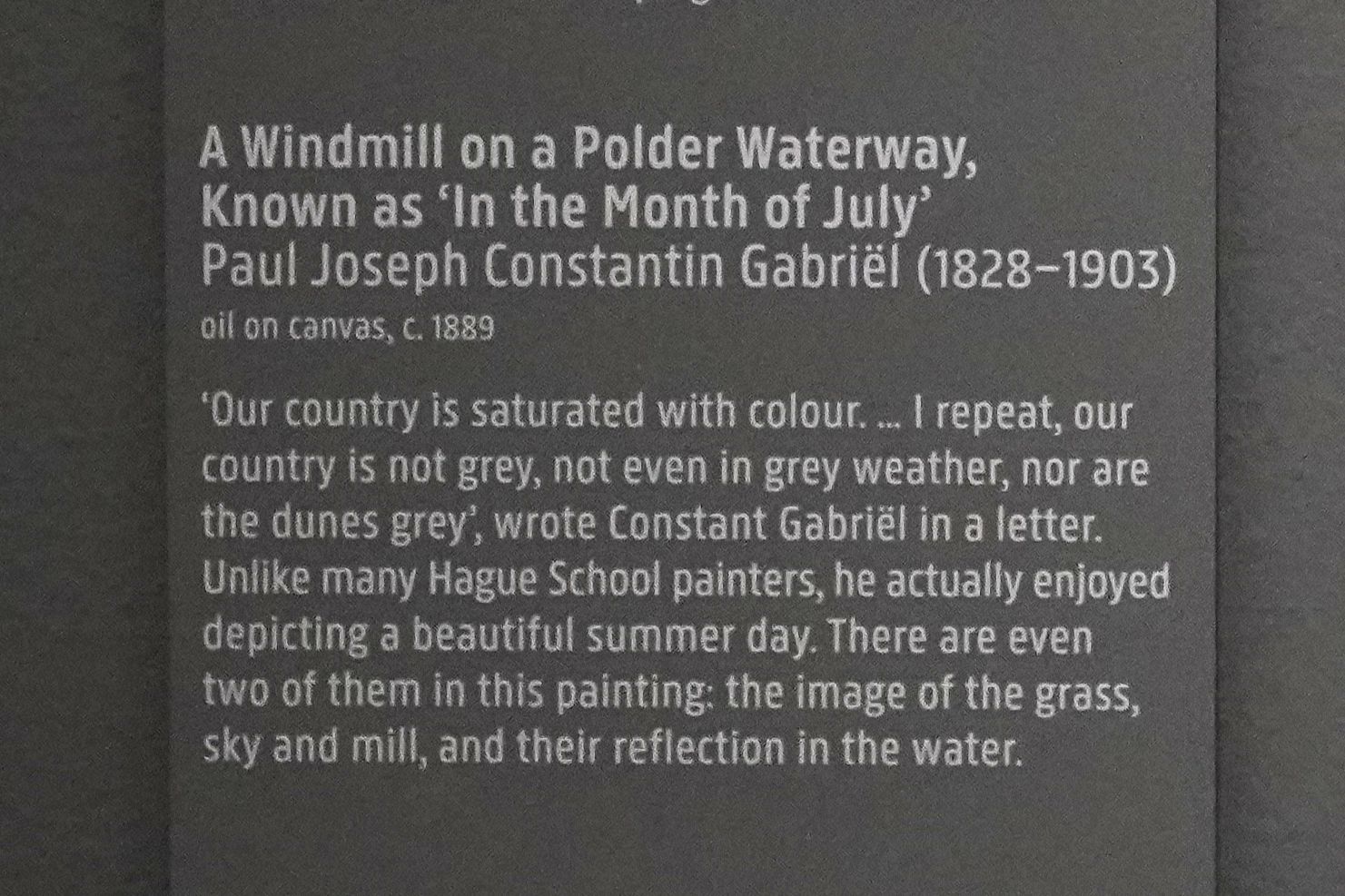
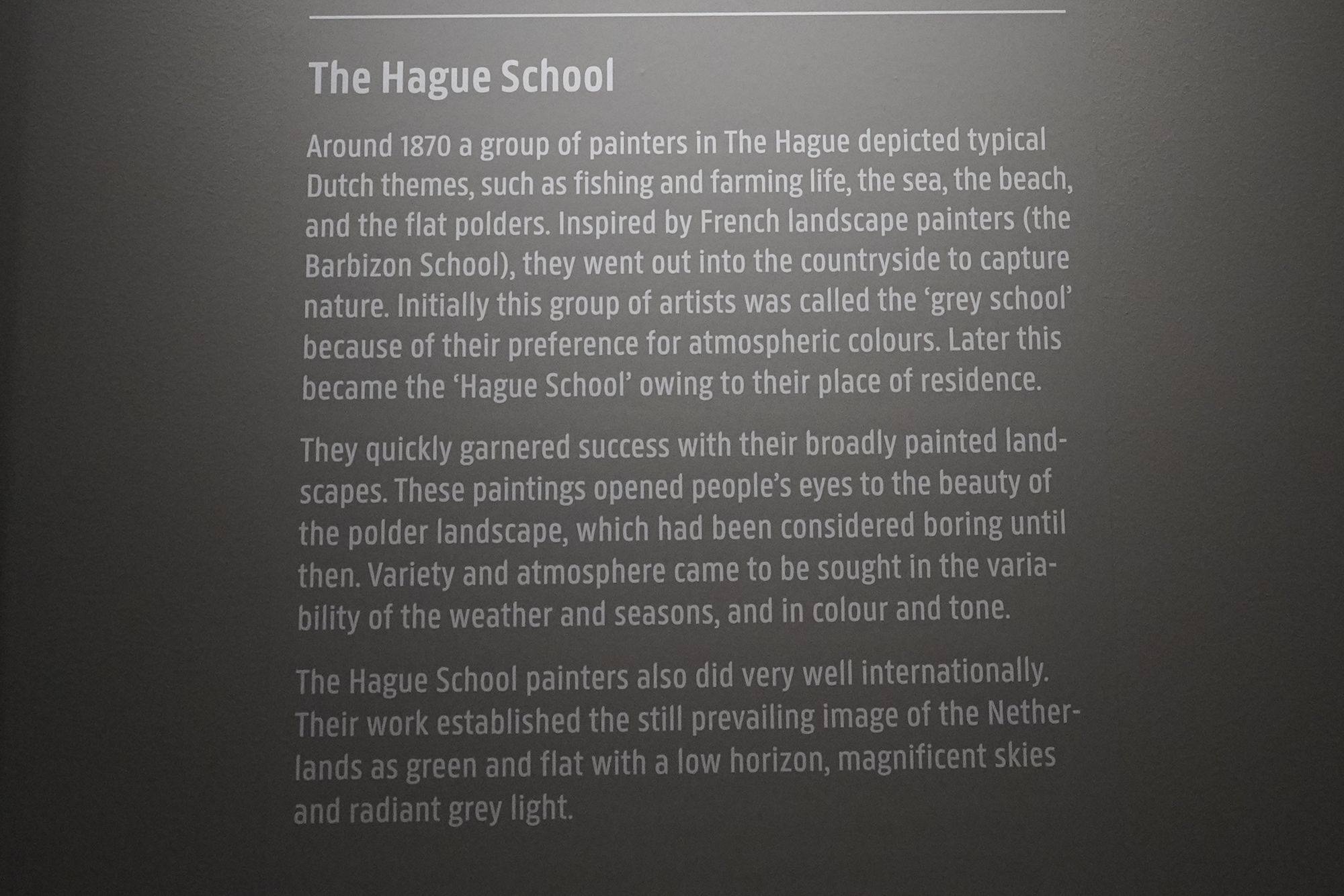
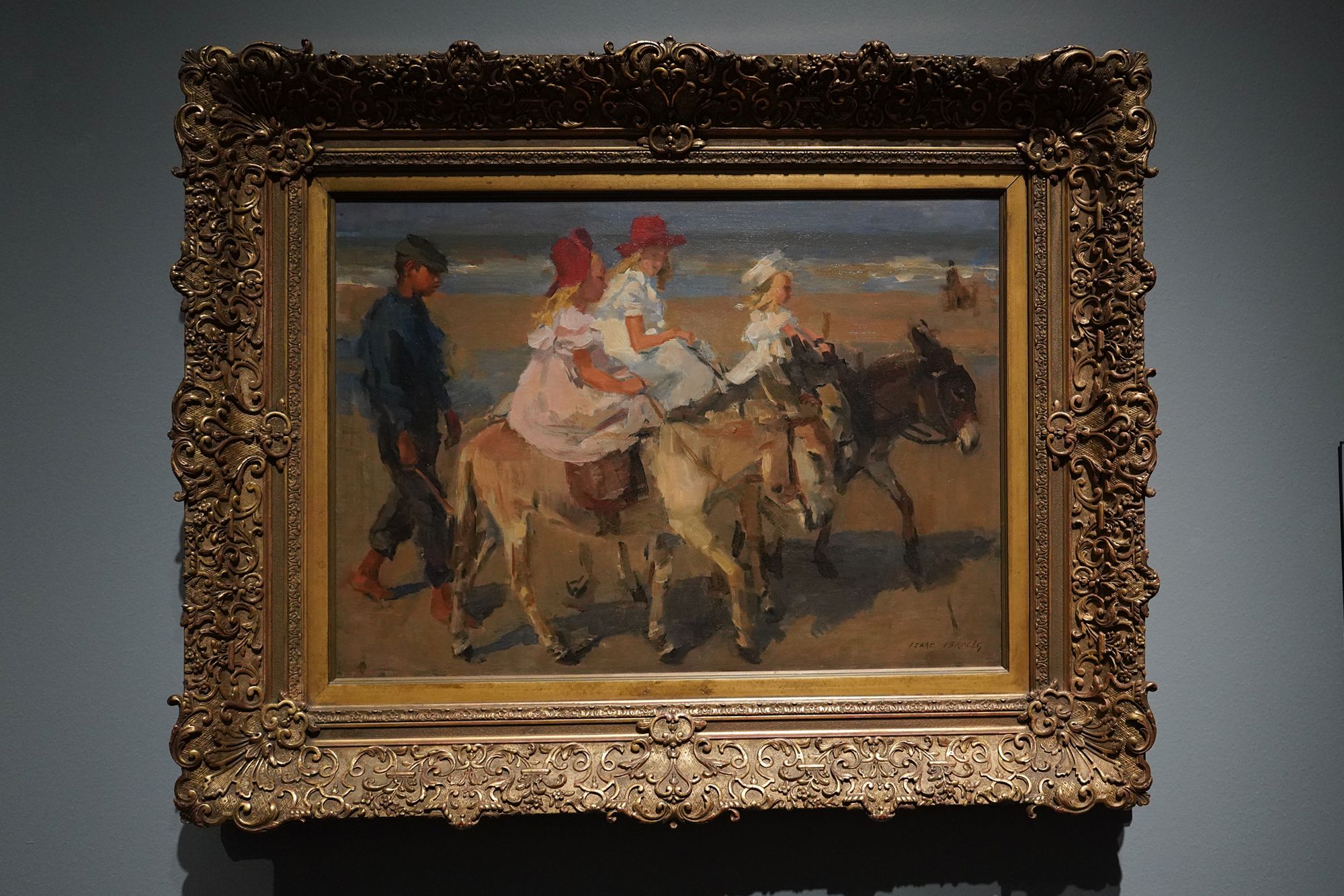
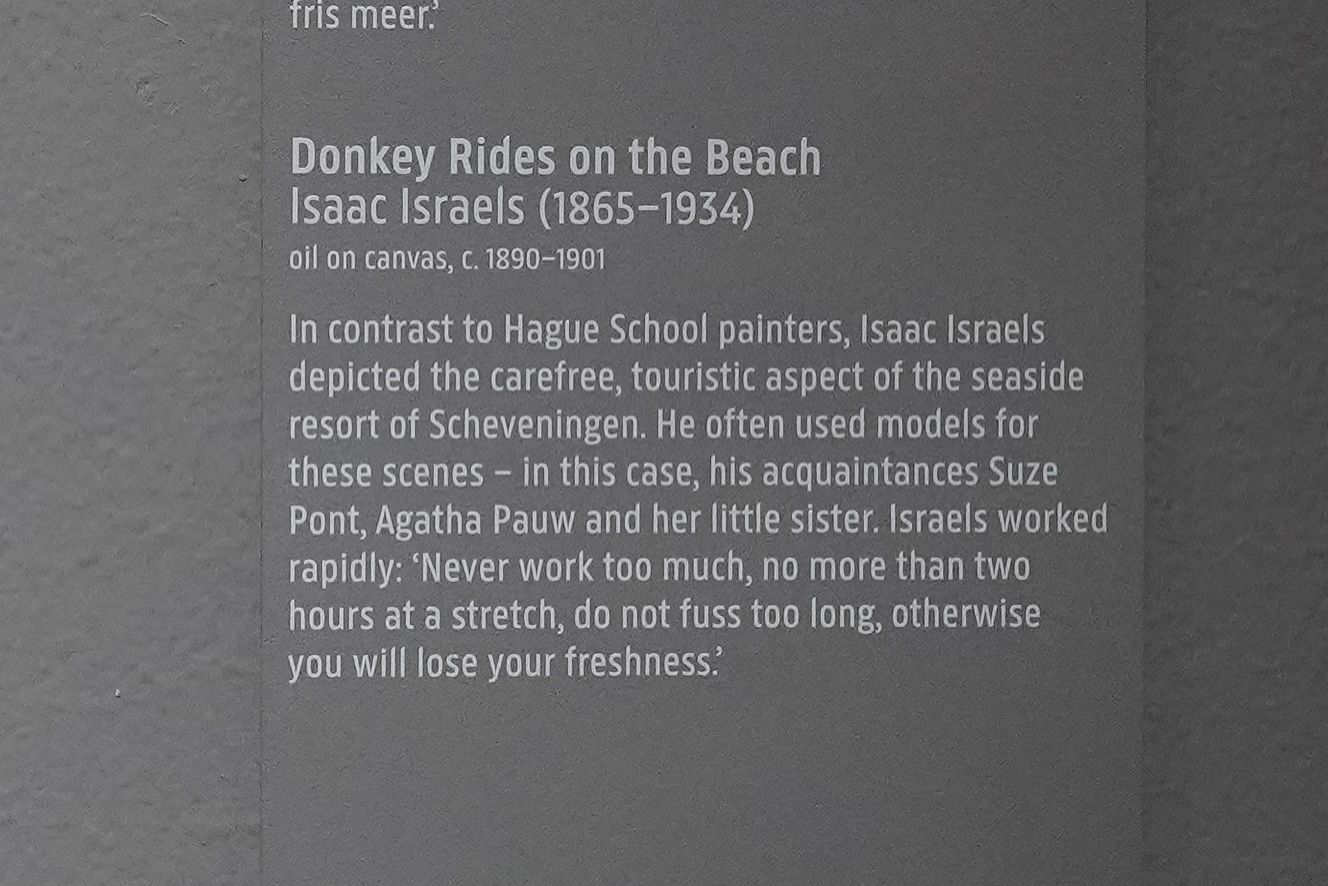
The Hague School painters captured the beauty and atmosphere of the Dutch countryside, coast, and everyday life during the late 19th century.
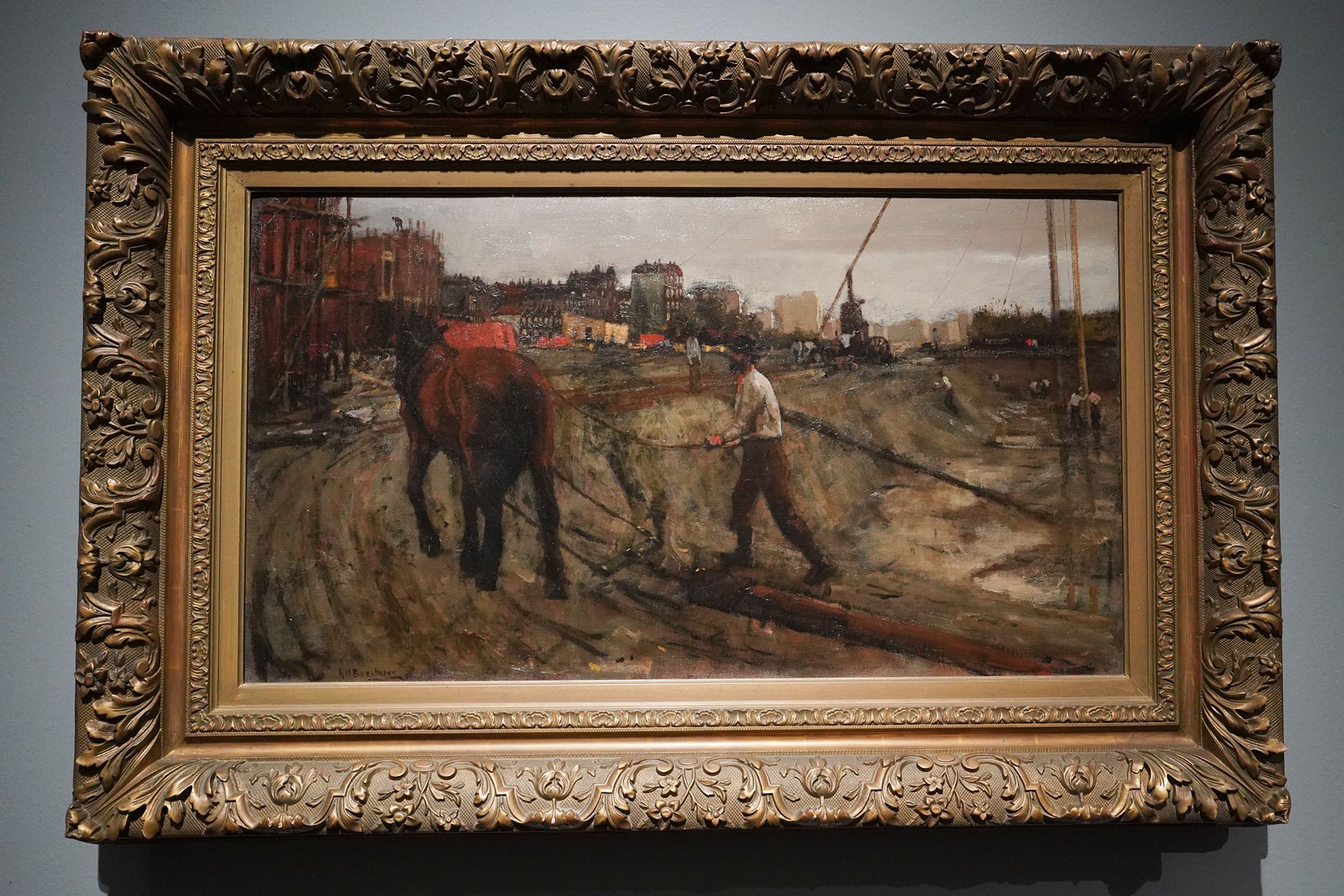
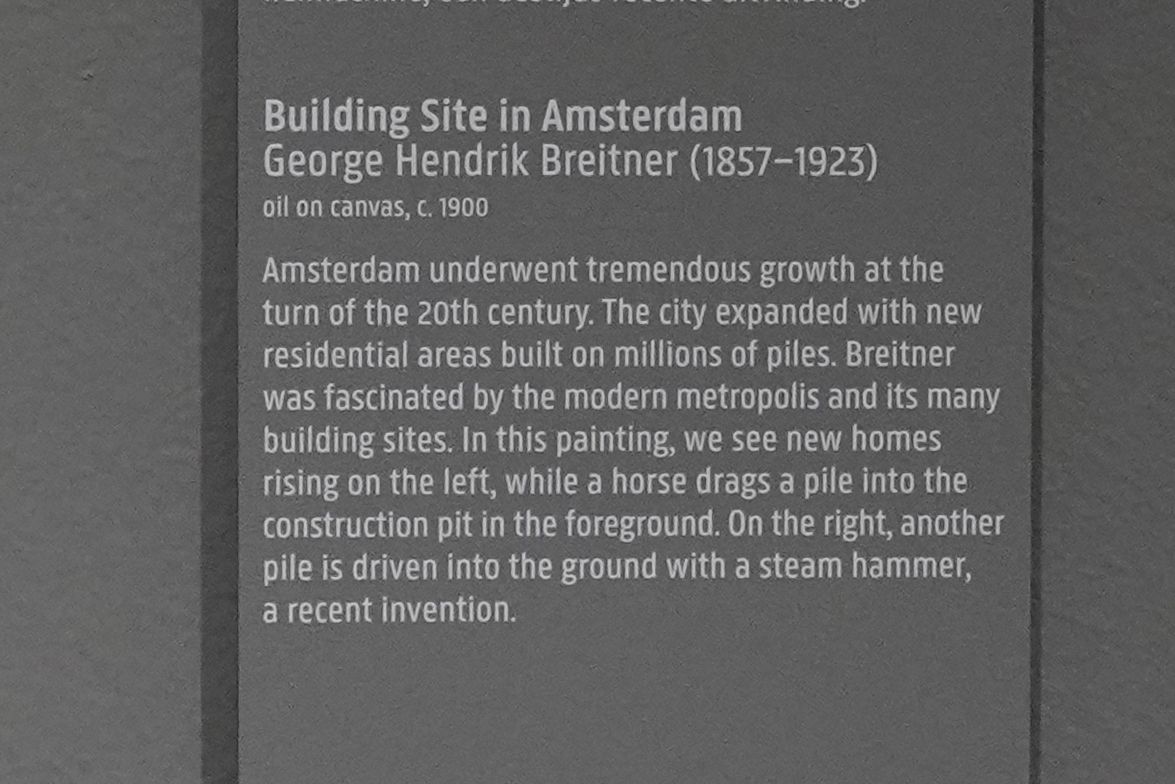
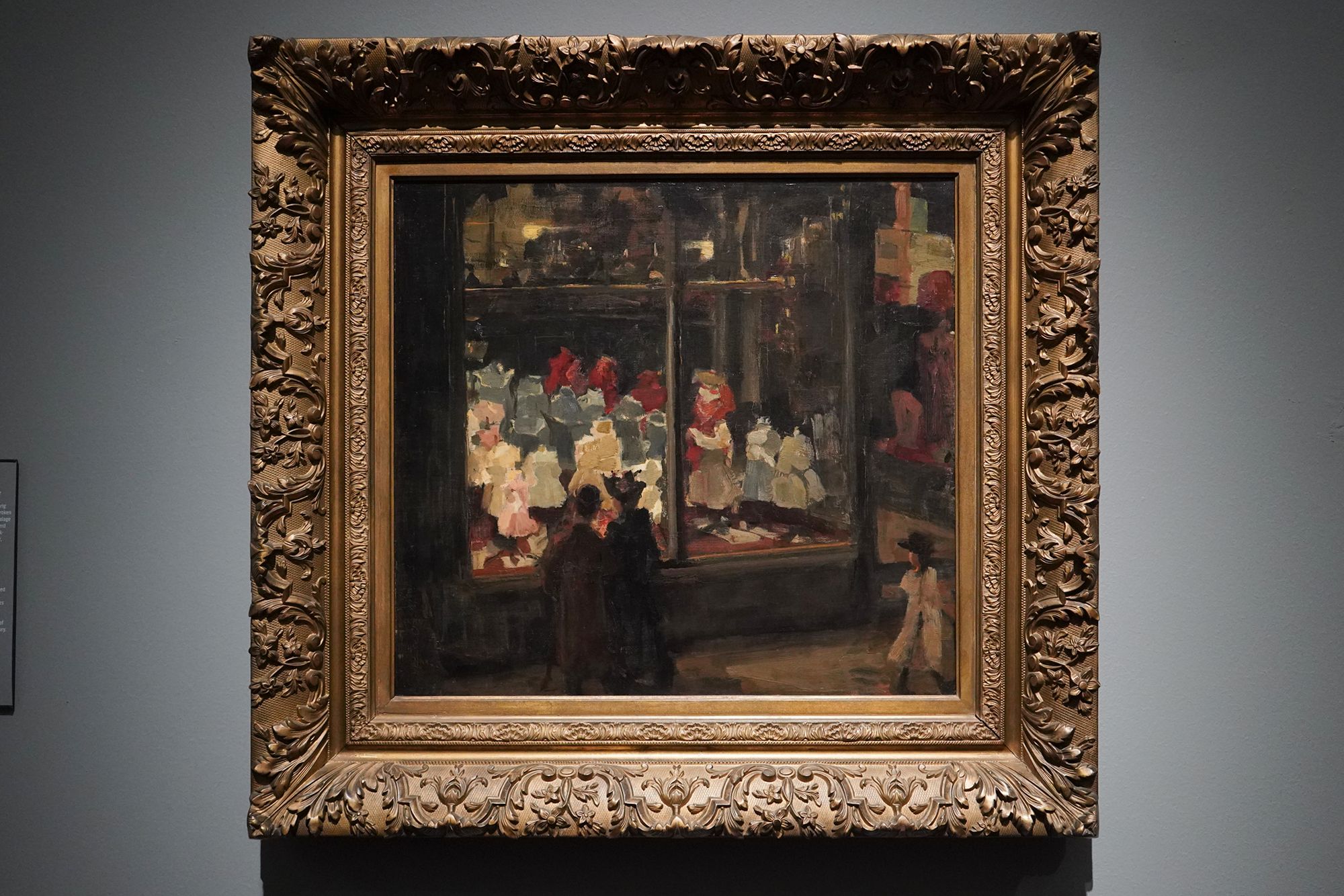
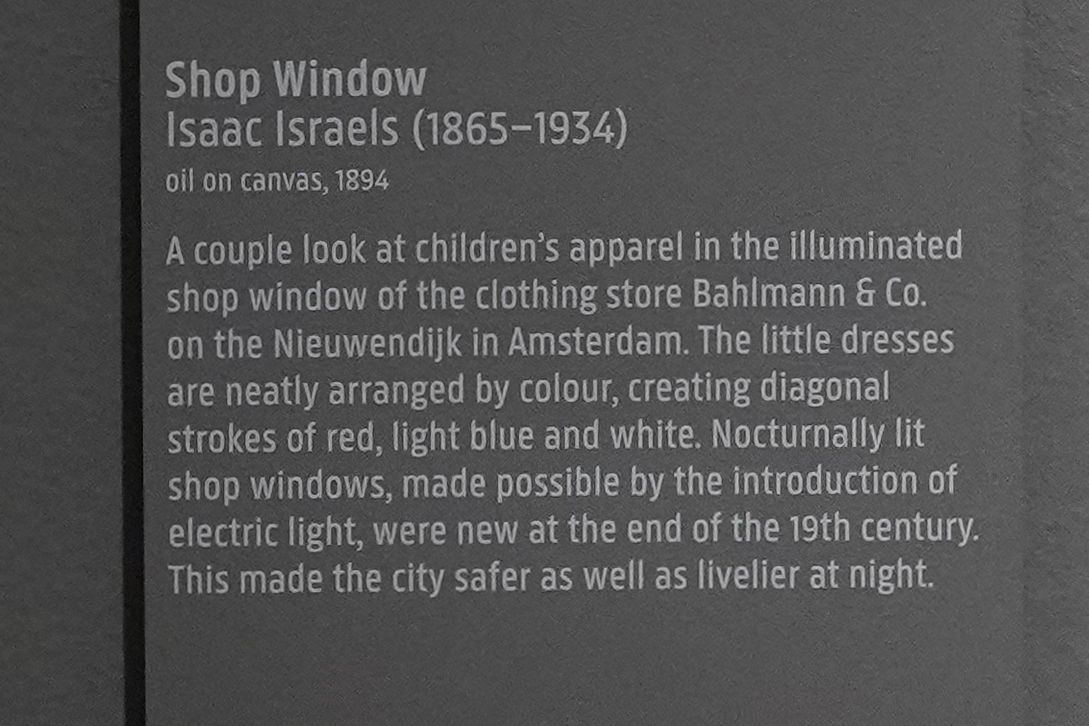
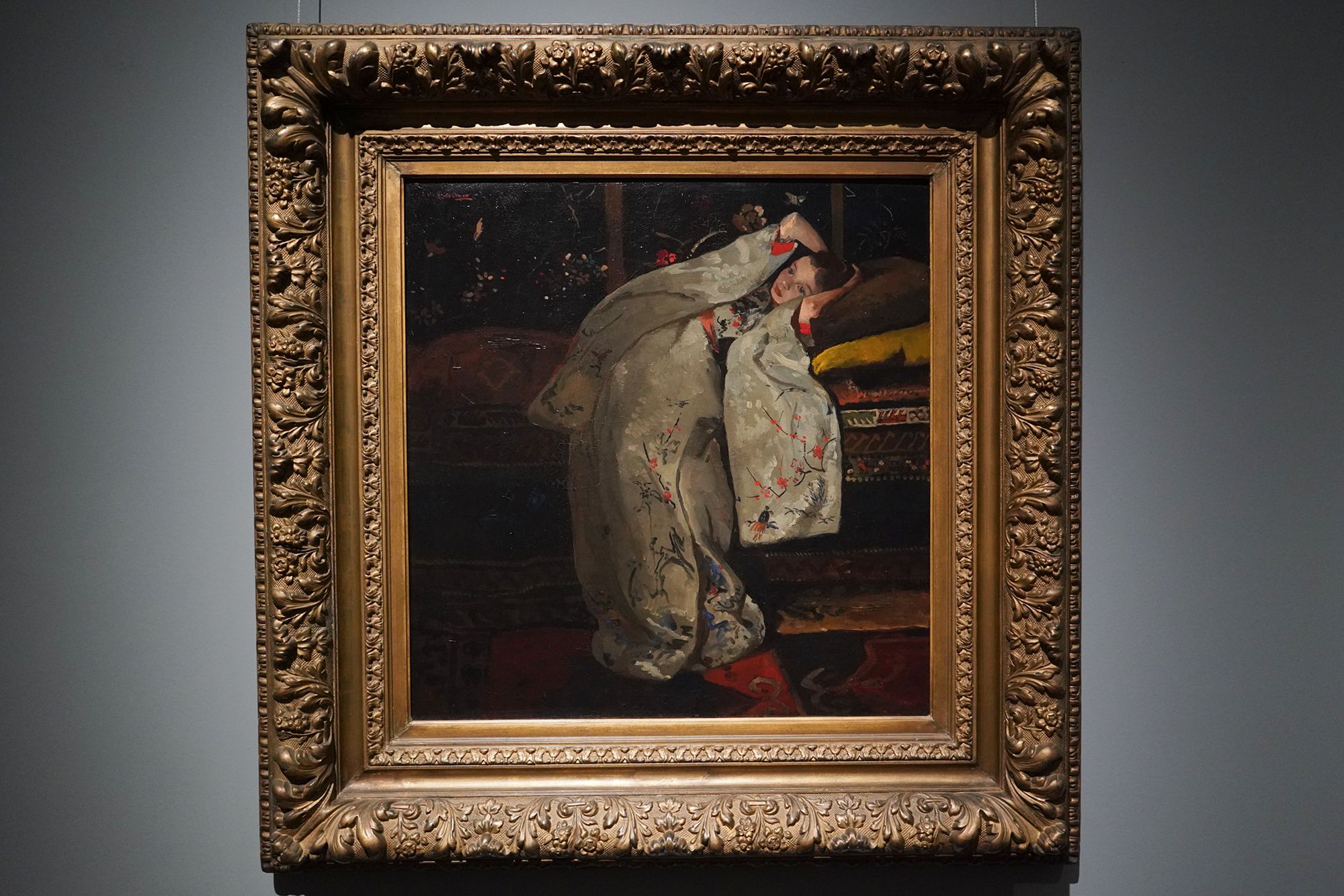
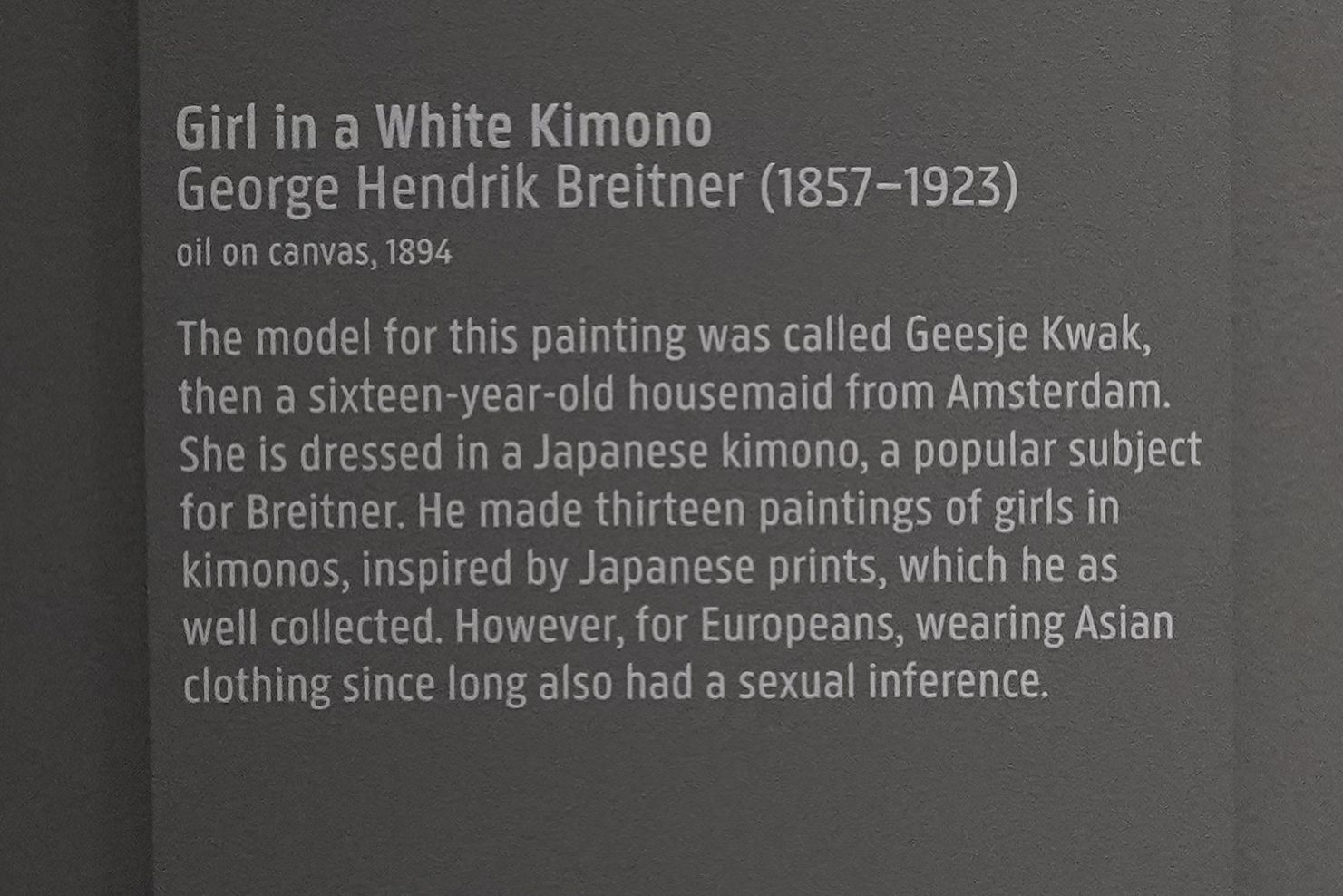
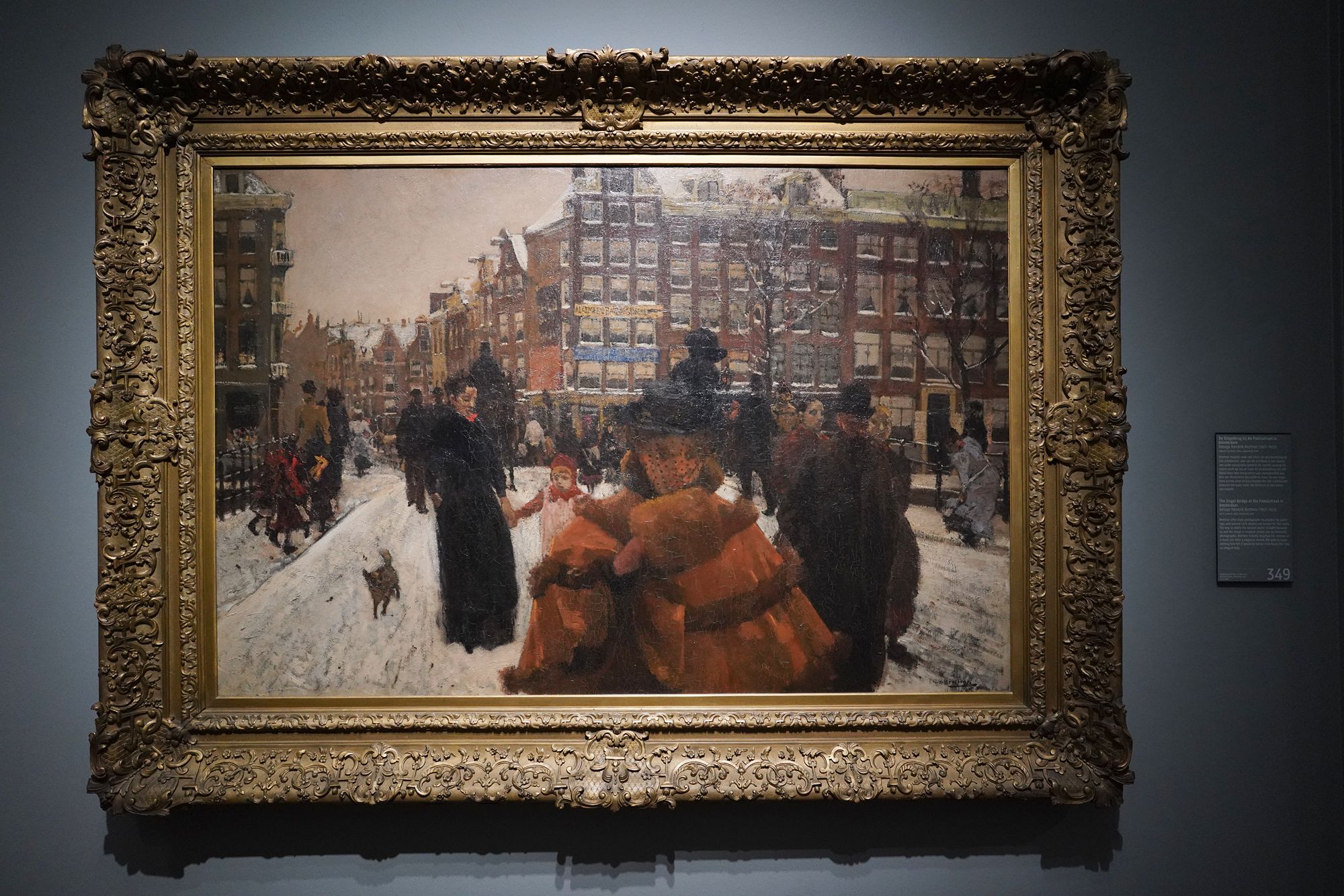
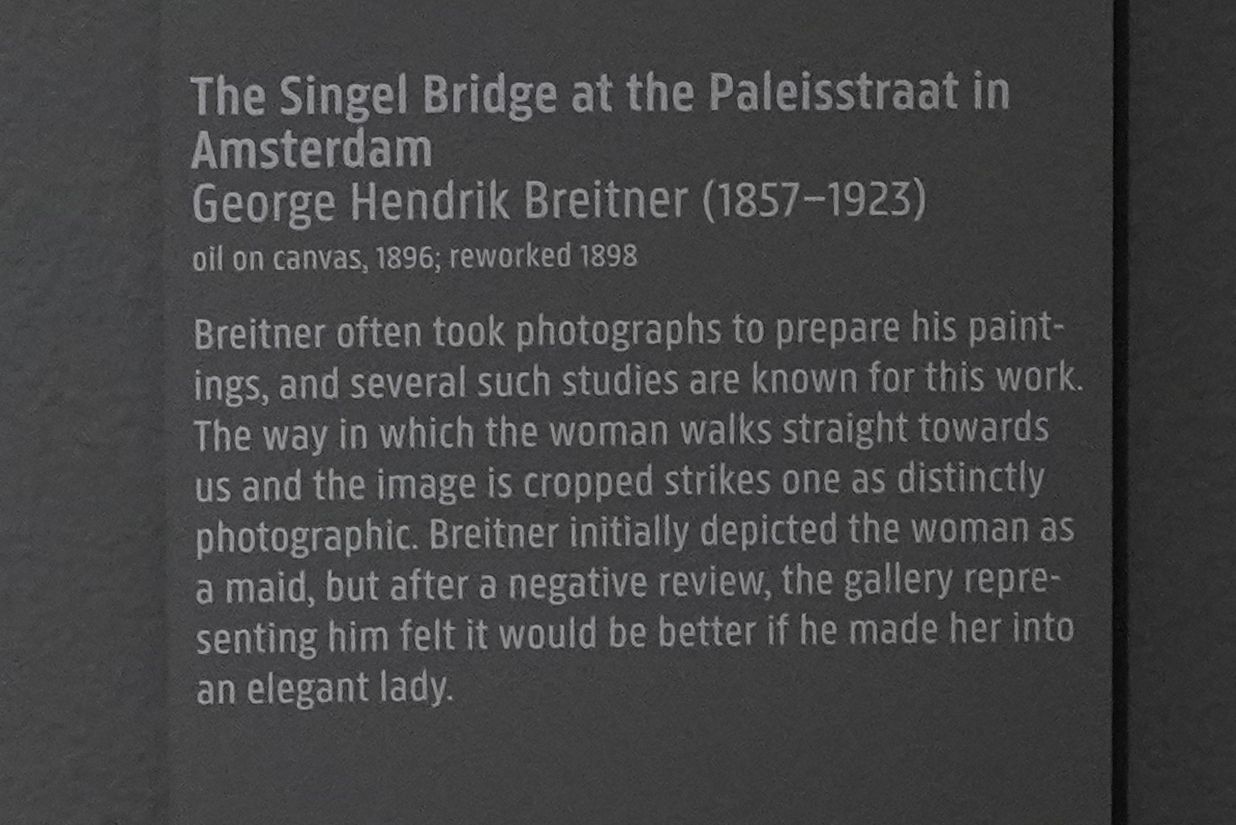
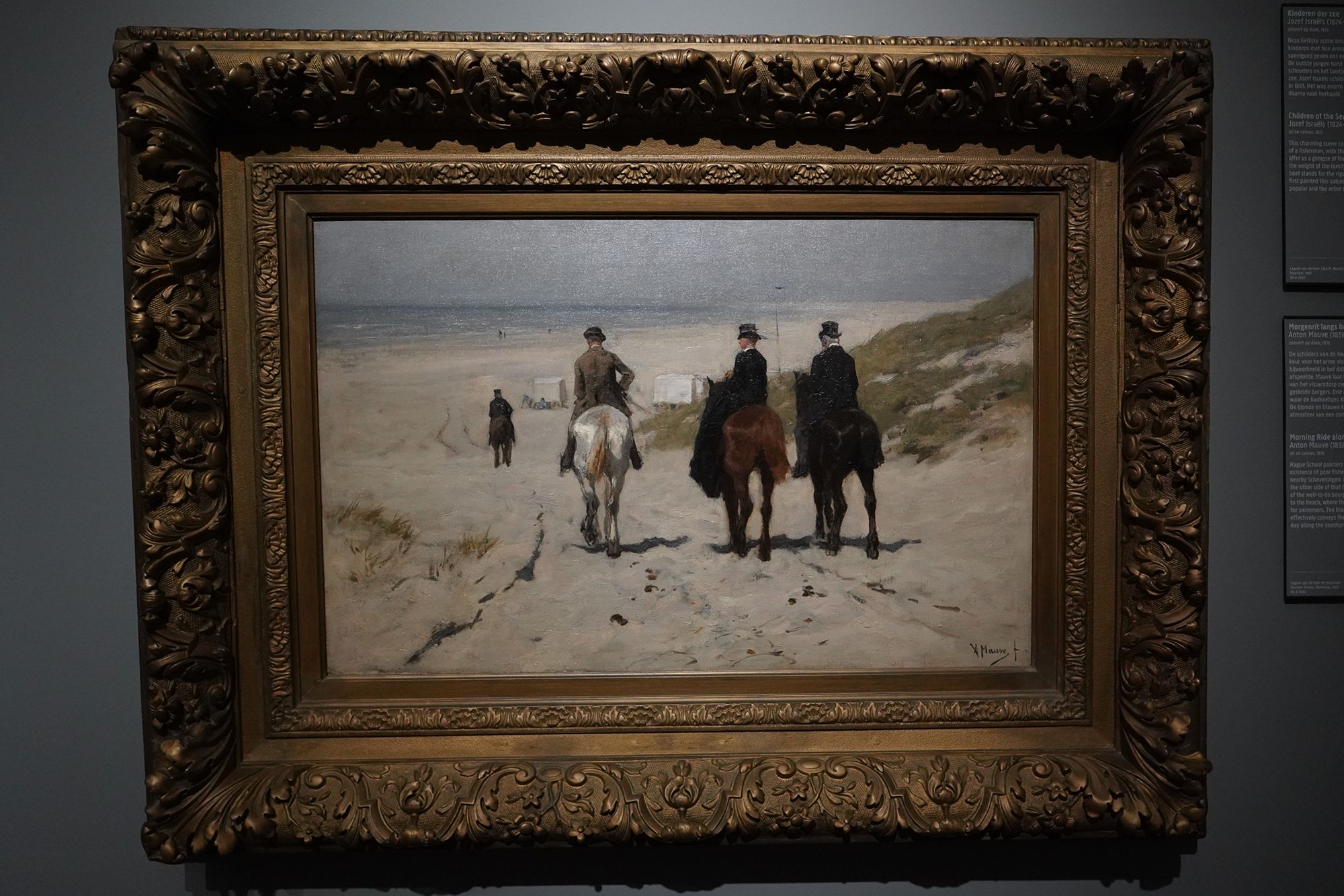
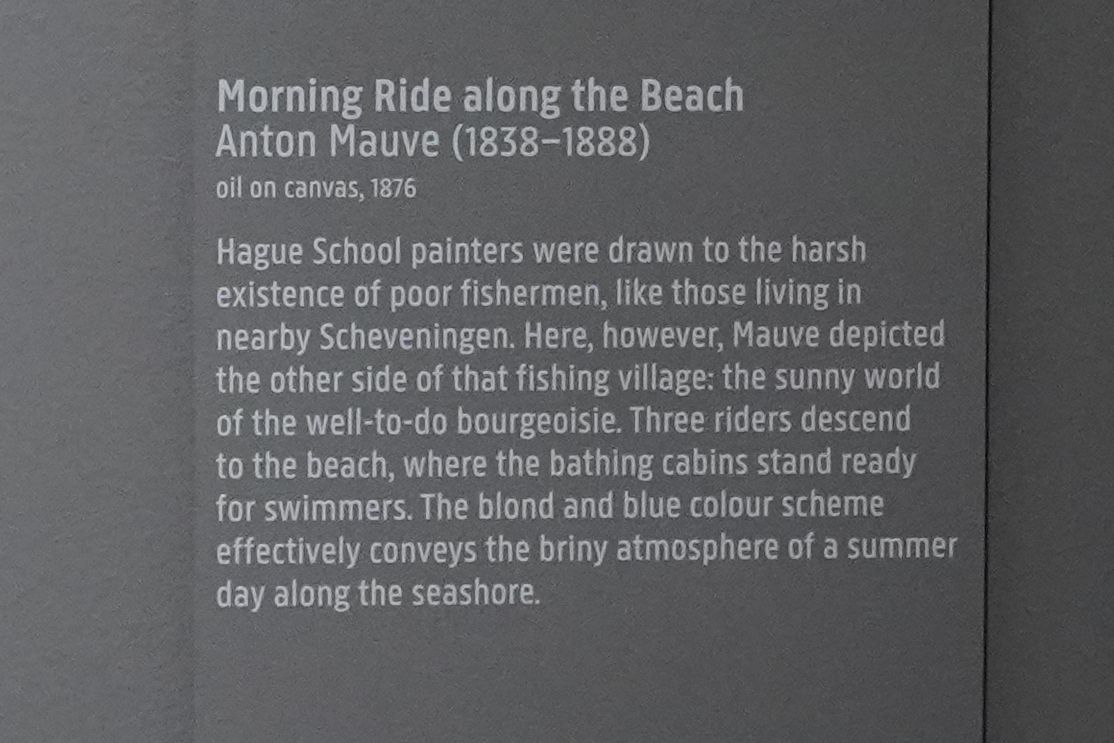
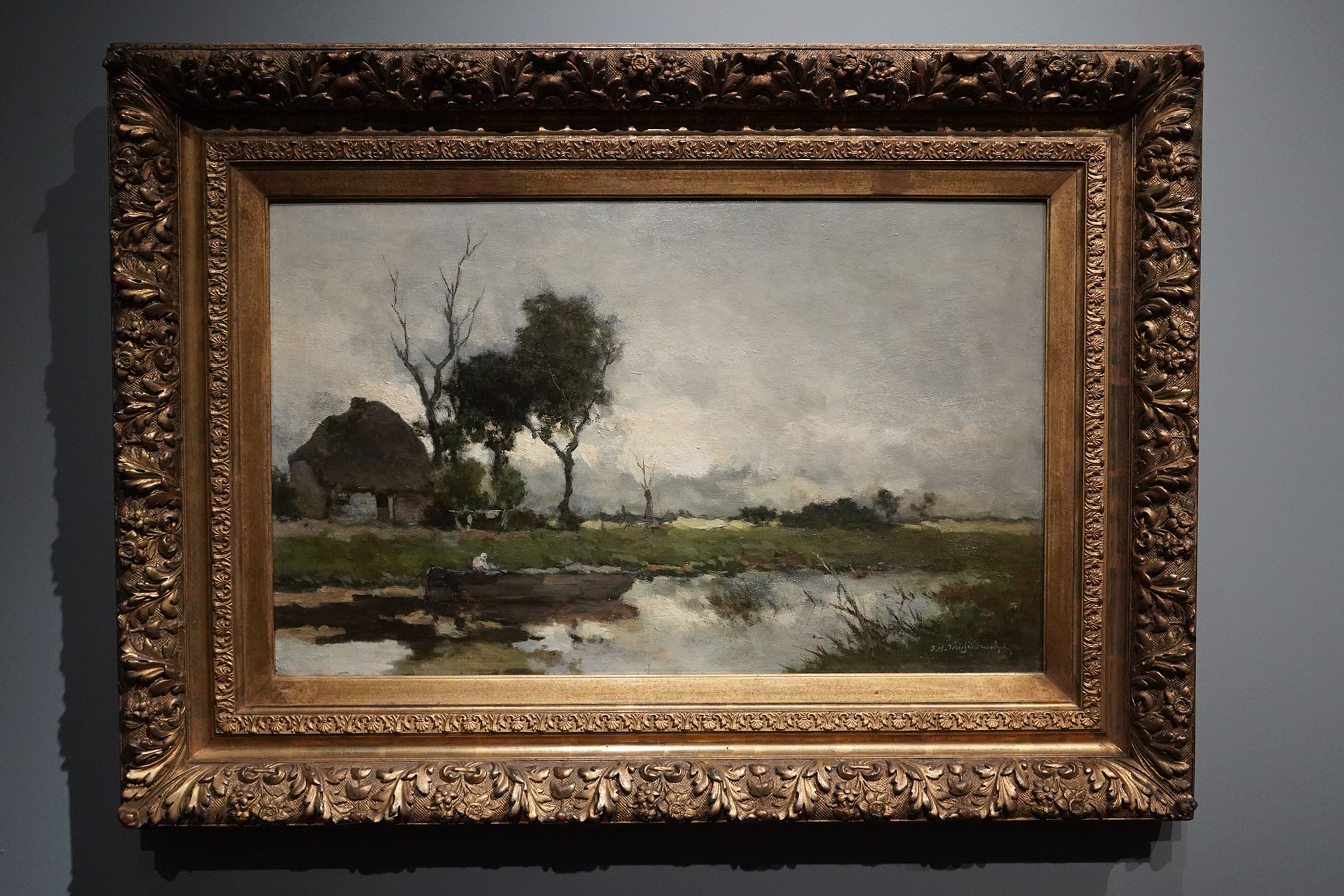
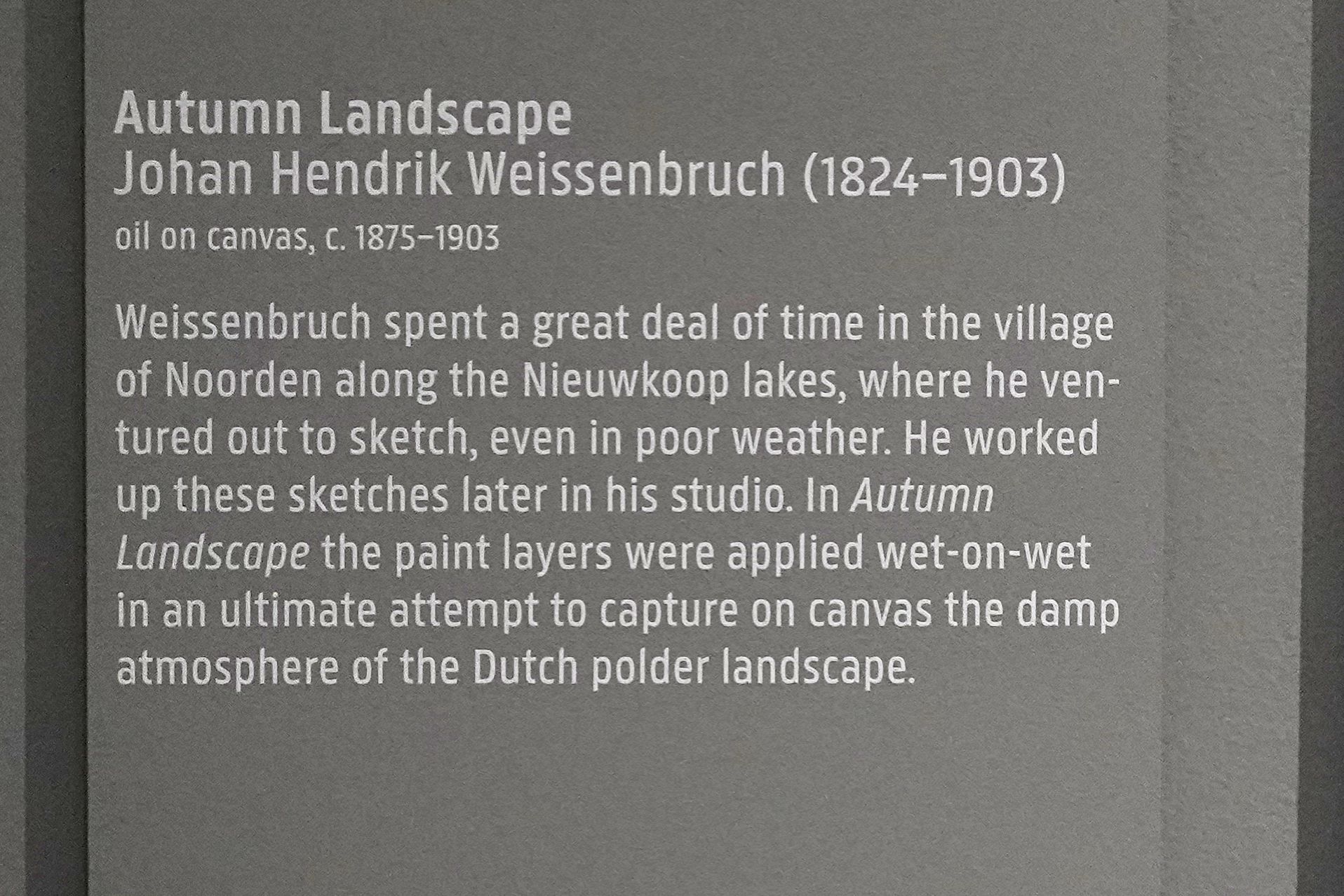
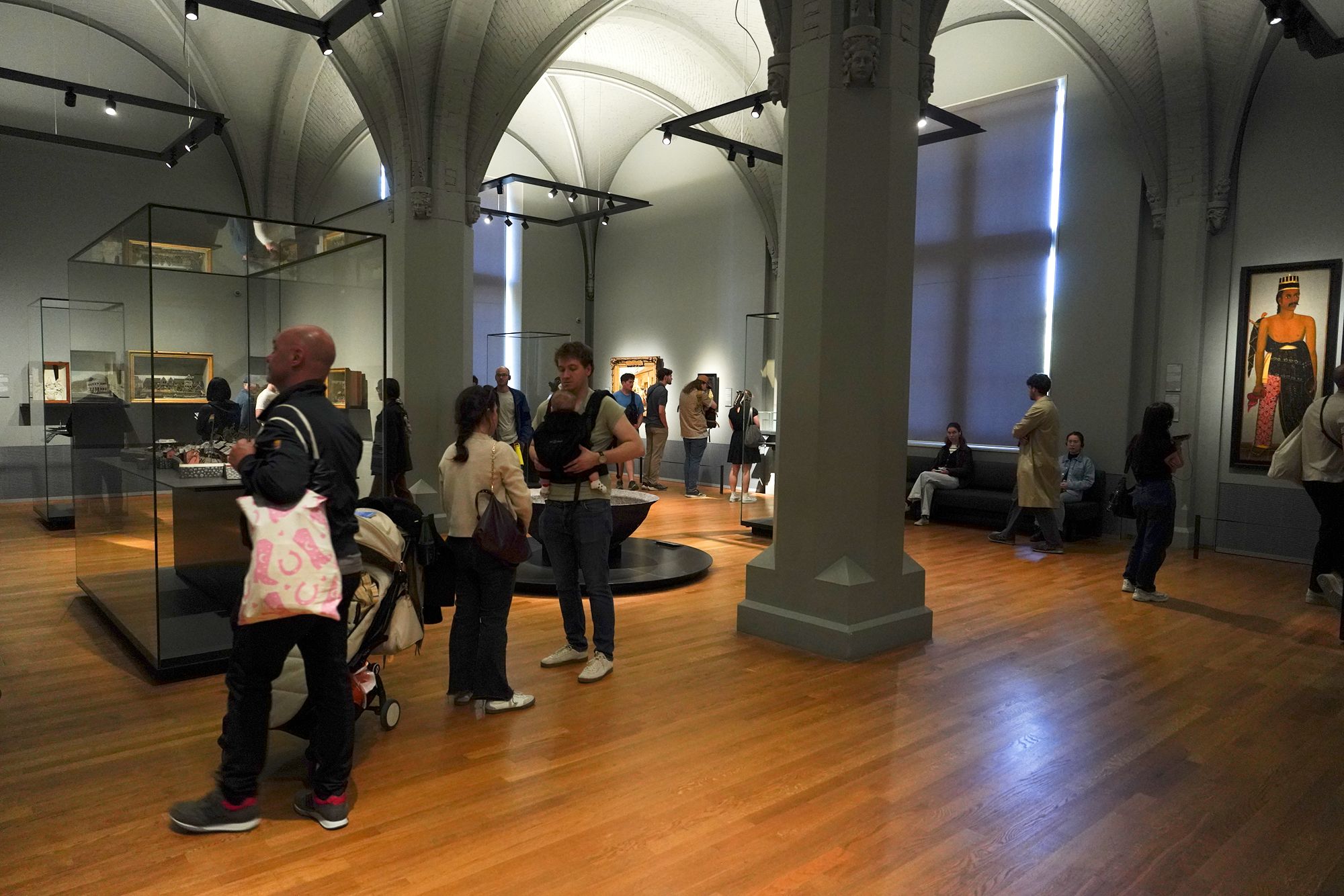
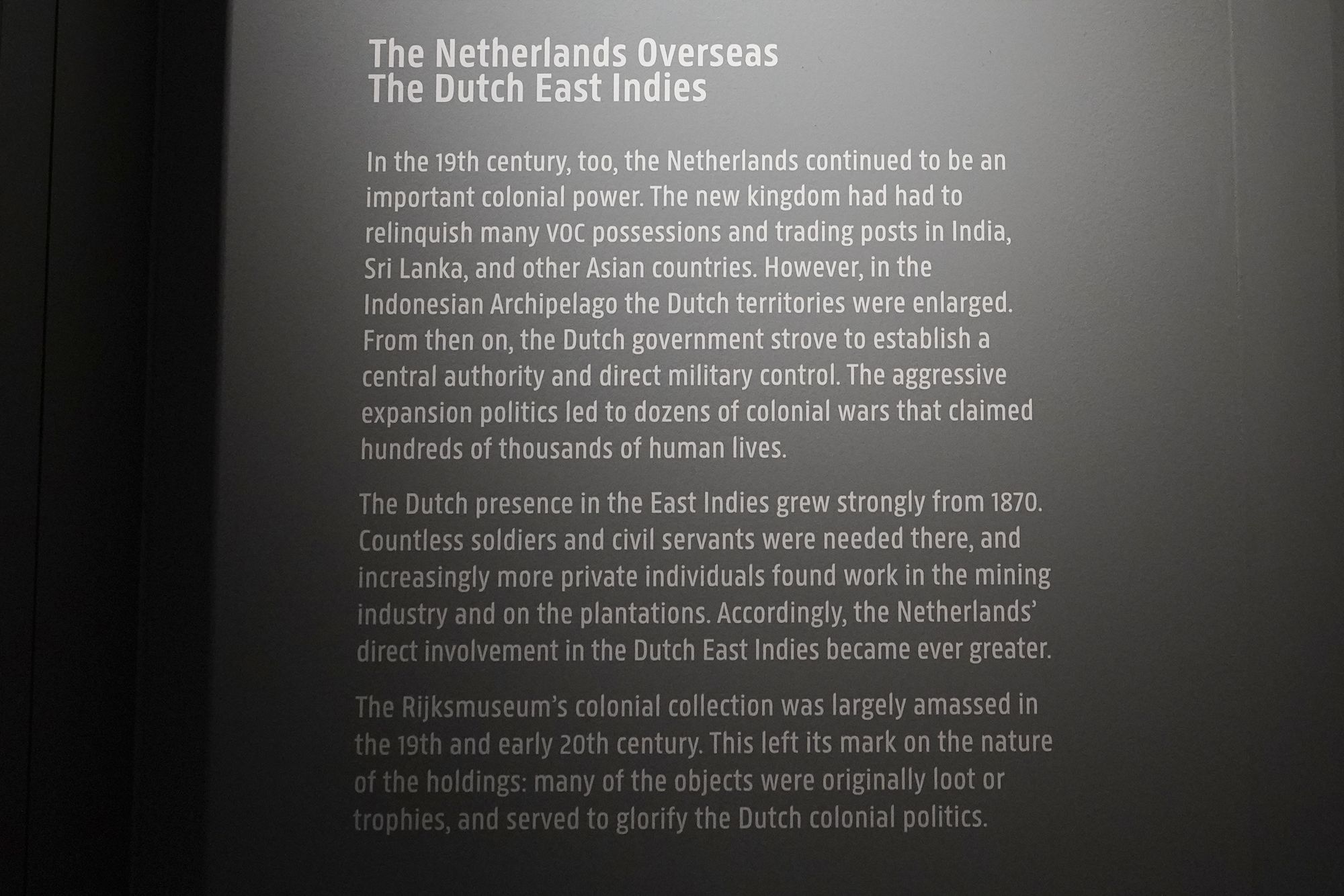
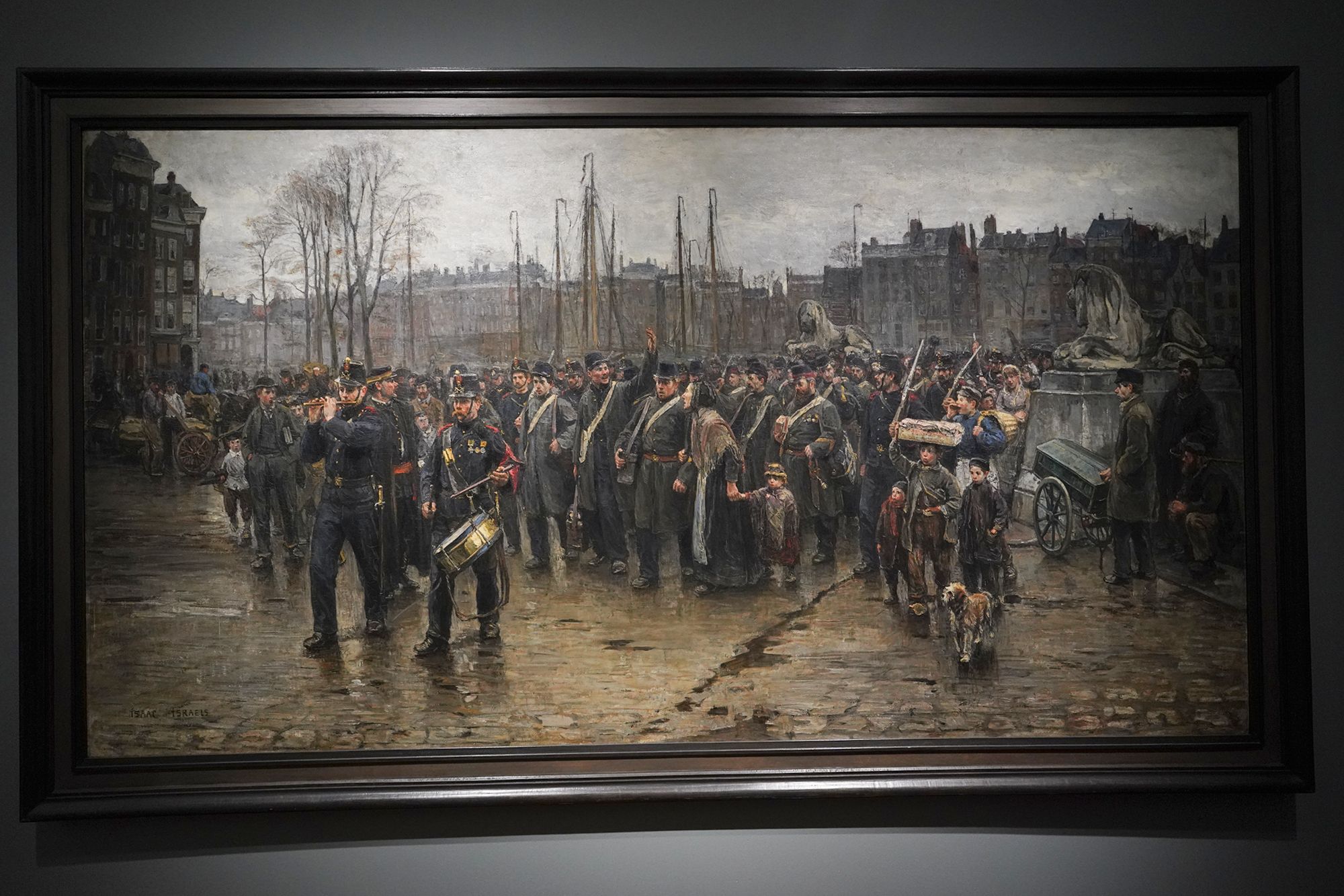
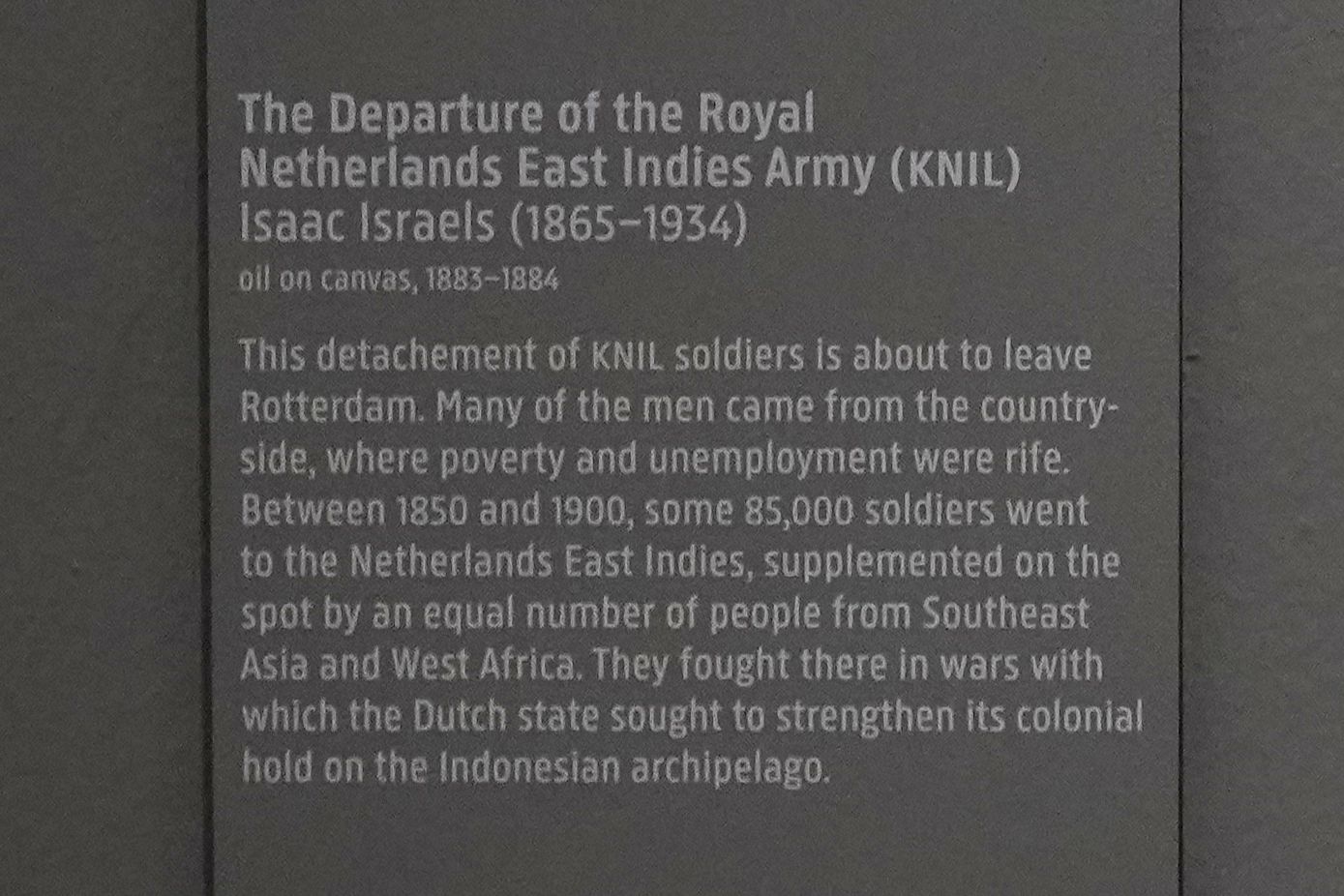
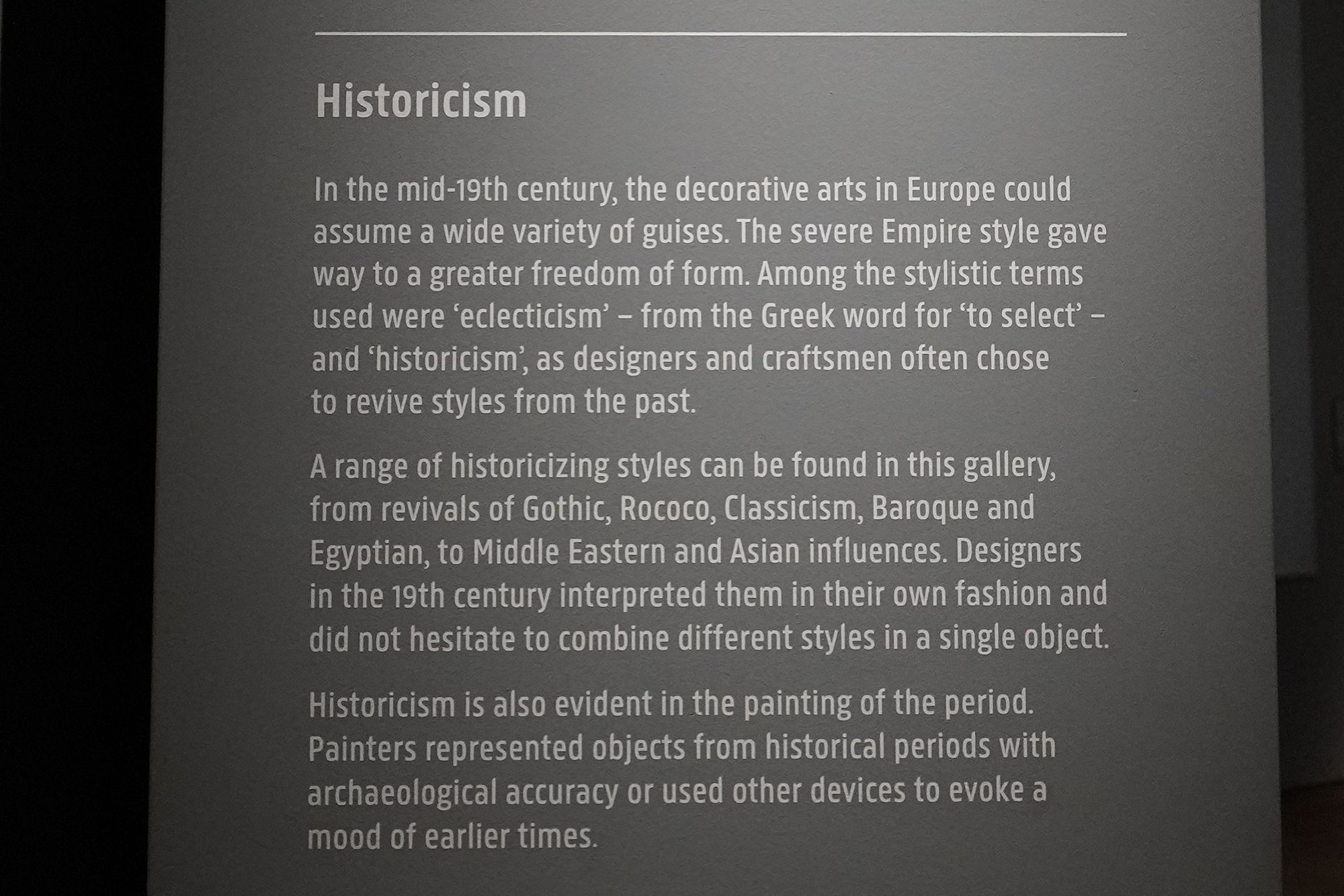
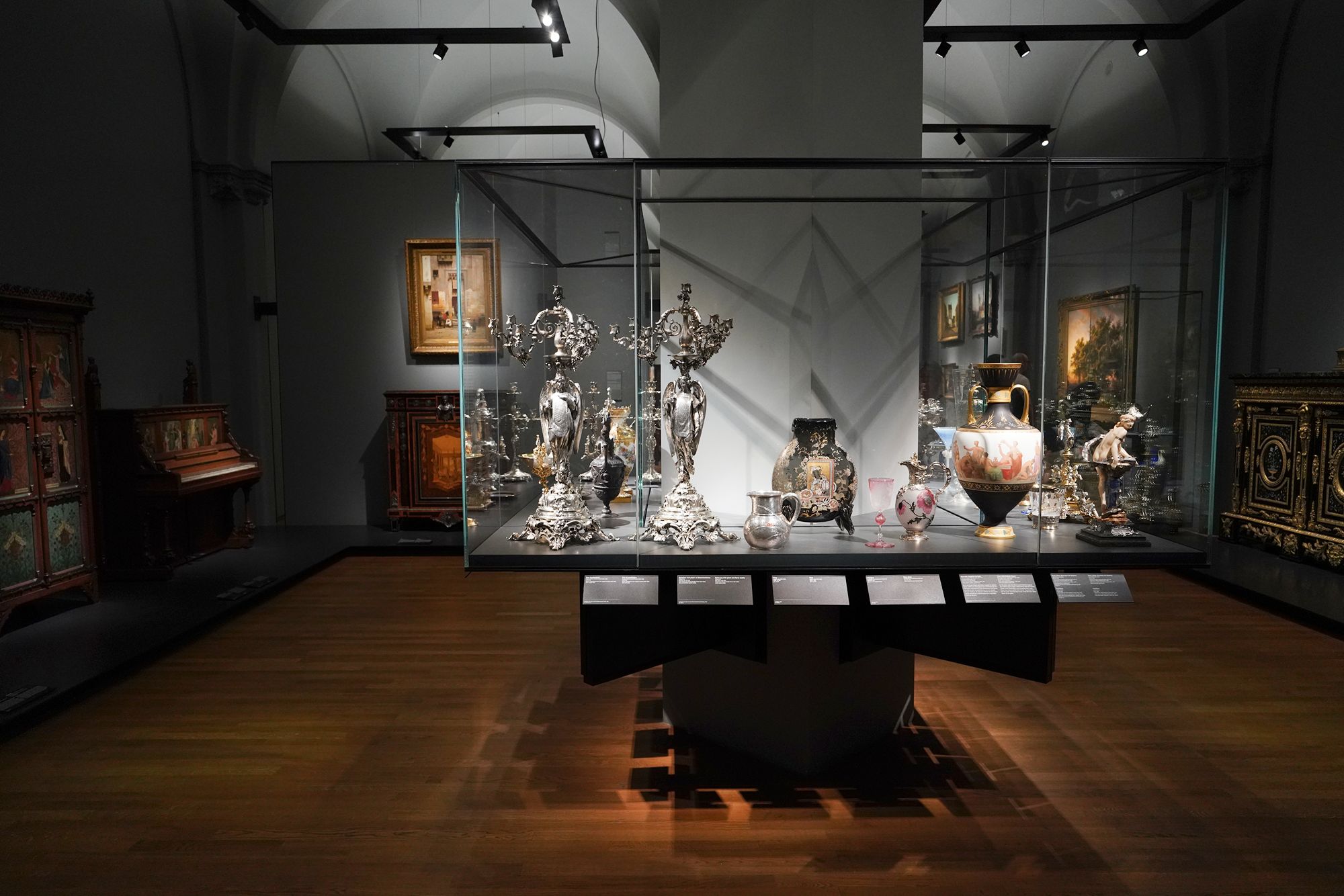
Historicism revived and combined artistic styles from the past, including Gothic, Rococo, Classical, Baroque, and Egyptian influences.
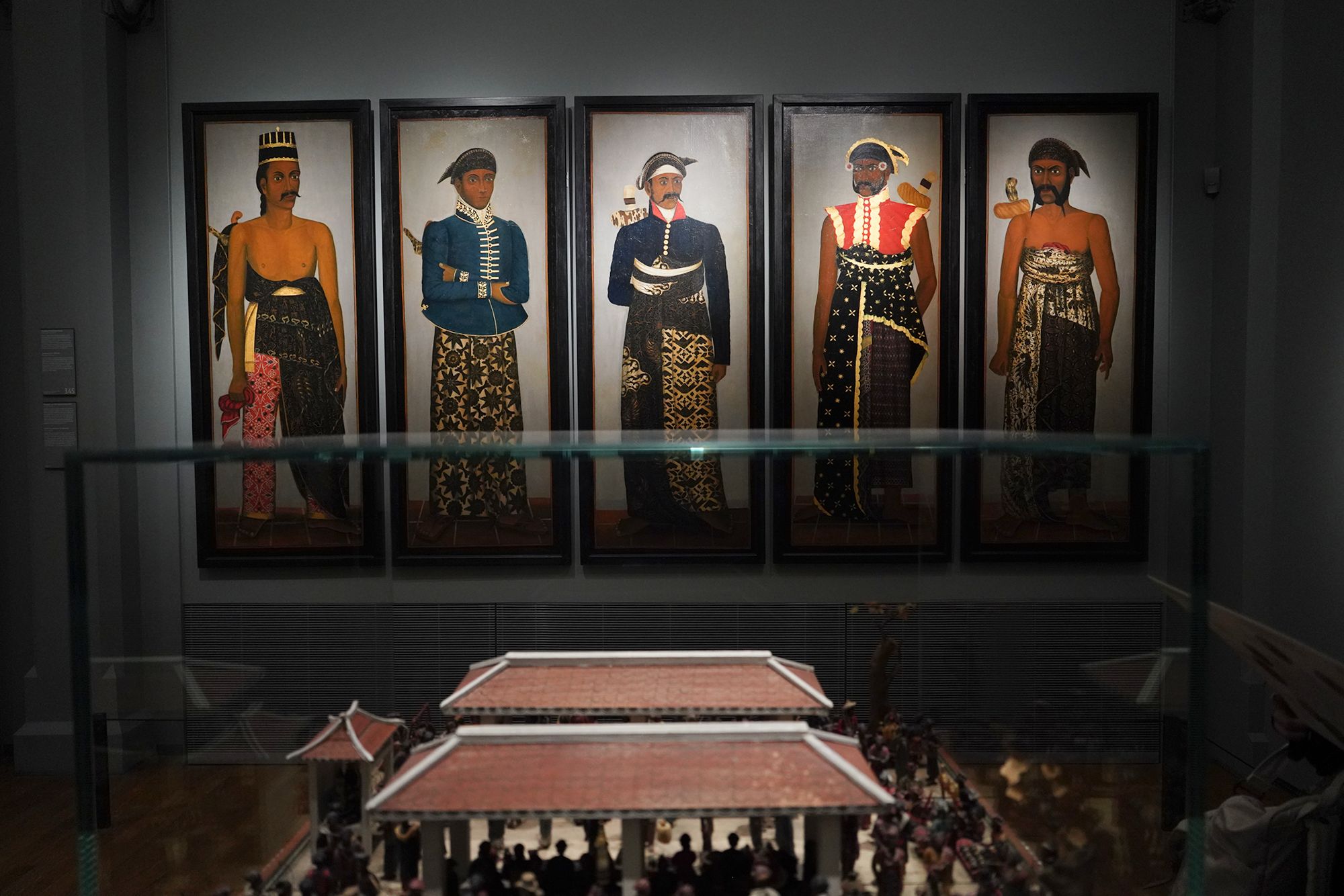
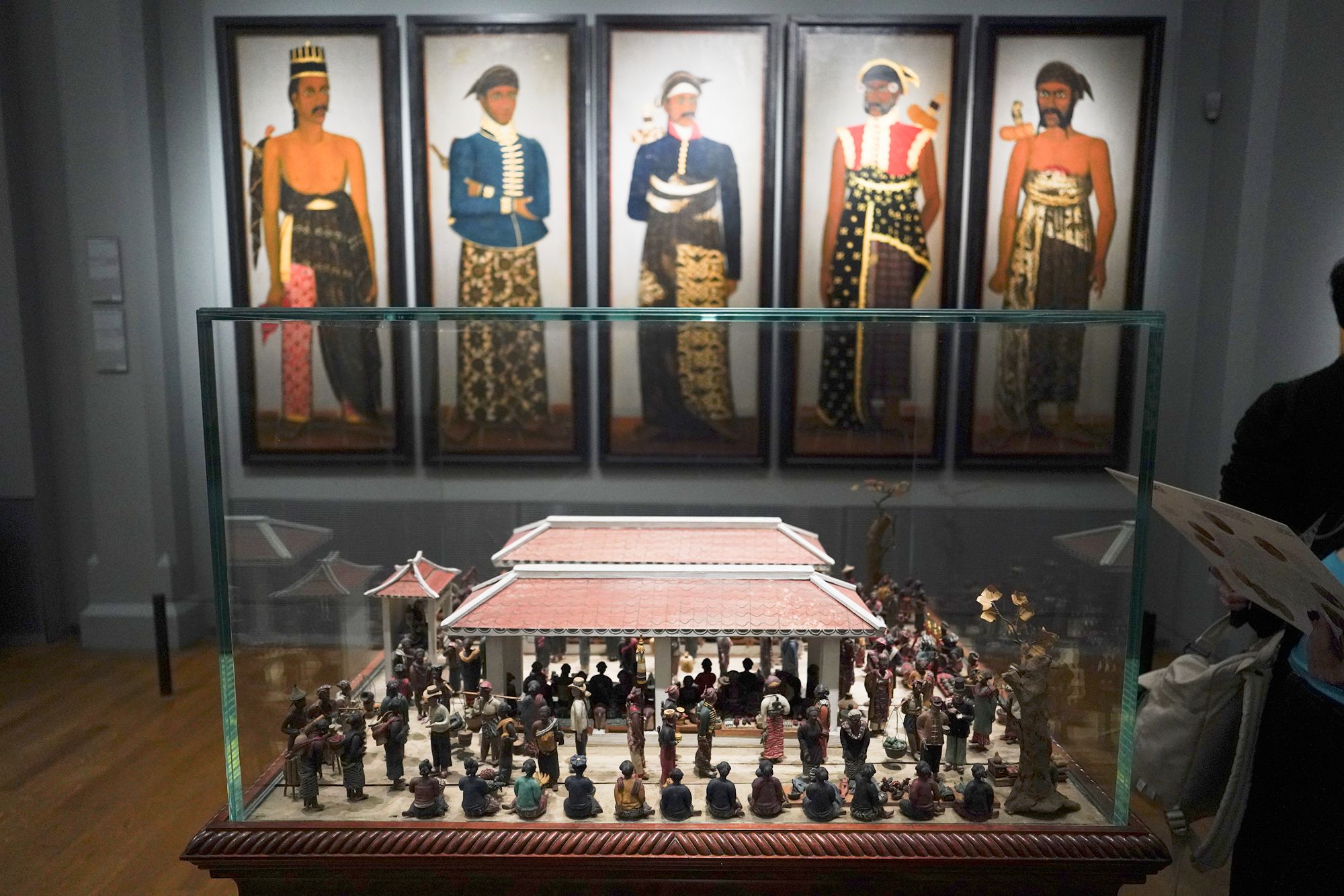
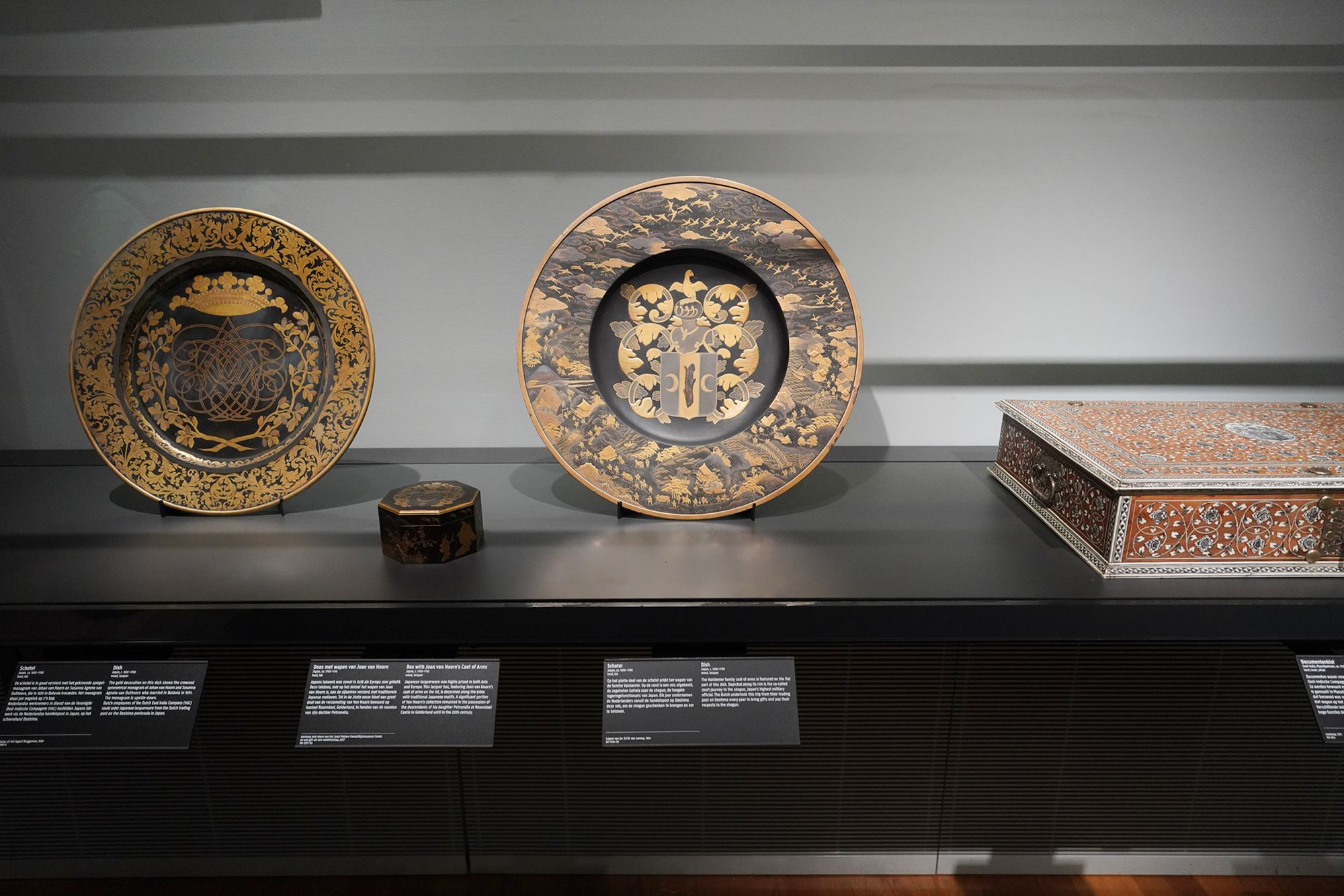
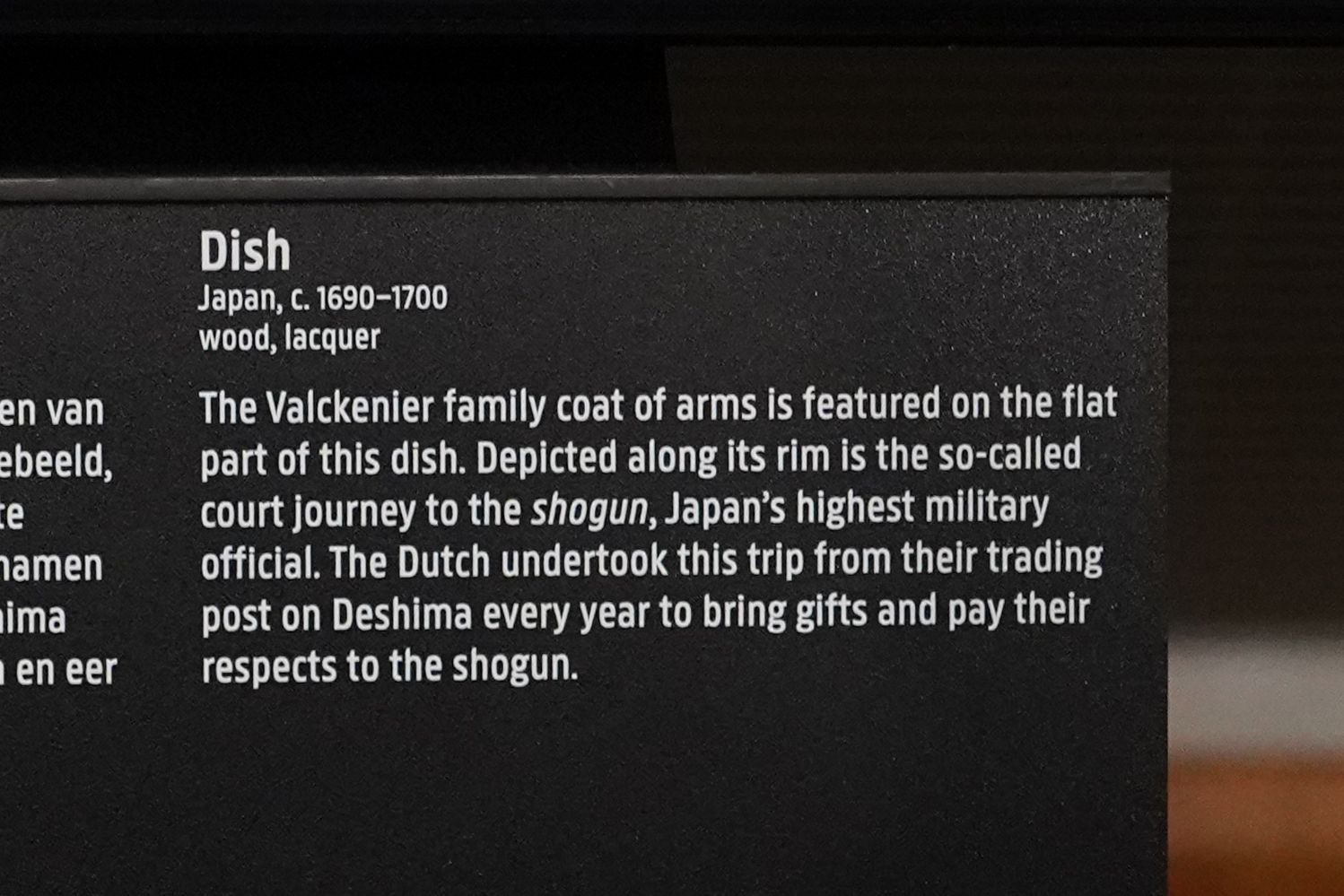
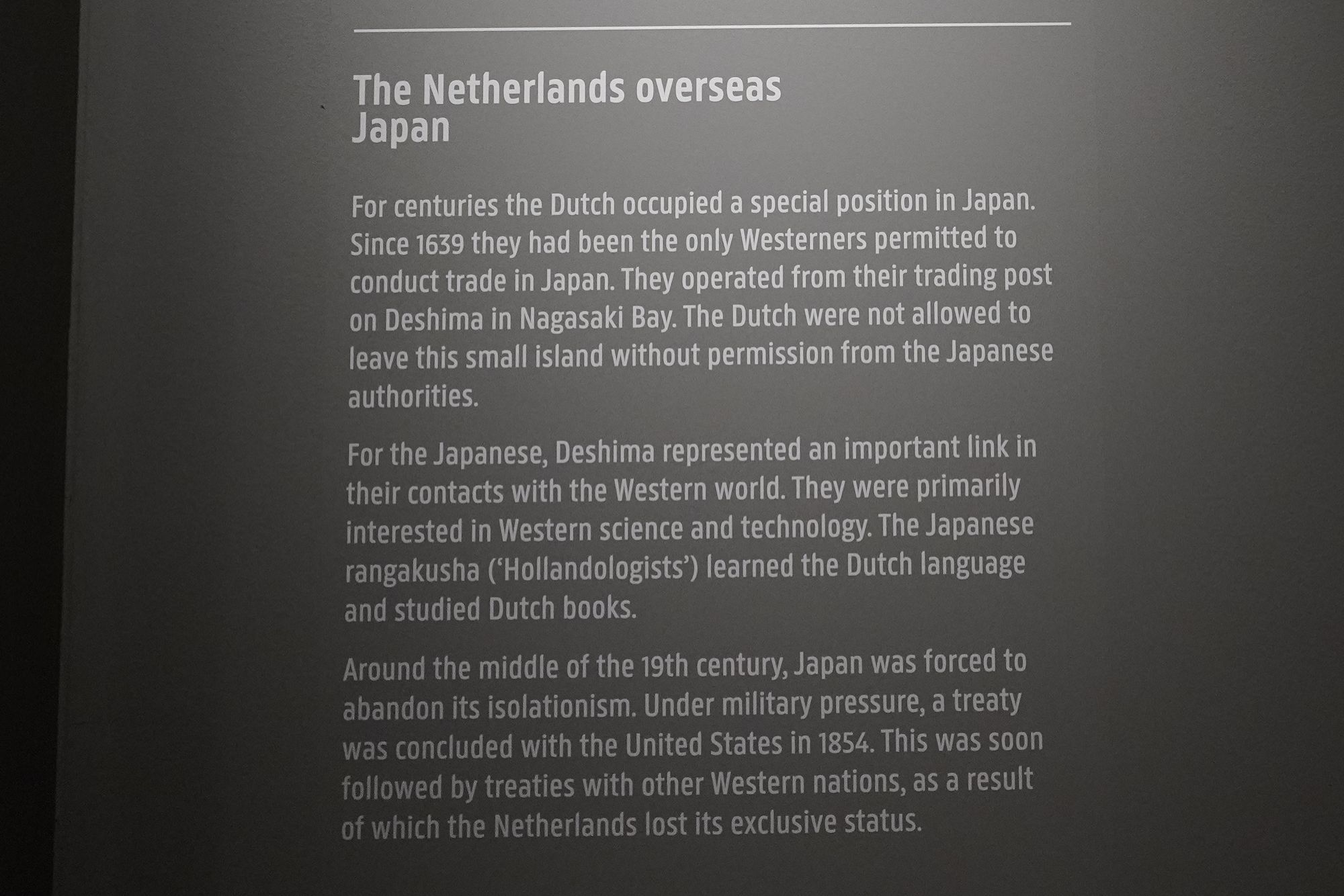
For centuries, the Dutch held a unique position in Japan as the only Westerners permitted to trade there, operating from the island of Deshima in Nagasaki.
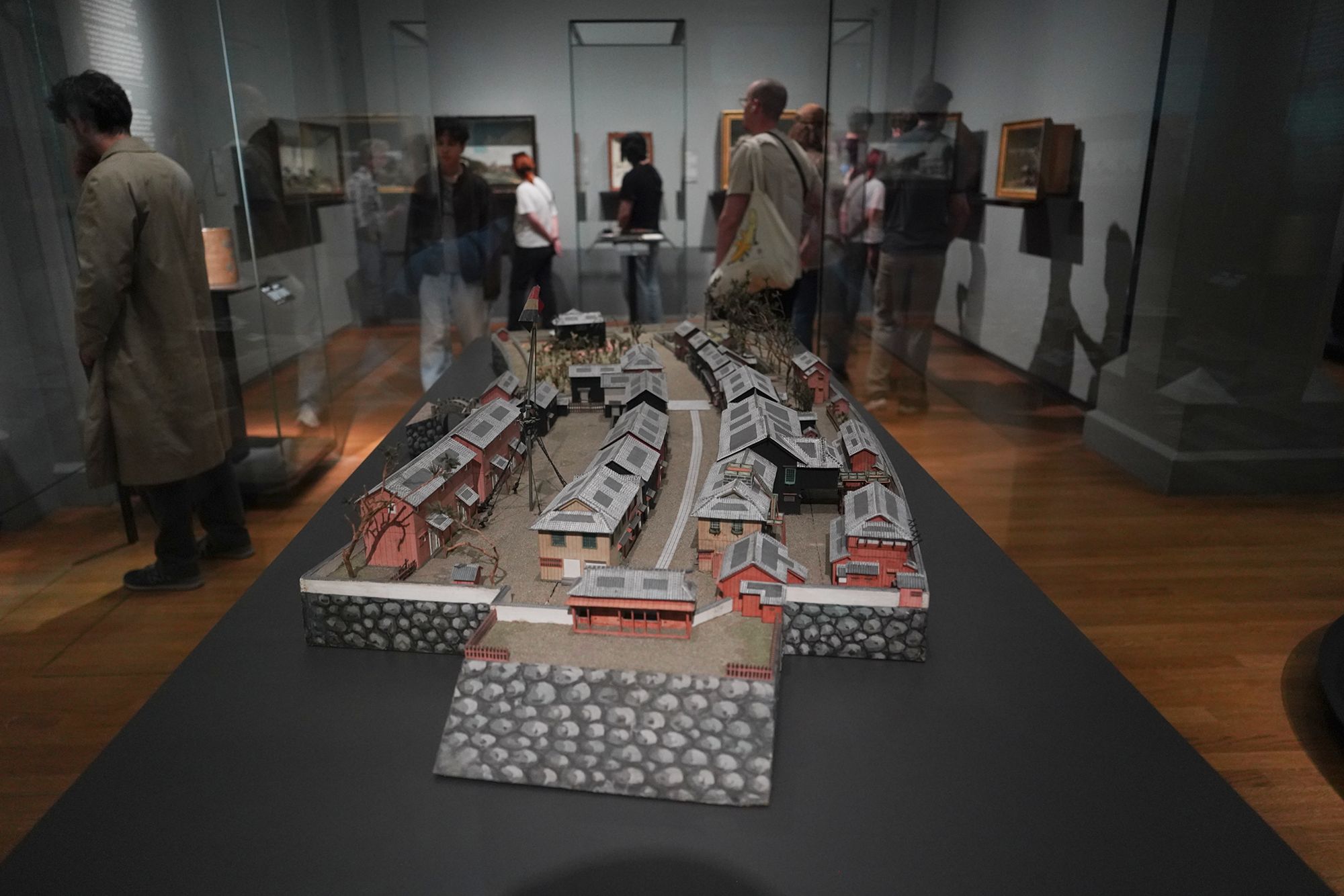

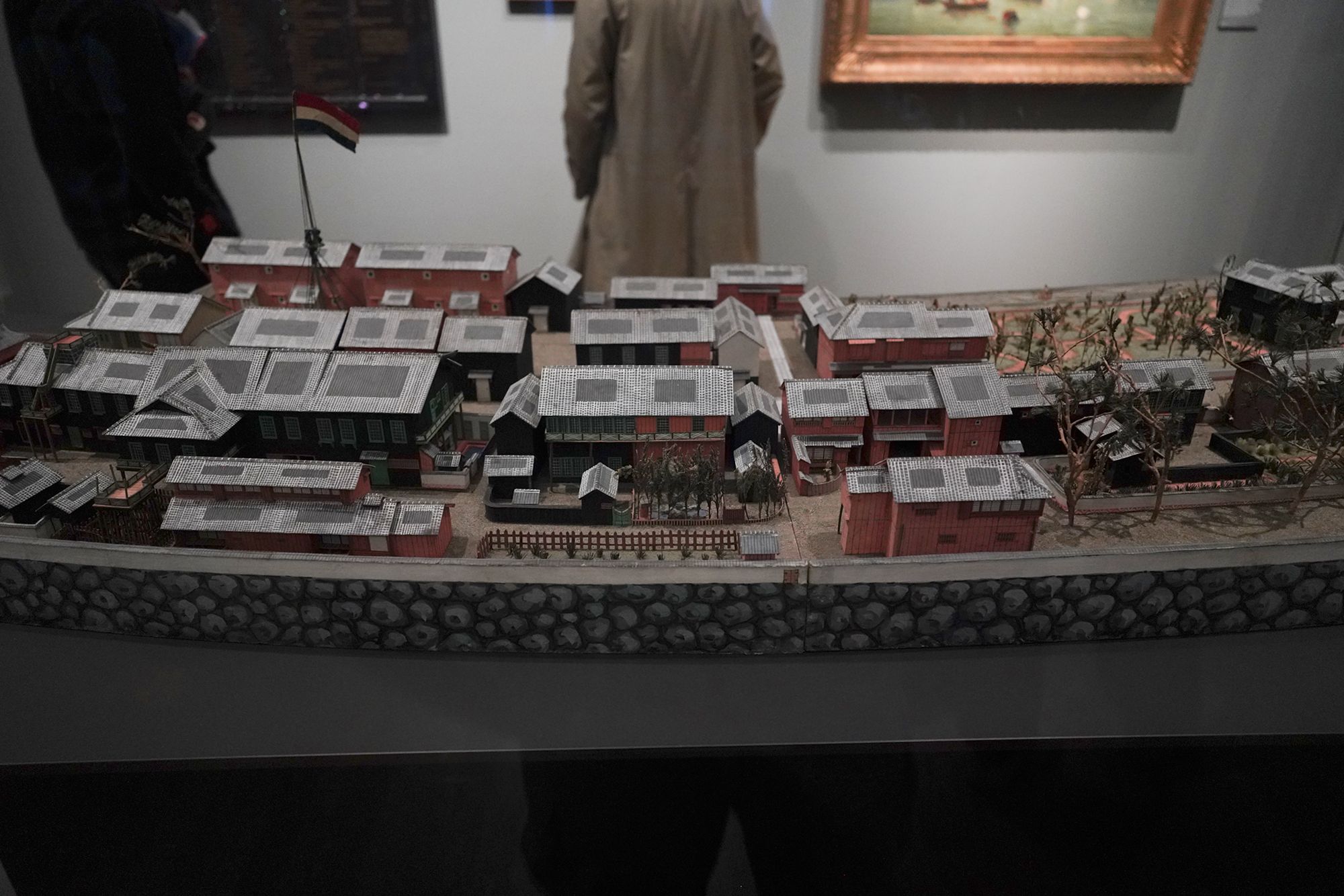
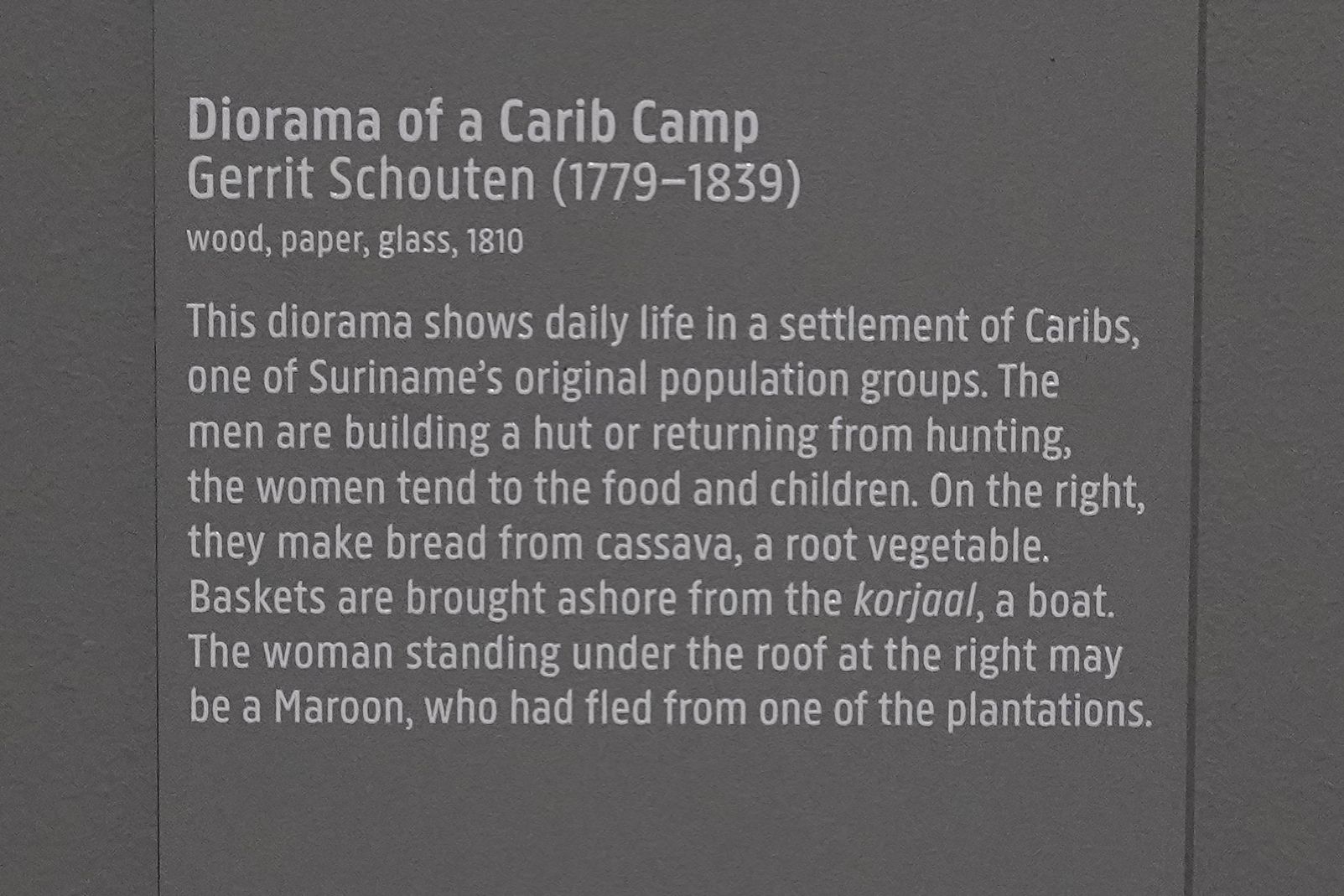
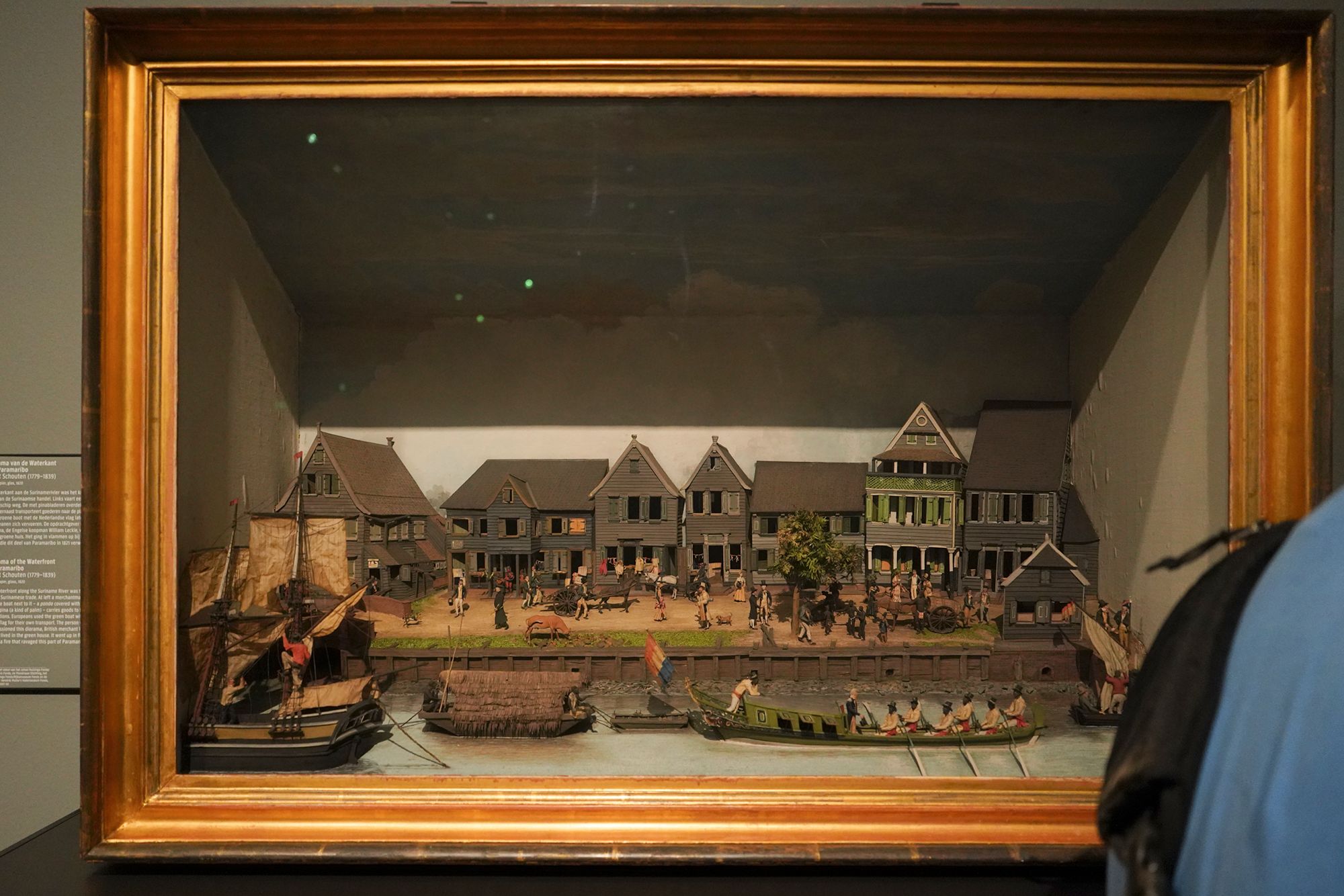
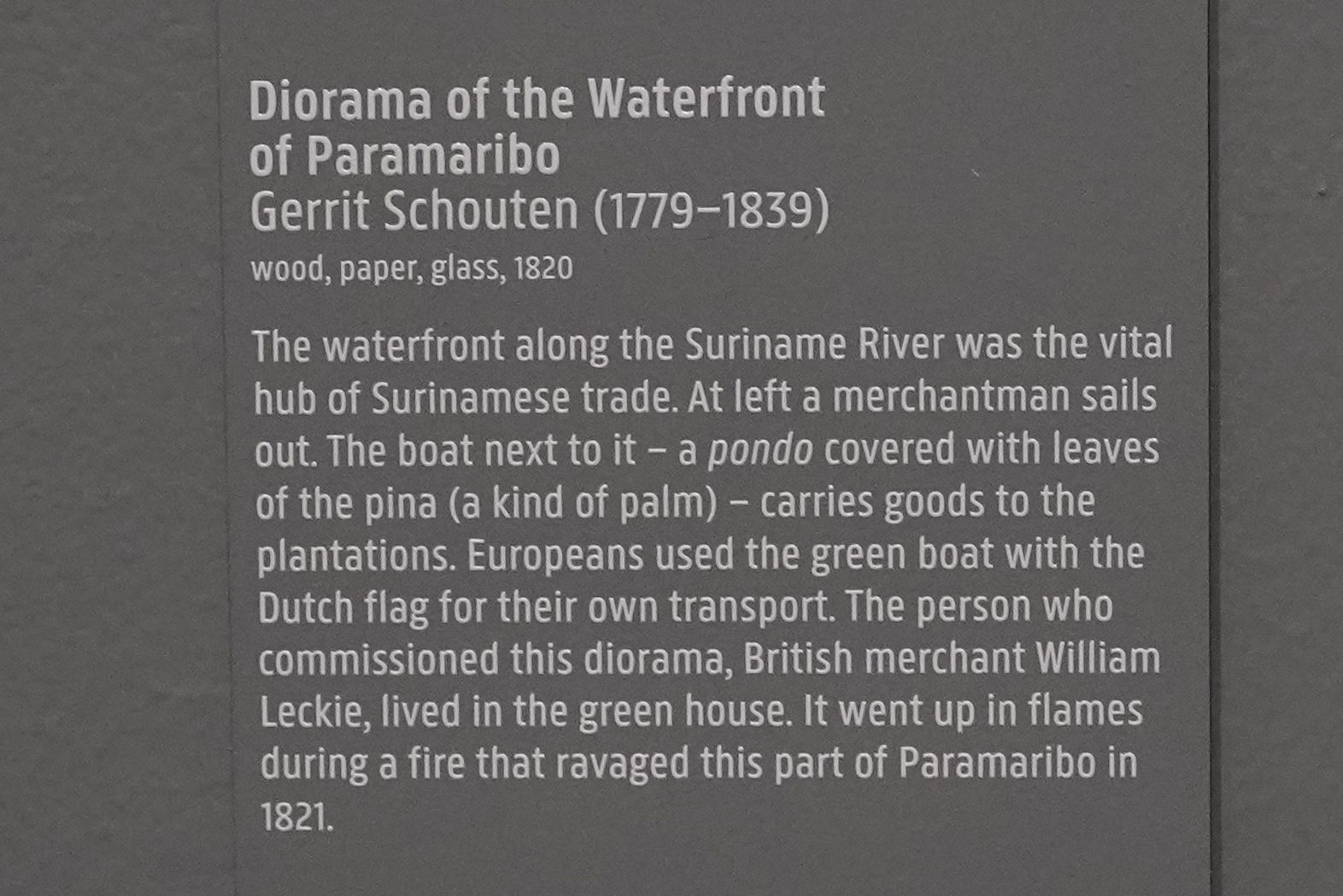
Suriname and the Dutch Antilles relied heavily on plantation agriculture and enslaved labor until the Netherlands abolished slavery in 1863.
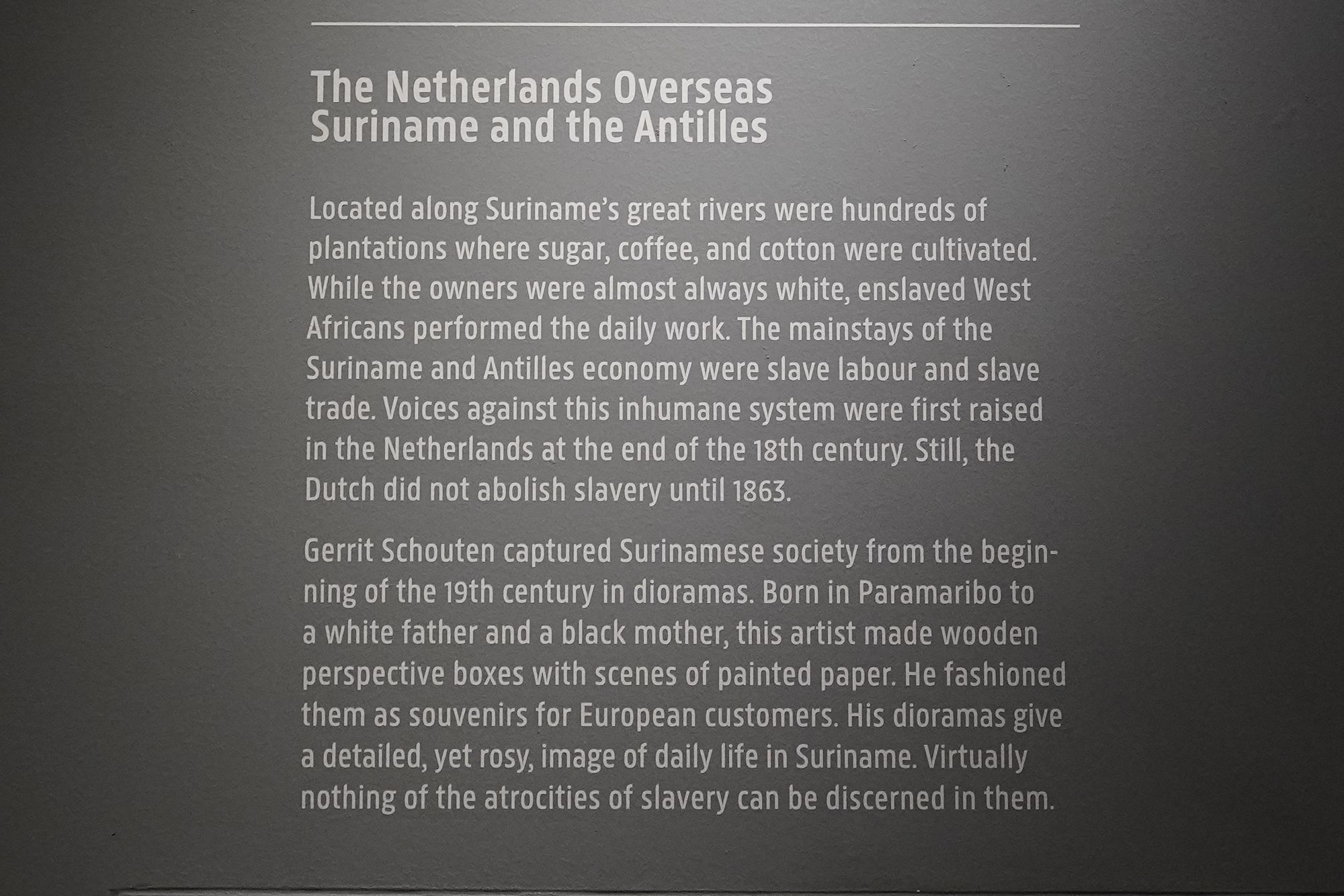
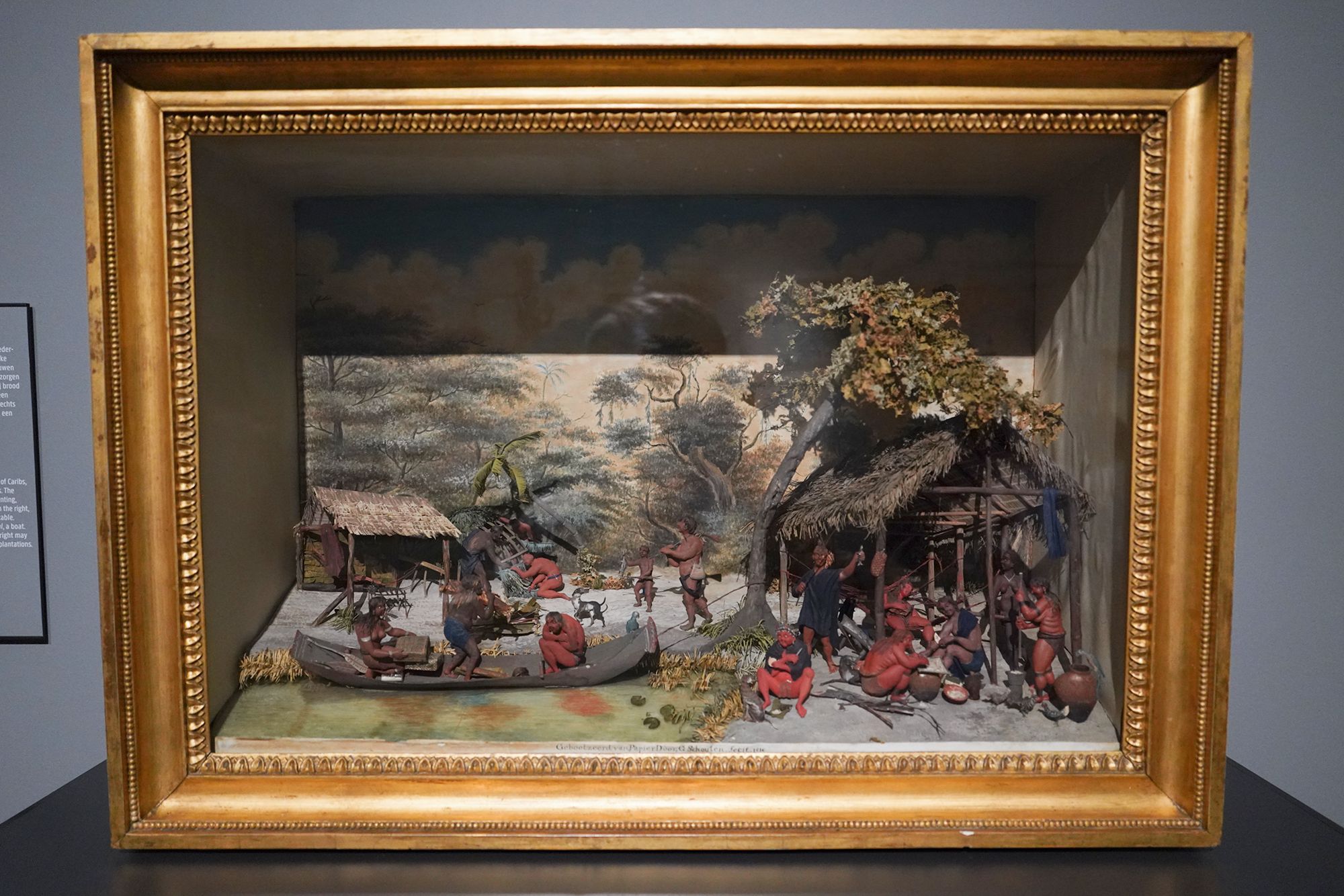
The Dutch also established settlements and trading posts in Africa, including along the West African coast and at the Cape of Good Hope in South Africa.
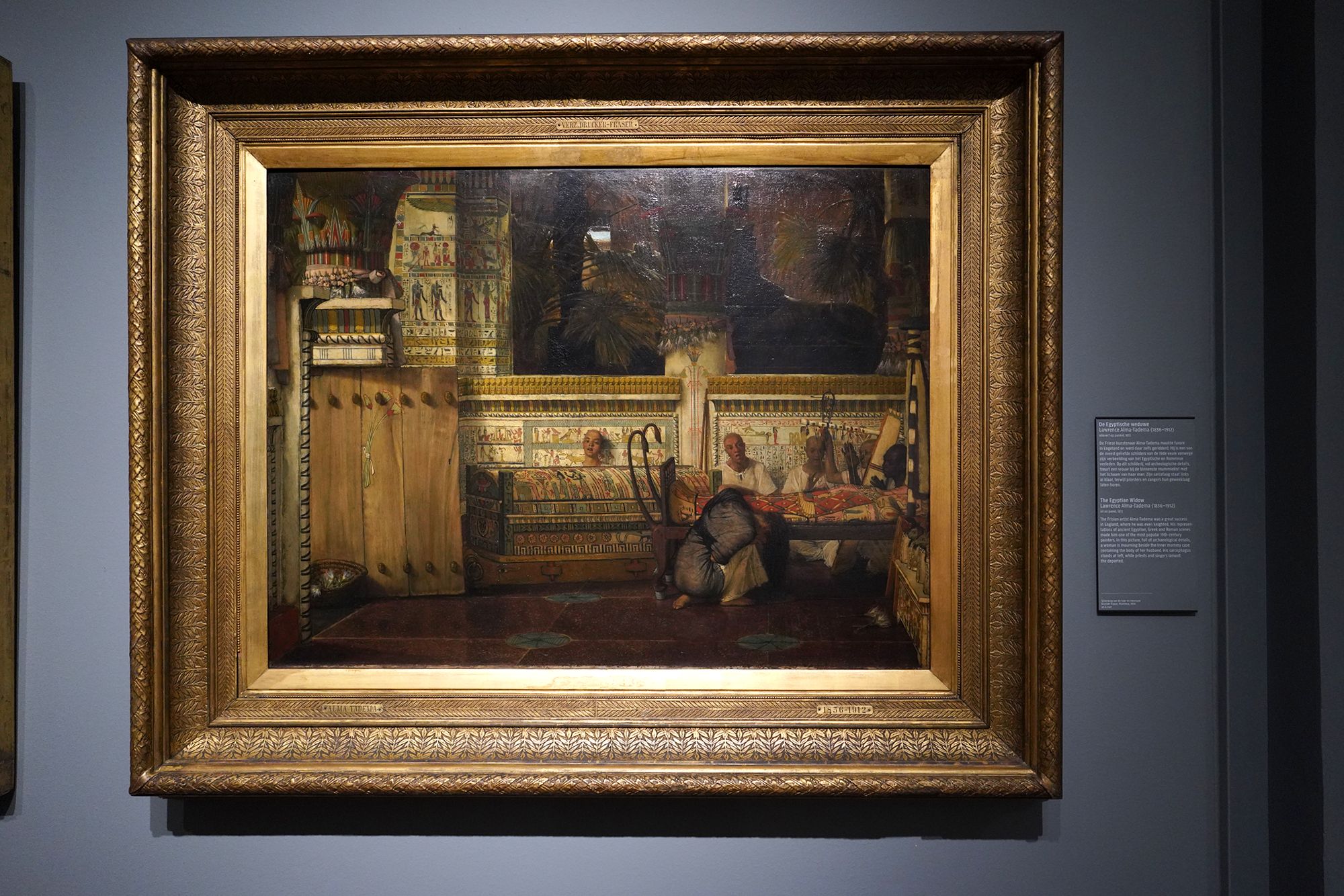
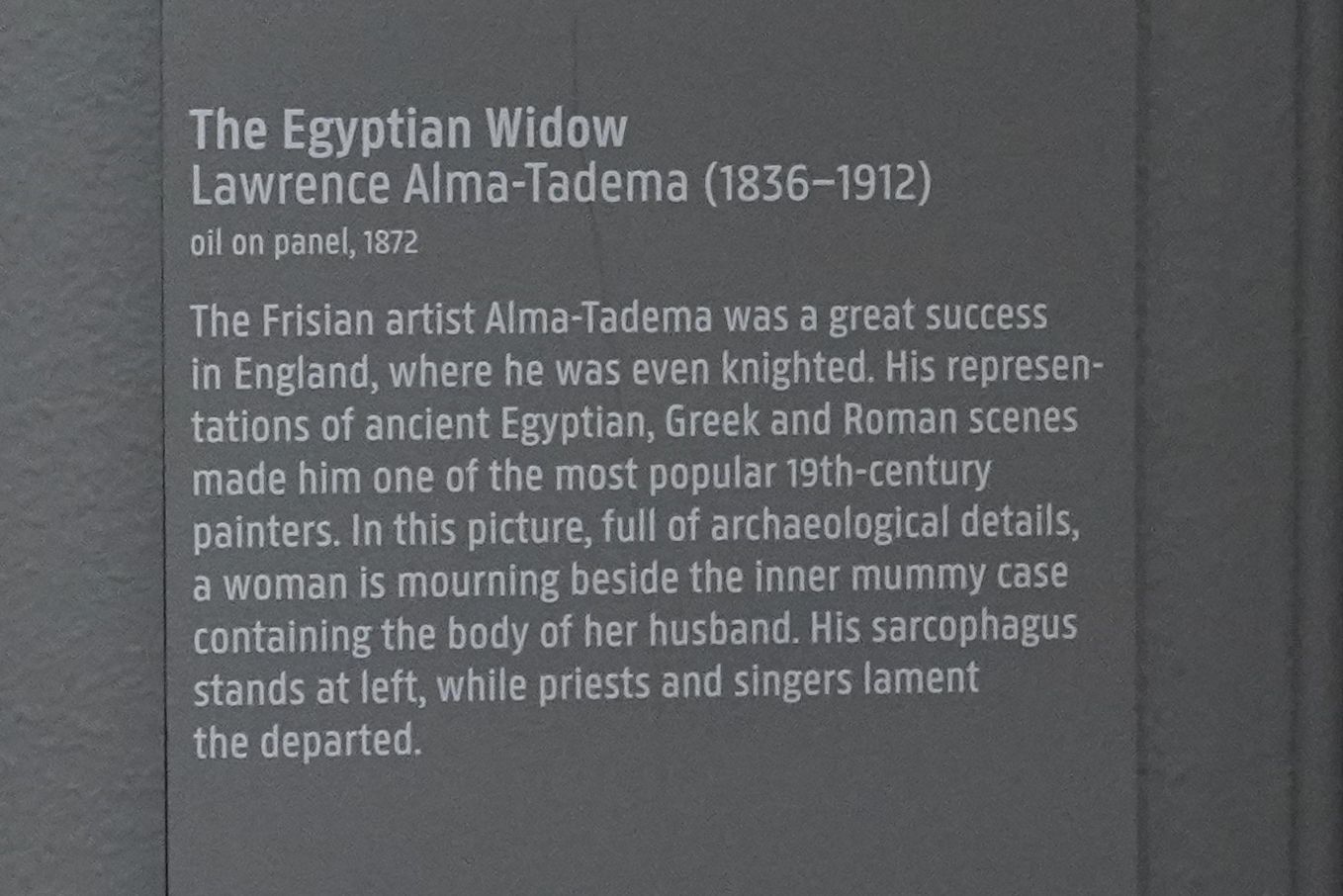
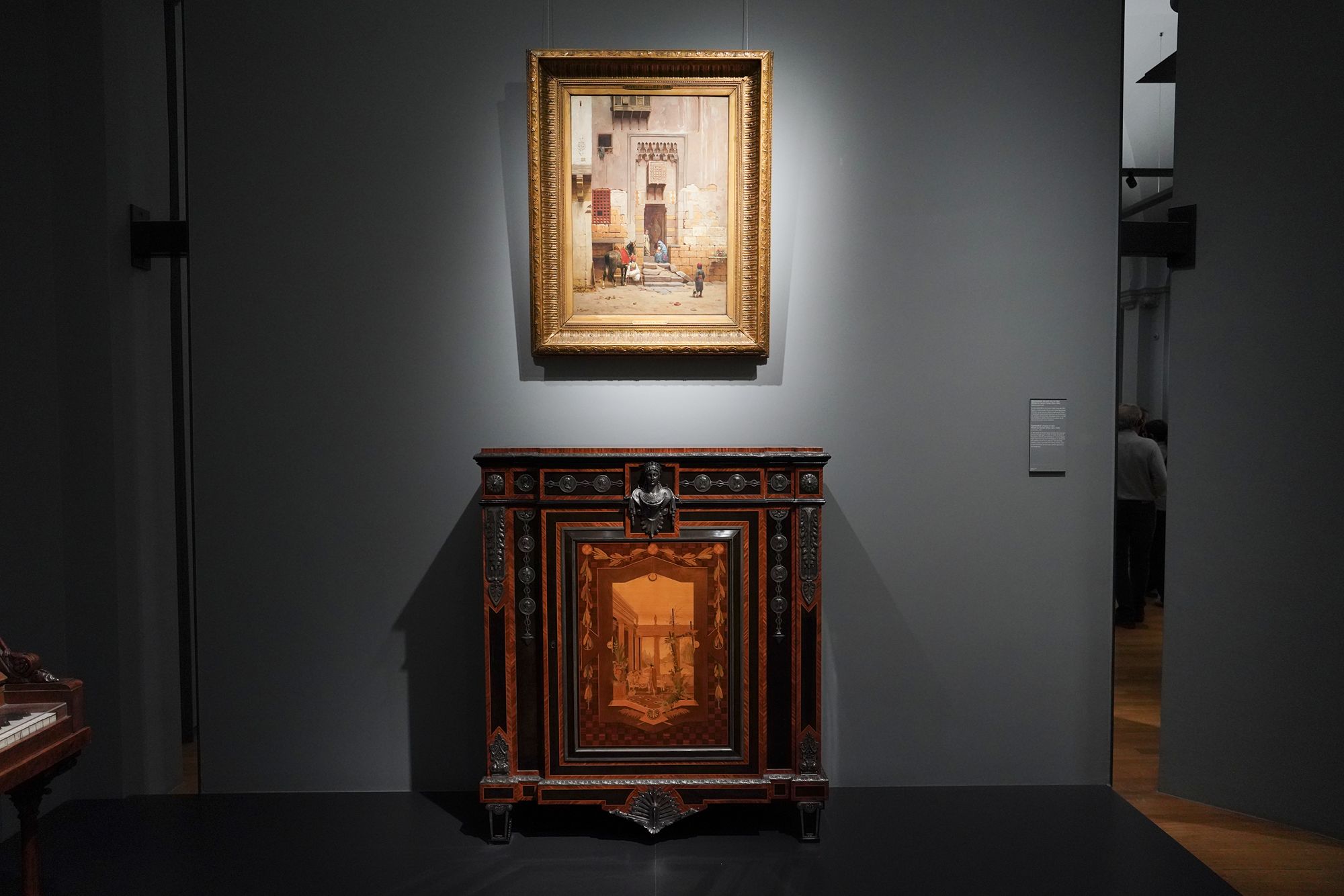
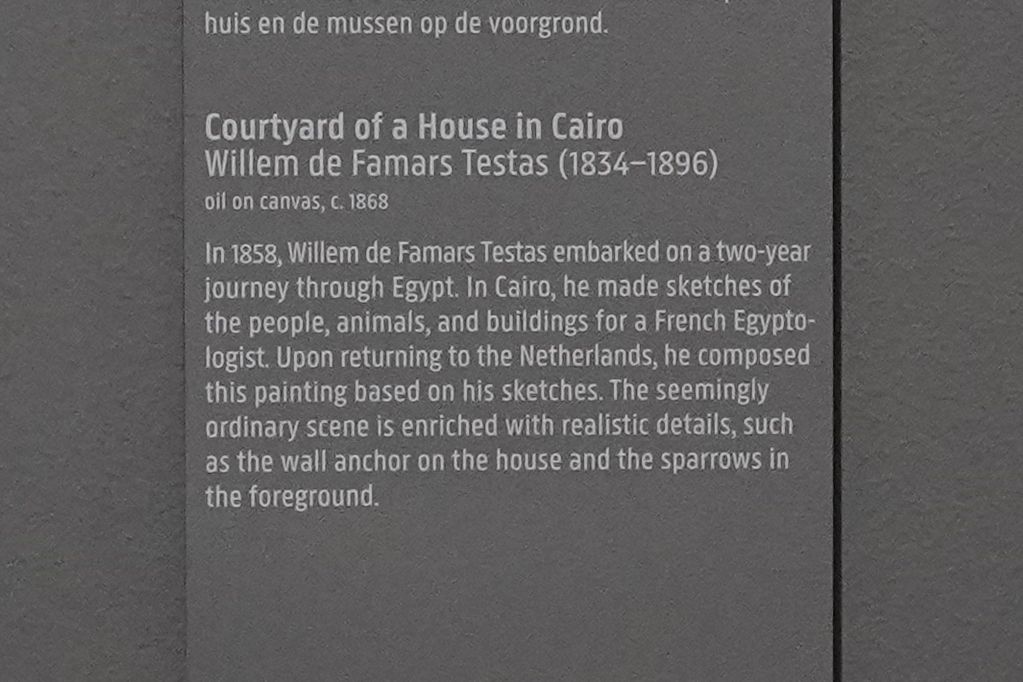
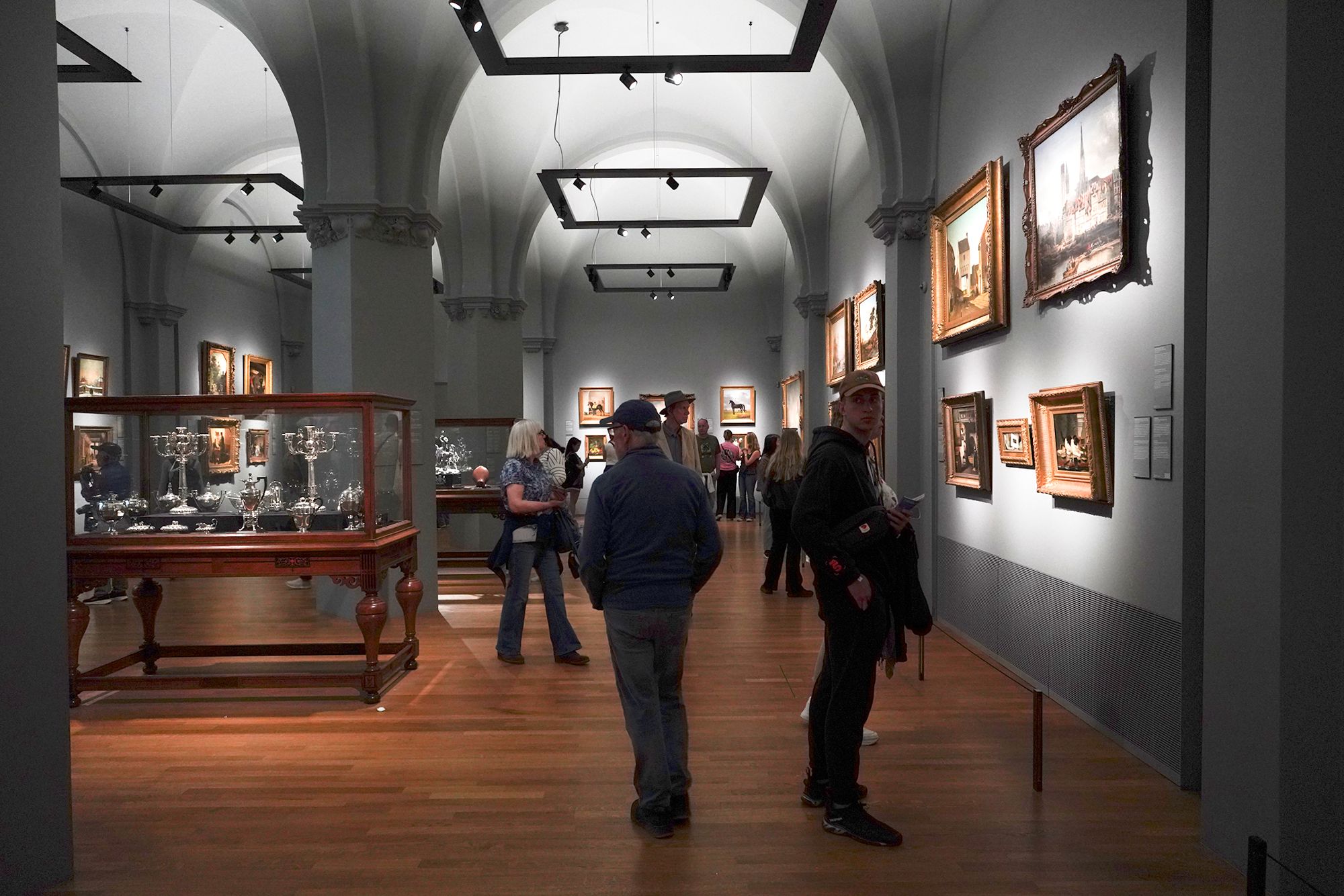
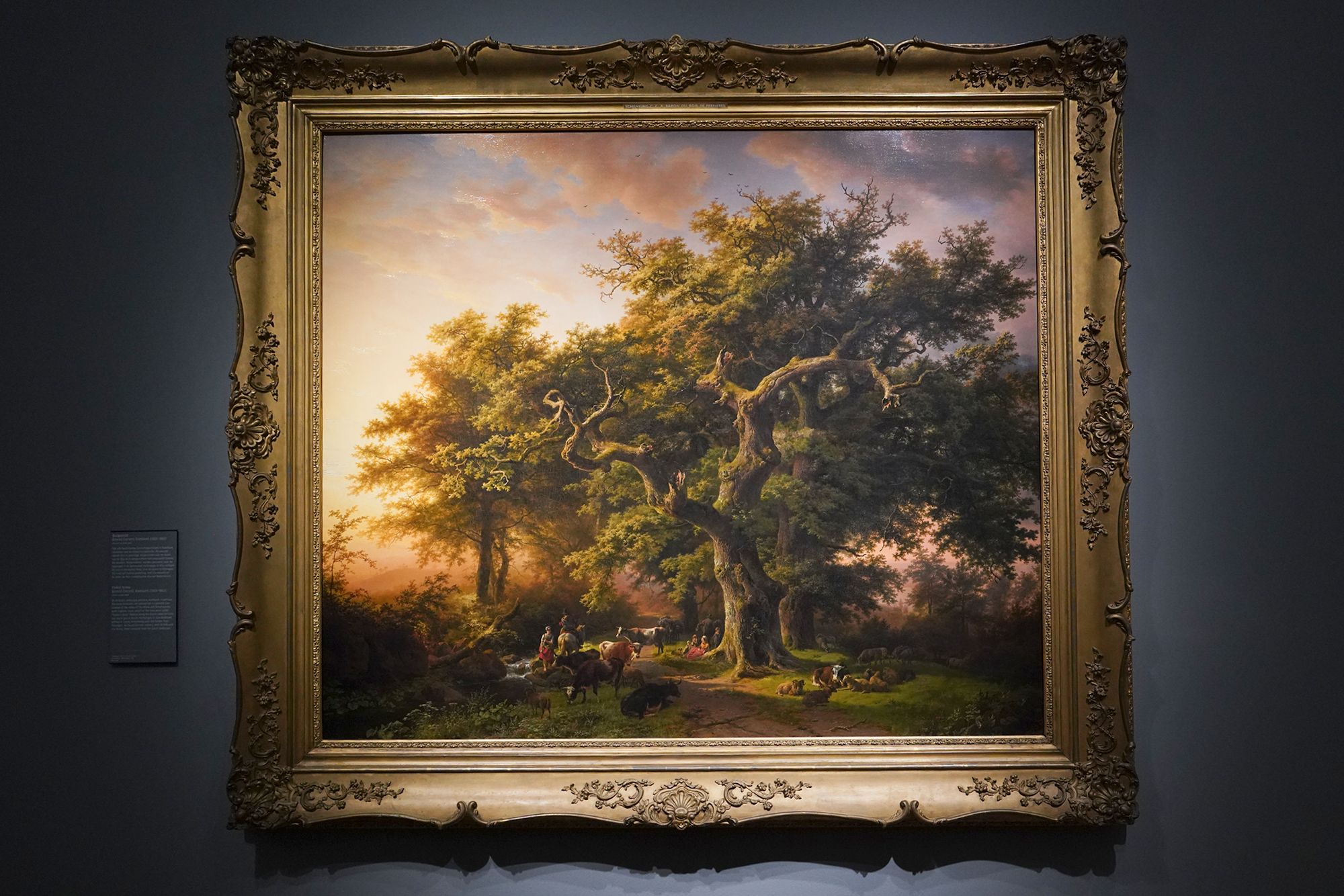
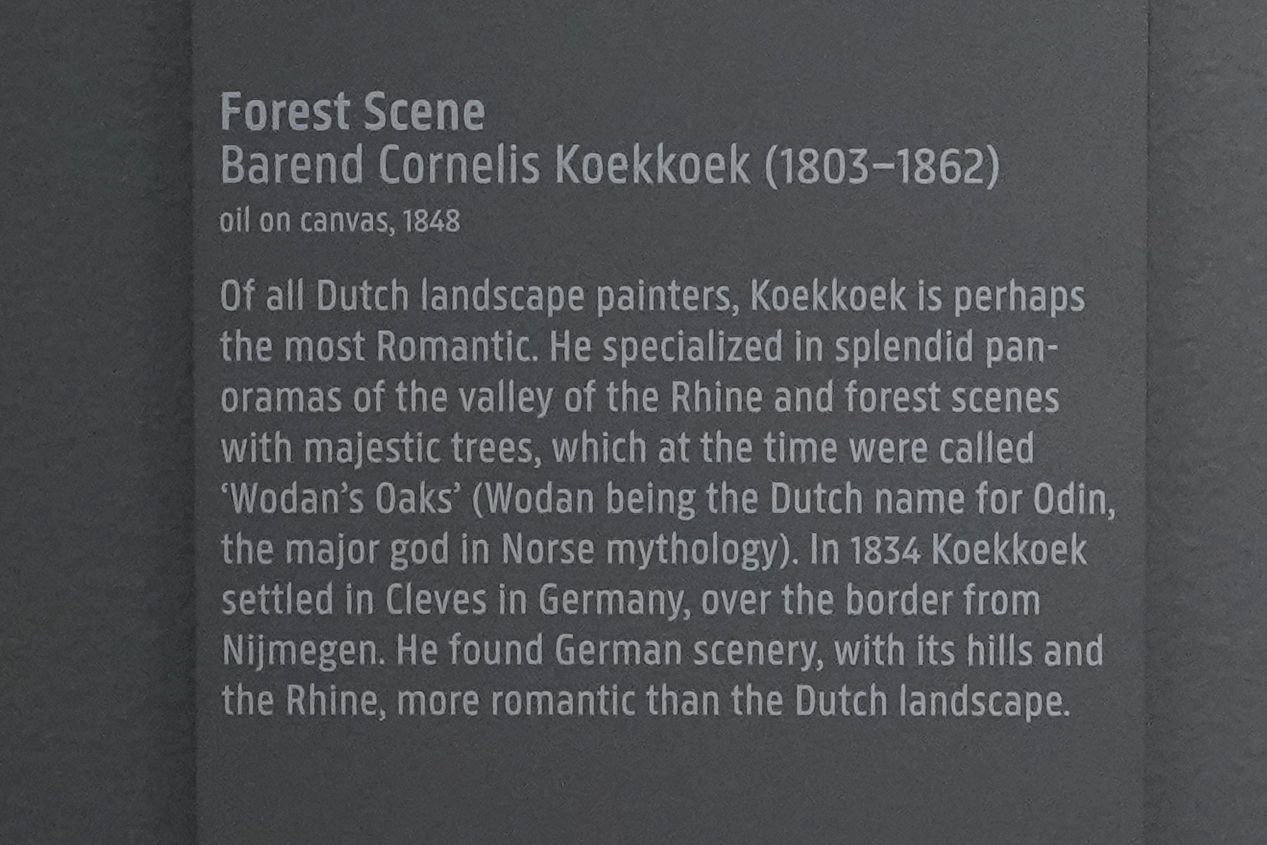
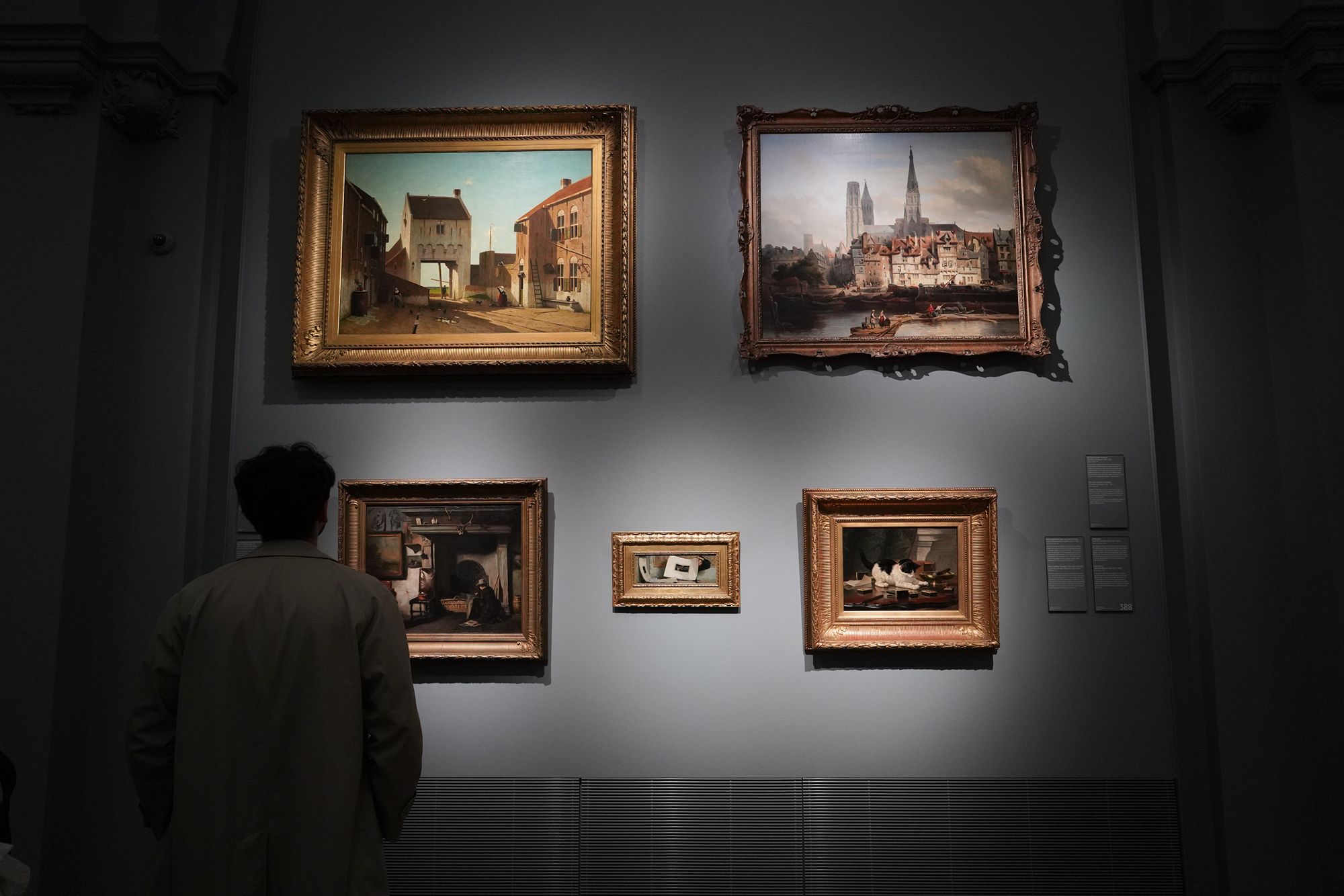
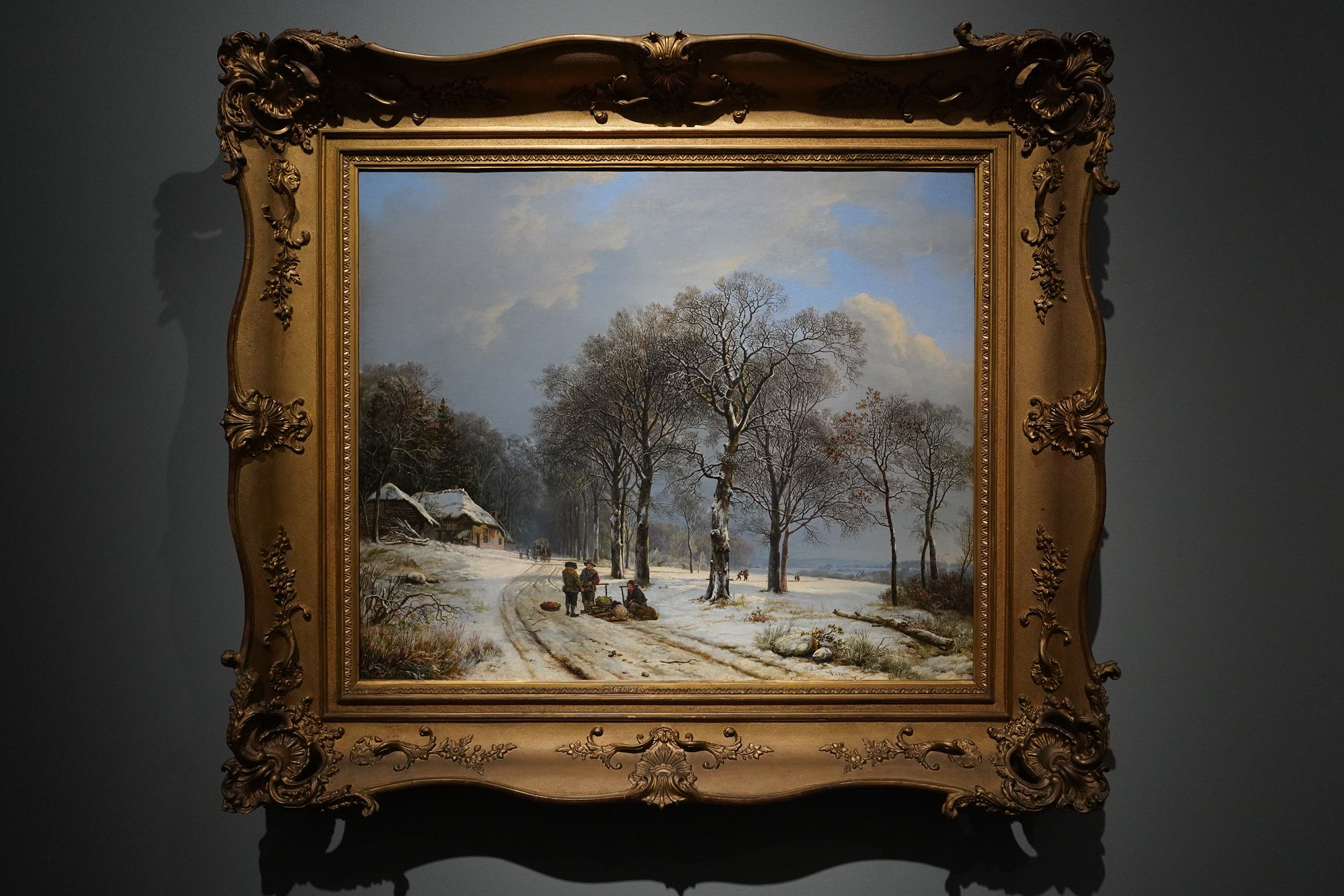
Romanticism in the Netherlands emphasized dramatic landscapes, powerful emotions, and a renewed interest in the country’s Golden Age.
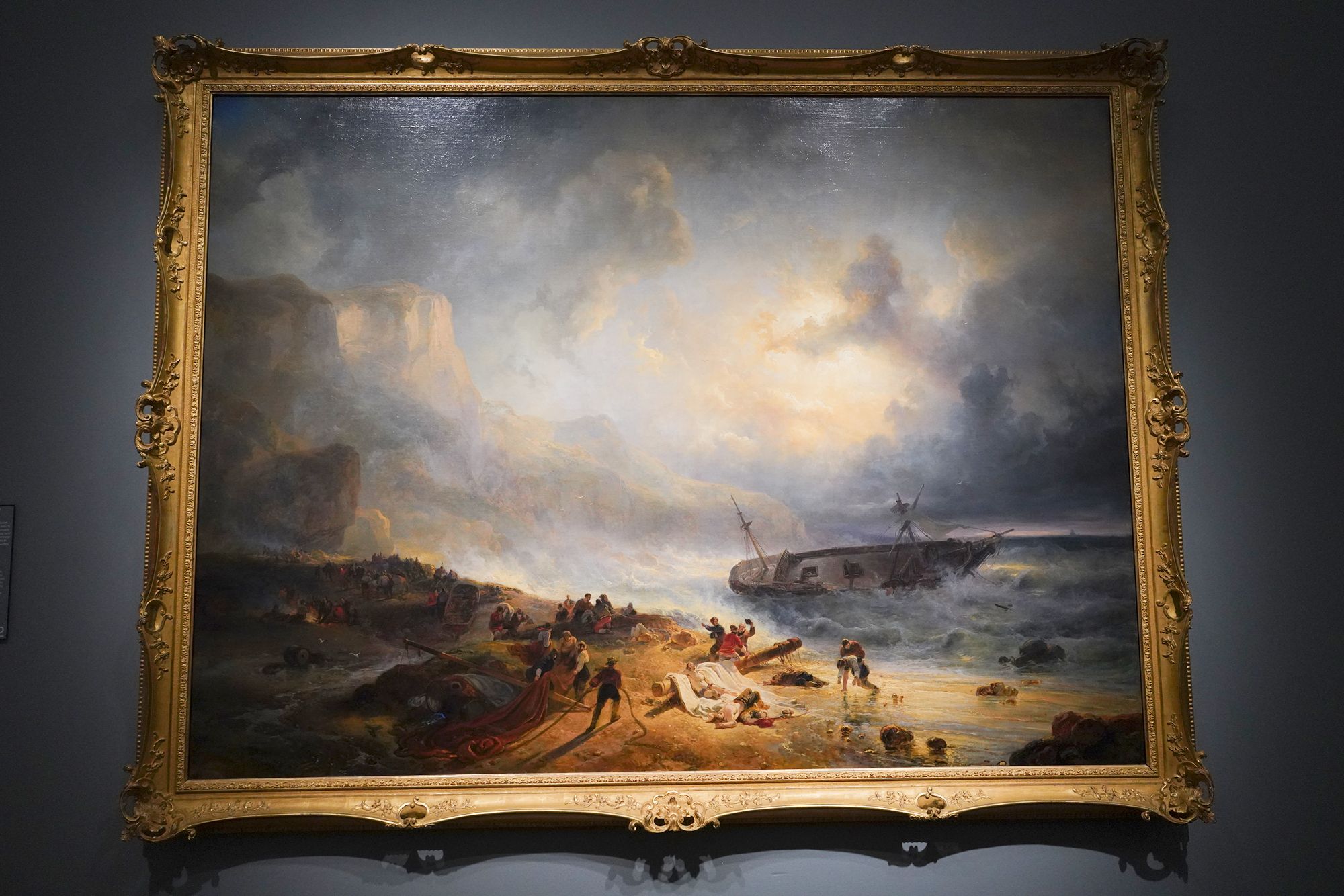
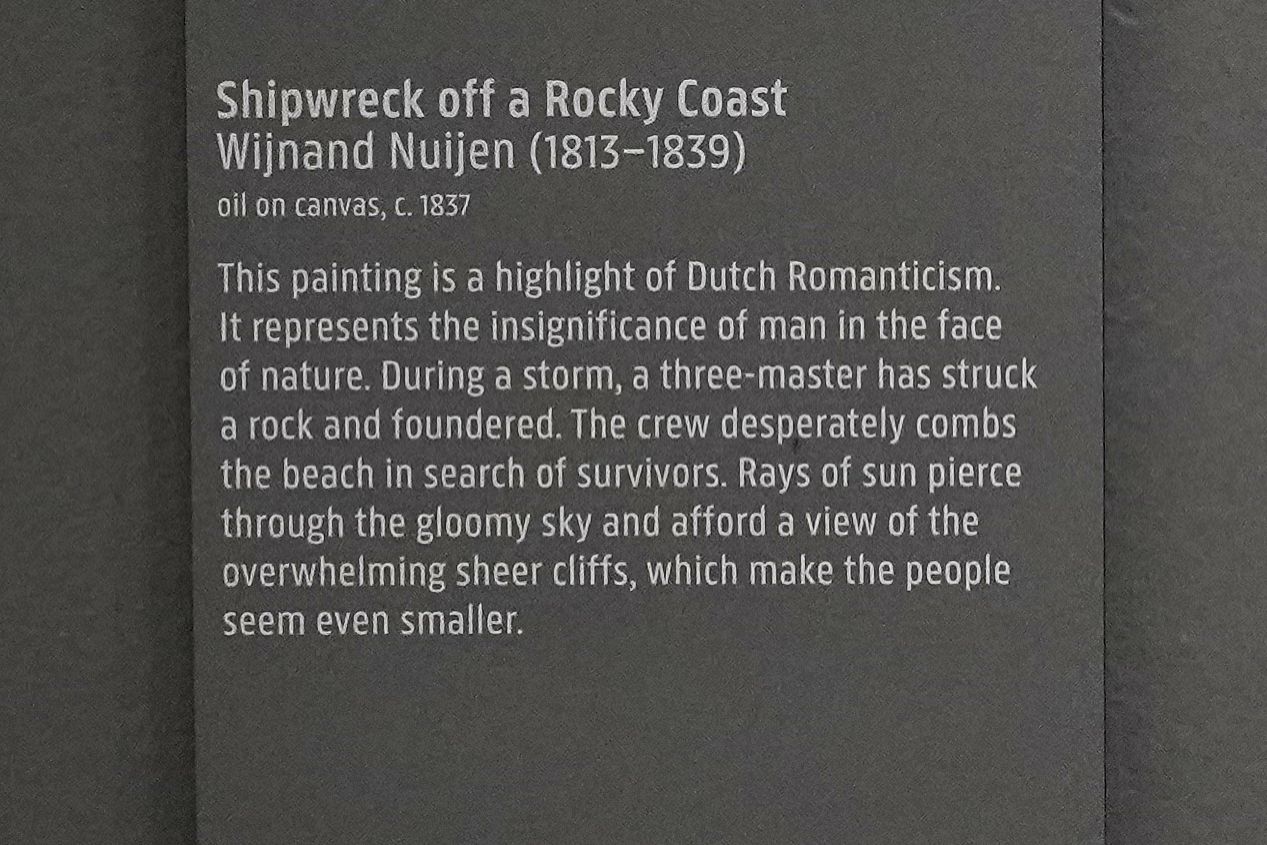
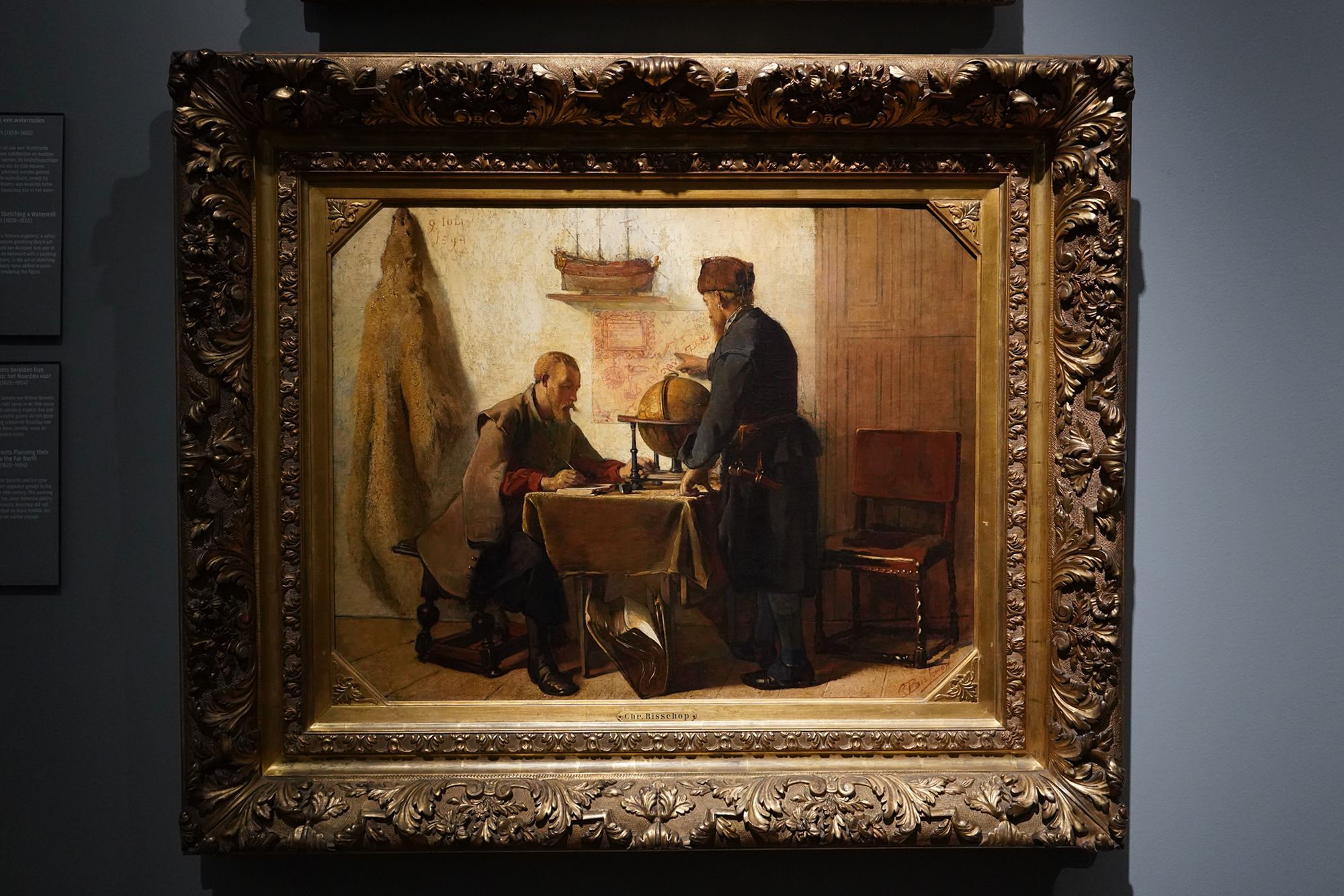
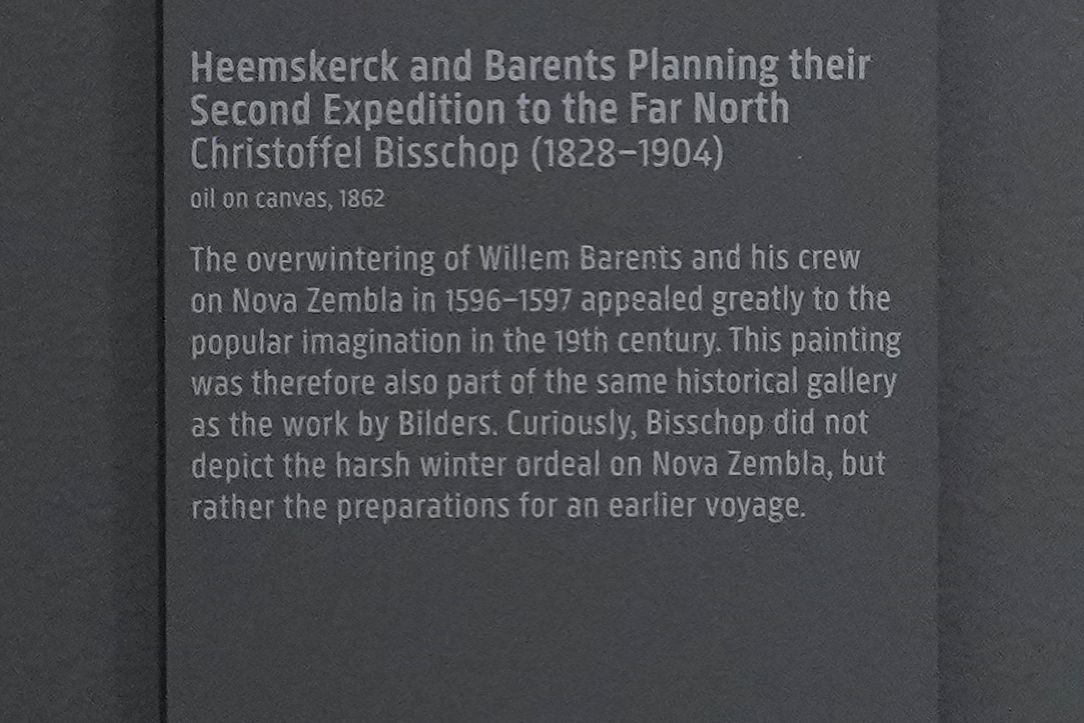
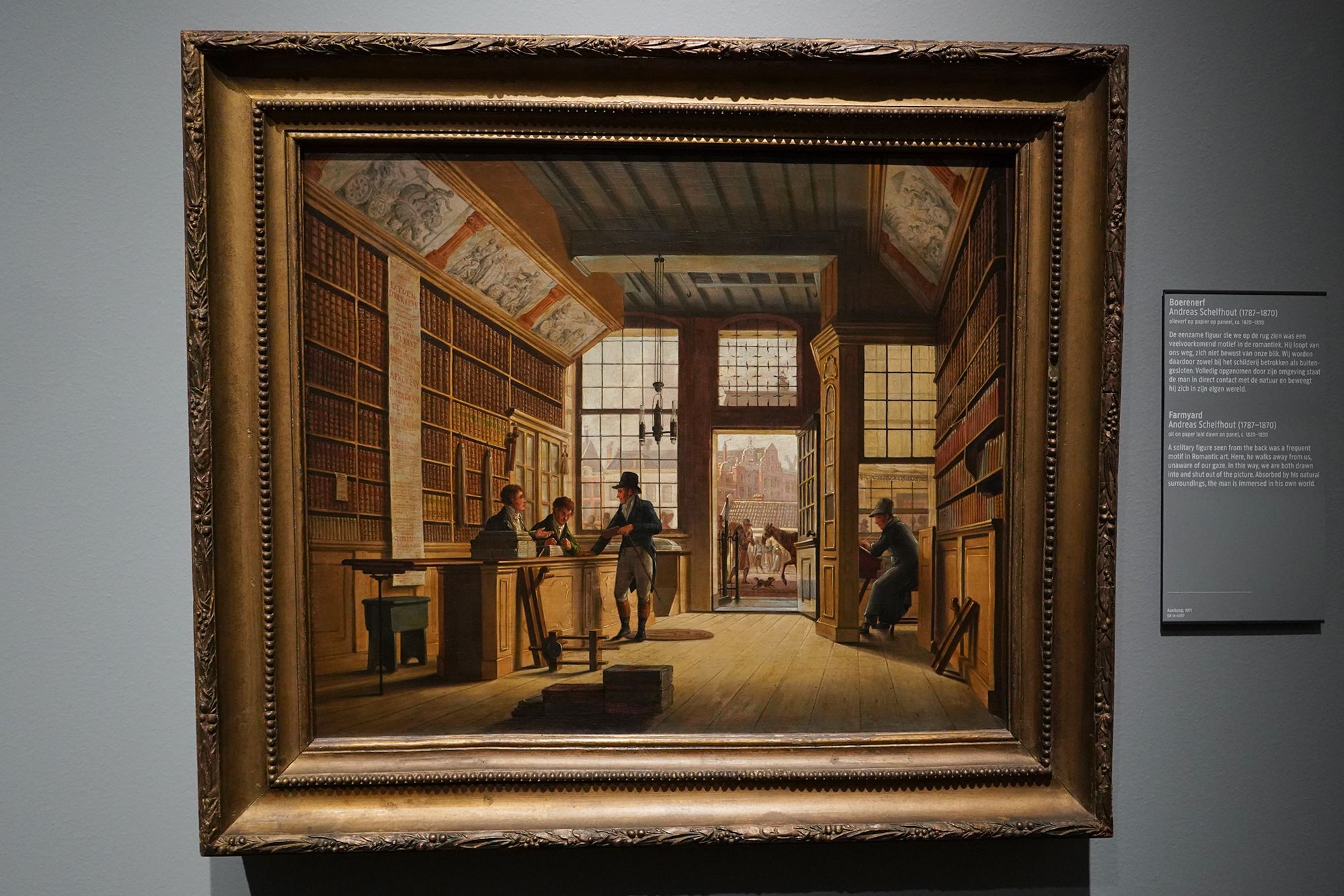
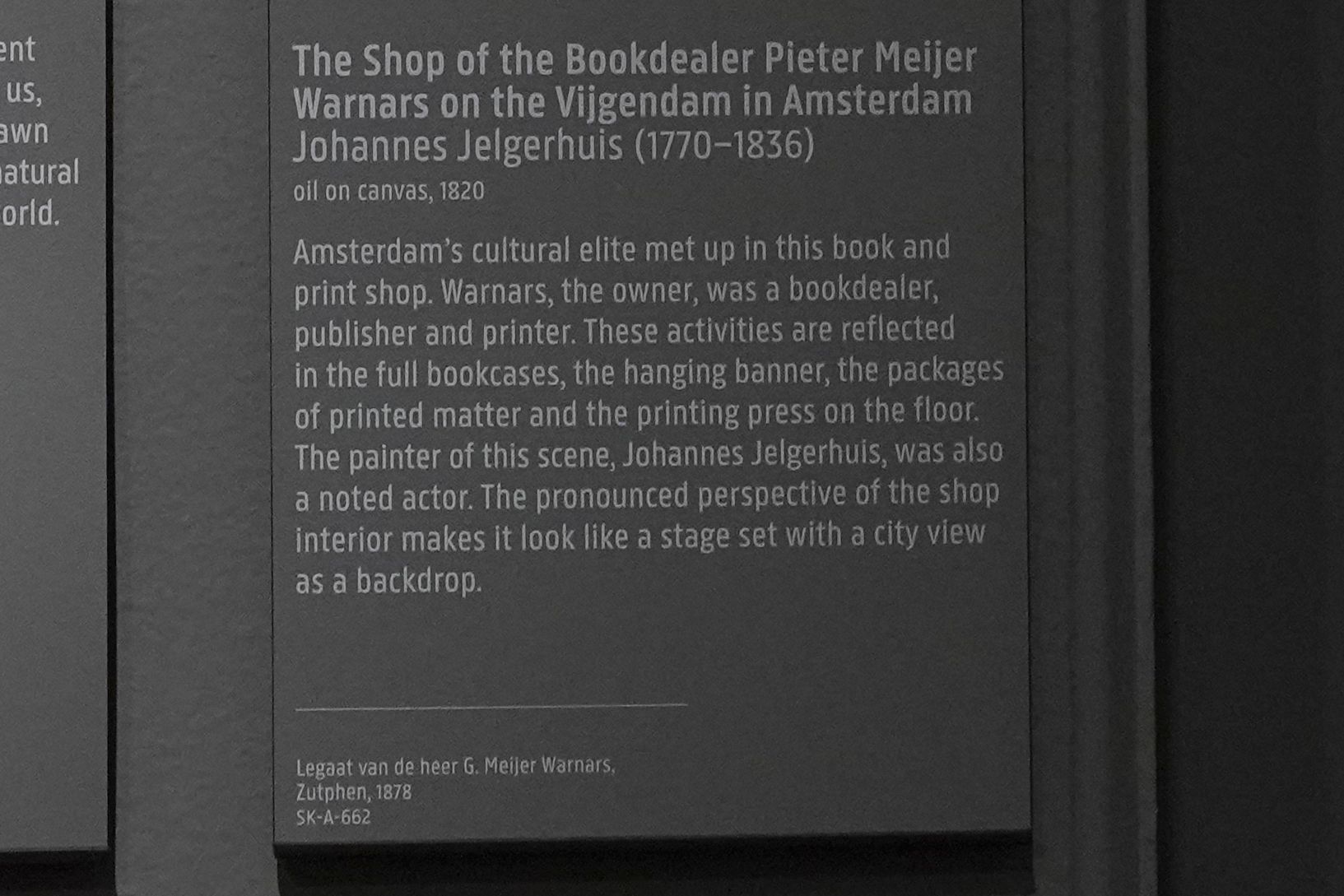
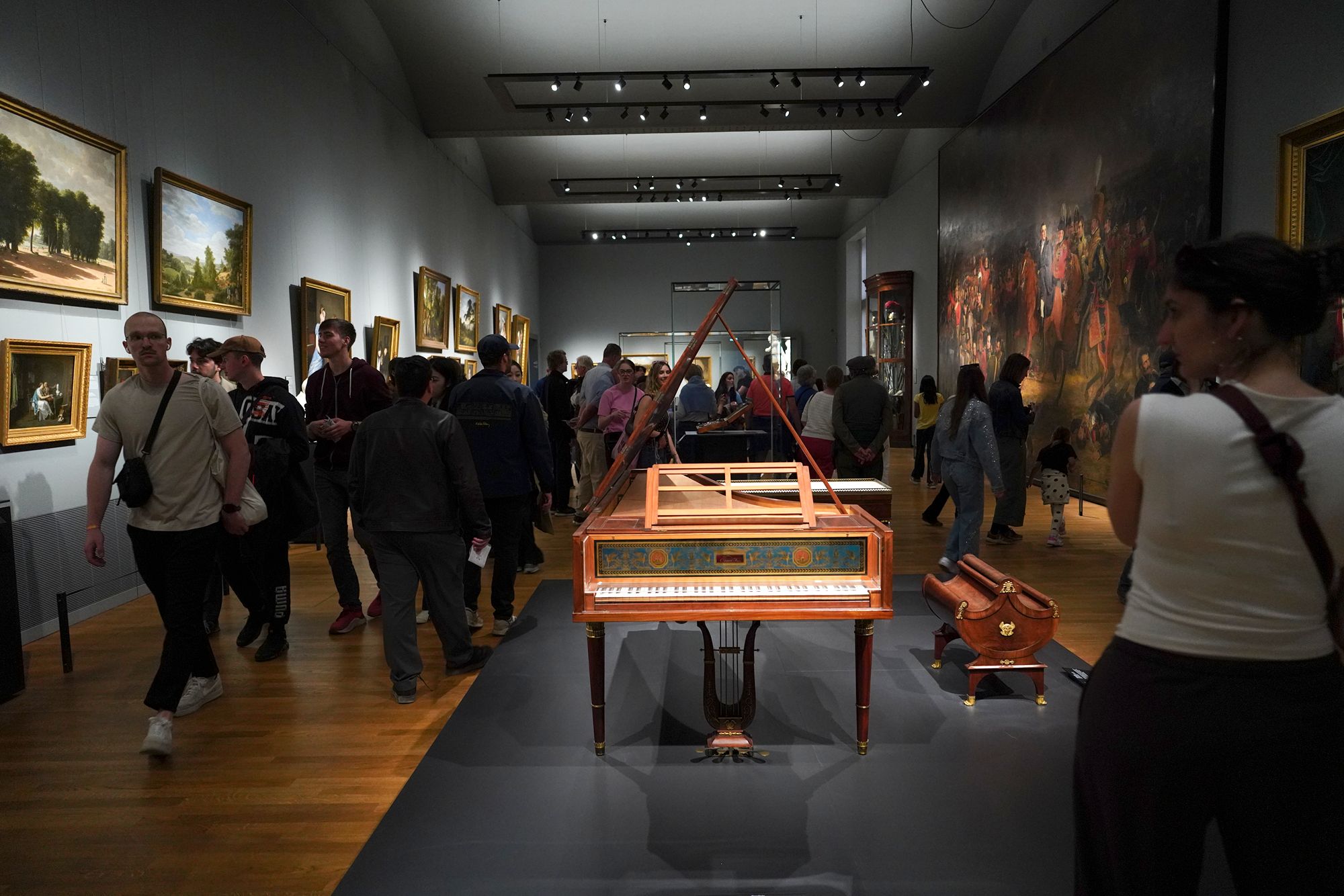
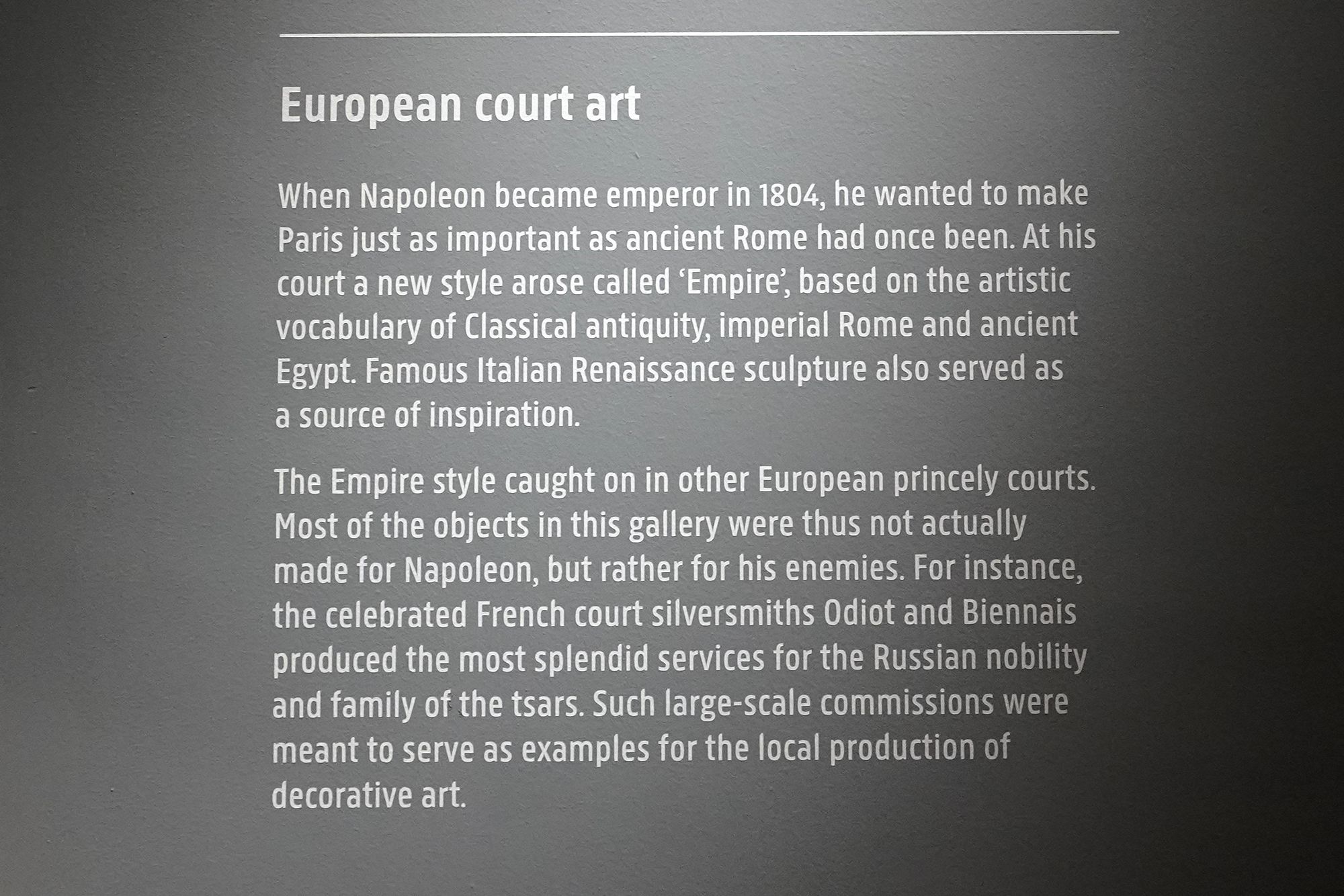
Under Napoleon, the Empire style emerged in France, inspired by the grandeur of ancient Rome and Egypt, and soon spread throughout Europe.
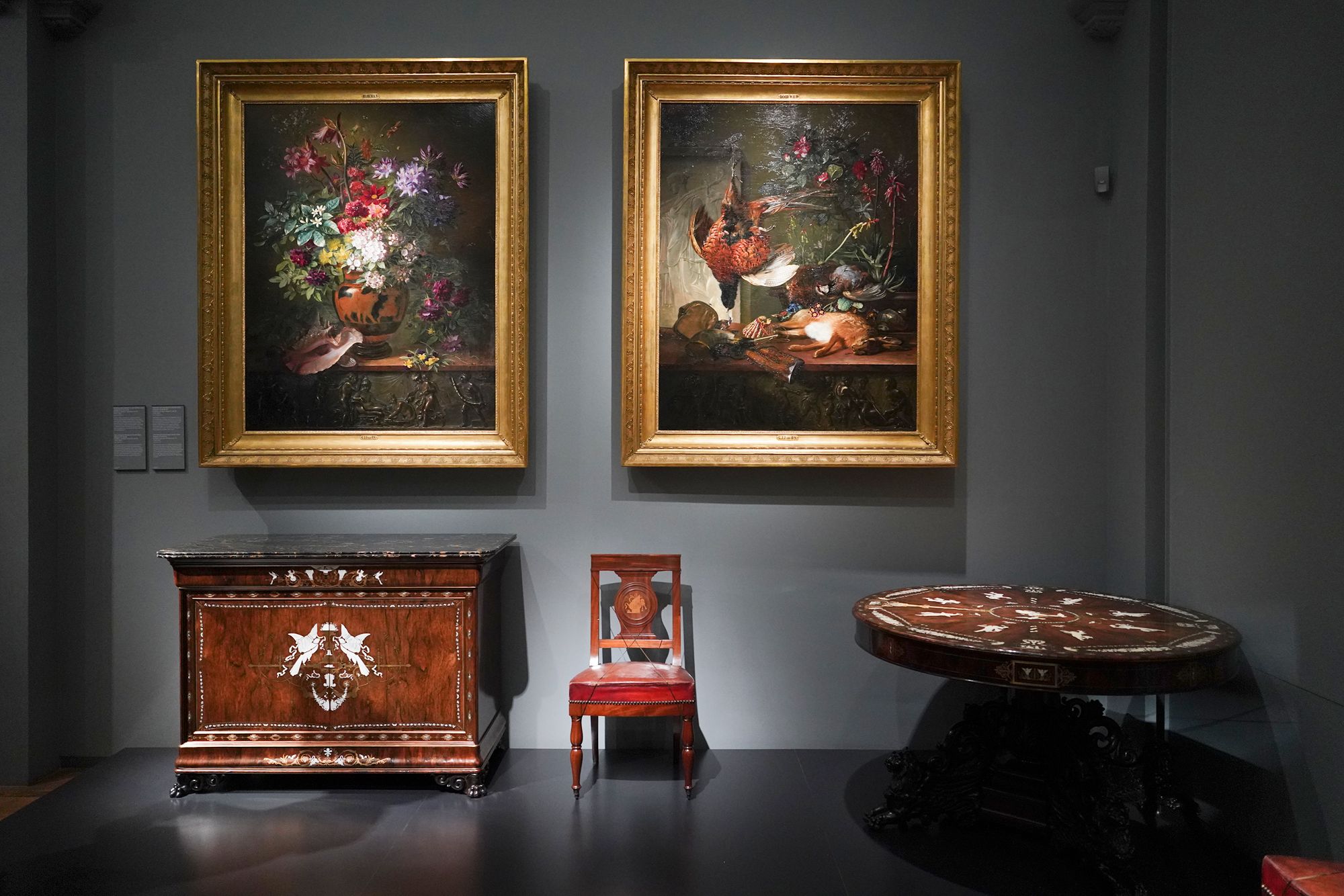
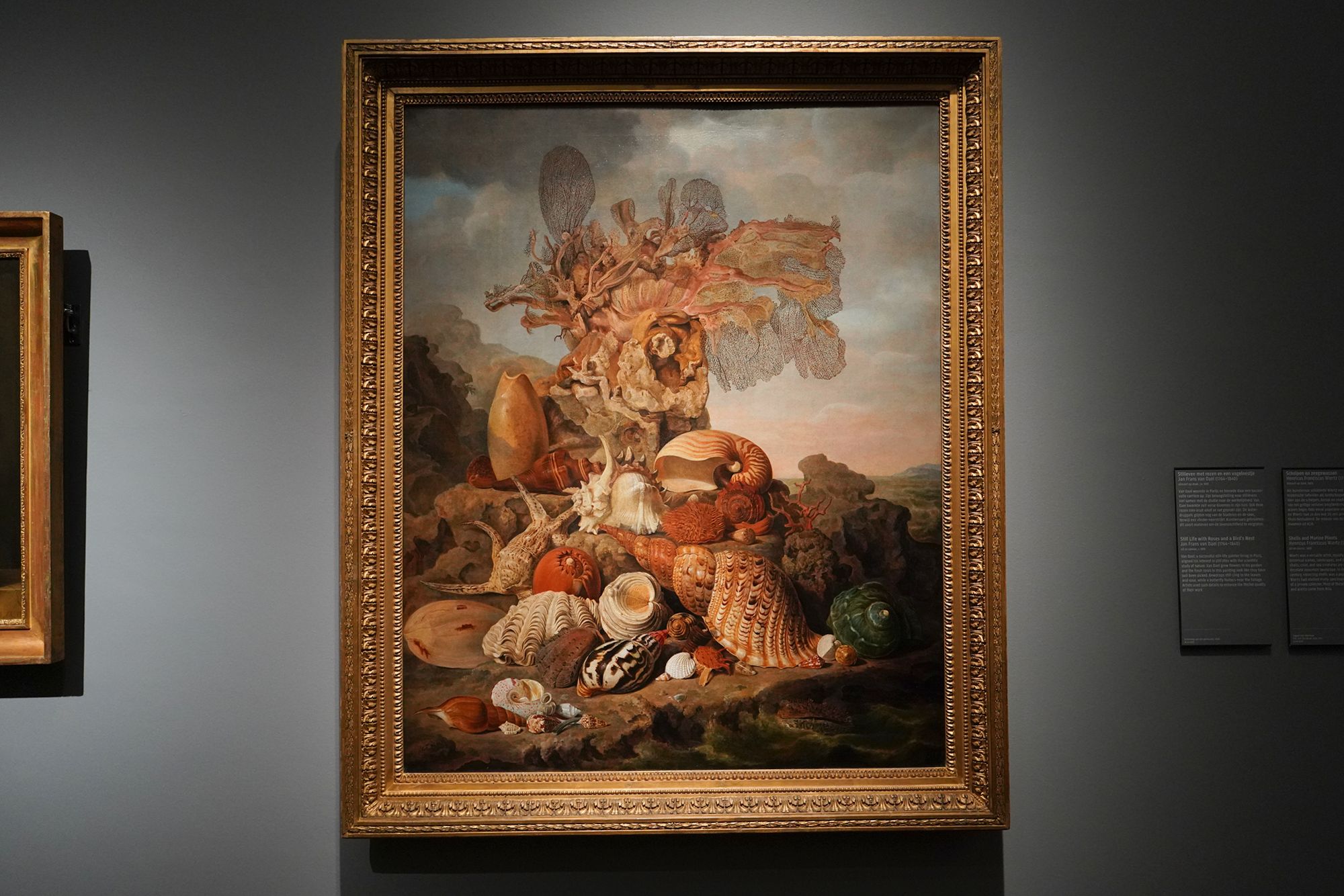
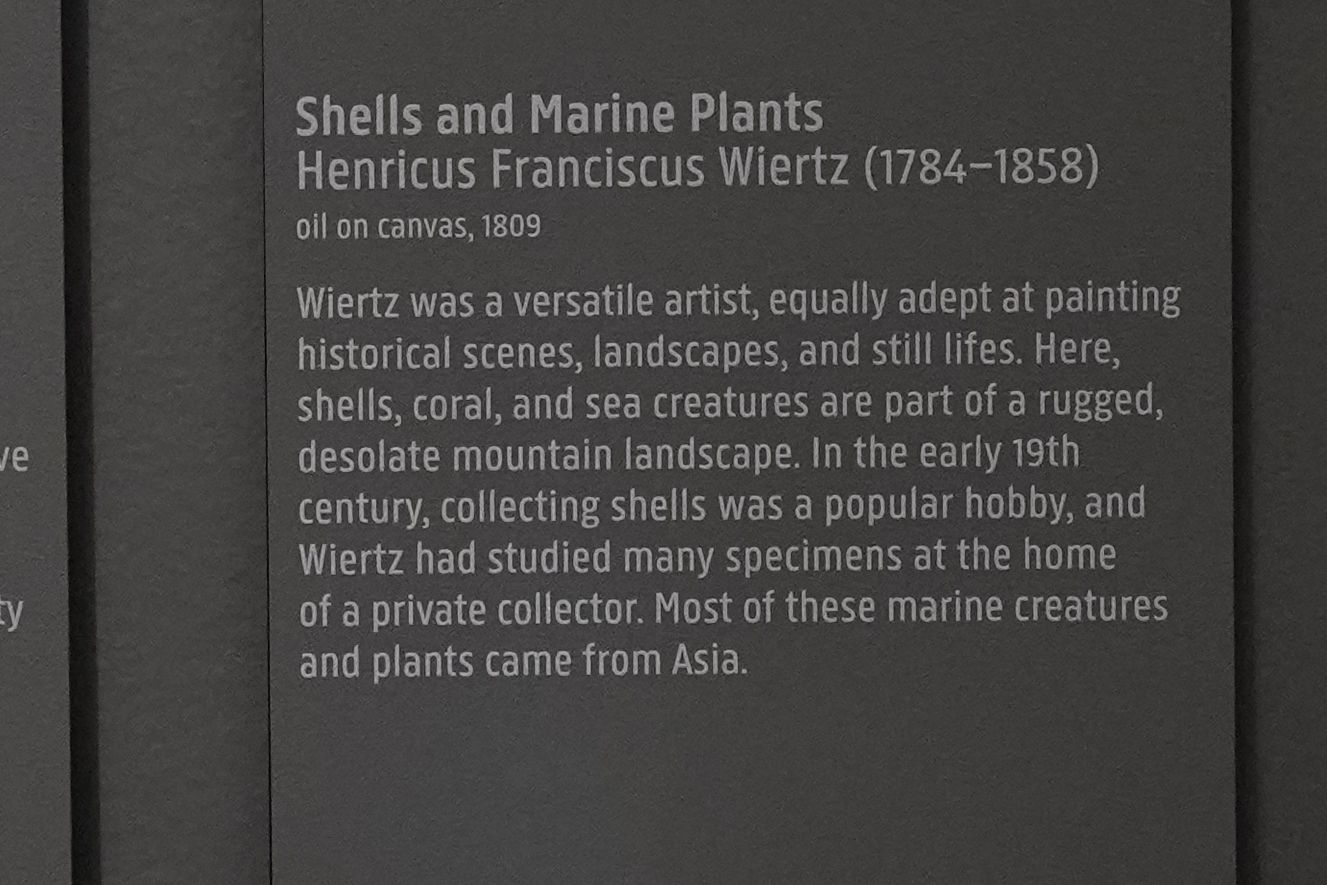
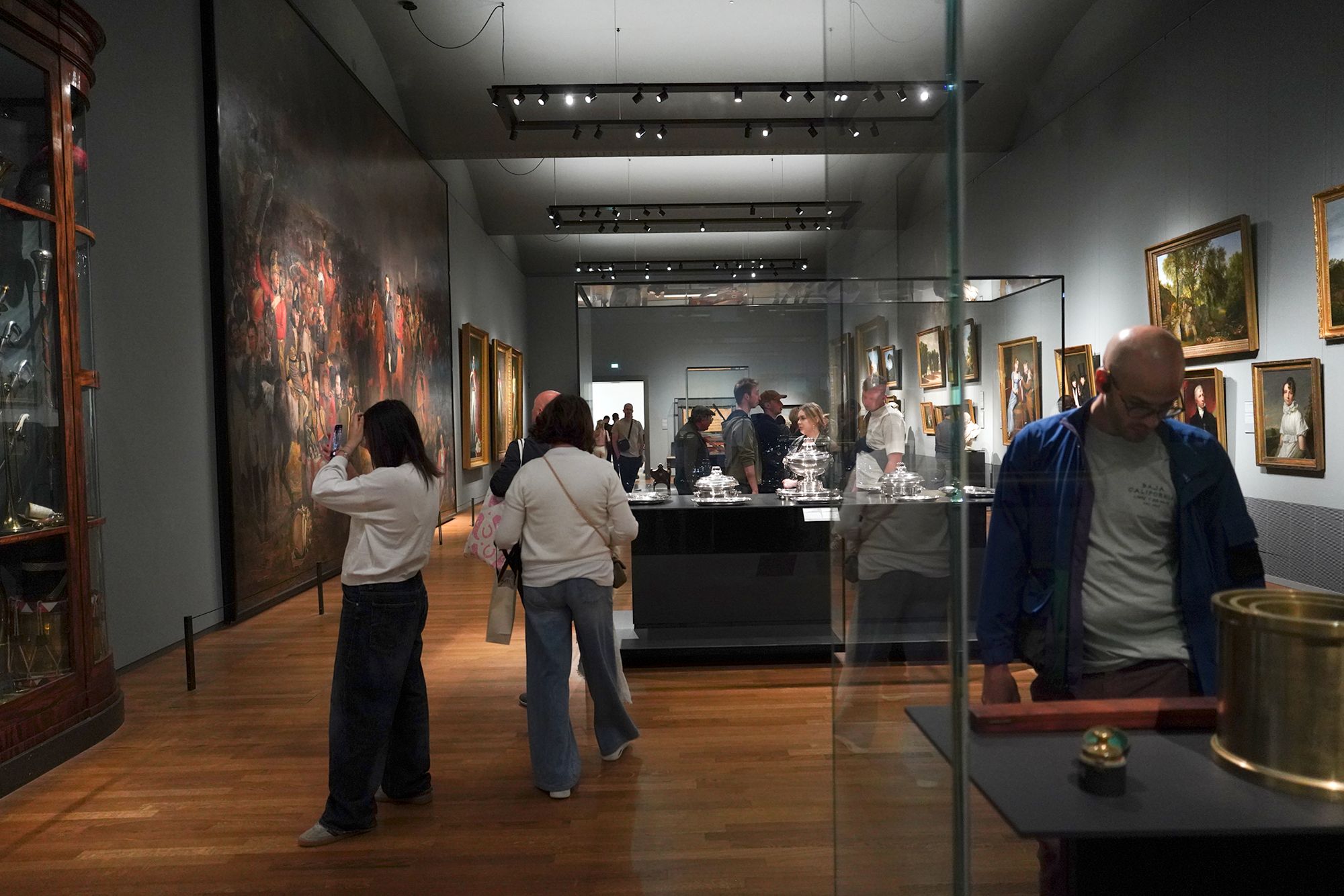
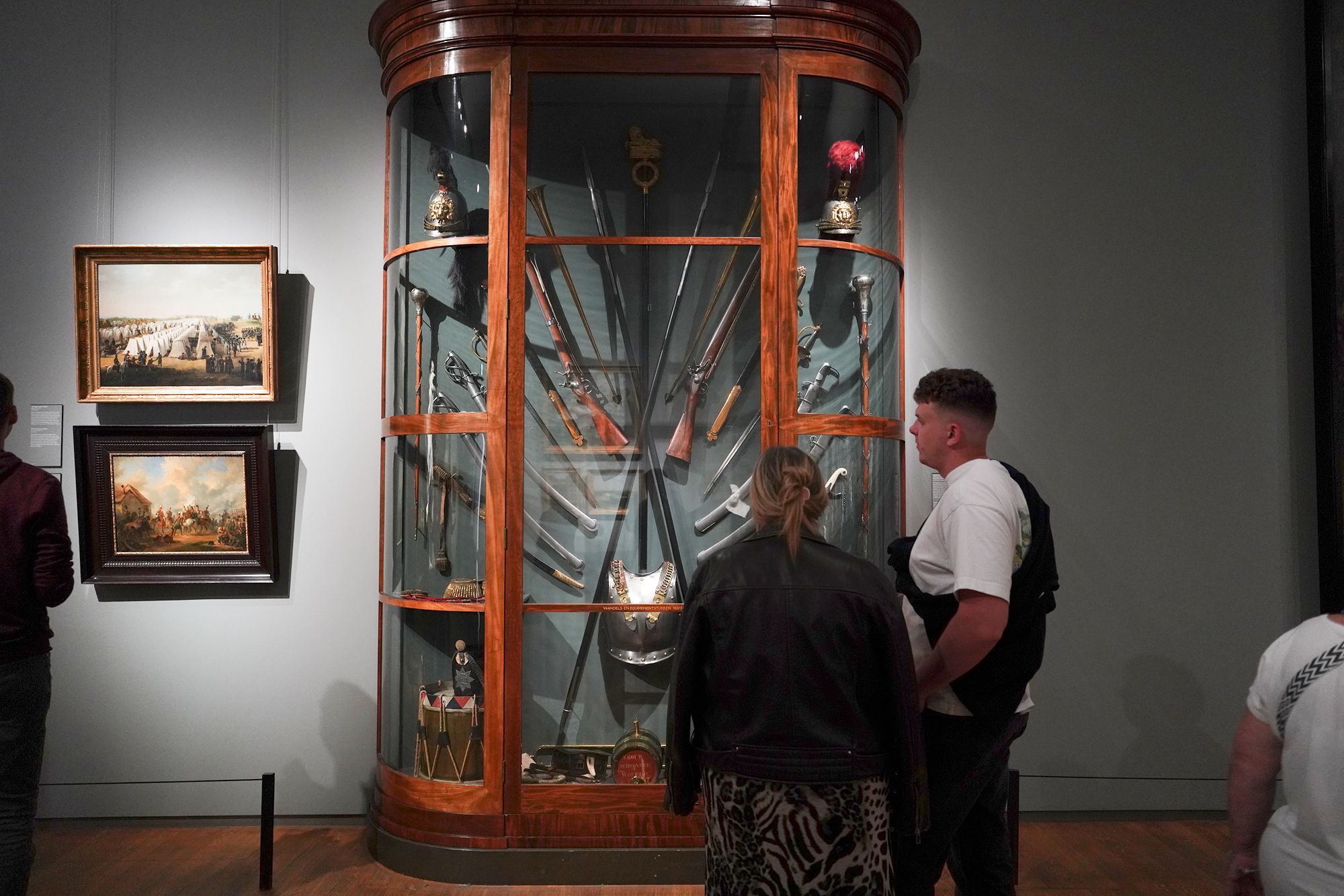
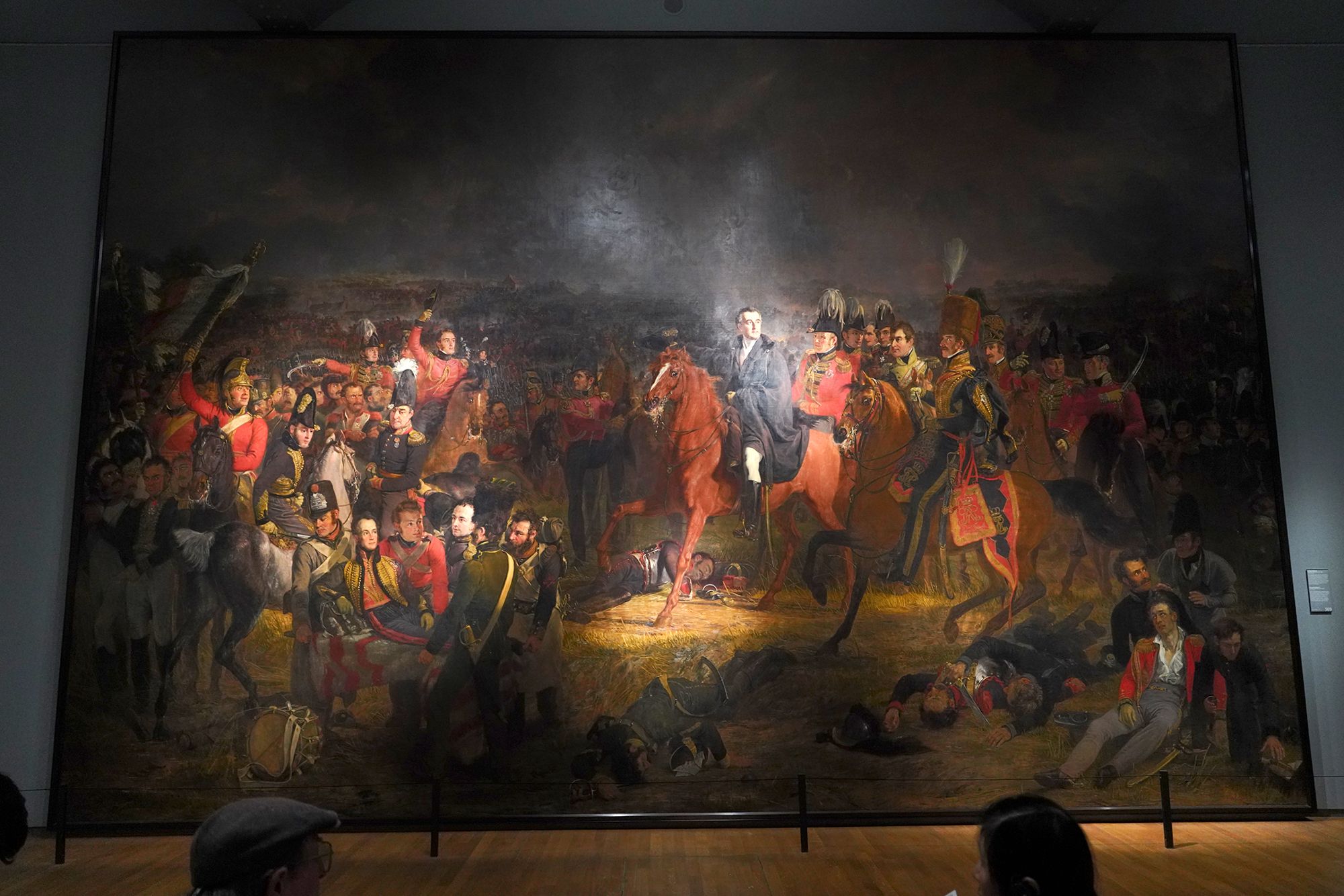
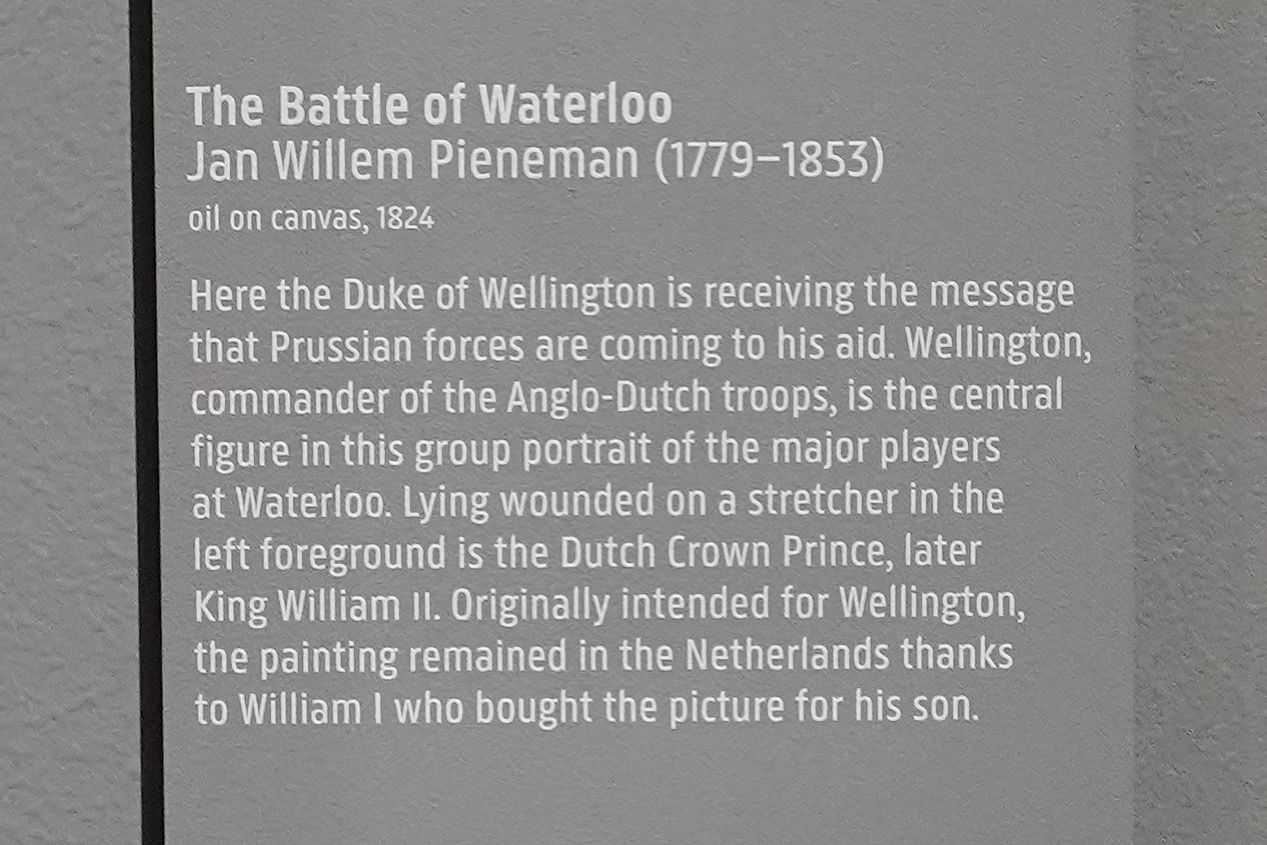
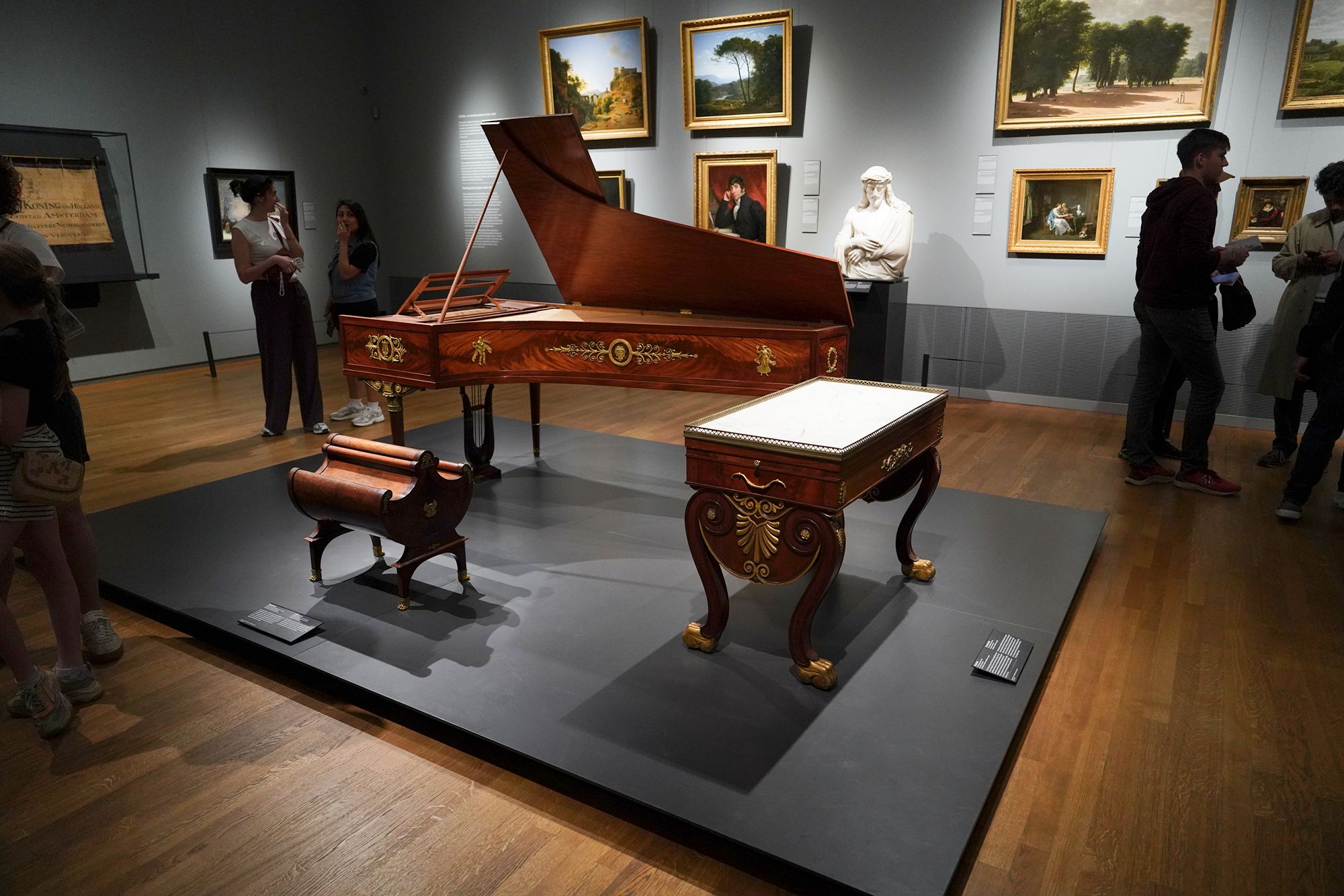
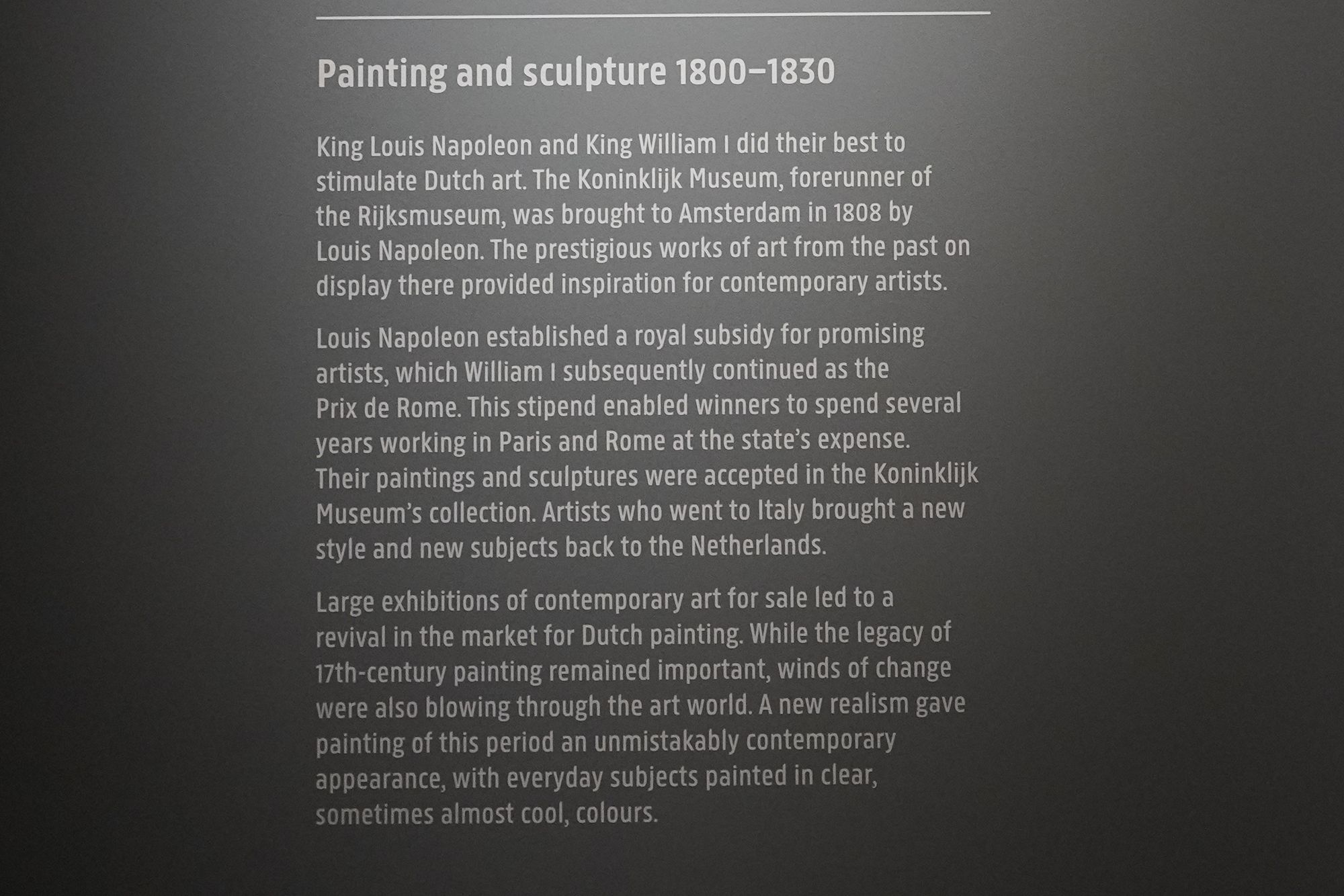
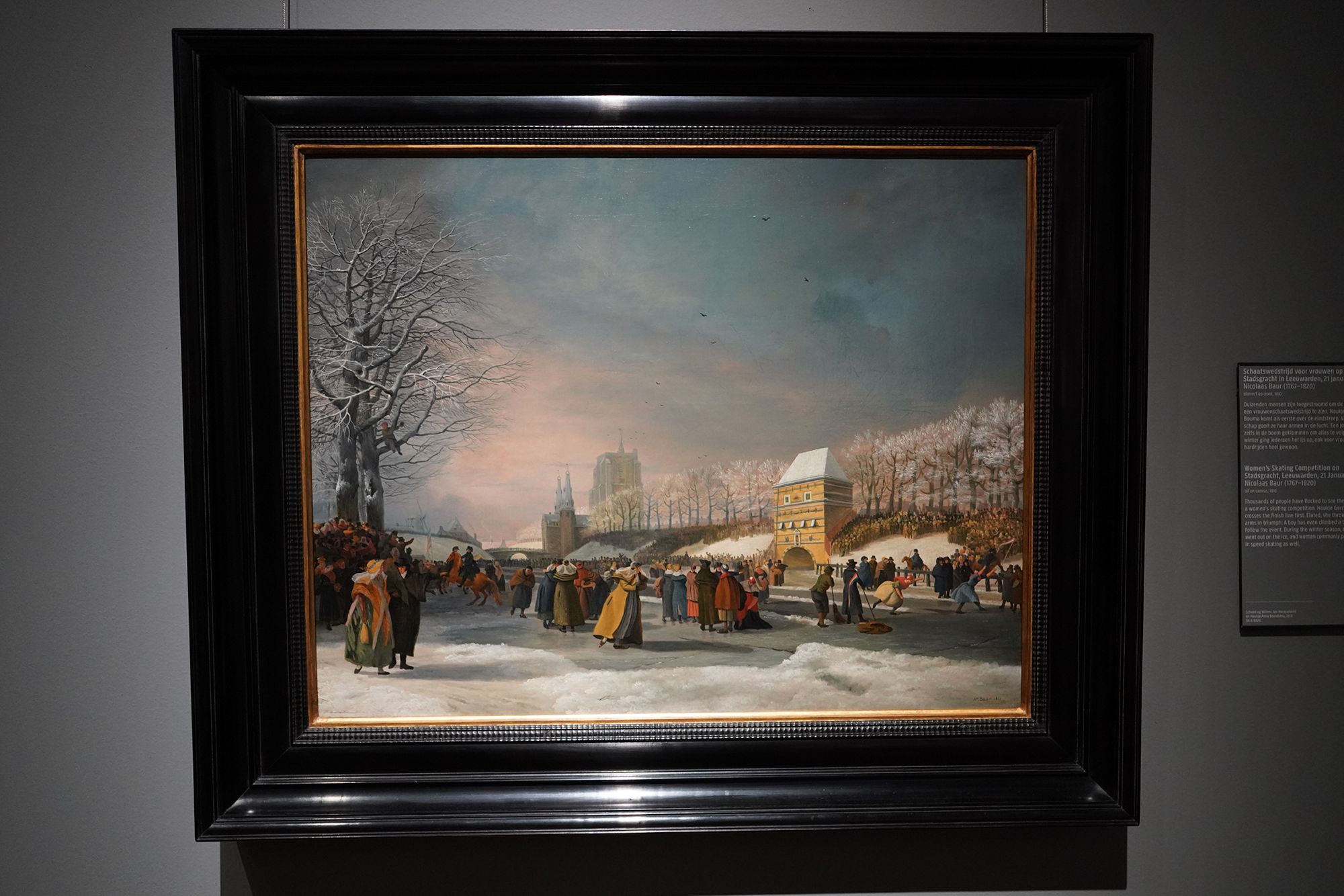
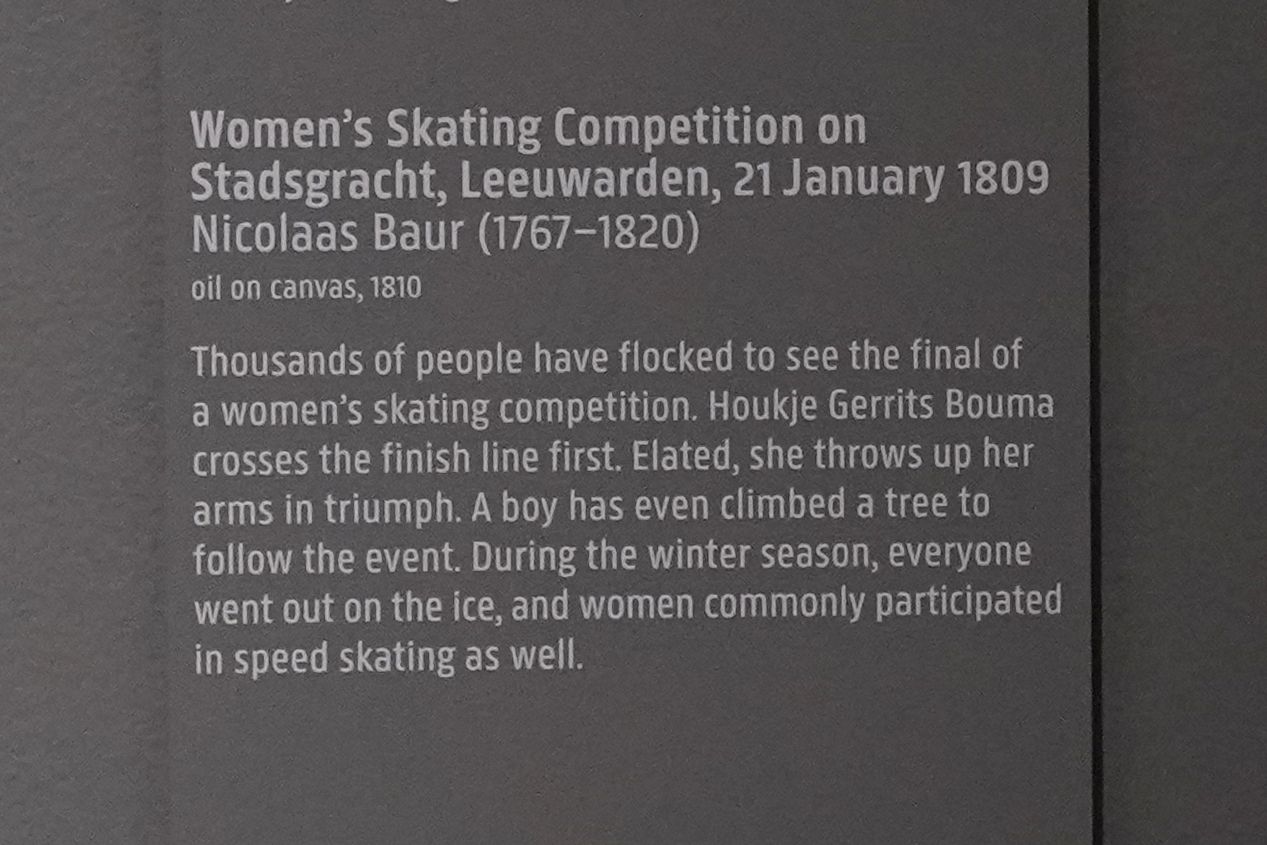
From 1800 to 1830, Dutch painting and sculpture were encouraged by royal patronage, while artists increasingly explored new styles and everyday subjects.