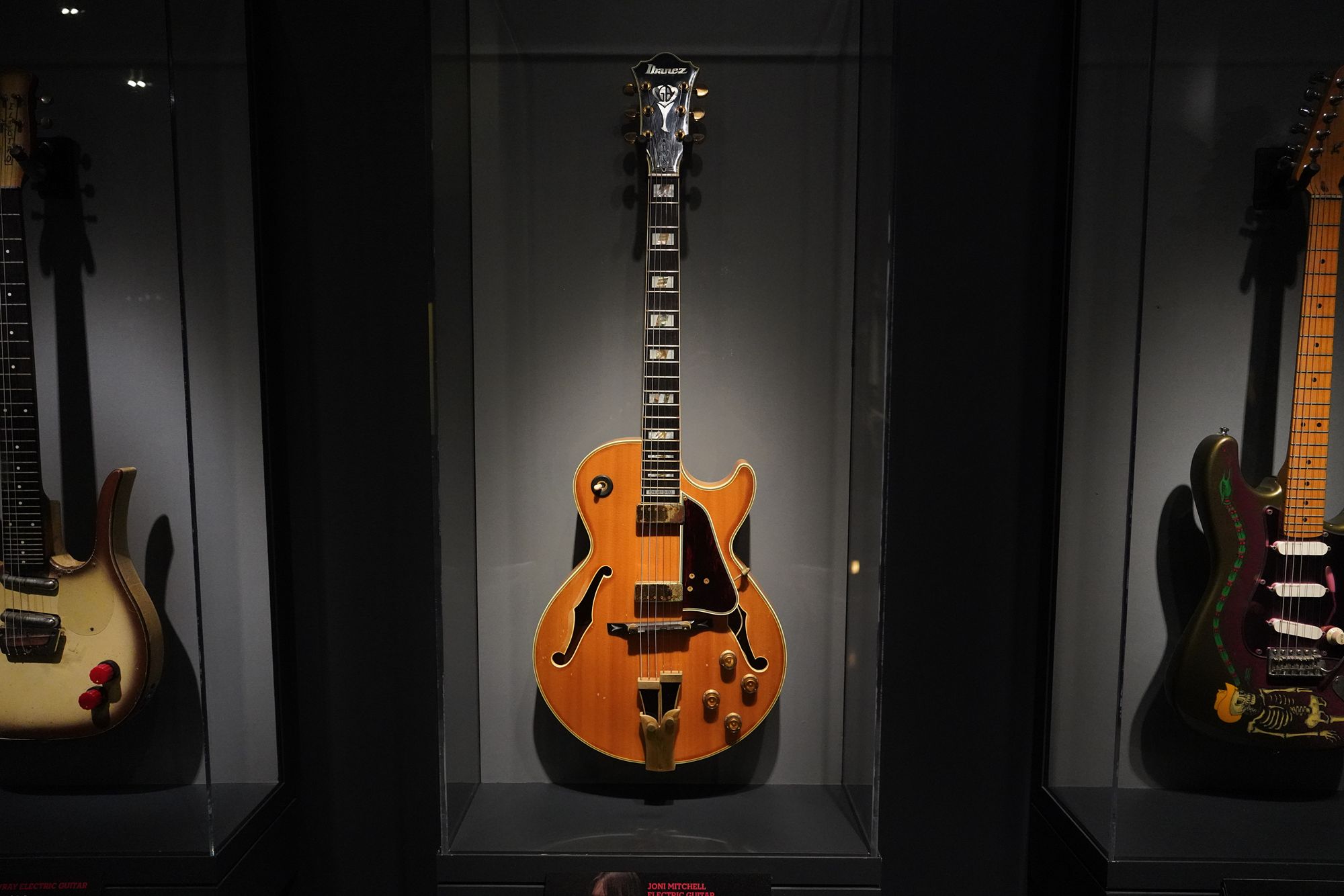
Rock & Roll Hall of Fame Museum, Cleaveland, Ohio, USA
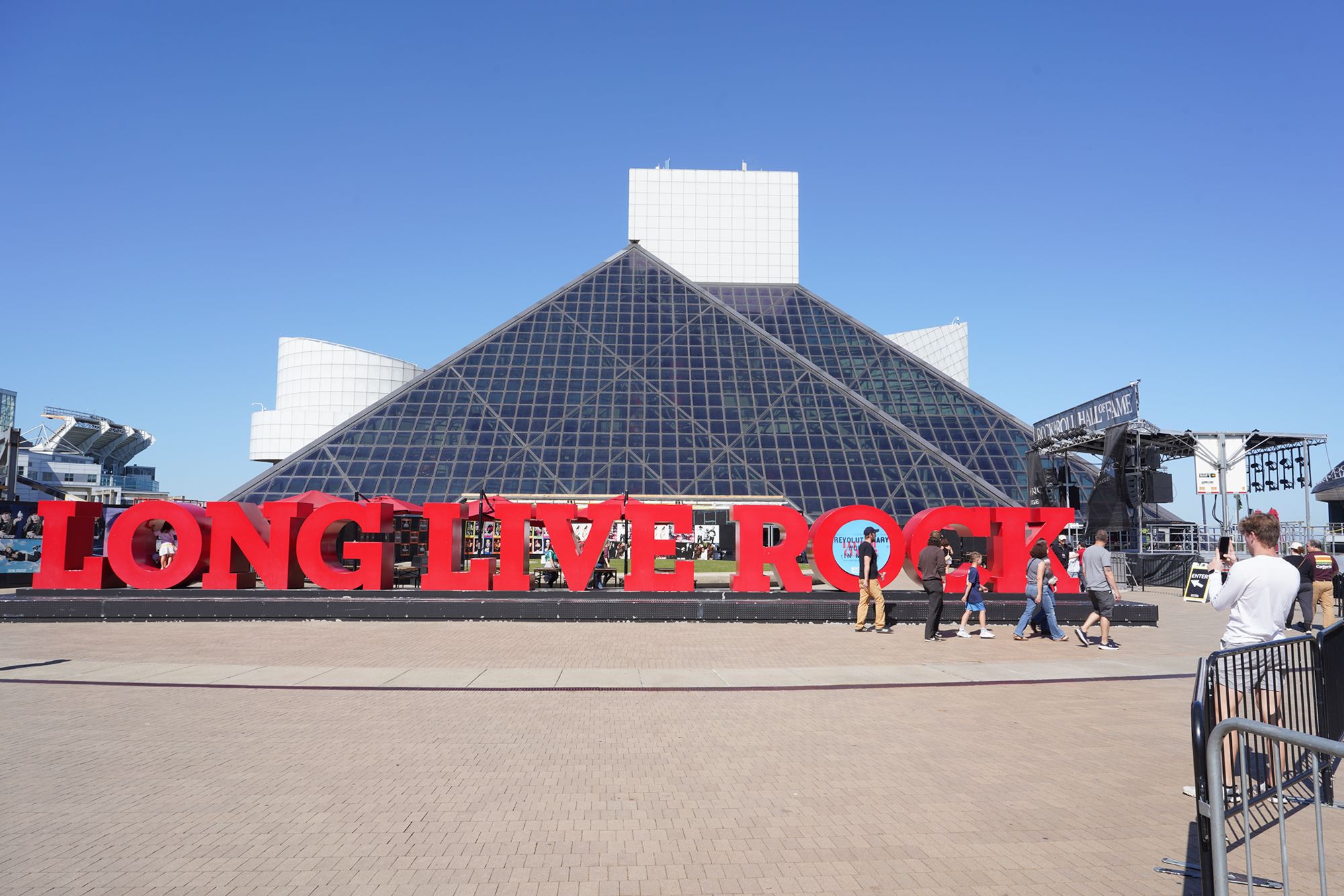
The Rock & Roll Hall of Fame stands on Cleveland’s waterfront, celebrating legendary musicians and music history. 1195
Rock & Roll Hall of Fame: 1100 E 9th St, Cleveland, OH 44114
Date Picture Taken: September 2025
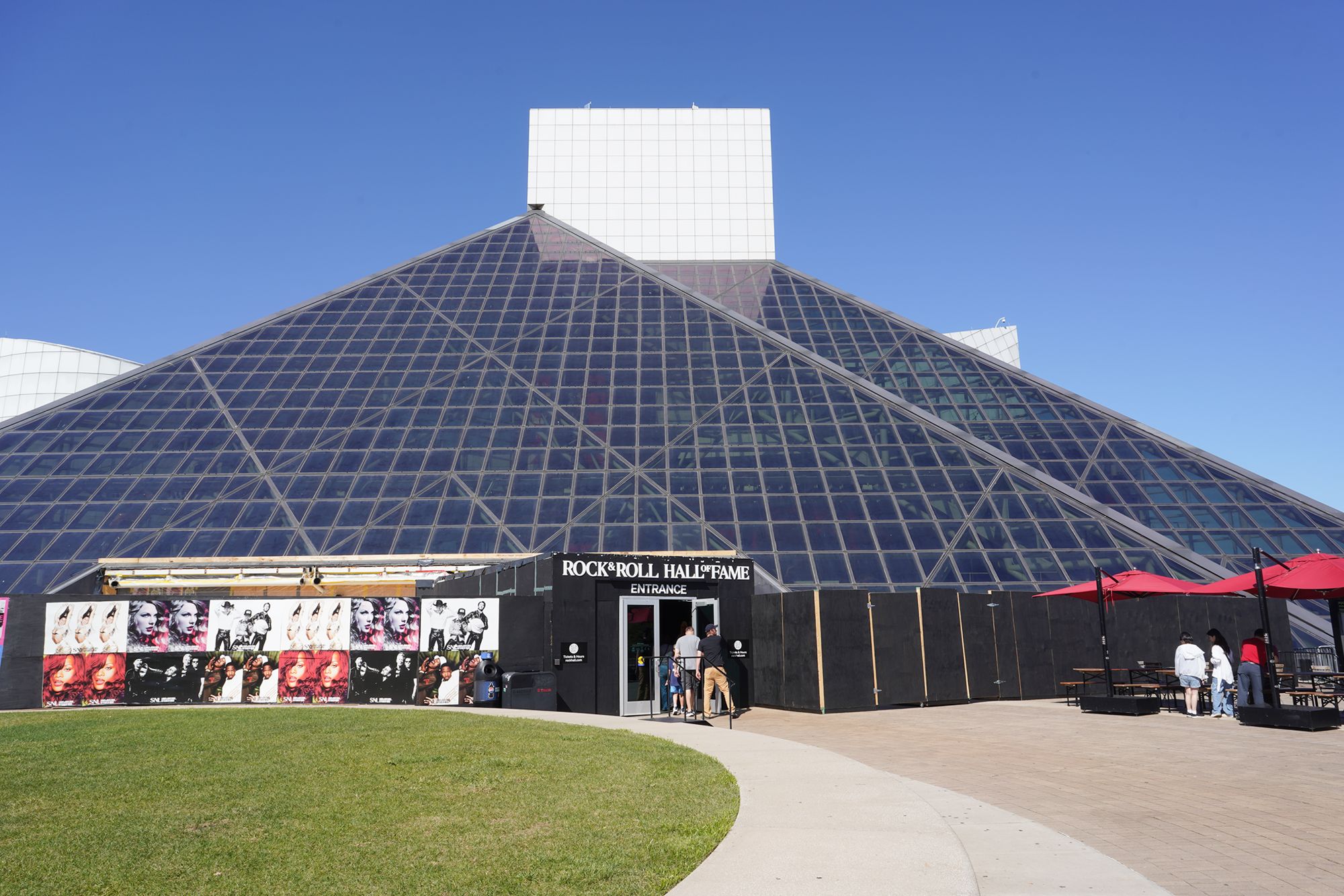
The Rock & Roll Hall of Fame rises along Cleveland’s lakefront, blending striking architecture with music history. Inside, exhibits, instruments, and memorabilia trace the evolution of rock and roll, honoring artists whose sound shaped generations and global popular culture.

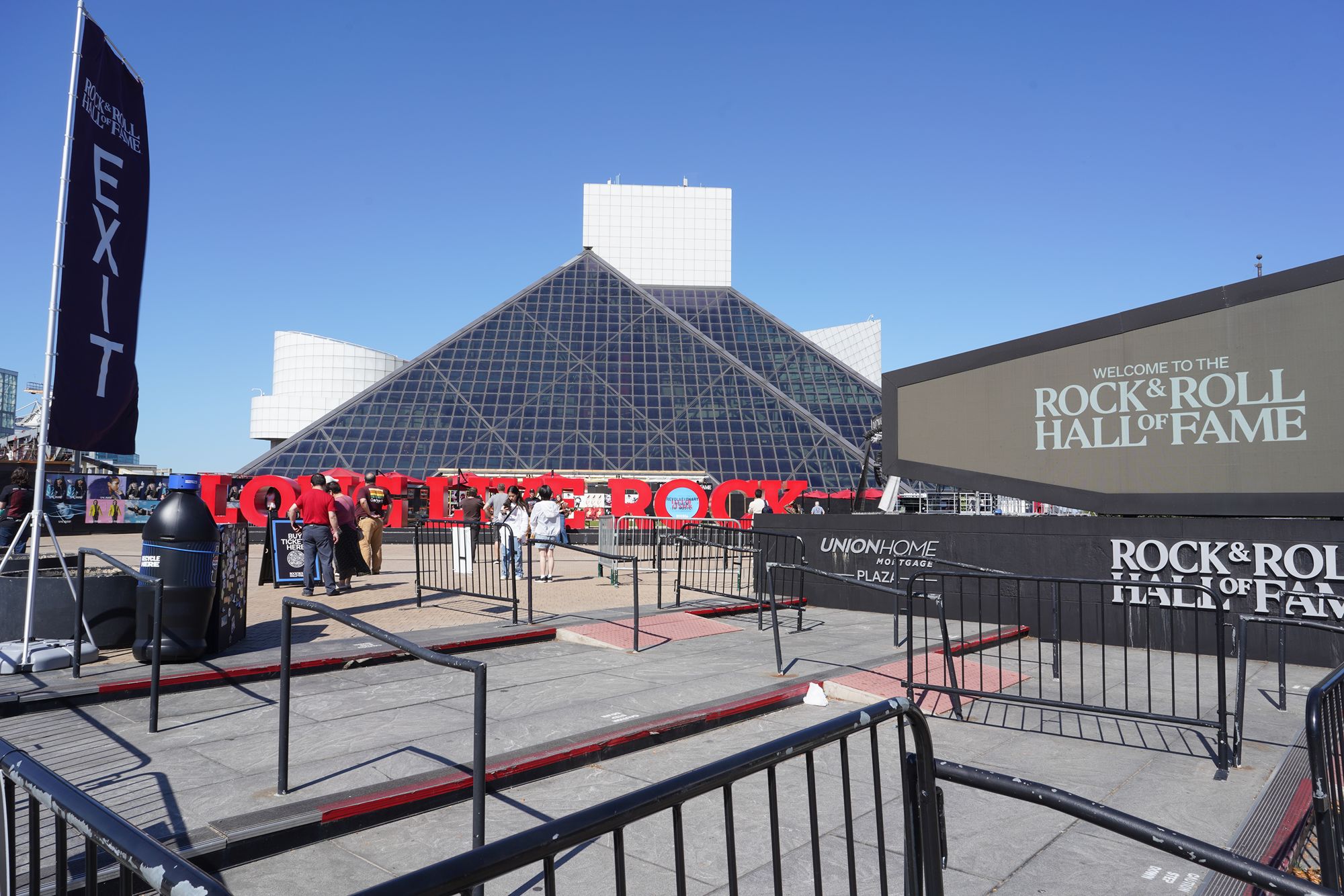
Designed by architect I. M. Pei, the striking glass-and-steel building immediately stands out against Lake Erie. Its modern, angular form reflects the energy and experimentation of the music it celebrates. Inside, the museum unfolds across multiple levels, guiding visitors through the history of rock and roll from its roots in blues, gospel, rhythm and blues, and country to its global influence today.
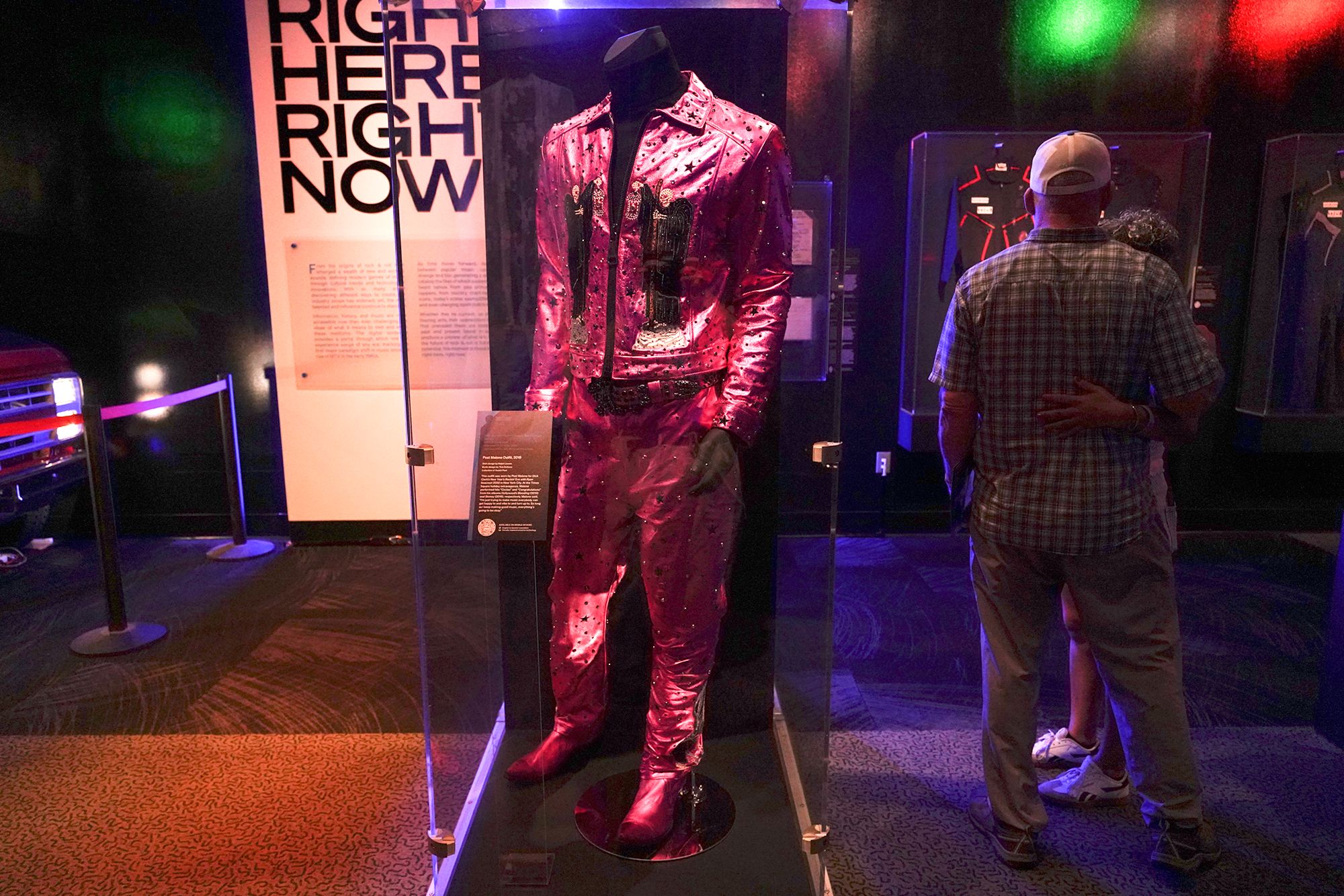
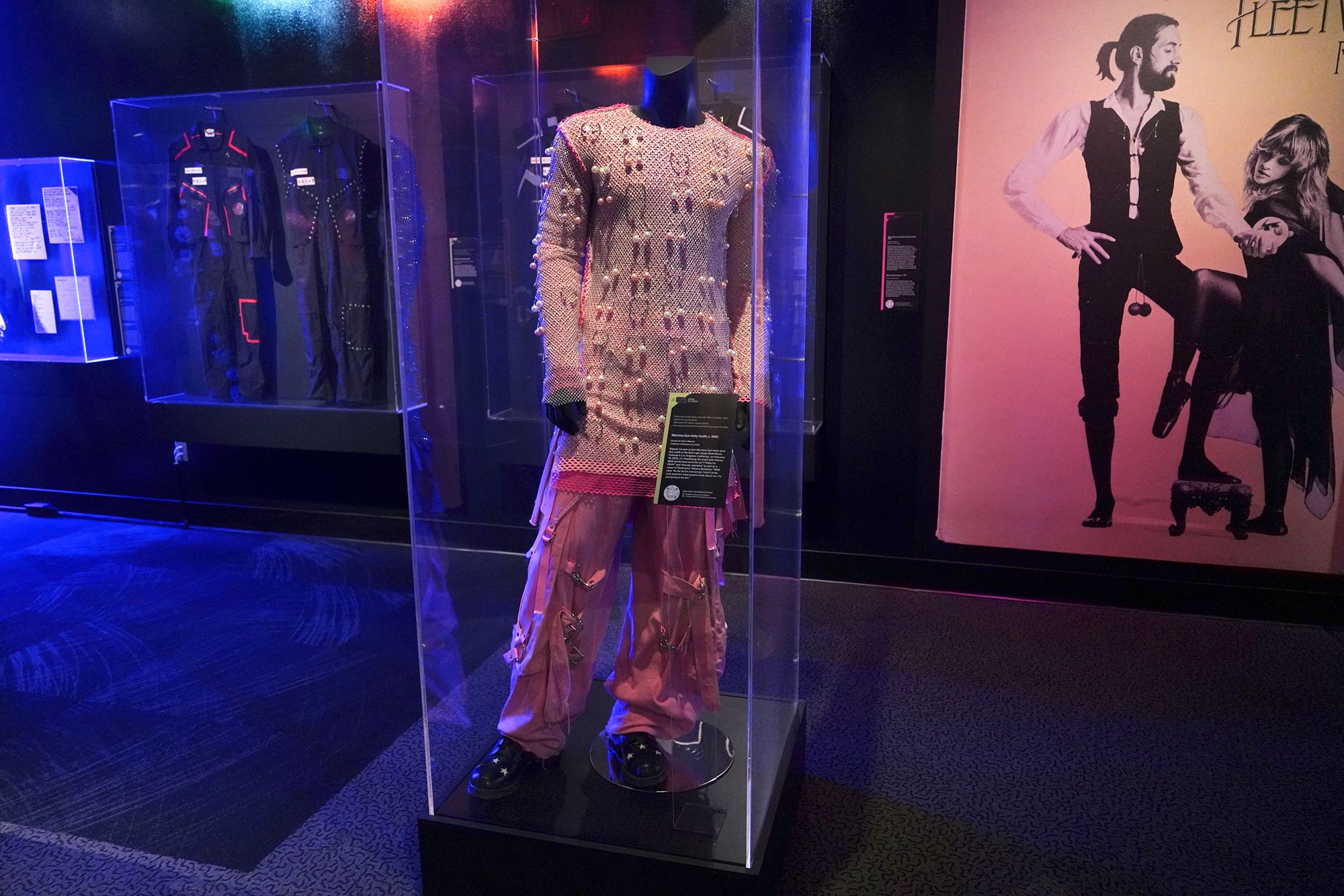
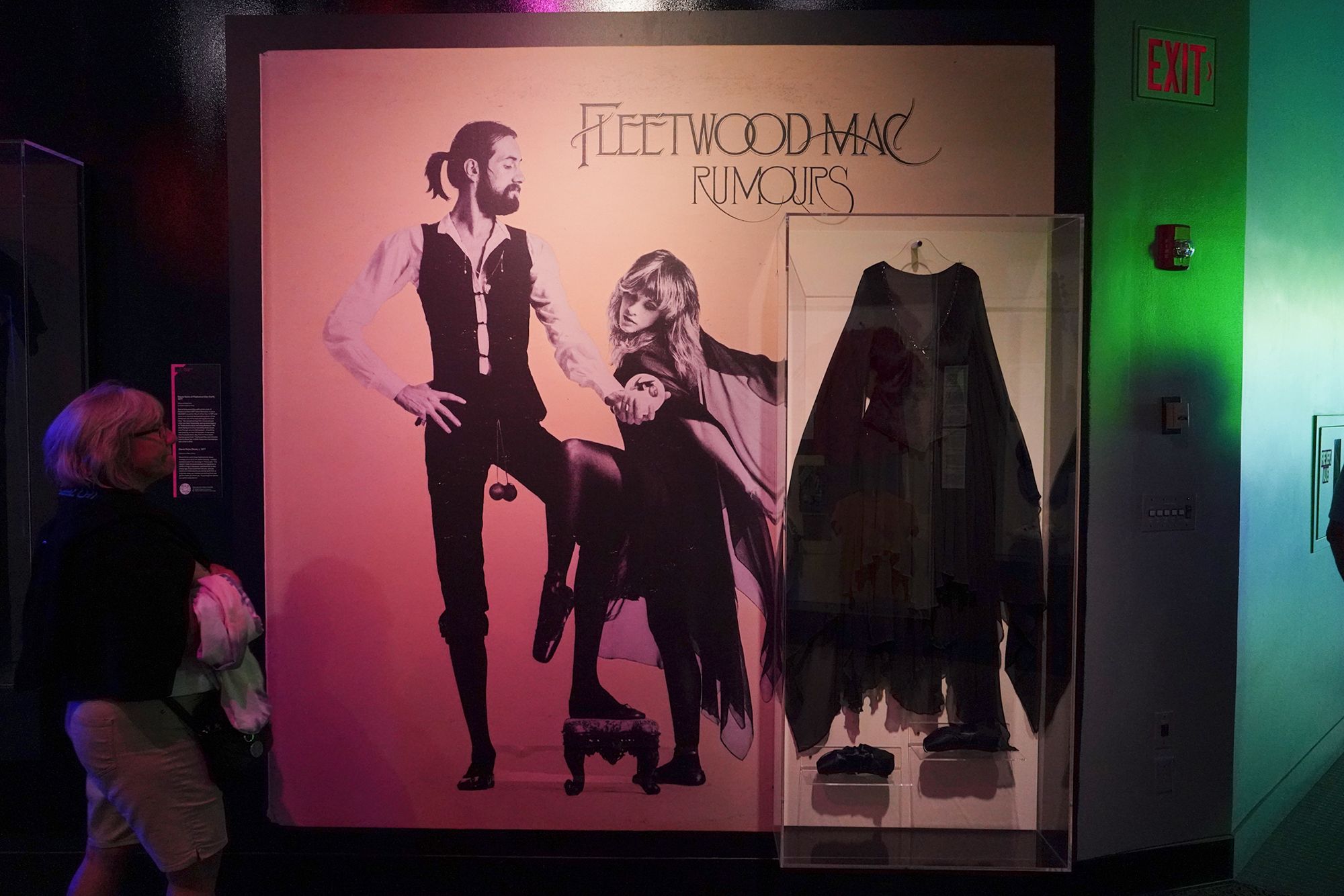
The exhibits feature original instruments, handwritten lyrics, stage costumes, photographs, and extensive video footage. Legendary figures such as Elvis Presley, Chuck Berry, Little Richard, The Beatles, and many others are presented not only as performers, but as cultural forces who reshaped youth identity, race relations, fashion, and popular expression. Interactive displays and listening stations allow visitors to experience the music directly, making the visit both educational and emotional.


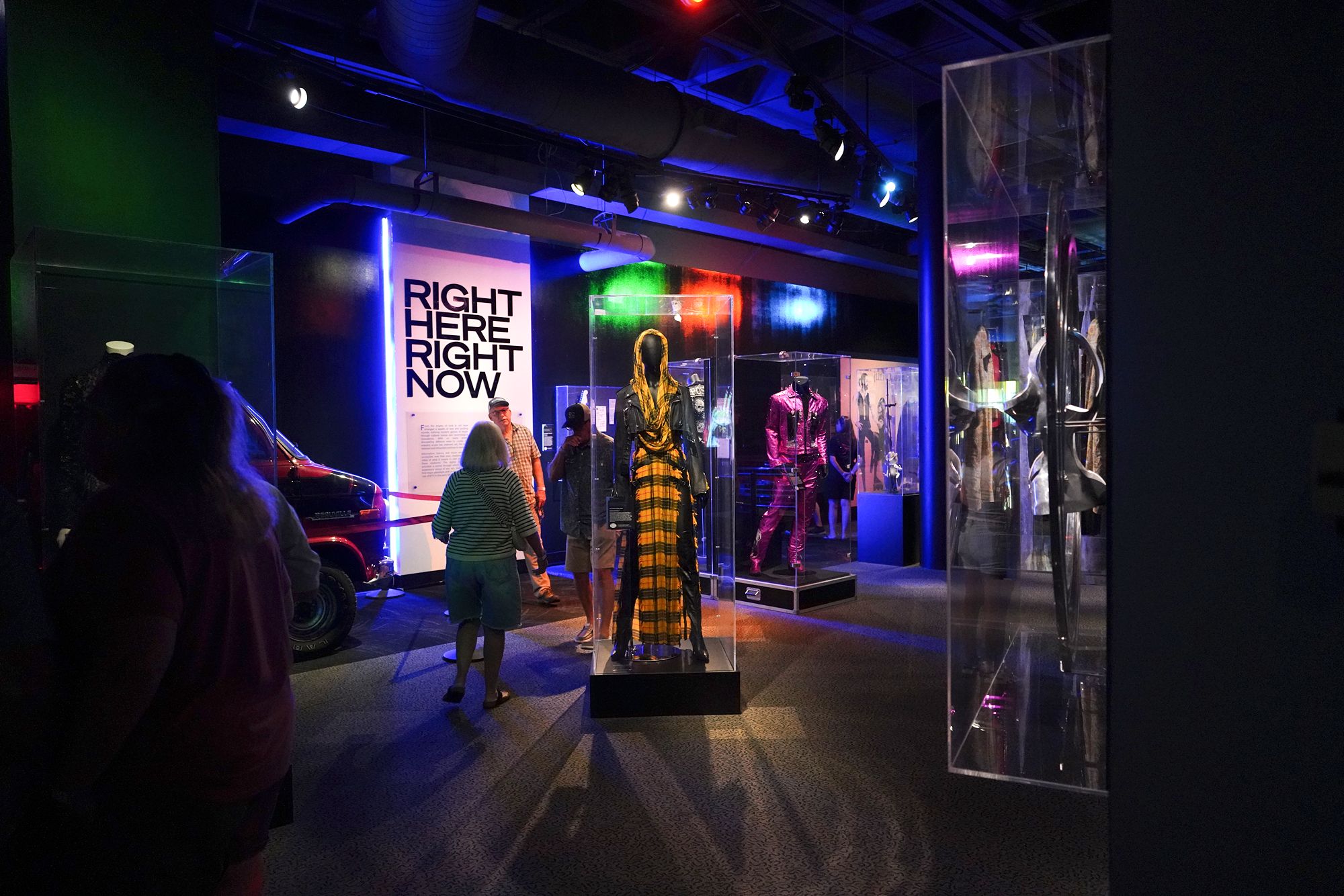
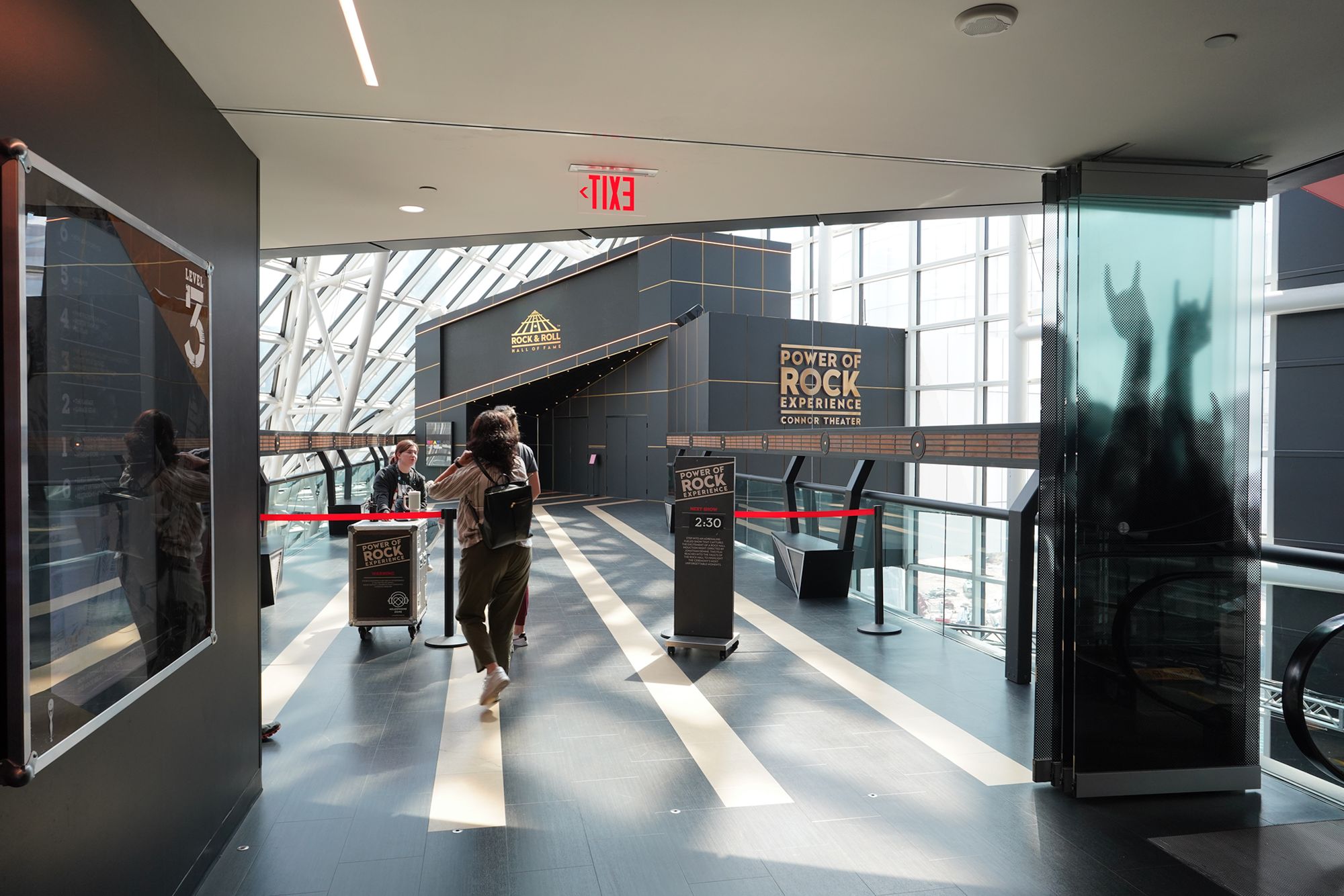
I took the escalator down to the lower floor, where the main exhibition was located.



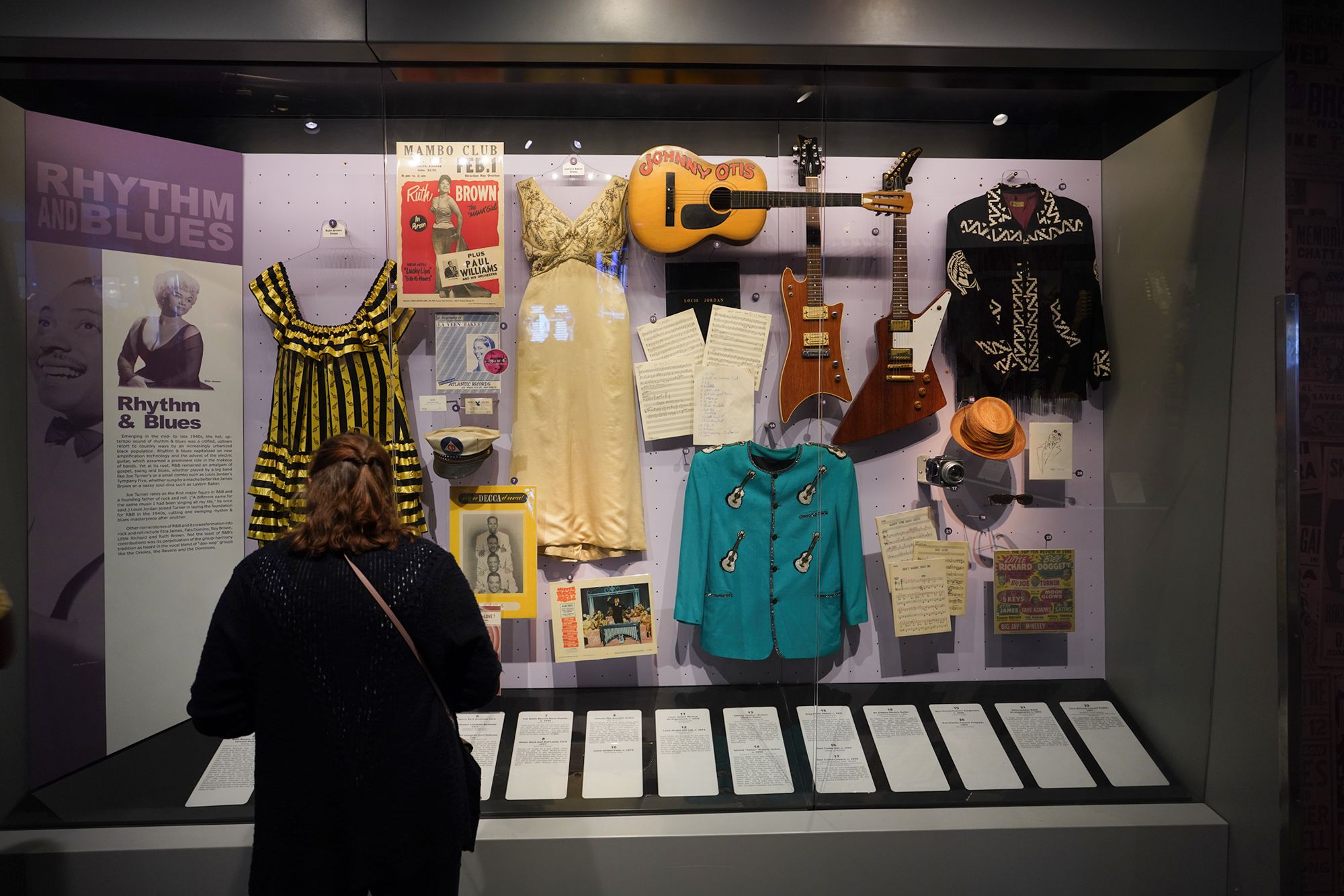
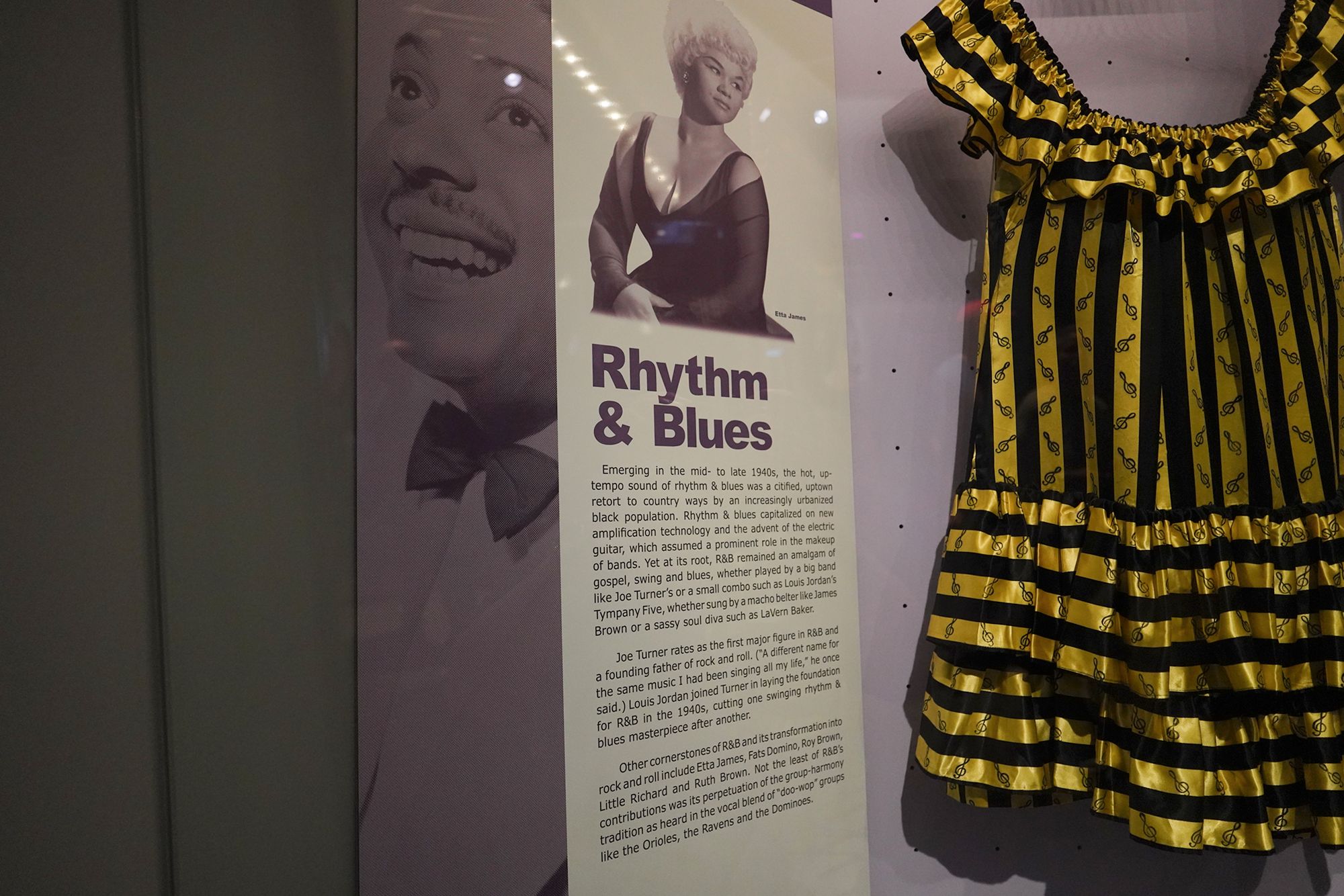
Rhythm and blues, often called R&B, is a music genre that emerged in the United States in the 1940s.
Rooted in African American blues, jazz, and gospel traditions, R&B emphasized strong backbeats, expressive vocals, and danceable rhythms. It became a foundation for early rock and roll, influencing artists like Chuck Berry, Little Richard, and Elvis Presley, and shaping modern popular music.
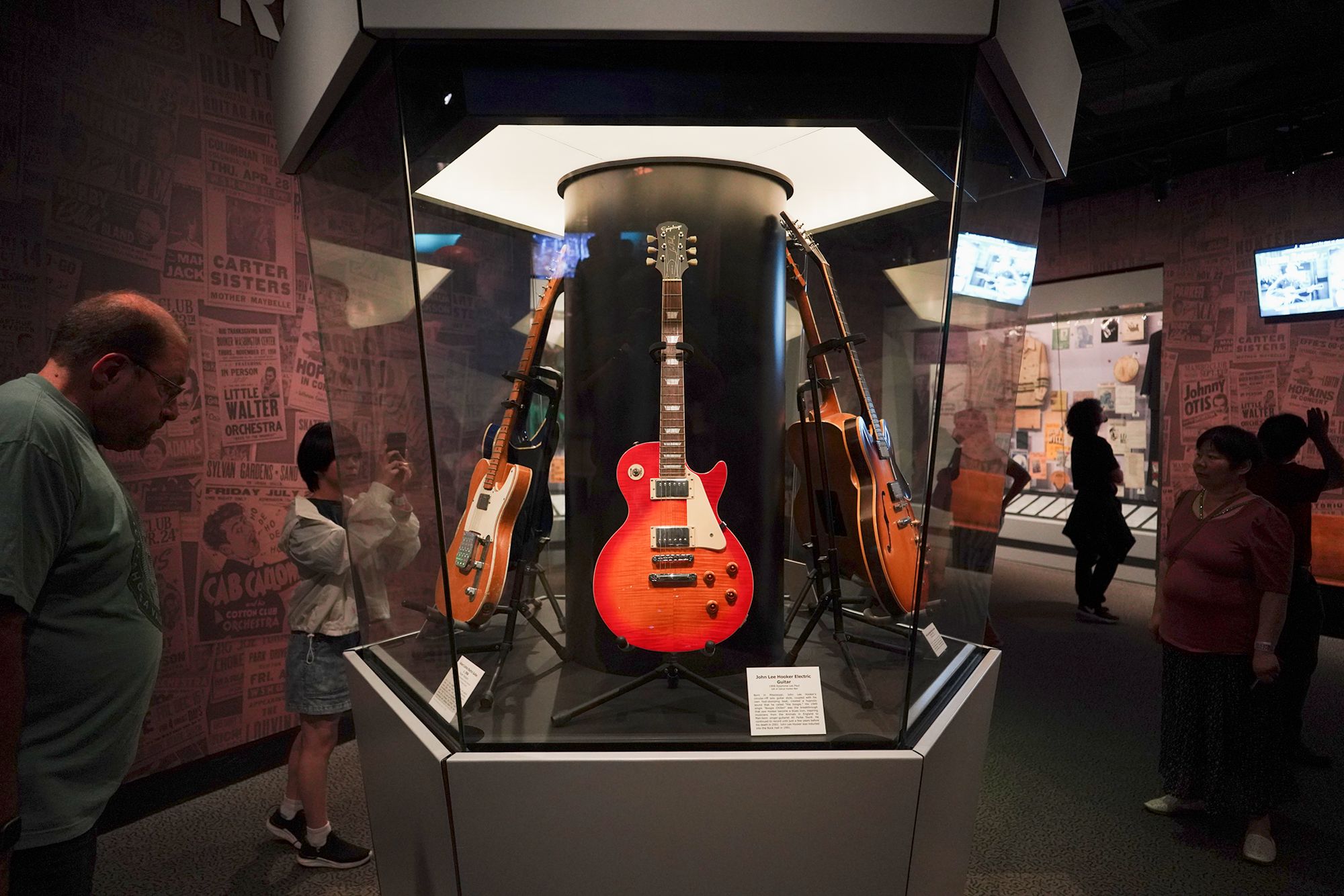
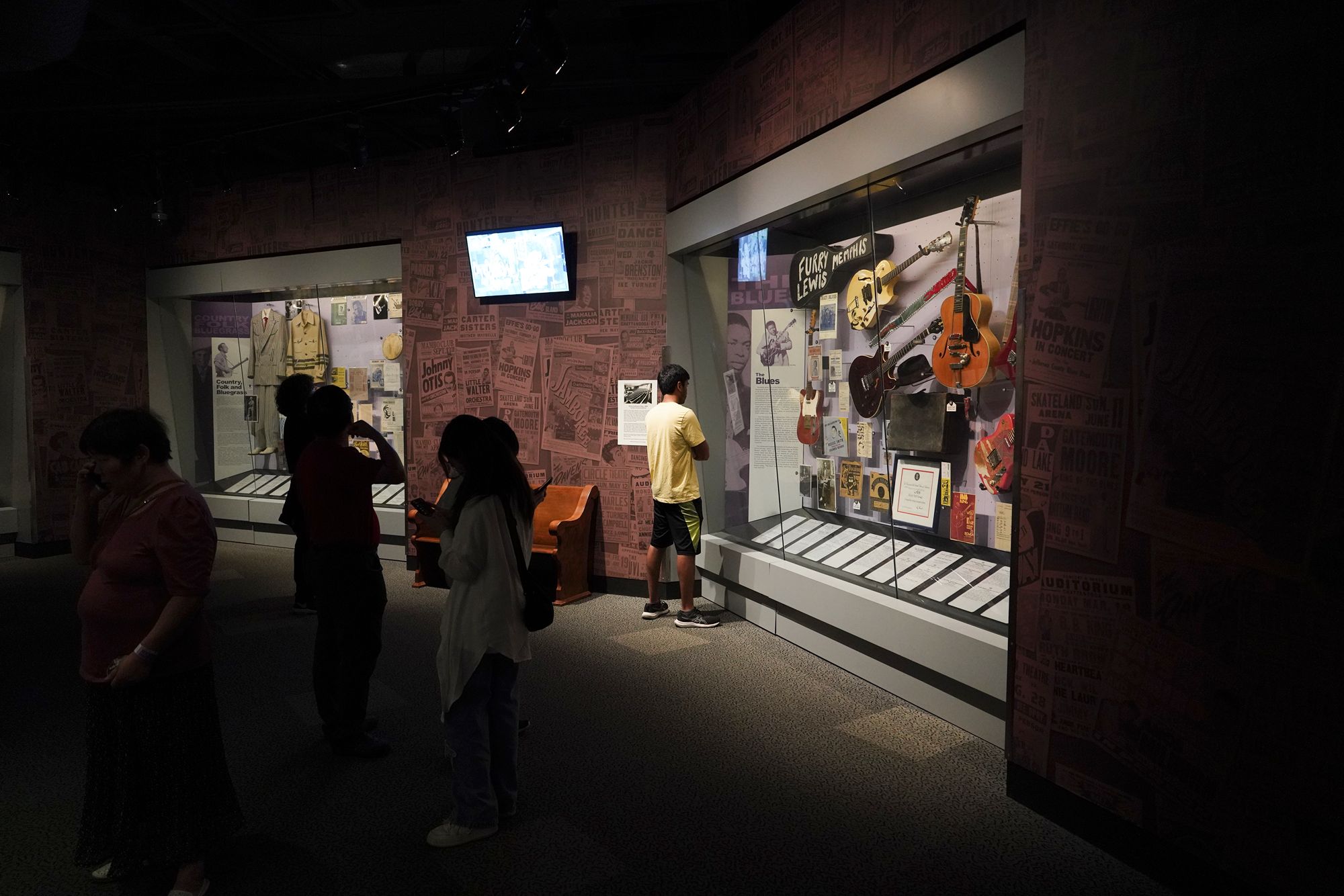
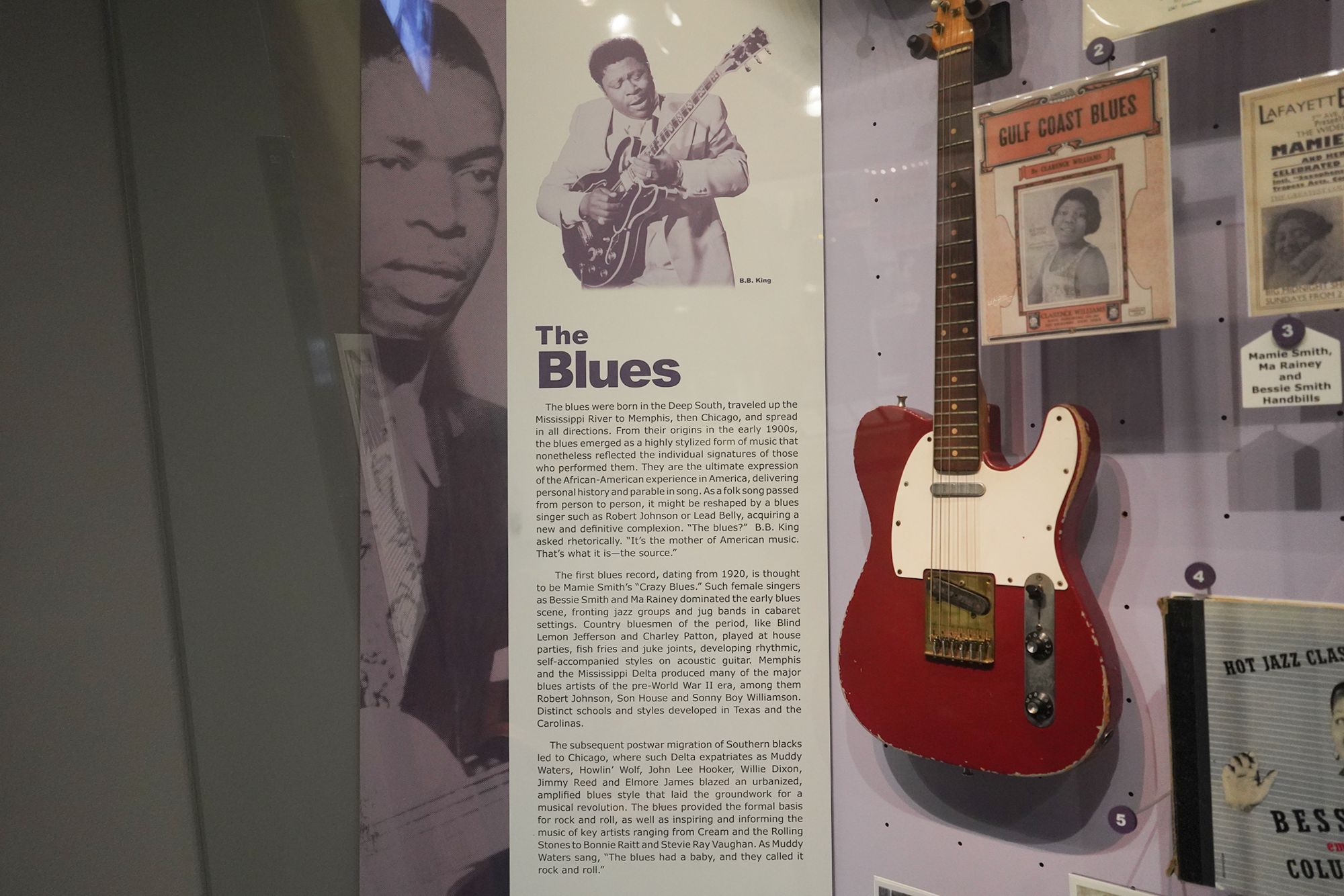
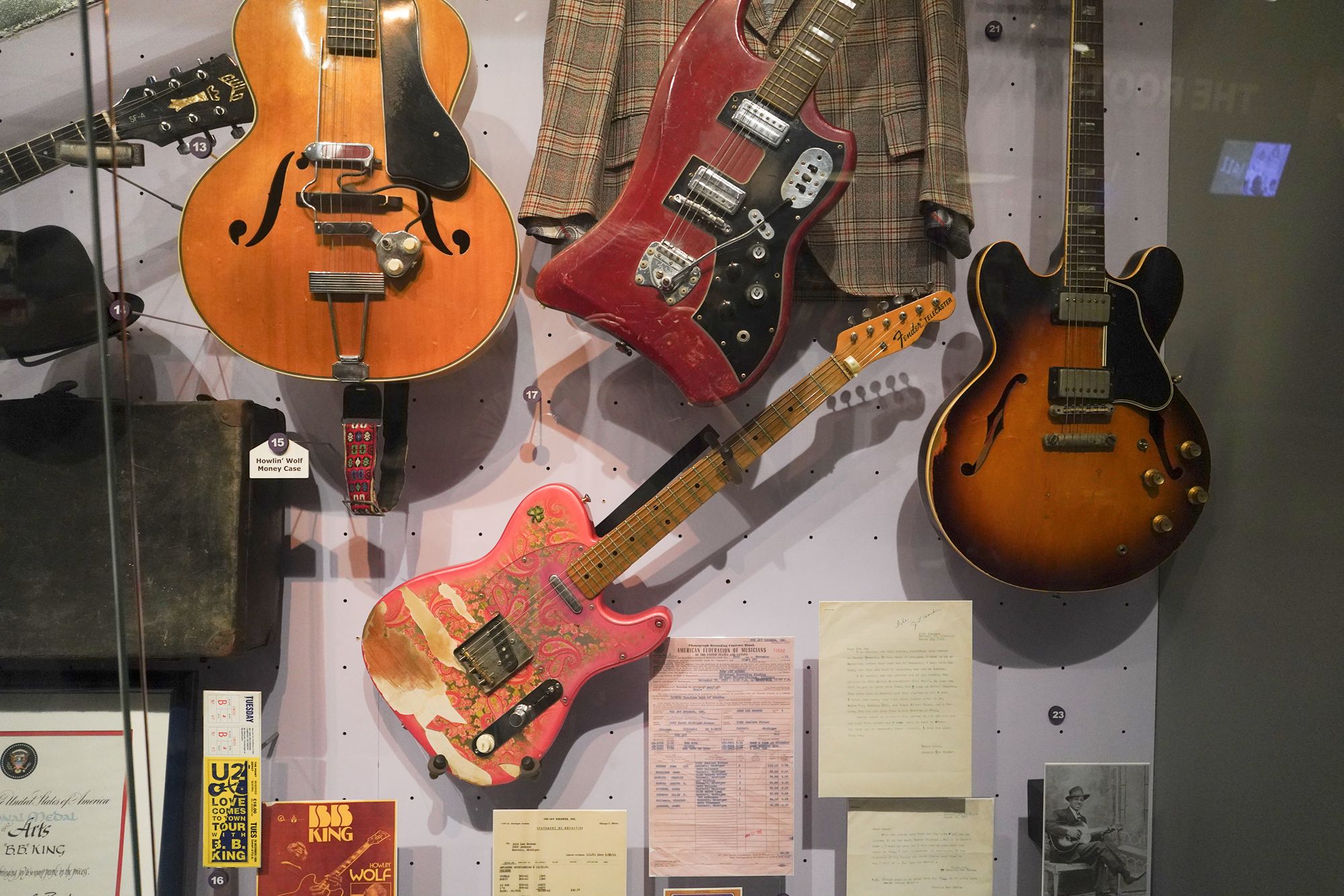
The blues is one of the most influential foundations of modern popular music.
Emerging in the late 19th and early 20th centuries among African American communities in the southern United States, the blues grew out of work songs, spirituals, and oral storytelling traditions. Its music is marked by simple chord patterns, expressive vocals, and themes of hardship, love, loss, and resilience.
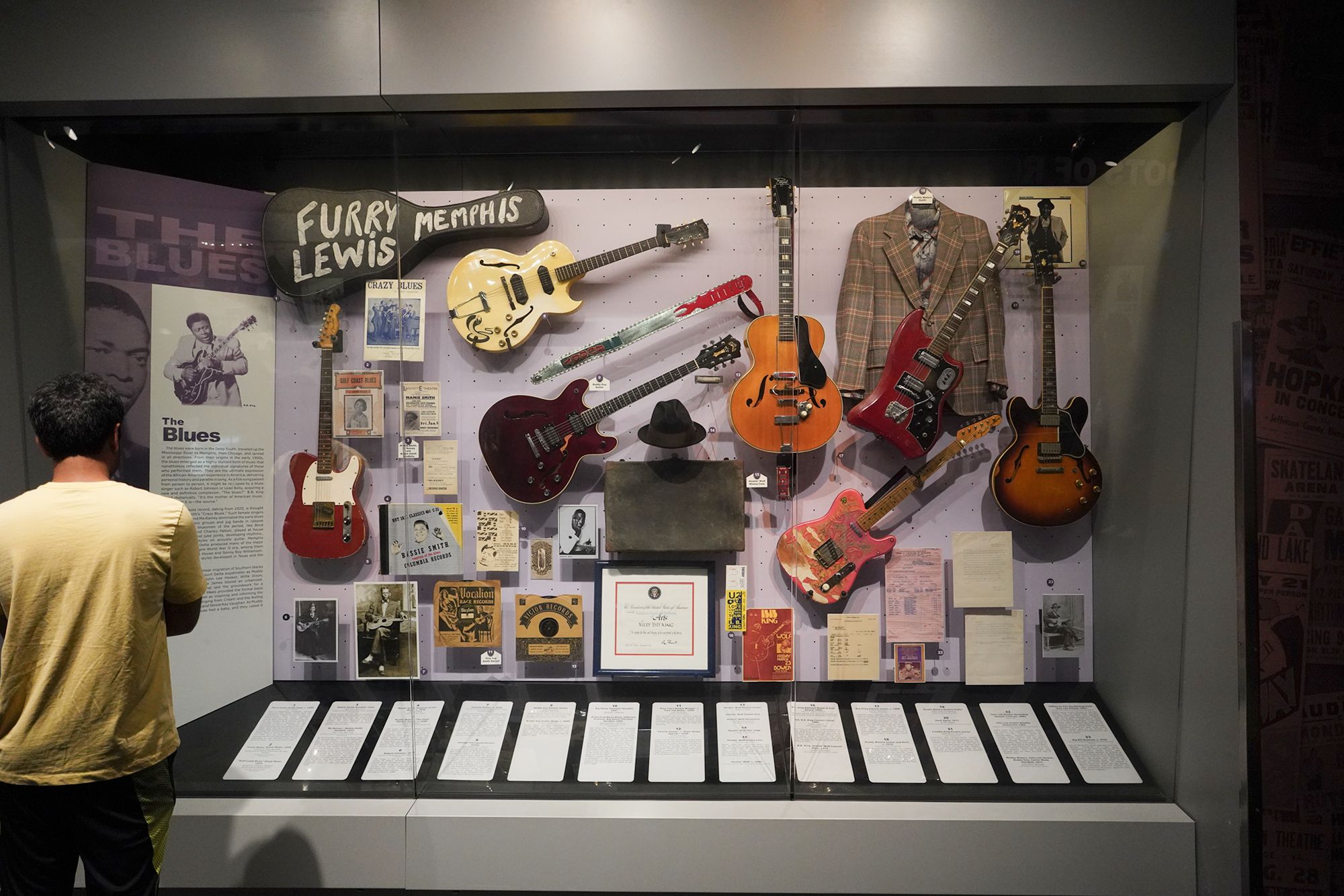
The blues shaped countless later genres, including jazz, rhythm and blues, and rock and roll. Artists such as Robert Johnson, Muddy Waters, and B.B. King carried the blues from rural settings to urban audiences, ensuring its lasting impact on global music culture.
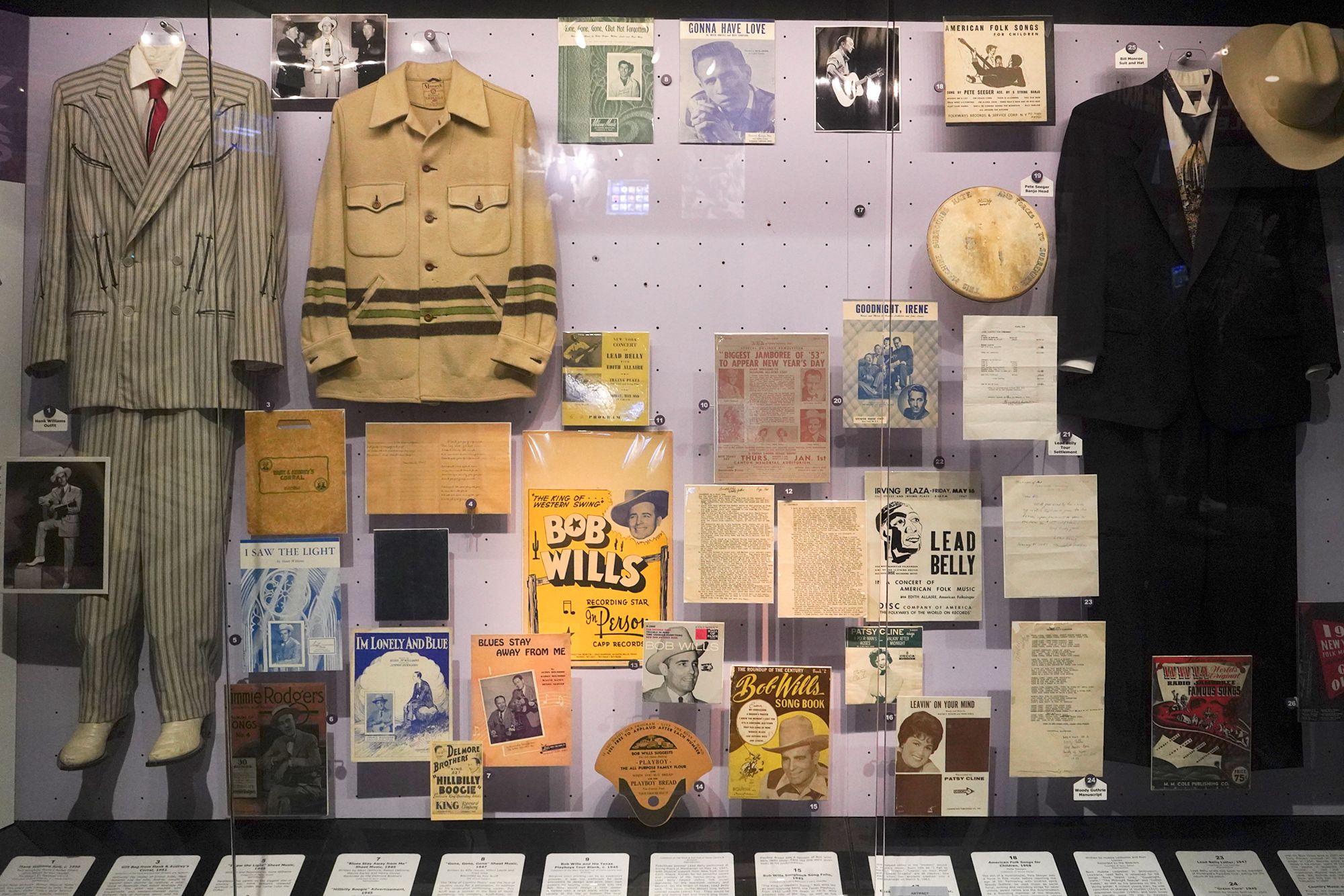
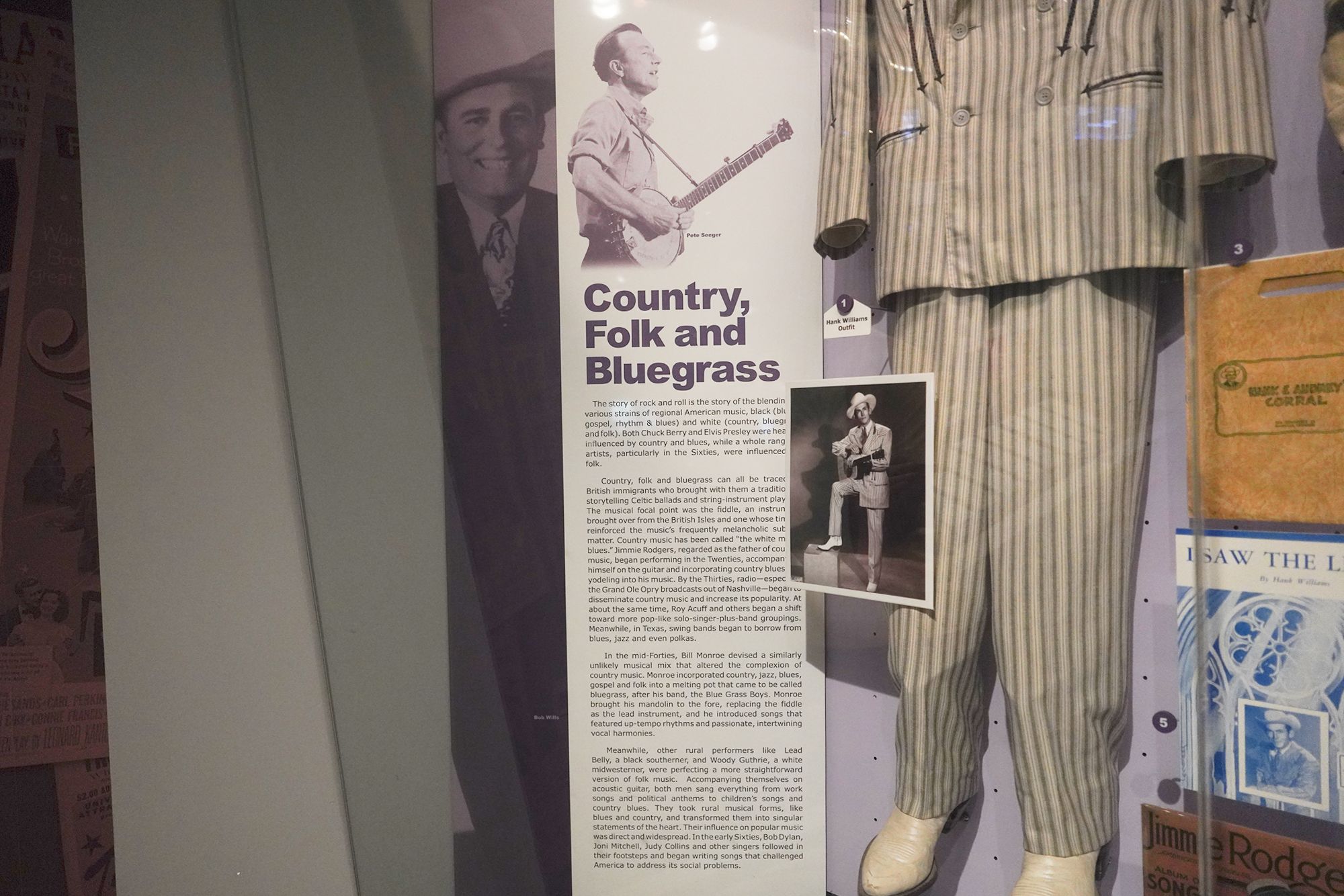
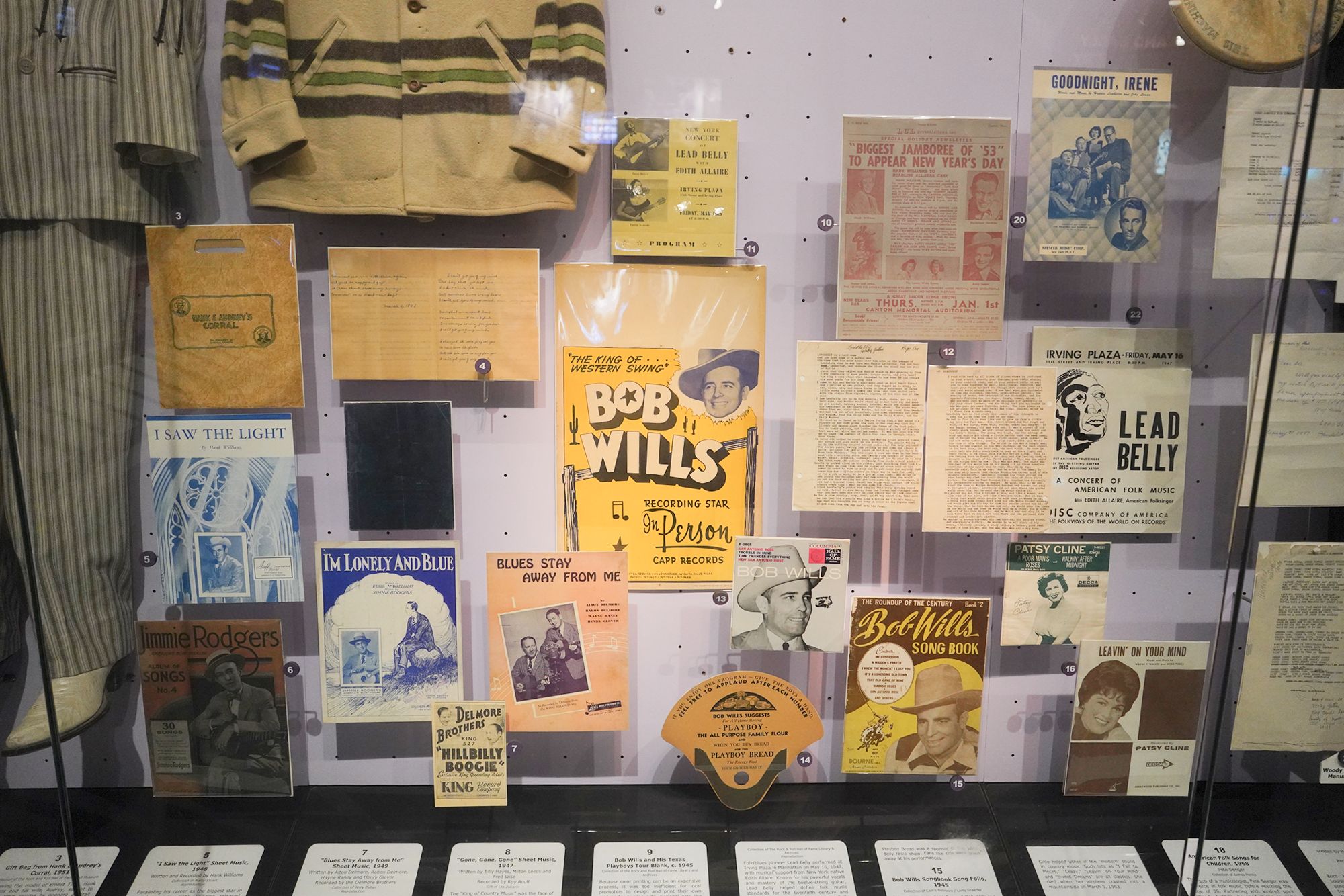
Country, folk, and bluegrass form a core strand of American music tradition.
Country music grew from rural storytelling, shaped by ballads, fiddle tunes, and everyday life. Folk music carries older communal songs—often simple, acoustic, and message-driven—used to pass down history, values, and social commentary. Bluegrass is a faster, more virtuosic offshoot, known for banjo, mandolin, tight harmonies, and instrumental breaks.
Together, these genres influenced early rock and roll by contributing song structures, narratives, and acoustic roots that balanced rhythm and blues with rural American sound.
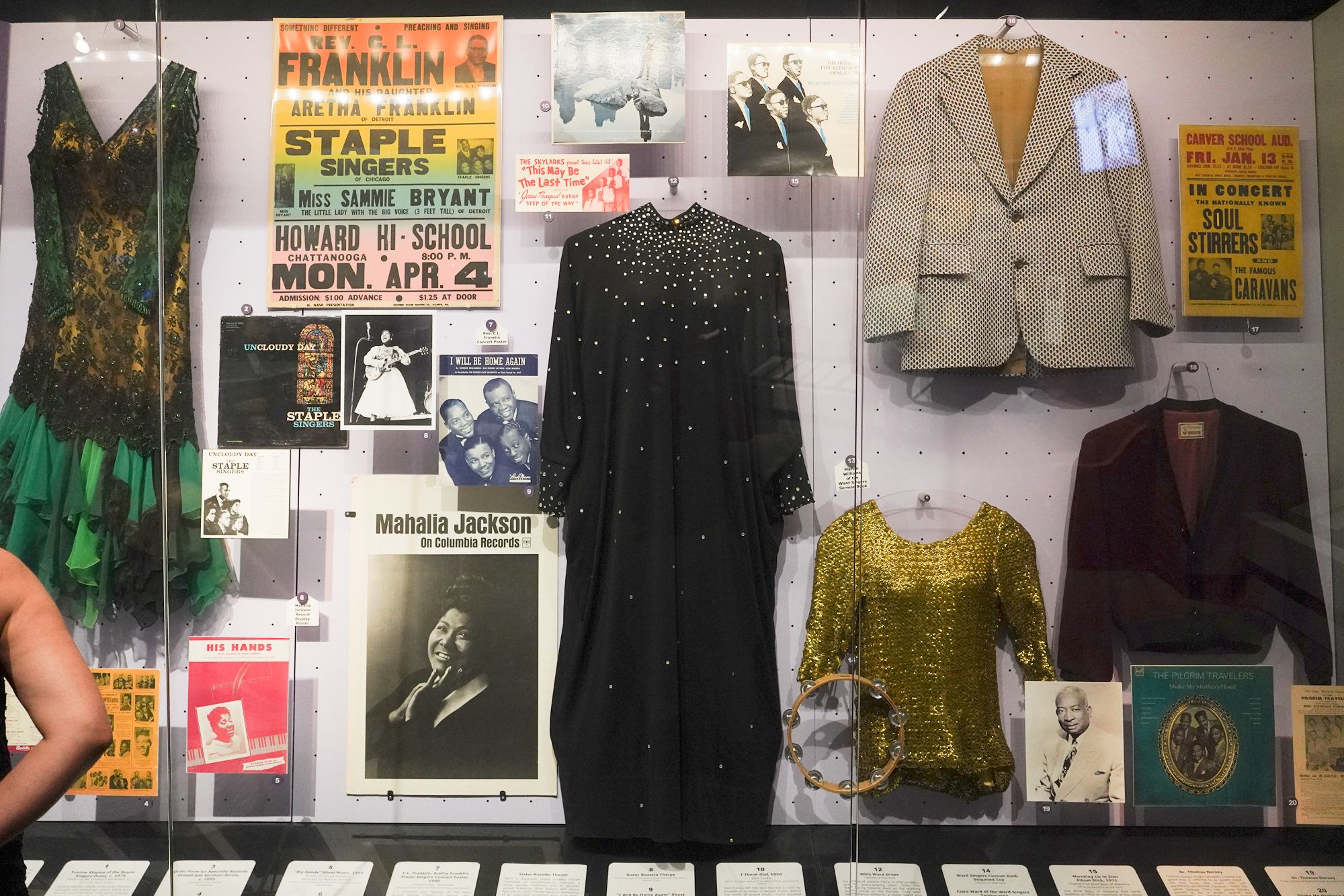
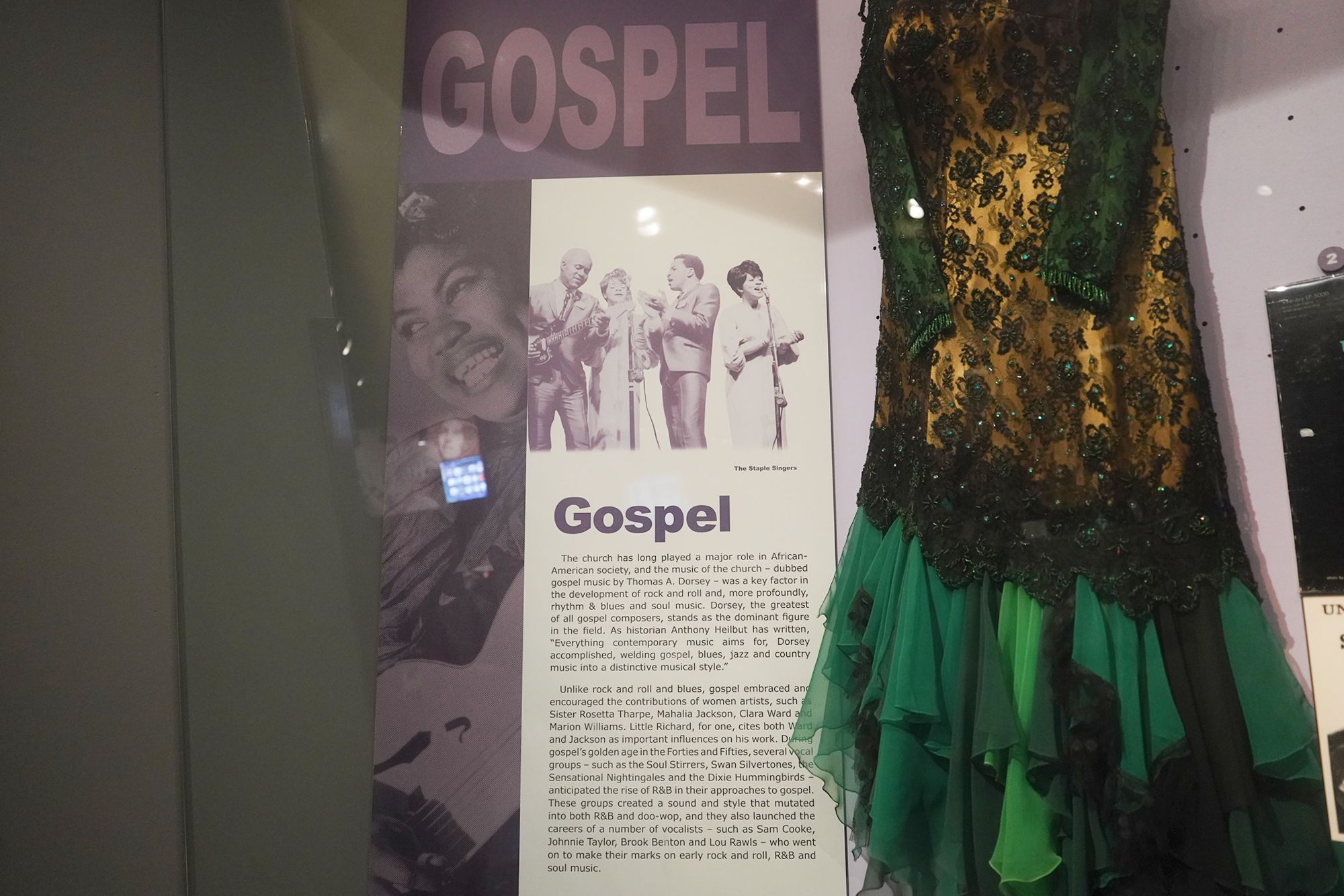
Gospel music is a powerful spiritual and musical tradition rooted in African American church life.
Developed in the late 19th and early 20th centuries, gospel blends Christian themes with call-and-response singing, rich harmonies, and emotional delivery. Its influence extends far beyond churches—shaping blues, rhythm and blues, soul, and rock and roll through its passion, vocal style, and sense of collective expression.

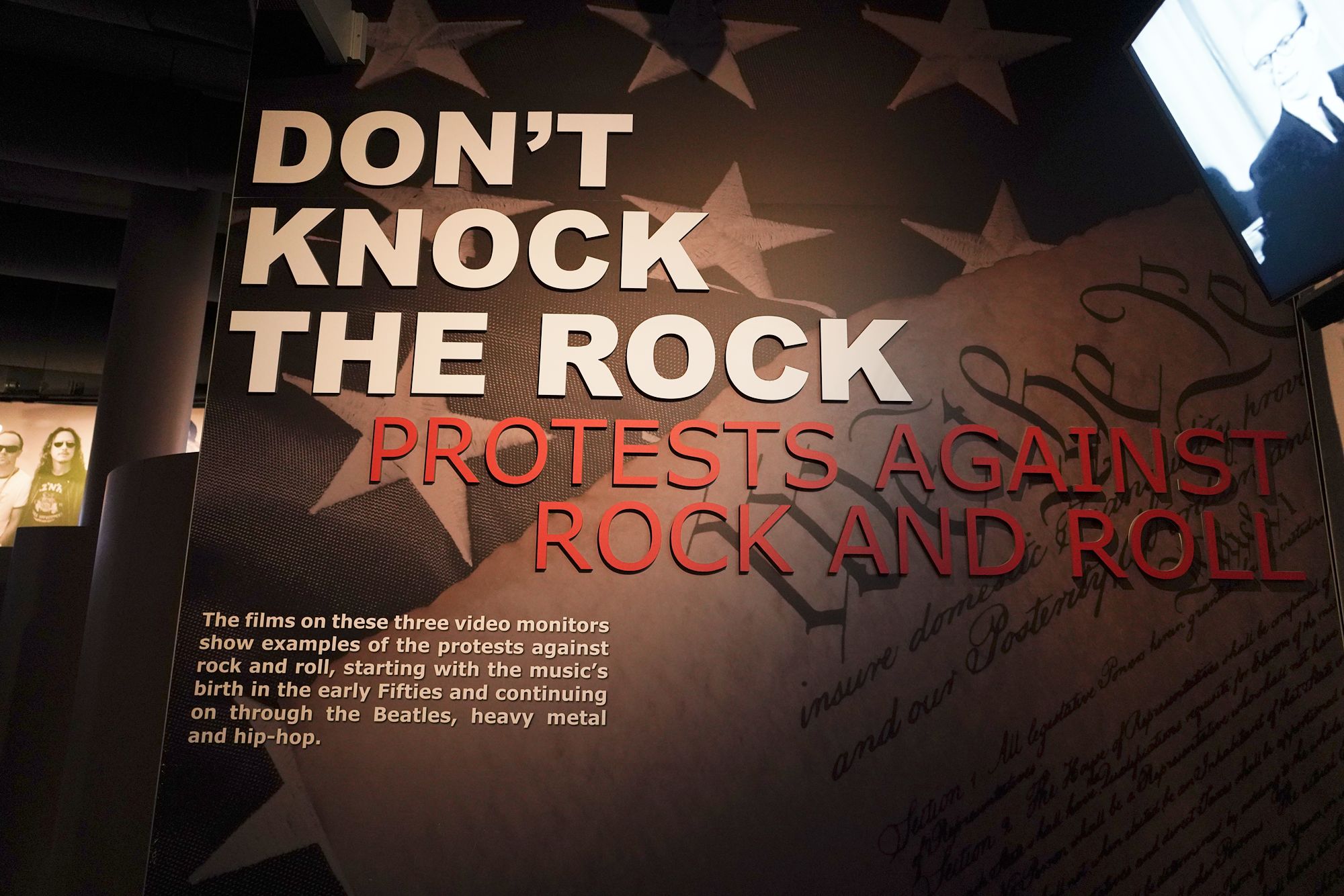
Elvis Presley is one of the most influential figures in the history of popular music.
Rising to fame in the mid-1950s, Elvis blended rhythm and blues, gospel, and country into a new, electrifying sound that brought rock and roll to a mass audience. His powerful voice, charismatic stage presence, and bold performance style challenged social norms and reshaped youth culture.
While he did not invent rock and roll, Elvis became its most visible symbol, helping transform a regional music movement into a global phenomenon.
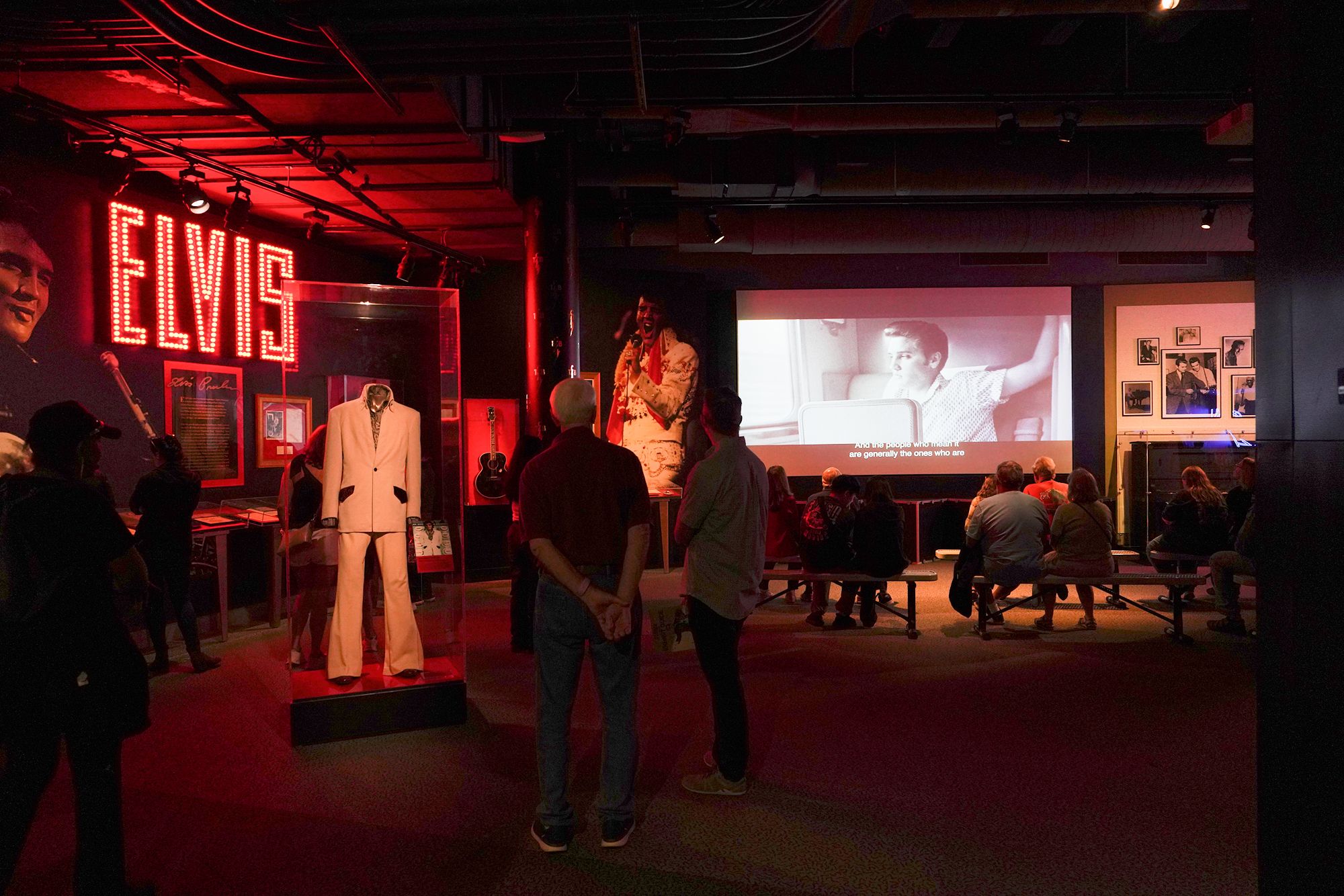
Born in 1935 in Tupelo, Mississippi, and raised in Memphis, Elvis grew up surrounded by gospel music, blues, and country. When he began recording at Sun Records in the early 1950s, he naturally fused these influences into a style that felt raw, emotional, and new. His early recordings—such as That’s All Right—blurred racial and musical boundaries at a time when American music was still deeply segregated.
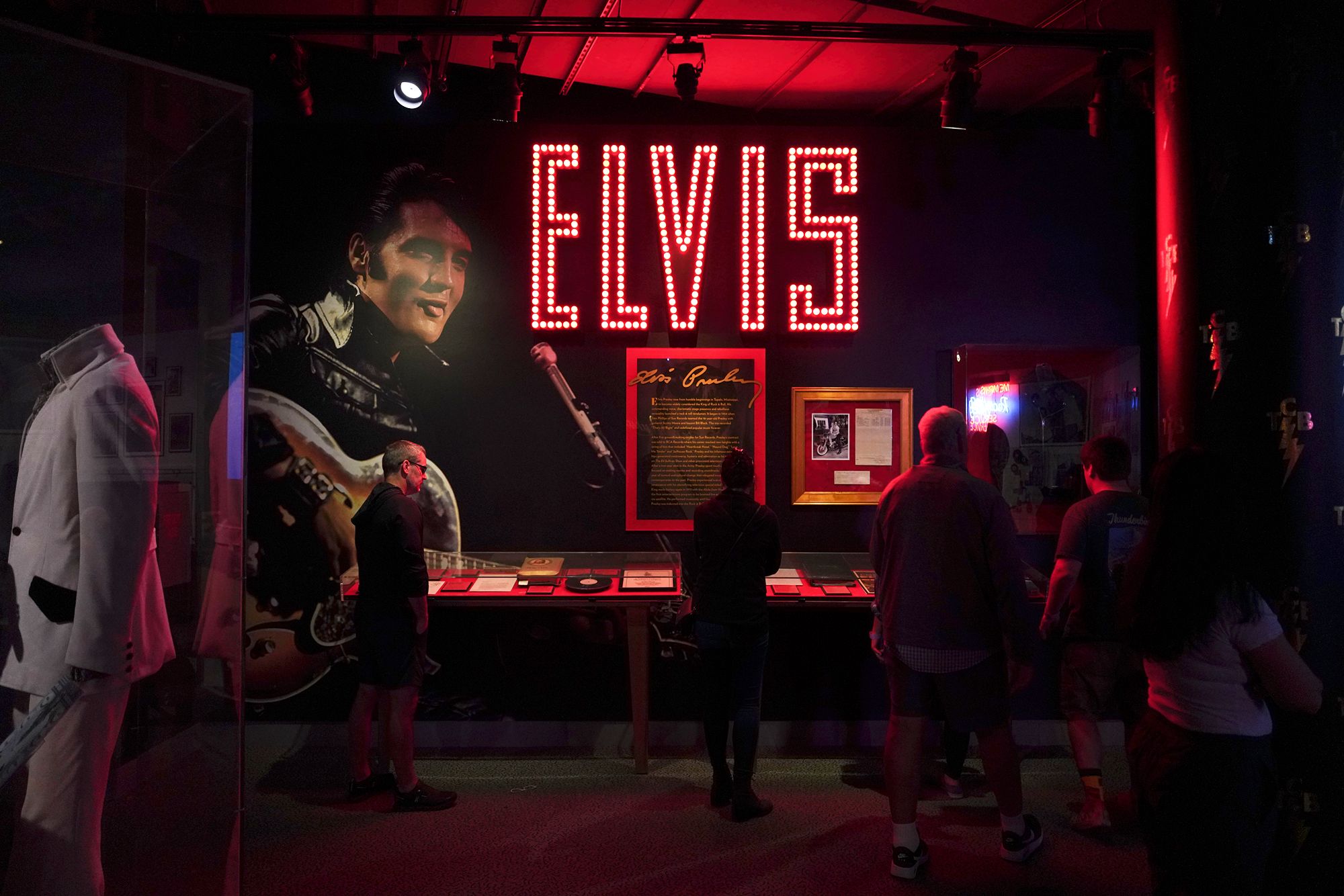
What truly set Elvis apart was not just his voice, but his presence. His physical performance—hip movements, body language, and intensity—shocked conservative audiences and electrified younger ones. Television appearances turned him into a national sensation, and soon into an international star. Elvis became the first rock-and-roll figure to fully harness mass media: radio, television, film, and merchandising.
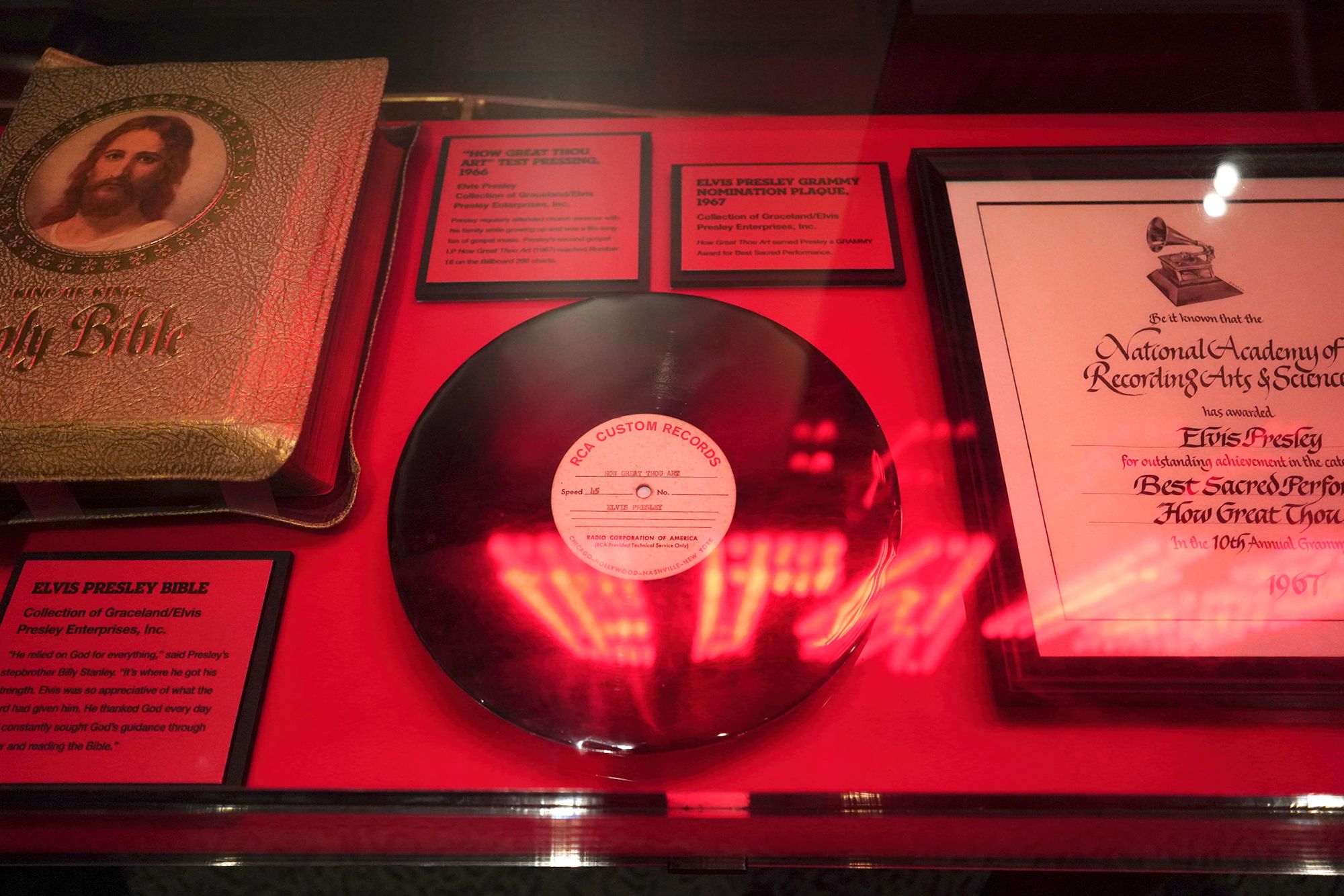
Musically, Elvis helped popularize rhythm and blues–based rock for mainstream white audiences, opening doors—though imperfectly—for broader recognition of Black musicians who created the foundations of the genre. His gospel roots remained central throughout his career, influencing his vocal phrasing and emotional delivery, even in secular songs.
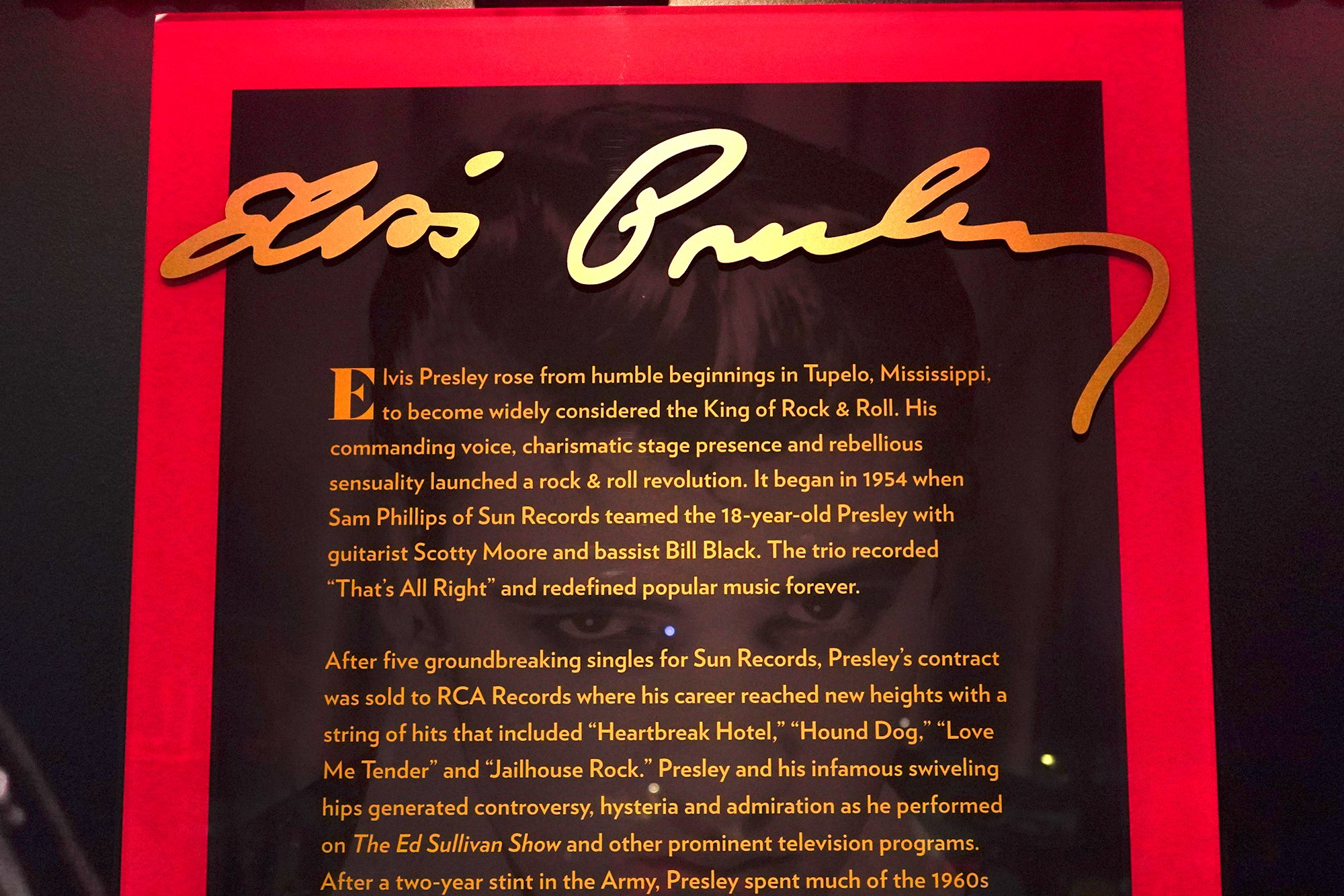
Over time, Elvis’s career evolved from rebellious rock icon to Hollywood star and Las Vegas performer. Despite personal struggles, his cultural impact endured. He reshaped fashion, performance, celebrity culture, and the very idea of what a popular musician could be.
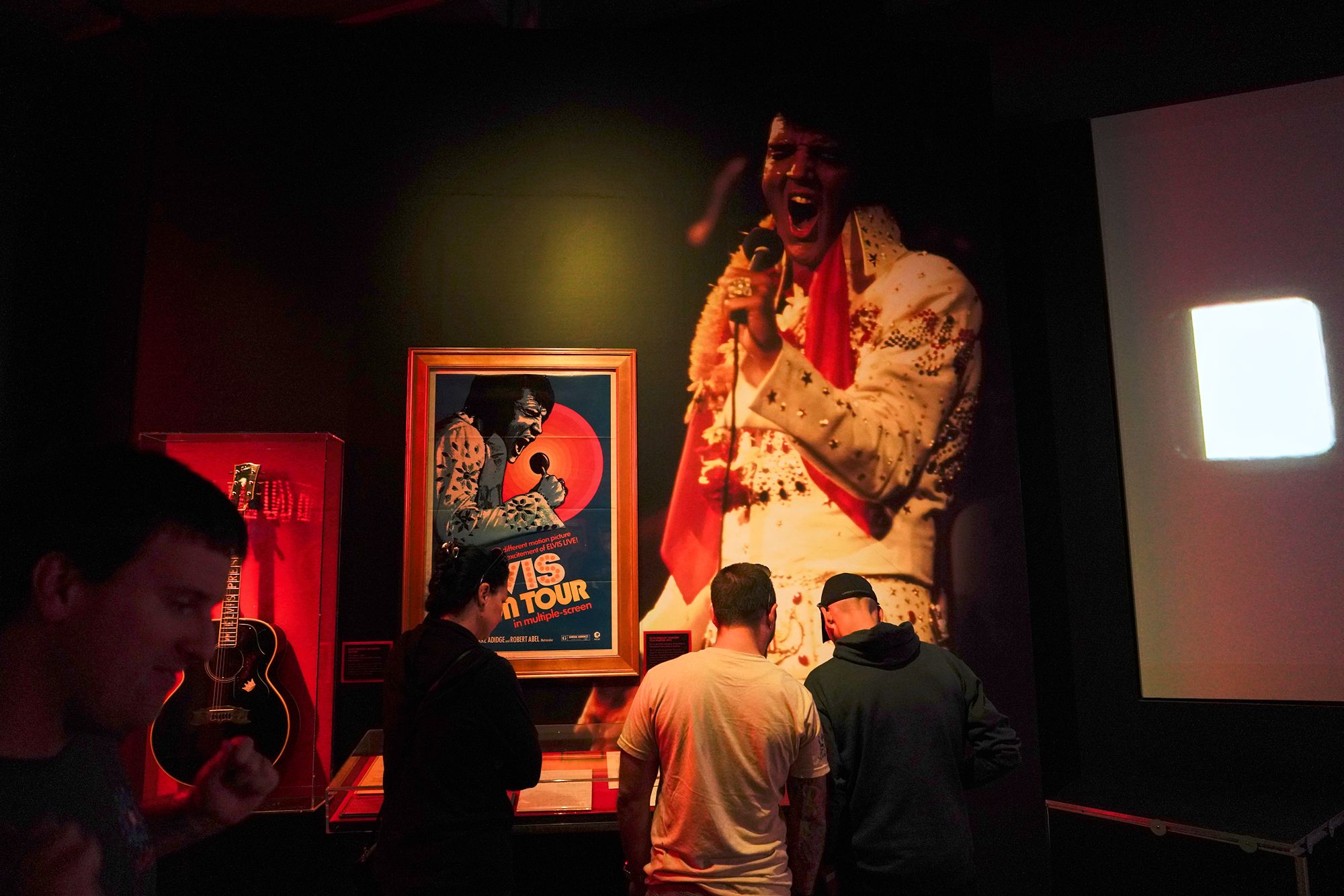
In the story told at the Rock & Roll Hall of Fame, Elvis is not presented as the inventor of rock and roll, but as its most powerful amplifier—the figure who brought together sound, image, and mass appeal to launch rock music onto the world stage.
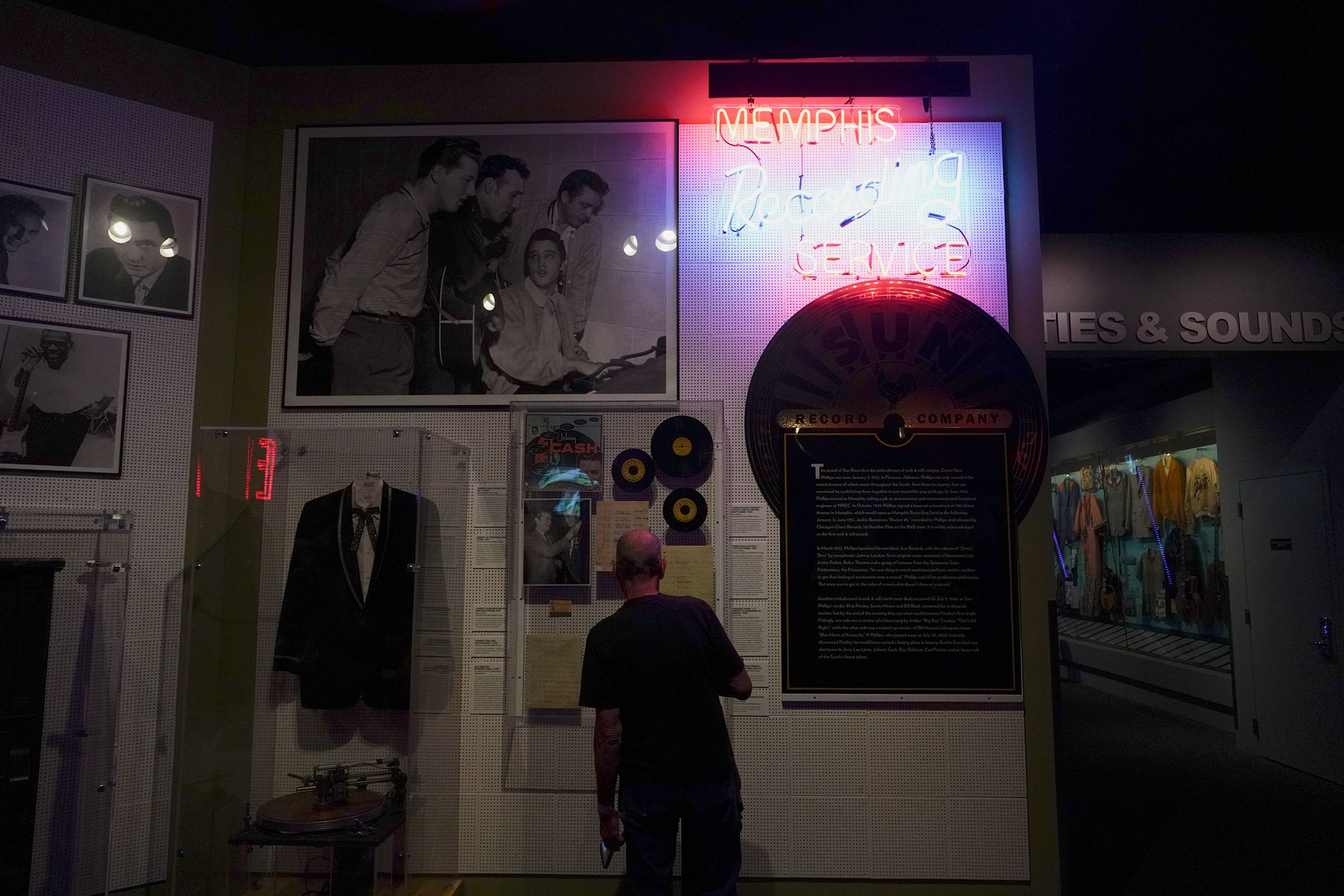
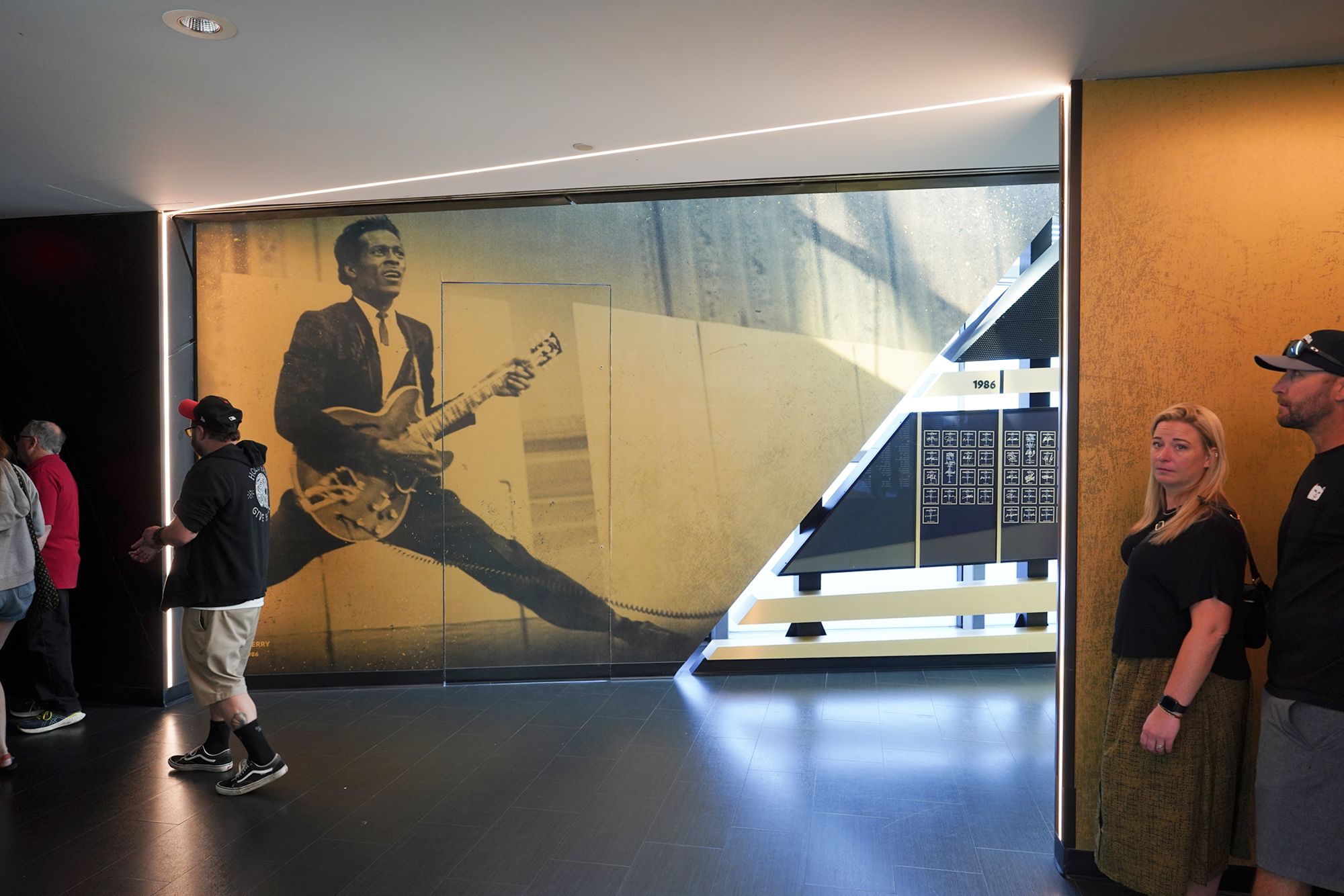
Chuck Berry is widely regarded as the true architect of rock and roll.
Emerging in the mid-1950s, Chuck Berry fused rhythm and blues with country influences, but his real innovation lay in how he defined the sound and structure of rock music. His sharp, driving electric guitar riffs—especially his use of double-stops—became the blueprint for rock guitar playing. Songs like “Maybellene,” “Roll Over Beethoven,” and “Johnny B. Goode” established a style that countless musicians would follow.
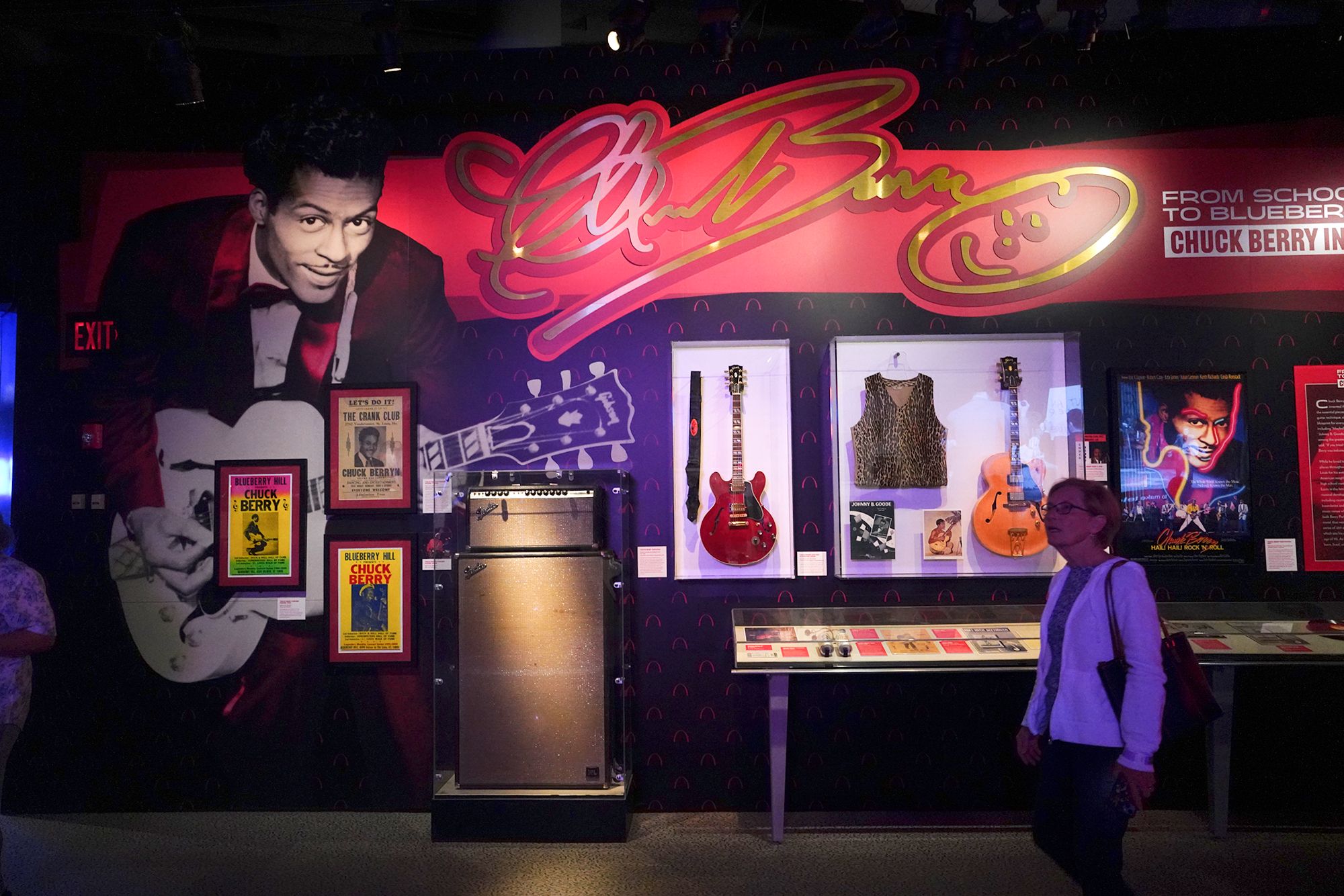
Berry was also a master storyteller. Unlike earlier blues songs that focused on adult hardship, his lyrics spoke directly to teenage life—cars, school, dancing, romance, and rebellion. This gave rock and roll a youthful voice and identity, making it instantly relatable to a new generation of listeners.
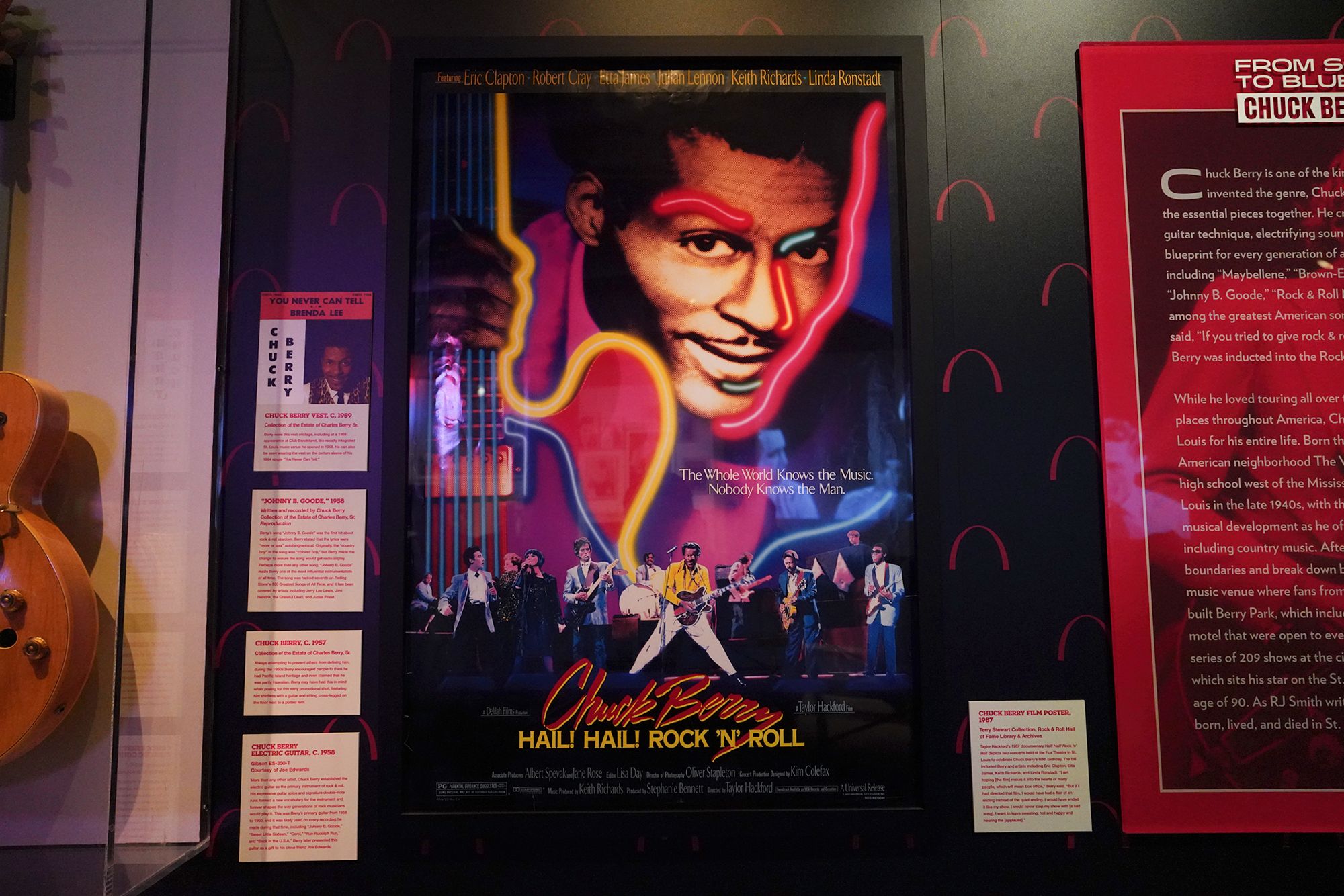
Perhaps most importantly, Berry’s influence crossed the Atlantic and shaped the British rock explosion. Artists such as The Beatles, The Rolling Stones, and The Who openly acknowledged their debt to him, covering his songs and adopting his guitar-driven style.
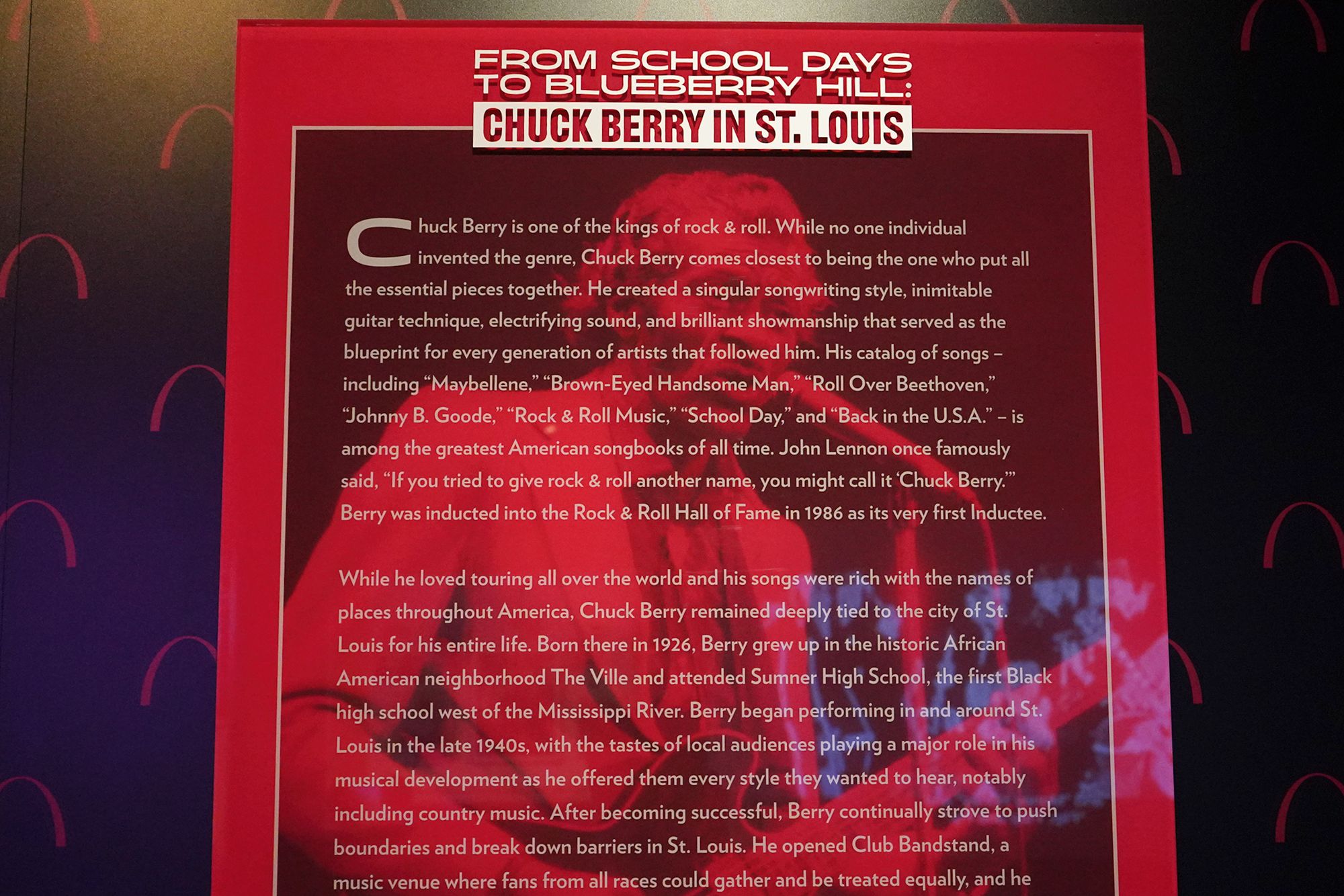
In the story told at the Rock & Roll Hall of Fame, Chuck Berry stands as the figure who gave rock and roll its language—its riffs, rhythms, themes, and attitude. If Elvis brought rock to the world, Chuck Berry taught the world how rock should sound.
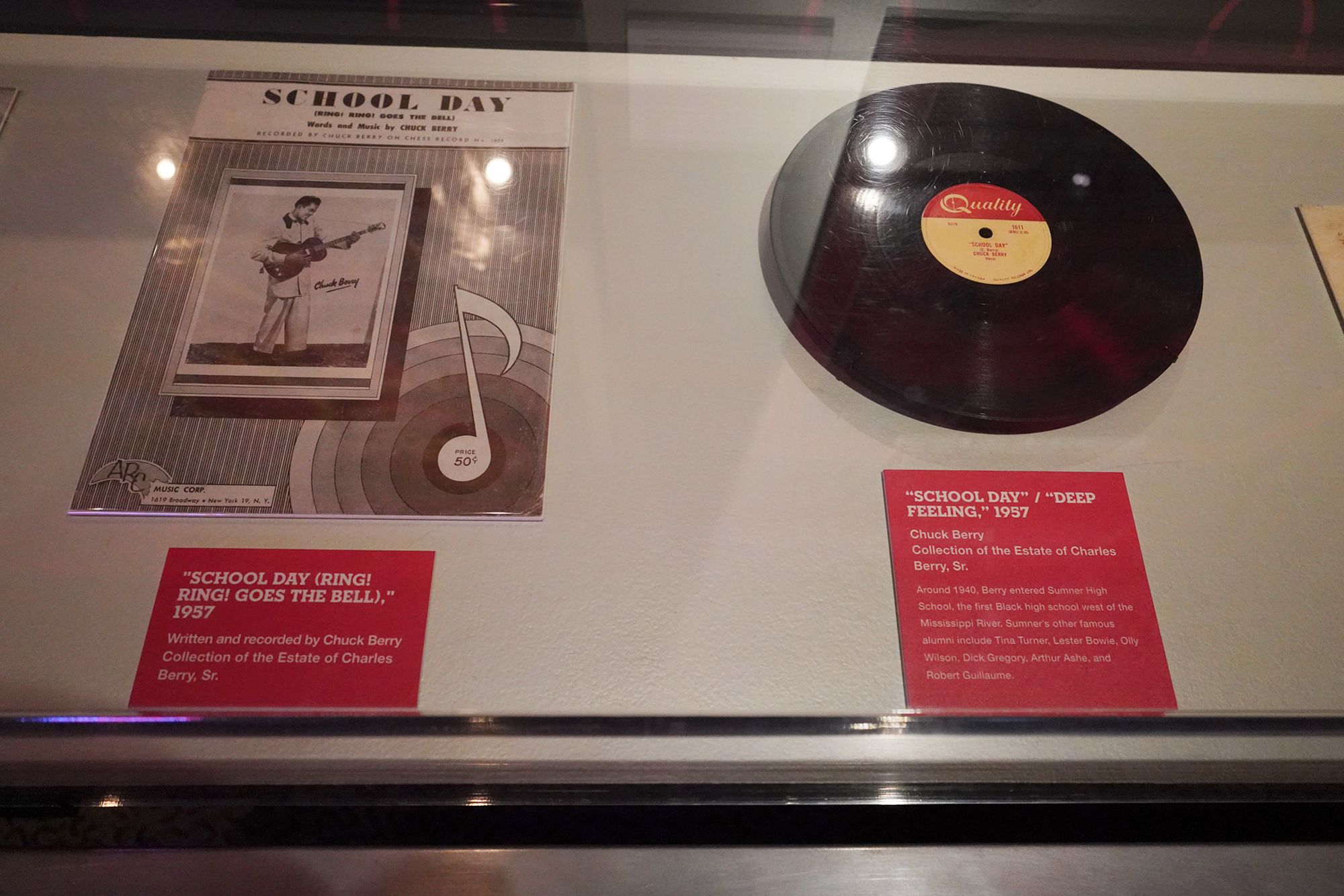
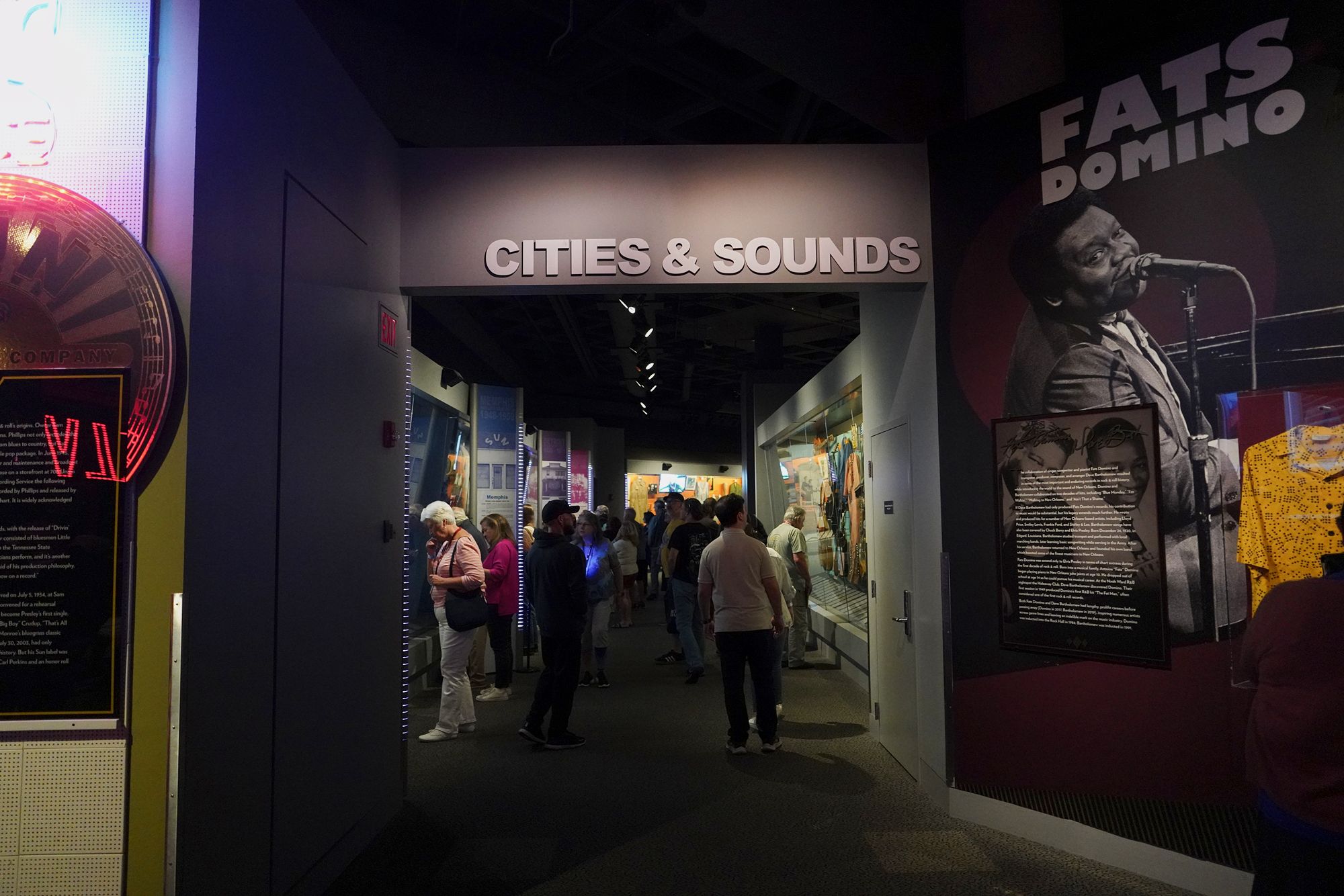
Fats Domino was a key pioneer of rock and roll, blending New Orleans rhythm and blues with rolling piano melodies and warm vocals. His relaxed style and major hits like “Blueberry Hill” helped bring R&B to mainstream audiences, shaping early rock with rhythm, groove, and musical warmth.
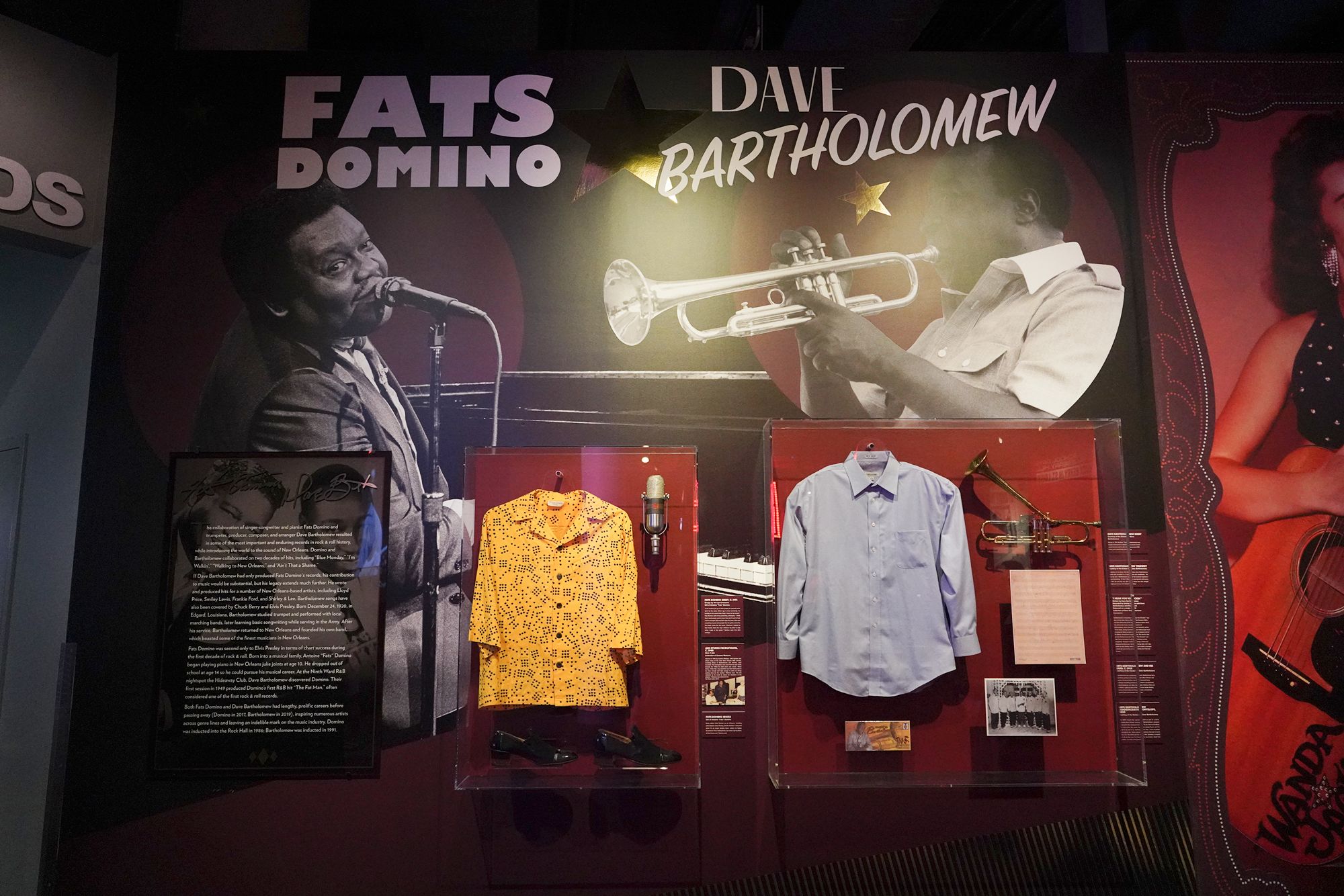
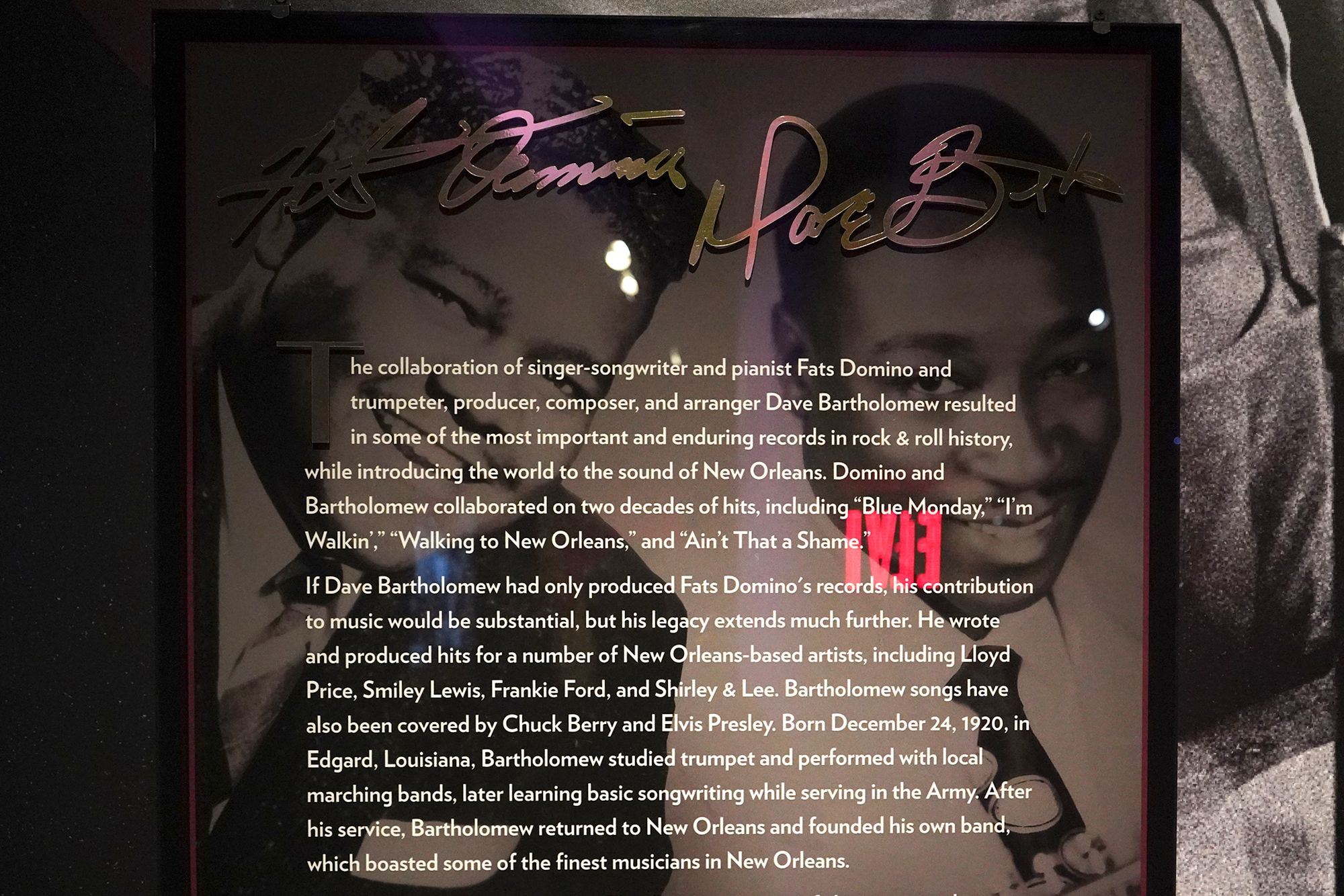
Dave Bartholomew was one of the most important behind-the-scenes figures in early rock and roll.
A New Orleans bandleader, songwriter, and producer, Bartholomew helped shape the city’s distinctive rhythm and blues sound. Working closely with Fats Domino, he co-wrote and produced many classics, including “Blueberry Hill” and *“Ain’t That a Shame.” His arrangements—driving backbeats, horns, and rolling rhythms—became a blueprint for early rock, influencing countless artists while rarely placing him in the spotlight himself.
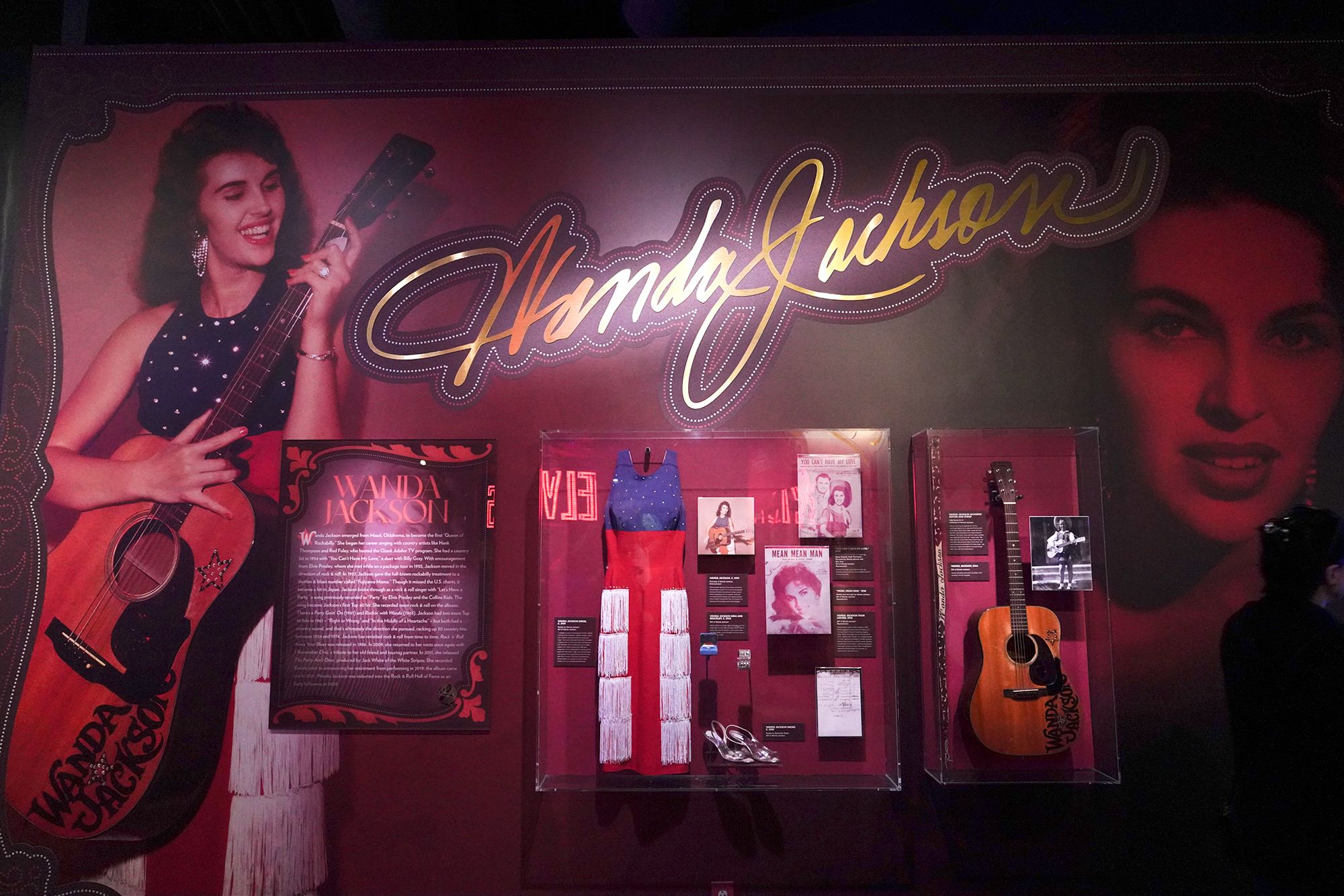
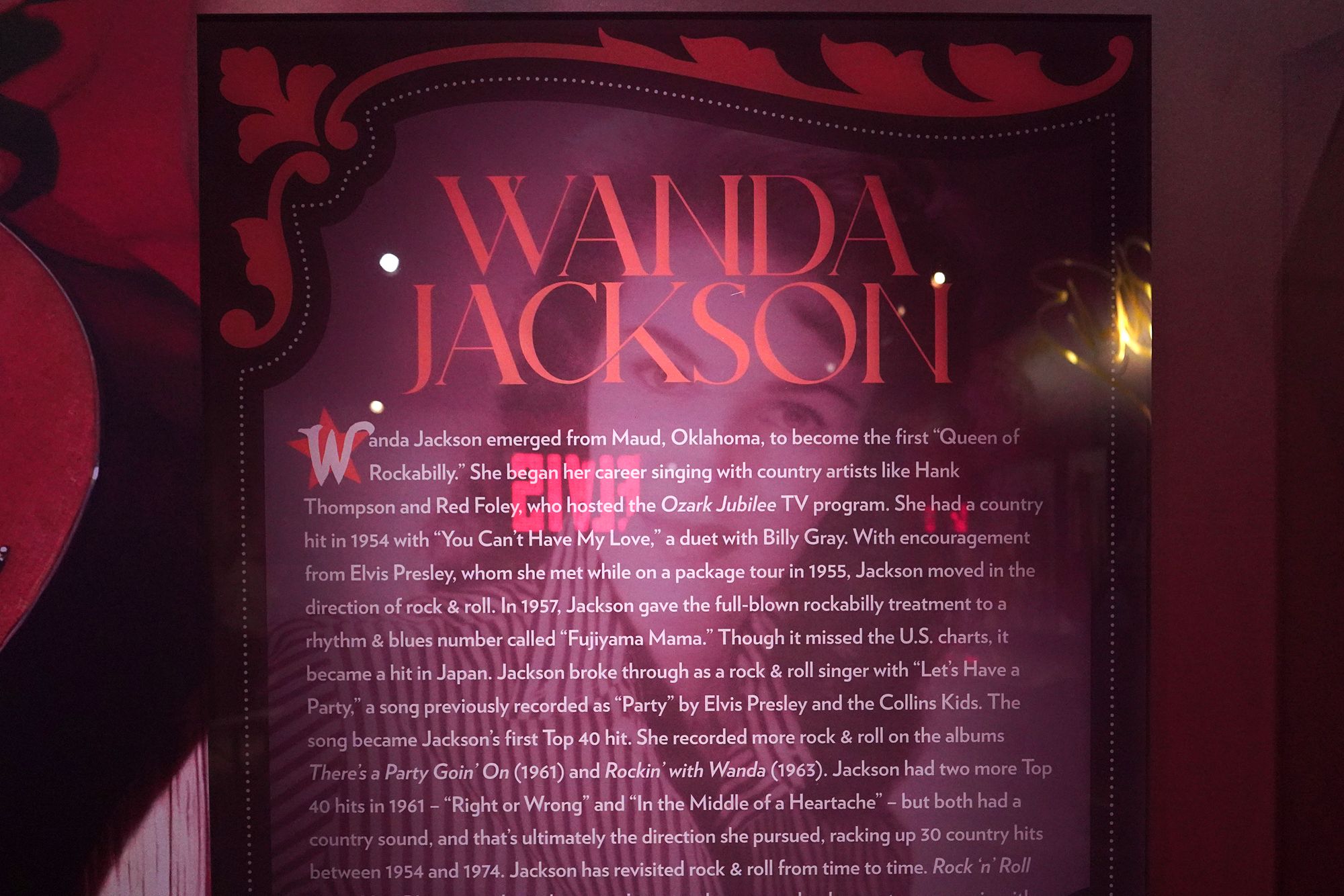
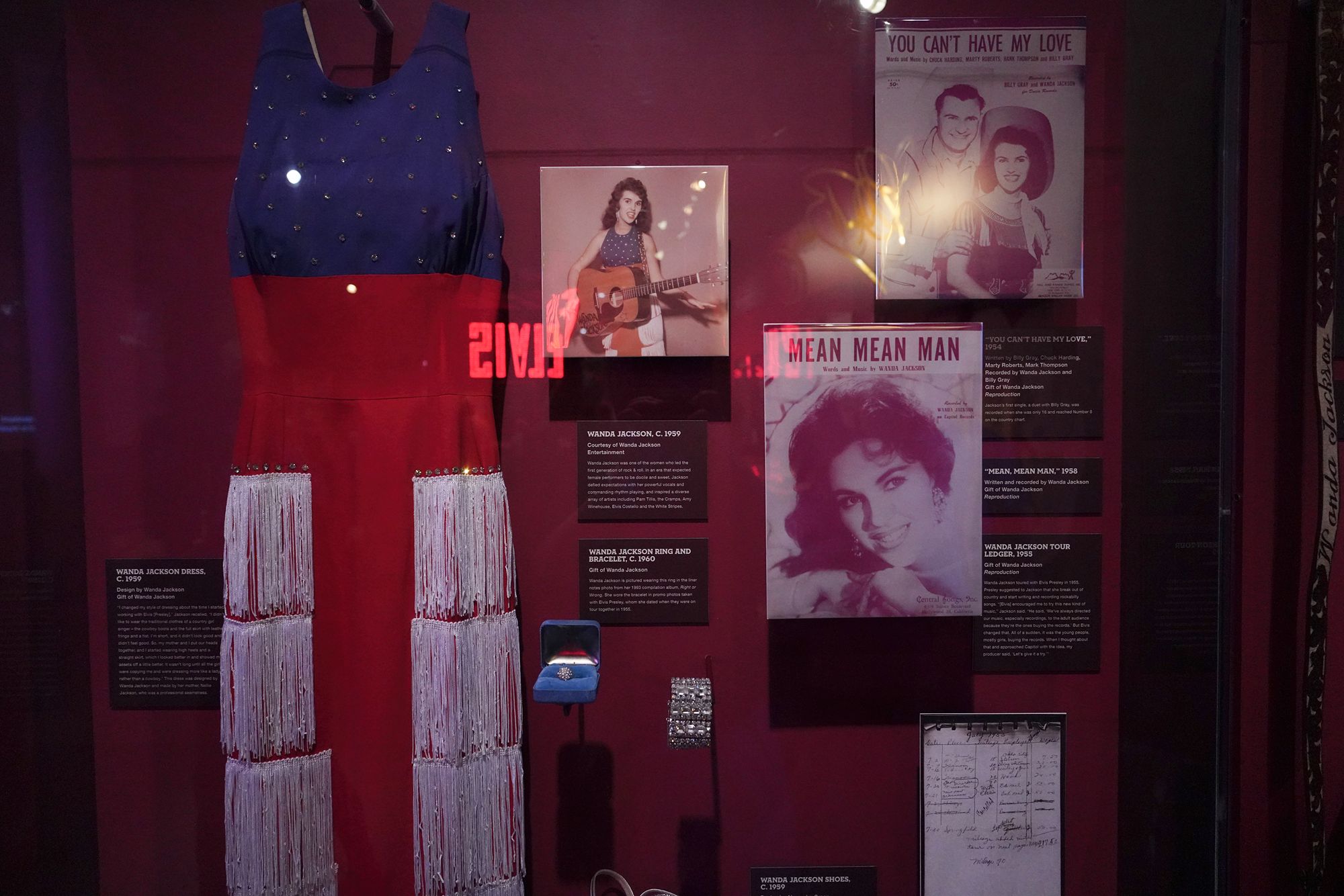
Wanda Jackson is known as the Queen of Rockabilly and one of rock and roll’s earliest female pioneers.
Emerging in the 1950s, she blended country, rockabilly, and early rock with a fierce, confident vocal style. At a time when the genre was dominated by men, Jackson’s energetic performances and rebellious image challenged expectations. Songs like “Let’s Have a Party” and “Fujiyama Mama” helped open the door for women in rock music.
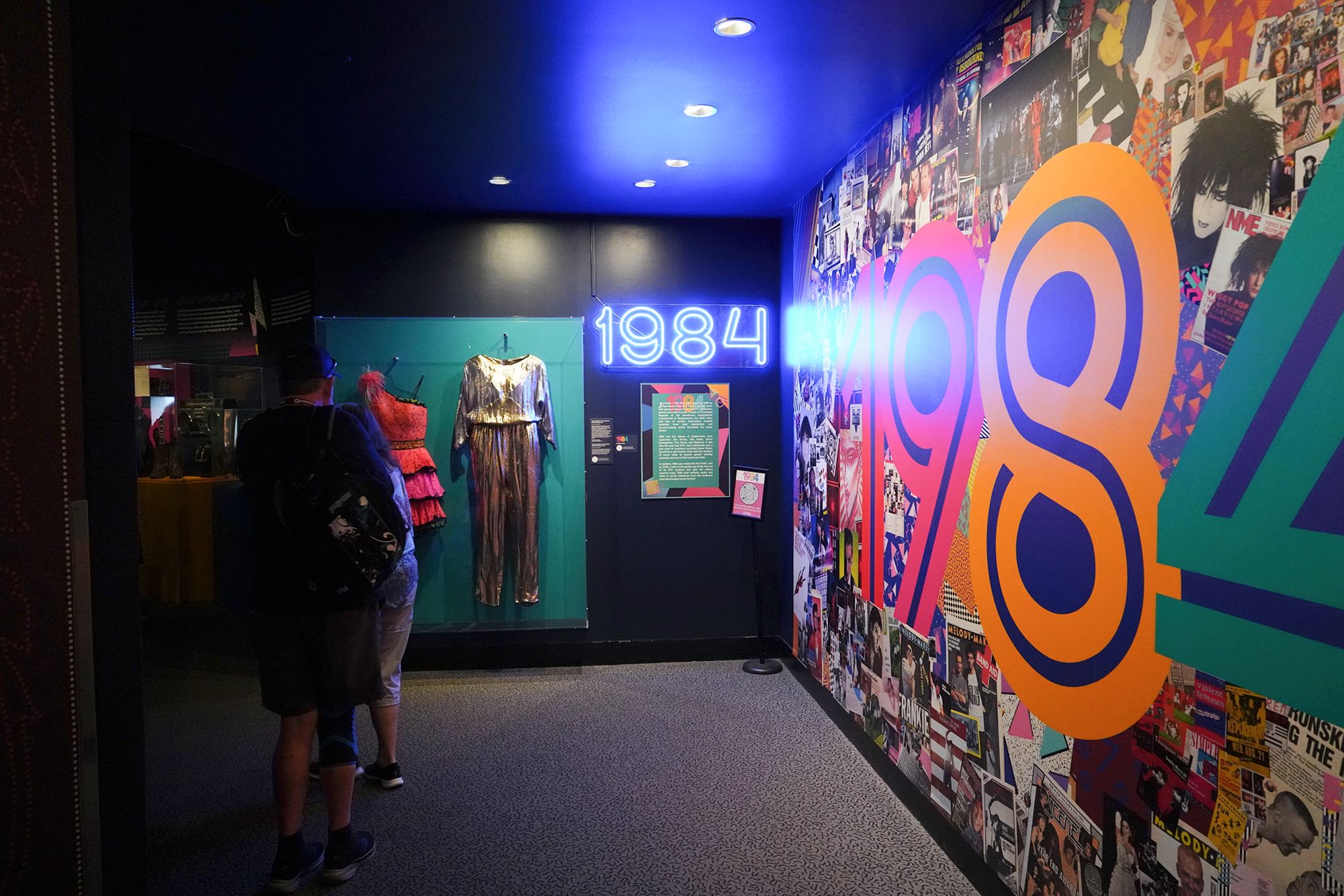
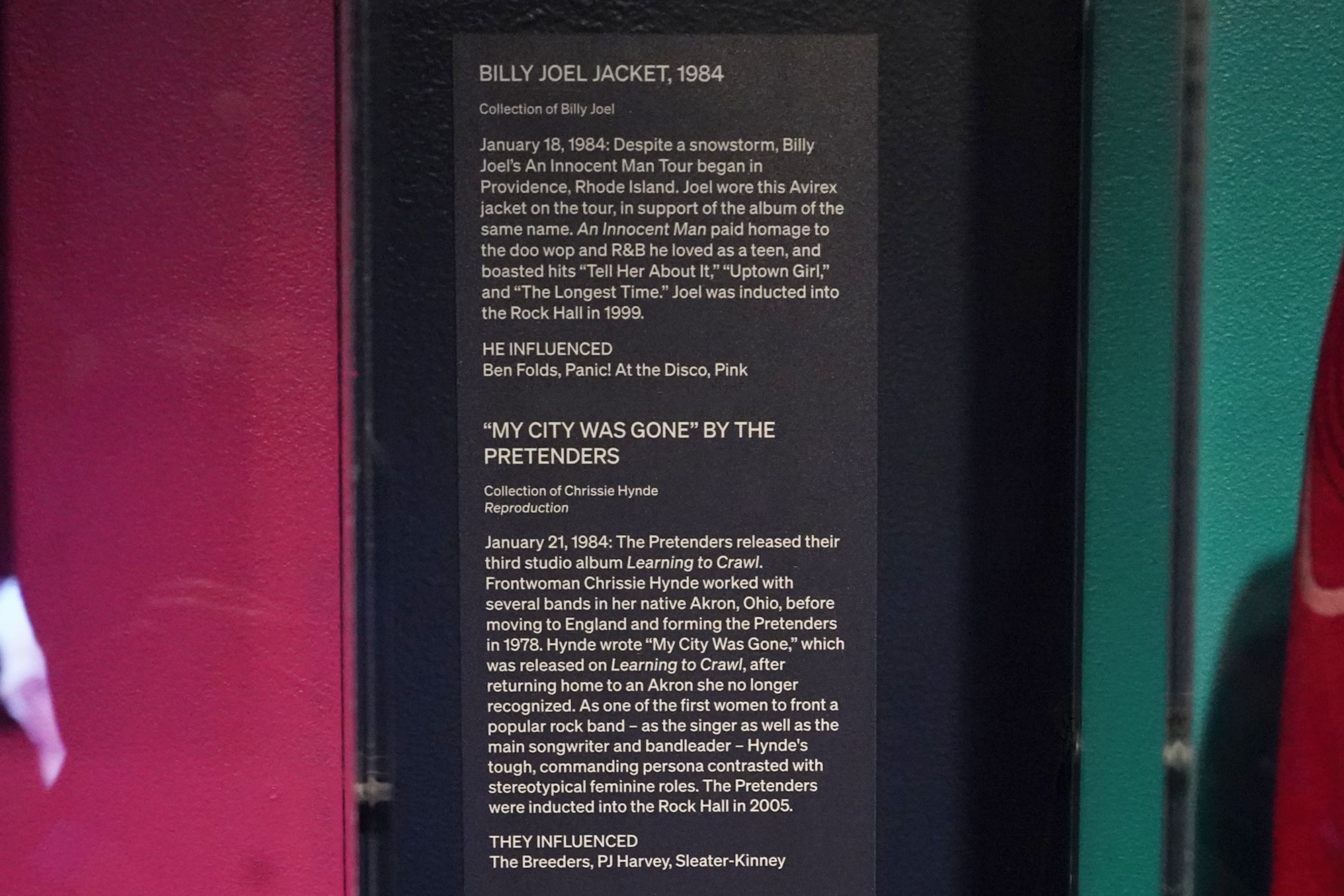
1984 is often called “pop music’s best year ever” because an extraordinary number of landmark albums, artists, and cultural shifts all peaked at the same moment.
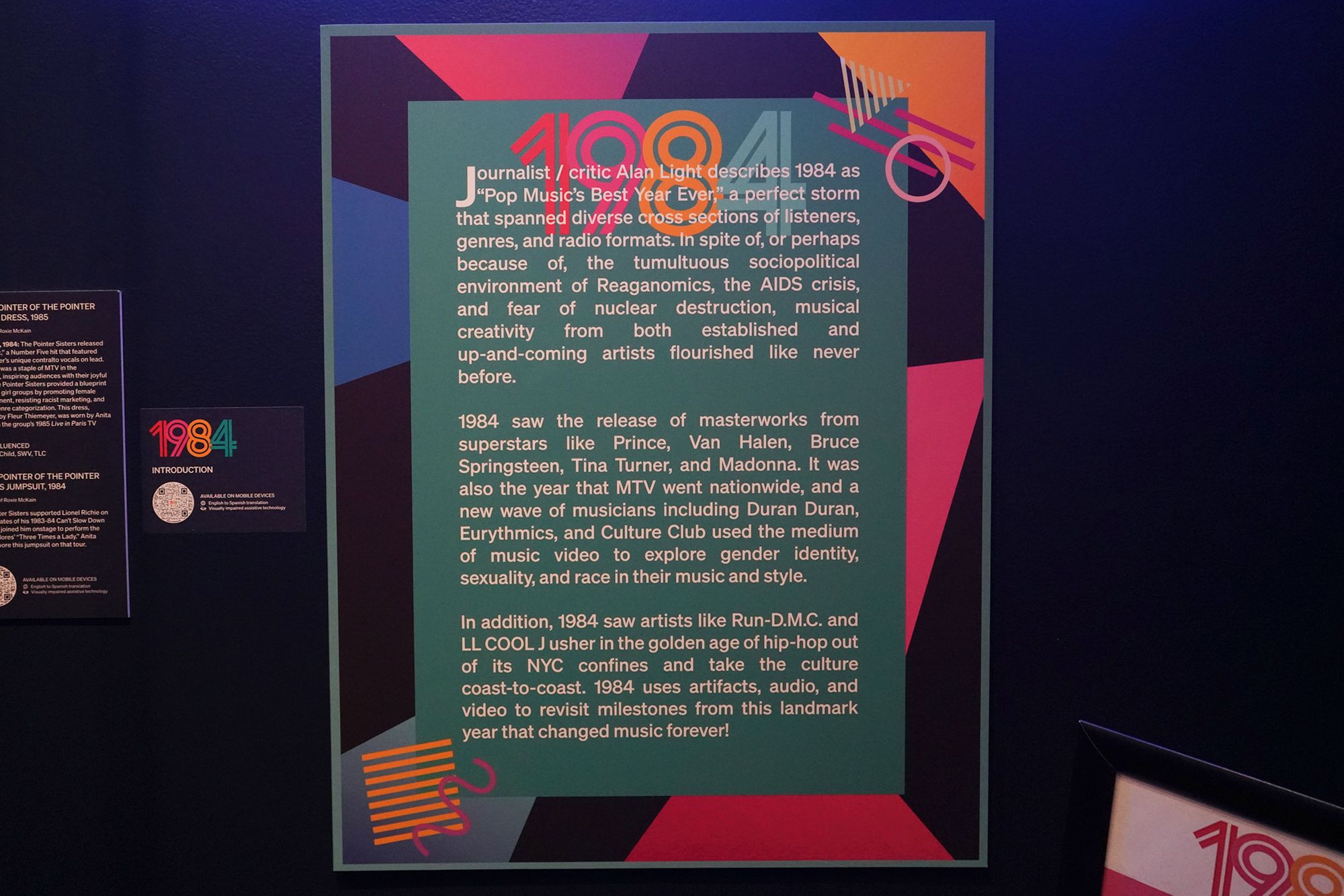
First, the music itself was exceptional. In one year, the charts were dominated by era-defining releases such as Purple Rain (Prince), Born in the U.S.A. (Bruce Springsteen), Thriller’s continued dominance (Michael Jackson), Like a Virgin (Madonna), and 1984 (Van Halen). These albums didn’t just sell well—they shaped sound, style, and songwriting for decades.

Second, MTV reached full maturity. By 1984, music videos were no longer promotional extras but essential to an artist’s identity. Visual storytelling, fashion, choreography, and image became inseparable from the music, turning performers into global pop icons almost overnight.
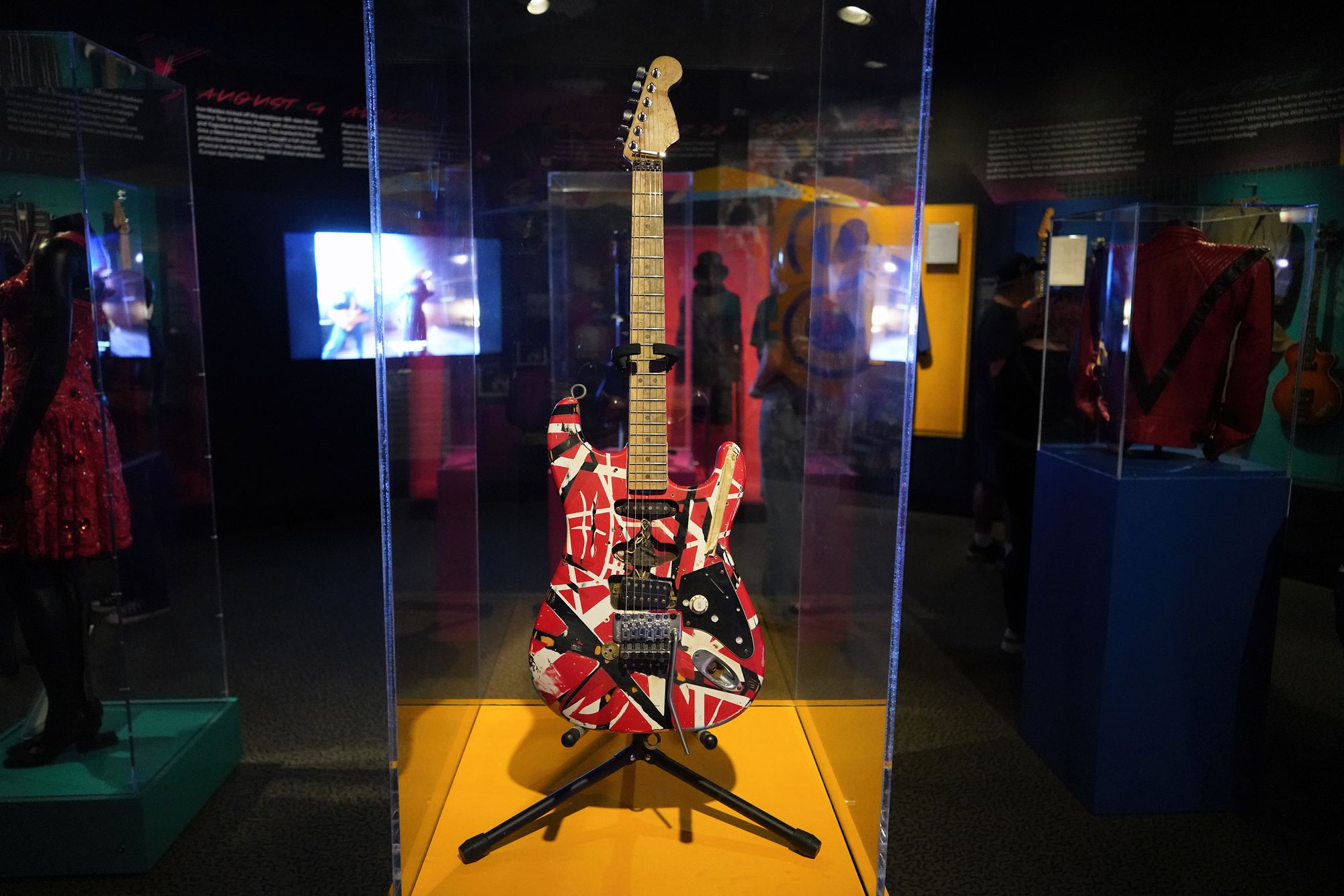

Third, technology and accessibility aligned. Affordable synthesizers, drum machines, and improved studio production allowed artists to experiment while still creating radio-friendly hits. This led to a rare balance of creativity and mass appeal.
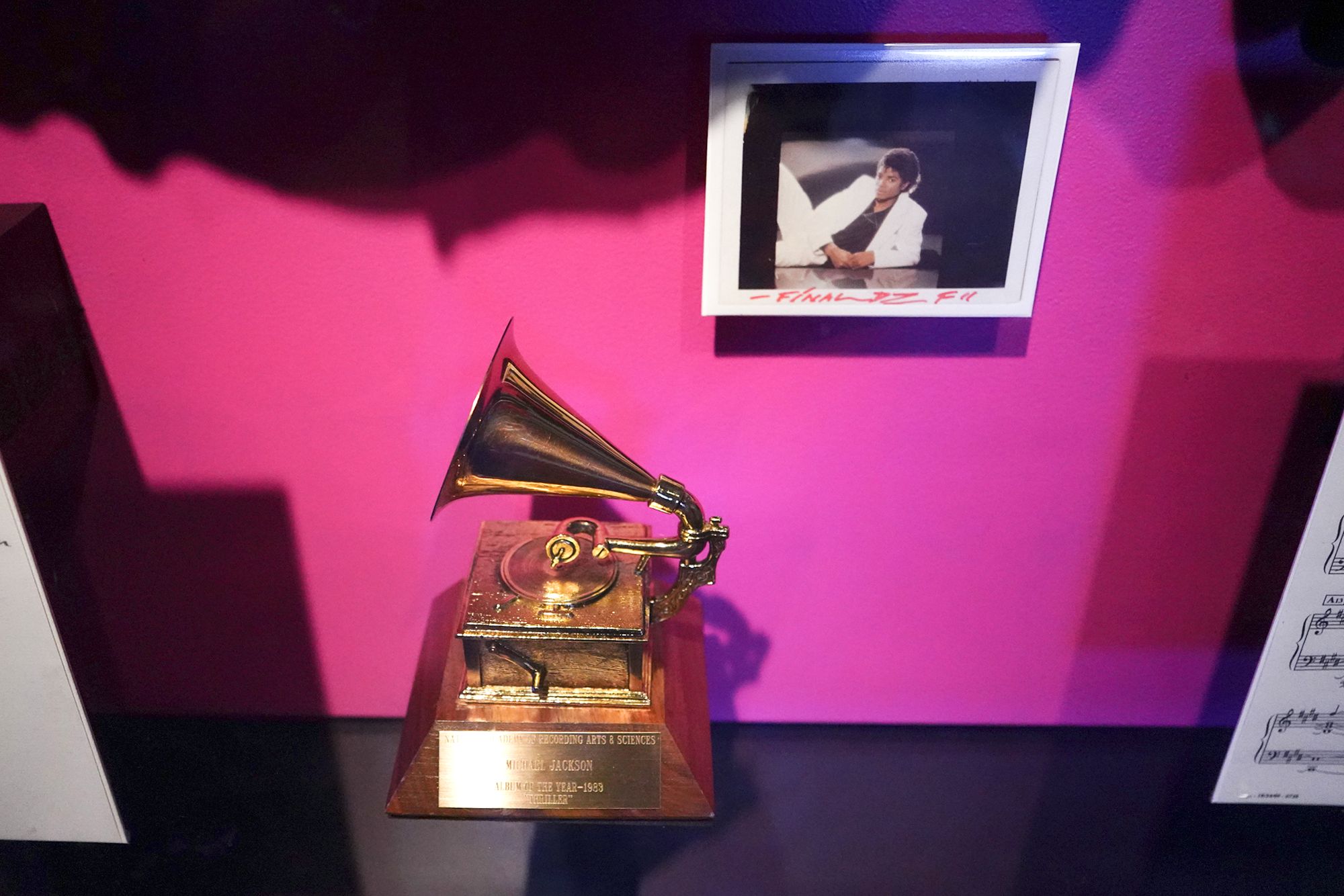
Finally, pop culture unified around music in a way rarely repeated. Songs crossed genre lines—rock, pop, R&B, and dance shared the same charts—creating a shared soundtrack for an entire generation.
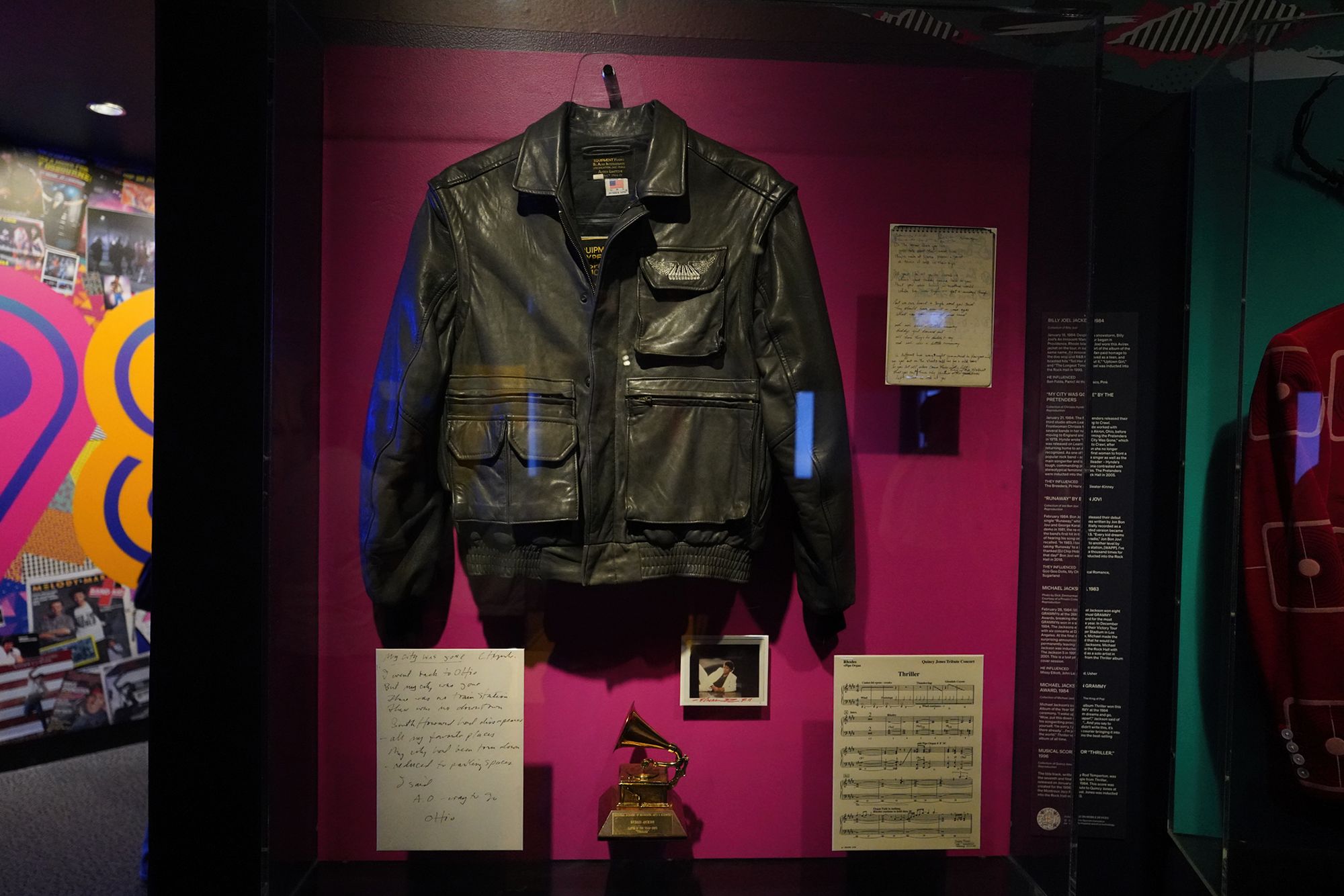
In retrospect, 1984 stands out because it combined artistic innovation, massive commercial success, and cultural impact all at once—making it a once-in-a-generation peak for popular music.
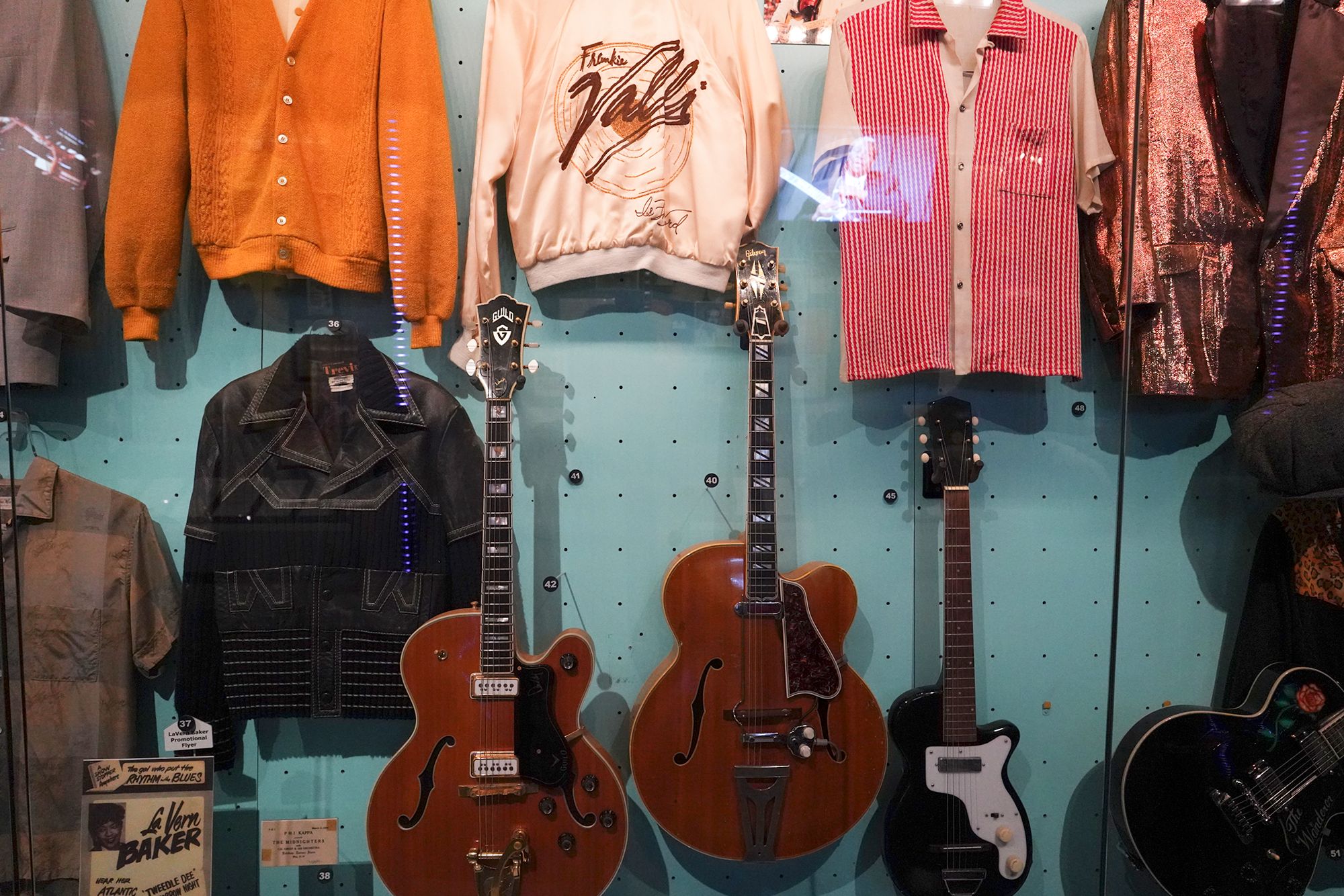
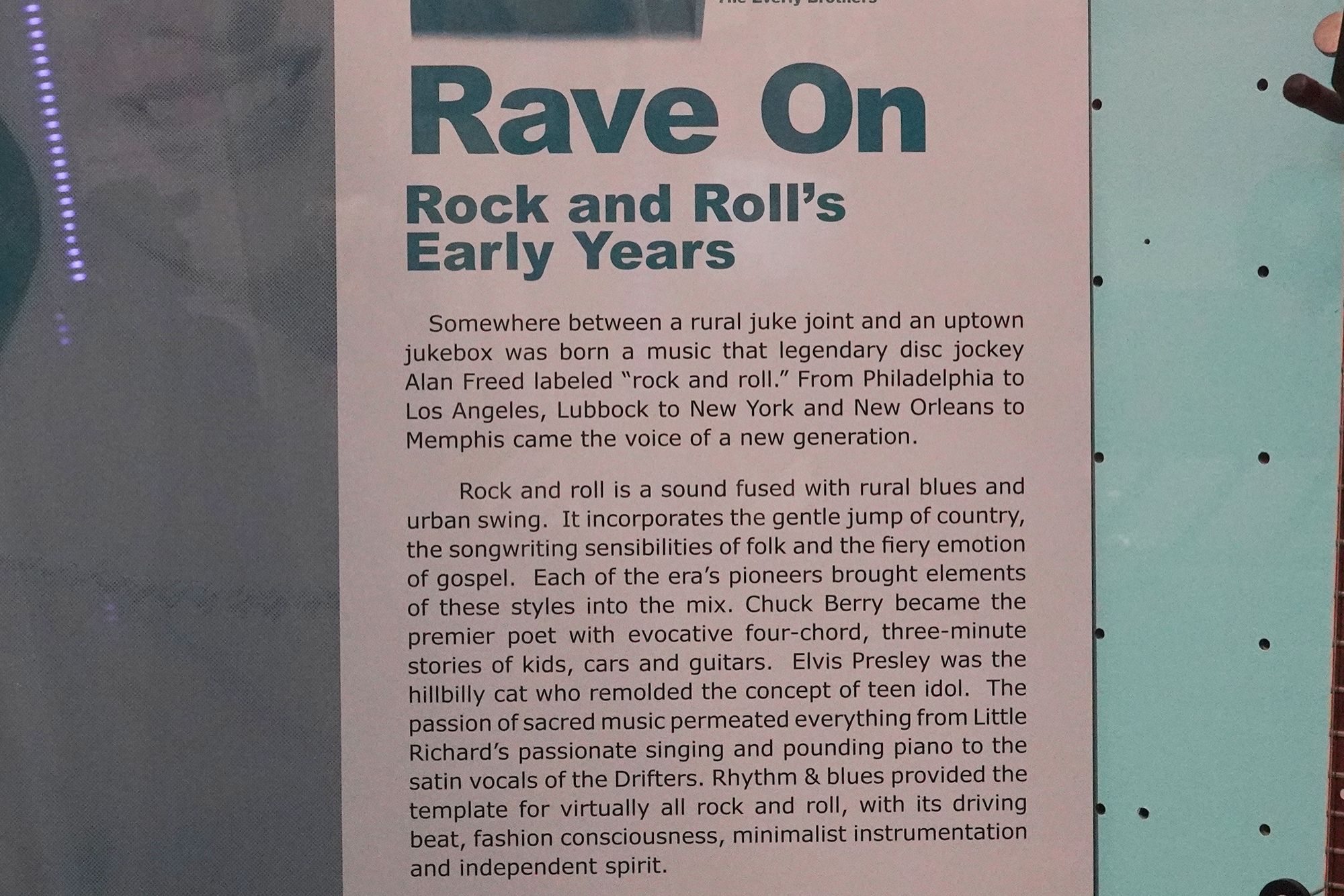
Rock and Roll’s Early Years
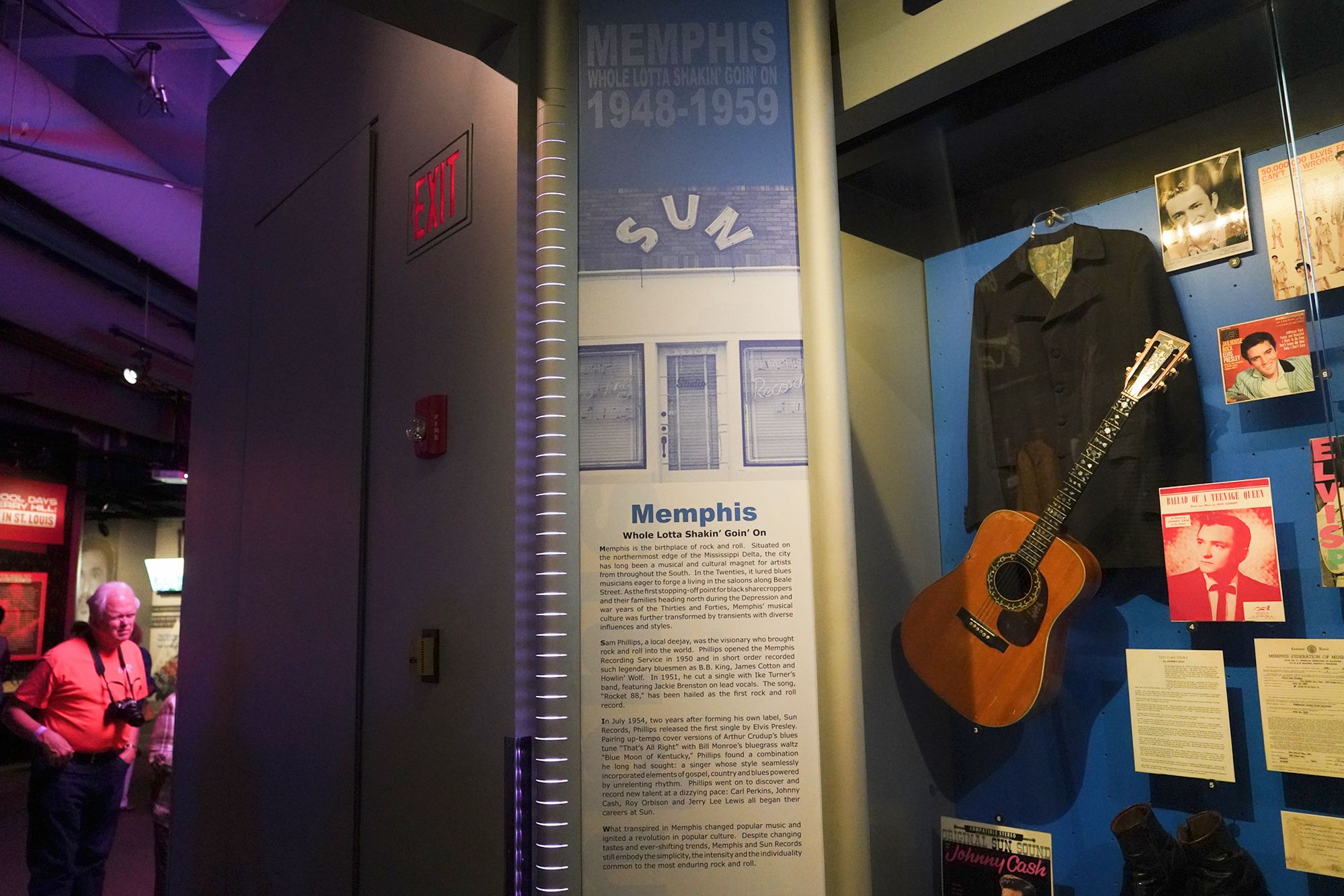
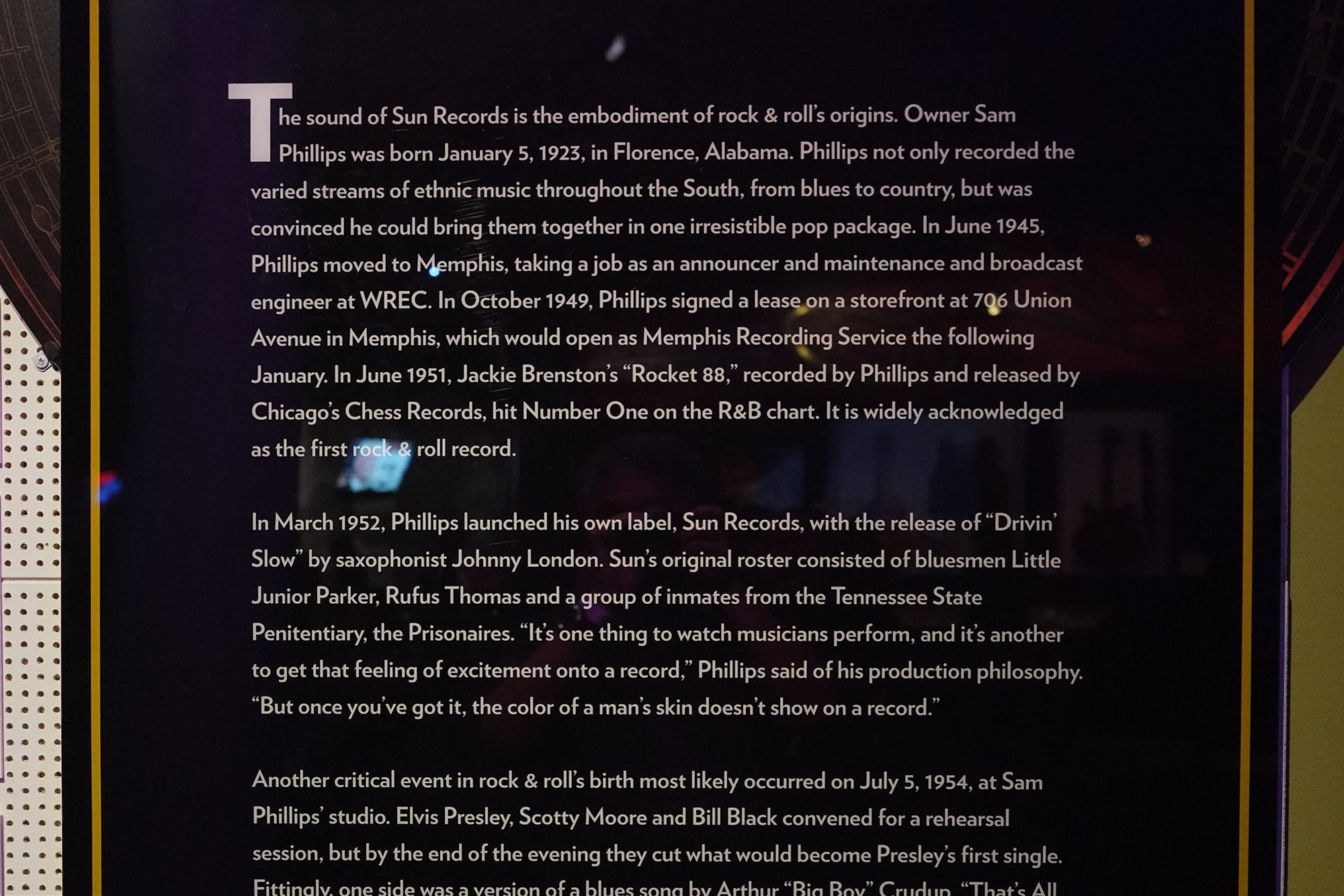
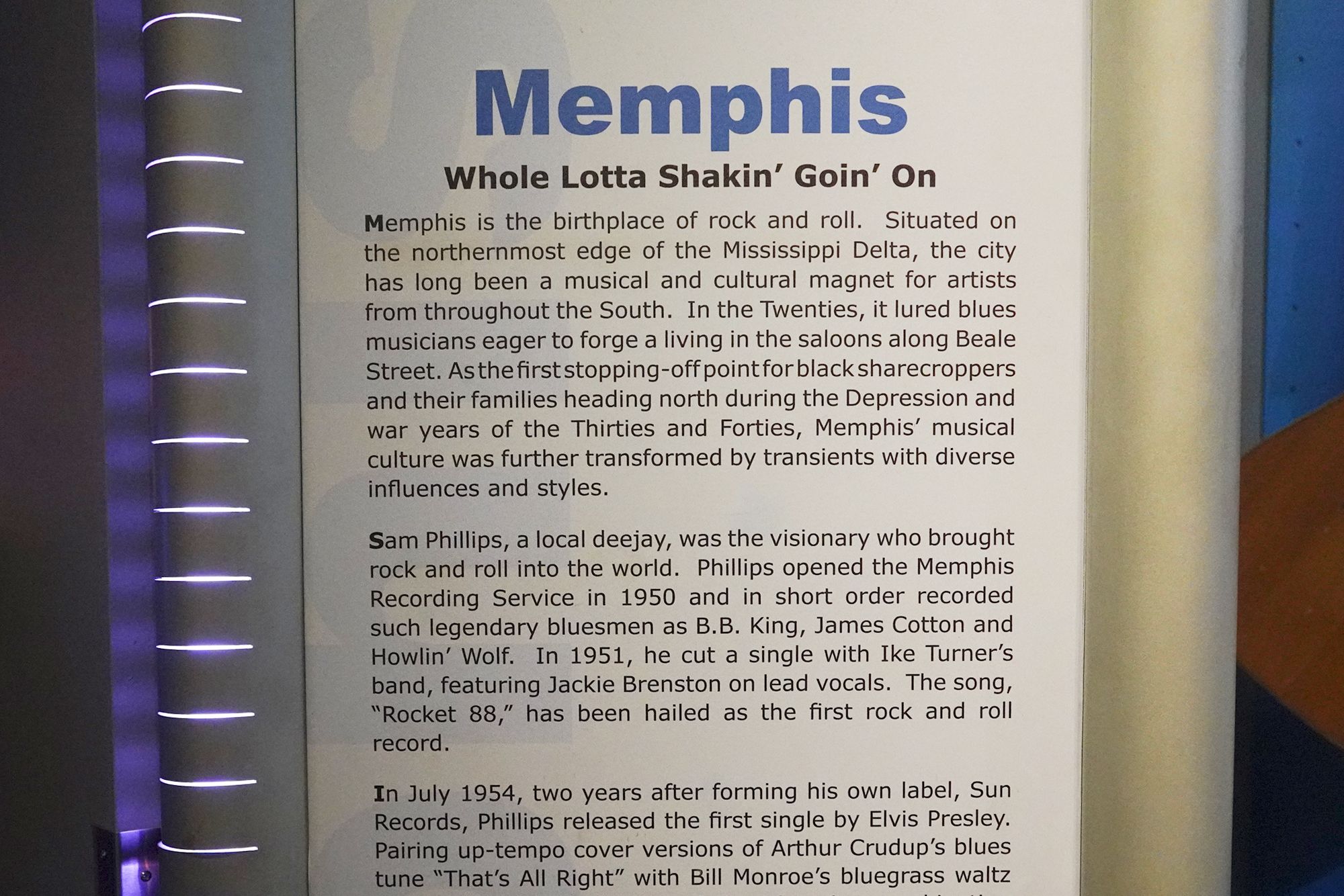
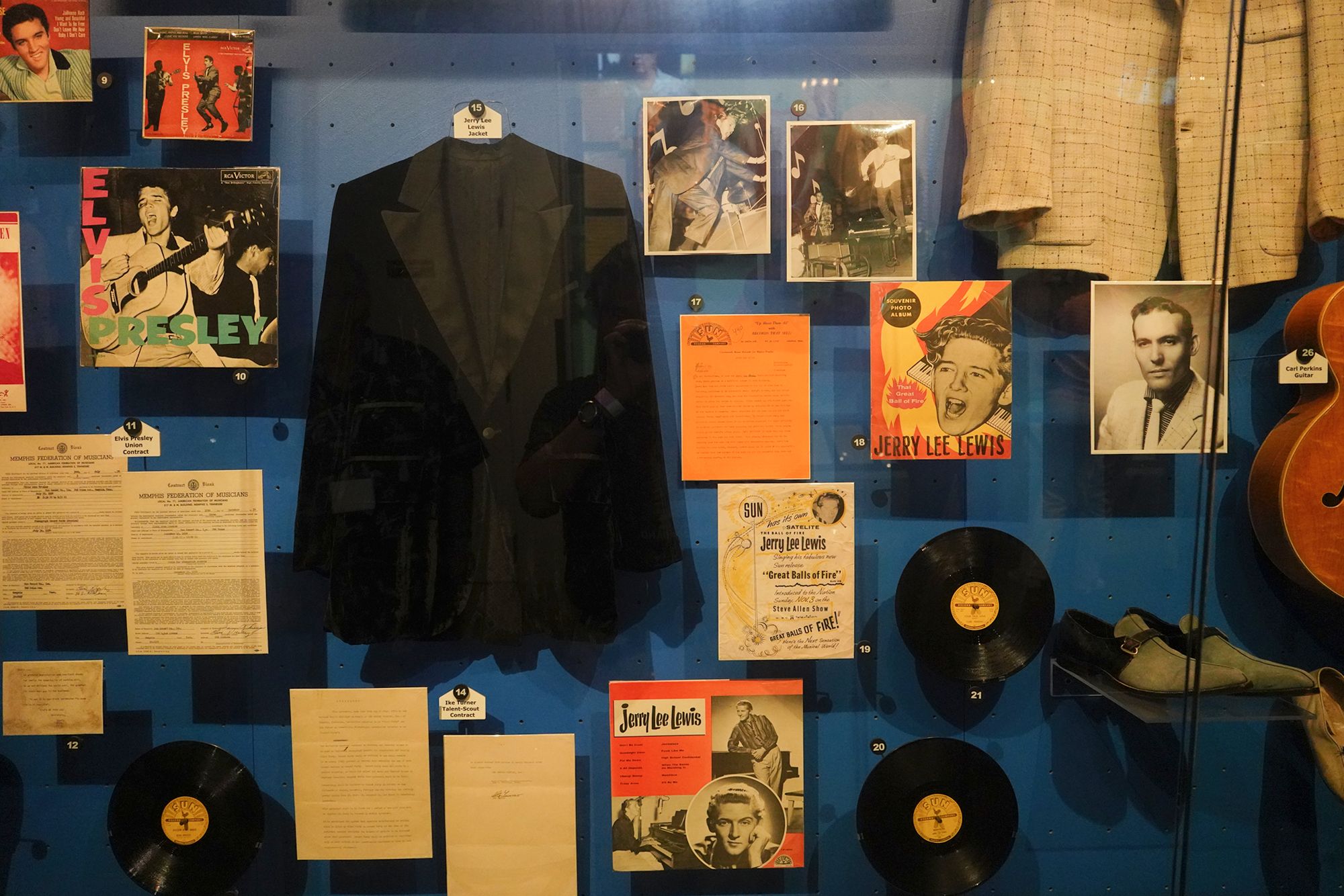
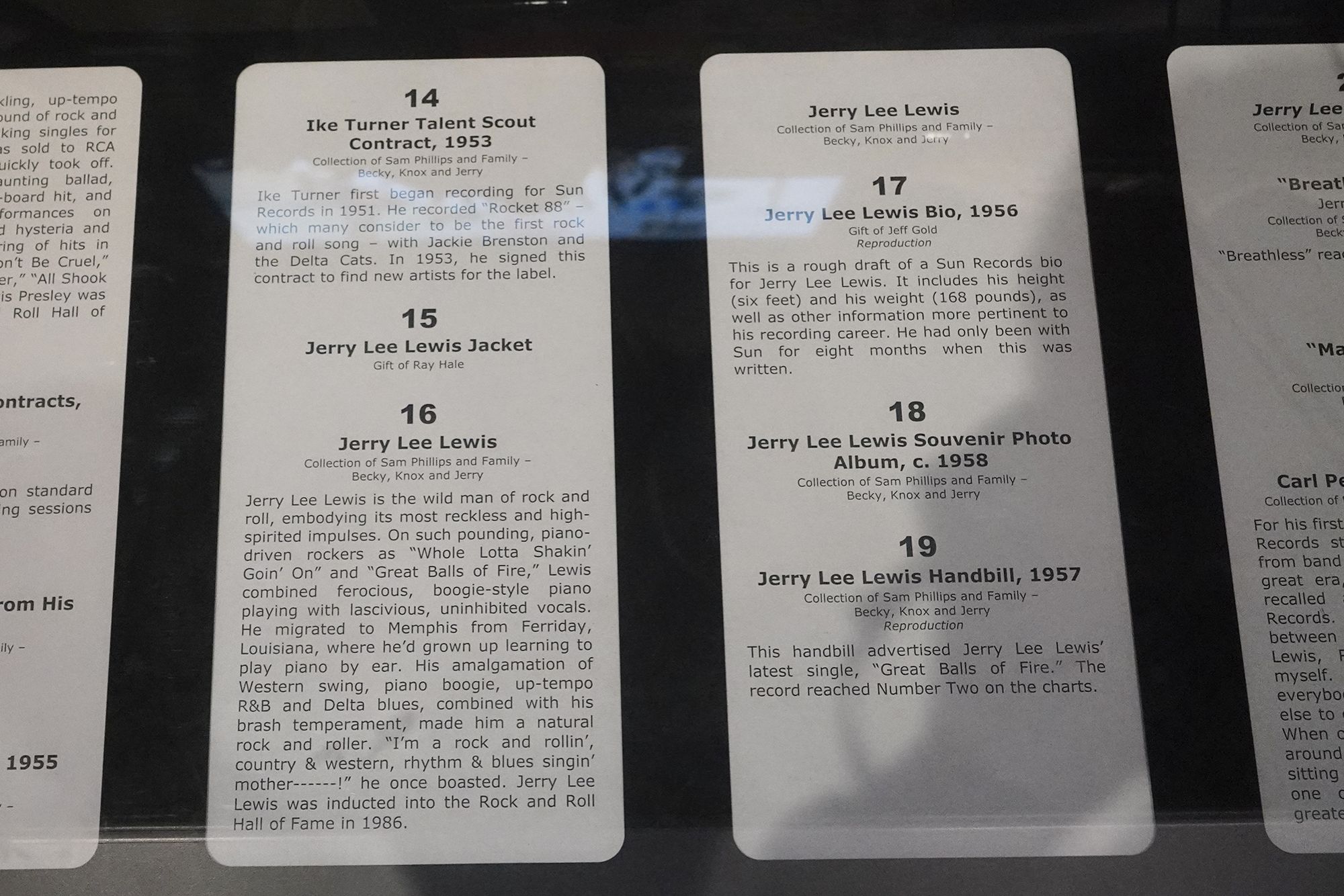
Memphis is one of the most important cities in the story of American music.
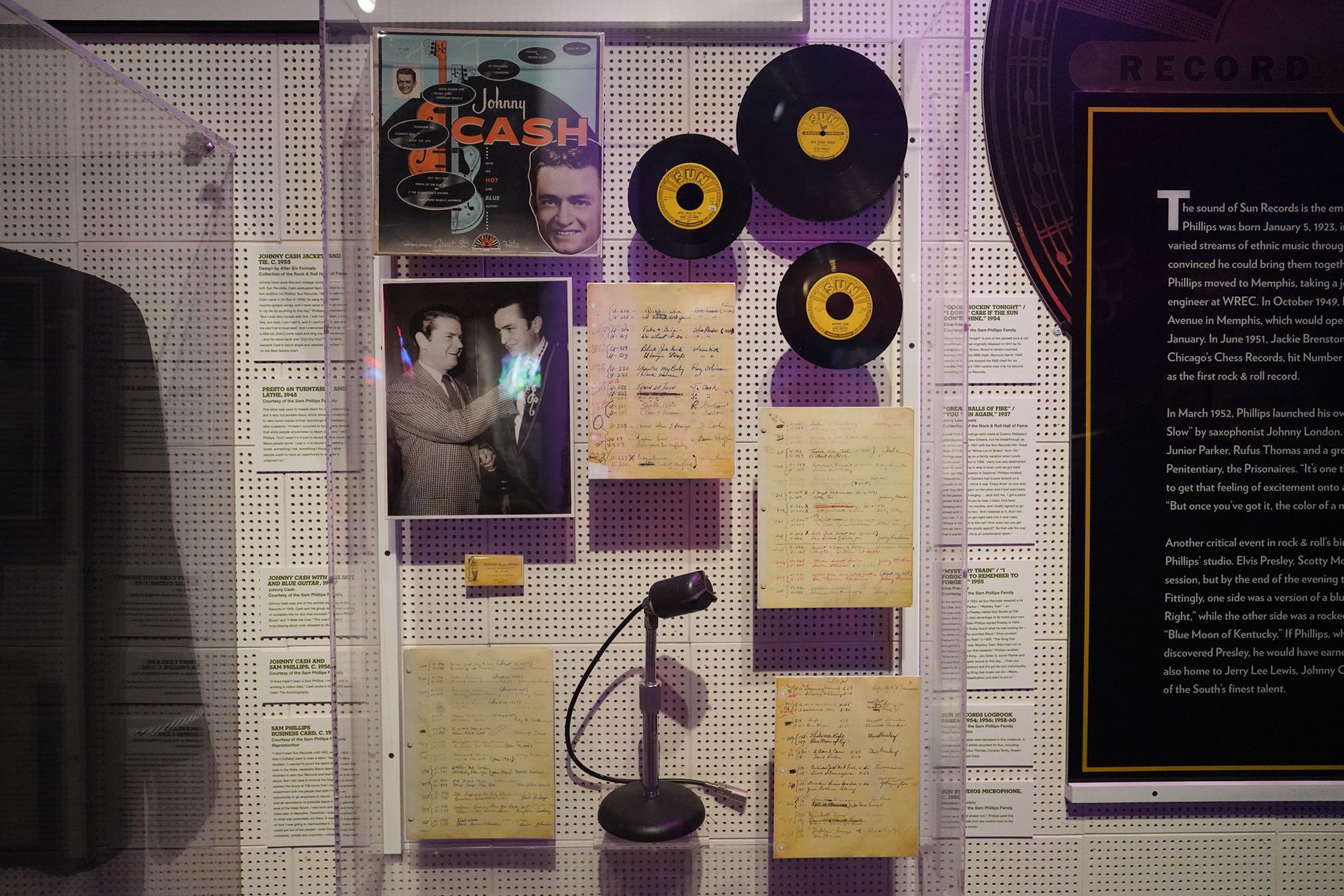
Situated on the Mississippi River, Memphis became a crossroads of blues, gospel, soul, and early rock and roll. Beale Street nurtured generations of blues musicians, while Sun Records launched artists like Elvis Presley, Johnny Cash, and Jerry Lee Lewis. The city later shaped soul music through Stax Records, linking Memphis to the civil rights era and Black cultural expression.
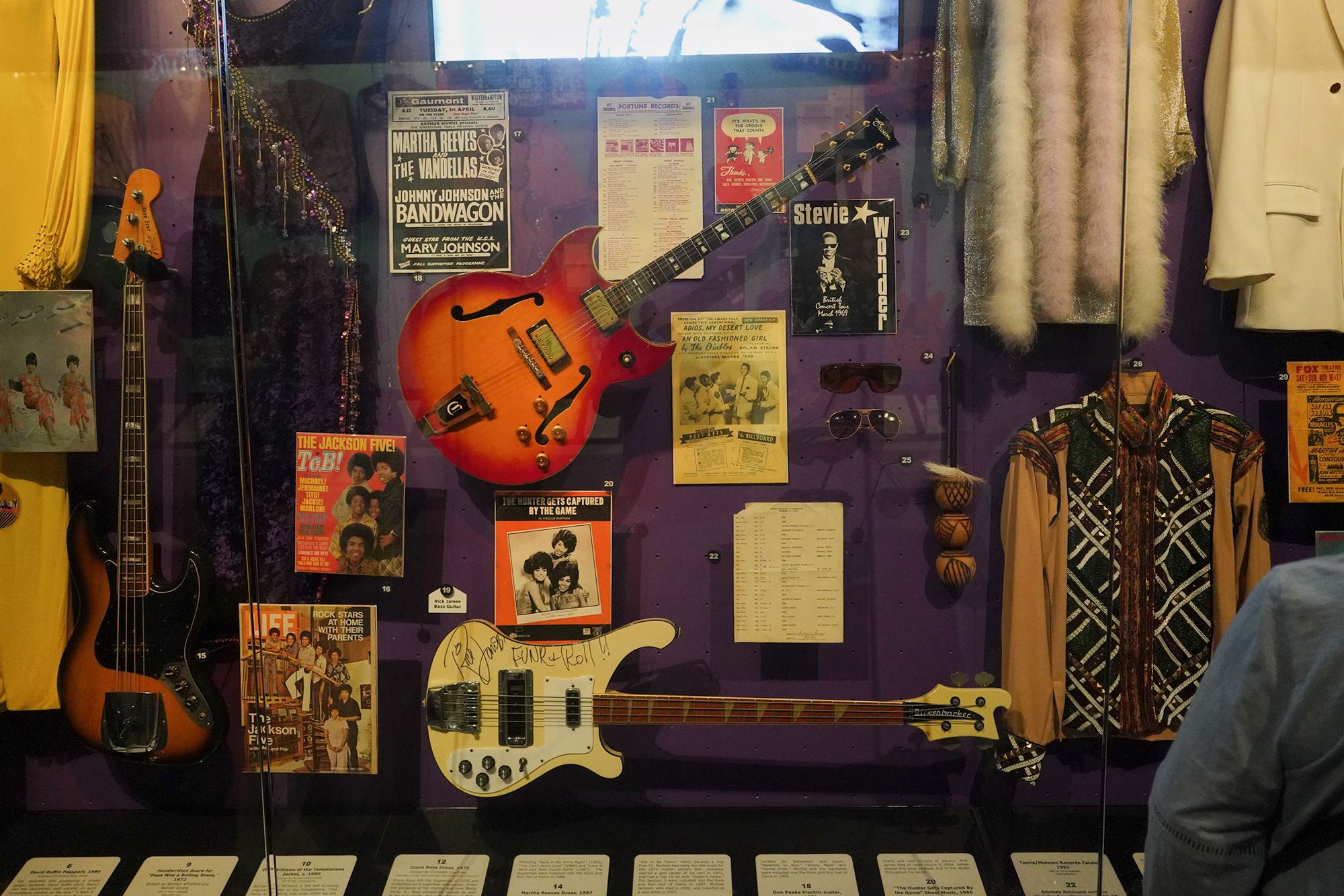
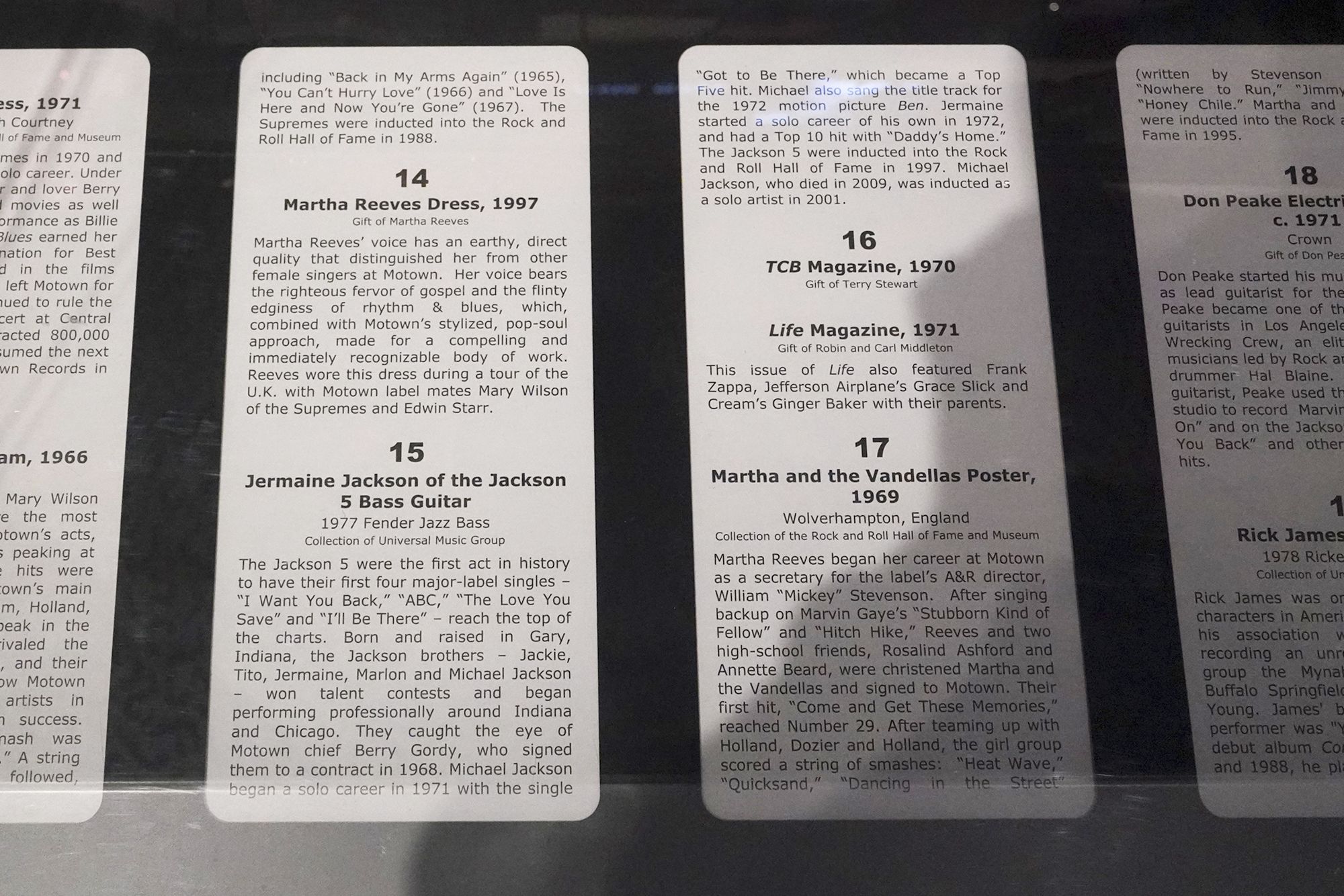
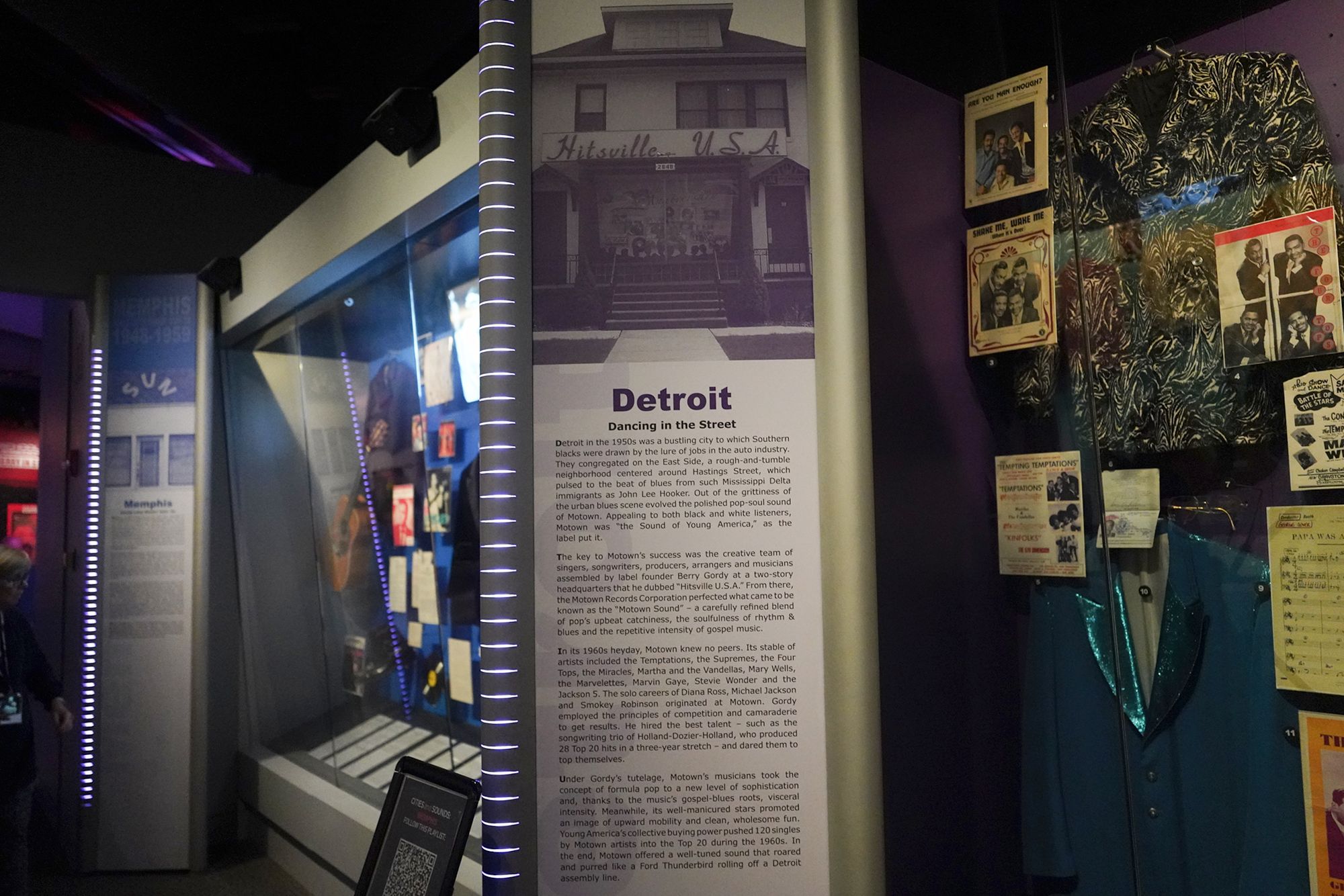
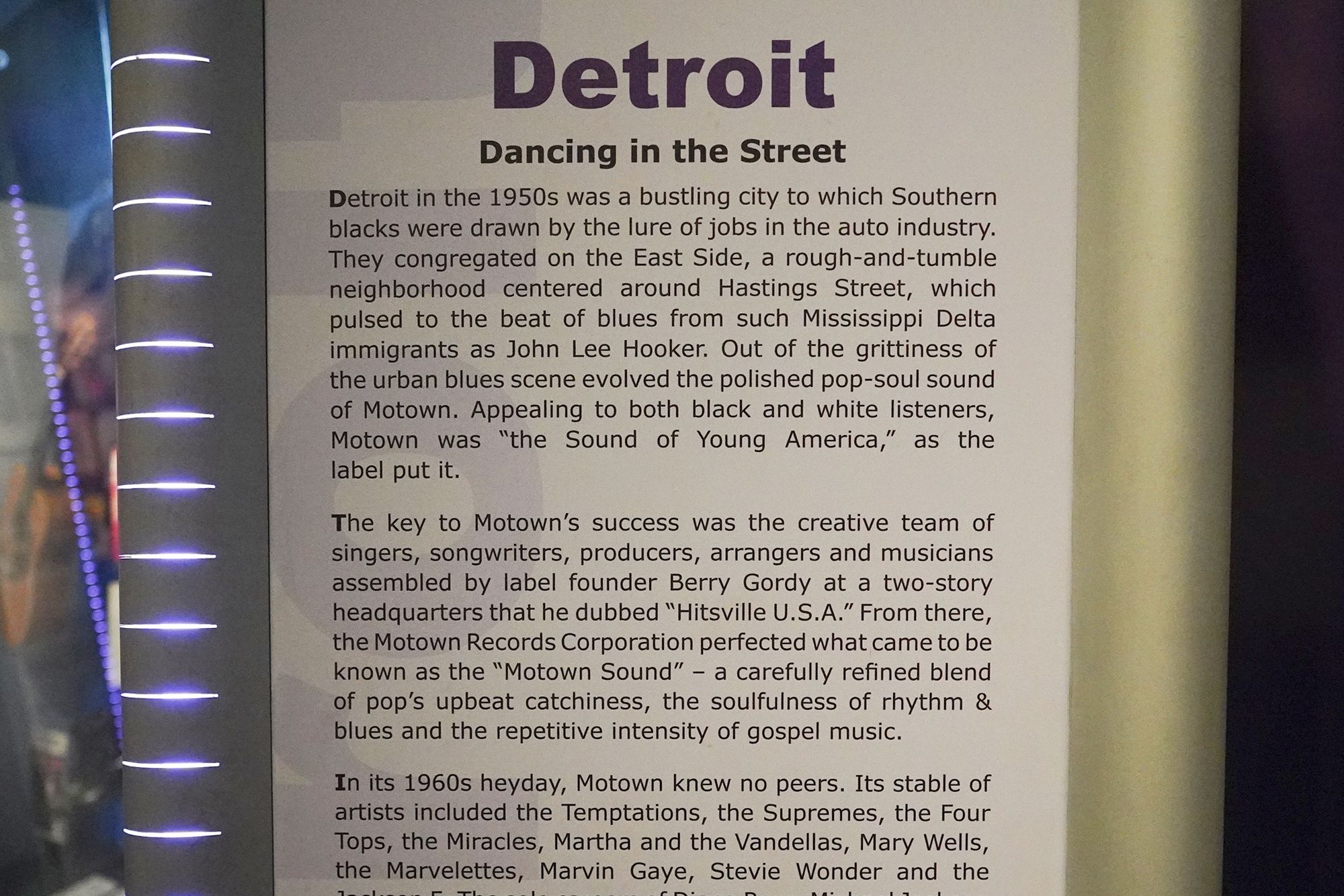
Detroit is a cornerstone of American music history and cultural identity.
Best known as the birthplace of Motown, Detroit produced a polished yet soulful sound that reached global audiences. Artists like Marvin Gaye, Stevie Wonder, The Supremes, and The Temptations defined an era. Beyond soul, Detroit also influenced rock, techno, and punk, reflecting the city’s industrial energy and creative resilience.
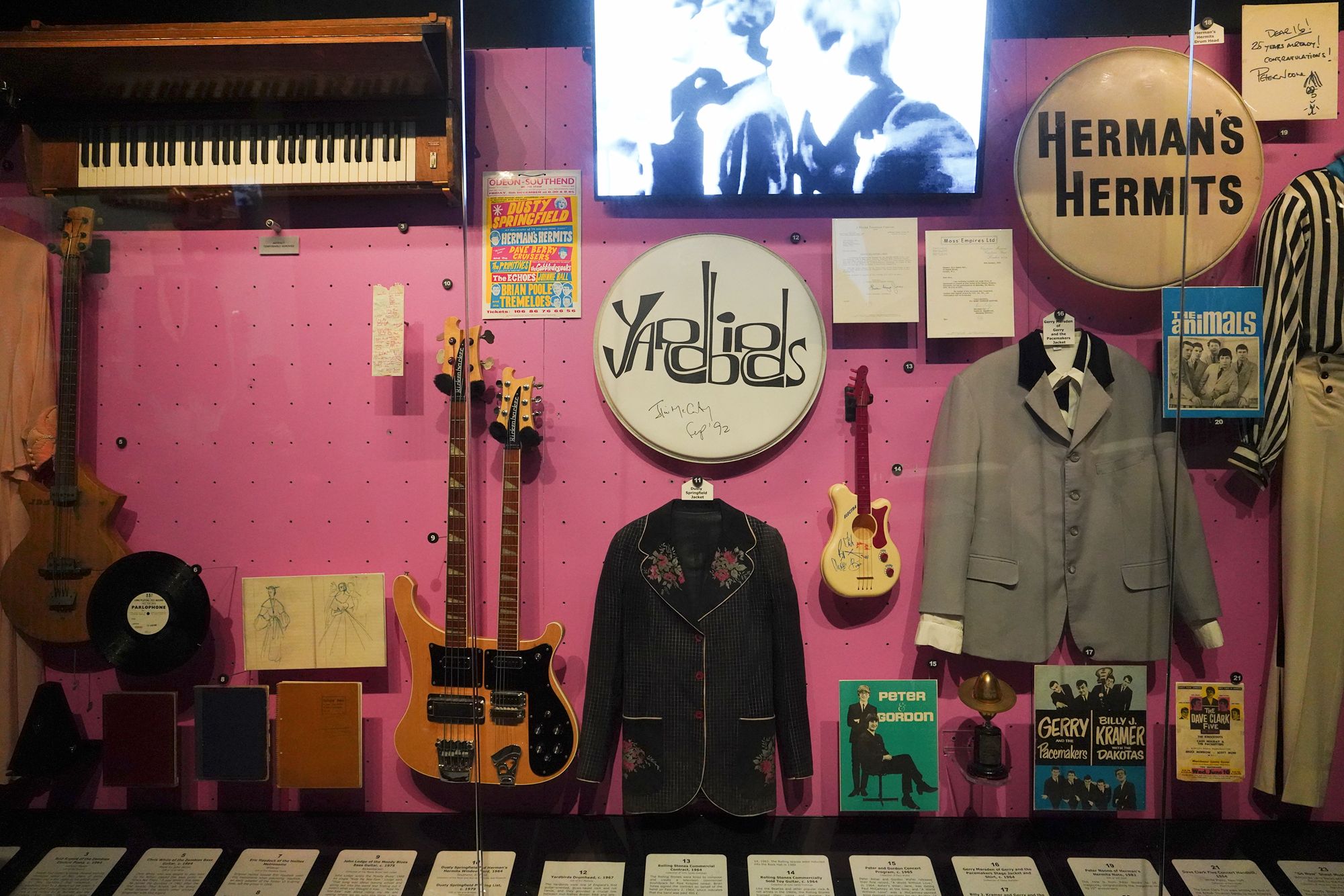
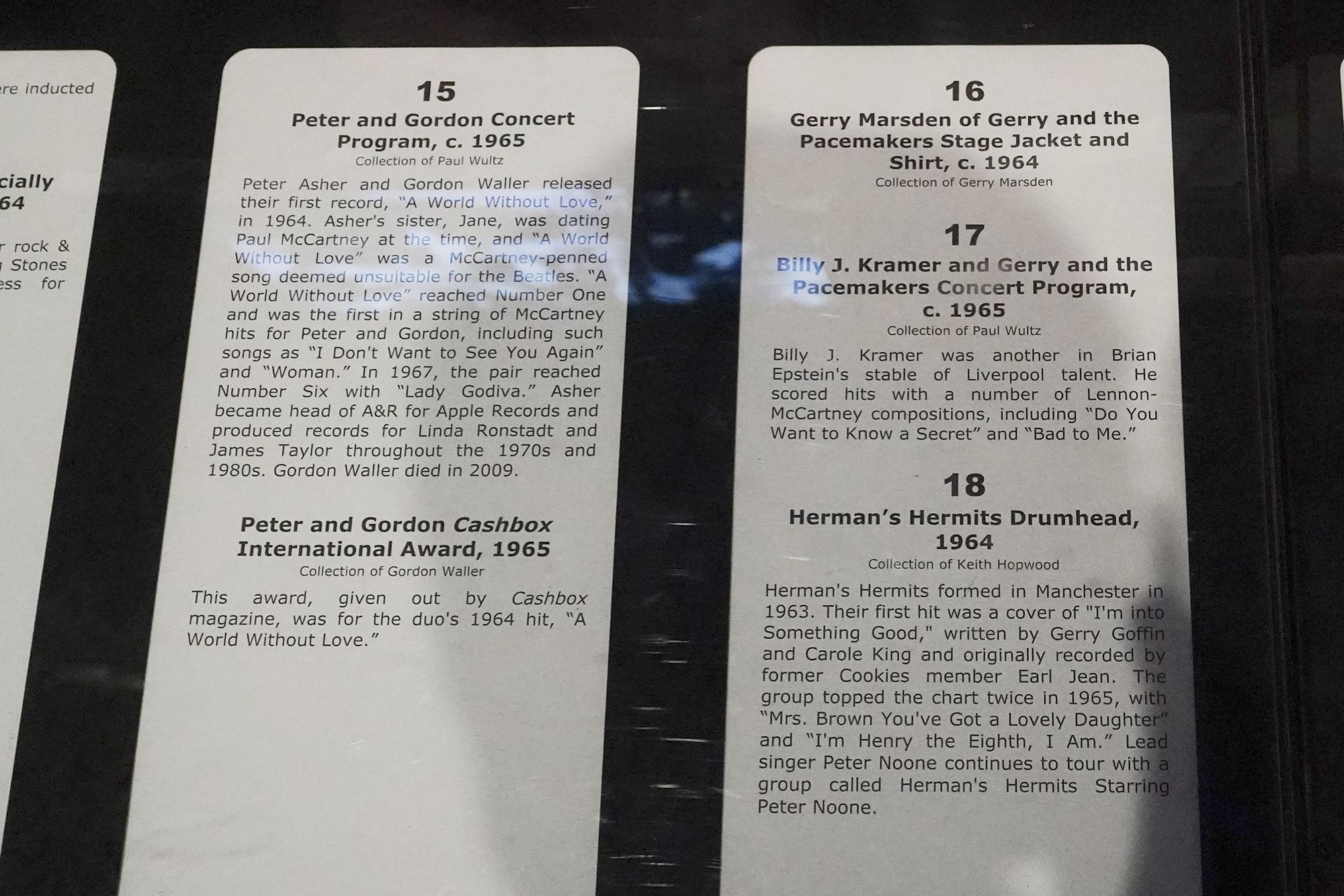
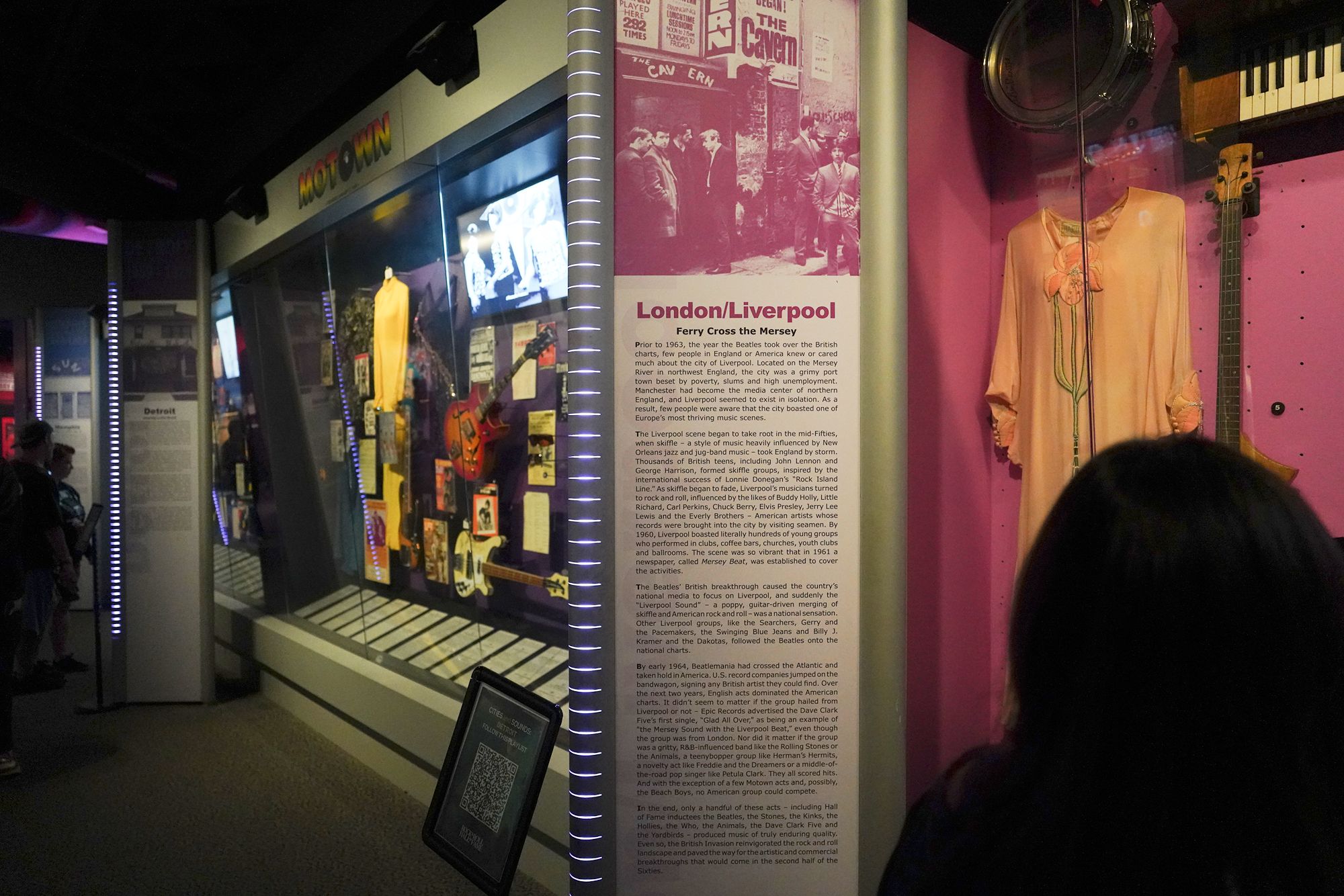
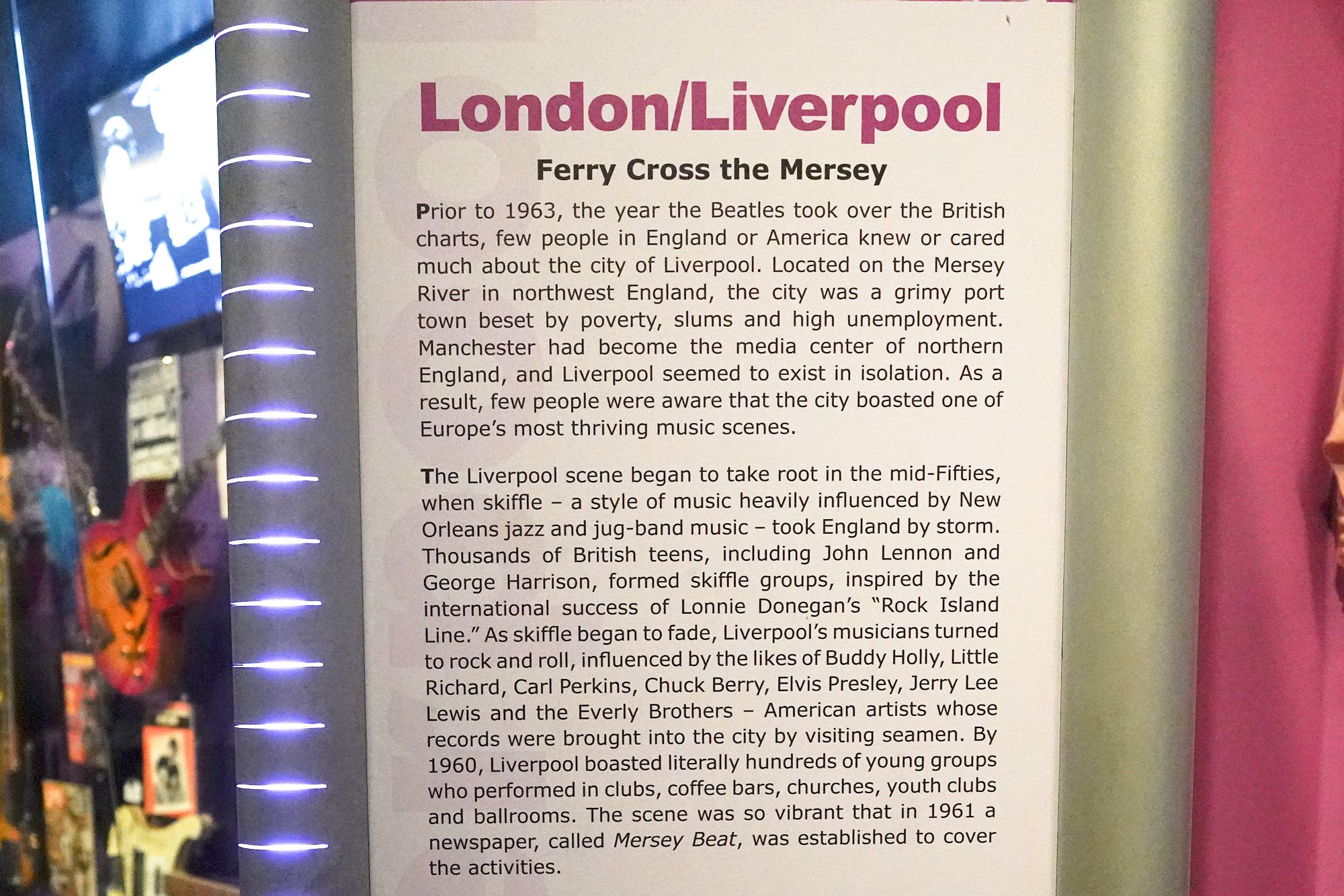
London and Liverpool played central roles in shaping modern popular music.
Liverpool gave rise to The Beatles, whose success ignited the British Invasion and transformed global pop and rock. London, as a cultural capital, nurtured innovation across genres—from the Rolling Stones and David Bowie to punk, new wave, and electronic music—turning British creativity into worldwide influence.
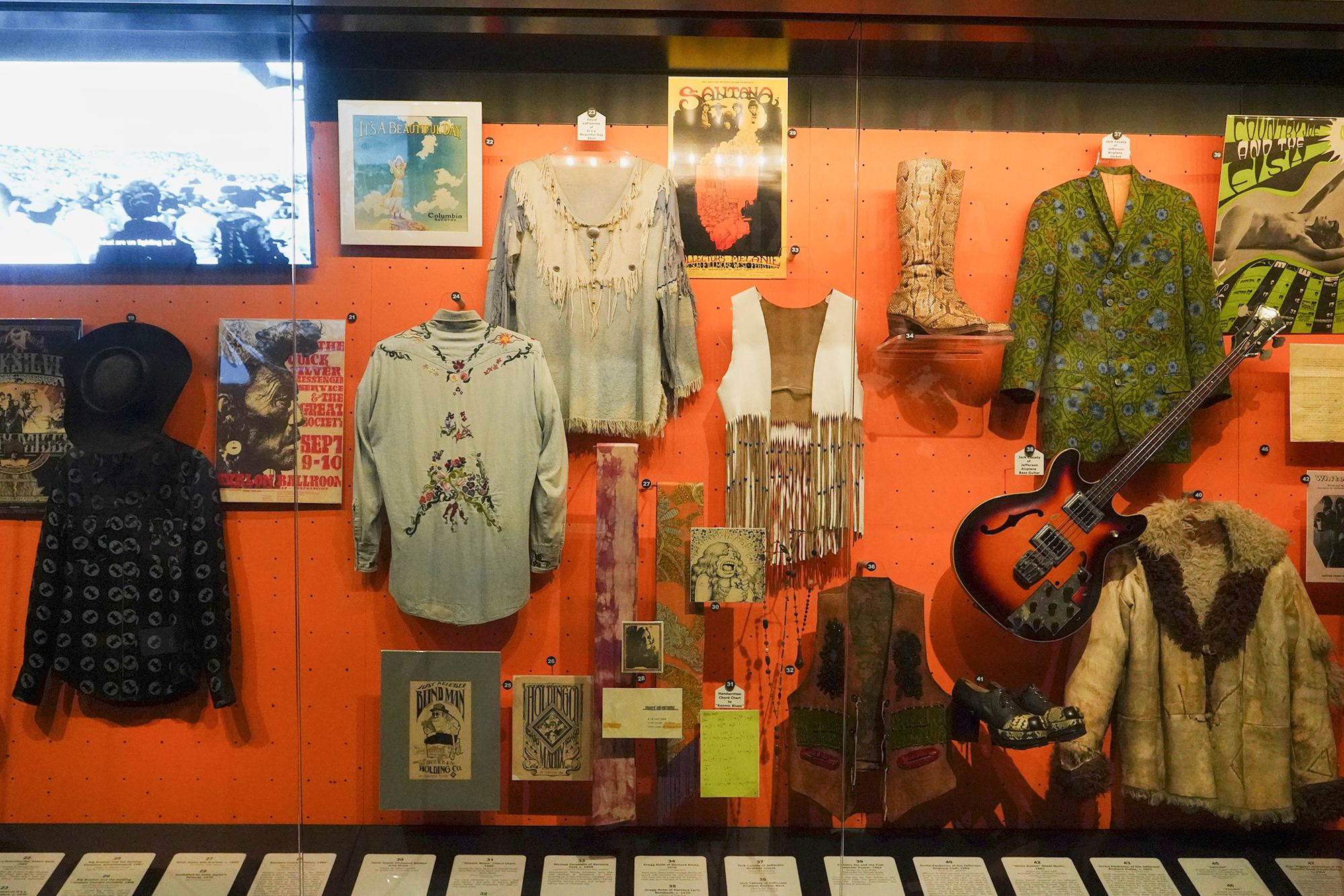
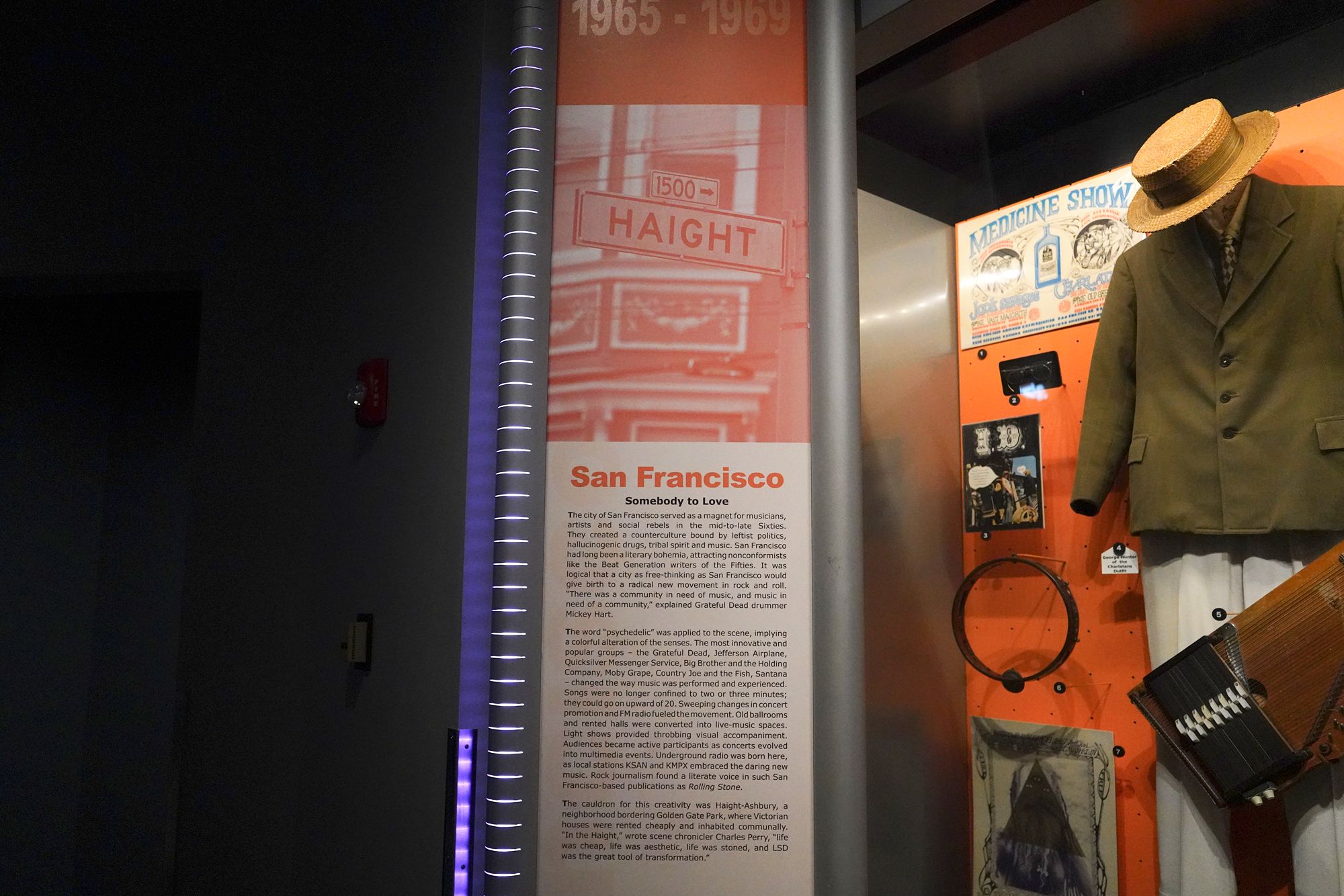
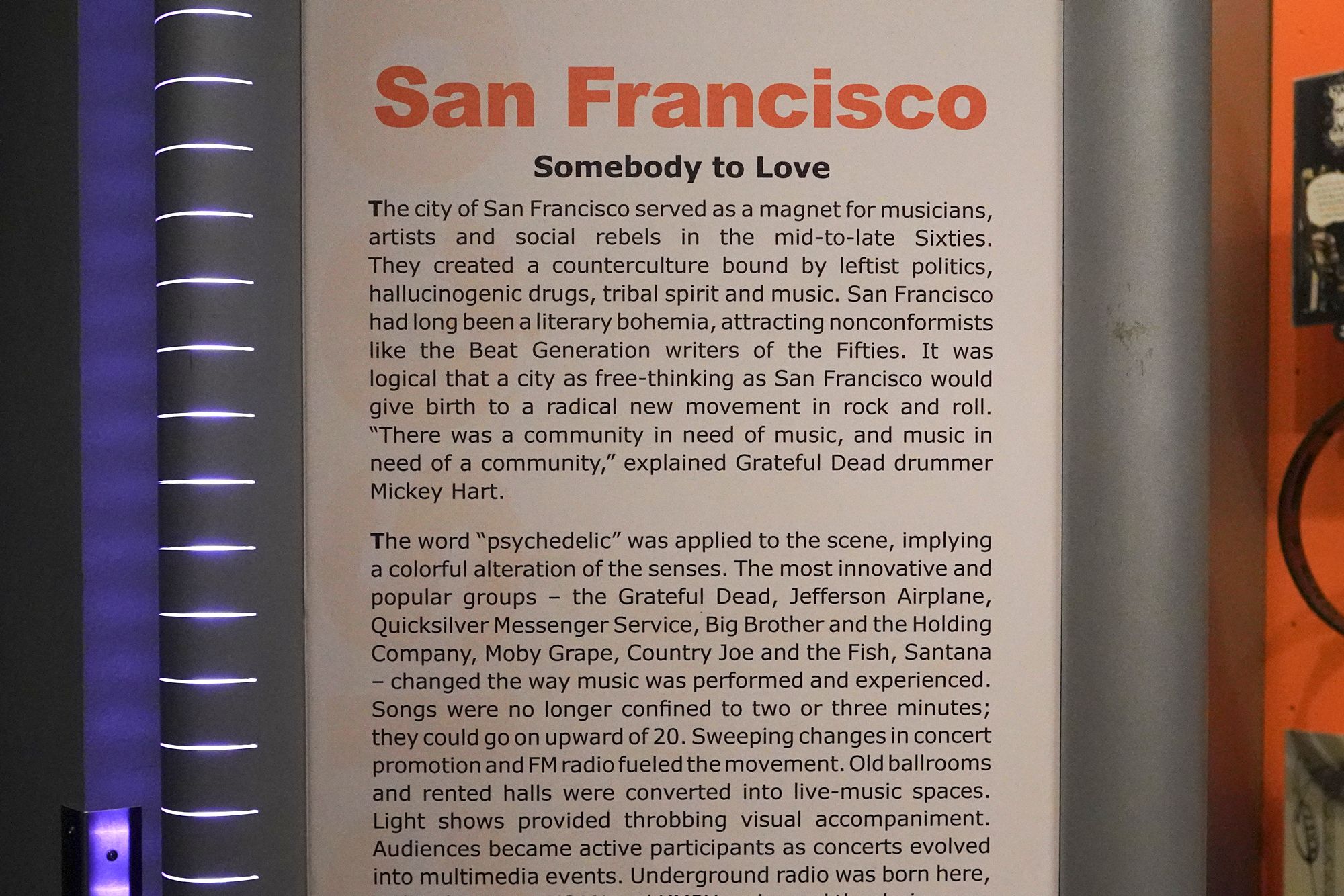
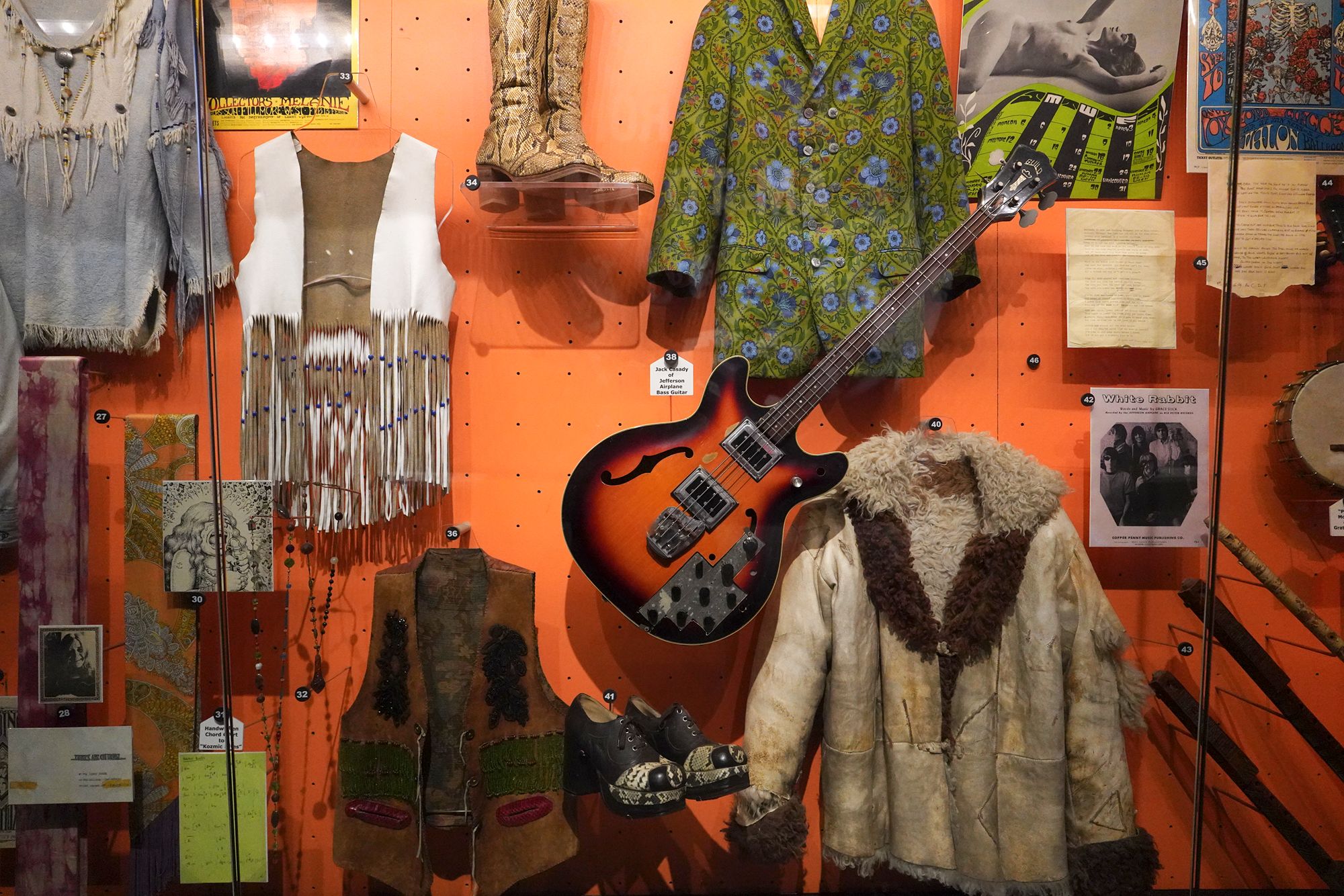
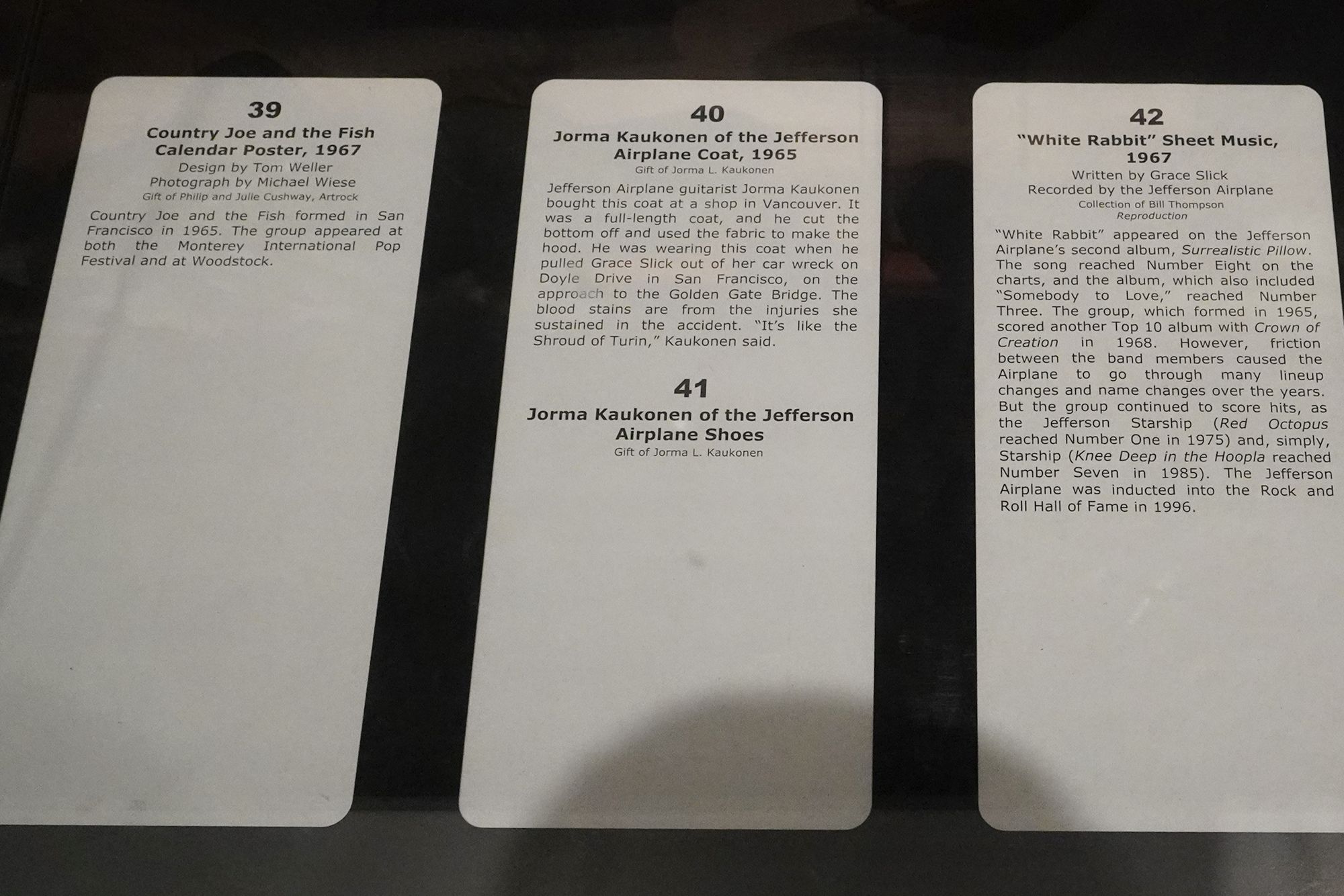
San Francisco became a symbol of musical freedom and counterculture in the 1960s.
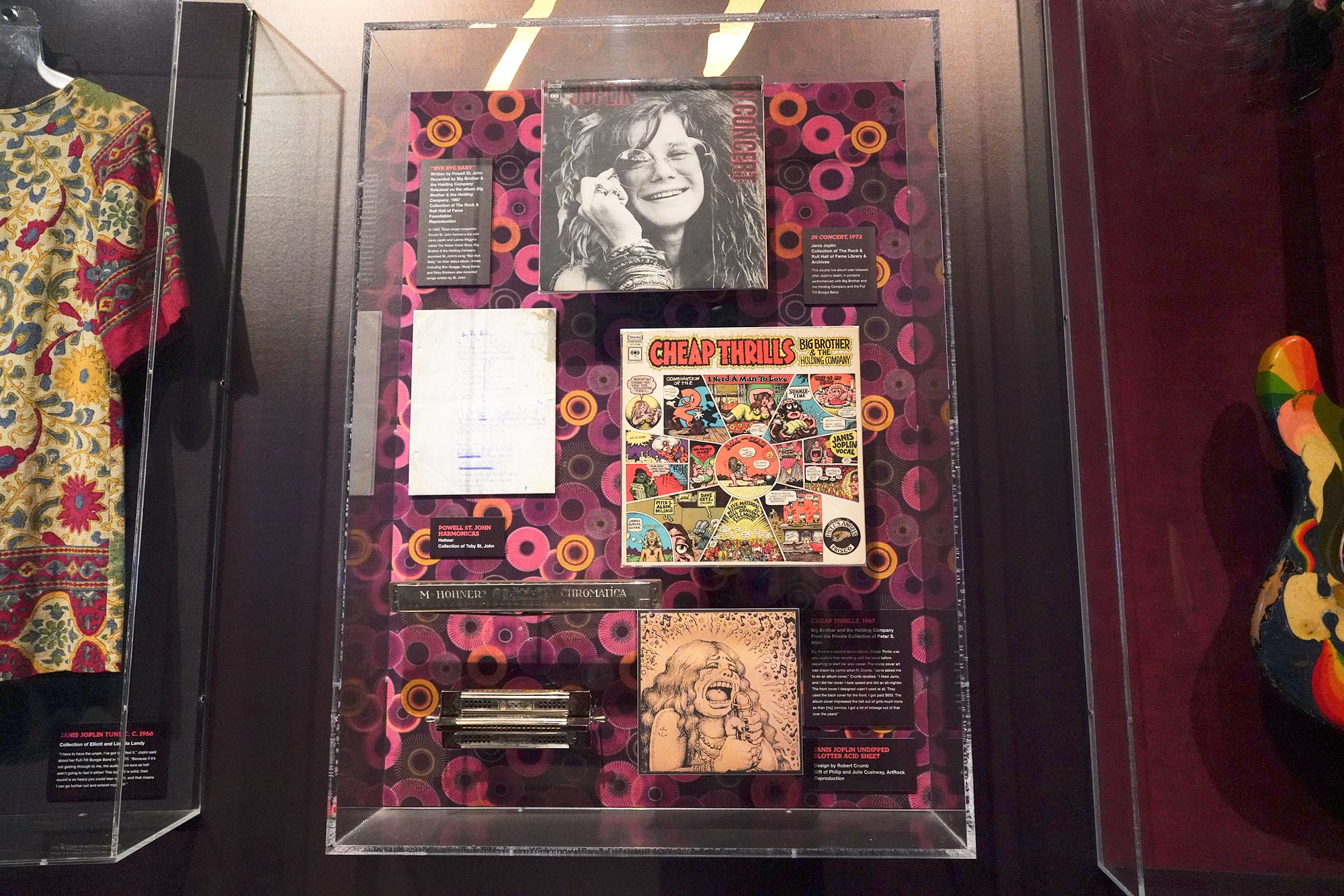
Centered around the Haight-Ashbury district, the city fostered a psychedelic rock scene that blended music with social change. Artists like Jefferson Airplane, Grateful Dead, and Janis Joplin used extended improvisation and experimental sounds to reflect a generation questioning authority, war, and tradition.
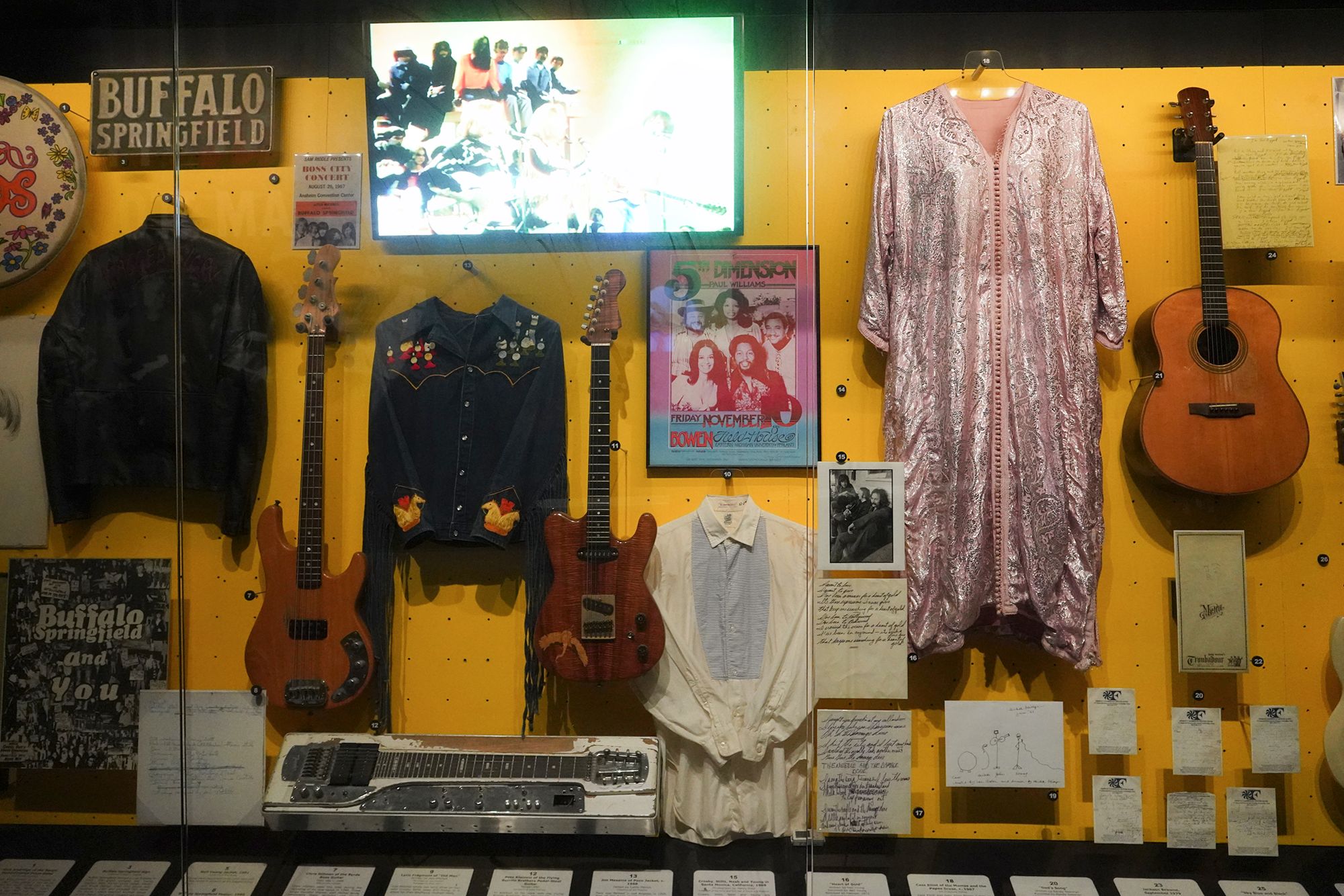
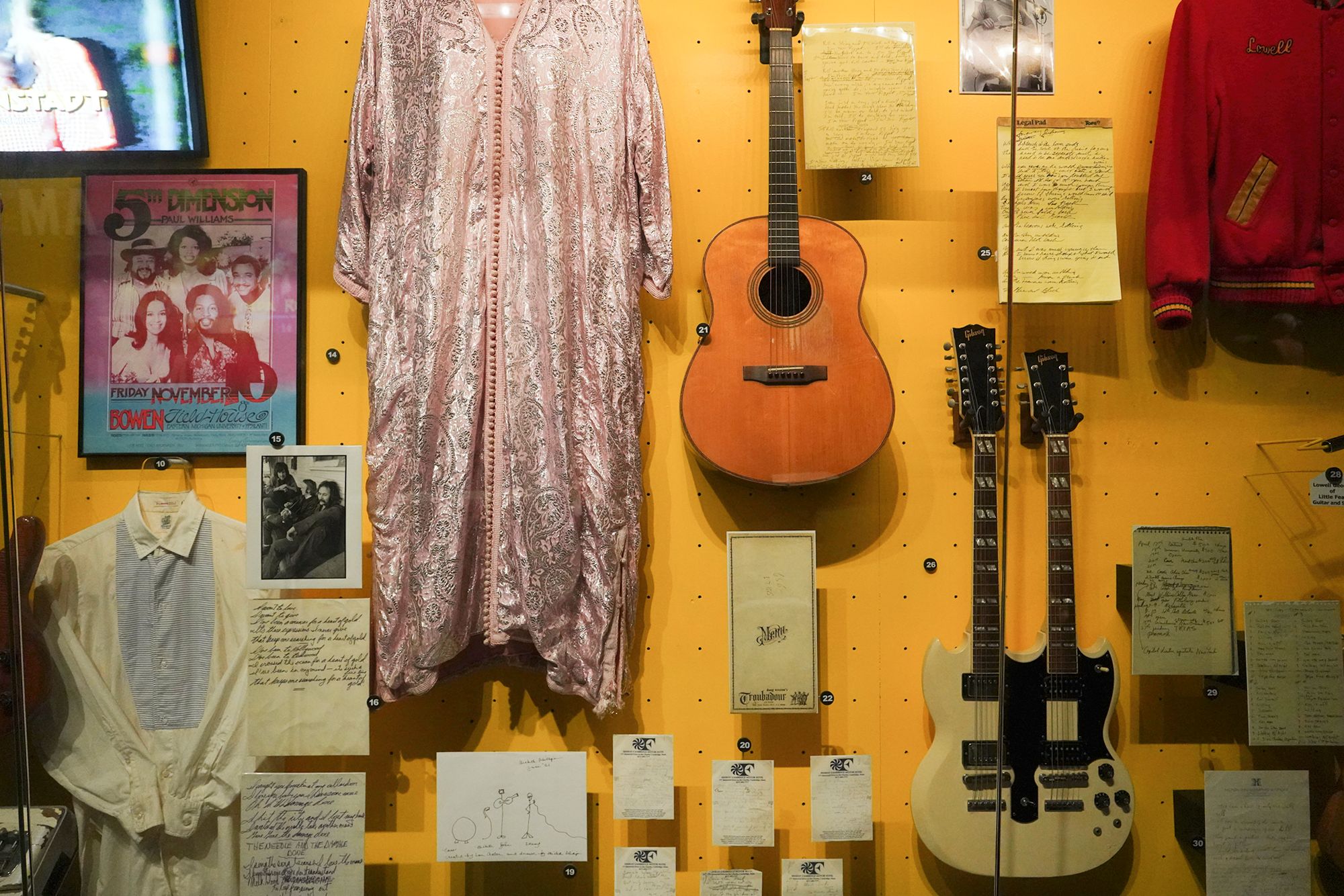
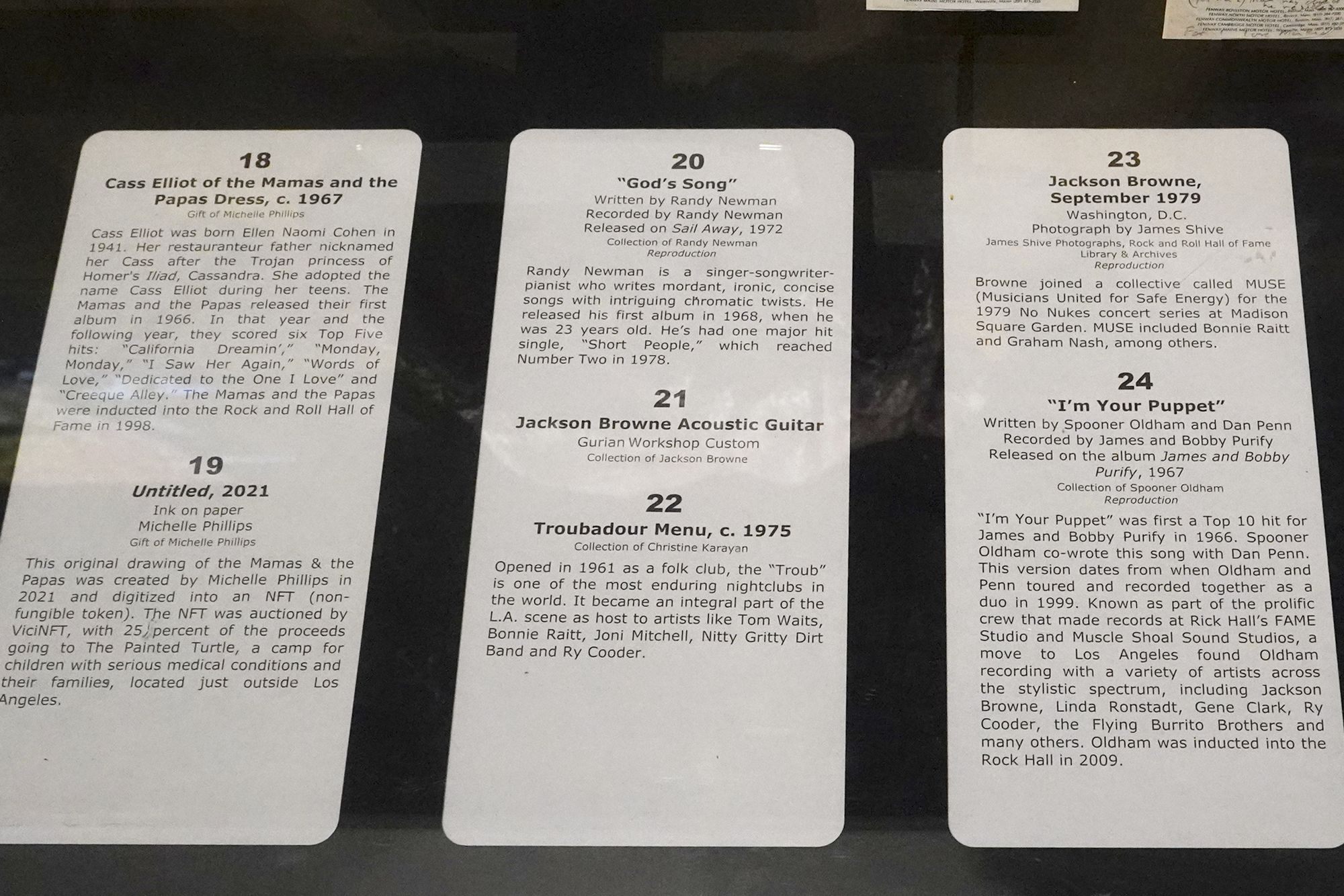
Los Angeles was a creative crossroads for a generation of influential songwriters and bands.
The Beach Boys captured the city’s sunlit coastal fantasy with harmonies that redefined pop. Neil Young, Joni Mitchell, Roger McGuinn, and David Crosby shaped the Laurel Canyon scene, blending folk, rock, and introspective songwriting. Together, they gave Los Angeles a sound that was personal, reflective, and deeply tied to the era’s cultural change.
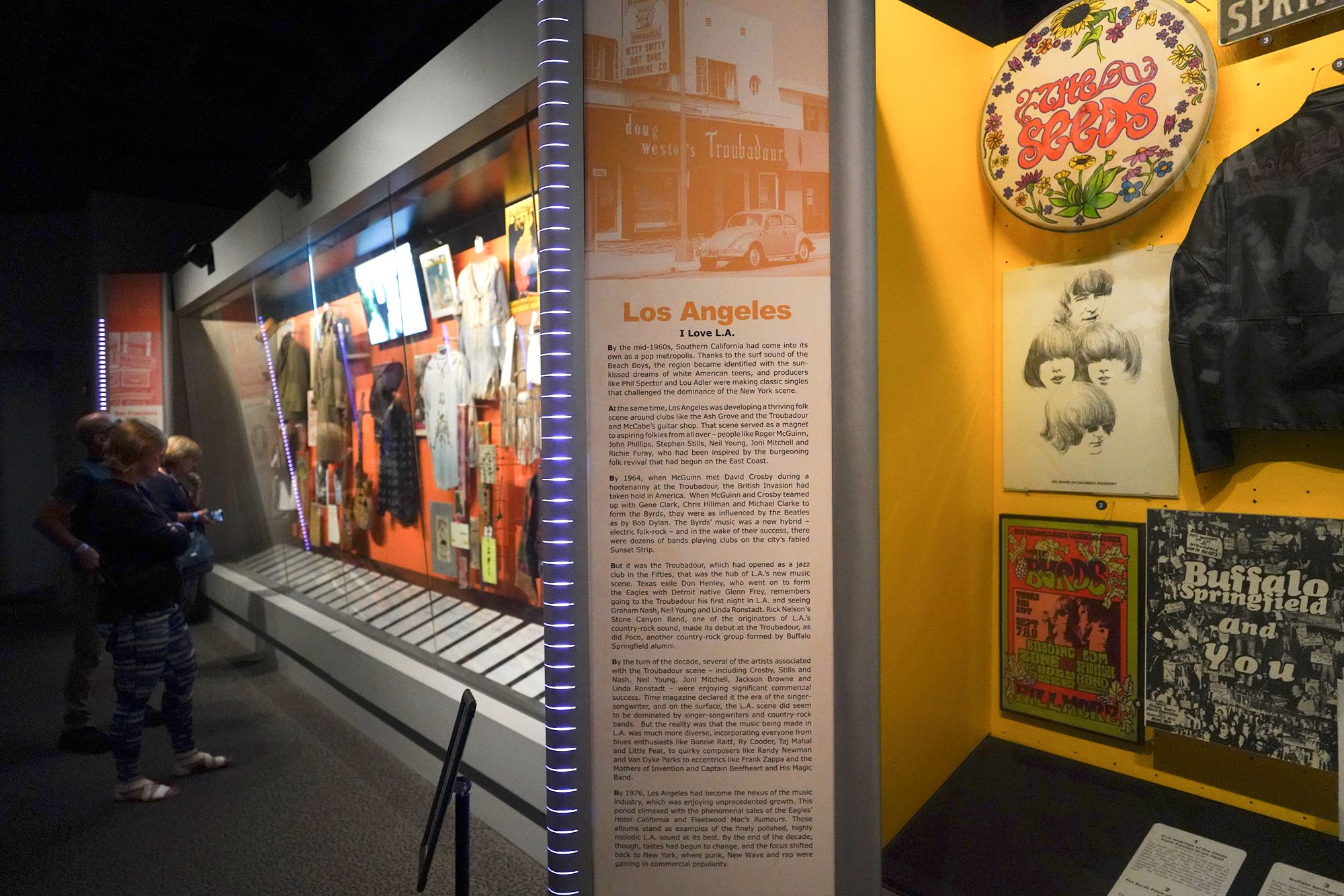
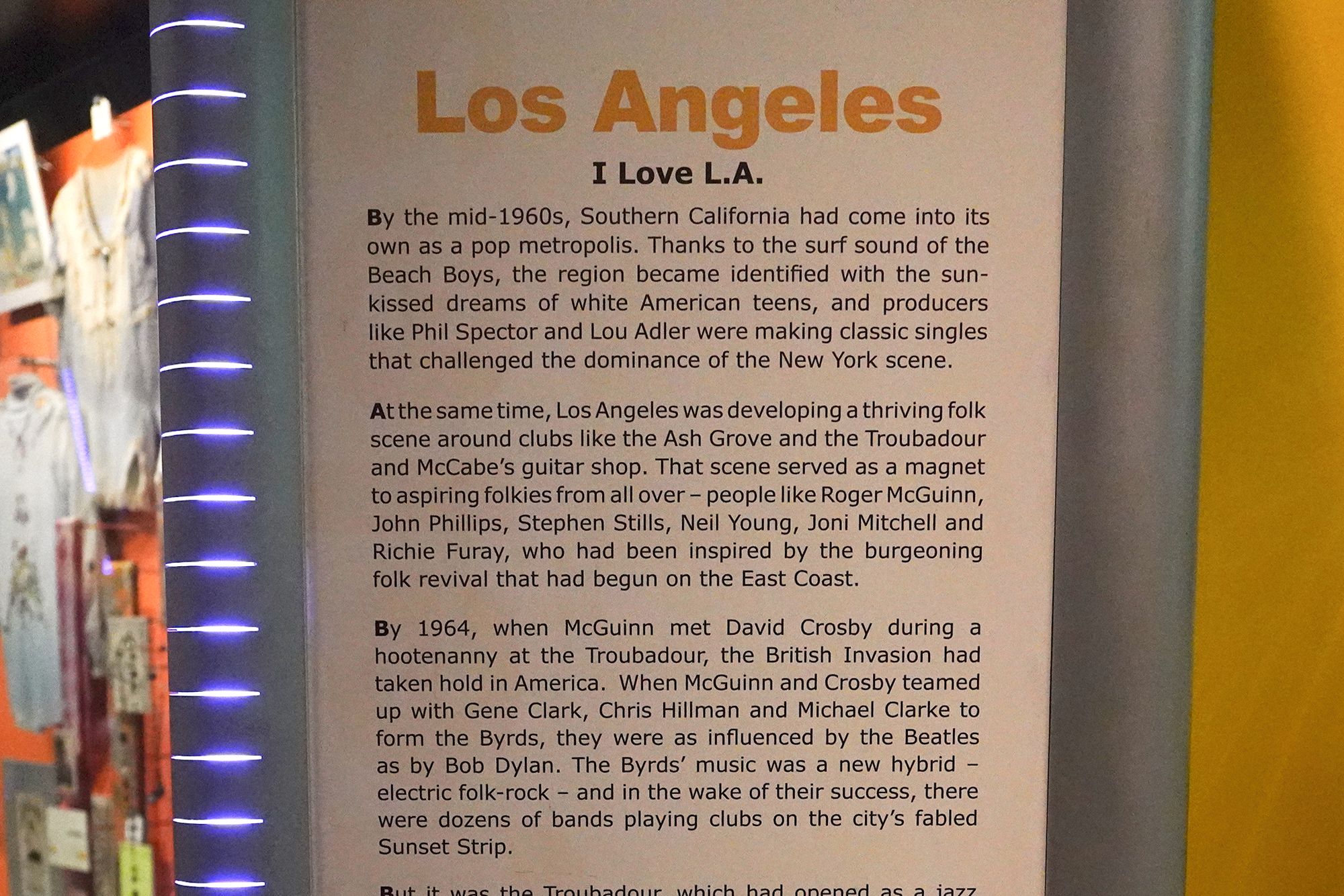
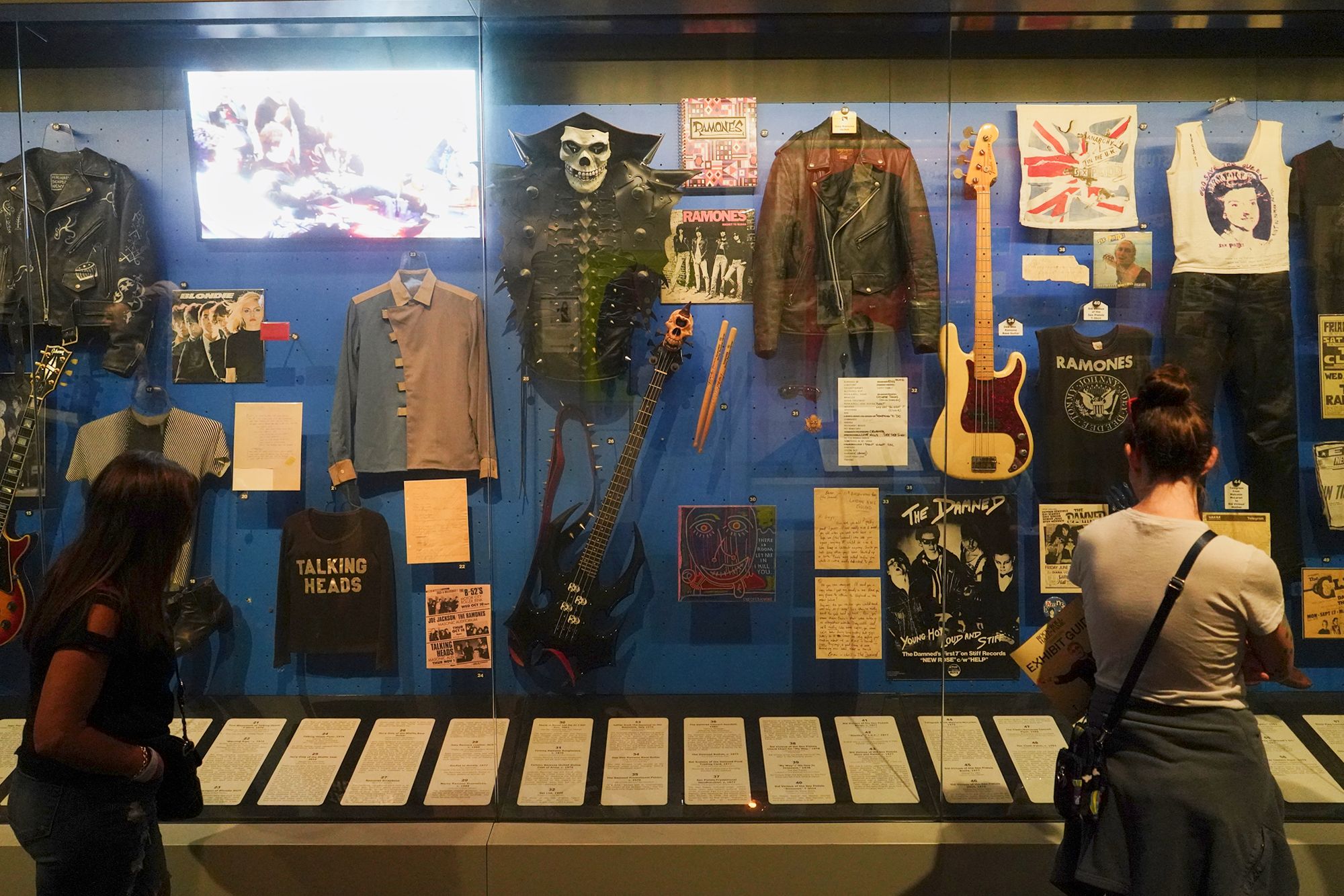
London, New York, and Los Angeles formed a powerful triangle in shaping modern popular music.
London fueled innovation and reinvention, driving rock, punk, and art-pop. New York thrived on diversity, birthing folk revival, punk, disco, and hip-hop. Los Angeles blended folk, rock, pop, and studio craft, turning personal songwriting into globally influential sounds.
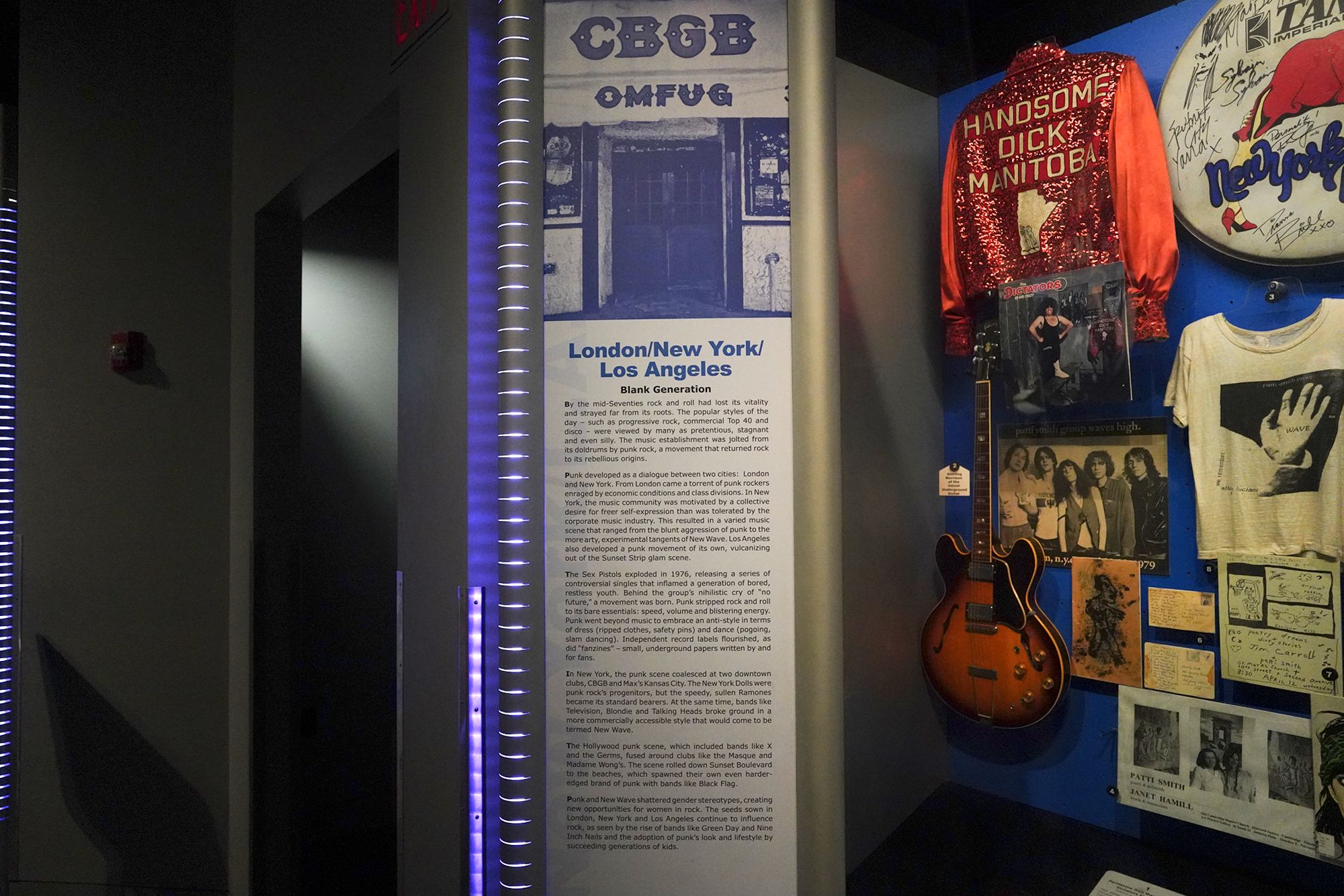
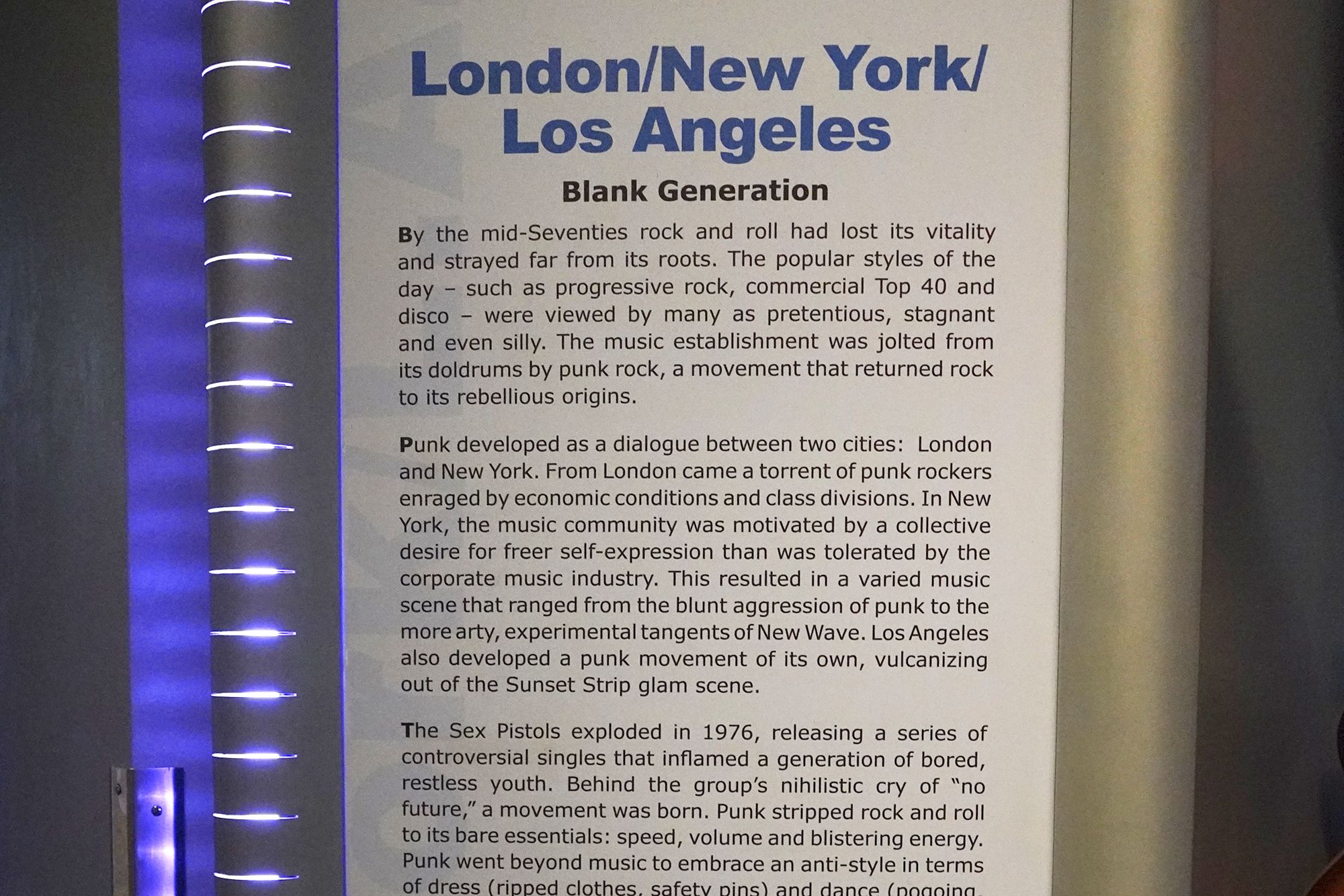
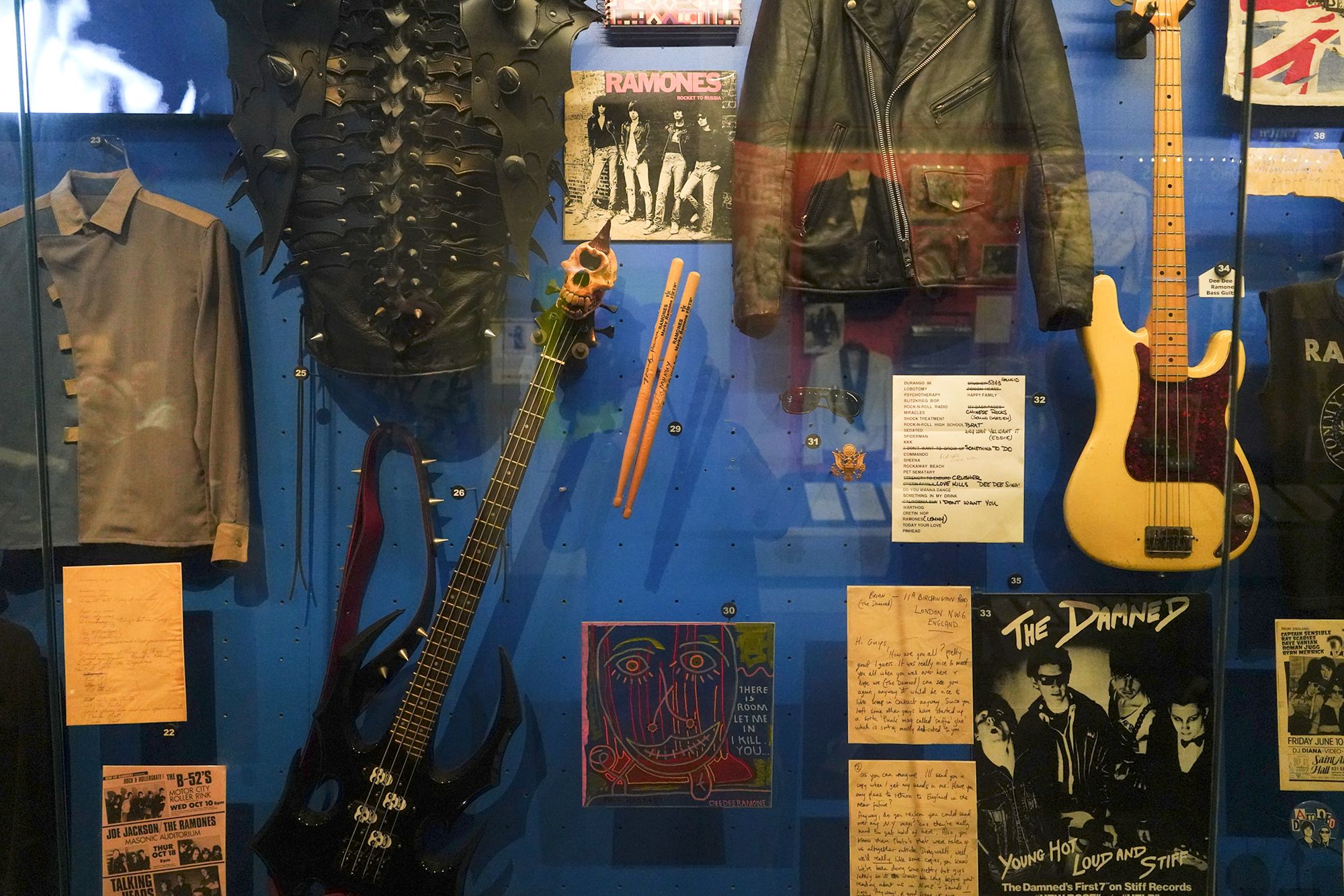
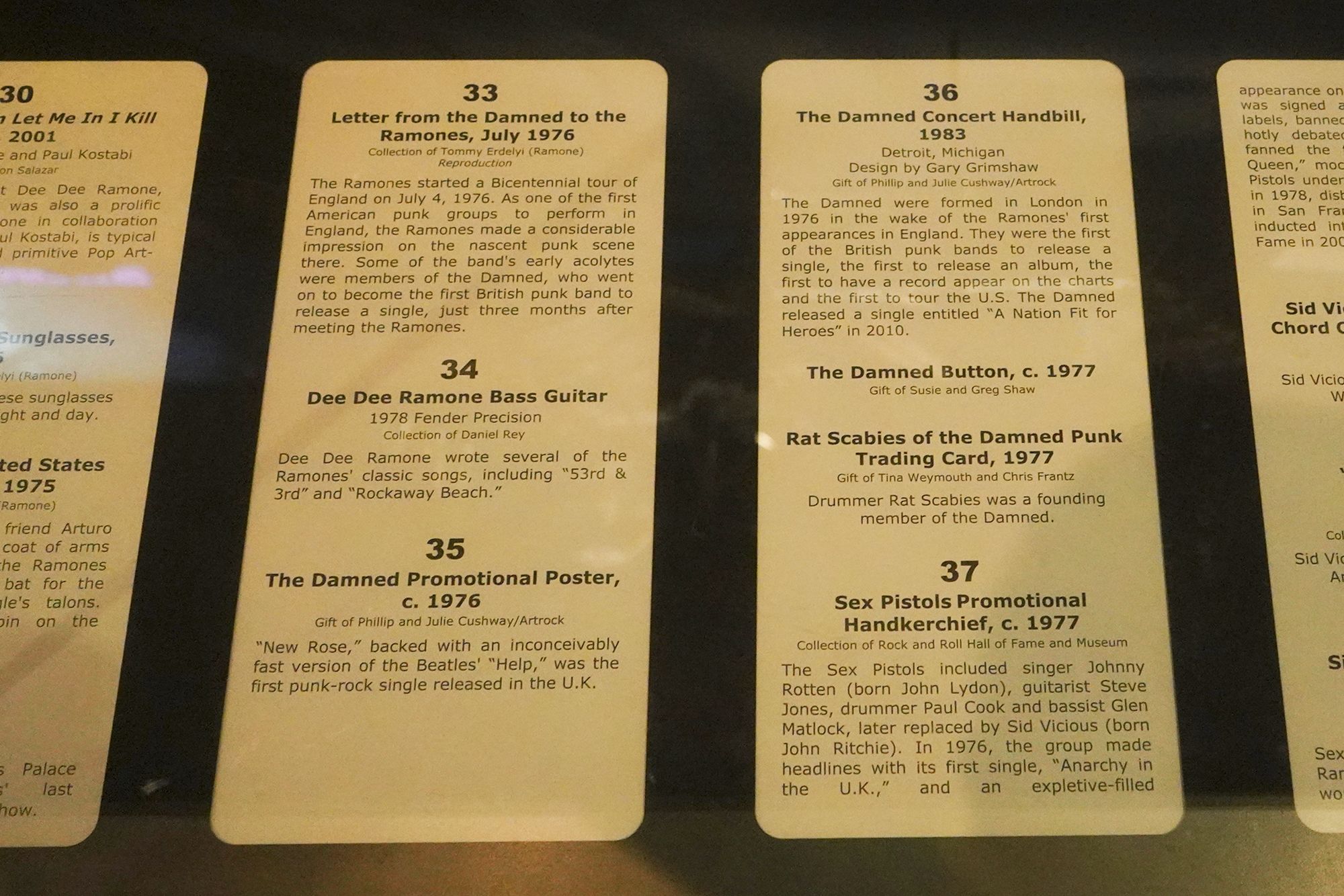
Punk rock developed as a dialogue between two cities: London and New York. Los Angeles also developed its own punk movement.
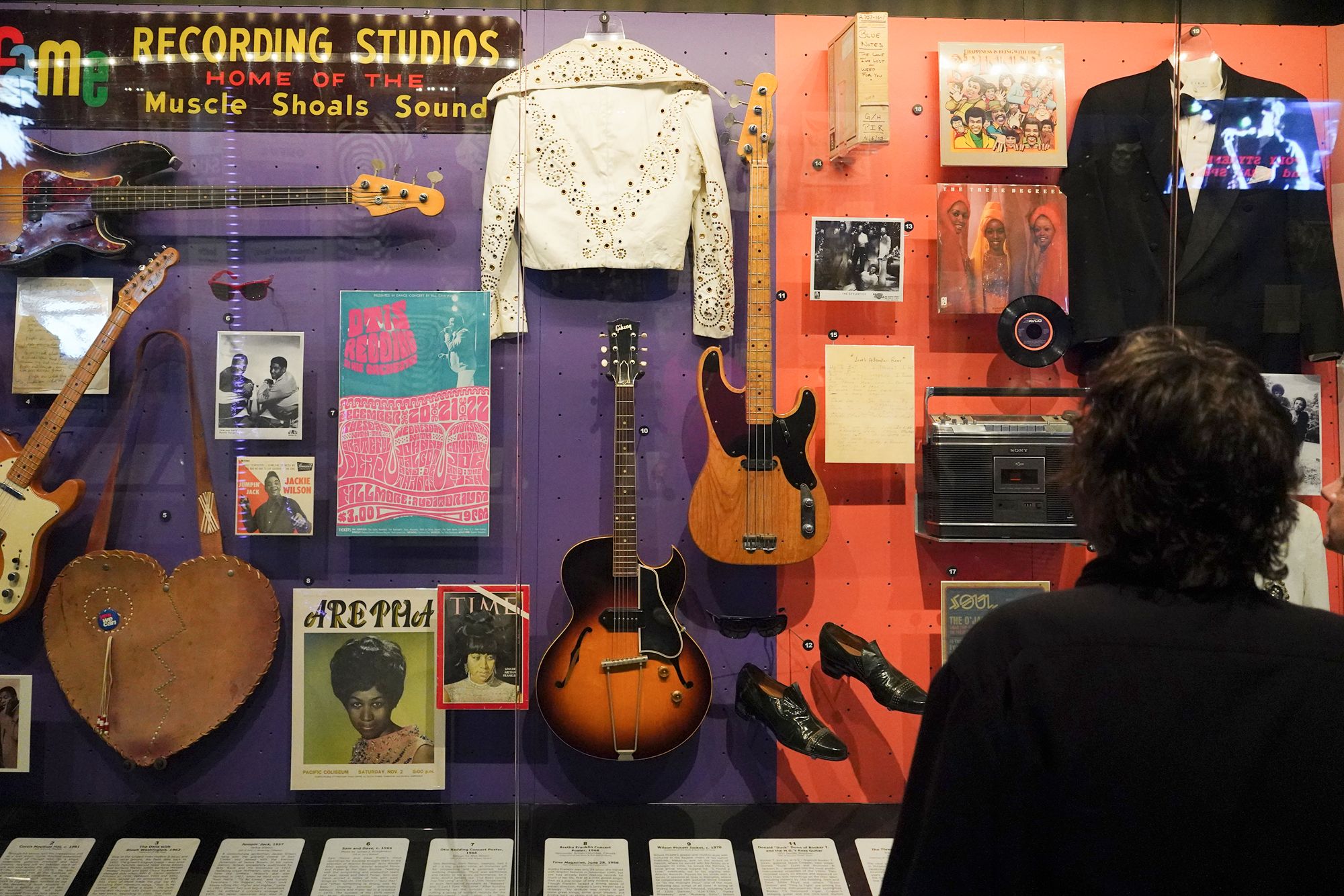
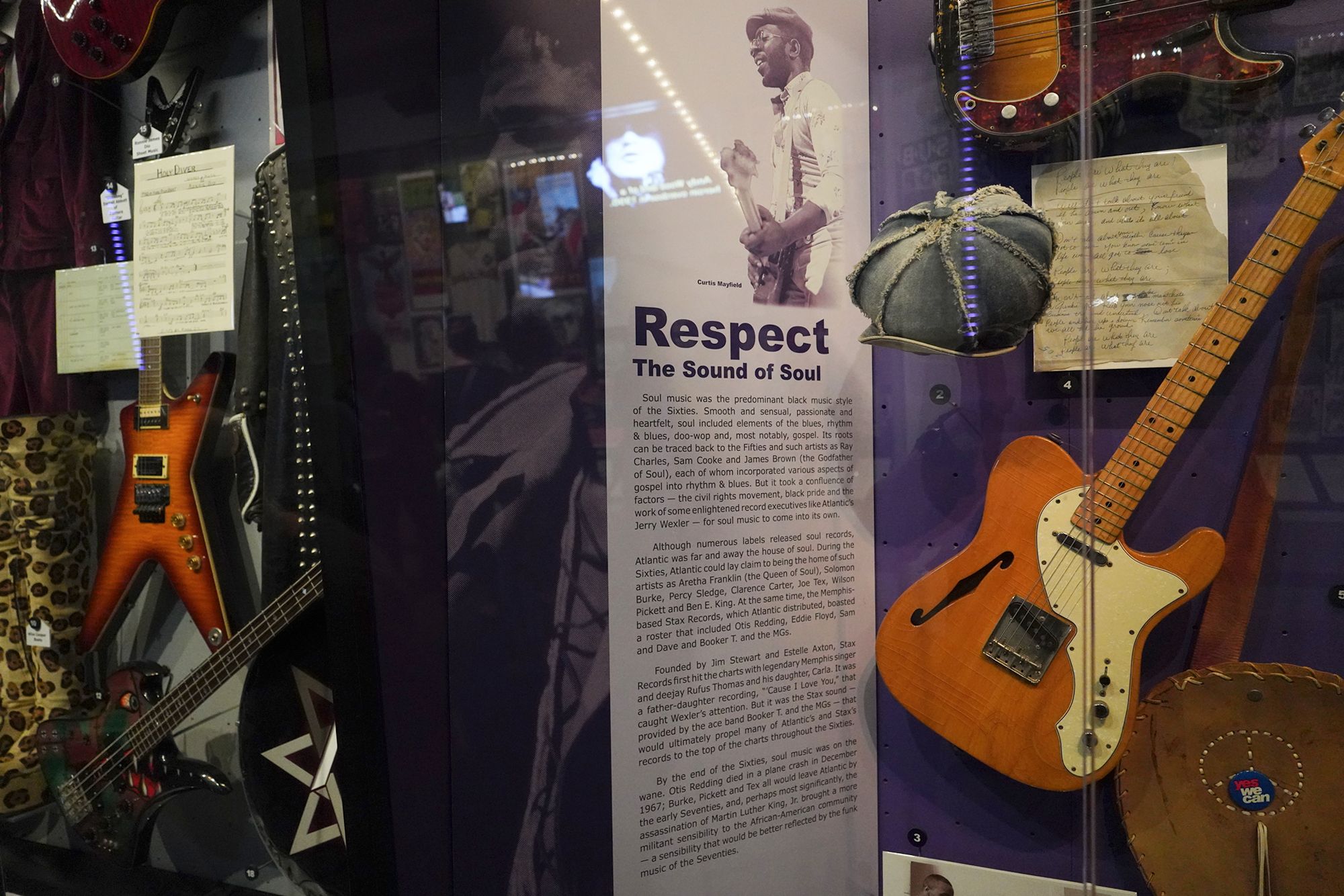
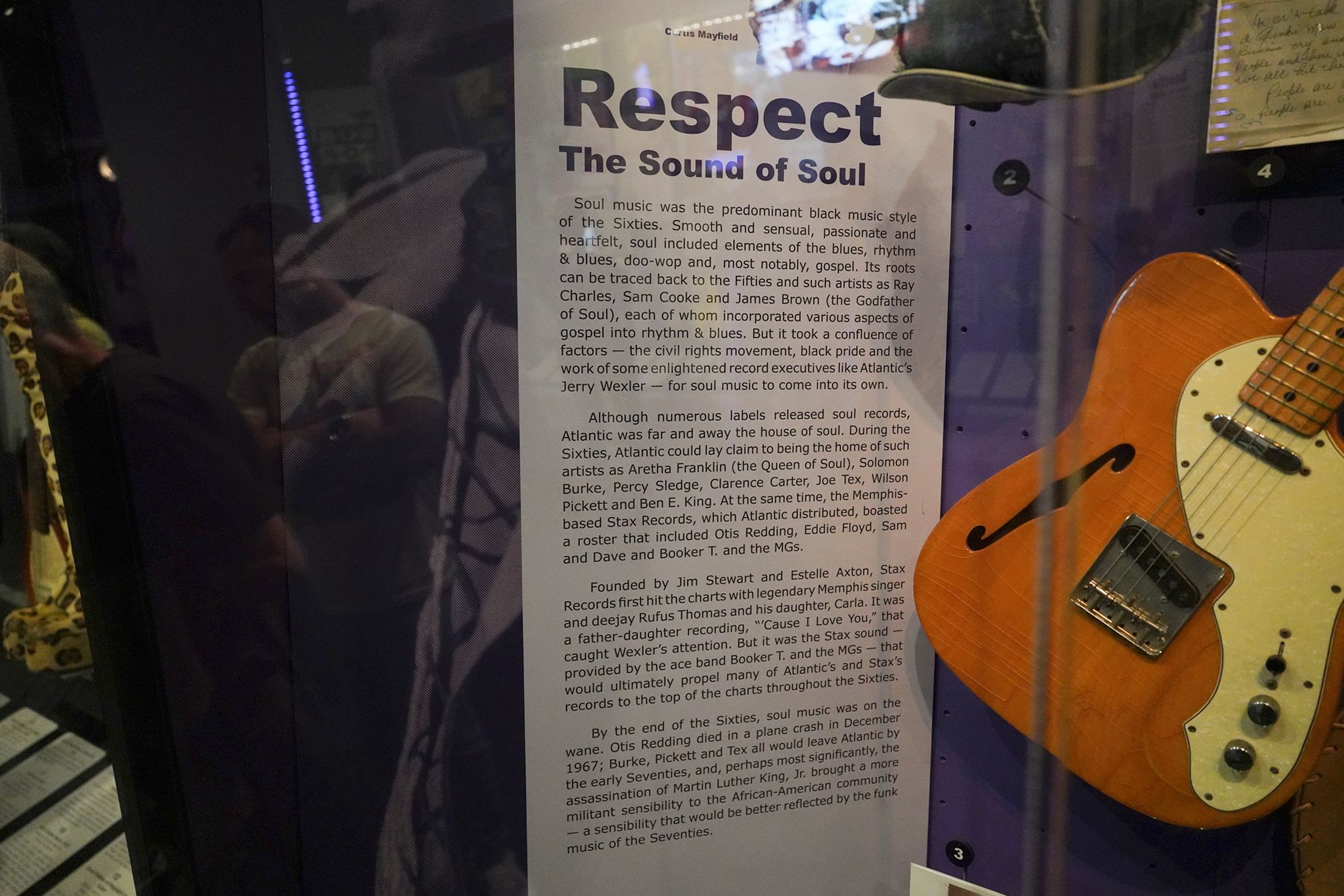
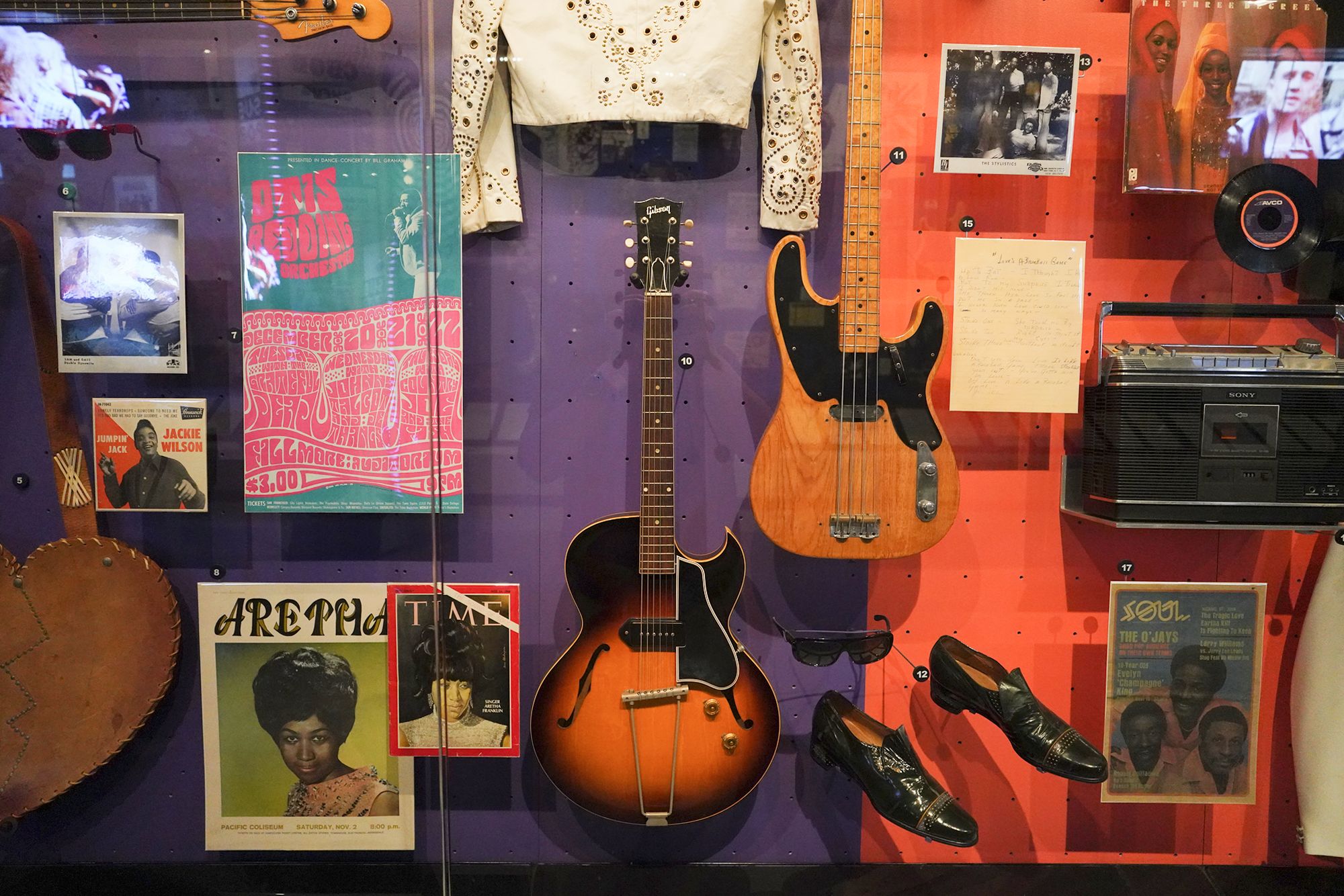
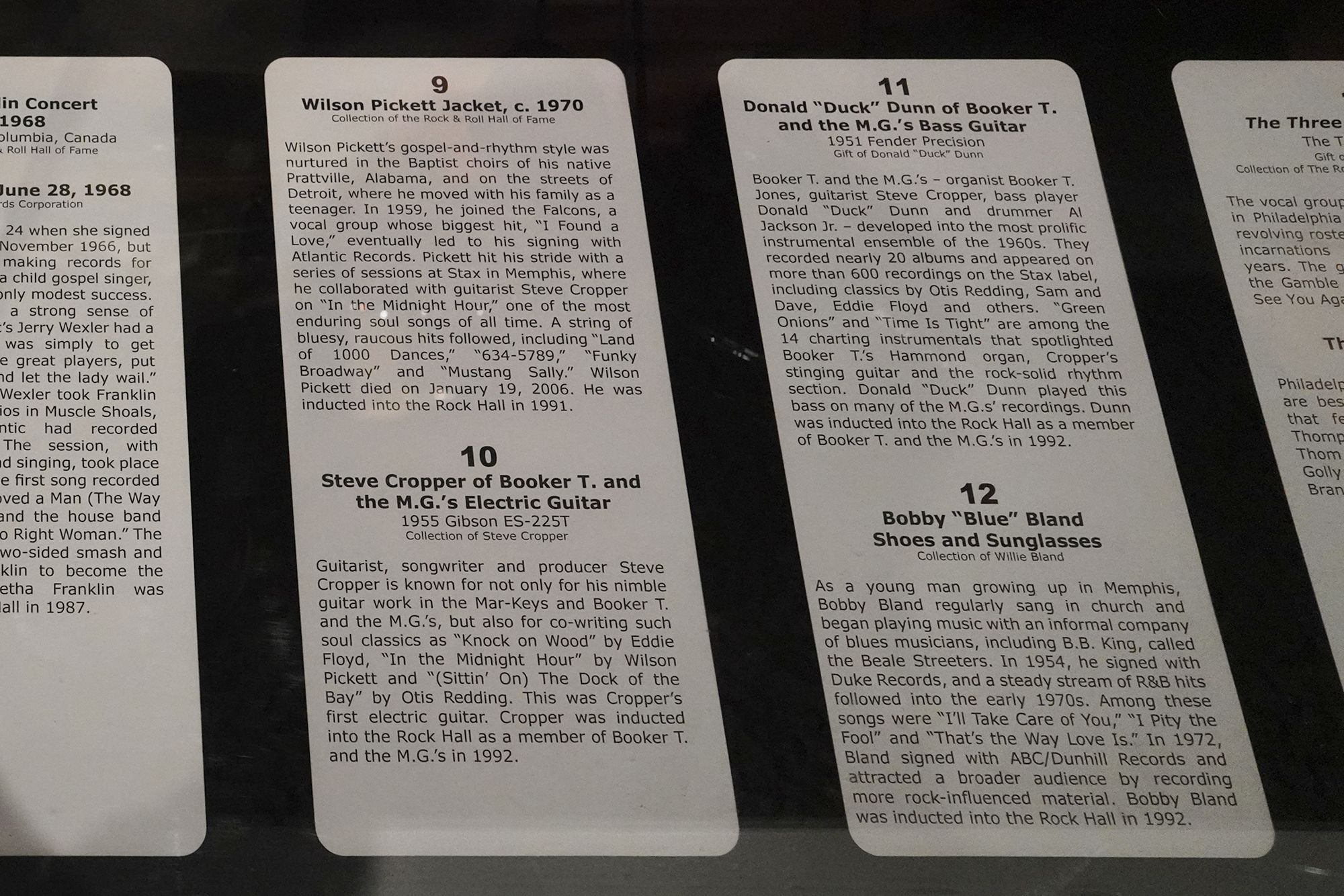
Soul music made a major contribution to rock and roll by adding emotional depth, vocal power, and rhythmic drive.
Rooted in gospel and rhythm and blues, soul brought passionate singing, call-and-response patterns, and a strong backbeat into popular music. These elements shaped rock vocals, live performance energy, and stage presence, influencing artists from early rock pioneers to later rock, funk, and pop performers.
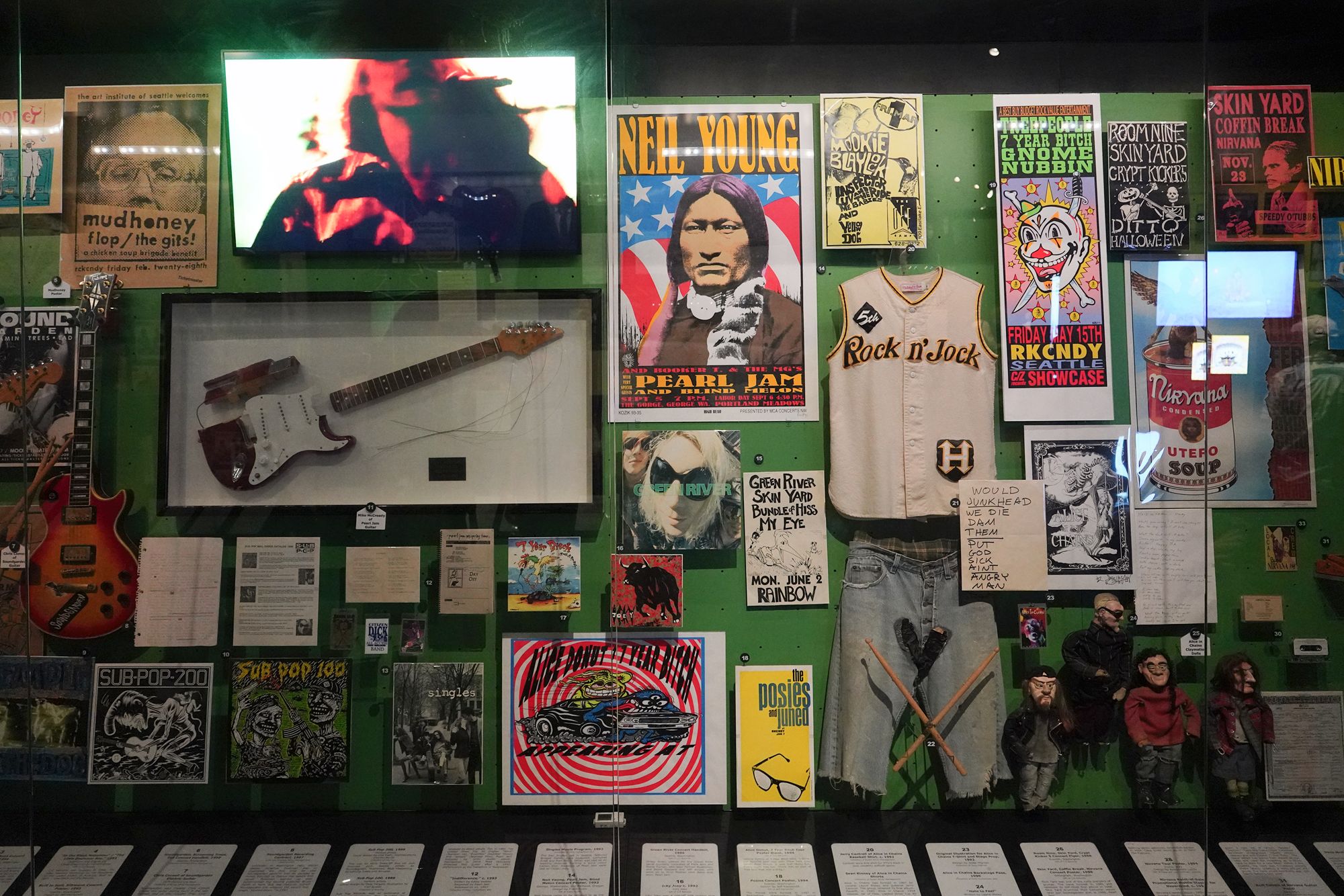
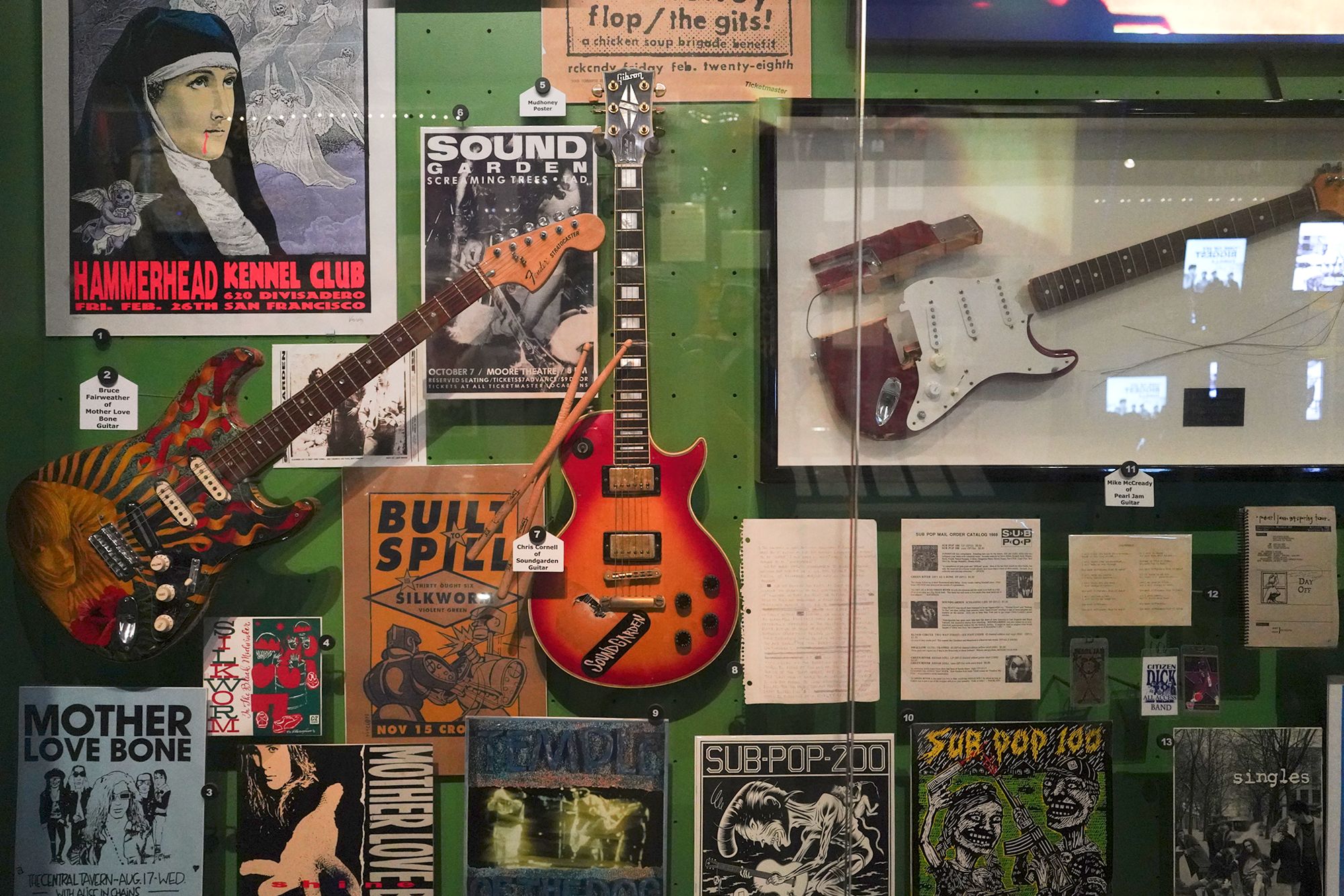
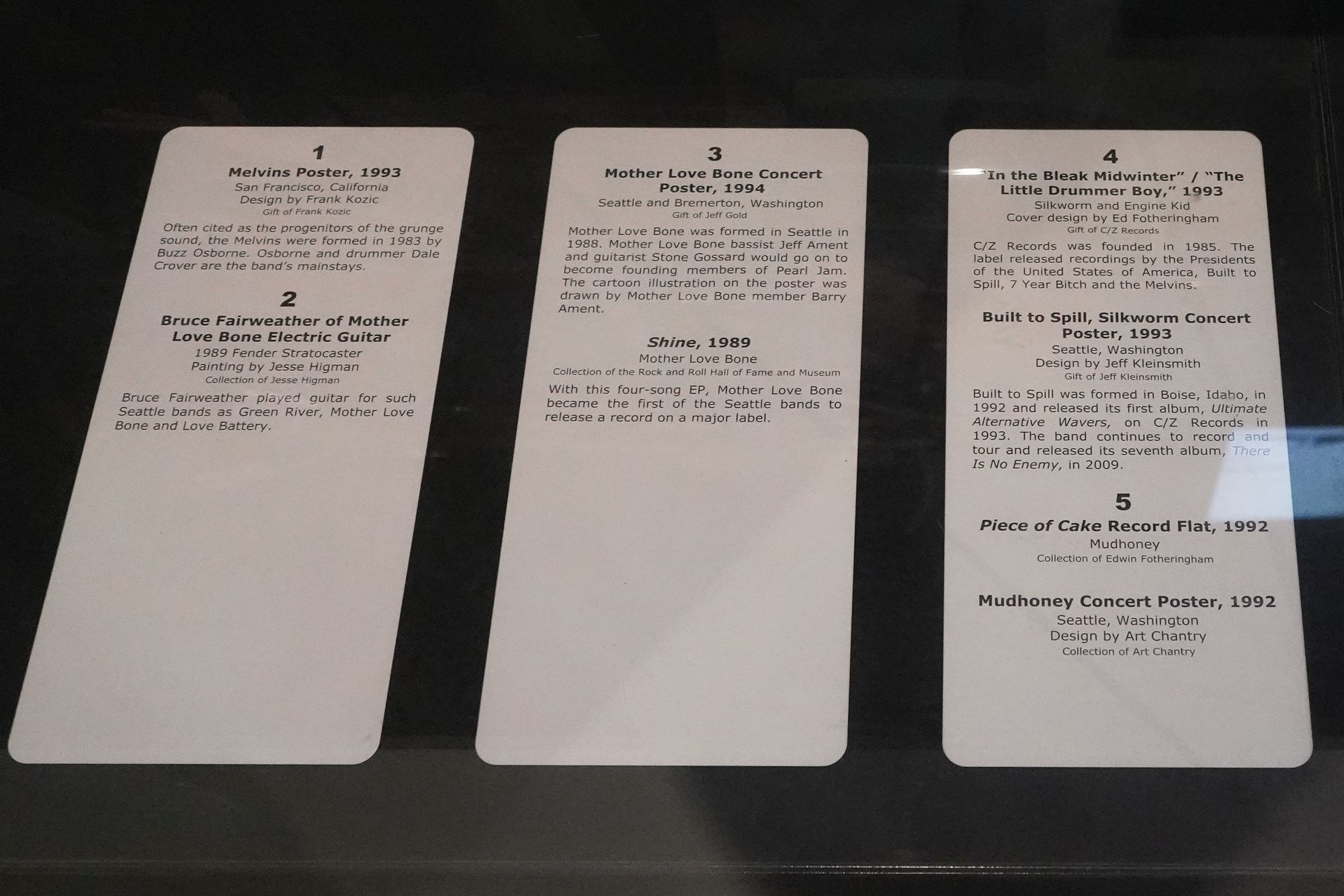
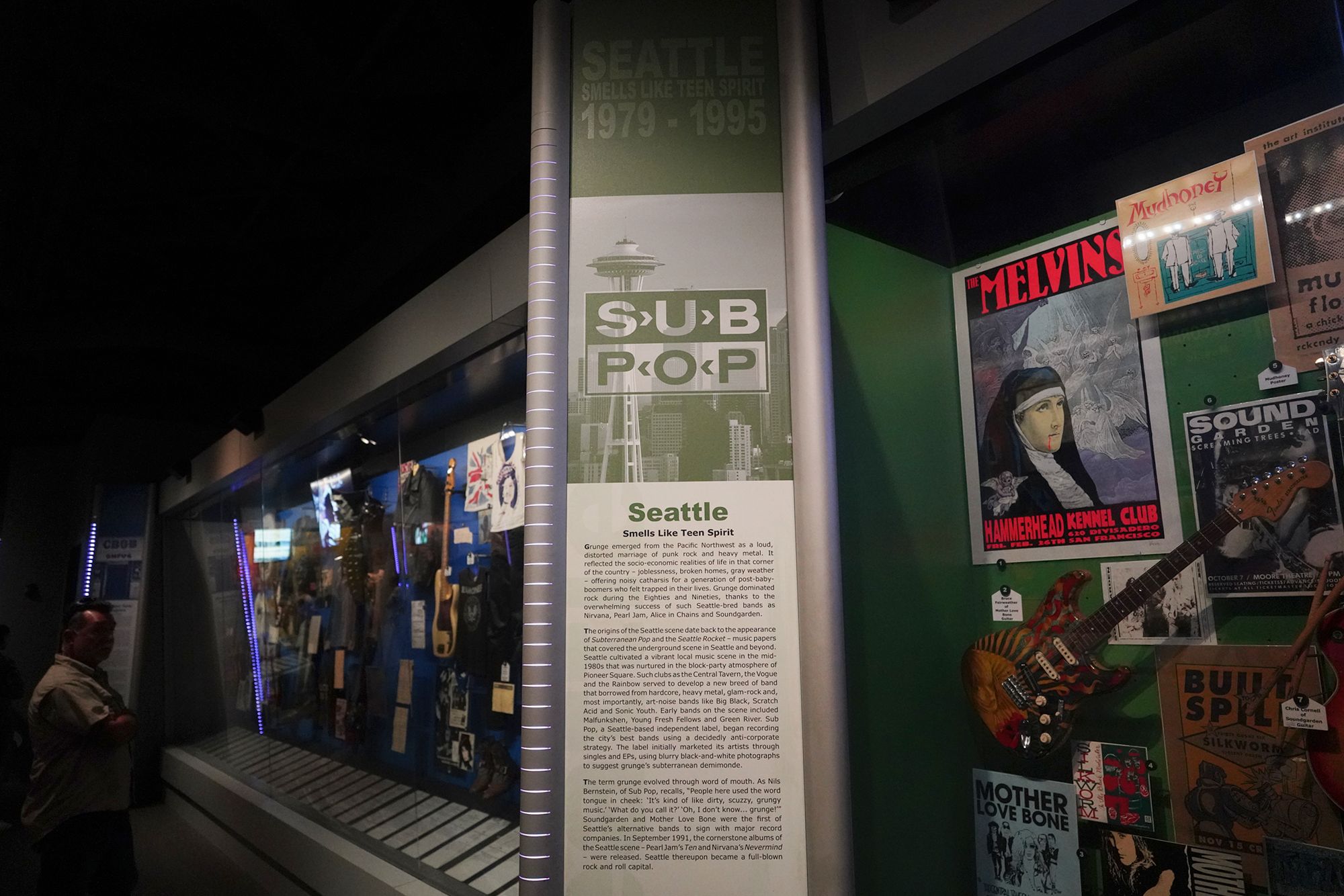
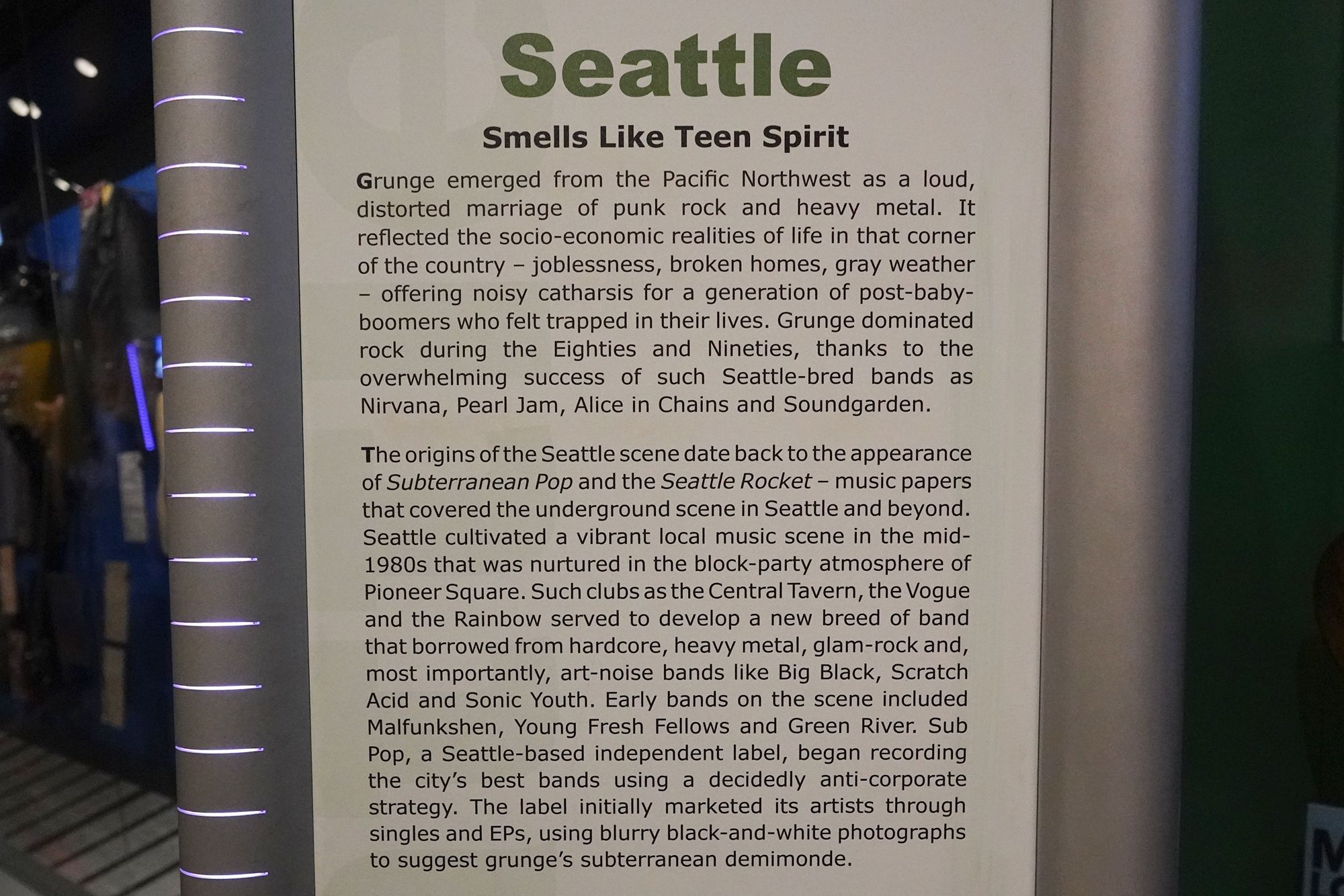
Seattle, through Sub Pop Records, reshaped rock music in the late 1980s and early 1990s.
Sub Pop unified the city’s underground scene into a recognizable sound—grunge—mixing punk’s rawness with heavy guitar distortion and introspective lyrics. Bands like Nirvana, Soundgarden, and Mudhoney turned a regional movement into a global reset for rock, rejecting excess and restoring grit and authenticity.
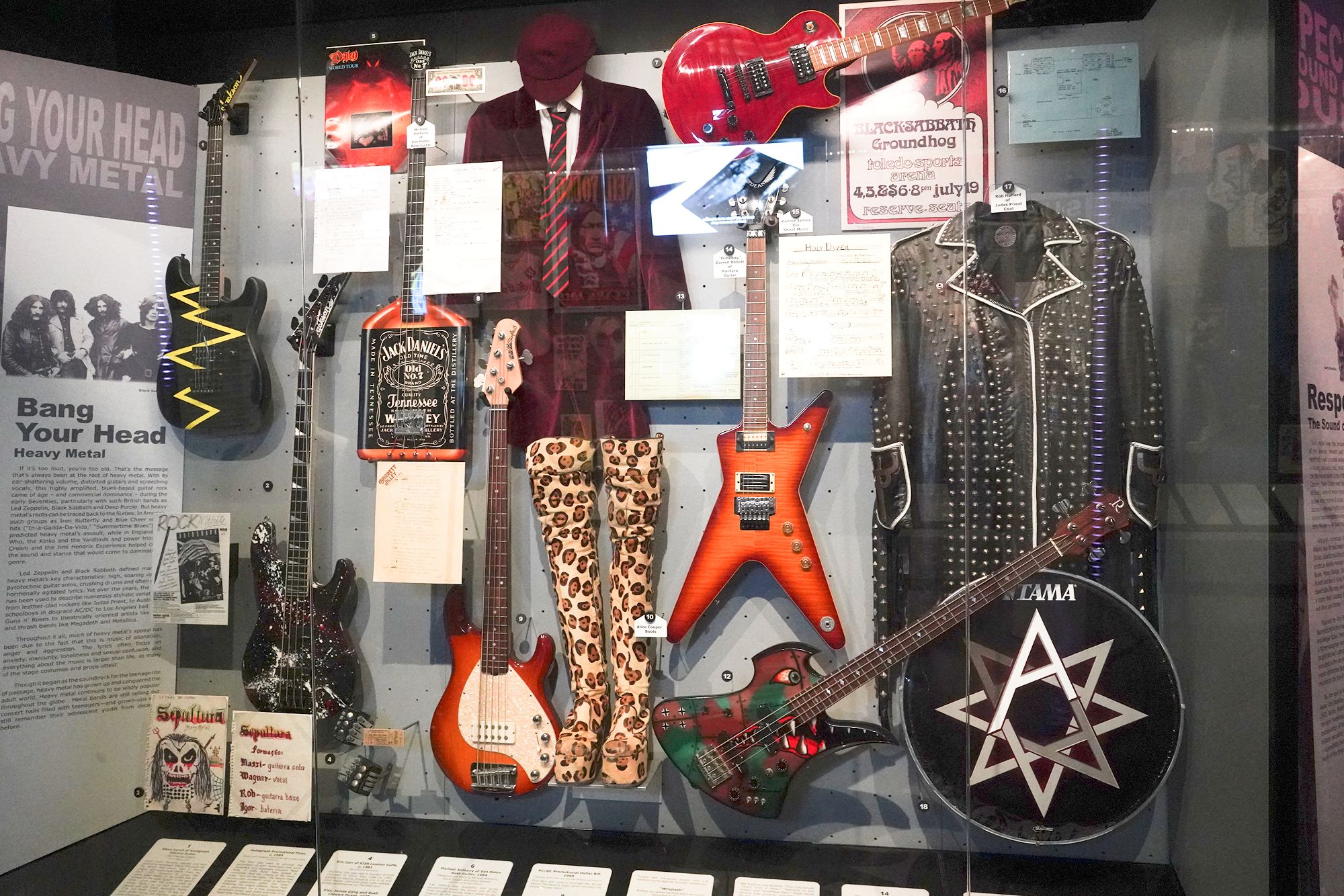

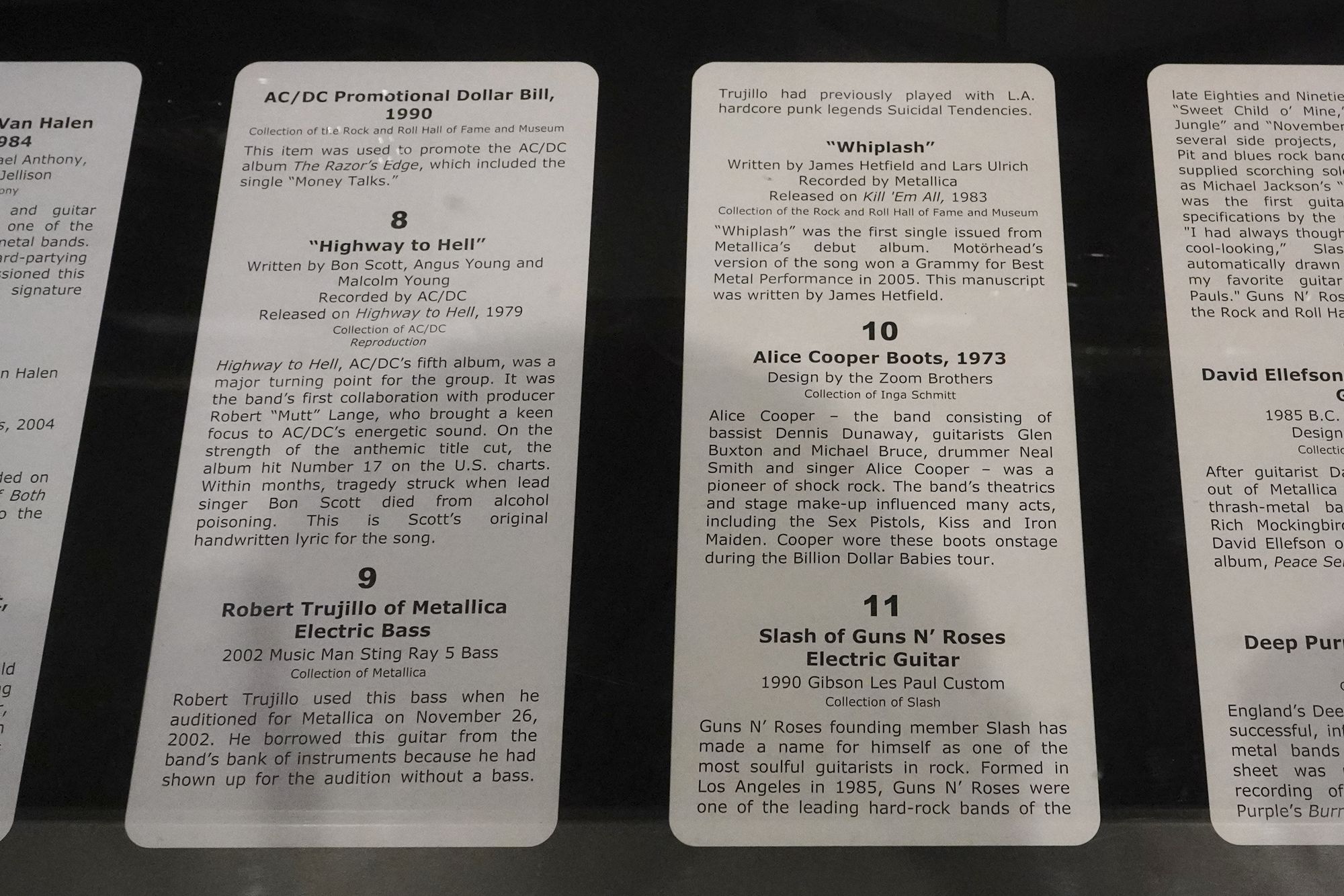
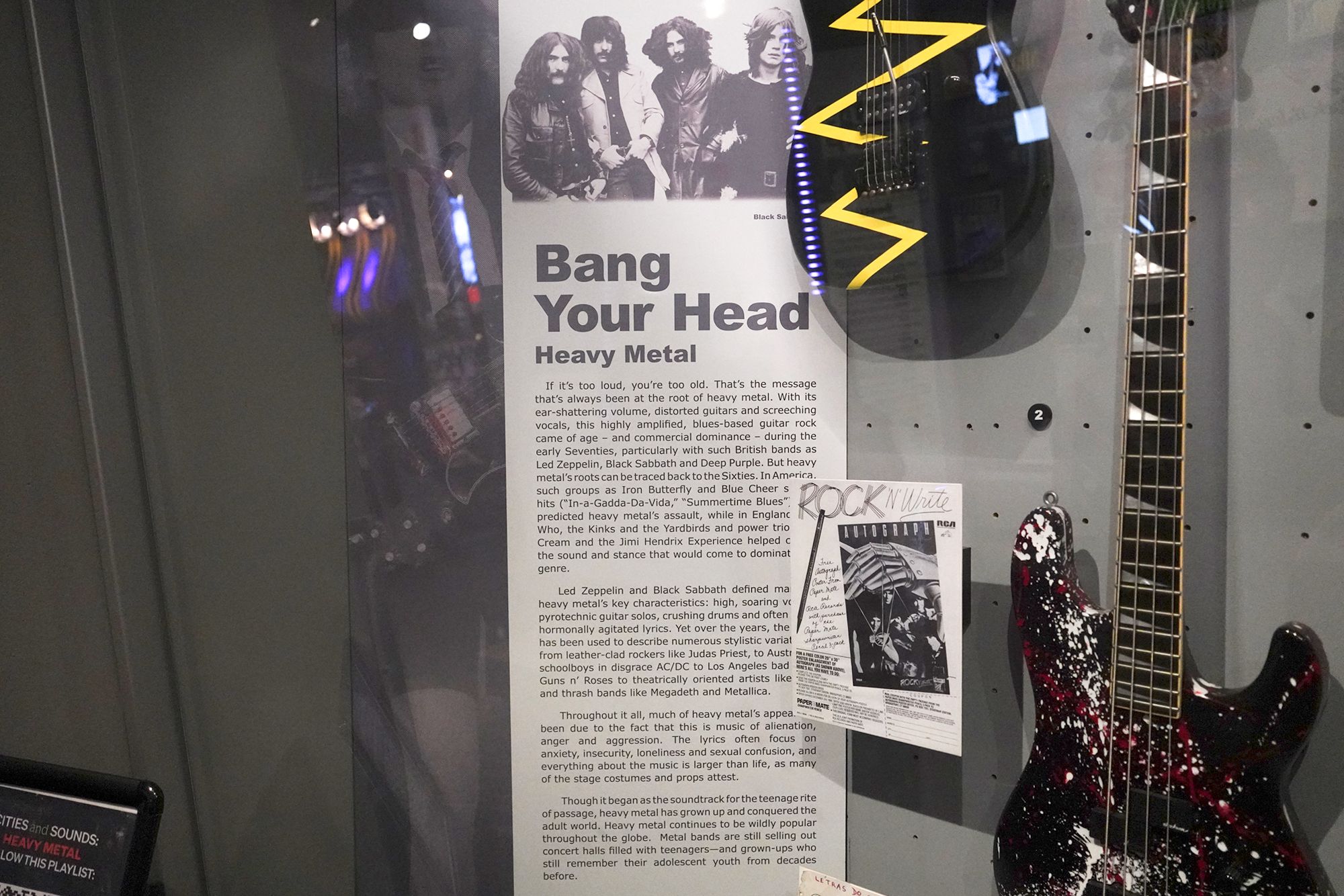
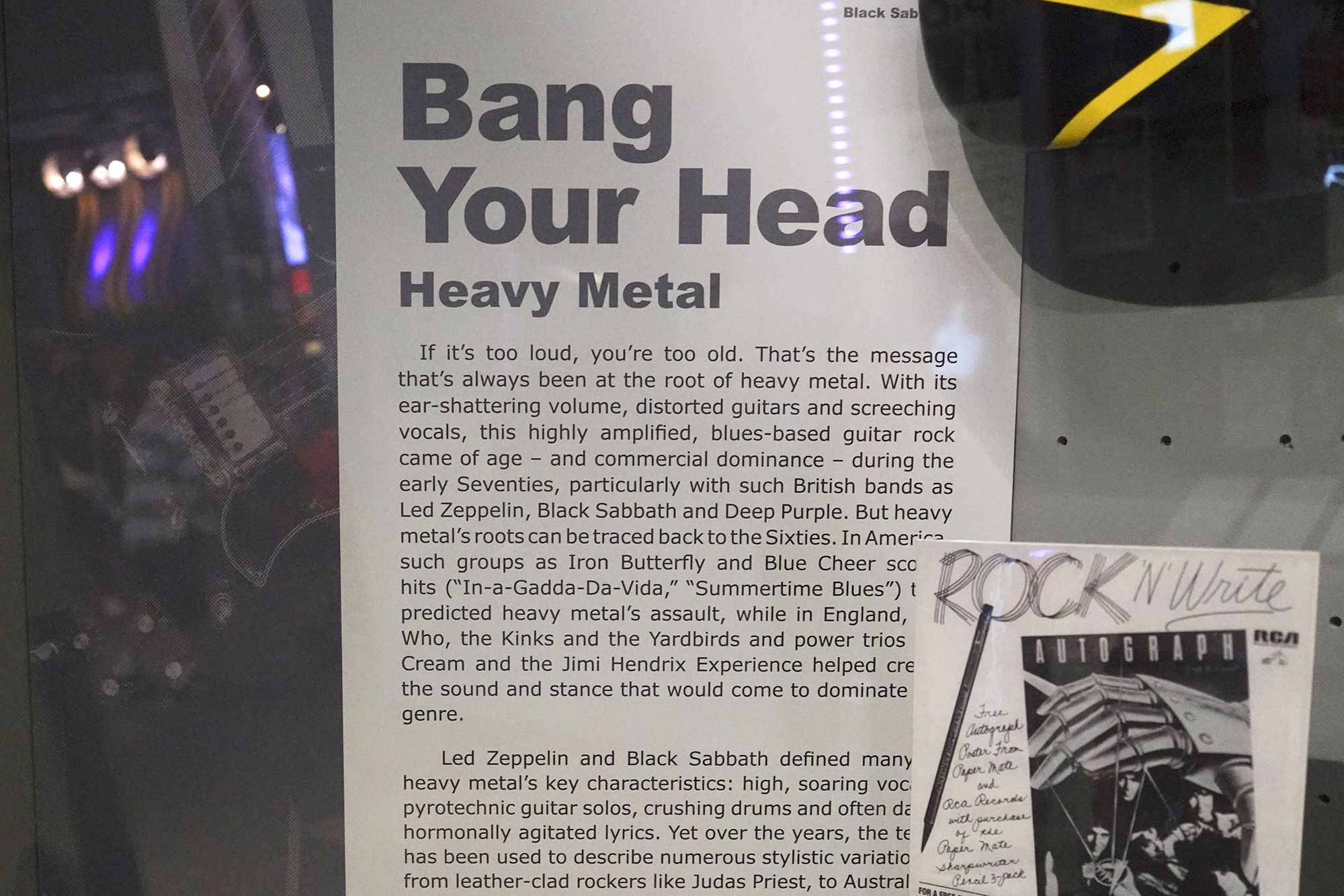
Heavy metal emerged as a louder, heavier evolution of rock music.
Developing in the late 1960s and early 1970s, metal emphasized distorted guitars, powerful riffs, extended solos, and dramatic themes. Bands like Black Sabbath, Led Zeppelin, and Deep Purple shaped its sound, while later scenes expanded metal into diverse subgenres that pushed volume, intensity, and theatricality in rock.
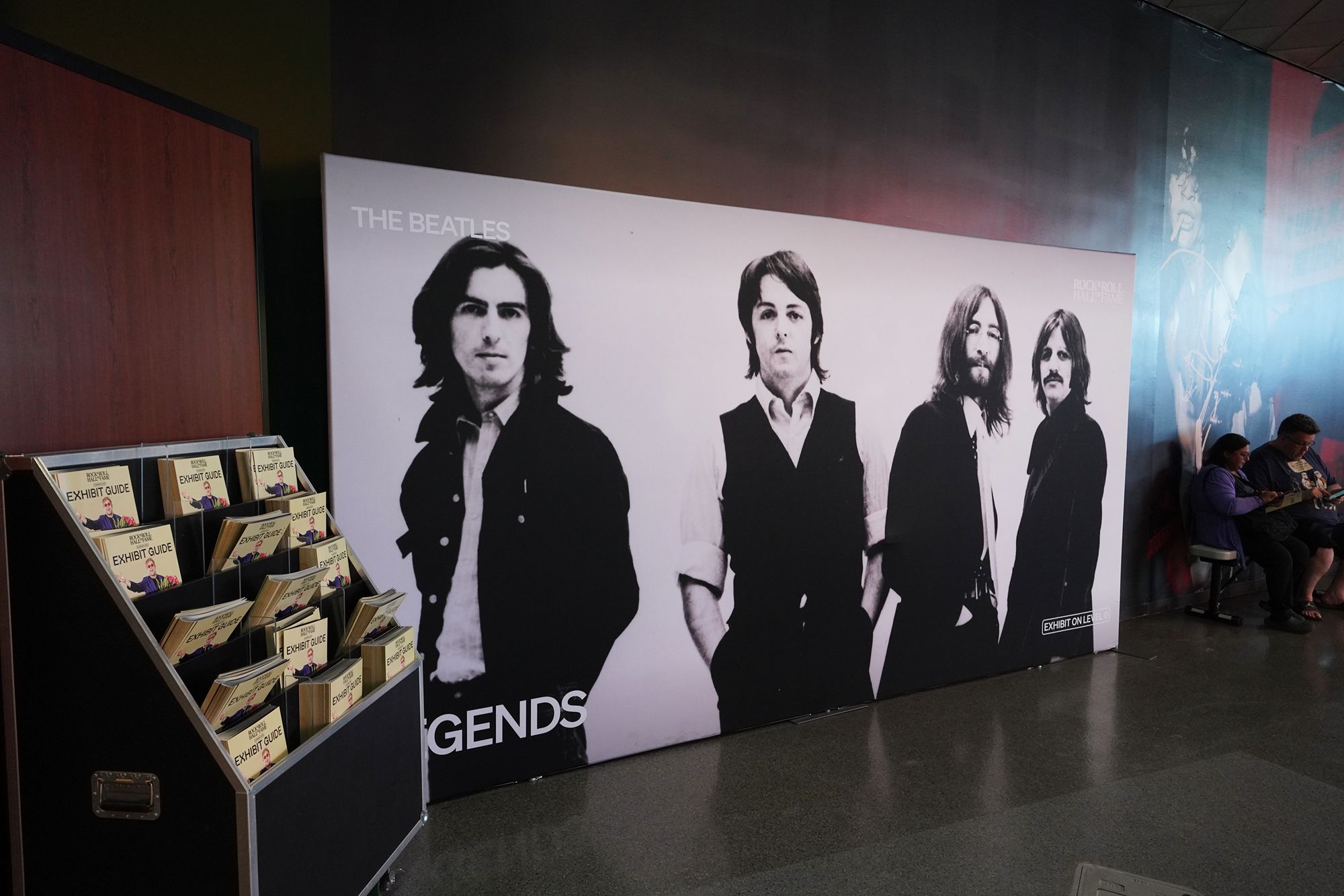
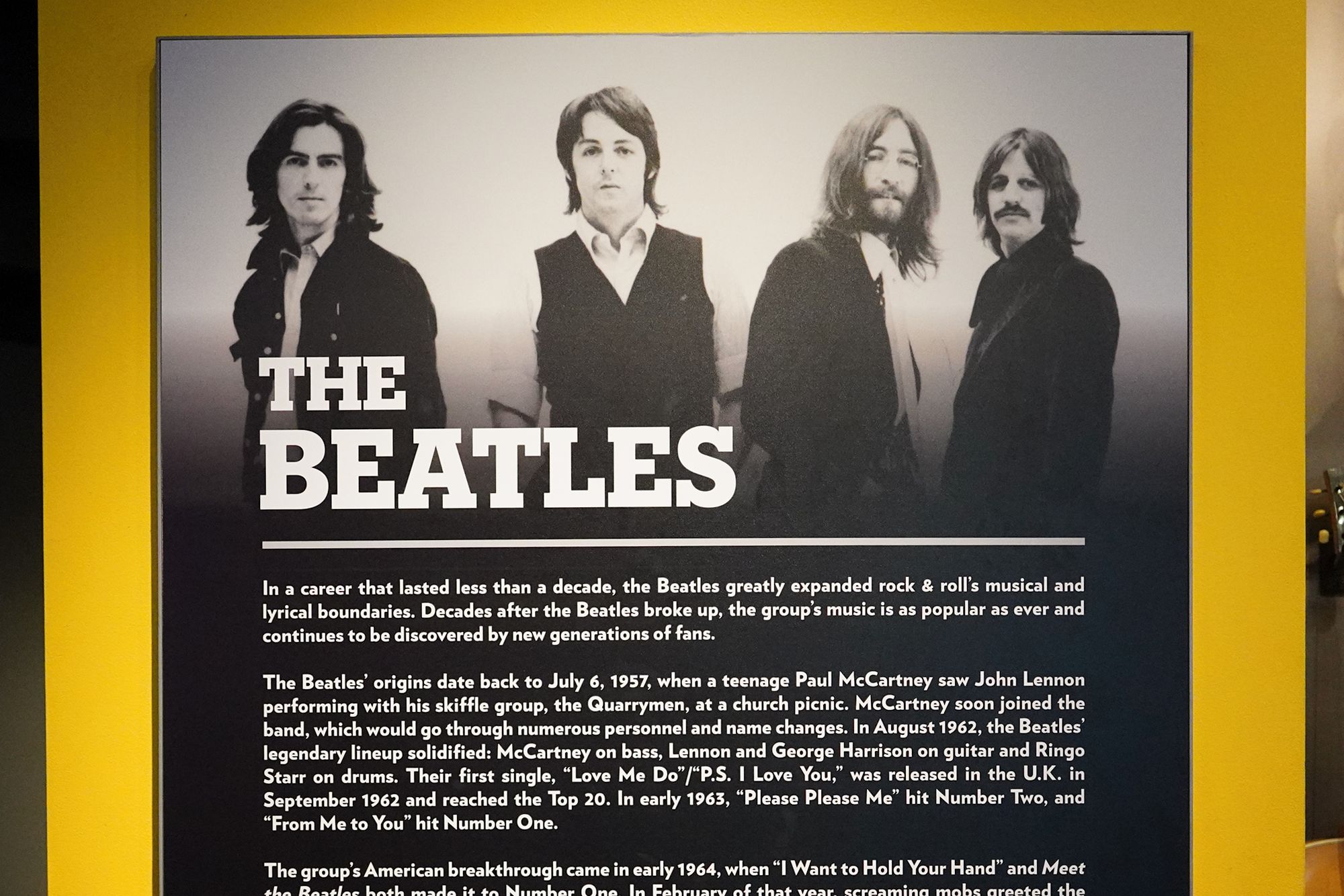
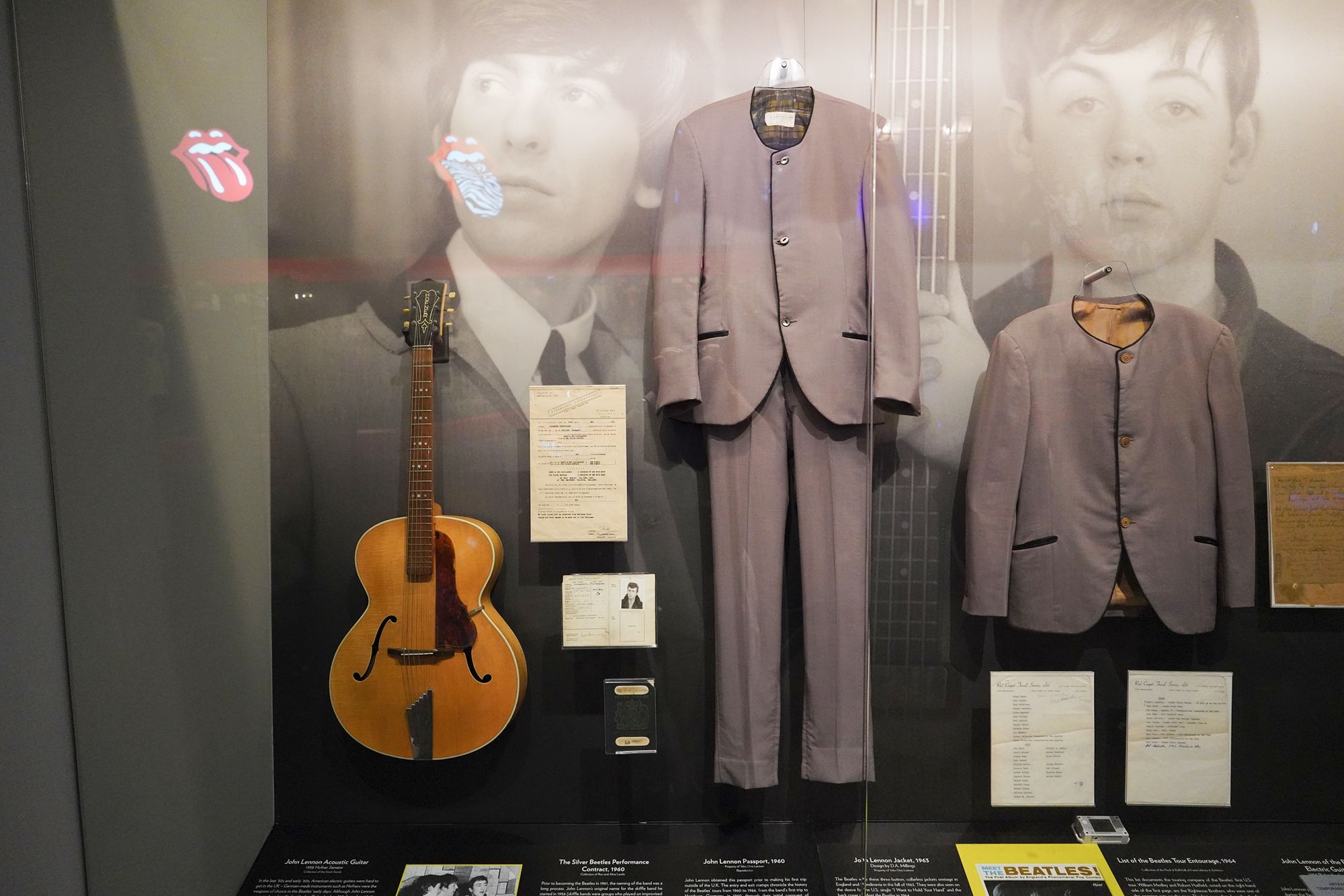
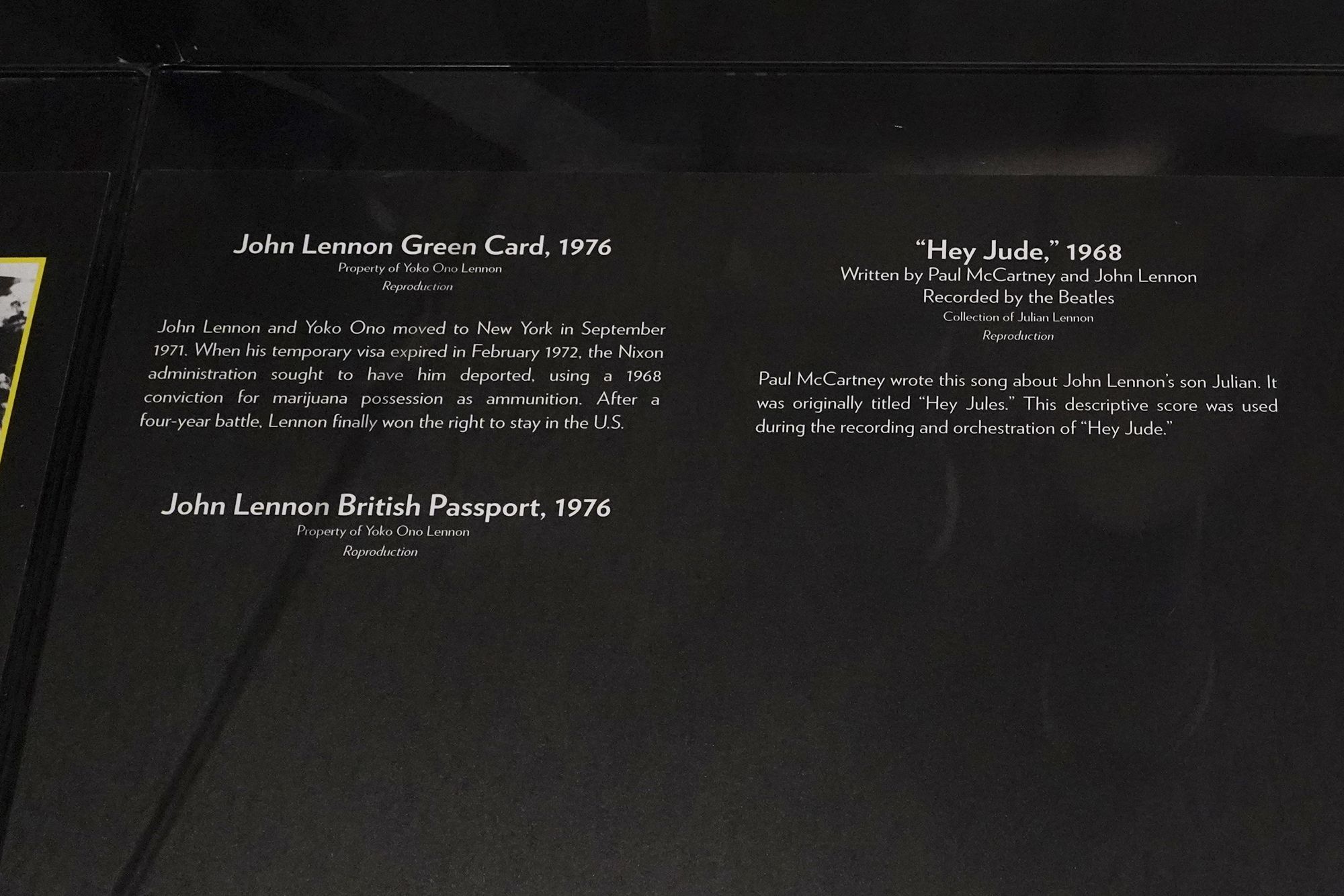
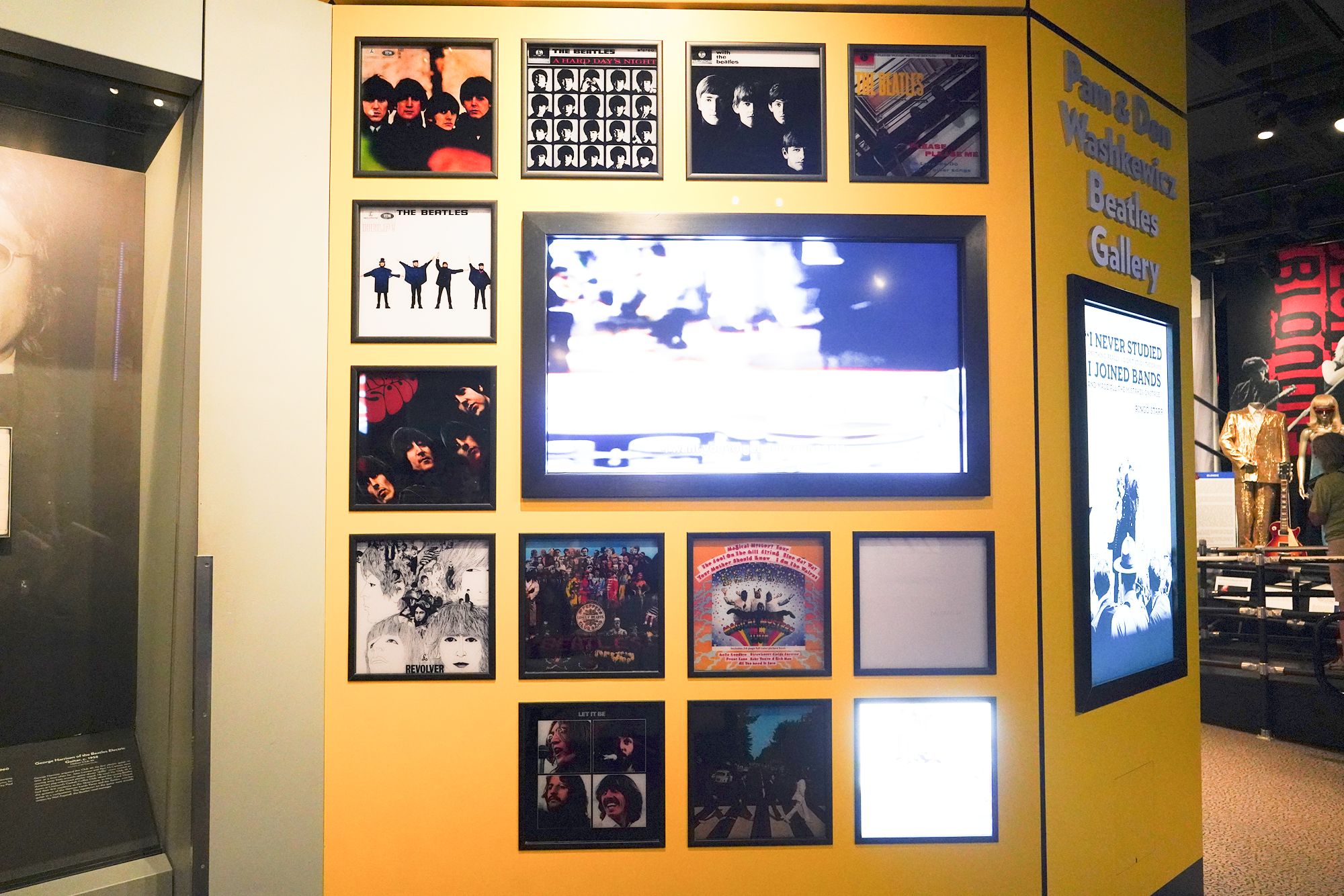
The Beatles transformed rock and roll from a youth-driven style into a broad artistic language.
Building on early American rock and roll, rhythm and blues, and pop, they expanded songwriting, studio experimentation, and album-focused listening. Their success during the British Invasion reshaped global music culture, proving that rock could evolve creatively while reaching massive audiences.
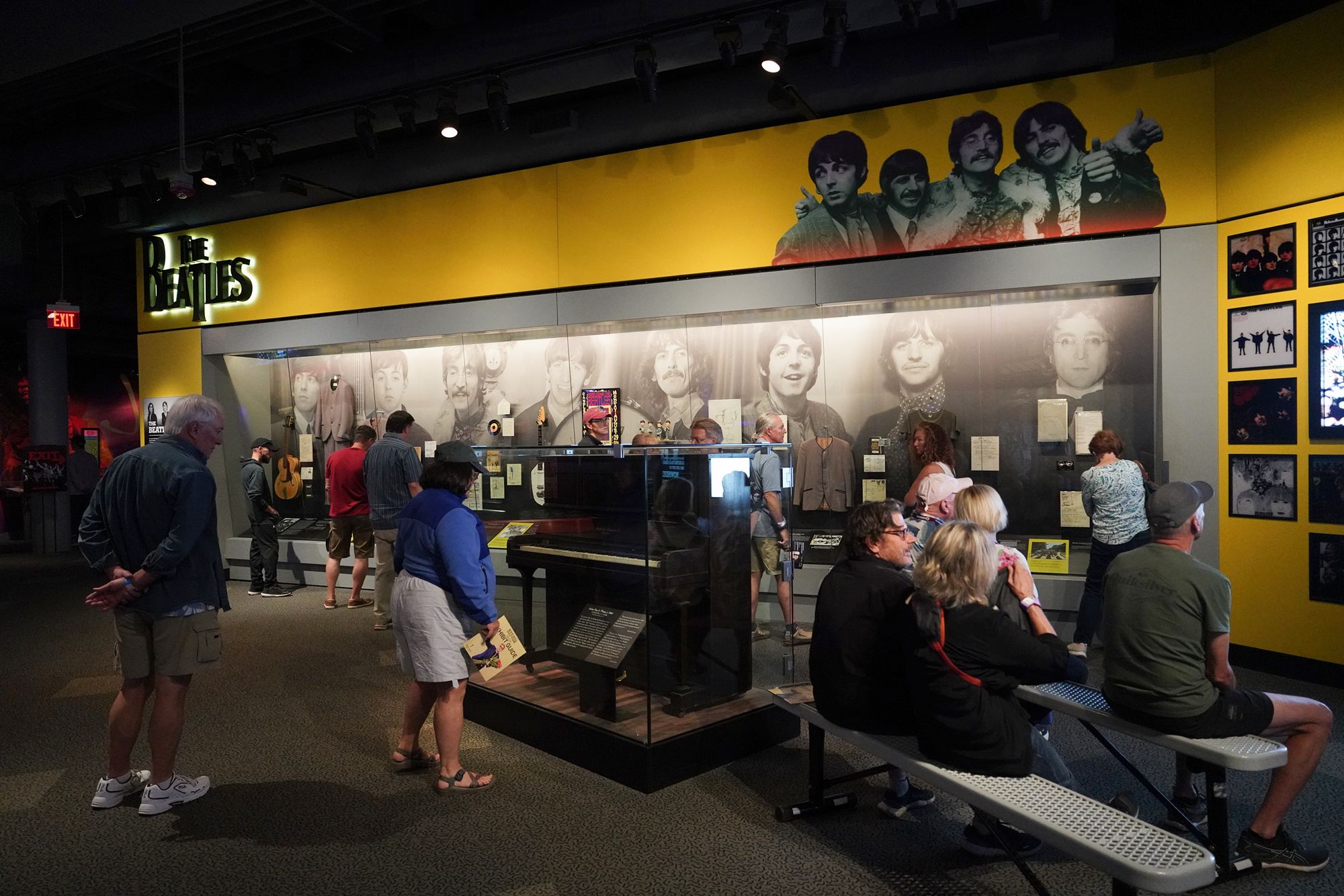
The Beatles reshaped rock and roll more profoundly than any other band.
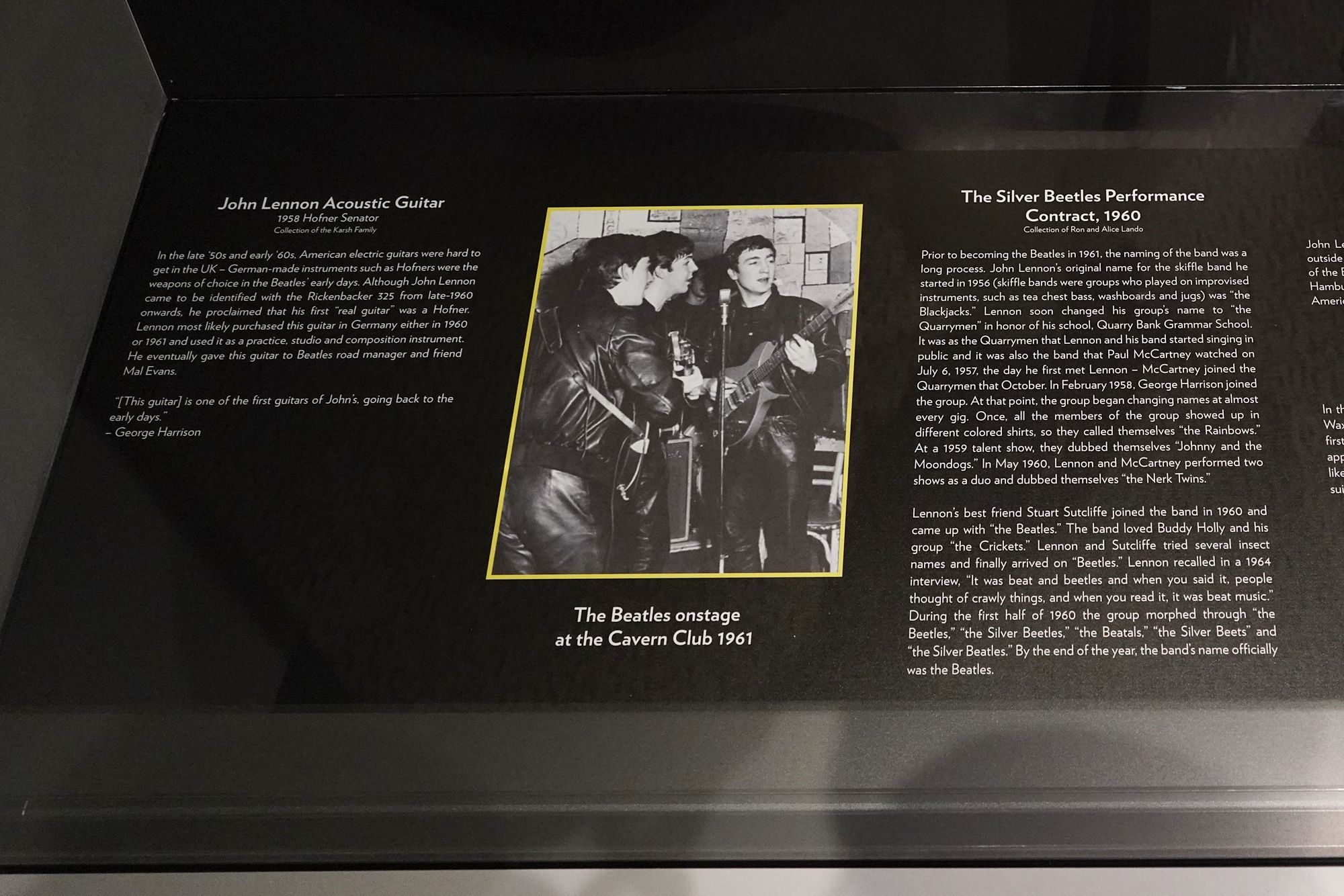
Emerging from Liverpool in the early 1960s, they began by absorbing American rock and roll, rhythm and blues, and skiffle, covering artists like Chuck Berry, Little Richard, and Buddy Holly. Early on, they helped reintroduce these American sounds back to the United States through the British Invasion, proving rock and roll’s global reach.
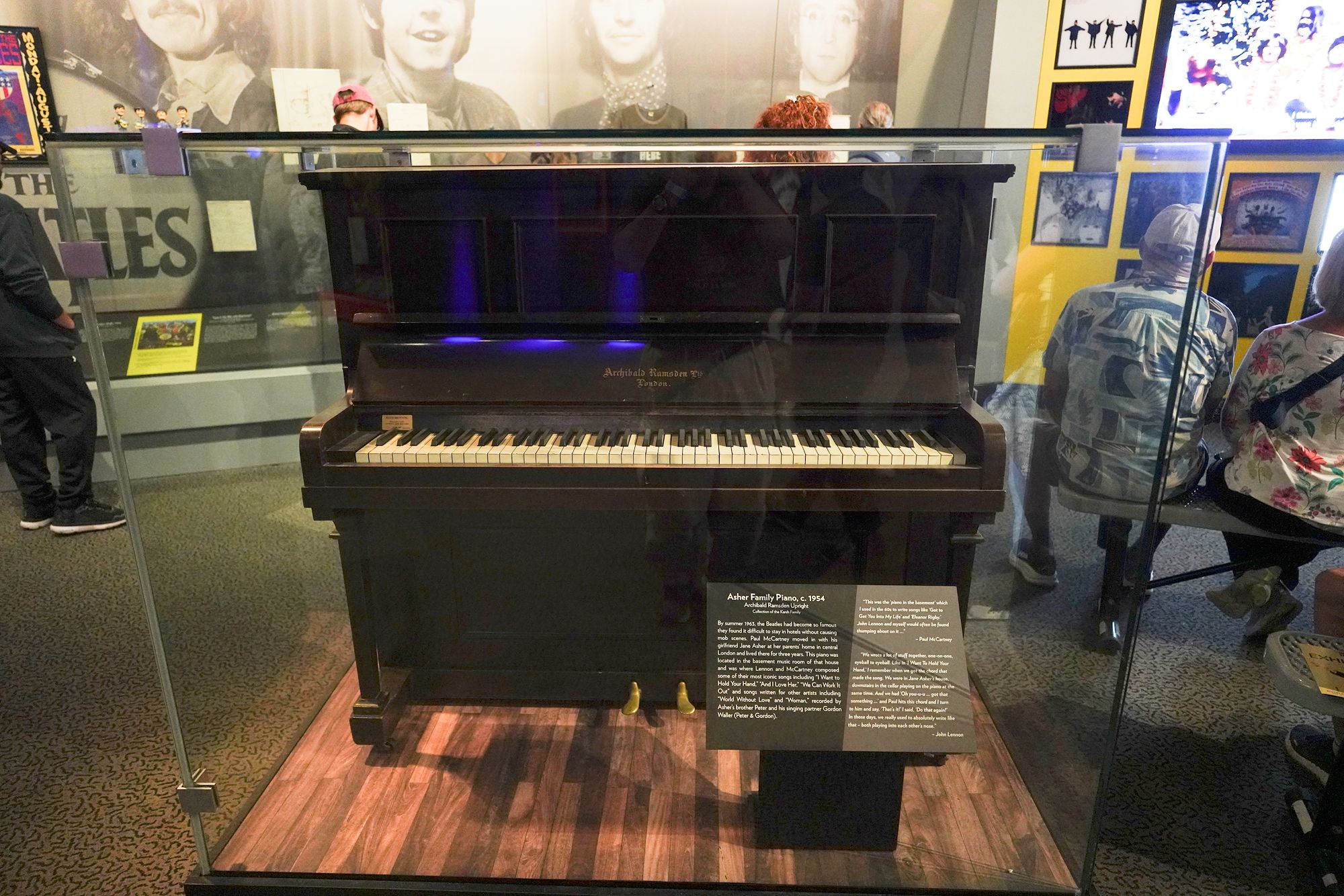
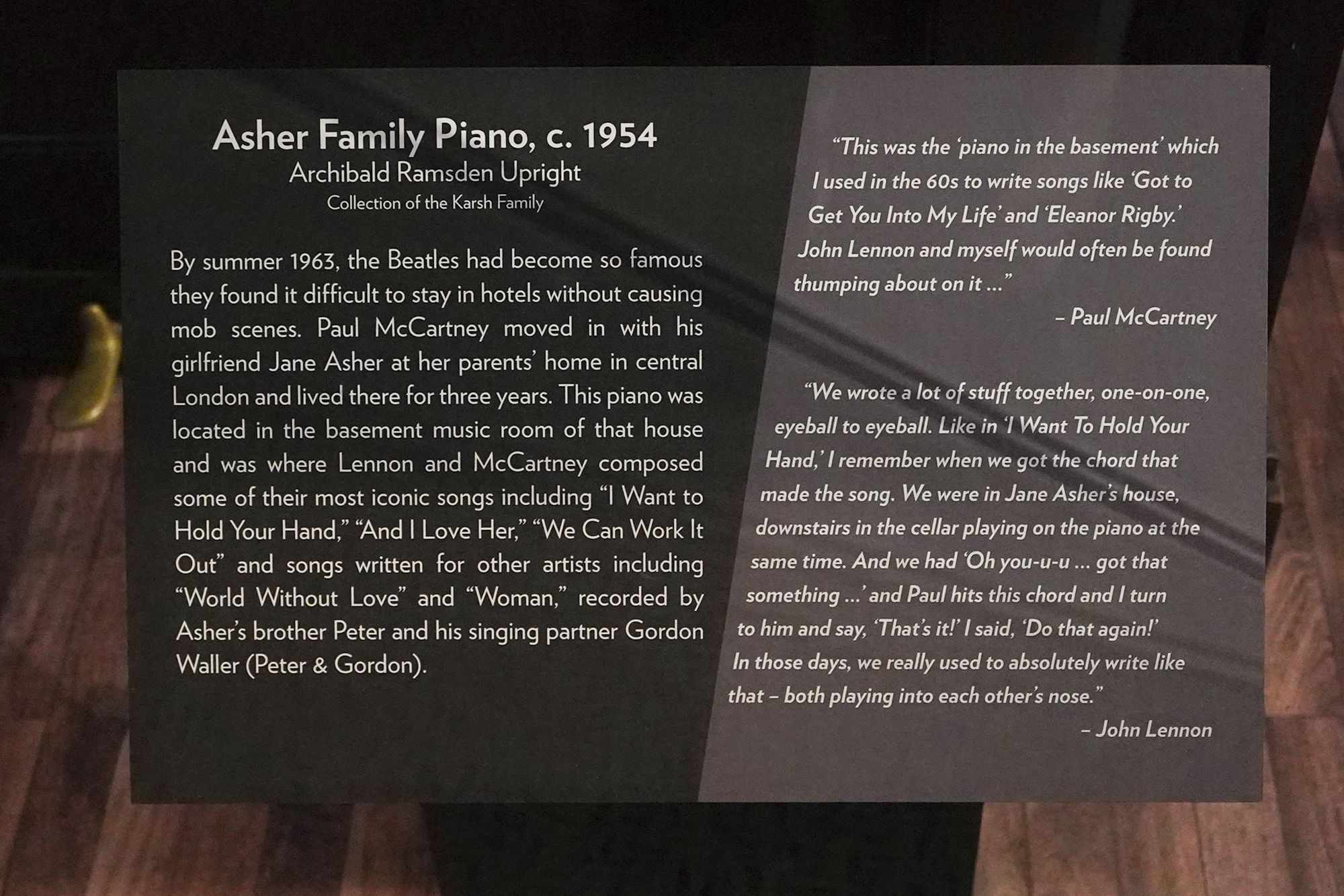
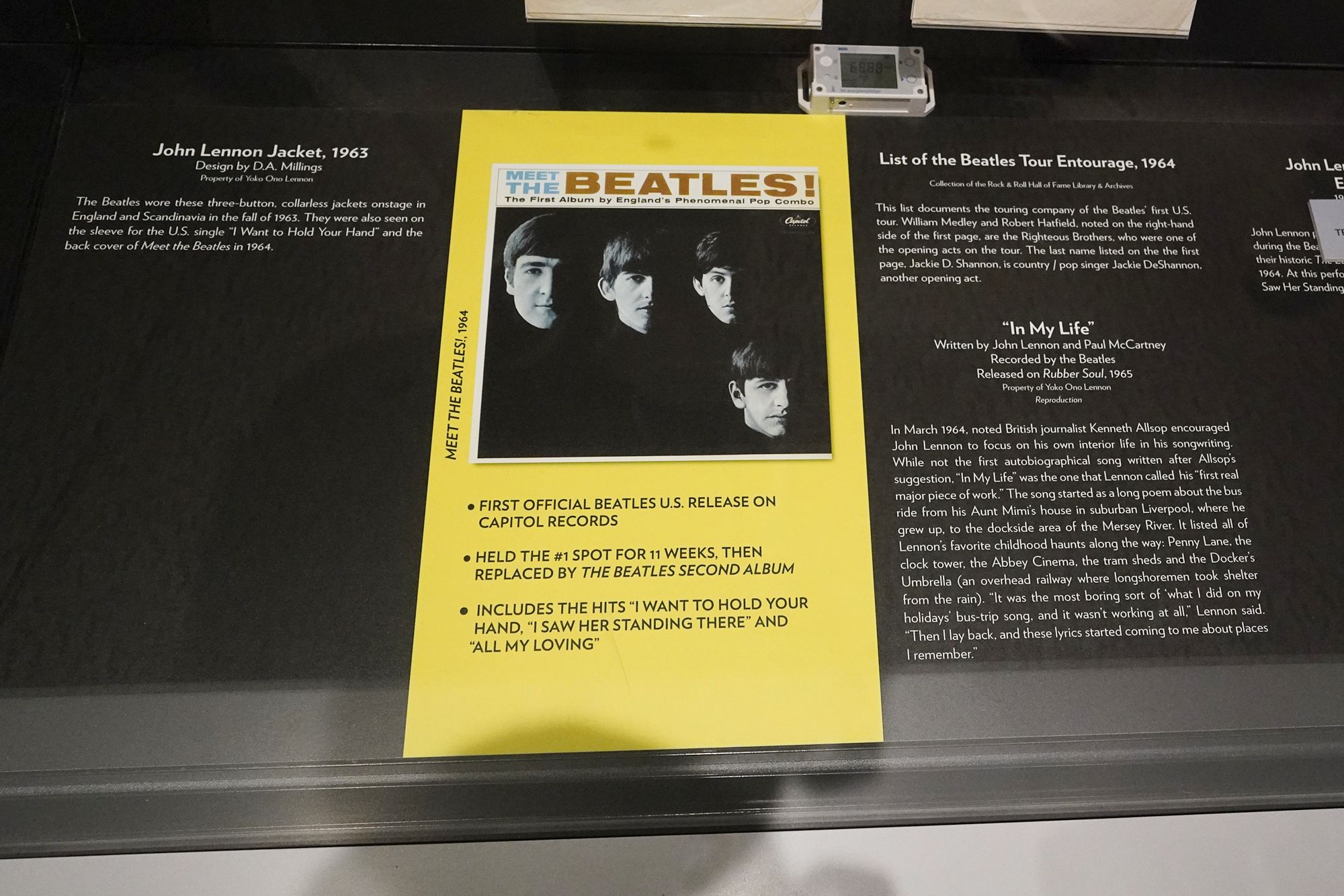
As their career progressed, The Beatles expanded what rock music could be. They emphasized original songwriting, with Lennon and McCartney crafting melodies and lyrics that moved beyond teenage themes into introspection, imagination, and social reflection. In the studio, they treated recording as an instrument—experimenting with multi-tracking, tape loops, orchestration, and non-Western influences.
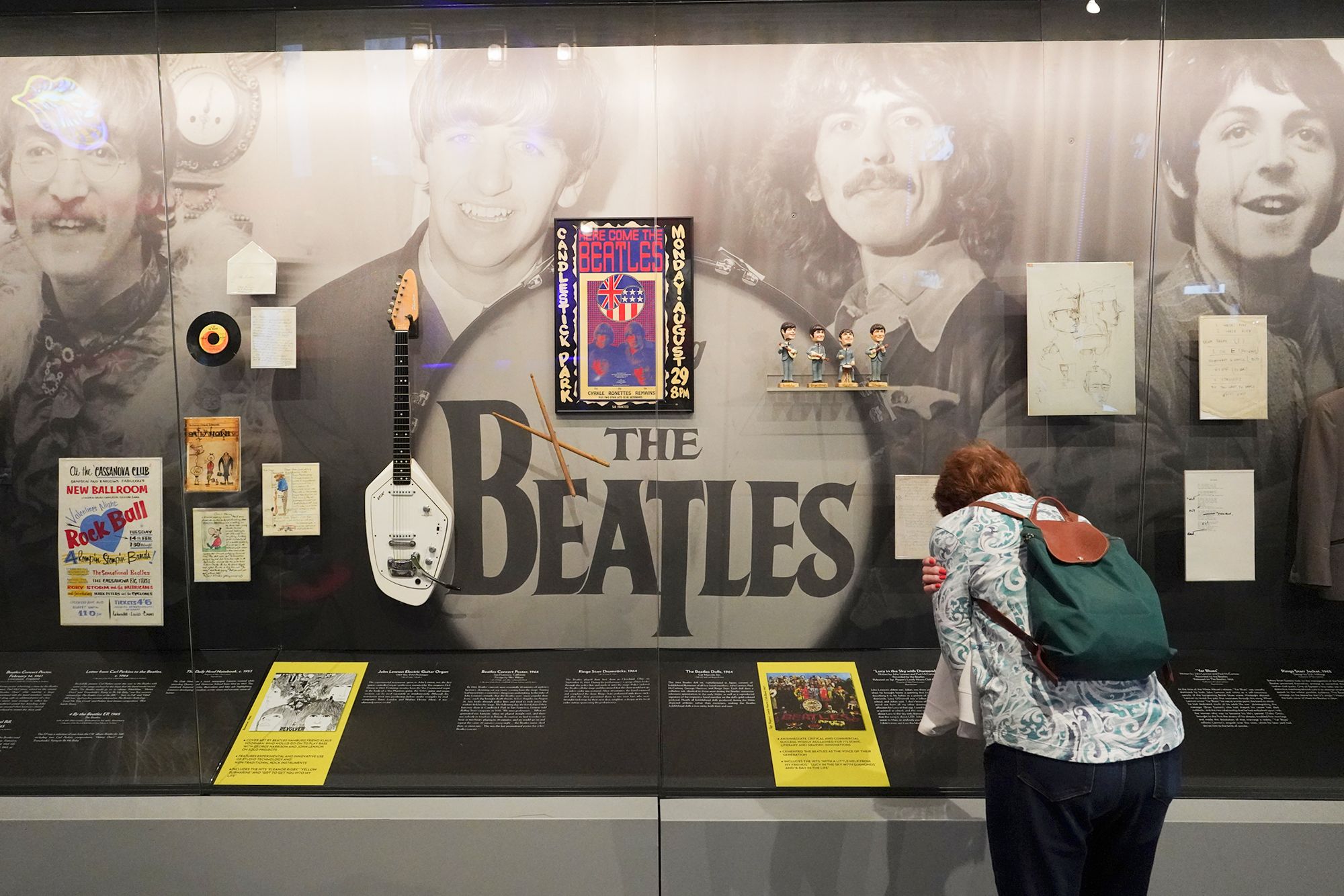
Albums such as Rubber Soul, Revolver, and Sgt. Pepper’s Lonely Hearts Club Band shifted rock from singles-driven entertainment to album-centered art. They showed that rock music could be cohesive, experimental, and culturally significant.
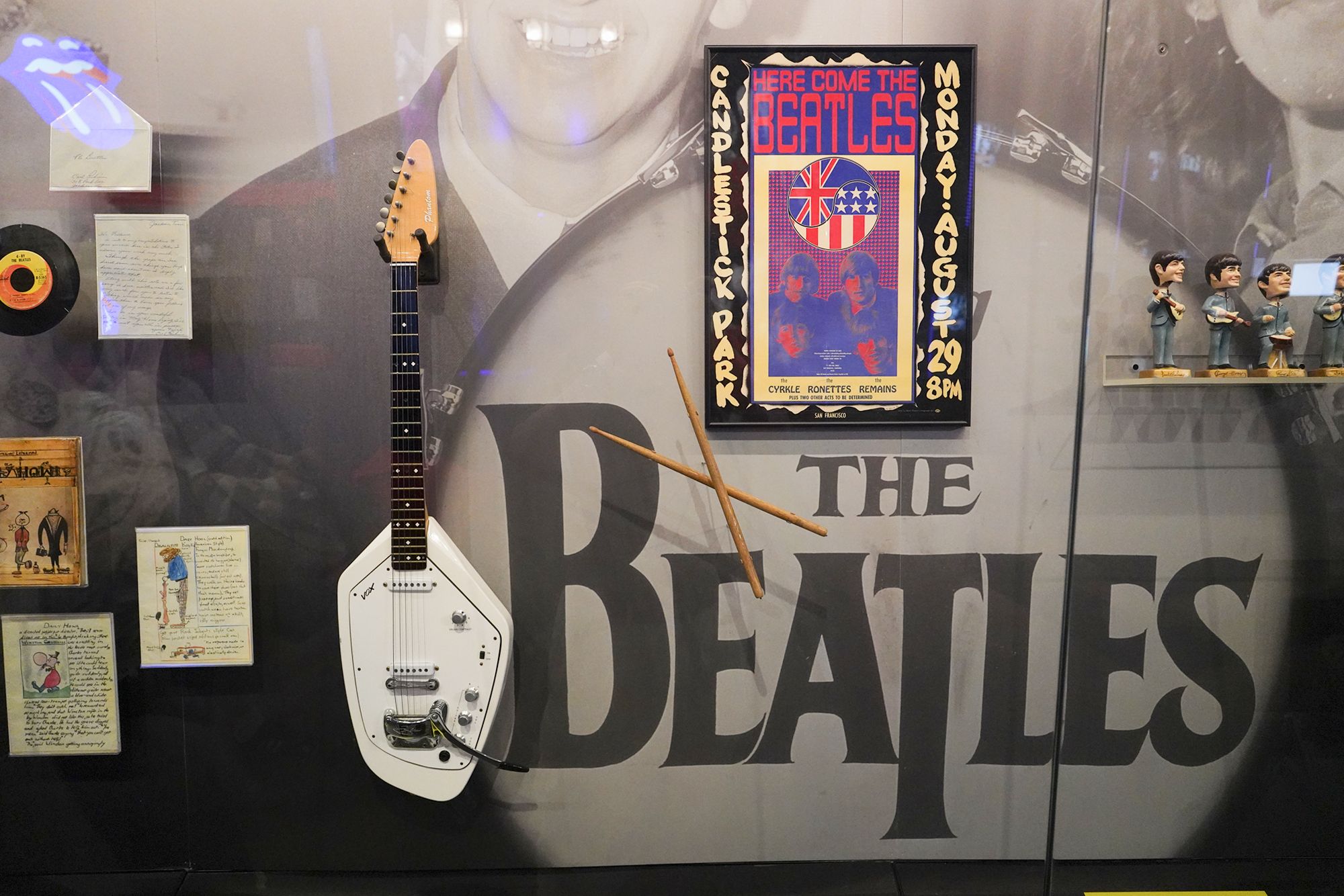
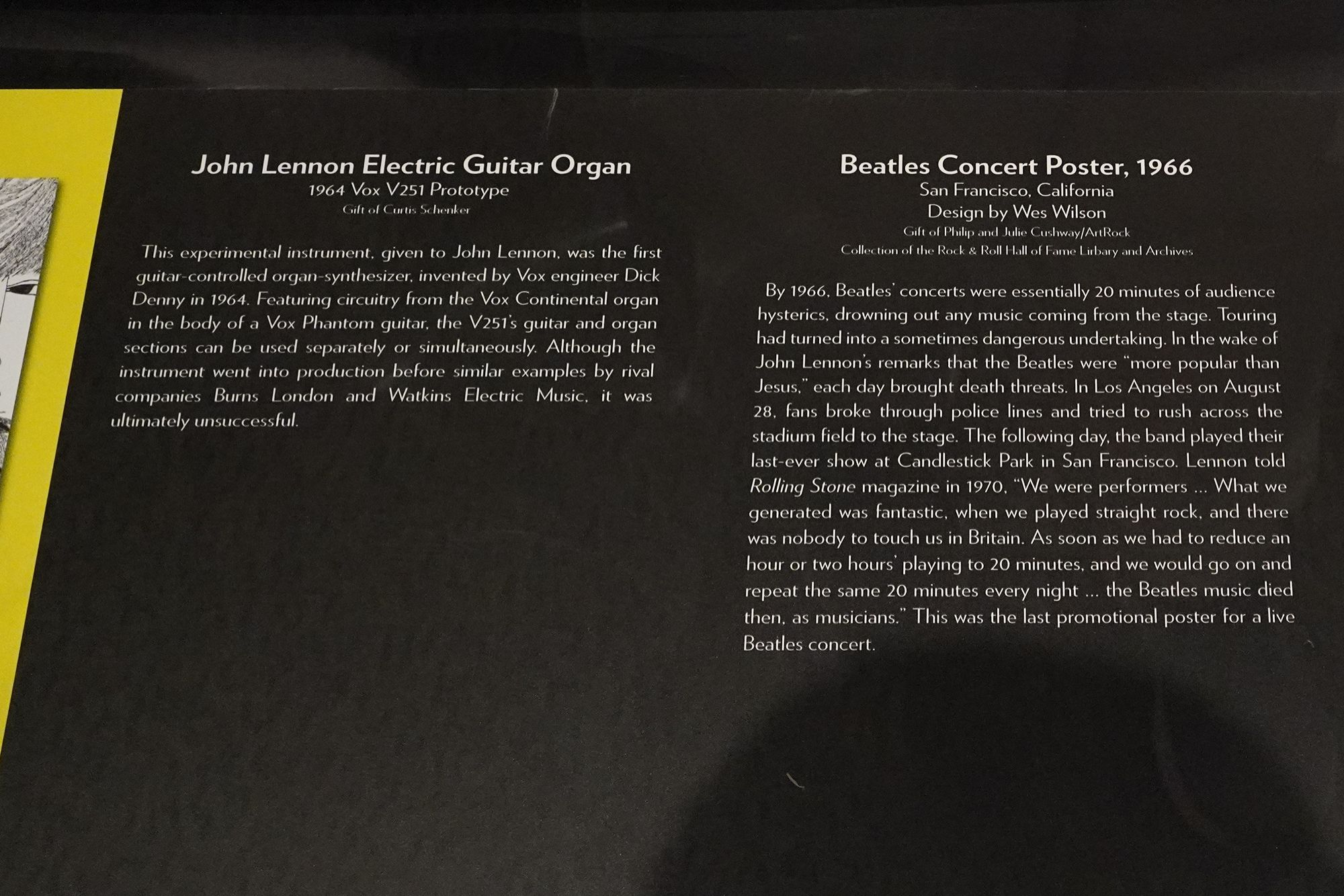
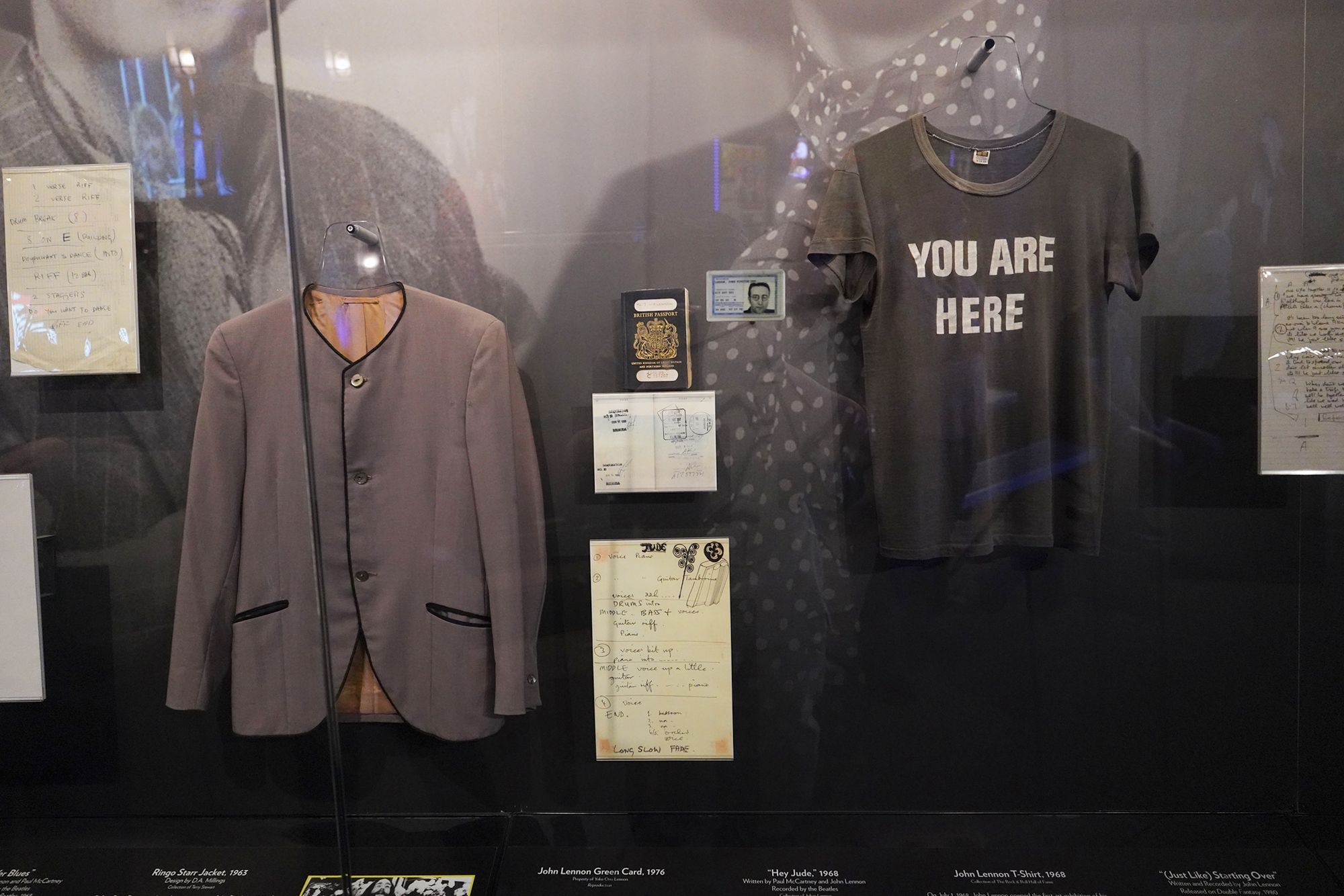
Equally important was their cultural impact. The Beatles changed fashion, attitudes, and the relationship between artists and audiences. They elevated rock and roll from dance music into a serious creative form, laying the foundation for progressive rock, psychedelic rock, and modern popular music as an artistic medium.
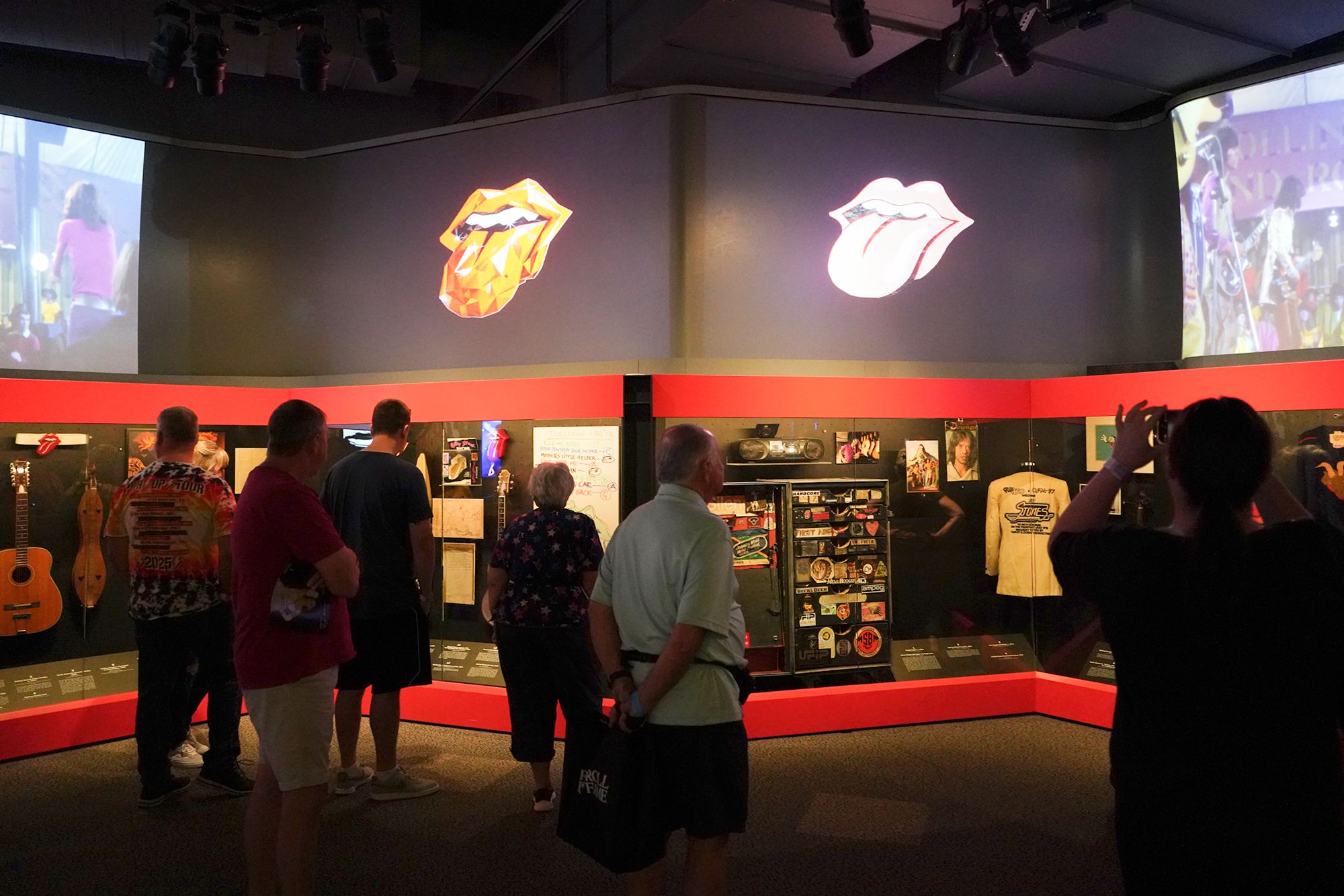
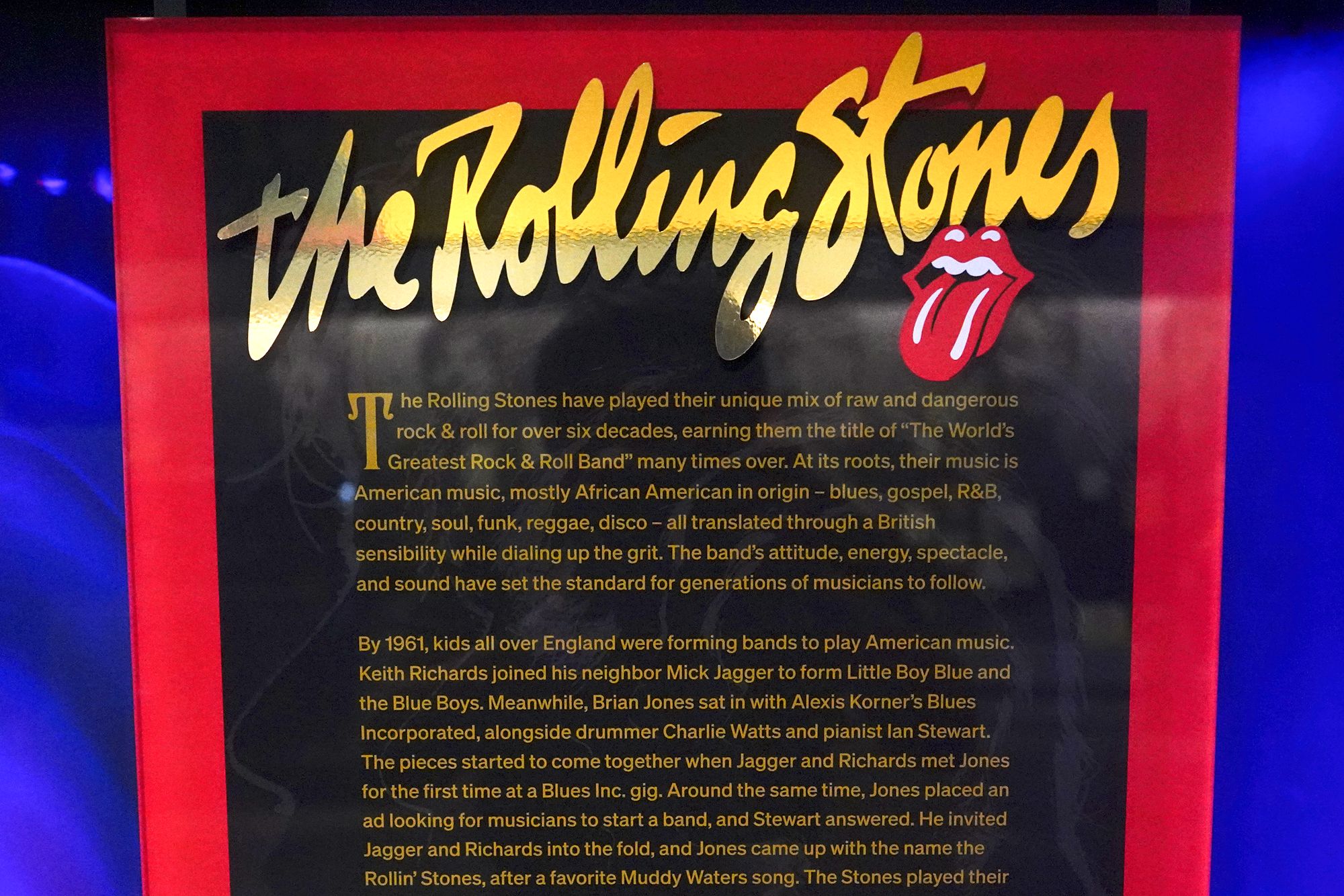
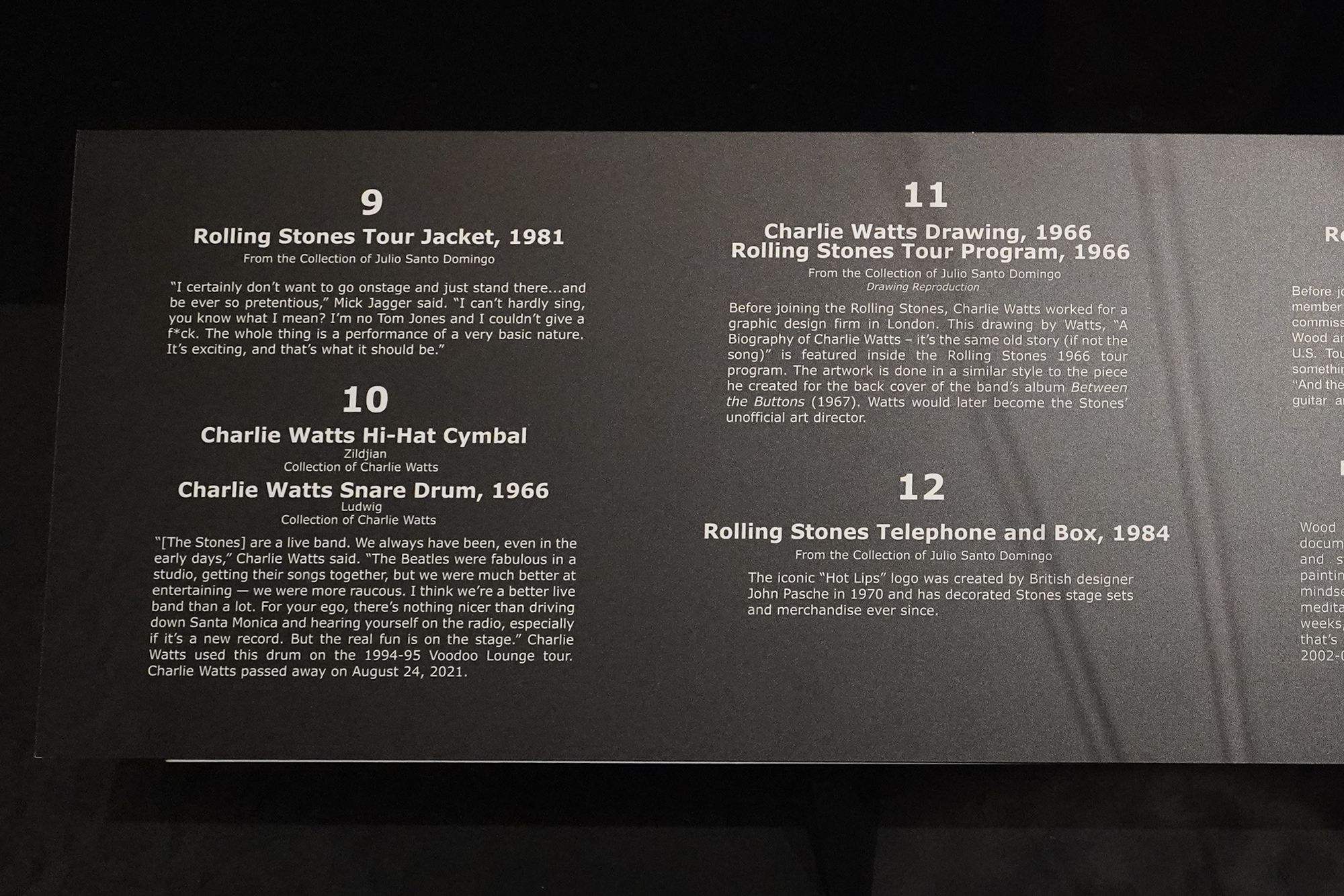
The Rolling Stones carried rock and roll’s raw edge into a tougher, more defiant form.
Emerging from London in the early 1960s, they drew heavily from American blues and rhythm and blues, channeling artists like Muddy Waters and Howlin’ Wolf. With gritty guitars, swaggering performances, and rebellious attitude, the Stones contrasted the polished image of The Beatles. They helped keep rock rooted in blues-based energy while pushing it toward harder, more provocative territory that defined classic rock.
Formed in London in the early 1960s, the band—Mick Jagger, Keith Richards, Brian Jones, Charlie Watts, and Bill Wyman—were deeply influenced by American blues, rhythm and blues, and early rock artists such as Muddy Waters, Chuck Berry, Howlin’ Wolf, and Bo Diddley. At a time when British youth were rediscovering American blues, the Stones became its loudest and most visible champions.
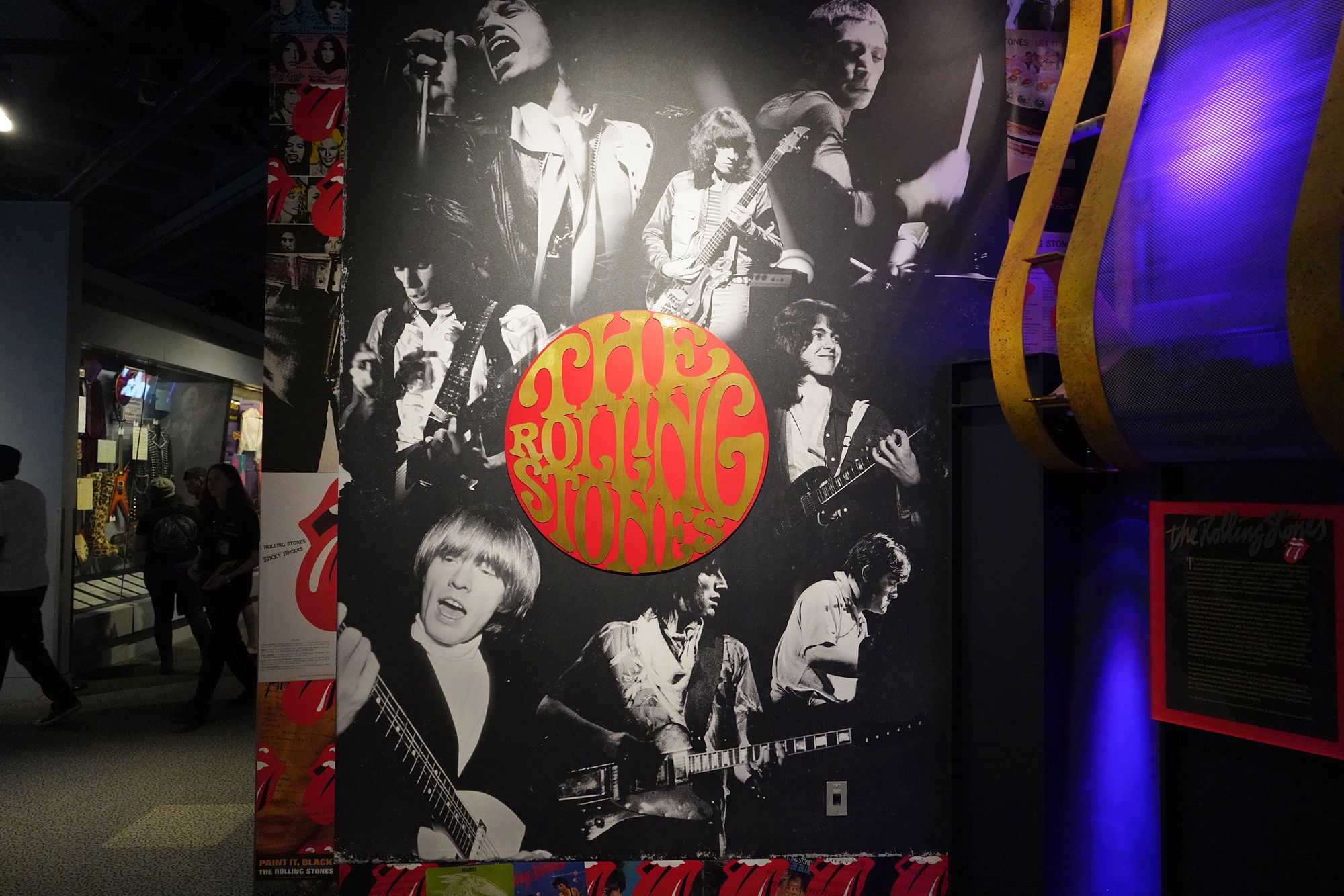
Musically, the Rolling Stones emphasized raw guitar riffs, loose grooves, and blues-based structures, giving rock a tougher, earthier sound. Keith Richards’ rhythm guitar style and riff-driven approach helped define what would later become classic rock. Their songwriting evolved from blues covers to original material that explored themes of desire, rebellion, and social tension.
Culturally, the Stones projected an image of defiance and danger. Their rough appearance and provocative performances contrasted sharply with the clean-cut image of The Beatles, offering an alternative vision of rock as confrontational and sexually charged. This attitude helped expand rock’s emotional range and cultural identity.
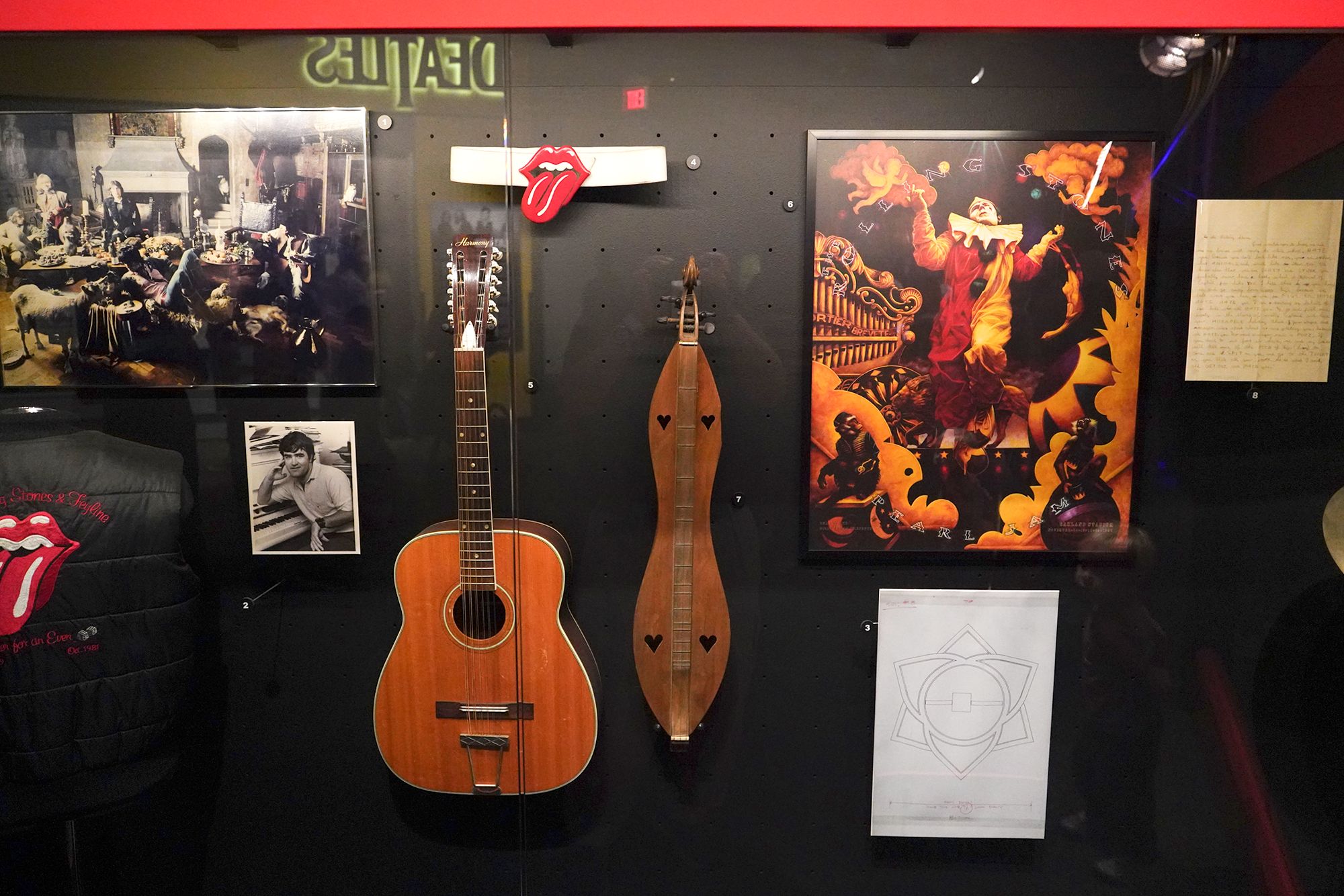
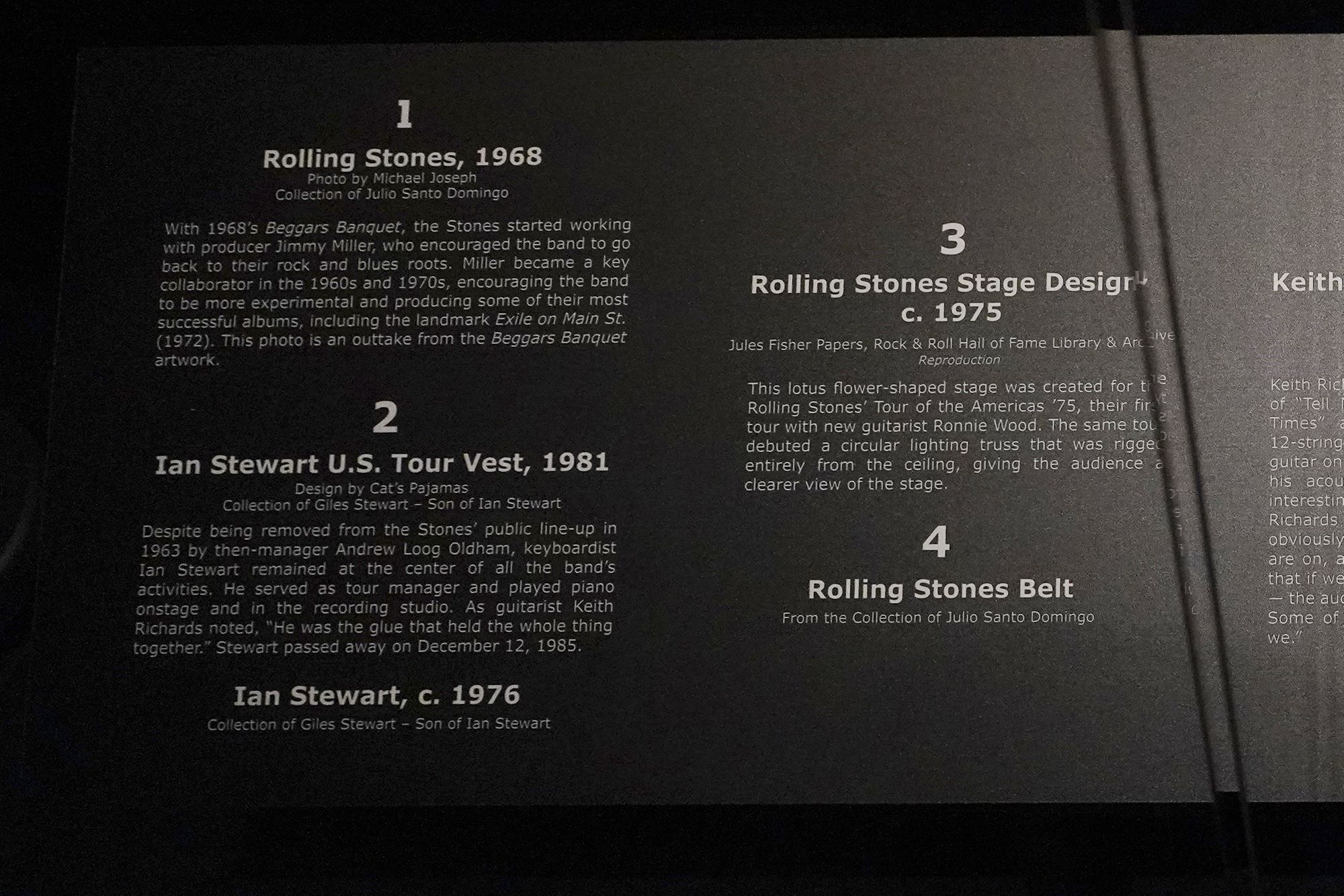
Over decades, the Rolling Stones demonstrated that rock and roll could age, adapt, and endure. Their long career bridged early blues-inspired rock with stadium concerts and global tours, proving that rock music could remain powerful, rebellious, and relevant across generations.
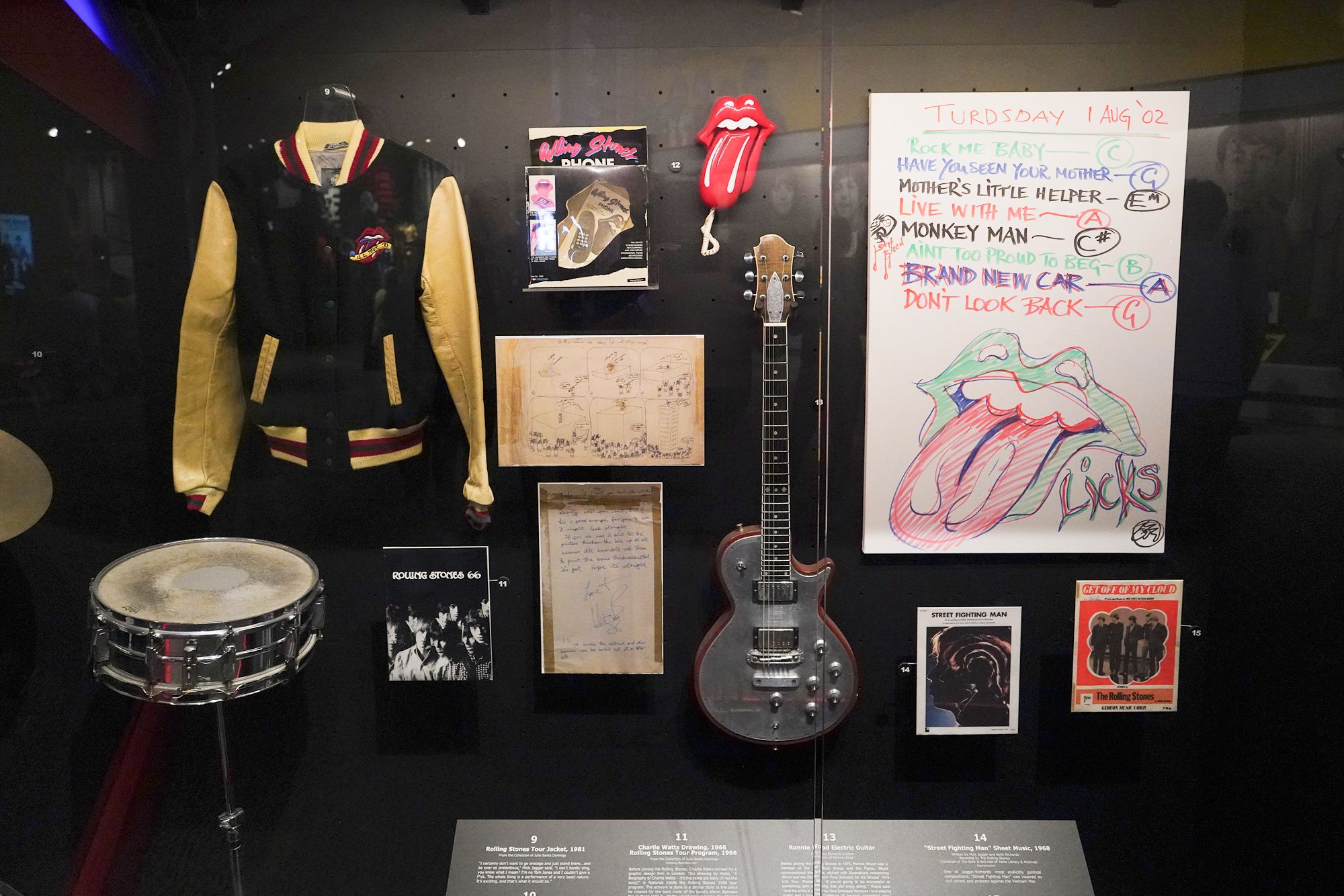
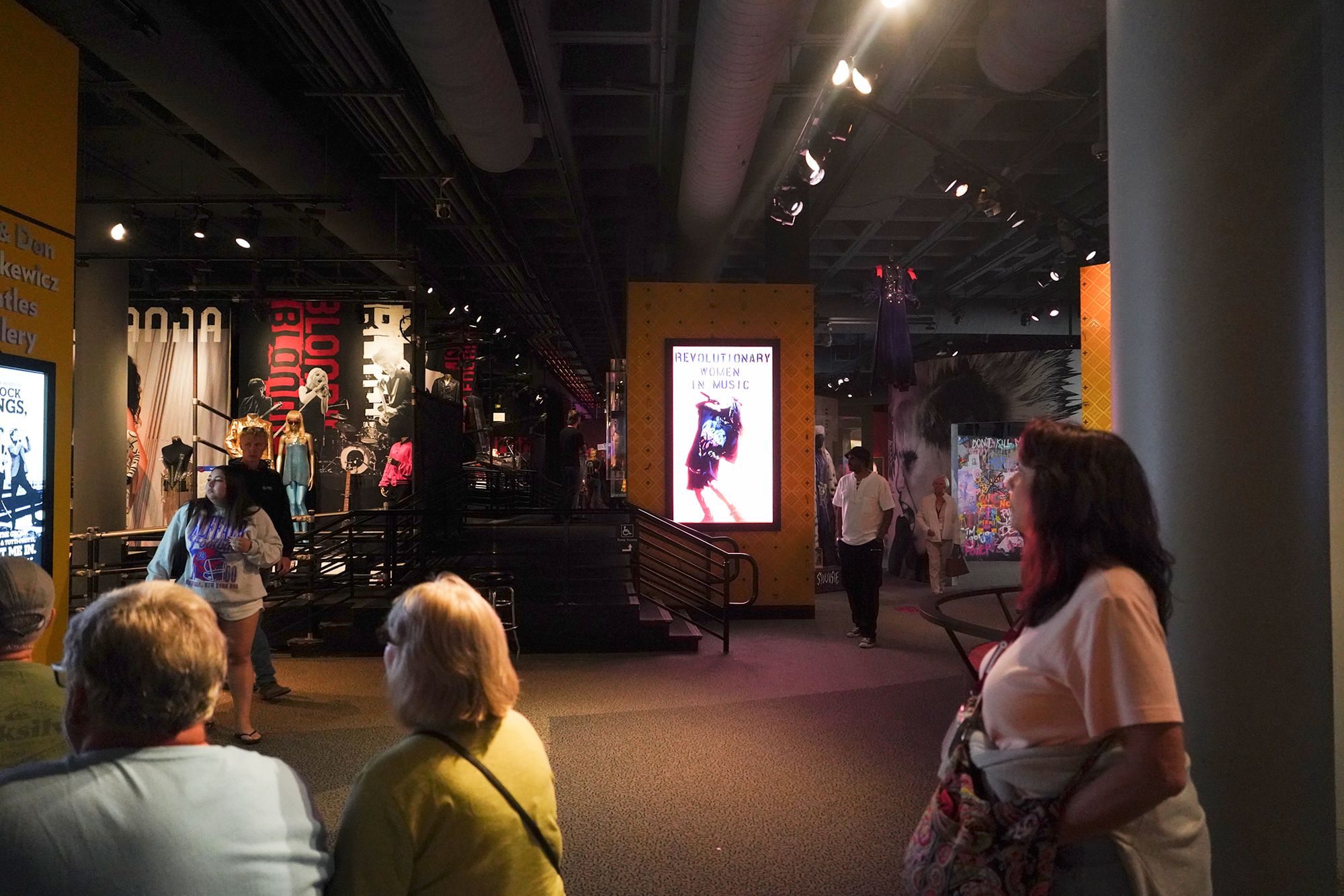
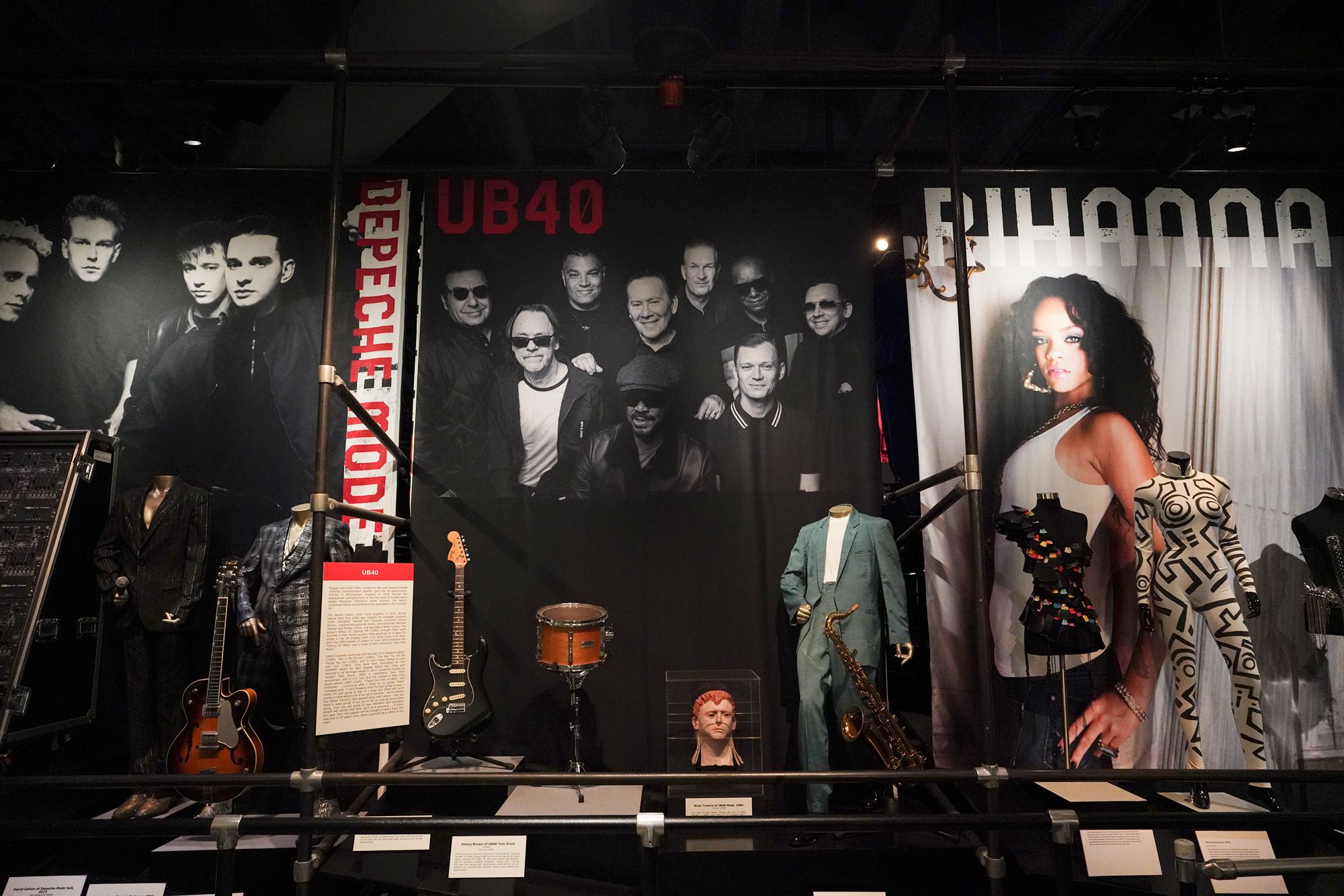
Many other artists also contributed to the development of rock and roll.
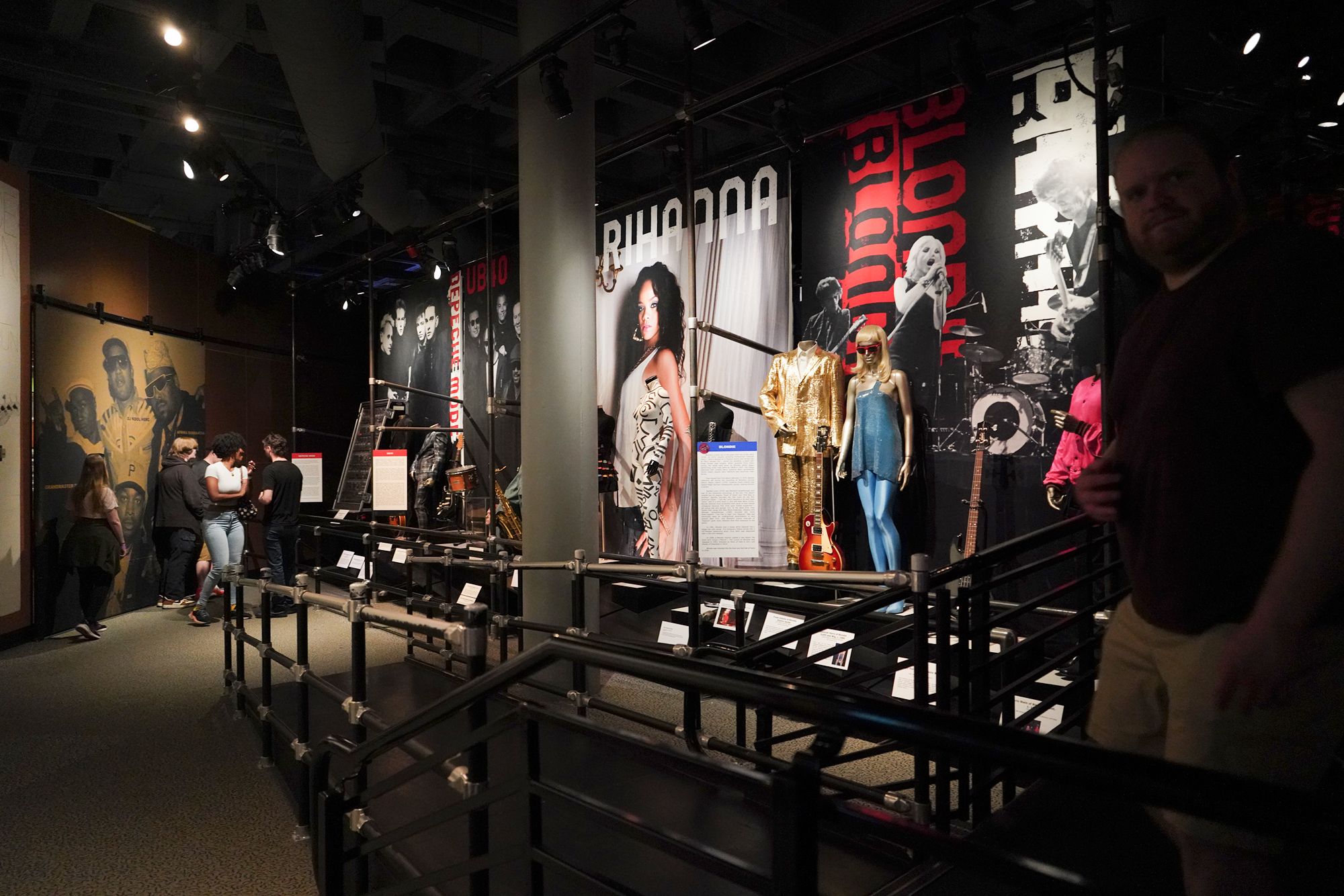
UB40
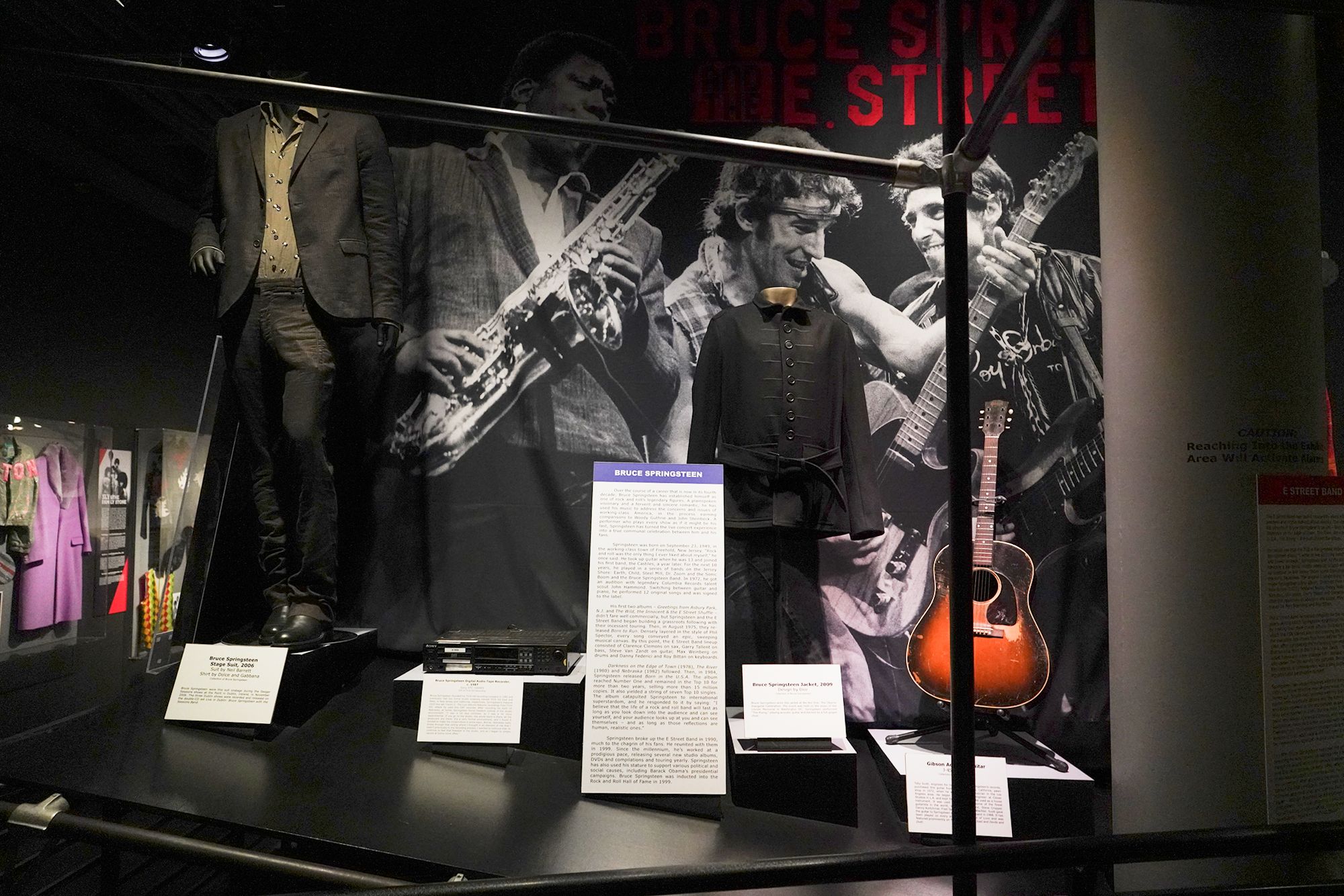
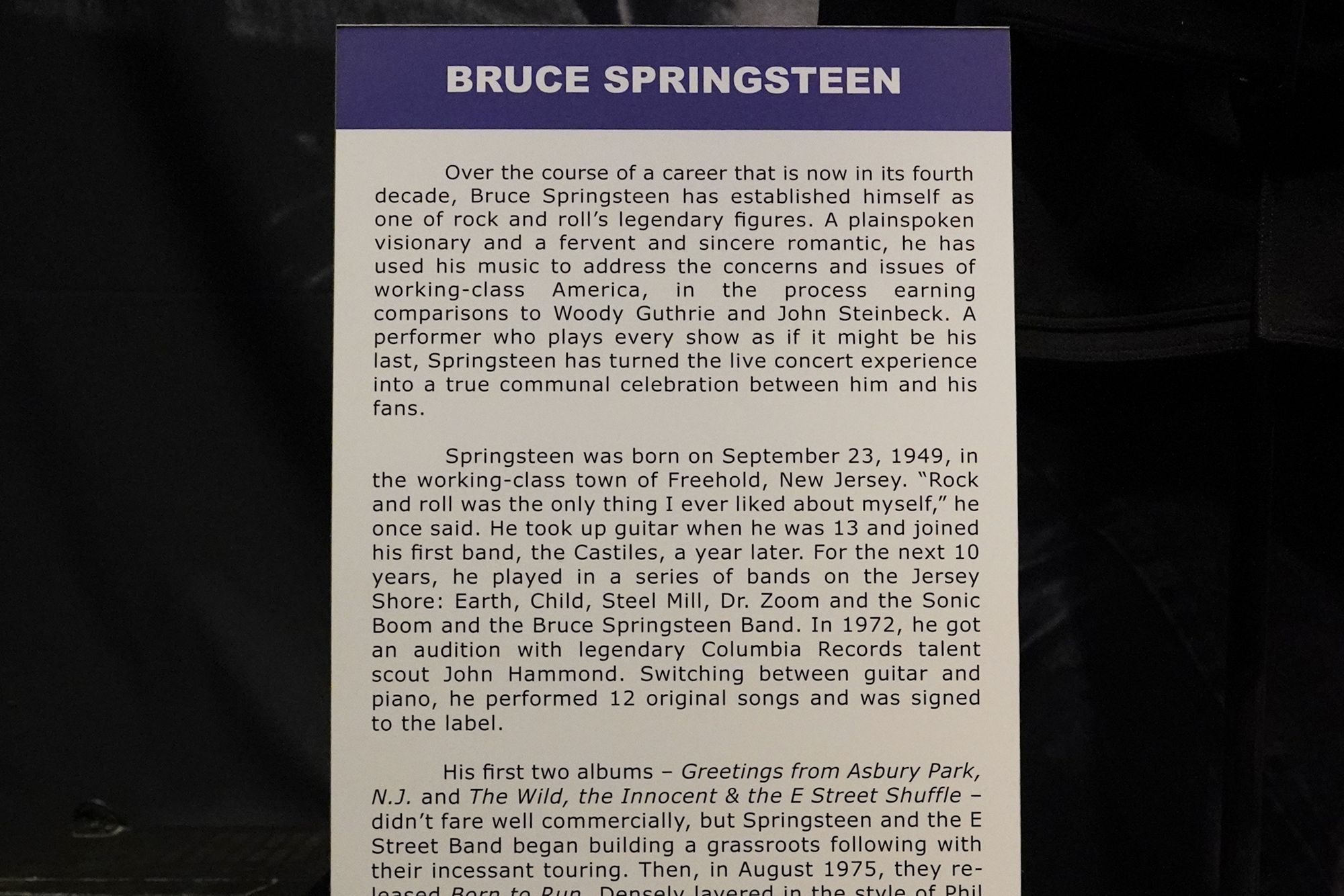
Bruce Springsteen
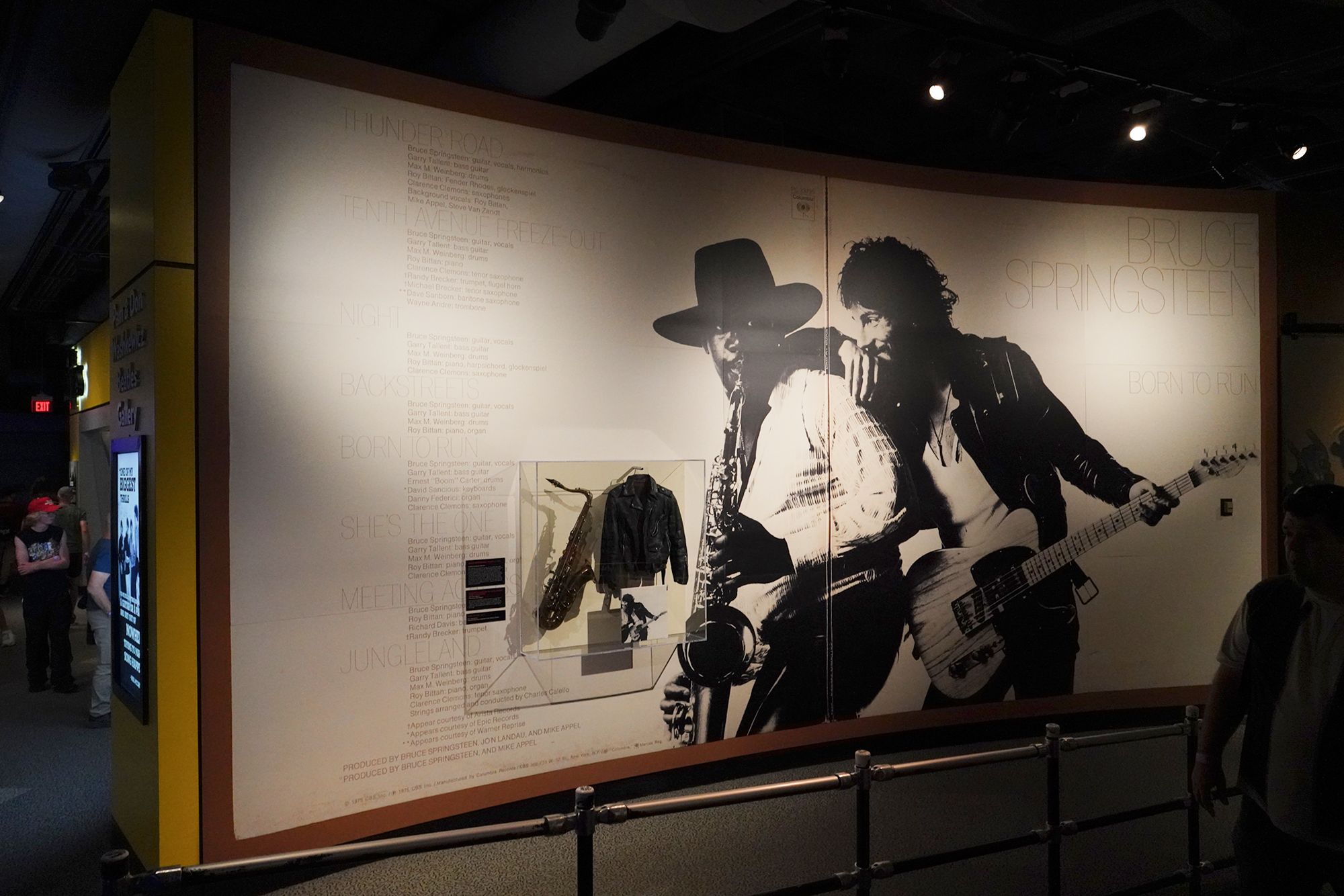
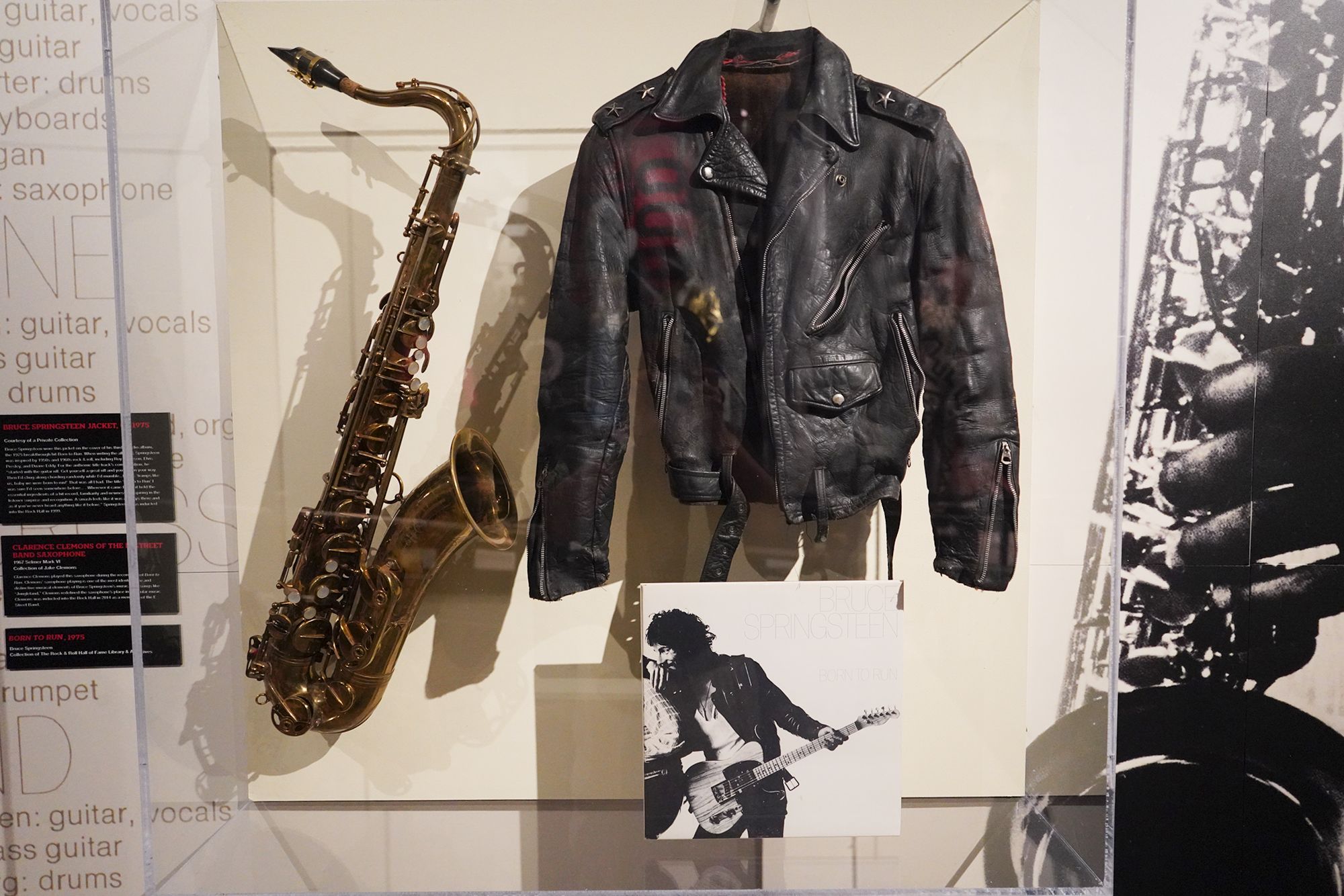
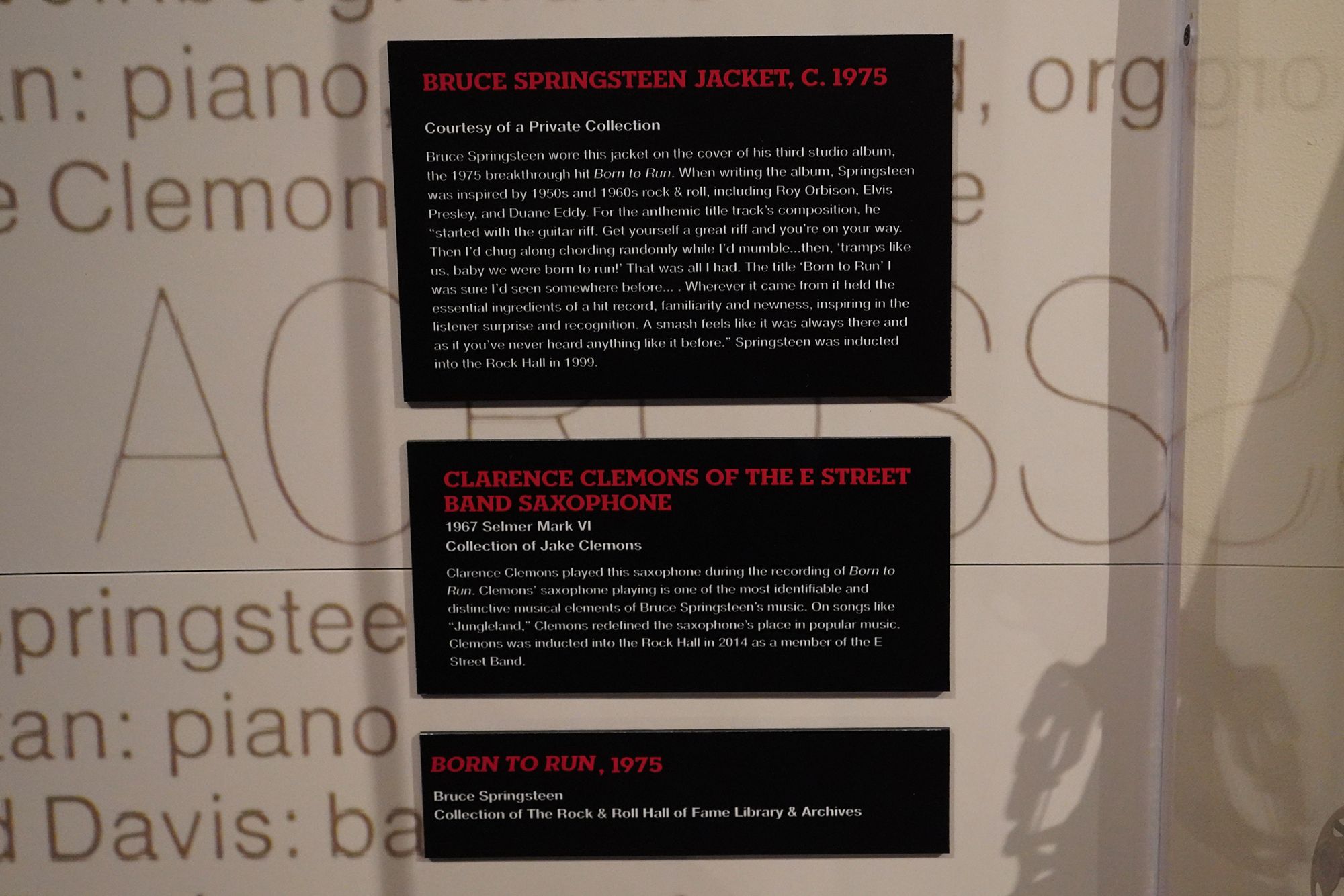
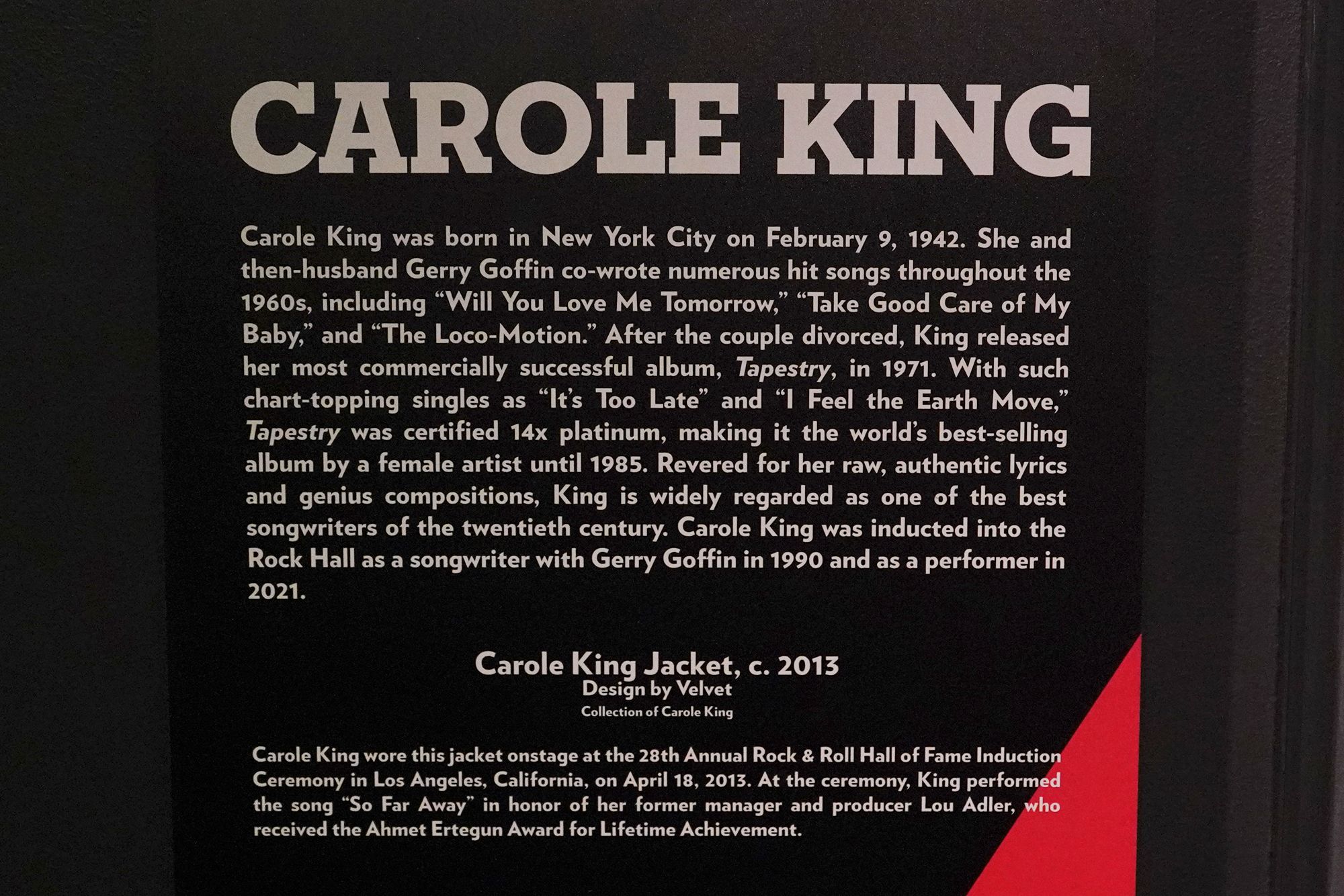
Carole King
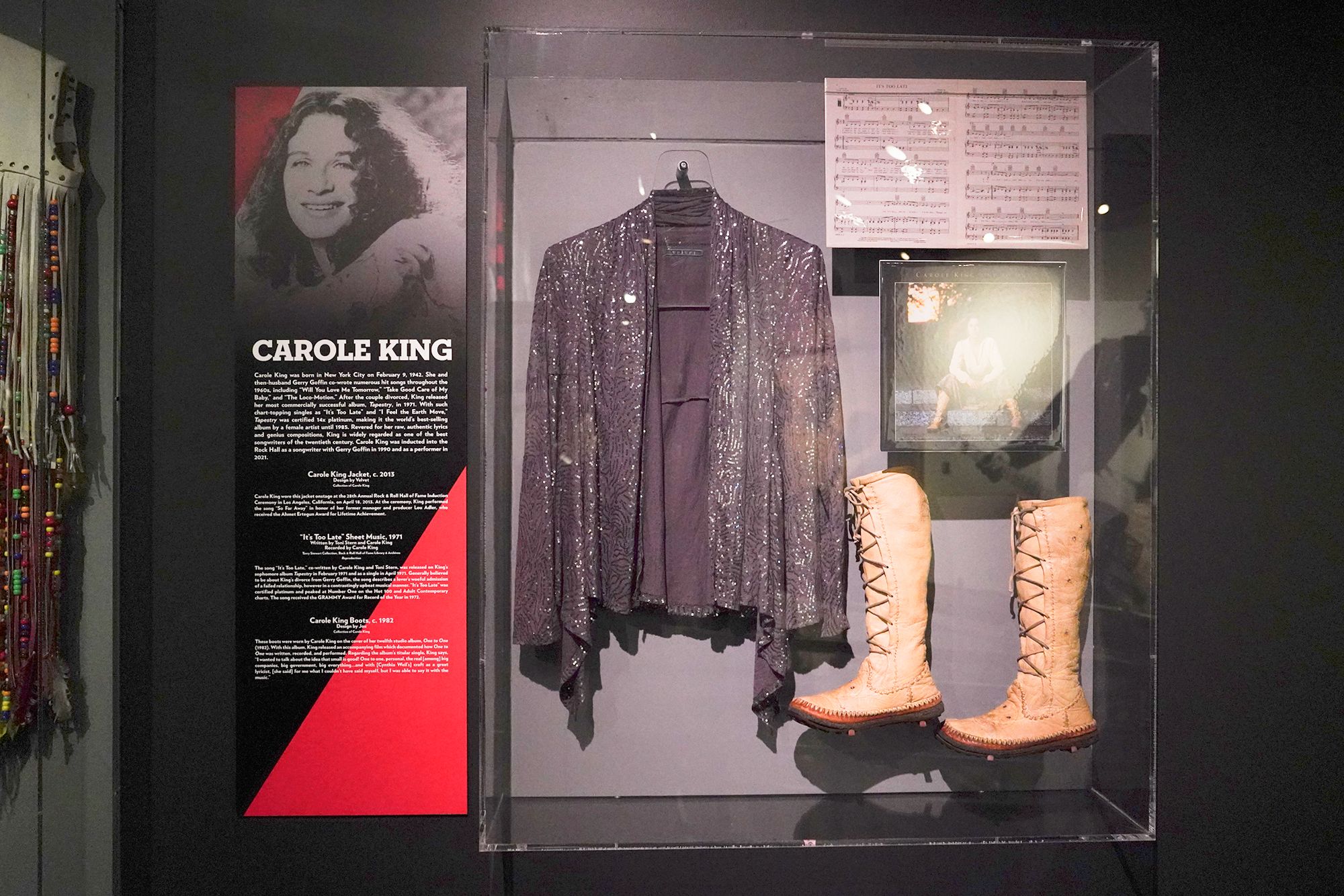
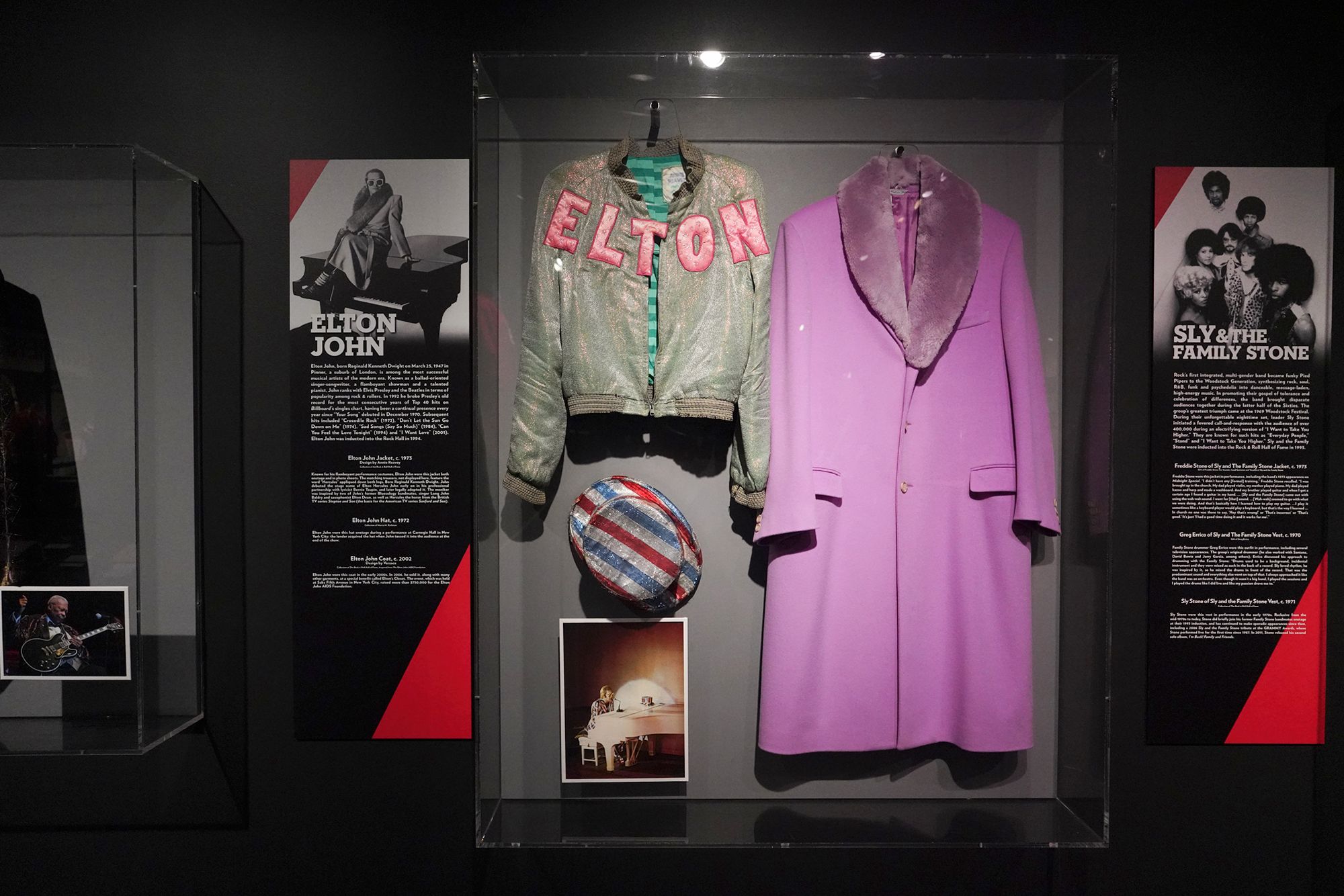
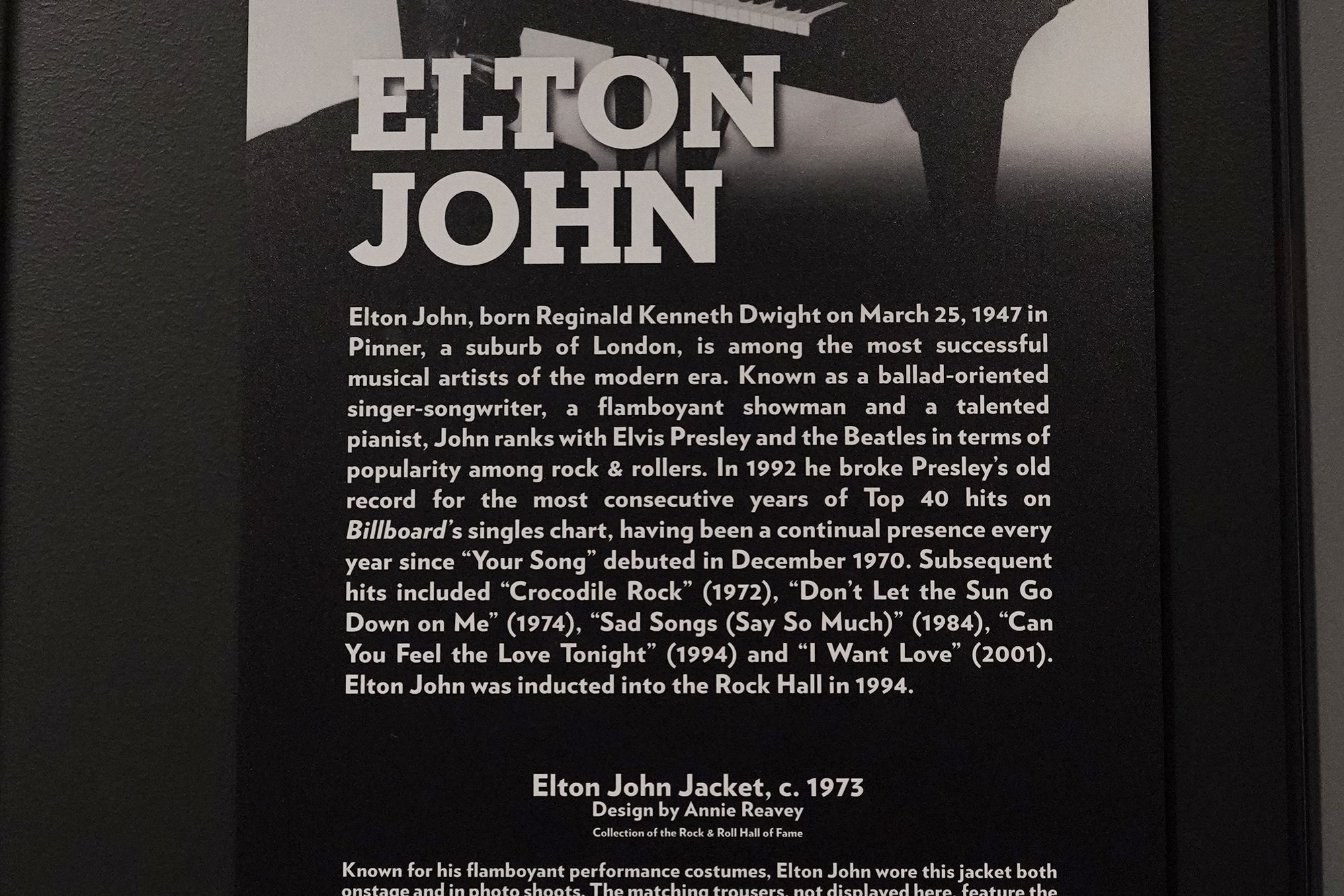
Elton John
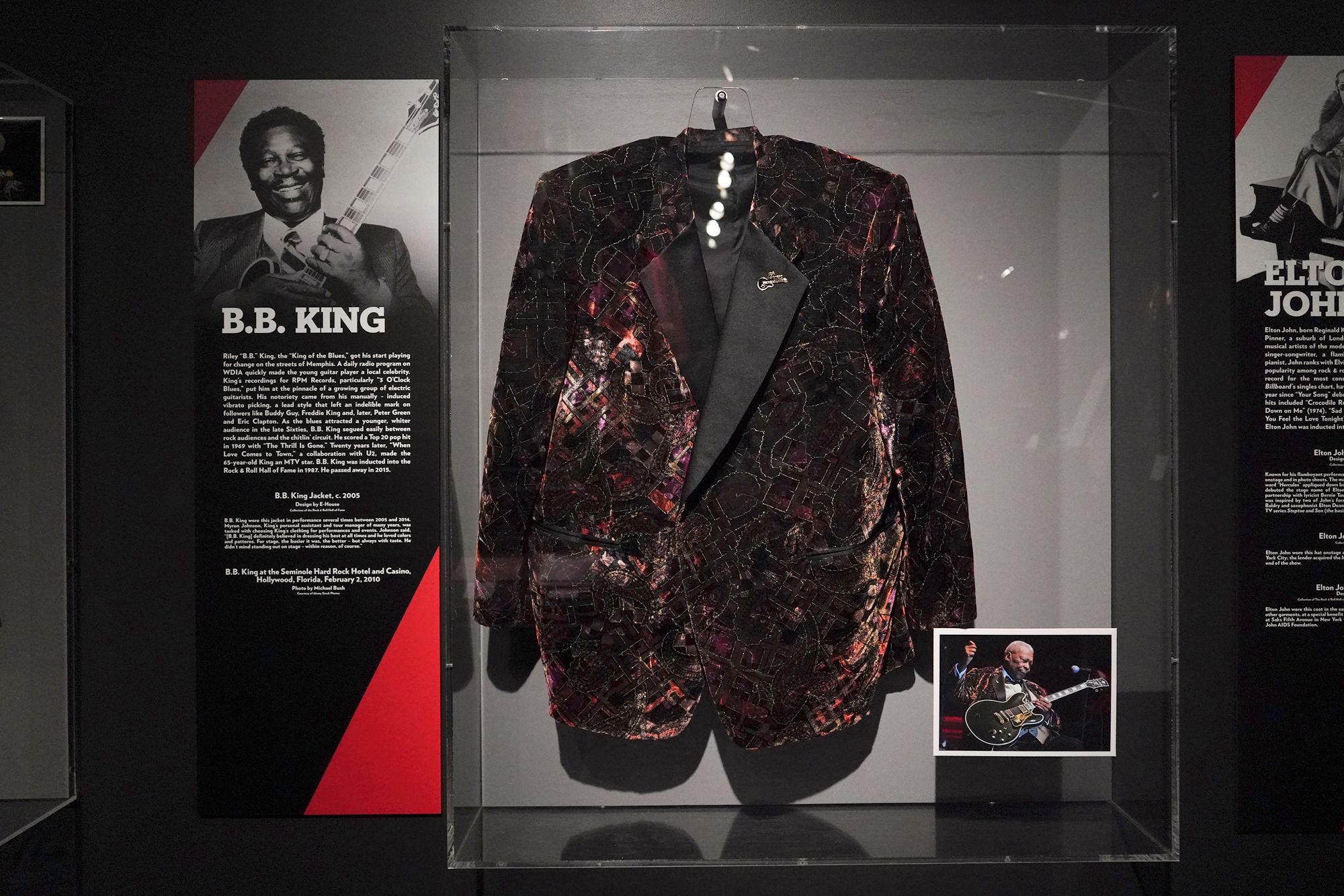
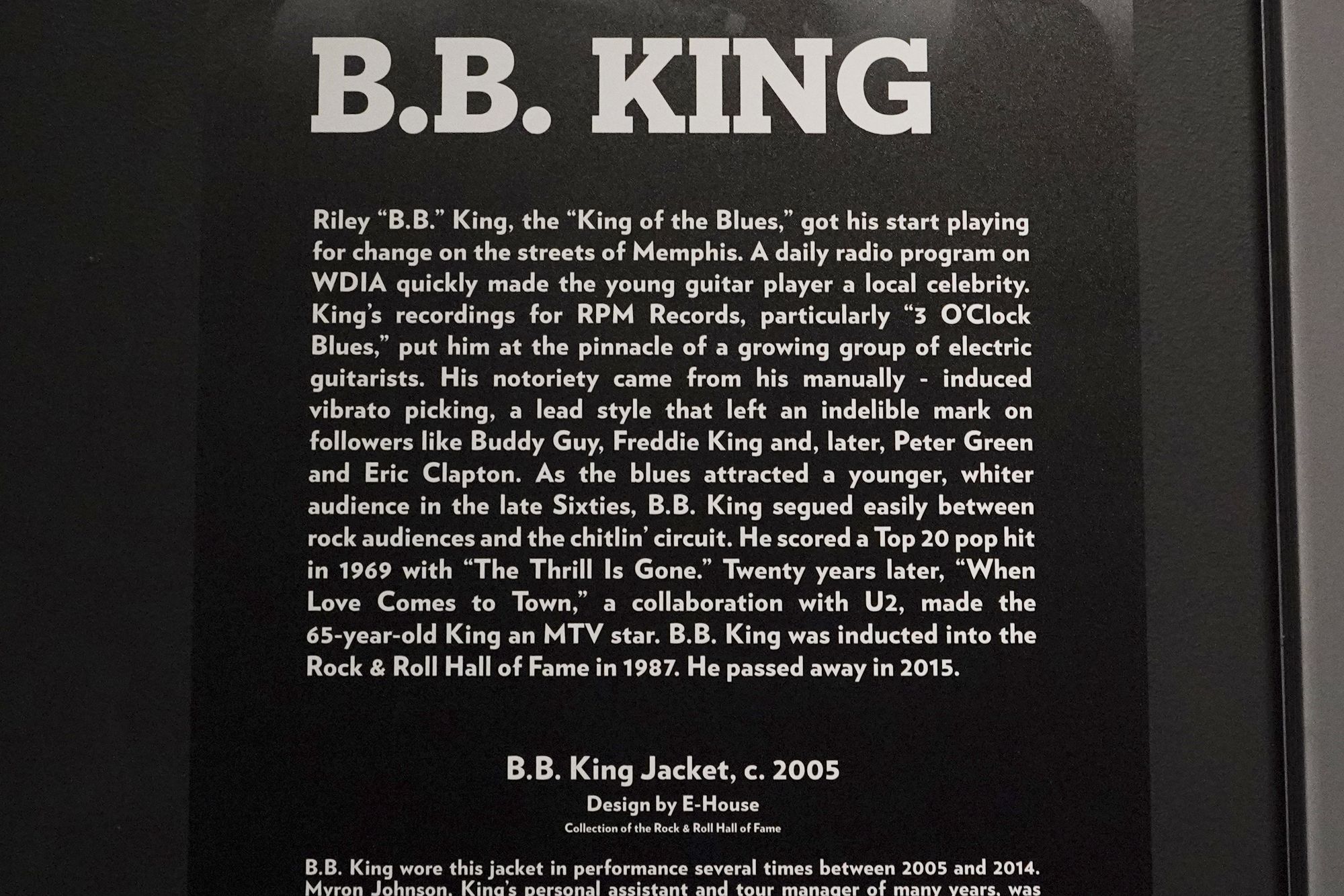
B.B. King
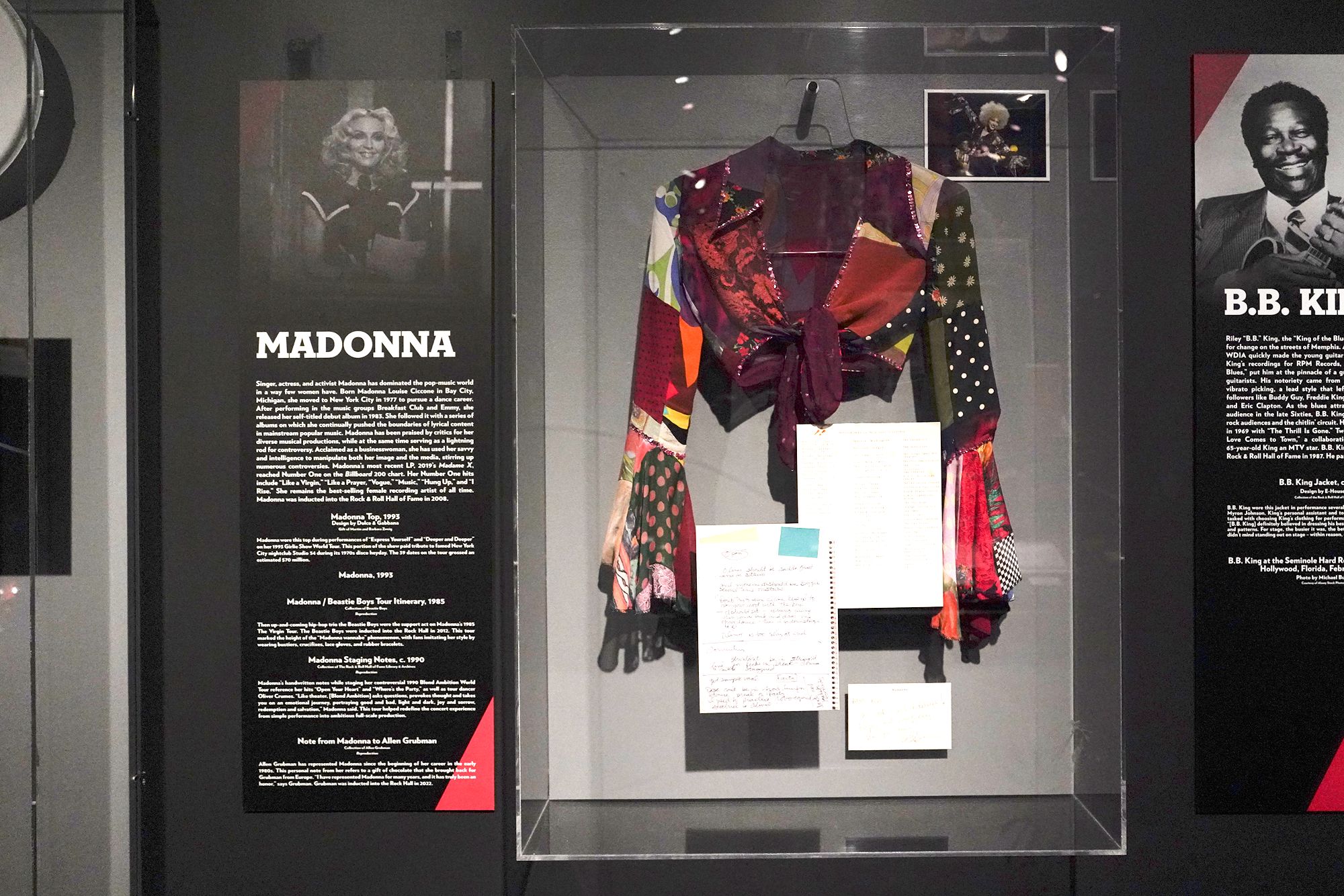
Madonna
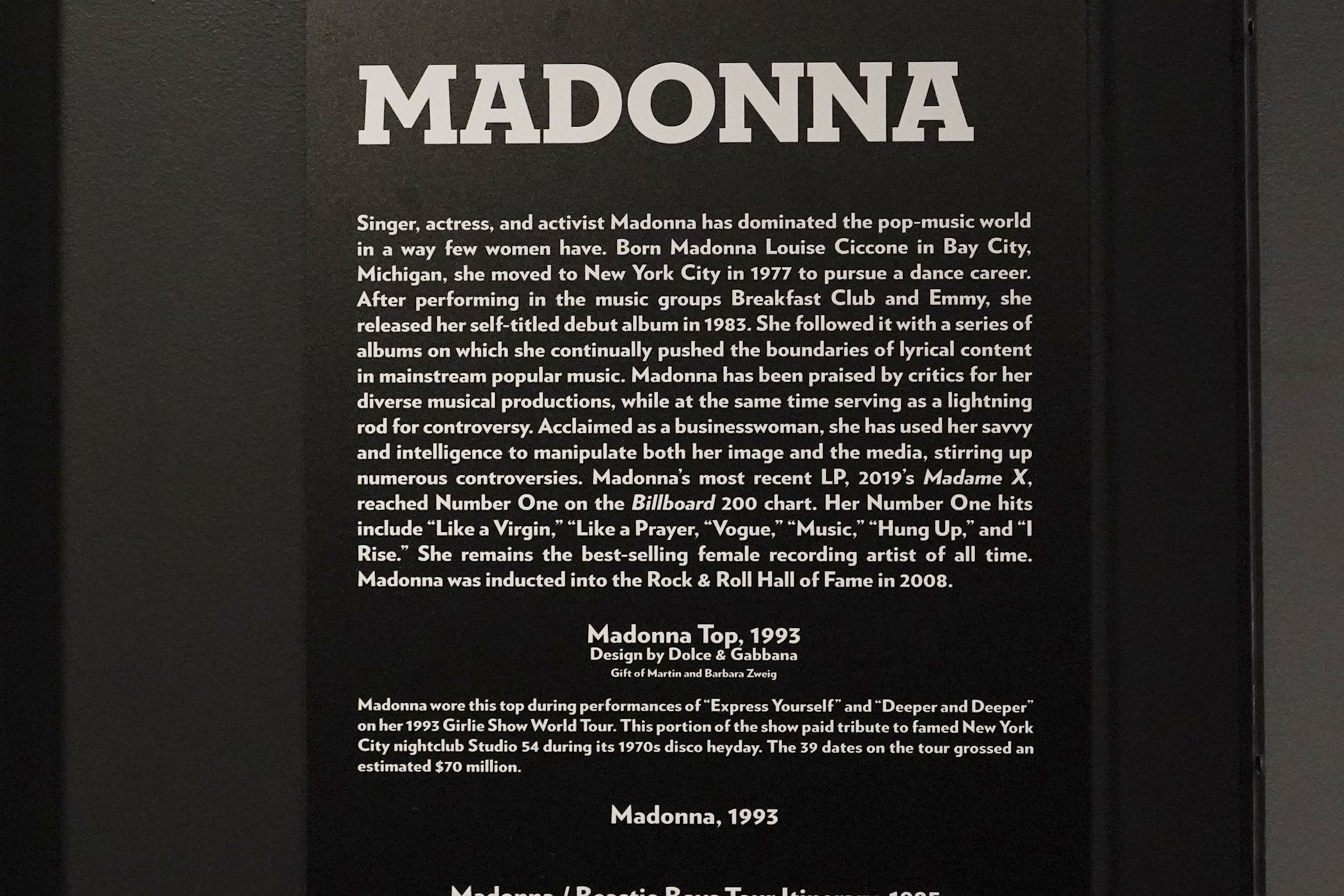
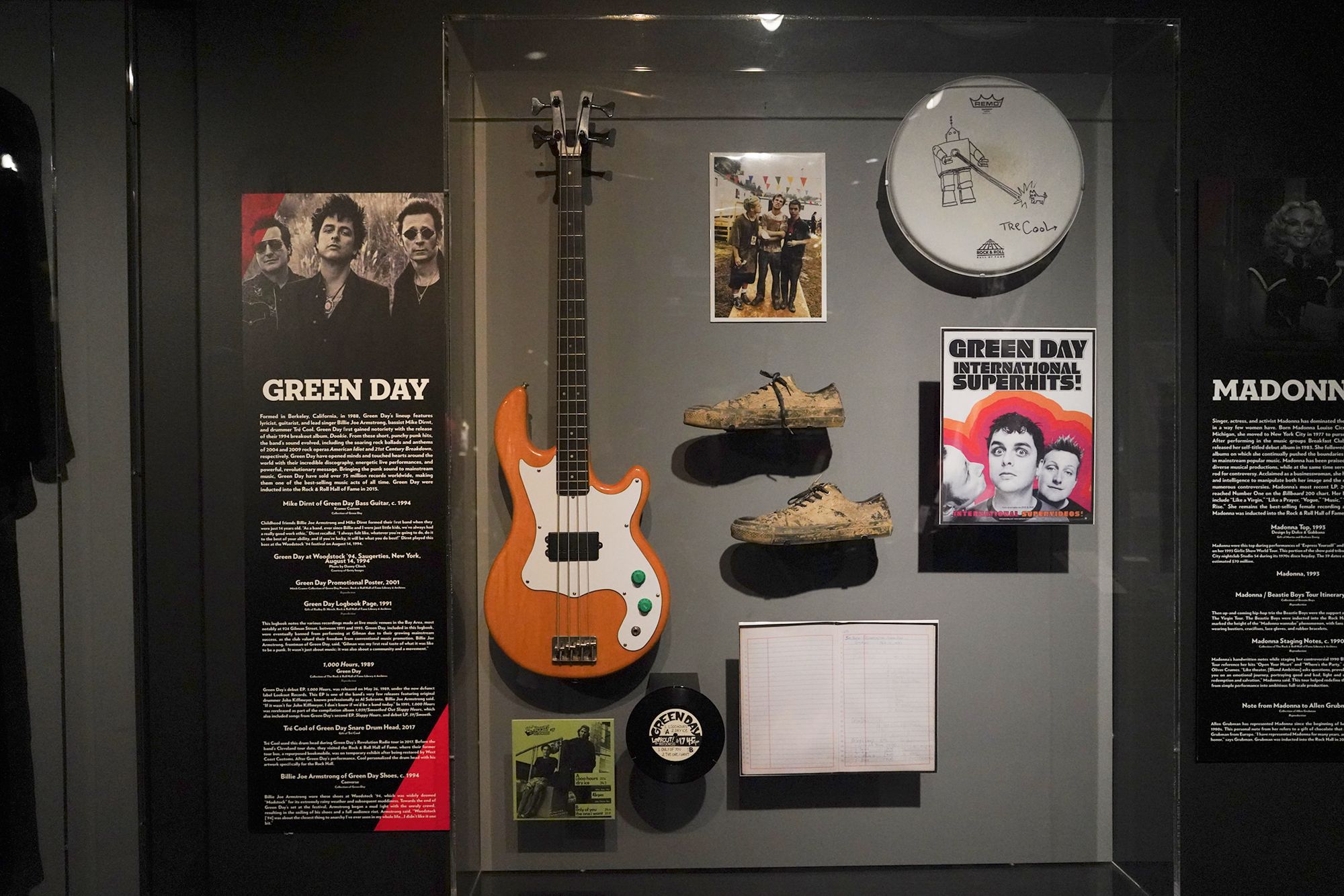
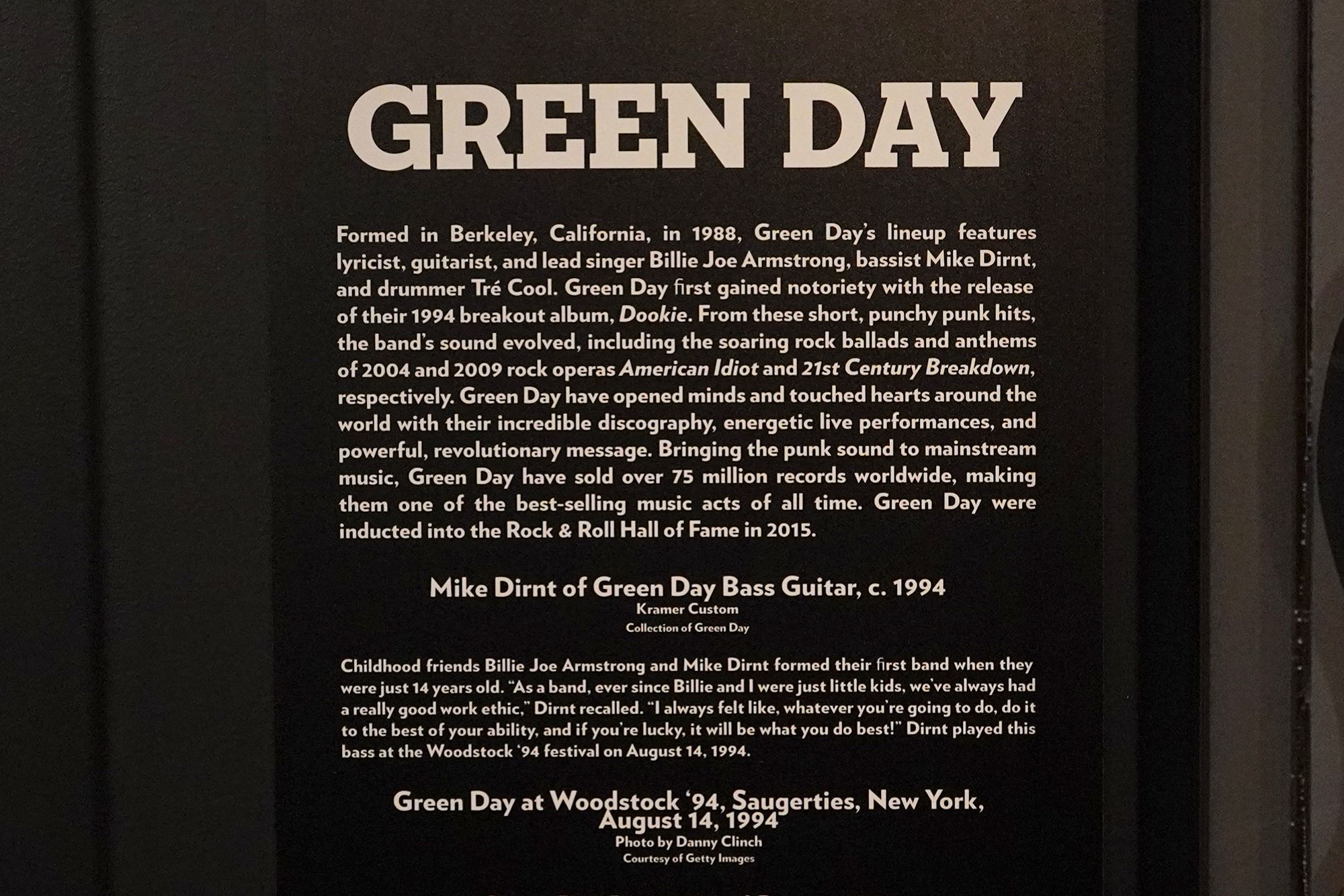
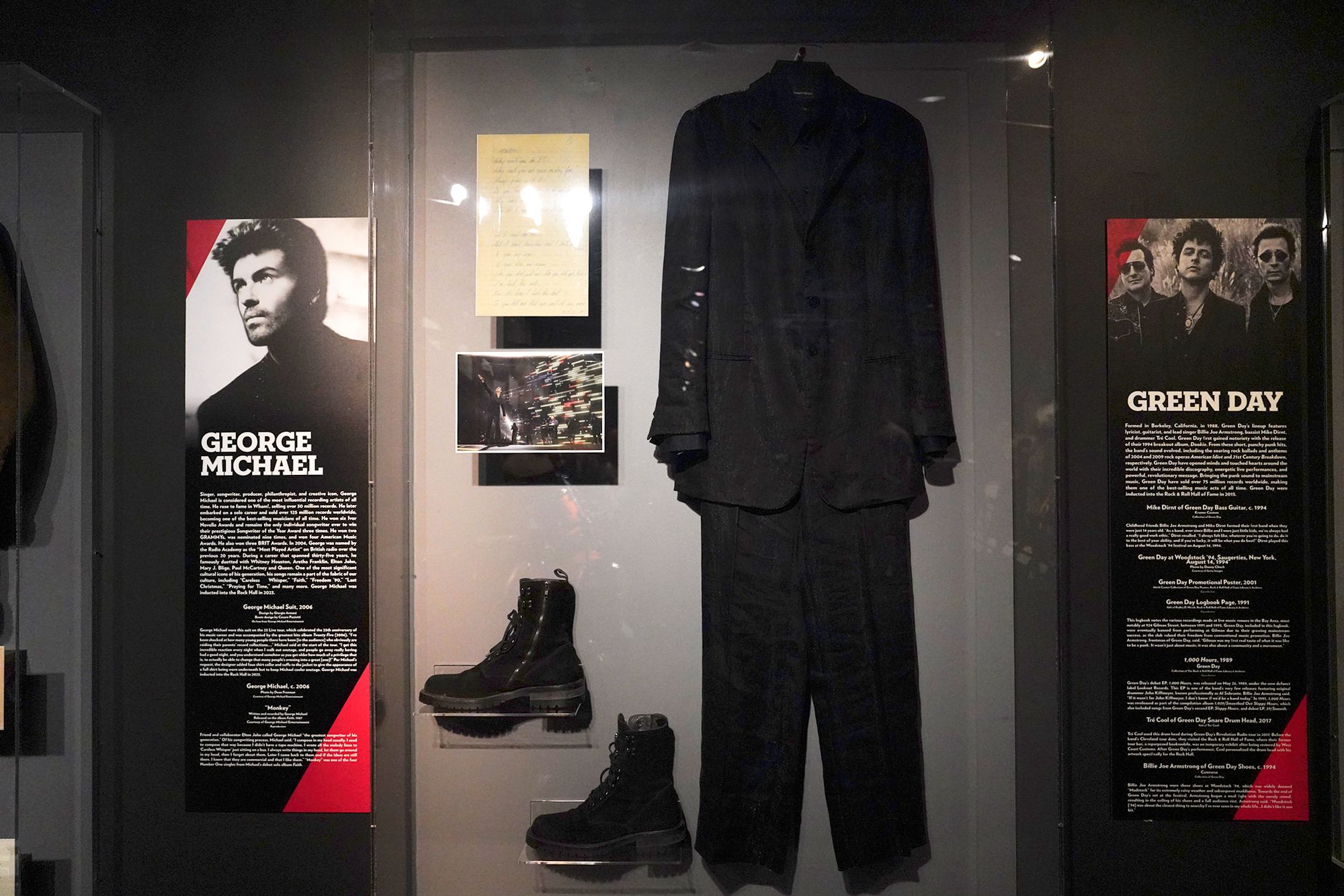
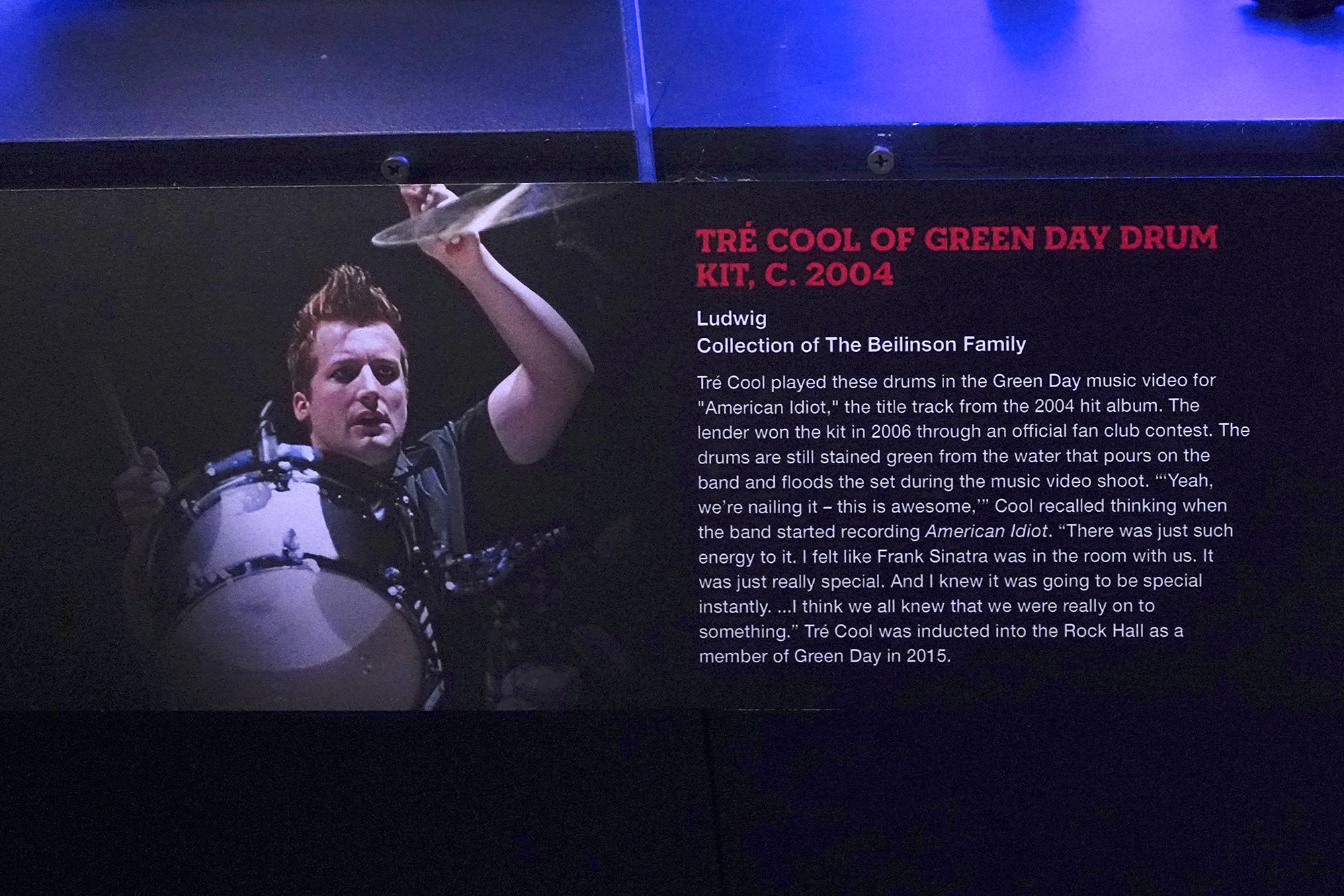
Green Day
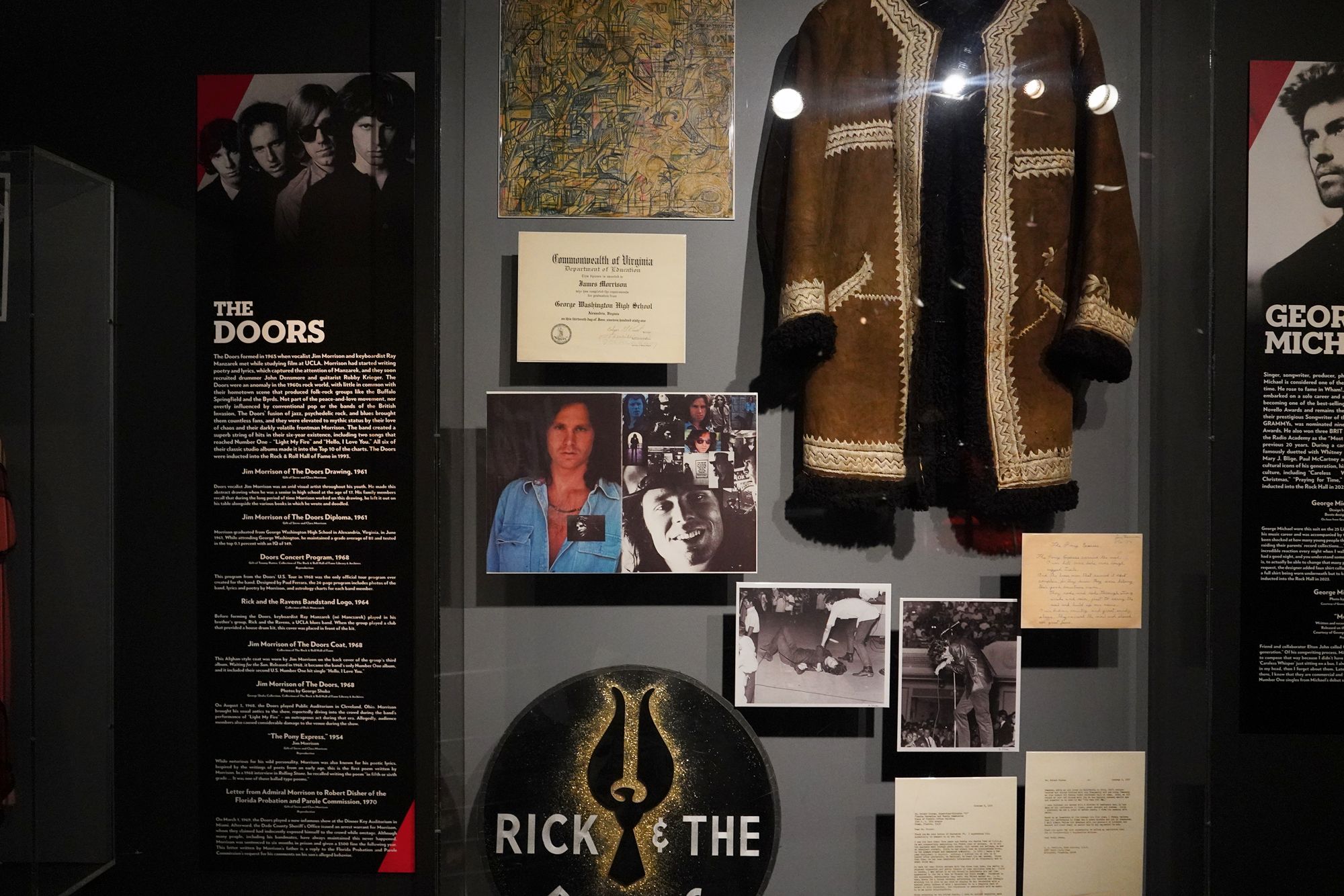
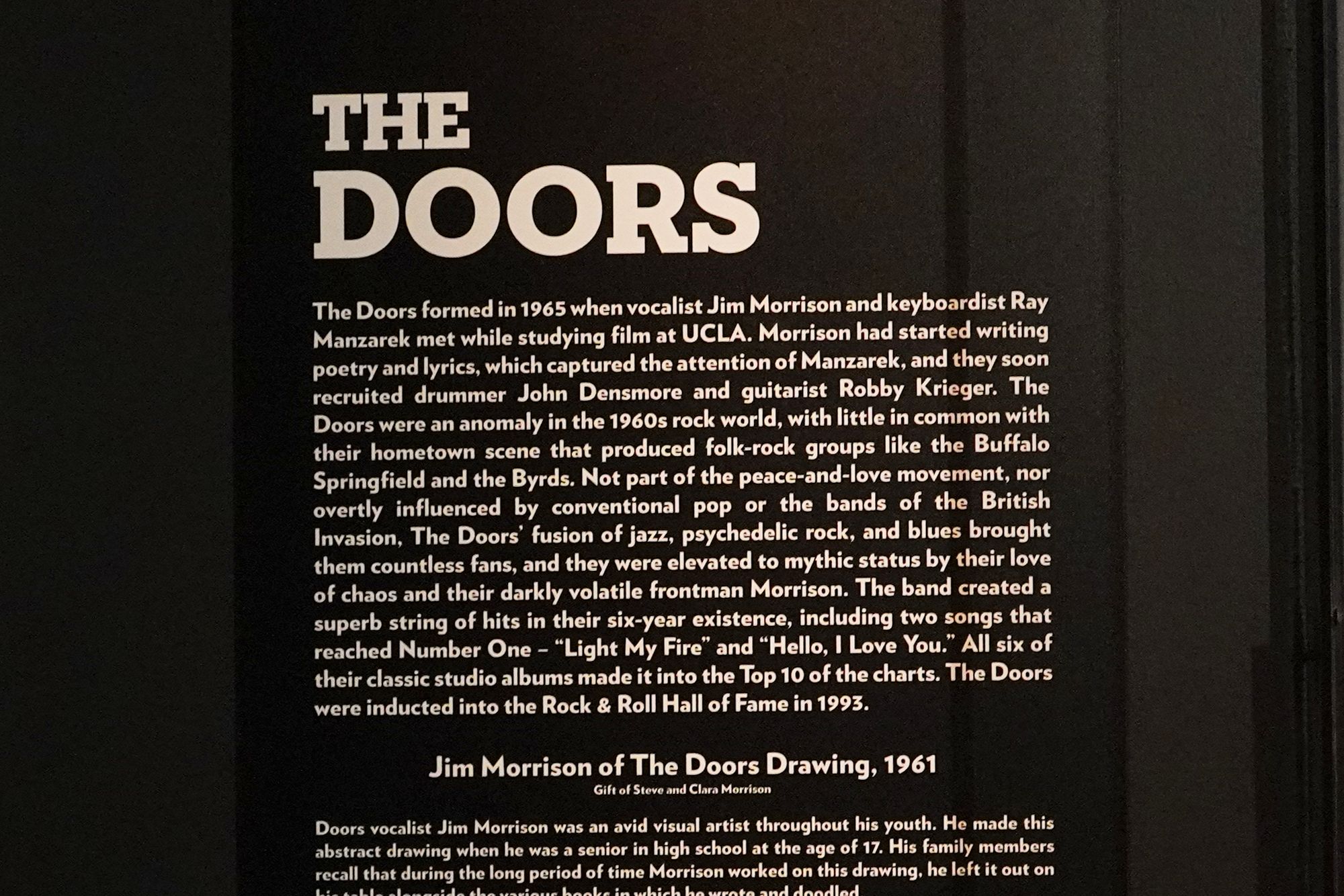
The Doors
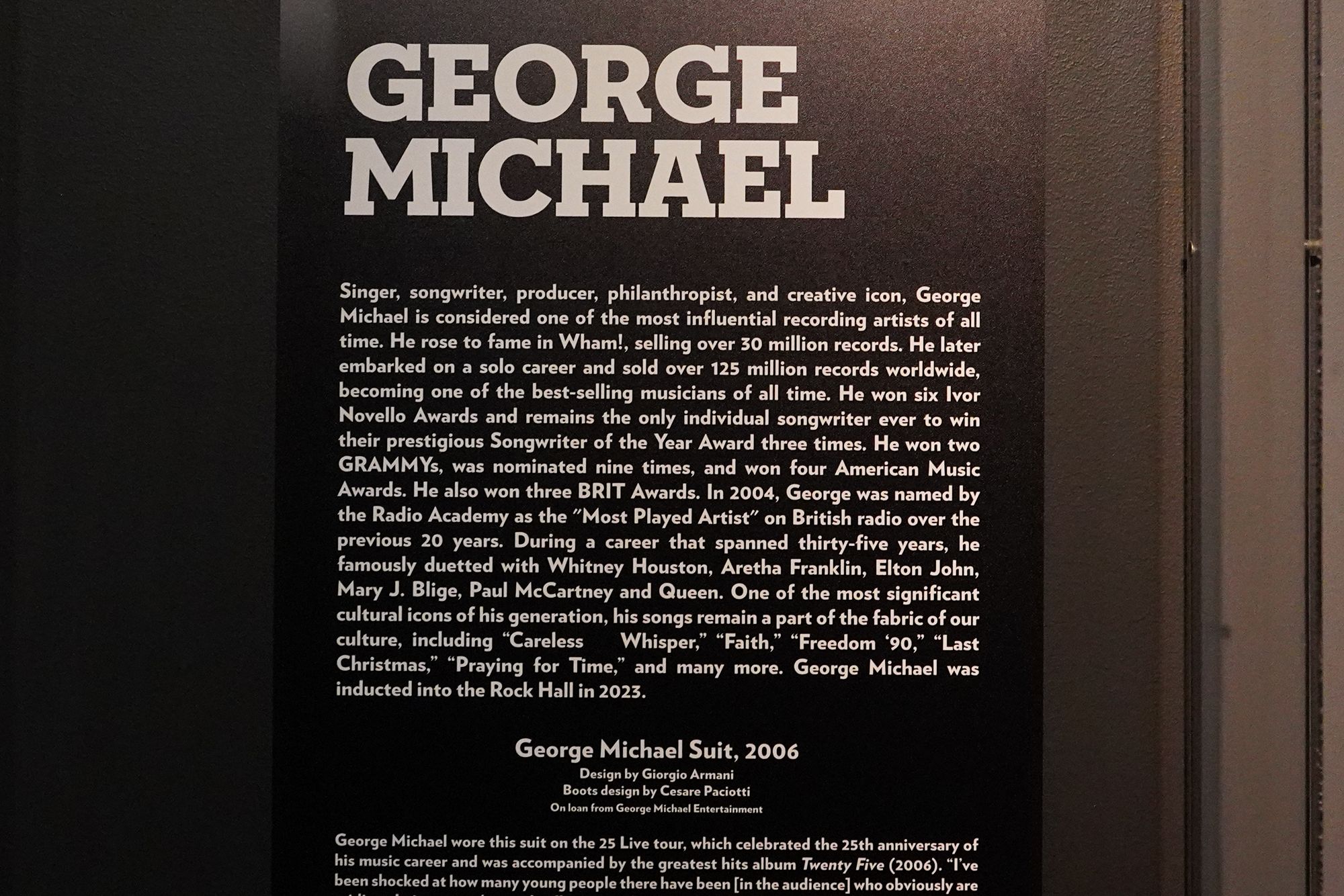
George Michael
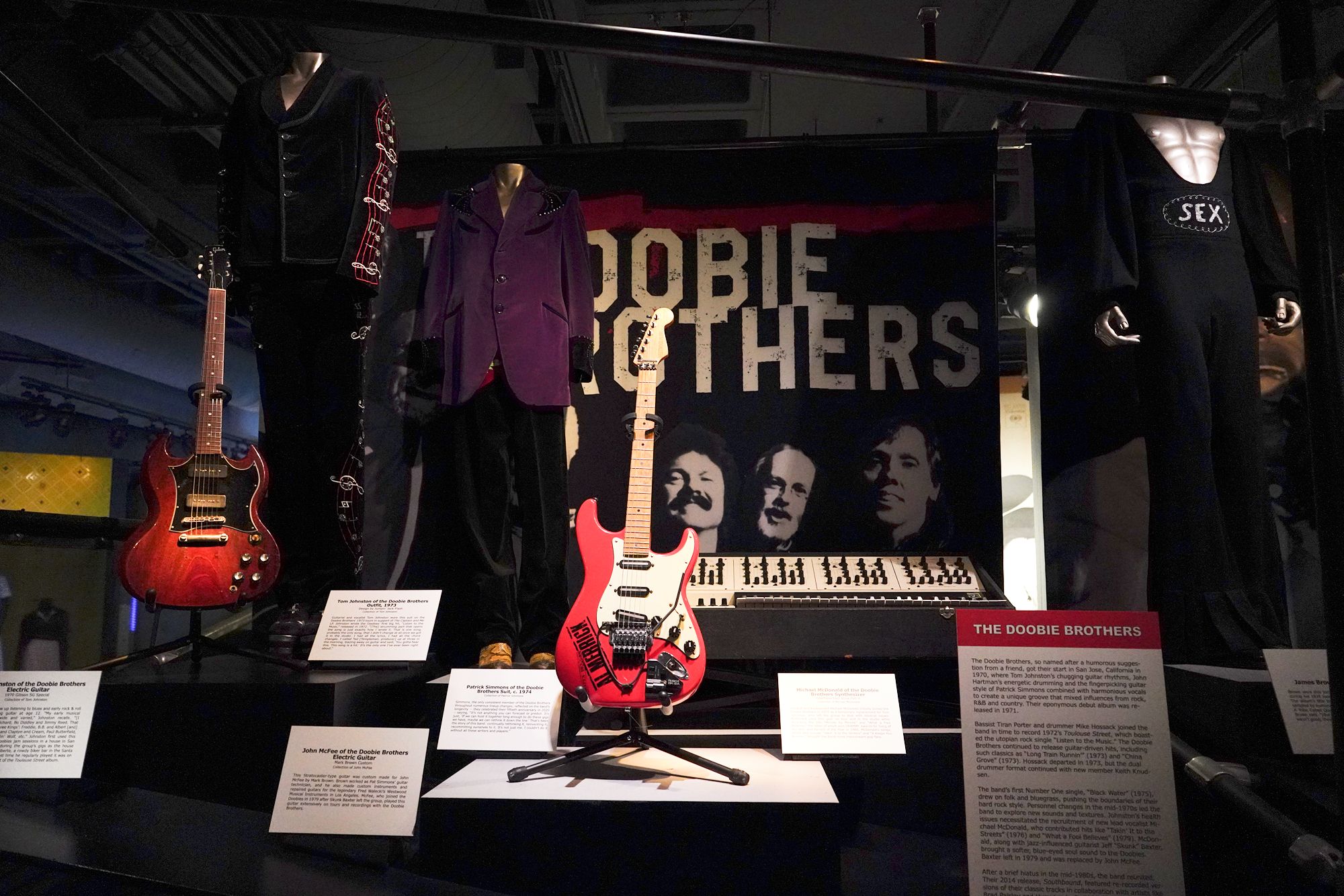
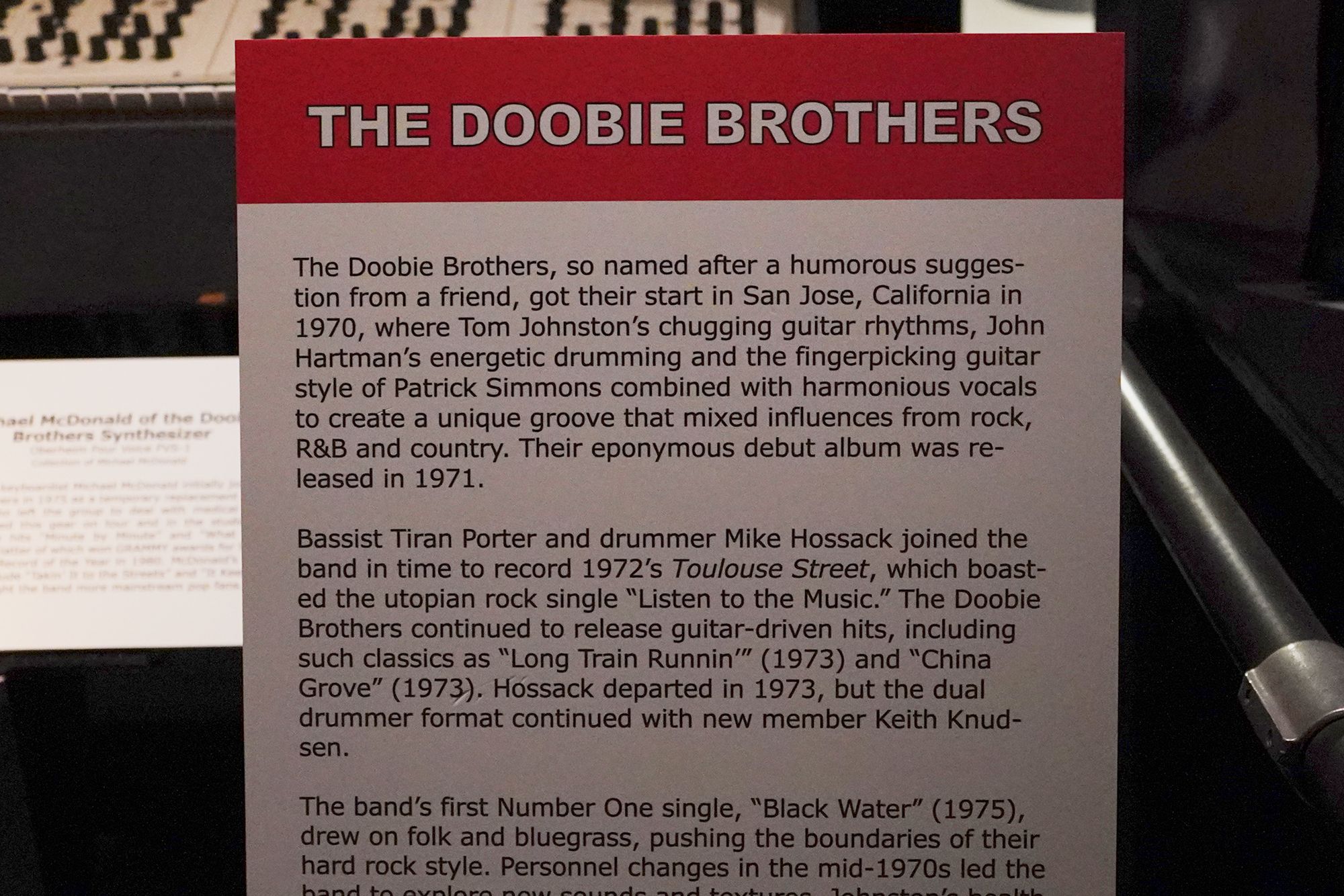
Doobie Brothers
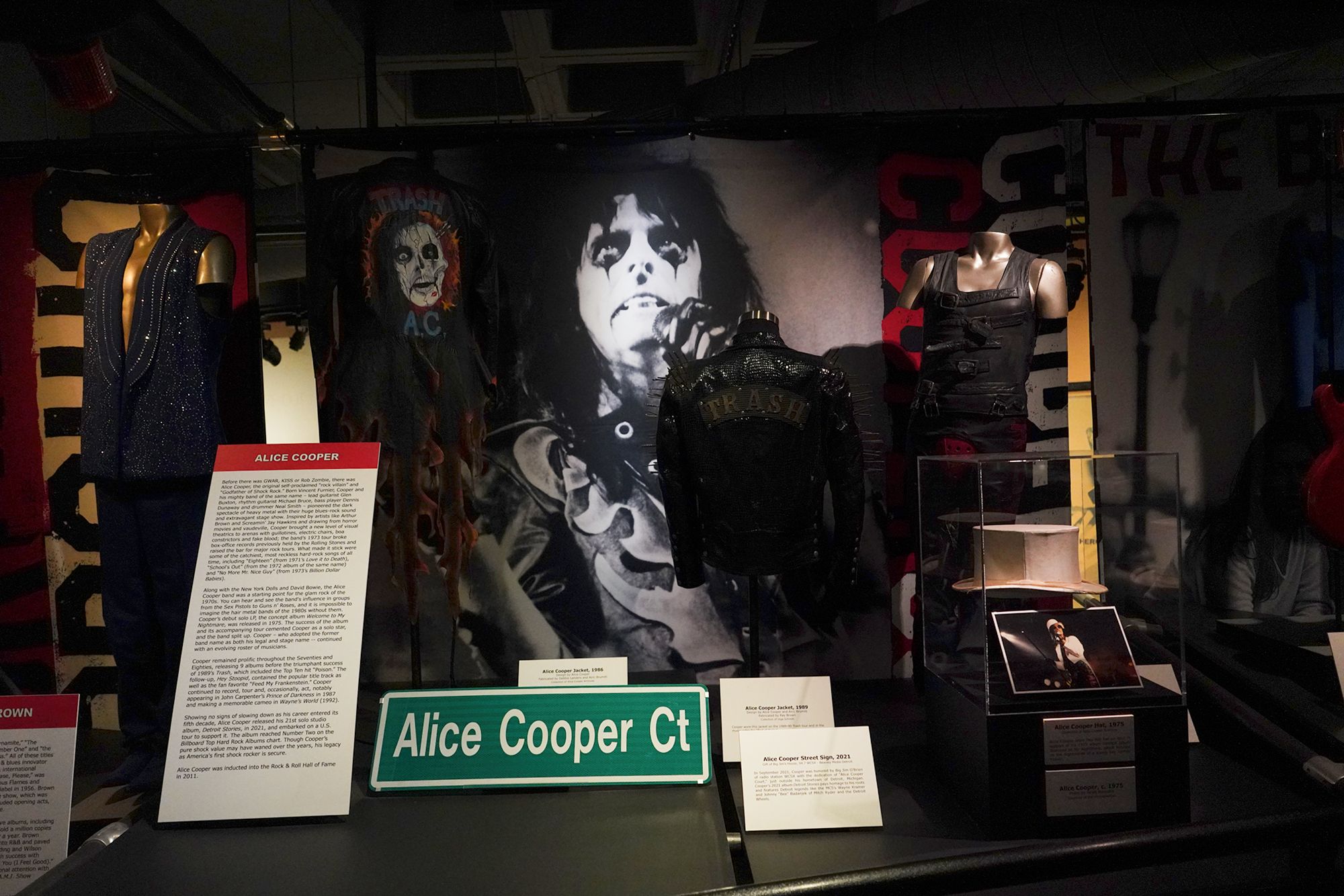
Alice Cooper
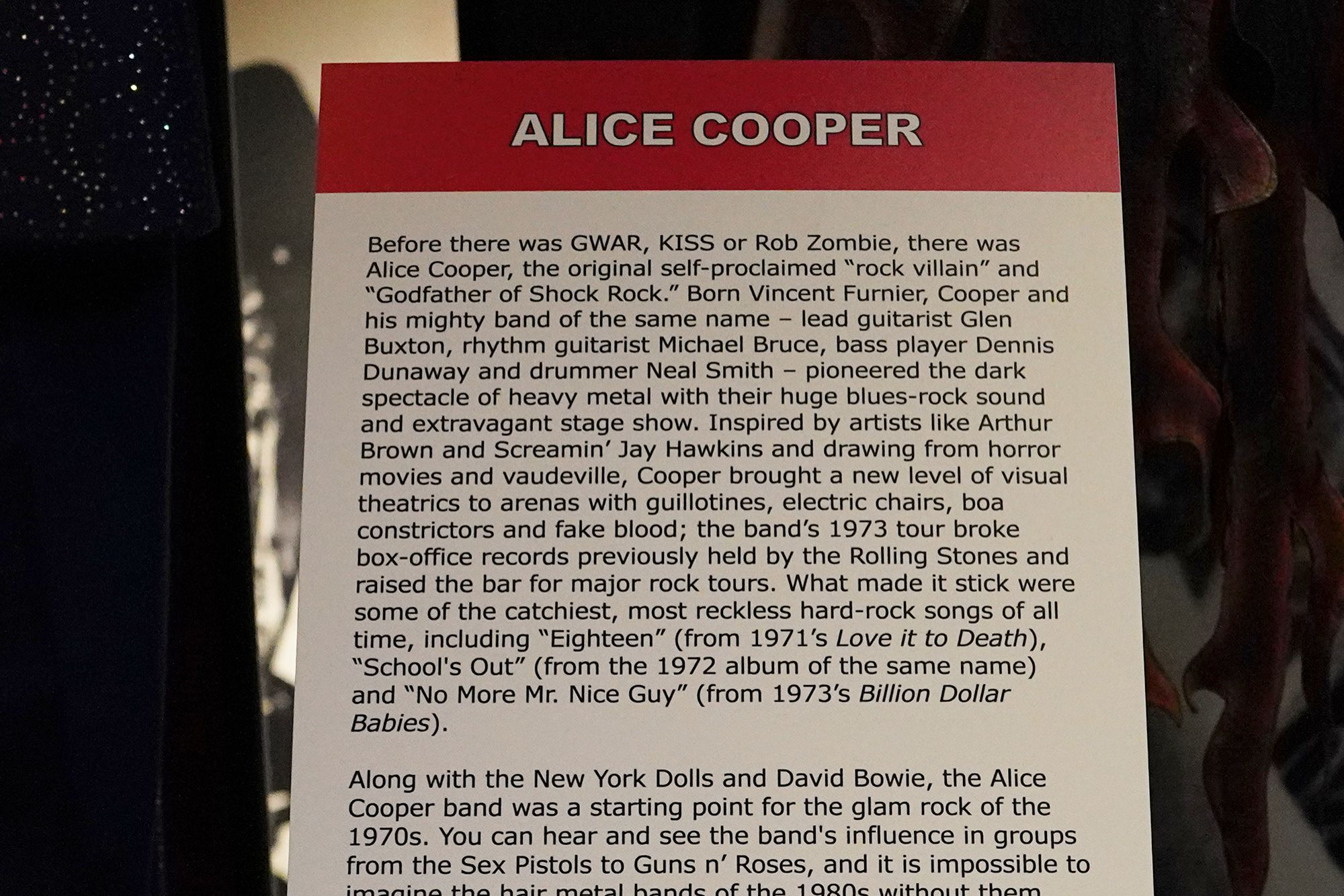
Heart
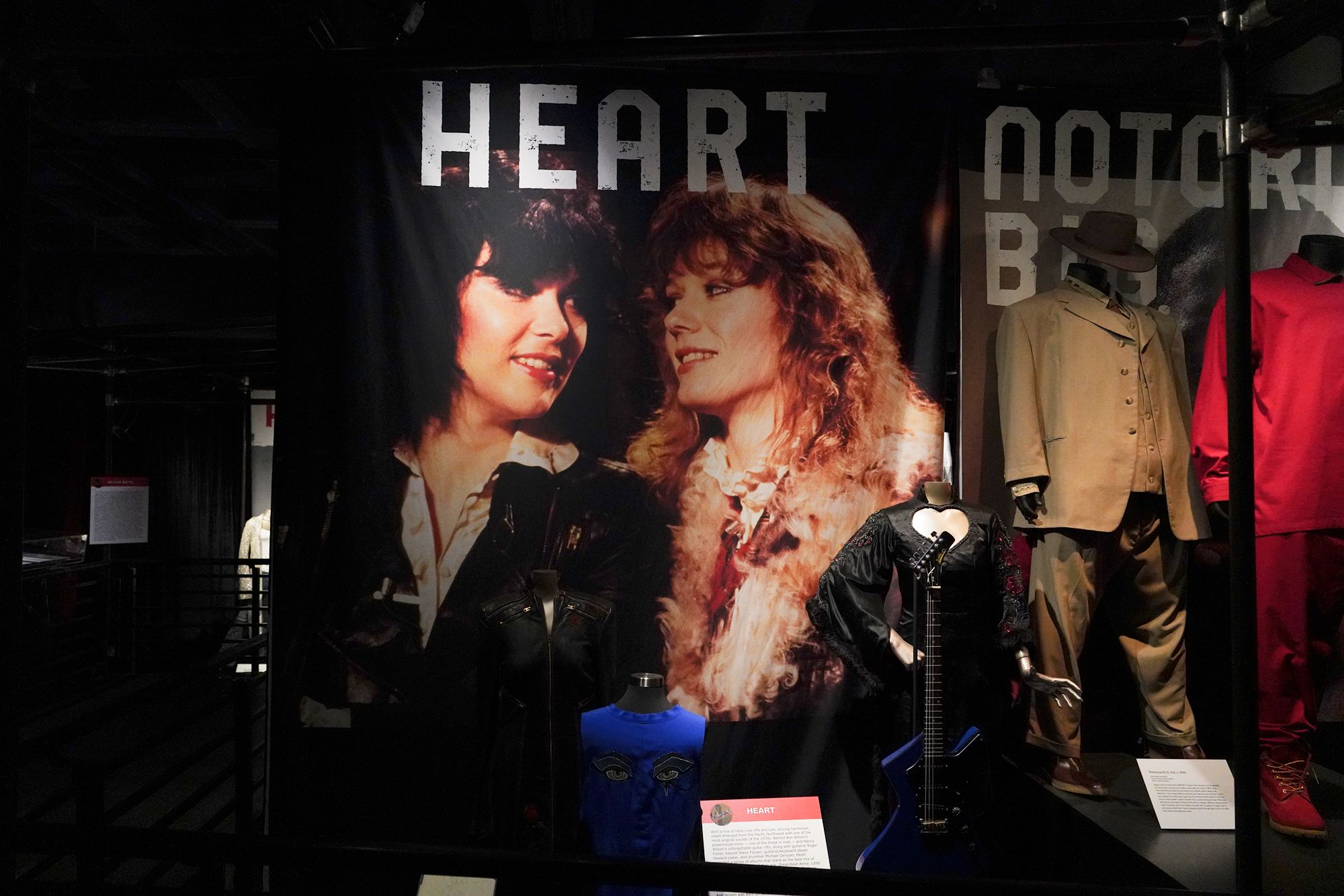

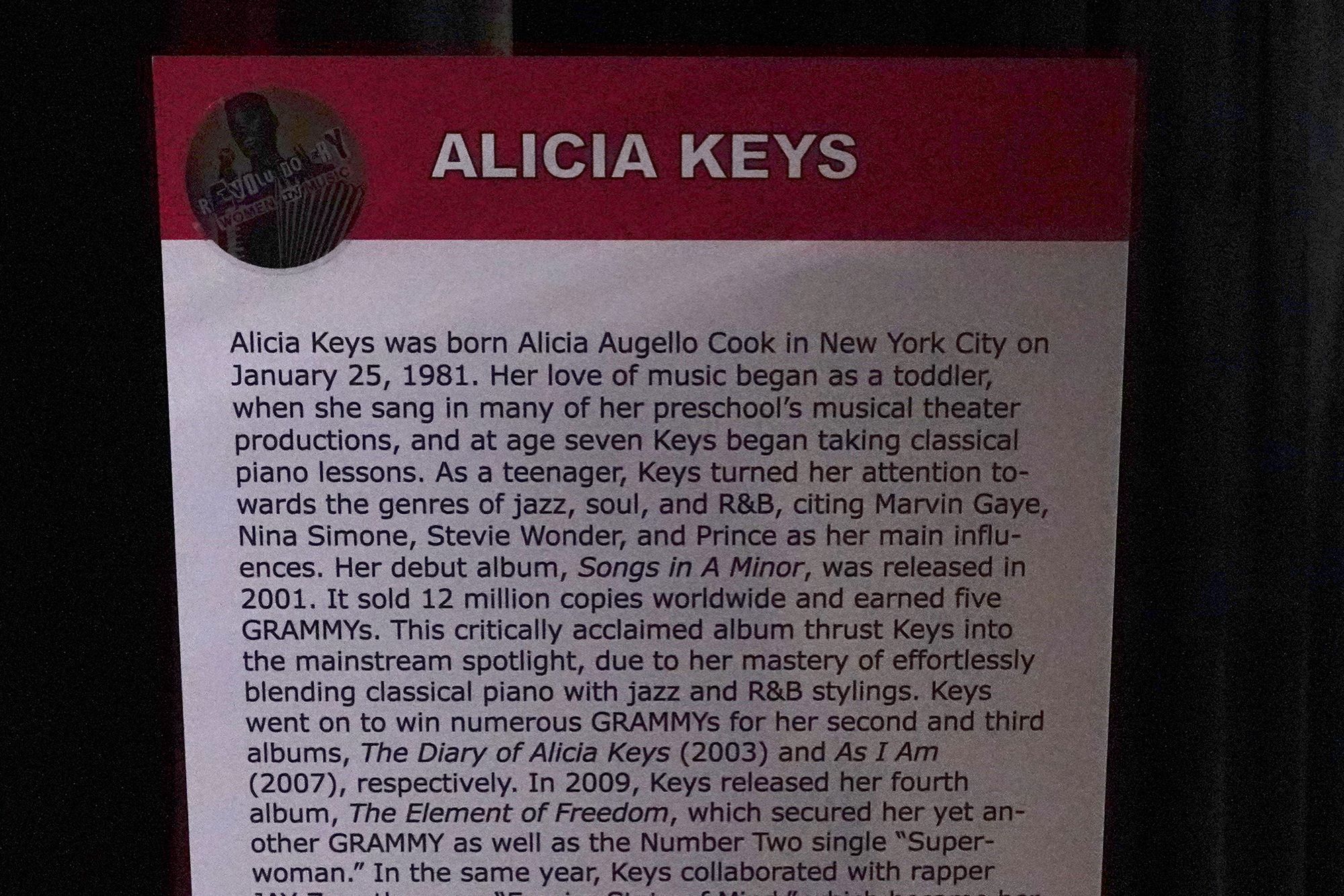
Alicia Keys
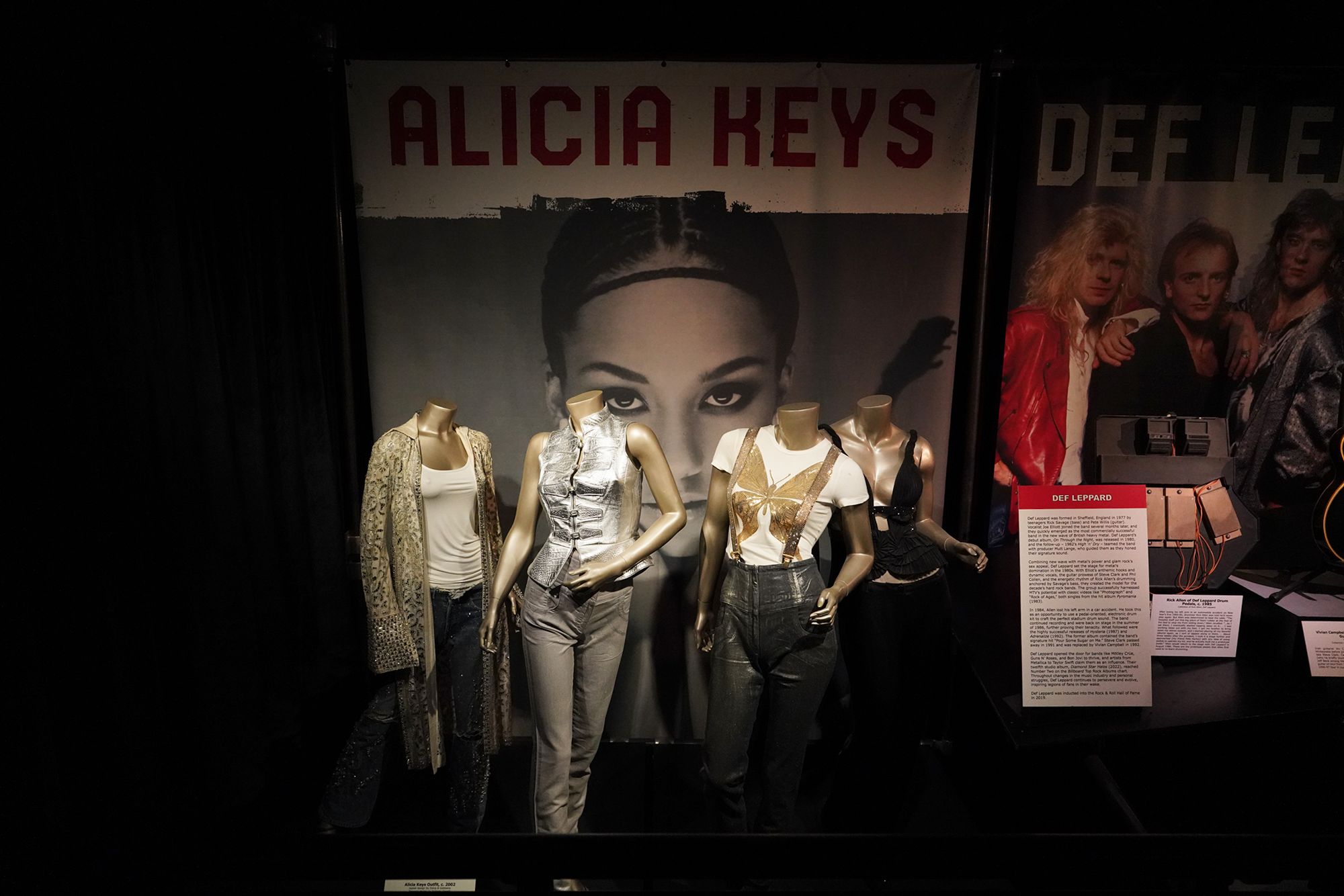
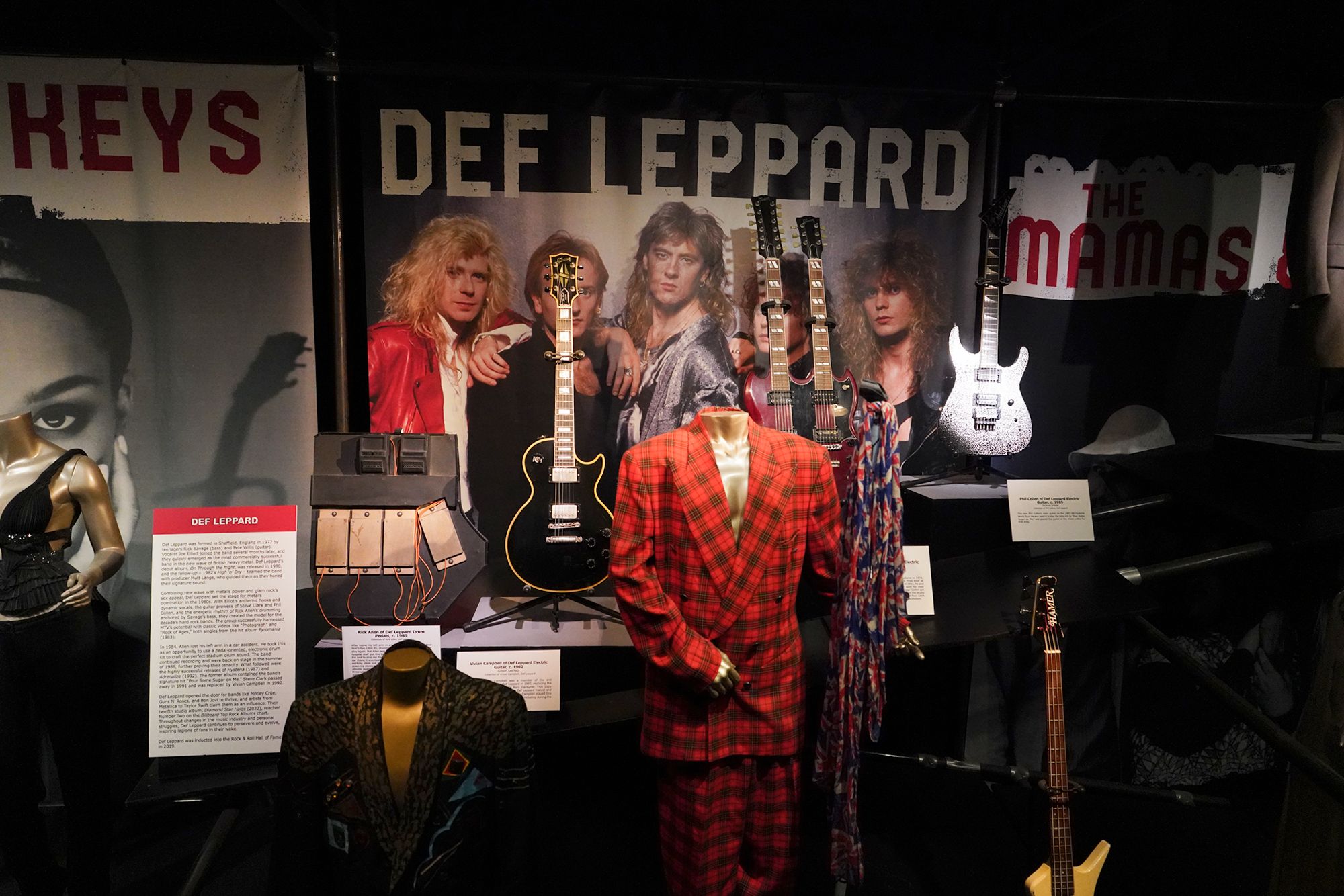
Def Leppard

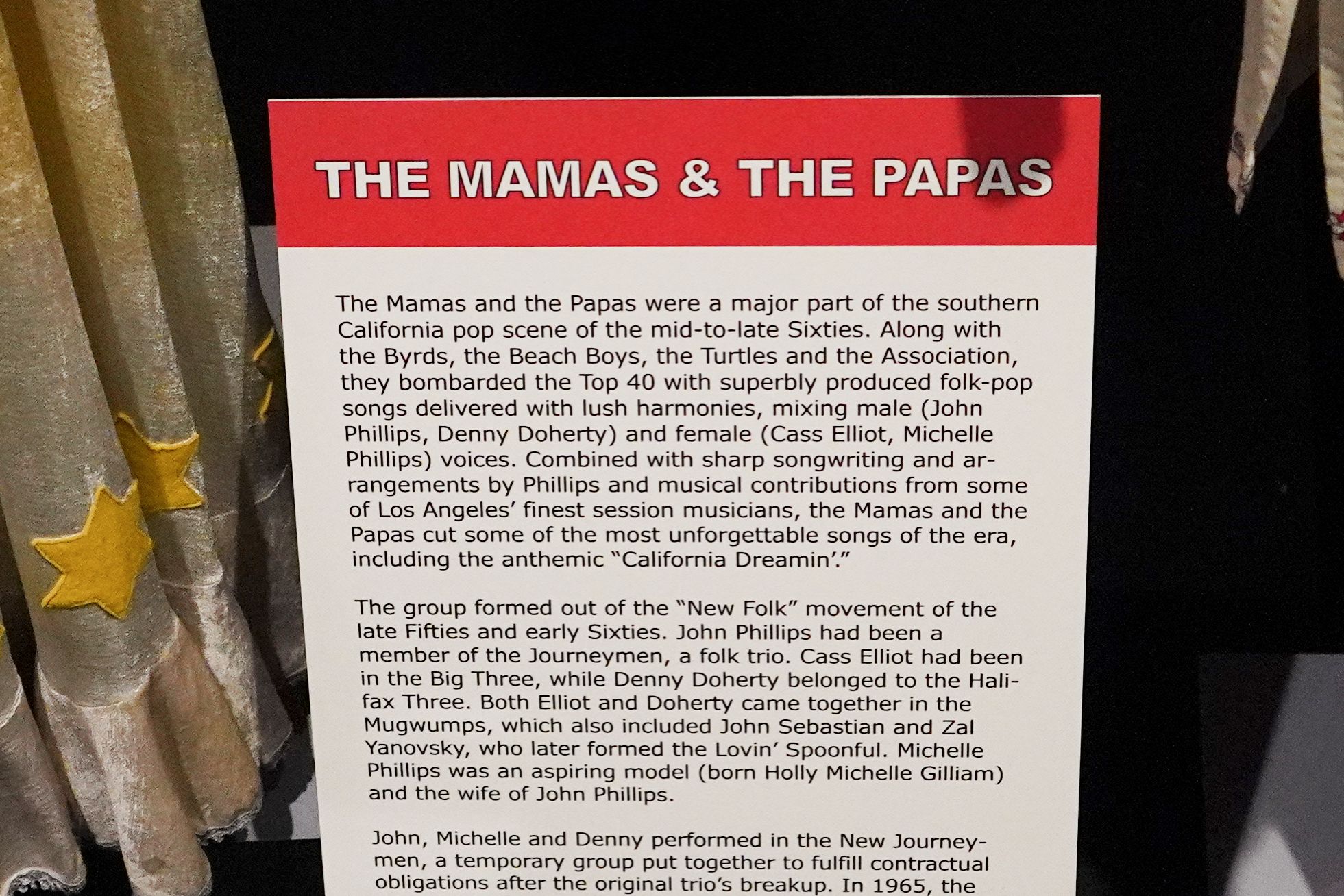
The Mamas & the Papas
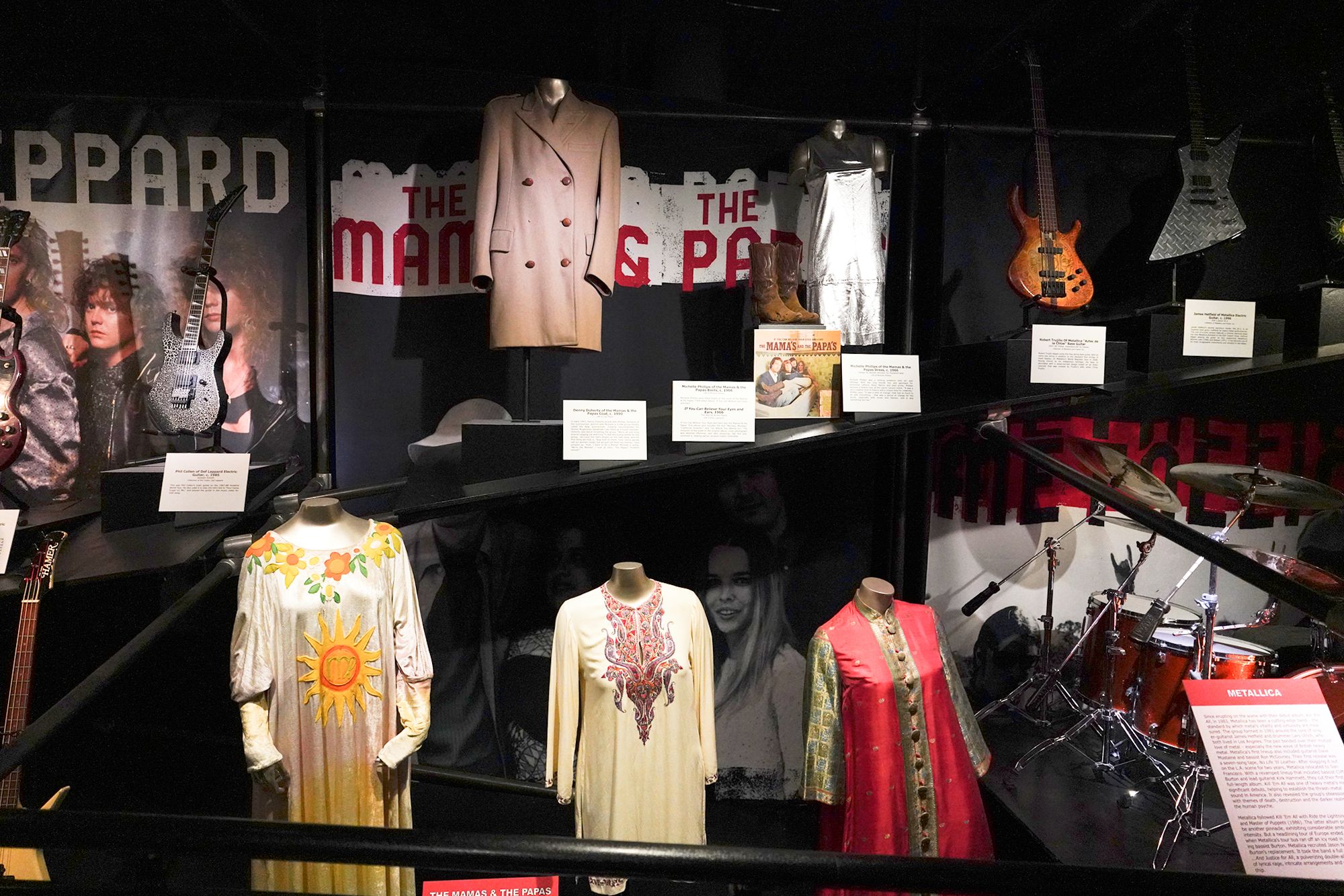
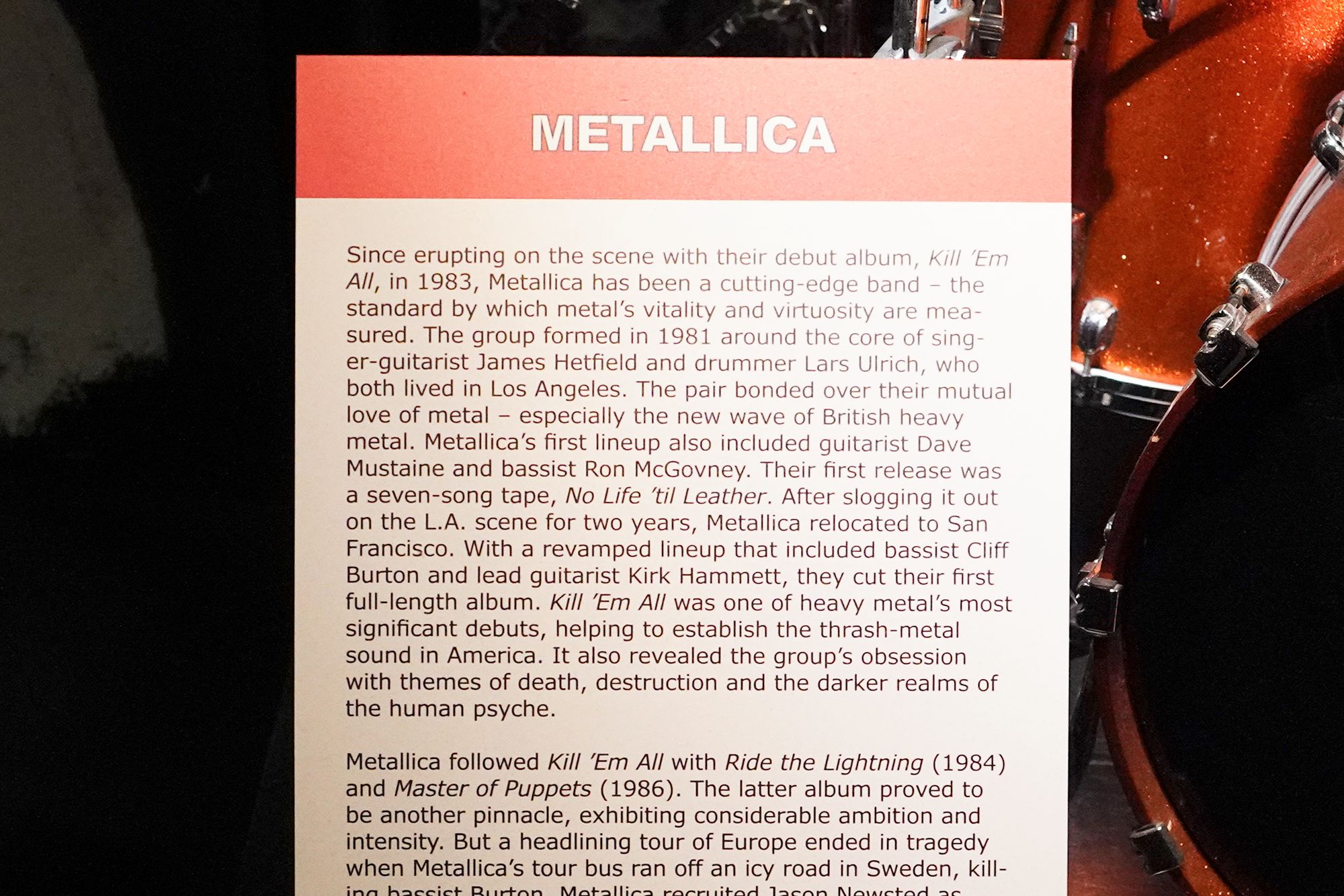
Metallica

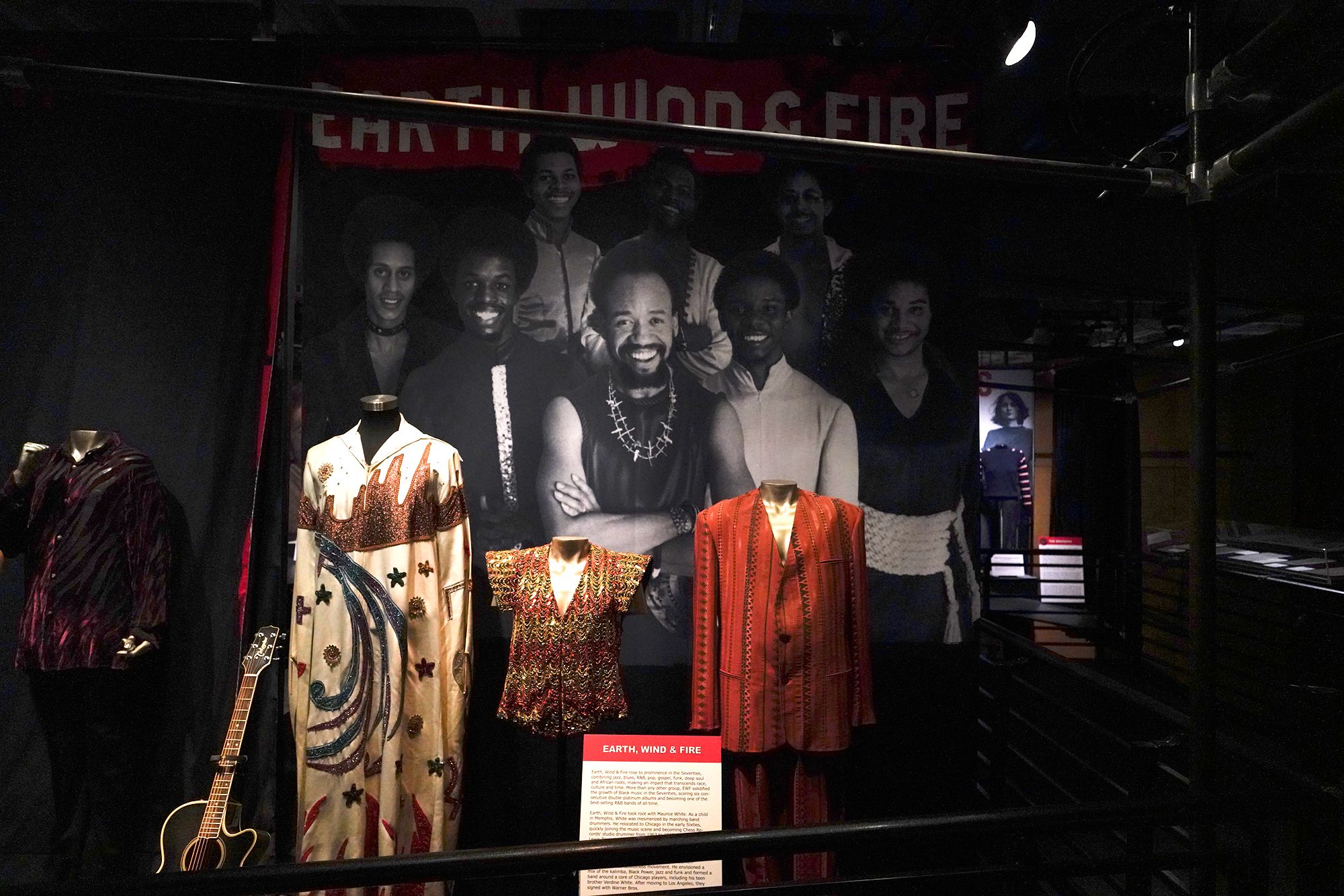
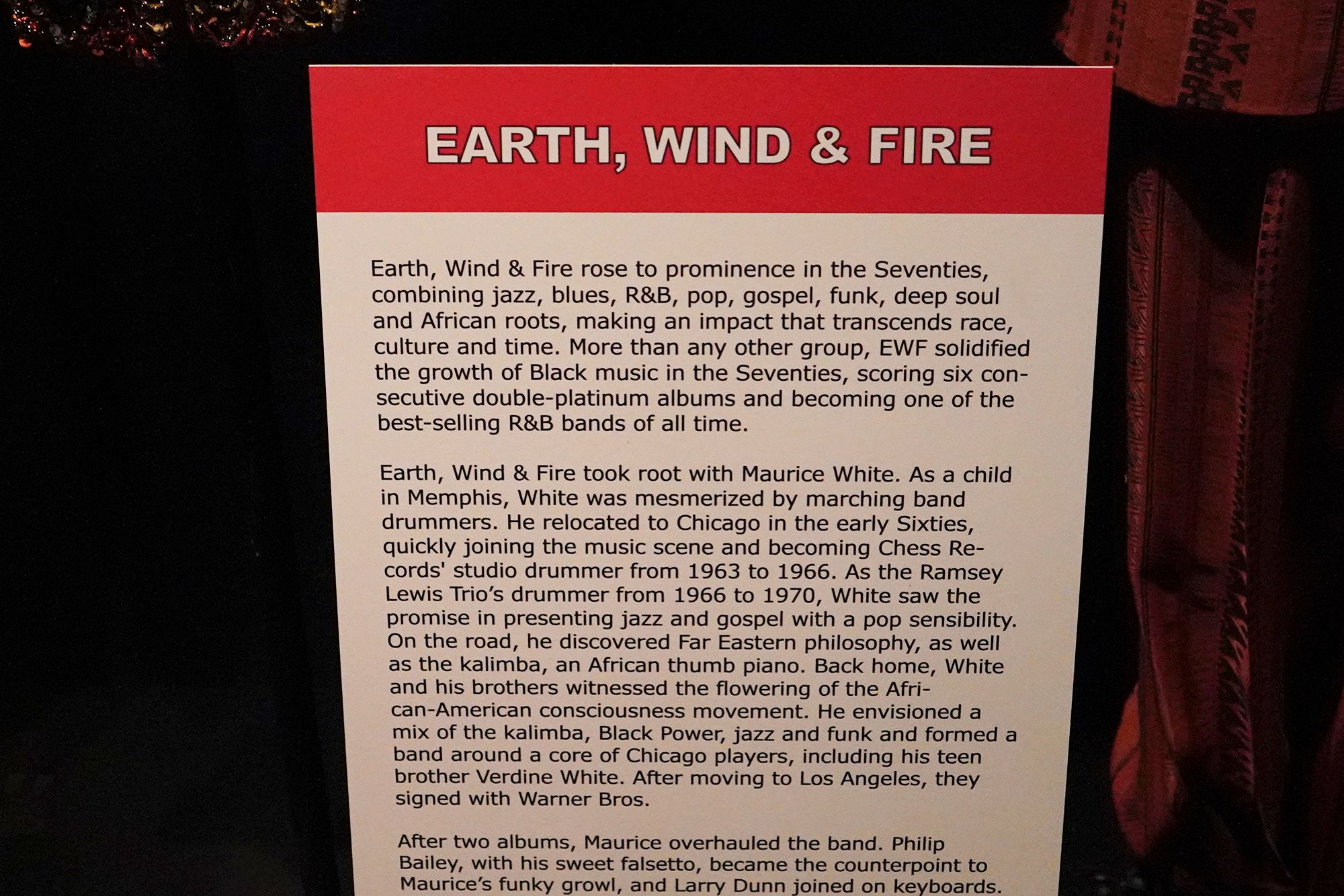
Earth, Wind & Fire
Bruce Springsteen
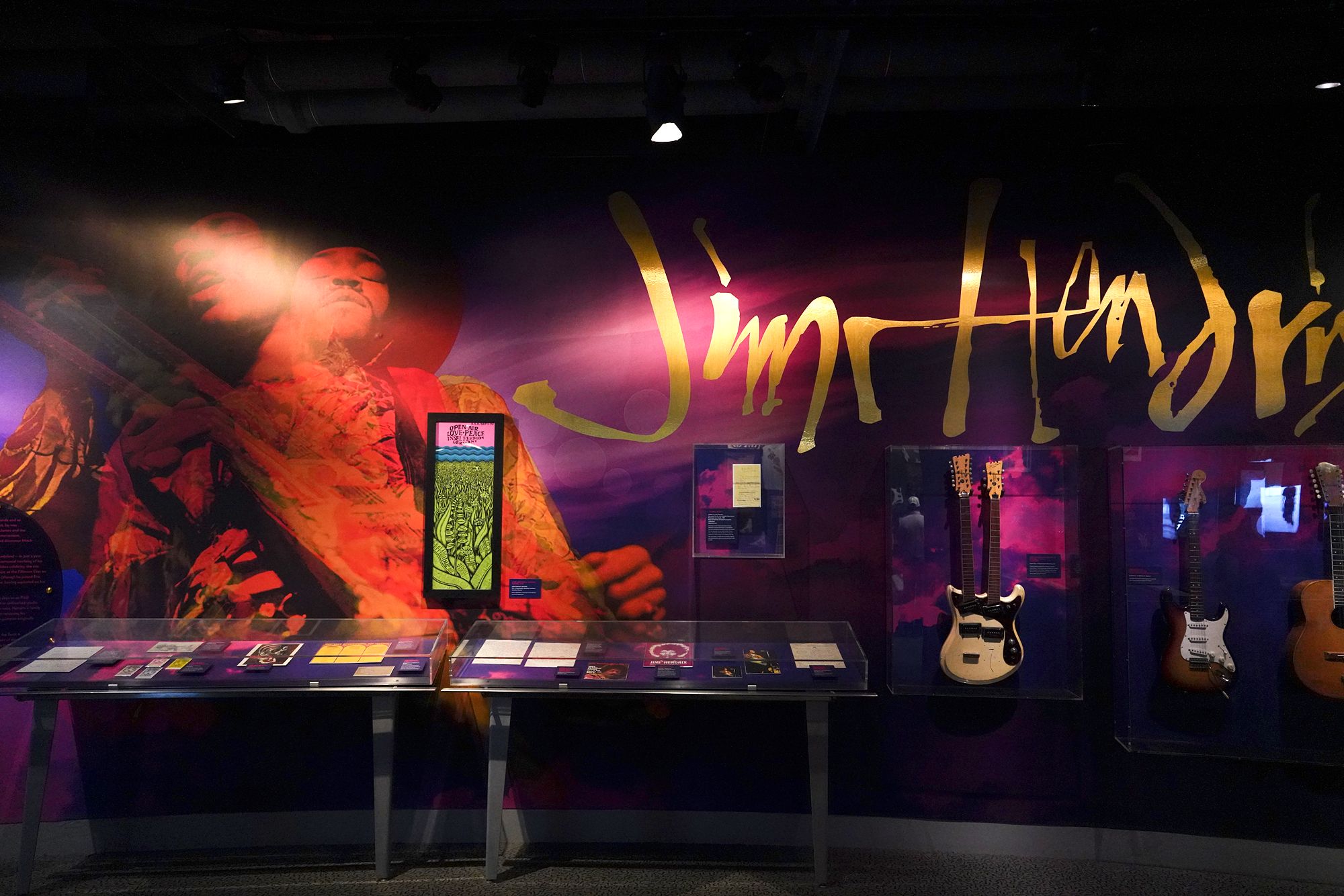
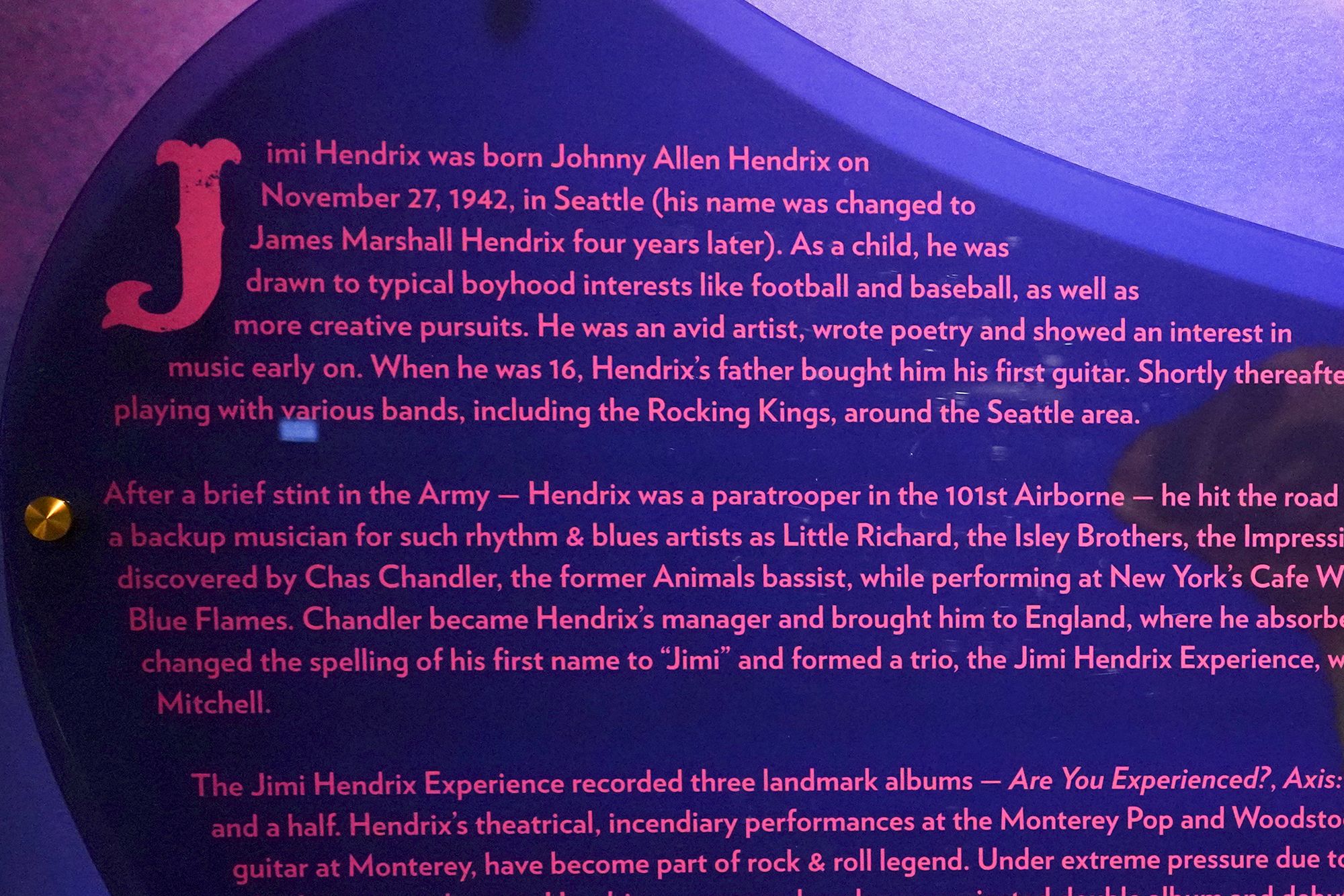
Jimi Hendrix
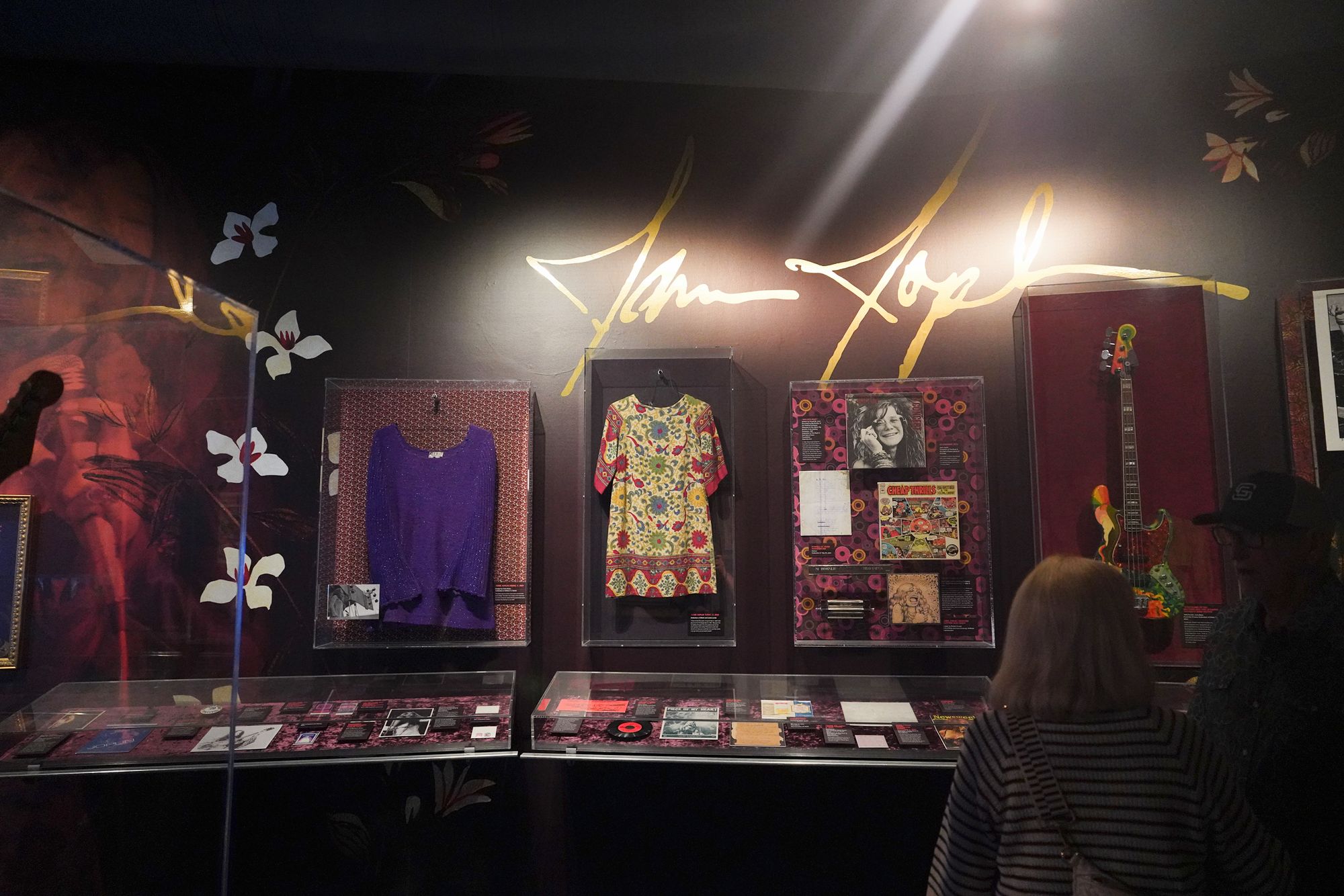
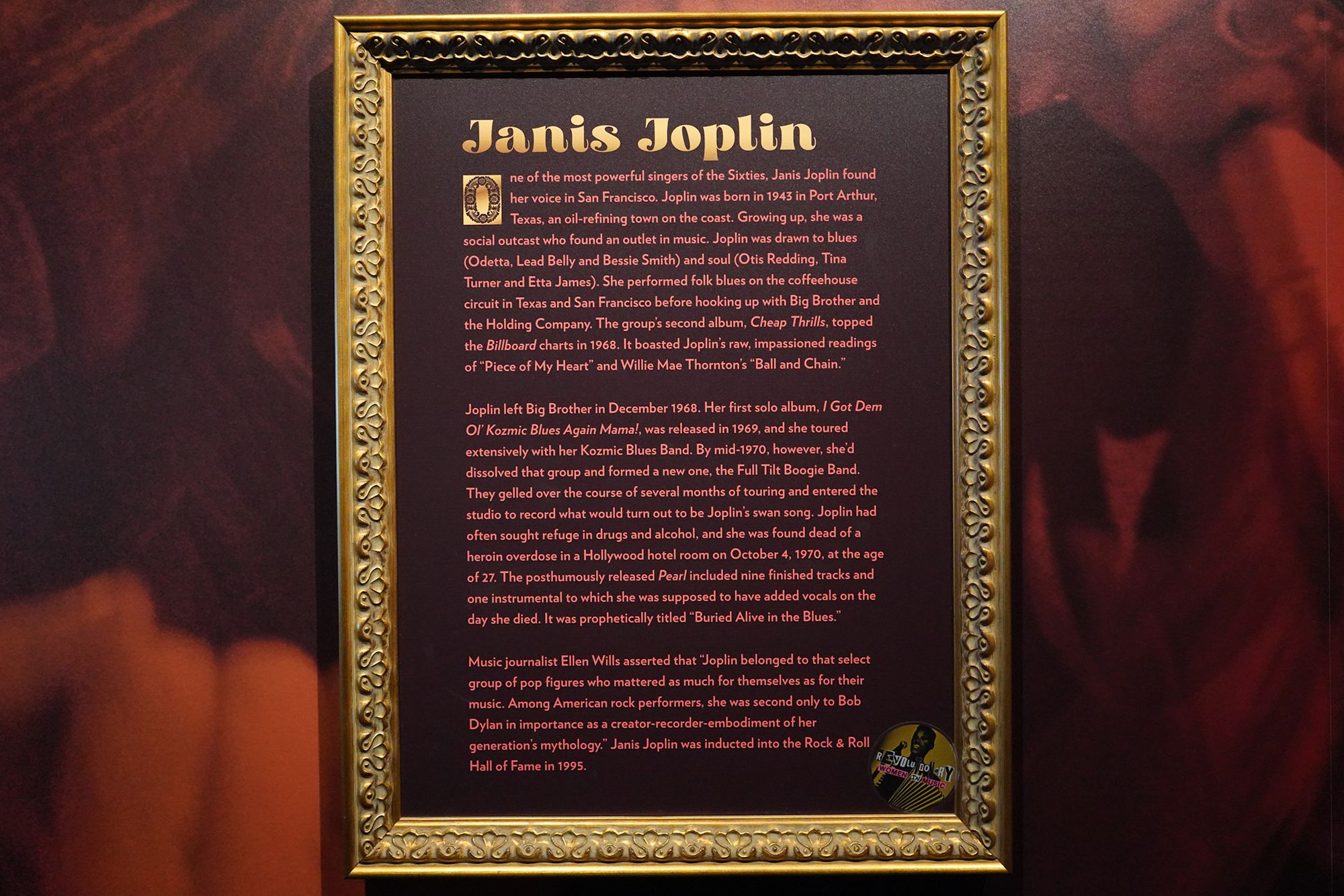
Janis Joplin

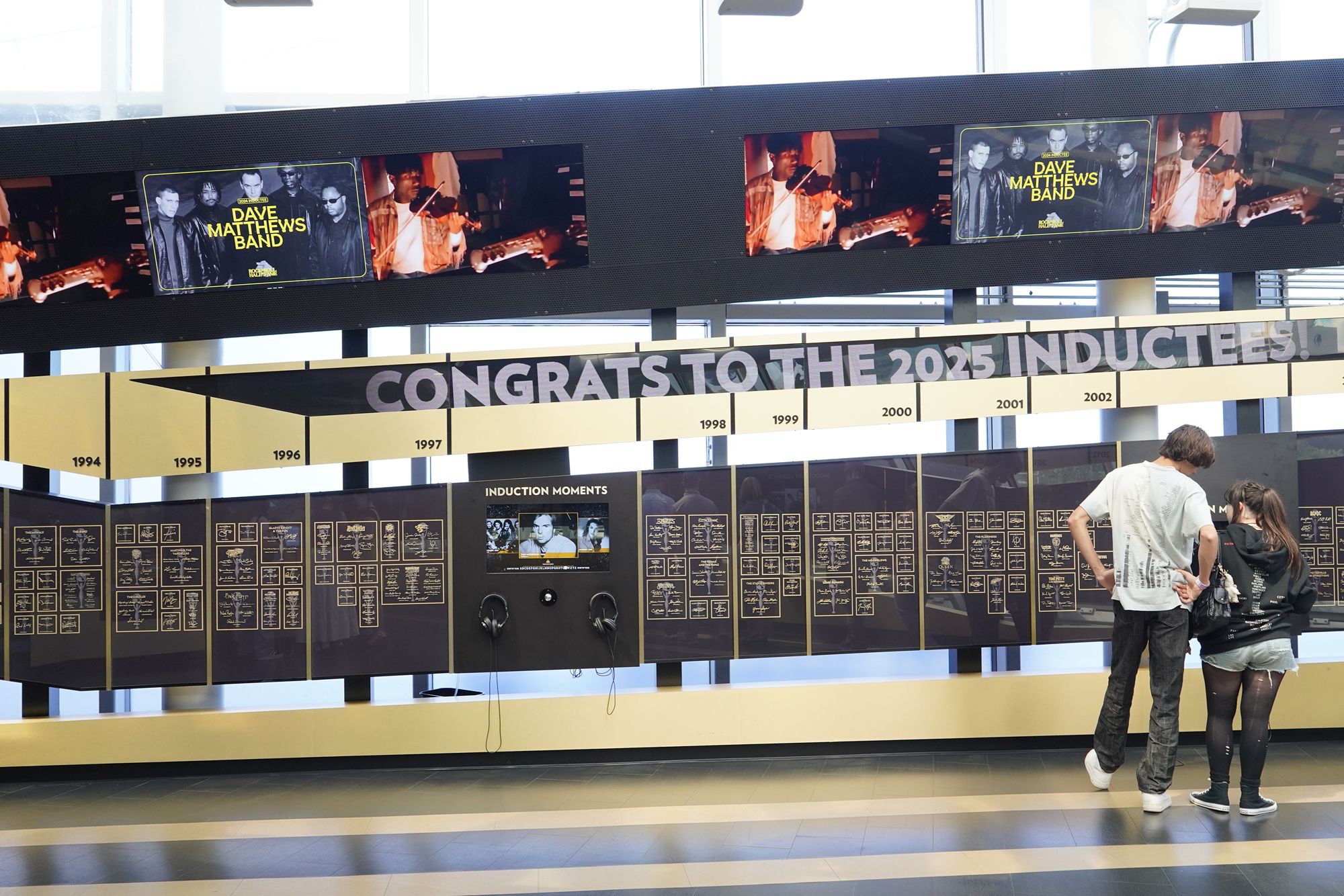
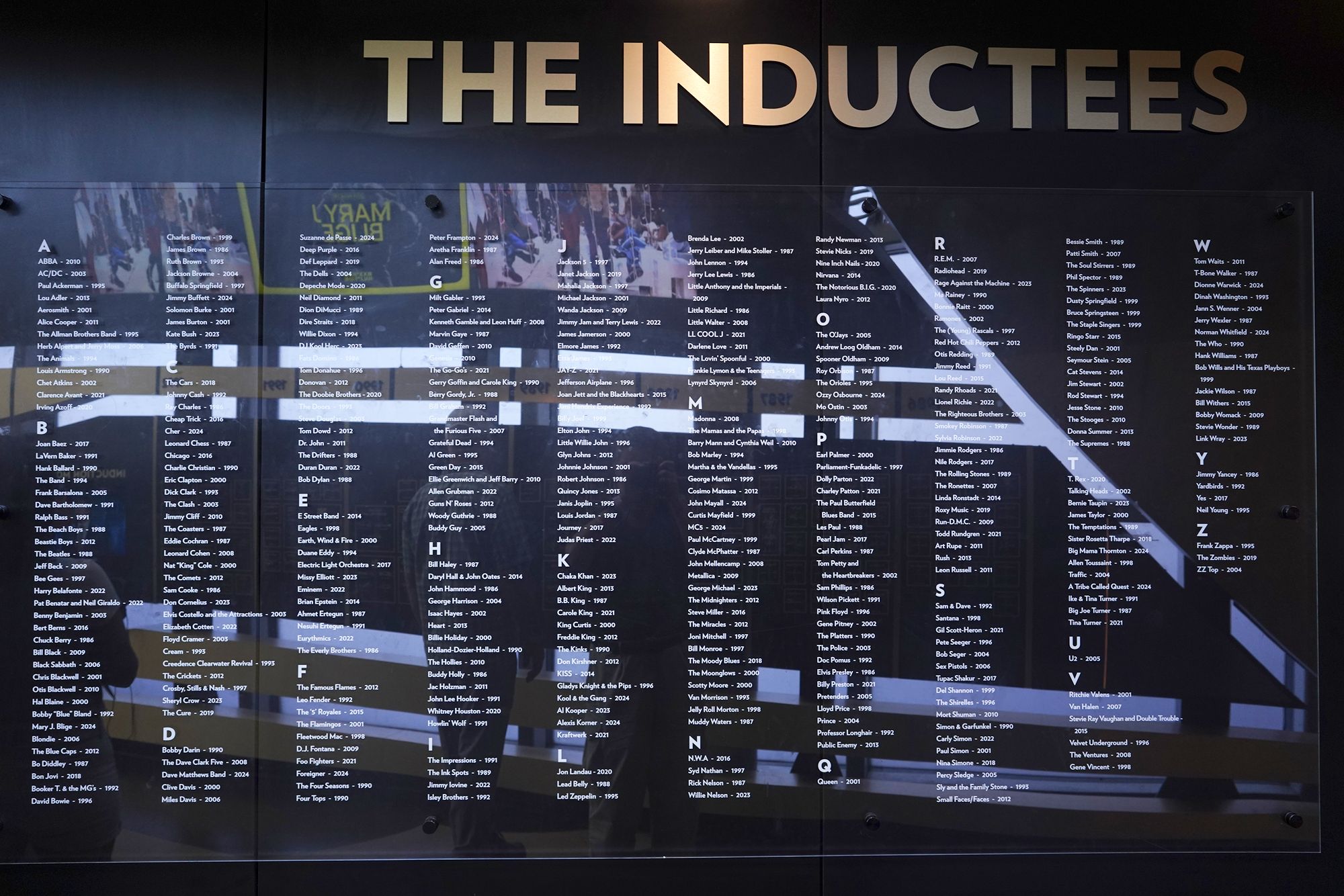
Here are the artists inducted into the Rock and Roll Hall of Fame each year.




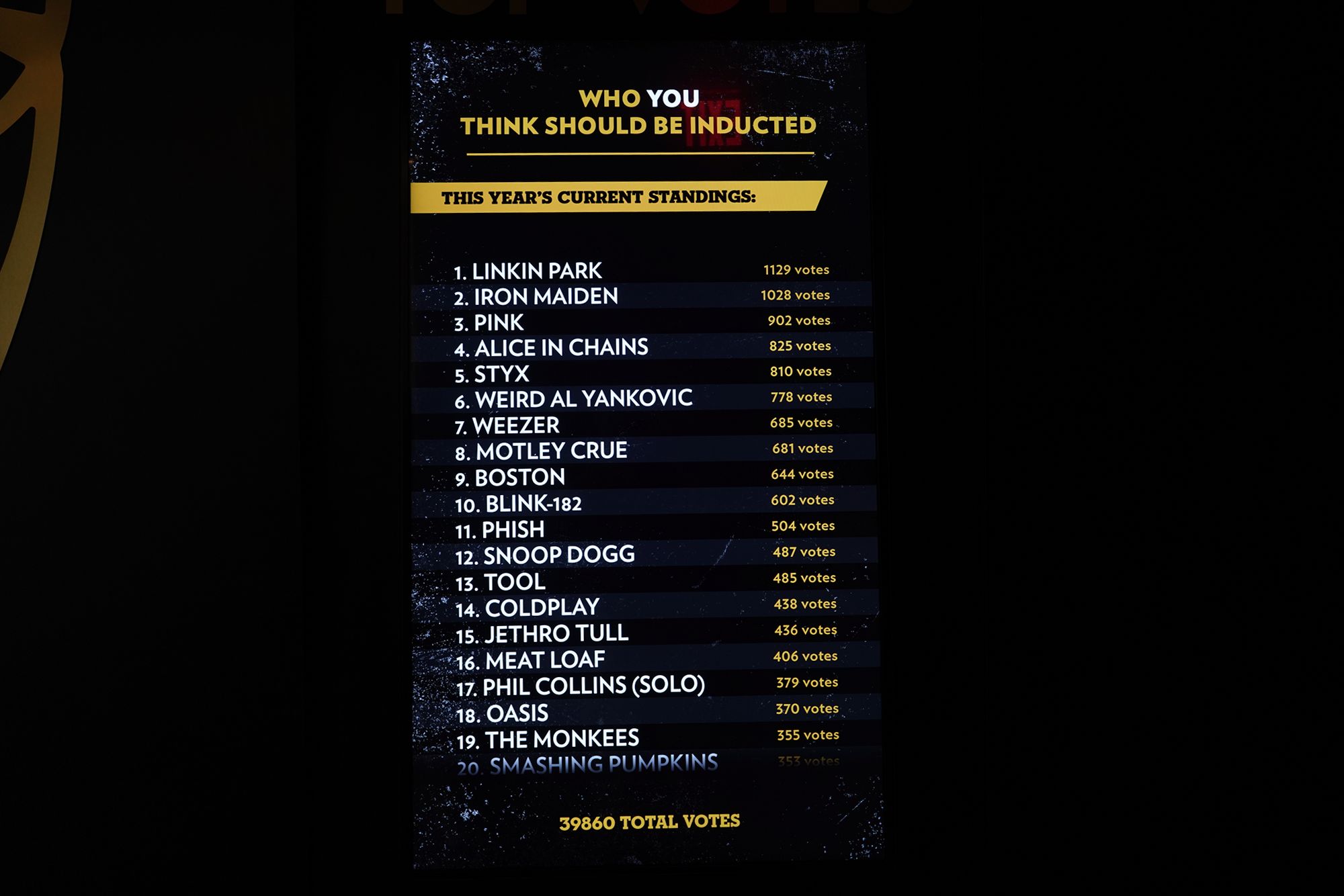
Vote counting for the 2025 inductees.
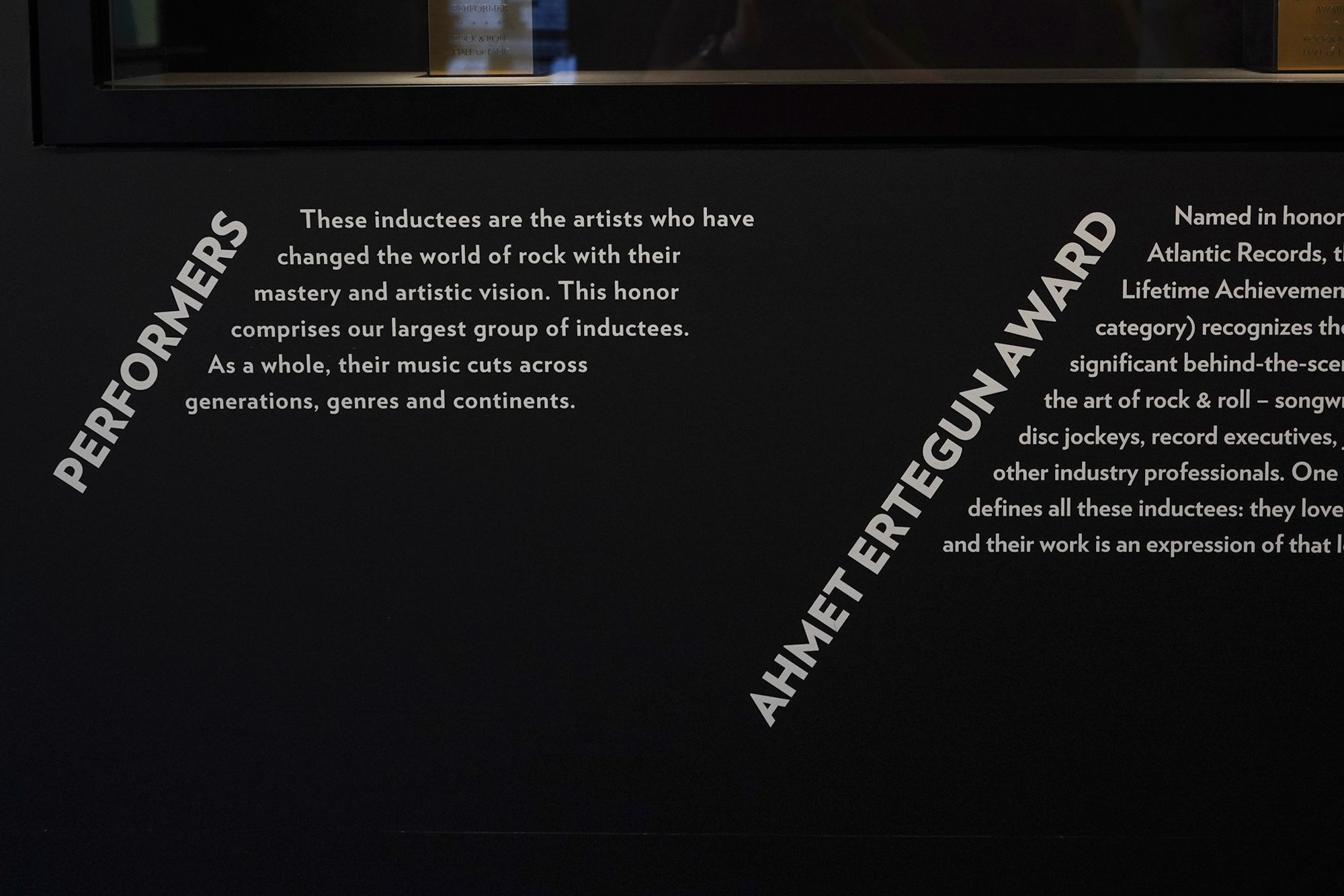
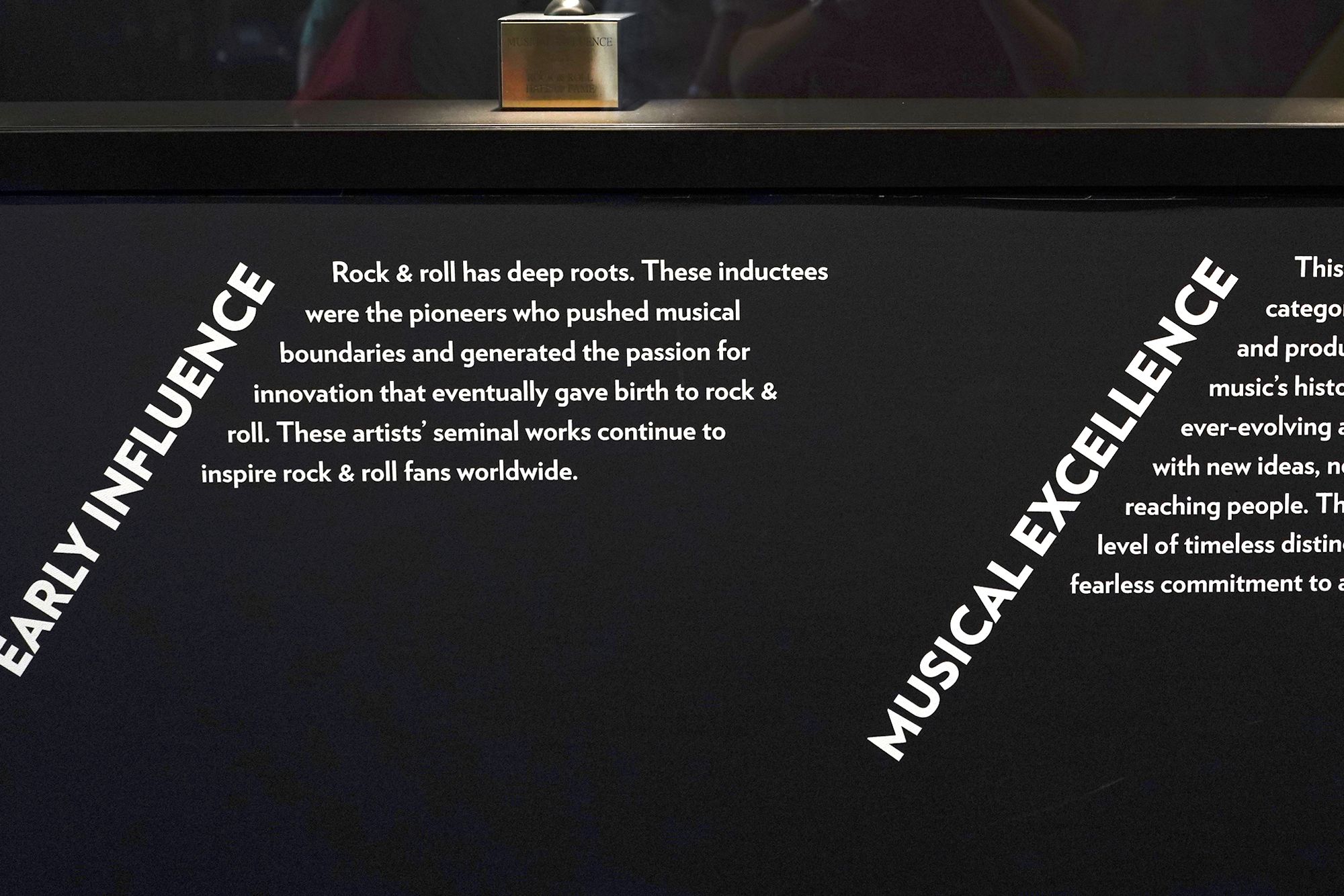
At the Rock & Roll Hall of Fame, inductees are recognized in several official categories, each honoring a different type of contribution:
-
Performer
Artists who created and performed influential rock and roll music. -
Musical Influence Award
Early artists whose work inspired and shaped rock and roll, even if they were not strictly rock performers. -
Musical Excellence Award
Songwriters, producers, session musicians, and other behind-the-scenes contributors who had a major impact on the music. -
Ahmet Ertegun Award (Non-Performer)
Industry figures such as executives, managers, producers, and promoters who played key roles in advancing rock and roll.
These categories highlight the many ways artists and innovators helped build rock and roll.

The trophy

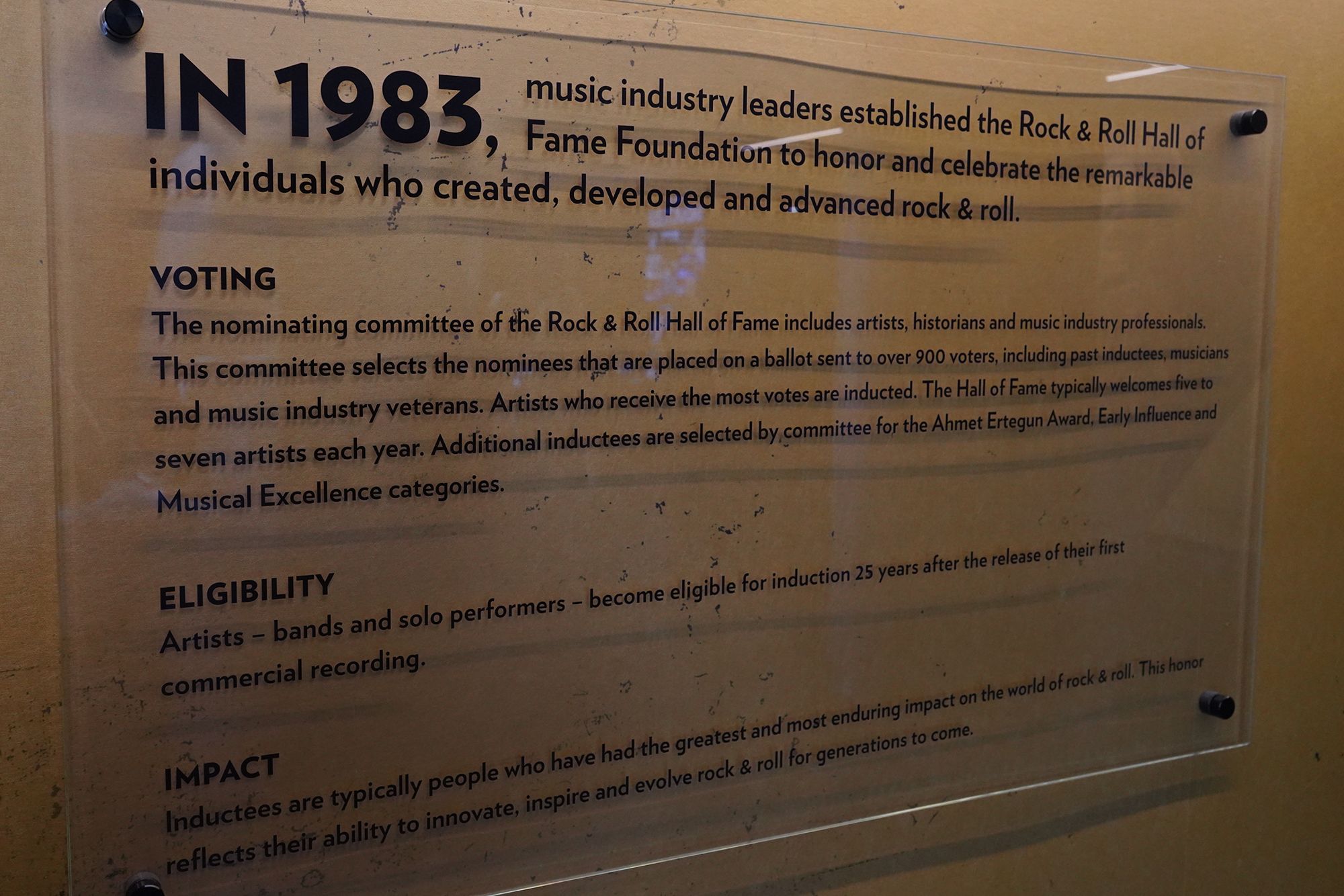
The Rock & Roll Hall of Fame induction process combines expert nomination, industry voting, and public interest.
Each year, a nominating committee of historians, musicians, and industry professionals selects a ballot of eligible candidates—artists become eligible 25 years after their first commercial release. Ballots are then sent to an international voting body made up of artists, historians, and music-industry figures, who evaluate each nominee’s impact, originality, and influence.
In parallel, fans are invited to vote online, with the top fan-selected artists counted as one additional ballot. Final inductees are announced after votes are tallied, and honorees are formally inducted at the annual ceremony. The process reflects both critical judgment and popular recognition, emphasizing rock and roll’s cultural and historical significance.



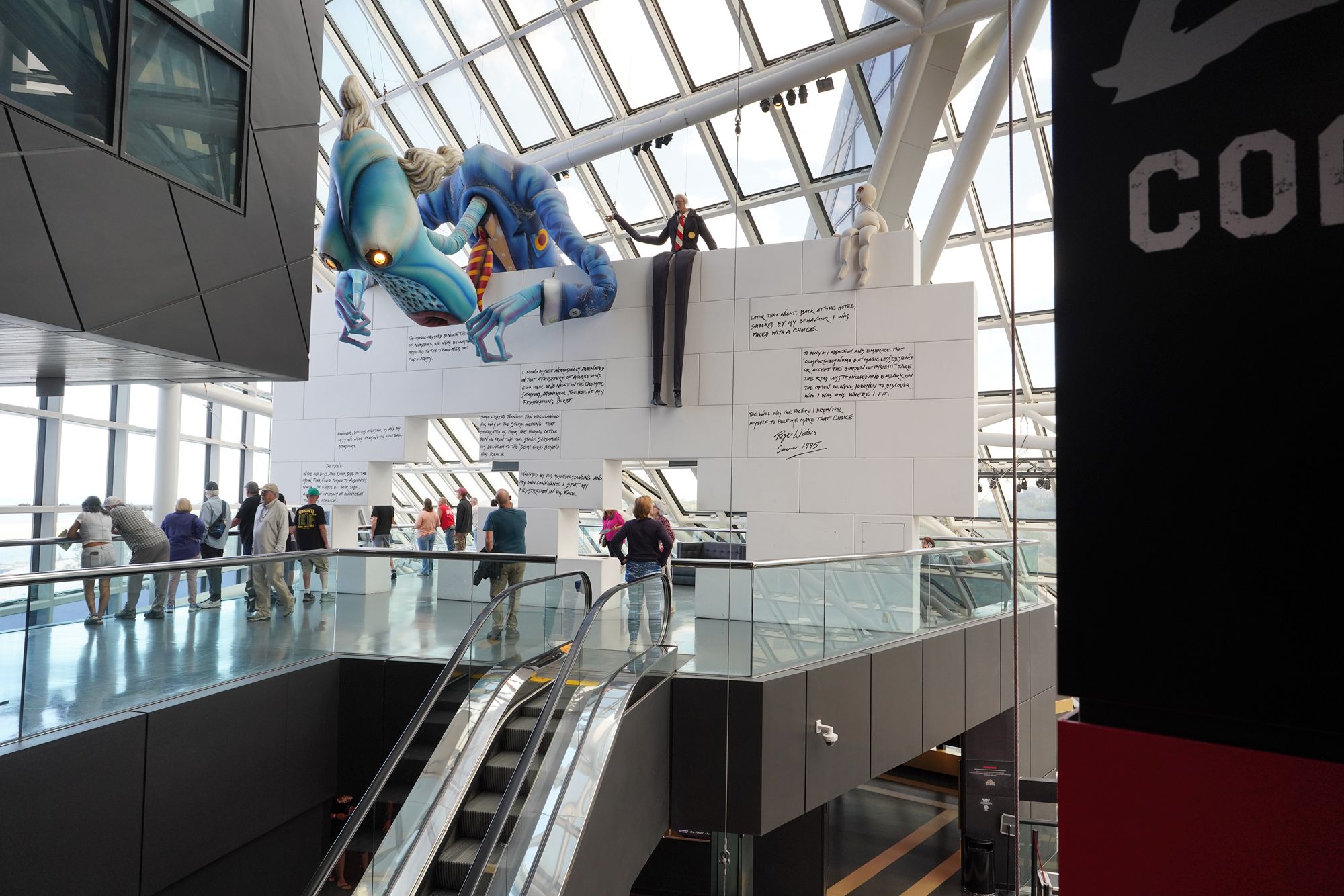
The Wall is one of the most ambitious and influential works in rock history.
Released by Pink Floyd in 1979, The Wall is a concept album that tells the story of isolation, trauma, and emotional withdrawal. Blending progressive rock with theatrical storytelling, it explores themes of war, fame, control, and personal breakdown. Its music, visuals, and stage performances blurred the line between rock album, film, and art, showing how rock could function as a complete narrative experience rather than just a collection of songs.

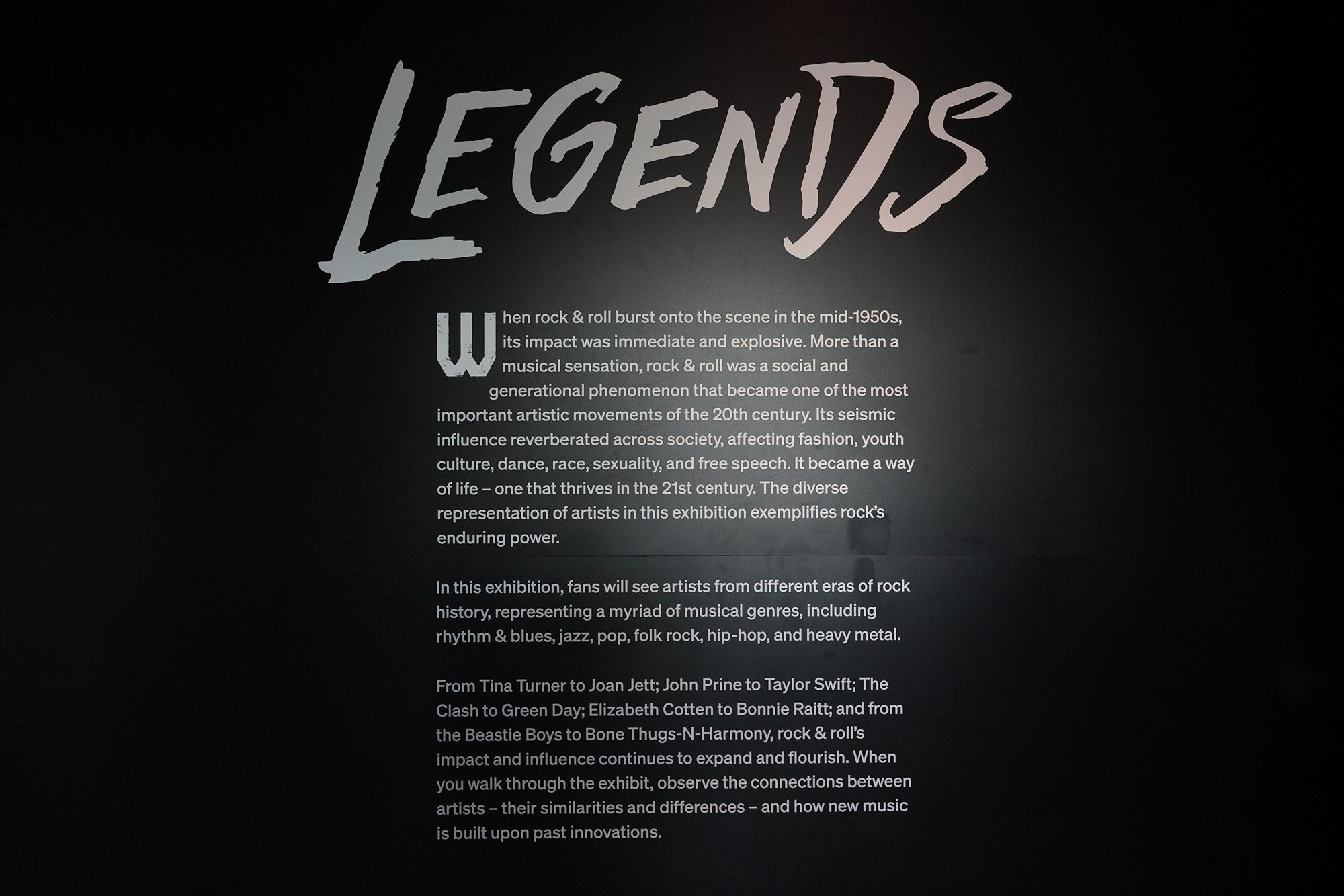
Legends
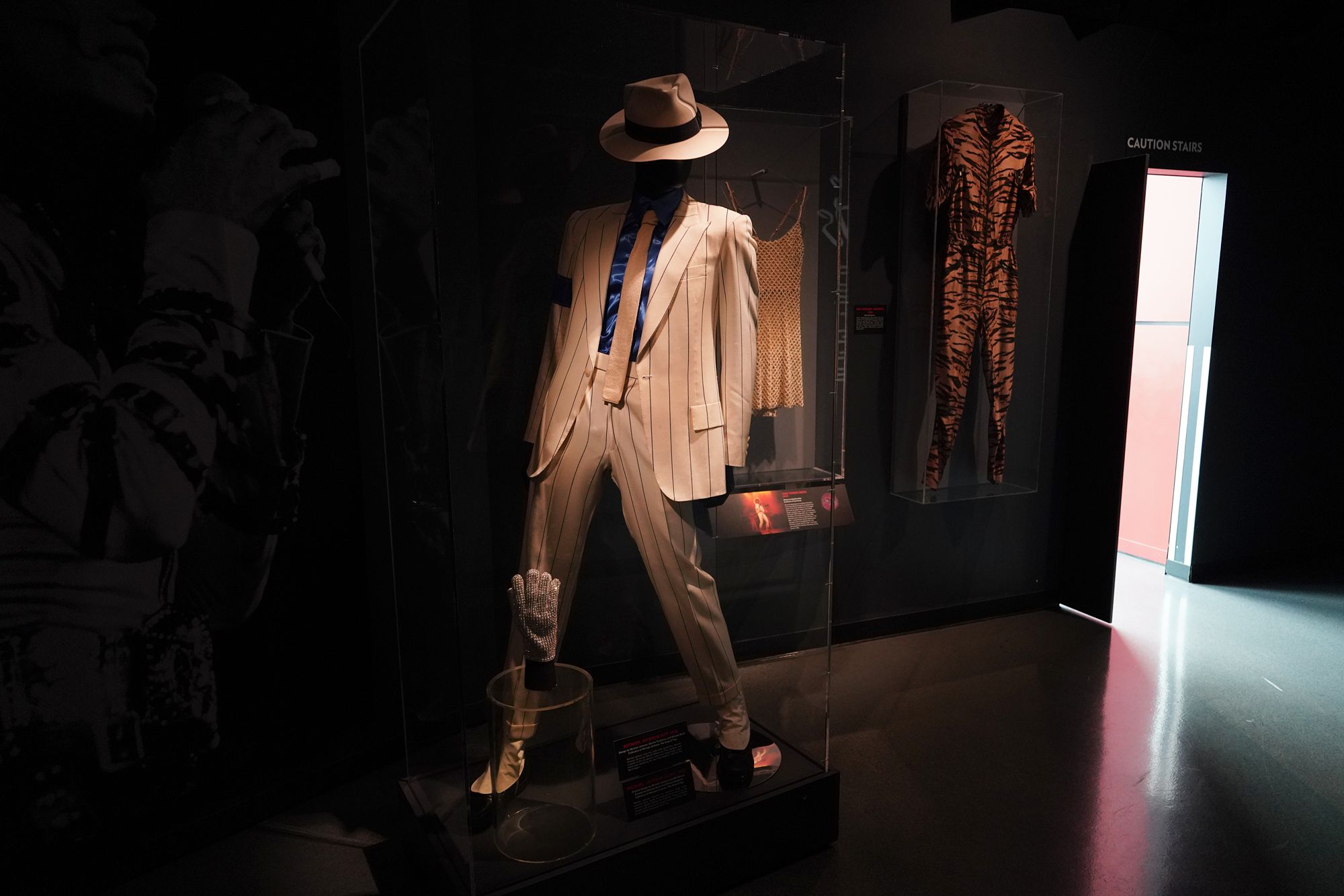
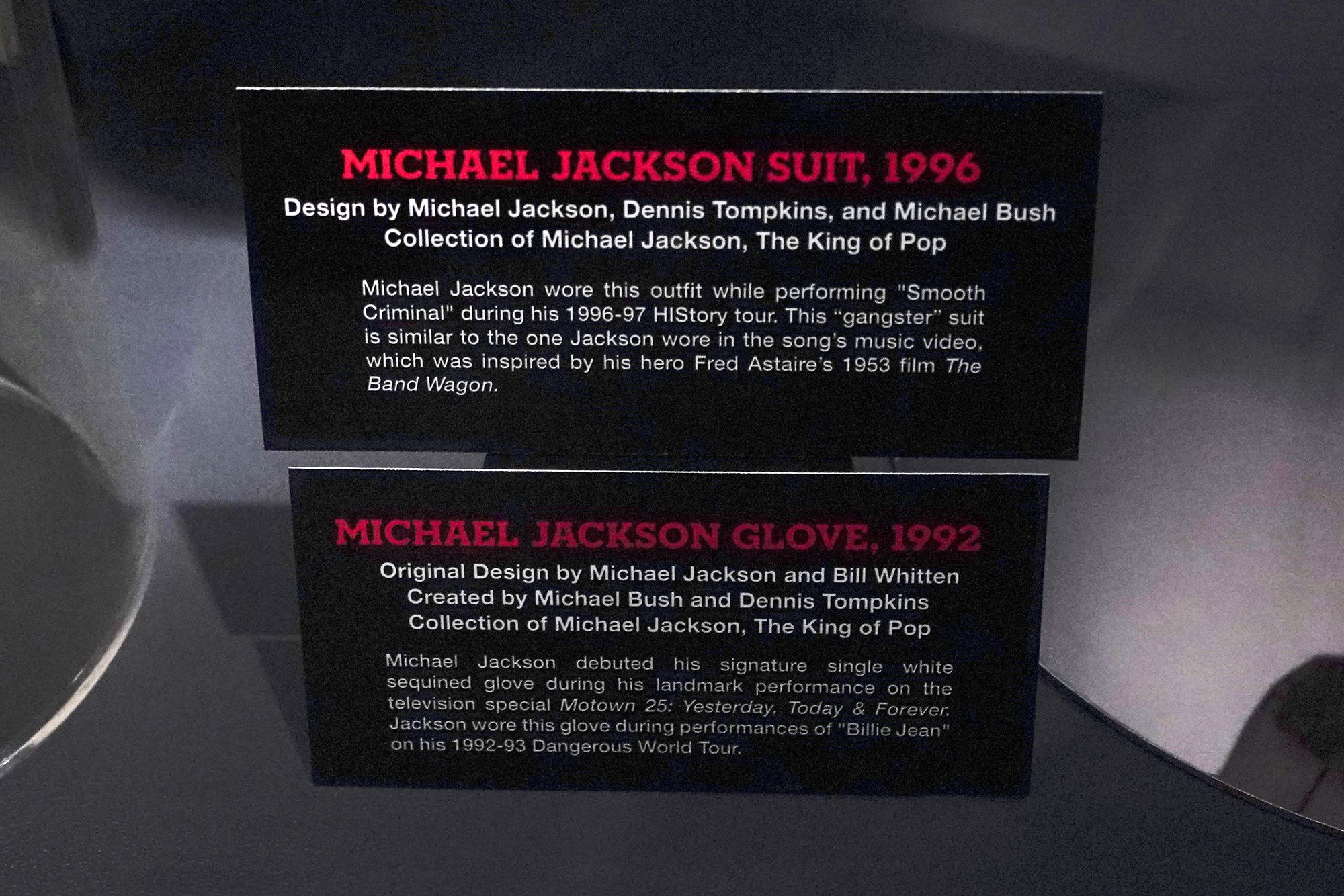
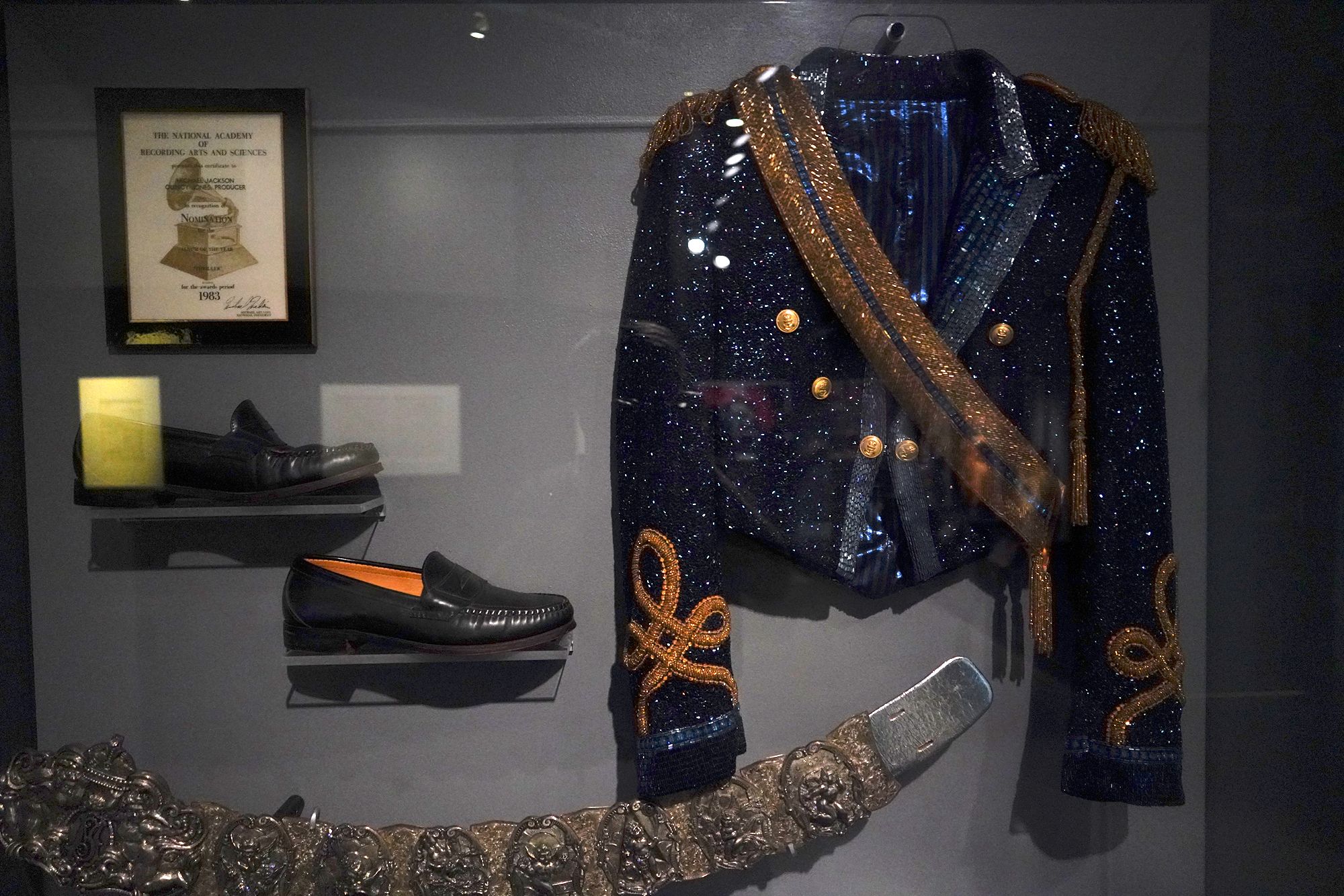
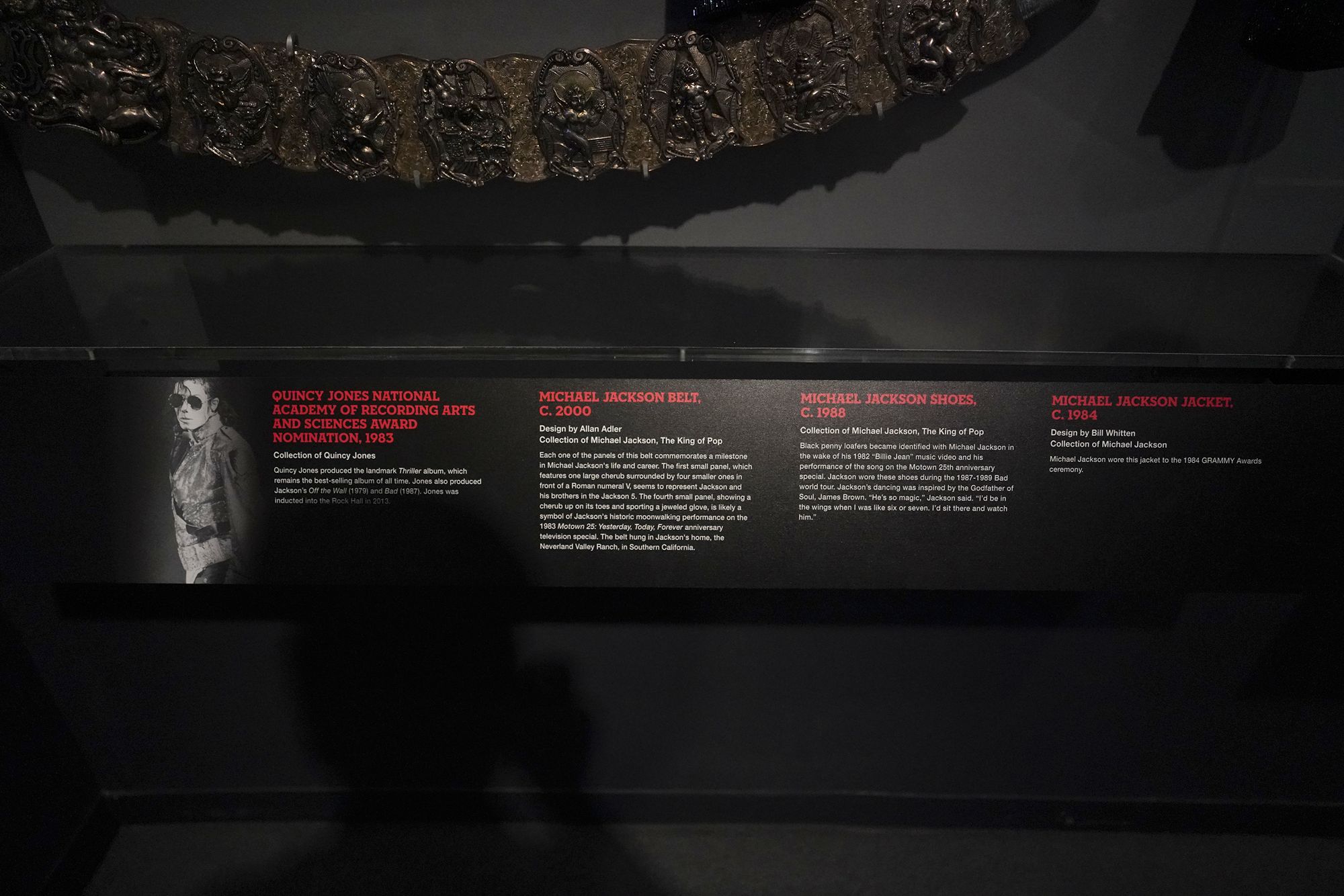
Michael Jackson
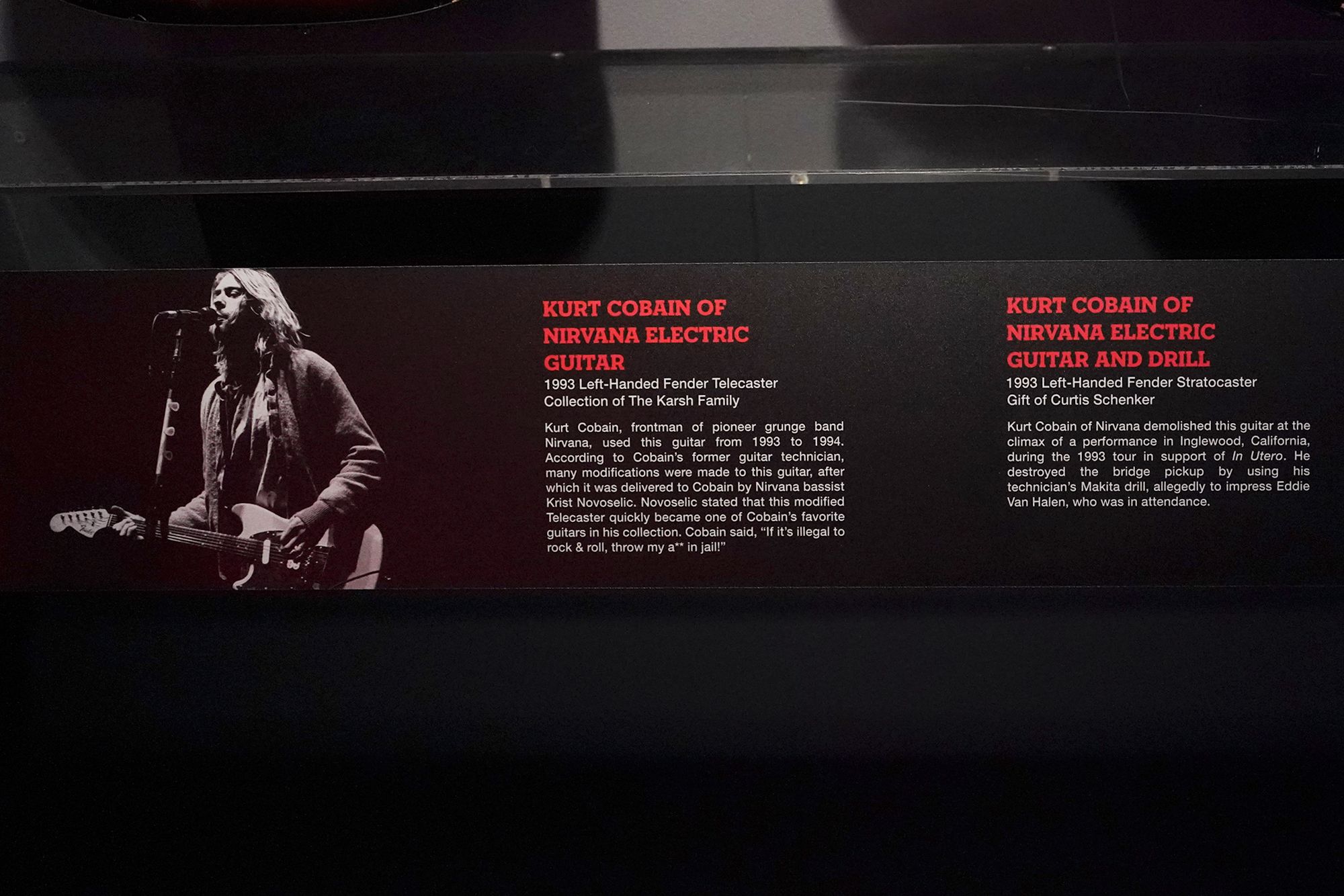
Nirvana

Green Day

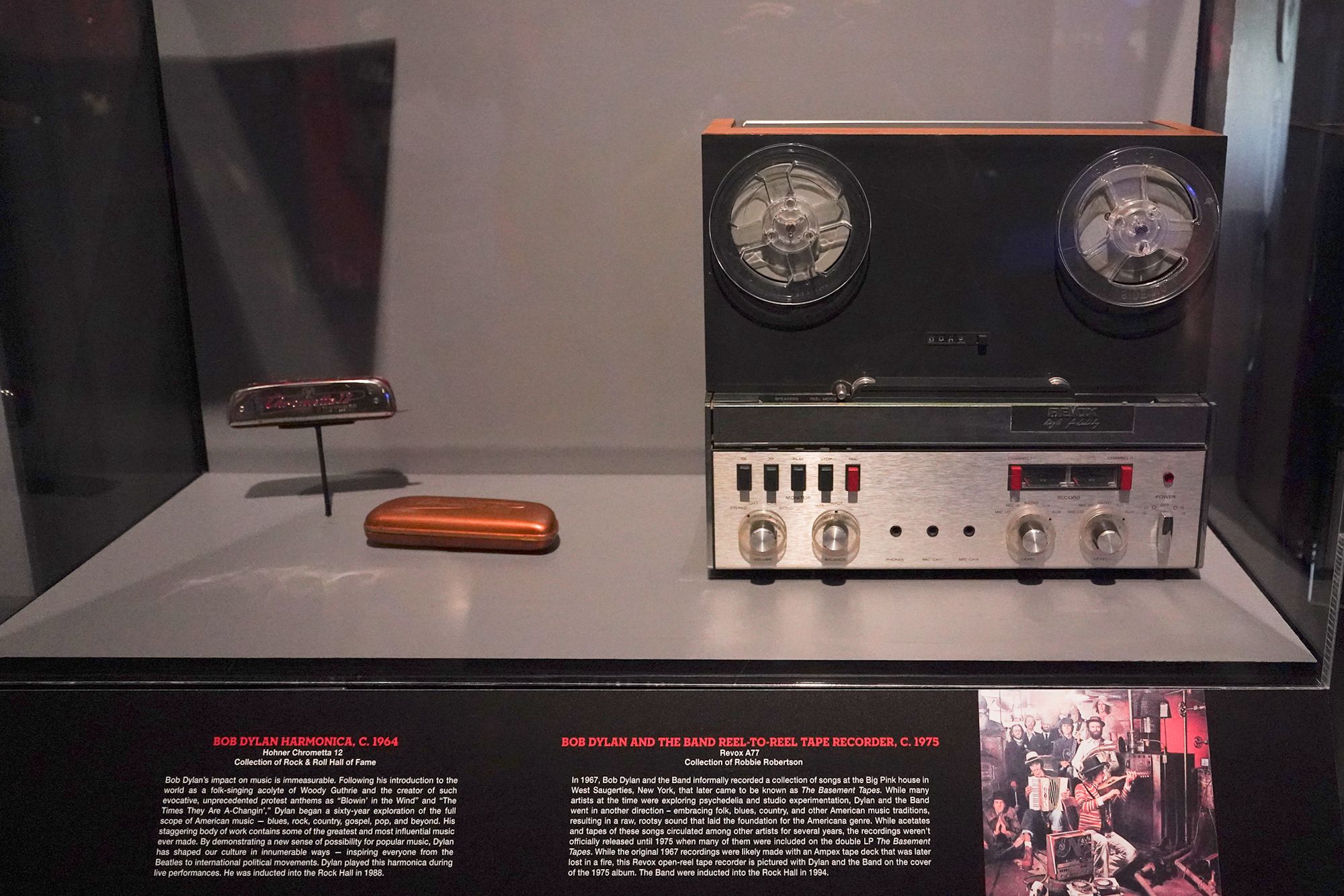
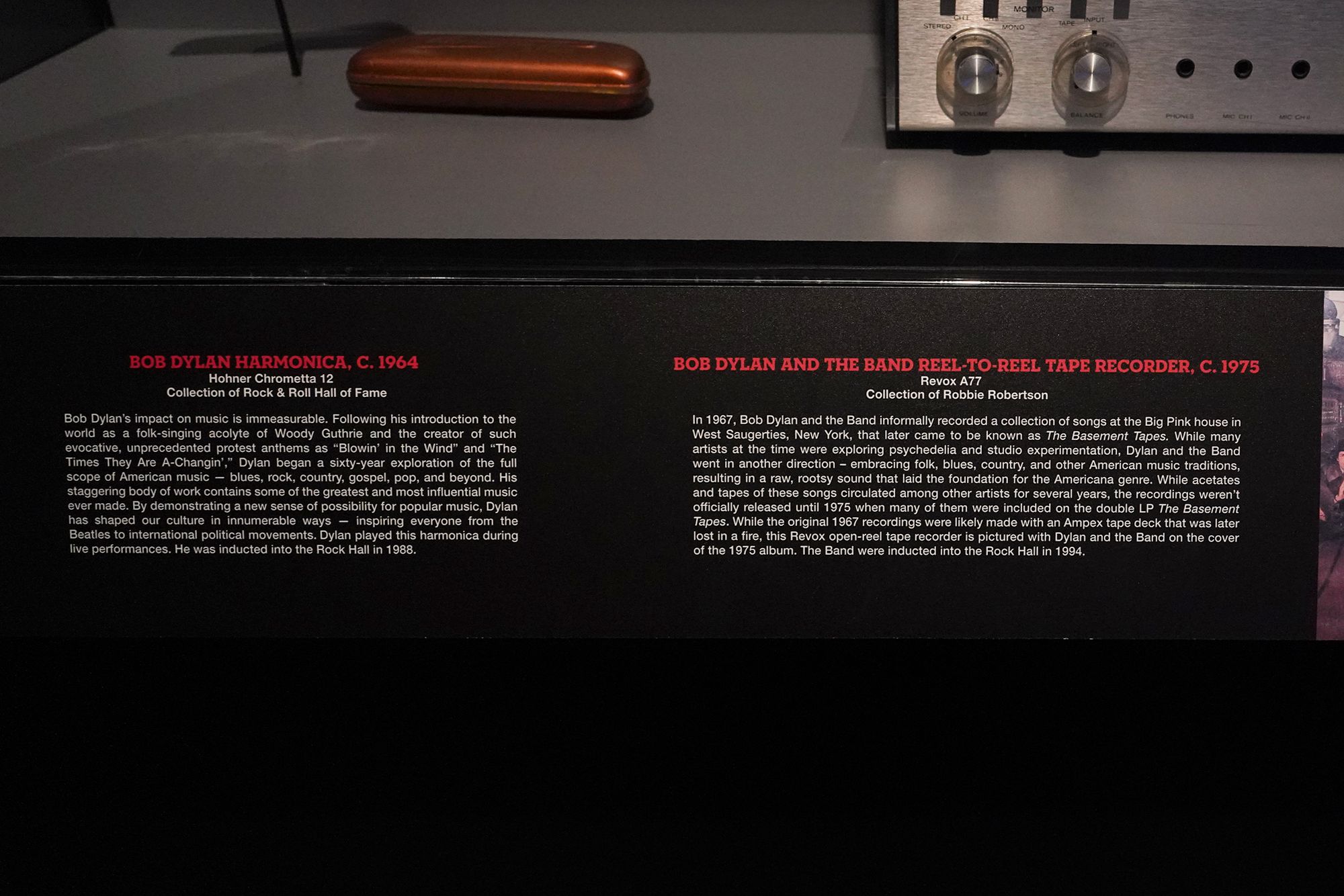
Bob Dylan
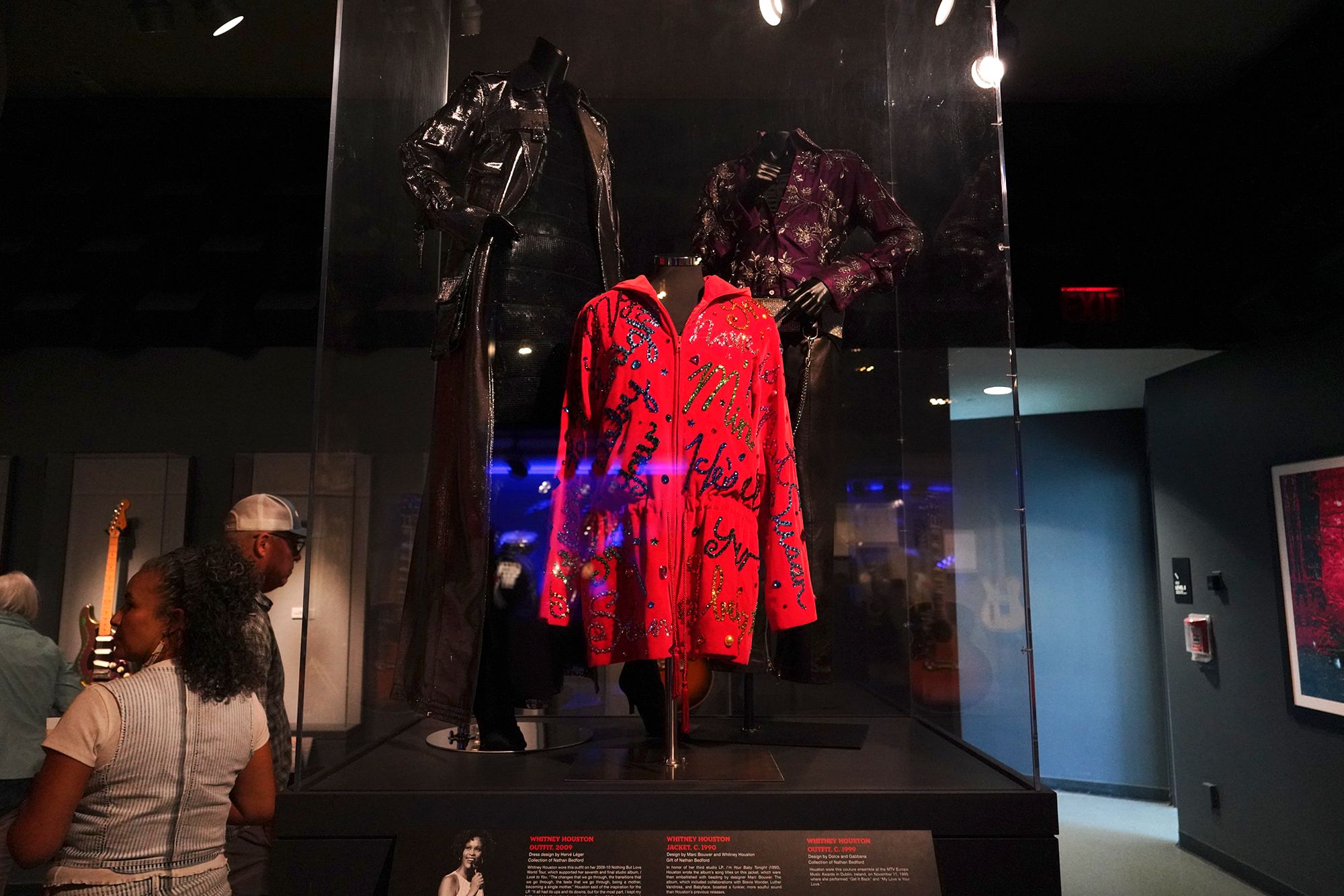
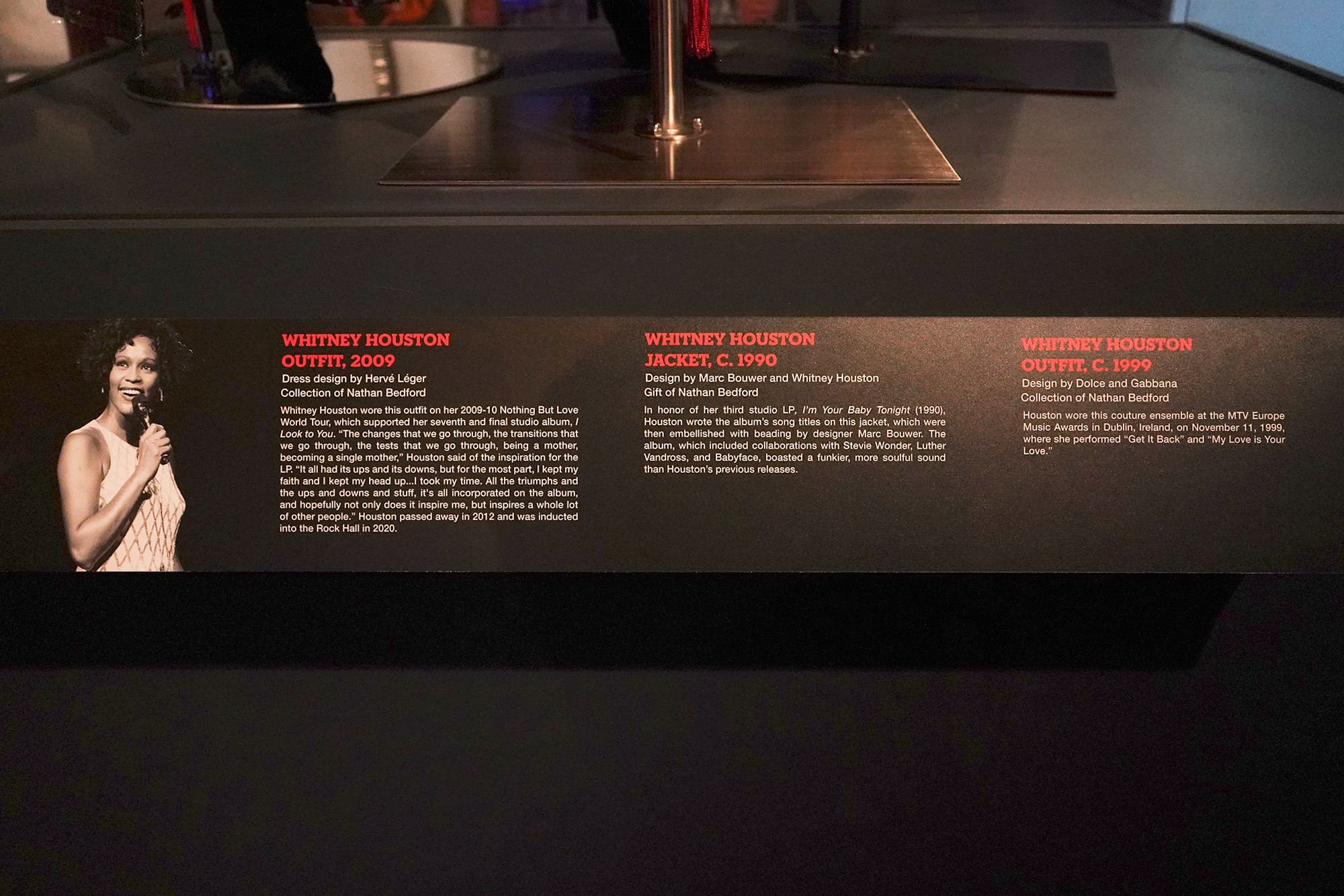
Whitney Houston
Joni Mitchell