Royal Ontario Museum – Minerals, Toronto, Ontario, Canada
The Minerals exhibition displays crystals, gemstones, and ores, revealing Earth’s geological beauty and processes. 1192
Royal Ontario Museum: 100 Queens Park, Toronto, ON M5S 2C6, Canada
Date Picture Taken: August 2025
At the Royal Ontario Museum, the Minerals exhibition features an impressive collection of crystals, gemstones, and ores from around the world, explaining how minerals form, their structures and colors, and their importance in Earth’s geology and human history.
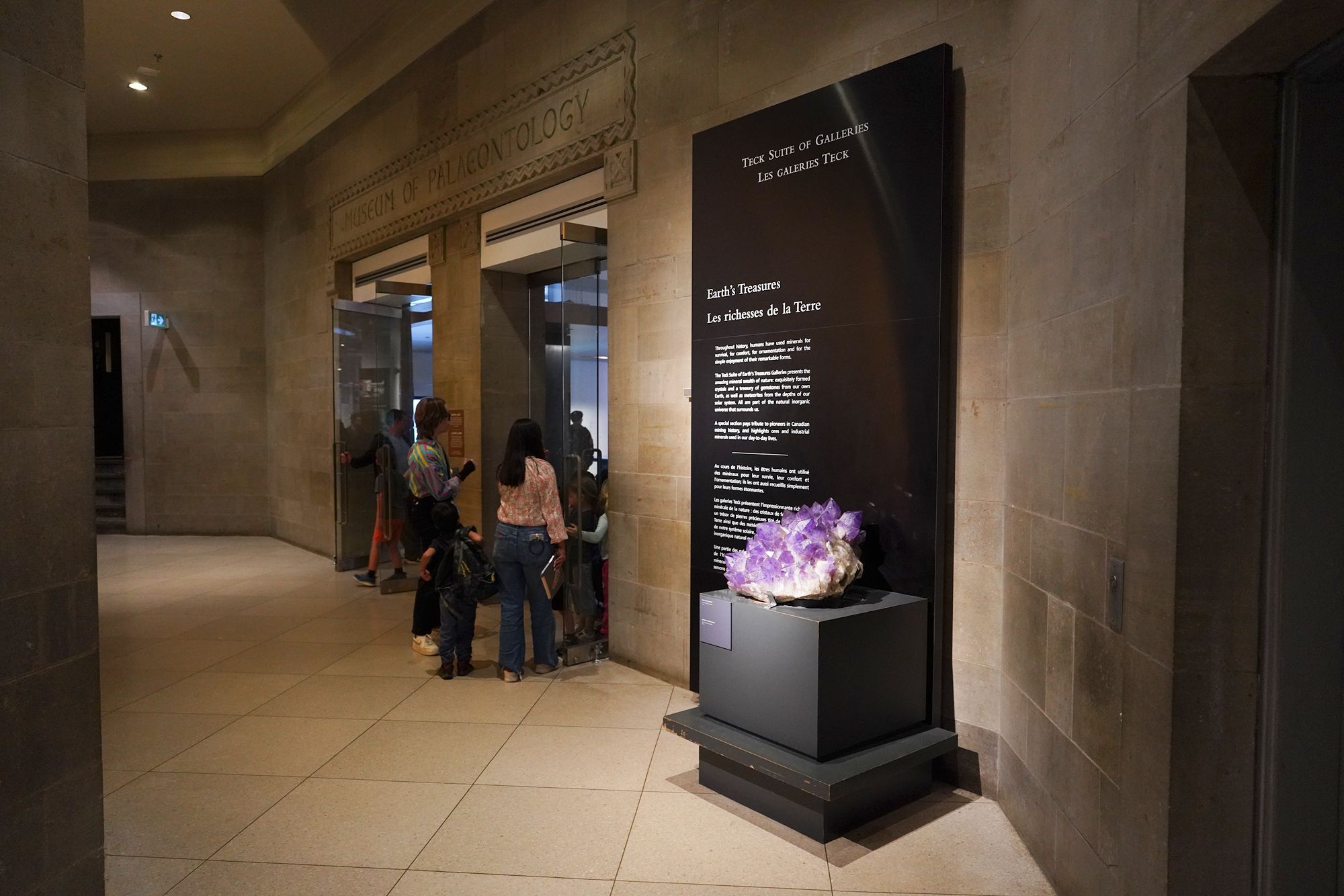
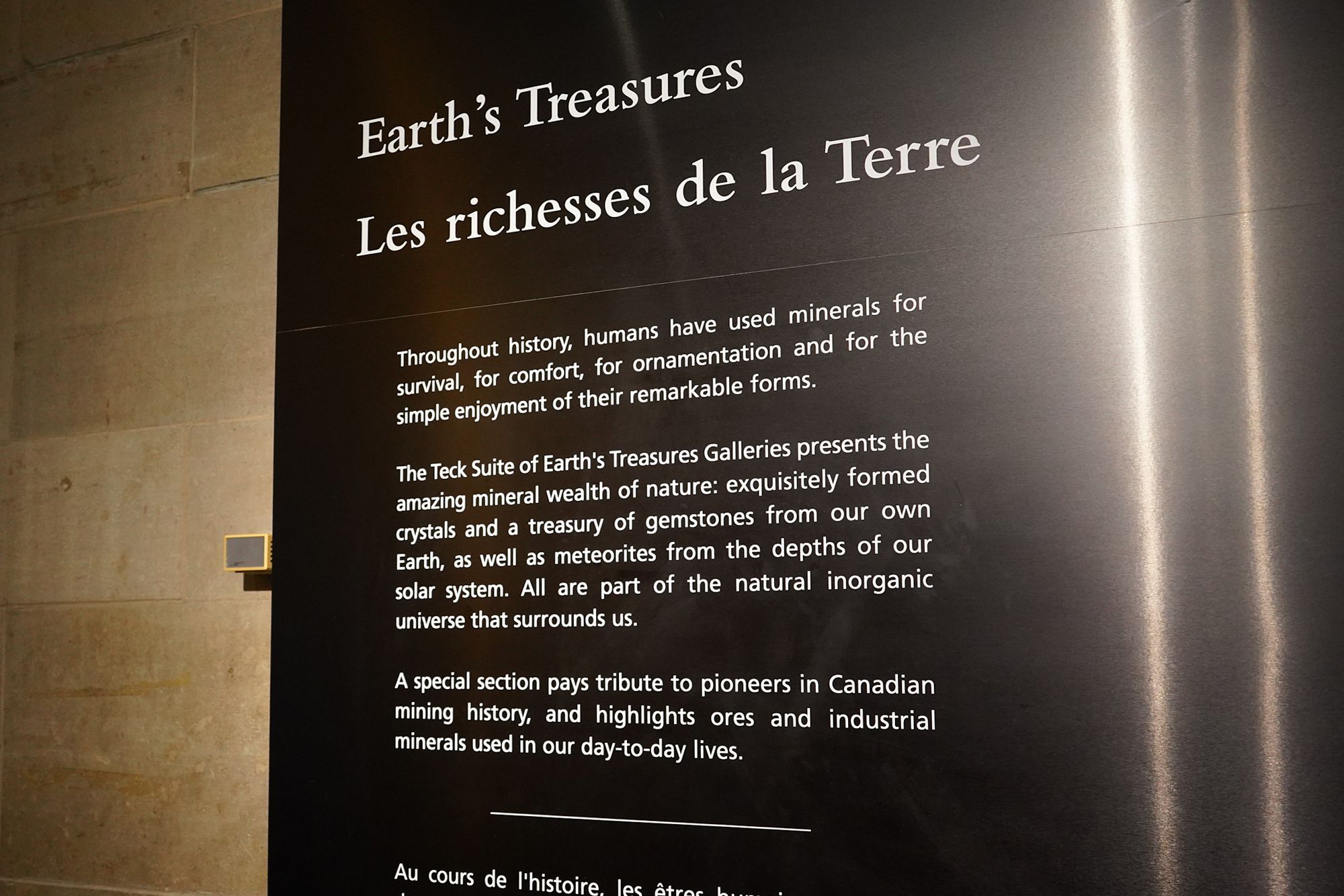
Earth’s Treasures
A mineral is a naturally occurring, inorganic solid with a definite chemical composition and an ordered crystal structure.
Minerals form through geological processes and are the basic building blocks of rocks.

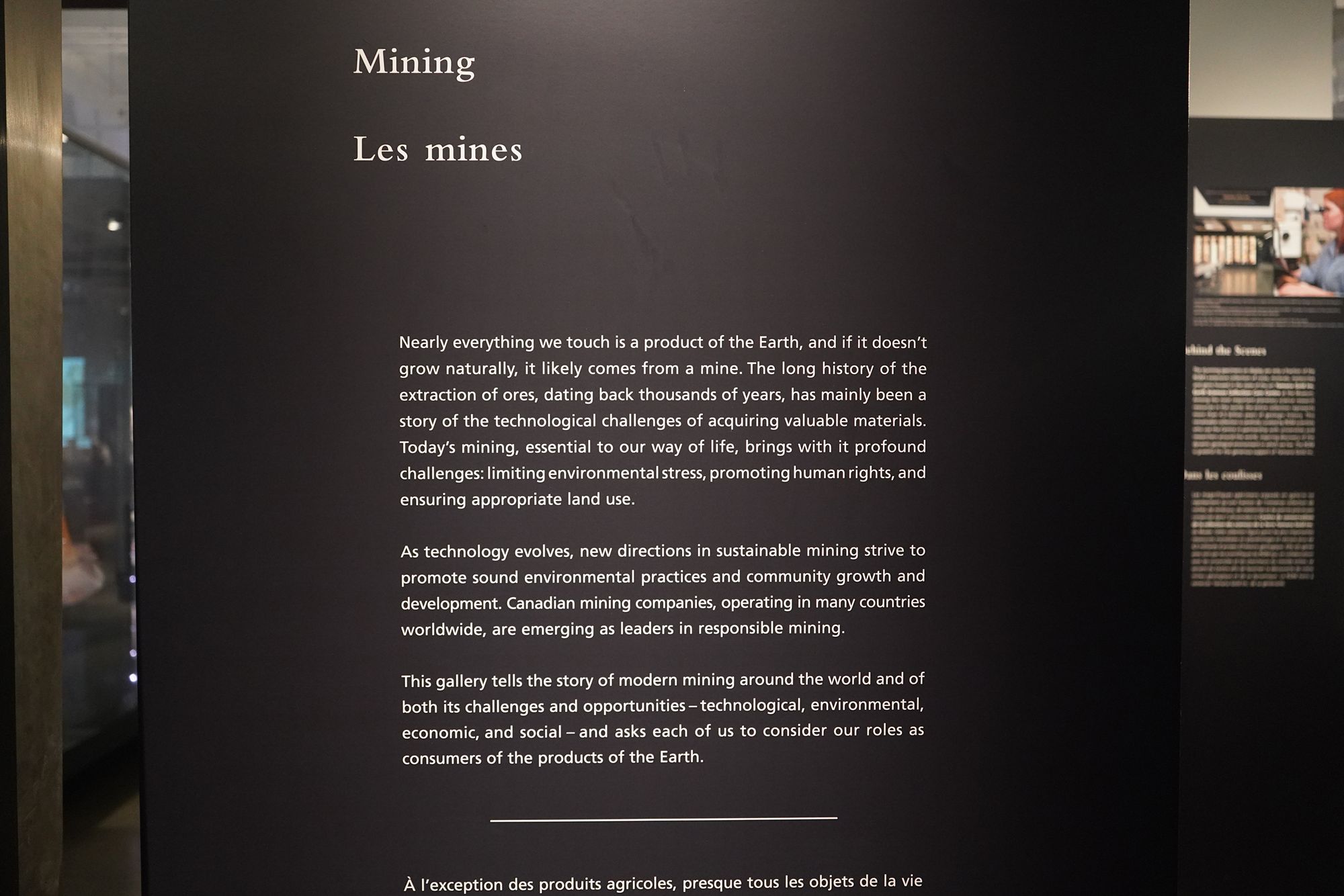
Minerals – They form rocks, supply materials for construction and manufacturing, enable electronics and energy systems, and provide key nutrients. Minerals also help scientists understand Earth’s history and geological processes.
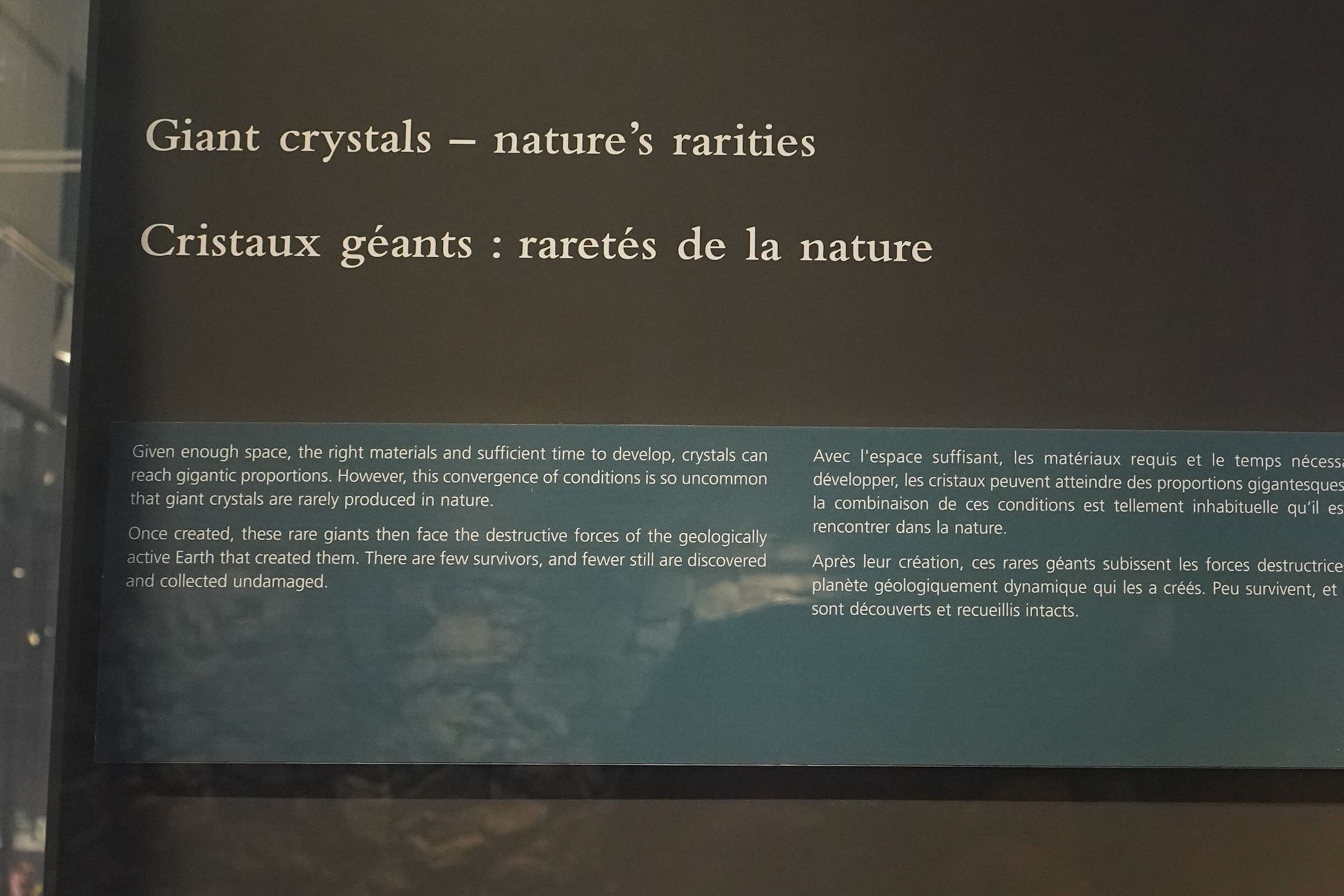
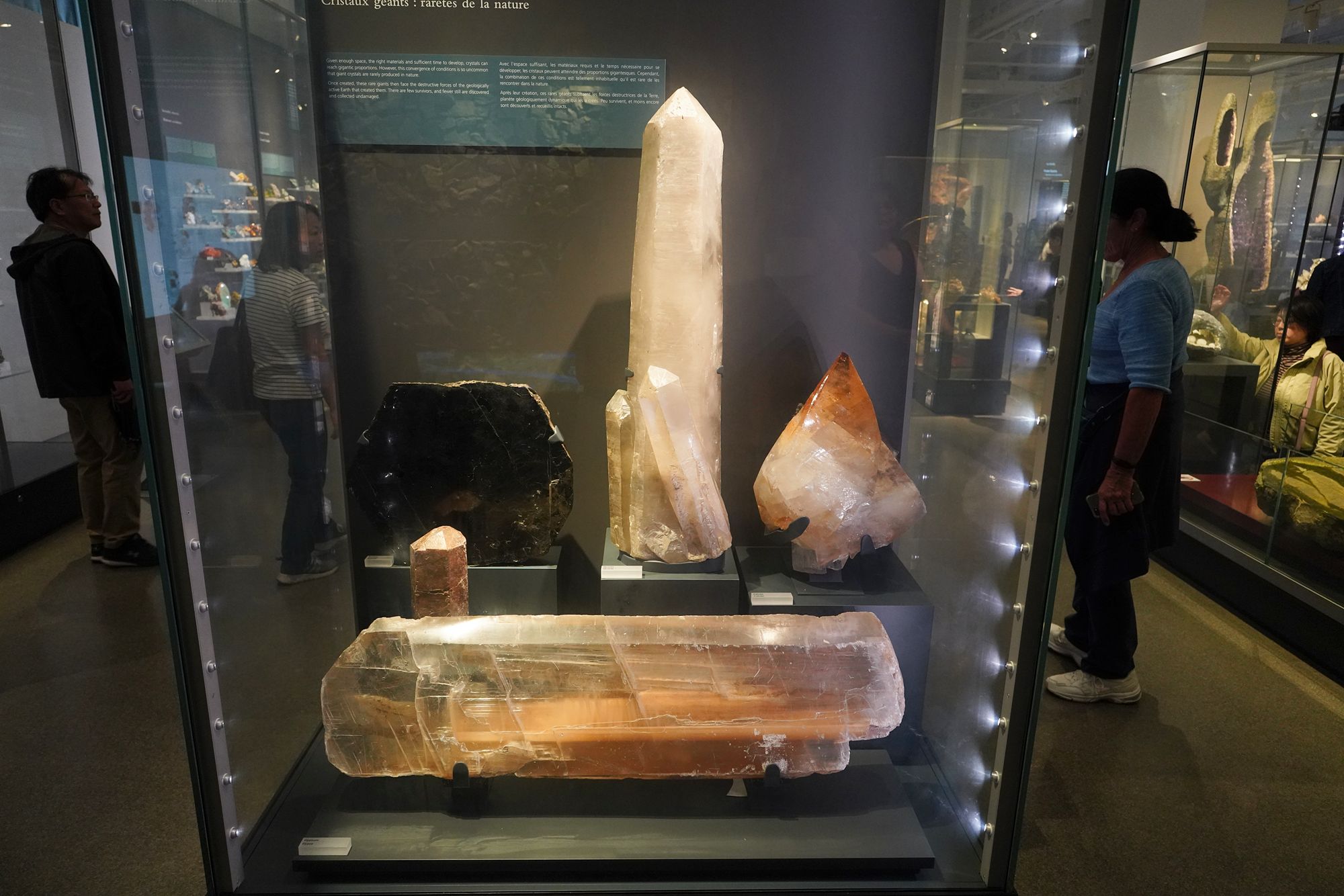
Giant crystals — nature’s rarities
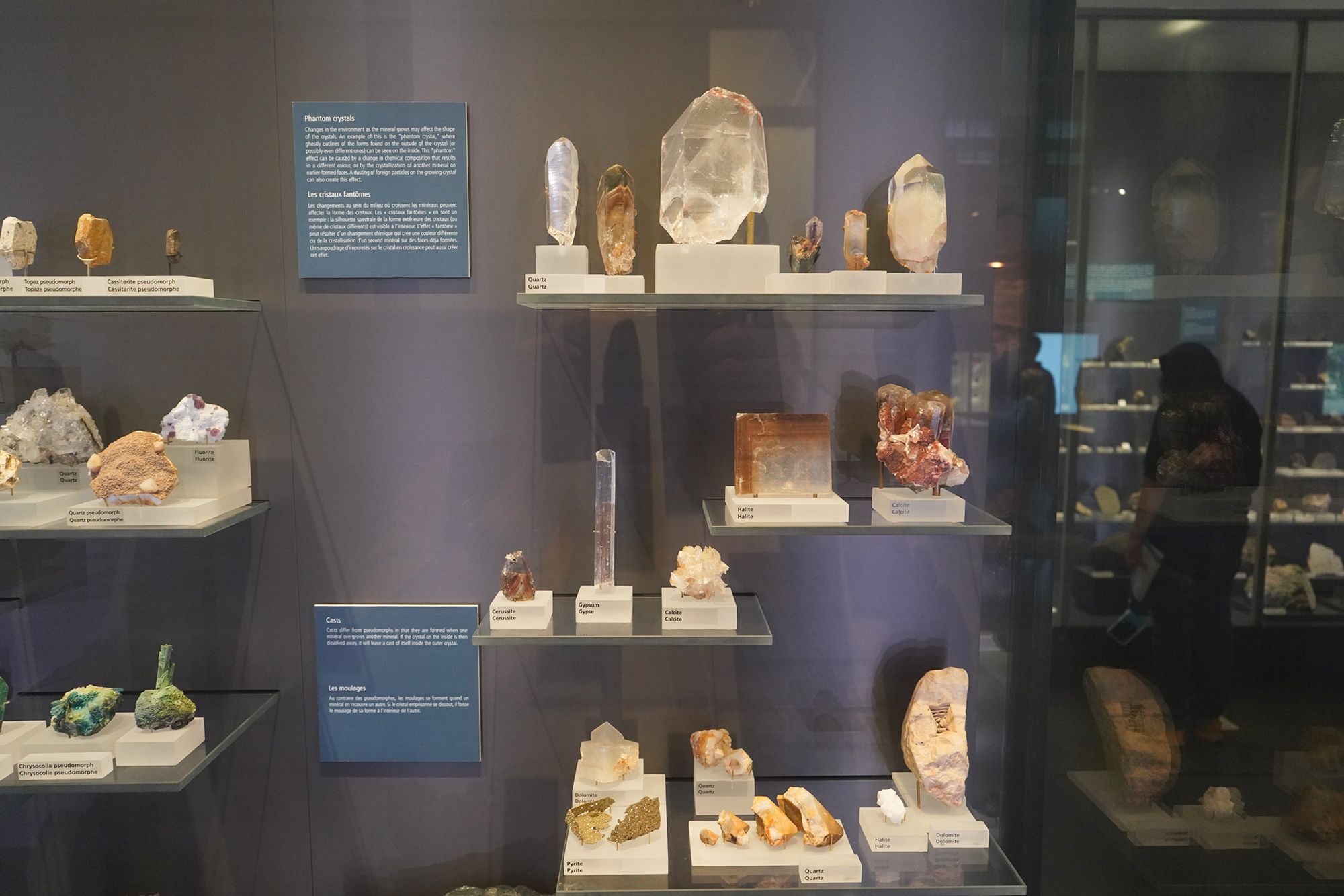
Minerals form through several natural geological processes:
-
Crystallization from magma or lava as molten rock cools and solidifies
-
Precipitation from water when dissolved minerals crystallize as water evaporates
-
Metamorphism, where heat and pressure alter existing minerals into new forms
-
Biological processes, in which organisms create minerals like shells or skeletons
These processes produce the wide variety of minerals found on Earth.
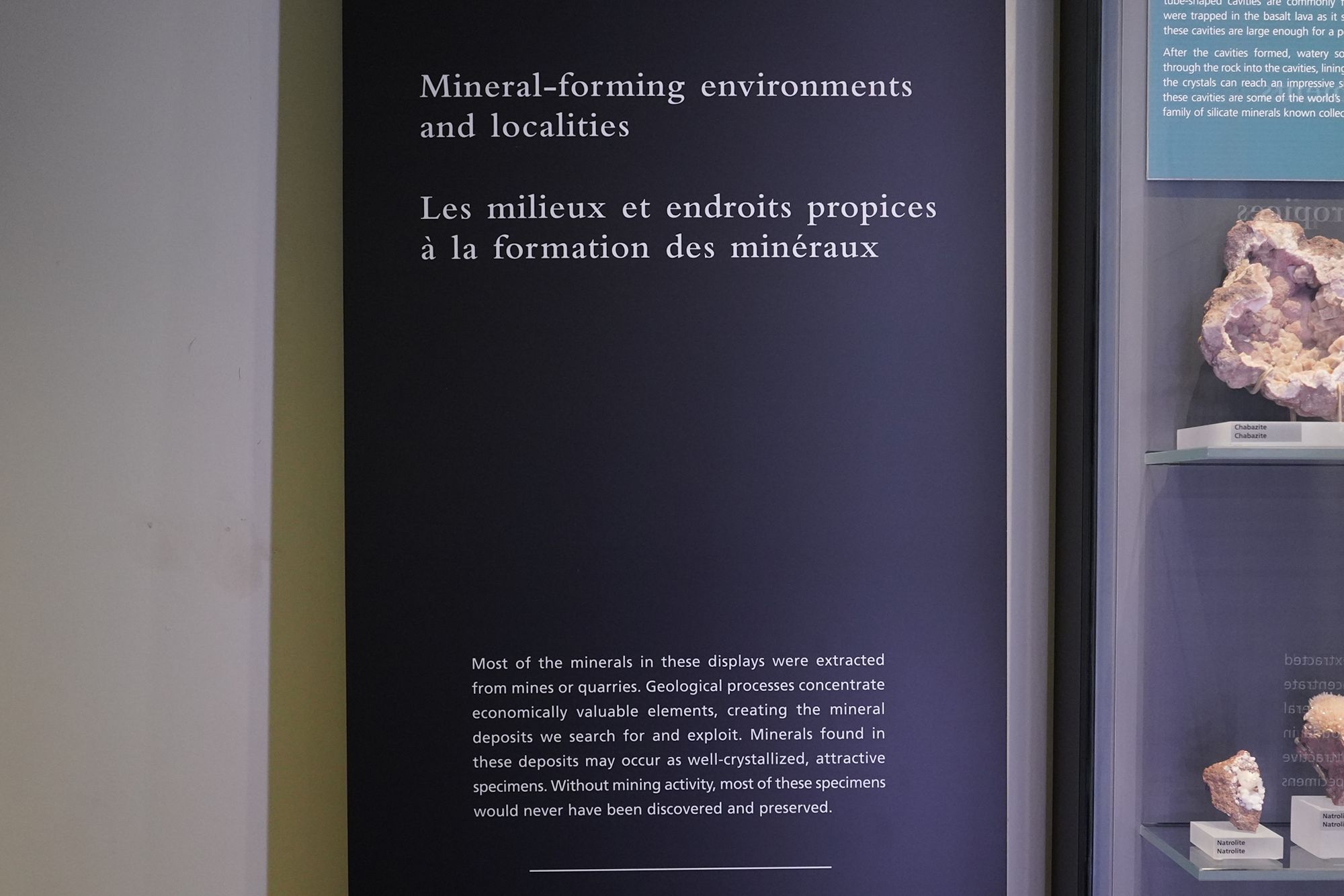
Mineral-forming environments and localities
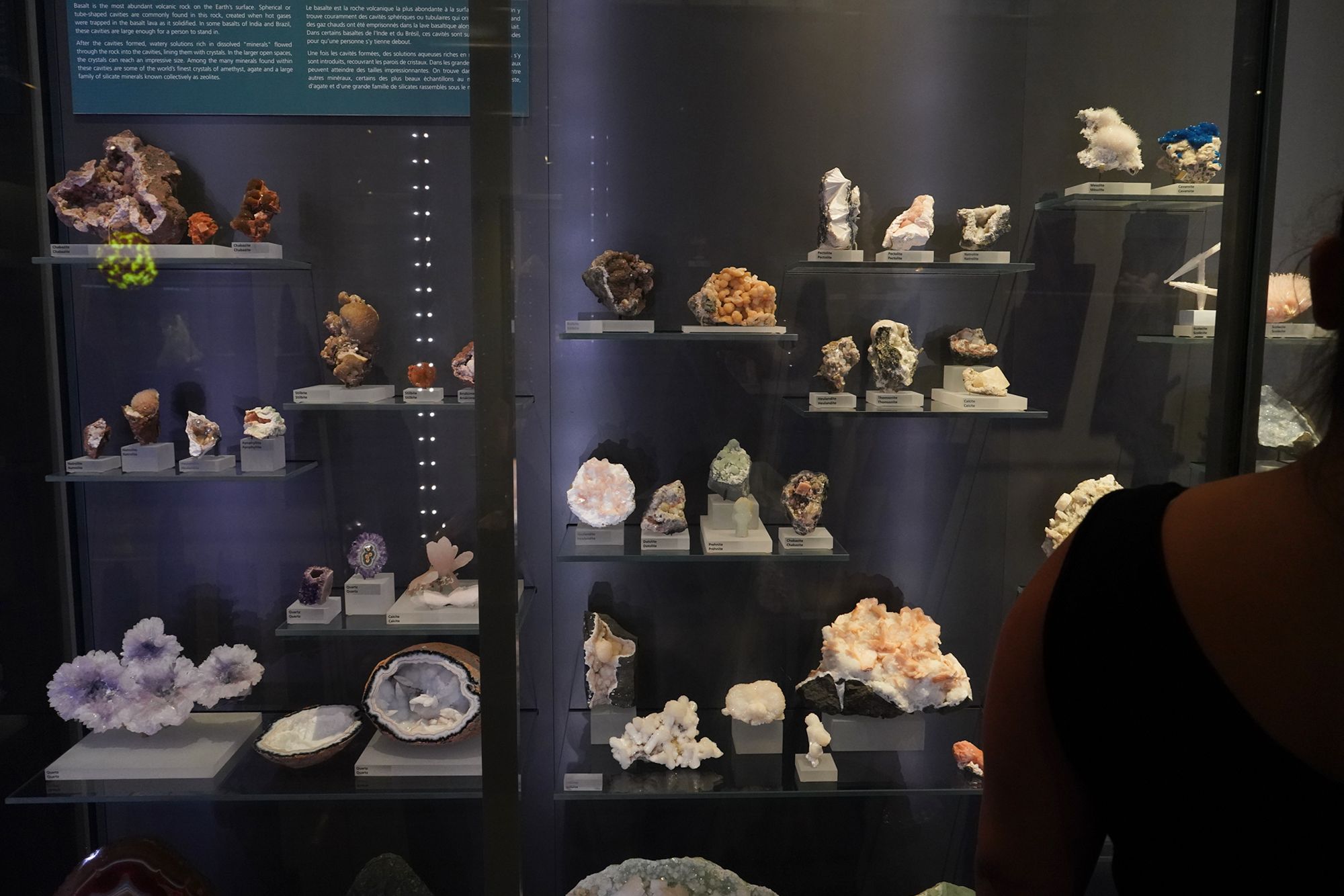
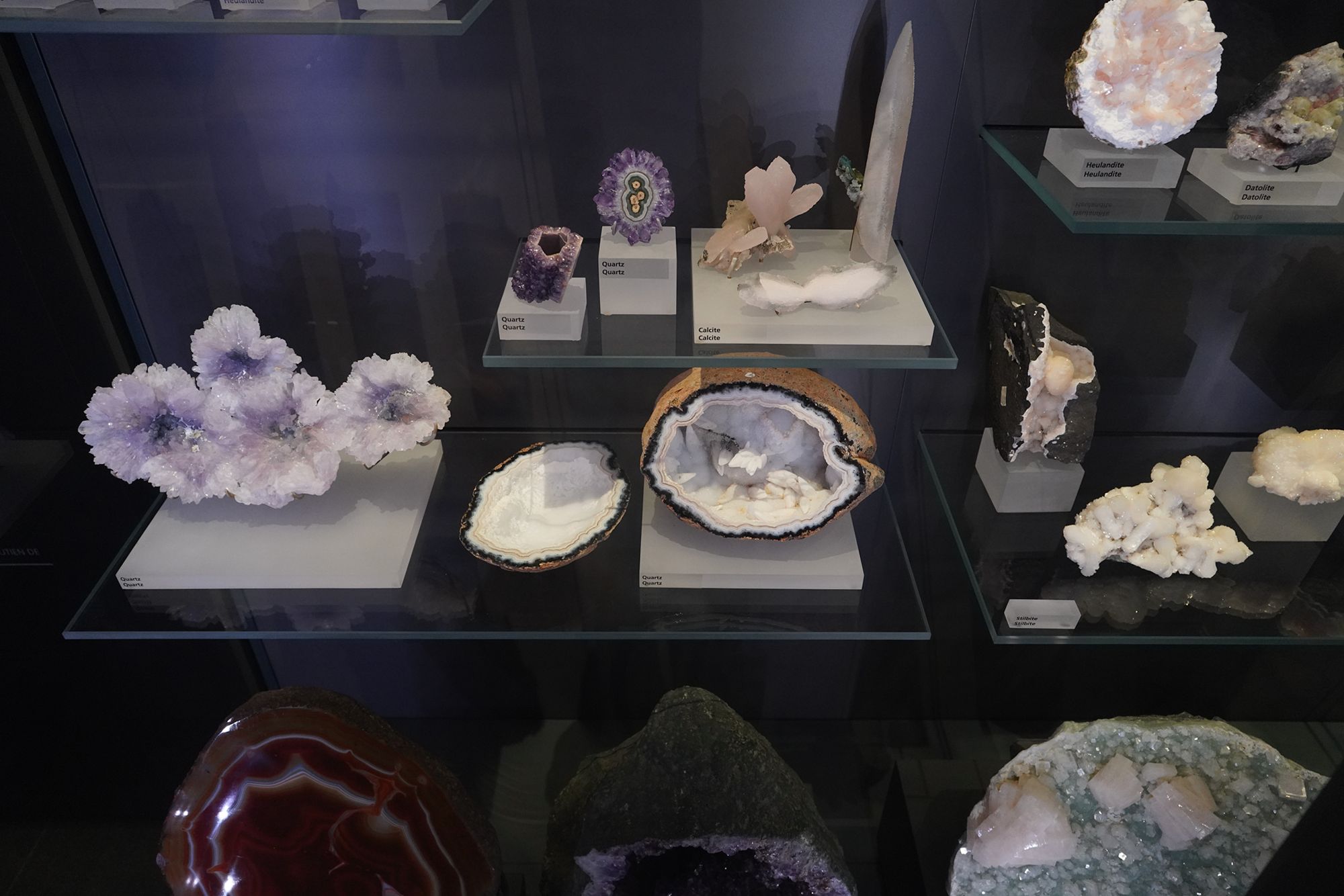
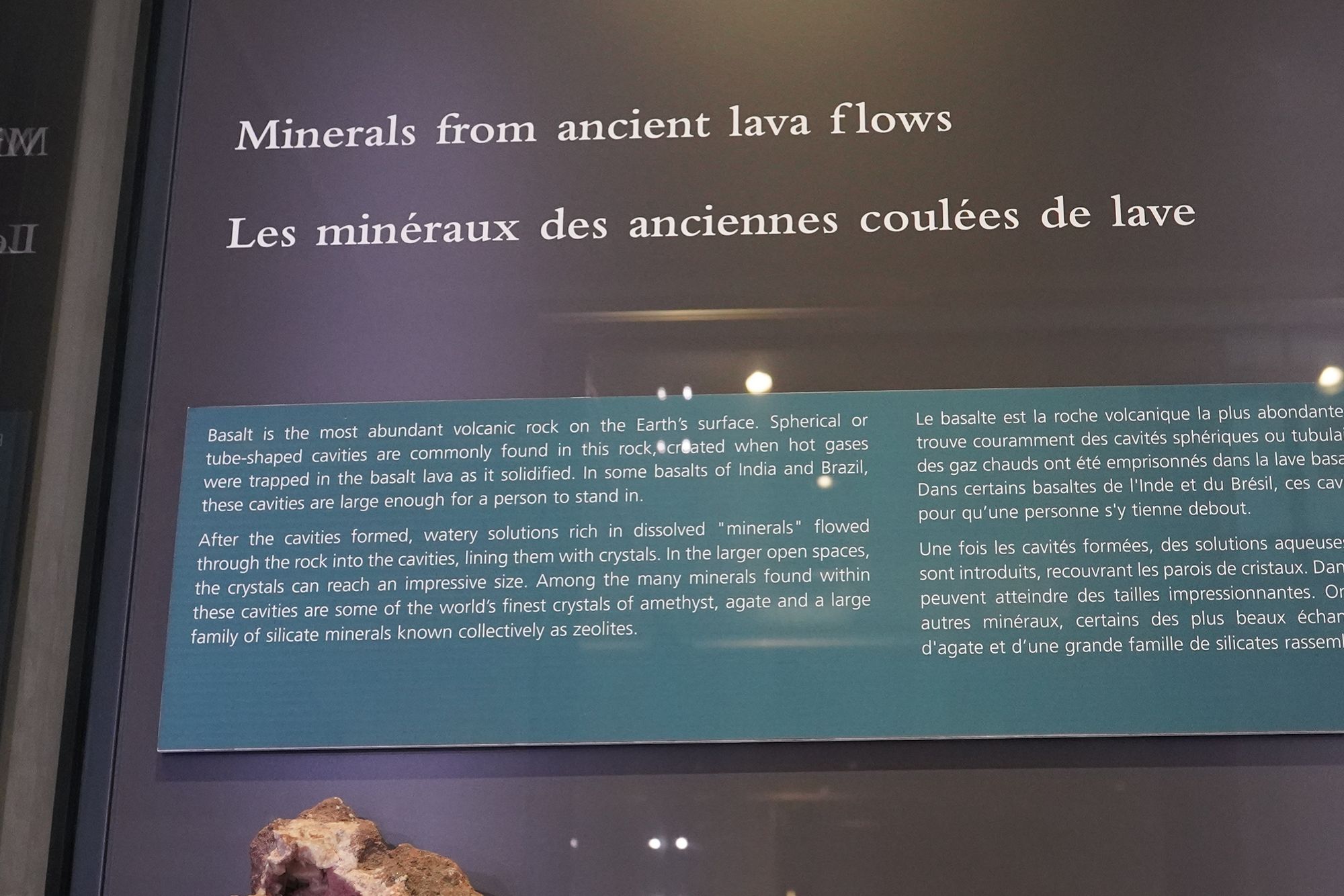
Minerals from ancient lava flows
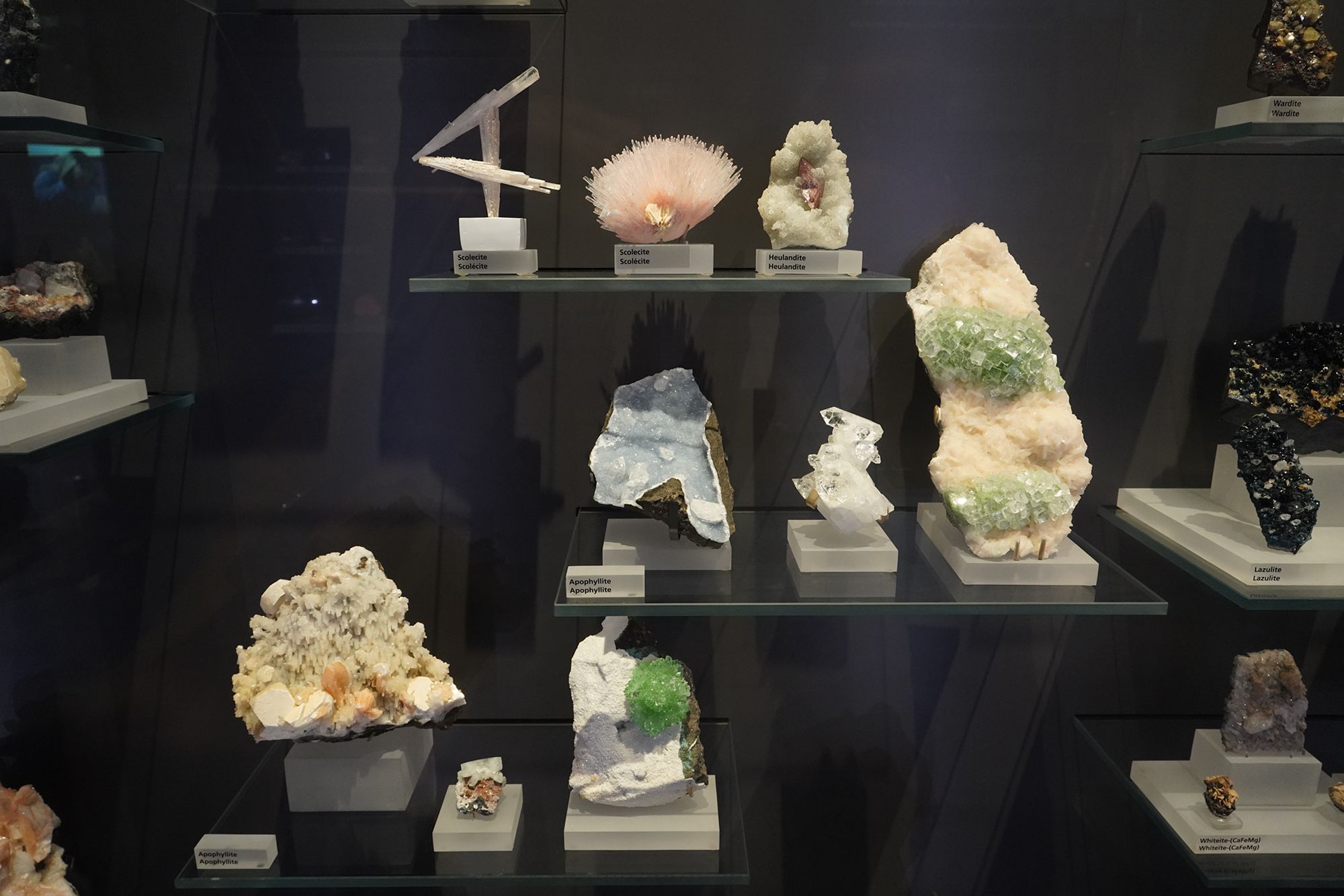
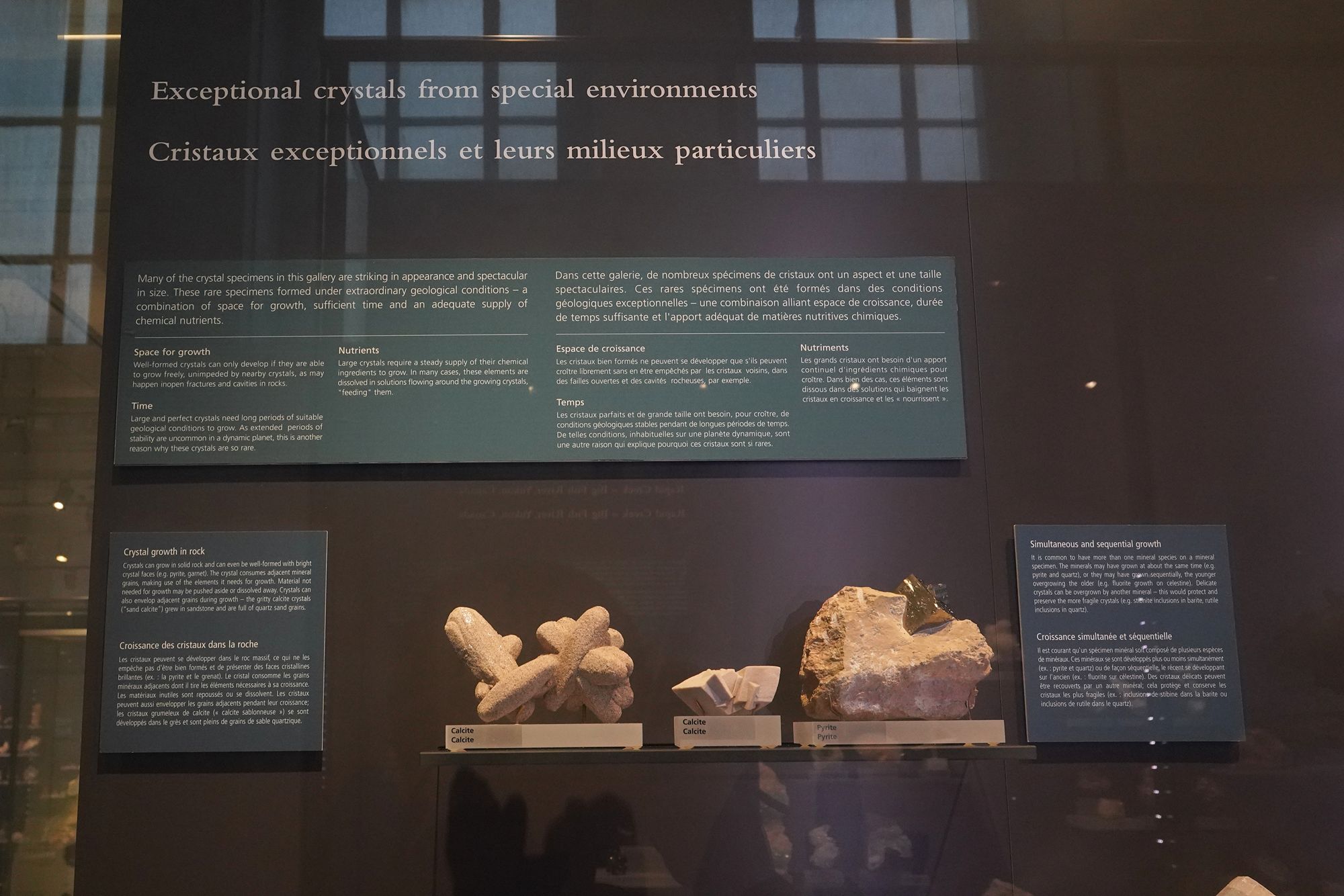
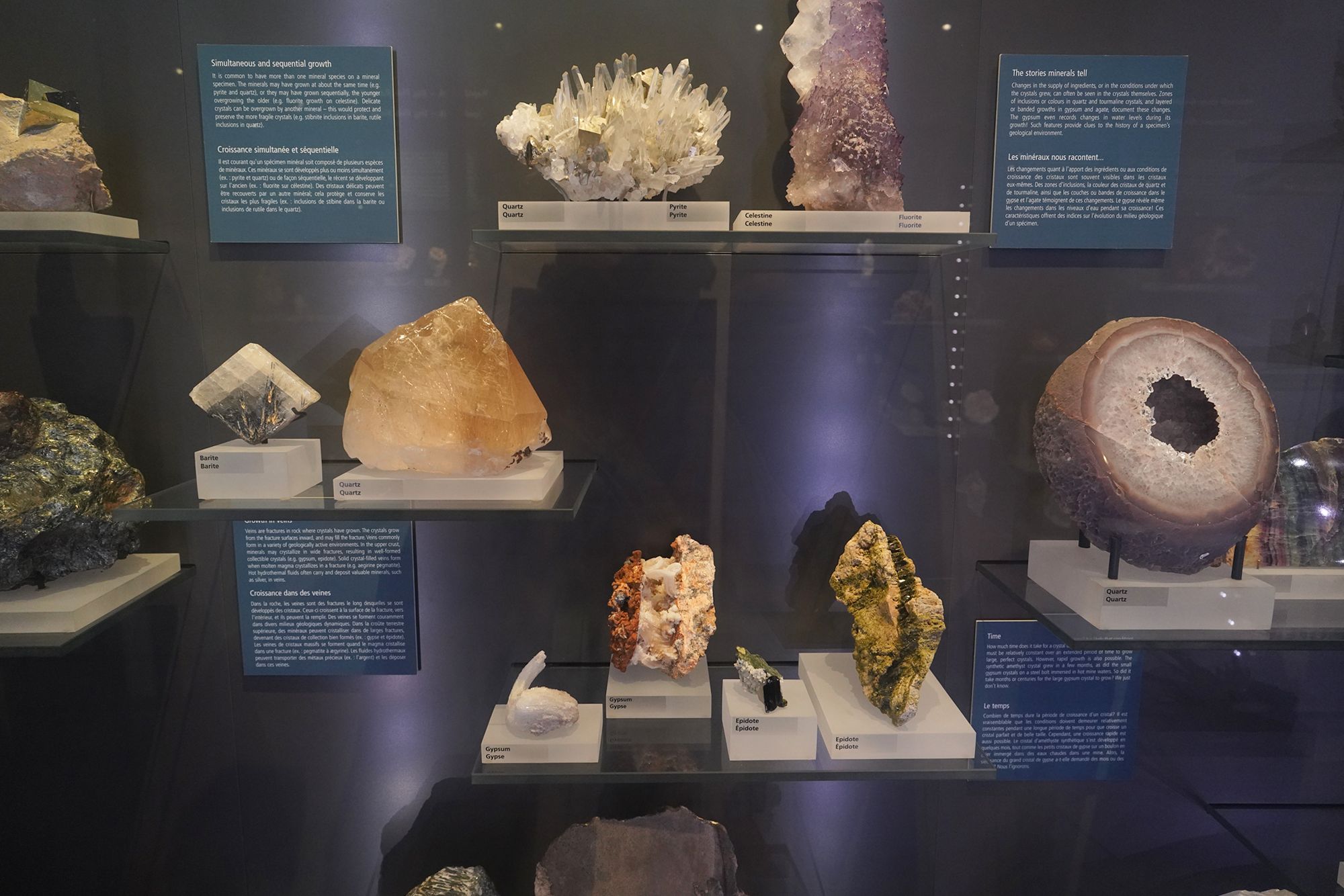
Exceptional crystals from special environments
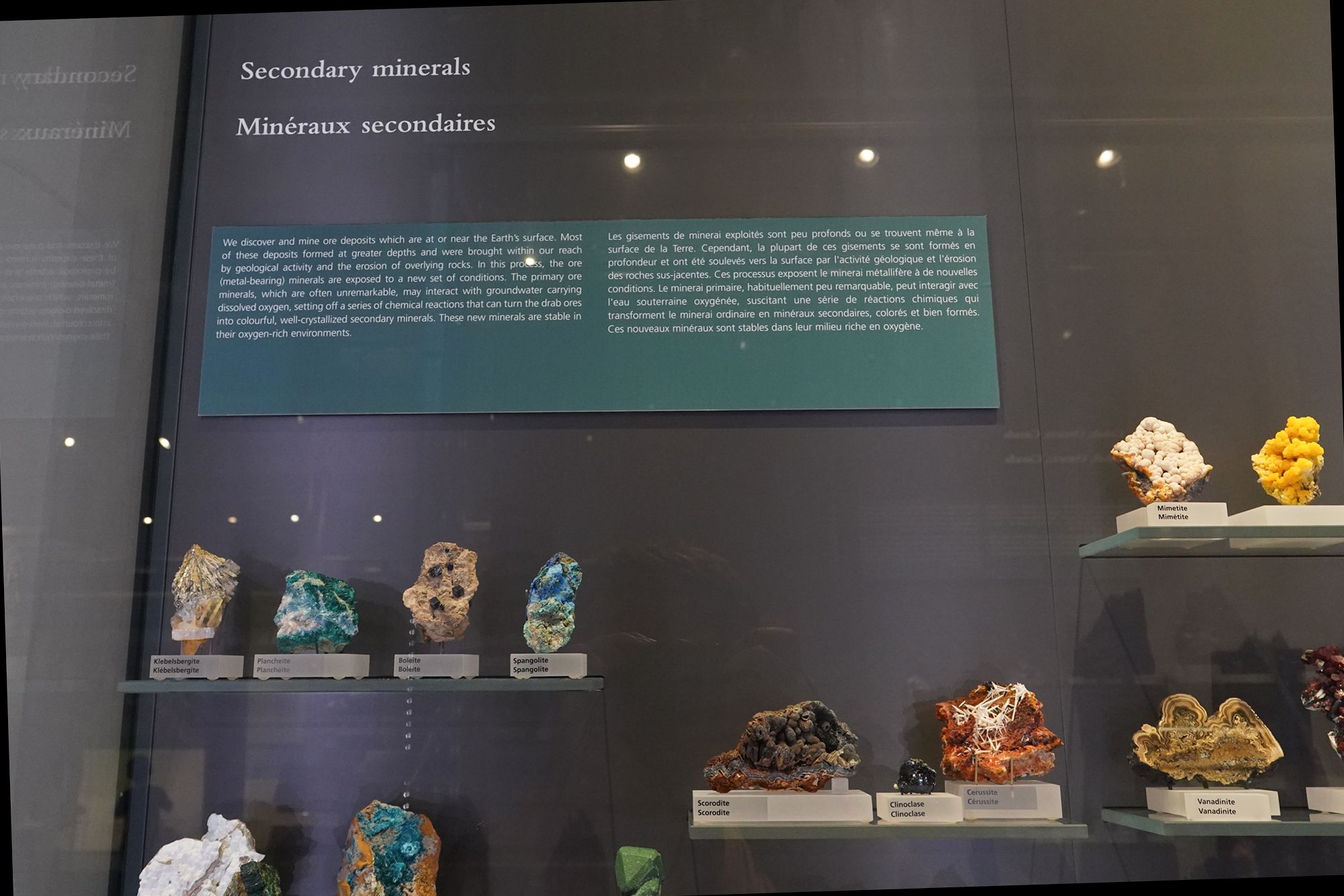
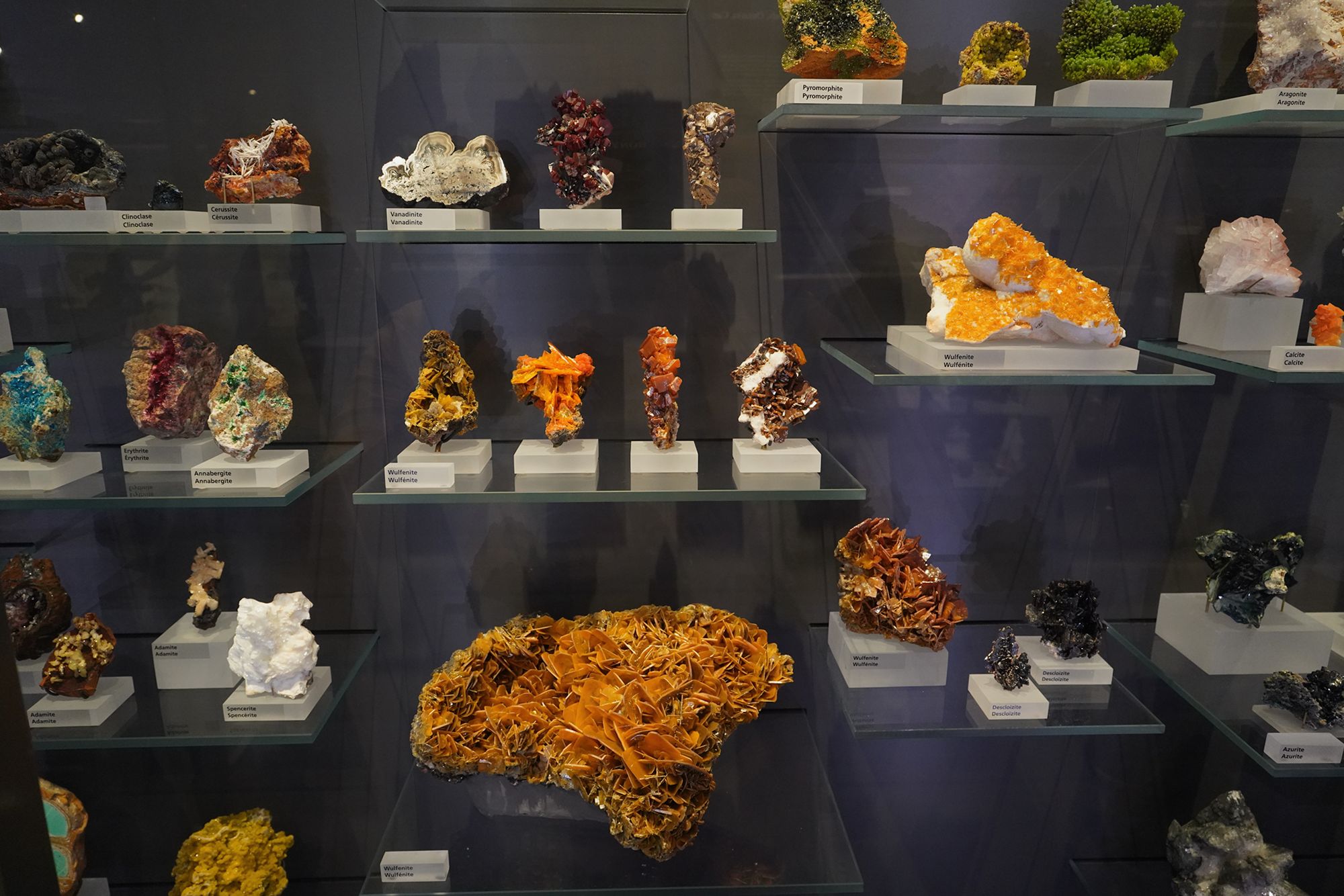
Secondary minerals are minerals that form after the original (primary) minerals, usually through weathering, alteration, or chemical reactions.
They commonly develop when primary minerals break down due to water, oxygen, or acids, creating new minerals such as clays, oxides, and carbonates.
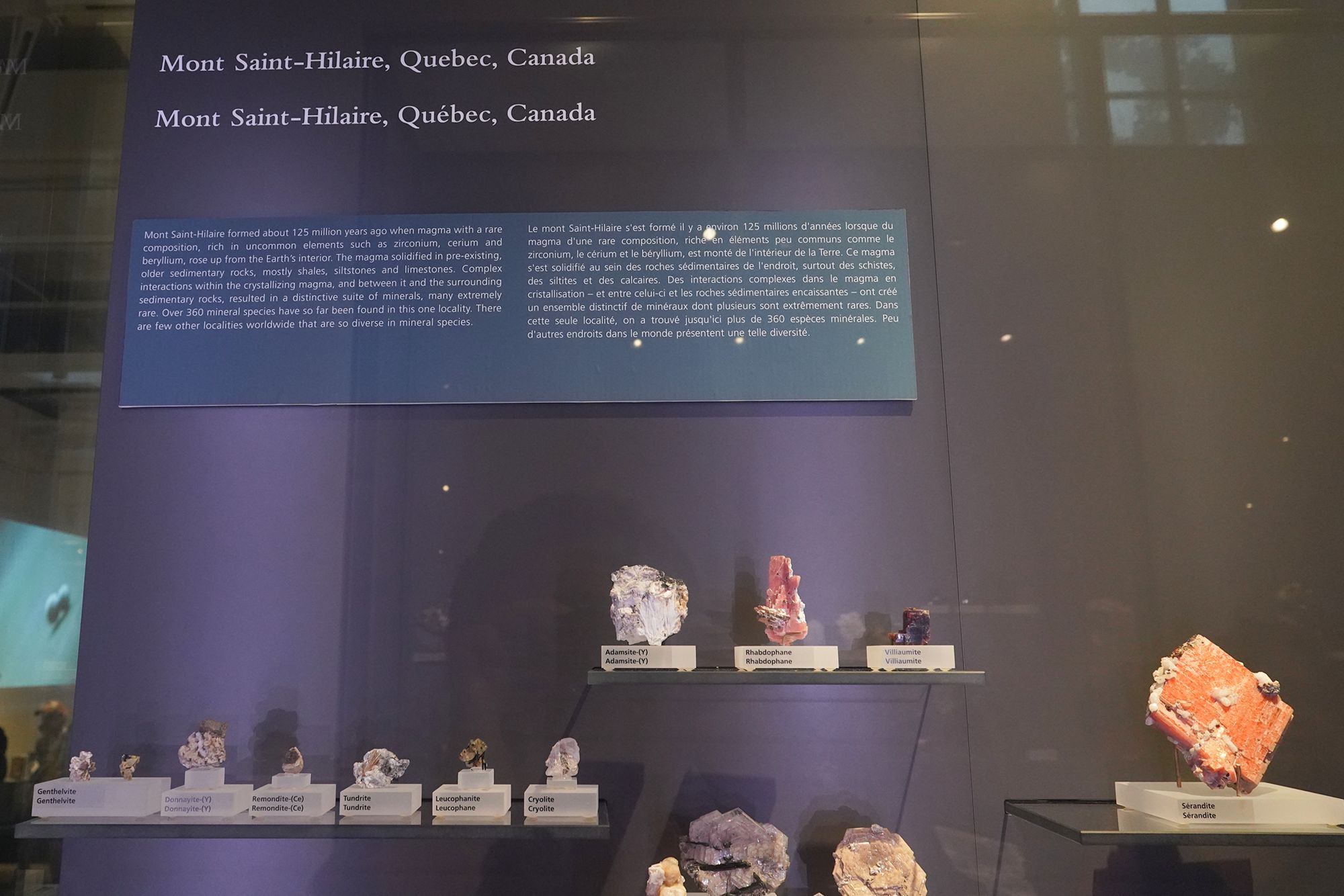
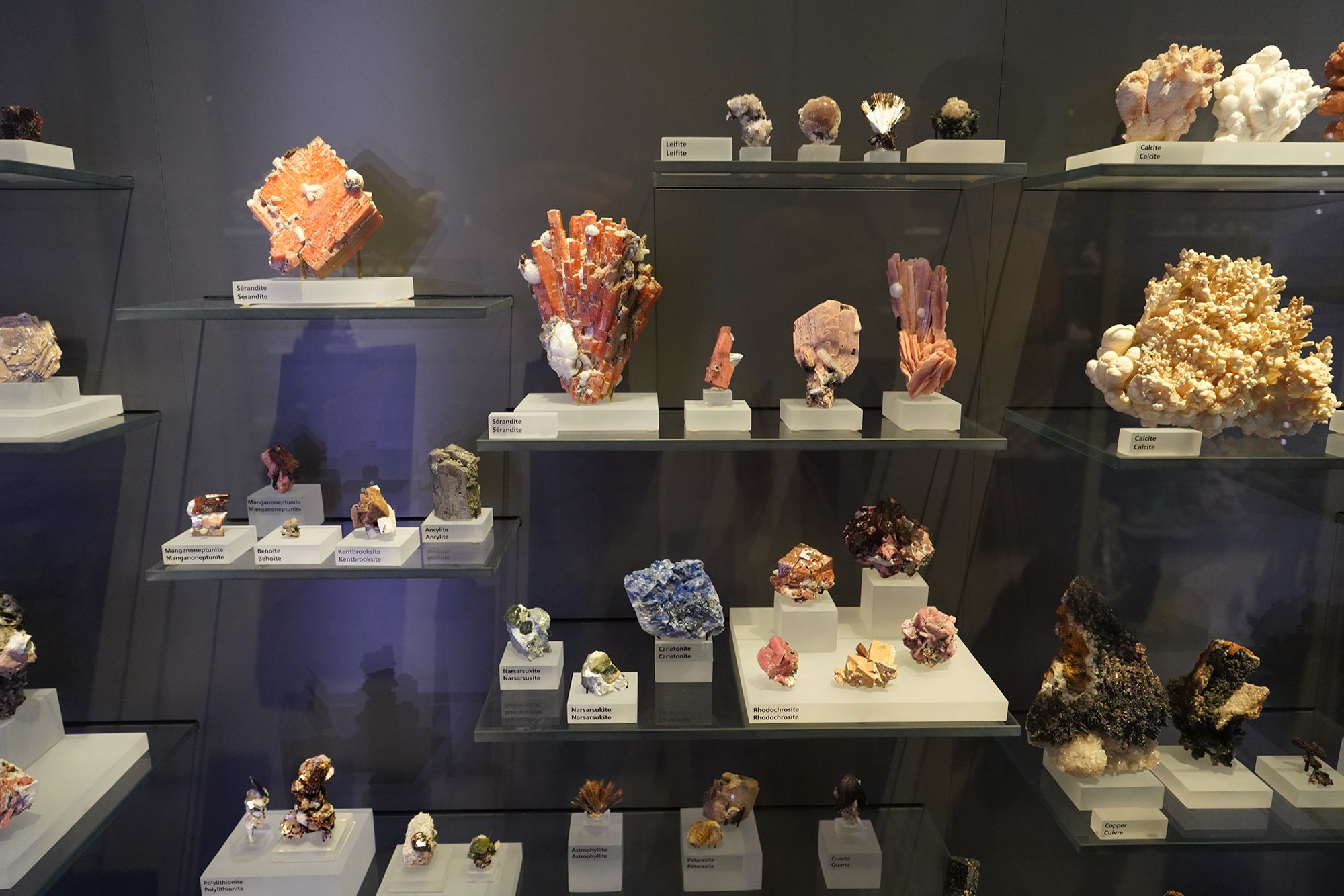
Minerals from Mont Saint-Hilaire, Quebec, Canada
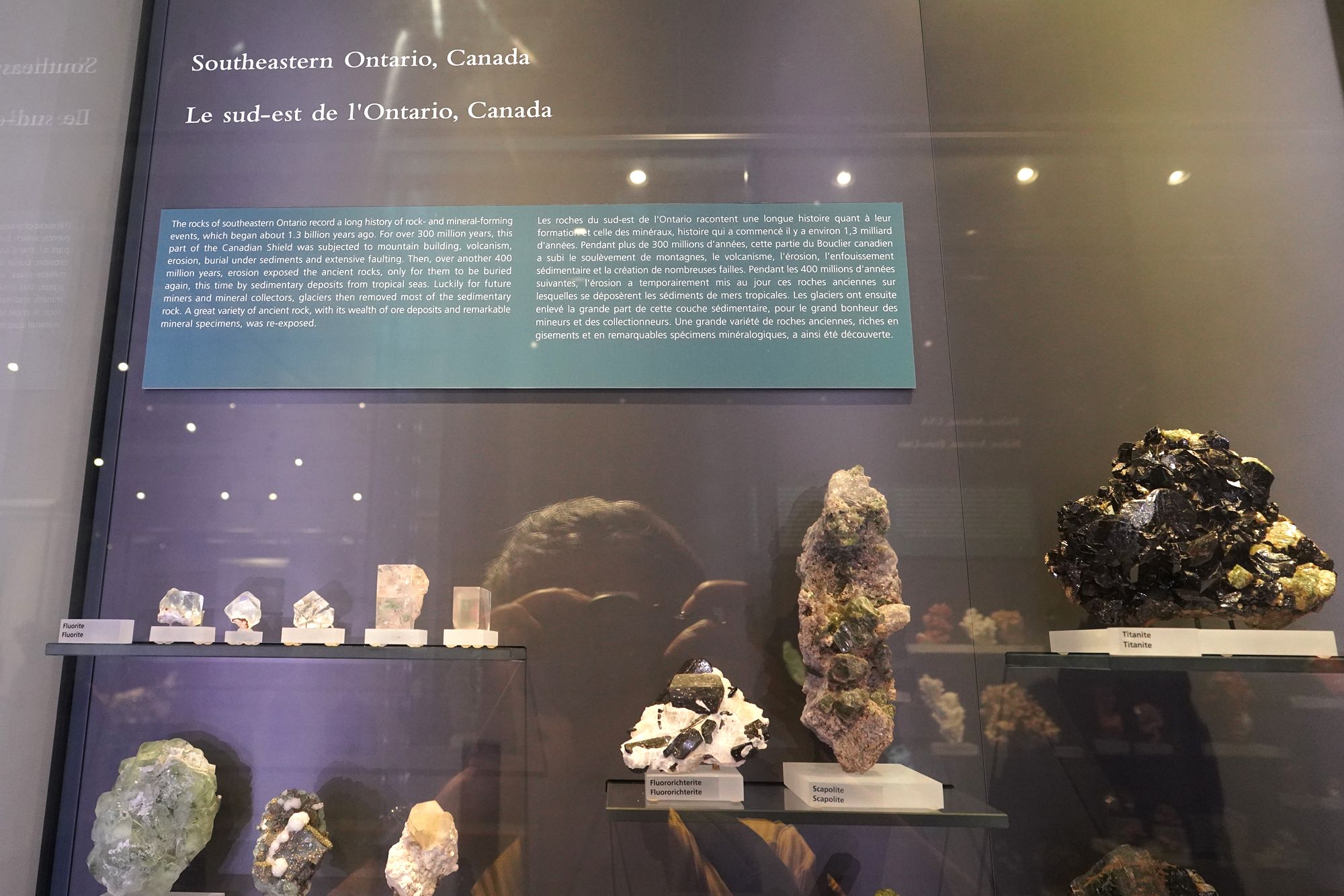
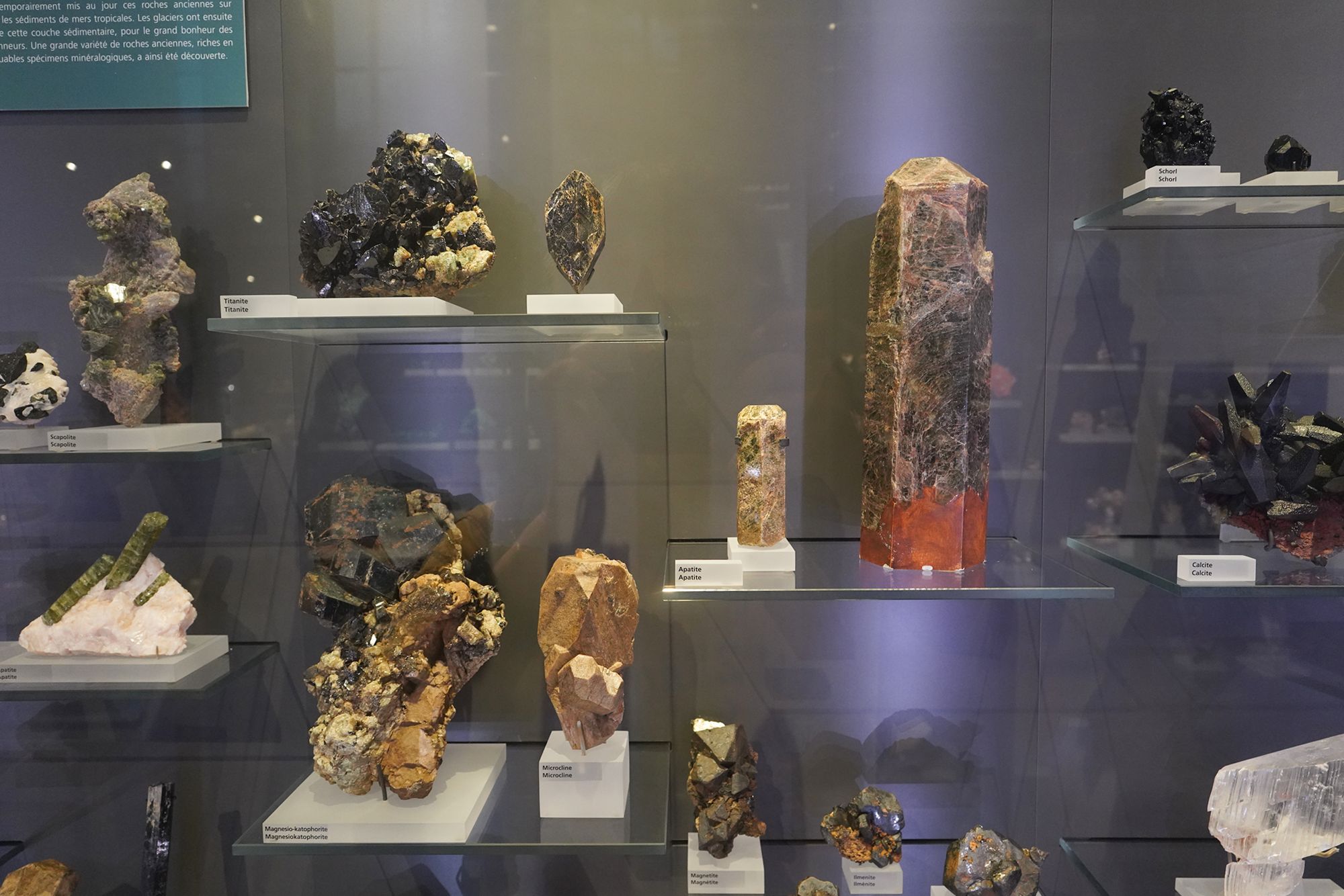
Minerals from Southeastern Ontario, Canada
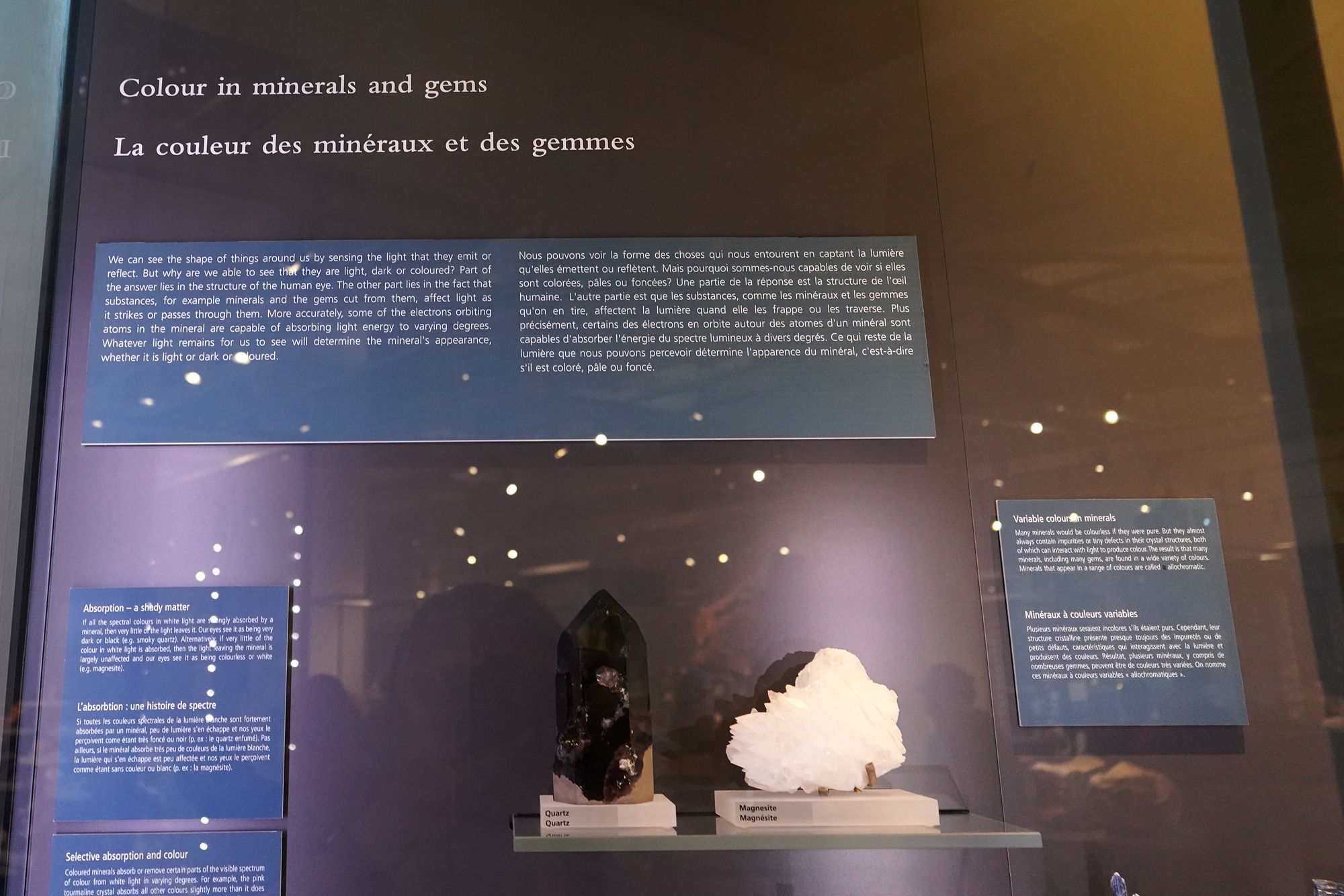
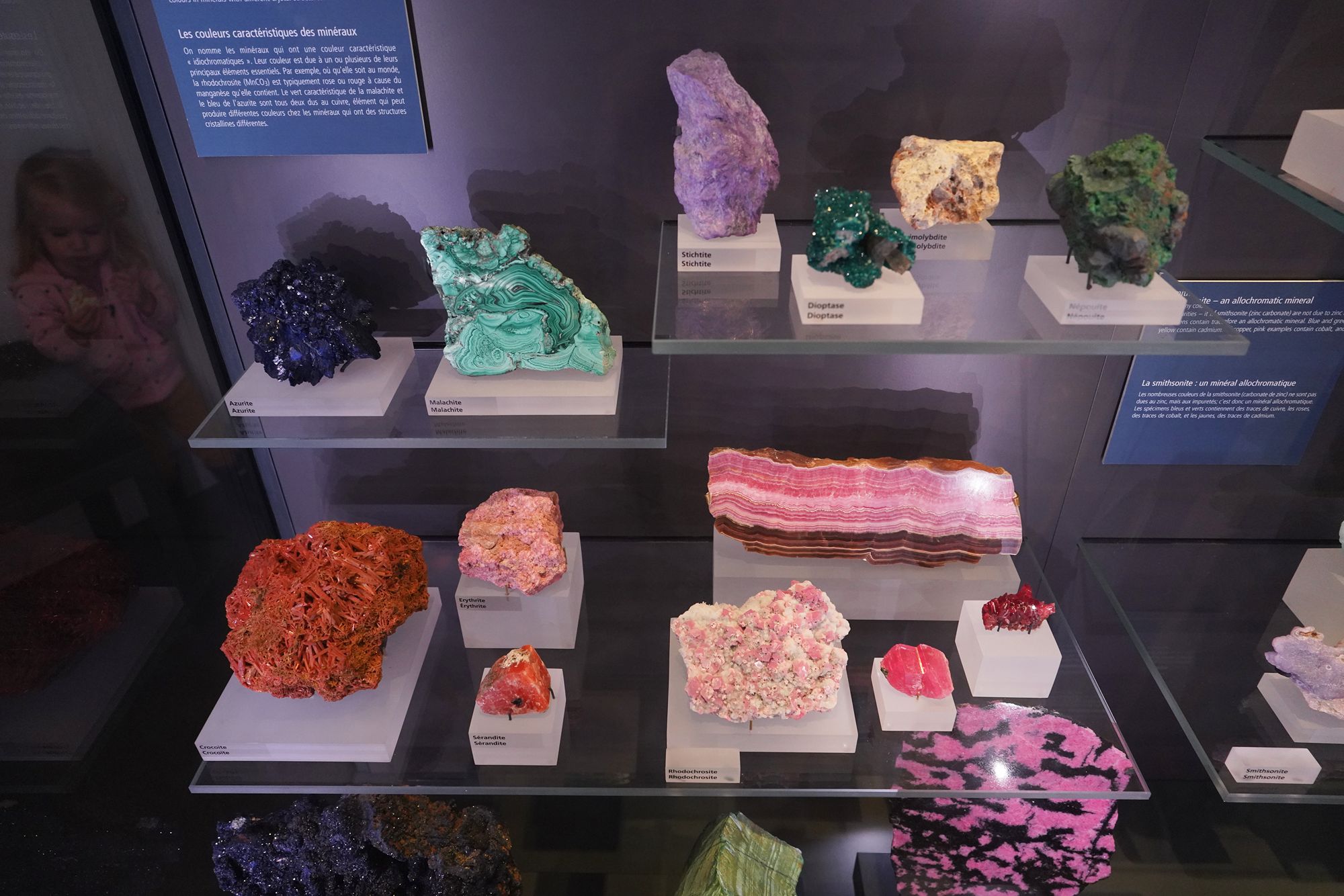
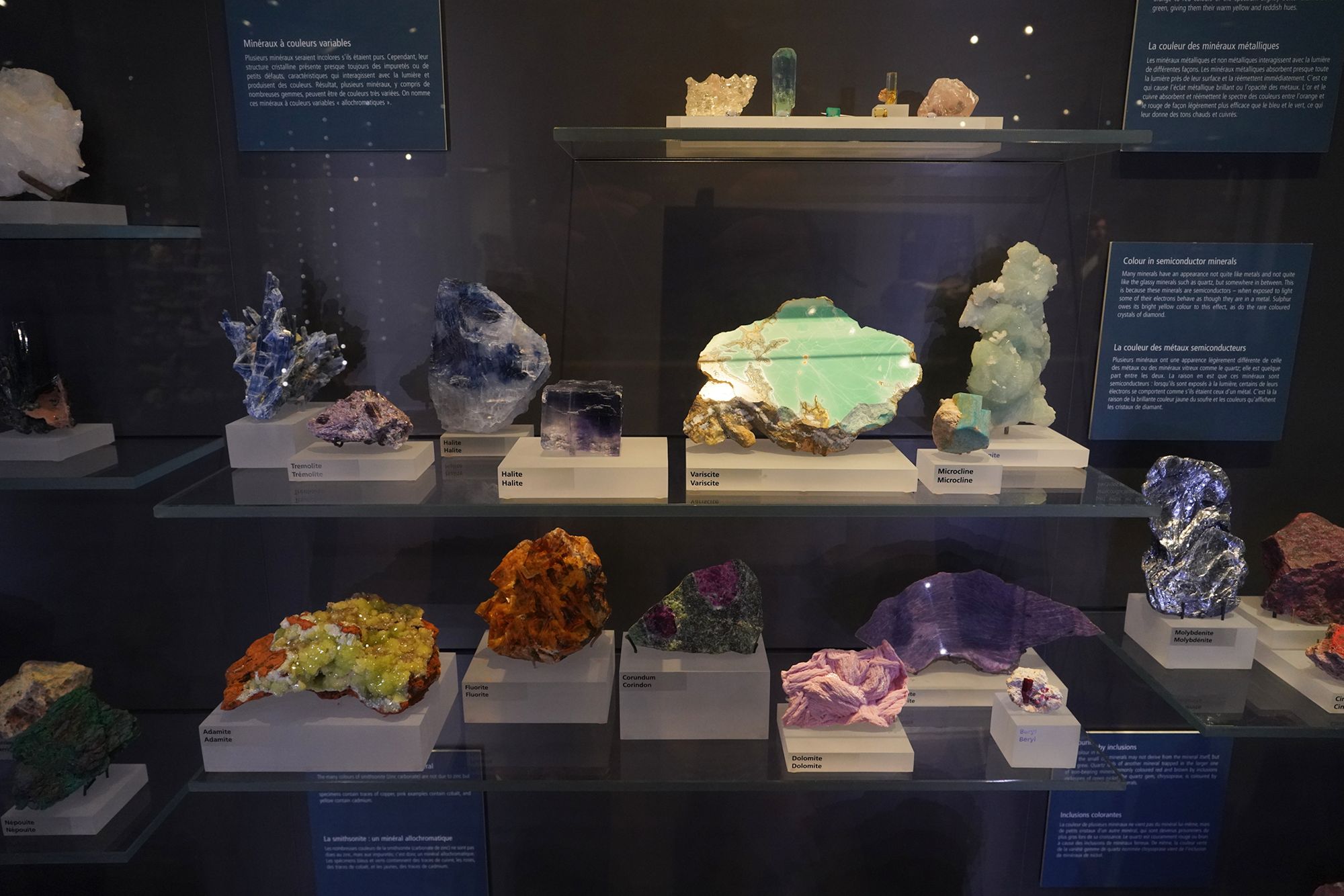
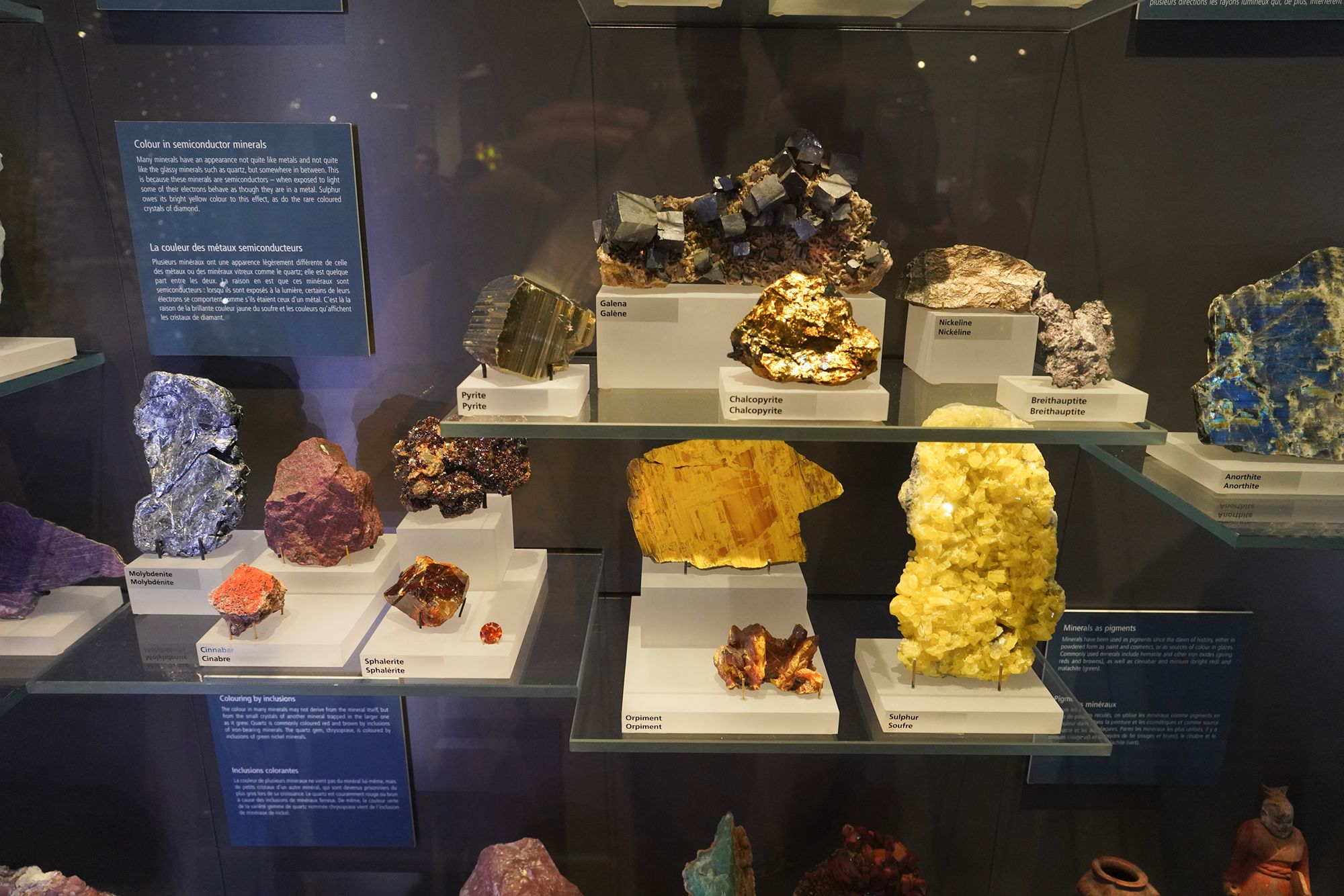
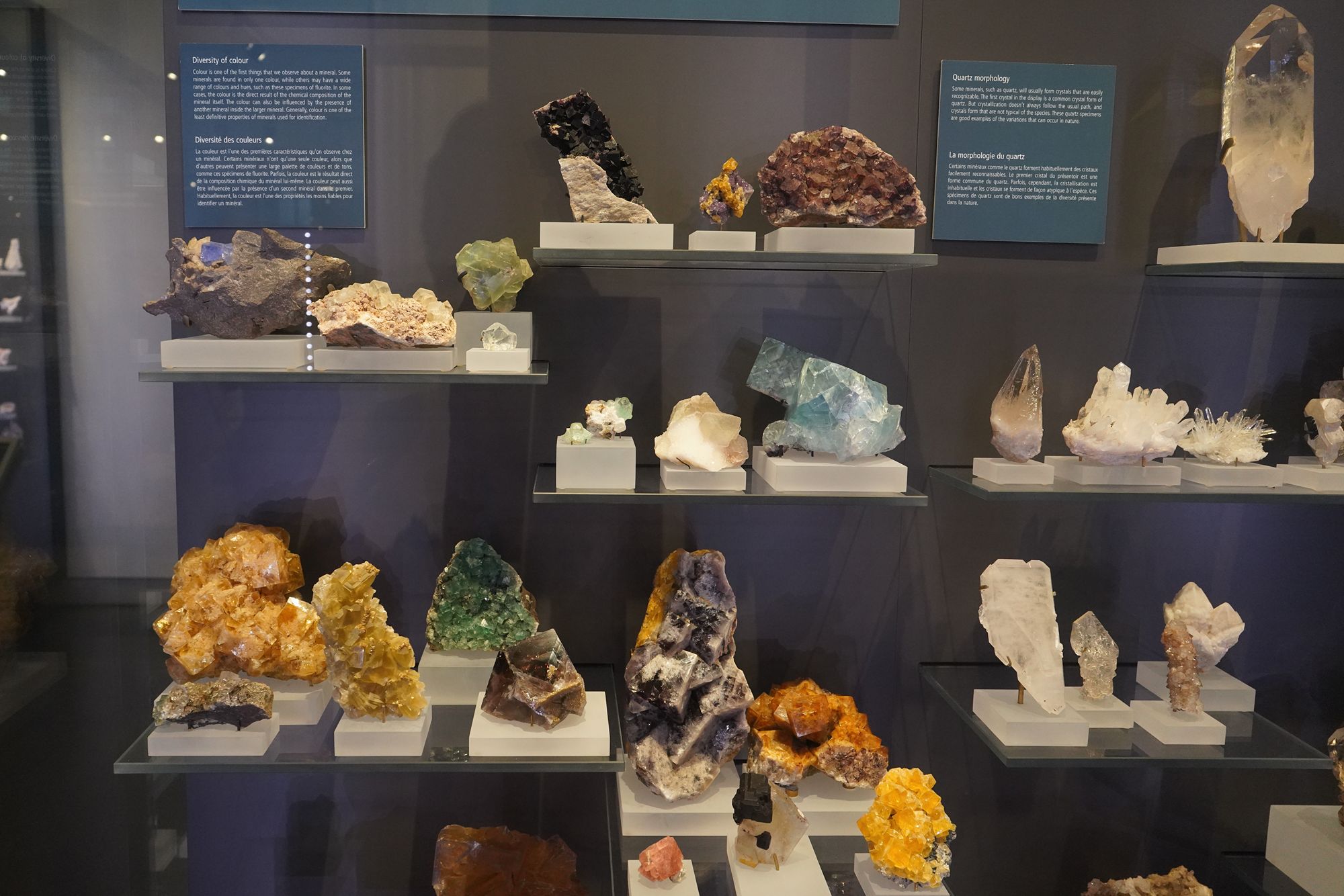
Colour in minerals and gems – Colour in minerals and gems is influenced by chemical composition, trace impurities, and crystal structure, which affect how light is absorbed and reflected. Structural defects, natural radiation, and optical effects such as color change or iridescence also play roles in creating the wide range of mineral colors.
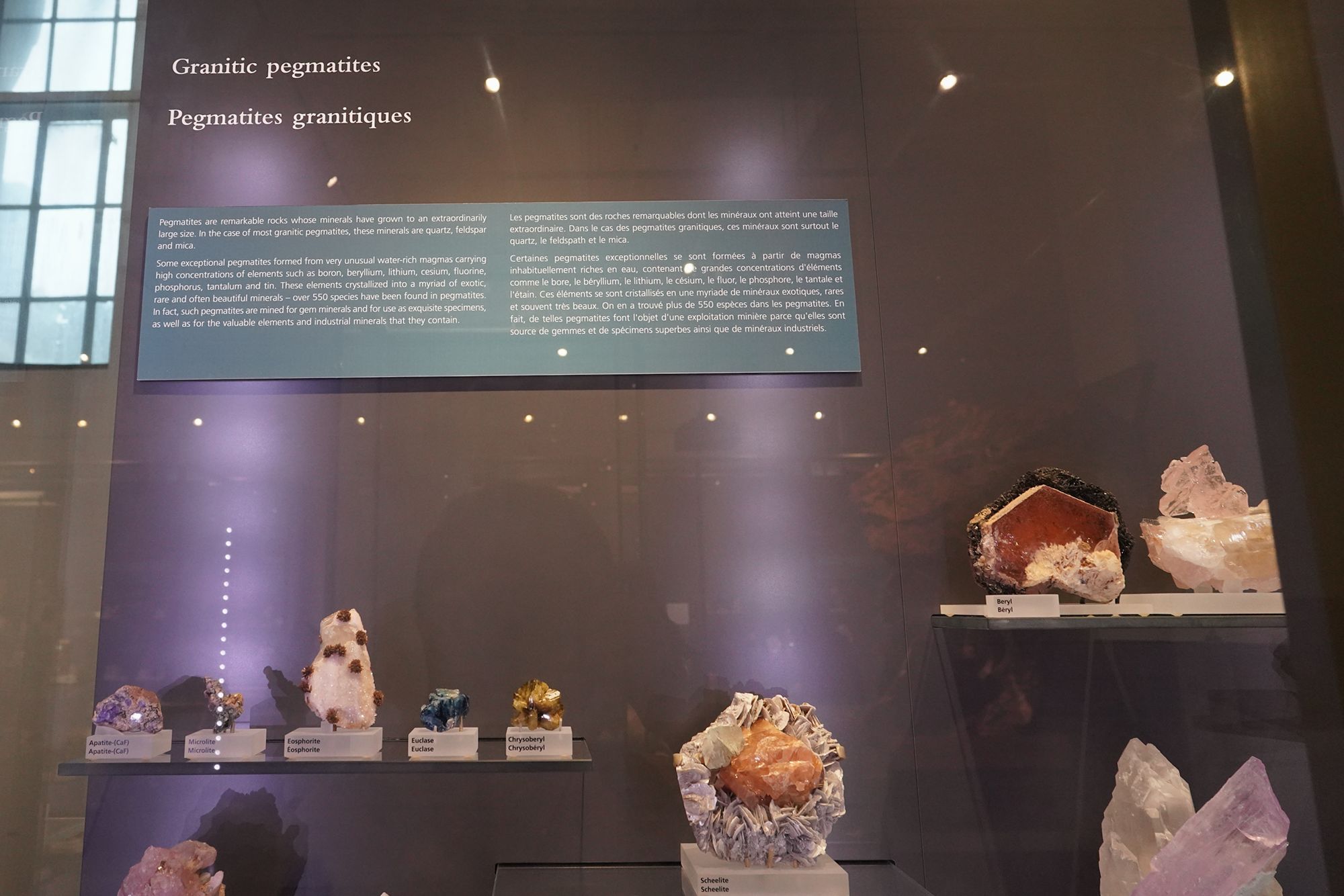
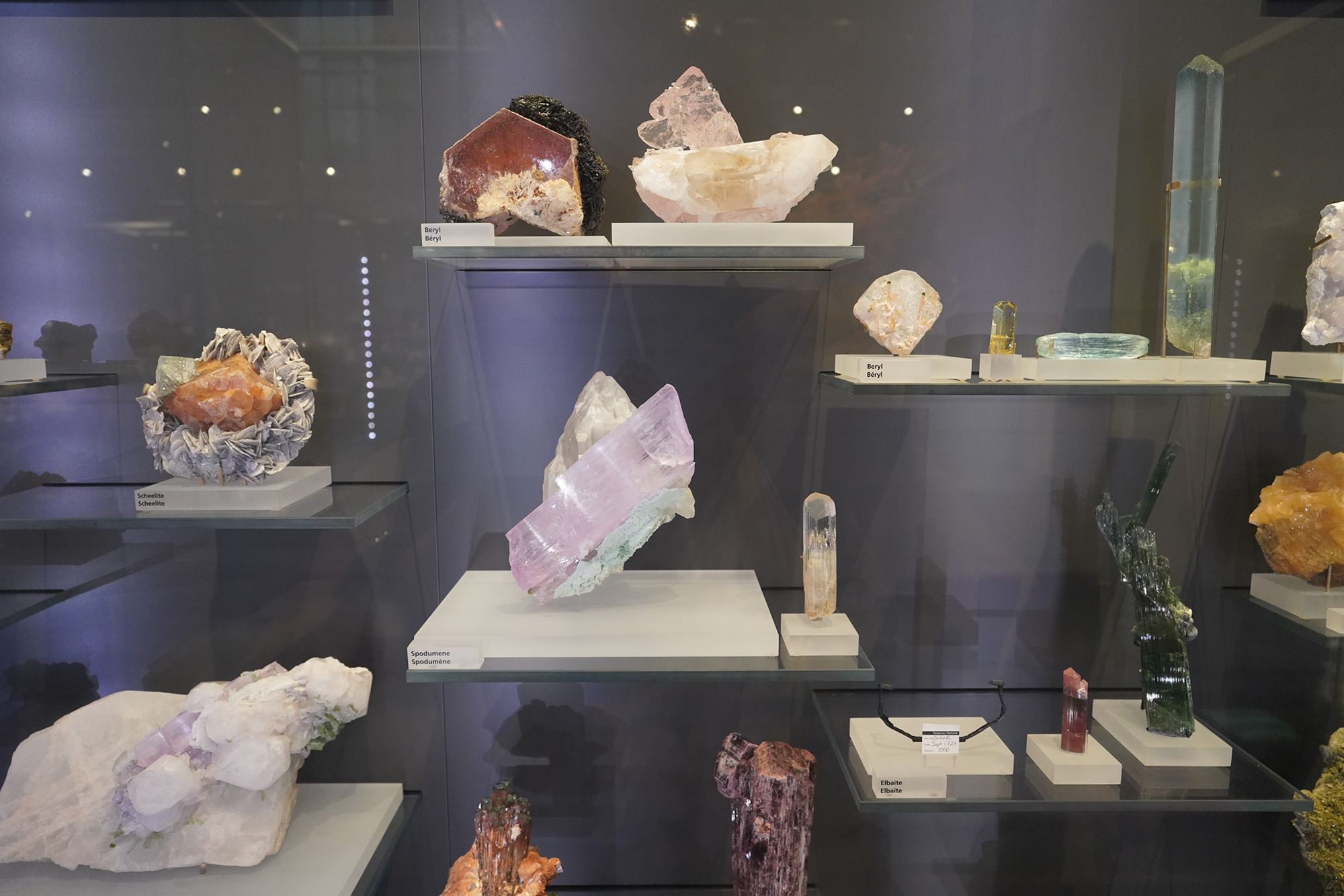
Granitic pegmatites are coarse-grained igneous rocks formed from the last stages of cooling magma.
They are known for very large crystals and often contain rare minerals and gemstones, such as quartz, feldspar, mica, tourmaline, and lithium-bearing minerals.
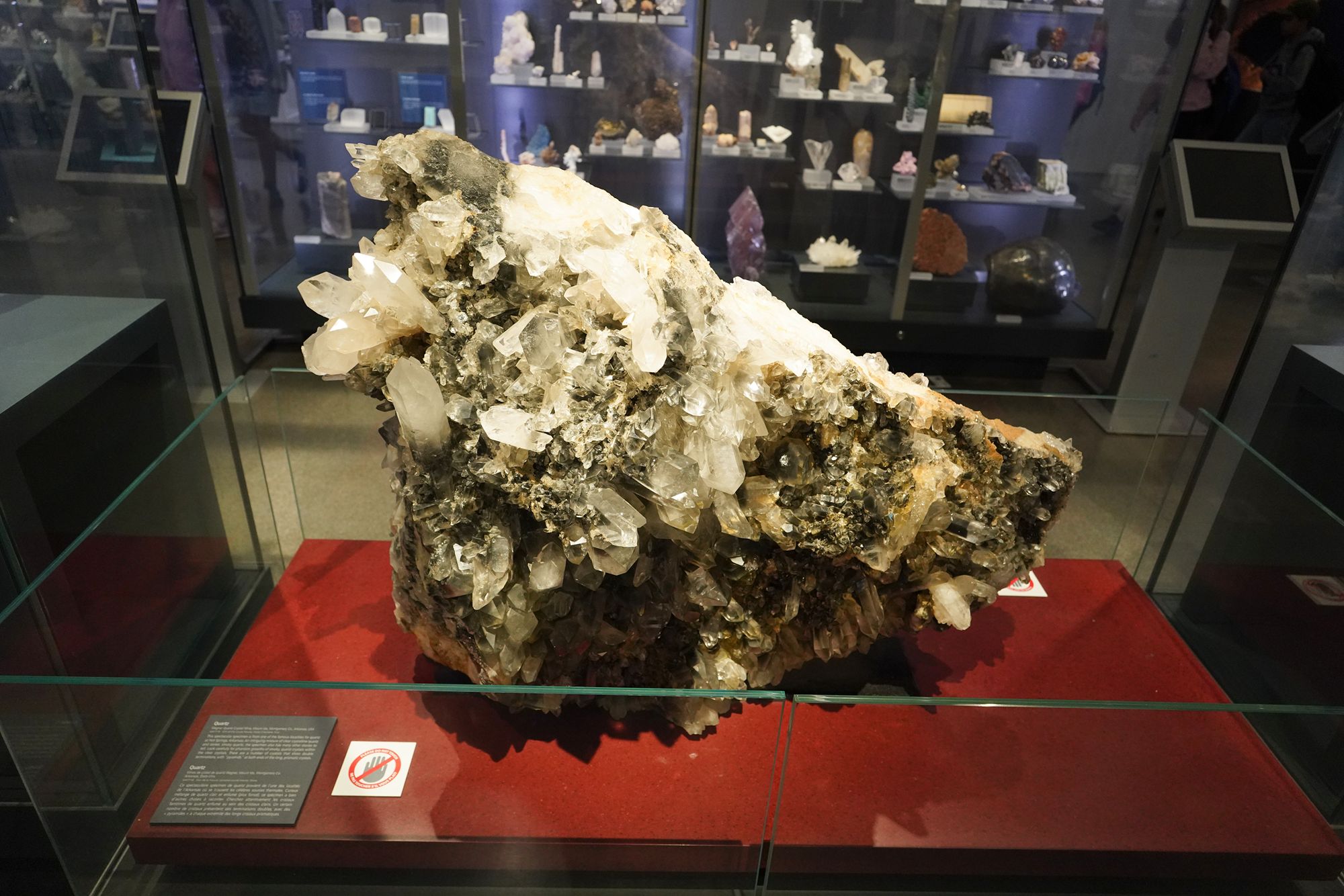
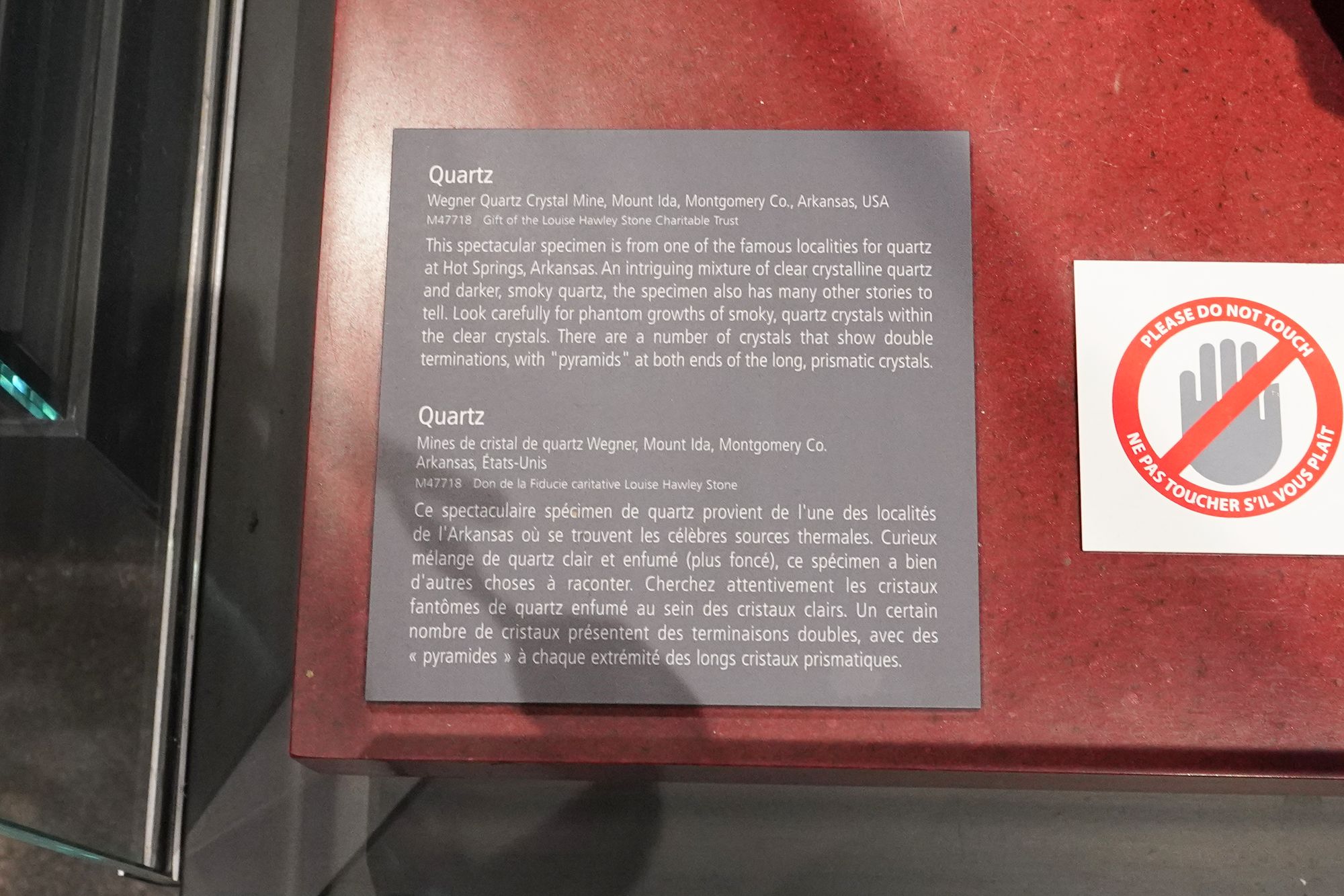
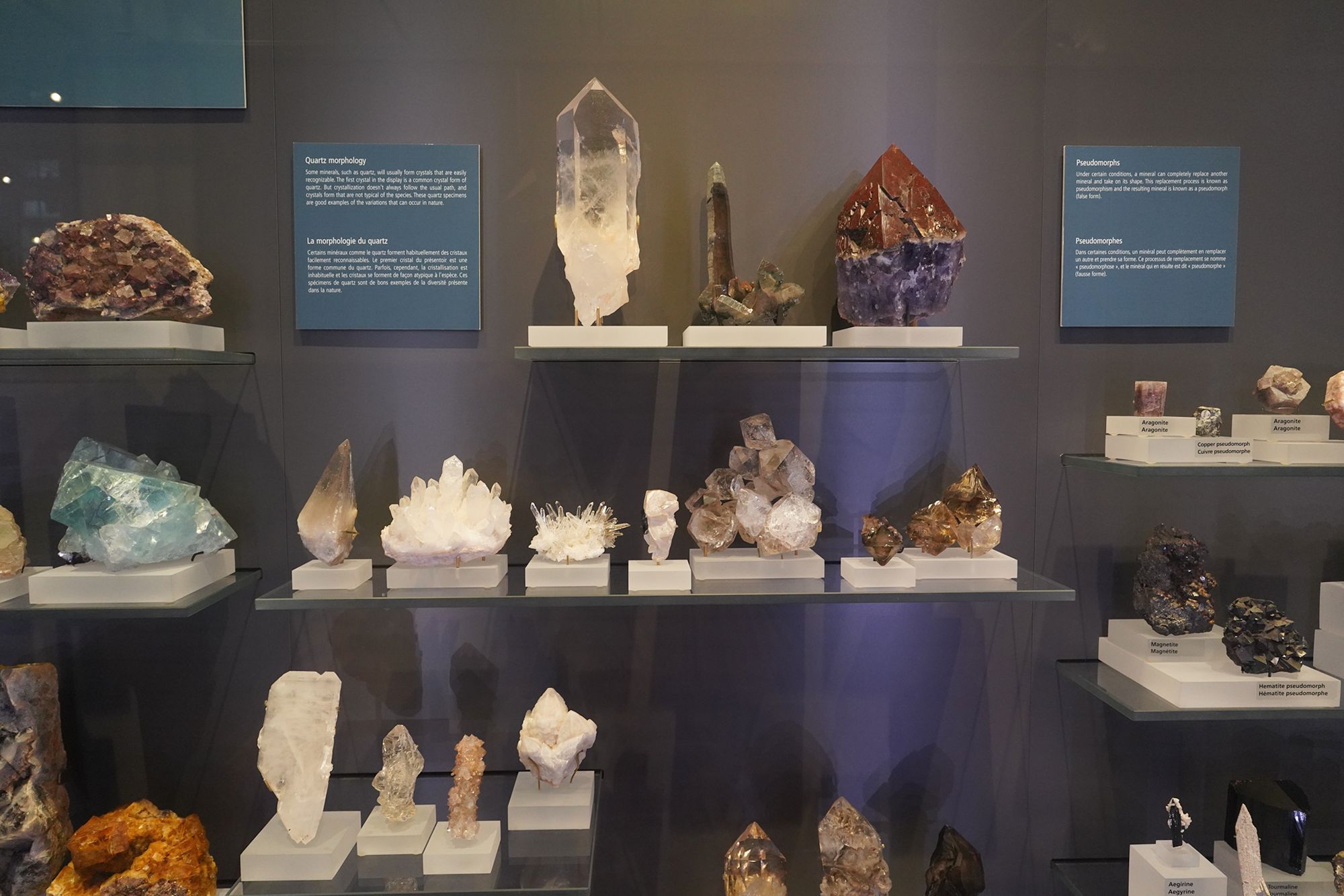
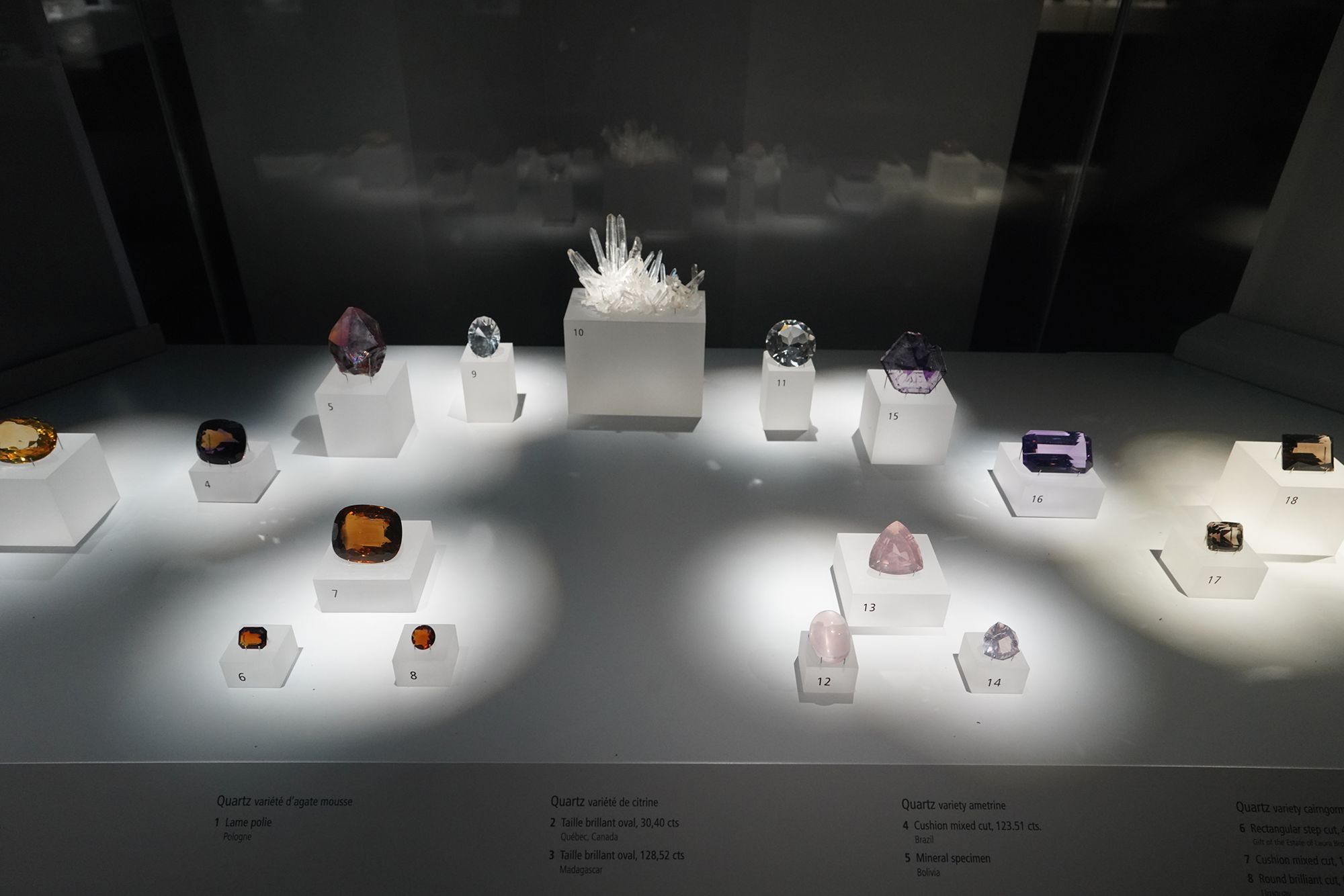
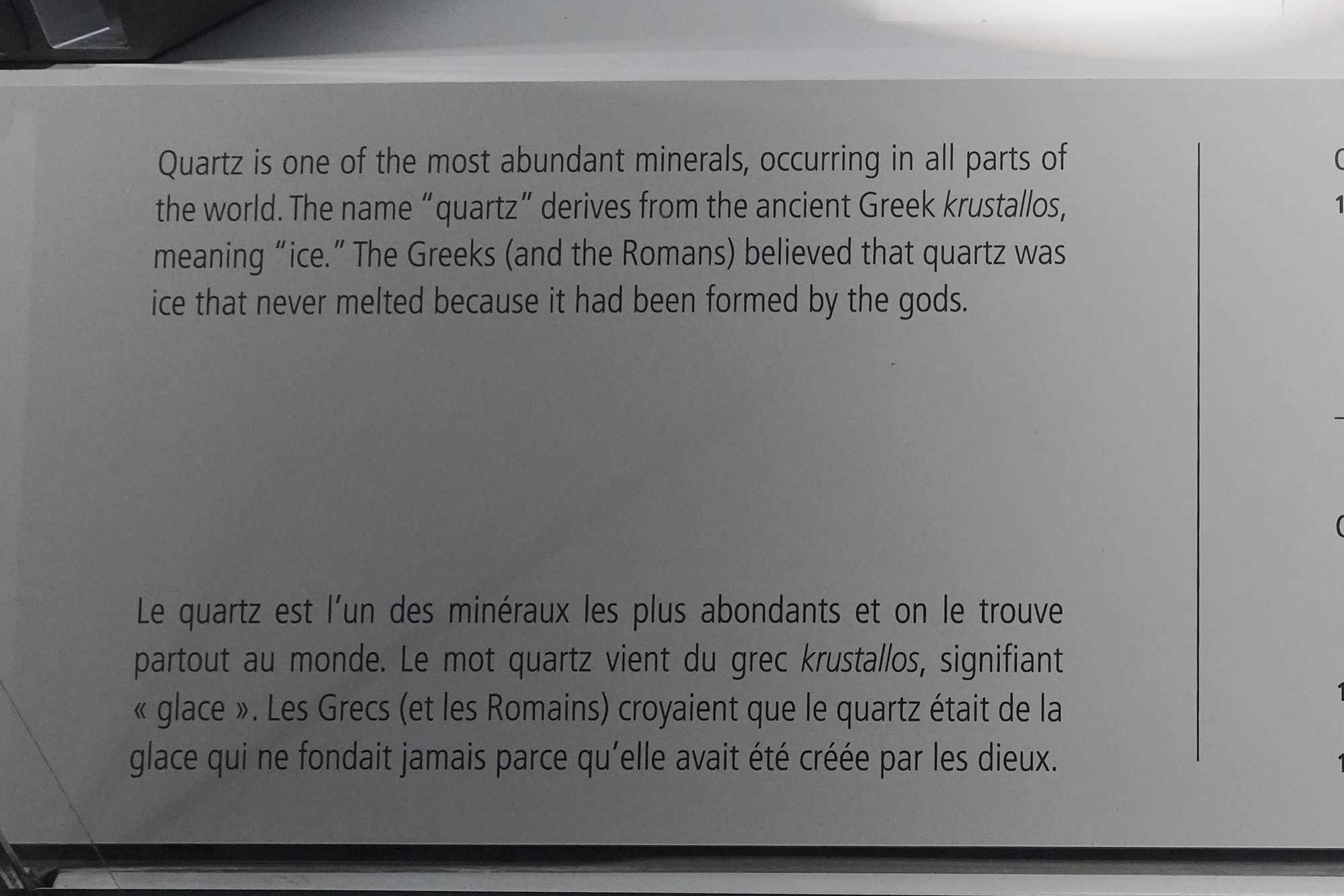
Quartz is a common and durable mineral made of silicon dioxide (SiO₂).
It forms in many geological environments and appears in a wide range of colors and varieties, including clear quartz, amethyst, citrine, and rose quartz.
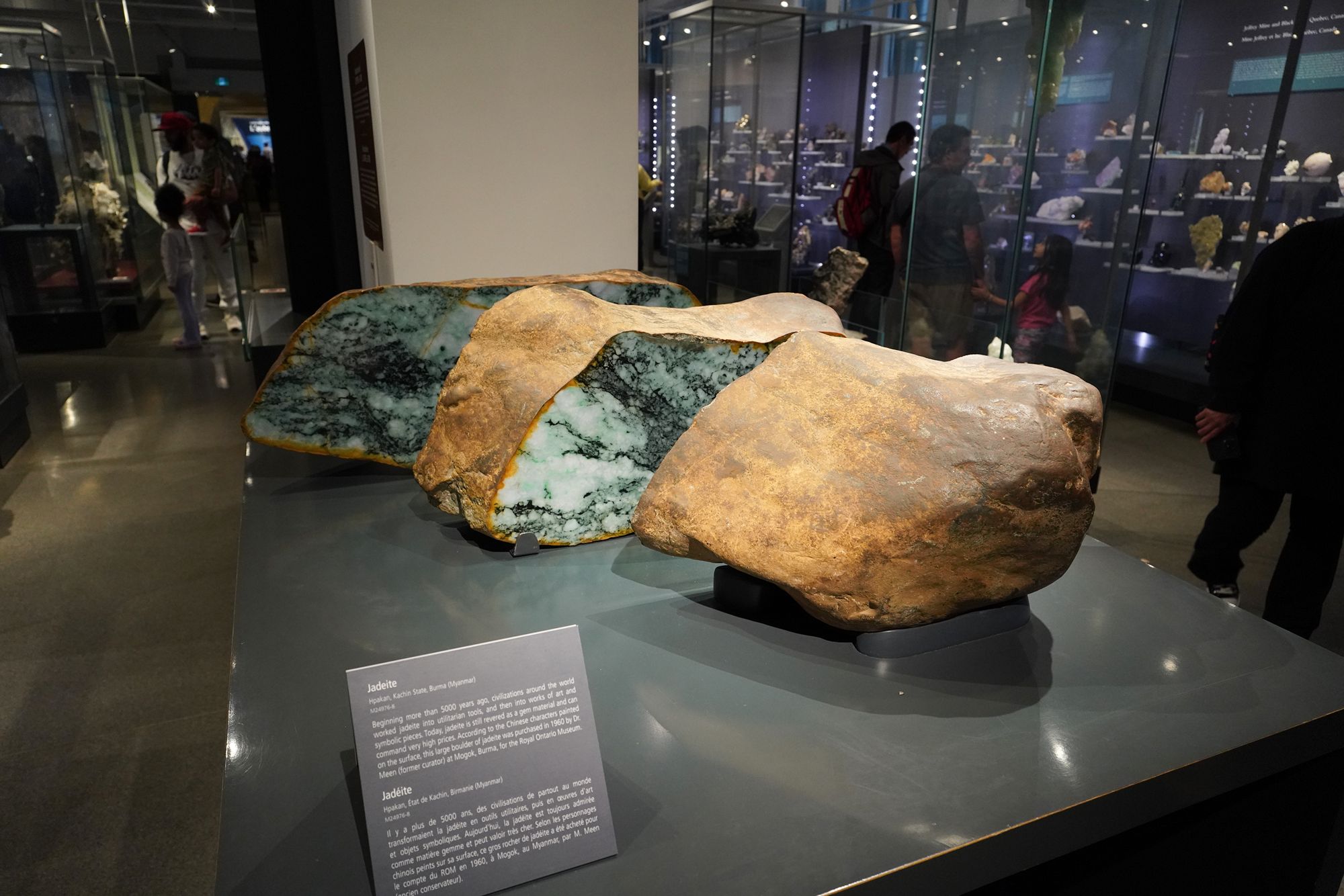
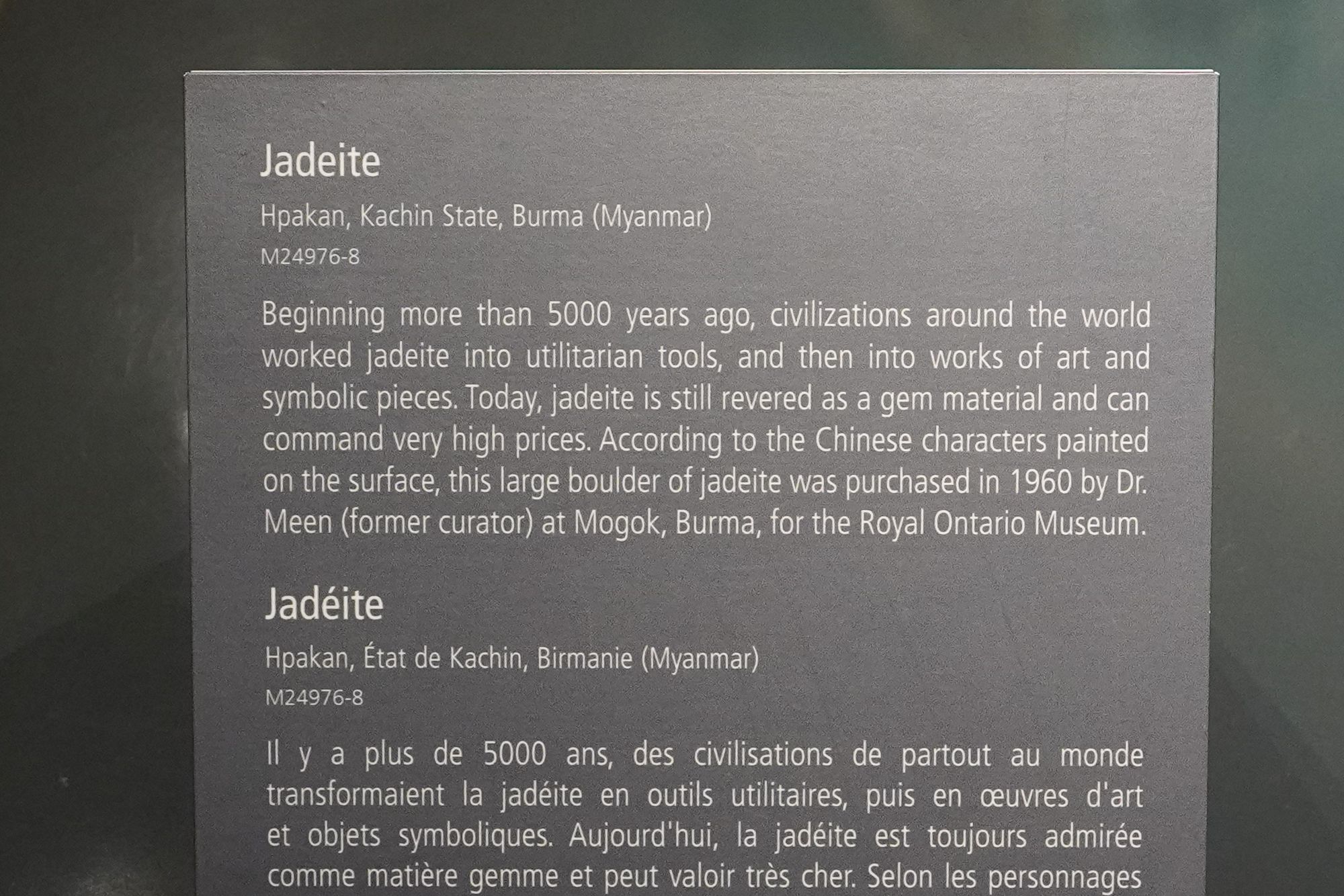
Jadeite – It is one of the two true jades (the other is nephrite), prized for its durability and vivid colors—especially emerald green—and has been highly valued in East Asian and Mesoamerican cultures.
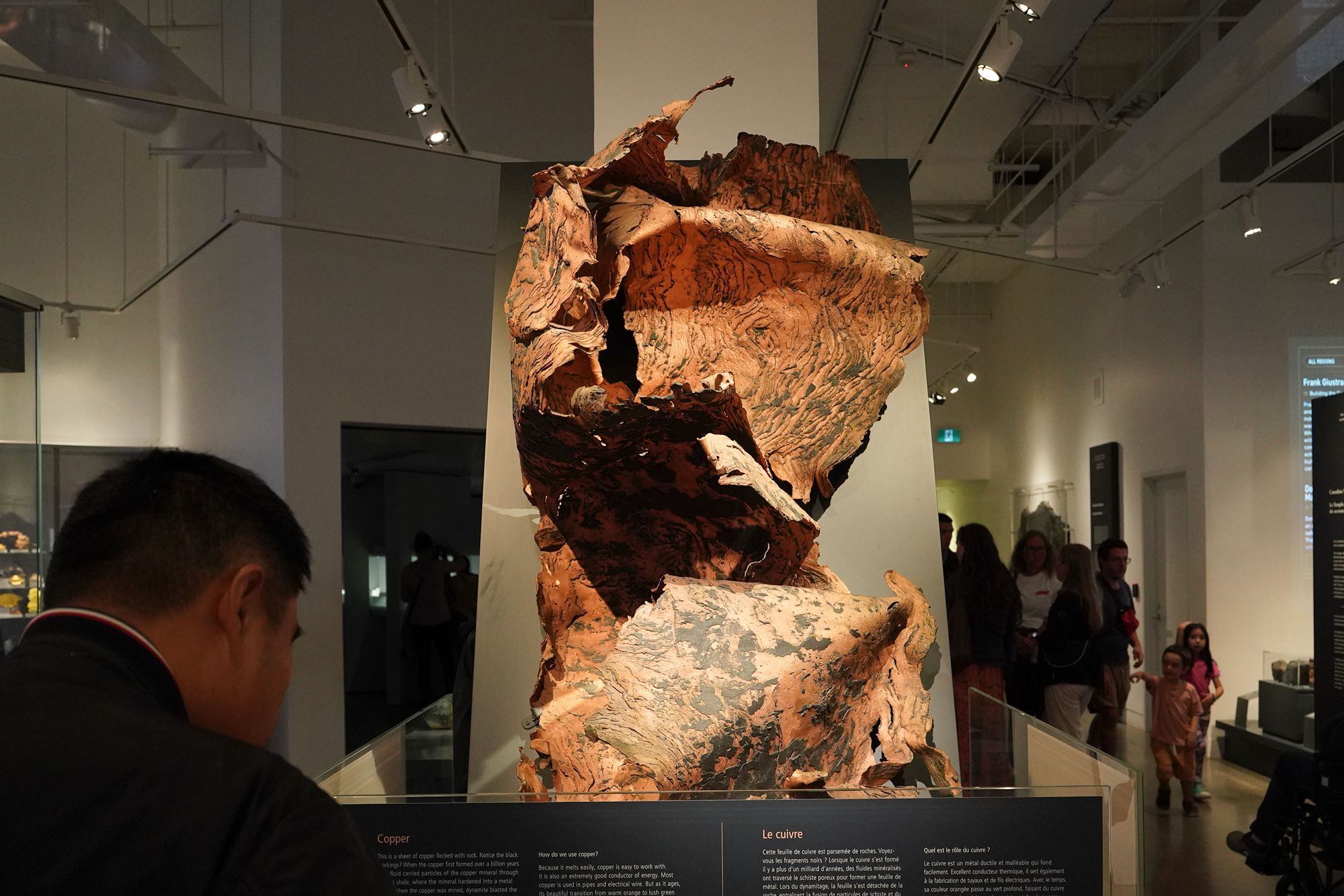
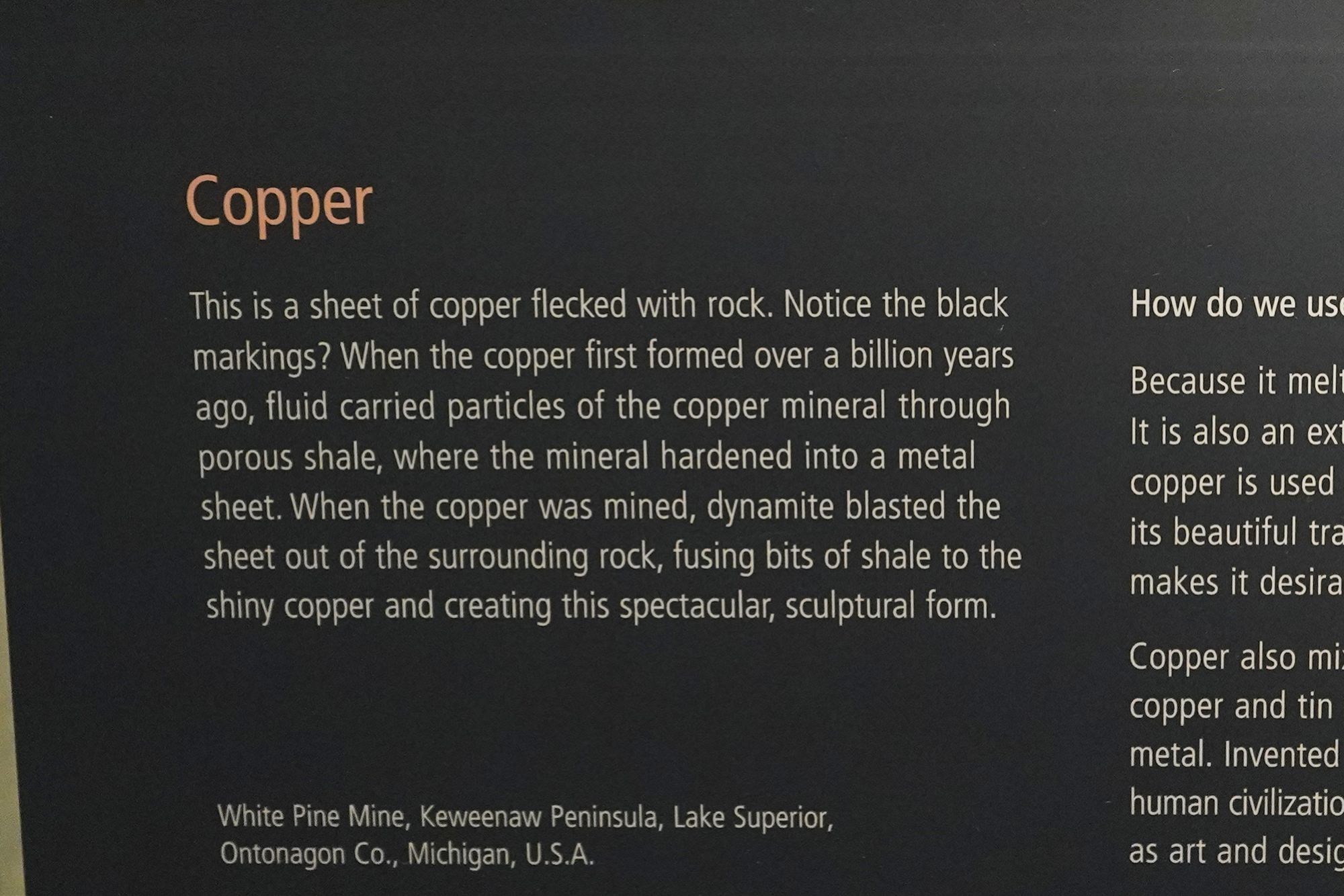
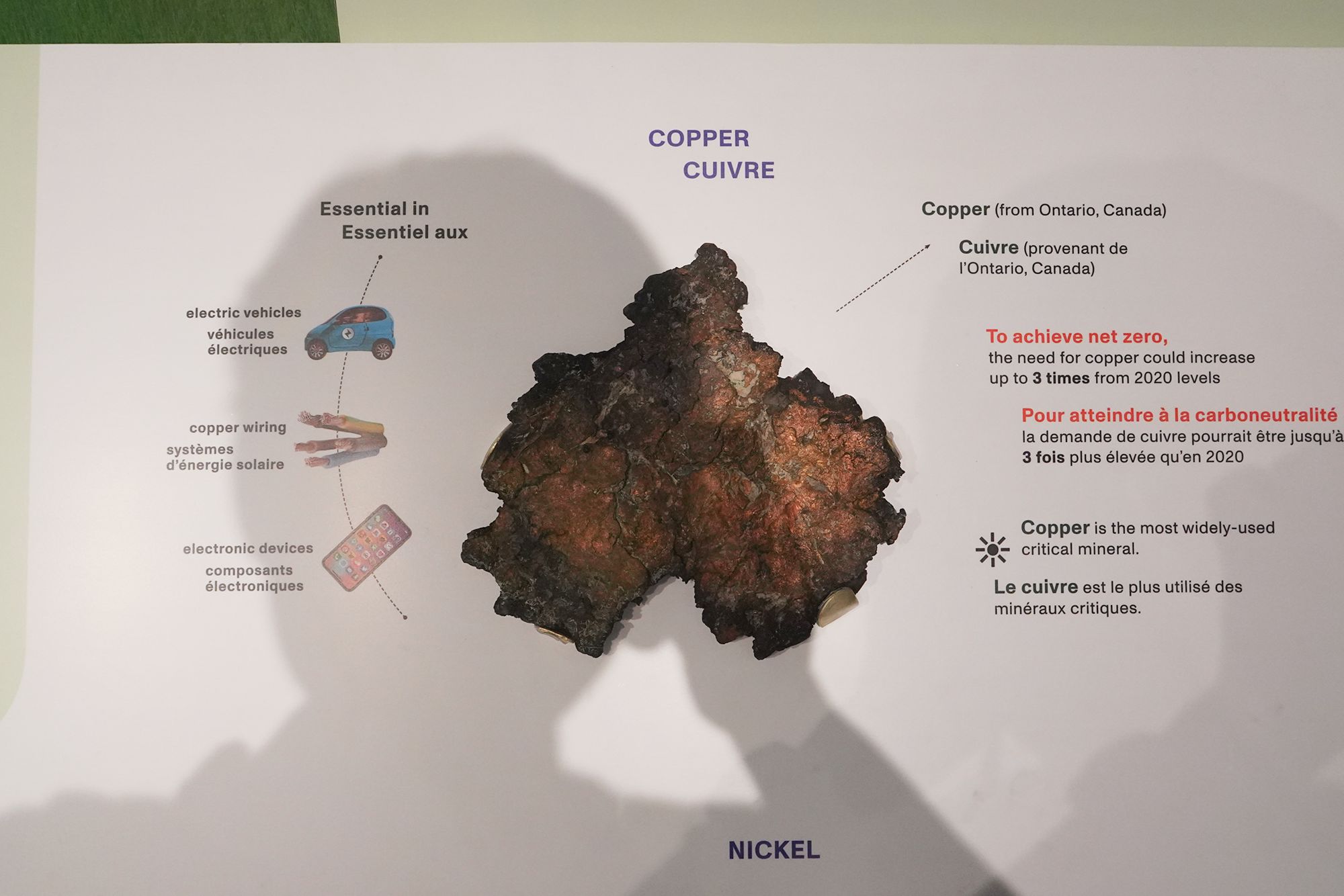
Copper is a naturally occurring metal known for its reddish color and excellent electrical conductivity.
It has been used by humans for thousands of years to make tools, coins, and electrical wiring, and it commonly occurs in nature as native copper or in copper-bearing minerals.
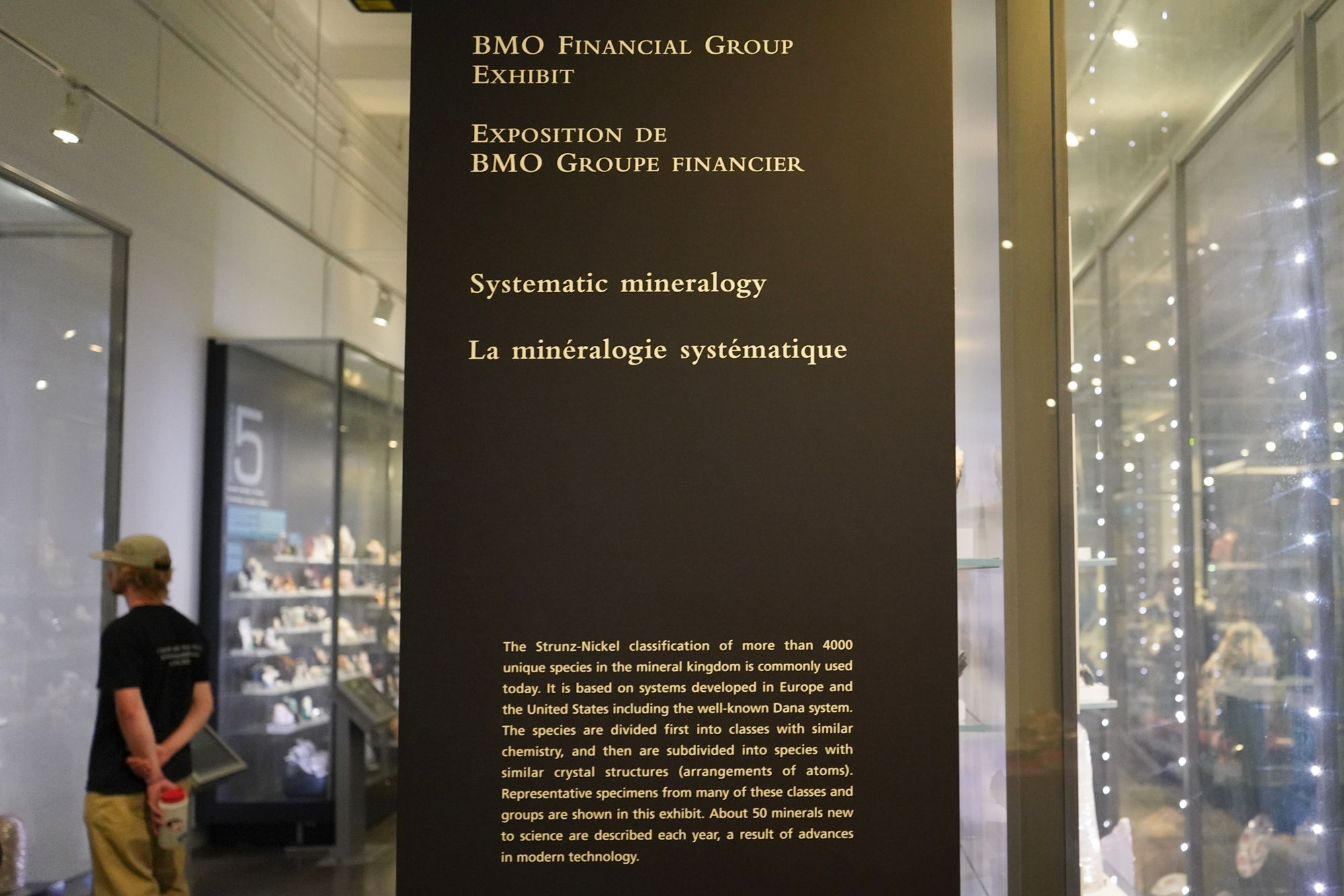
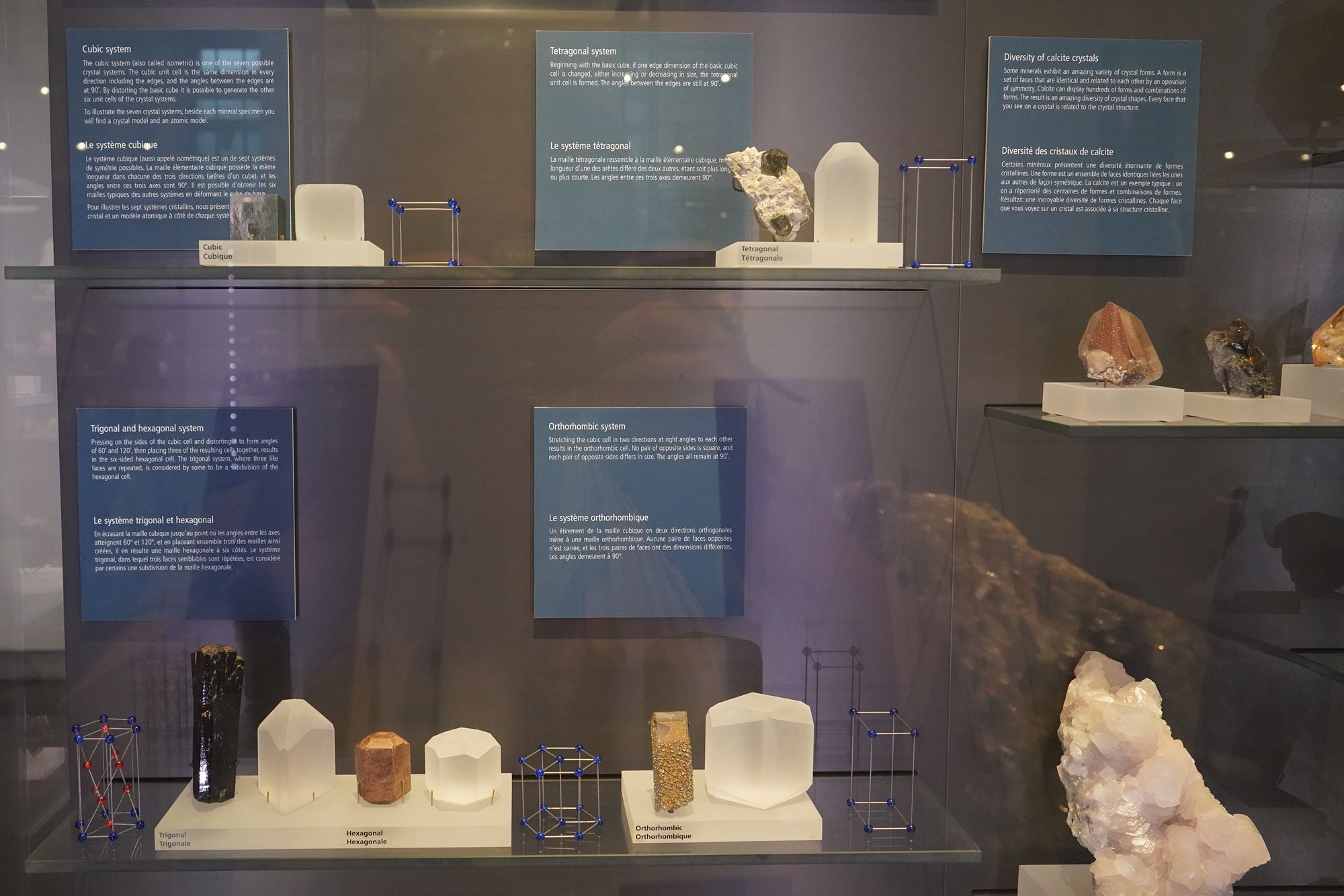
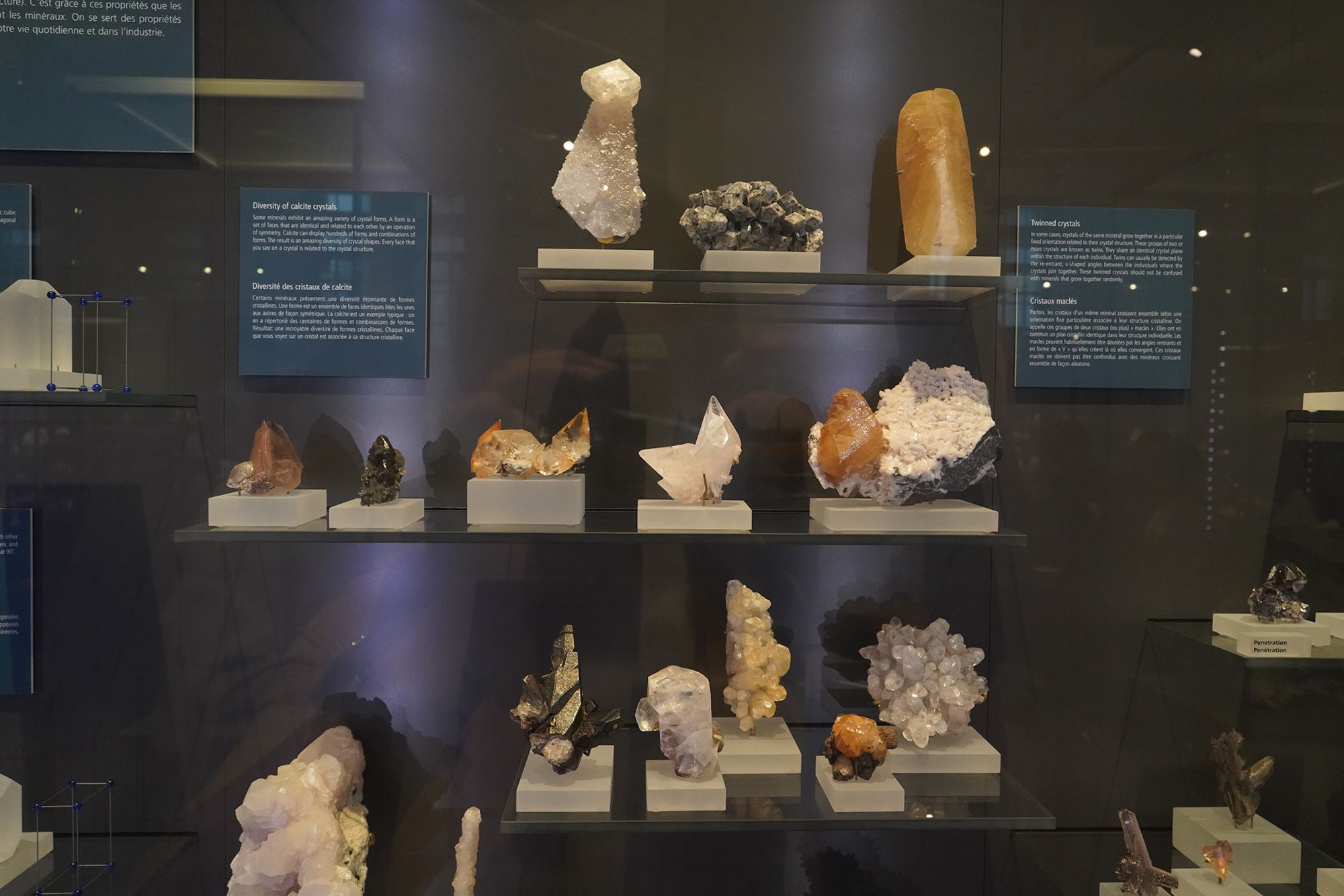
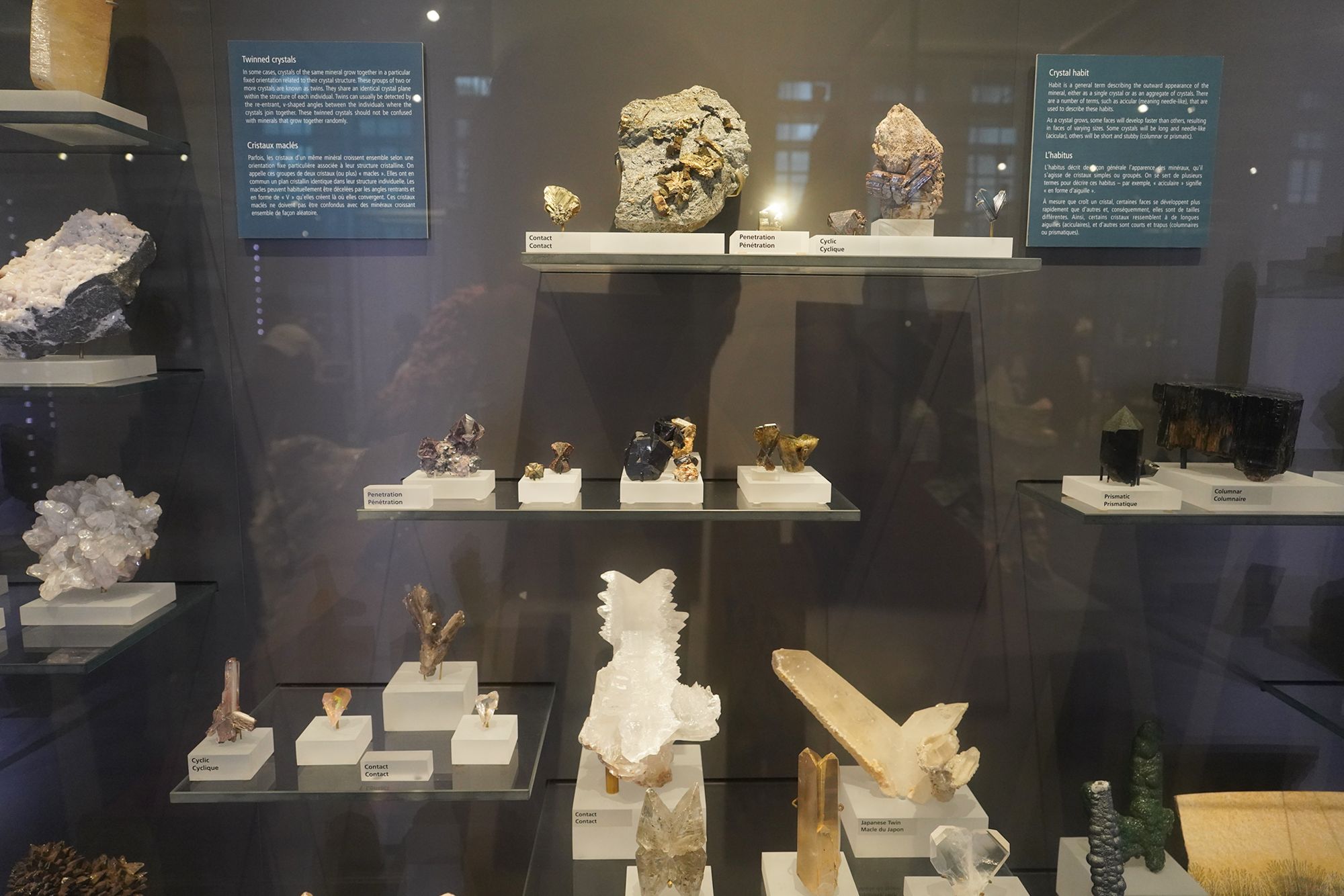
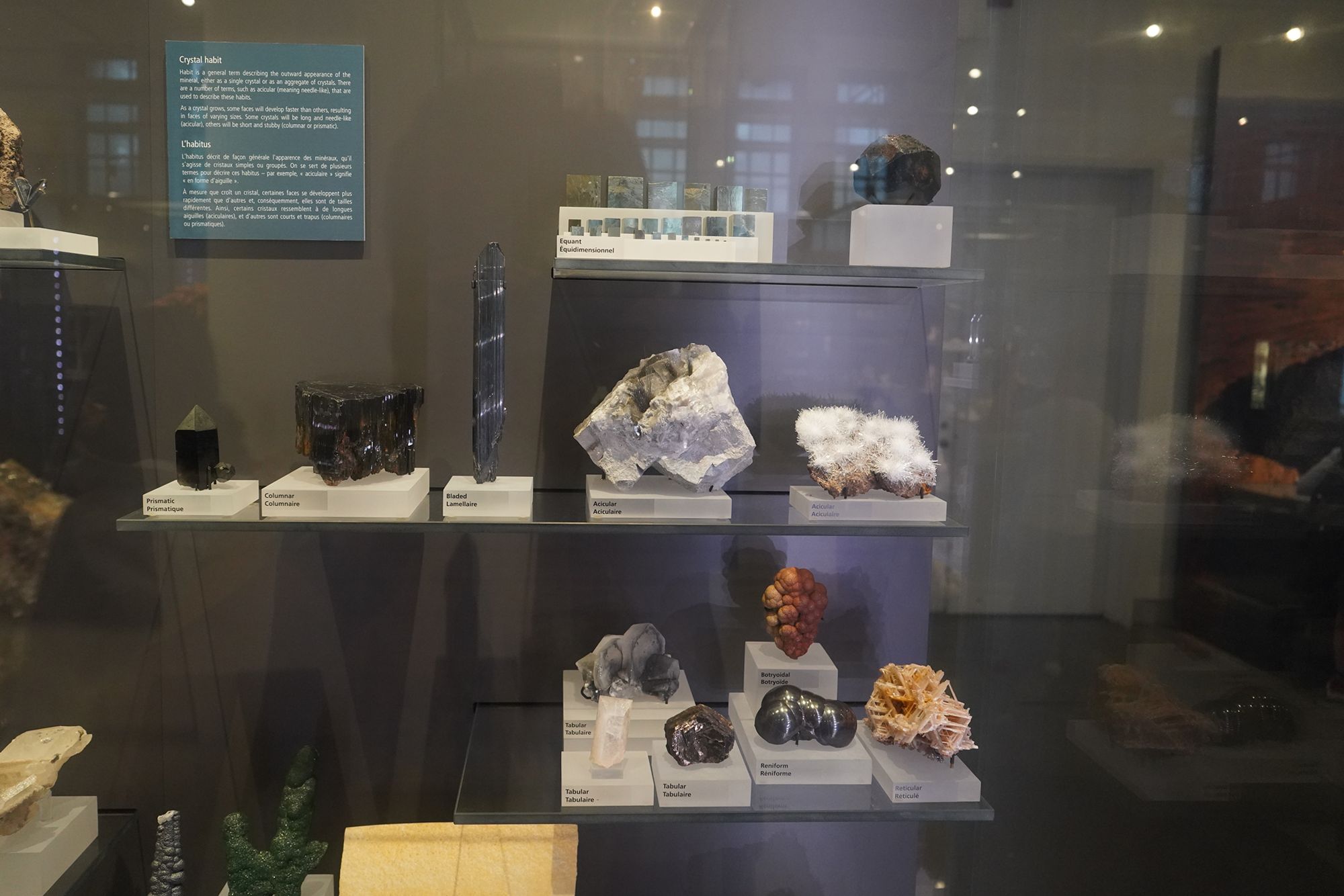
Systematic mineralogy is the branch of mineralogy that classifies and organizes minerals based on their chemical composition and crystal structure.
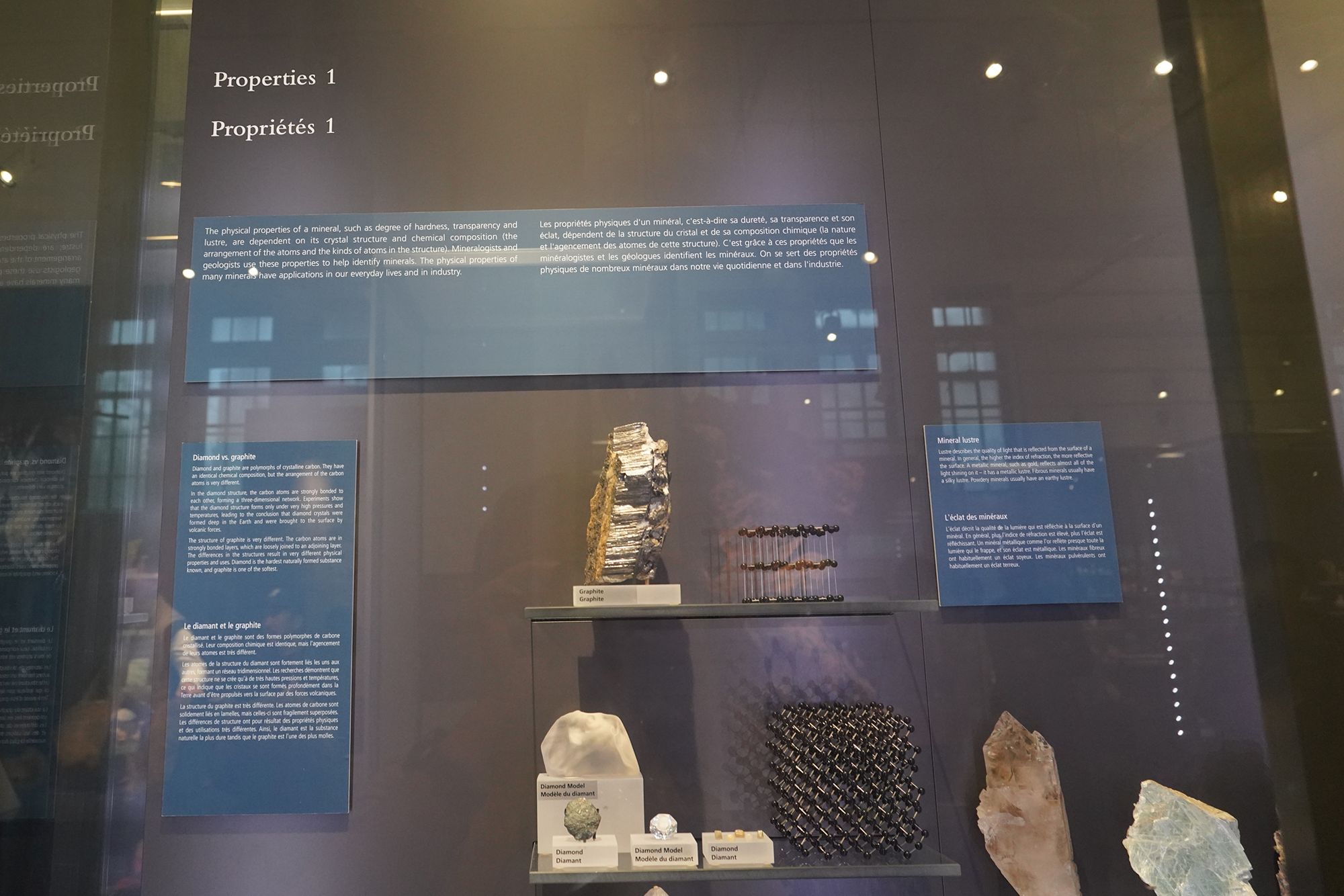
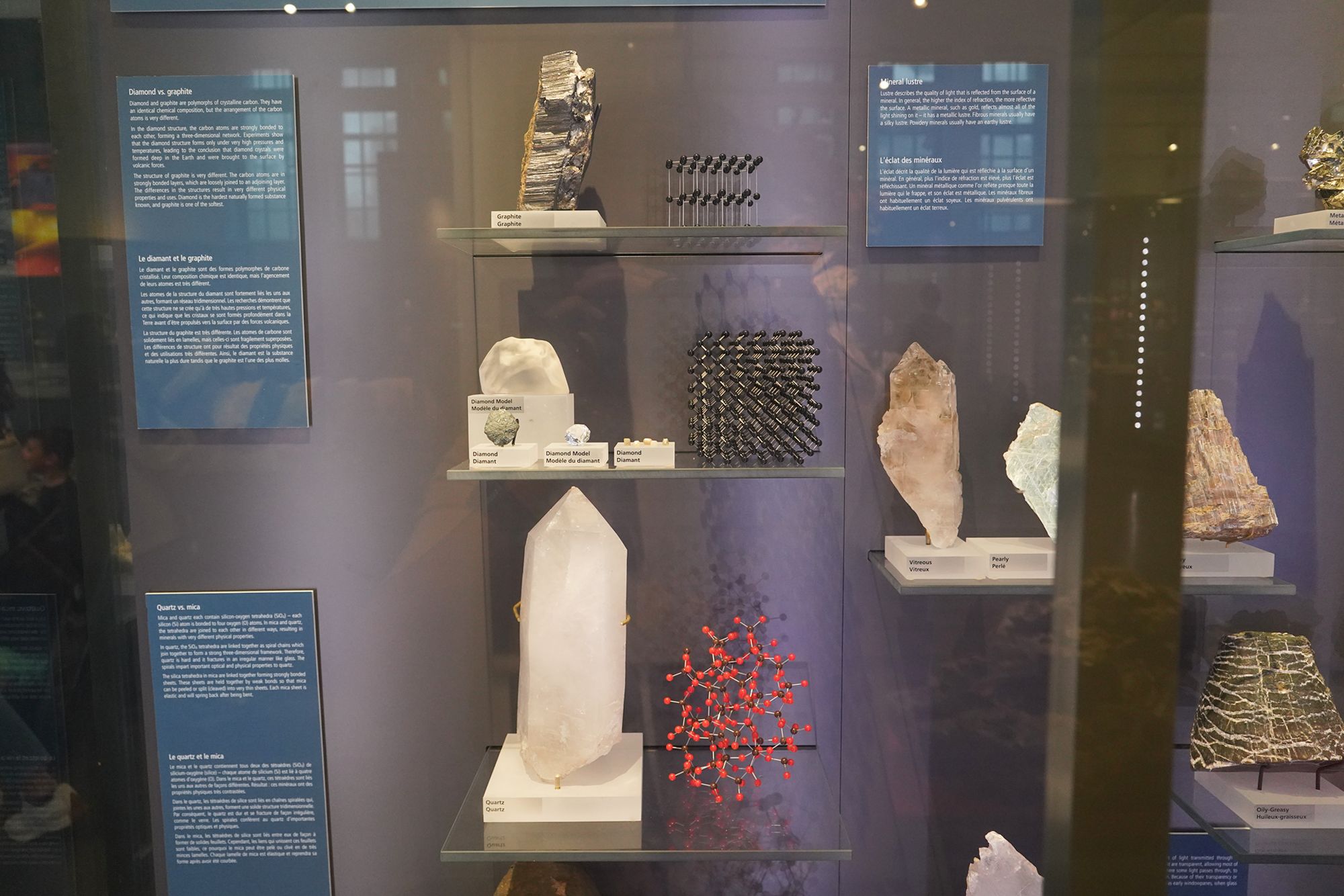
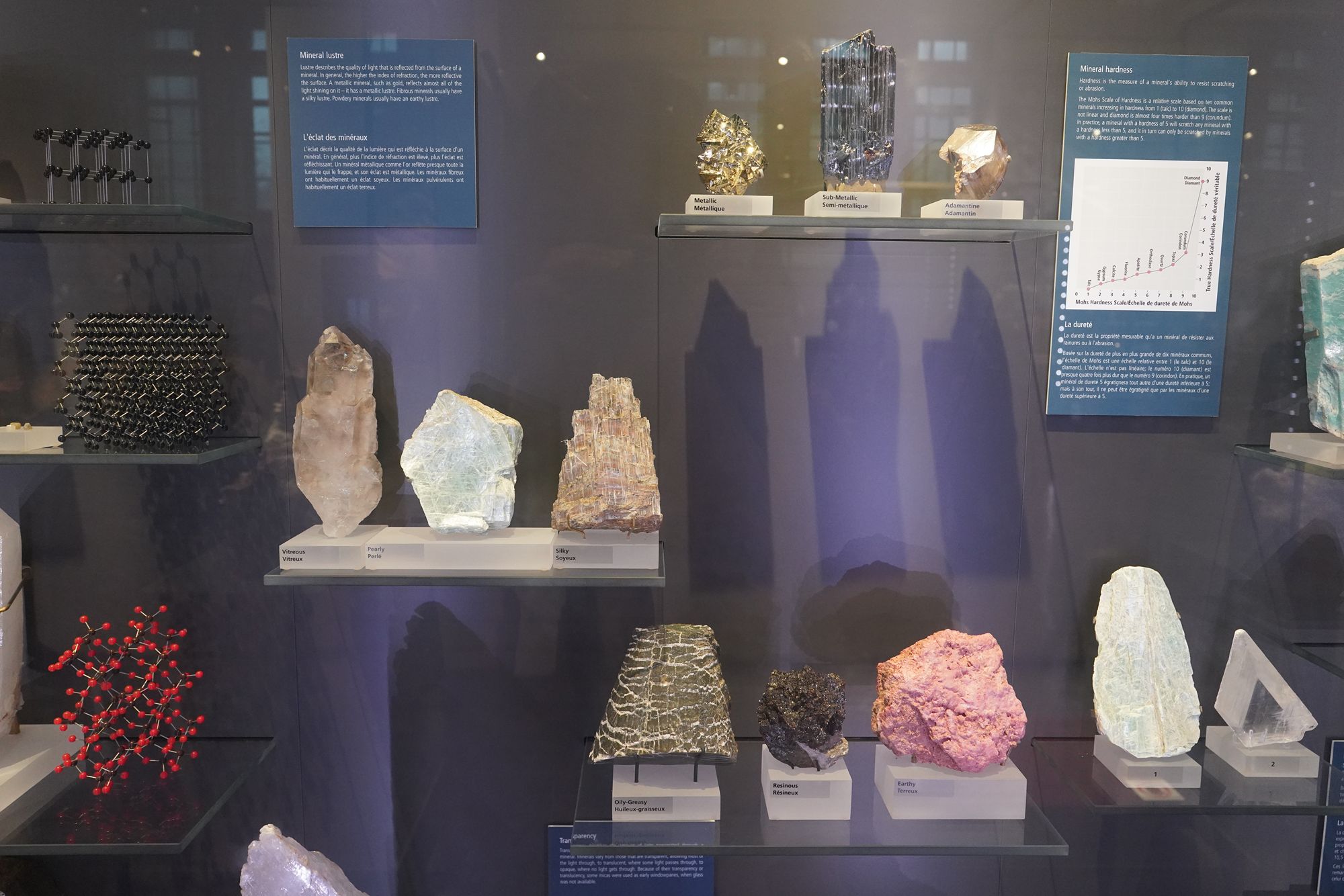
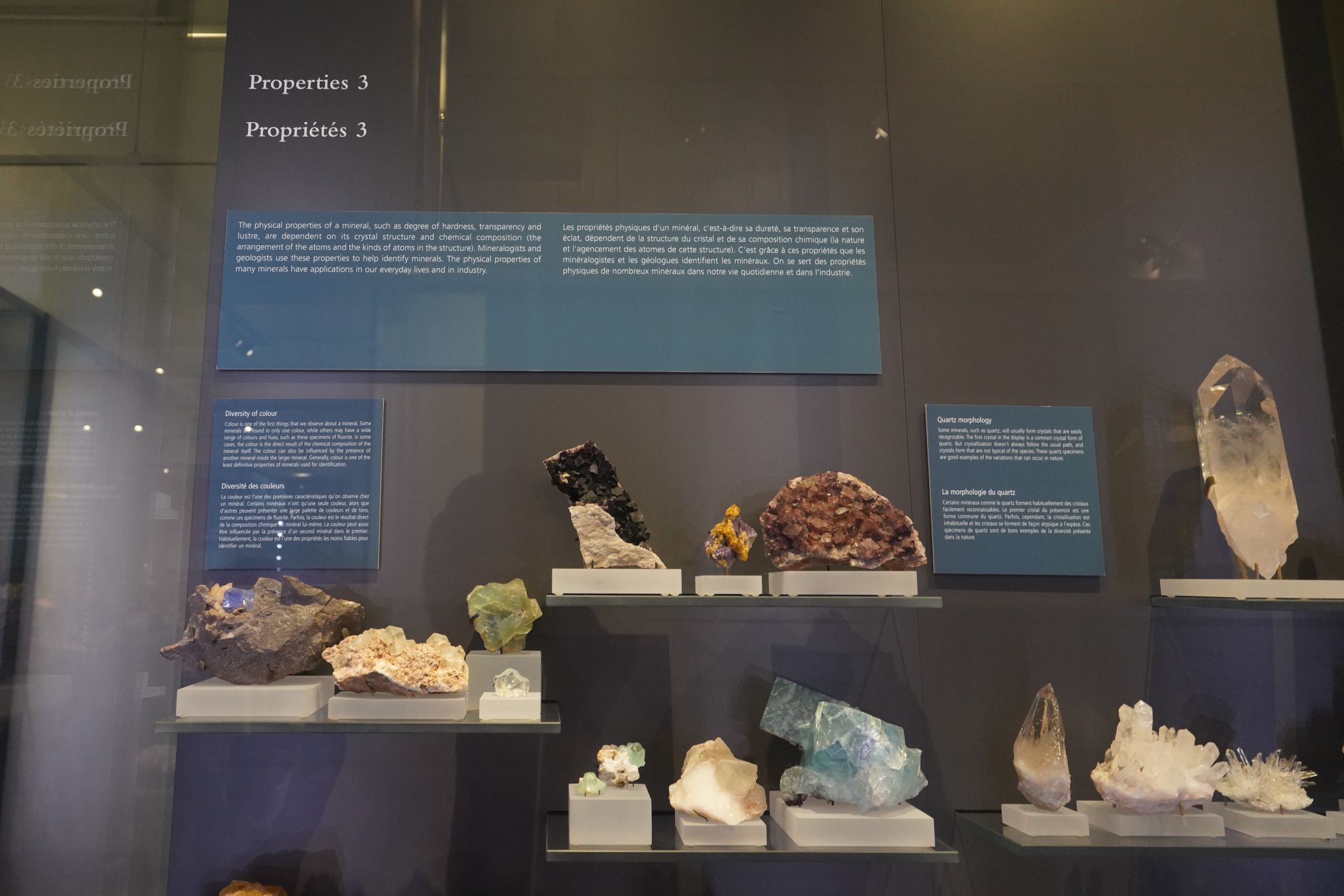
Key Mineral Properties
-
Color – visible surface color
-
Streak – color of the mineral’s powder
-
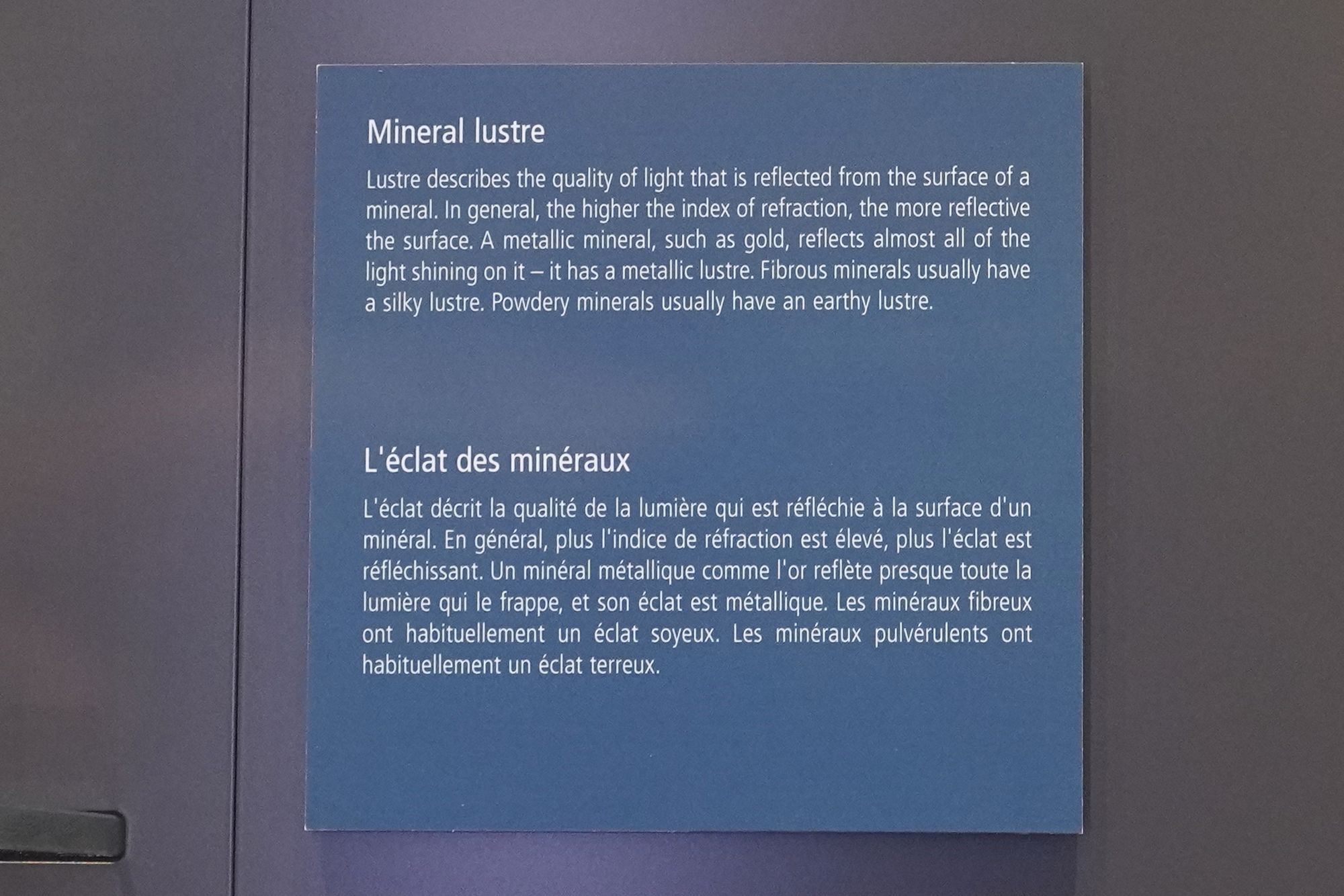
Luster – how light reflects (metallic, vitreous, dull)
-
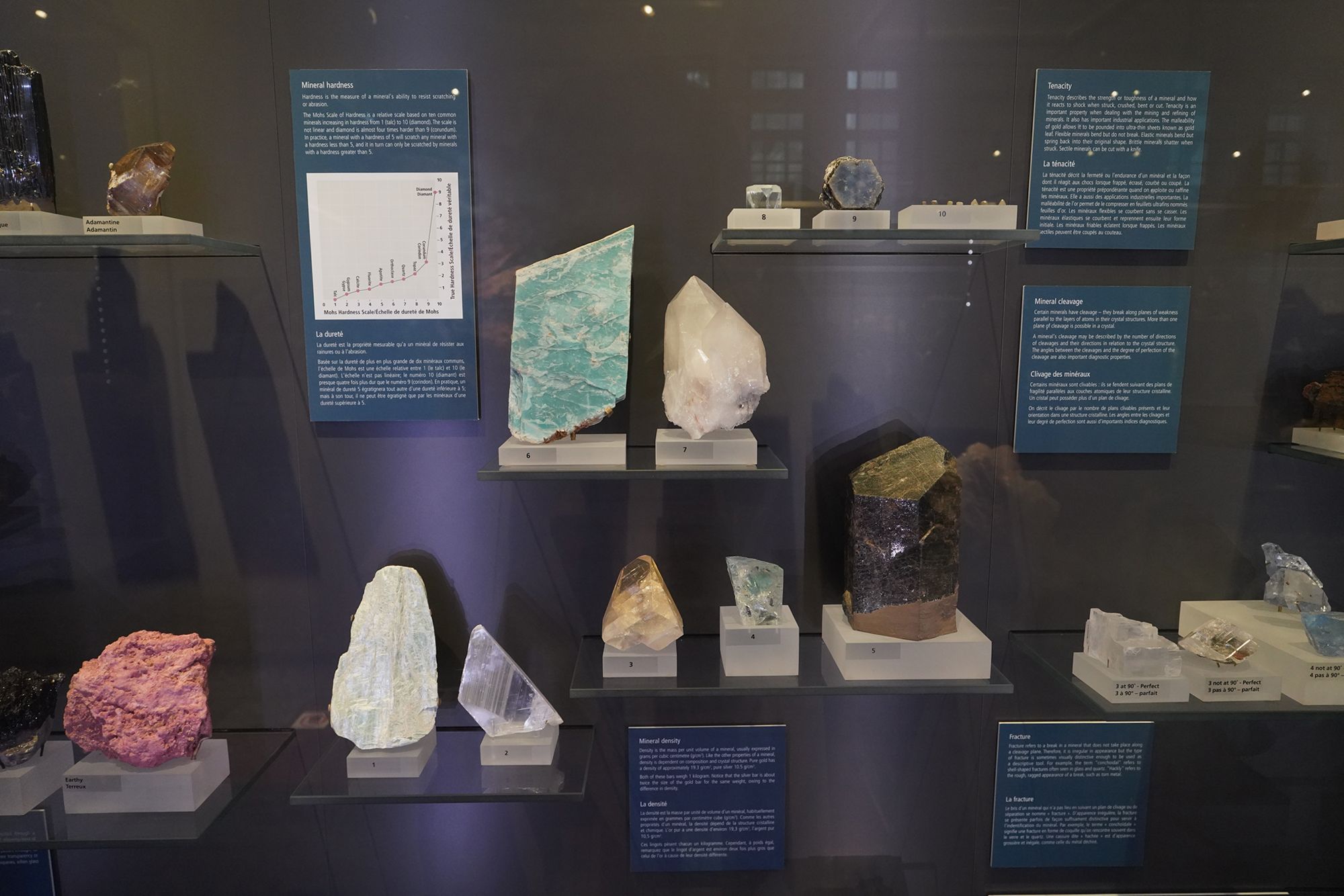
Hardness – resistance to scratching (Mohs scale)
-
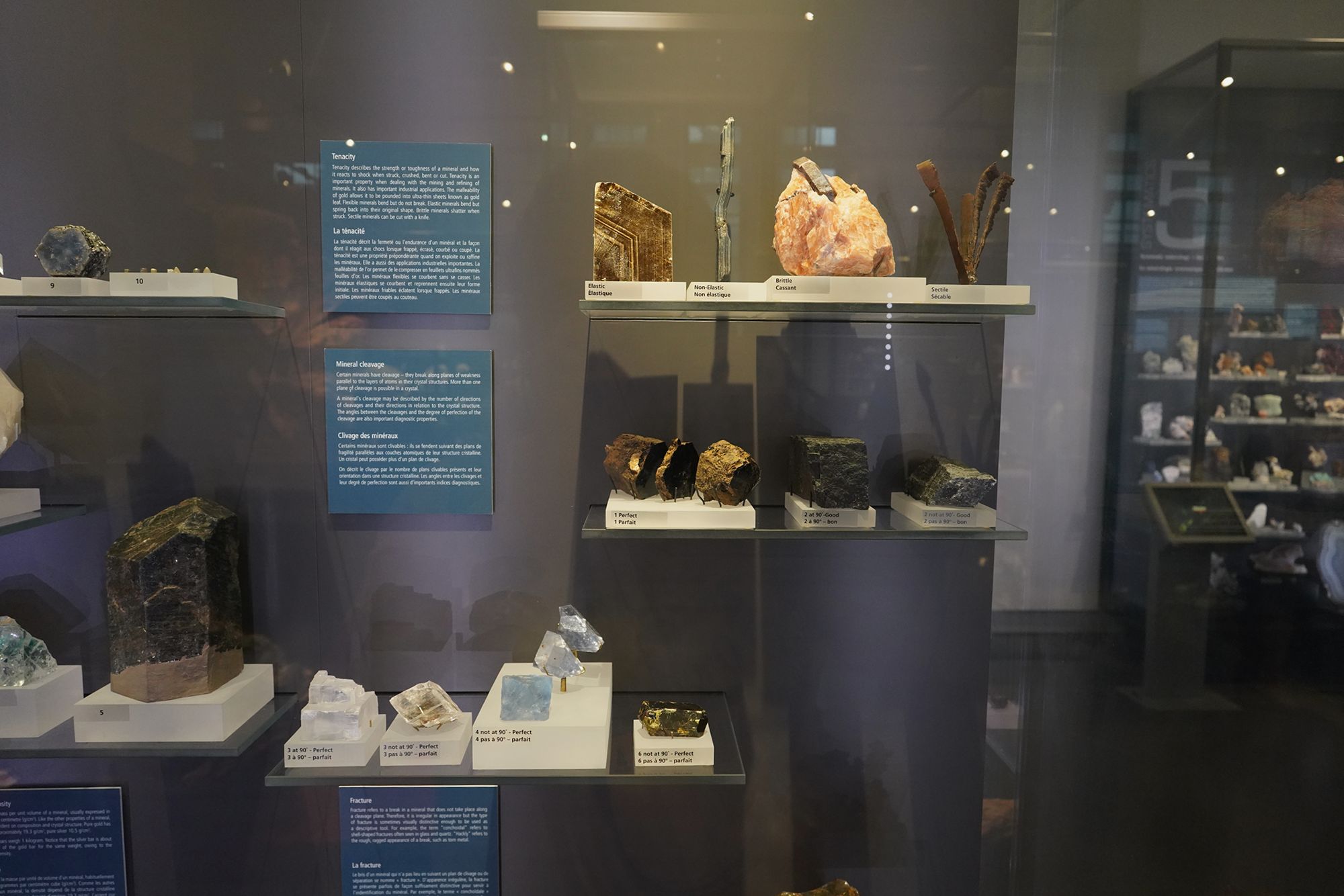
Cleavage – tendency to break along flat planes
-
Parting – breakage along stress-induced planes
-
Habit – typical crystal growth shape
-
Tenacity – resistance to breaking (brittle, malleable, elastic)
-
Specific Gravity – relative density
-
Fusibility – ability to melt under heat
-
Acid Reaction – response to acids (e.g., calcite fizzing)
-
Luminescence – glowing under UV light
-
Magnetism – attraction to a magnet
-
Radioactivity – emission of radiation
Properties 1
Properties 2
Properties 3
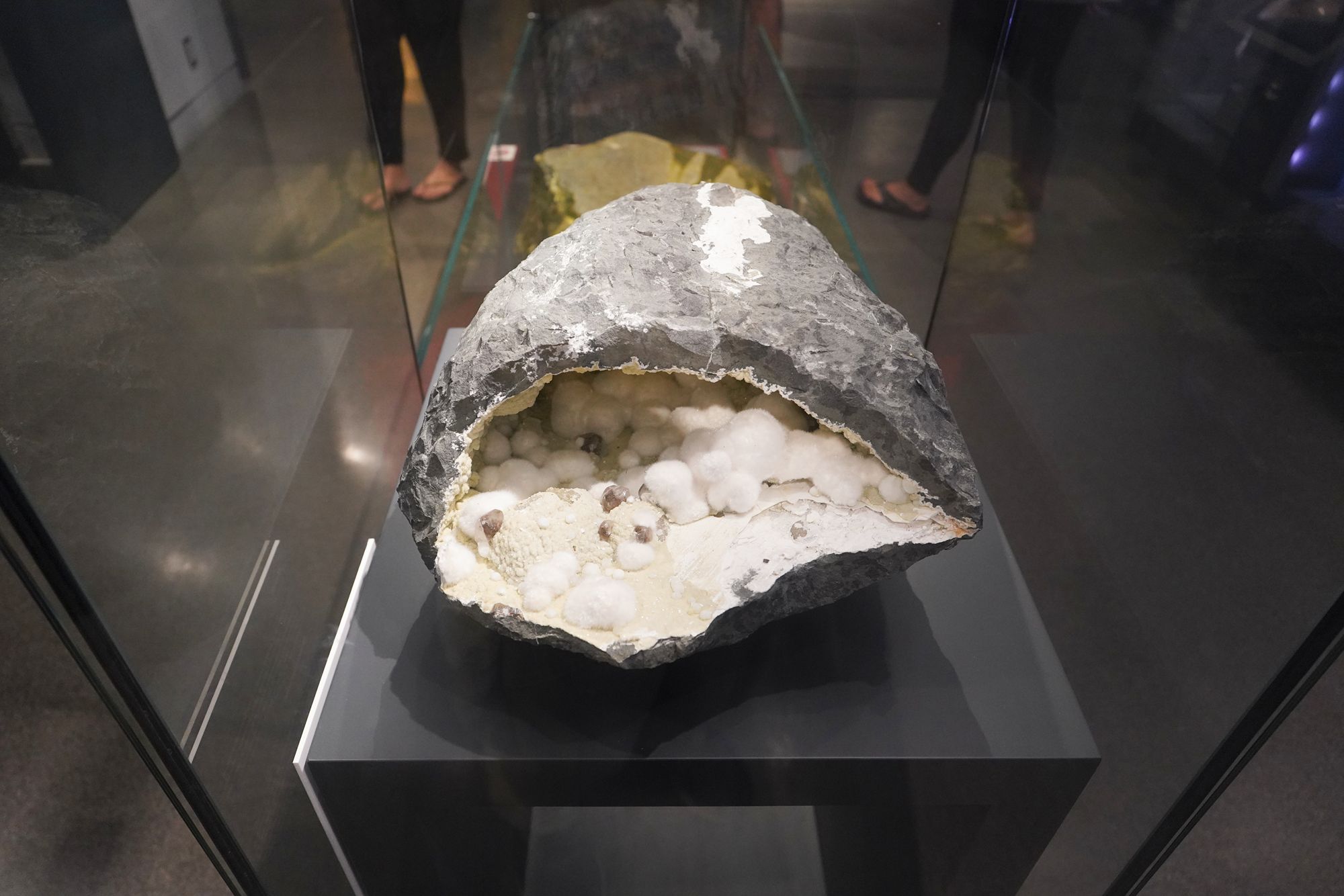
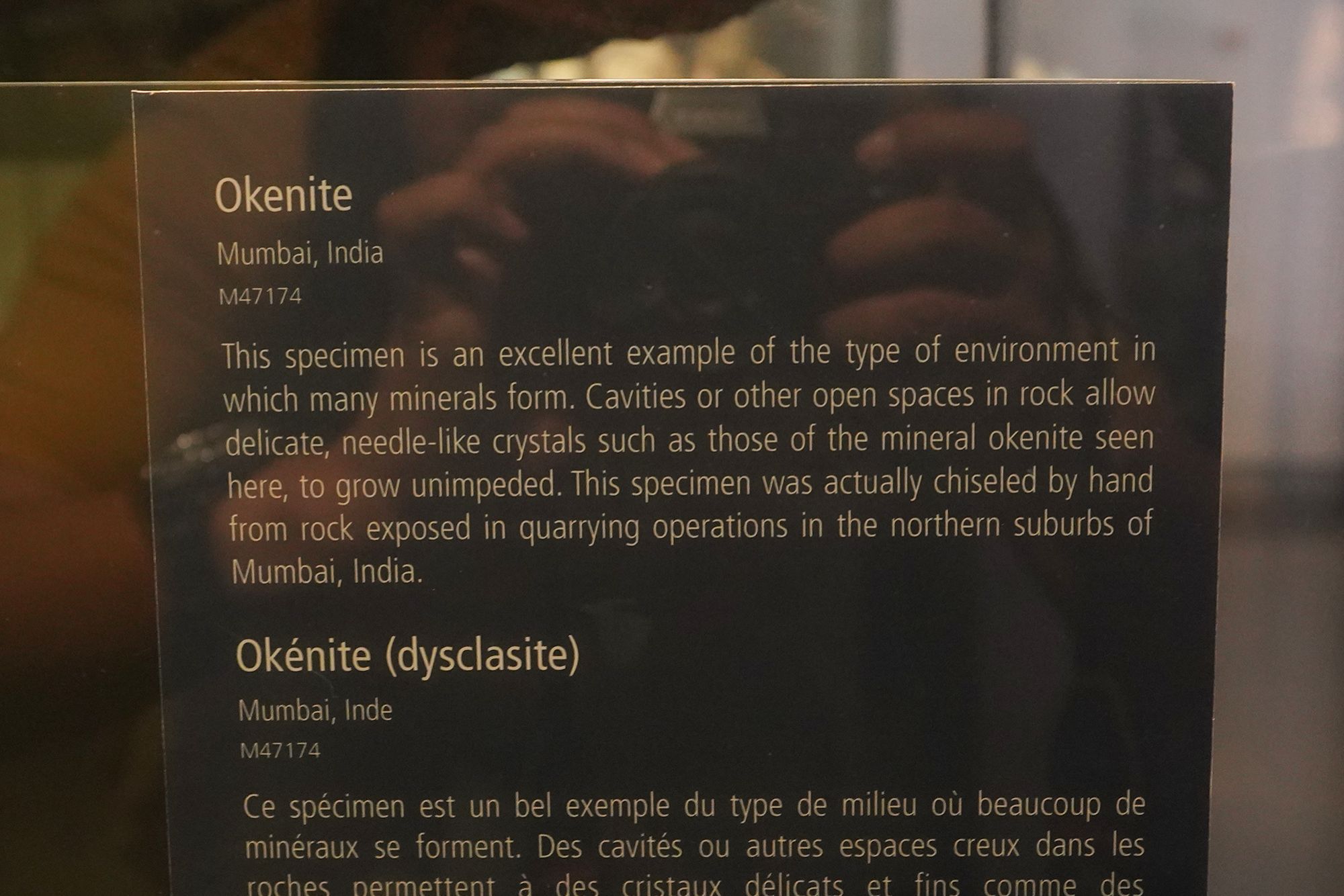
Okenite is a hydrated calcium silicate mineral known for its striking, white, cotton-ball–like crystal clusters.
It forms in volcanic basalt cavities, is very soft and fragile, and is prized by collectors for its unusual texture rather than durability.
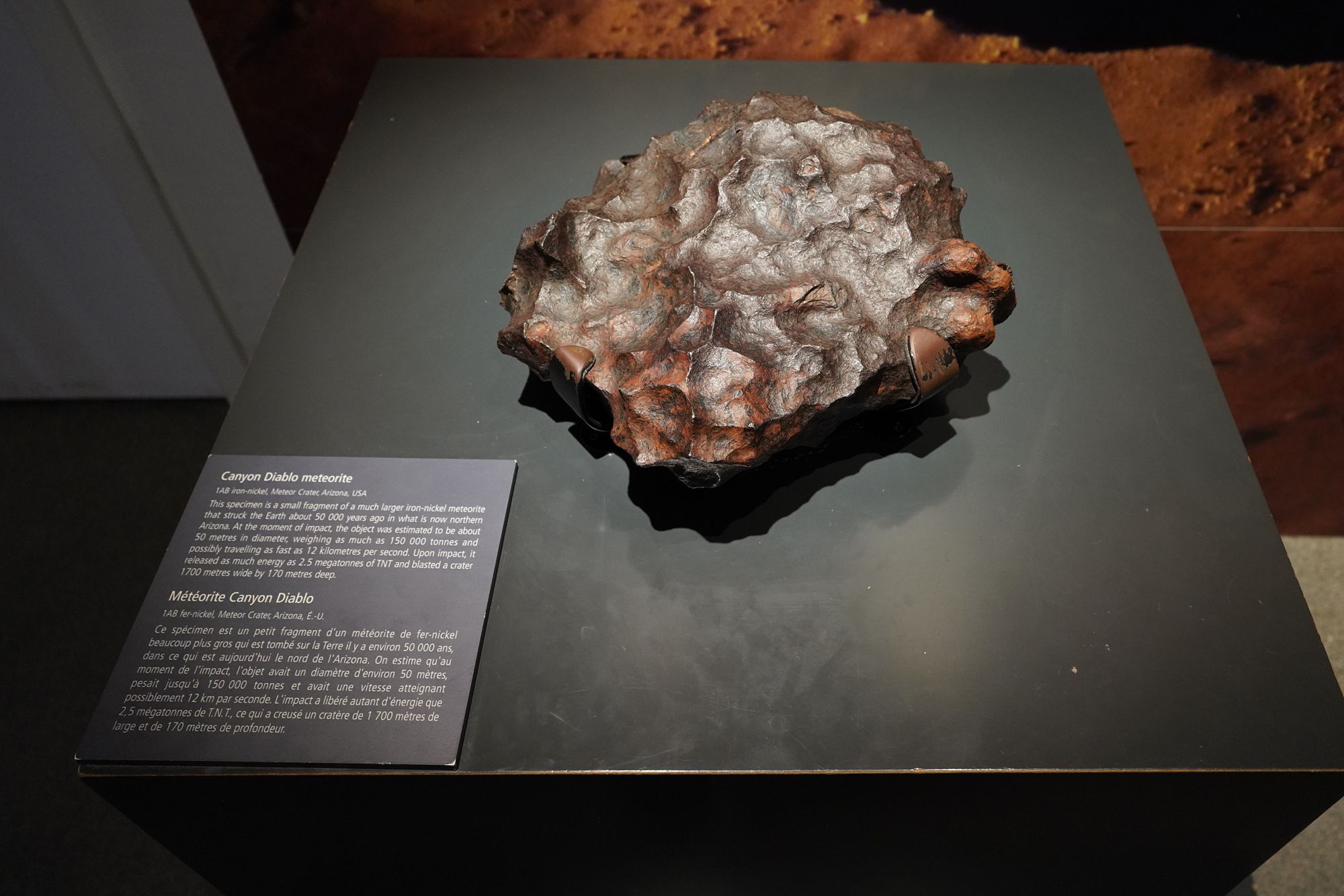
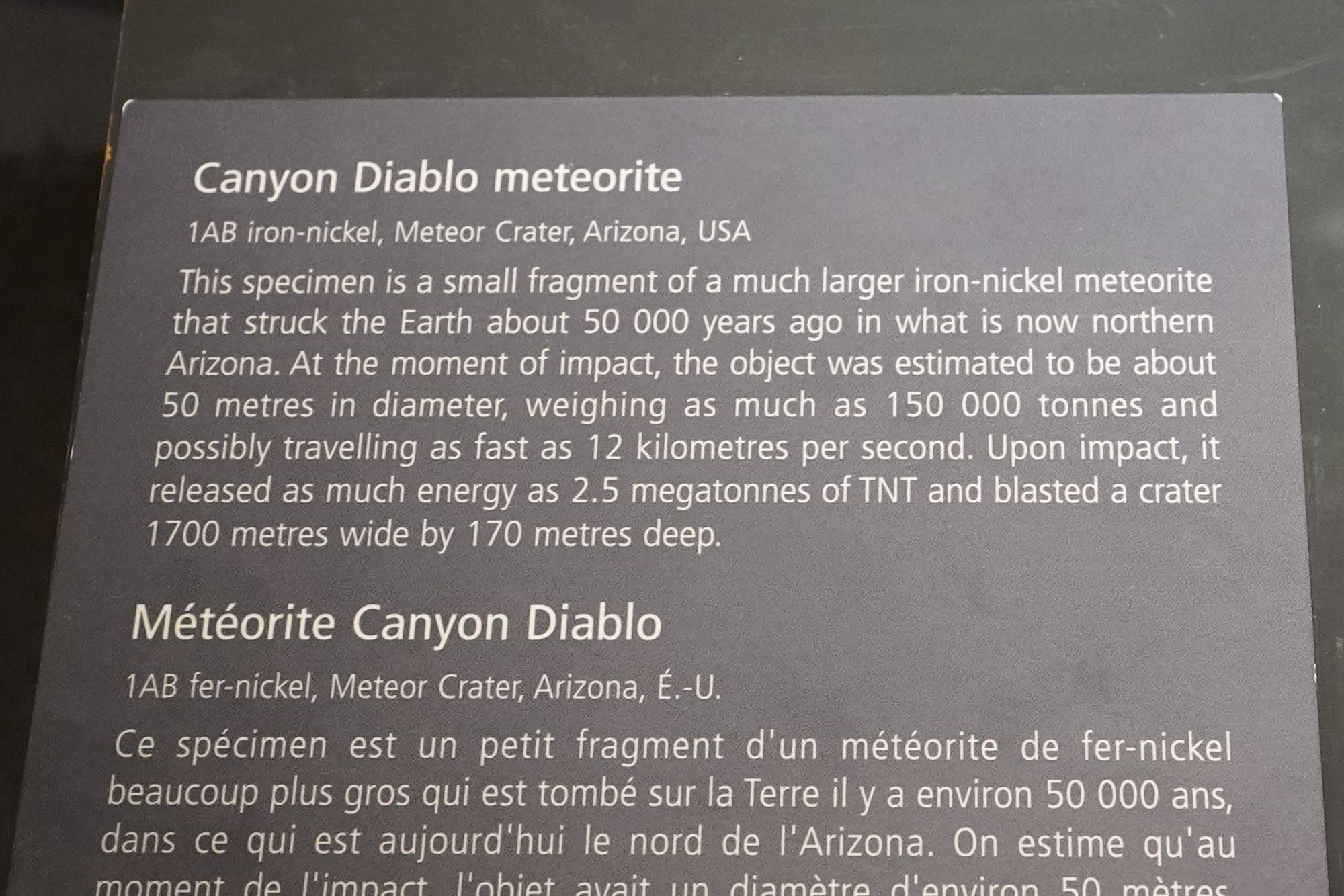
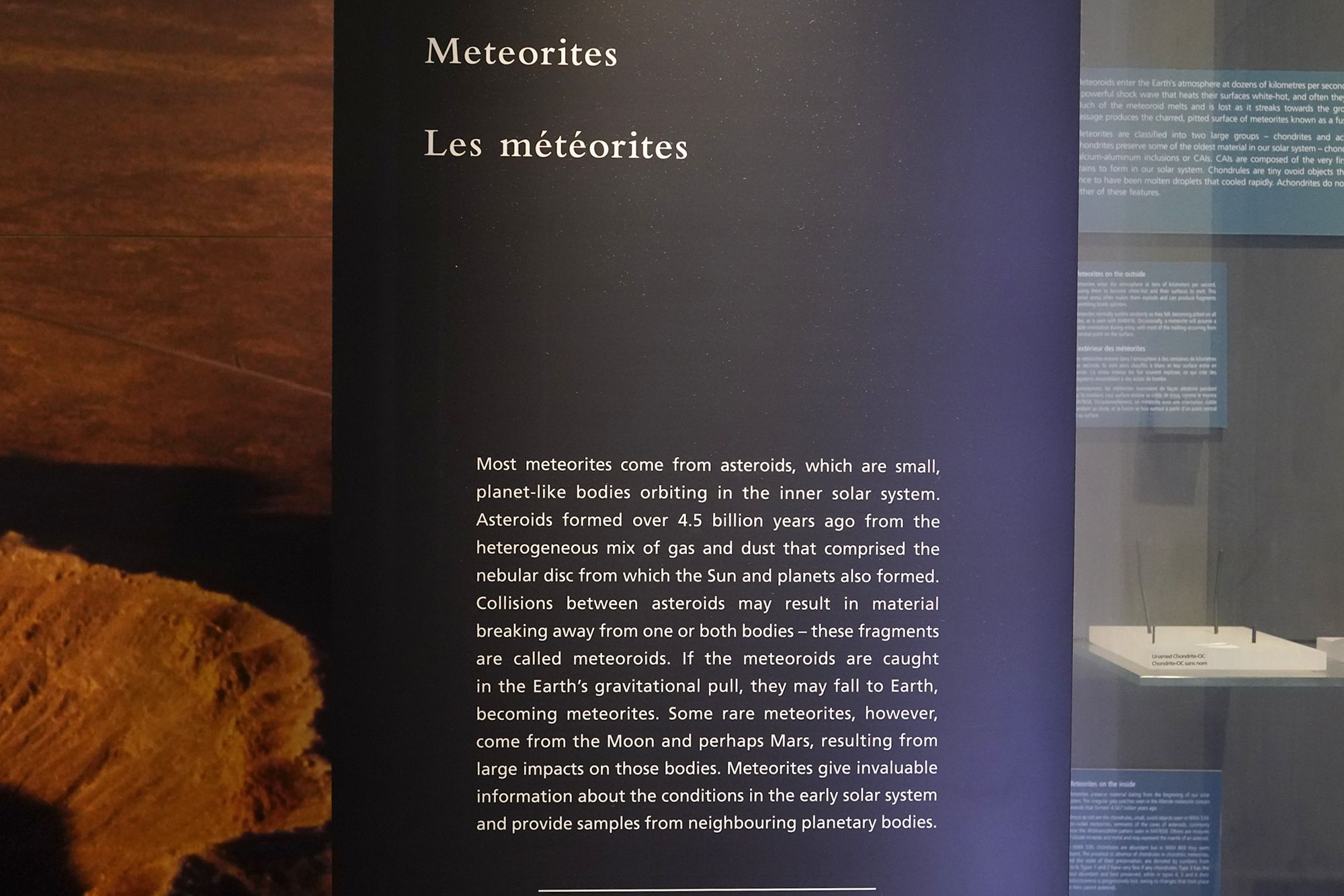
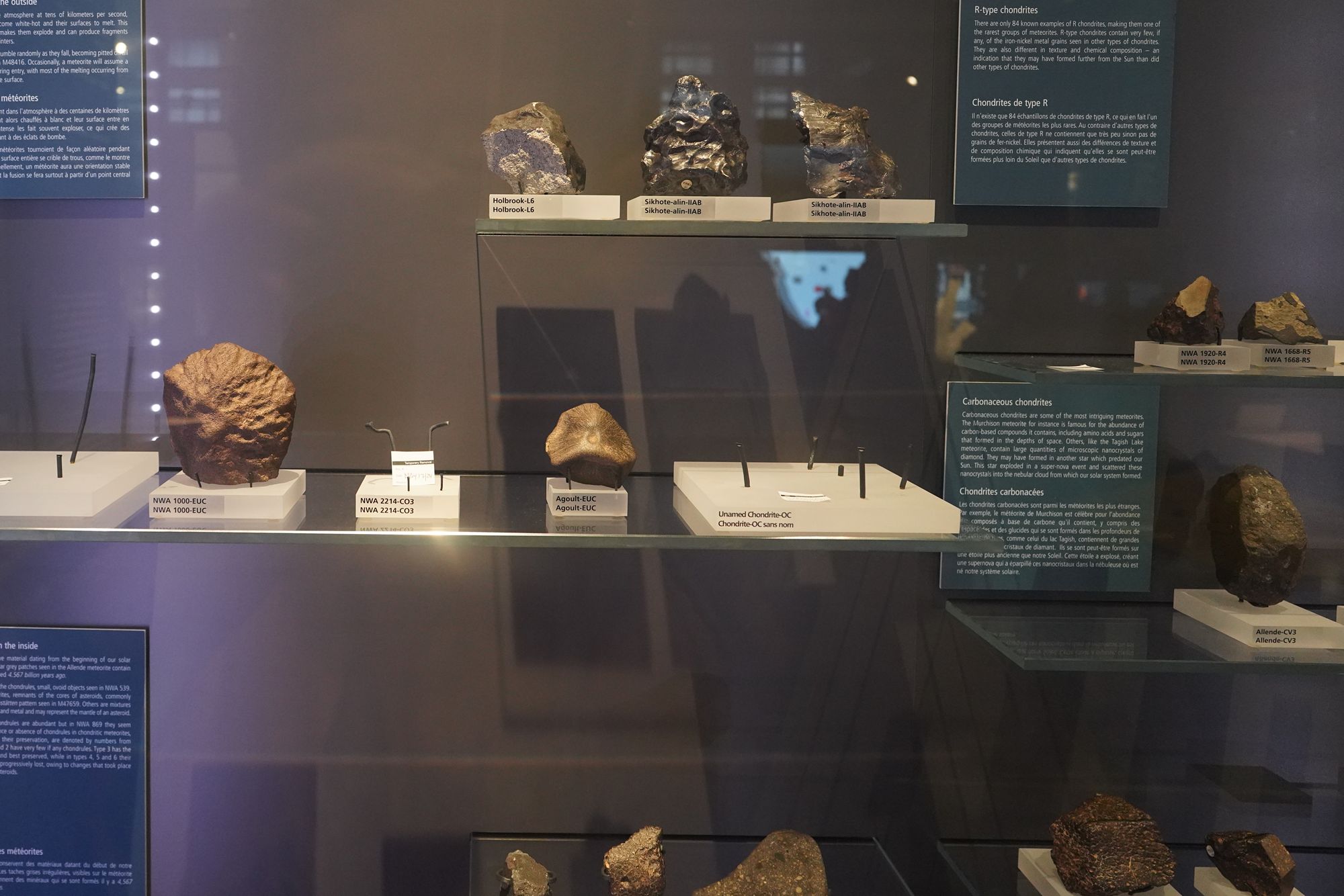
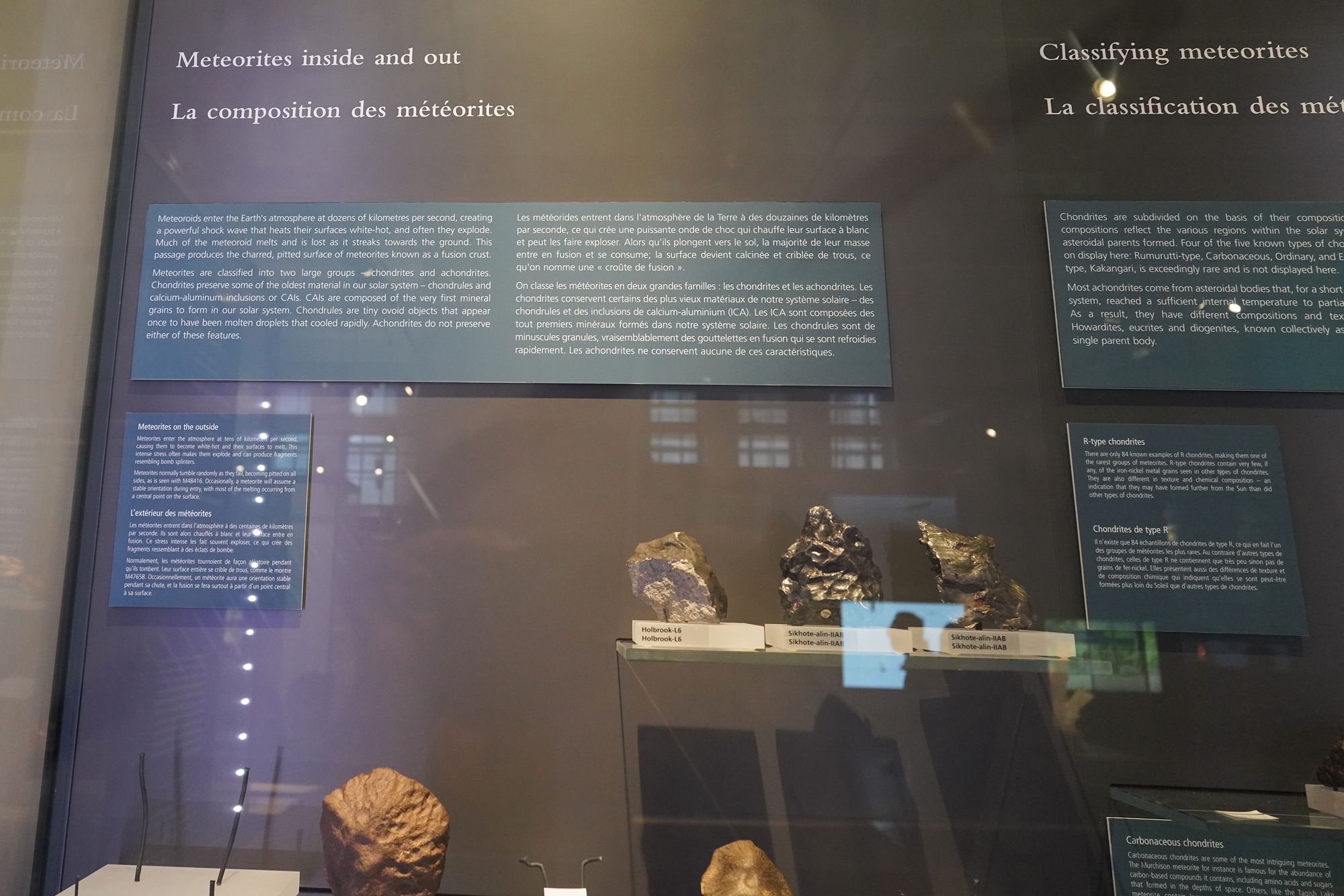
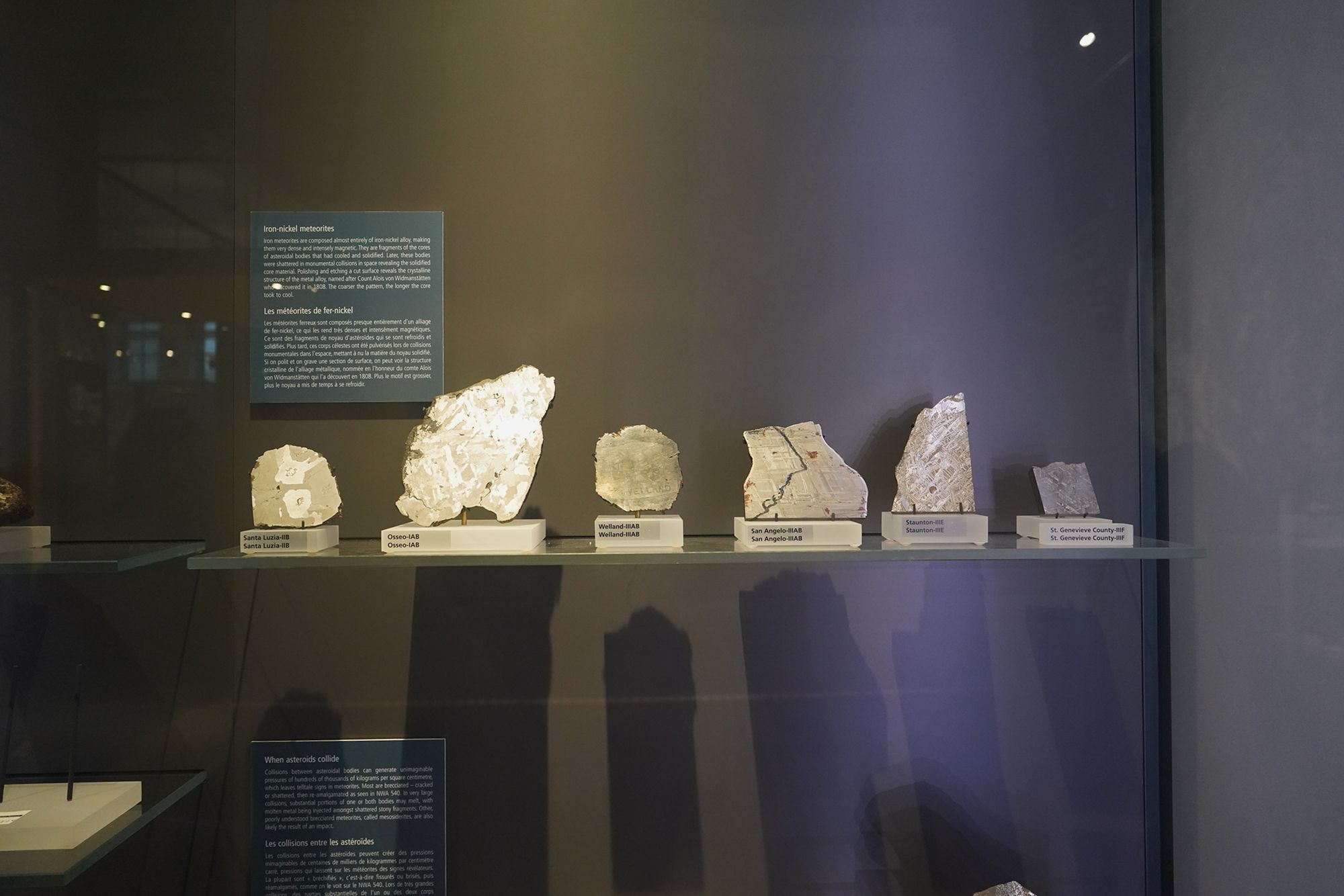
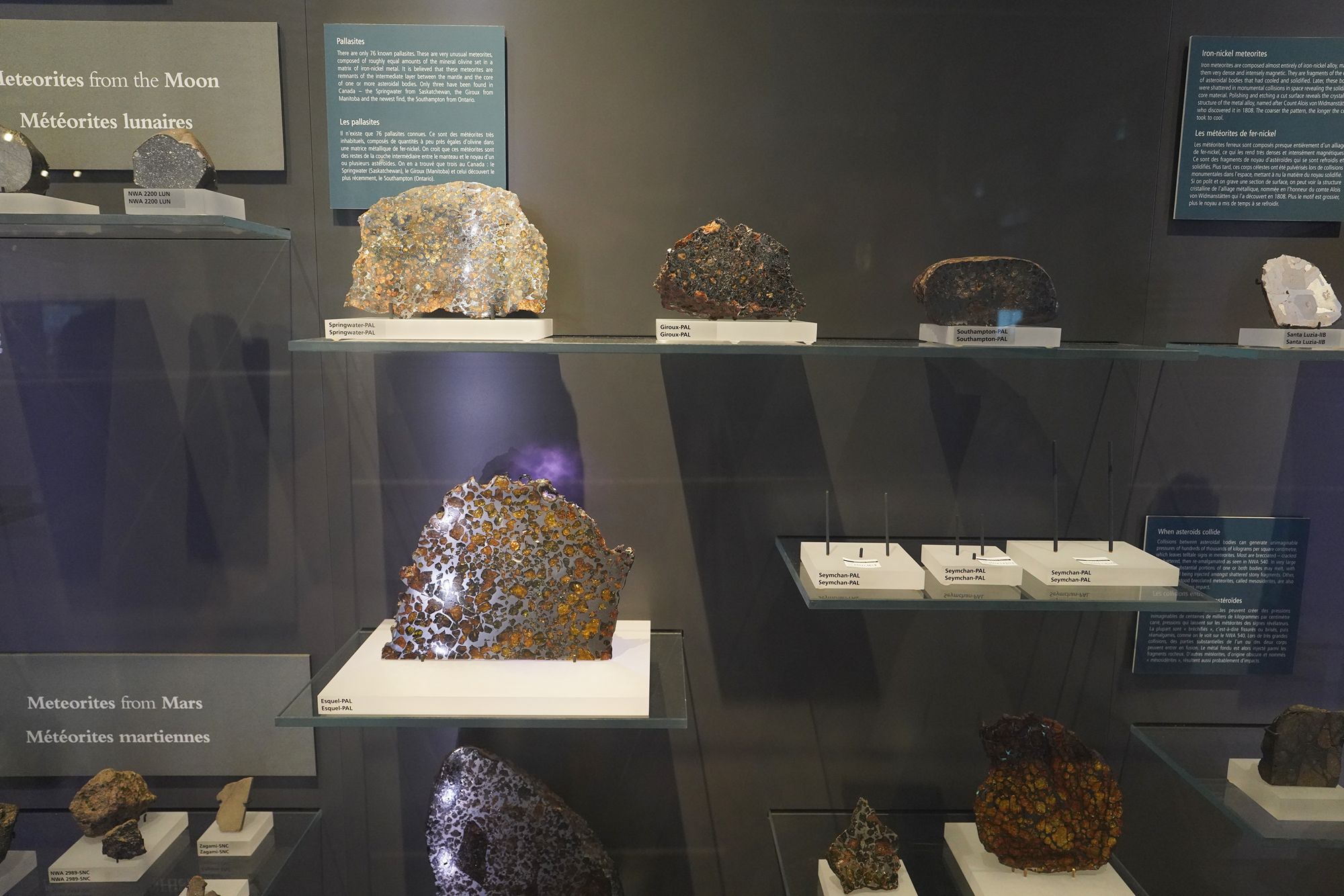
A meteorite is a solid fragment of rock or metal from space that survives its passage through Earth’s atmosphere and lands on the surface.
Meteorites usually originate from asteroids, and less commonly from the Moon or Mars, providing valuable clues about the early solar system.
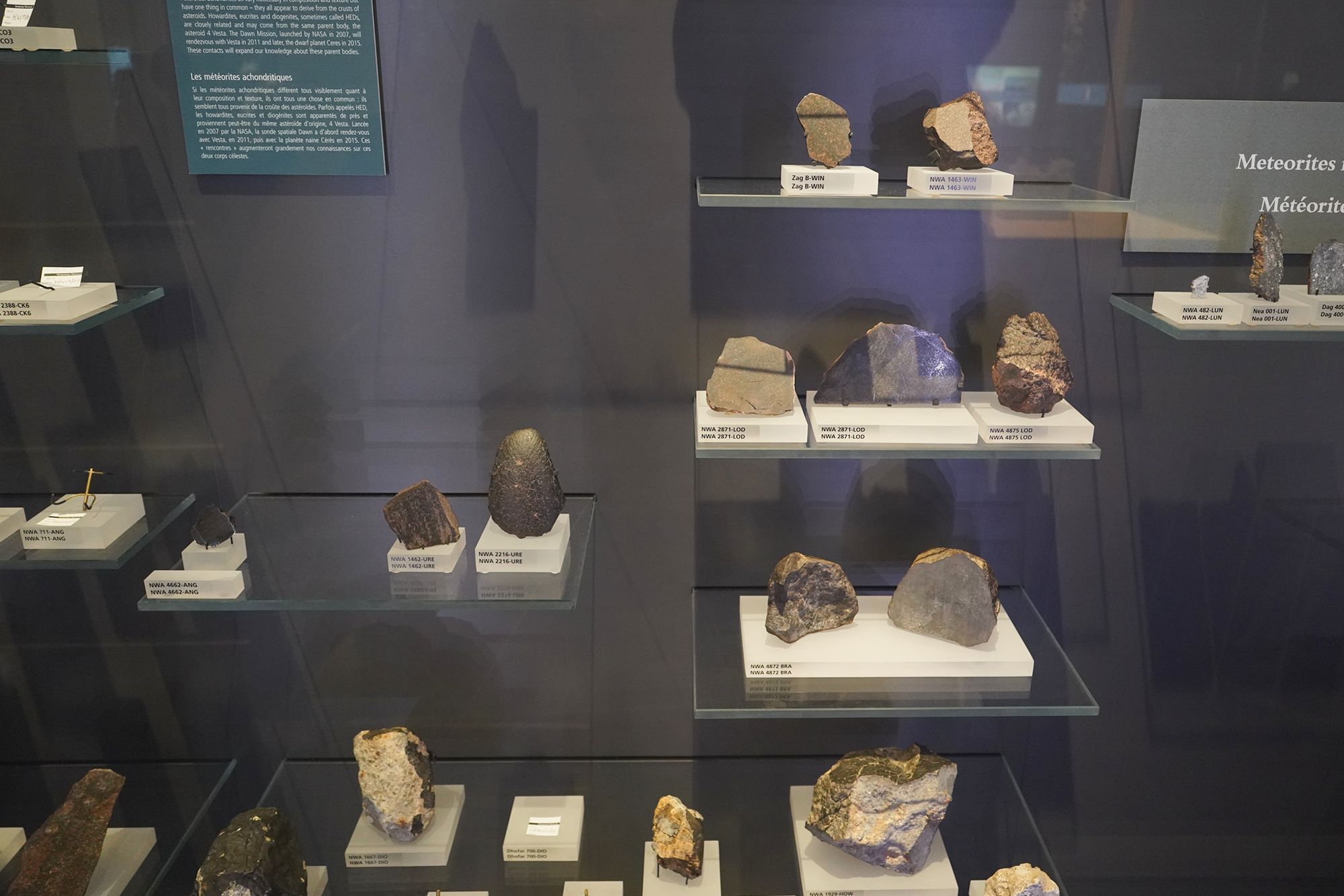
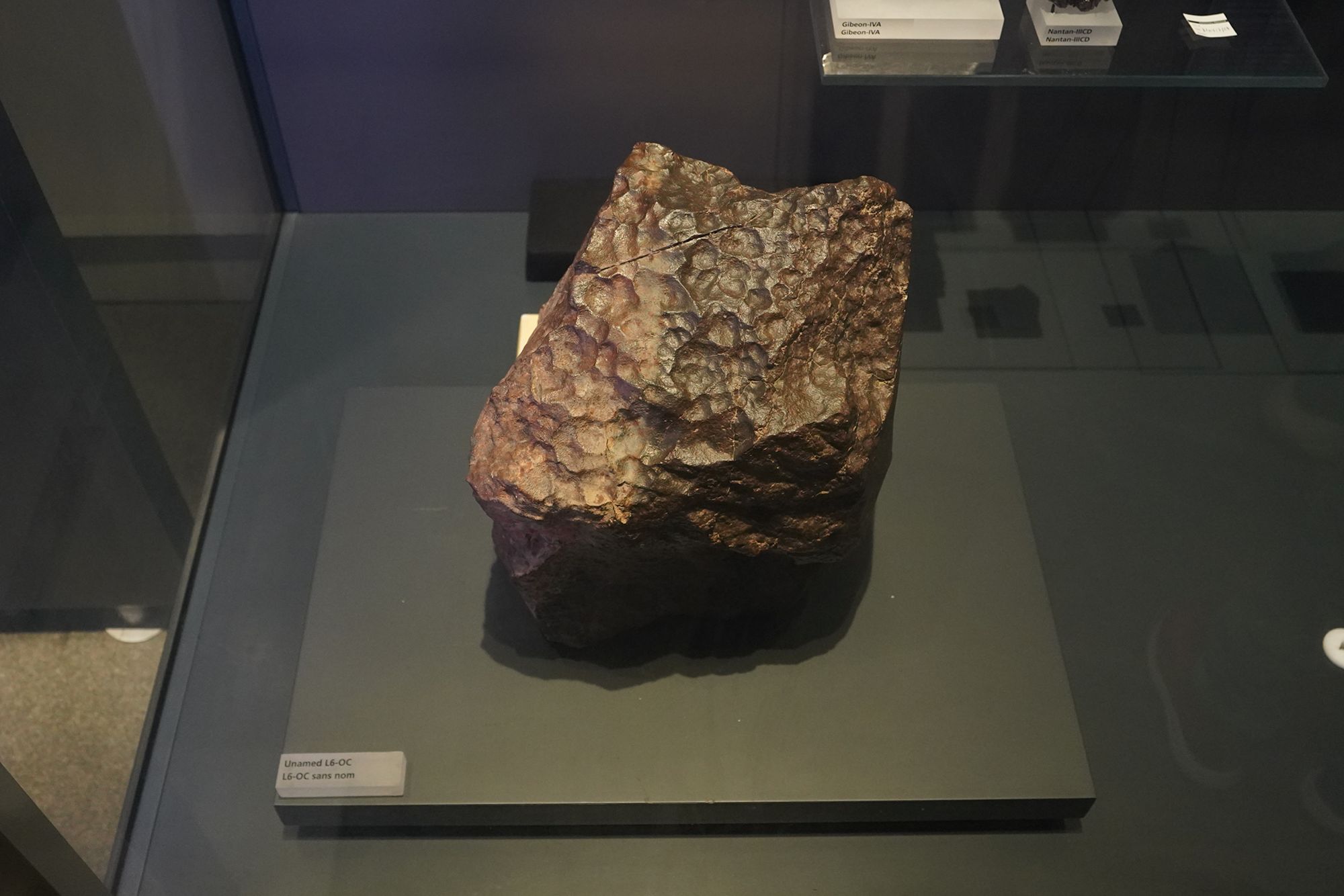
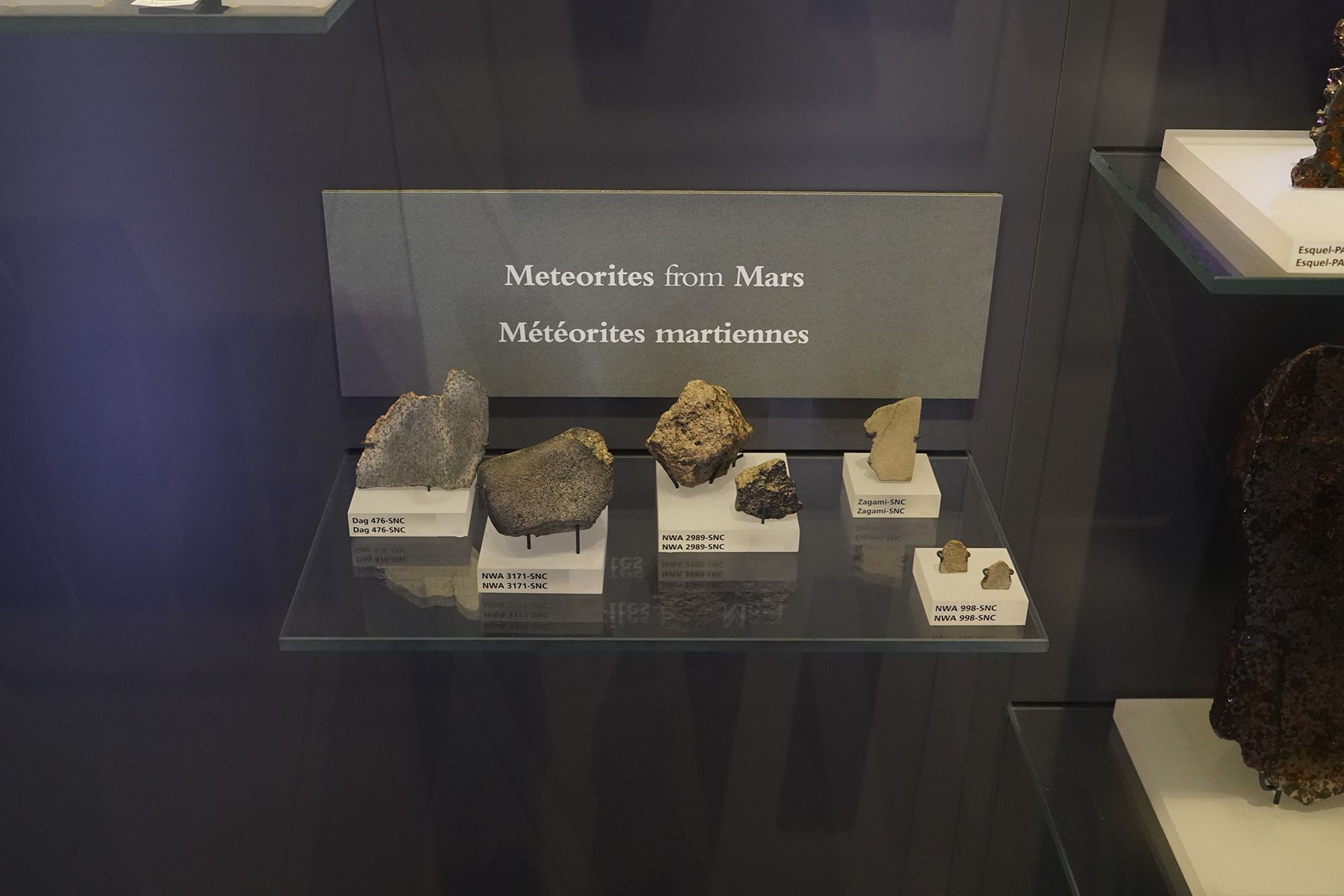
Meteorites from Mars
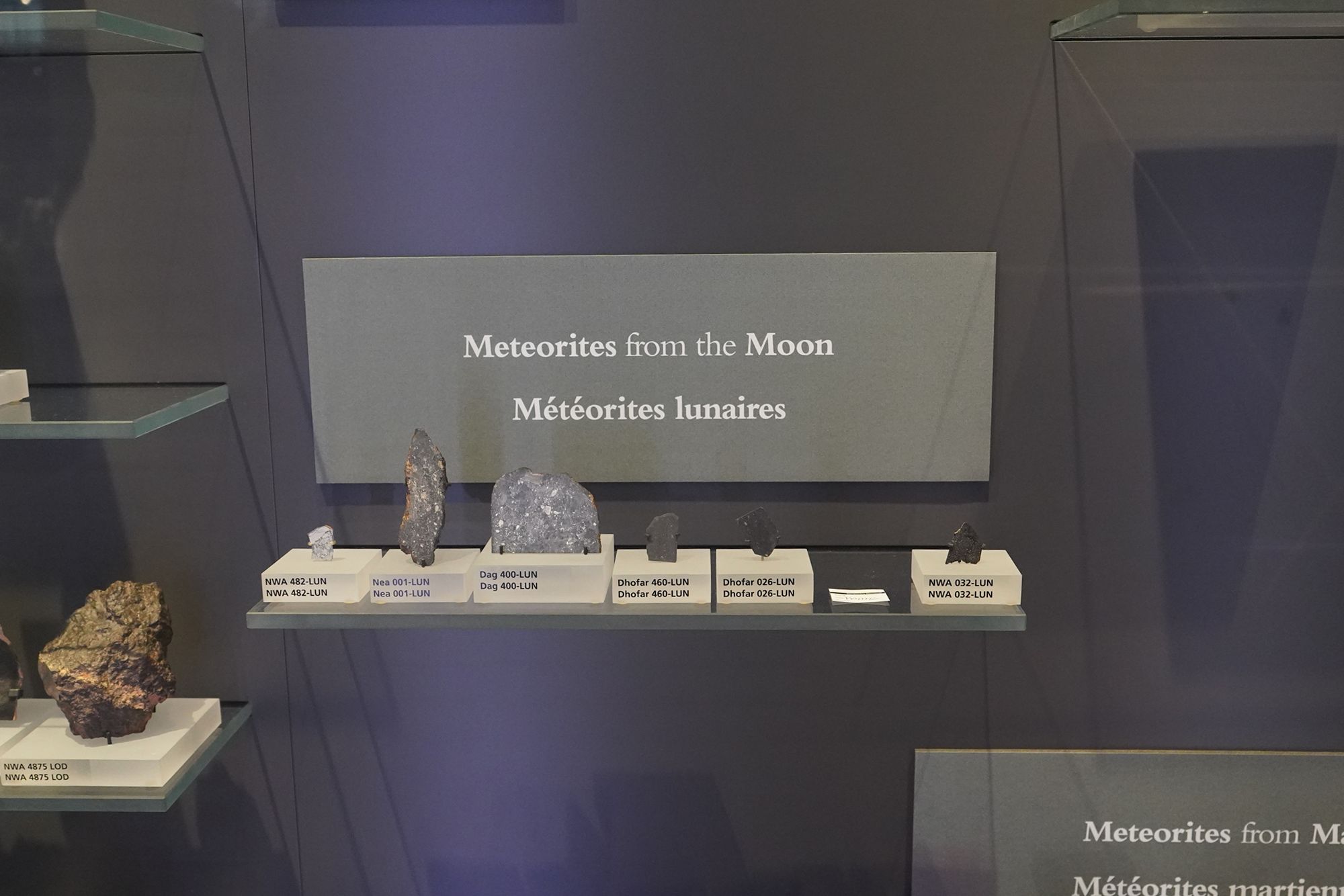
Meteorites from the Moon

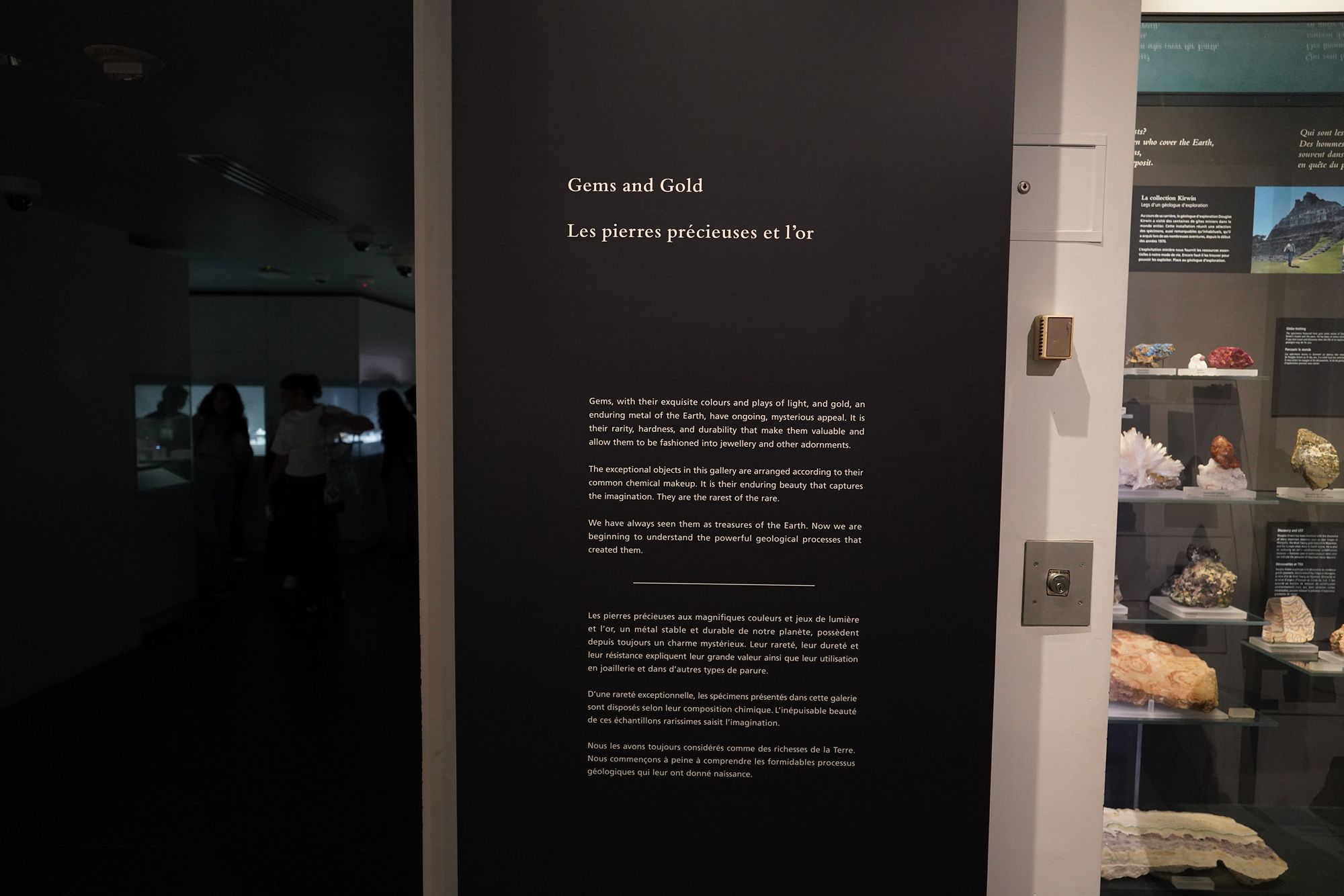
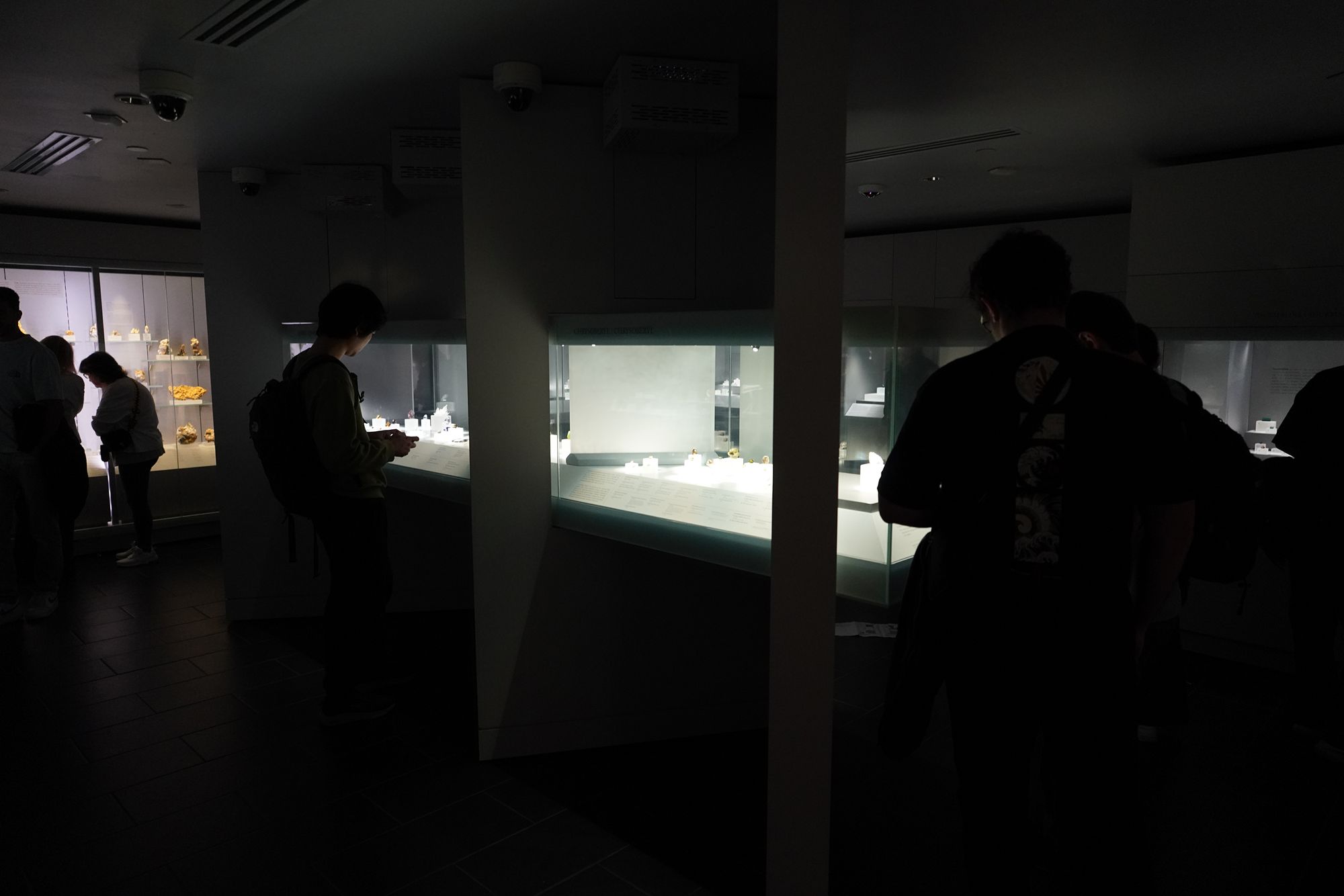
Gems and Gold
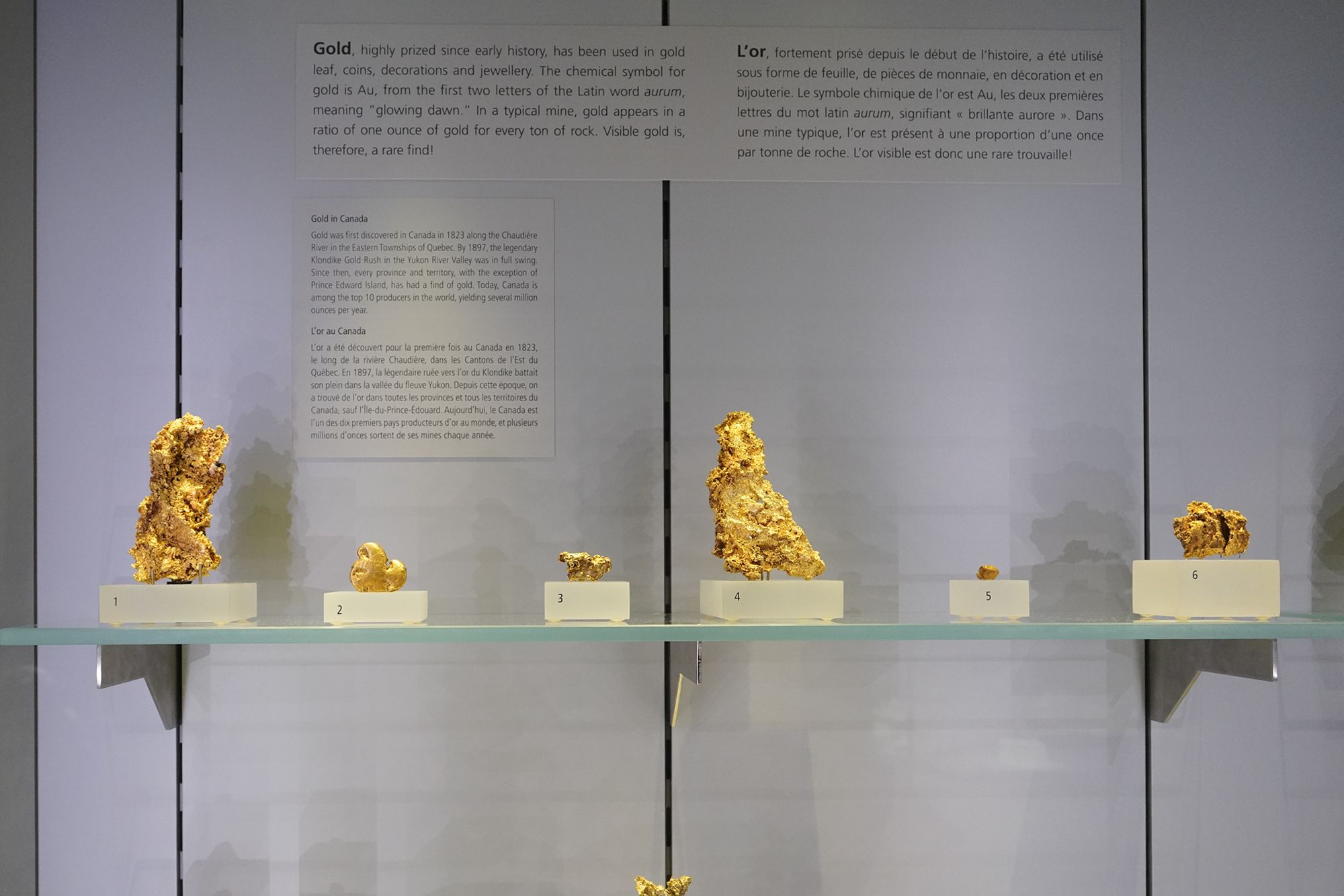
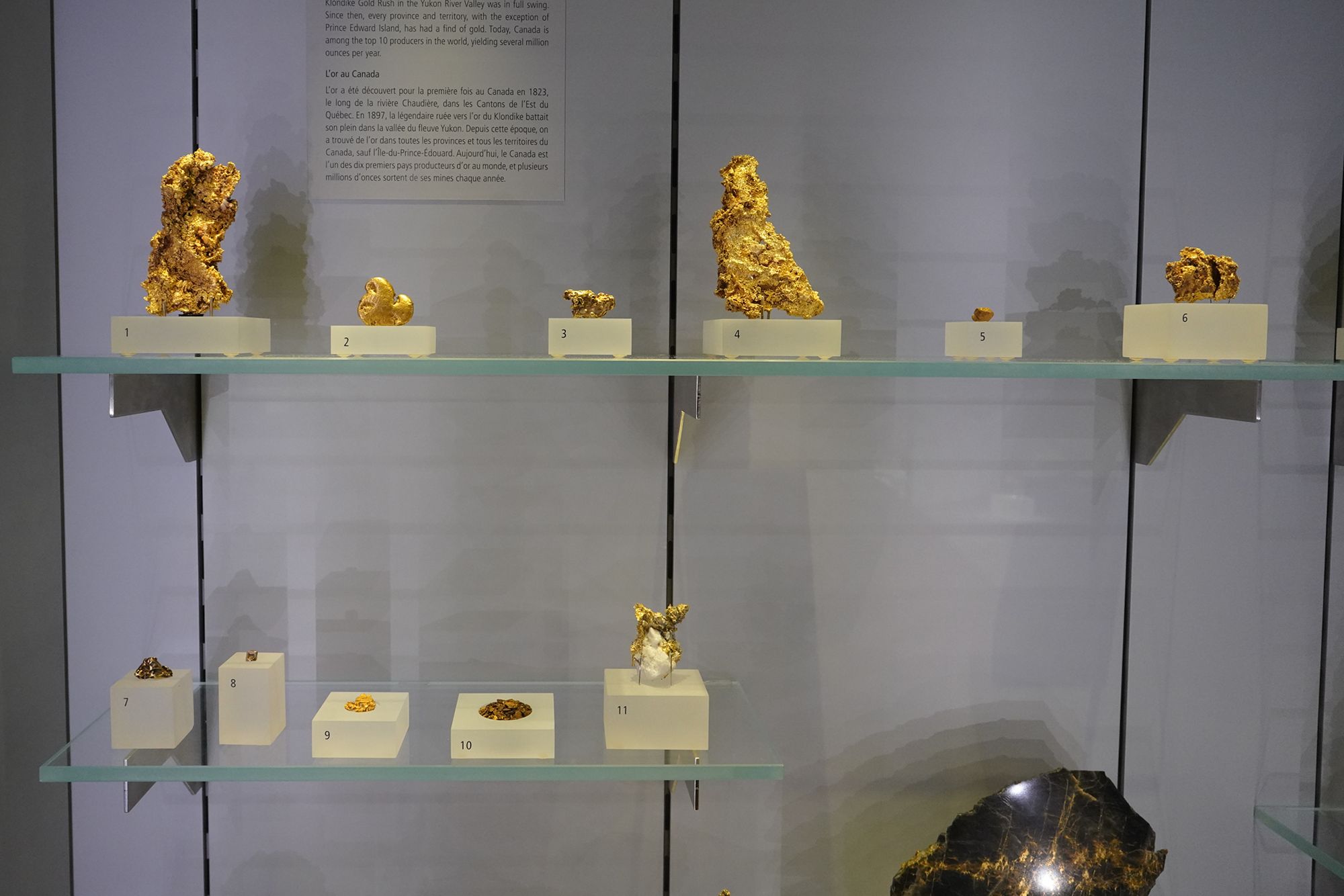
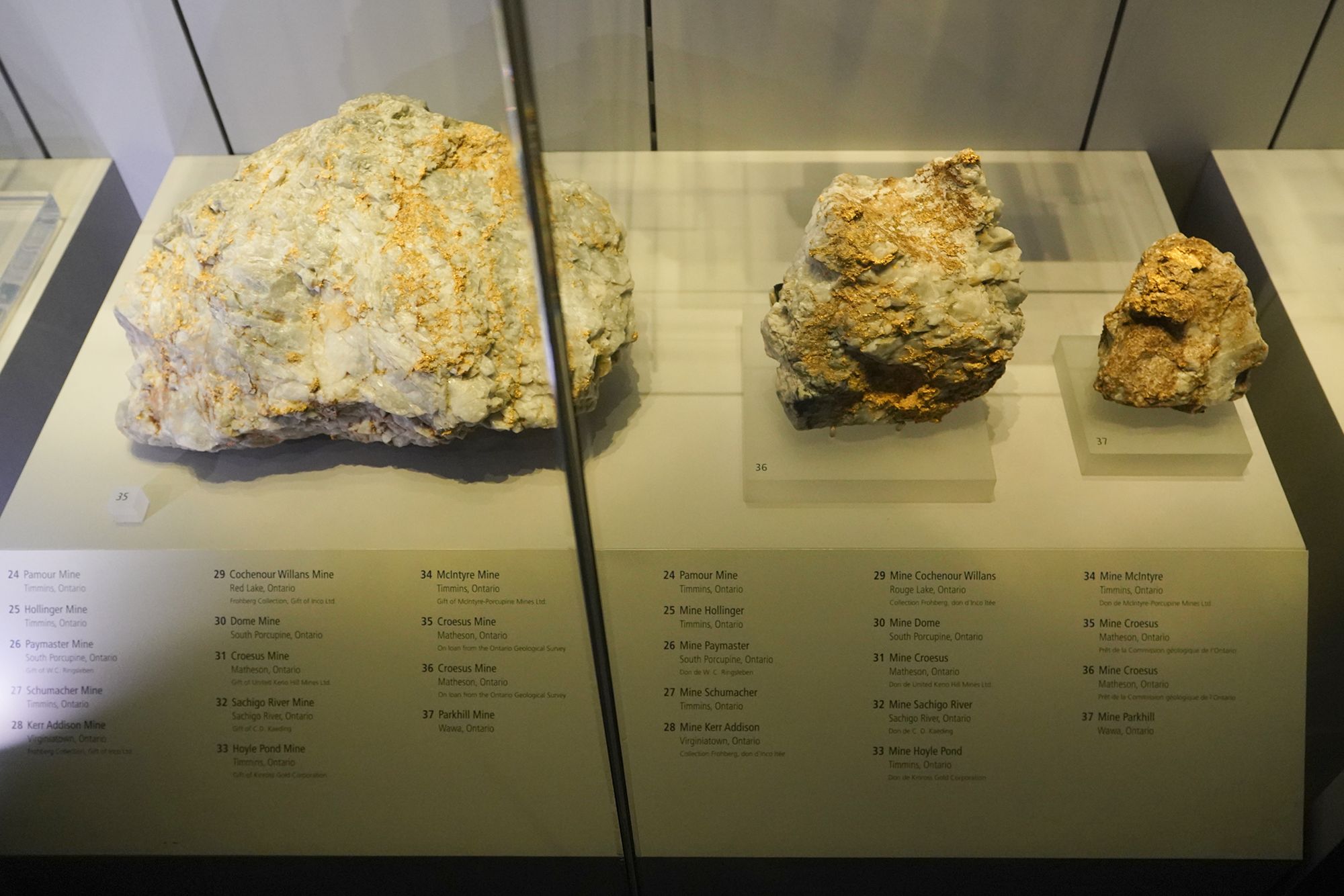
Gold
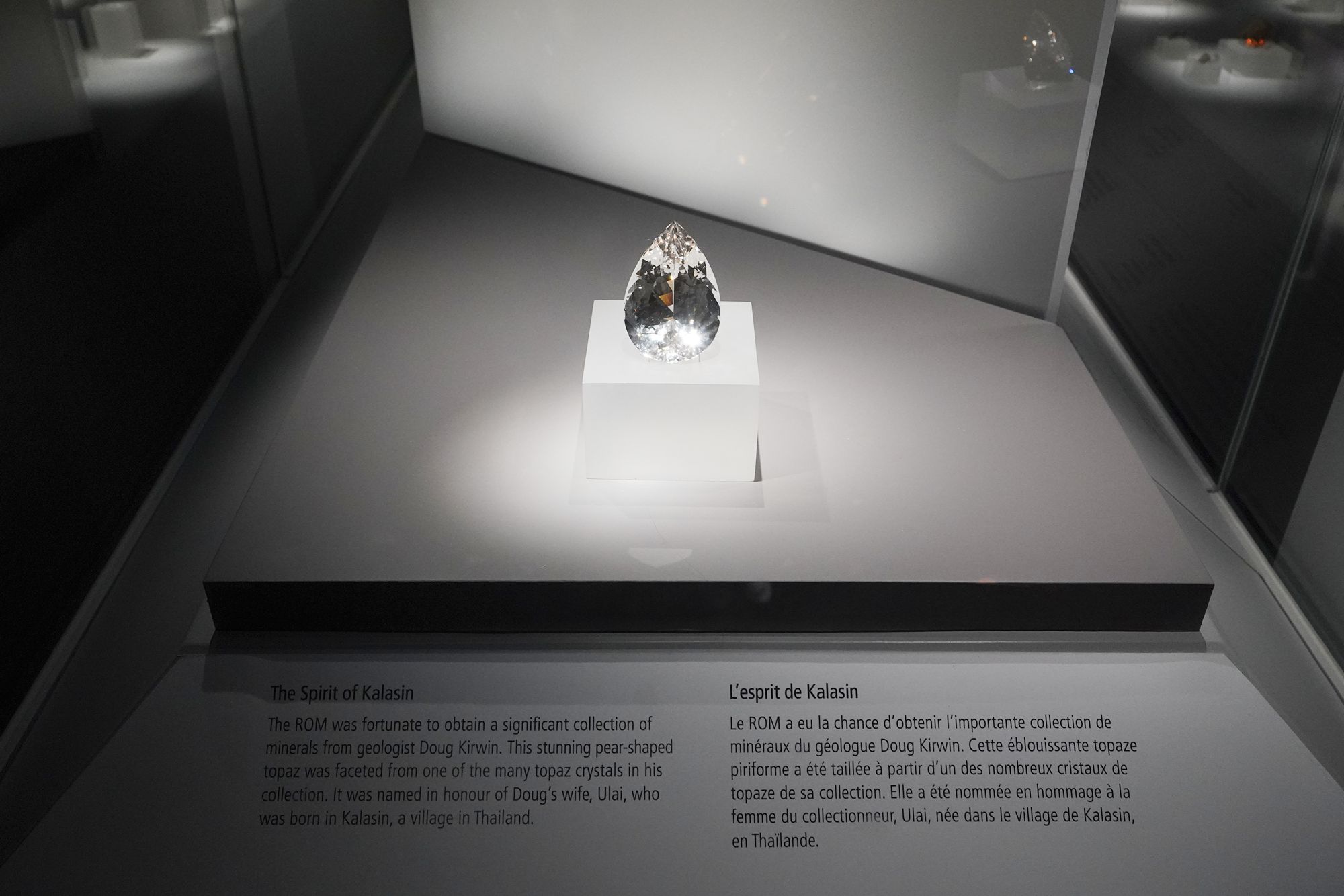
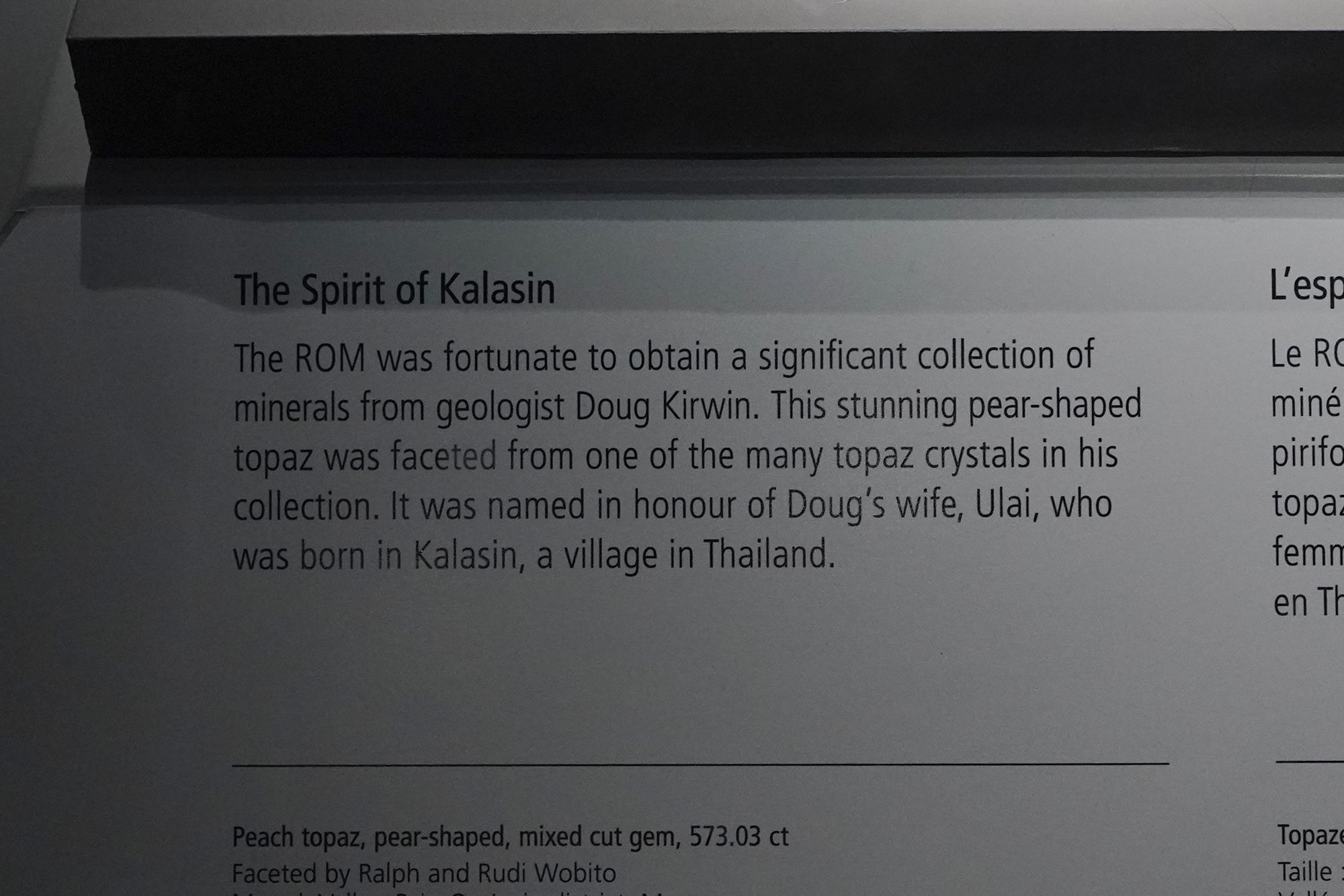
The Spirit of Kalasin – Topaz
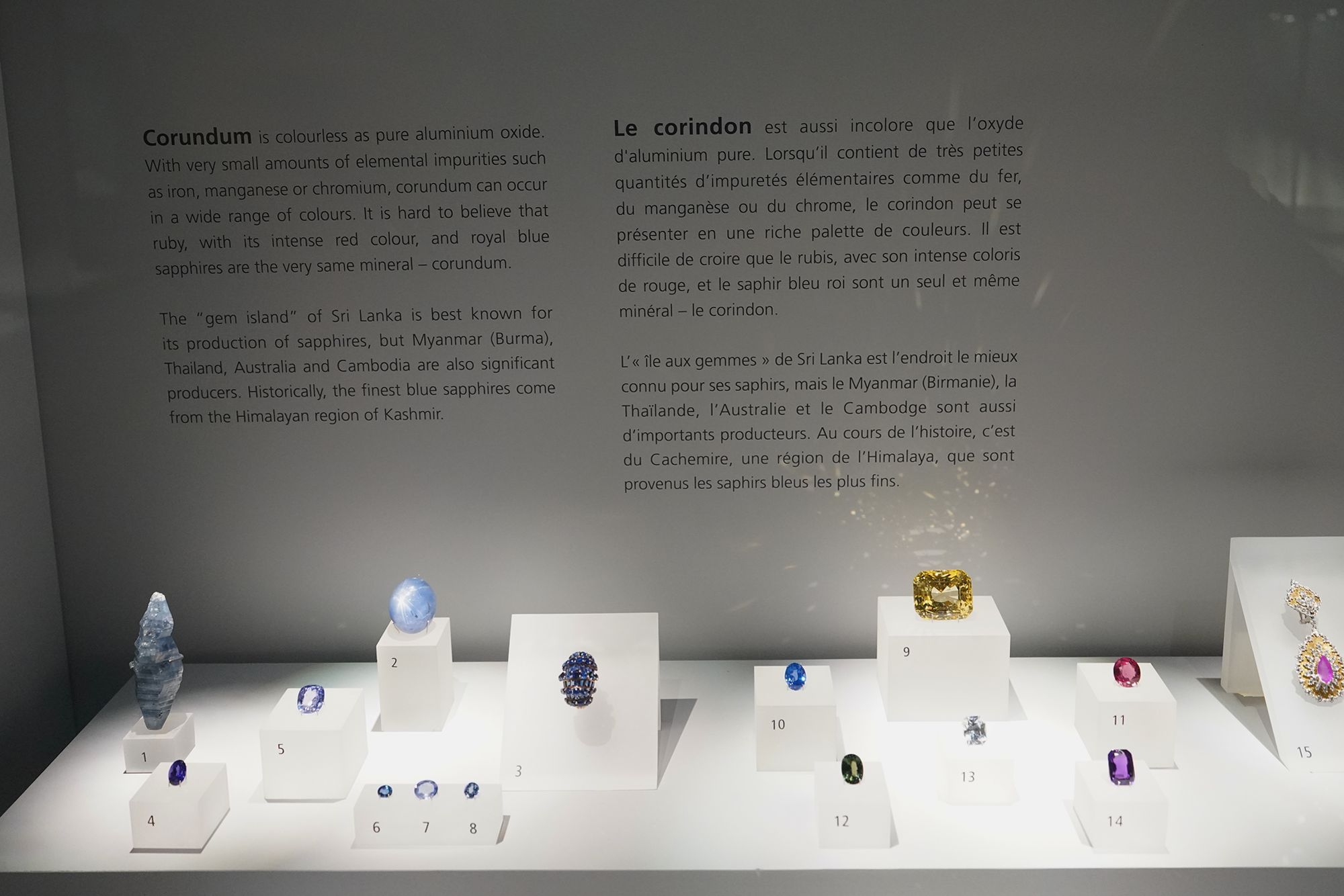
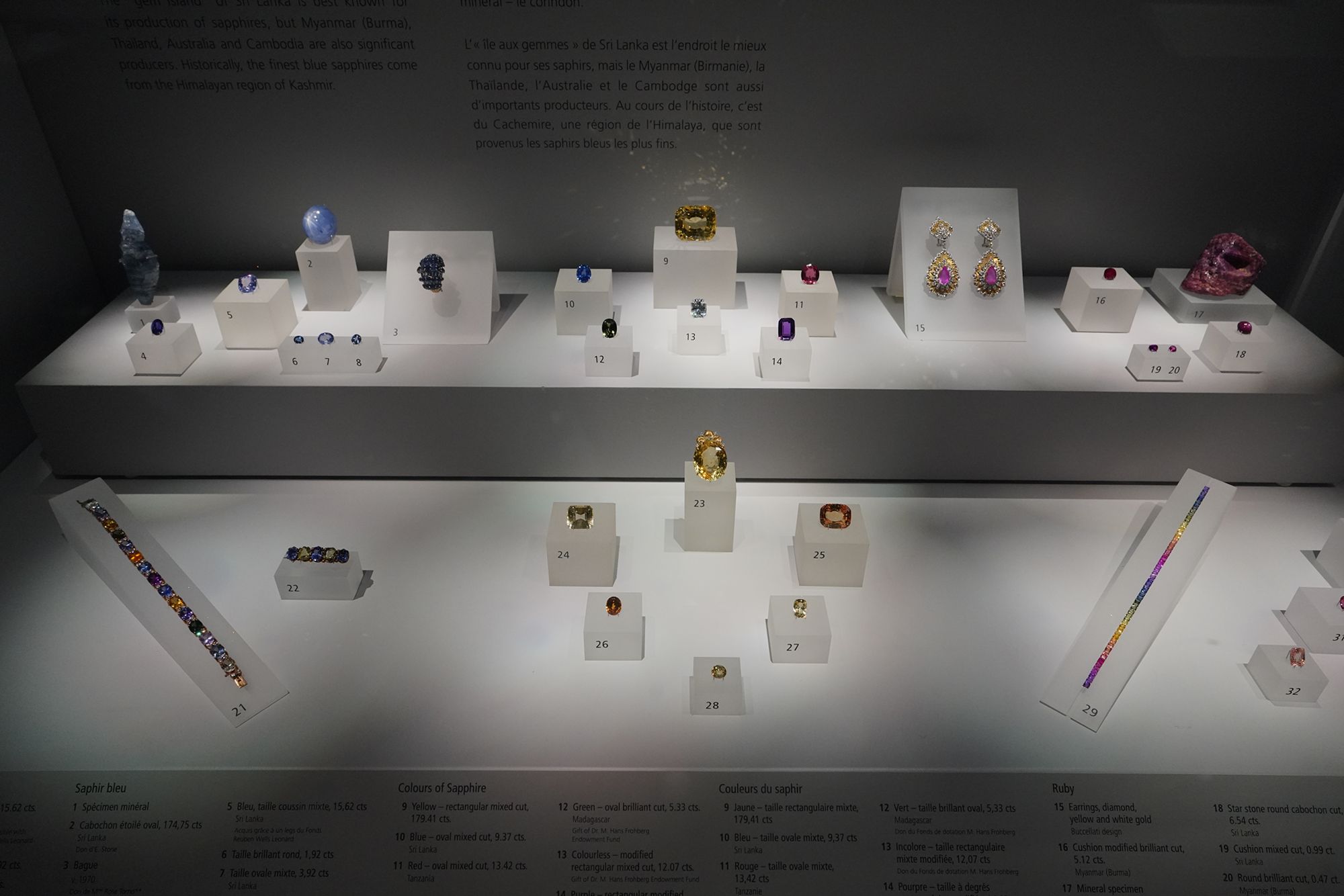
Corundum
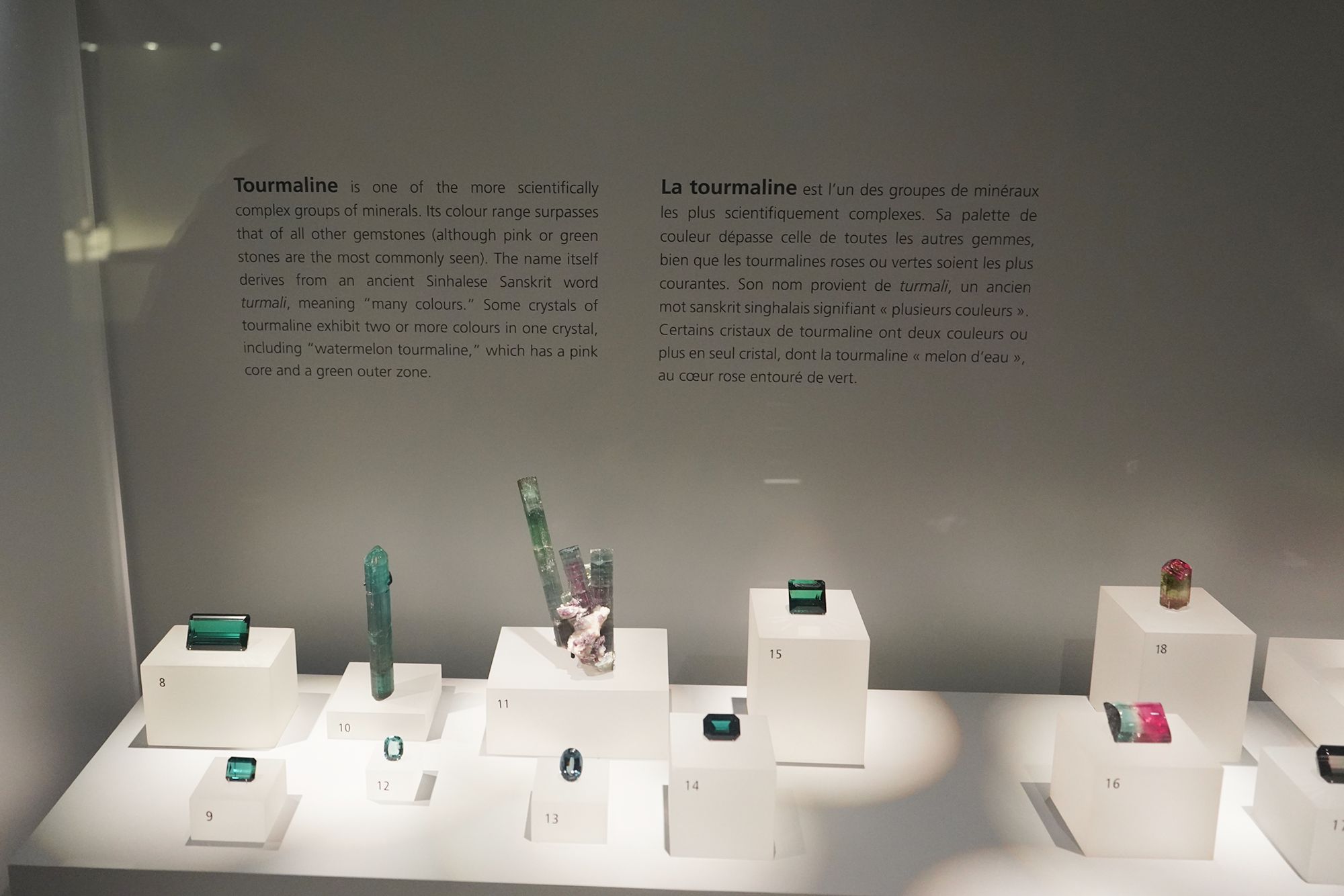
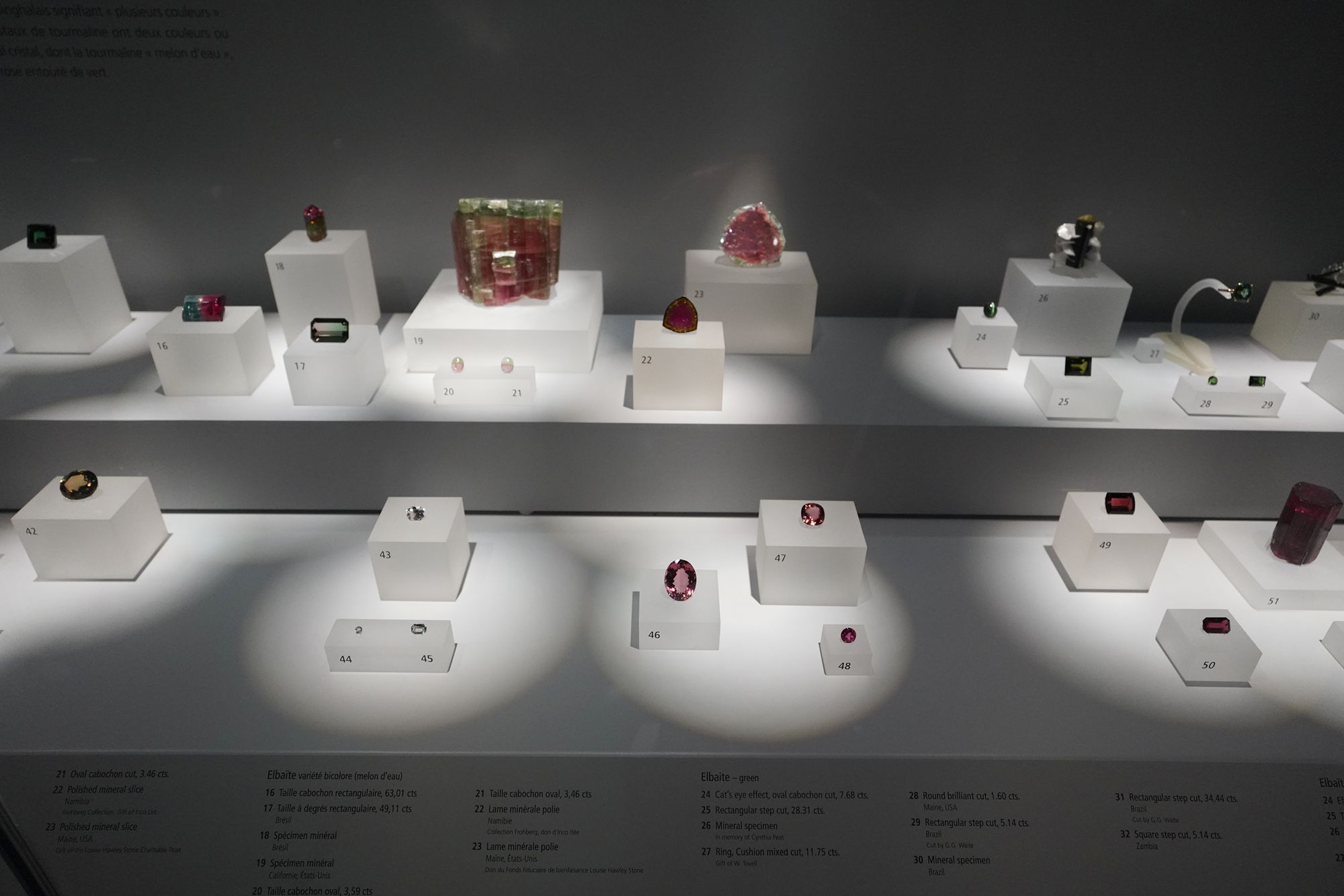
Tourmaline
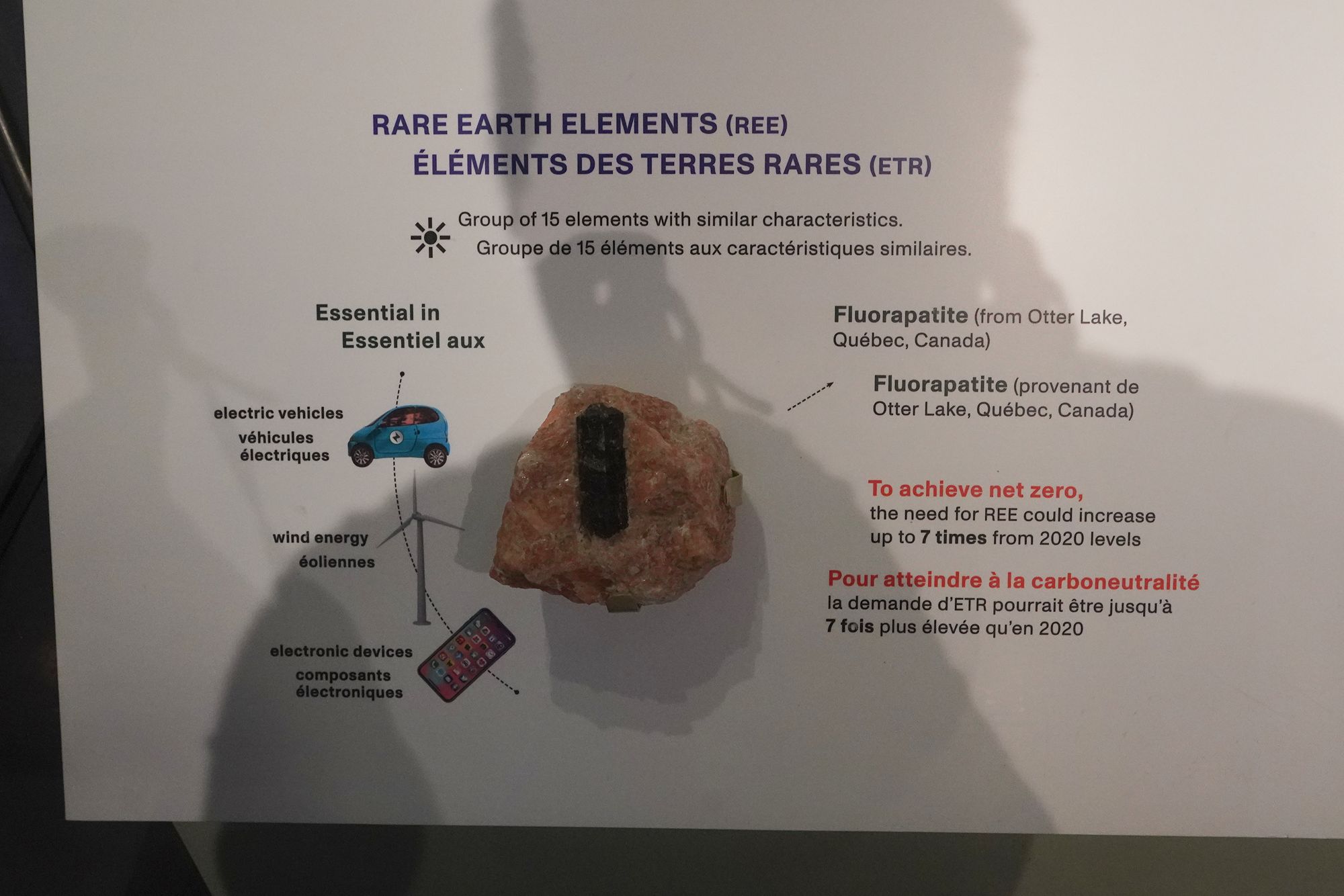
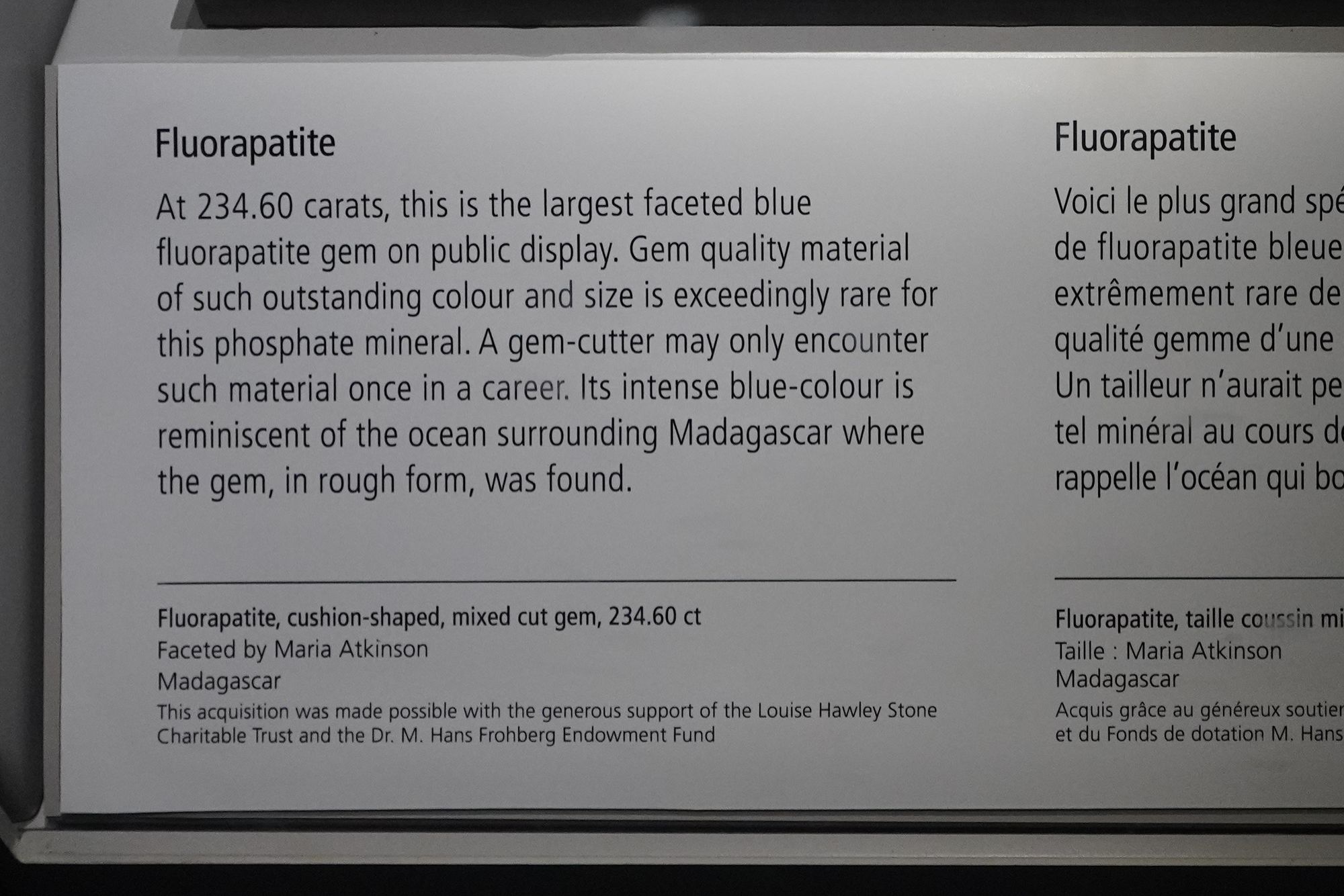
Fluorapatite

Opal
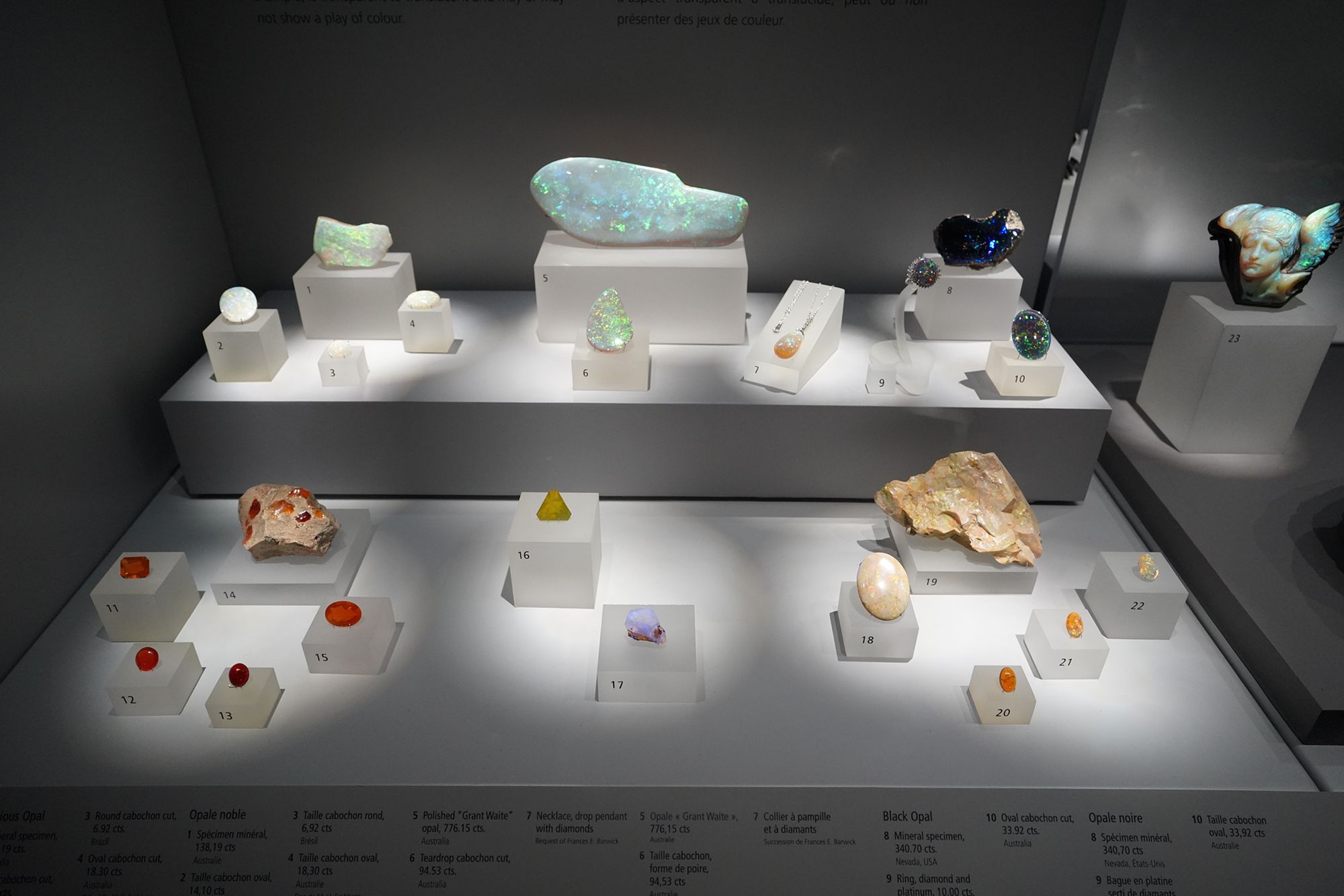
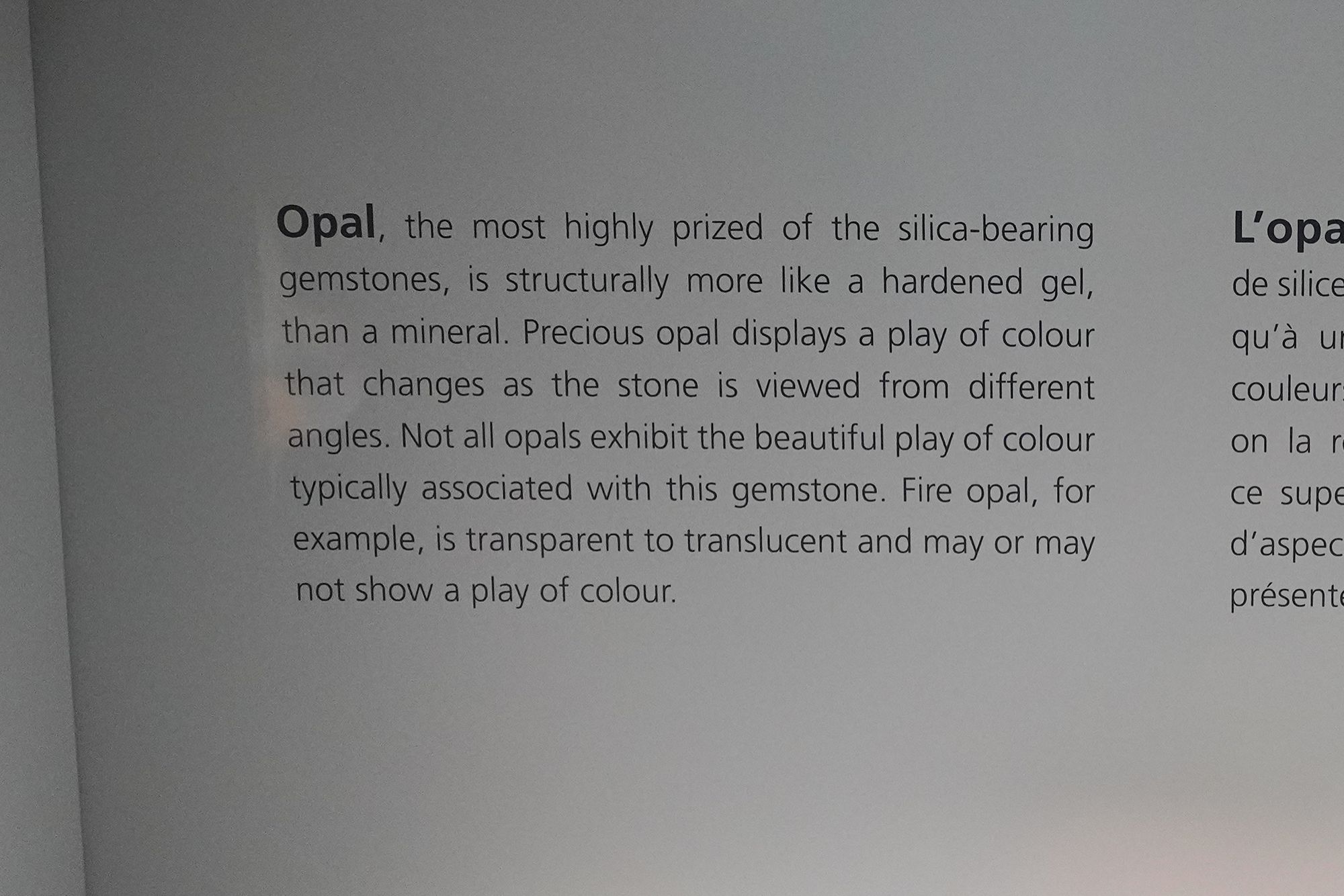
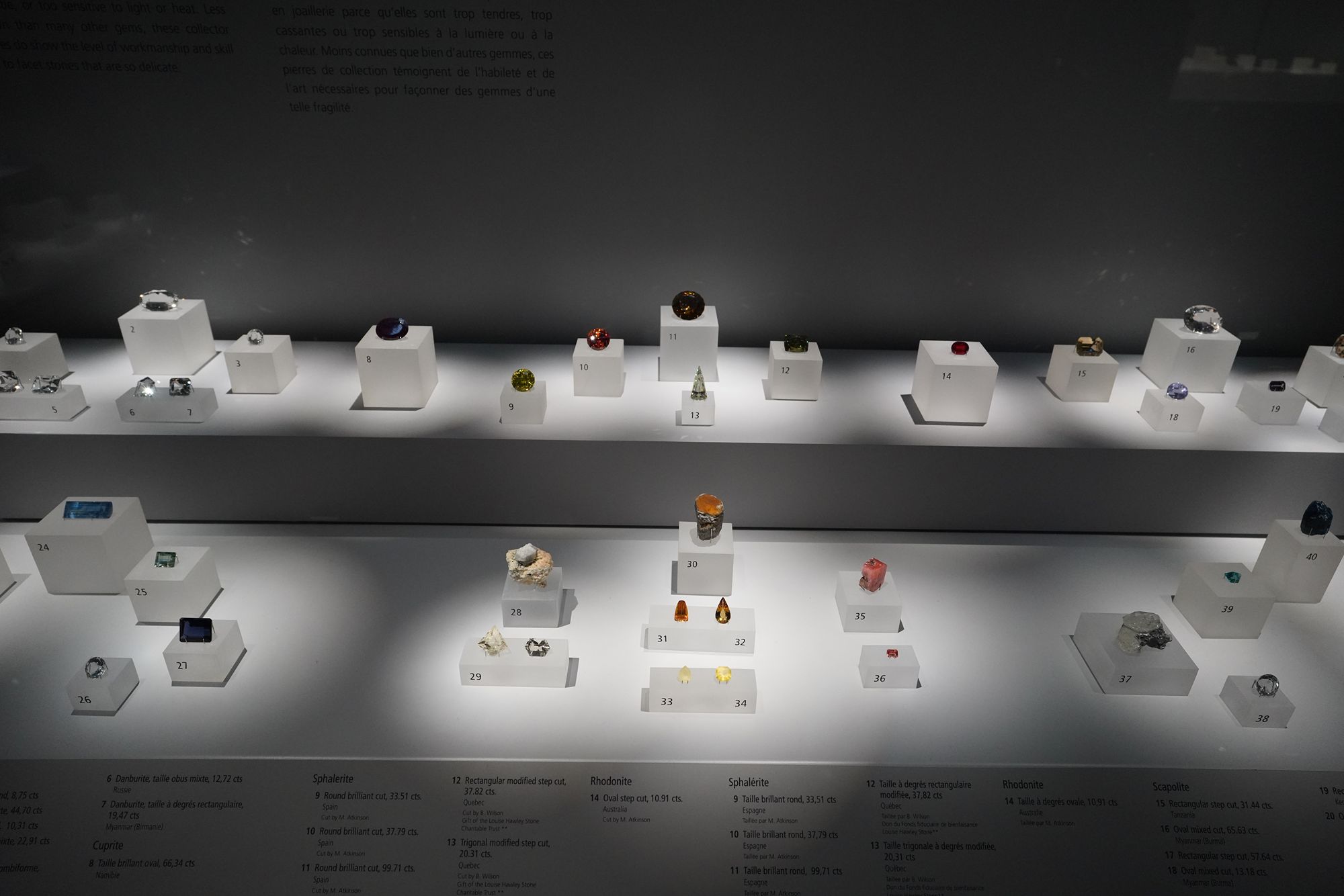
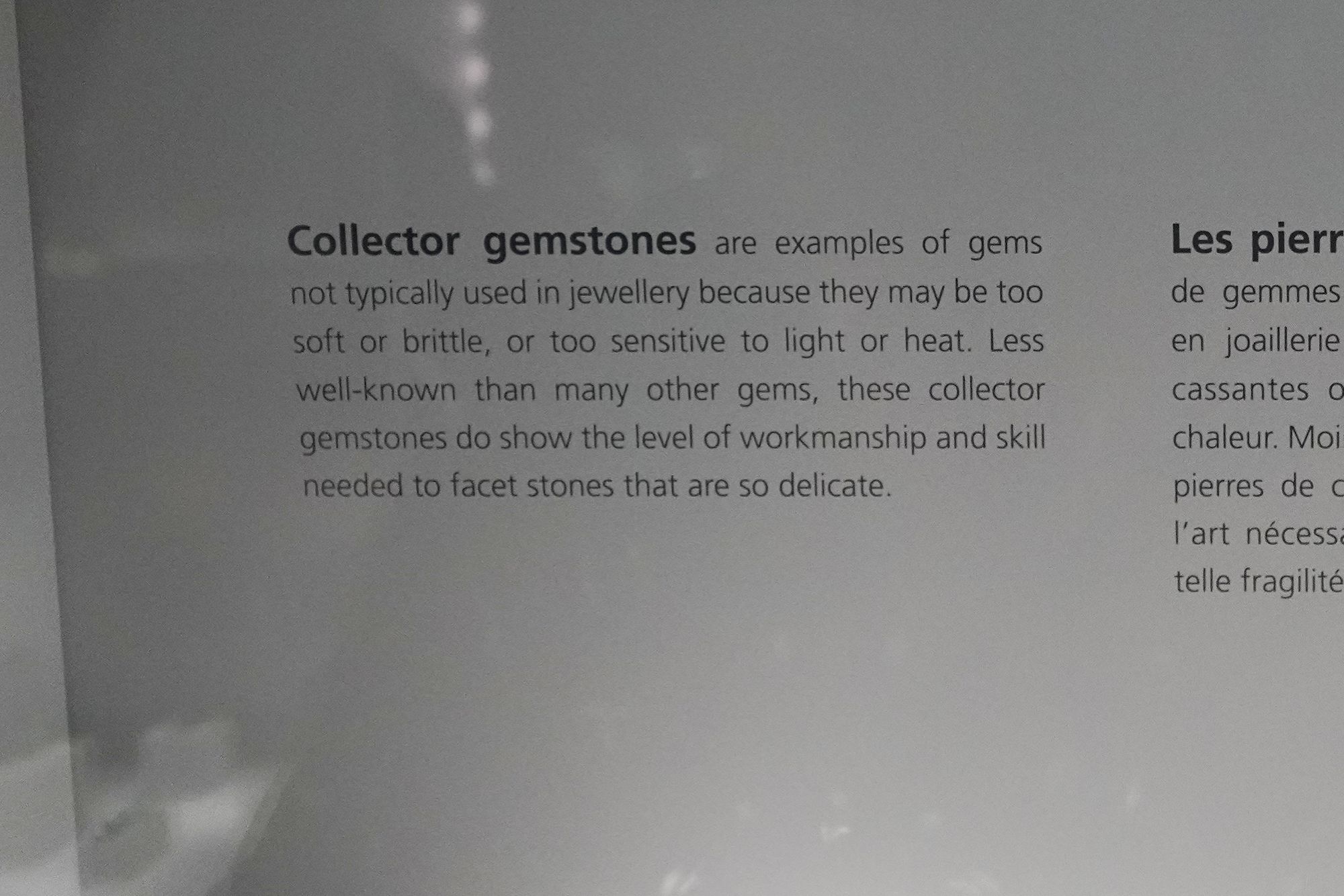
Collector gemstones are rare, high-quality or unusual gems valued primarily for rarity, color, clarity, origin, or crystal form, rather than for everyday jewelry use.
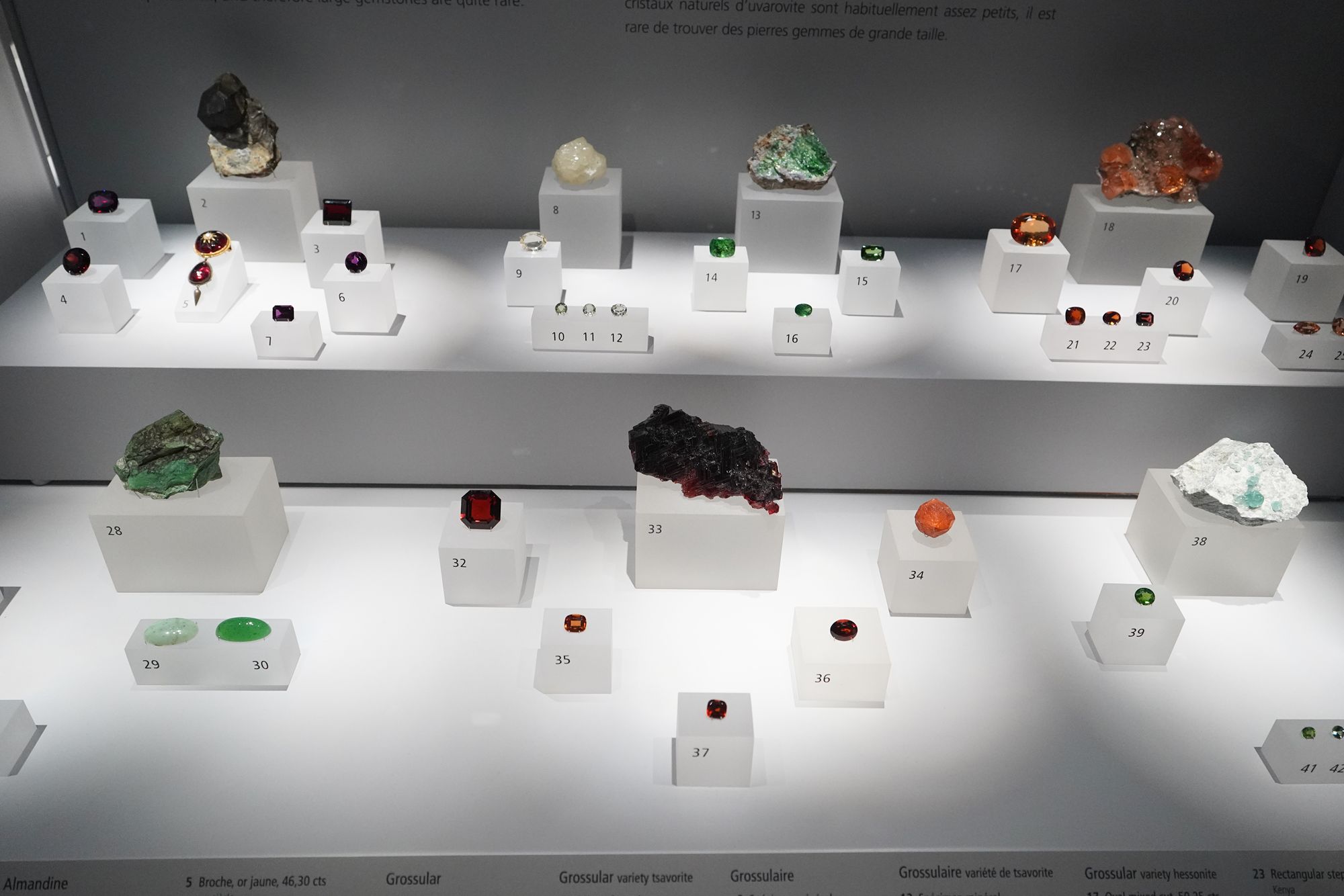
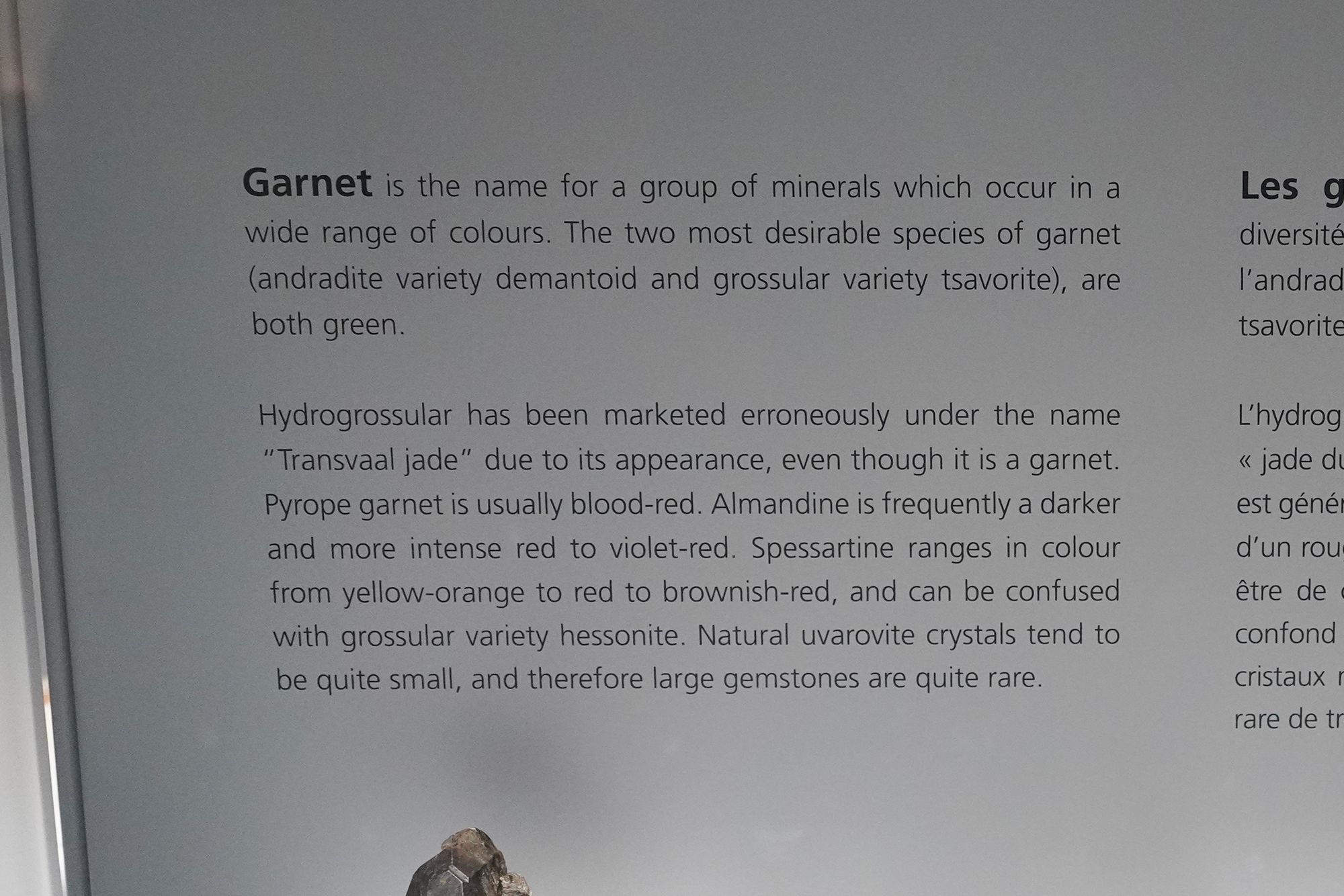
Garnet
Jade
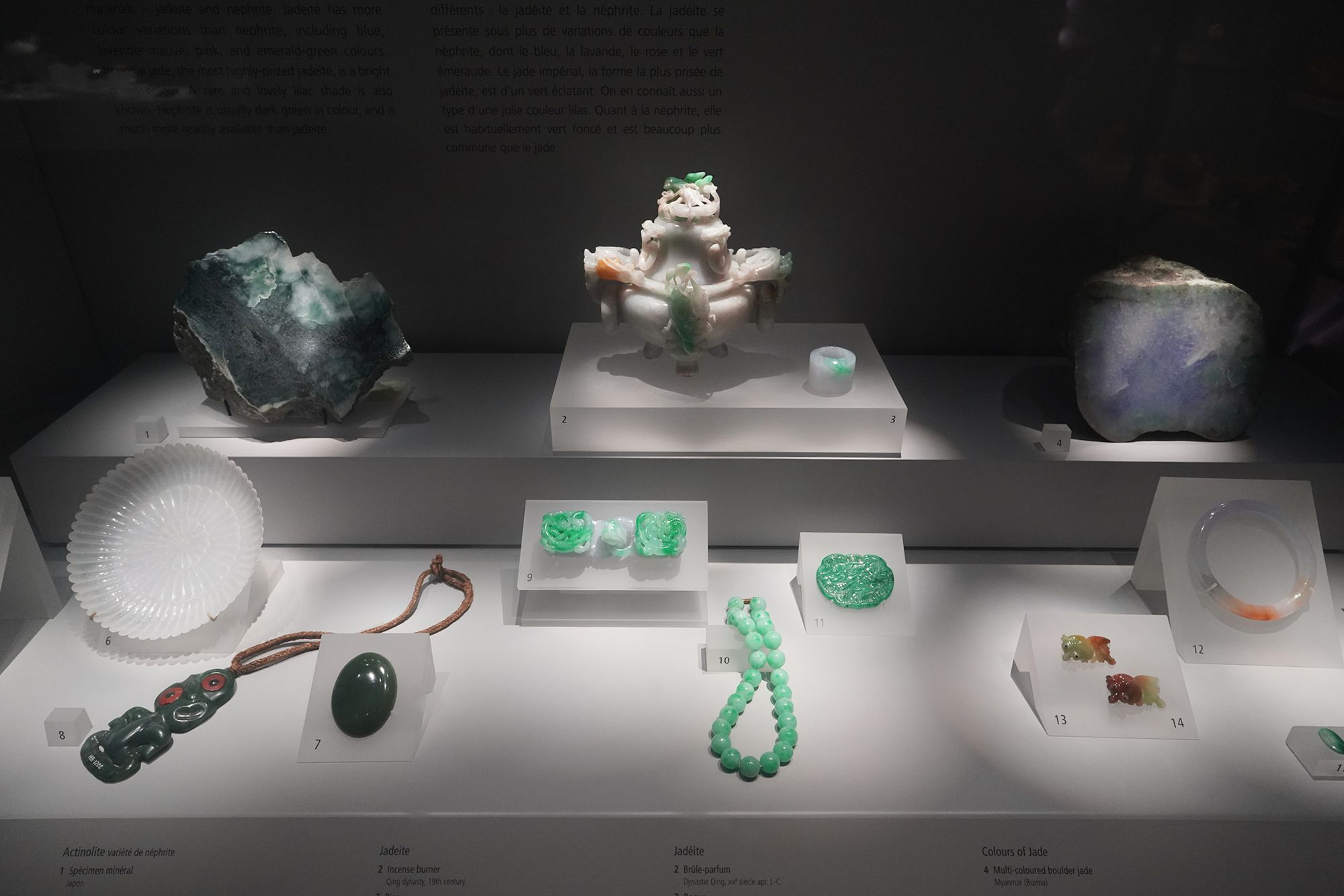
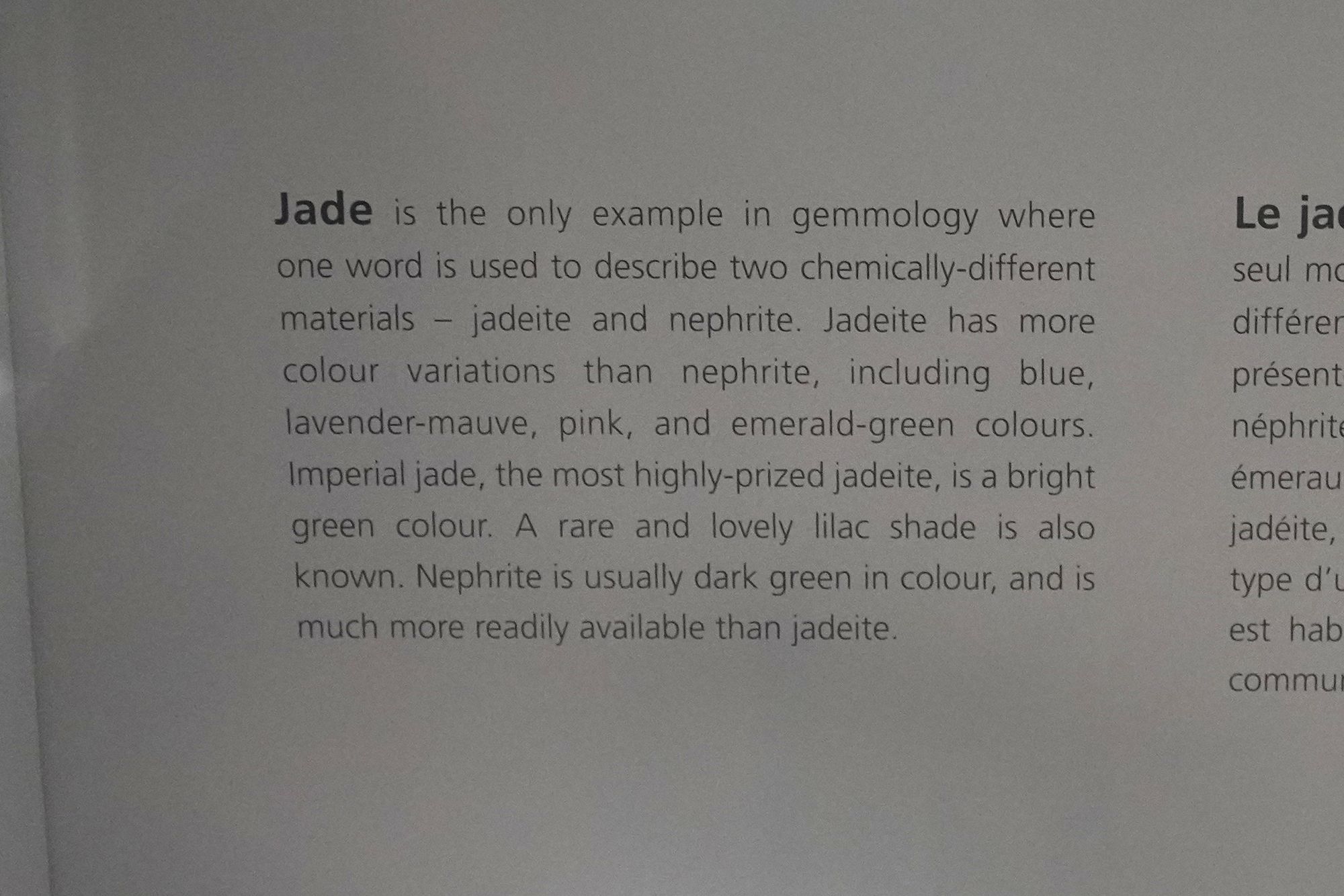
Quartz
Diamond
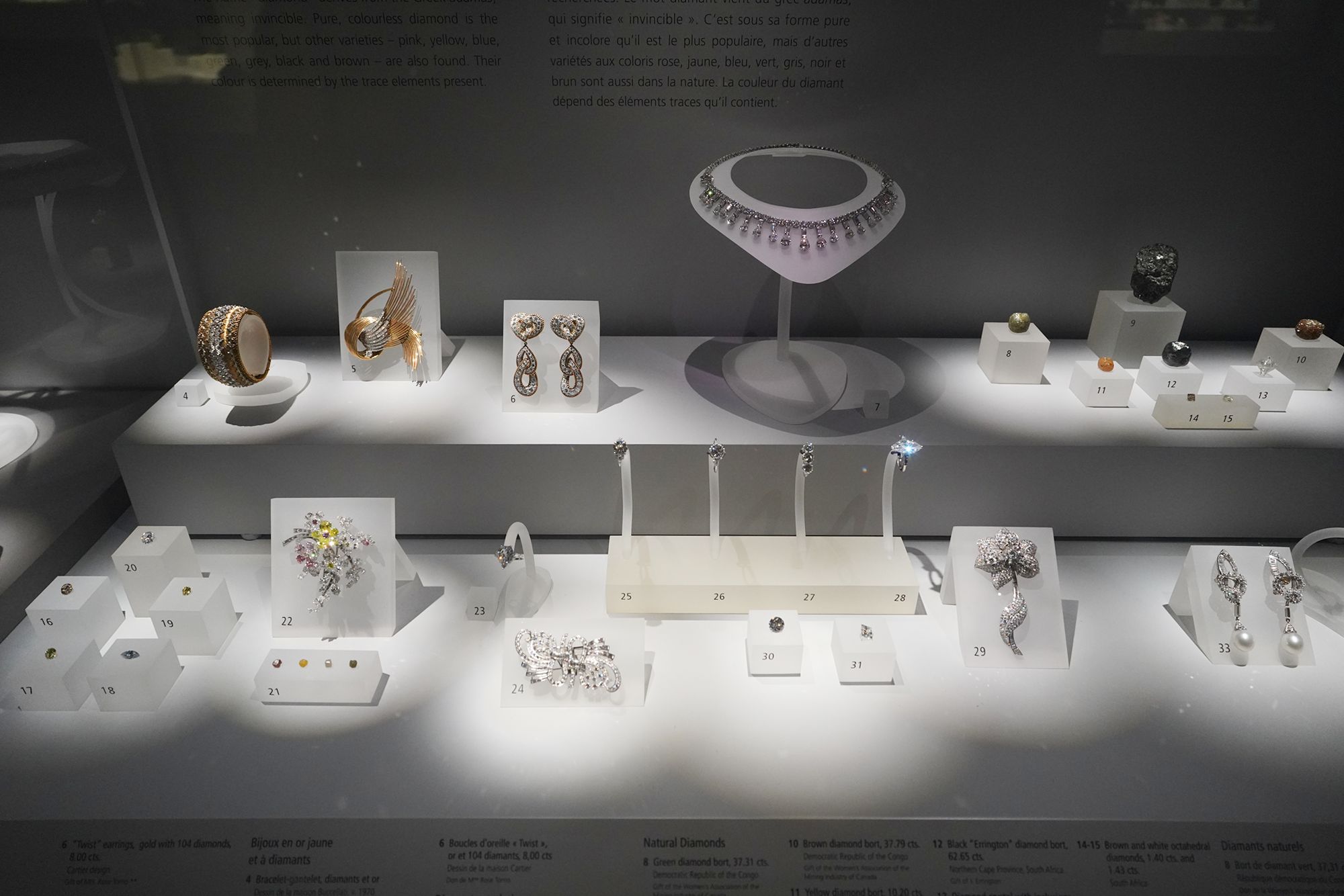
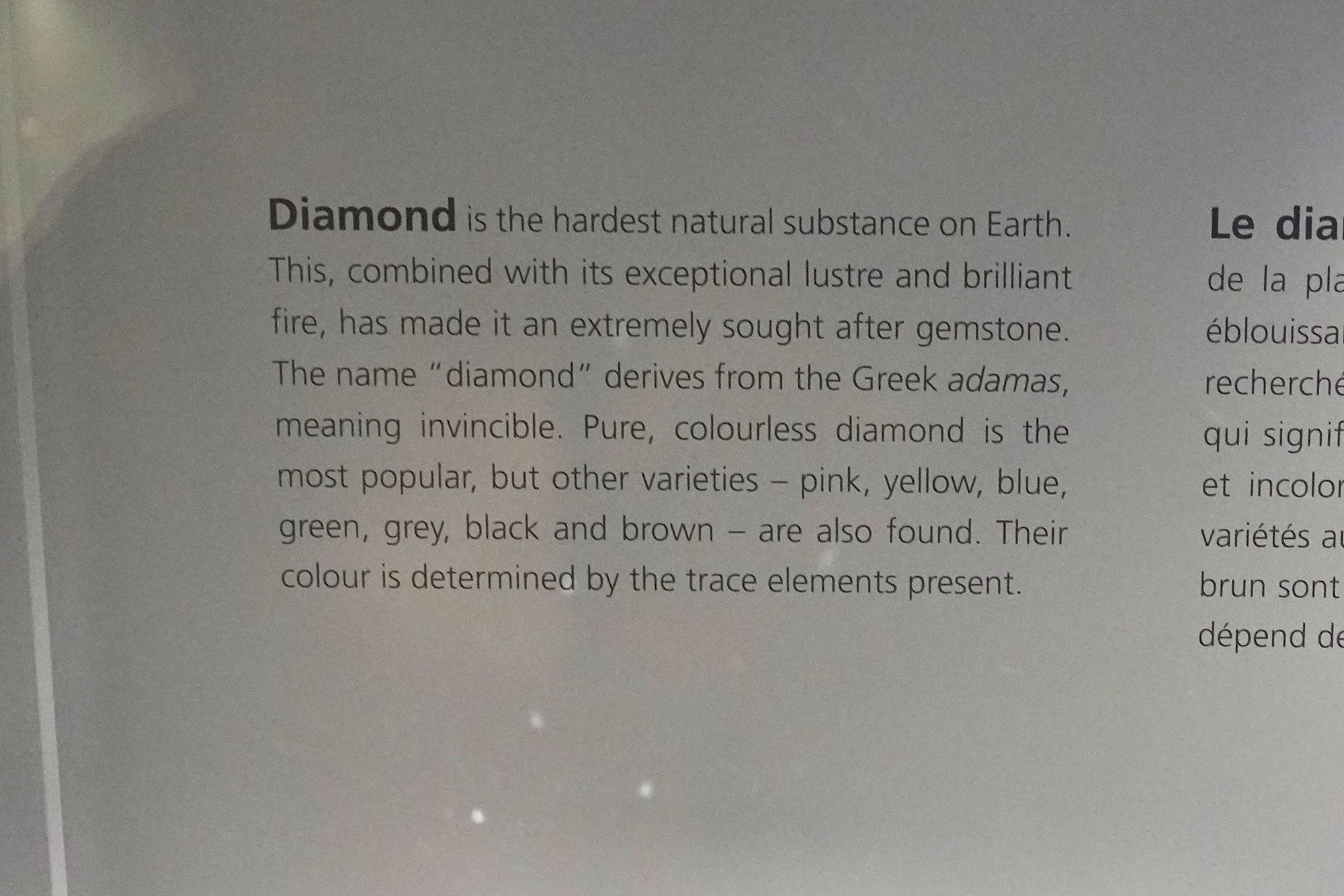
Spodumene
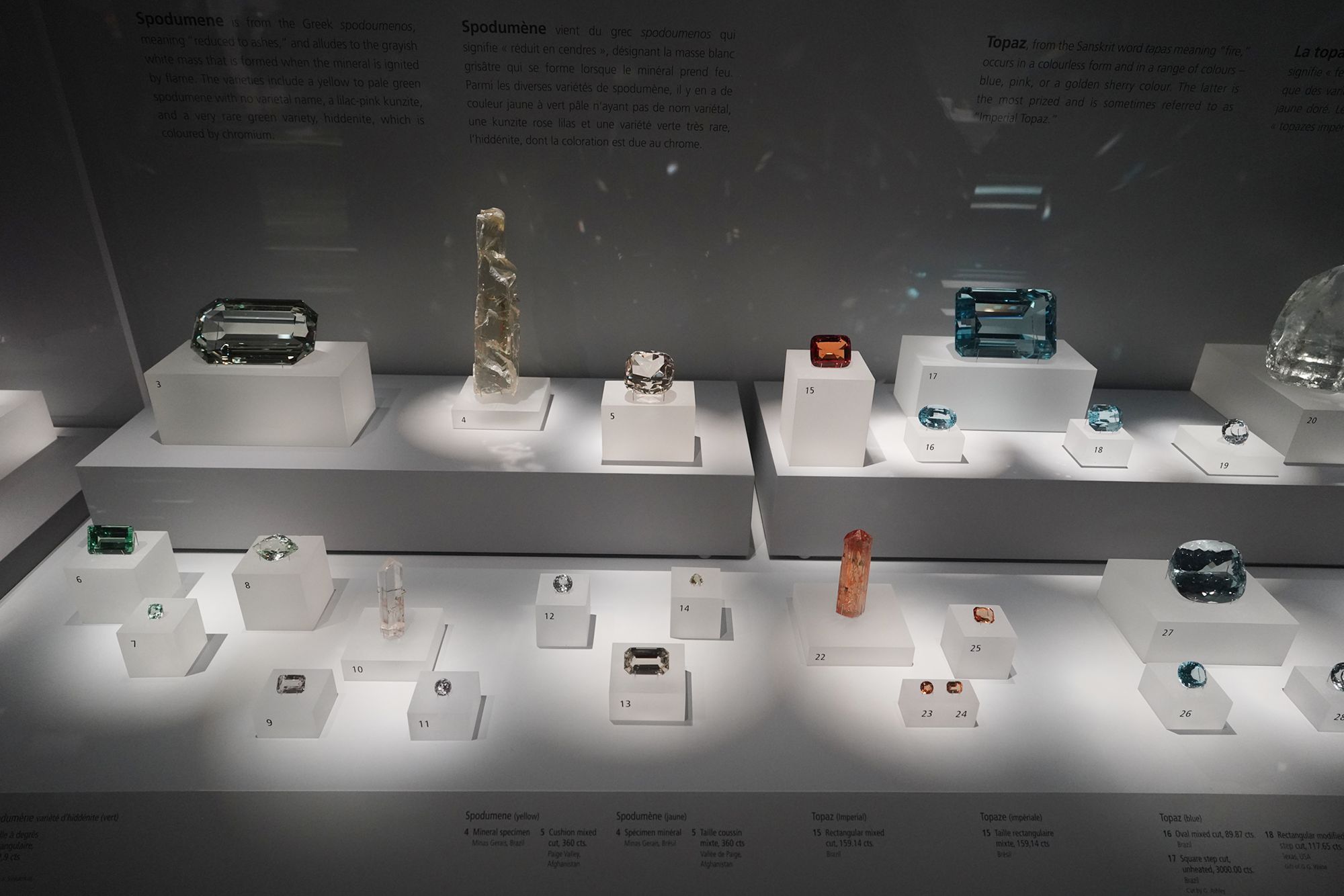
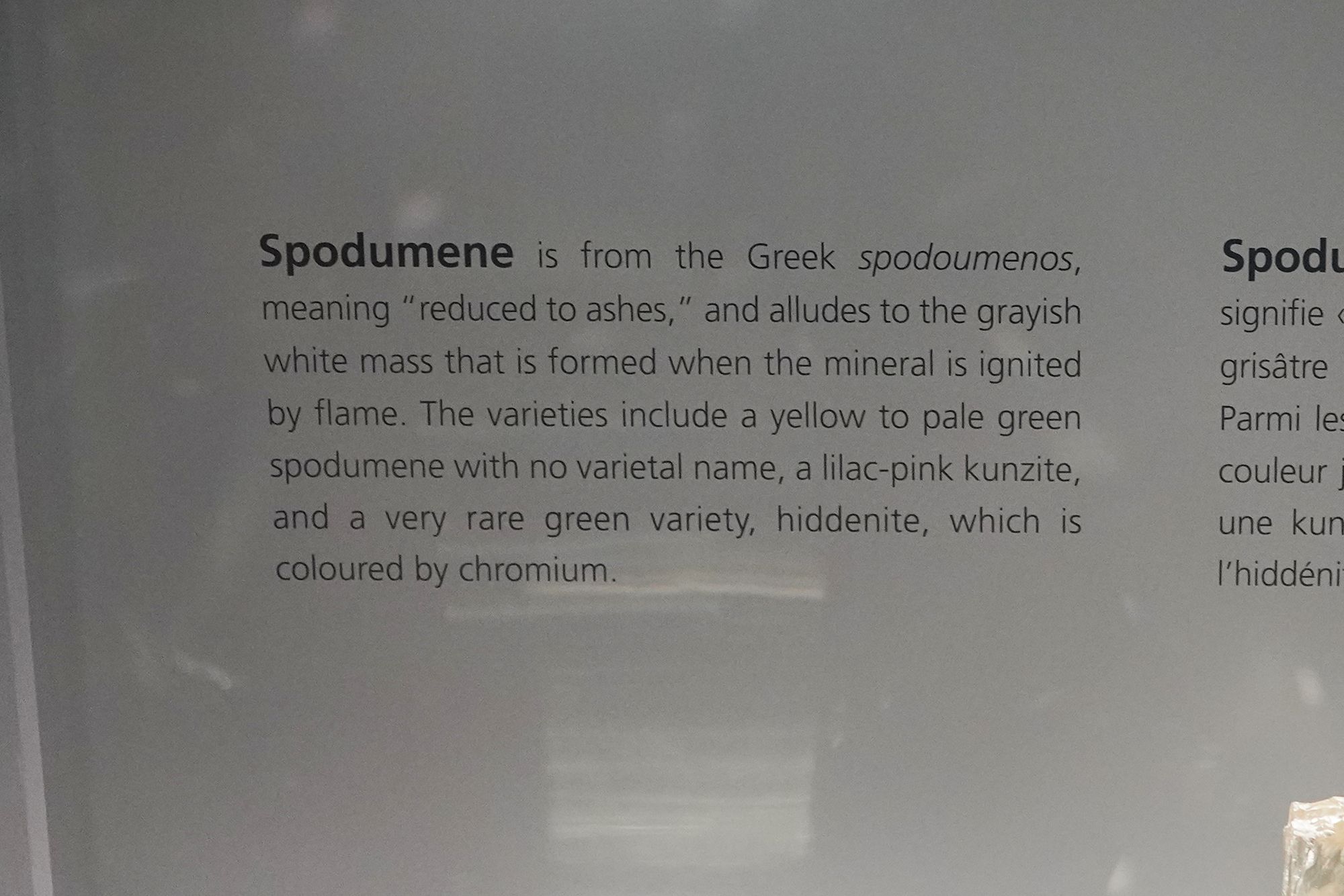
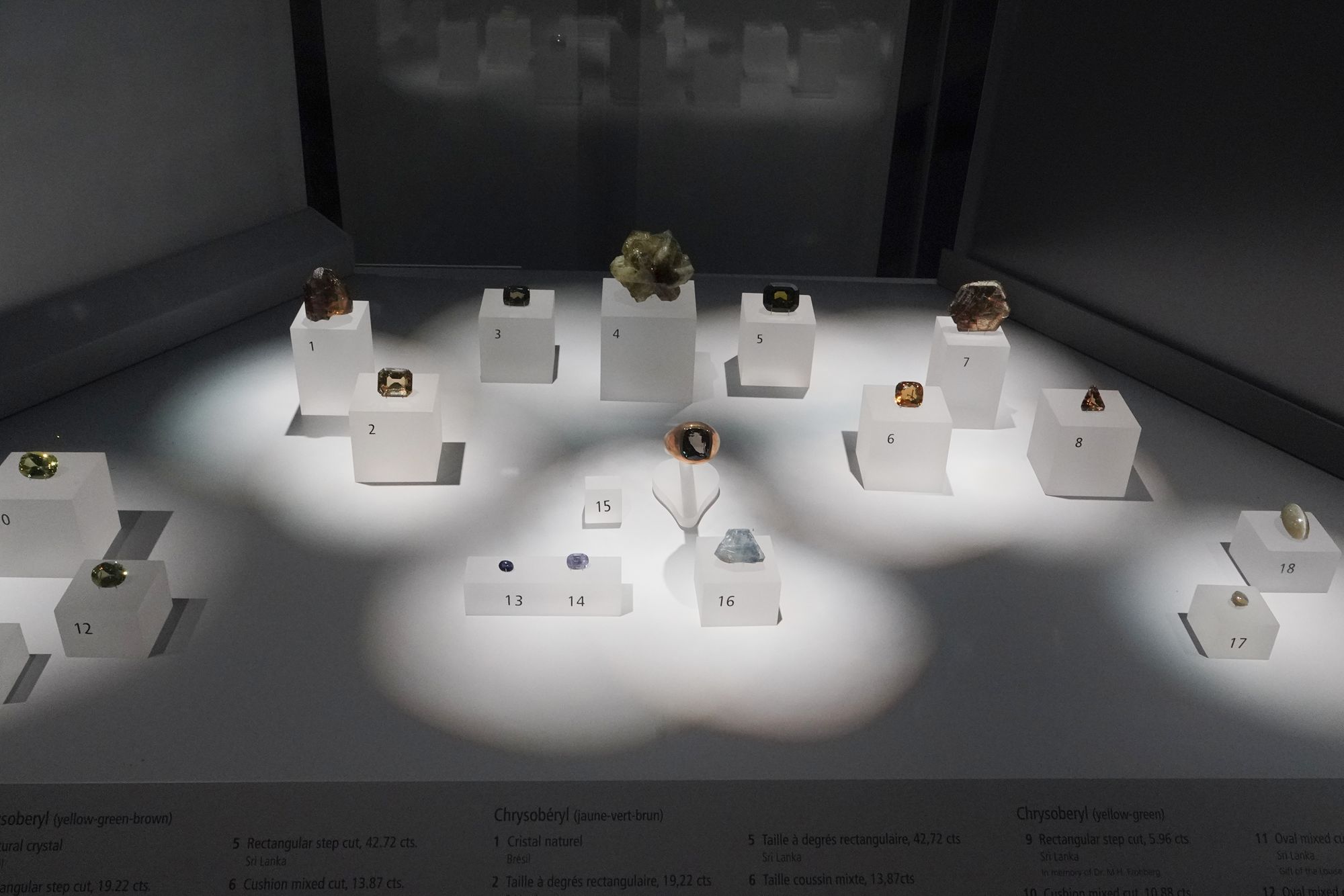
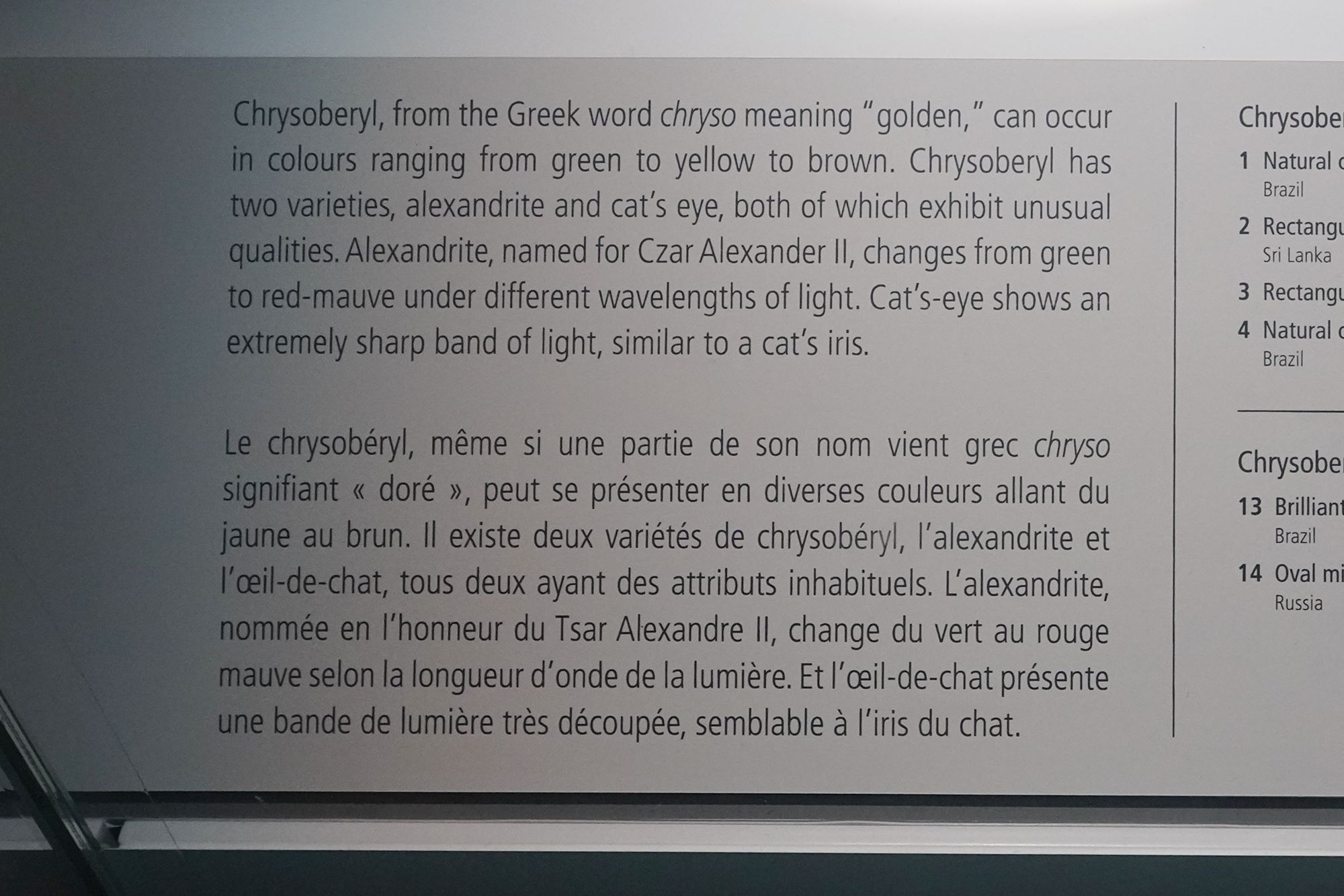
Chrysoberyl
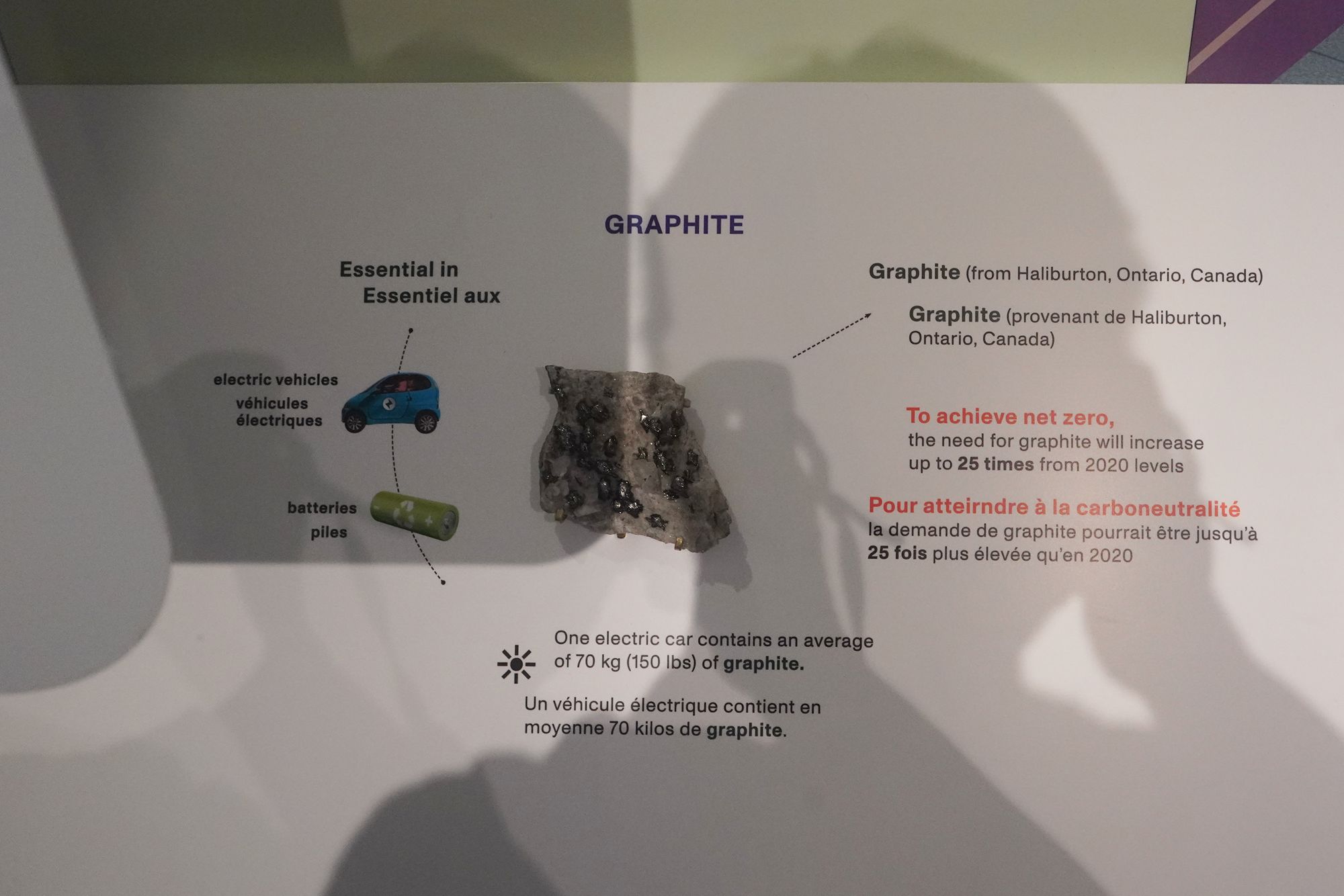
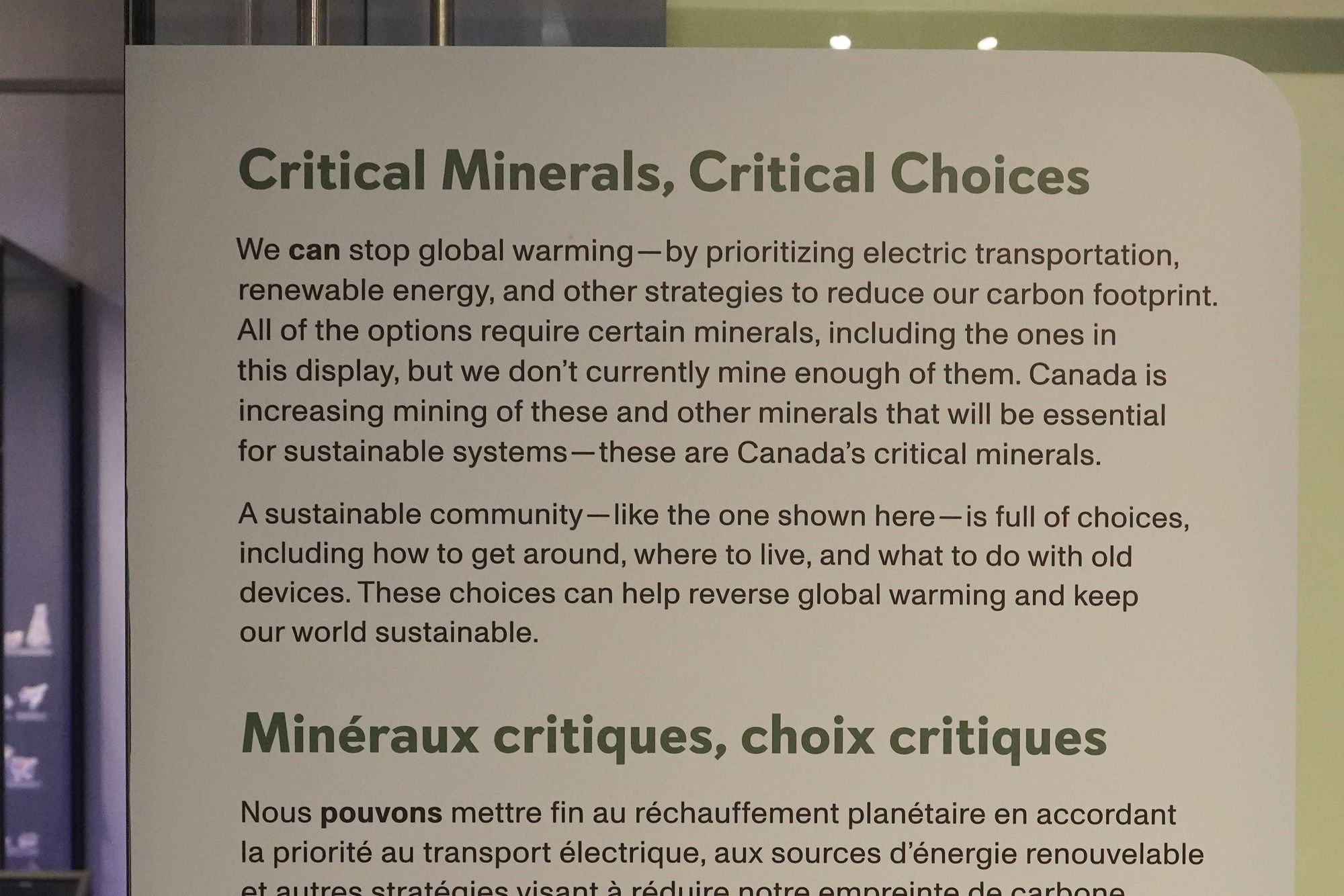
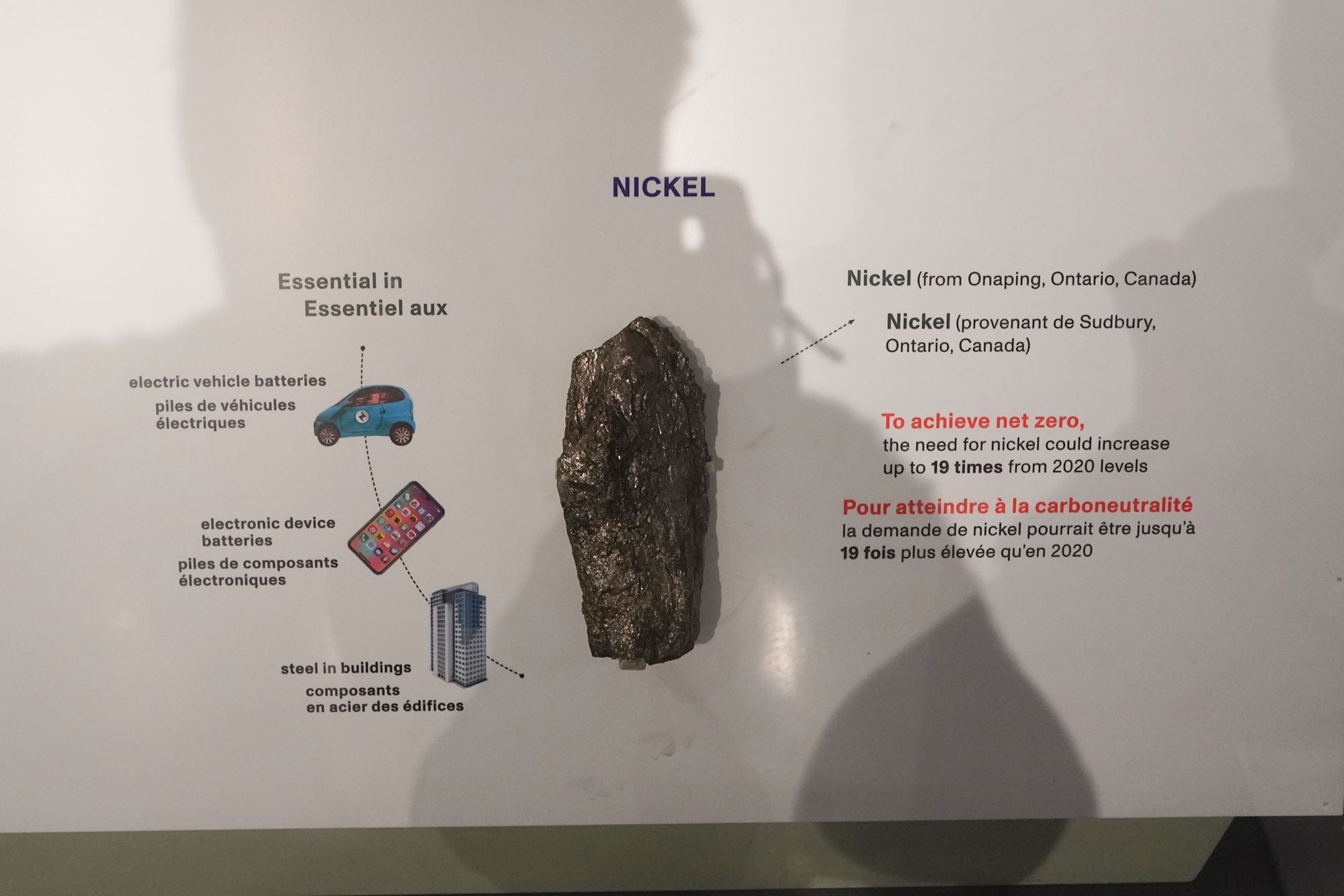
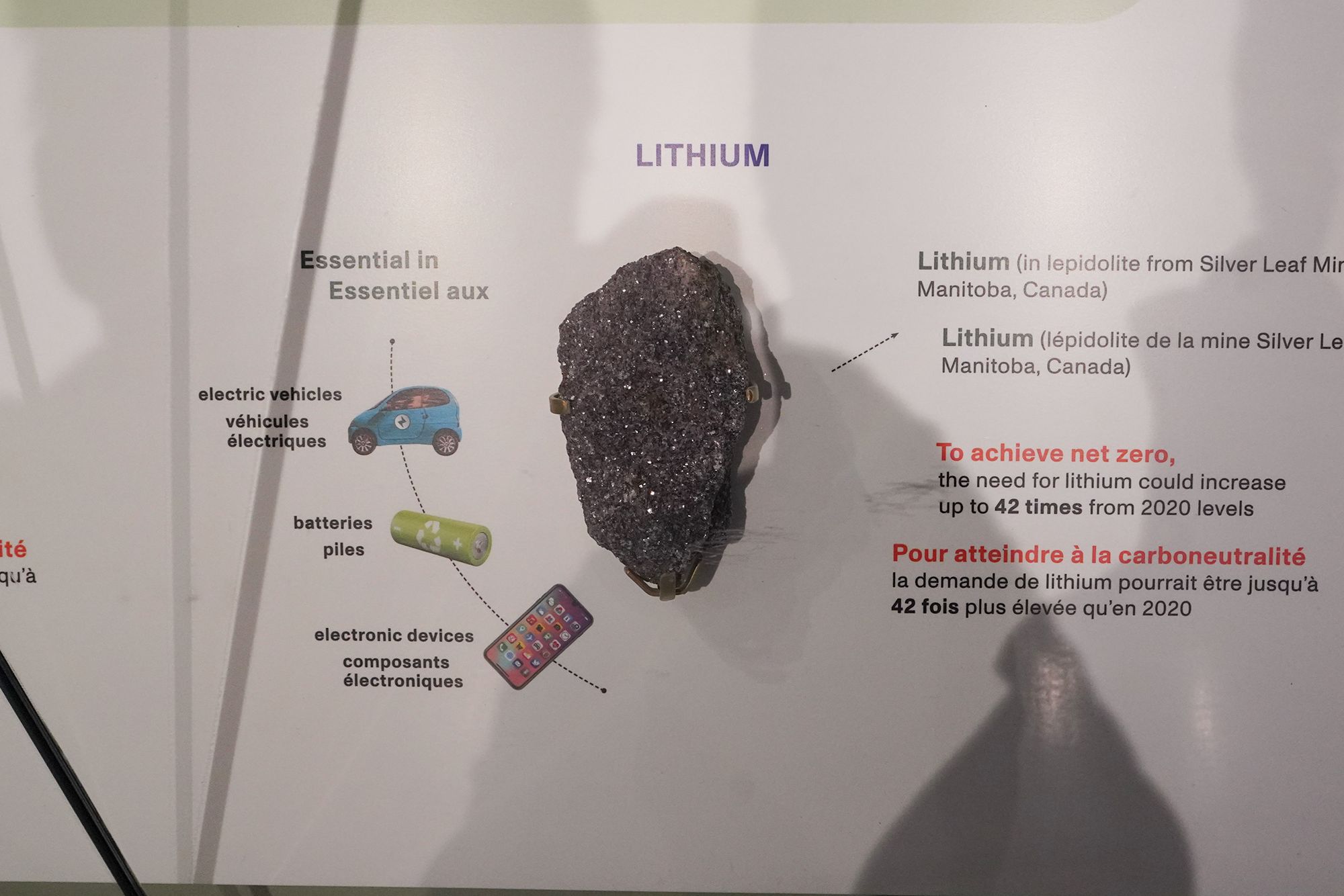
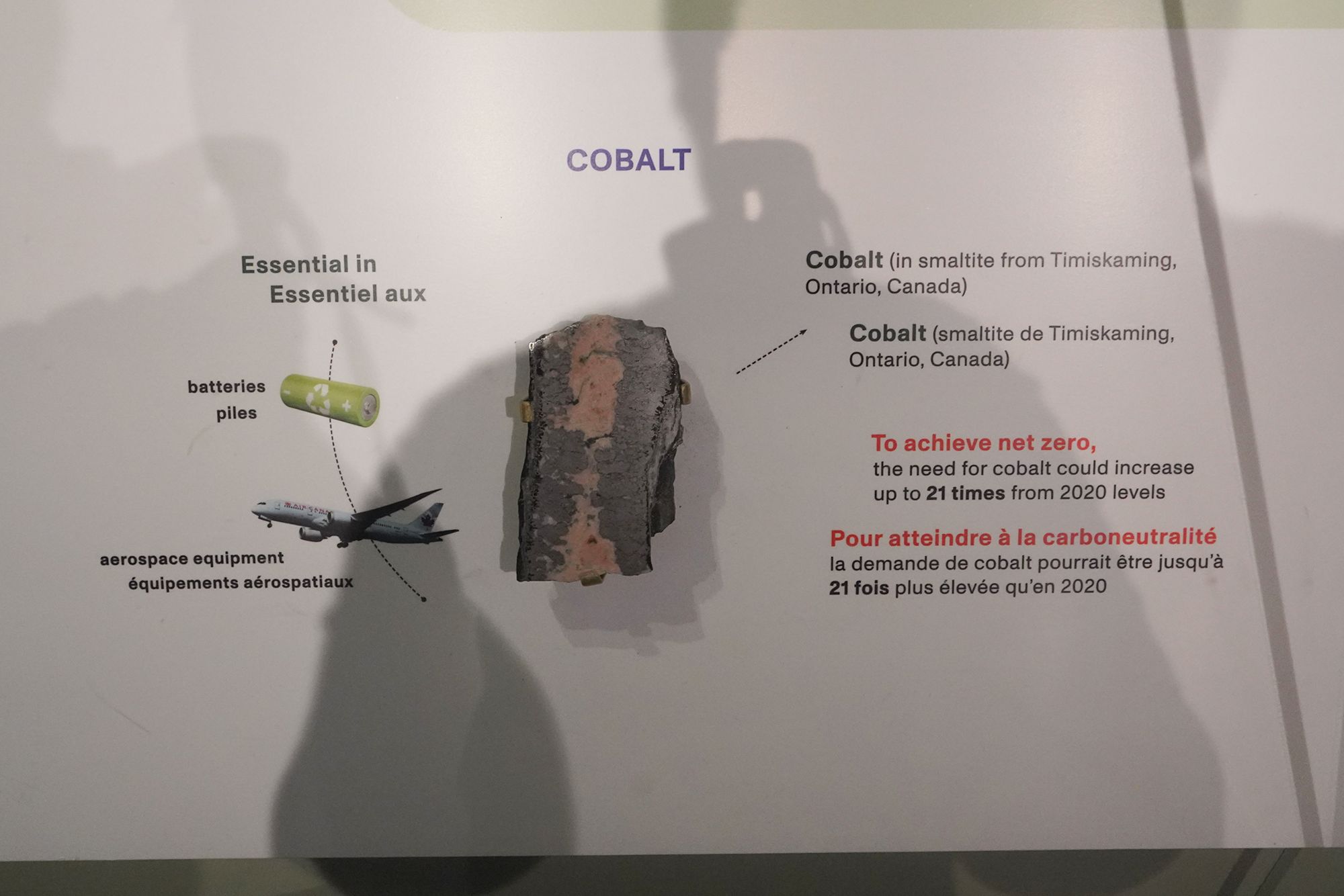
Critical minerals are minerals essential to modern technologies and national economies but vulnerable to supply disruption.
They are vital for renewable energy, electronics, defense, and electric vehicles, and include materials such as lithium, cobalt, rare earth elements, nickel, and graphite.
Copper
Nickel
Lithium
Cobalt
Graphite