Schindler’s Factory Museum II, Krakow, Poland
Part II explores Kraków under occupation through underground culture, ghetto liquidation, Płaszów’s brutality, and Schindler’s factory relocation. 1352
Oskar Schindler's Enamel Factory: Lipowa 4, 30-702 Kraków, Poland
Date Picture Taken: Jun, 2026
Part II follows Kraków’s wartime story through underground theatres and printing, the liquidation of the ghetto, and life in Płaszów camp. Exhibit panels describe forced labor, hunger, violence, and efforts to help prisoners. The final displays trace Schindler’s factory move to Brünnlitz and the difficult journey of those he employed.
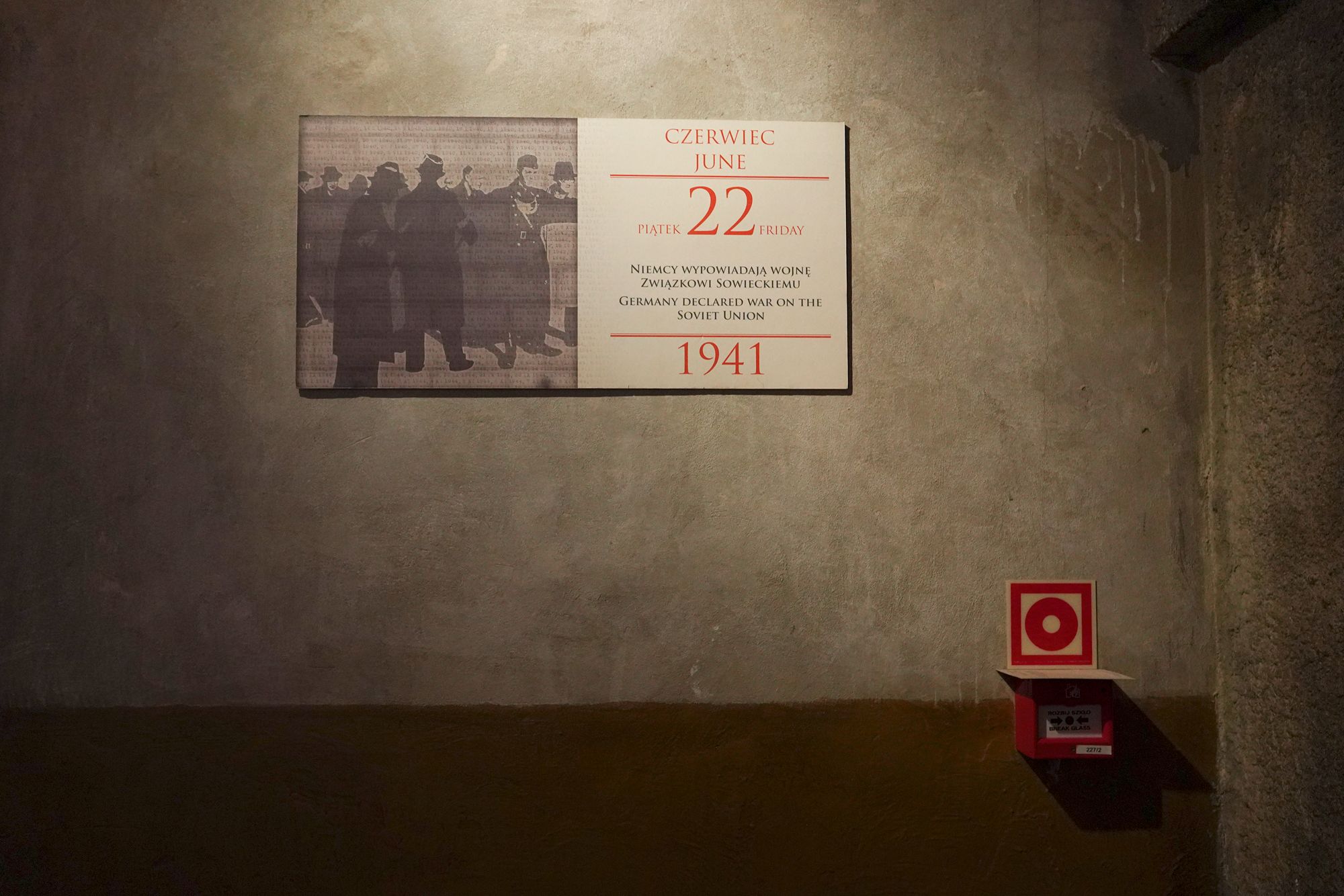
The display marks June 22, 1941, when Germany invaded the Soviet Union. Its calendar format gives the event a precise place in the museum’s timeline.
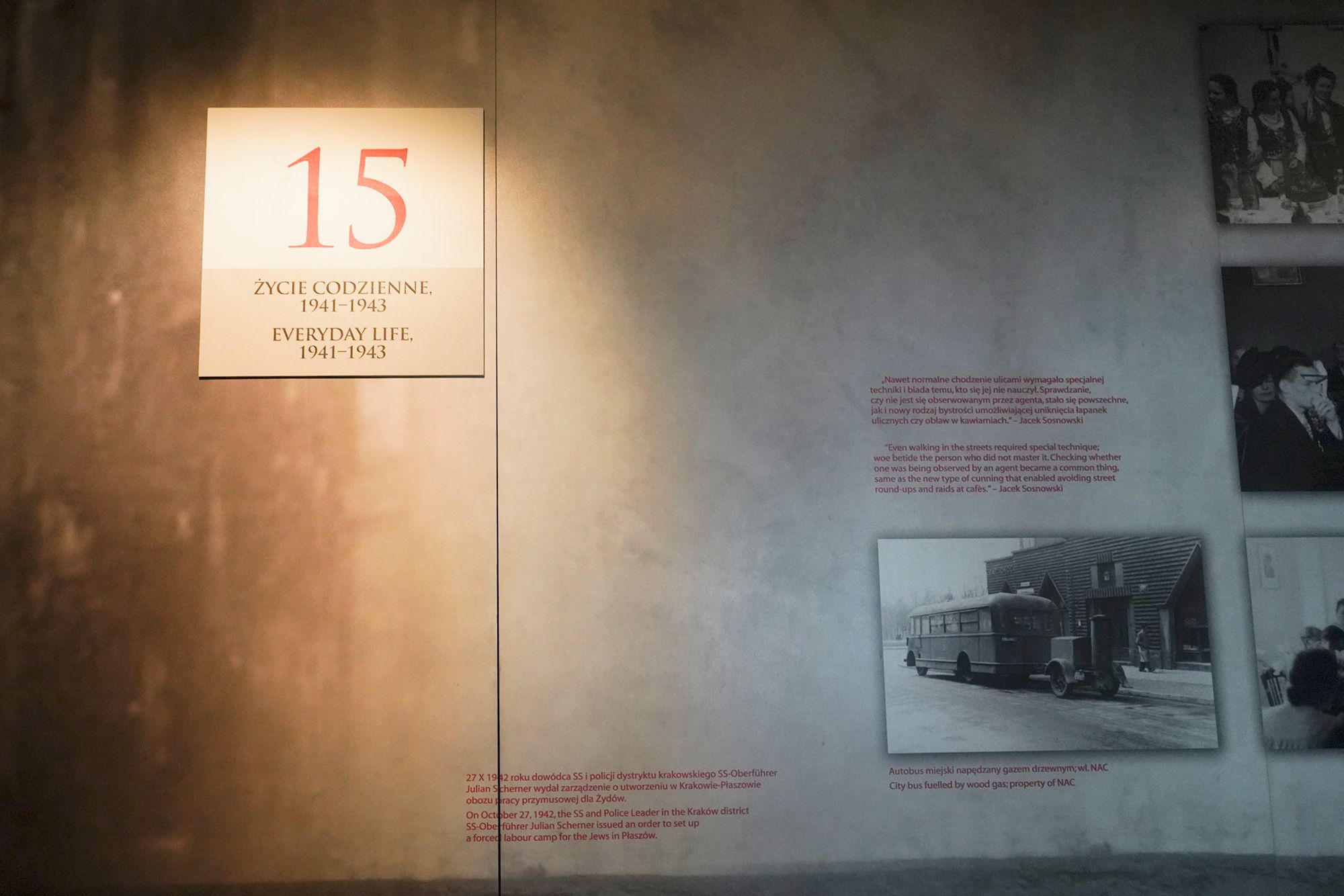
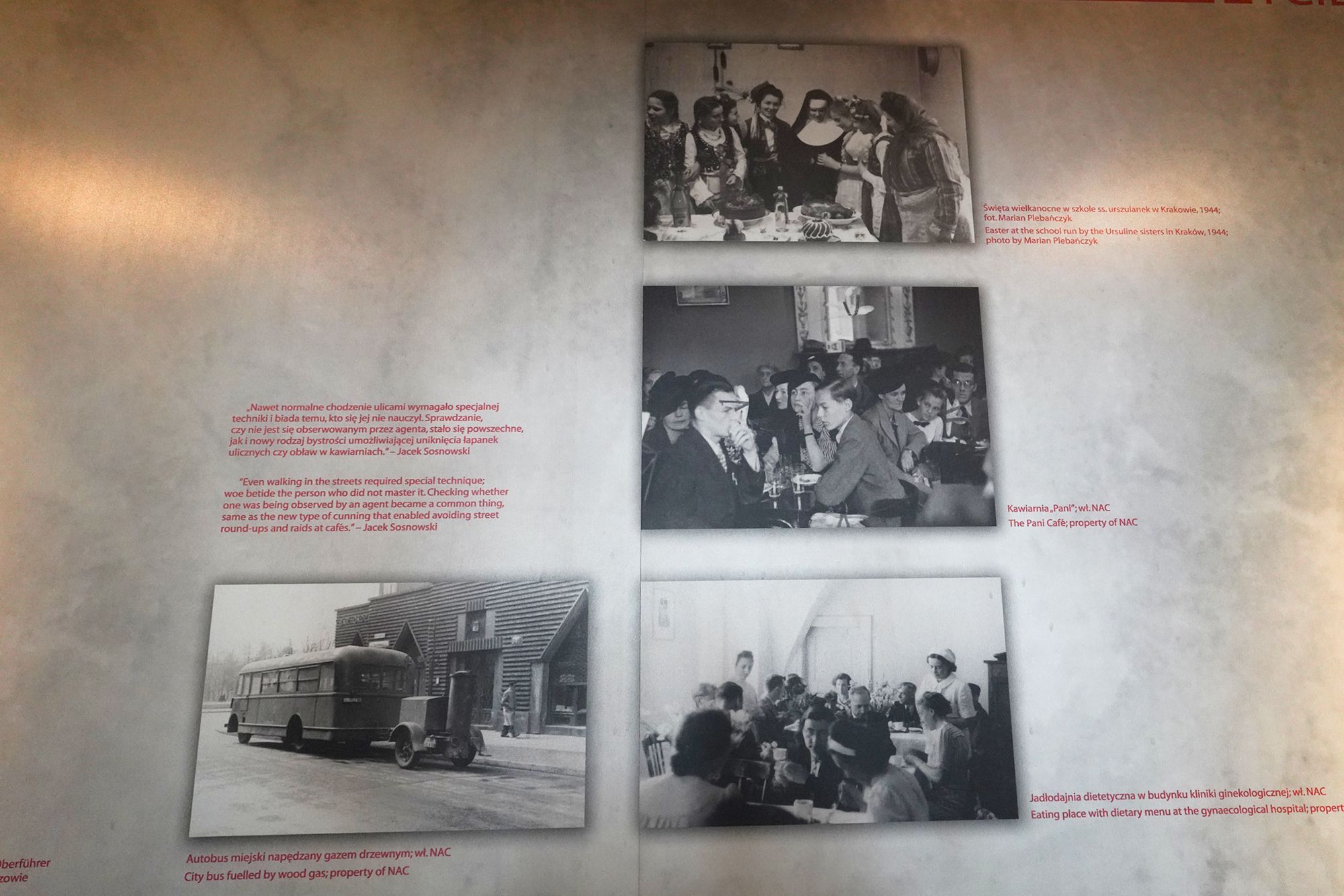
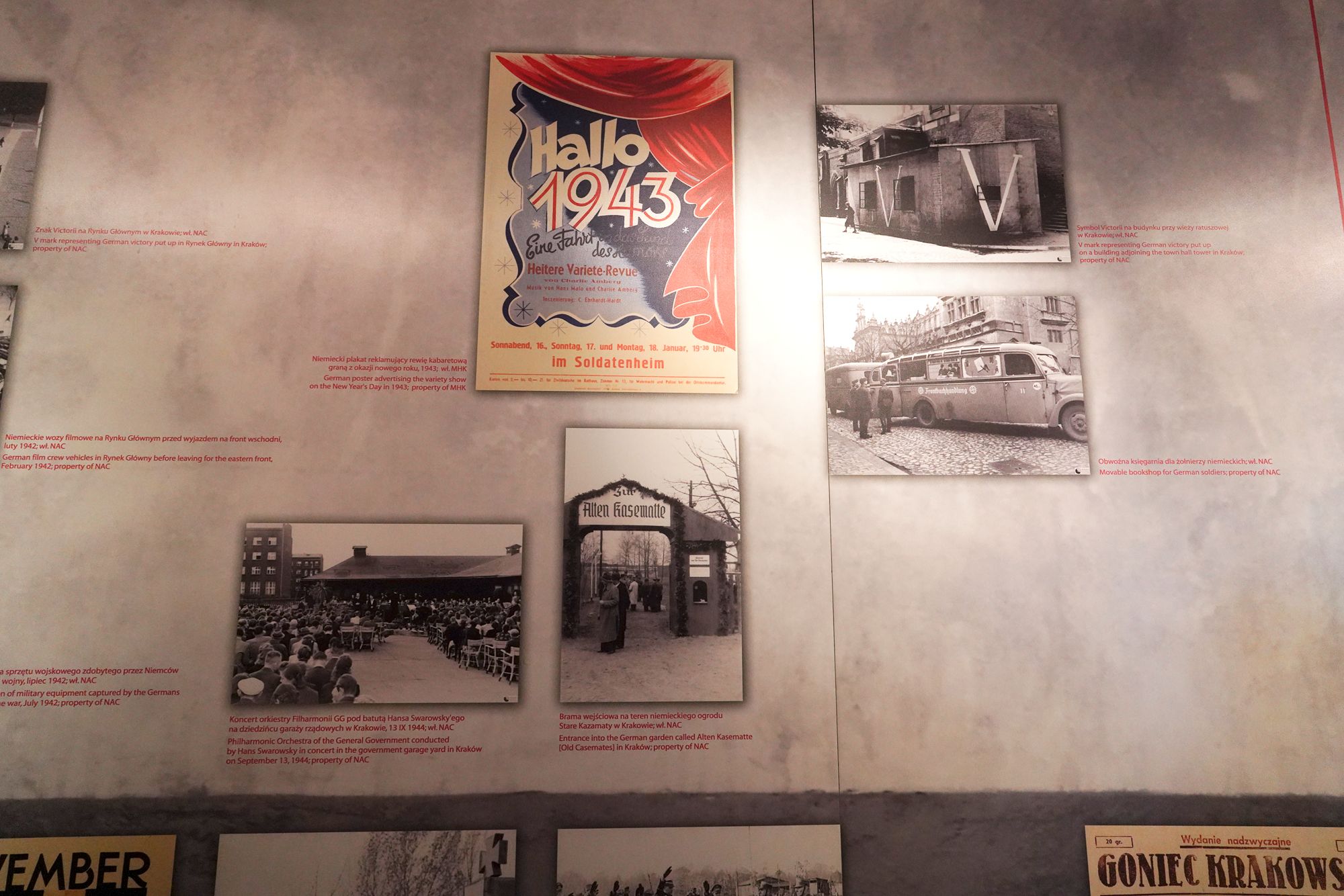
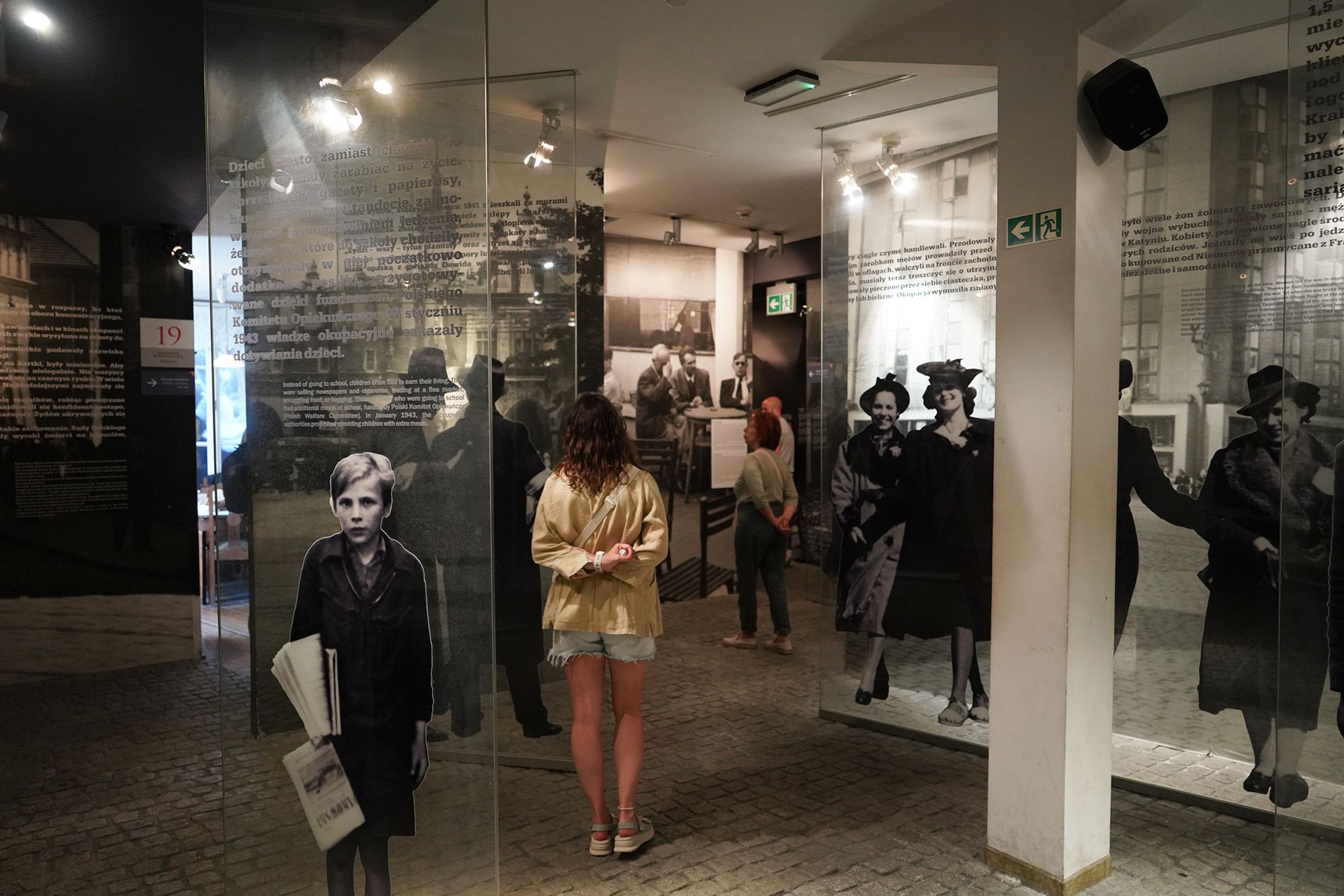
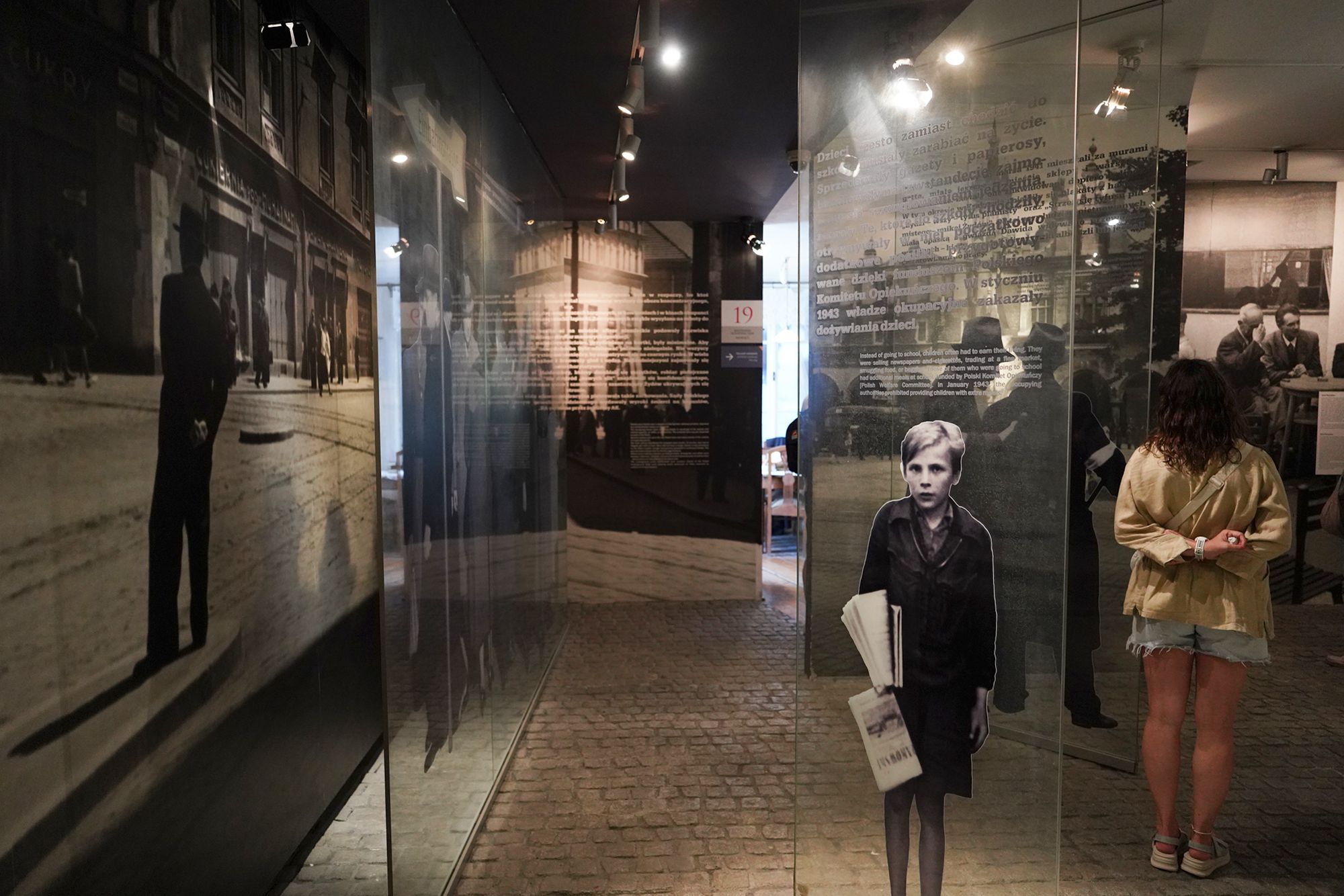
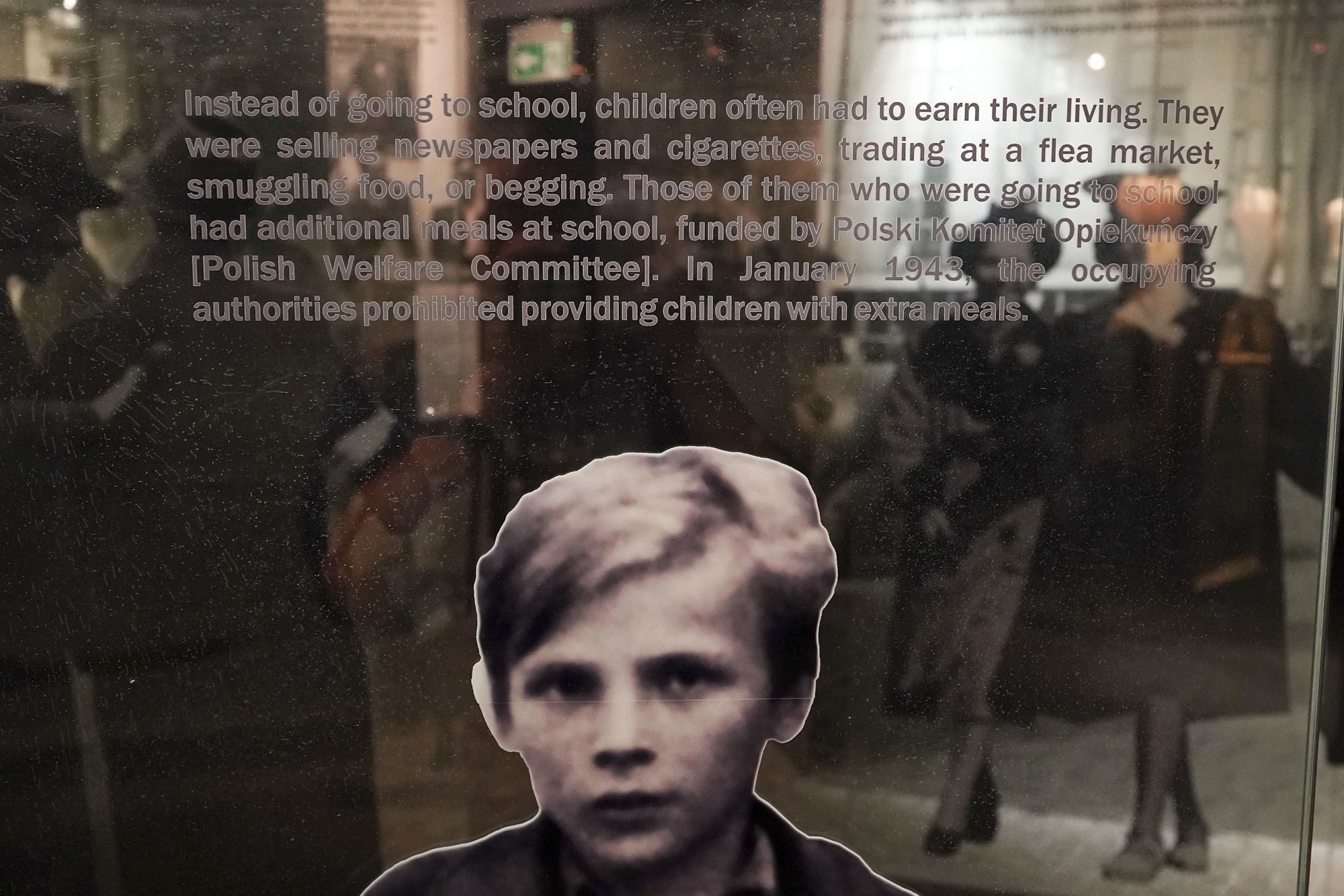
The next section was titled “Everyday Life, 1941–1943.” A quotation on the wall describes the constant caution people needed in the streets, where they watched for informers and tried to avoid roundups and raids.
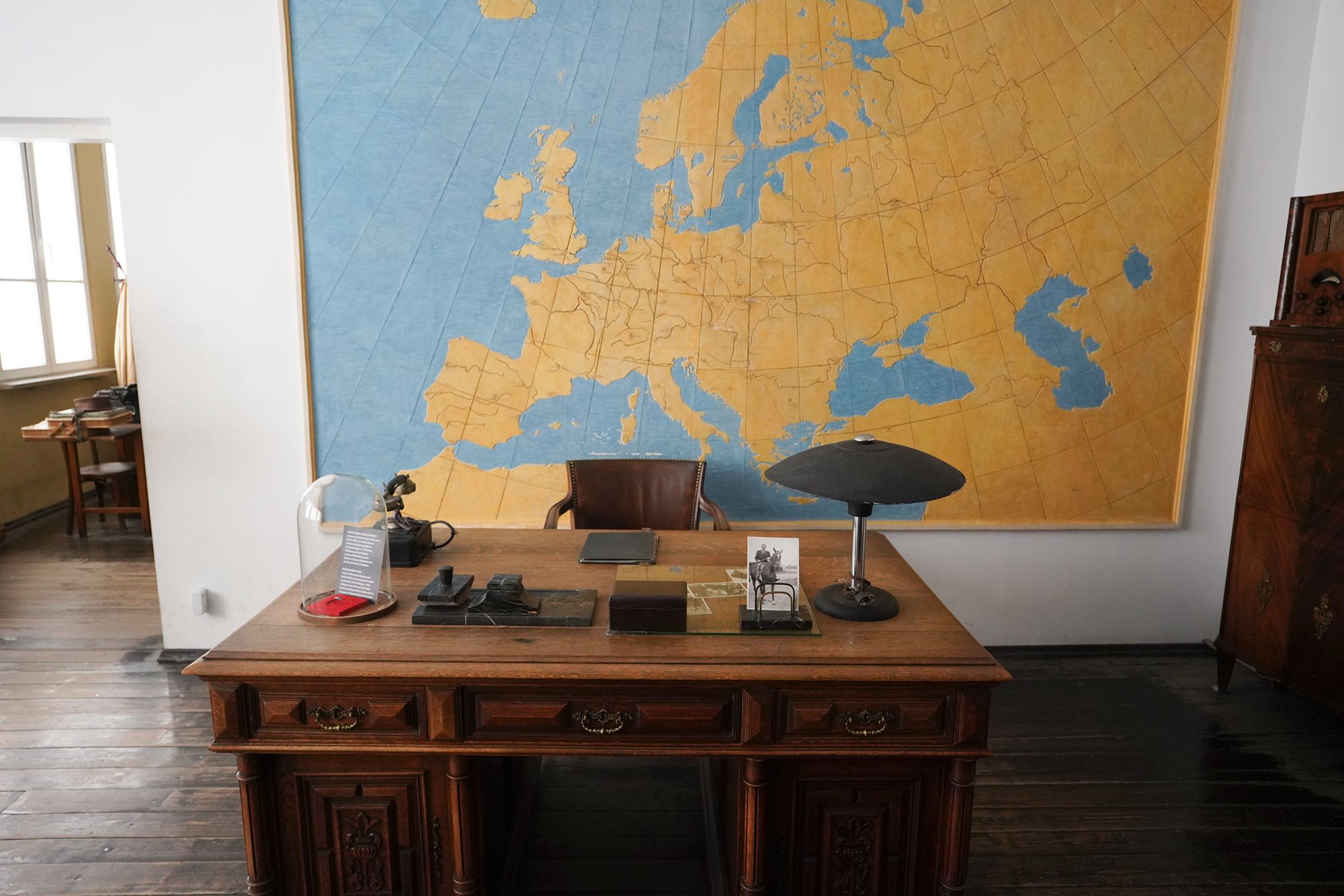
The next section was Schindler’s Reception Desk. I went through the doorway to explore the displays inside.
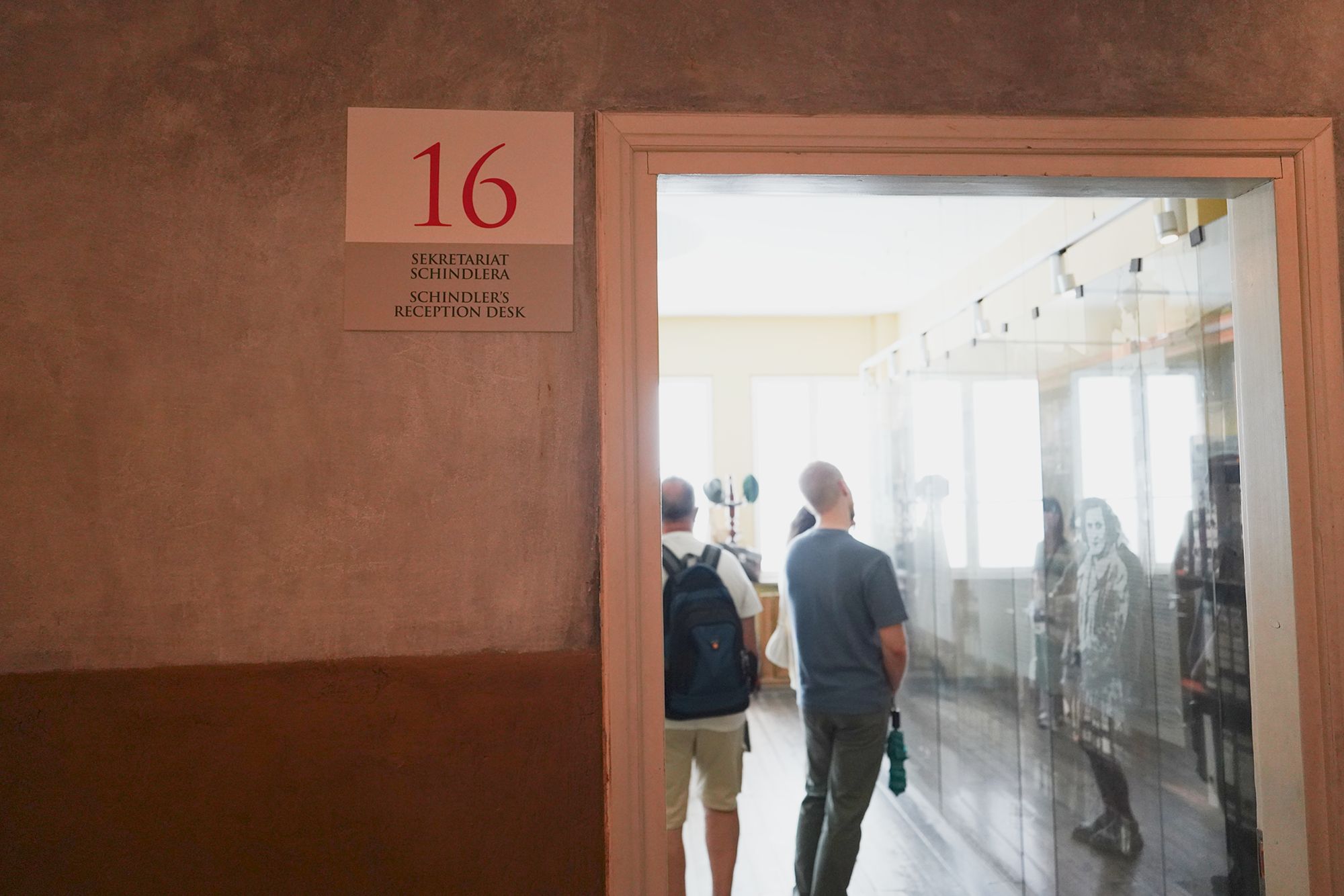
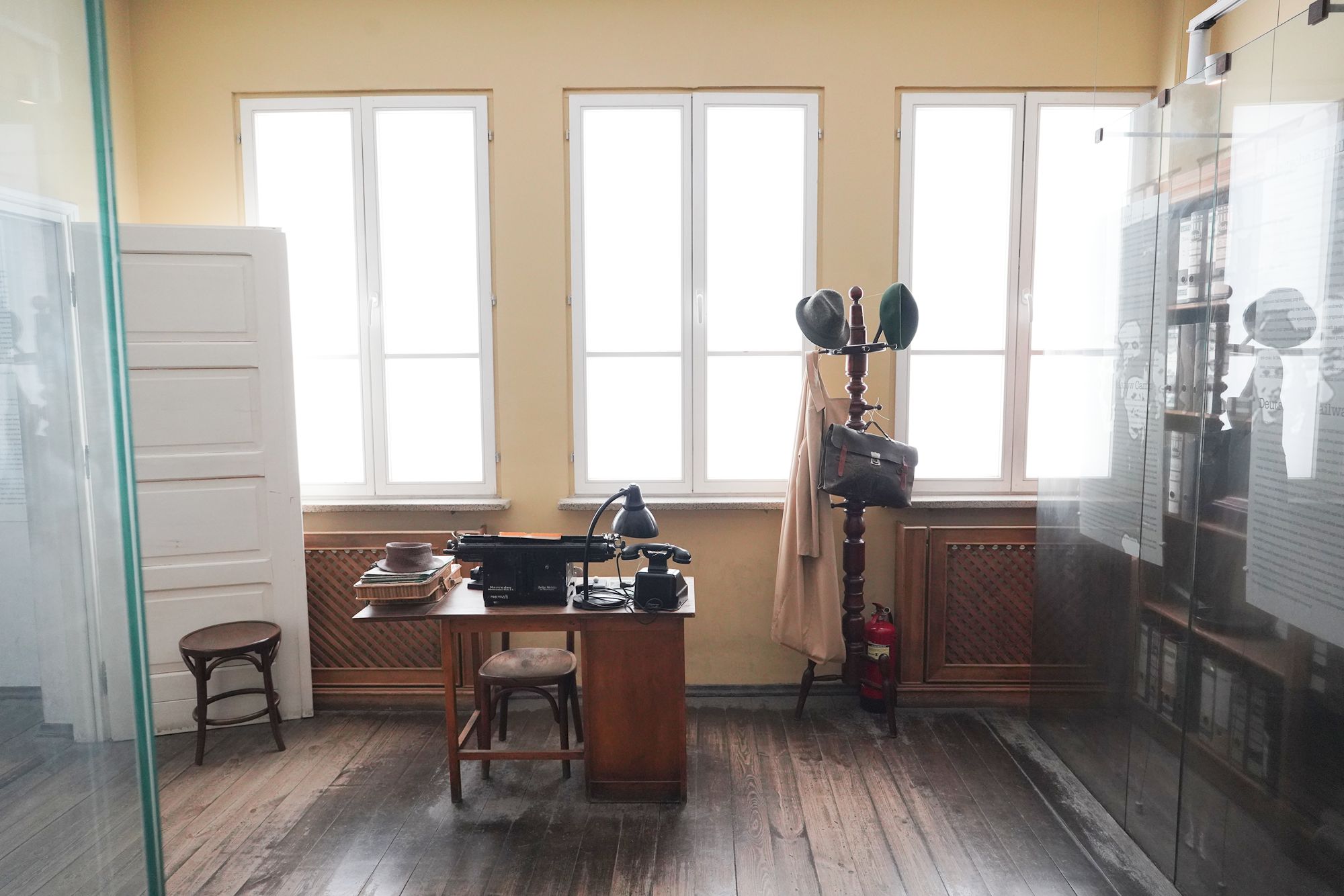
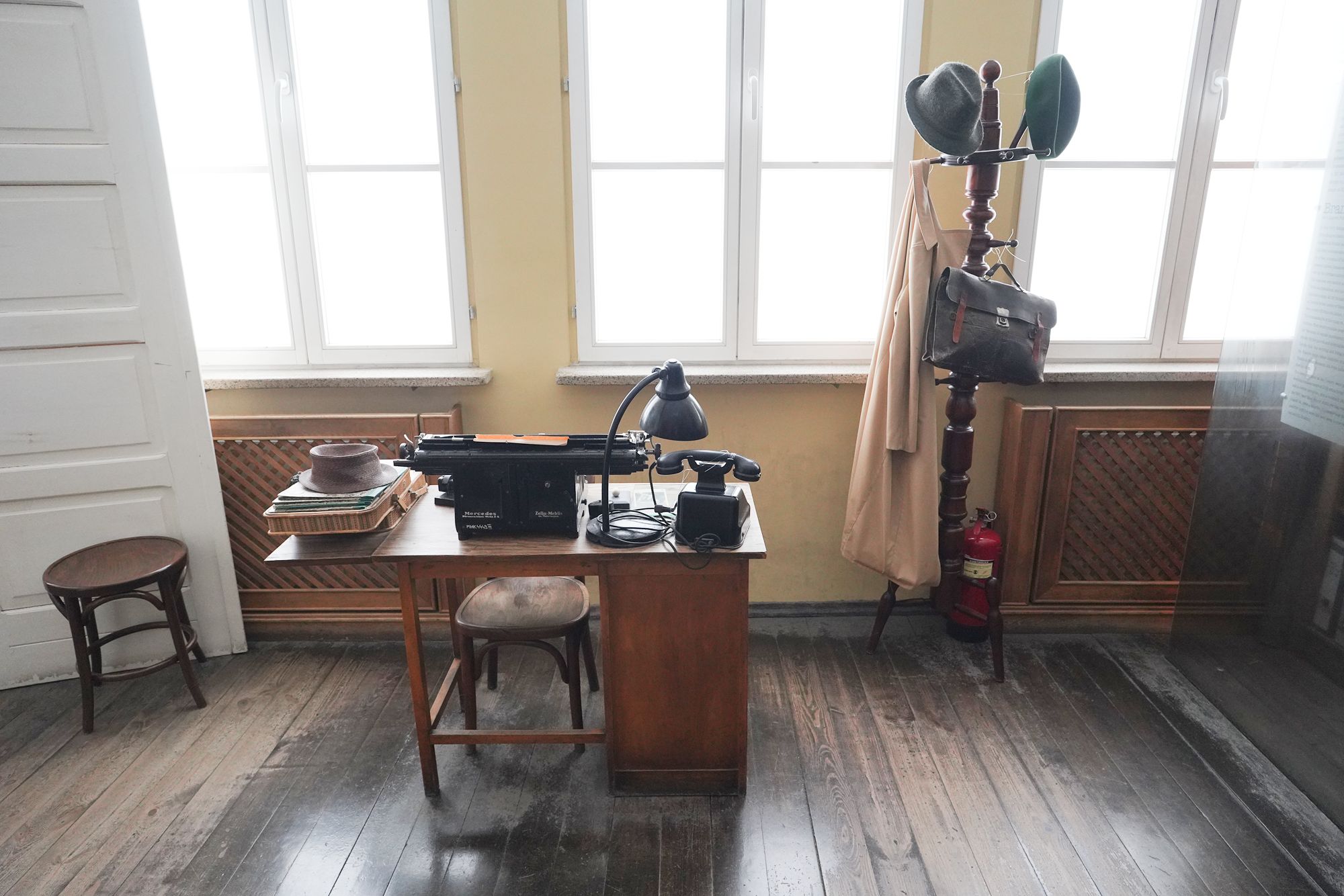
The reception room
This panel traced the factory’s history before Schindler. It began as Józef Gorecki’s locksmith and metalwork shop in 1890, became a wire and ironworks factory, and was sold to three Jewish industrialists in 1937.
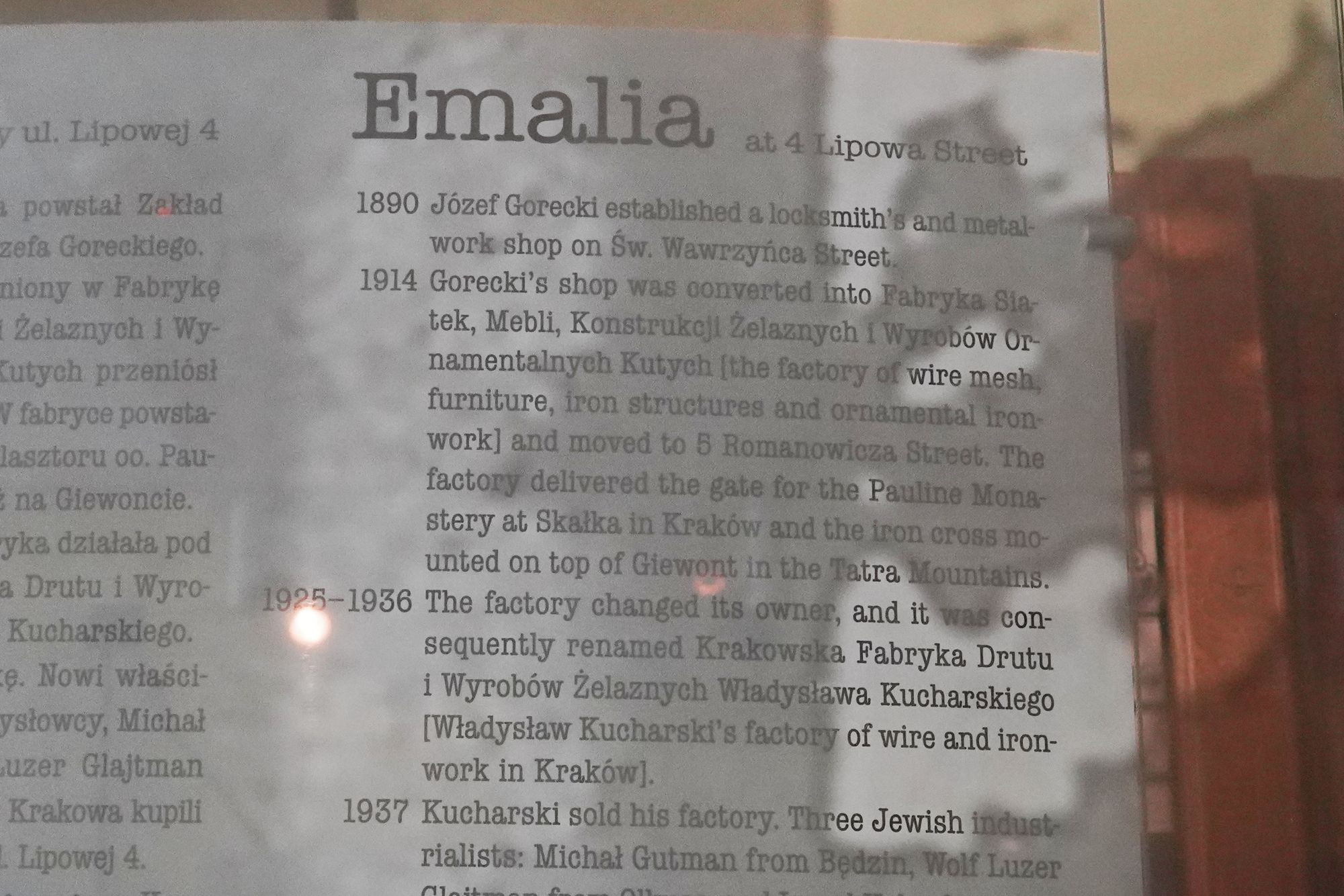
The timeline continues with the factory’s owners before Schindler. In 1937, three Jewish industrialists bought the land at 4 Lipowa Street and established Rekord, a factory making enamelware and tin goods. The company was declared bankrupt in June 1939.
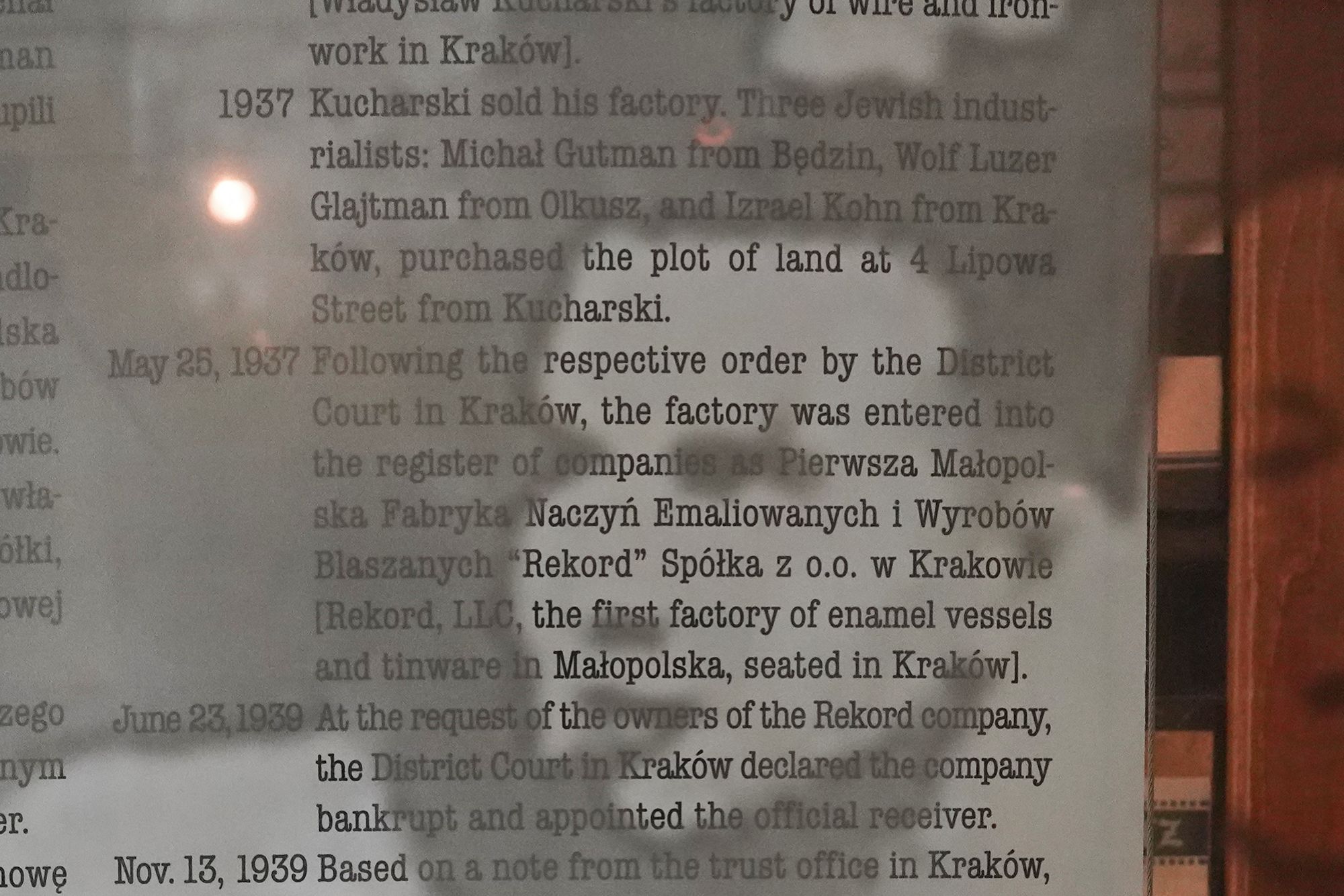
A timeline showed how Schindler took over the factory: he became its administrator in November 1939 and leased it two months later. Known as Emalia, it made enamelware and mess tins before expanding into munitions production.
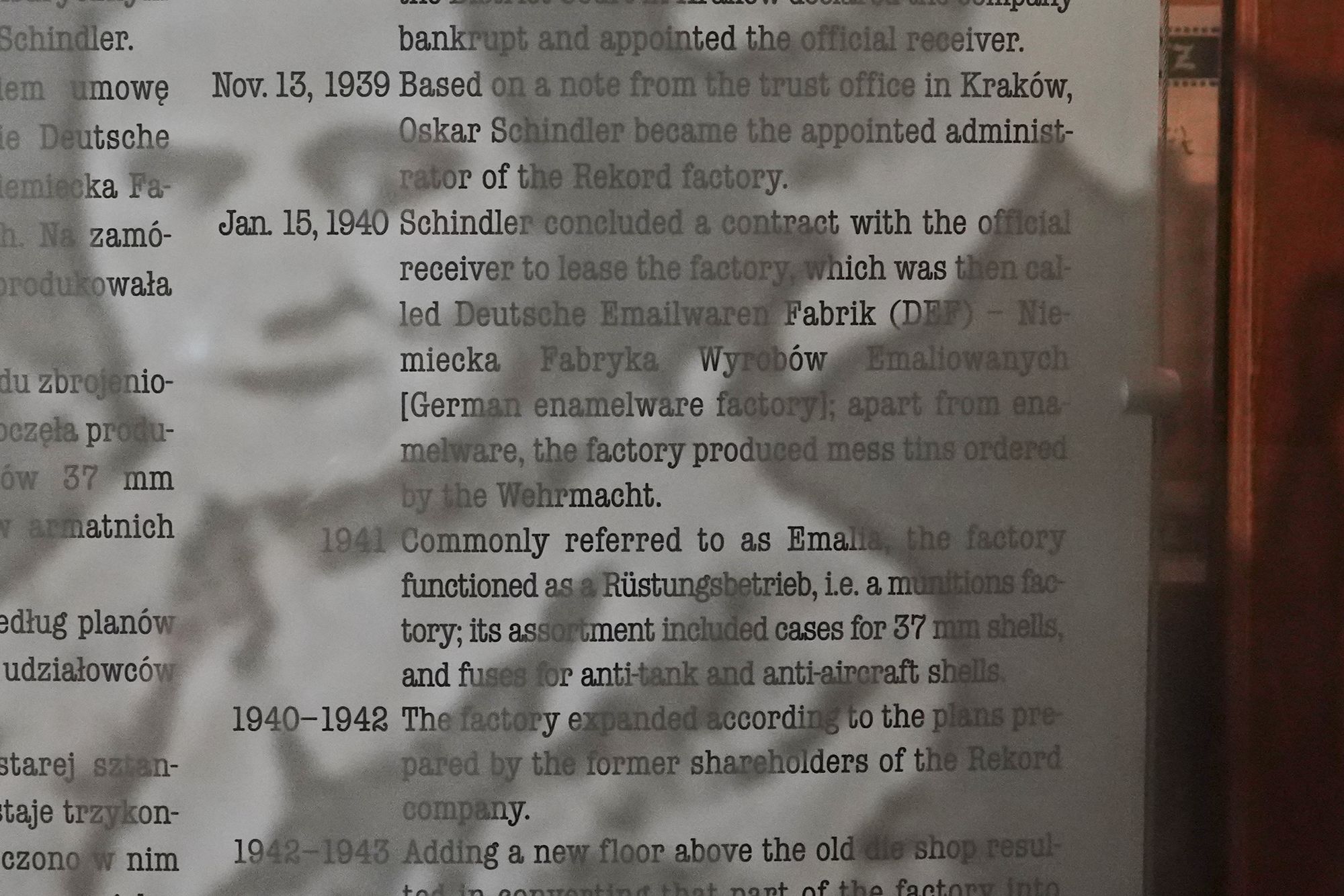
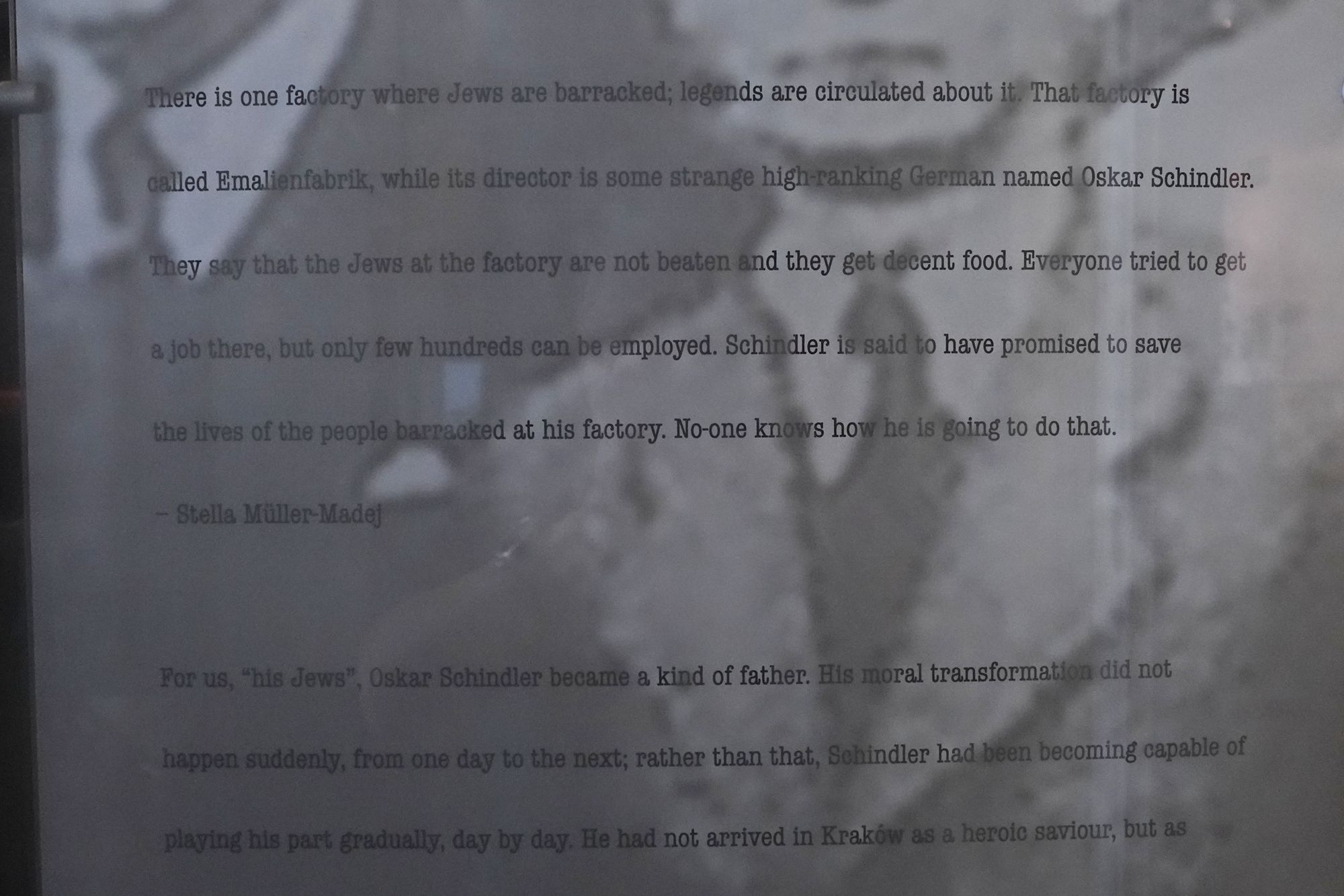
The exhibit described how rumors spread about Emalia, where Jewish workers were said to receive decent food and avoid beatings. Another passage recalls that Schindler gradually became a father figure to the people he called “his Jews.”
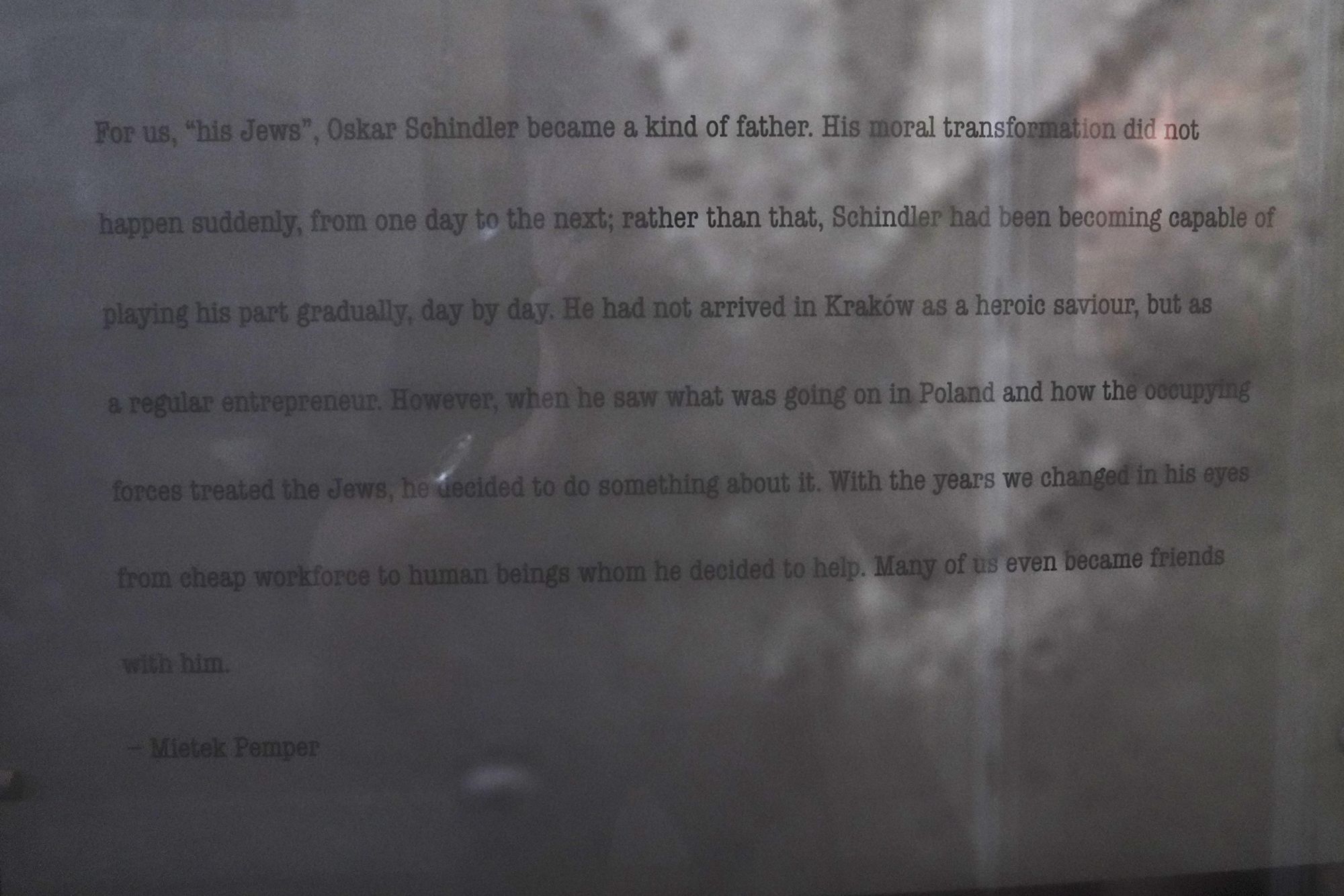
Another testimony described Schindler’s change as gradual. He arrived in Kraków as an ordinary businessman, but after seeing how the occupying forces treated Jews, he chose to help. Over time, many of the people he employed became his friends.
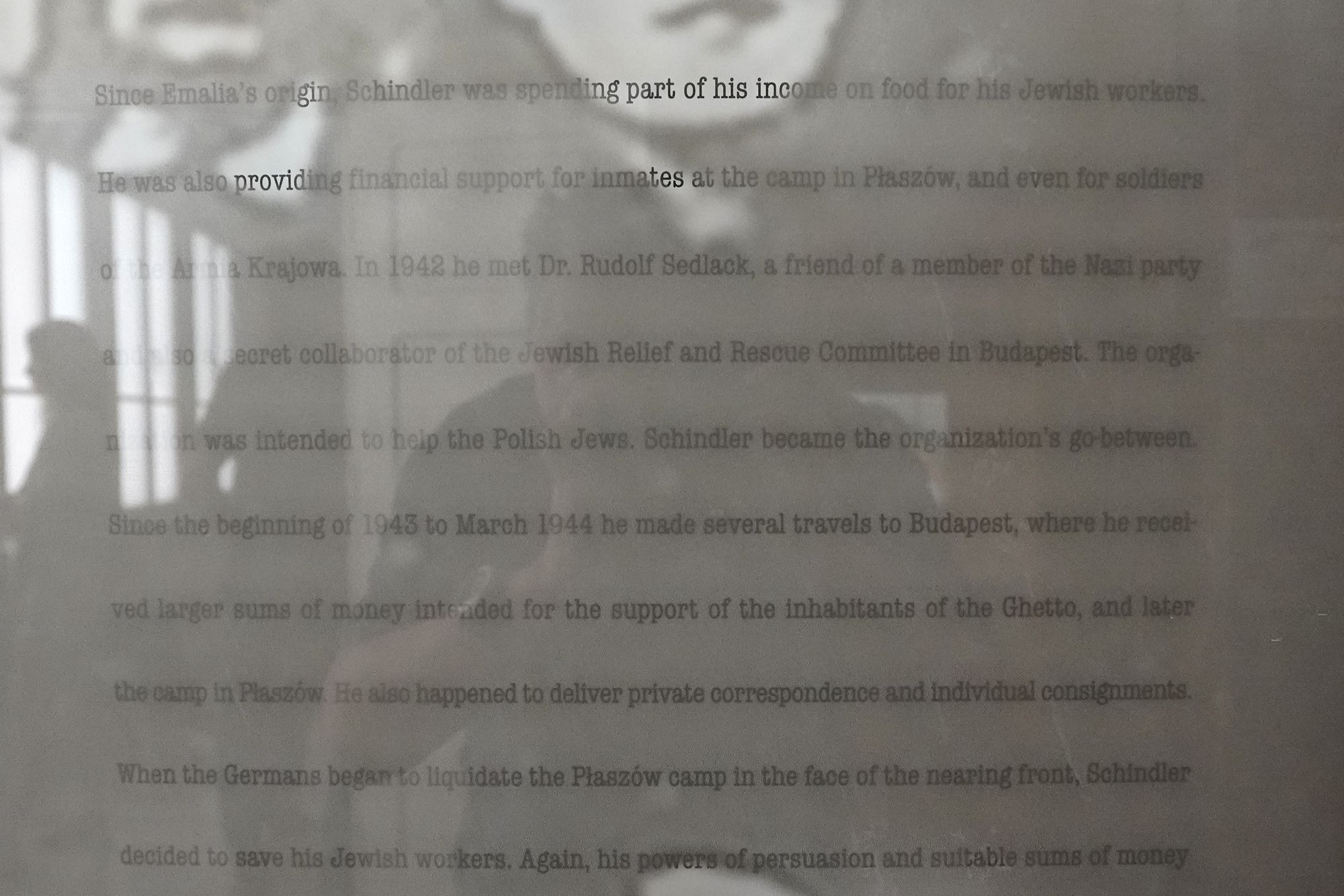
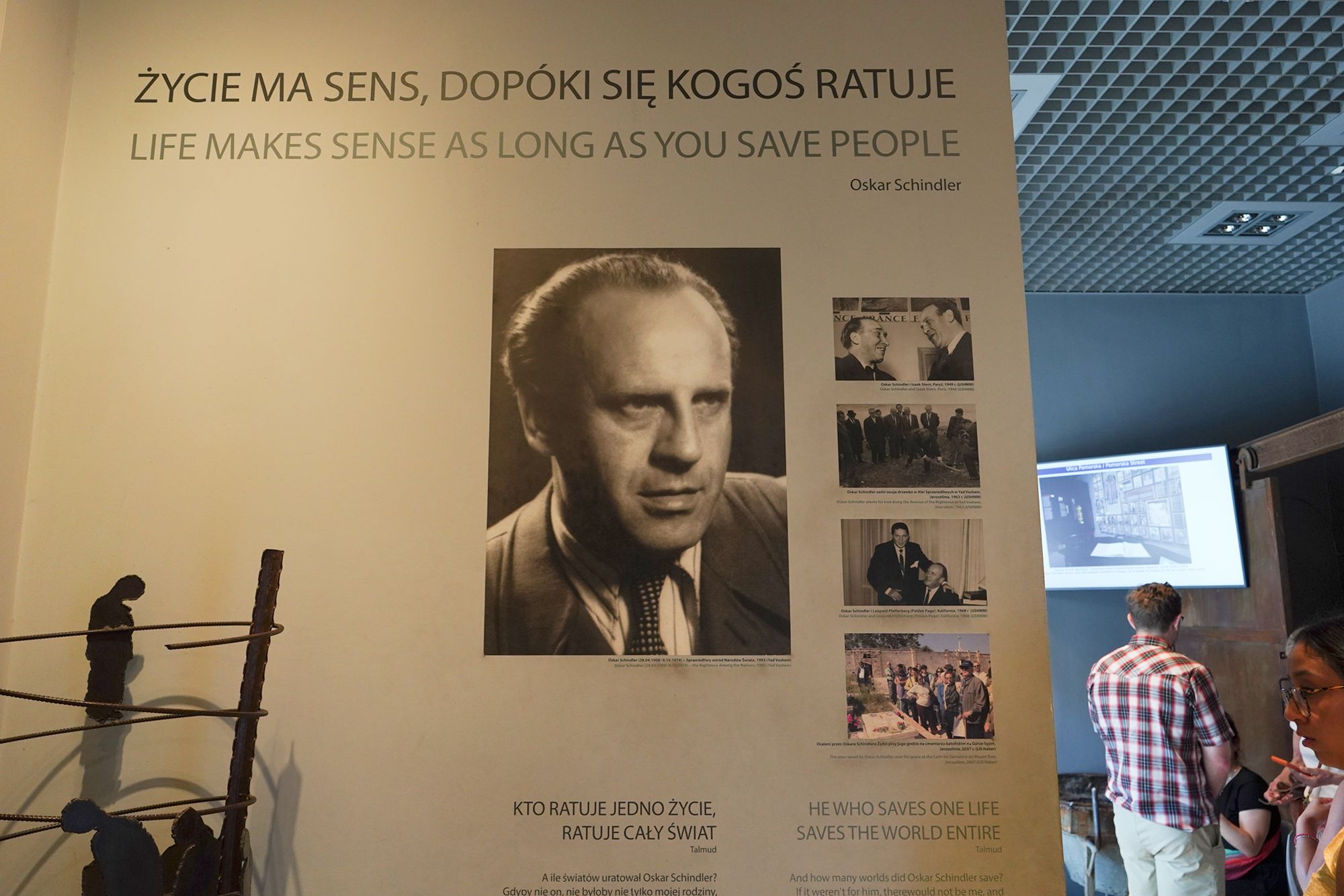
The exhibit described how Schindler helped beyond the factory, spending some of his income on food for Jewish workers and assisting prisoners in Płaszów. It also says he carried money and messages for a Jewish relief network. When the camp faced liquidation, he decided to save his workers.
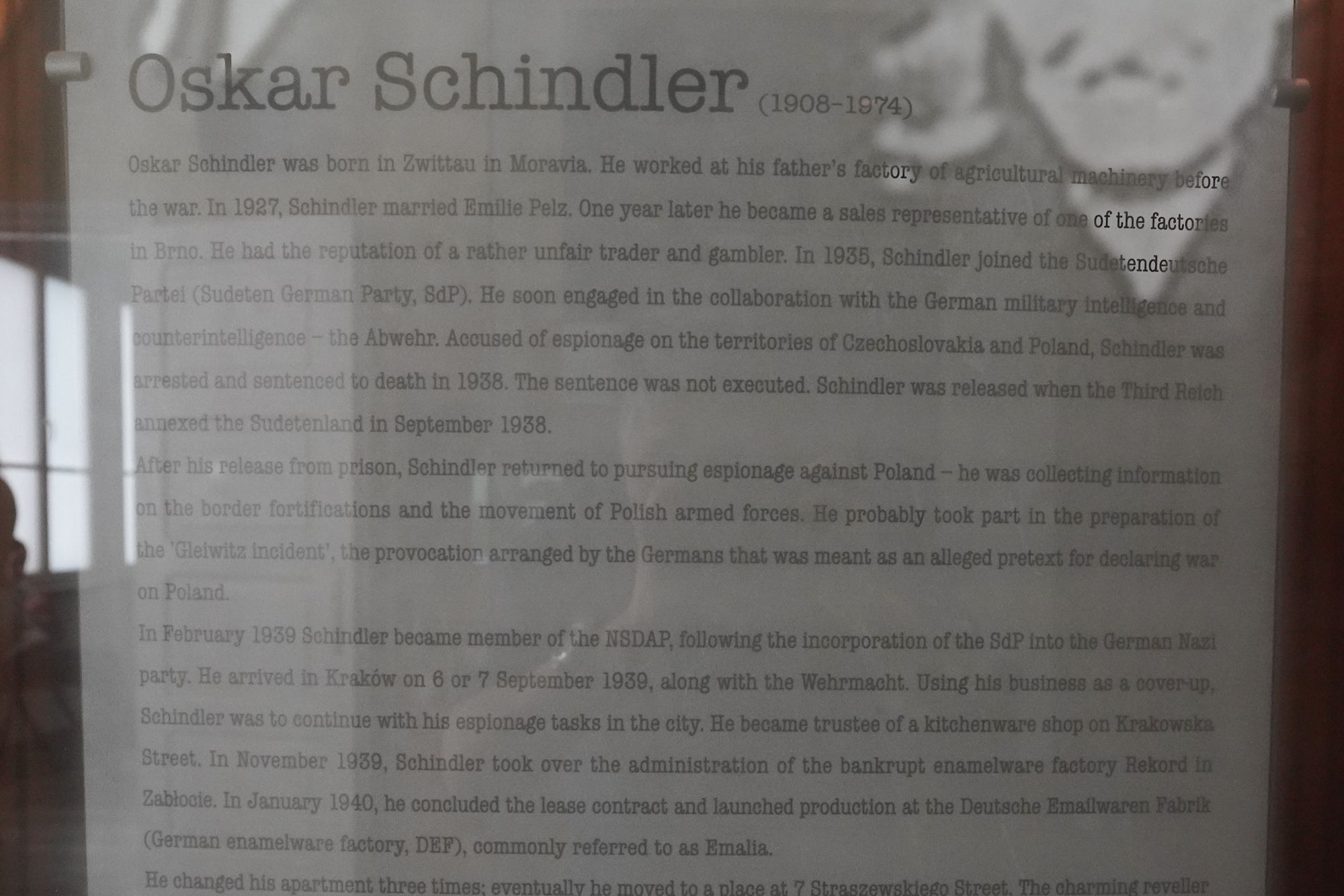
The biography presented a complicated picture of Schindler. Before running Emalia, he worked with German military intelligence, was arrested for espionage, and joined the Nazi Party. He arrived in Kraków with the Wehrmacht in 1939 and took over the bankrupt enamelware factory later that year.
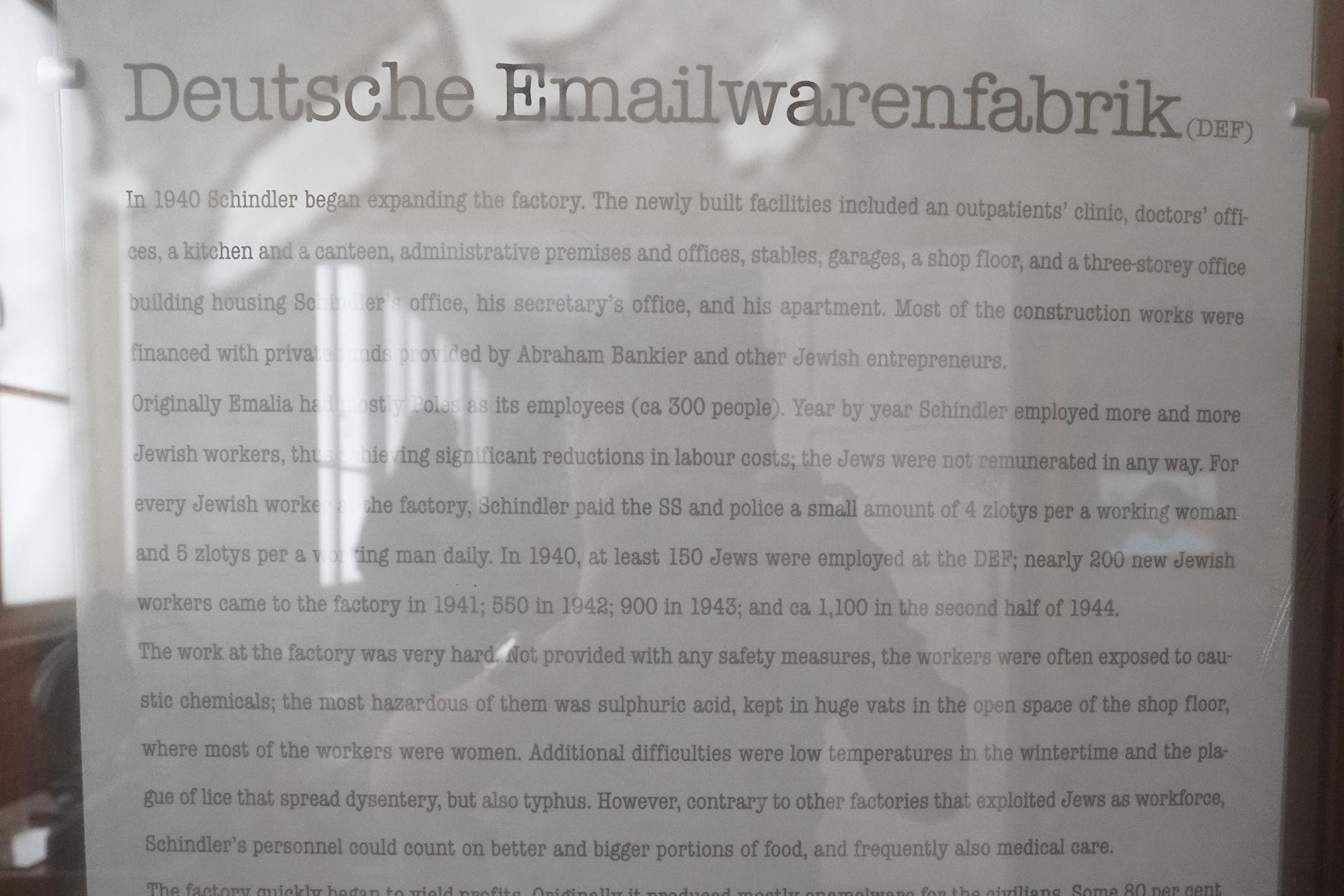
The exhibit described how Emalia expanded and employed an increasing number of Jewish workers, reaching about 1,100 by late 1944. The work was dangerous, and the workers received no wages; Schindler paid the SS and police for their labor. Compared with other factories, they had better food and more access to medical care.
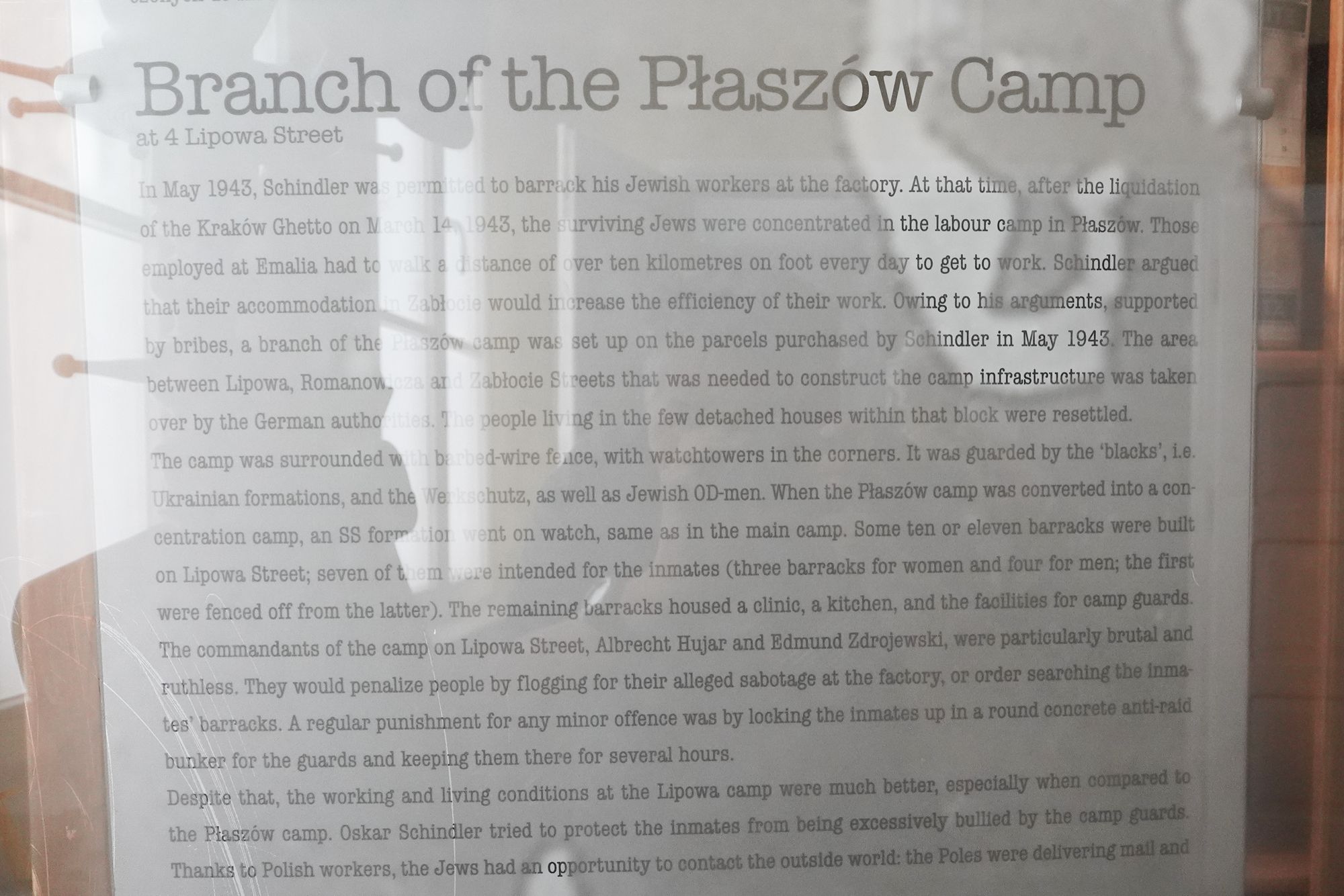
The exhibit explained that in May 1943, Schindler arranged for a branch of the Płaszów camp to be established beside the factory. This spared his Jewish workers a daily walk of more than ten kilometers. The camp was guarded and punishments were harsh, but conditions were better than at Płaszów.
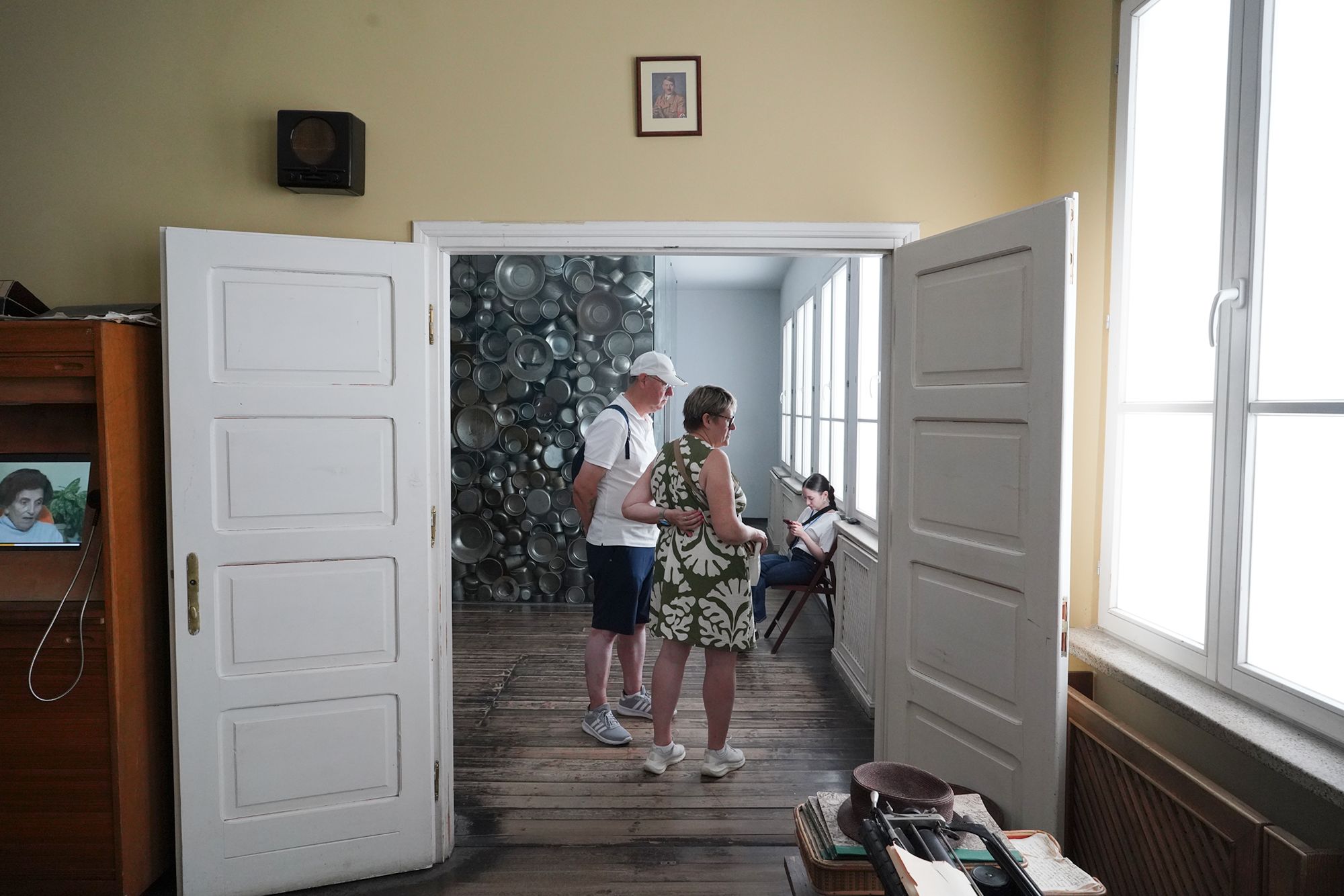
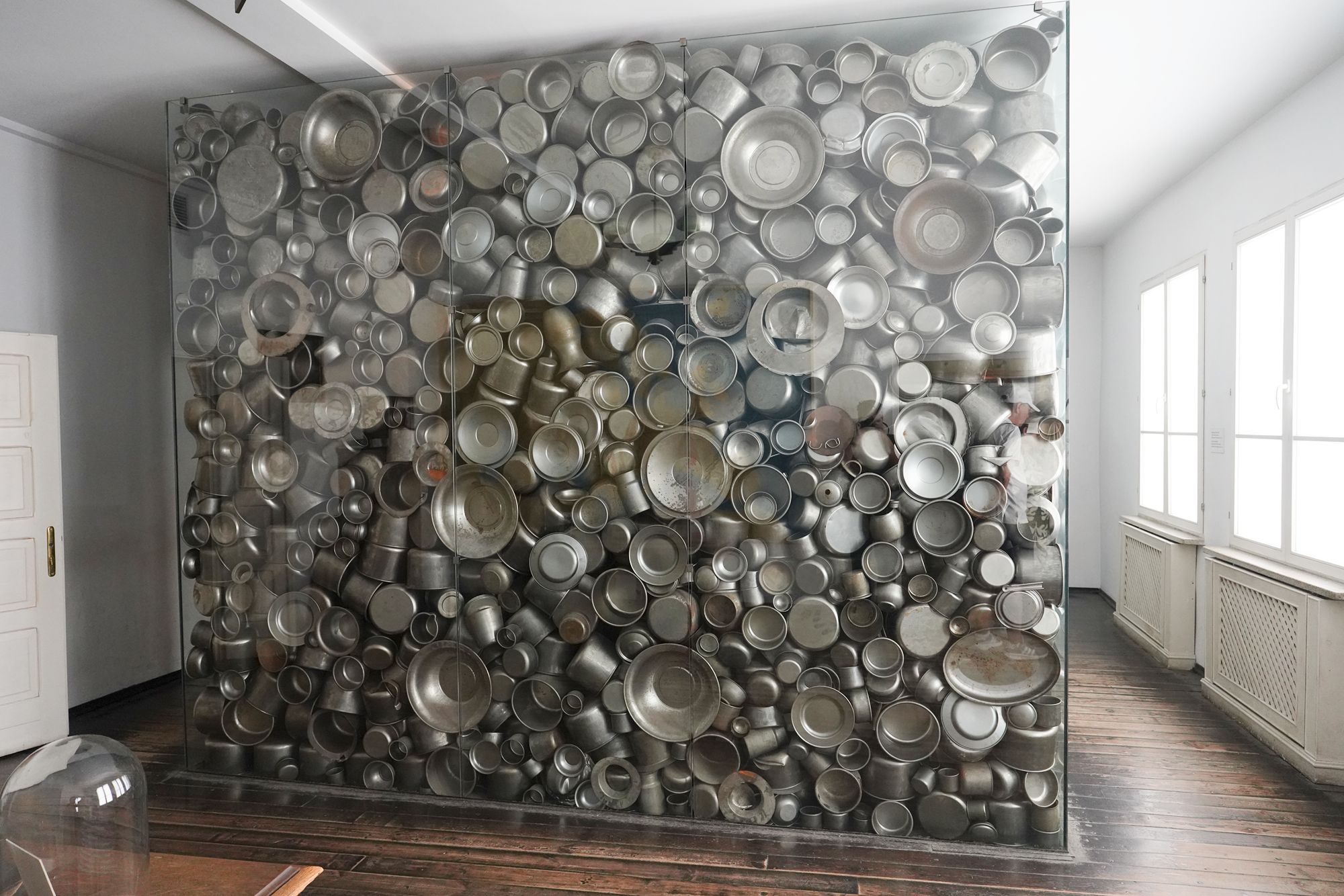
The exhibit also displayed products made by the company and Schindler’s office.
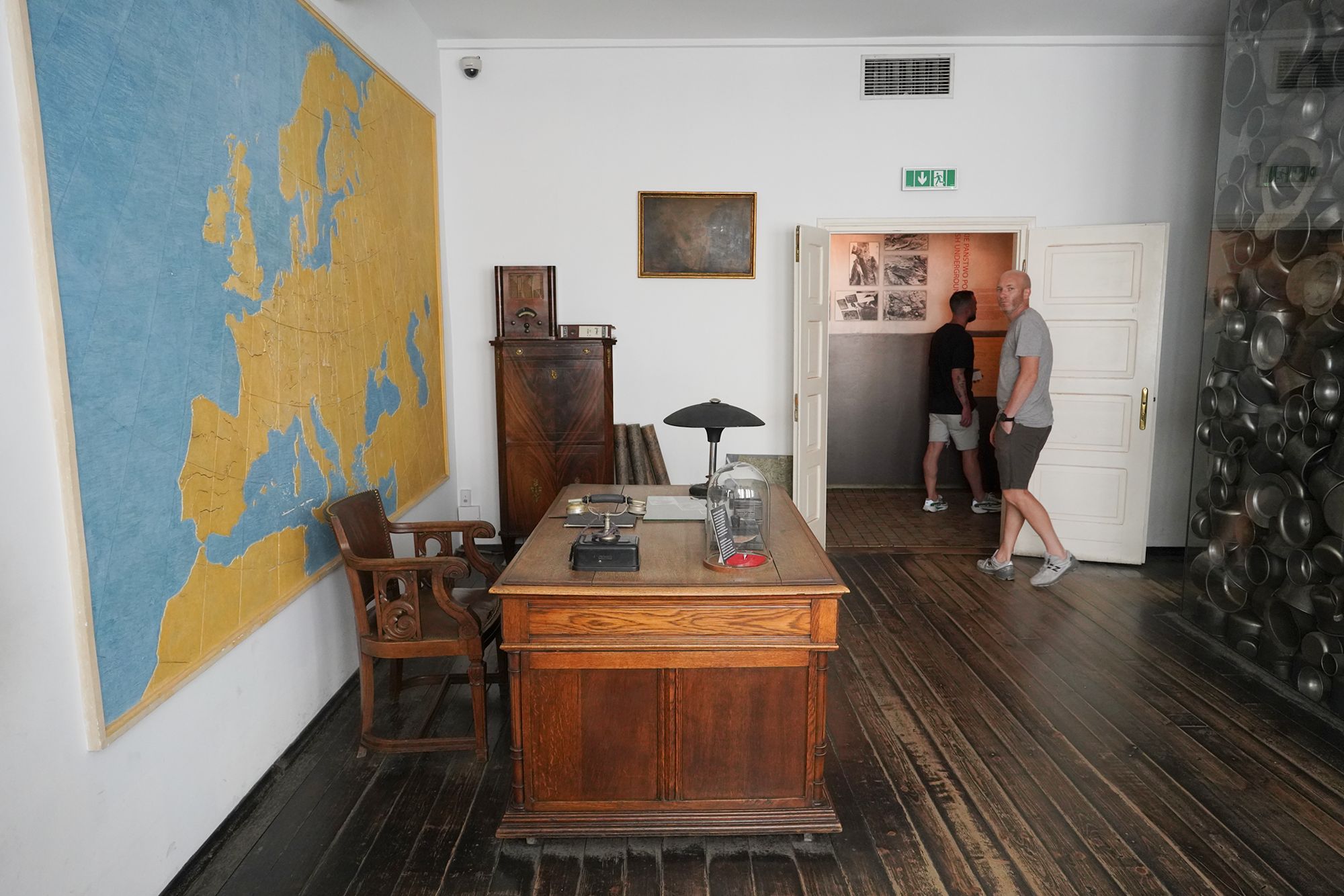
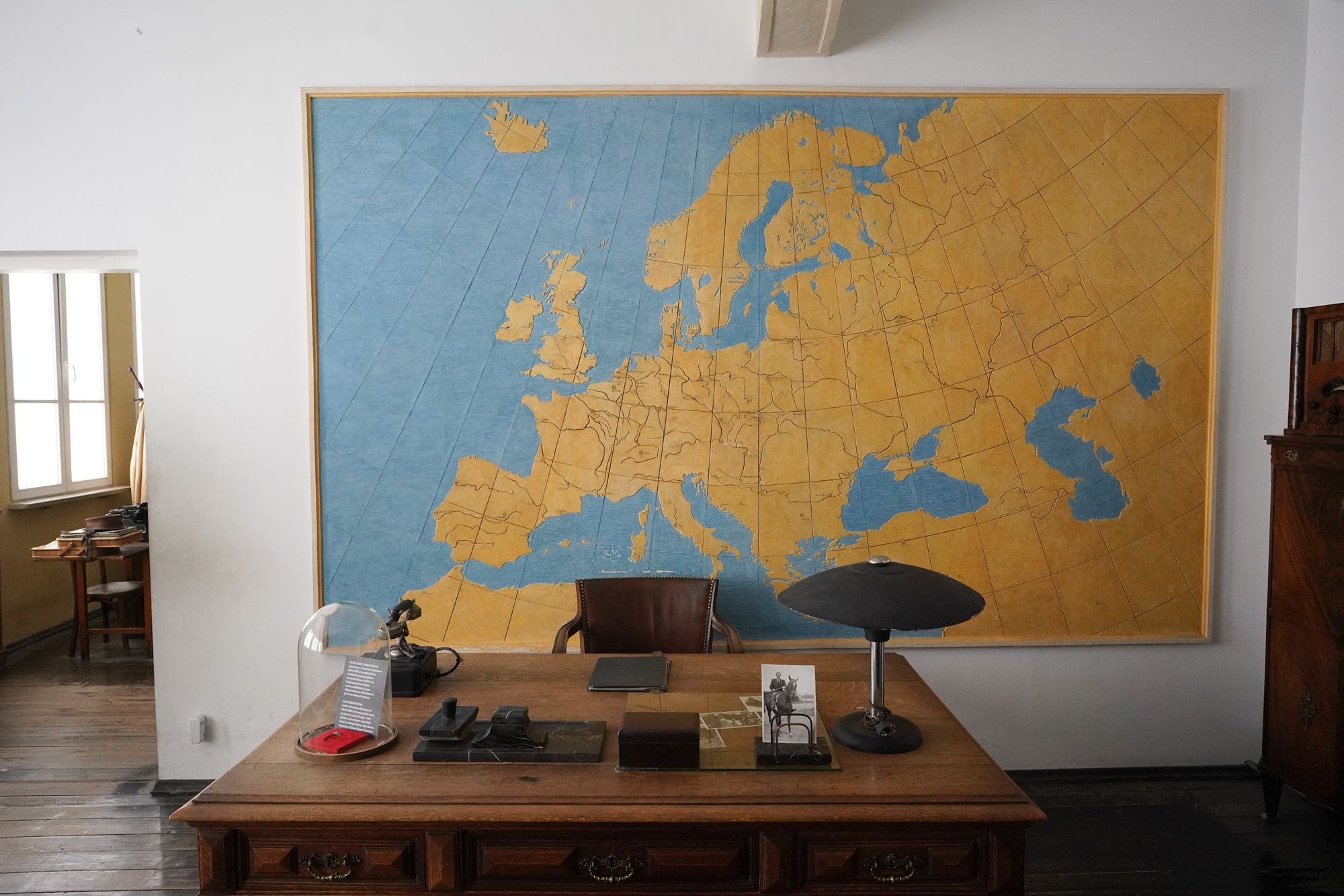
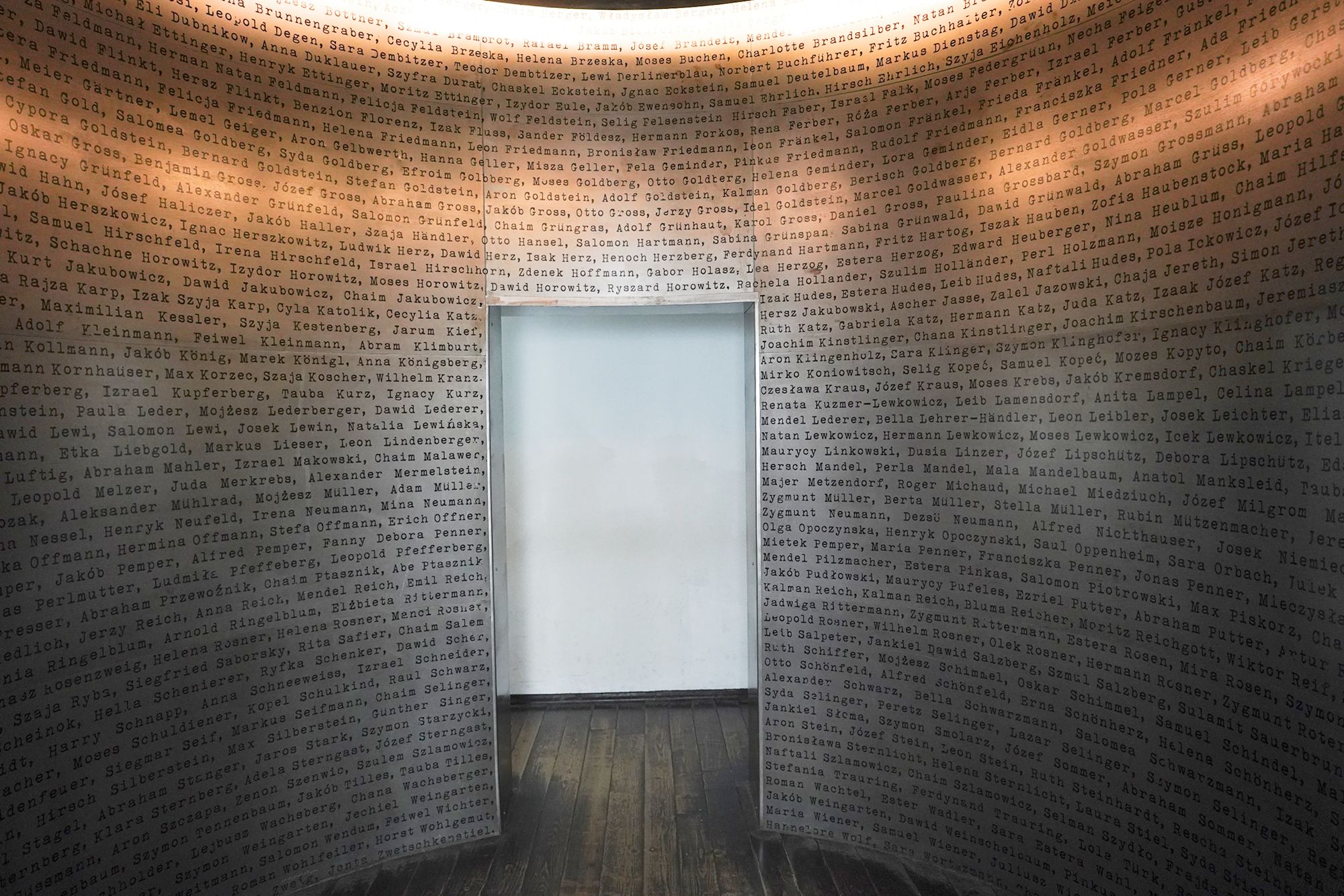
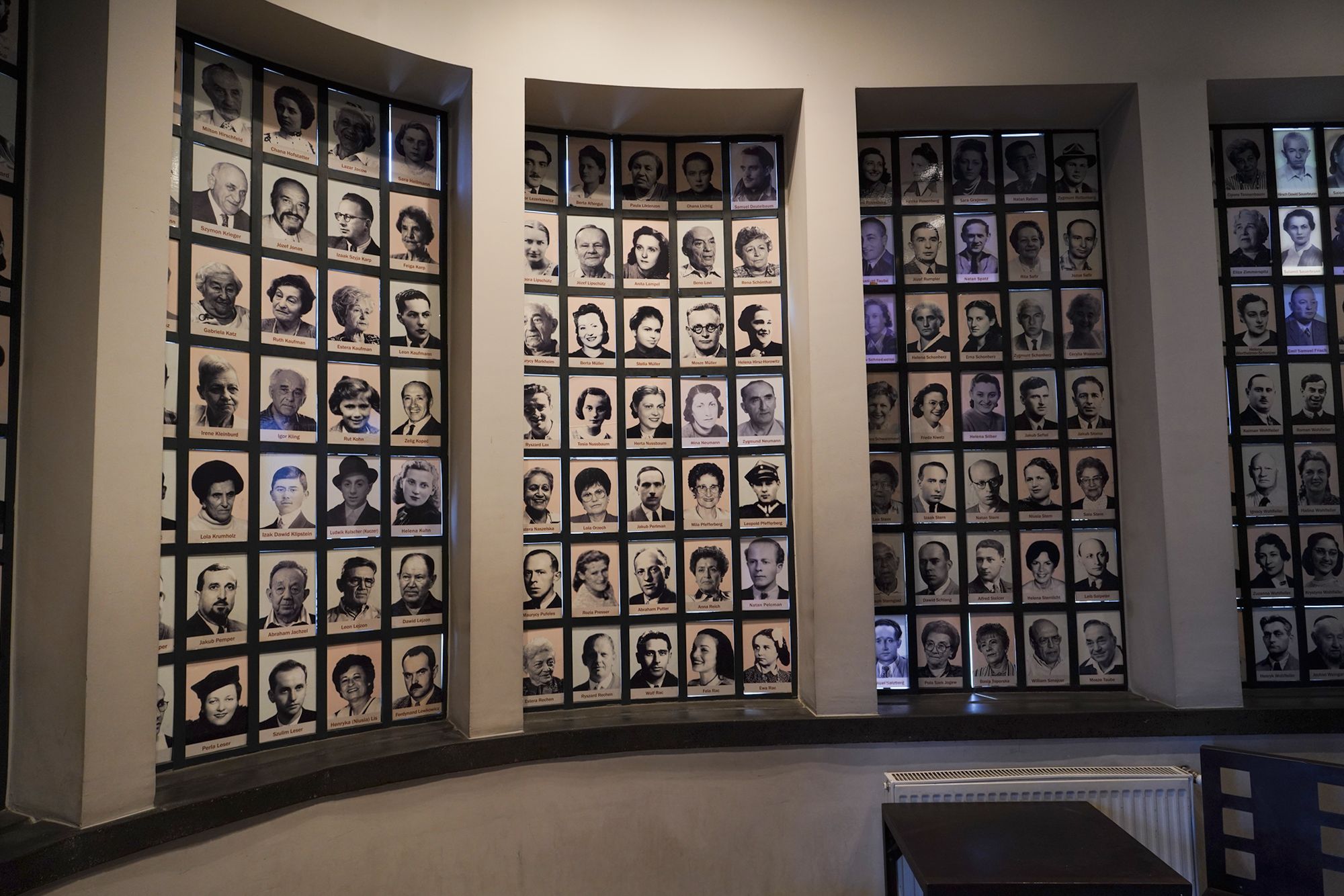
The museum also displayed the names of the people included on Schindler’s List.
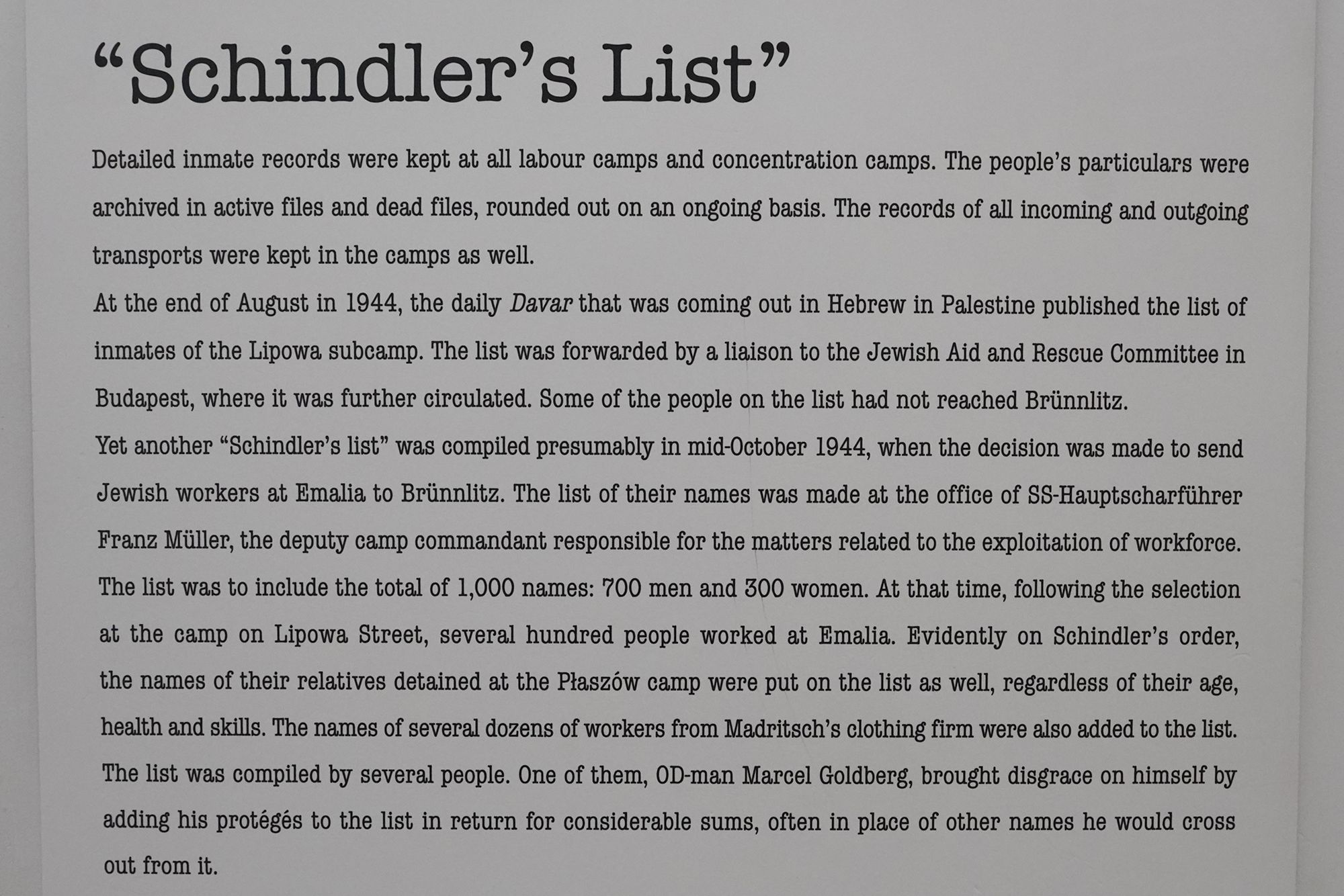
This panel explains that there was more than one list associated with Schindler. The list prepared in October 1944 for the transfer to Brünnlitz was intended to include about 1,000 people. It also included some workers’ relatives, while one of the people compiling it reportedly added names in exchange for money.
Being on the list meant they were selected for transfer from Płaszów to Schindler’s factory at Brünnlitz. There, Schindler could protect them from the harsher camp conditions and deportation, improving their chances of surviving the war.
Schindler arranged to transfer Jewish prisoners from the Płaszów concentration camp to work at his factory in Brünnlitz. Their names on the list enabled the transfer. They were still prisoners doing forced labor, but being under Schindler’s protection gave many a better chance of surviving the war.
Germany allowed the transfer because the Nazis saw the factory as part of the war effort: it was classified as an armaments plant, and they were relocating weapons factories as the Soviet army advanced. Schindler used his connections and bribes to get approval to move the factory and its workers. The prisoners remained under SS control at a subcamp in Brünnlitz.
Most of the people transferred to Brünnlitz survived the war. The journey was dangerous: the women’s transport was diverted to Auschwitz, where they were held for several weeks, and at least one woman died before reaching Brünnlitz.
The museum explains that the list was created differently from how the movie portrays it.
The movie shows Schindler and Itzhak Stern personally compiling and typing one list of people to save. The museum says the real process was less direct: there were several lists, including separate lists for men and women. A prisoner clerk named Marcel Goldberg prepared them for the SS, and the names changed. They included workers from Schindler’s and another factory, some relatives, and some people who got onto the lists by bribing Goldberg. Schindler arranged the transfer, but he did not write the lists or have final say over every name.
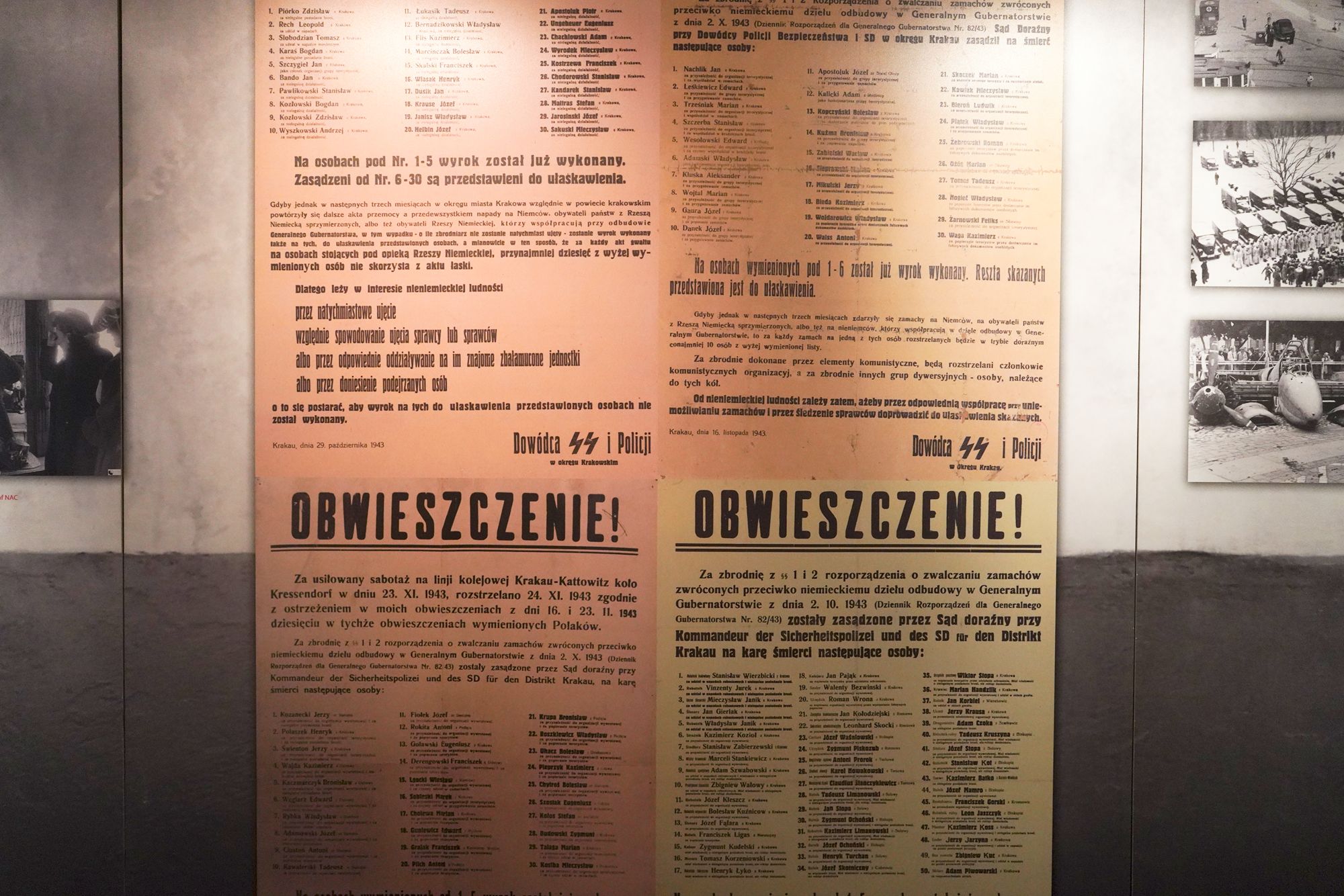
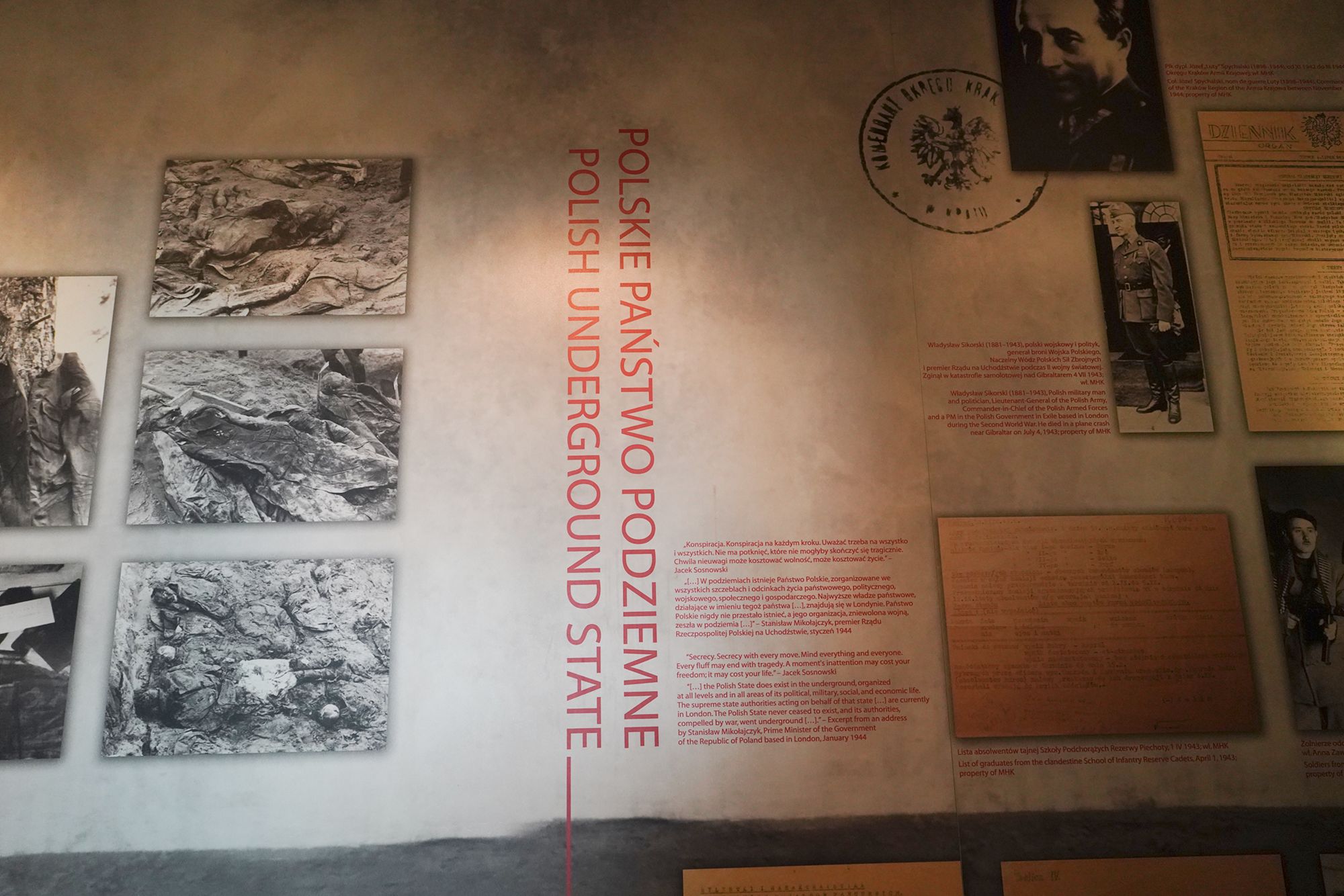
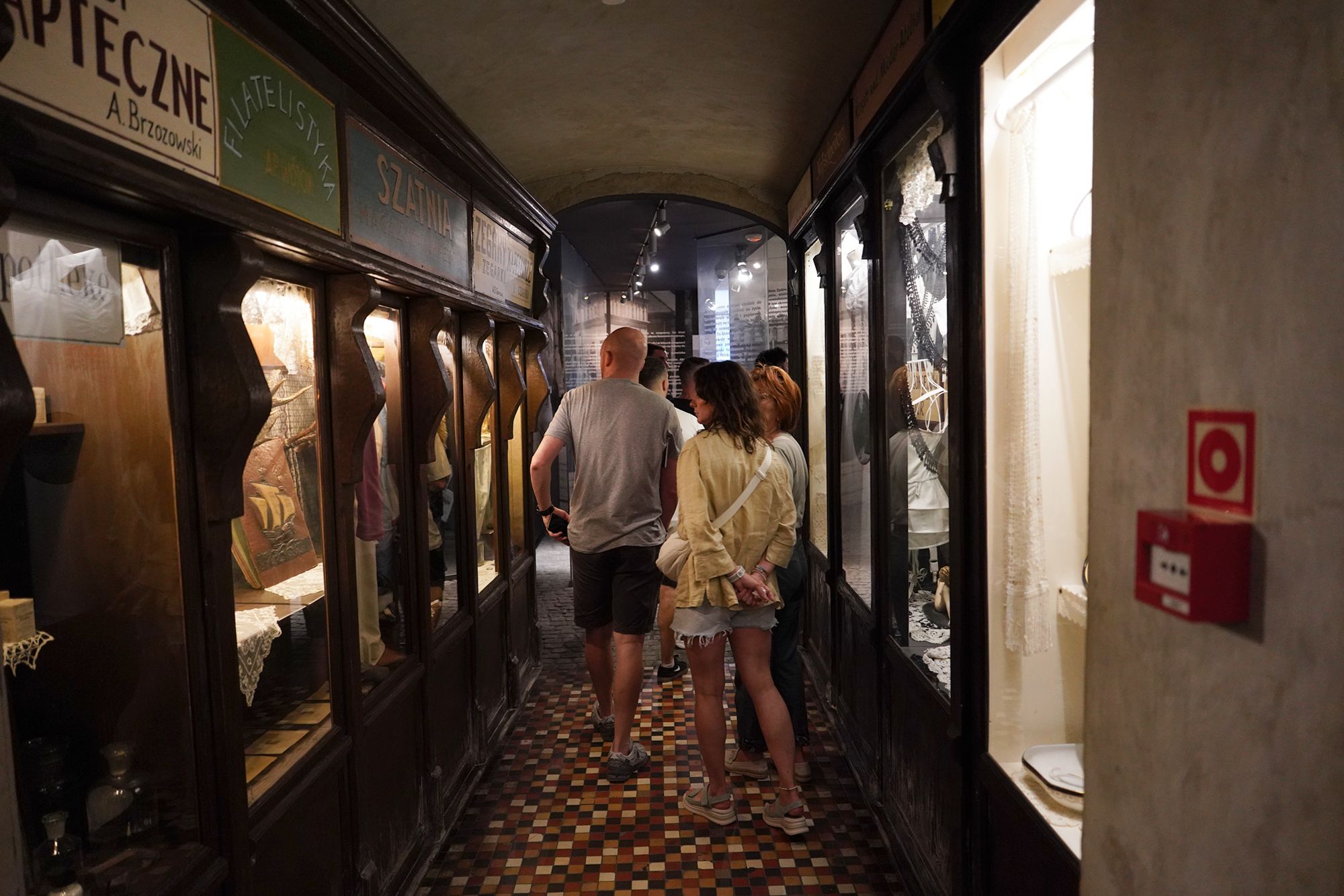
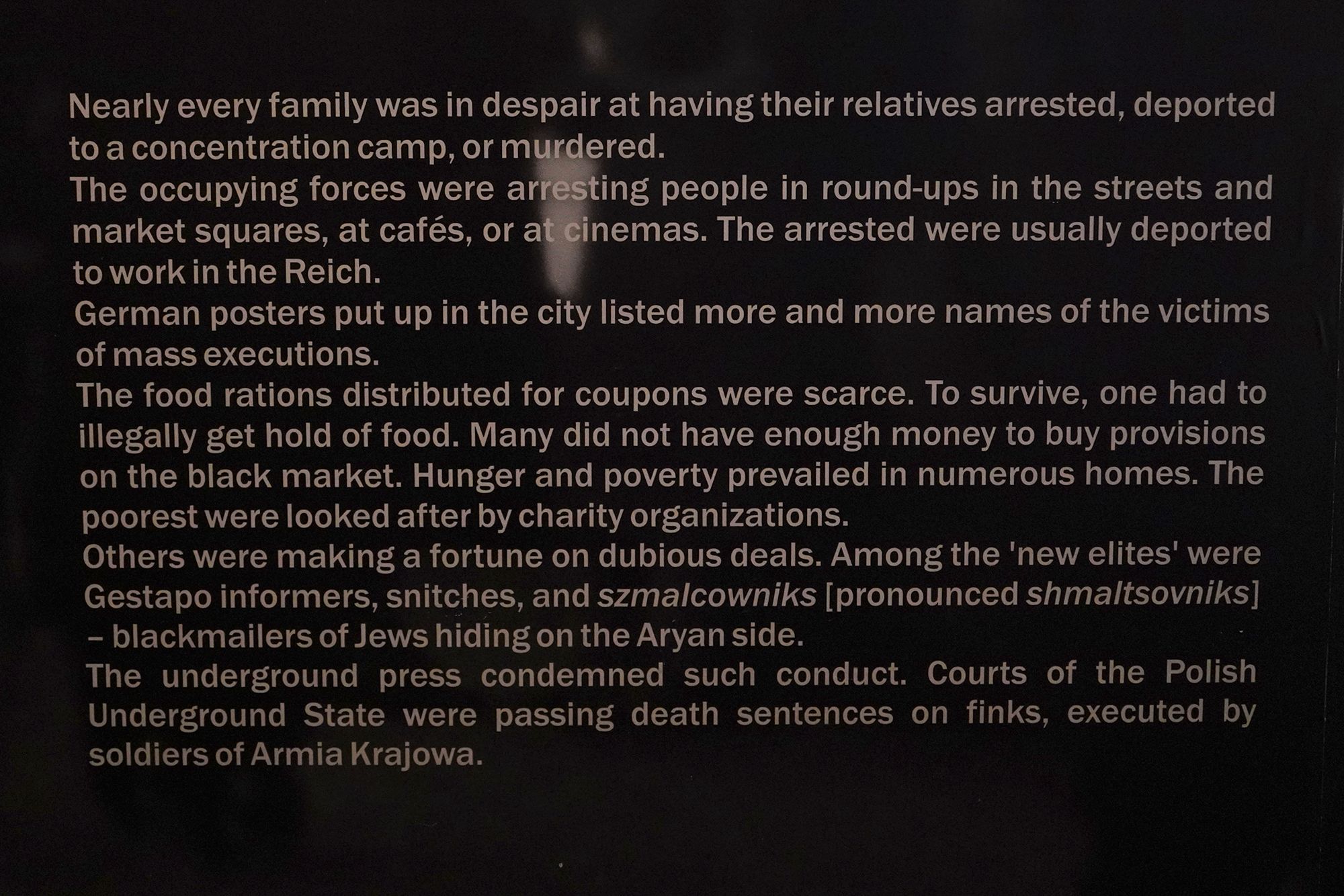
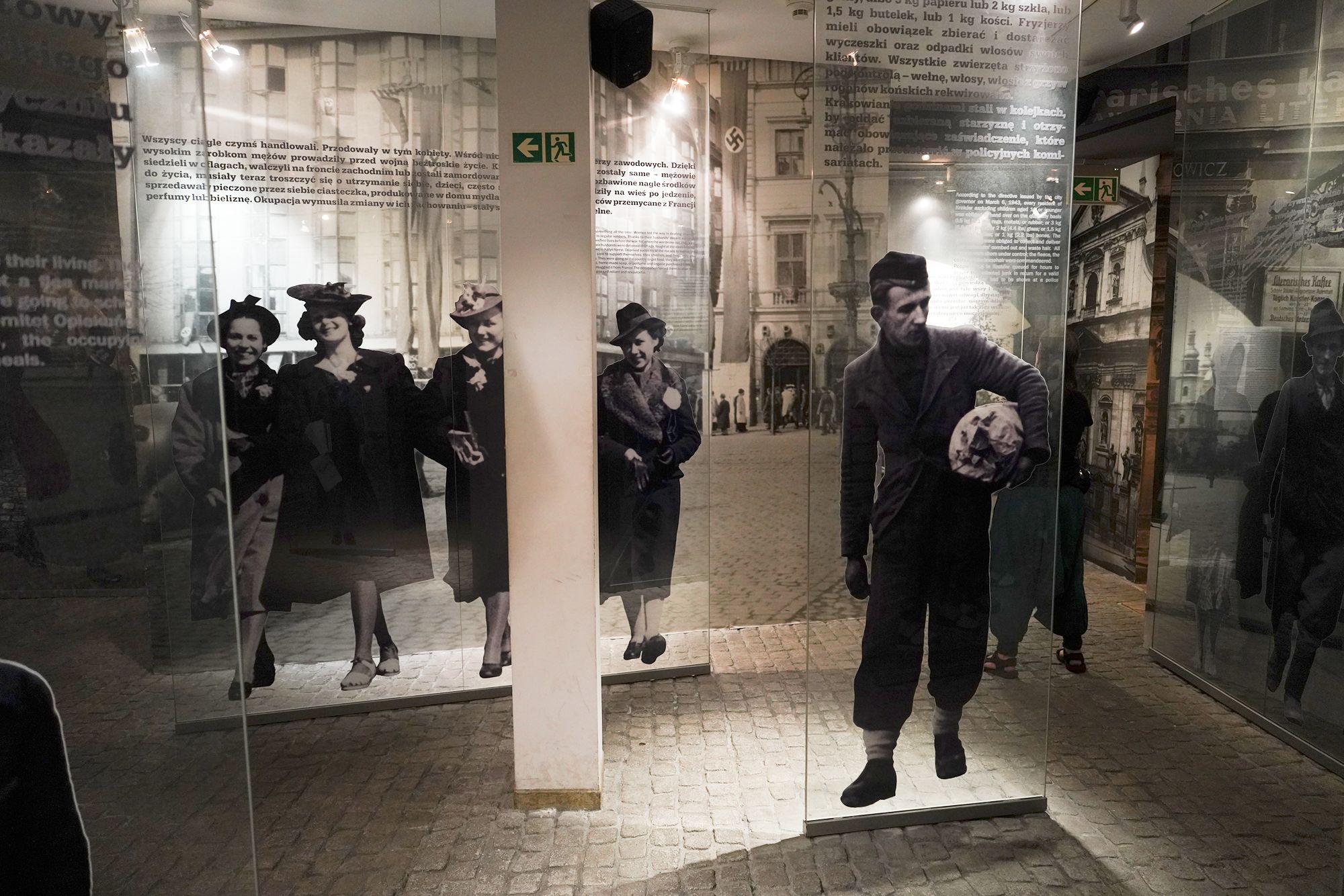
This display described life in occupied Kraków: people faced arrests and deportations, food was scarce, and many struggled with hunger. It also noted that informers and blackmailers preyed on Jews in hiding, while the Polish underground condemned and punished collaborators.
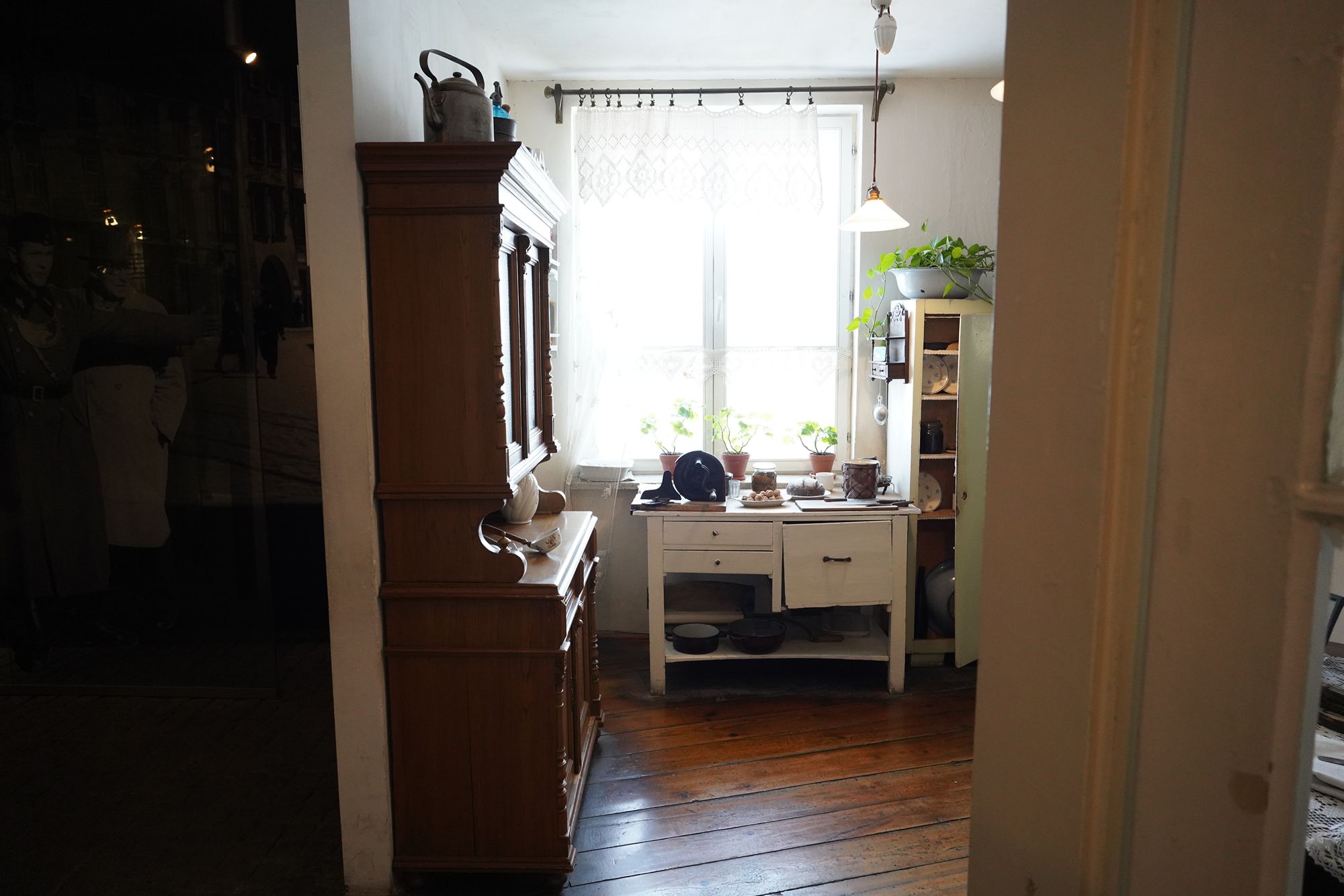
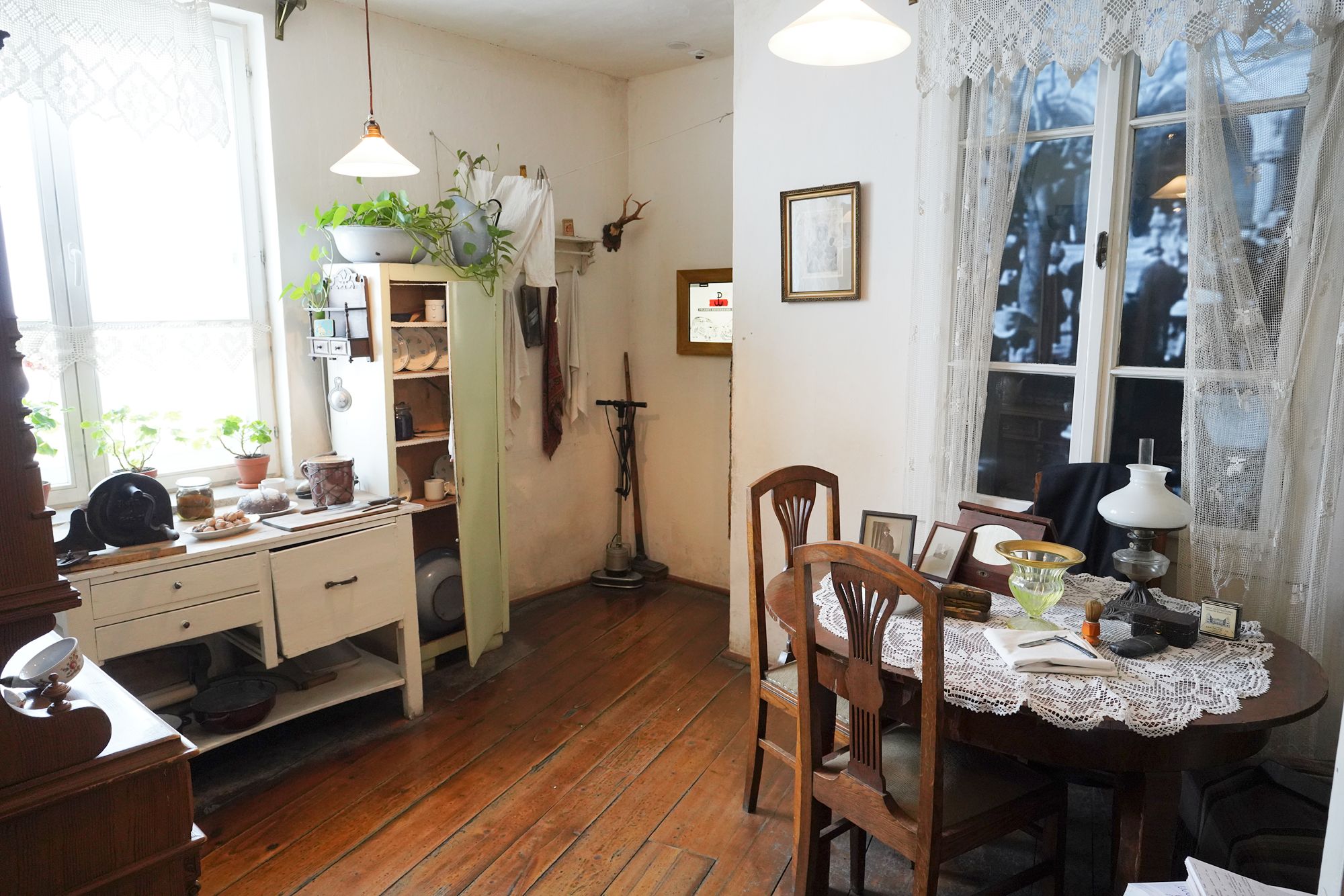
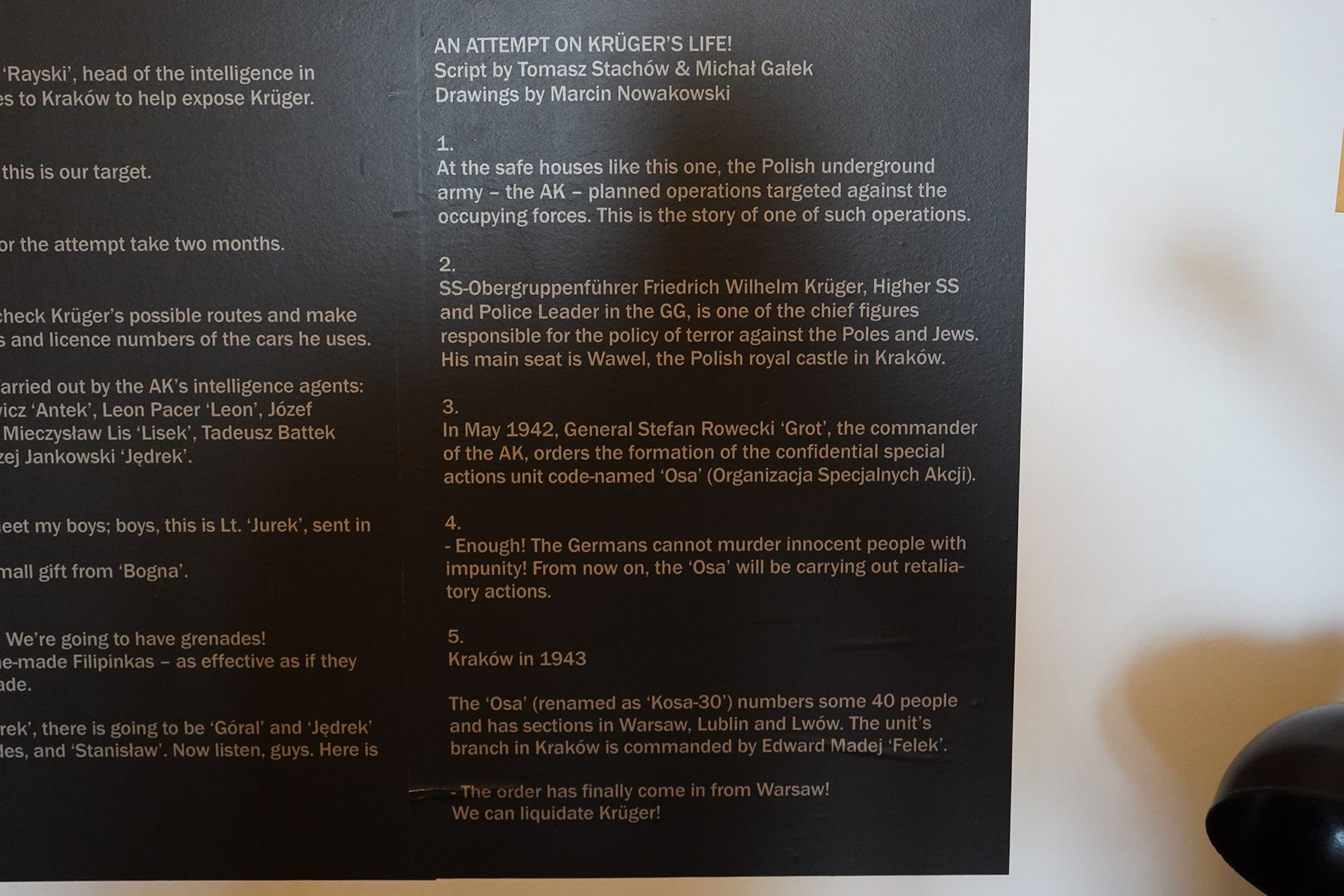
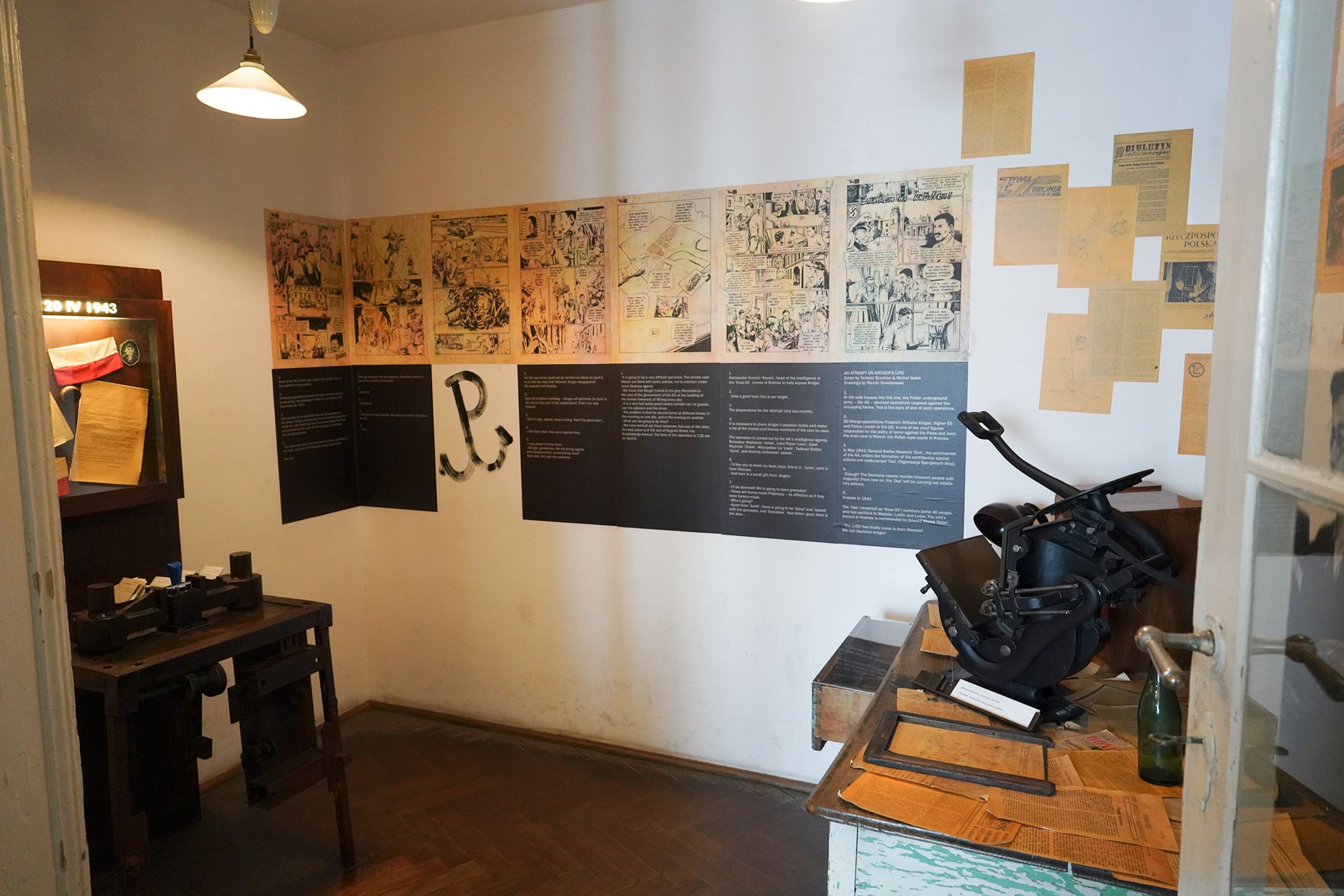
This display tells the story of a Polish underground operation planned against Friedrich Wilhelm Krüger, a senior SS and police leader based at Wawel Castle. The resistance unit Osa, later called Kosa-30, received orders to carry out the attack. The panel presents it as a planned operation; it doesn’t say here whether it succeeded.
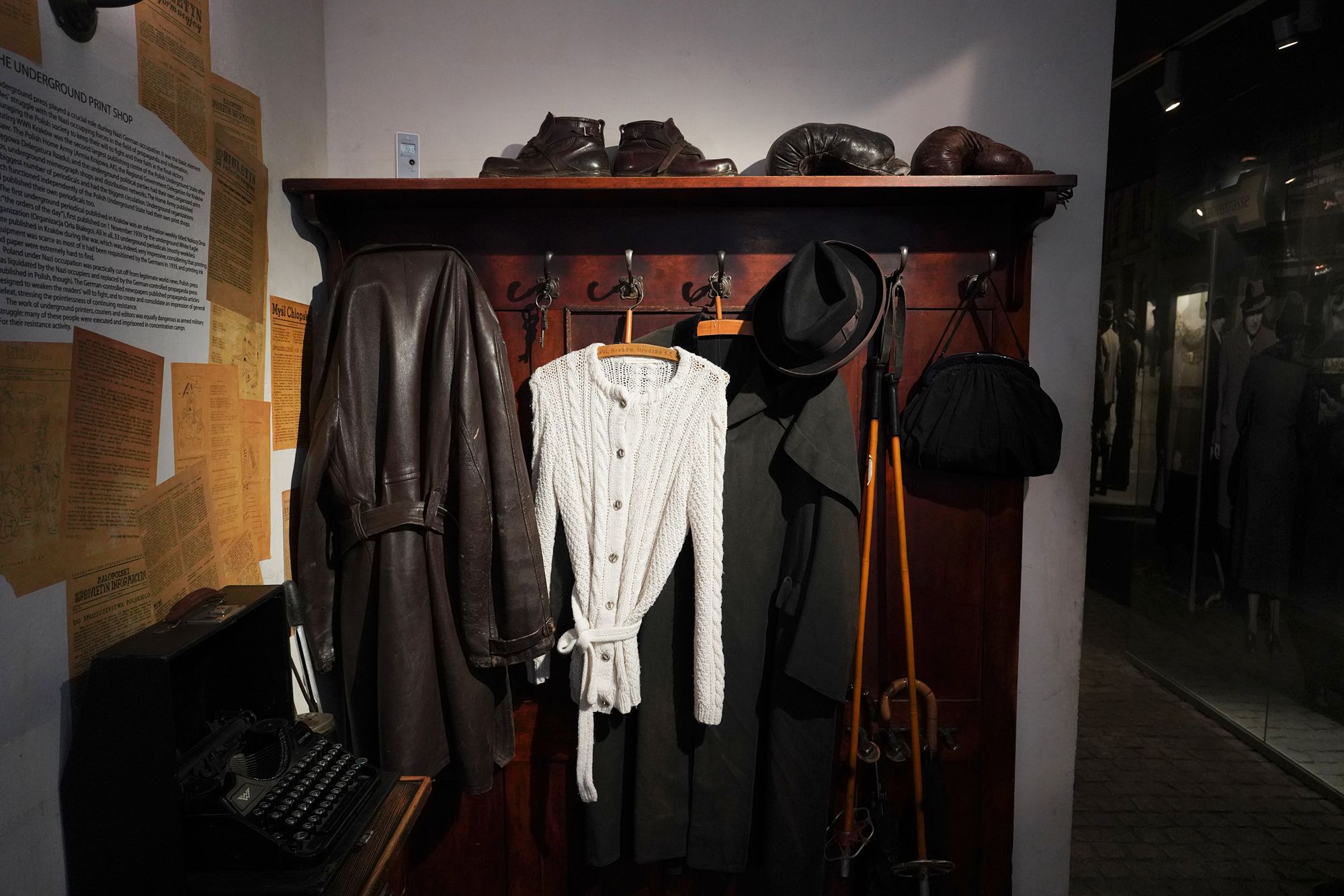
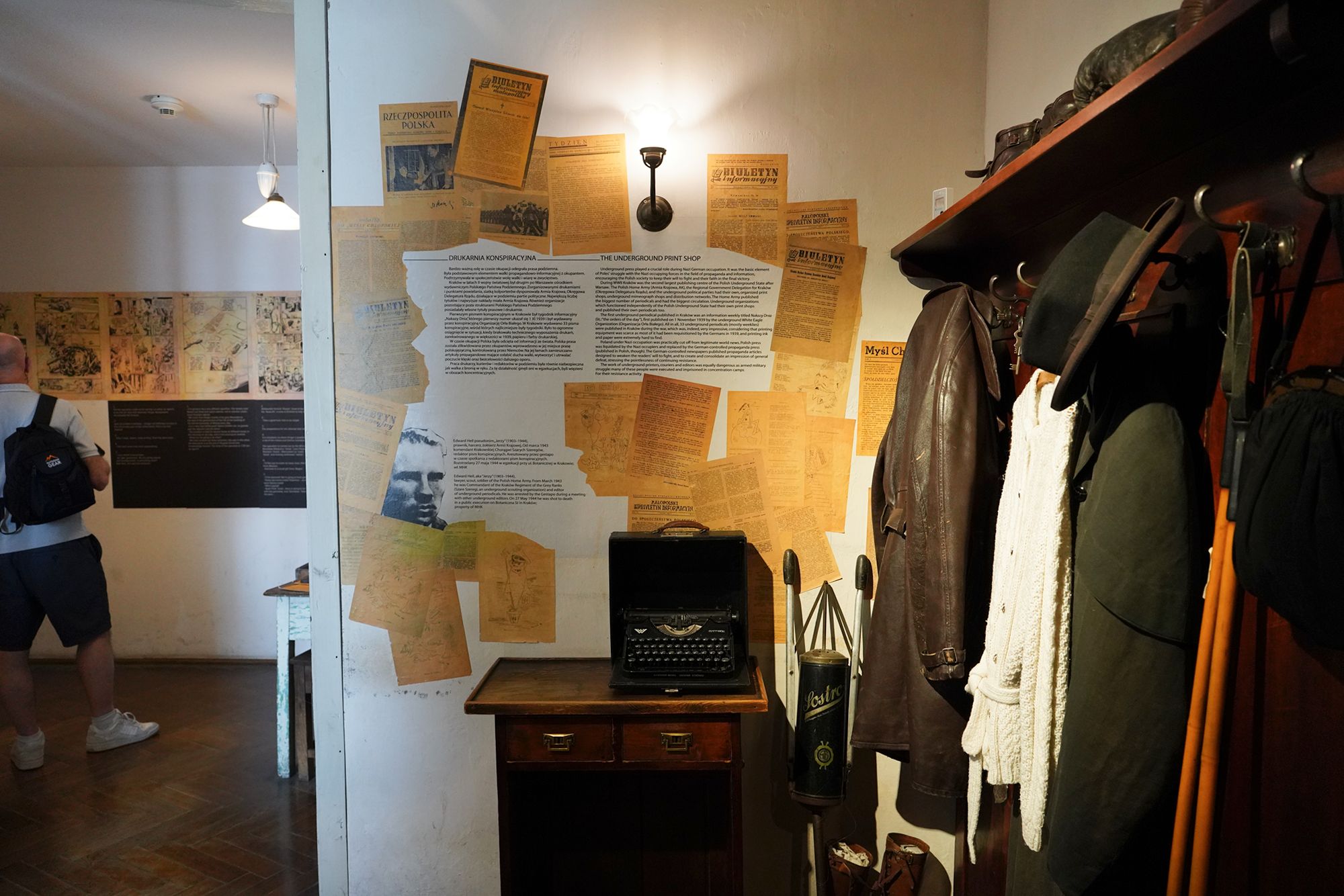
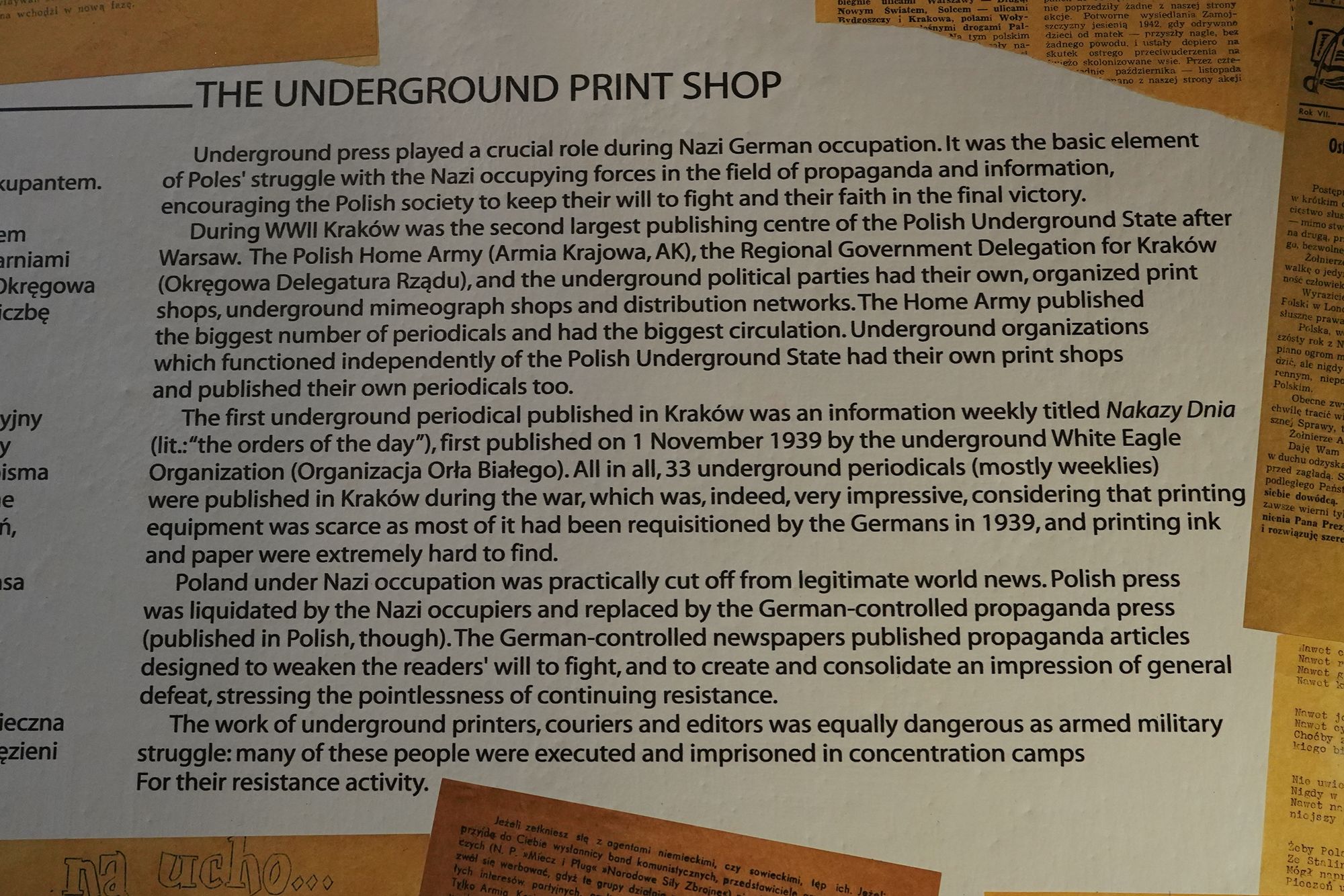
The Underground Print Shop
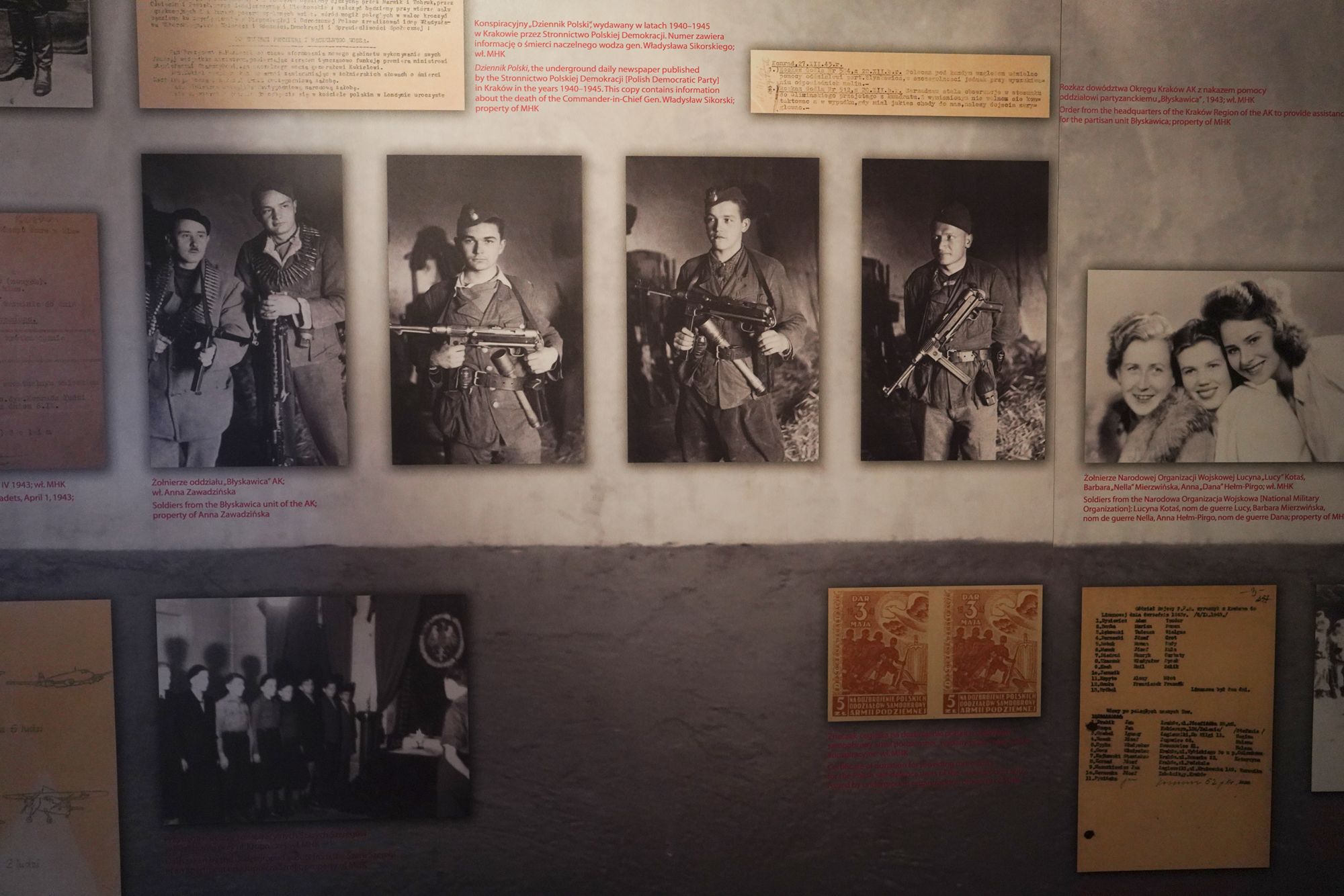
During the occupation, underground printers in Kraków secretly produced newspapers and leaflets to share information and sustain Polish morale. Printing was difficult and dangerous: paper and ink were scarce, and printers, editors and couriers risked arrest, imprisonment or execution.
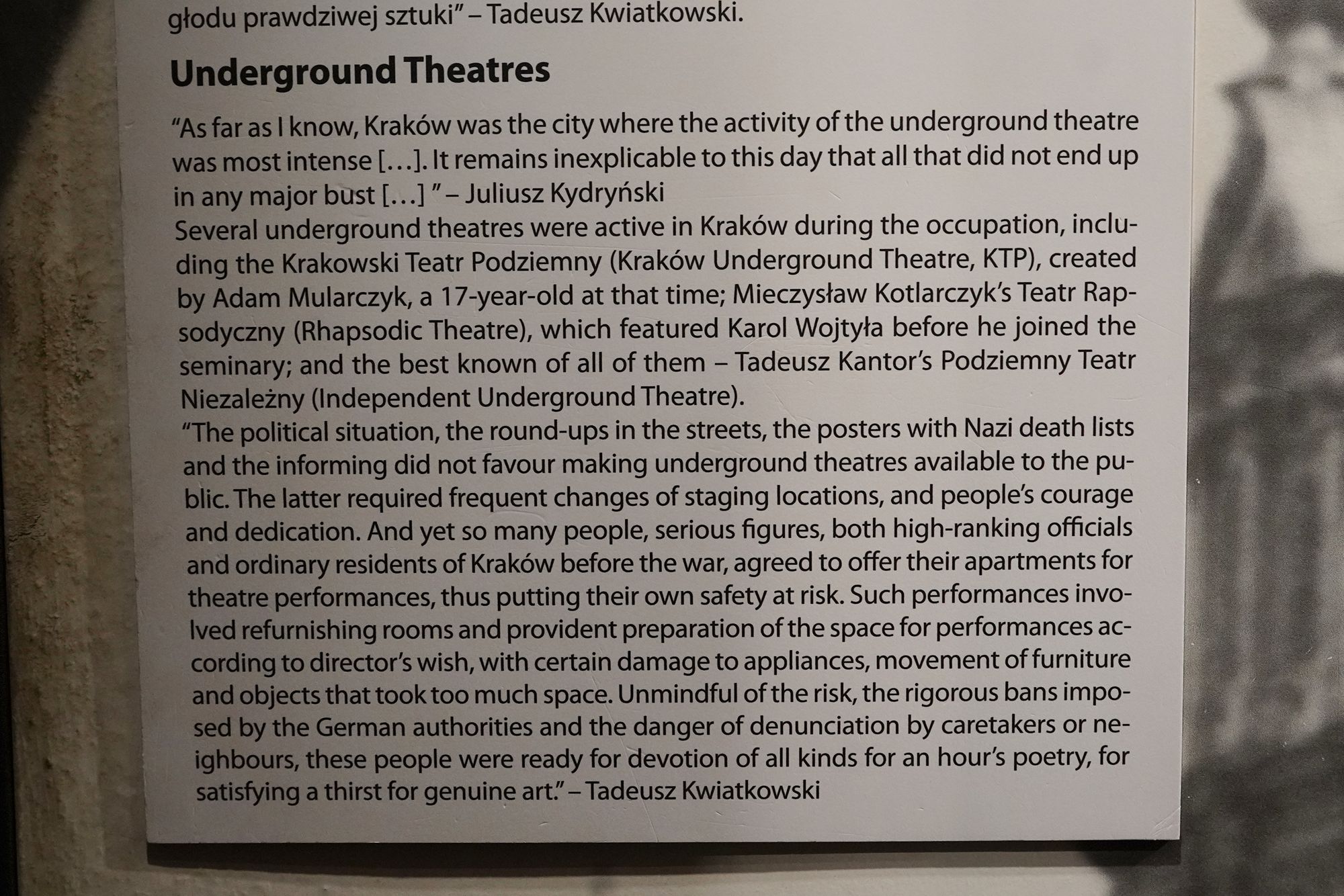
Underground Theatres
During the occupation, Kraków’s underground theatre groups staged performances in private apartments, changing locations to avoid detection. Residents who offered their homes risked their own safety so people could continue to experience live theatre.
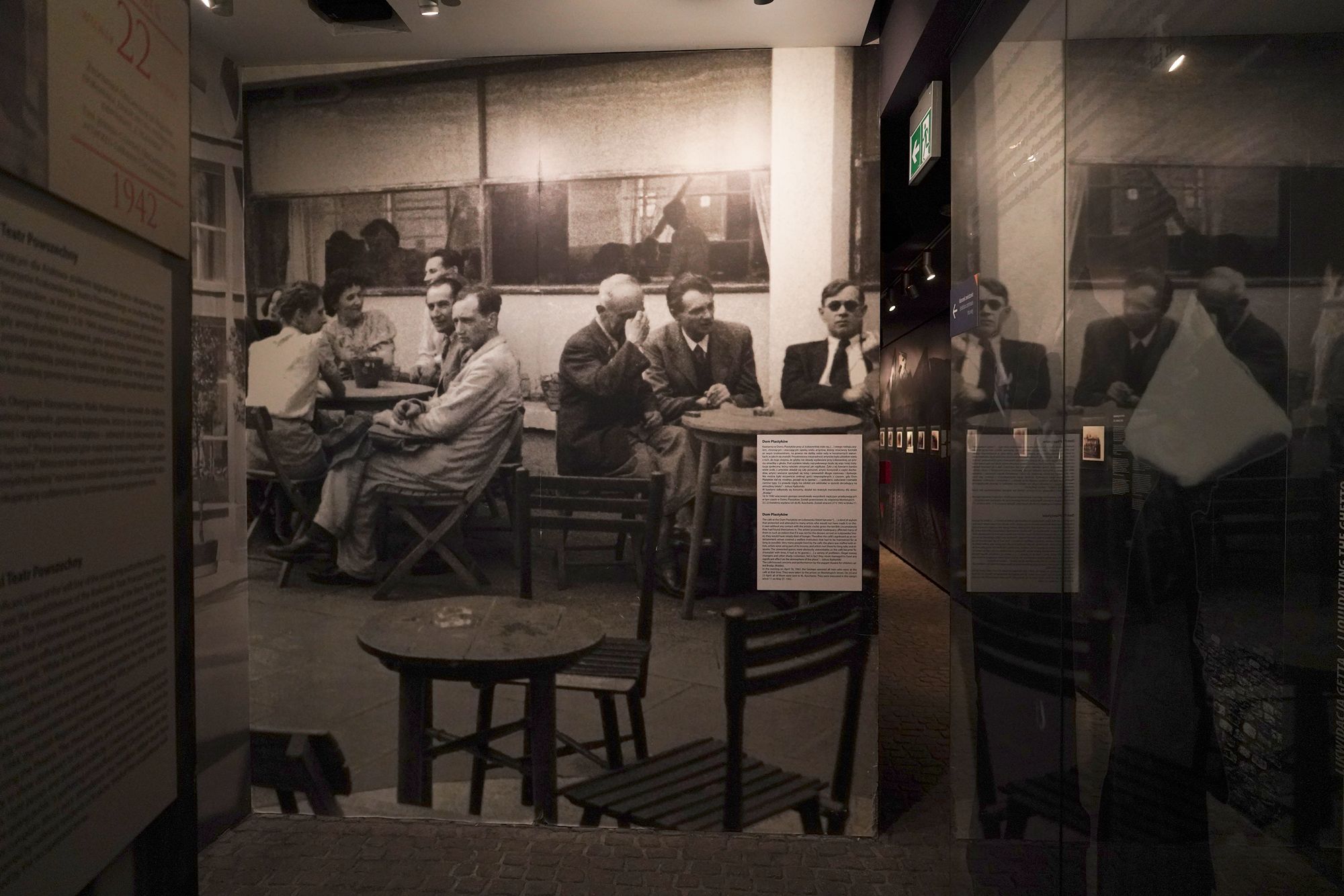
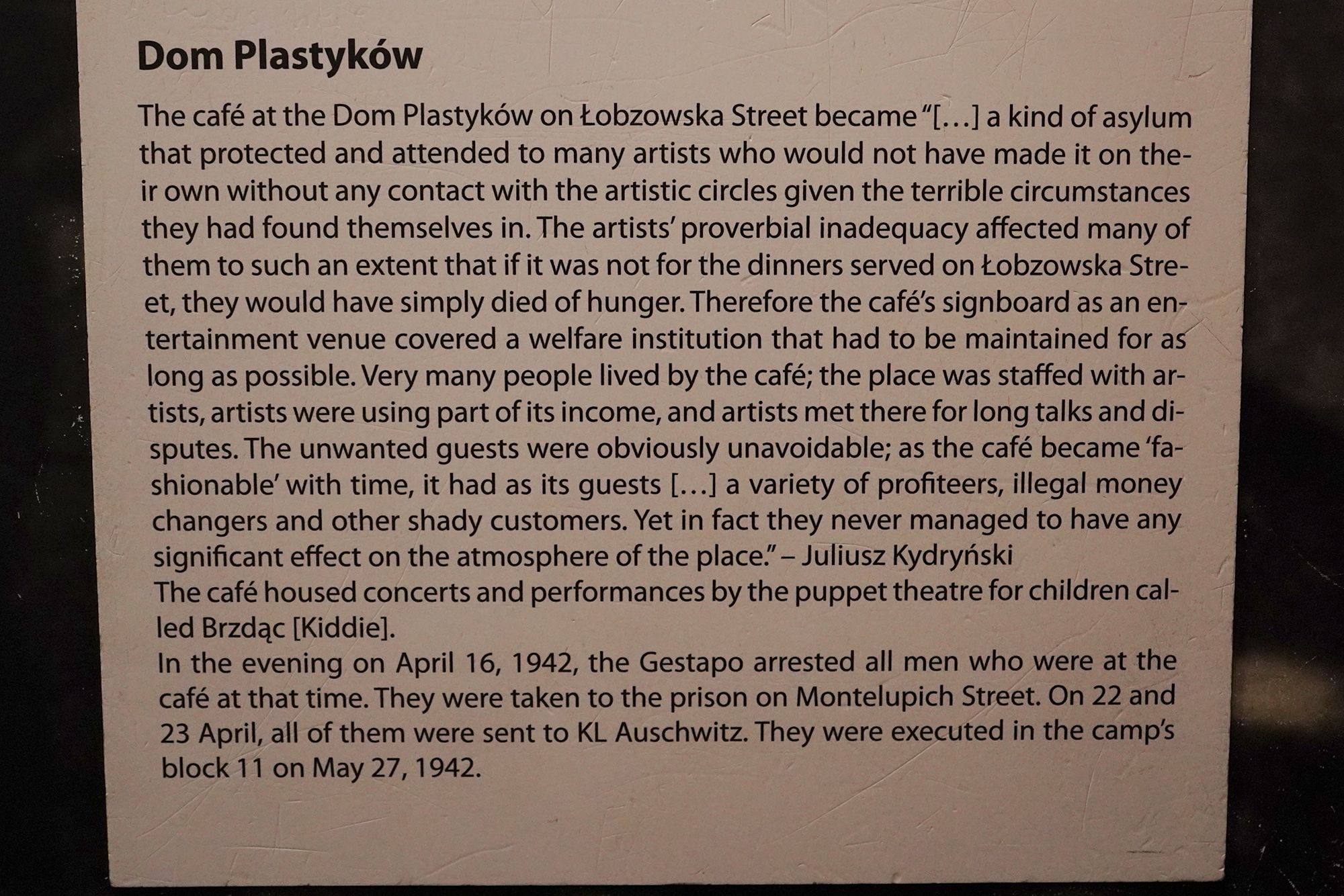
Dom Plastyków
During the occupation, the café at Dom Plastyków became a refuge for artists, offering meals and a place to meet, talk and hold performances. On April 16, 1942, the Gestapo arrested the men who were there. They were sent to Auschwitz and executed at Block 11 on May 27.
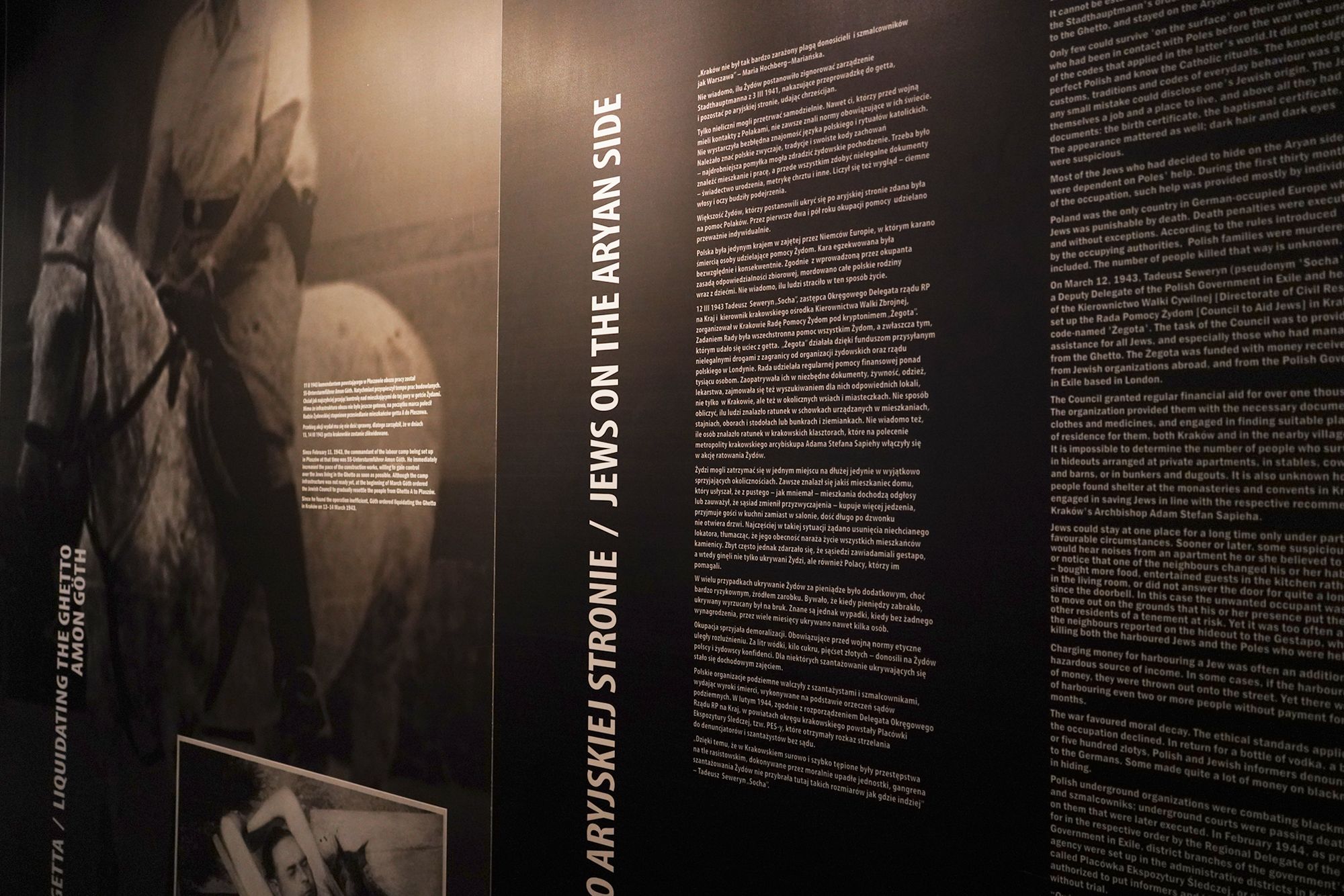
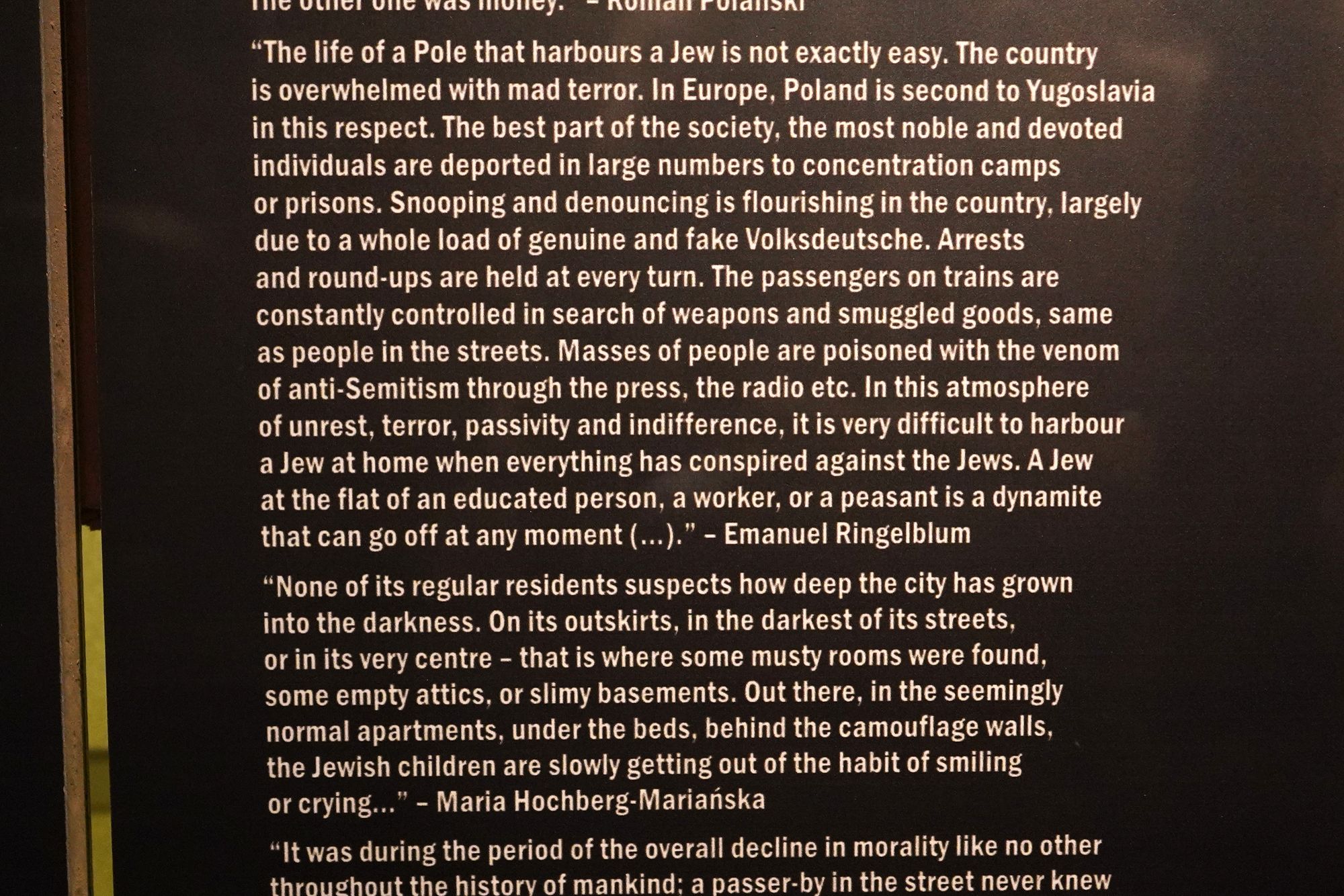
The panel’s eyewitness accounts describe the danger of hiding Jews in occupied Poland. Emanuel Ringelblum writes of arrests, denunciations and antisemitism, while Maria Hochberg-Marianska recalls Jewish children hiding in apartments, attics and basements, where fear gradually silenced them.
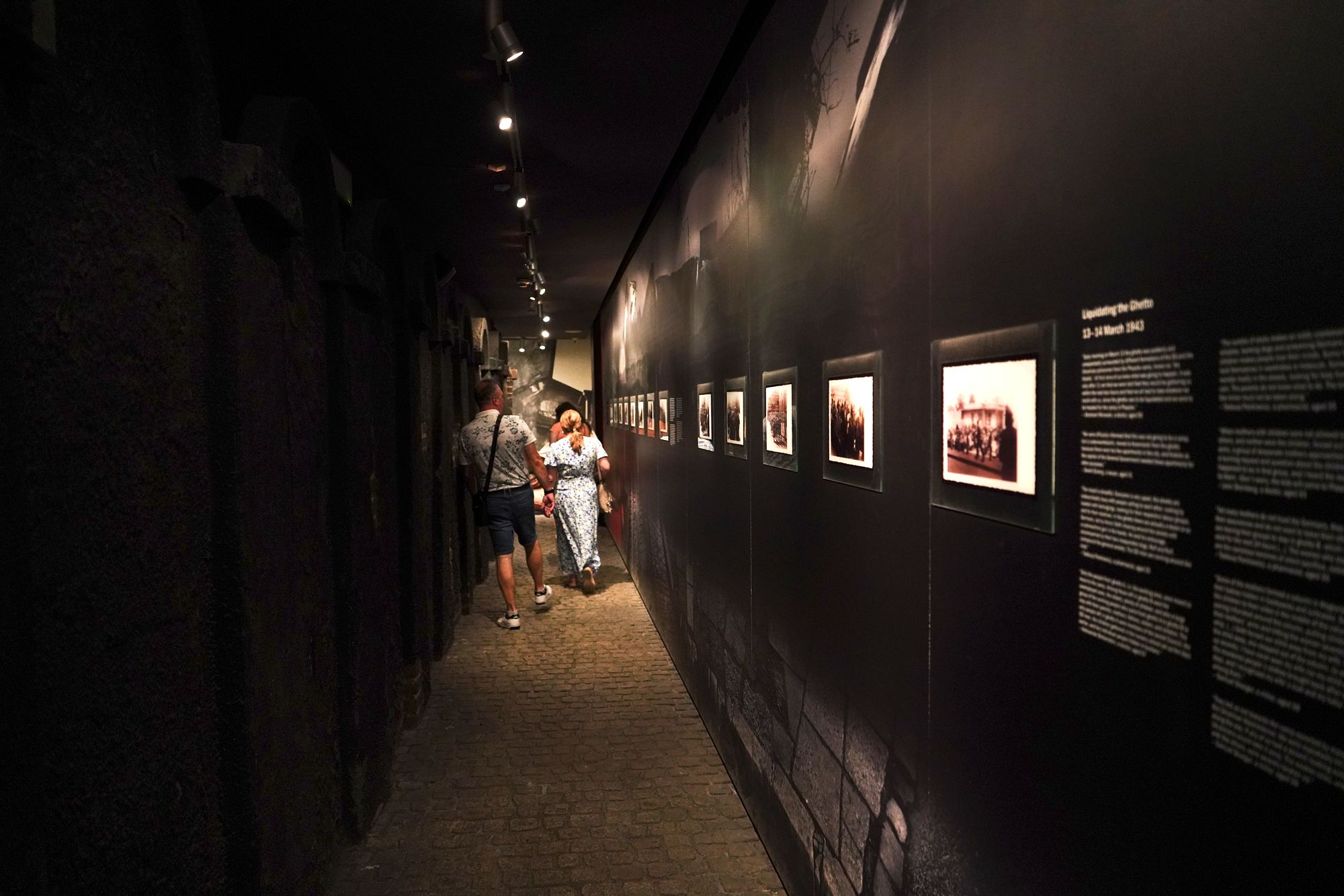
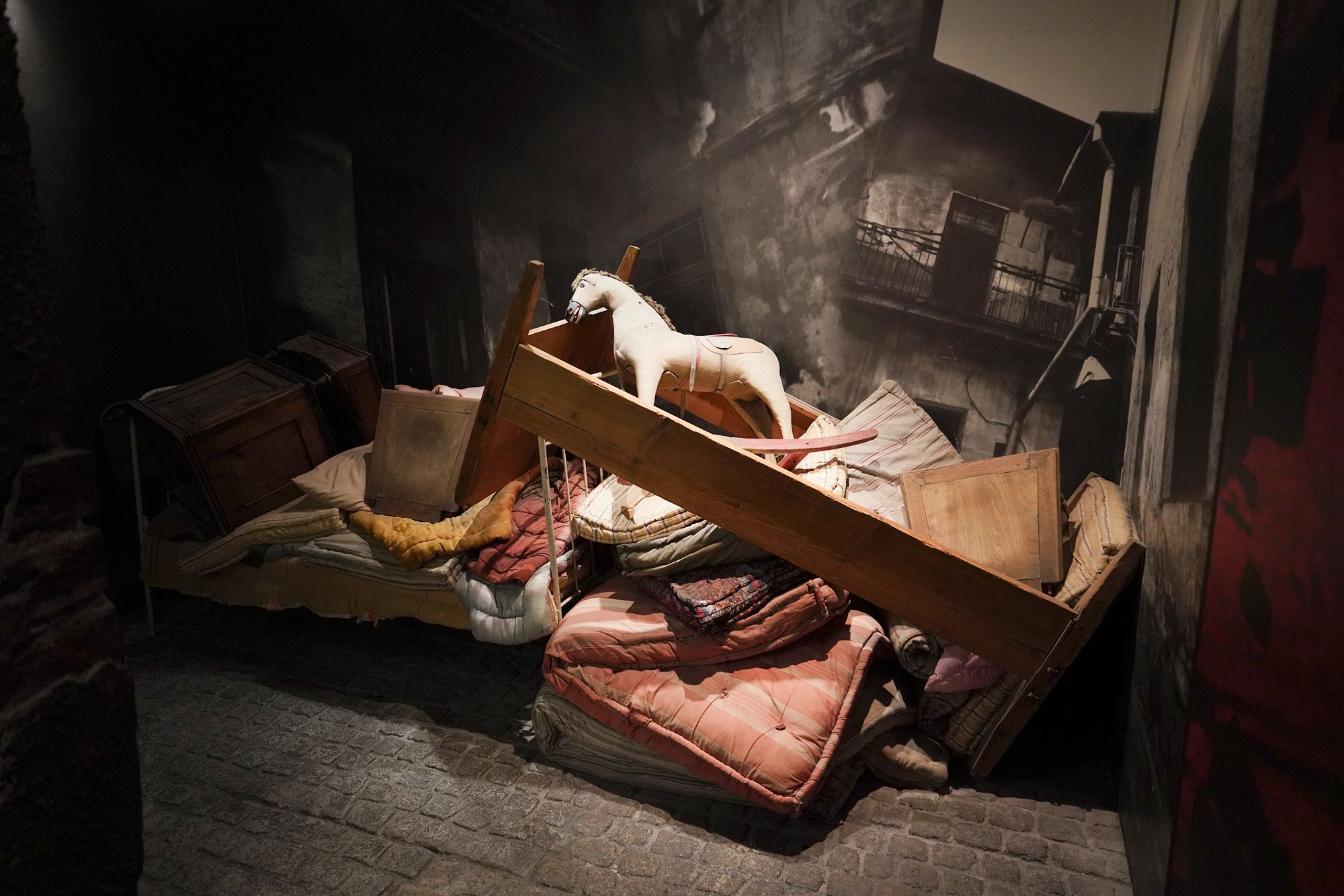
Liquidating the Ghetto, March 13–14, 1943
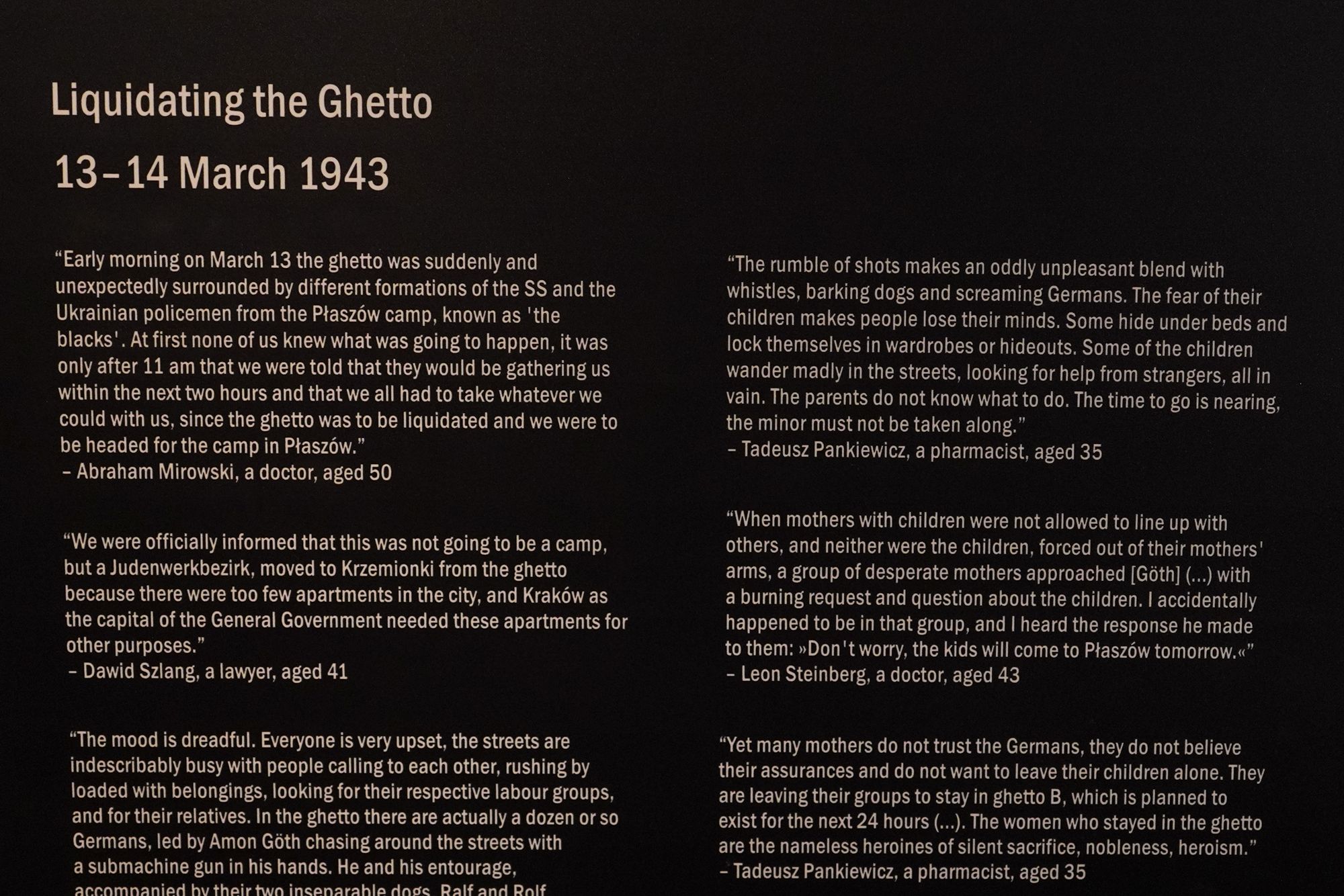
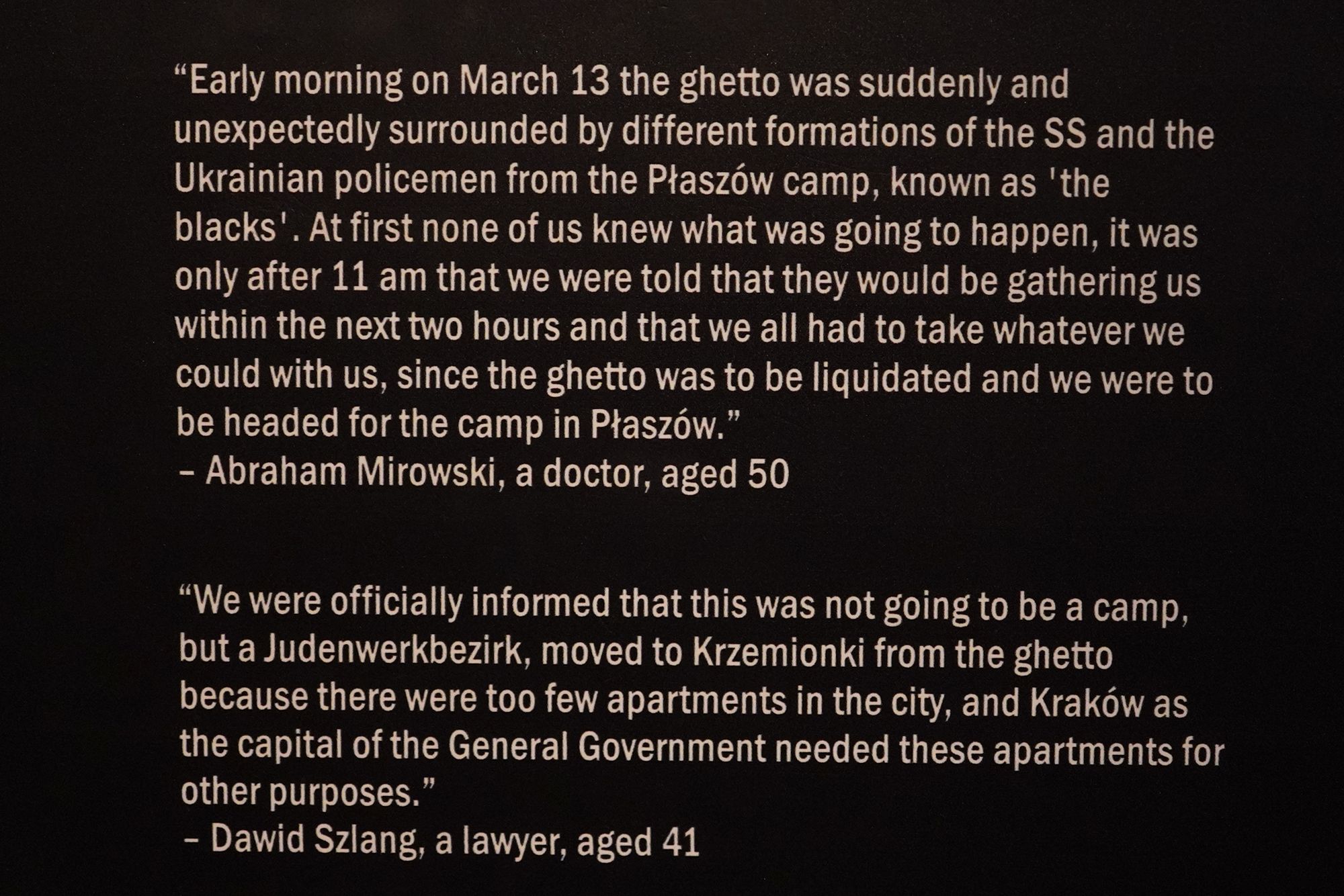
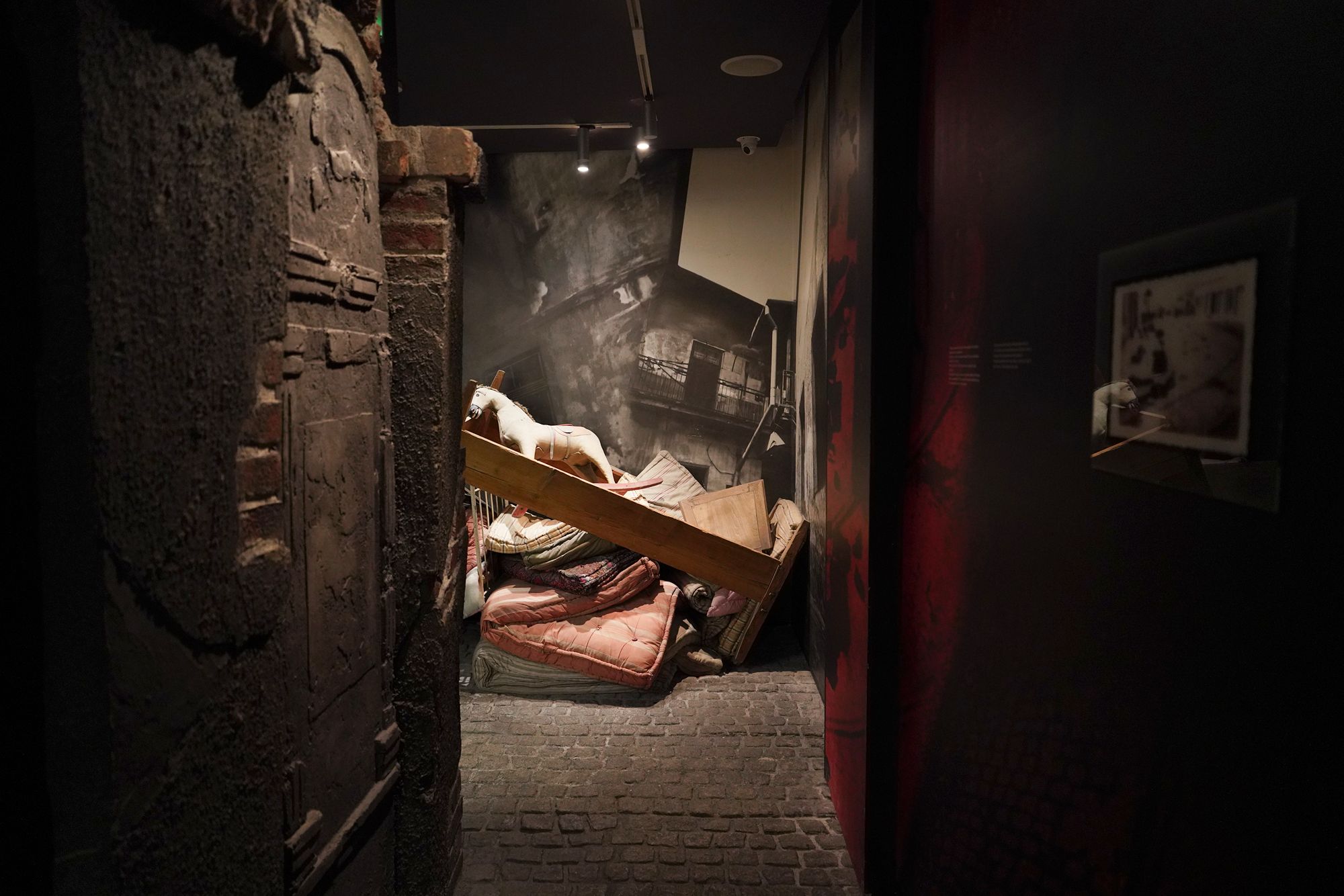
As the Kraków Ghetto’s liquidation began on March 13, 1943, residents were given little warning and conflicting explanations about where they would be taken. One account recalls being told they were going to a Jewish labor district in Krzemionki; another says they were told to prepare for Płaszów camp.
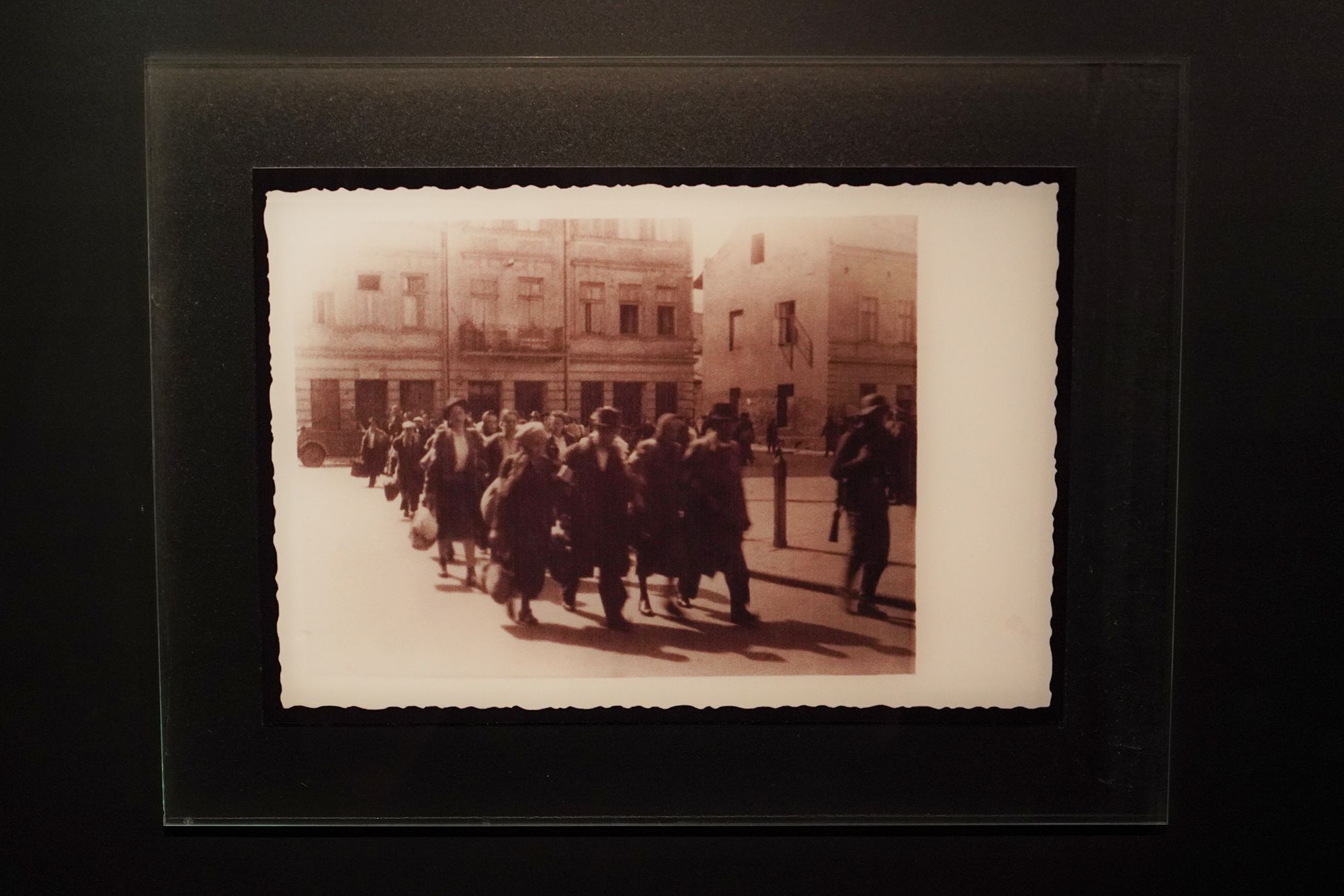
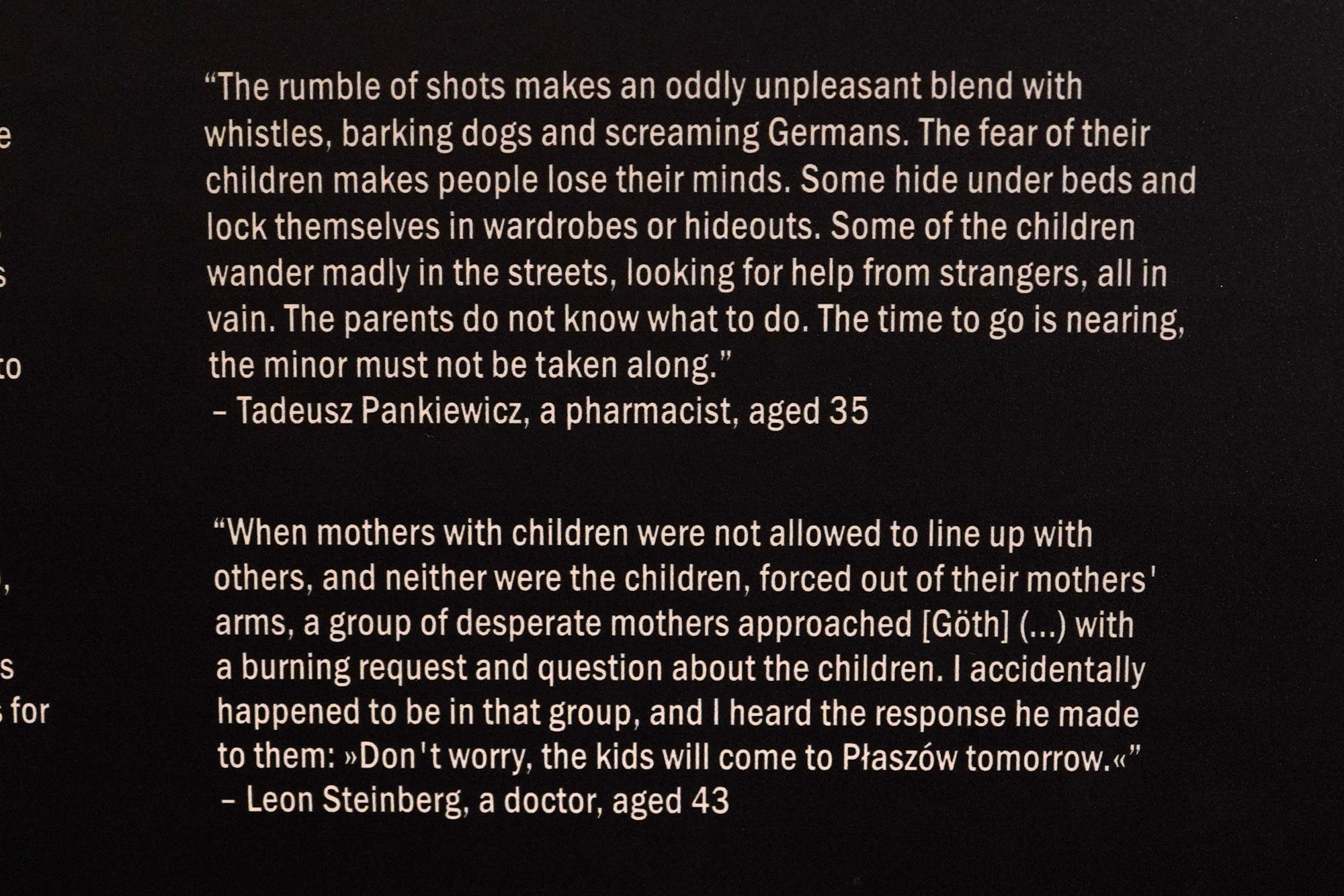
These accounts focus on the children during the ghetto’s liquidation. Pharmacist Tadeusz Pankiewicz recalled children wandering the streets as frightened parents searched for help. Doctor Leon Steinberg described mothers being separated from their children and told the children would be taken to Płaszów the next day.
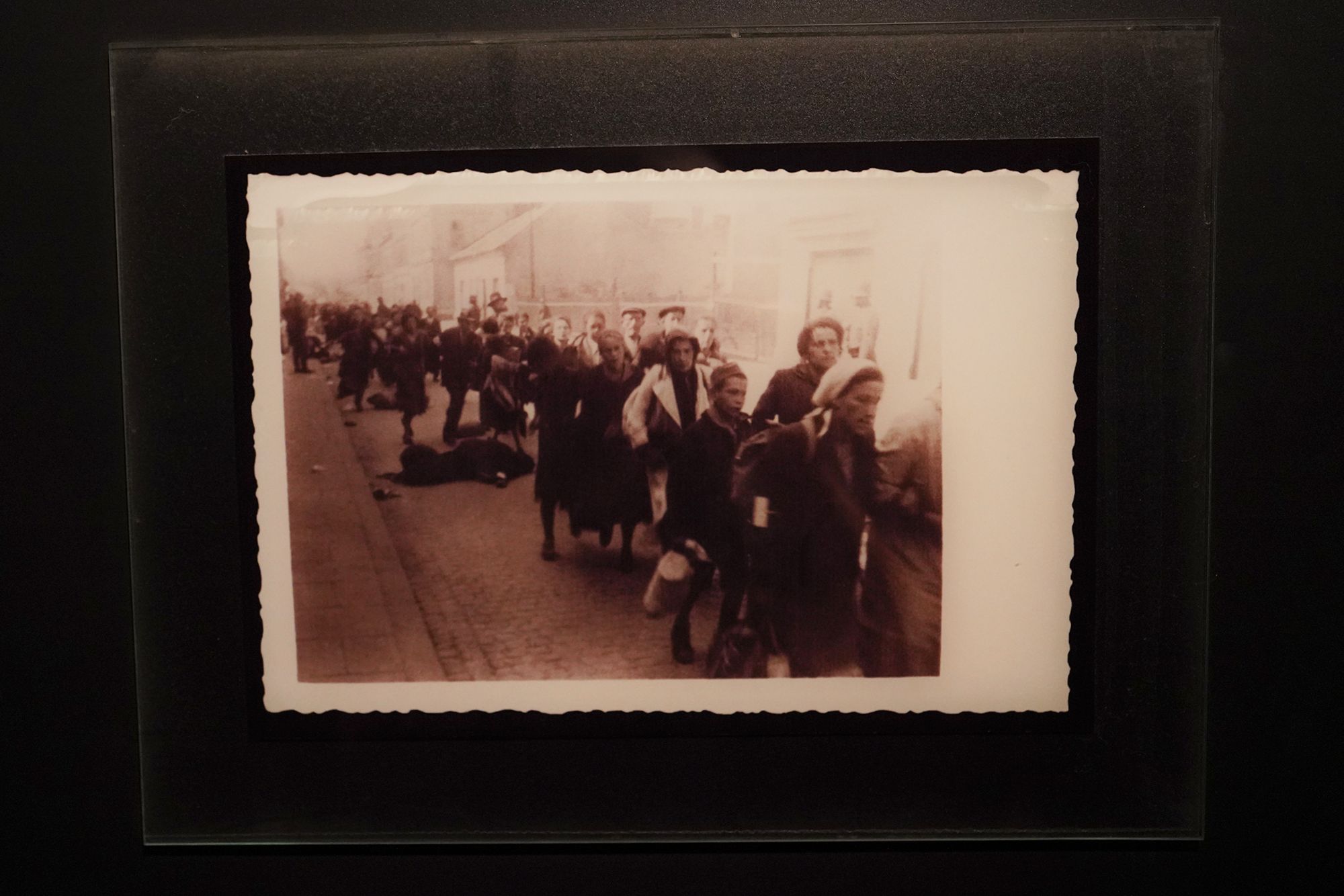
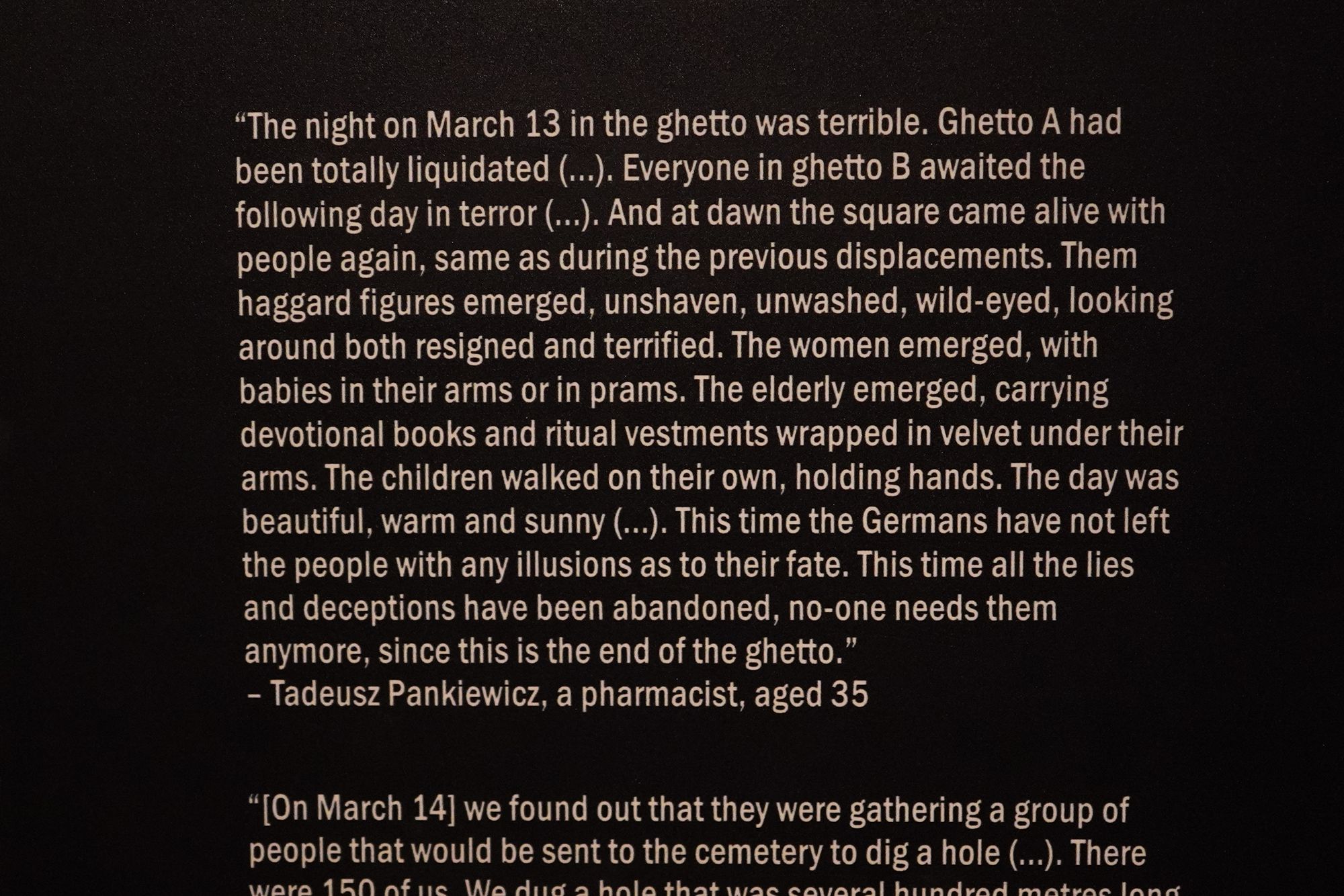
Pharmacist Tadeusz Pankiewicz described the terror in the Kraków Ghetto as residents of Ghetto B waited to learn their fate after Ghetto A was emptied. At dawn, people emerged carrying babies, belongings and religious objects. He recalled that the German authorities had stopped pretending the ghetto would continue.
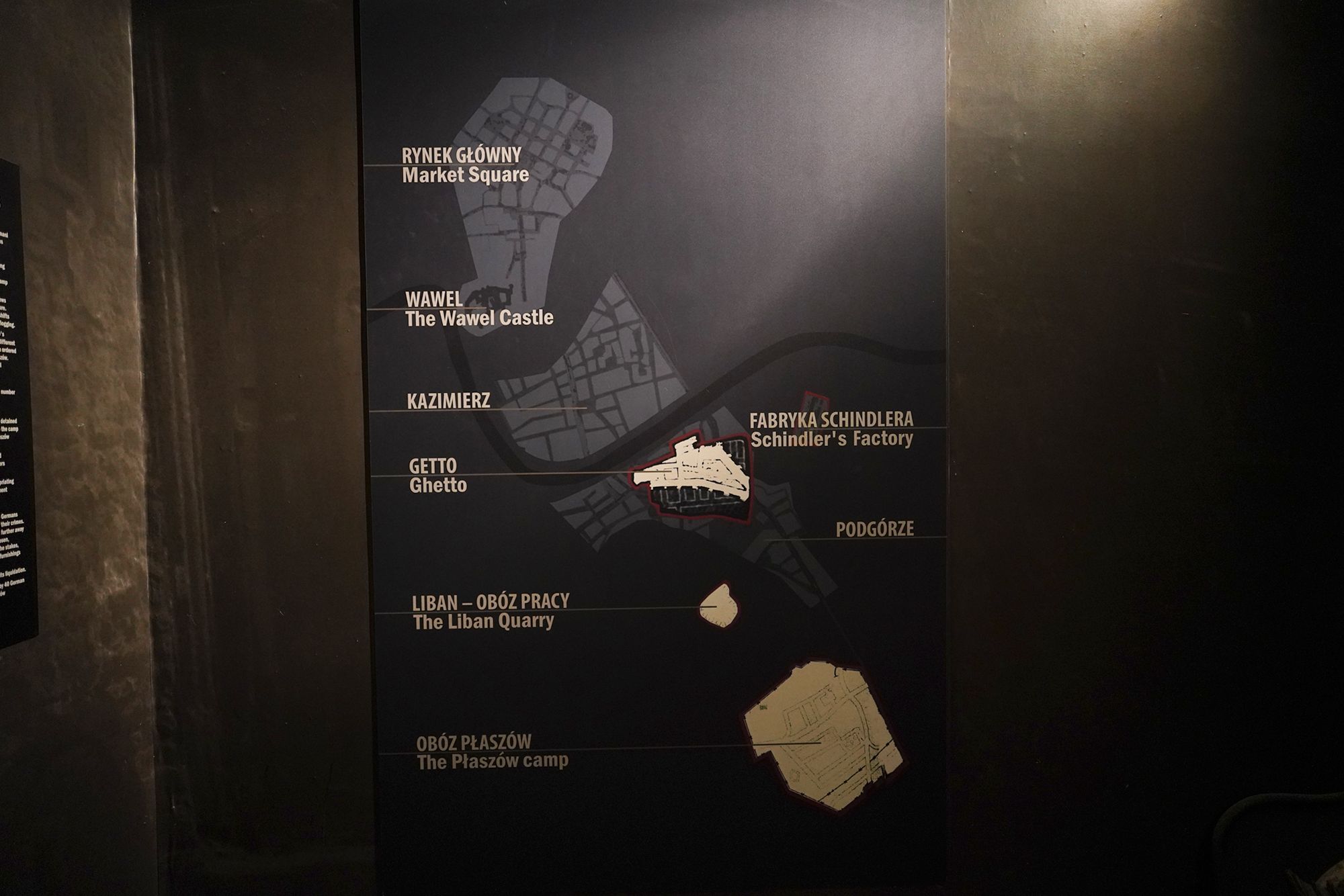
Płaszów Camp, 1942–1945
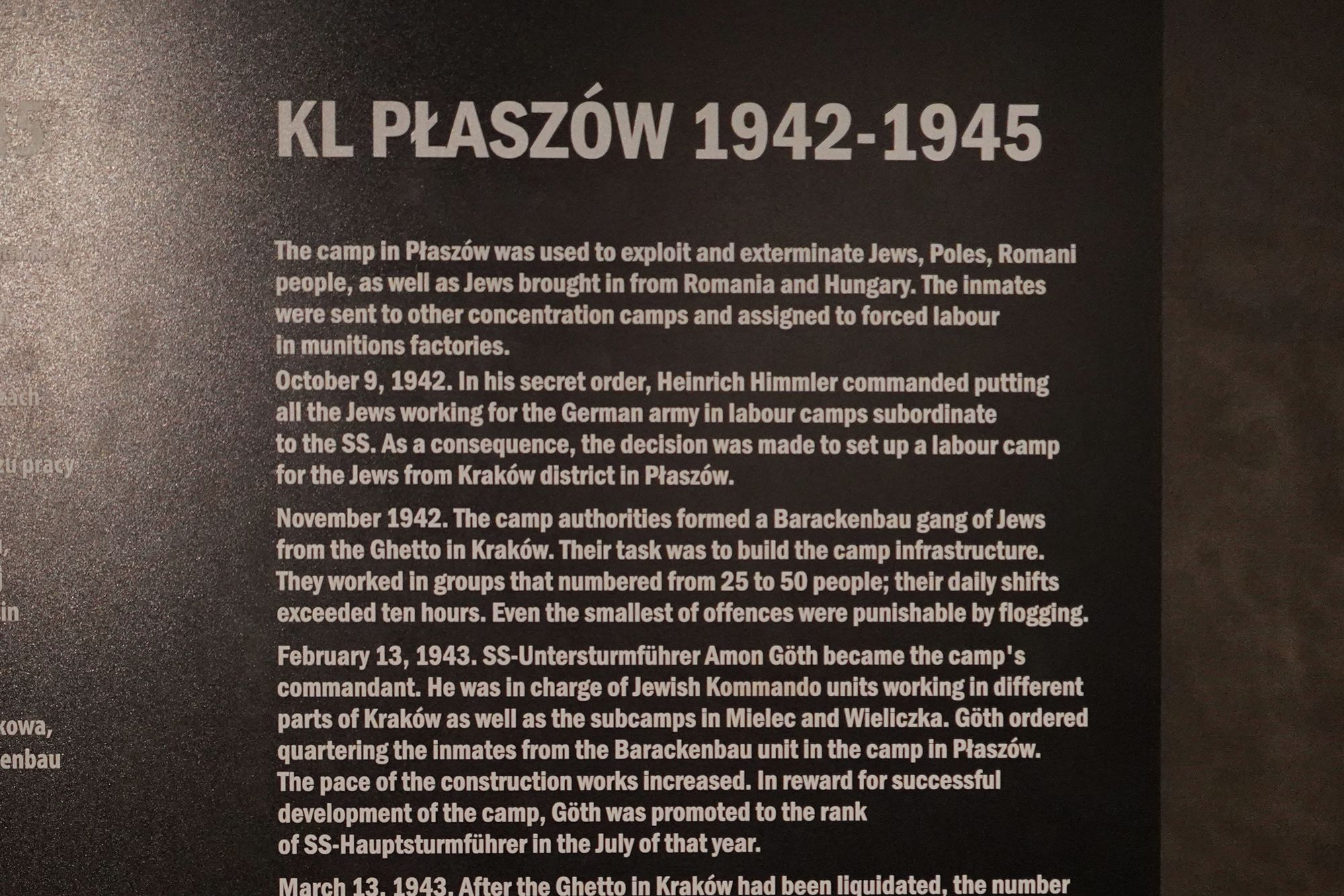
Płaszów was established as a forced labor camp for Jews from the Kraków district. Prisoners, including Jews, Poles and Roma, endured long shifts building the camp and could be flogged for minor offenses. In February 1943, Amon Göth became commandant; the camp was used for forced labor and extermination.
Płaszów Camp, 1942–1945
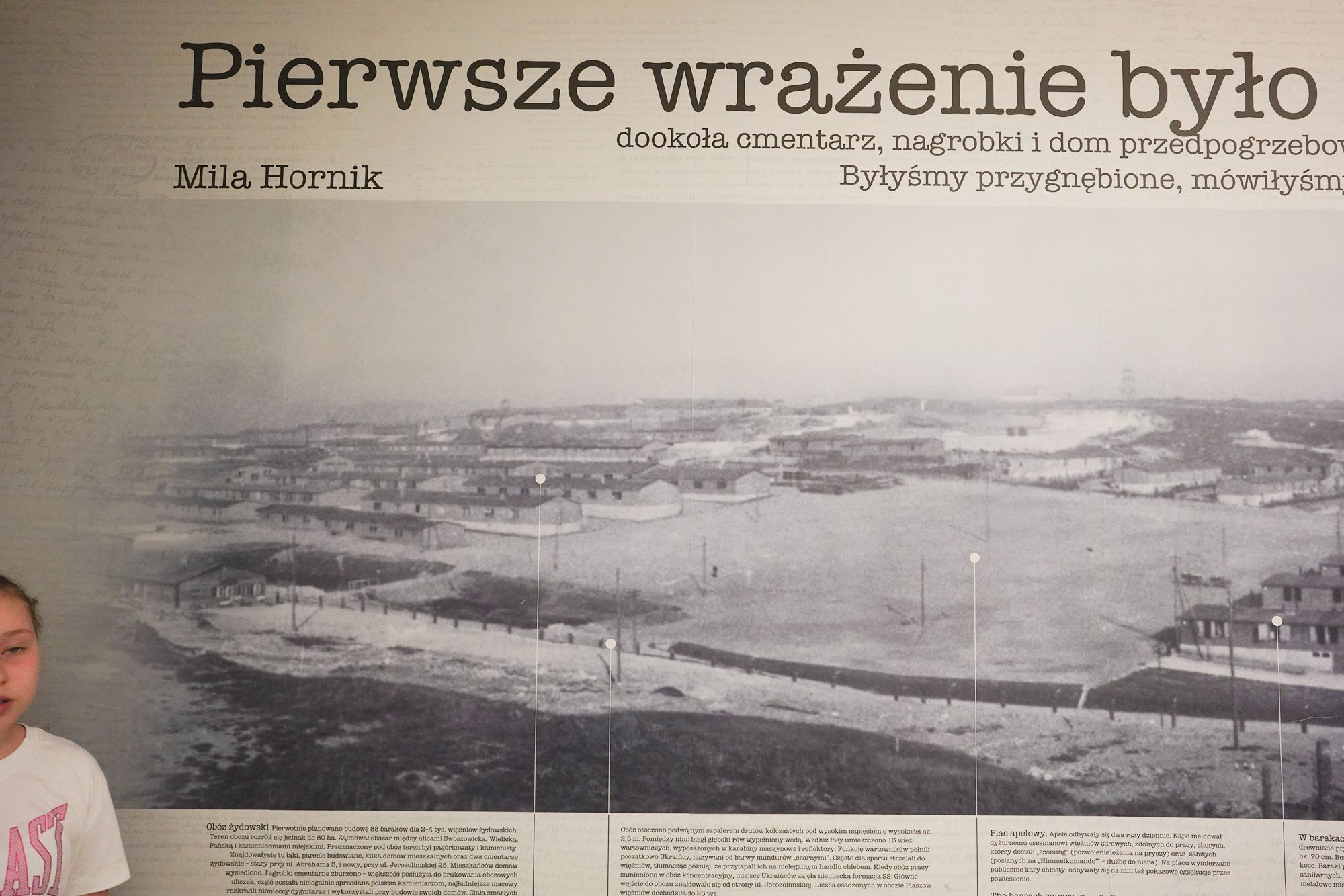
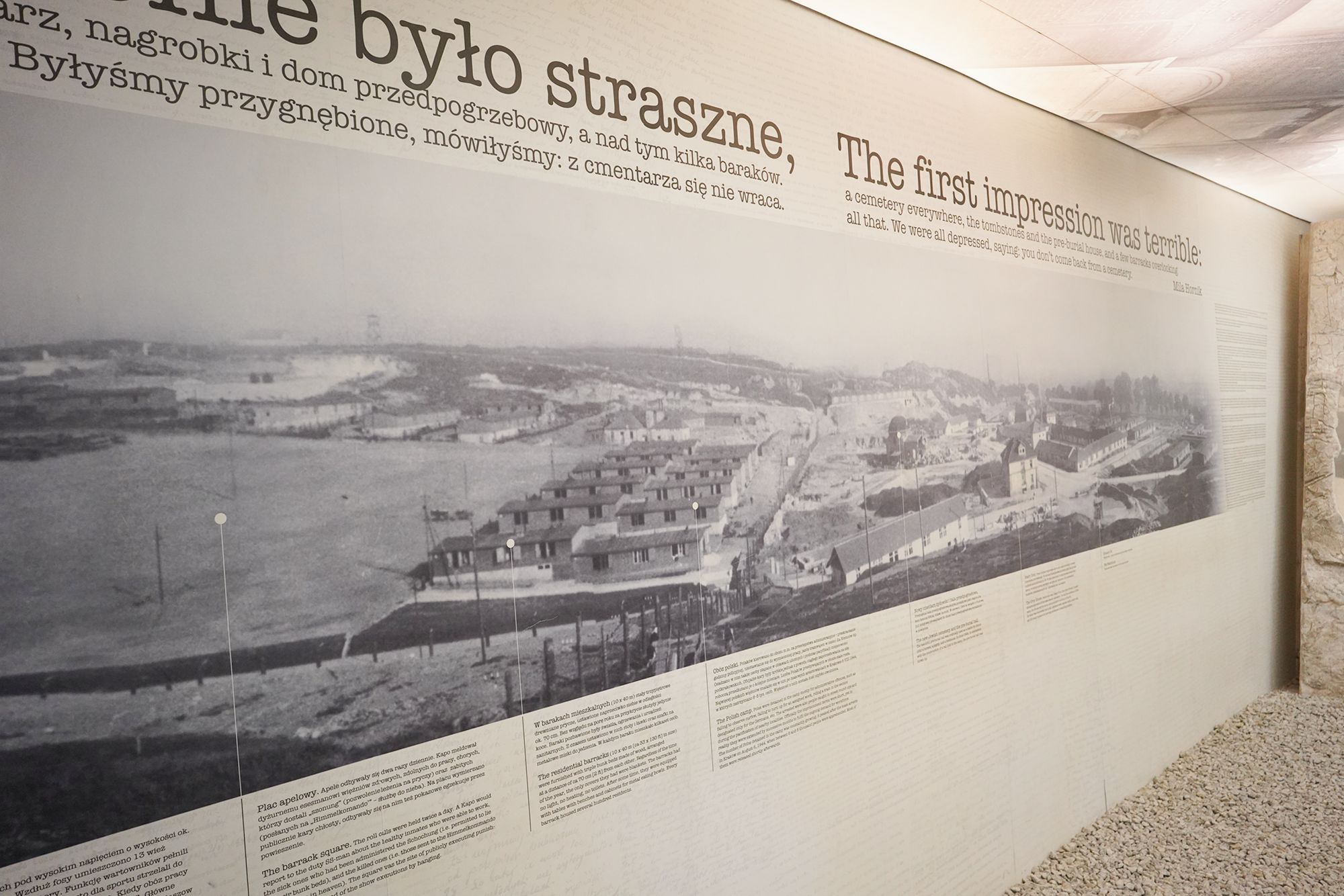
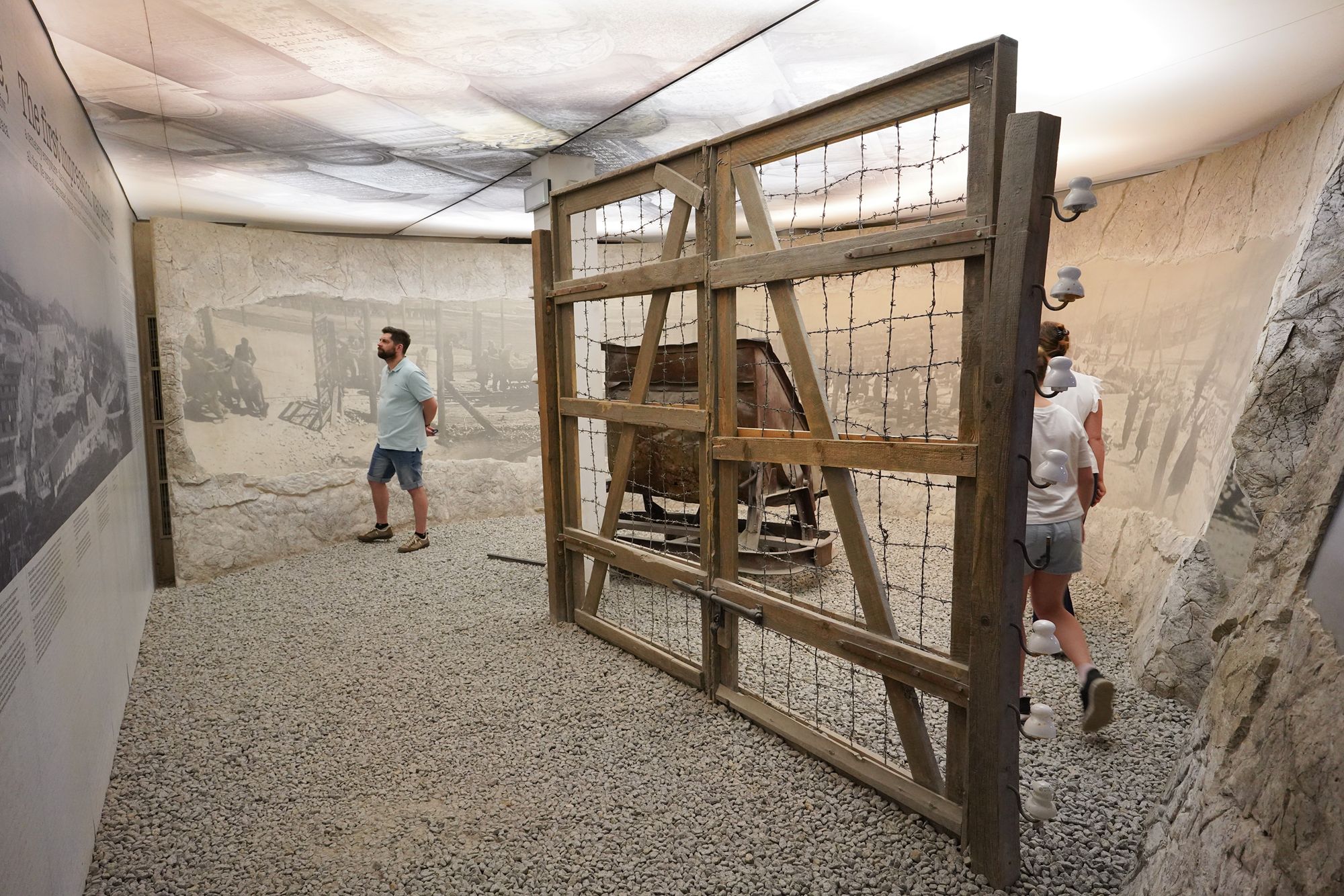
The Jewish section of Płaszów camp expanded to 80 hectares, displacing local residents and taking in two Jewish cemeteries. The tombstones were removed, many used to pave camp roads, and the remains were dug up and transferred to a mass grave.
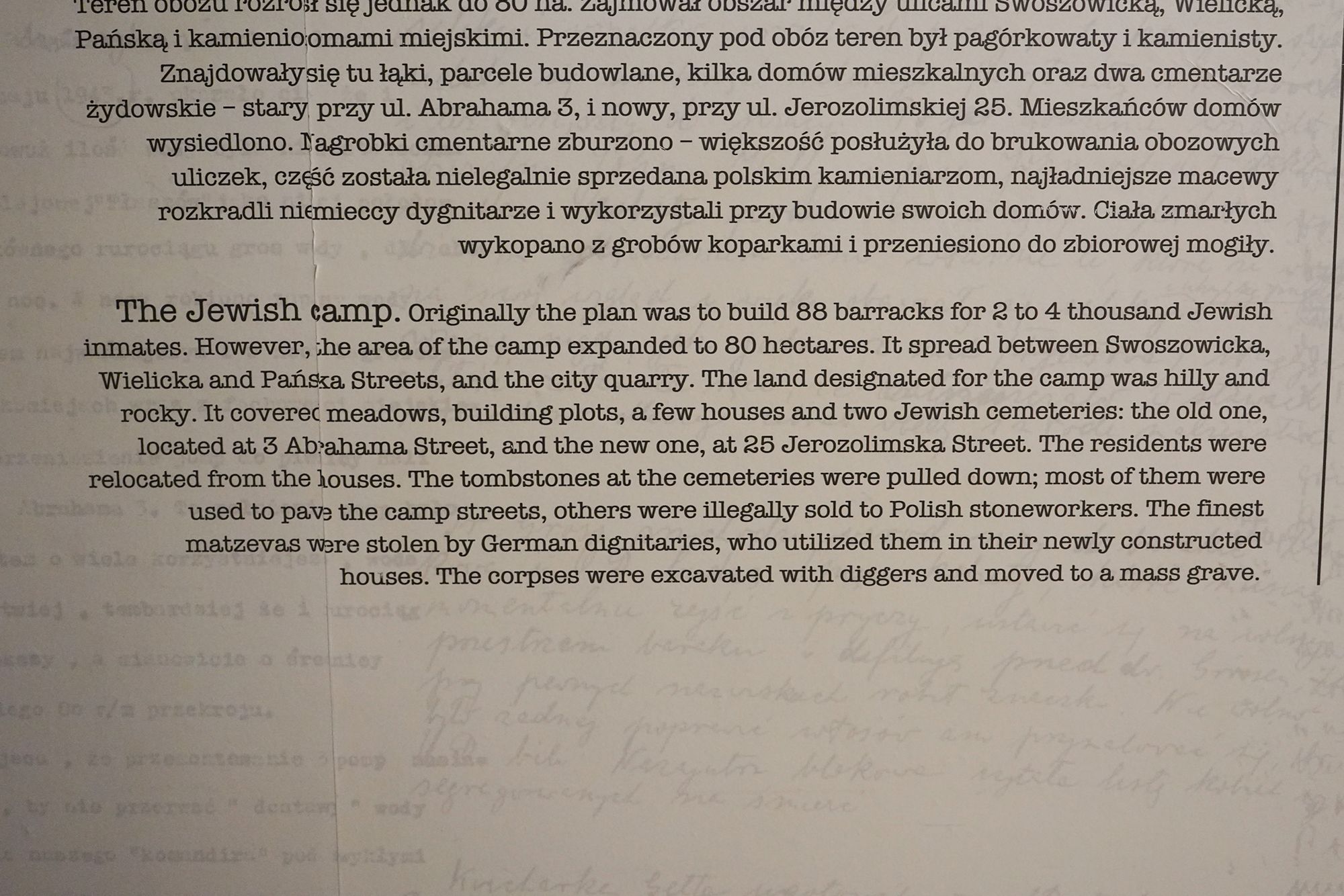
Płaszów’s residential barracks held several hundred people each. Residents slept on closely spaced wooden triple bunks with only blankets, in buildings without lighting, heat or toilets. Later, tables, benches and cabinets for their metal bowls were added.
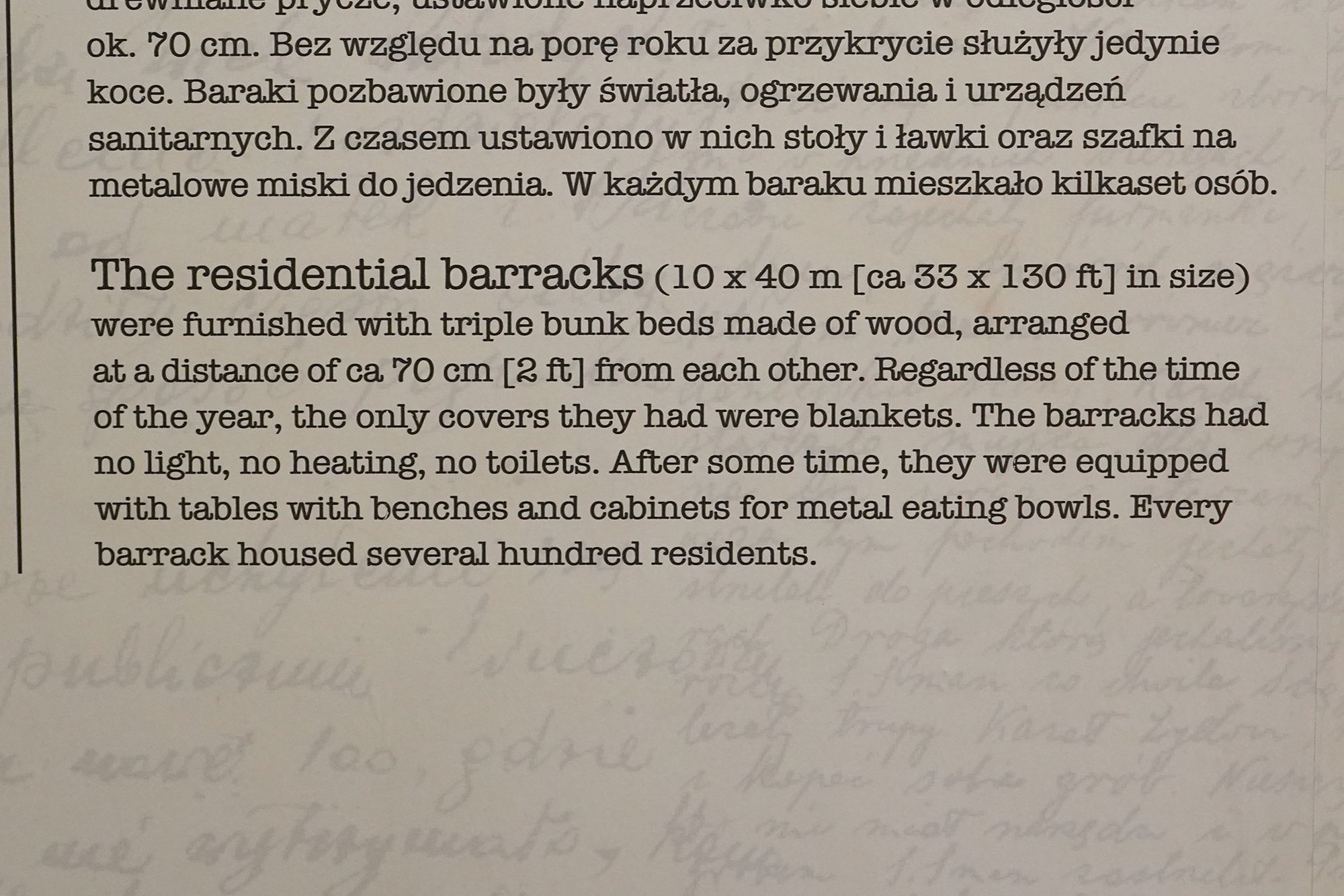
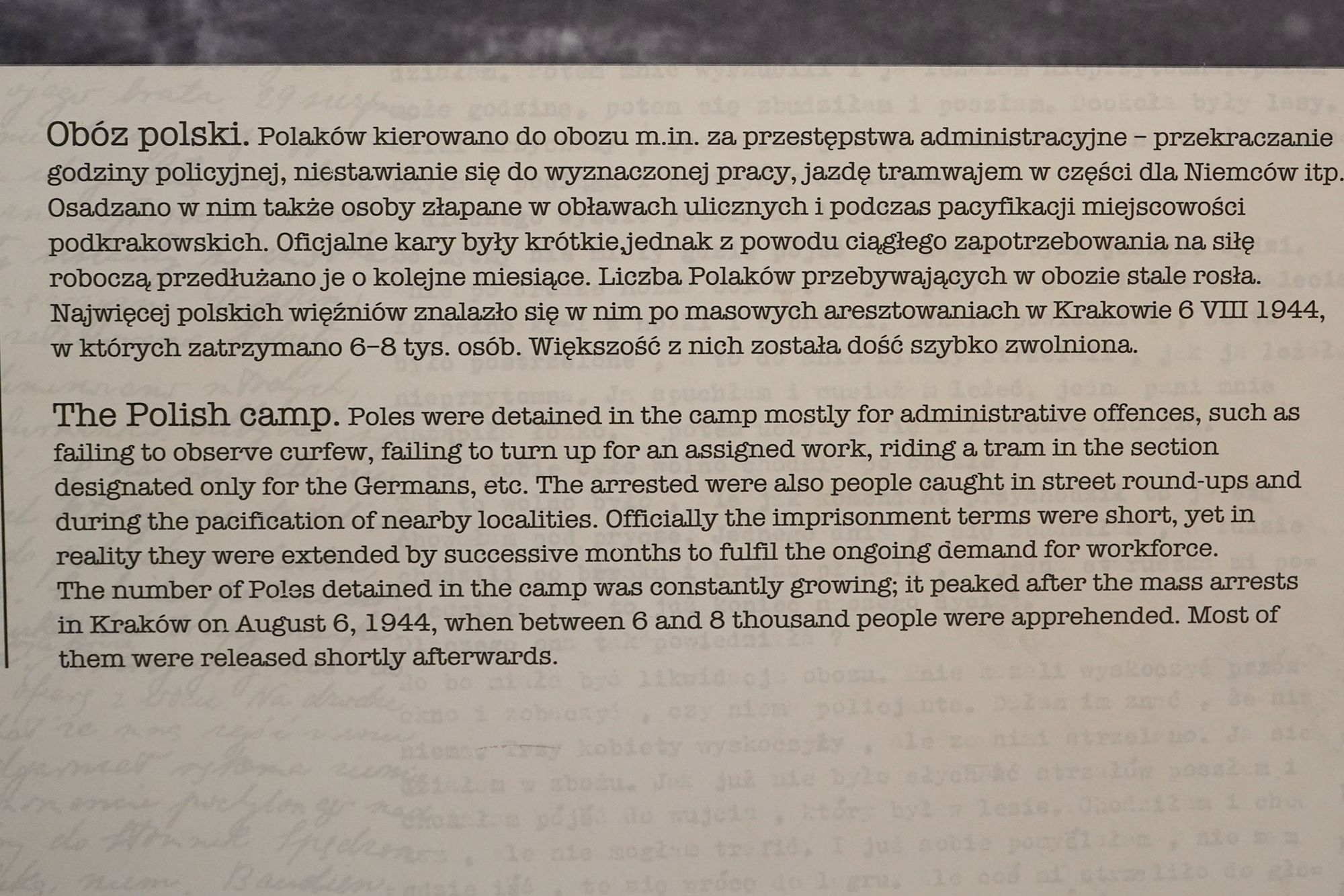
The camp also held Polish prisoners, often for minor offenses or arrests during street roundups. Although their sentences were supposed to be short, many were kept longer to meet labor demands. After mass arrests in Kraków in August 1944, the number of Polish detainees rose sharply, though most were released soon afterward.
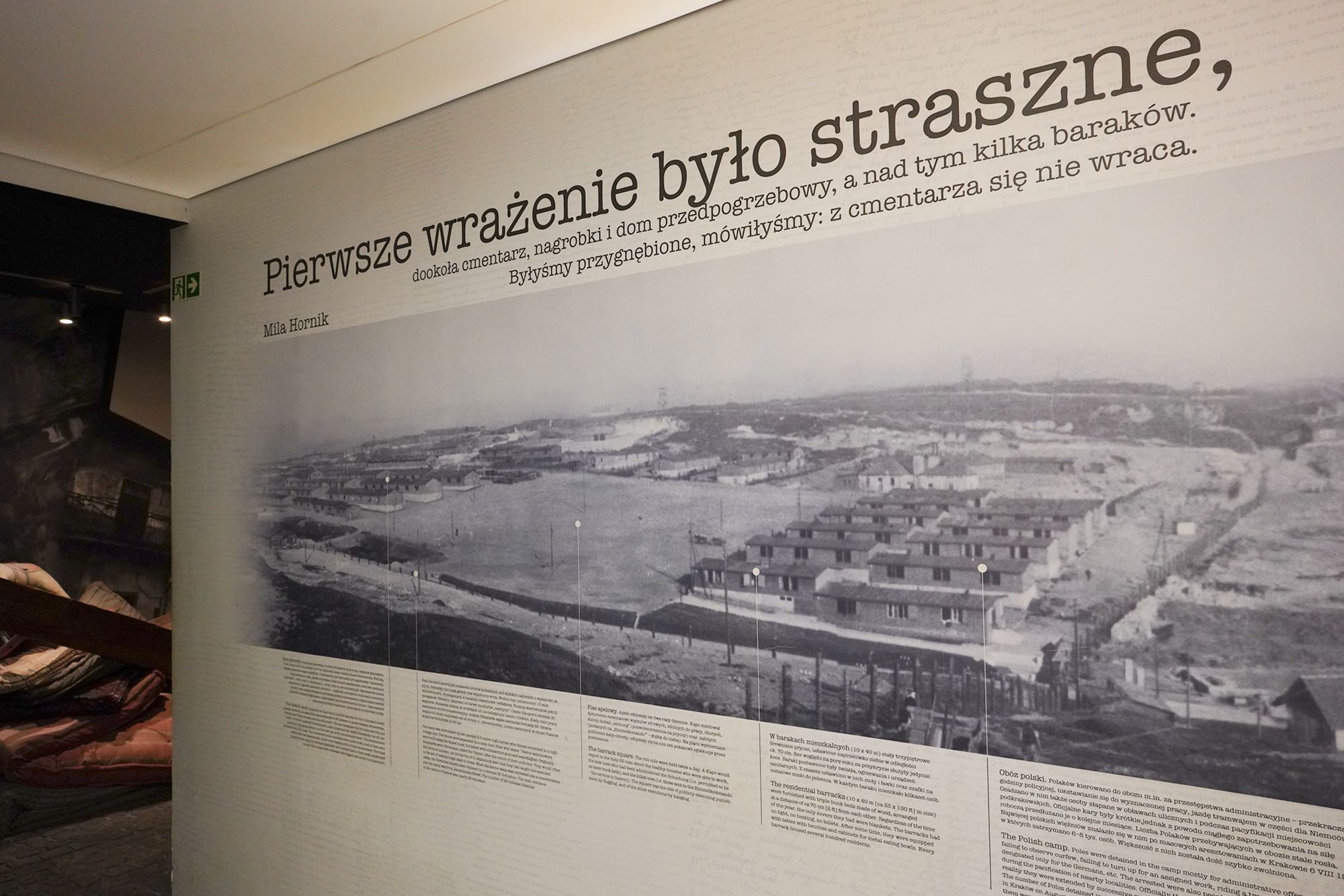
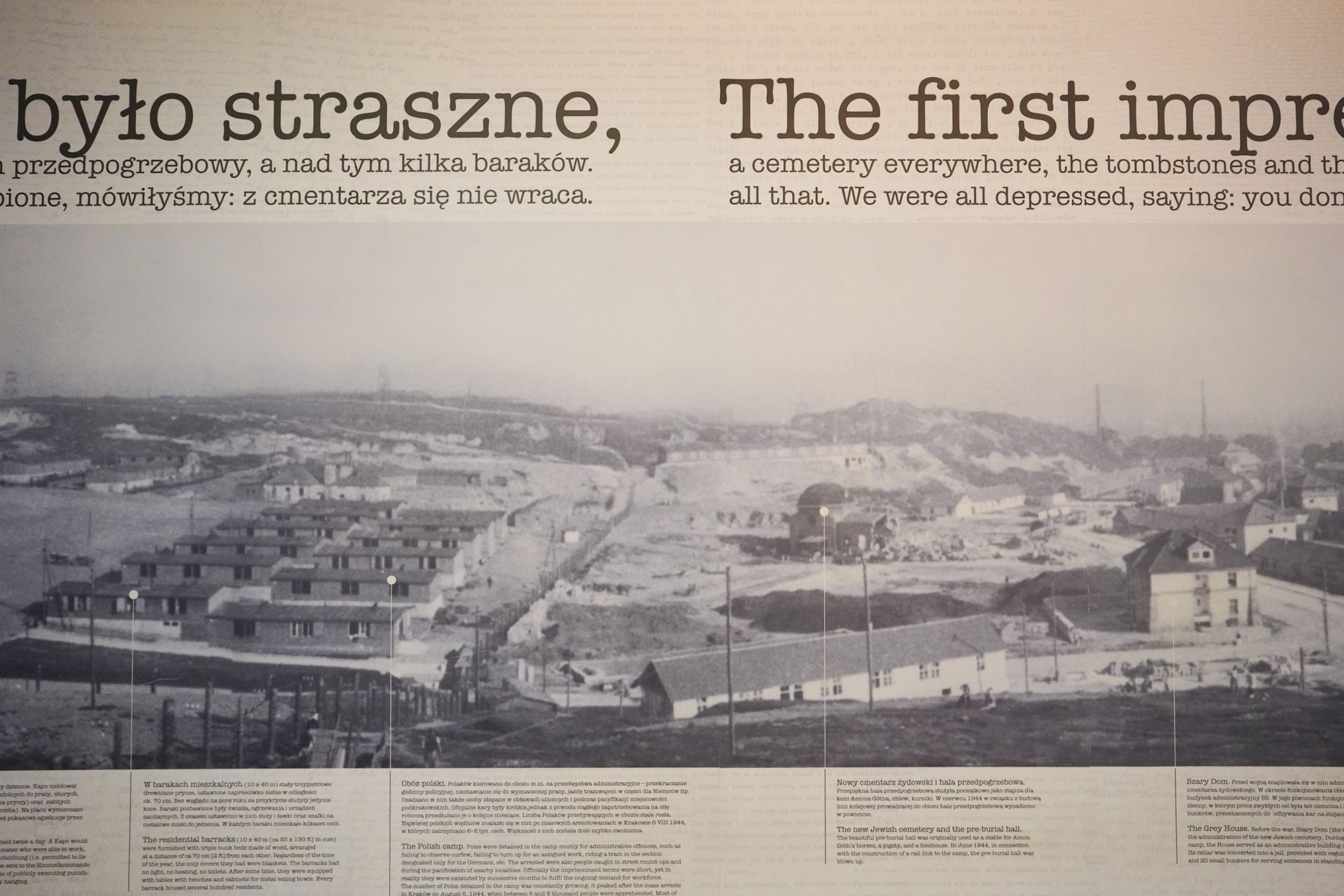
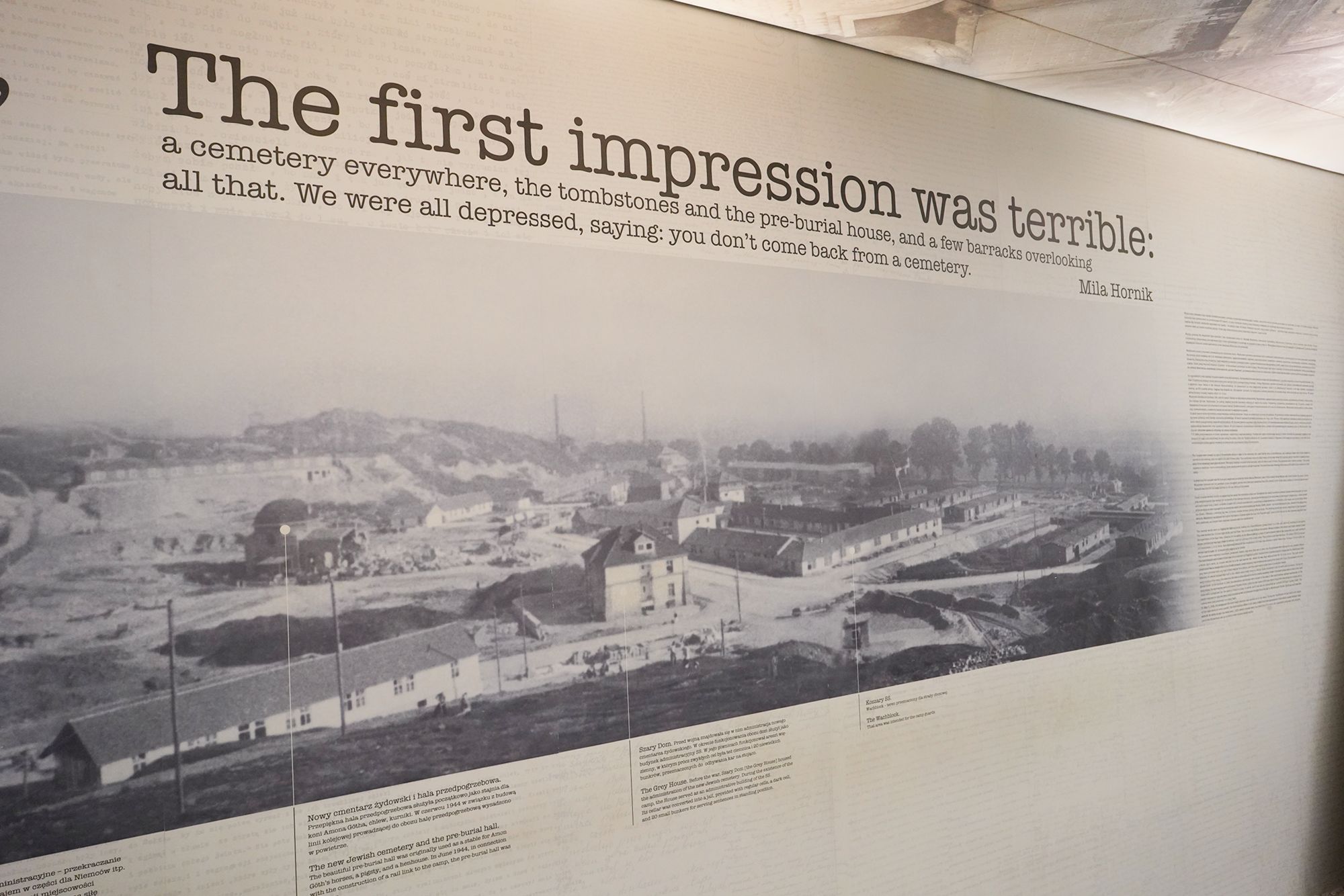
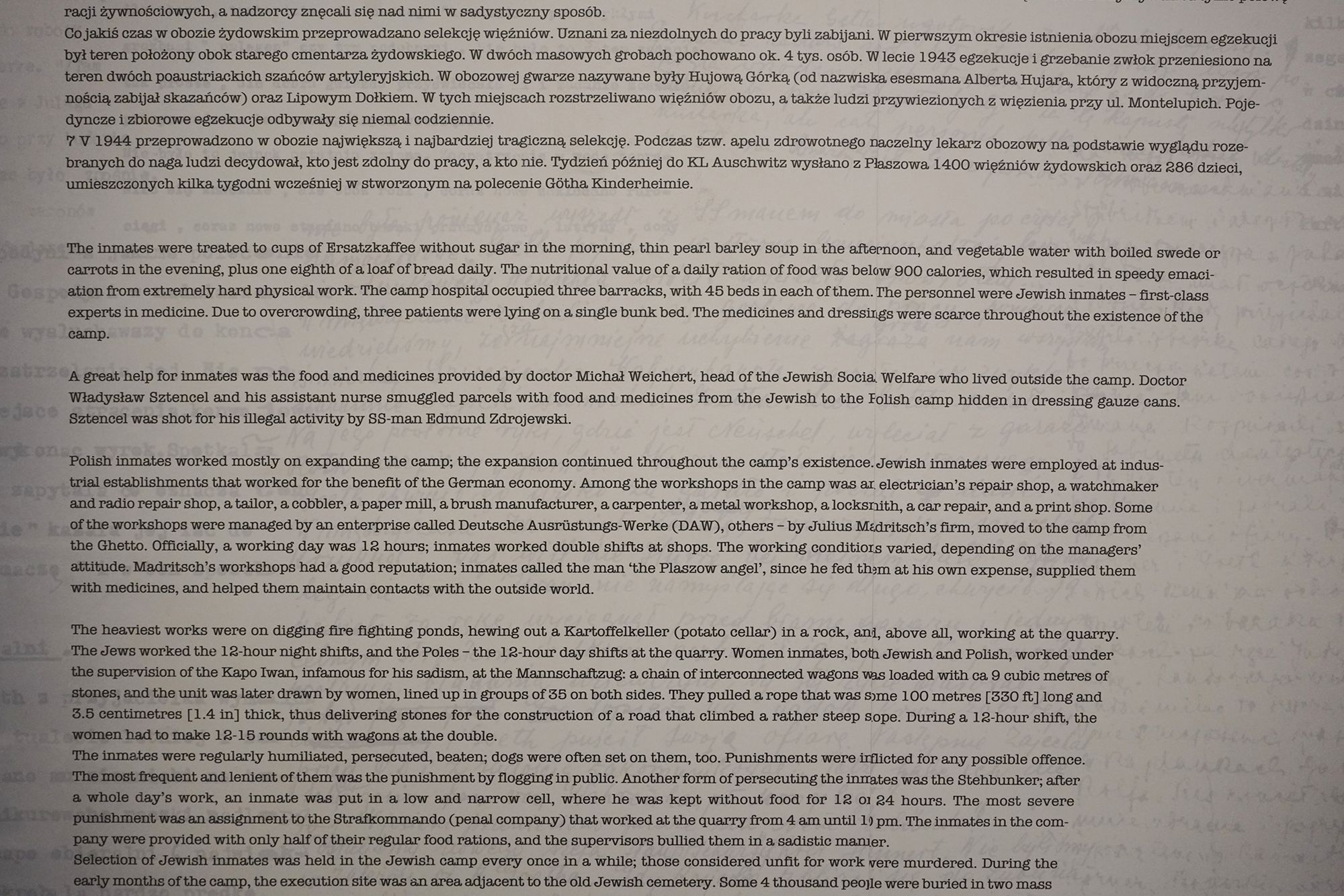
The panel describes the harsh conditions at Płaszów: prisoners received fewer than 900 calories of food a day and worked long, exhausting shifts. Medical supplies were scarce, though some doctors and welfare workers risked their lives to smuggle in food and medicine. Prisoners faced beatings and other punishments for even minor offenses.
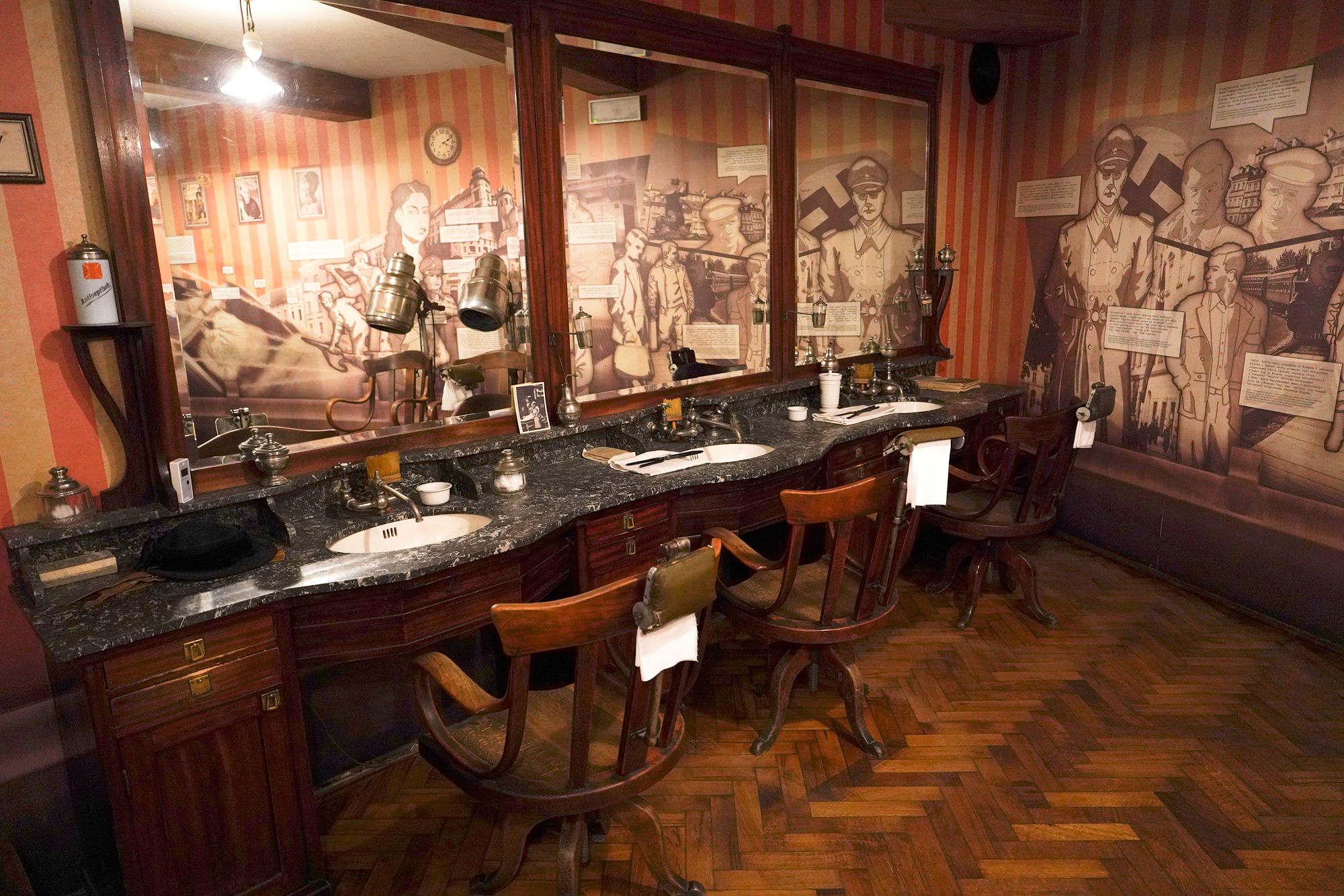
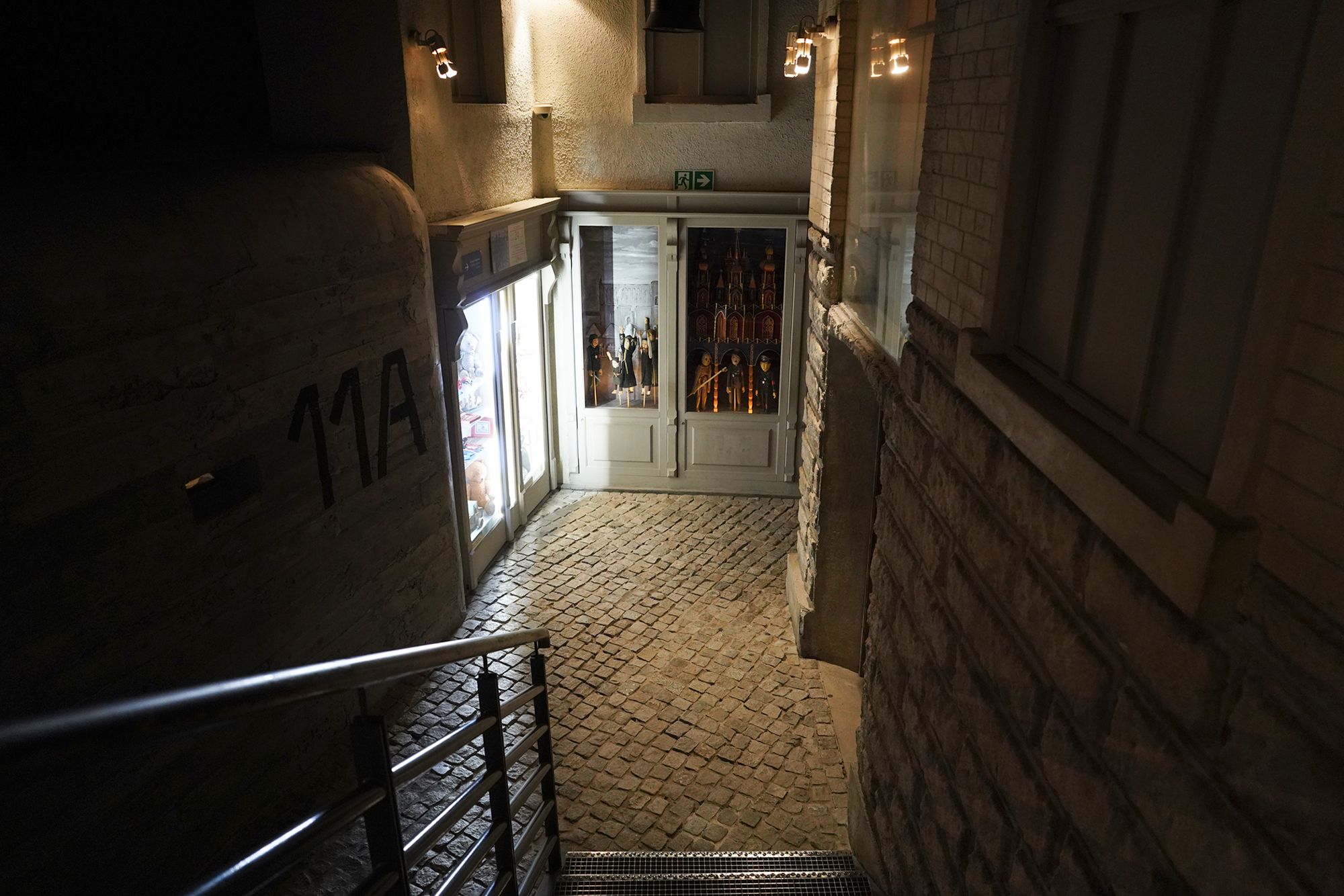
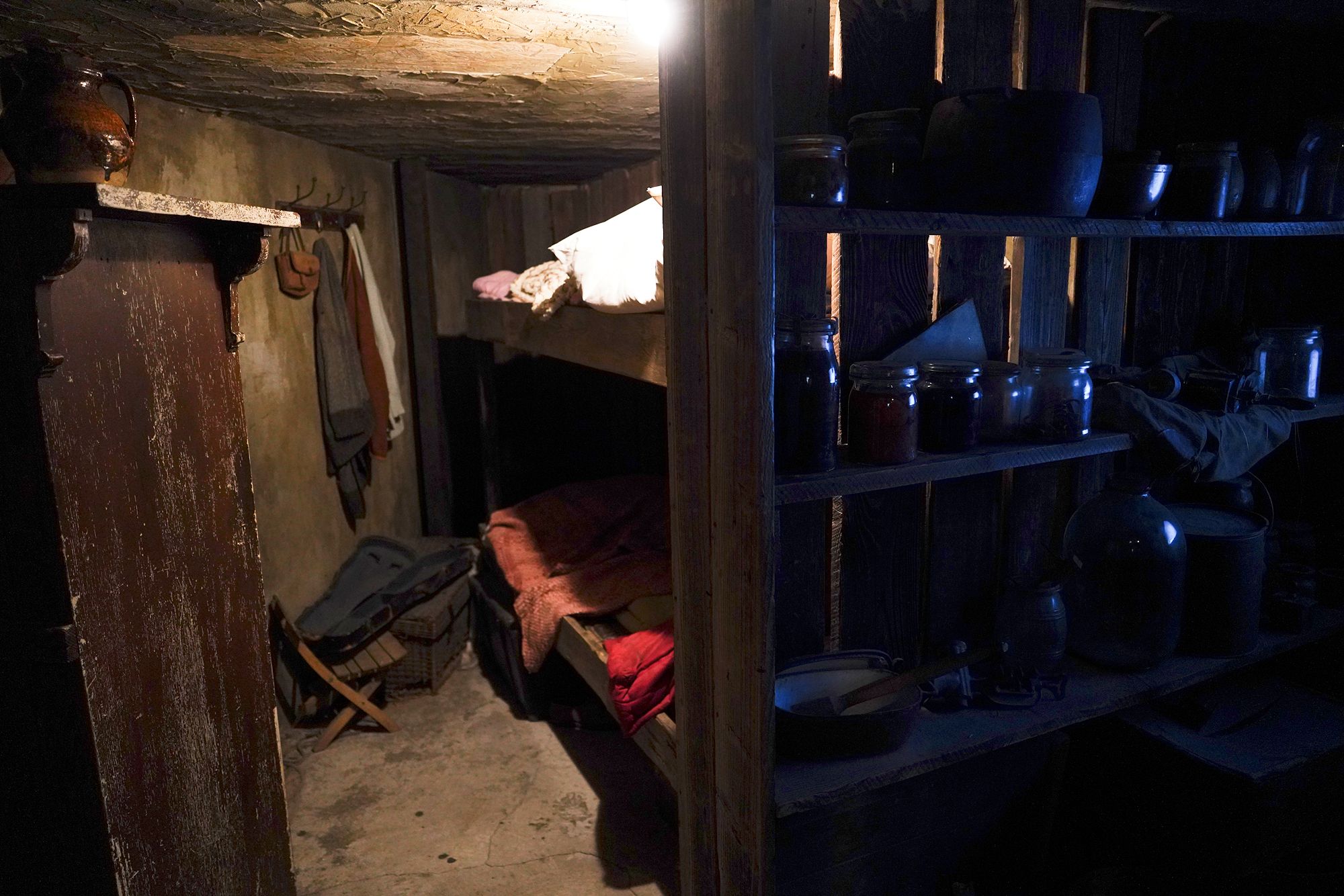
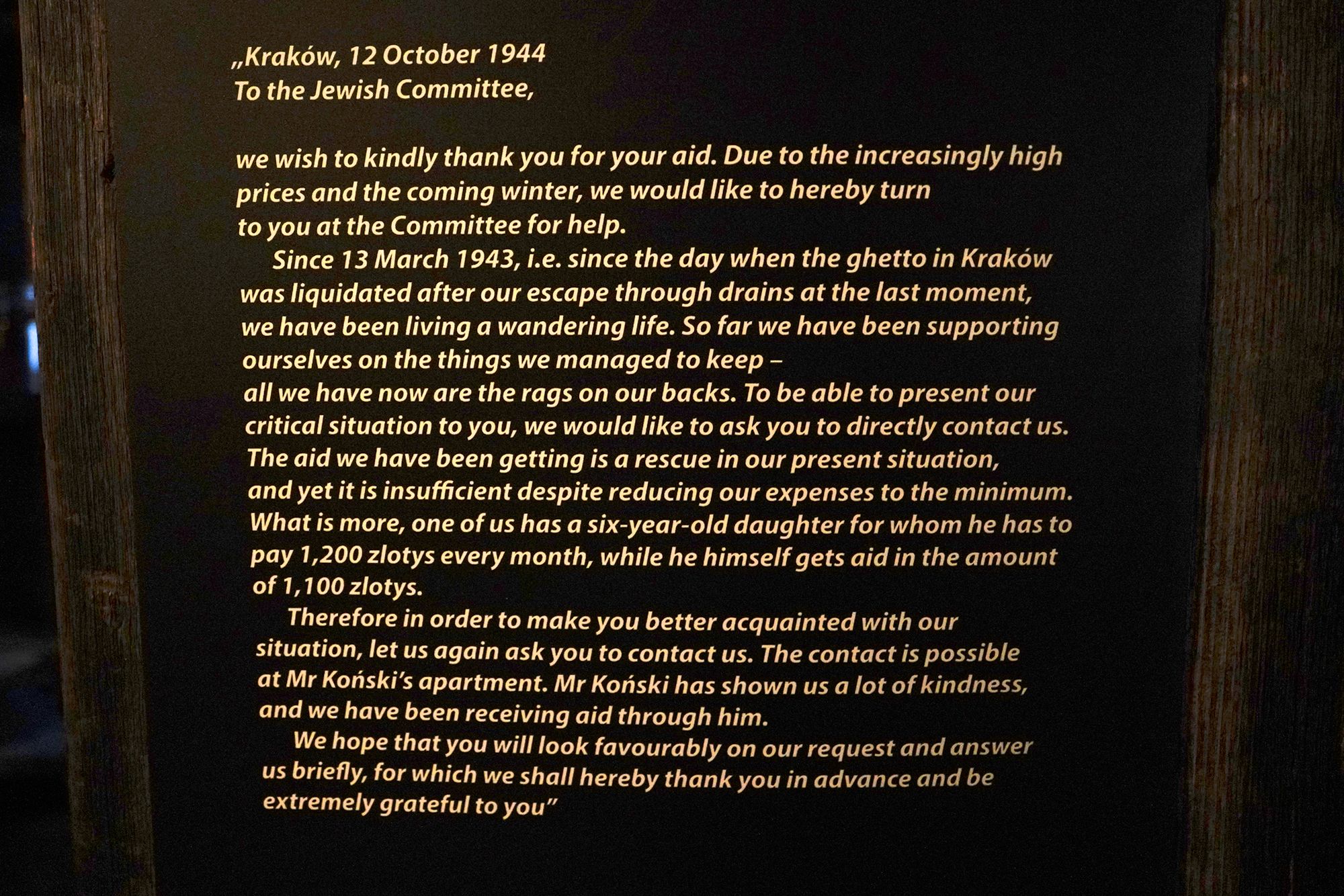
This October 1944 letter shows how difficult life remained for a group of Jewish survivors who had escaped the Kraków Ghetto through the sewers. After months of wandering and supporting themselves with what they had saved, they wrote to the Jewish Committee for more help as prices rose and winter approached.
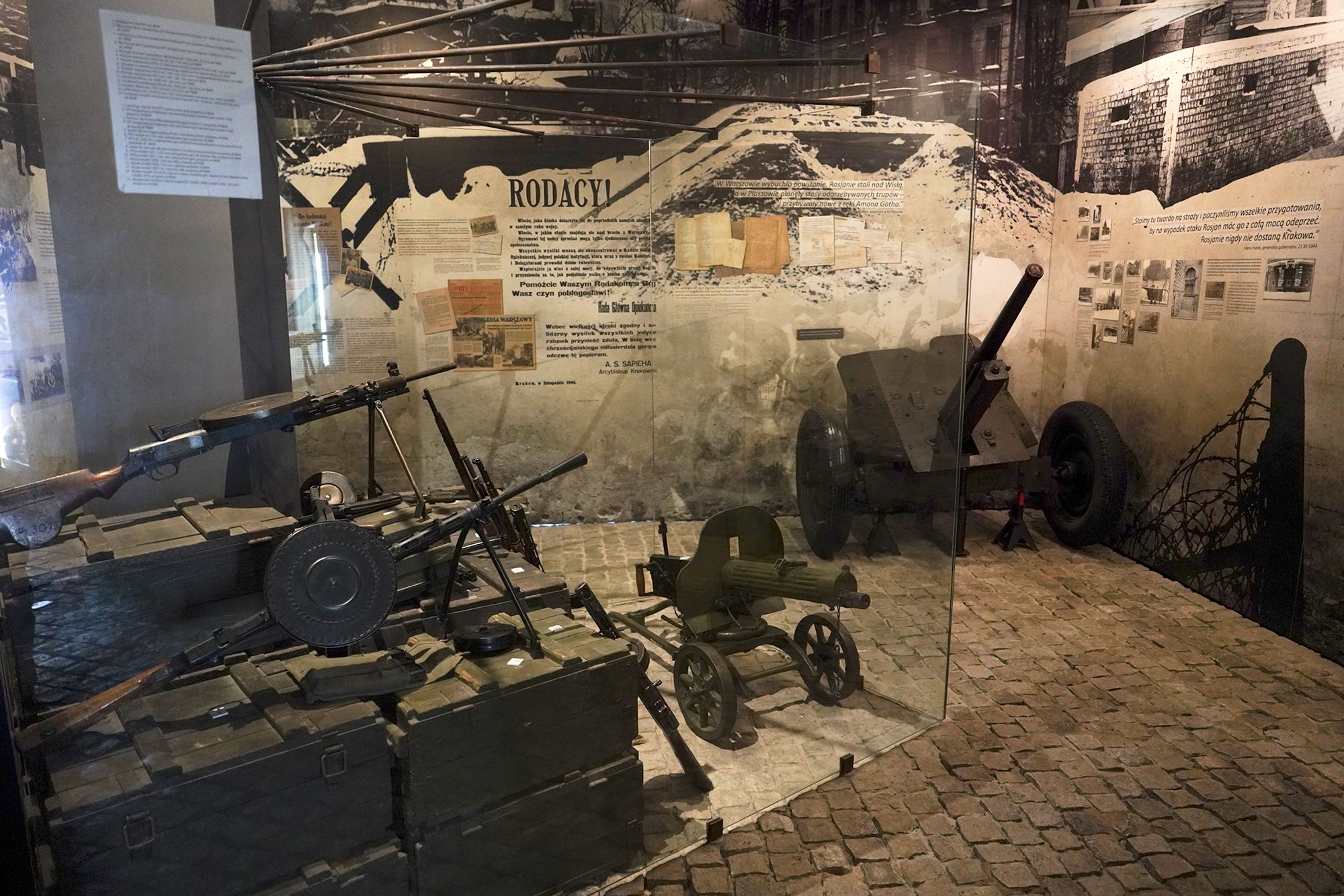
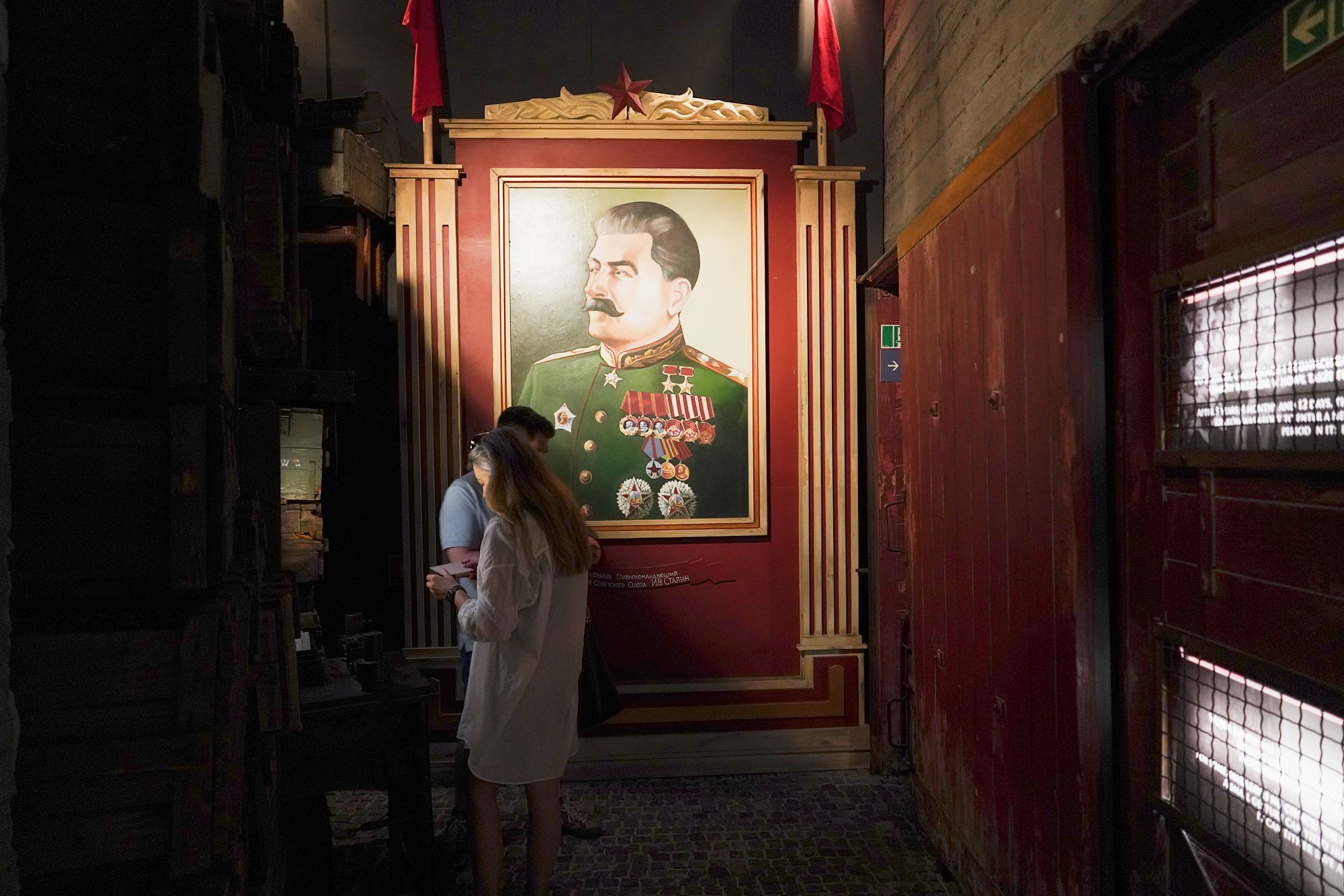
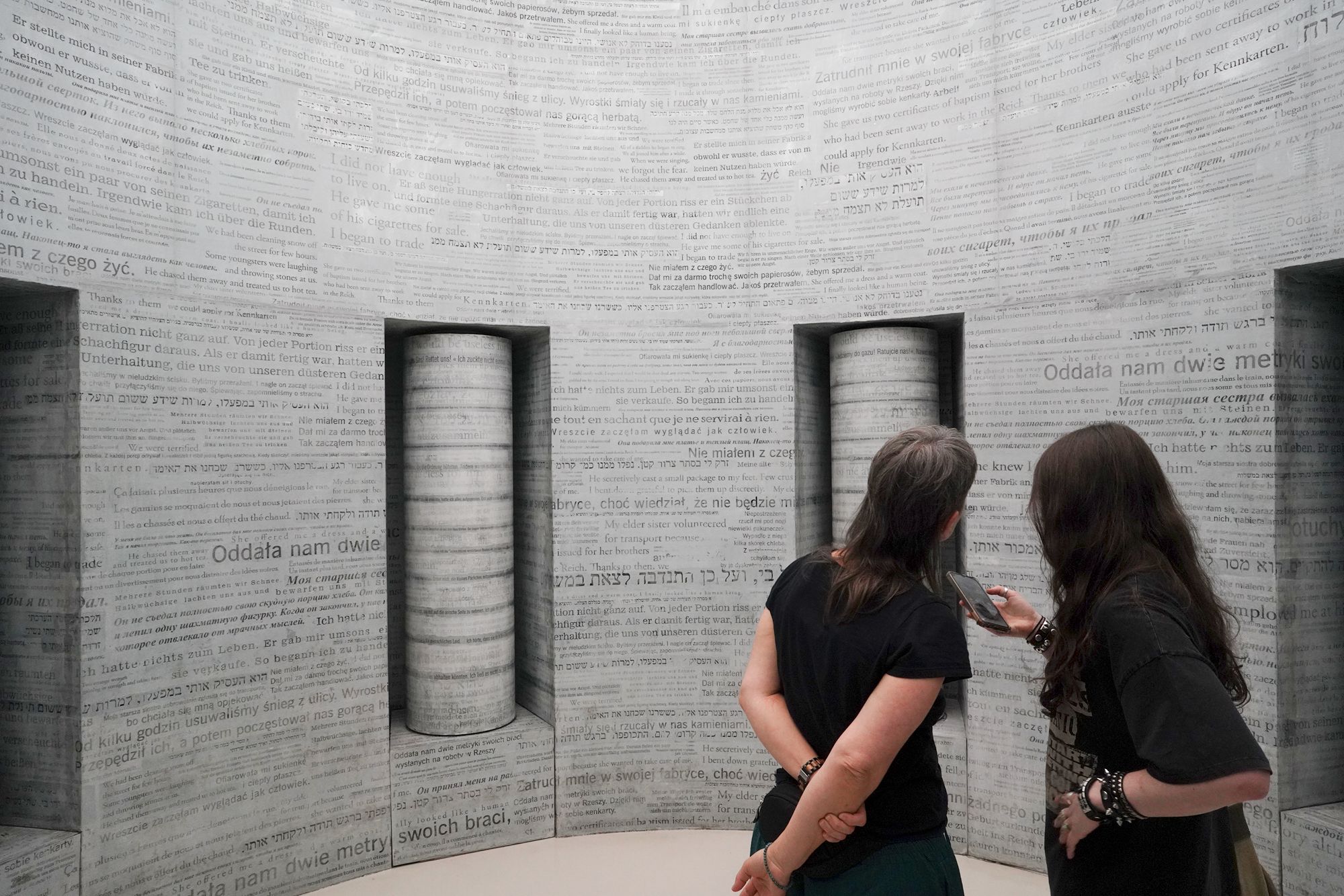
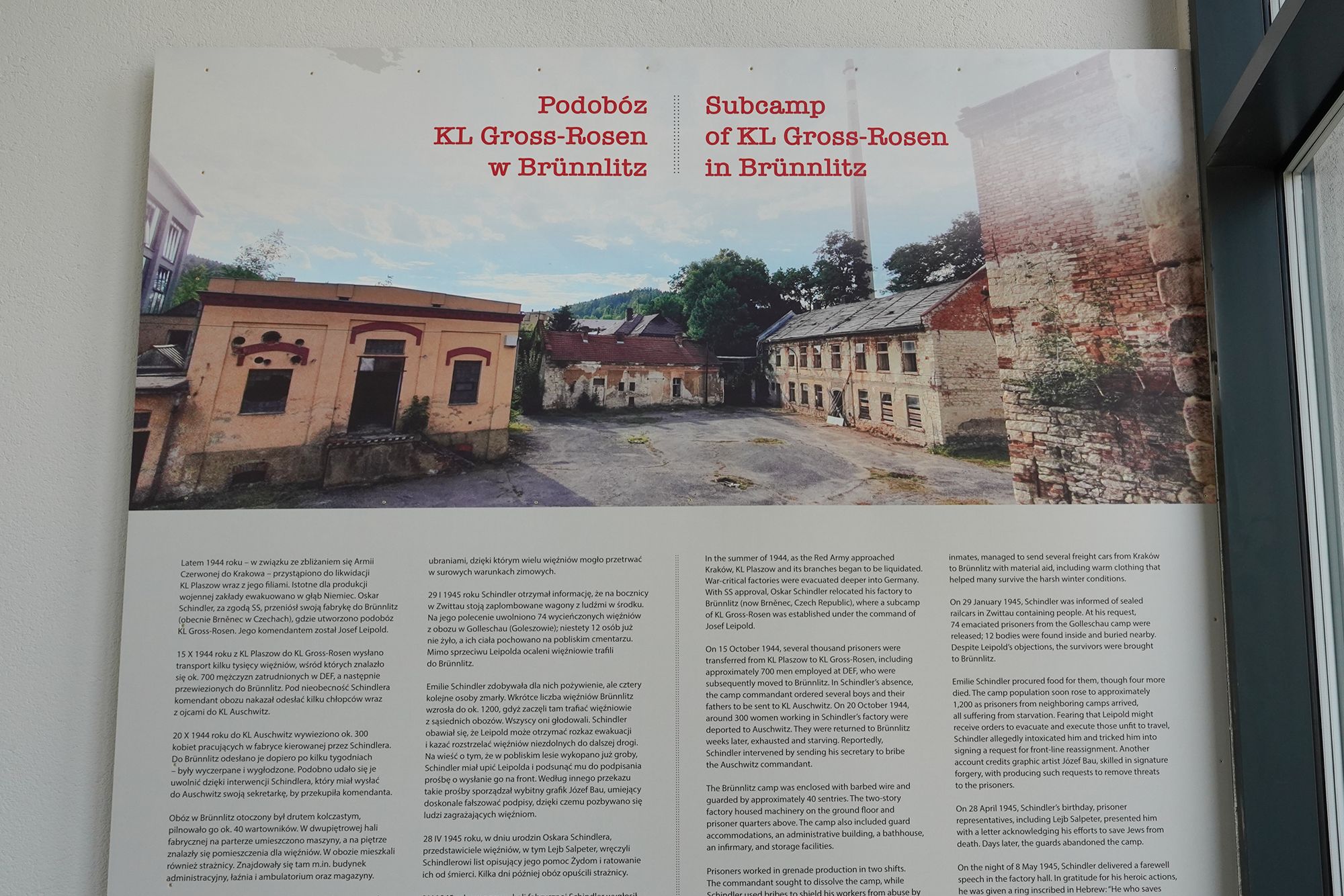
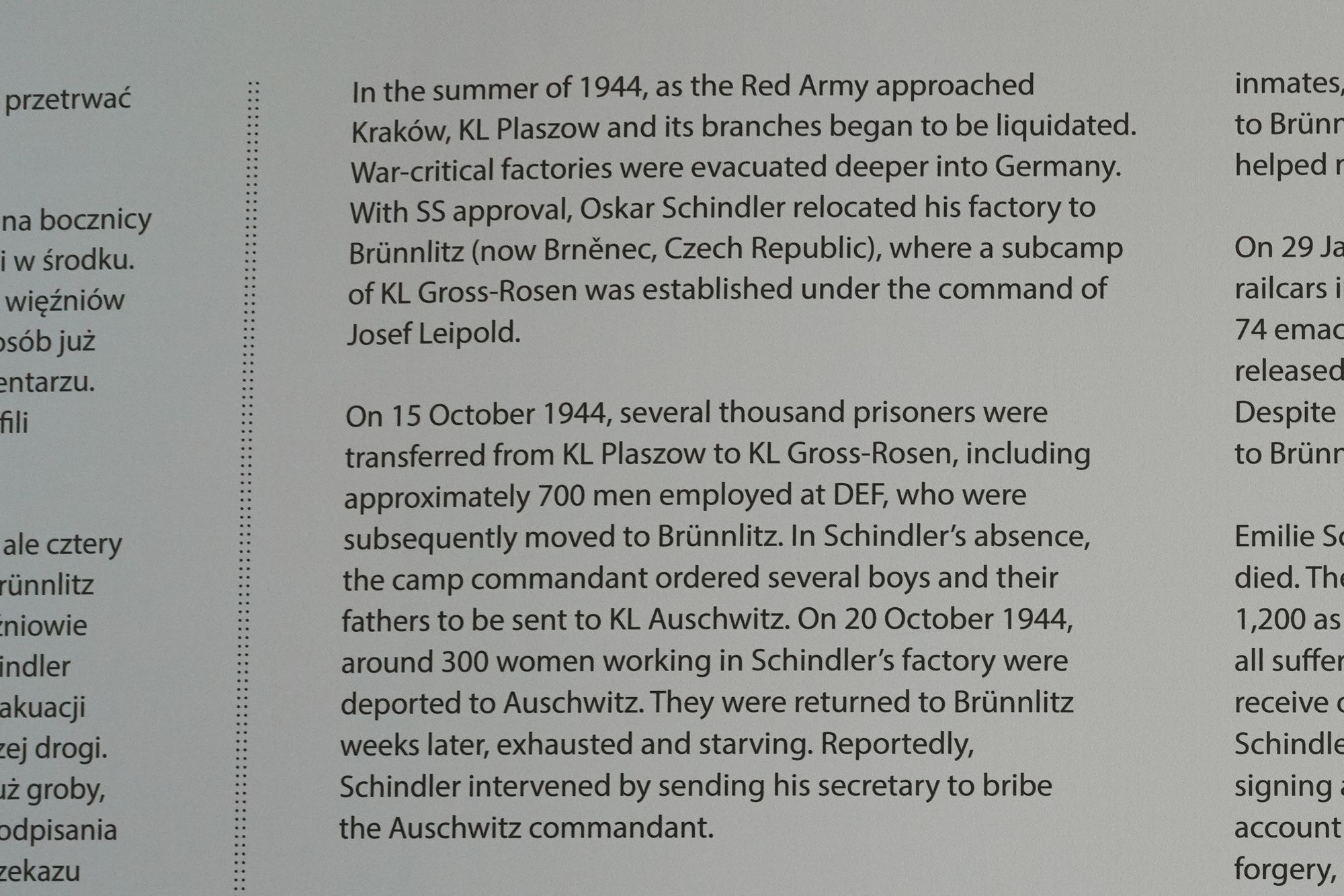
As the Red Army approached Kraków in 1944, Płaszów was liquidated. With SS approval, Oskar Schindler moved his factory to Brünnlitz, taking many workers with him. The transfer did not protect everyone immediately: about 300 women were deported to Auschwitz and returned weeks later, exhausted and starving.
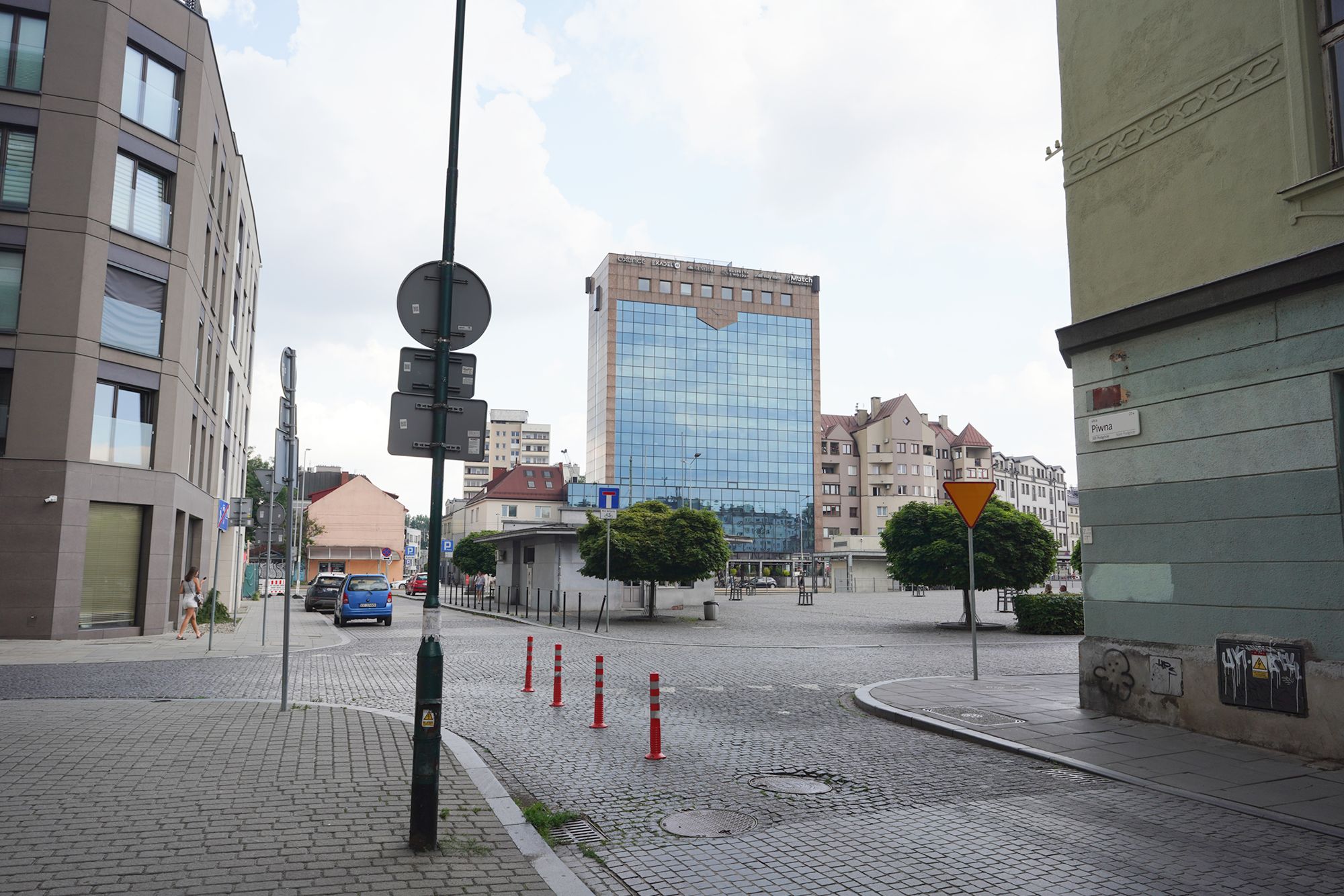
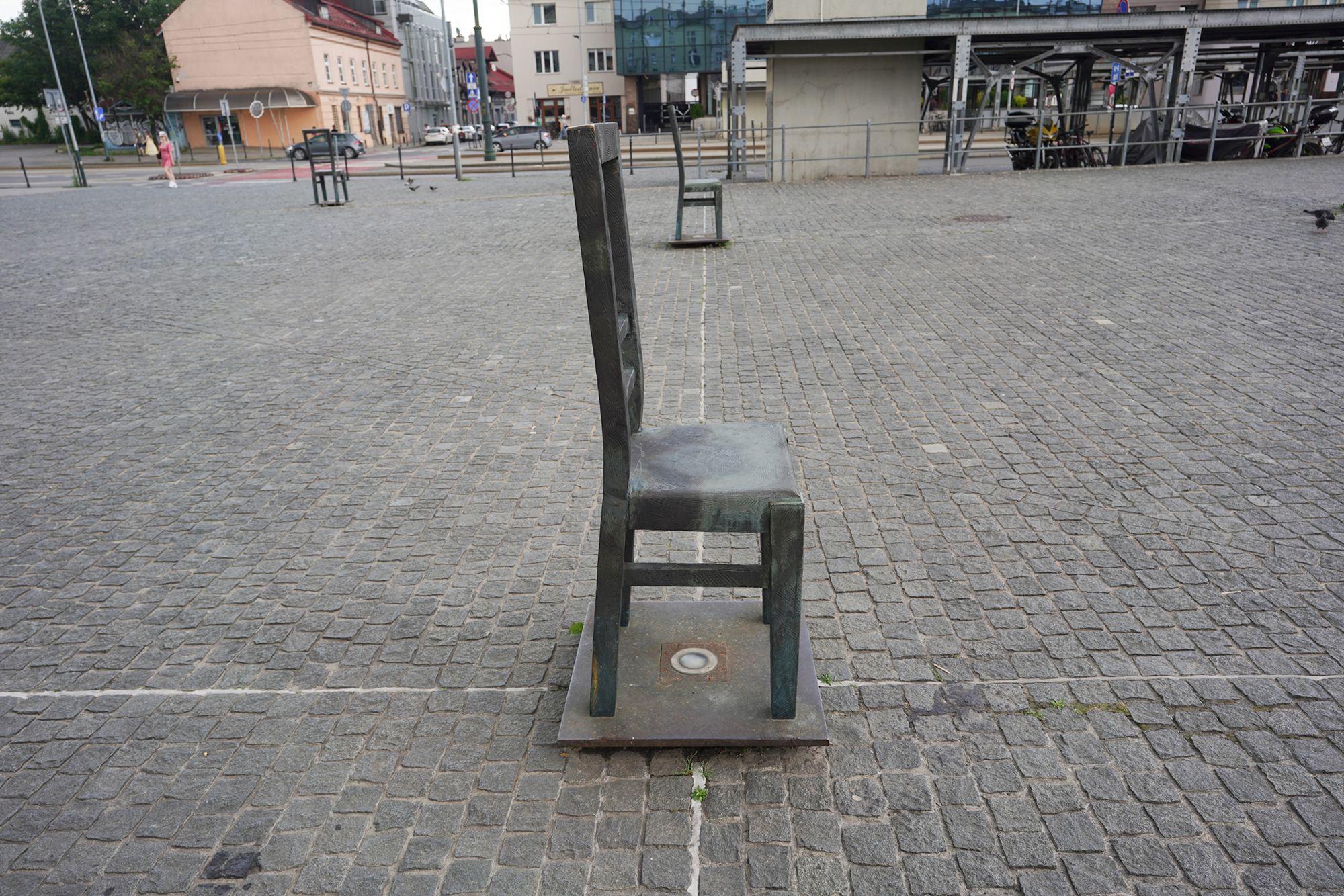
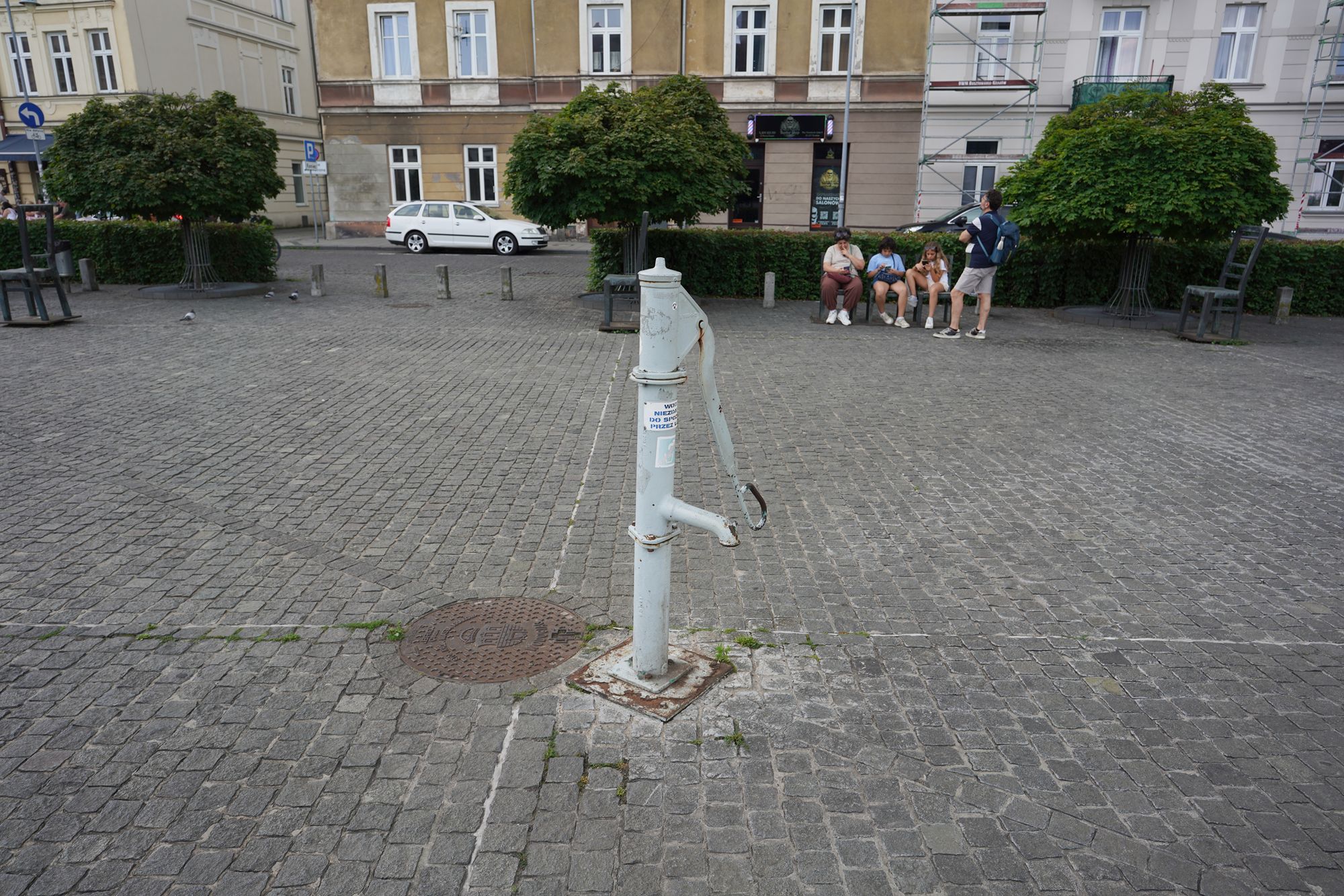
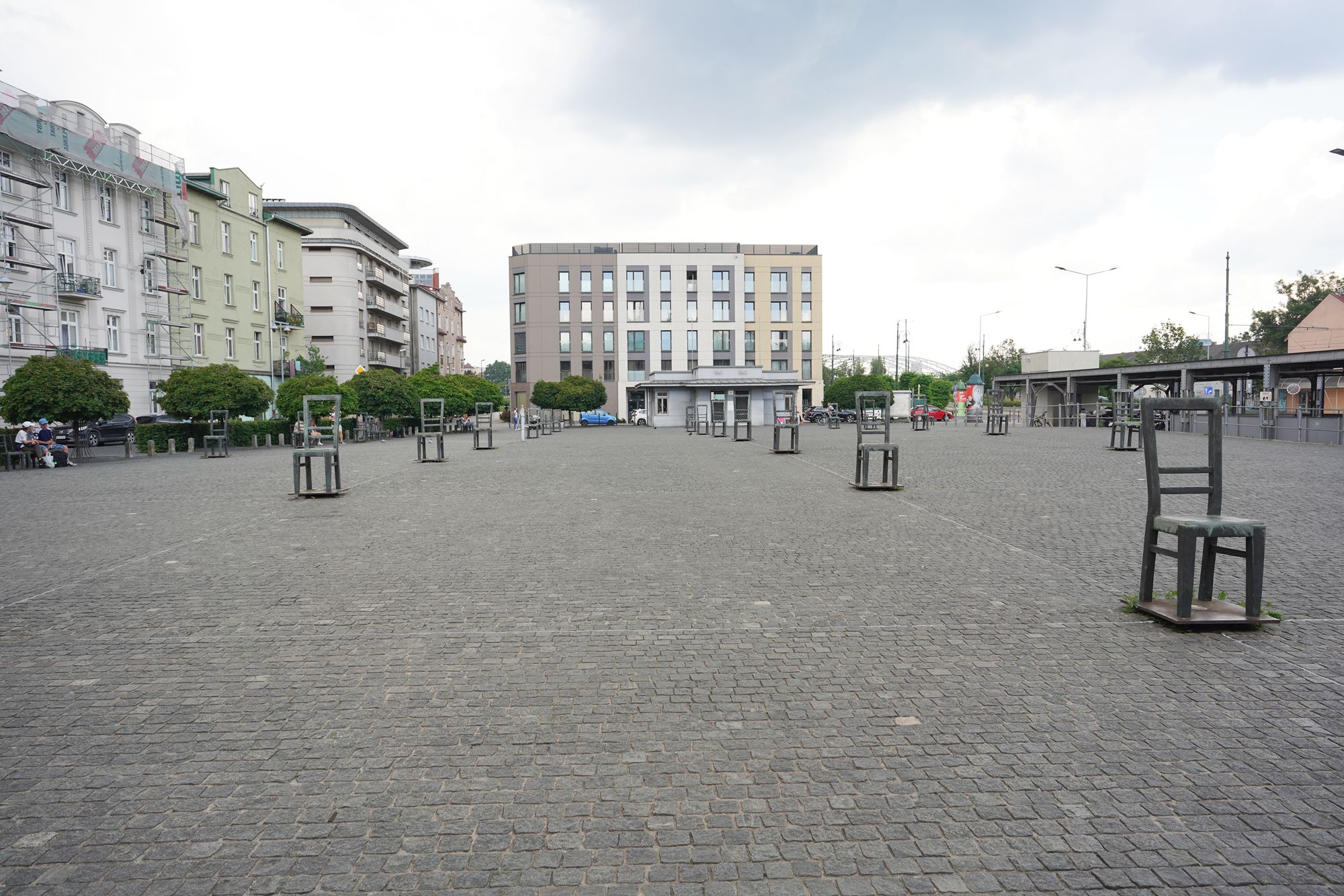
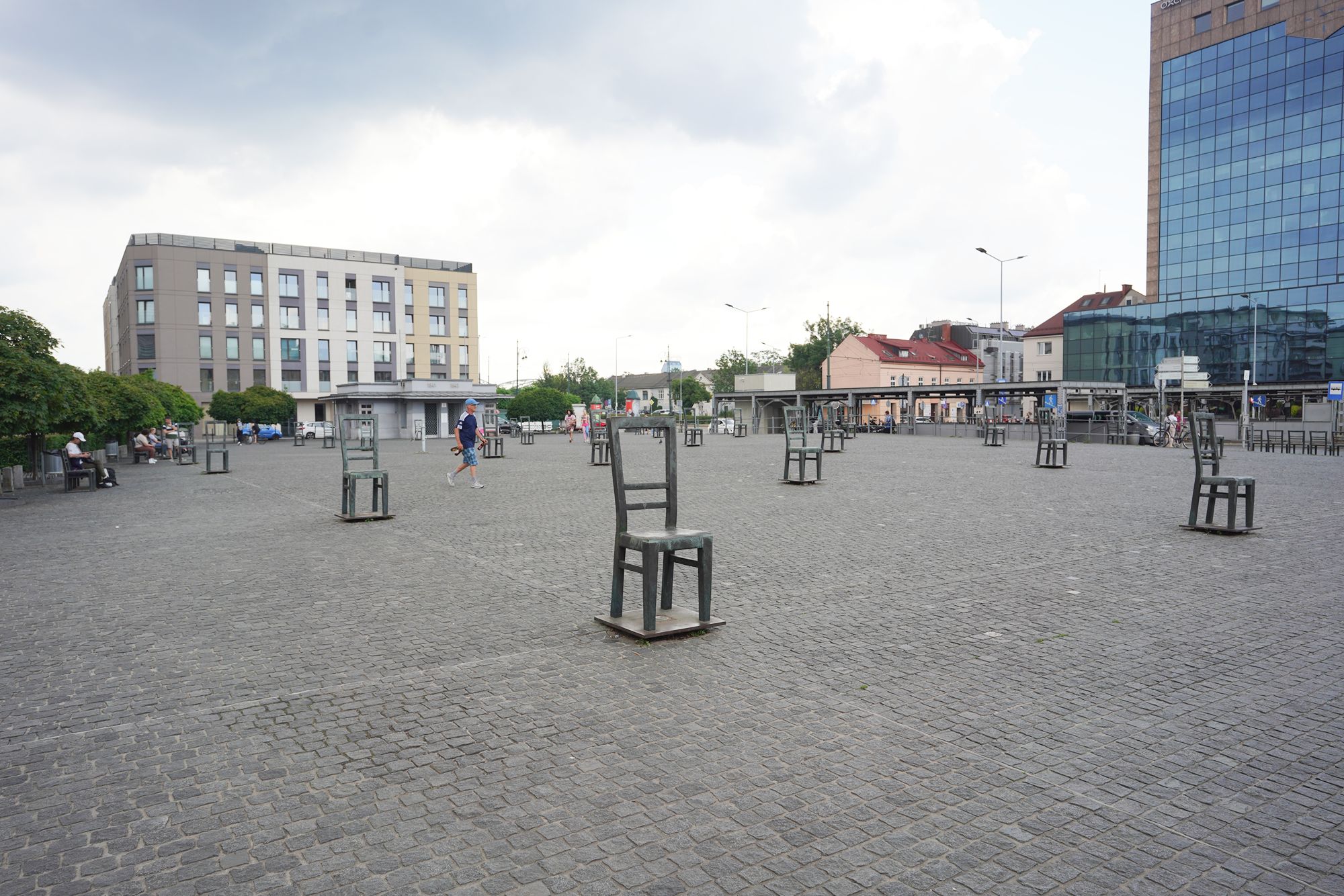
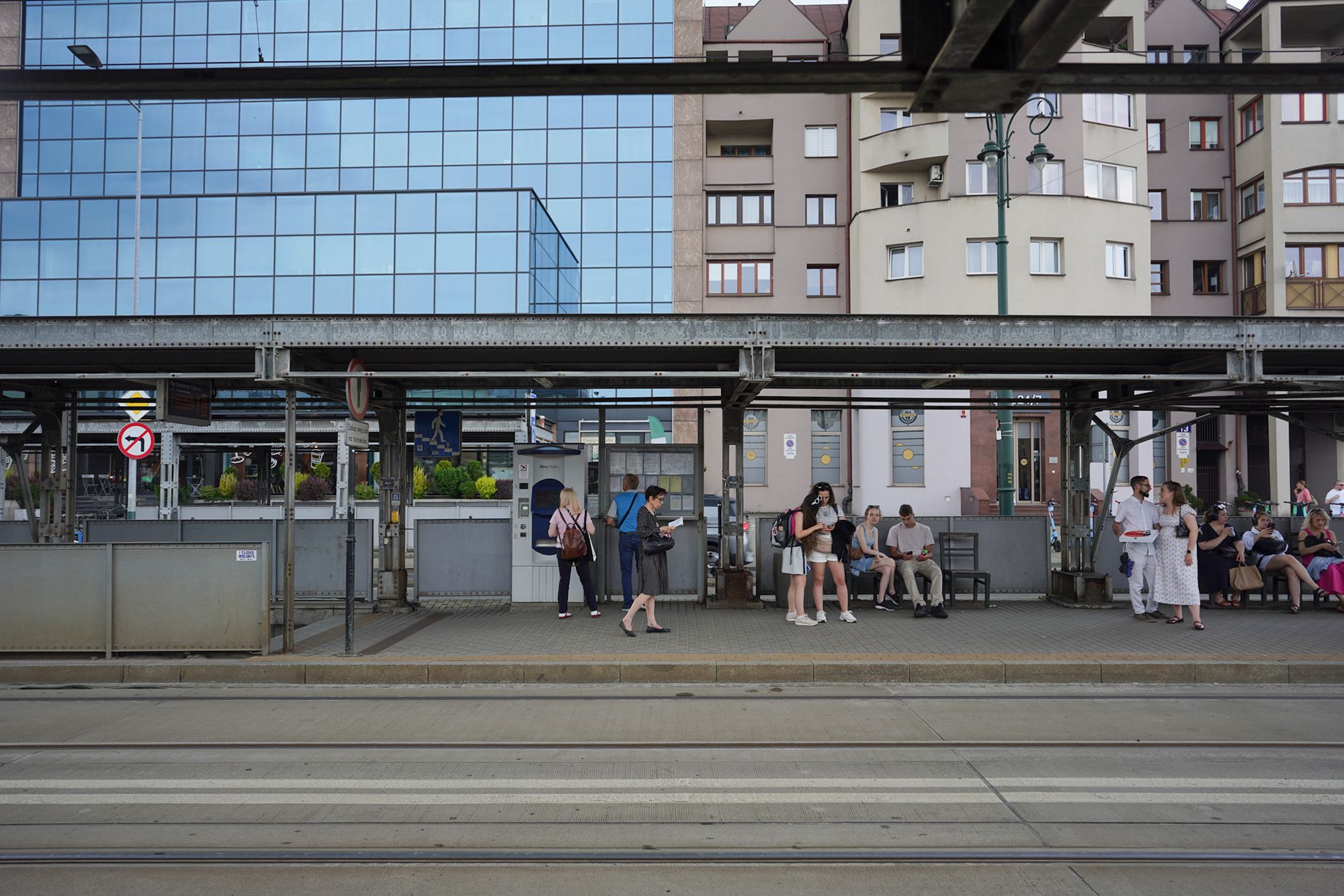
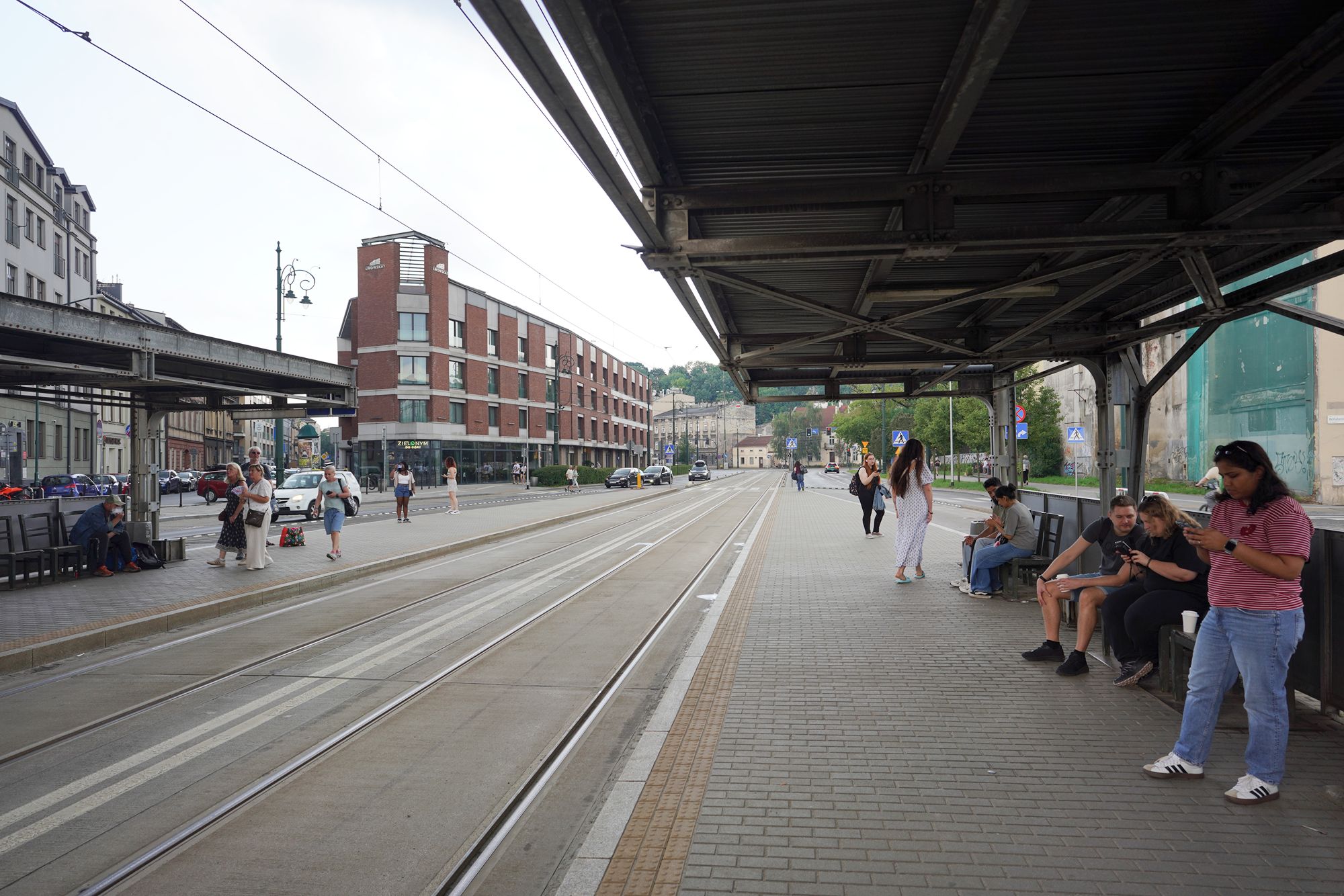
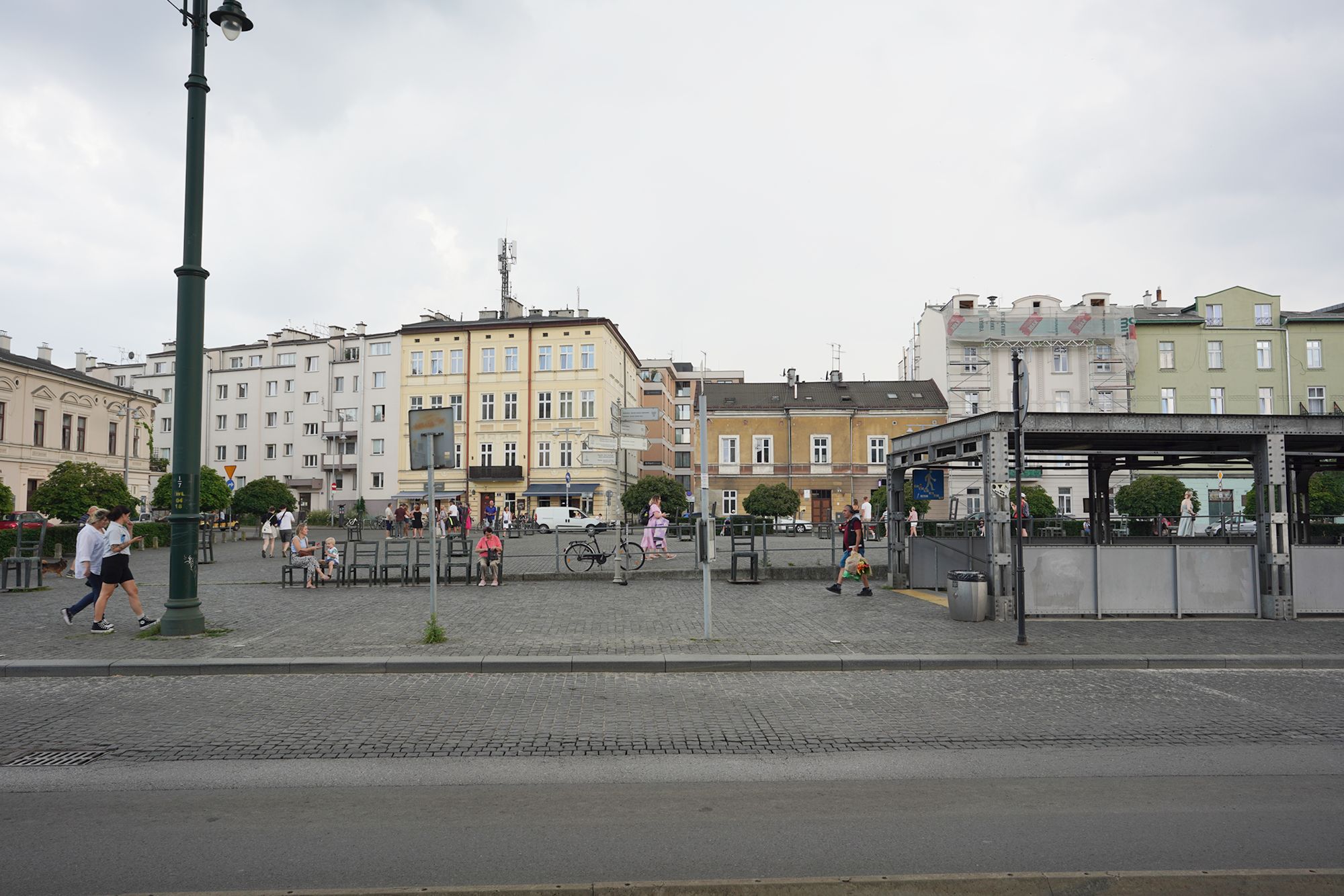
Near the museum is Ghetto Heroes Square, a memorial to the Jews of Kraków who were imprisoned in the ghetto during the Nazi occupation.
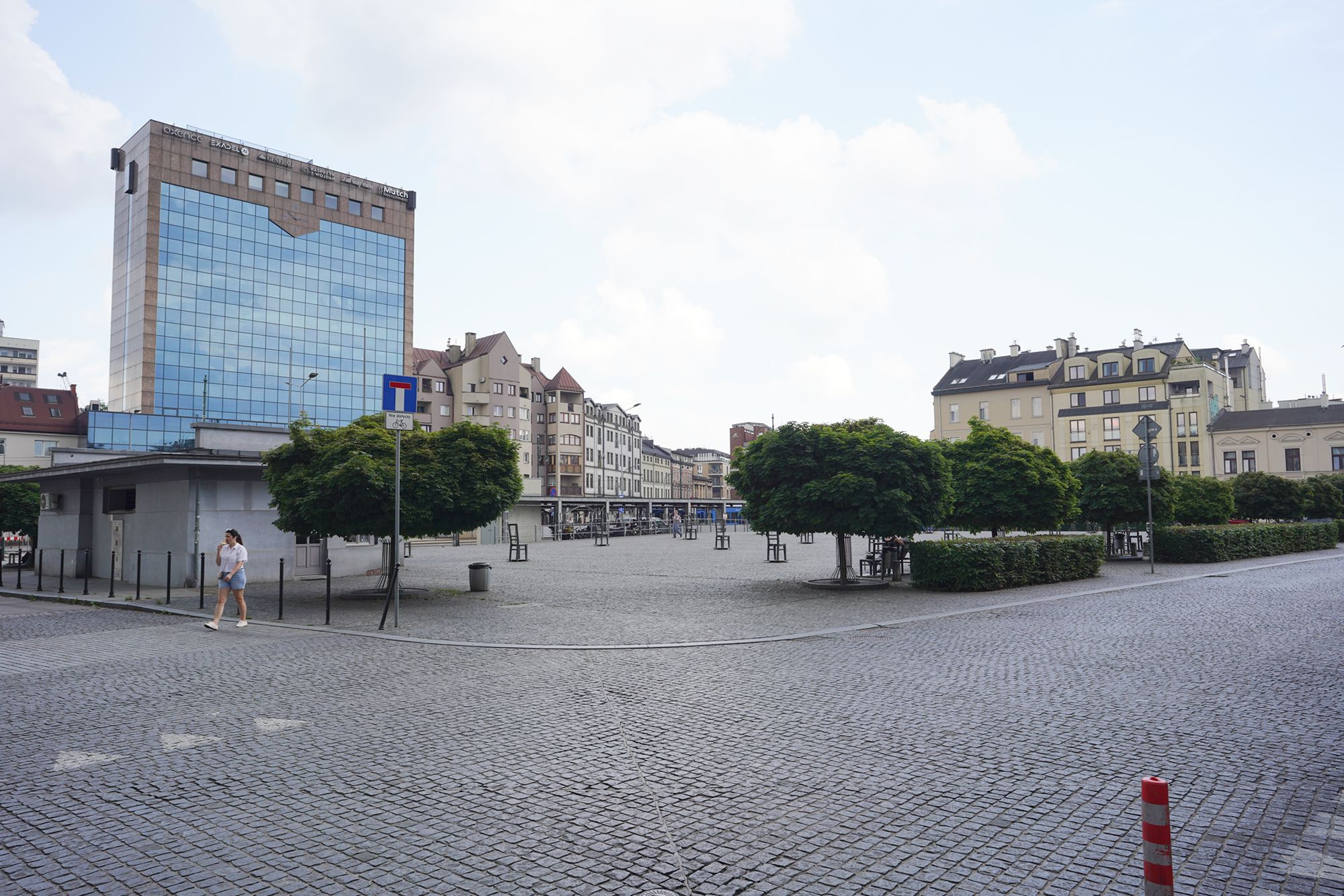
Ghetto Heroes Square is on the site of the former Kraków Ghetto, in the Podgórze district. During the occupation, it was called Plac Zgody and was used to assemble Jews before deportations.
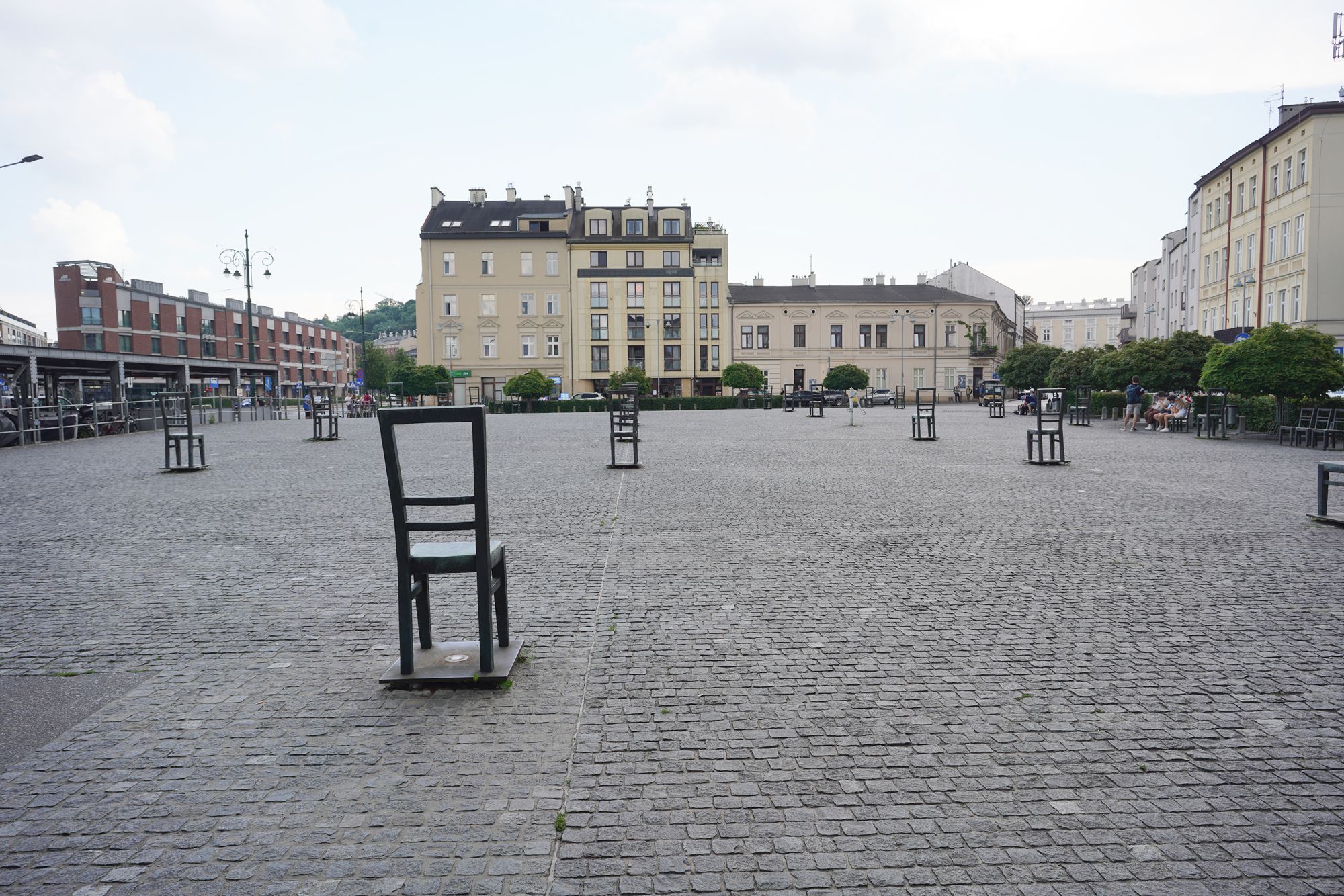
Its memorial, created in 2005, uses 70 empty iron chairs to recall the people who were taken away and the belongings they left behind. The chairs recall the furniture and belongings Jews had to leave behind when they were forced from the ghetto. Their emptiness also stands for the people who were taken away and never returned.