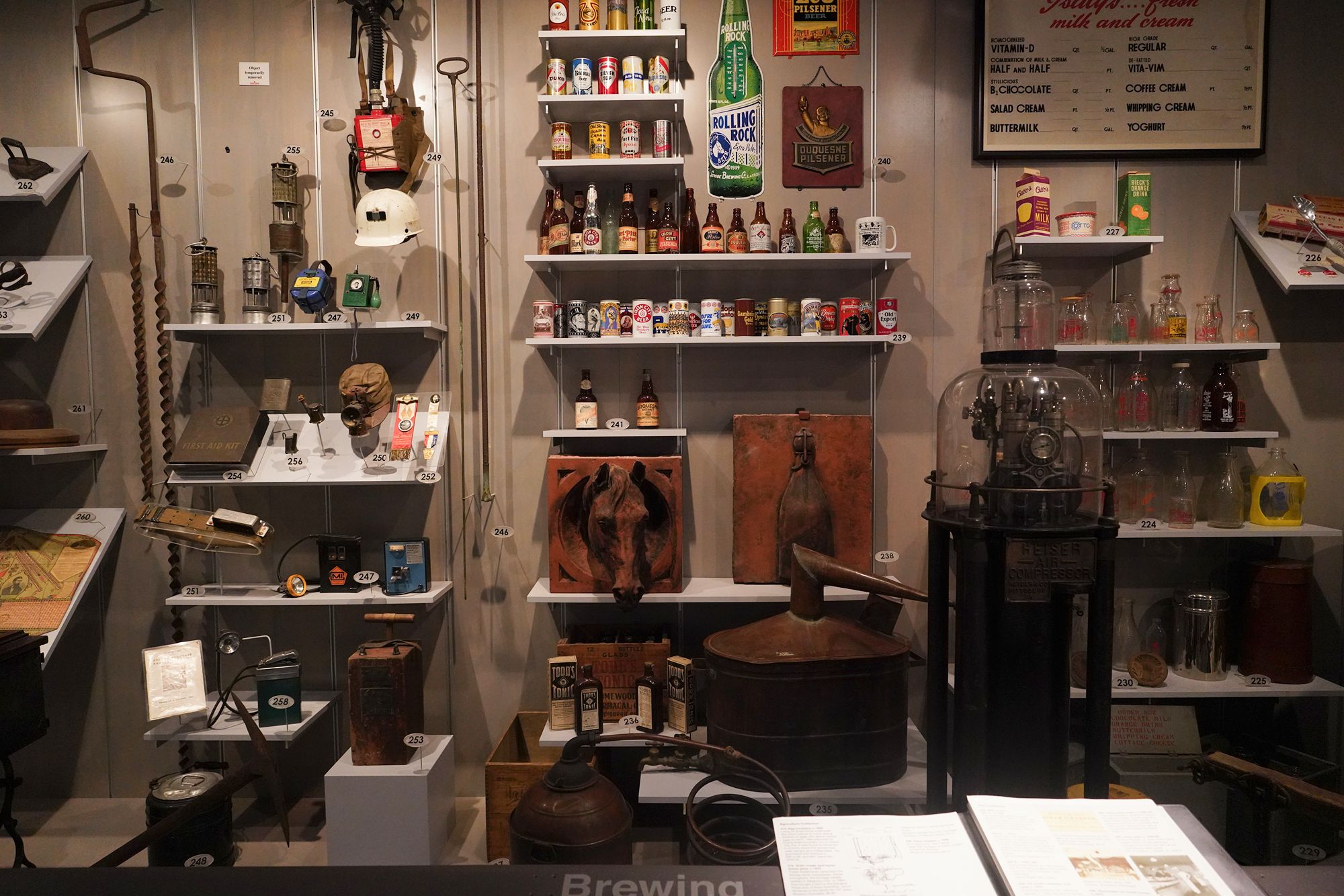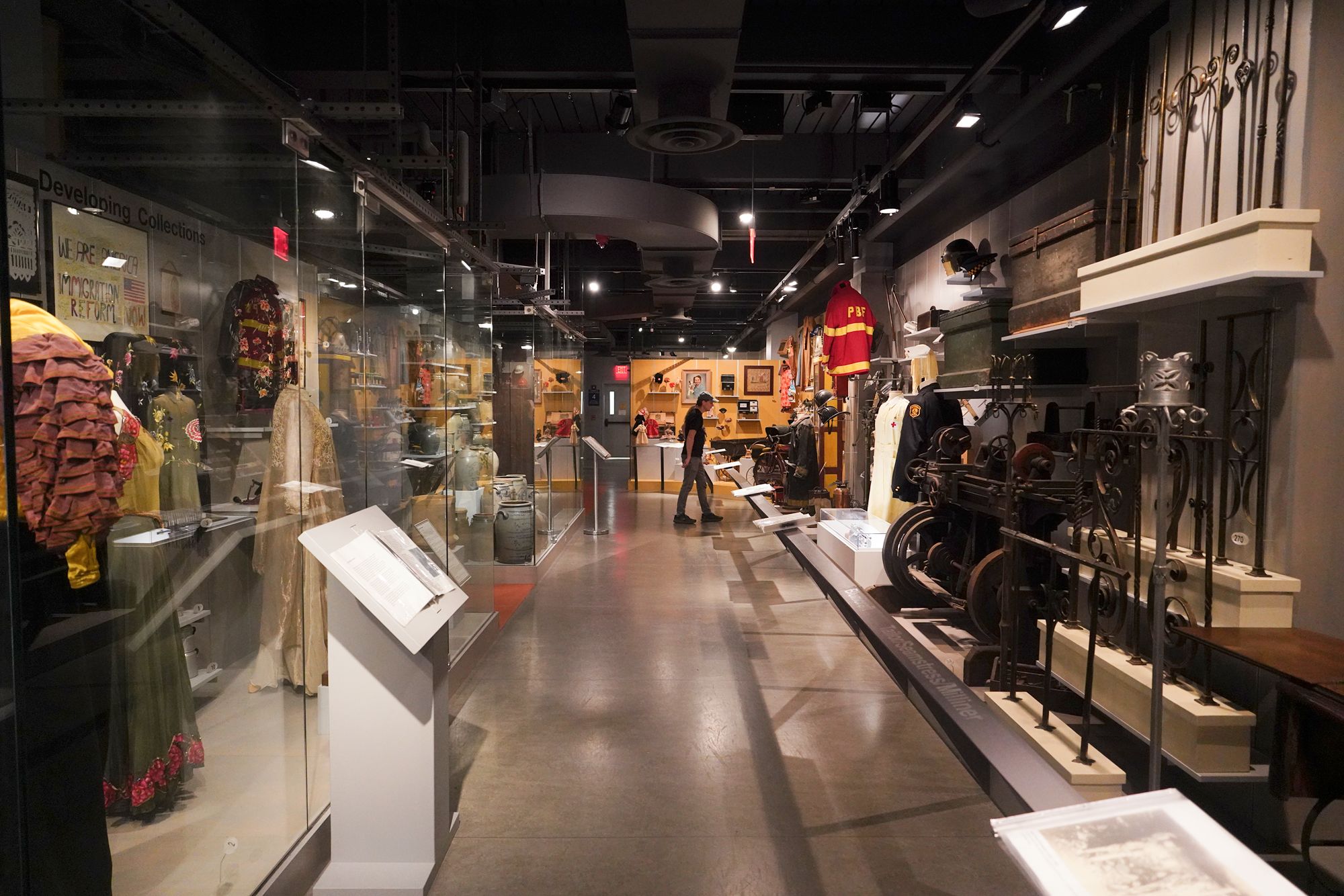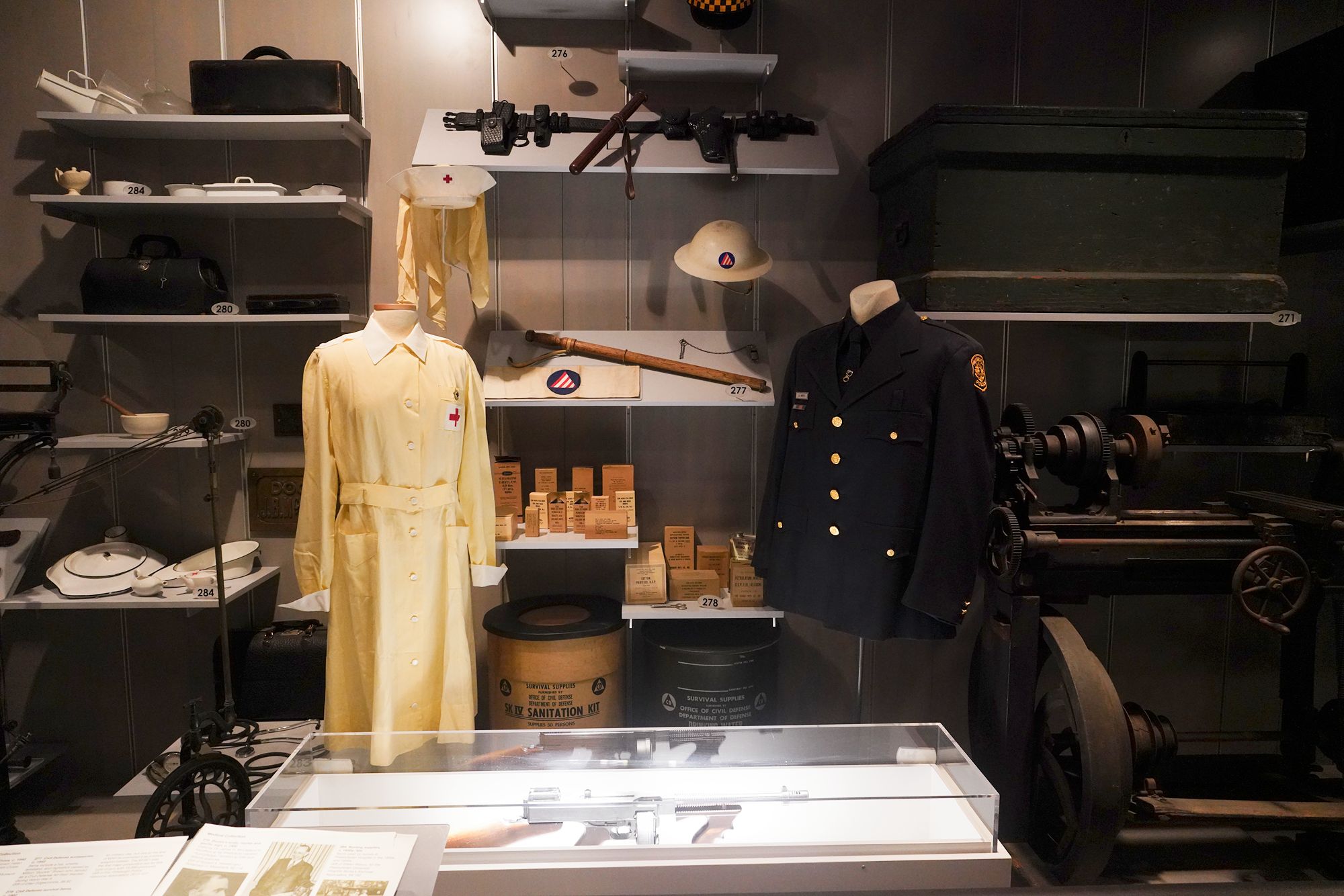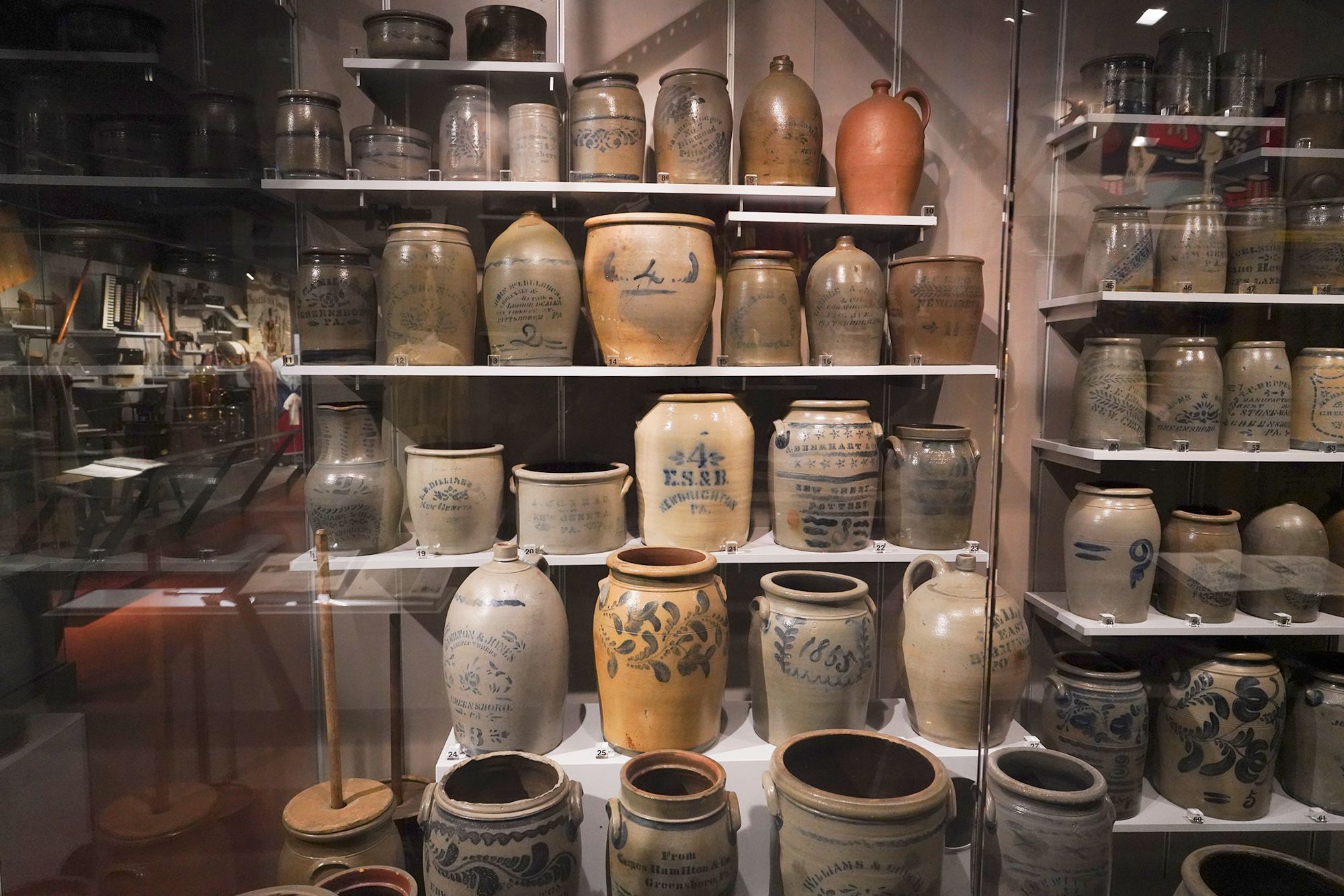
Senator John Heinz History Center, Pittsburgh, Pennsylvania, USA
The Senator John Heinz History Center is Pennsylvania’s largest history museum in Pittsburgh, preserving Western Pennsylvania’s heritage. 1207
Senator John Heinz History Center: 1212 Smallman St, Pittsburgh, PA 15222
Date Picture Taken: September 2025
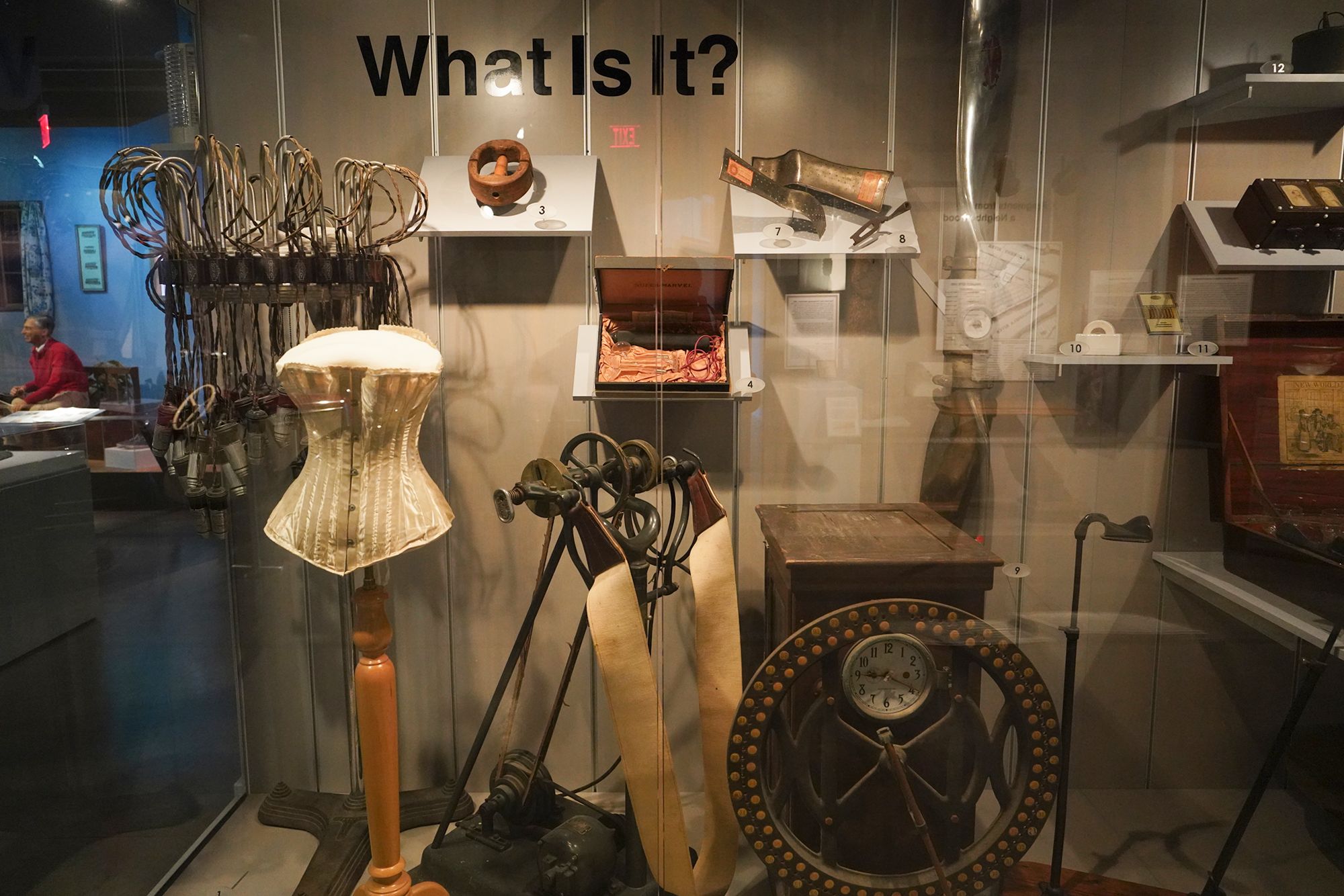
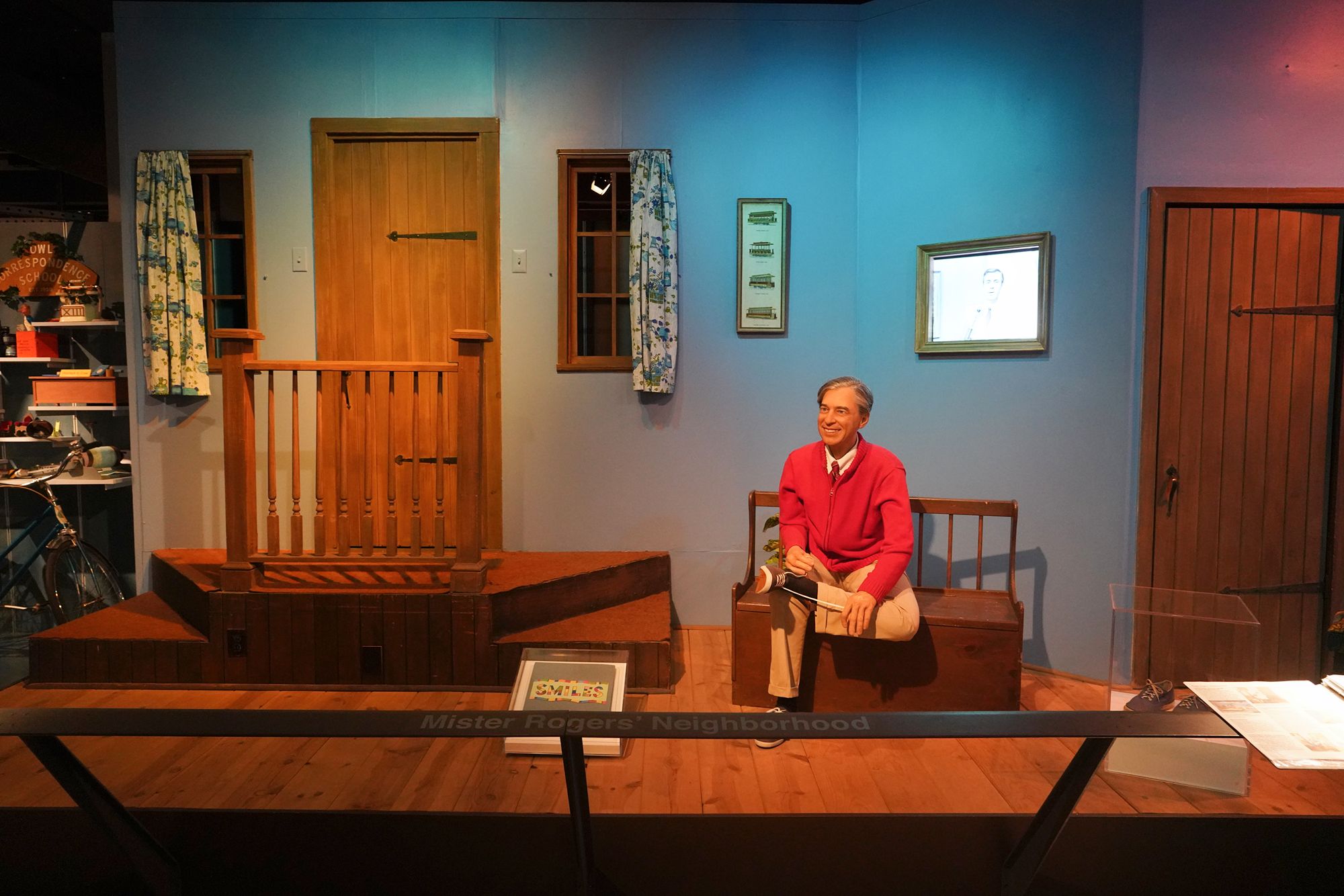
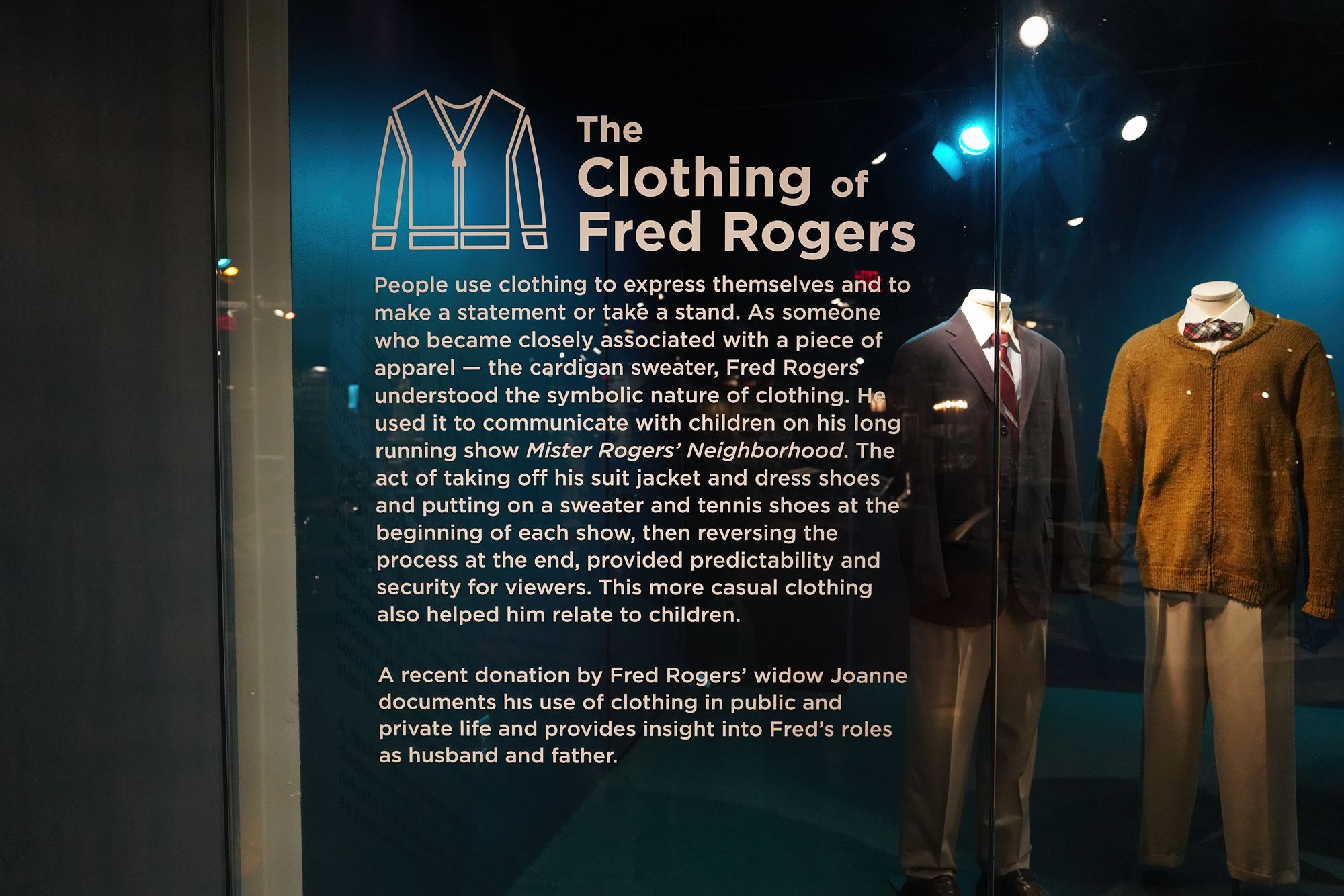
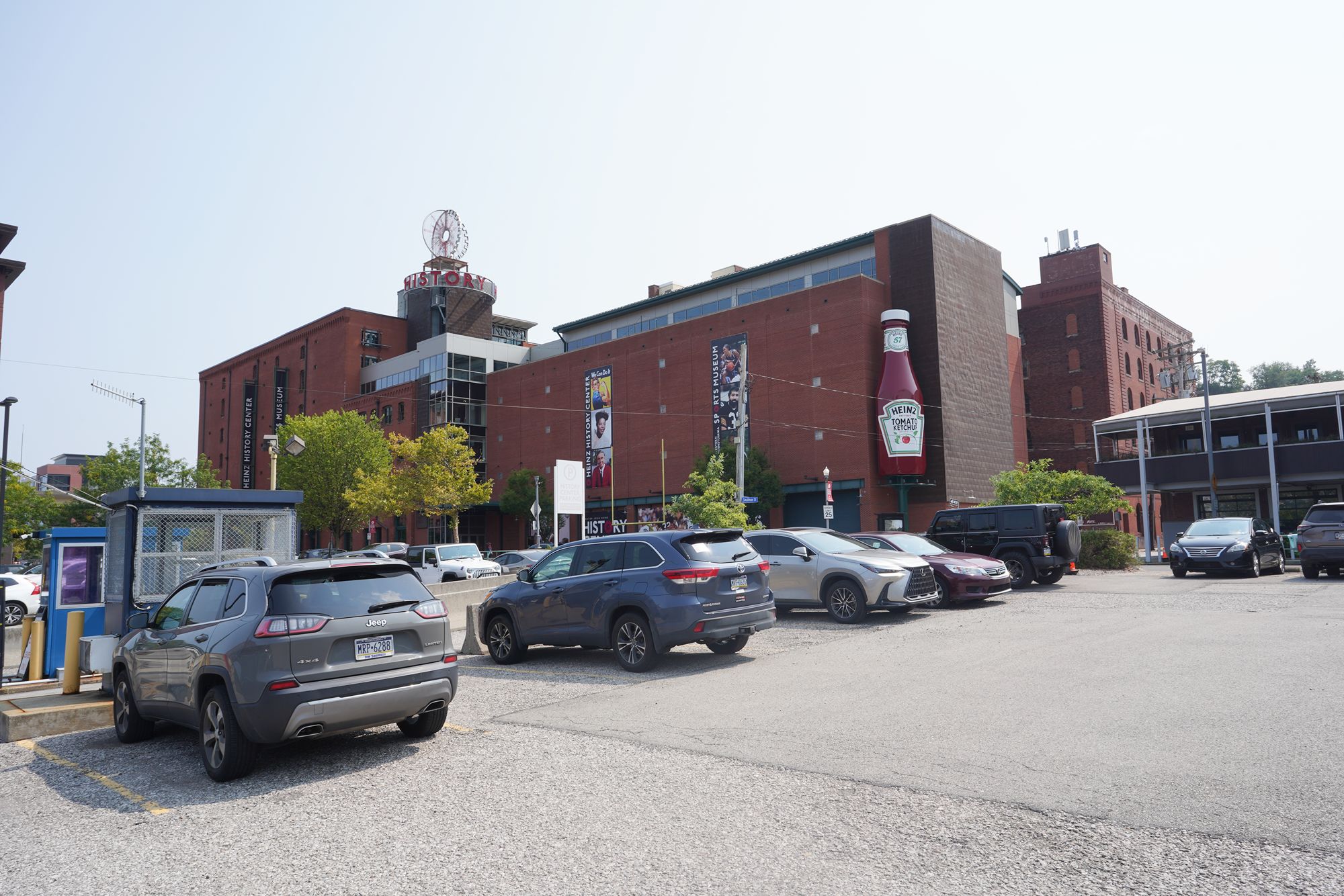
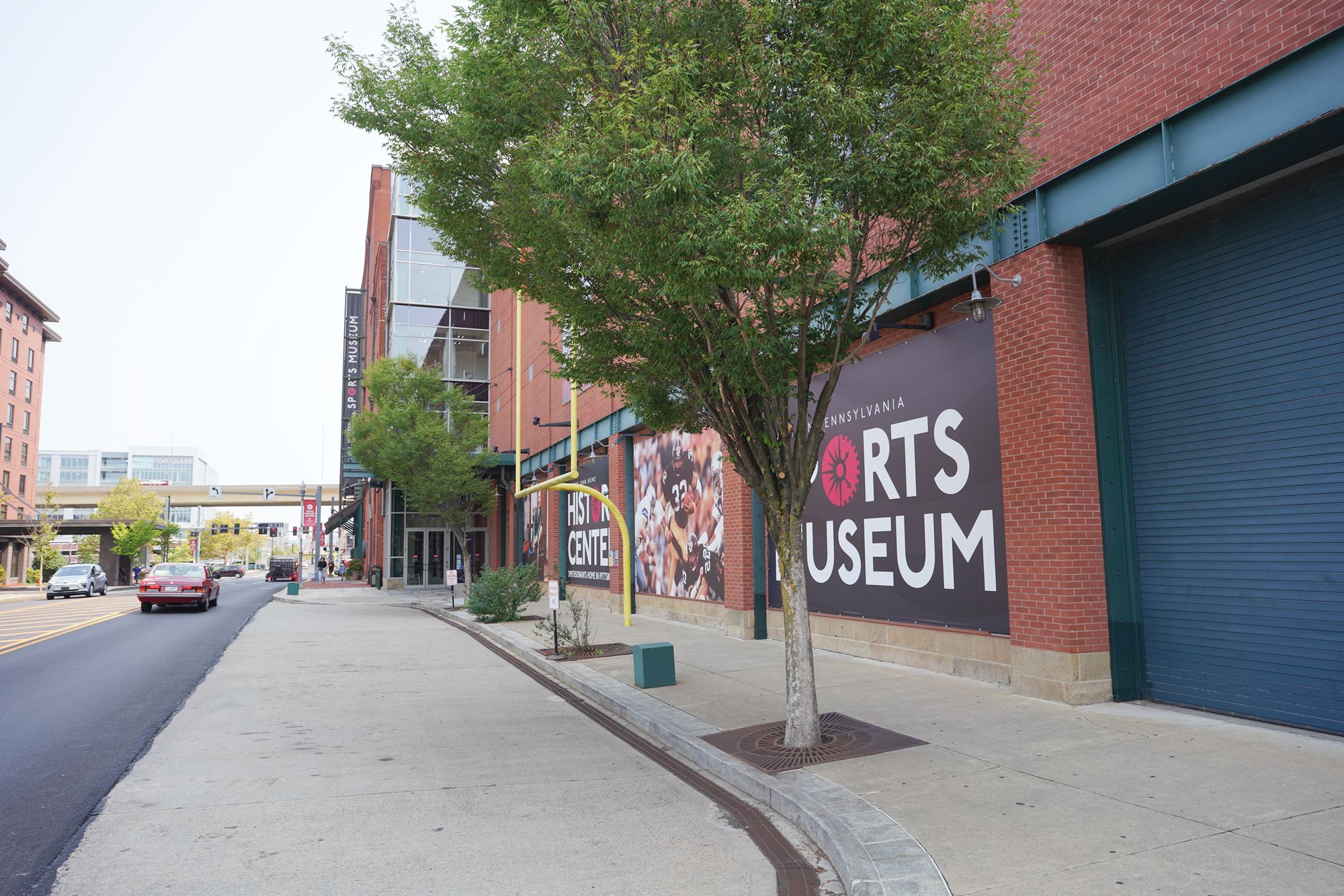
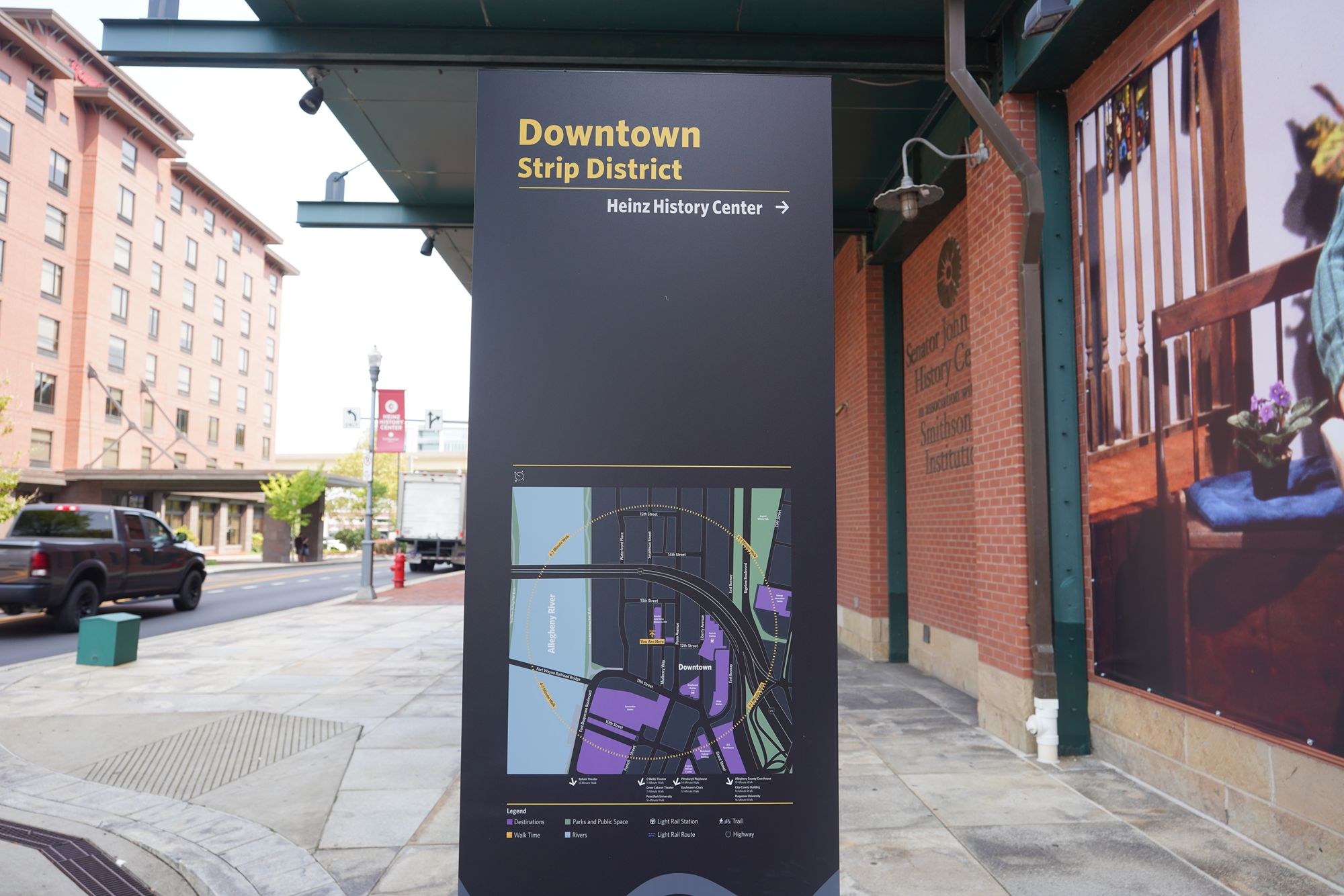
The Senator John Heinz History Center in Pittsburgh’s Strip District is Pennsylvania’s largest history museum and a Smithsonian affiliate. It showcases six floors of exhibits about Western Pennsylvania’s people, innovation, and culture—including sports, industry, and regional stories—honoring U.S. Senator John Heinz’s legacy.
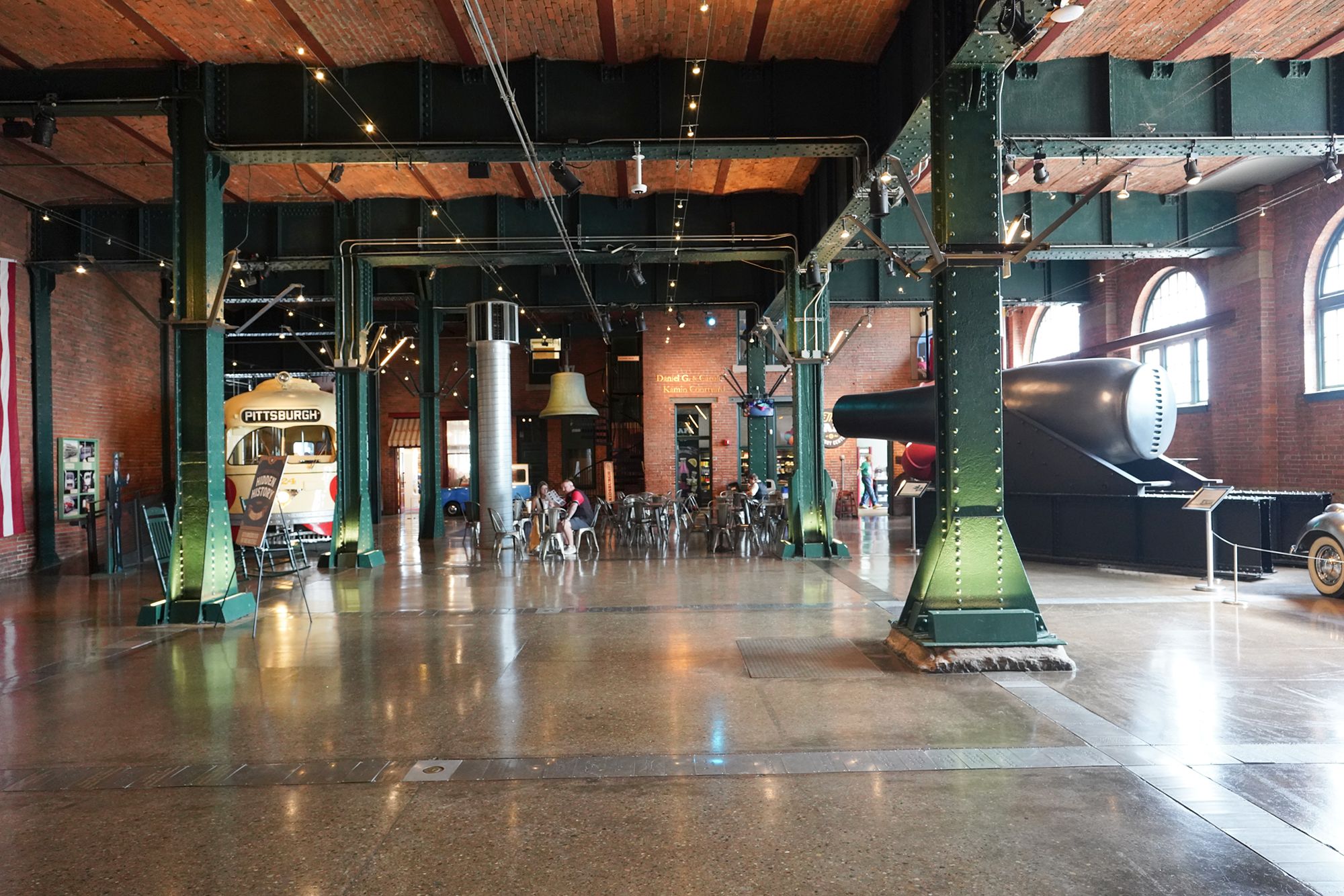
Inside the center
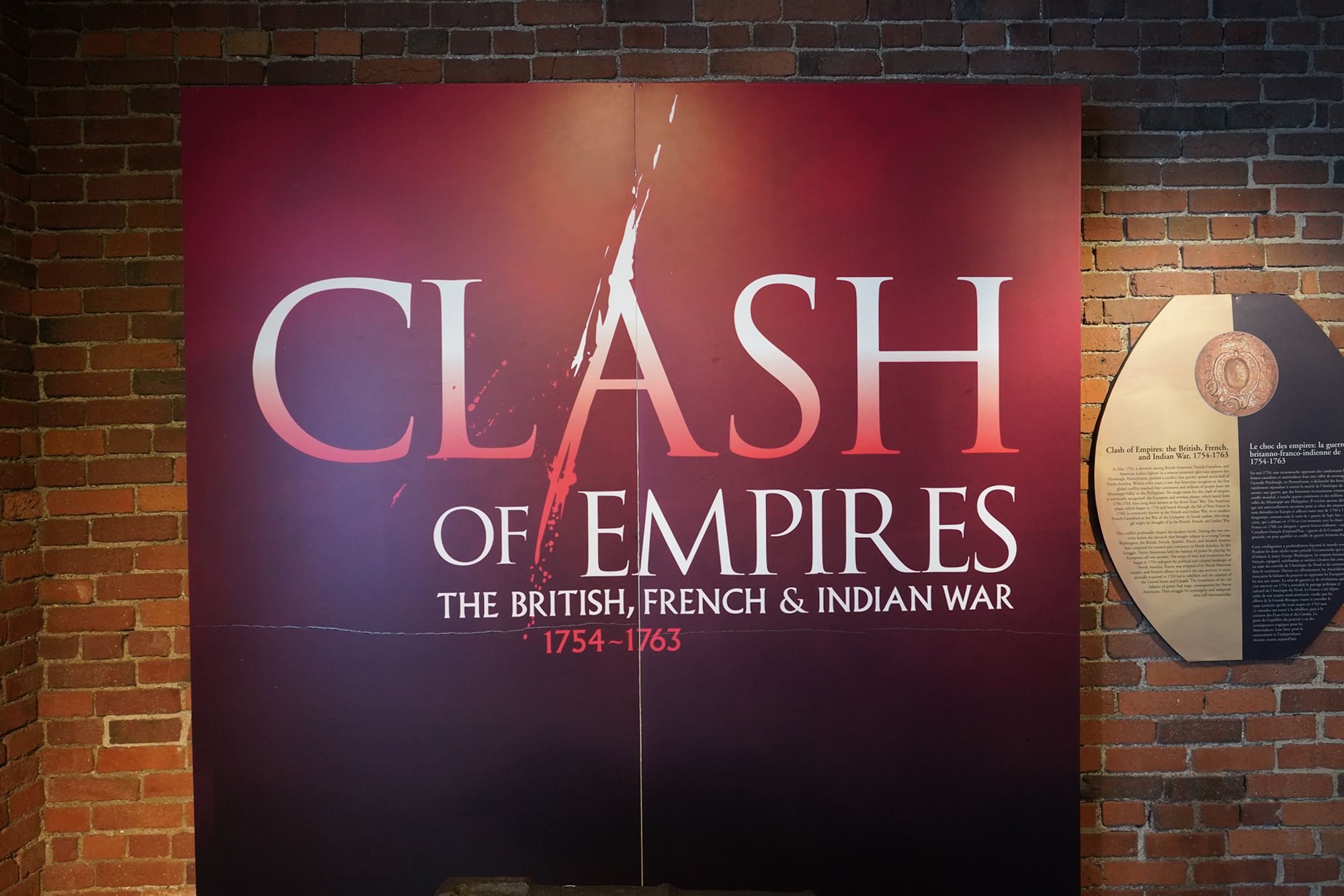
A compact exhibition explores the British, French, and Indian War in America, fought from 1754 to 1763.
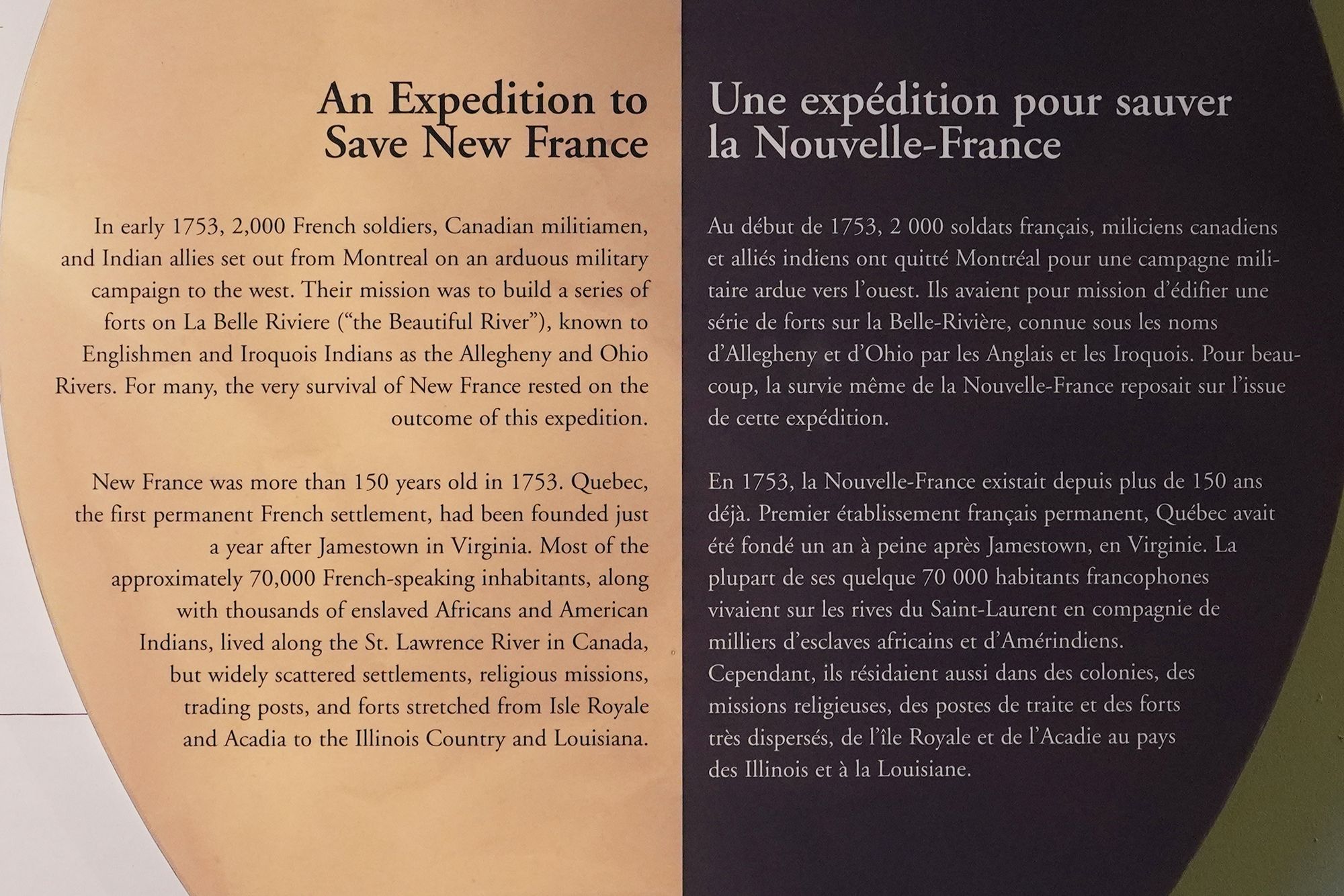
“An Expedition to Save New France” refers to France’s military effort during the French and Indian War to defend its North American colony, New France (Canada), from British conquest.
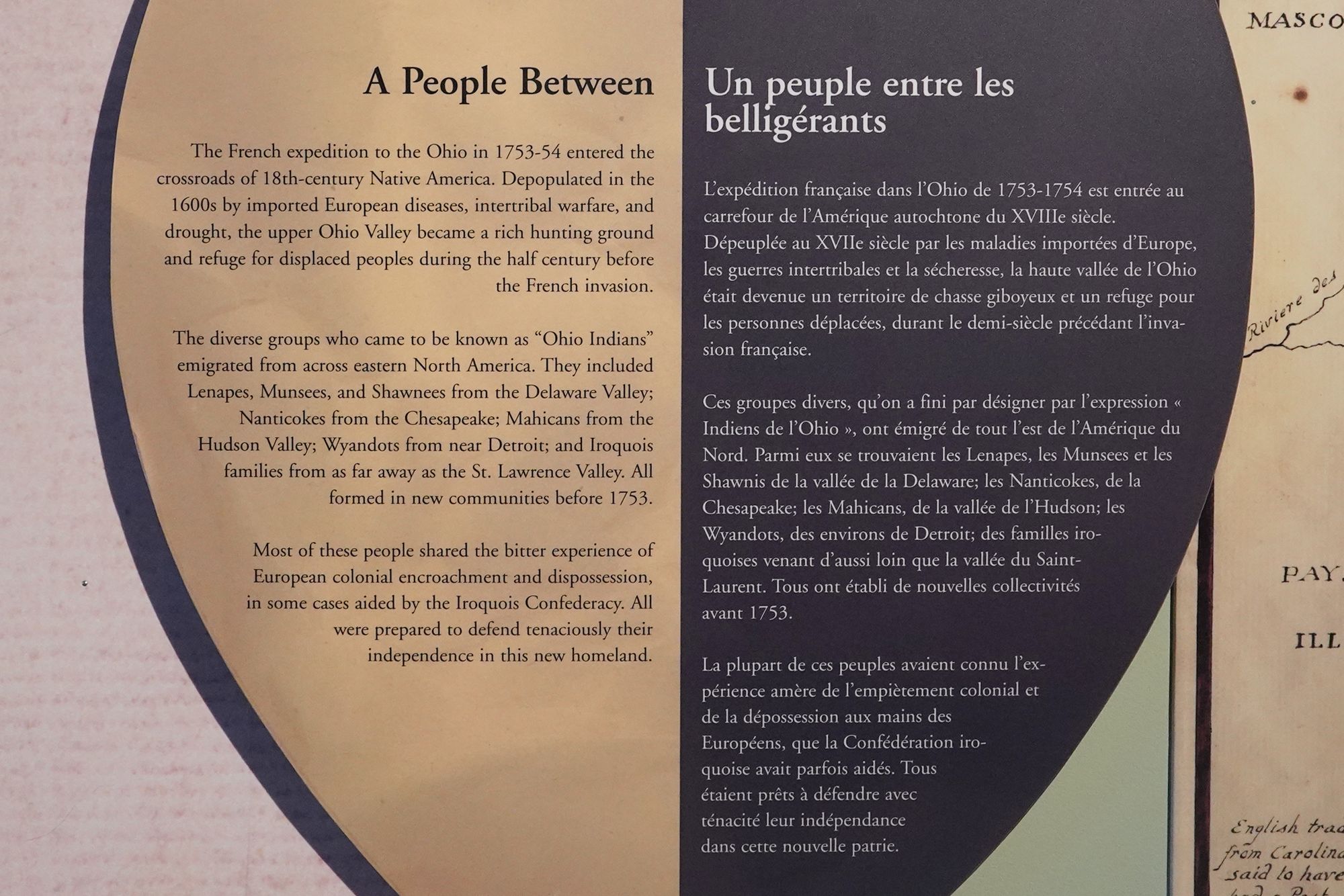
“A People in Between” refers to Native American tribes caught between the British and French during the French and Indian War.
They were not merely bystanders: tribes chose alliances based on survival, trade, and territory, often shifting sides as power changed. Caught between rival empires, Native peoples faced devastating losses of land, autonomy, and lives regardless of which side won.
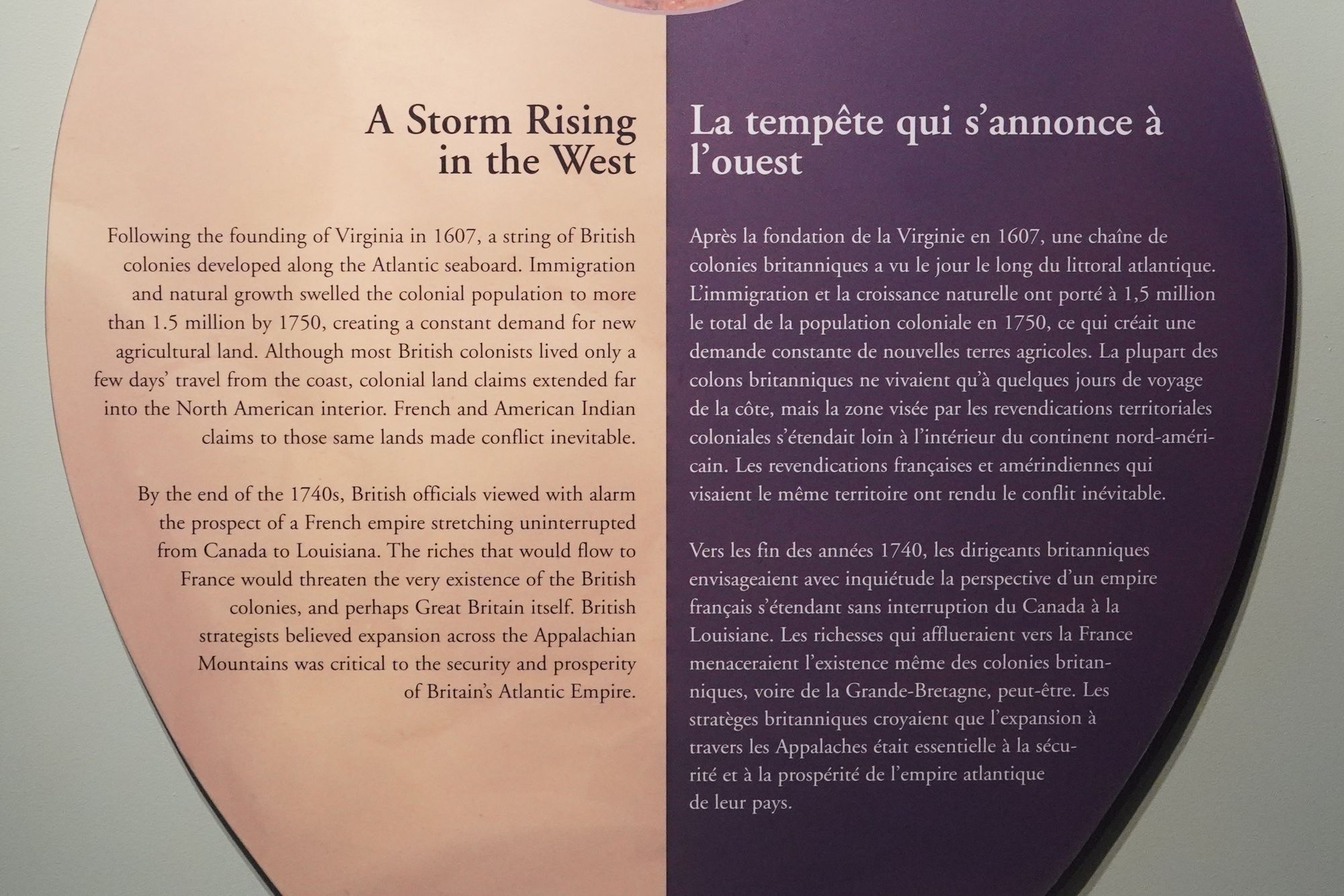
“A Storm Rising in the West” describes growing tension in frontier lands before the French and Indian War.
Native Americans feared losing their ancestral lands to expanding British settlers, while English colonists feared French control would block their westward expansion. These overlapping fears created conflict, violence, and instability, setting the stage for war in North America.
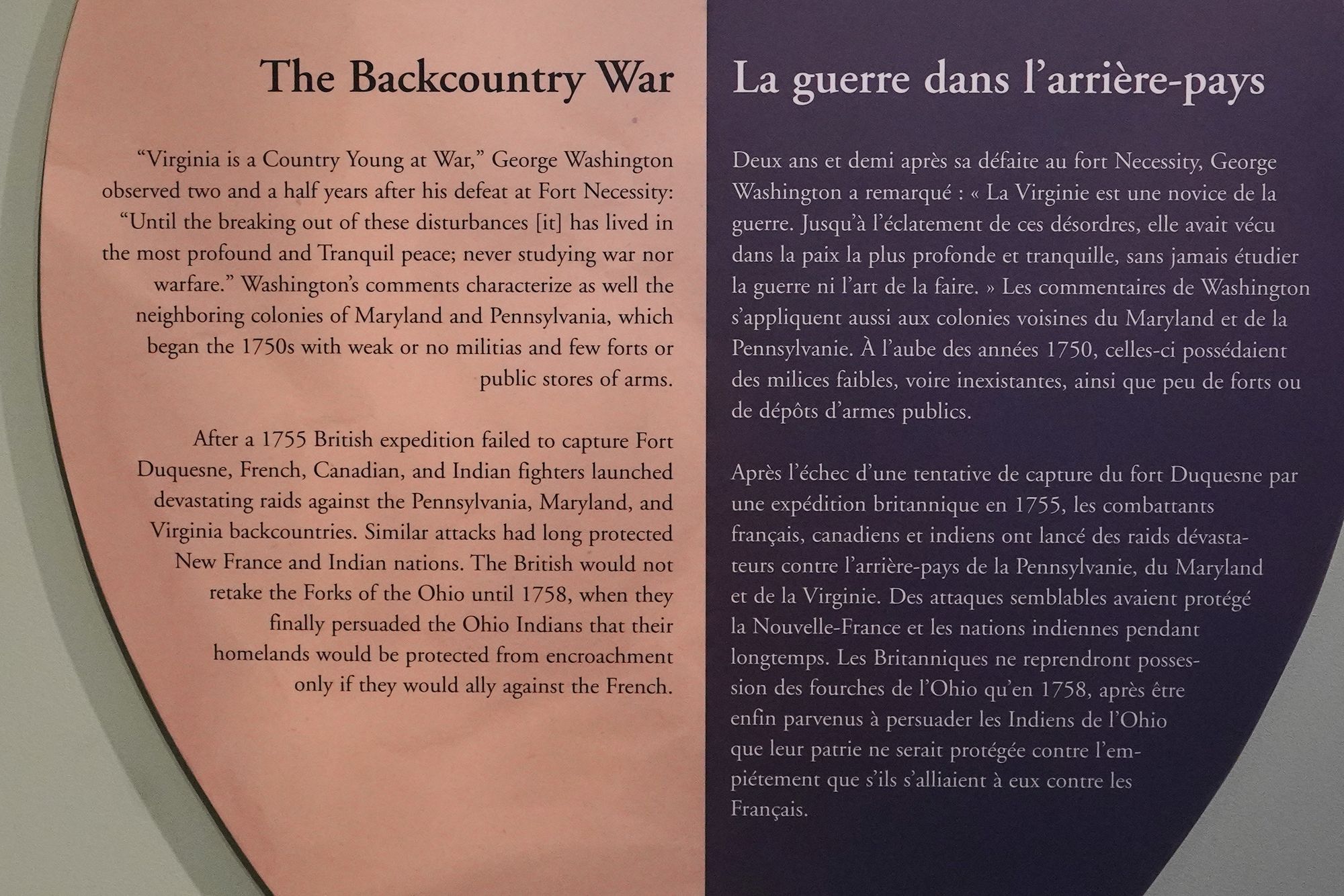
“The Backcountry War” refers to the brutal frontier fighting of the French and Indian War in remote colonial borderlands.
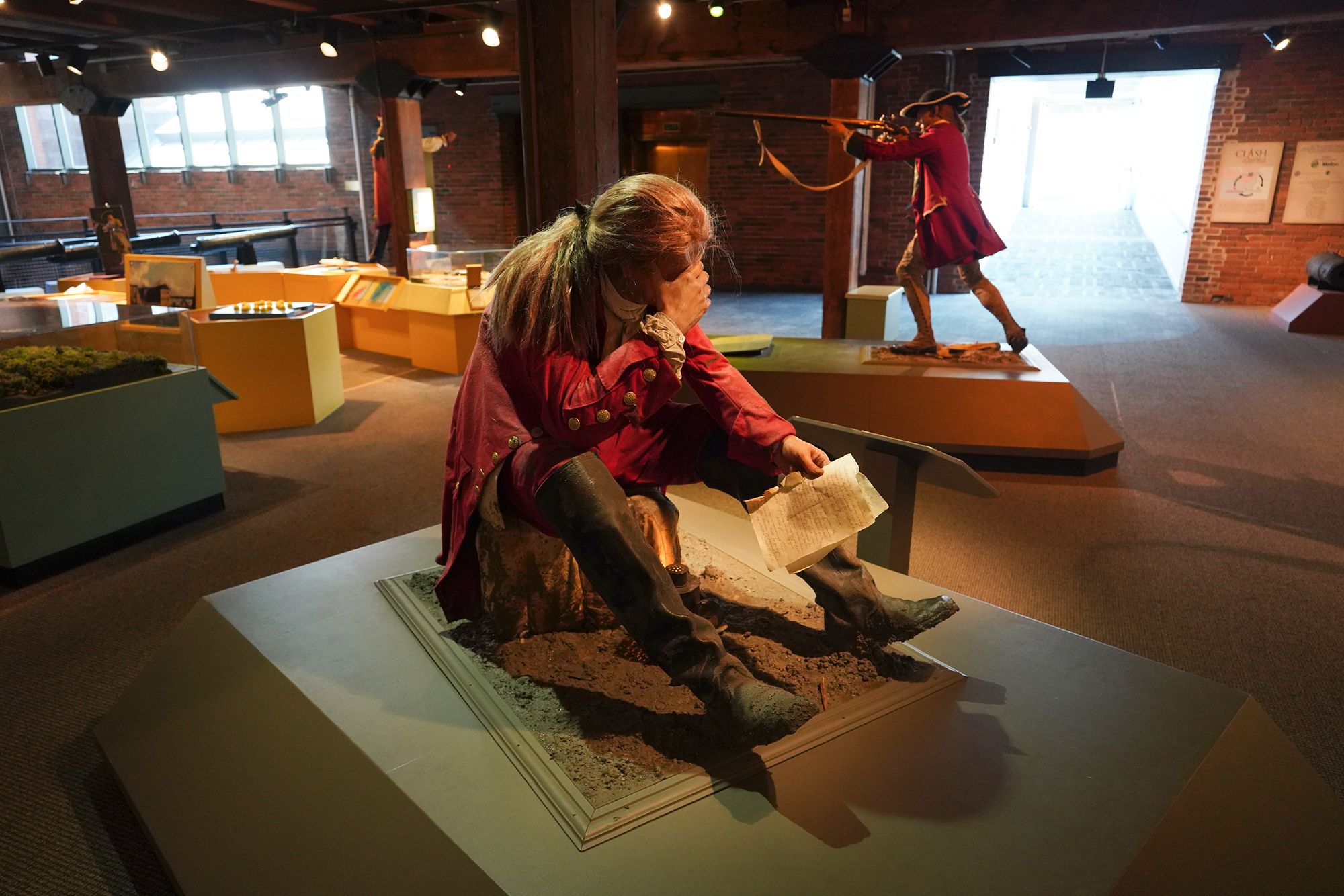
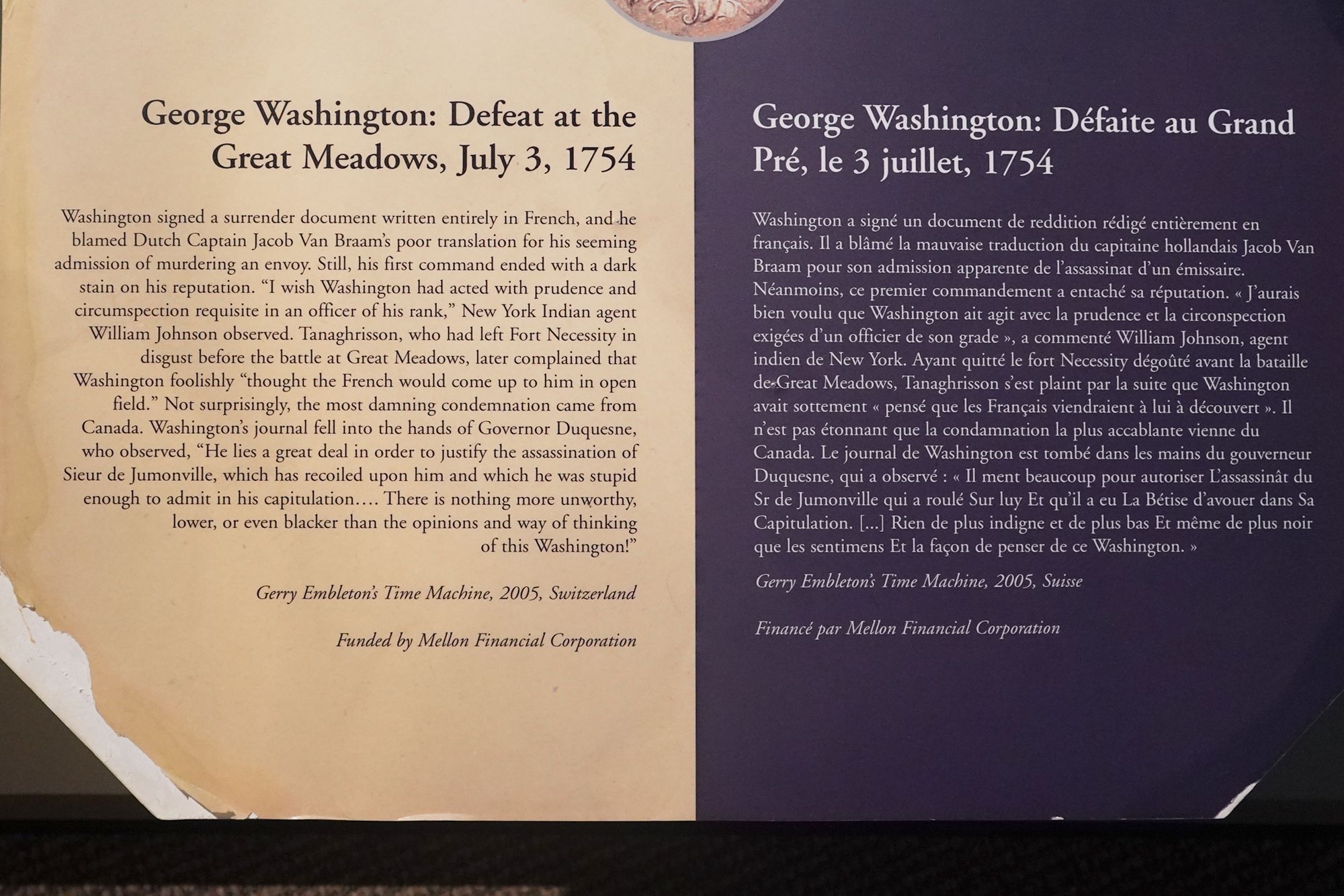
“George Washington: Defeat at the Great Meadows, July 3, 1754” refers to the young George Washington’s surrender to French forces at Fort Necessity in present-day Pennsylvania.
Leading Virginia militia, Washington was outnumbered and unprepared for frontier warfare. The defeat marked an early setback in his career and helped ignite the French and Indian War, shaping his later military experience.
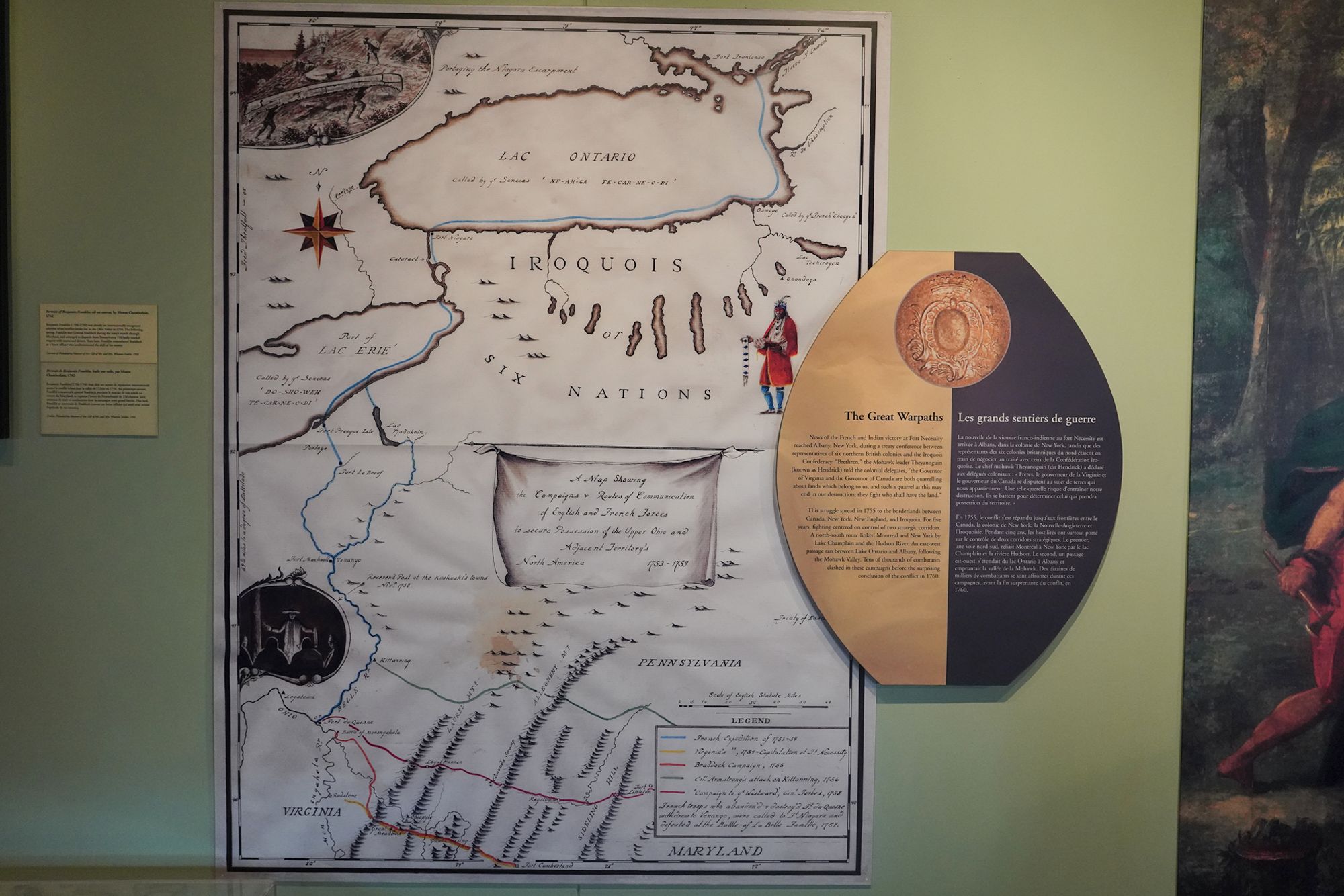
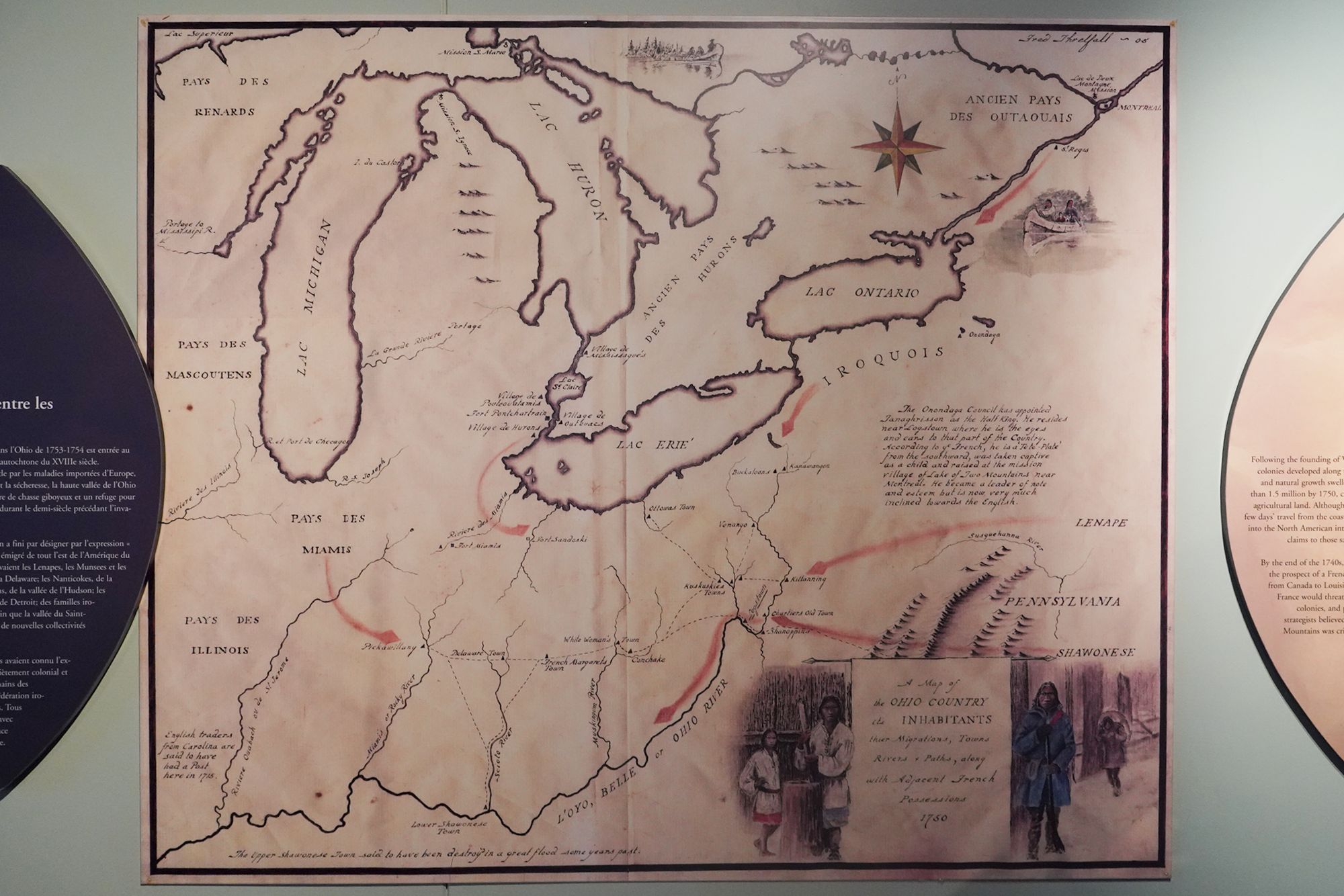
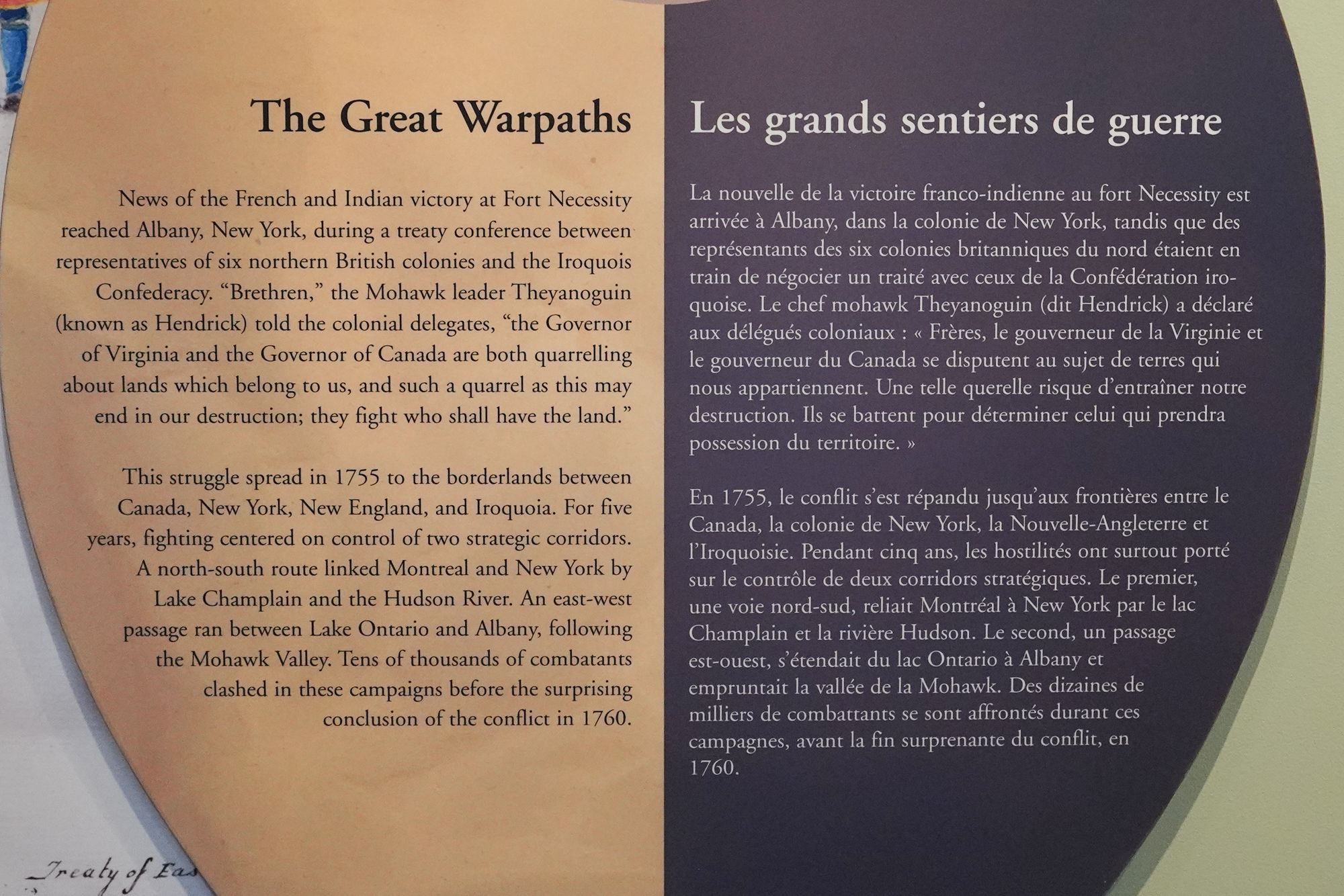
“The Great War Path” refers to a major Native American travel and communication route in the Ohio Valley.
Used for trade, diplomacy, and warfare, it connected tribes, French, and British settlements. Control of this path meant access to land and influence, making it a strategic corridor during the French and Indian War.
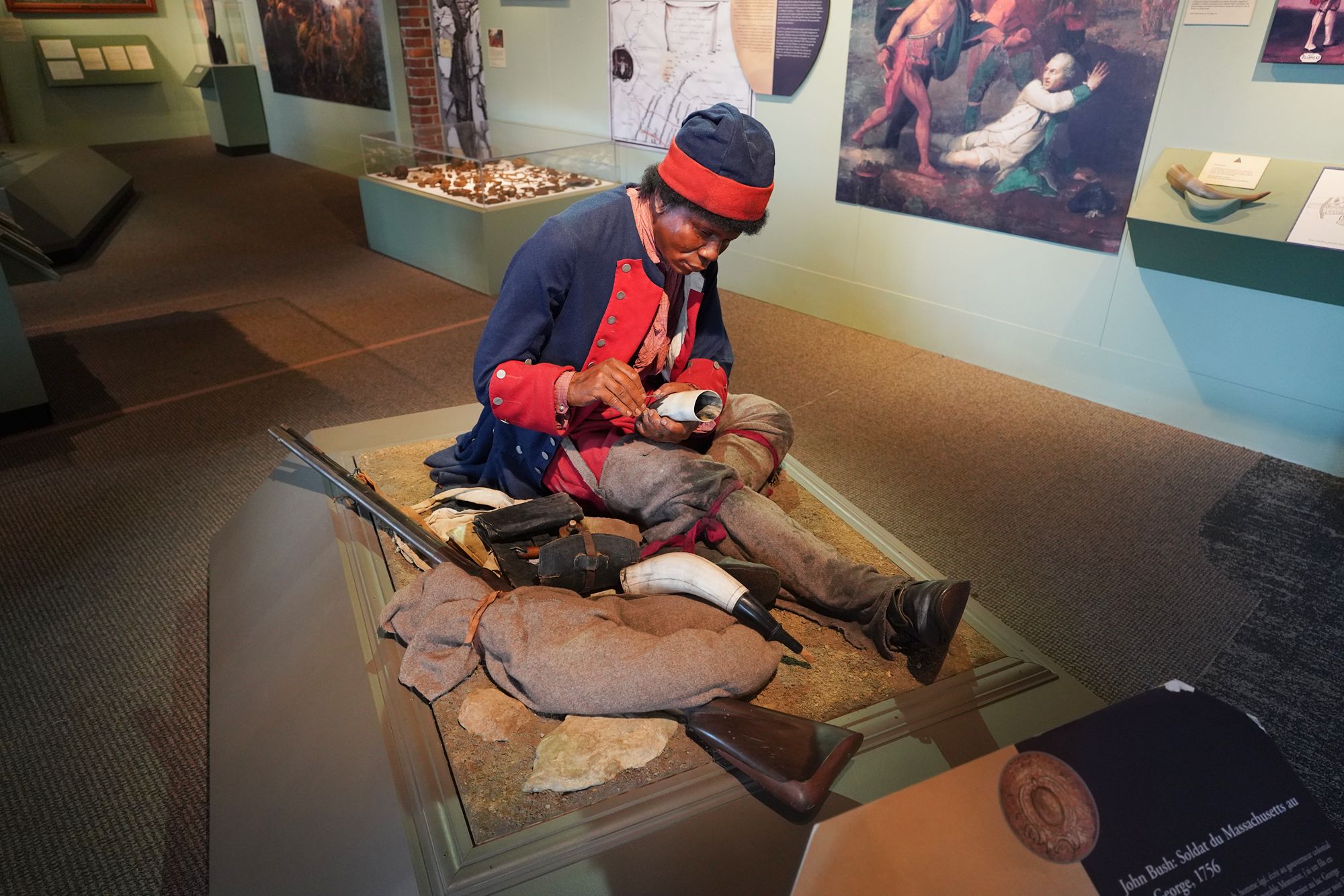
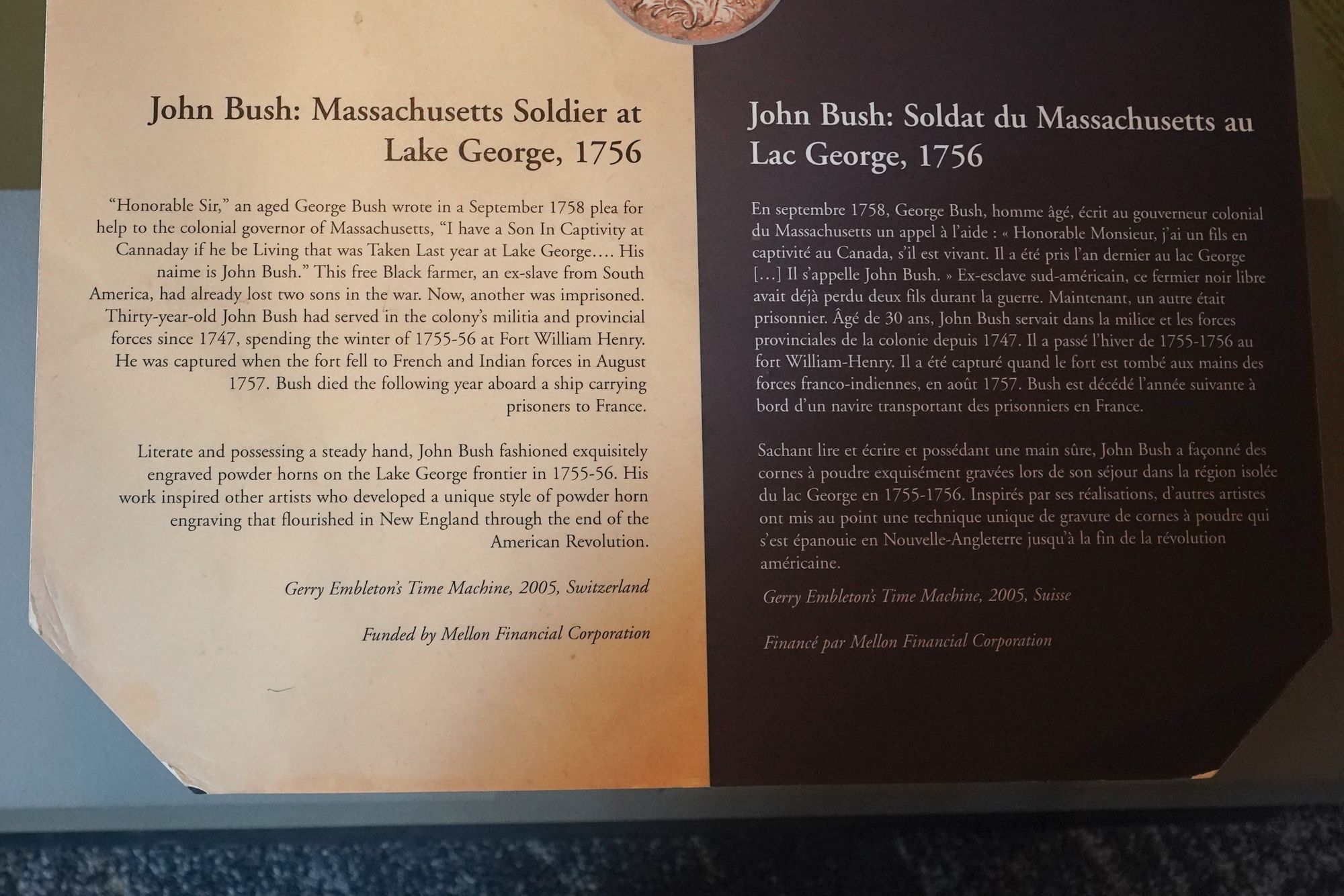
John Bush, a Black American provincial soldier, and one of the first of the Lake George school of horn engravers, became renowned for his intricate and artistic powder horn engravings. His contributions to the craft were significant, though his life was short and tragically ended after being captured in 1757 at the Battle of Fort William Henry during the French and Indian War.
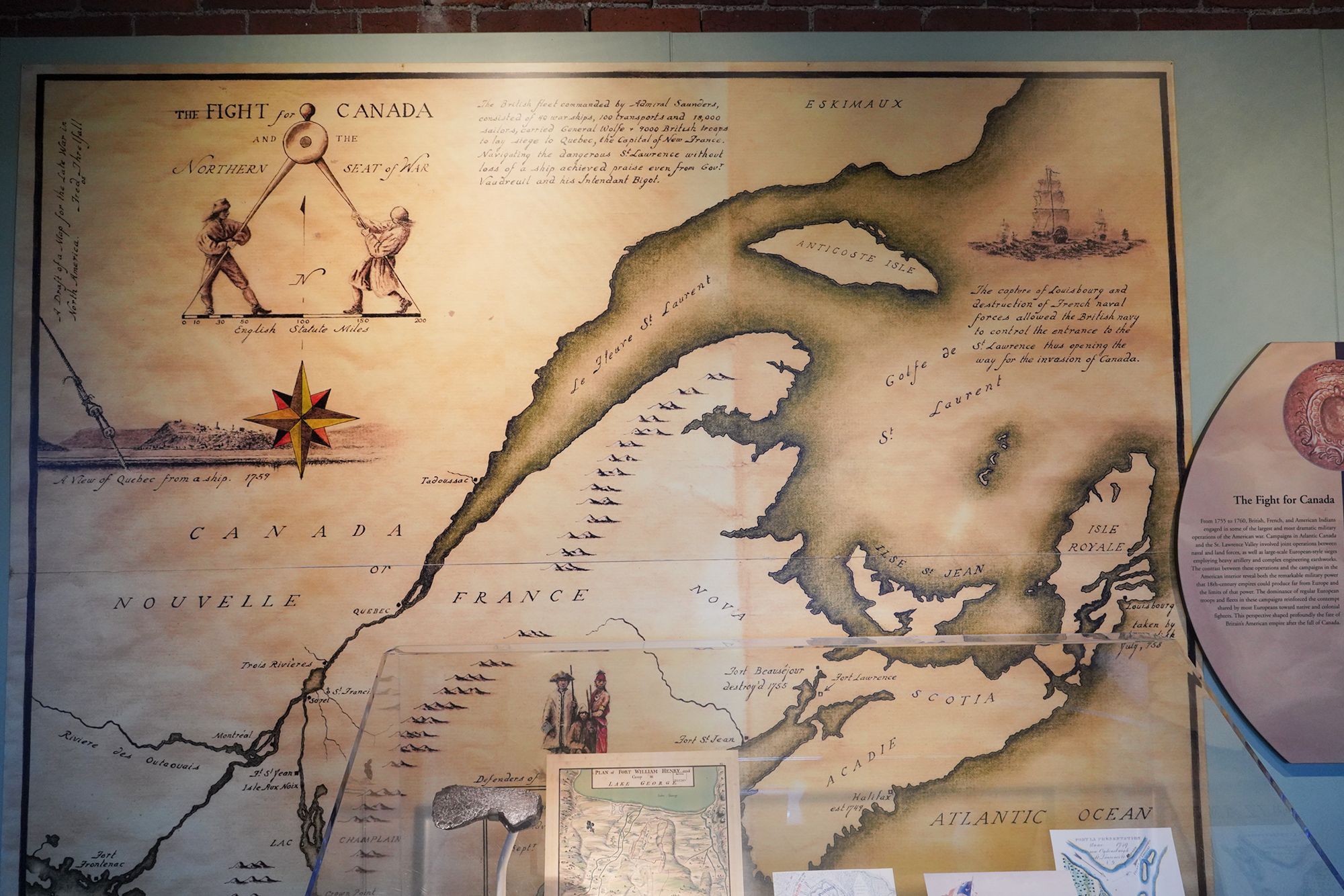
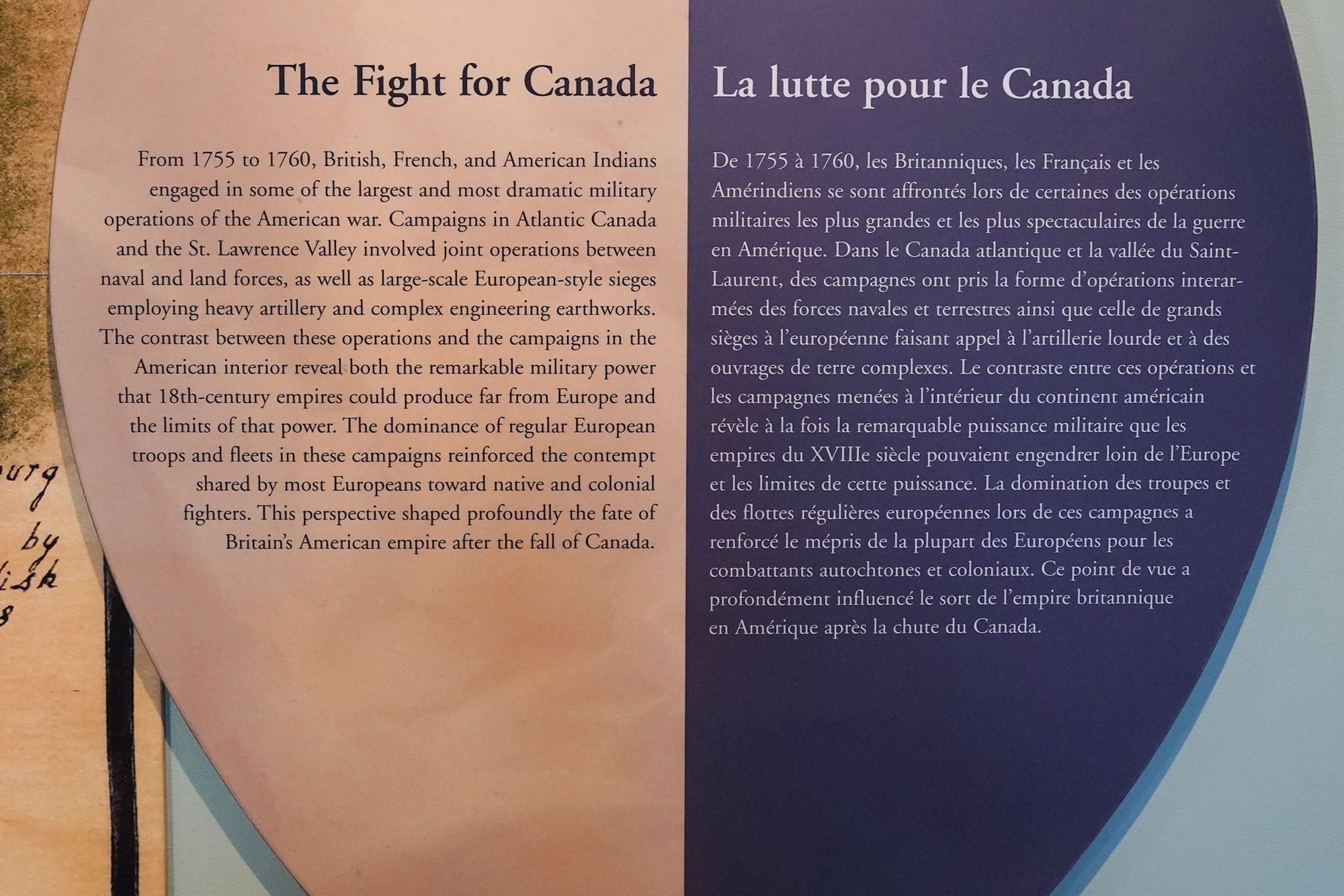
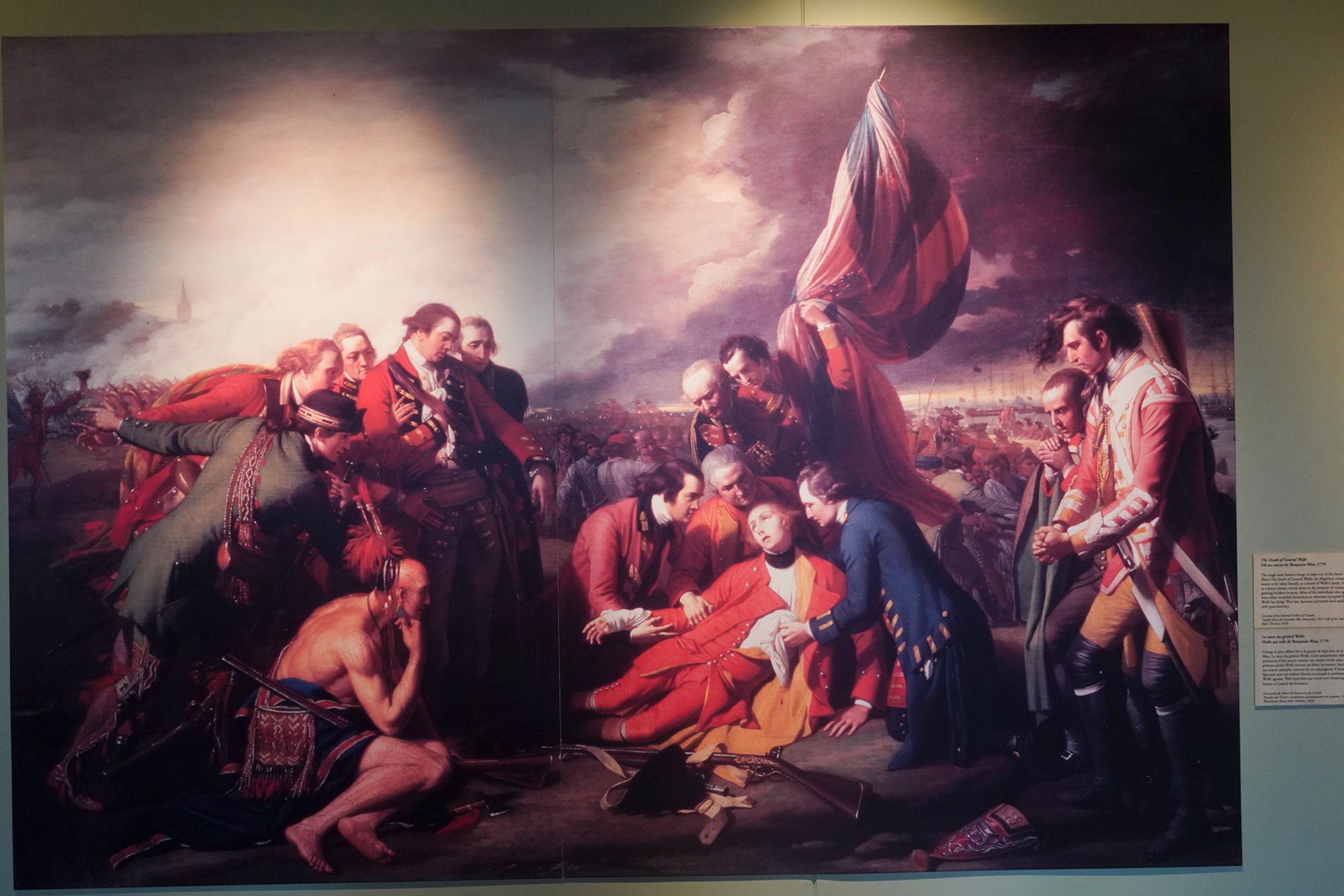
“The Fight for Canada, 1755–1760” refers to the decisive phase of the French and Indian War in which Britain and France battled for control of New France.
British forces captured key French strongholds, including Louisbourg, Quebec, and Montreal. These victories ended French rule in Canada and reshaped the balance of power in North America.
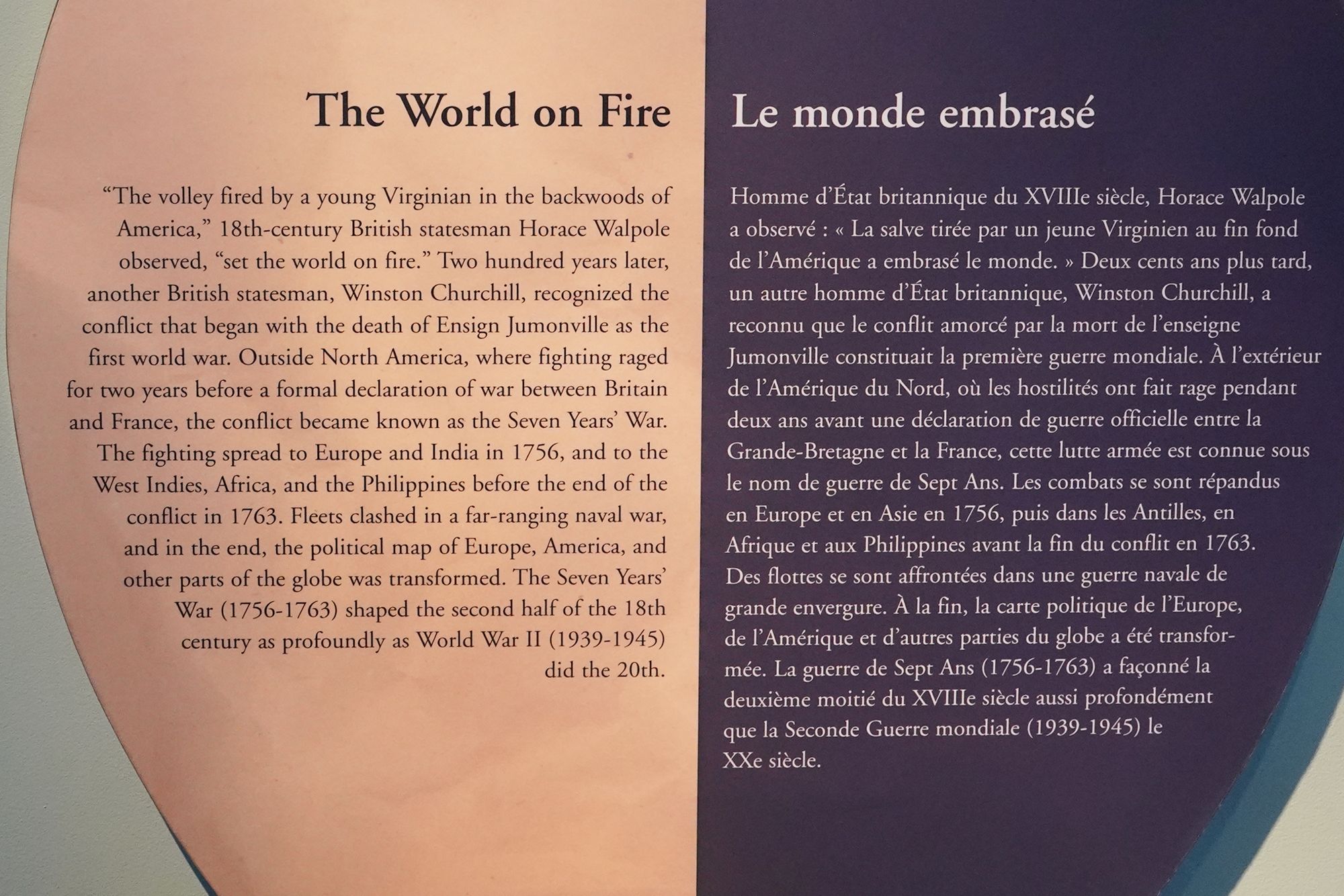
“The World on Fire: The Seven Years’ War” describes the first truly global war (1756–1763).
Fought across Europe, North America, the Caribbean, Africa, and Asia, it pitted Britain and Prussia against France, Spain, and their allies. Victories and defeats overseas reshaped empires, trade, and colonial power worldwide.
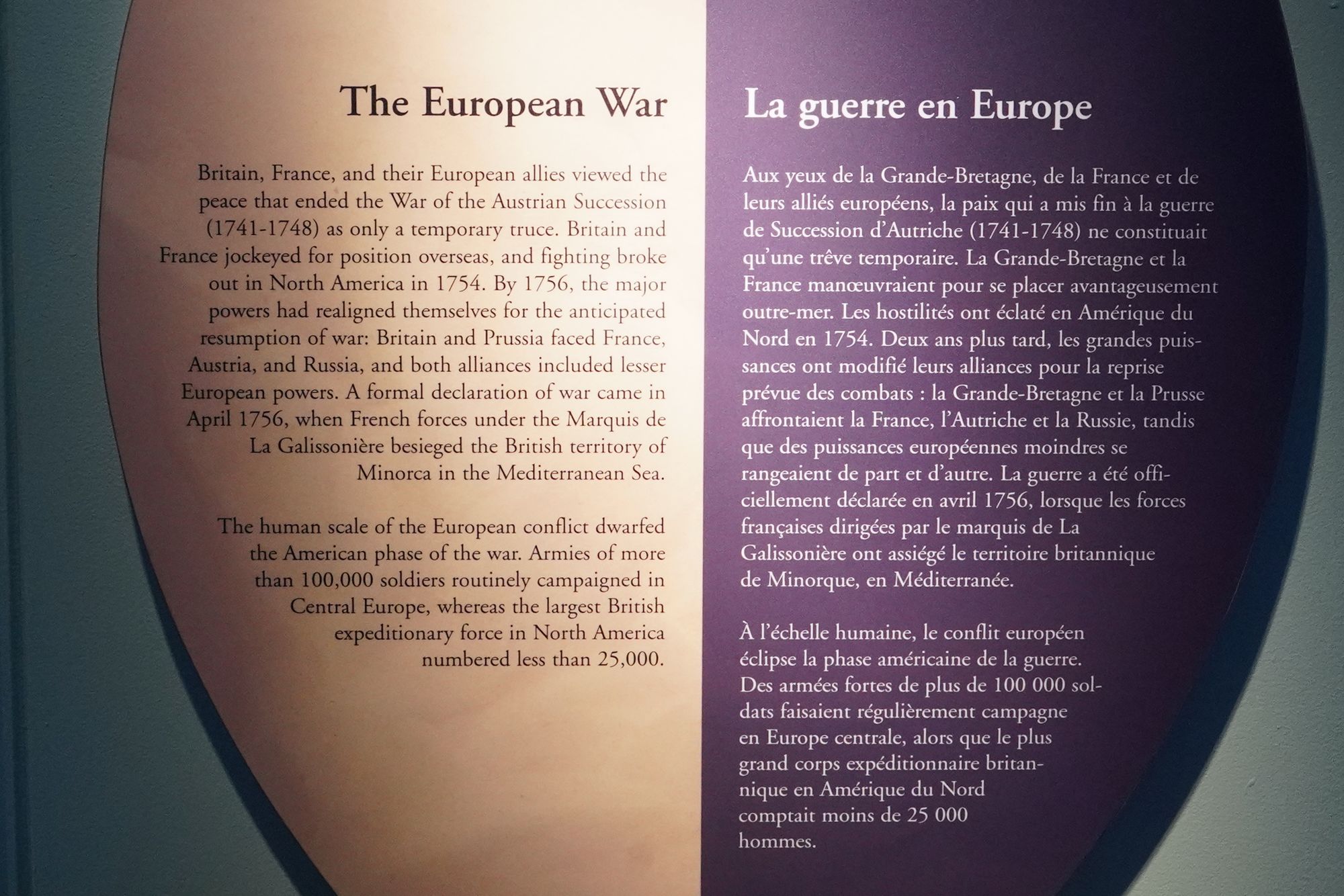
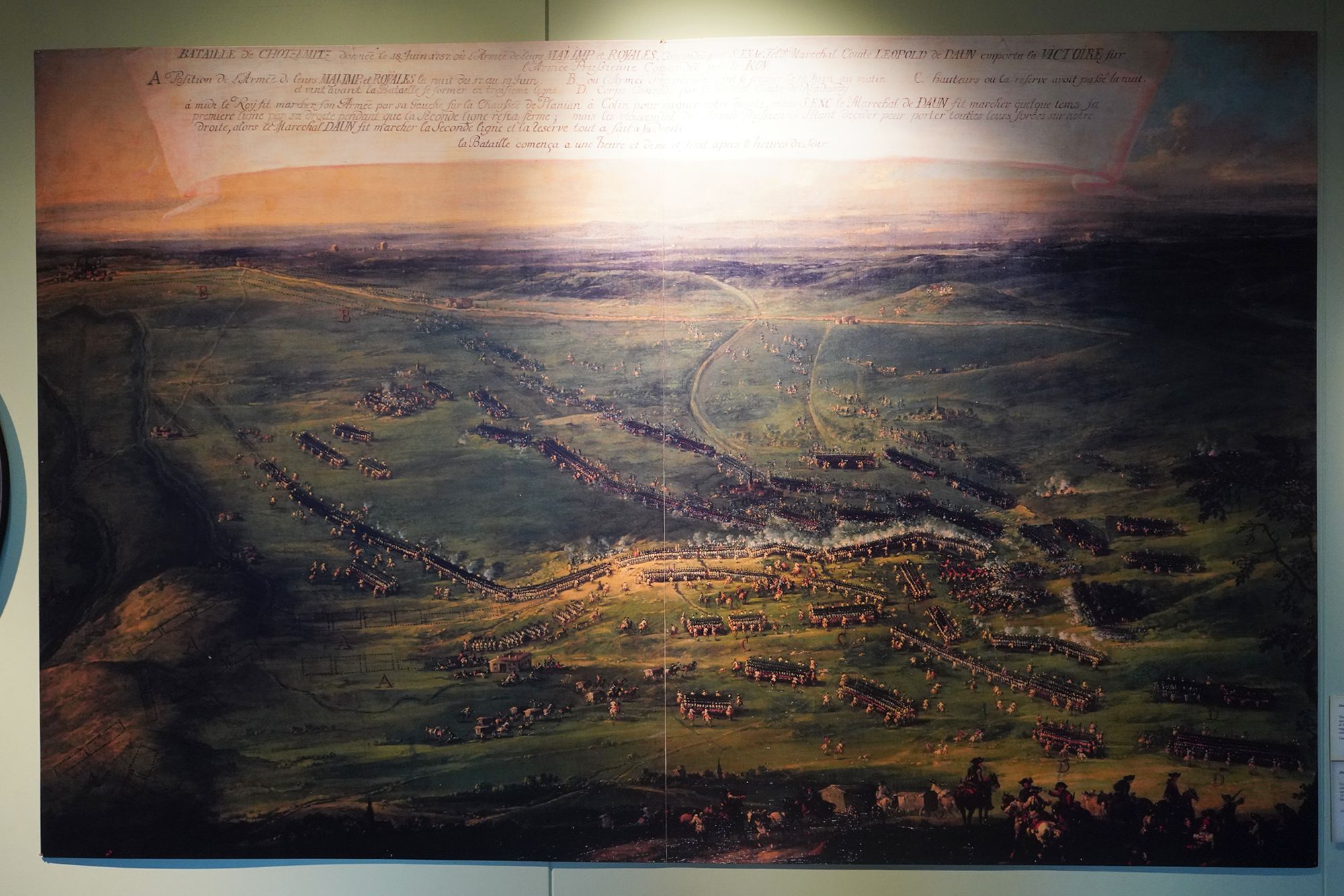
In Europe, it was a large continental war. Prussia, led by Frederick the Great, fought for survival against Austria, France, and Russia. Battles were massive, costly, and decisive. Prussia survived and emerged as a major European power.
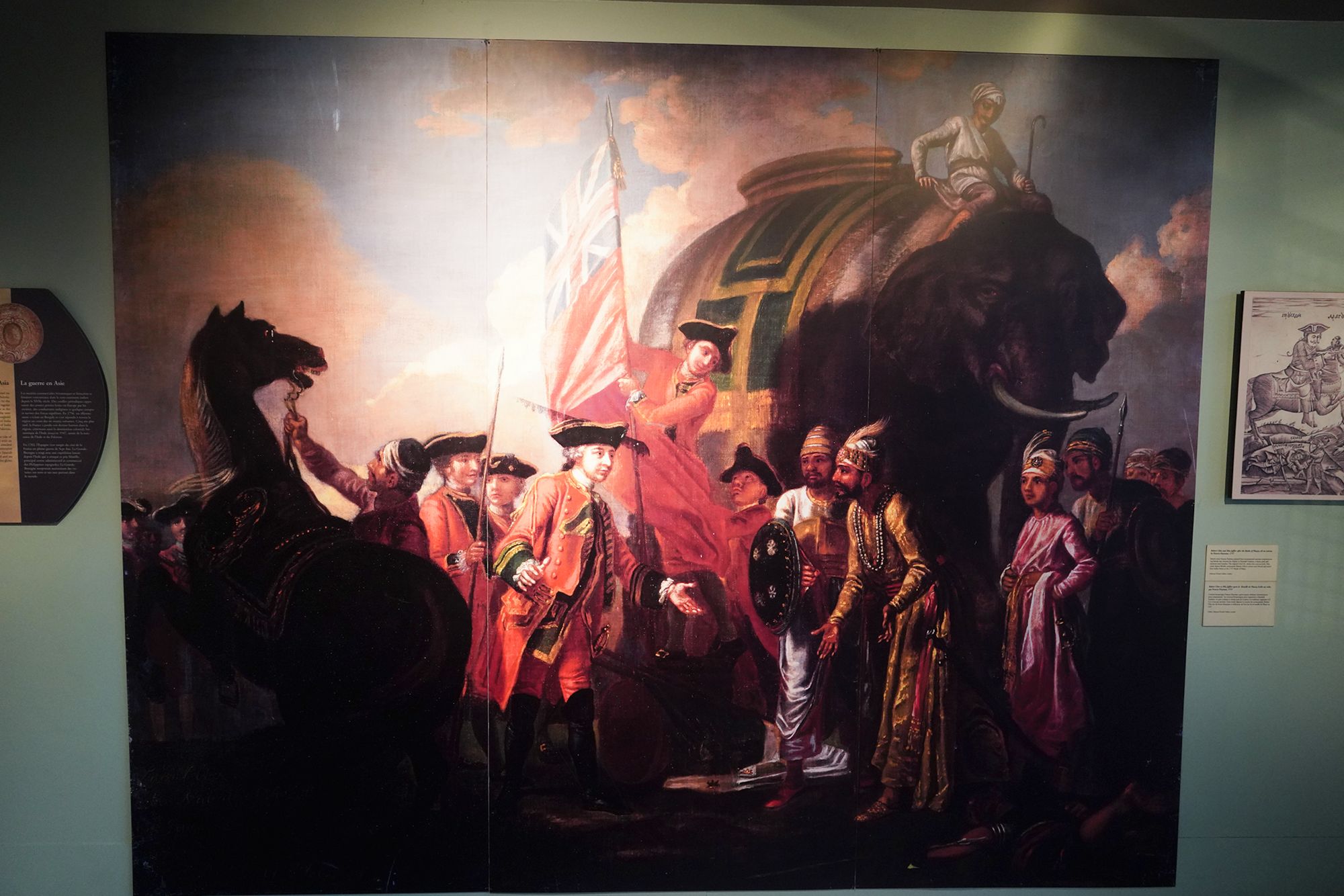
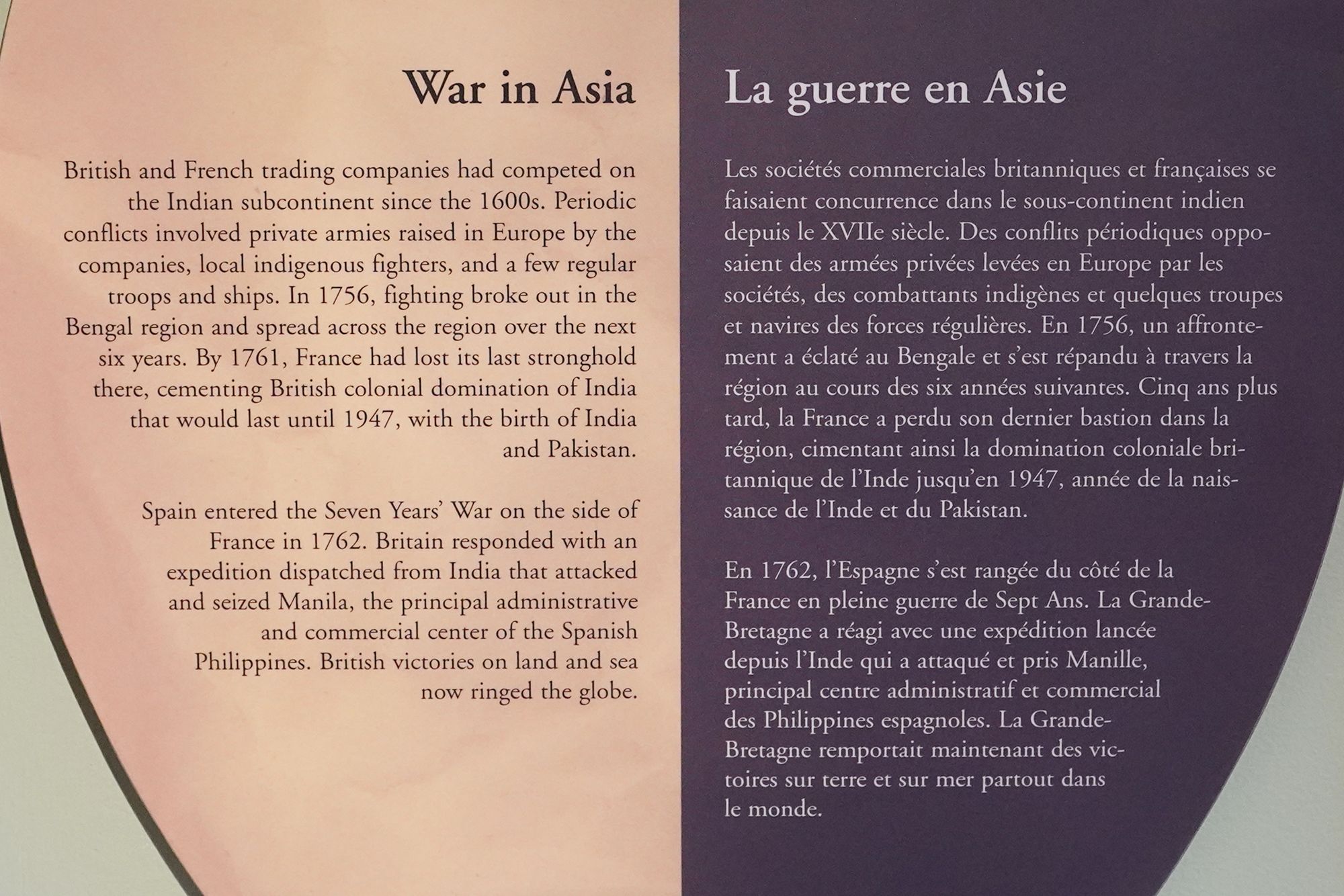
In Asia, the war was mainly a colonial struggle between Britain and France, especially in India. Instead of huge European-style battles, fighting involved forts, alliances with local rulers, and control of trade. Britain’s victories laid the foundation for British rule in India.
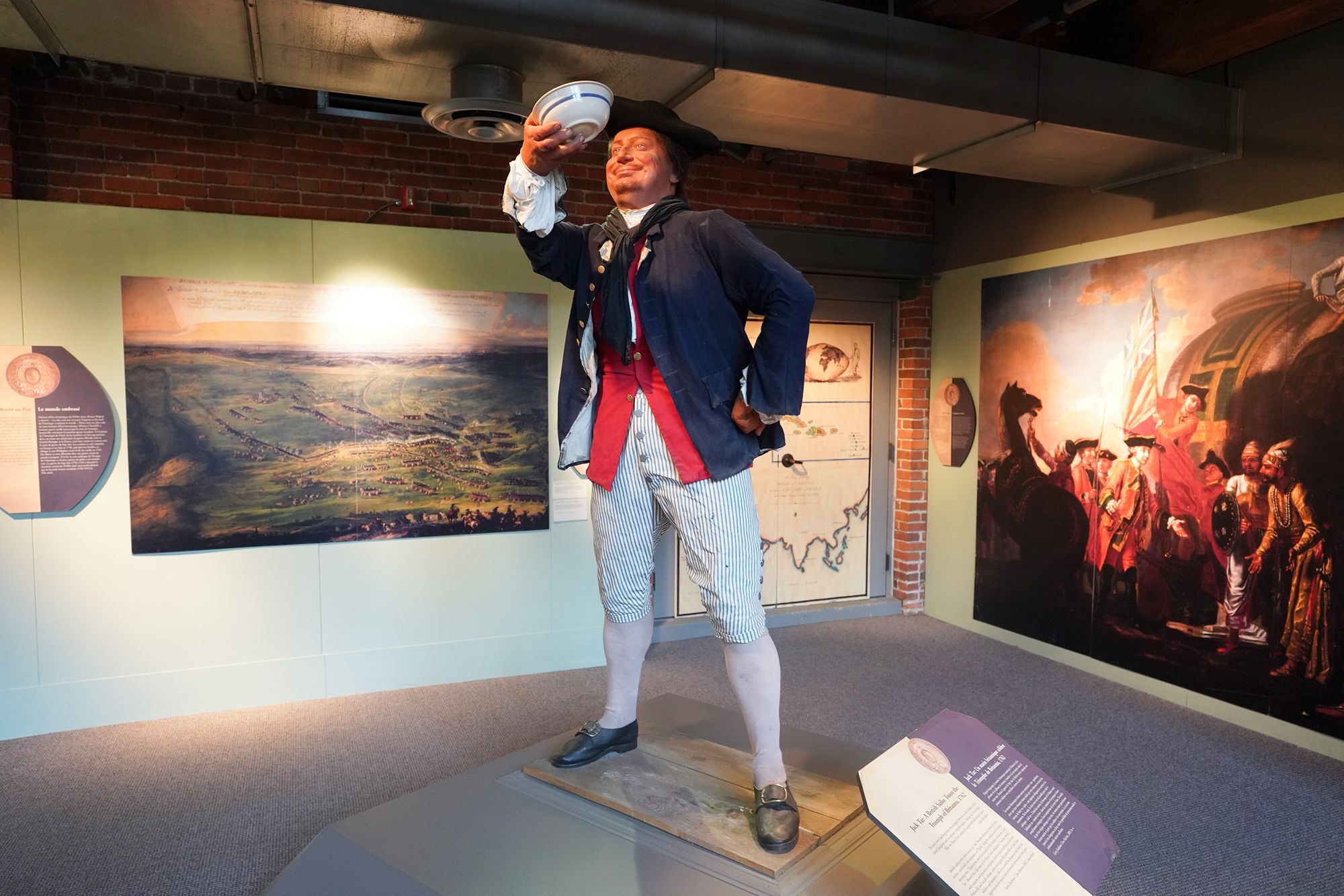
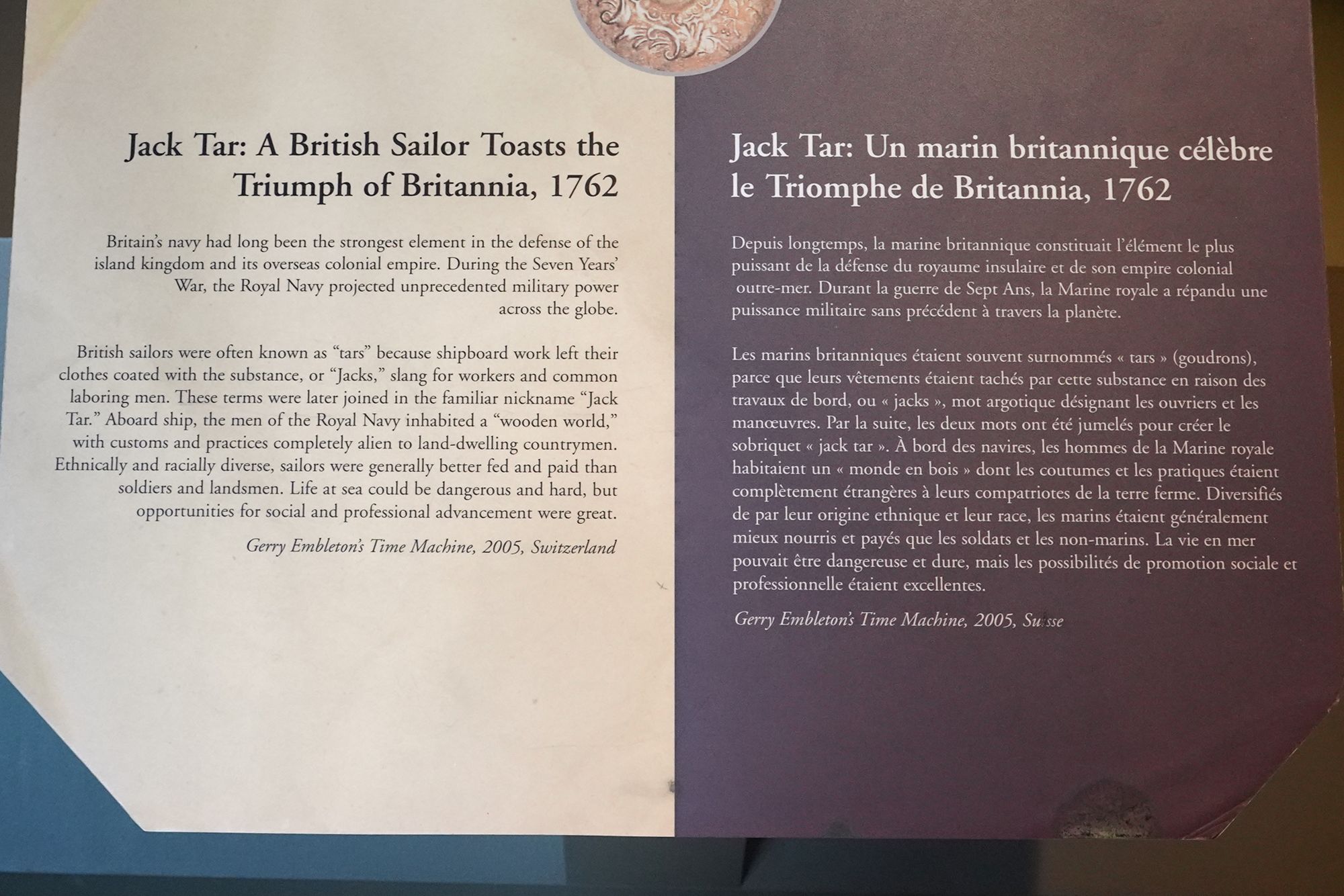
Jack Tar was a common nickname for ordinary sailors in the British Royal Navy (and later other navies) from the 17th to 19th centuries.
The name reflects sailors’ tarred clothing and hair, used for waterproofing. “Jack Tar” came to symbolize the tough, hardworking, often anonymous seaman who powered Britain’s naval strength during wars like the Seven Years’ War.
“The Triumph of Britannia, 1762” refers to Britain’s decisive naval and imperial success late in the Seven Years’ War.
By 1762, British sea power had defeated French and Spanish fleets, captured key colonies and ports, and secured global trade routes. This dominance confirmed Britain as the world’s leading maritime and imperial power.
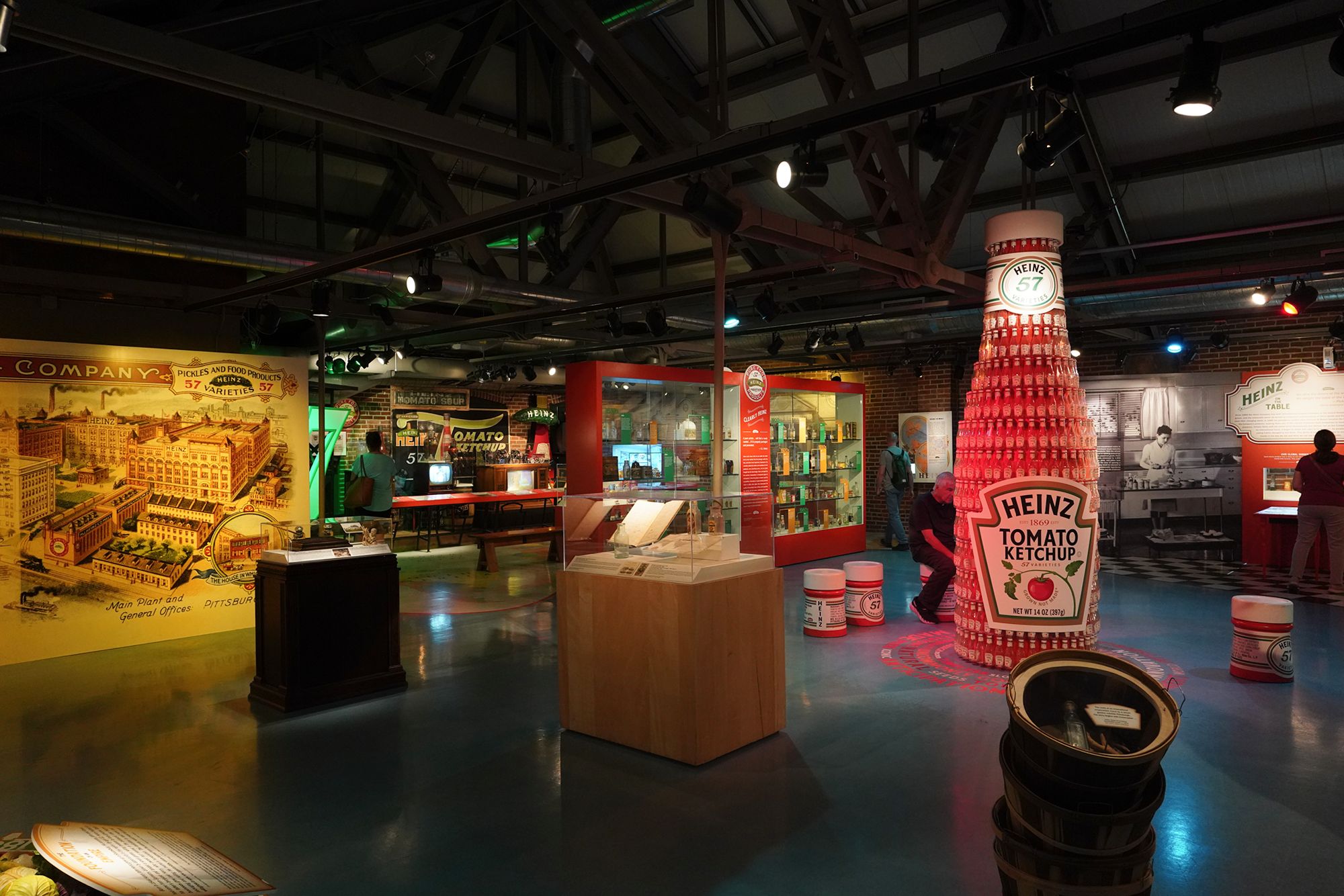
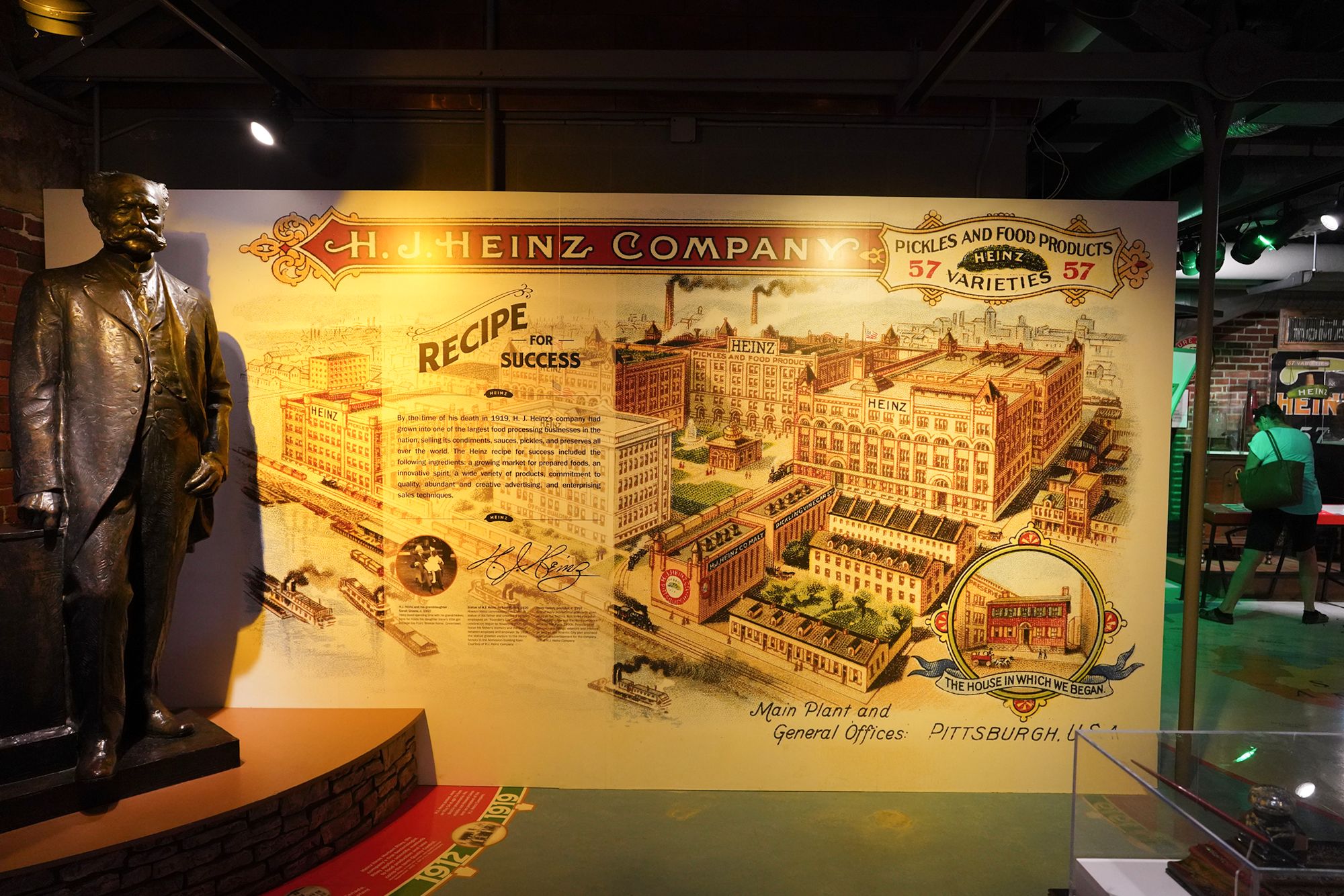
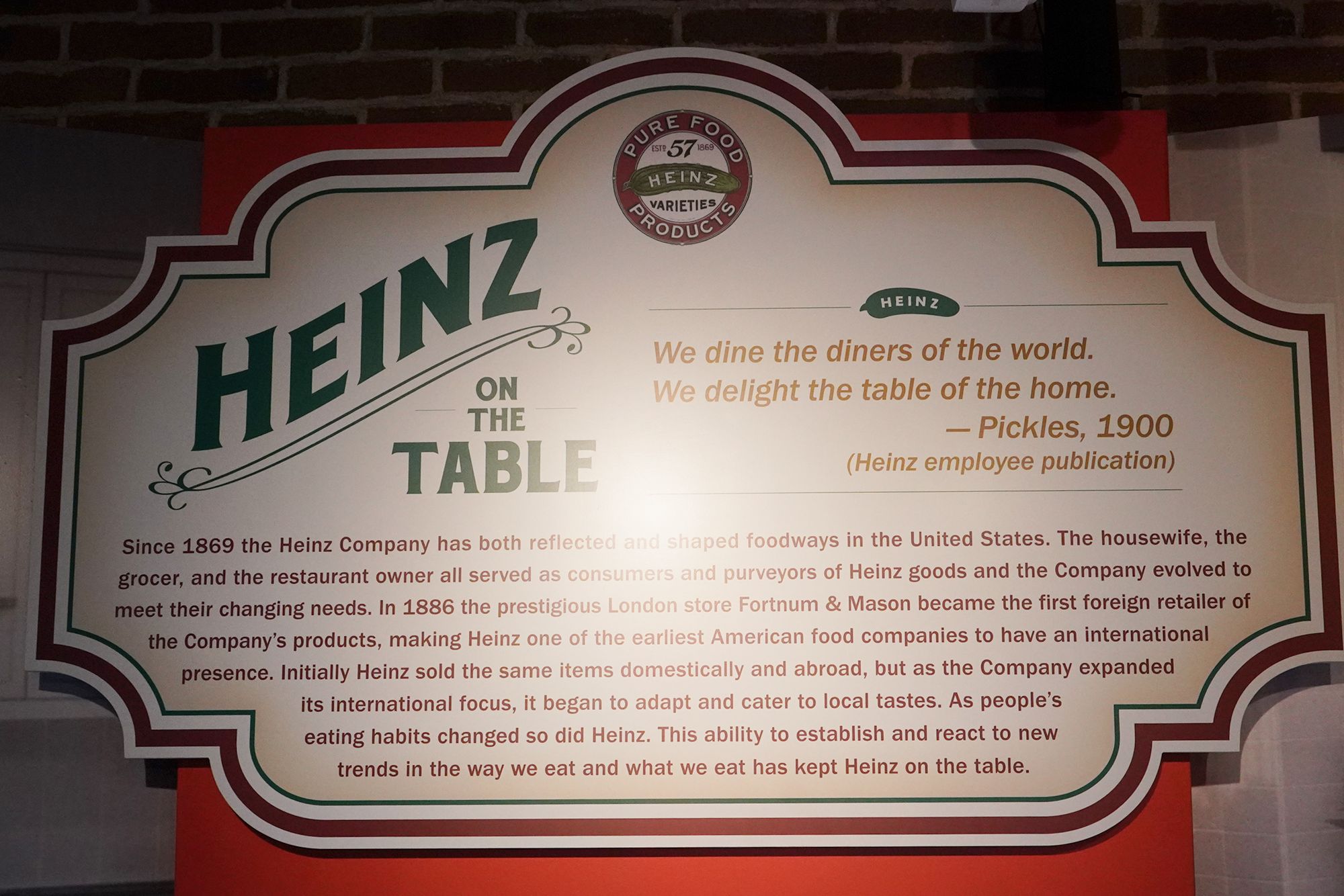
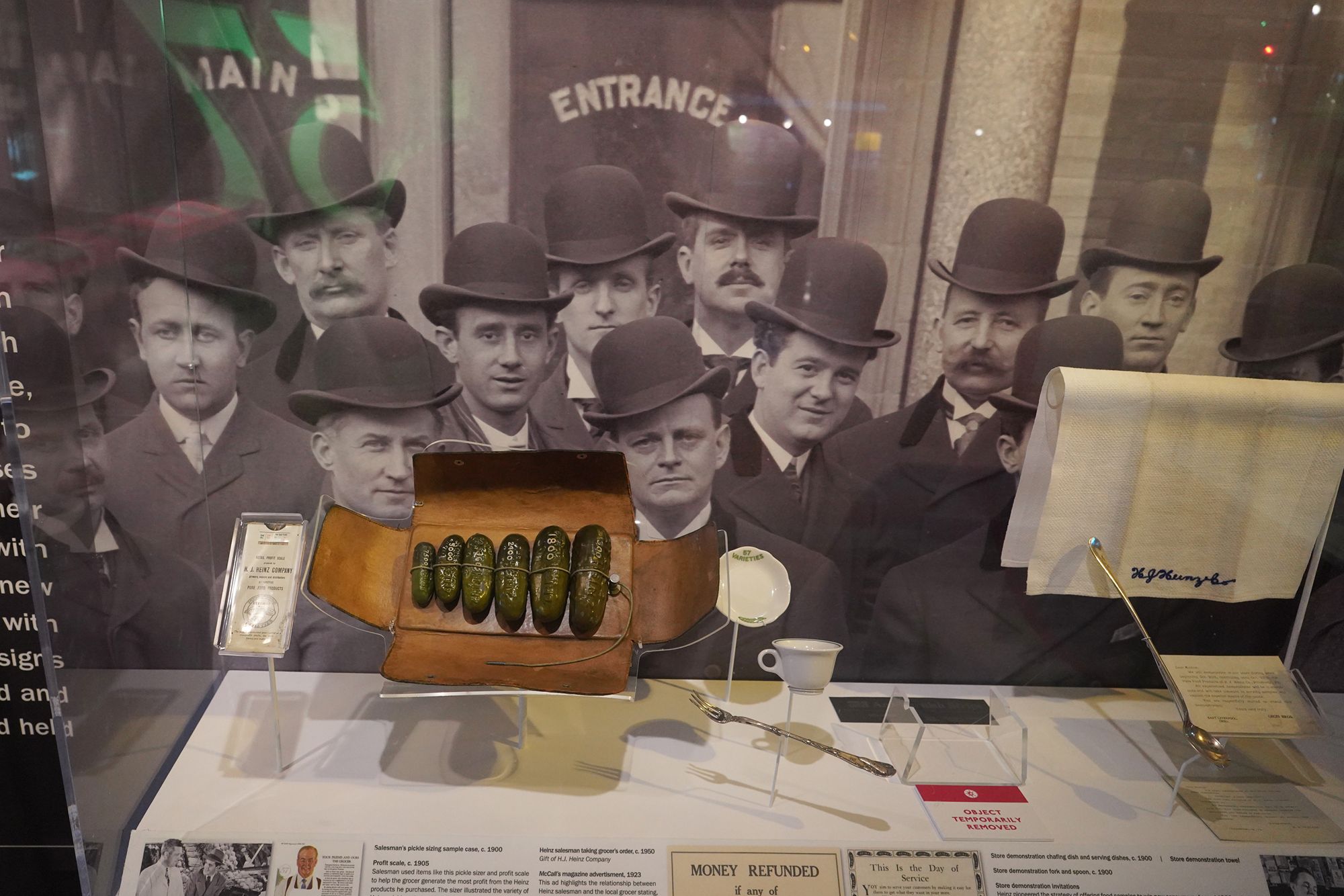
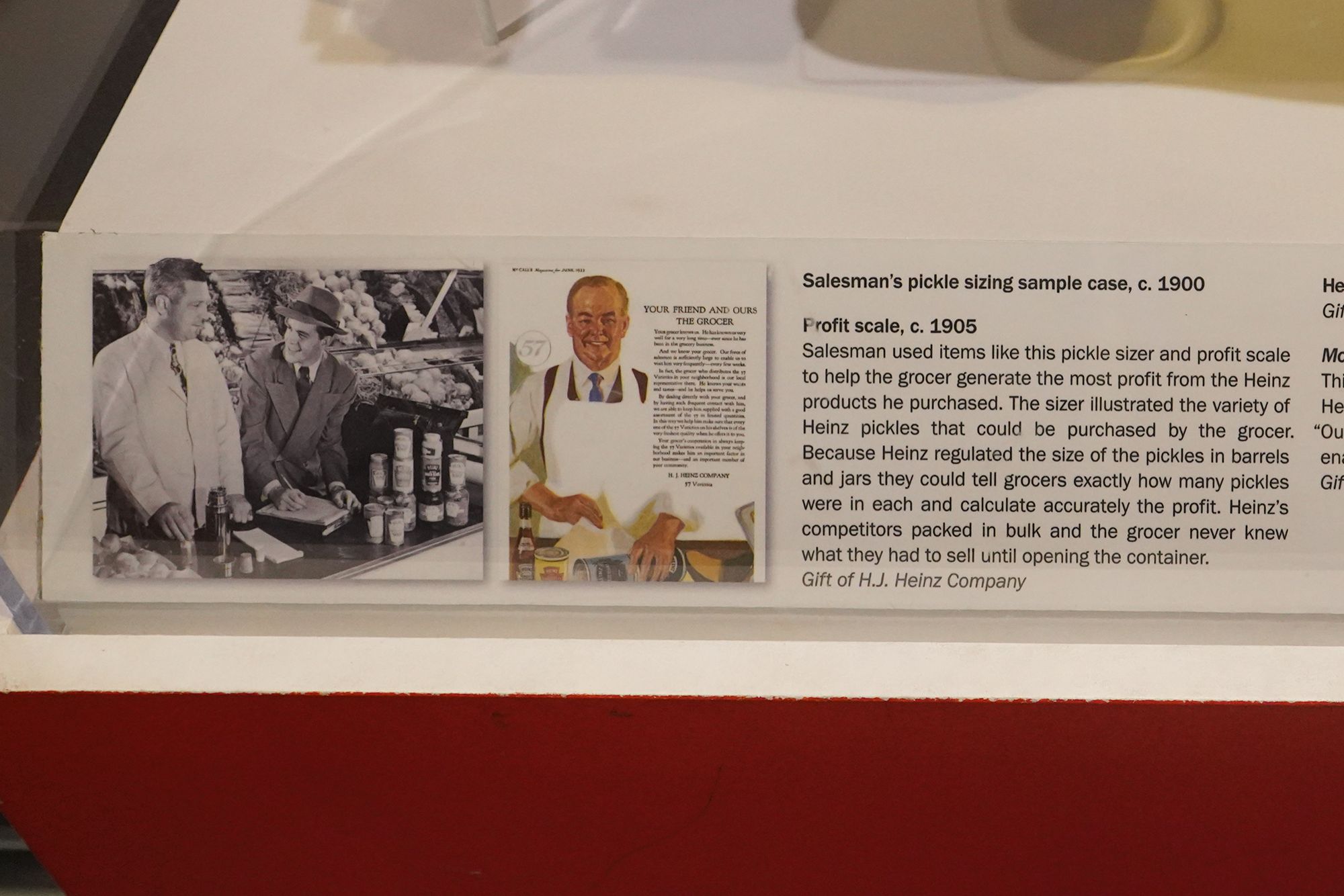
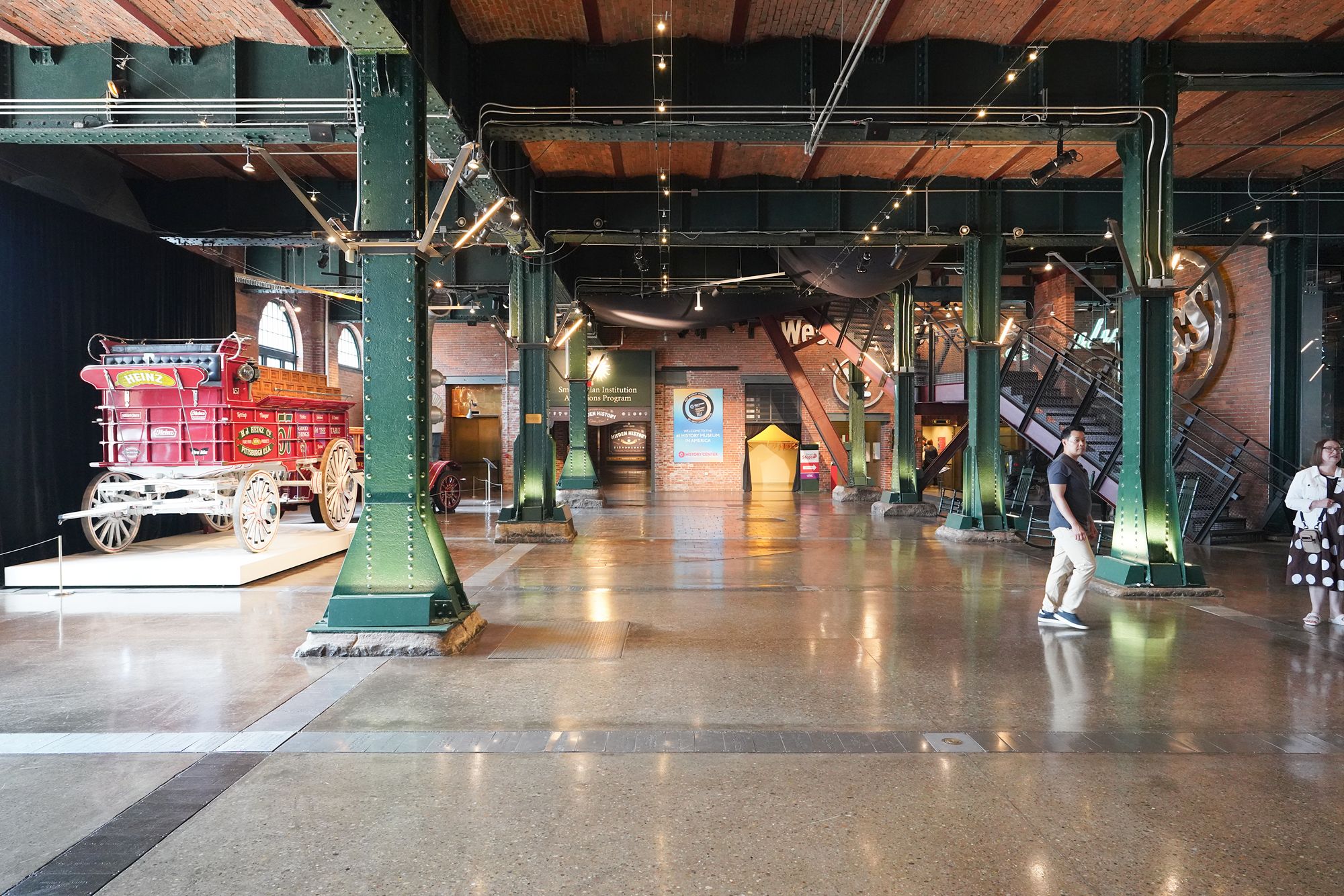
H. J. Heinz Company was founded in 1869 by Henry John Heinz in Pittsburgh.
Best known for Heinz ketchup, the company became a global food brand through mass production, quality control, and strong marketing. Heinz played a major role in Pittsburgh’s industrial history and American food culture.
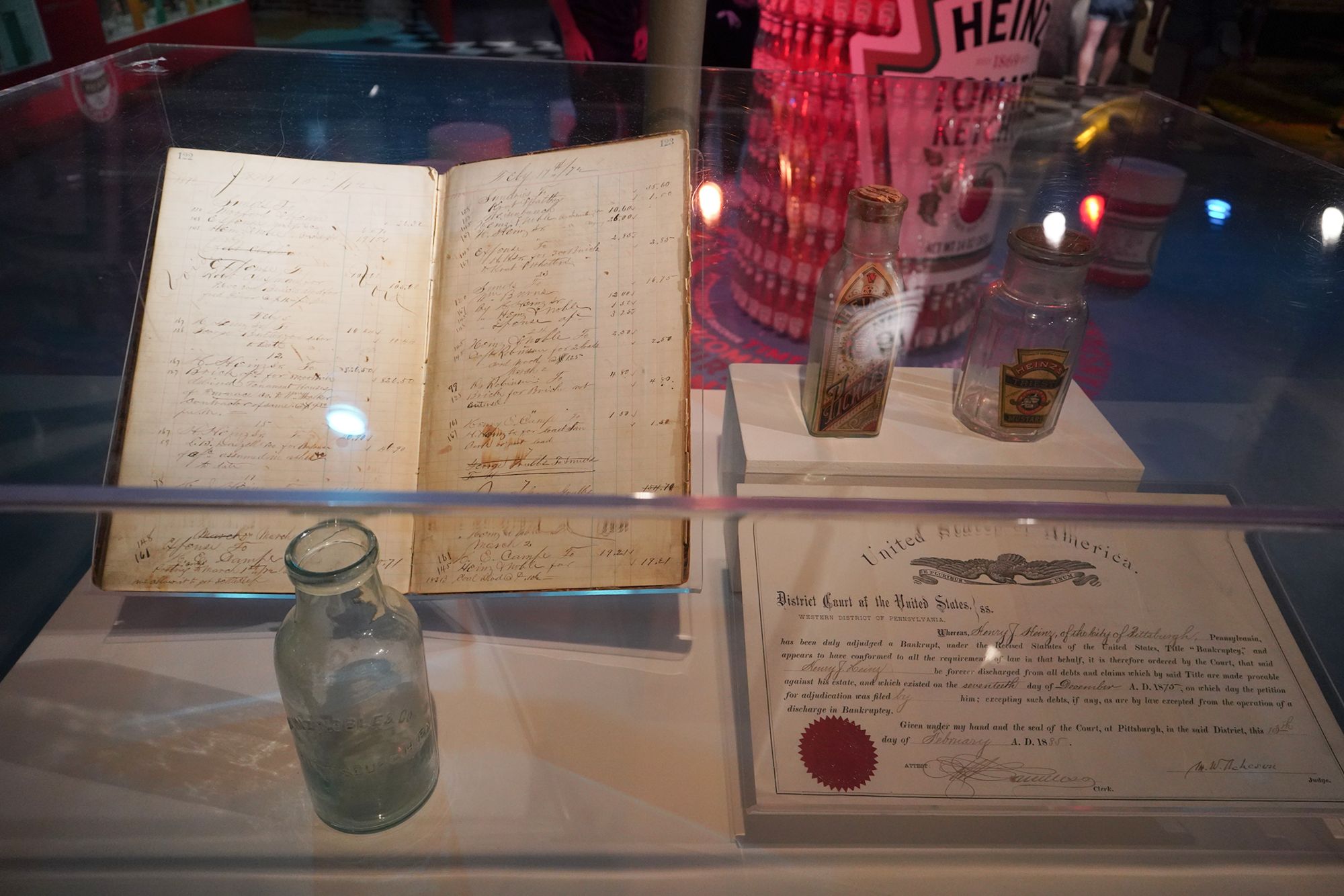
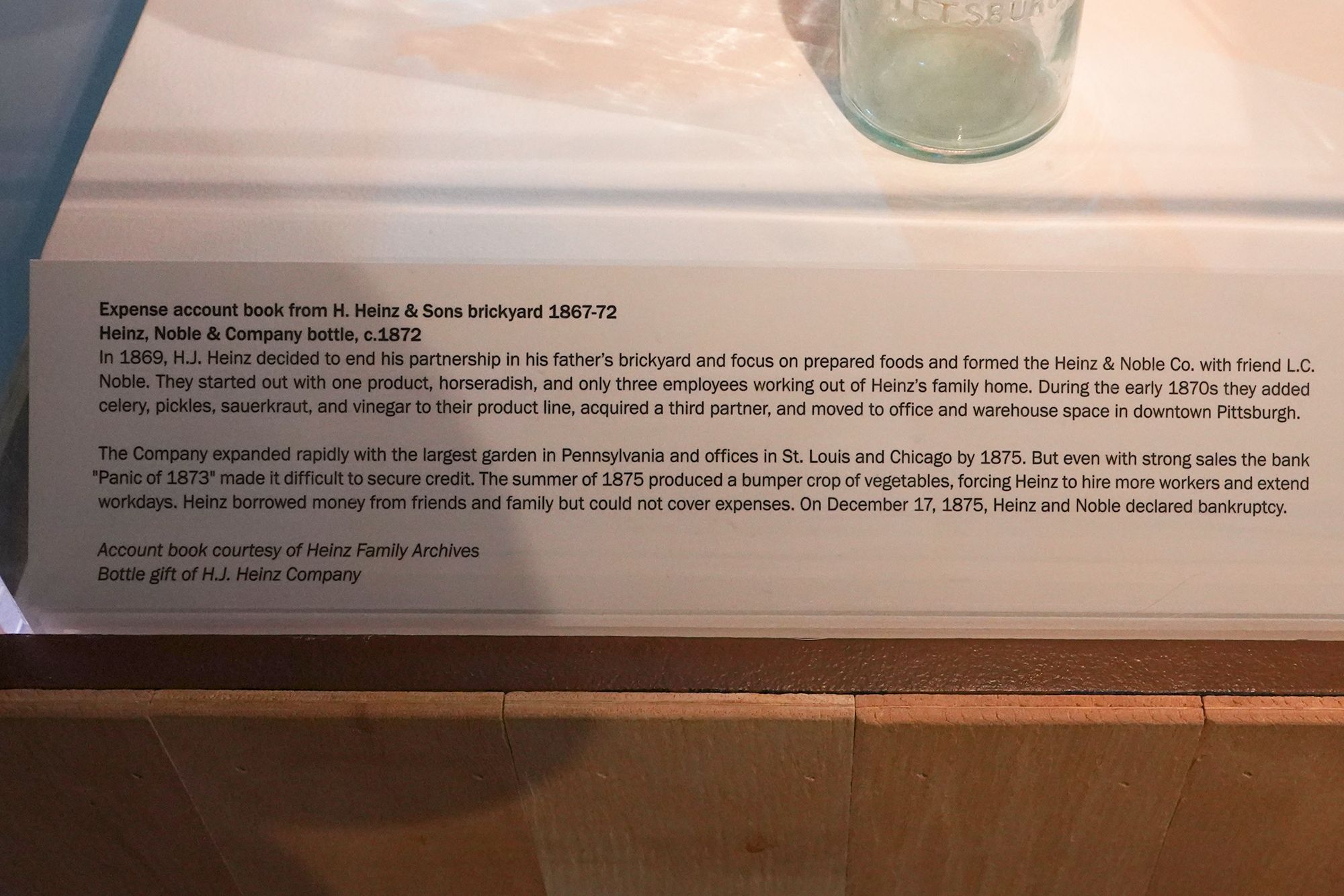
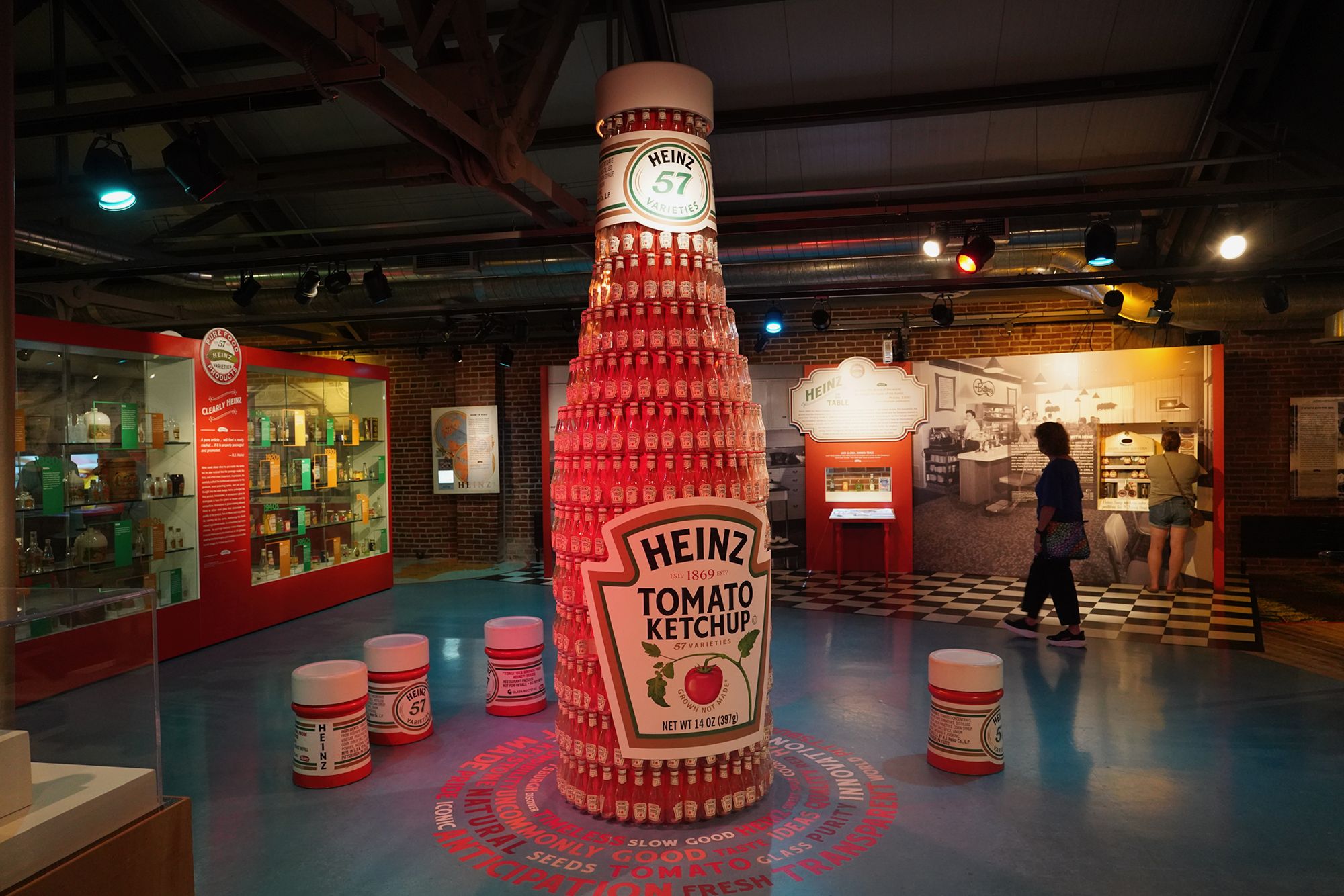
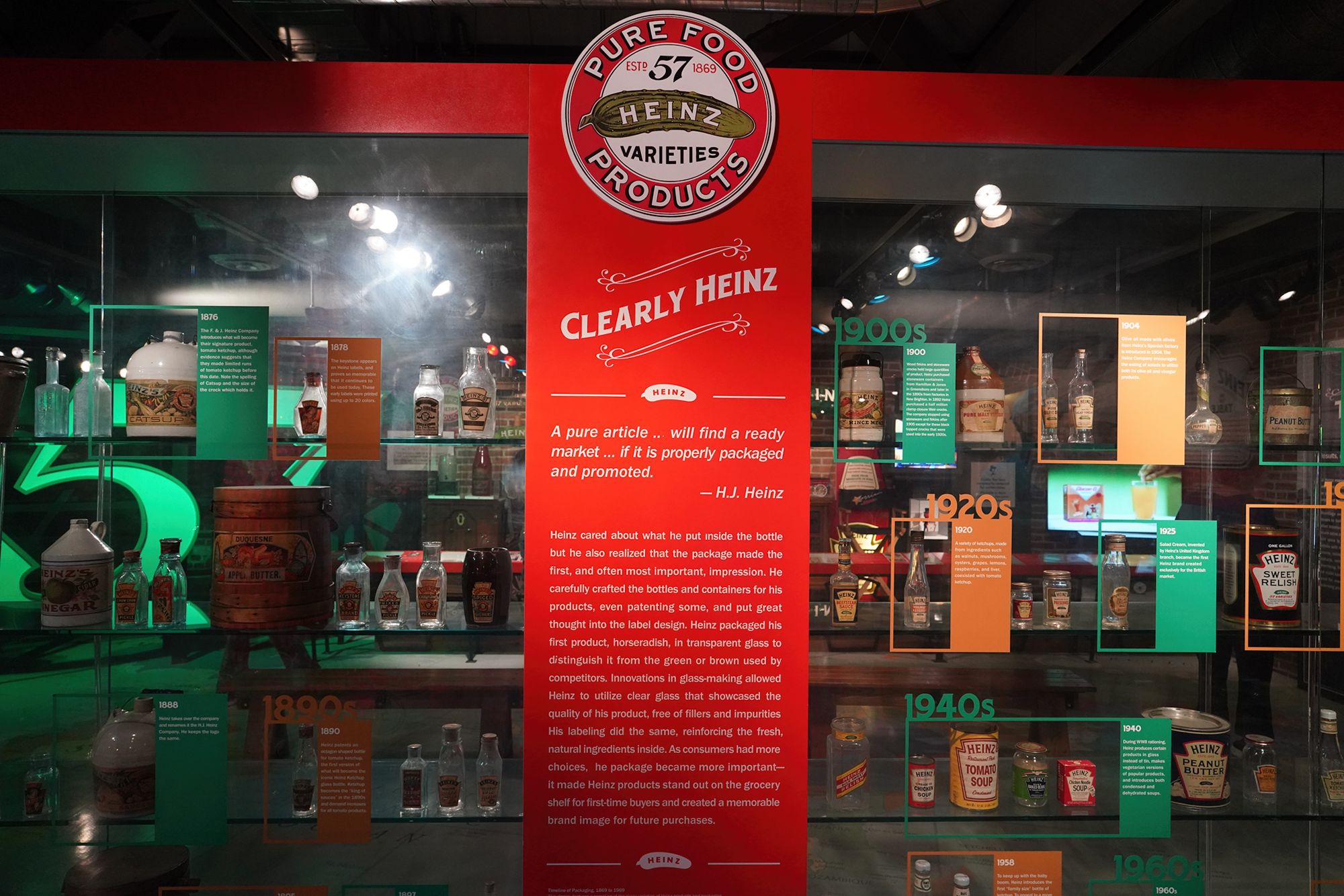
The history of the company through its products
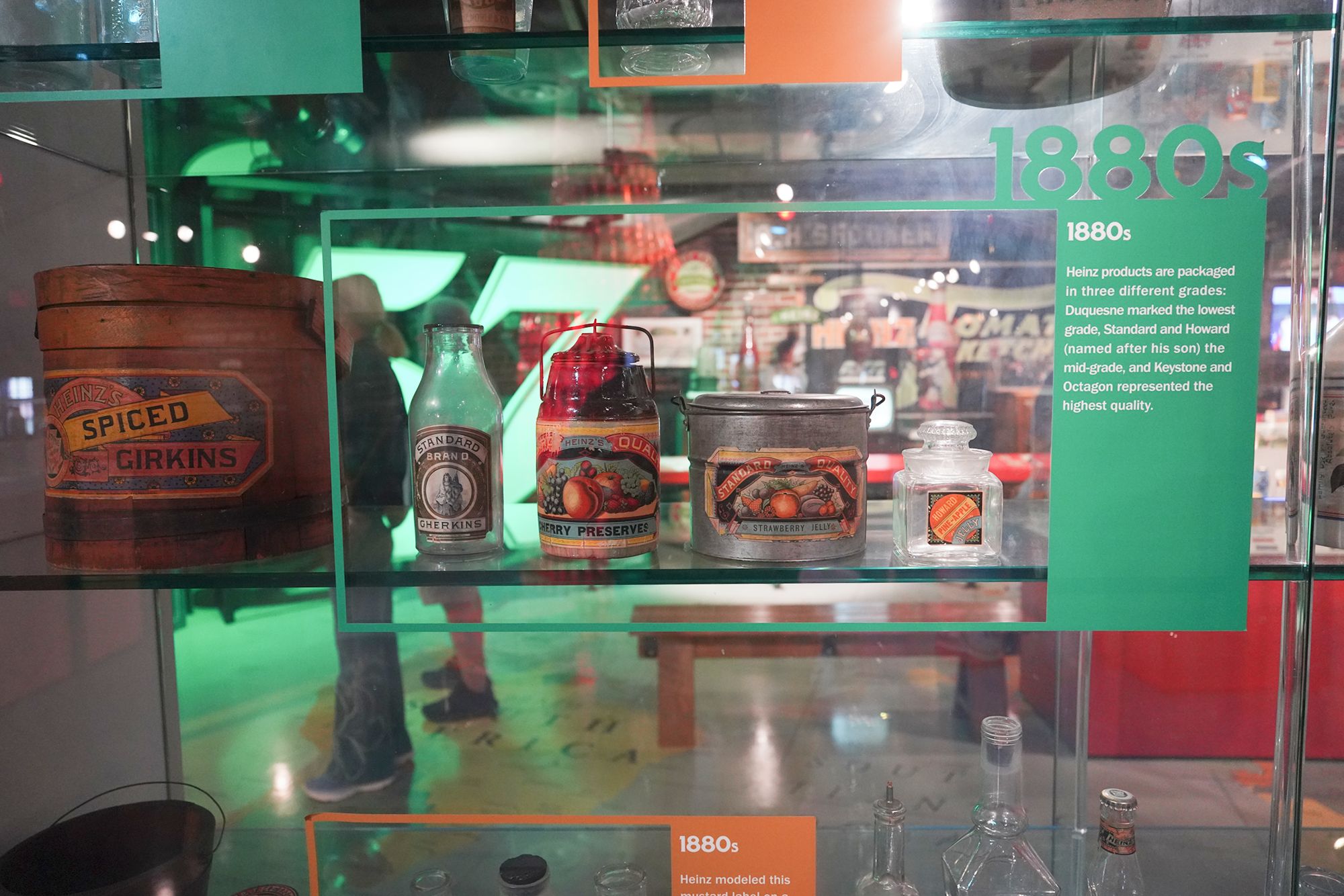
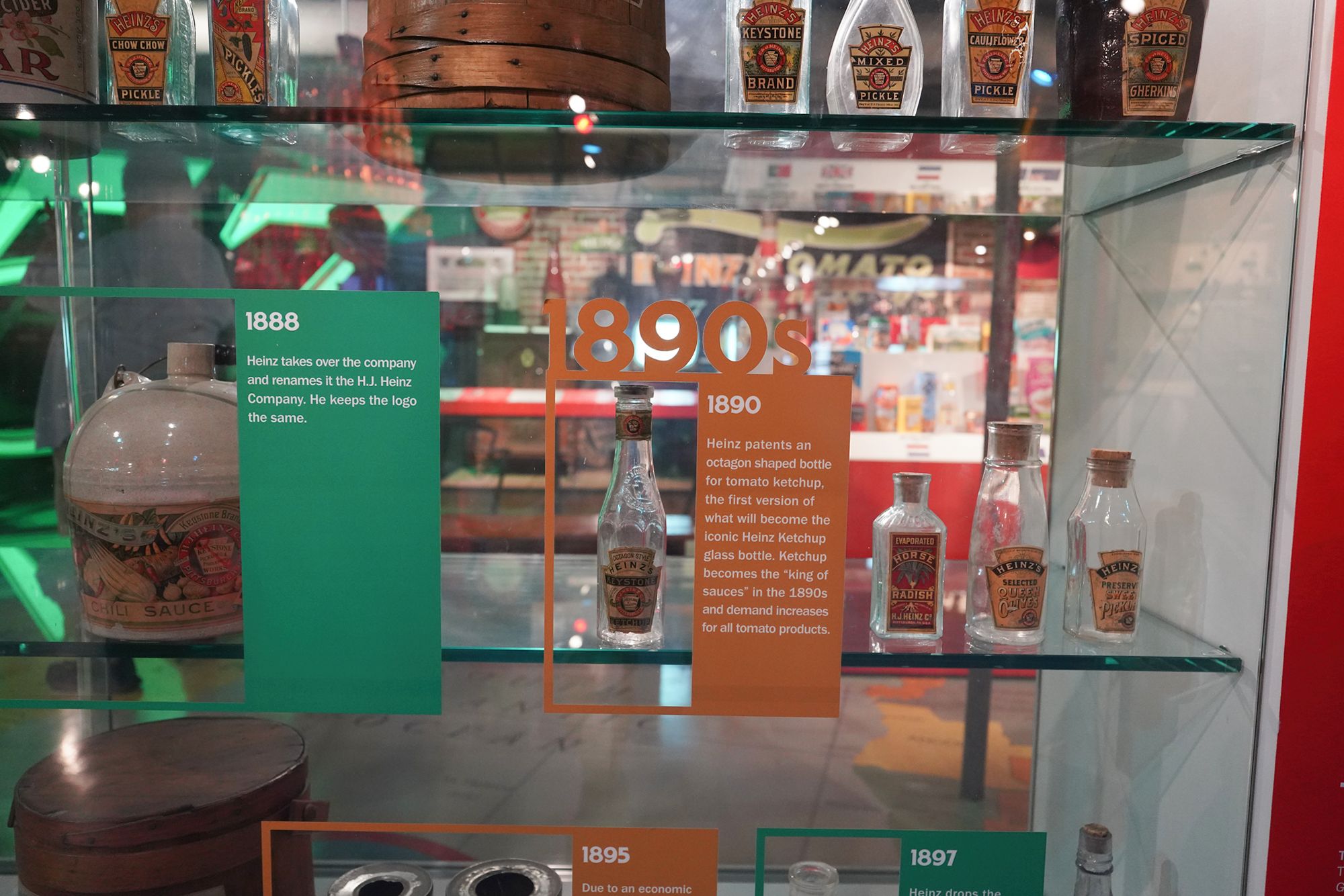
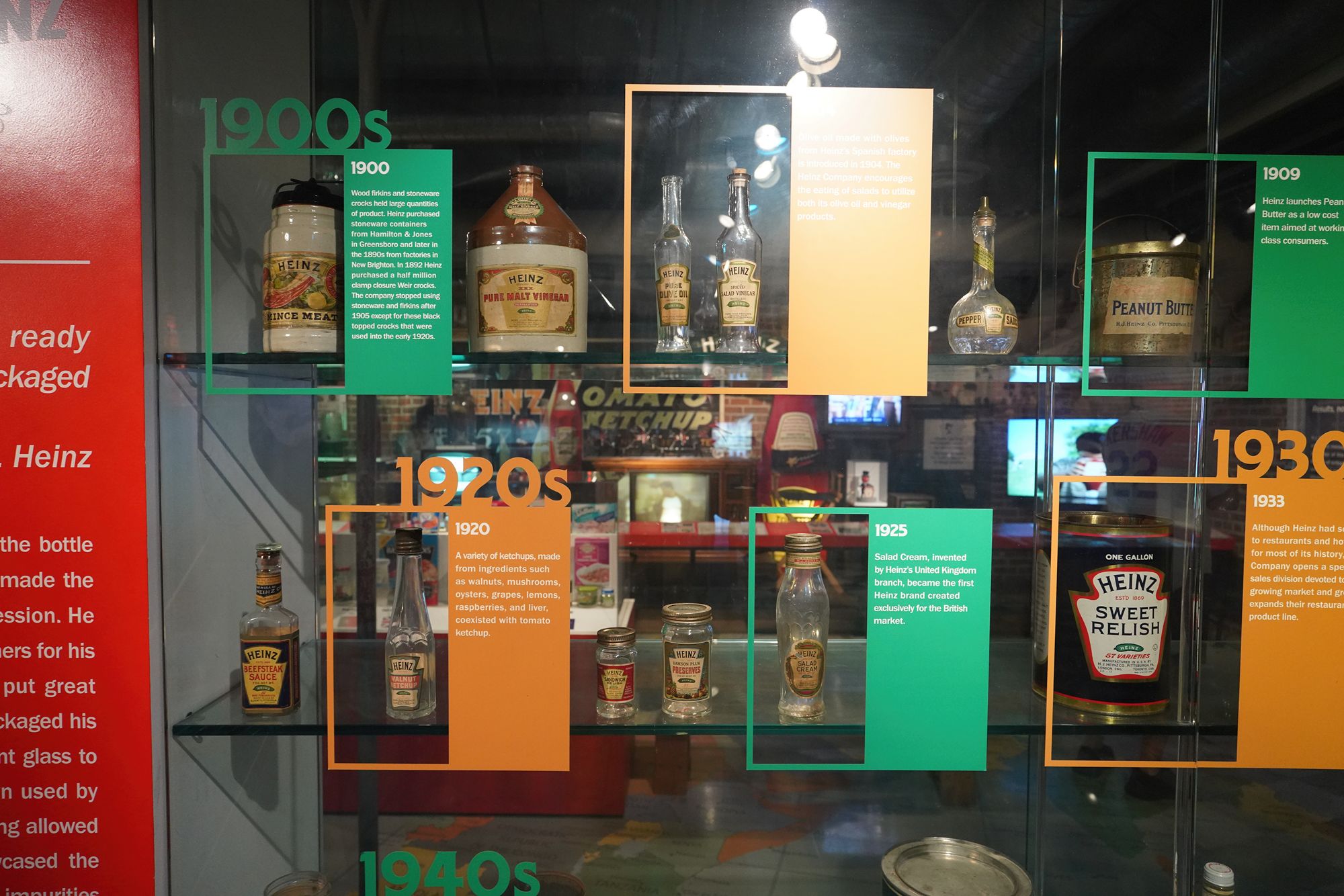
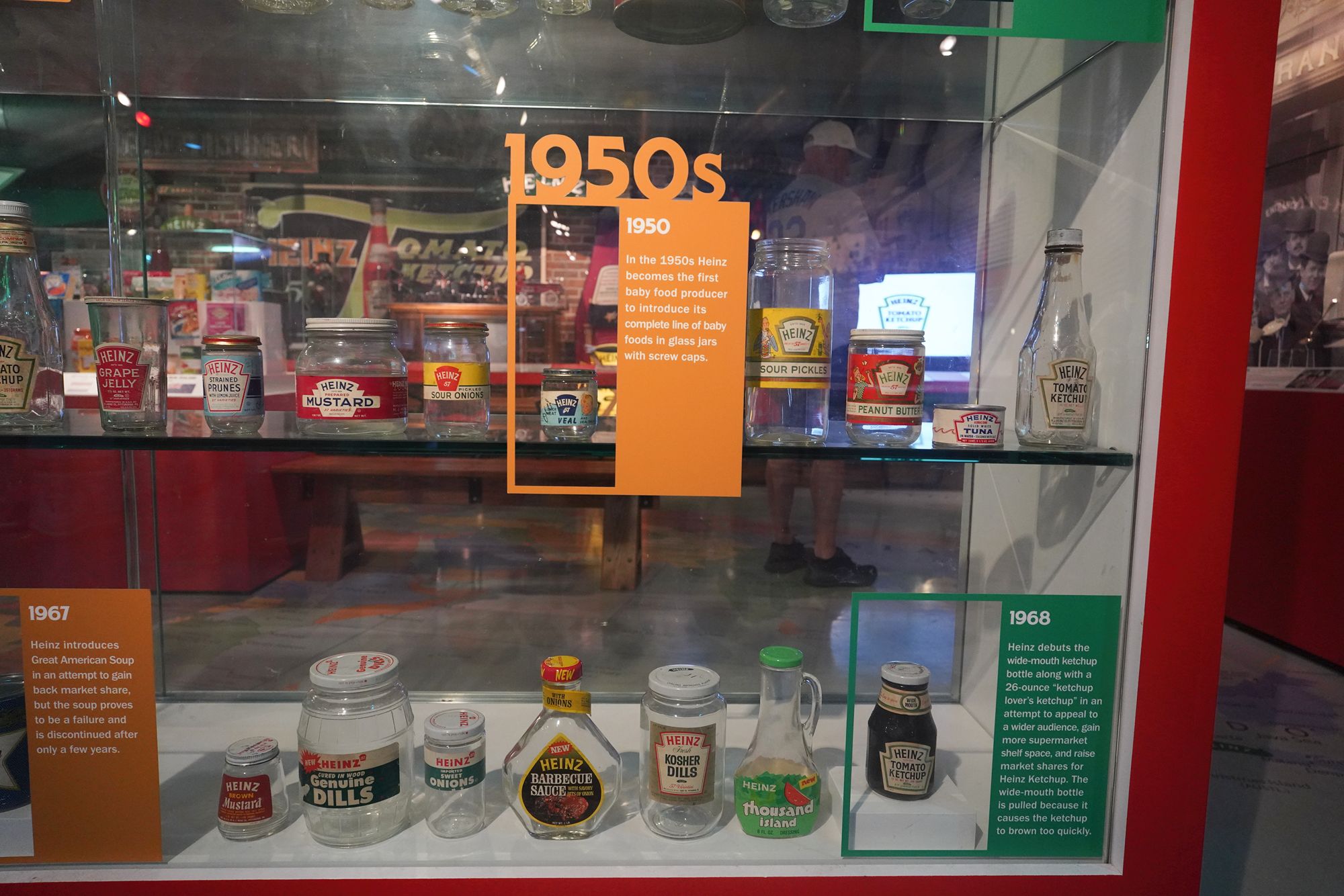
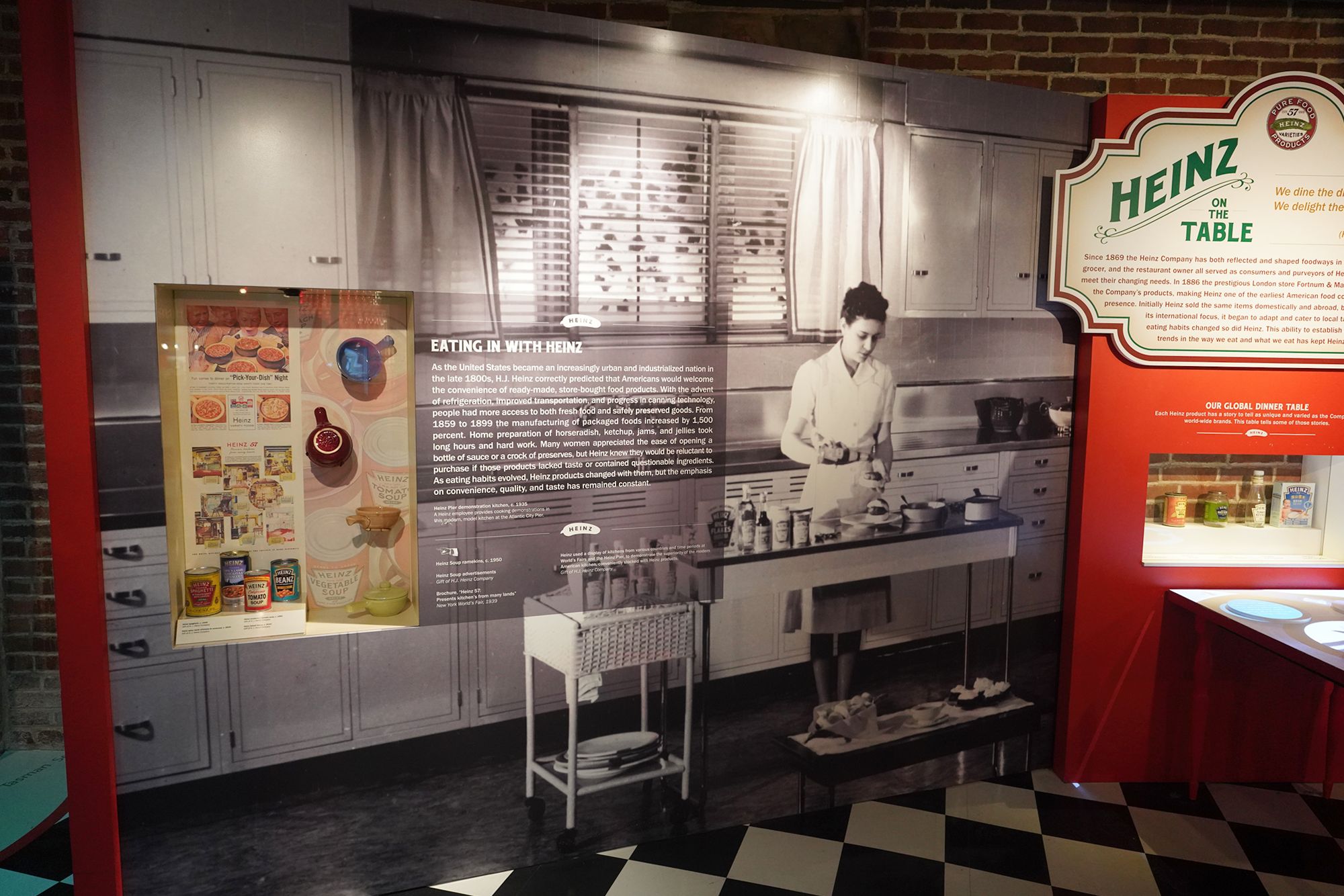
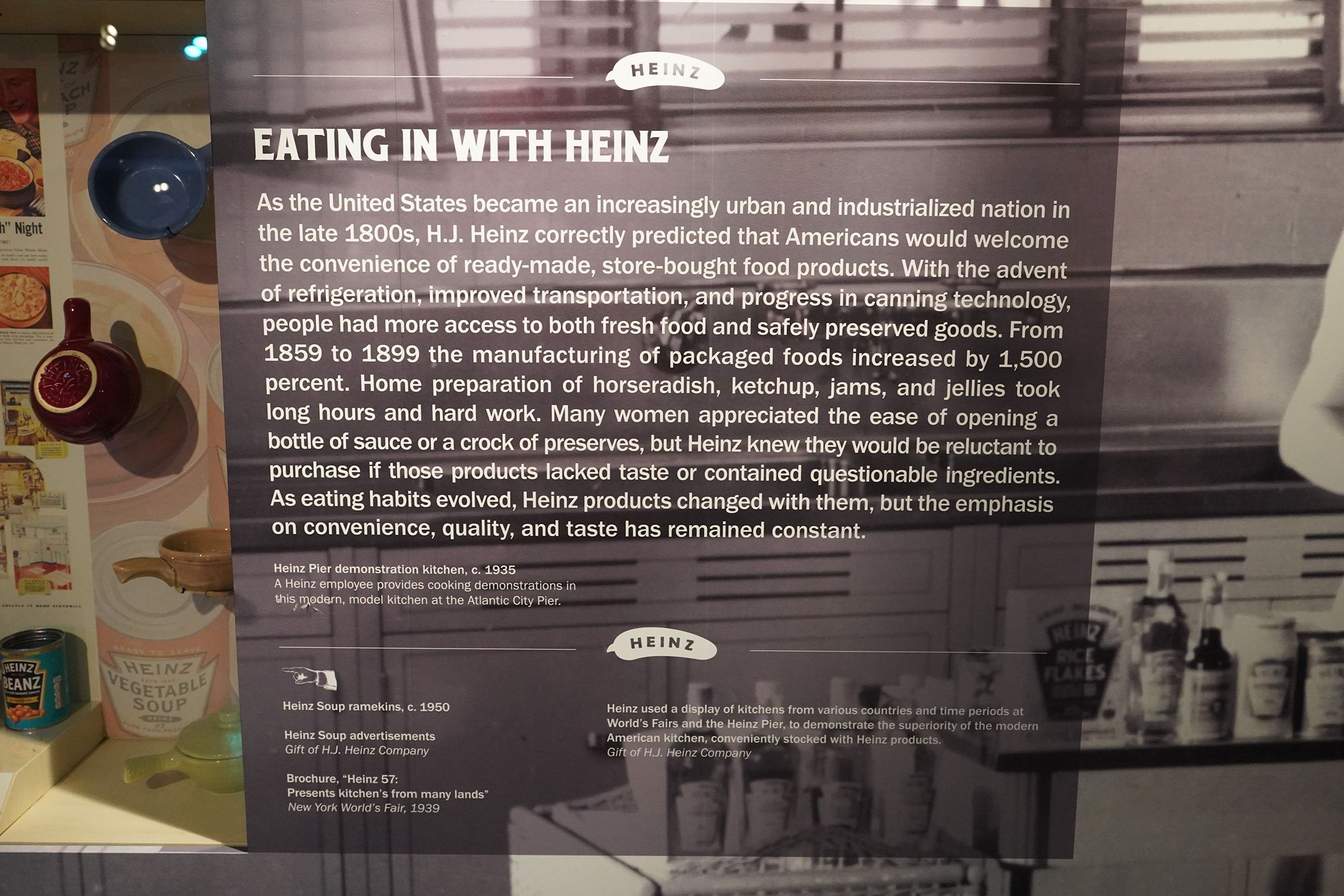
“Eating In with Heinz” refers to how Heinz products became everyday staples in American homes.
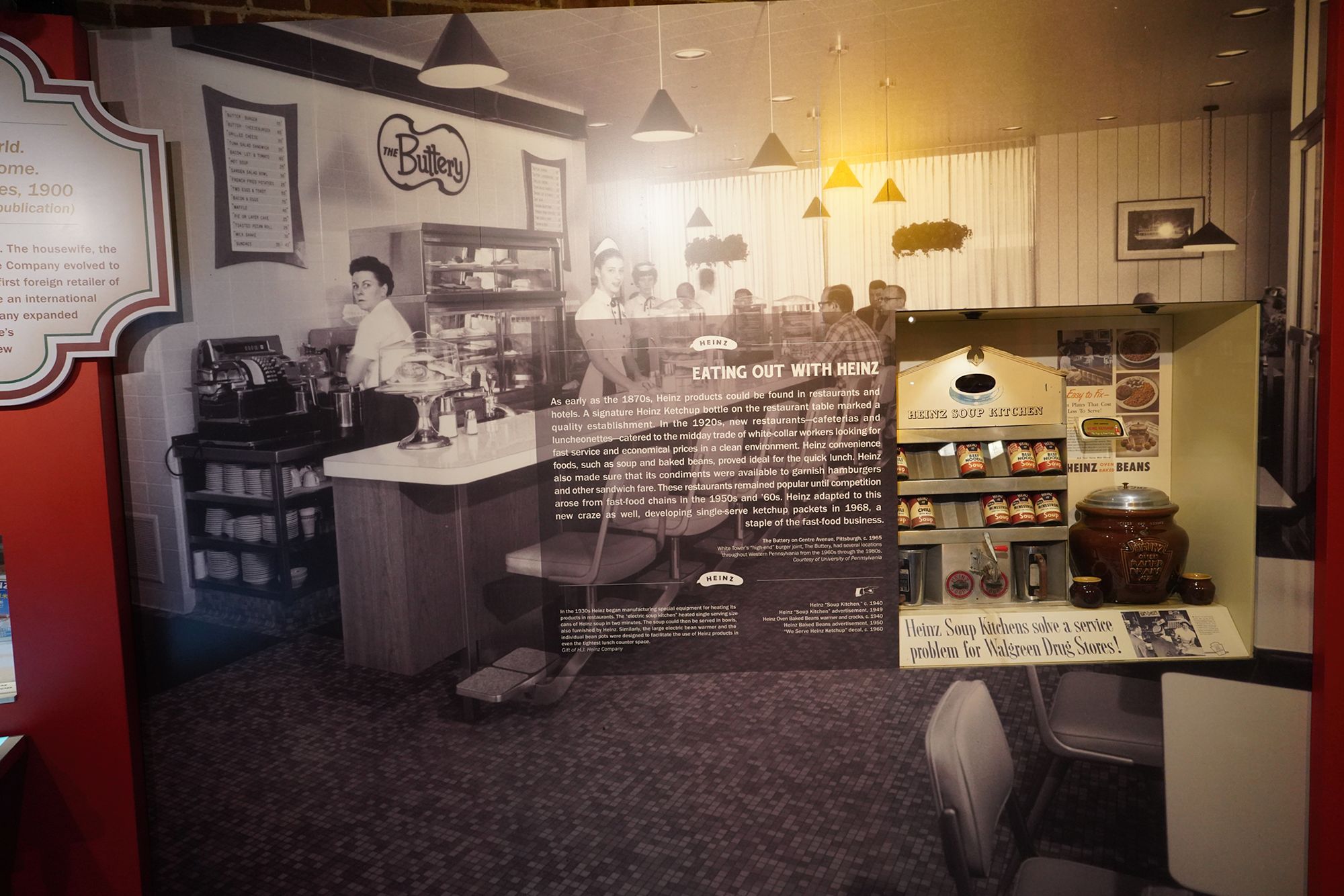
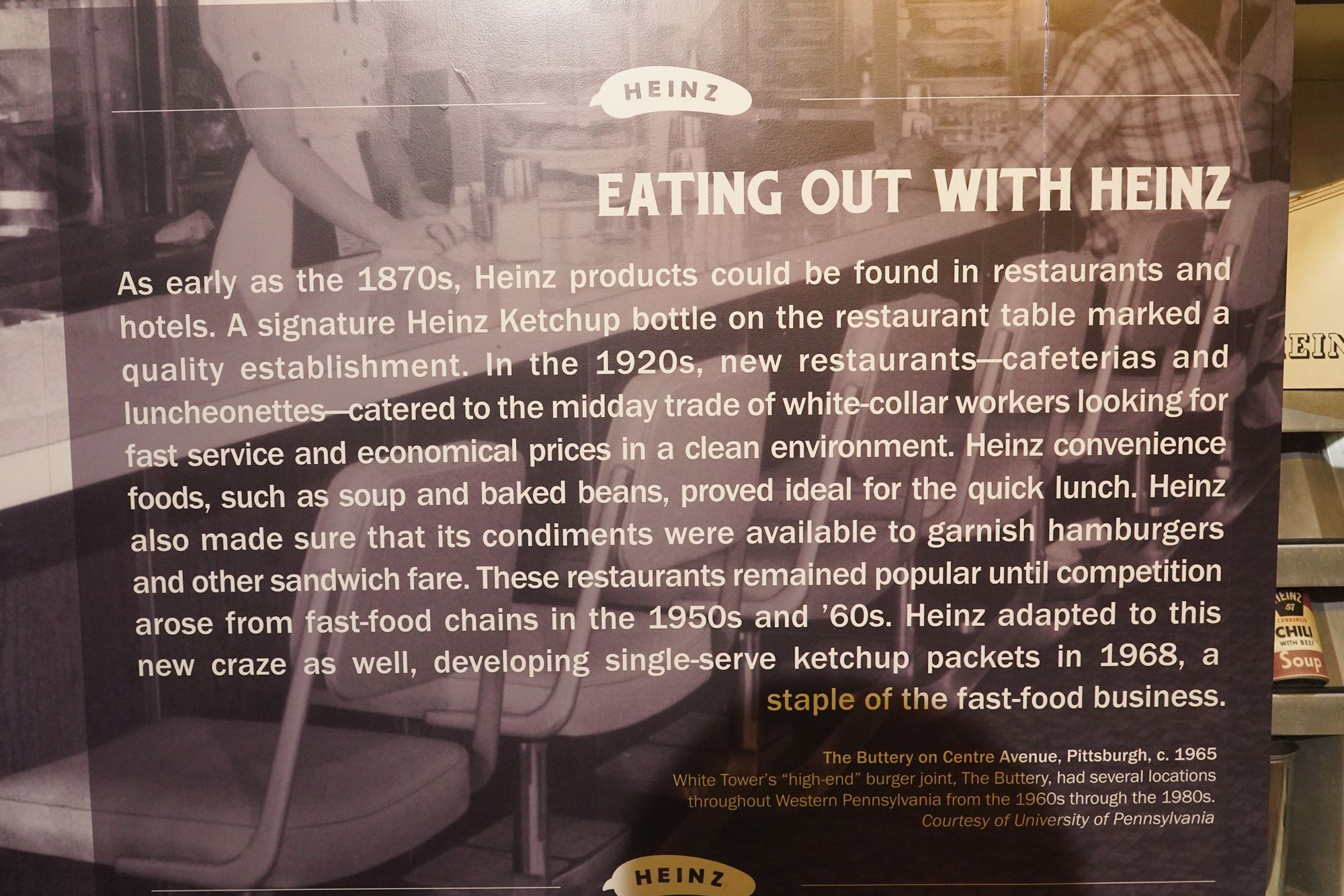
“Eating Out with Heinz” refers to Heinz’s role in restaurants, diners, and public eating places.
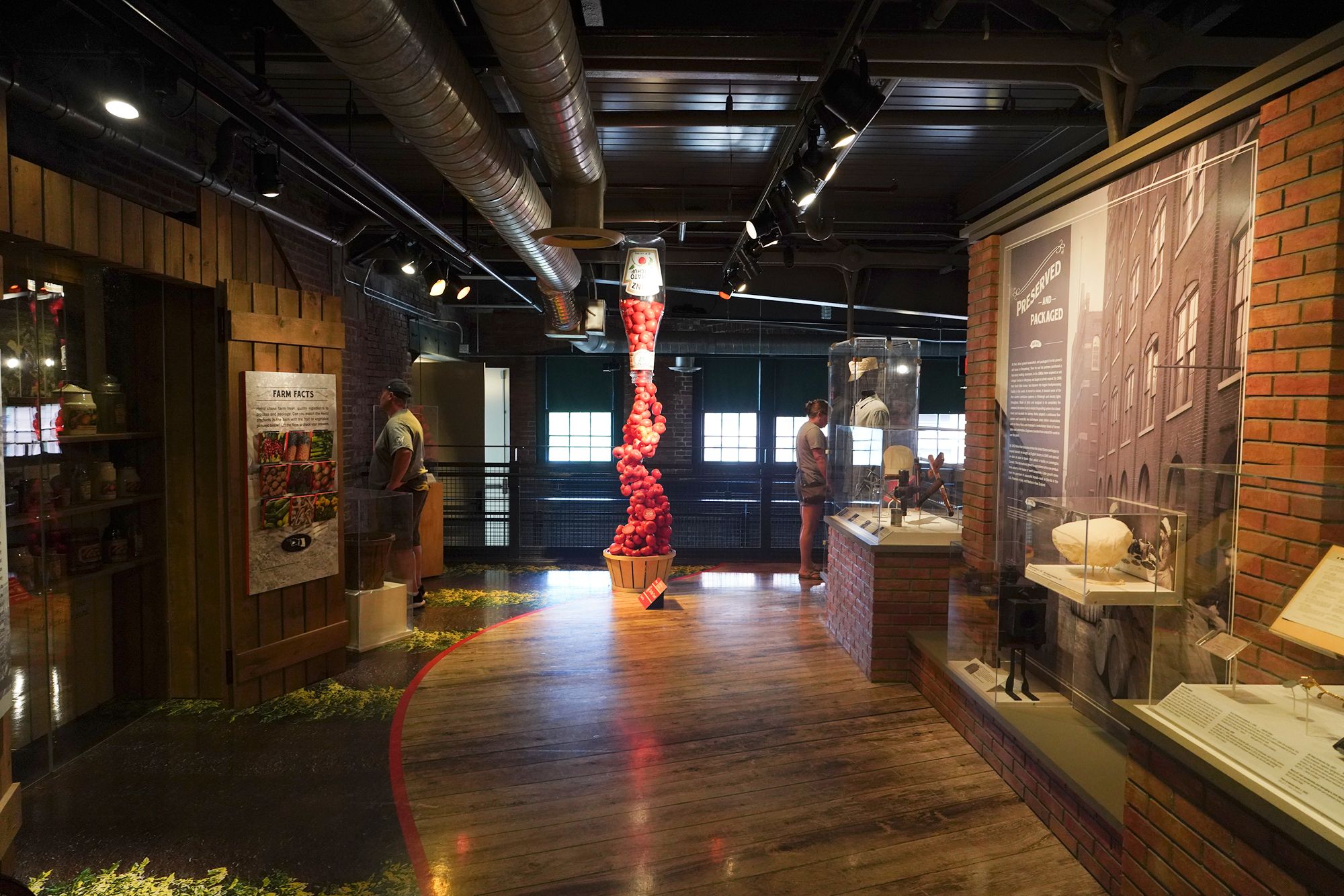
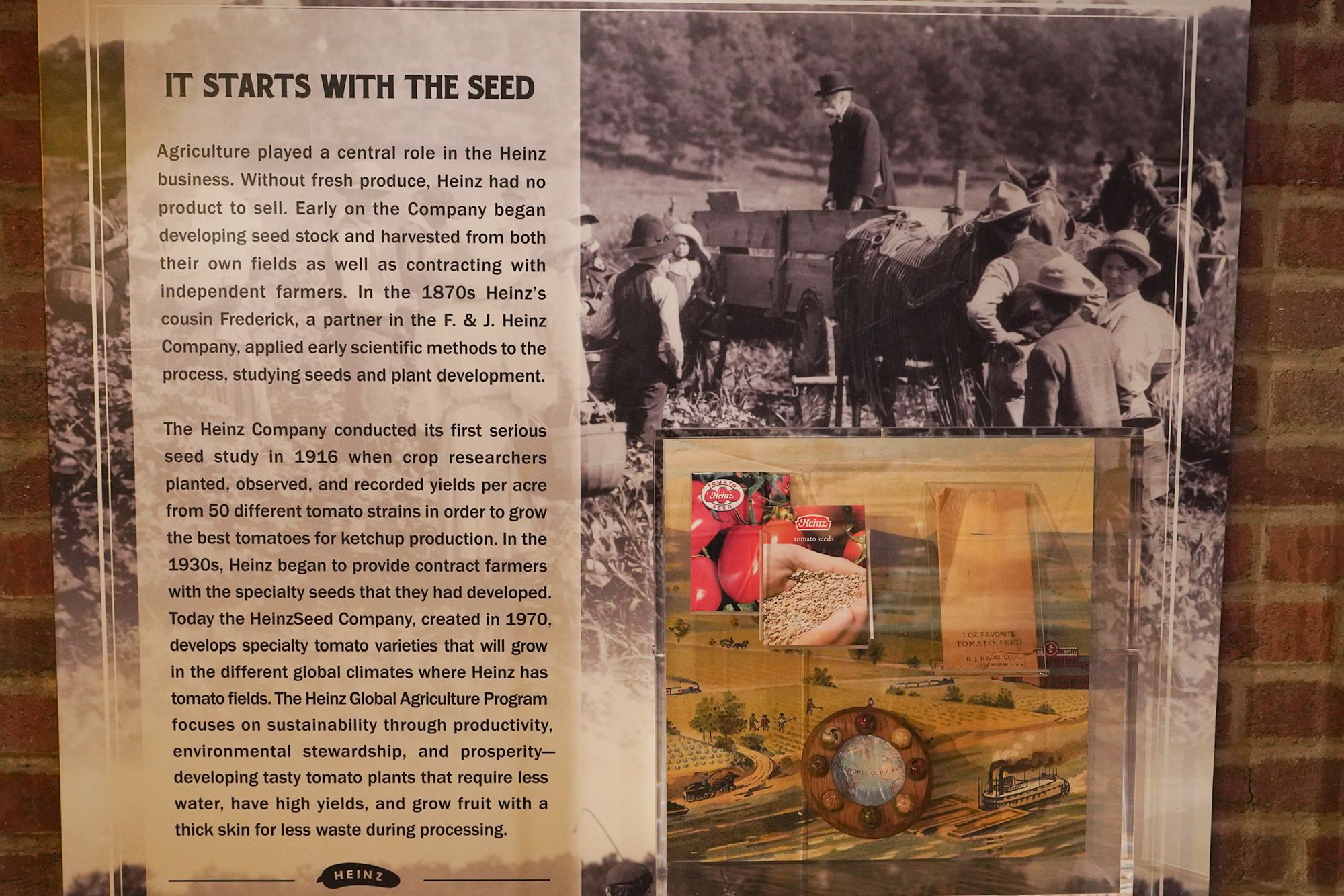
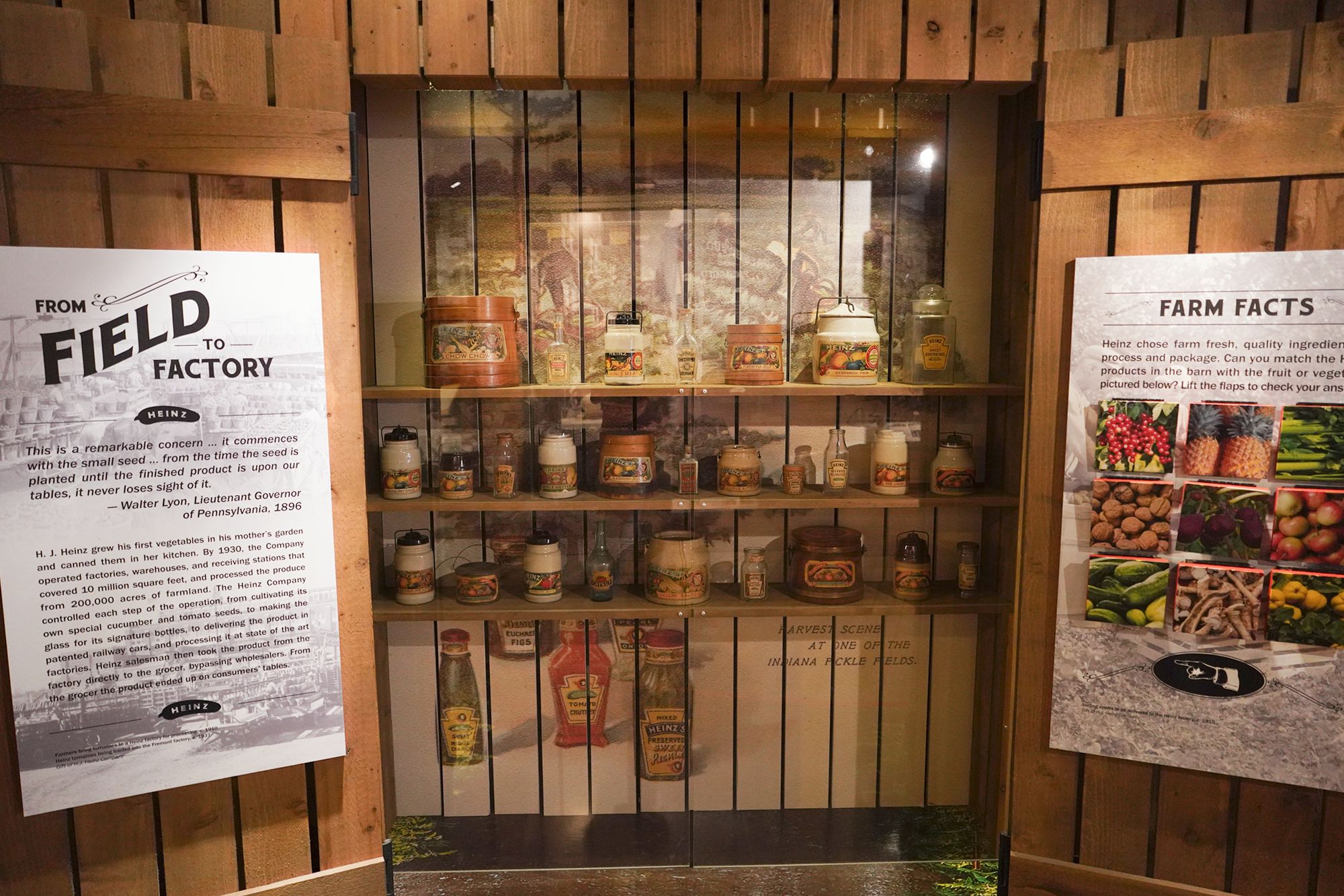
“It Starts with the Seeds” highlights Heinz’s emphasis on quality and control from the very beginning of food production.
Heinz carefully selected seeds and worked directly with farmers to ensure consistent crops, reinforcing the company’s reputation for purity, reliability, and high-quality food products.
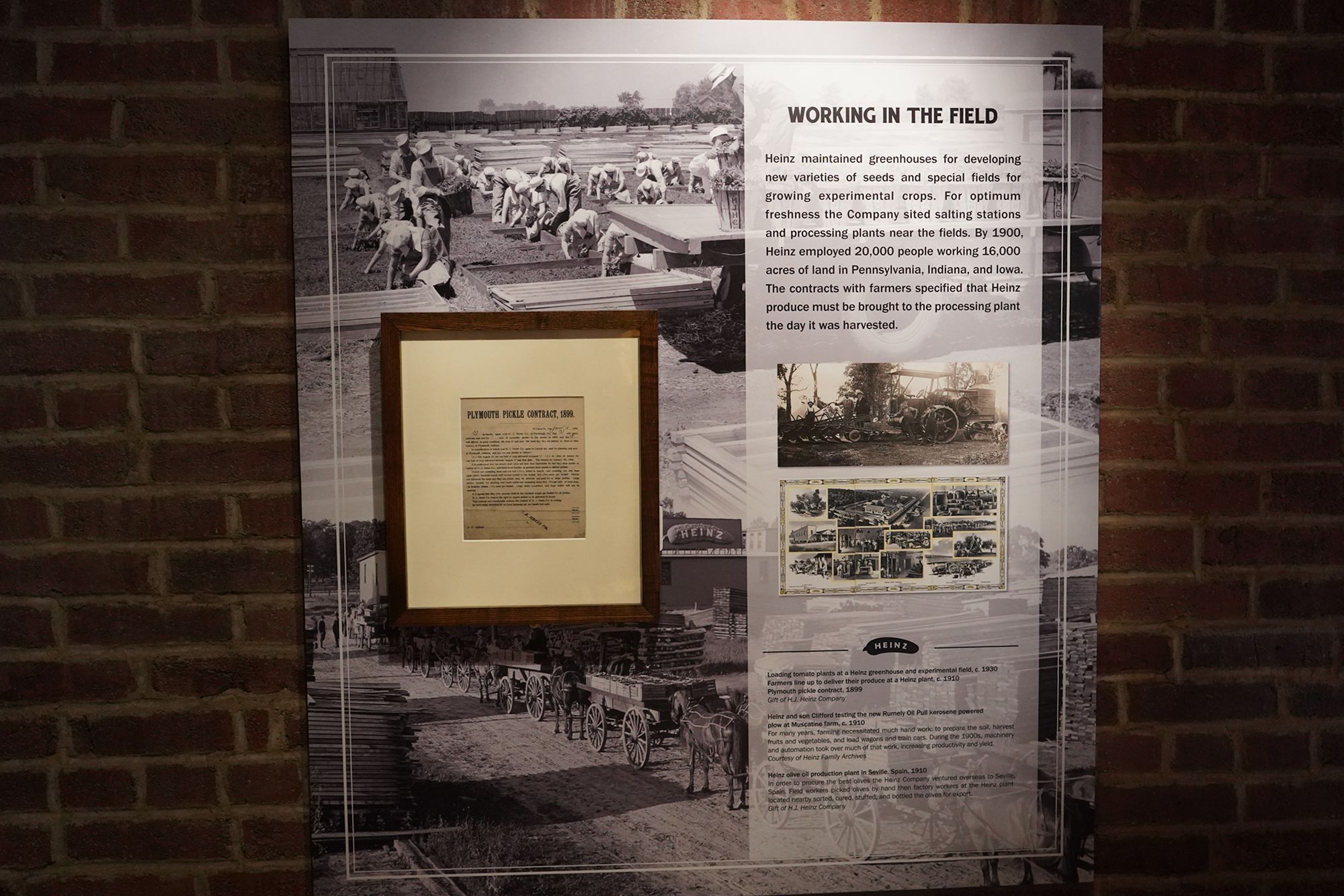
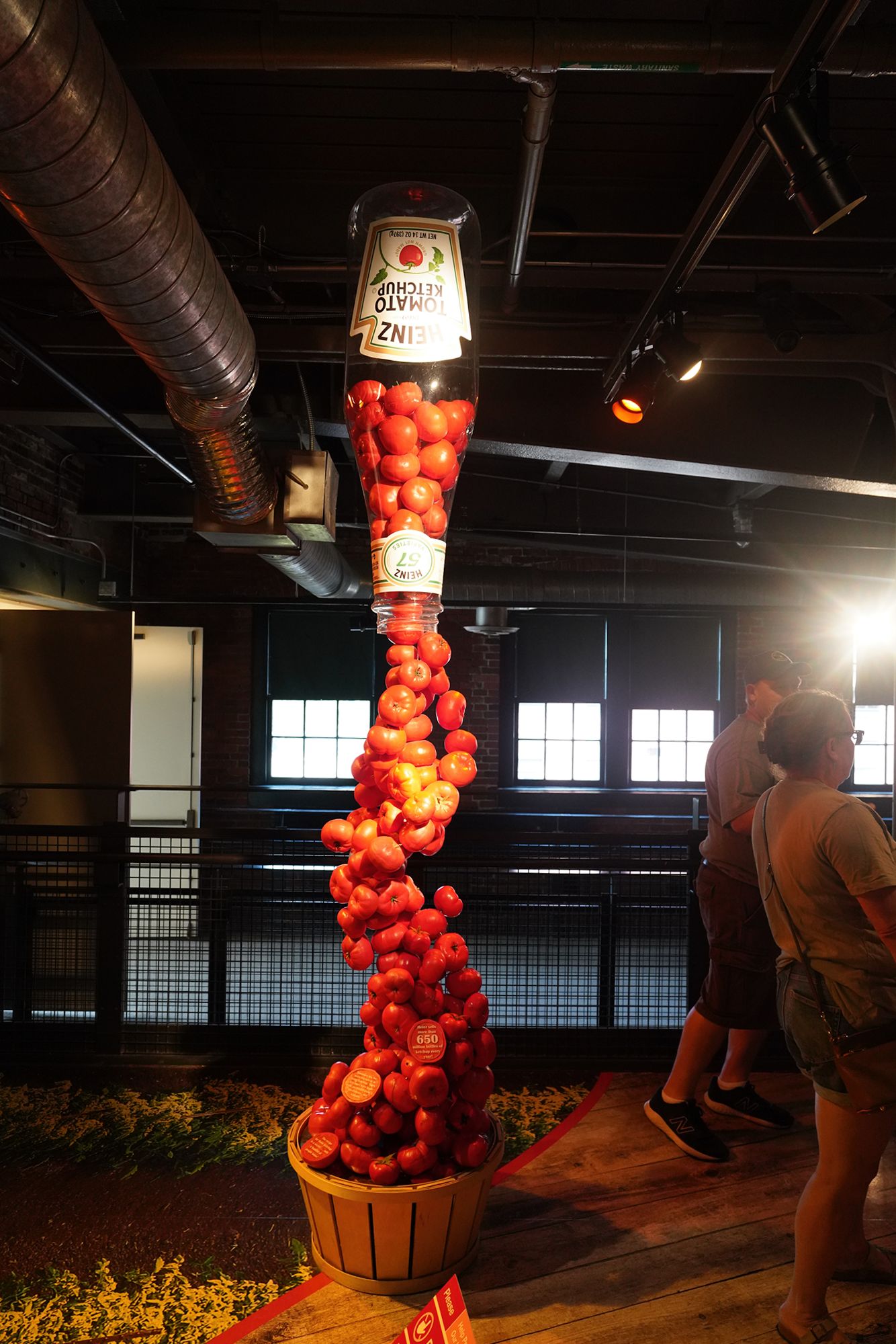
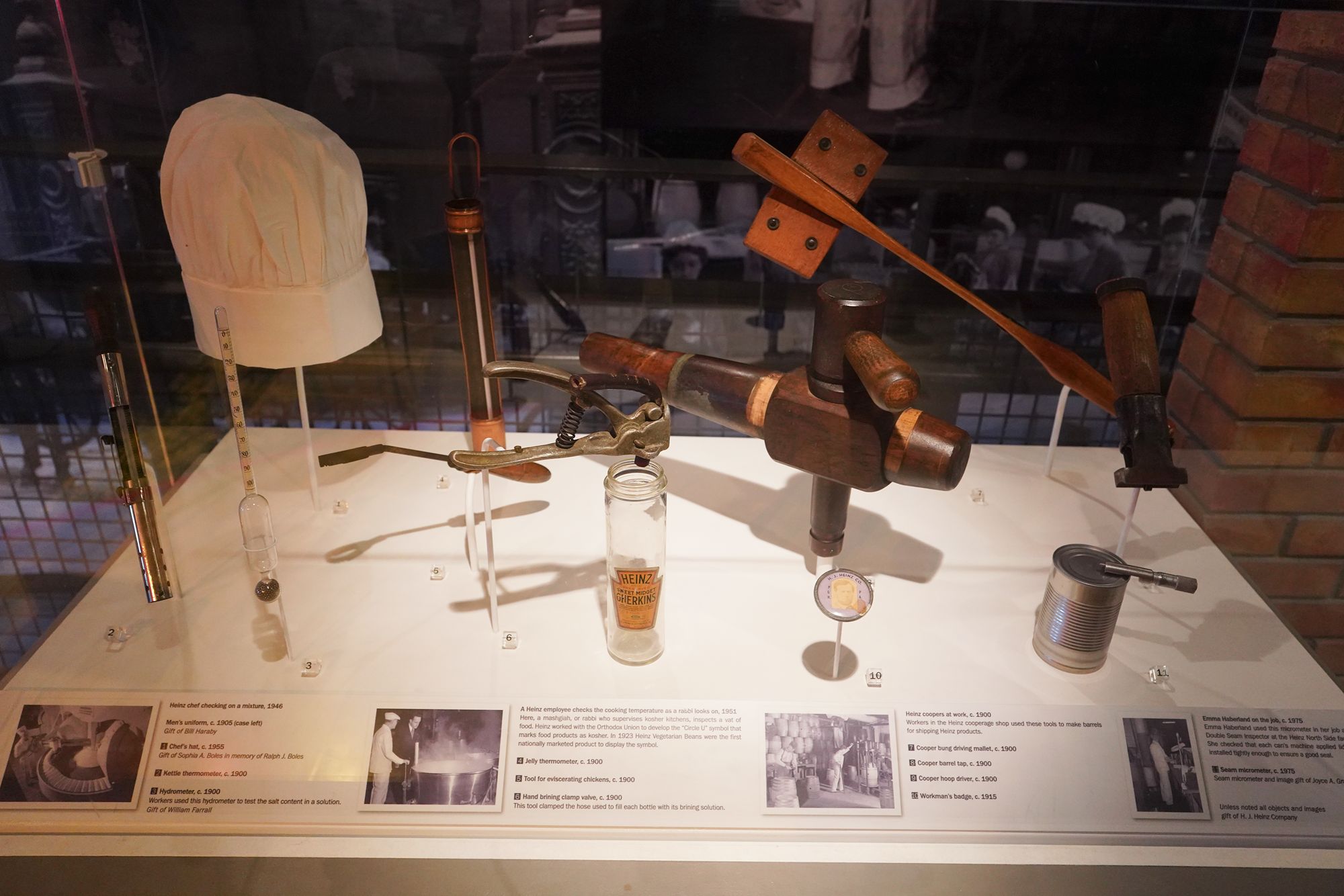
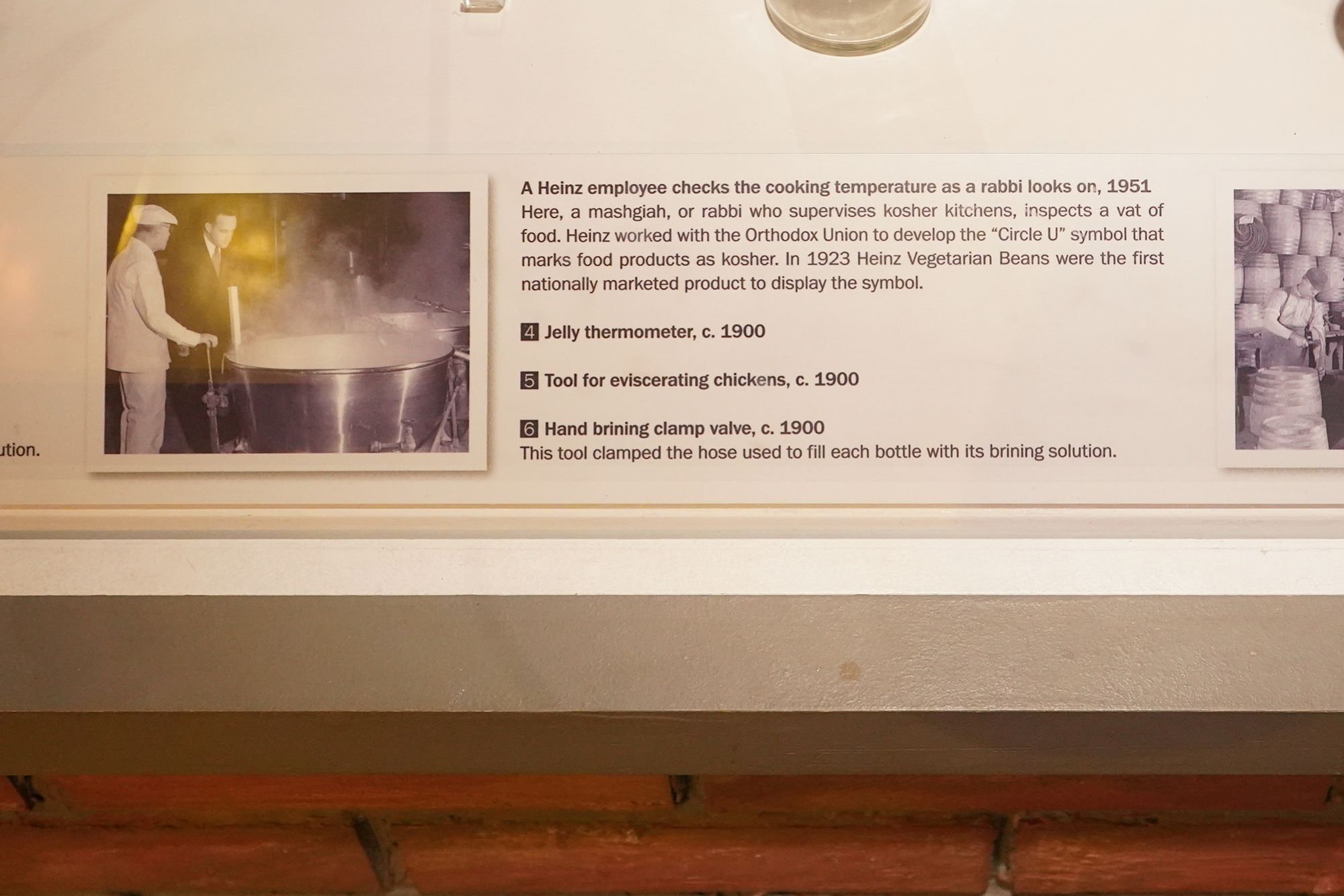
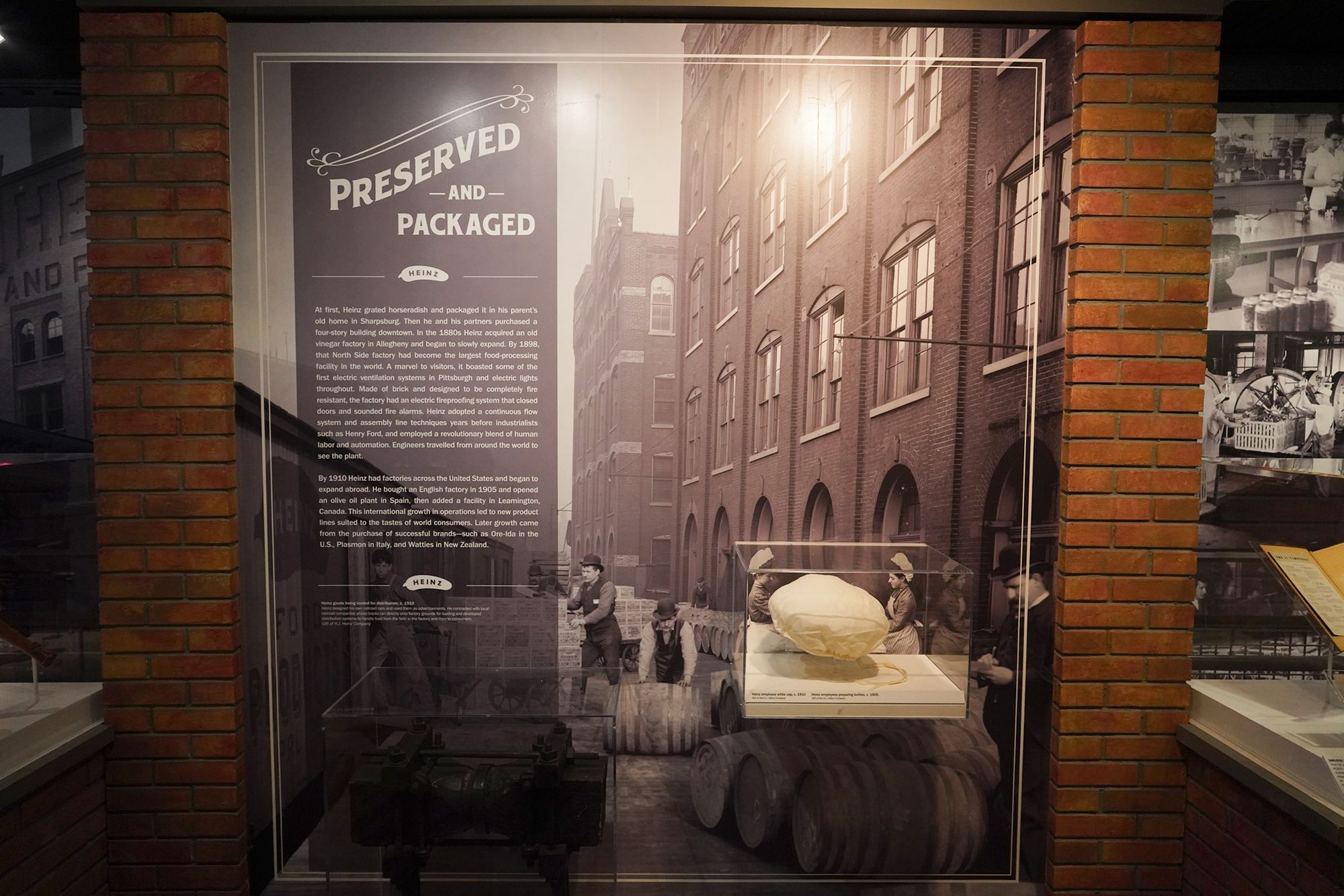
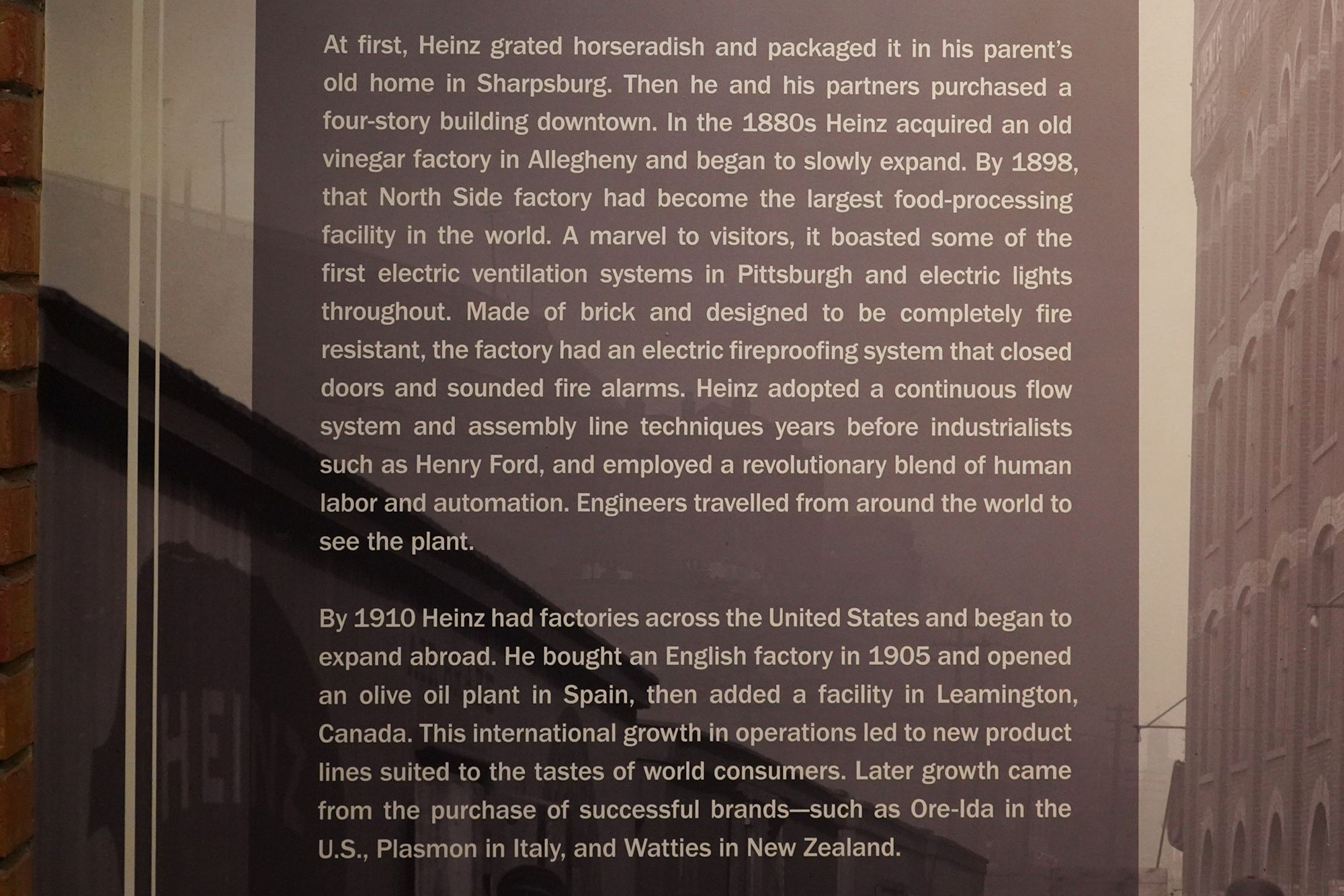
“Preserved and Packaged” refers to Heinz’s innovations in food preservation and packaging.
By using safe preservatives, airtight sealing, and clear glass bottles, Heinz extended shelf life and built consumer trust, helping transform fresh farm products into reliable, mass-market foods for home and restaurant use.
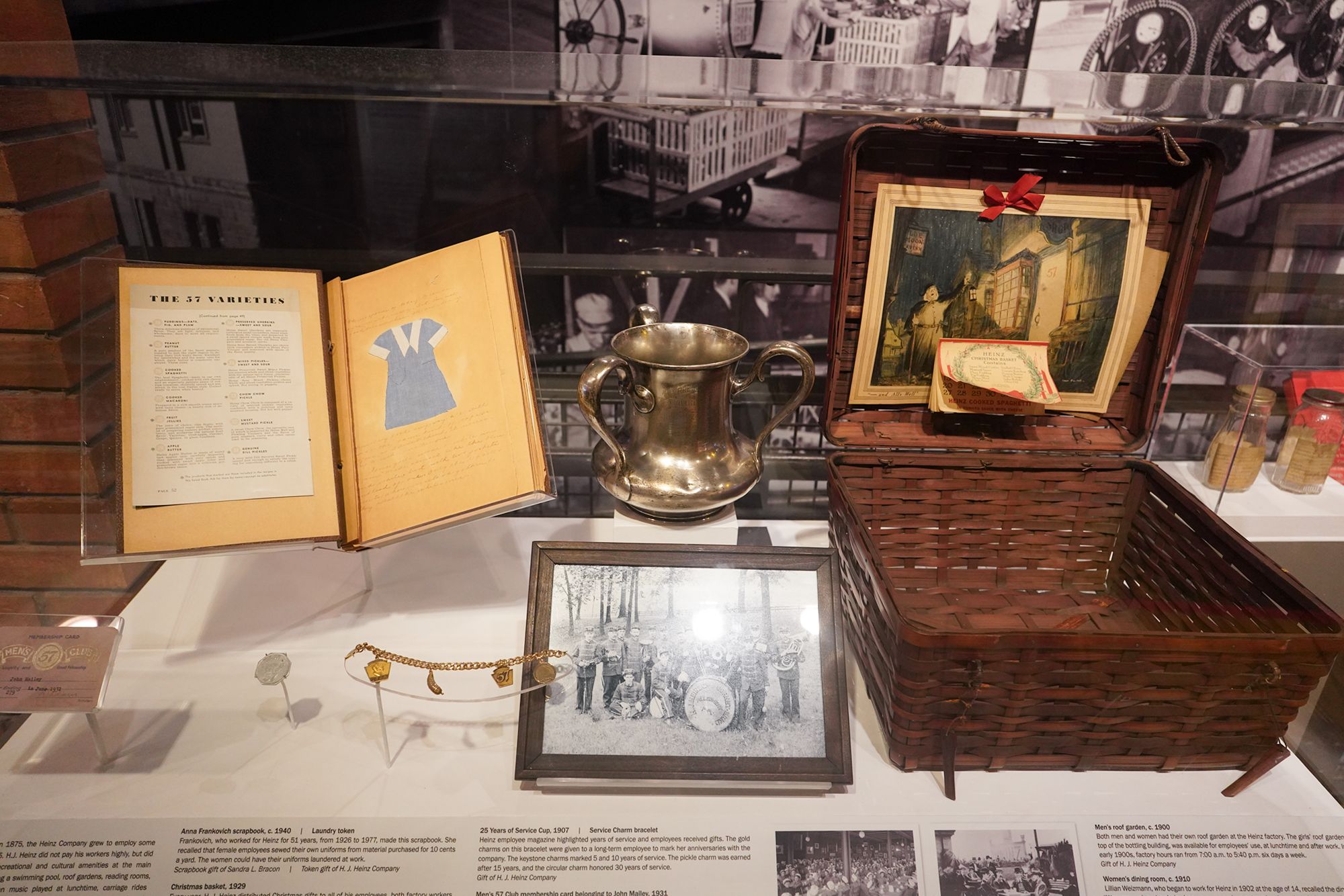
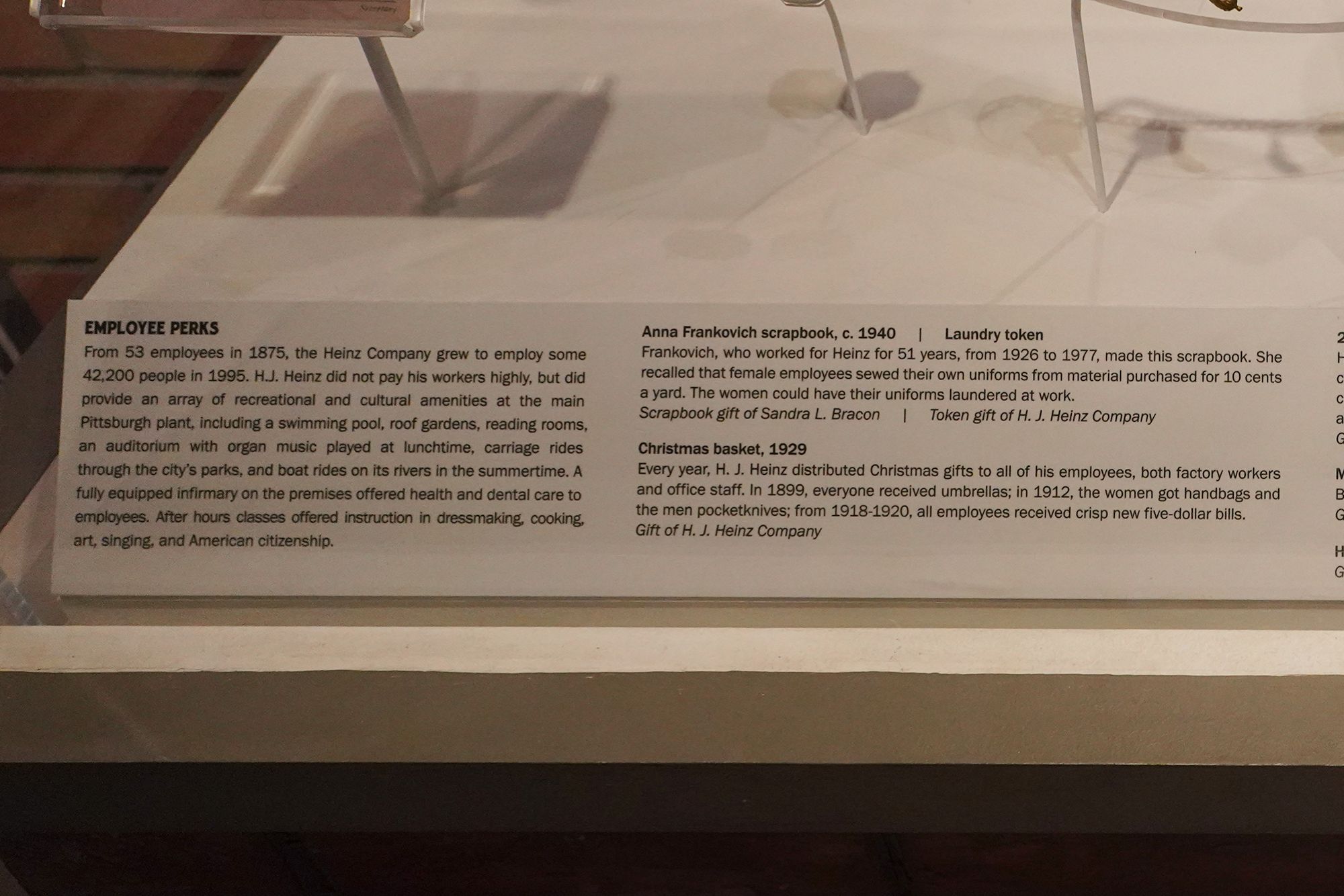
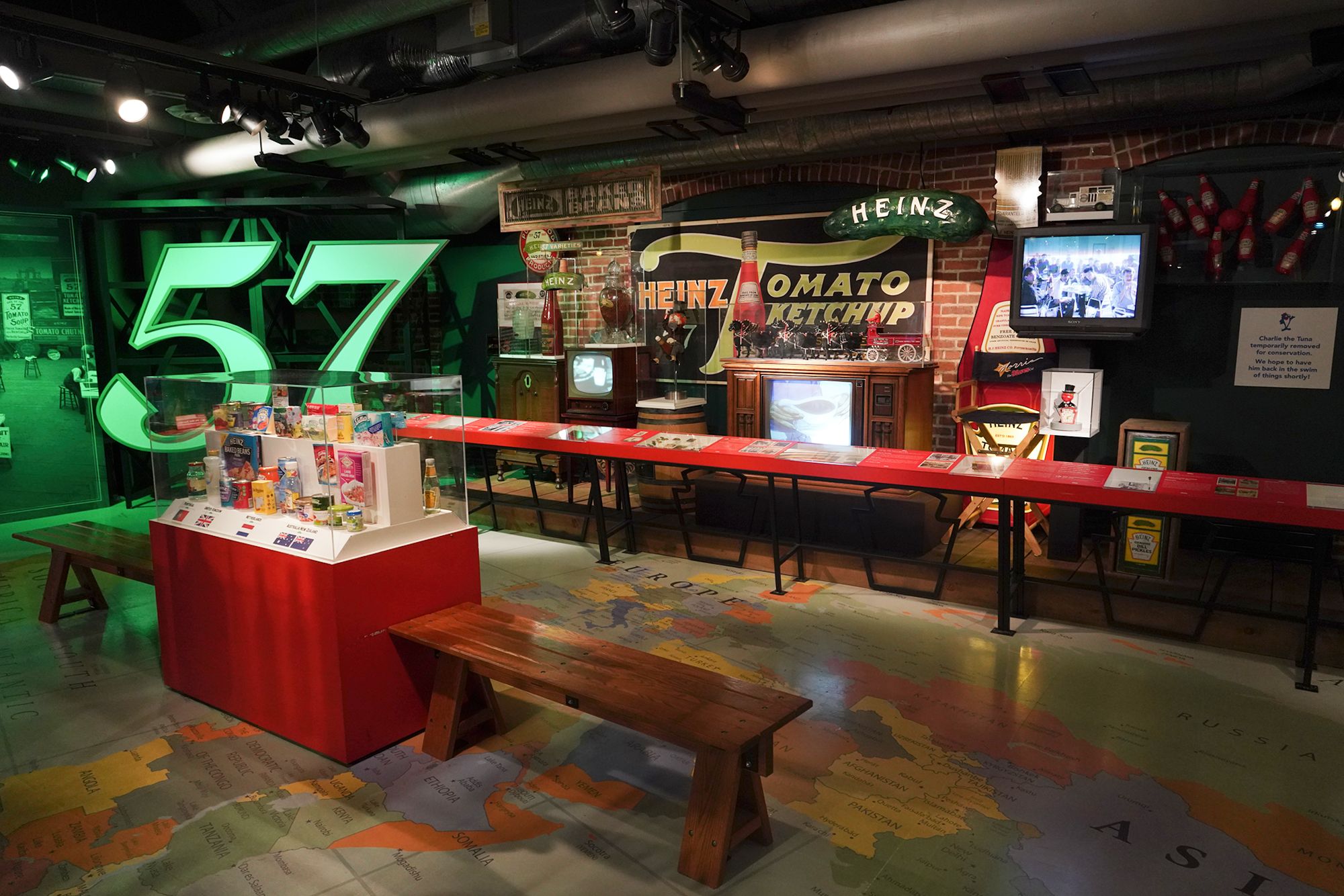
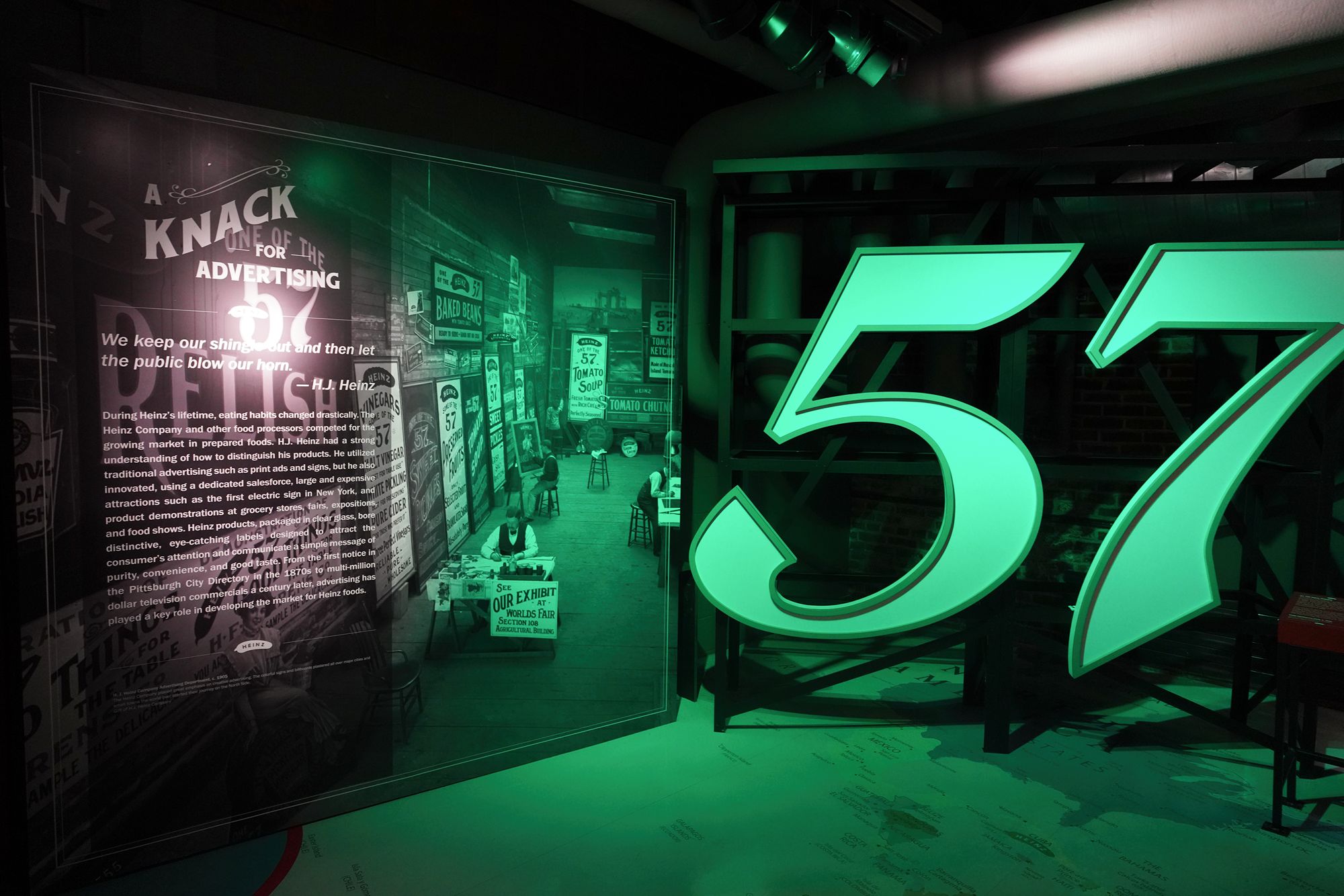
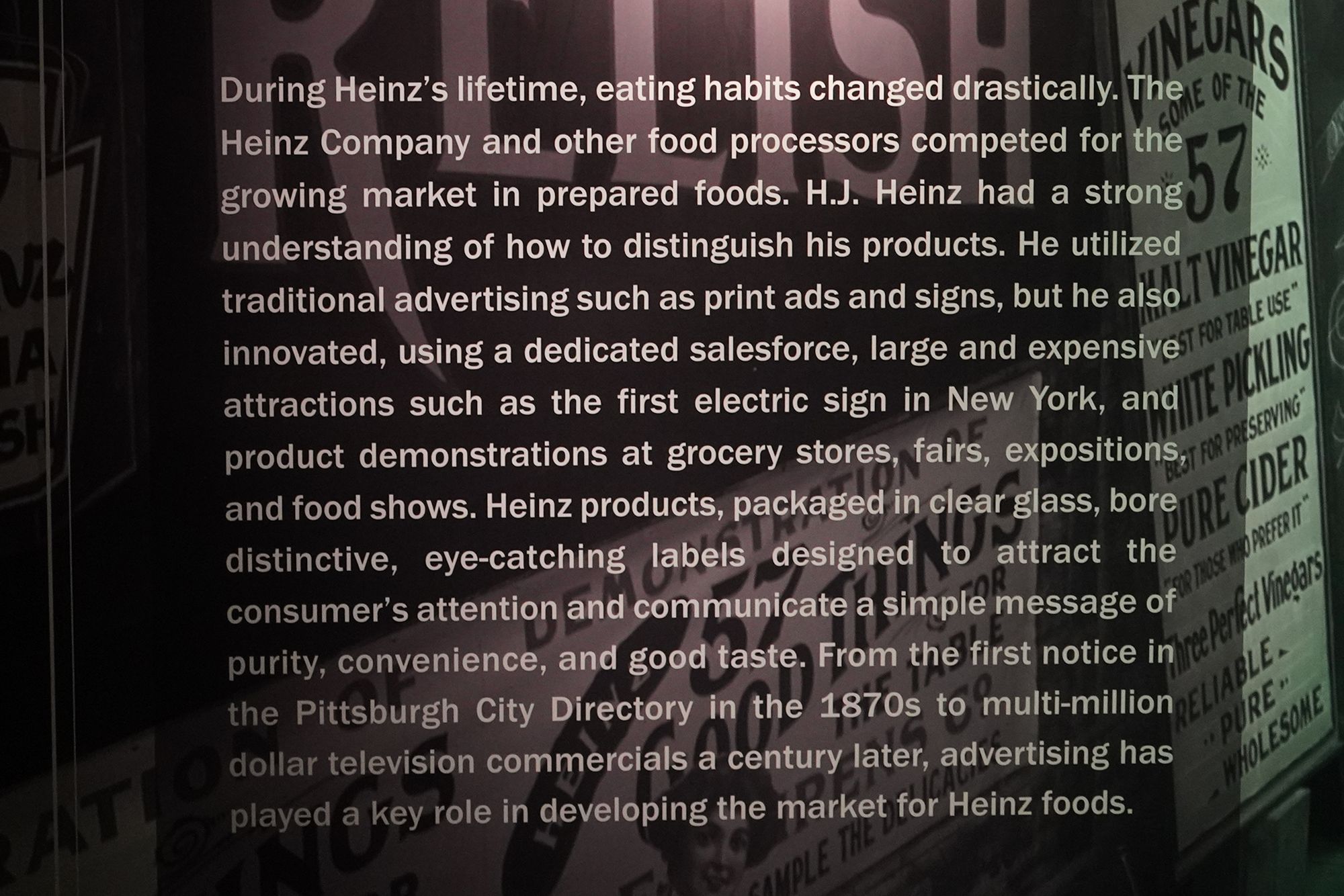
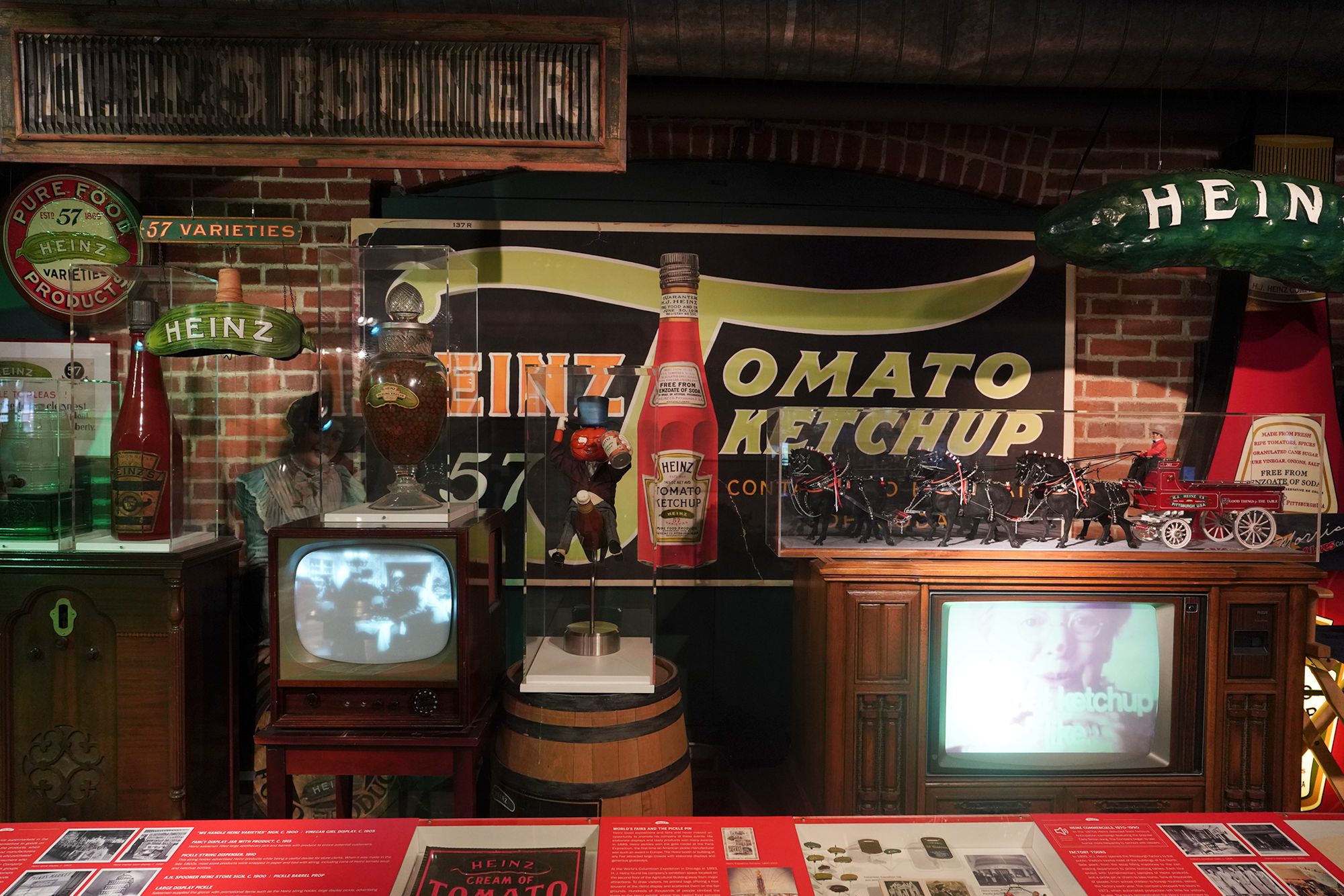
“A Knock for Advertisement” refers to Heinz’s innovative and aggressive marketing strategies.
Heinz promoted its products through bold advertising, slogans, giveaways, and brand symbols, making Heinz a trusted and recognizable name and showing how advertising could drive consumer demand in modern mass markets.
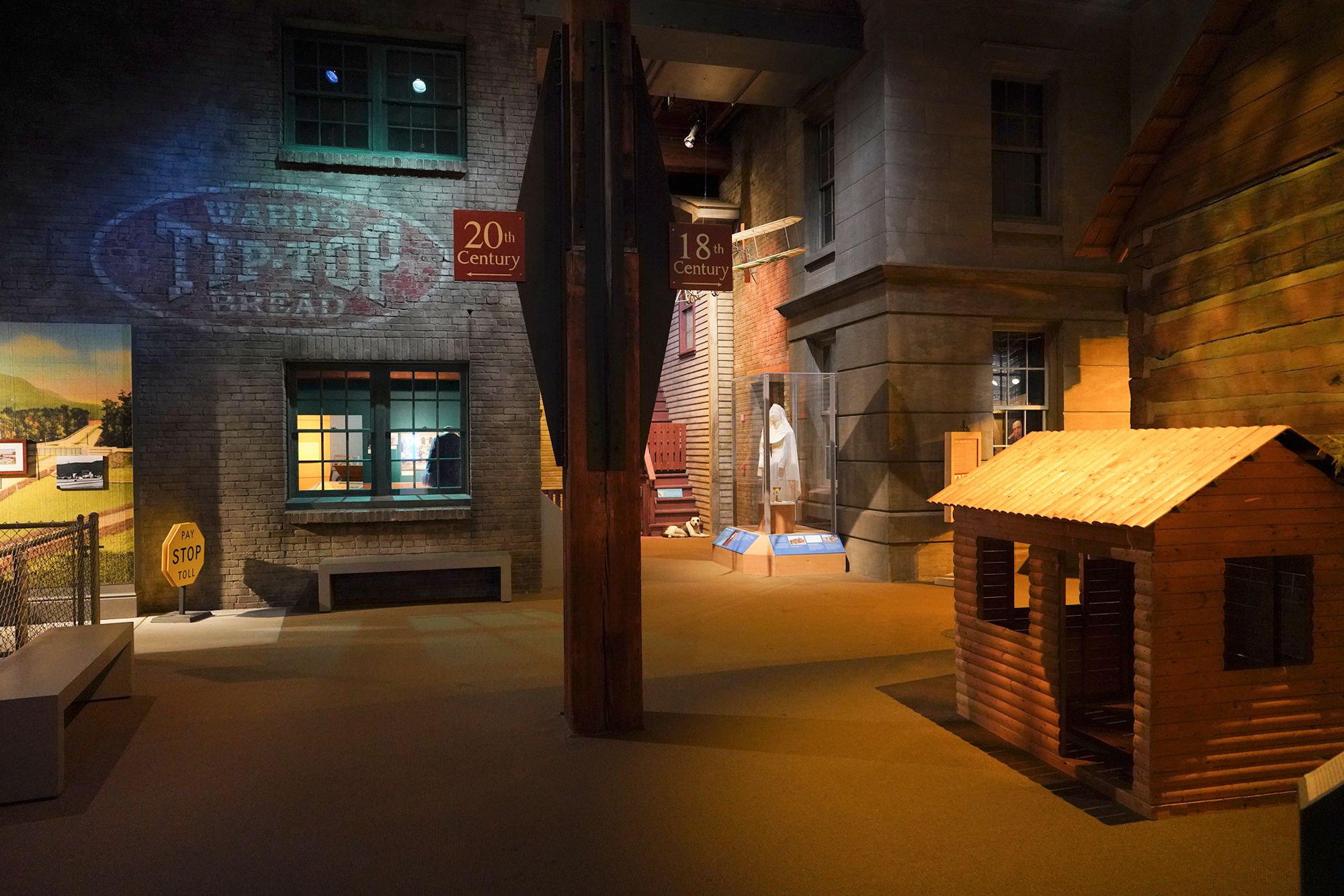
The Historical Development of Pittsburgh
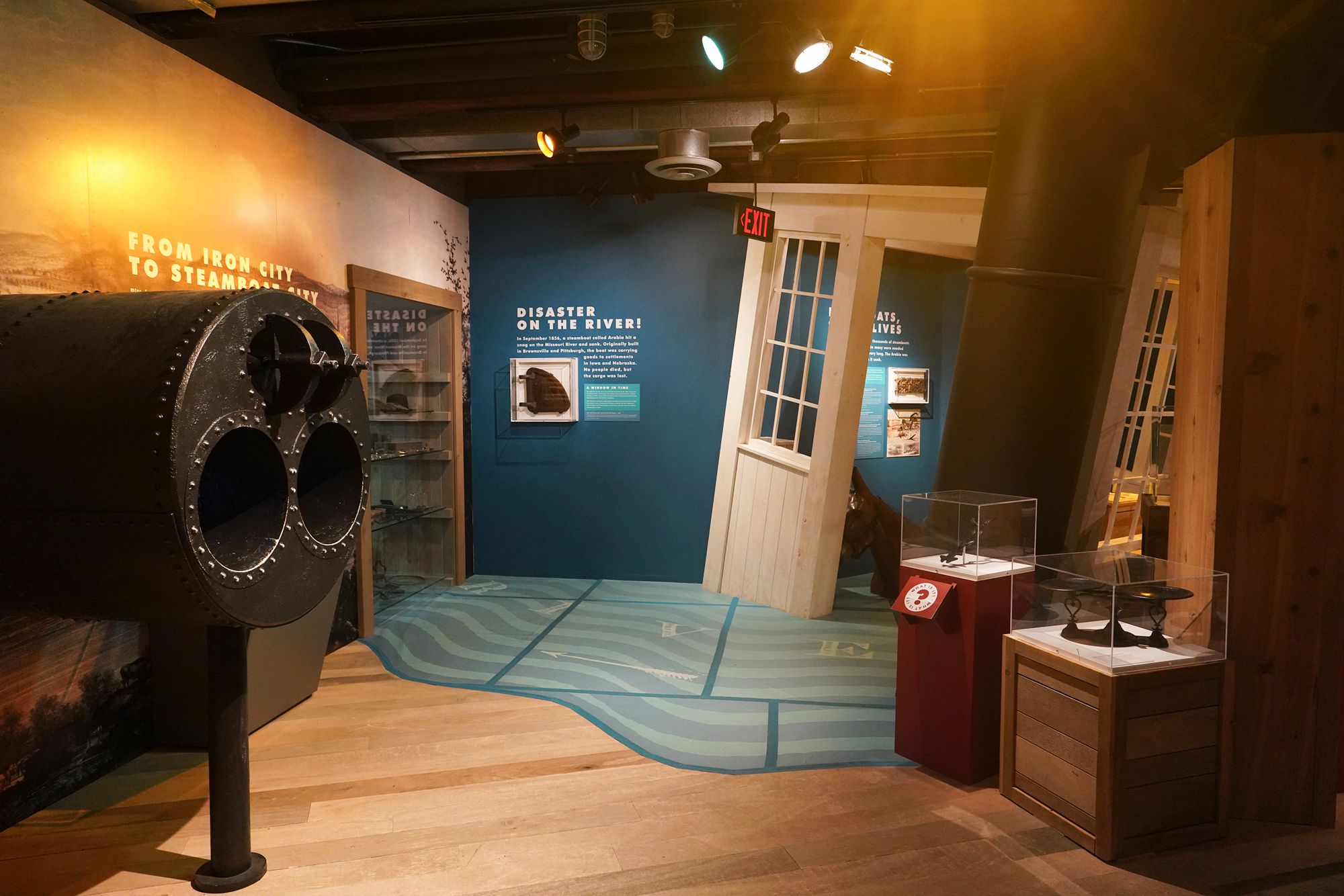
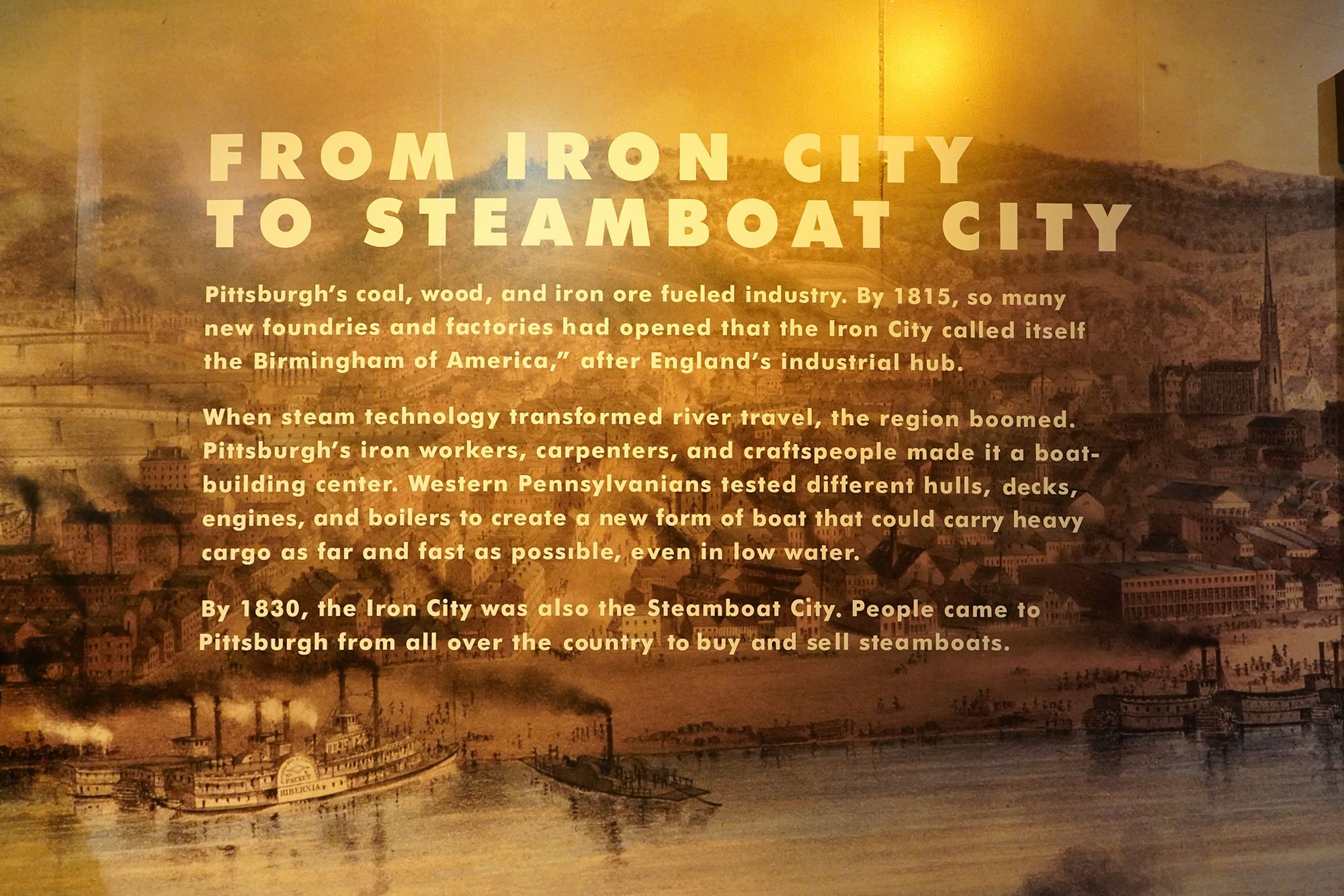
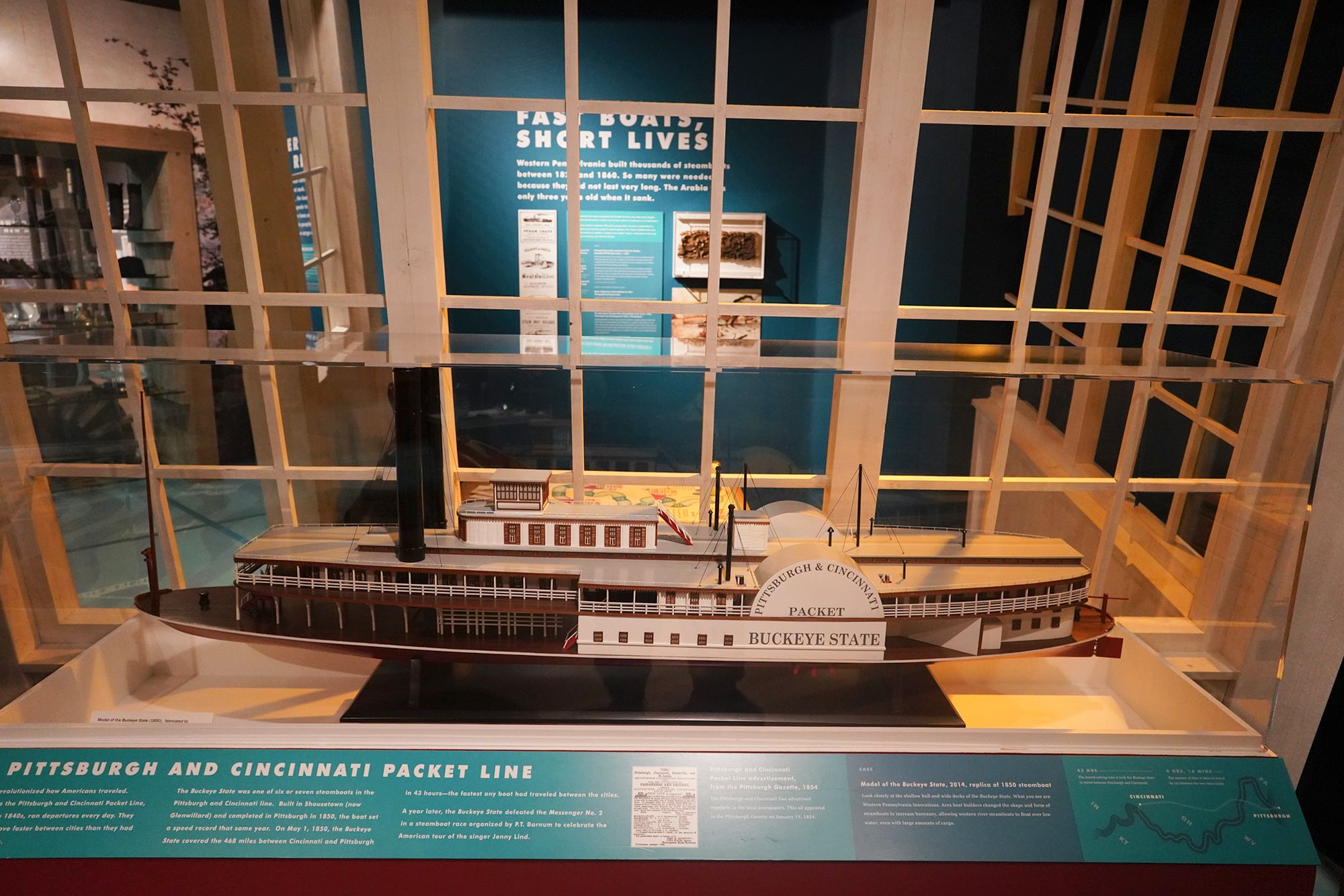
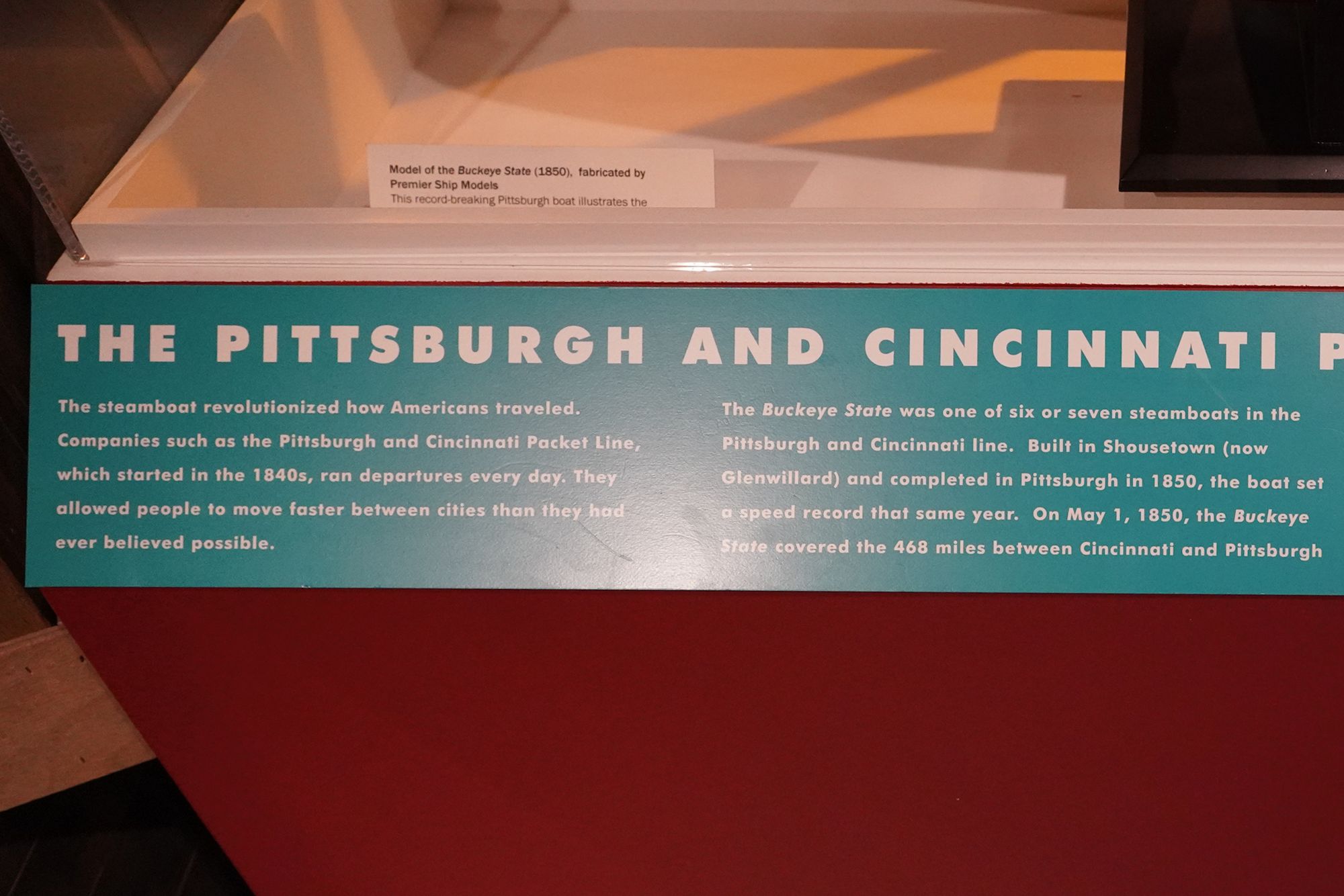
From Iron City to Steamboat City
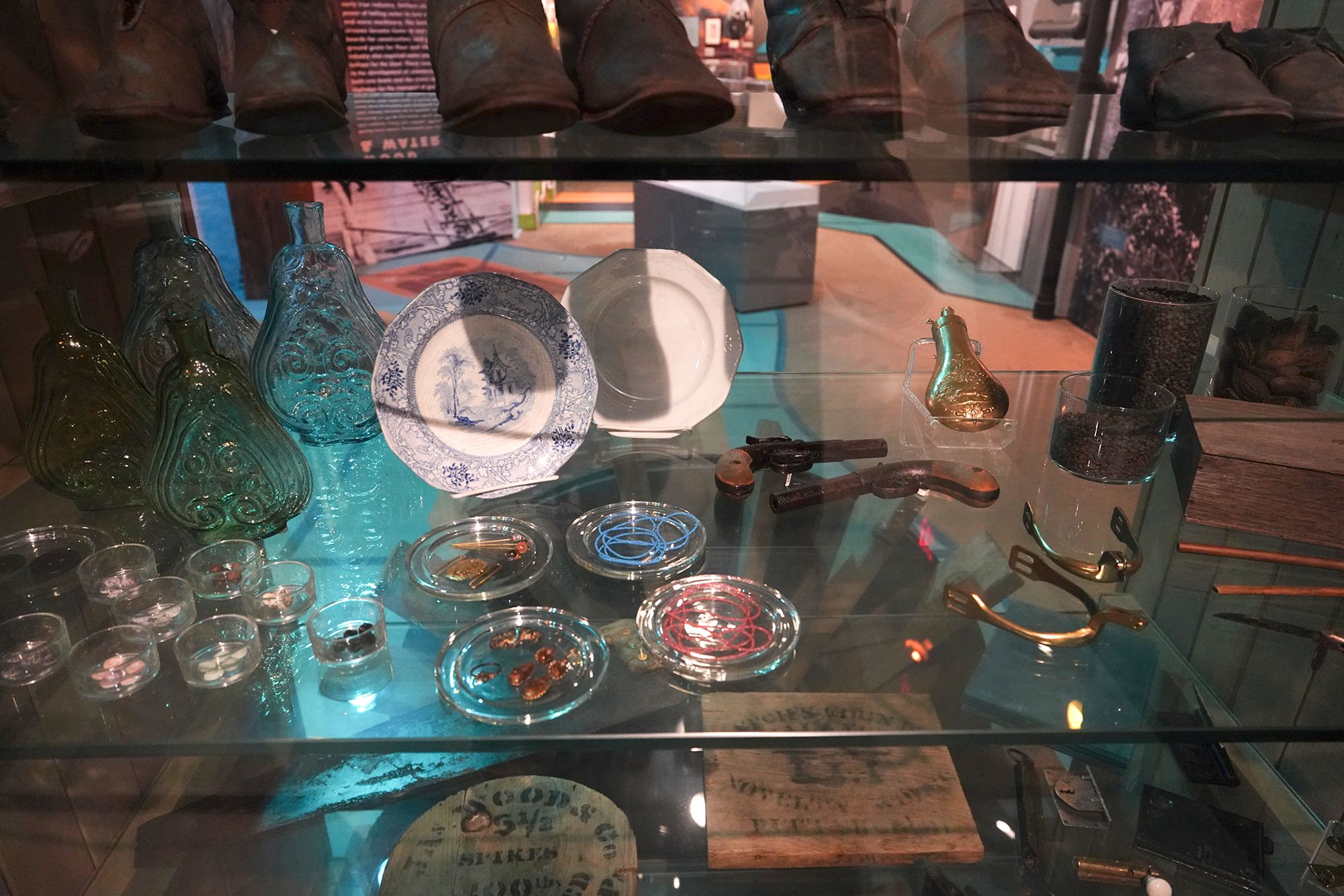
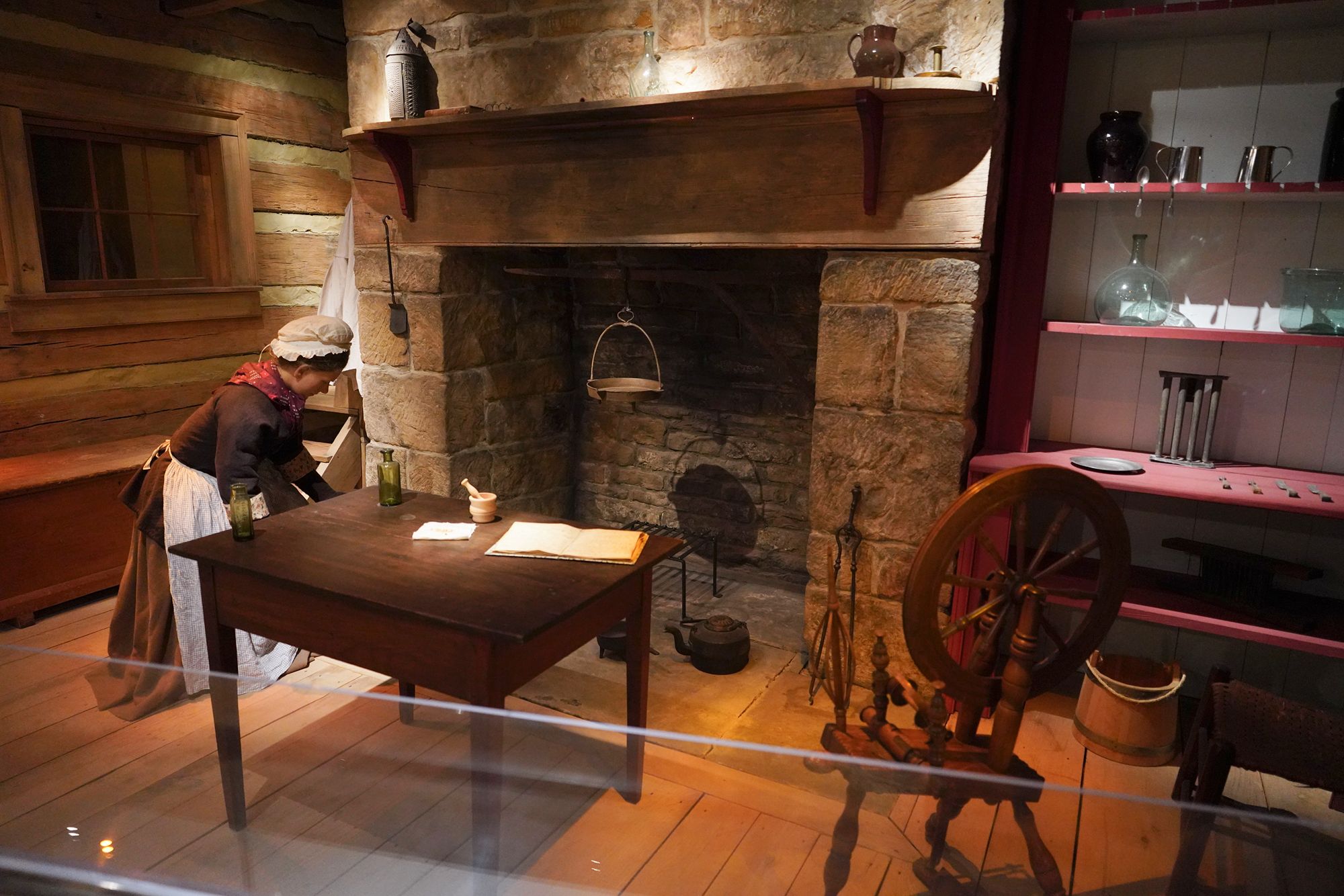
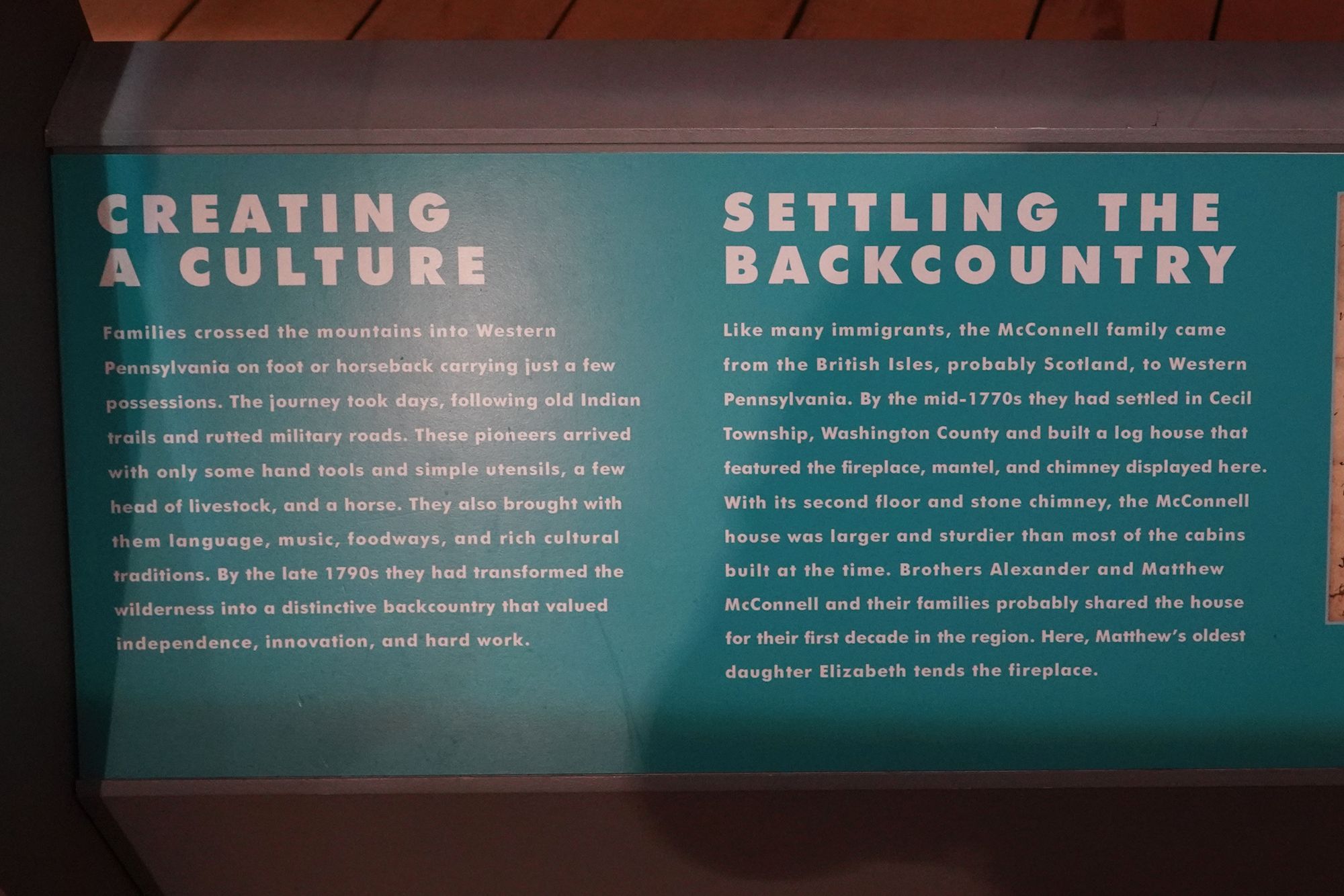
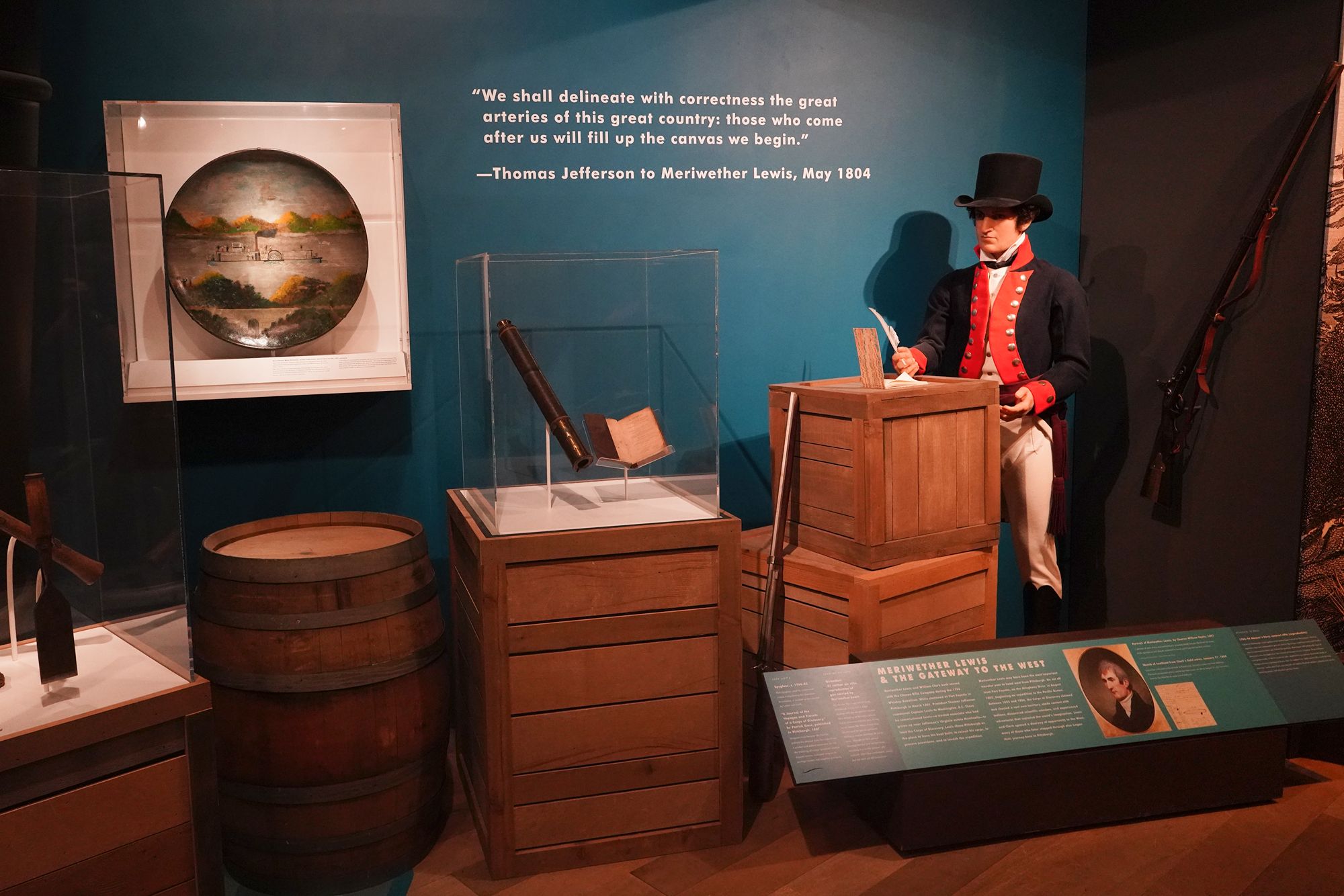
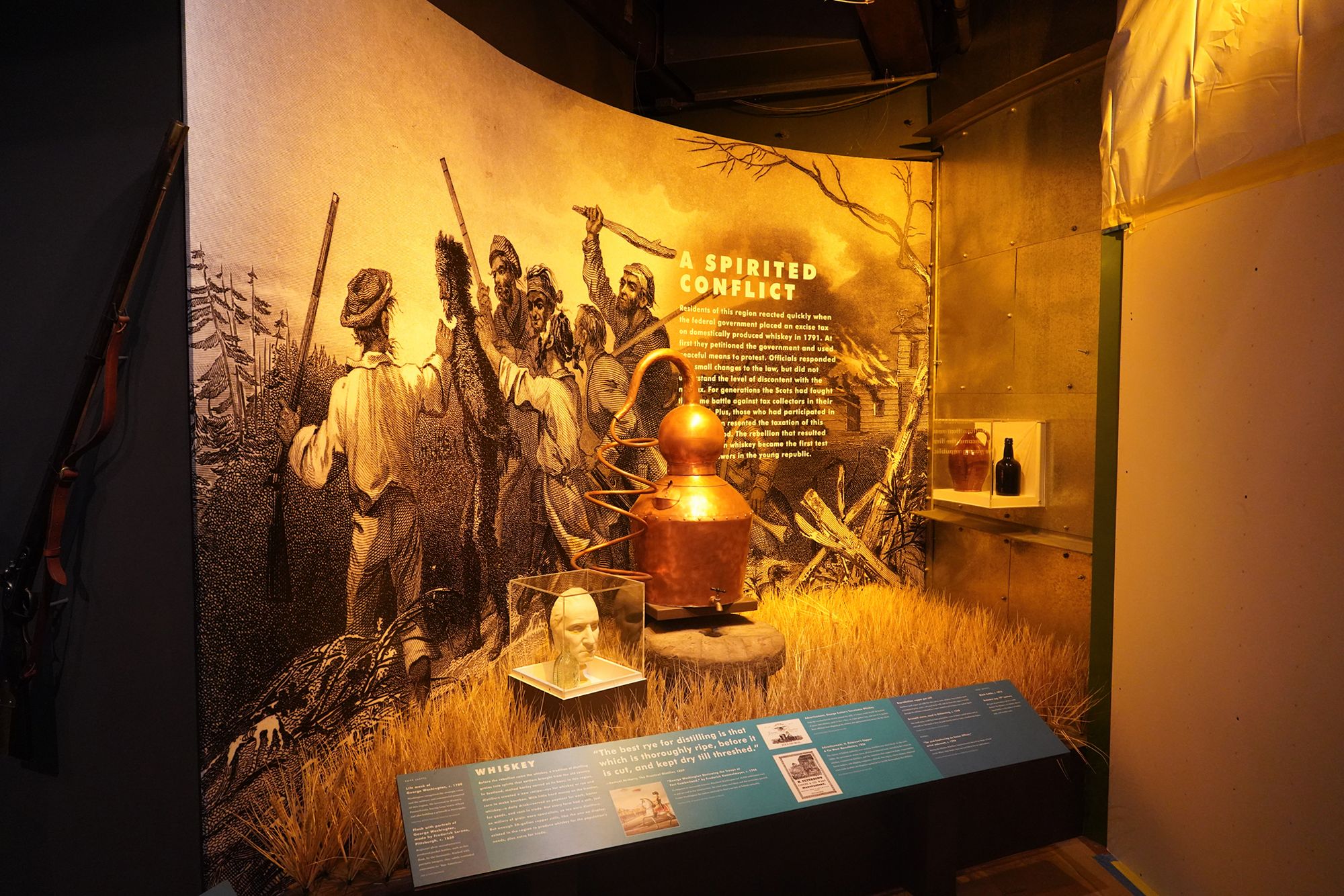
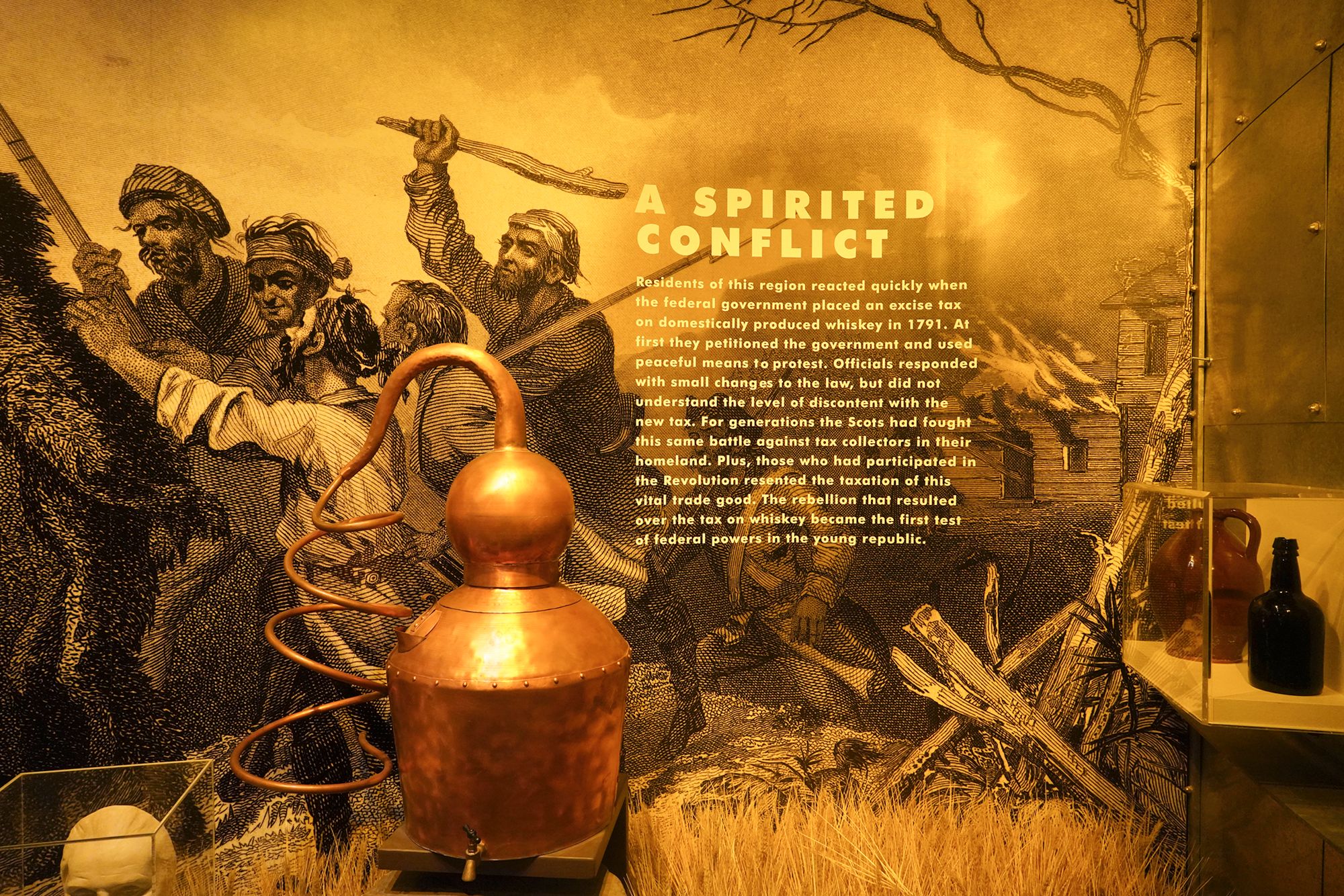
A Rebellion Against the Whiskey Tax in 1791
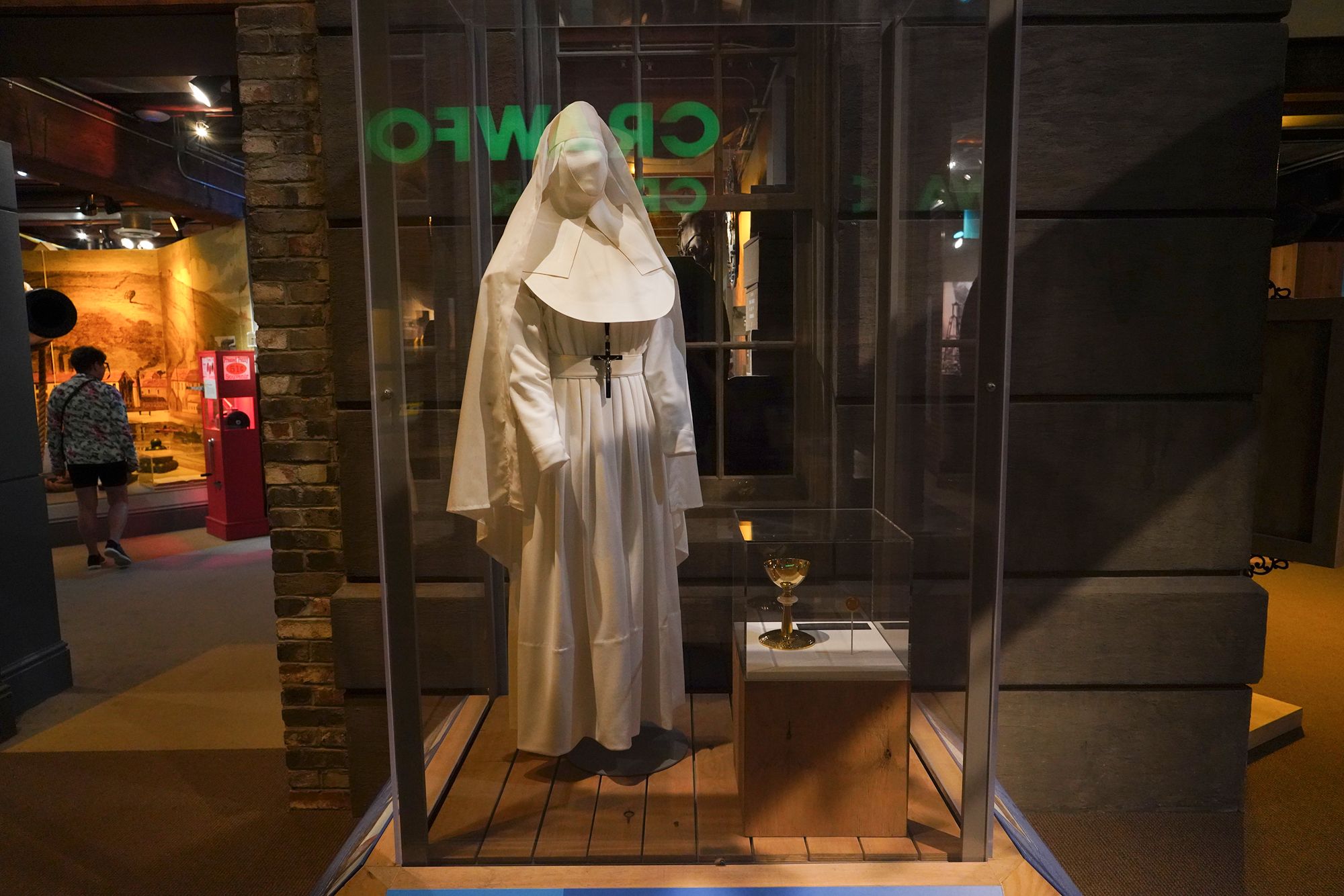
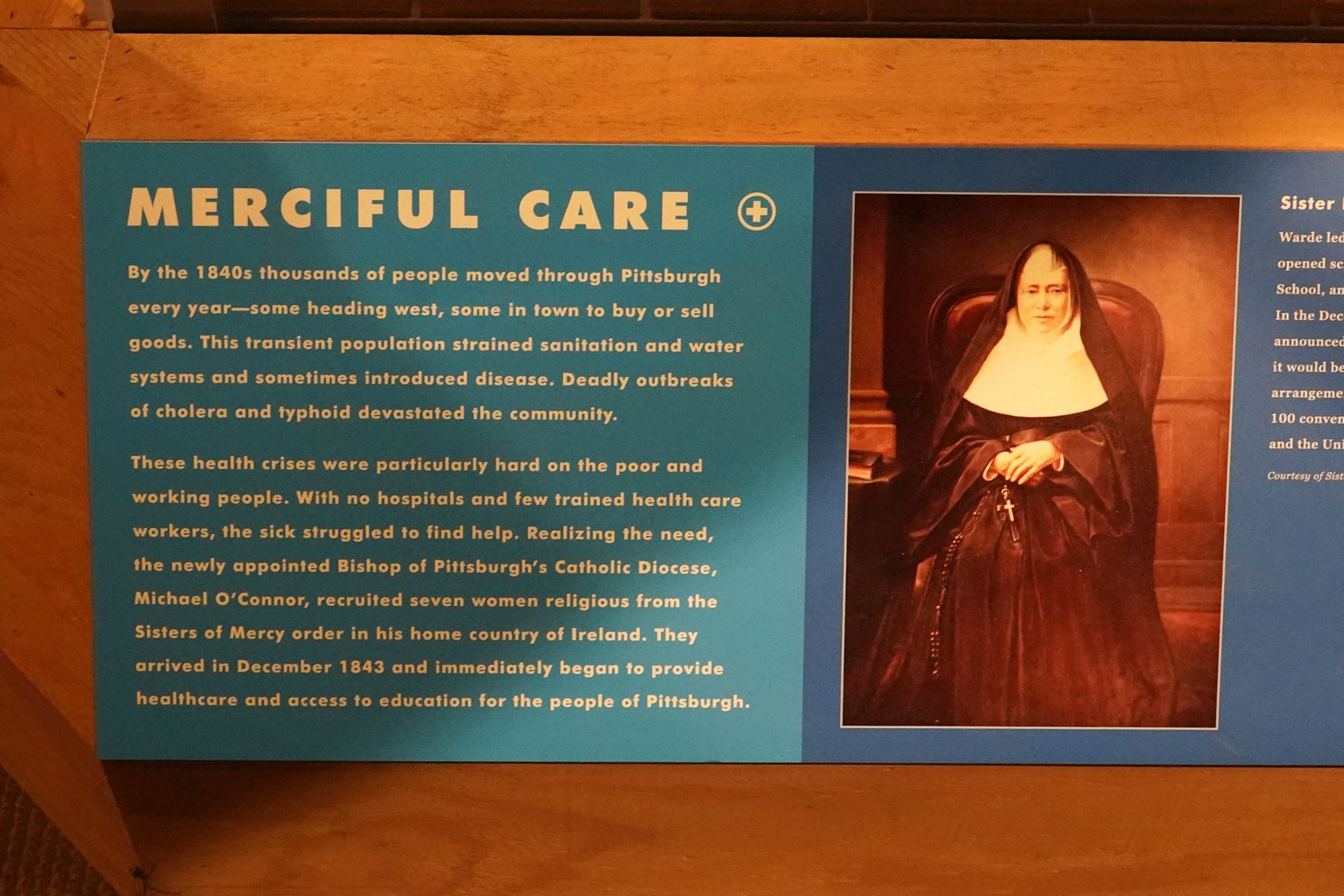
The Sisters of Mercy were Catholic nuns from Ireland who came to the United States in the 19th century to serve growing immigrant communities.
They played a crucial role in early American healthcare by founding hospitals, nursing schools, and charitable institutions—often caring for the poor, immigrants, and the sick when public healthcare systems barely existed.
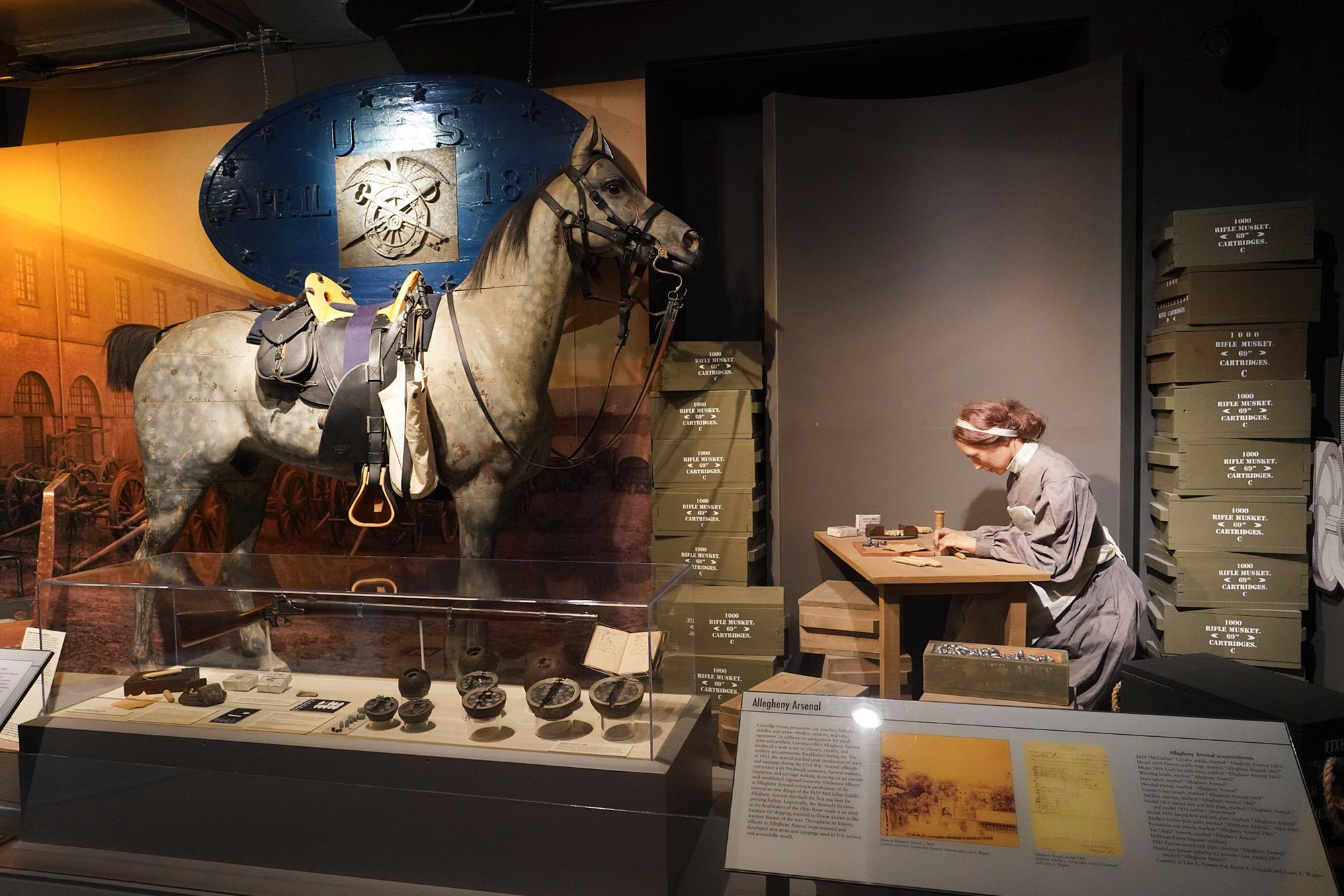
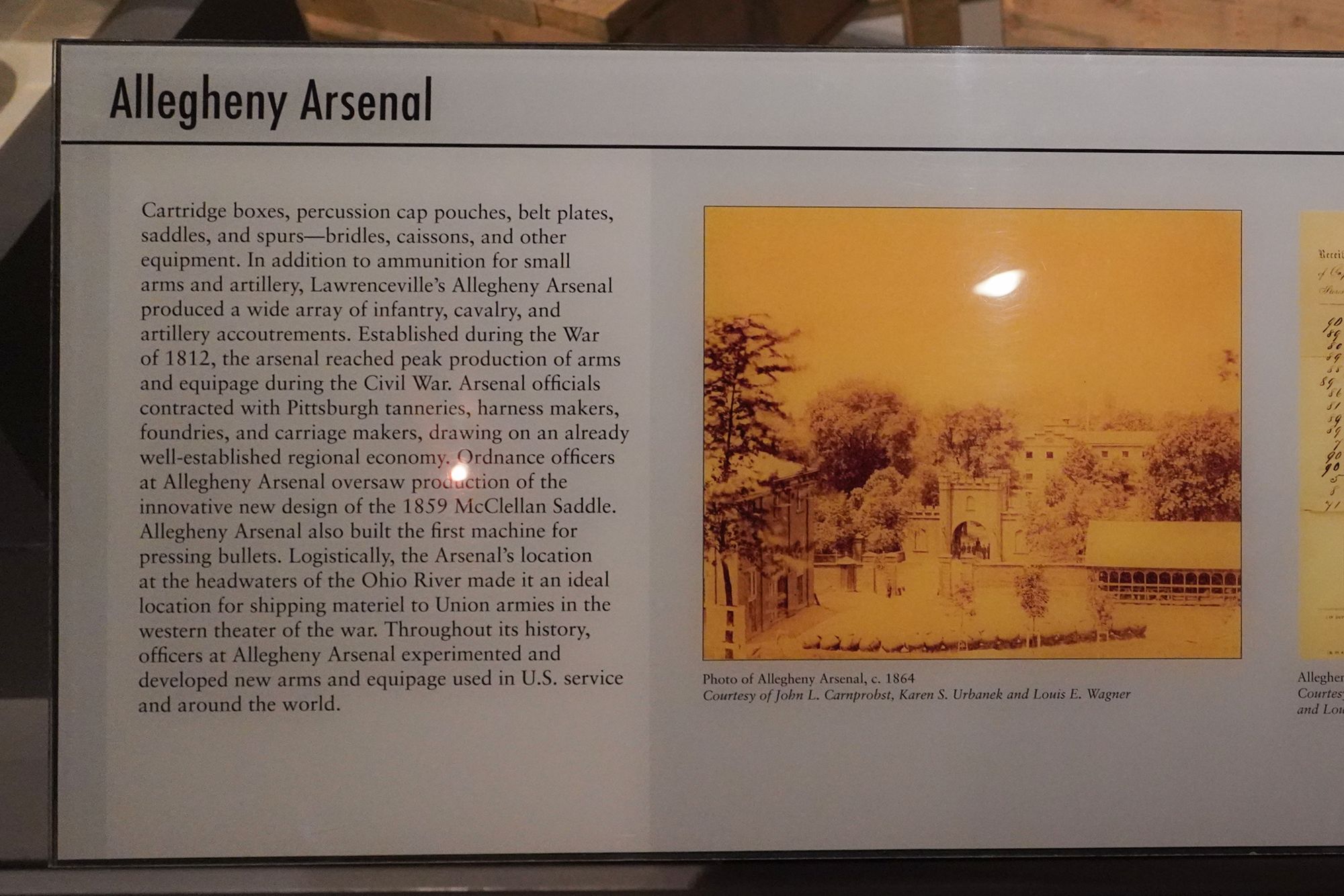
The Allegheny Arsenal was a U.S. Army weapons and munitions facility in Pittsburgh, established in the early 19th century.
It produced arms, ammunition, and military supplies, especially during the Civil War. A massive explosion in 1862 killed dozens of workers—mostly young women—making it one of Pittsburgh’s worst industrial disasters.
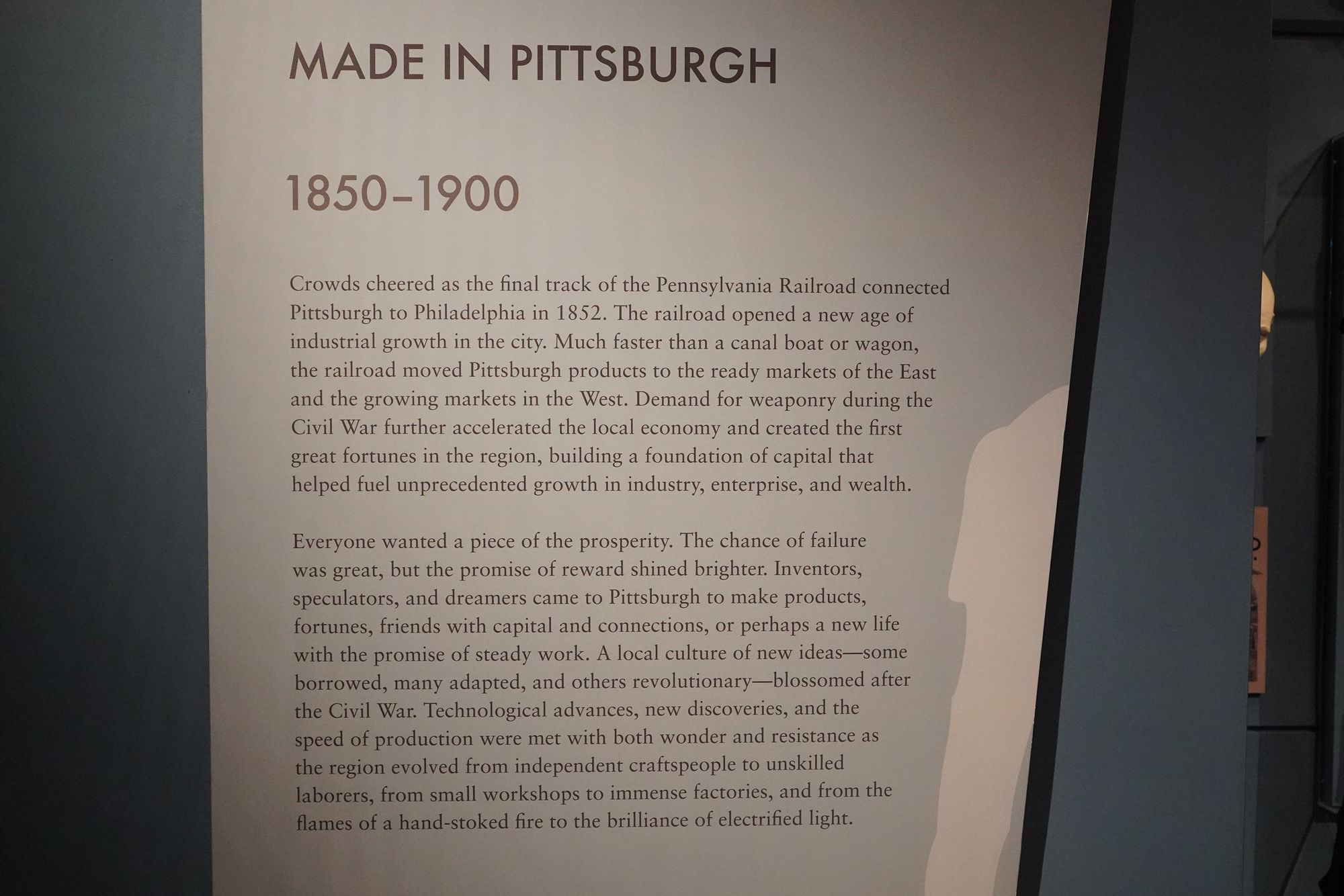
“Made in Pittsburgh, 1850–1900” highlights the city’s rise as an industrial powerhouse.
During this period, Pittsburgh produced steel, glass, machinery, and consumer goods that fueled American expansion, railroads, and urban growth, transforming the city into a symbol of industrial innovation and labor.
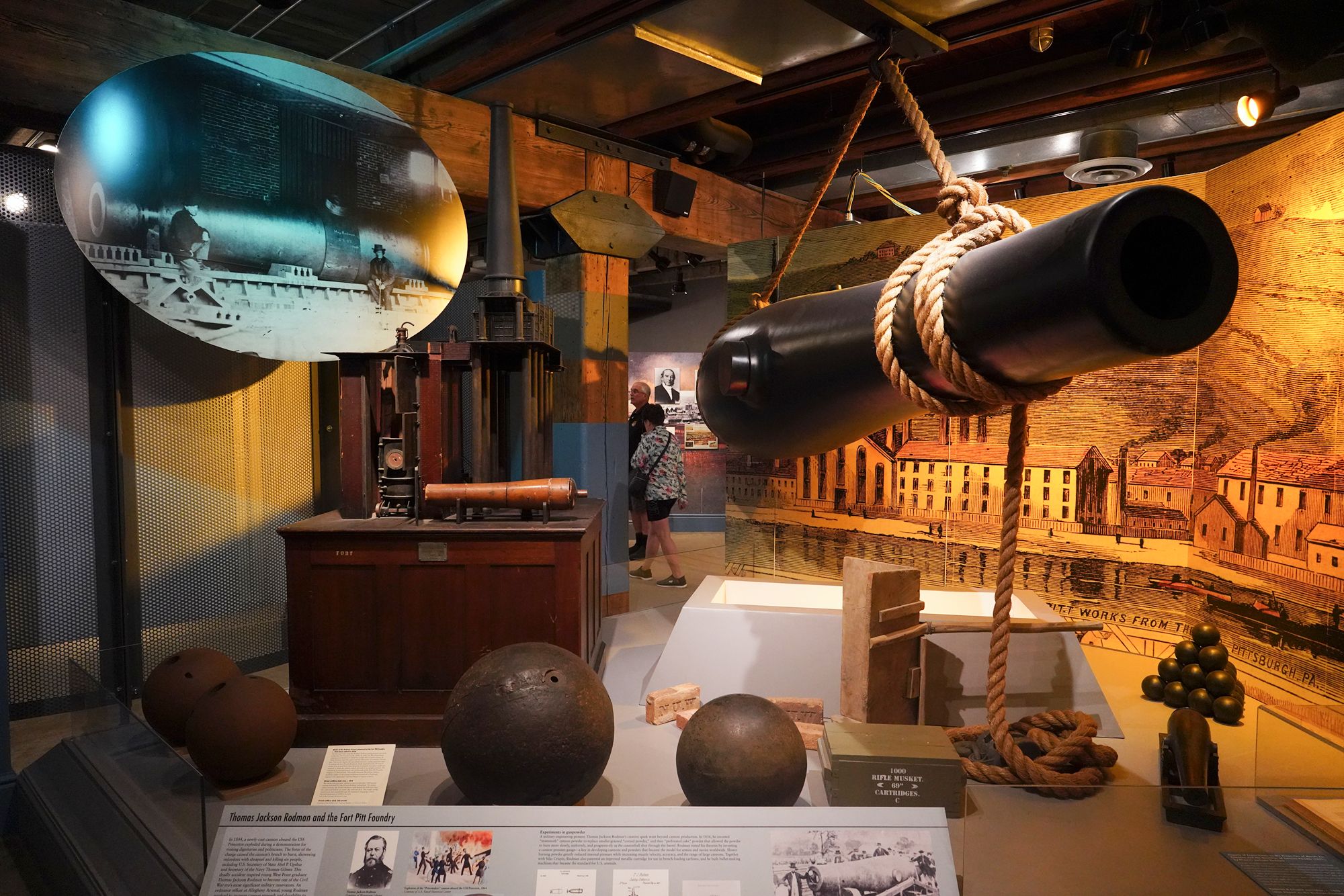
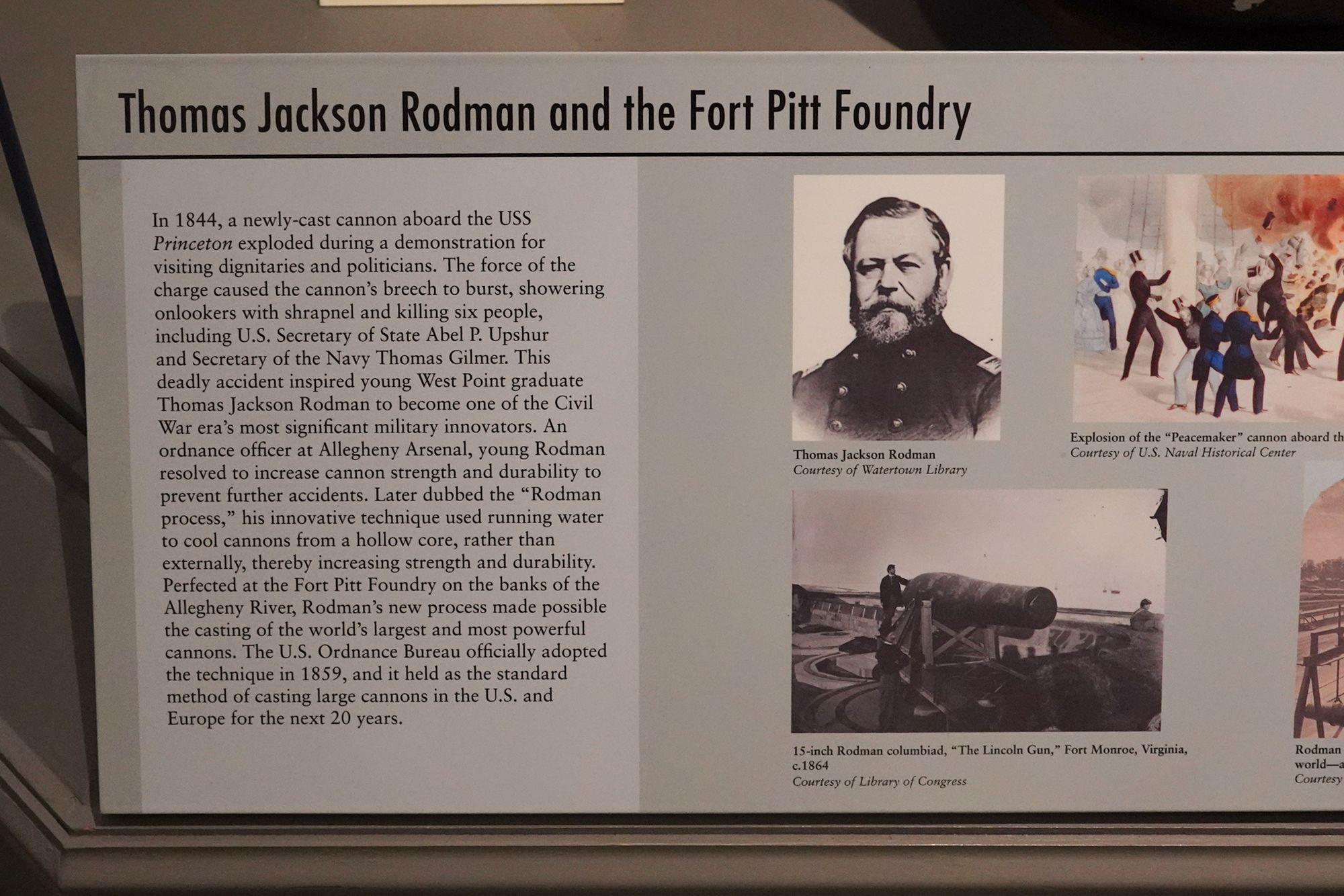
Fort Pitt Foundry was a major ironworks in Pittsburgh, established in the early 19th century.
It became nationally important for manufacturing heavy artillery, including large cannons and seacoast guns, supplying the U.S. military—especially during the Civil War—and showcasing Pittsburgh’s strength in iron and industrial production.
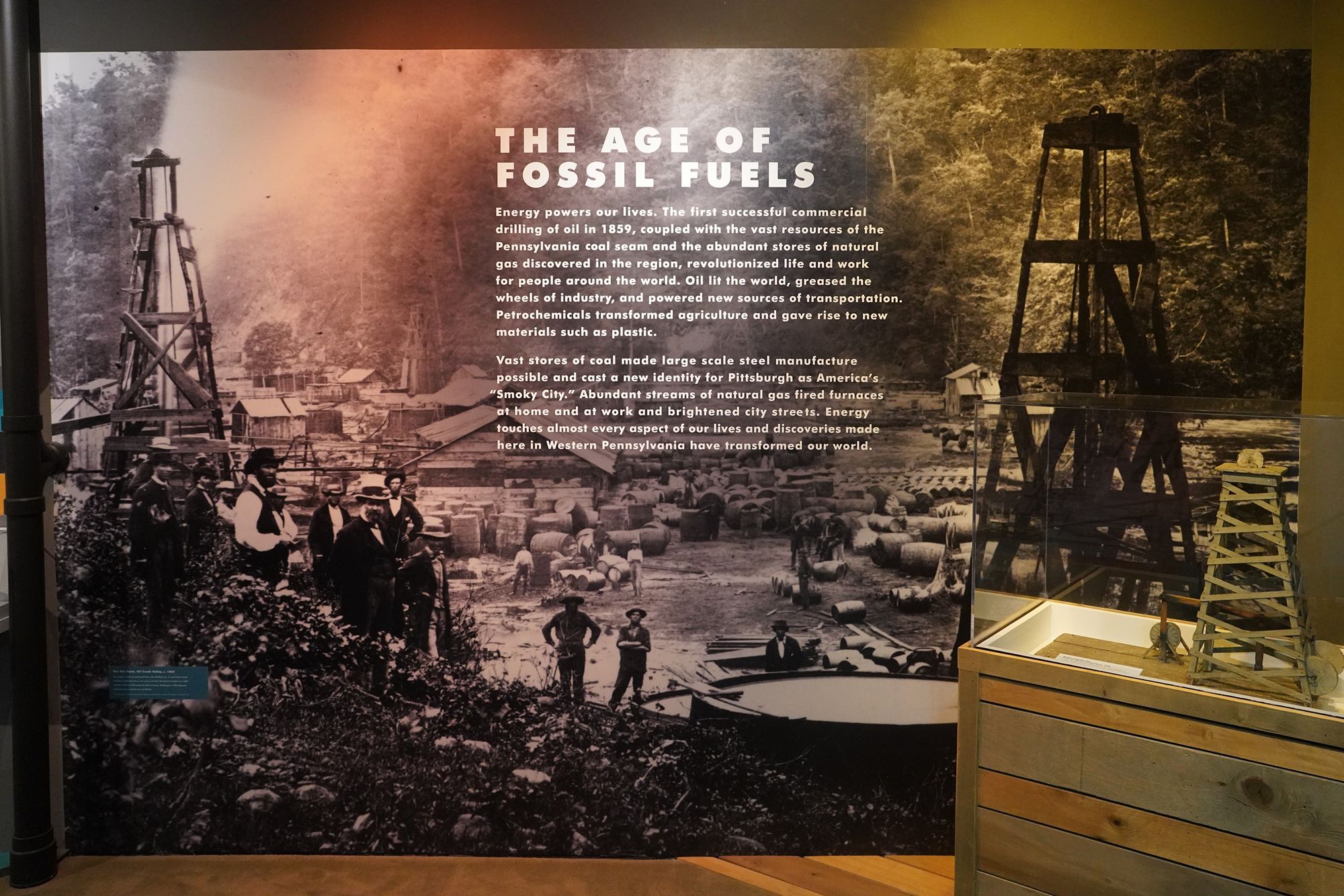
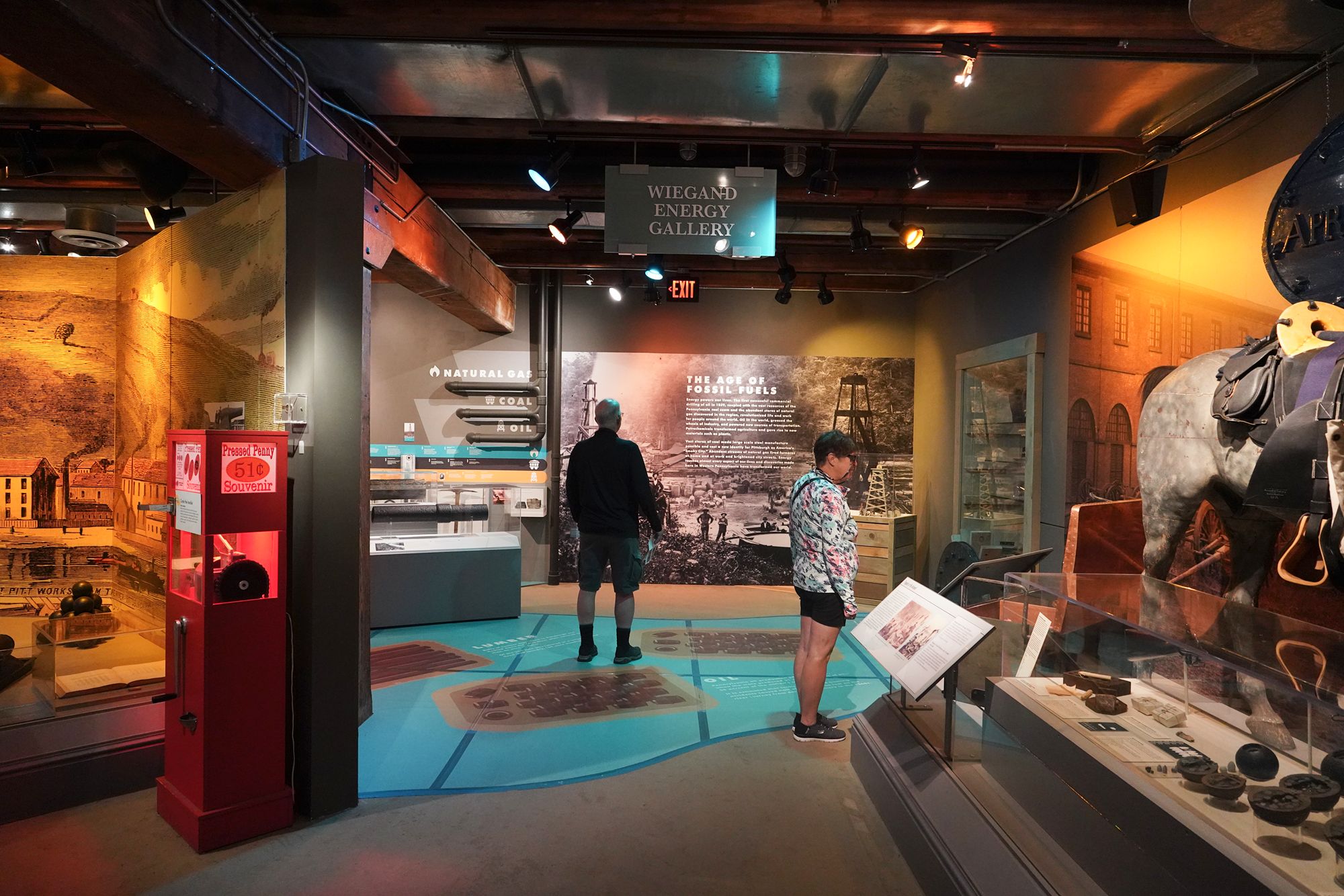
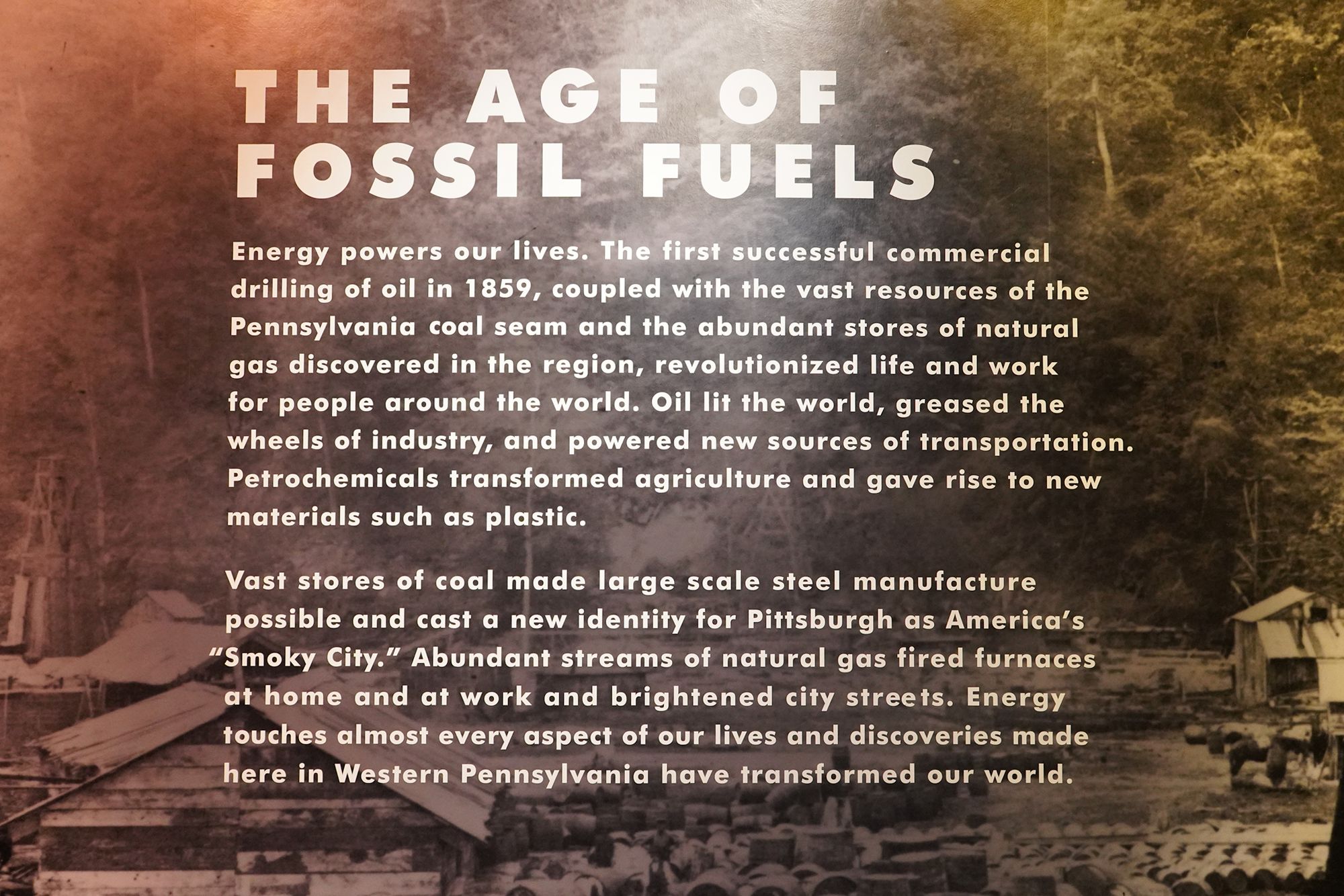
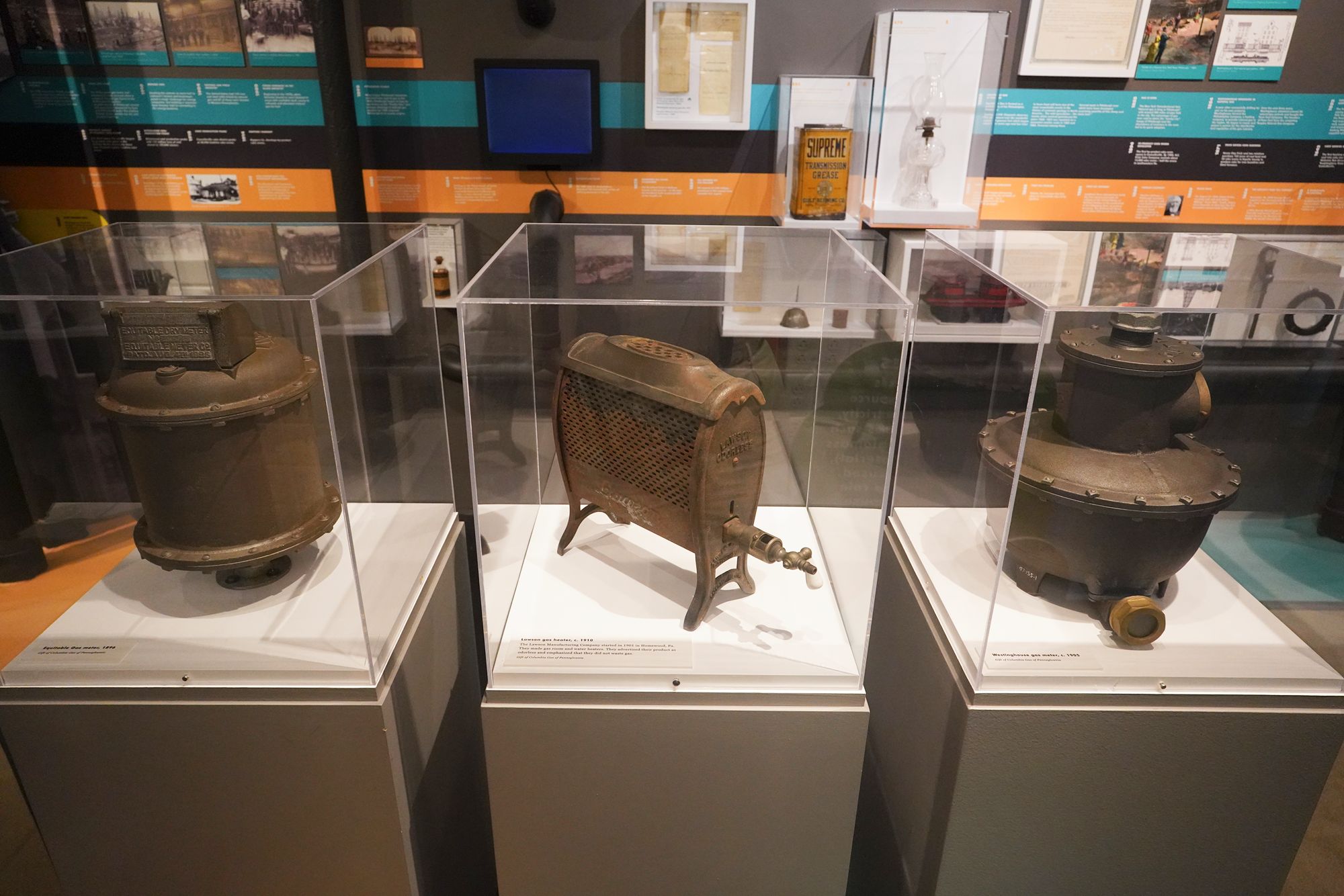
“The Age of Fossil Fuel” refers to the period when coal, oil, and natural gas became the dominant sources of energy.
In the 19th and early 20th centuries, fossil fuels powered factories, railroads, and cities—driving industrial growth, urbanization, and economic expansion, especially in industrial centers like Pittsburgh.
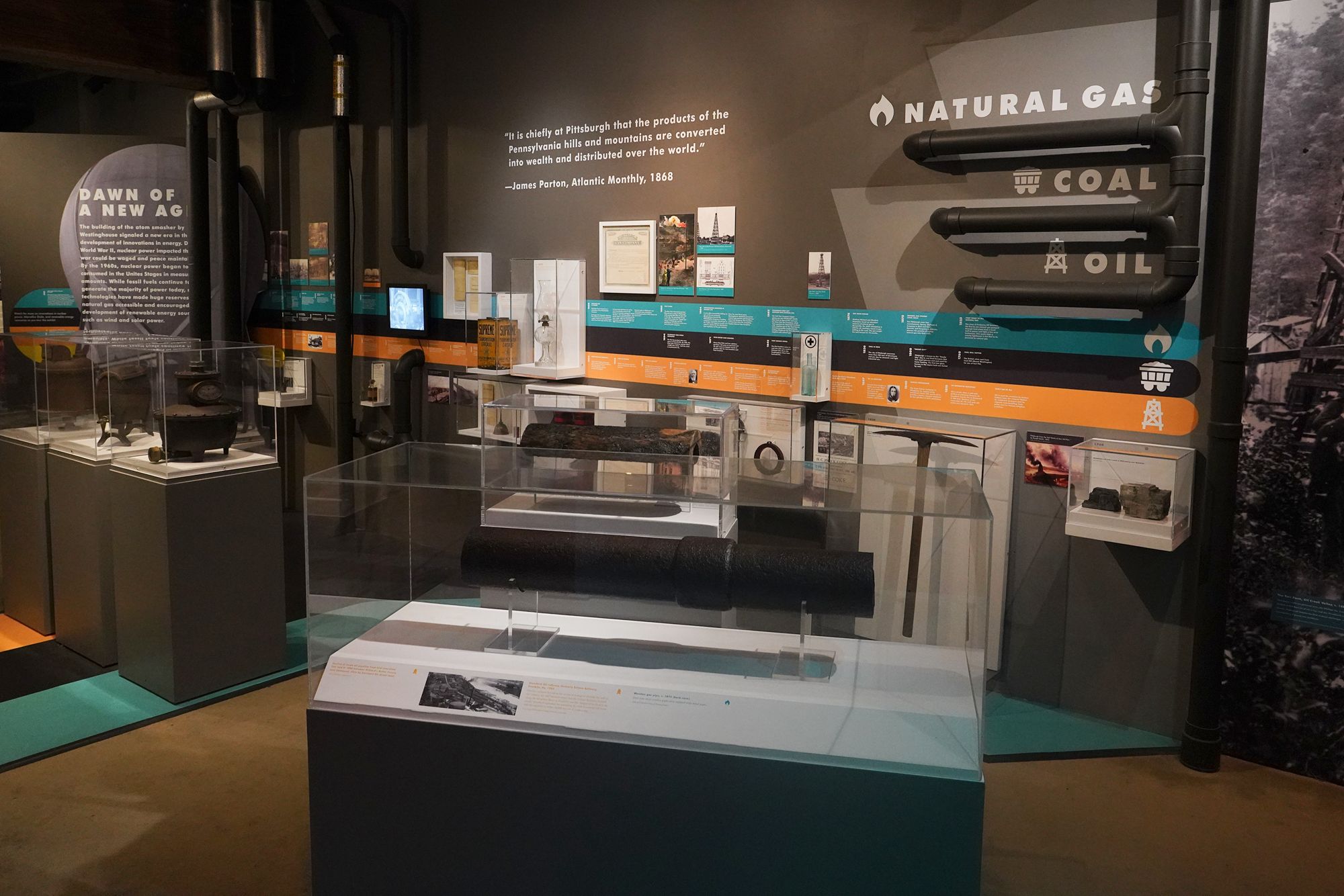
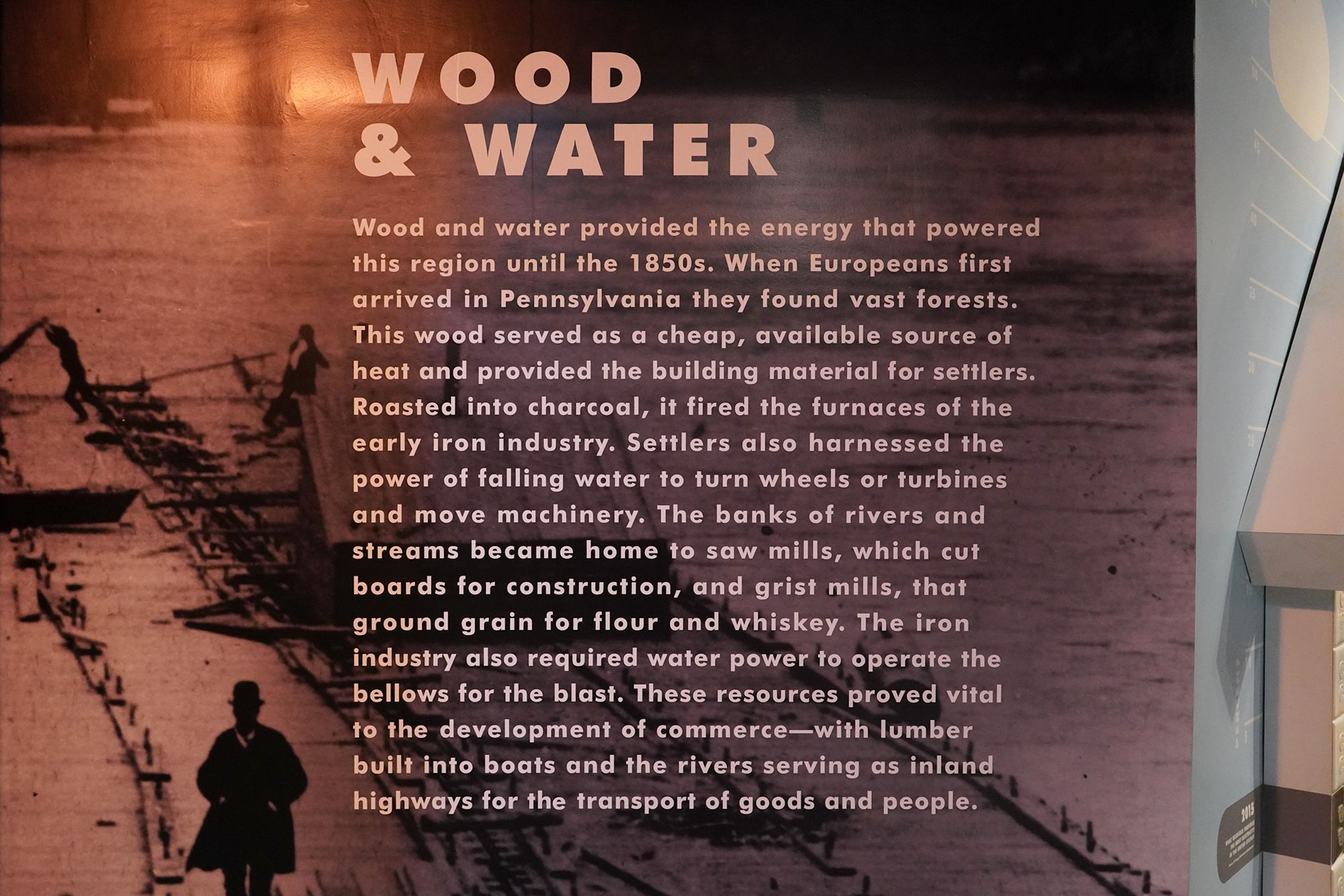
Wood and water provided the energy that powered this region until the 1850s.
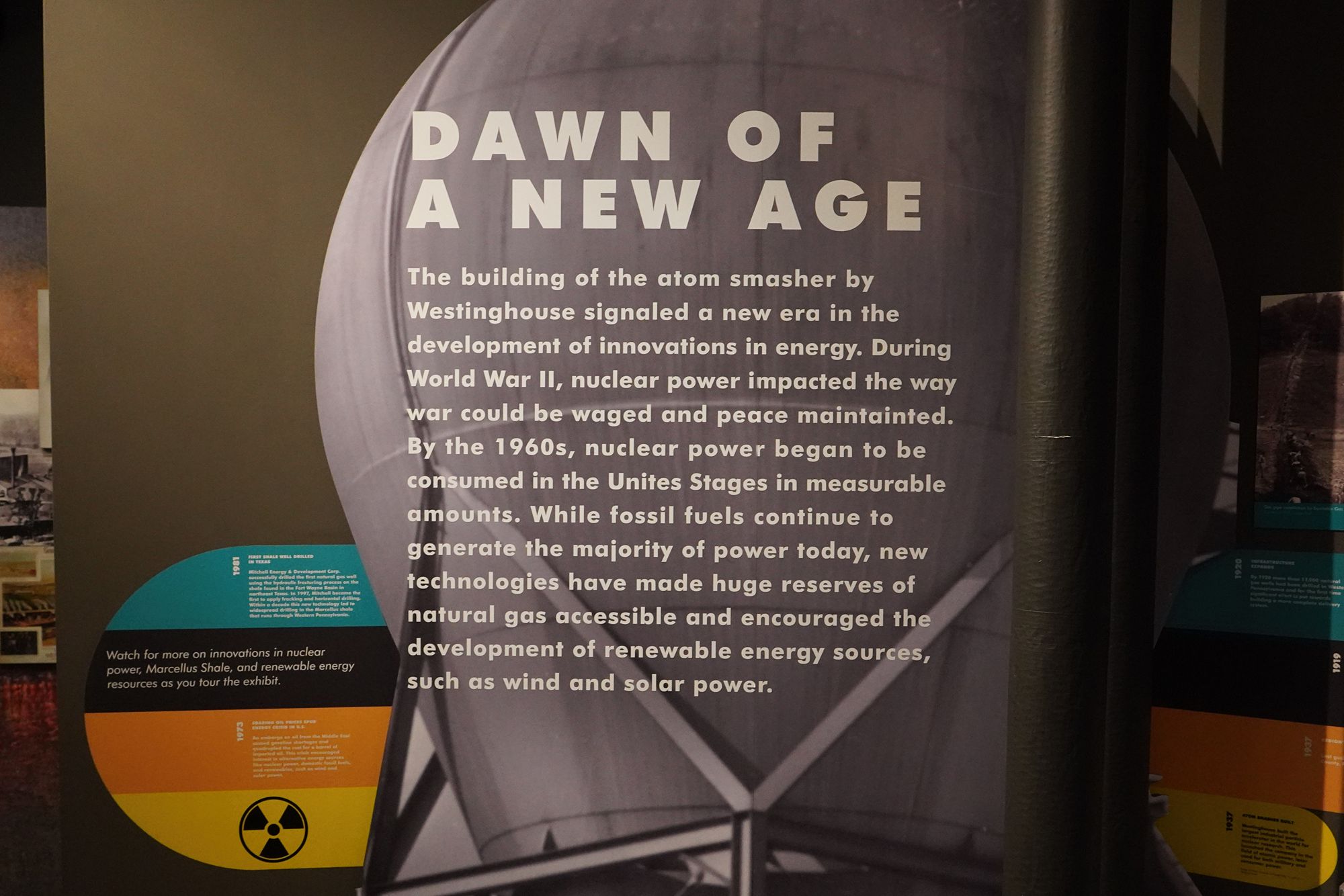
Dawn of a New Age – Nuclear Power
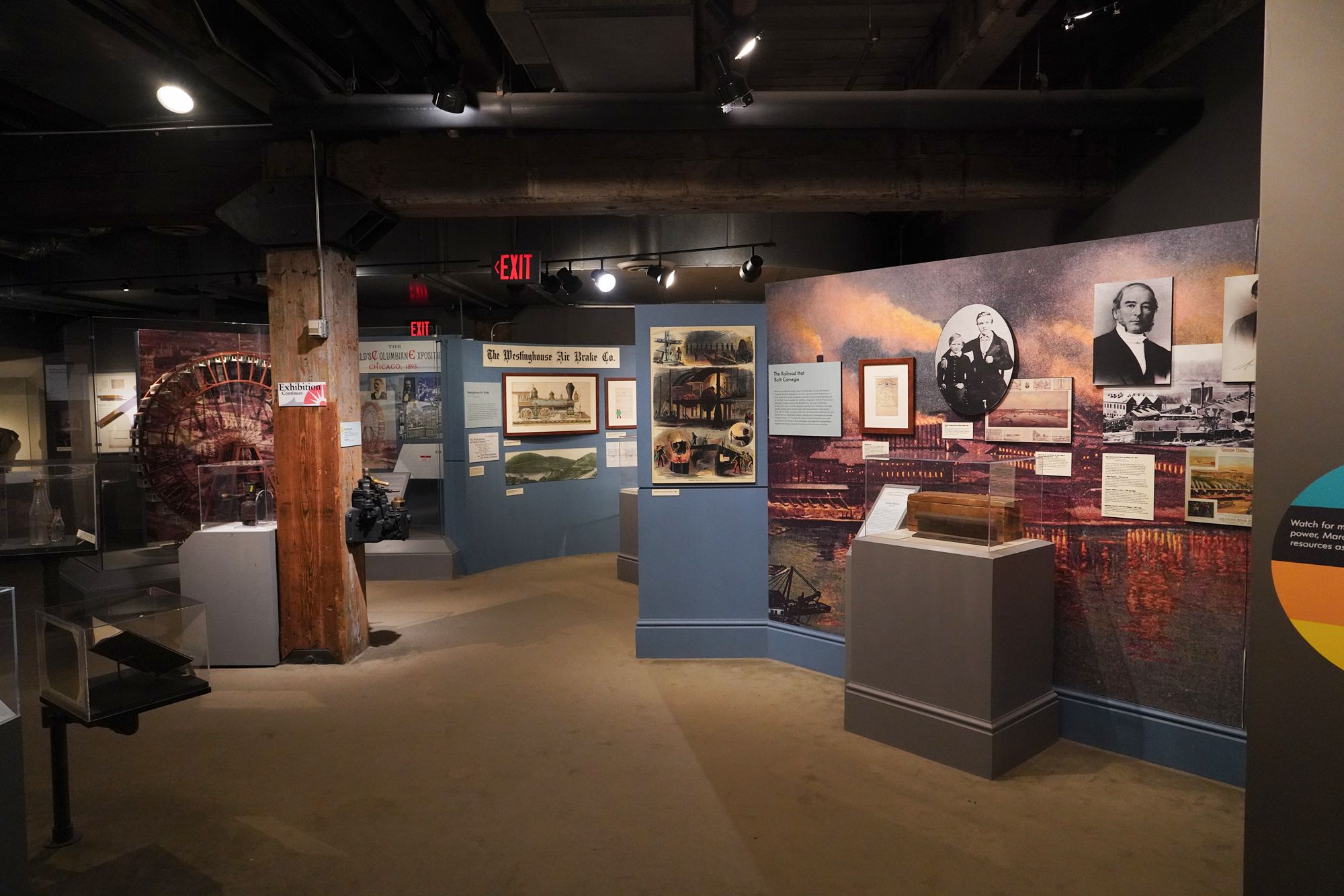
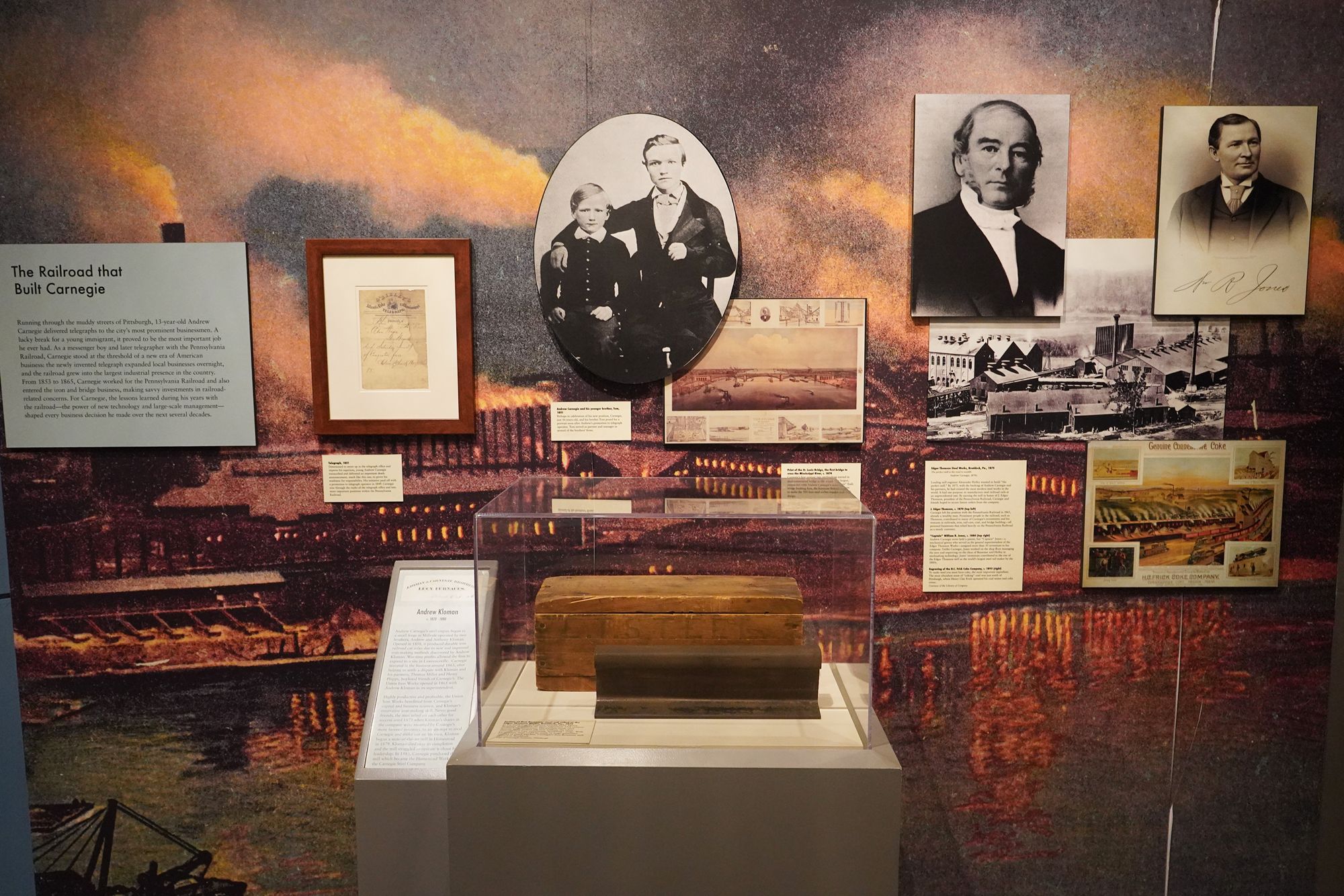
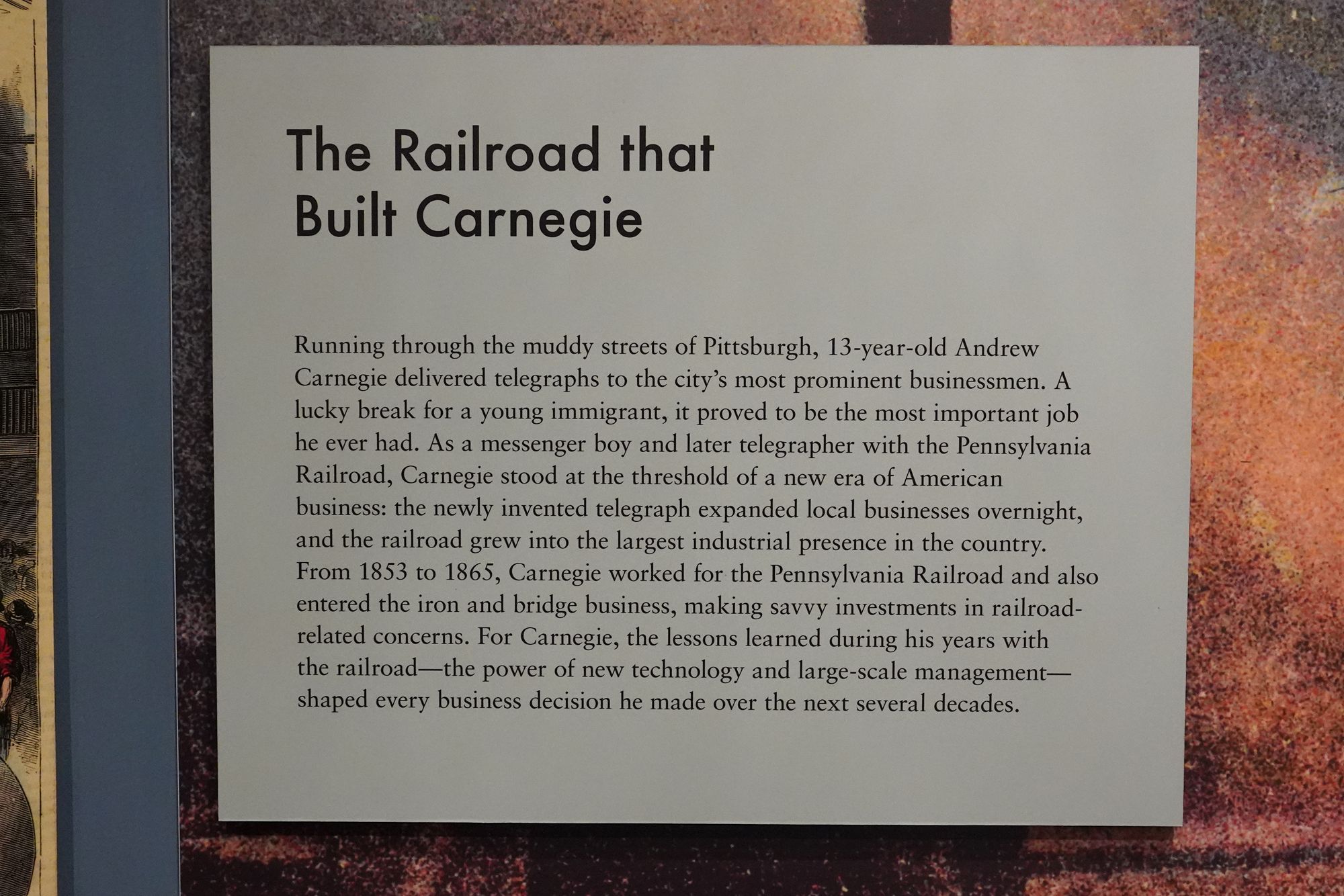
The railroads helped build Andrew Carnegie’s steel empire by creating massive demand for steel rails, bridges, and infrastructure.
As rail networks expanded in the mid- to late-1800s, Carnegie supplied high-quality, low-cost steel, allowing him to grow rapidly and making railroads a key foundation of his success.
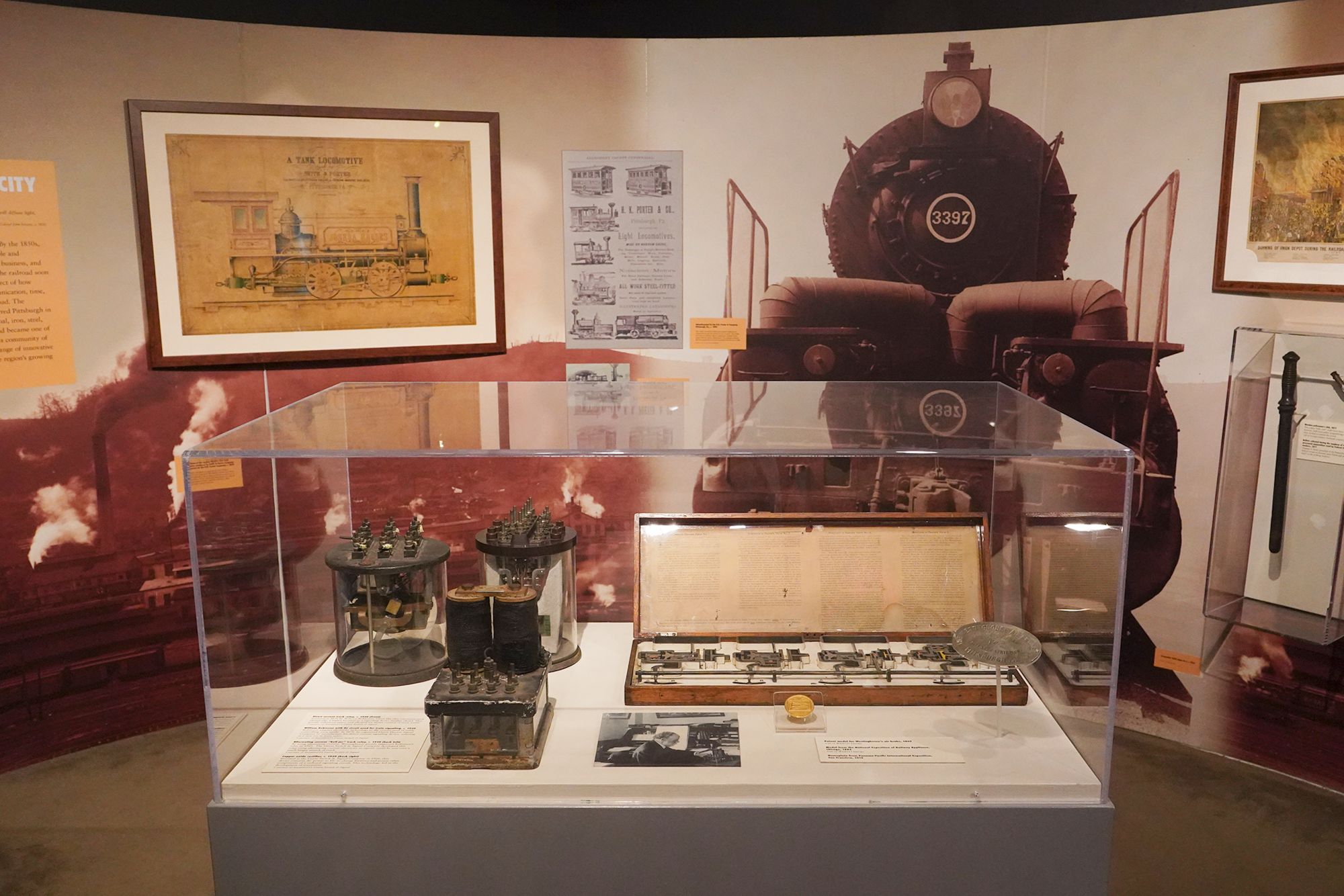
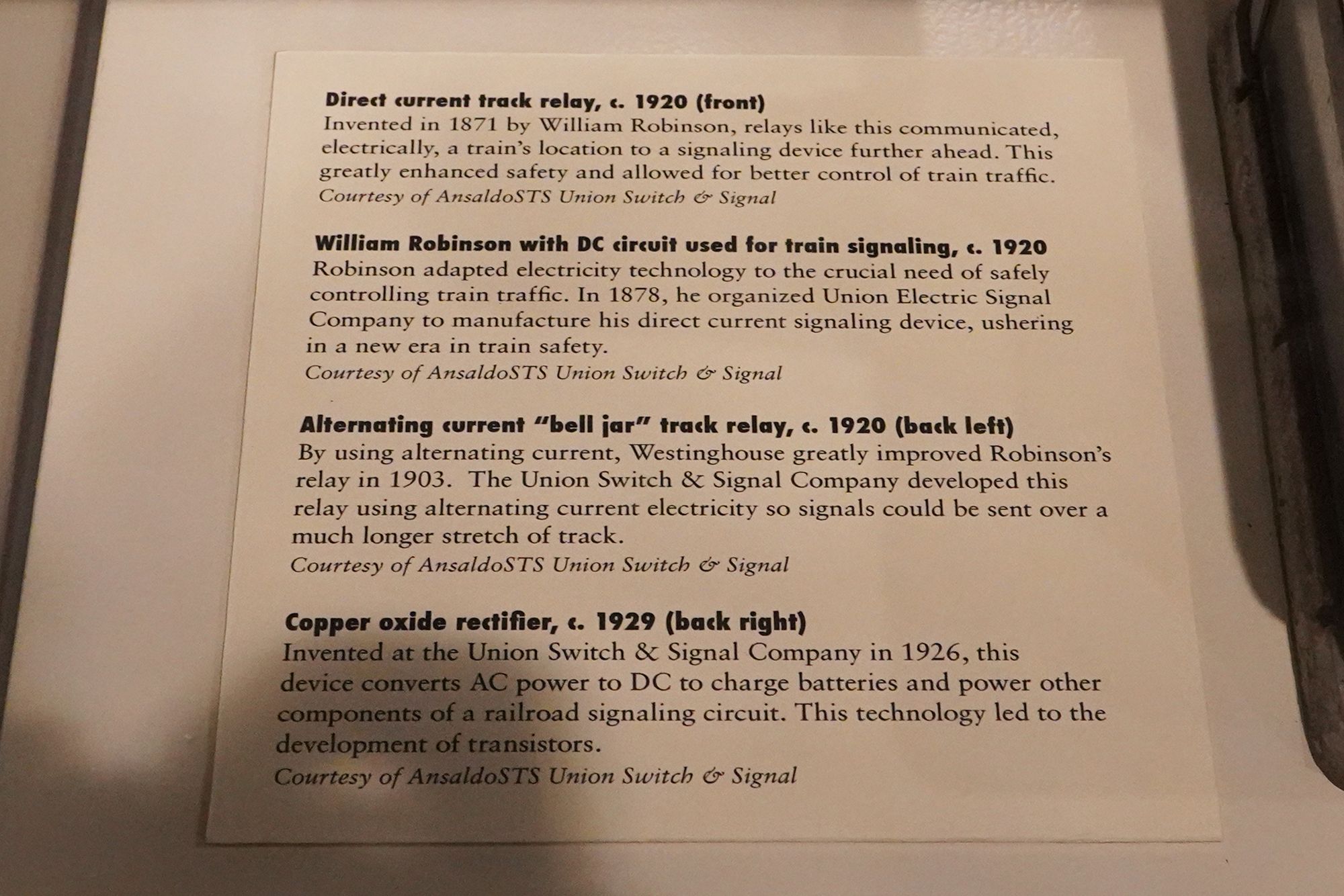
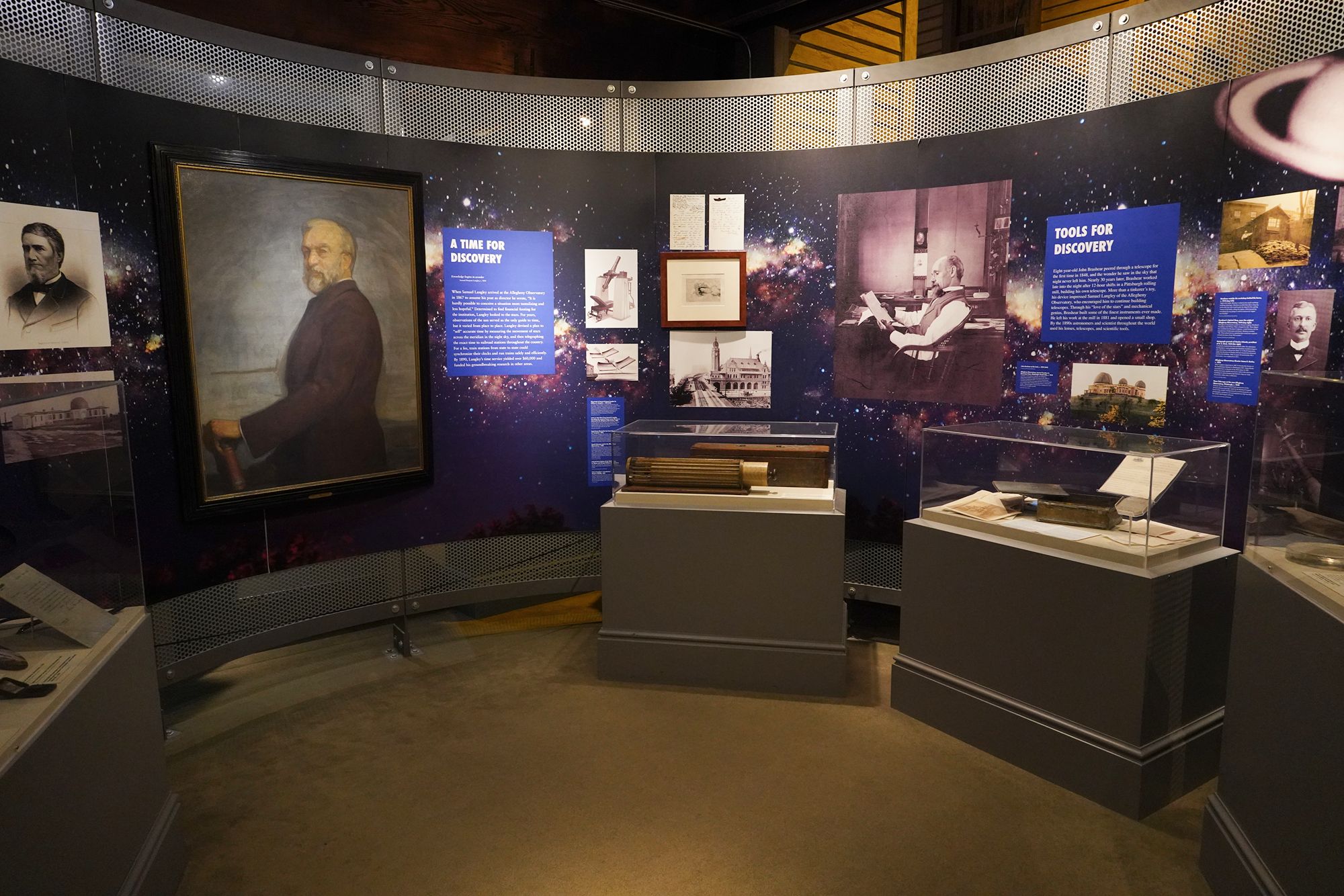
Samuel Langley’s work on accurate time focused on precise timekeeping for astronomy.
As director of the Allegheny Observatory, he improved astronomical clocks and time signals, helping railroads synchronize schedules safely and accurately—an essential advance for transportation, navigation, and modern industrial society.
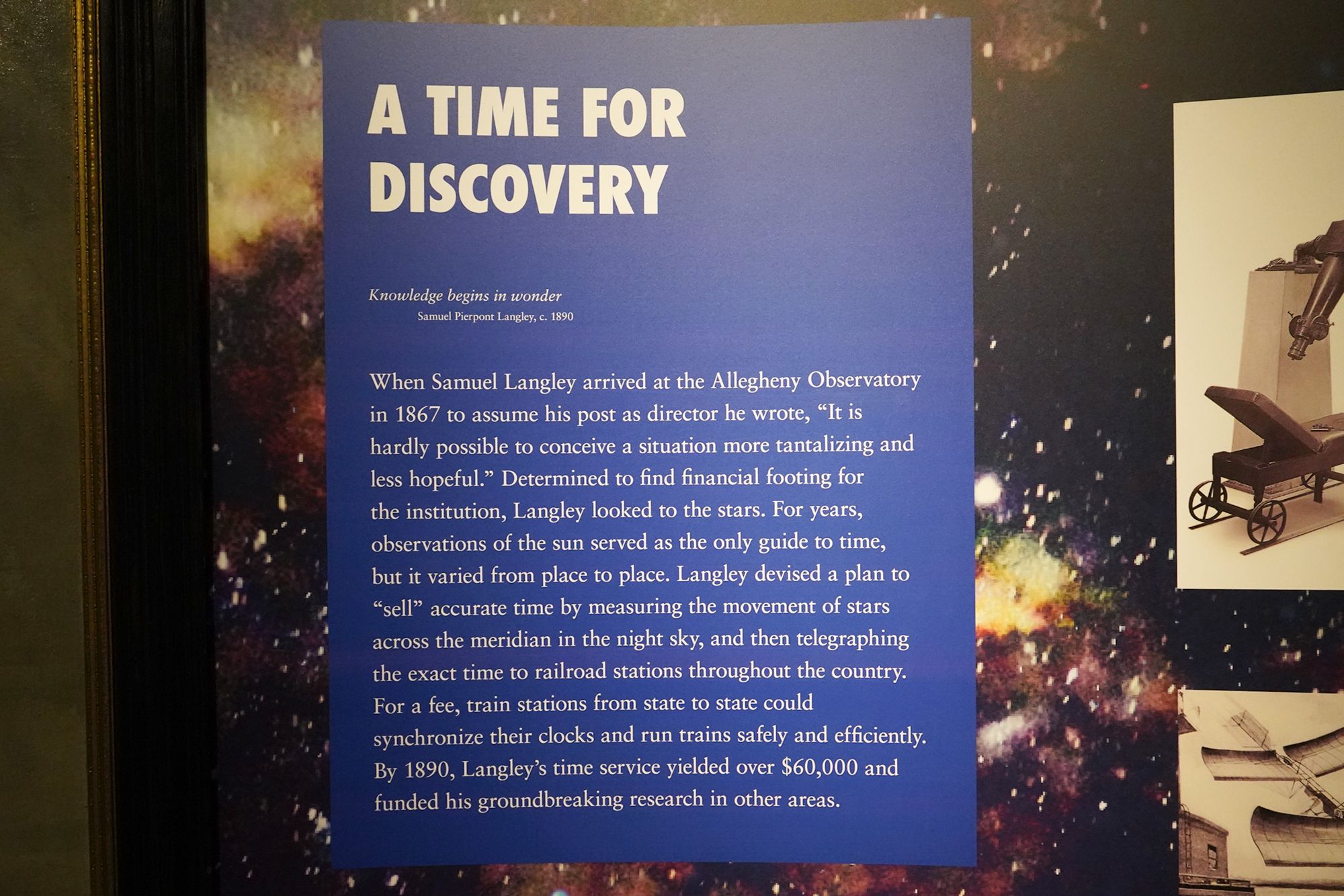
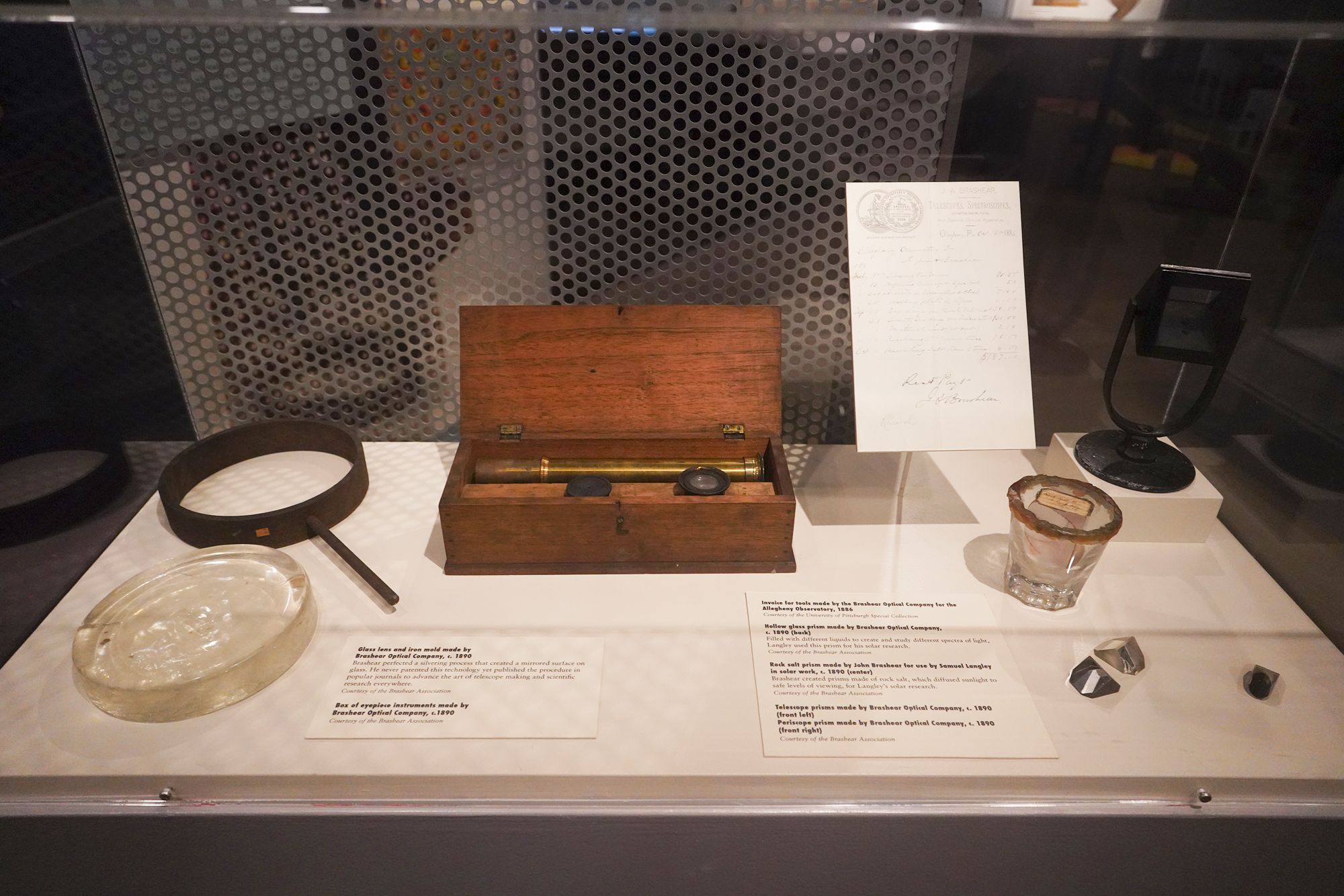
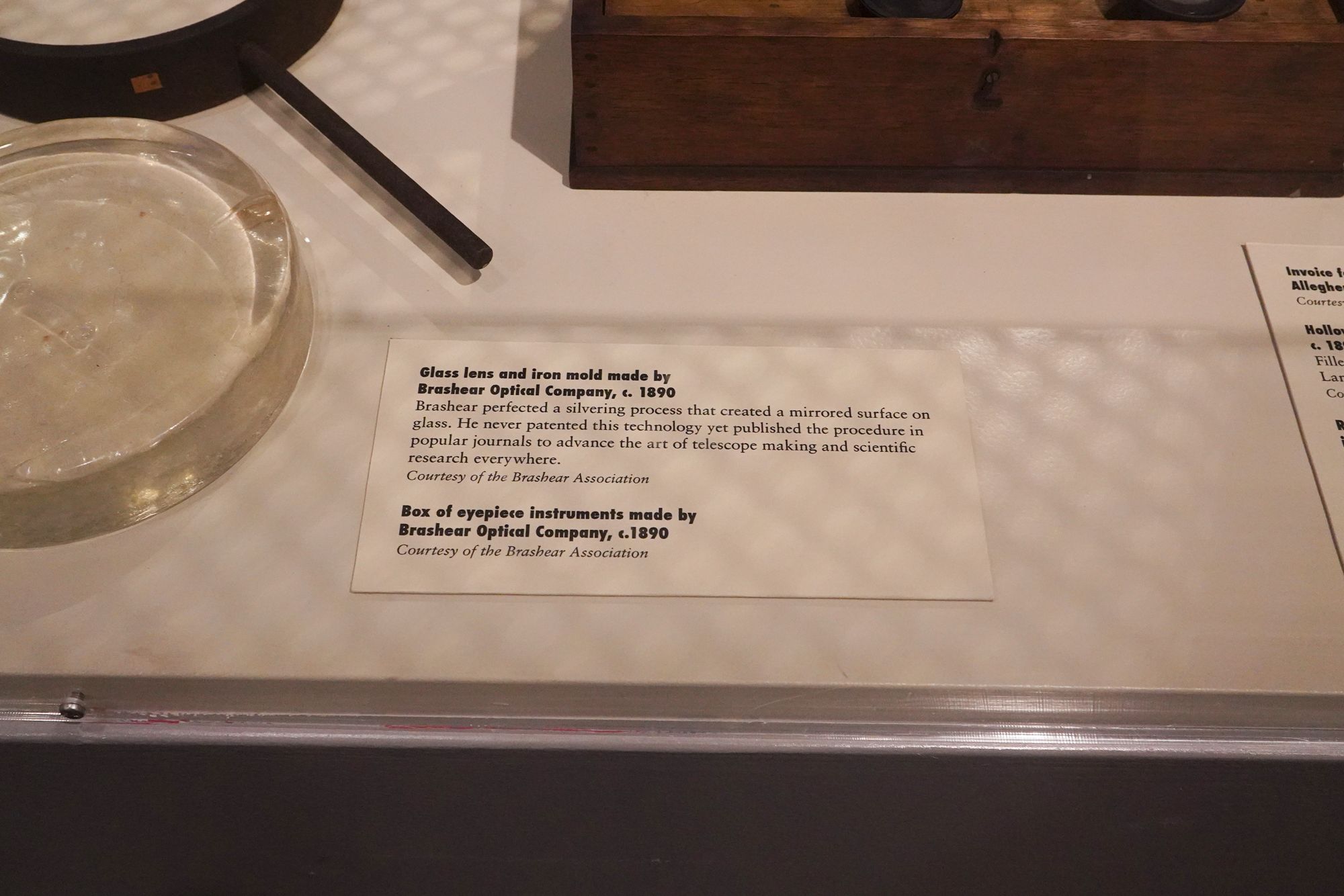
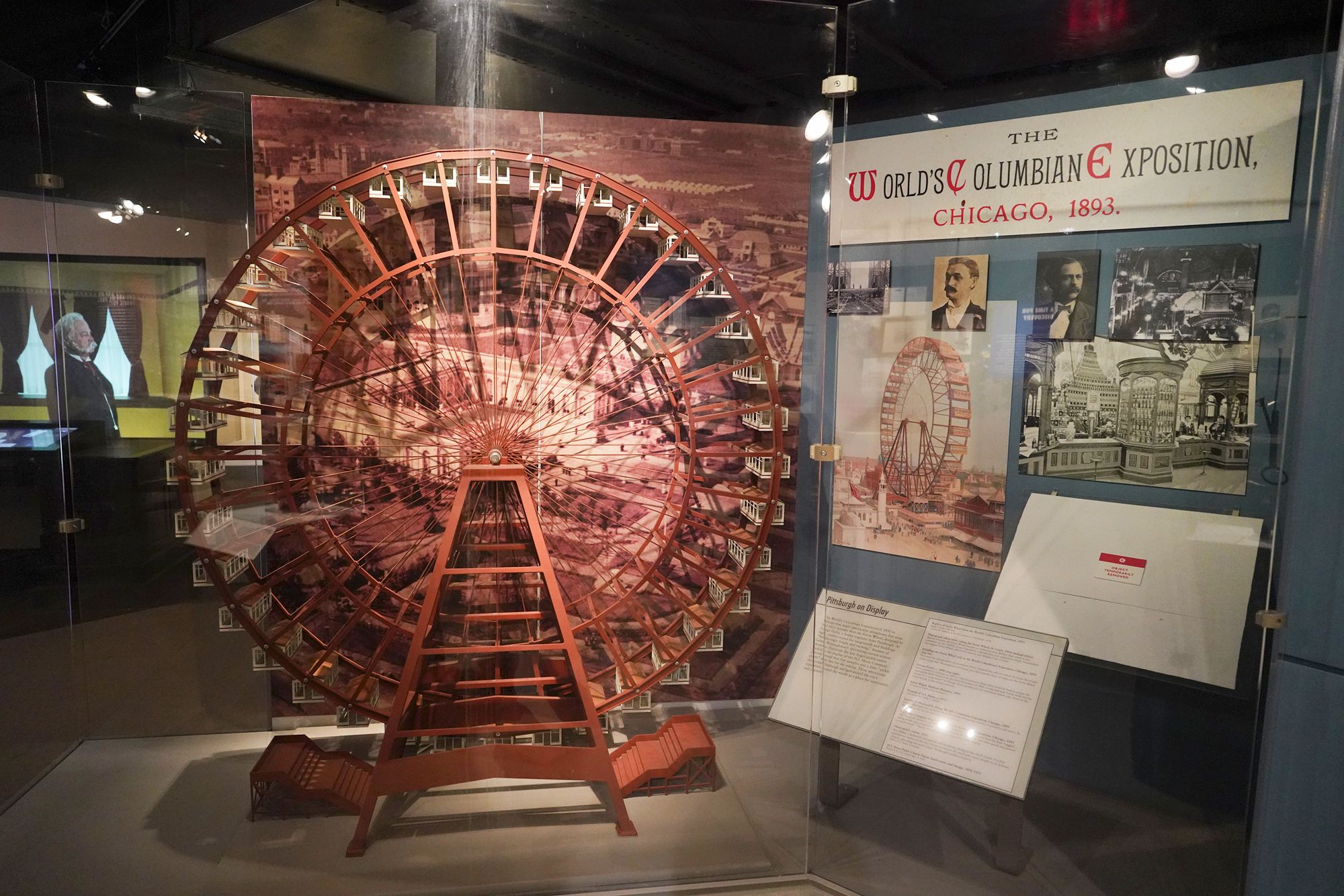
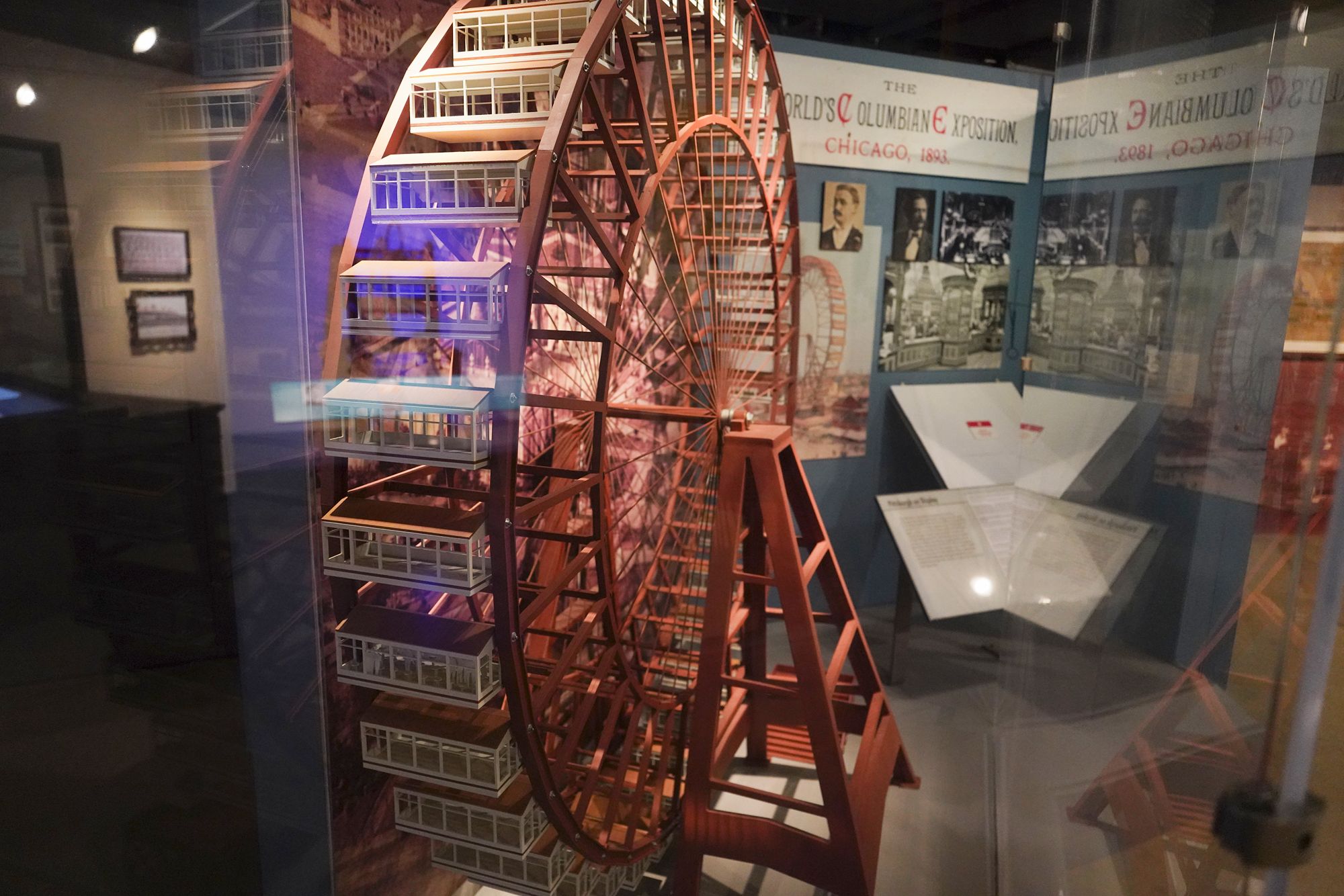
The World’s Columbian Exposition was a massive world’s fair held in Chicago in 1893 to celebrate the 400th anniversary of Christopher Columbus’s voyage.
It showcased industrial innovation, art, architecture, and science, introduced electric lighting to the public on a grand scale, and symbolized America’s emergence as a modern industrial and cultural power.
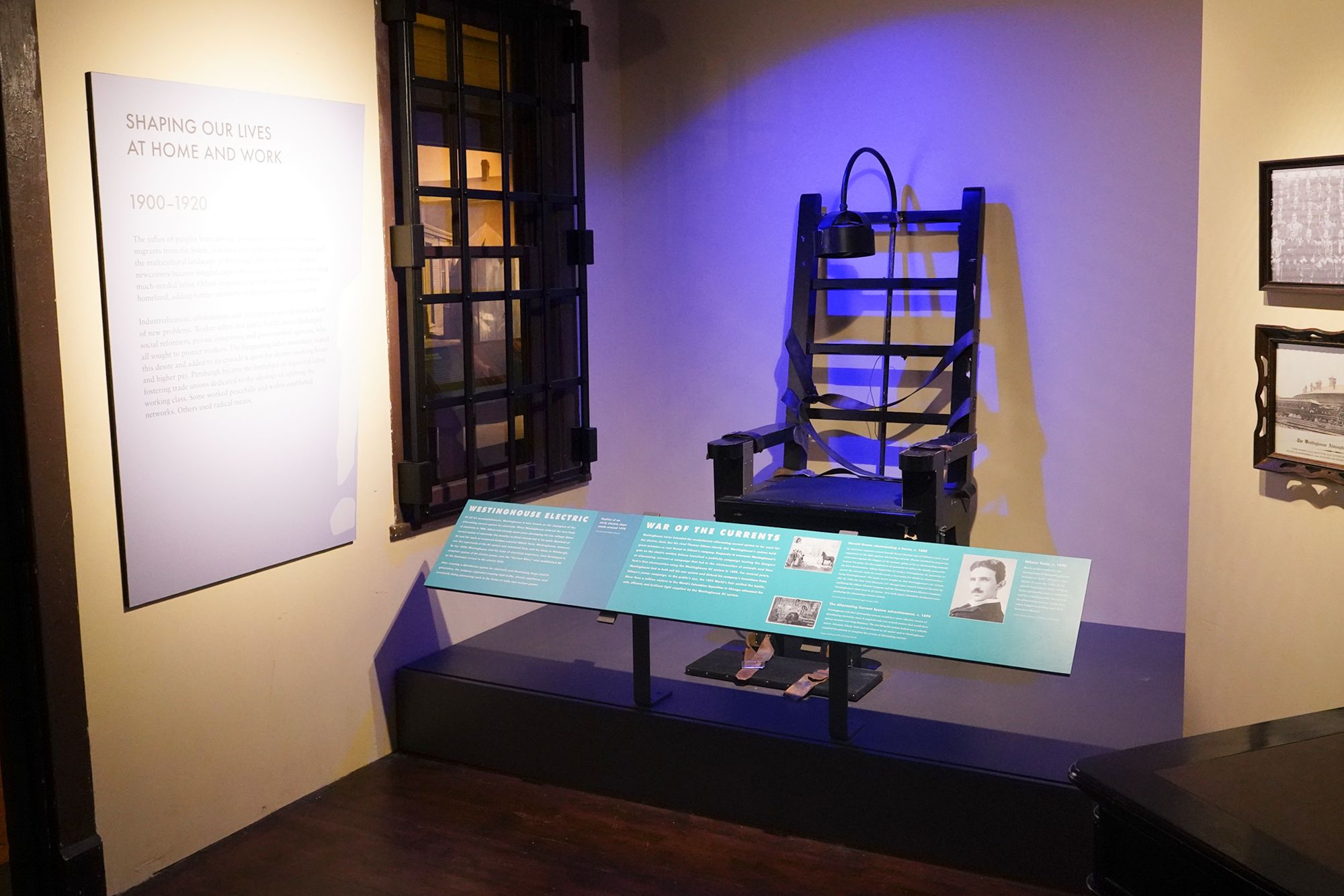
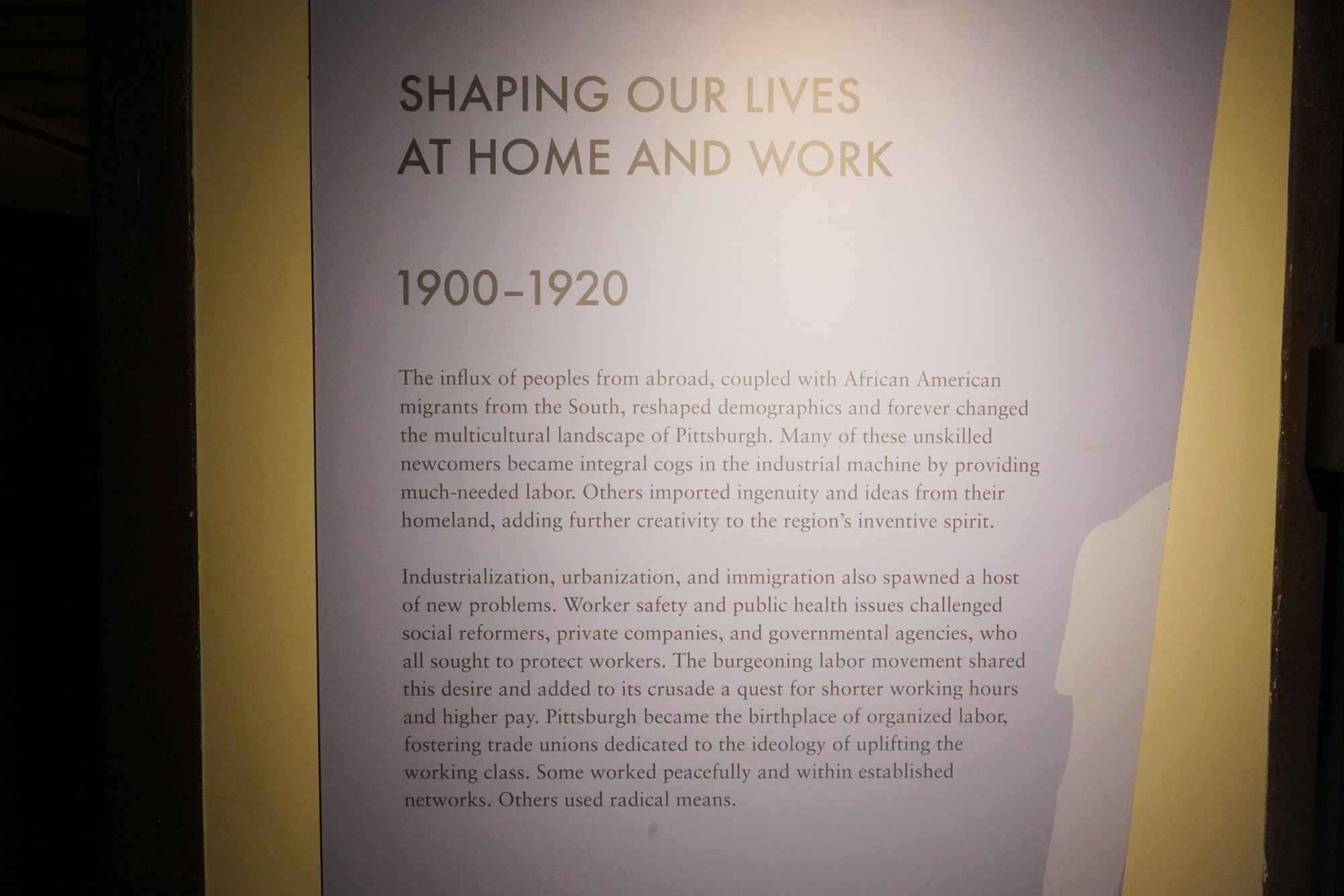
“Shaping Our Lives at Home and Work, 1900–1920” explores how urbanization, industrialization, and immigration transformed Pittsburgh.
Steel mills and factories drew immigrants, reshaped neighborhoods, and changed daily life, as crowded housing, new labor systems, and modern city services redefined work, family, and community in the early 20th century.
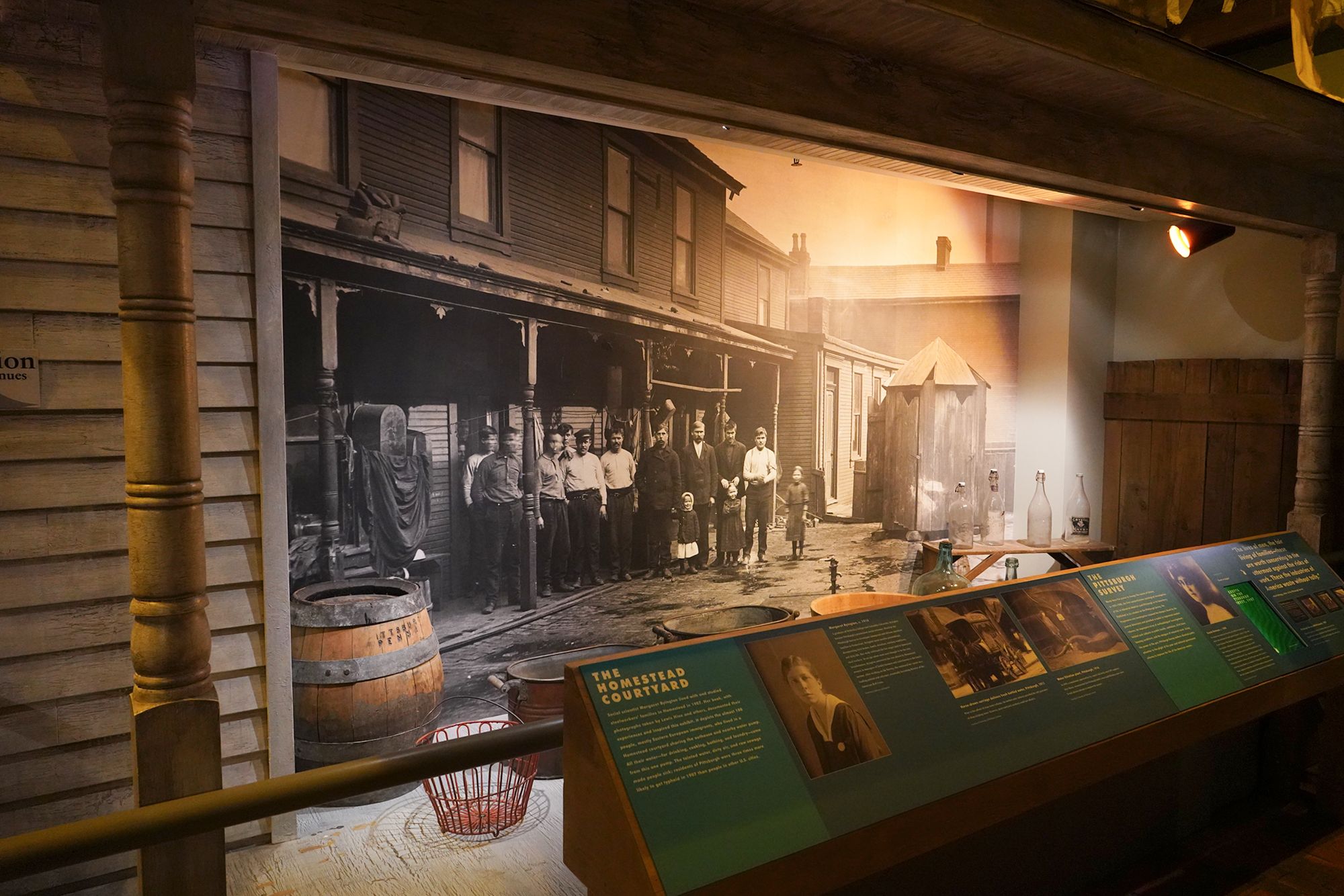
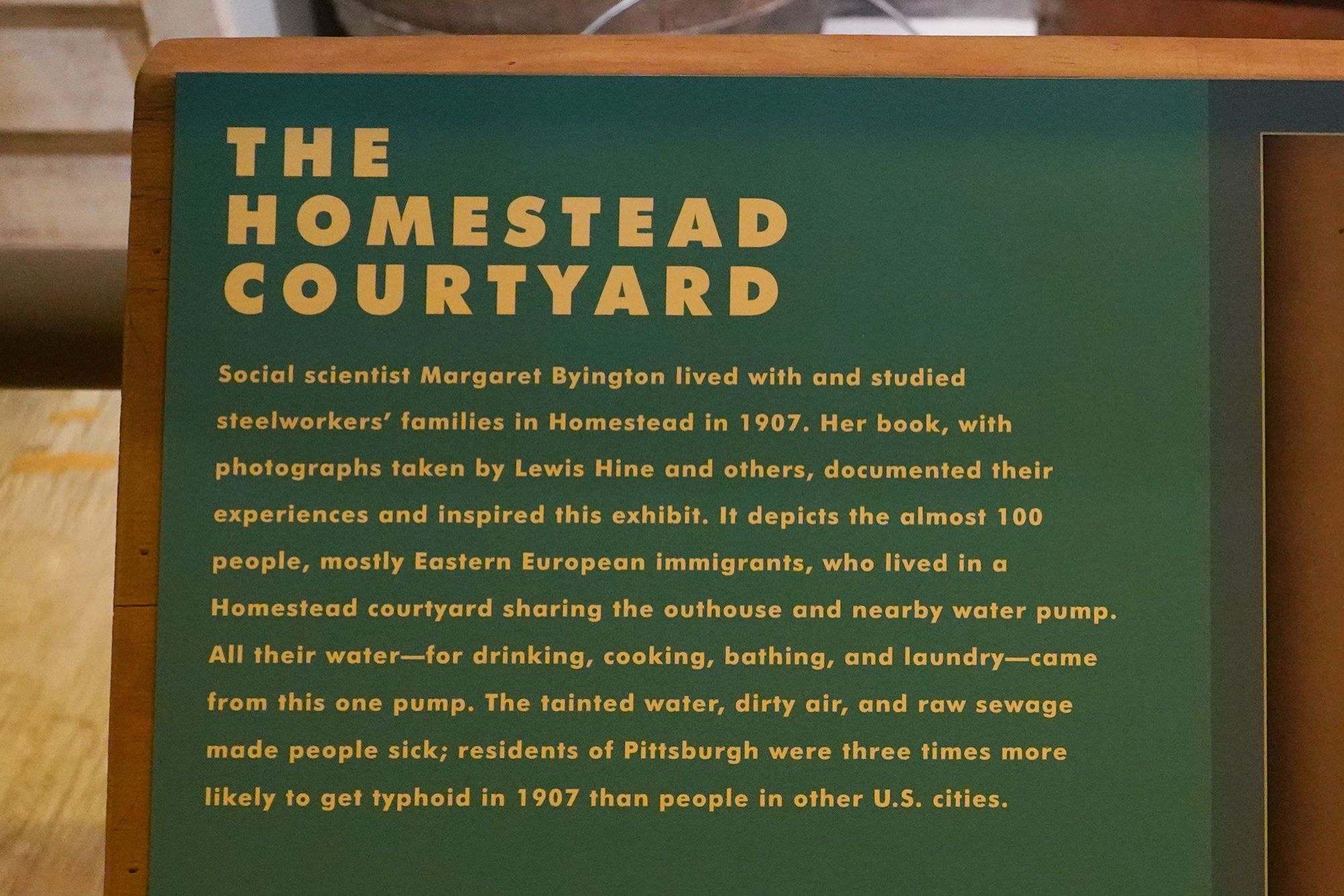
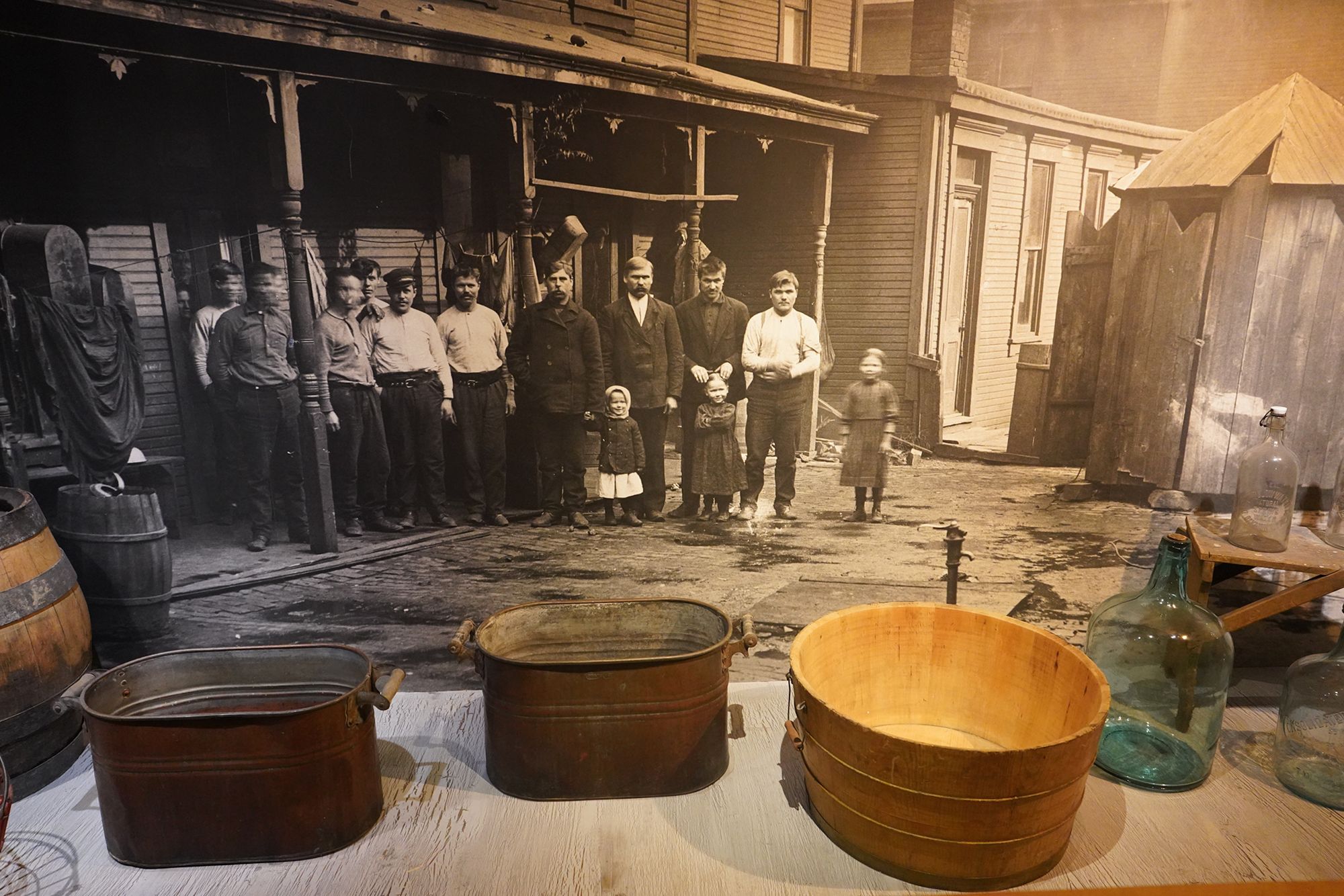
The Homestead Courtyard refers to the industrial community centered around the Homestead steel works near Pittsburgh.
It represents the daily life of mill workers and their families—crowded housing, shared public spaces, and ethnic neighborhoods—highlighting how steel production shaped work, labor conflict, and community life in the early 20th century.
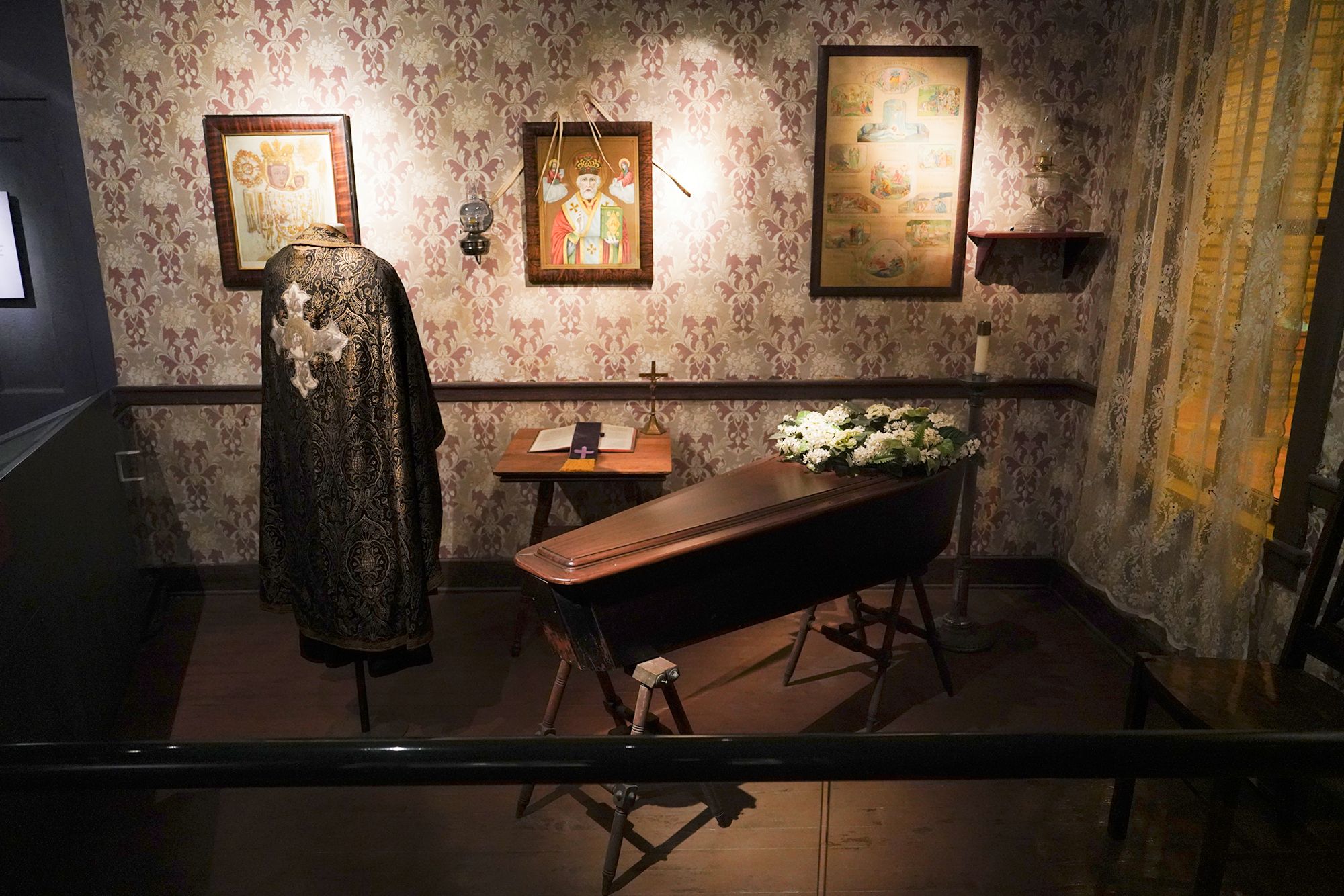
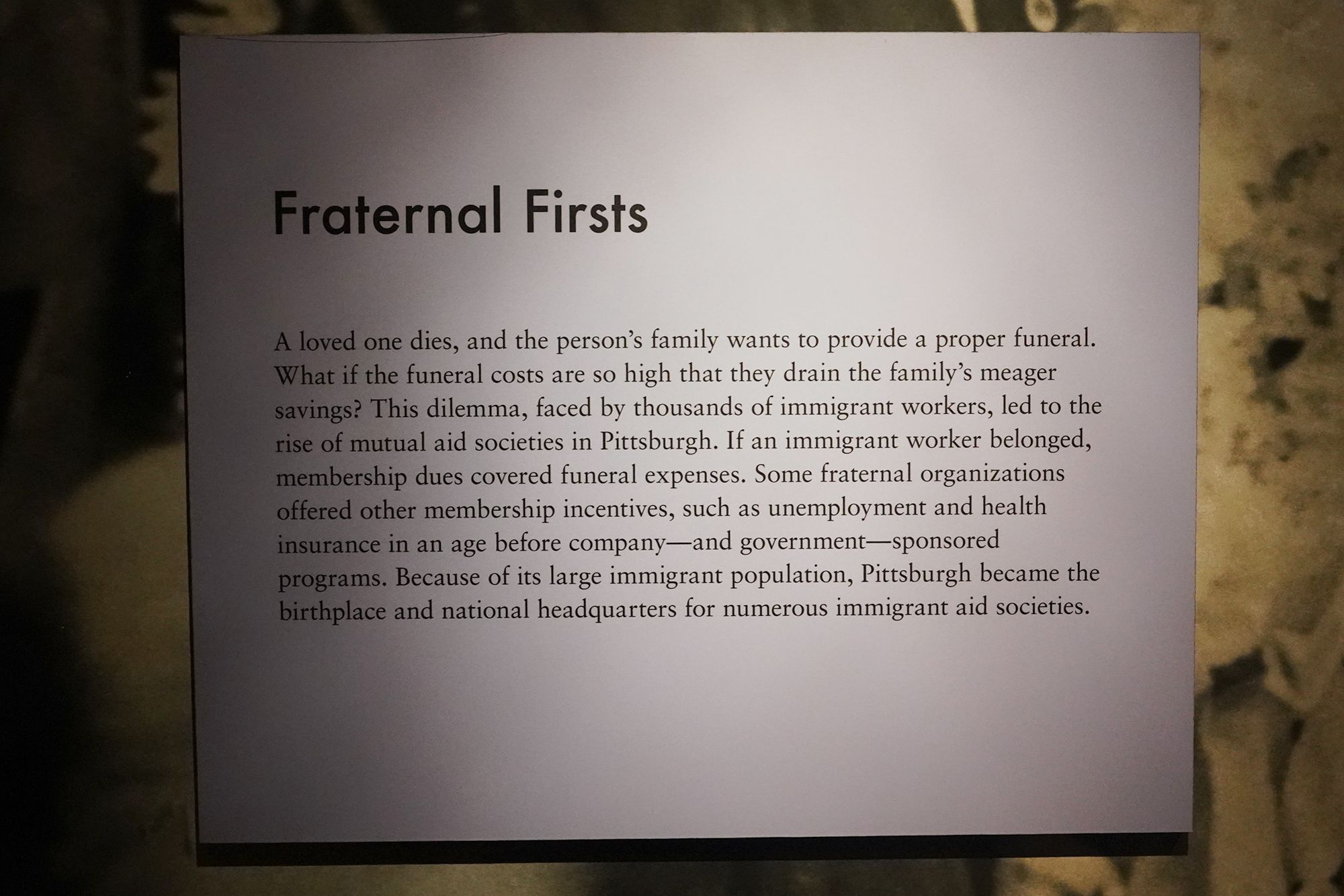
“Fraternal Firsts” refers to the early role of fraternal organizations in providing social services before modern government programs existed.
In industrial cities like Pittsburgh, immigrant and worker groups formed fraternal societies that offered insurance, healthcare aid, funeral benefits, and mutual support—creating some of the first organized social safety nets in American urban life.
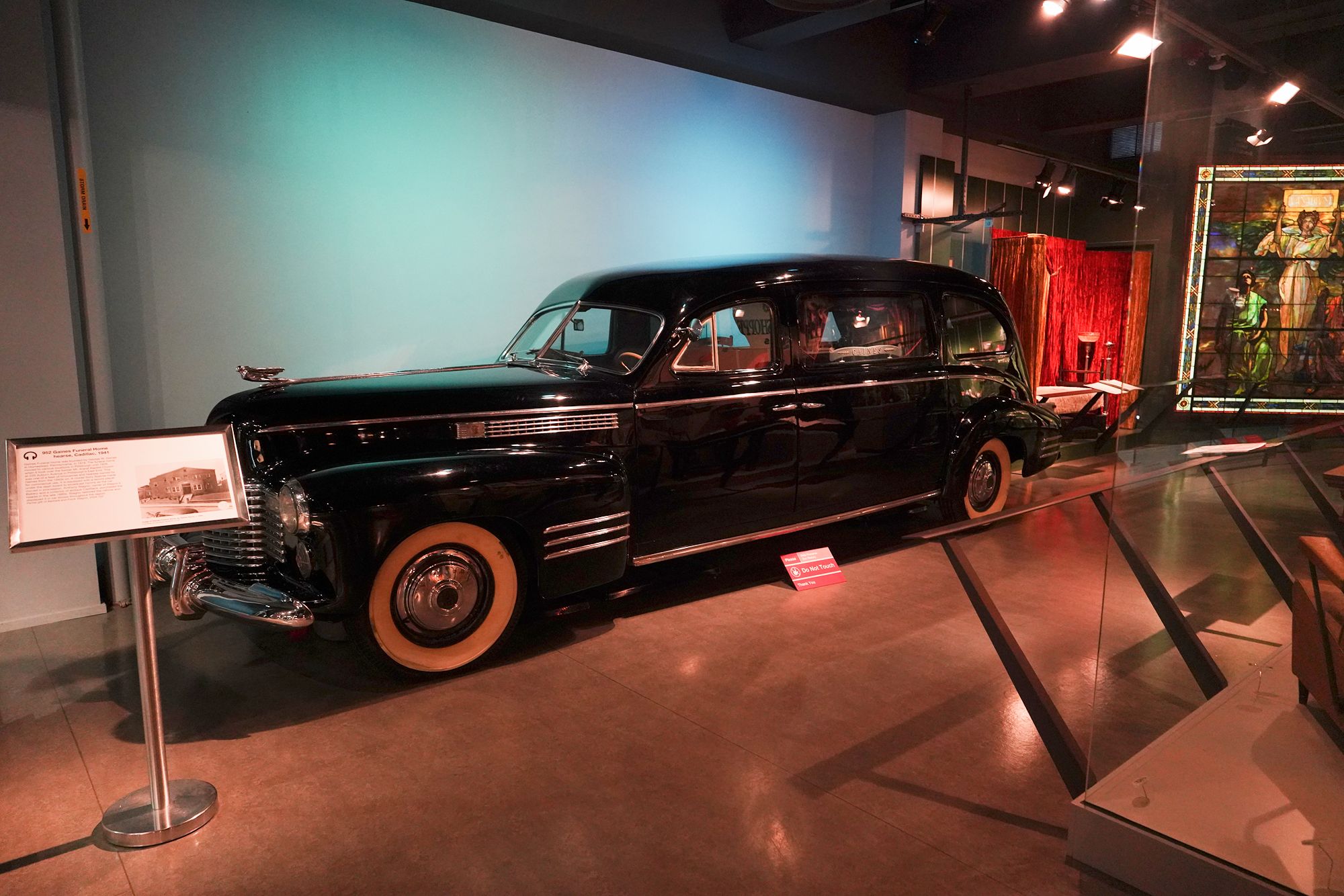
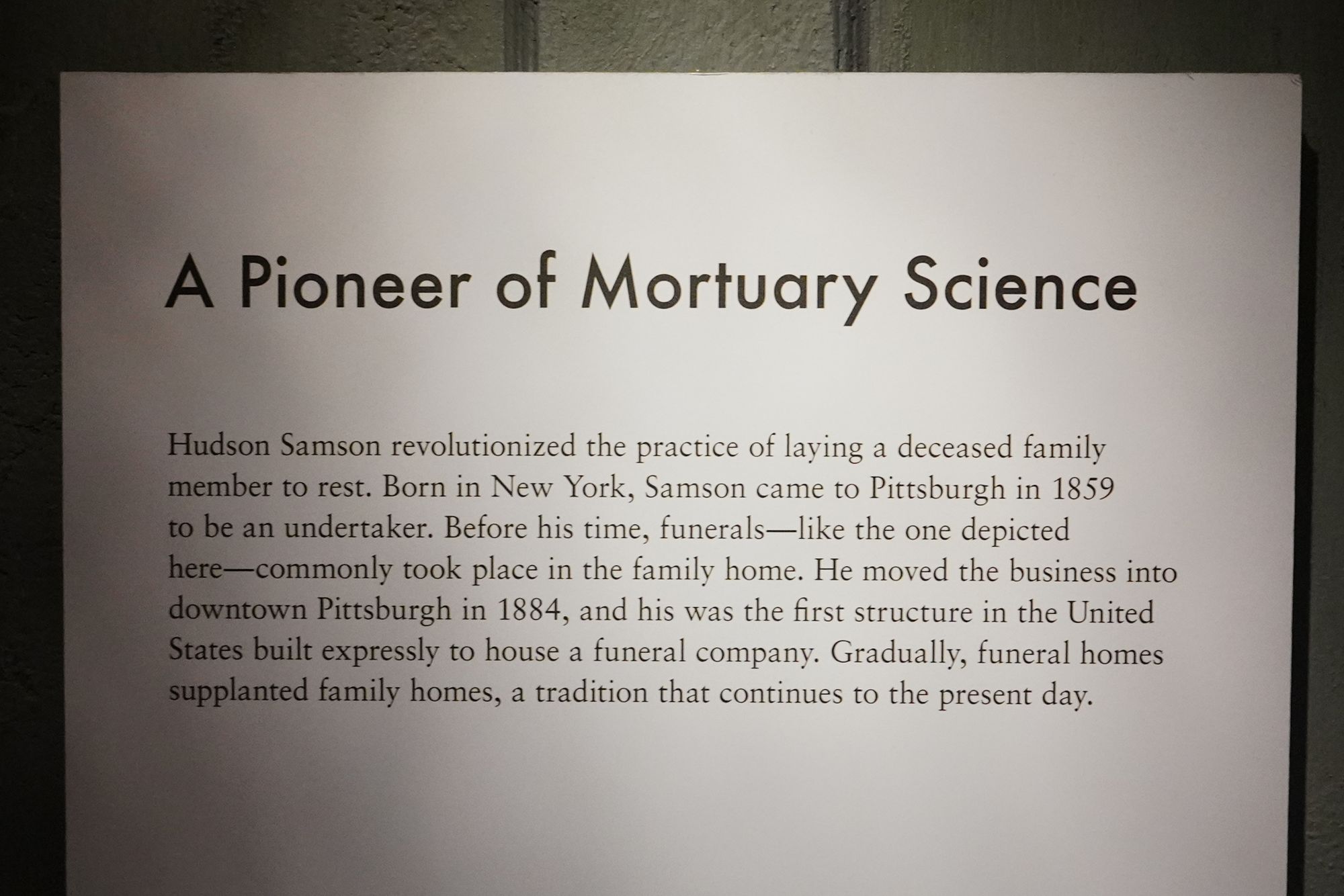
Hudson Samson was a pioneer in mortuary science in Pittsburgh.
He advanced professional funeral practices through embalming, sanitation, and education, helping modernize the funeral industry. His work also reflects African American entrepreneurship and leadership at a time when professional opportunities were severely limited.
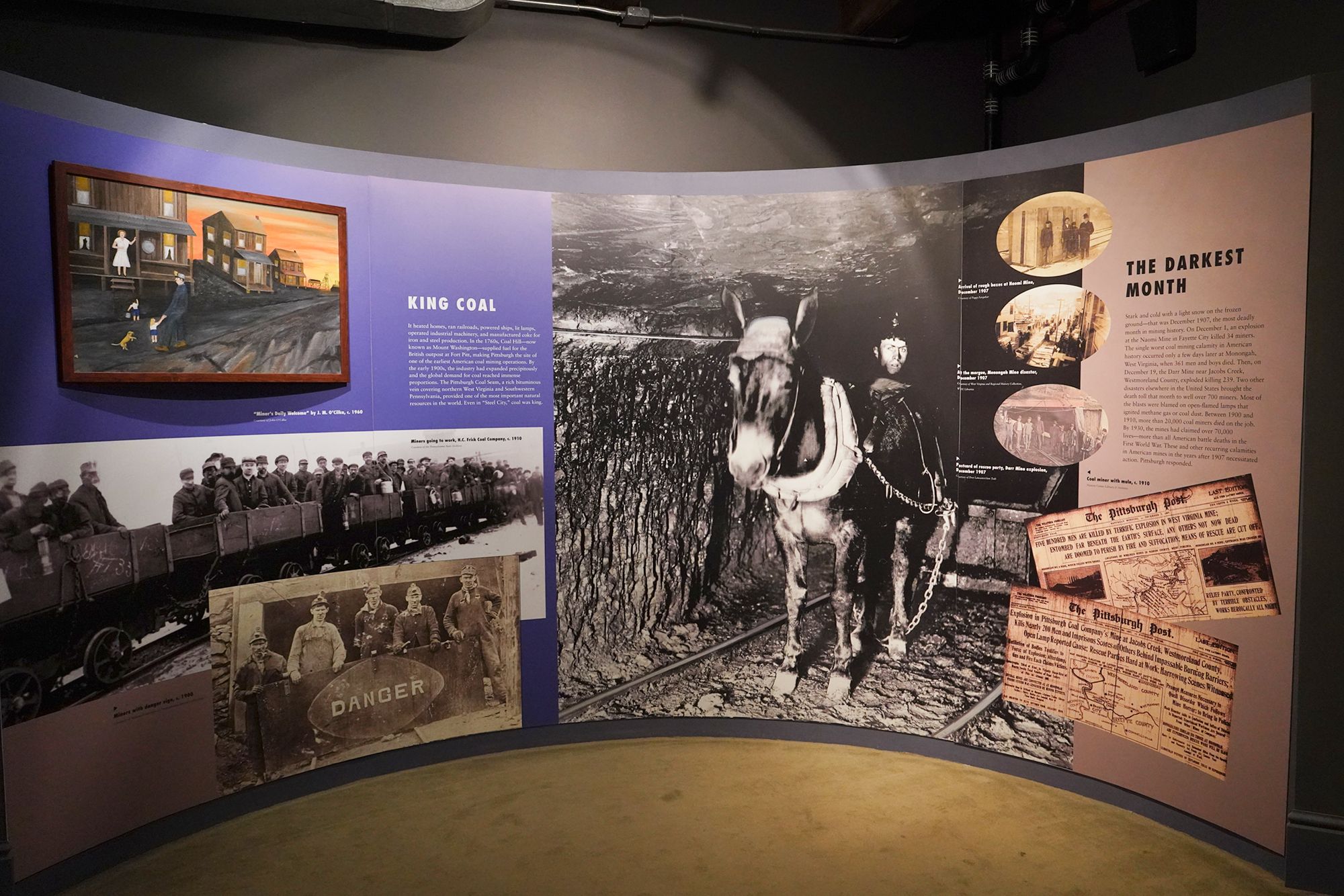
“The Smoky City” was a nickname for Pittsburgh in the late 19th and early 20th centuries.
Coal-fired steel mills, factories, and railroads filled the air with smoke and soot, darkening skies and buildings. The name reflected both Pittsburgh’s industrial power and the severe environmental conditions residents endured.
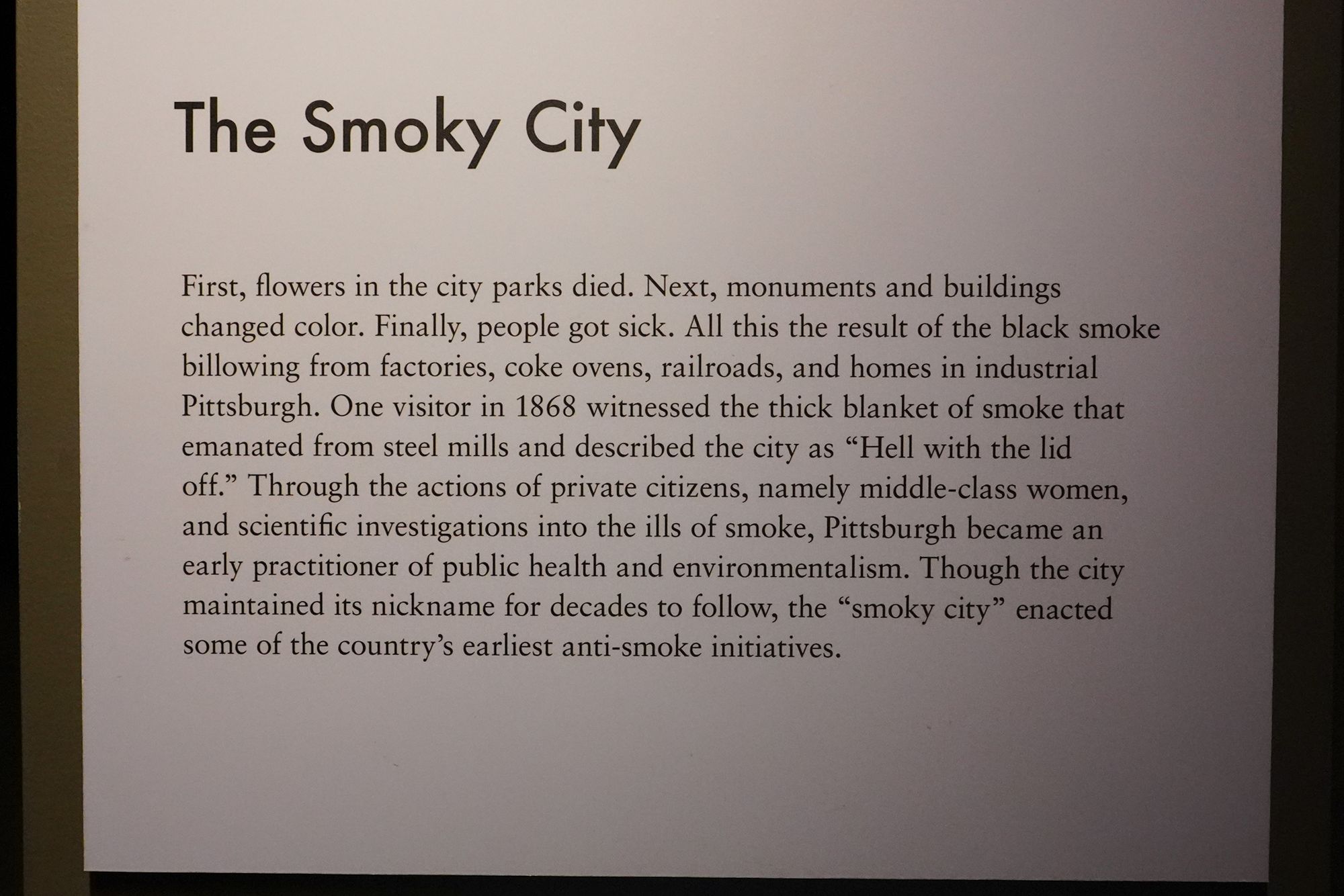
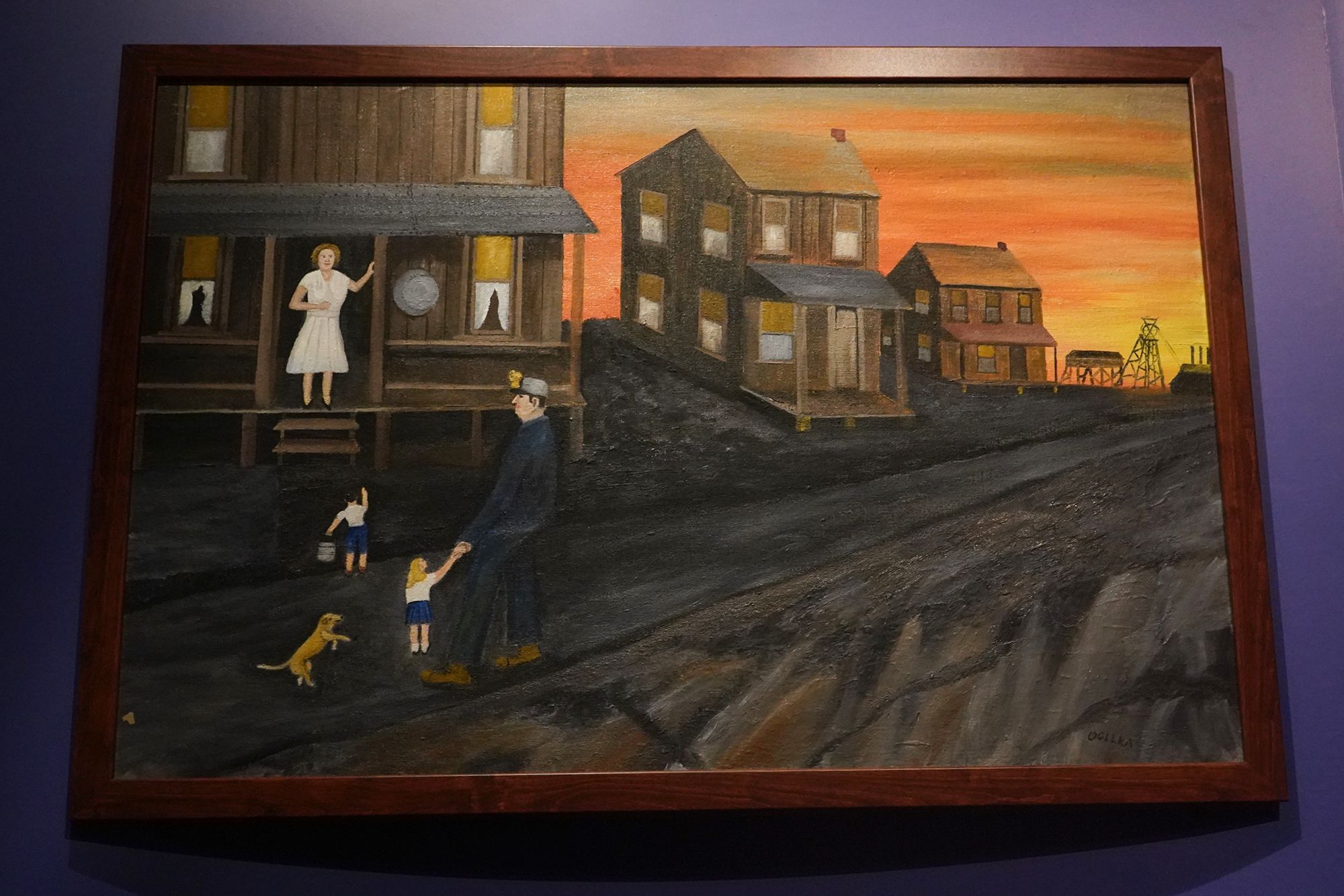
King Coal – Pittsburgh was one of the earliest American coal mining operations.
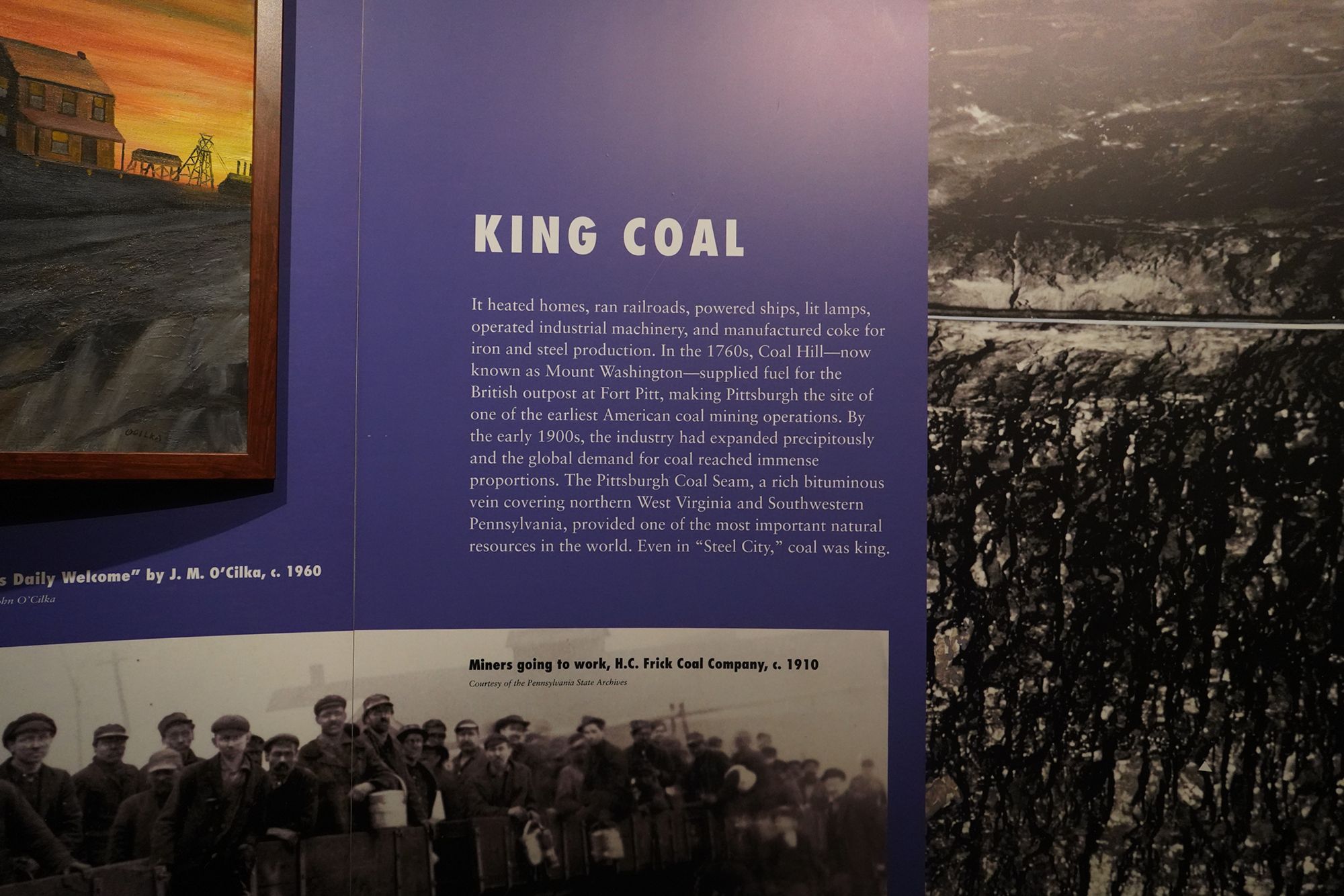
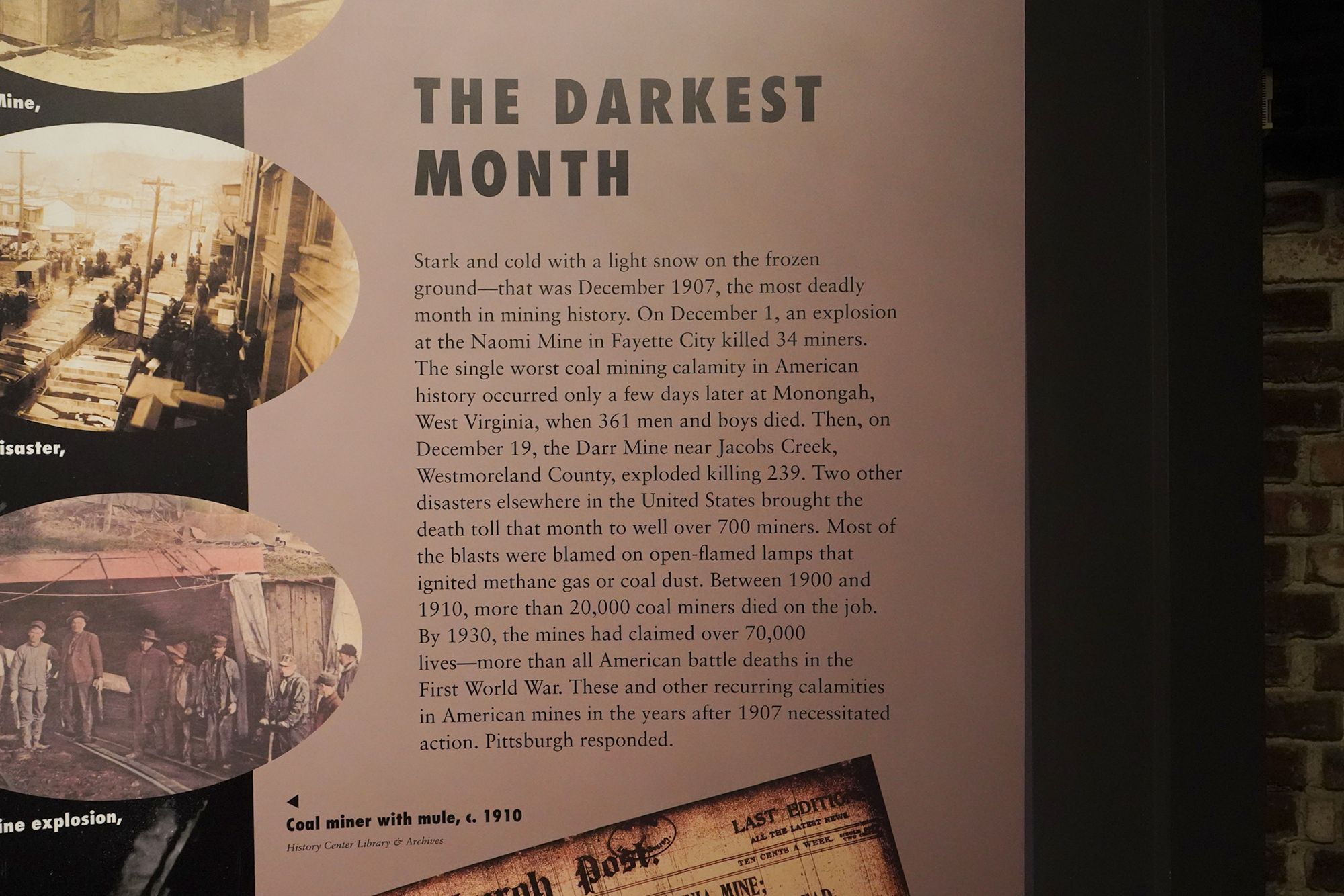
Between 1900 and 1910, more than 20,000 coal miners died on the job.
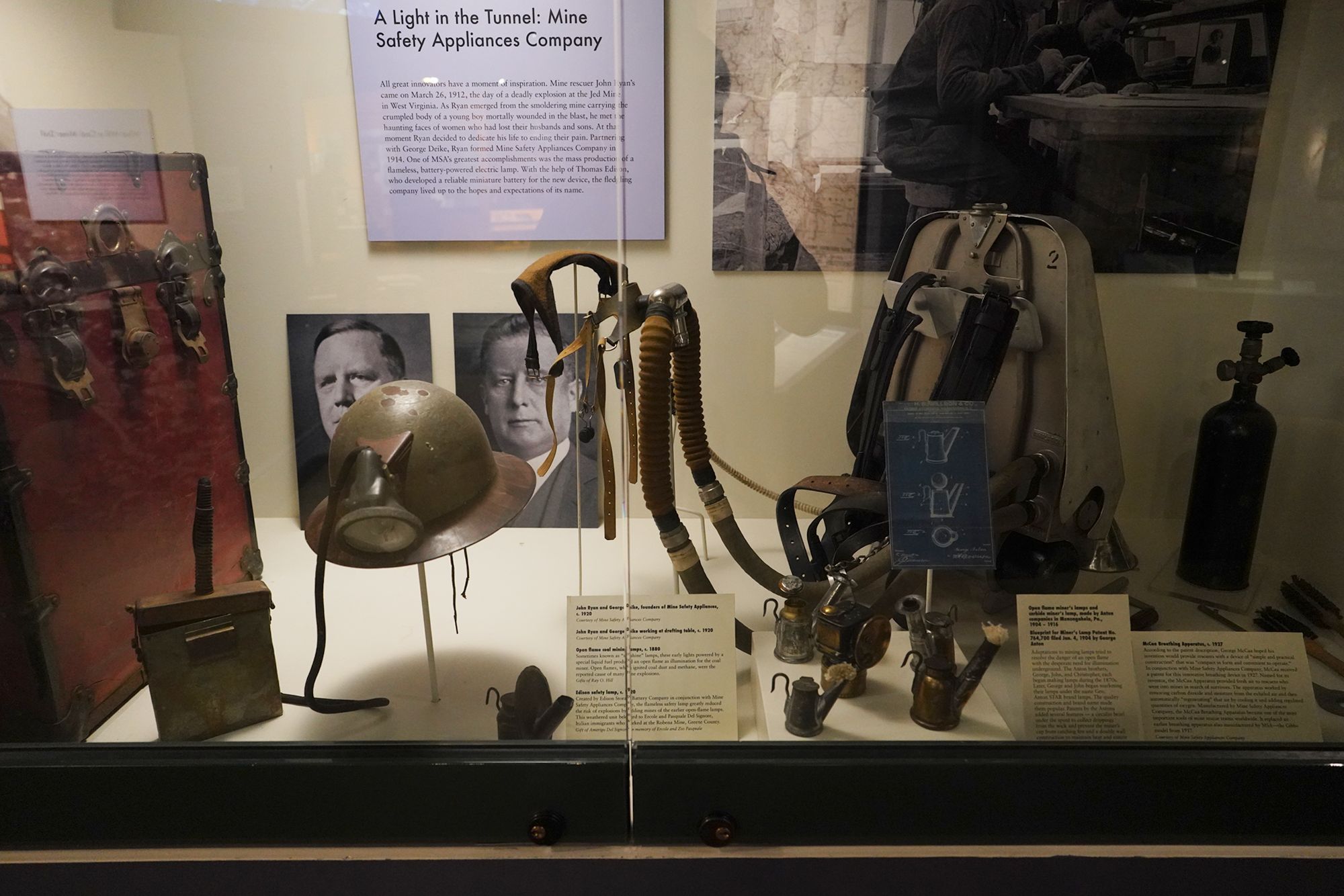
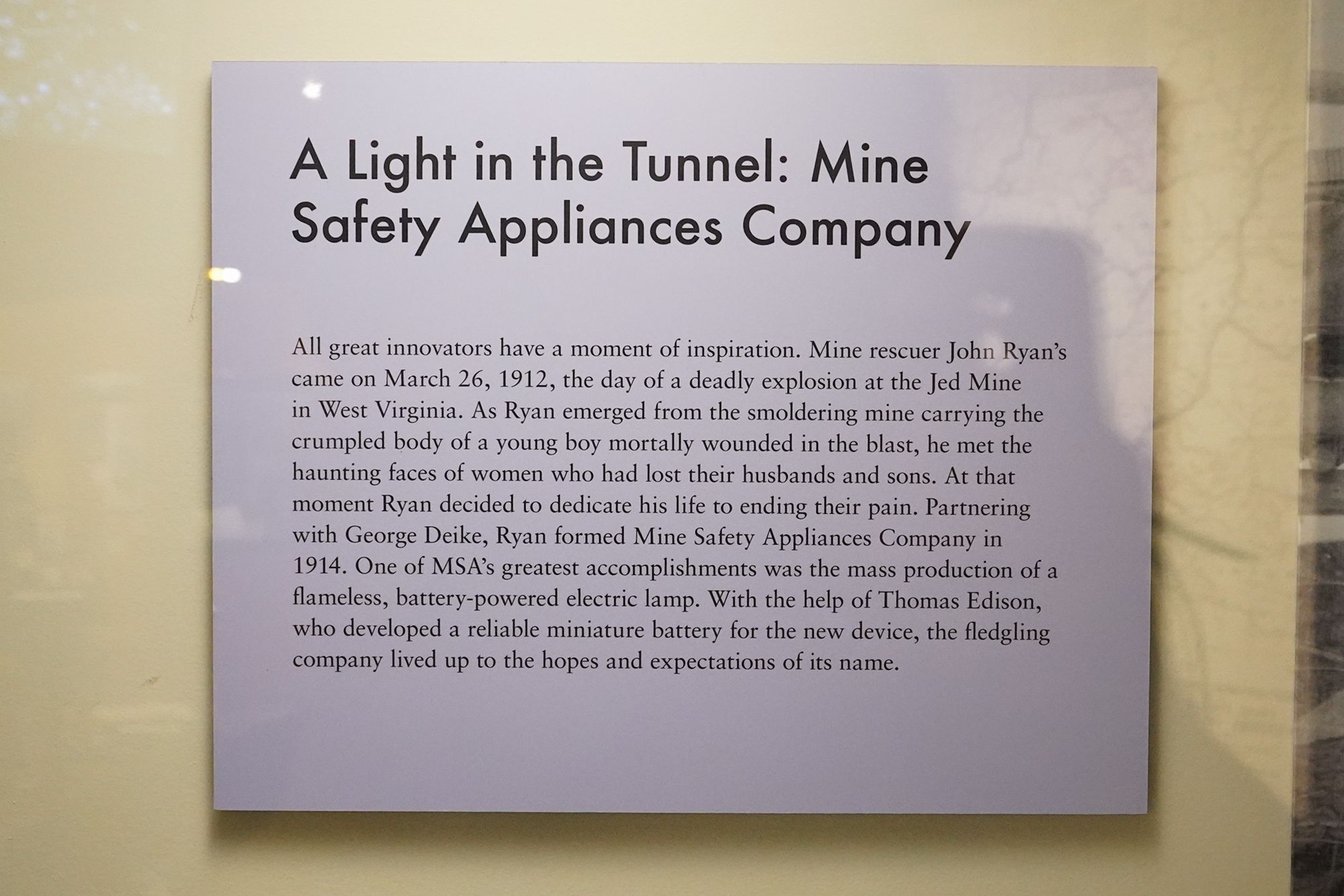
Development of battery-powered electric lamp for safety
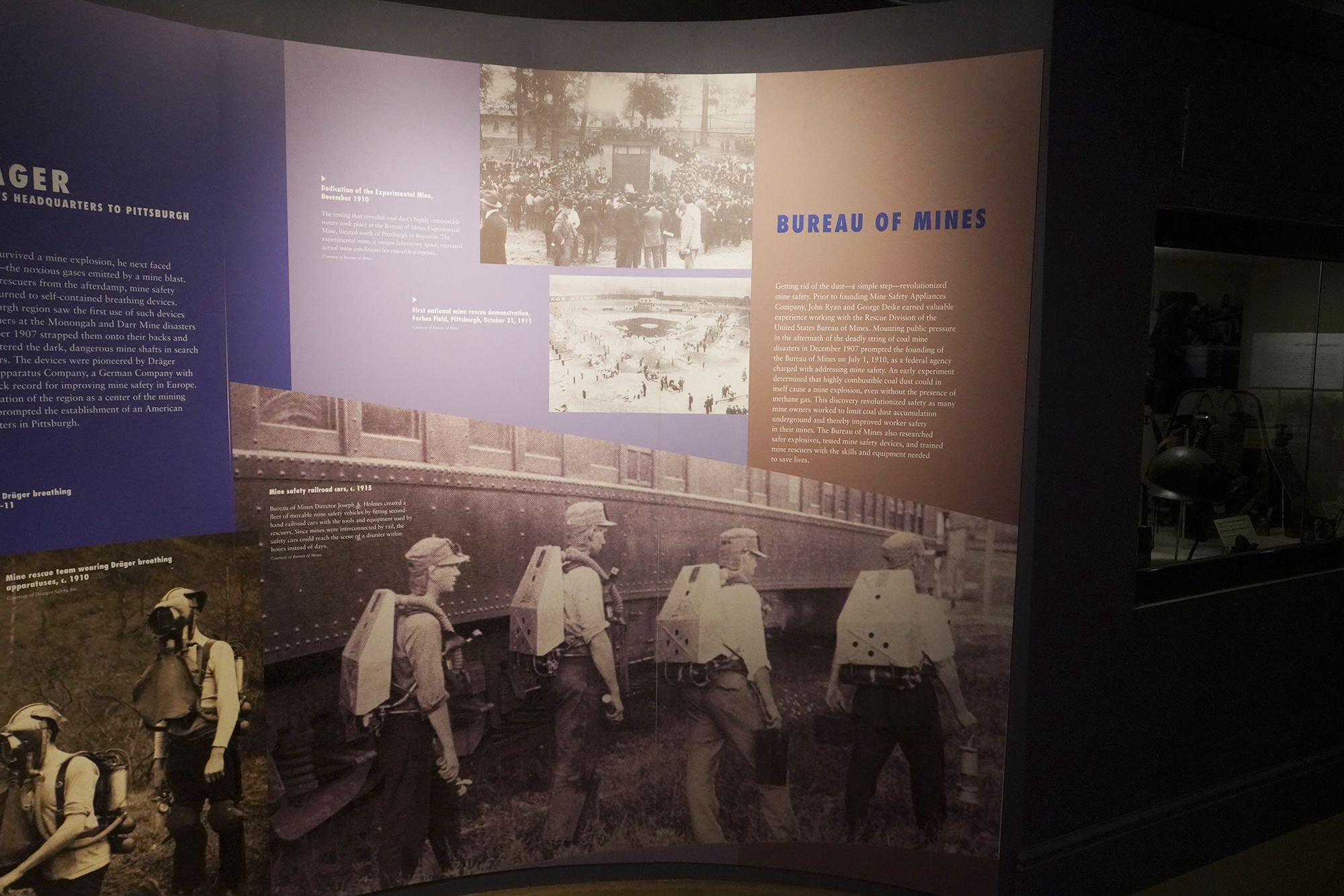
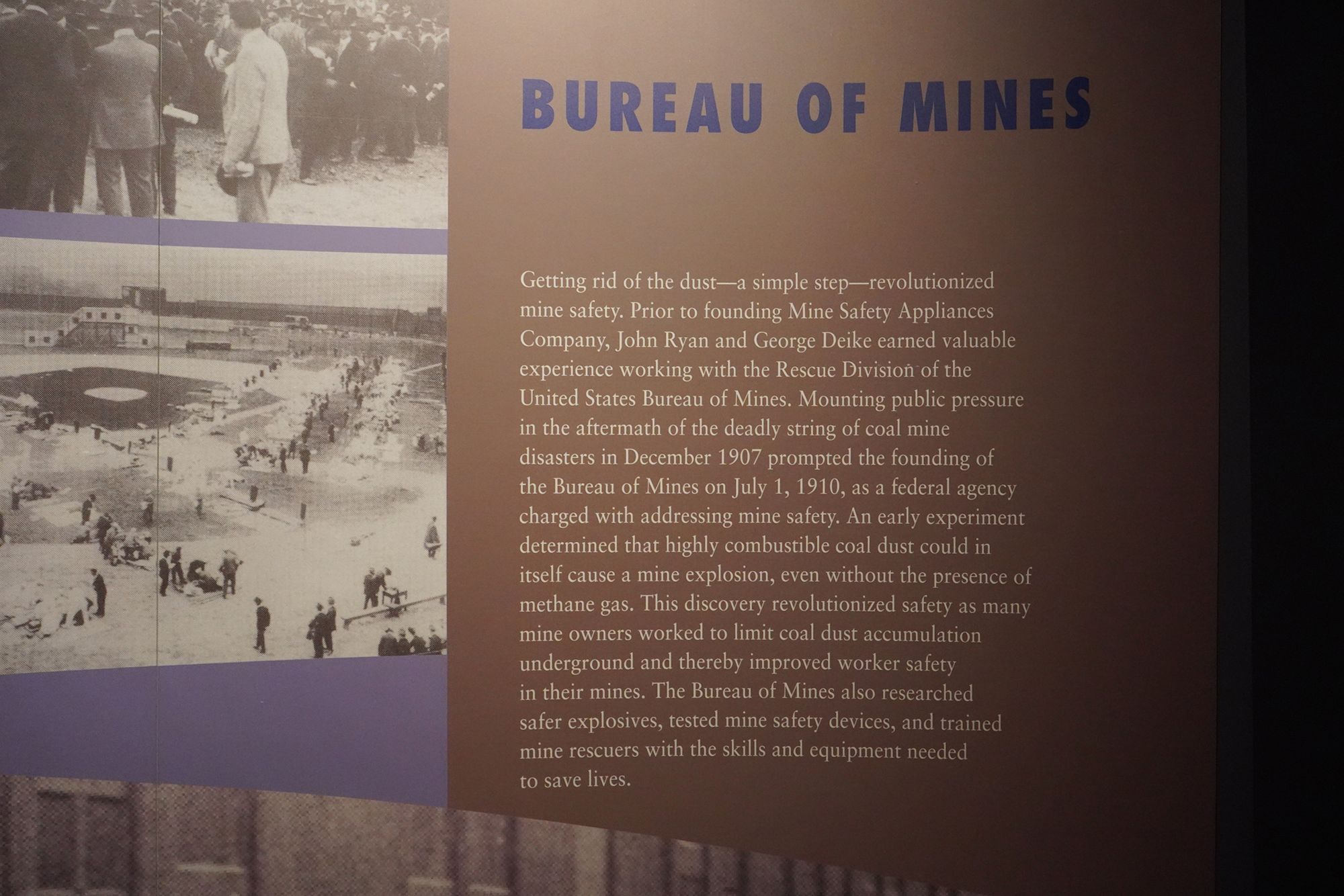
Getting rid of the coal dust – a simple step – revolutionized mine safety.
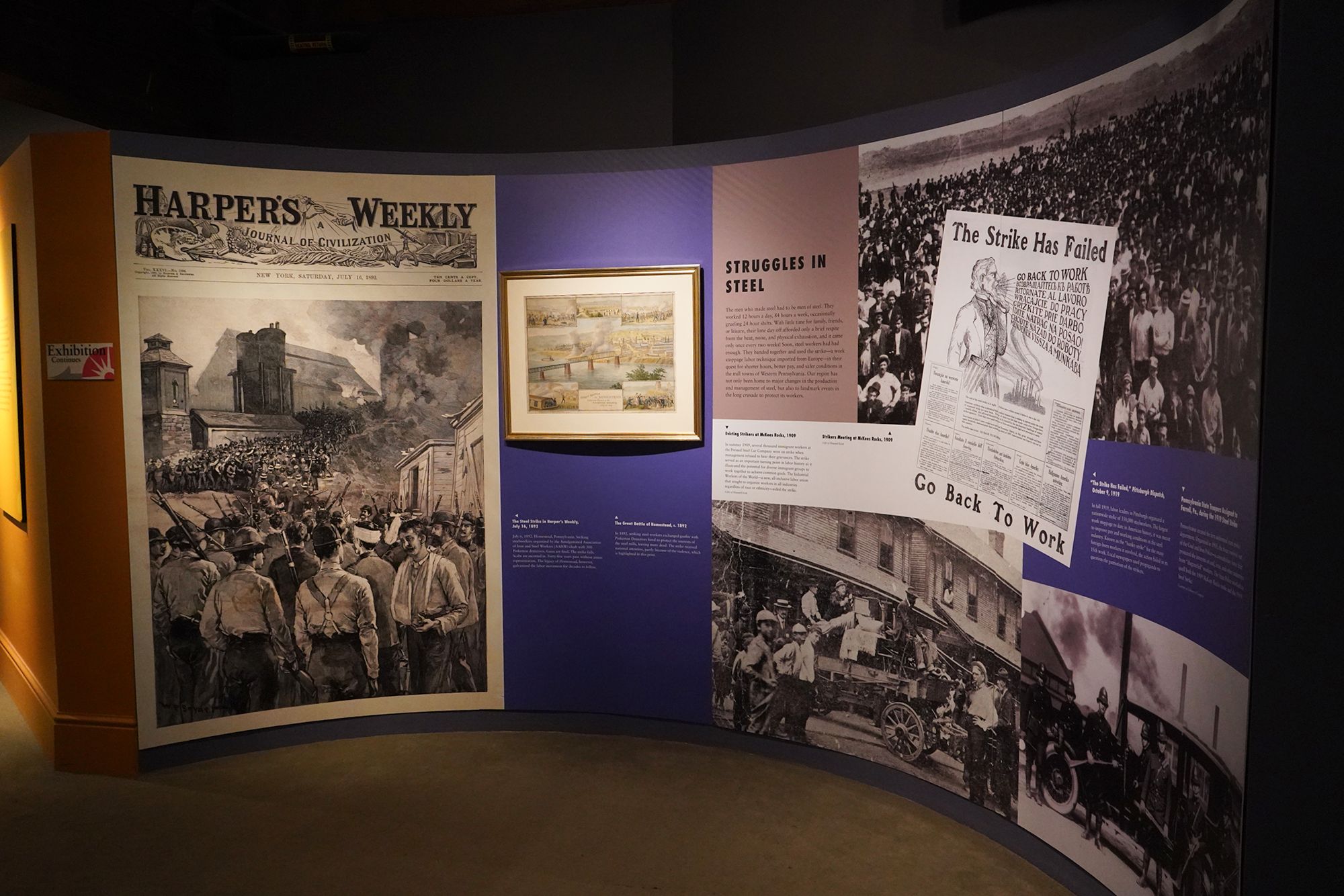
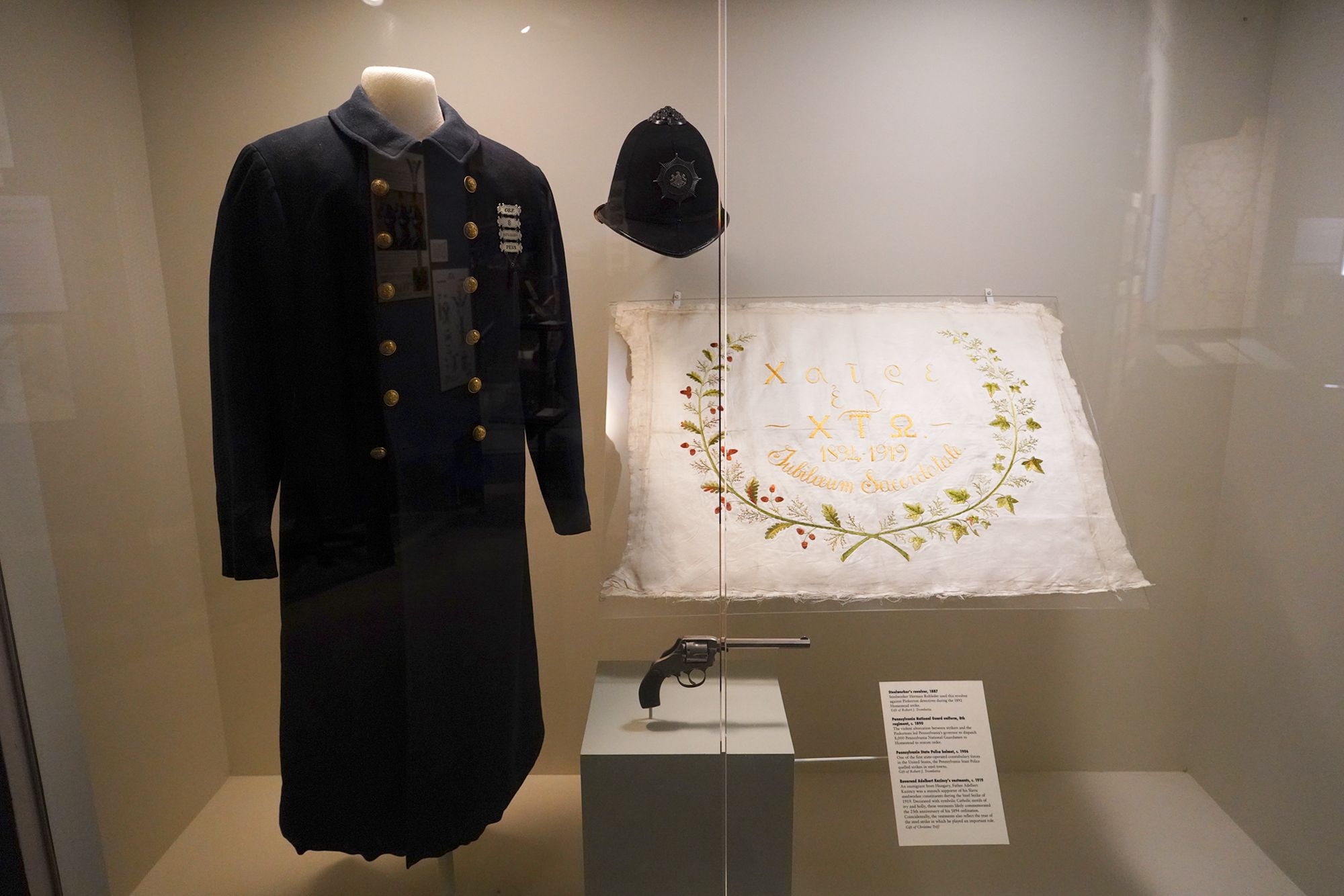
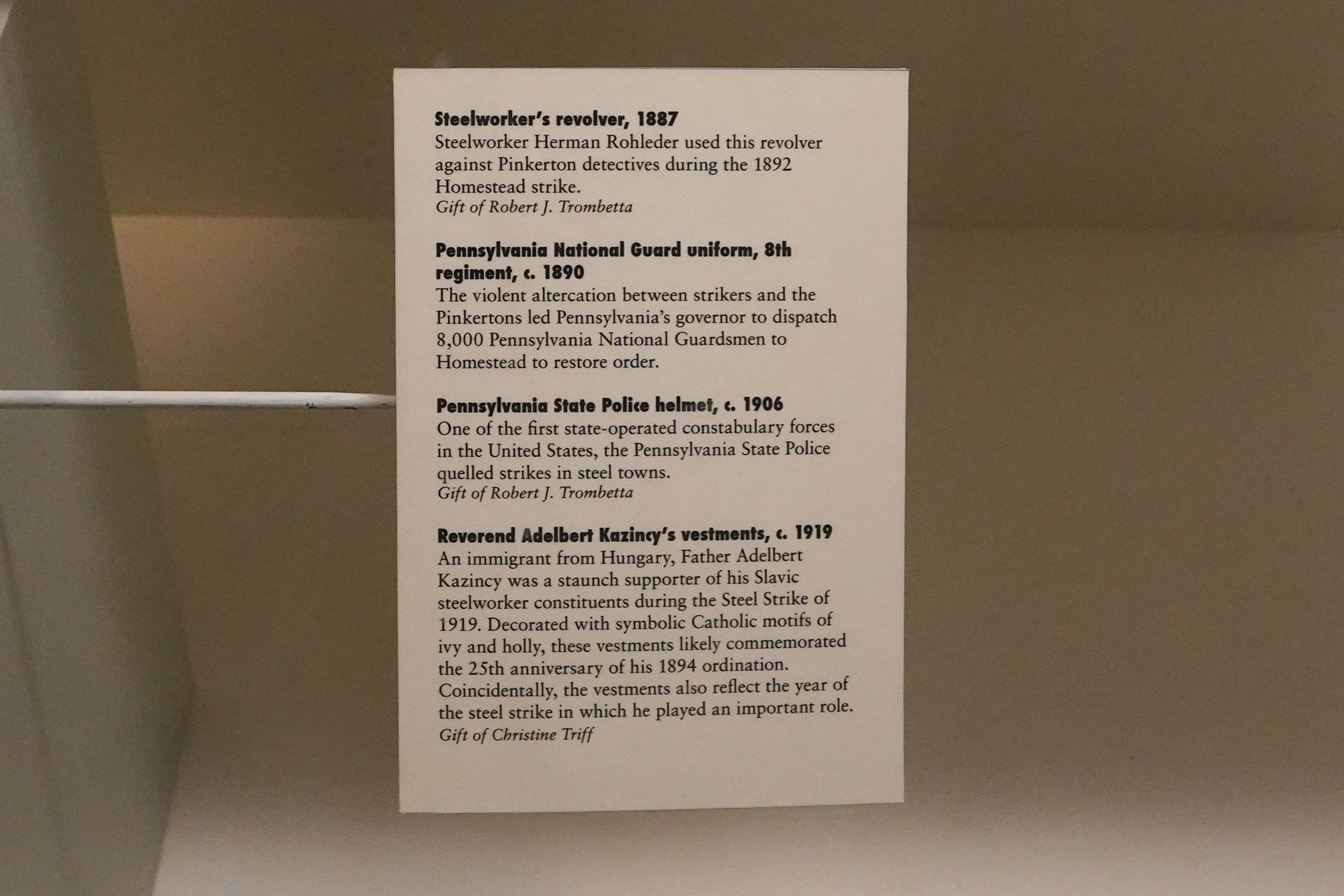
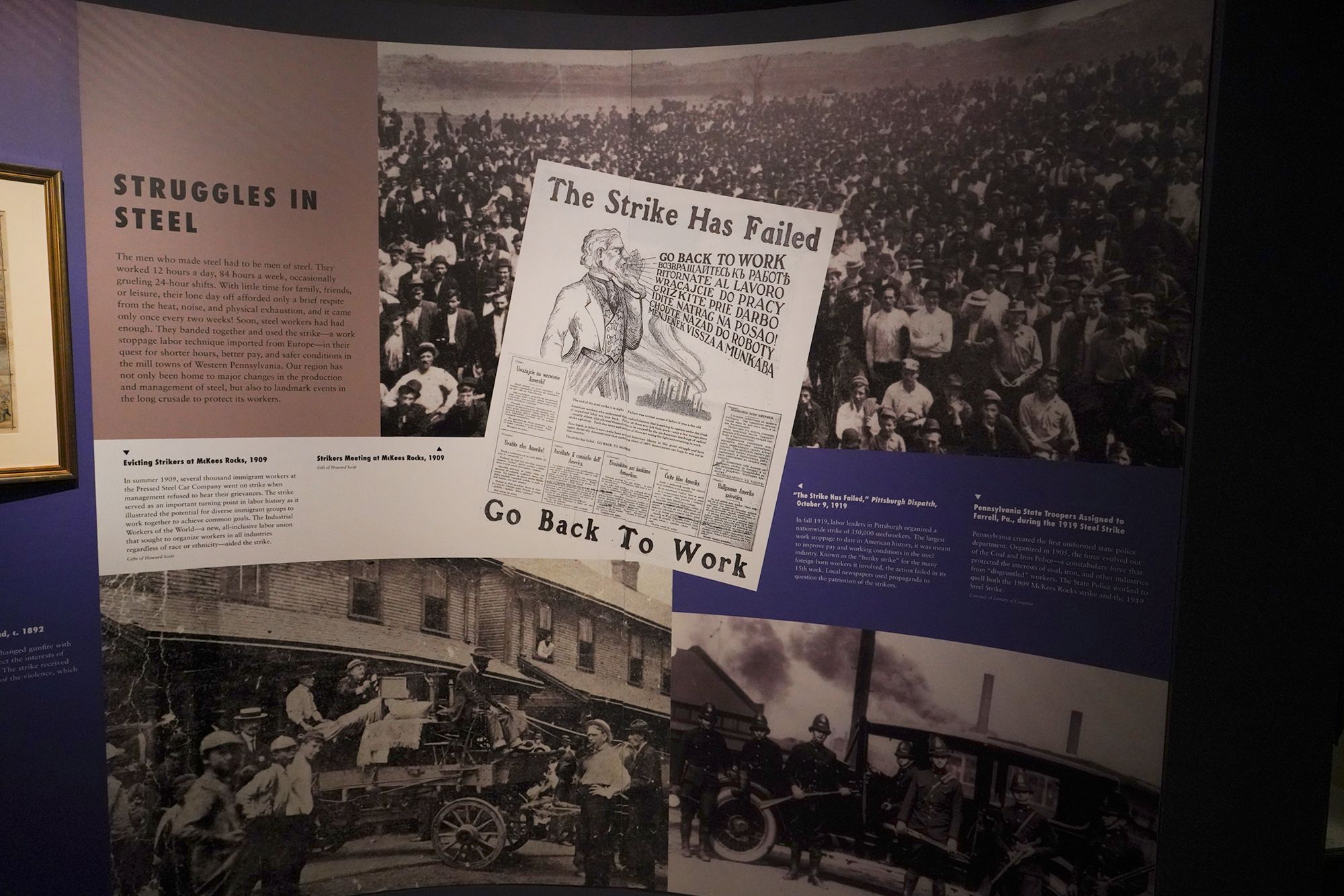
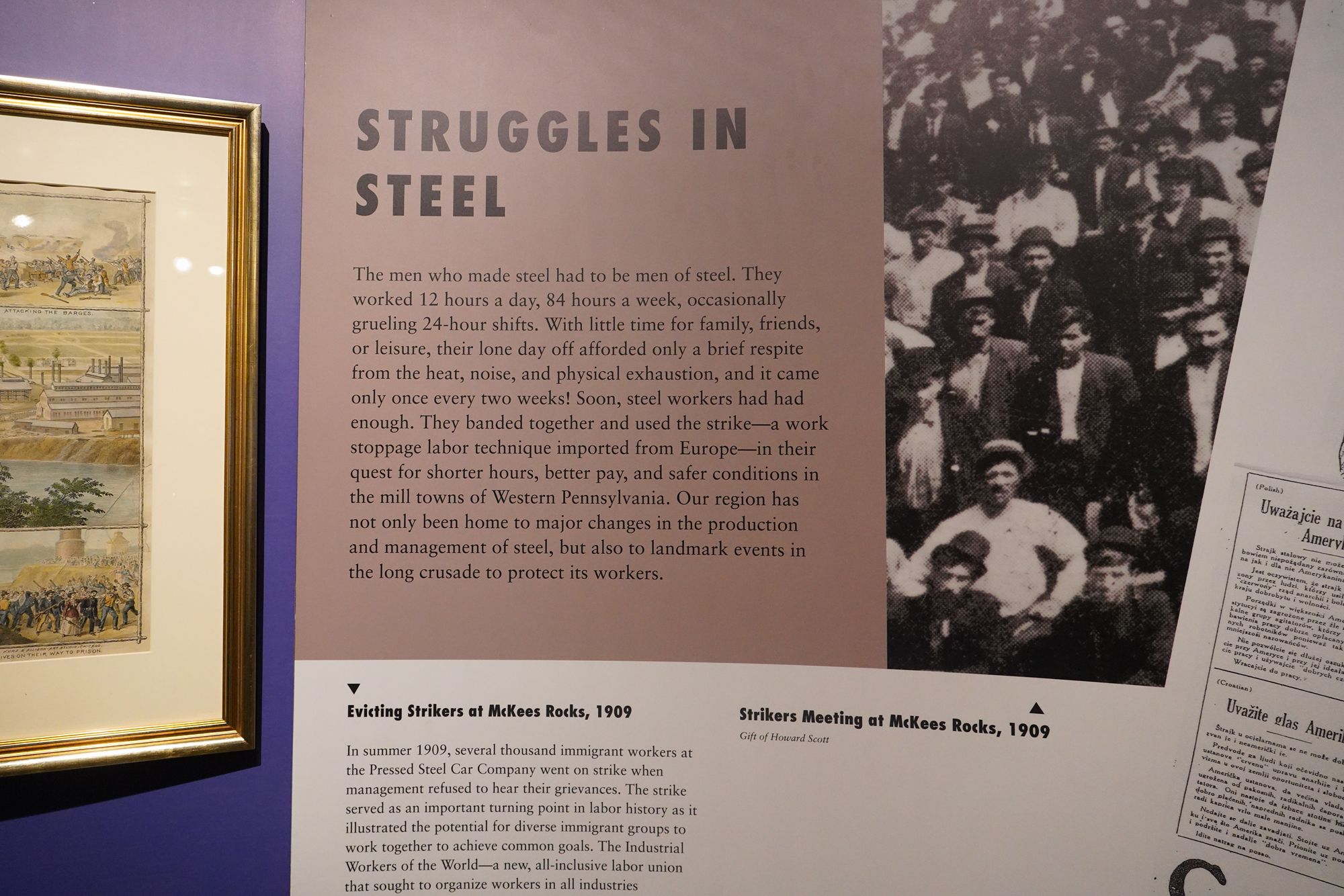
The men who worked at the steel mill worked 12 hours a day, for seven days a week. – This had to change
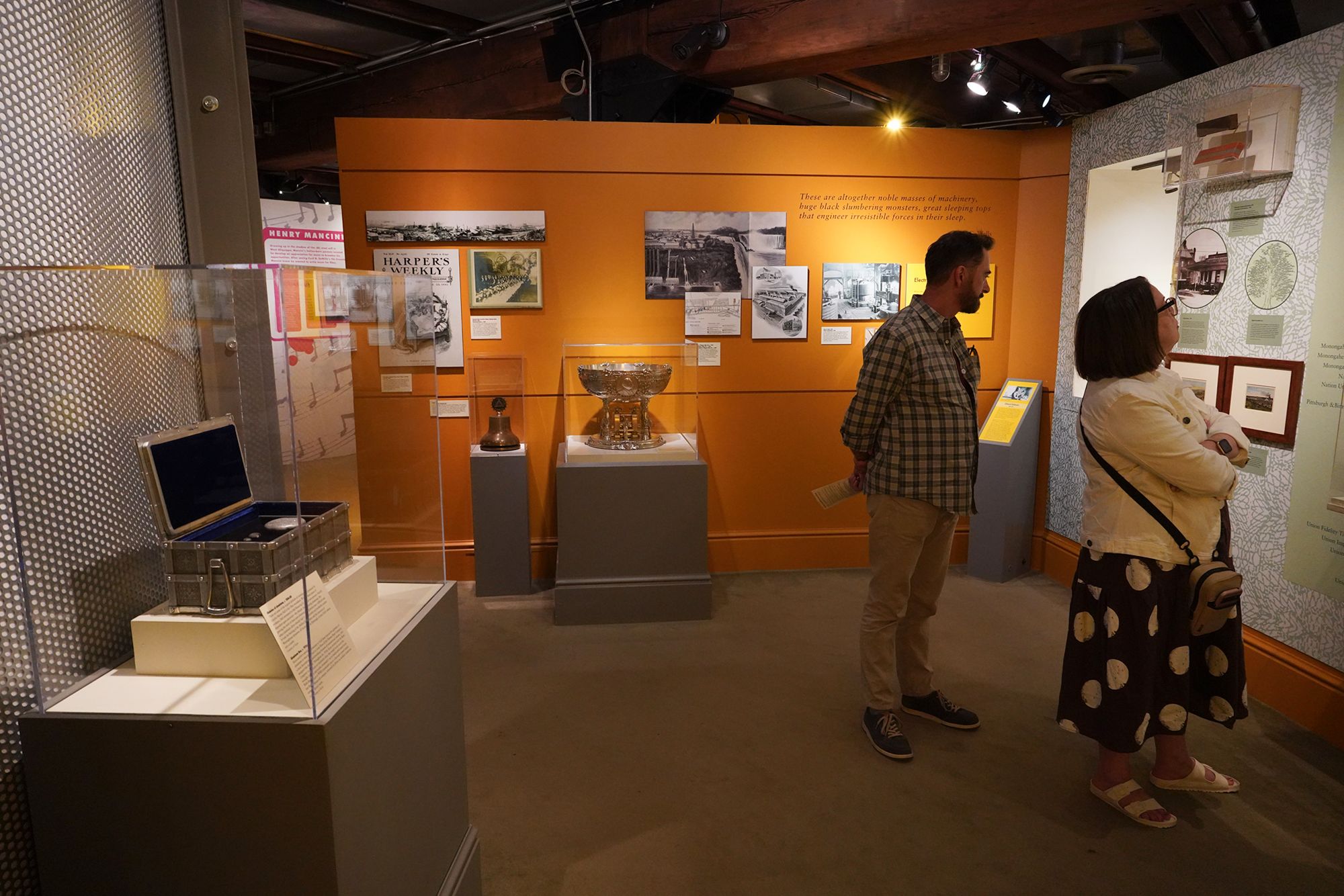
Adventures in Innovation, 1920-1945.
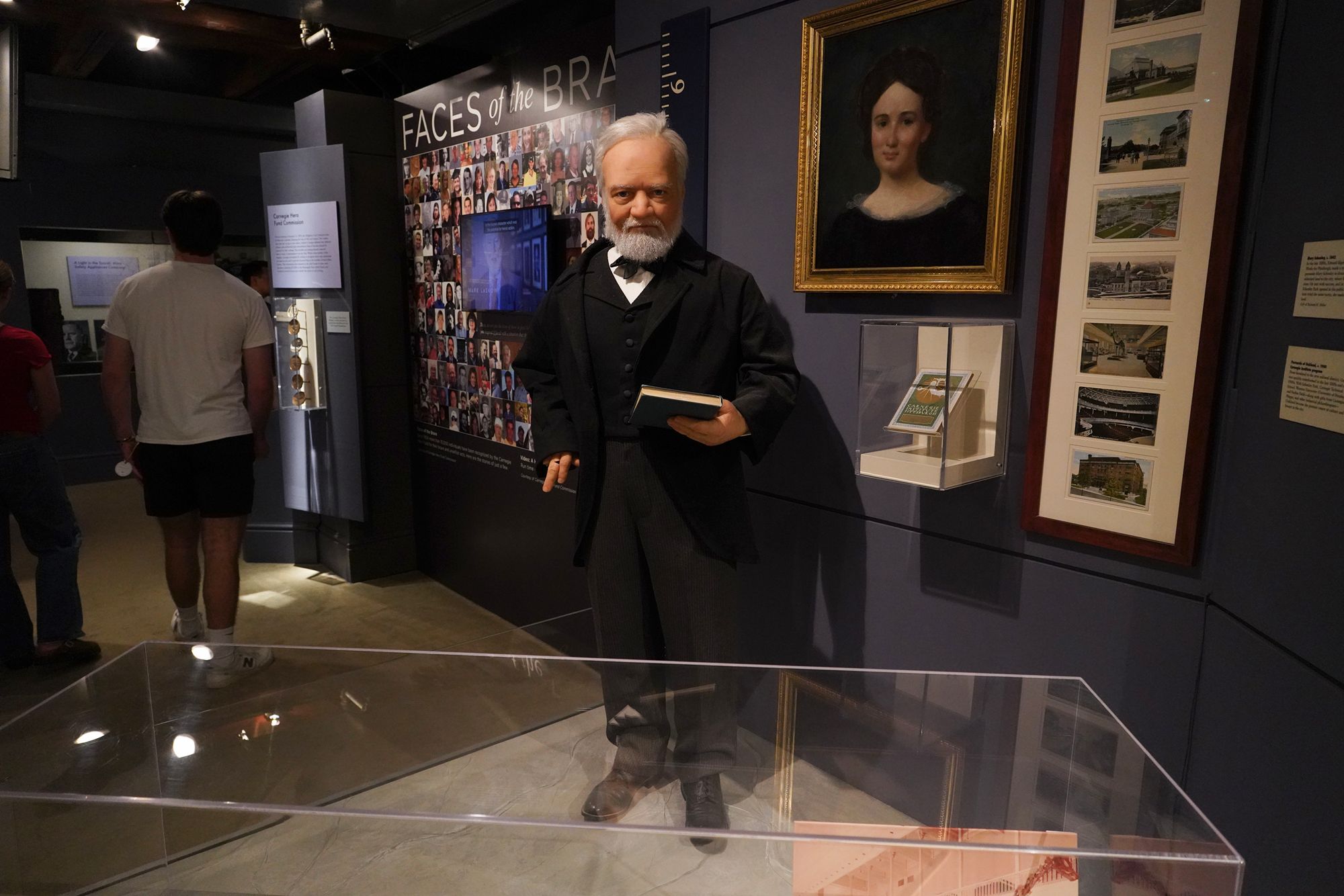
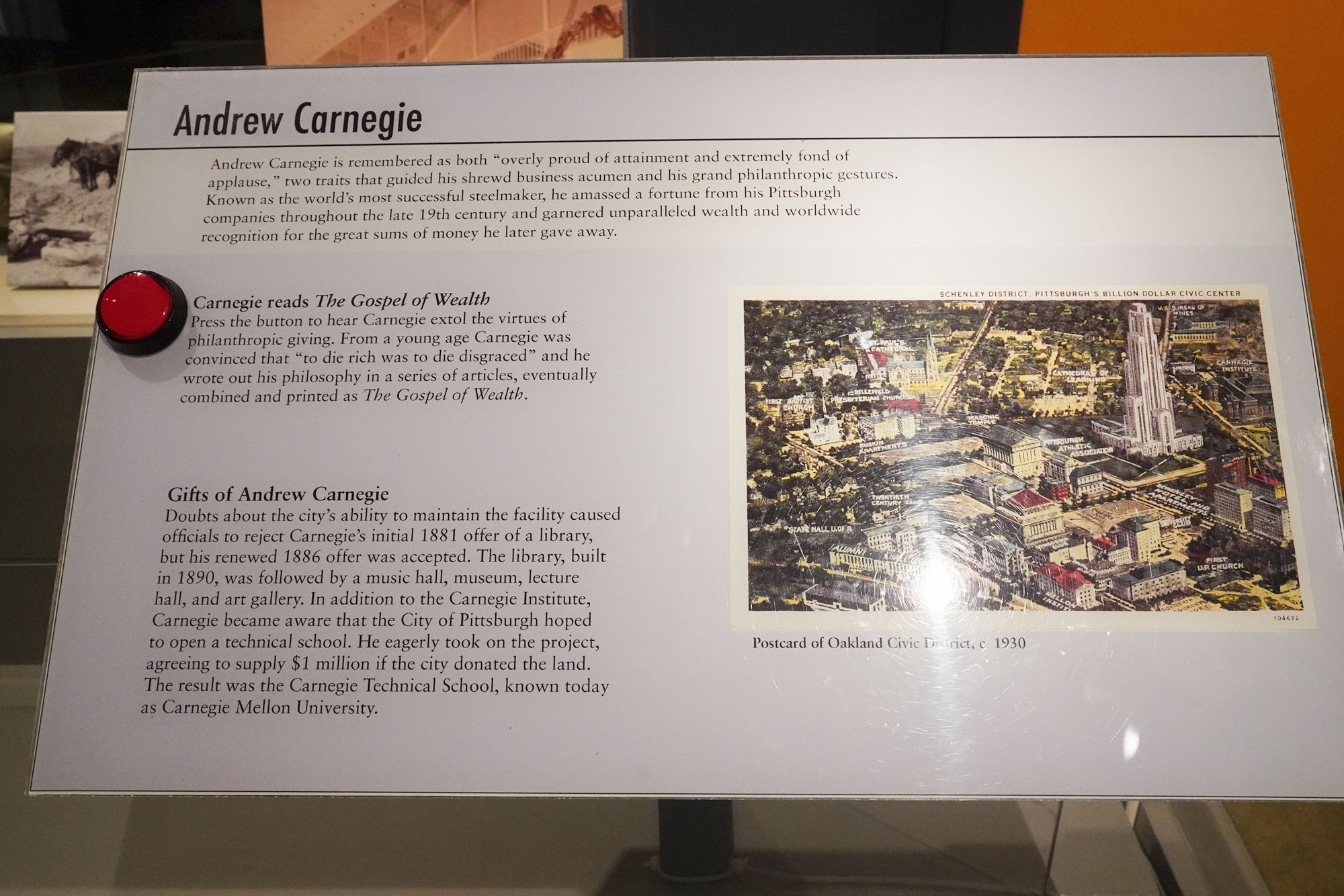
The increasing industry attracted many people to the city. The city built libraries, museums, and public parks.
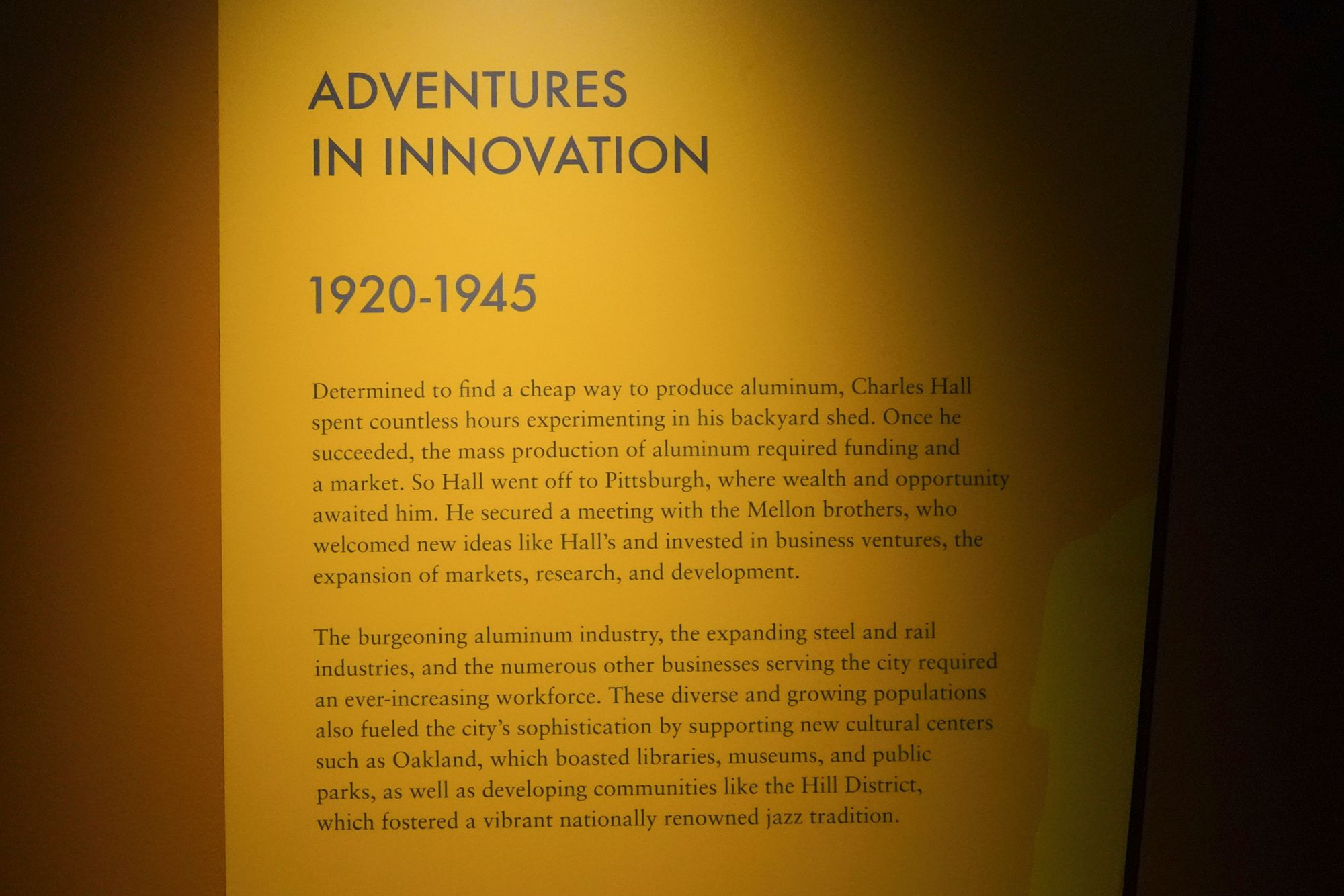
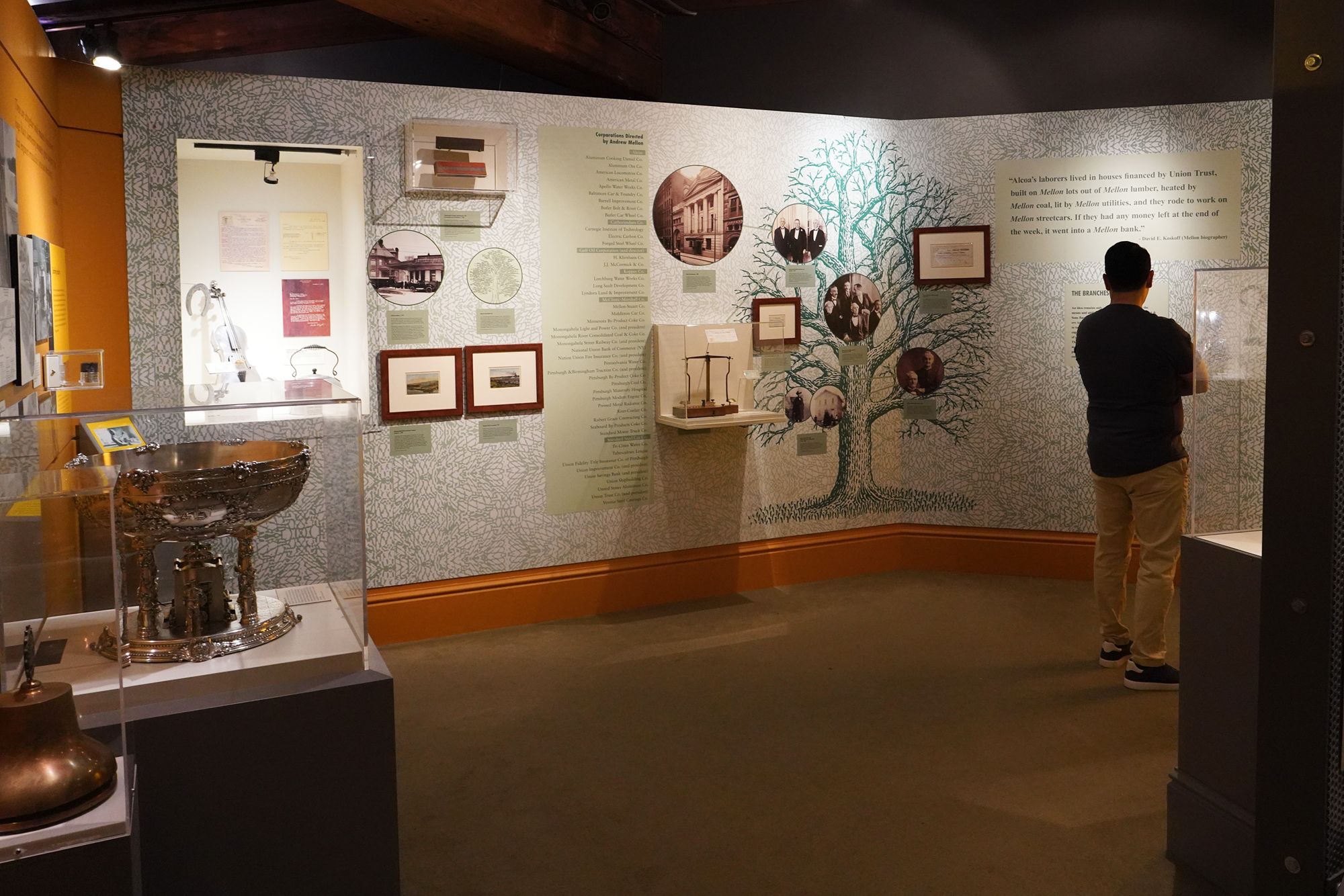
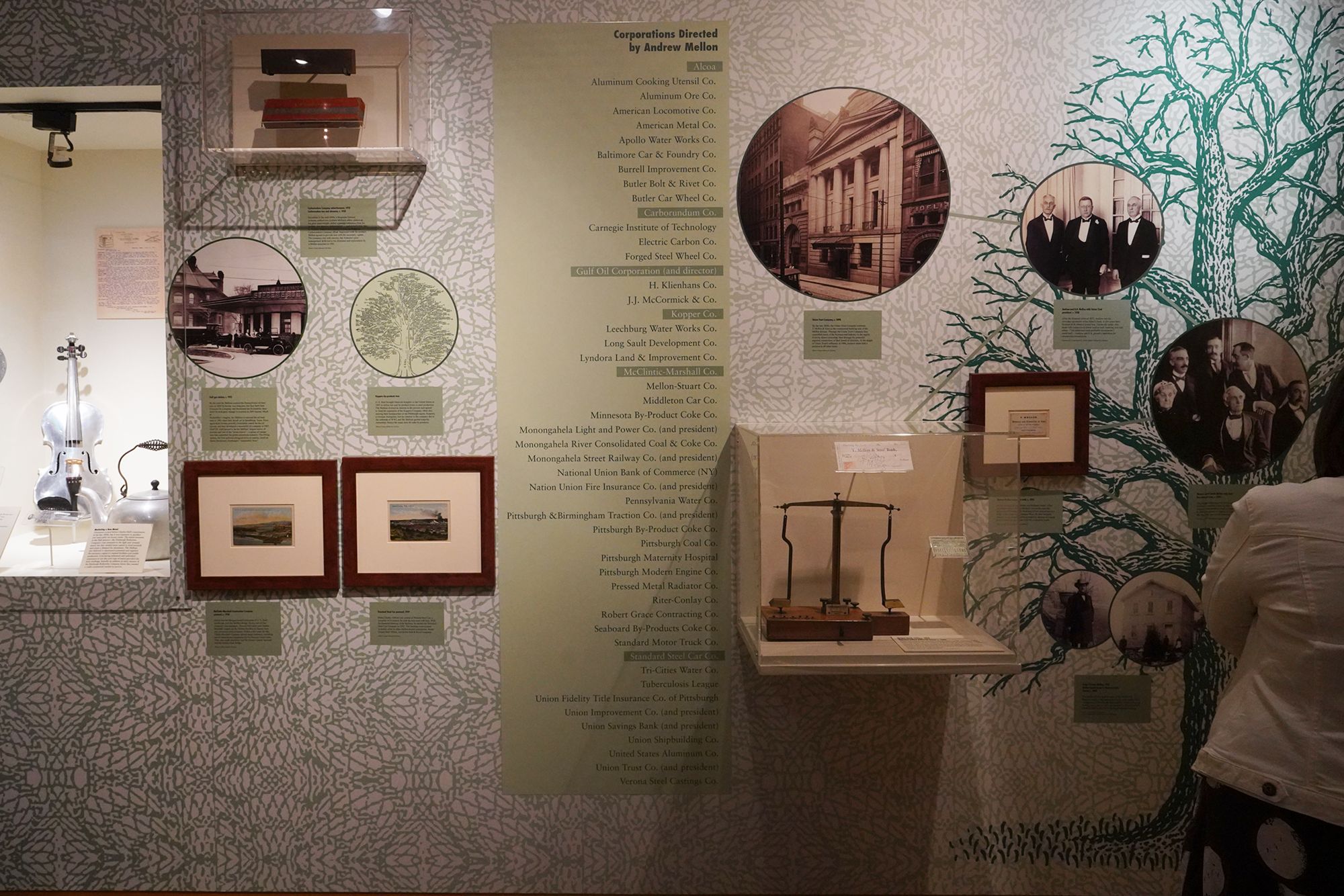
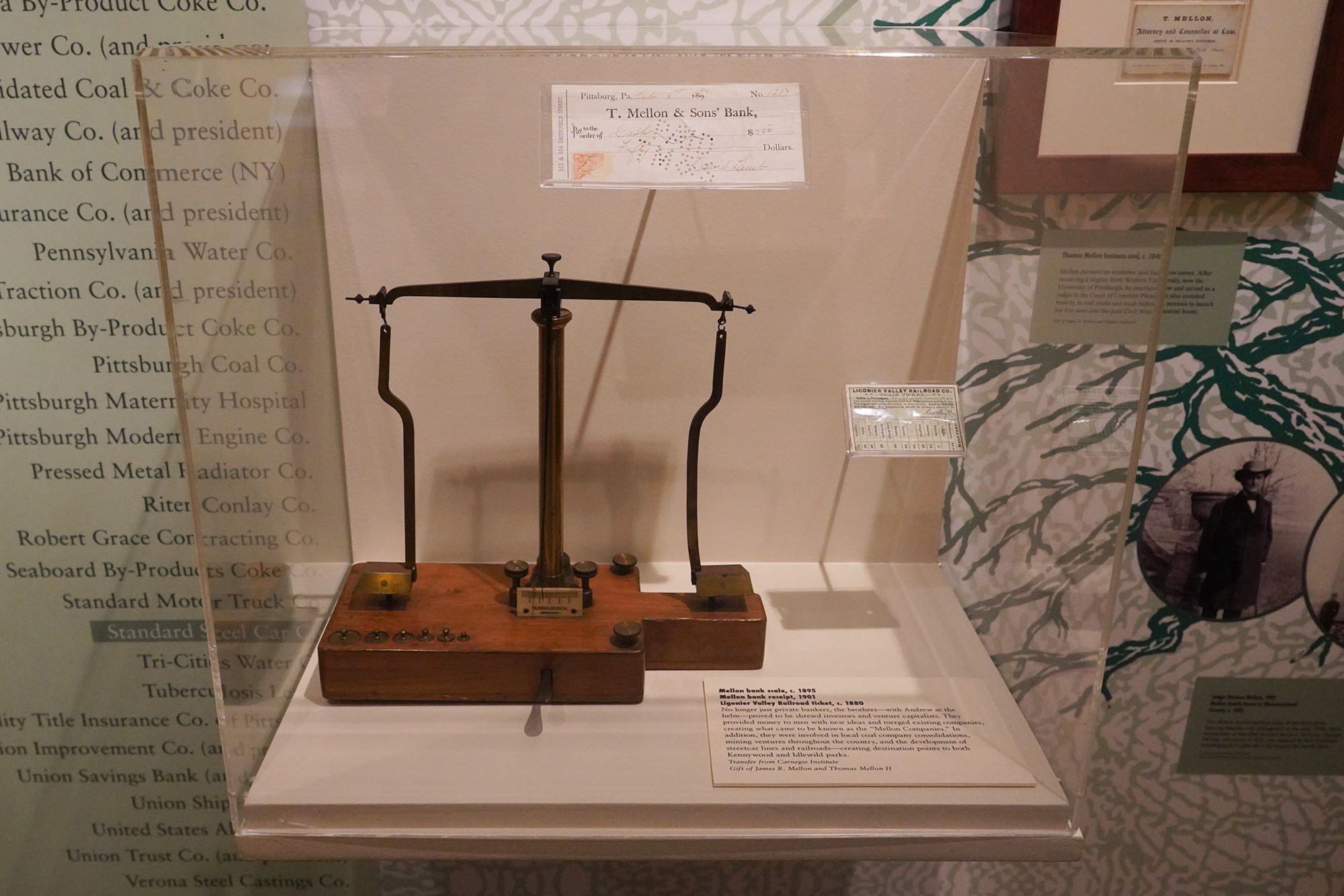
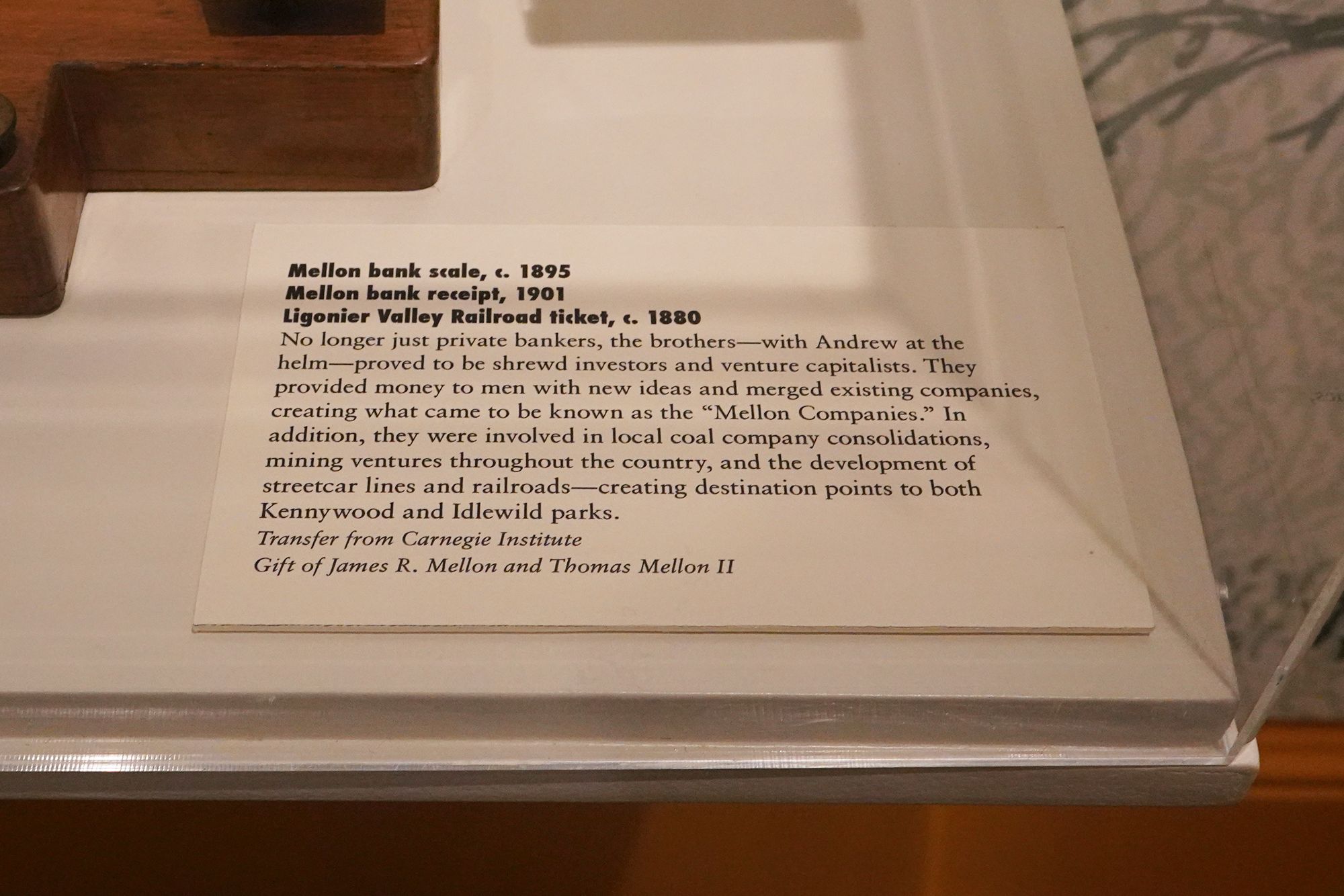
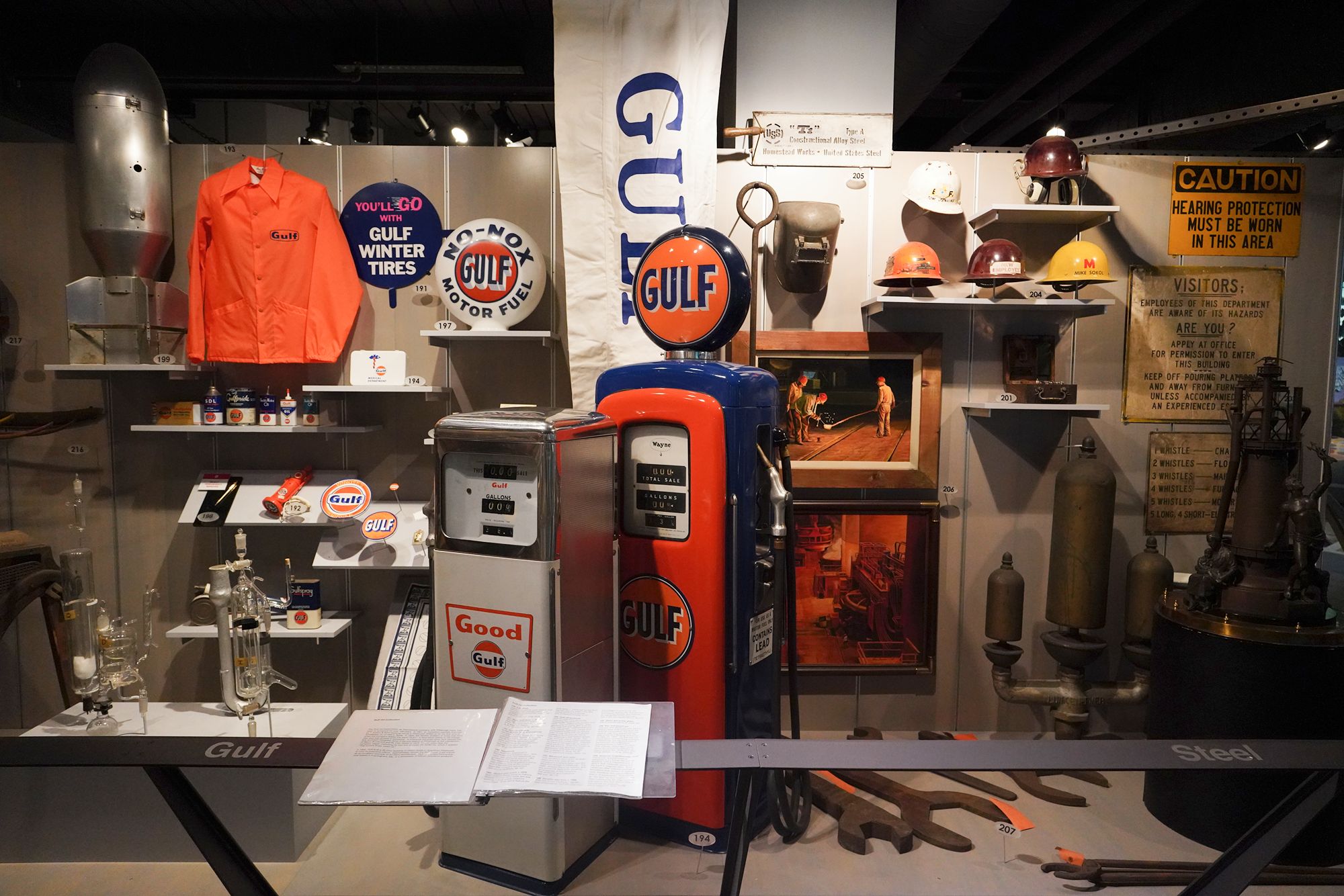
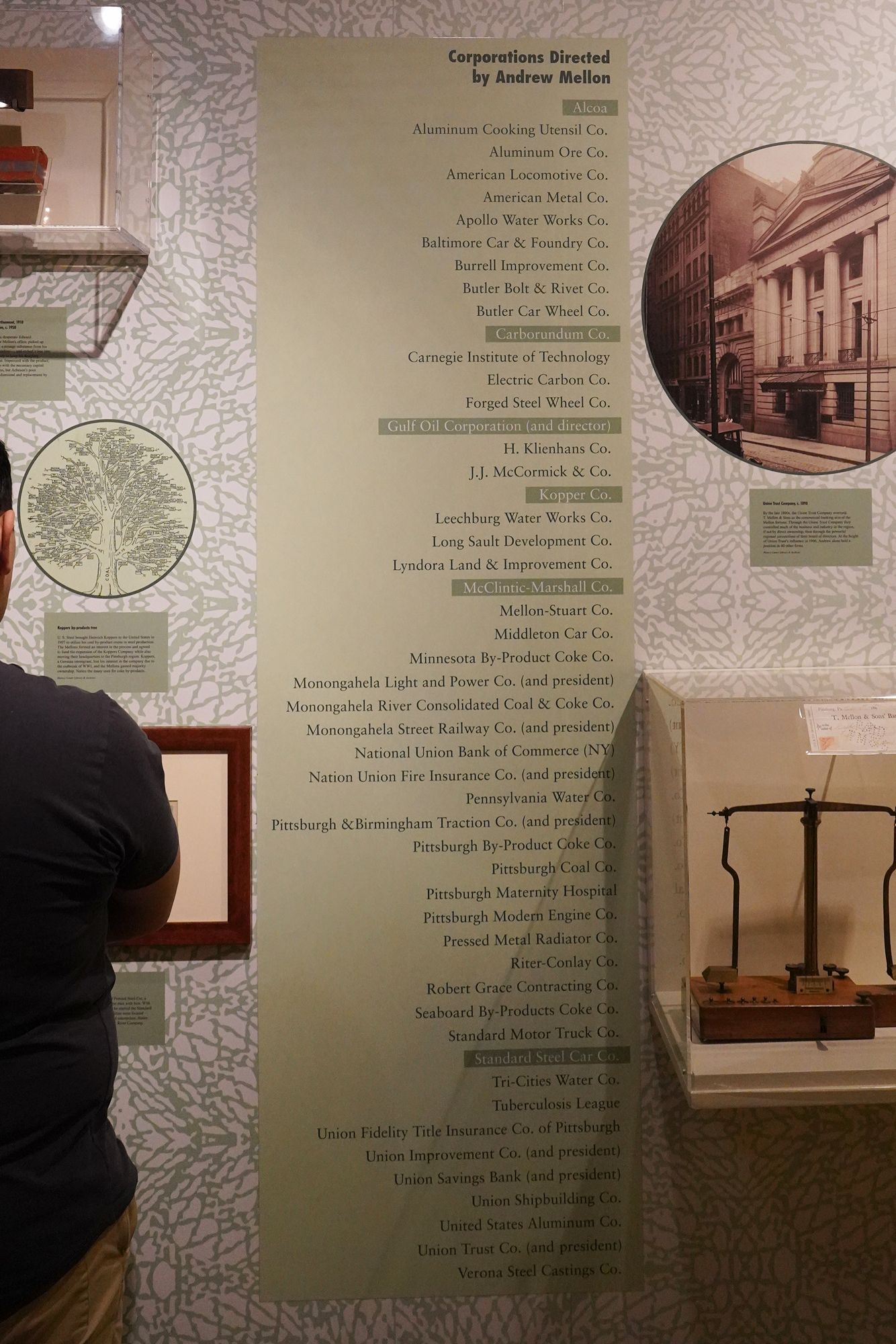
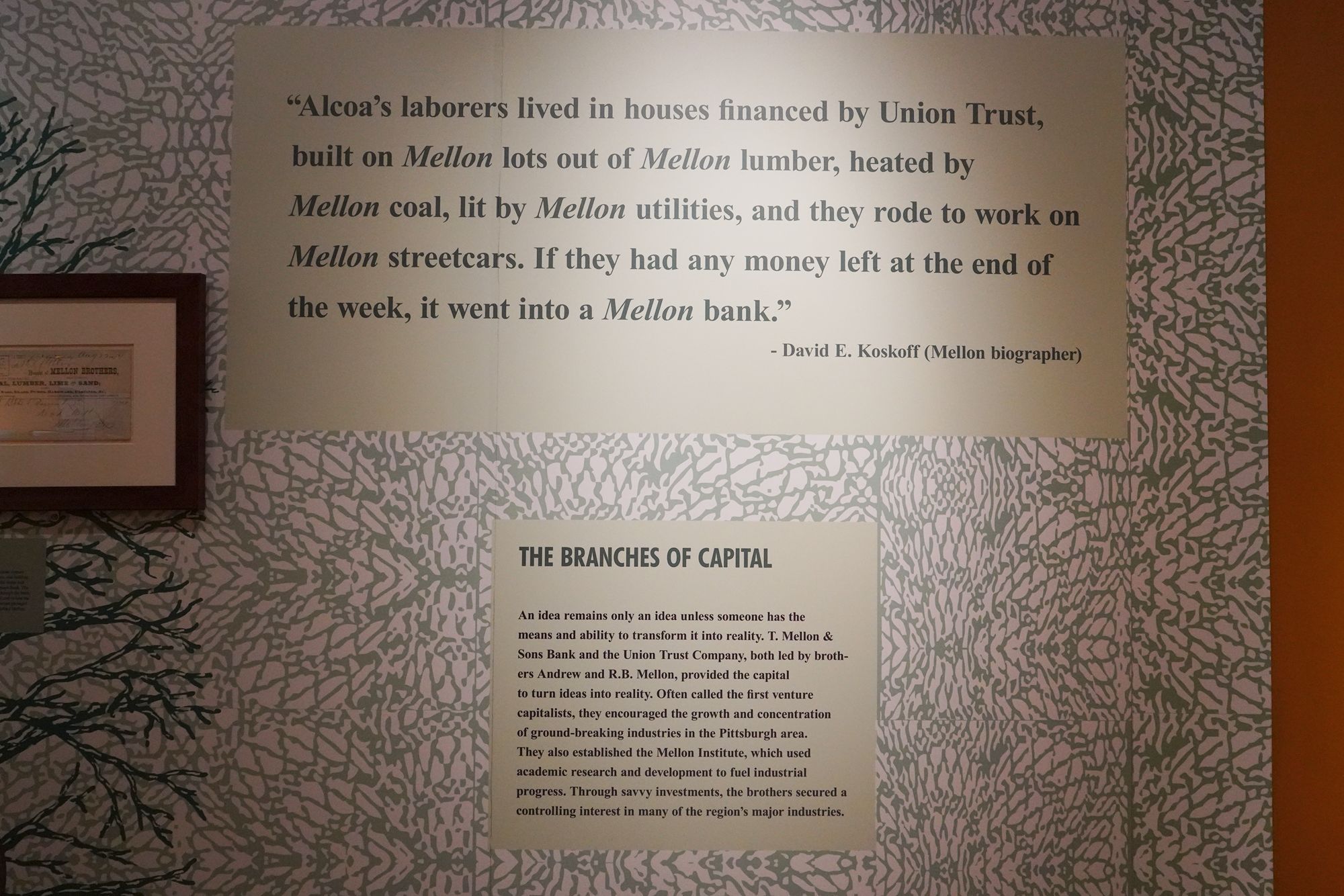
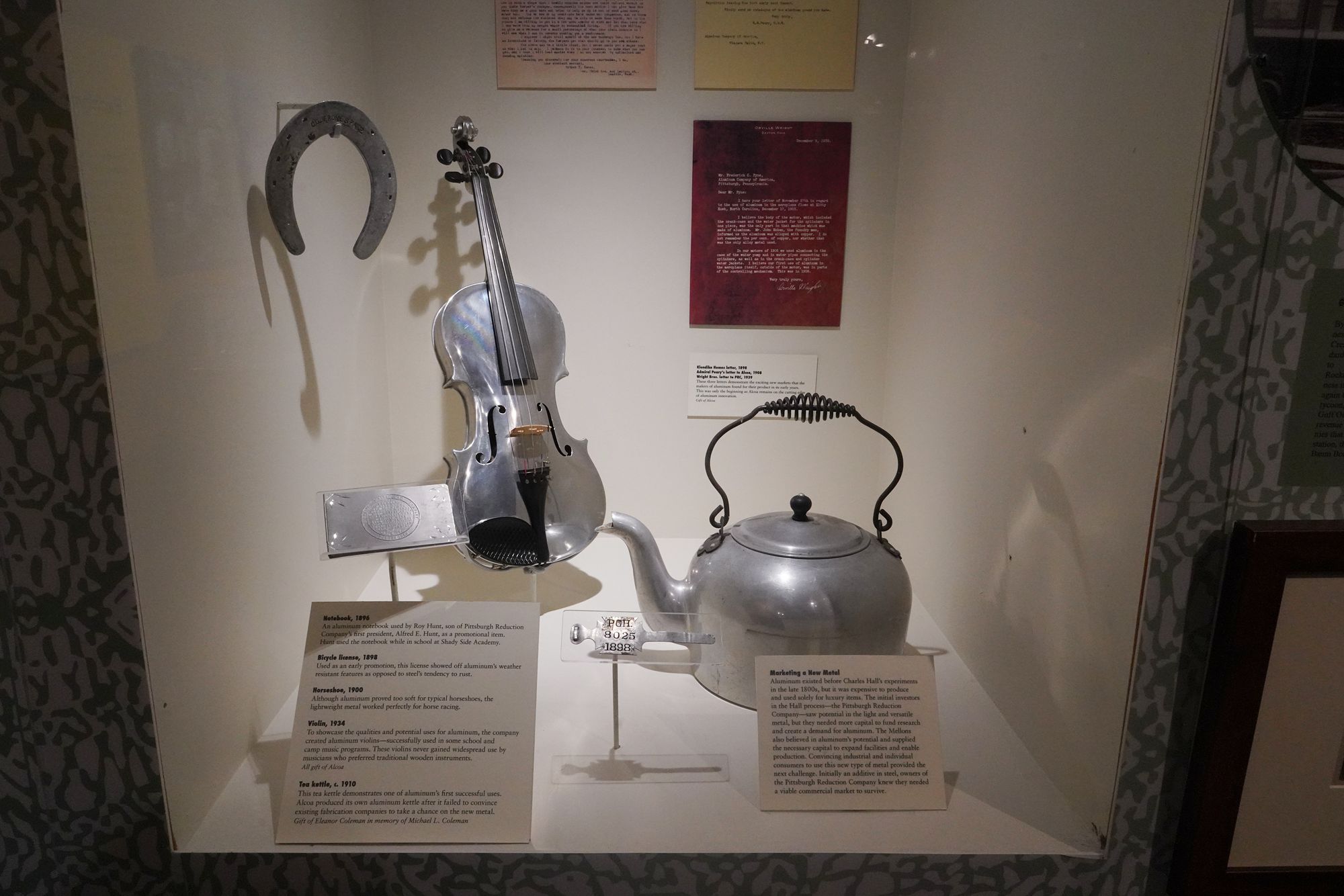
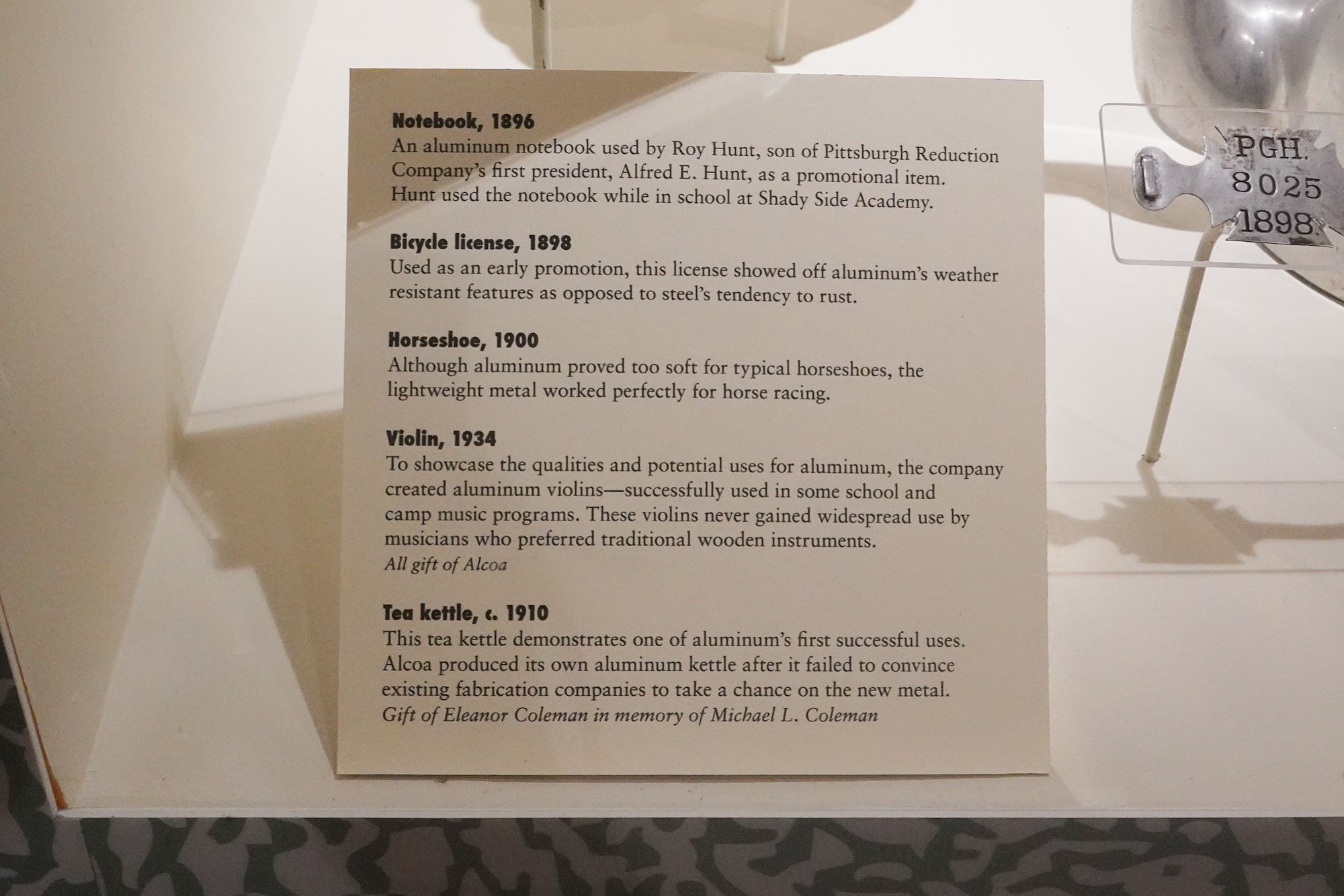
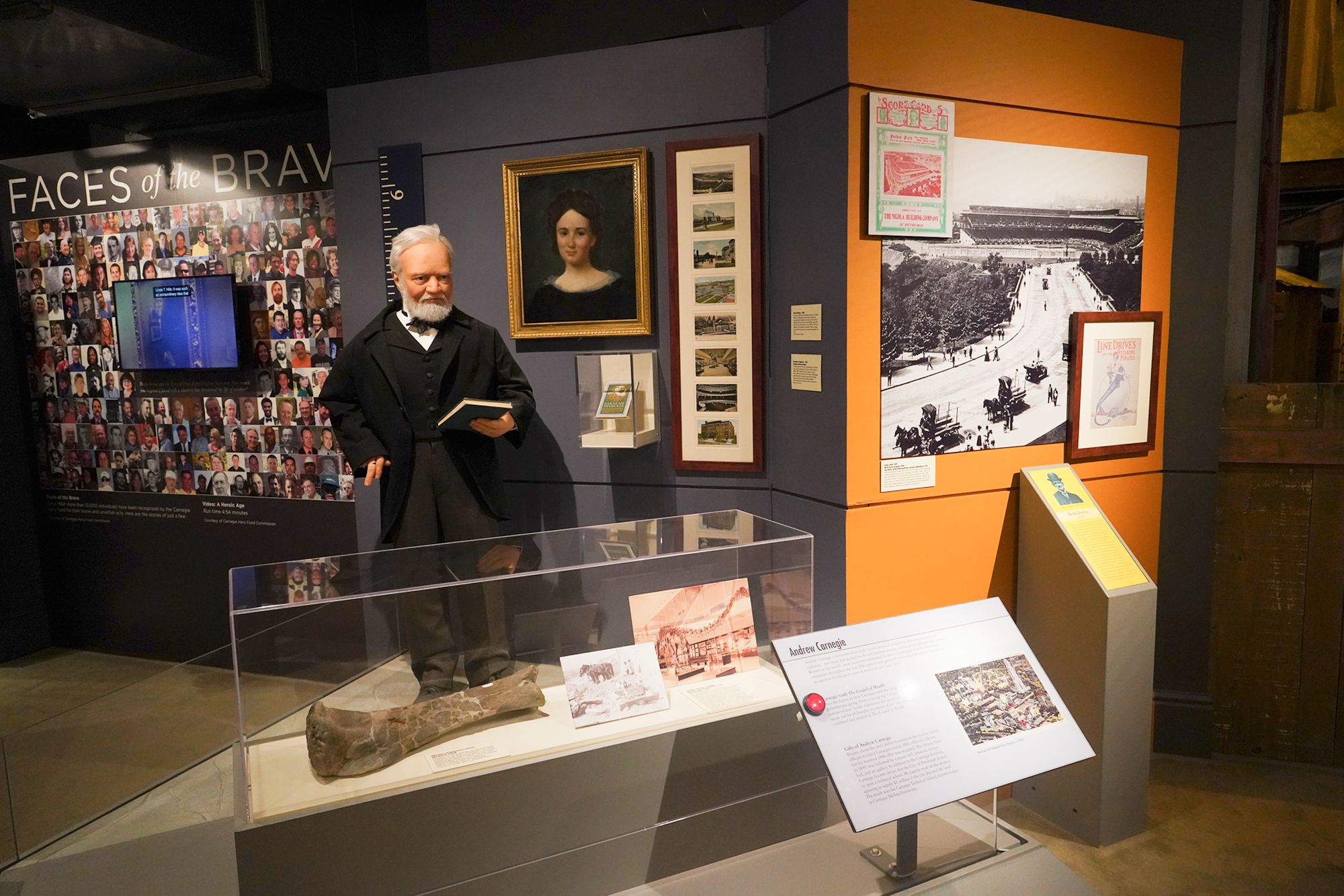
Andrew Mellon was one of the most powerful business figures in late-19th and early-20th-century Pittsburgh, directing and influencing a wide network of corporations rather than running a single company.
Through Mellon Bank, he financed and guided major enterprises in steel, aluminum, oil, coal, chemicals, and railroads. Companies such as Alcoa, Gulf Oil, and Union Steel grew with Mellon capital and oversight. His strategy emphasized consolidation, modern management, and long-term investment, helping turn Pittsburgh into a financial and industrial command center, not just a manufacturing city.
Mellon’s corporate influence later extended nationally when he became U.S. Secretary of the Treasury, shaping both industry and government policy.
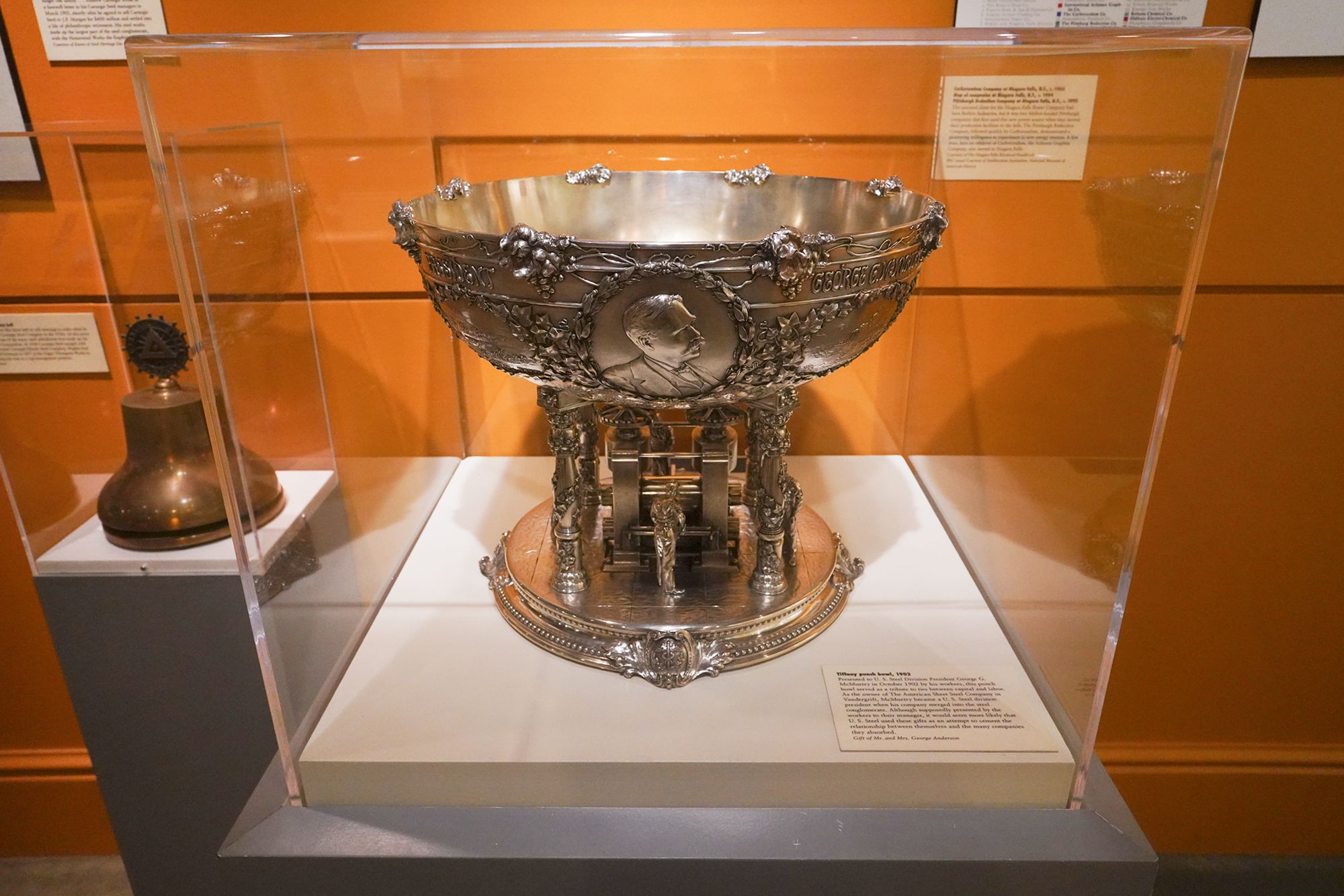
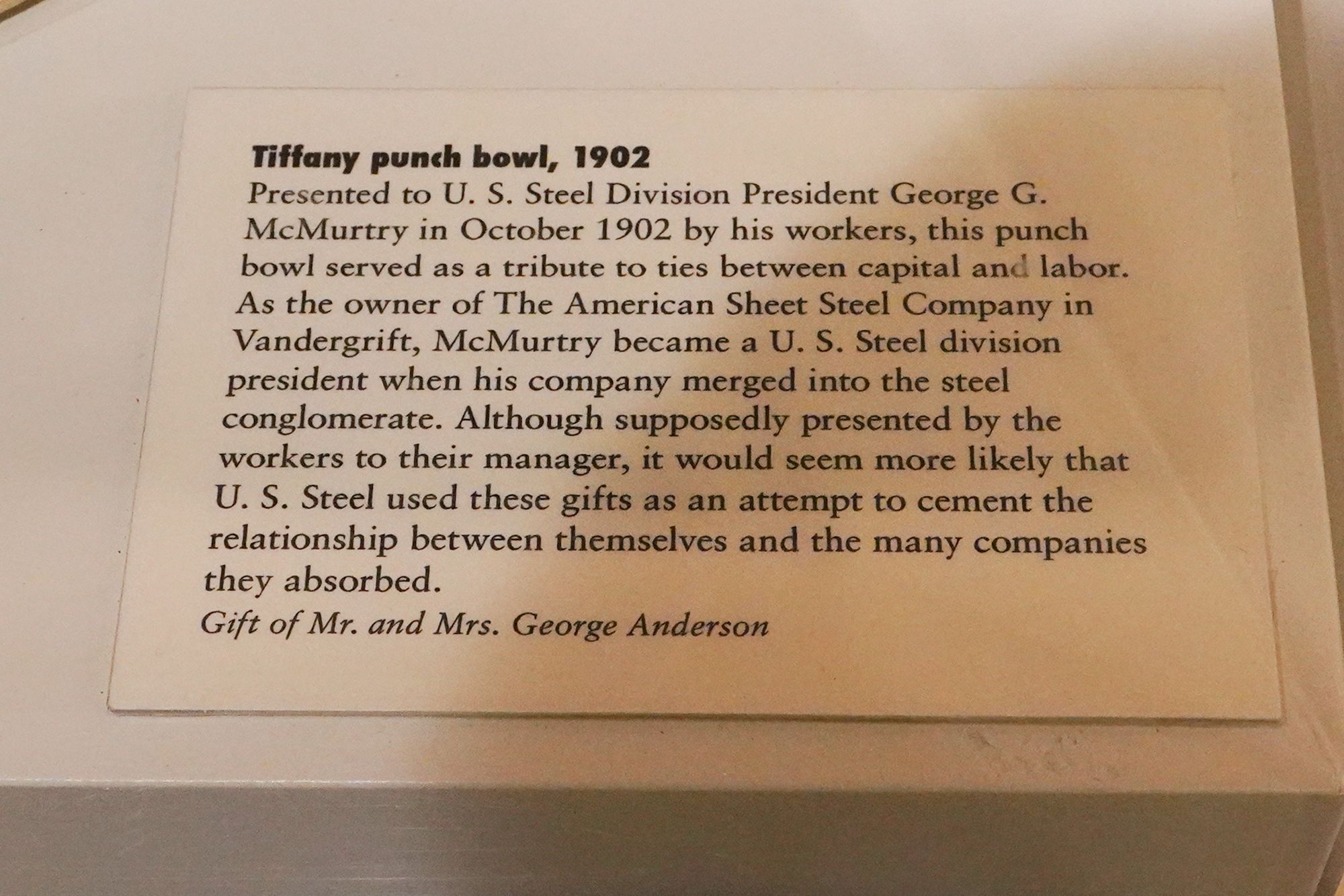
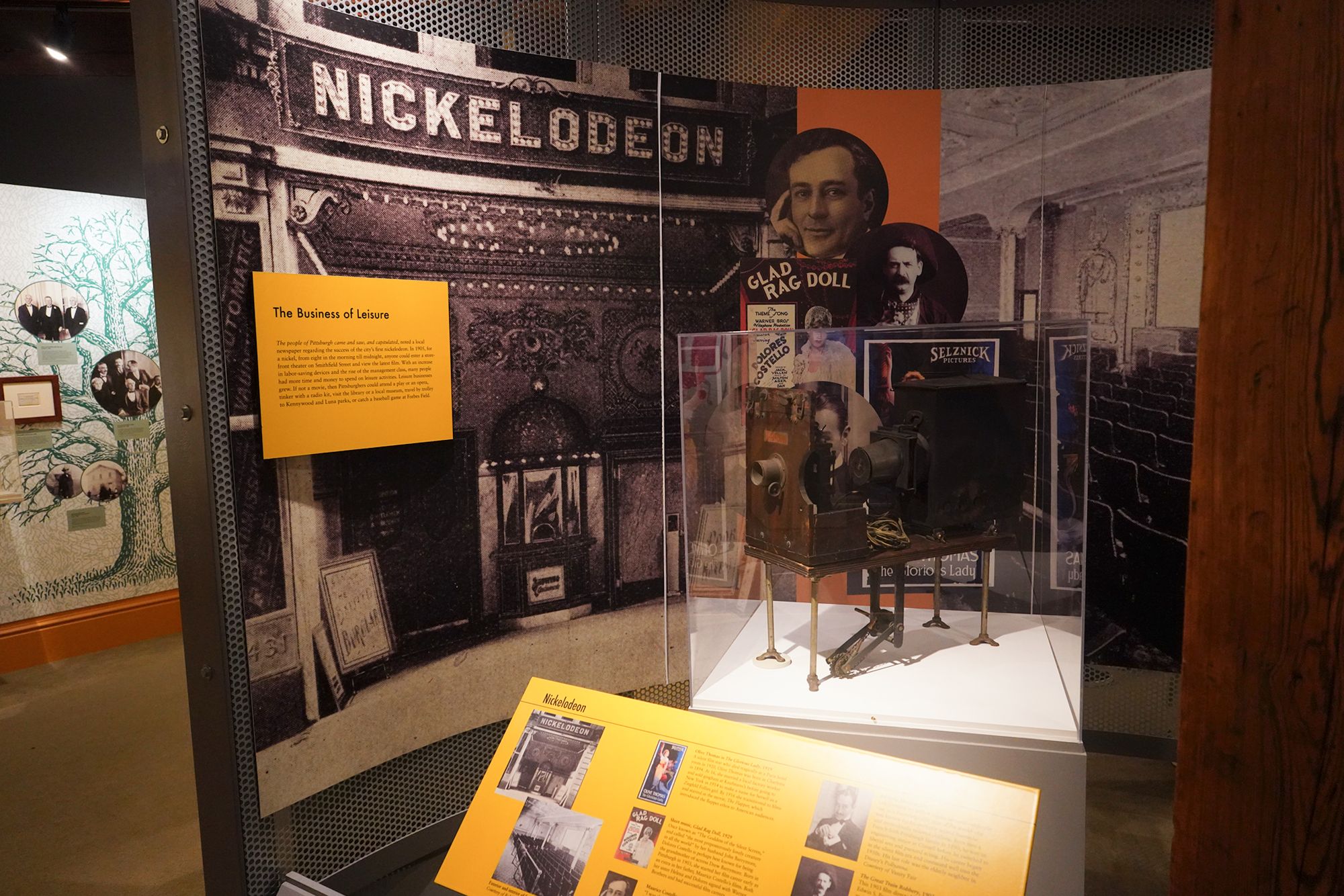
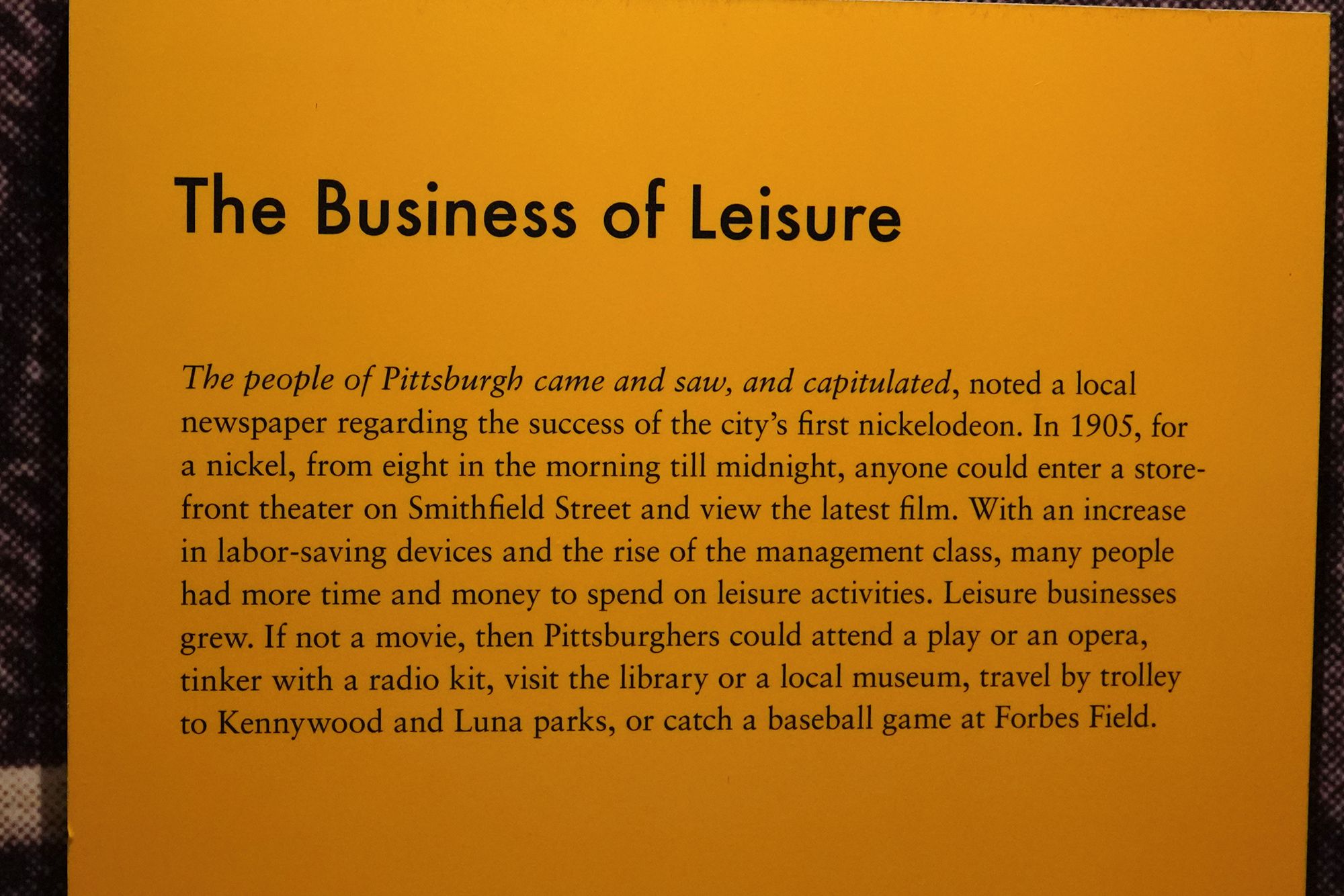
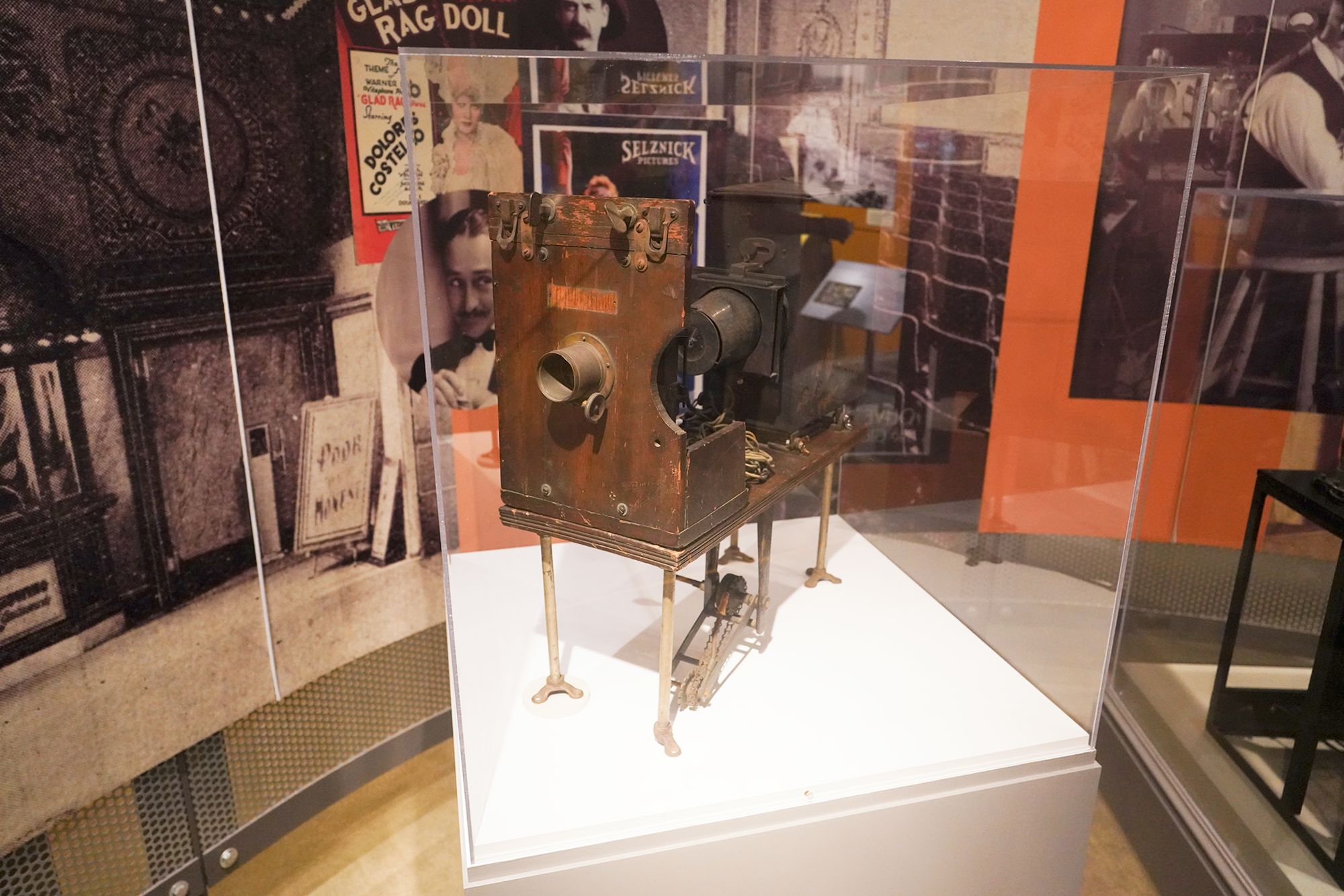
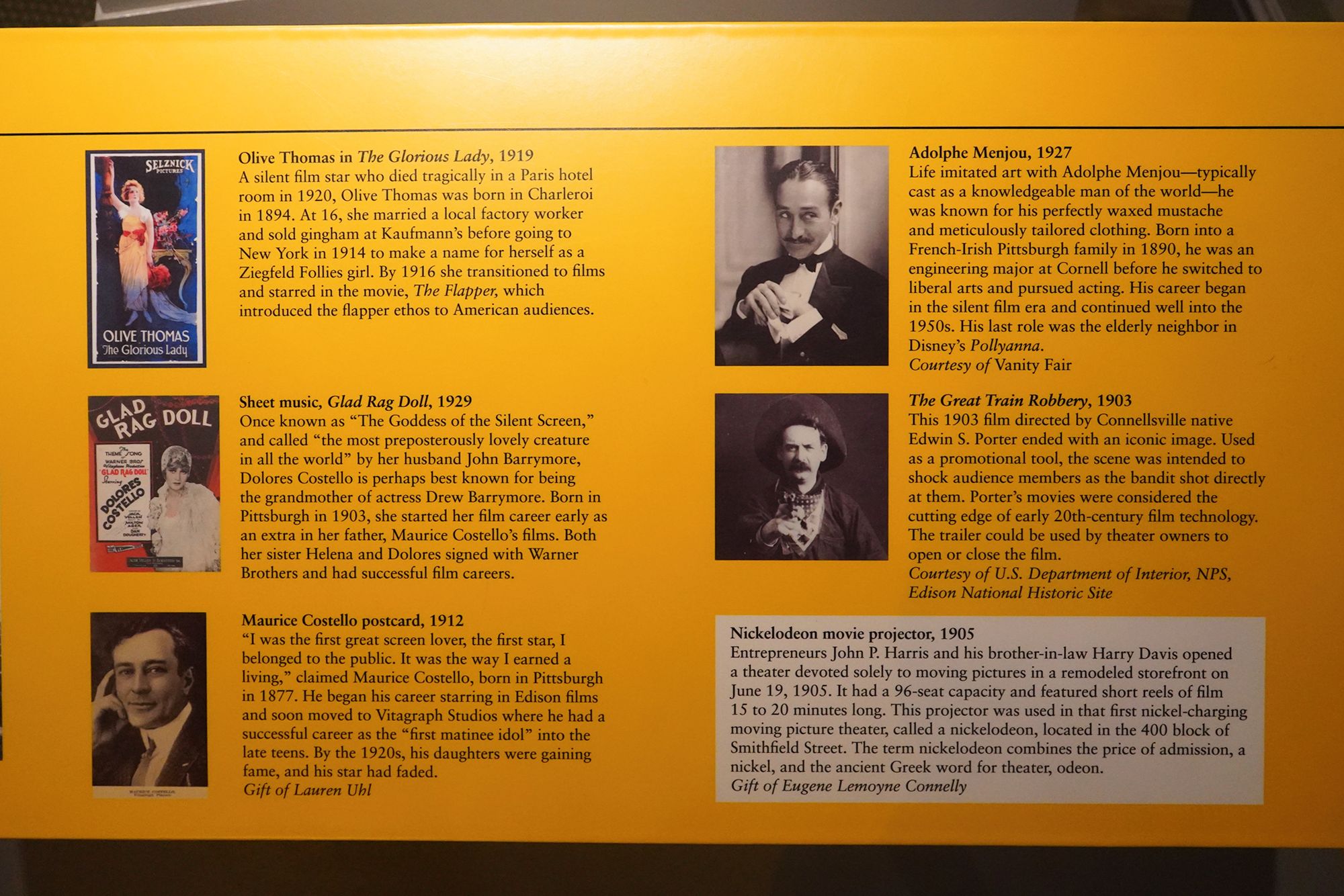
“The Business of Leisure – Nickelodeon” refers to the rise of inexpensive movie theaters in the early 1900s.
Nickelodeons charged five cents and brought motion pictures to working-class audiences, turning leisure into a profitable mass industry. In industrial cities like Pittsburgh, they transformed free time into commercial entertainment and helped launch the modern film business.
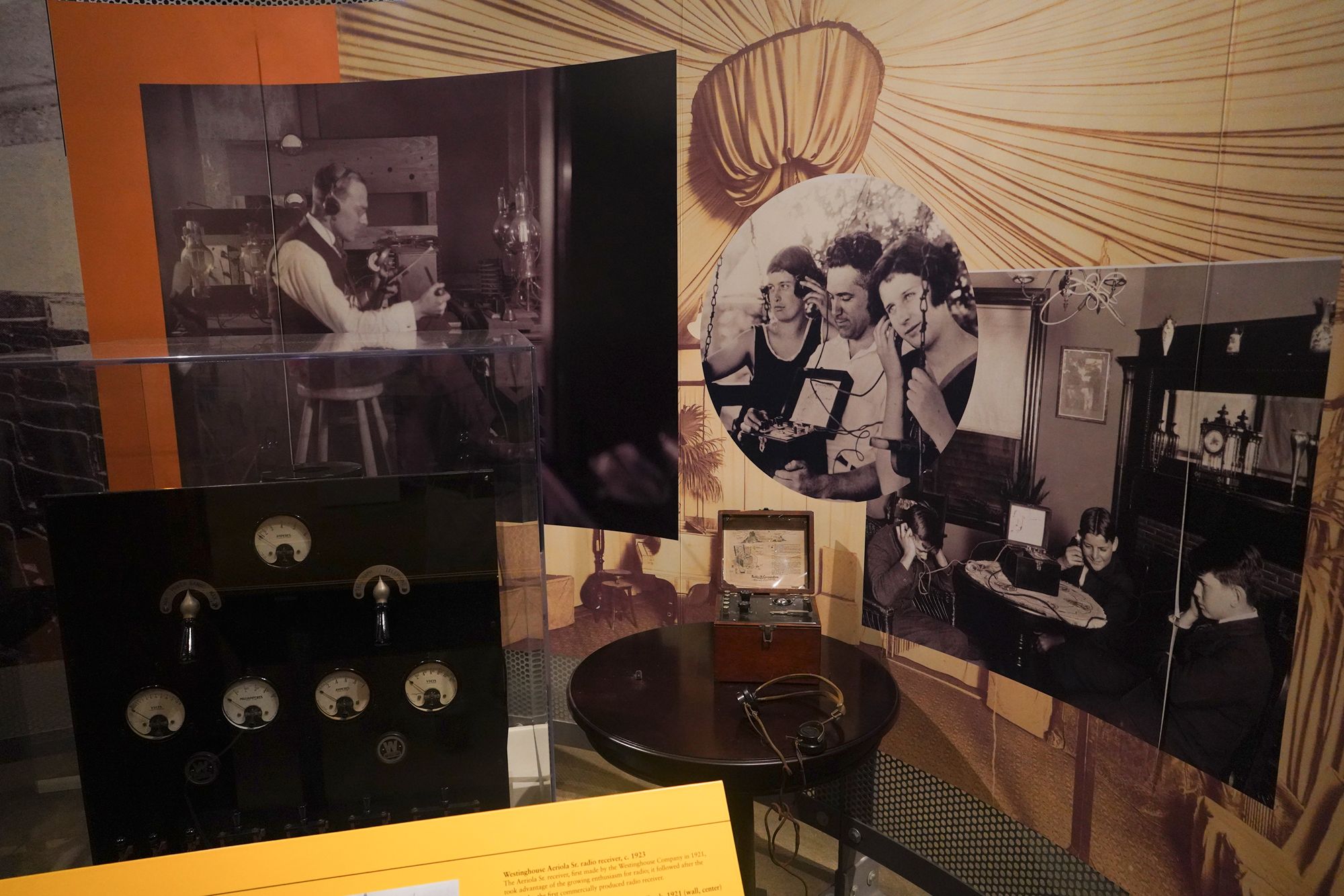
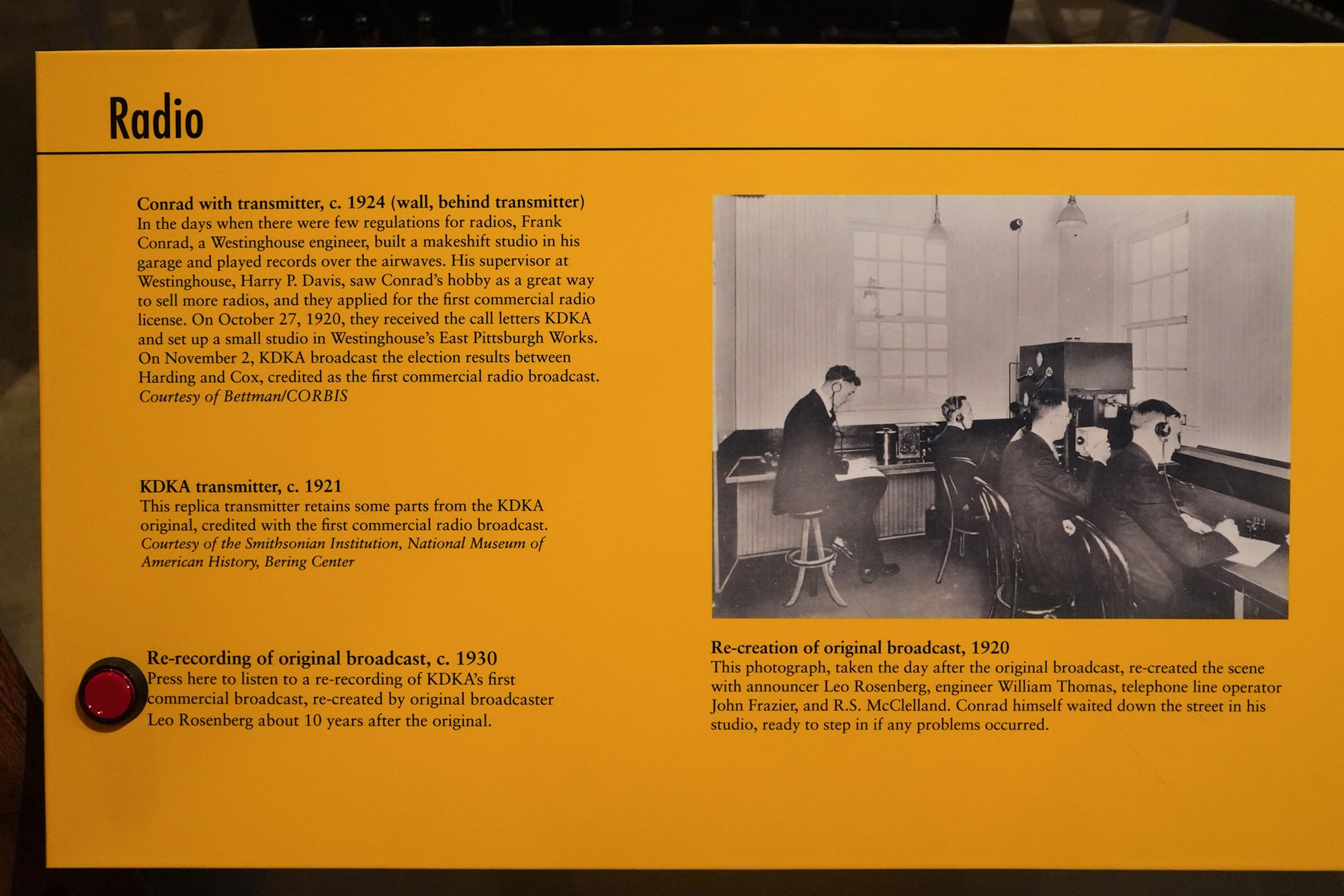
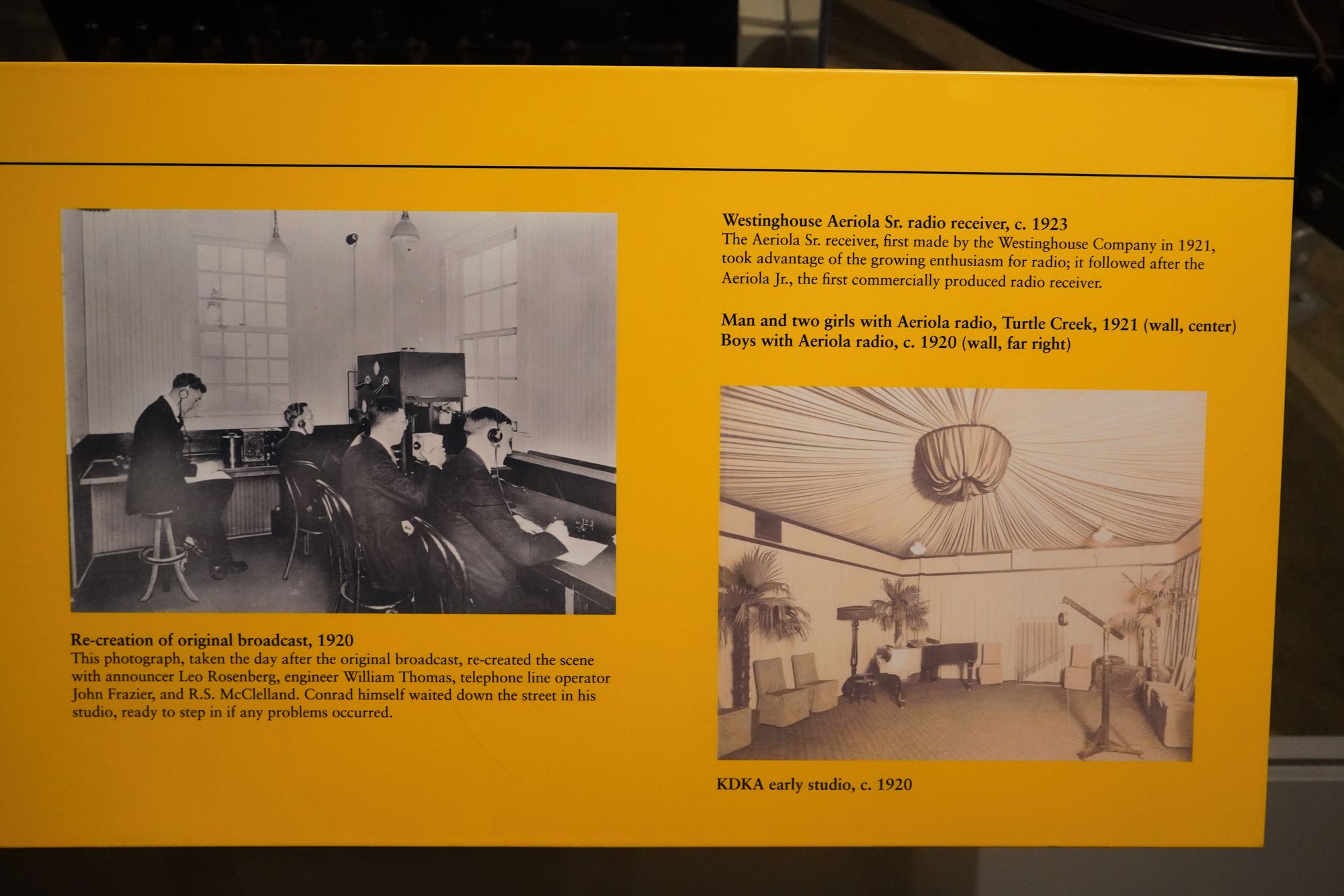
Radio emerged in the early 20th century as a powerful new mass medium.
It brought news, music, and entertainment directly into homes, reshaping leisure, advertising, and politics. In industrial cities like Pittsburgh, radio connected workers and families to national culture while creating new businesses and communication industries.
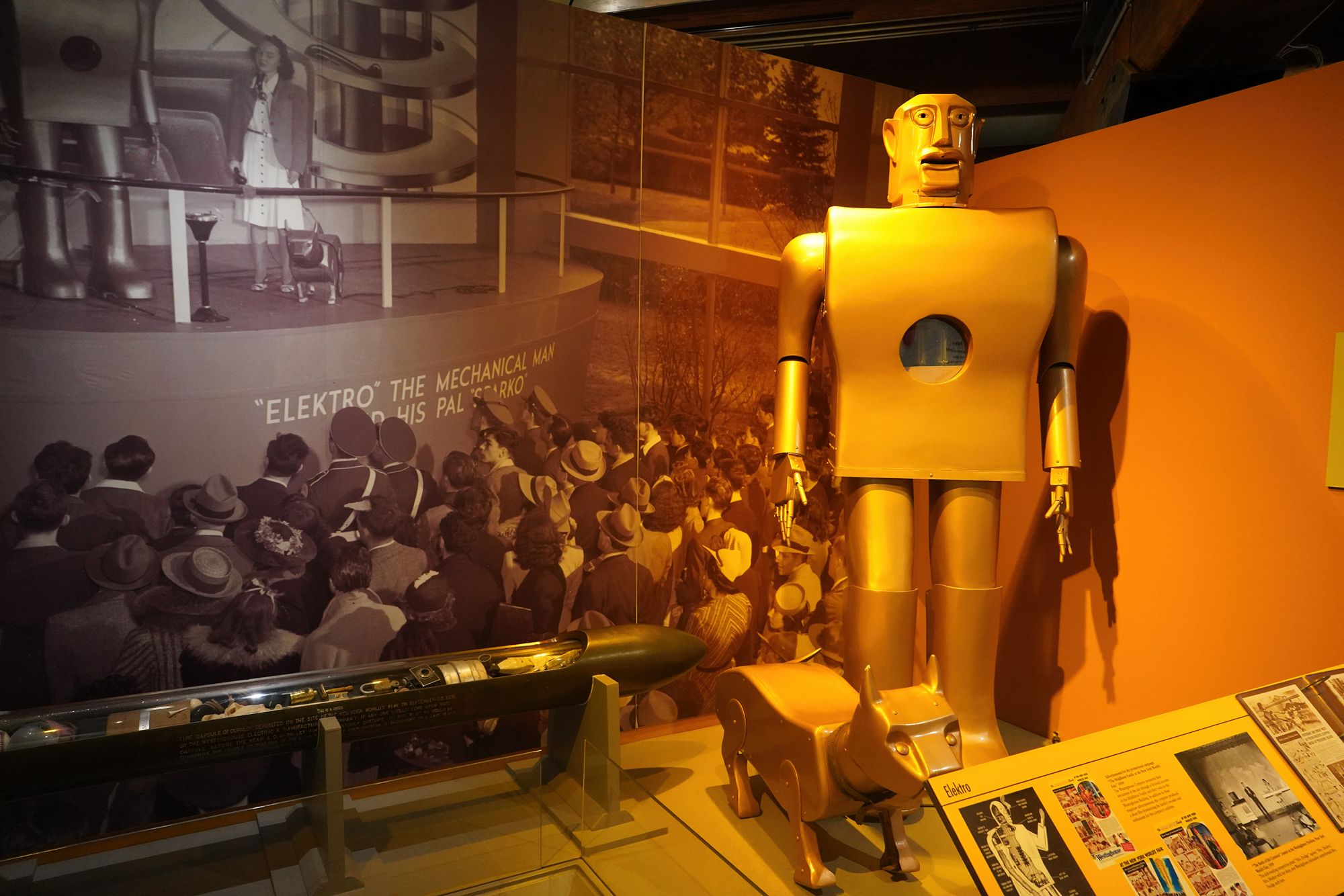
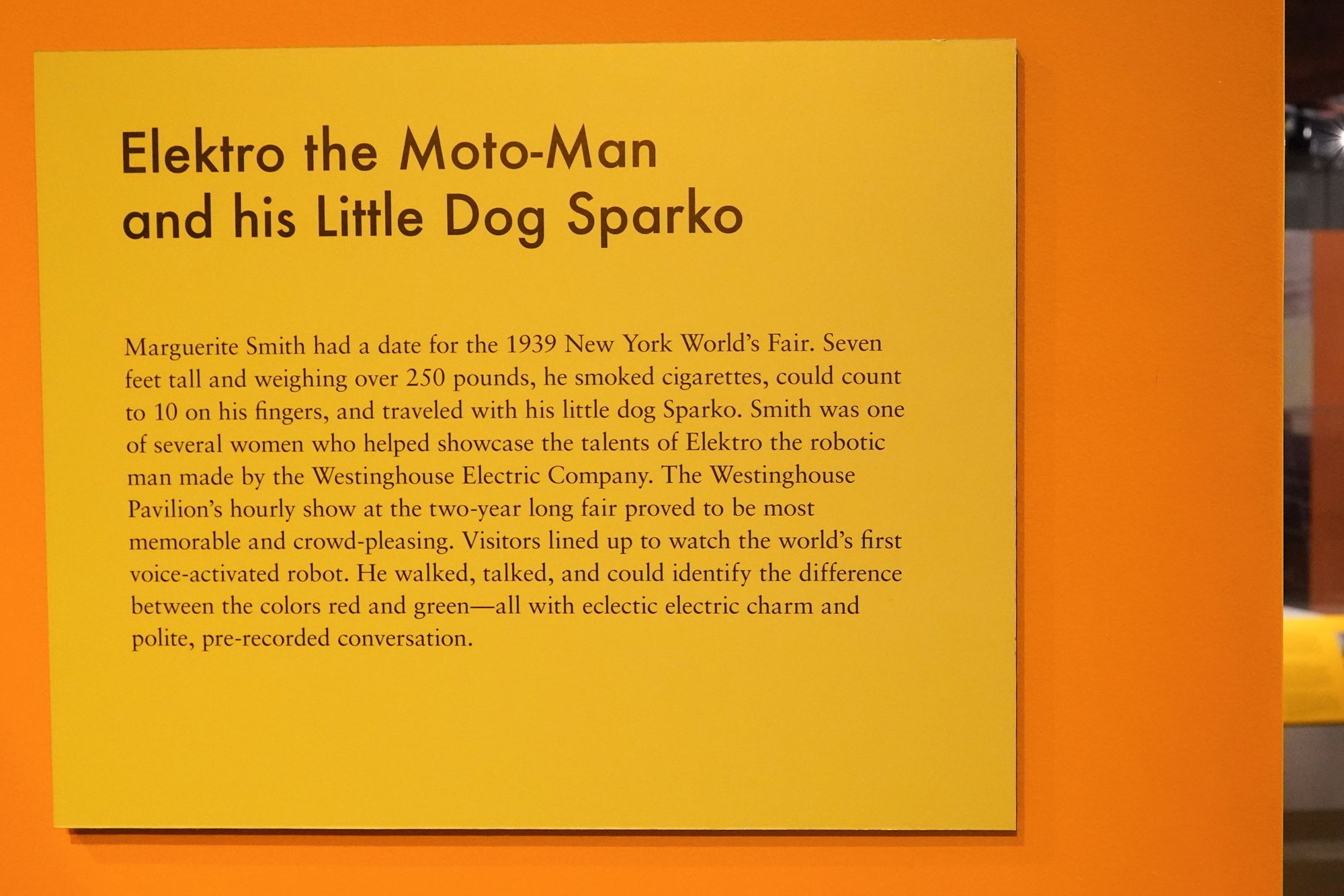
Elektro the Moto-Man was a humanoid robot built by Westinghouse Electric and unveiled at the 1939 New York World’s Fair.
Standing seven feet tall, Elektro could walk, talk (via recorded voice), move his arms, and even smoke cigarettes. He symbolized Pittsburgh-based Westinghouse’s vision of electrification, automation, and a technologically advanced future—capturing public imagination about robots and modern life.
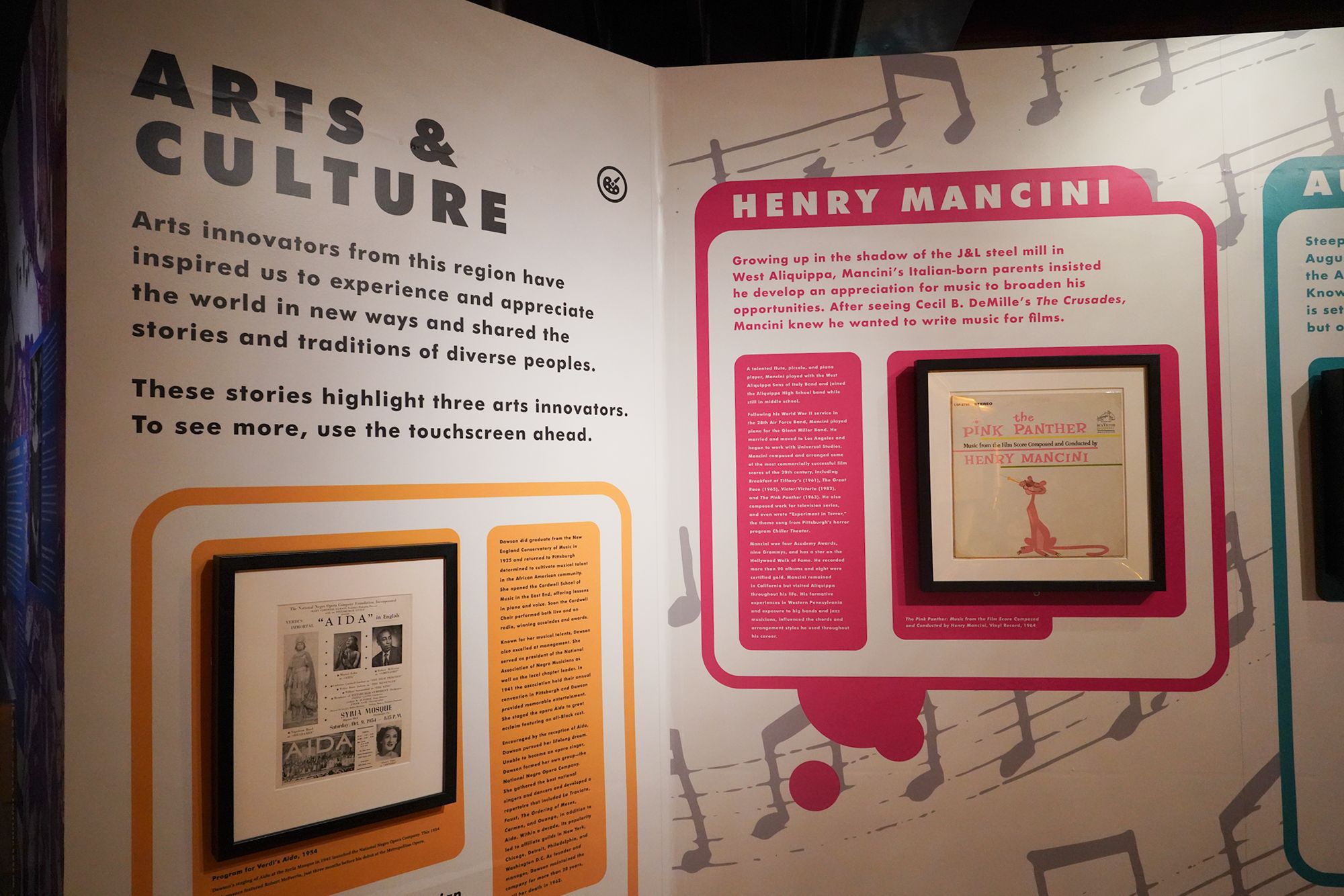
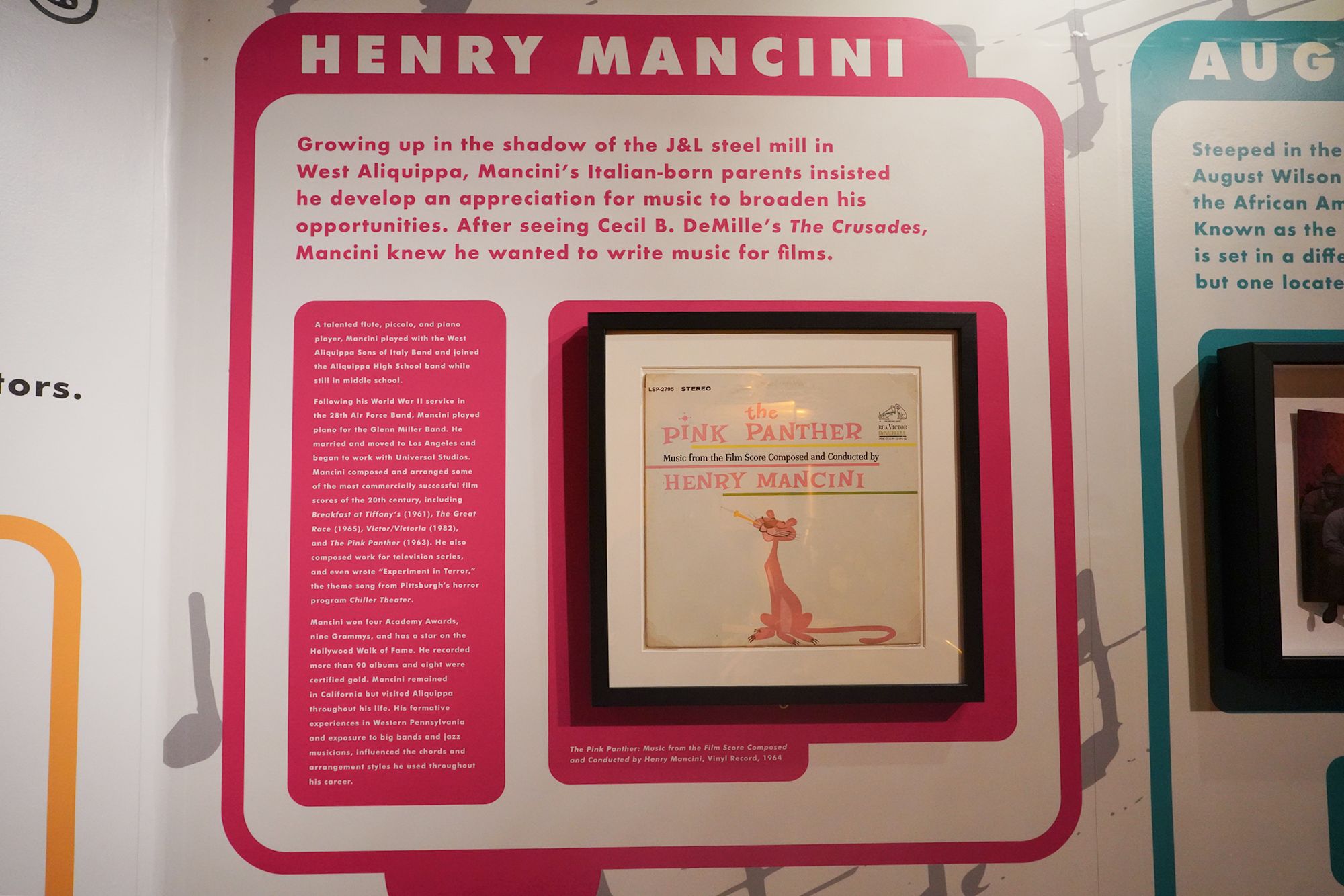
Henry Mancini was a celebrated American composer and conductor, born in Cleveland, Ohio, and closely associated with Pittsburgh, where he grew up.
He became famous for film and television scores such as The Pink Panther, Moon River, and Peter Gunn, winning multiple Academy Awards and Grammys. Mancini helped bring jazz-influenced, modern orchestral music into popular culture.
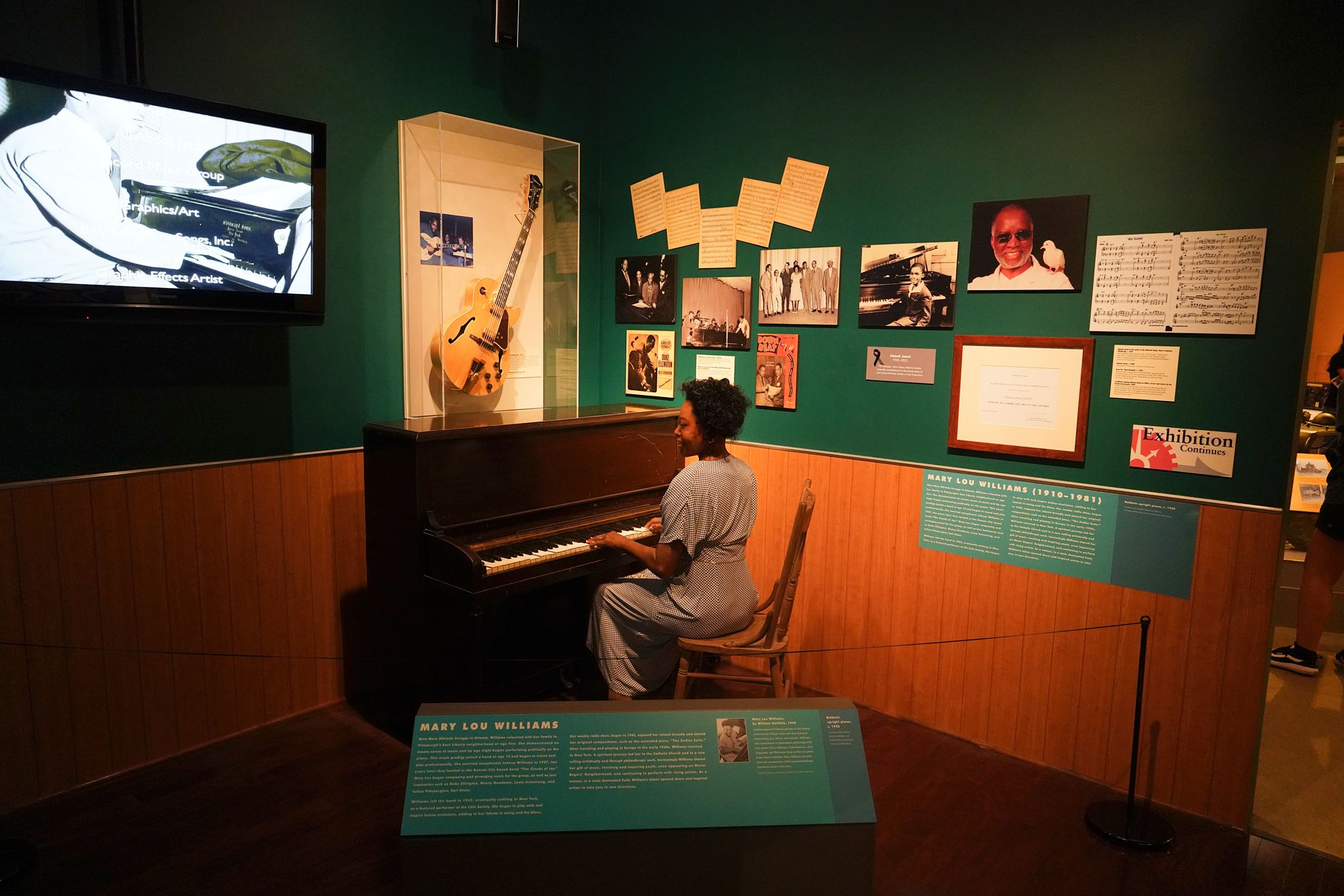
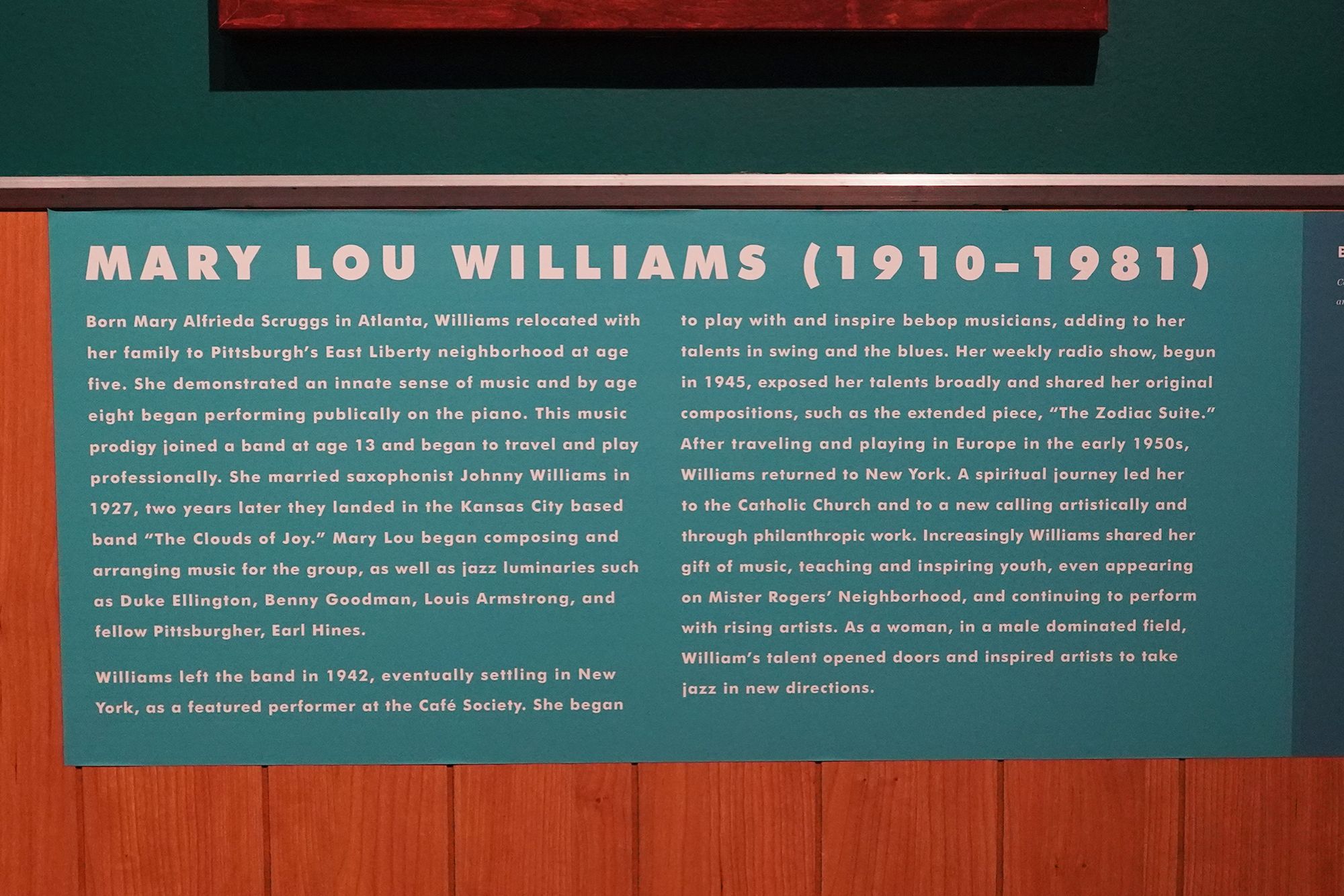
Mary Lou Williams was a pioneering jazz pianist, composer, and arranger born in Atlanta and raised in Pittsburgh.
A child prodigy, she shaped swing, bebop, and modern jazz, working with Duke Ellington, Thelonious Monk, and Dizzy Gillespie. Williams also composed sacred jazz and mentored younger musicians, leaving a lasting legacy in American music.
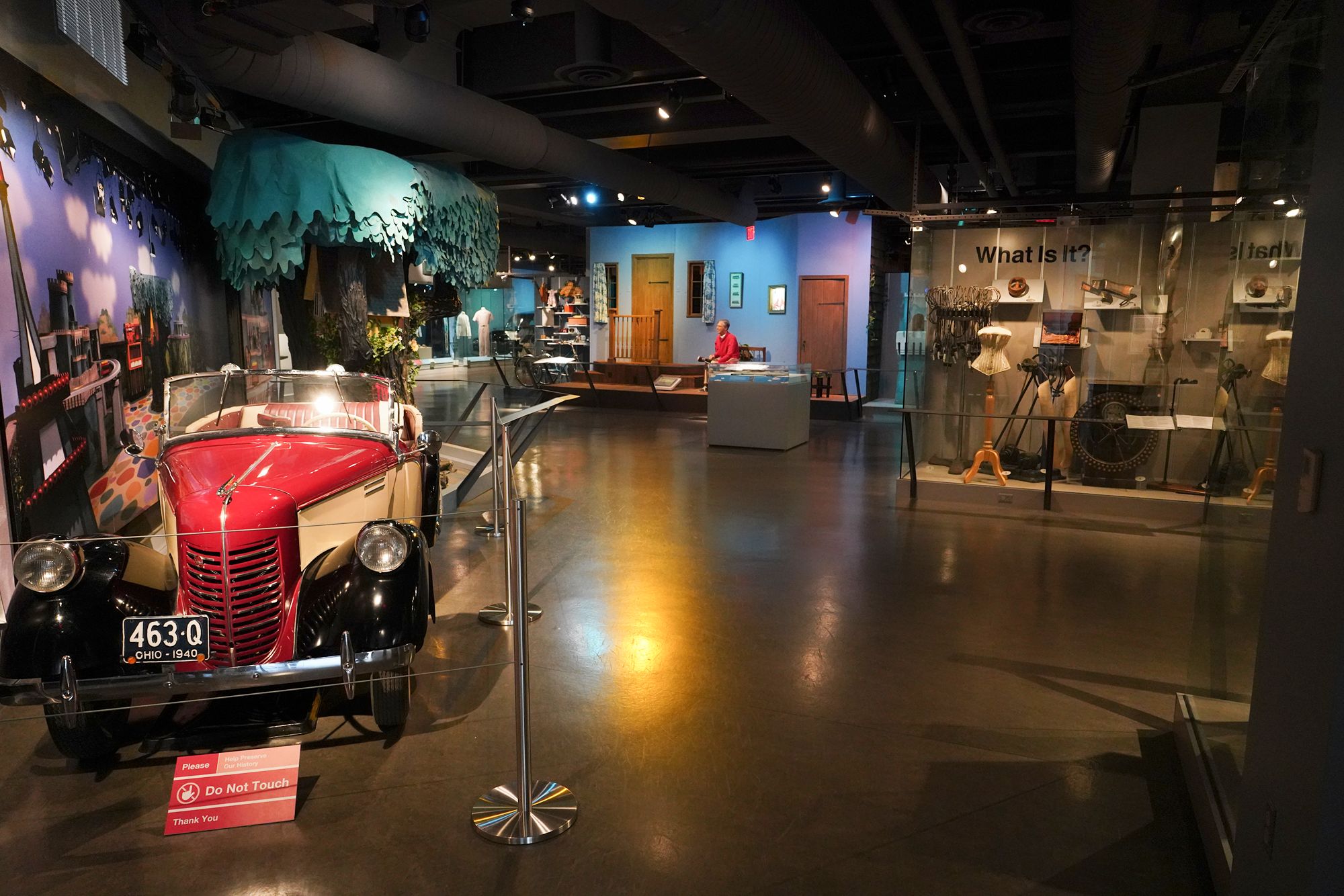
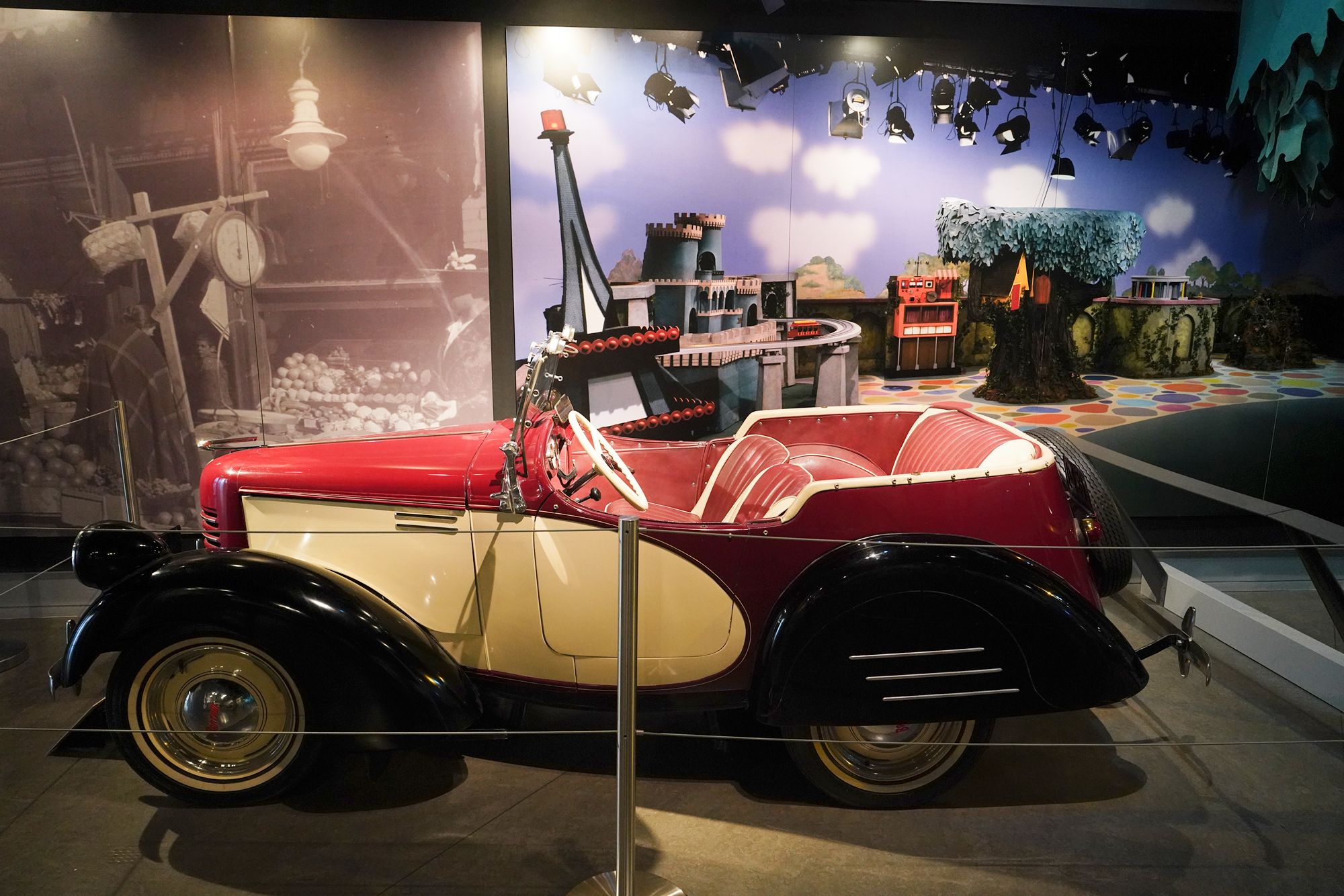
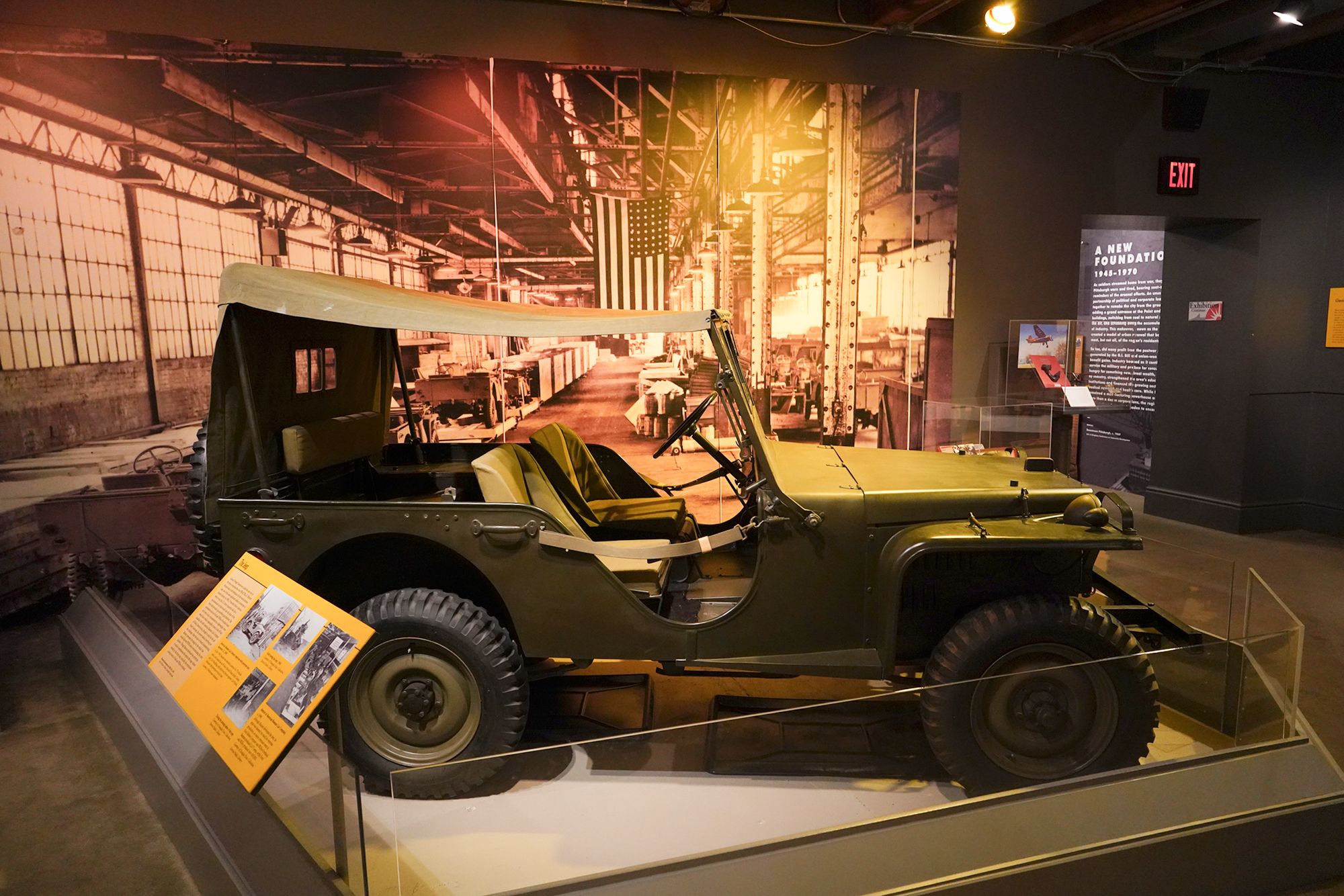
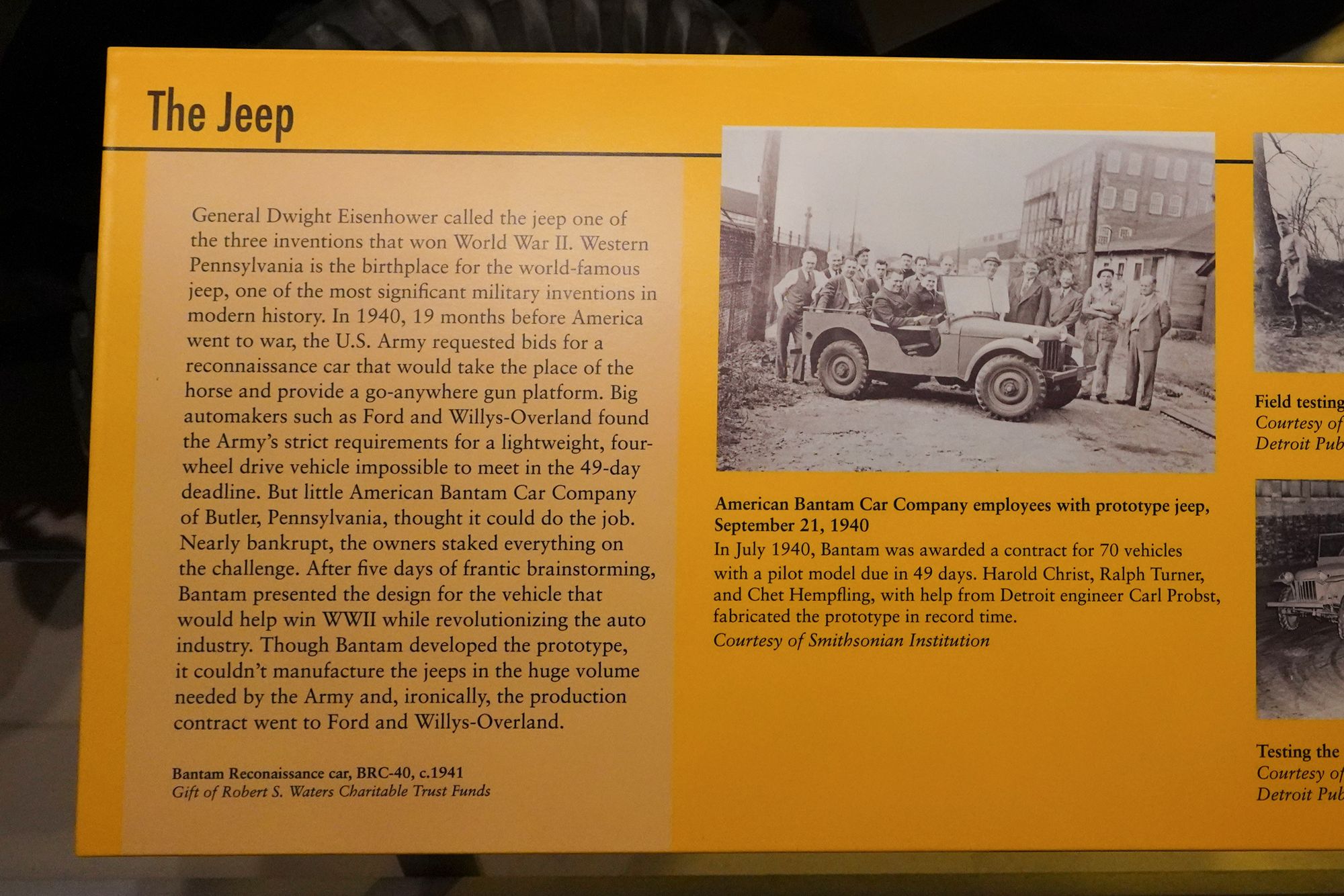
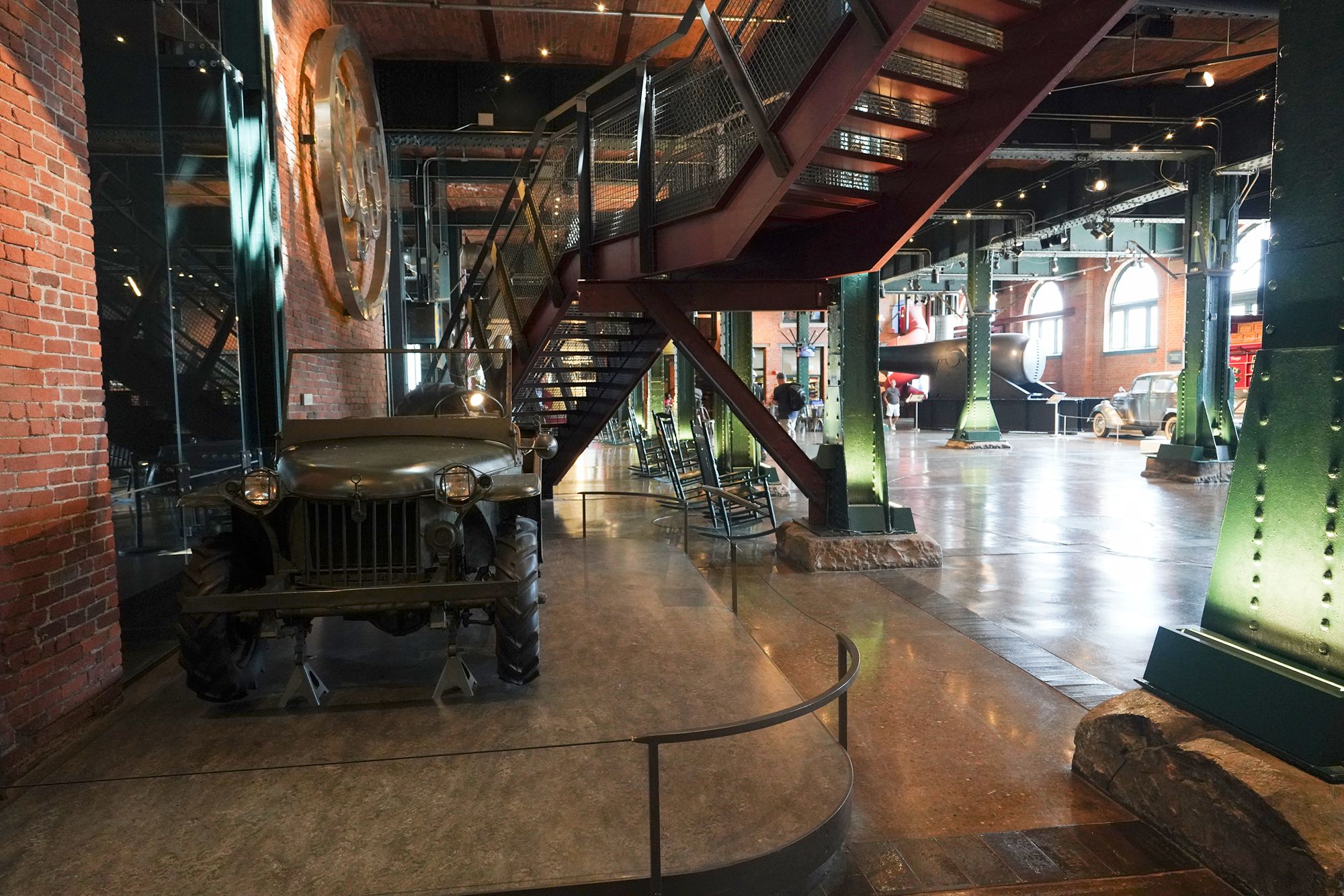
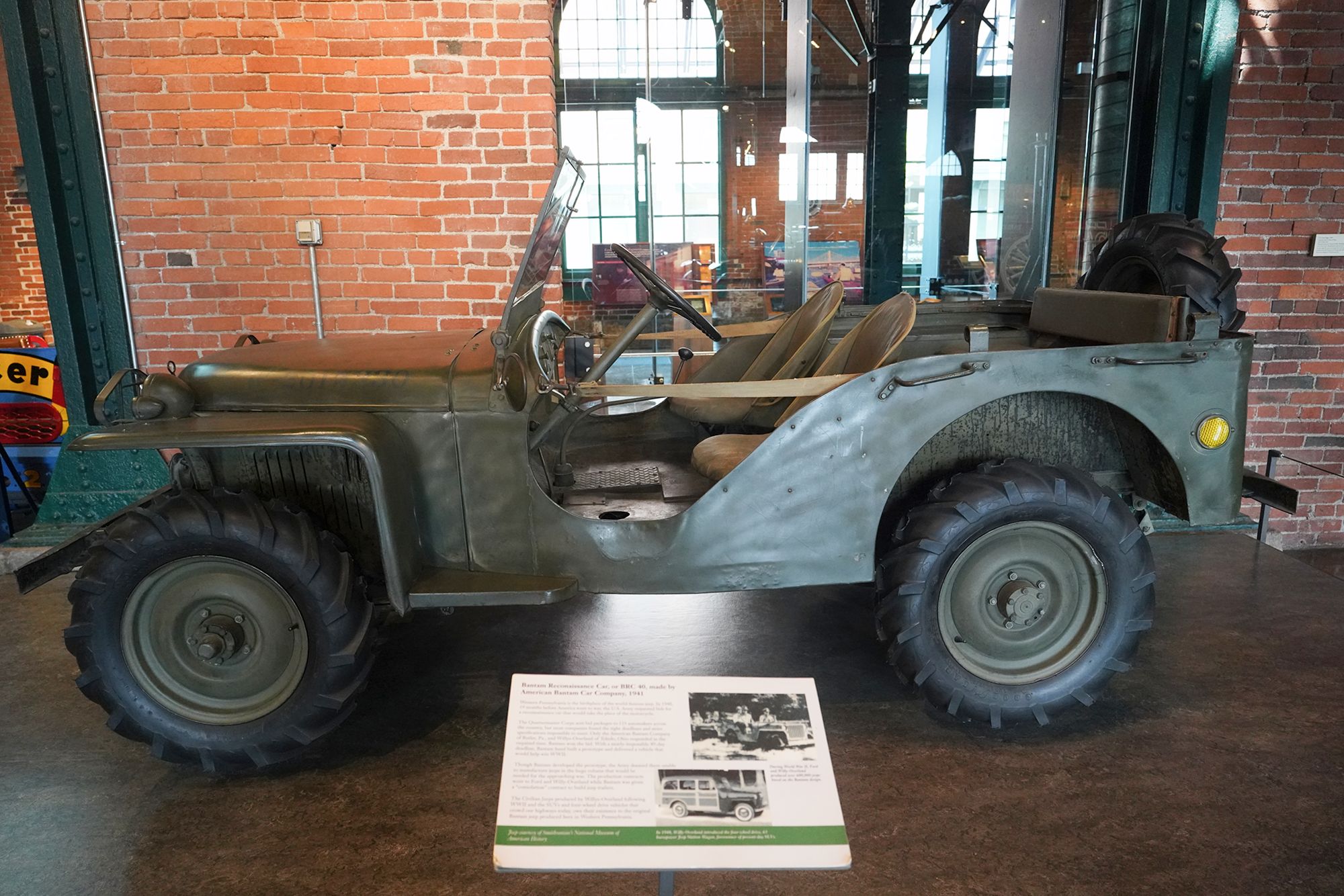
In 1940, the American Bantam Car Company in Butler, PA built the very first Jeep prototype for the U.S. Army.
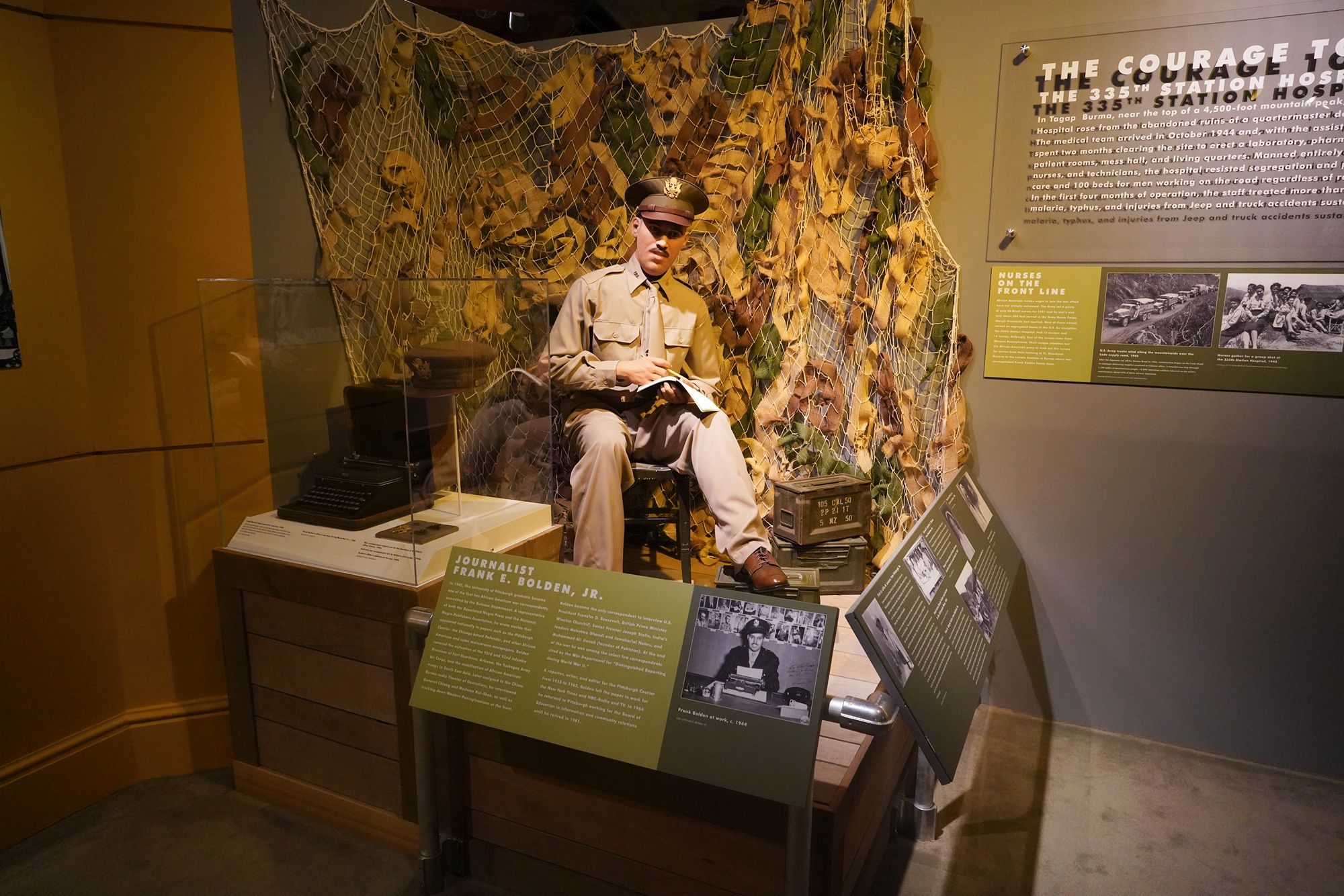
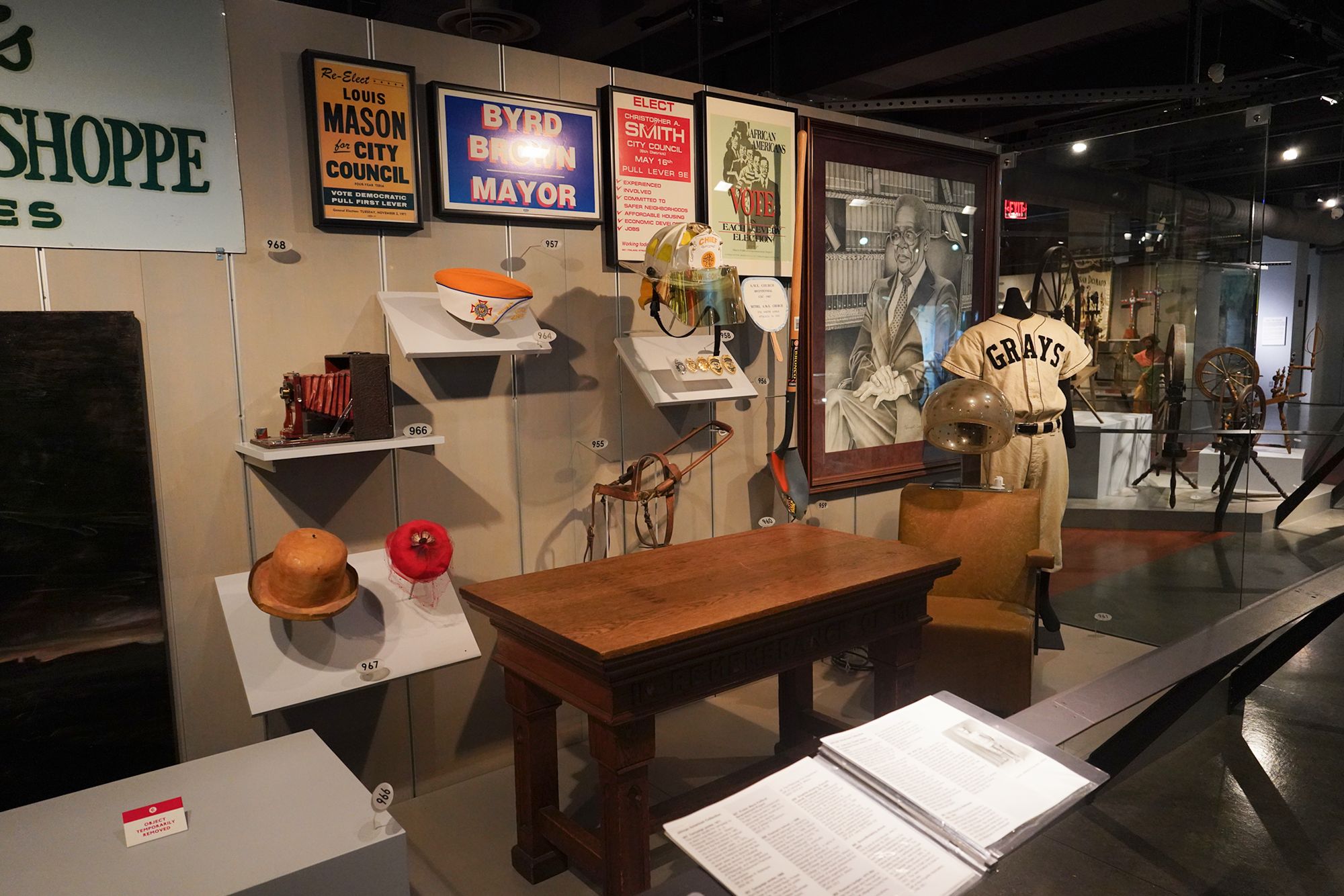
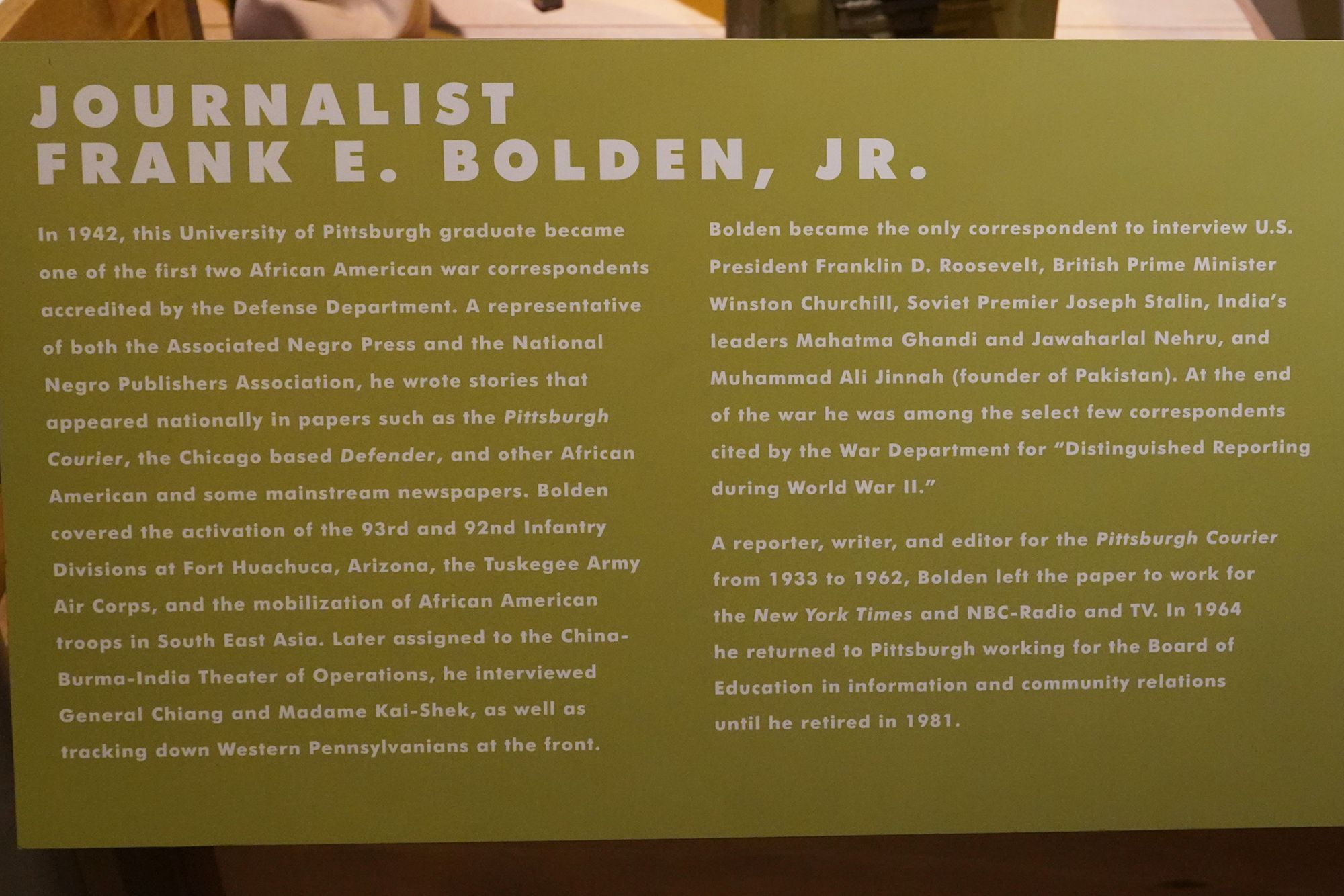
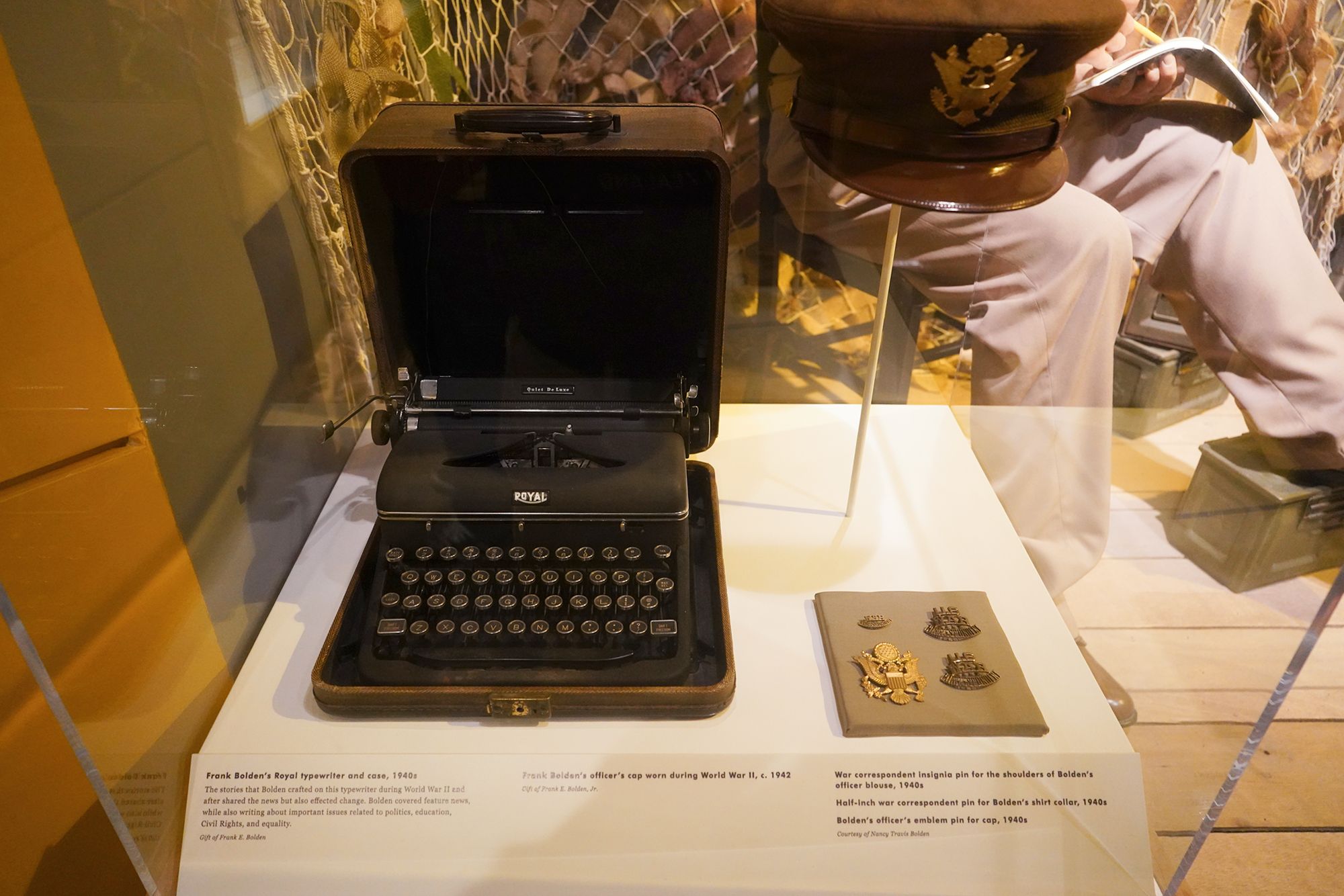
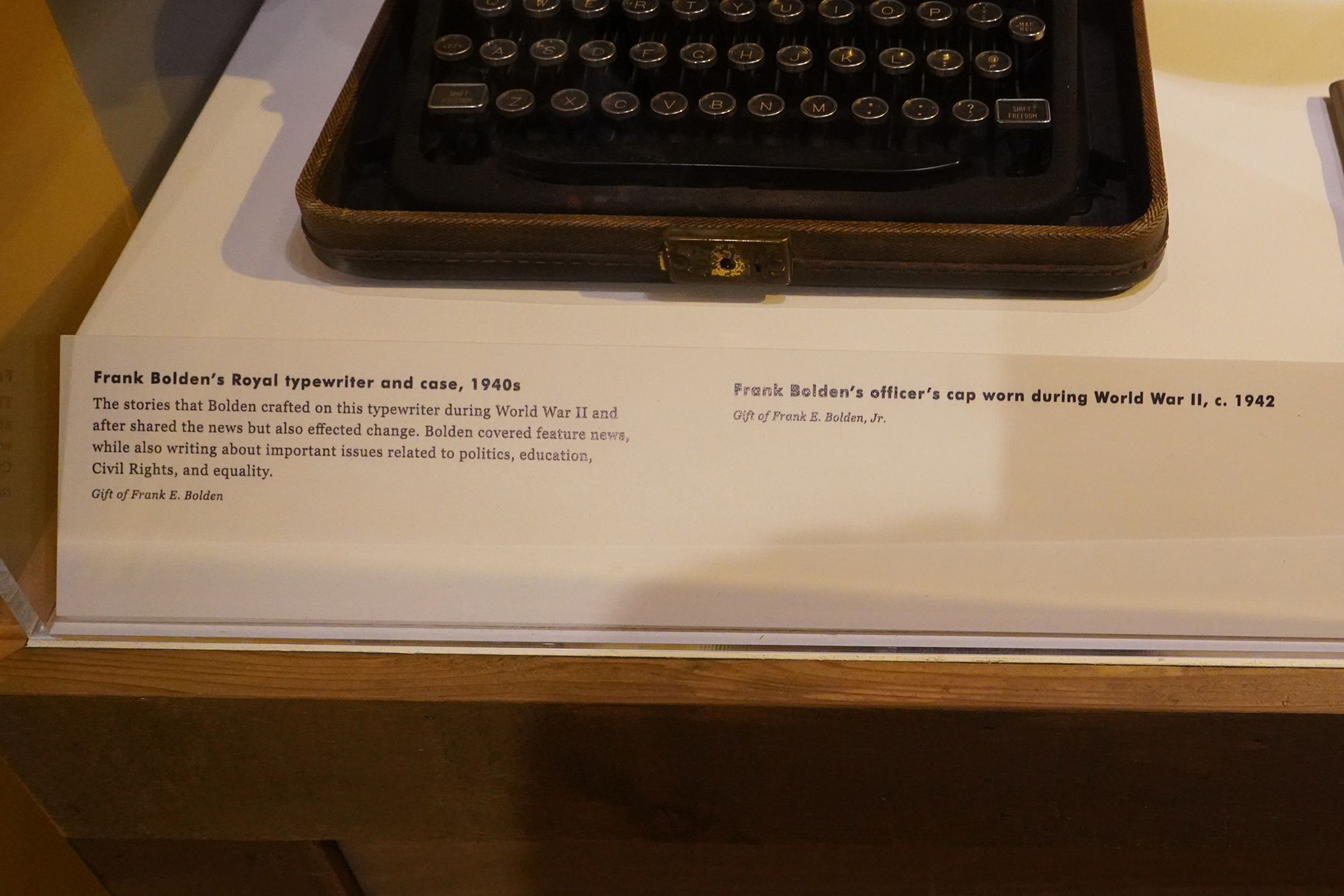
Frank E. Bolden Jr. was a pioneering African American journalist based in Pittsburgh.
He co-founded the Pittsburgh Courier, one of the most influential Black newspapers in the United States, which played a major role in advocating for civil rights, political participation, and social change during the early 20th century.
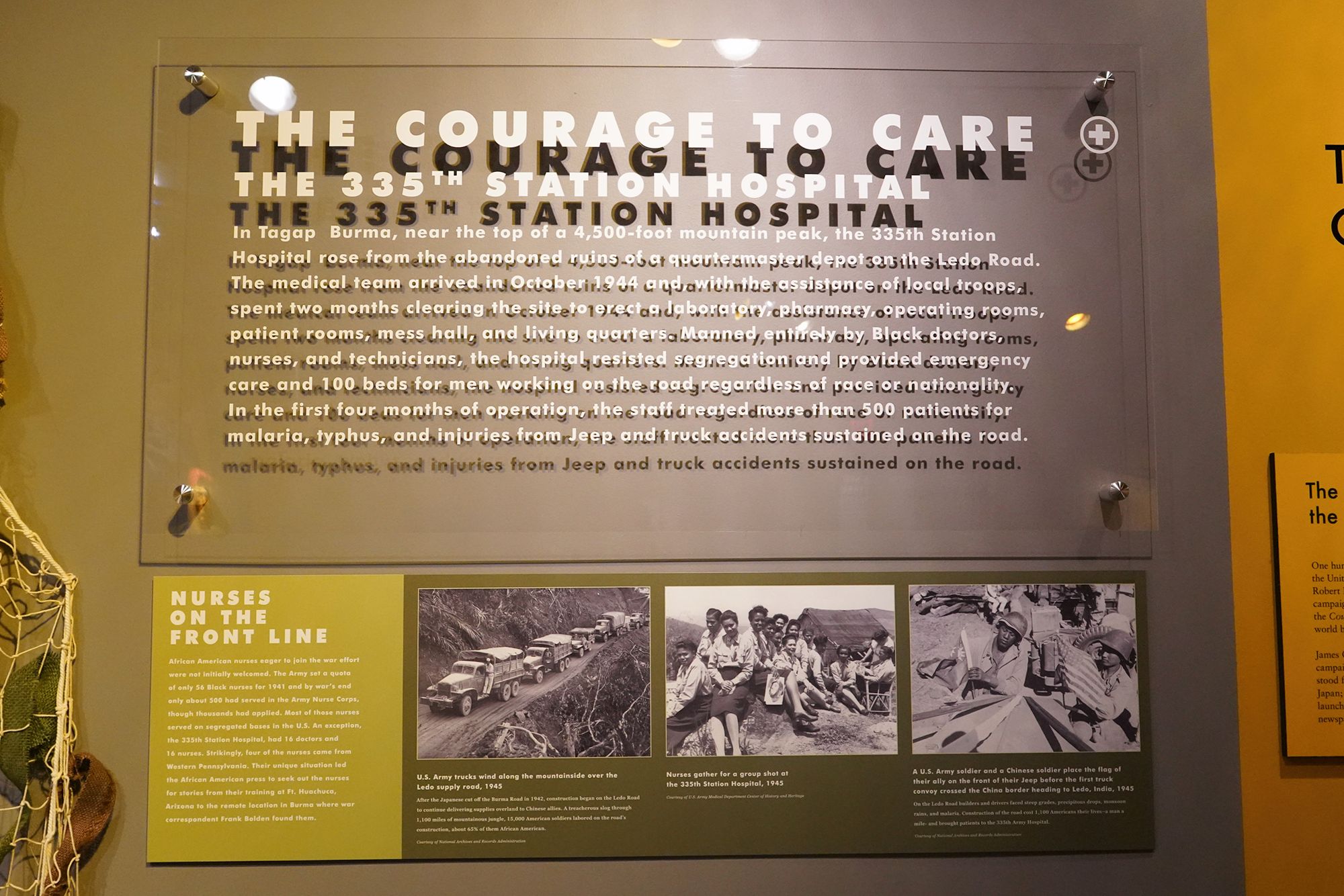
Nurses on the Frontline
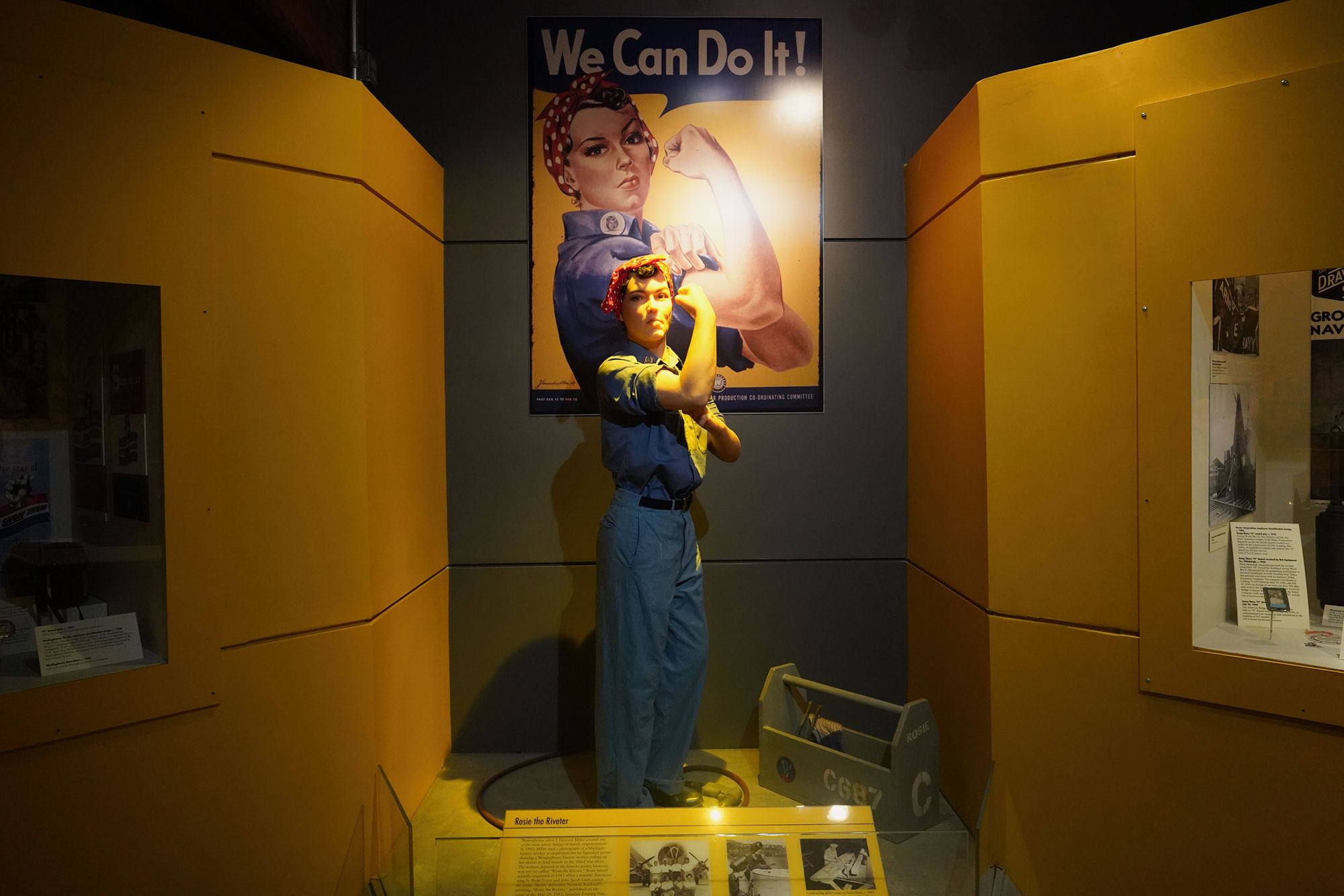
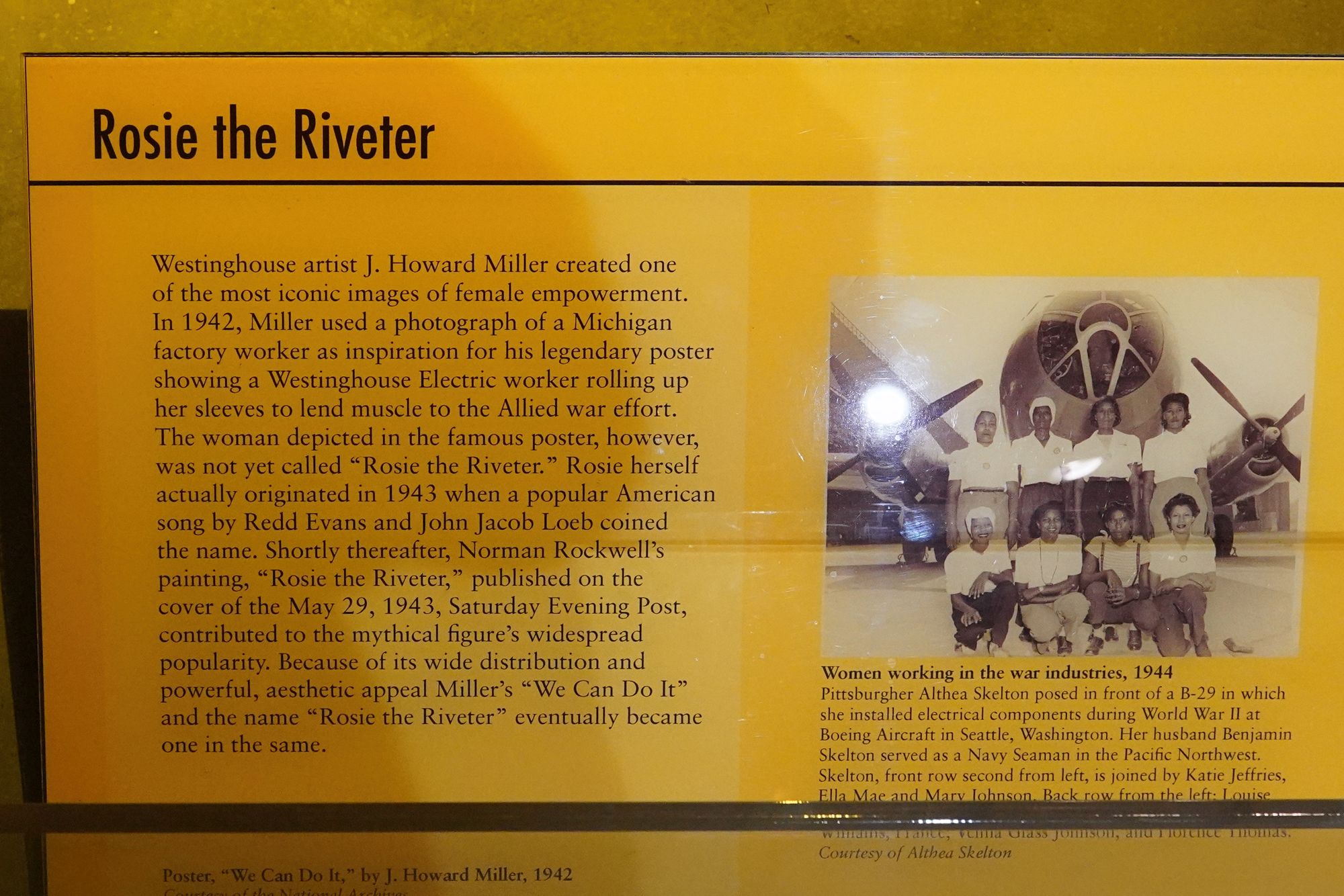
Rosie the Riveter was a cultural symbol representing American women who worked in factories and shipyards during World War II.
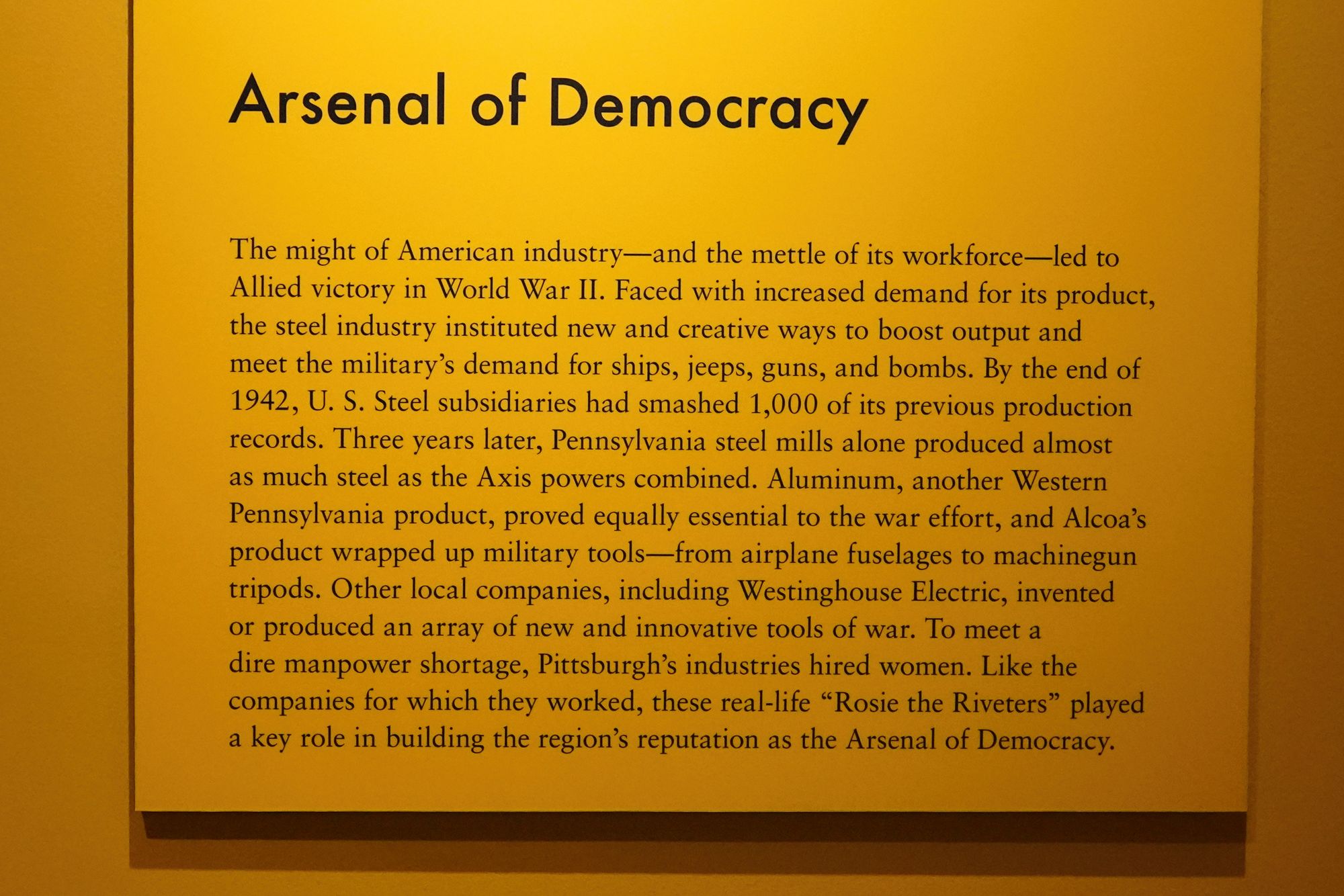
“Arsenal of Democracy – The Might of American Industries” refers to the United States’ massive industrial power during World War II.
Factories across the country rapidly produced steel, weapons, vehicles, aircraft, and supplies, enabling the U.S. and its allies to outproduce Axis powers. Industrial cities like Pittsburgh—with steel mills, machine shops, and skilled labor—were central to this effort, turning American industry into a decisive weapon of war.
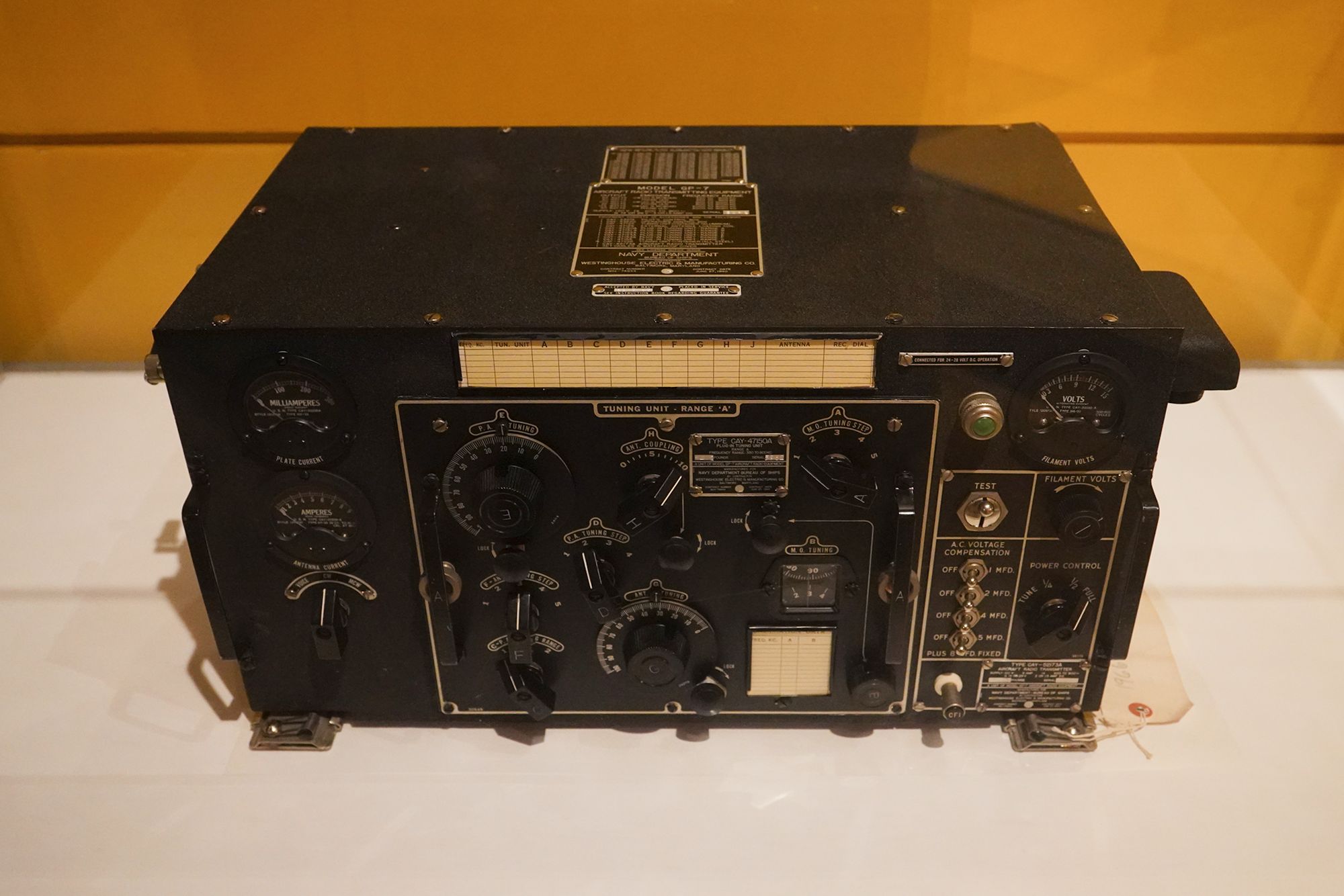
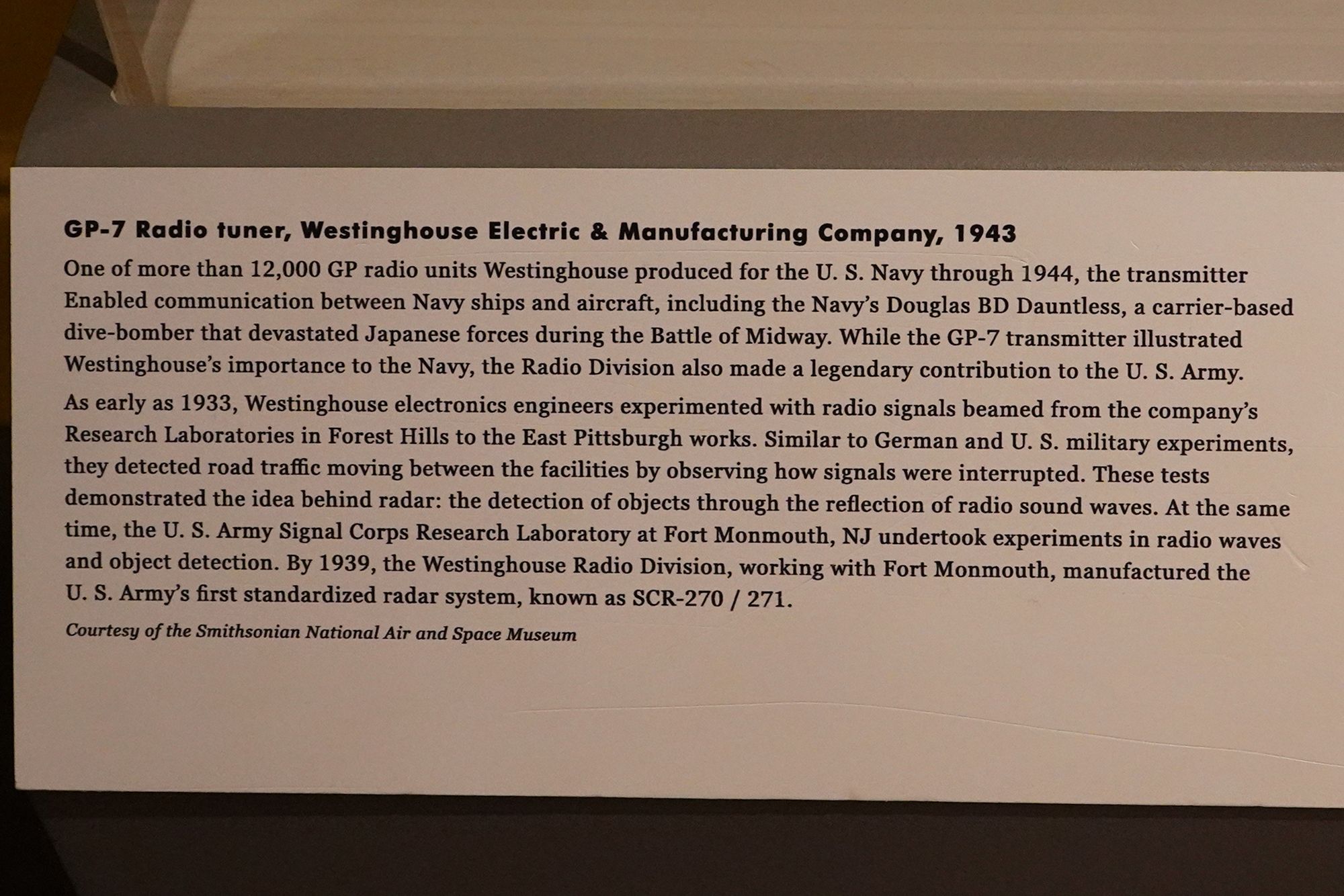
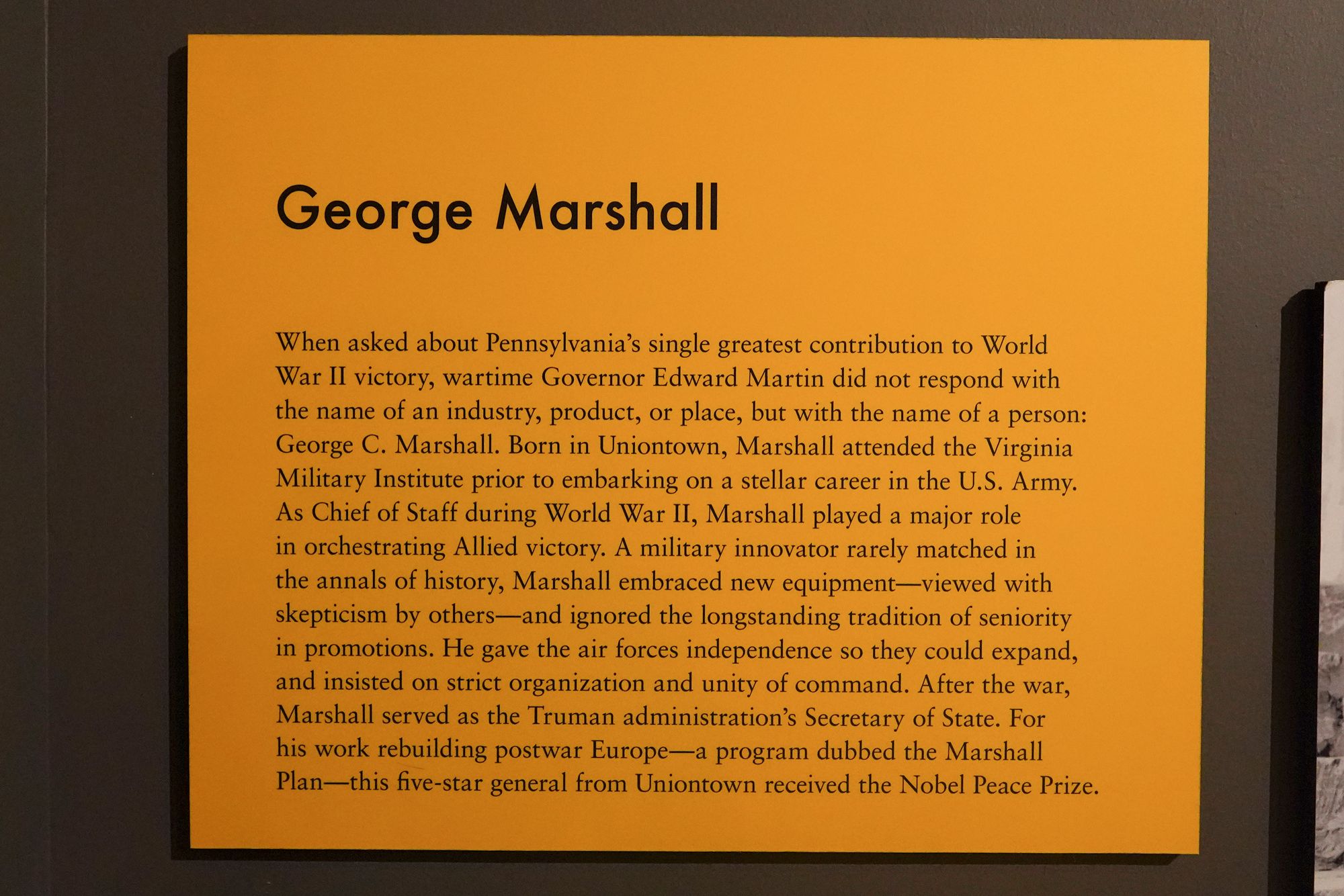
George C. Marshall was a U.S. Army general, statesman, and diplomat.
As Army Chief of Staff during World War II, he organized America’s military expansion. After the war, he proposed the Marshall Plan, rebuilding Europe and stabilizing the global economy, earning the Nobel Peace Prize in 1953.
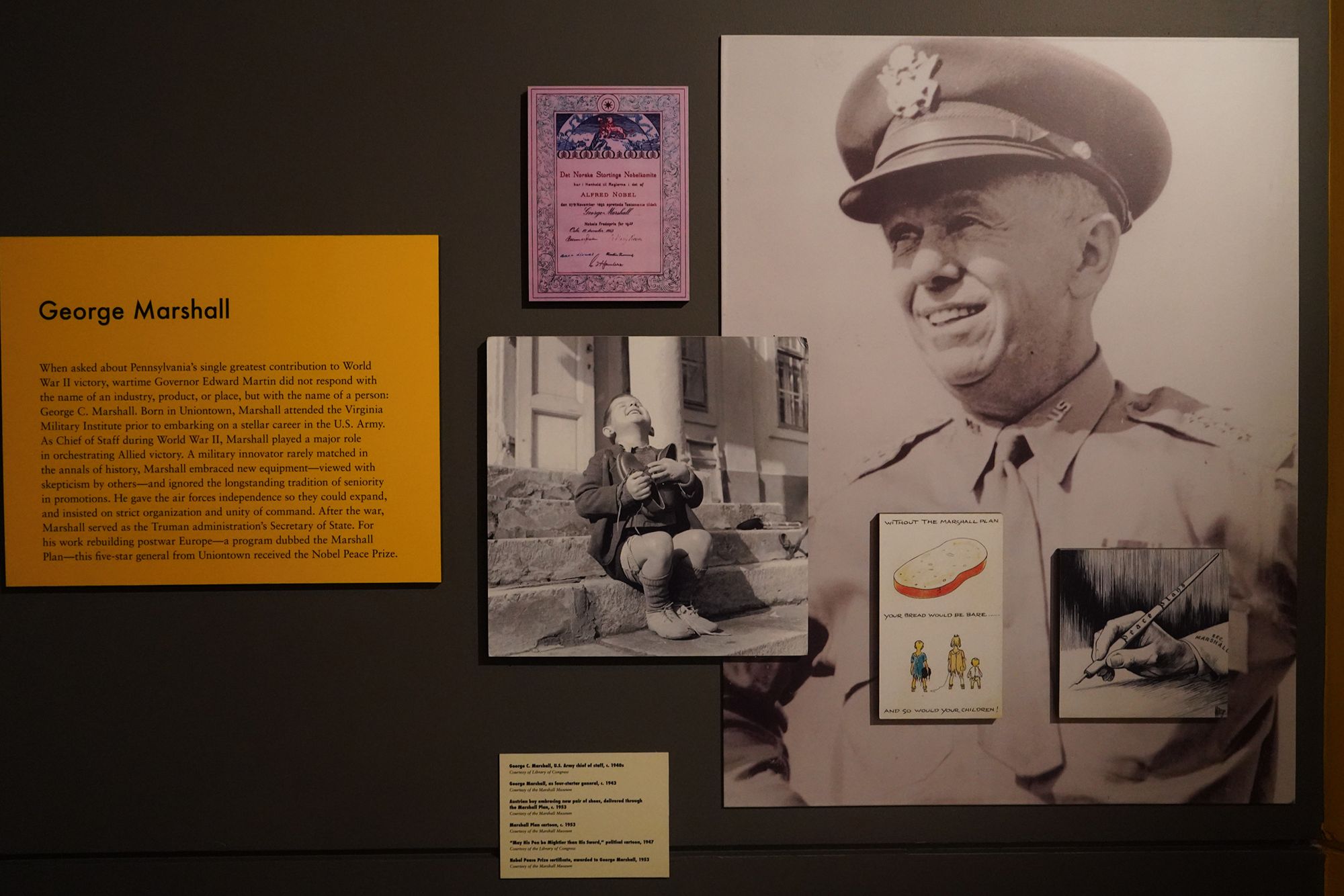
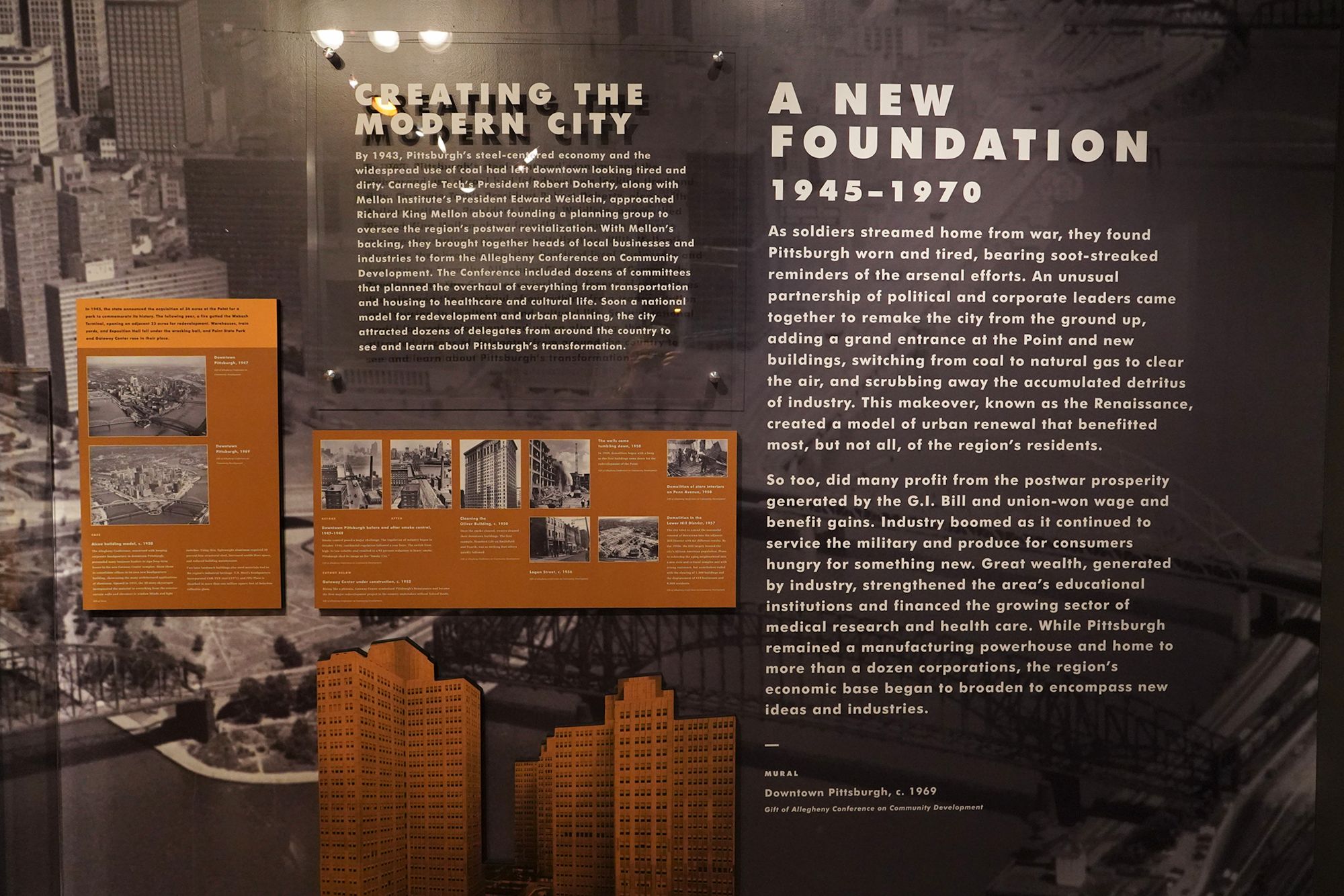
“A New Foundation, 1945–1970” refers to the post–World War II transformation of American cities like Pittsburgh.
During this period, leaders focused on urban renewal, environmental cleanup, economic diversification, and modern infrastructure. In Pittsburgh, smoke control, redevelopment of downtown, and investment in education, healthcare, and technology laid the groundwork for a post-industrial future after heavy industry’s decline.
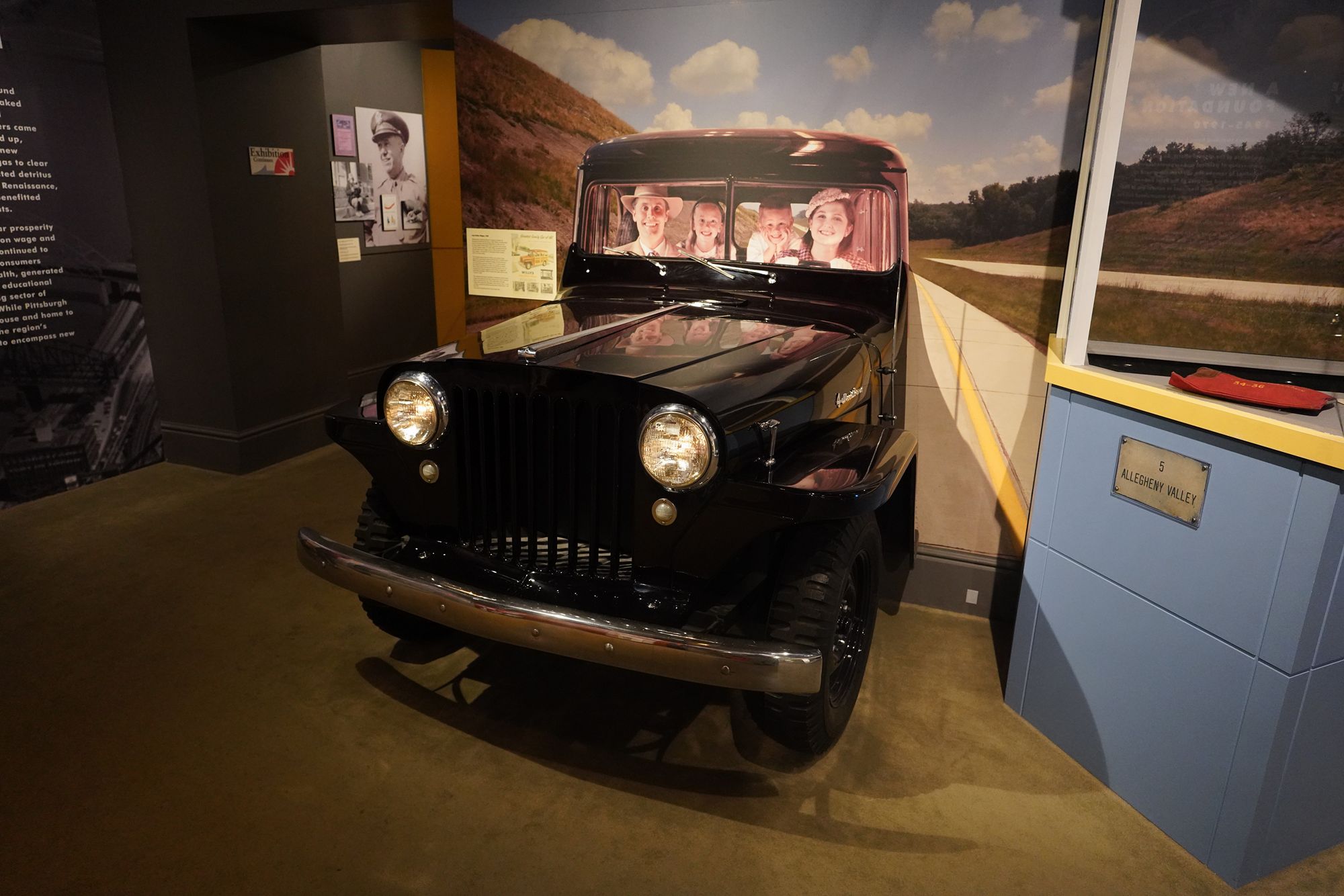
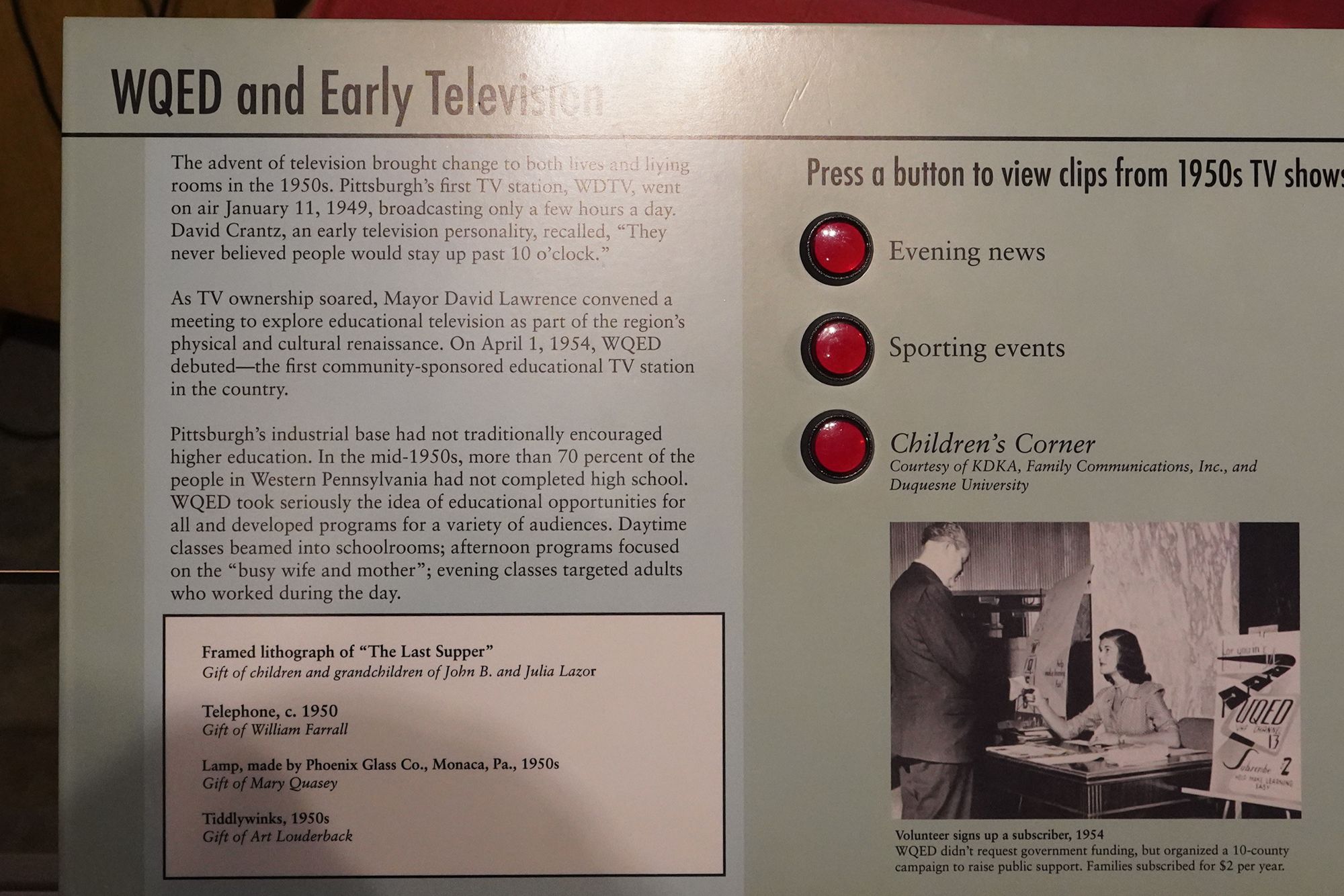
Television
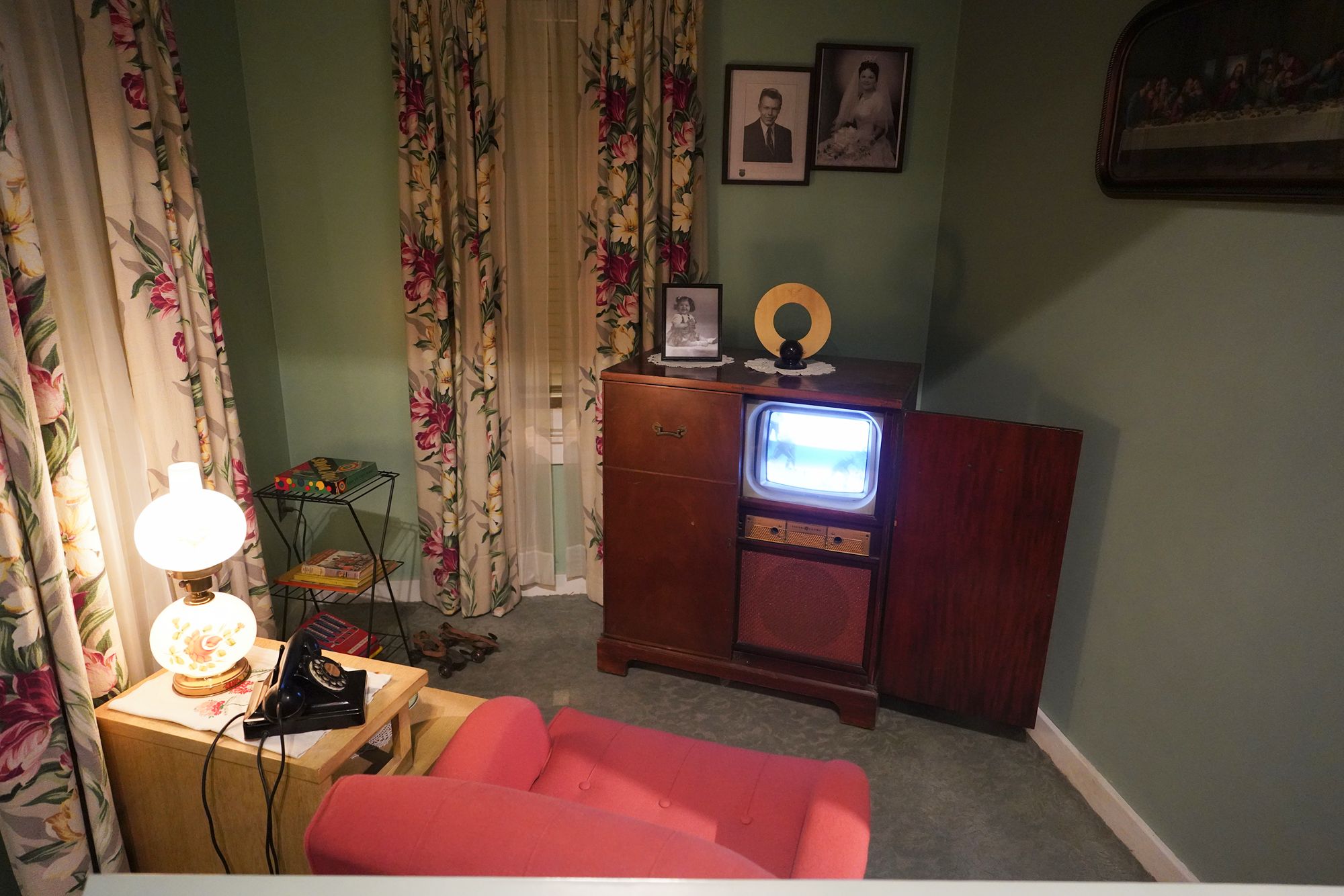
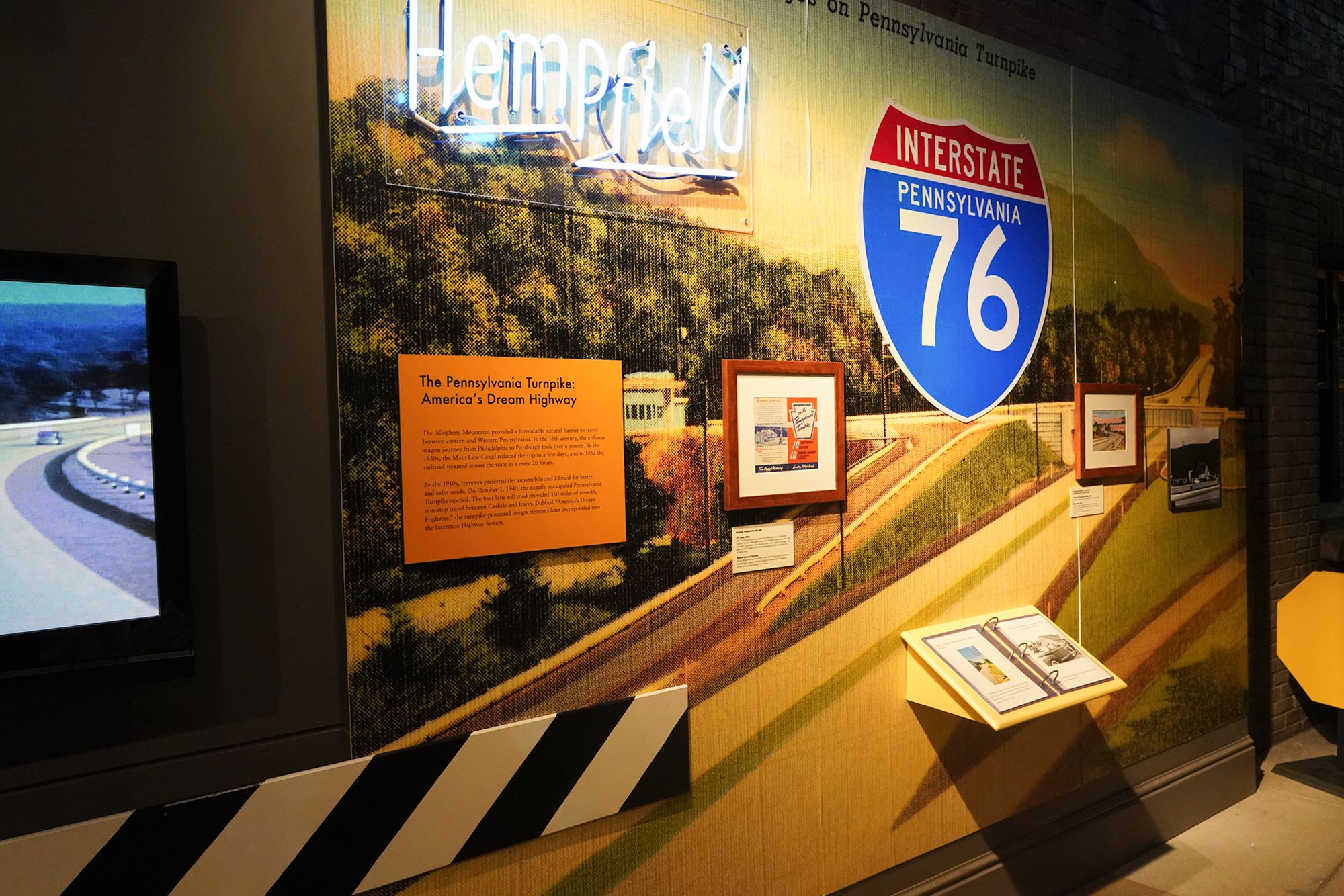
Interstate
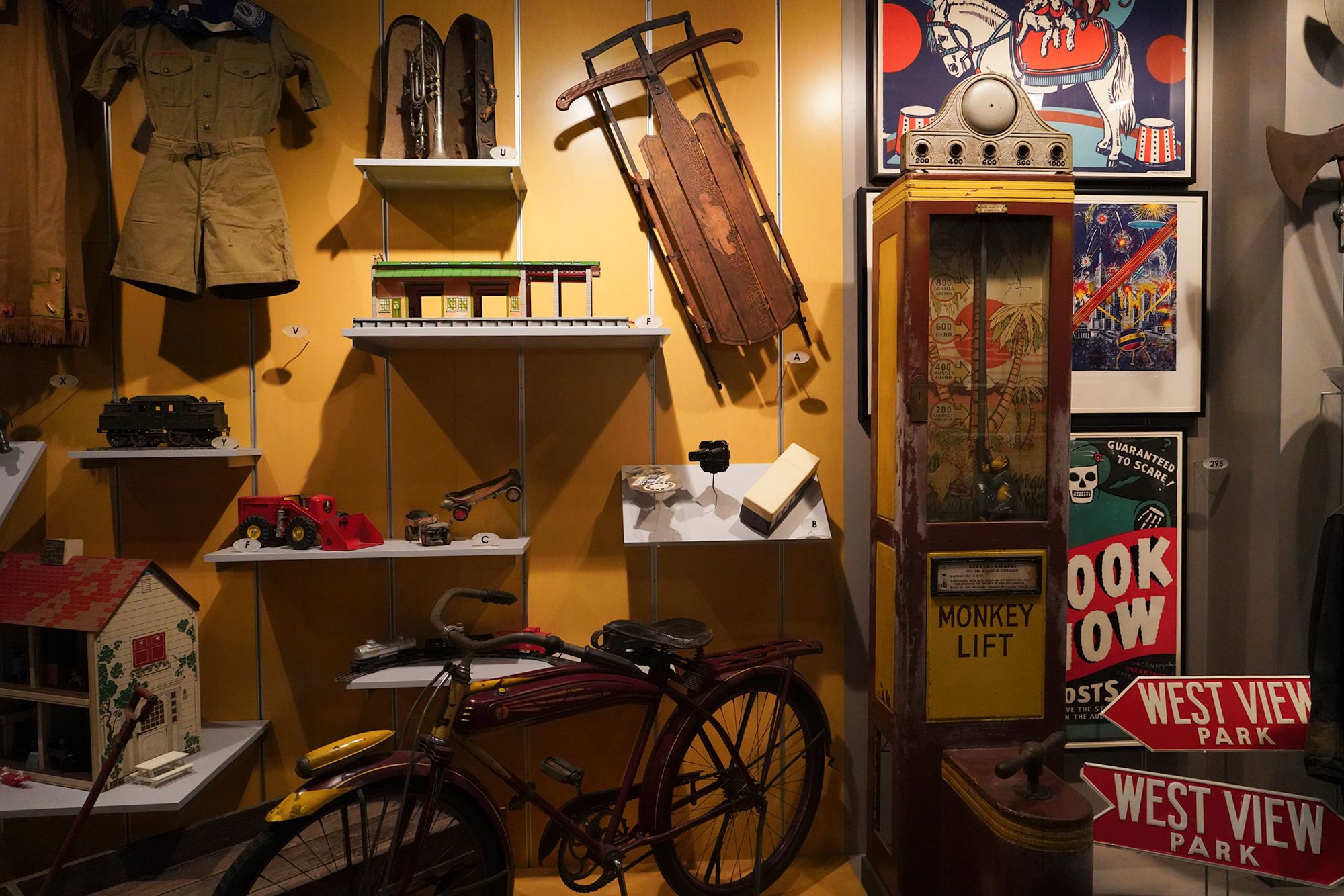
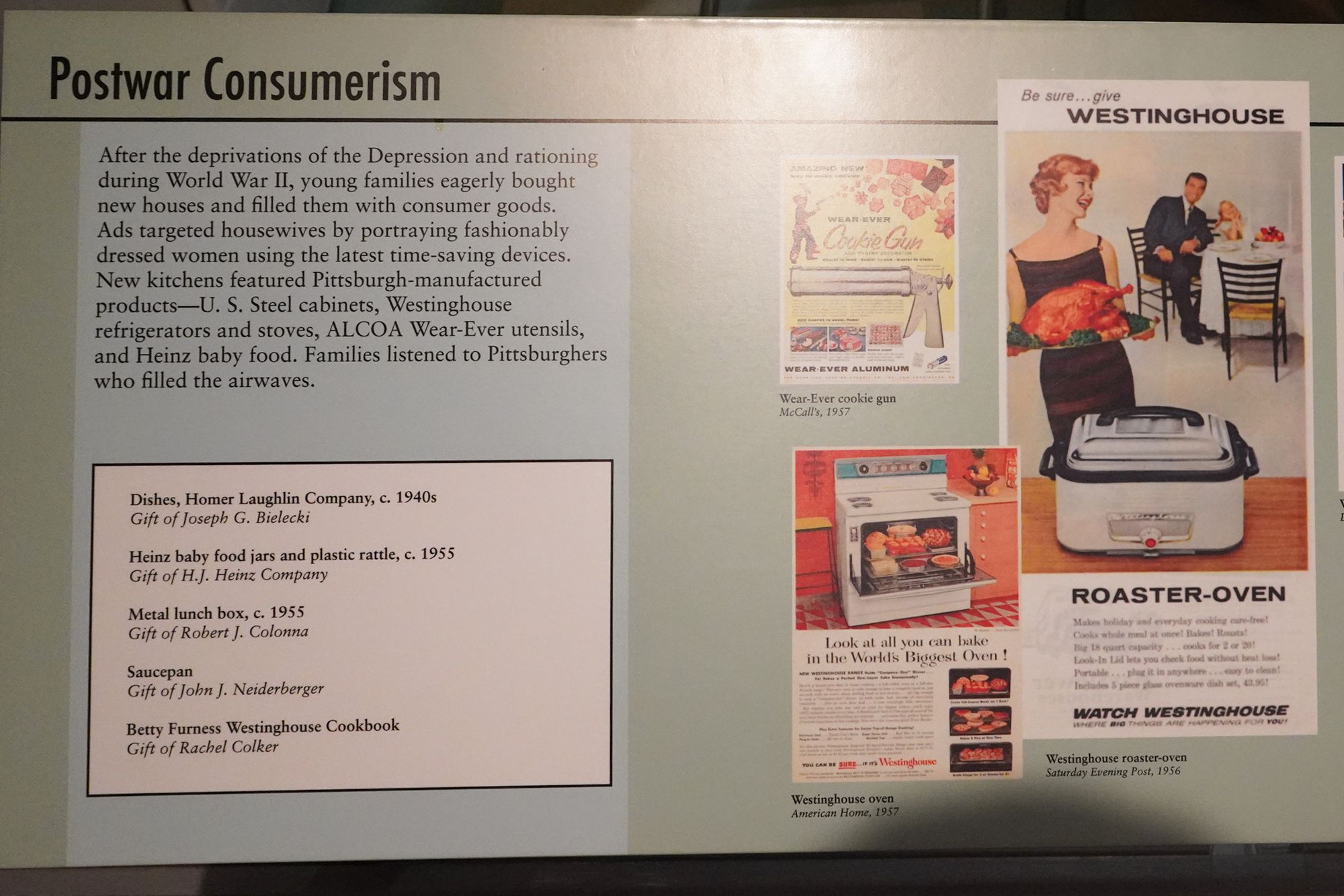
Postwar Consumerism

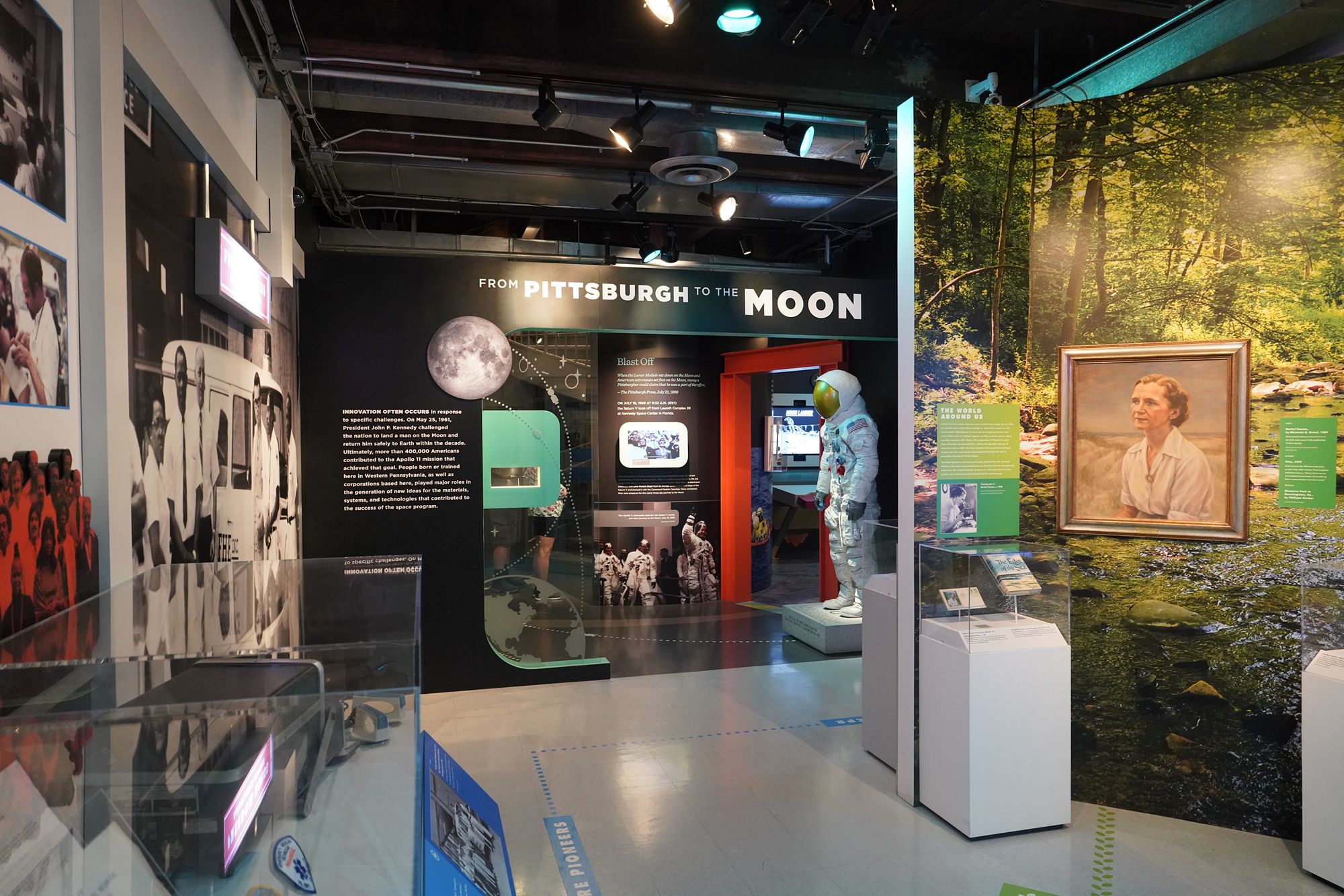
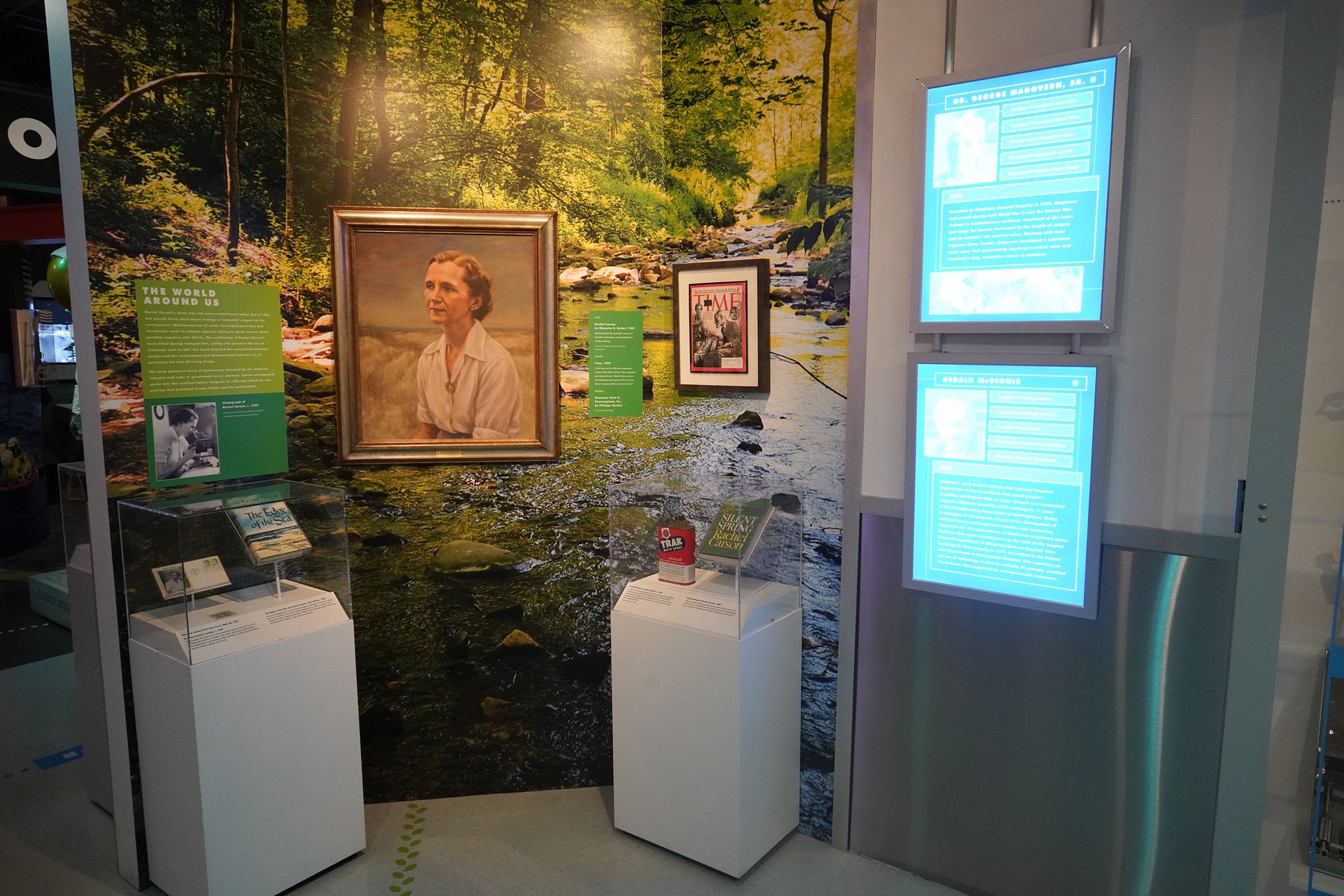
The World Around Us
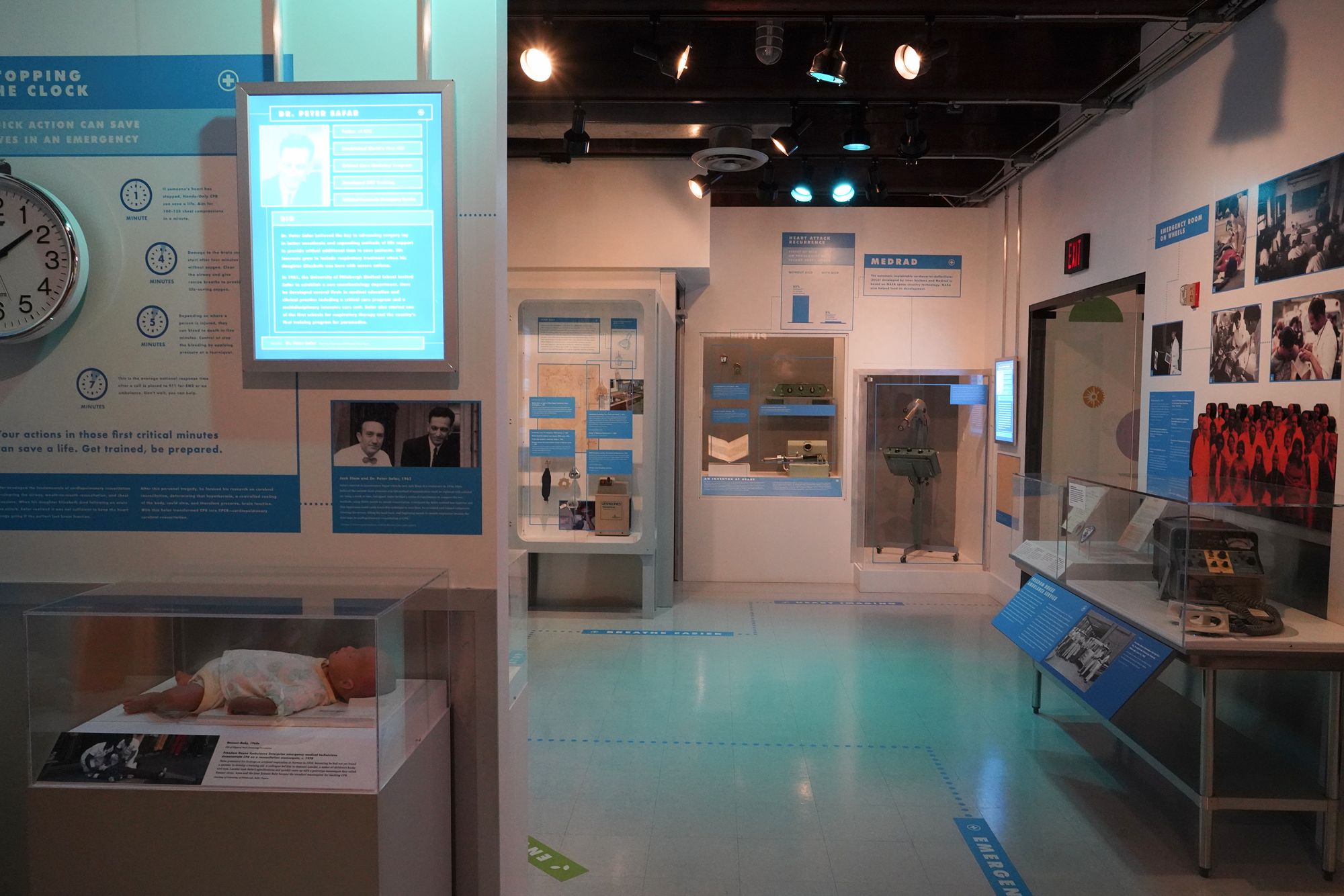
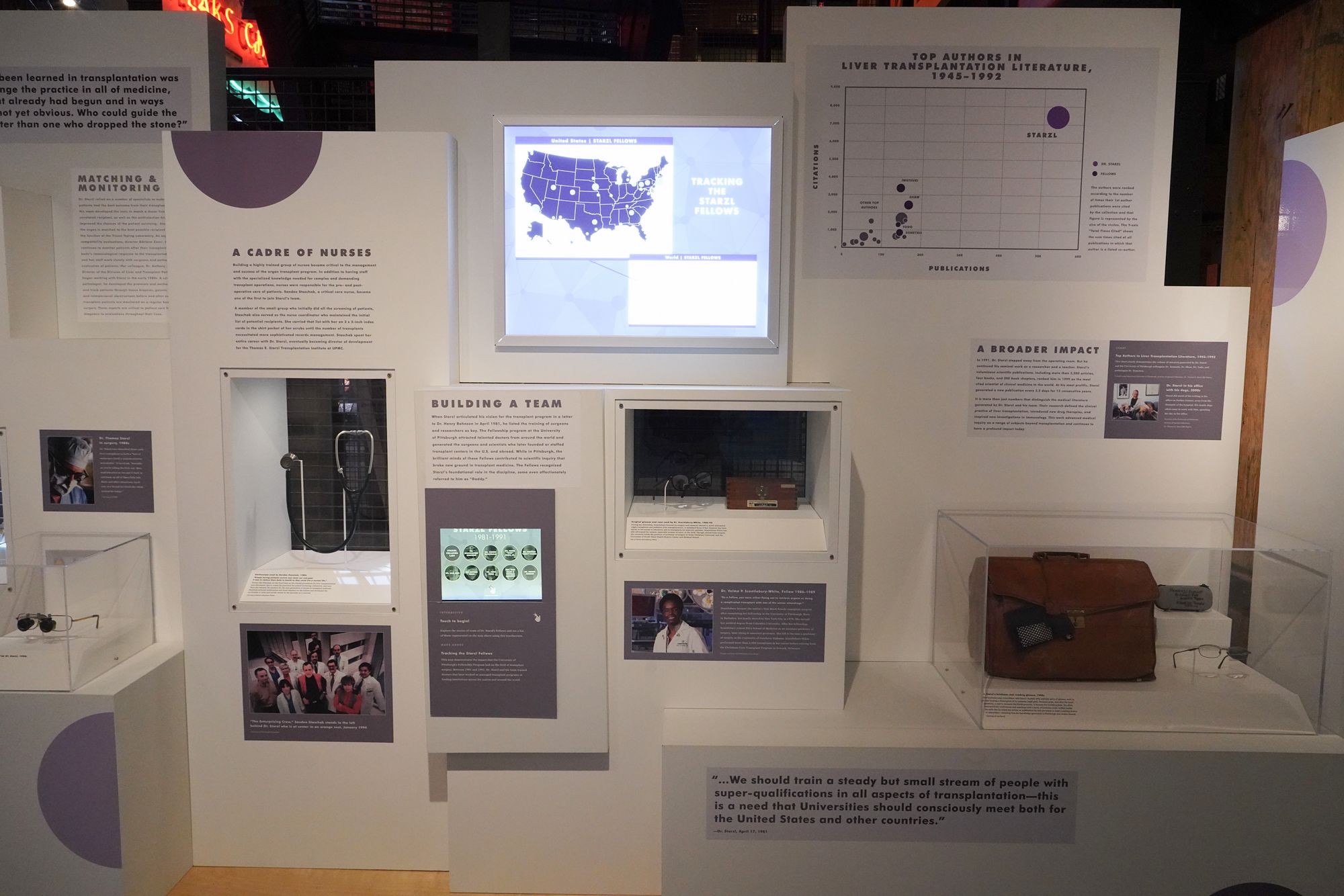
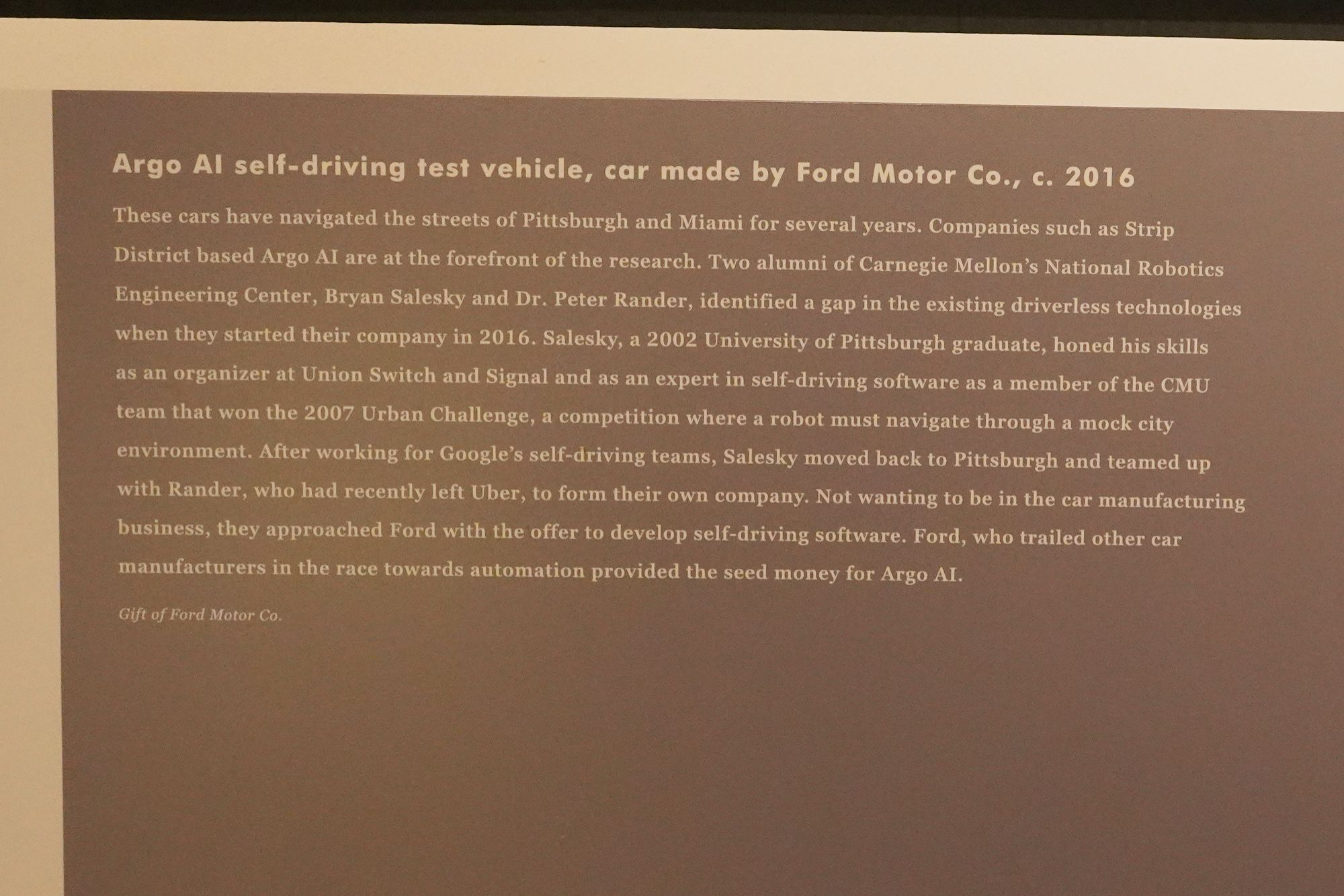
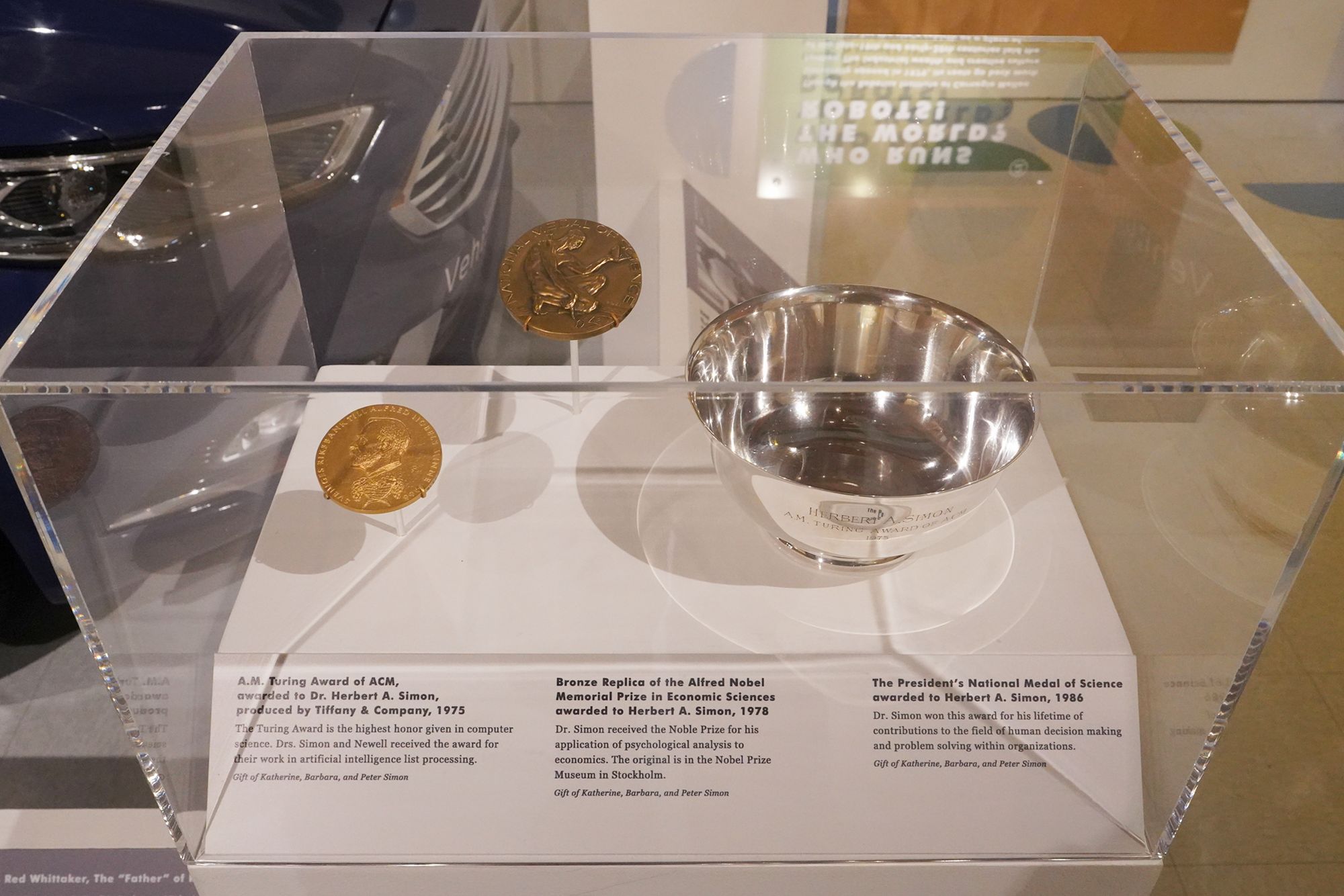
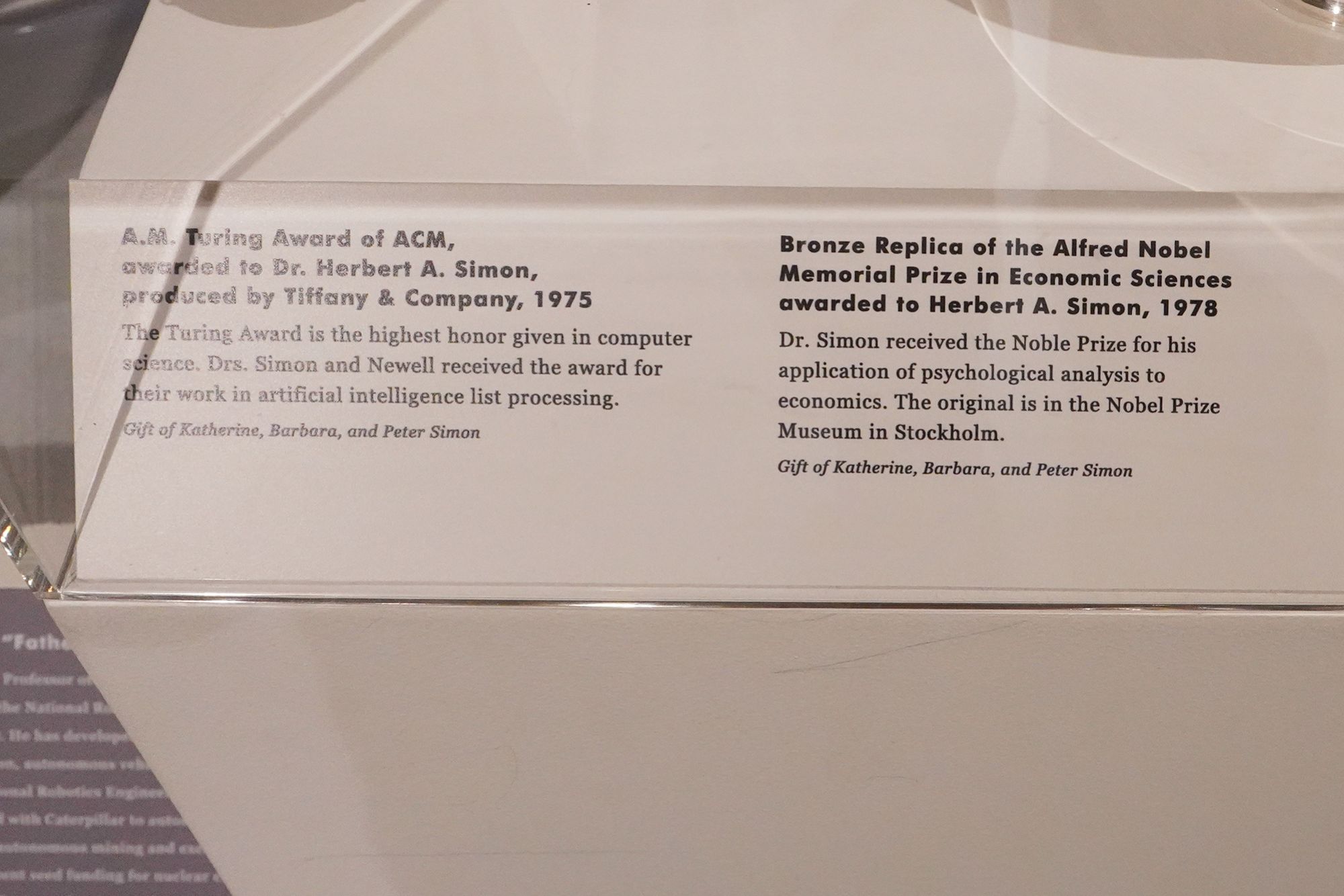
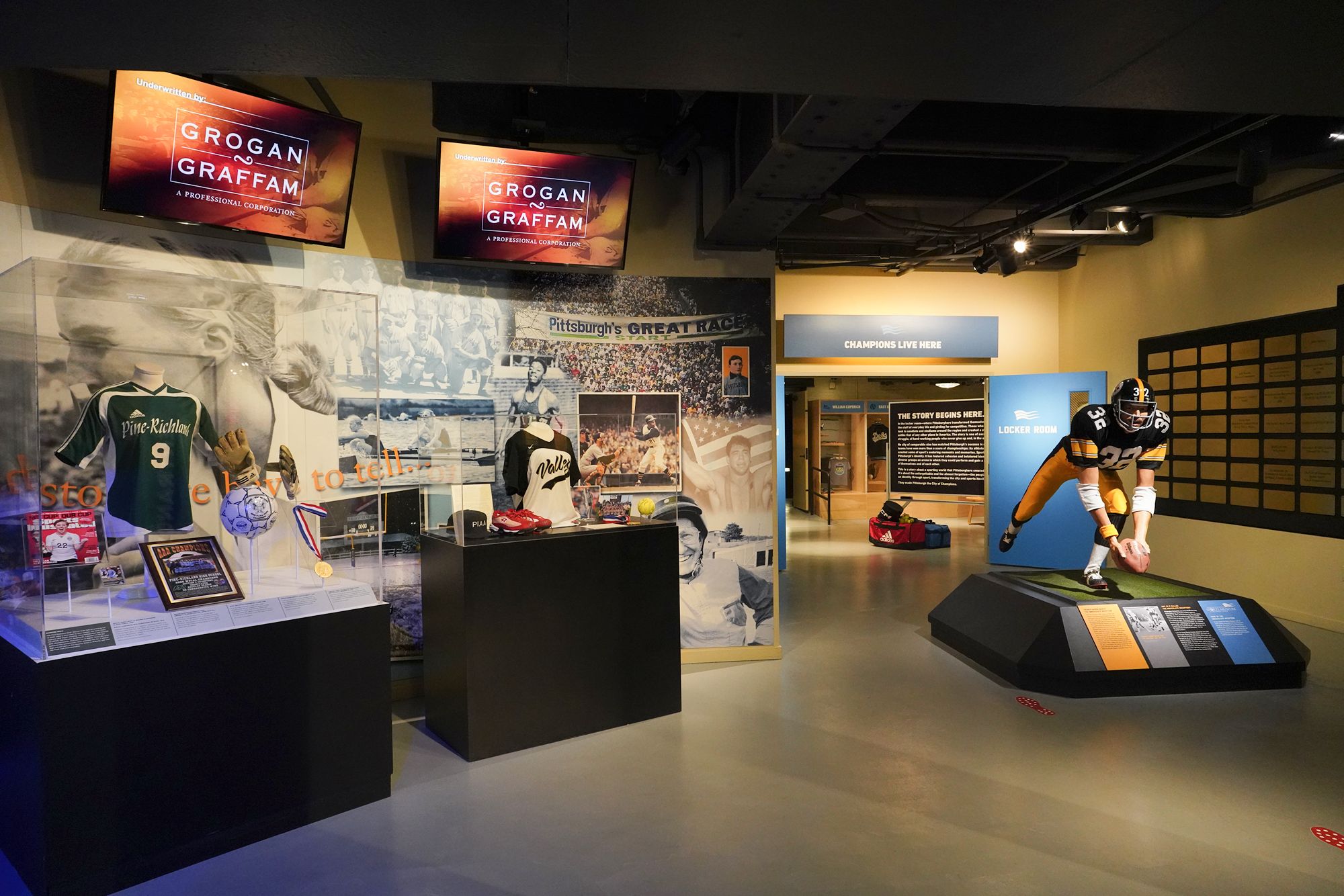
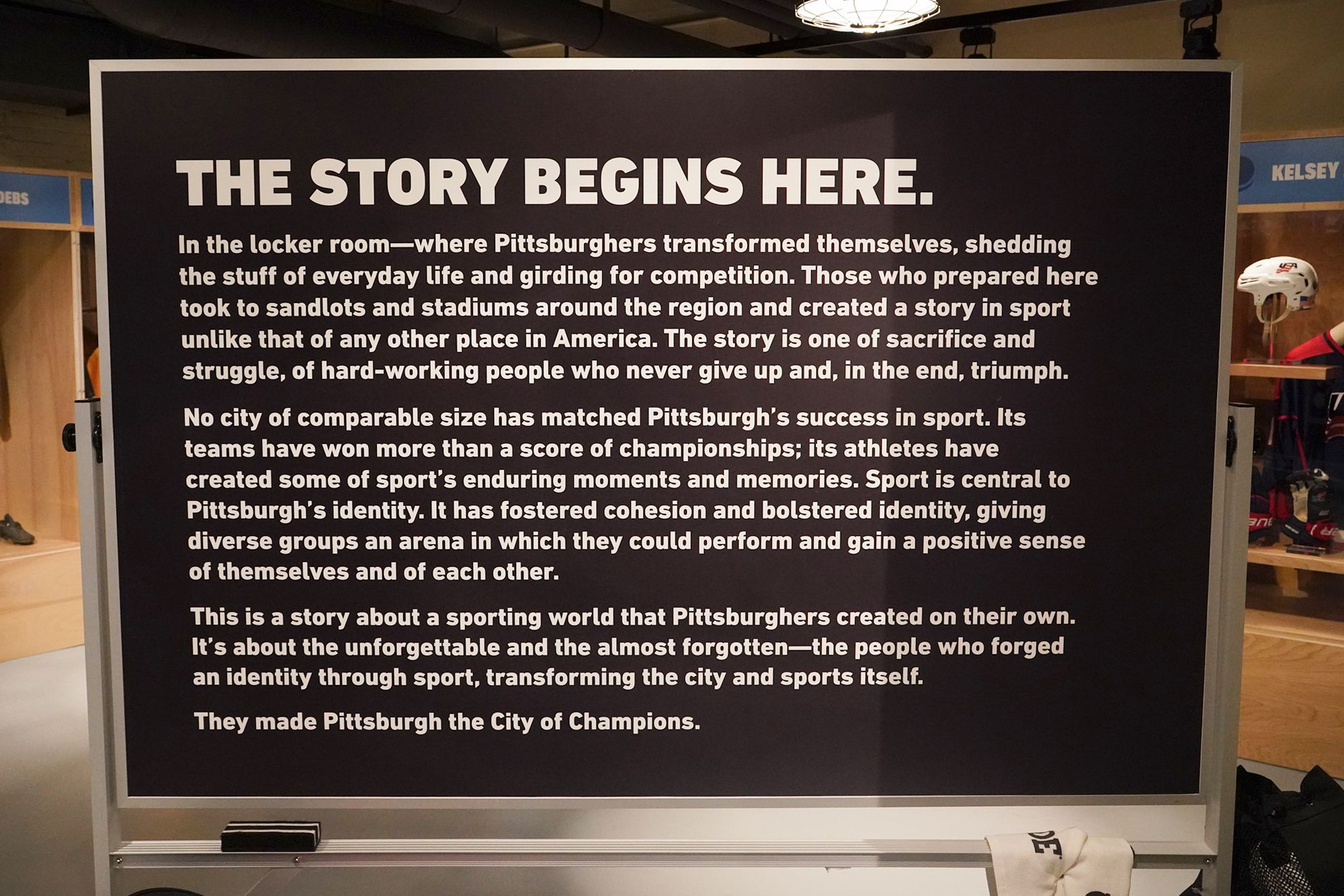
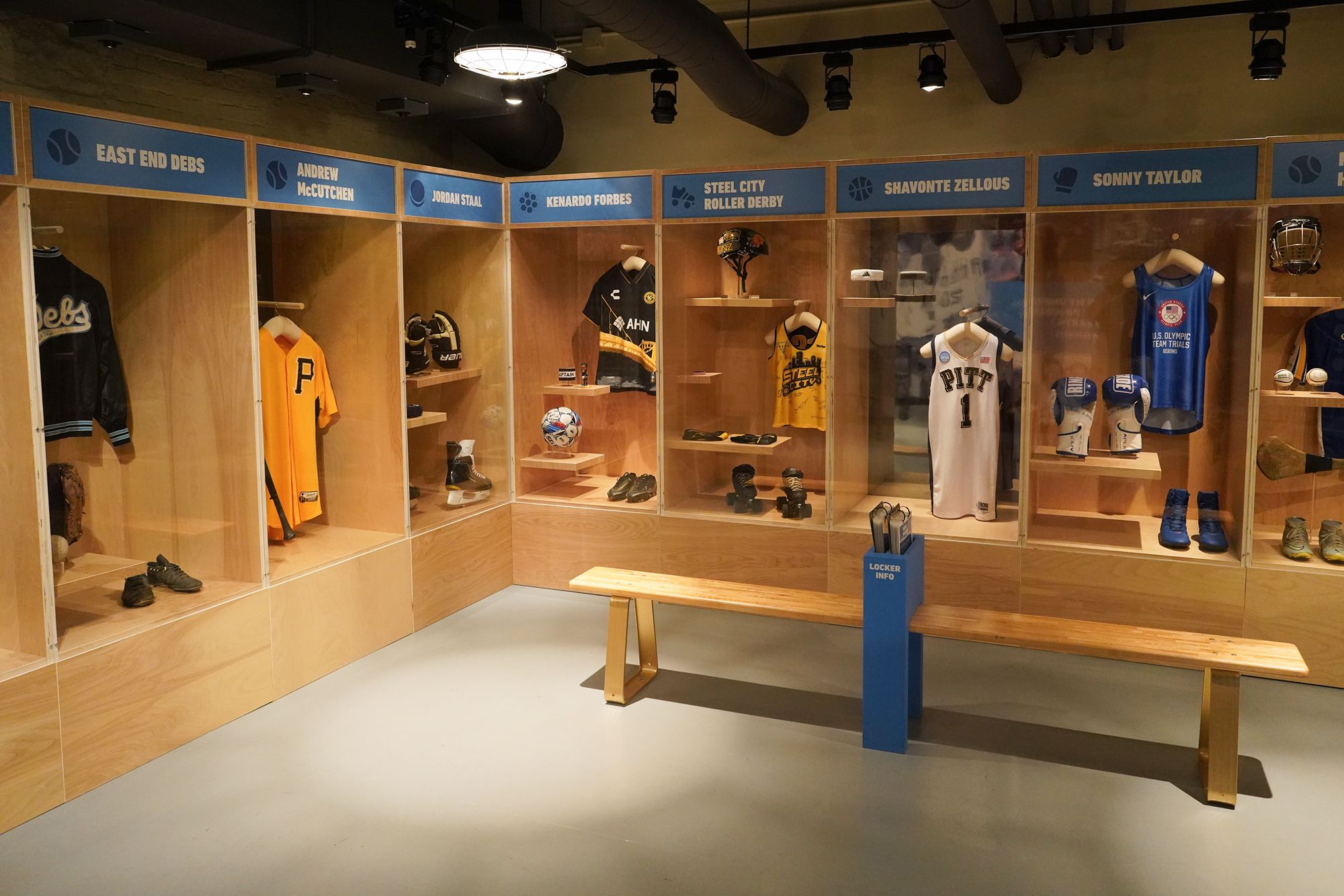
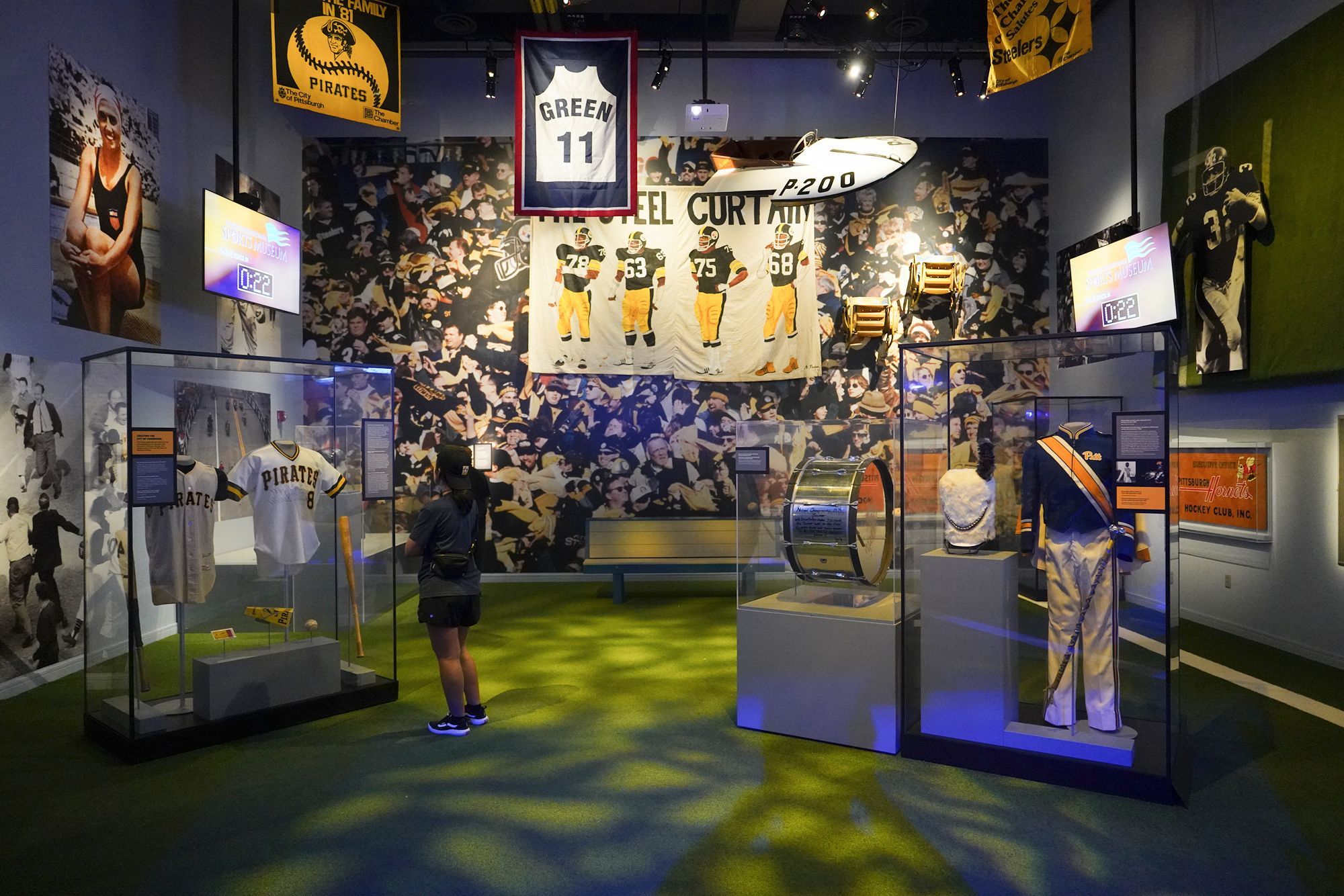
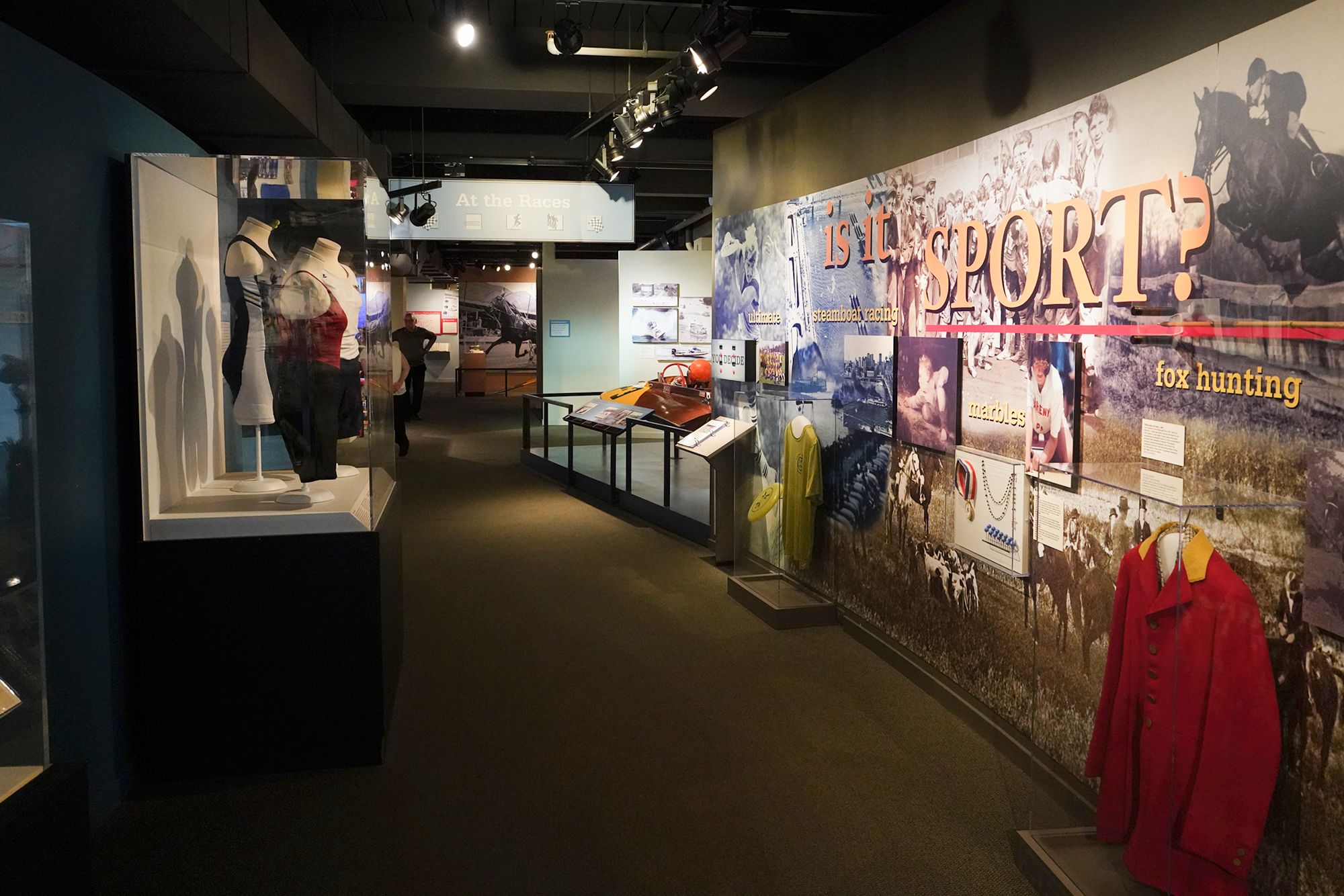
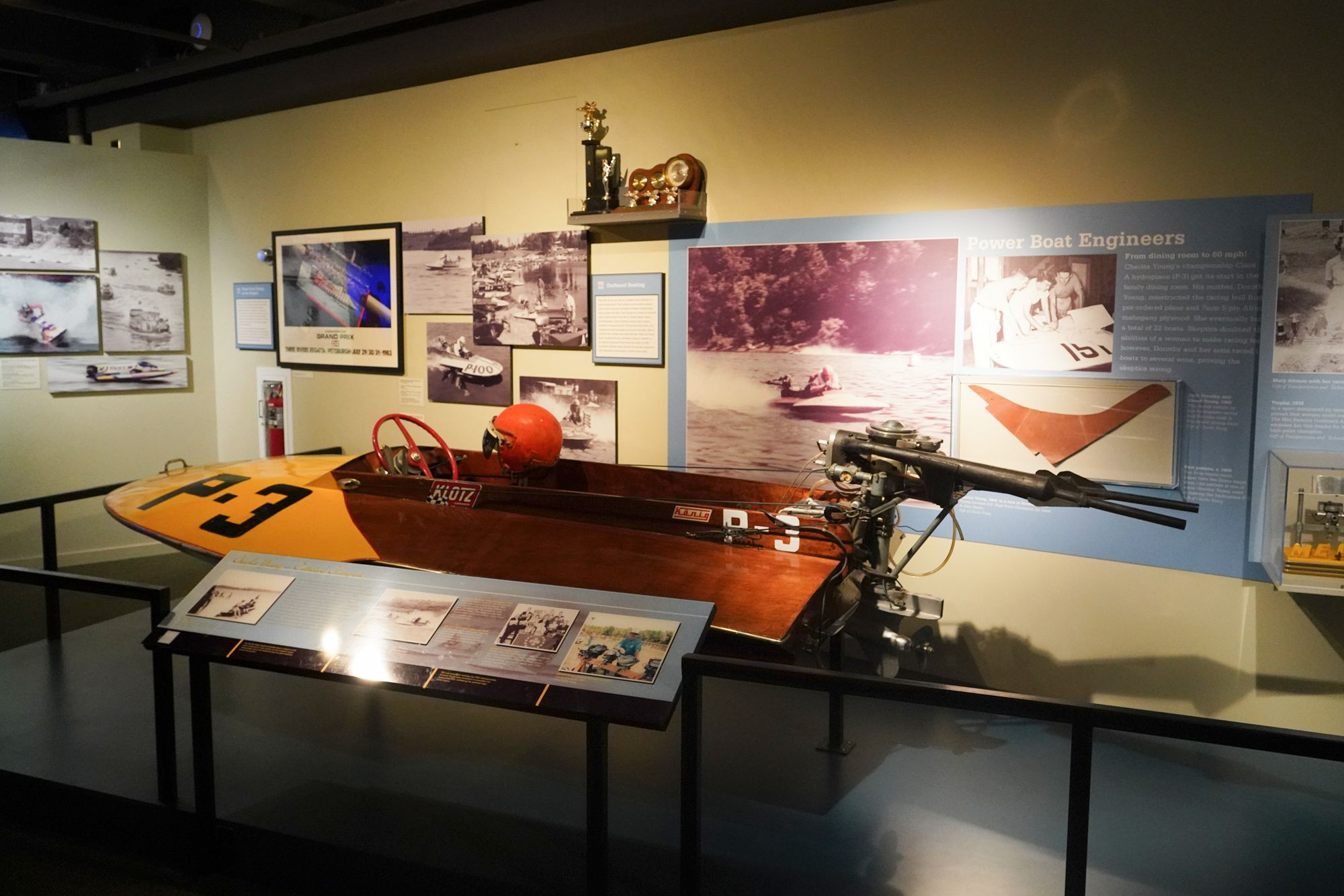
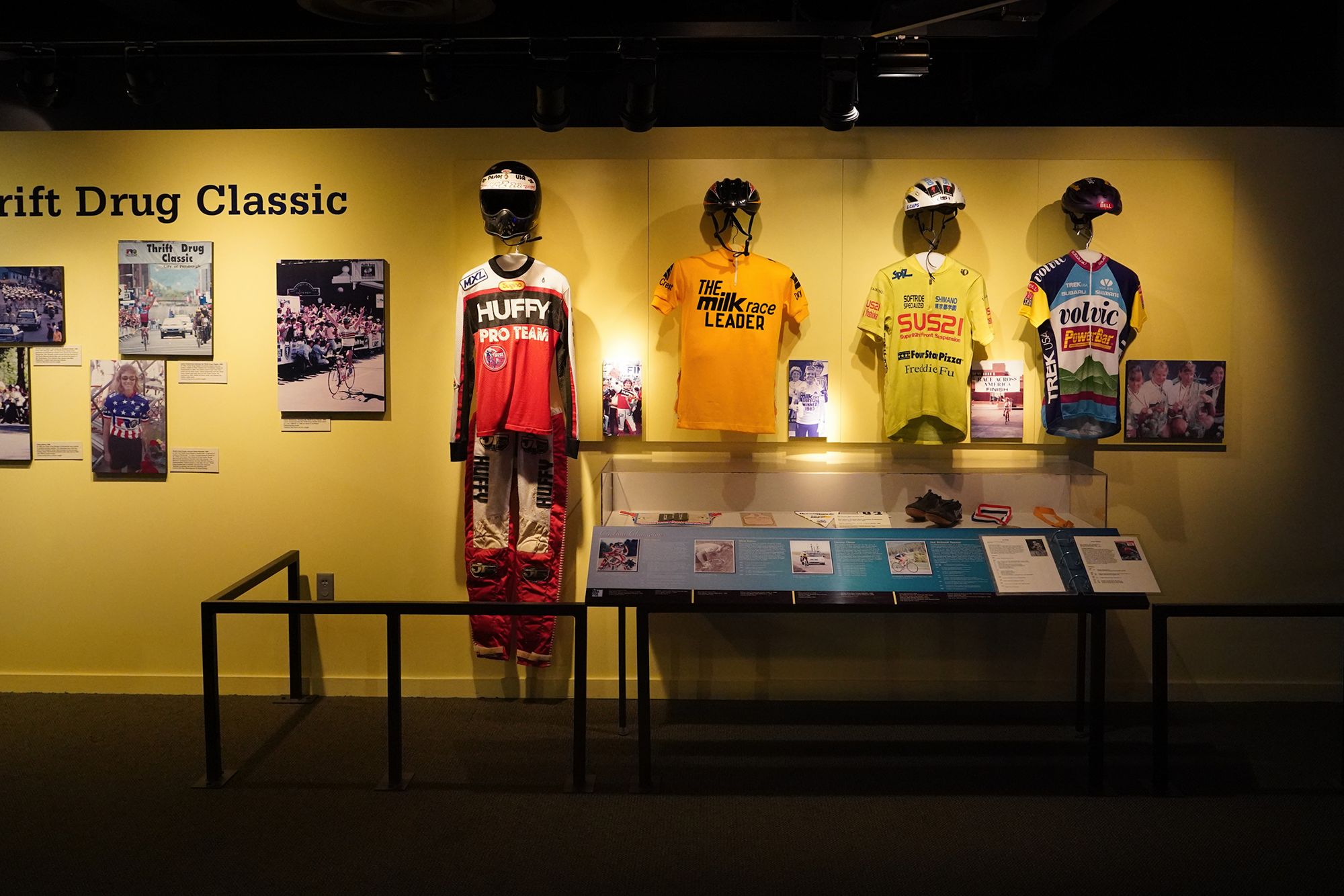
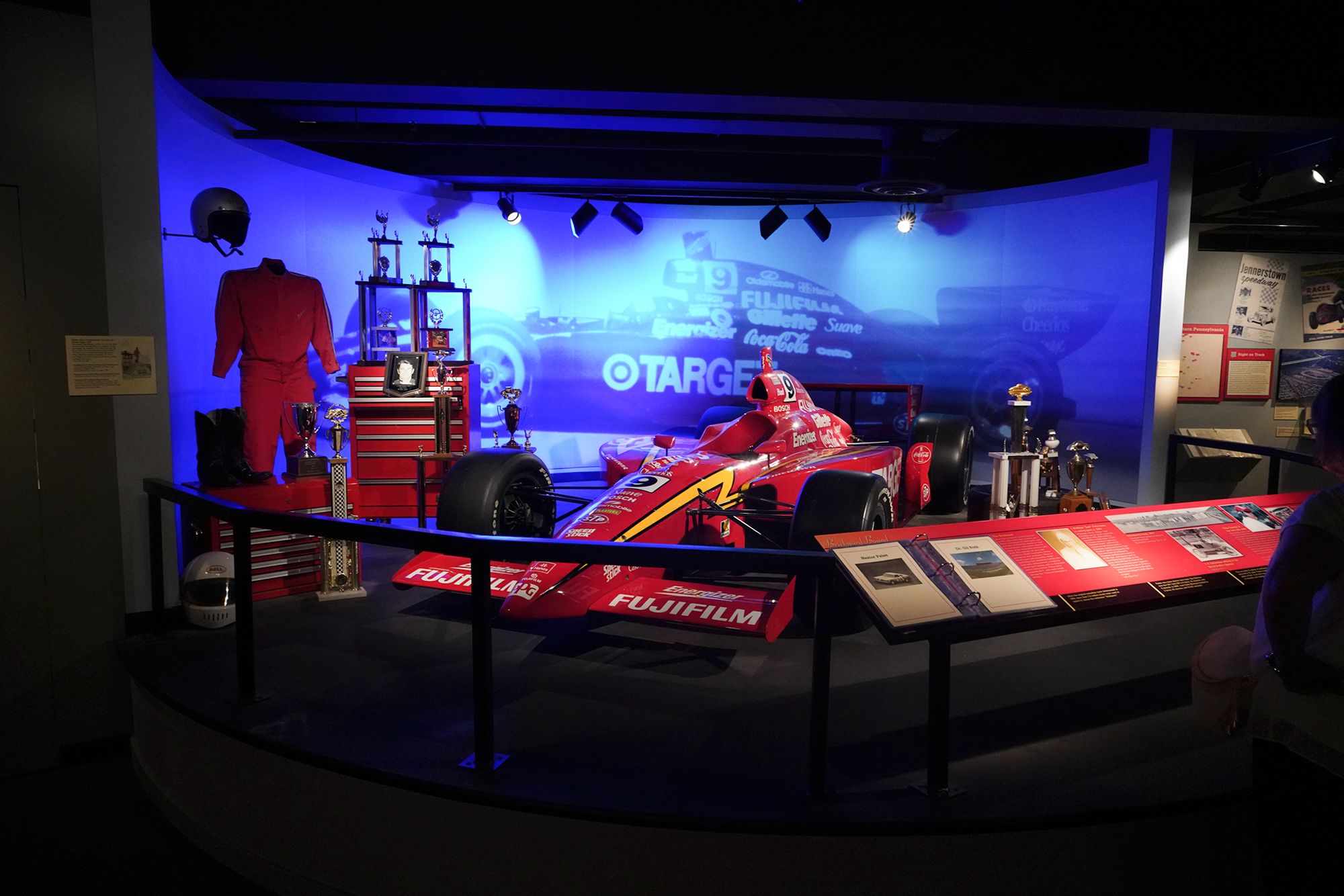
Western Pennsylvania Sports Museum

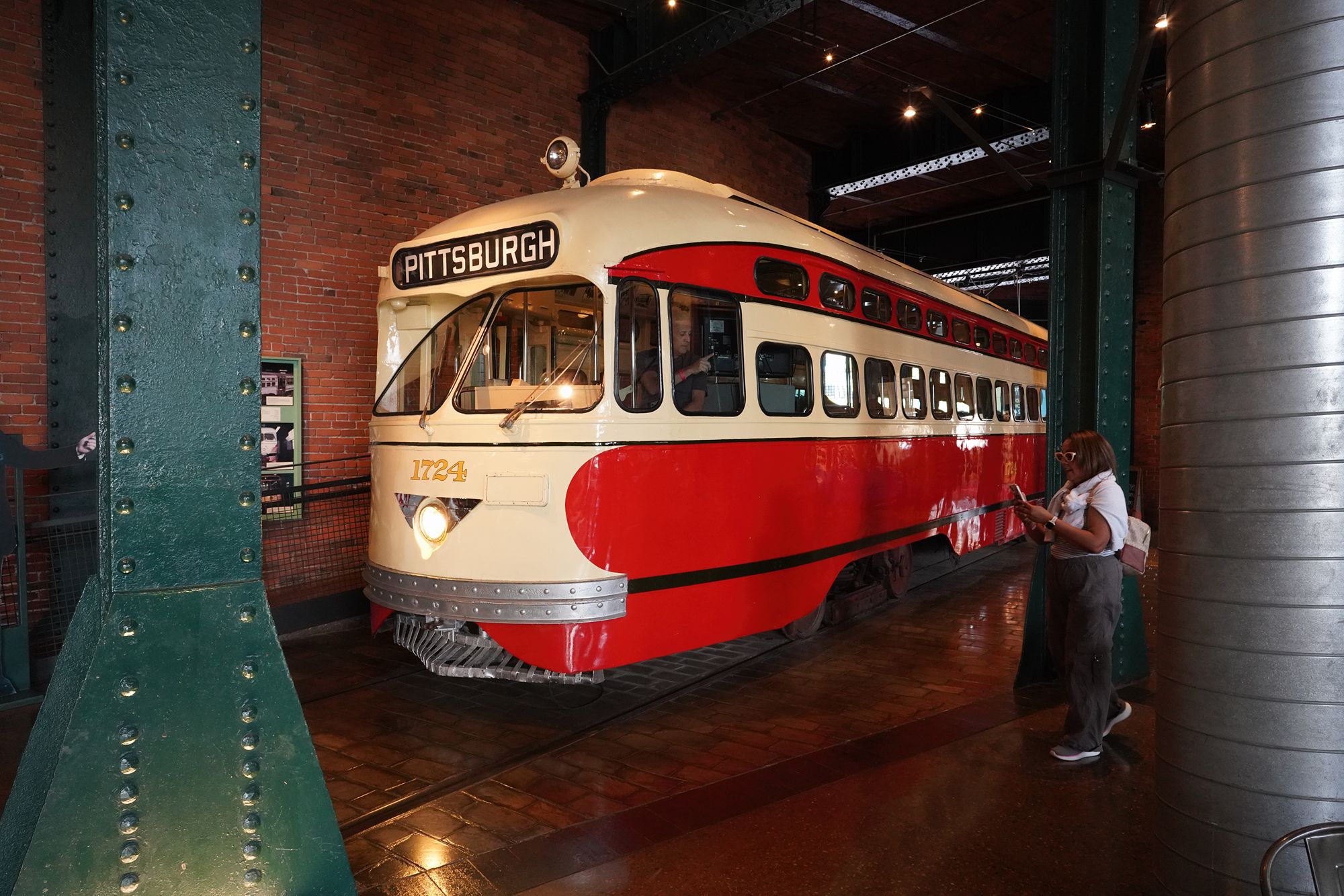
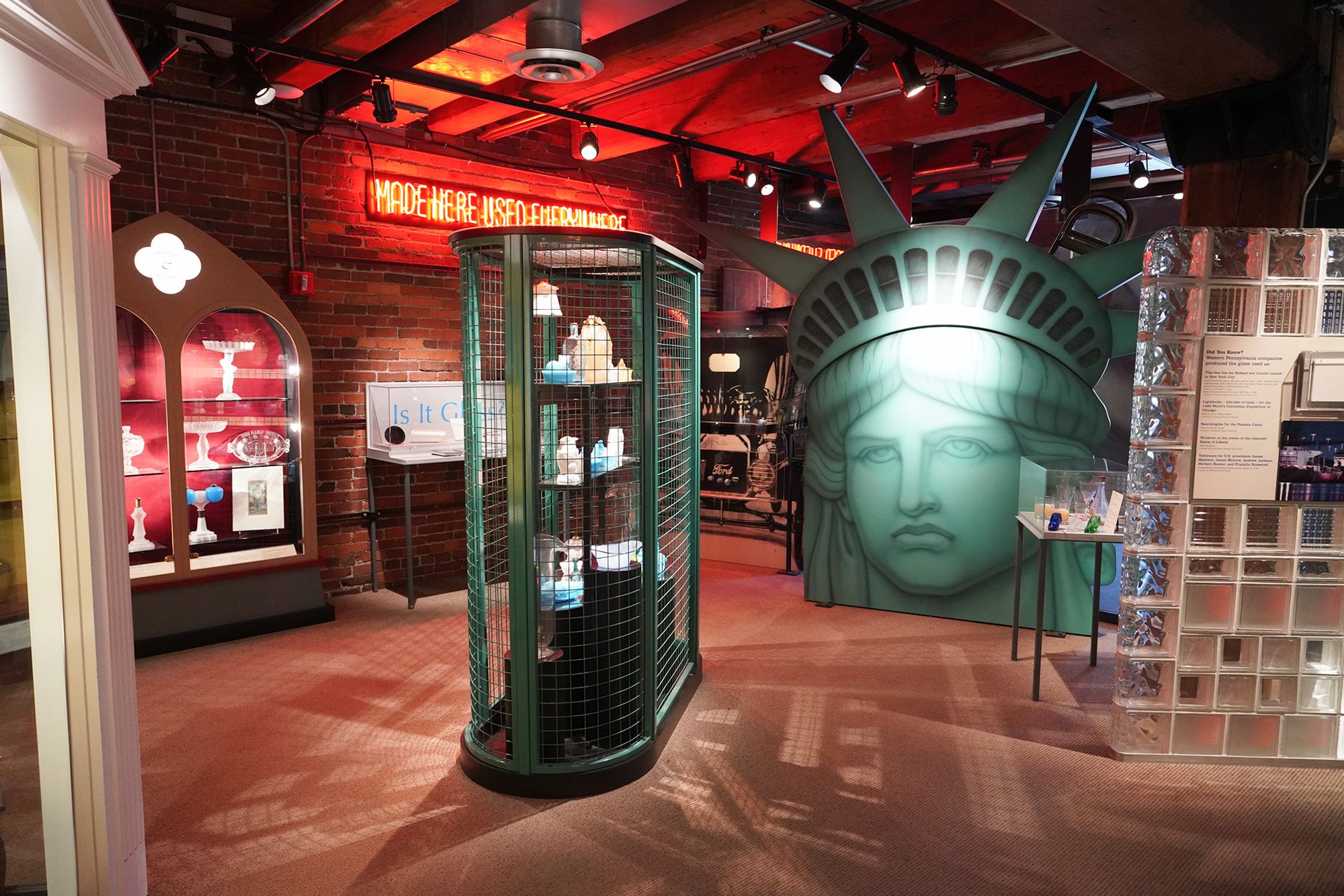
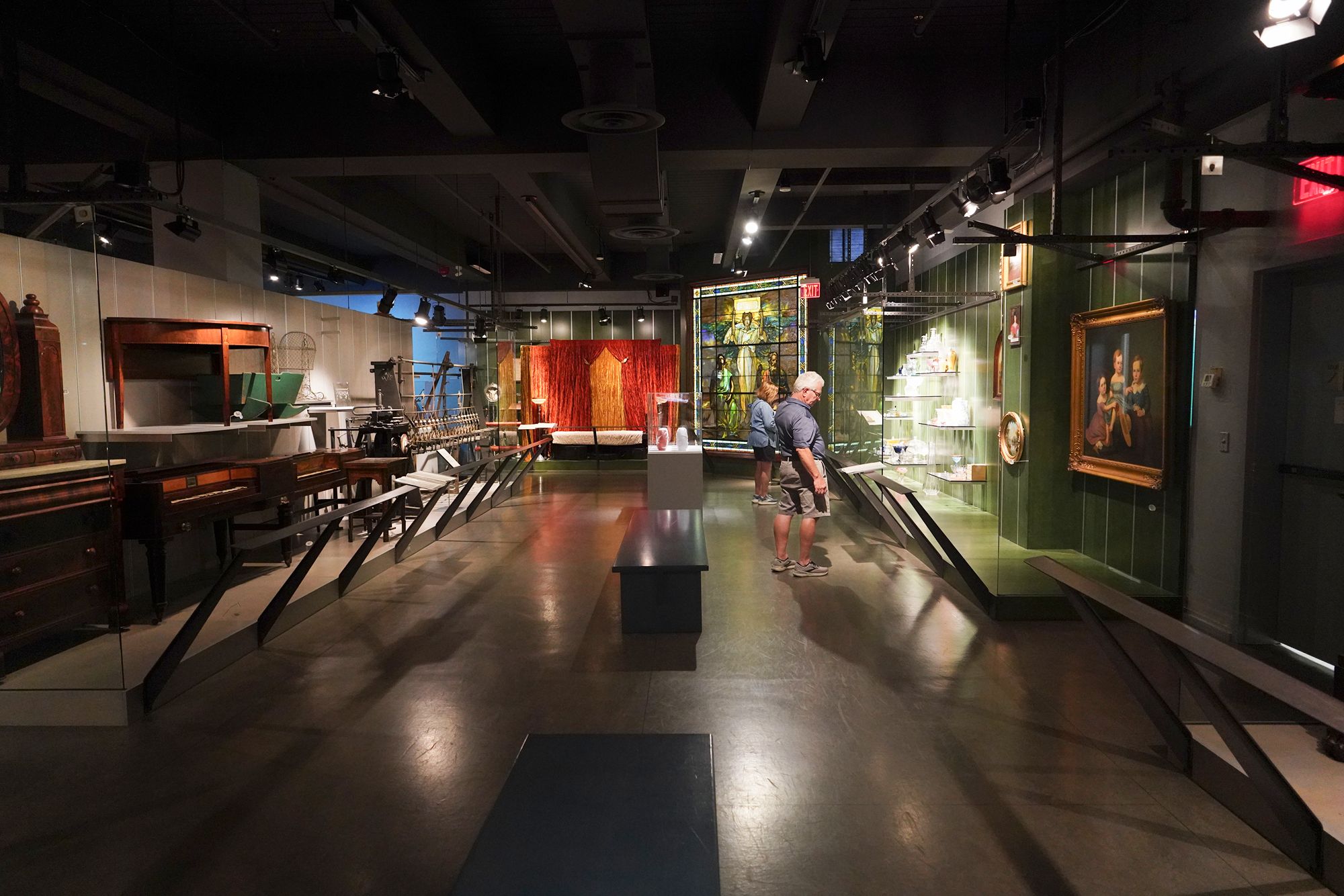
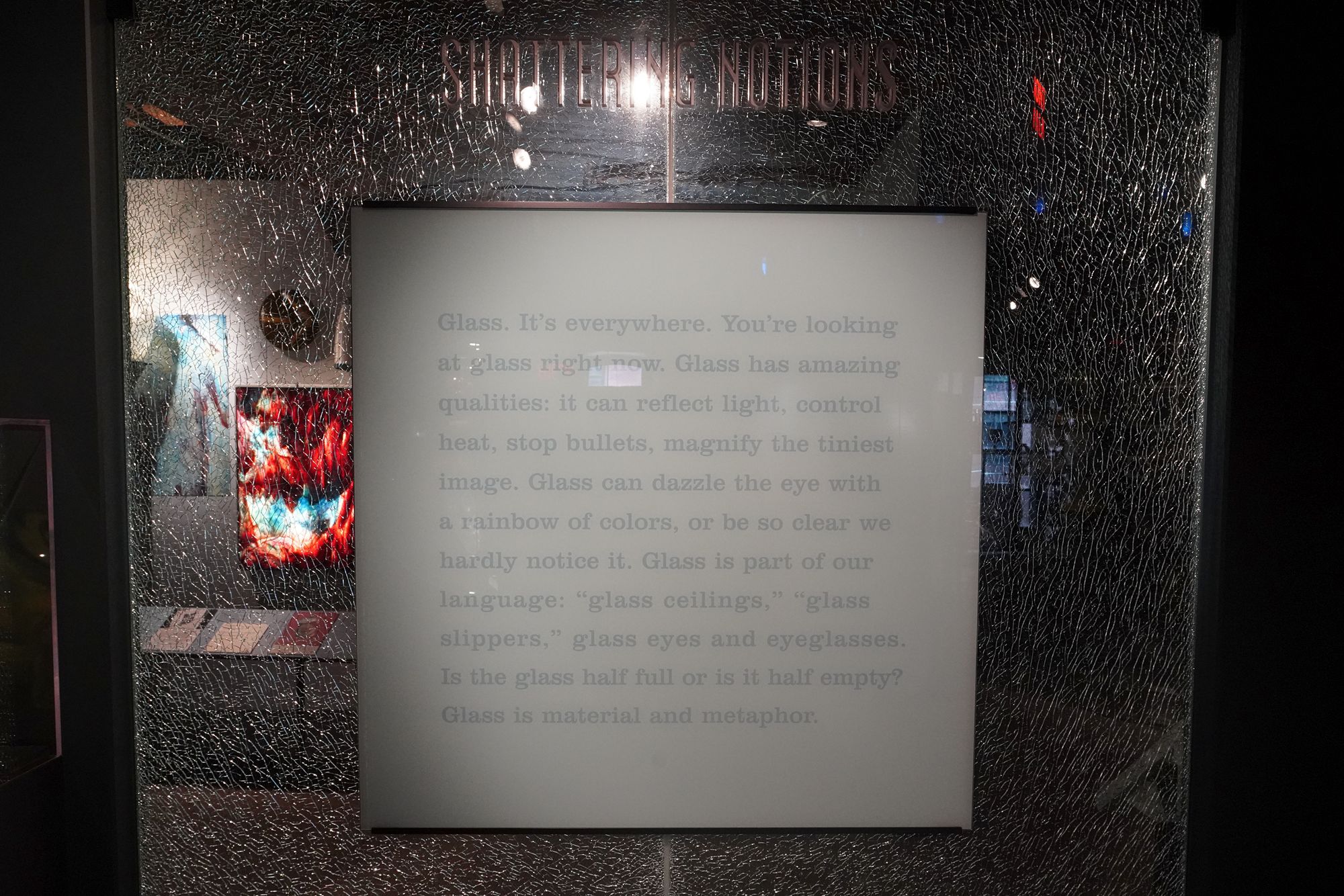
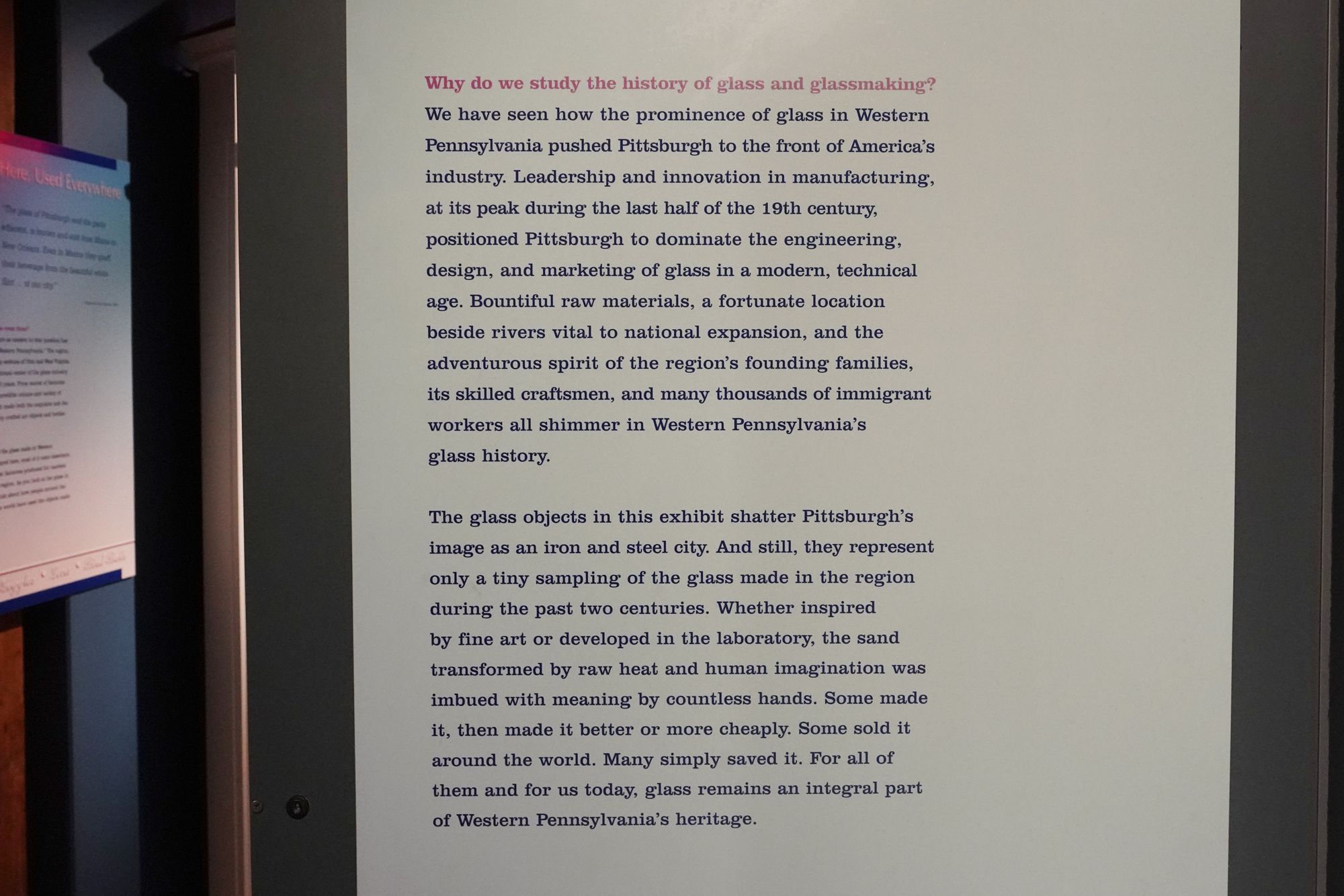
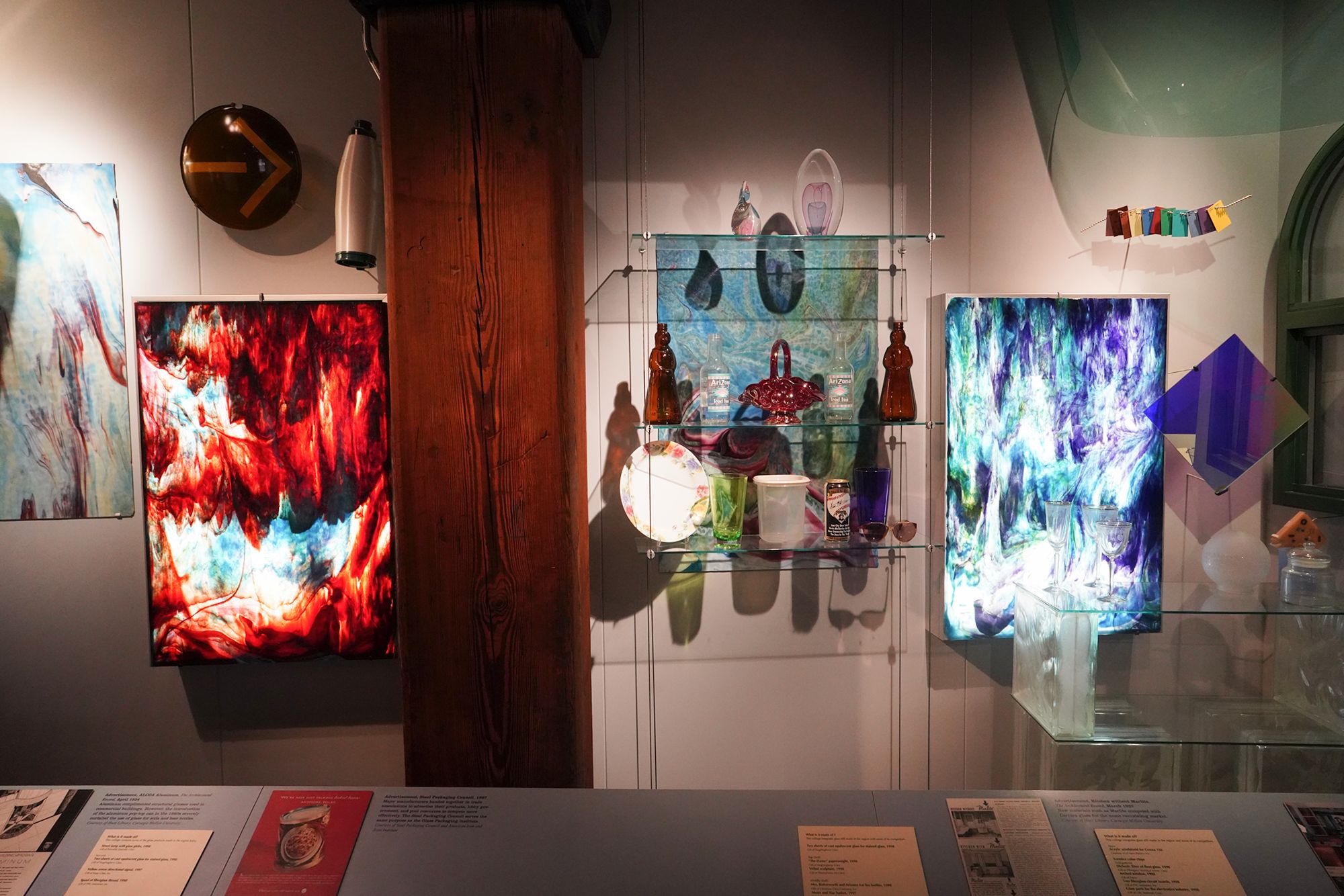
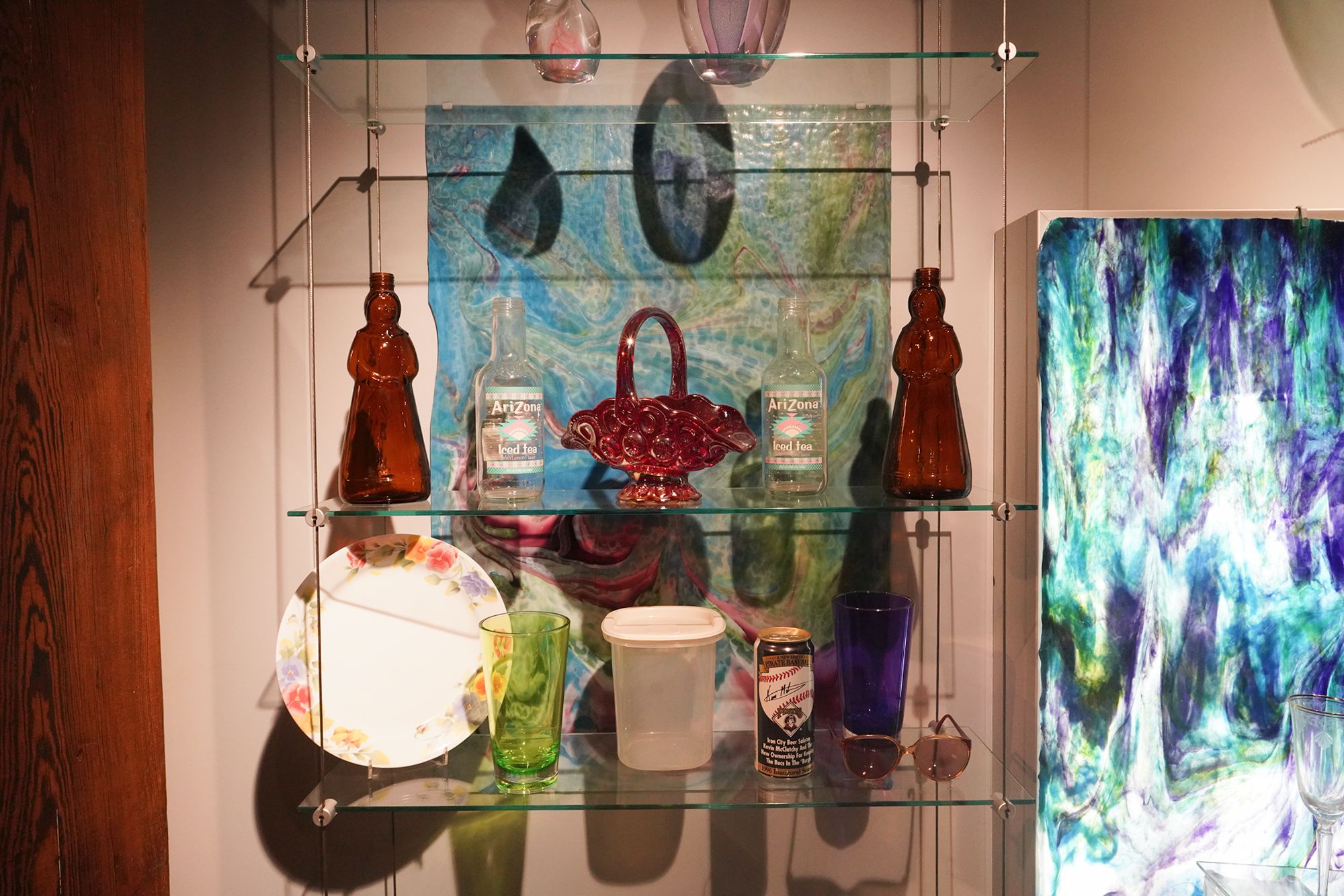
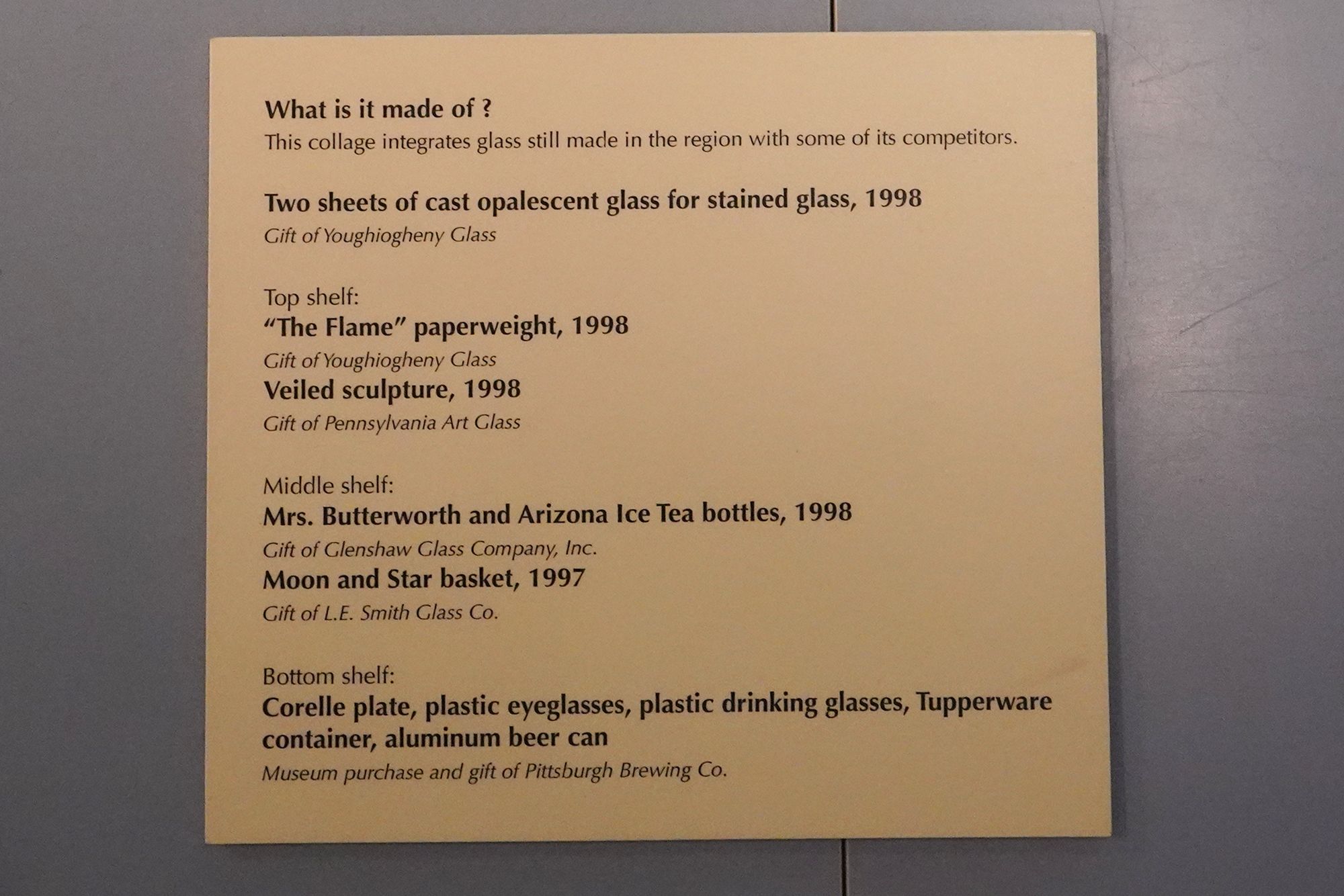
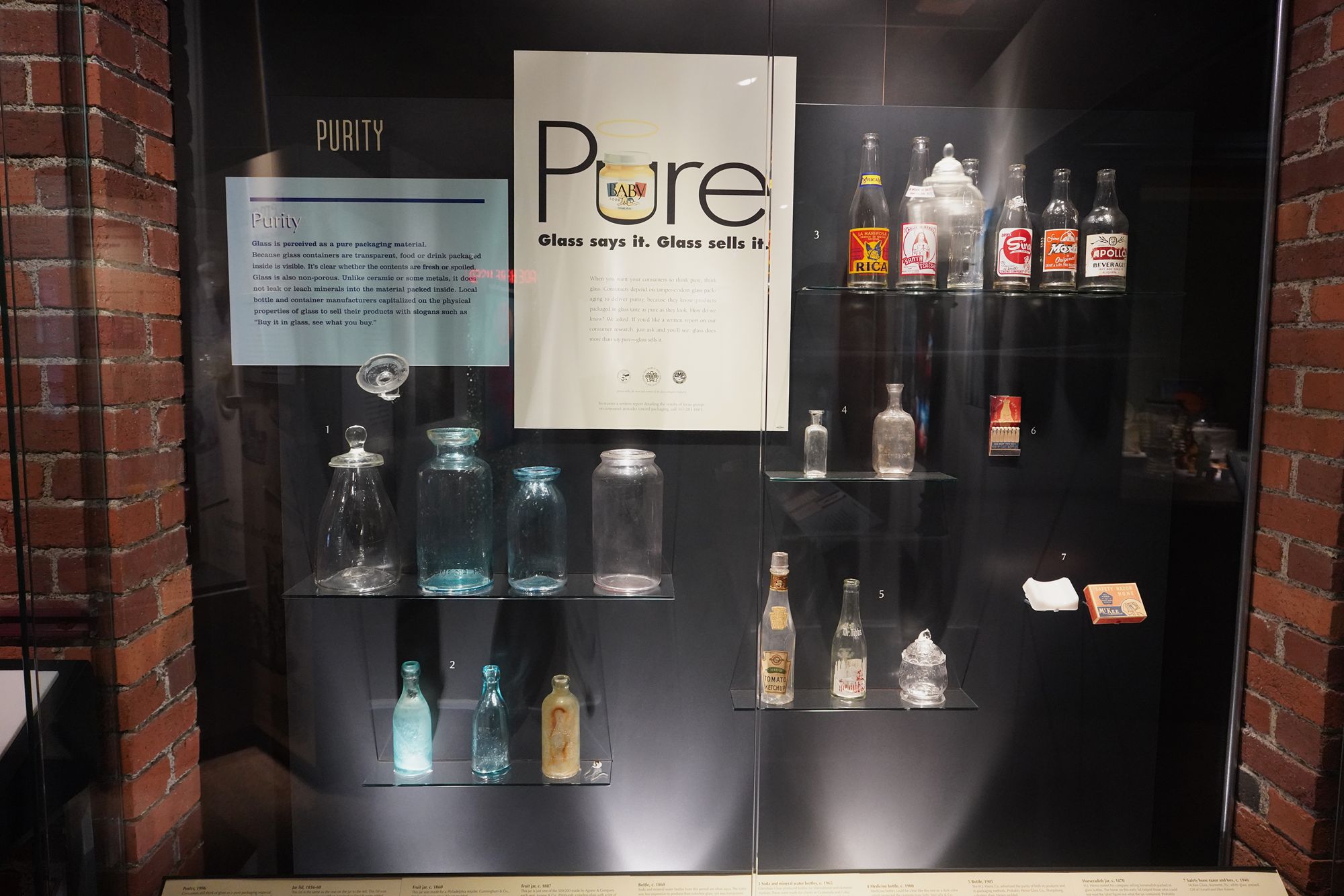
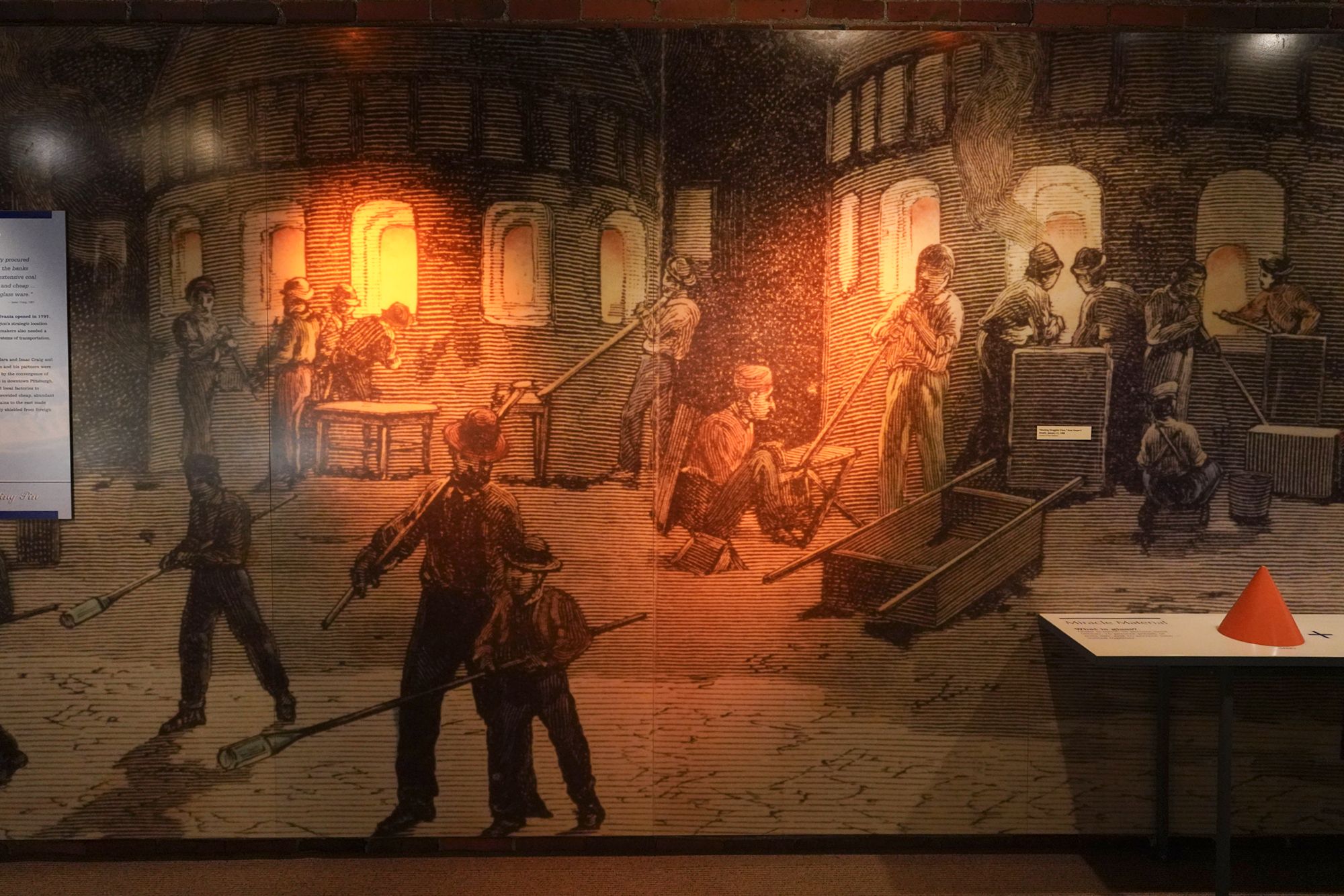
Glass and Pittsburgh are closely linked through the city’s industrial history.
Abundant coal, river transportation, and skilled labor made Pittsburgh a major glass-manufacturing center in the 19th and early 20th centuries. The region produced window glass, bottles, and tableware for national markets and later became a hub for scientific, optical, and specialty glass, influencing architecture, industry, and everyday life across the United States.
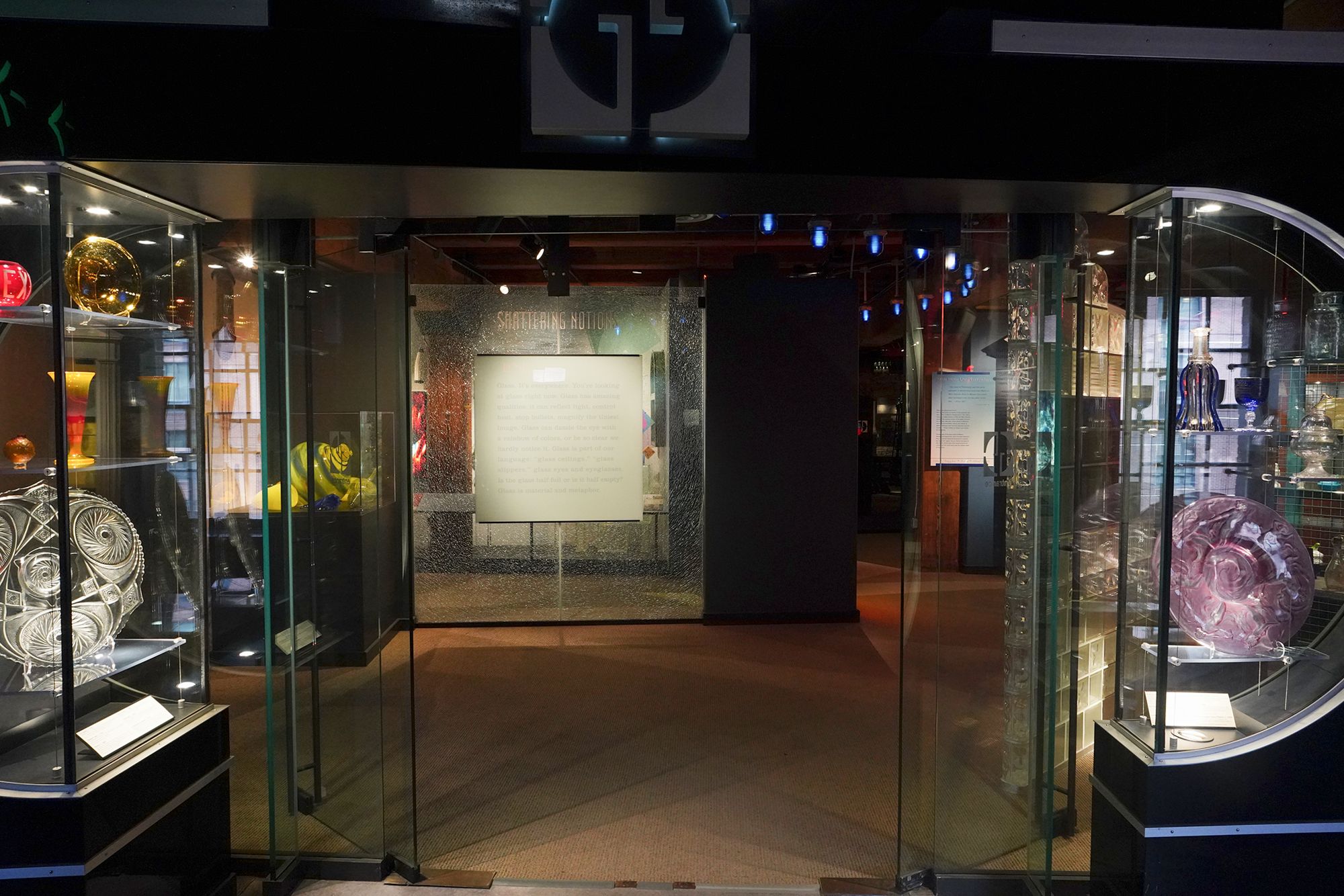
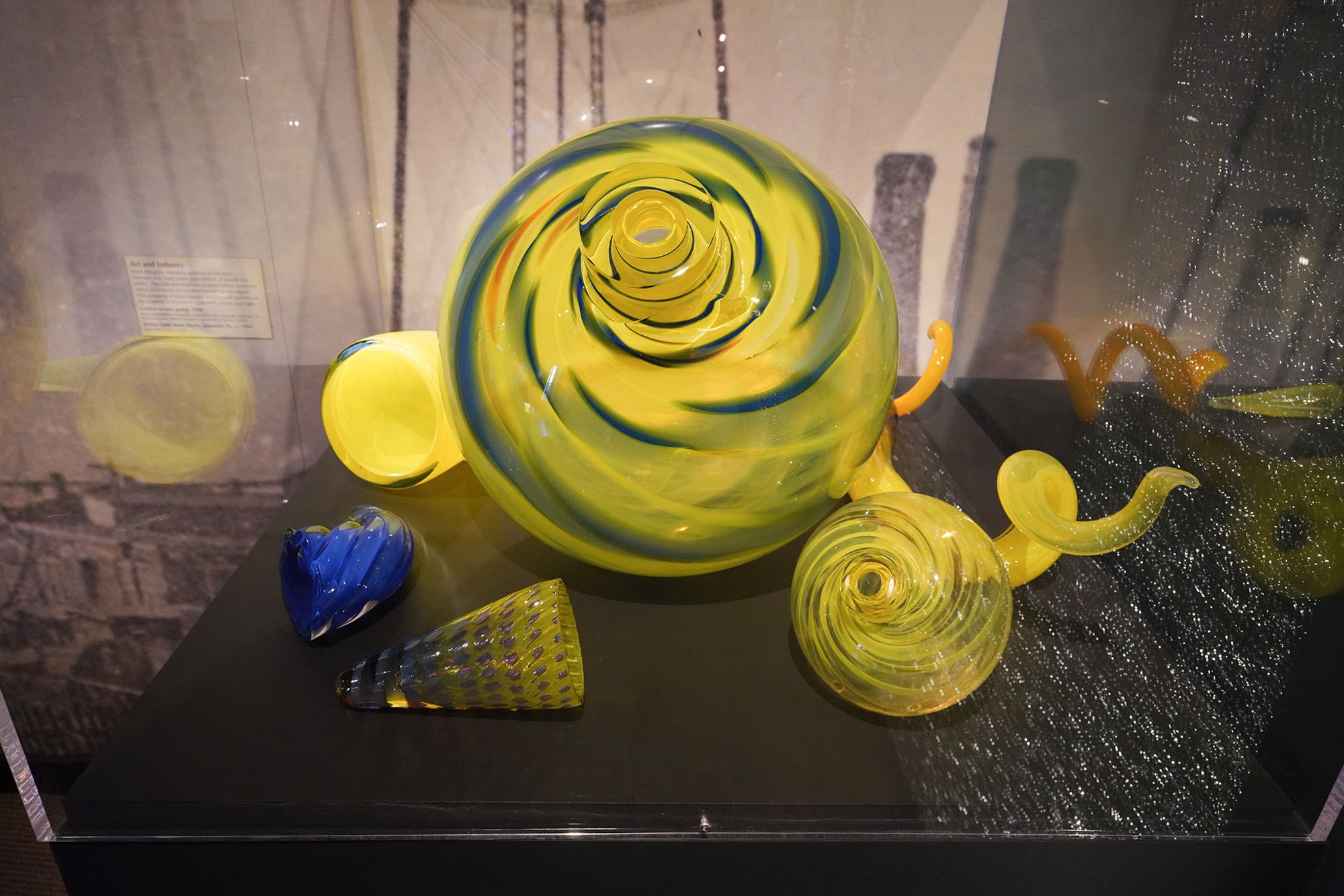
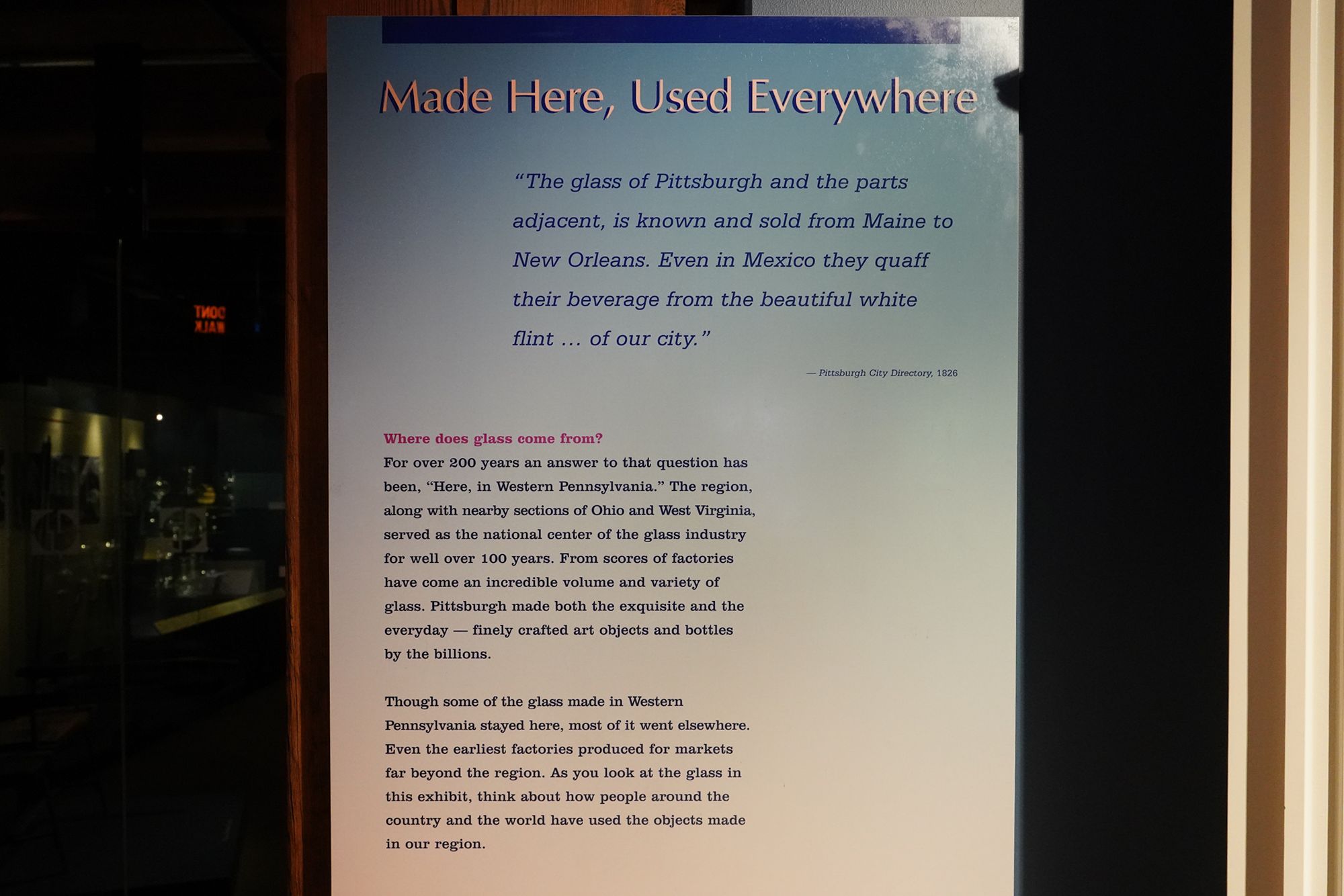
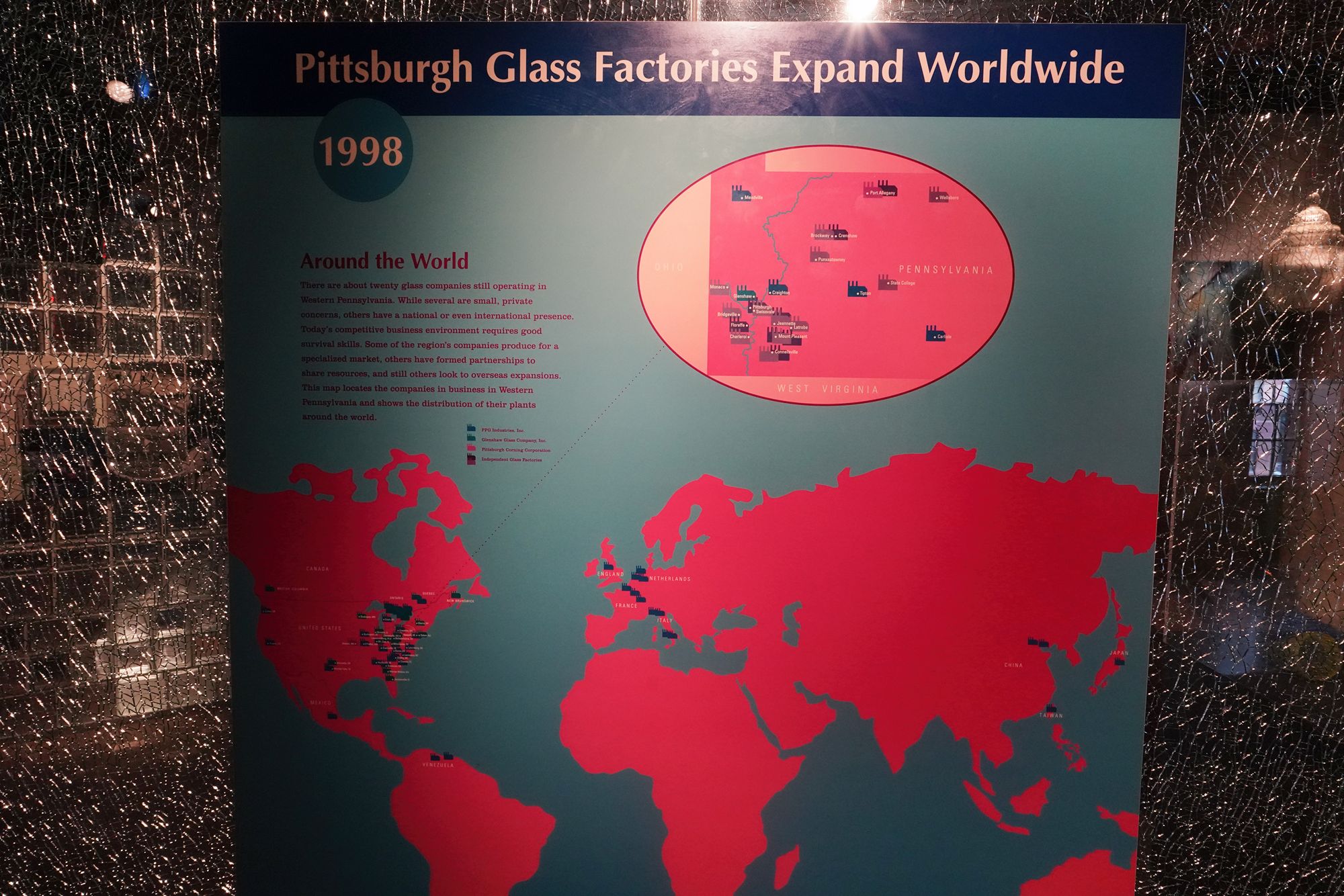
Pittsburgh Glass Factories
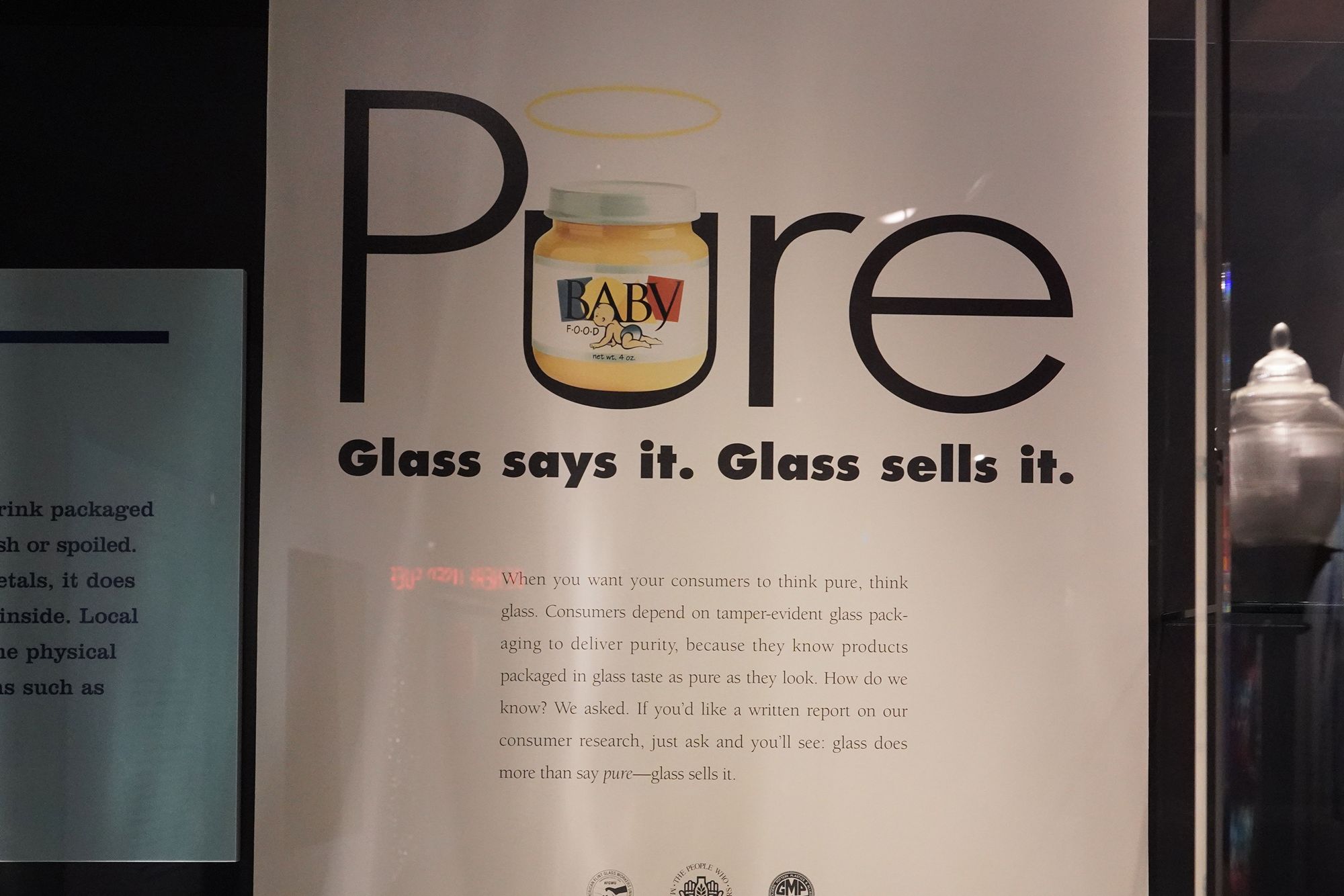
Pure
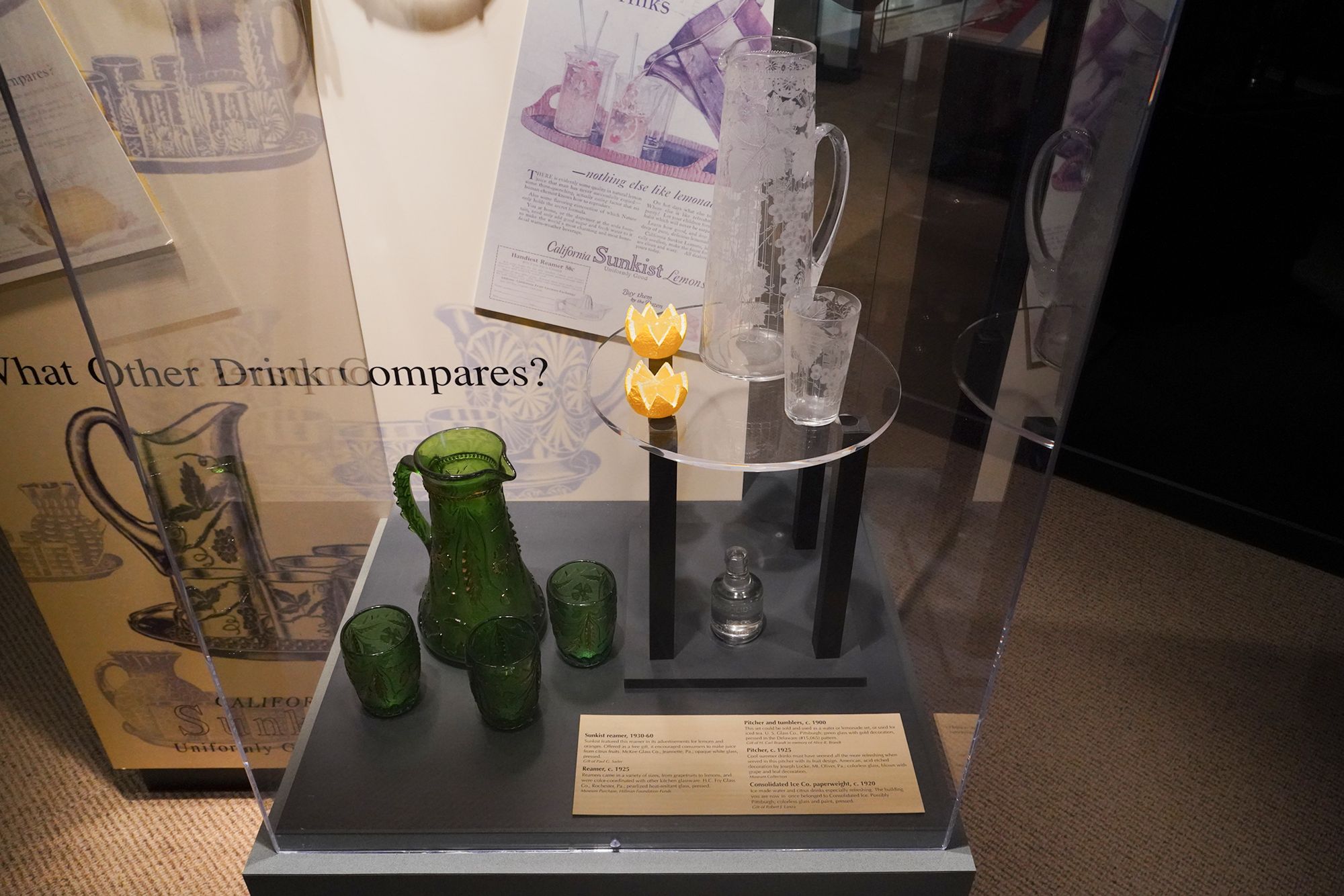
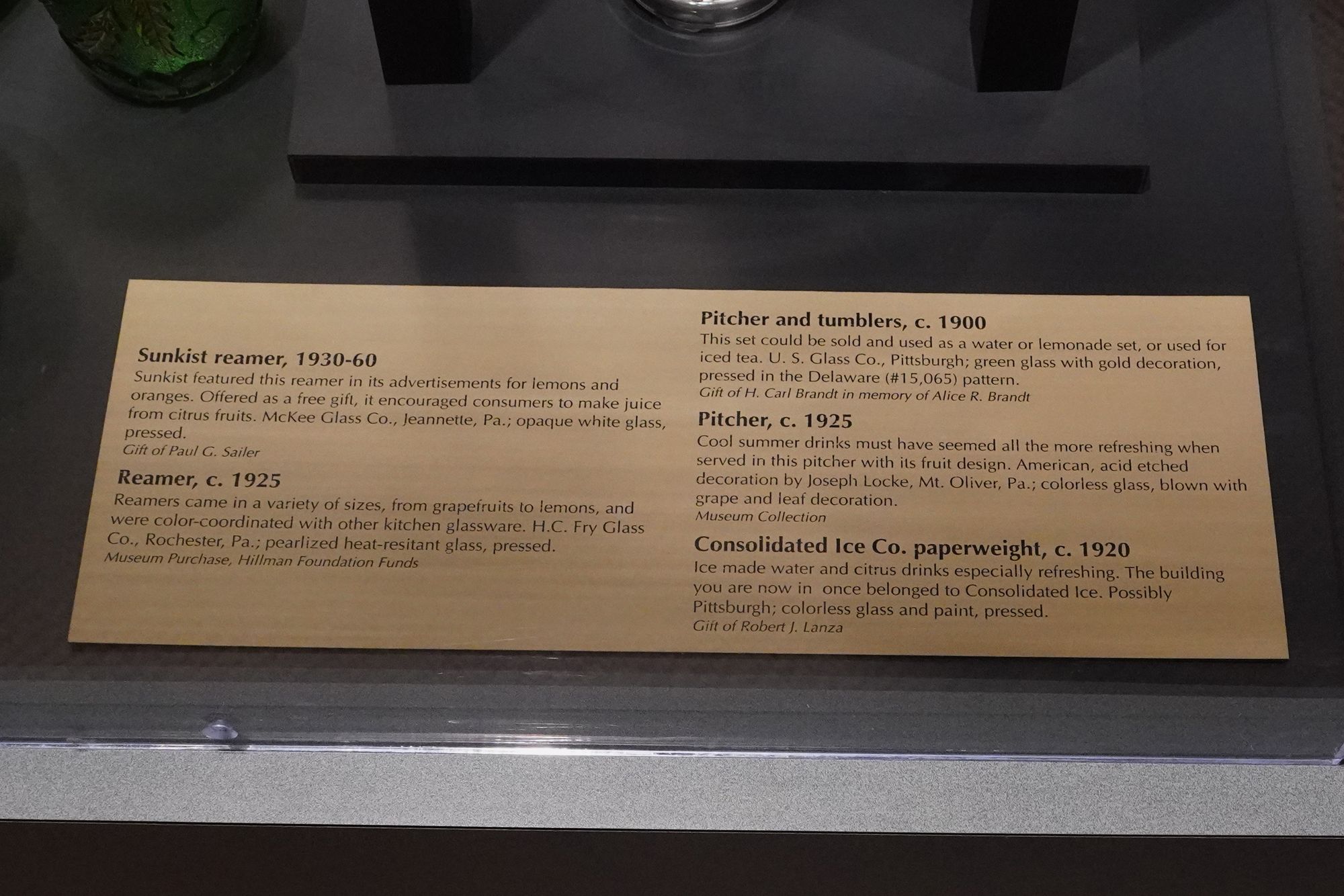
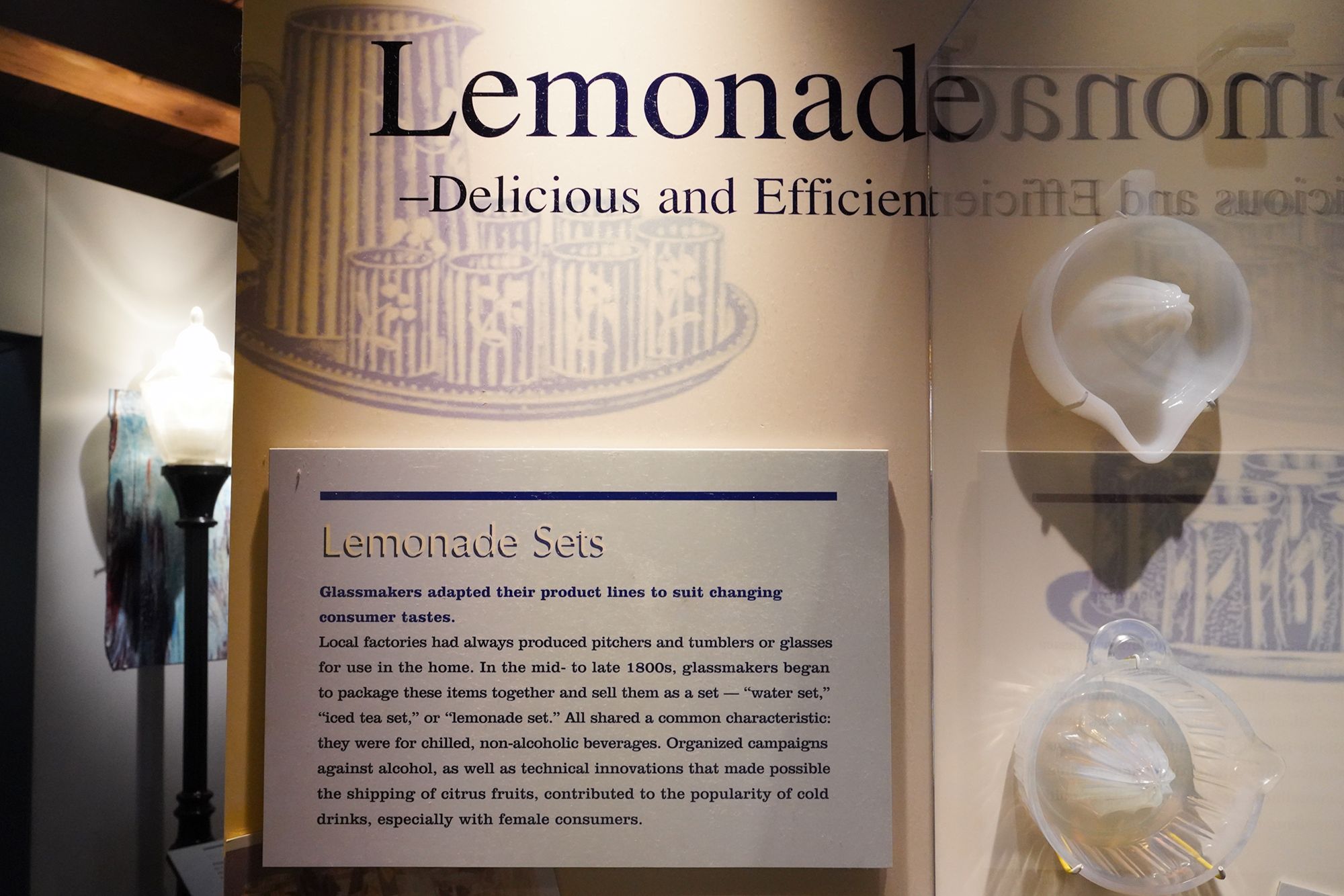
Lemonade
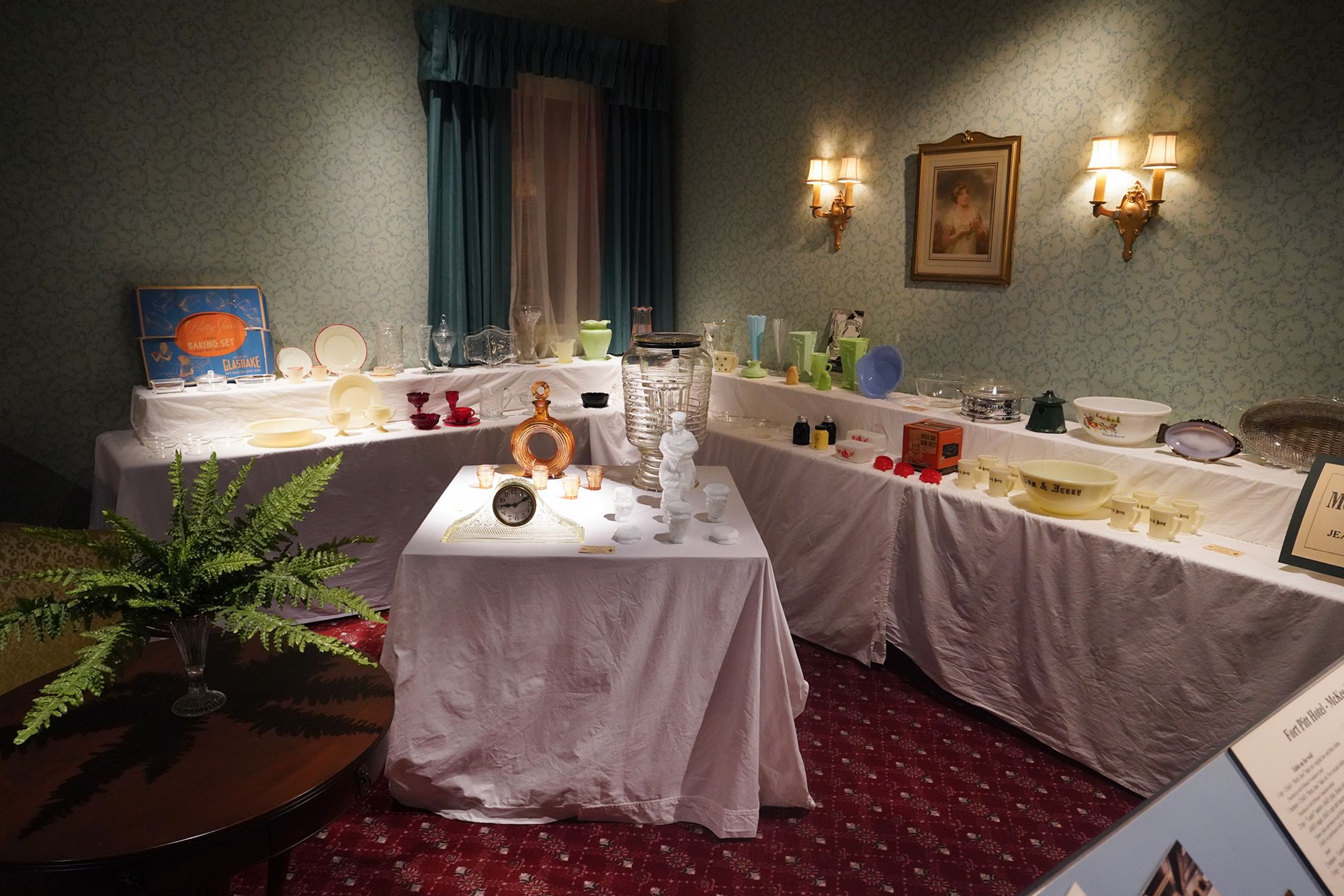
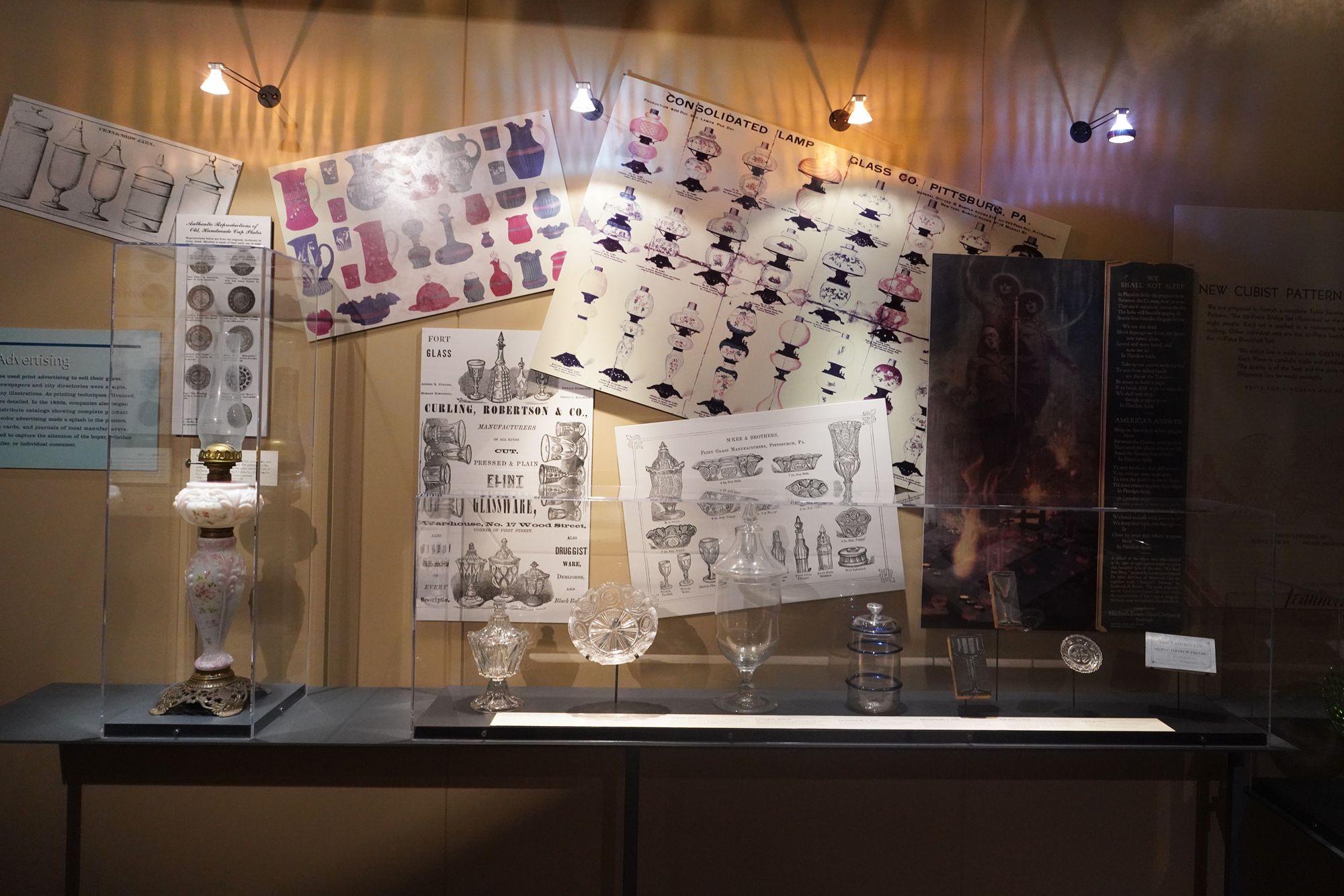
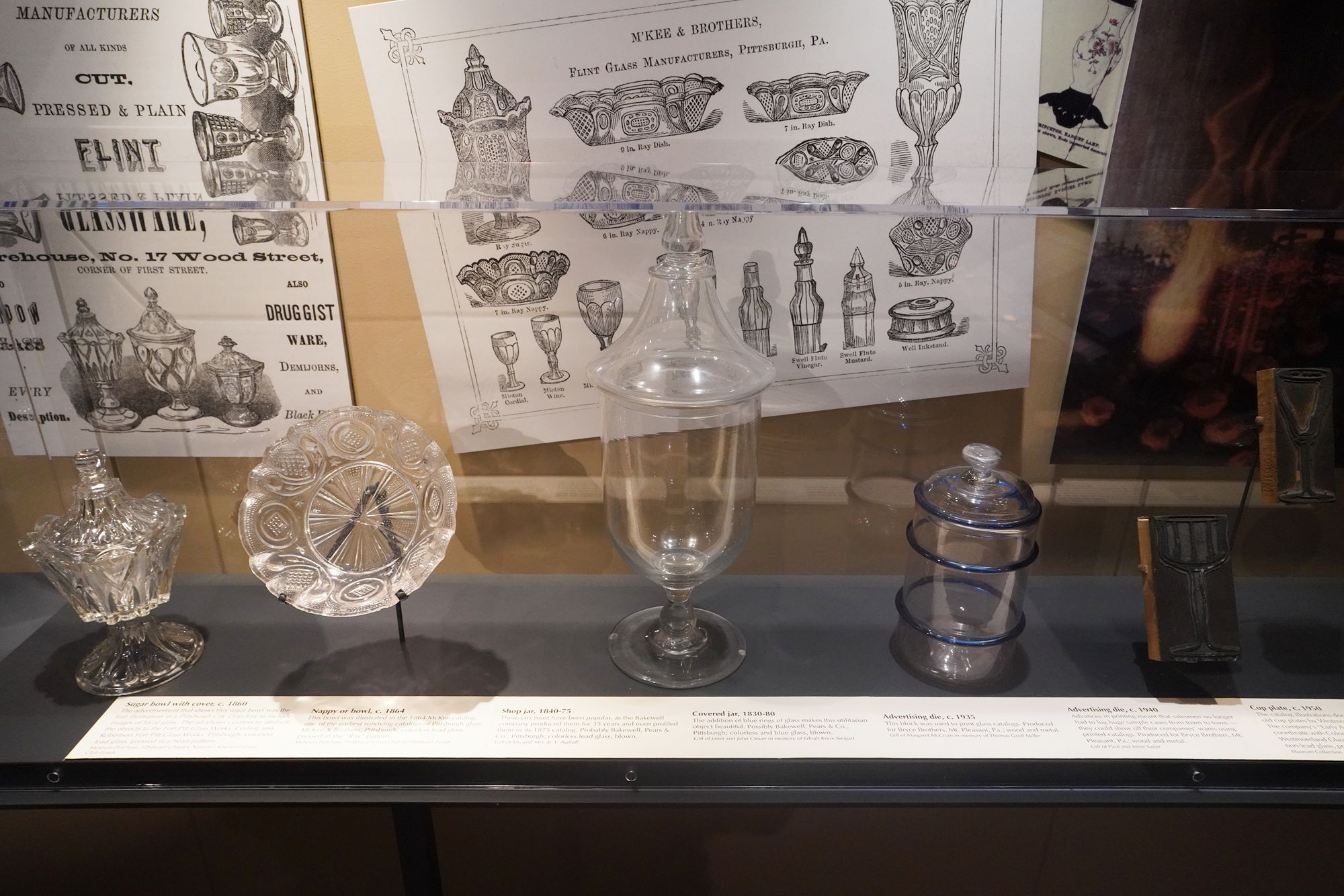
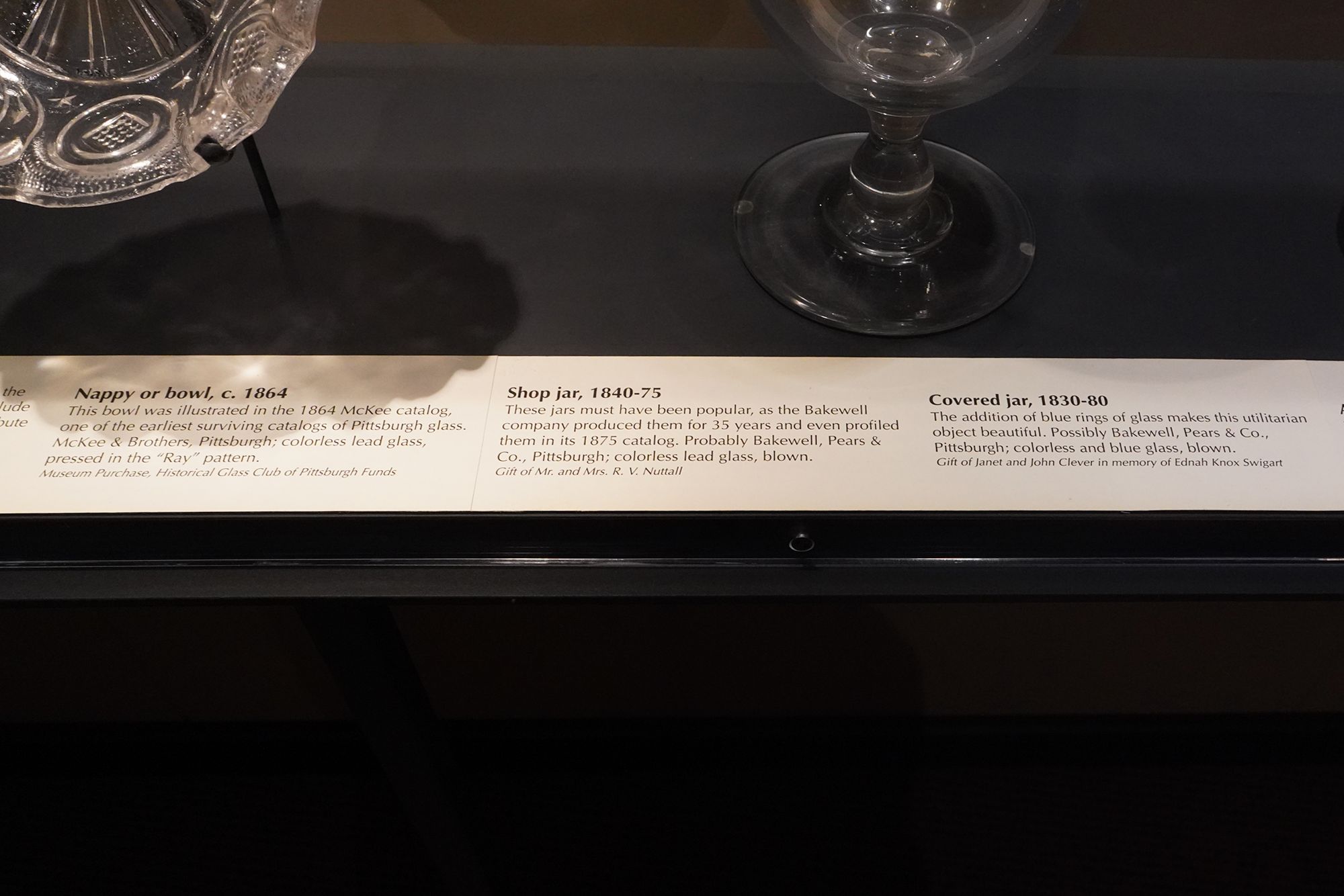
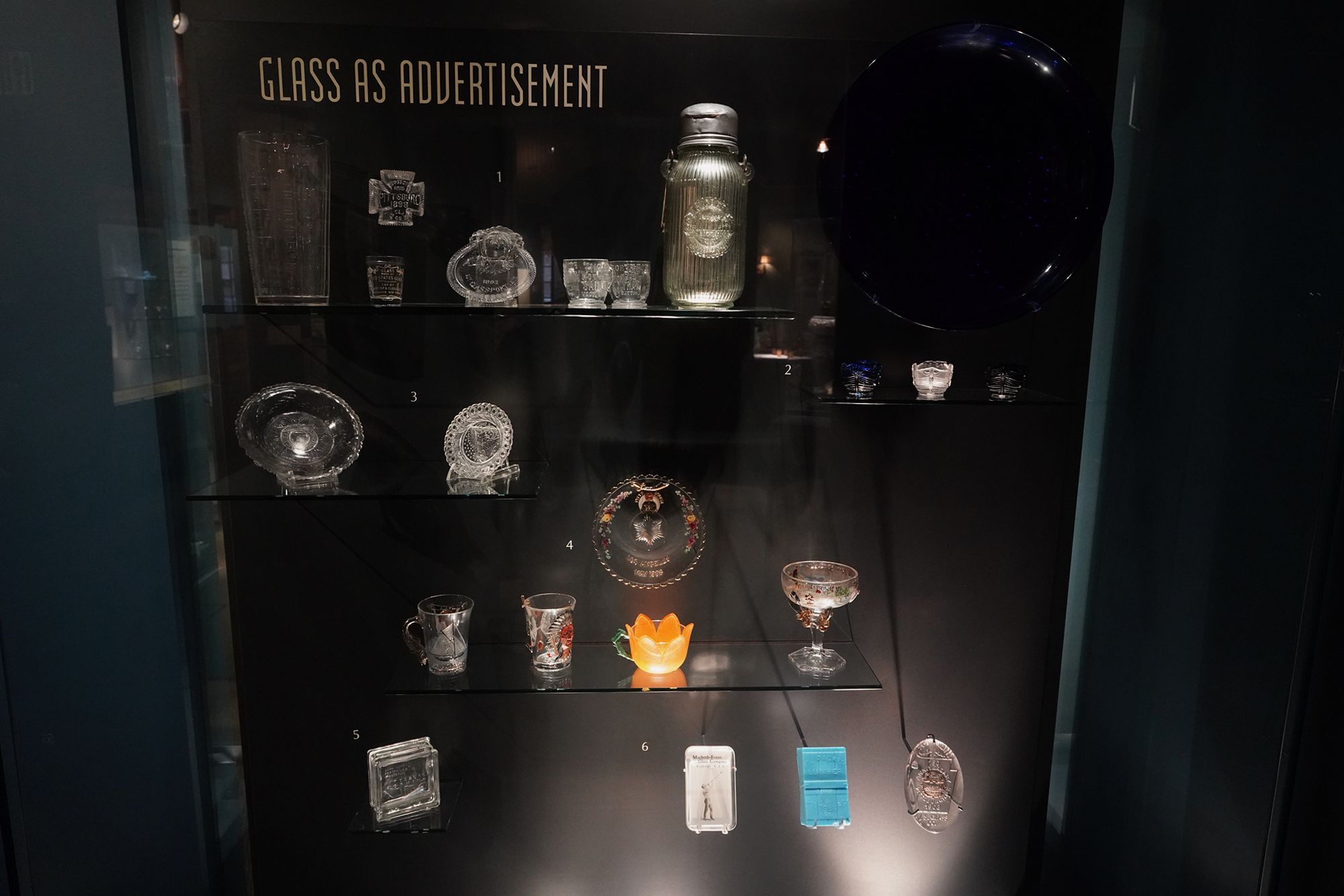
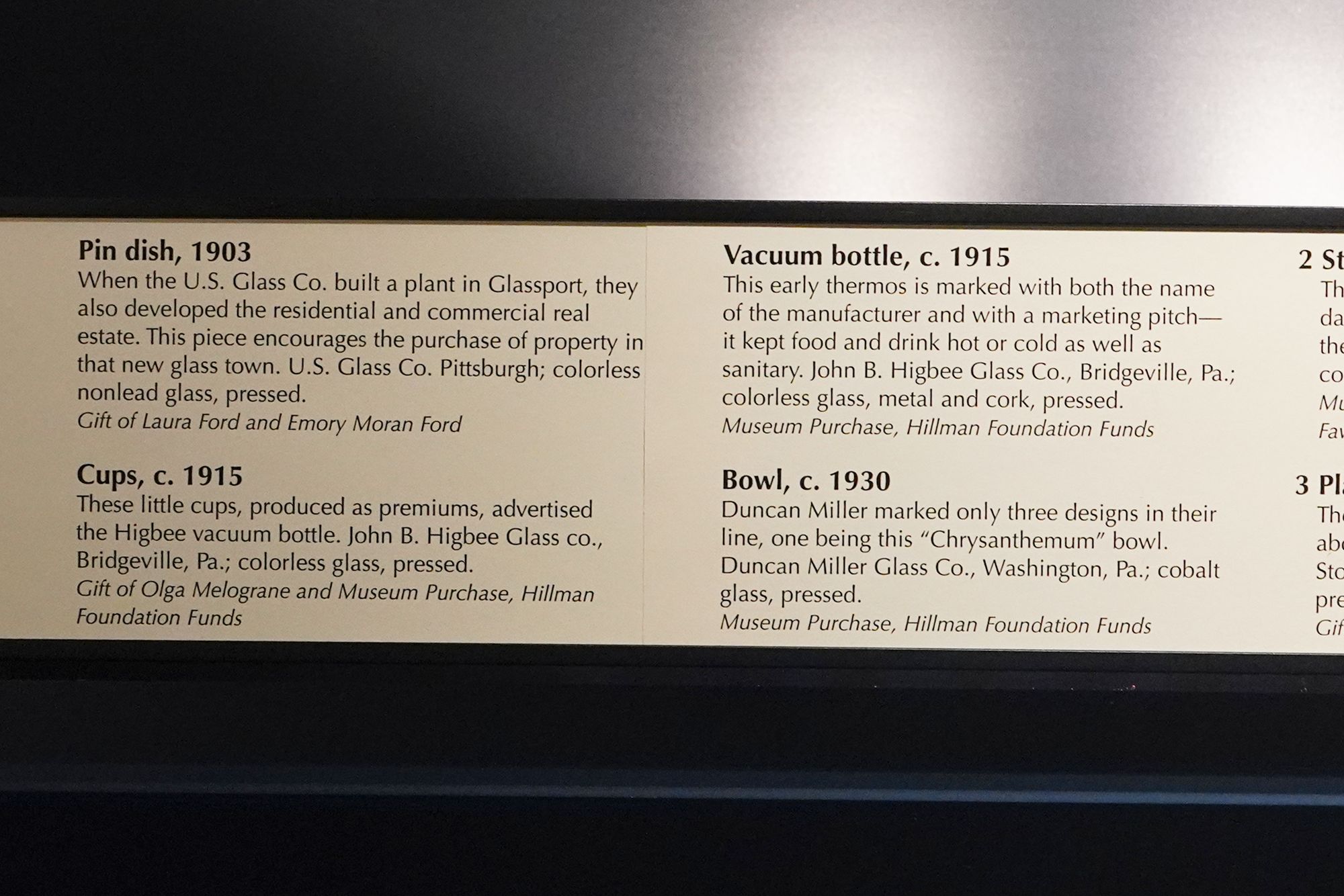
Glass as Advertisement
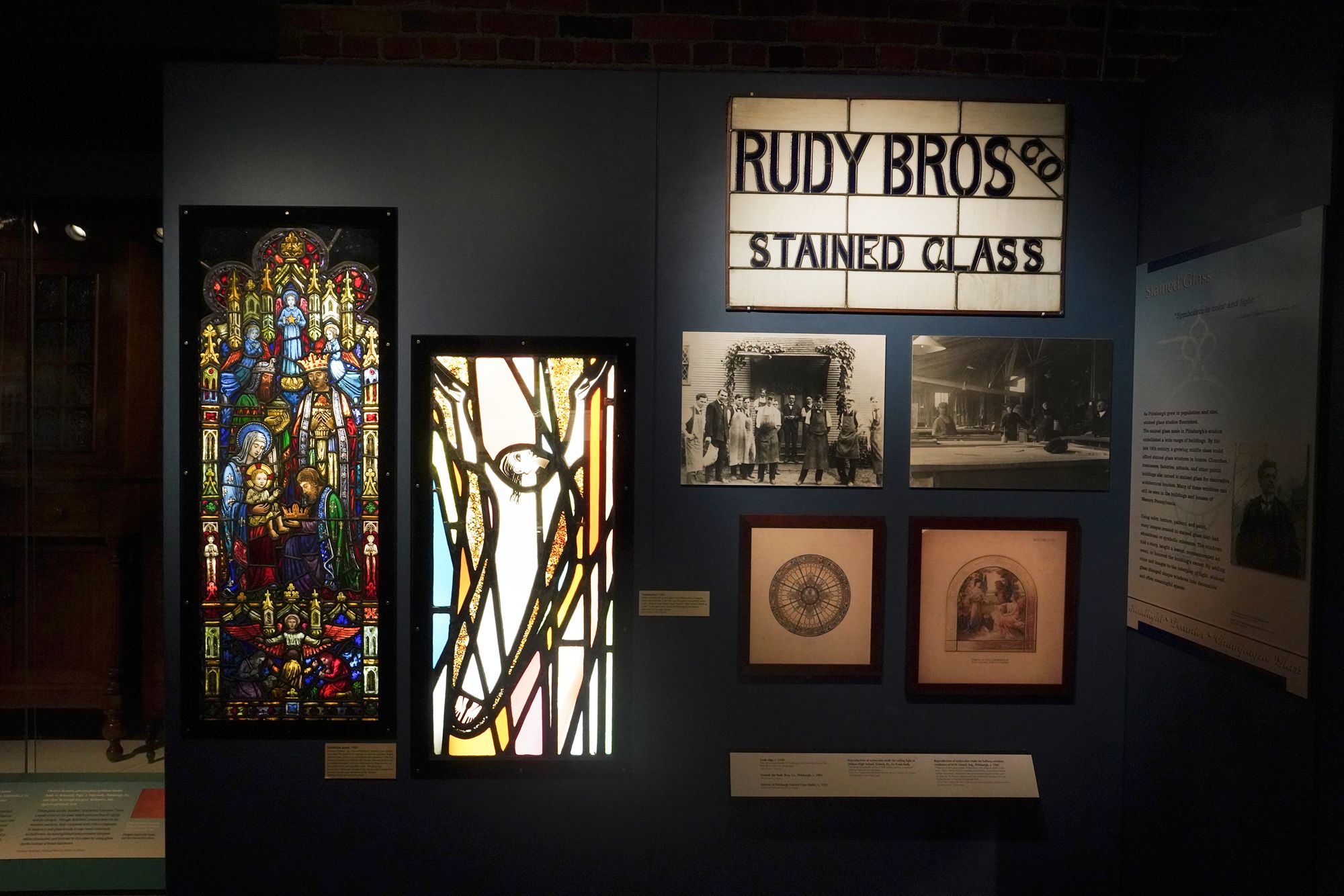
Stained Glass
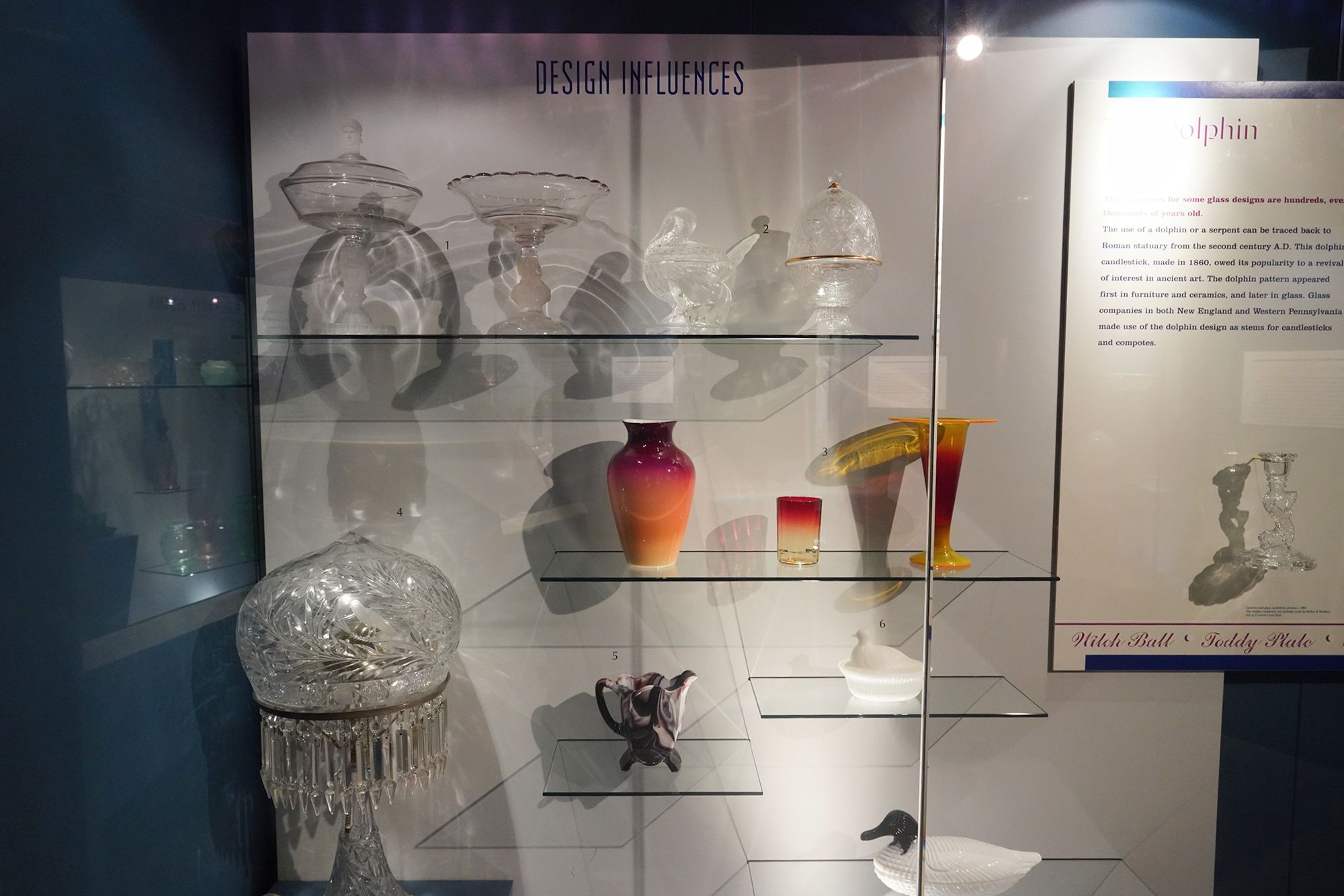
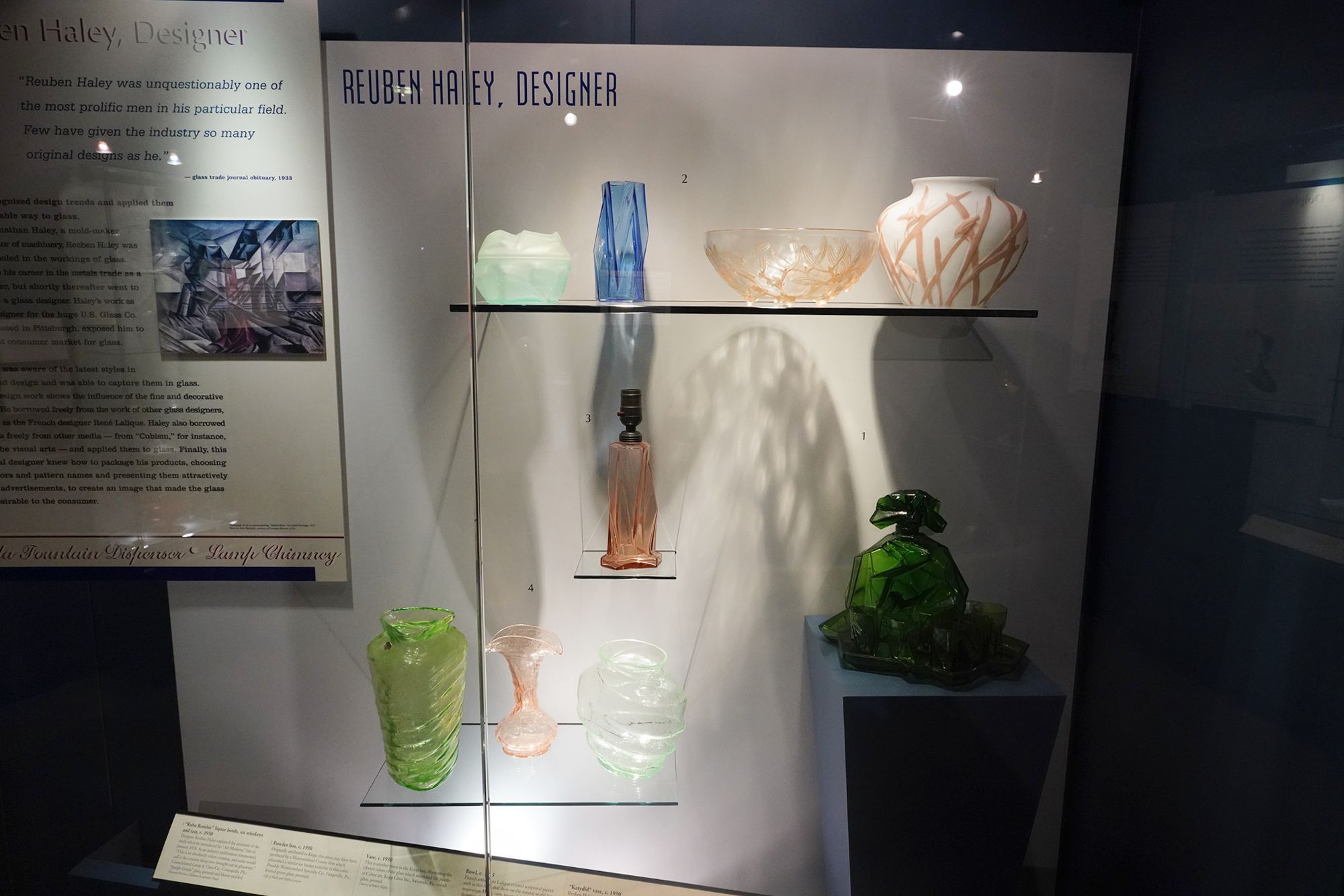
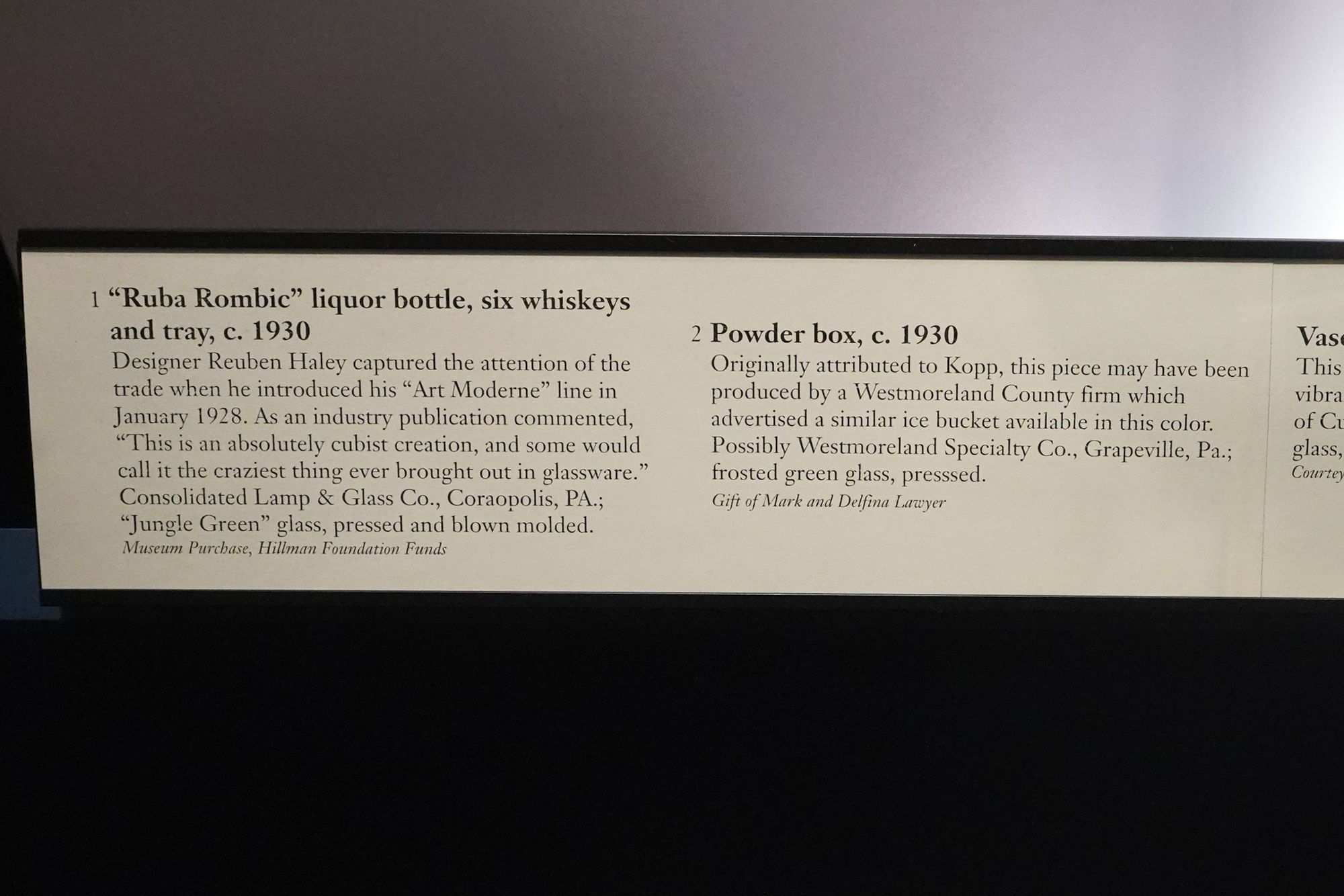
Glass Design
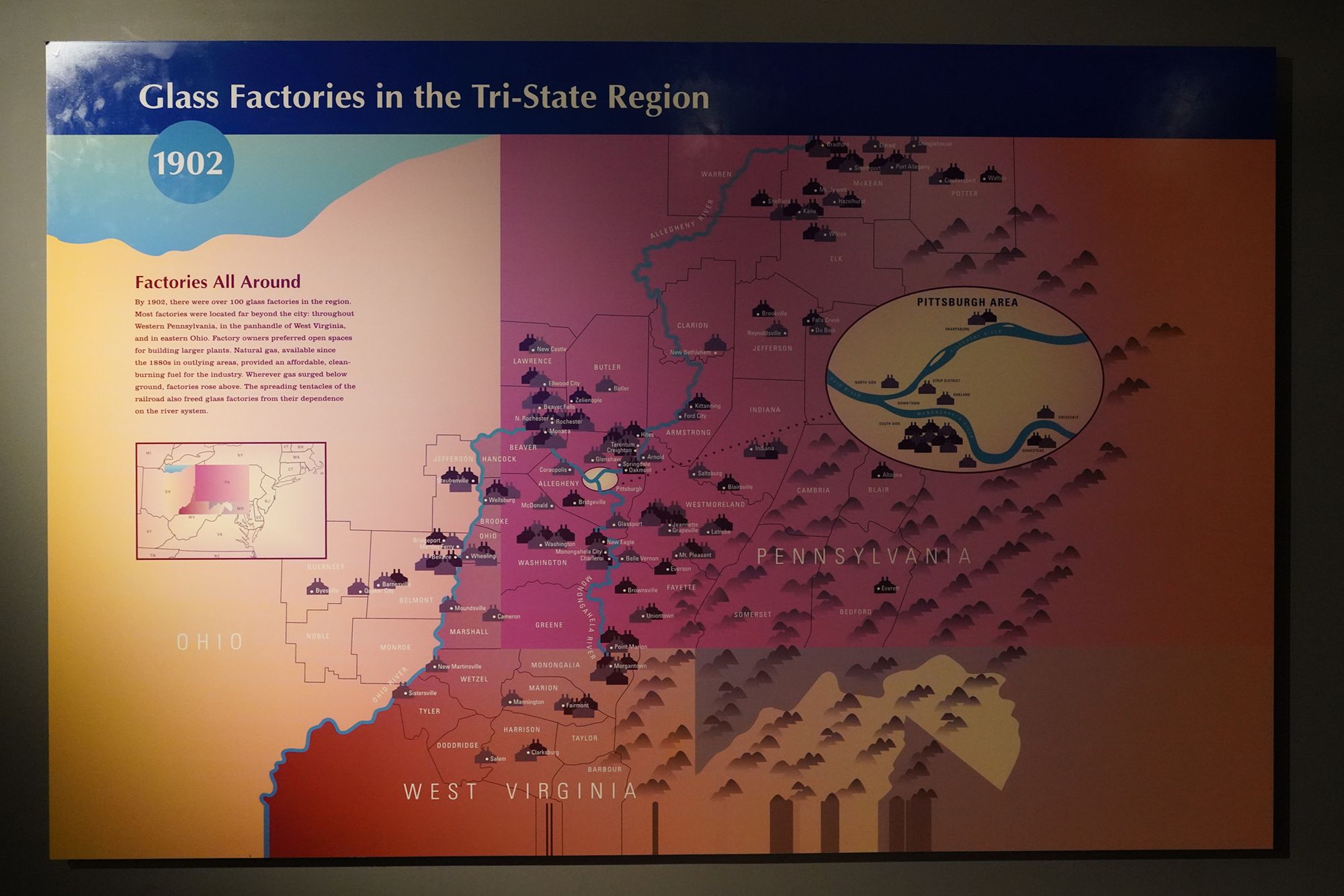
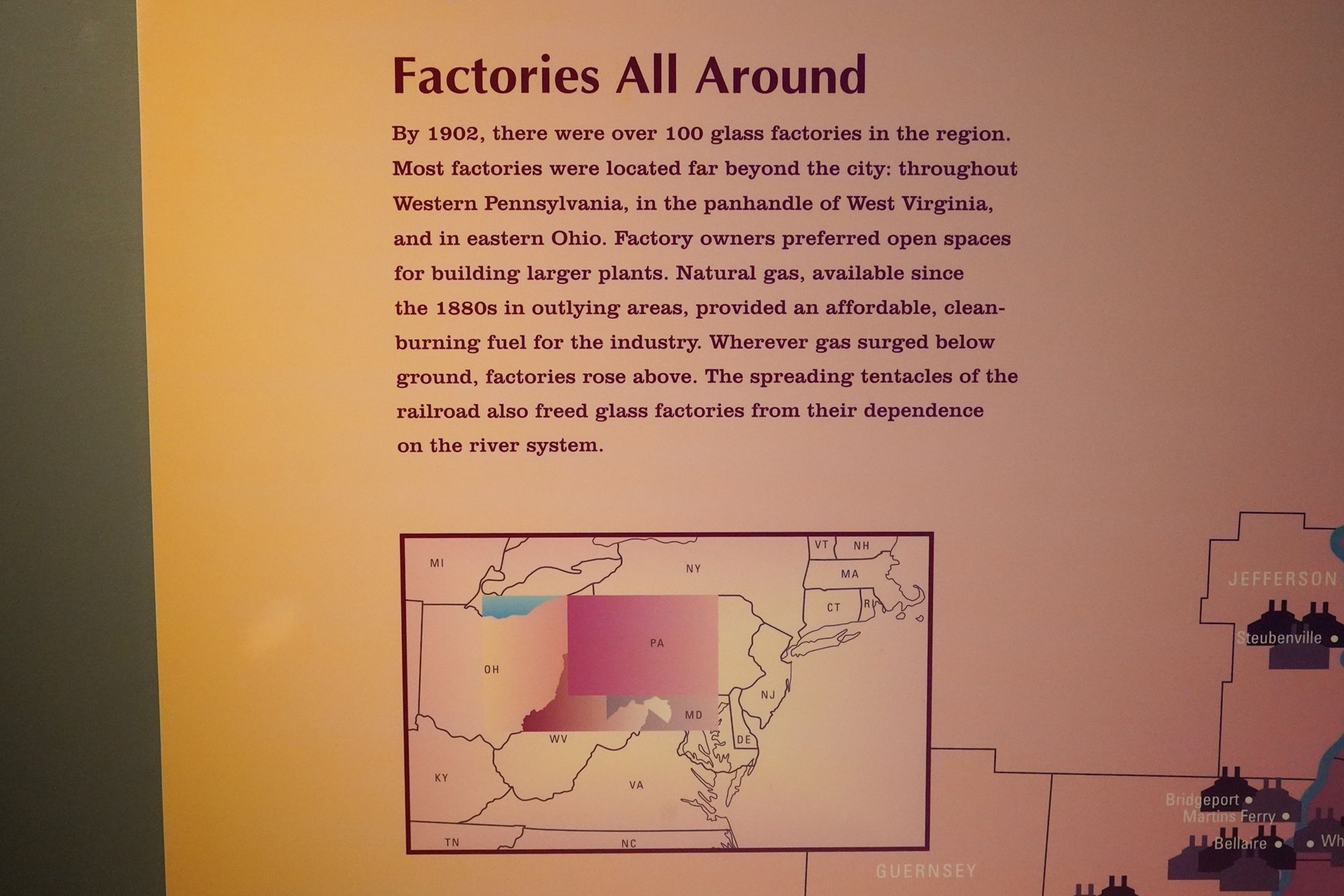
Glass Factories in the Tri-State Region in 1902
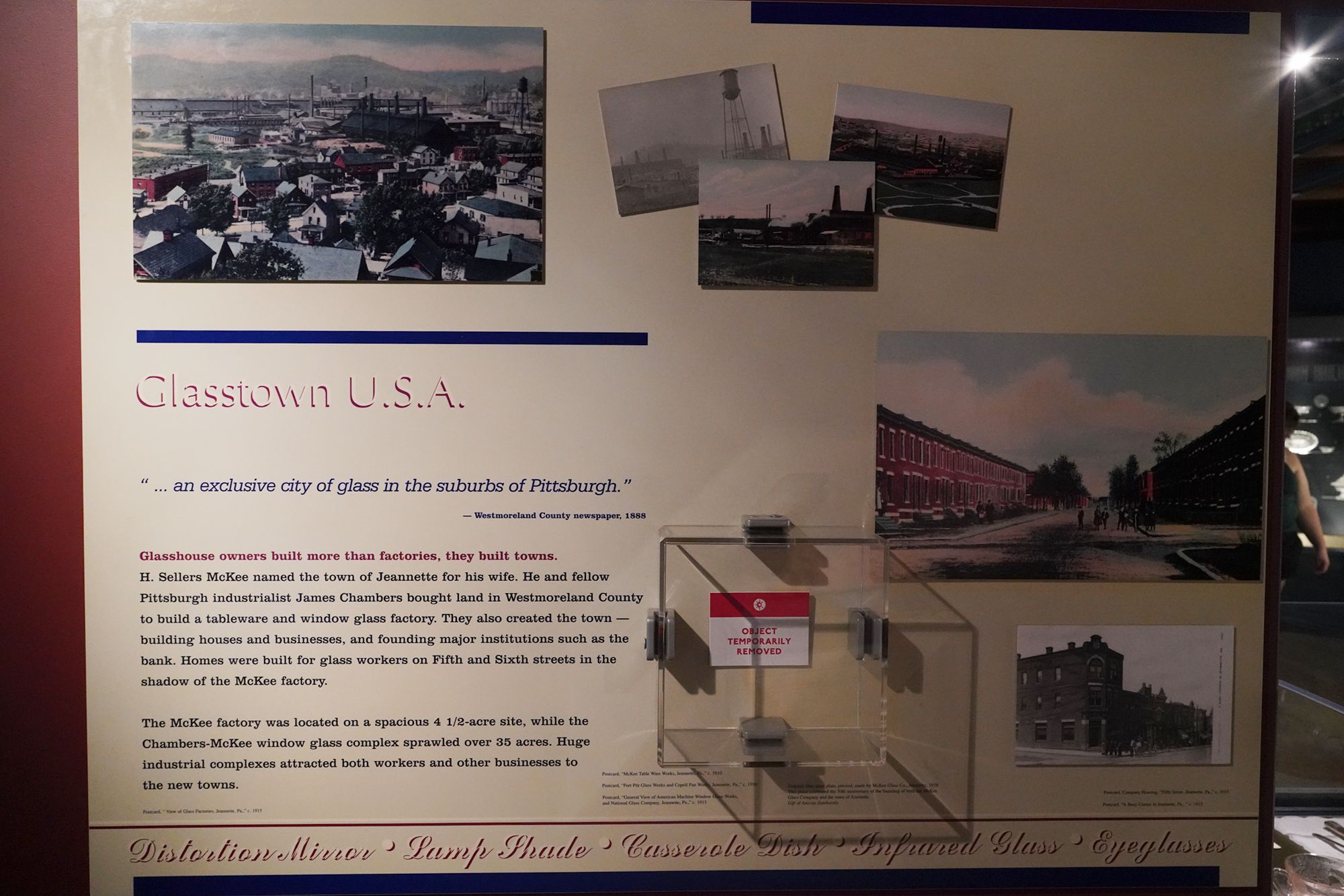
Glasstown, U.S.A – Glasshouse owners built more than factories; they built towns.
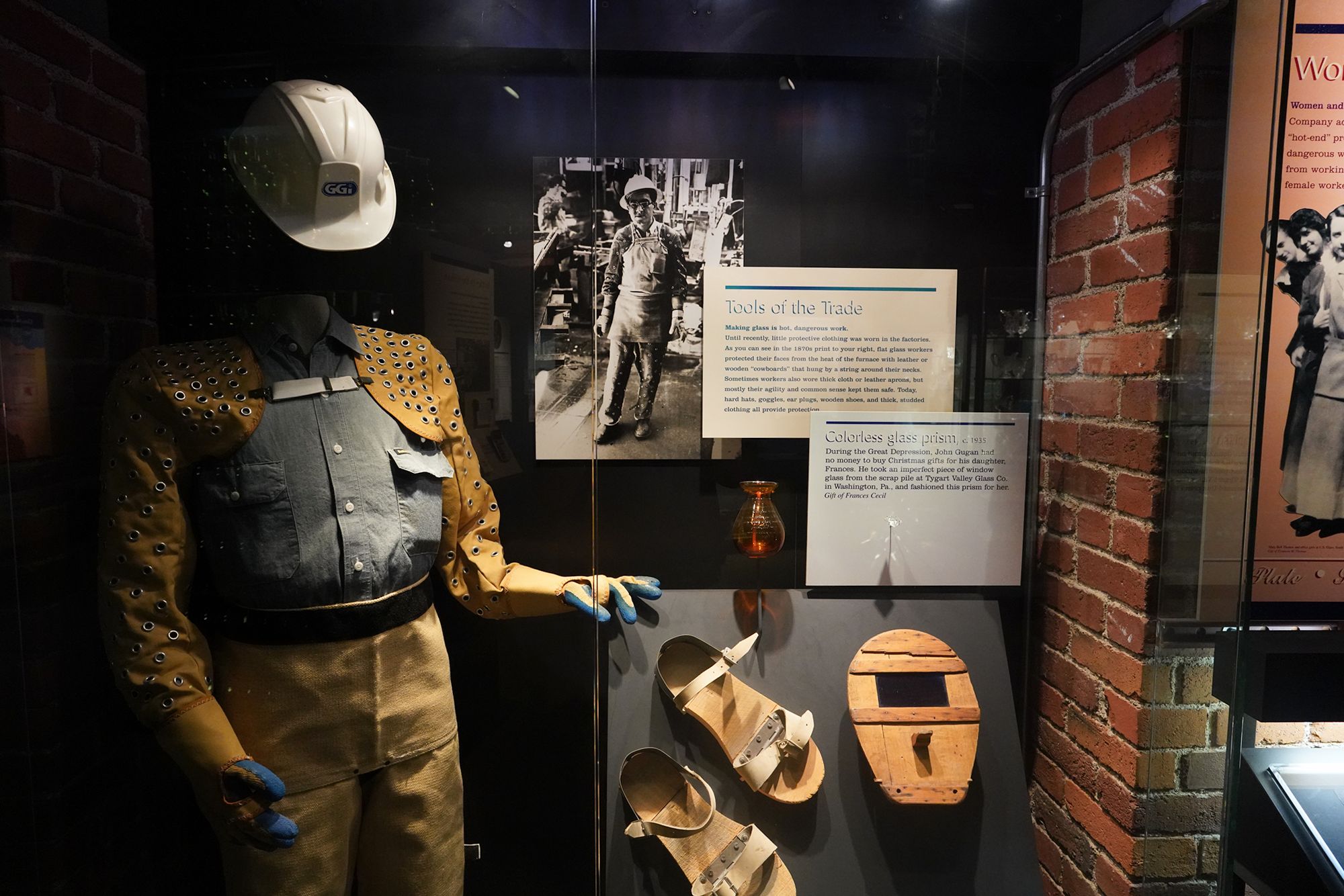
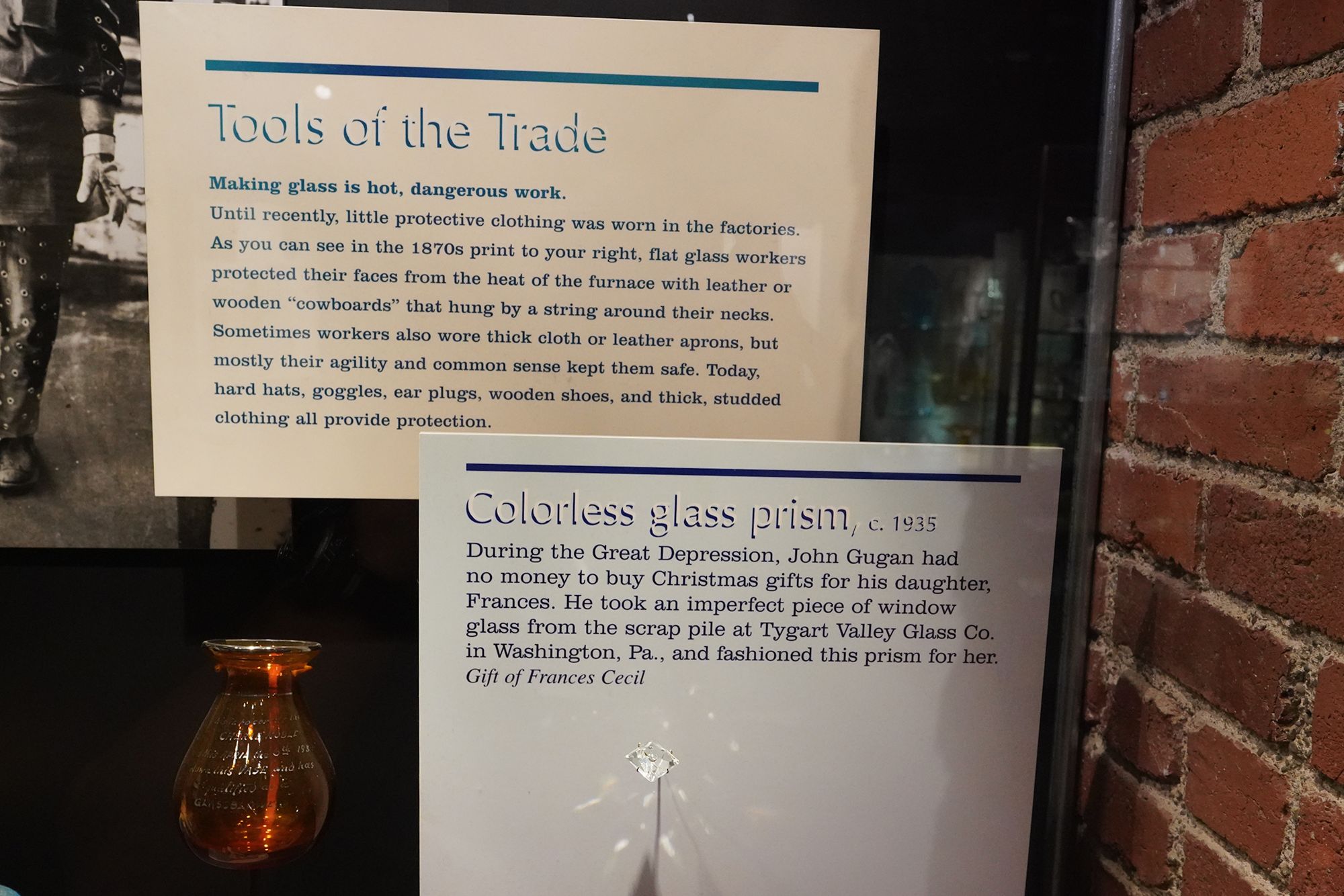
Tools of the Trade – Making glass is hot, dangerous work.
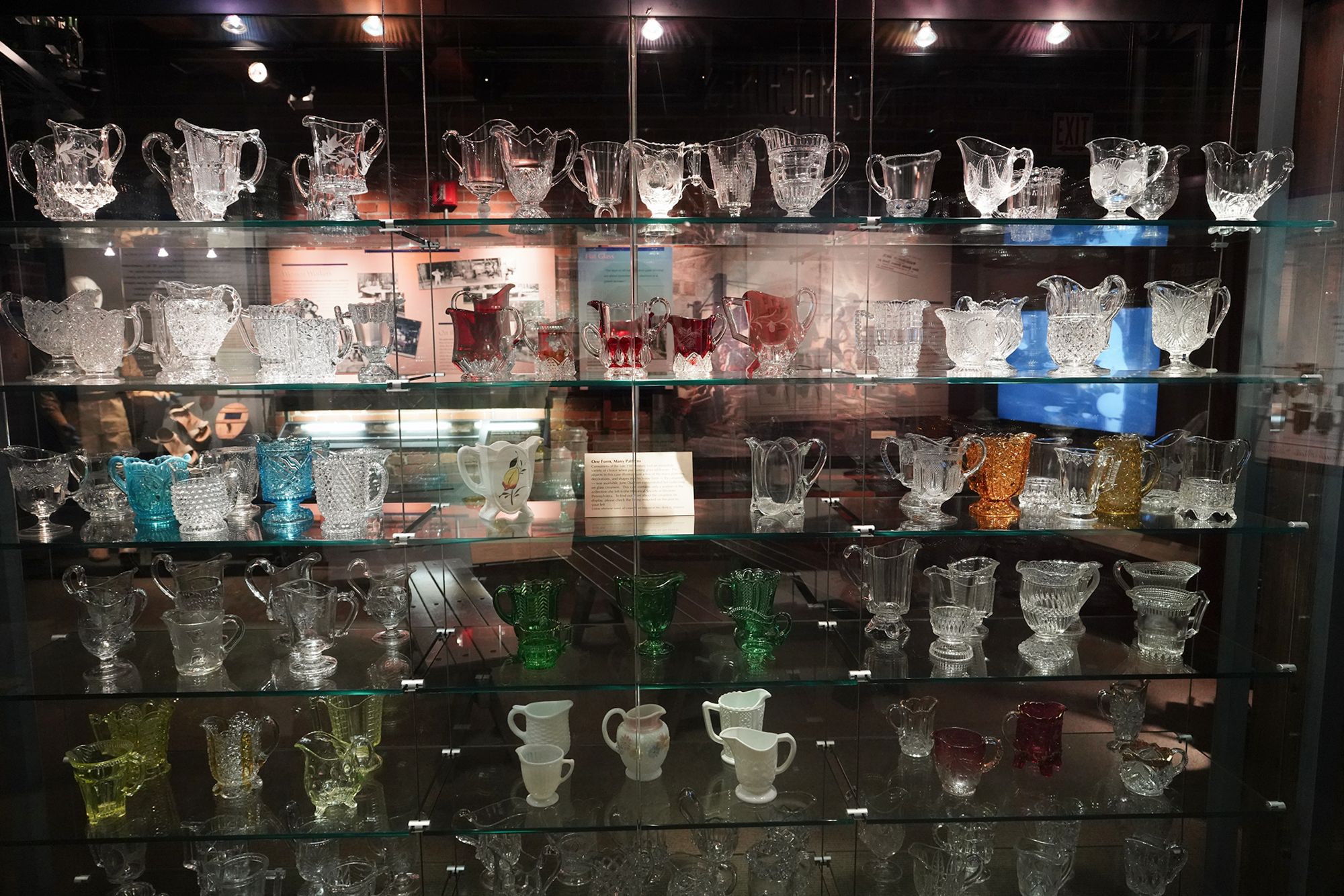
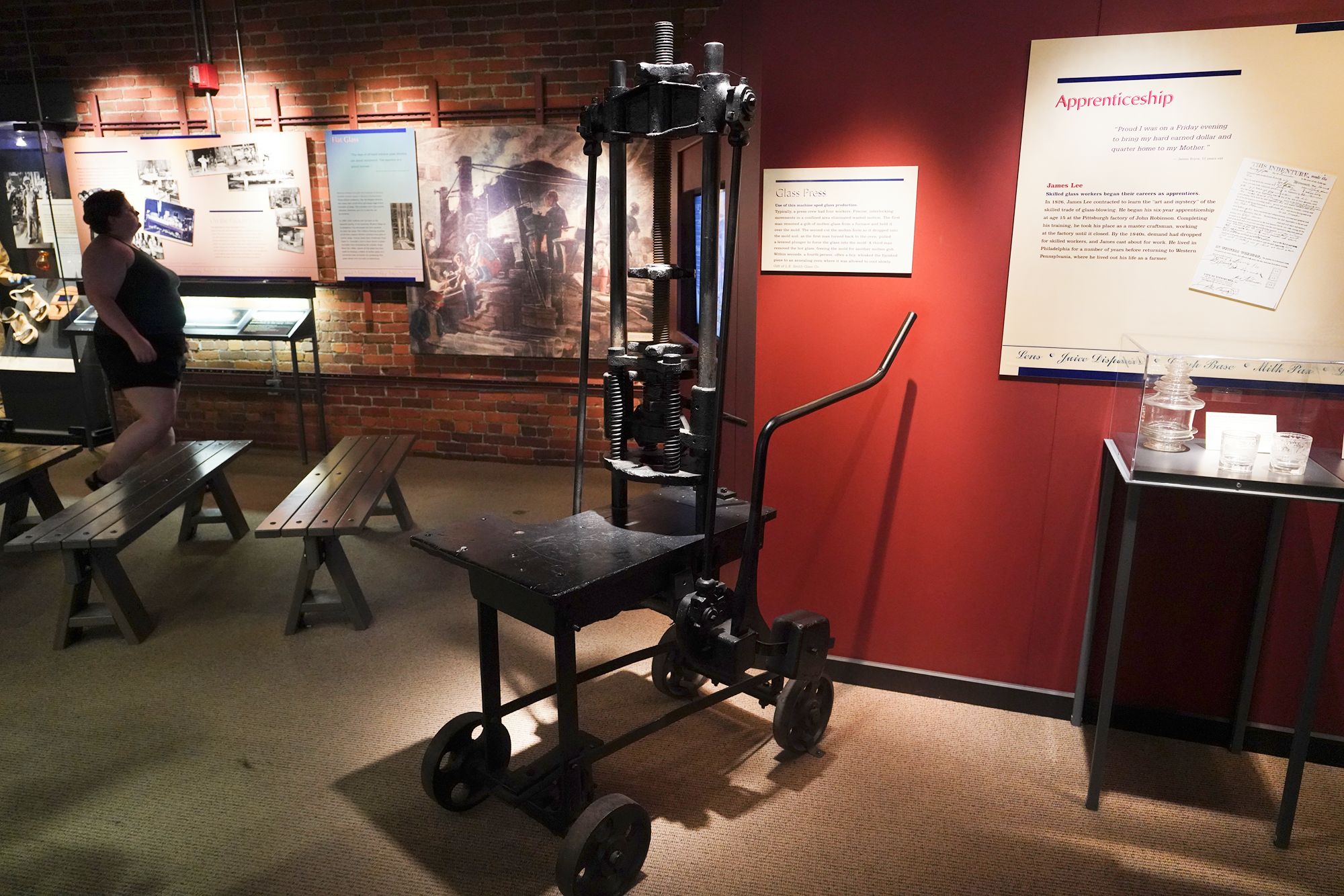
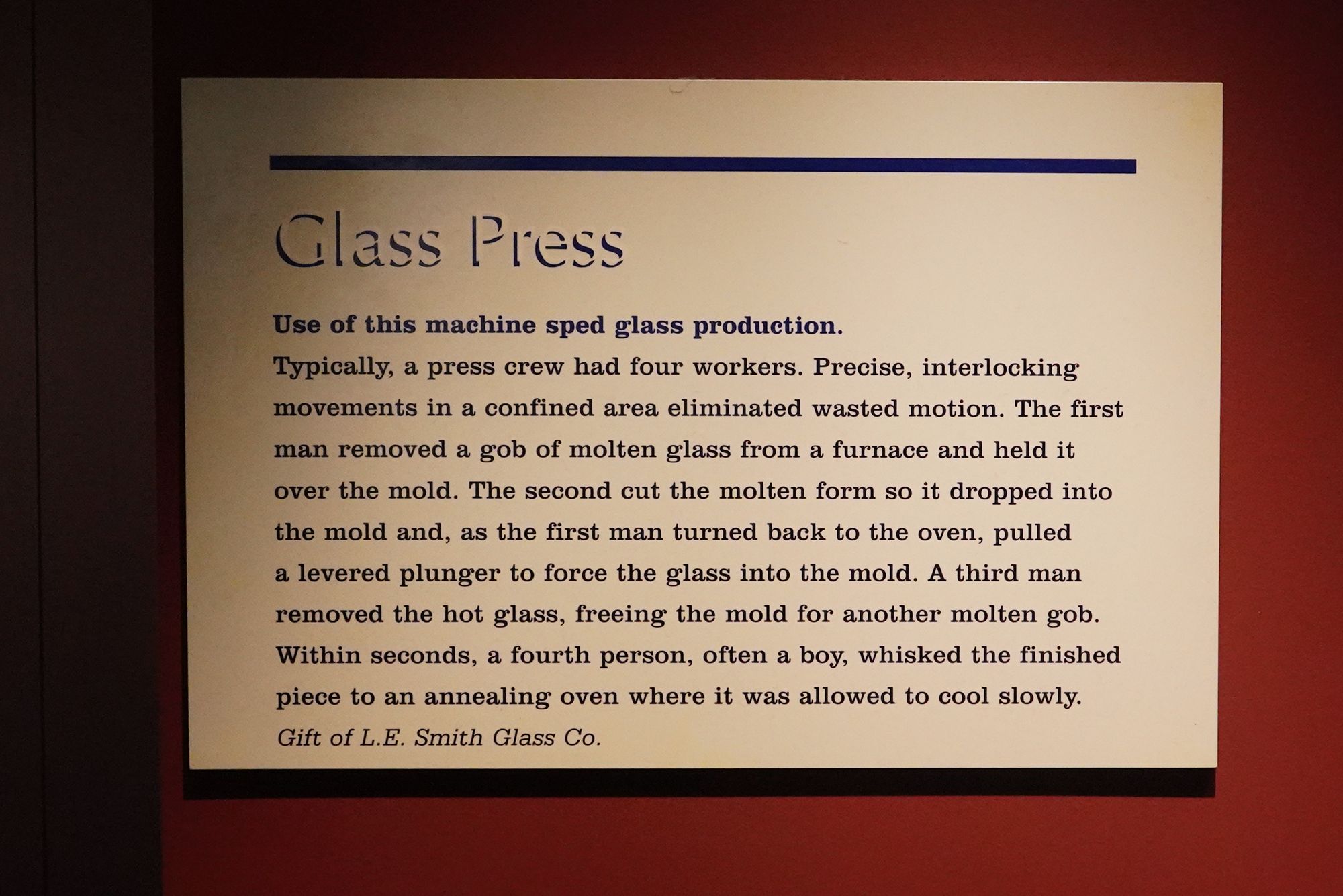
Glass Press
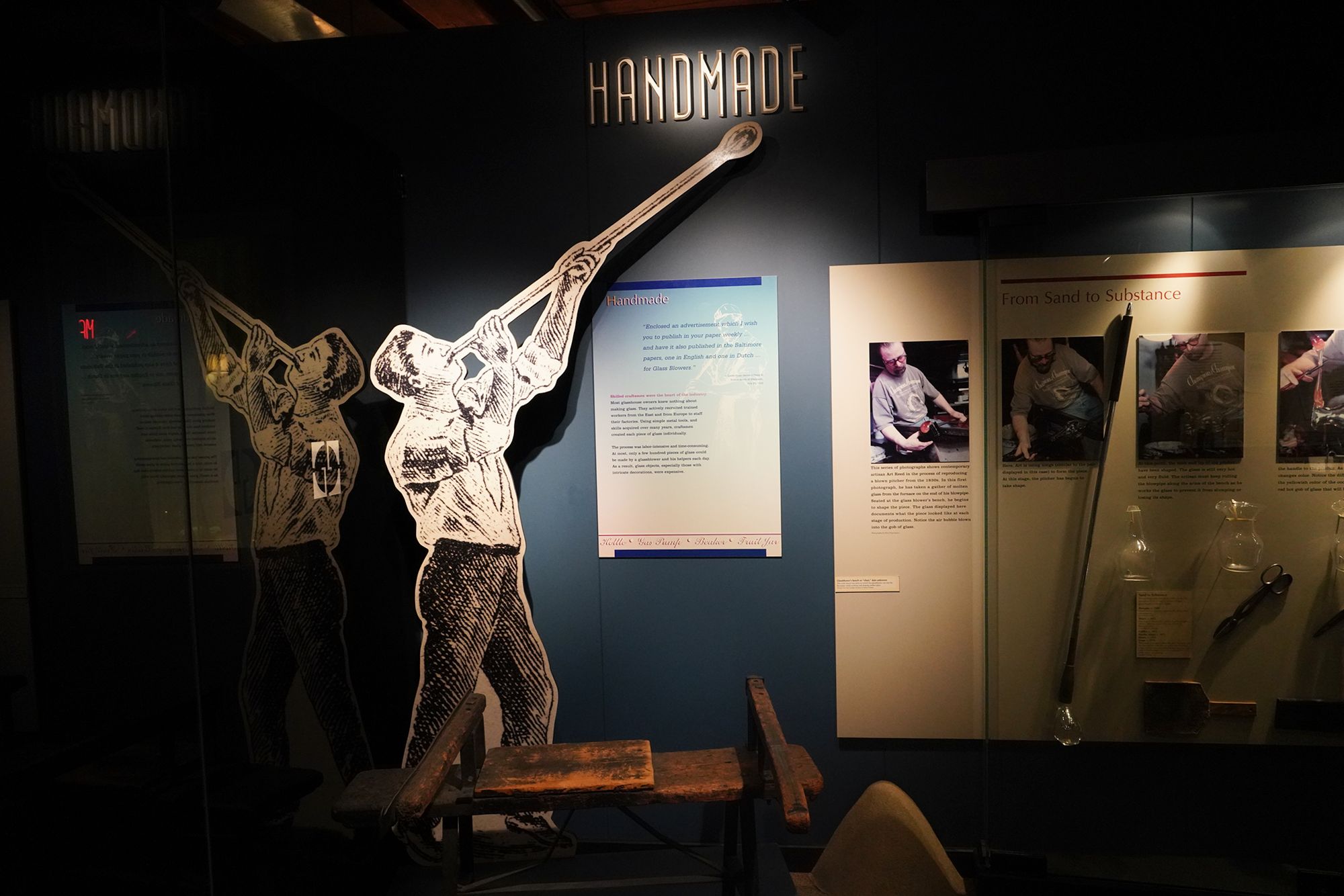
Handmade Glass
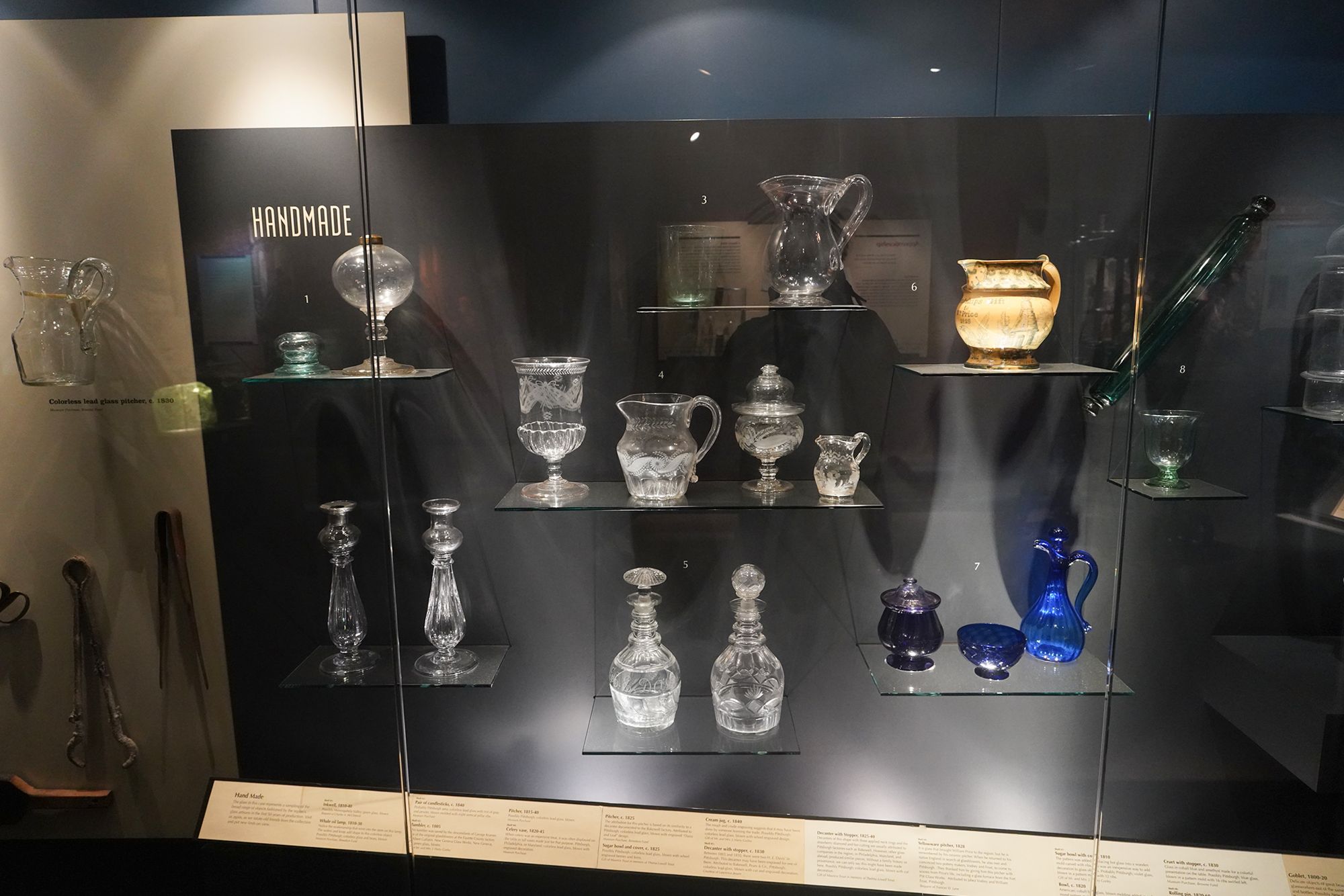
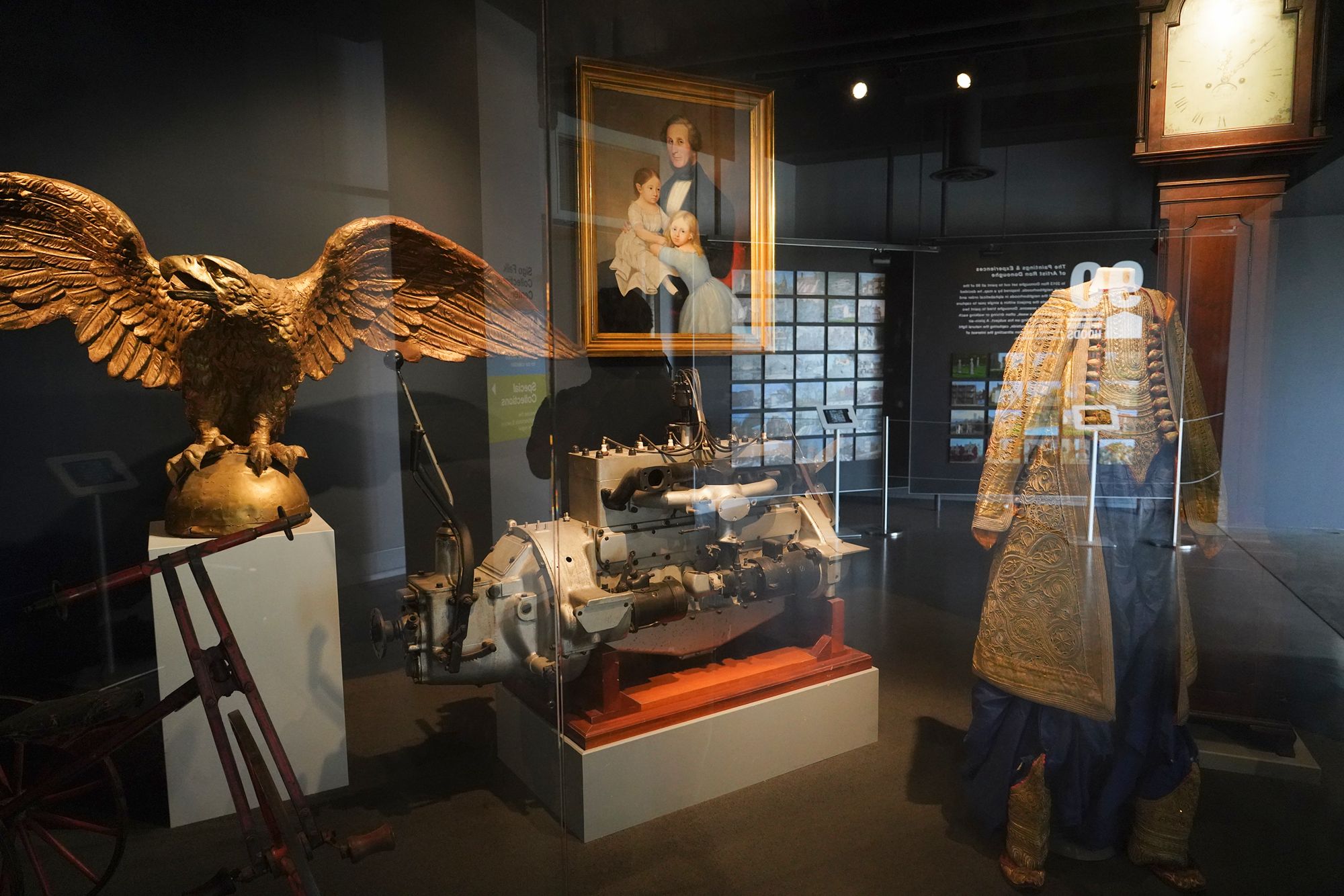
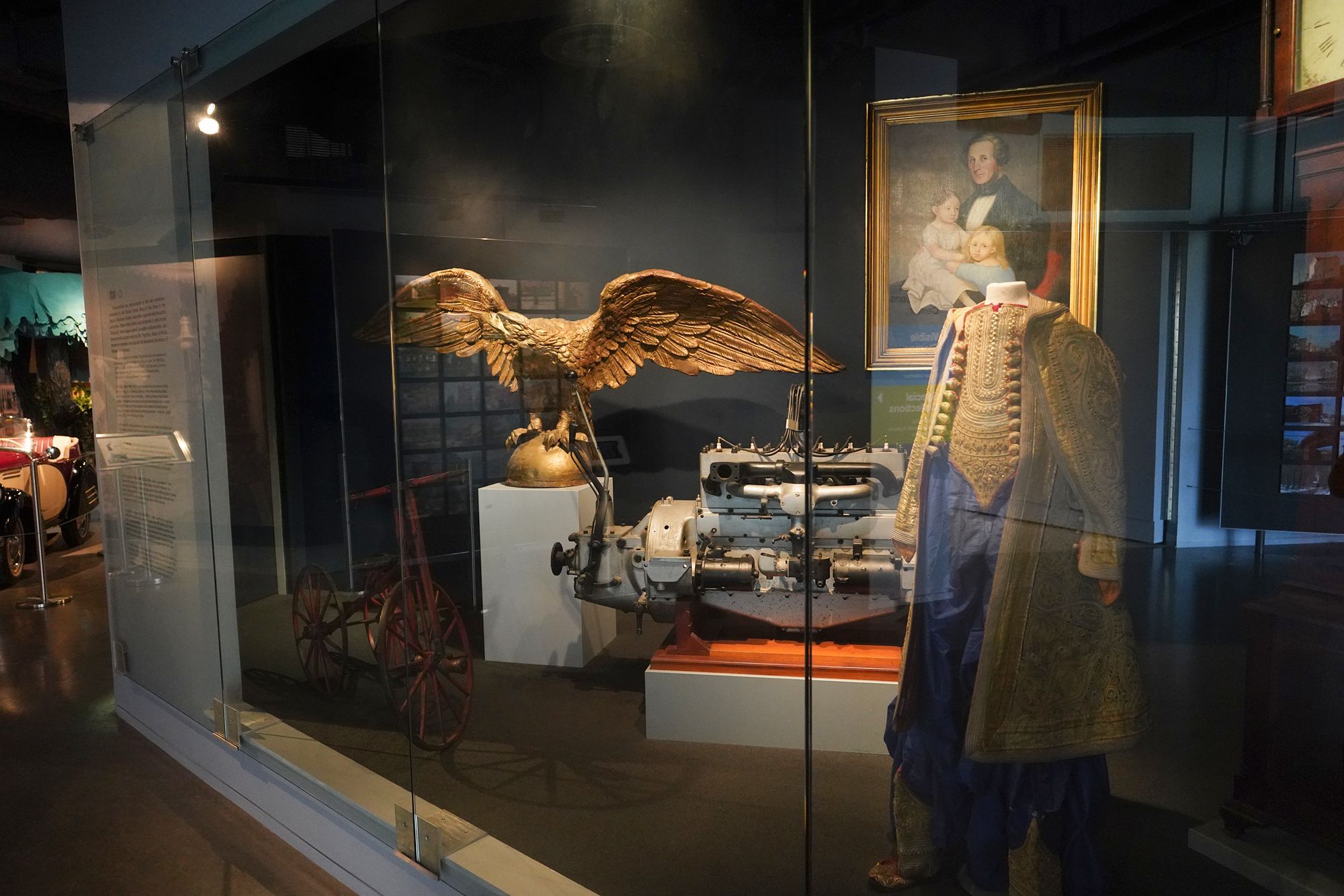
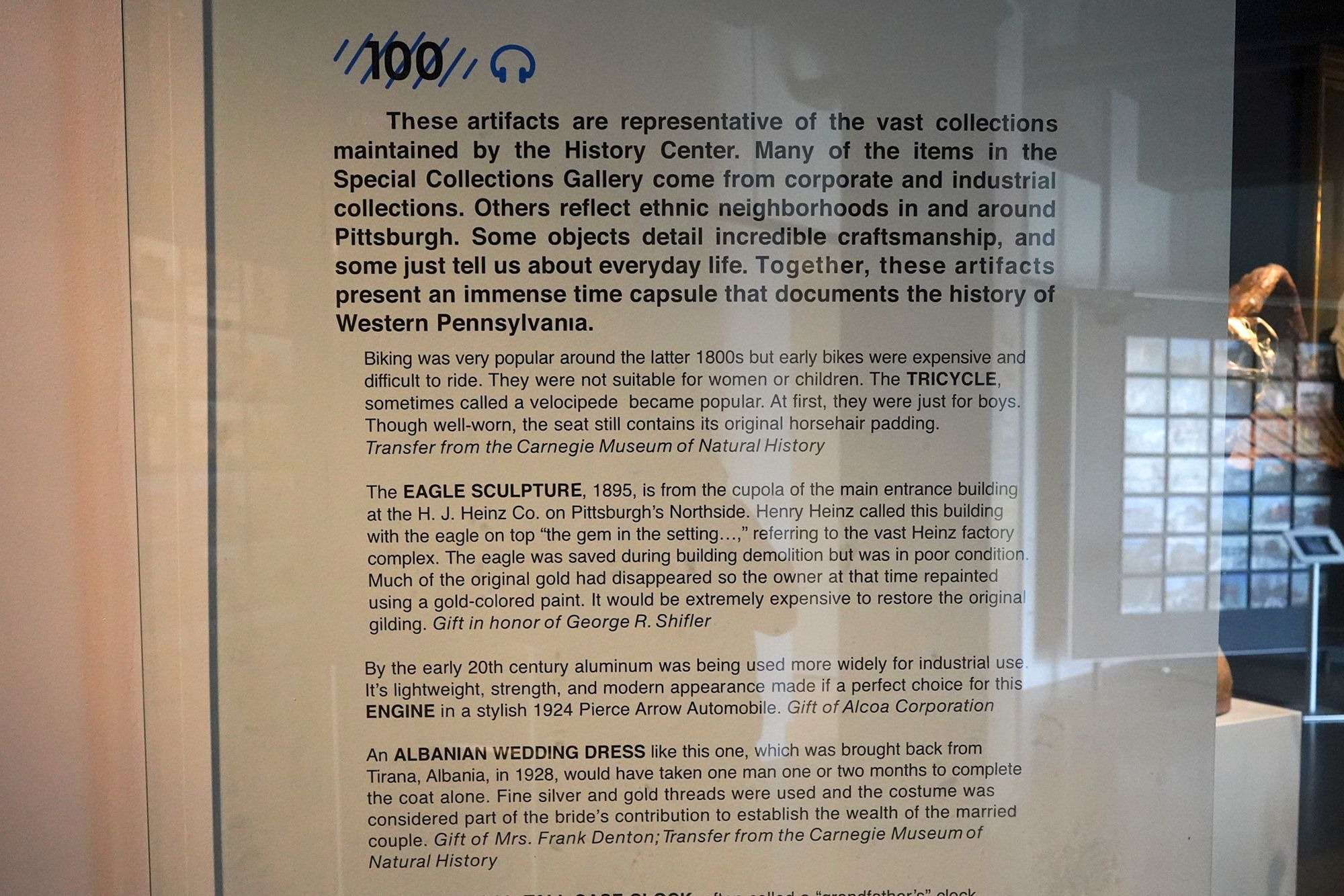
Collections maintained by the History Center