Smithsonian National Museum of American History, American Politics and Democracy, Washington DC, USA
The National Museum of American History presents the story of the United States through everyday objects, inventions, political milestones, and cultural artifacts. 1140
Smithsonian National Museum of American History: 1300 Constitution Ave. NW, Washington, DC 20560
Date Picture Taken: July 2025
This blog examines how the museum explains the development of the United States’ political system, the role of citizens in democracy, and the evolution of the nation’s political life over time. It uses original documents, campaign items, presidential artifacts, and stories from major moments in American history.
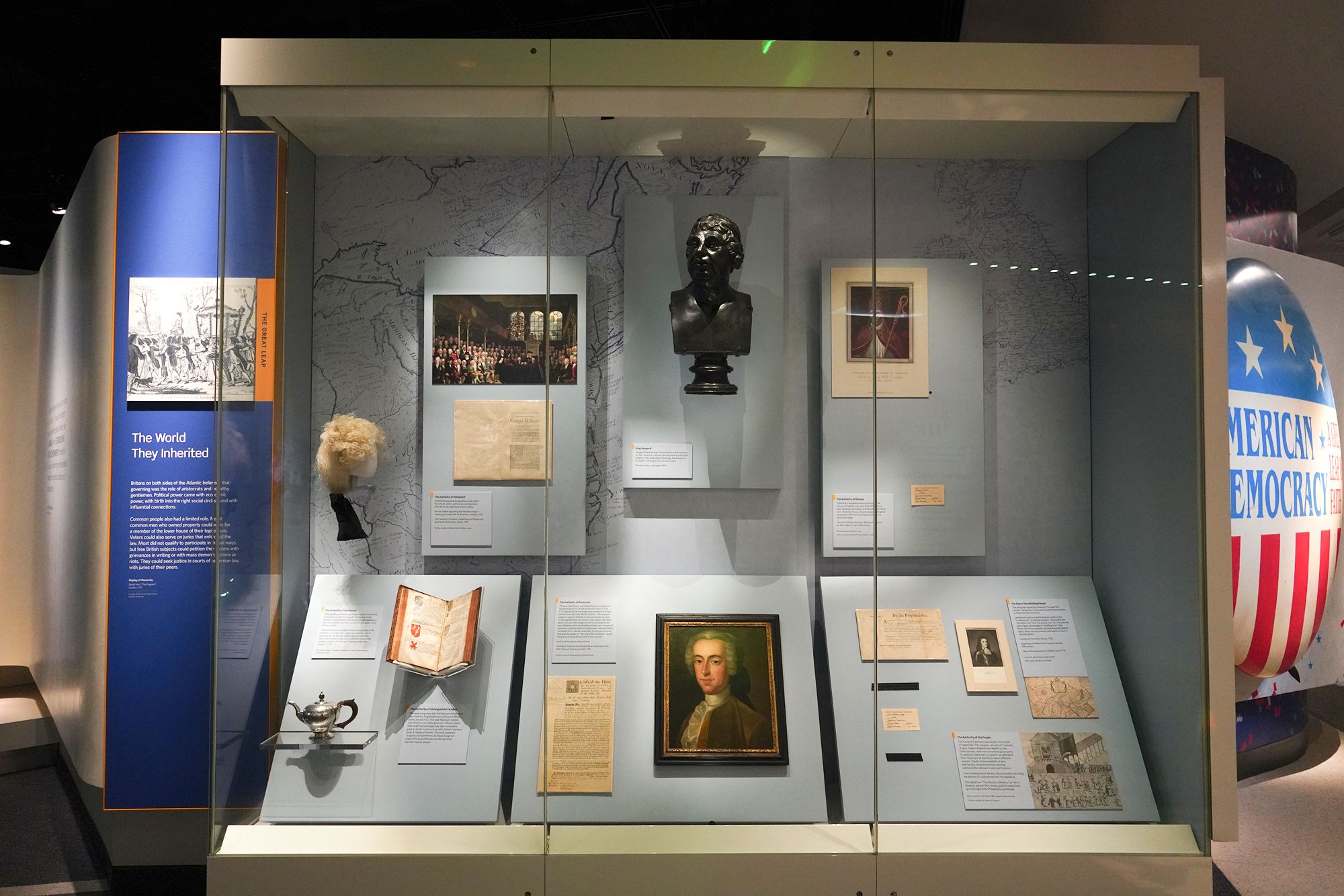
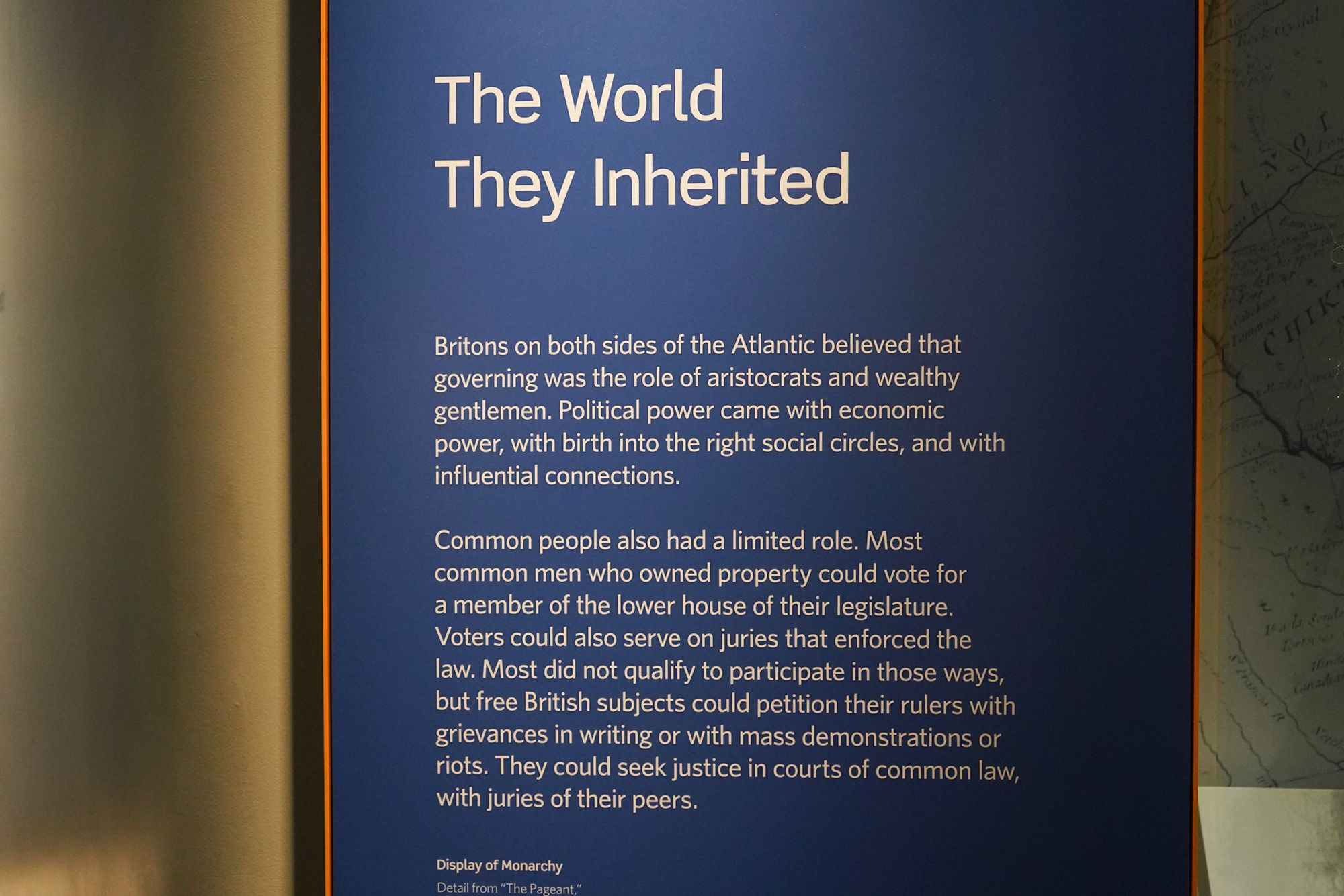
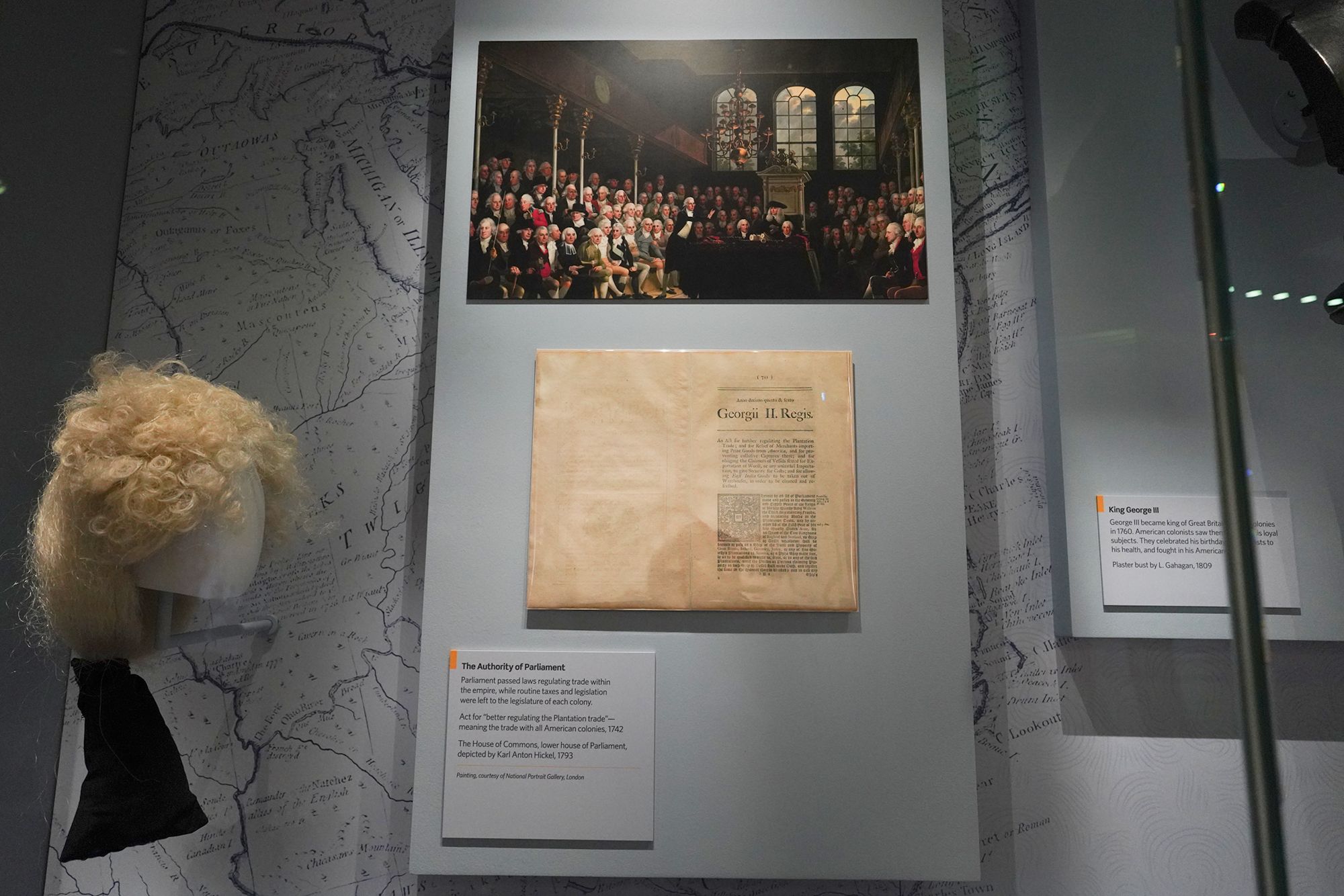
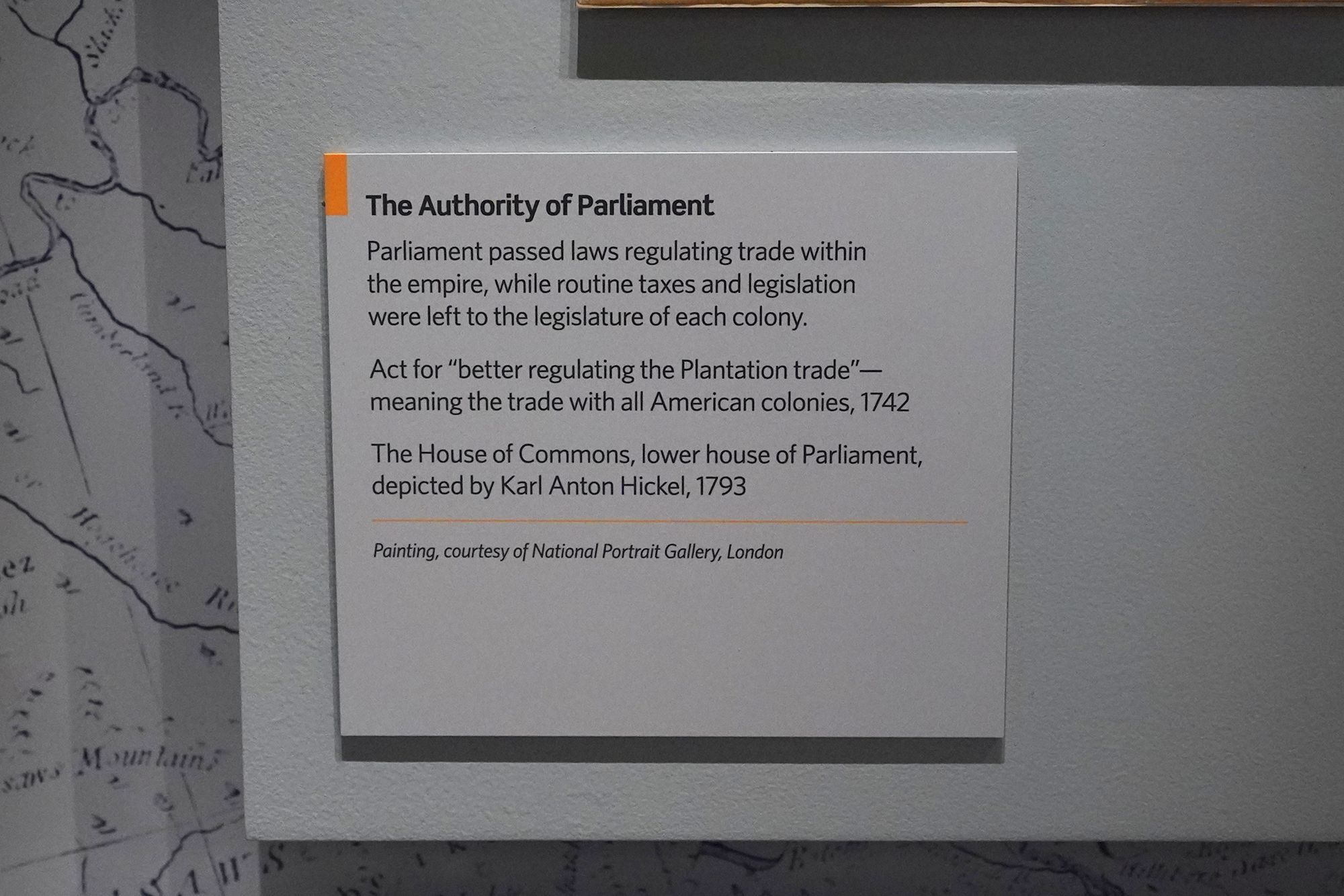
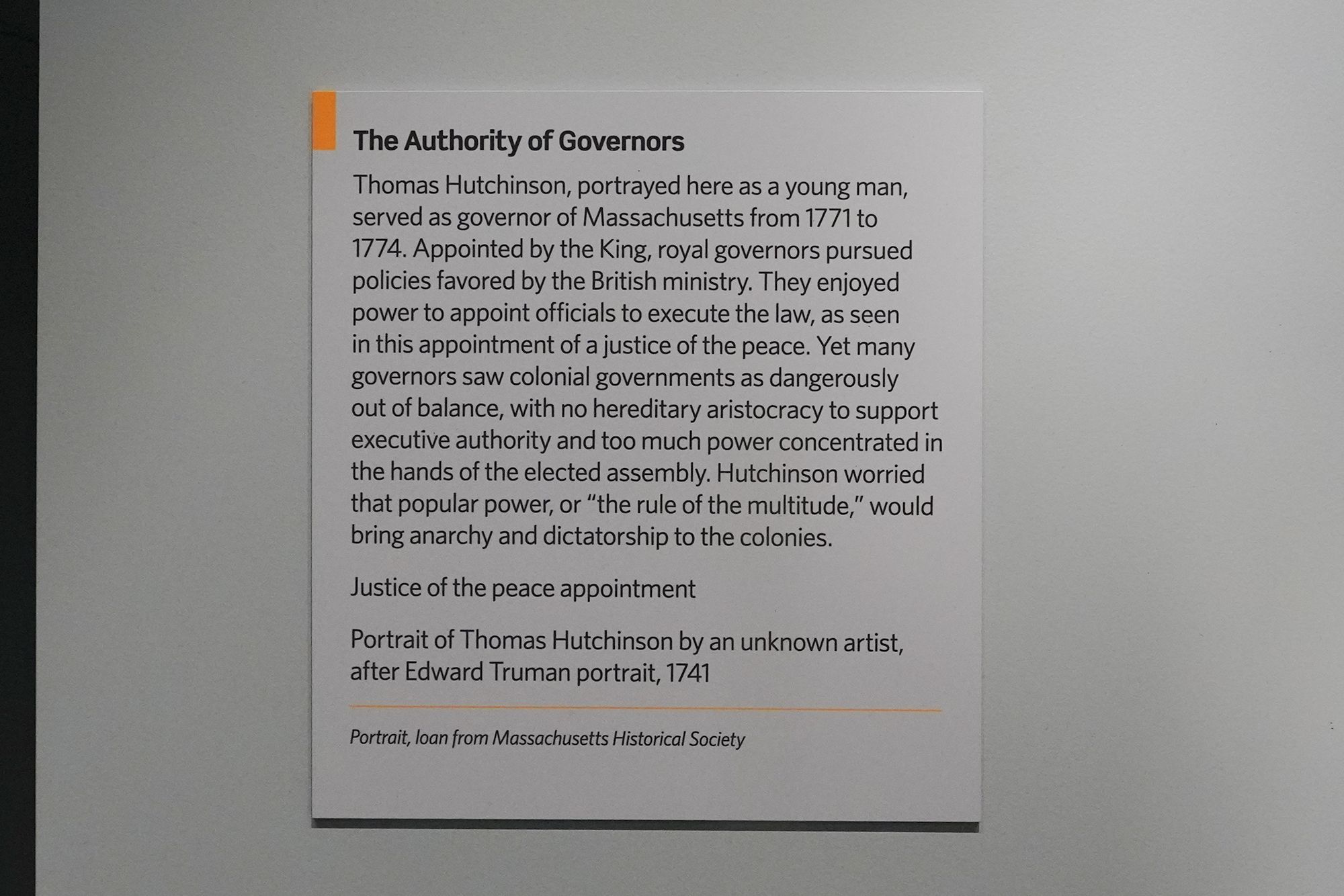
“The World They Inherited” explains the political, social, and cultural environment that early Americans lived in before the United States was founded. It shows what life was like in the colonies, what ideas influenced the founding generation, and what challenges they faced as they created a new nation.
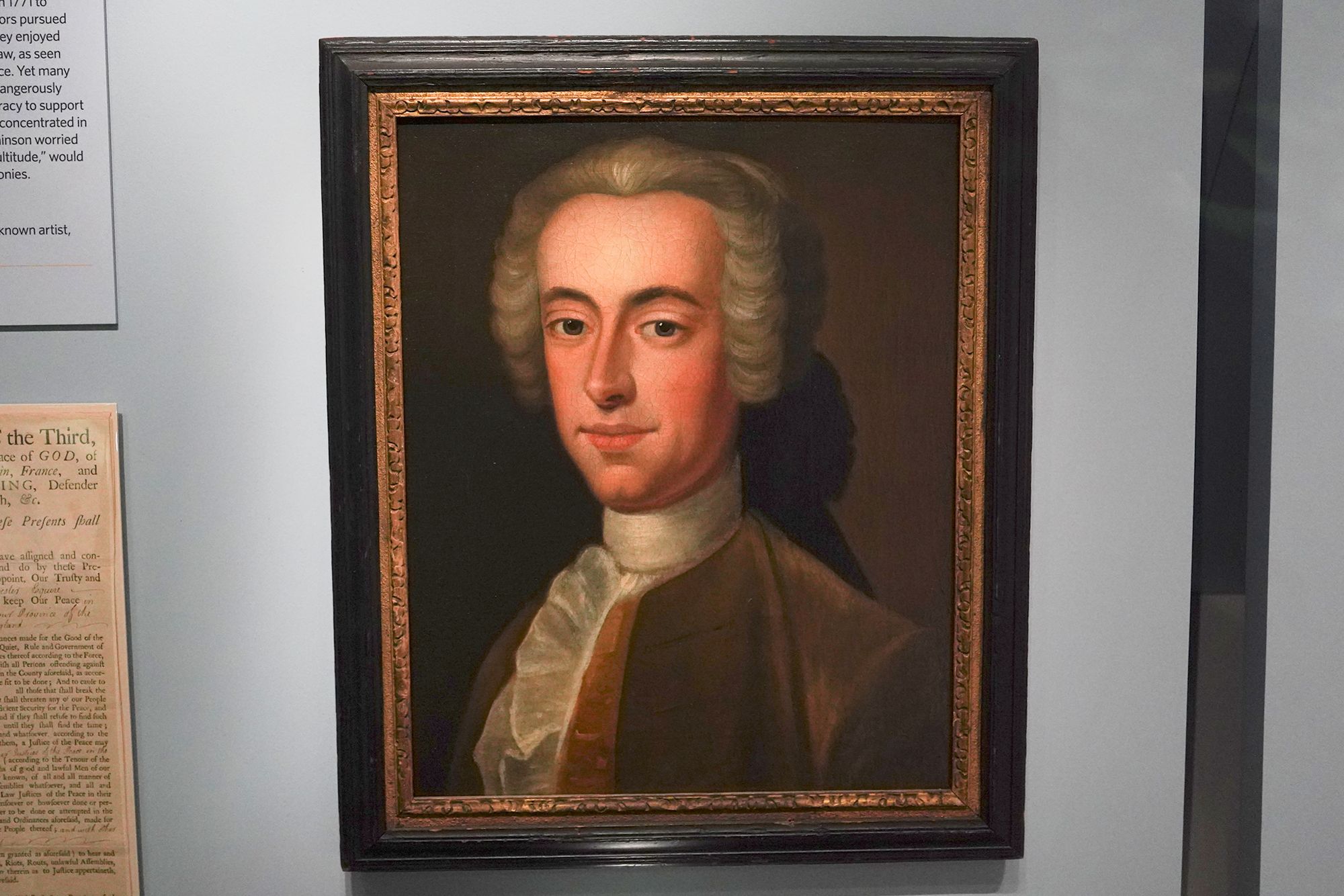
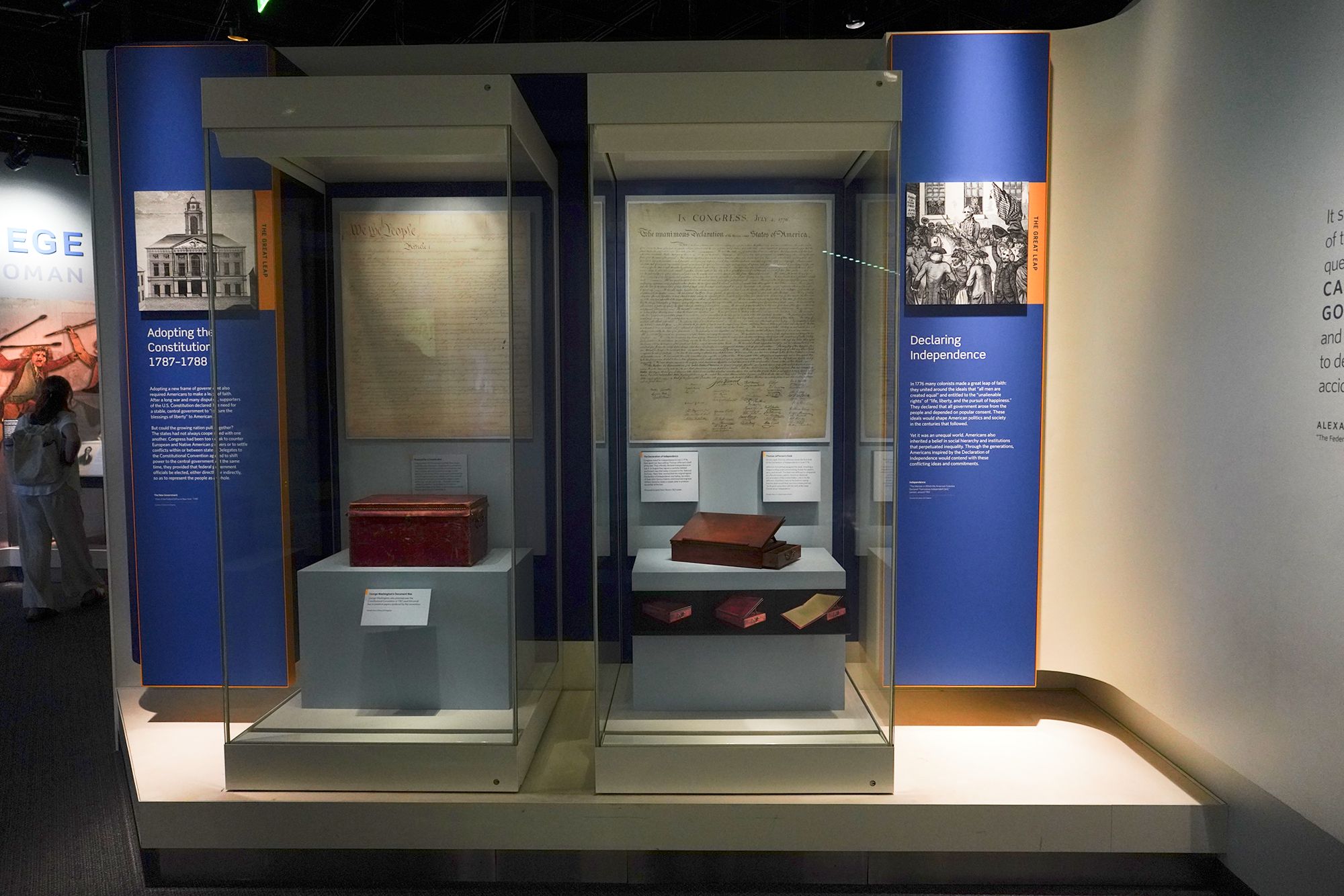
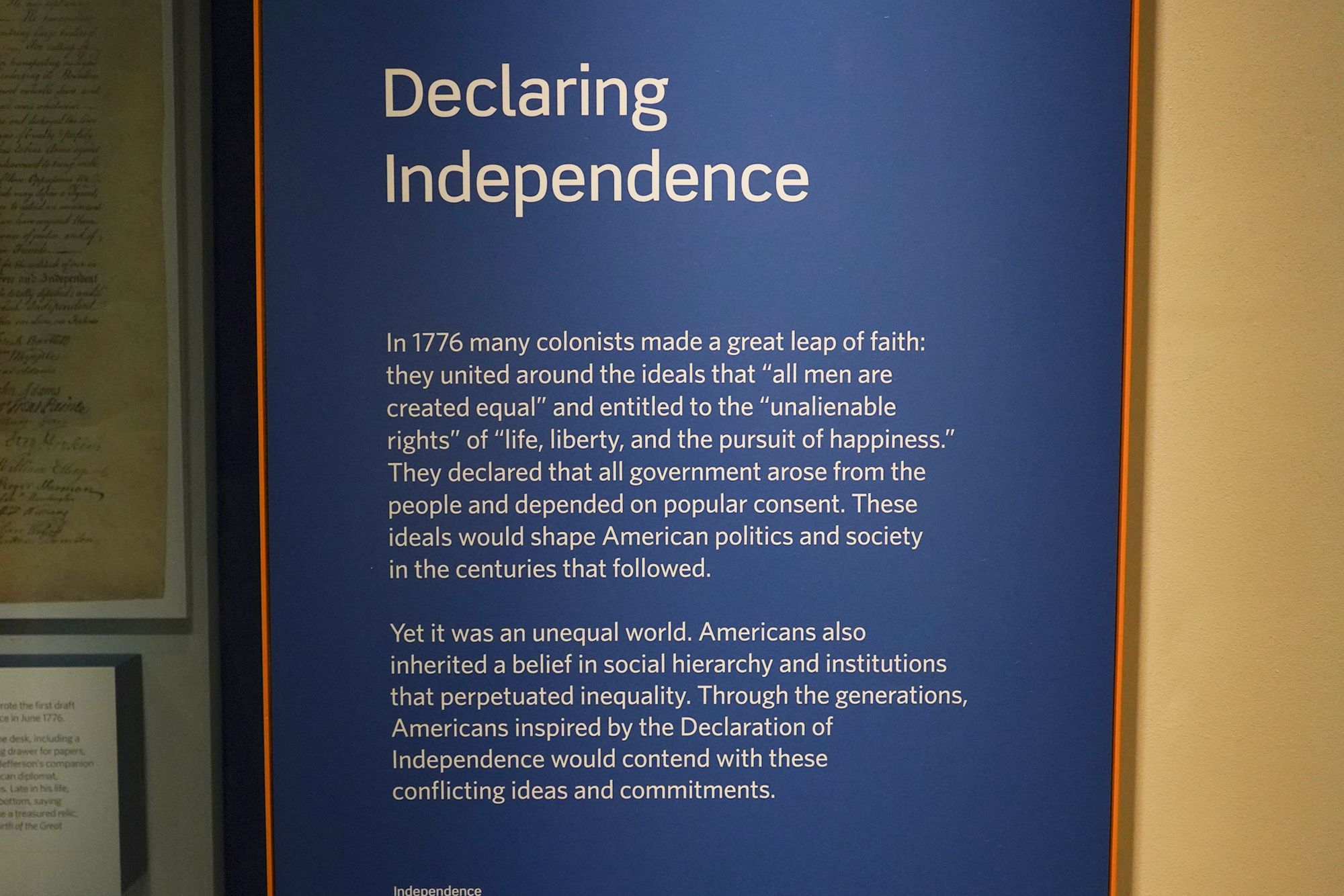
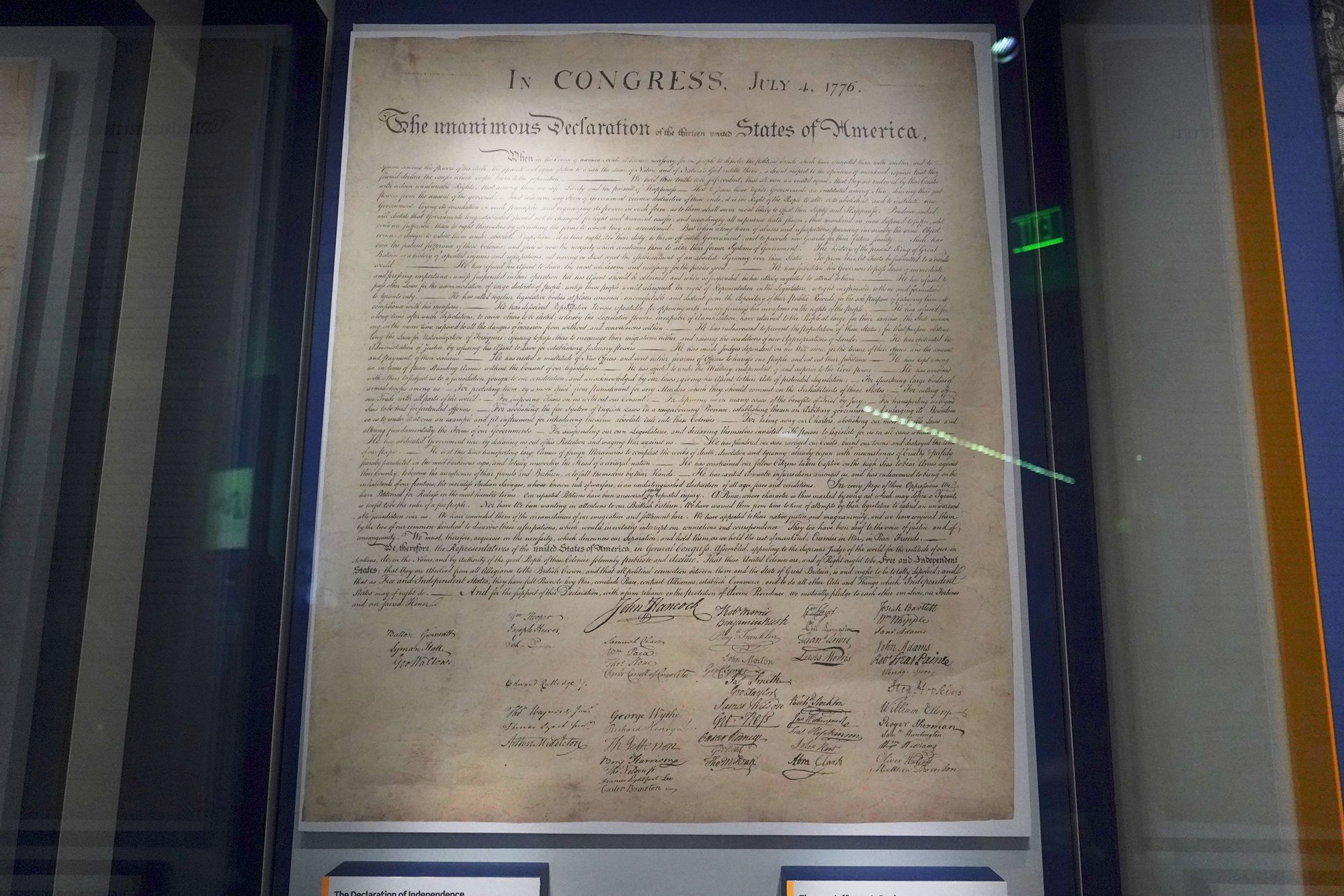
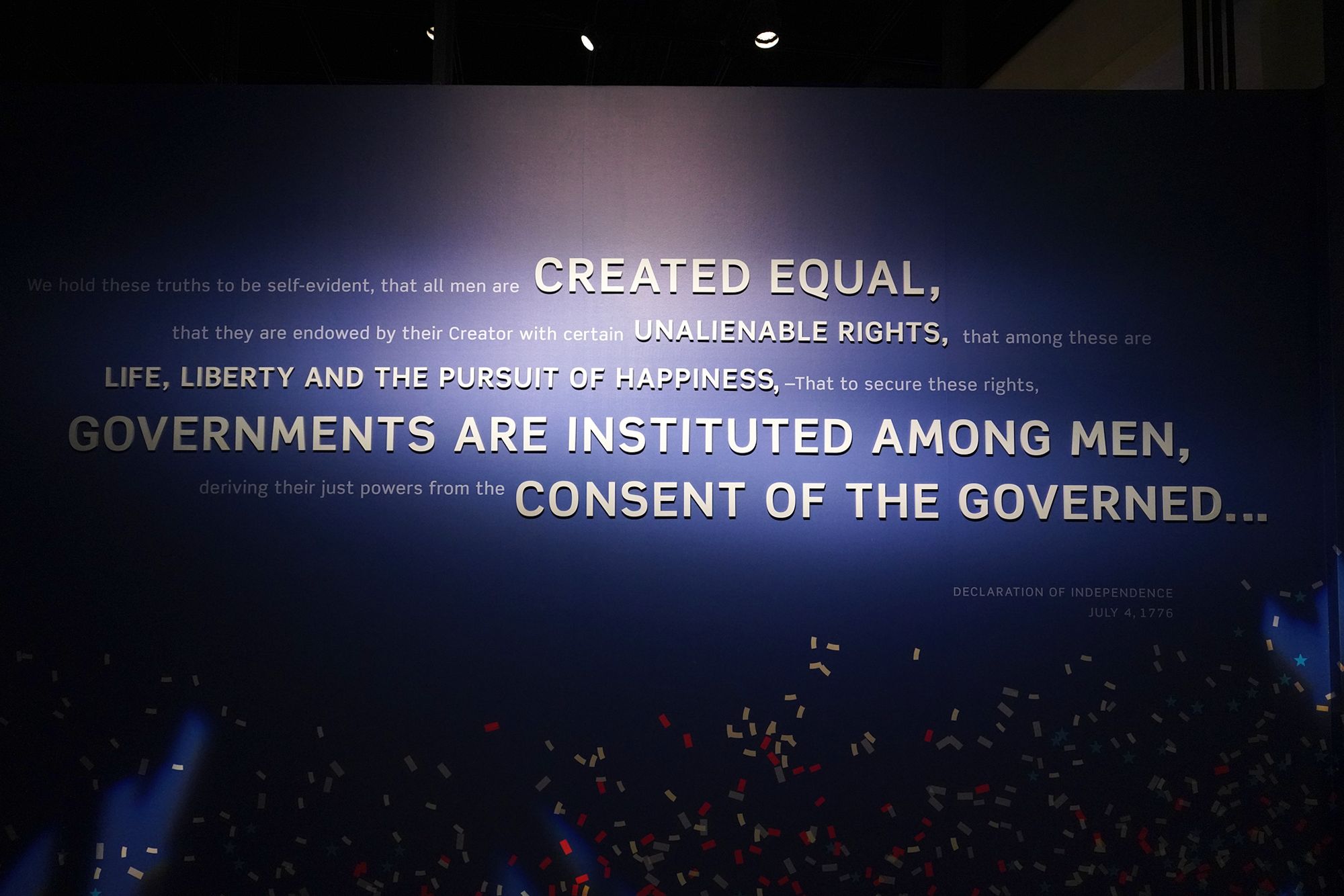
“Declaring Independence” explains why the American colonies decided to break away from Britain in 1776 and how the Declaration of Independence became the founding statement of American political ideals.
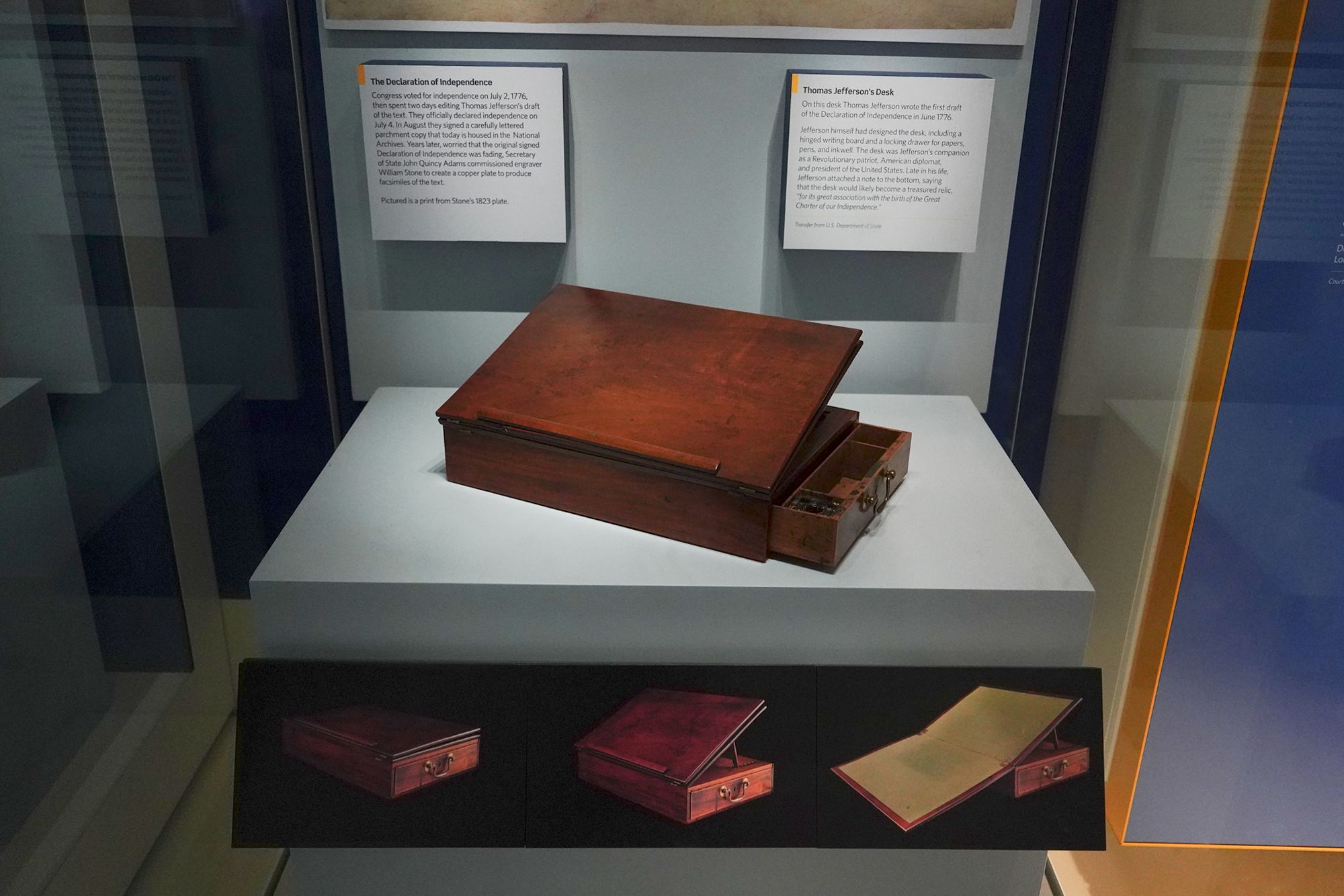
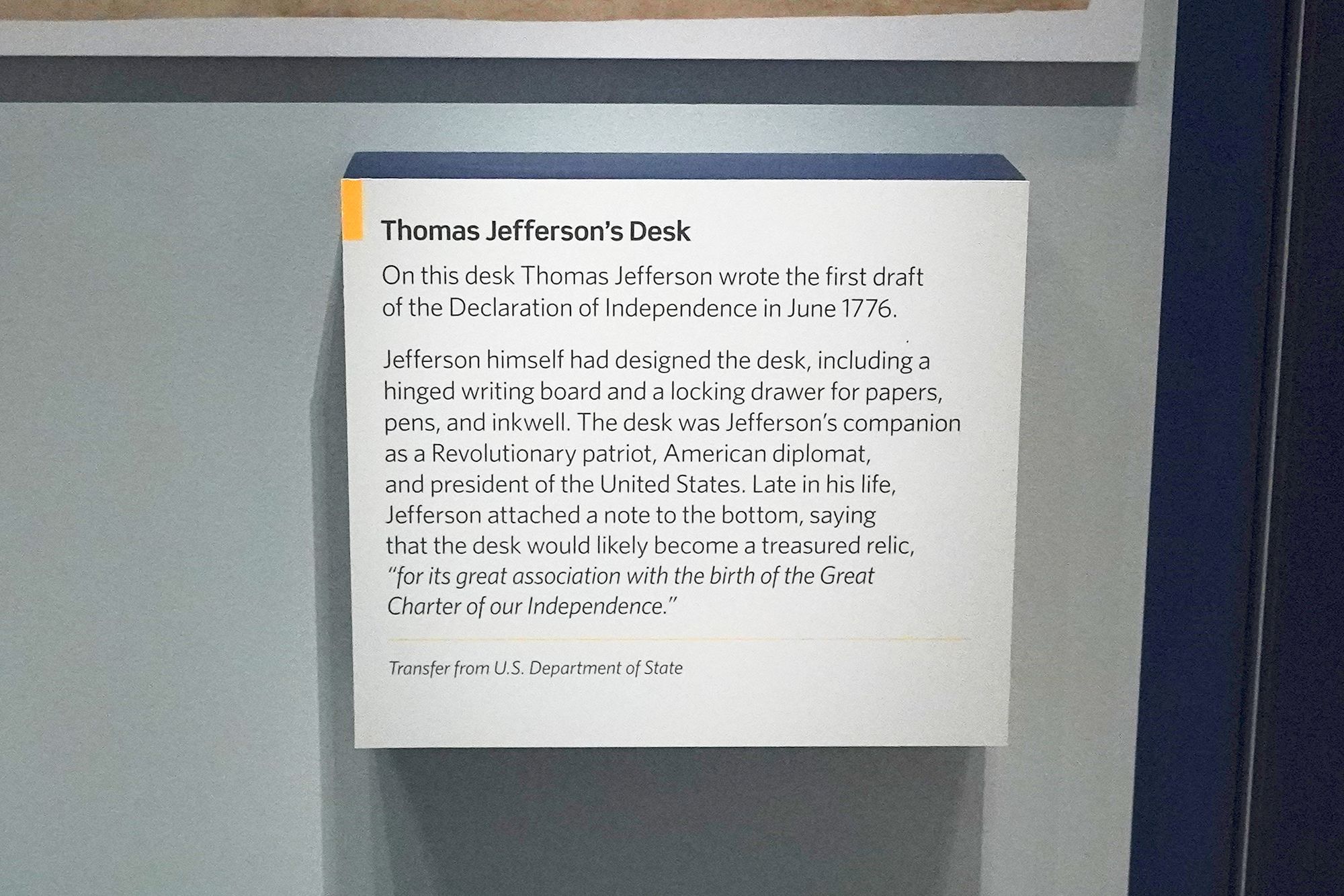
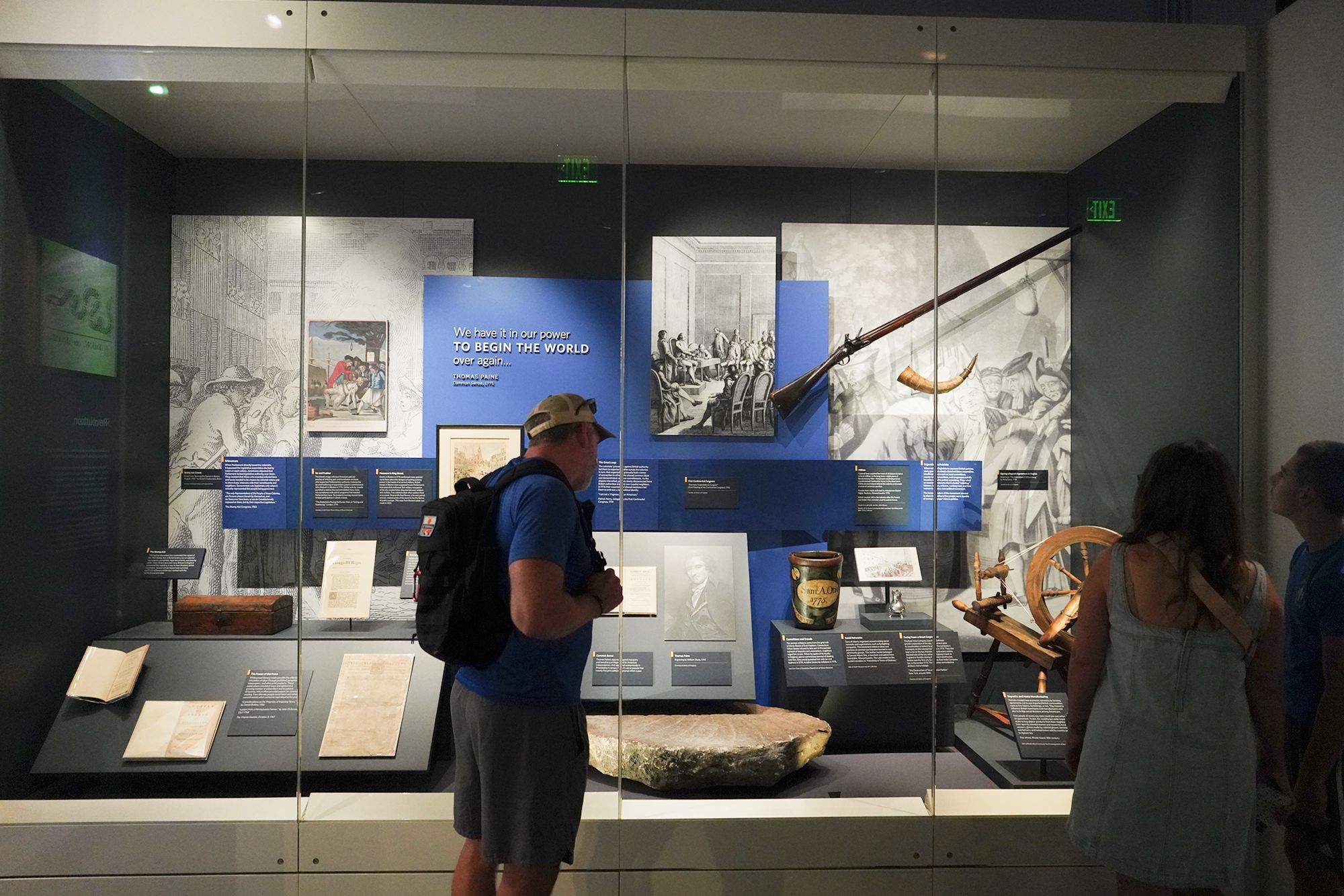
“Revolution” explains how the American colonies fought for independence from Britain, how the war unfolded, and how the struggle transformed the colonies into a new nation.
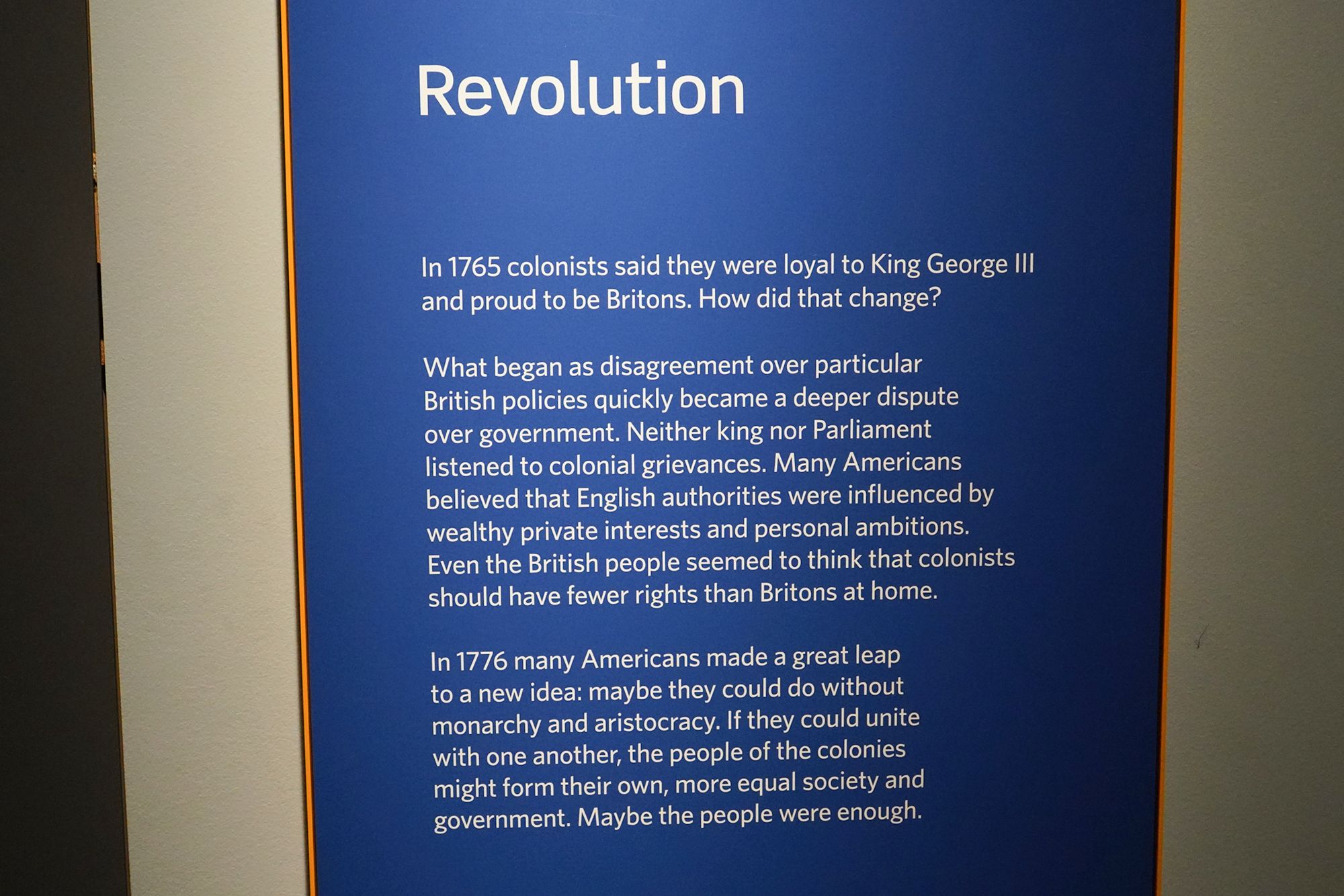
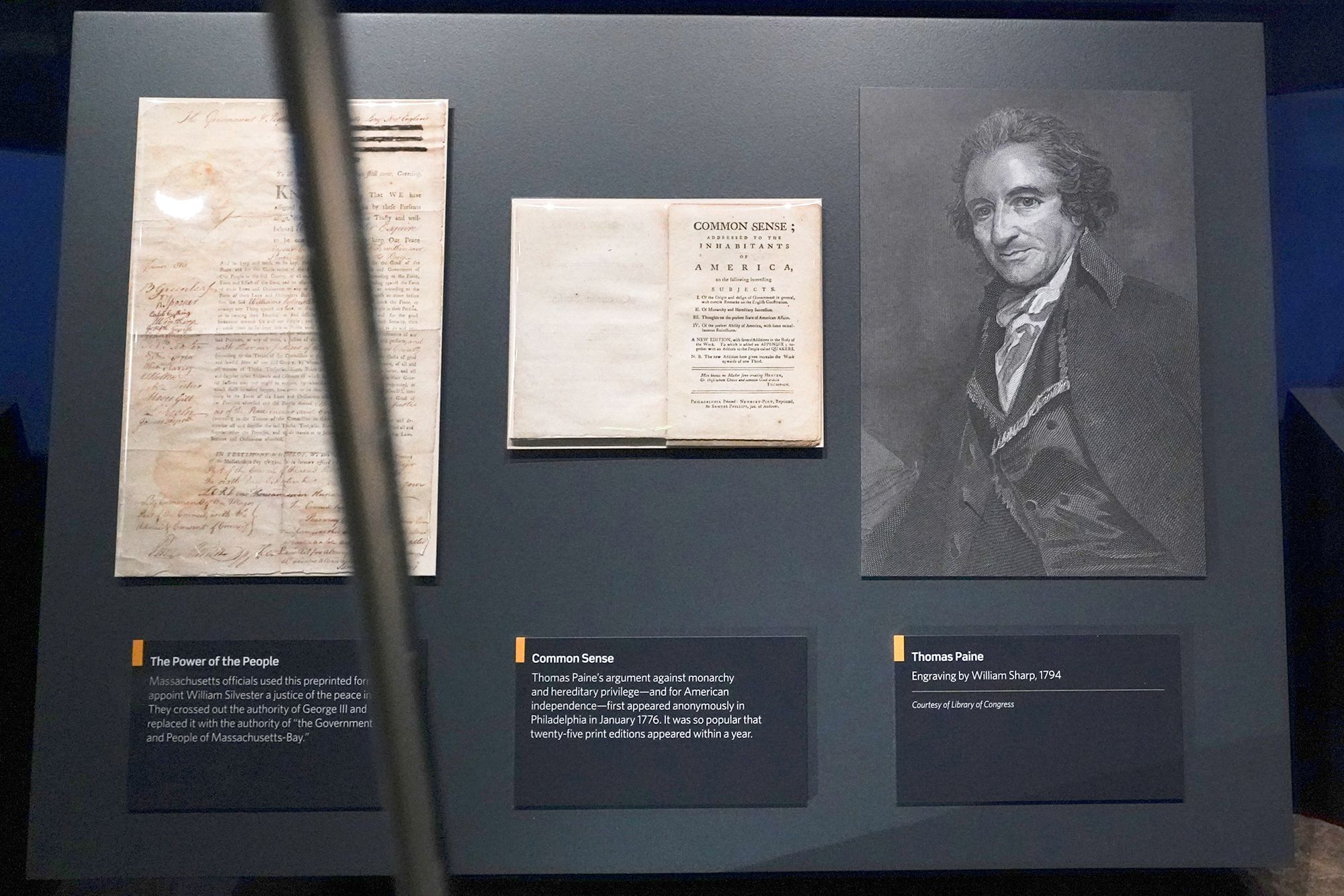
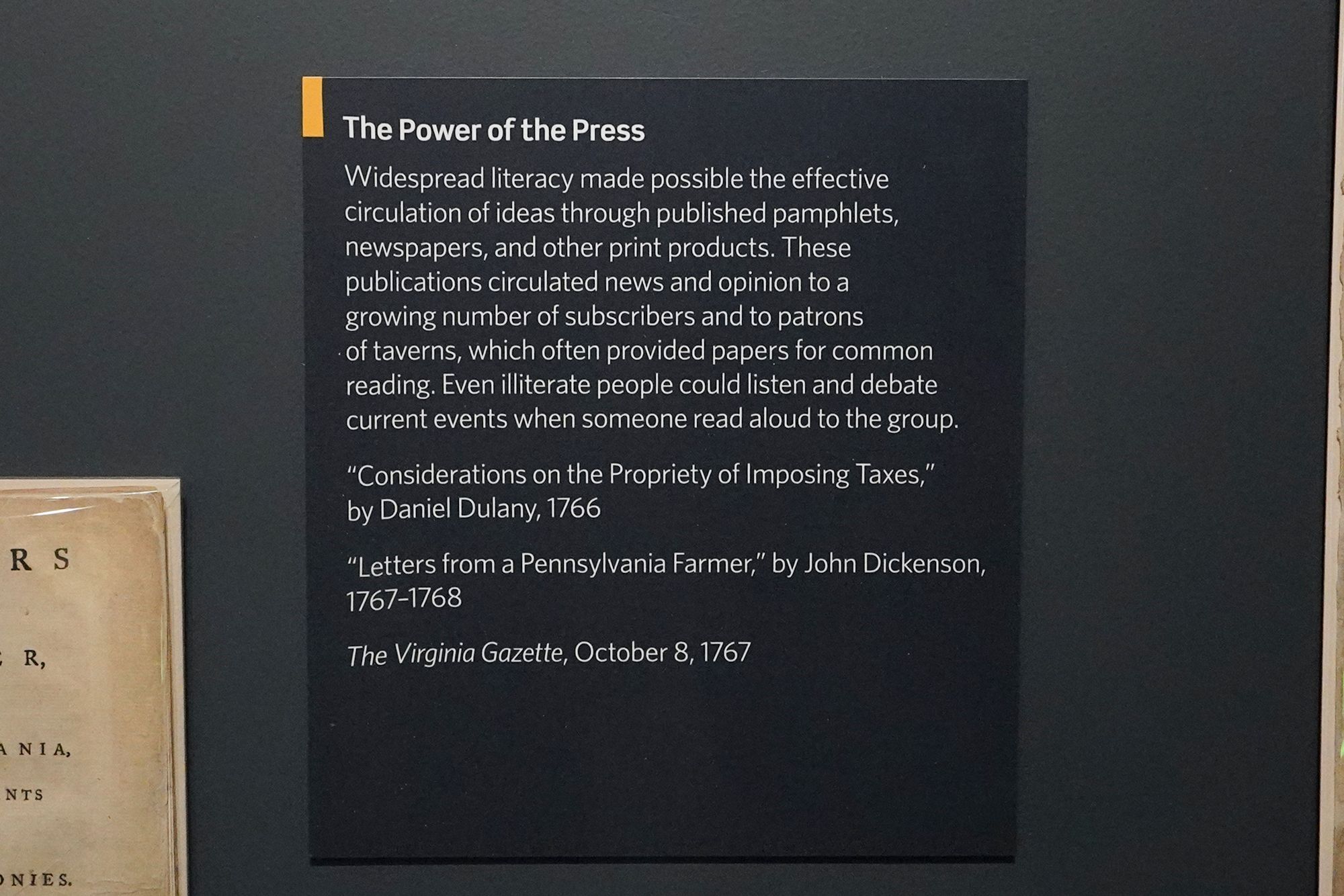
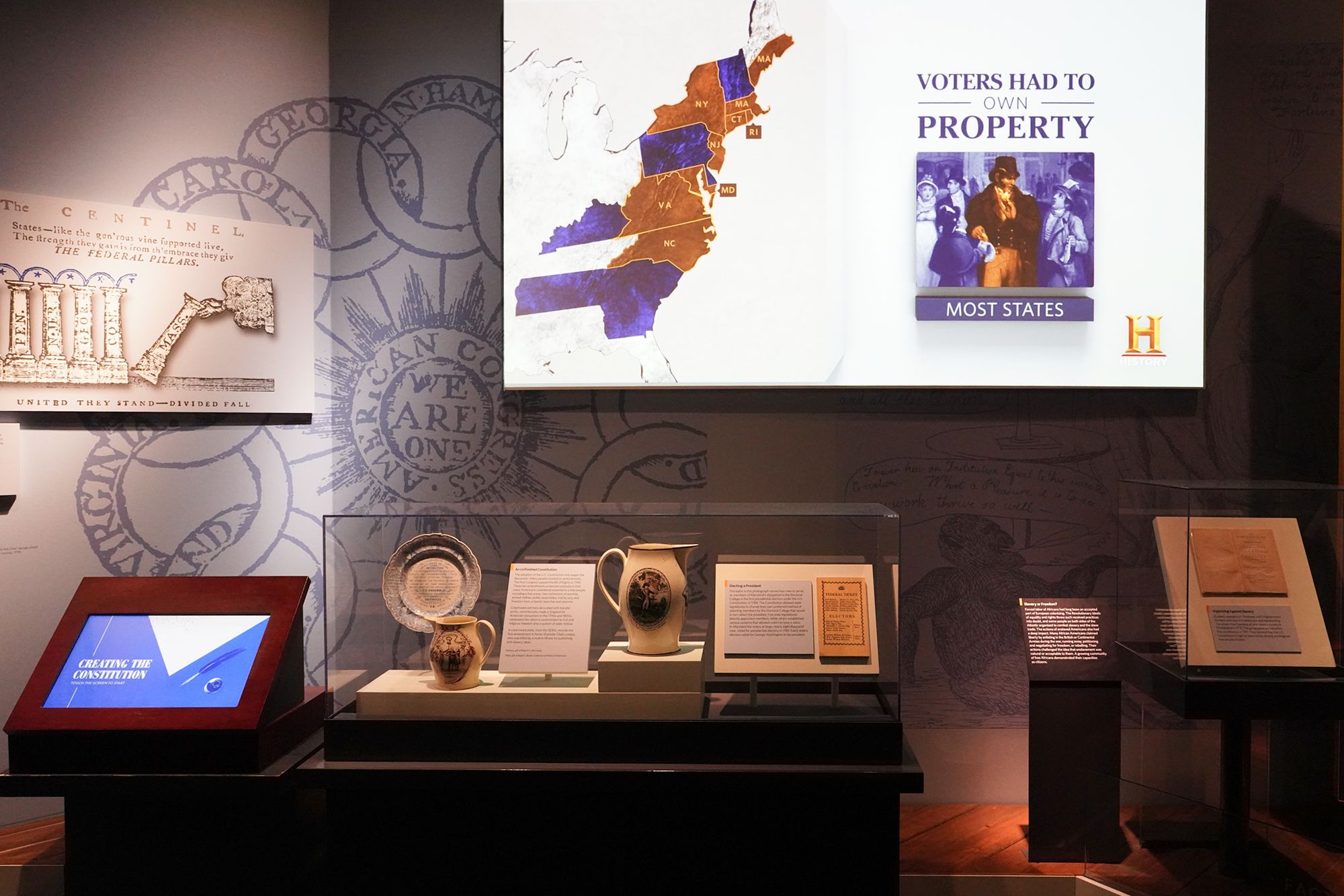
“Constitutional Compromise” explains how the delegates at the 1787 Constitutional Convention resolved their disagreements to create a workable national government. The exhibit shows that the Constitution was not written in perfect agreement — it was the result of intense debate and negotiated compromise.
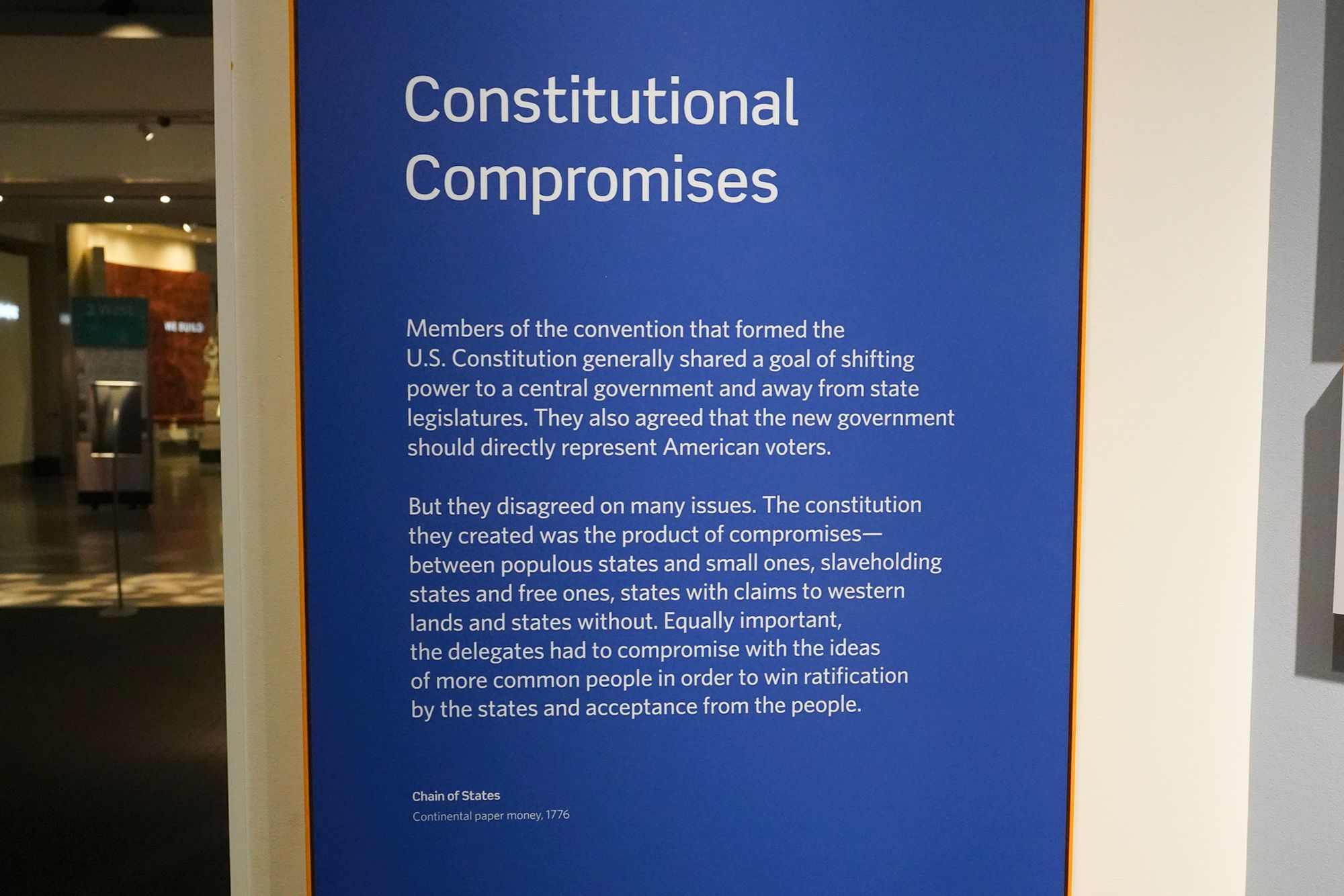
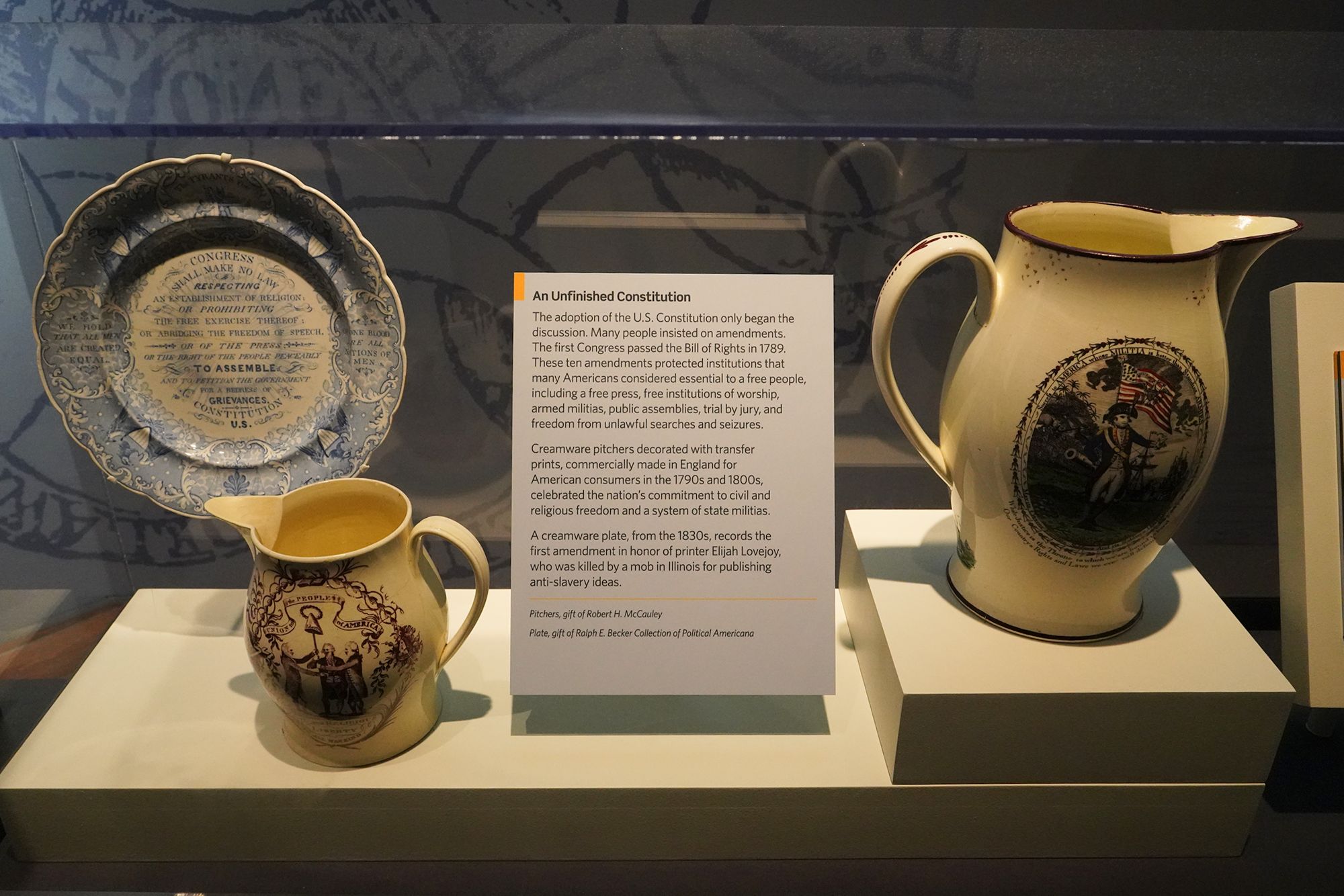
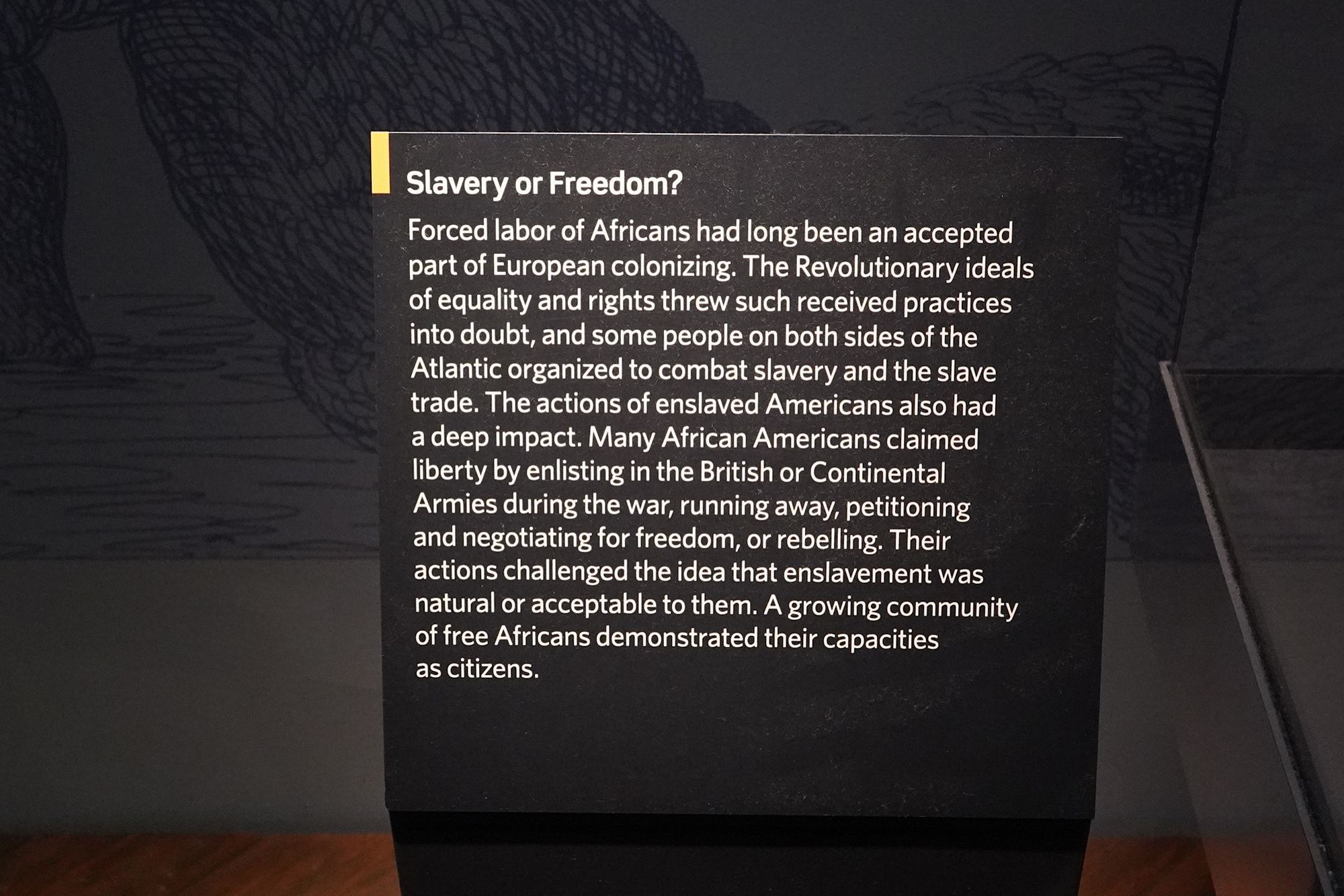
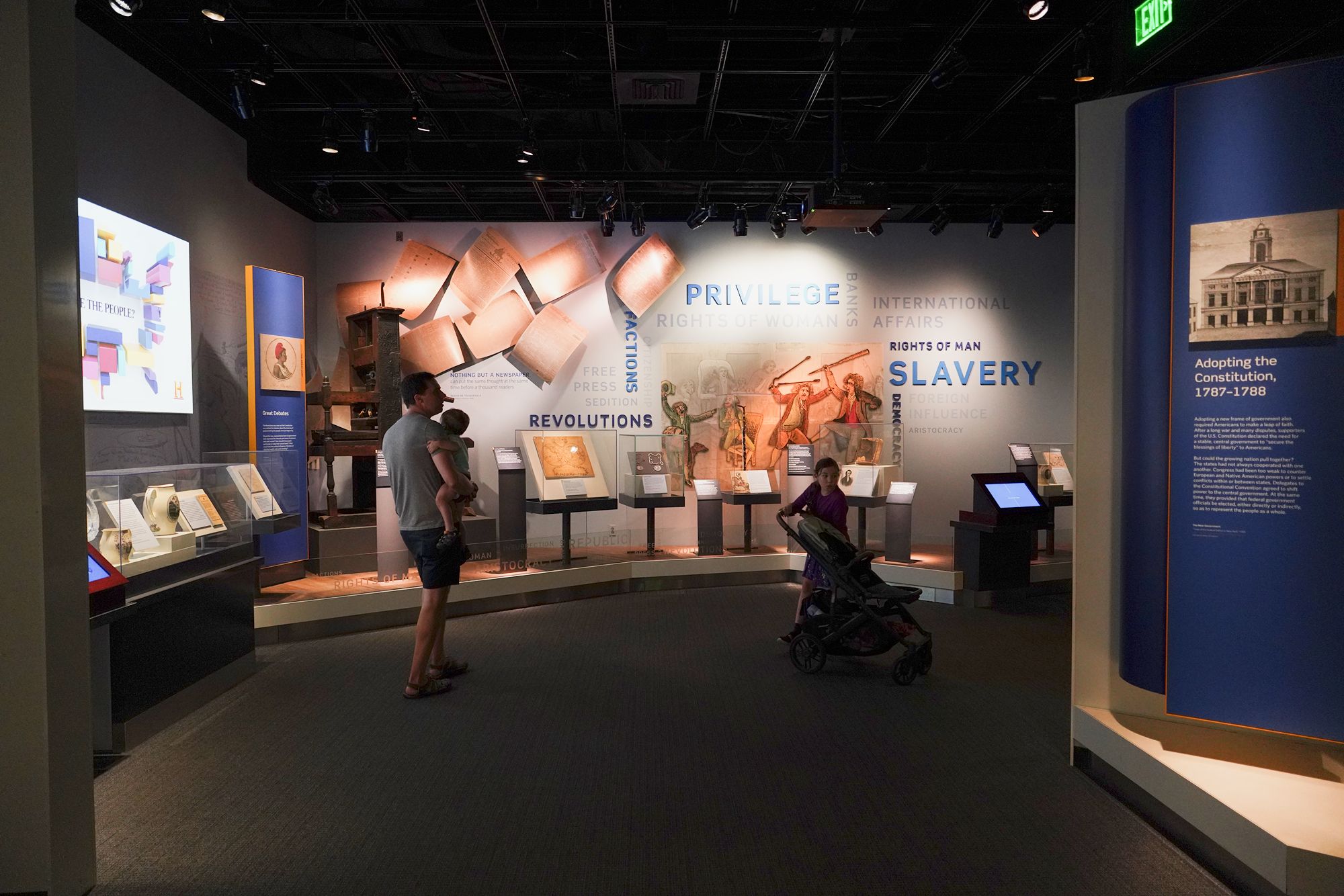
“The Great Debate” refers to the fierce public argument over whether the newly written U.S. Constitution should be approved.
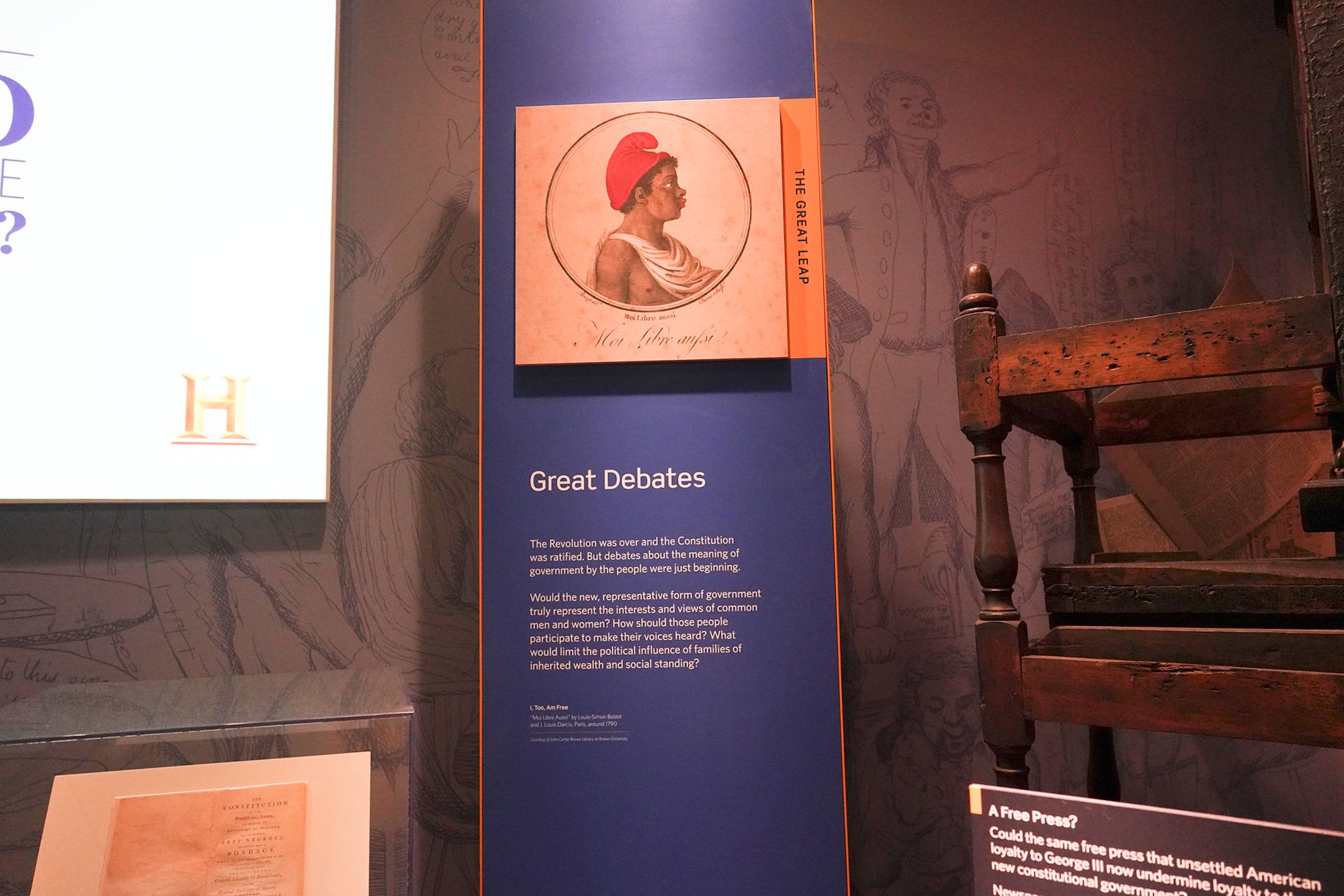
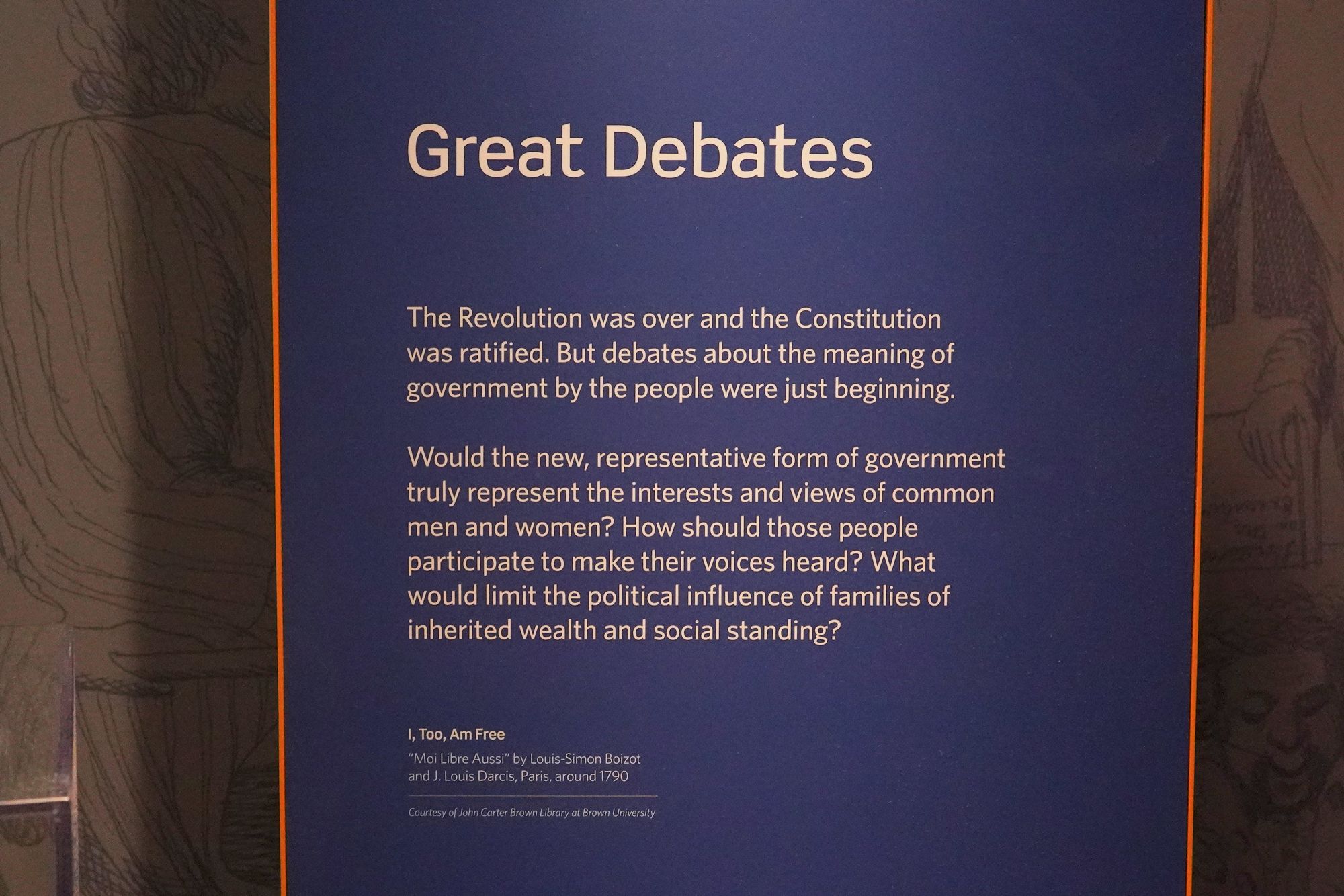
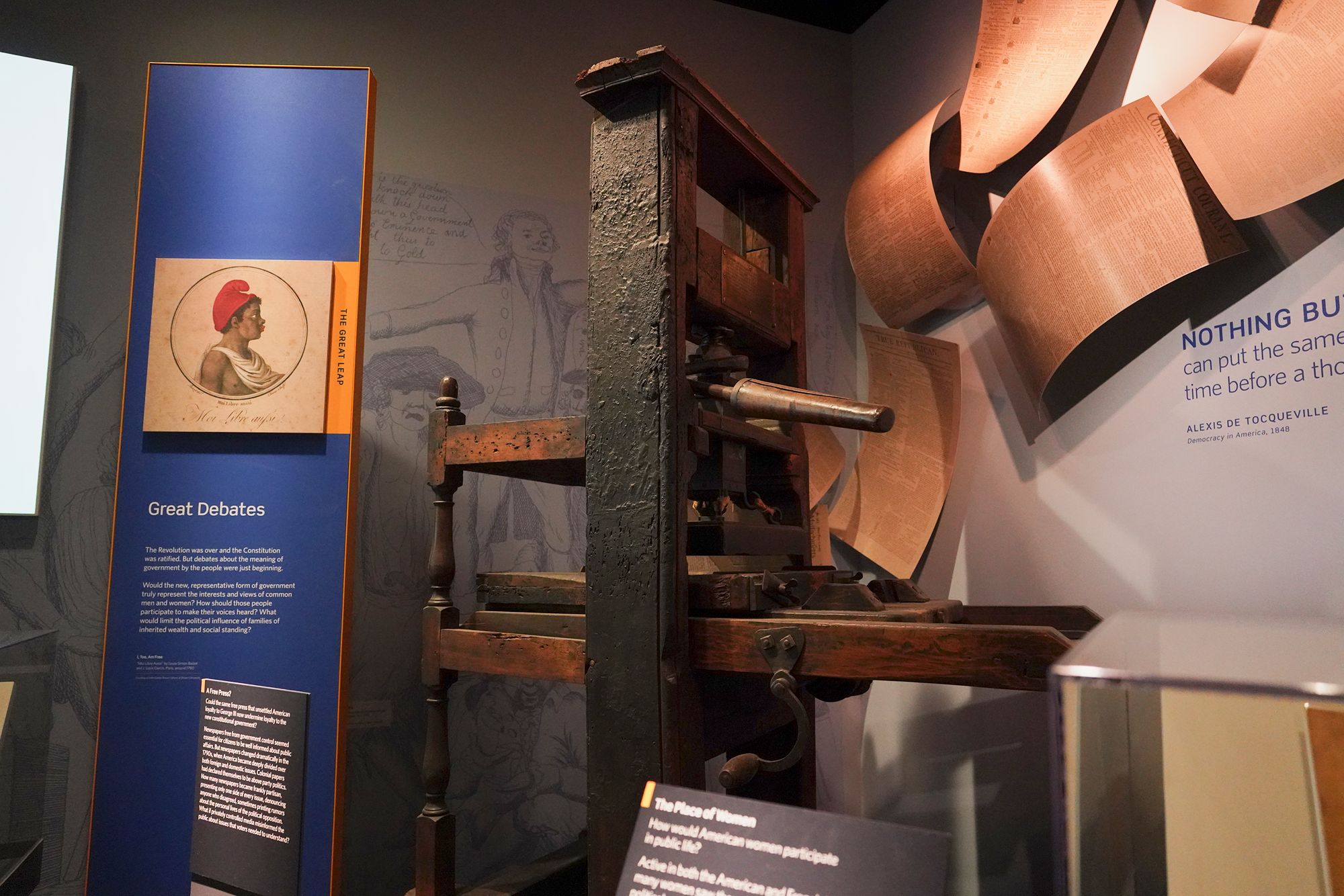
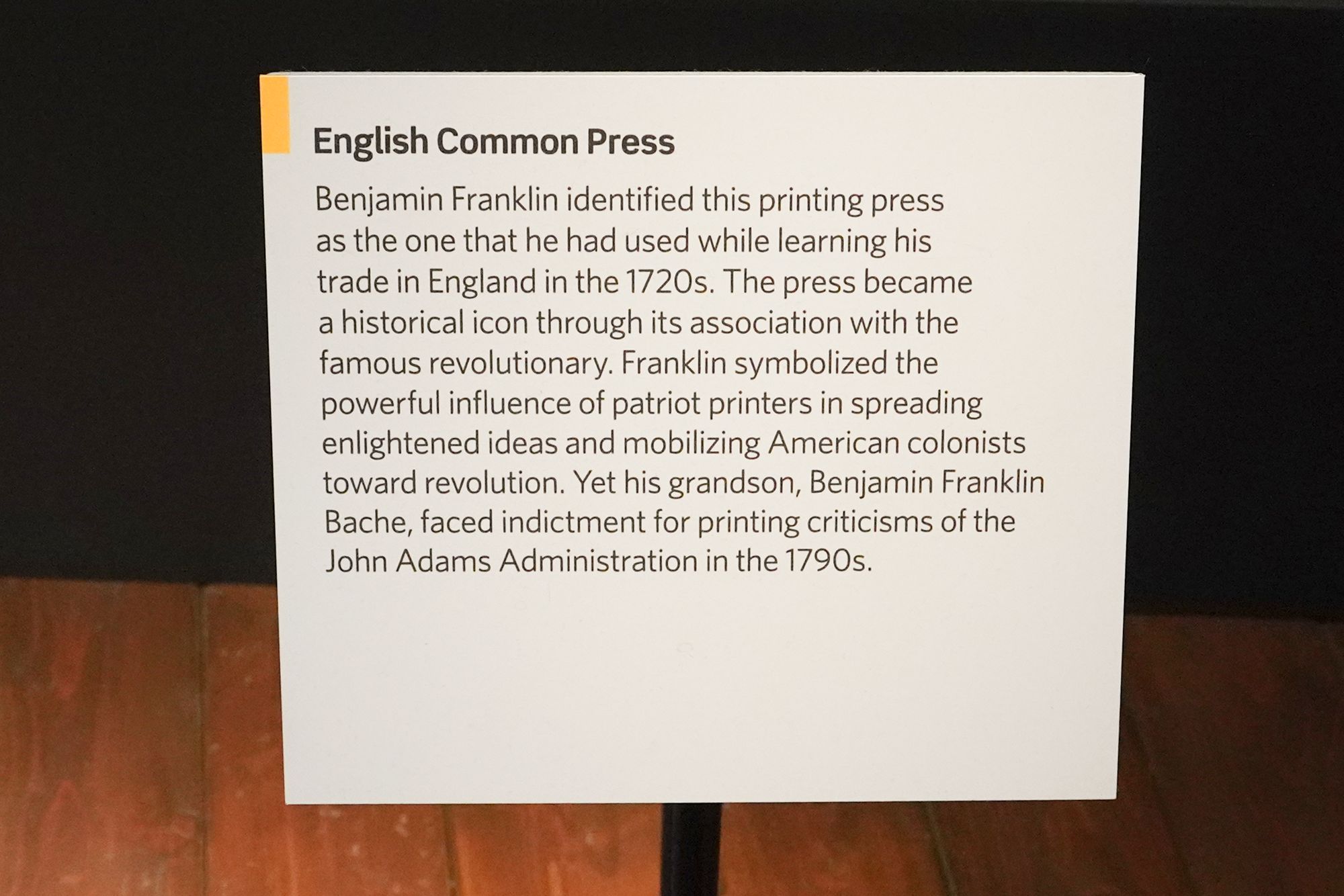
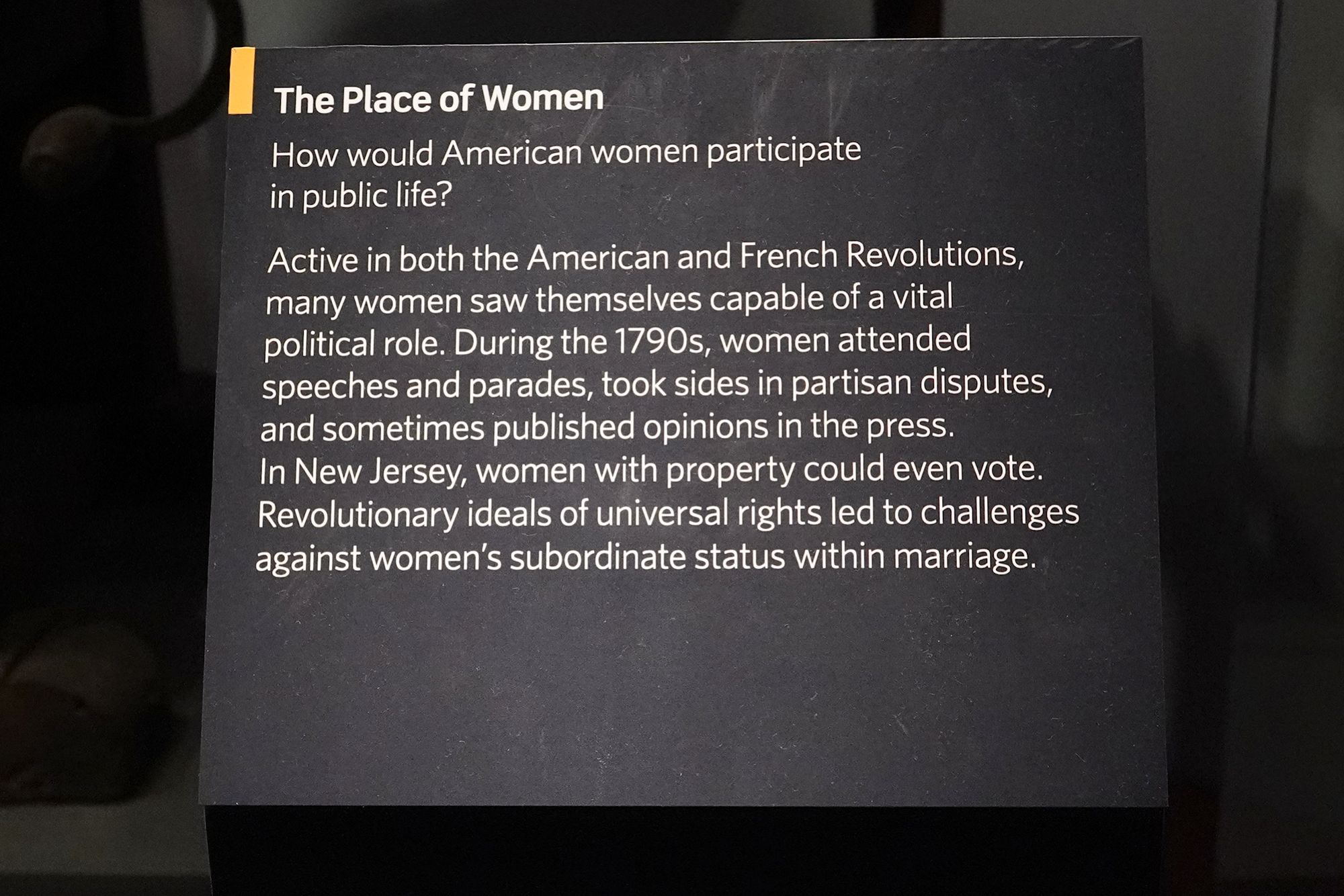
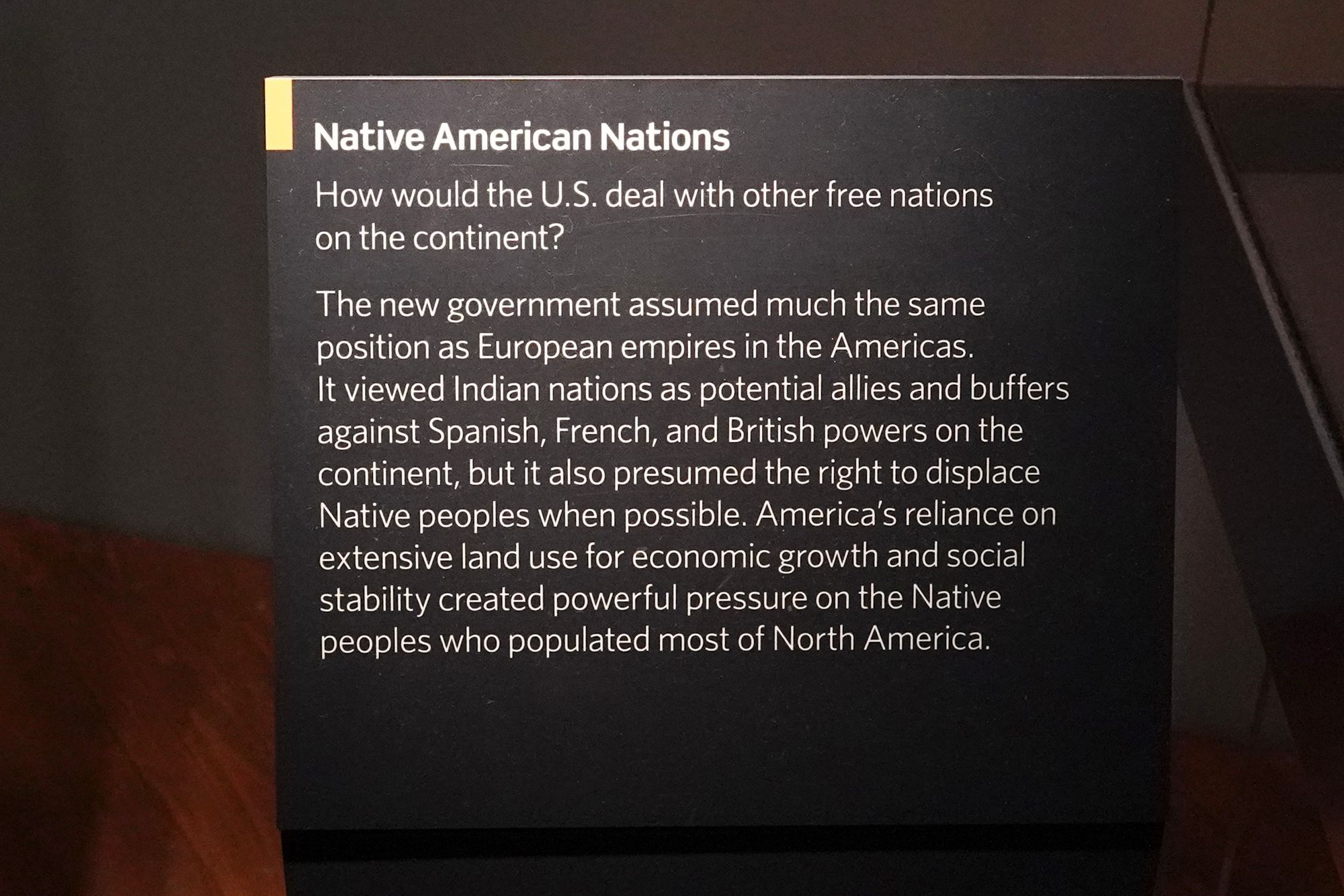
On the place of women and about native american nations
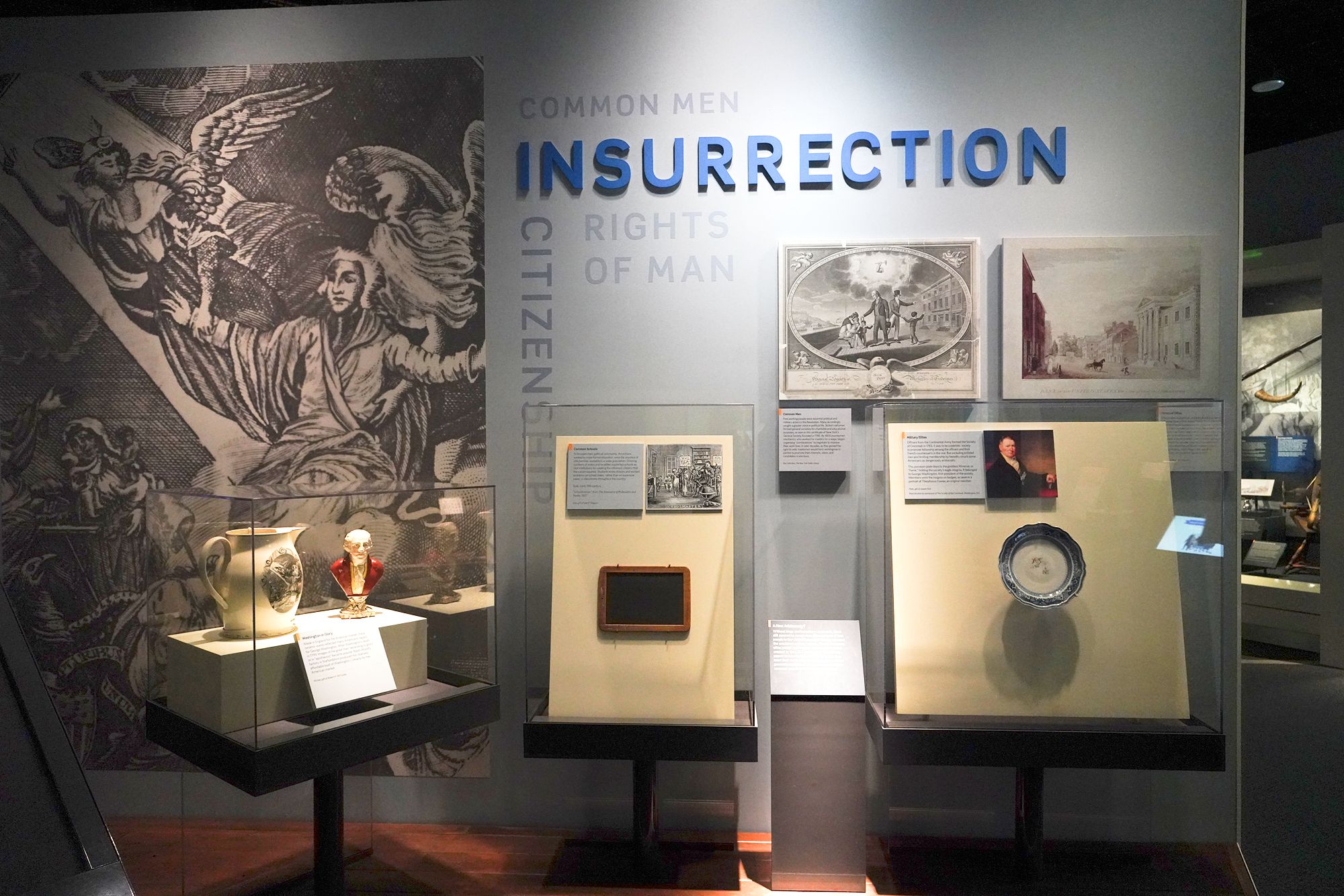
Wealthy aristocrats as a new aristocracy?
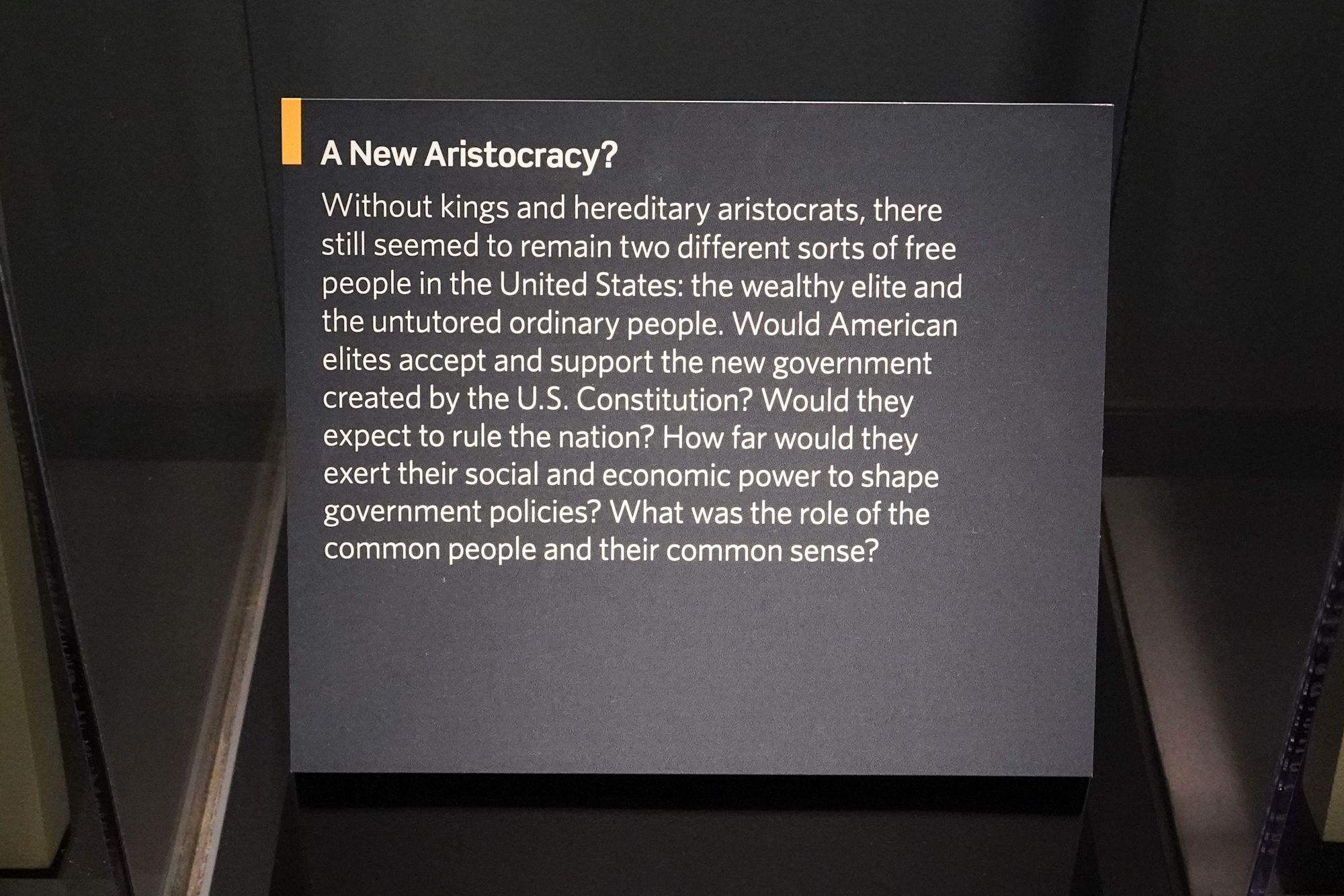
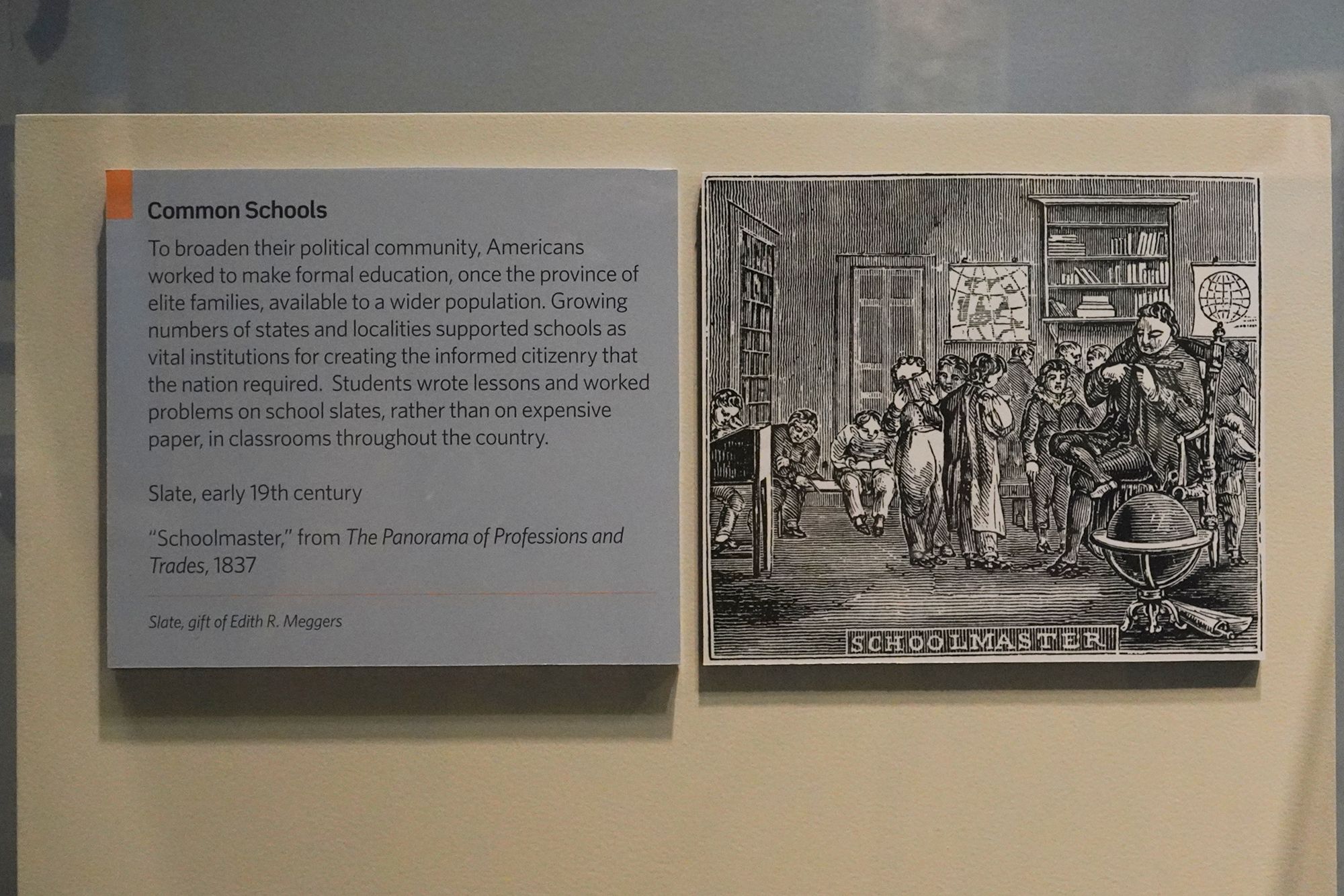
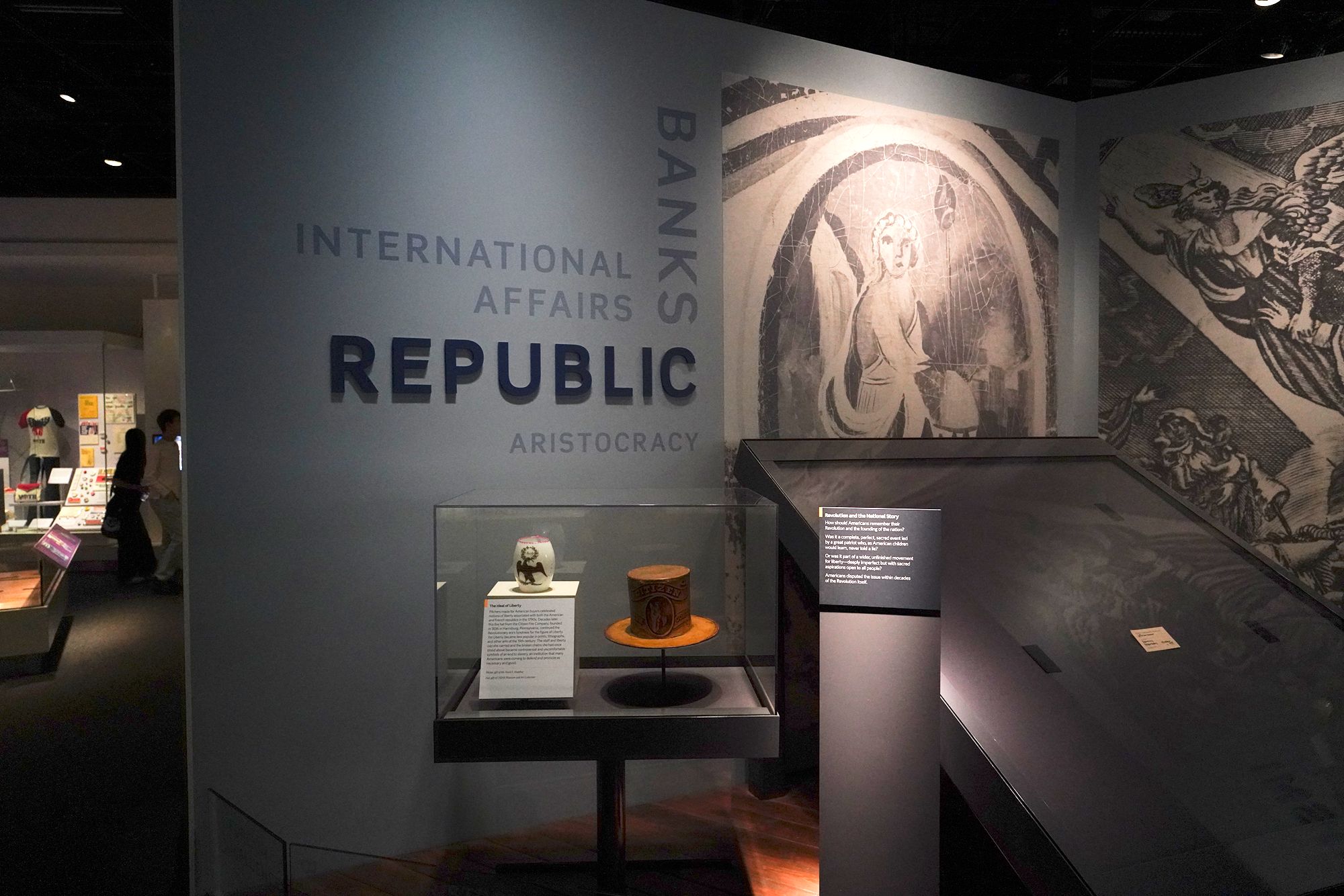
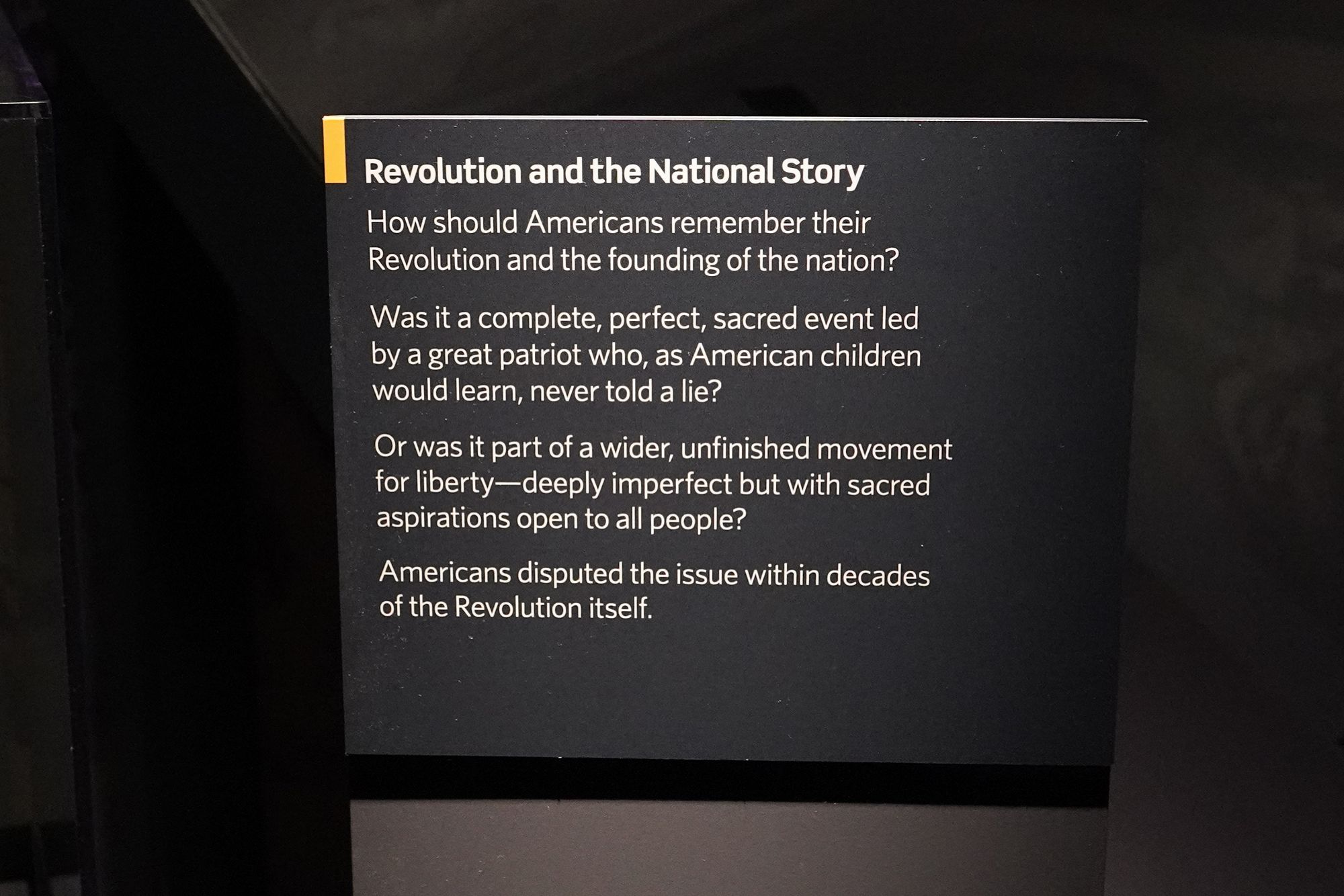
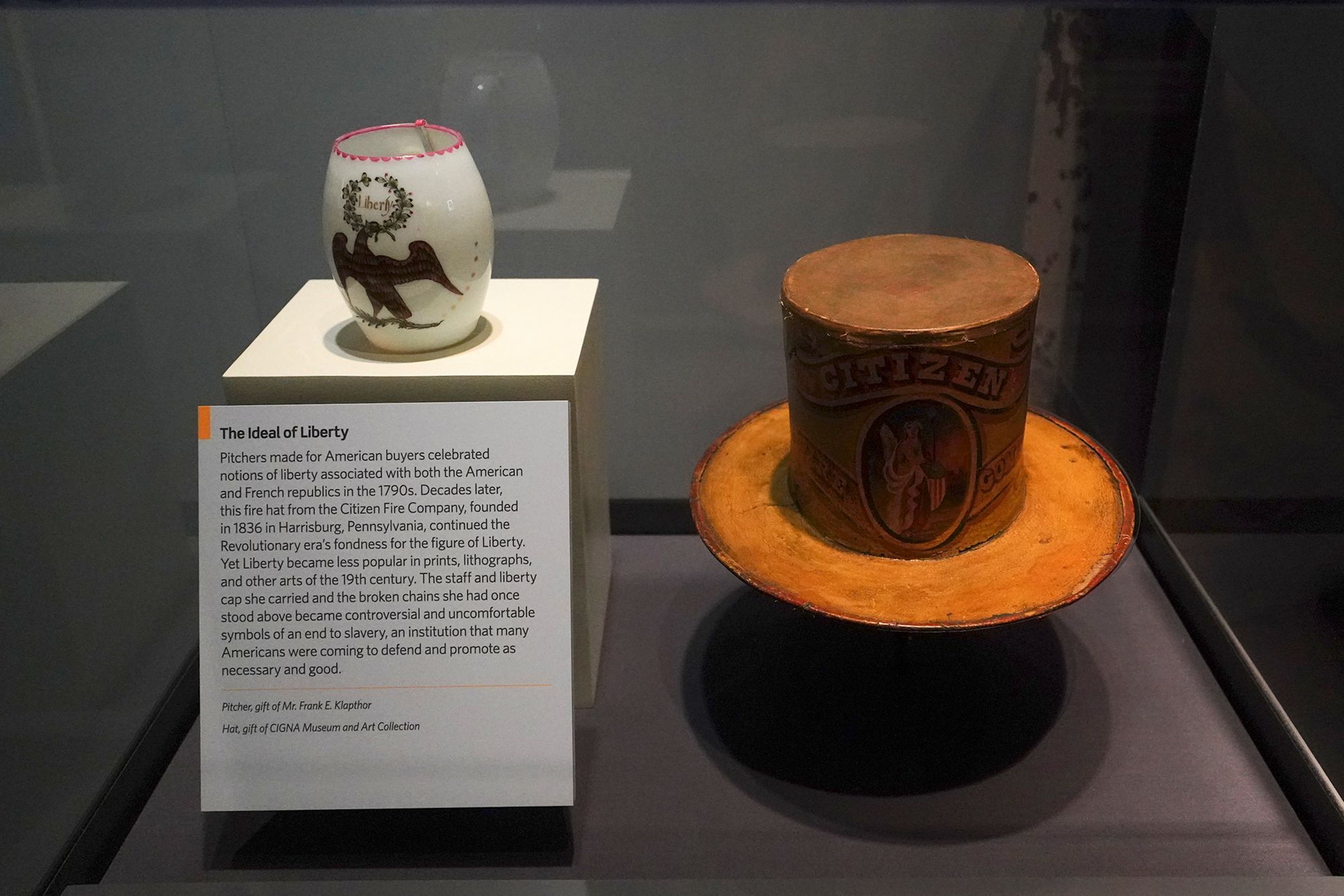
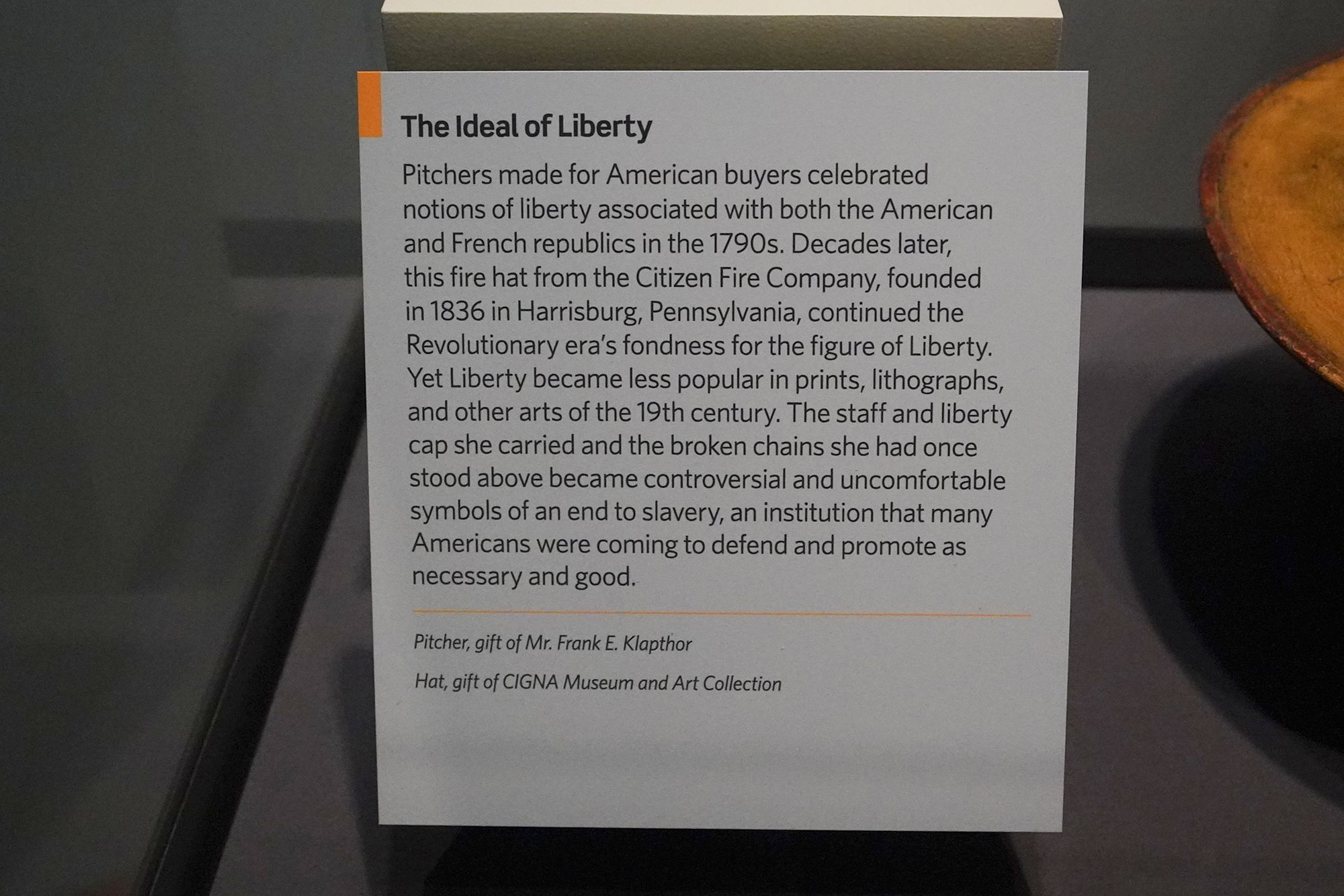
How to weave the revolution into the national story?
Political Parties
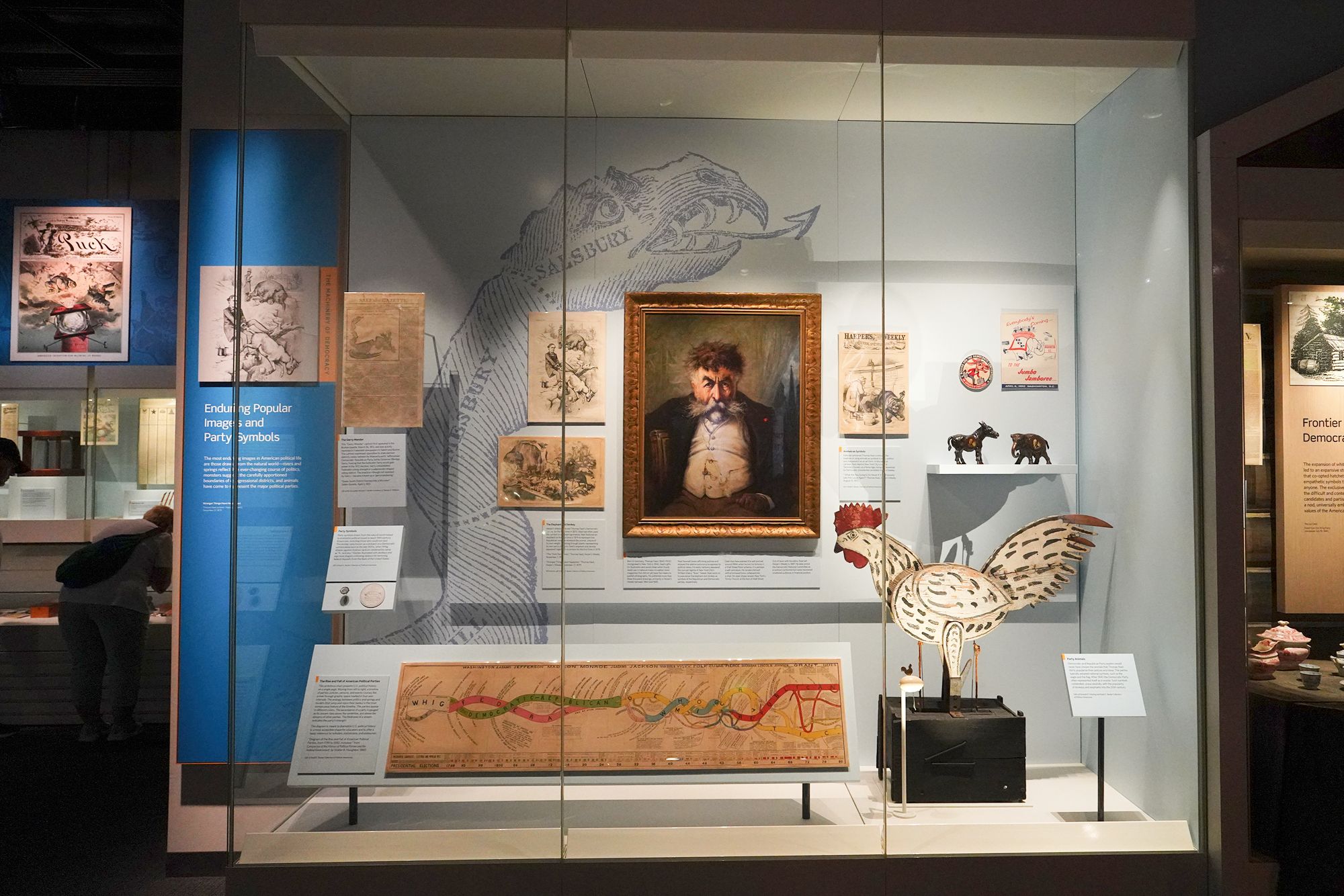
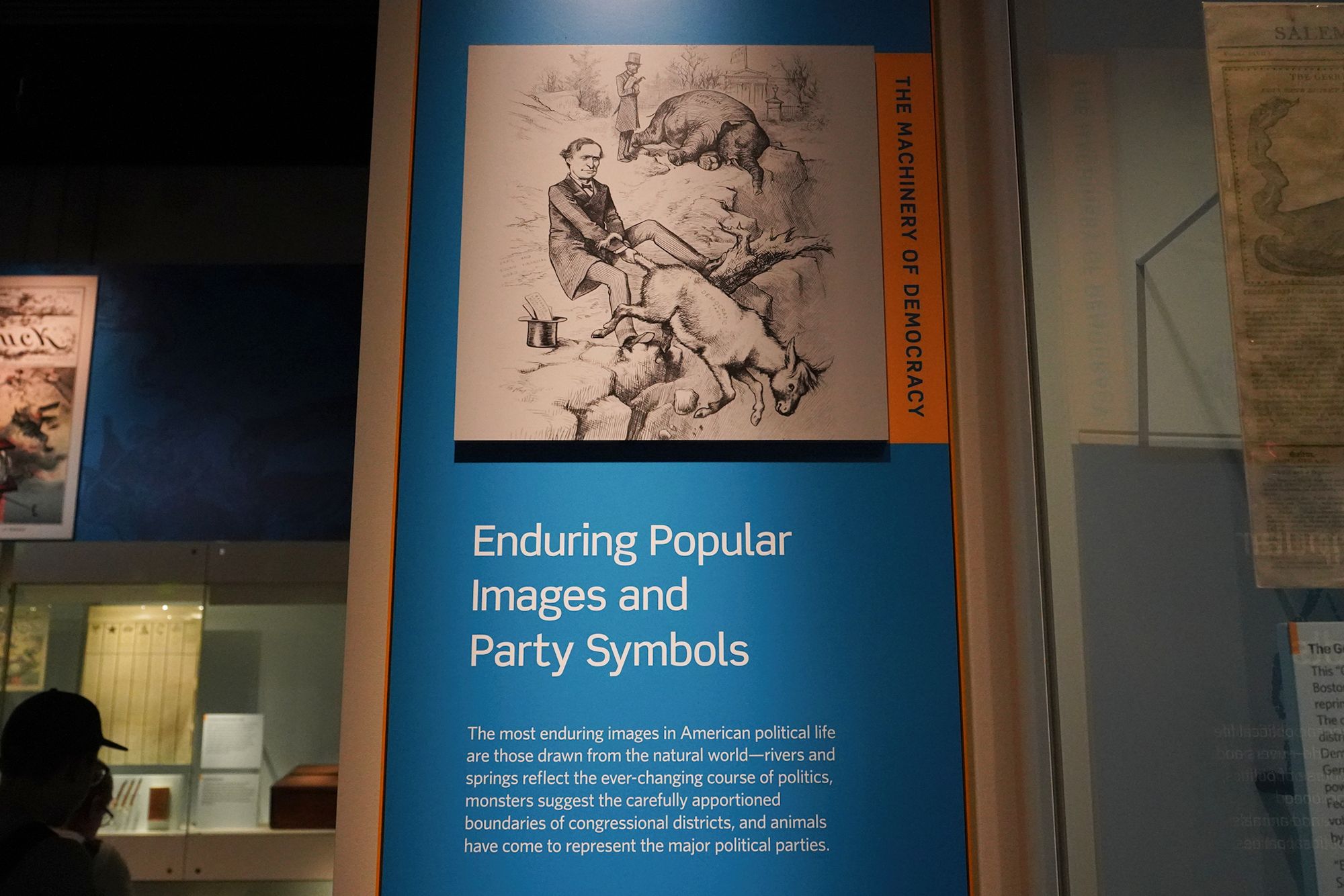
Party Symbols
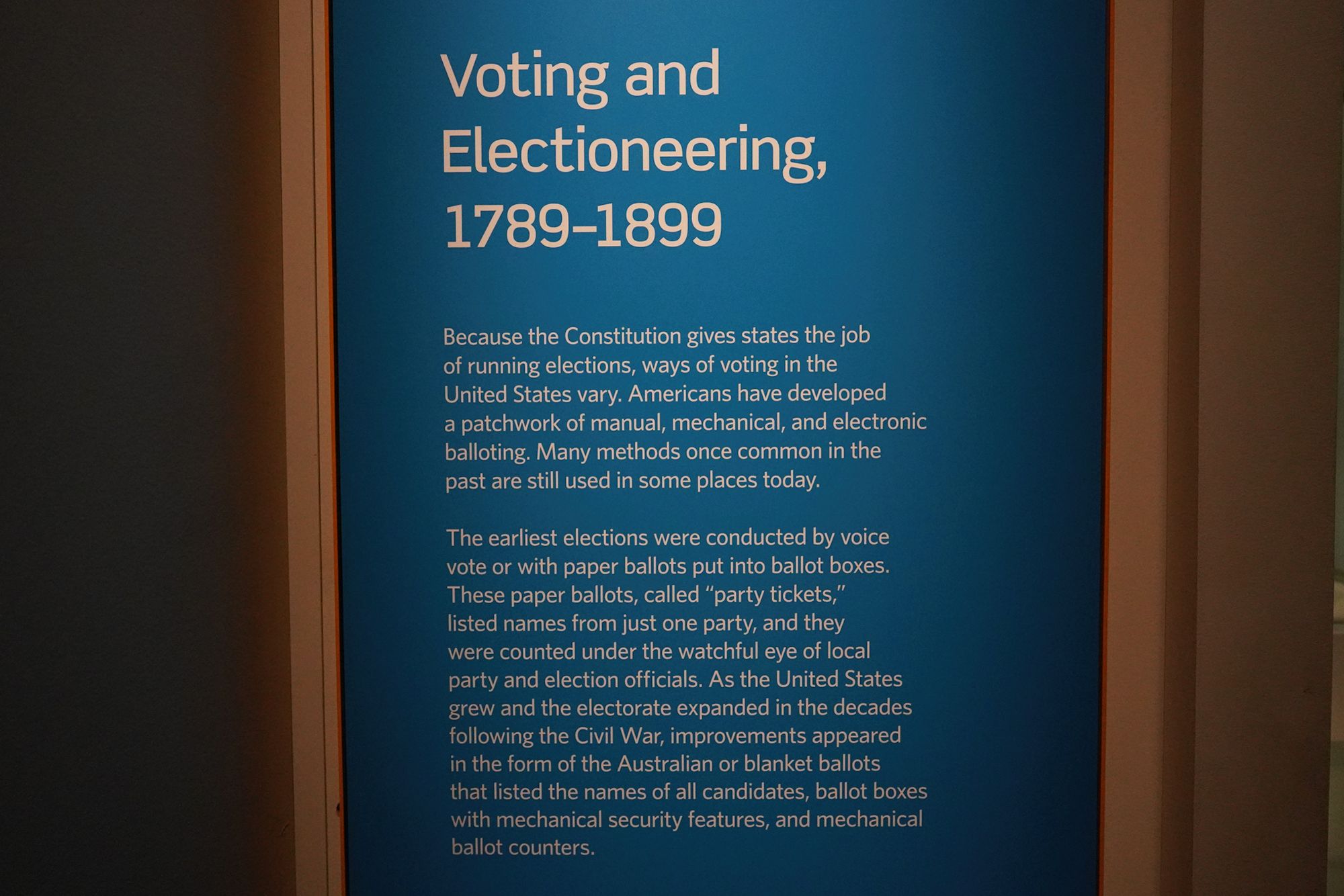
Voting and Electioneering, 1789-1899
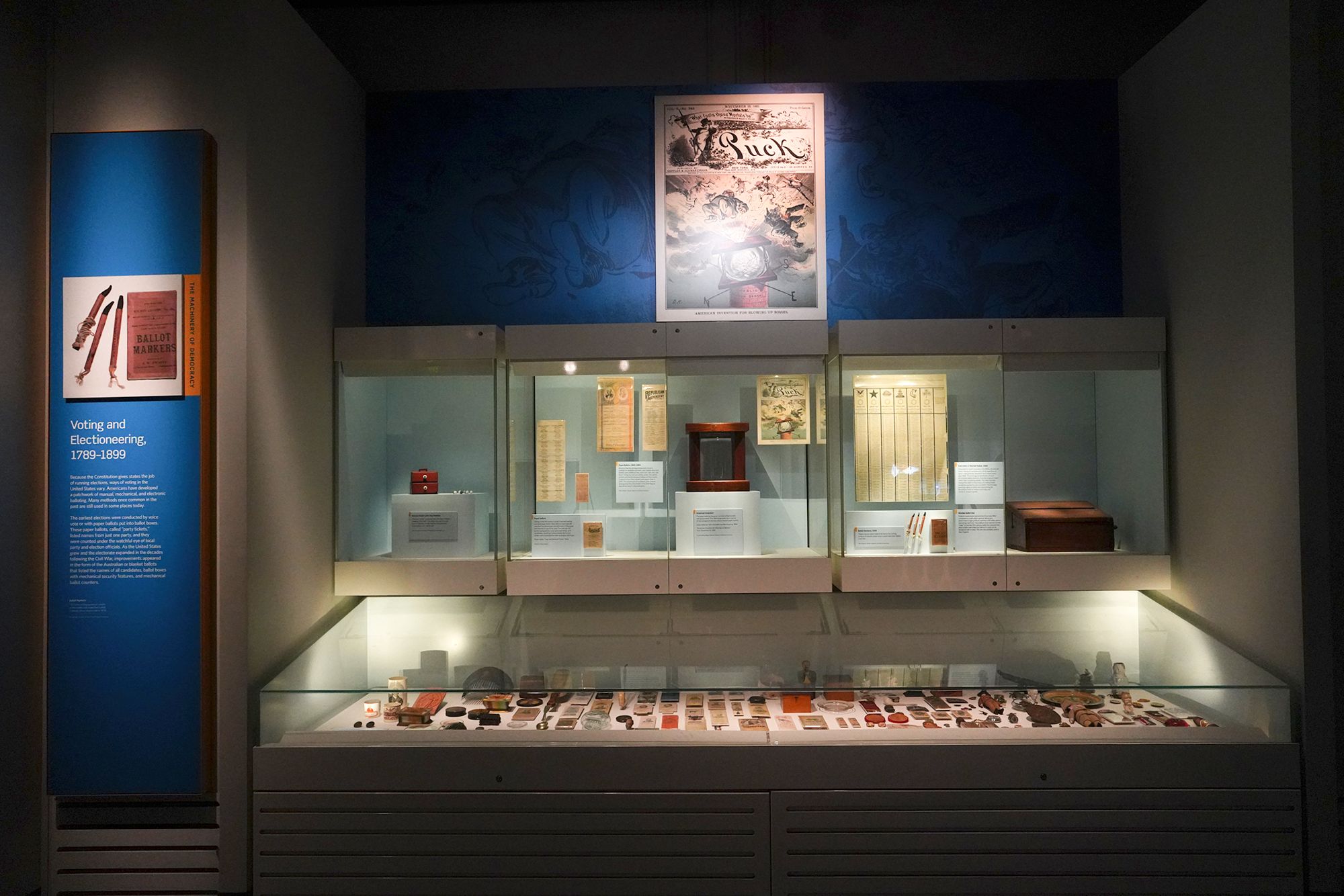
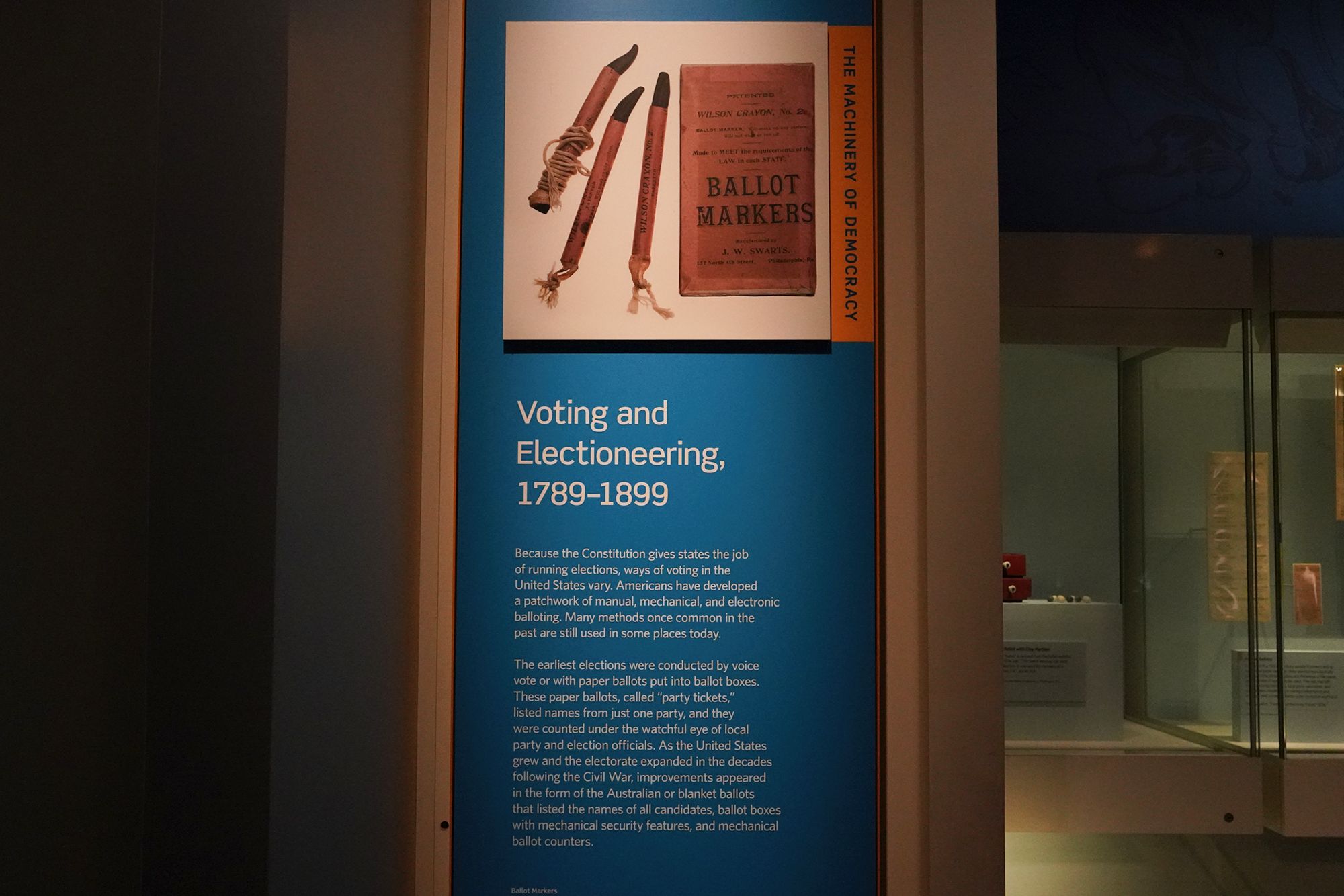
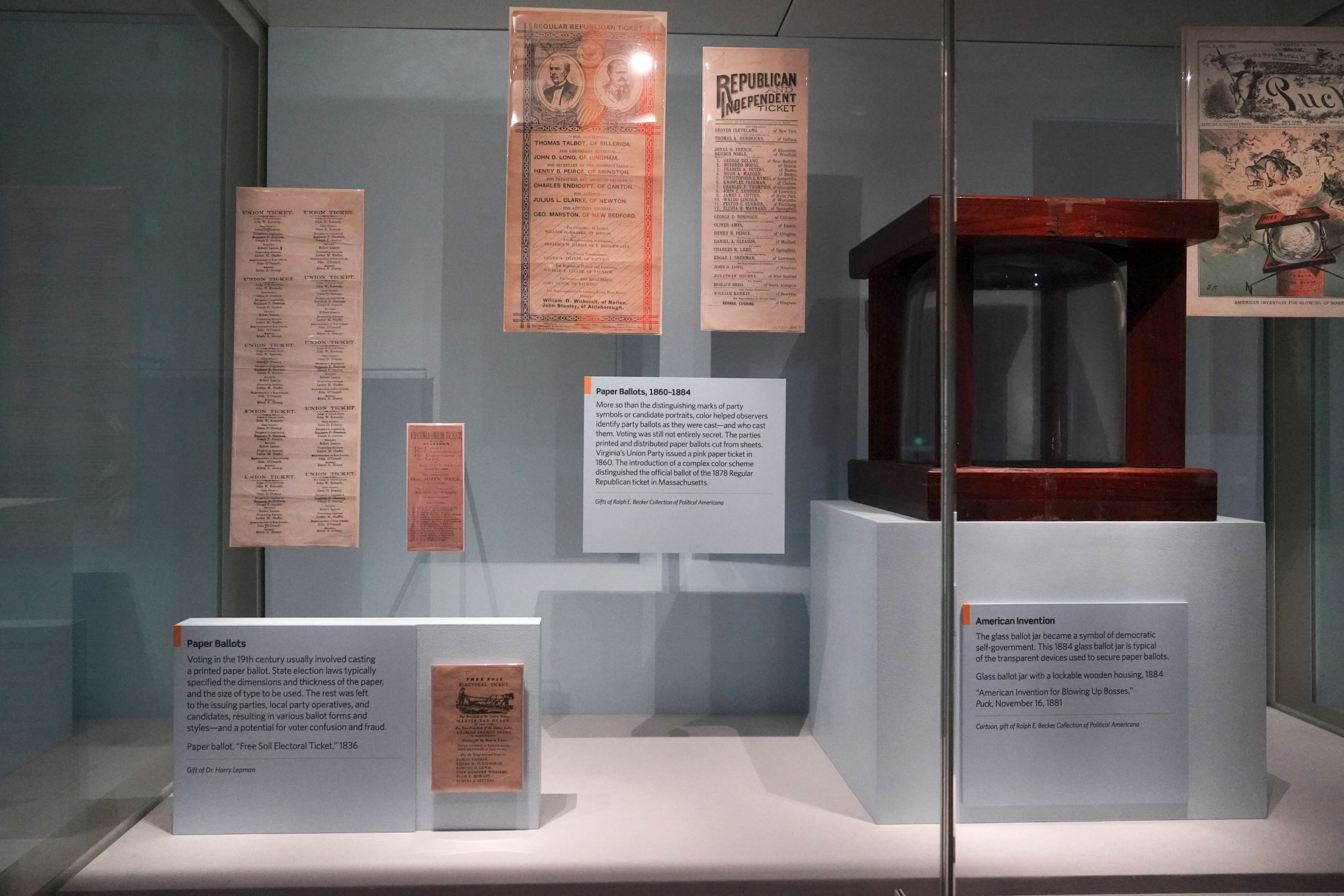
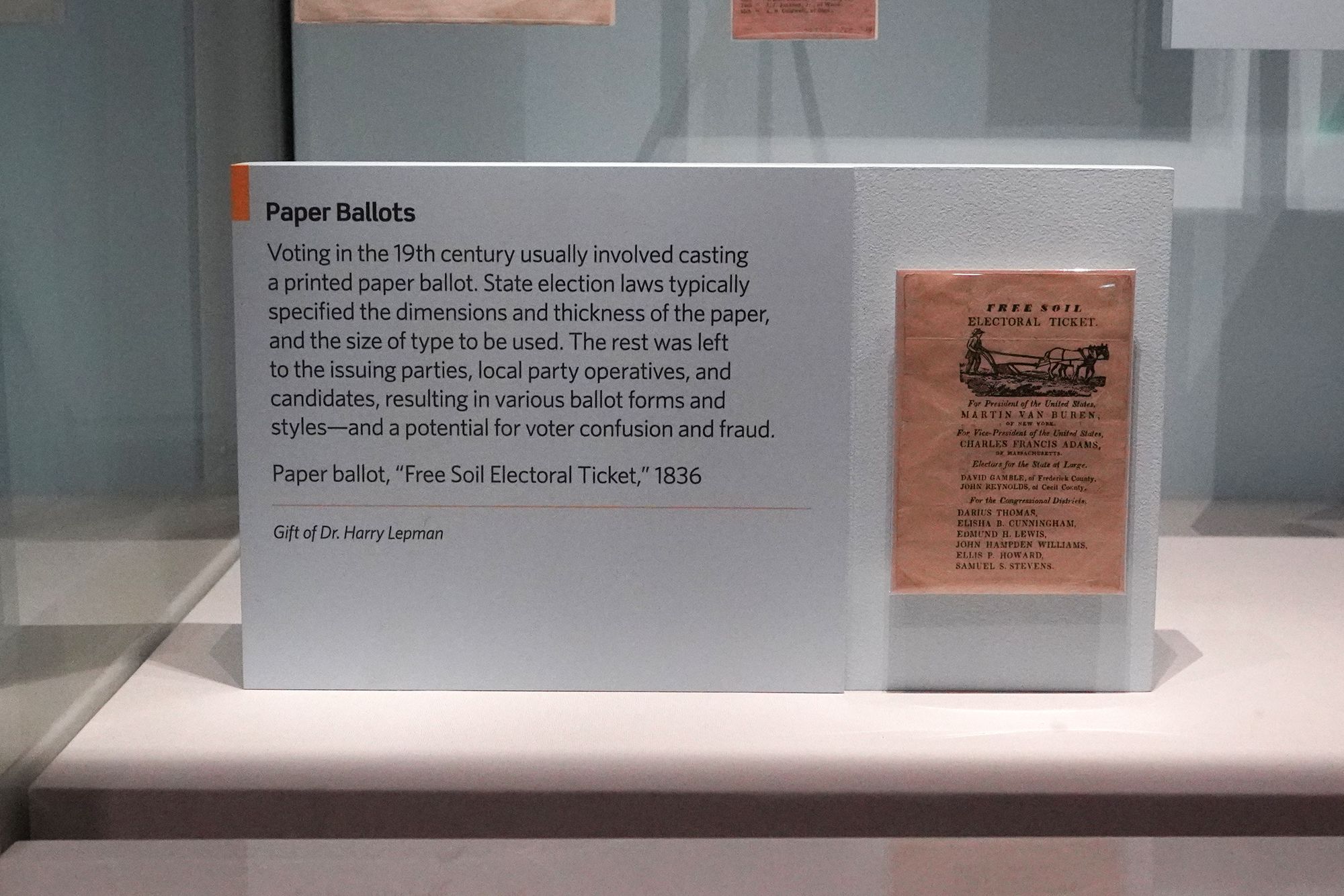
Paper Ballots
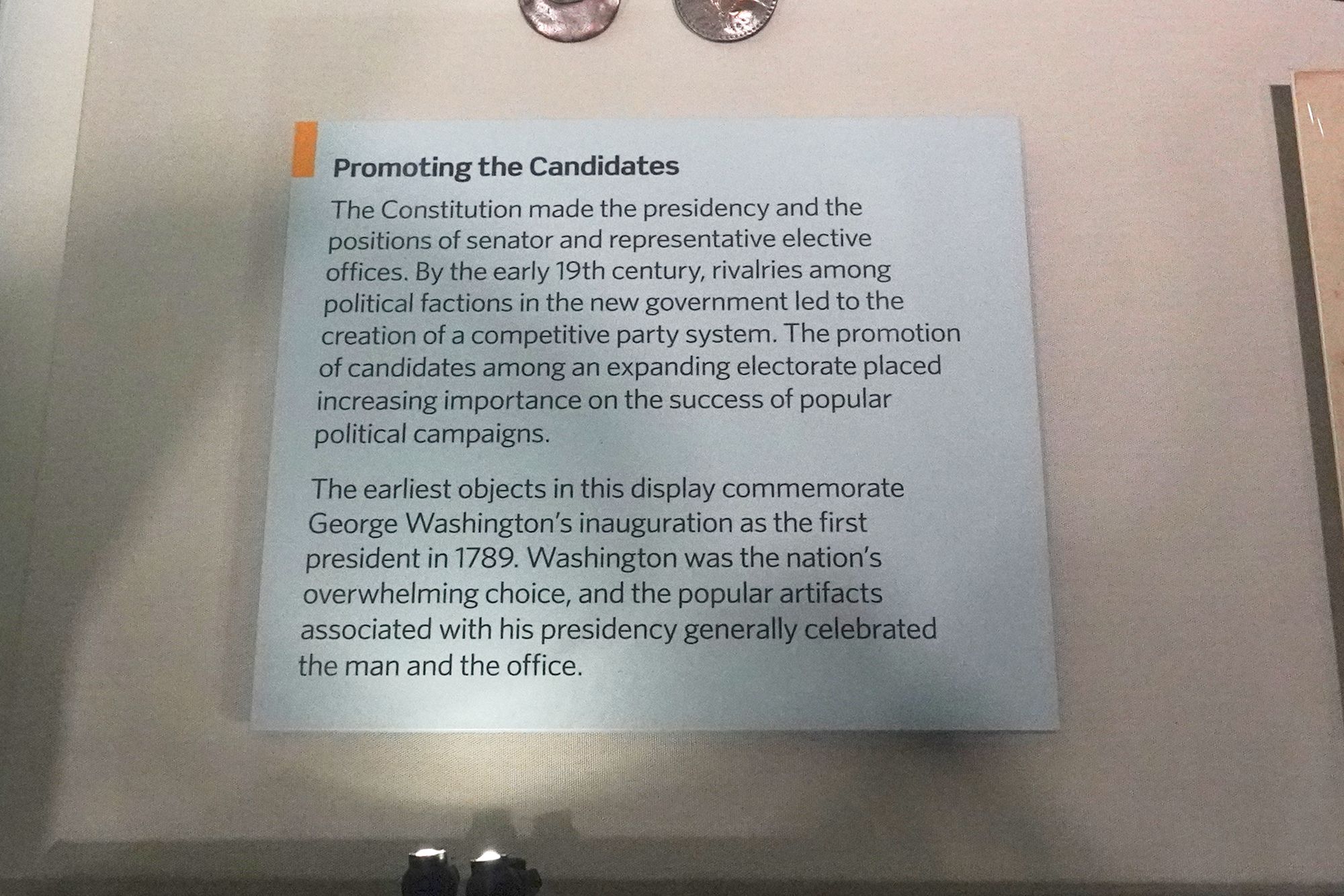
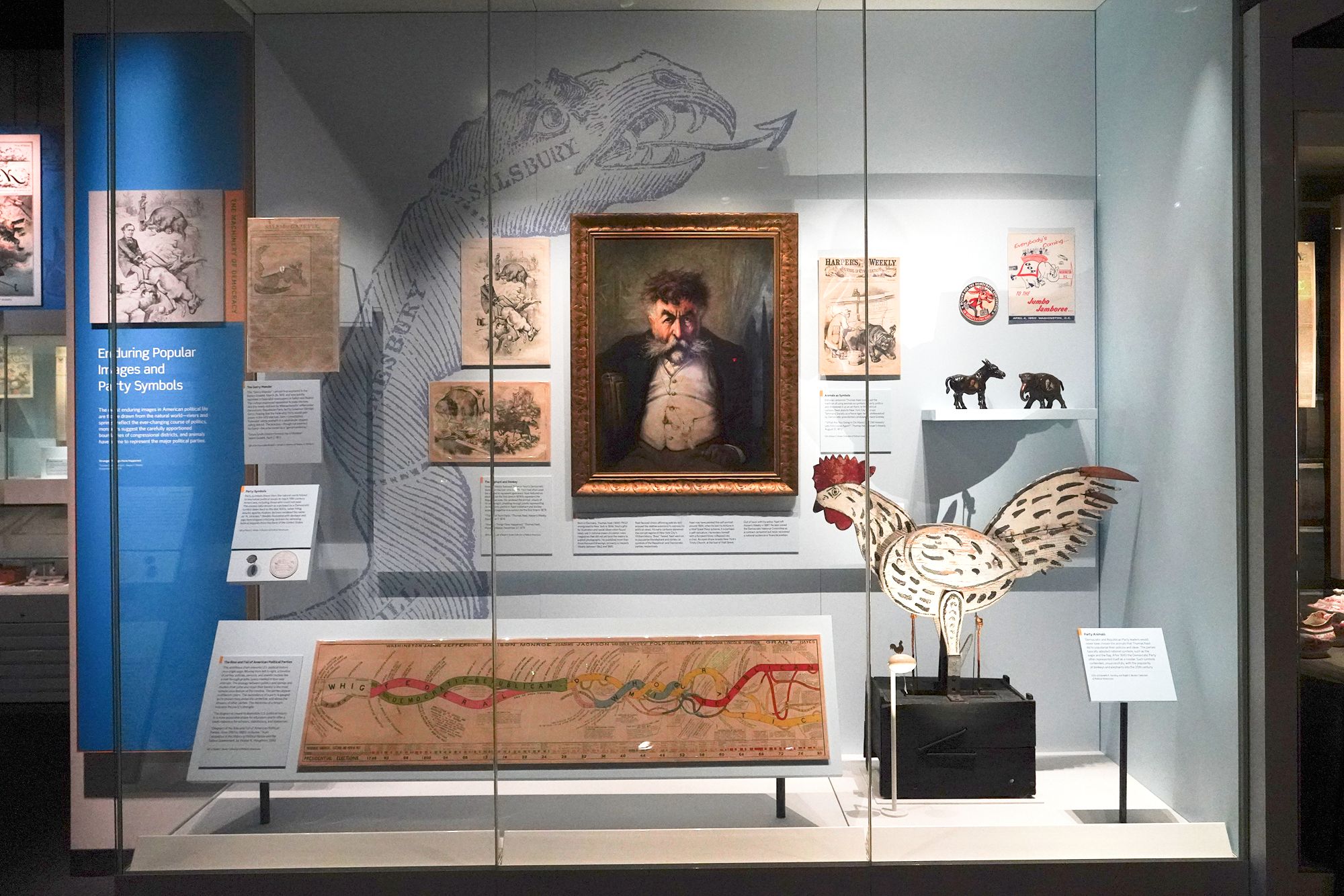
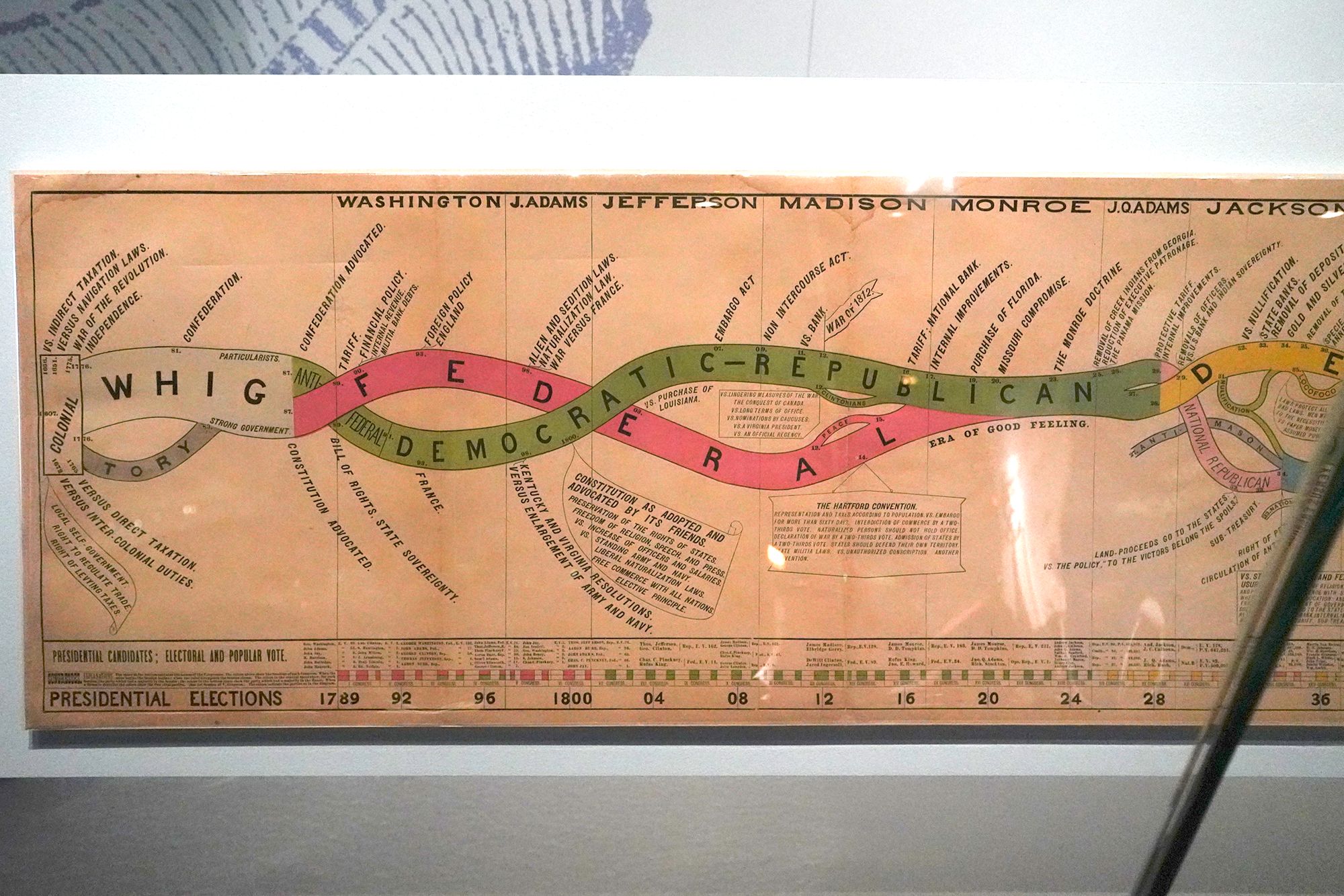
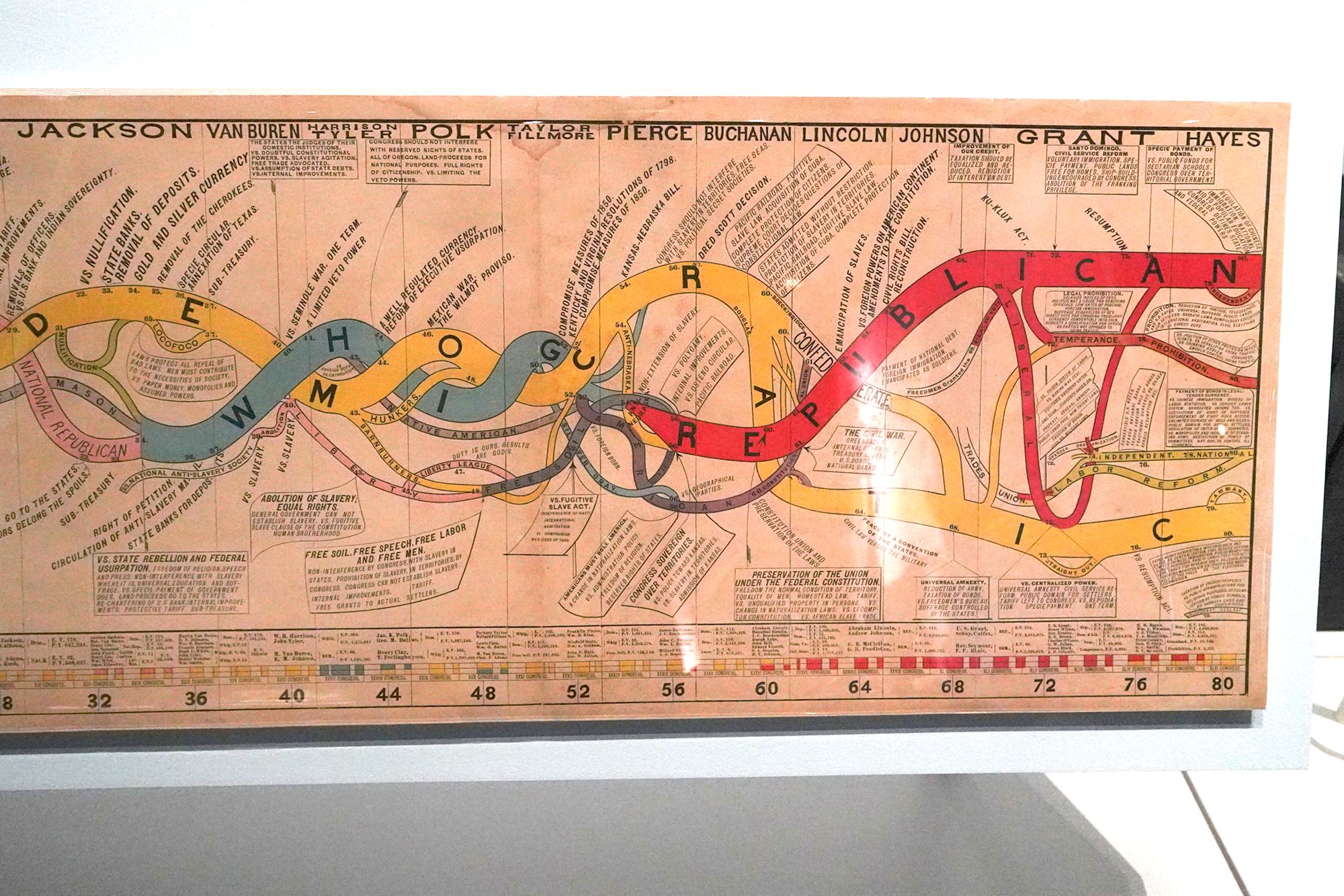
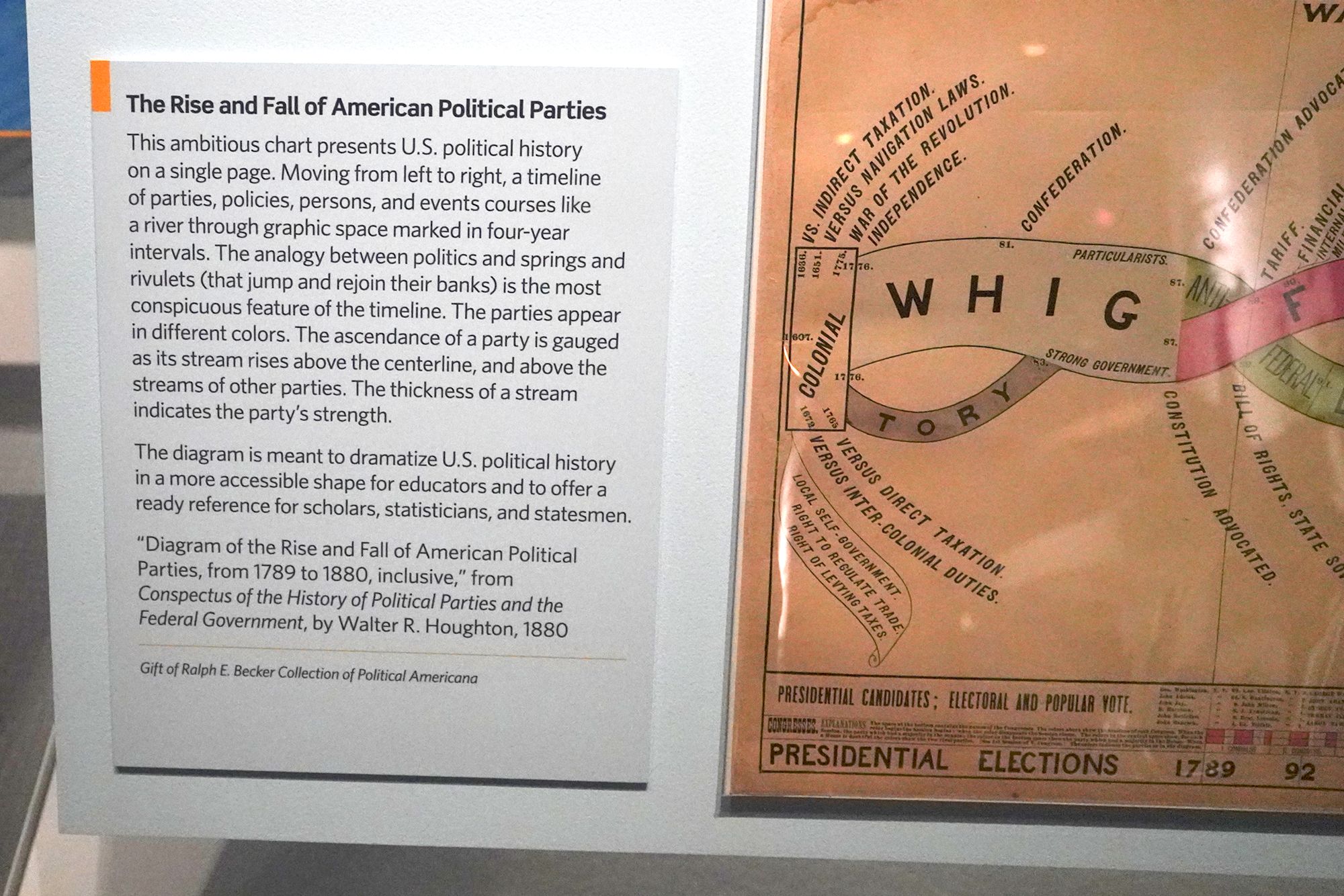
Name changes in the political parties
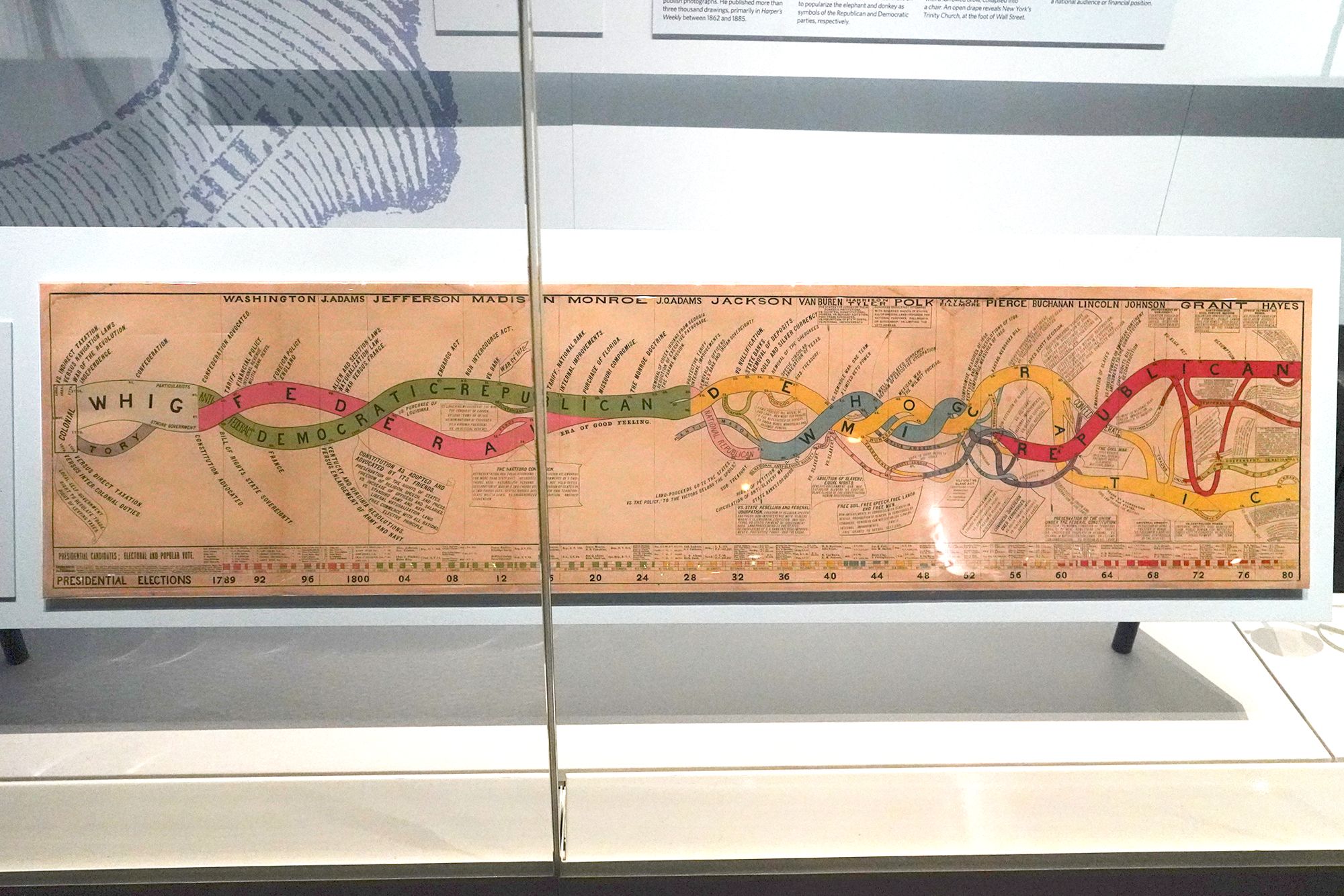
In early America, political parties gradually formed, eventually becoming the two major parties we know today: the Democrats and the Republicans.
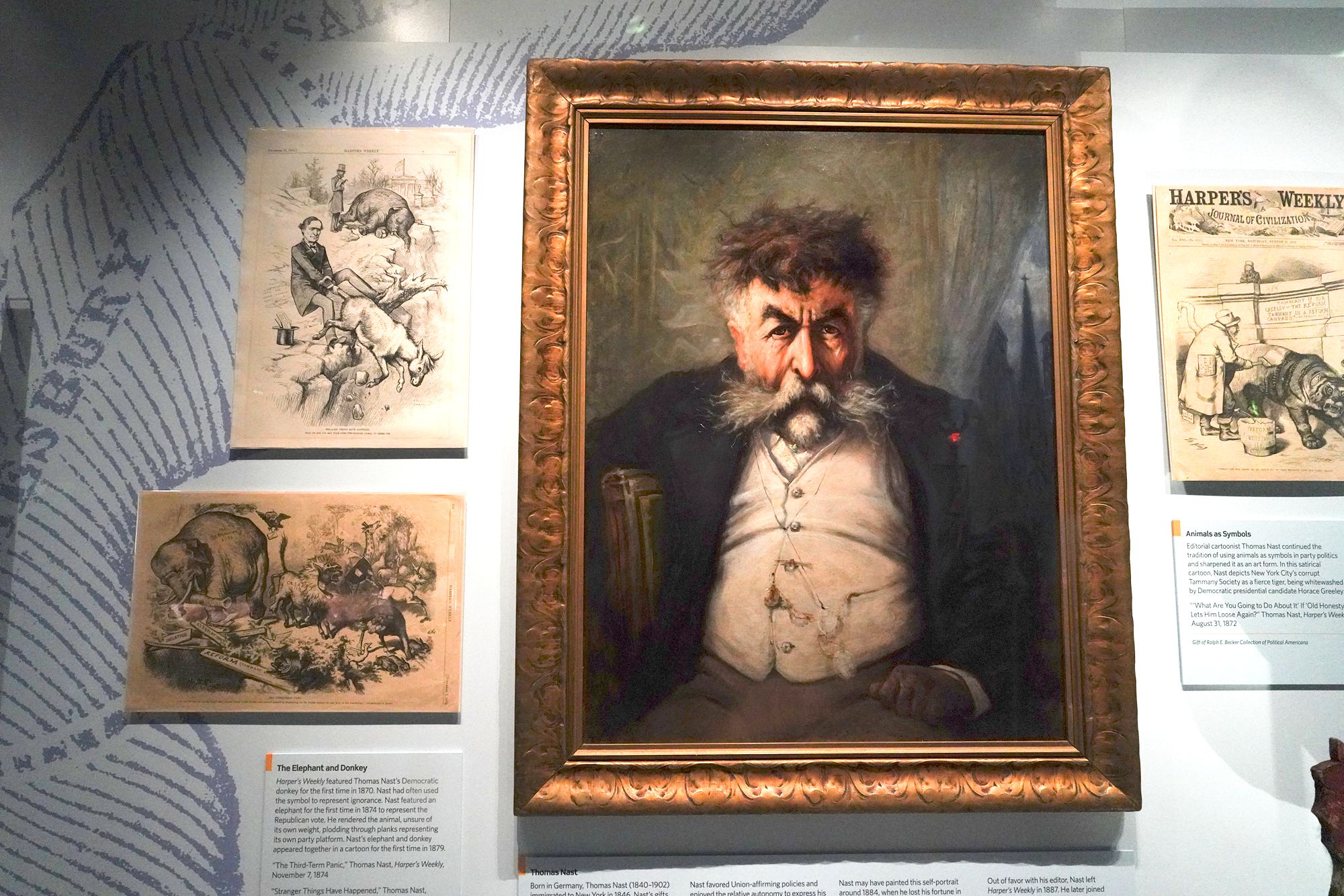
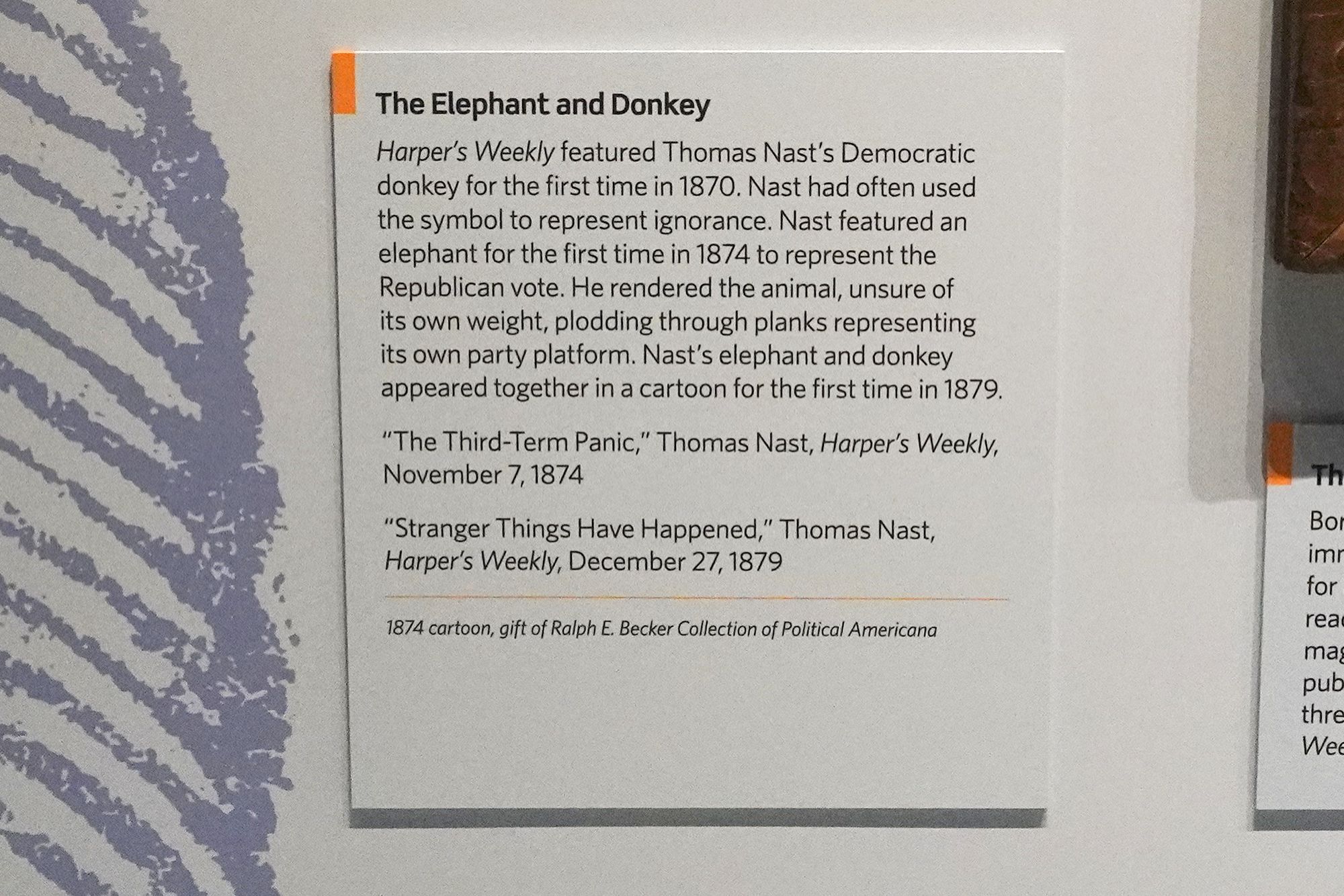
The Democratic donkey began as an insult against Andrew Jackson, but he embraced it. Later, cartoonist Thomas Nast popularized it. The Republican elephant was also created by Nast in an 1874 cartoon, and it quickly became the party’s symbol.
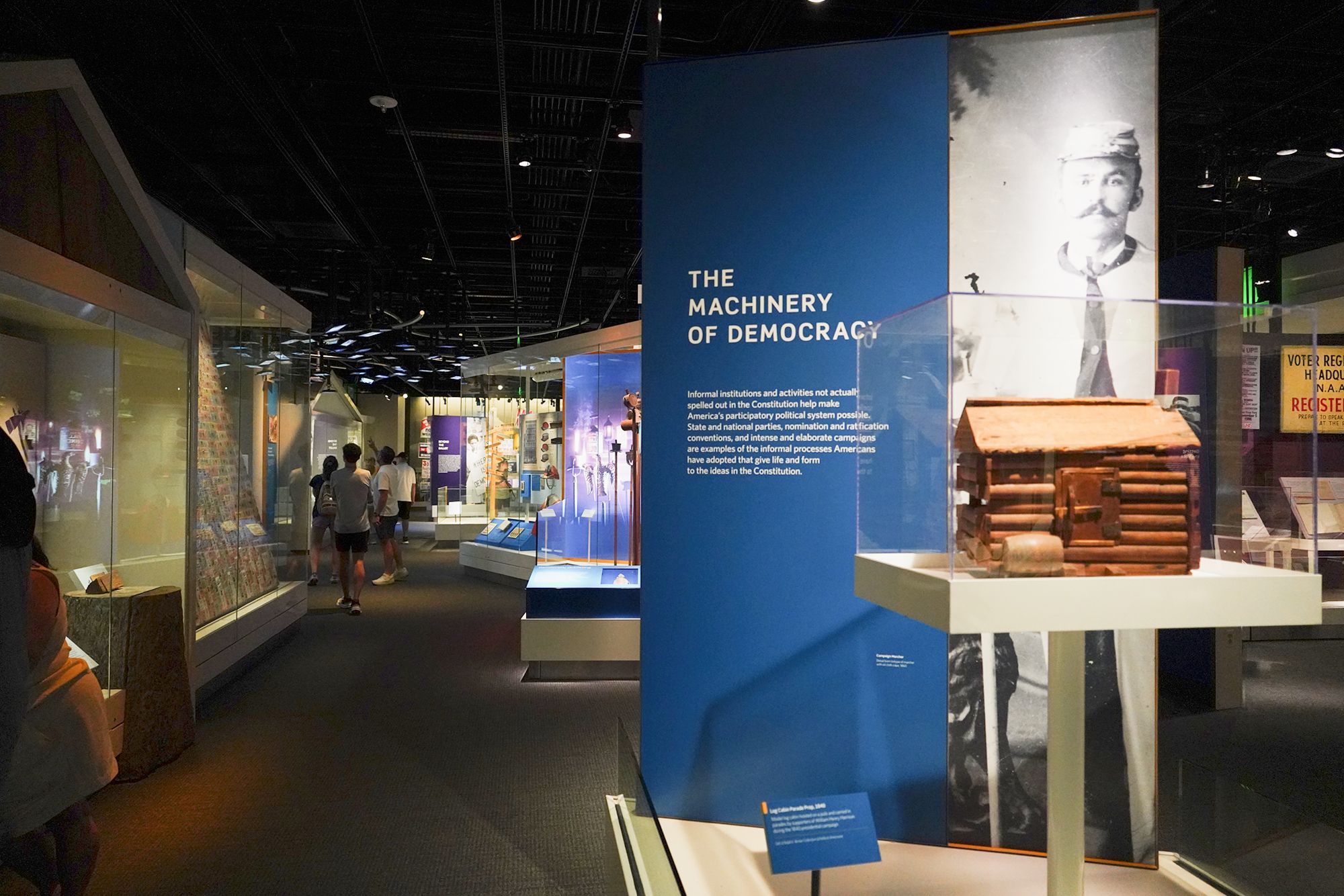
The Machinery of Democracy
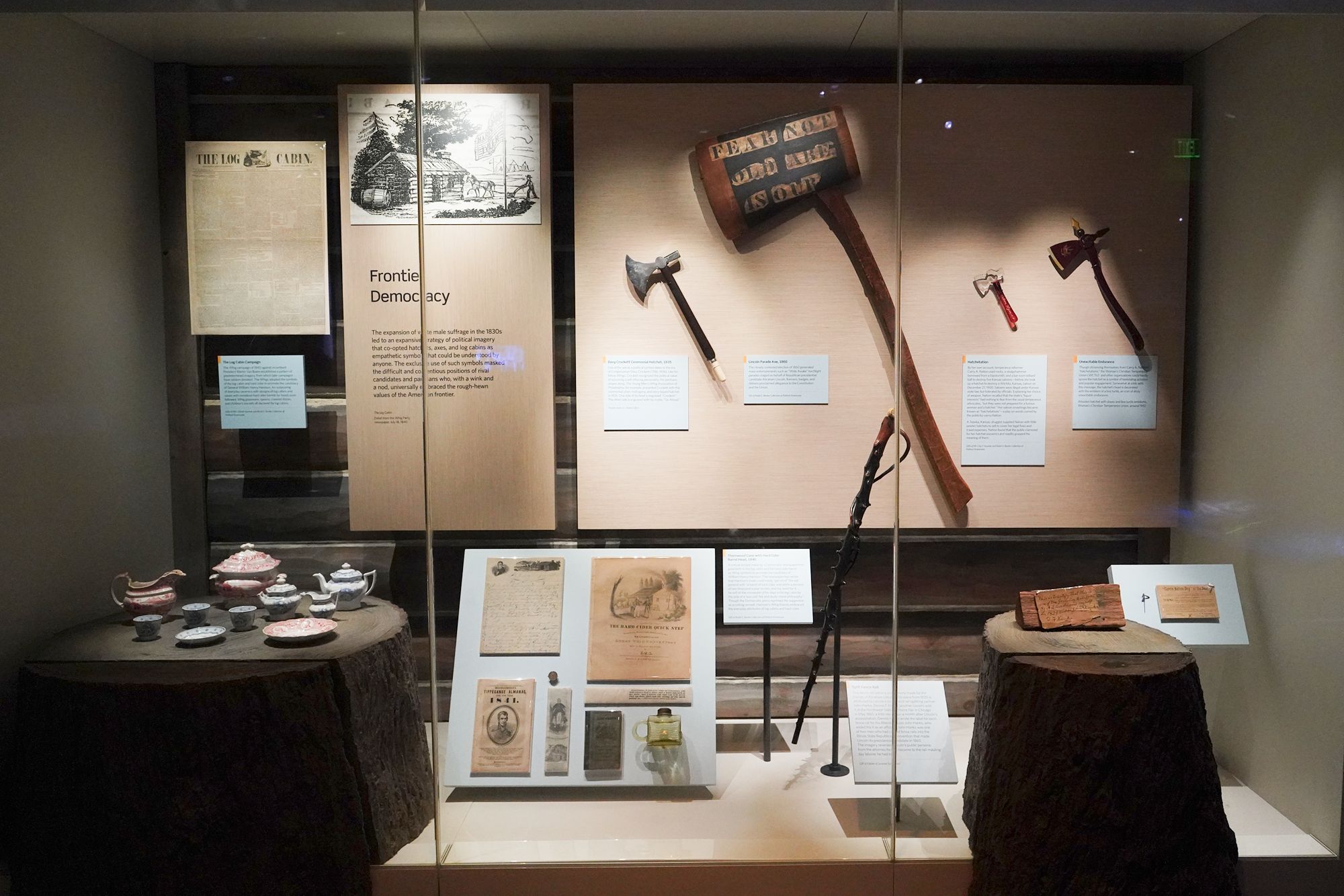
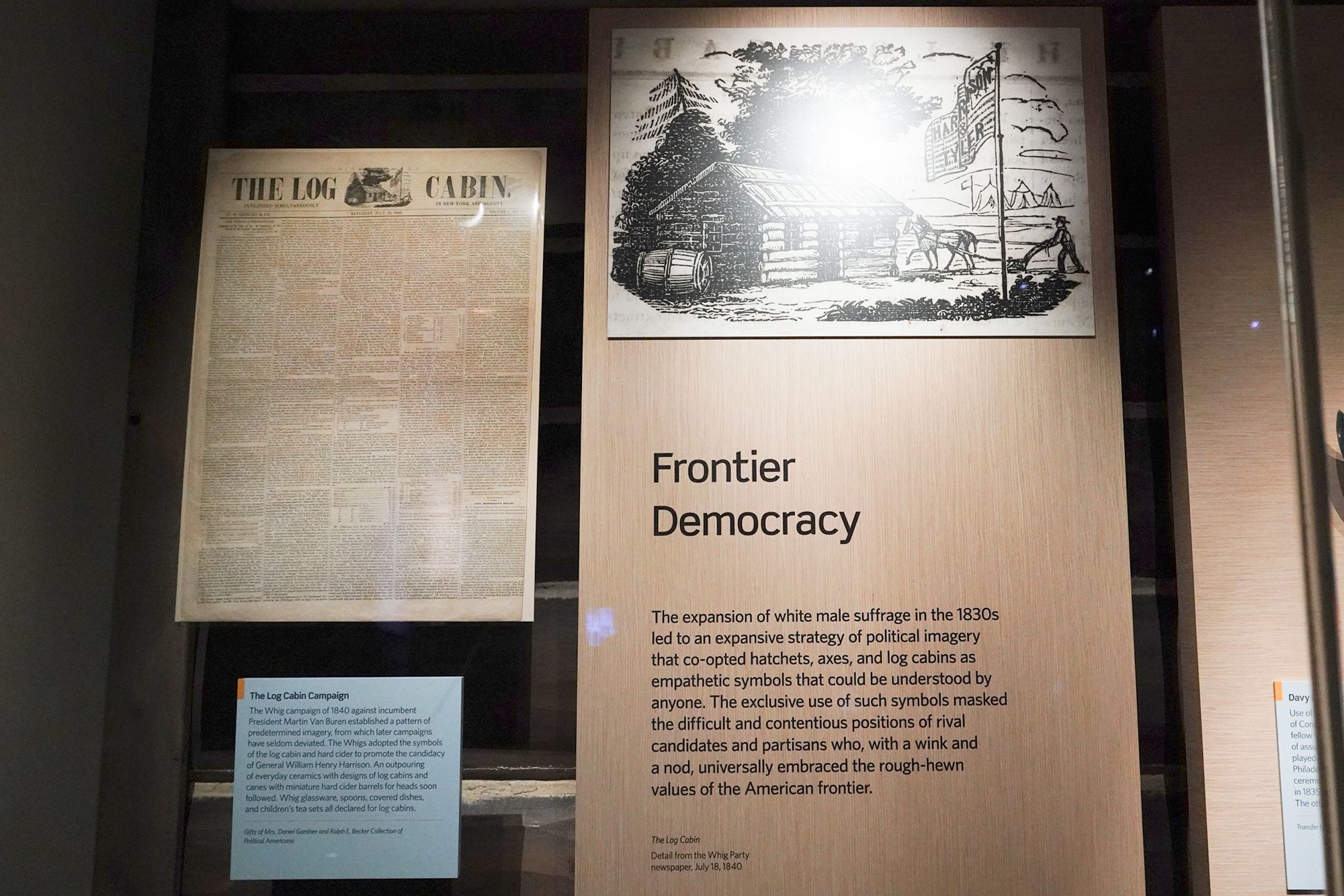
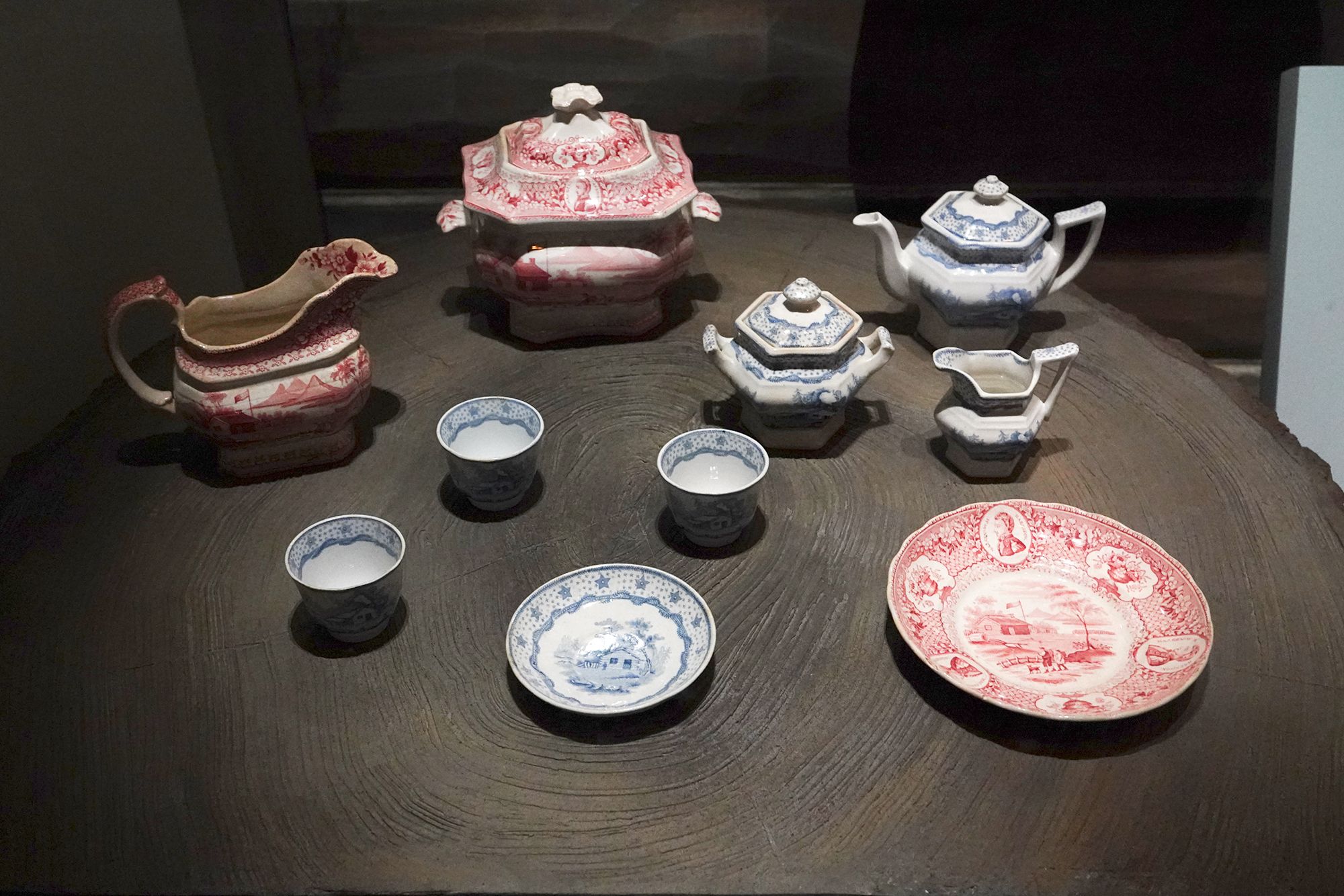
Frontier Democracy
Ceremonial Hatchet
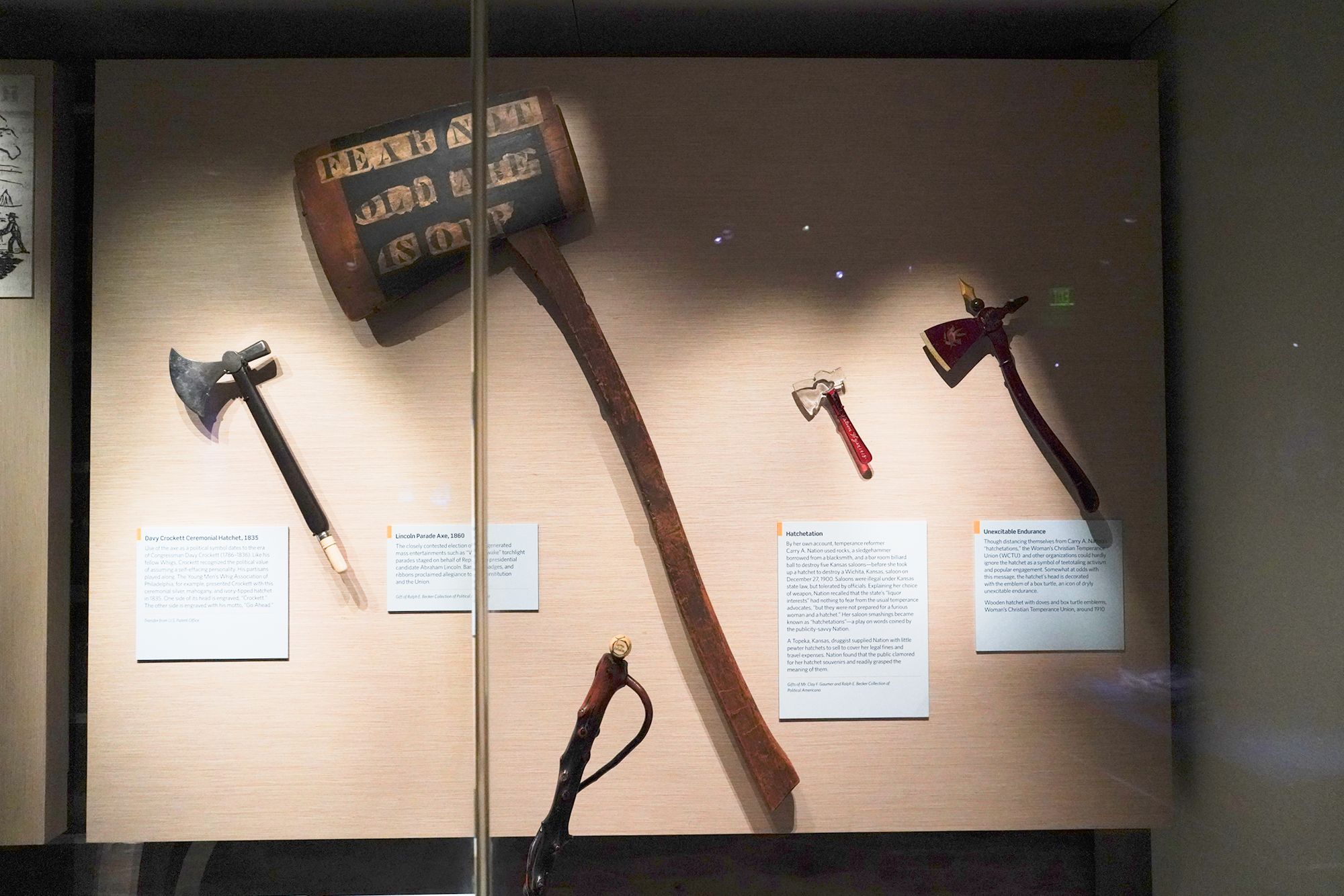
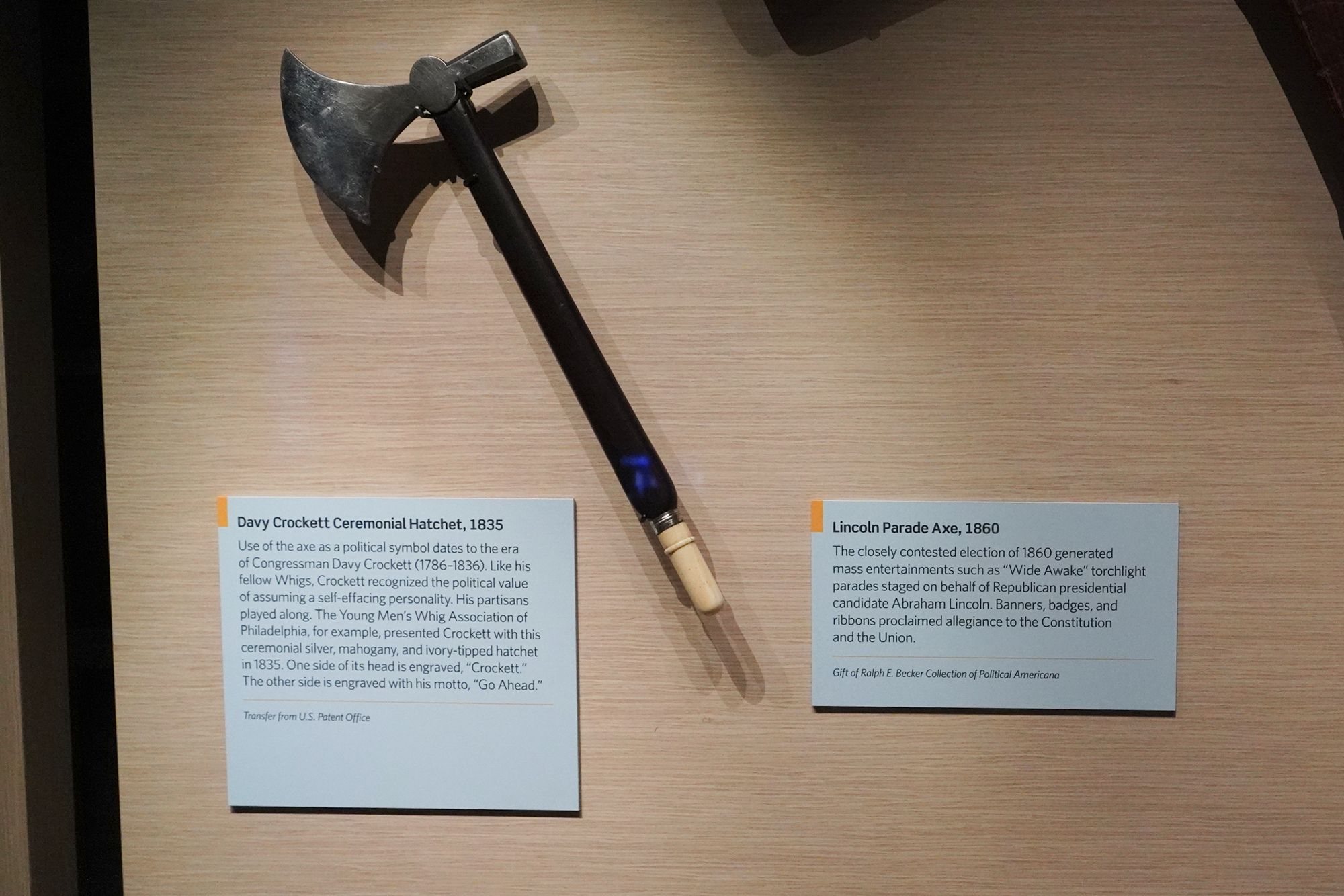
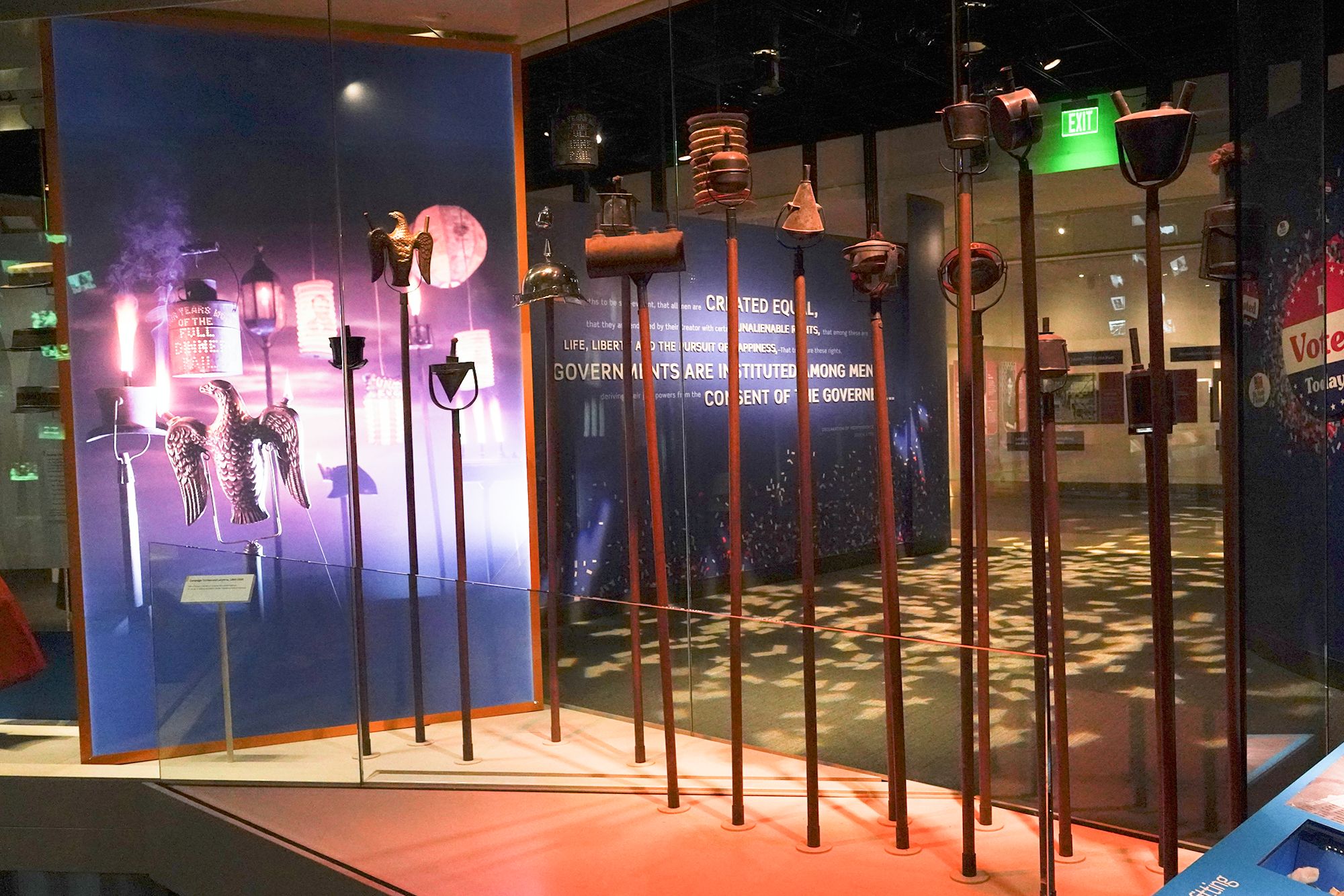
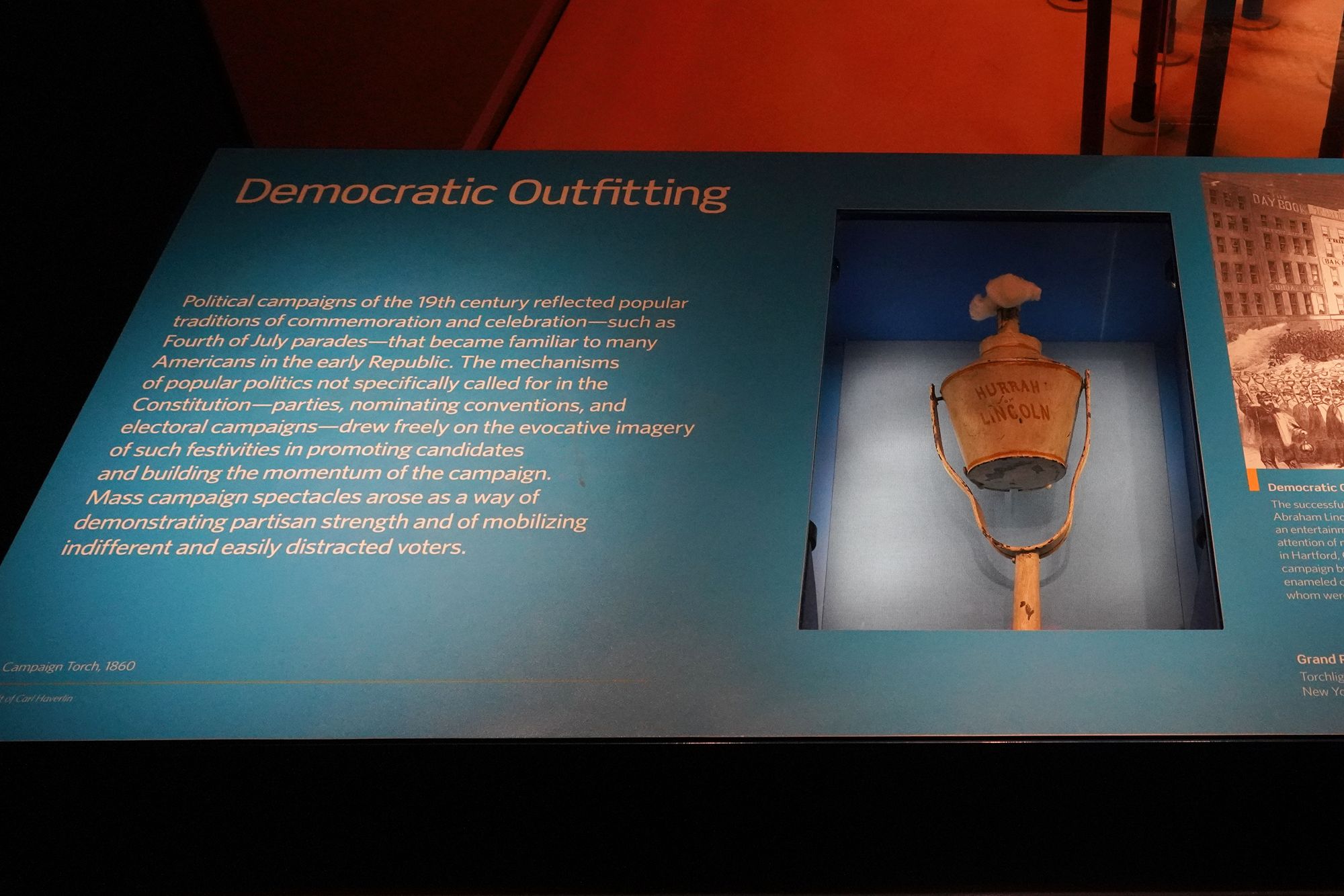
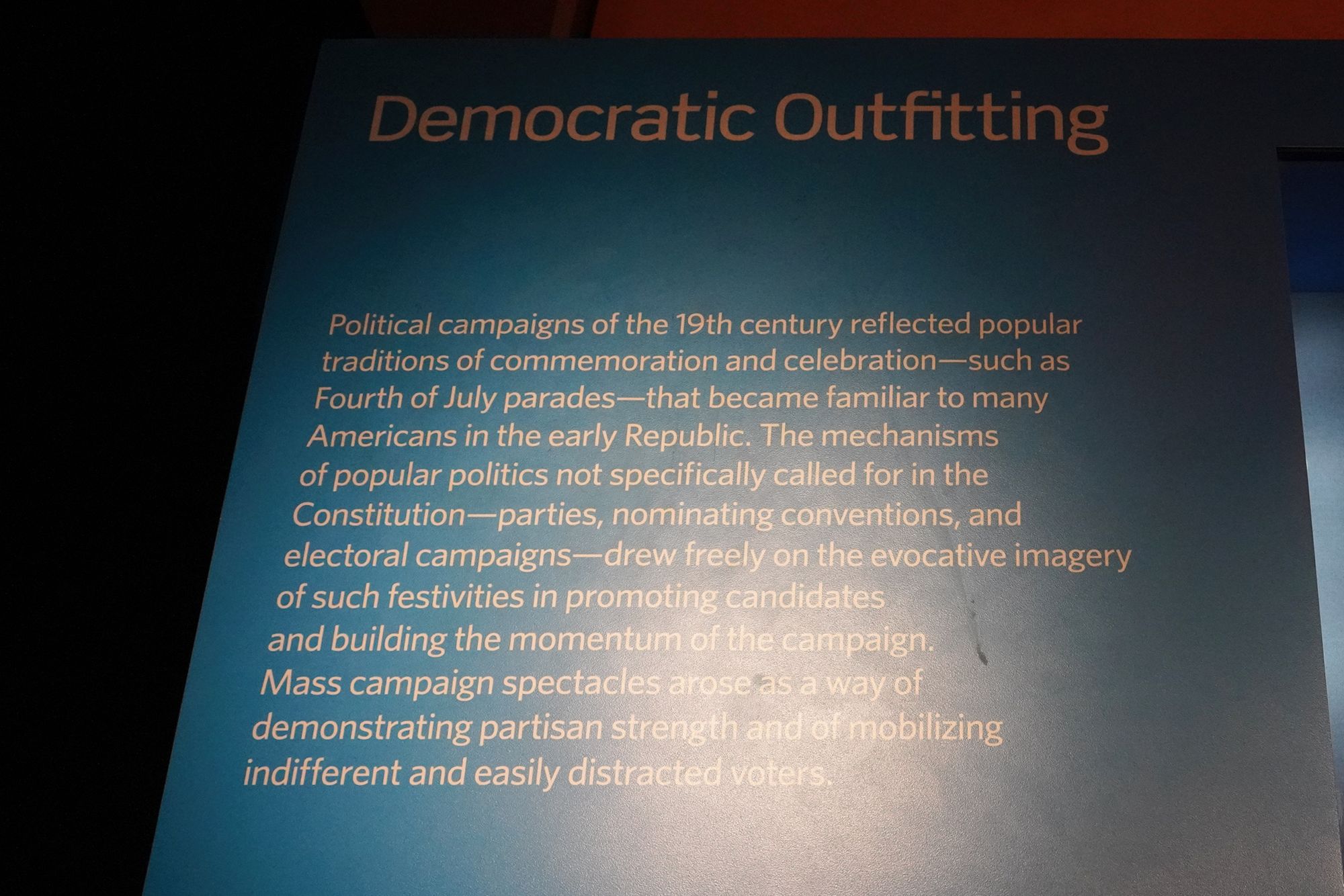
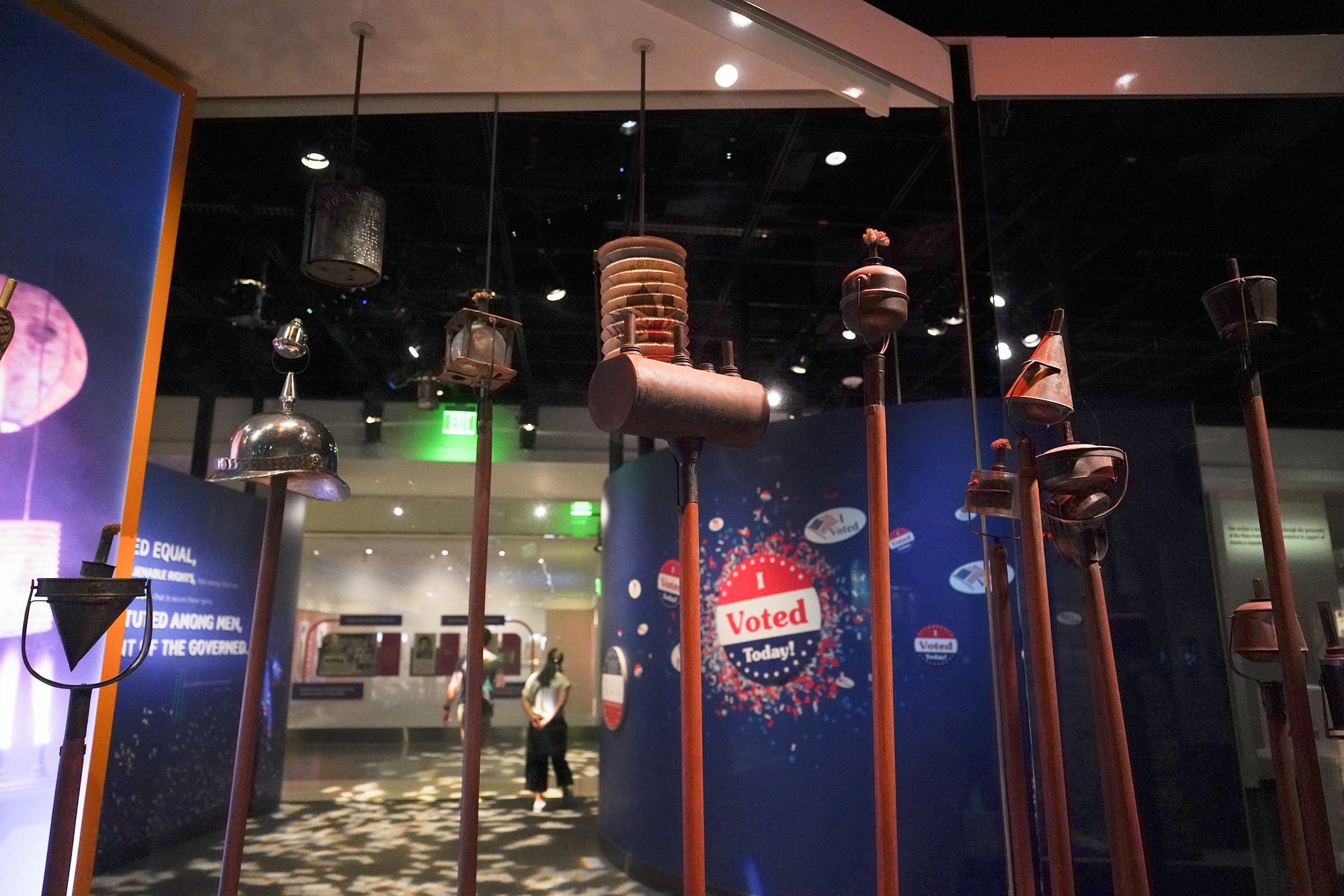
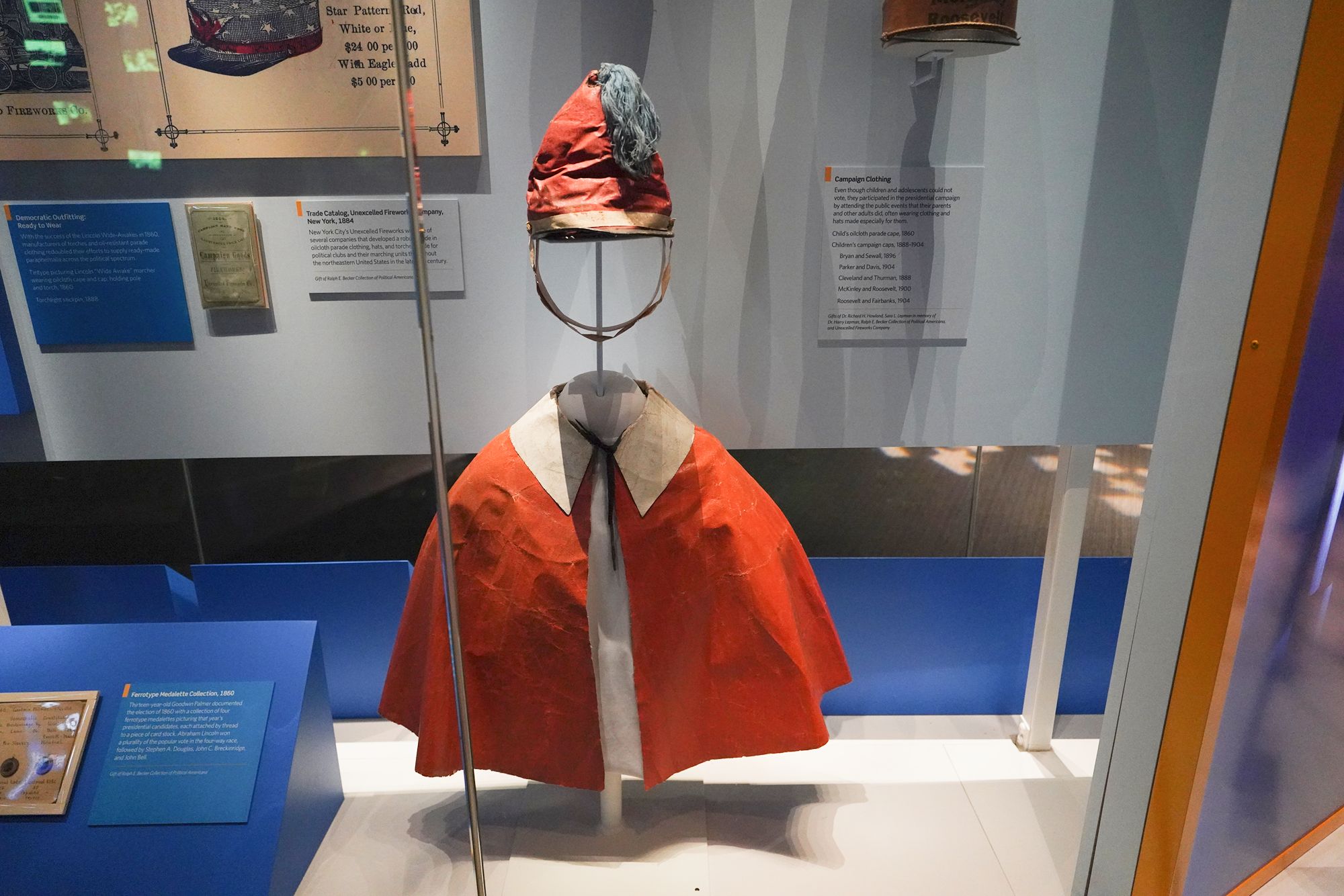
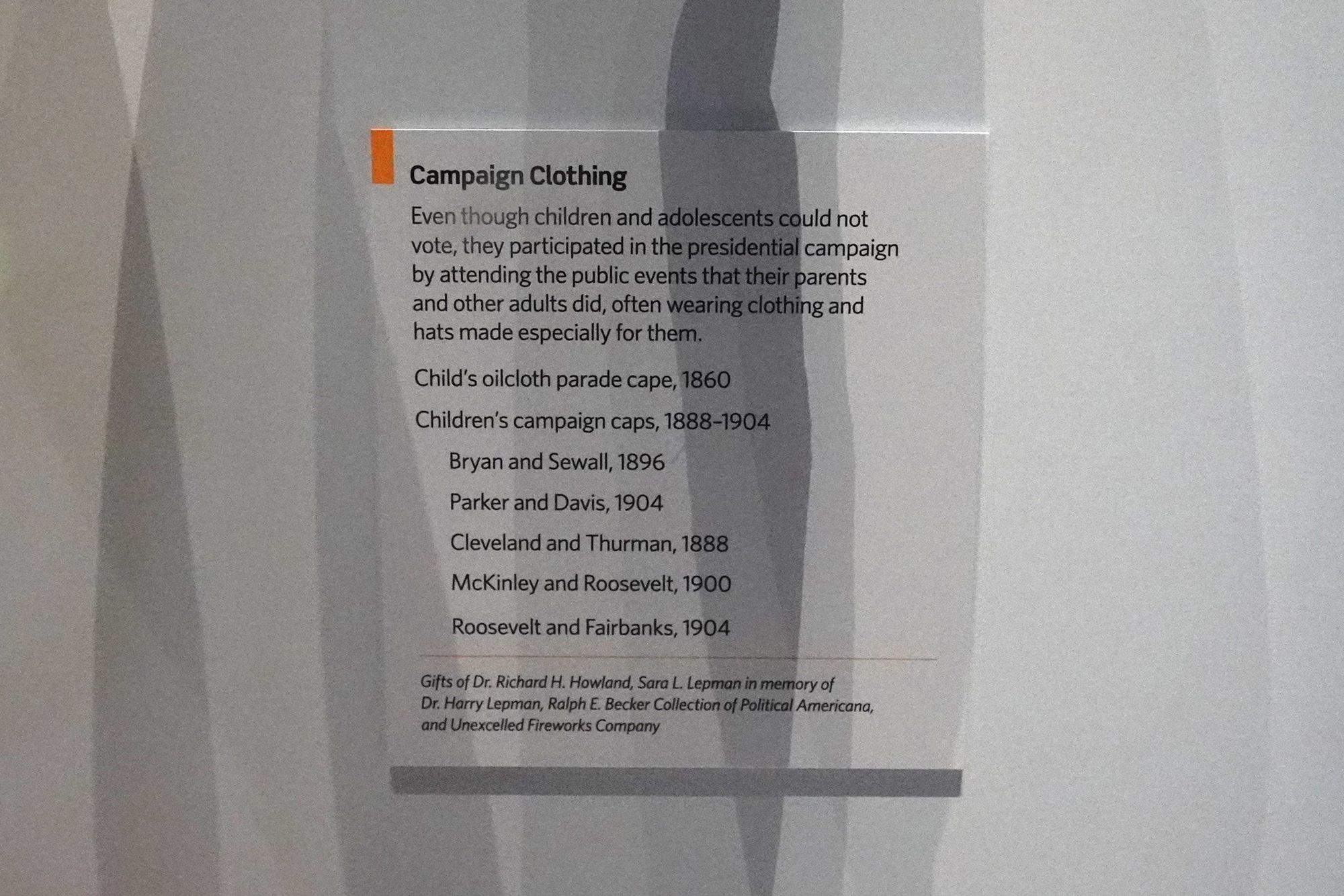
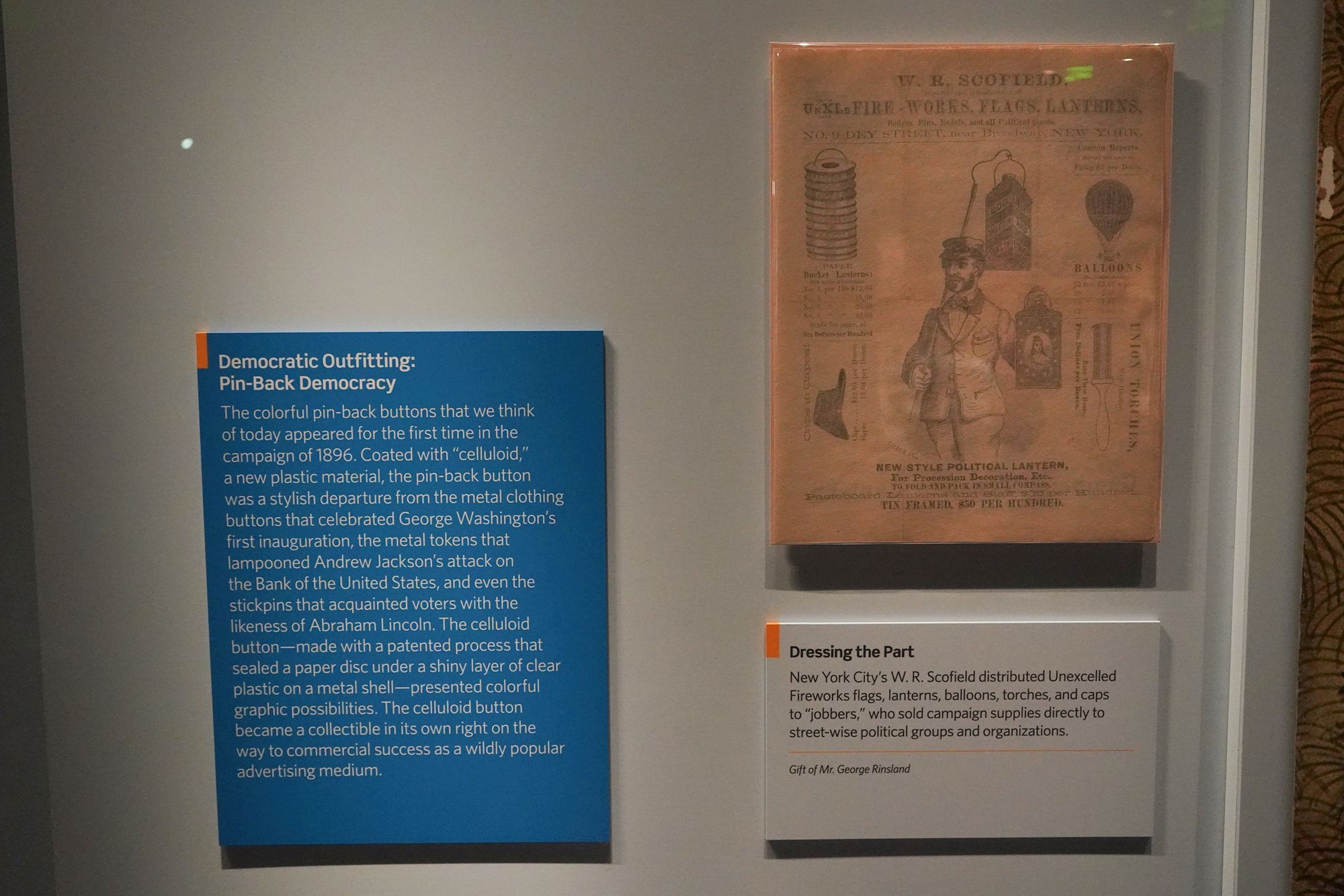
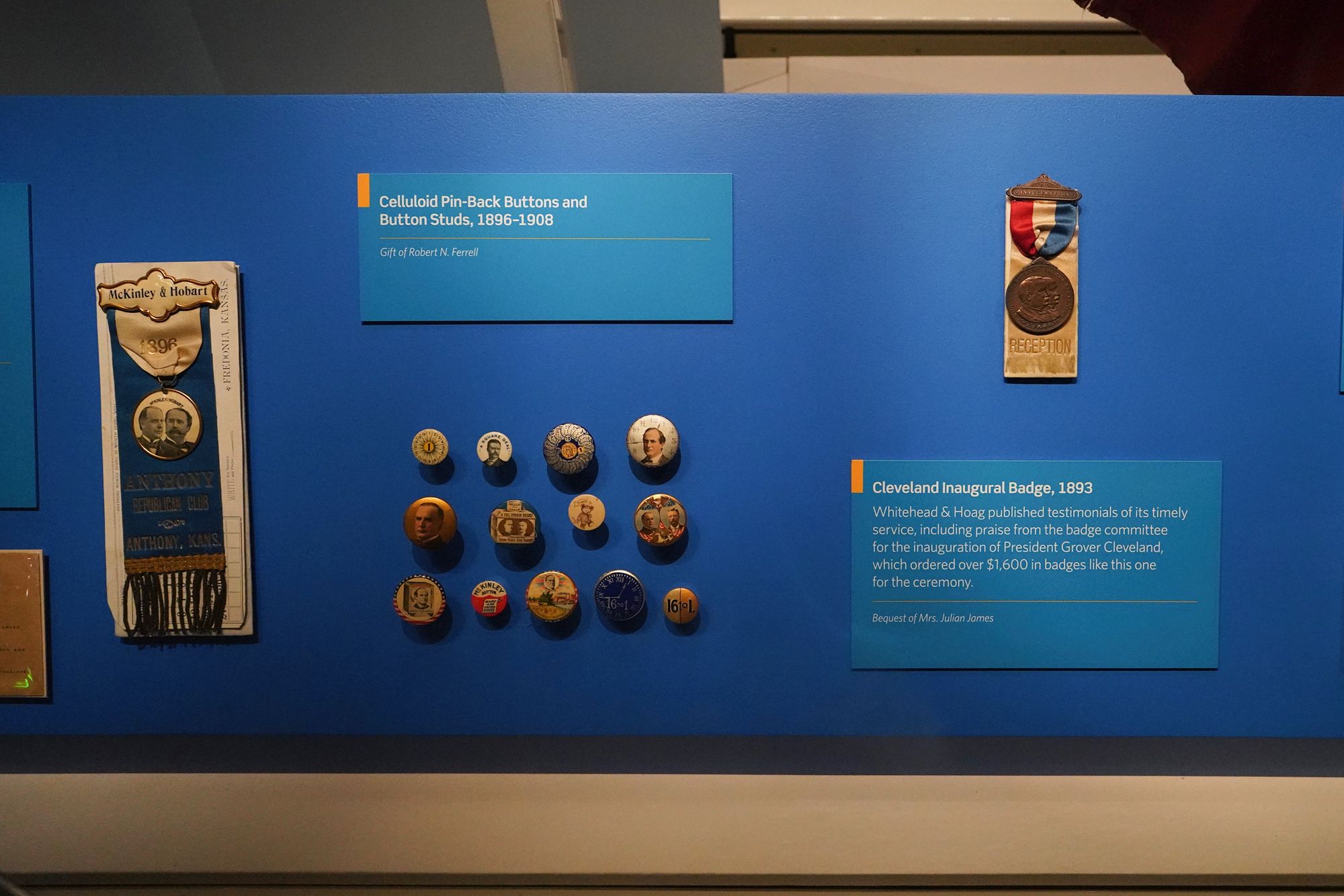
Campaign Clothing
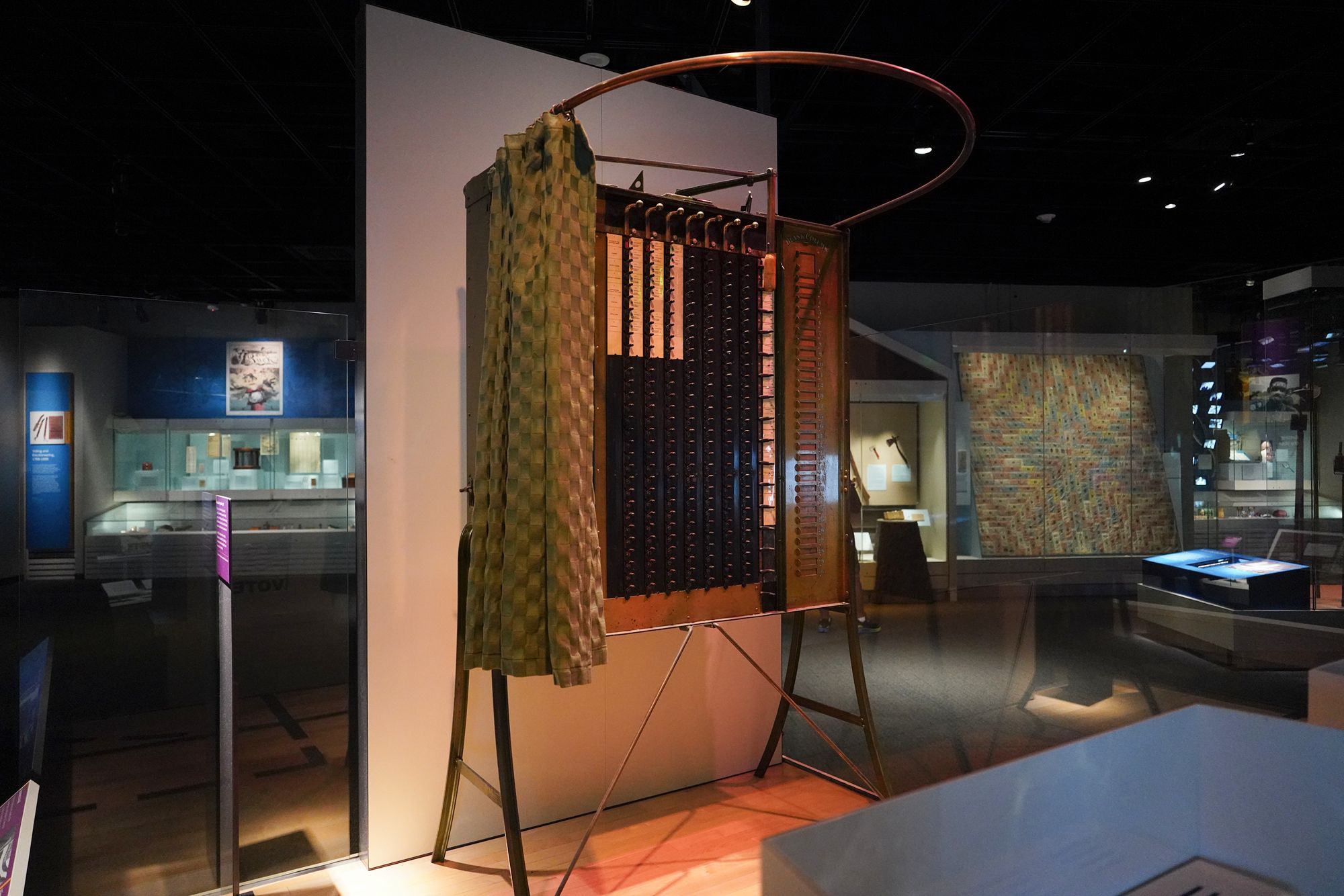
A Voting Machine
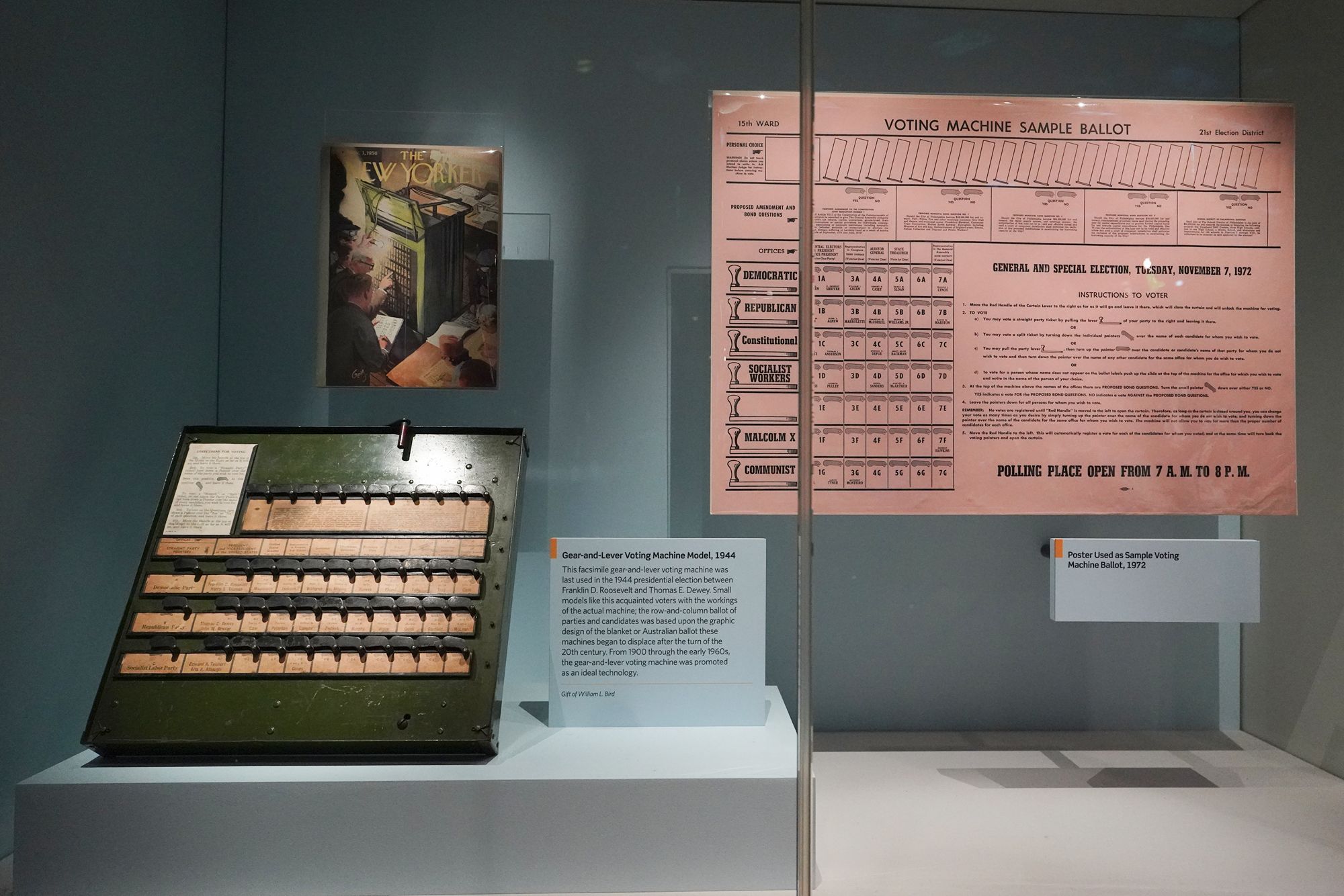
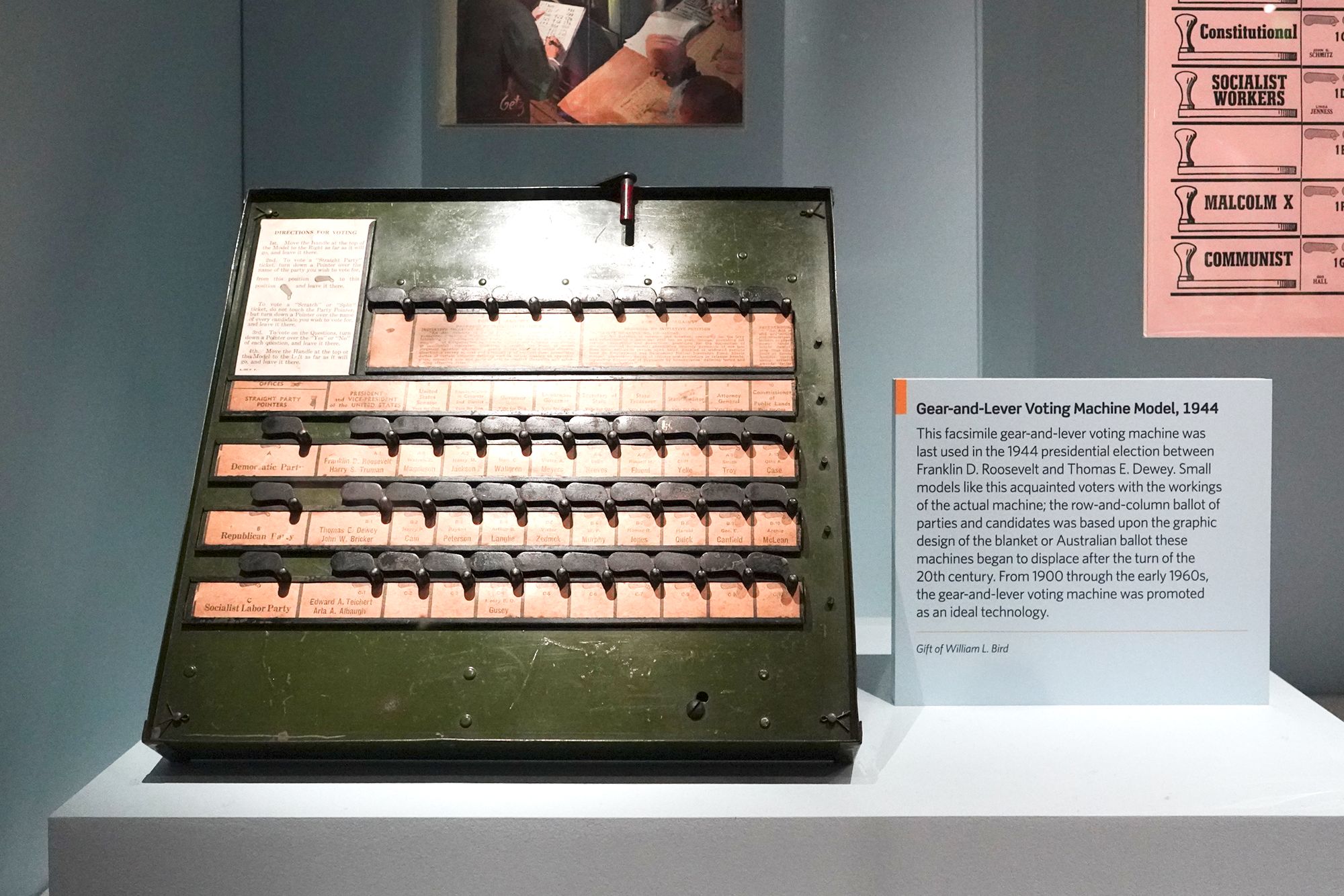
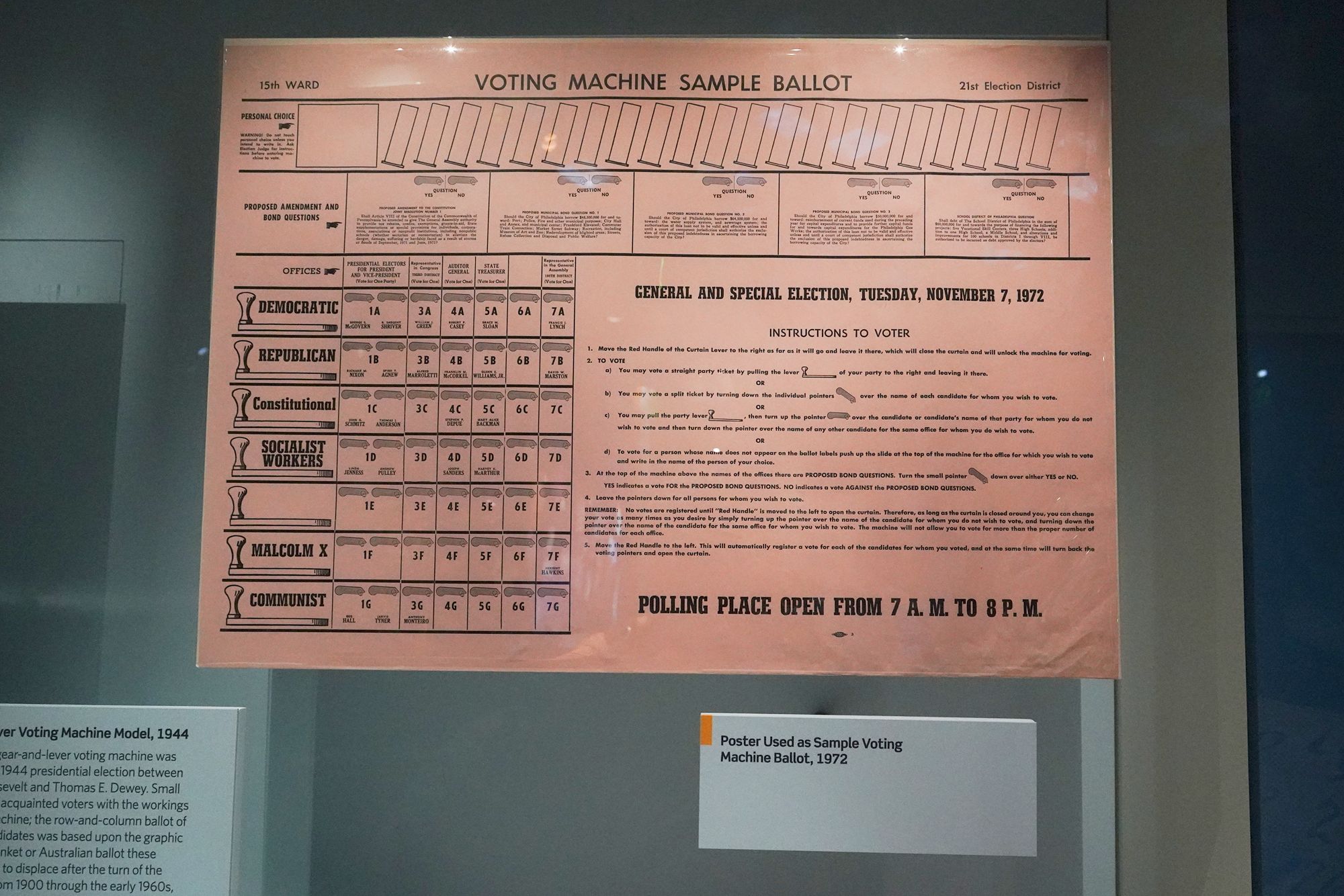
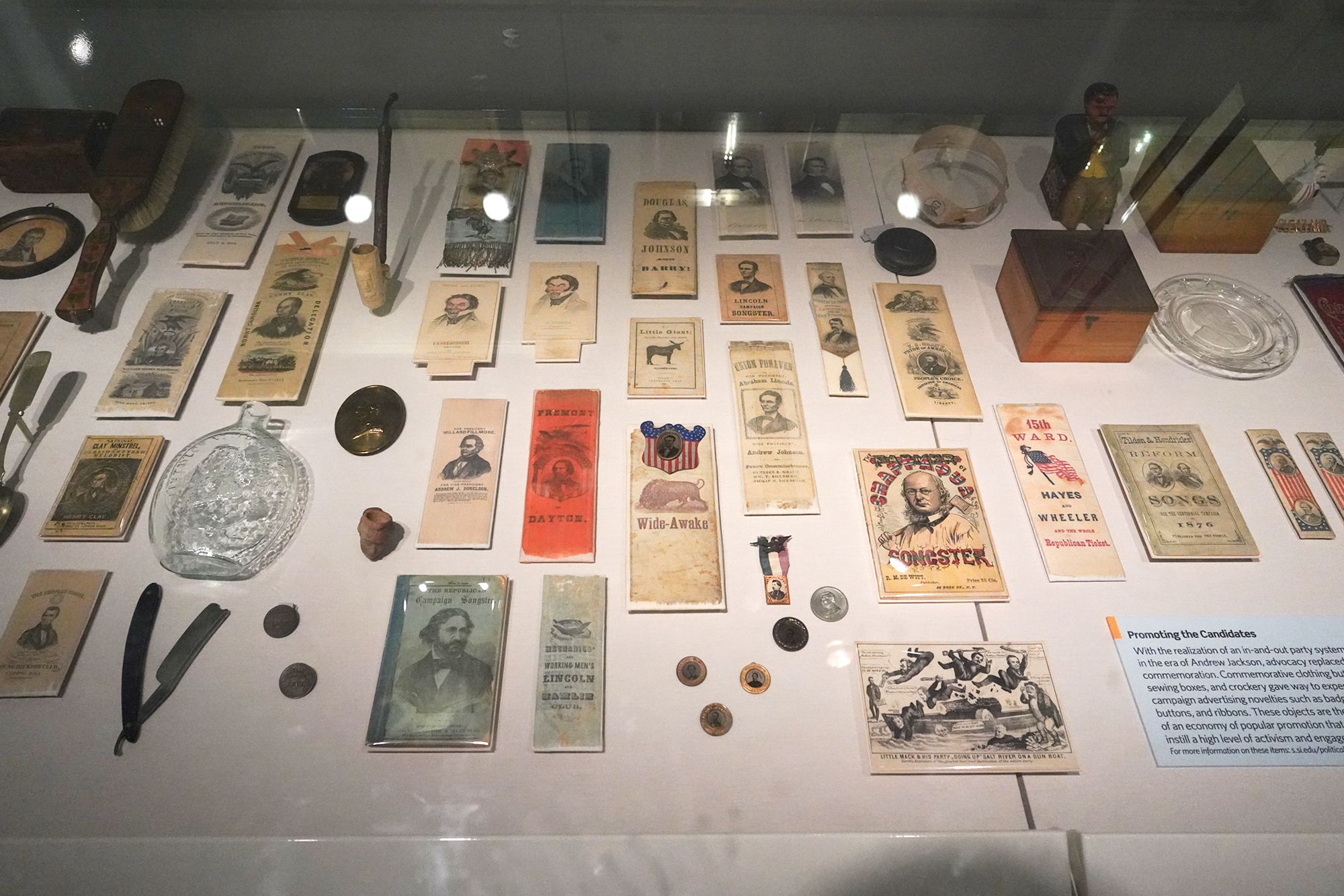
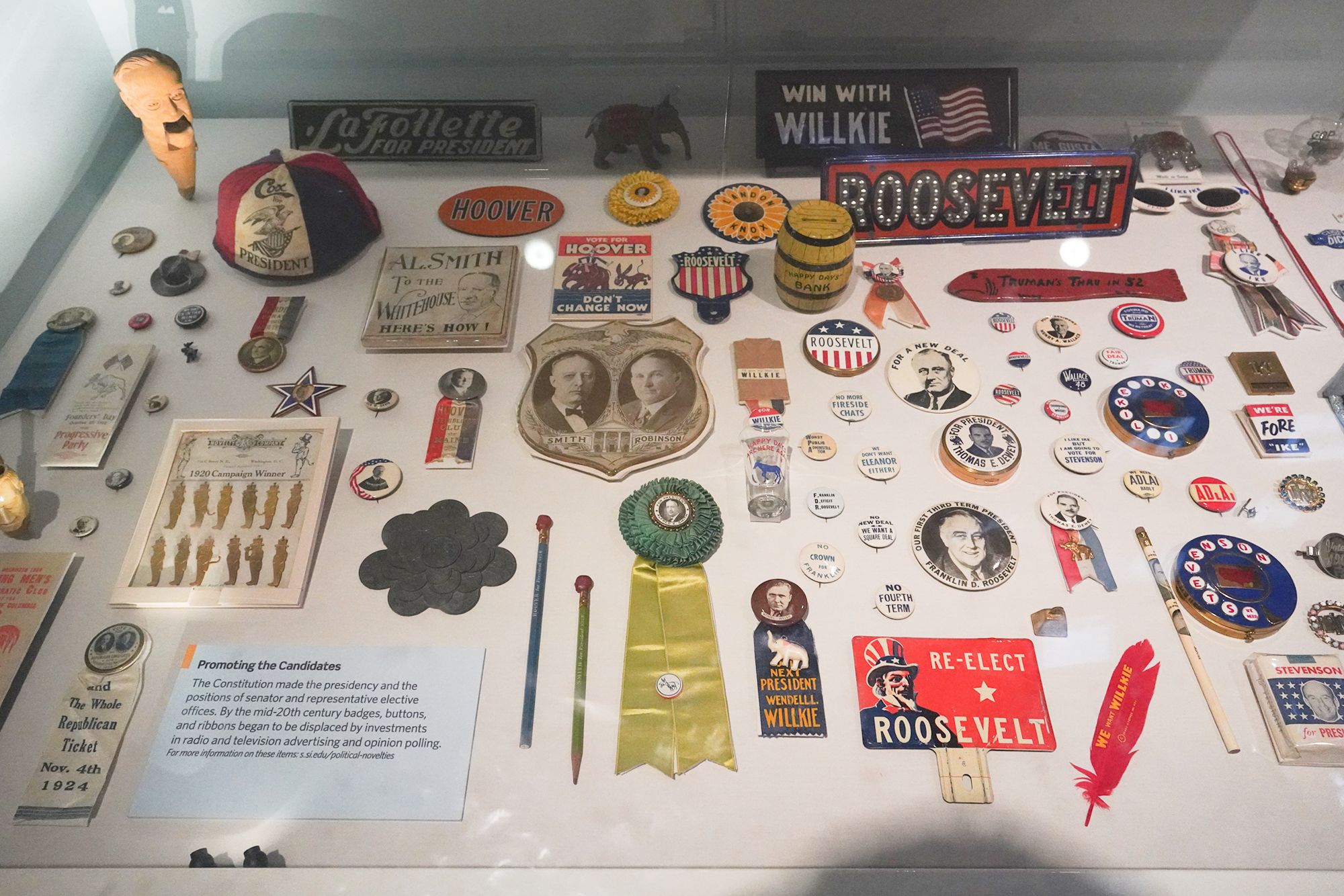
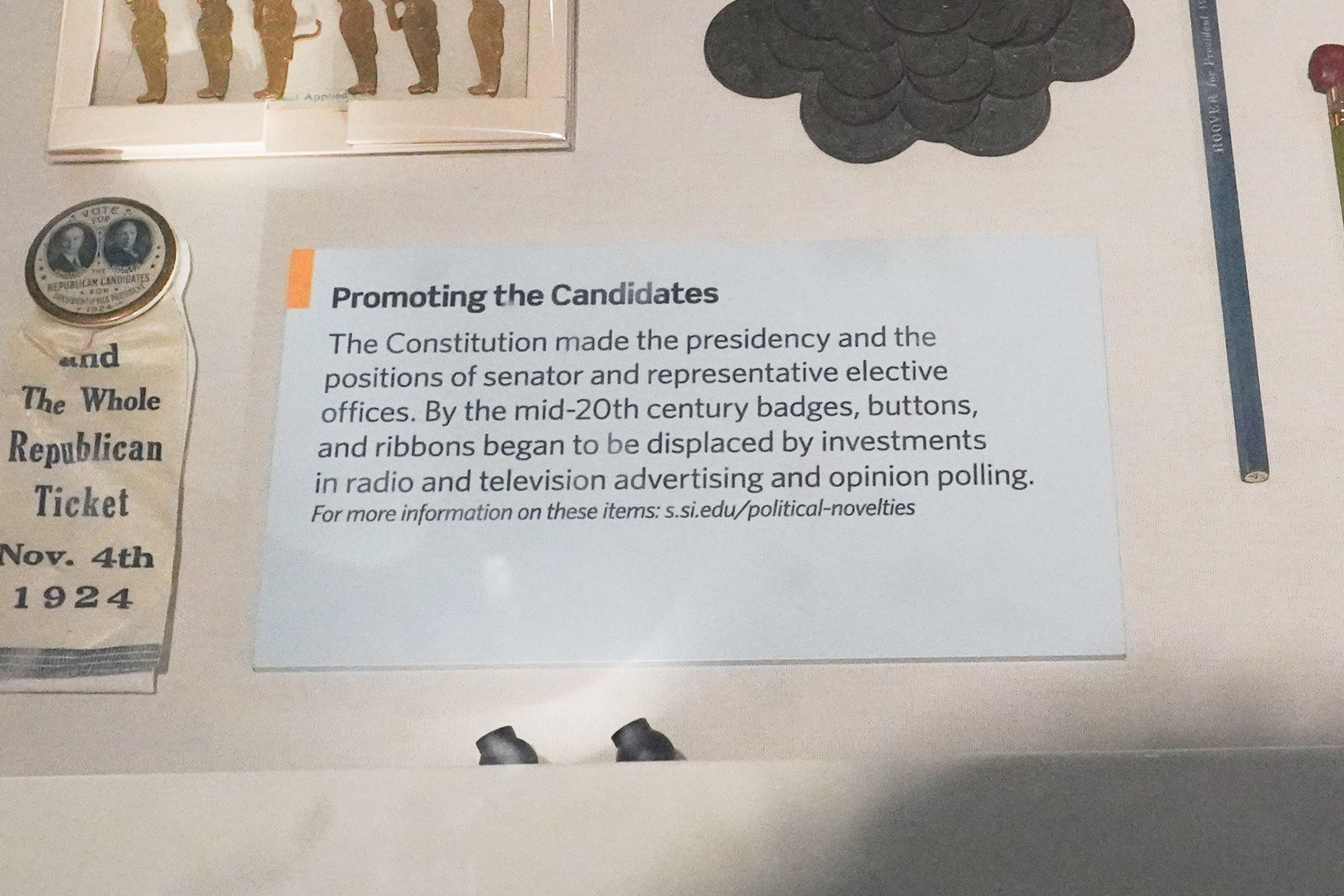
Promoting the Candidate
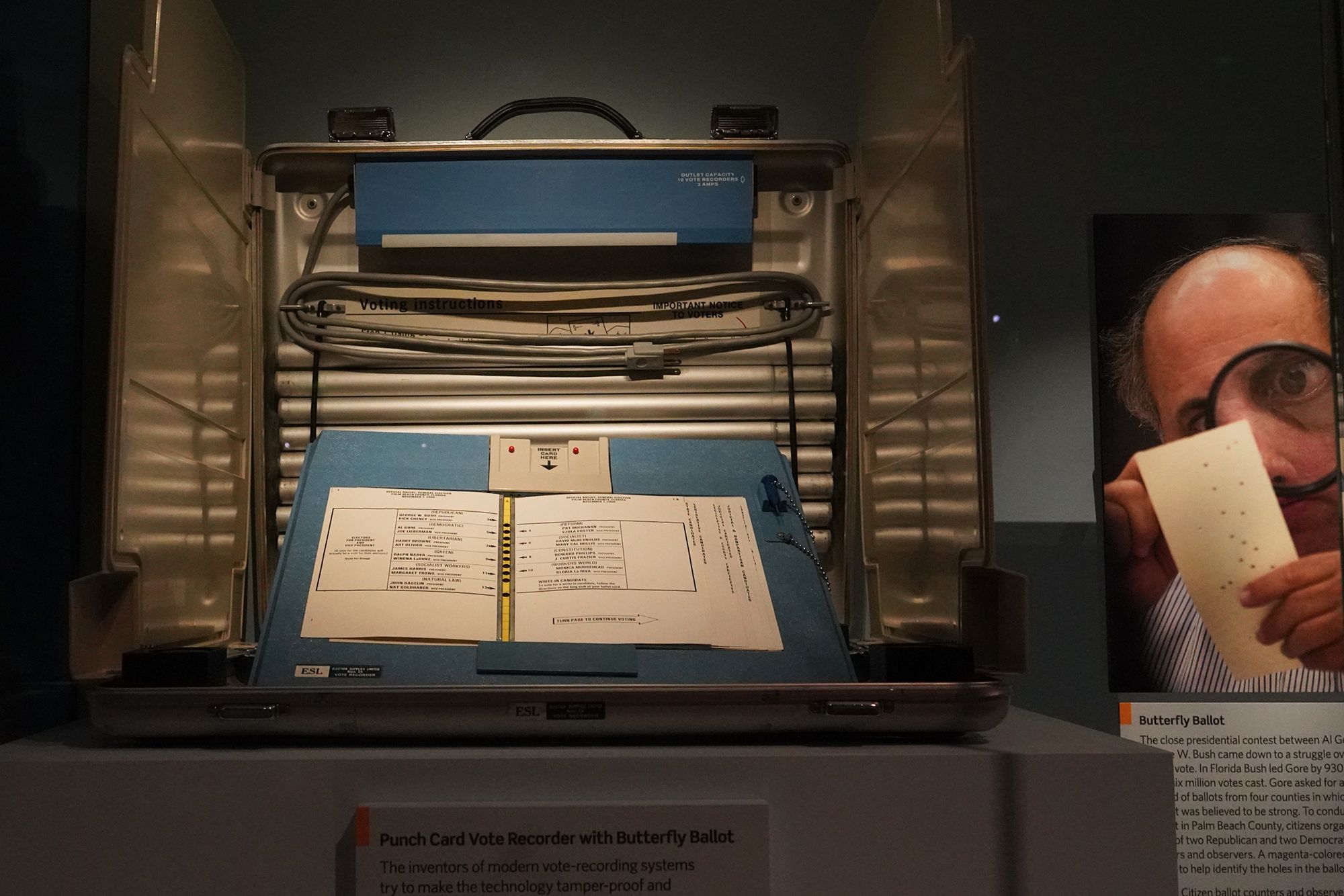
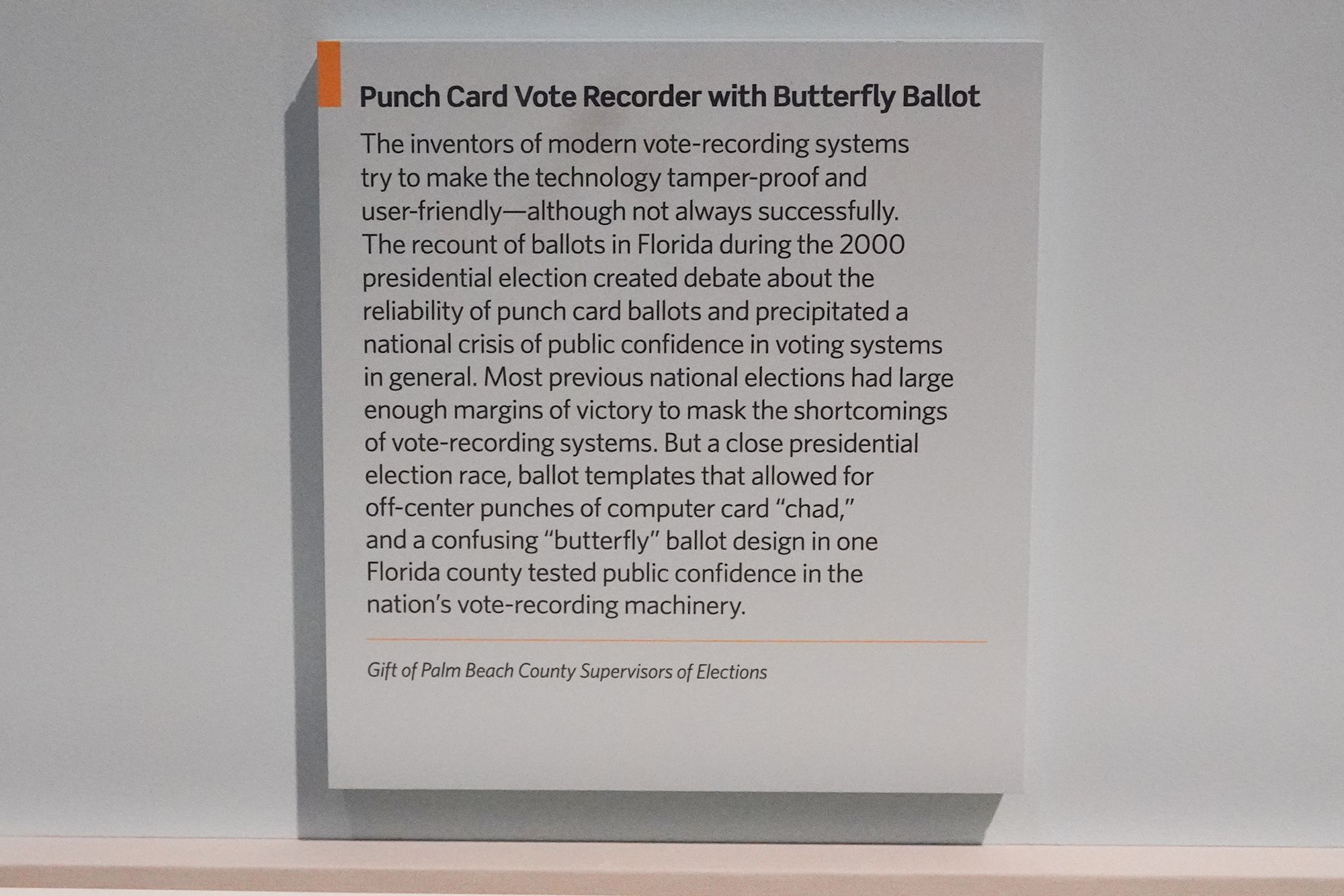
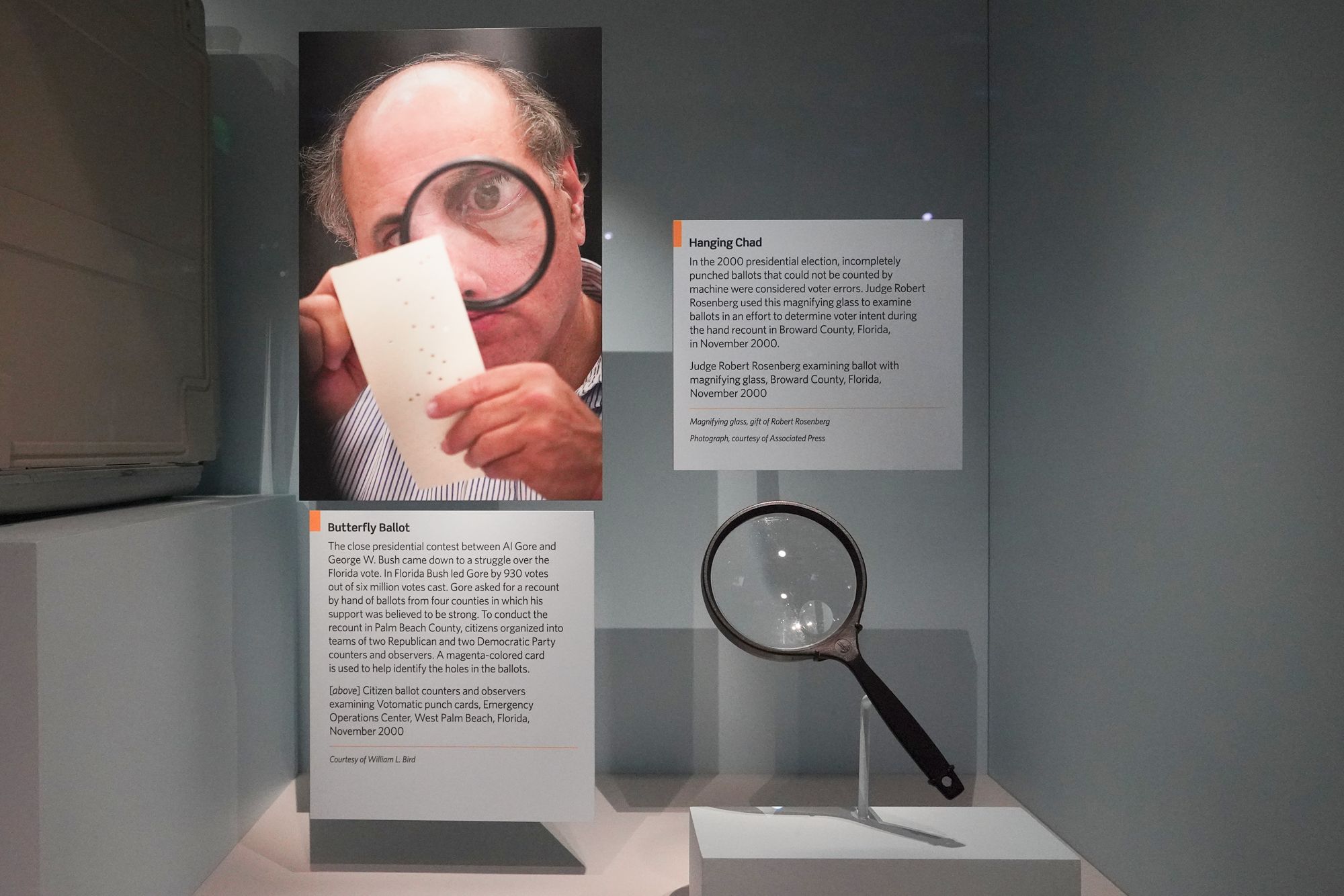
Punch Card Vote Recorder
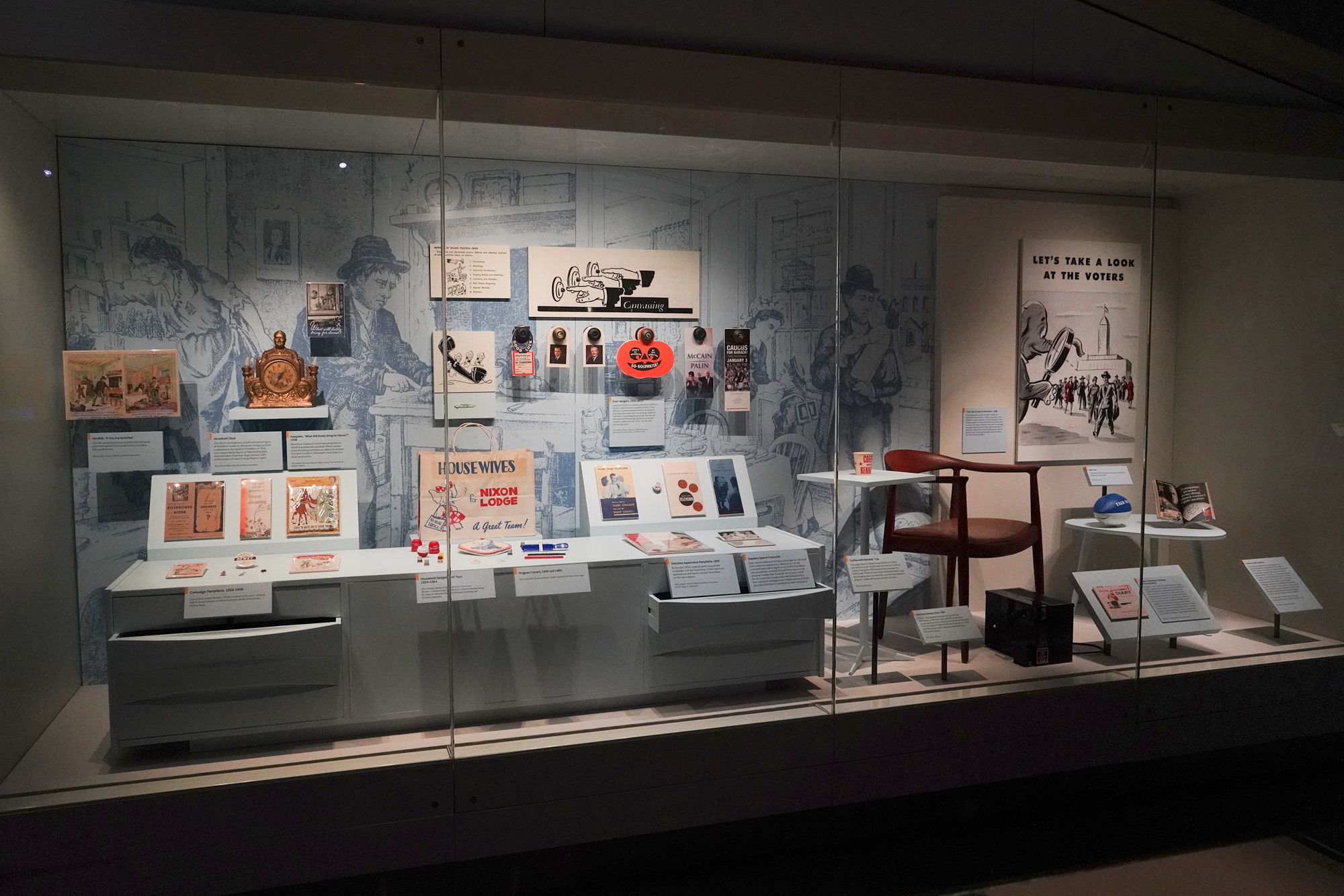
This idea means that a home is more than just a building. It is the place where people express who they are, create memories, and shape their daily lives.
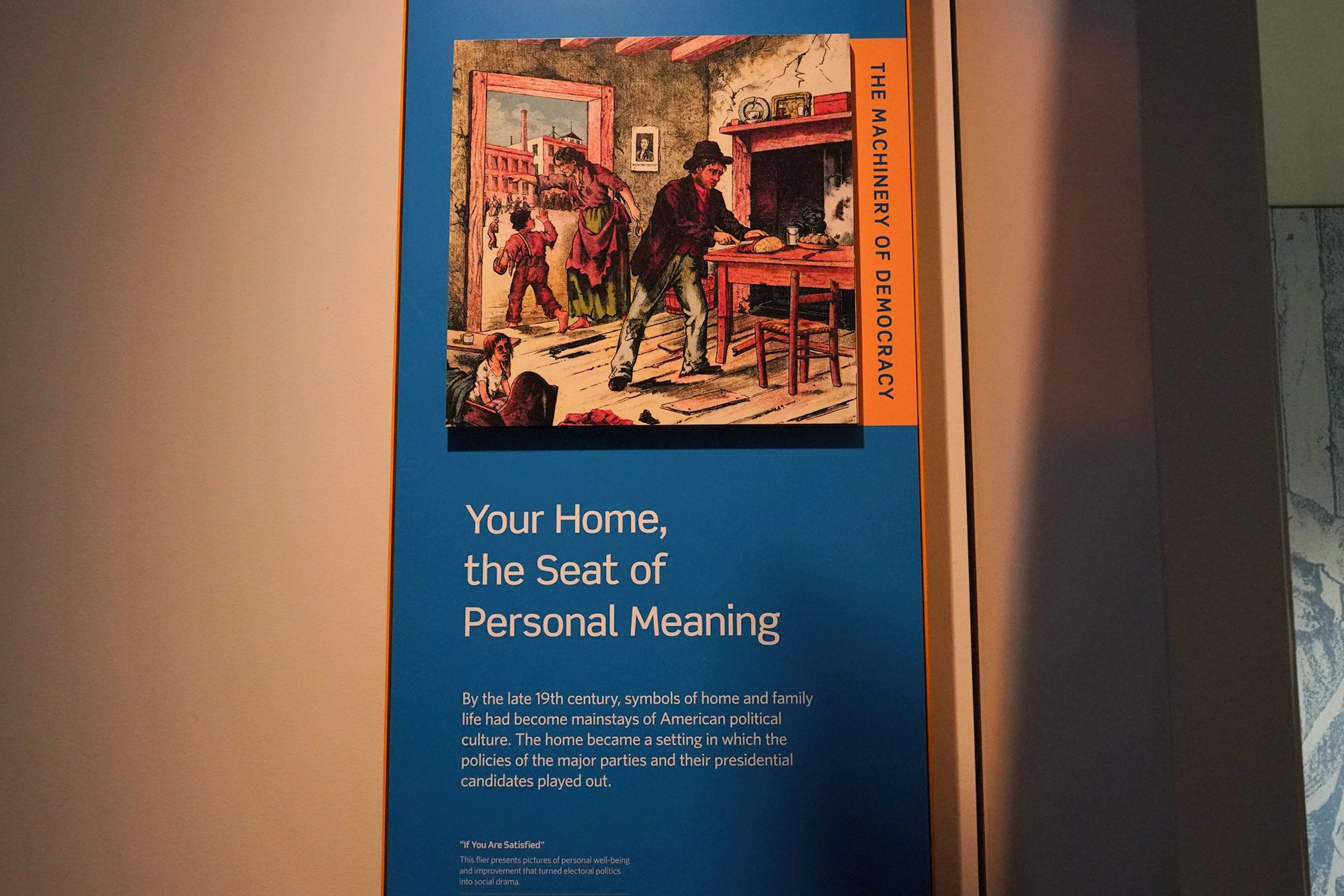
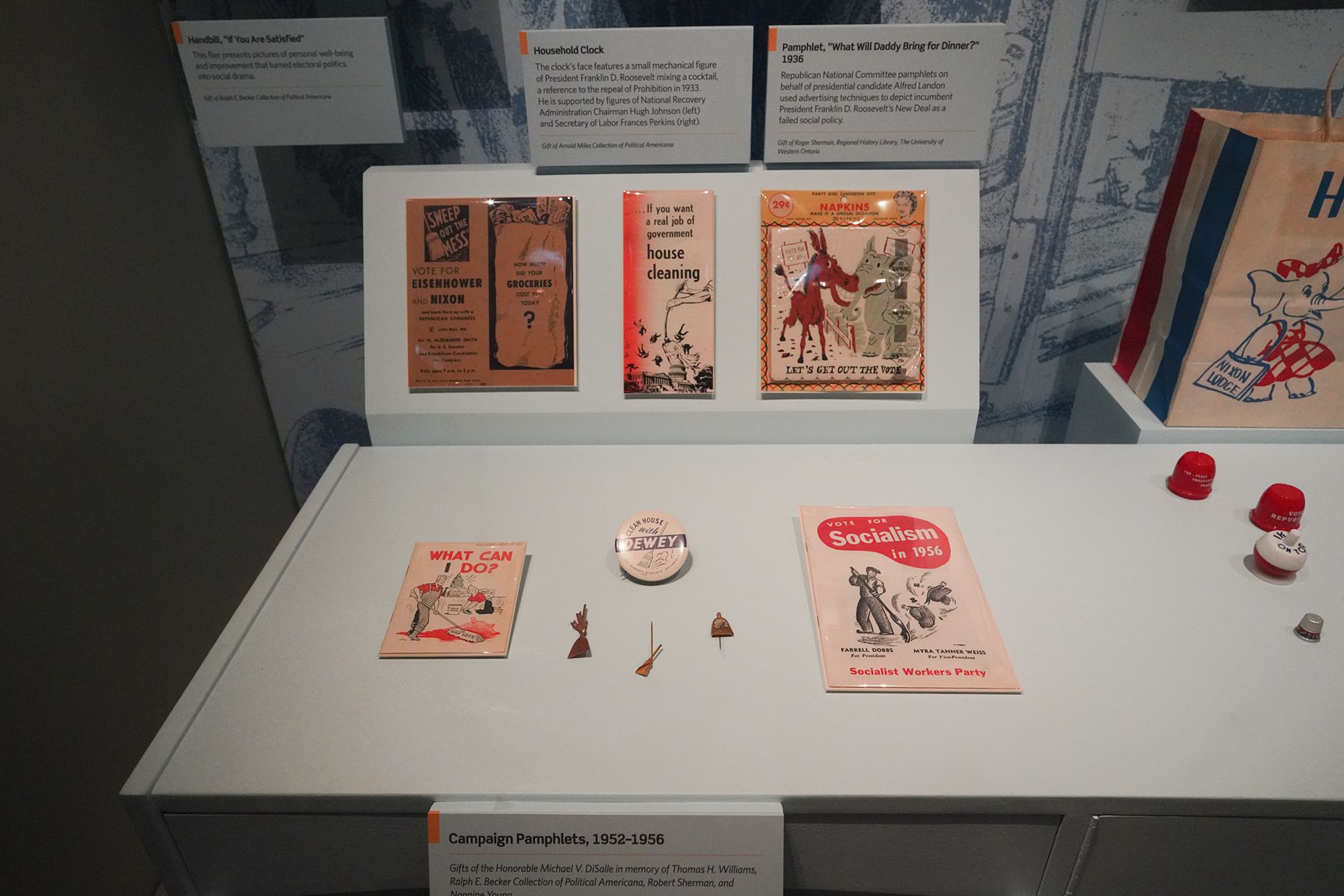
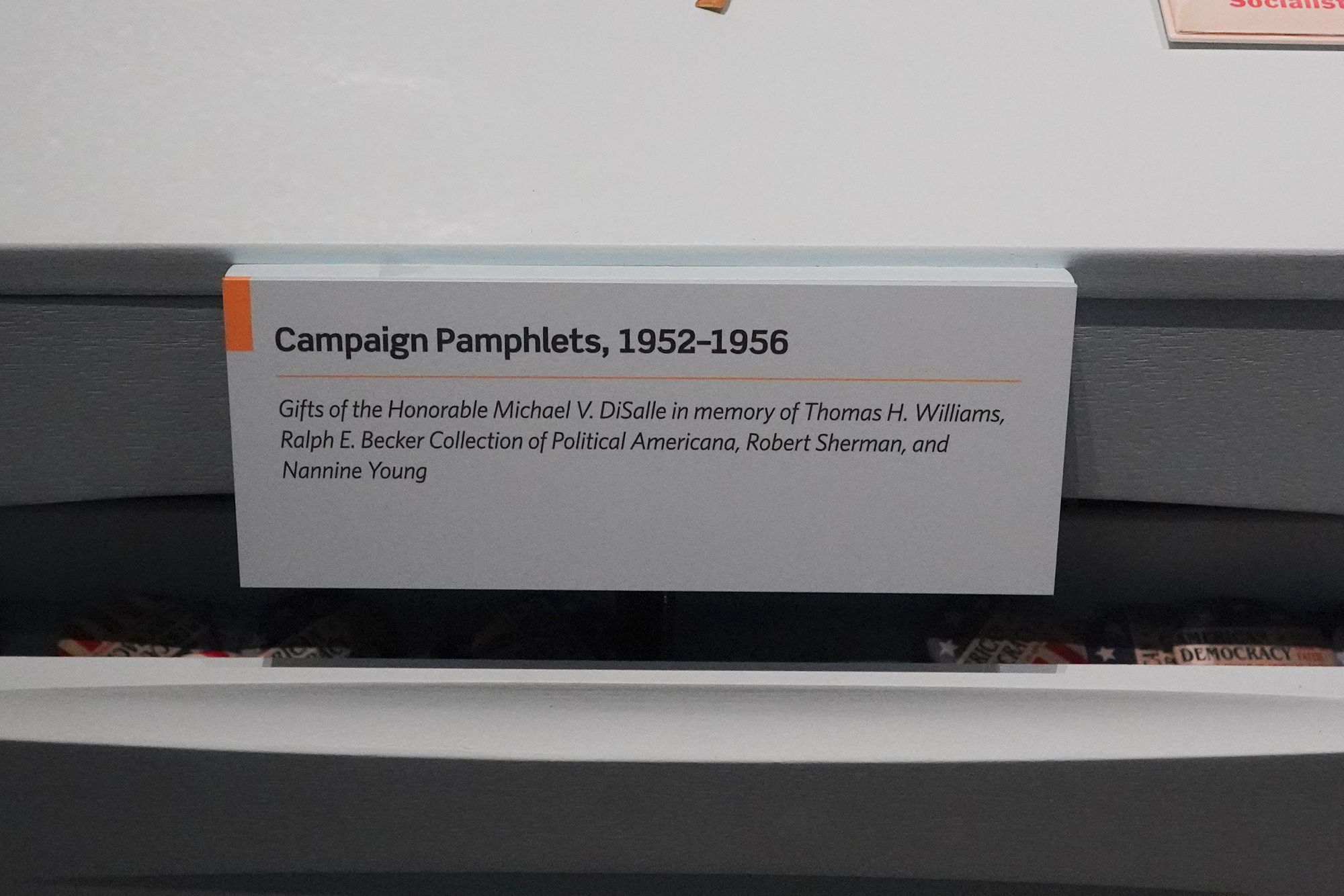
Campaign Pamphlets, 11952-1956
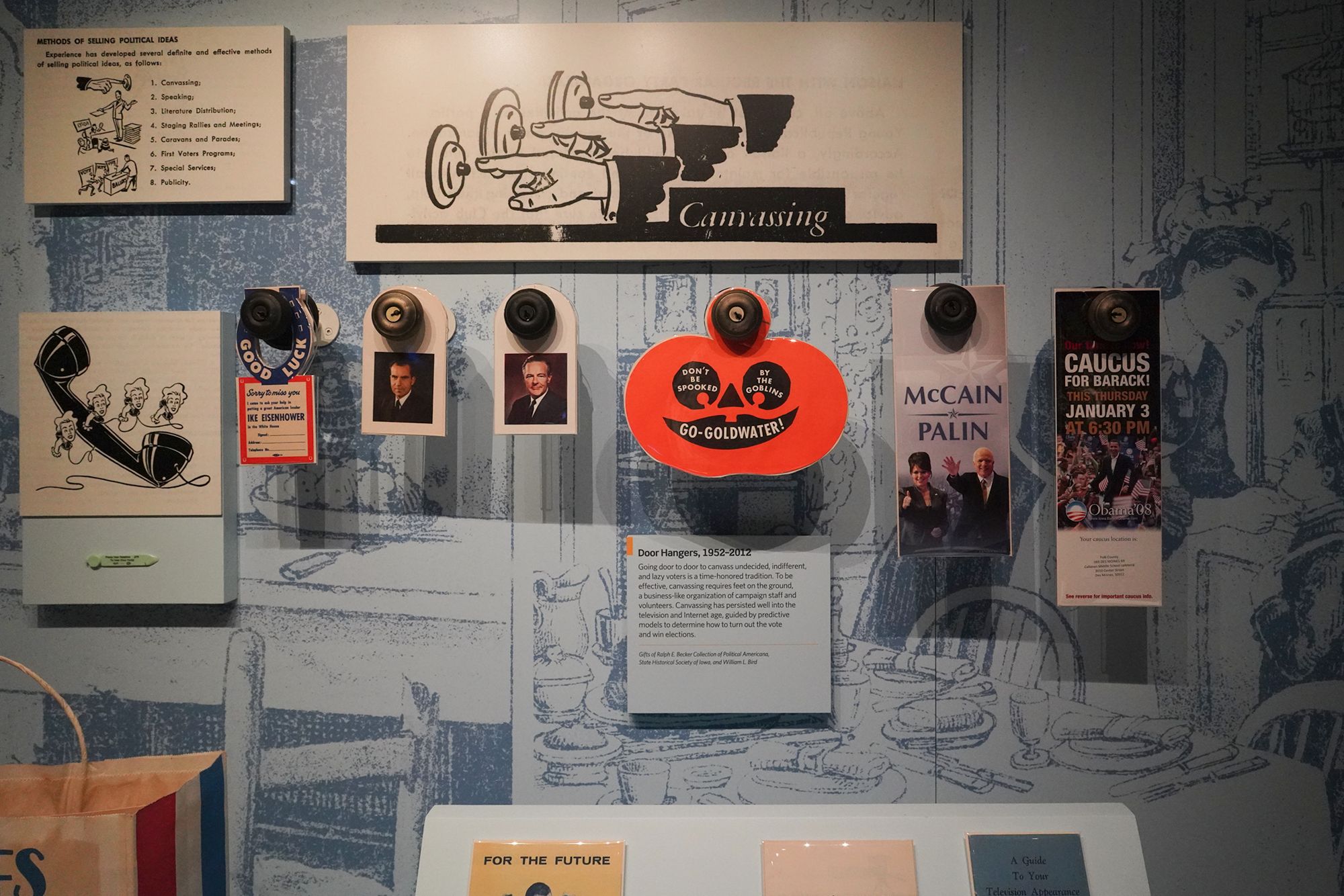
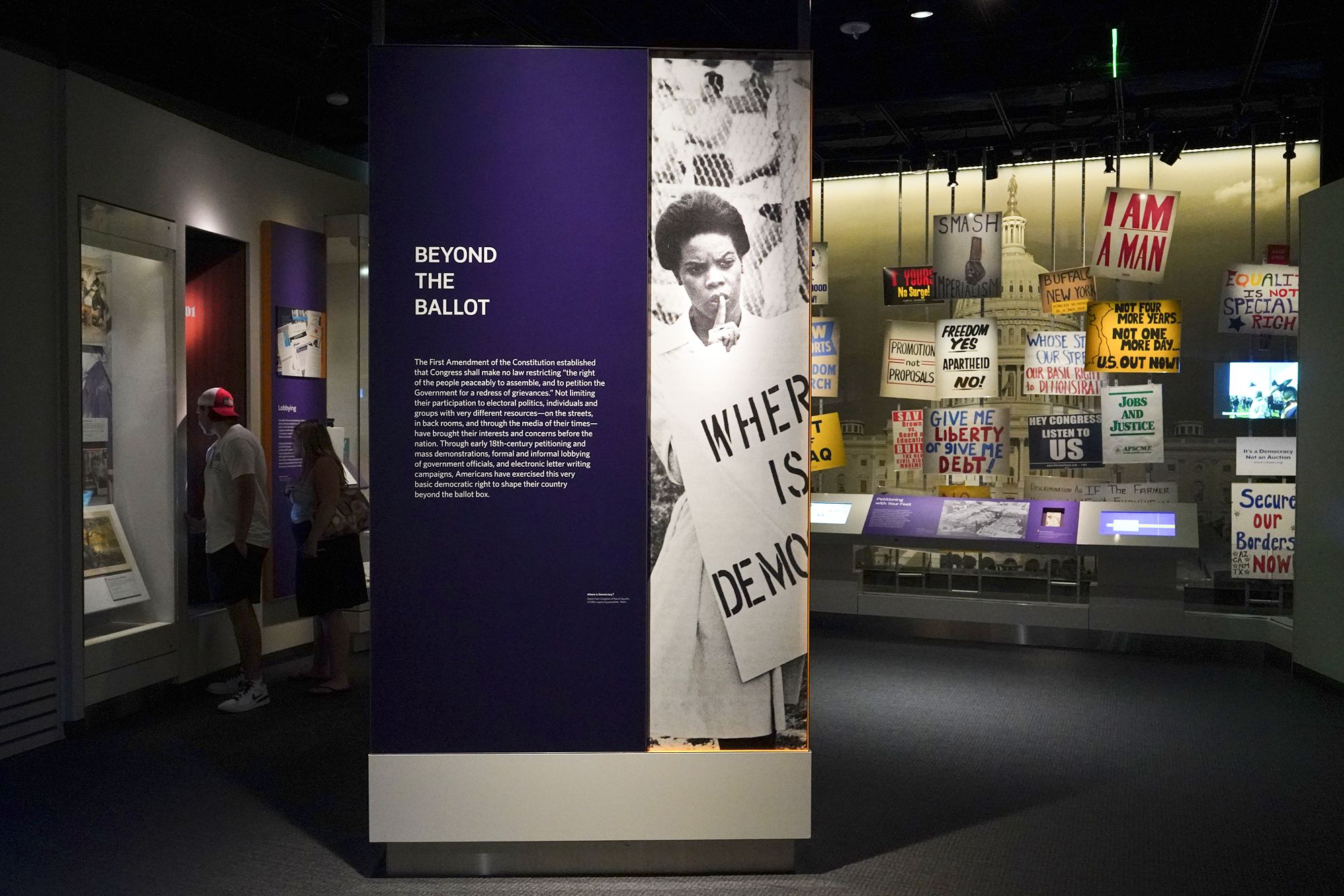
“Beyond the Ballot” explains that democracy in America is shaped not only by voting but also by how people participate in civic life in other ways. It highlights activities such as volunteering, community organizing, protesting, petitioning, and joining social movements.
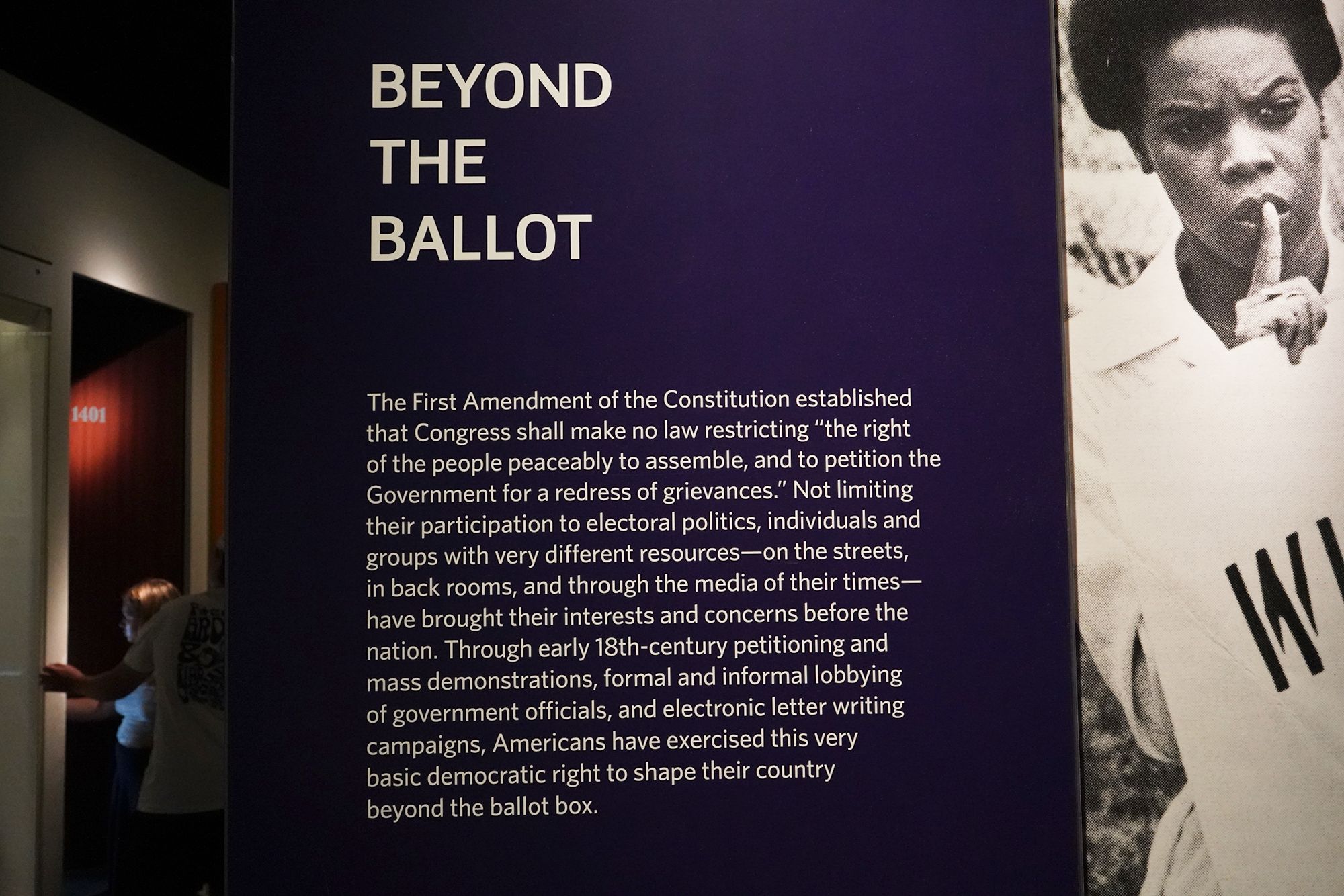
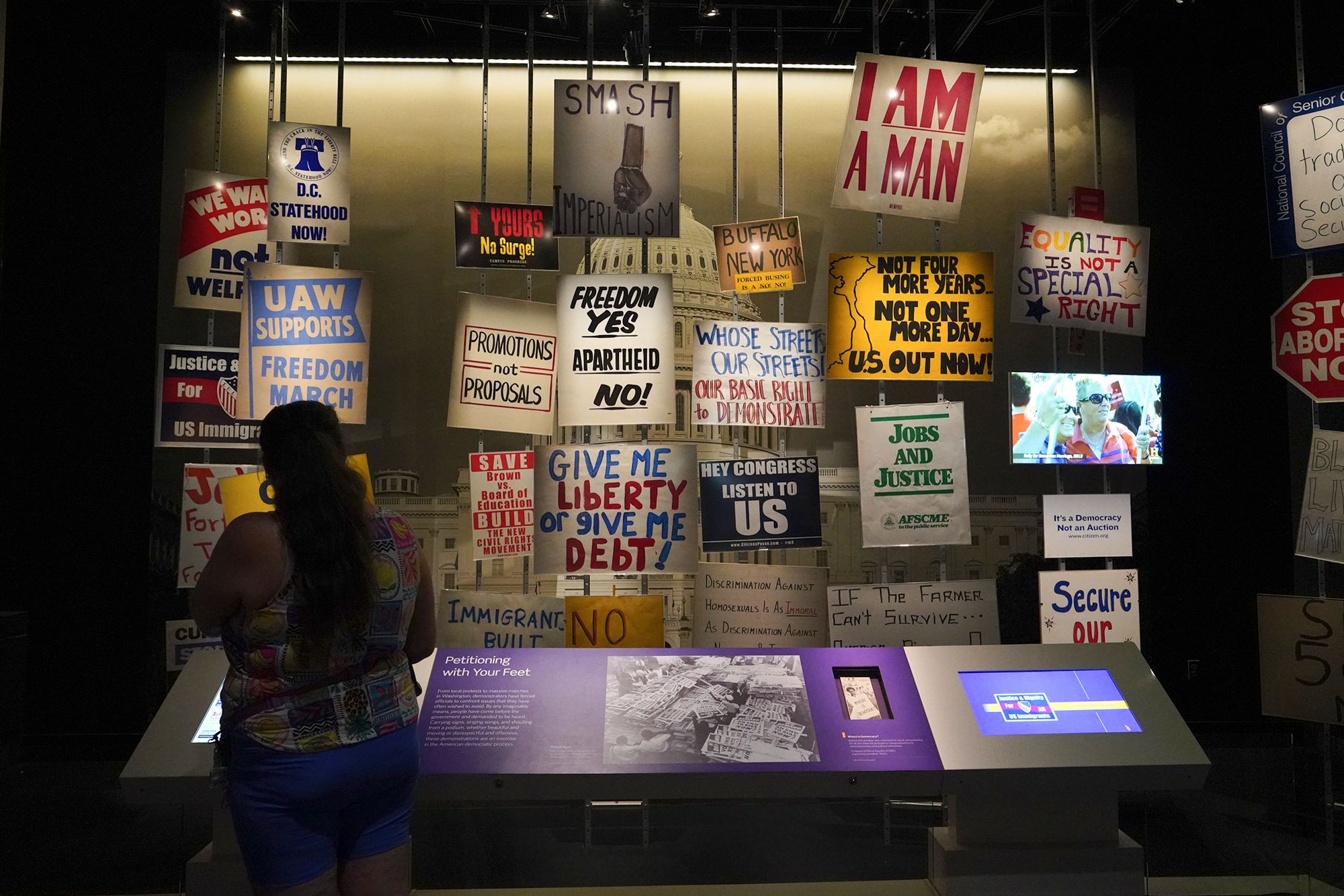
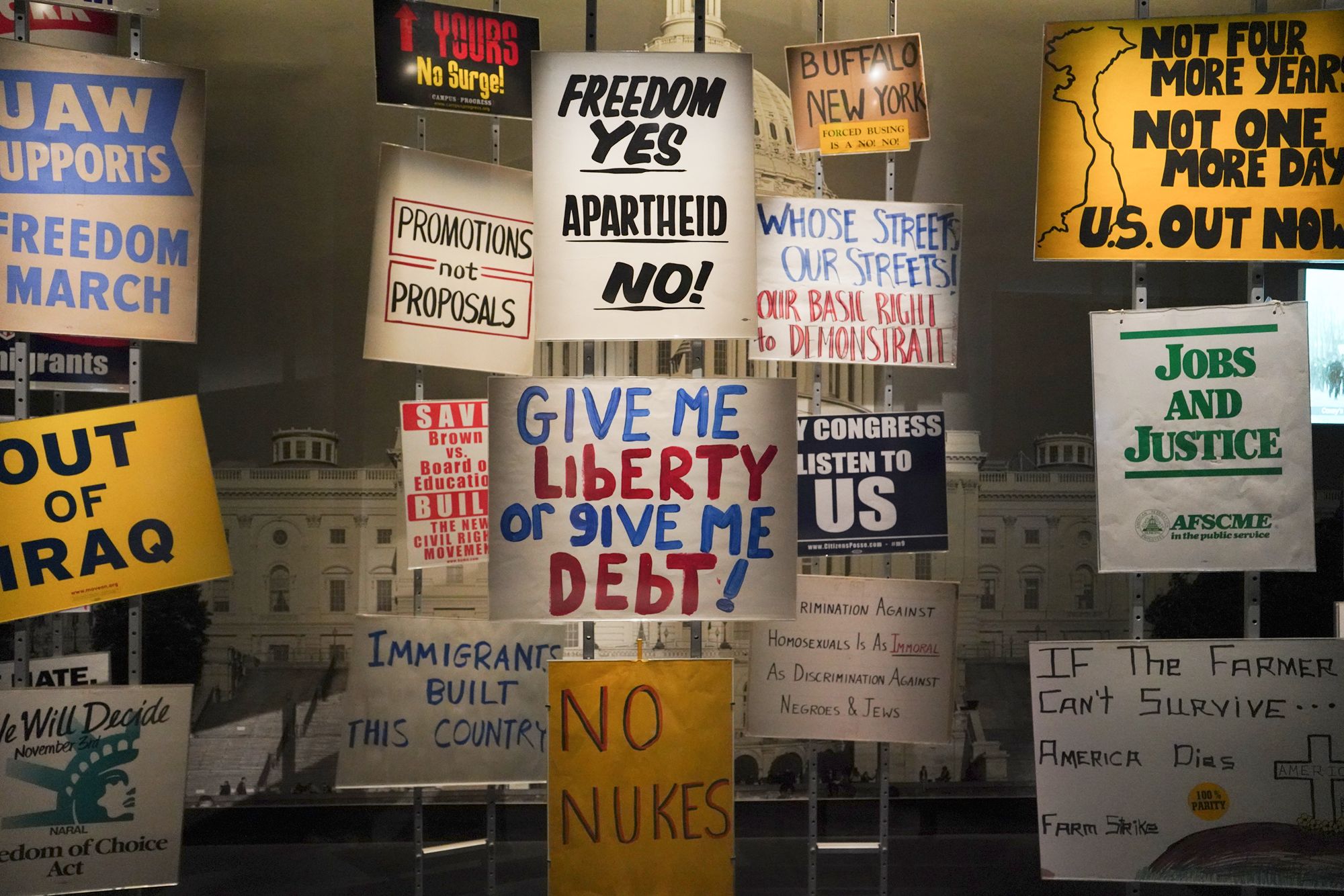
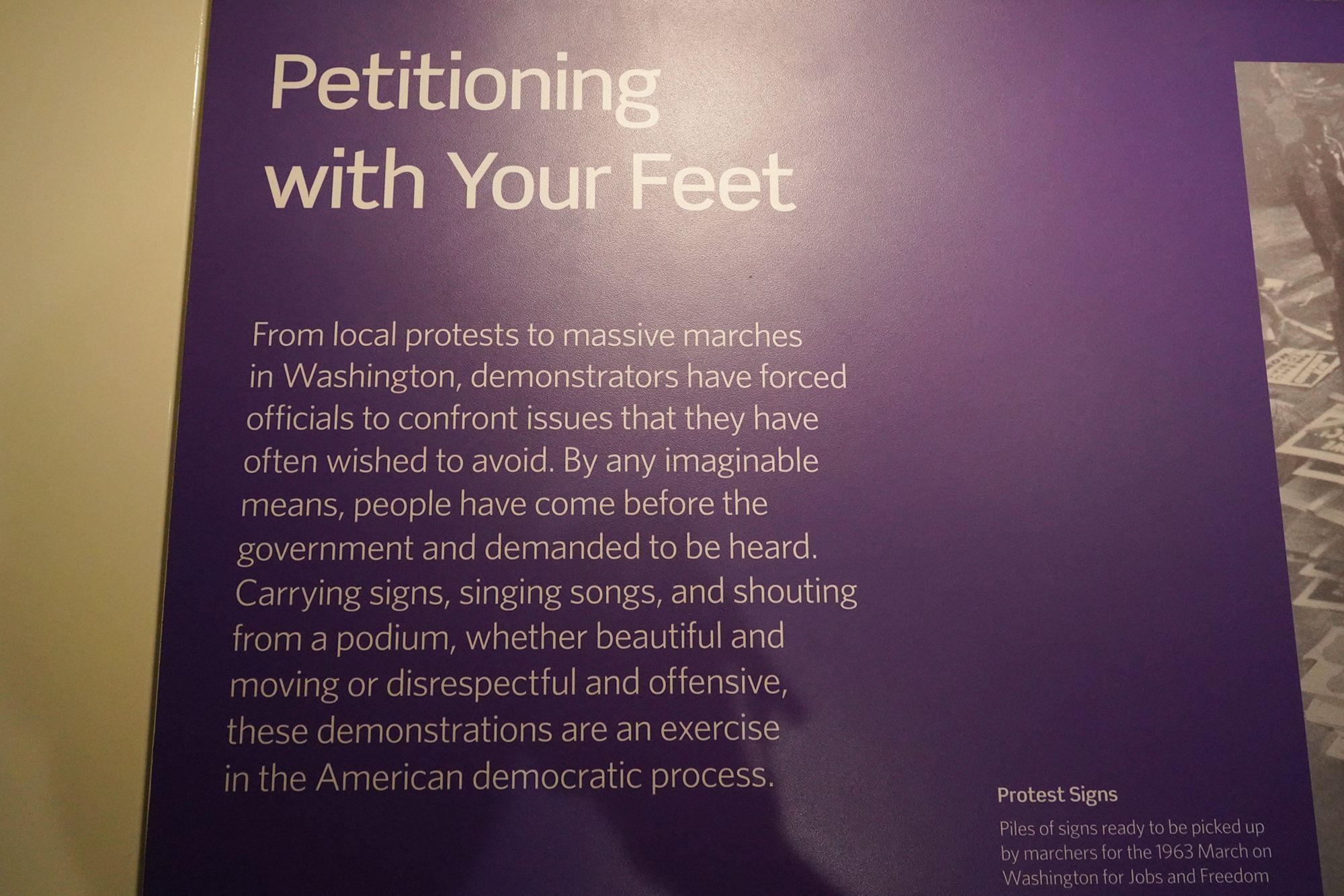
“Petitioning with your feet” means taking action by showing up in person rather than using words or written petitions.
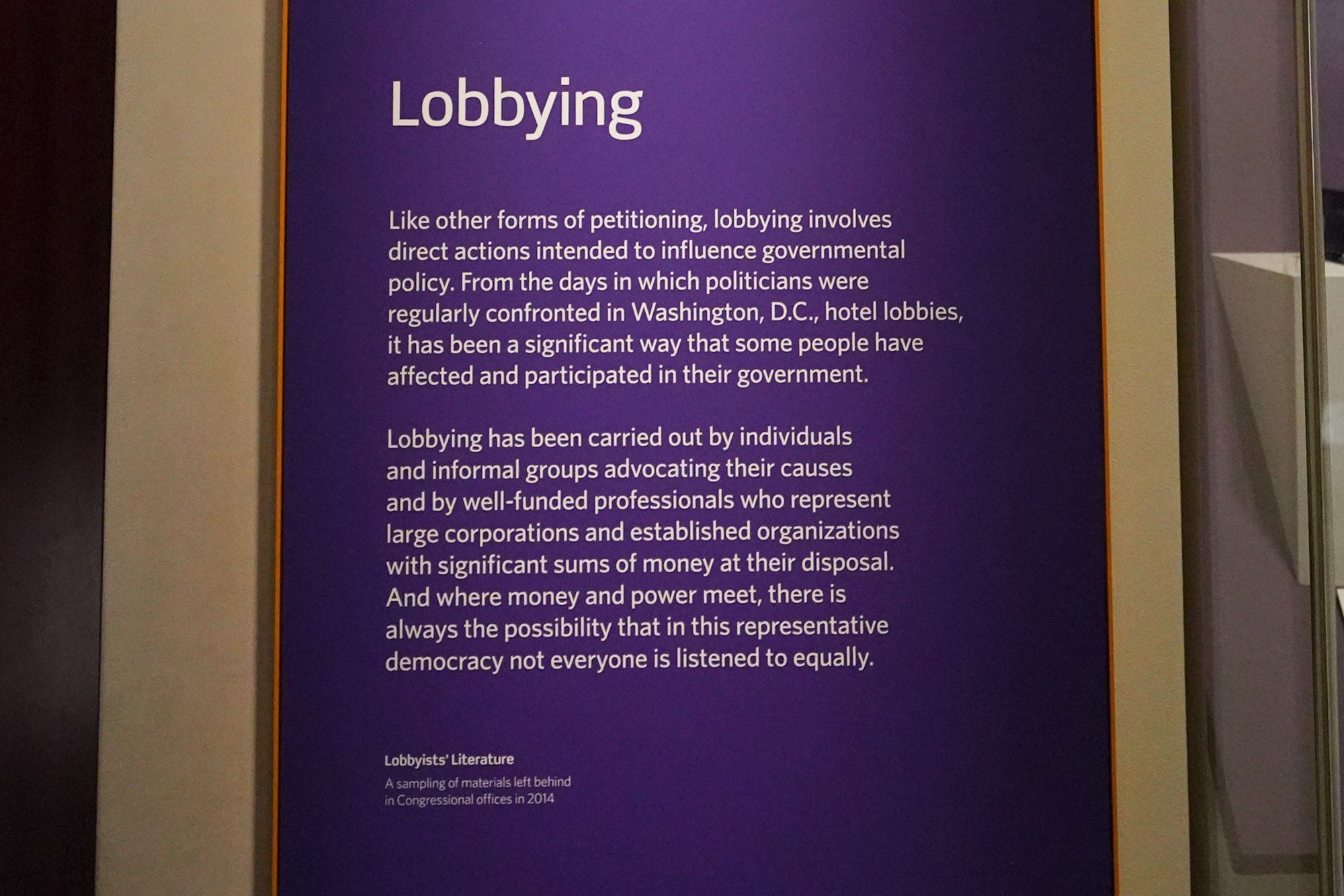
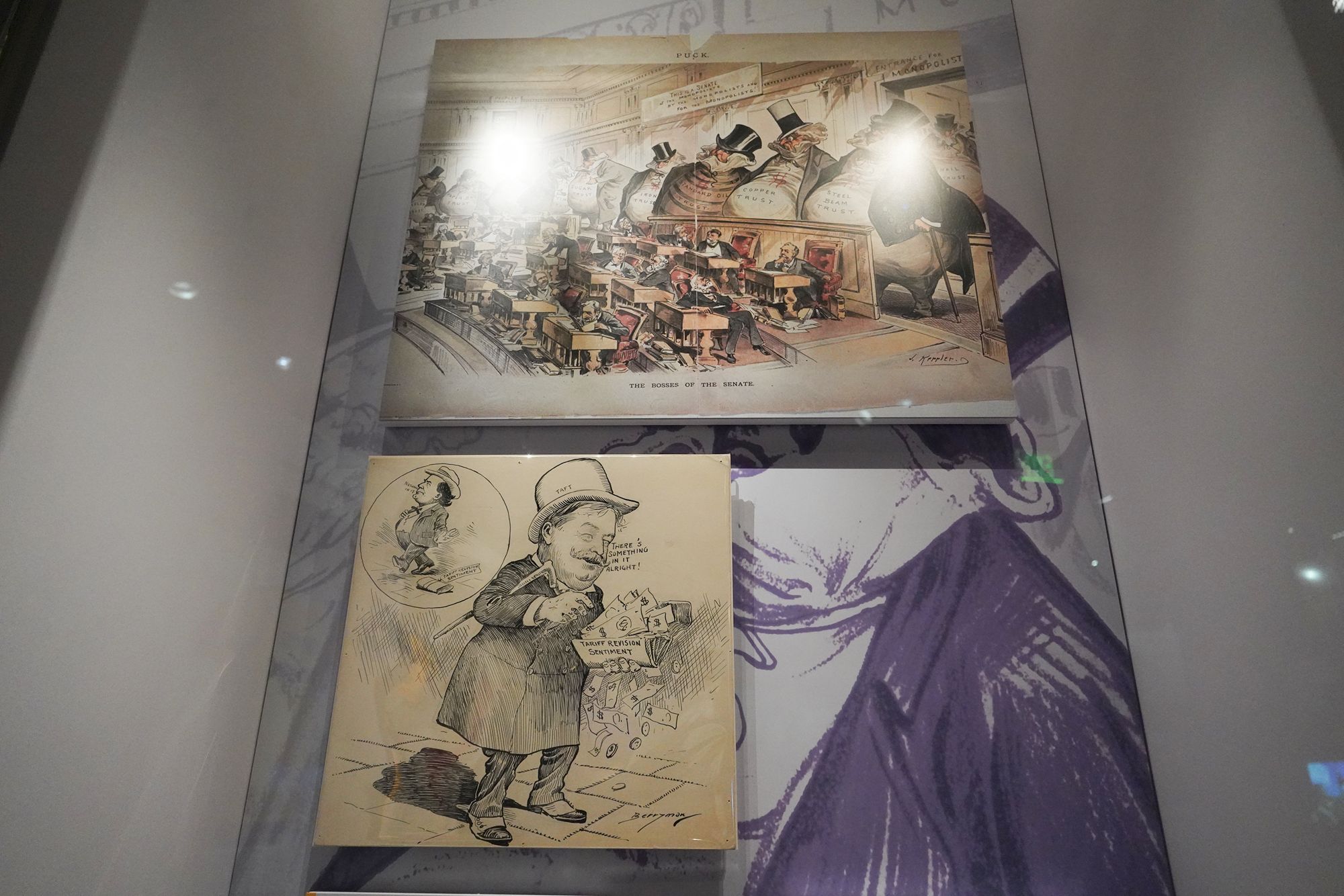
Lobbying is when people or groups try to influence government decisions. They talk to lawmakers, government officials, and agencies to support or oppose certain laws, policies, or regulations. Lobbyists can represent businesses, organizations, or citizens.

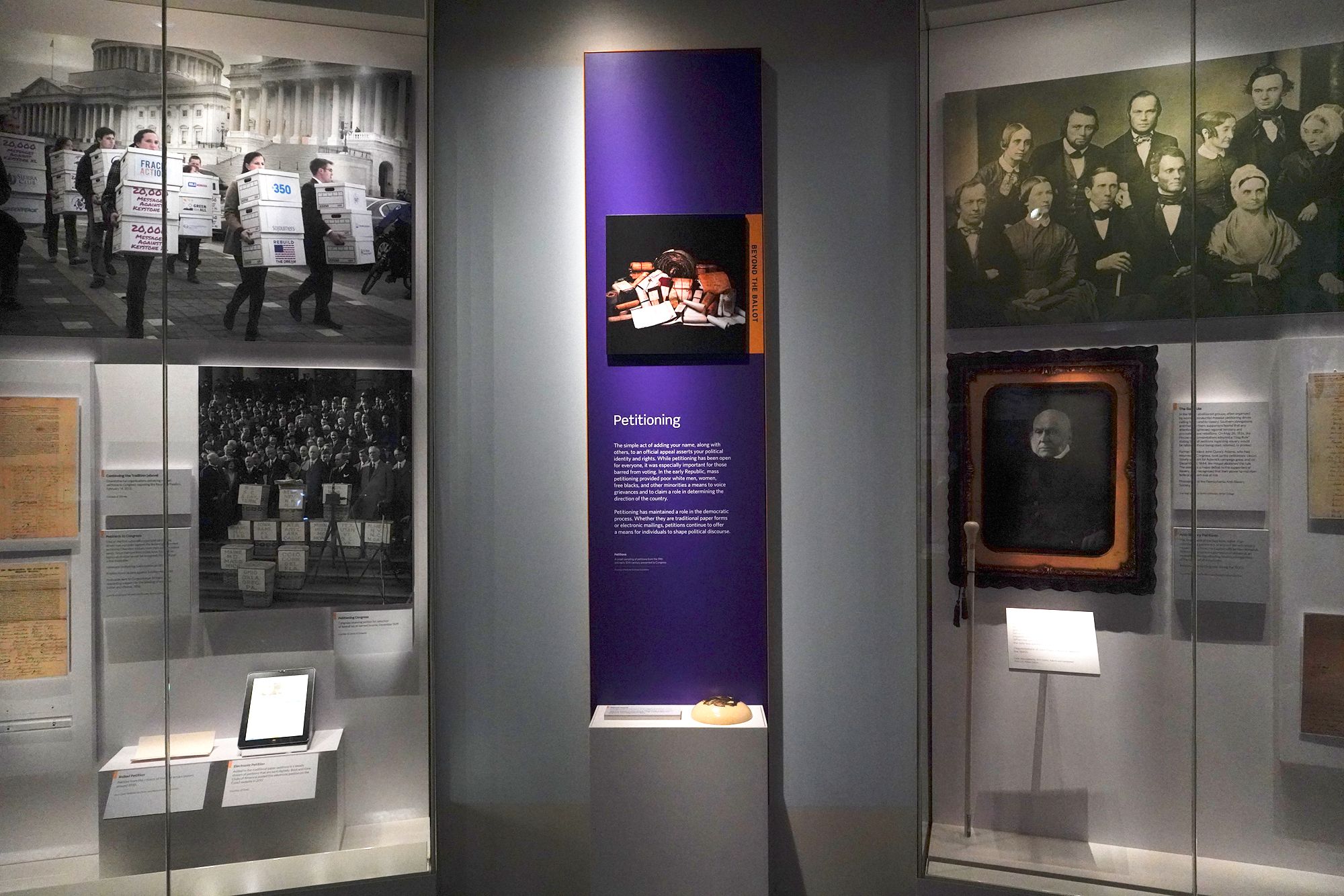
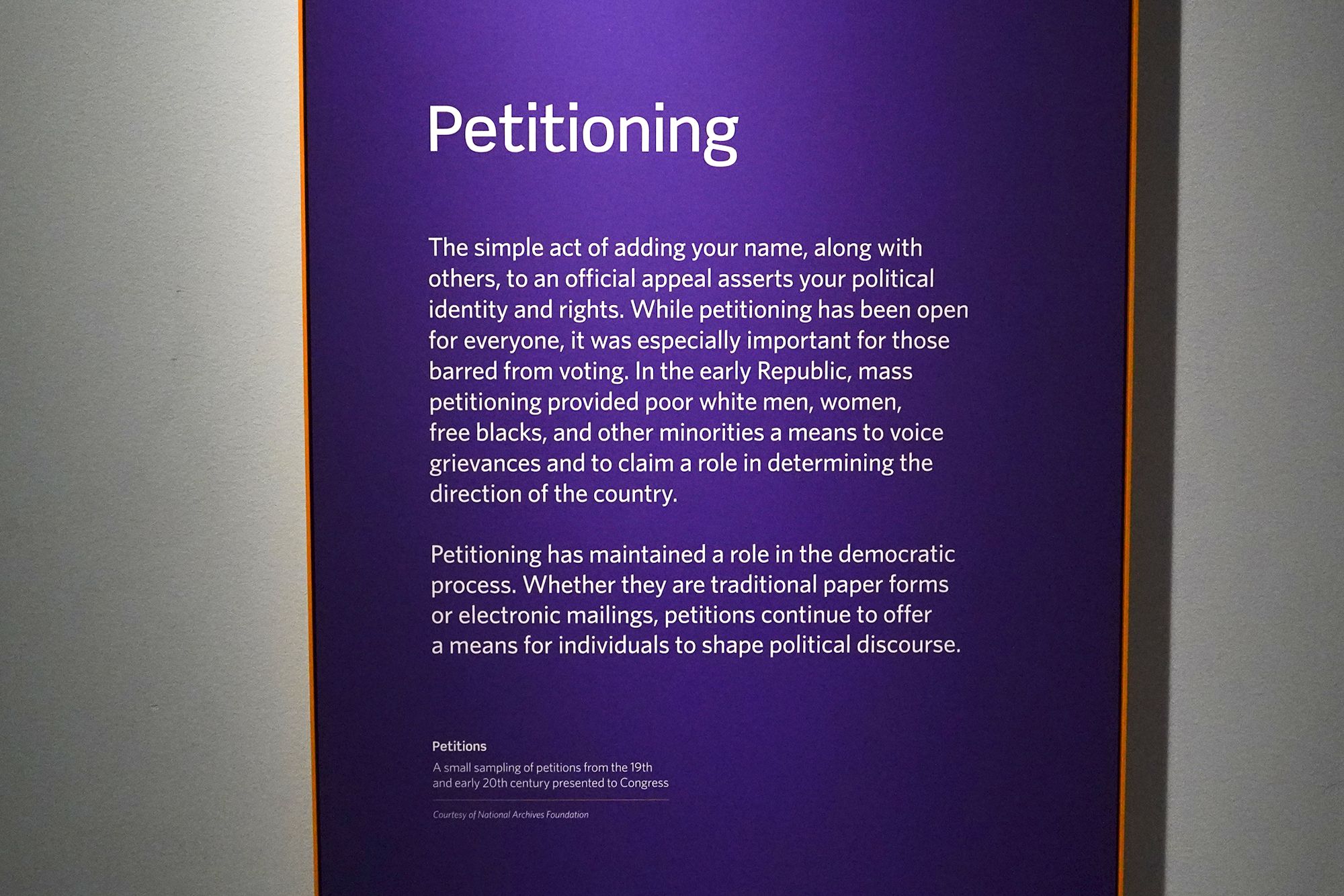
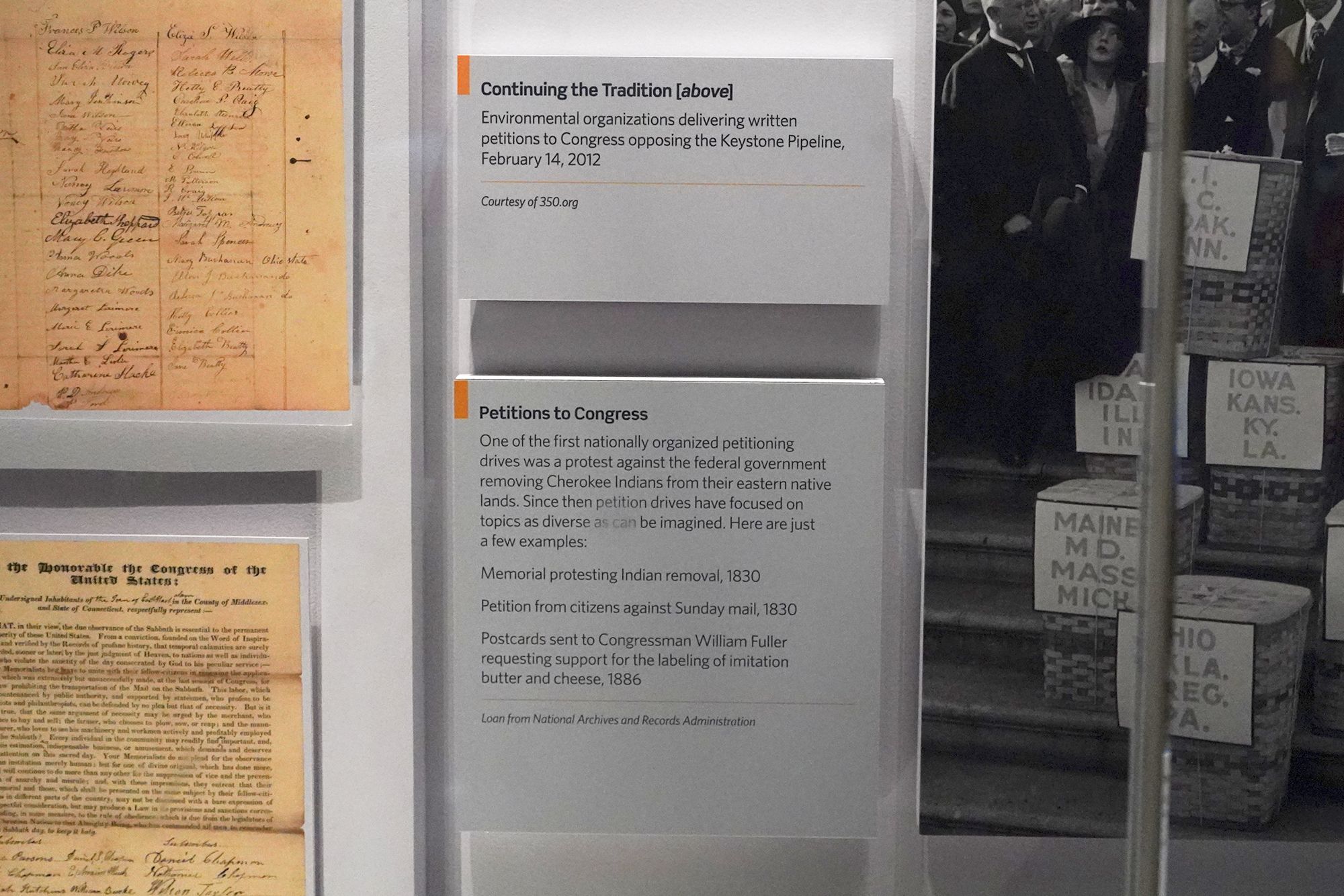
Petitioning is when people formally ask the government to take action or change a policy. This usually involves collecting signatures on a written request, but it can also include submitting letters or online petitions.
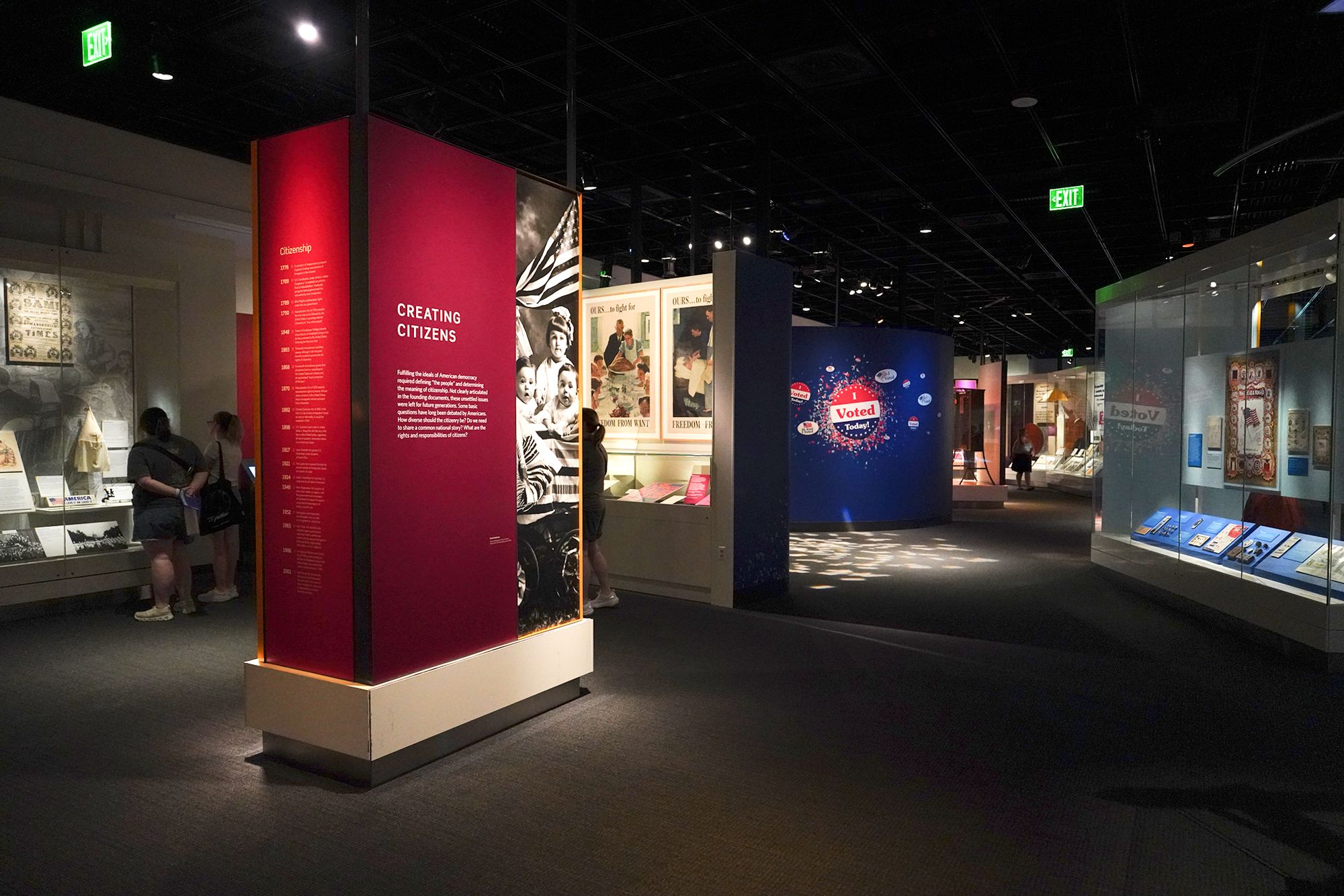
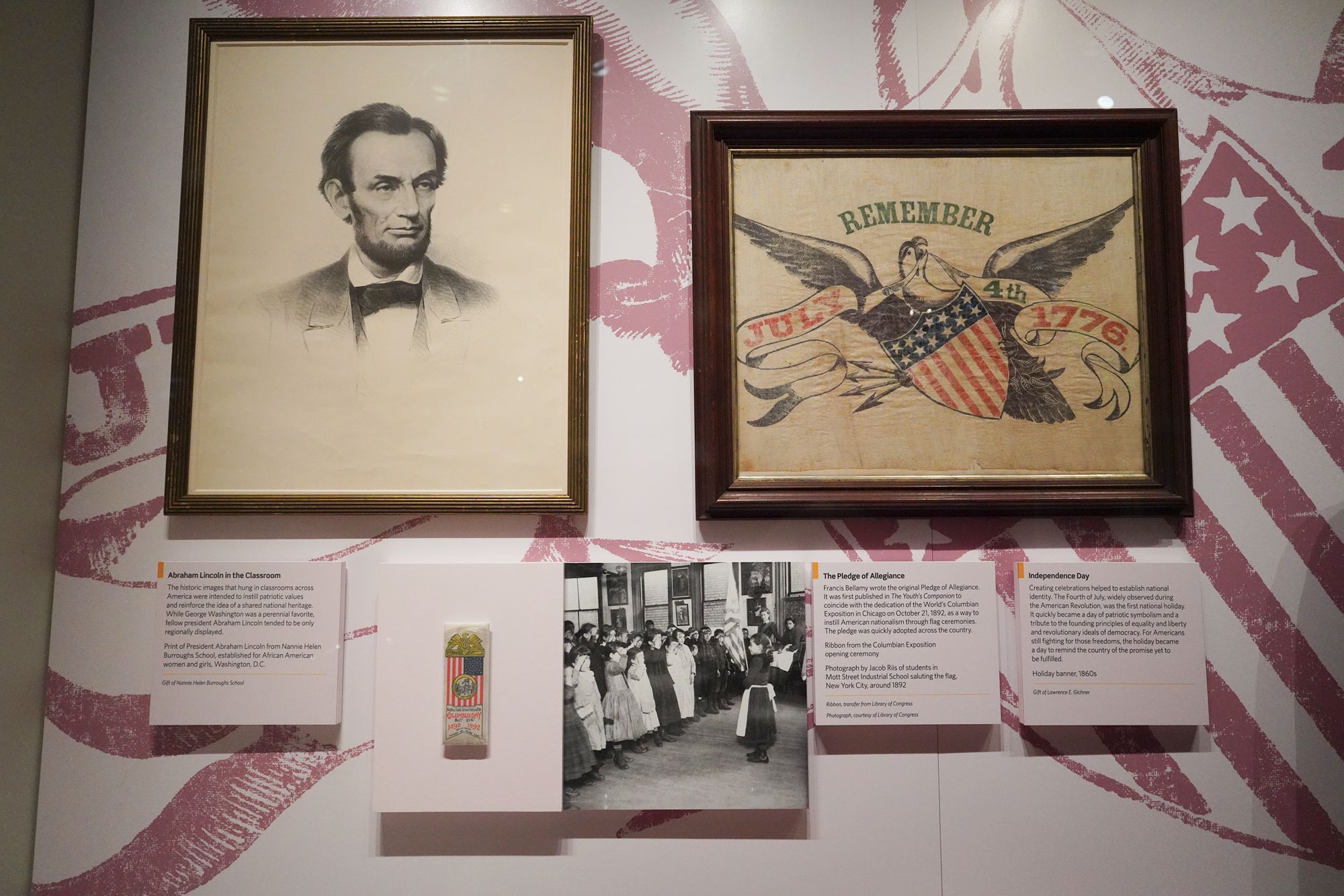
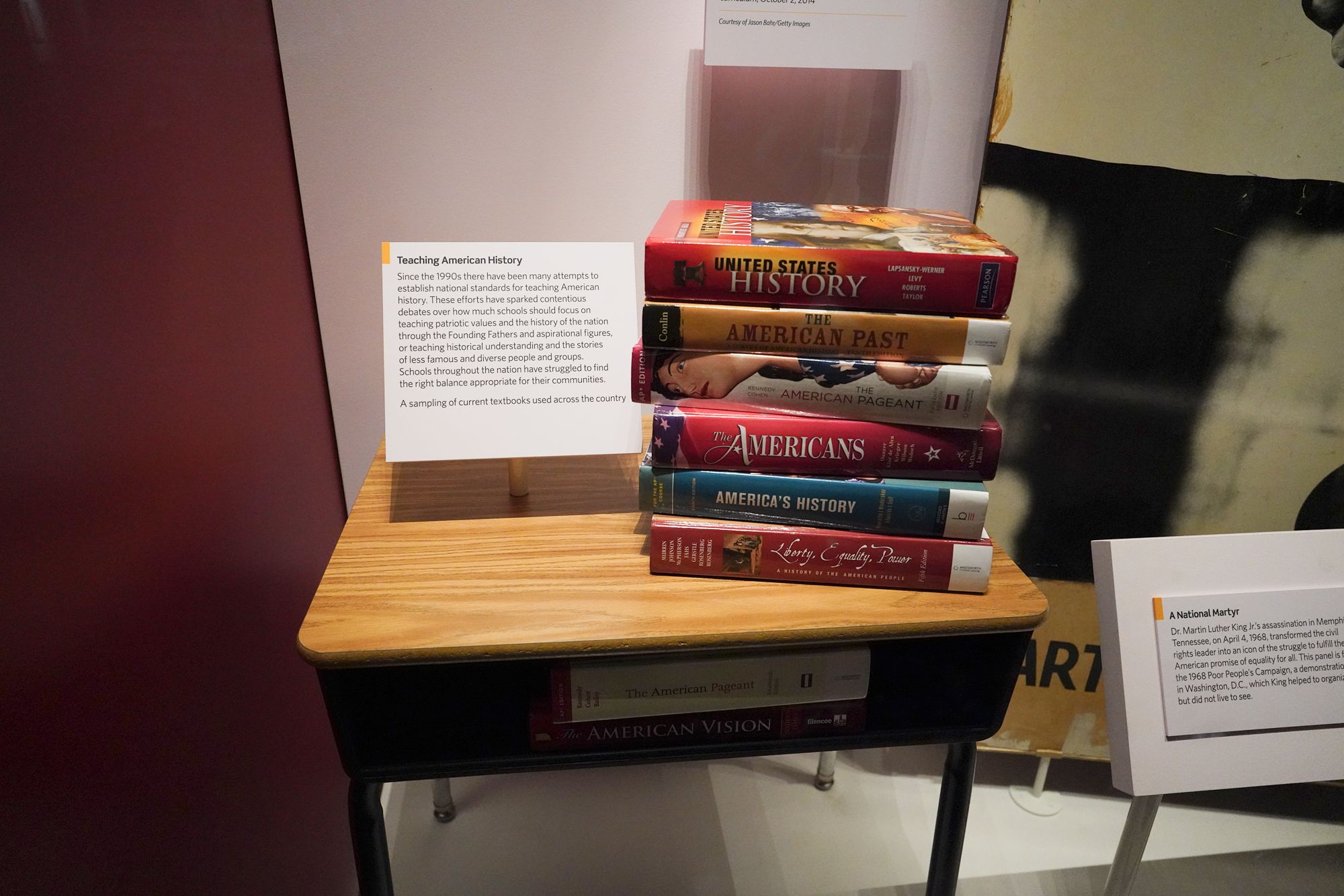
“Creating Citizens” refers to how a nation teaches people to understand and participate in civic life. This includes education, shared values, national symbols, public rituals, and lessons about rights and responsibilities.
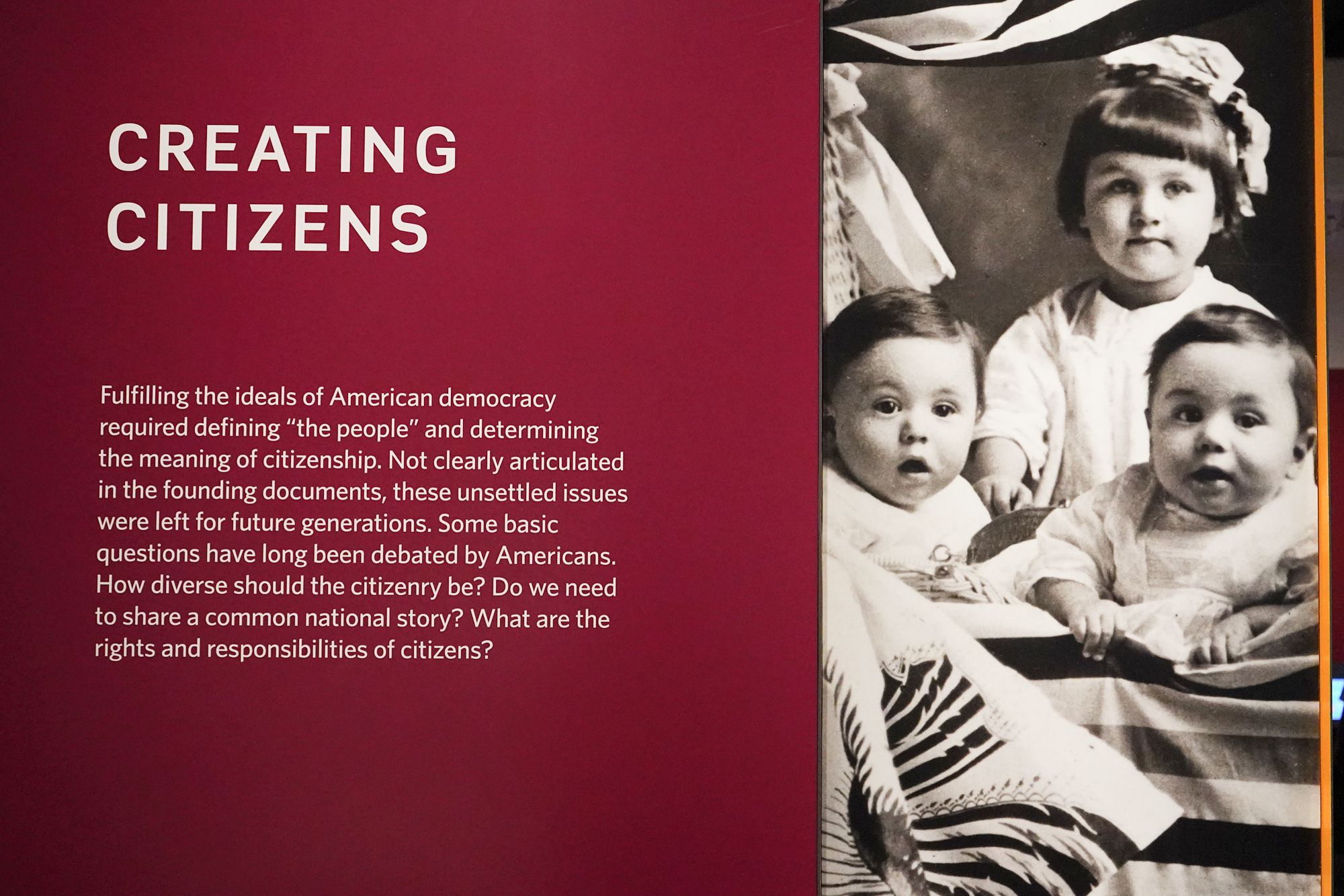
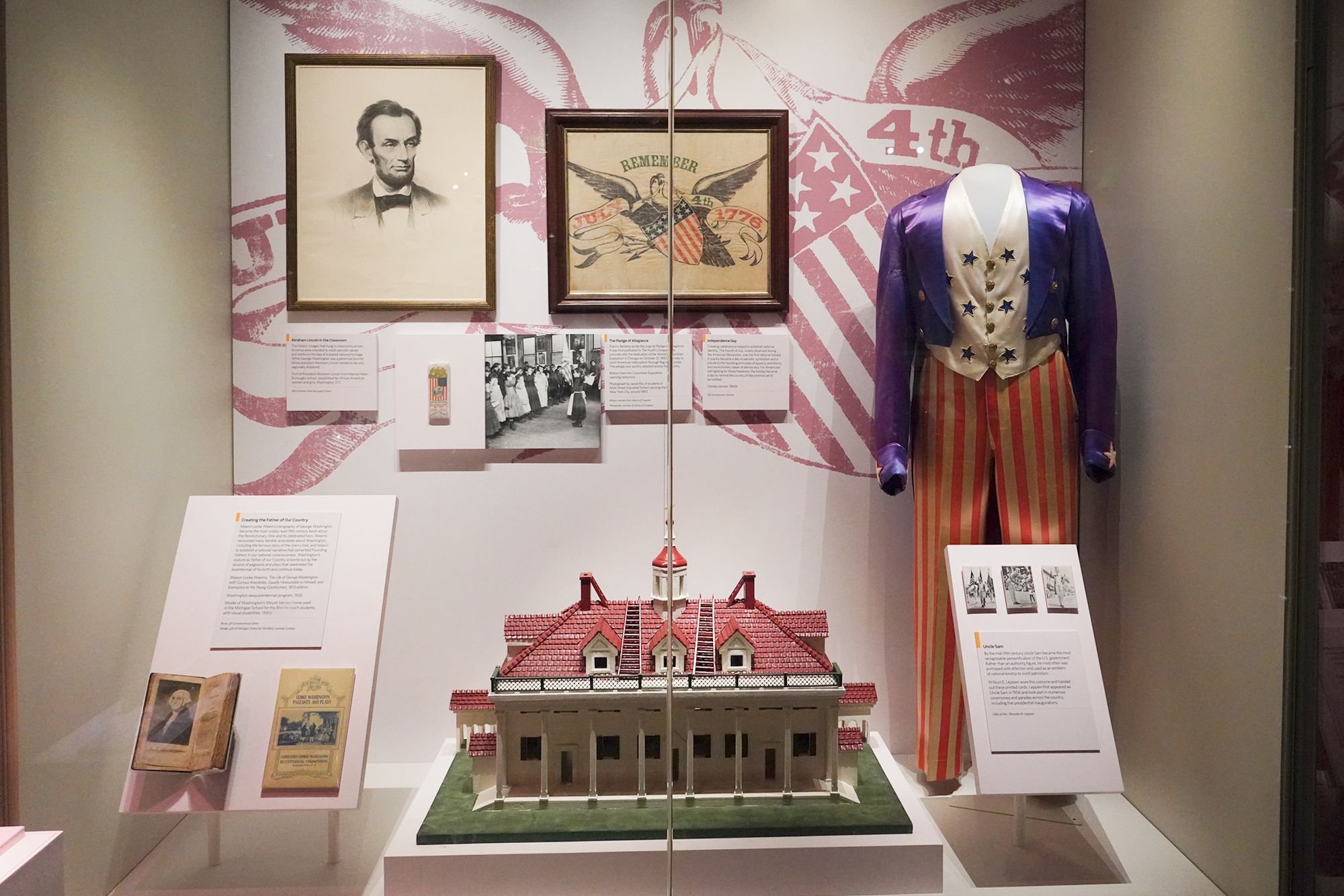
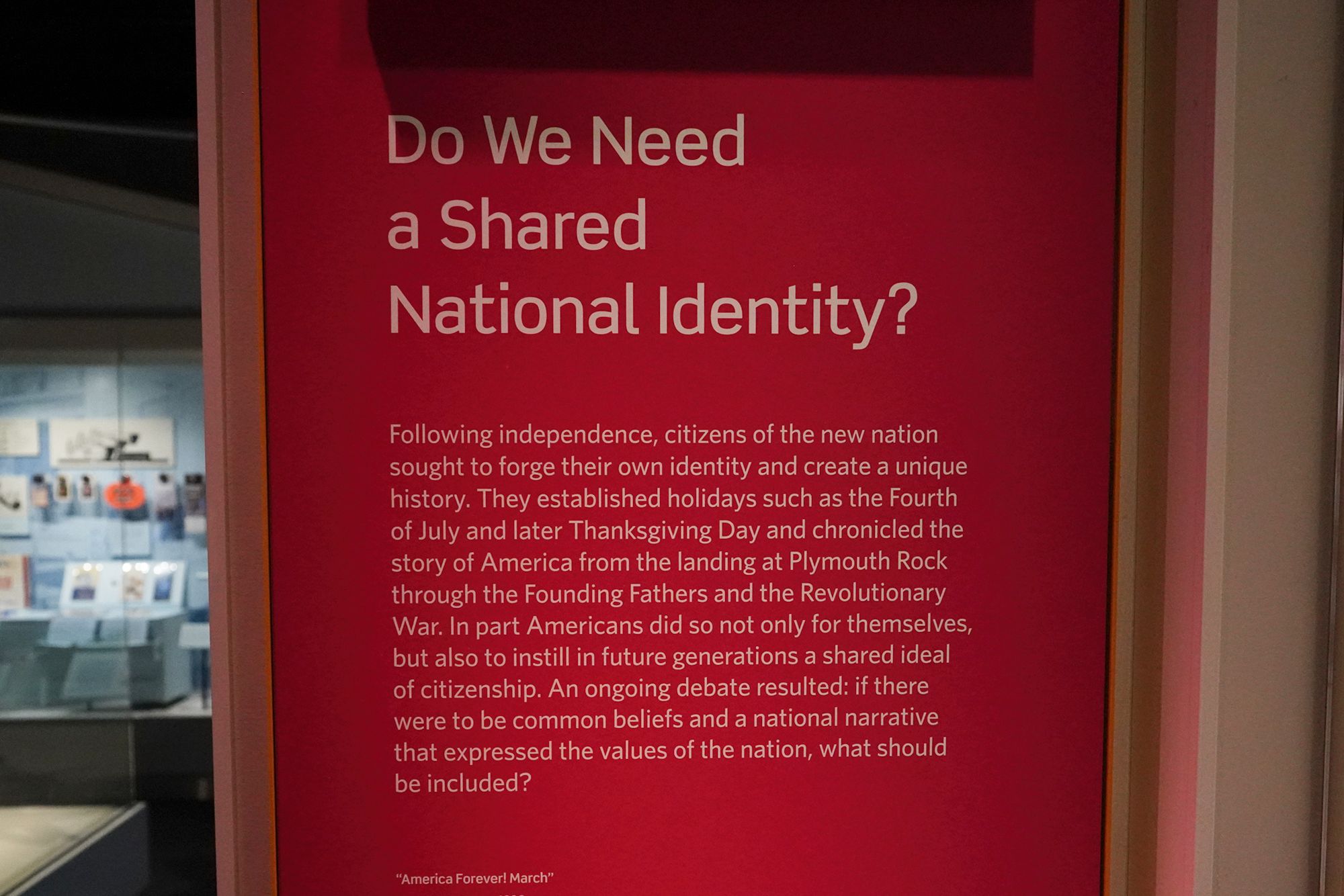
A shared identity helps a society stay connected. It does not mean everyone must be the same — it means people share some common values or experiences that make them feel like part of the same community.
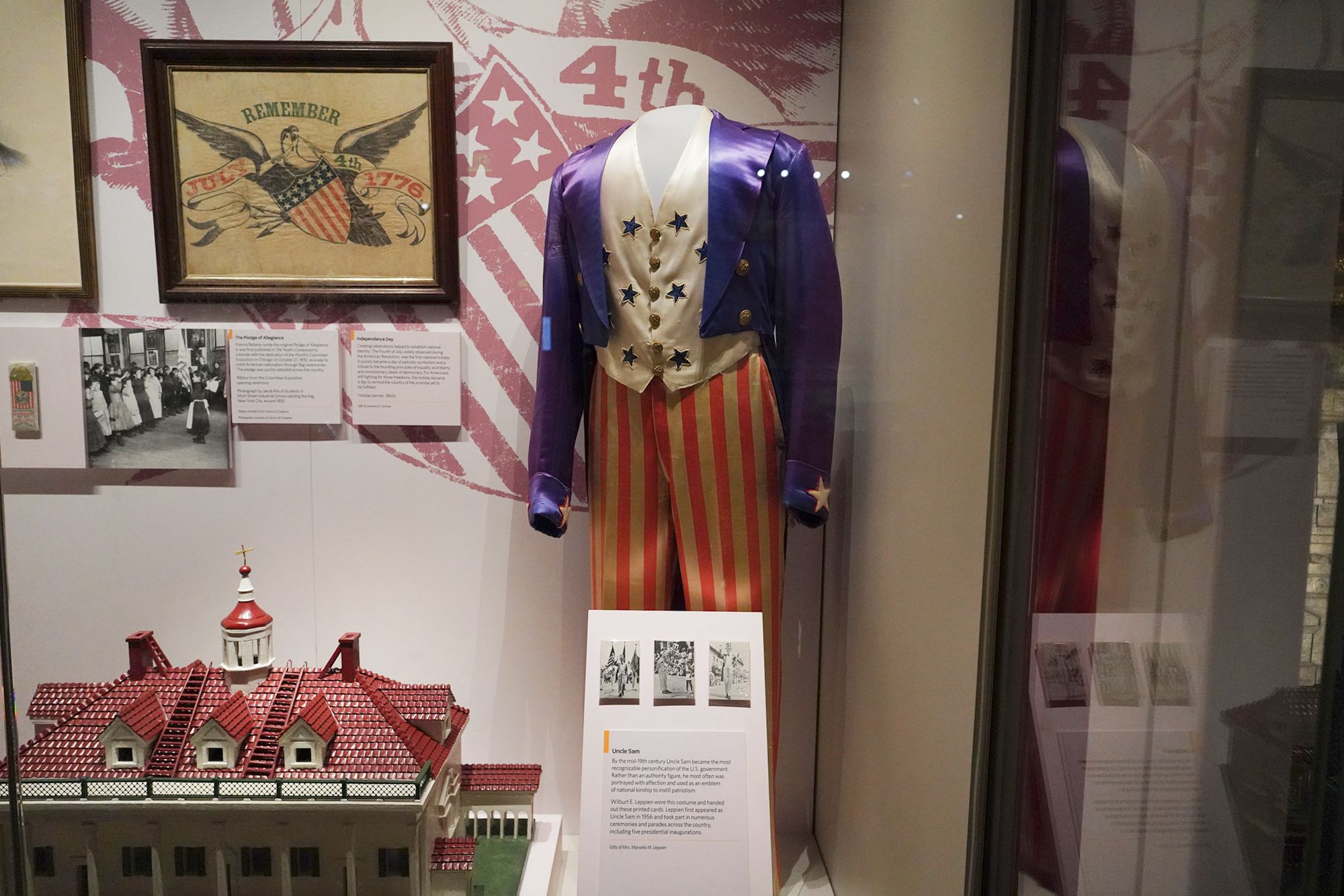
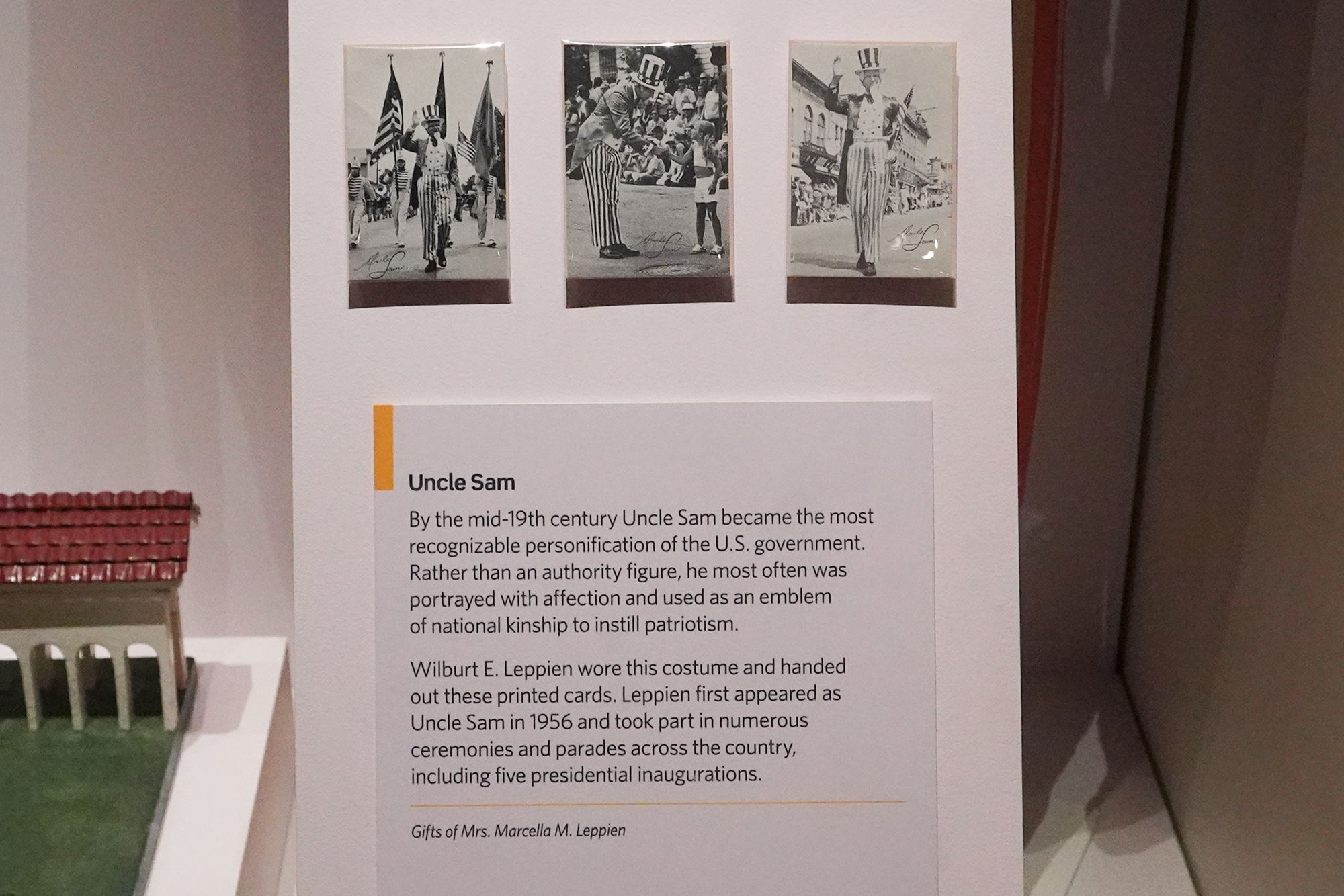
The character, Uncle Sam, became famous during the War of 1812 and later in World War I through the iconic poster showing Uncle Sam pointing and saying, “I Want YOU for the U.S. Army.”
Lincoln
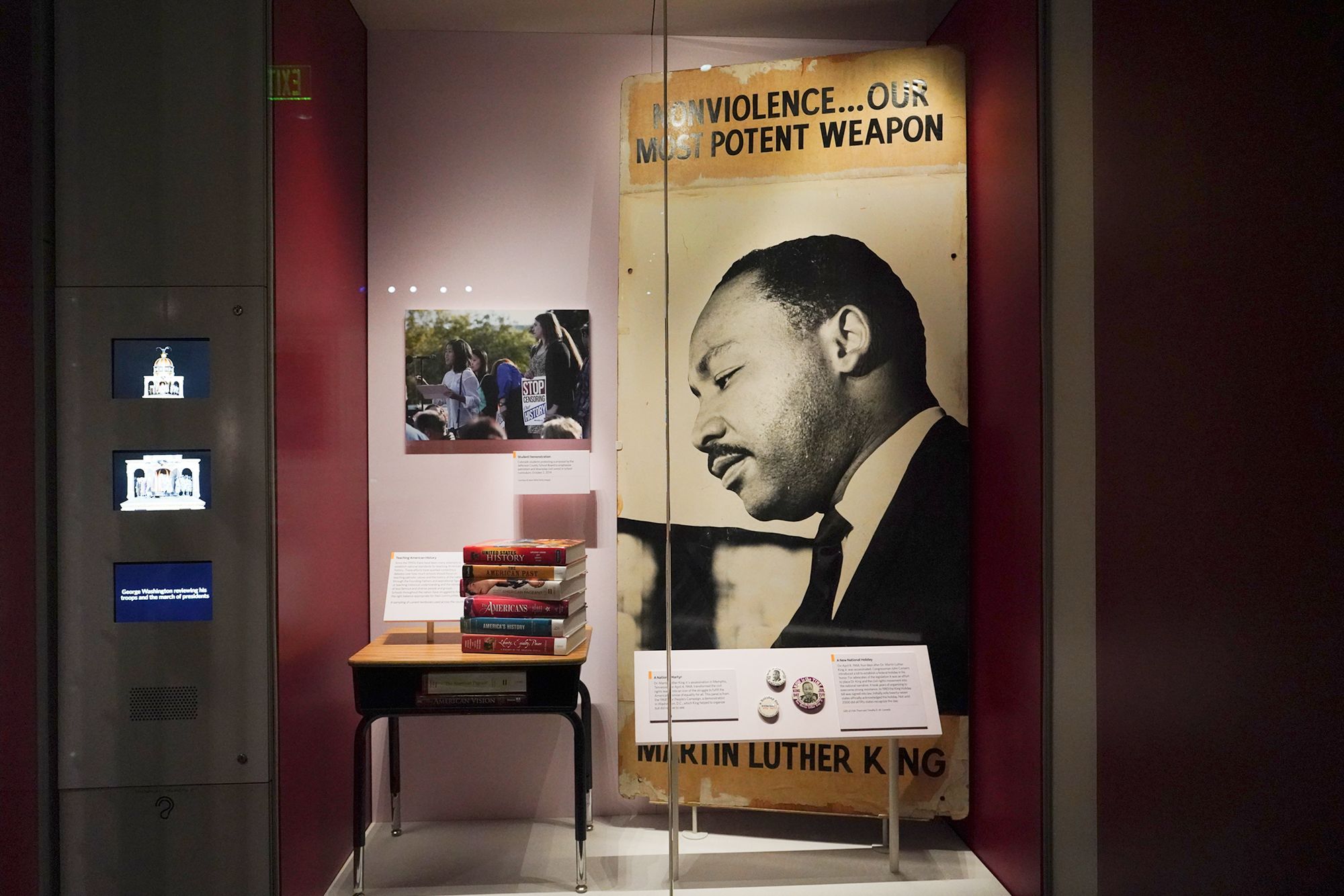
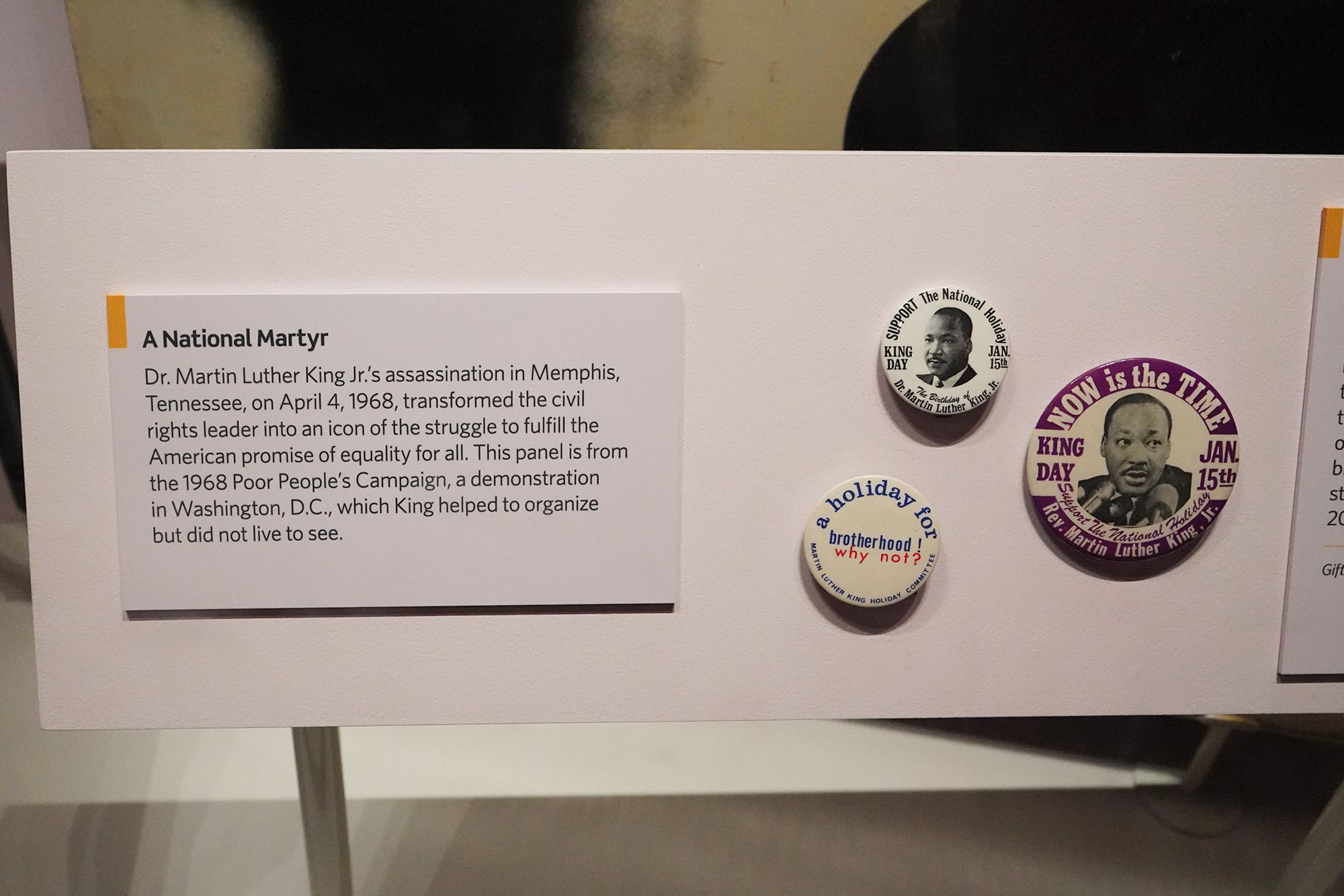
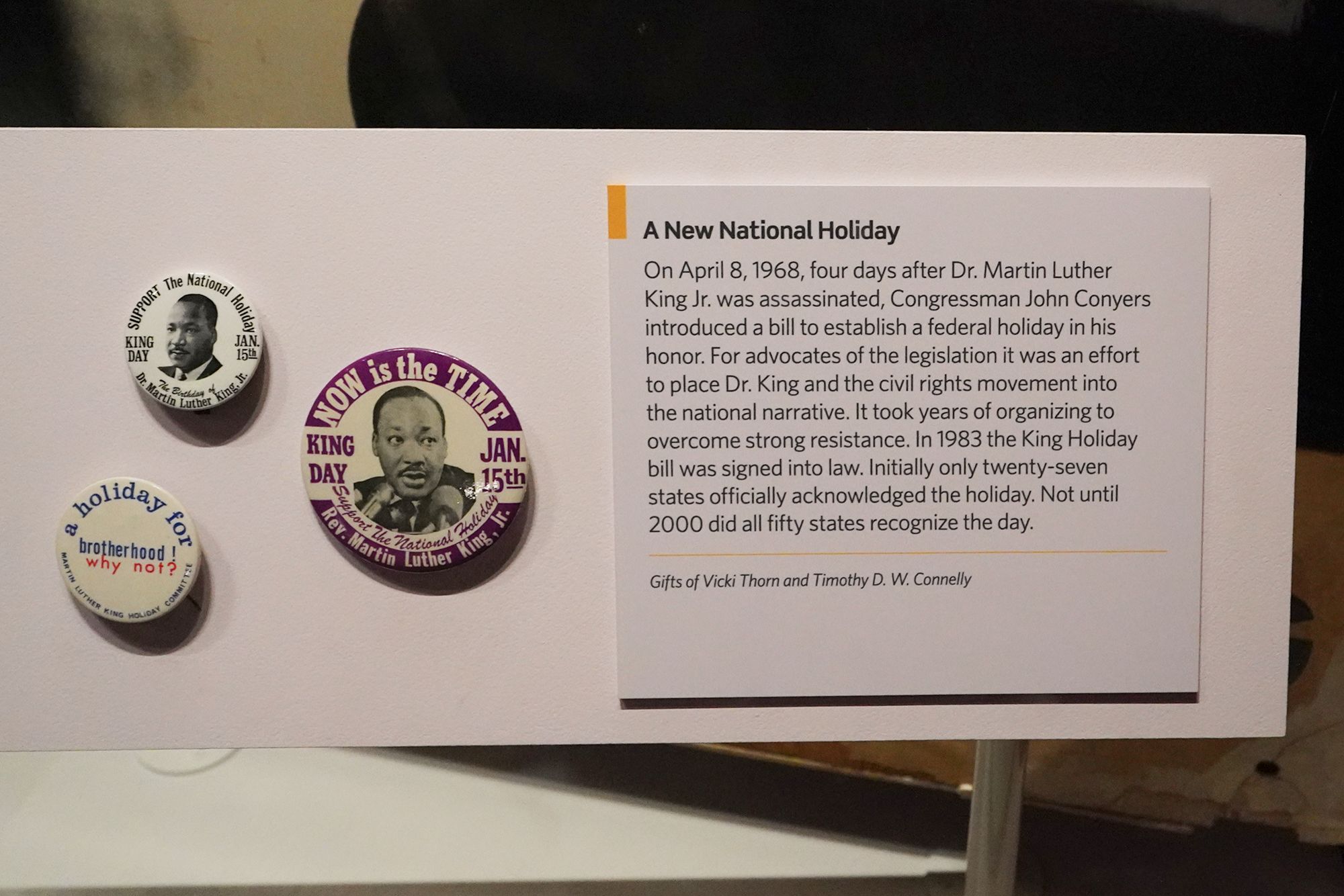
Martin Luther King Jr.
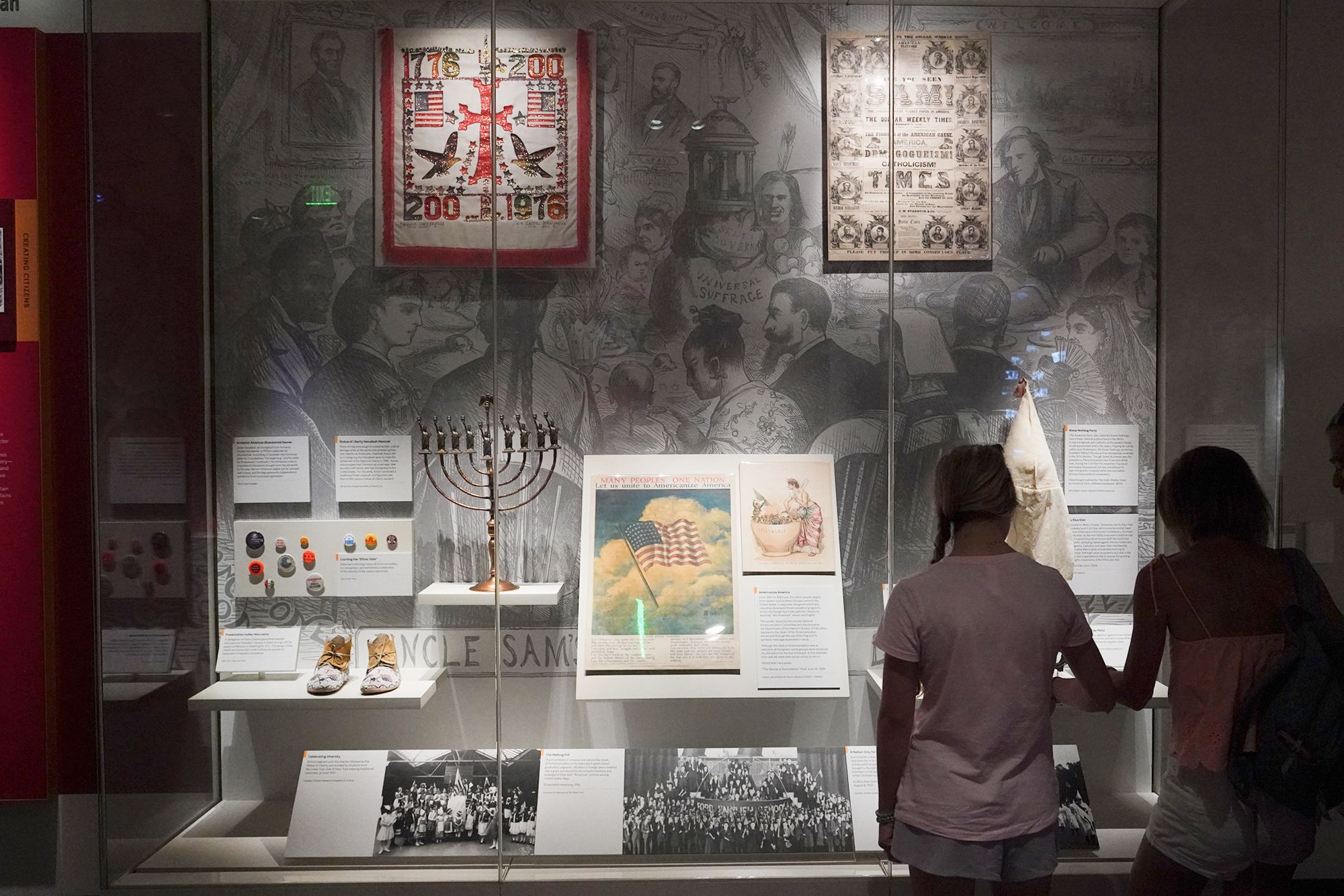
Many People One Nation
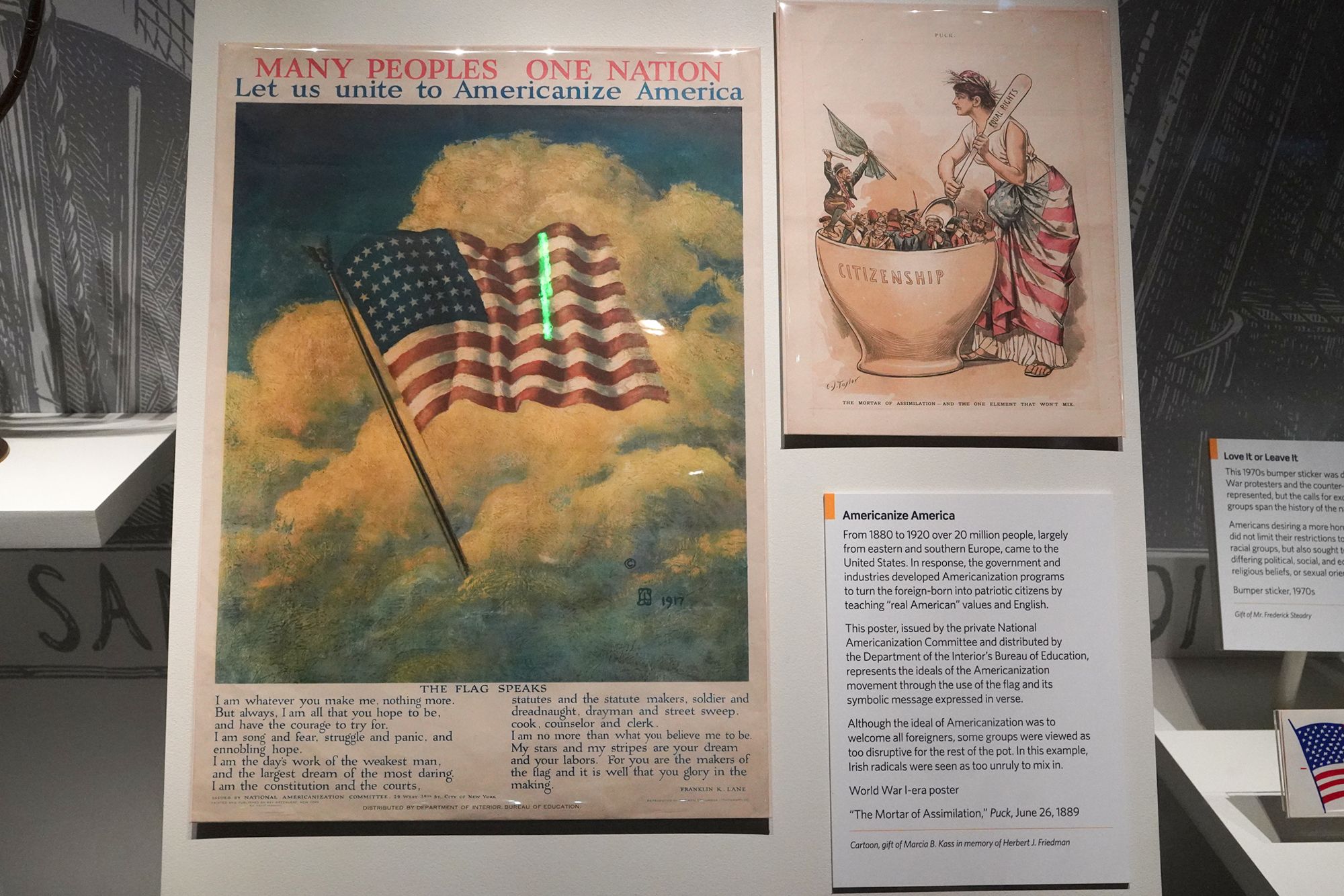
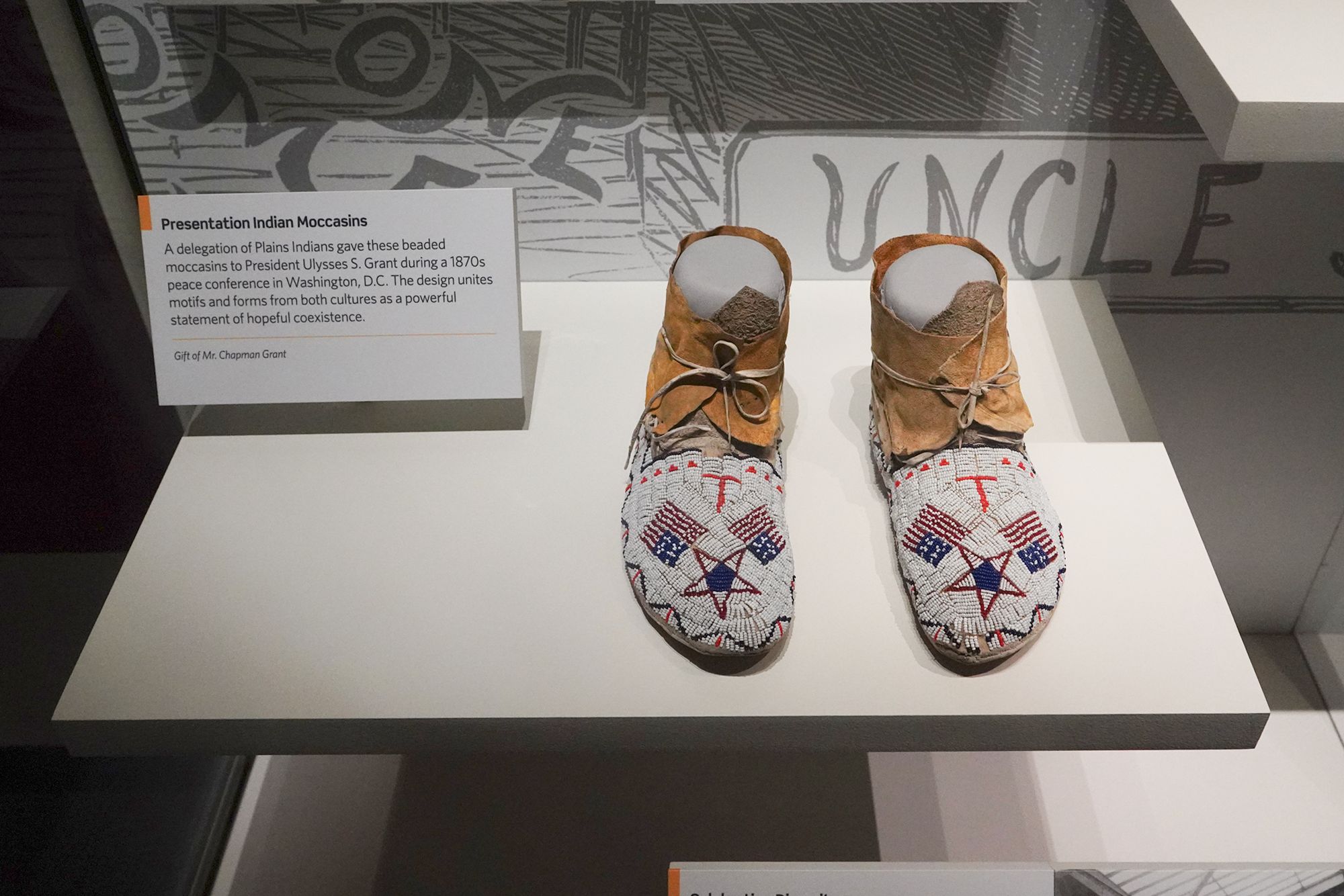
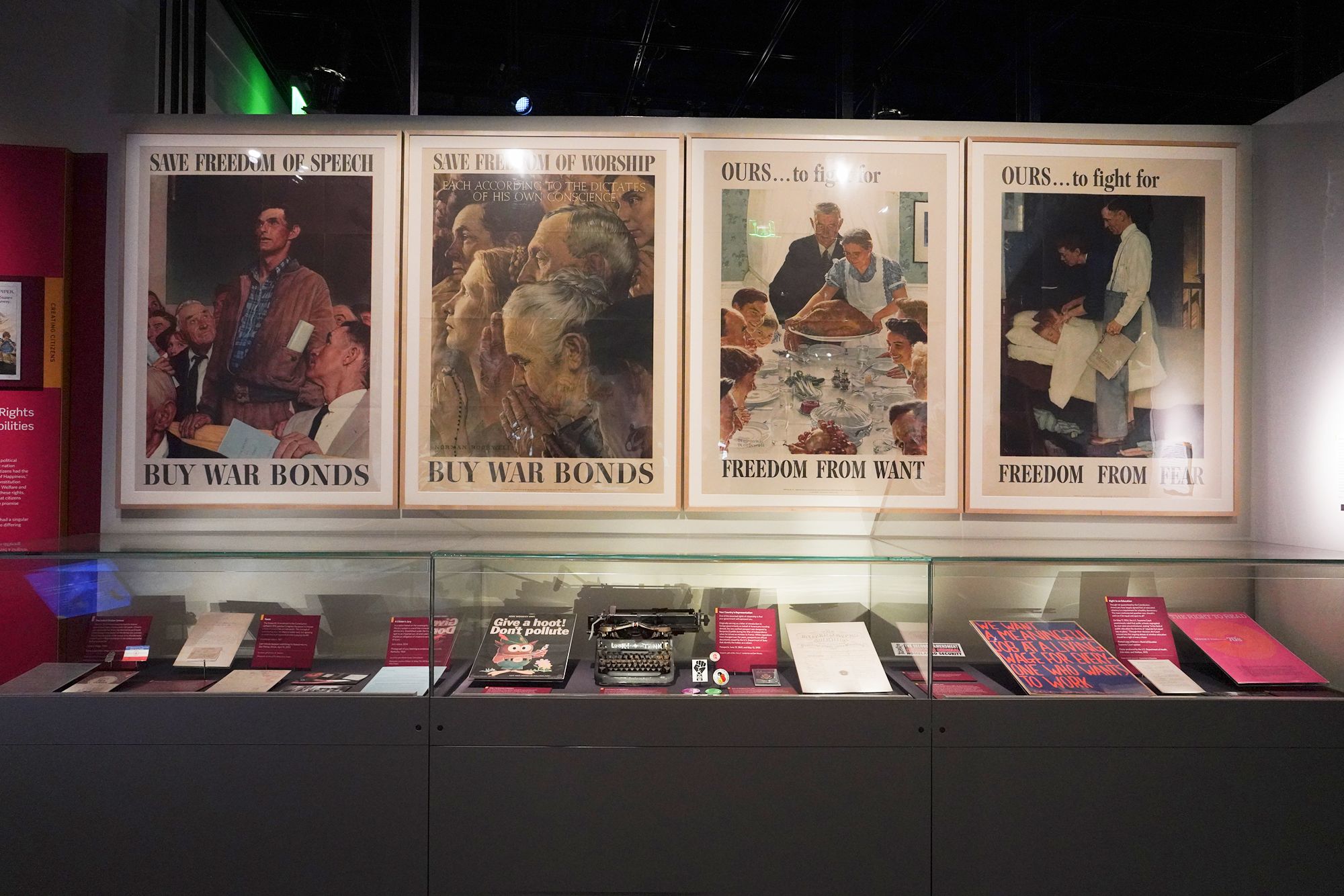
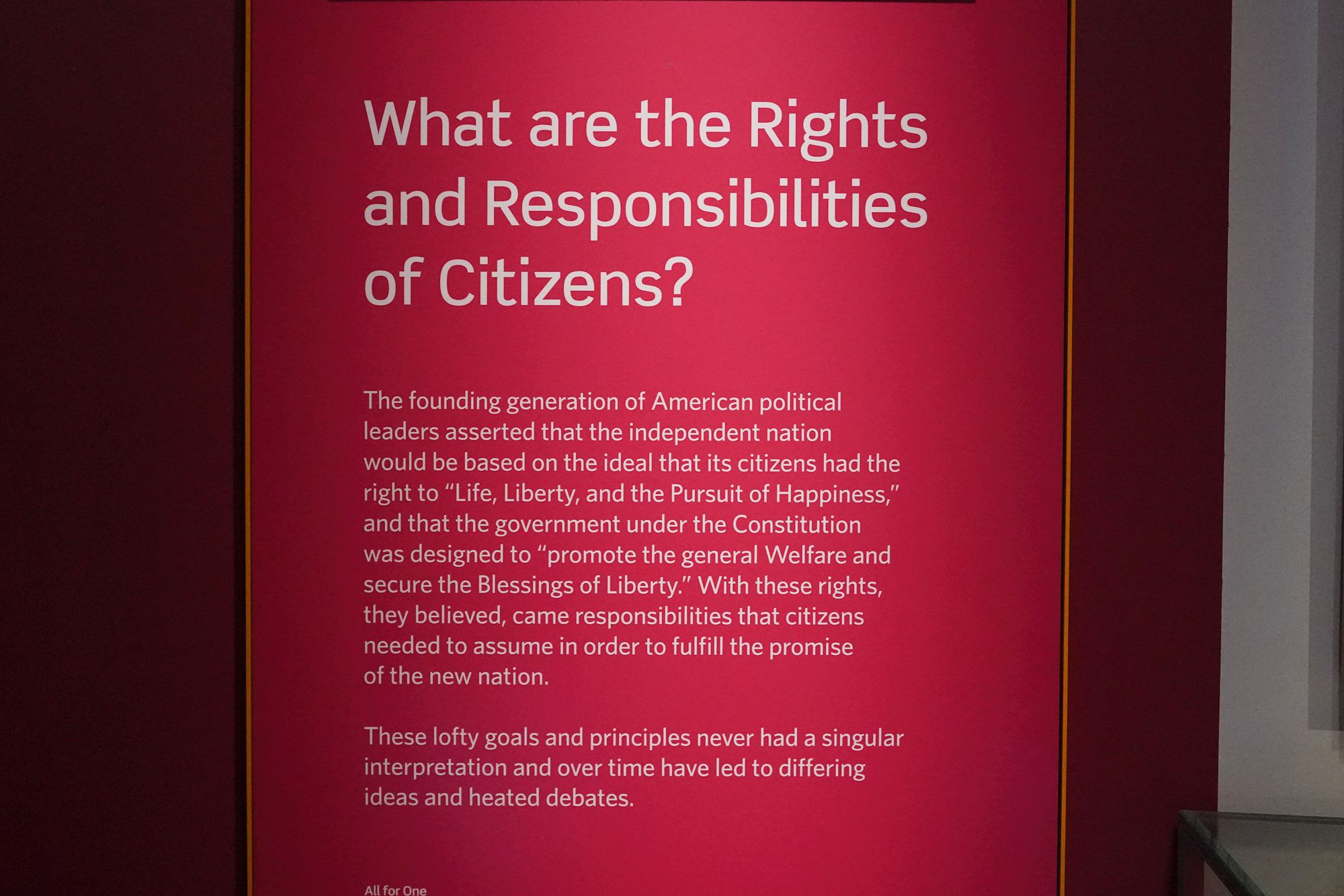
Citizens have rights like free speech, equal protection, and fair trials, and responsibilities such as obeying laws, voting, paying taxes, and respecting others.
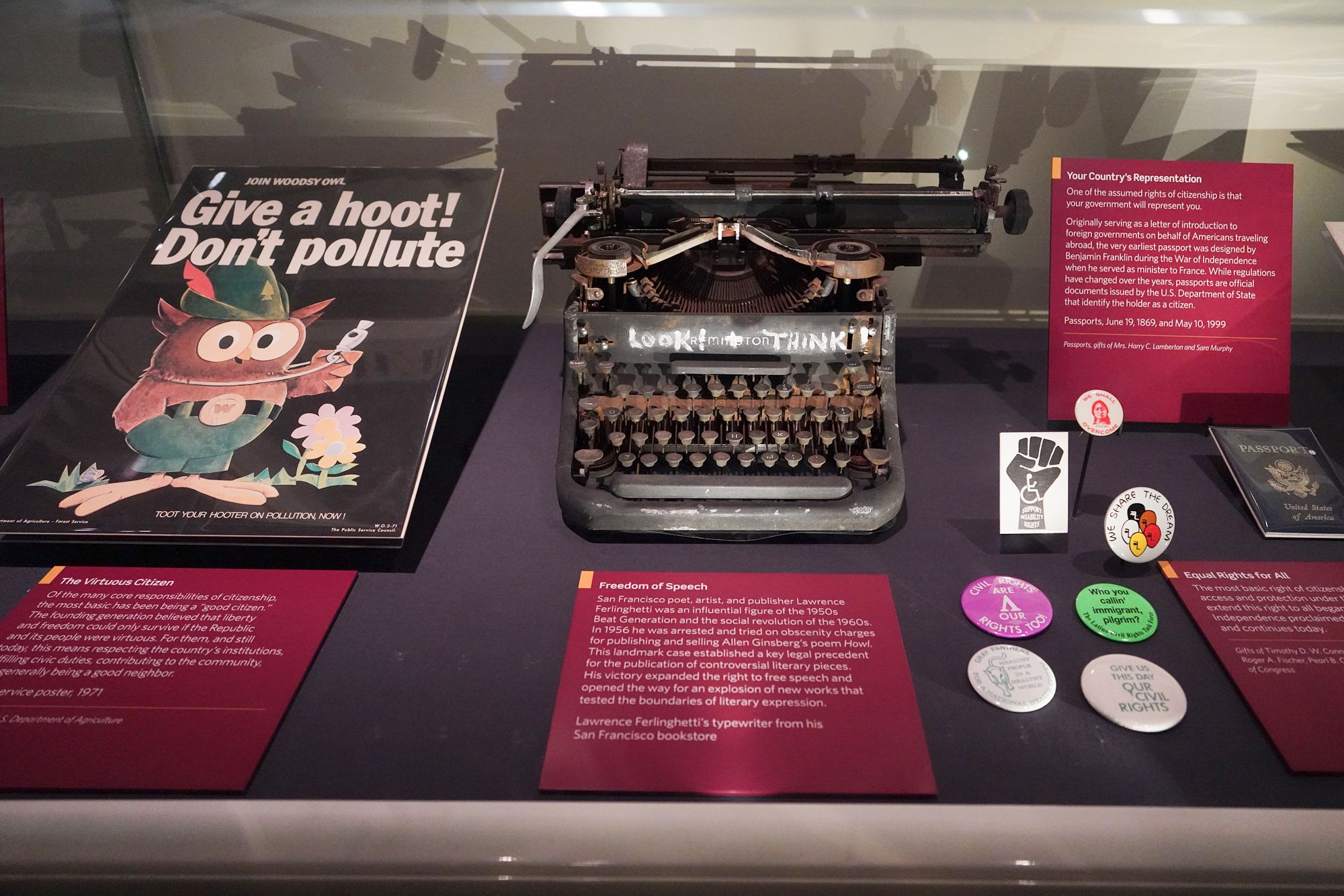
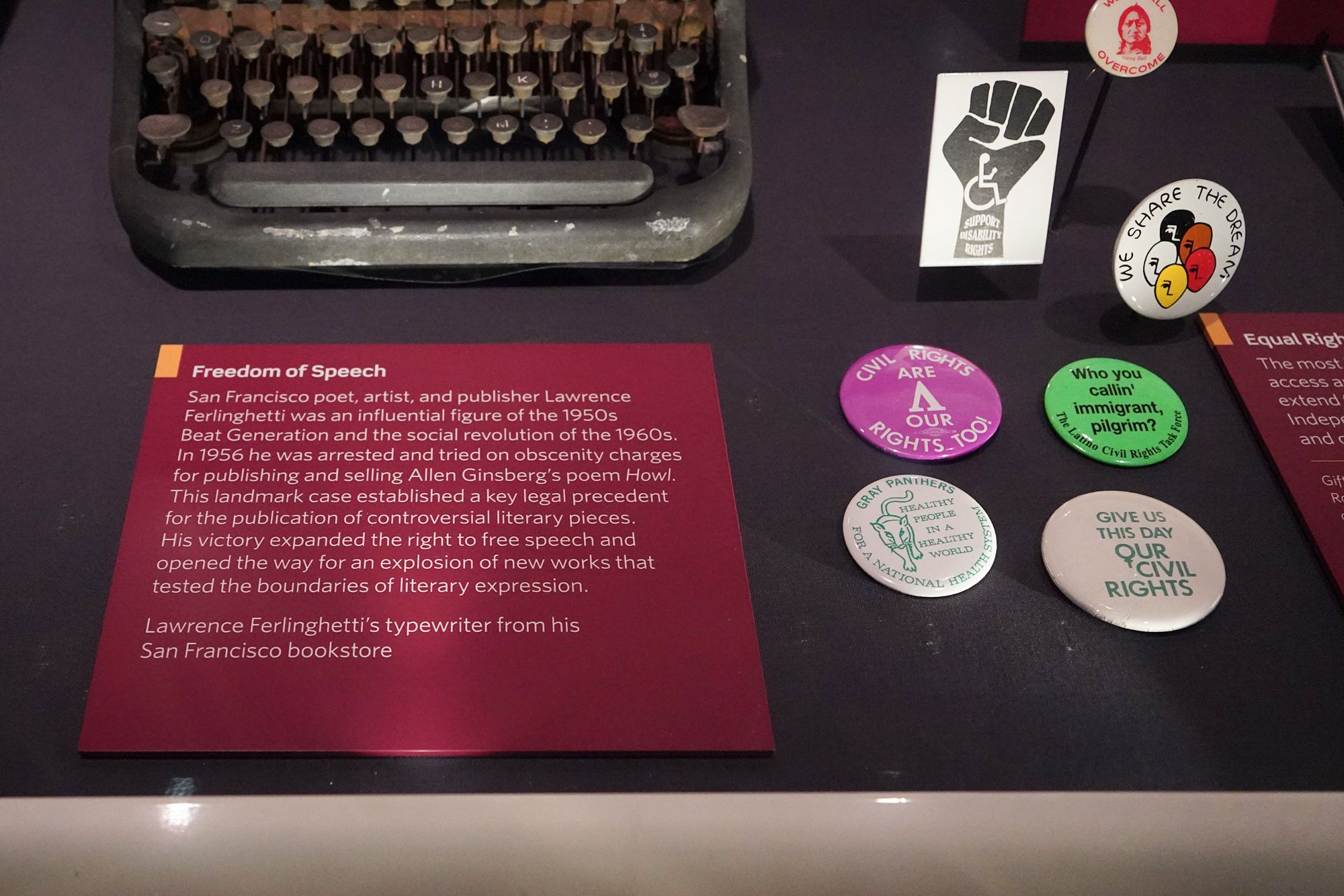
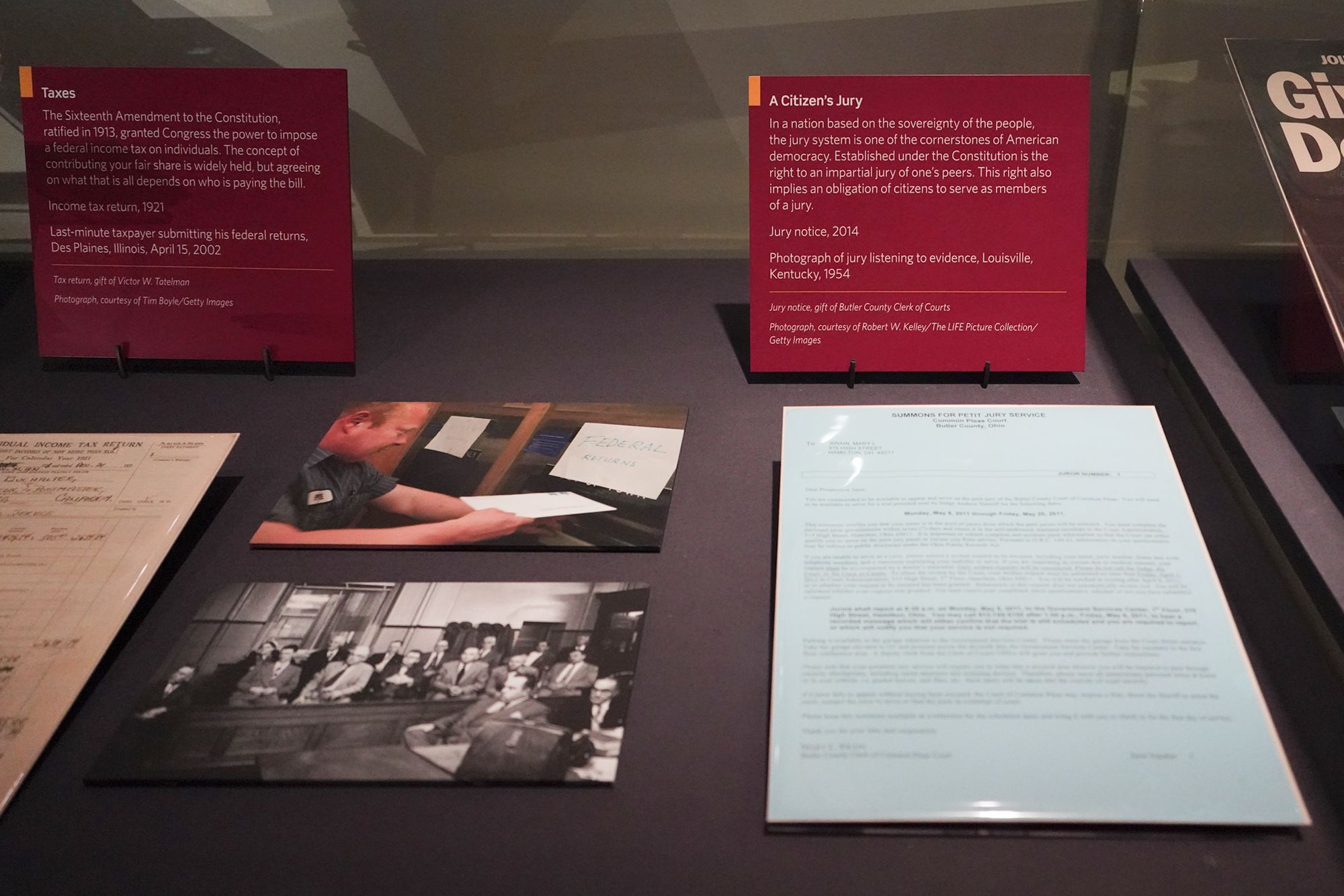
“Creating citizens” means teaching people the knowledge, values, and skills they need to participate in democracy and become responsible members of society.
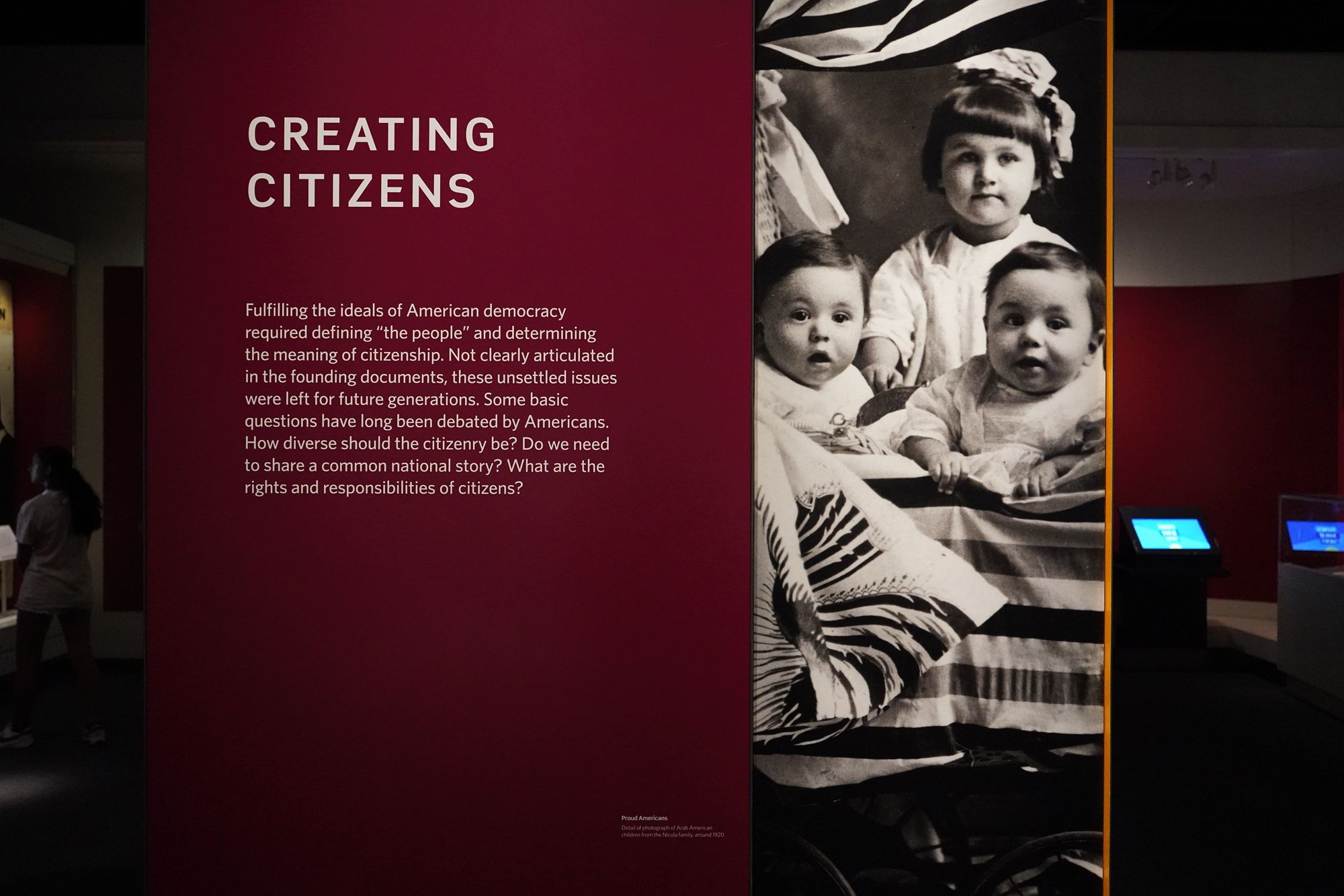
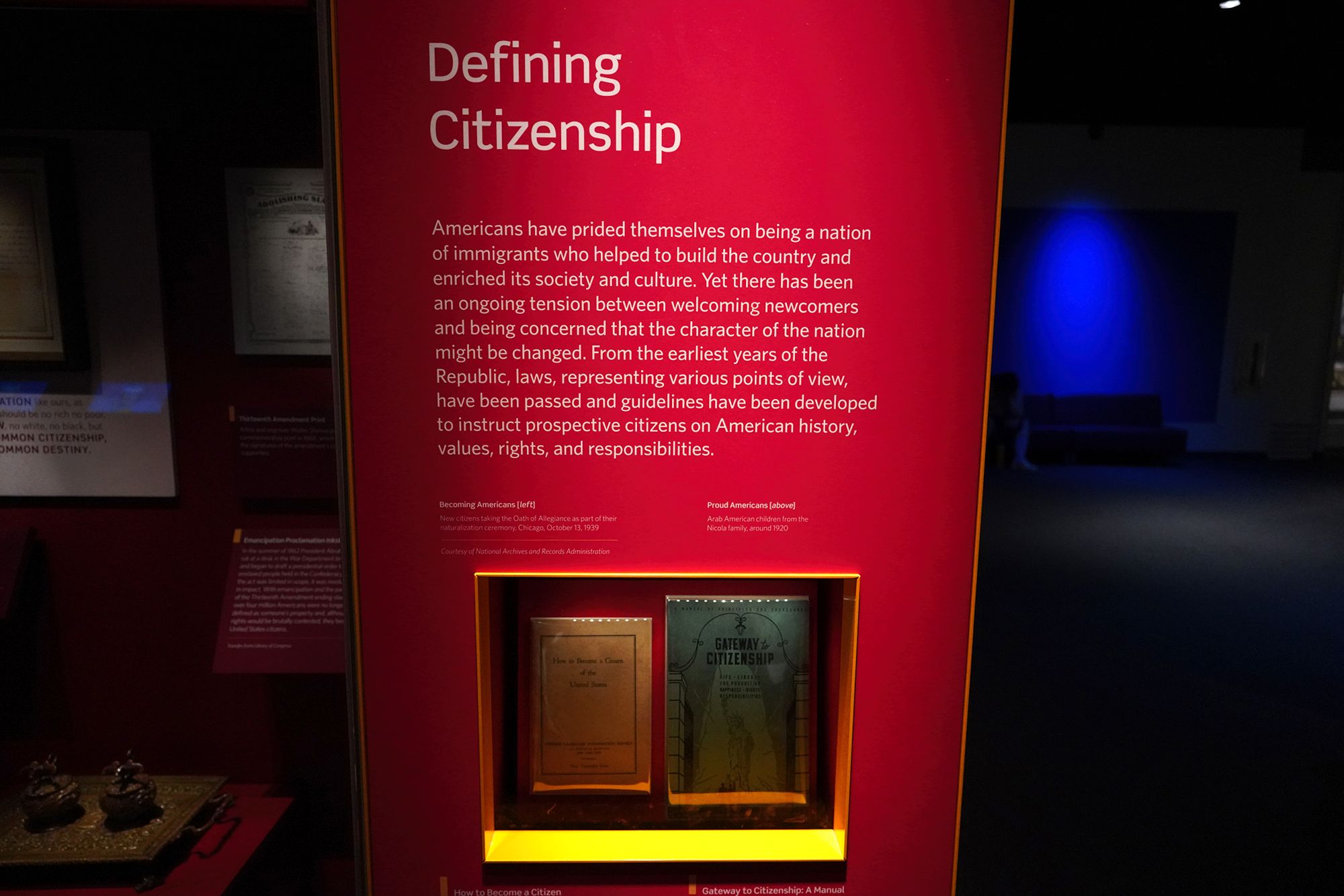
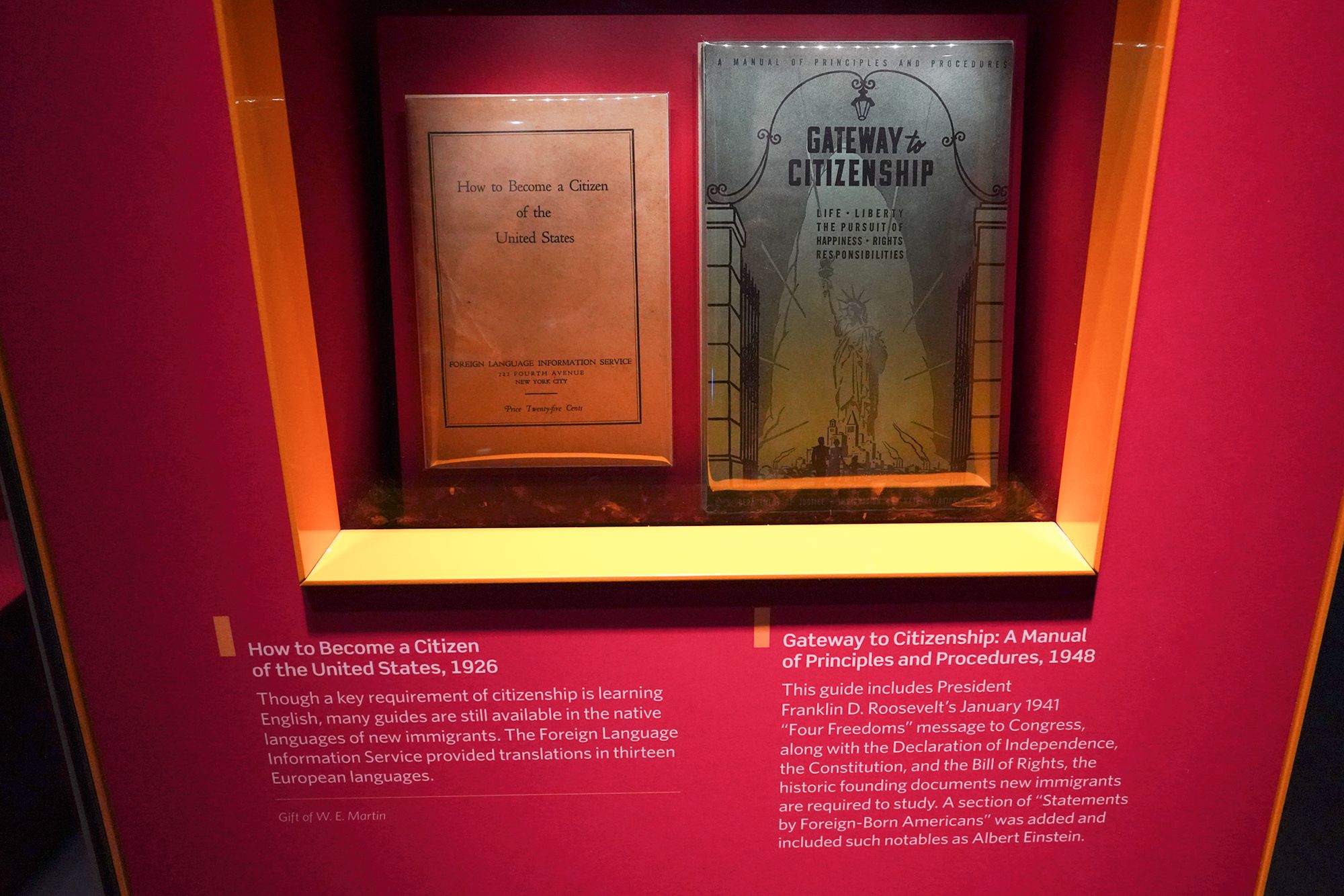
How to become the US citizen
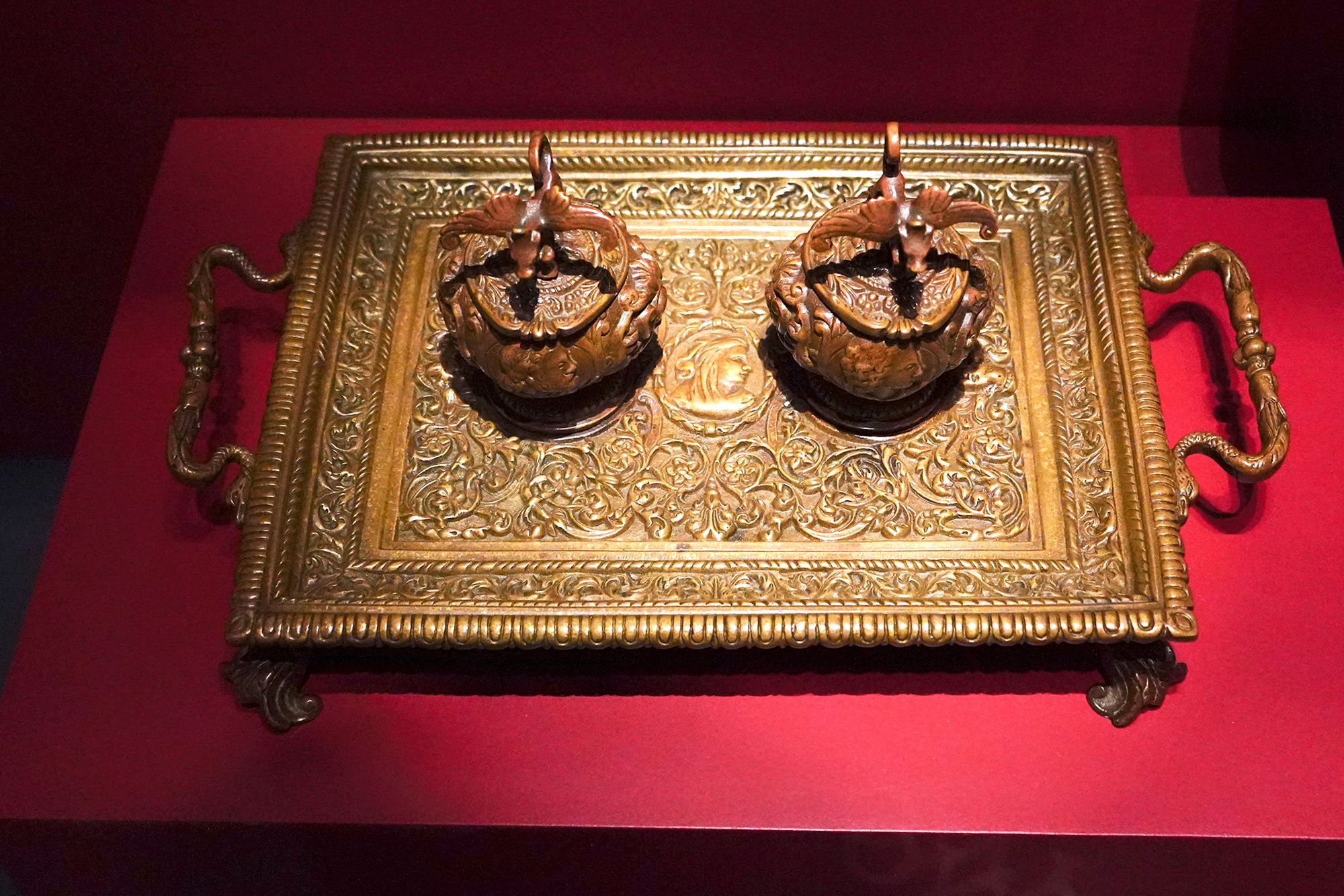
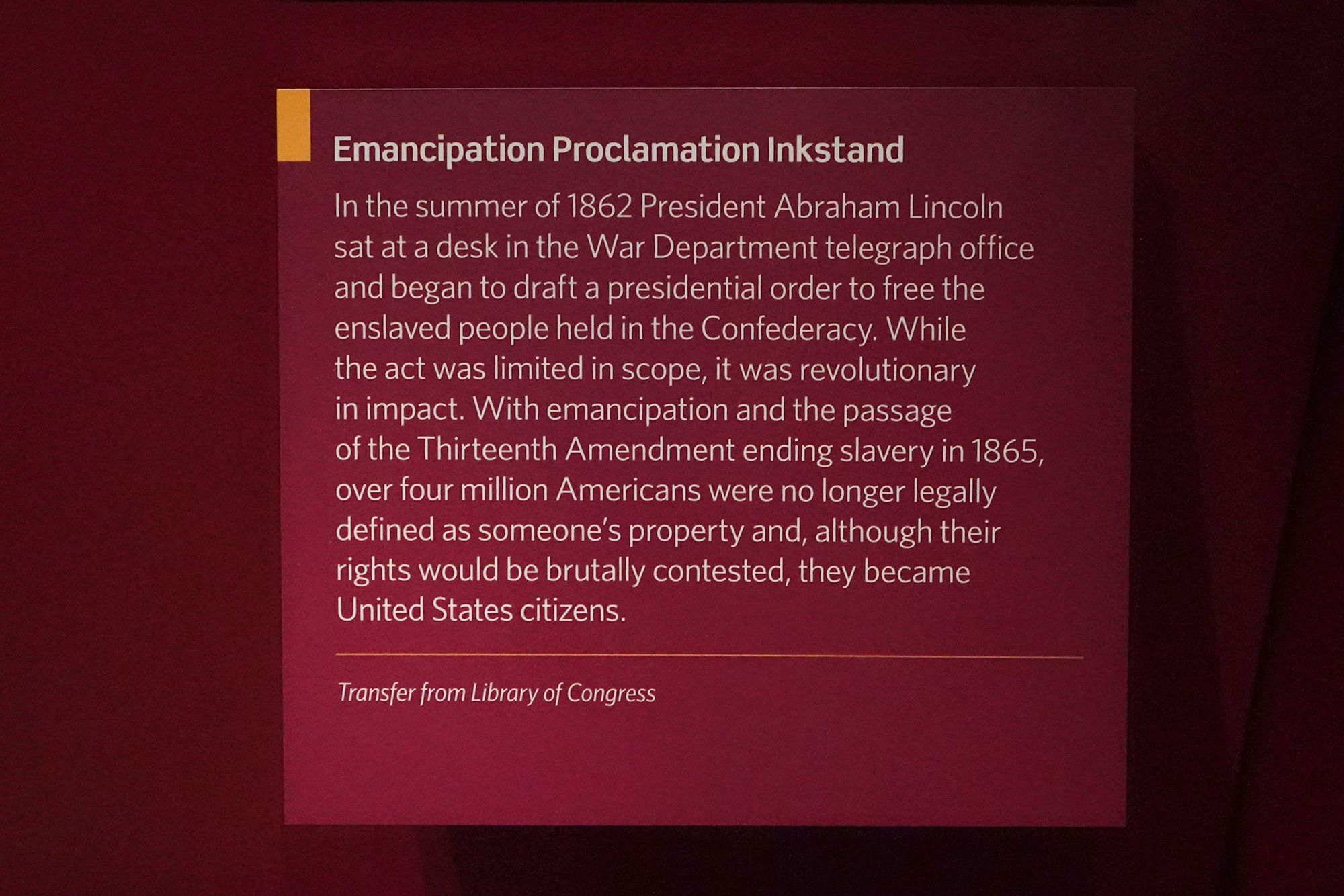
Voting and campaigning are the ways citizens choose their leaders and influence public decisions
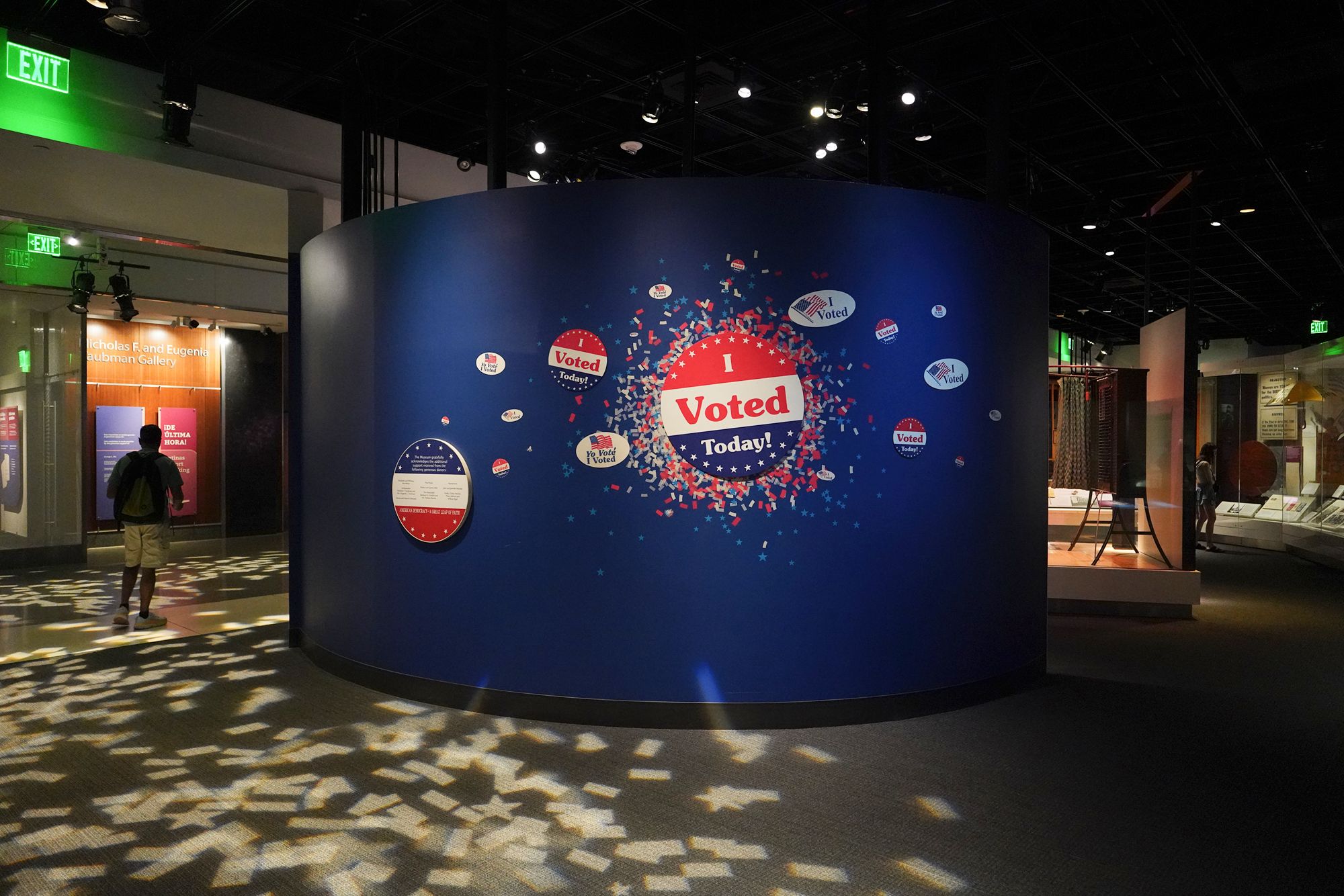
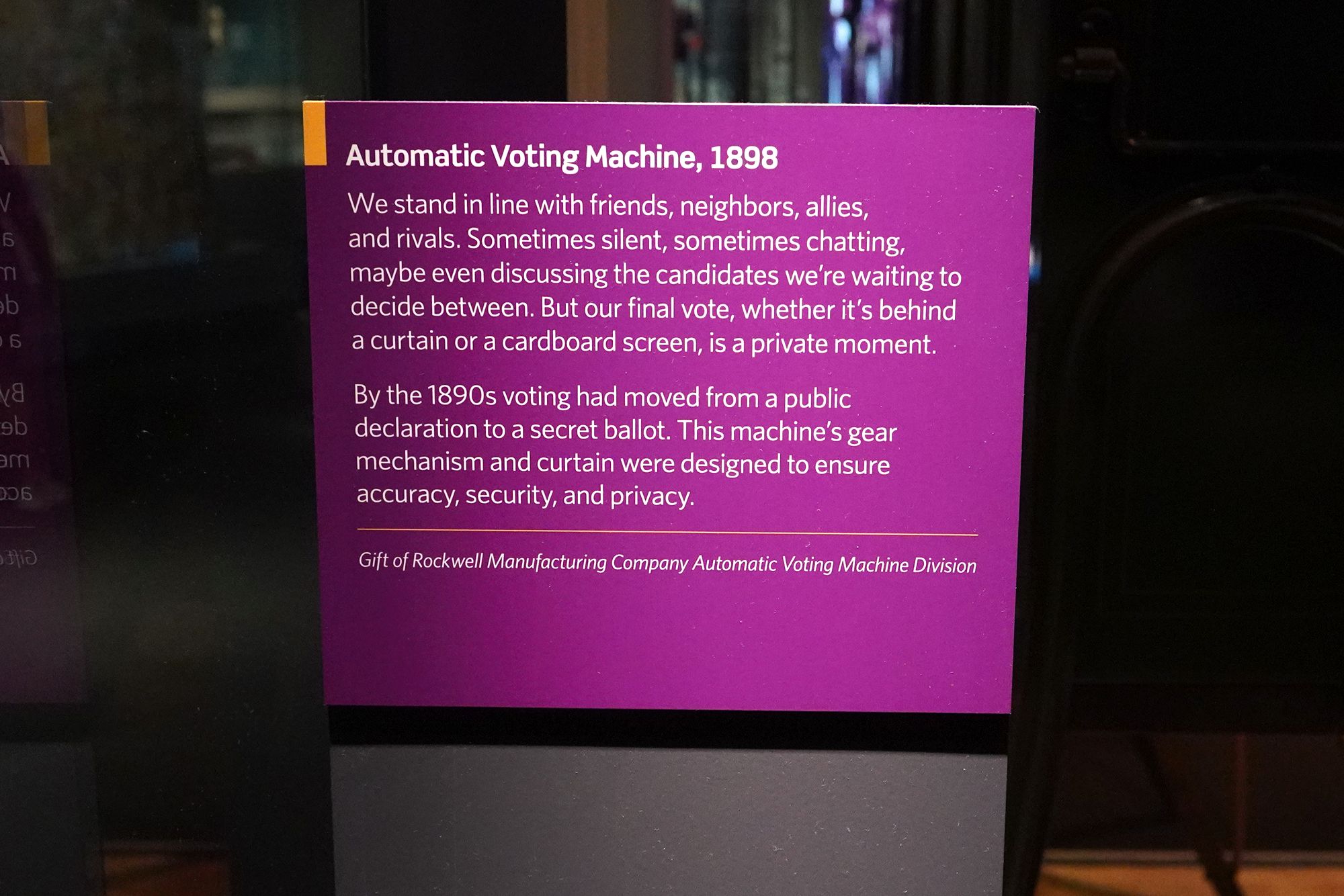
Automatic Voting Machine, 1898
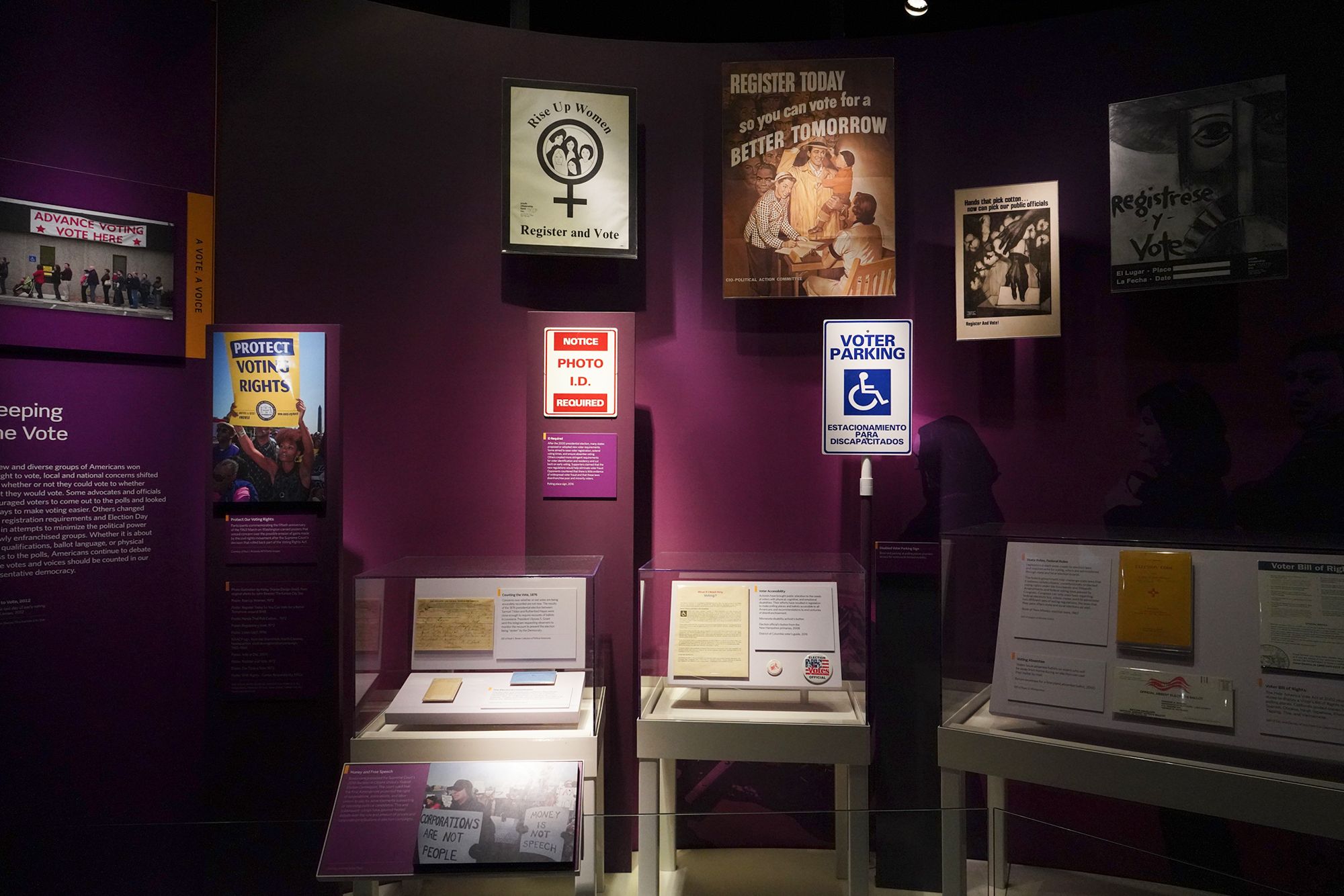
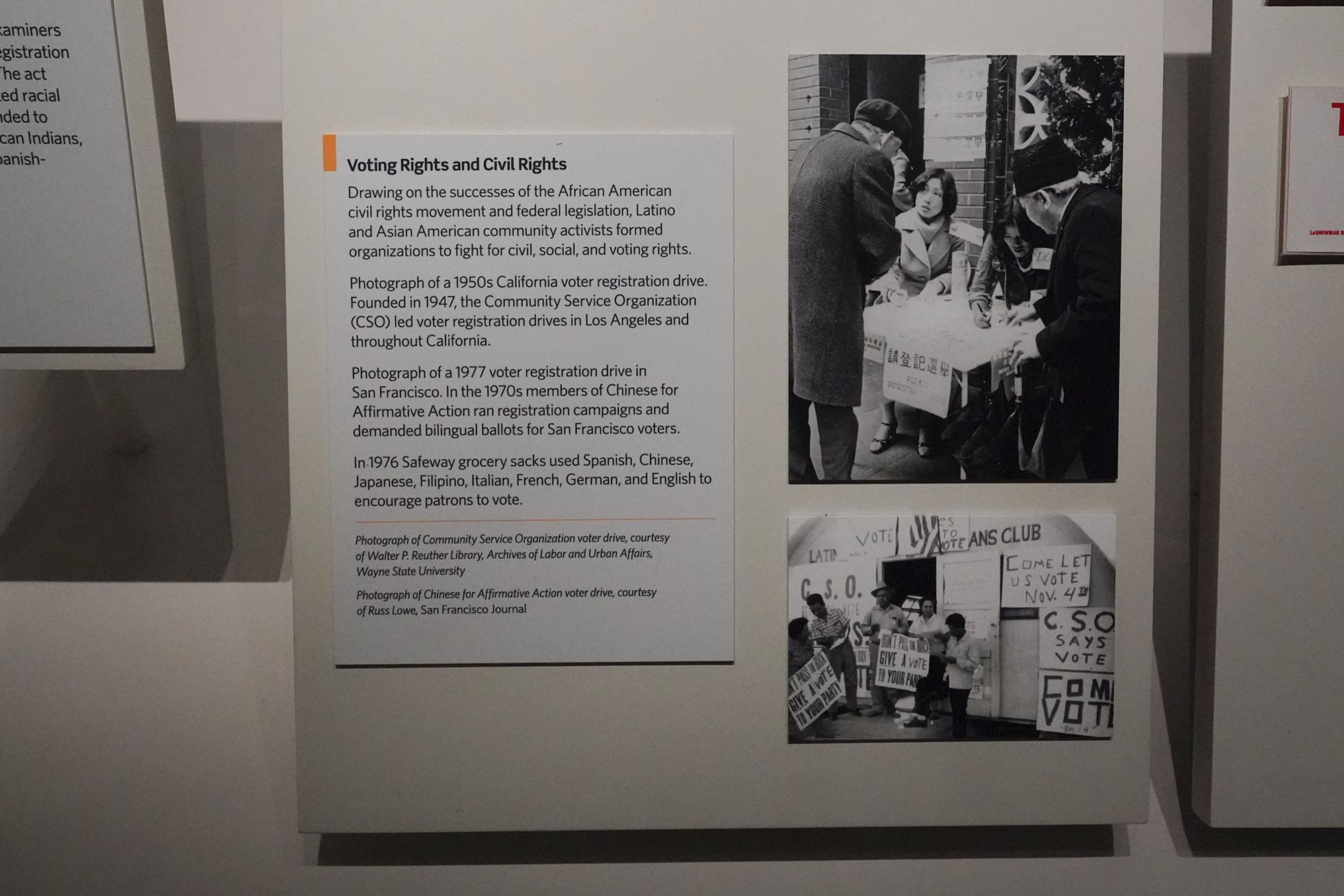
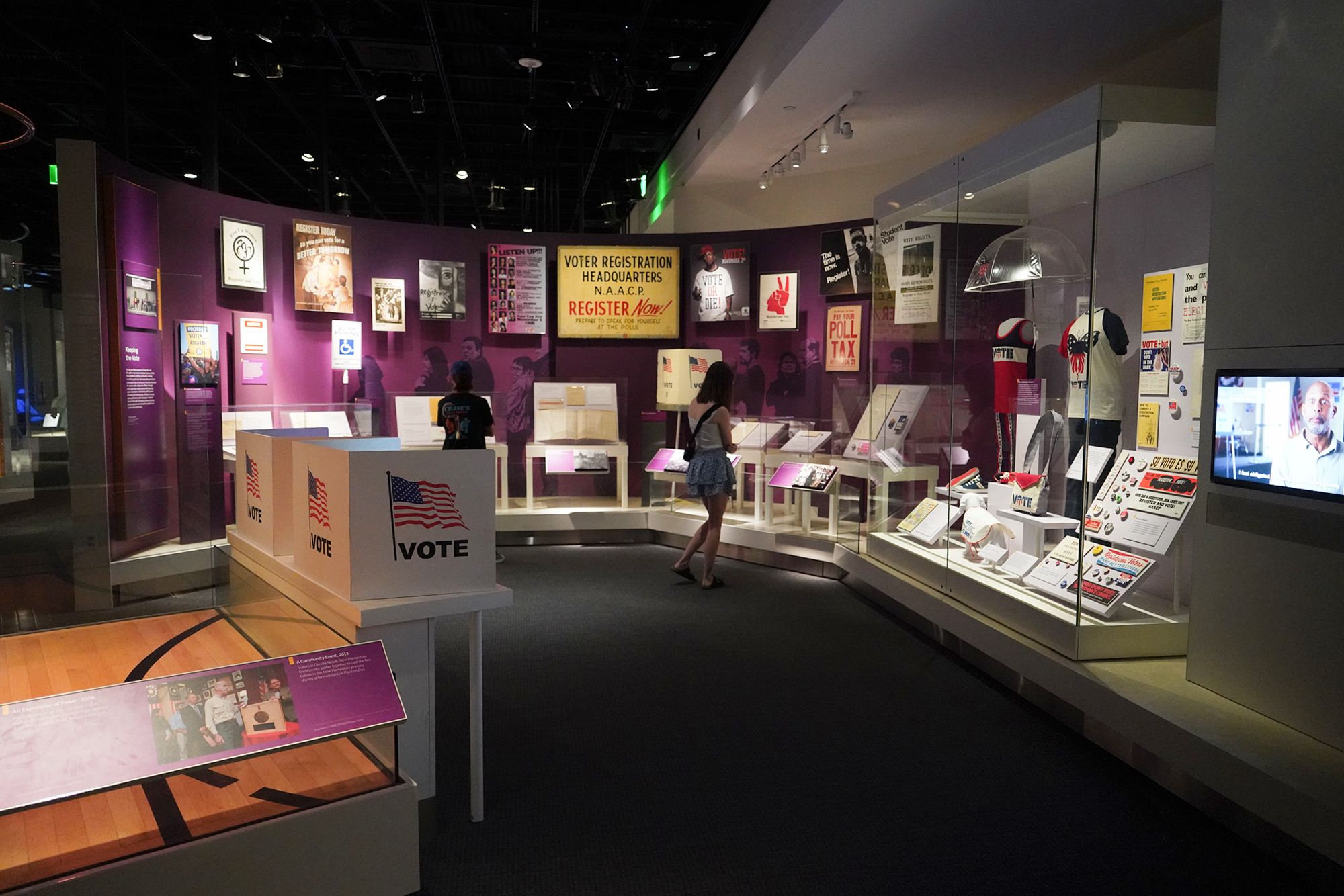
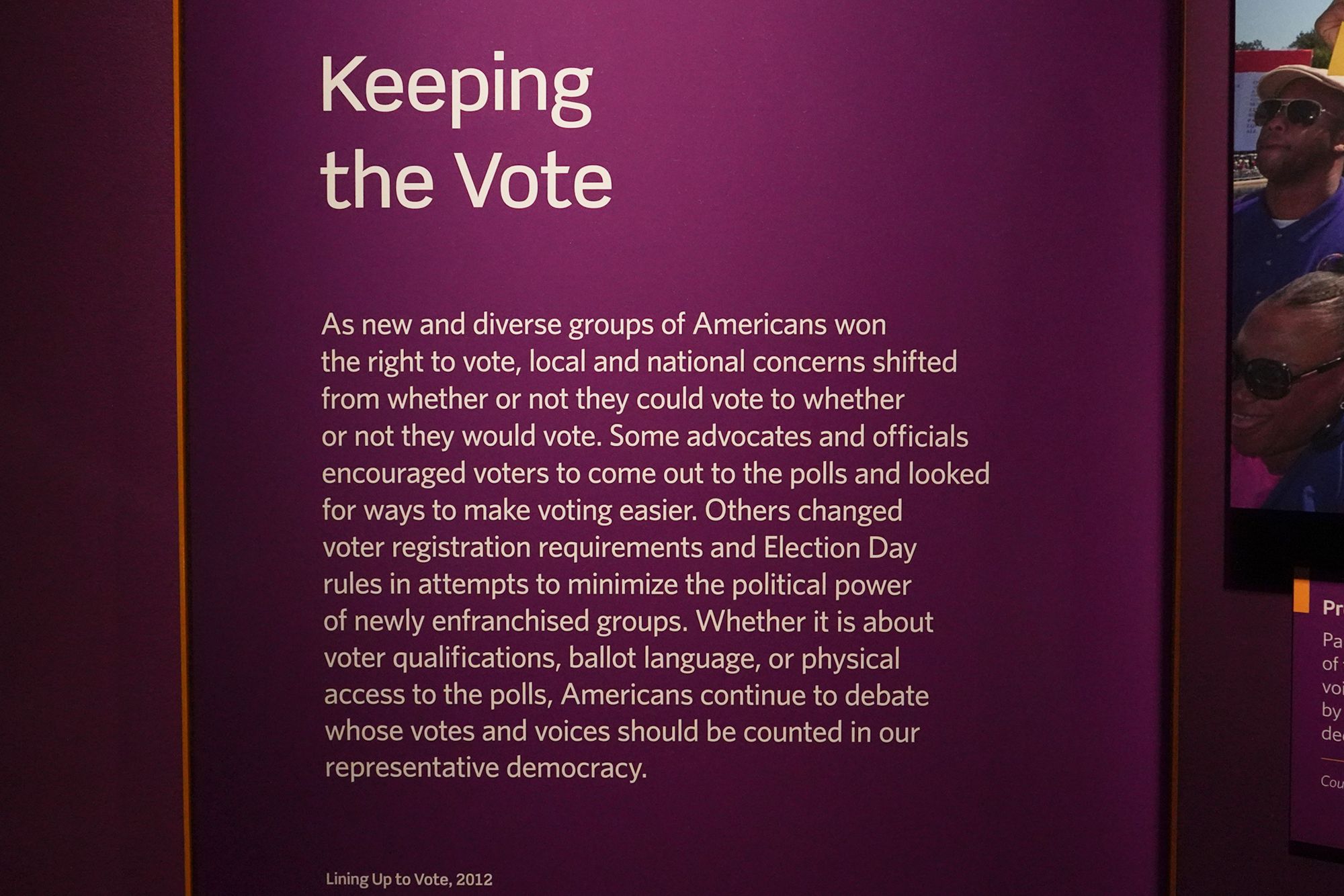
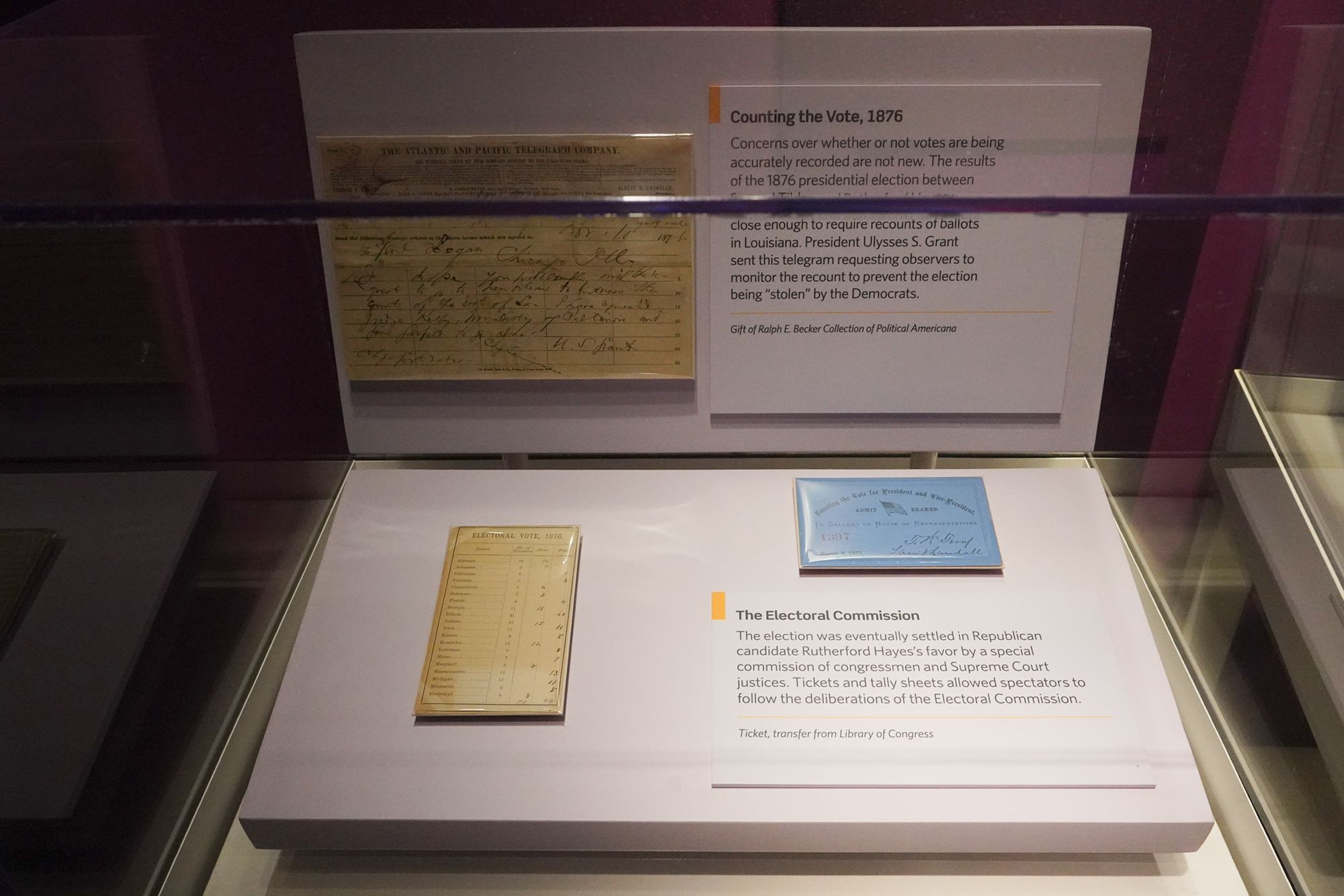
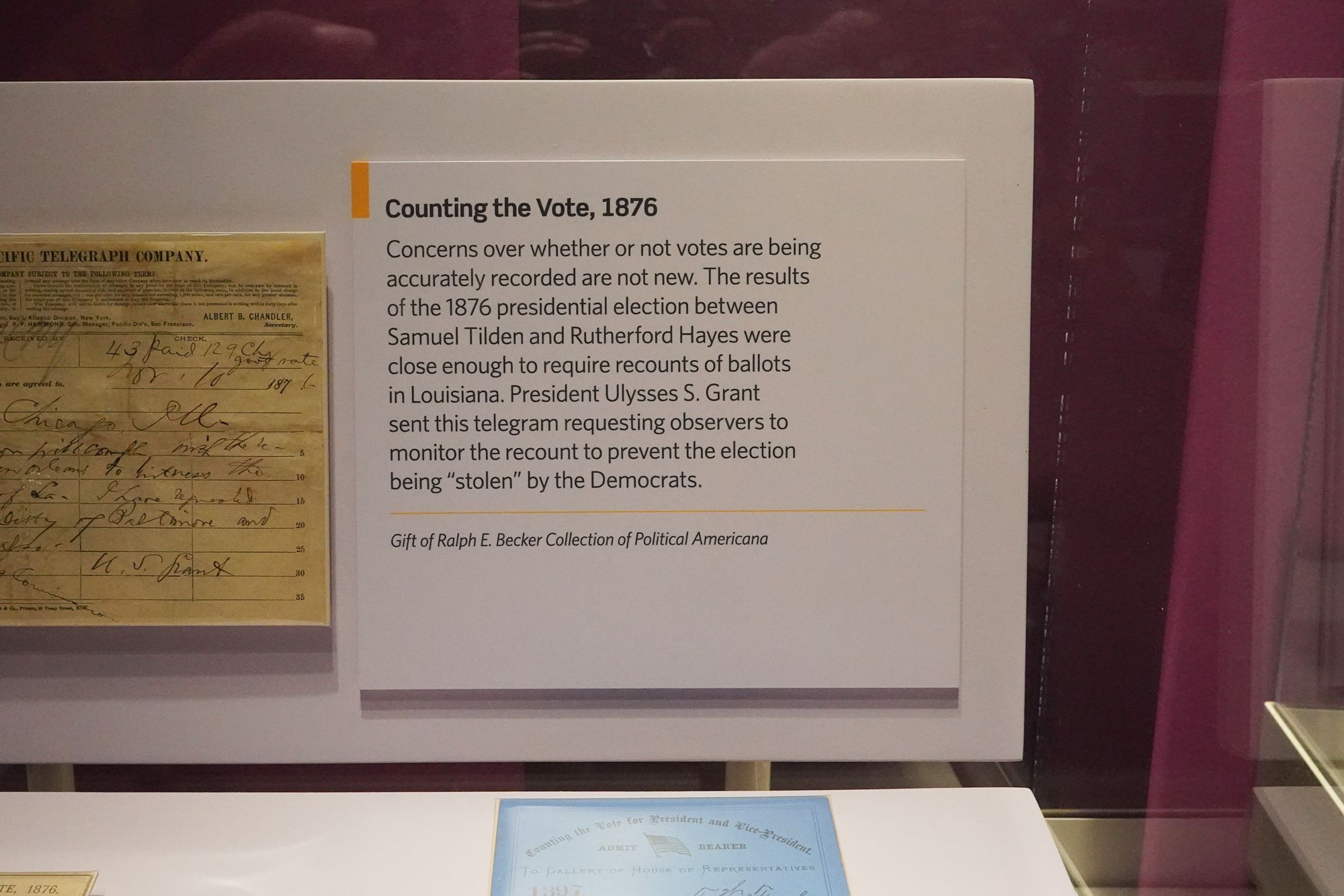
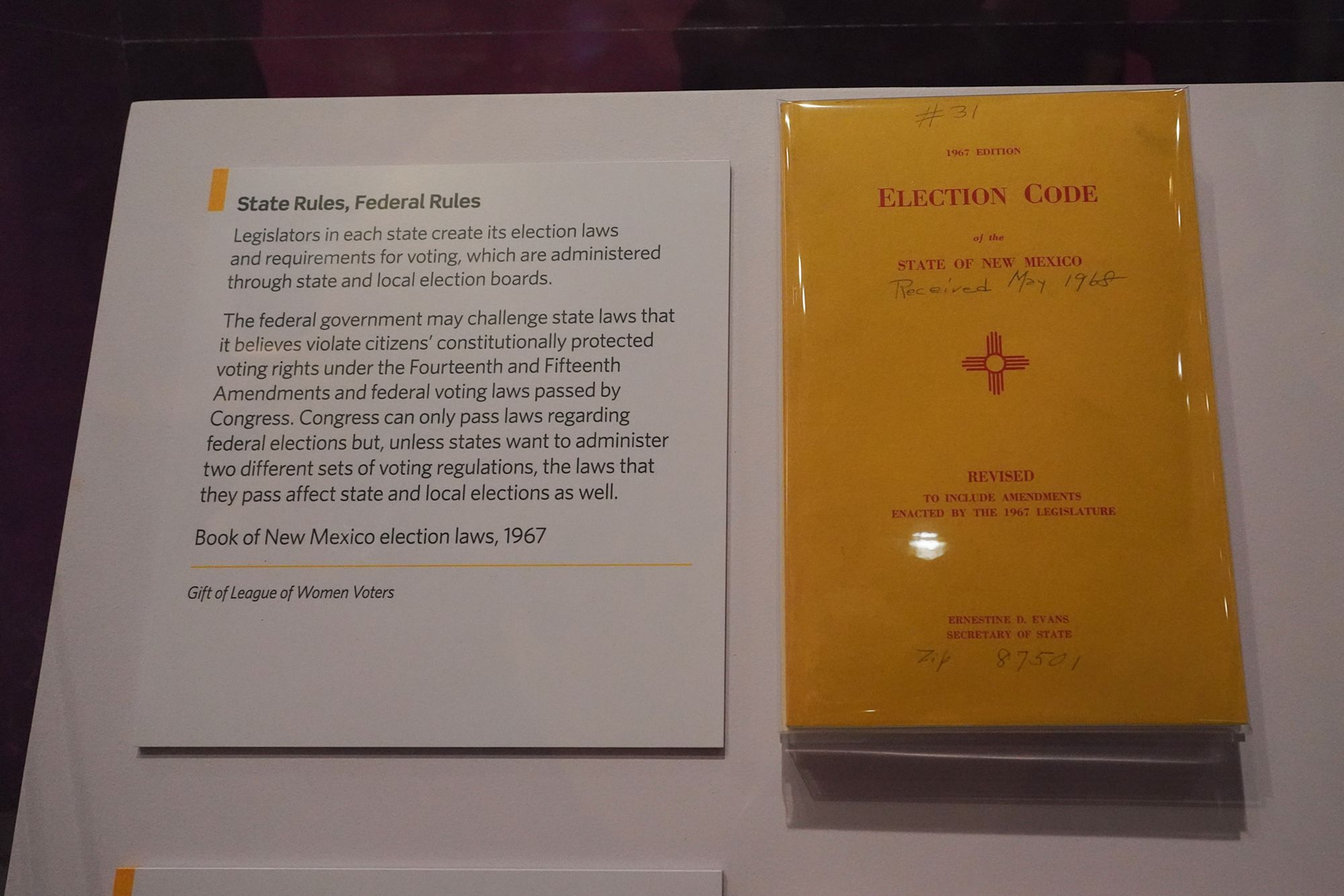
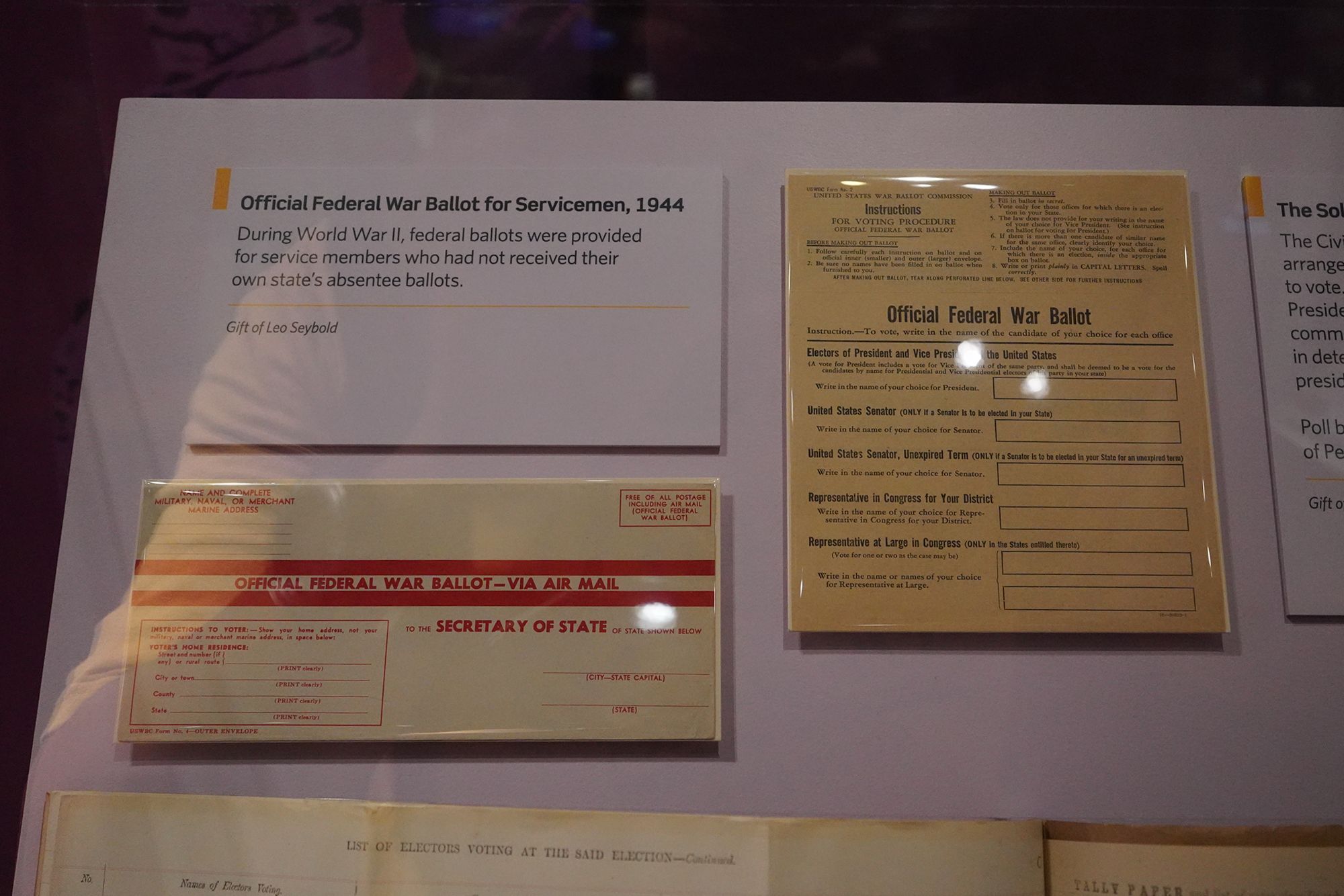
“Keeping the vote” means protecting the right to vote by ensuring fair elections, preventing discrimination, and making sure every eligible citizen can cast a ballot and have it counted.
Voter Education
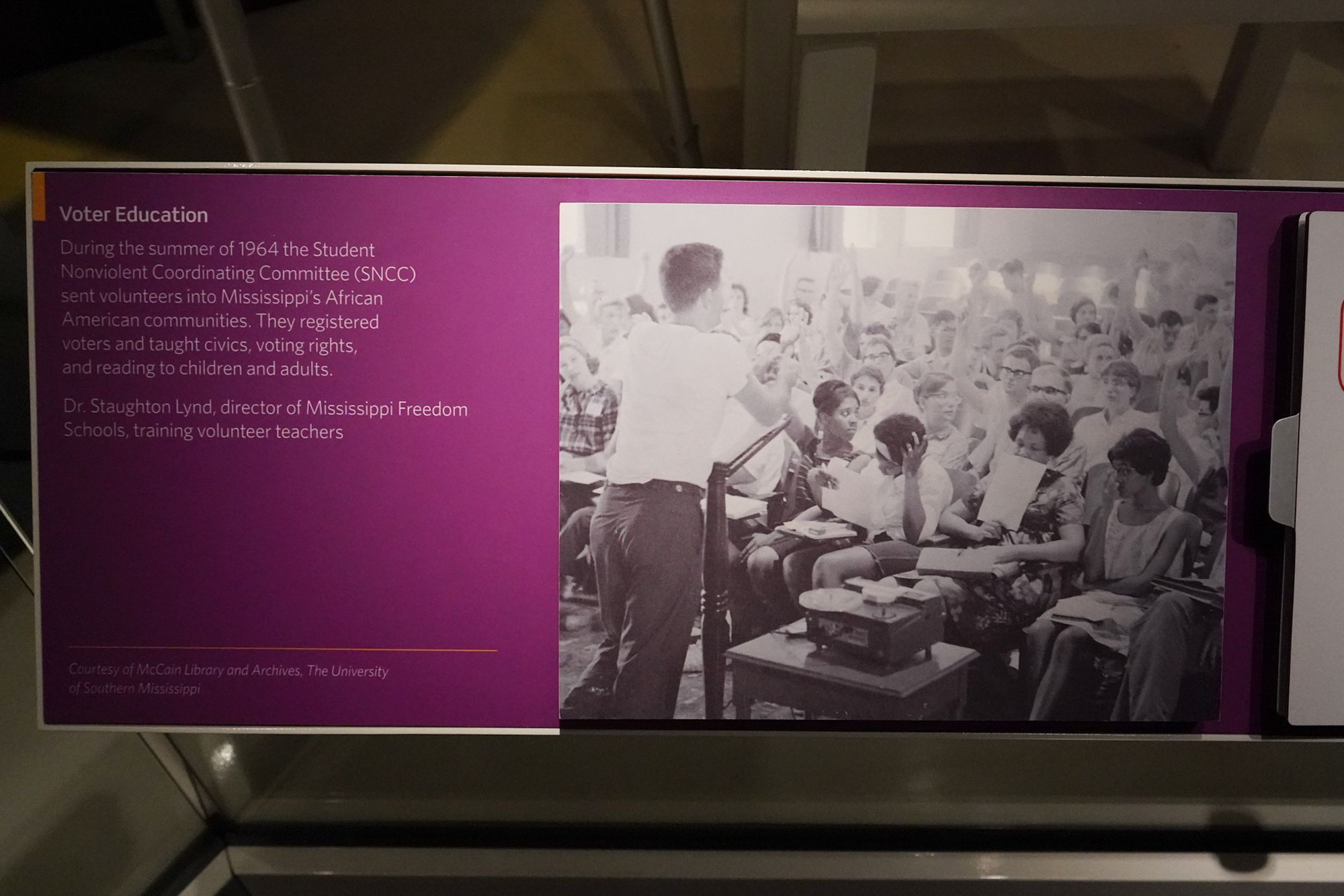
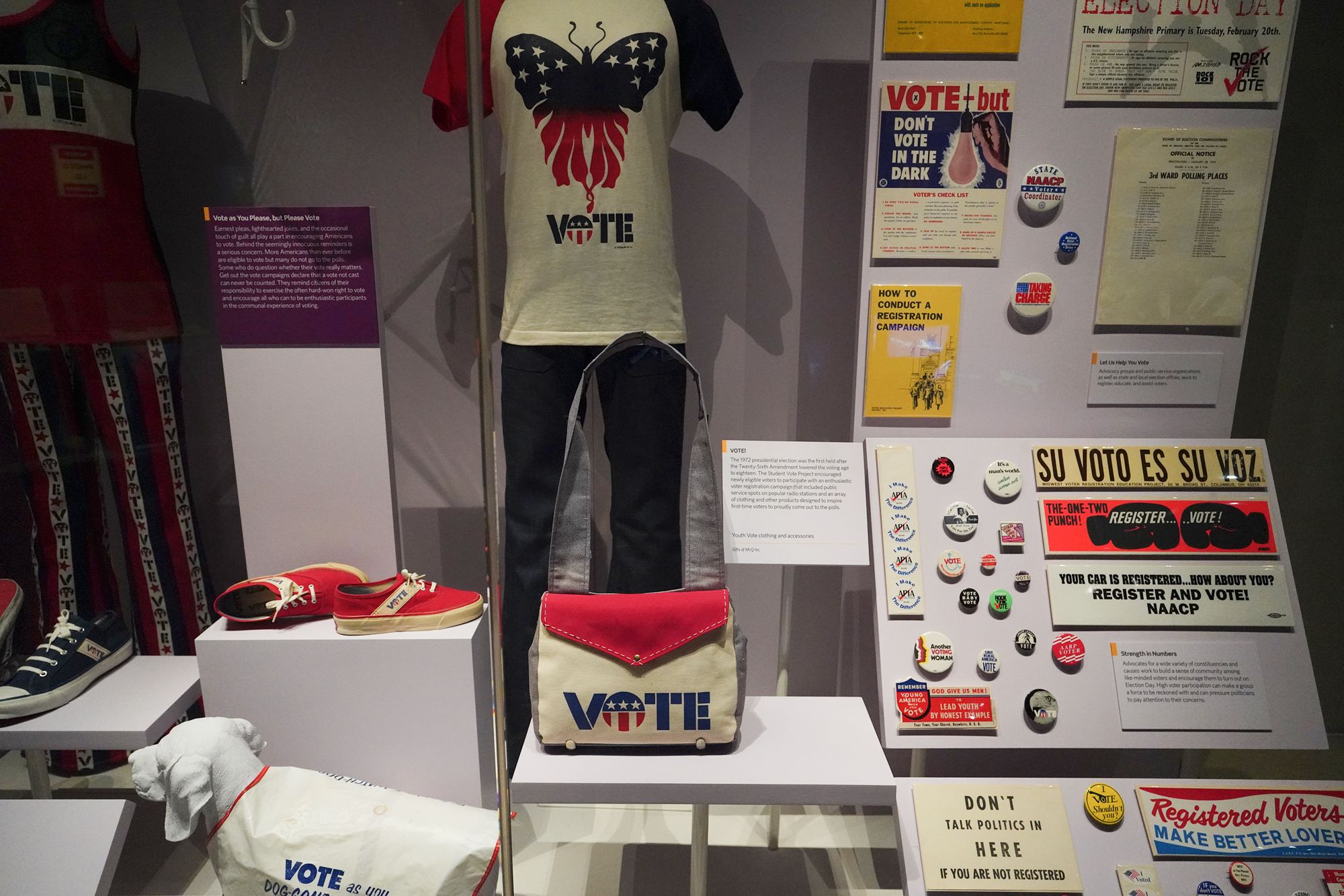
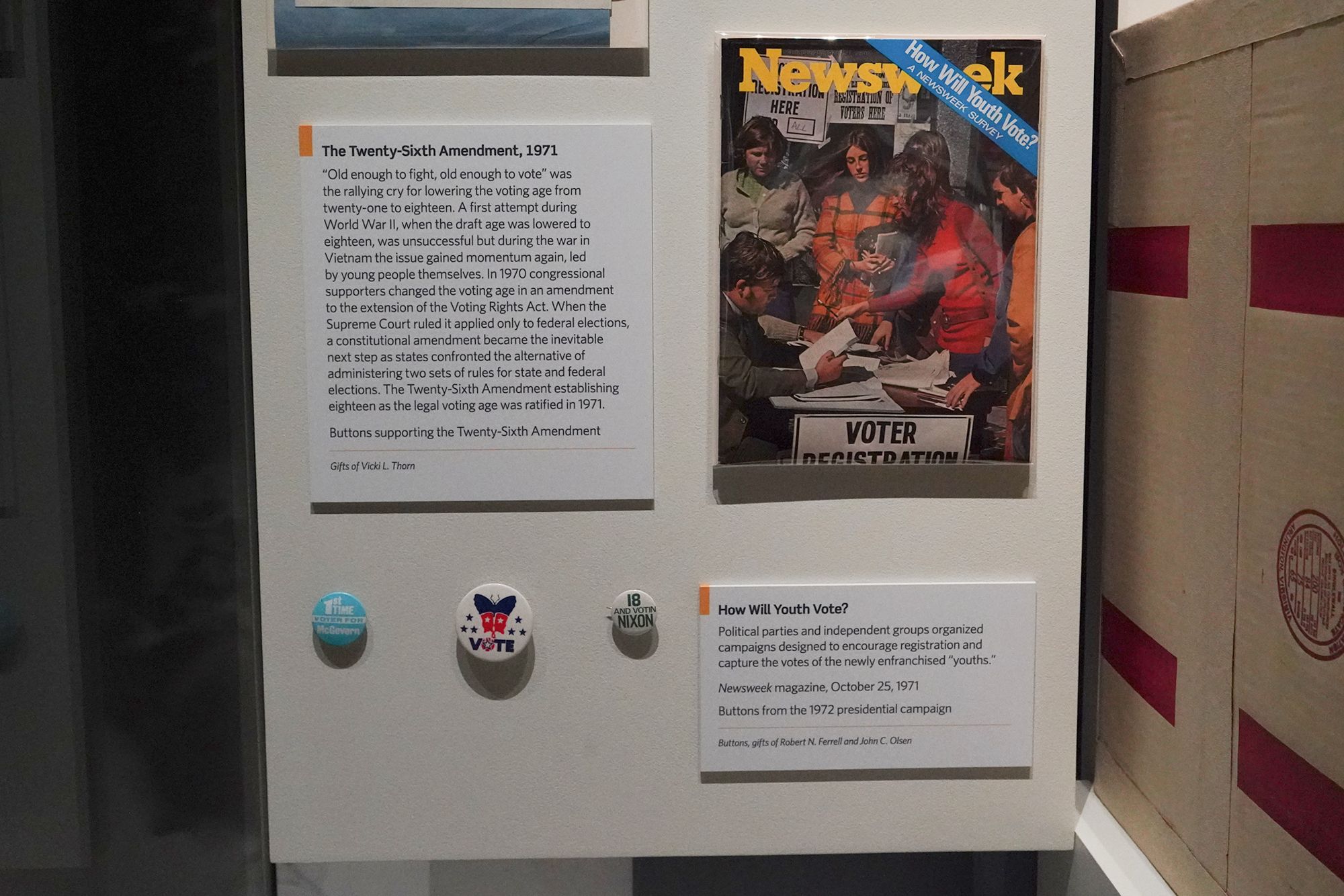
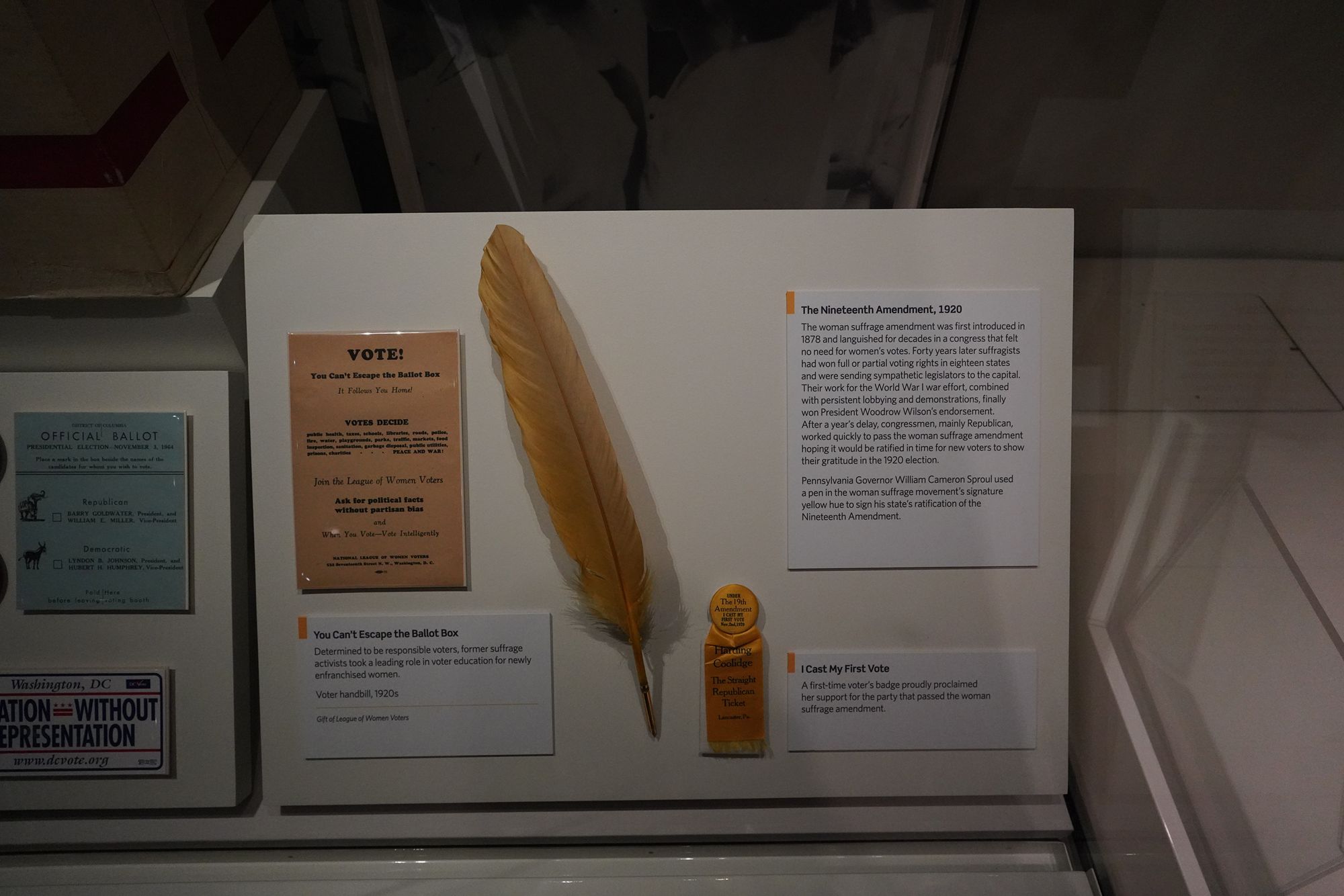
Development of the Voting Rights
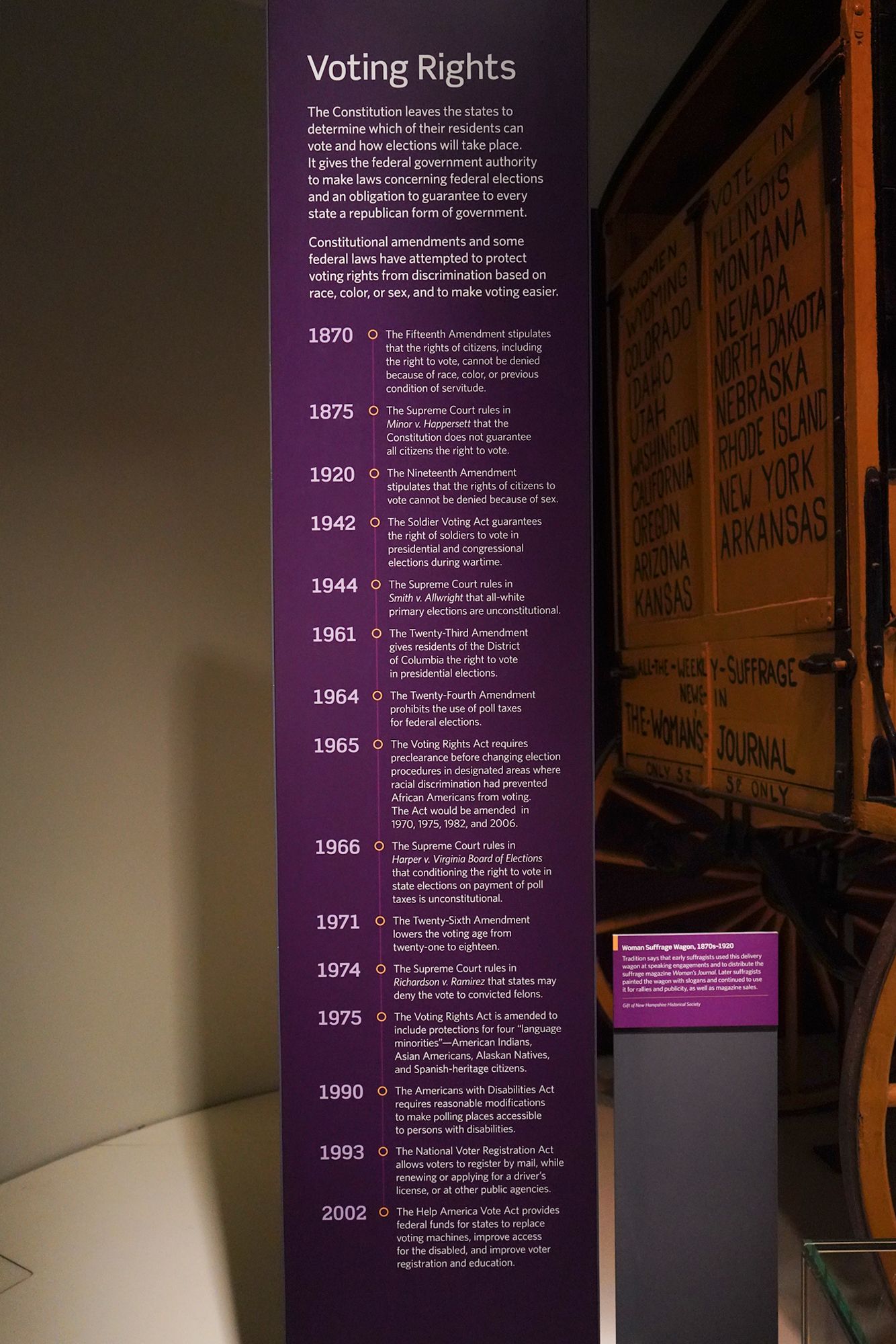
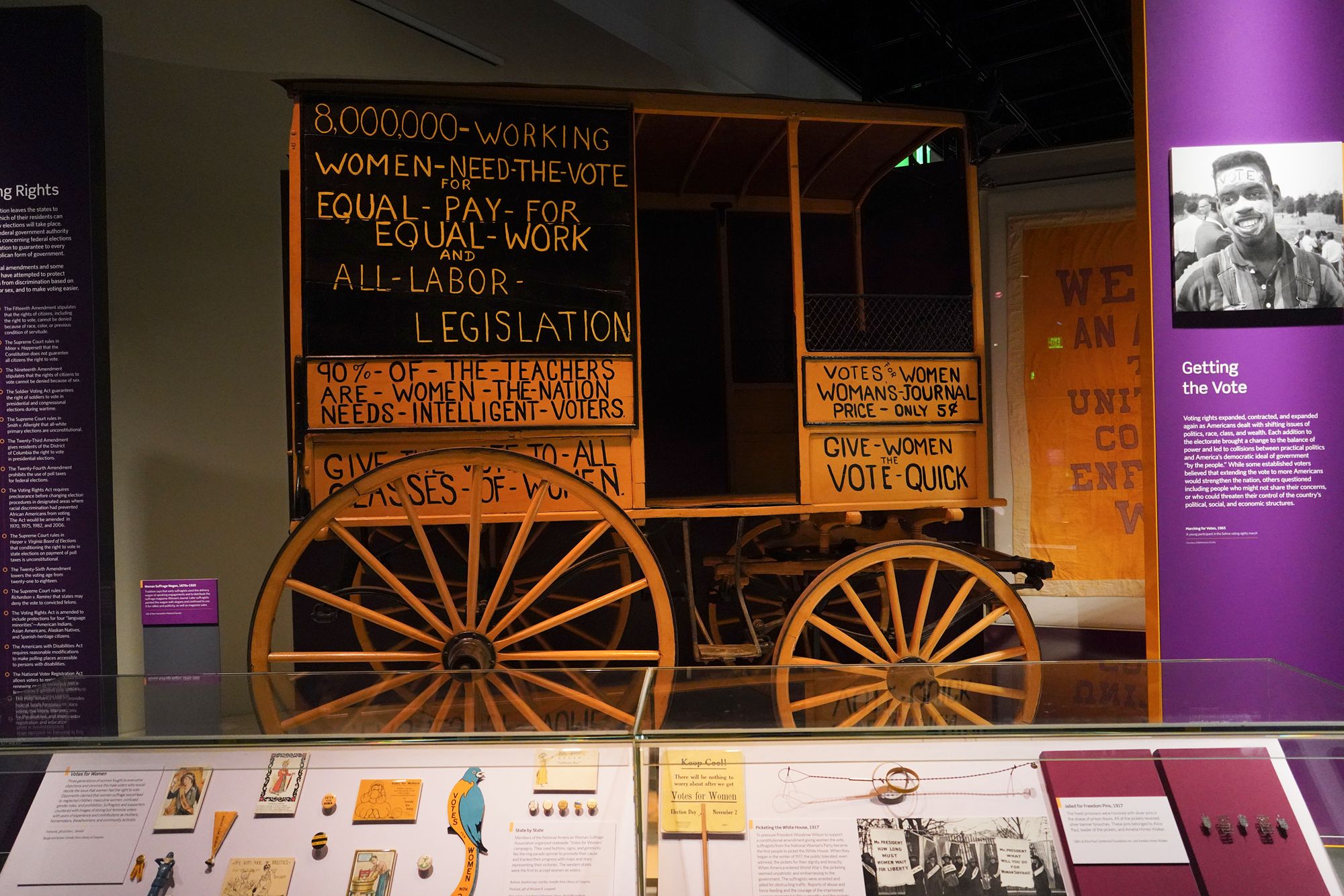
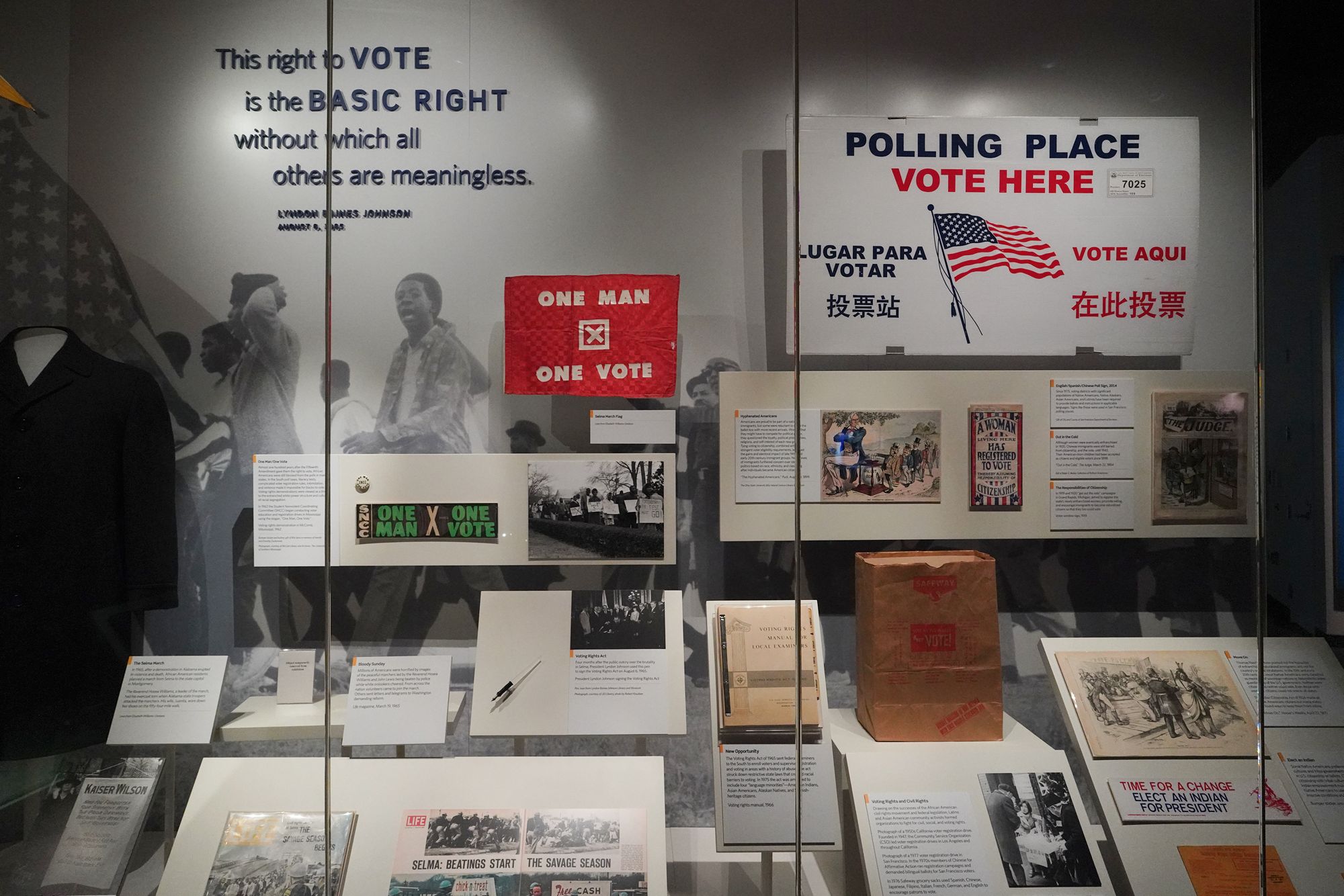
“Getting the vote” refers to the long struggle in American history to expand who is allowed to vote — including efforts by African Americans, women, Native Americans, and young people to win the right to participate in elections.
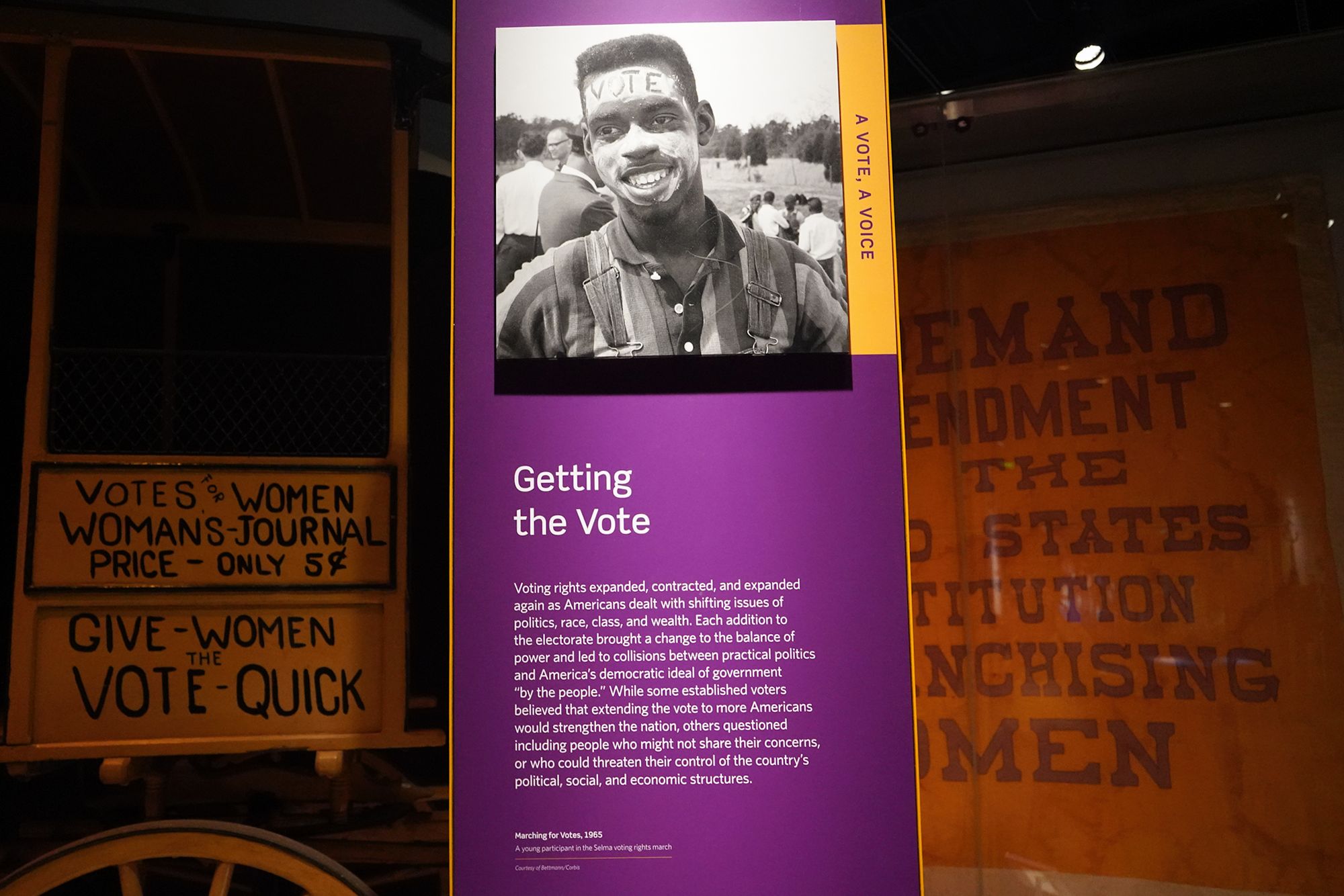
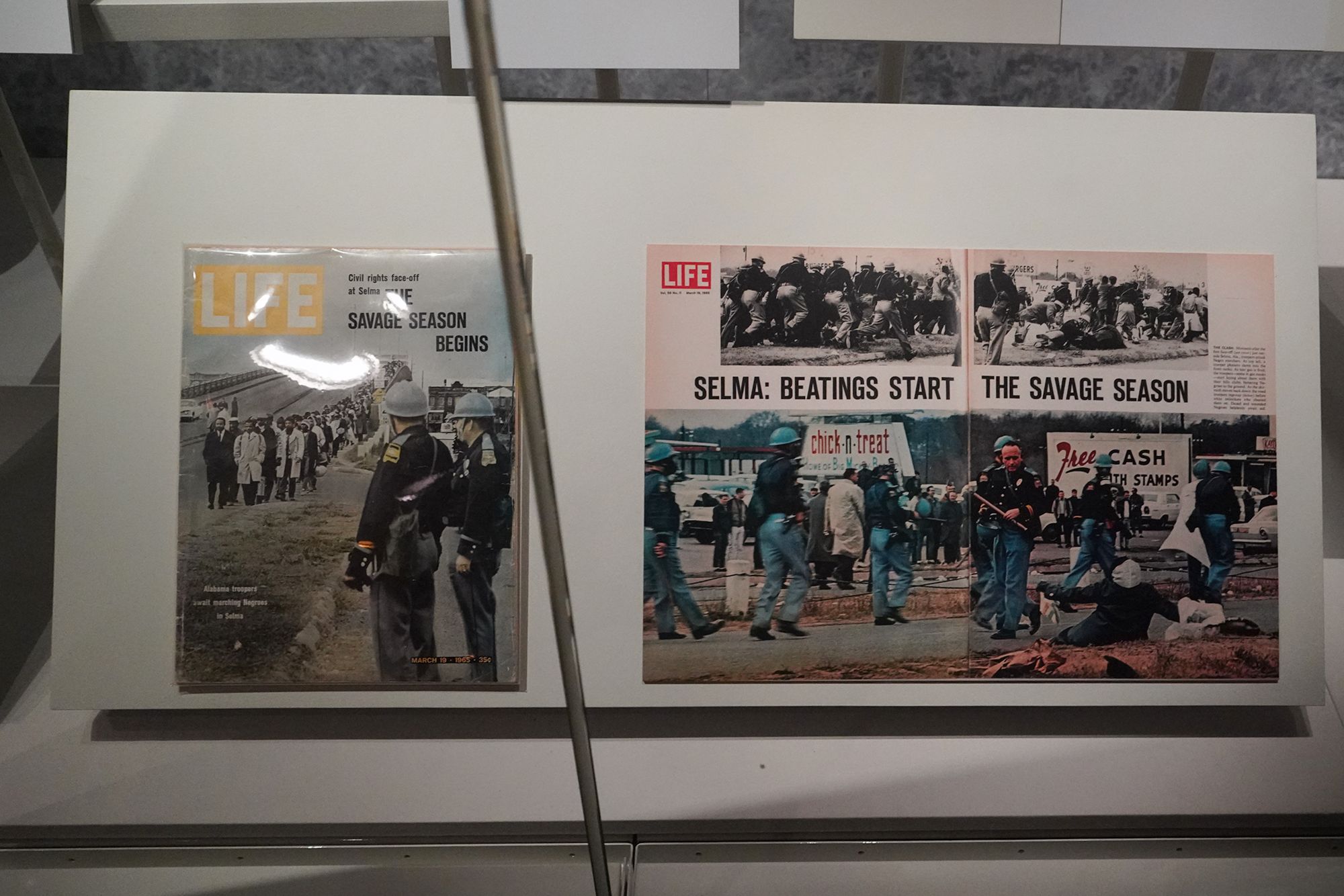
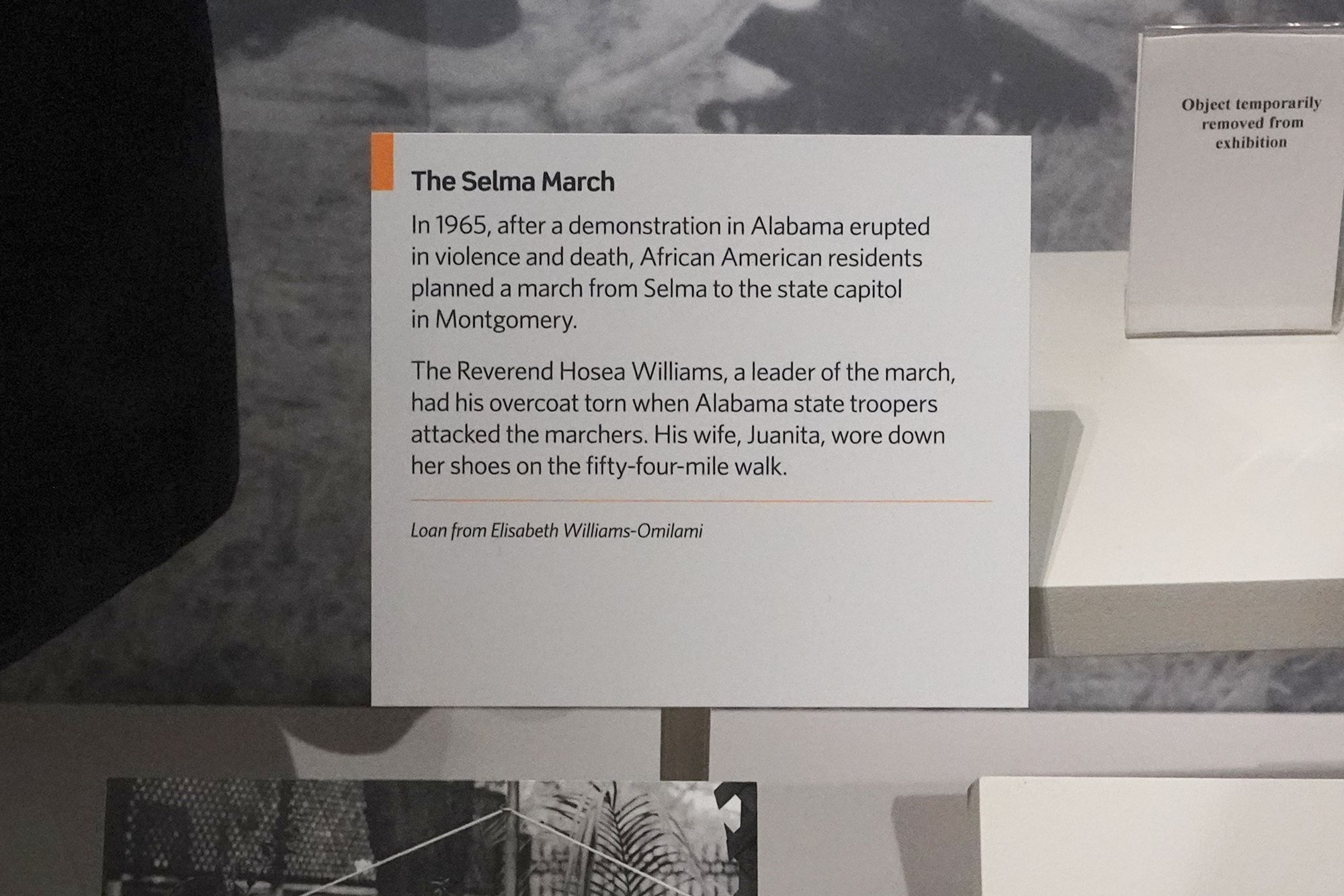
The Selma March took place in 1965 when civil rights activists walked from Selma to Montgomery, Alabama, to demand equal voting rights for African Americans.