Smithsonian National Museum of American History – Movie, Music and Sports, Washington DC, USA
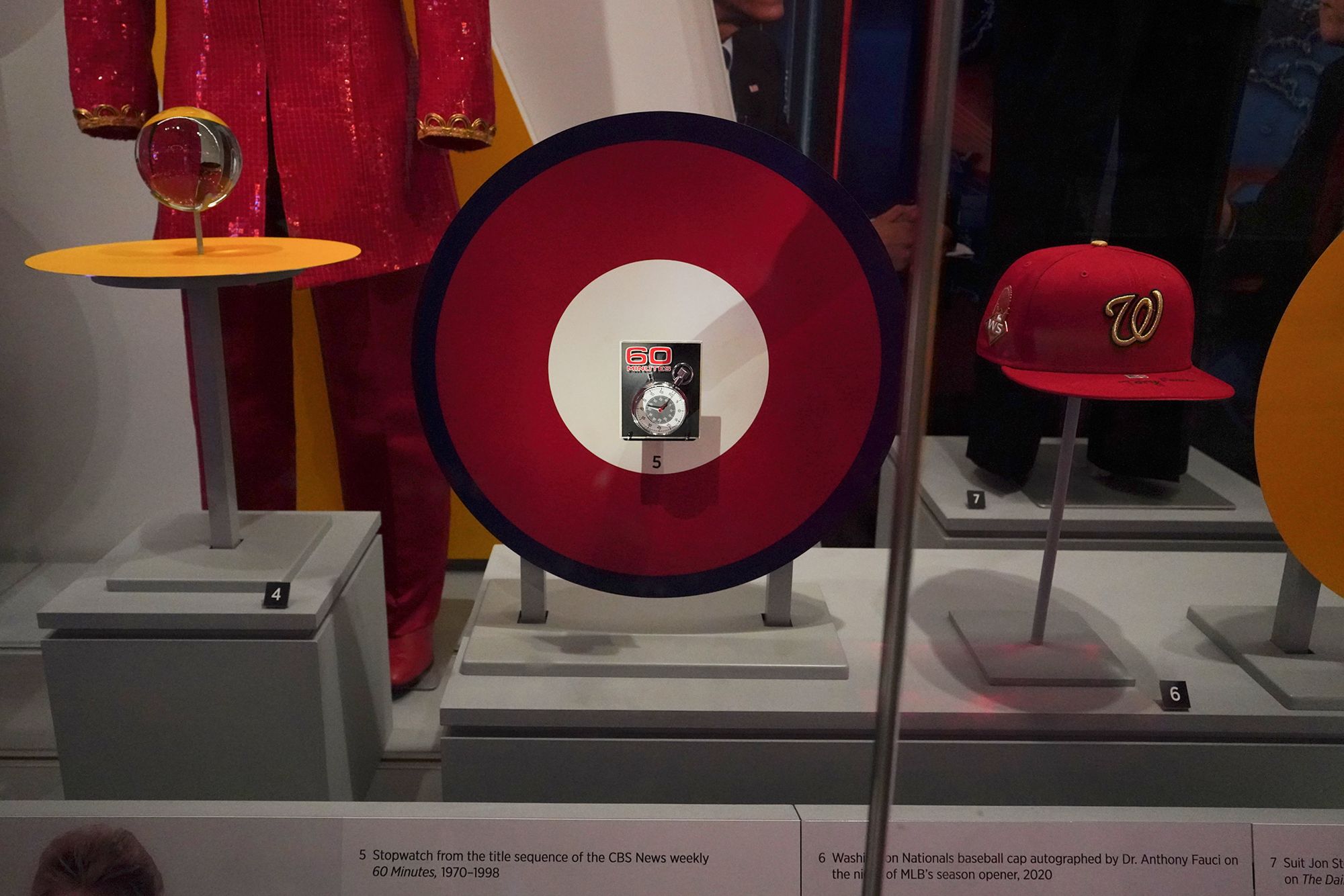
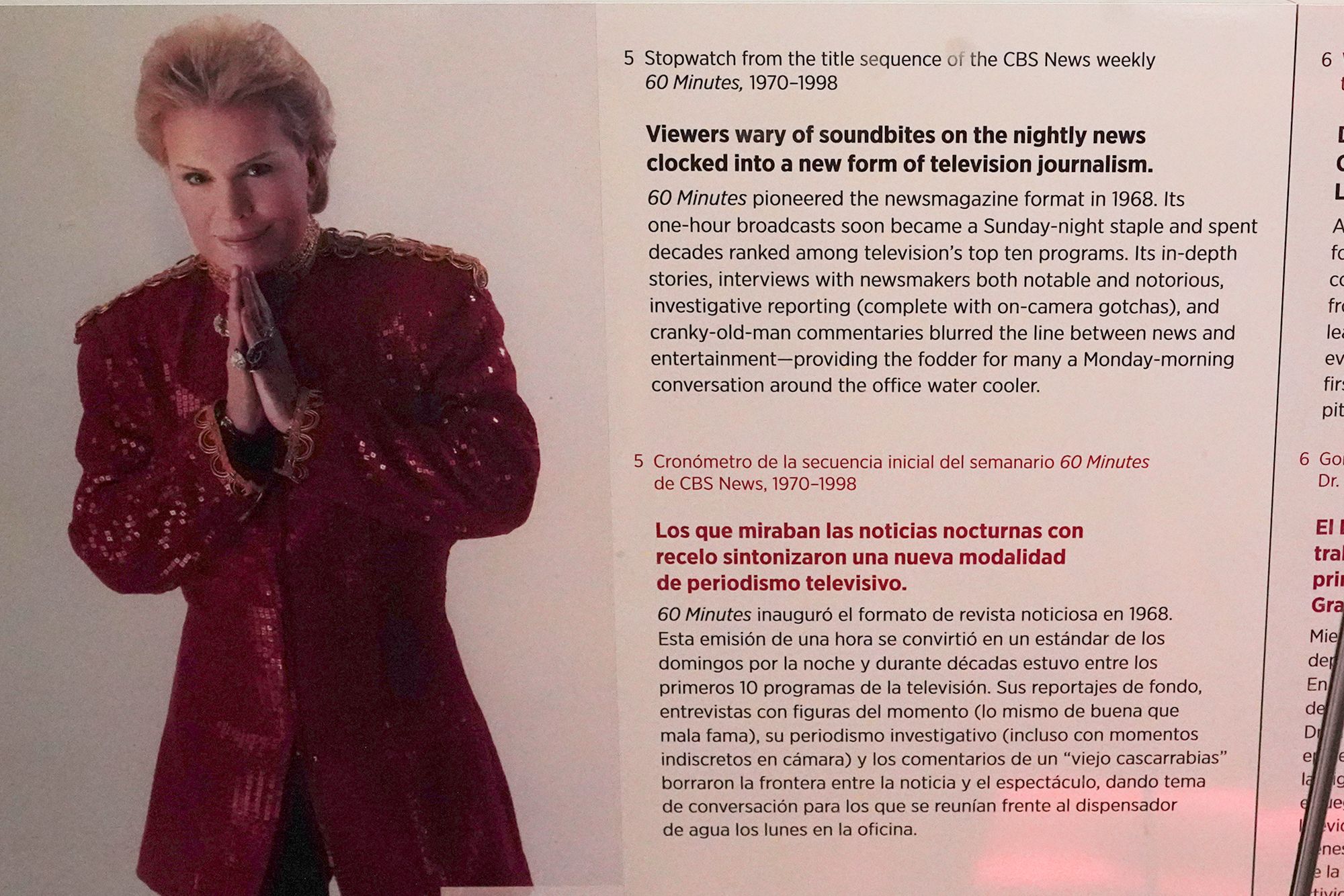
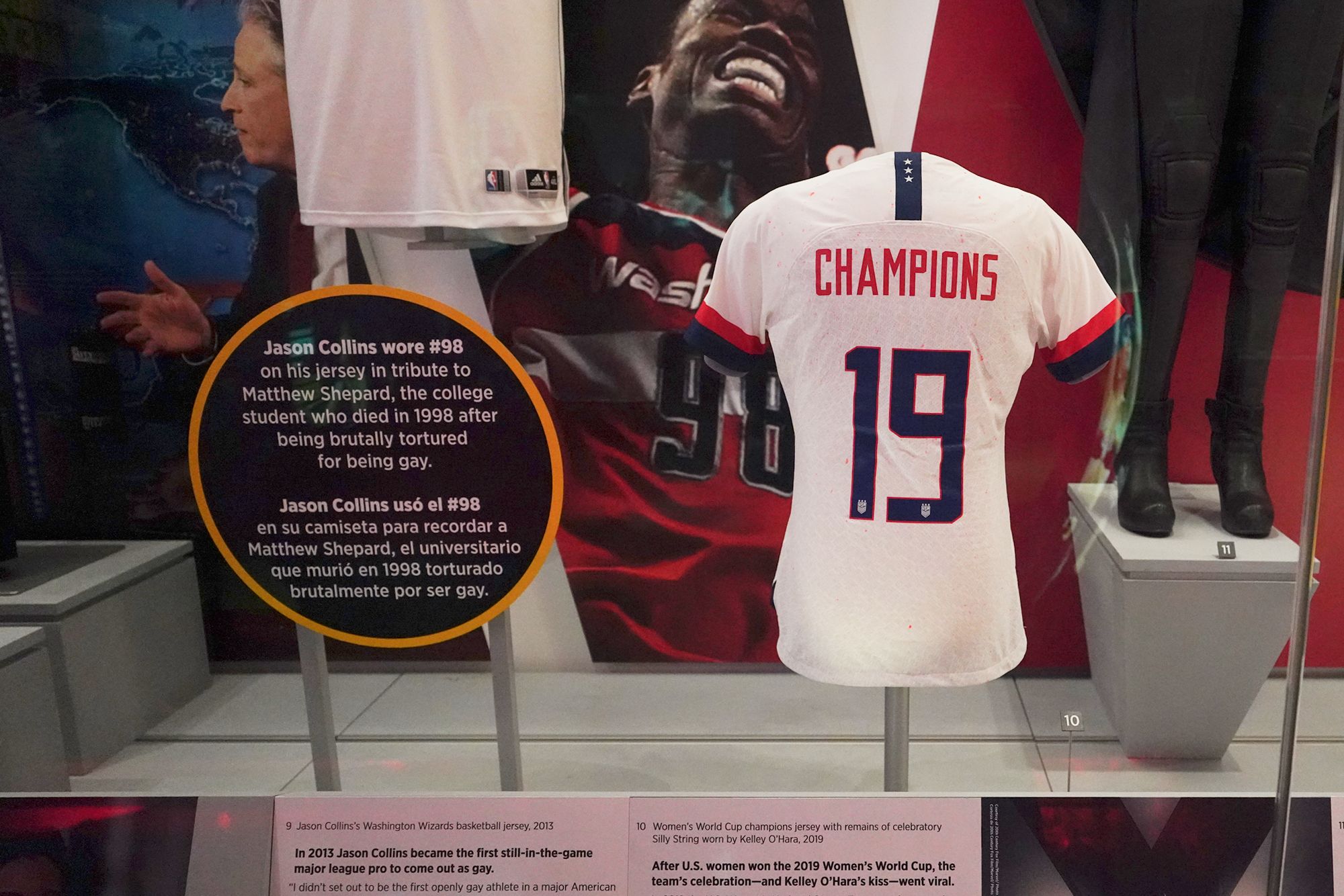
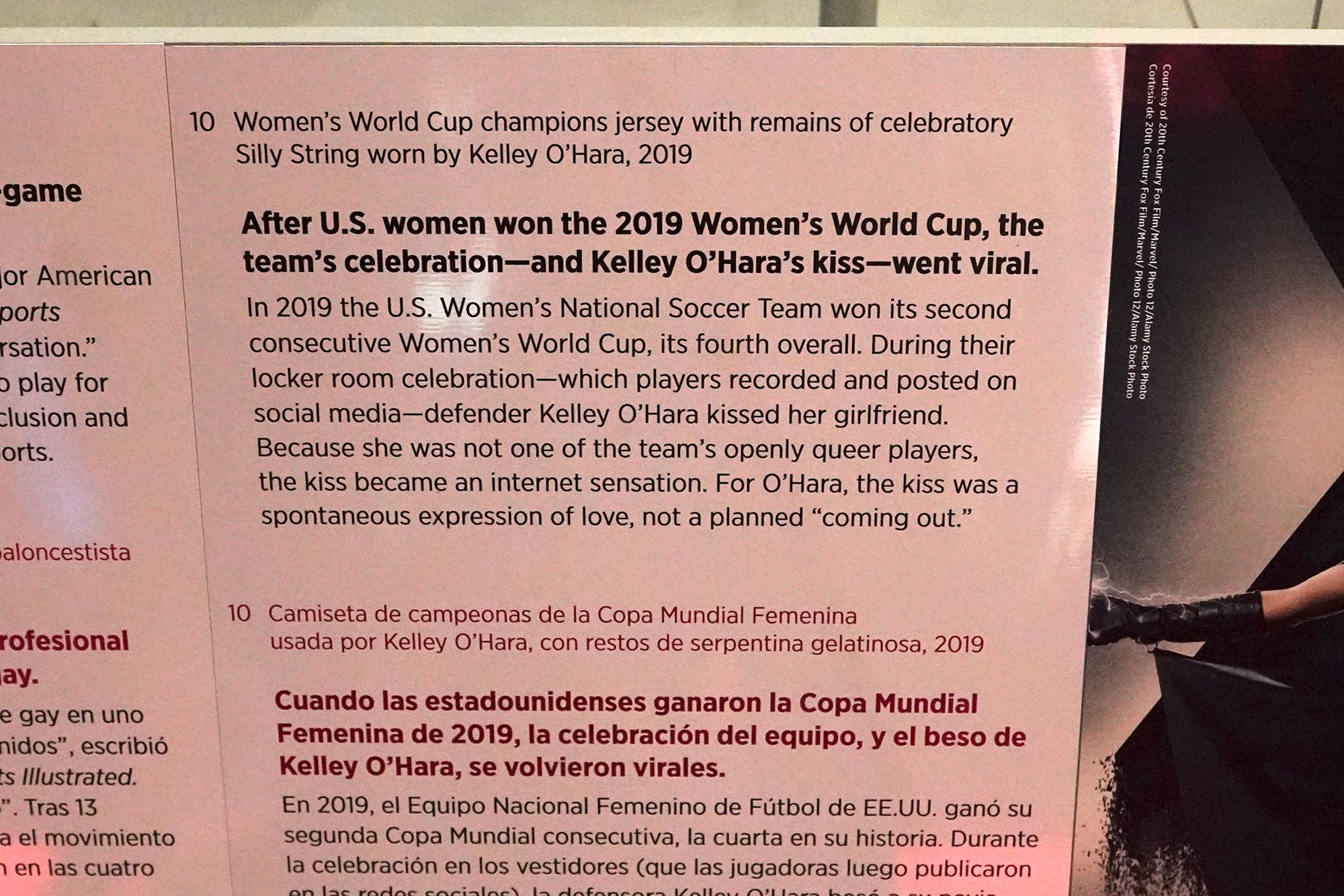
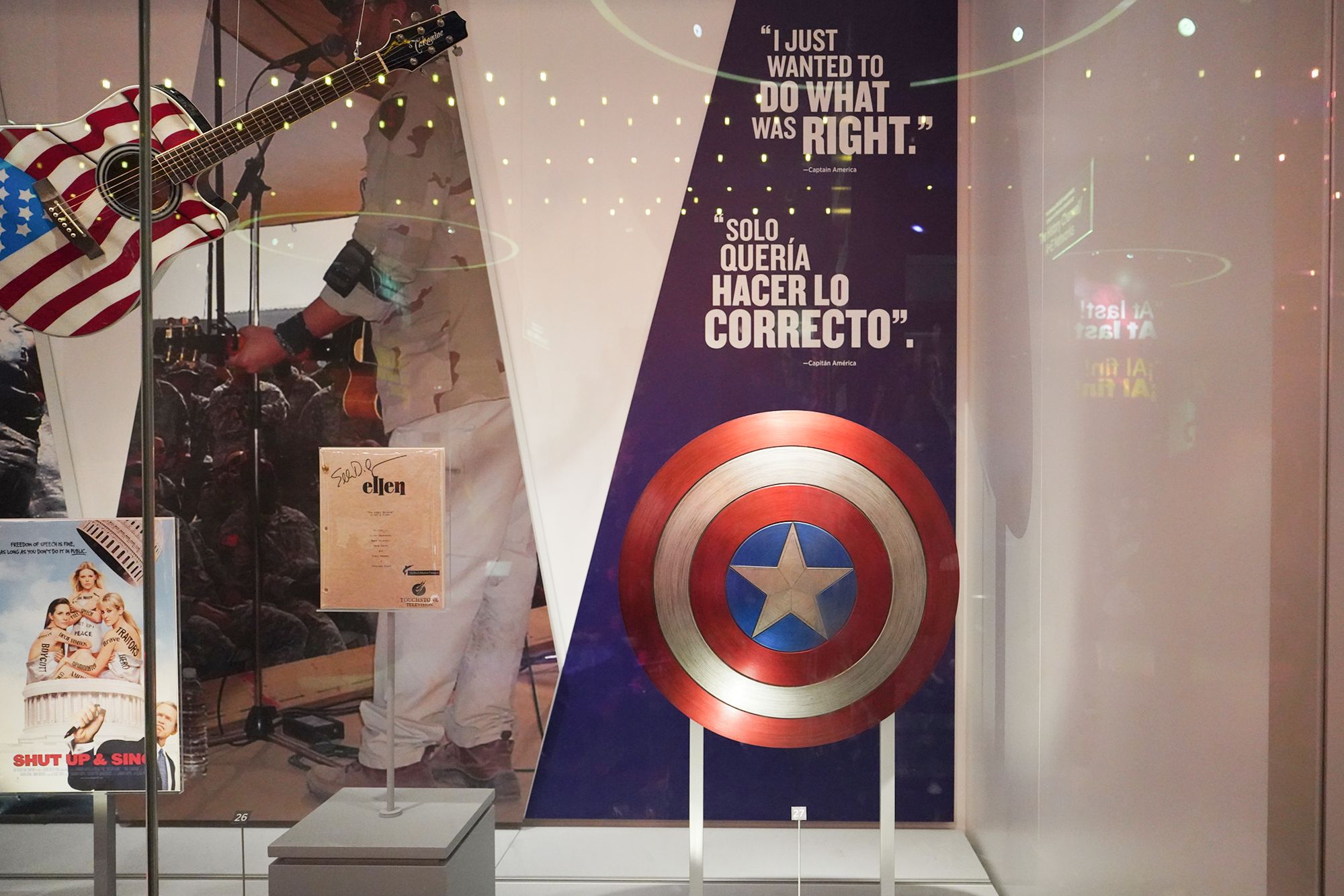
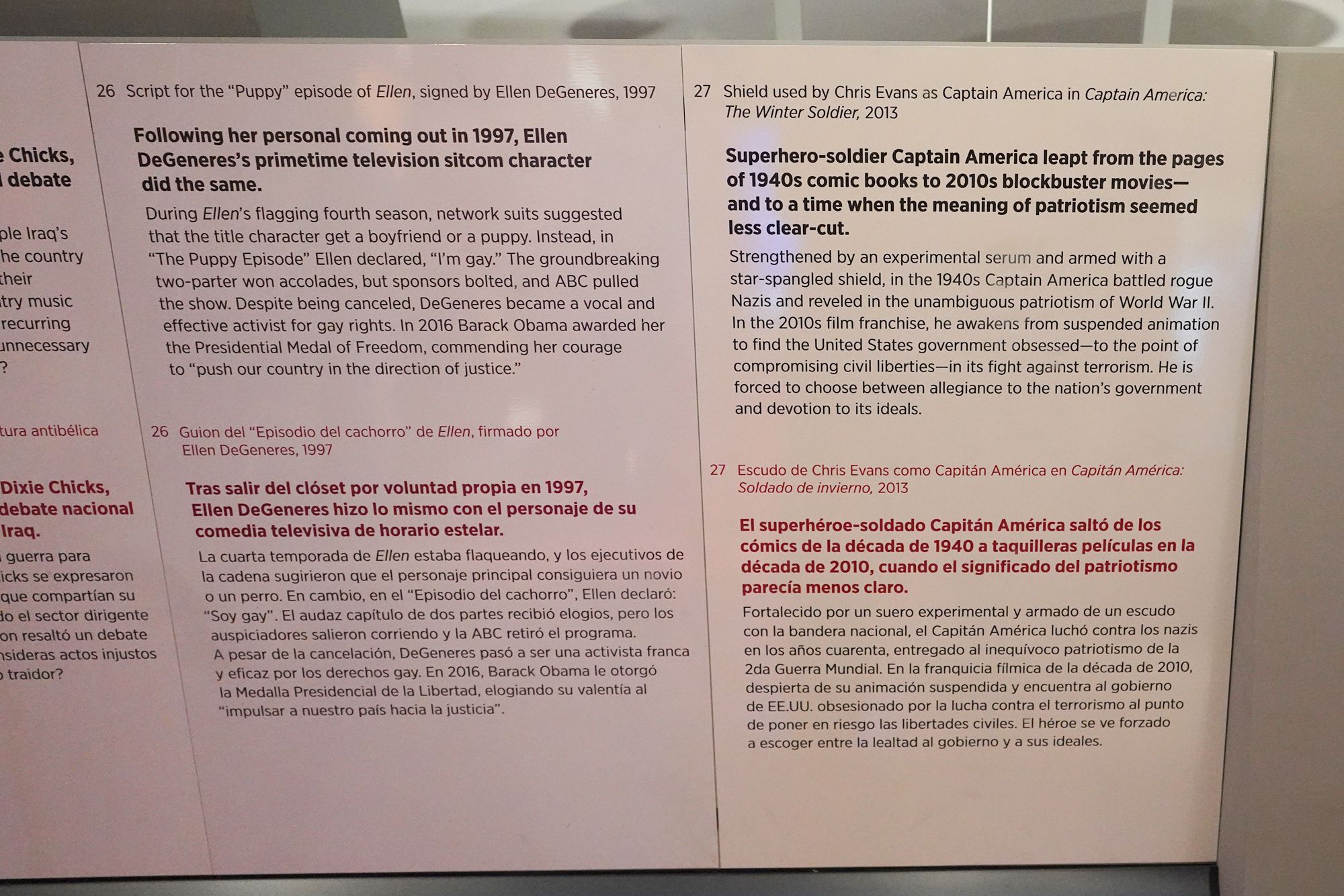
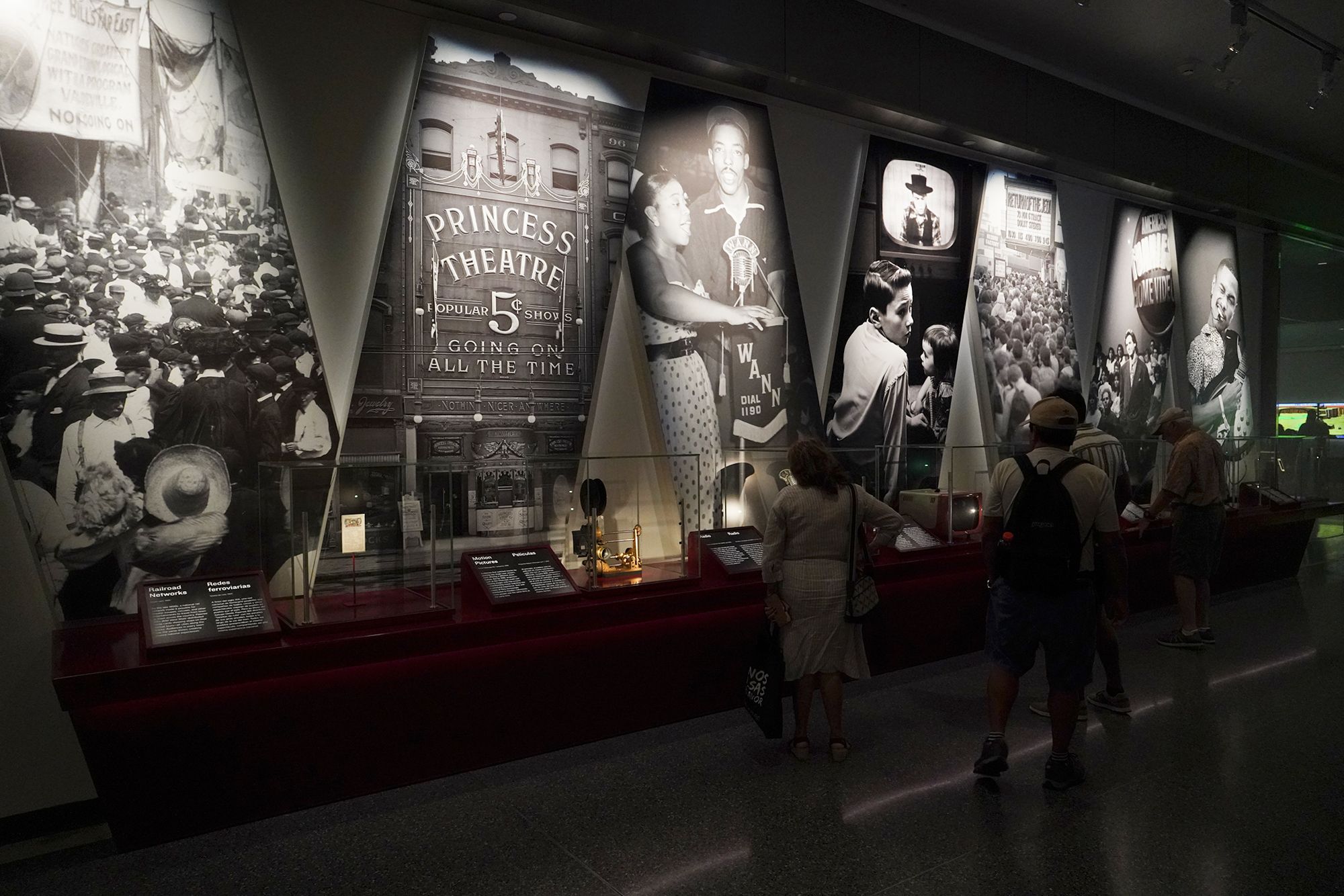
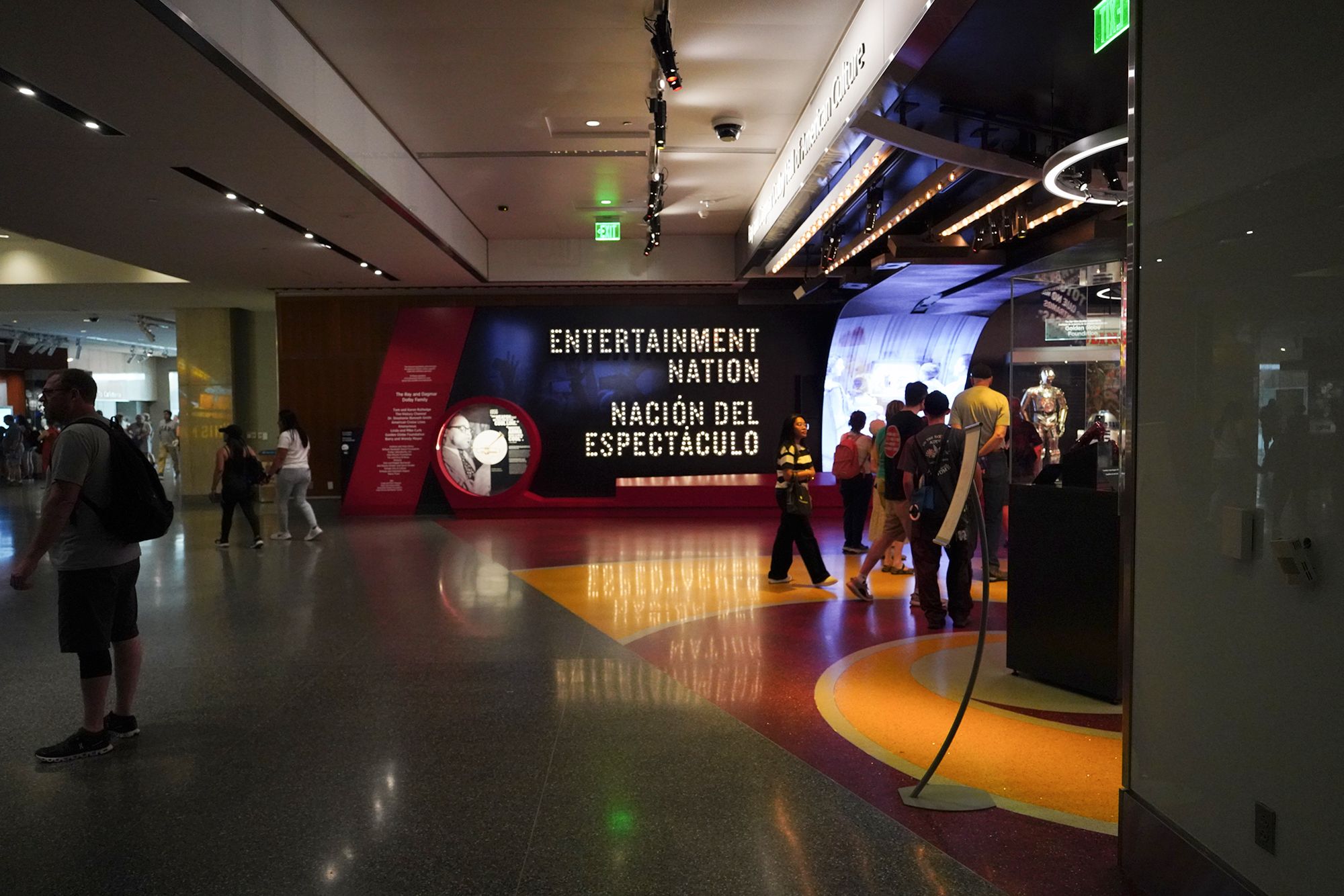
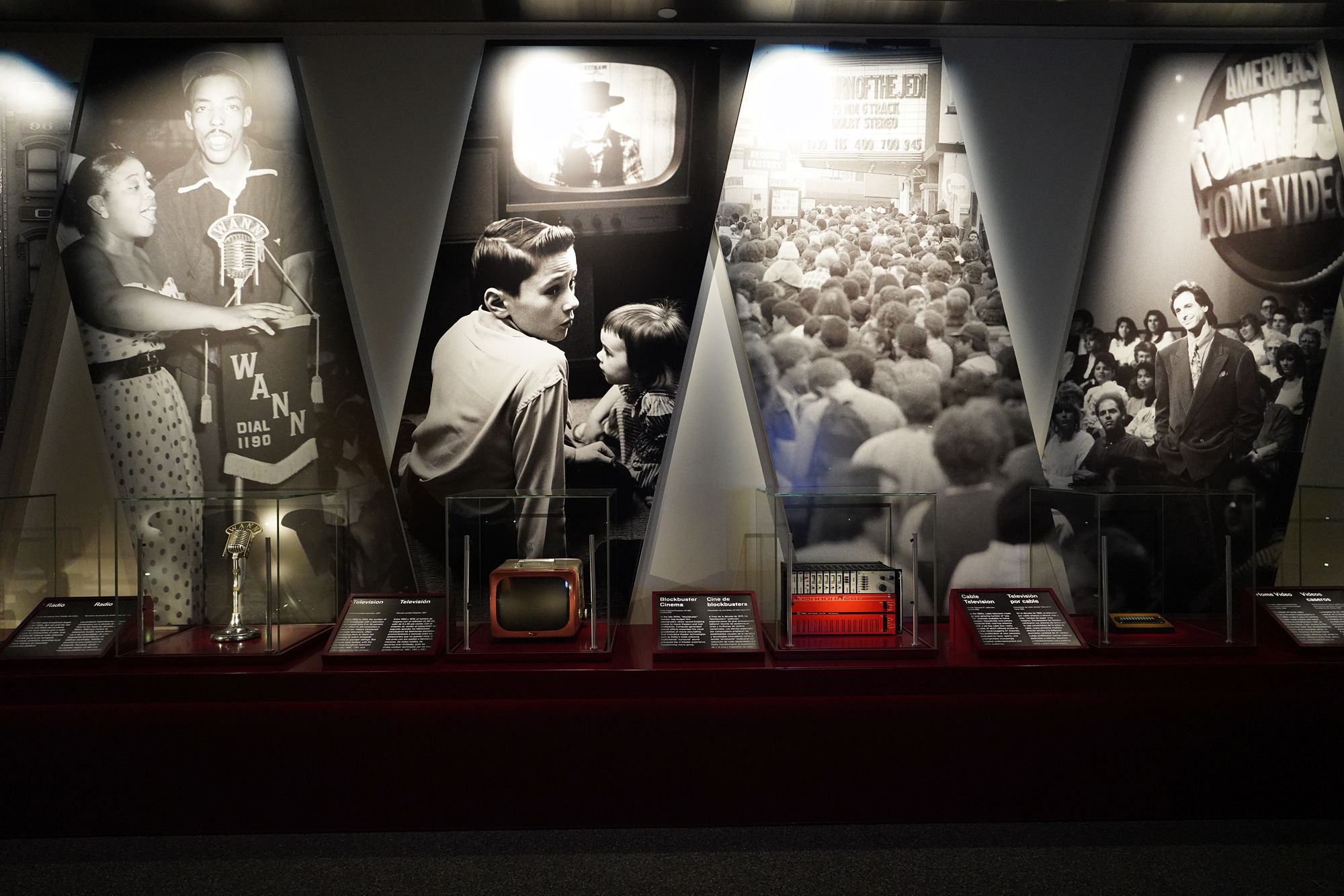
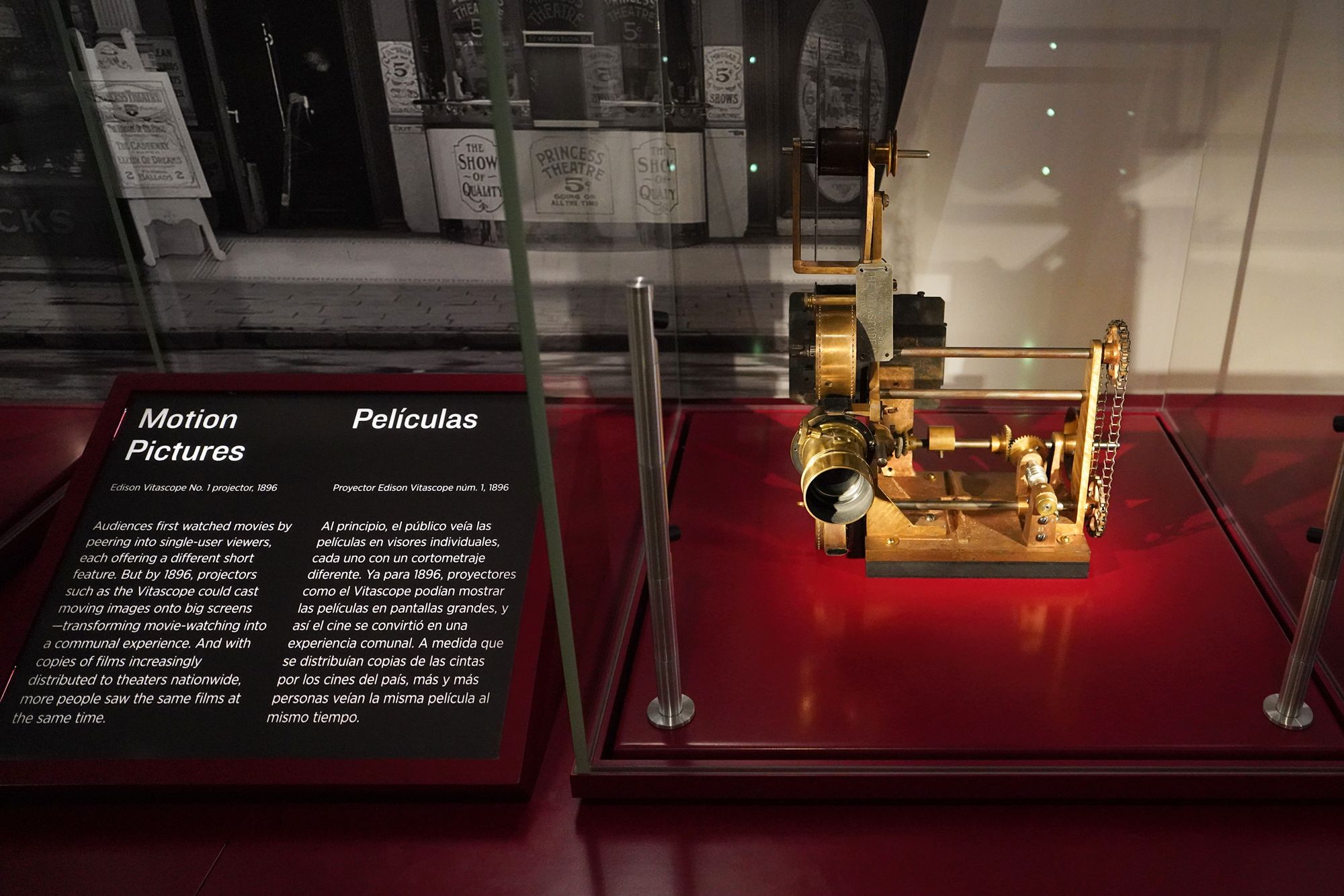
This exhibit shows how film, television, music, and sports have become powerful forces in American culture and everyday life. 1142
Smithsonian National Museum of American History: 1300 Constitution Ave. NW, Washington, DC 20560
Date Picture Taken: July 2025
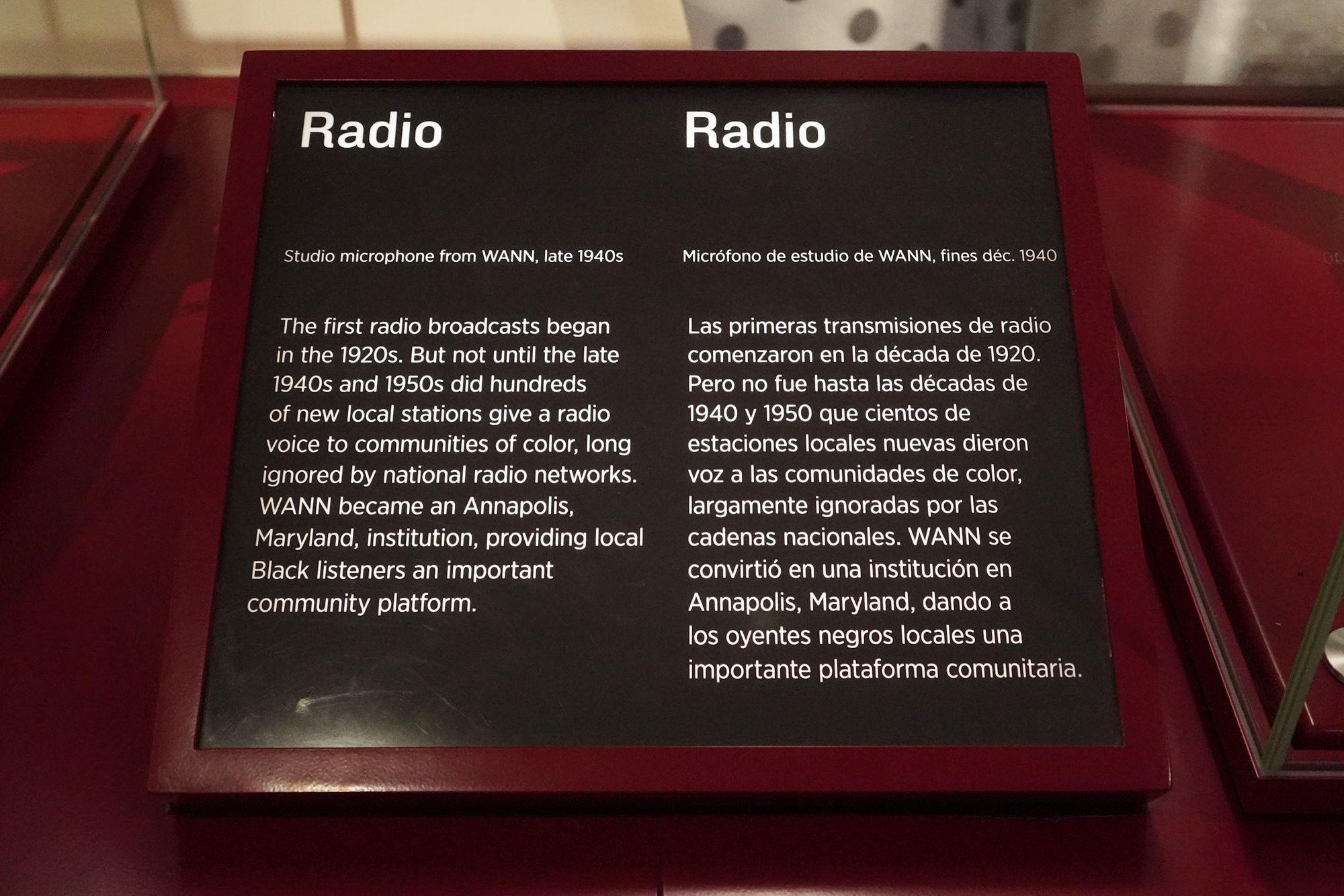
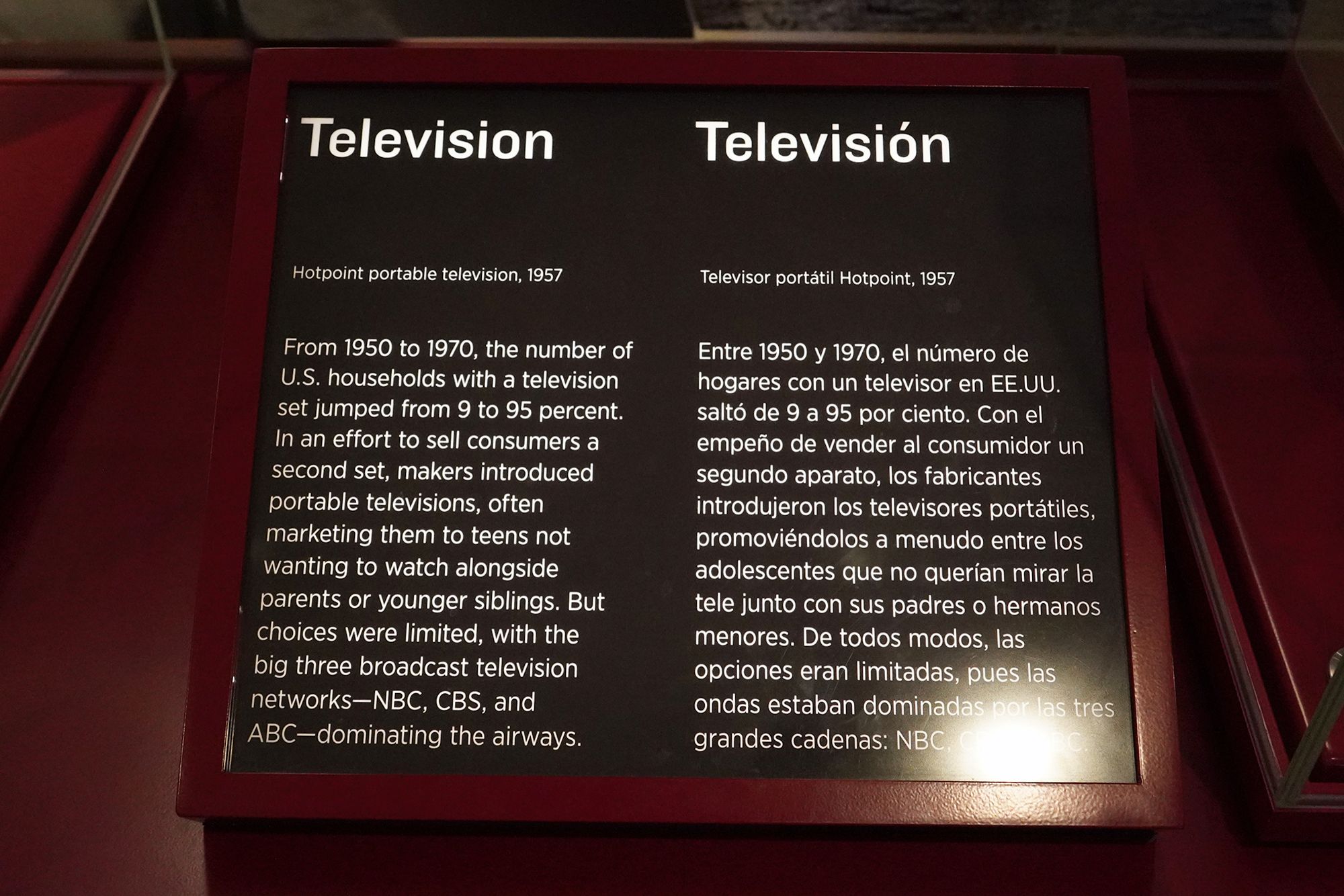
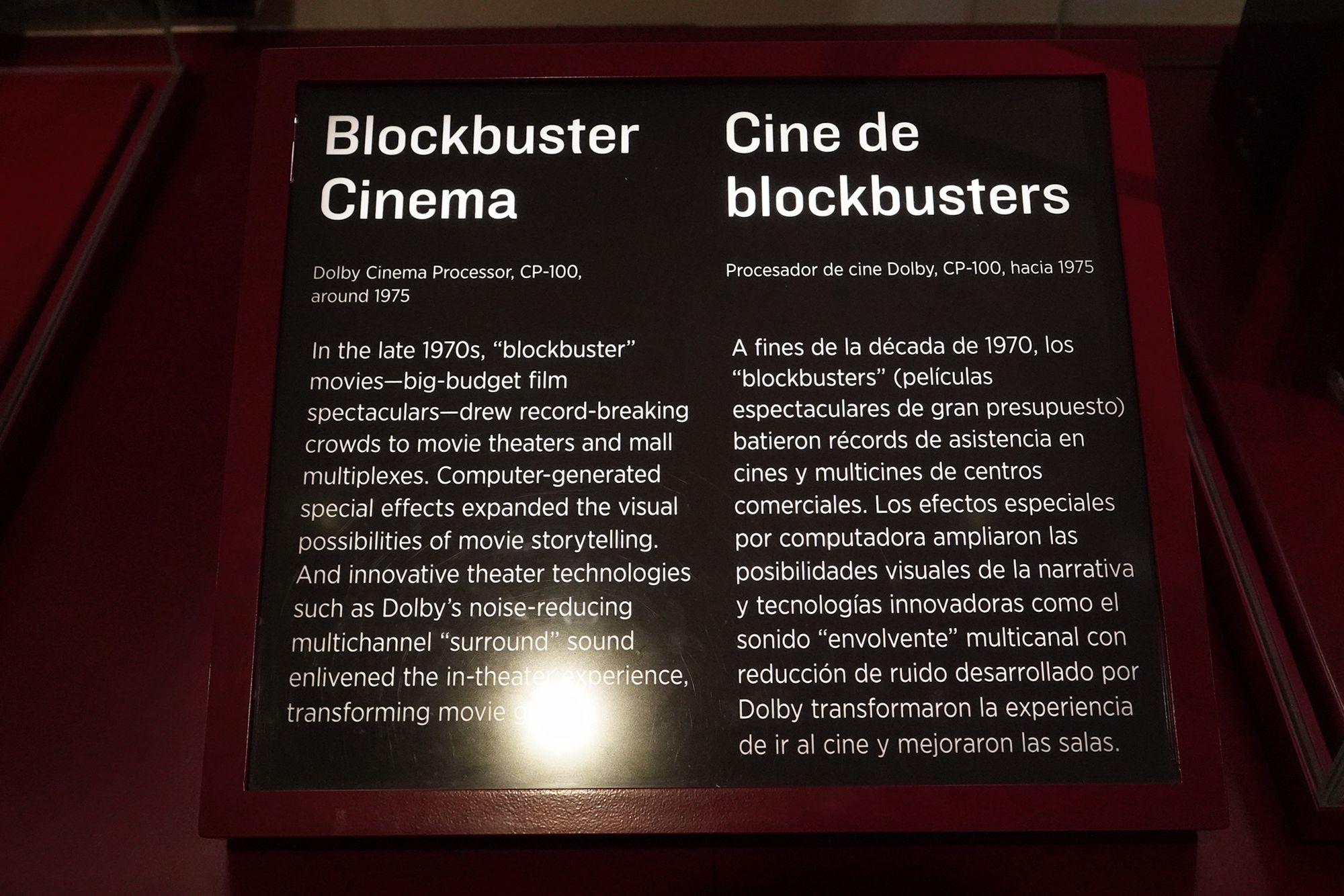
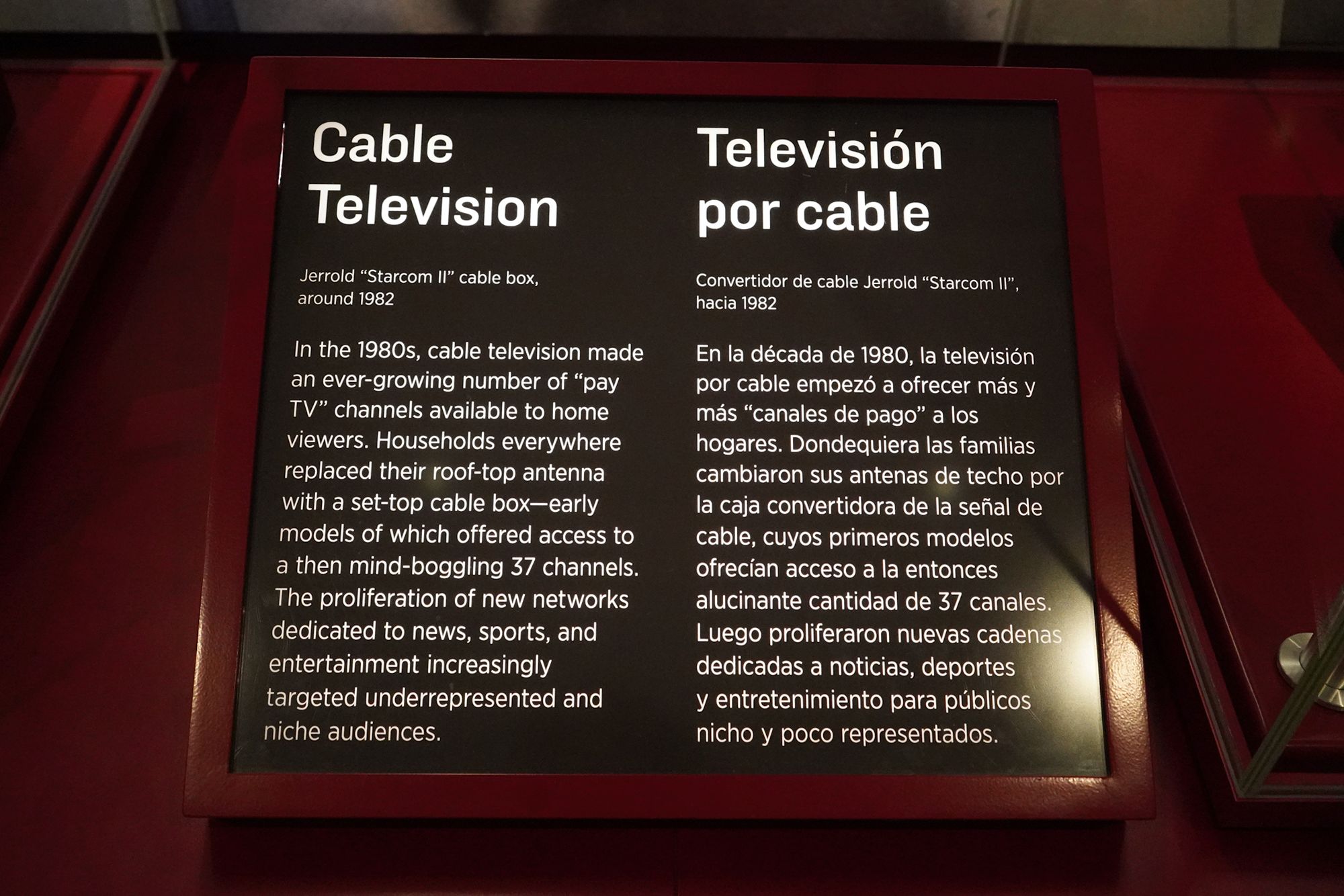
It shows famous and popular movies and TV shows from each decade, highlighting how entertainment changed over time and shaped American culture.
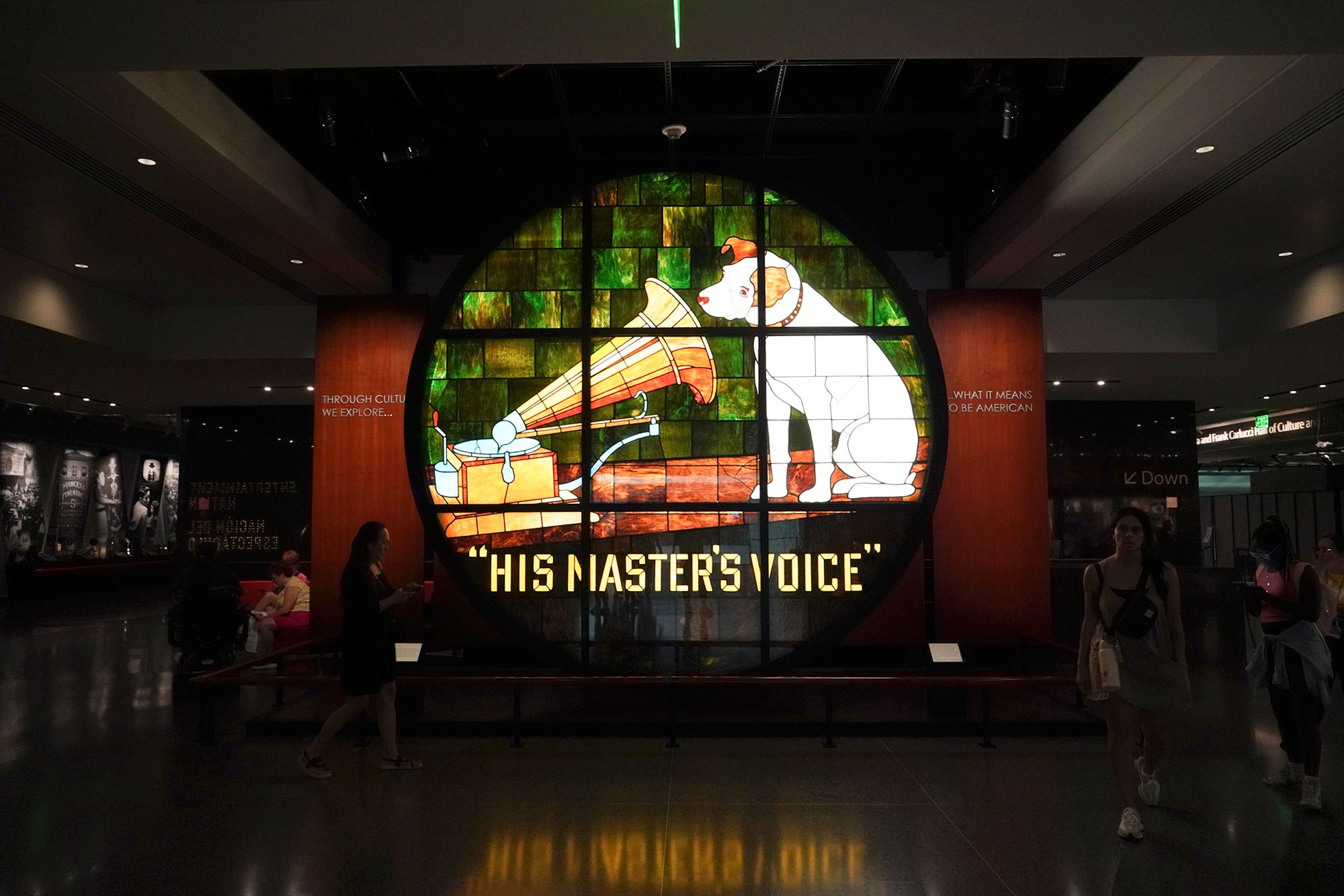
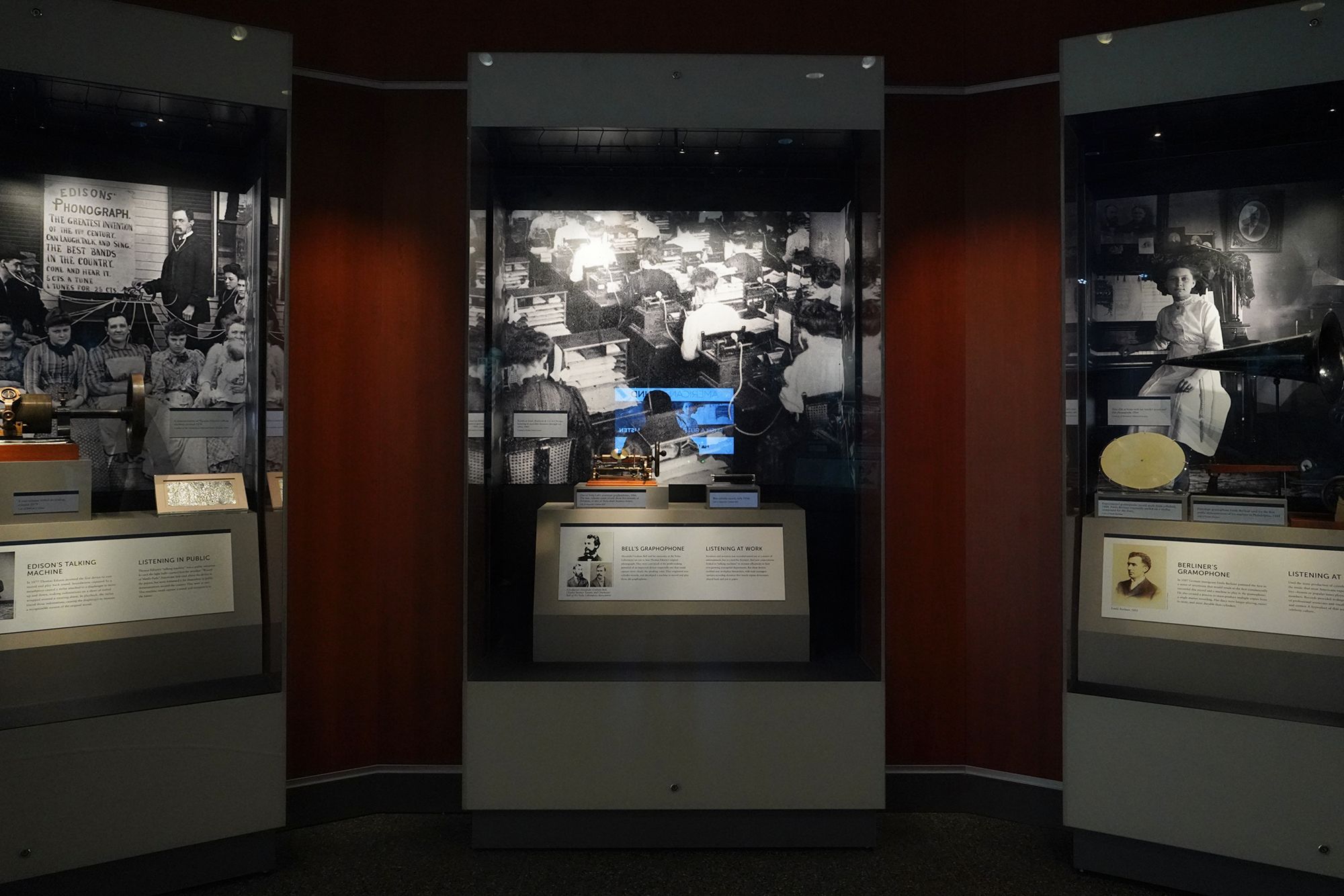
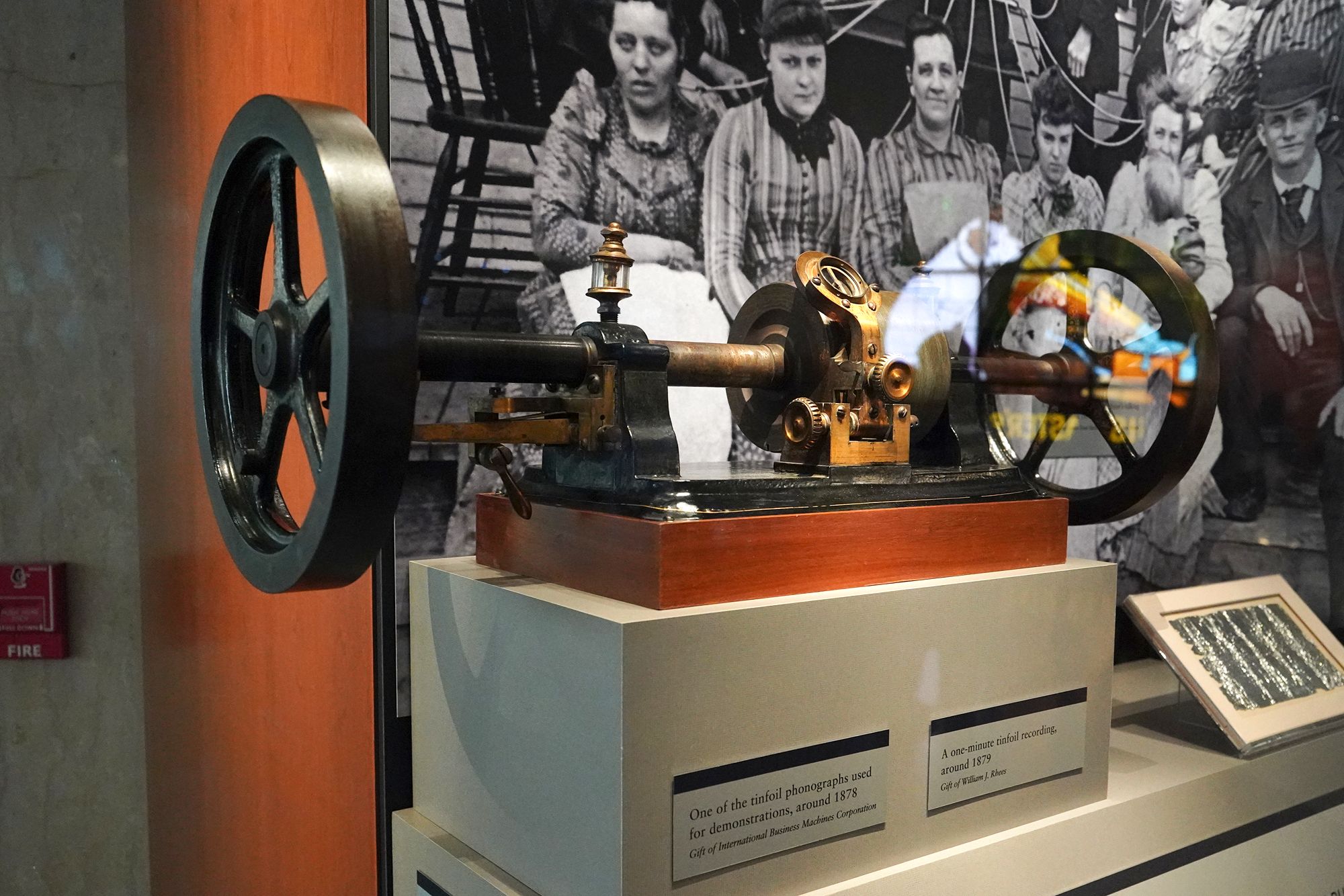
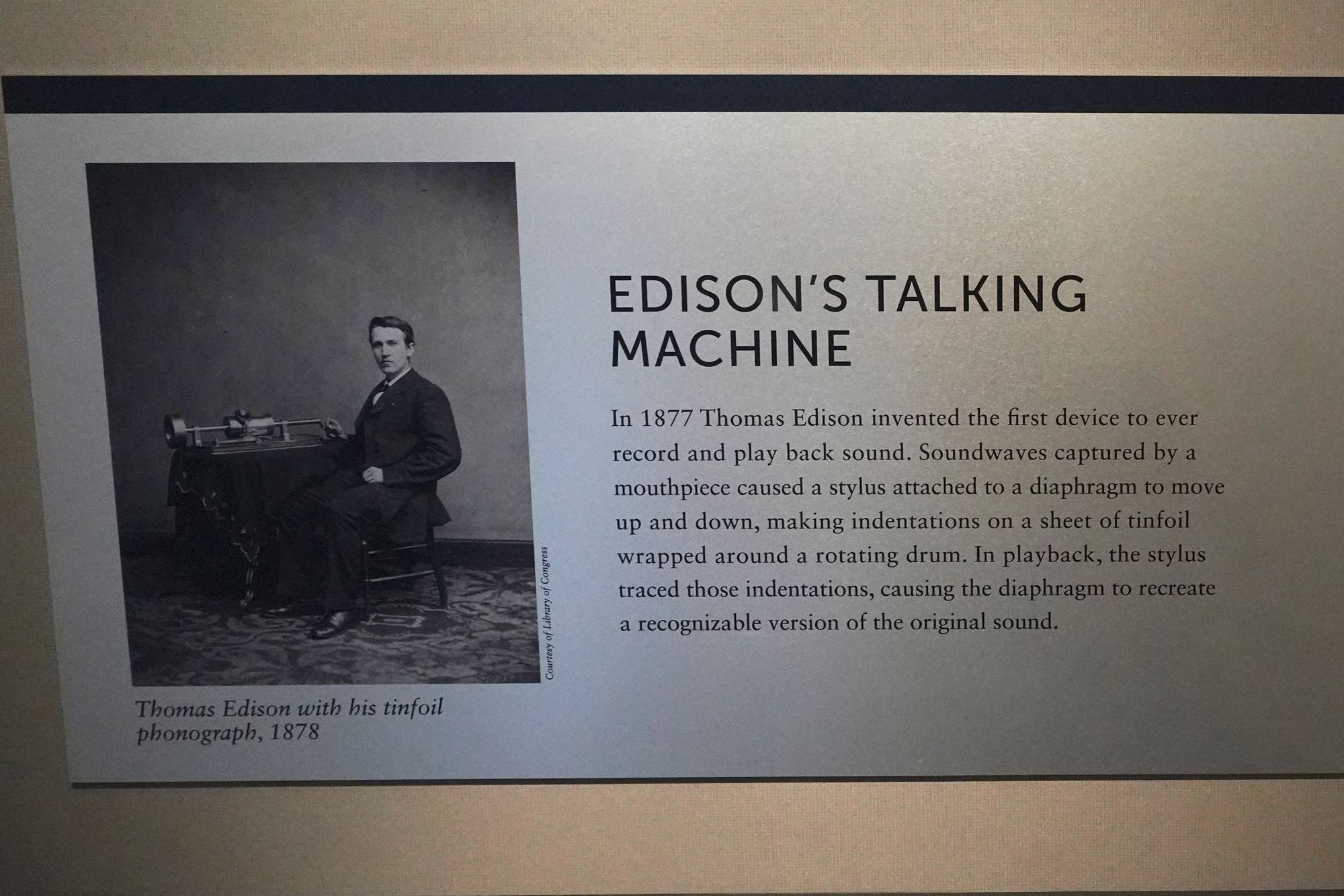
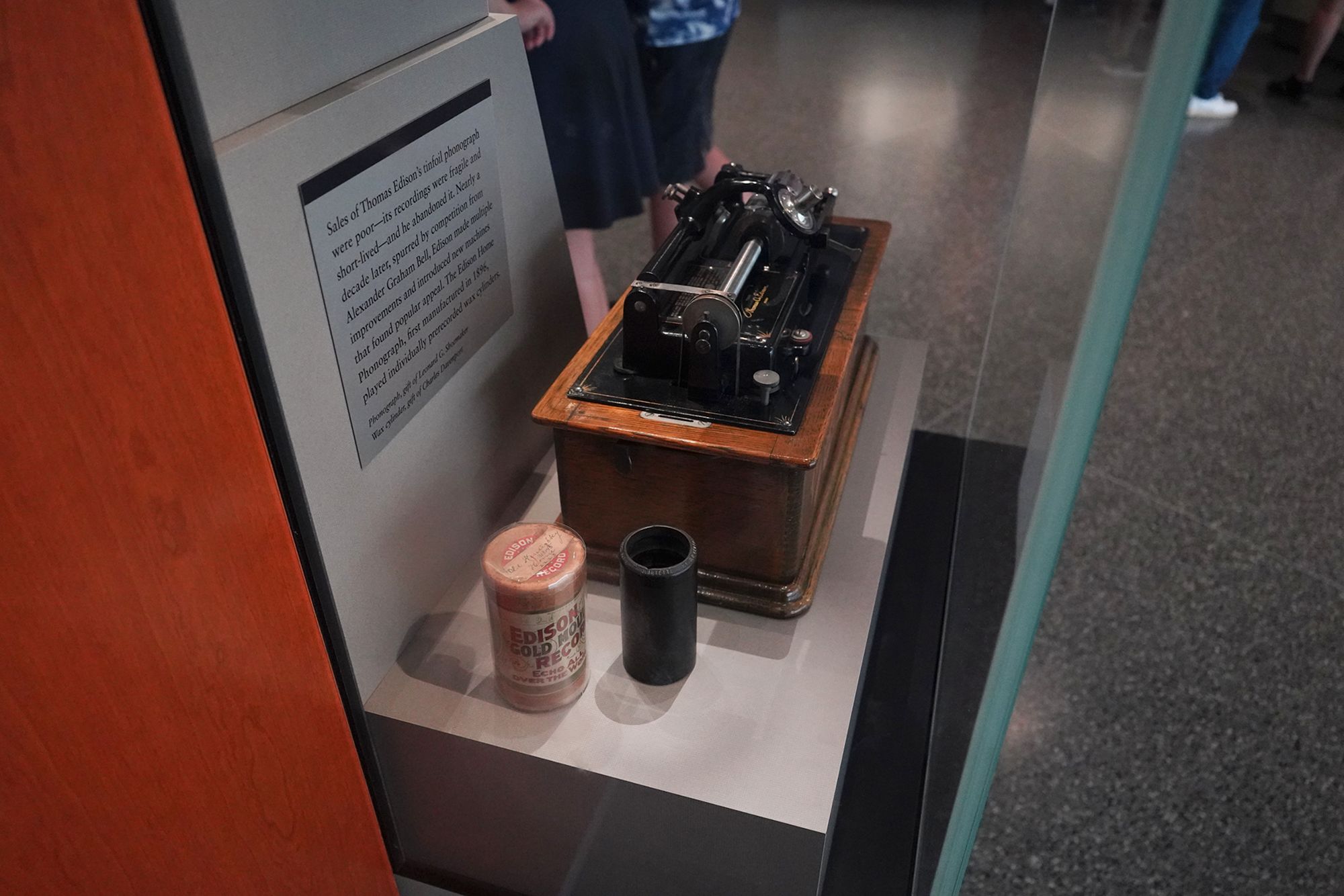
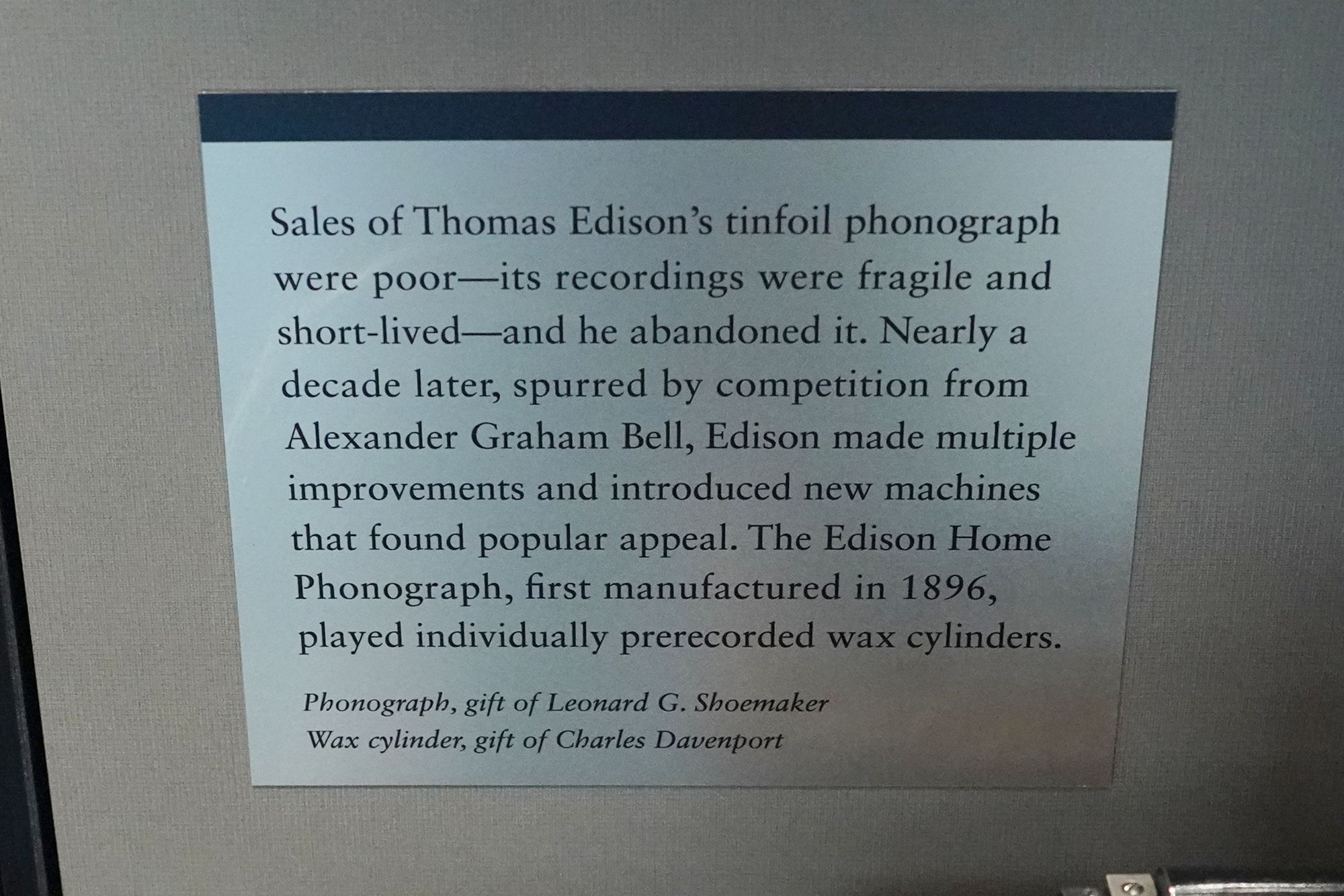
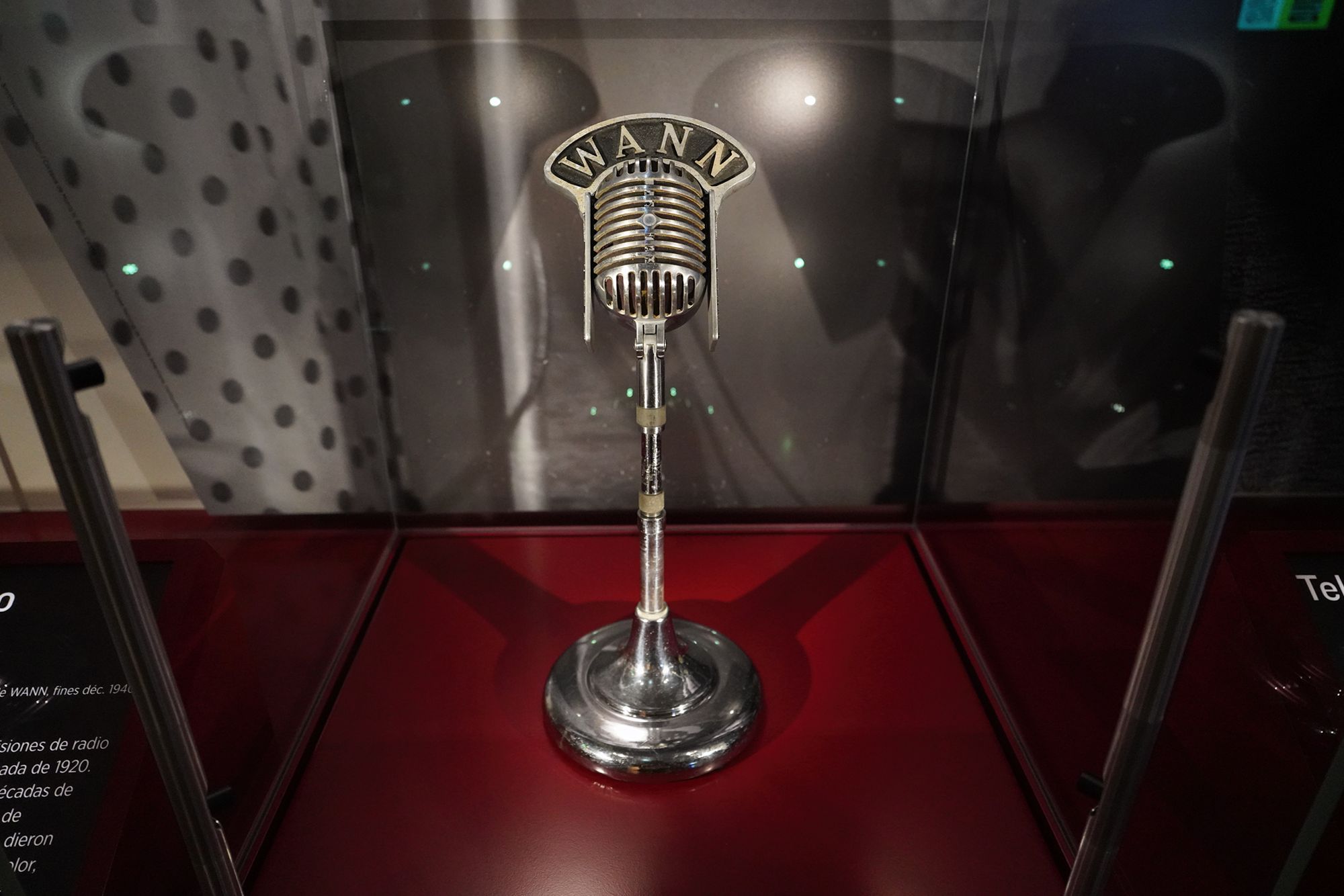
Development of sound reproduction systems. Edison’s Phonograph Machine
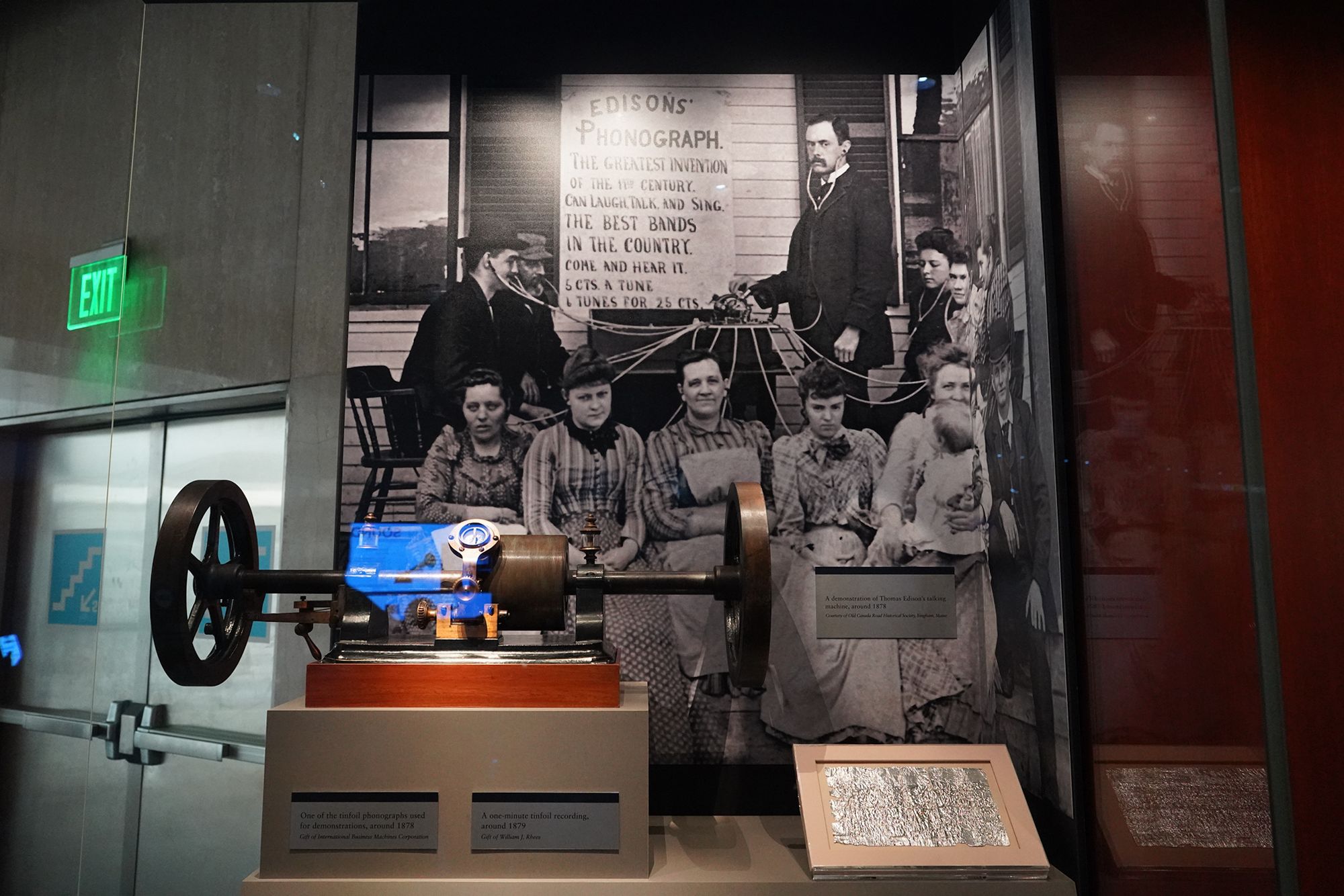
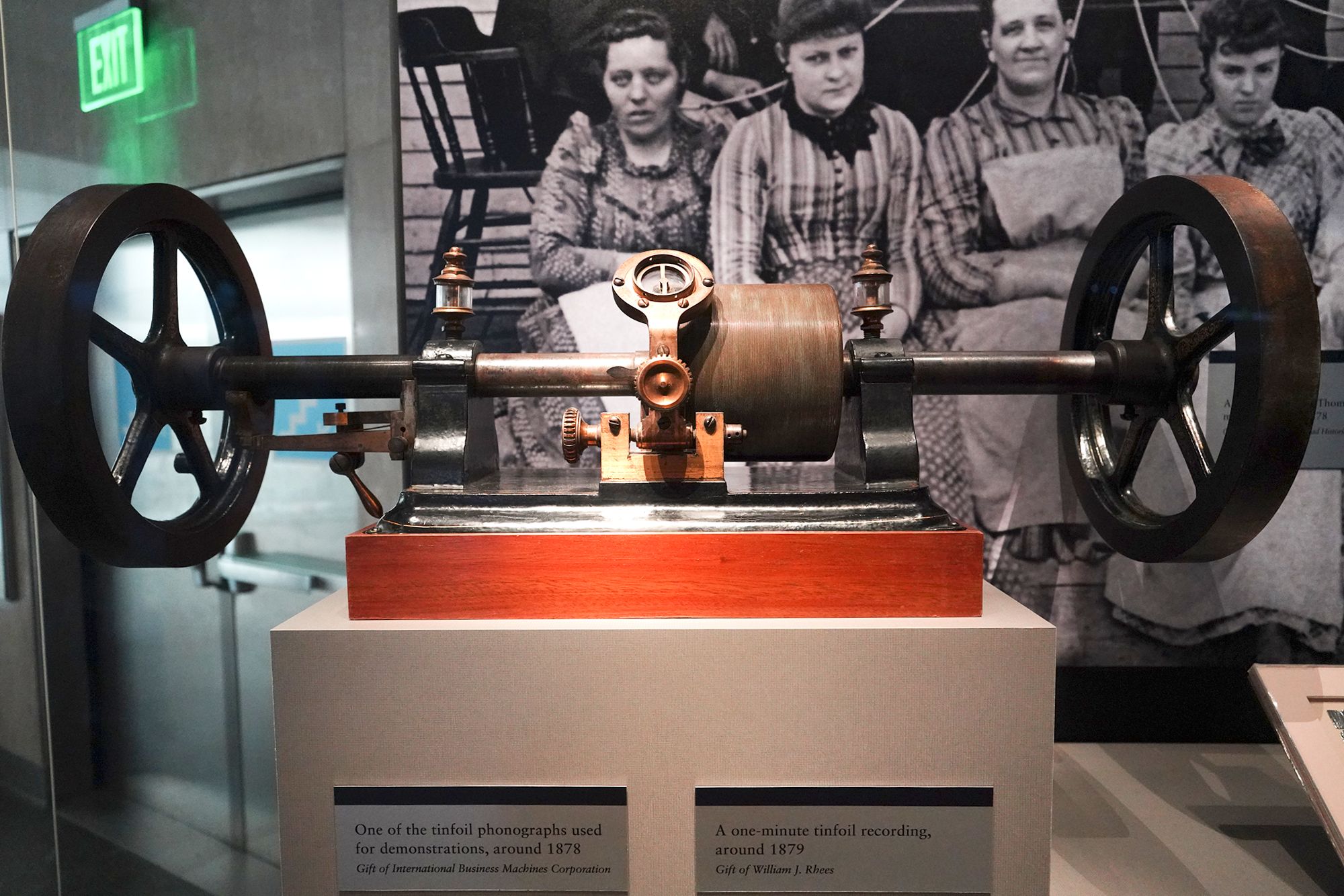
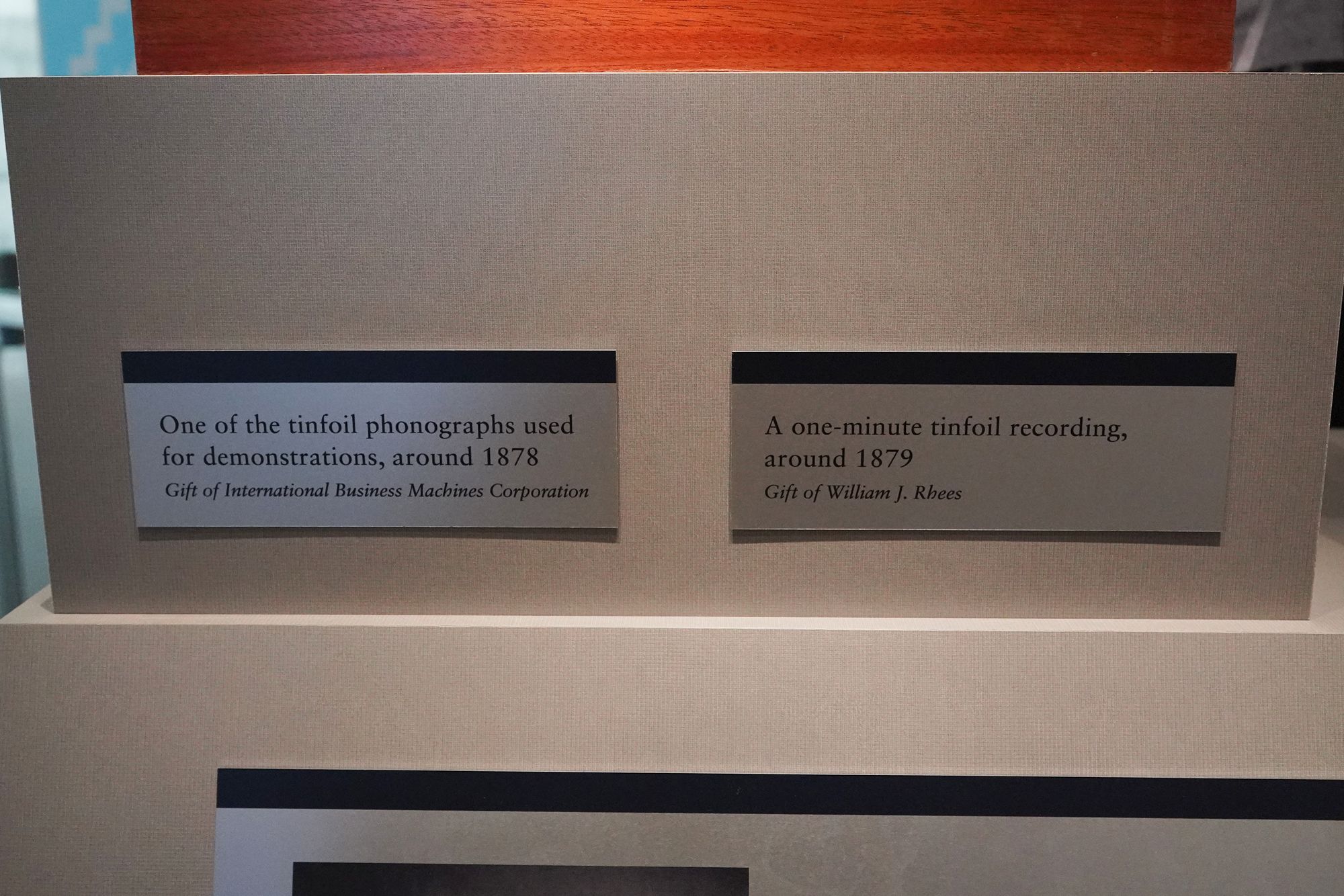
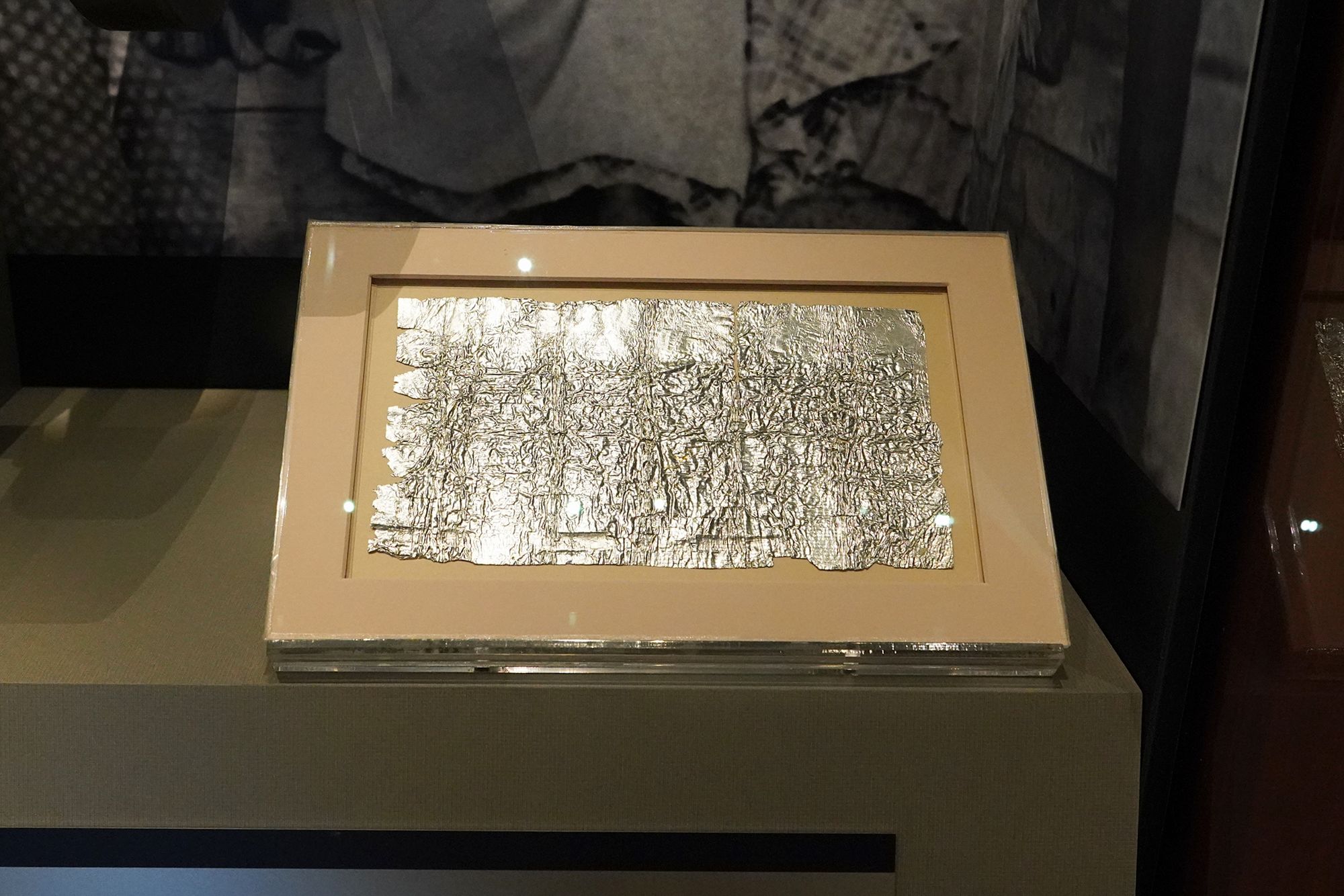
A sound is recorded on aluminum foil
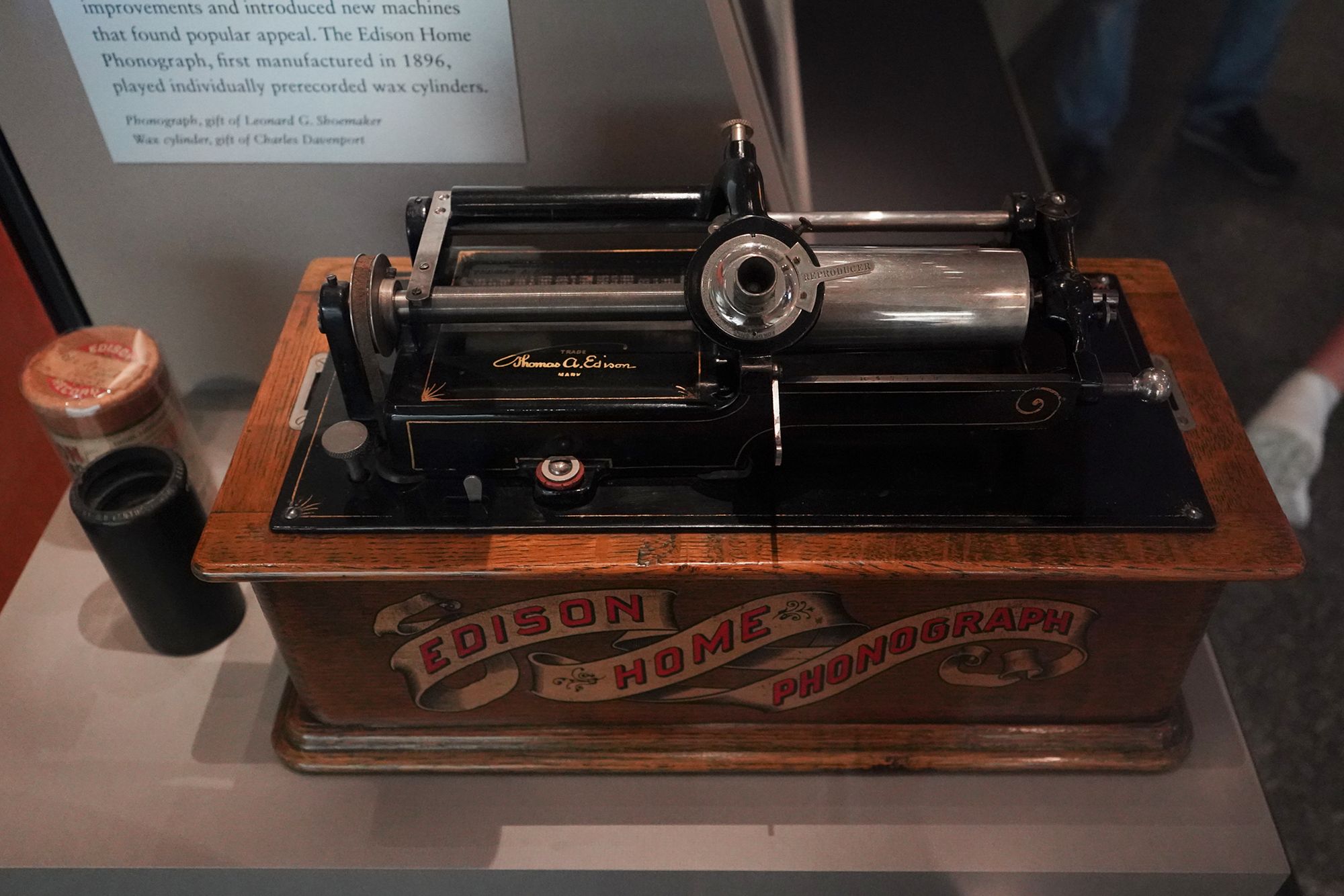
Later version of the Edison’s Phonograph Machine
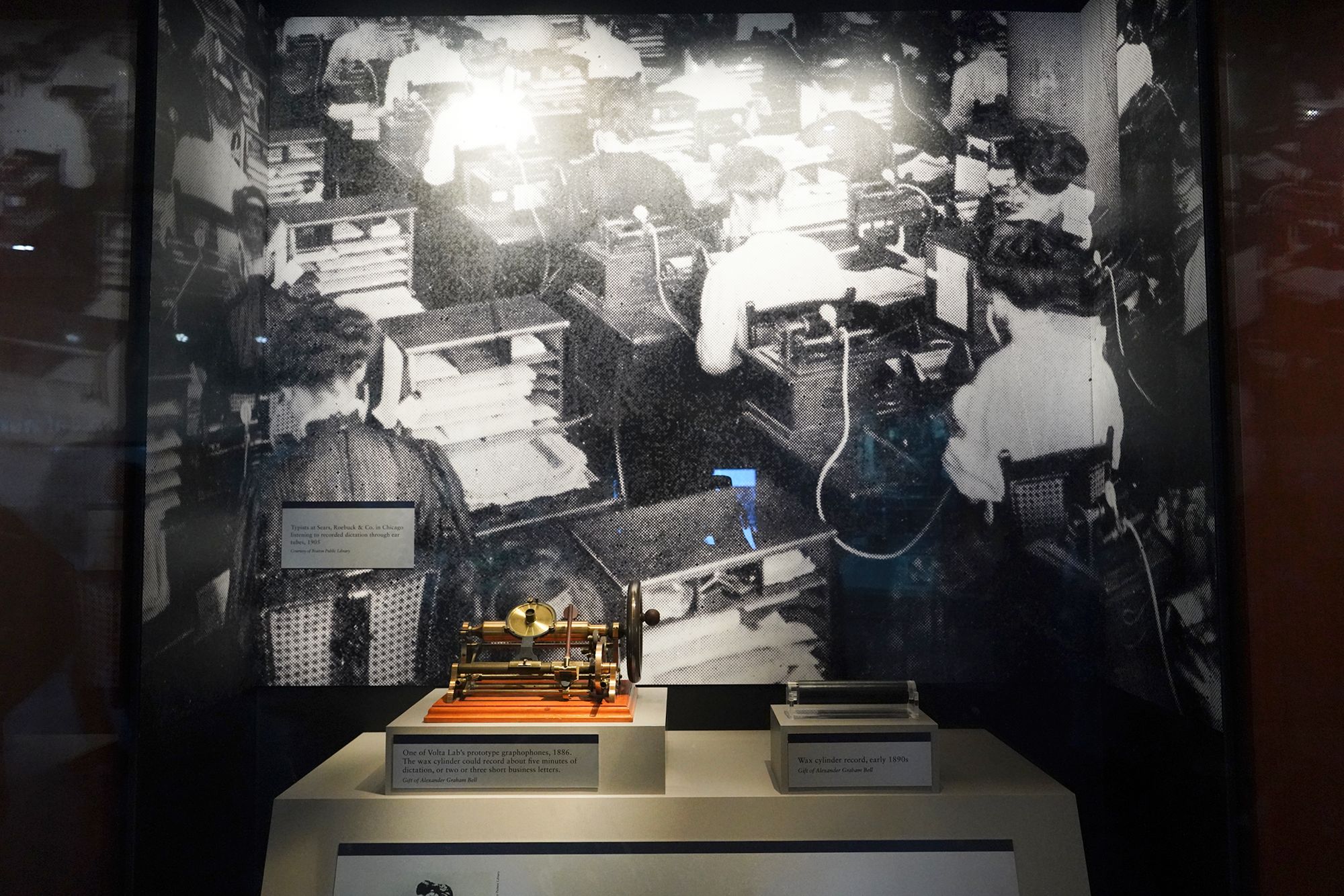
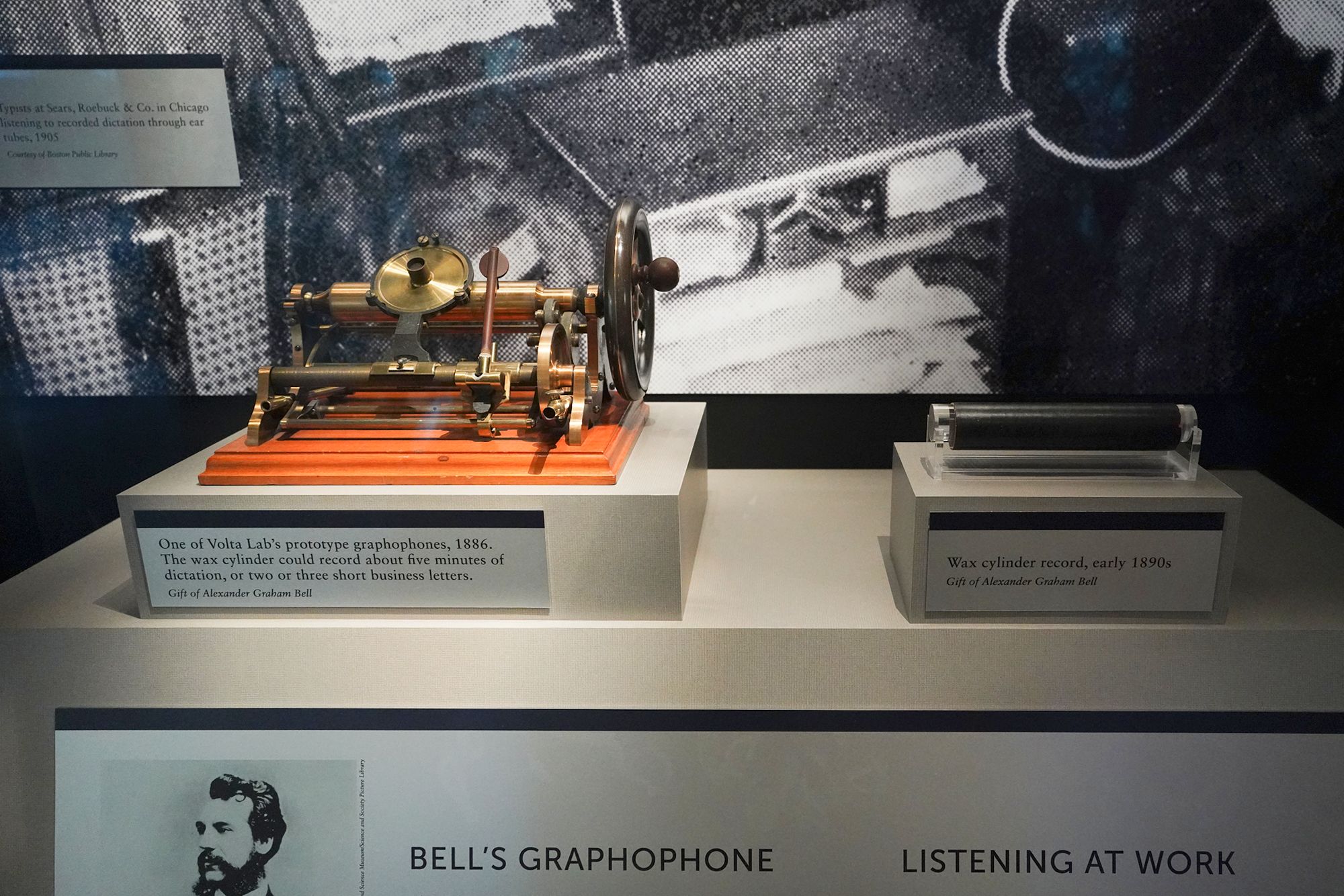
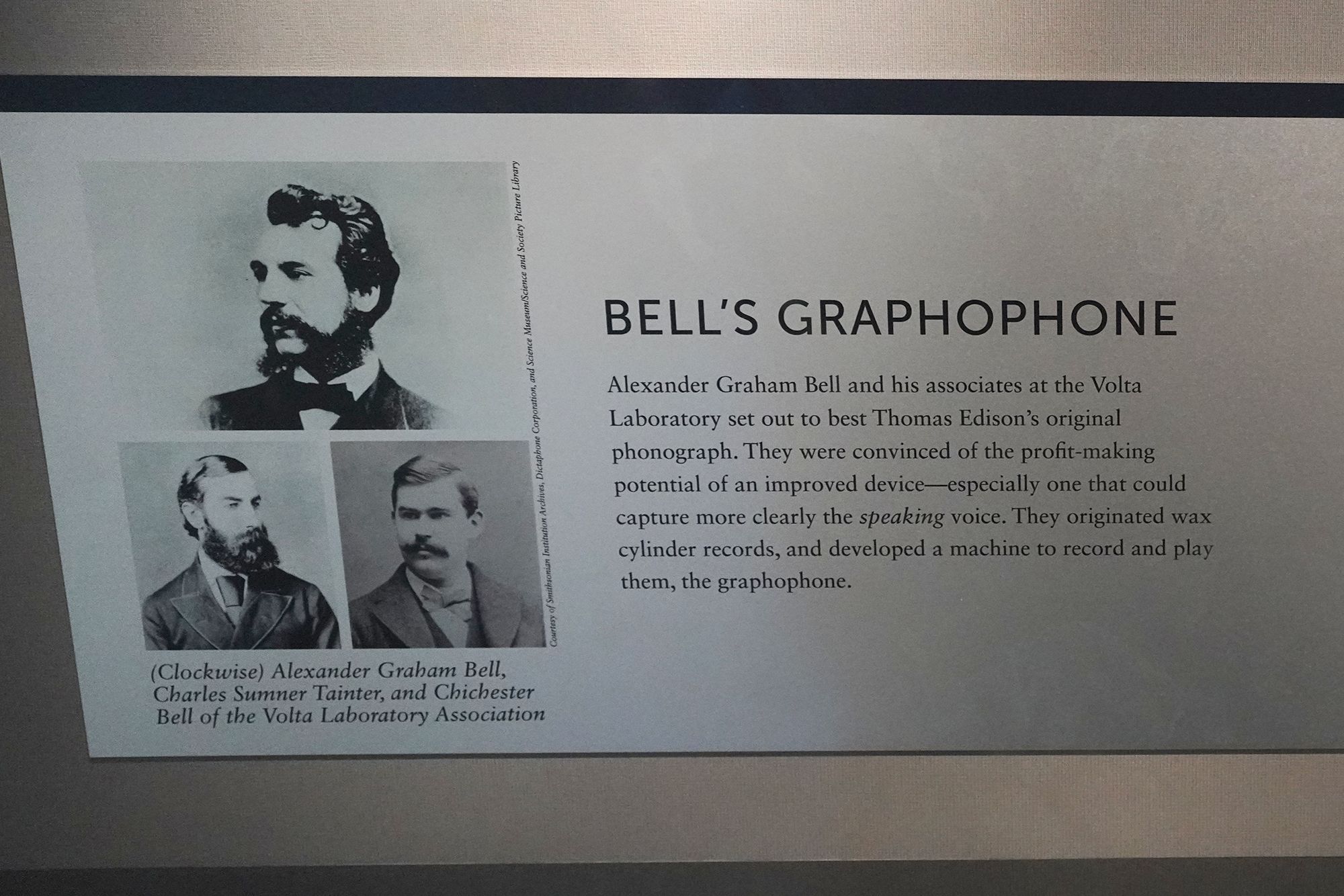
Bell’s Graphophone
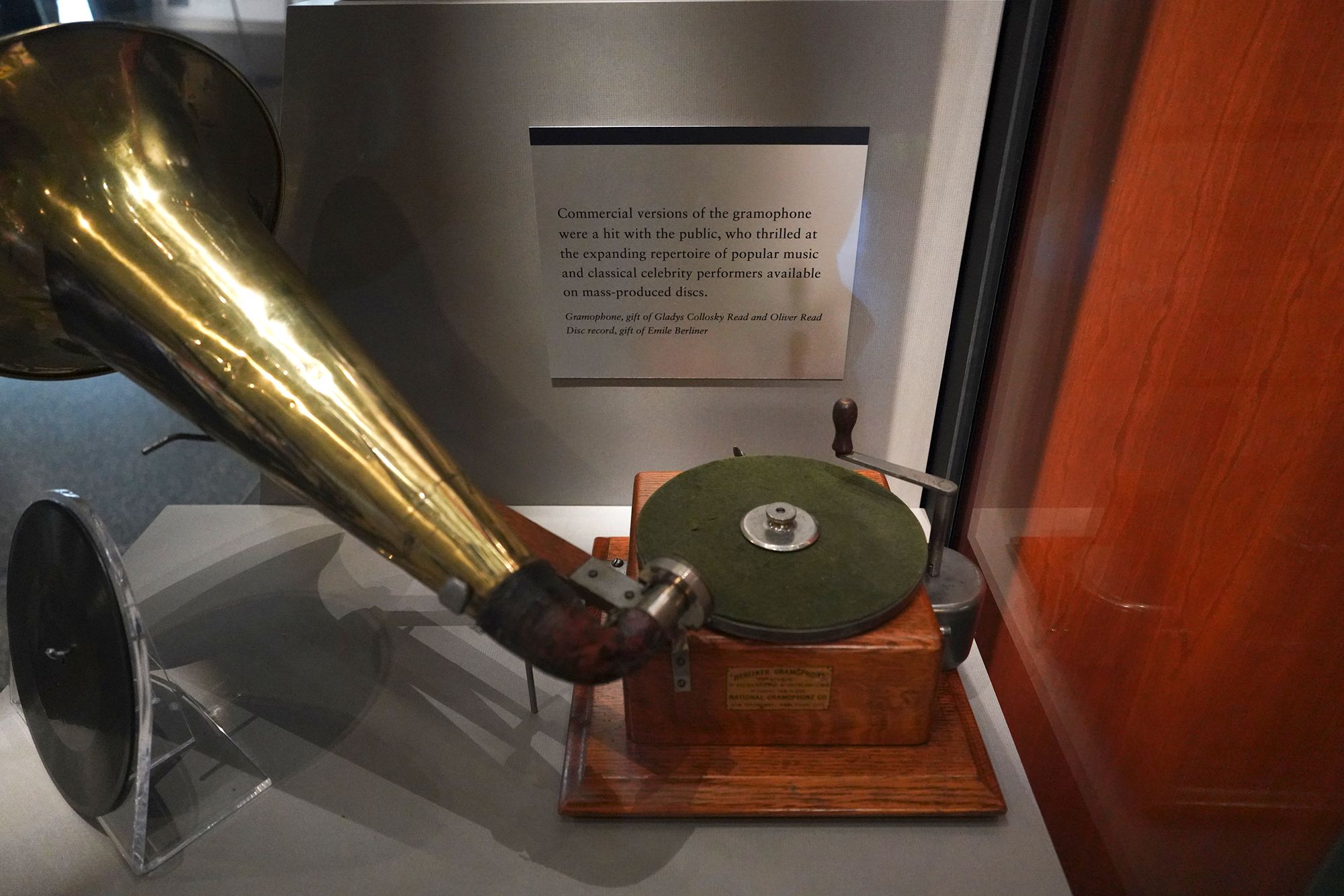
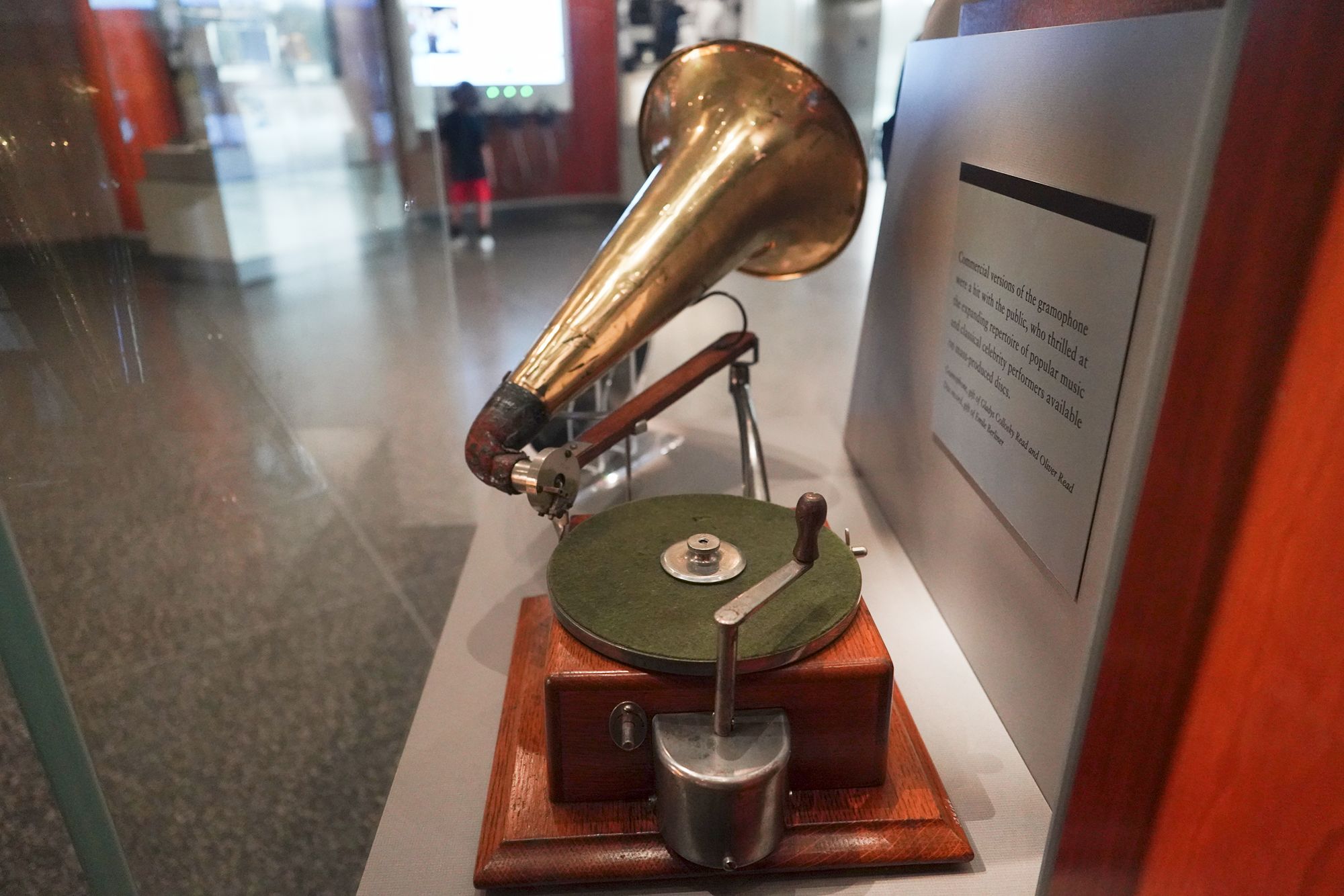
Berliner’s Gramophone
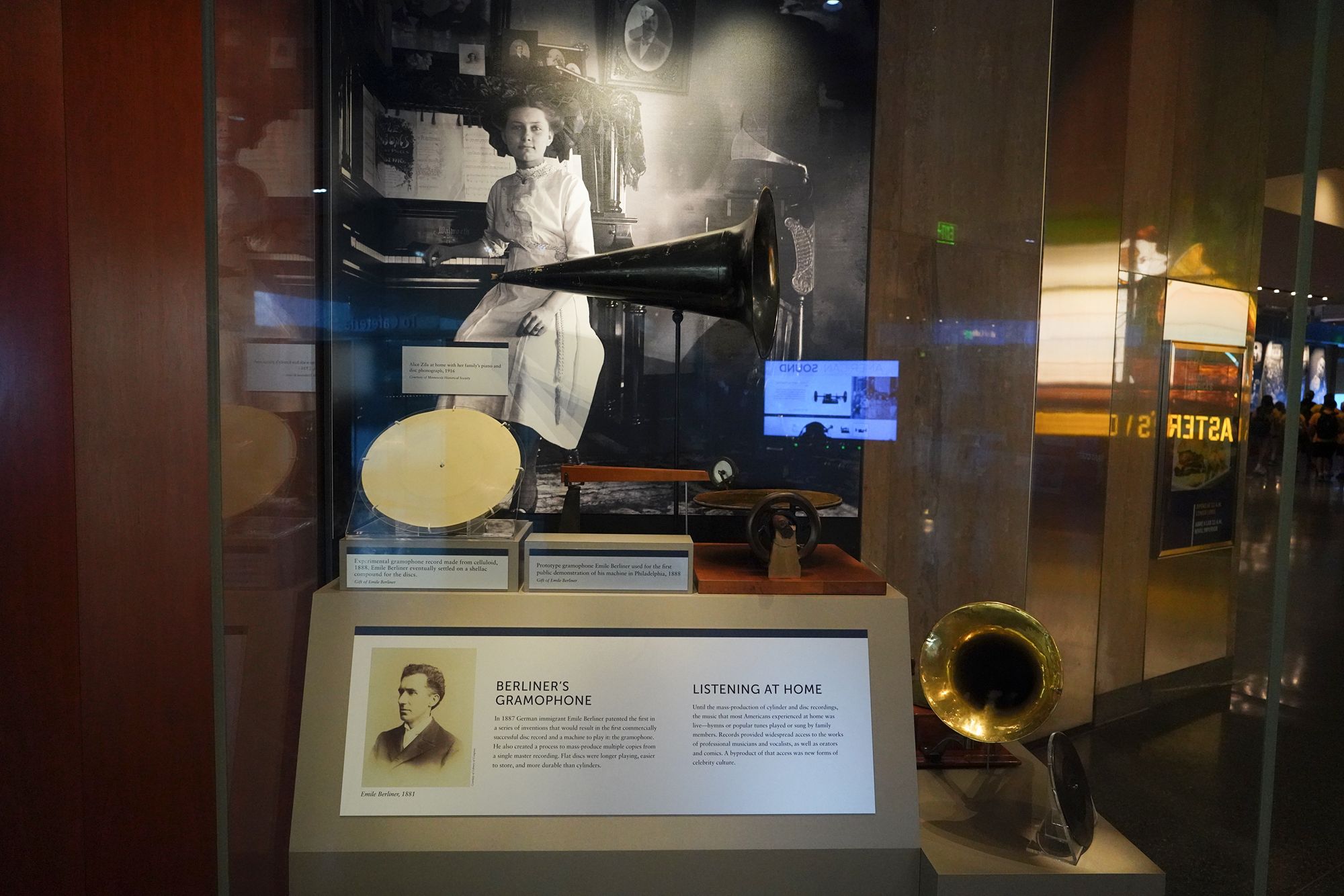
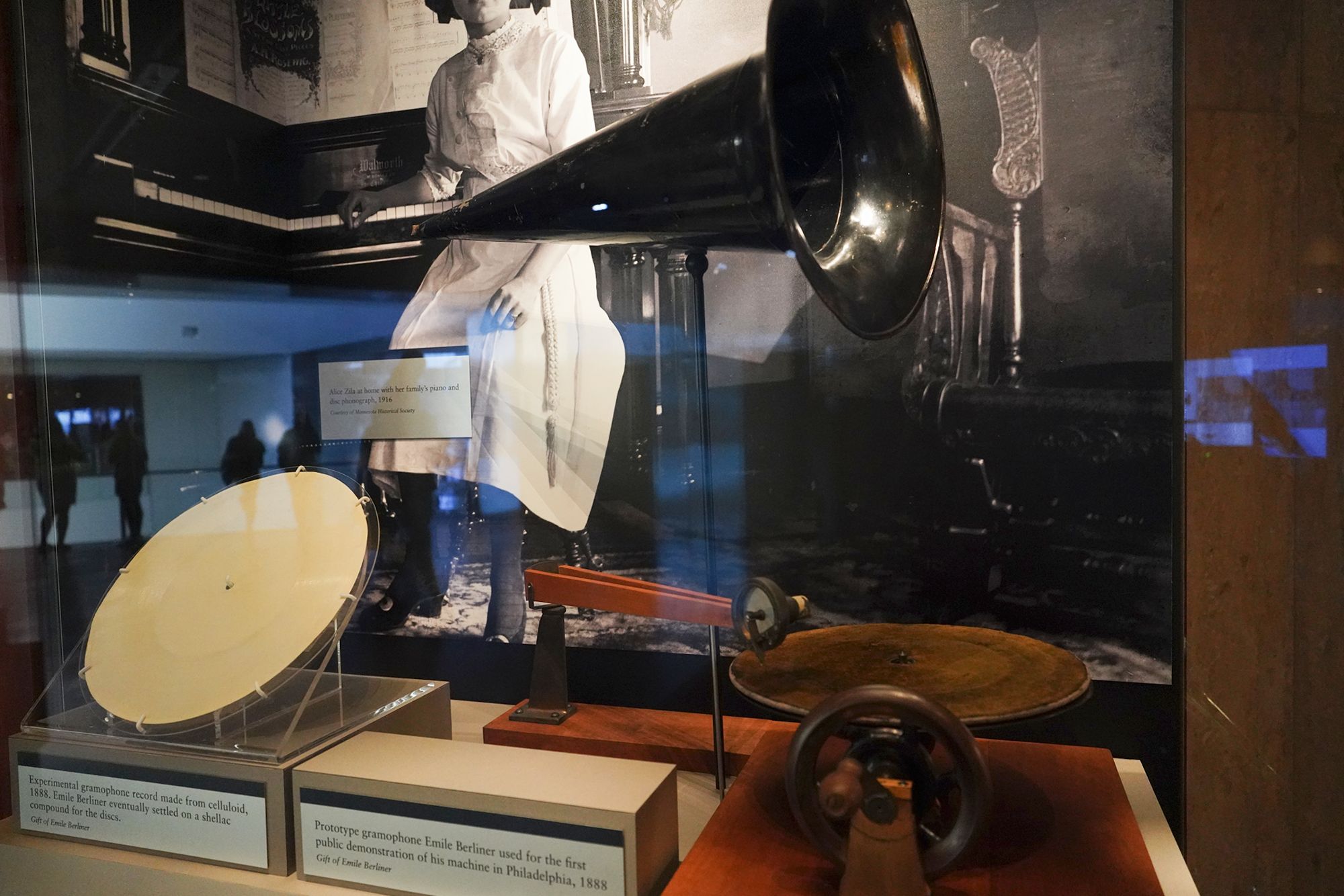
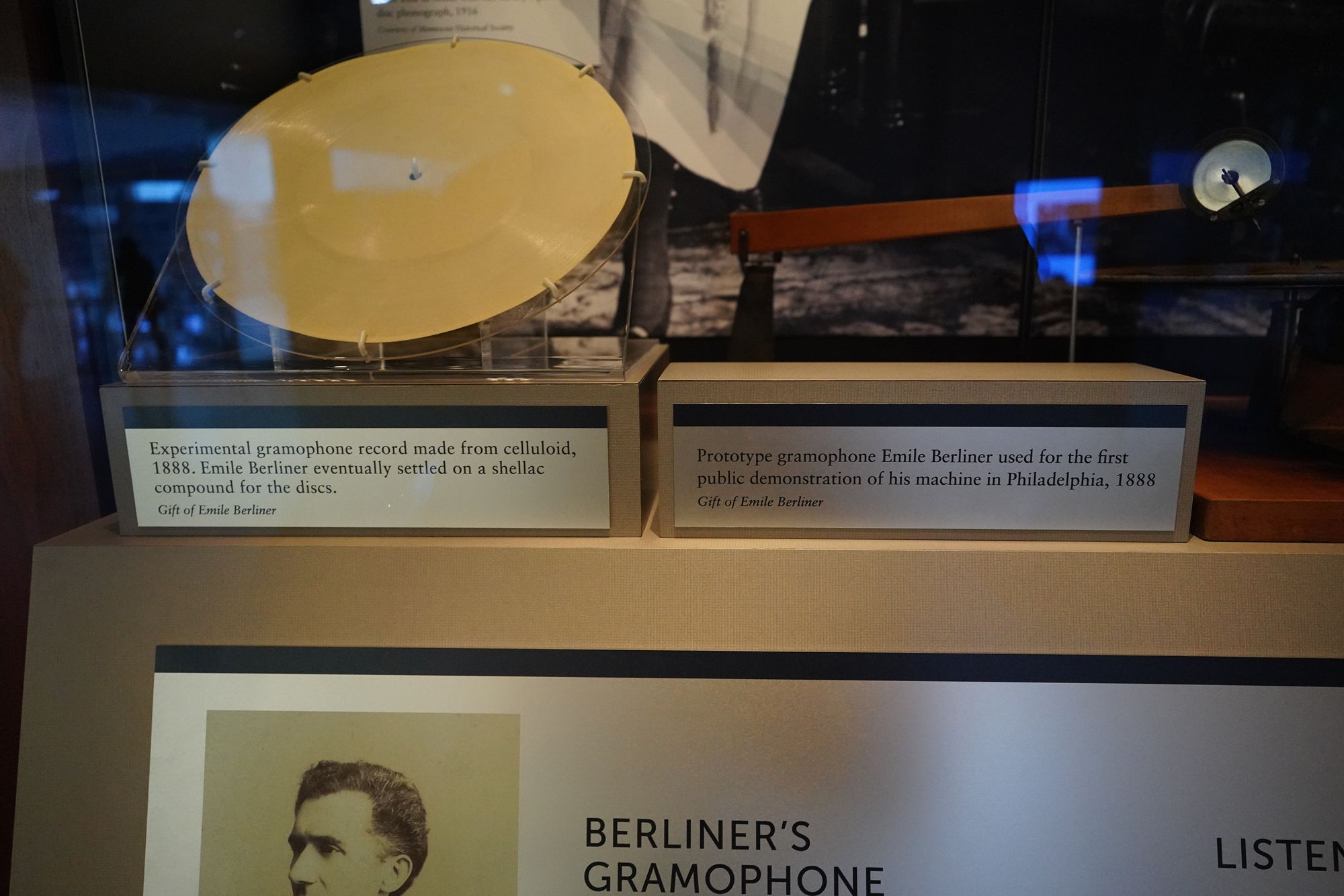

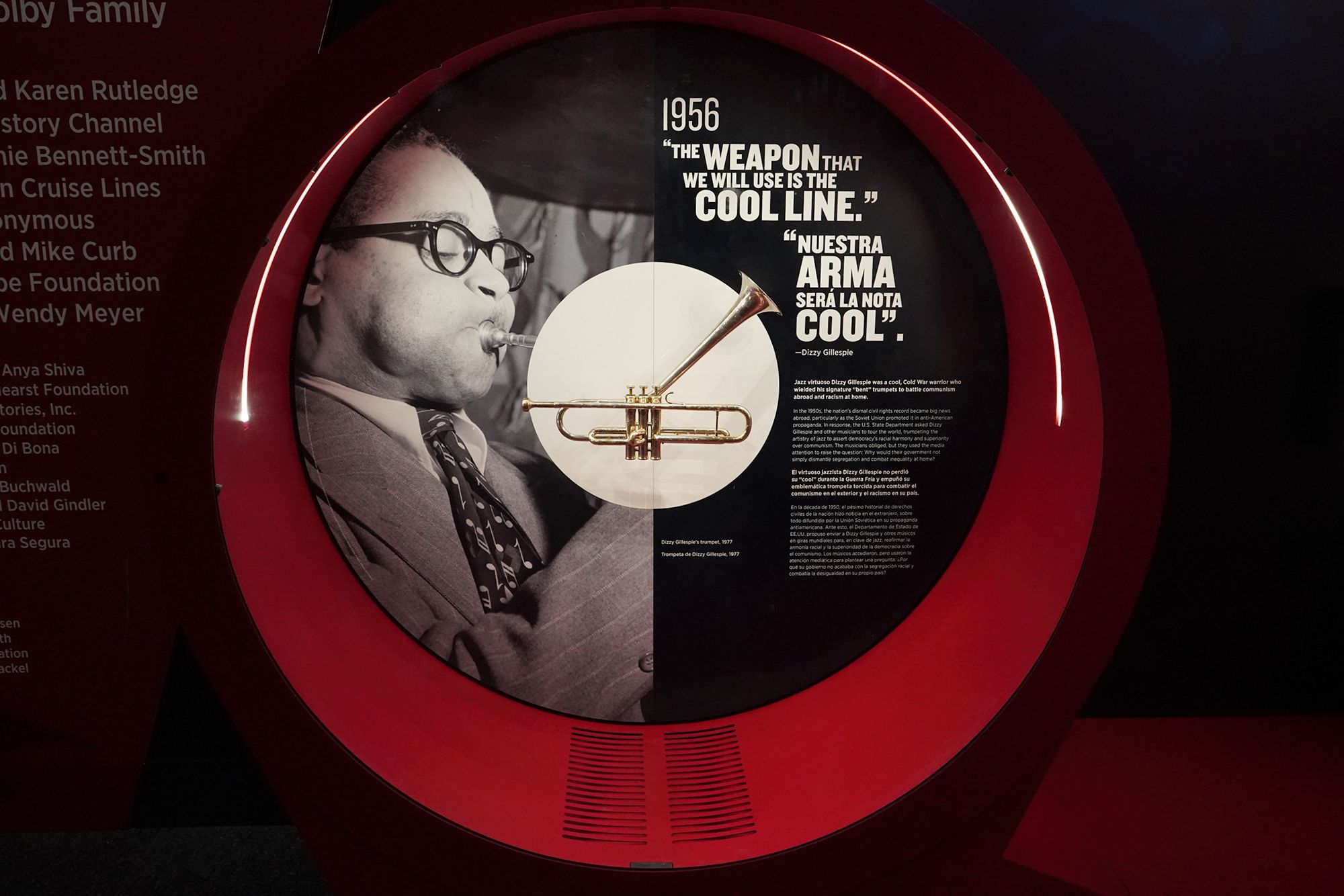
Hall of American Culture

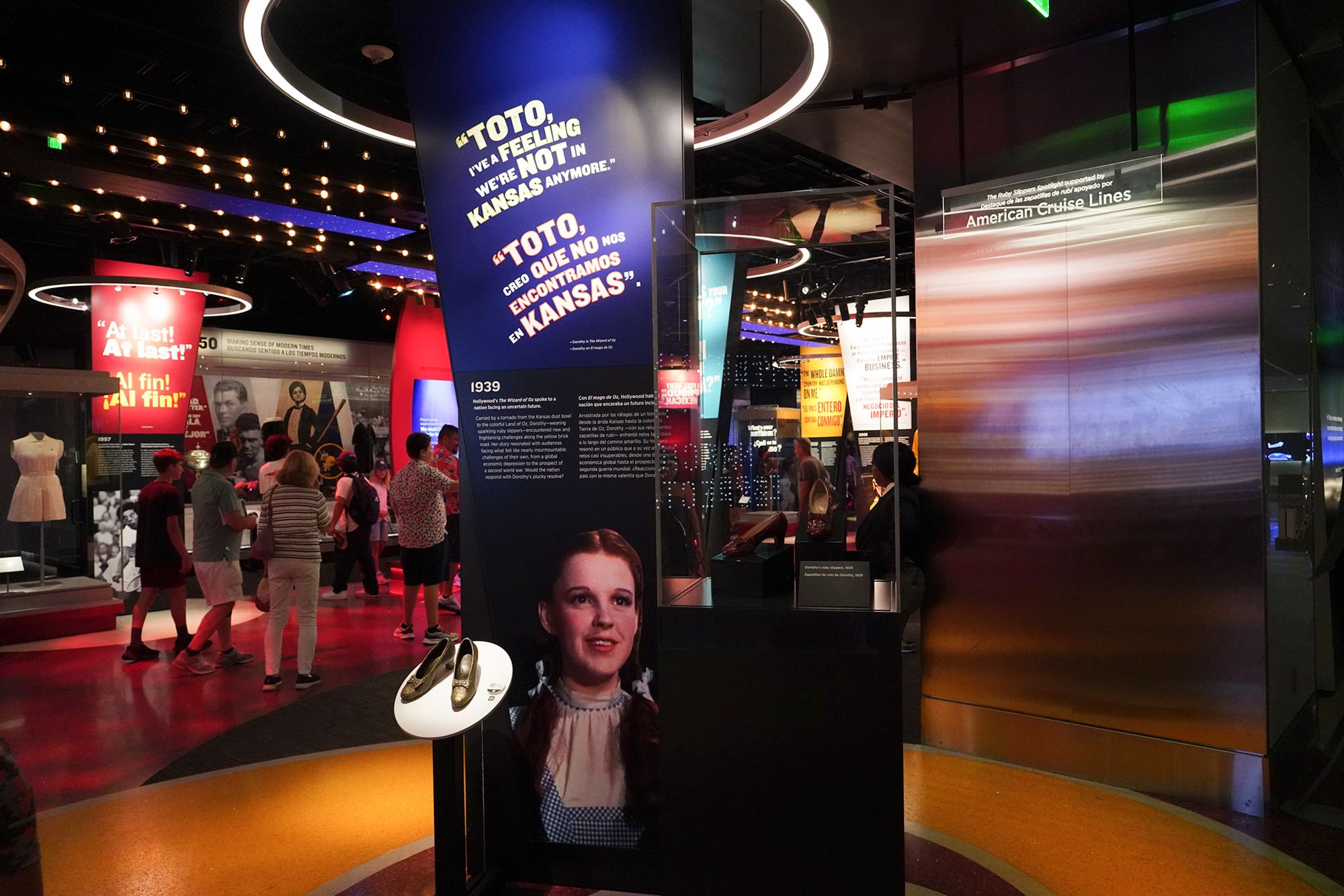
Dorothy’s ruby slippers
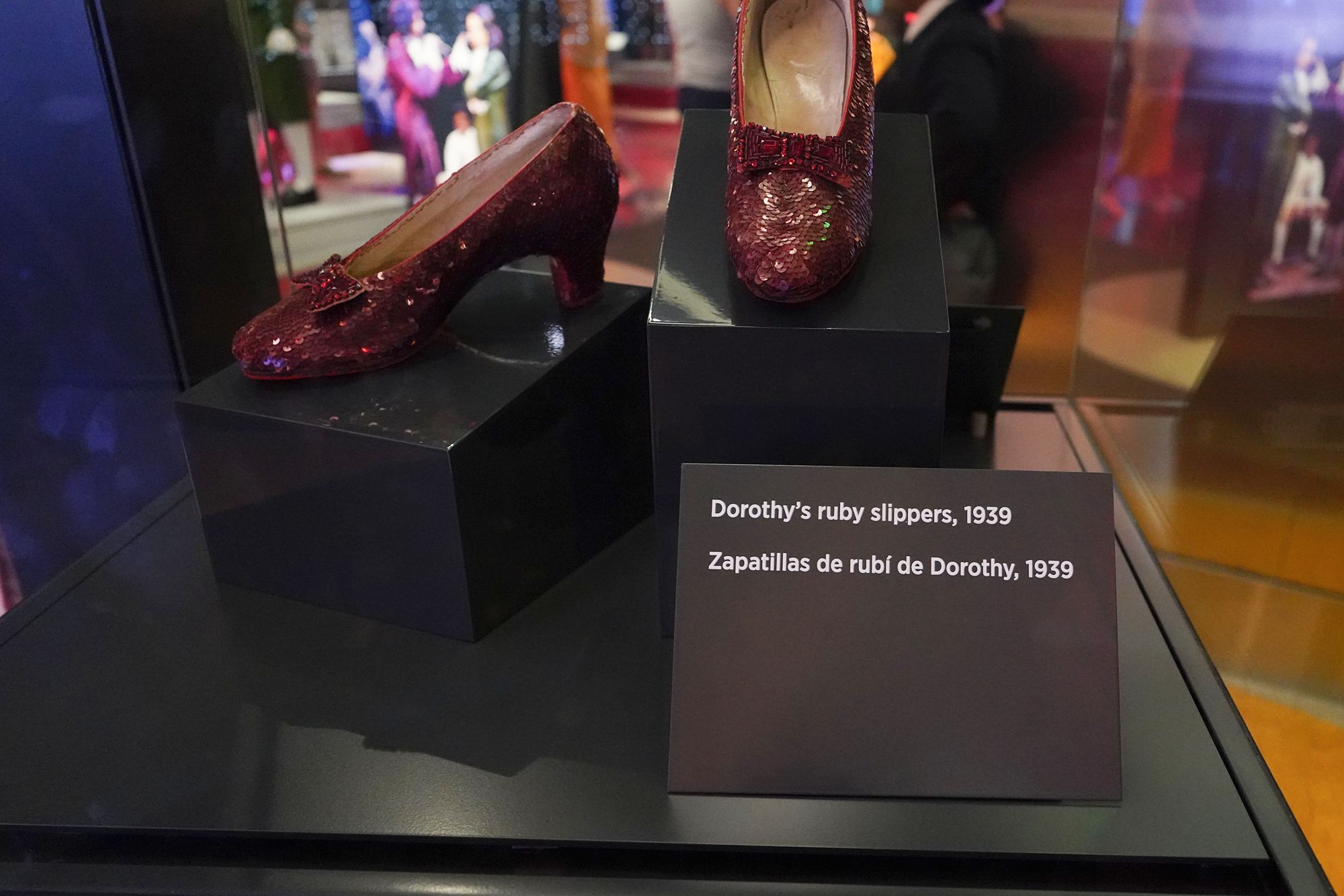
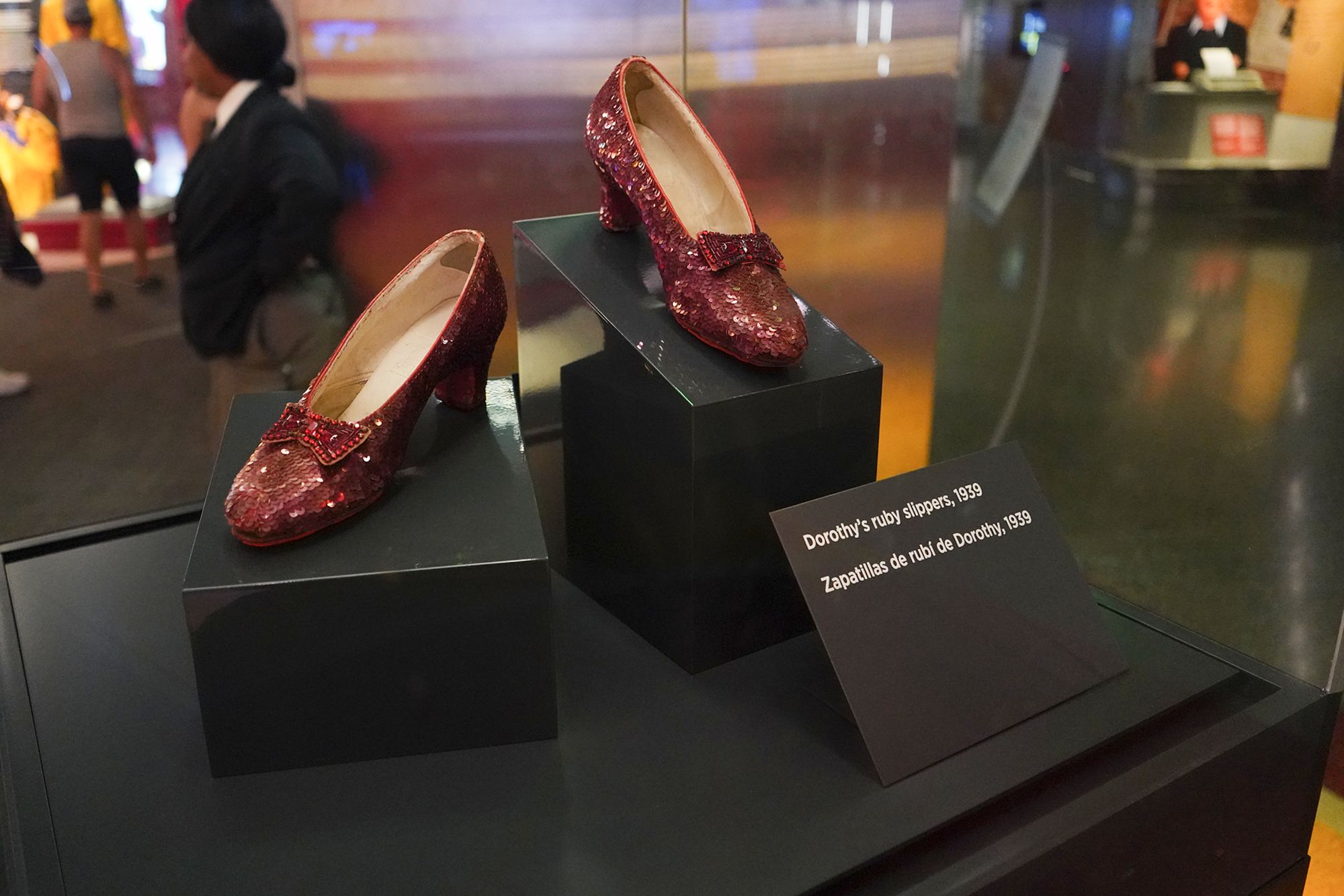
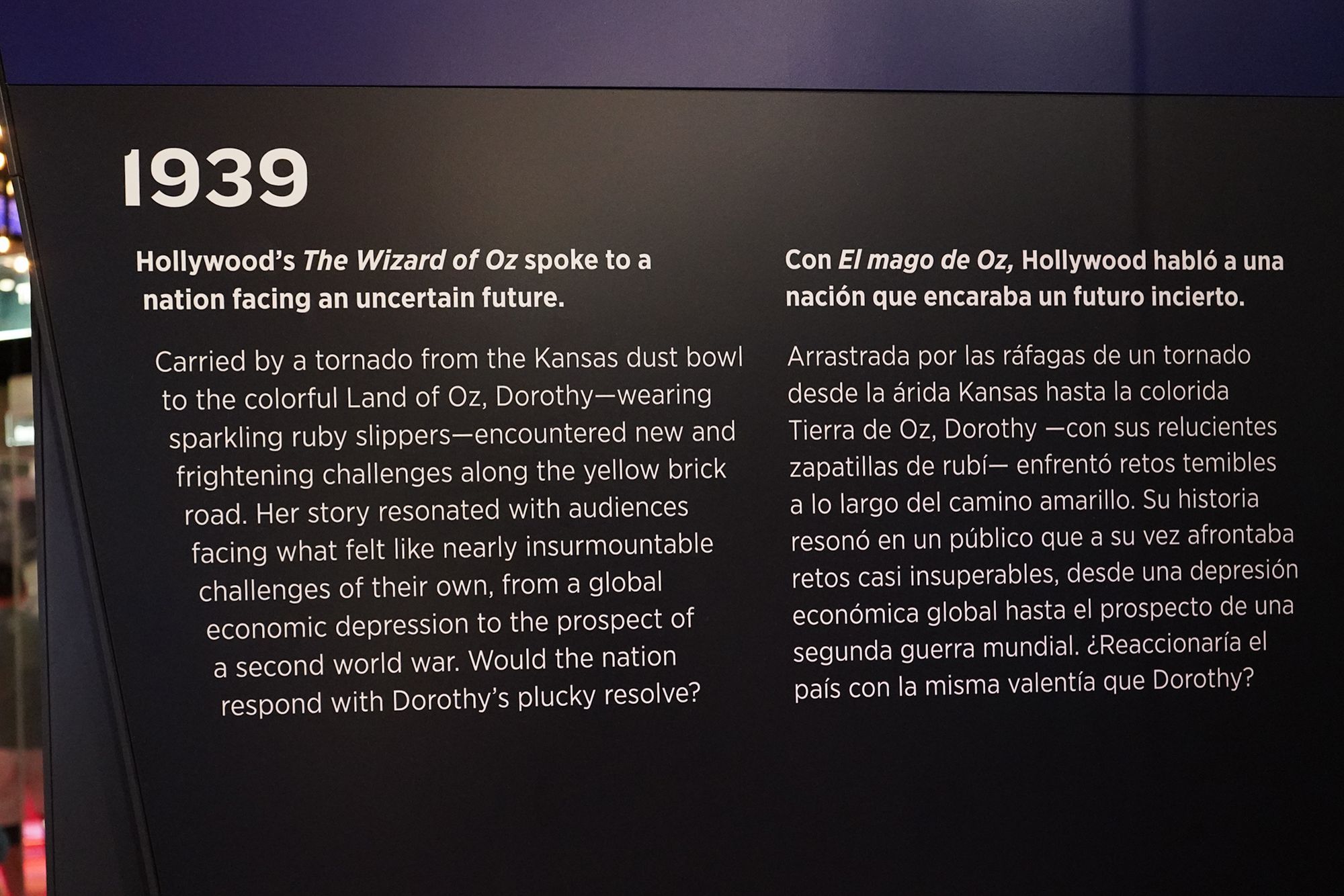
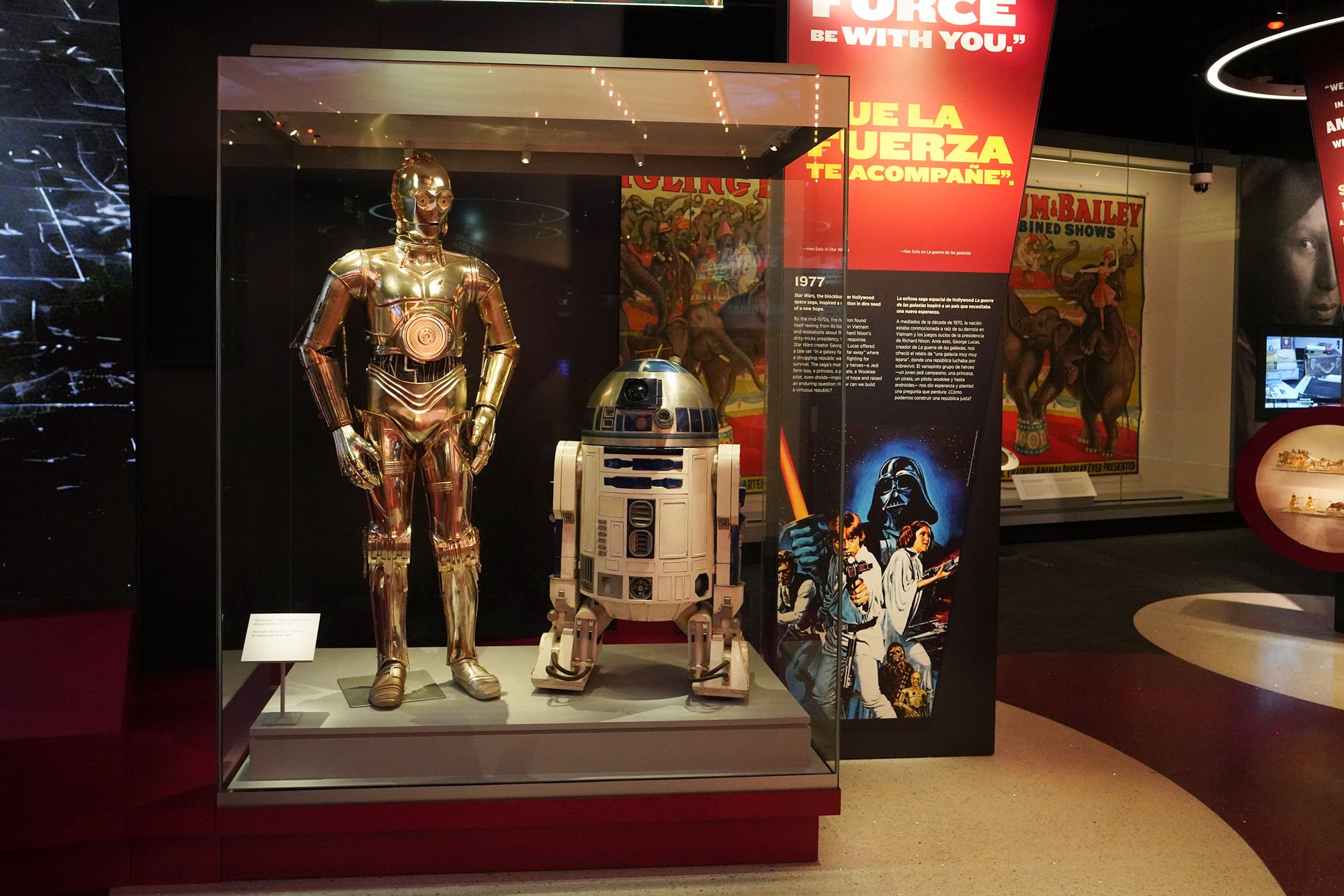
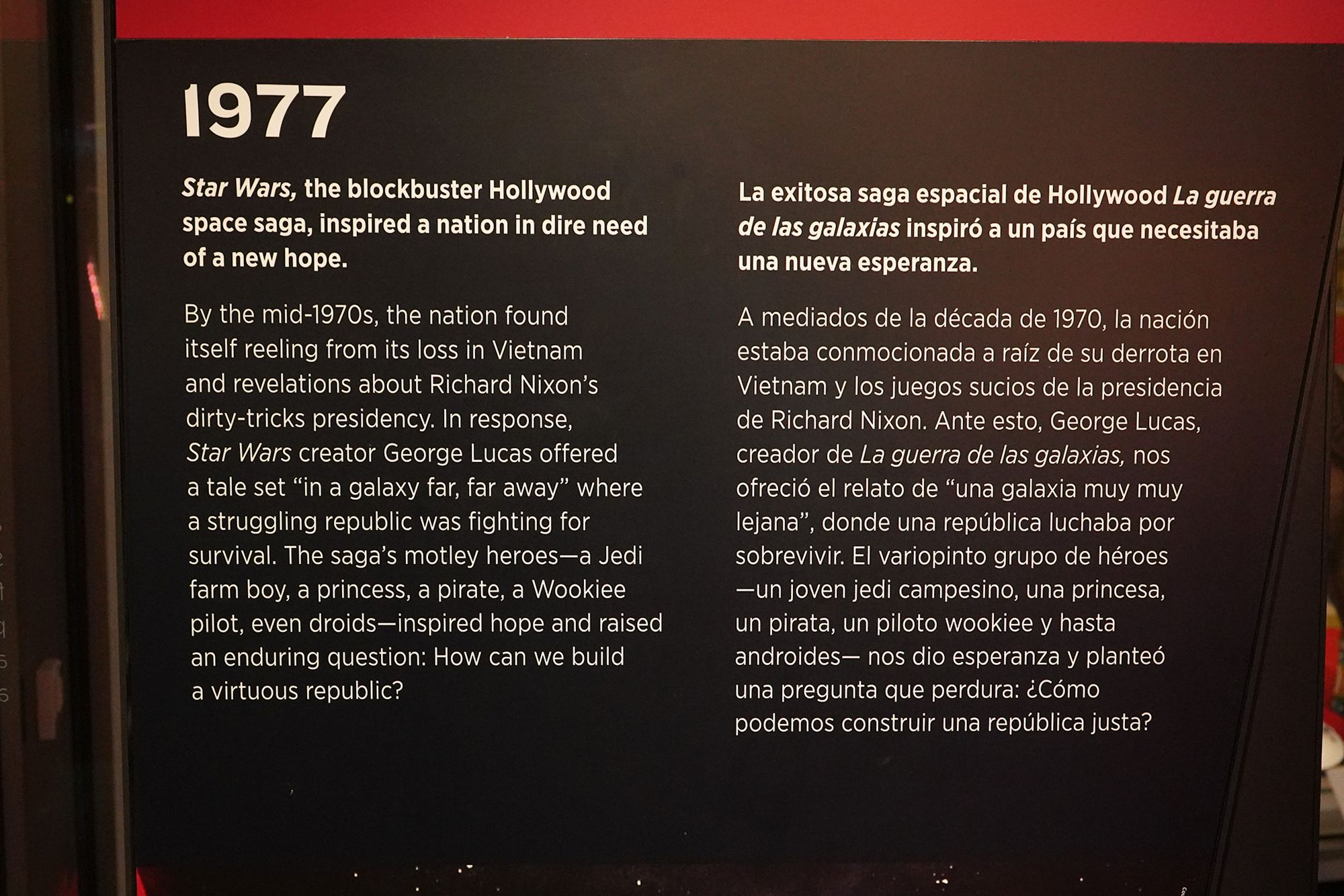
Star Wars

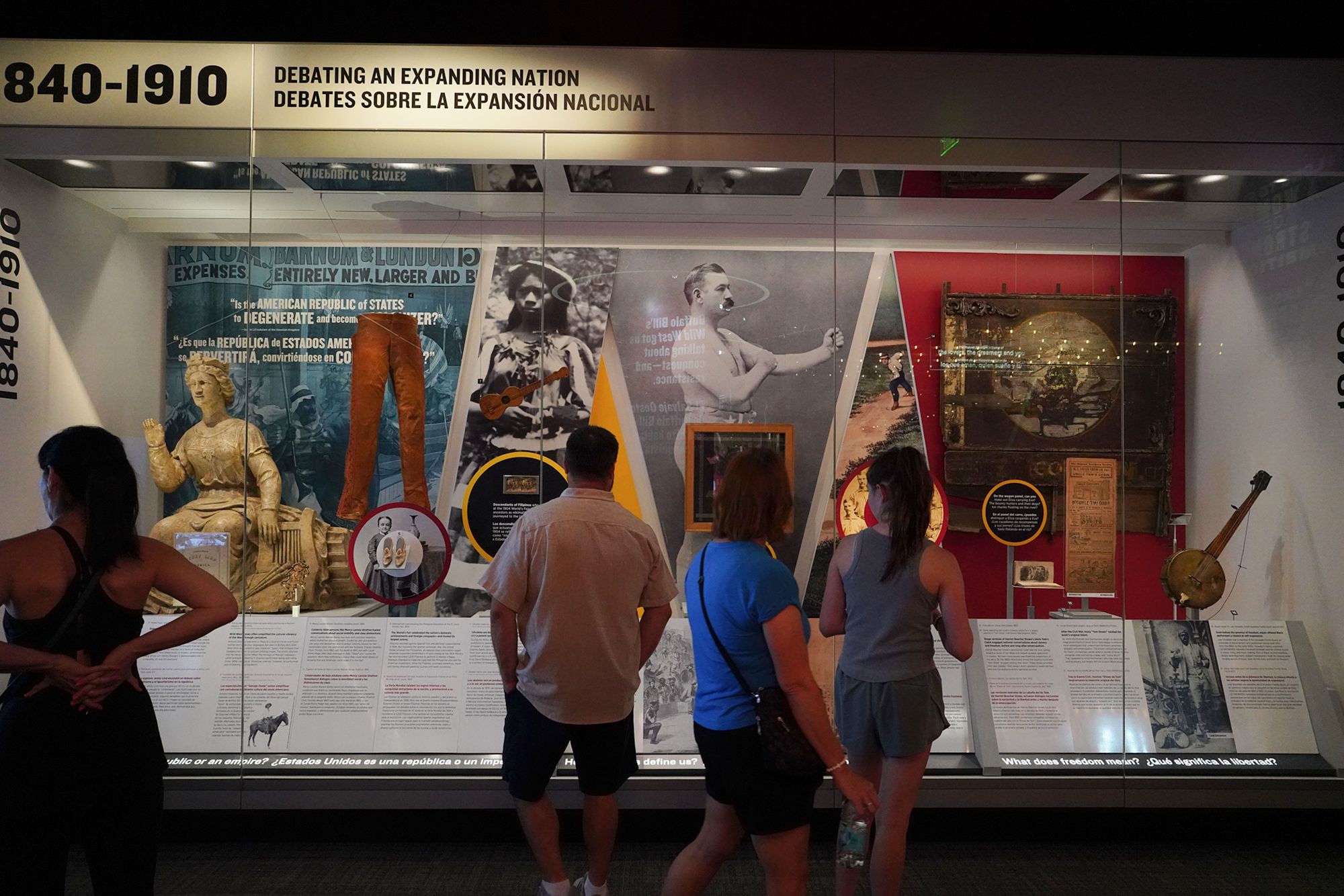
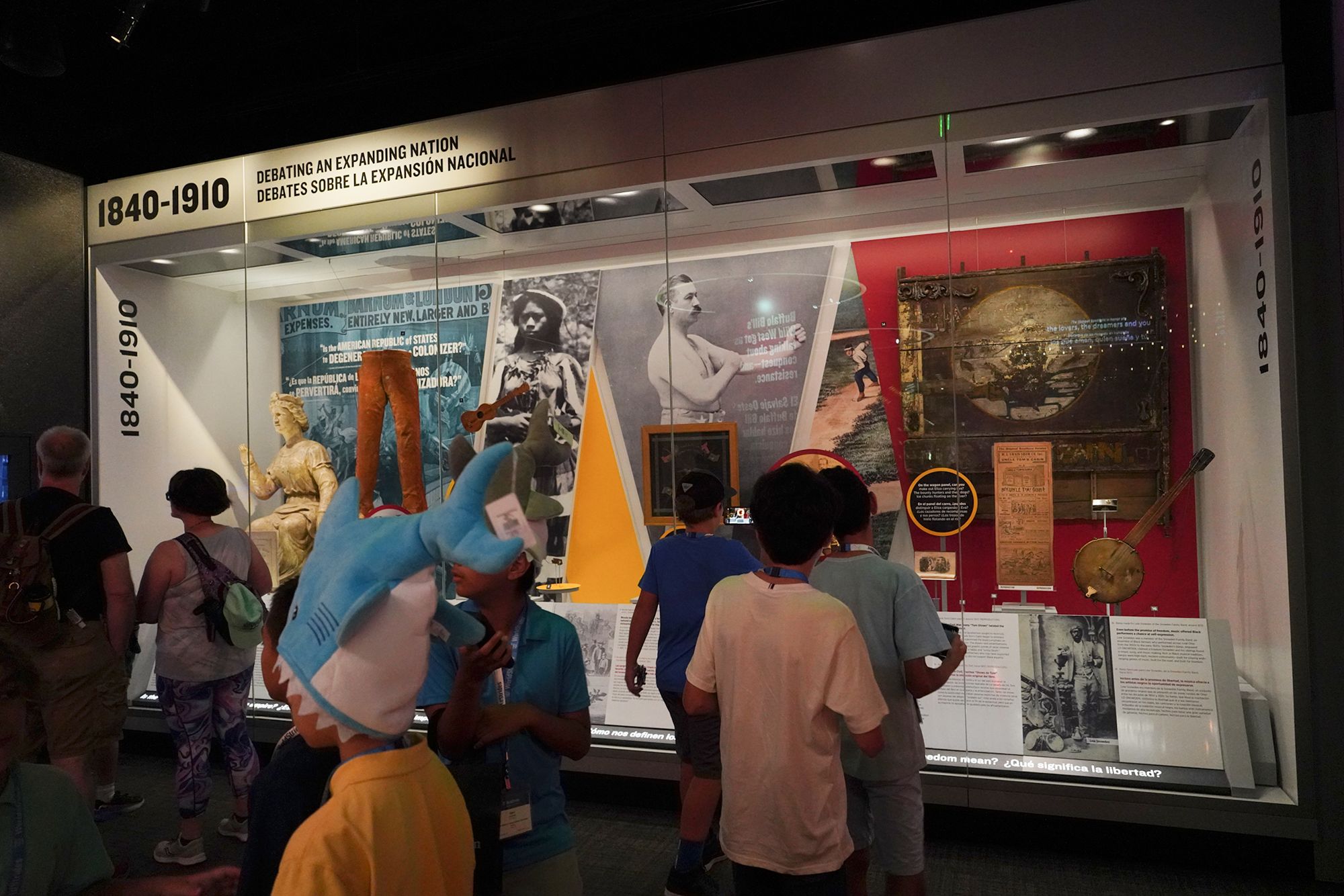
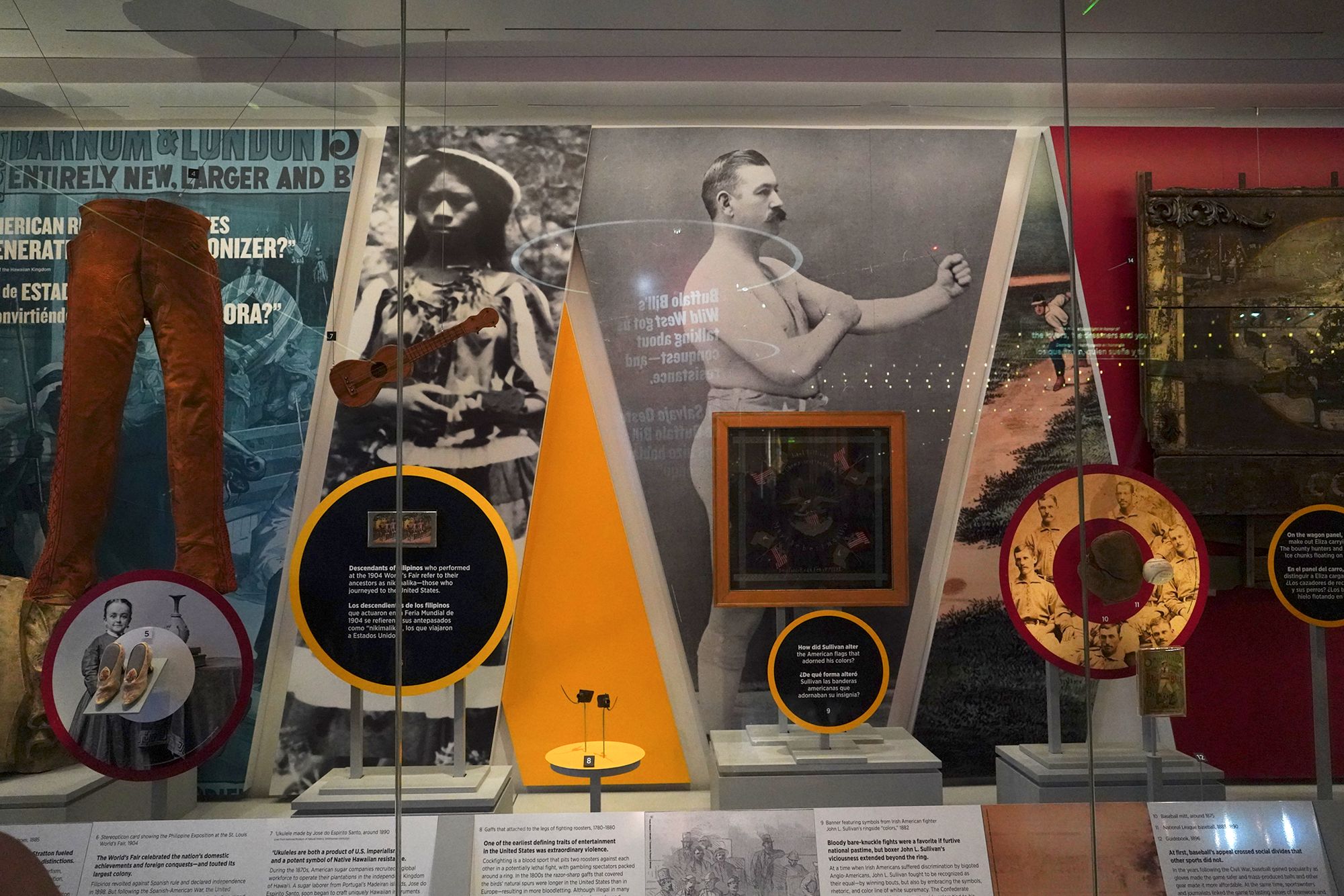
Year 1840-1910 – Debating an Expanding Nation
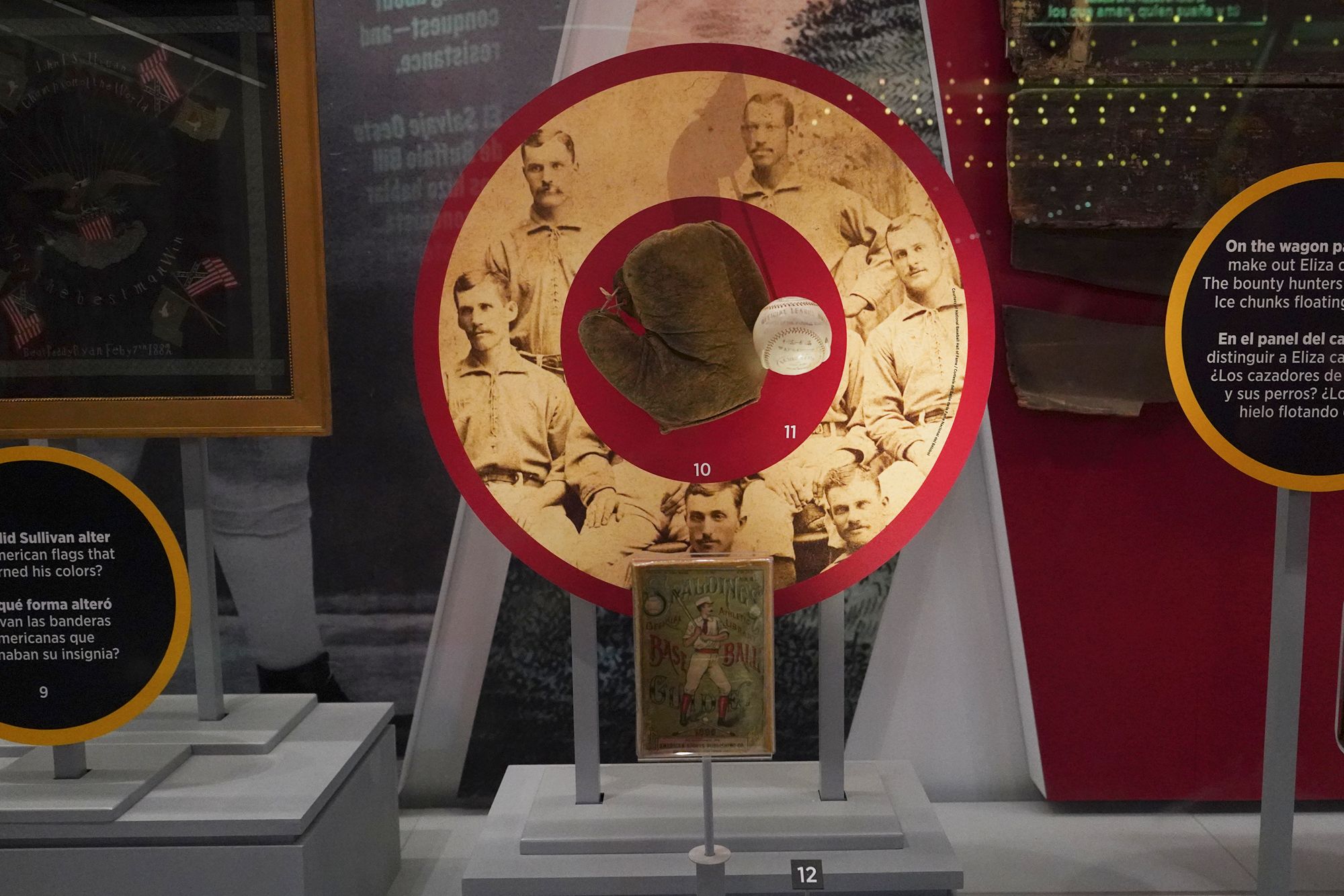
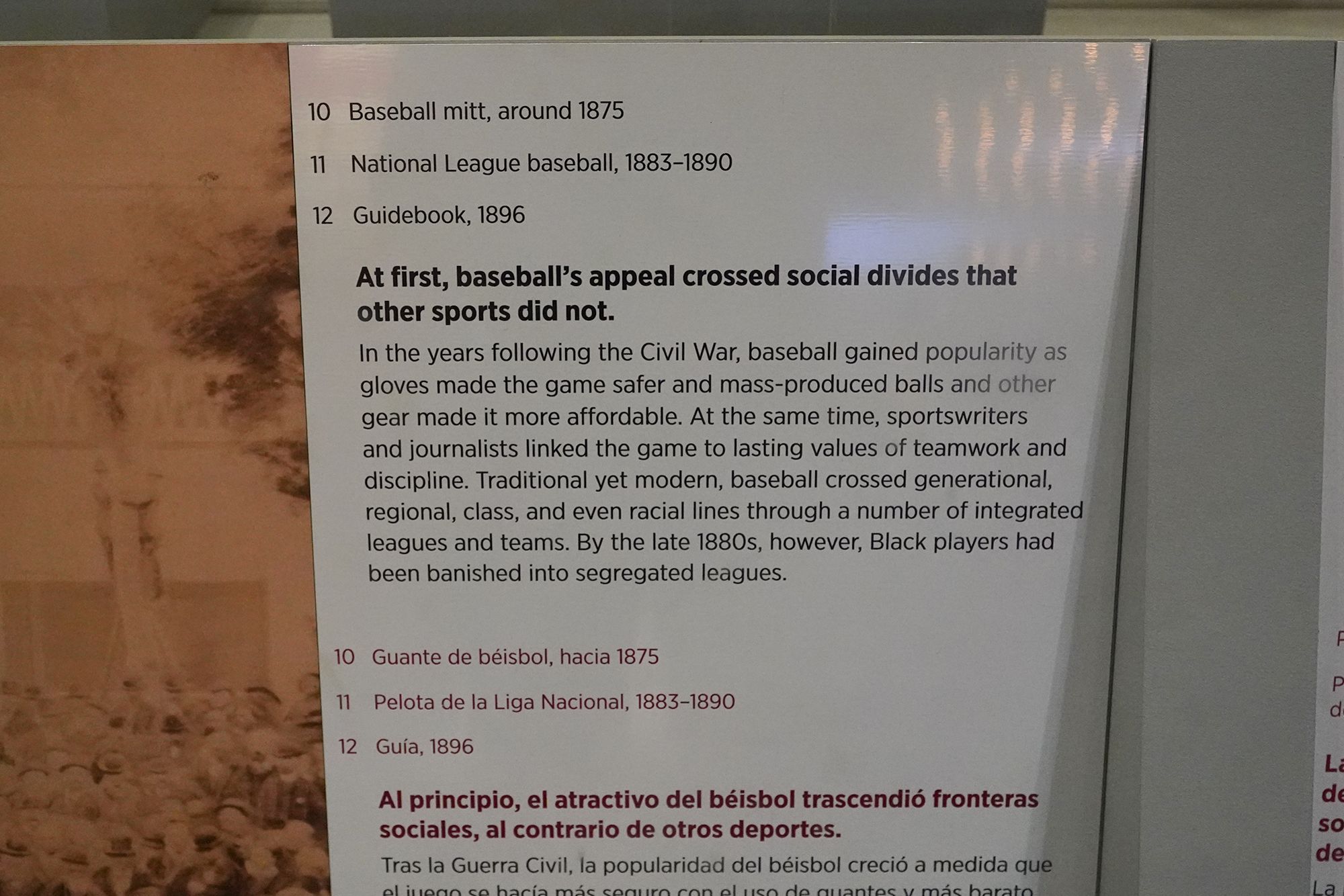
Baseball
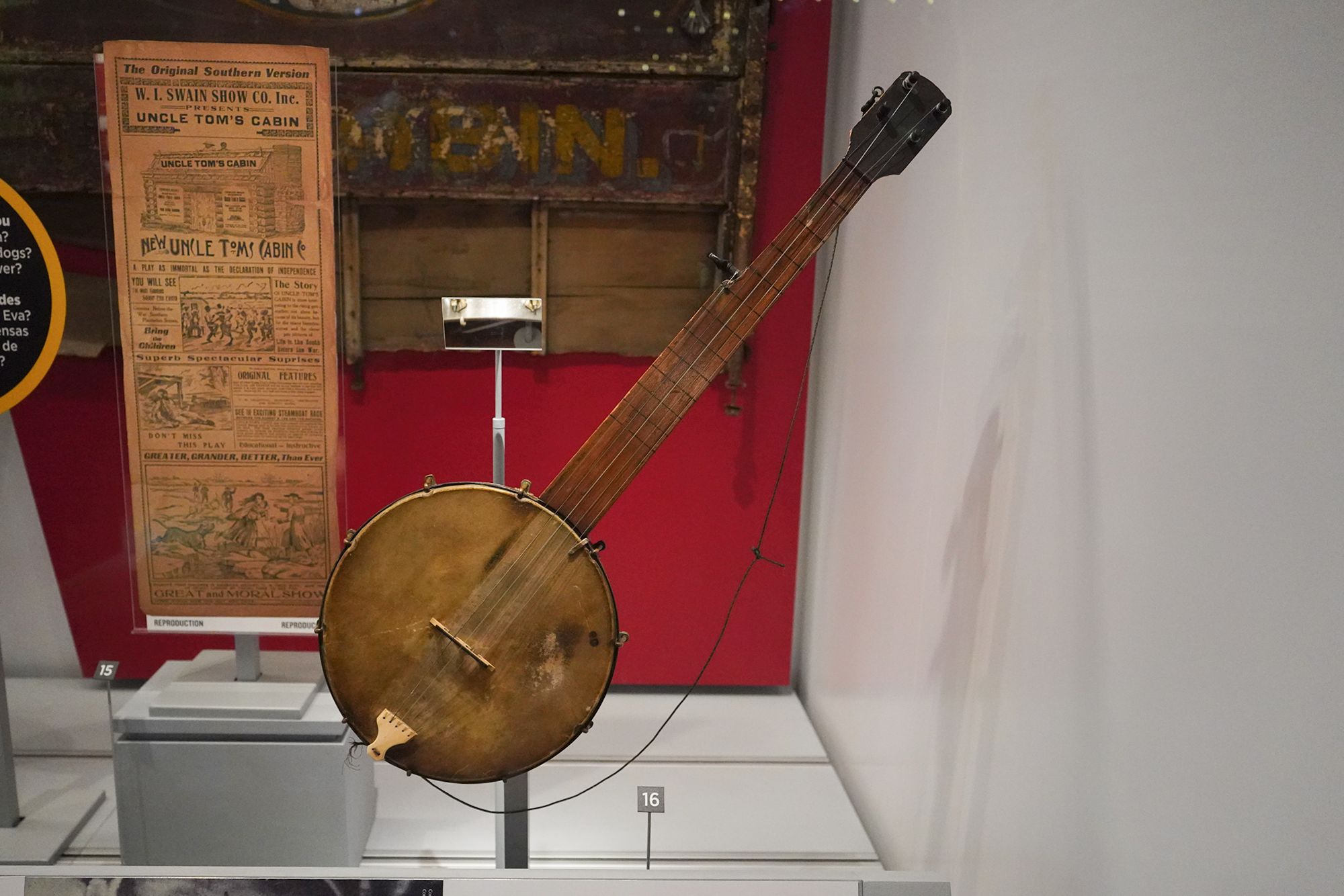
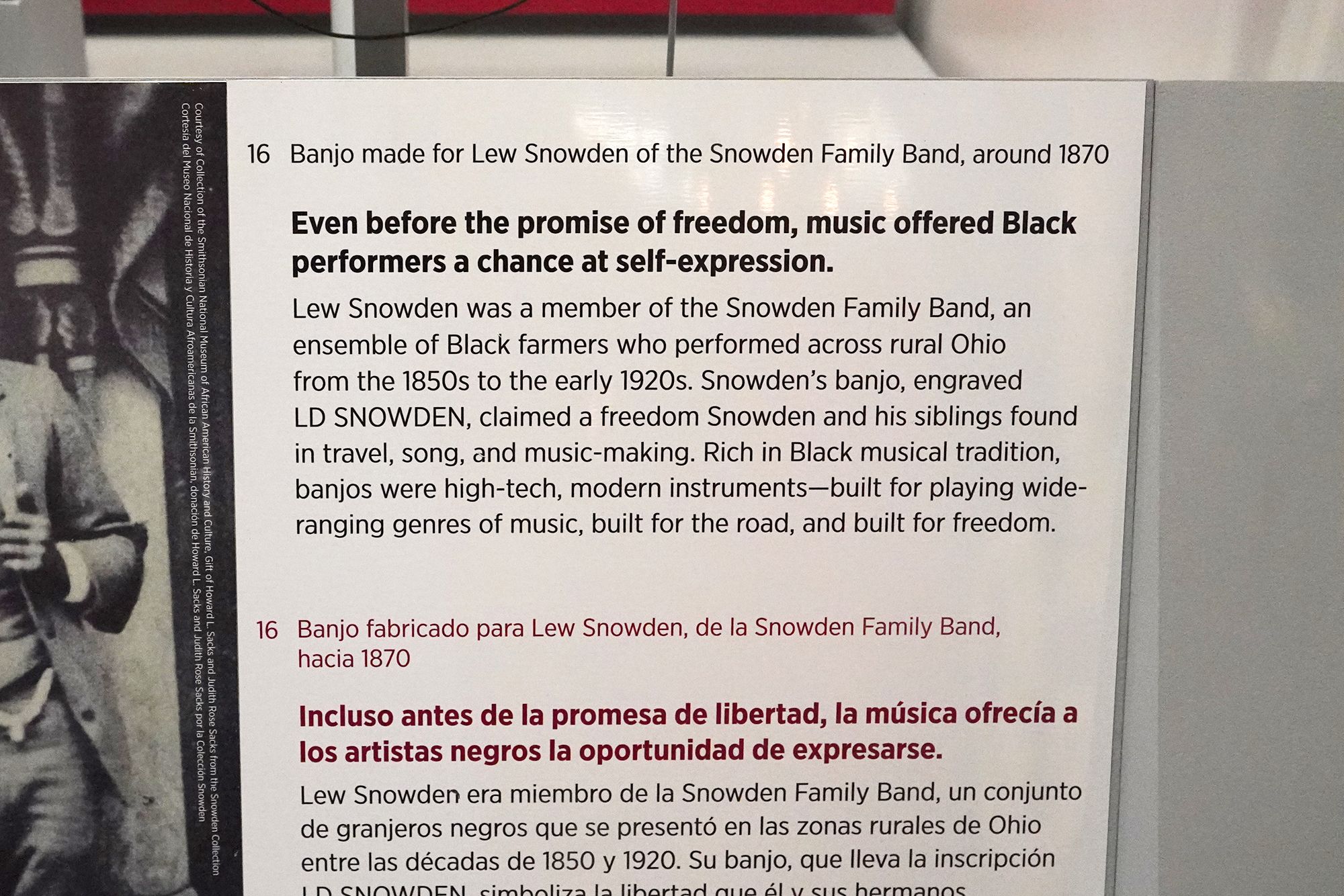
Banjo
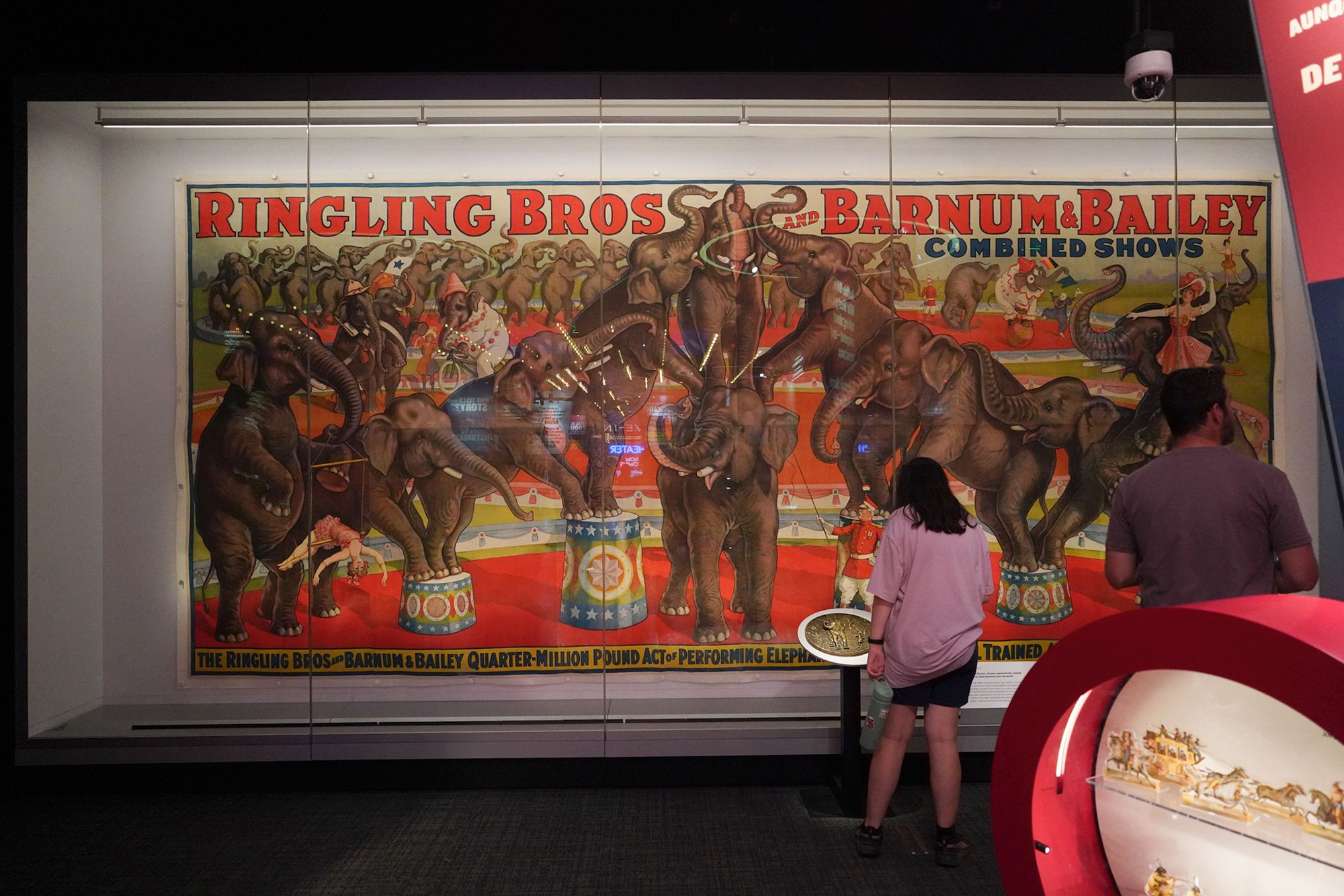
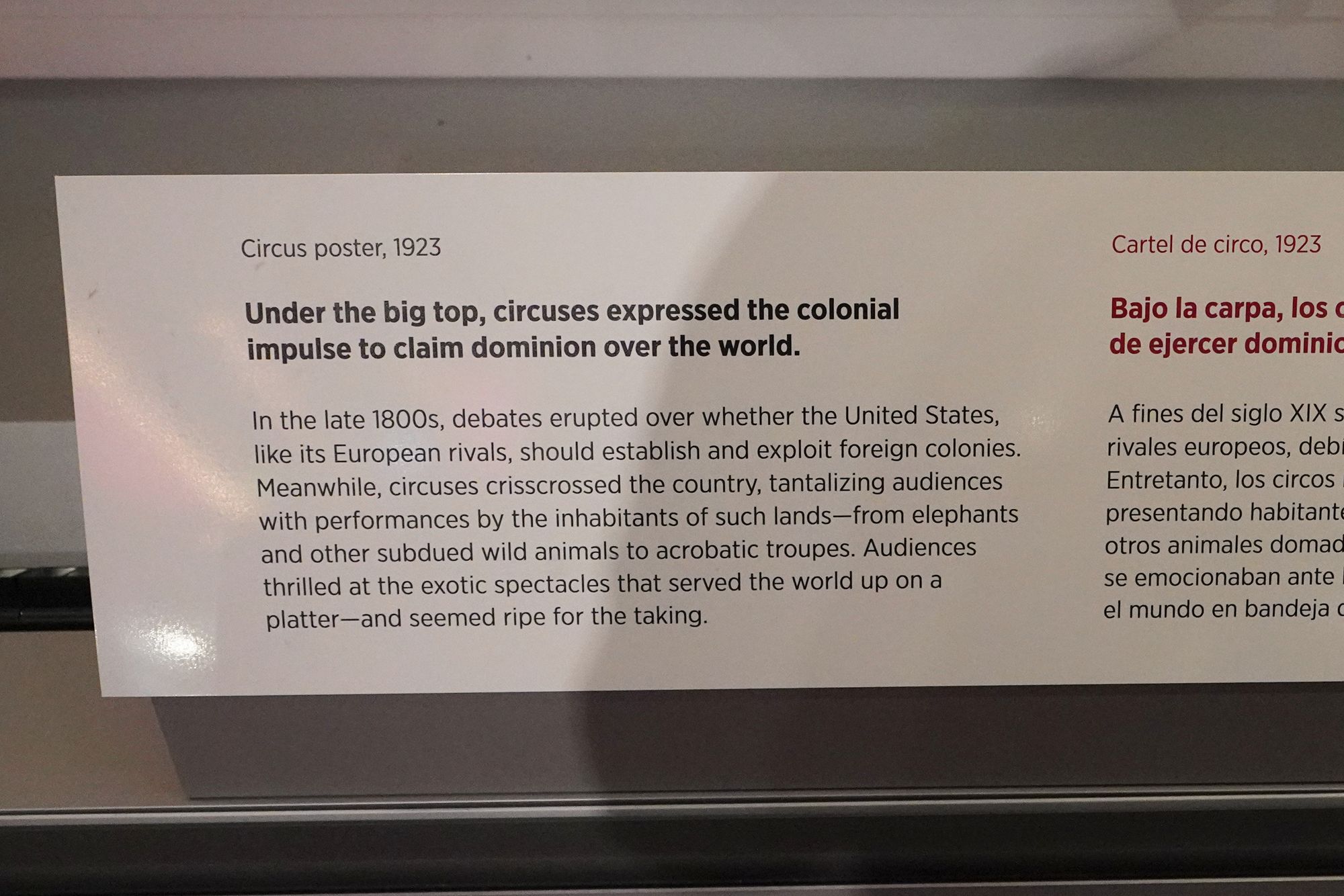
Circus Poster


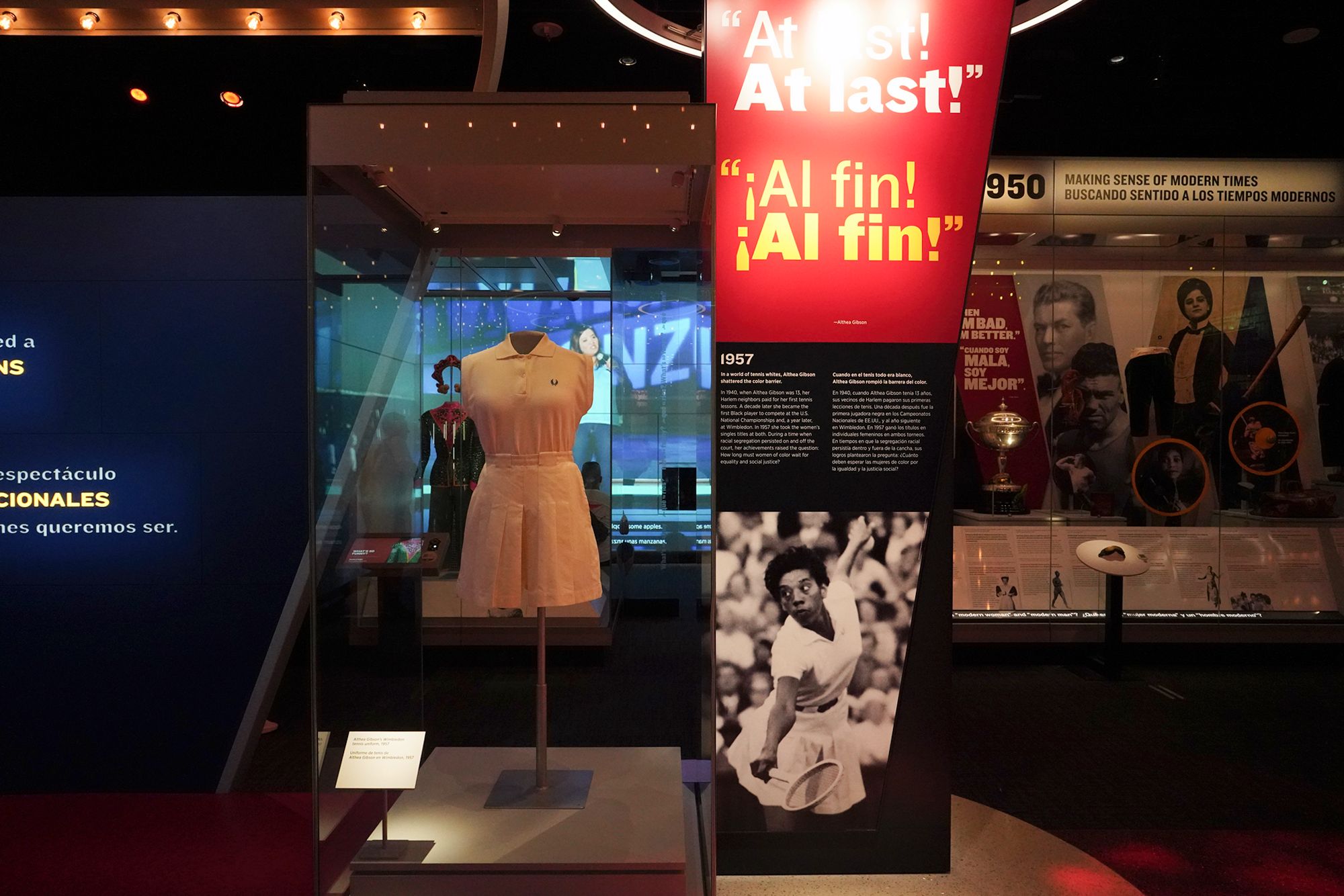
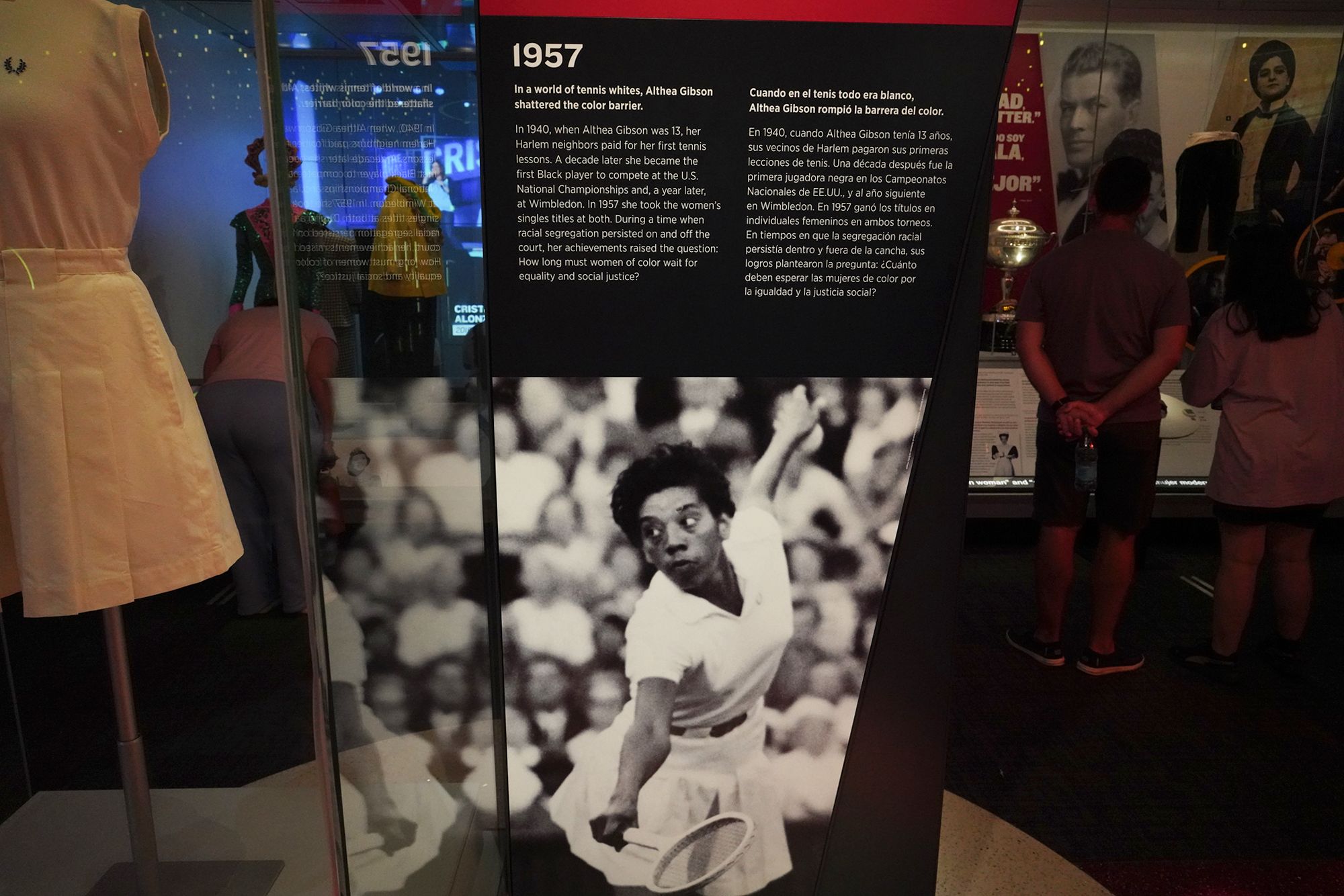
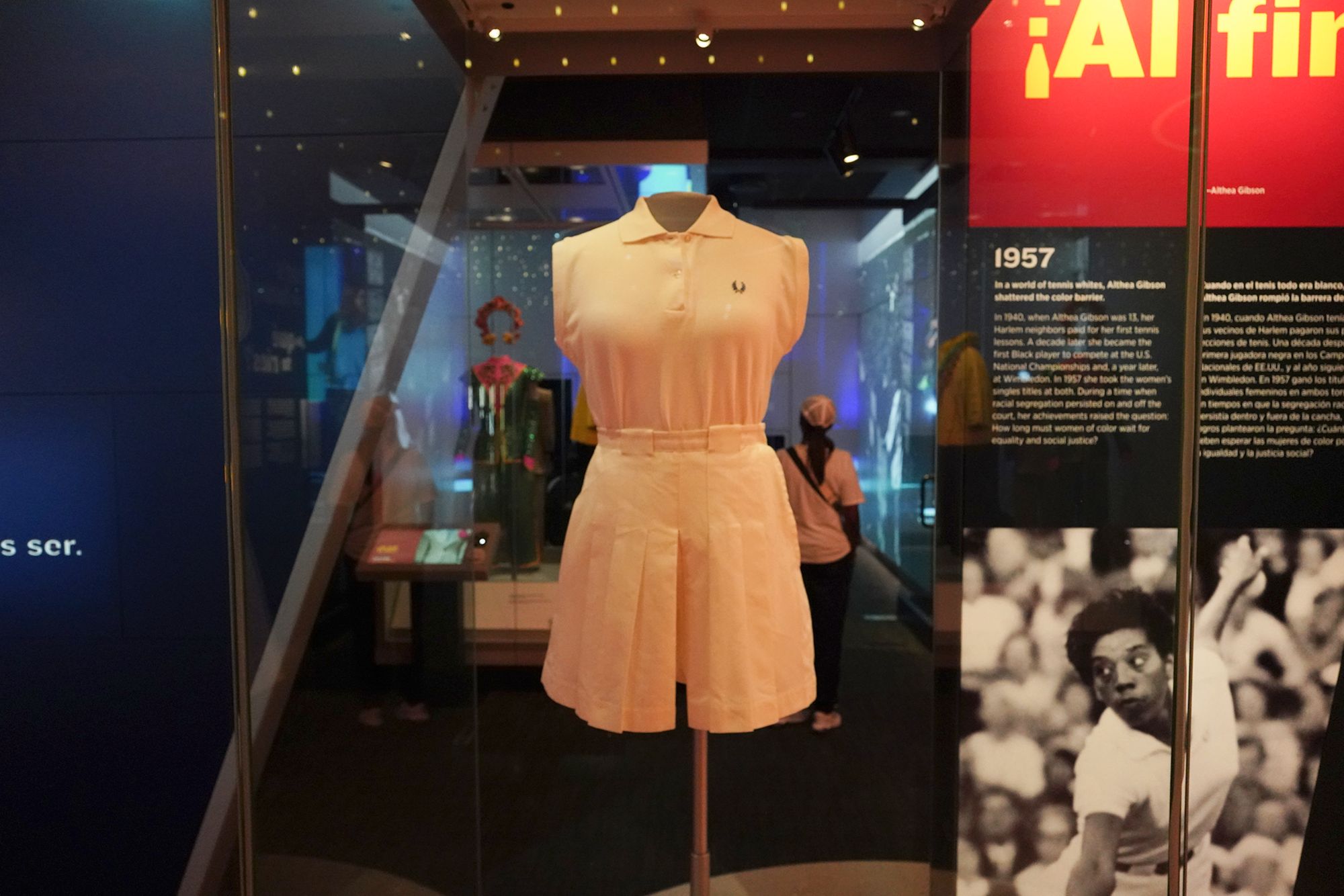
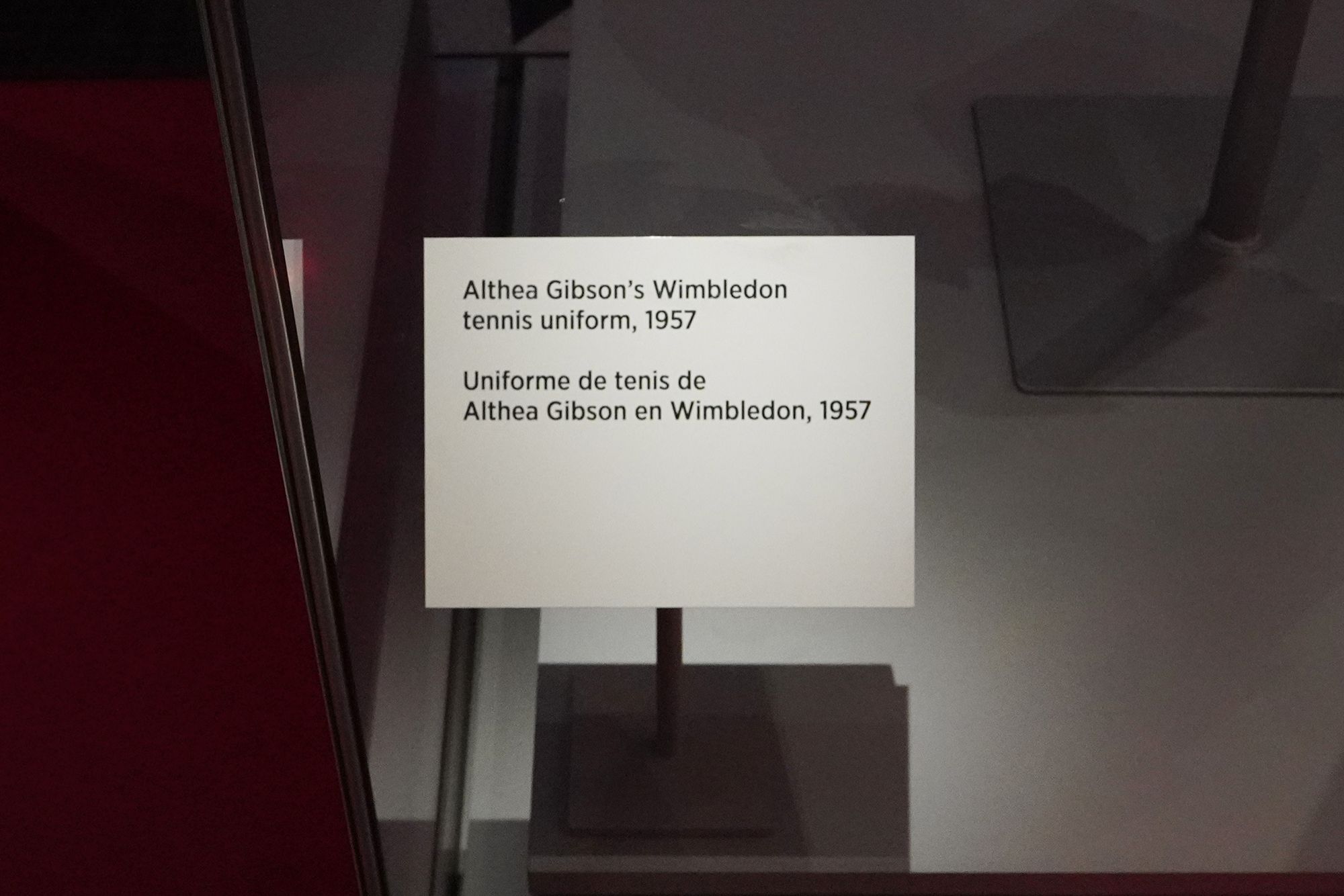
Althea Gibson – Althea Gibson was a groundbreaking African American tennis player who became the first Black athlete to win major international tennis titles, including the French Open (1956) and Wimbledon and the U.S. Open (1957–1958). She broke racial barriers in a segregated sport and paved the way for future generations of Black athletes.
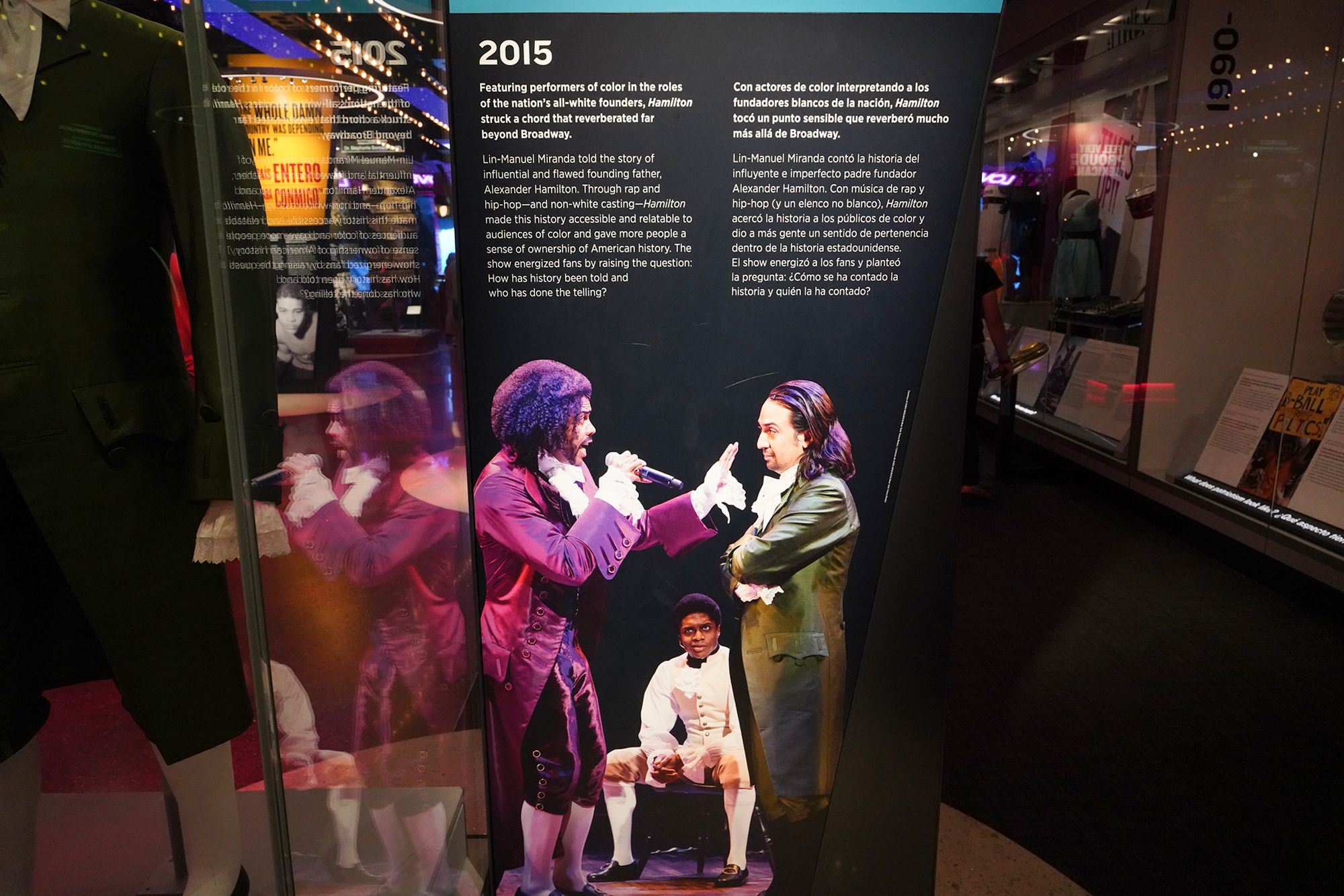
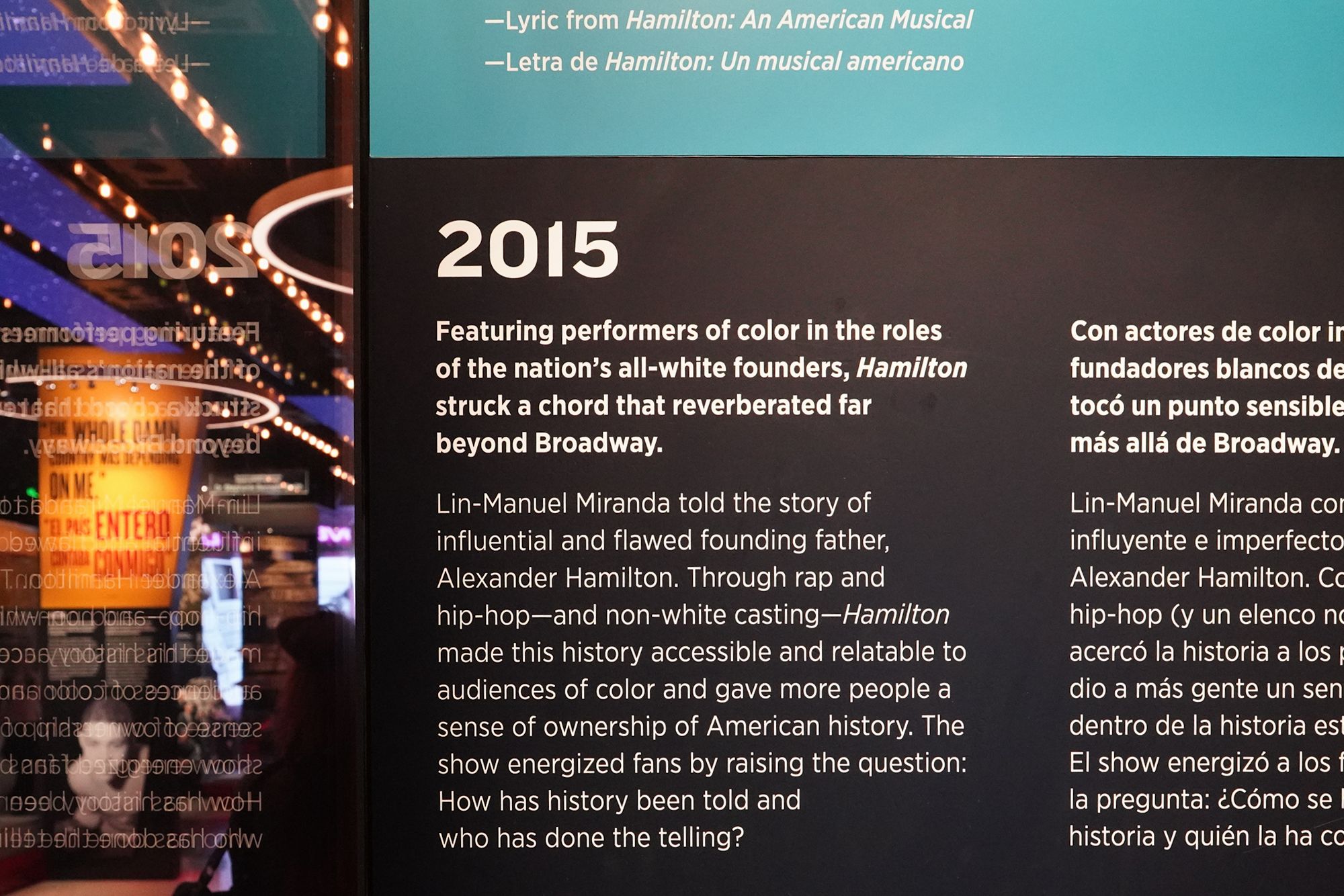
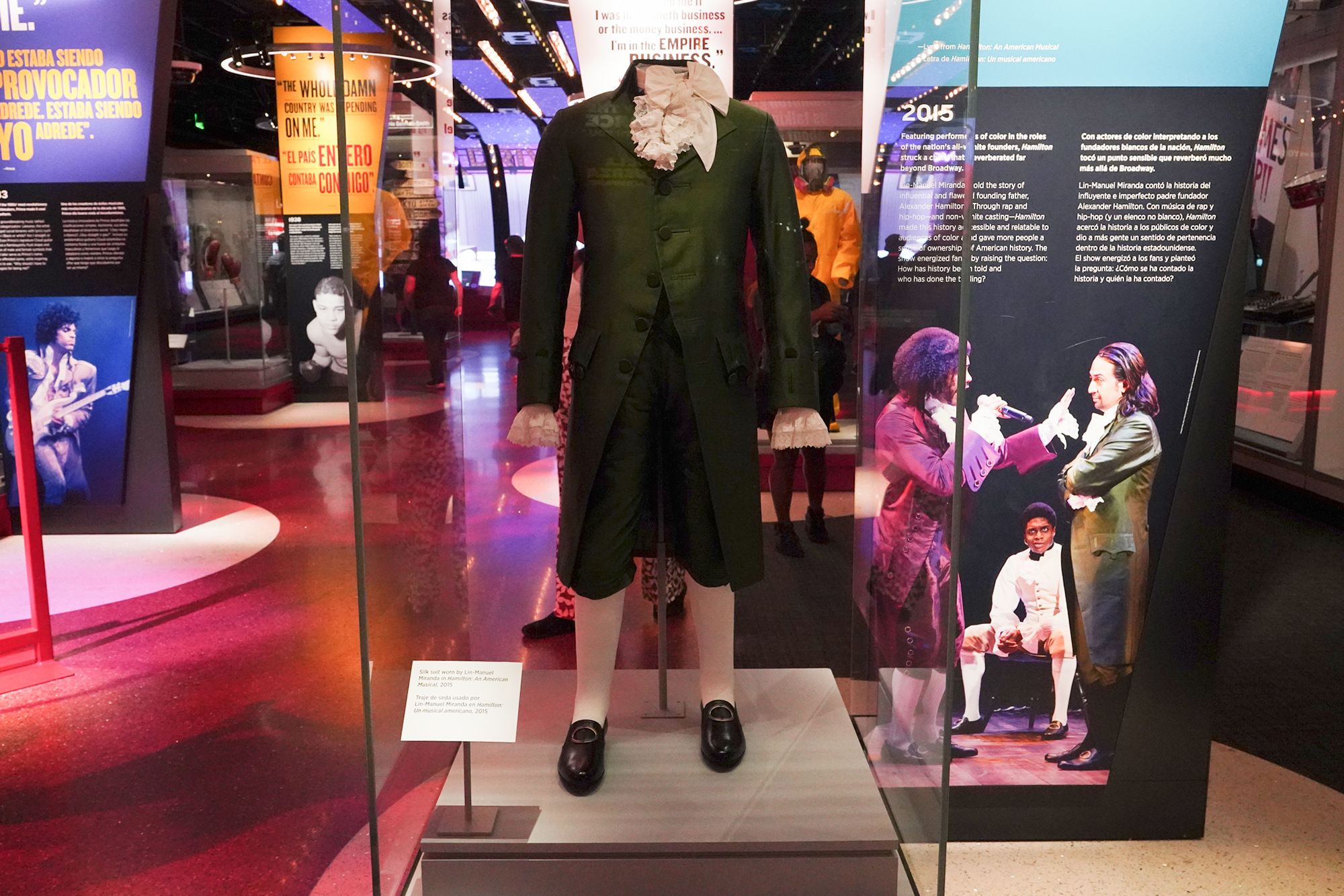
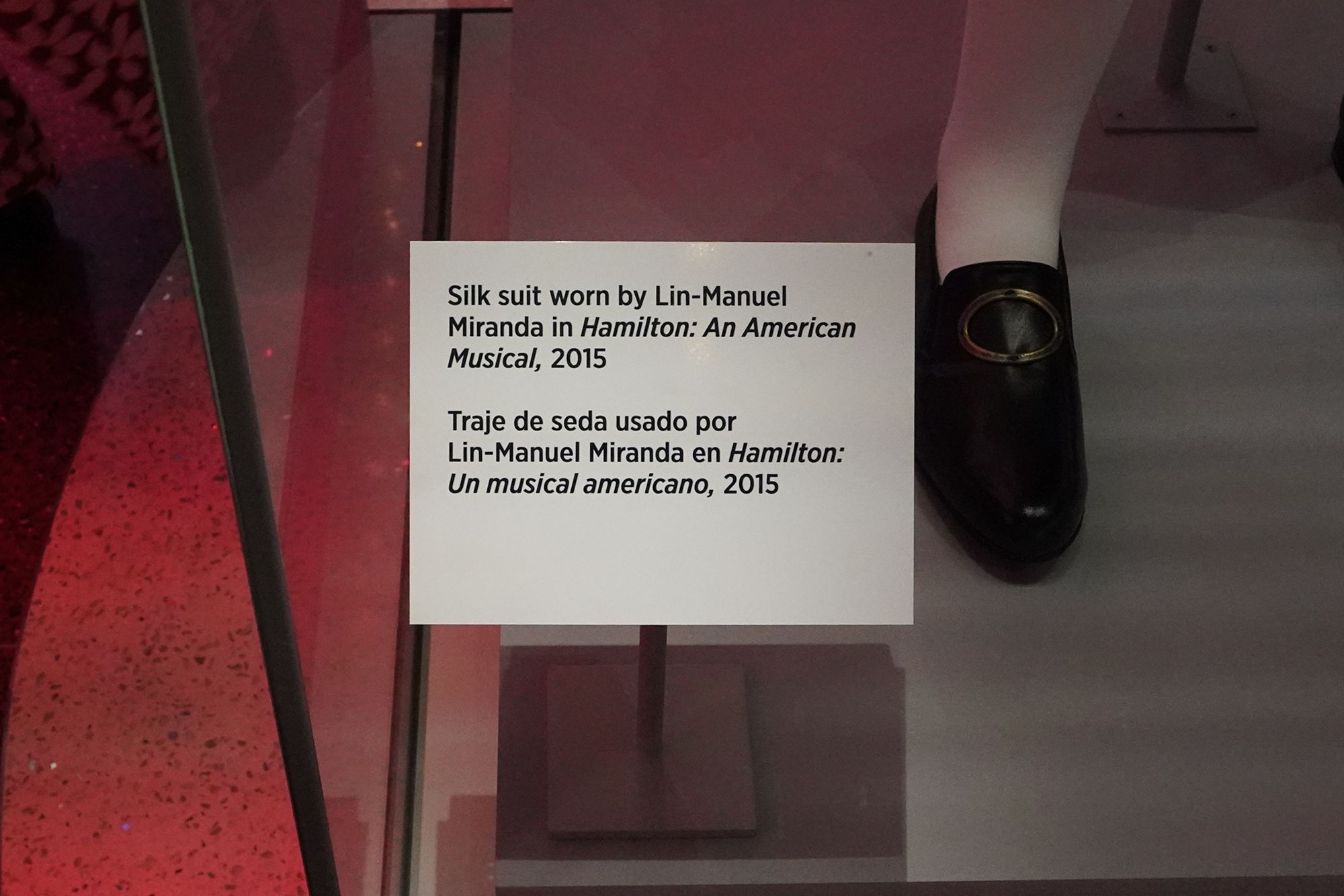
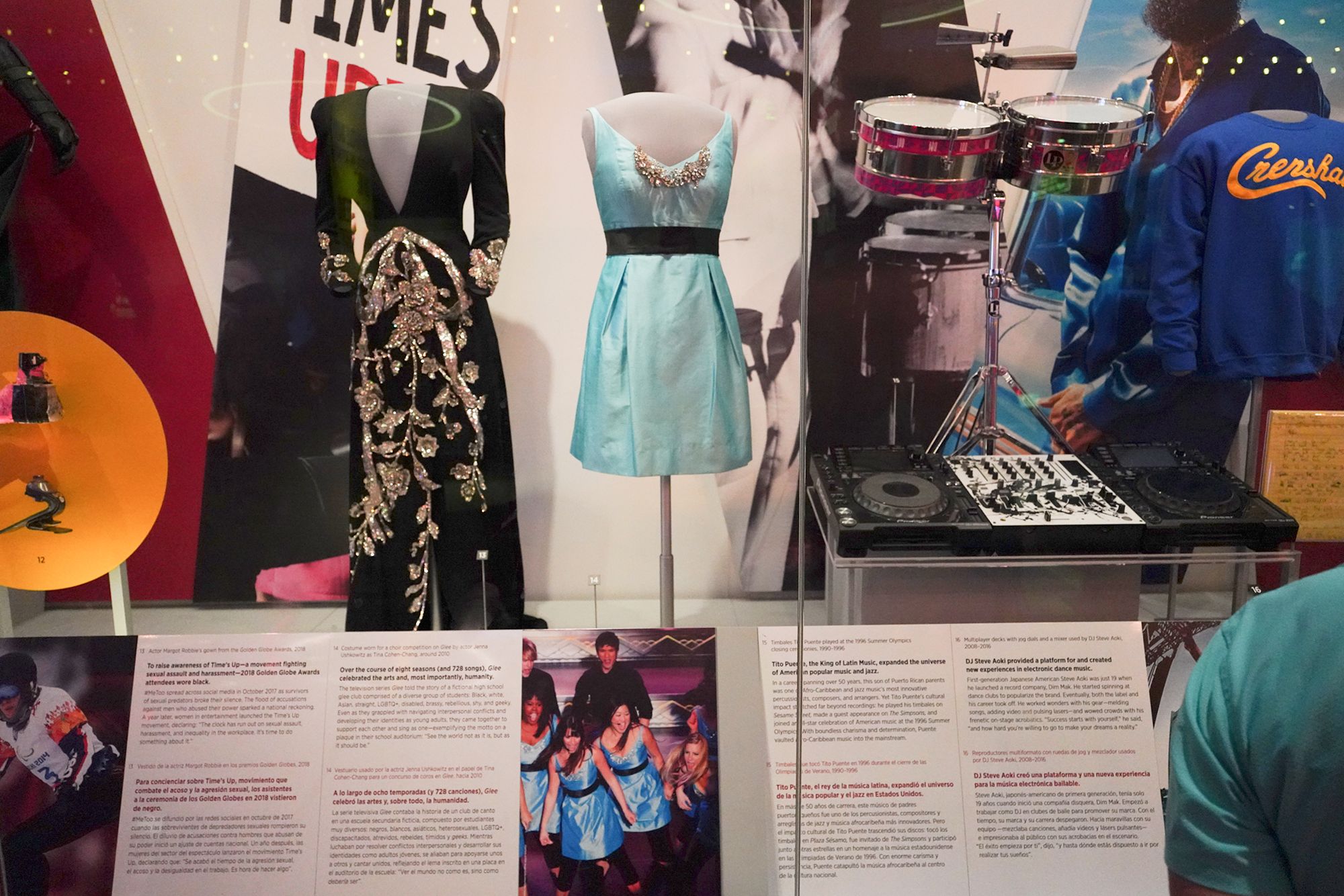
Hamilton Musical features performers of color playing the Founding Fathers and other historical figures, reshaping how American history is represented on stage.
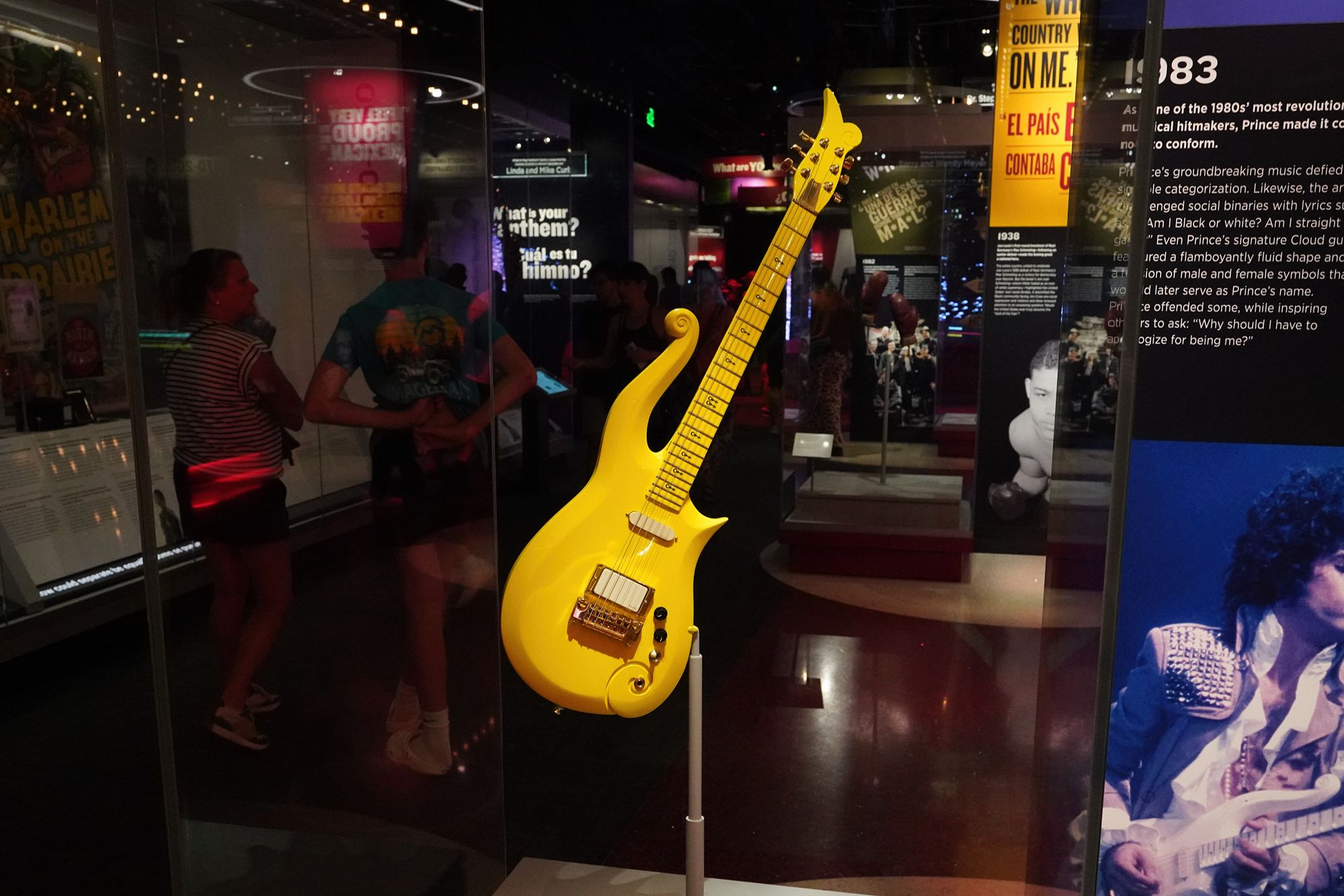
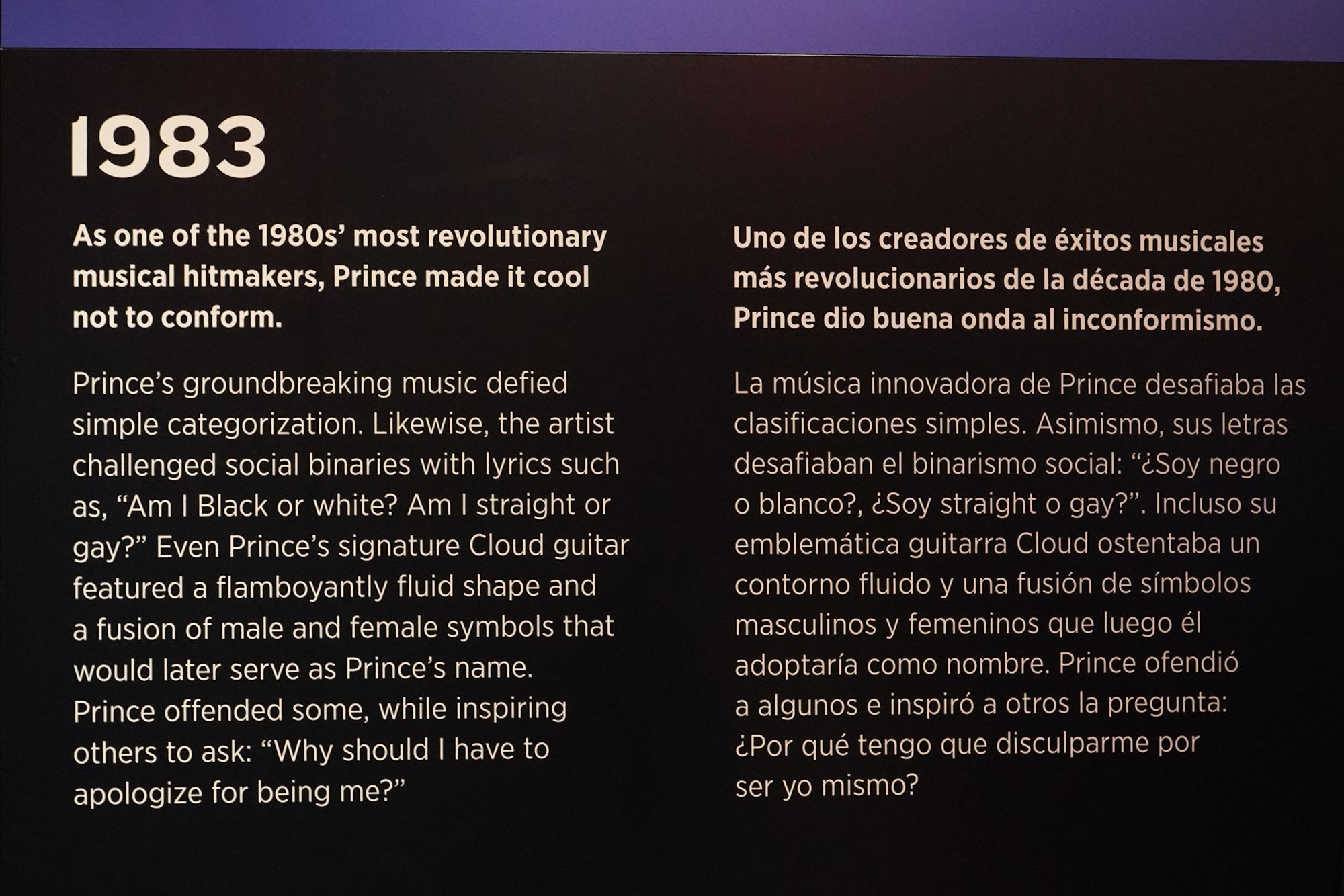
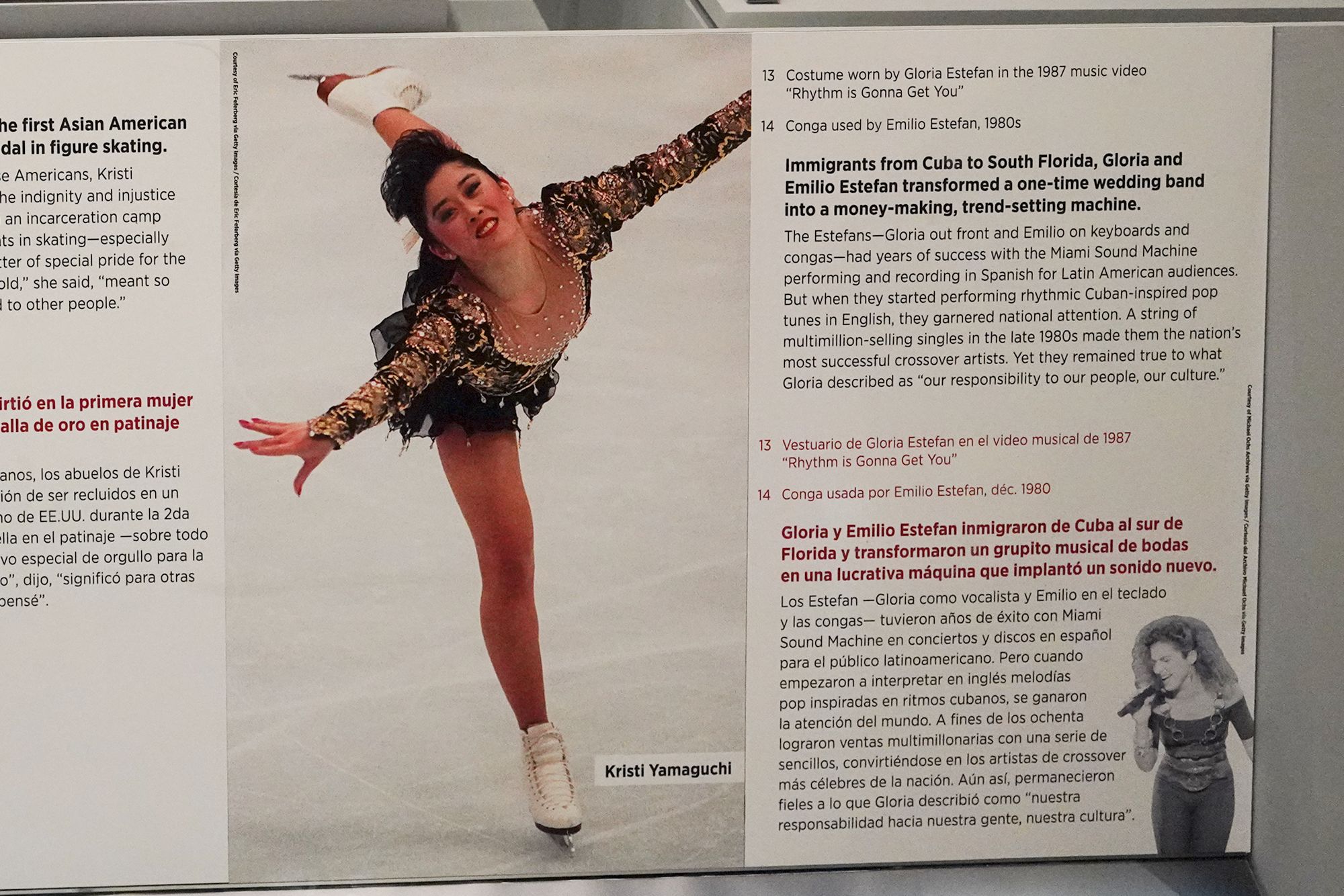
Prince was a musical non-conformist who refused to follow the industry’s rules — he blended genres, challenged expectations about gender and style, and created his own unique sound and identity.
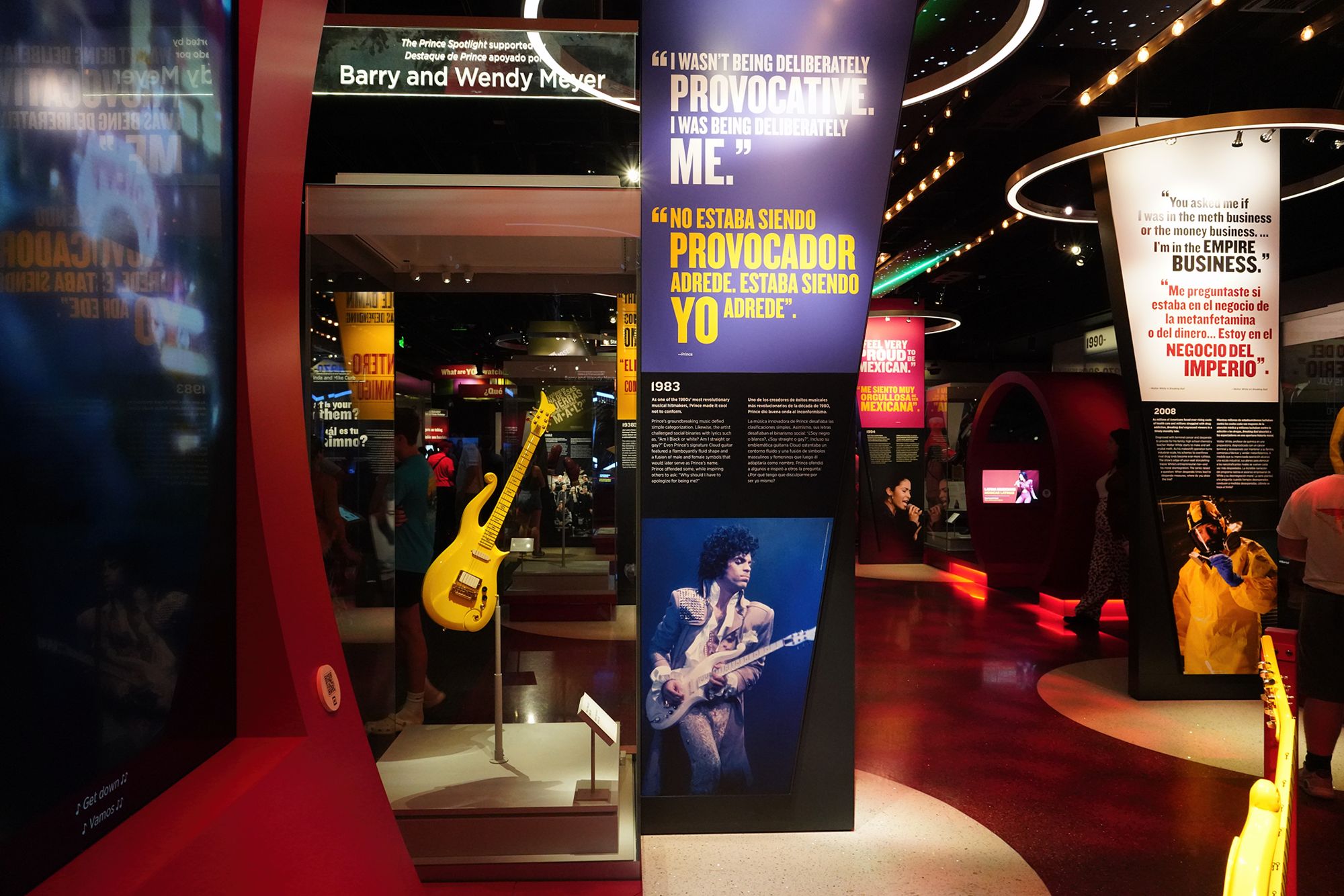

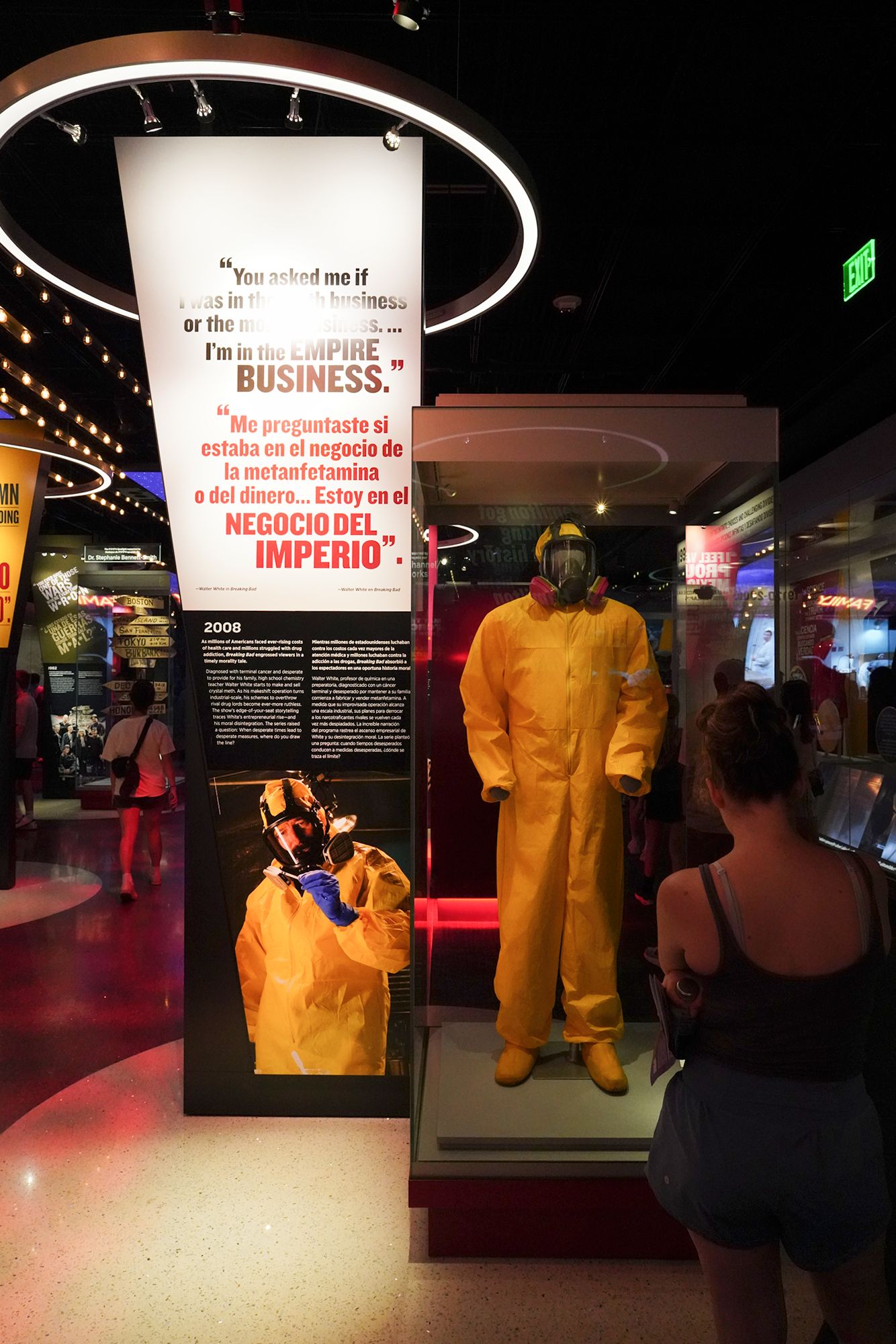
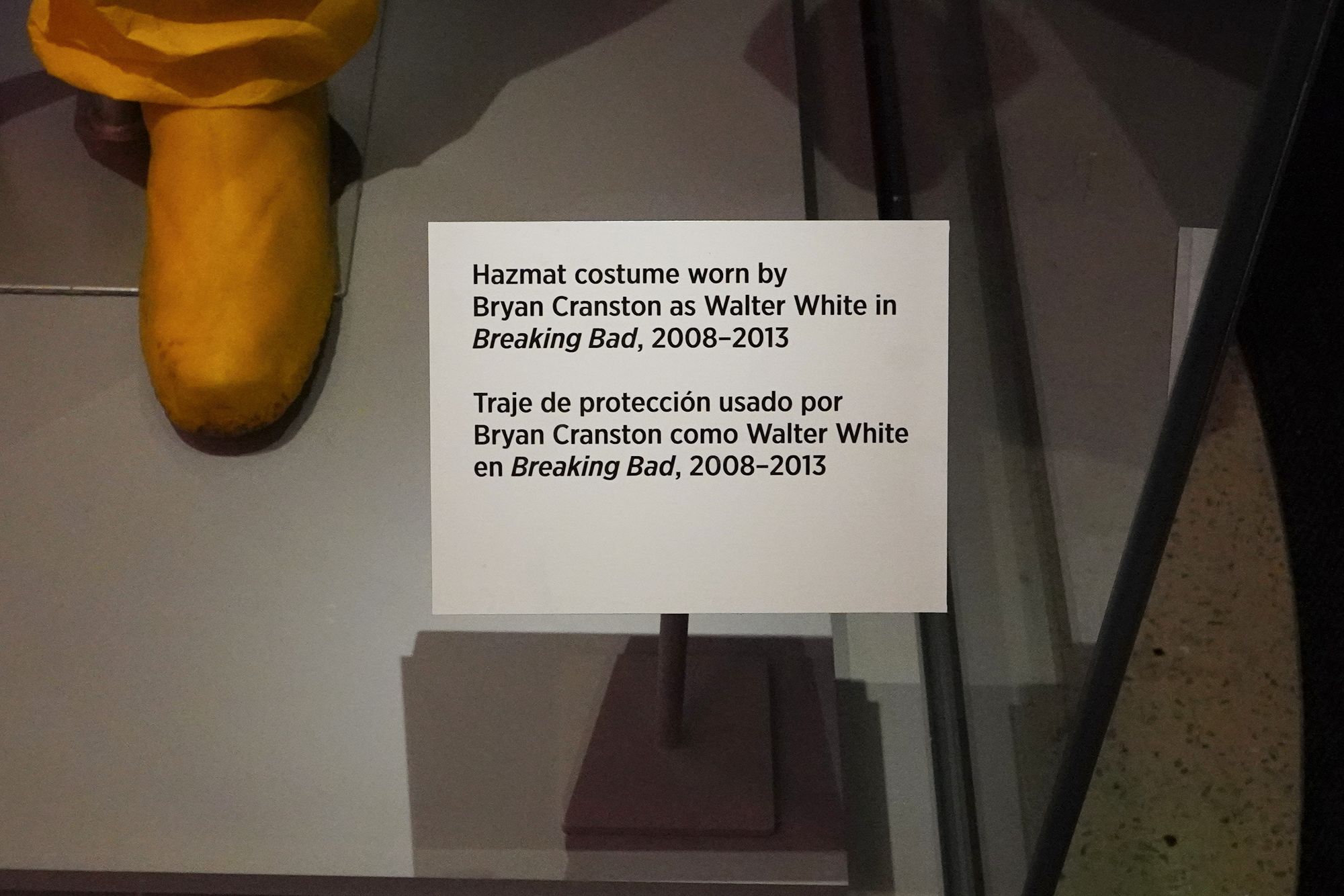
Breaking Bad is a critically acclaimed TV drama about Walter White, a high school chemistry teacher who turns to making methamphetamine after being diagnosed with cancer. As he partners with former student Jesse Pinkman, Walter slowly transforms from a quiet, struggling man into a ruthless criminal. The show is known for its intense storytelling, complex characters, and moral themes about choices and consequences.

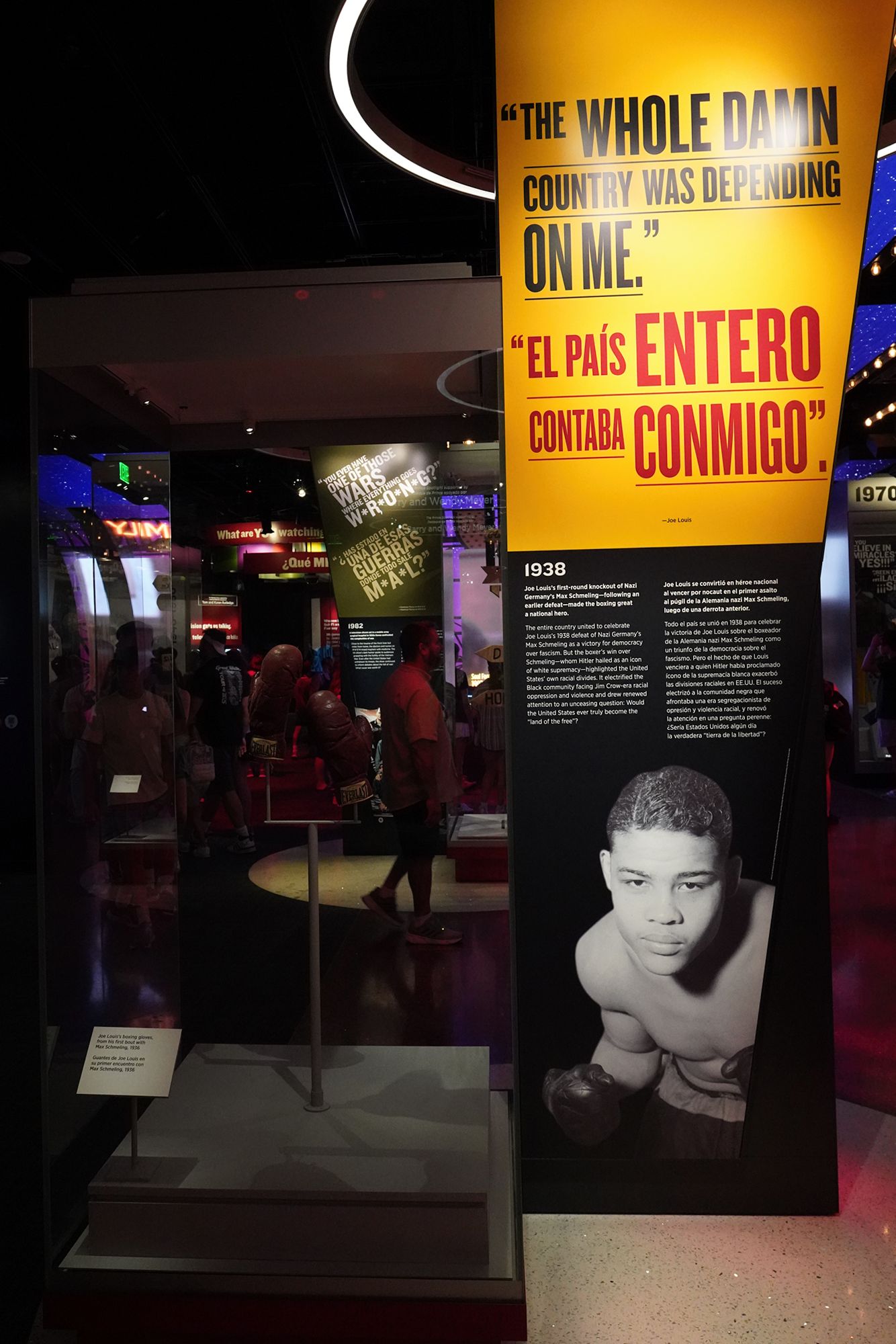
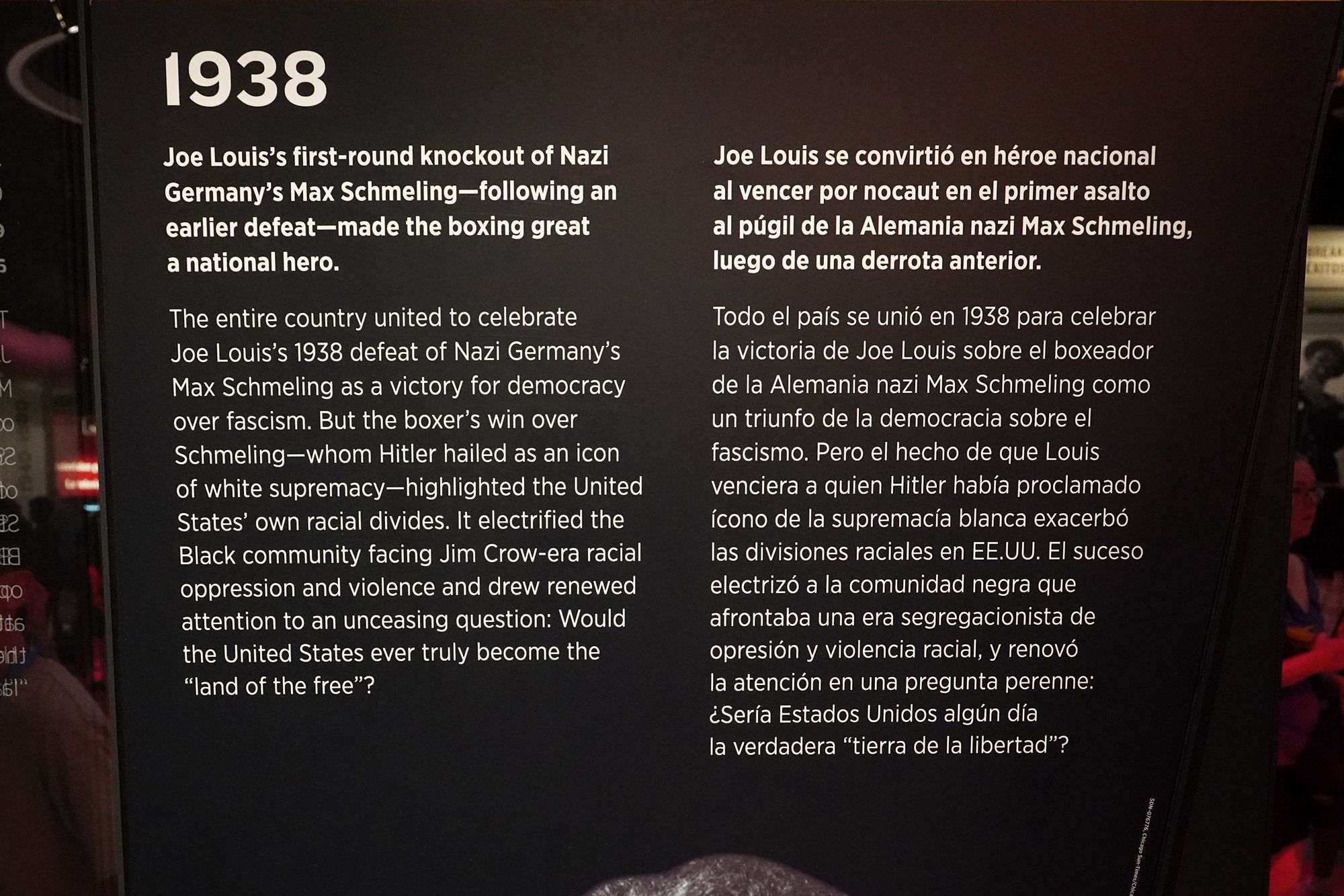
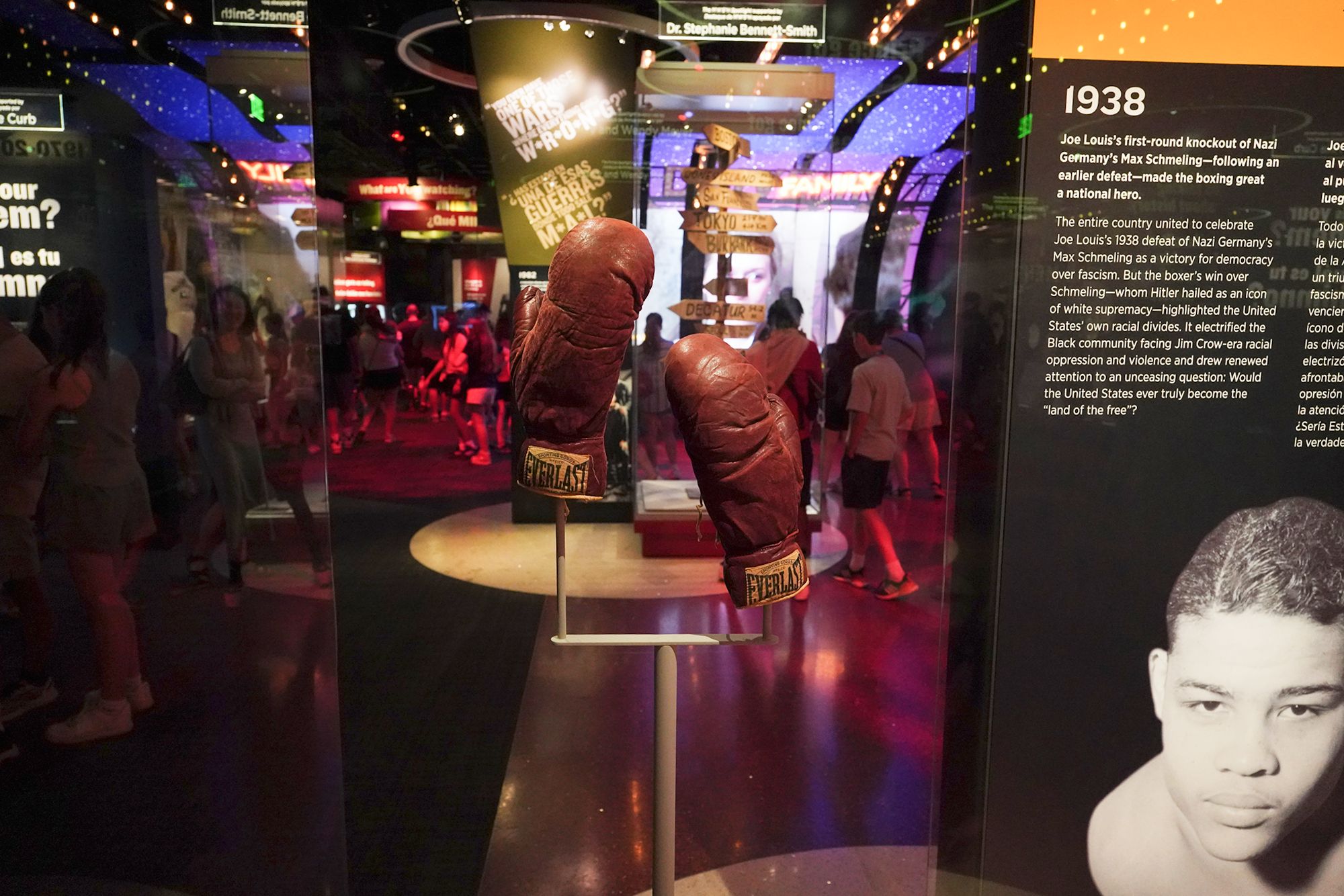
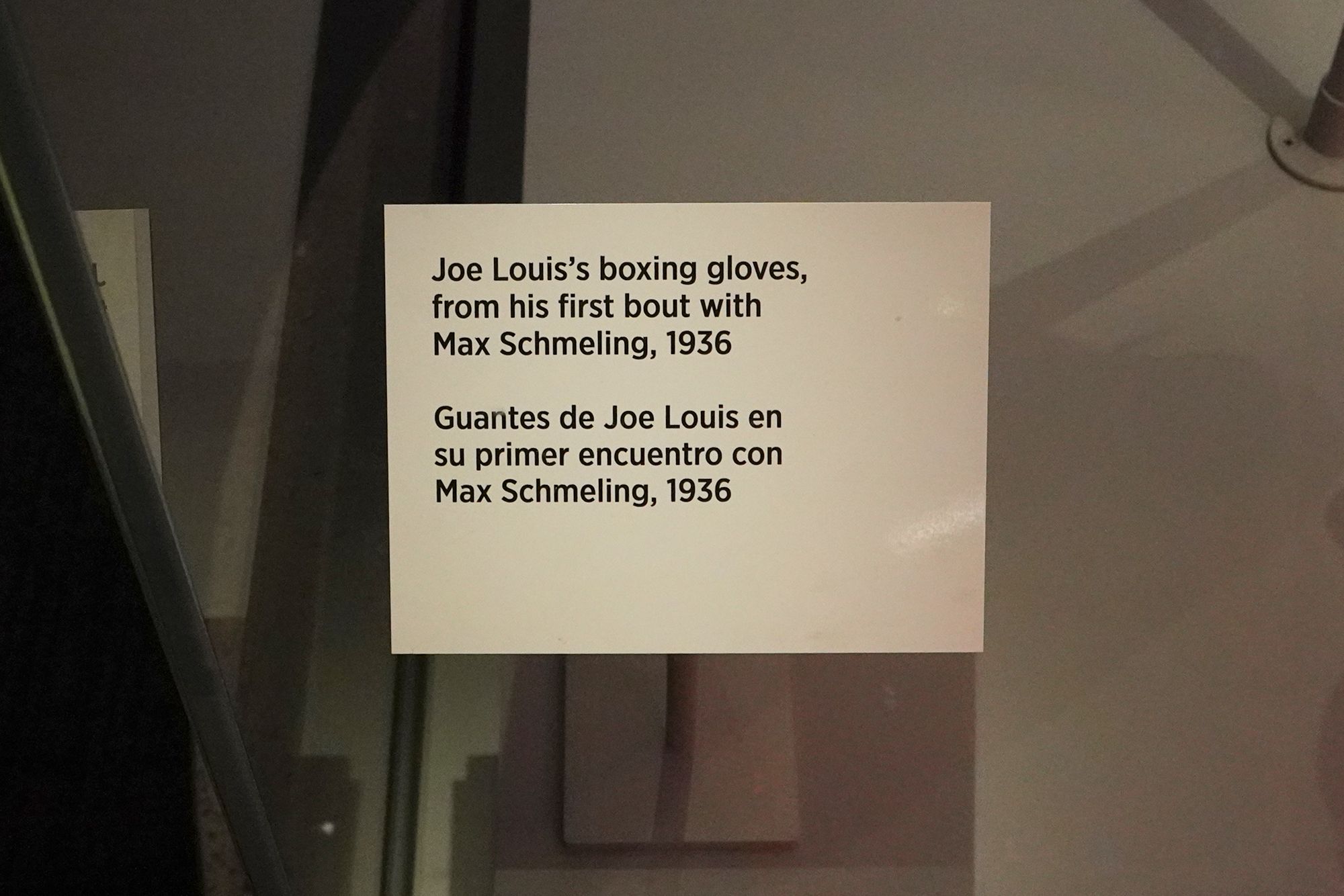
Joe Louis was one of the greatest heavyweight boxing champions in American history. Known as the “Brown Bomber,” he held the world heavyweight title from 1937 to 1949, the longest reign ever. He became a national hero, especially after defeating German boxer Max Schmeling in 1938, a fight seen as a symbol of American unity against Nazi ideology.
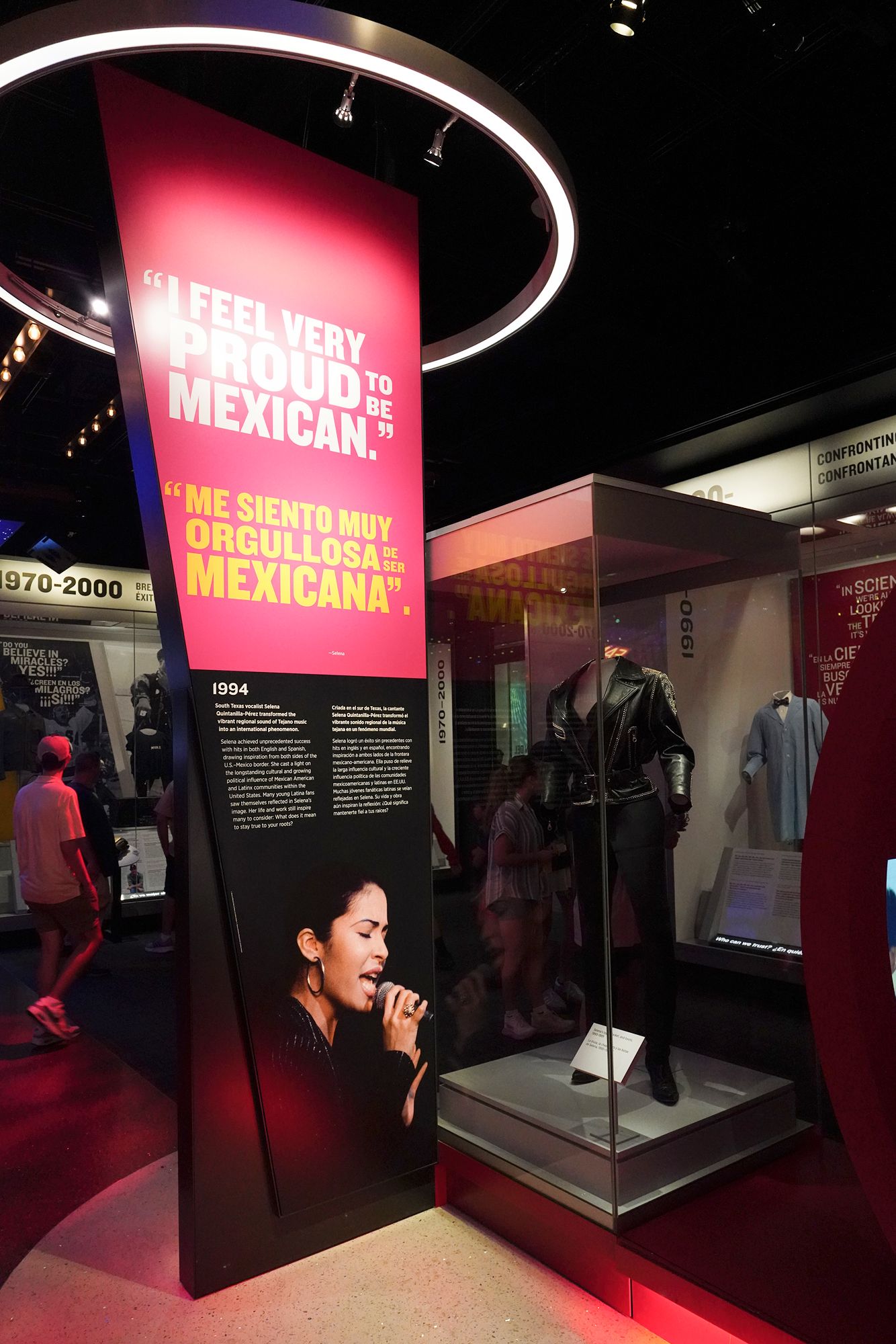
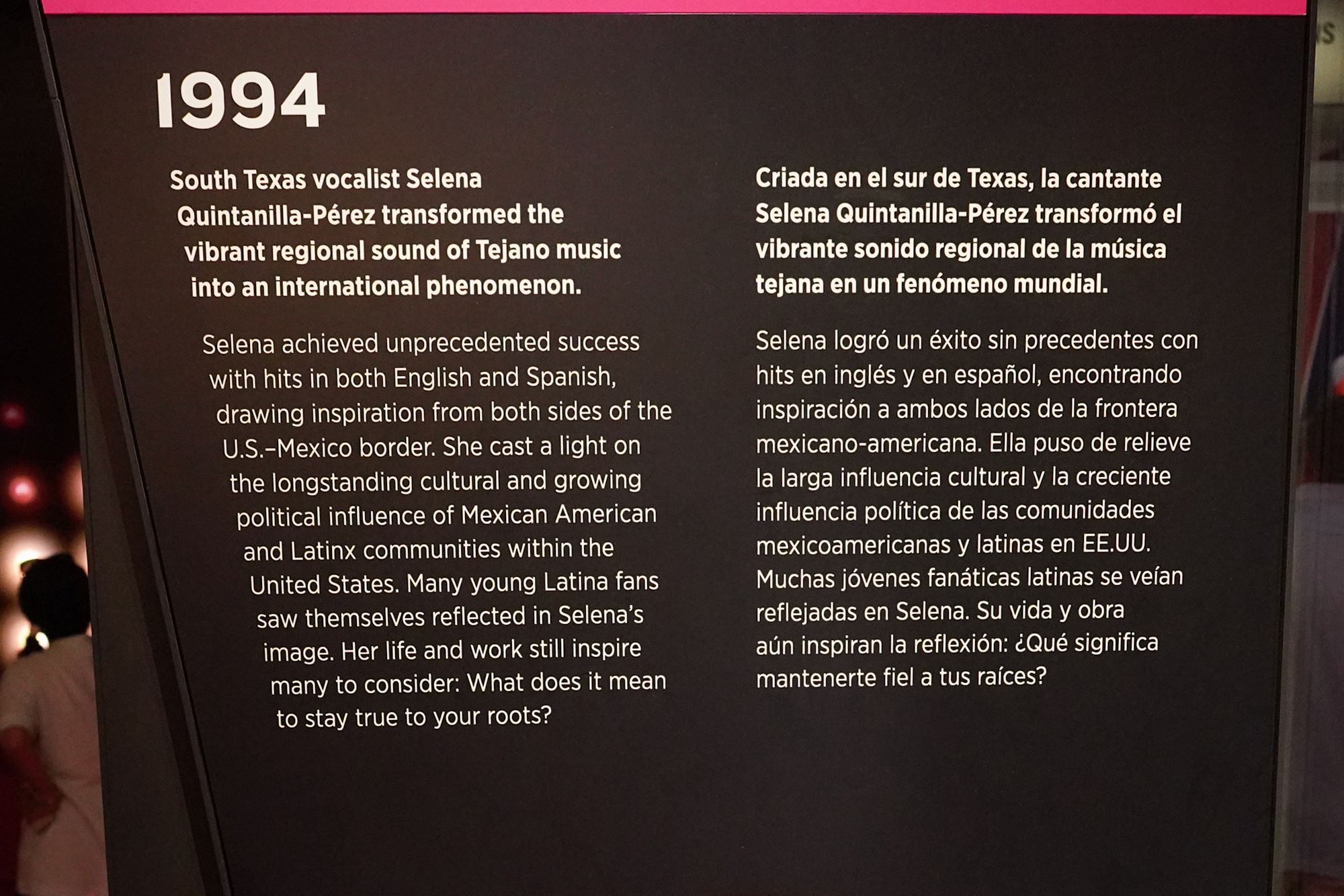
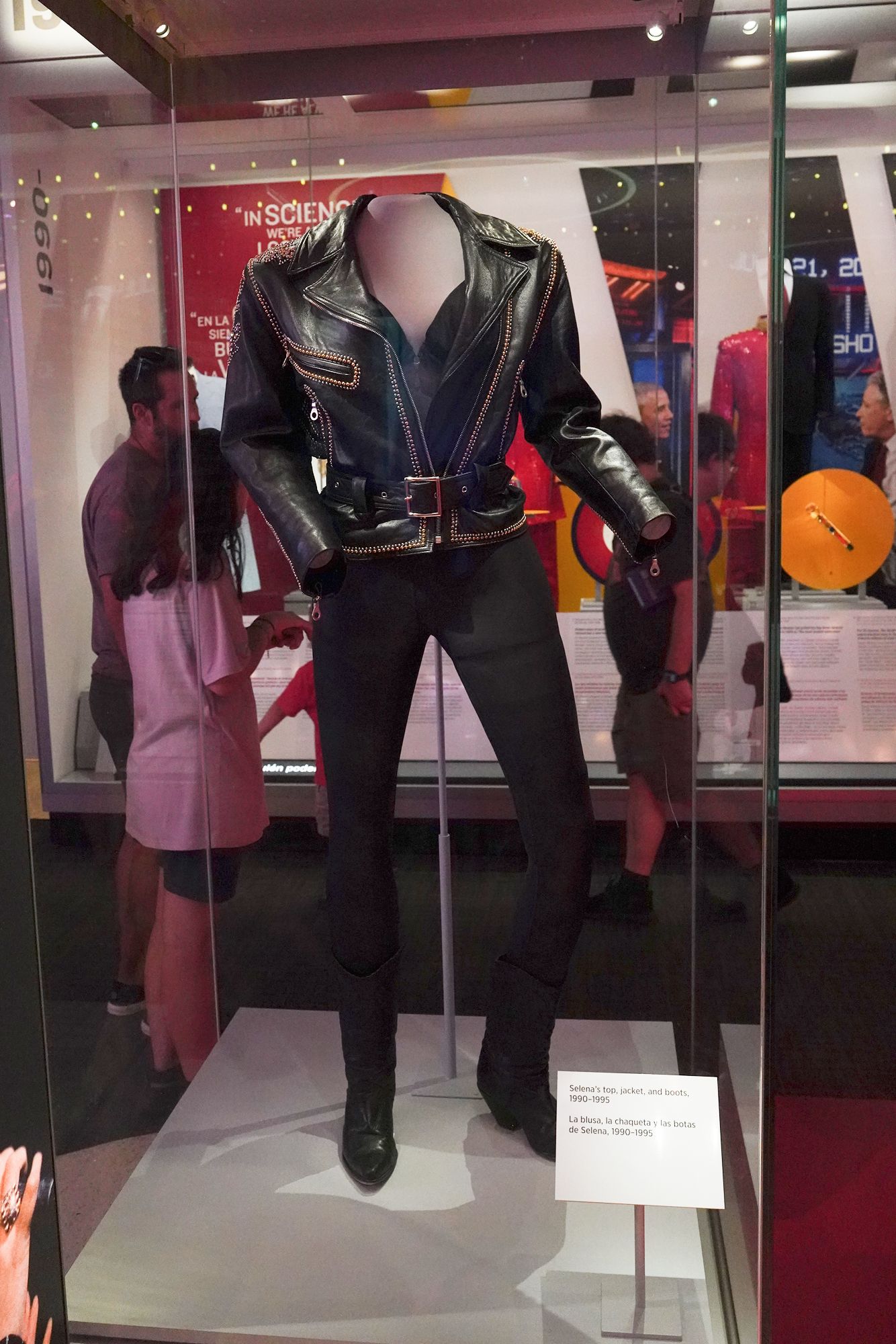
Selena Quintanilla-Pérez was a Mexican American singer known as the “Queen of Tejano Music.” She became one of the most successful and influential Latina artists in the U.S., known for her powerful voice, crossover style, and hit songs like “Amor Prohibido” and “Dreaming of You.”
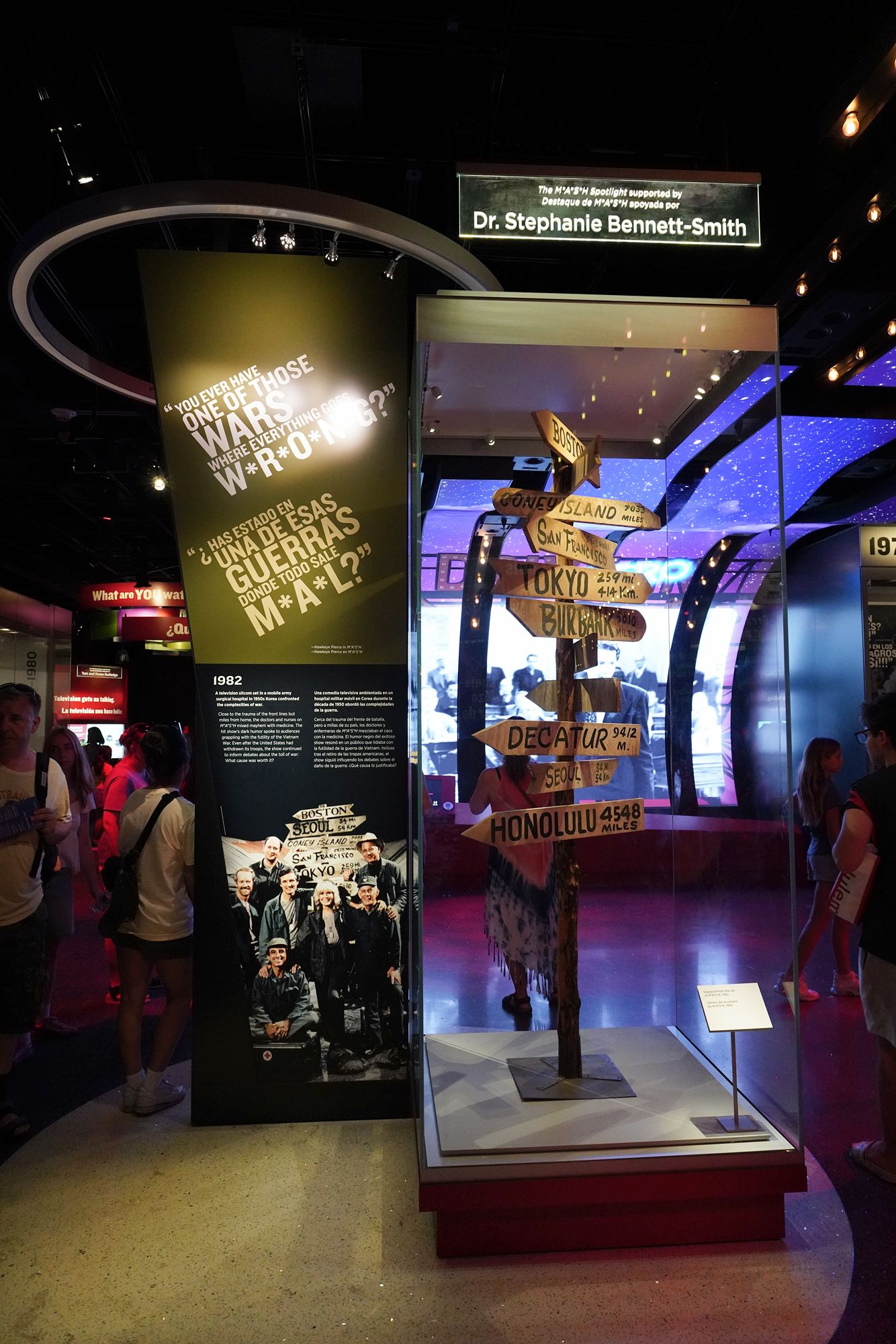
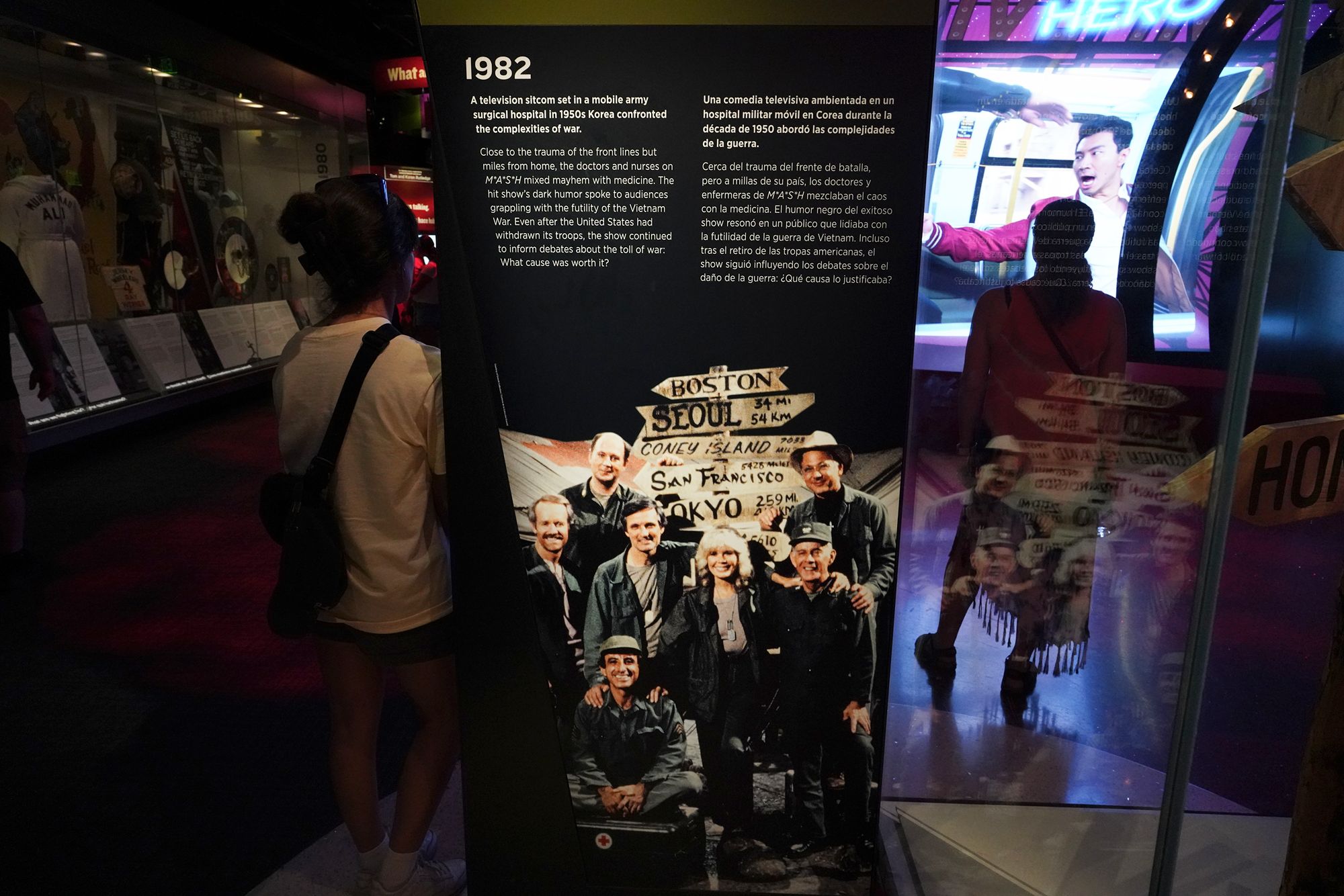
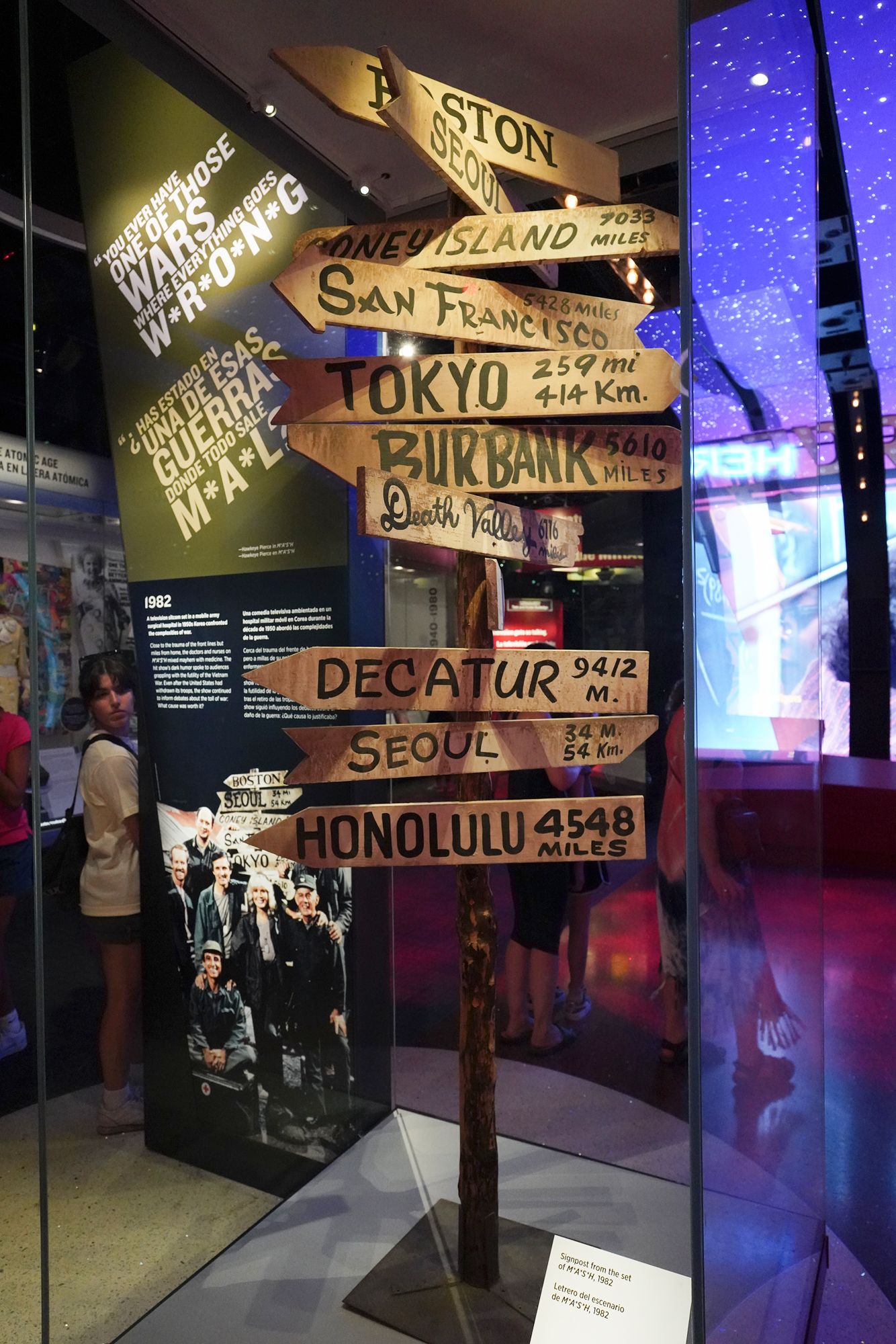
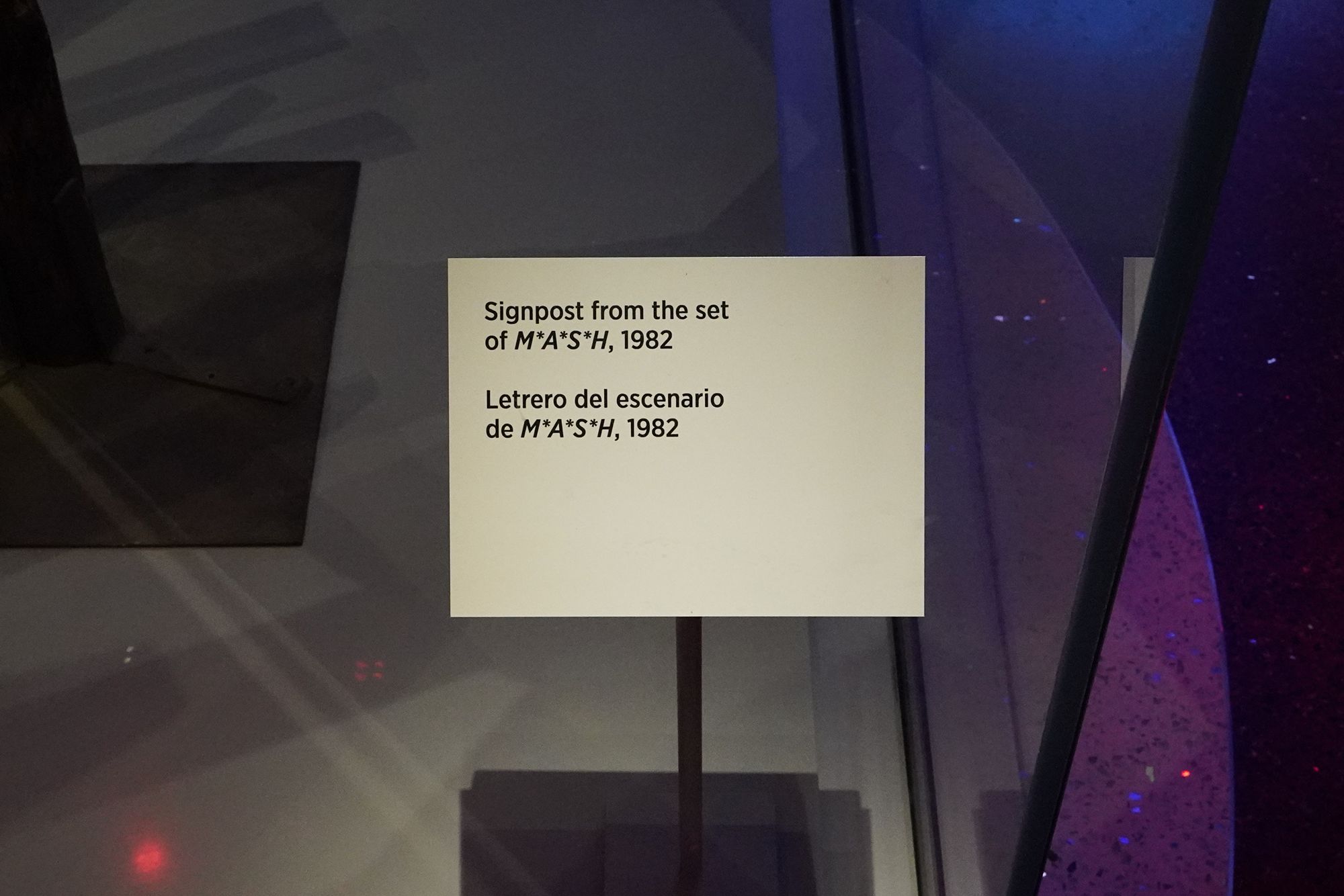
MASH* is a classic American TV series (1972–1983) set during the Korean War. It follows the doctors and nurses of the Mobile Army Surgical Hospital as they treat wounded soldiers while coping with the stress of war through humor, friendship, and compassion. The show mixes comedy and drama and is famous for its sharp writing and emotional depth.

Chronicle of Important Cultural Events in the United States, 1840–1910
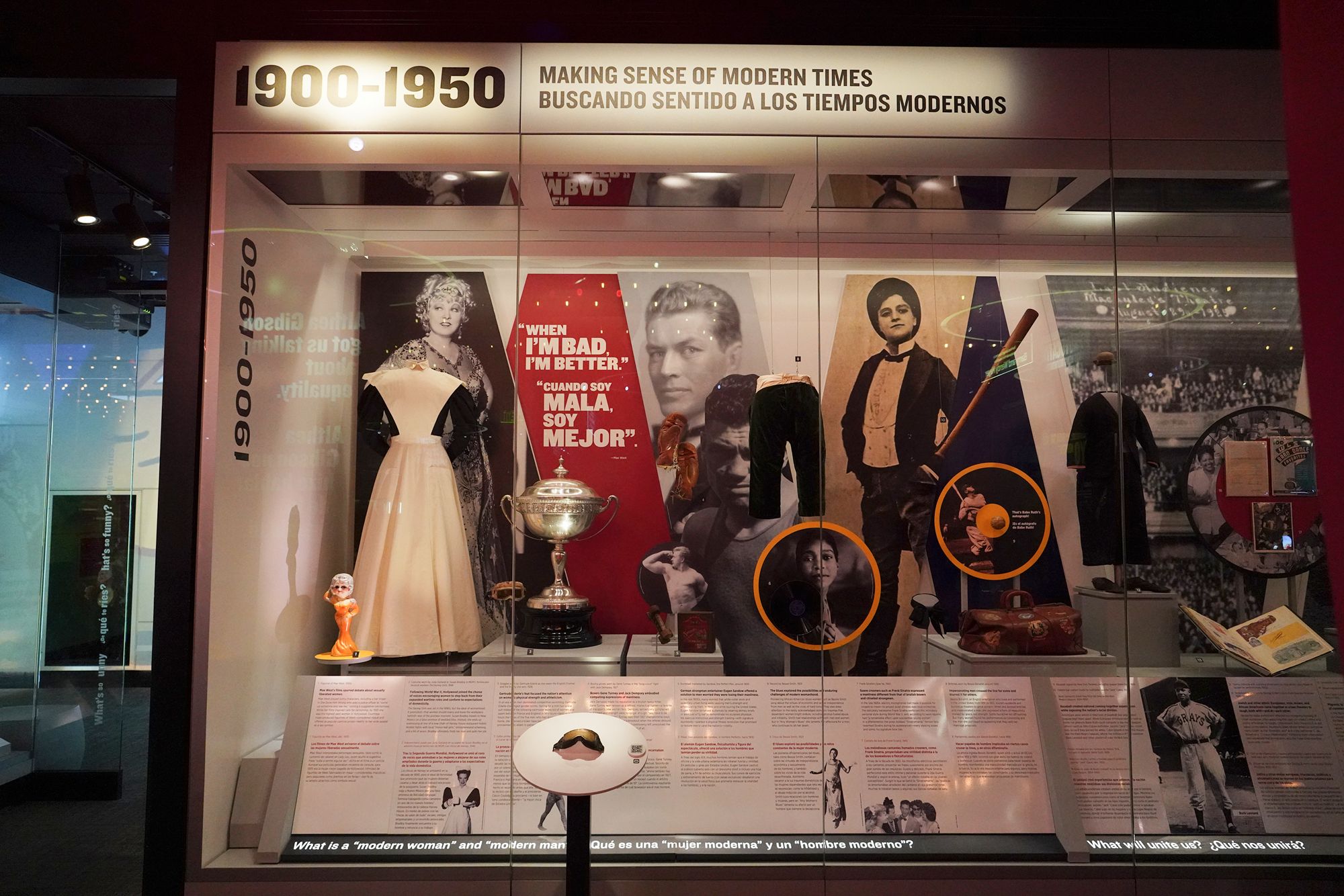
Year 1900-1950 – Making Sense of Modern Times
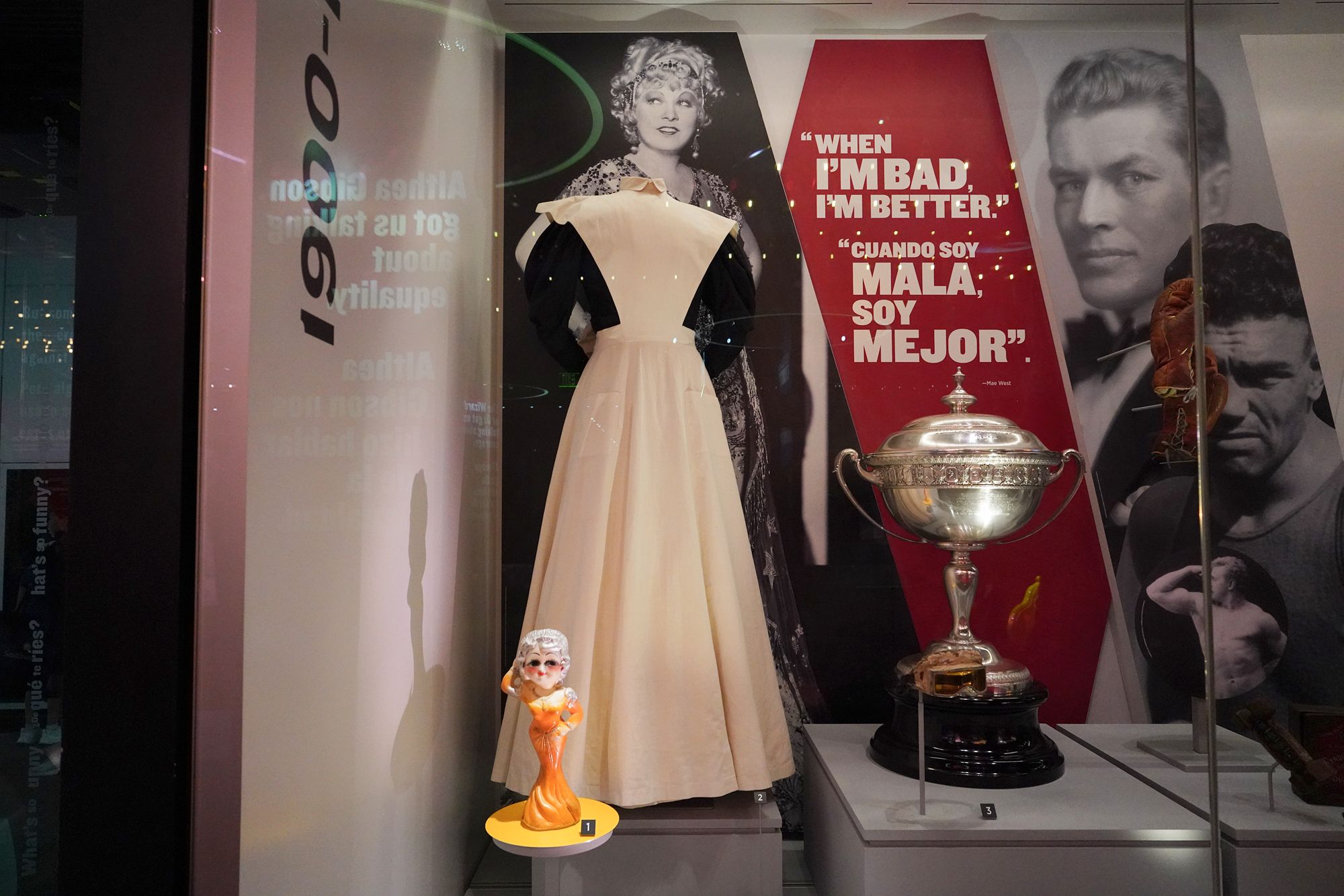
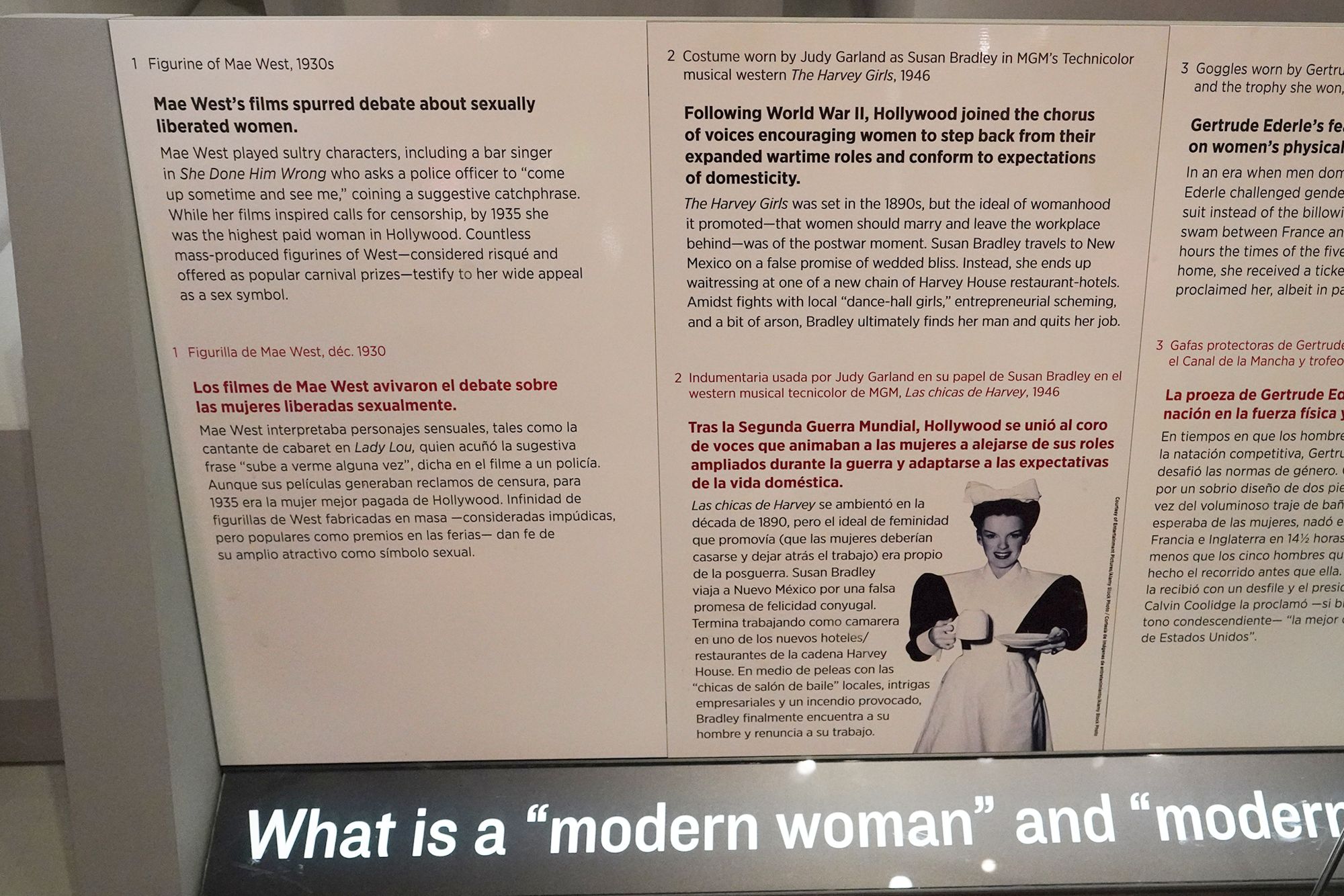
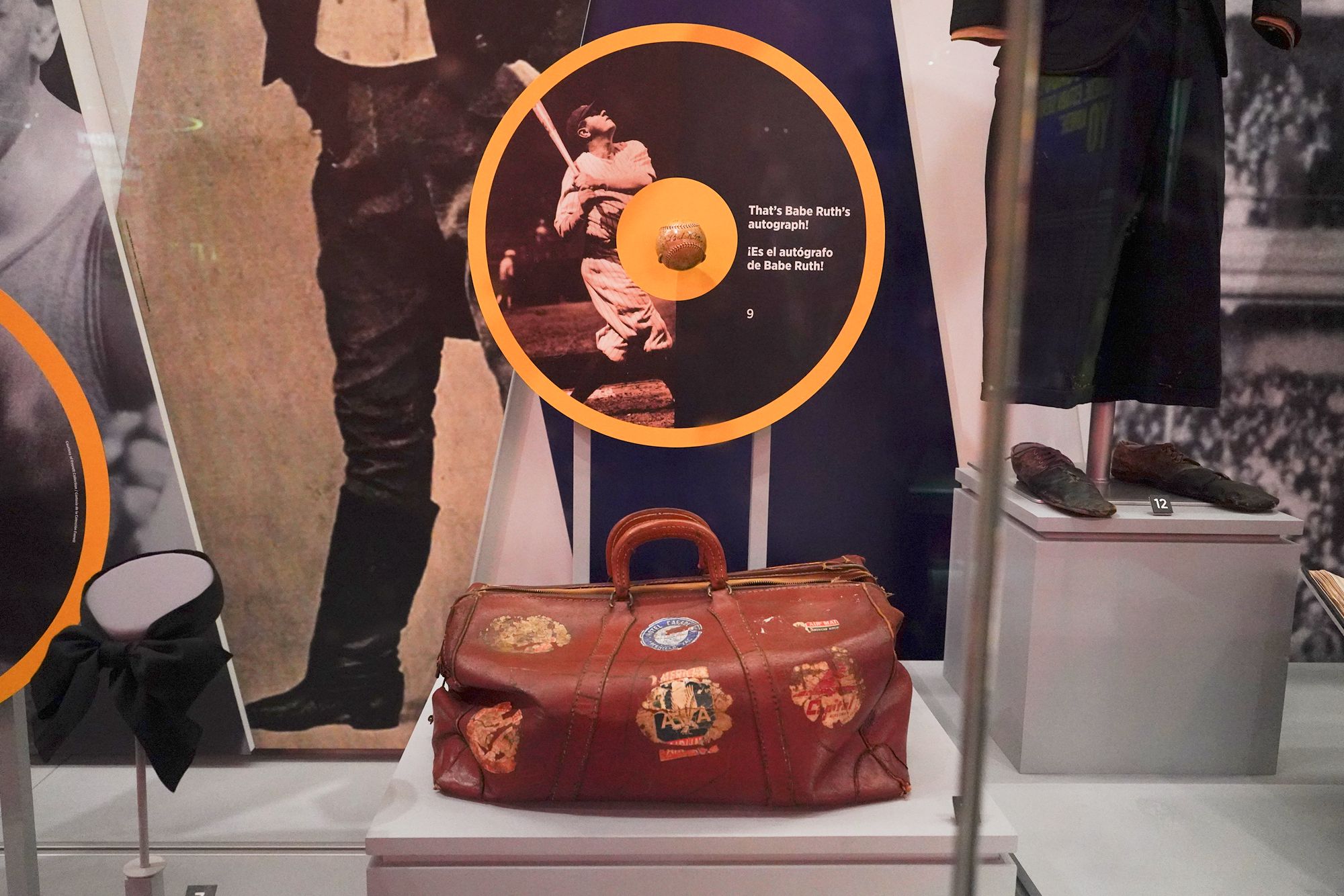
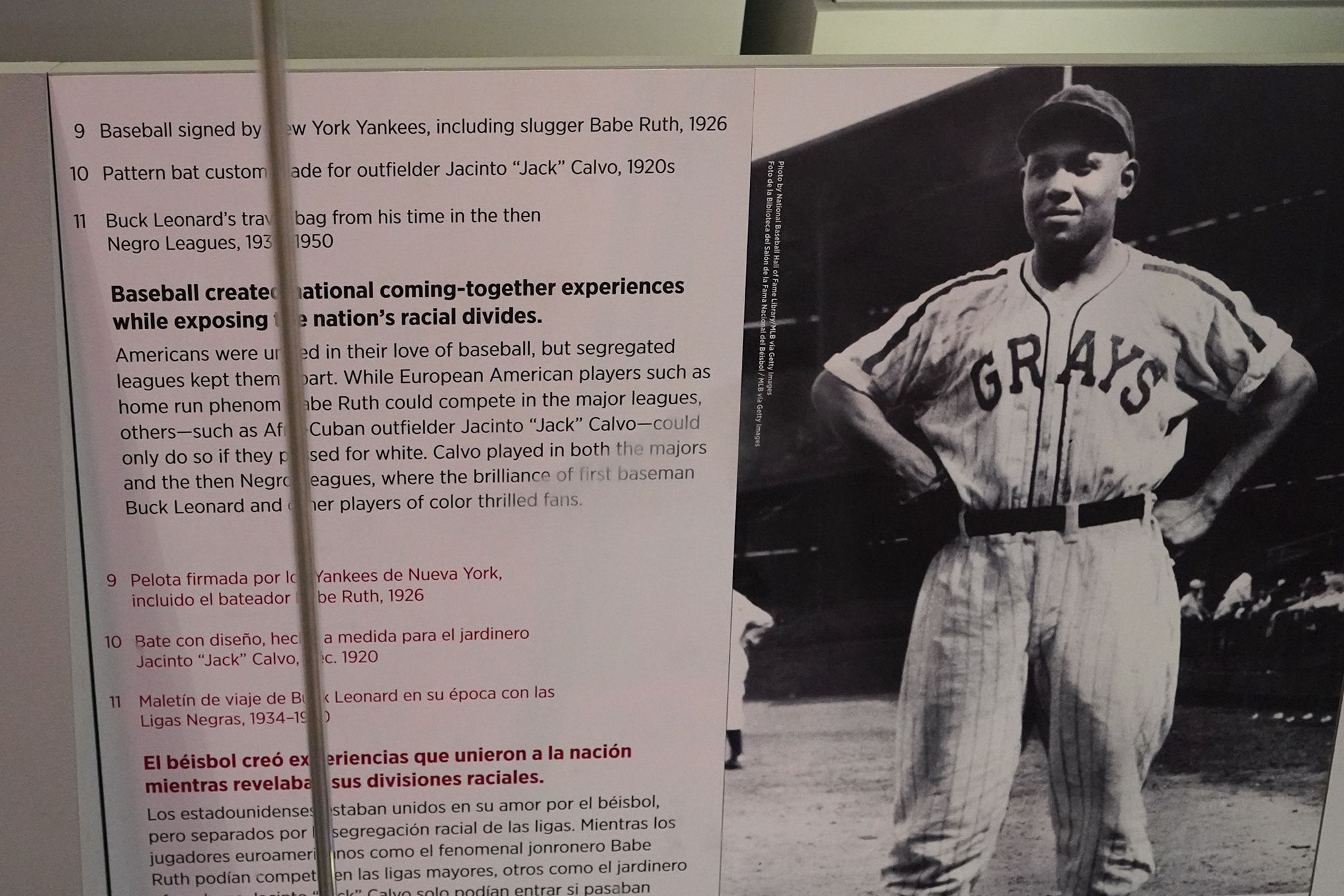
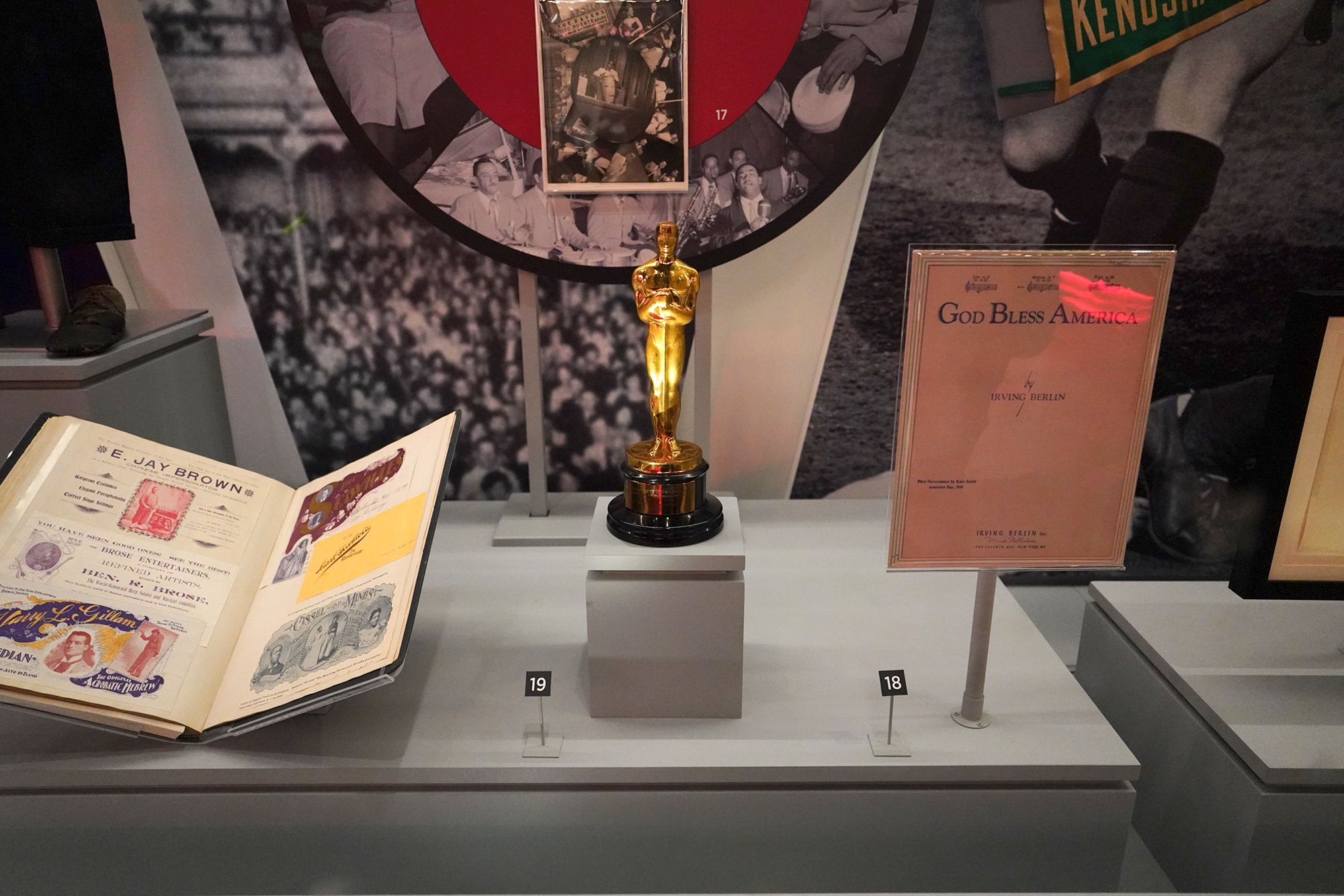
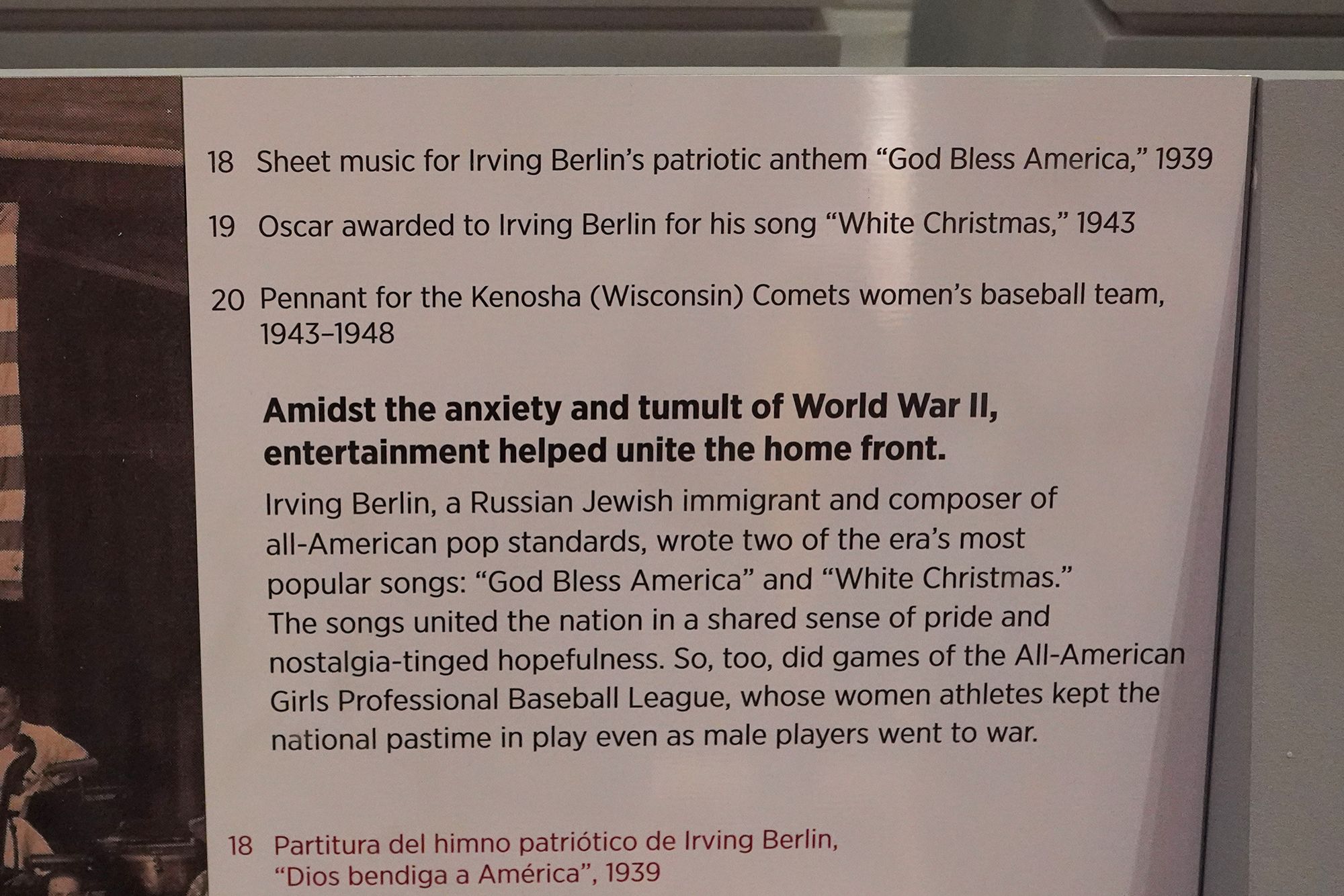
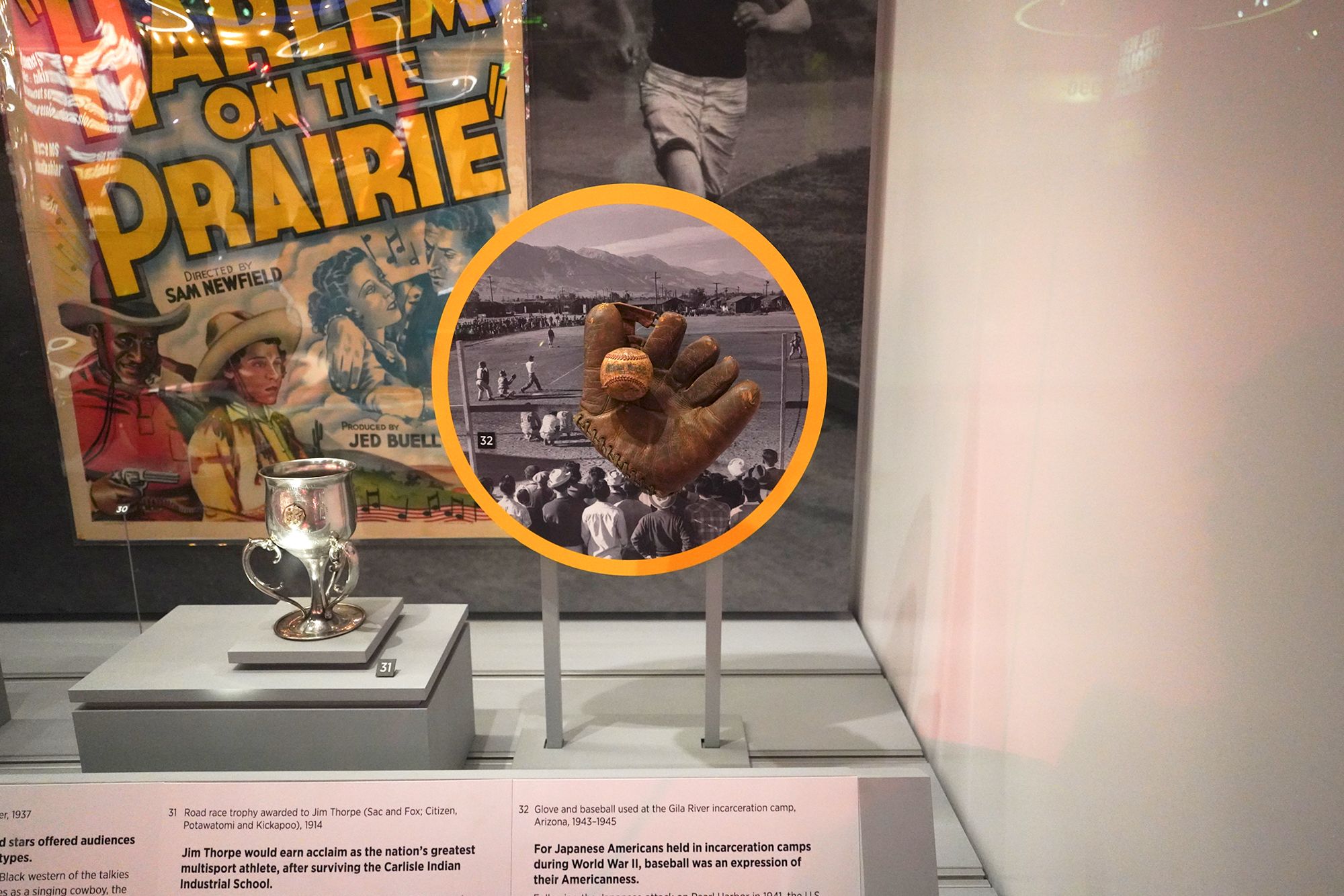
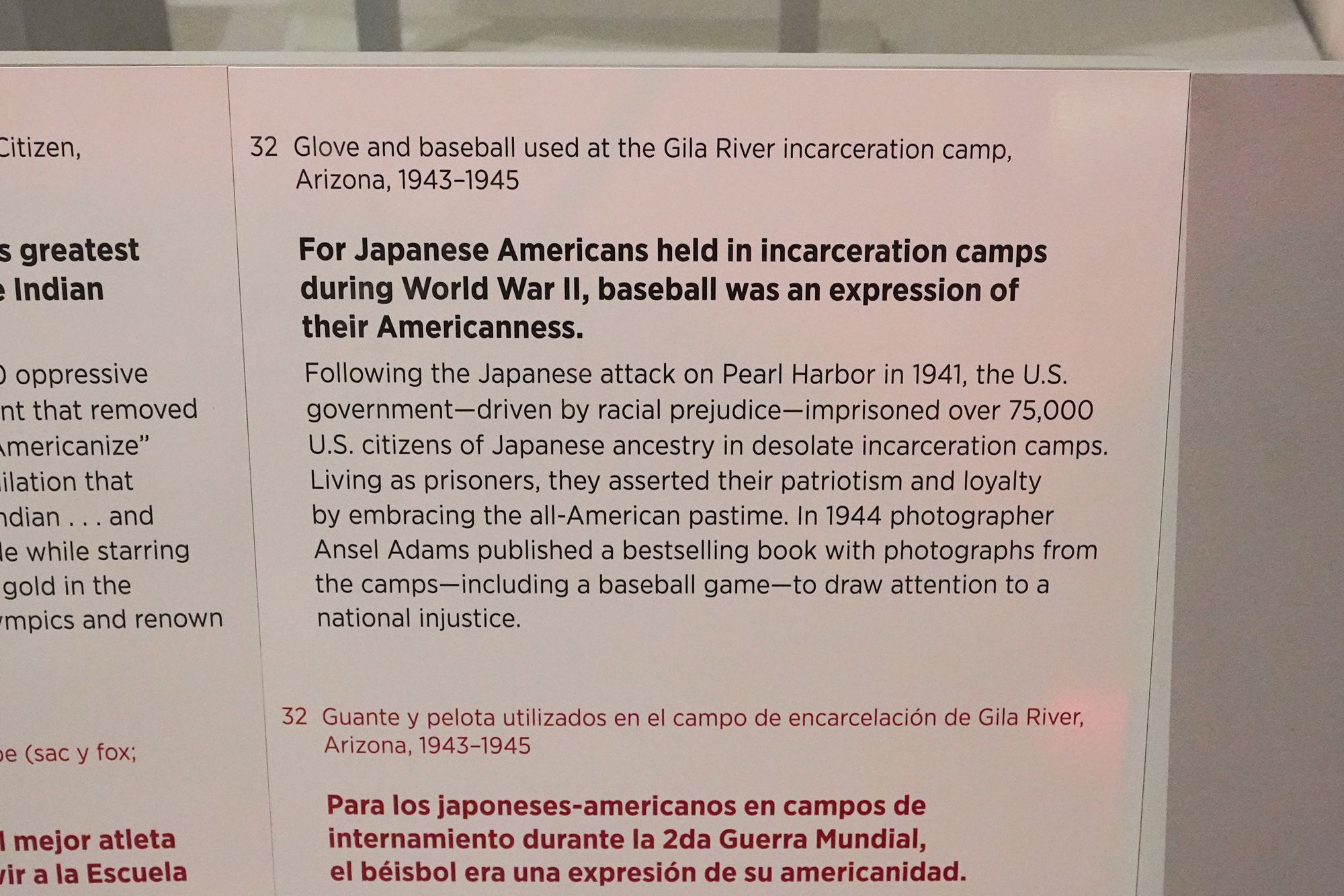
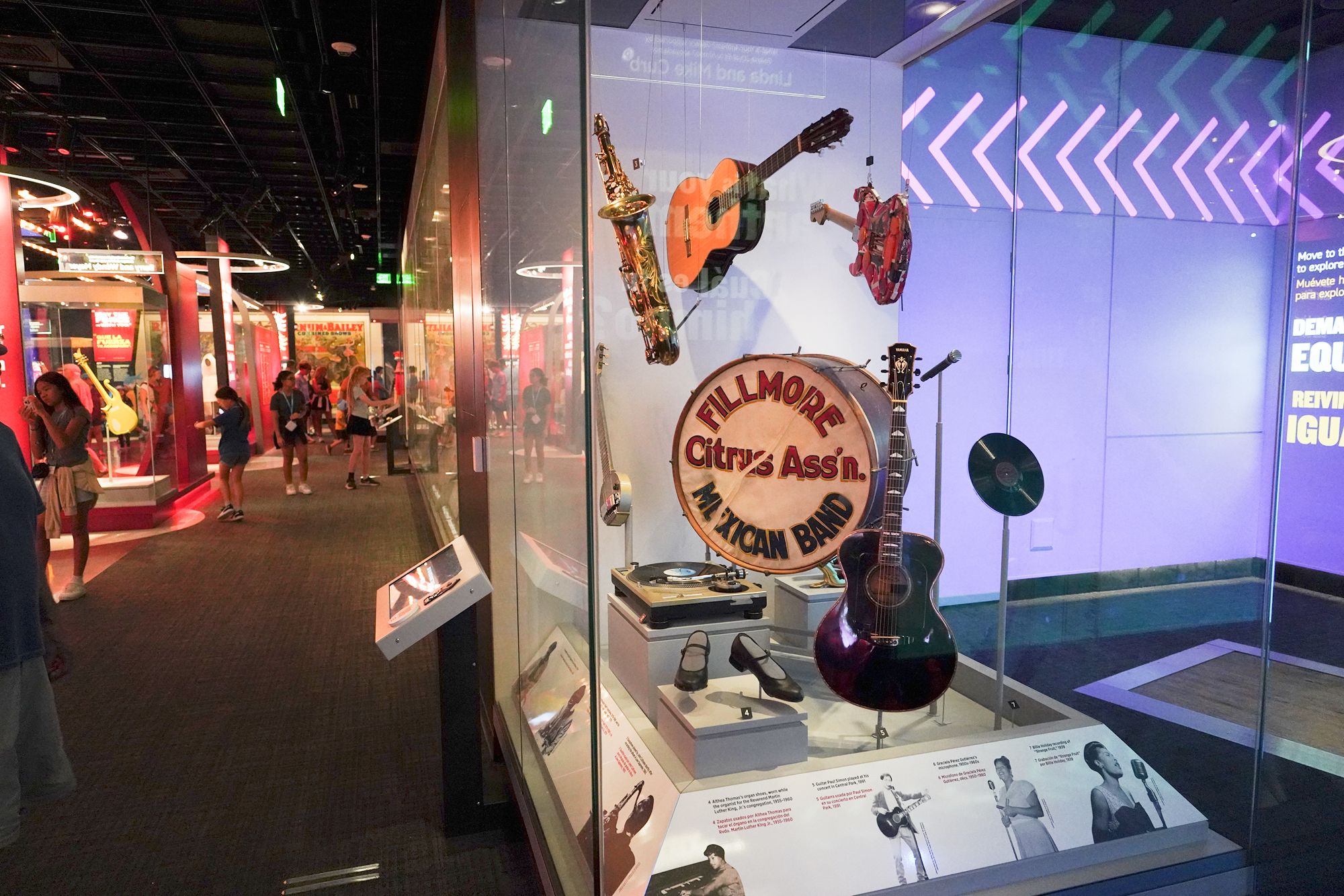
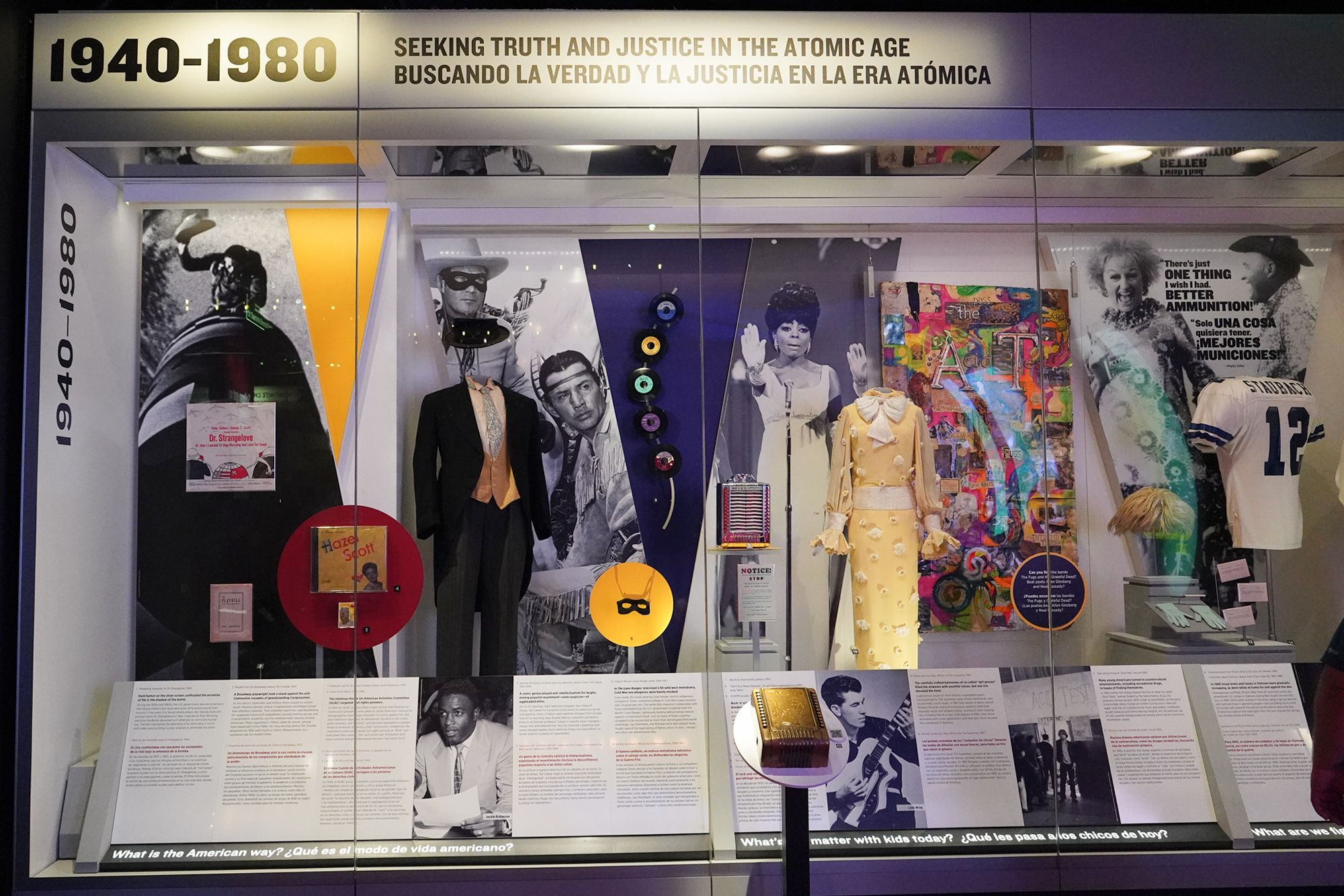
Year 1940-1980 – Seeking Truth and Justice in the Atomic Age
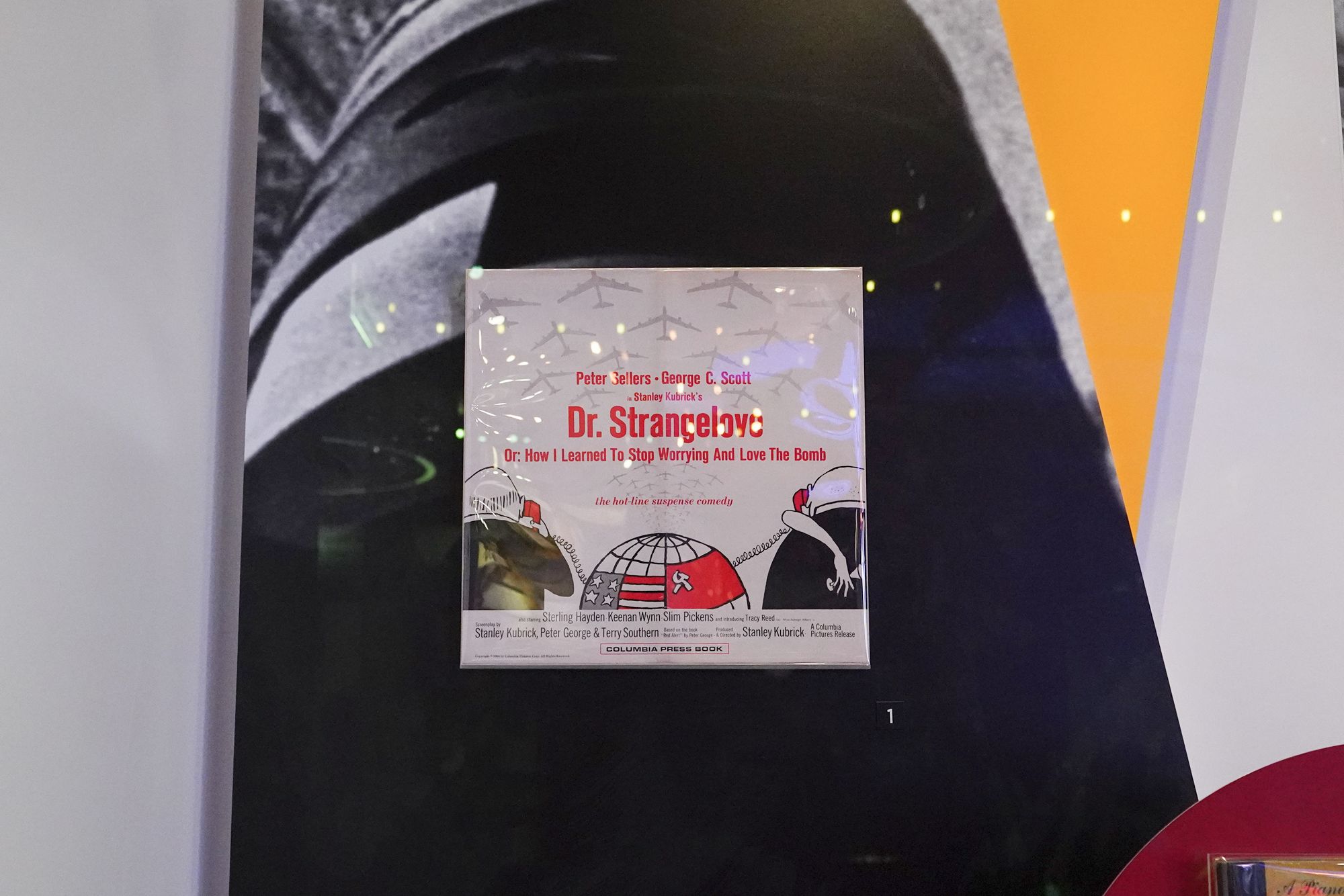
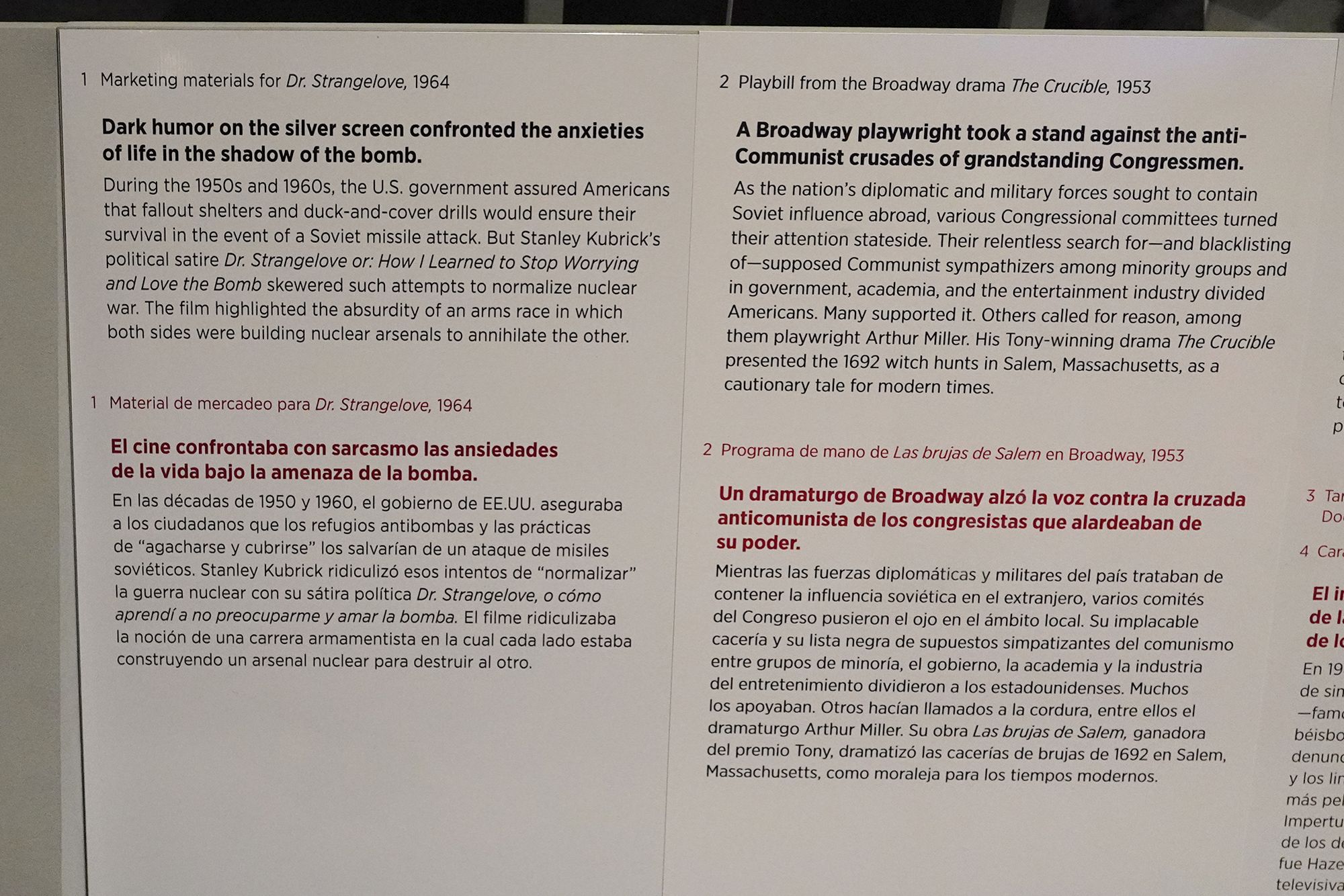
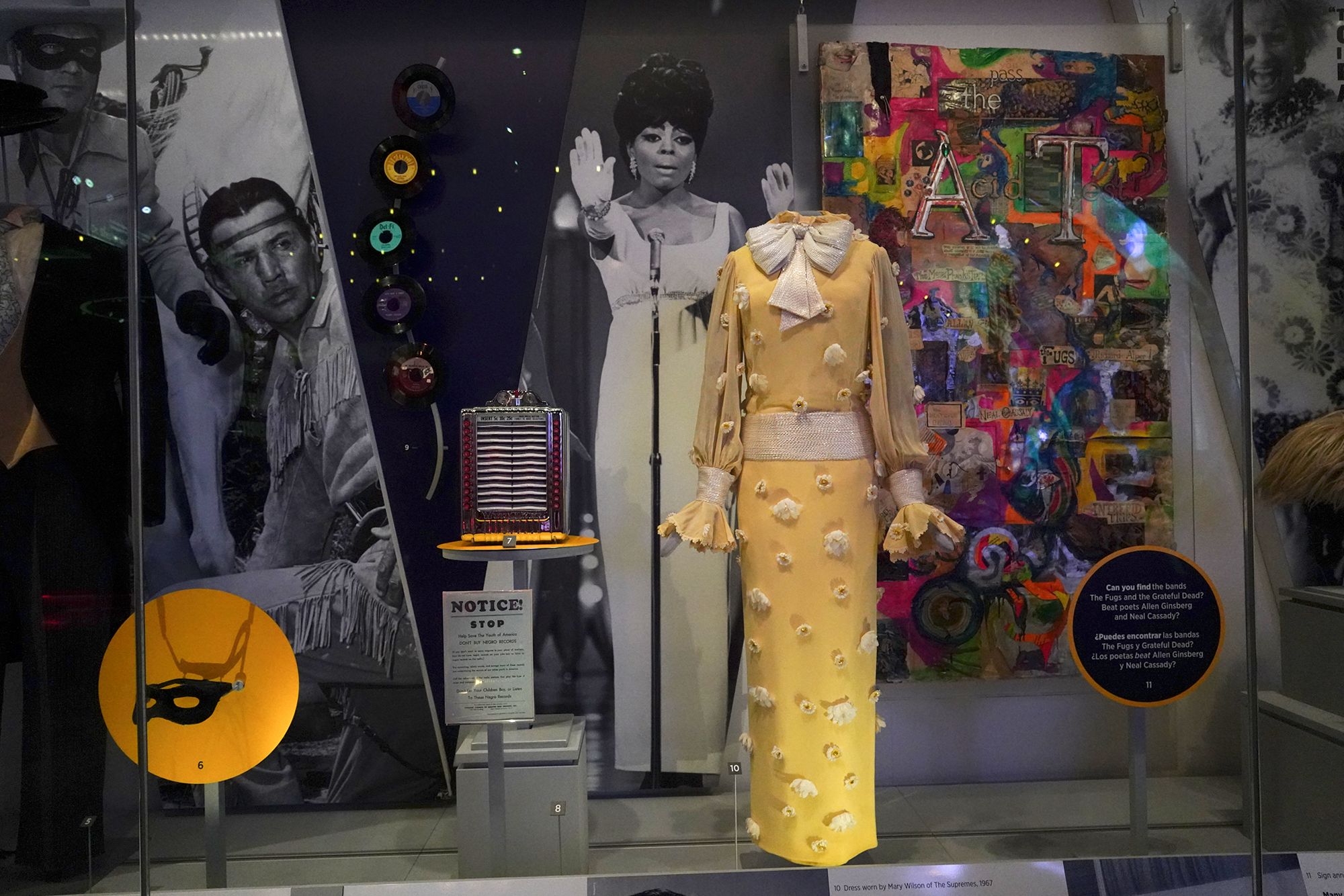
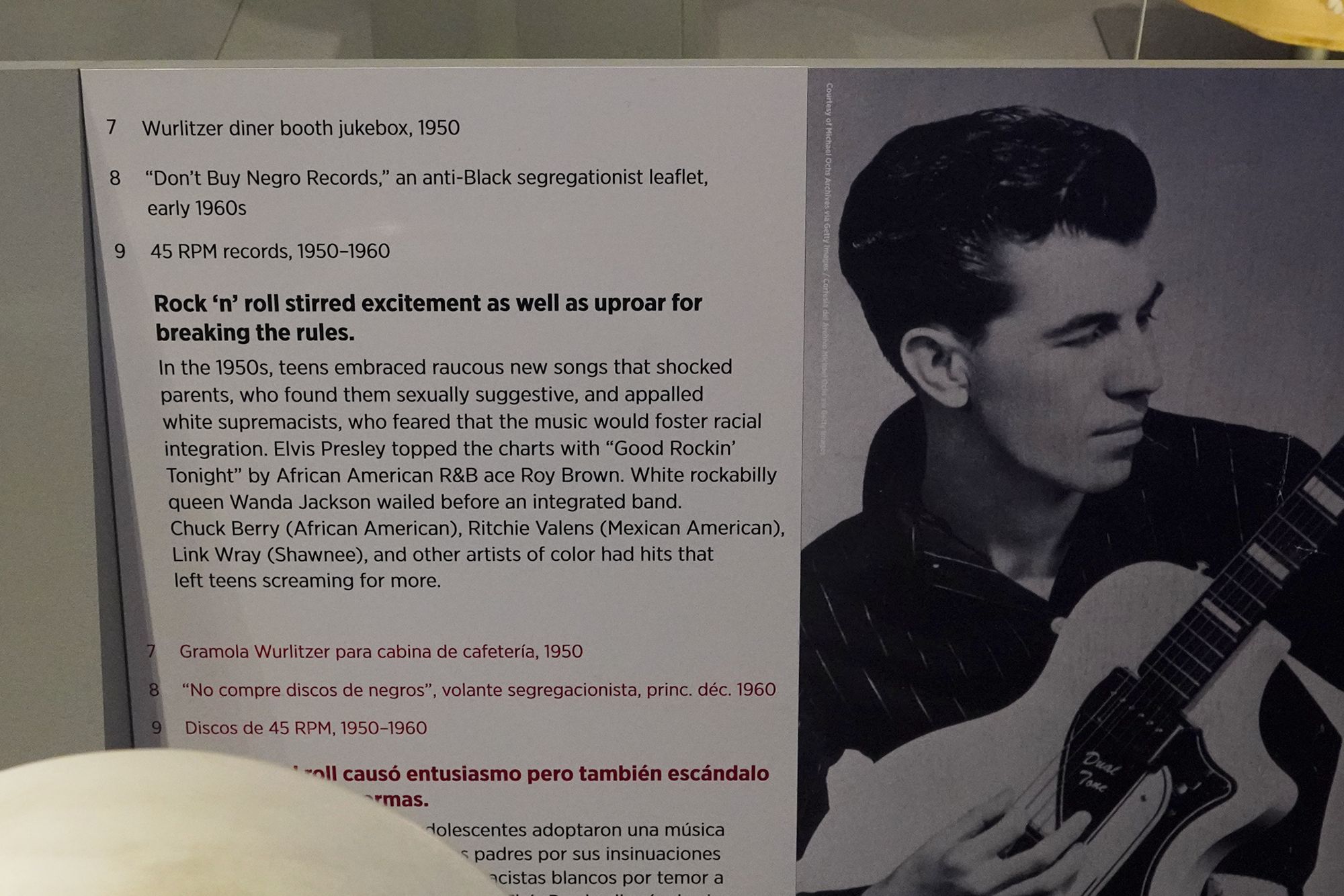
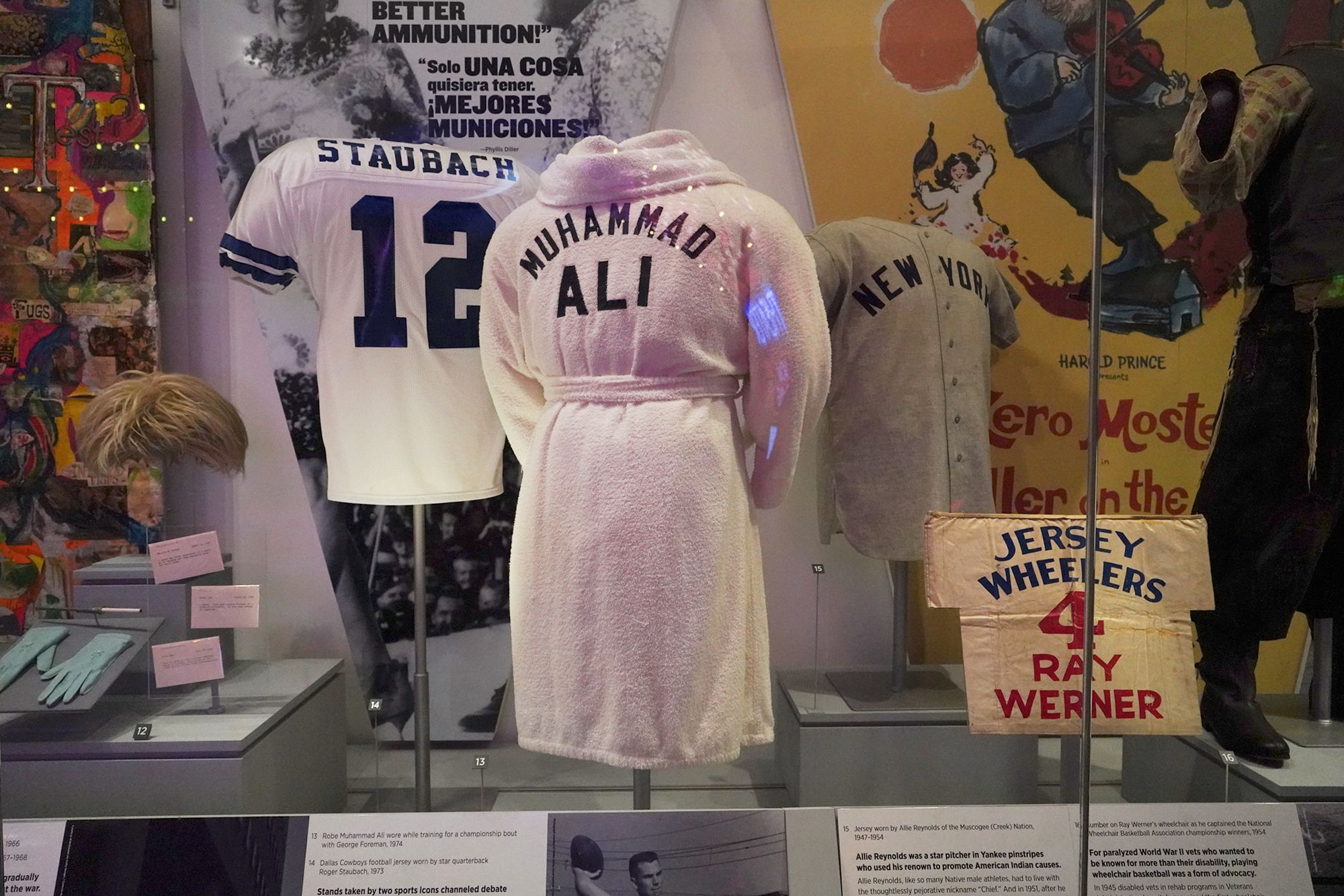
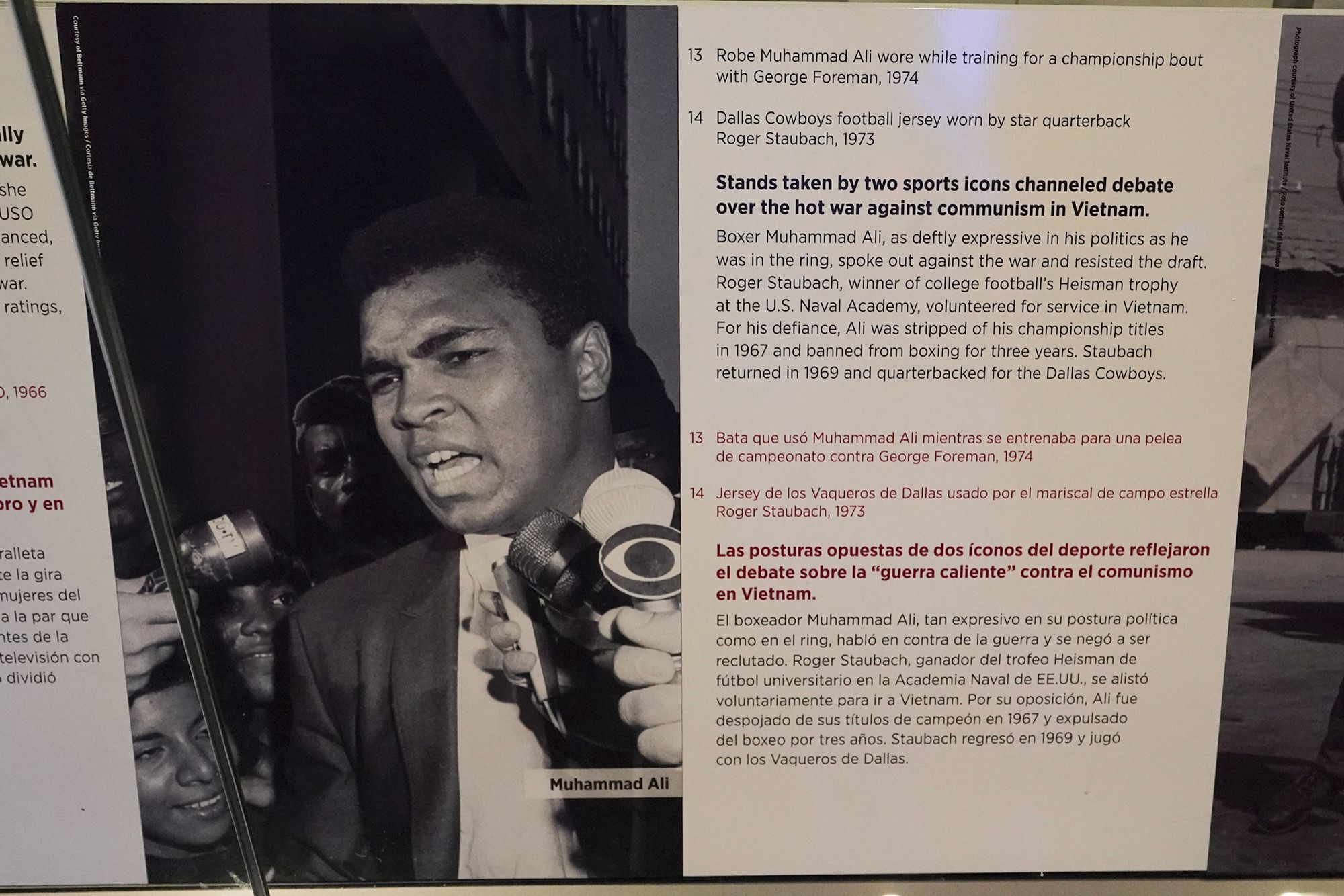
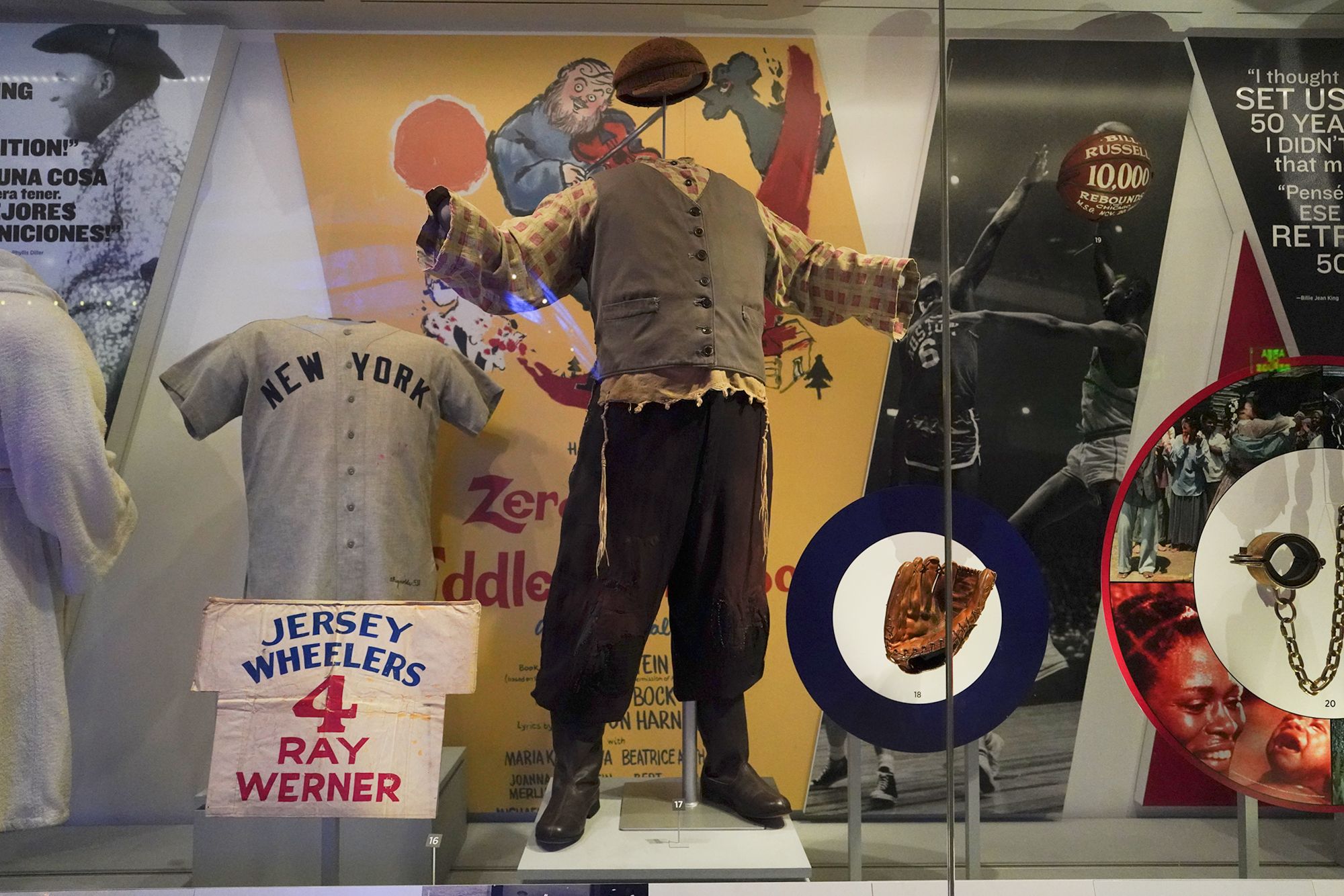
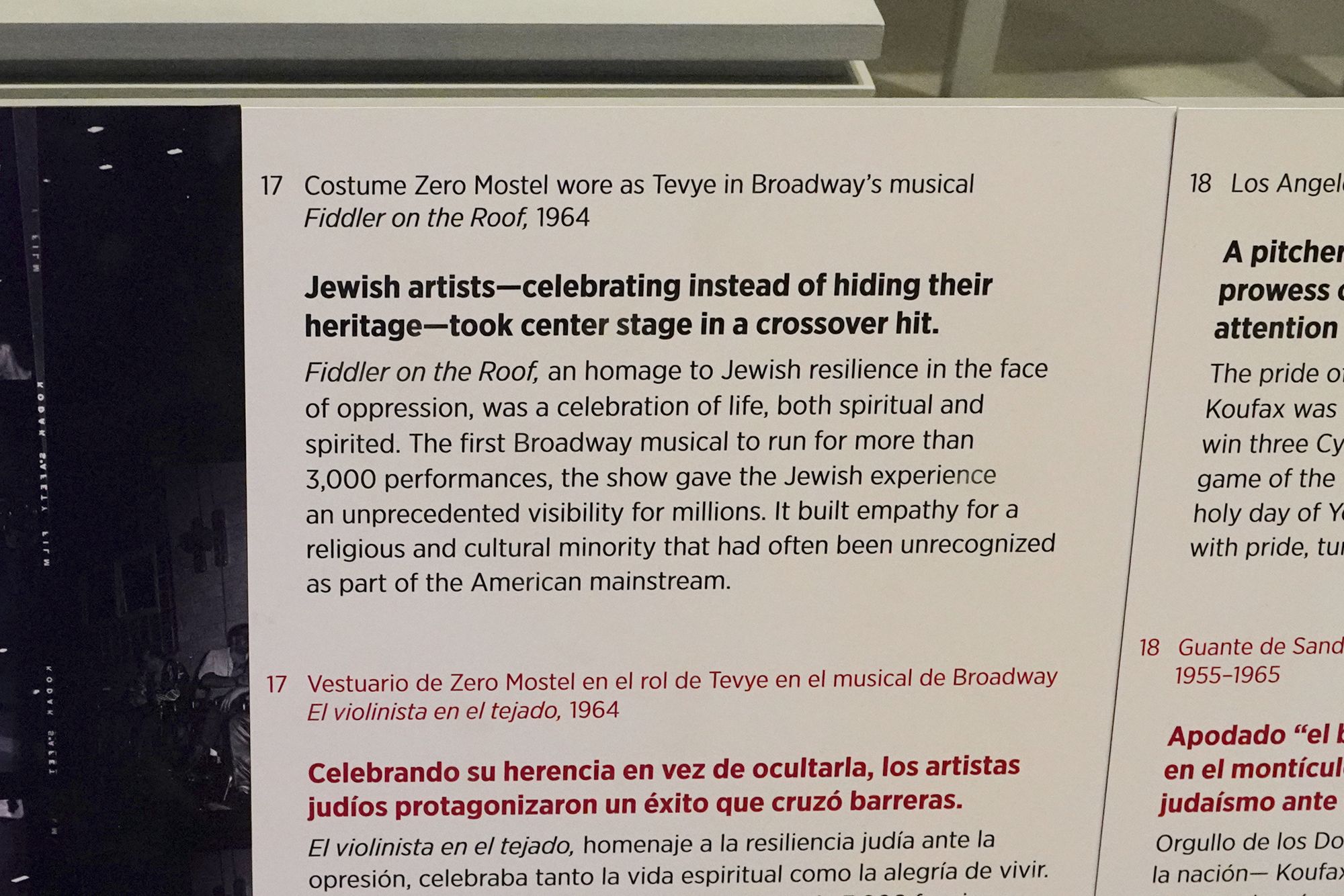
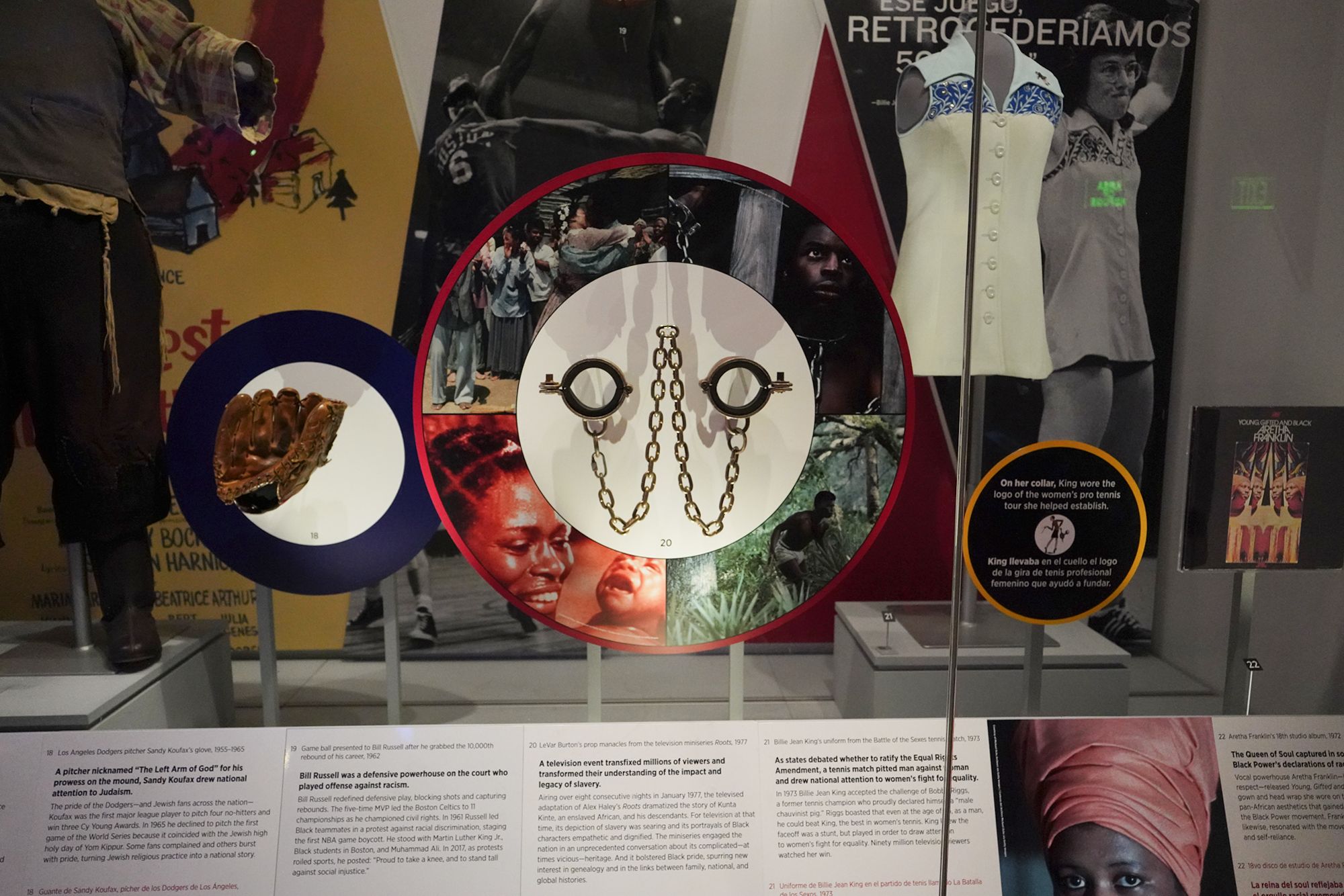
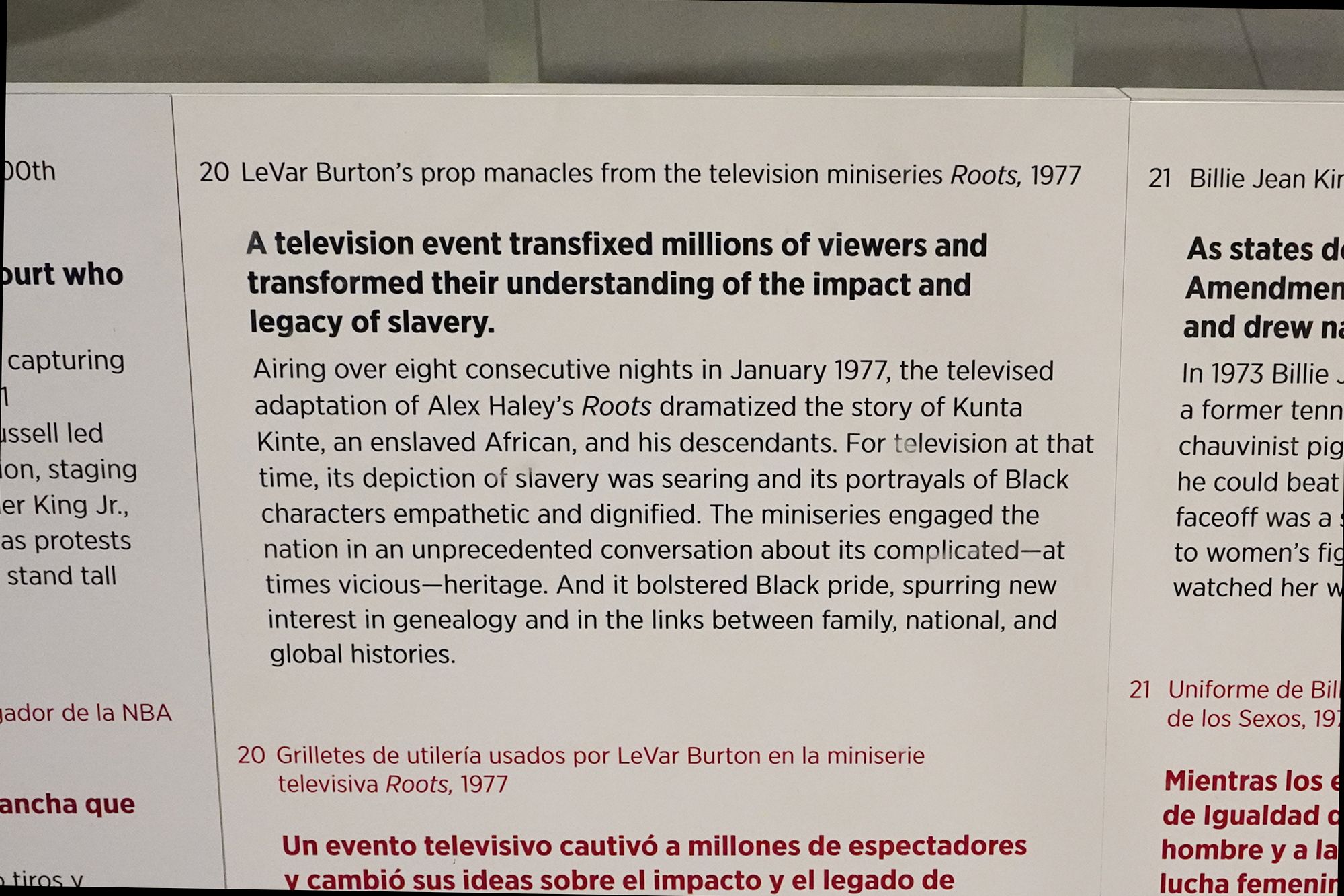
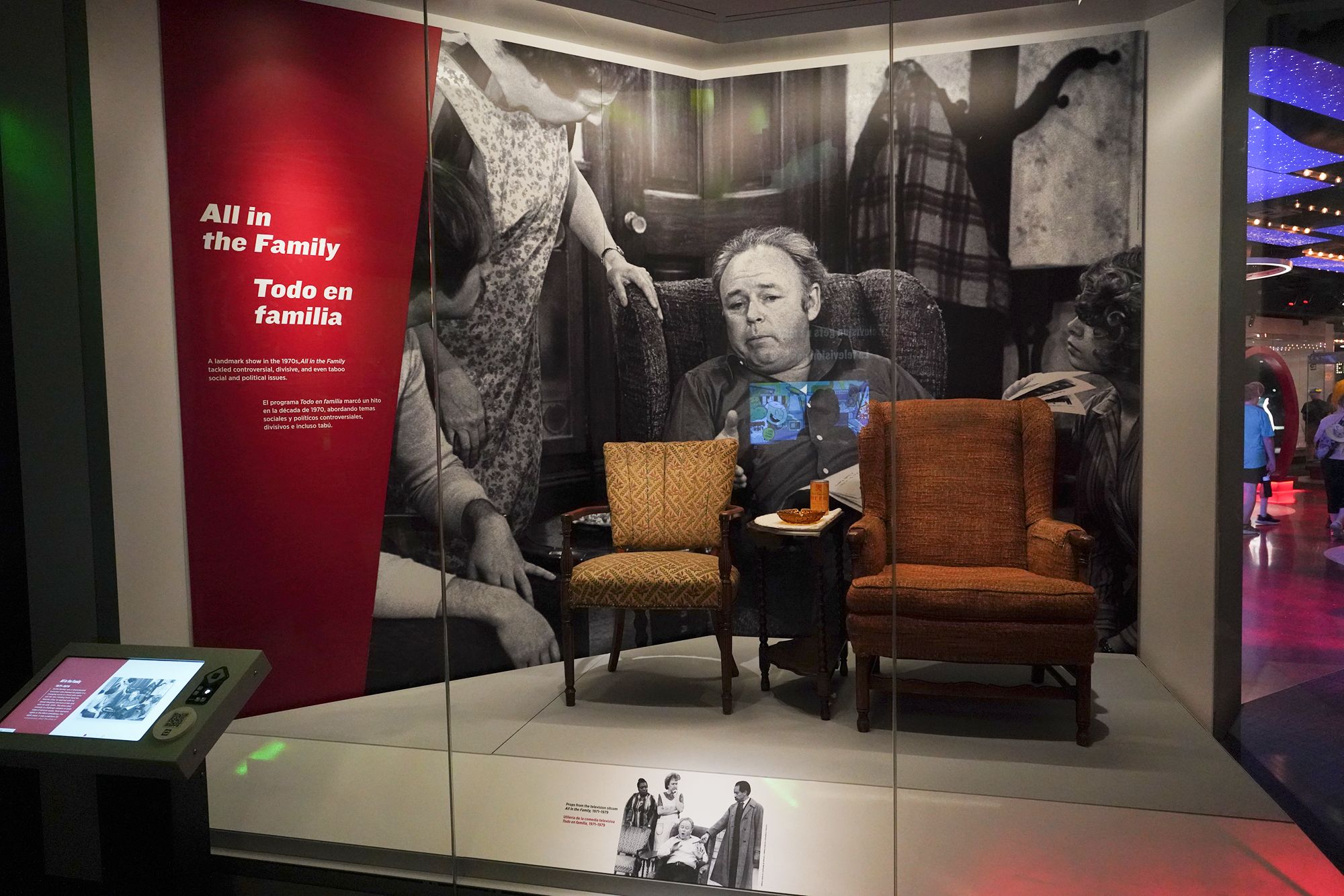
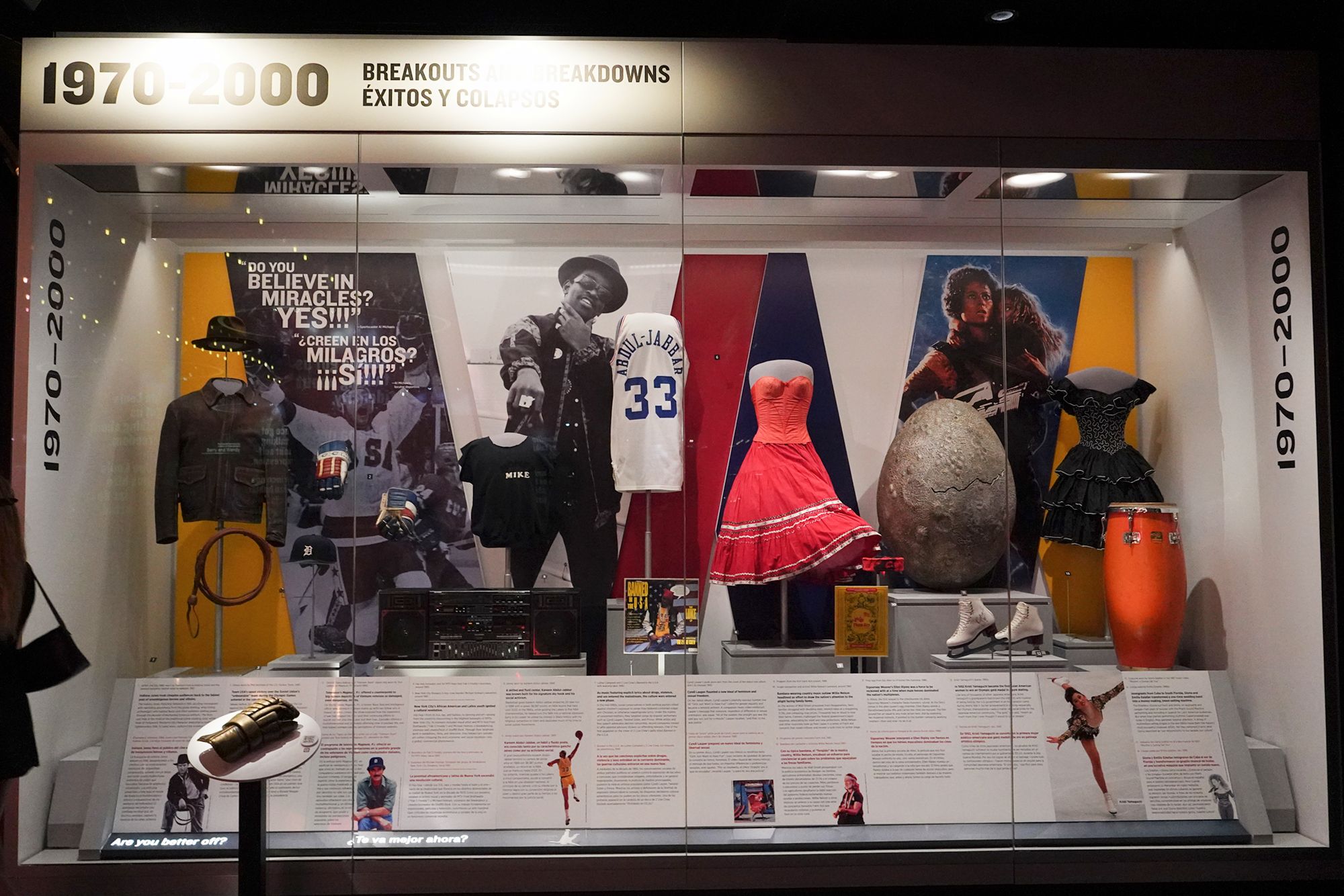
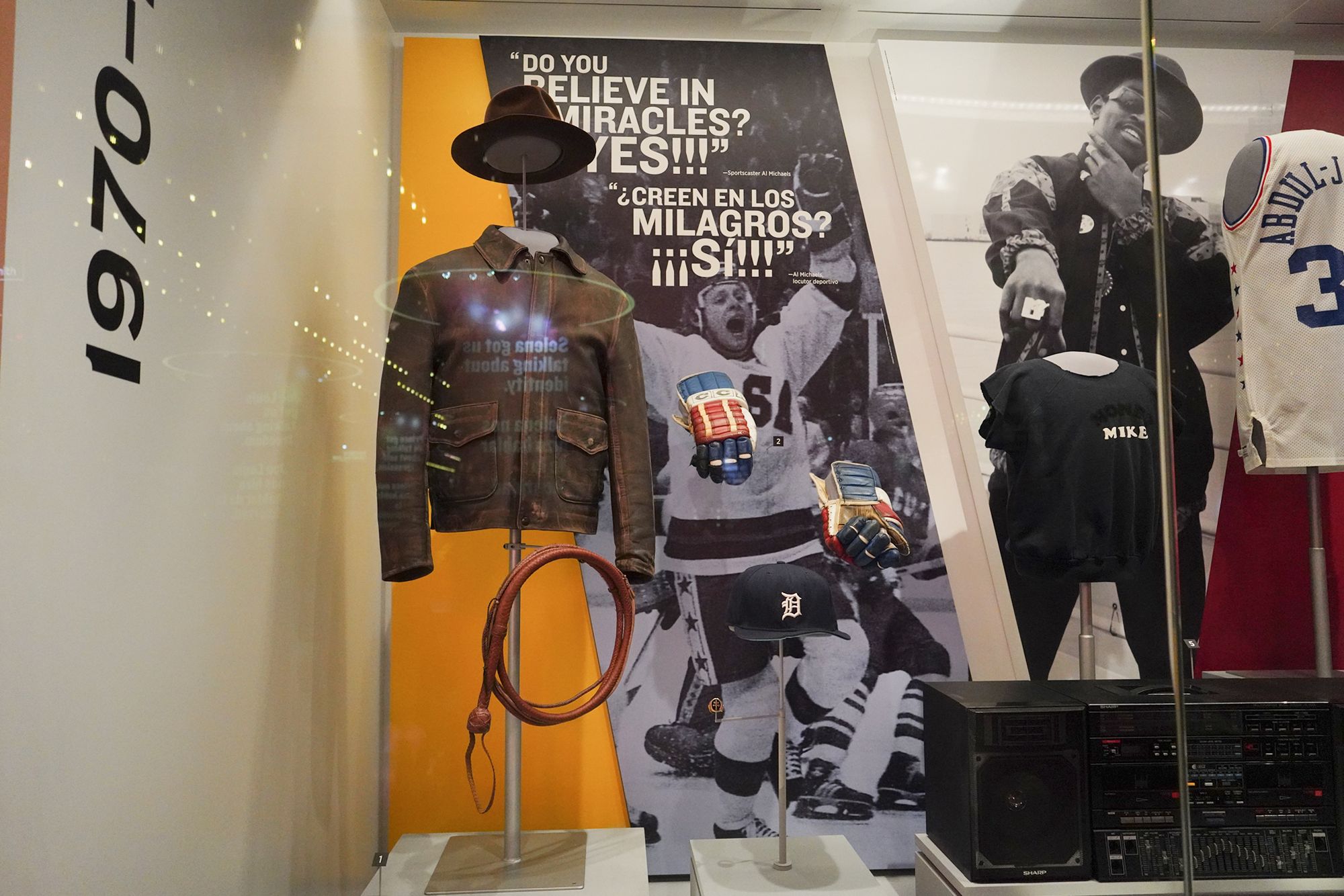
Year 1970-2000 Breakouts and Breakdowns
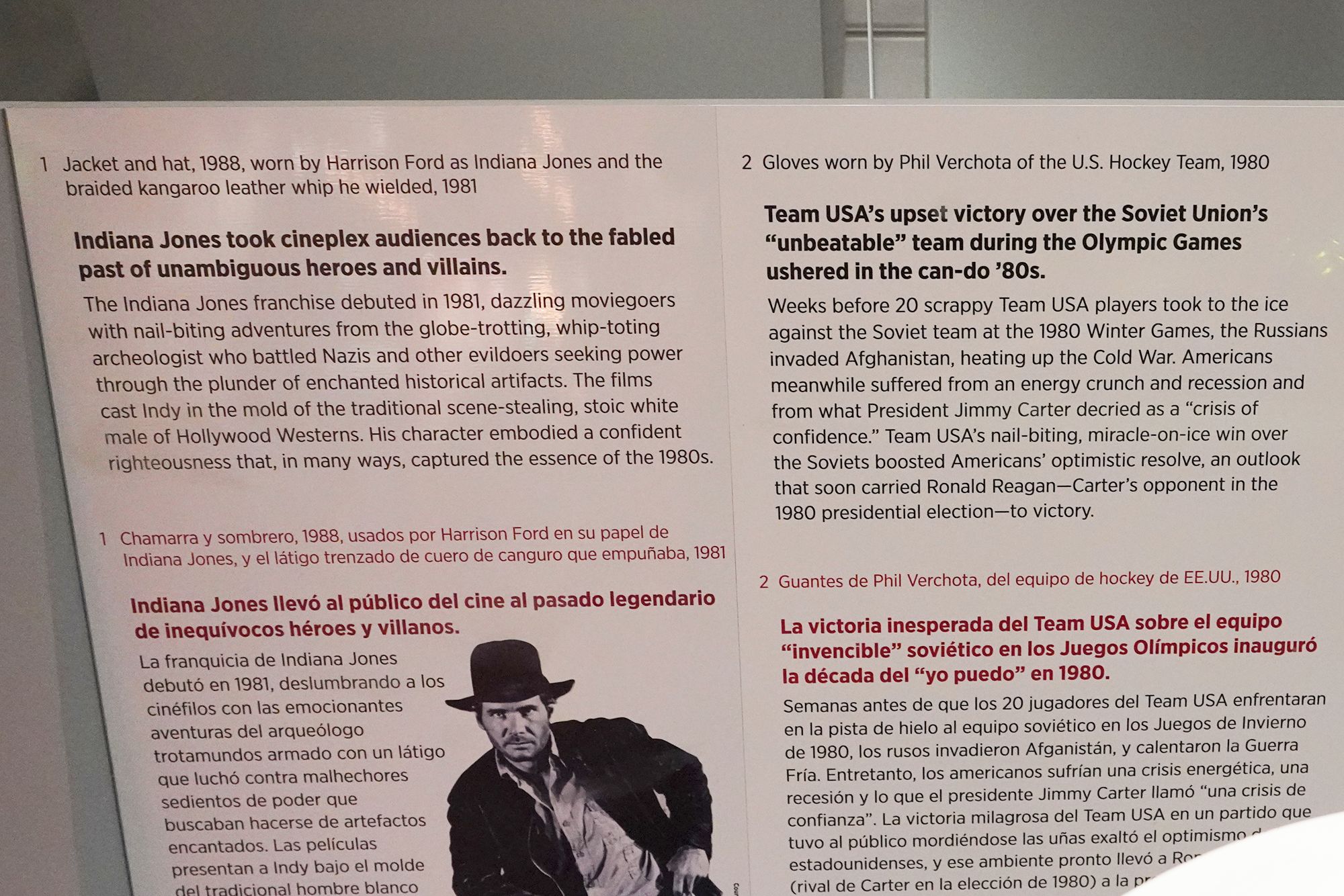
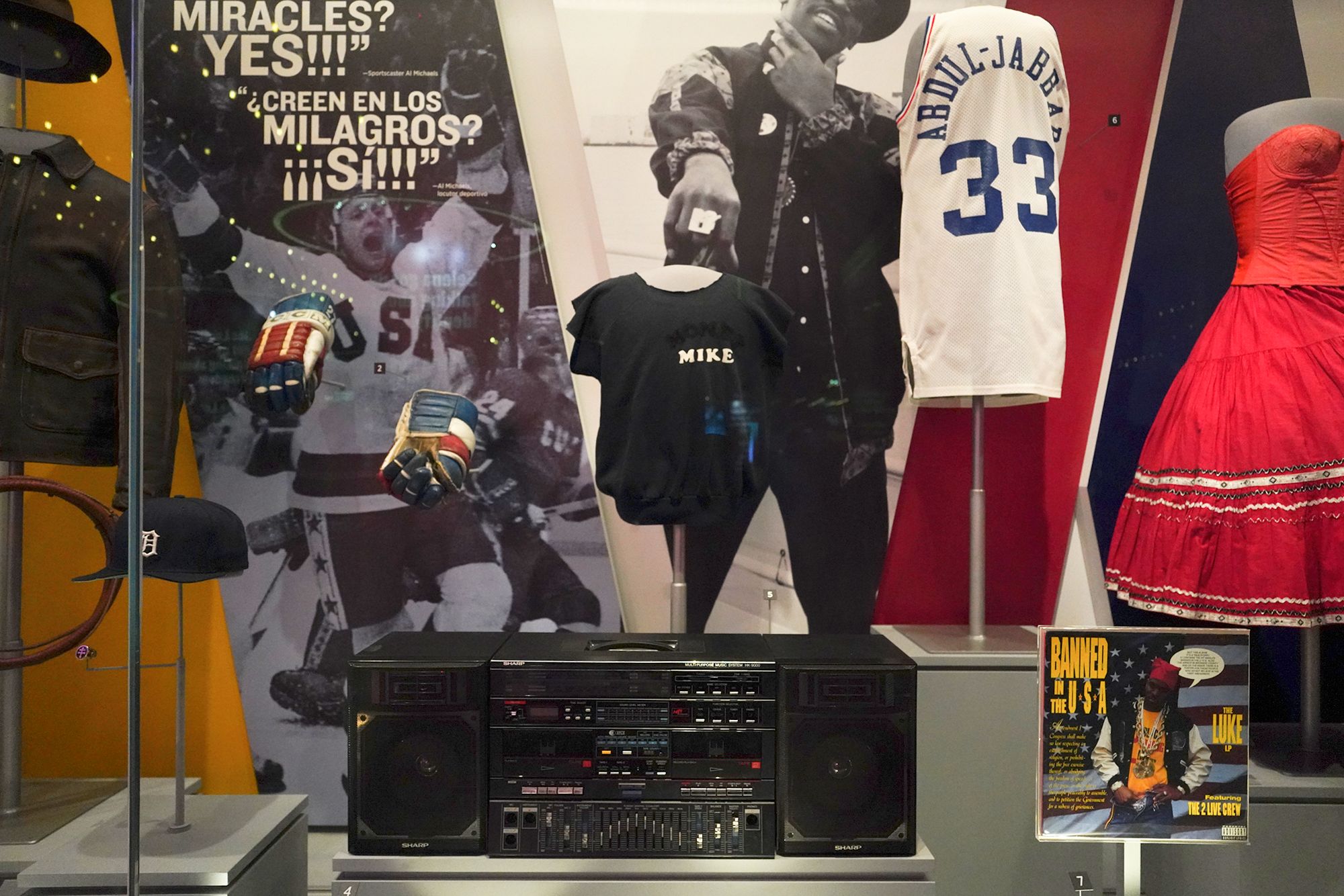
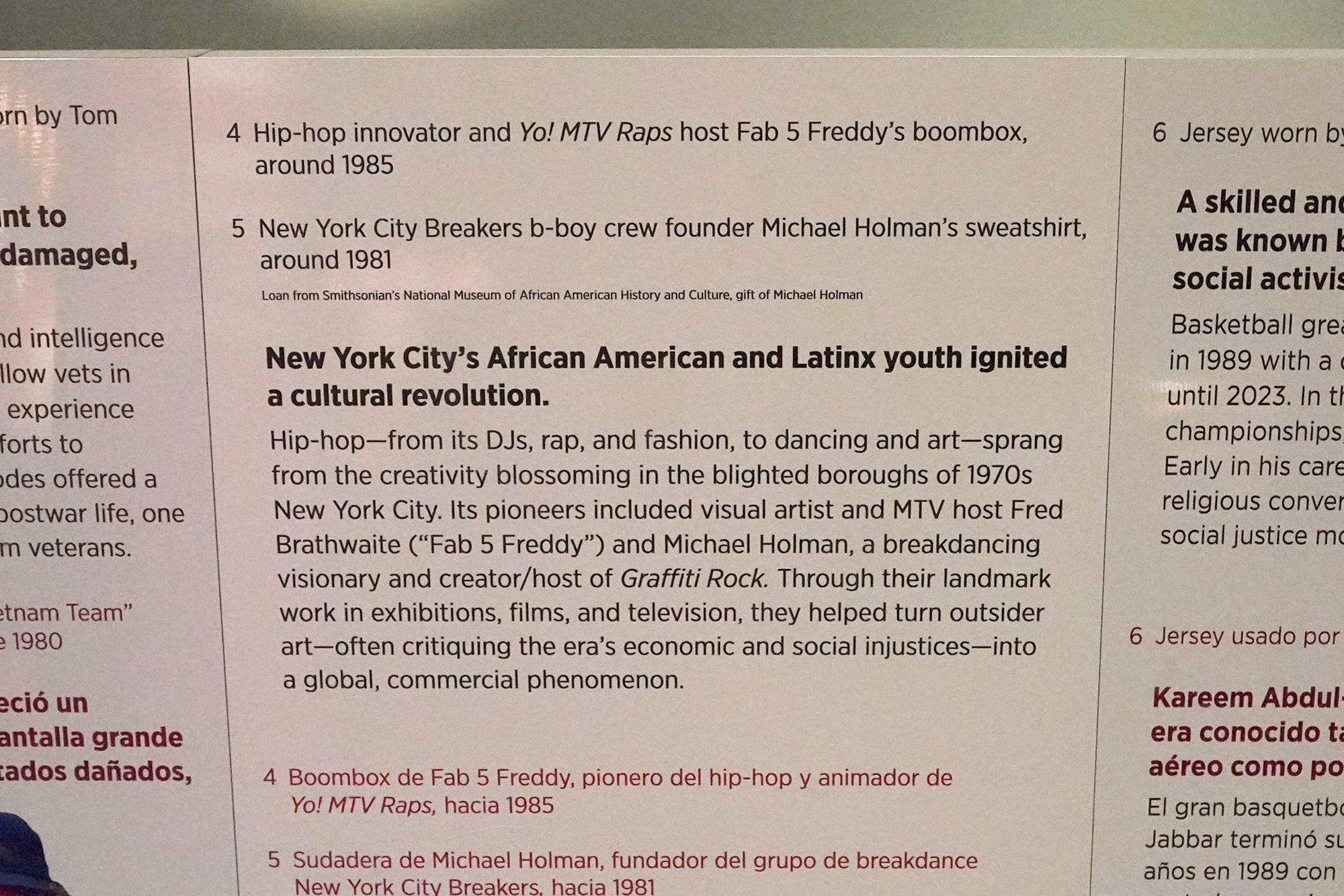
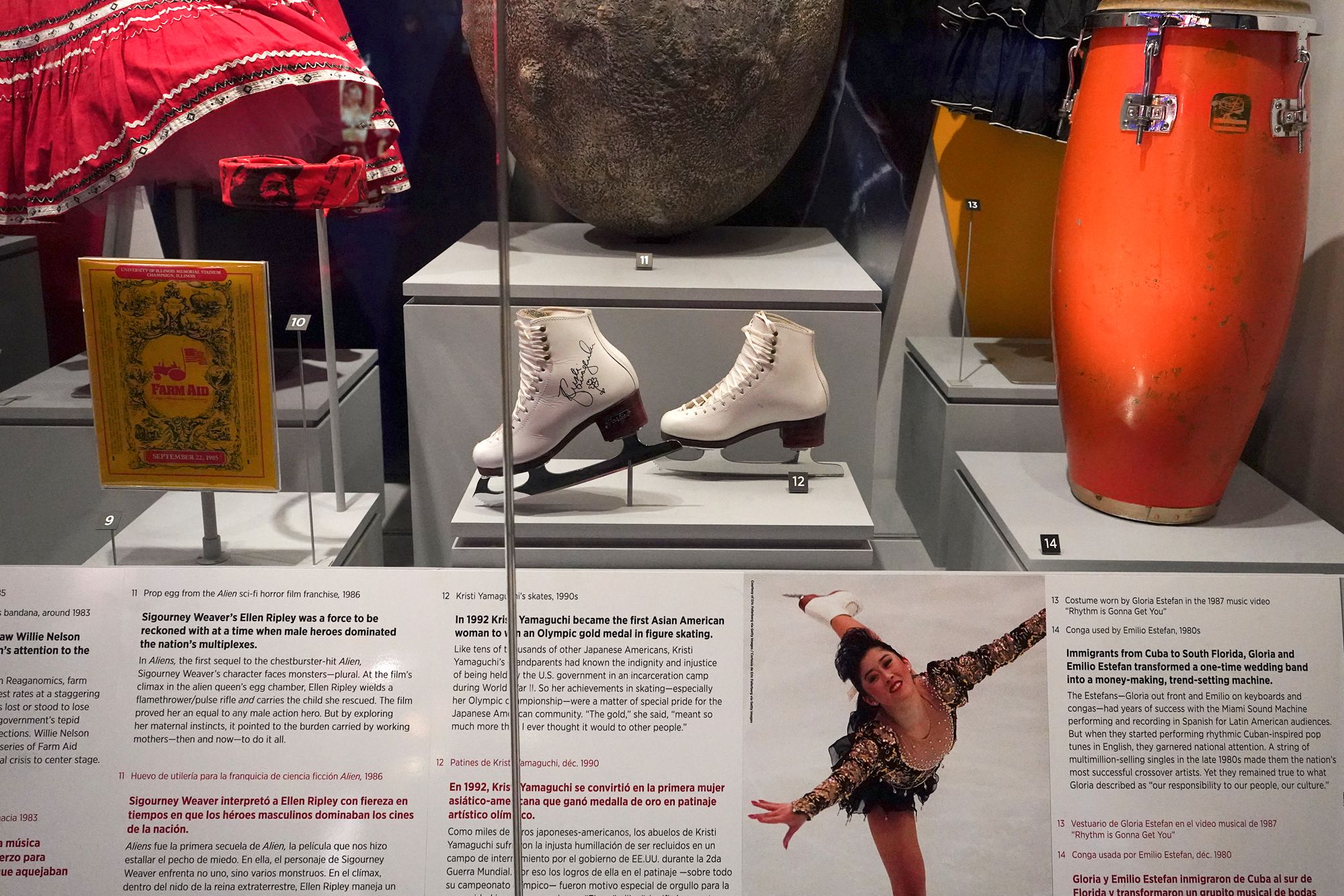
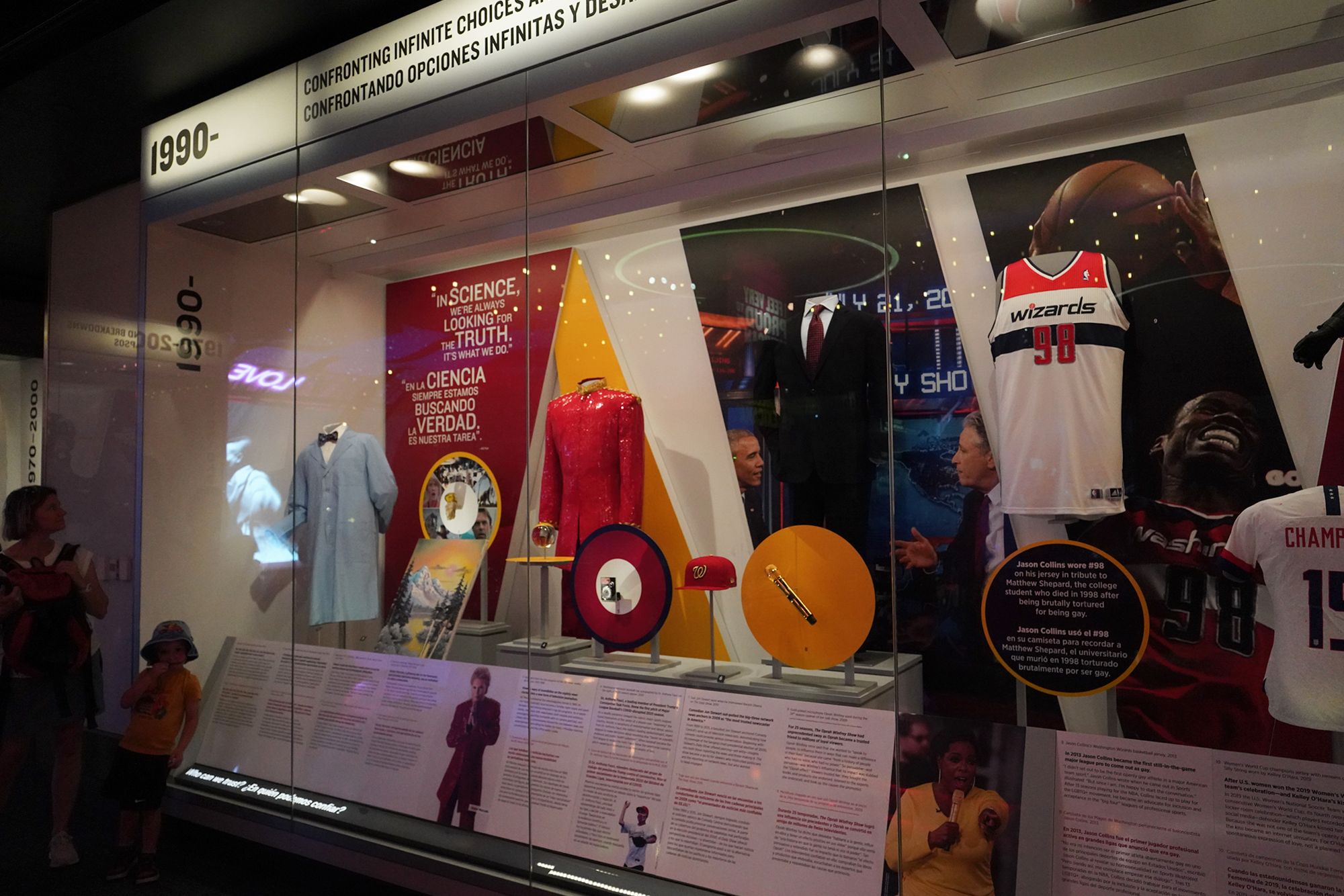
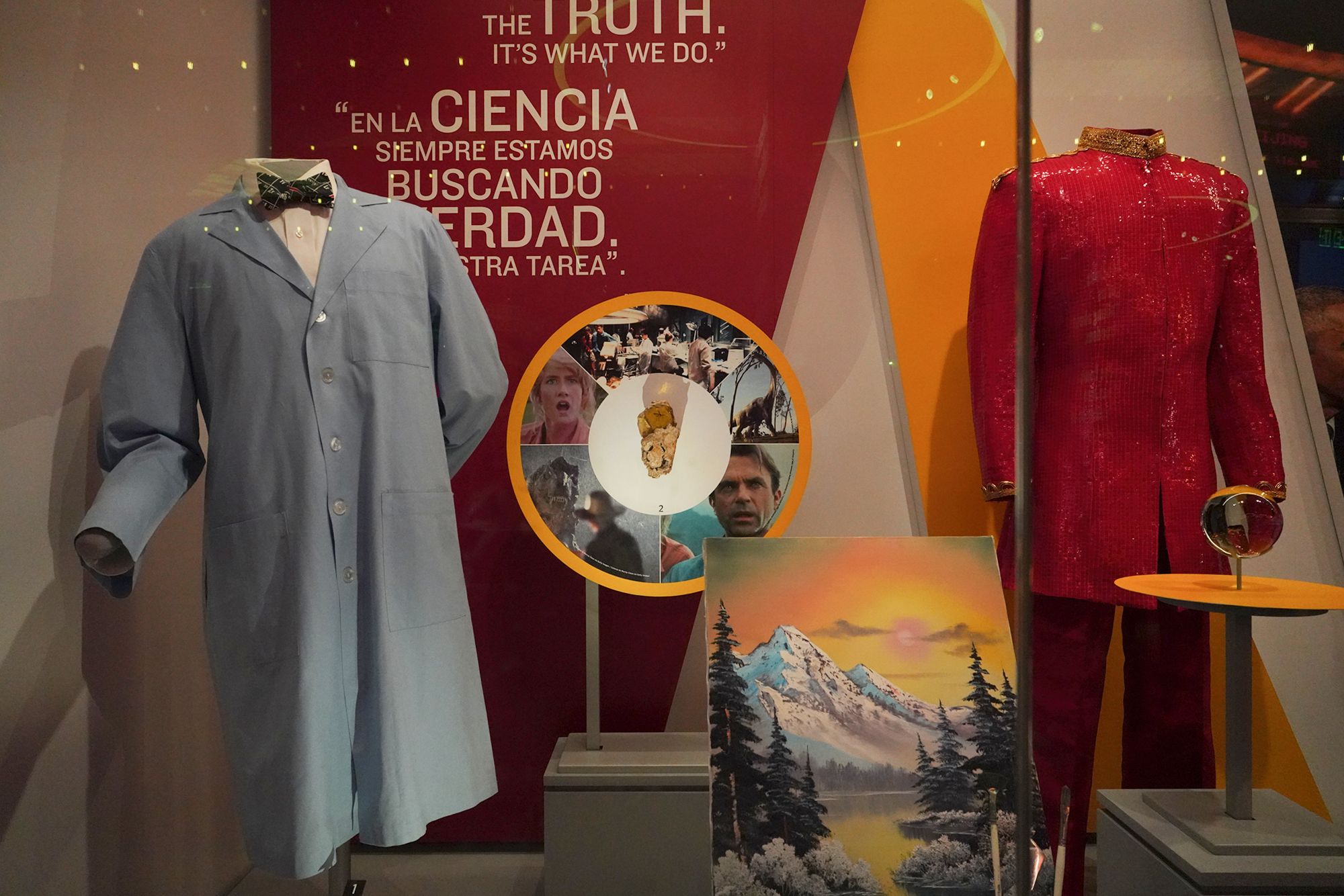
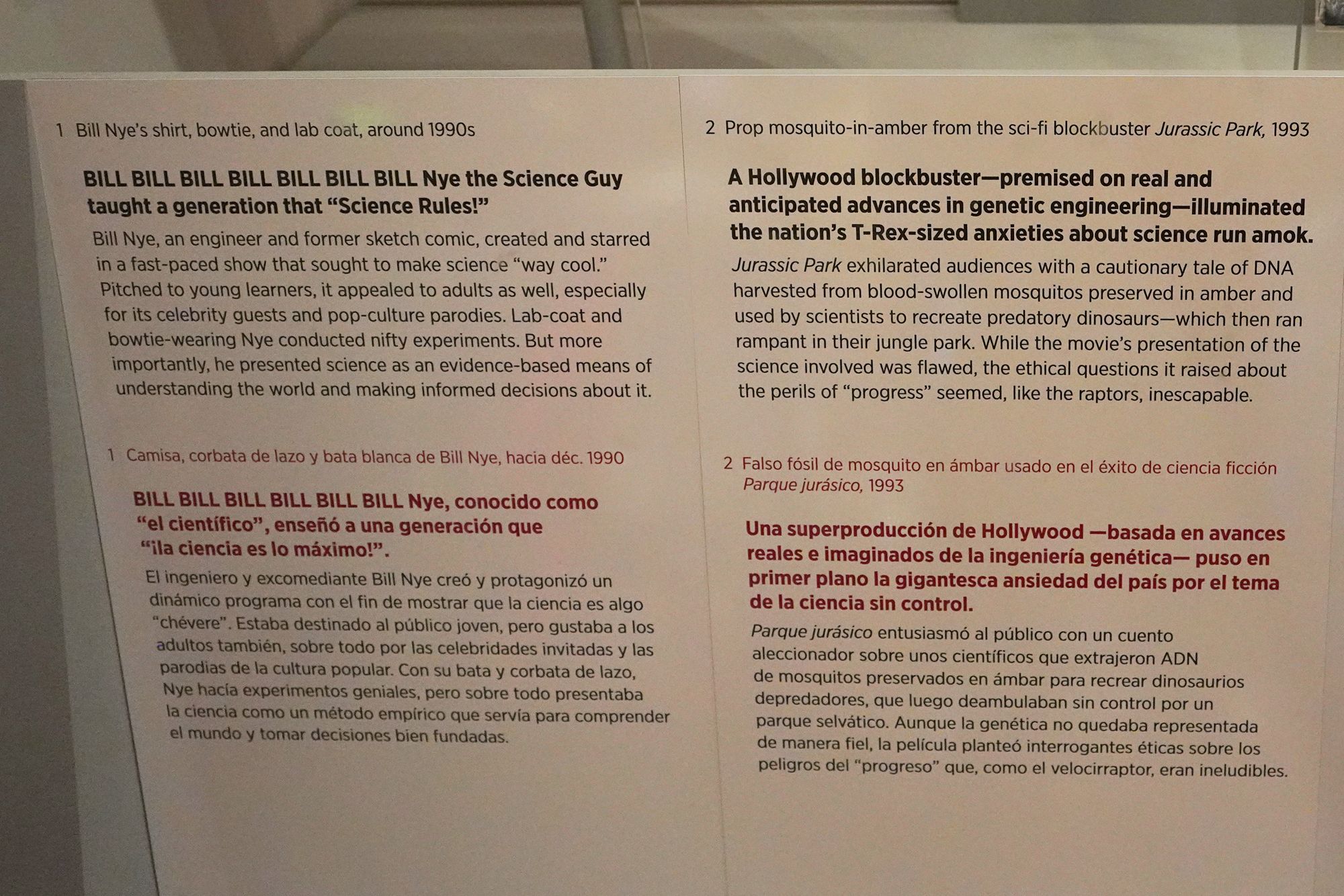
Year 1990 and onward. Confronting Infinite Choices
Innovations in Technology






Within These Walls
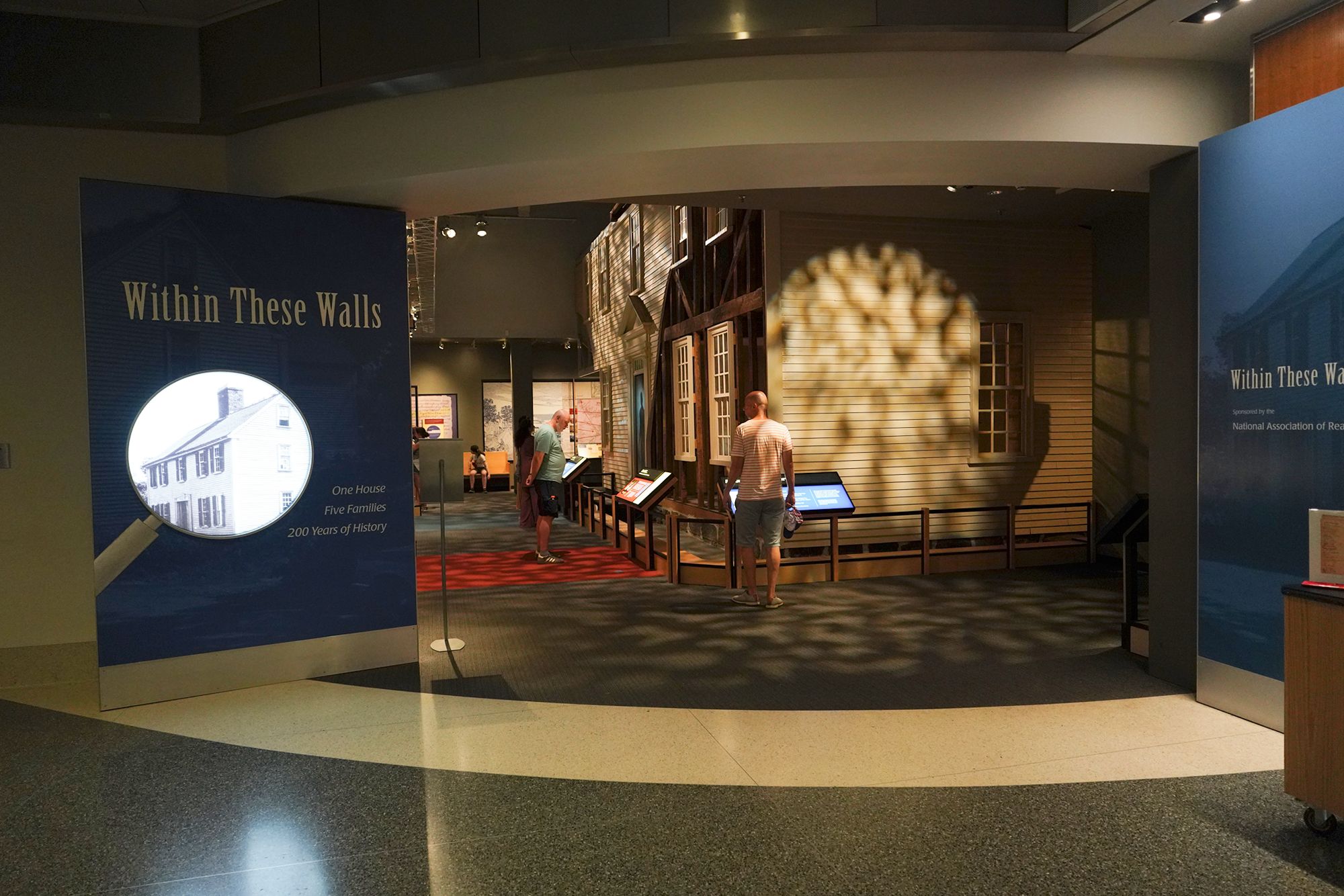
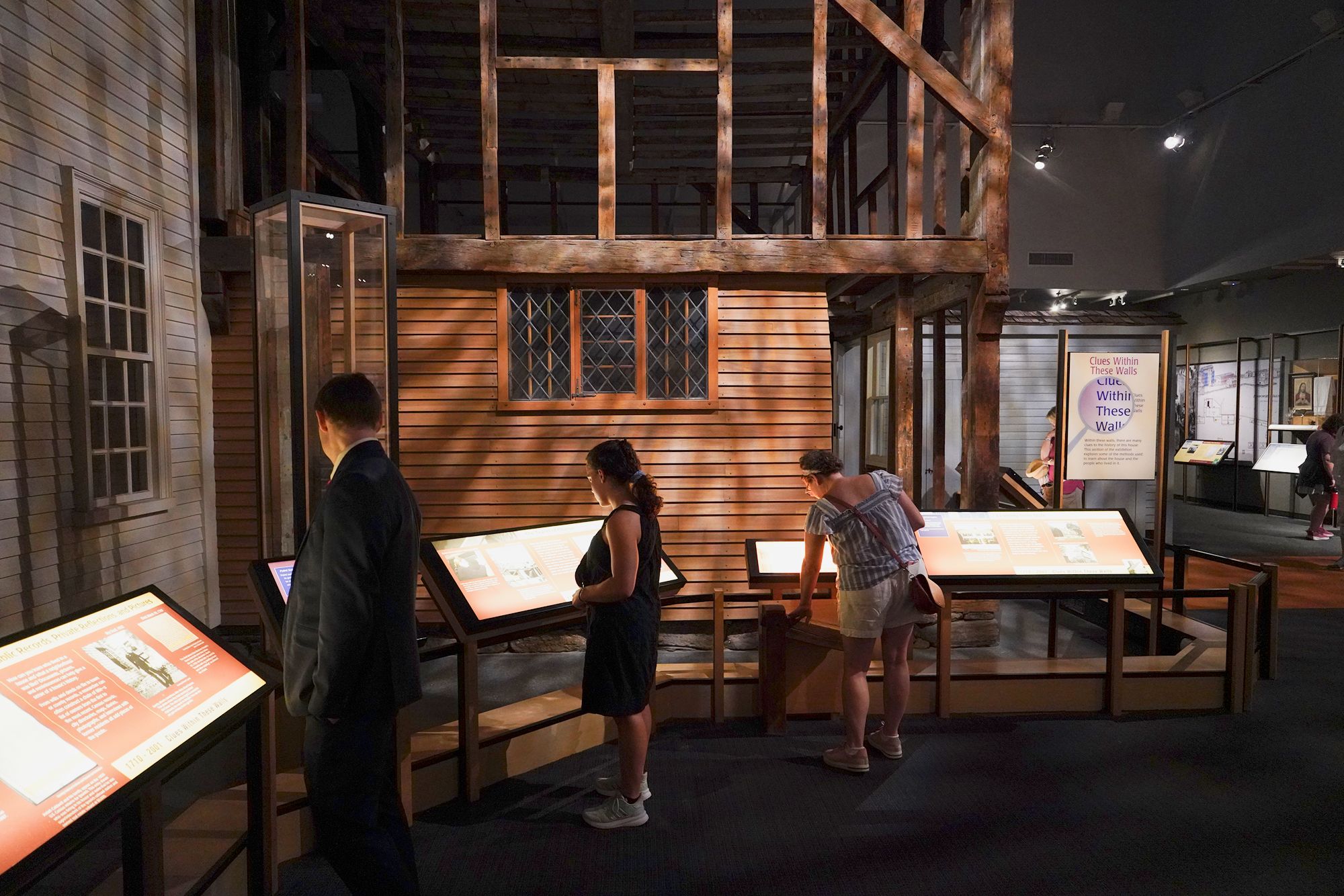
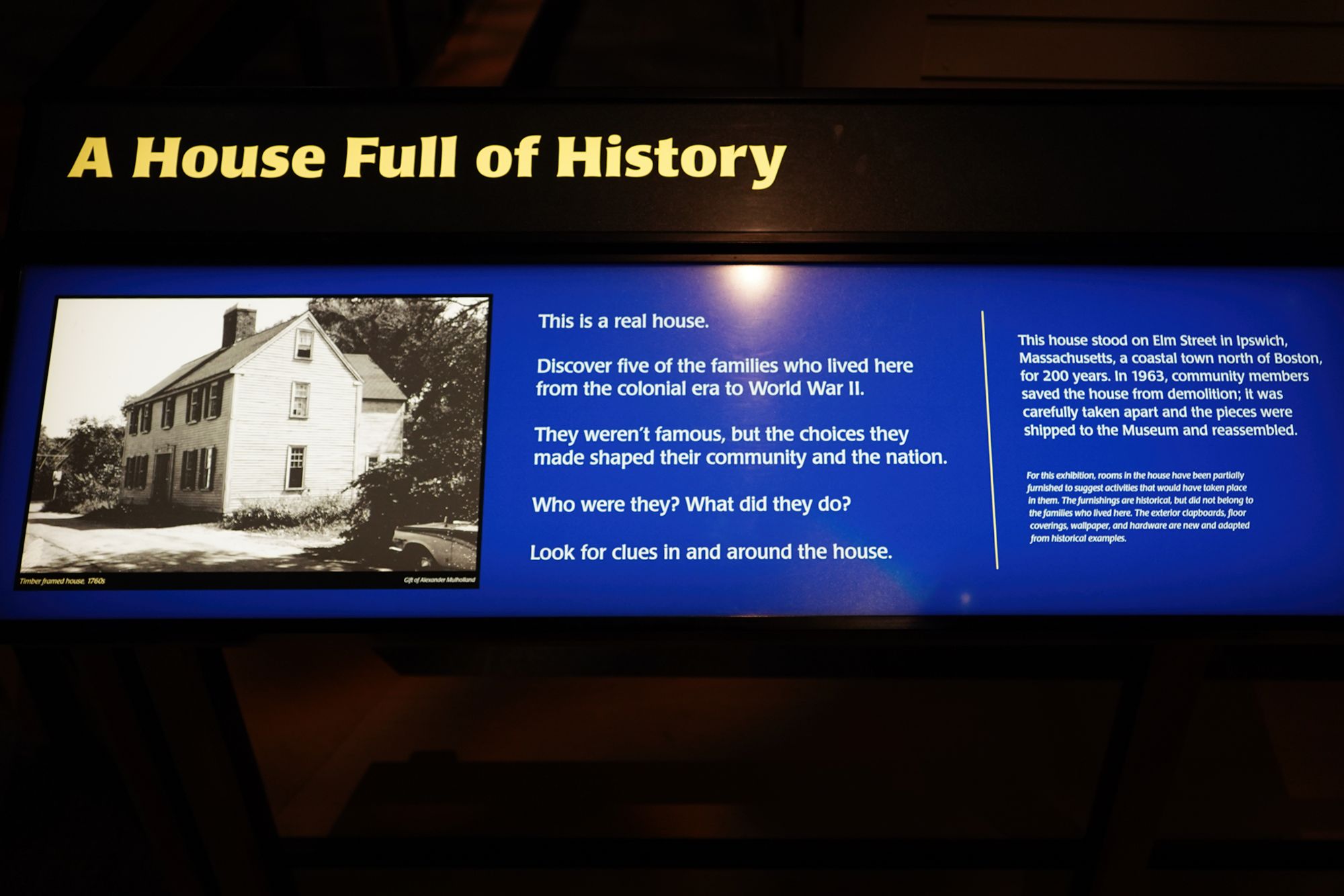
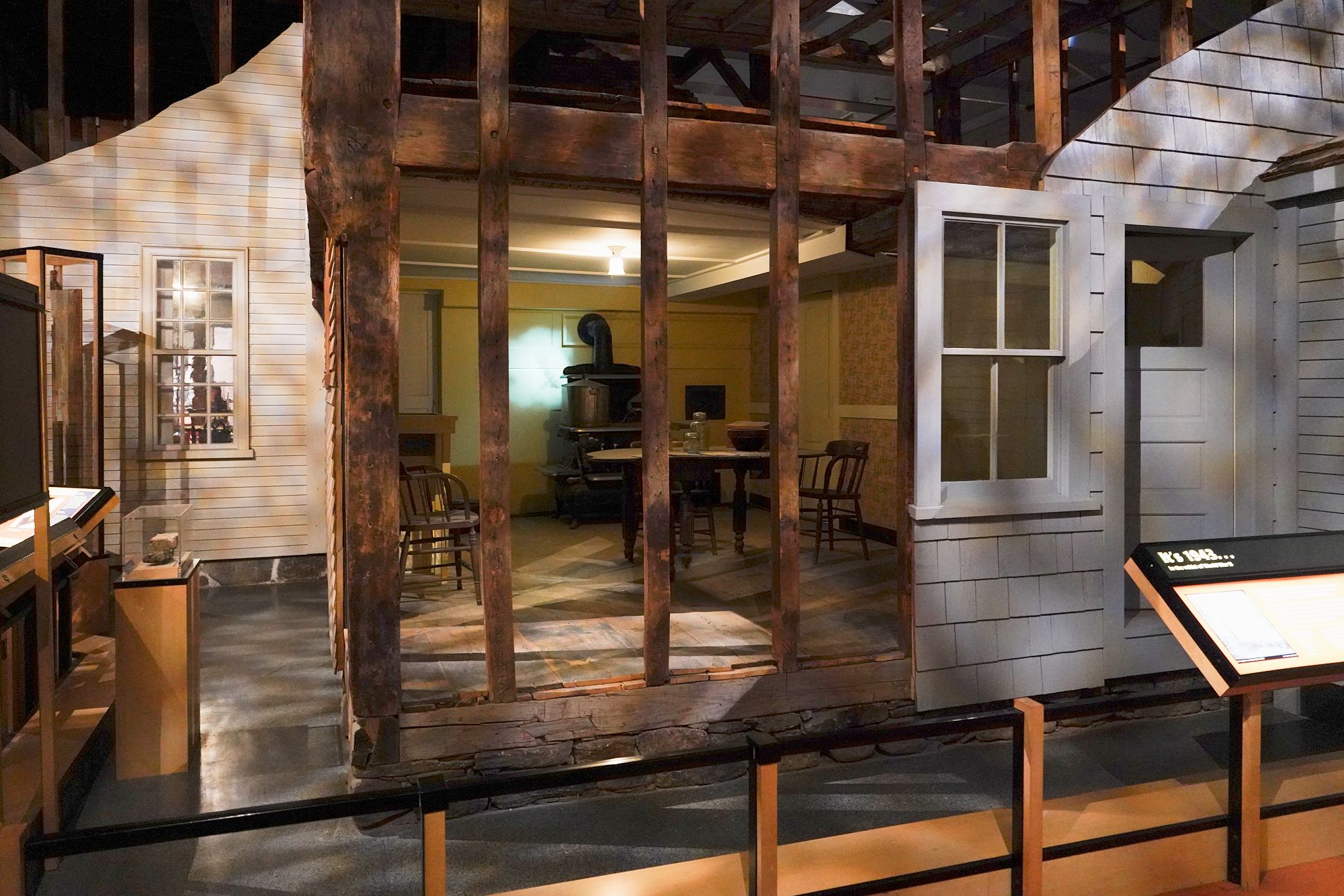
“Within These Walls” is an exhibit centered on a real 200-year-old house from Massachusetts that was moved into the museum. It tells the stories of the many families who lived there from the colonial era through the early 20th century. Through their experiences—immigration, war, work, daily life—the exhibit shows how ordinary Americans shaped the nation’s history.
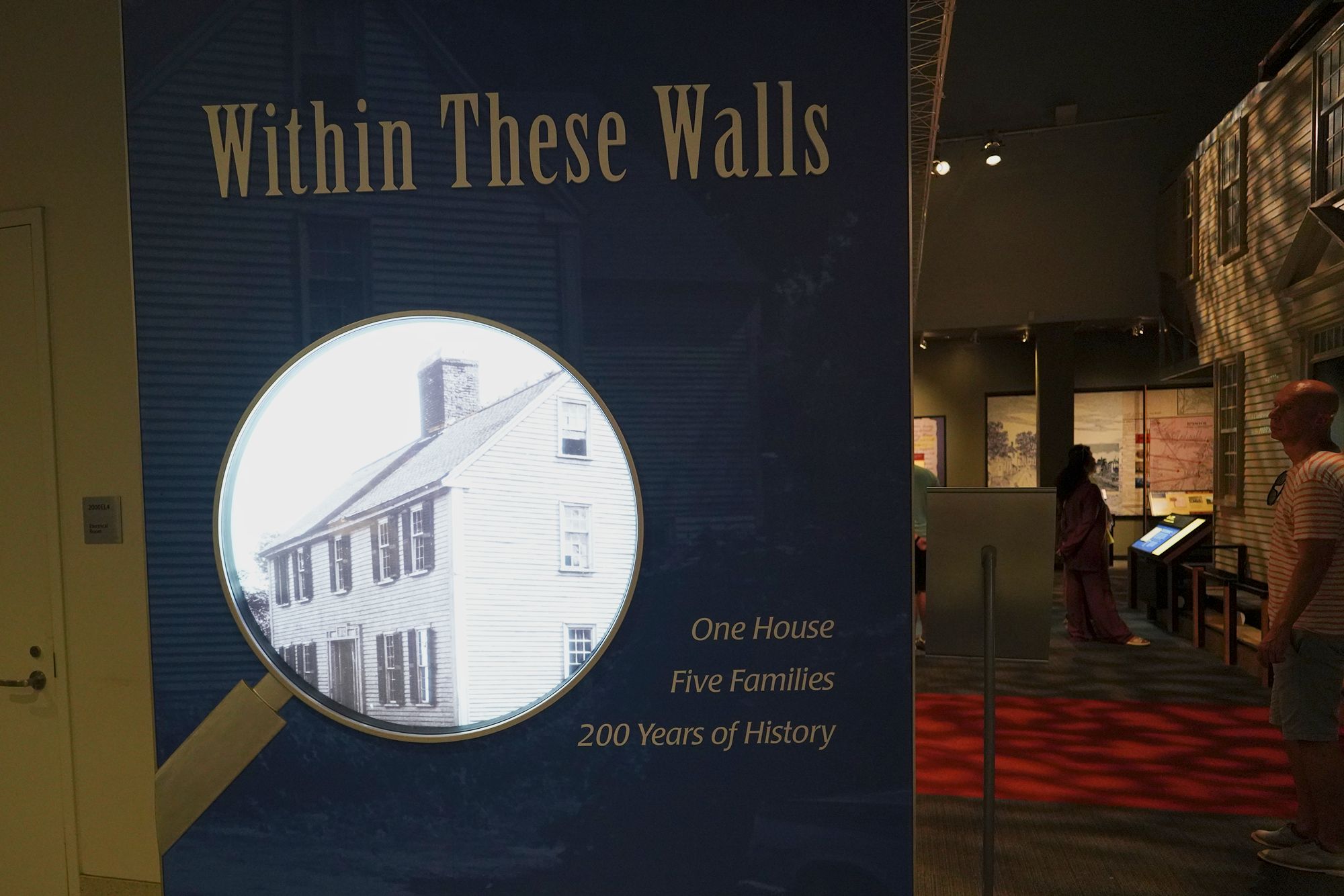
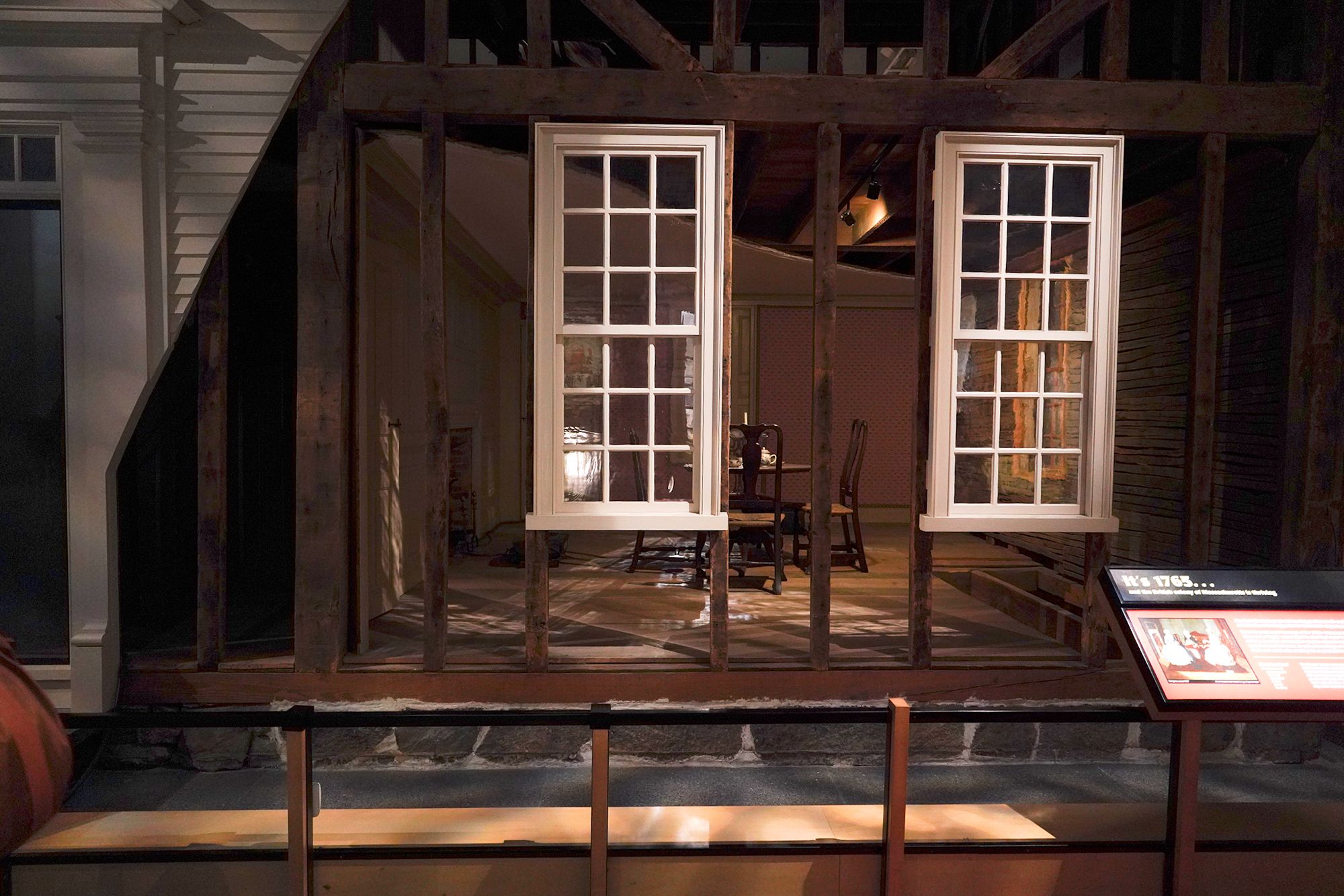
This is a real house relocated into the museum. Over its long history, five different families lived here, and the exhibits tell the stories of those residents.
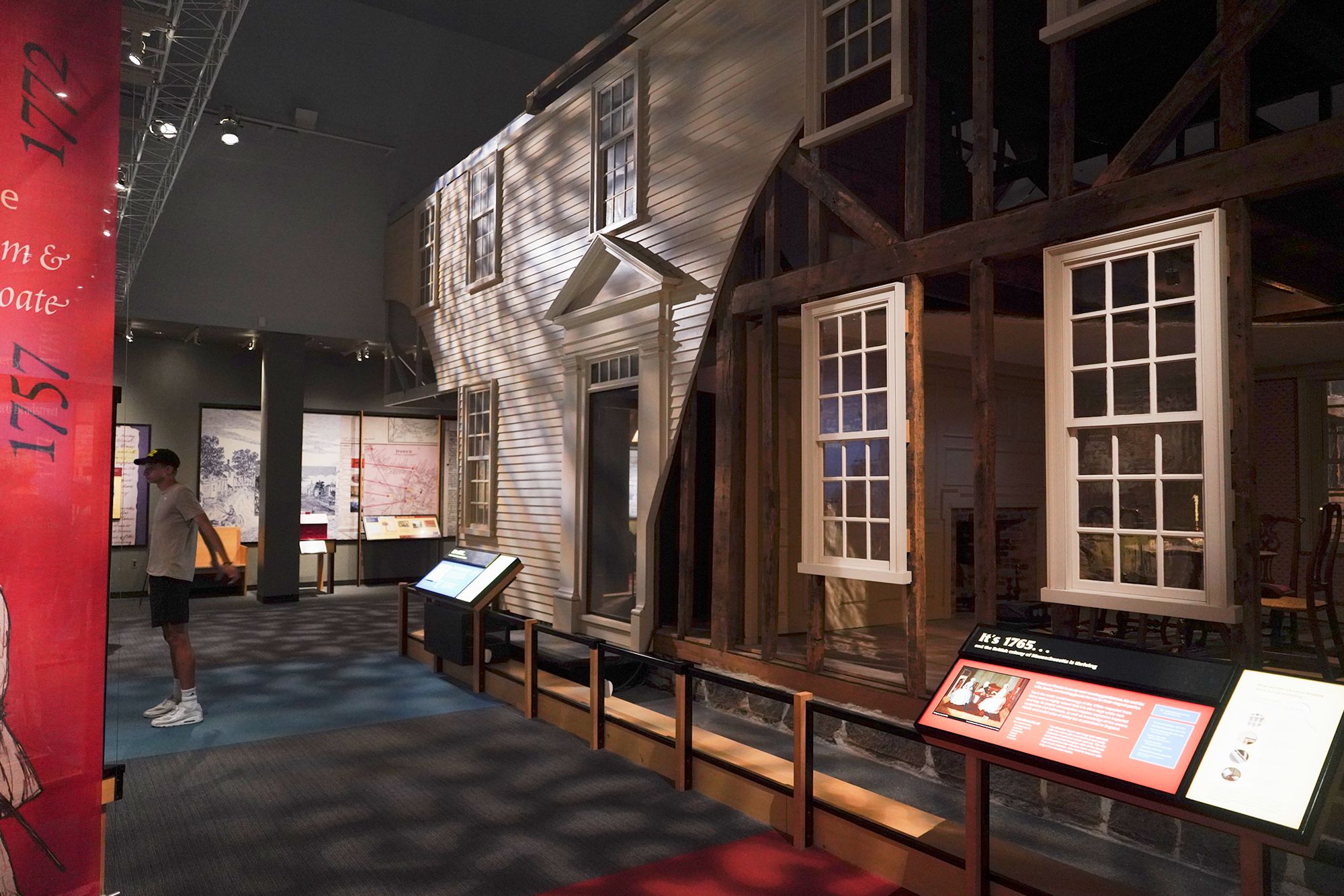
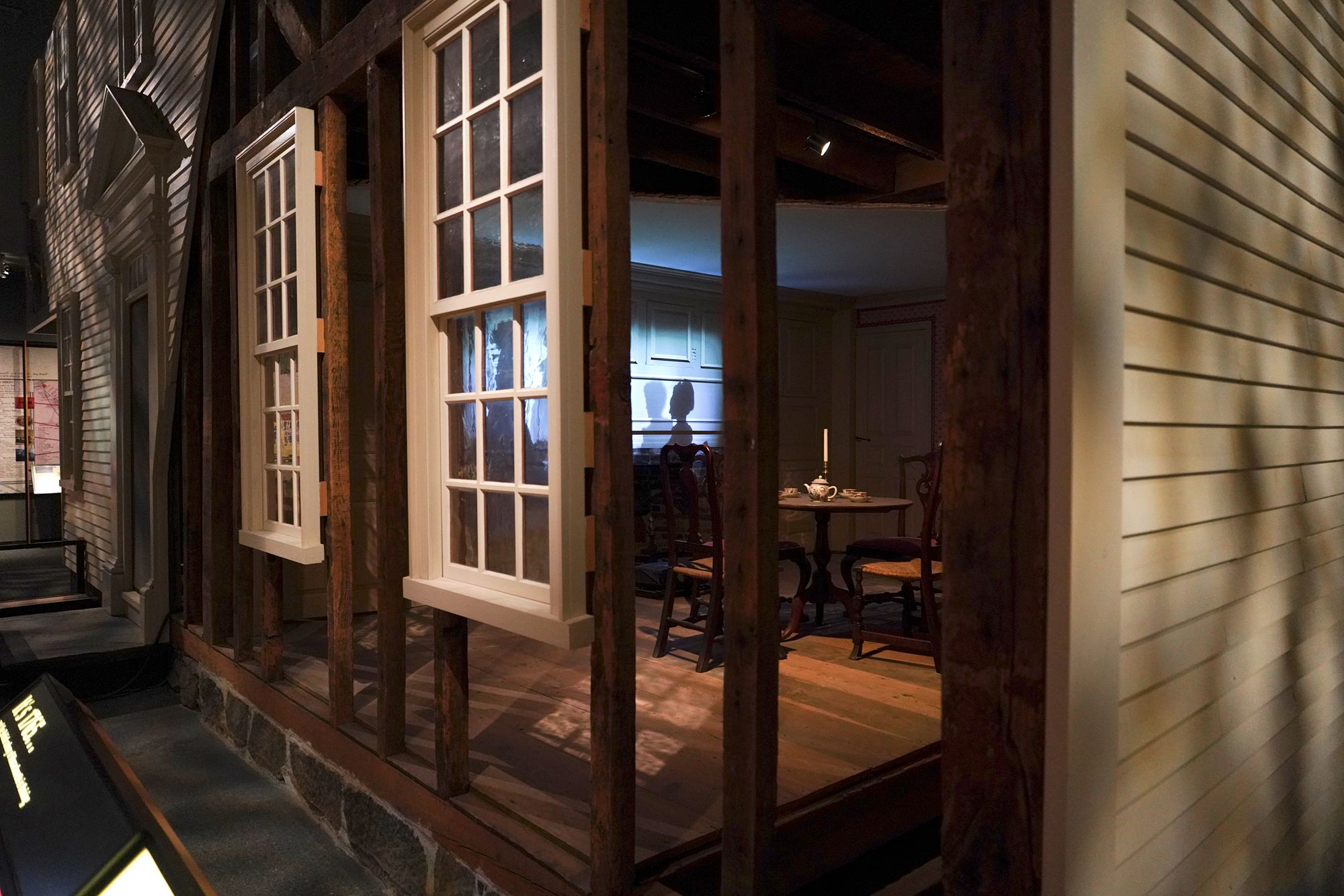
In 1765, the first resident lived here
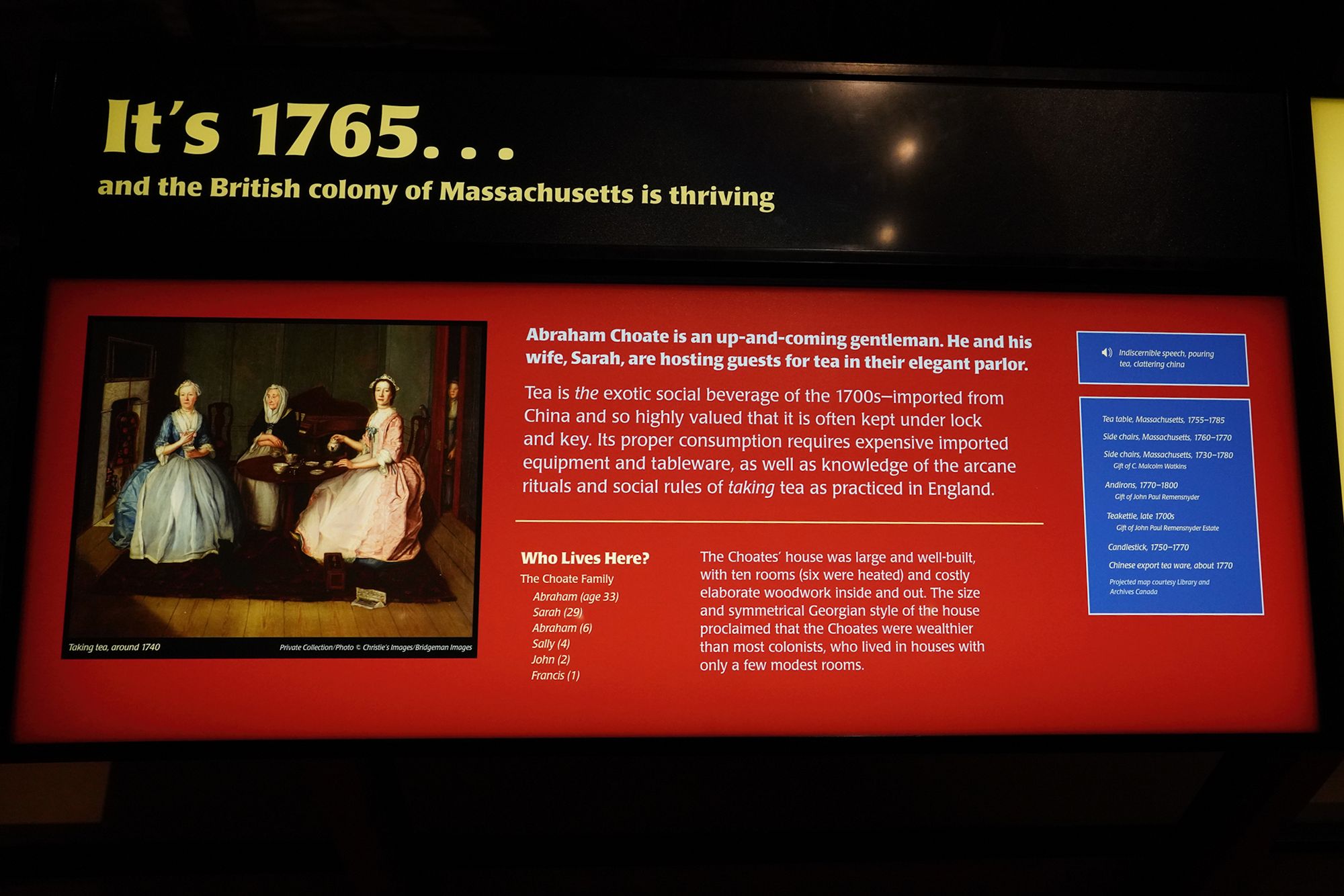
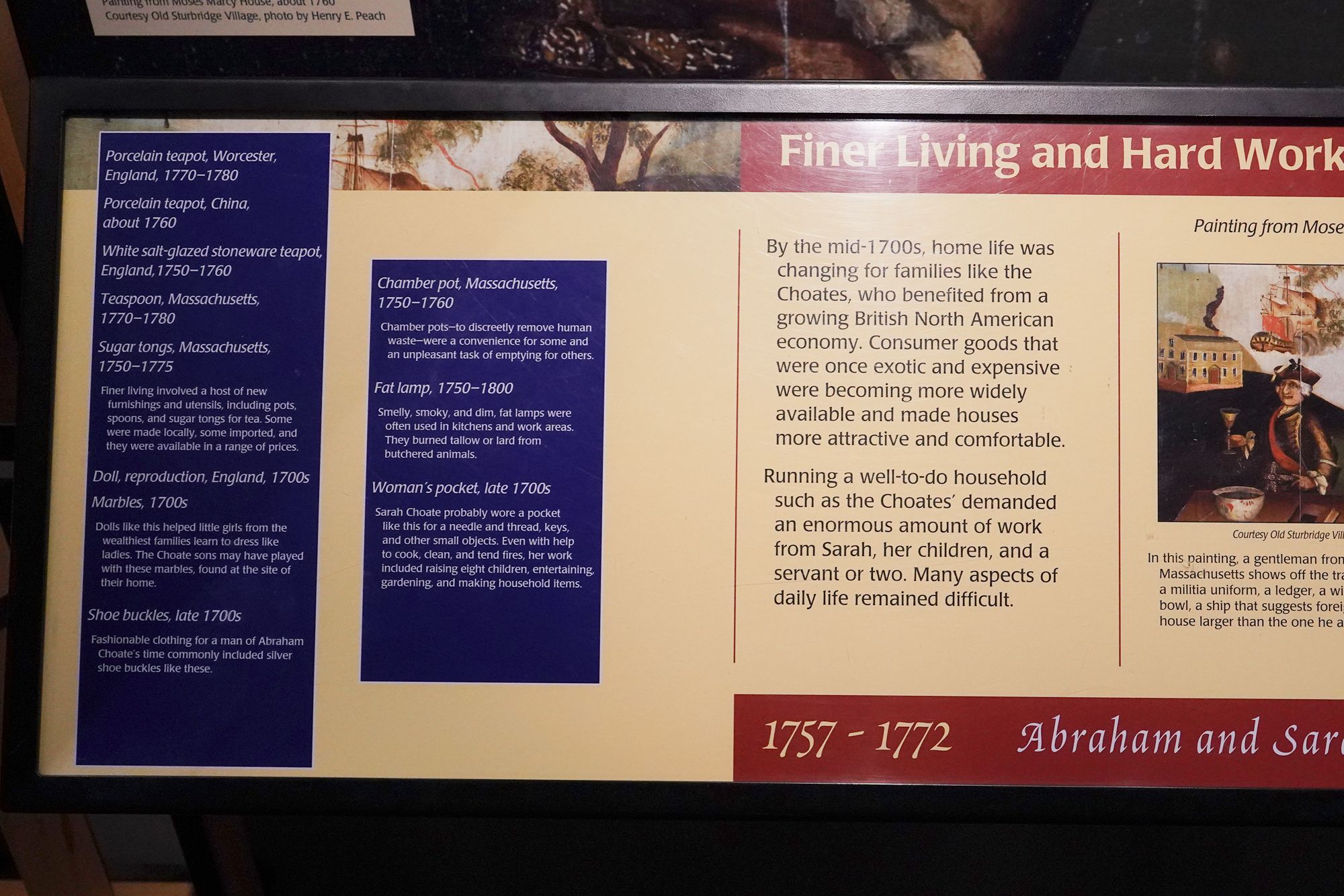
Abraham Choate was the first owner of the house featured in the Within These Walls exhibit. He was a prosperous farmer and community leader who helped build the home around 1760 in Ipswich, Massachusetts. His family lived there during the colonial period, before and during the American Revolution.
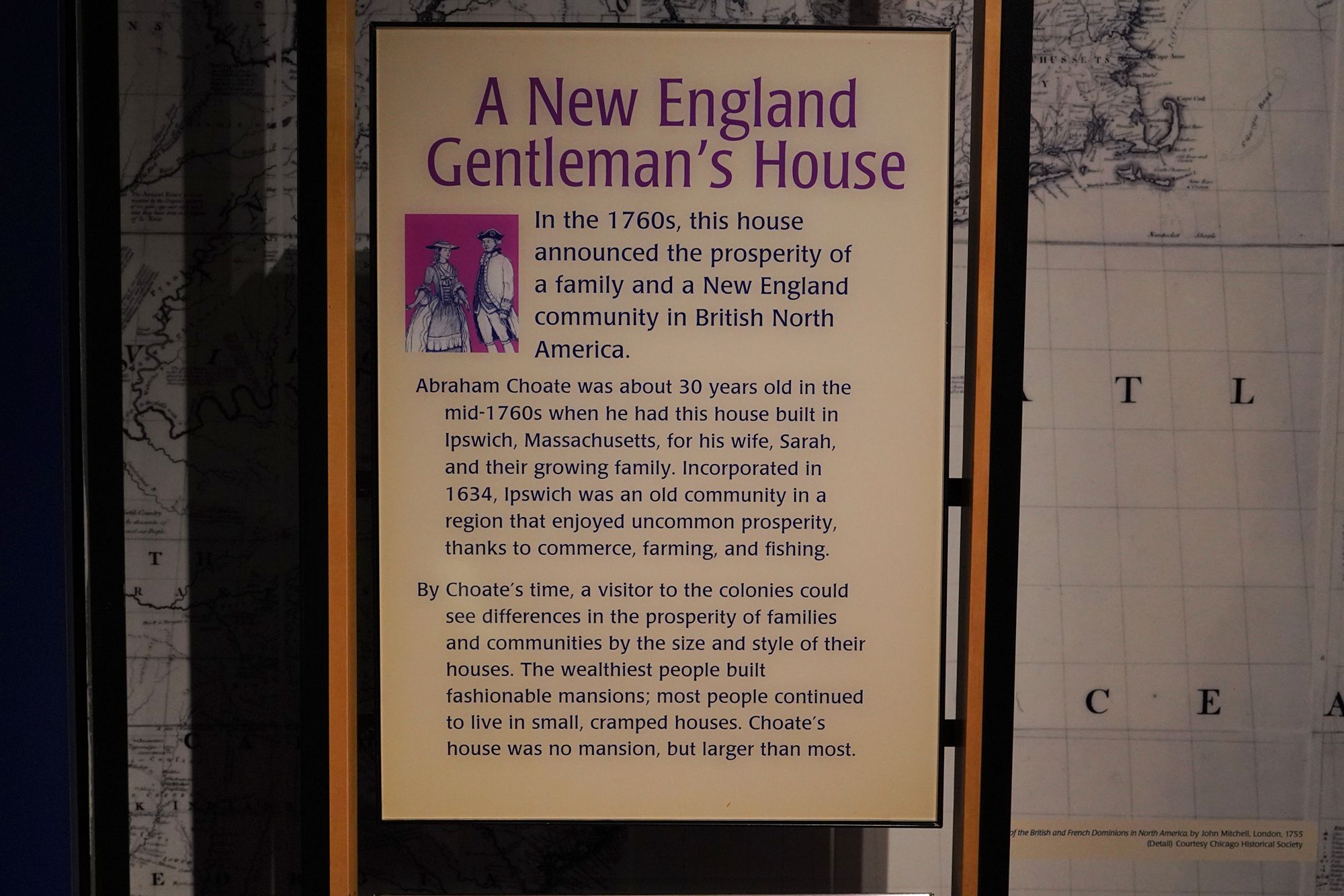
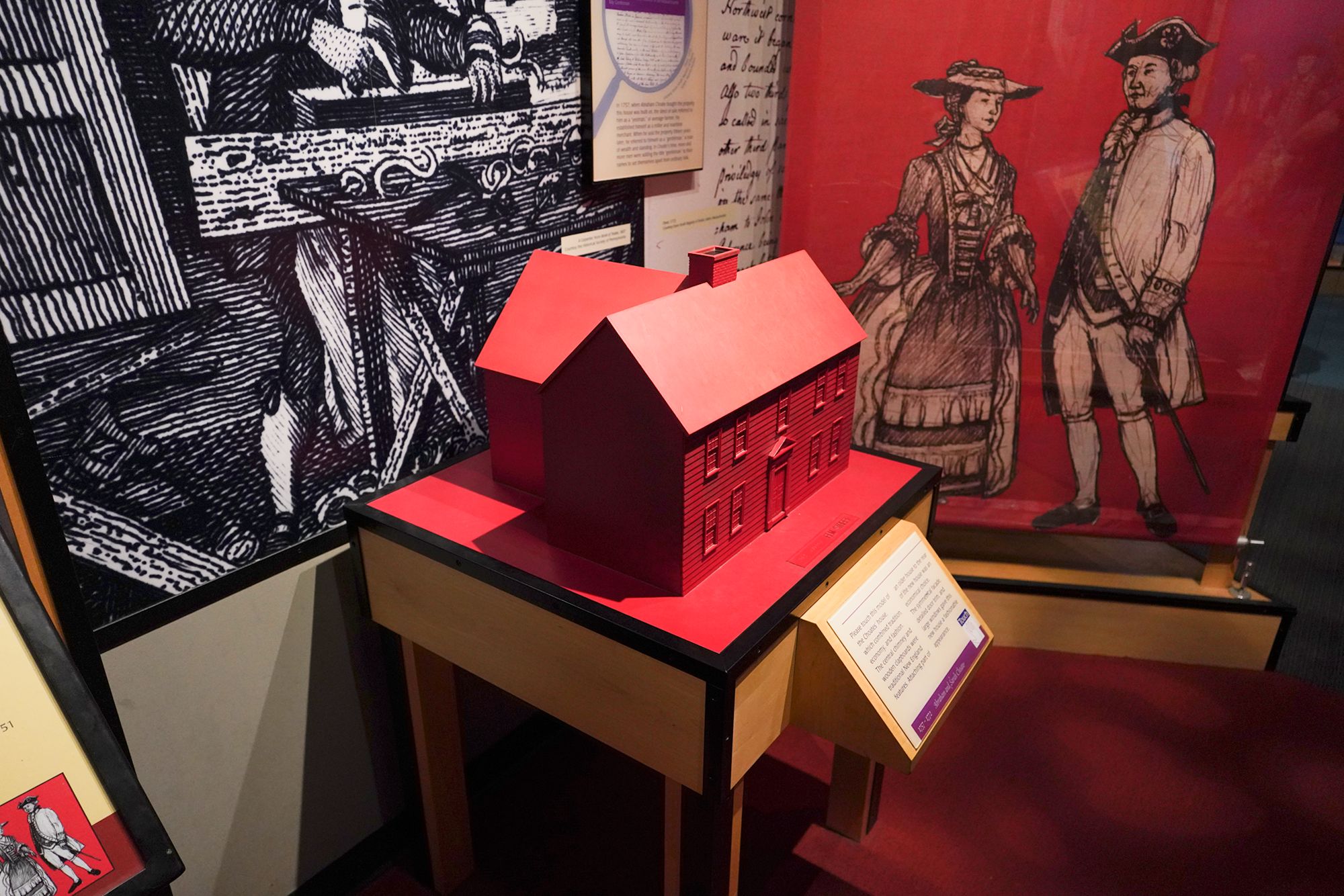
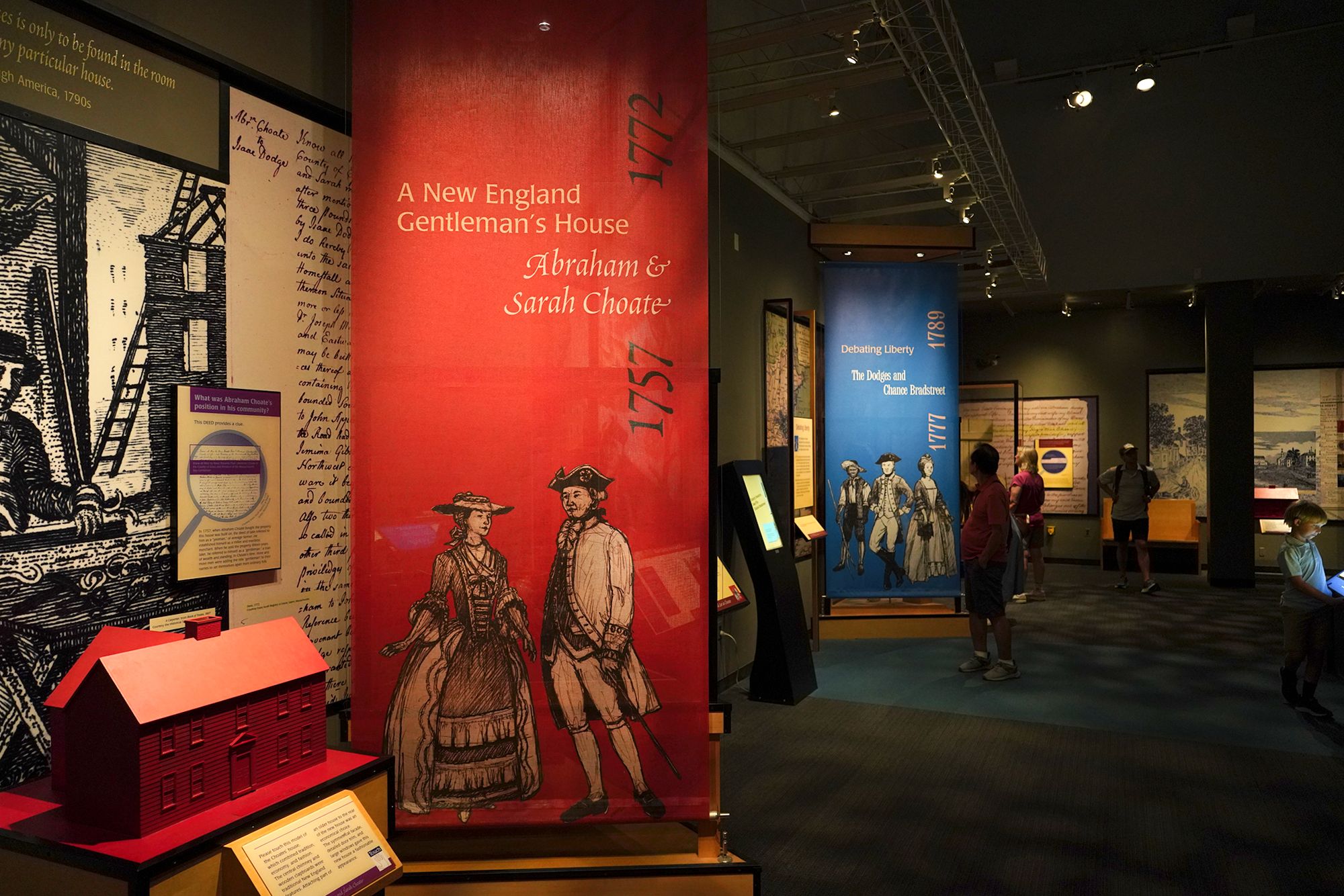
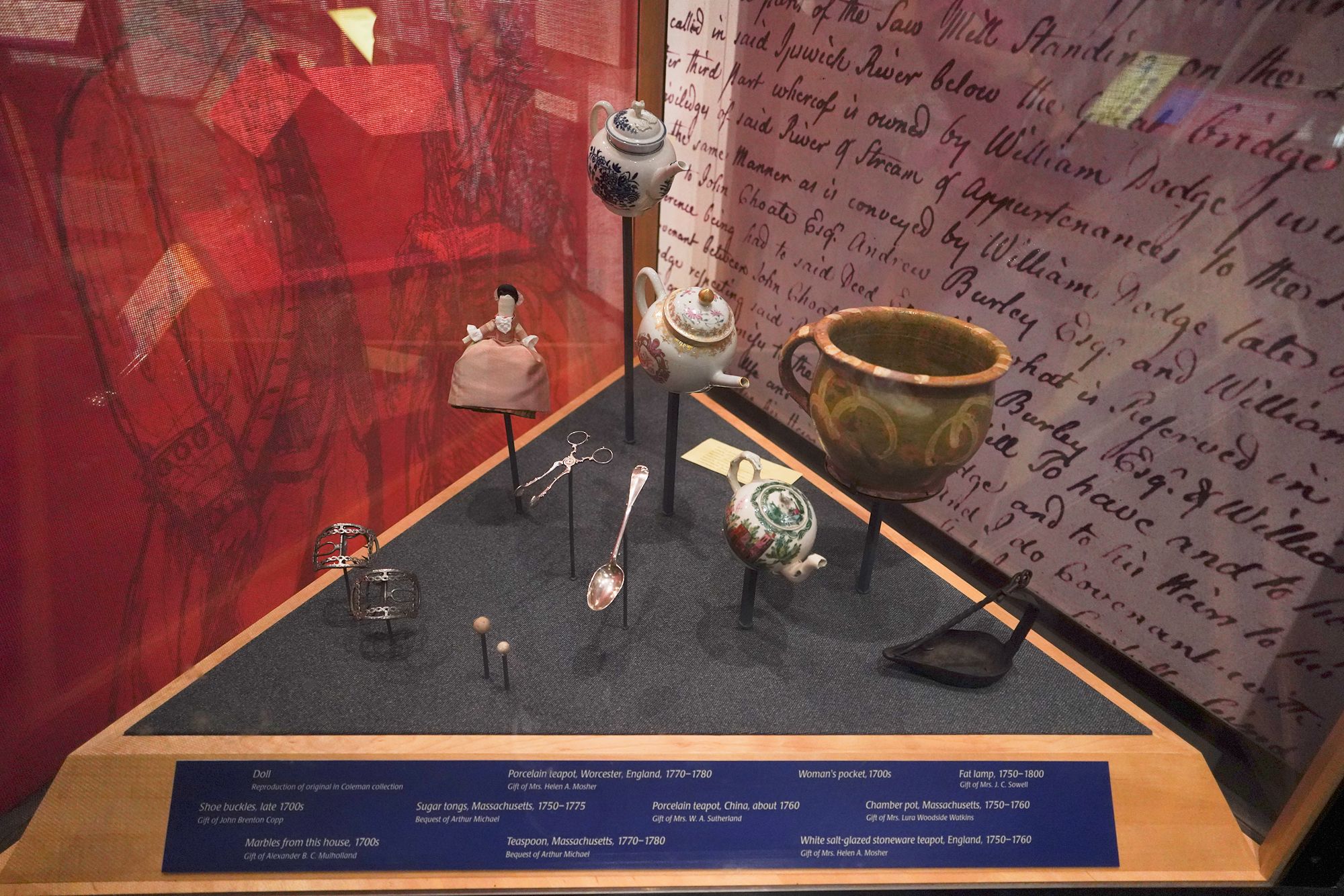
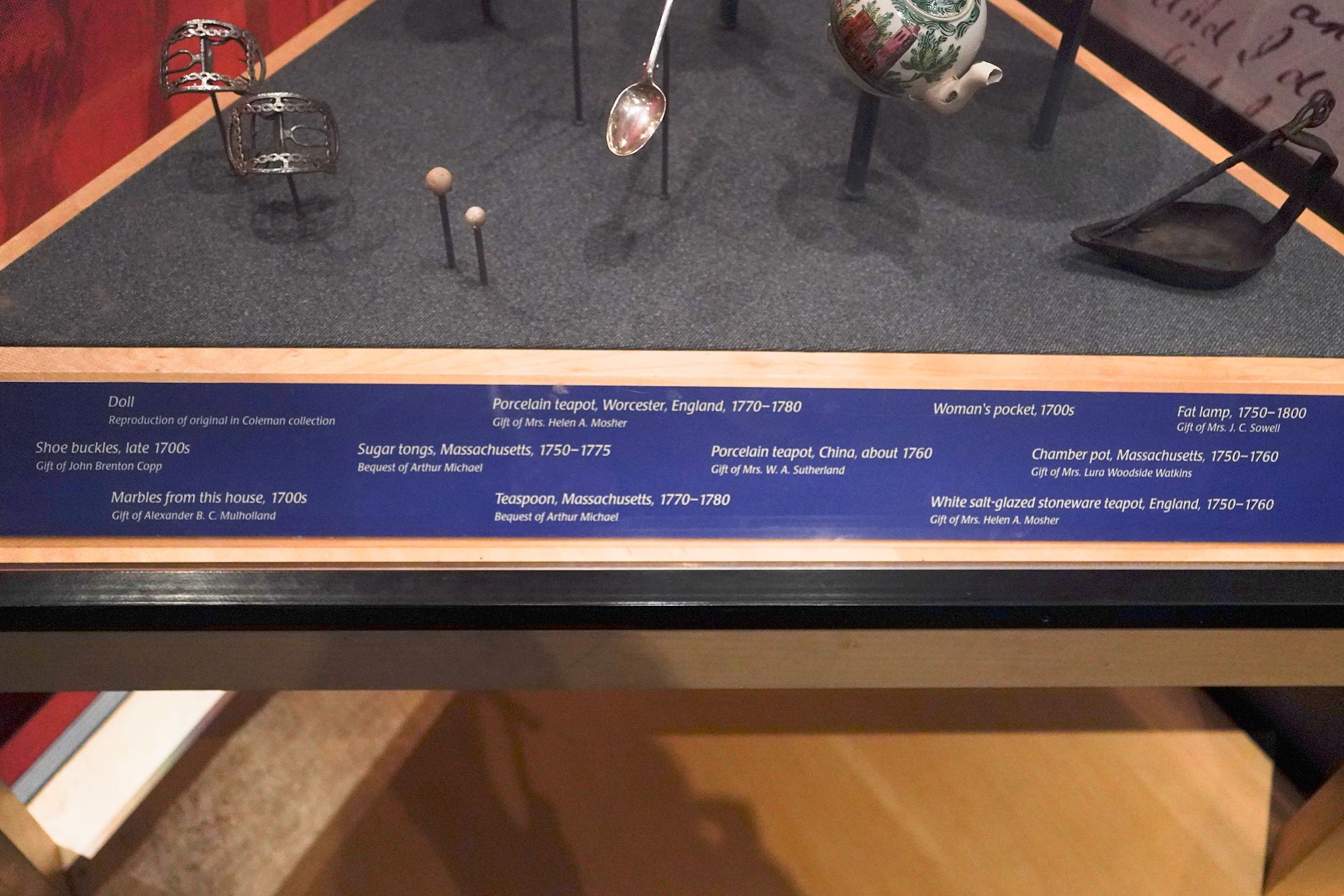
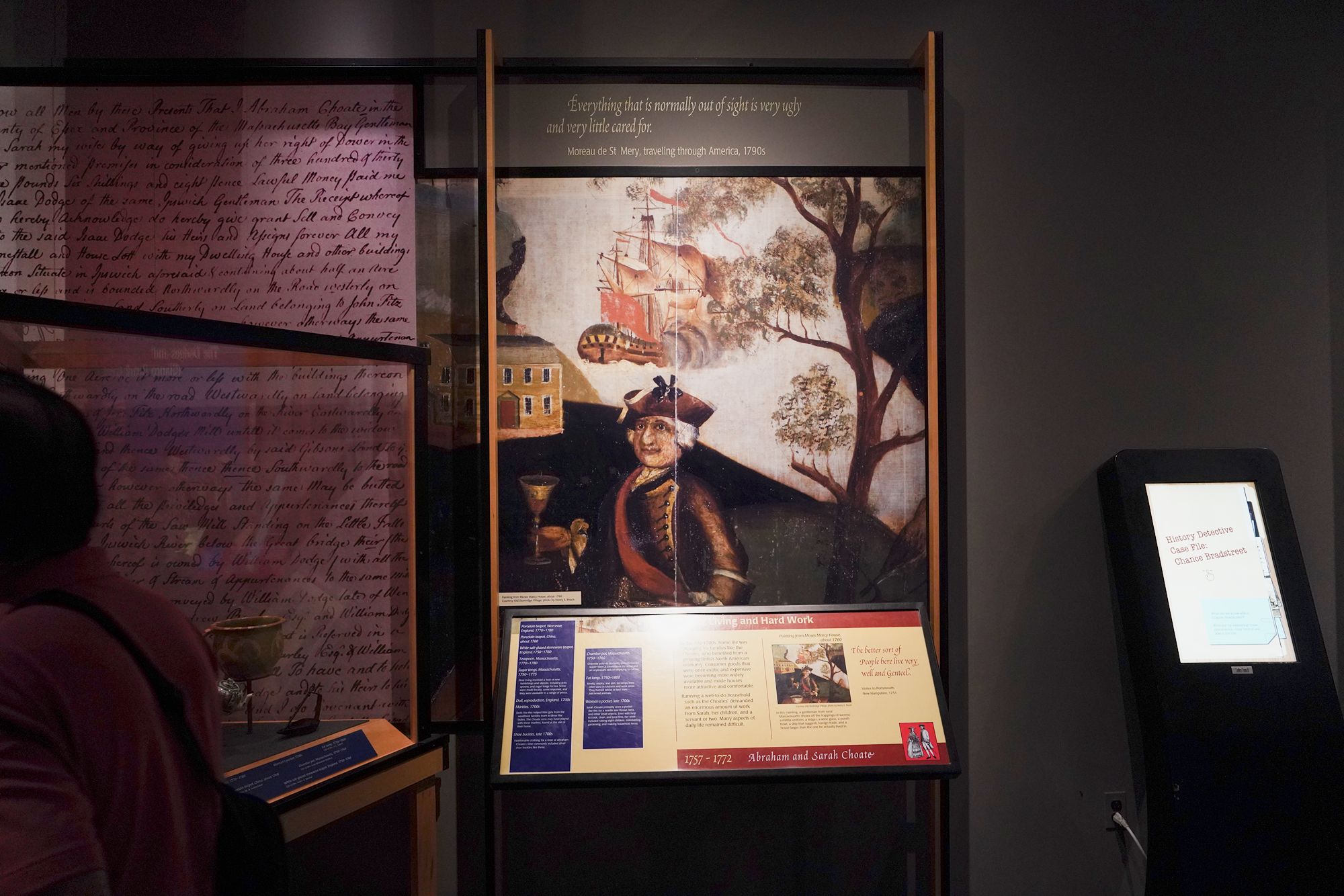
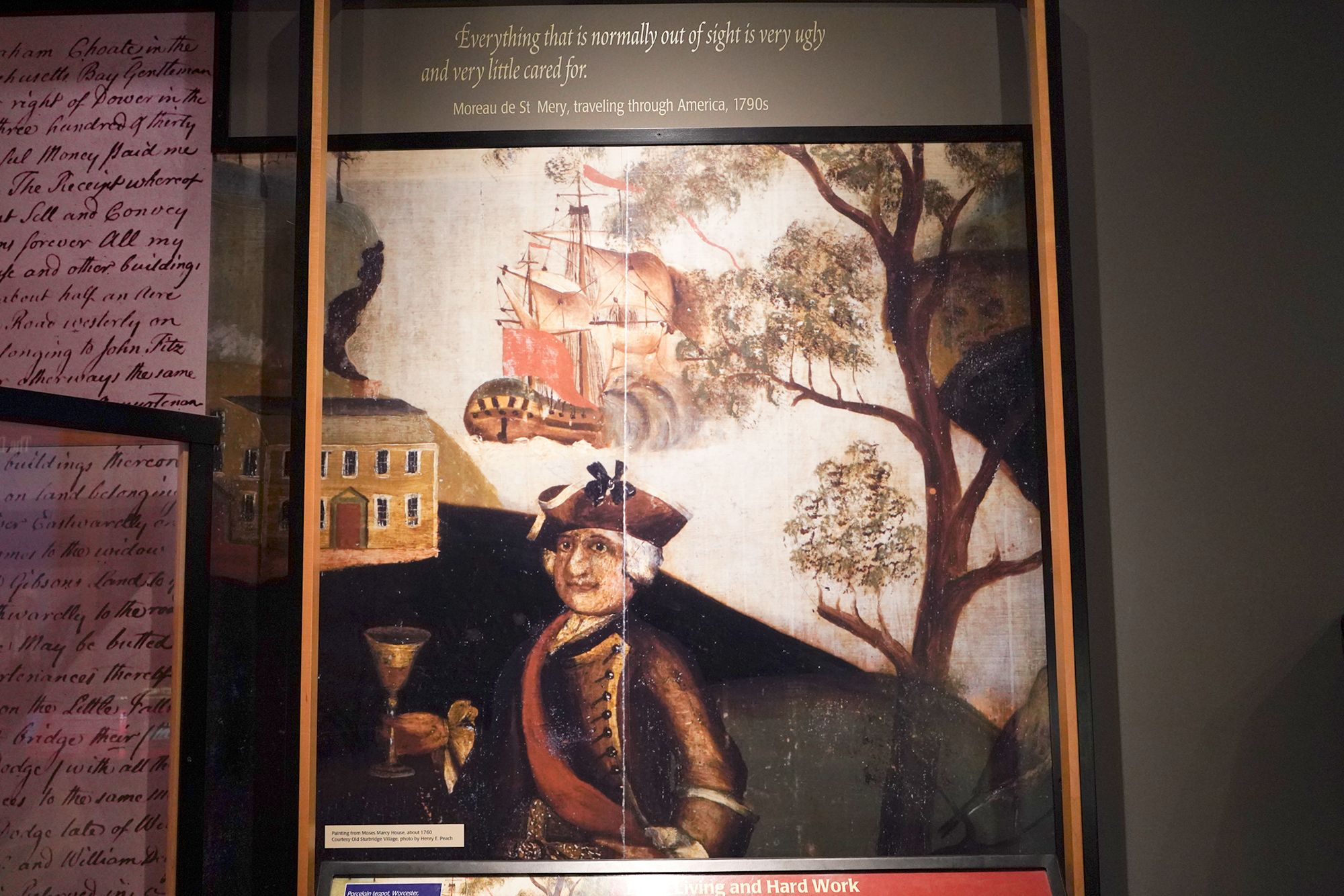
Choate and his family lived in the house during the years leading up to the American Revolution, so their daily life shows what it was like to be a colonial American before independence.
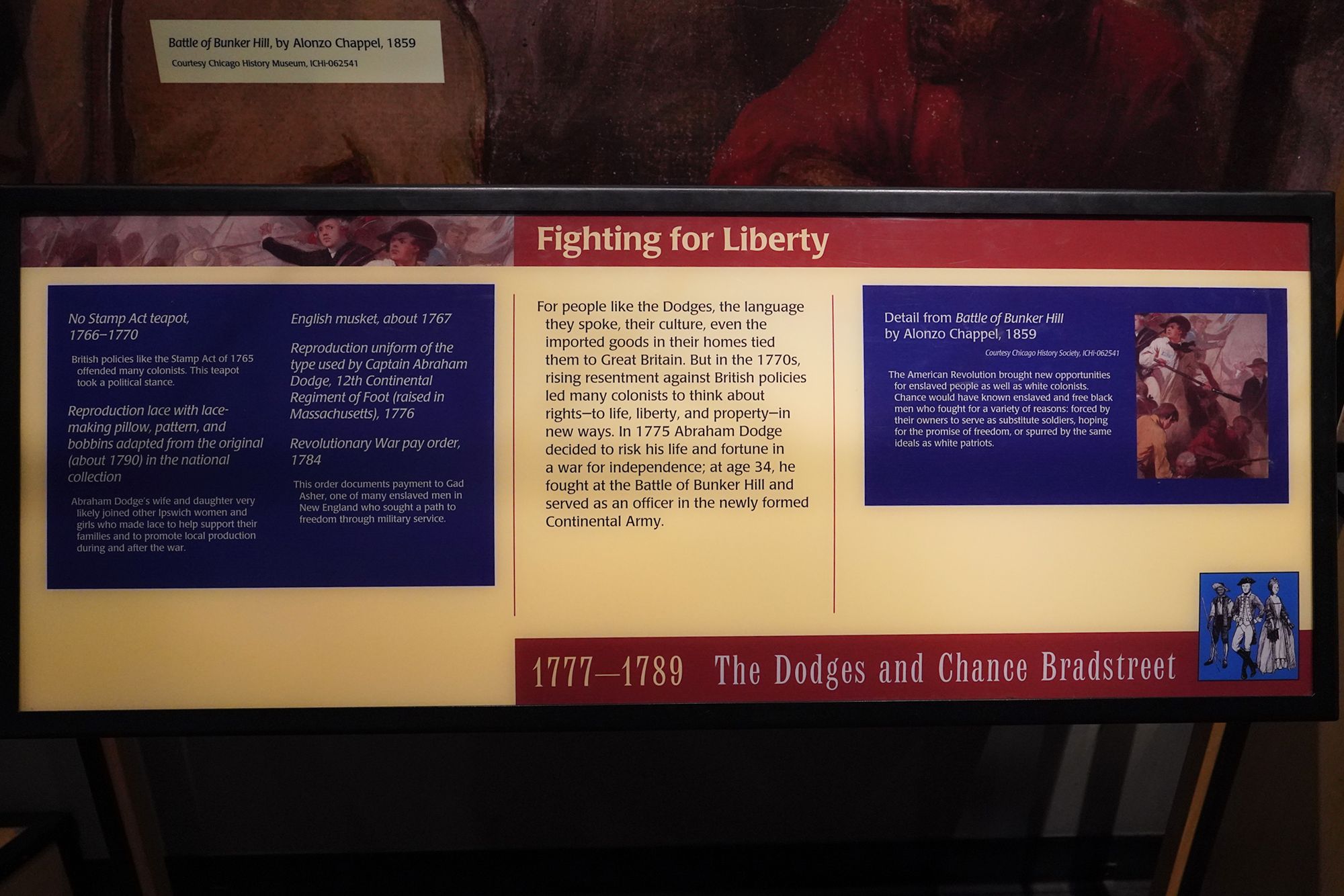
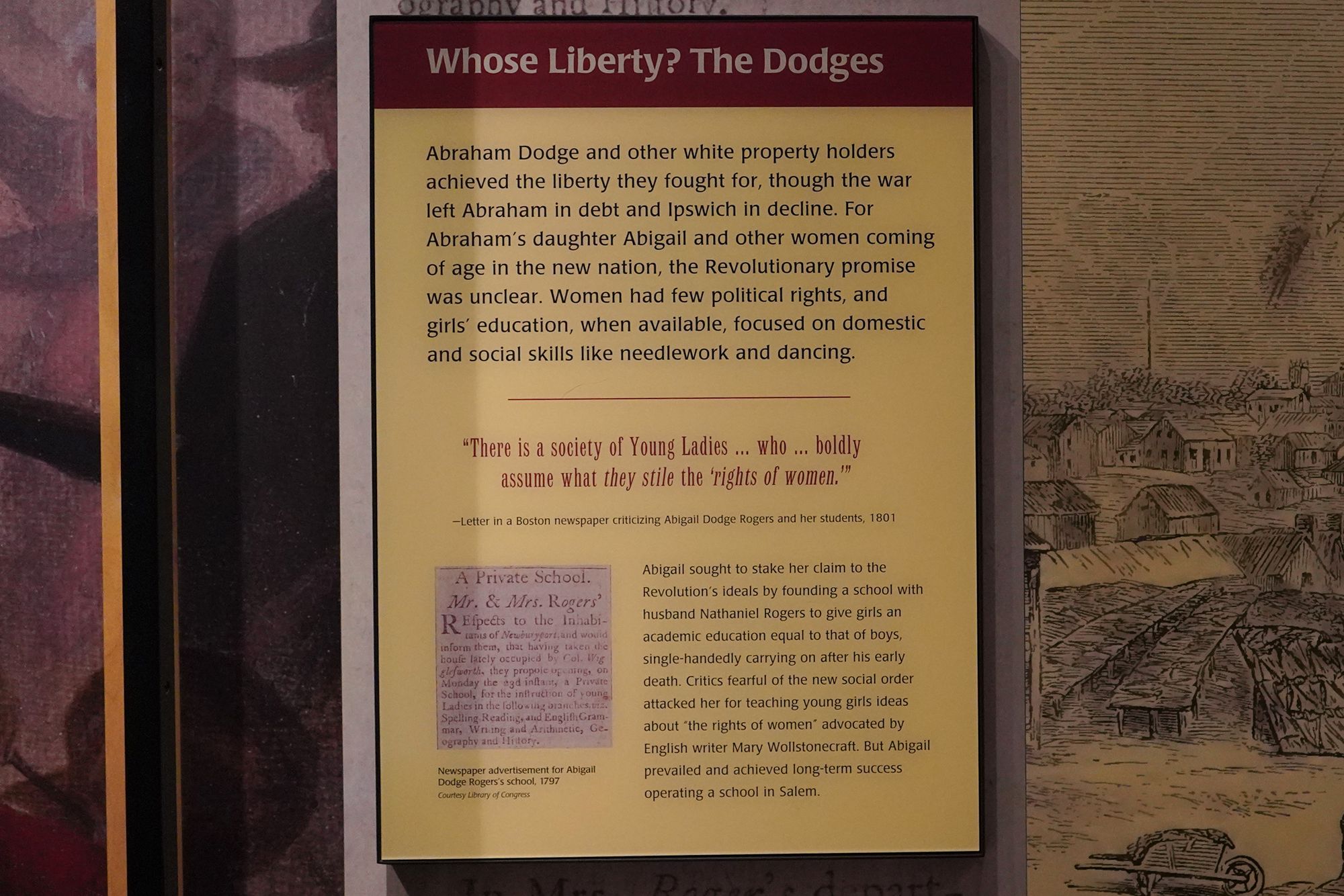
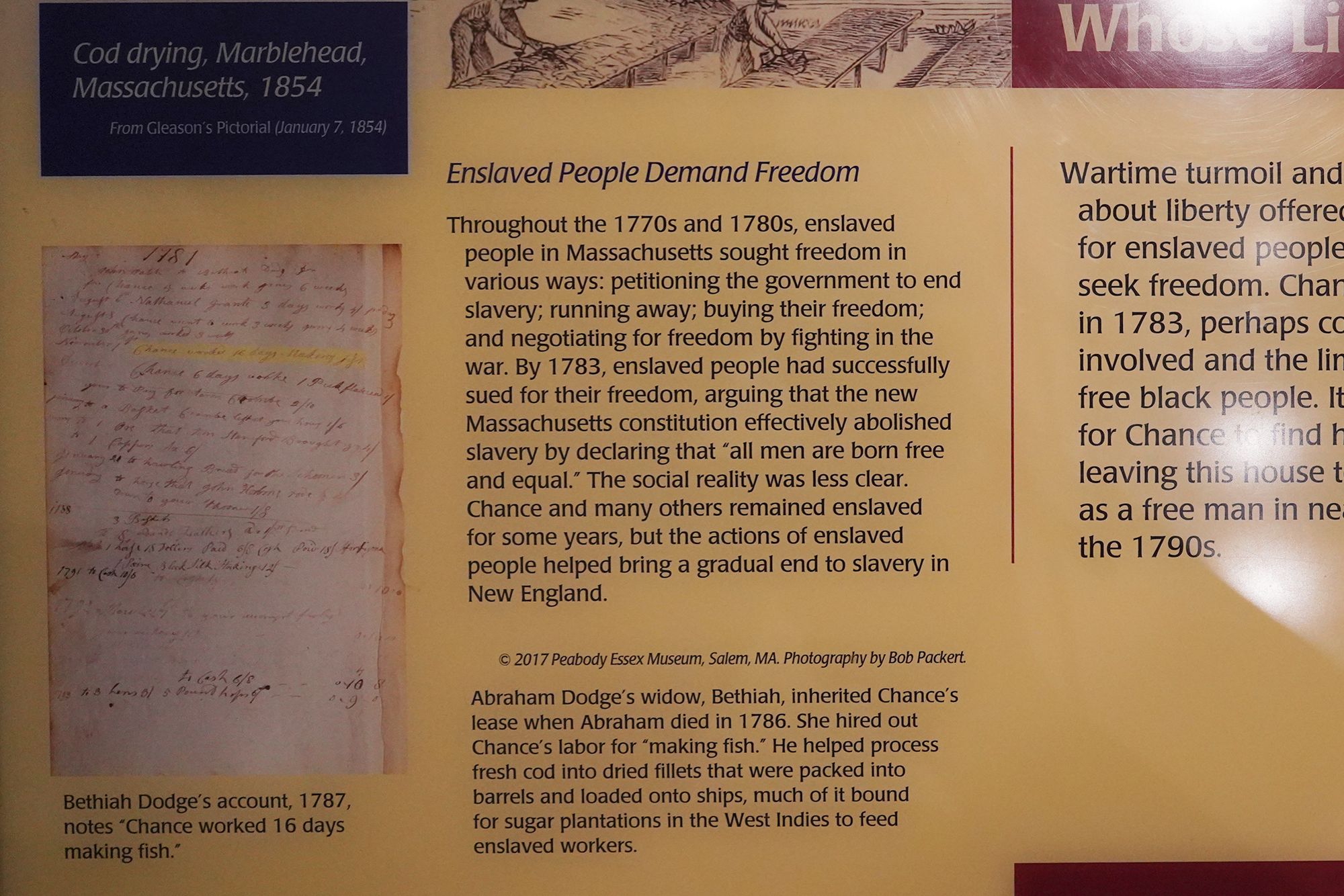
The second residents were the Dodge family, and one of the people who lived in the house with them was Chance Bradstreet, an enslaved man.
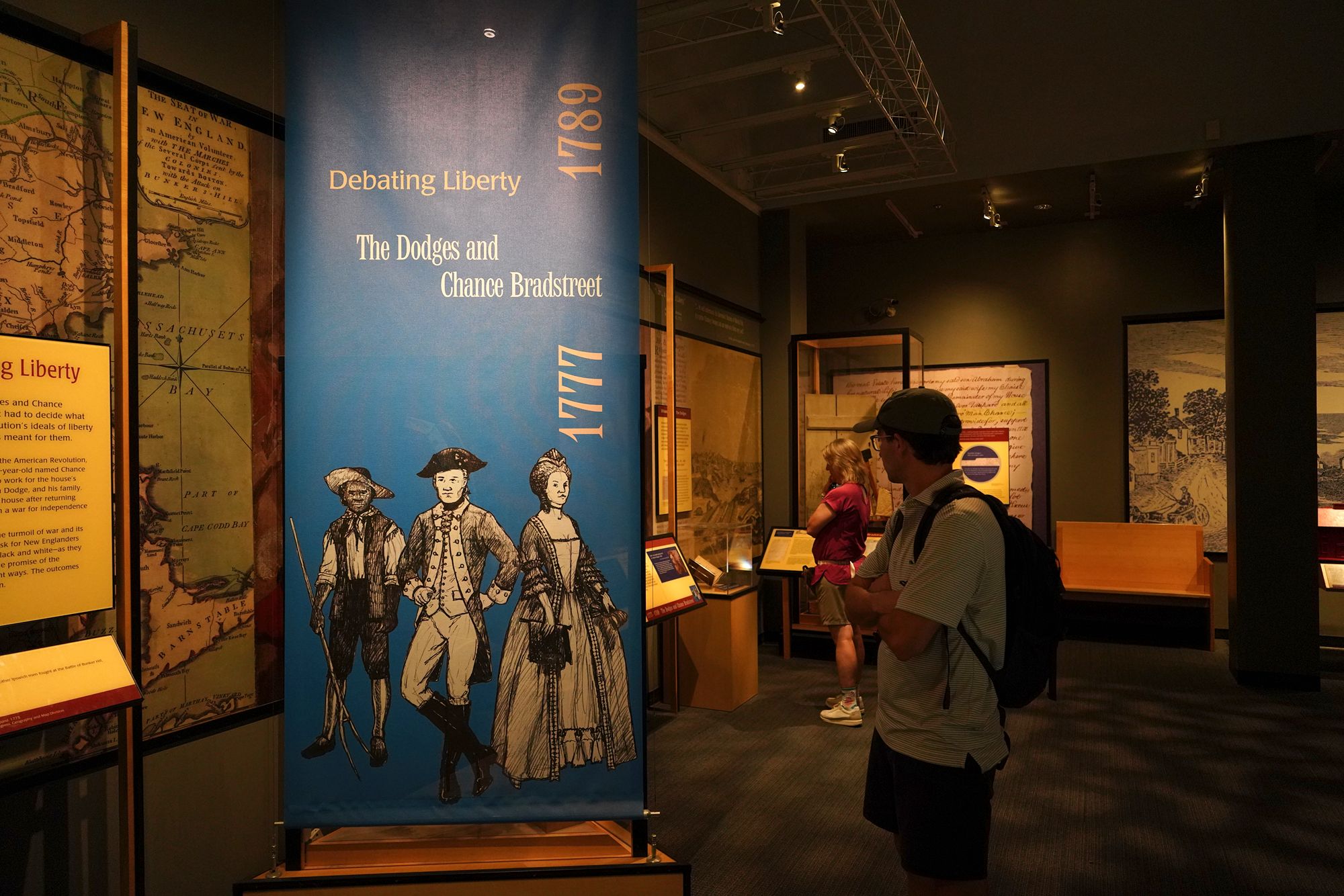
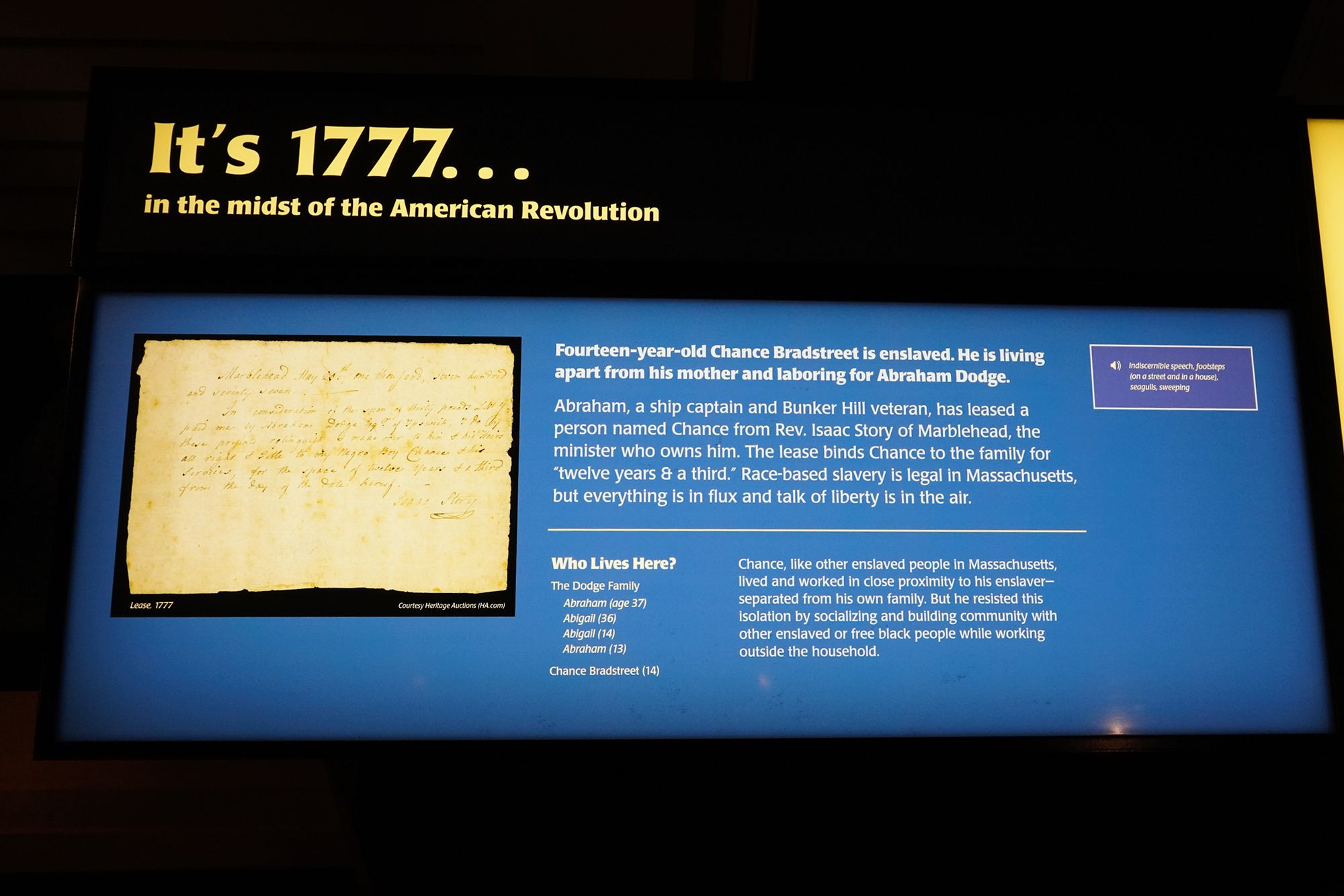
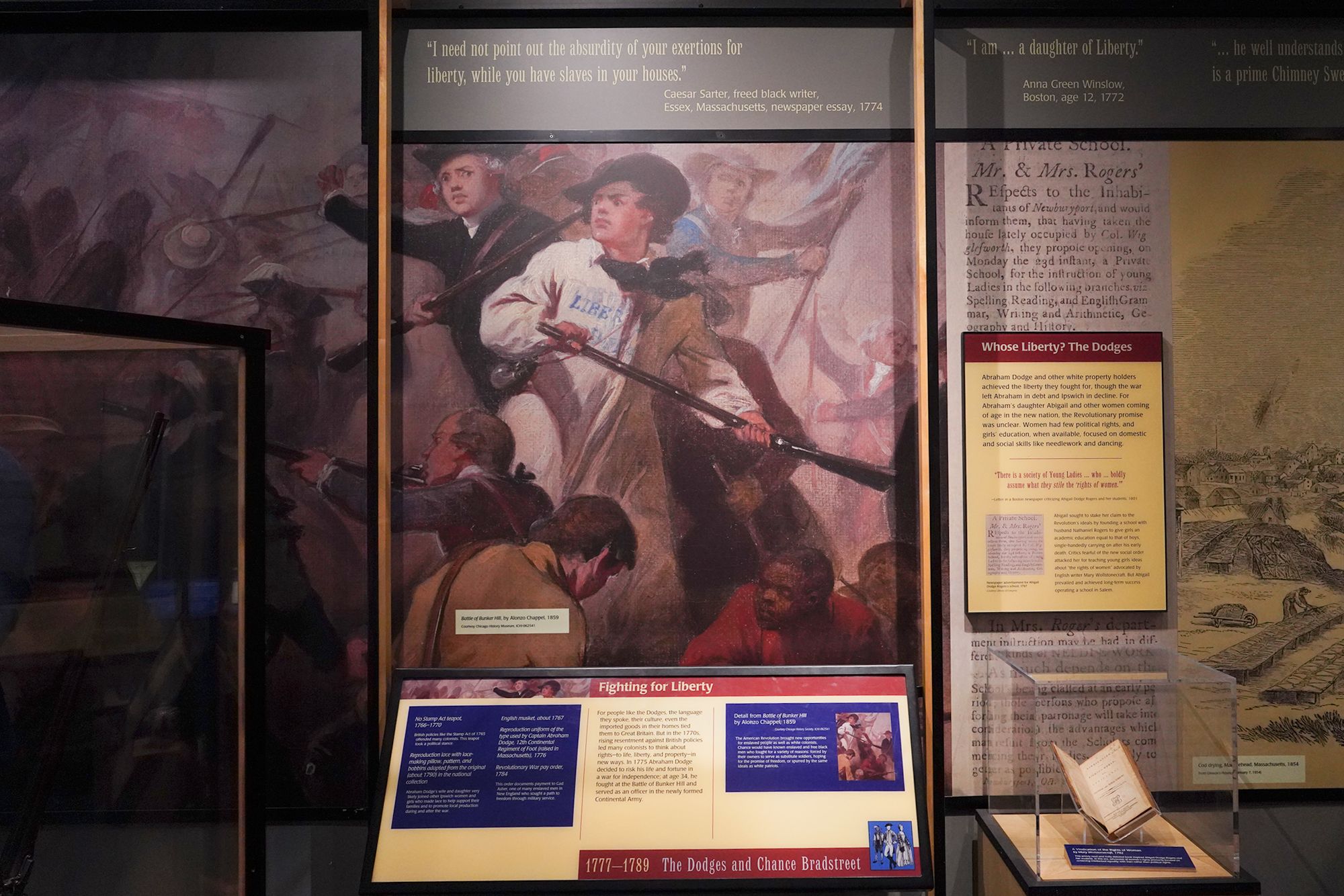
In 1775, Abraham Dodge fought at the Battle of Bunker Hill against the British Army.
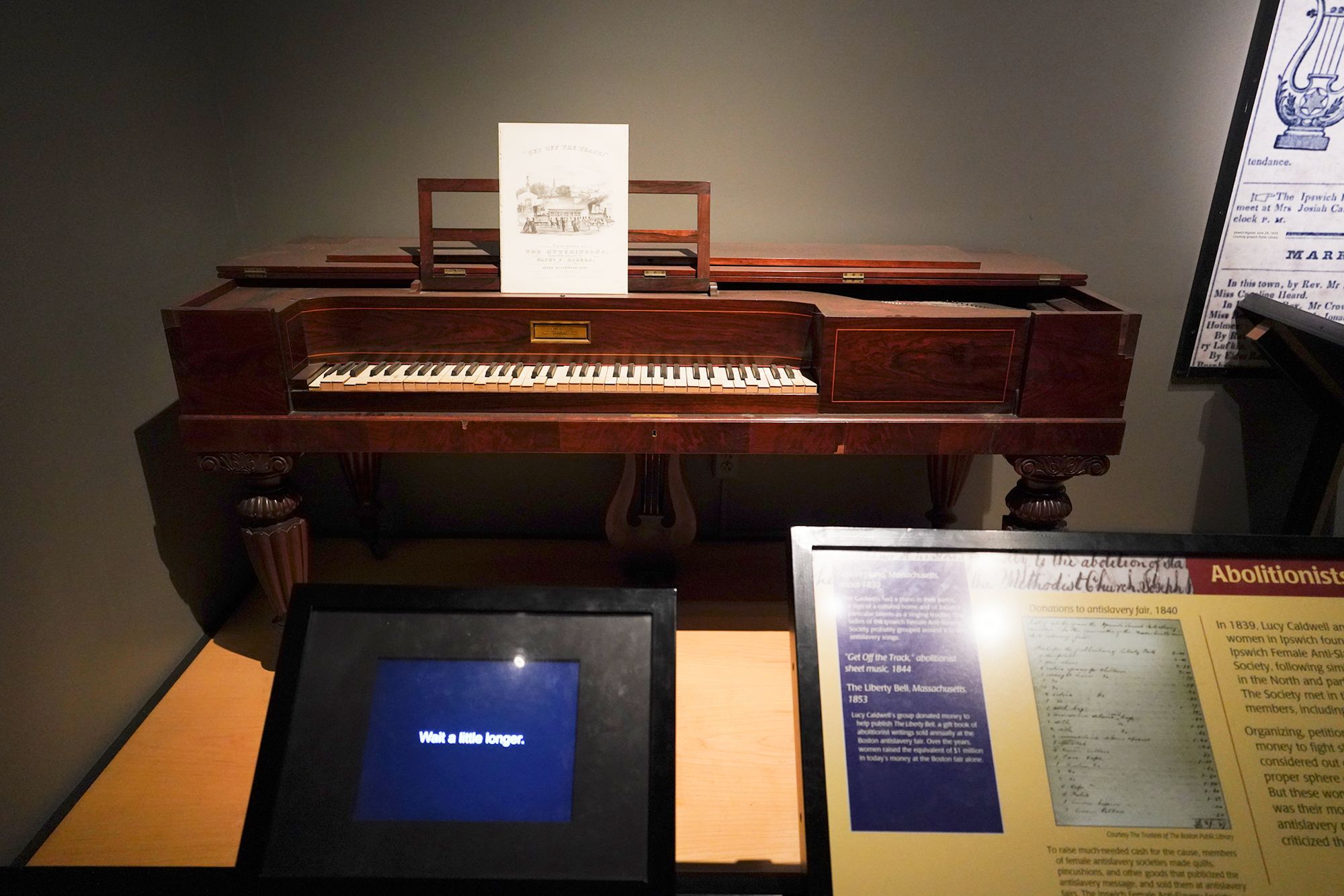
The third residence was Lucy, Josiah & Margaret Caldwell.
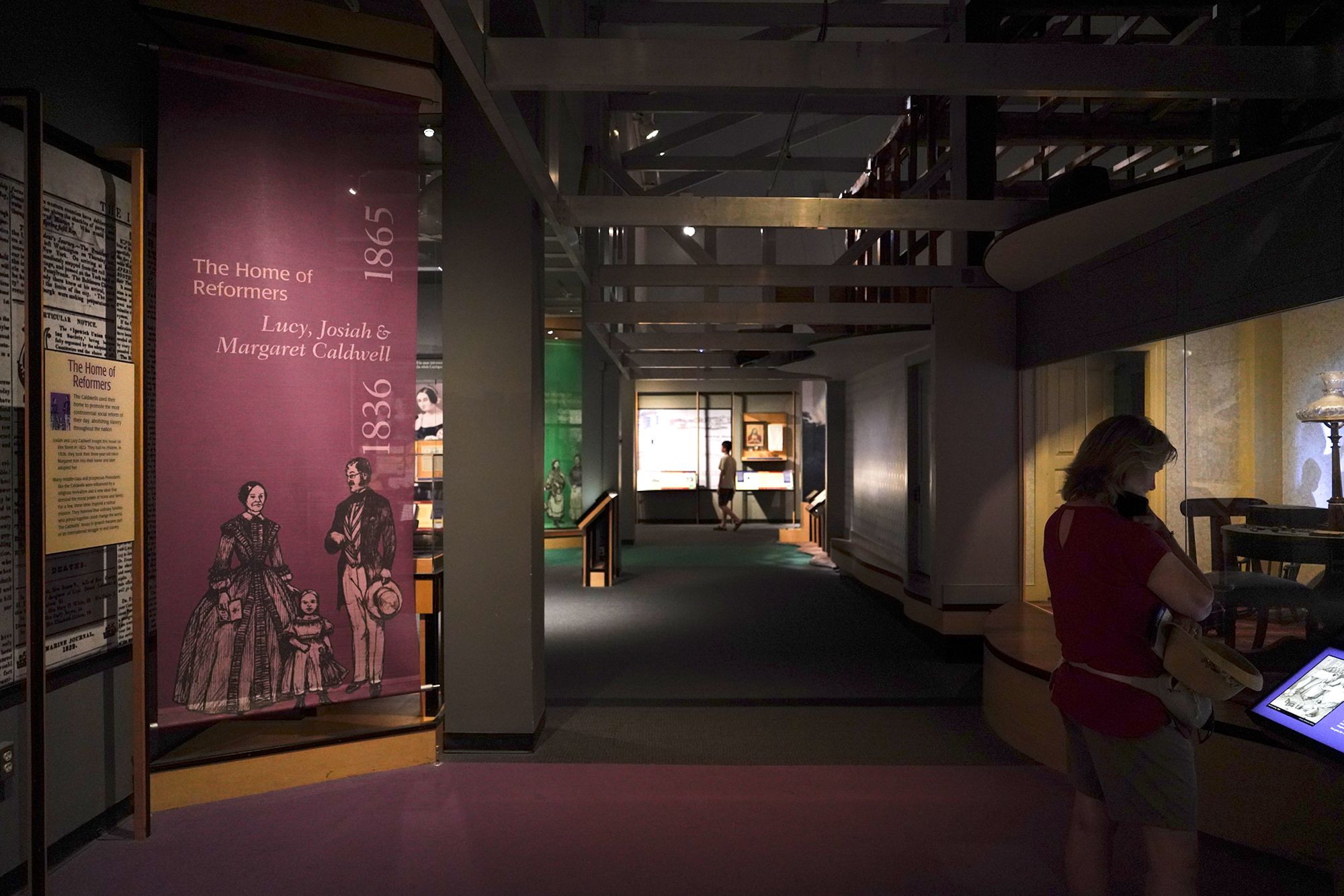
Josiah Caldwell was a real estate entrepreneur, and Margaret Caldwell was an innovator in expanding educational opportunities for women.
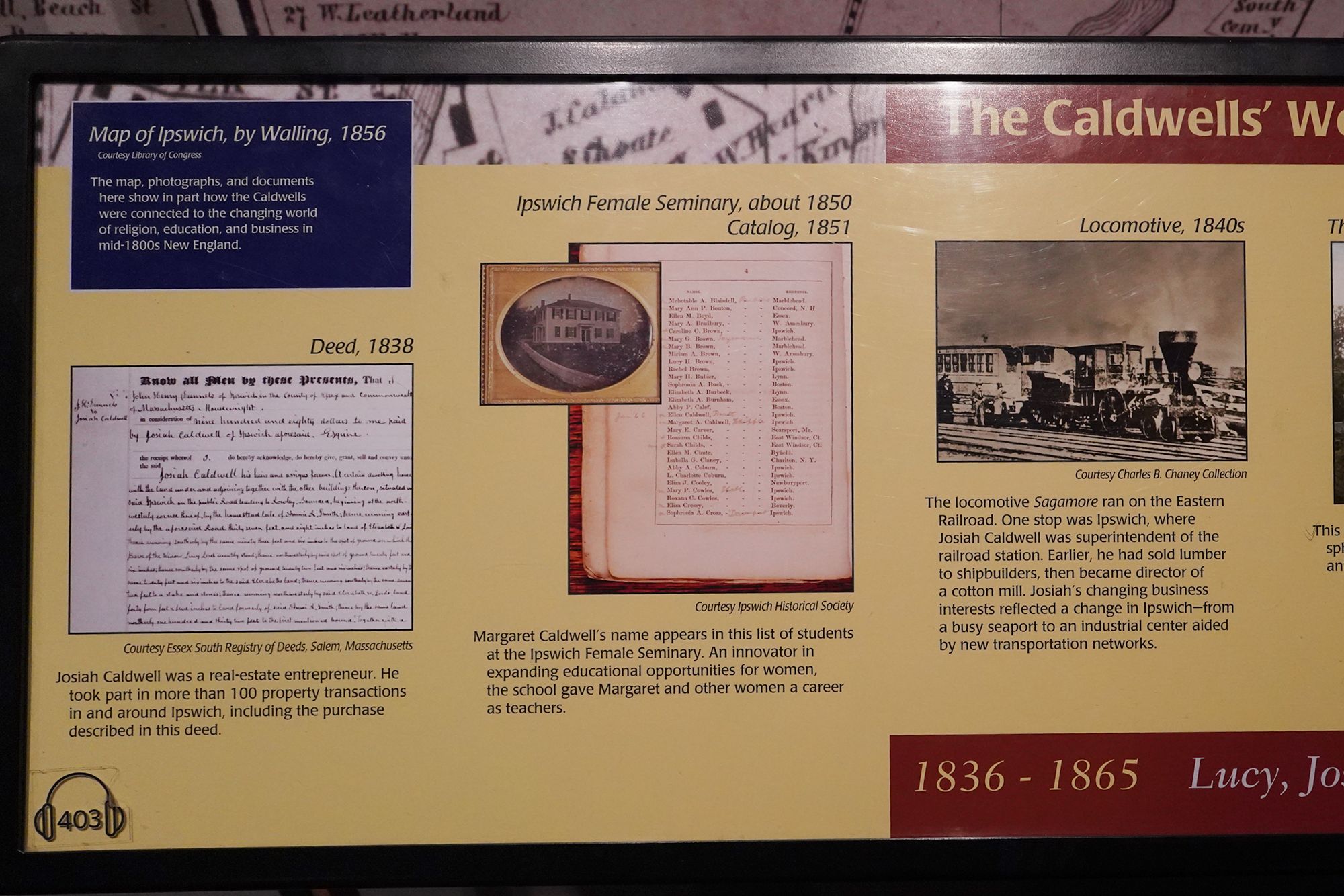
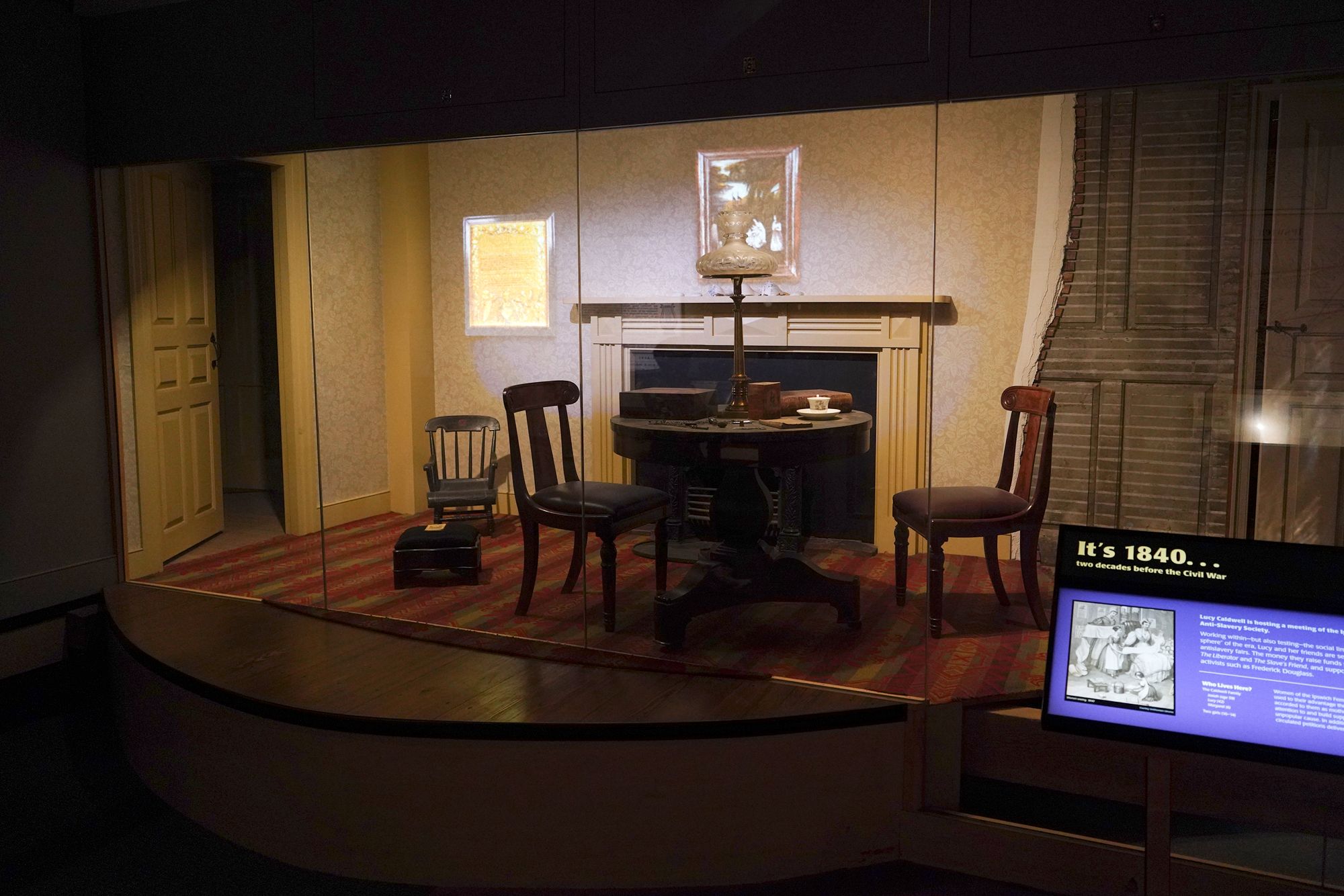
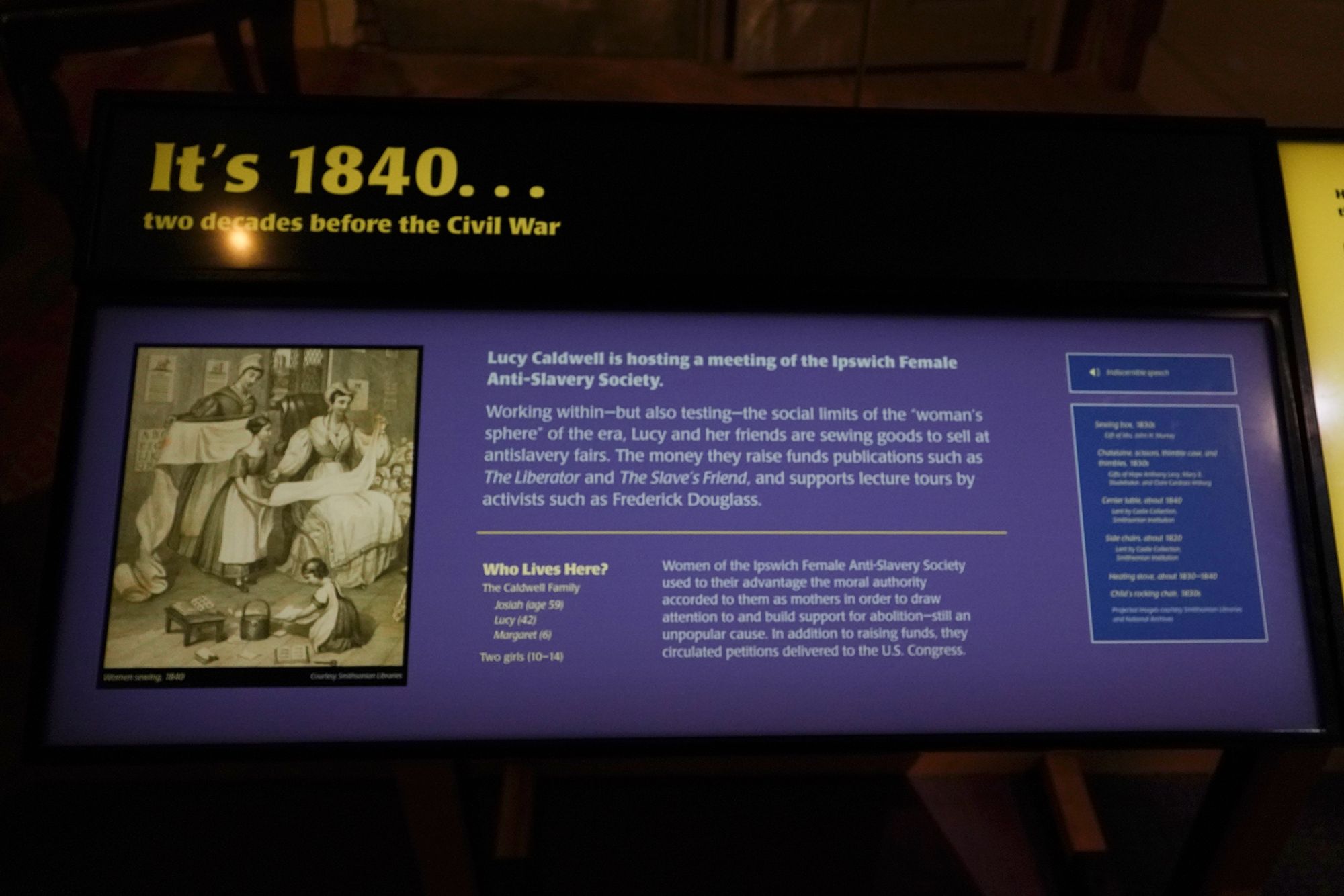
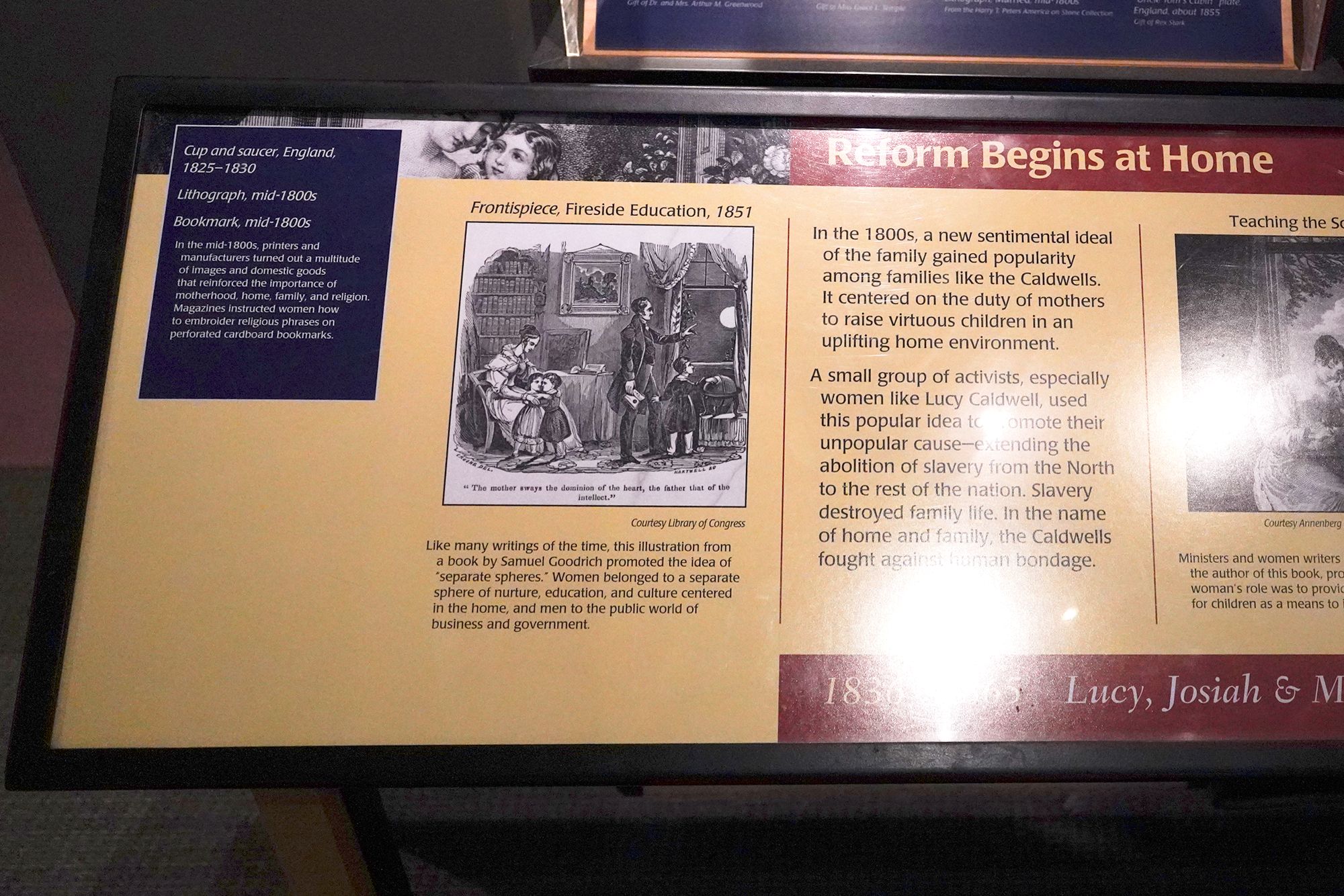
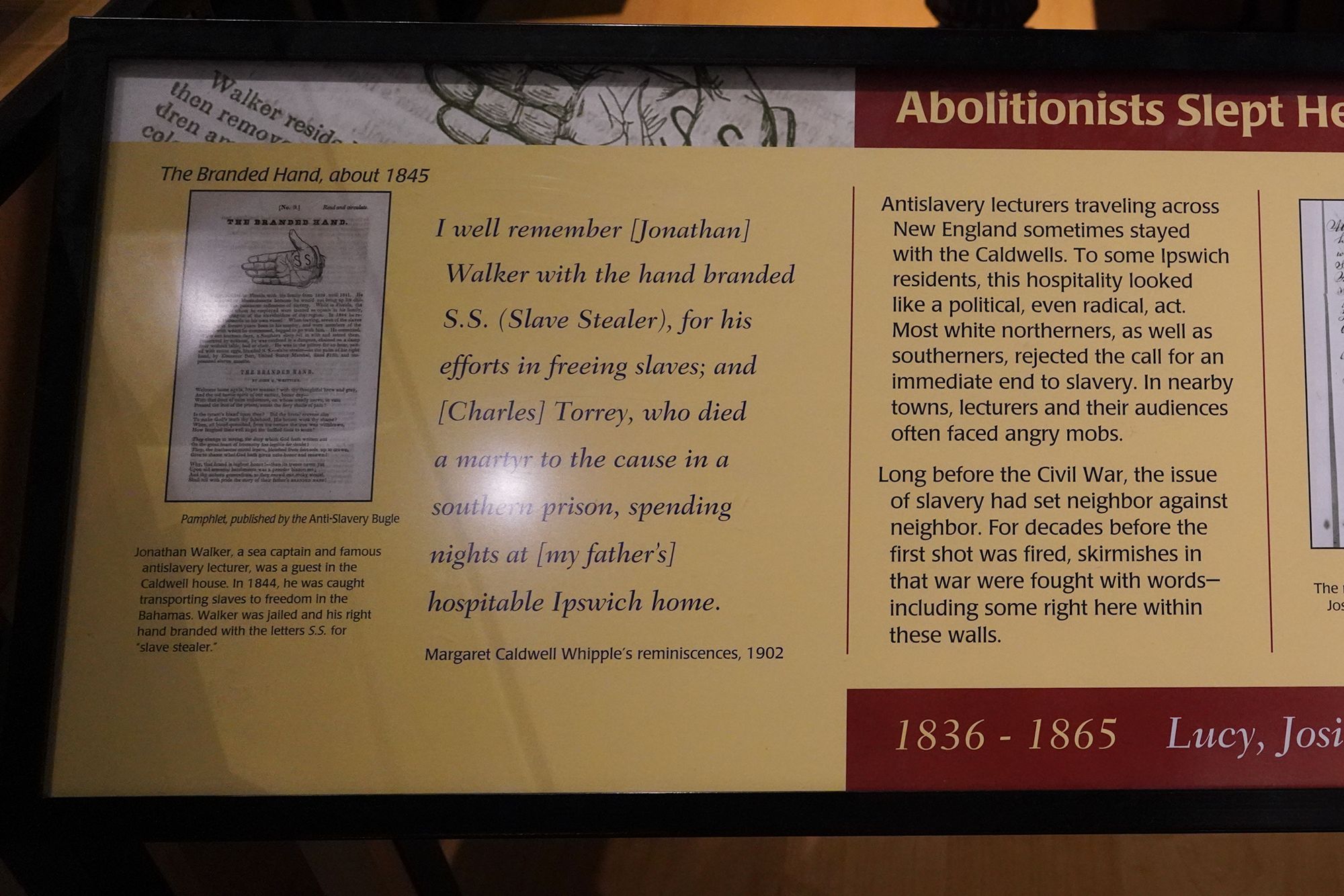
In 1840, Lucy Caldwell fought to end slavery.
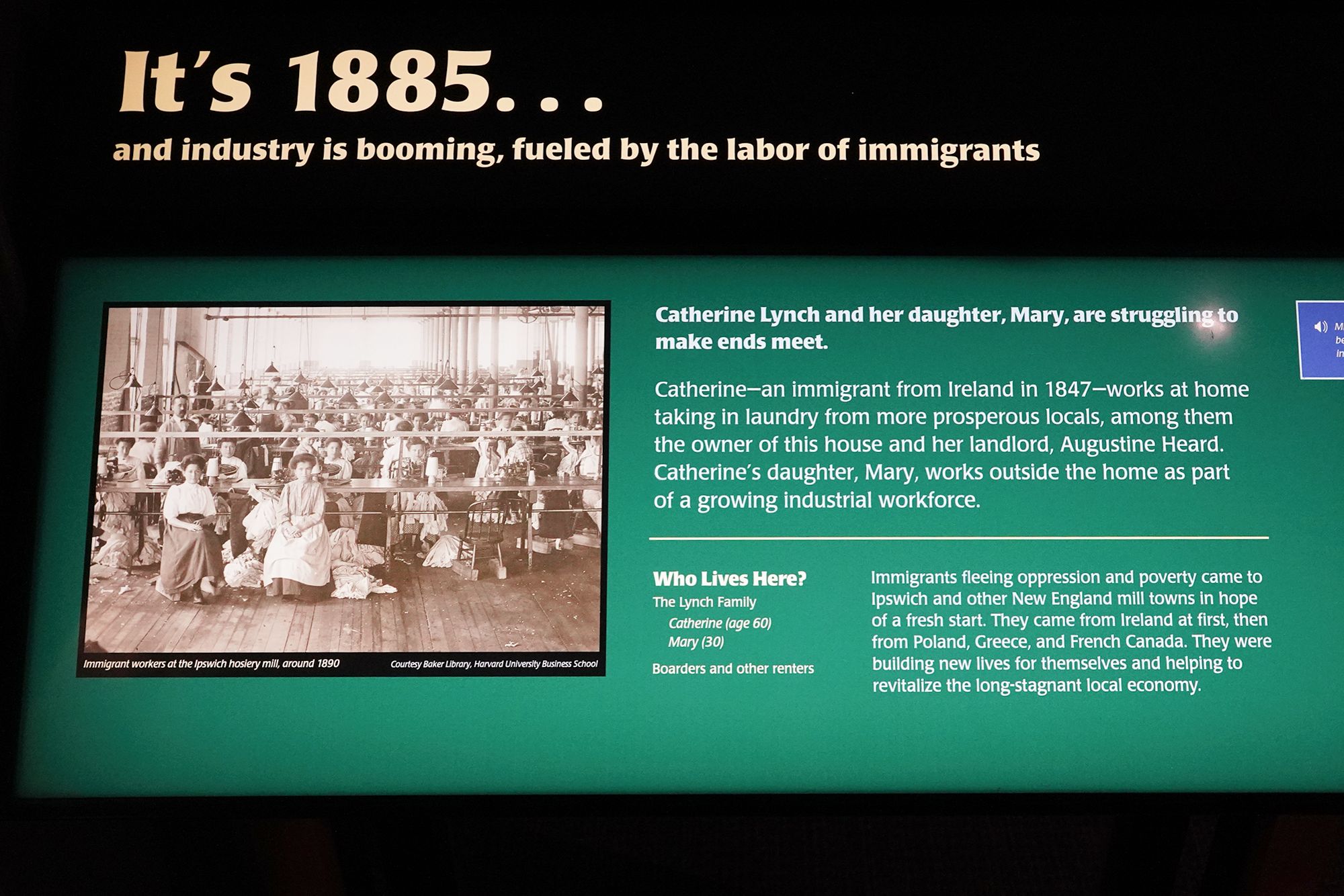
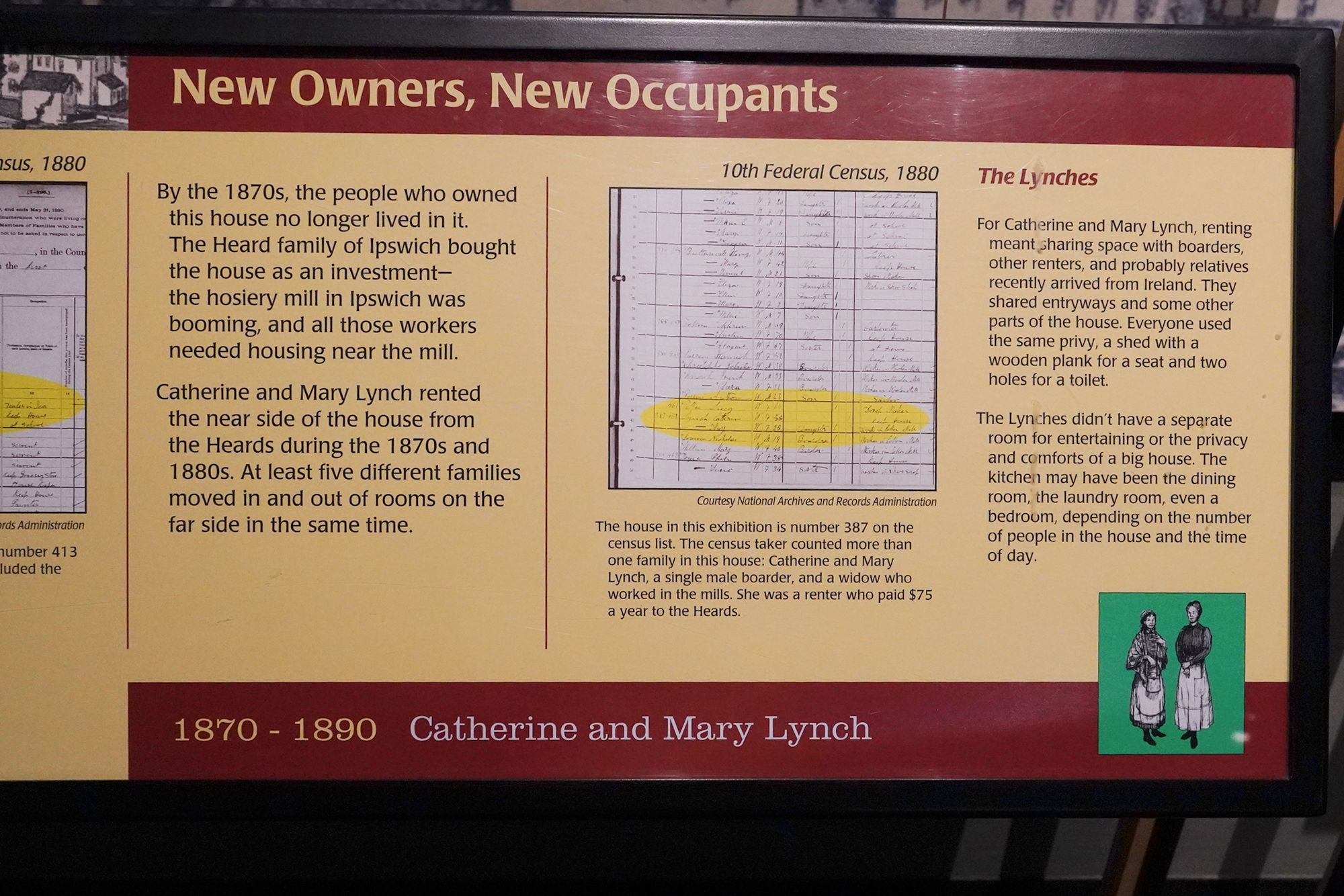
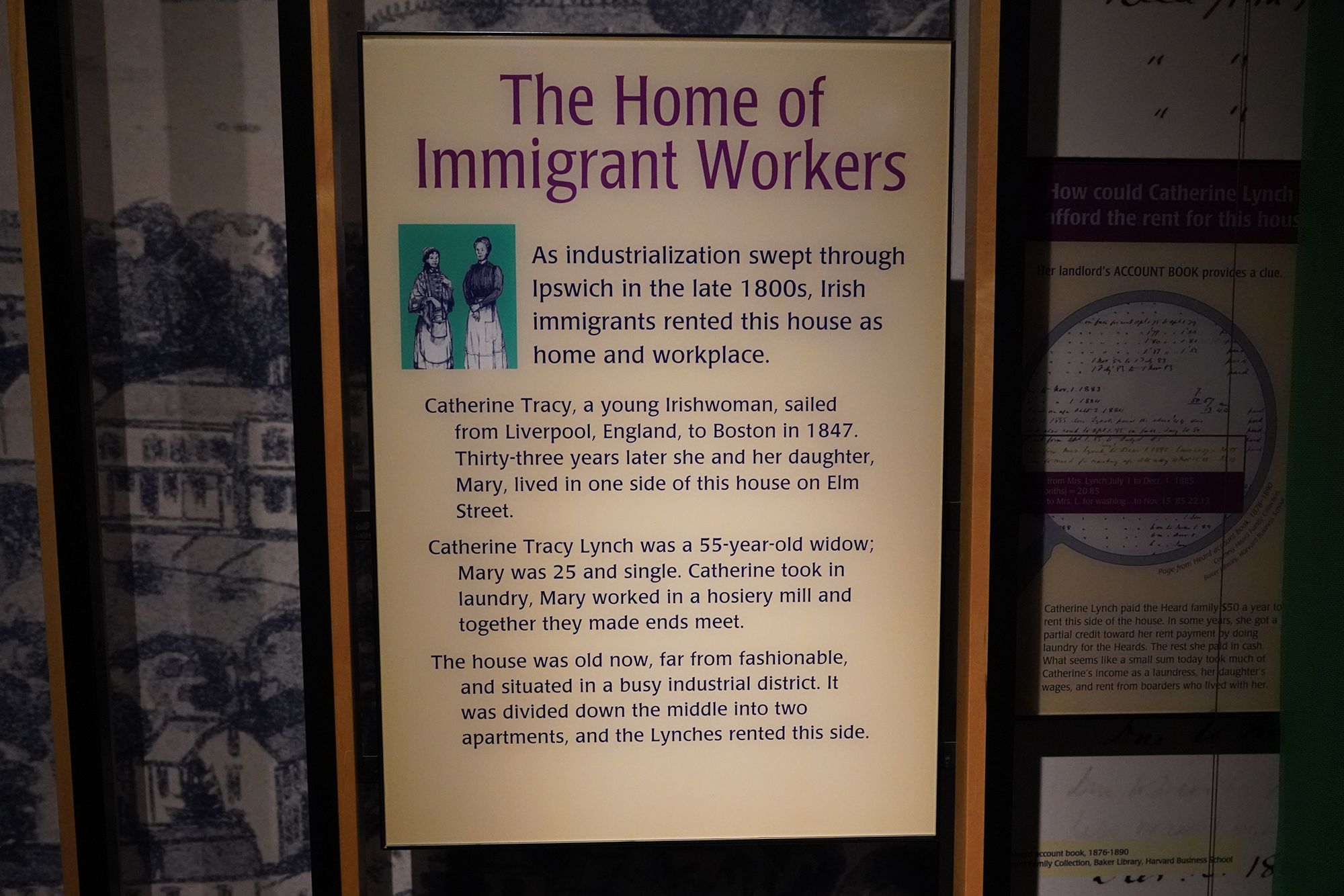
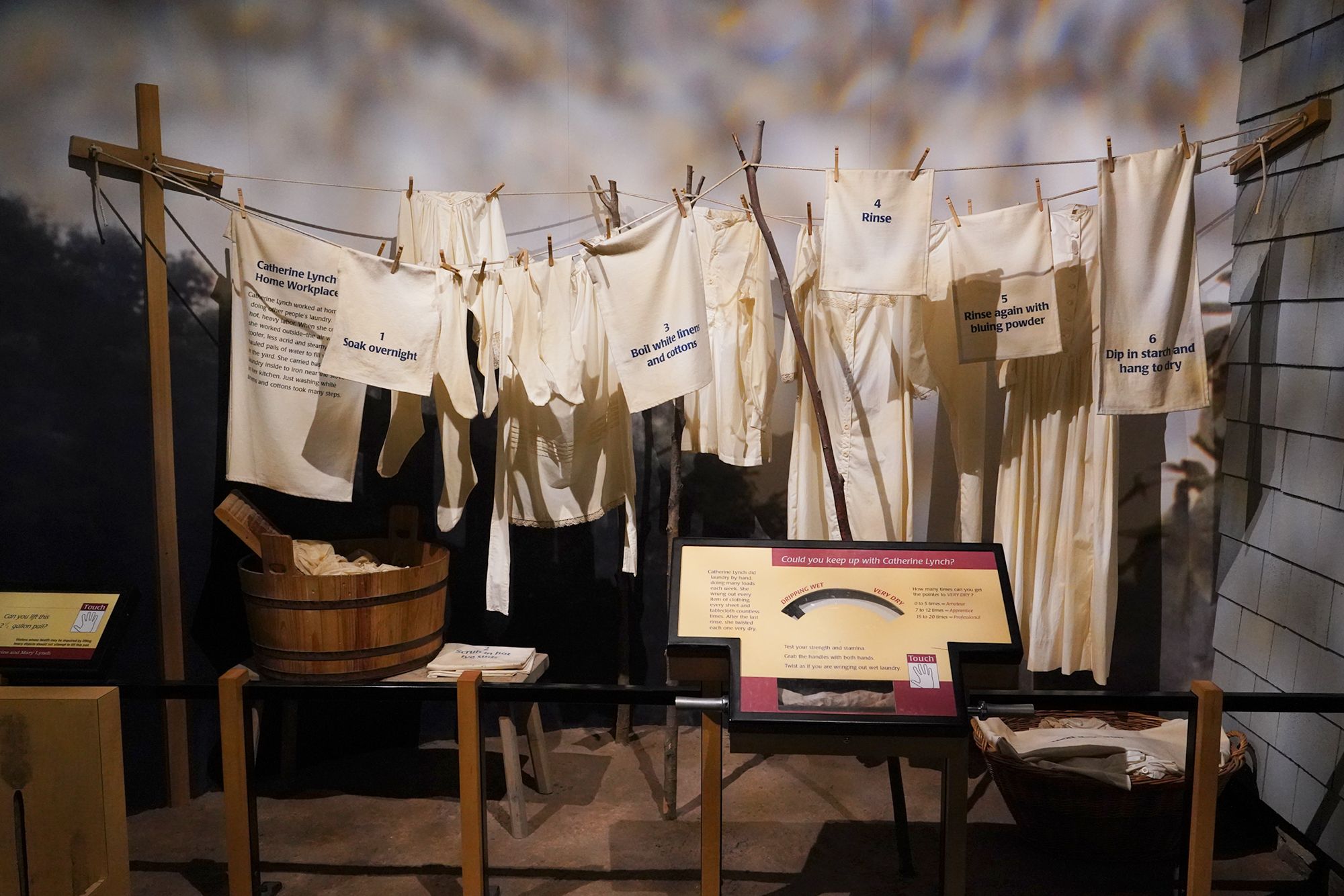
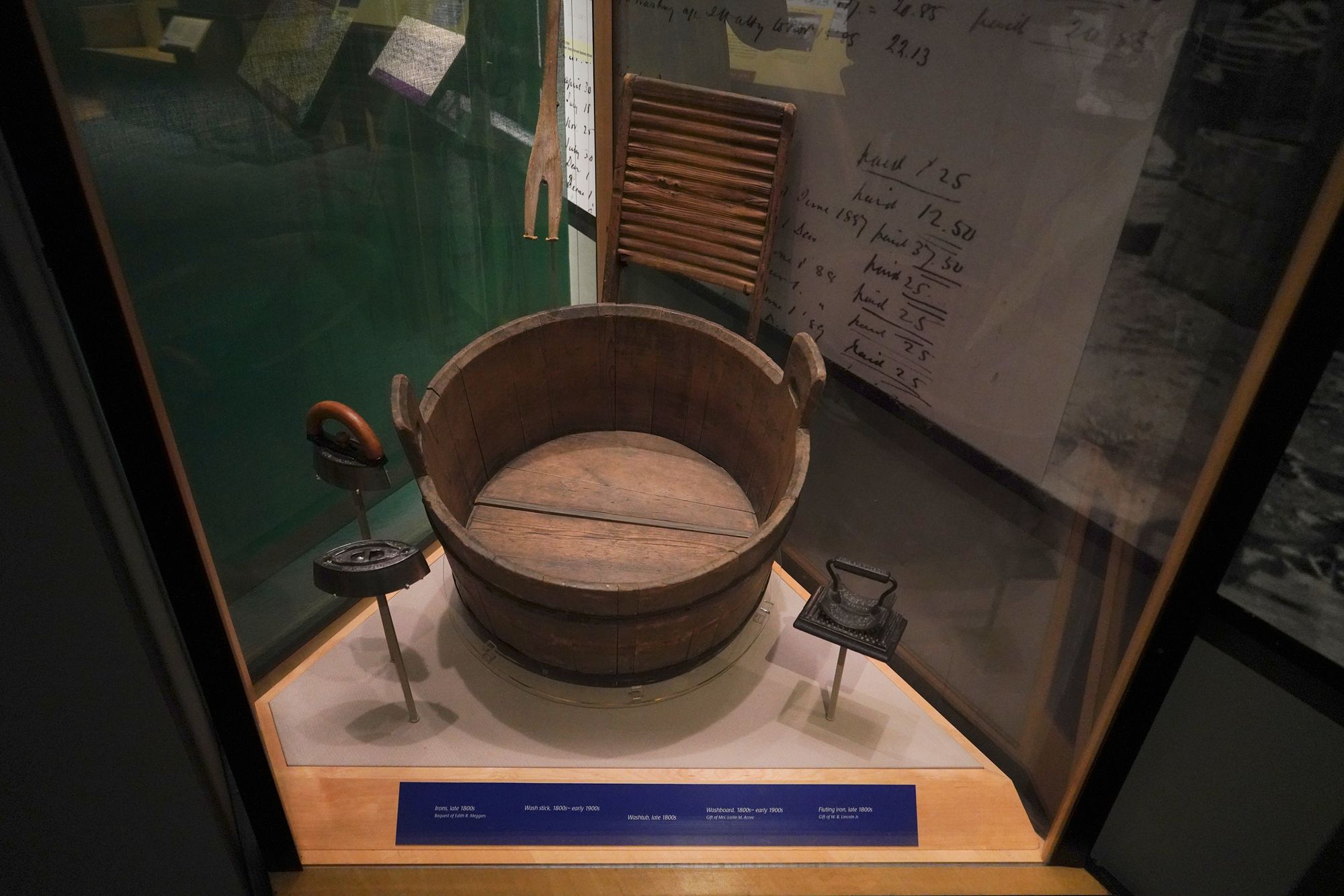
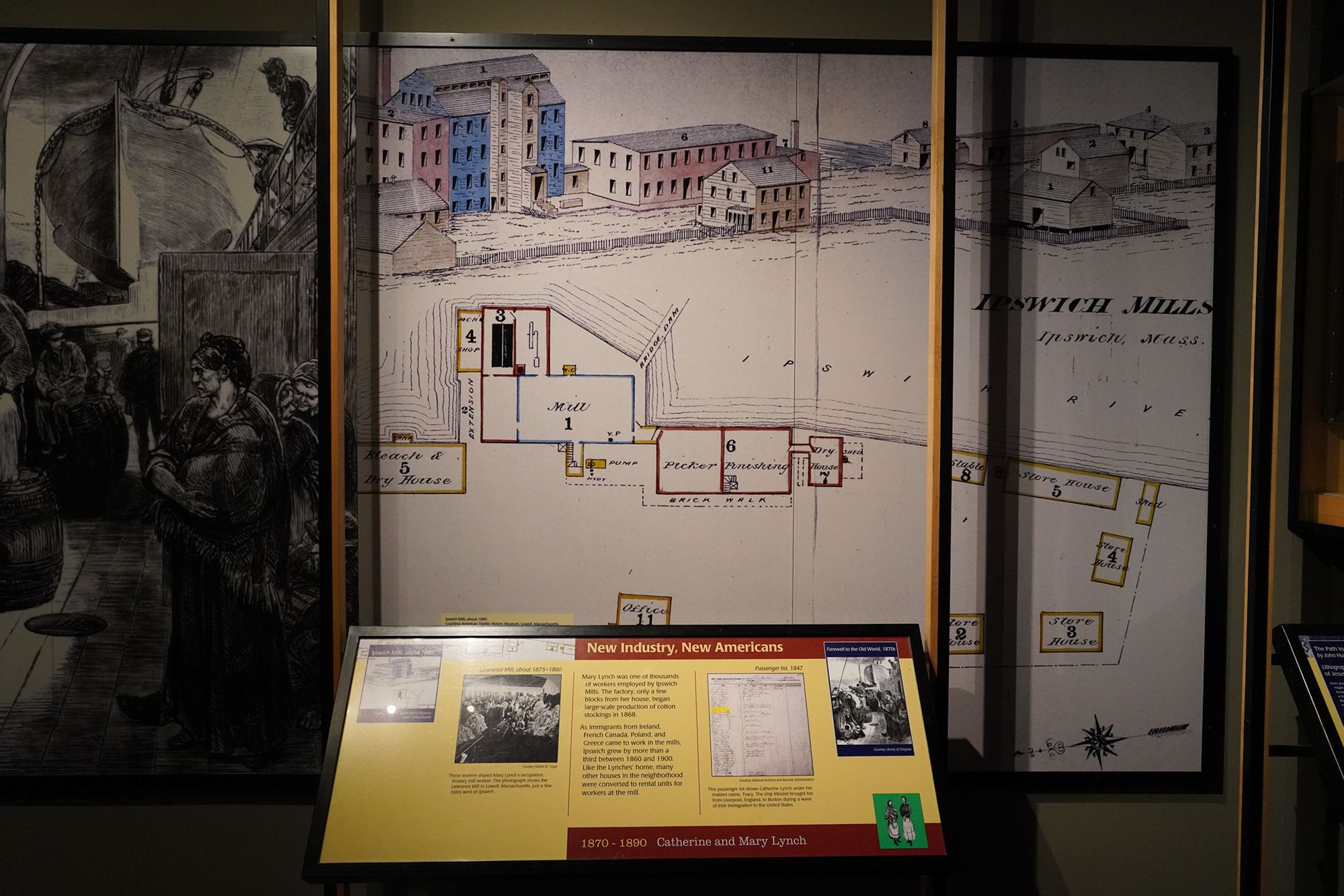
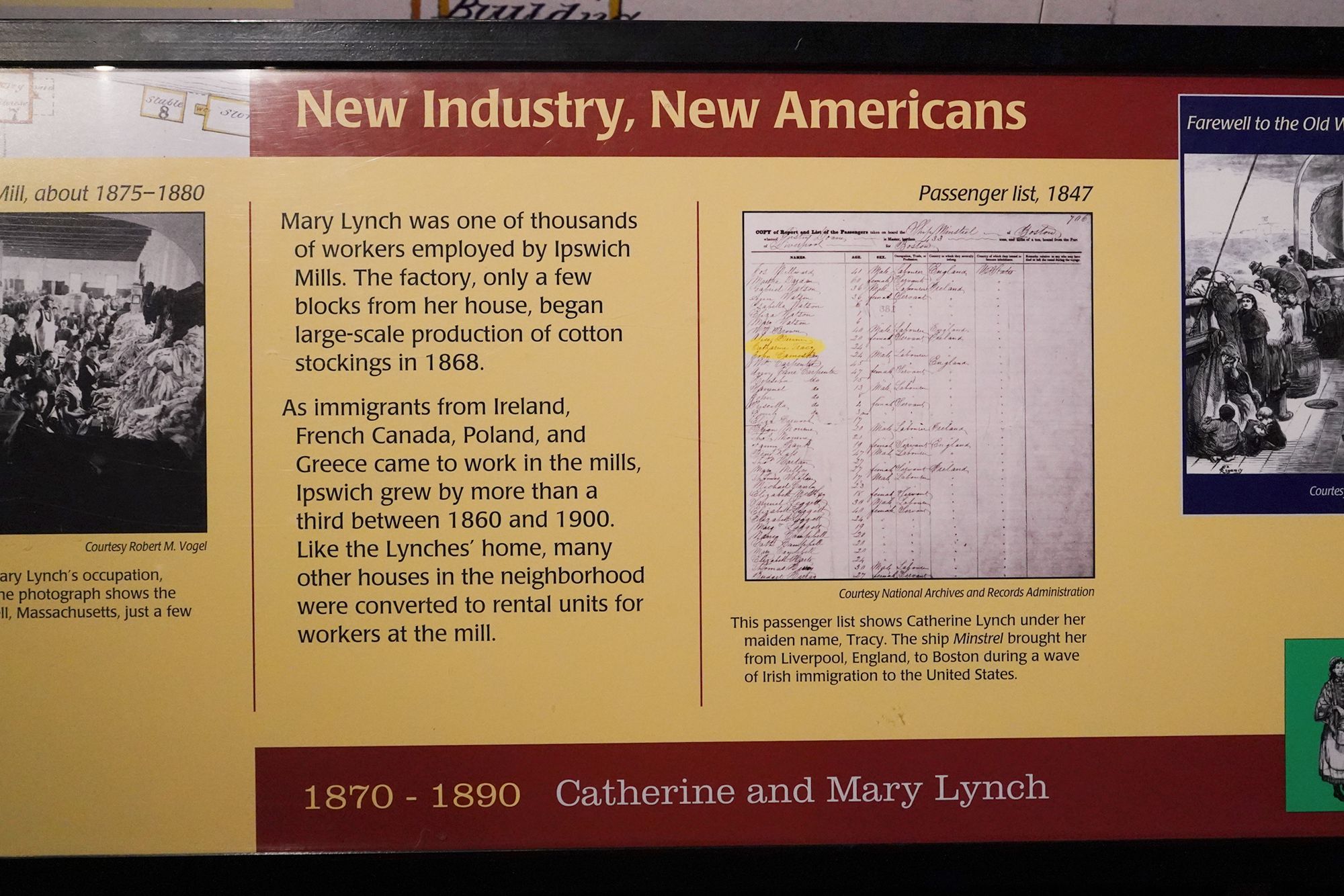
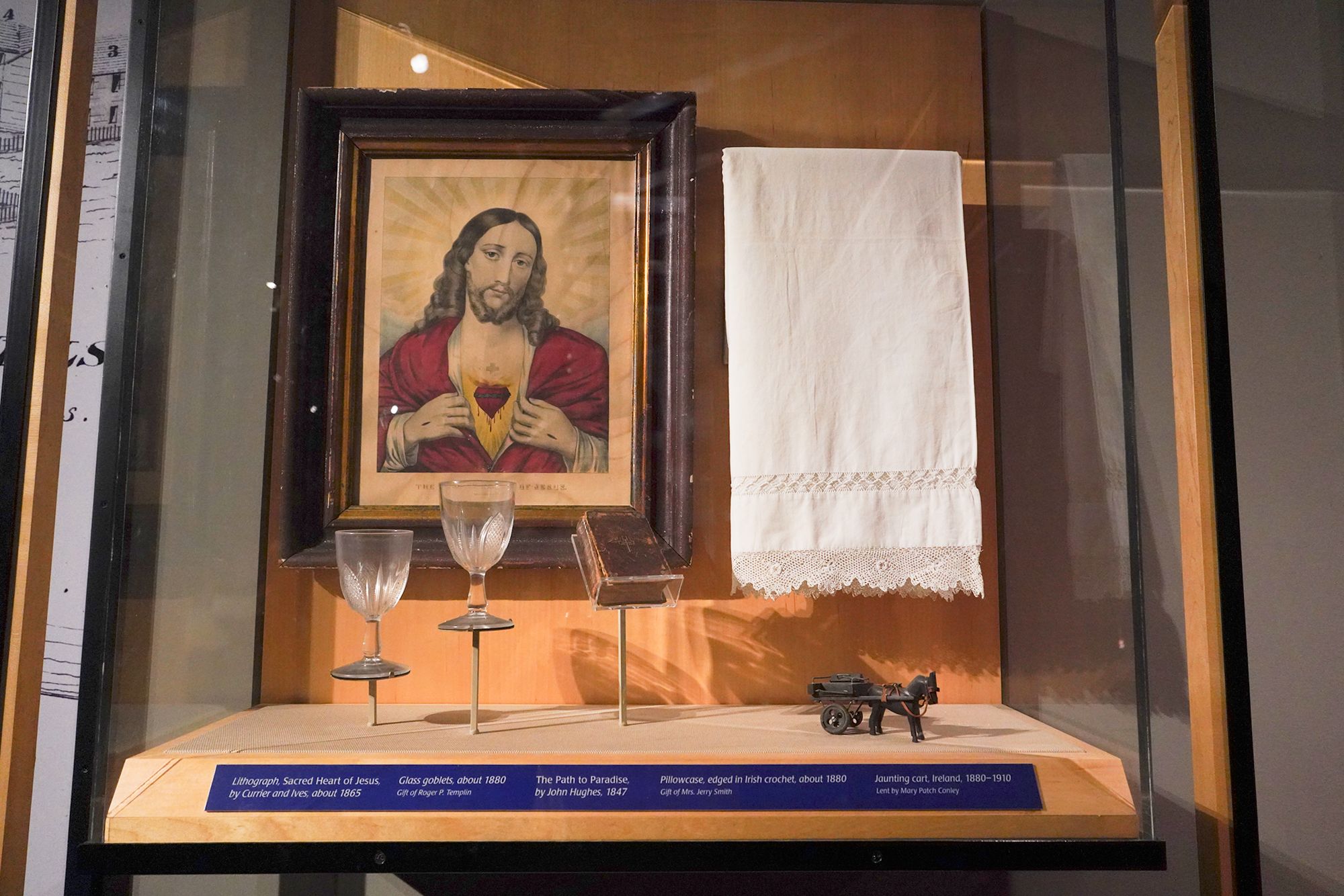
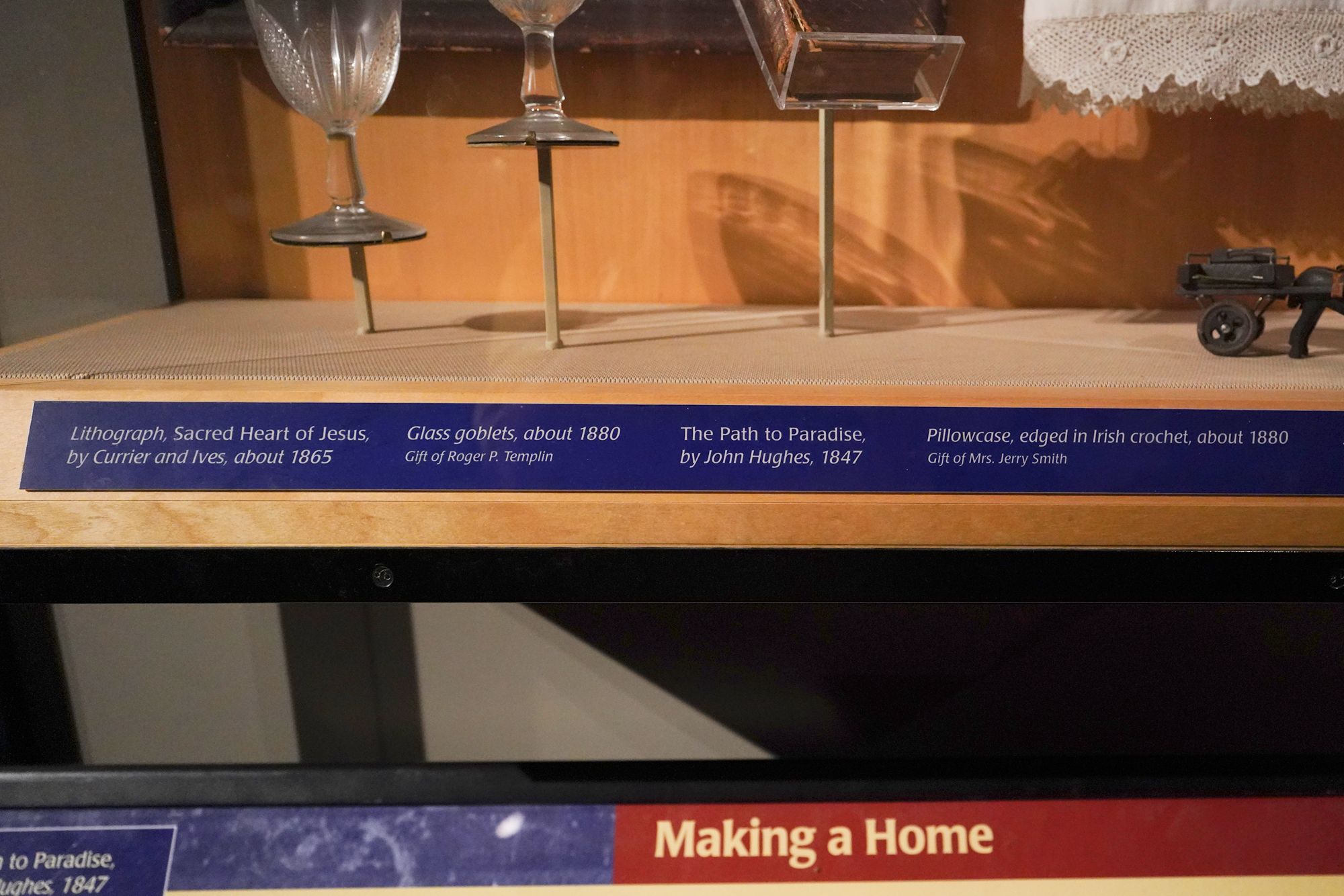
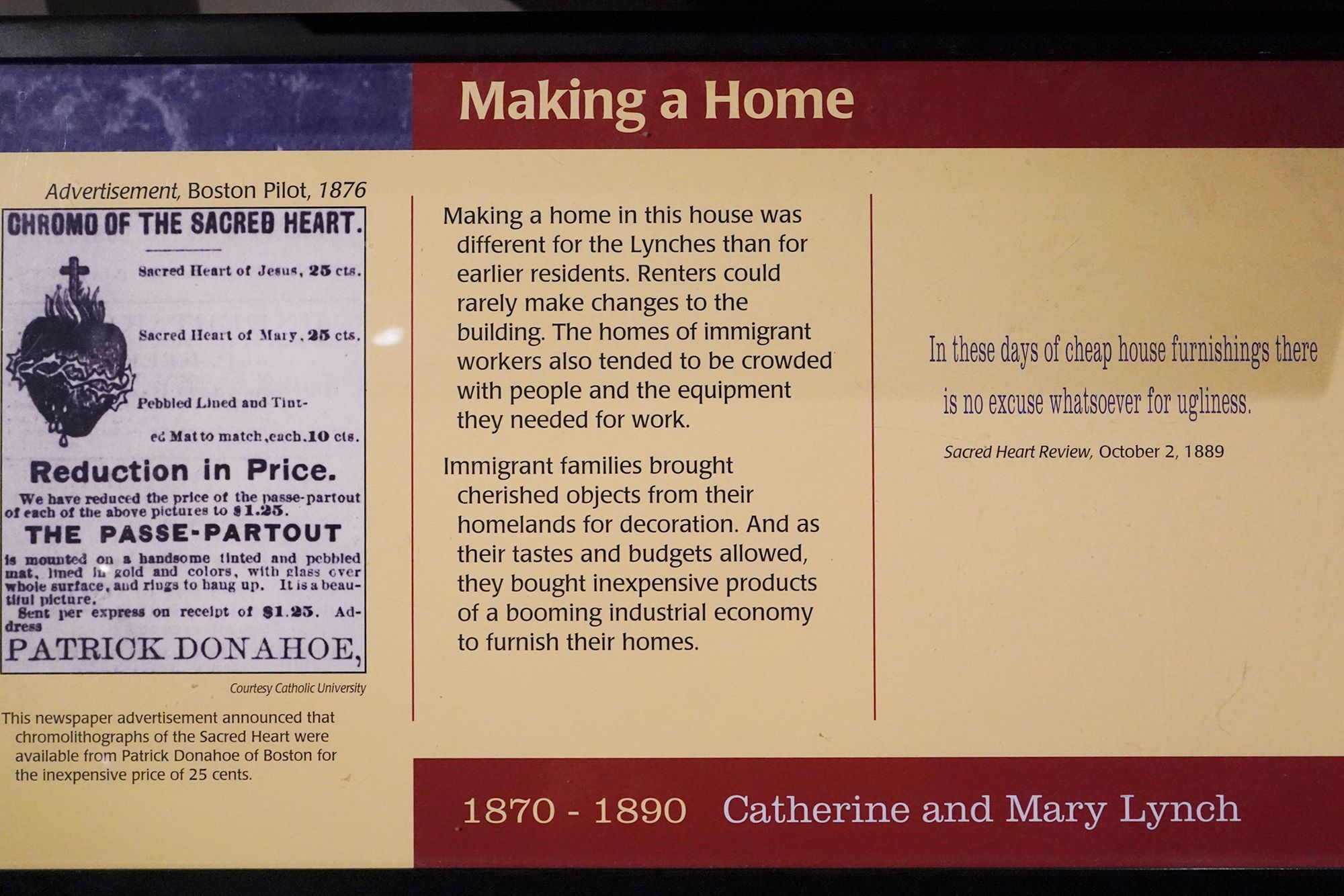
The fourth residents were Catherine and Mary Lynch, immigrant workers who rented the house.
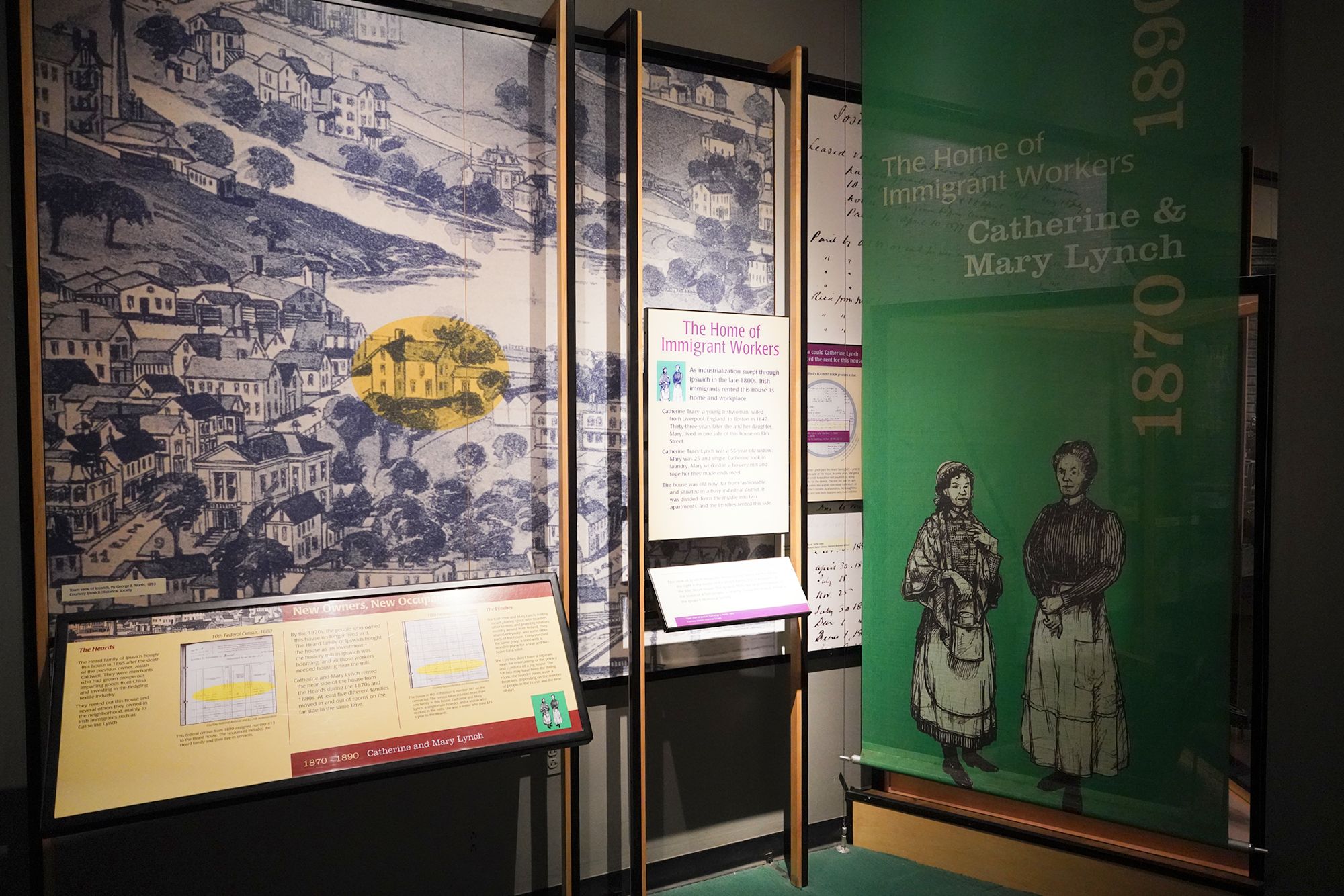
In 1885, the owner of the house worked hard to make ends meet
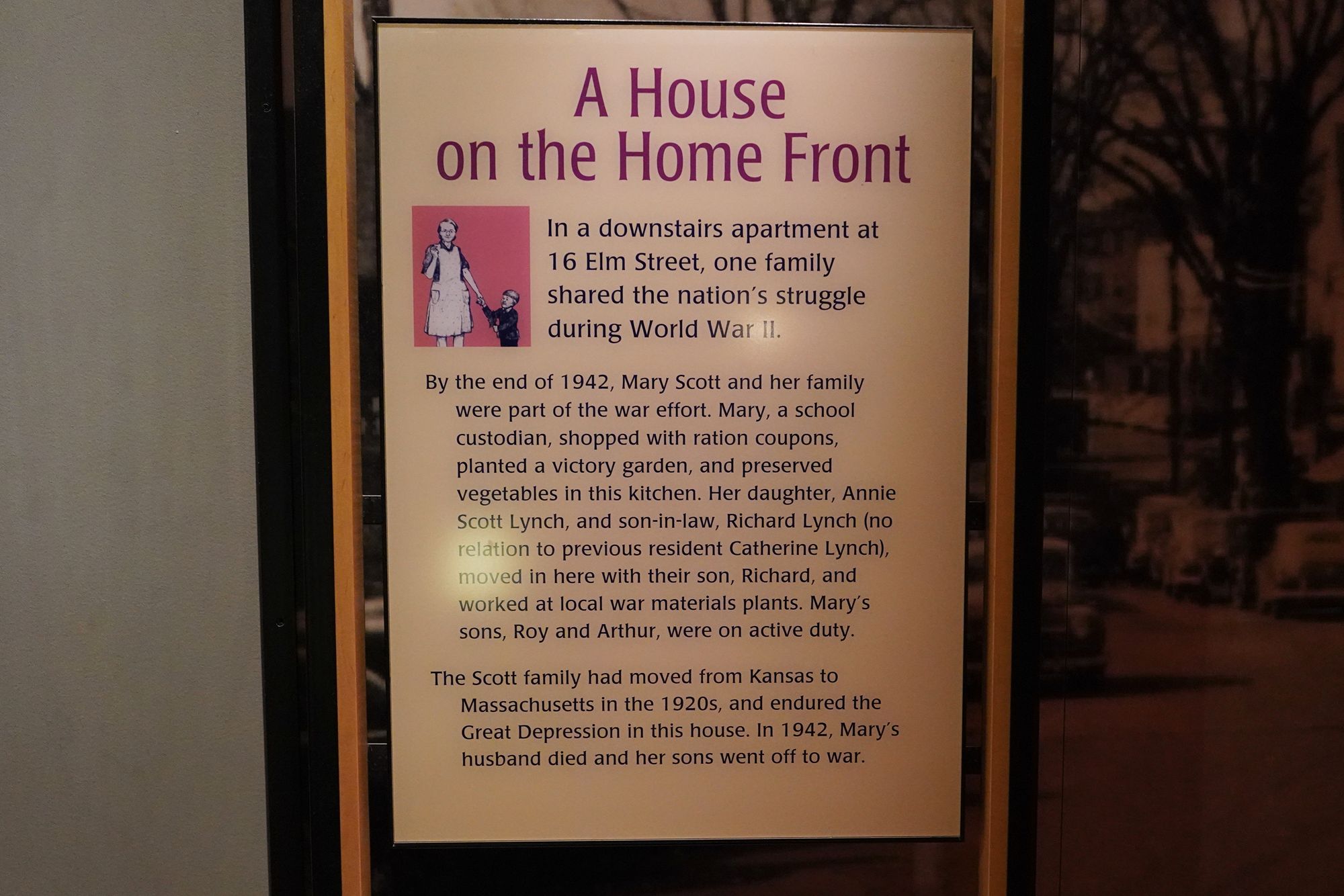
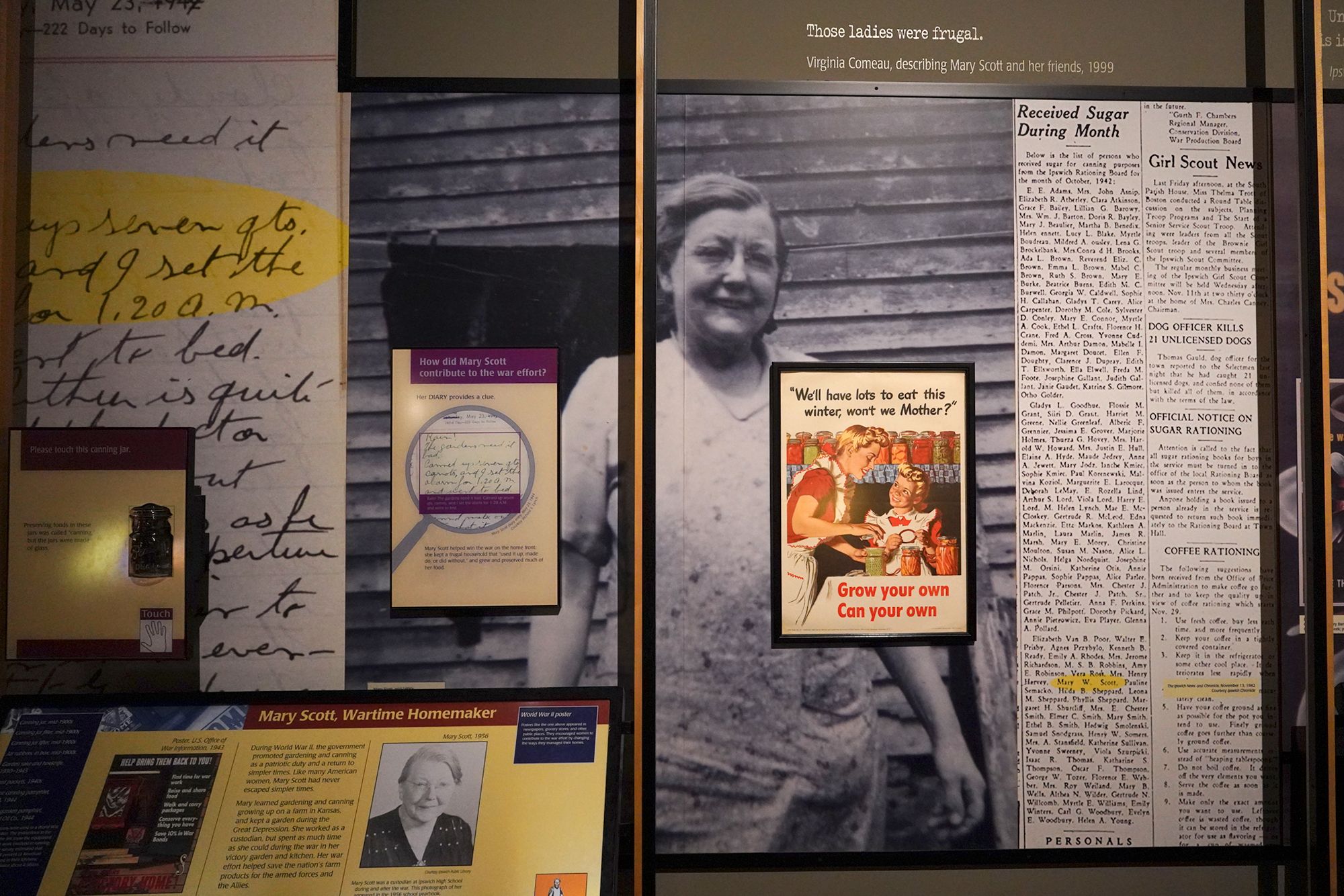
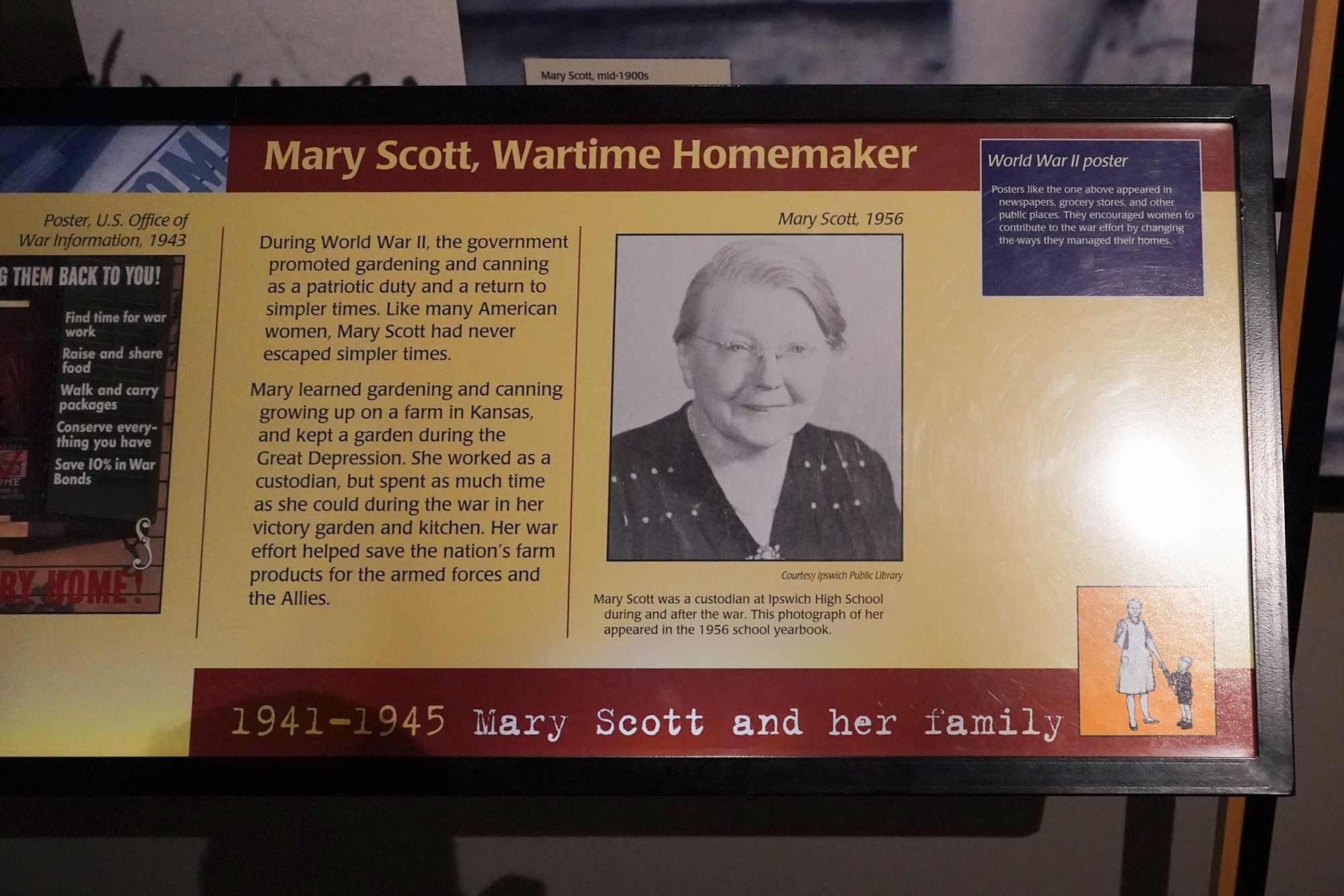
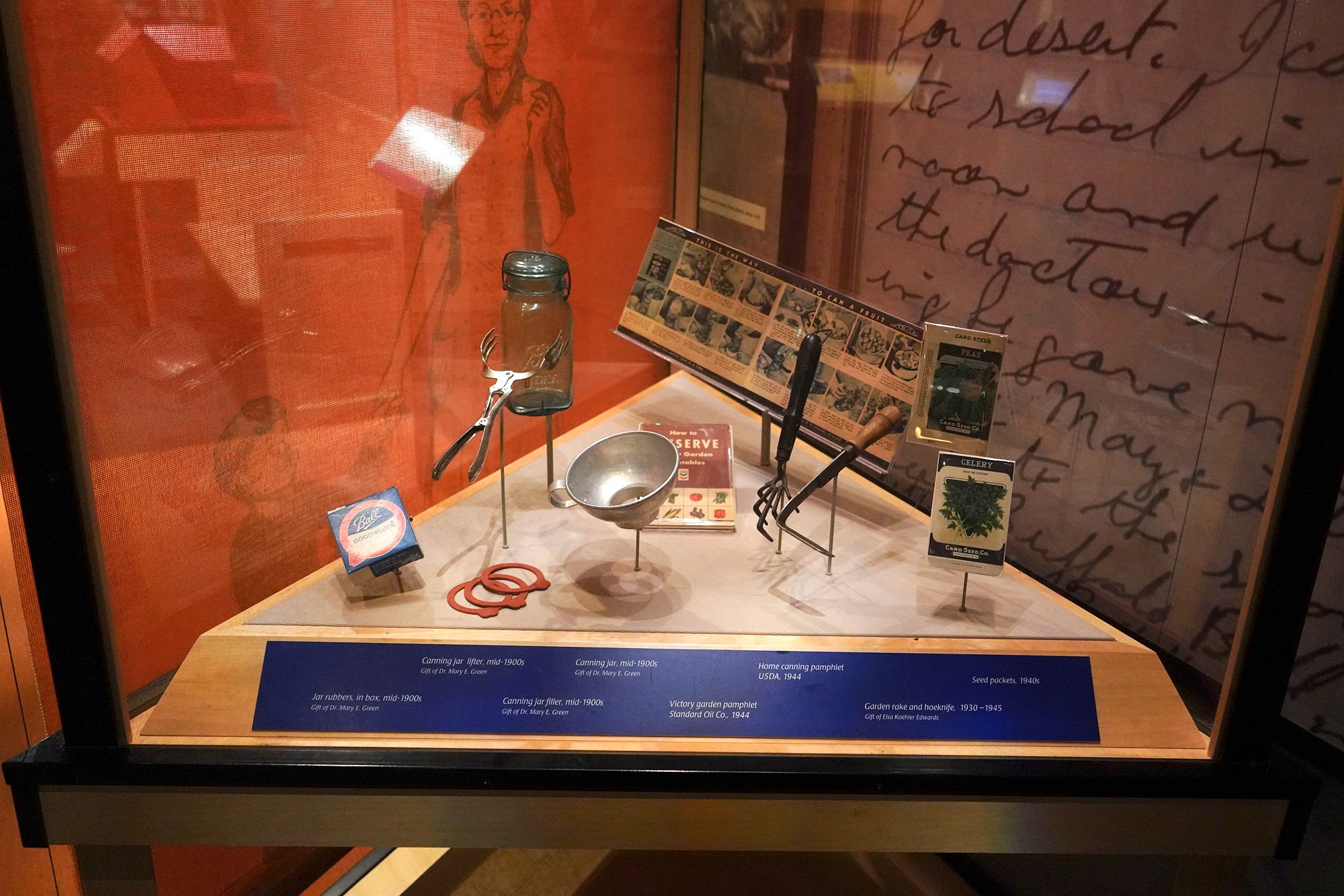
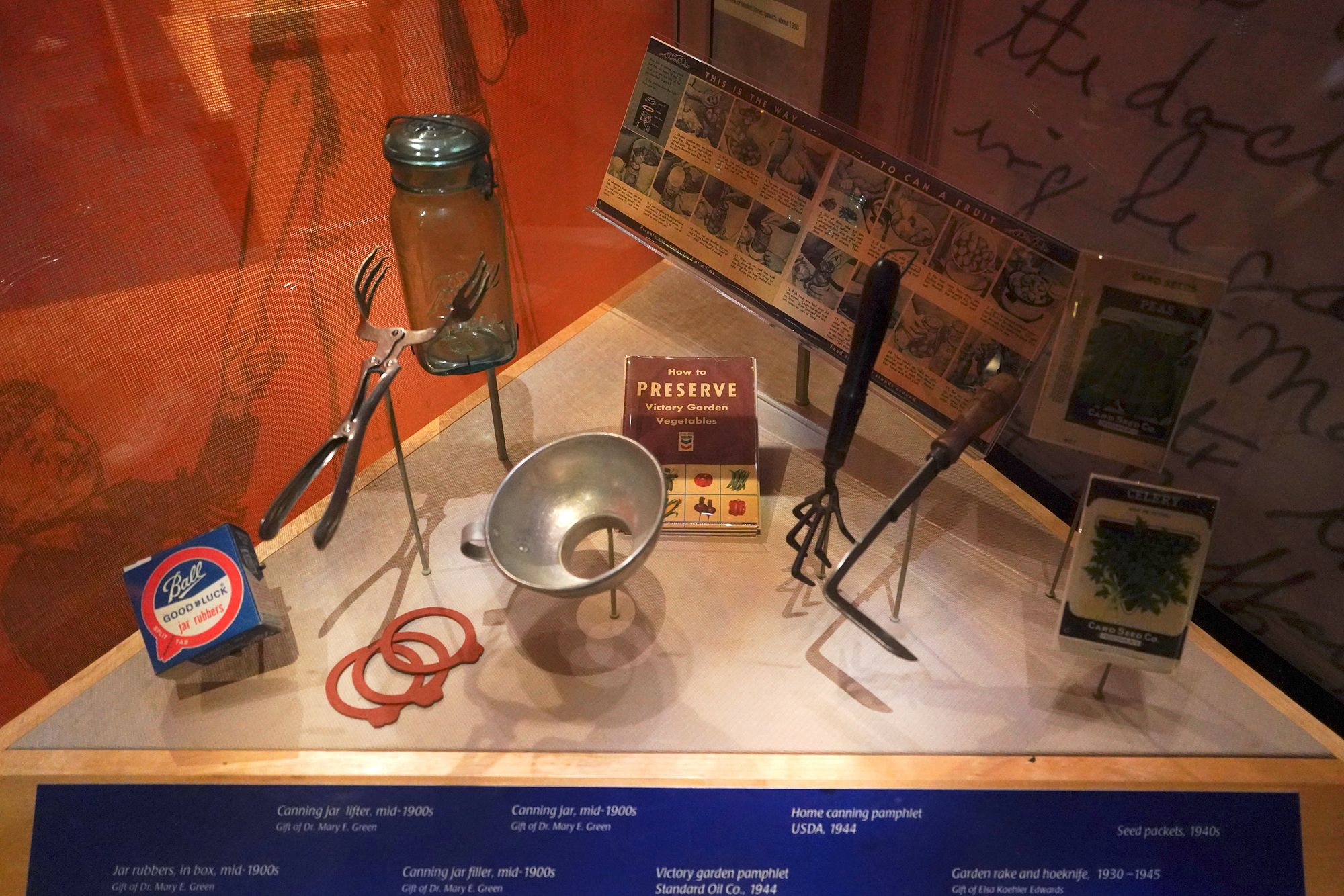
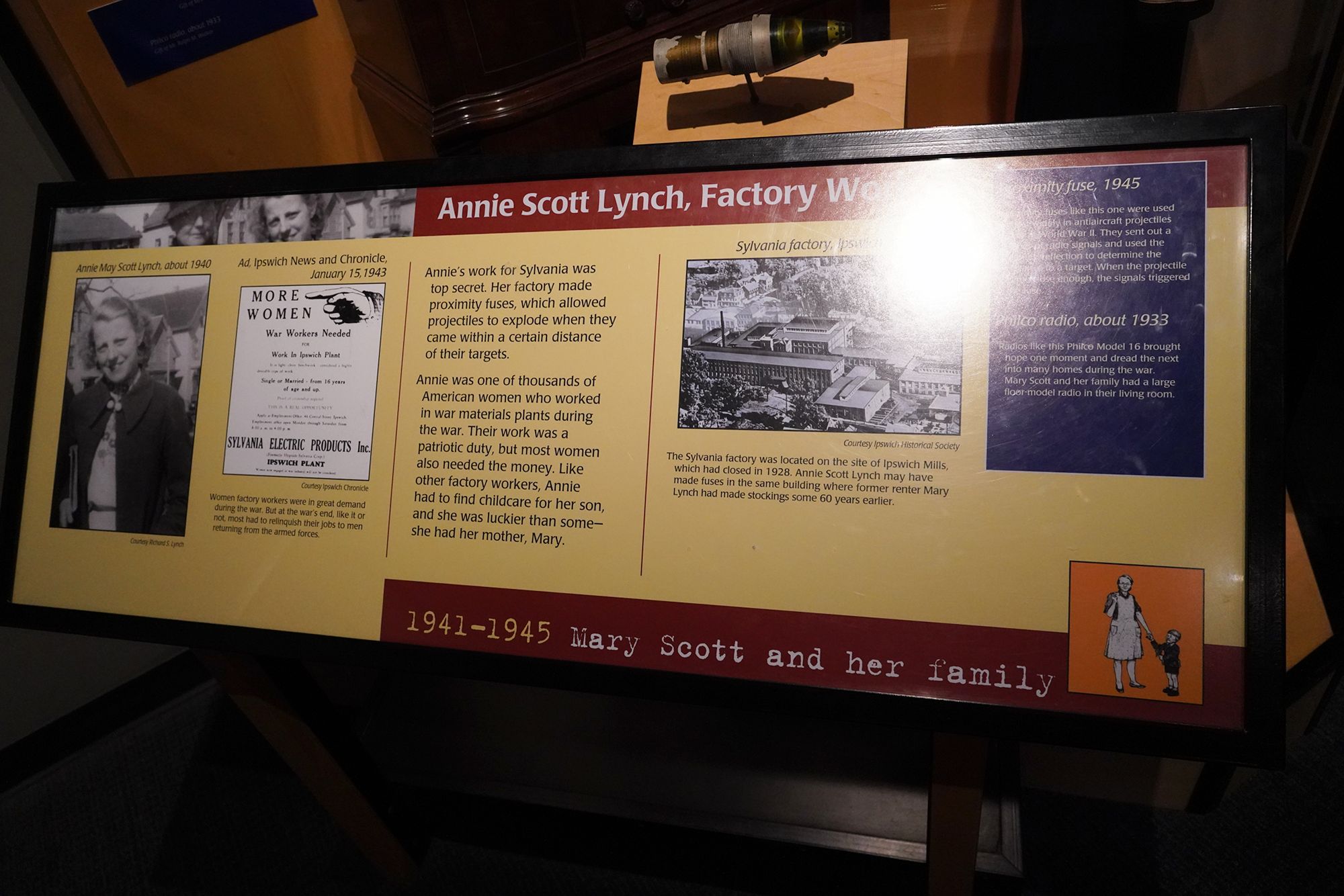
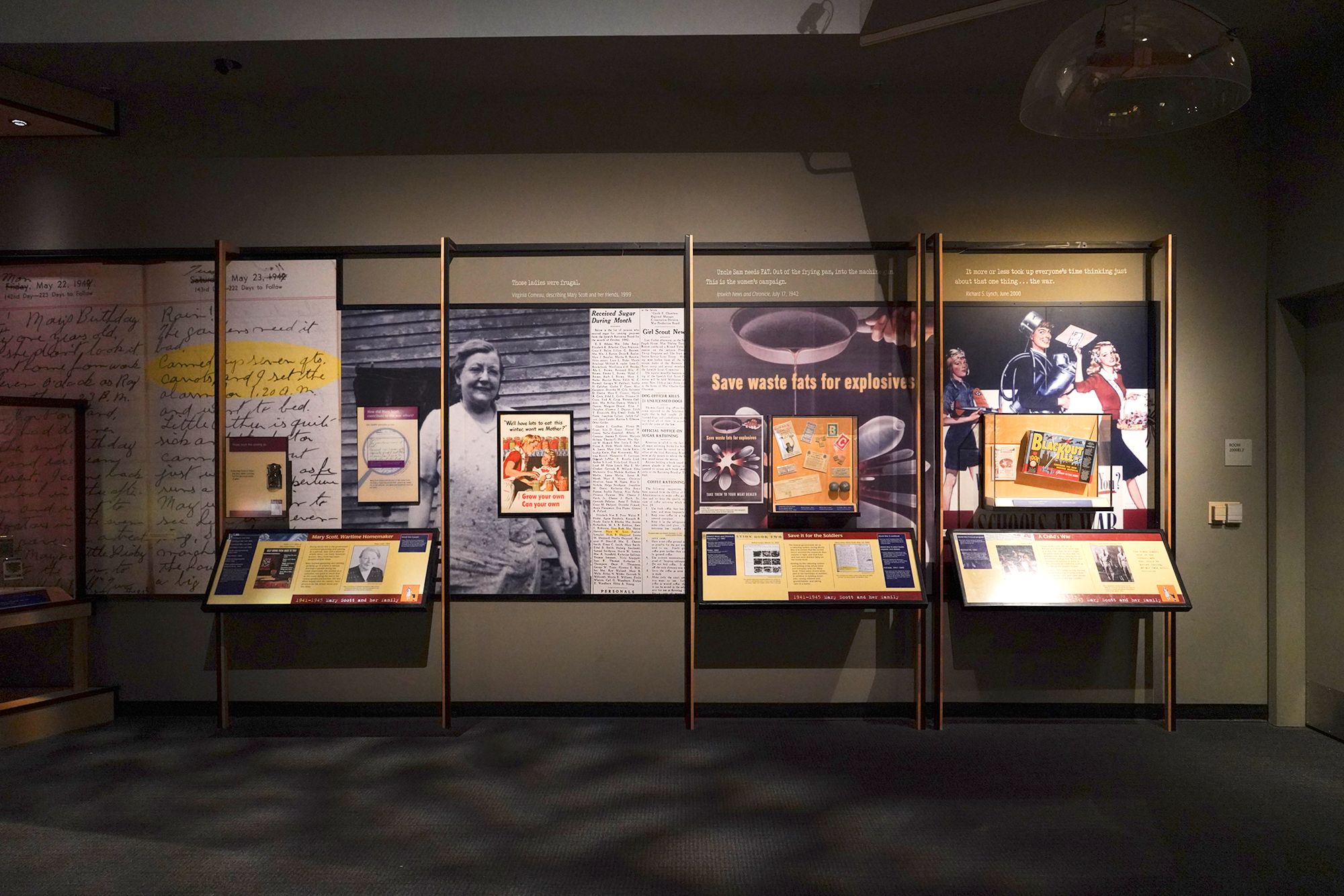
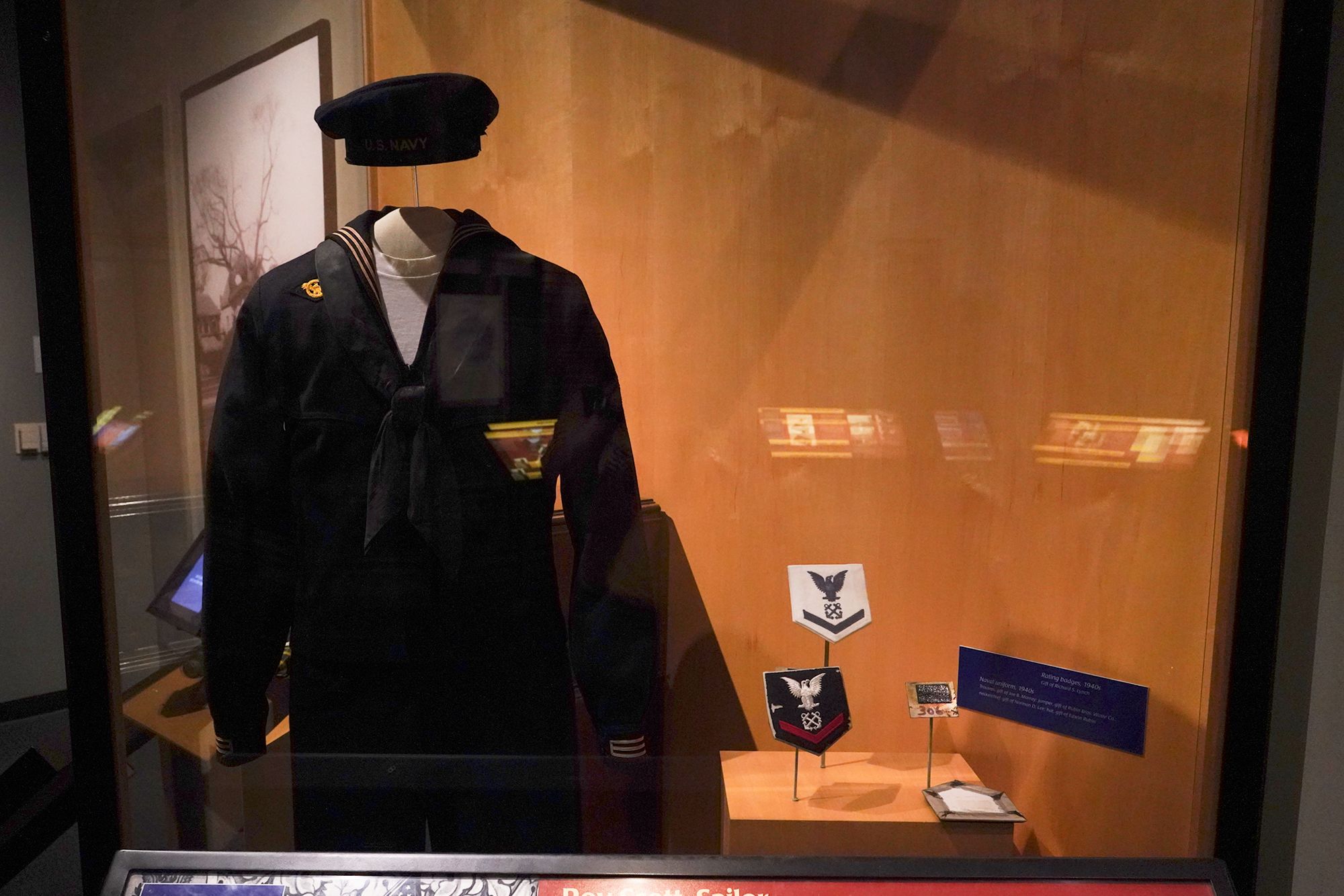
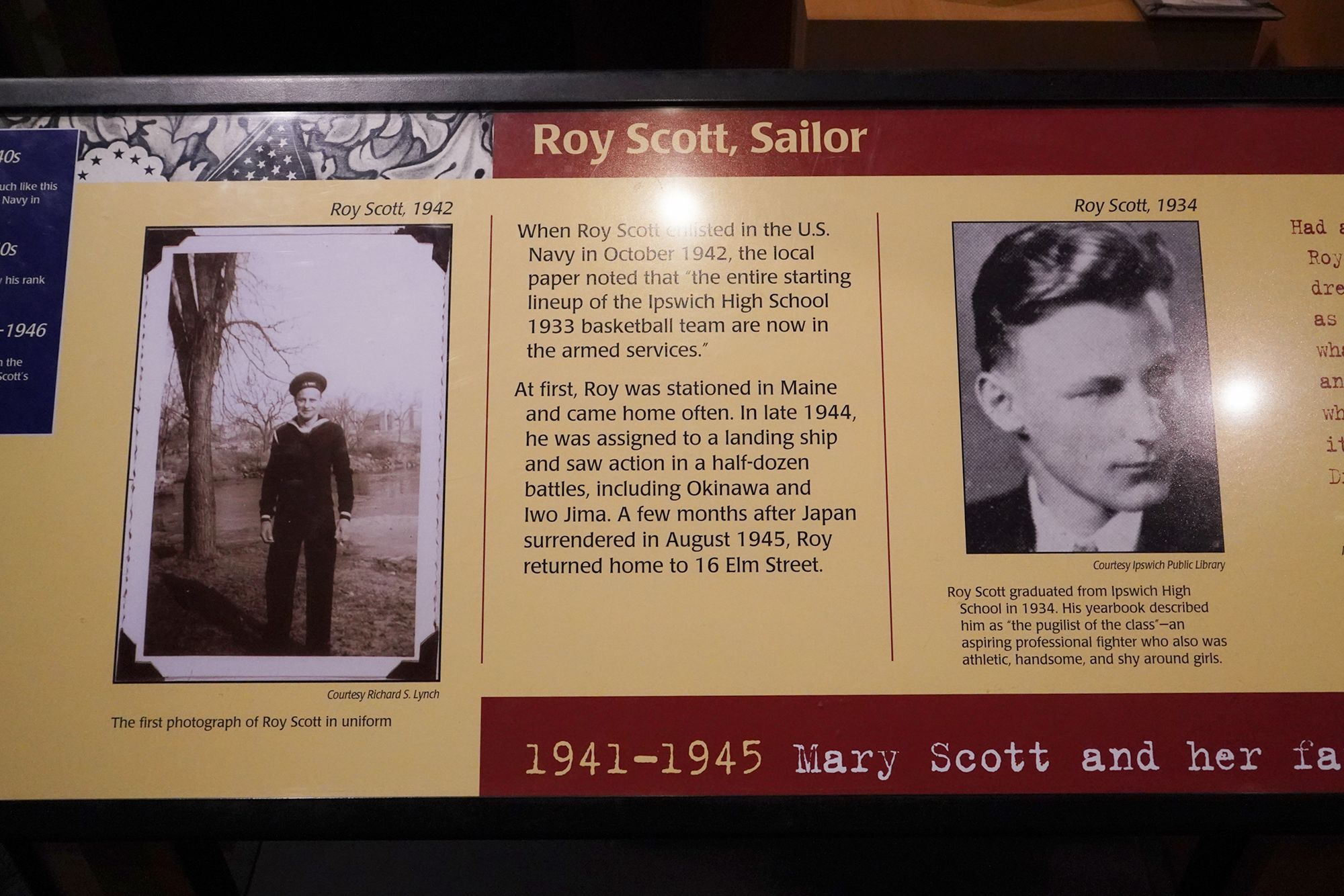
The fifth resident was Mary Scott & her family during World War II.
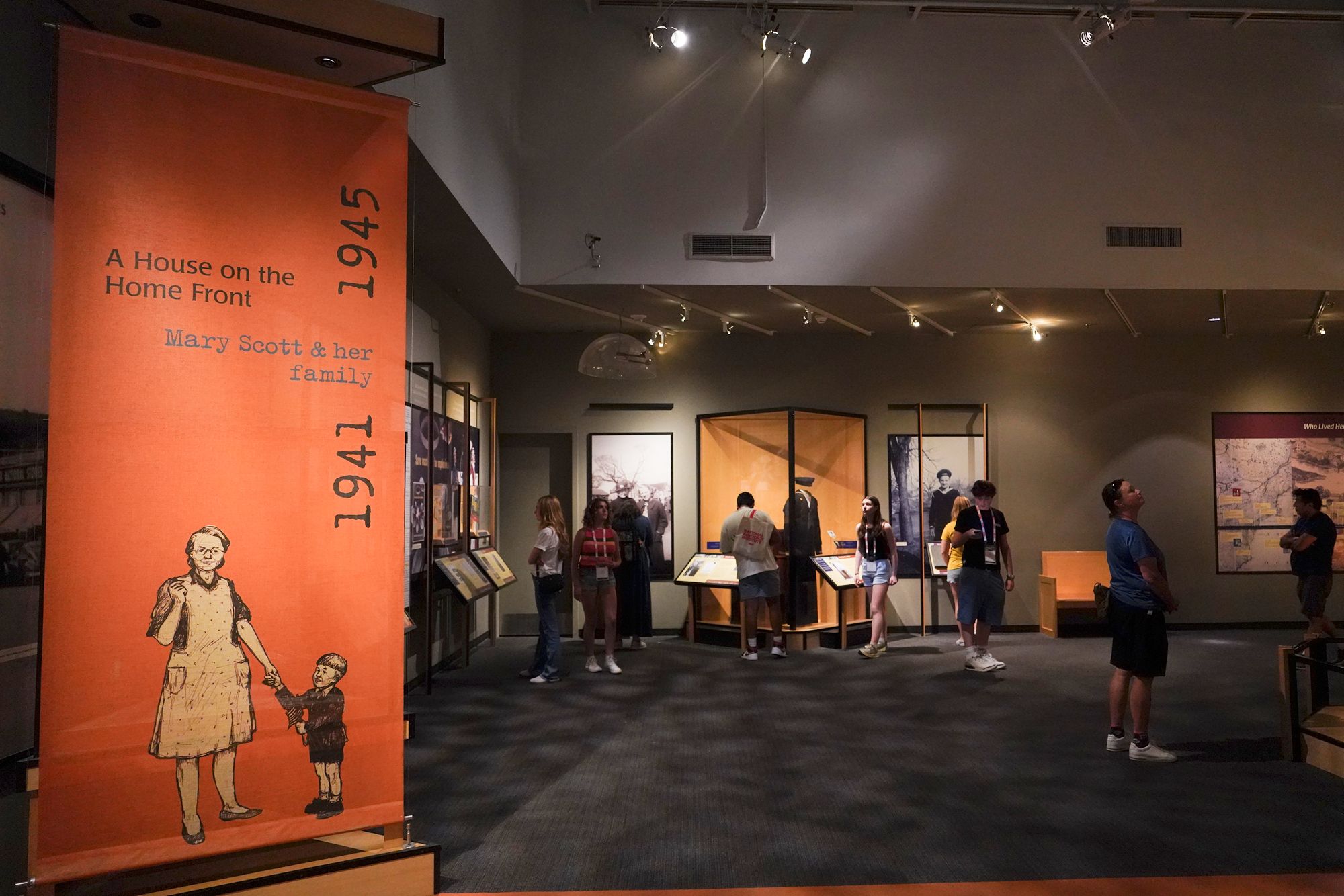
By the end of 1942, Mary Scott and her family were actively involved in the war effort.