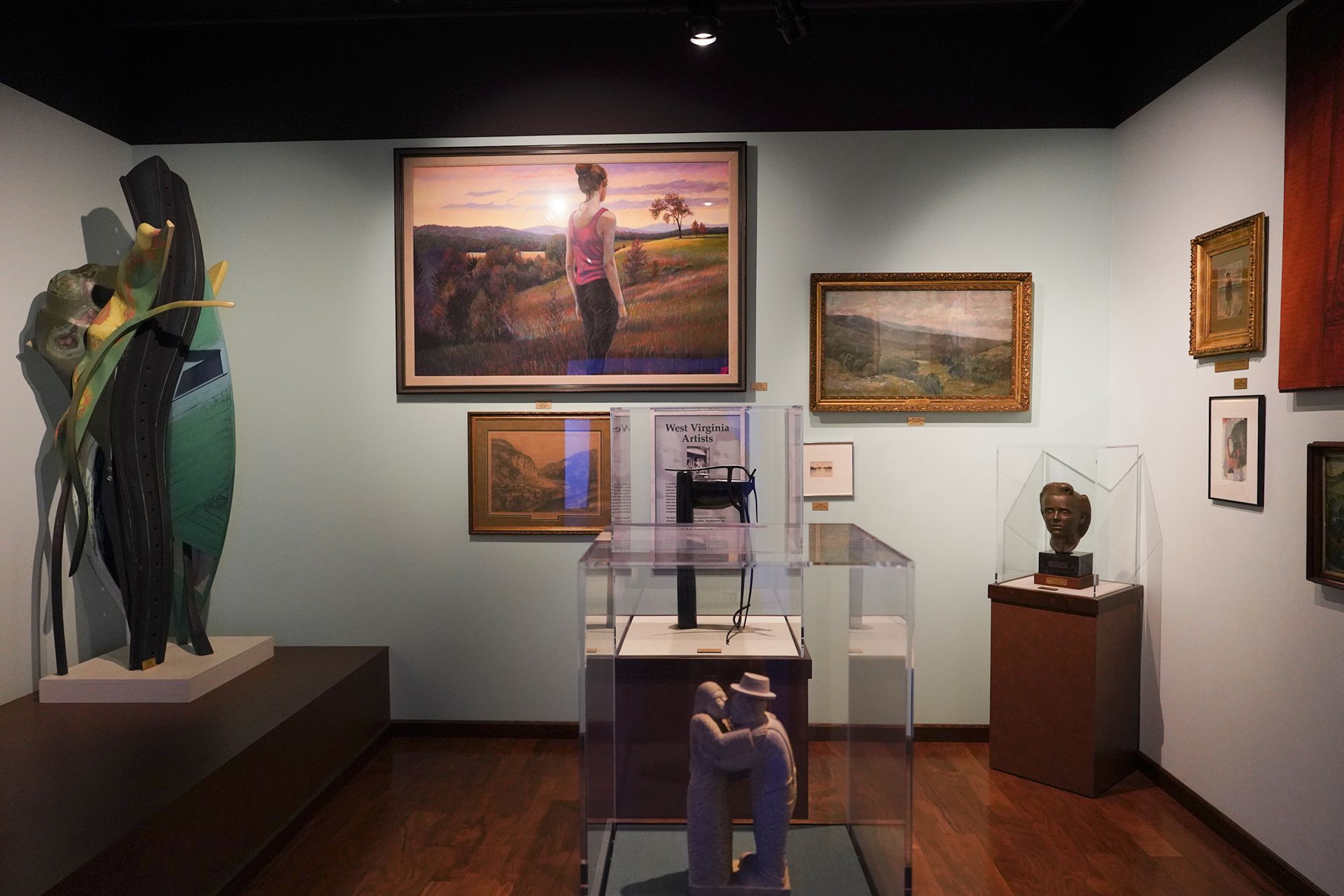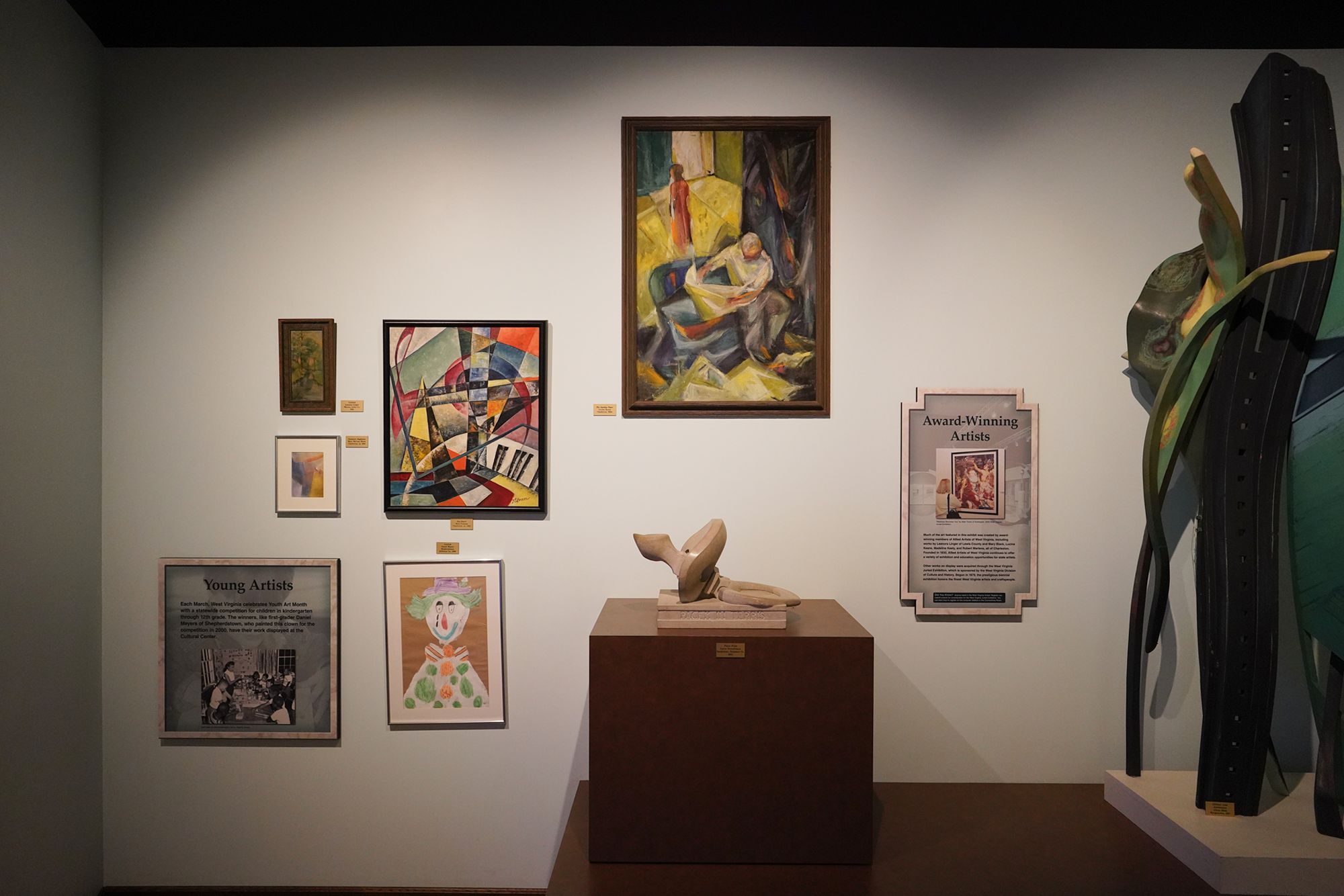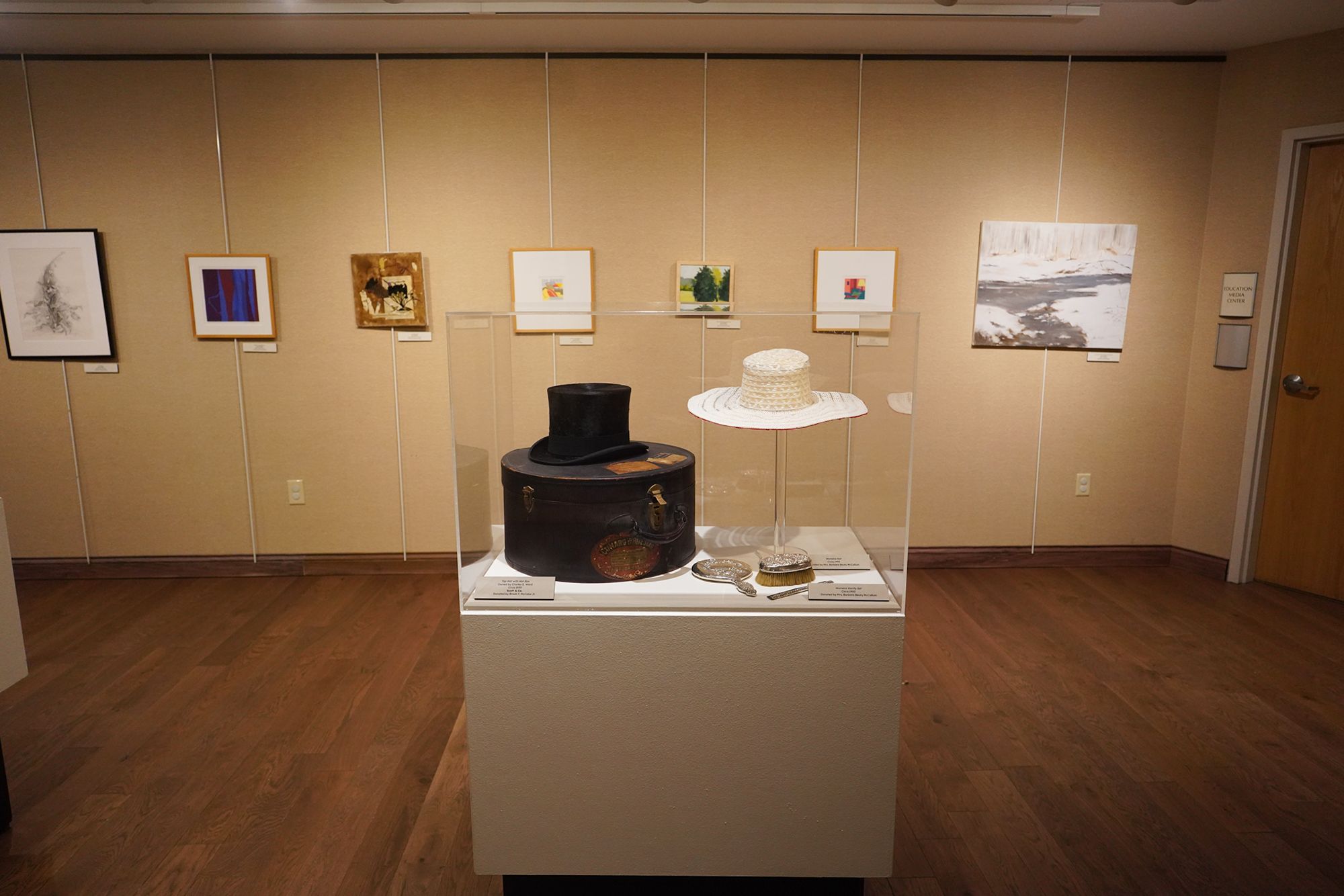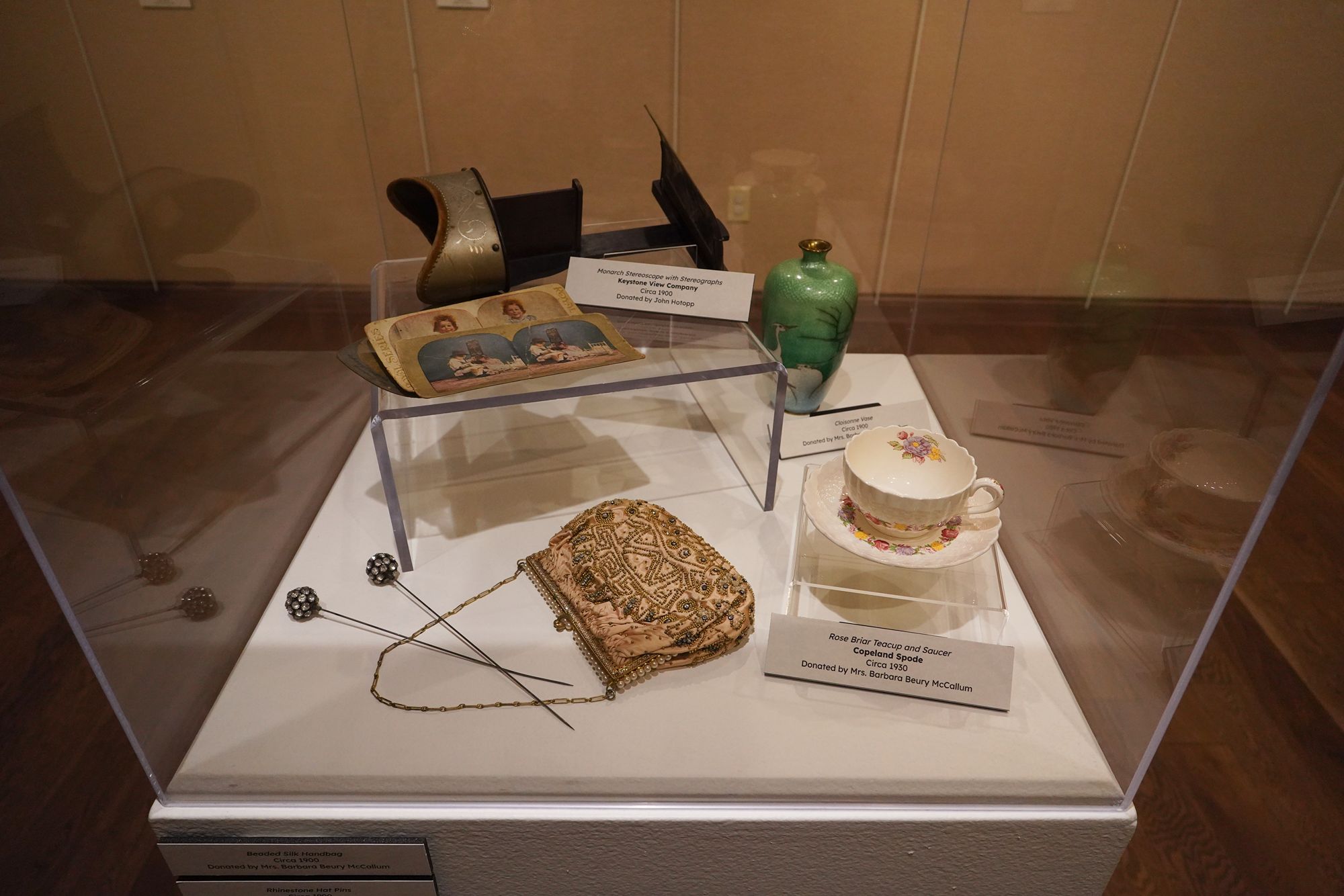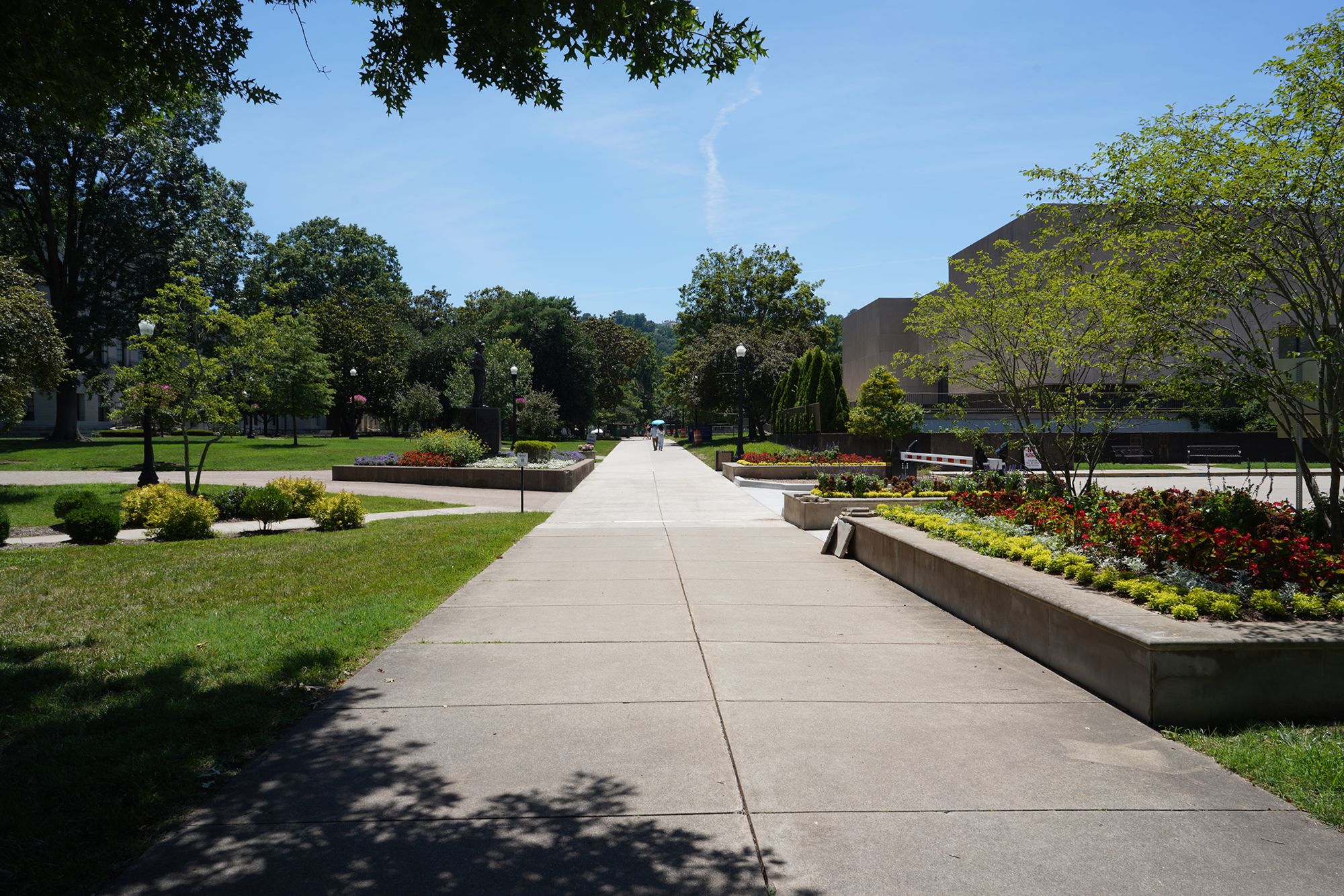
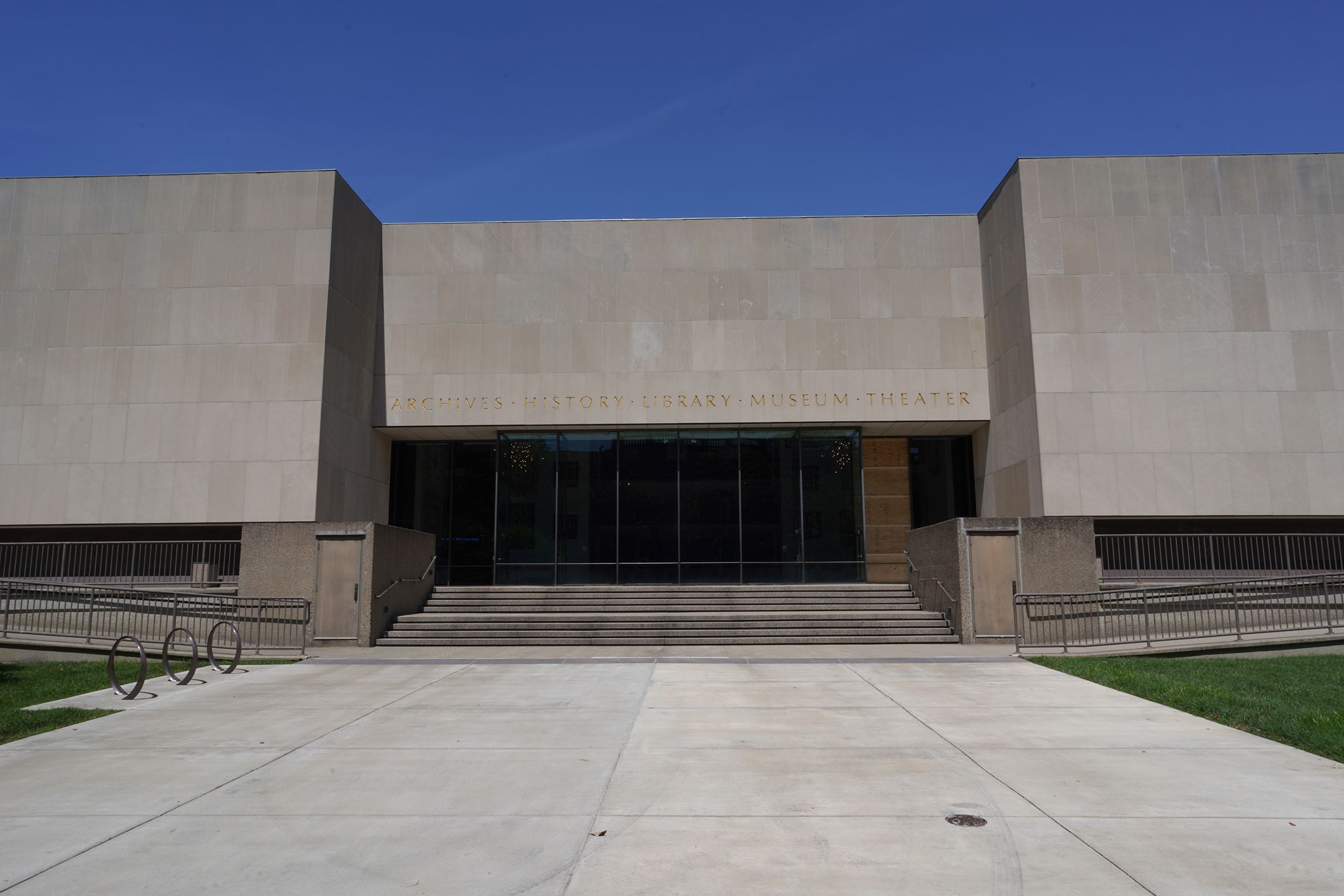
West Virginia State Museum, Chareston, West Virginia, USA
Museum with art & exhibitions celebrating West Virginia’s history & culture. 1095
West Virginia State Museum: Building 9, 1900 Kanawha Blvd E #435, Charleston, WV 25305
Date Picture Taken: July 2025
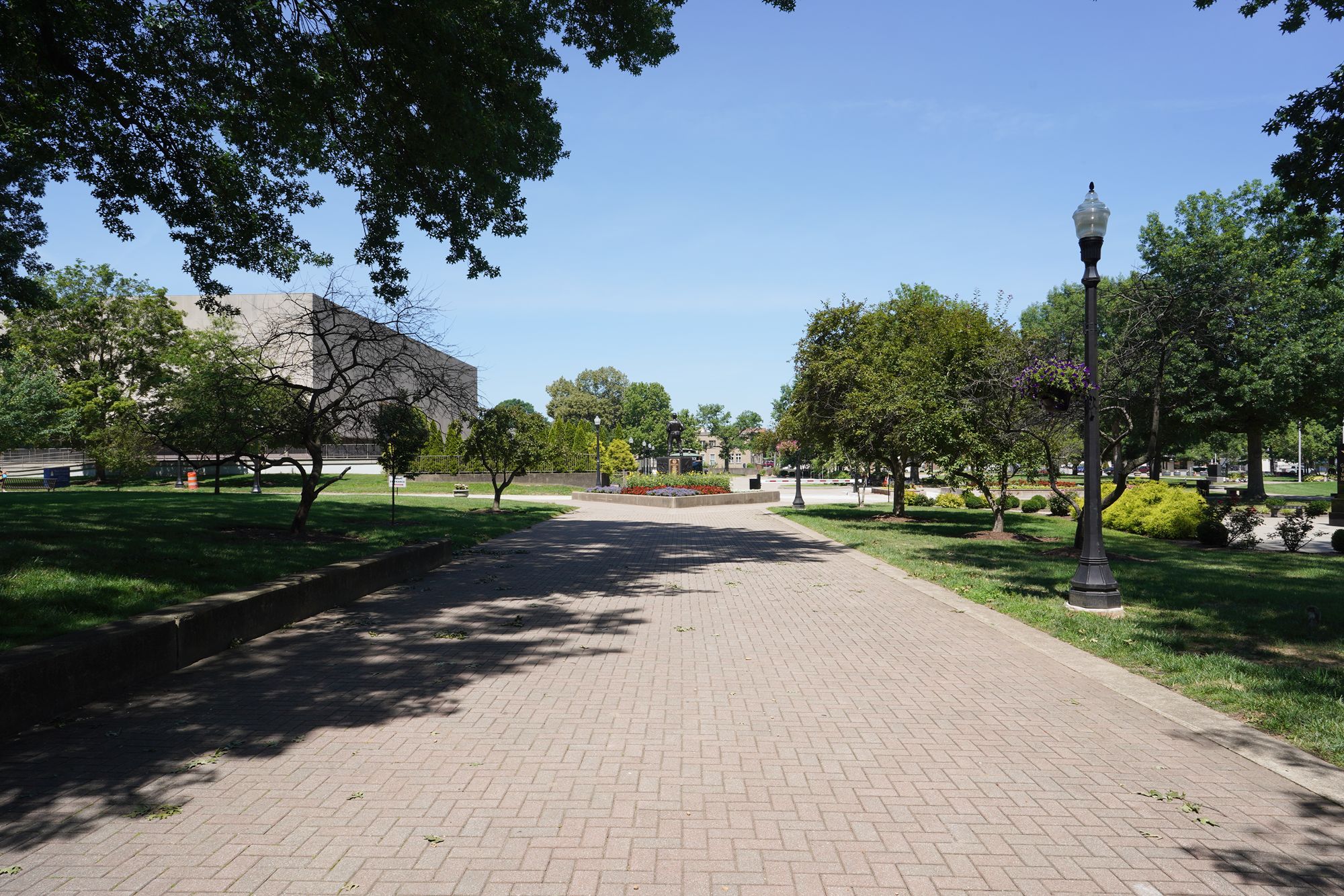
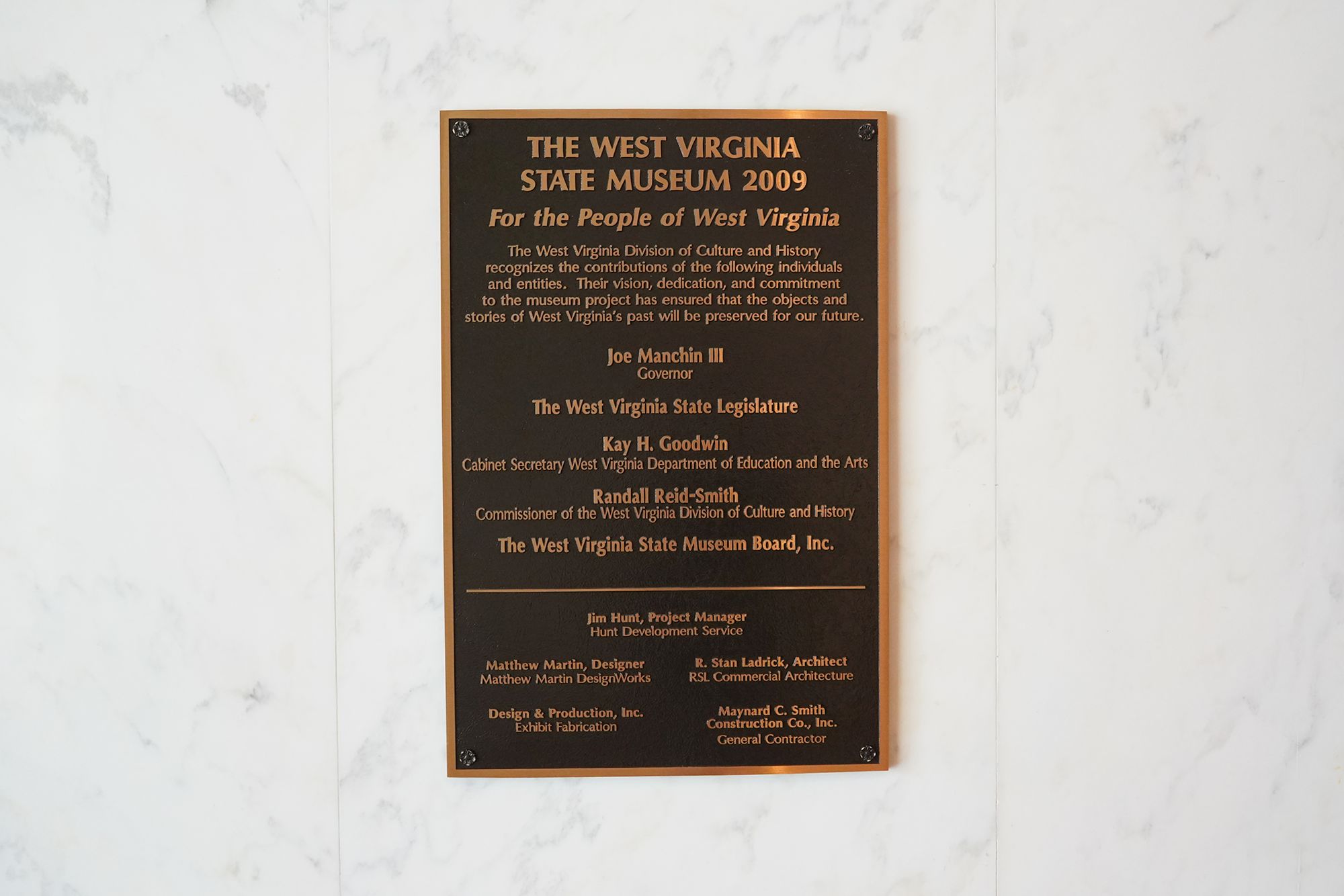
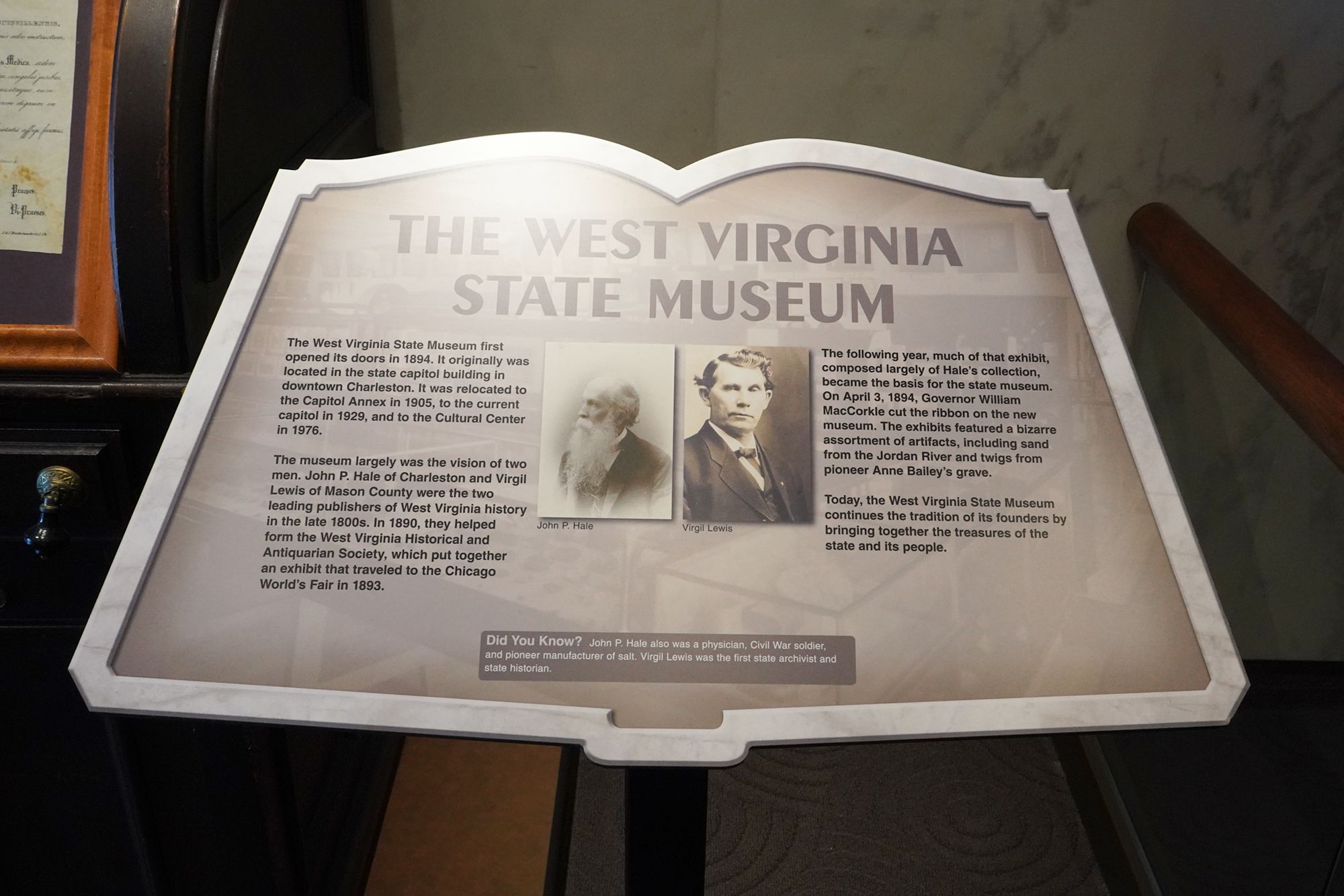
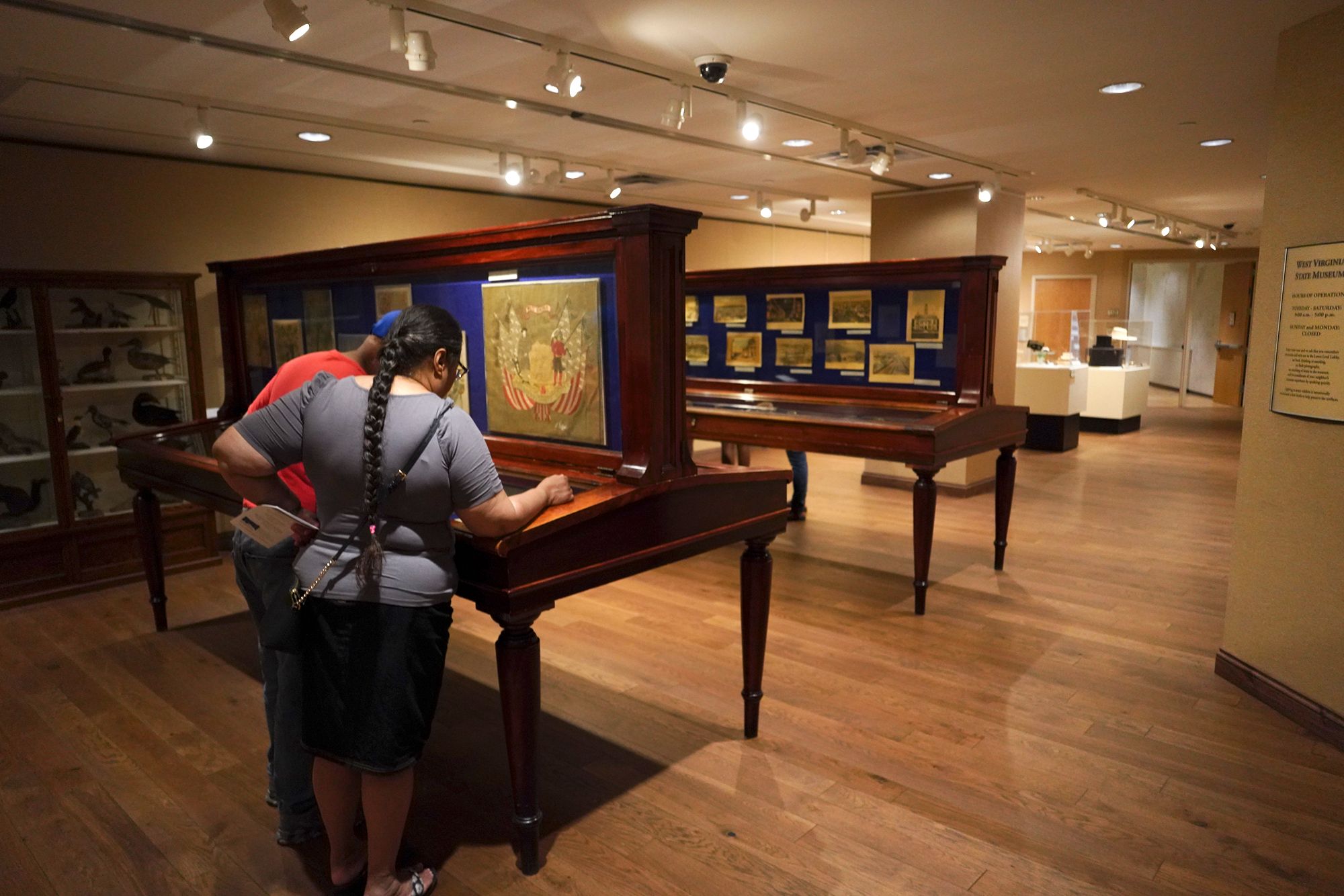
The West Virginia State Museum is a comprehensive museum dedicated to the history, culture, art, paleontology, archaeology, and geology of the state of West Virginia.
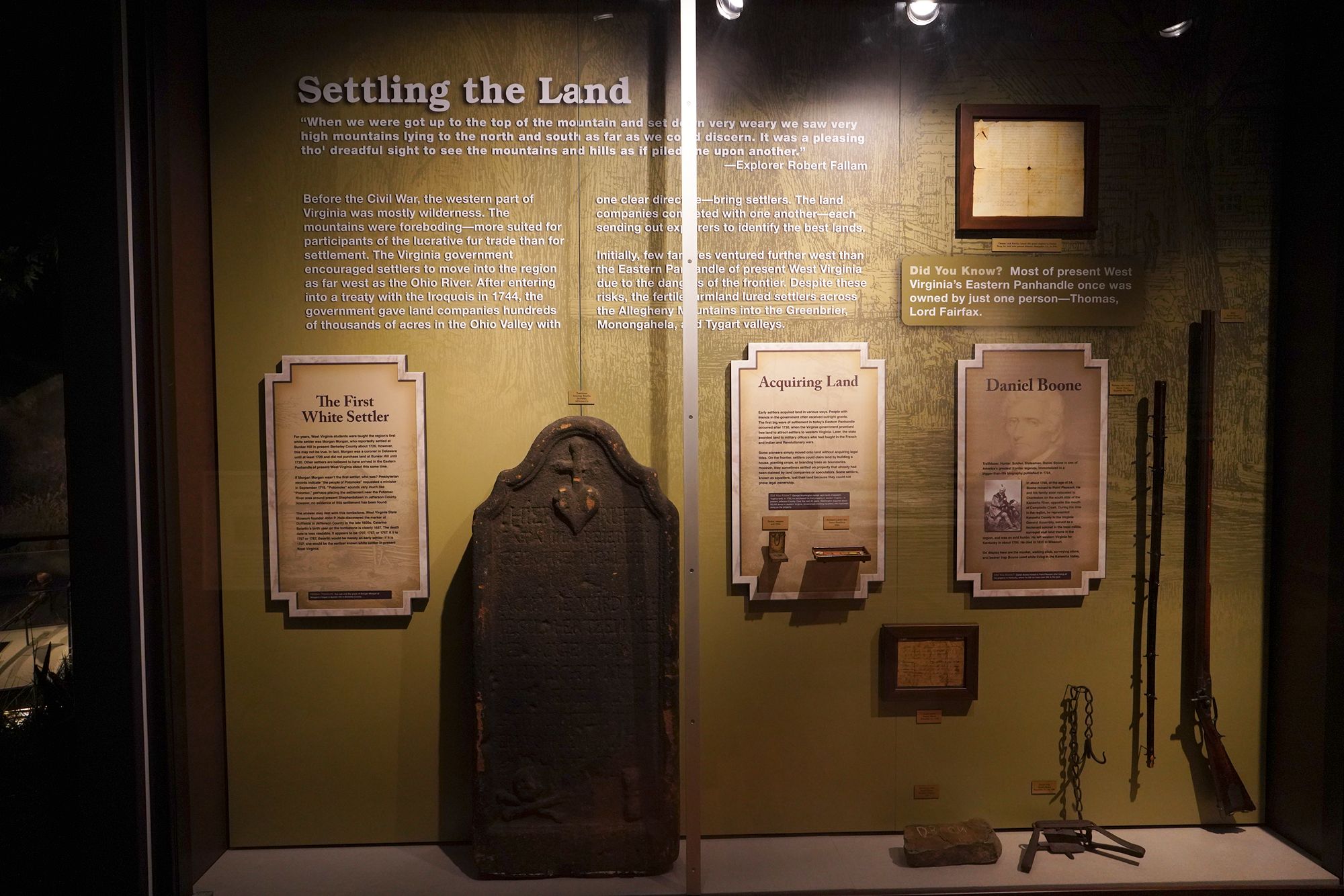
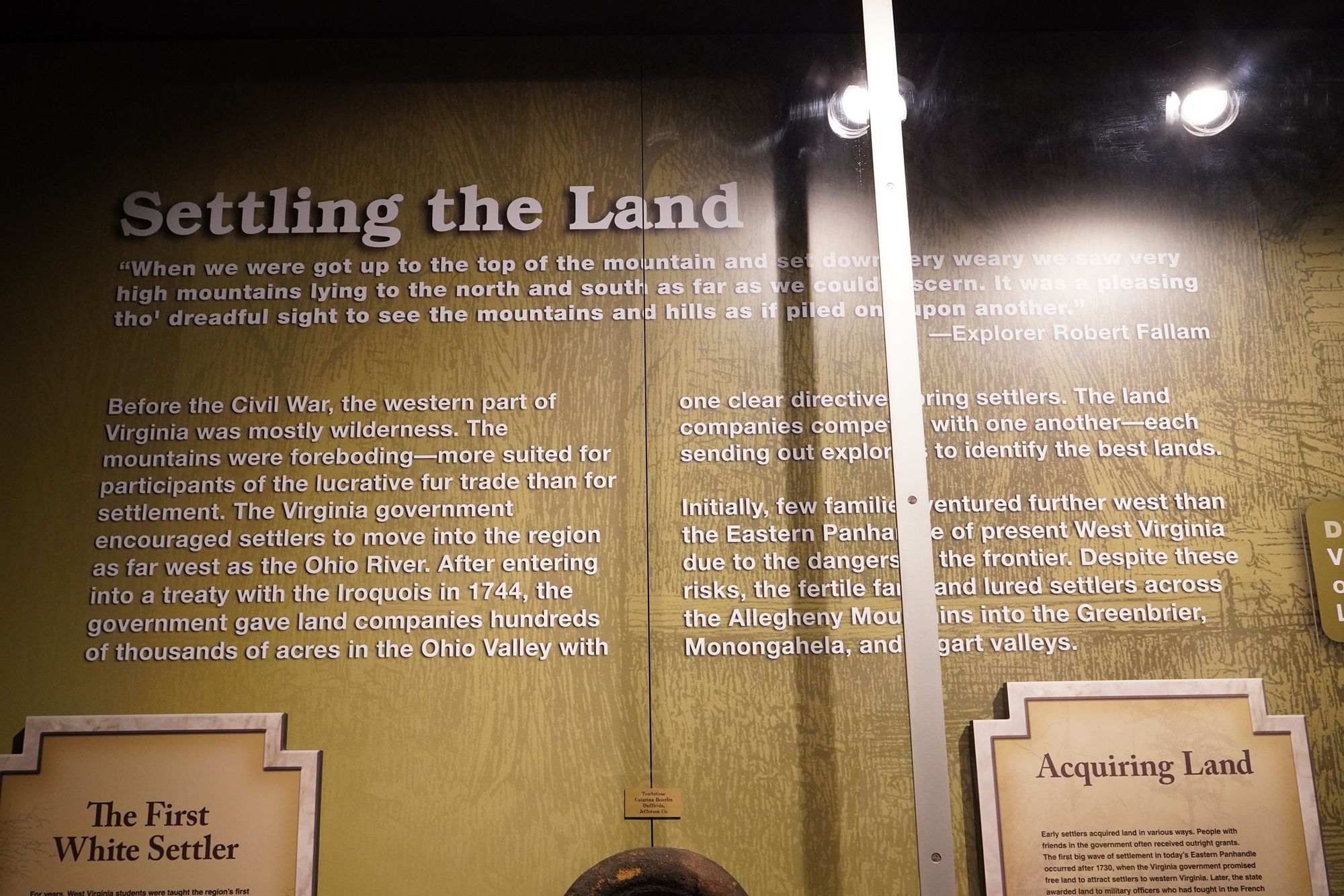
Settling the Land
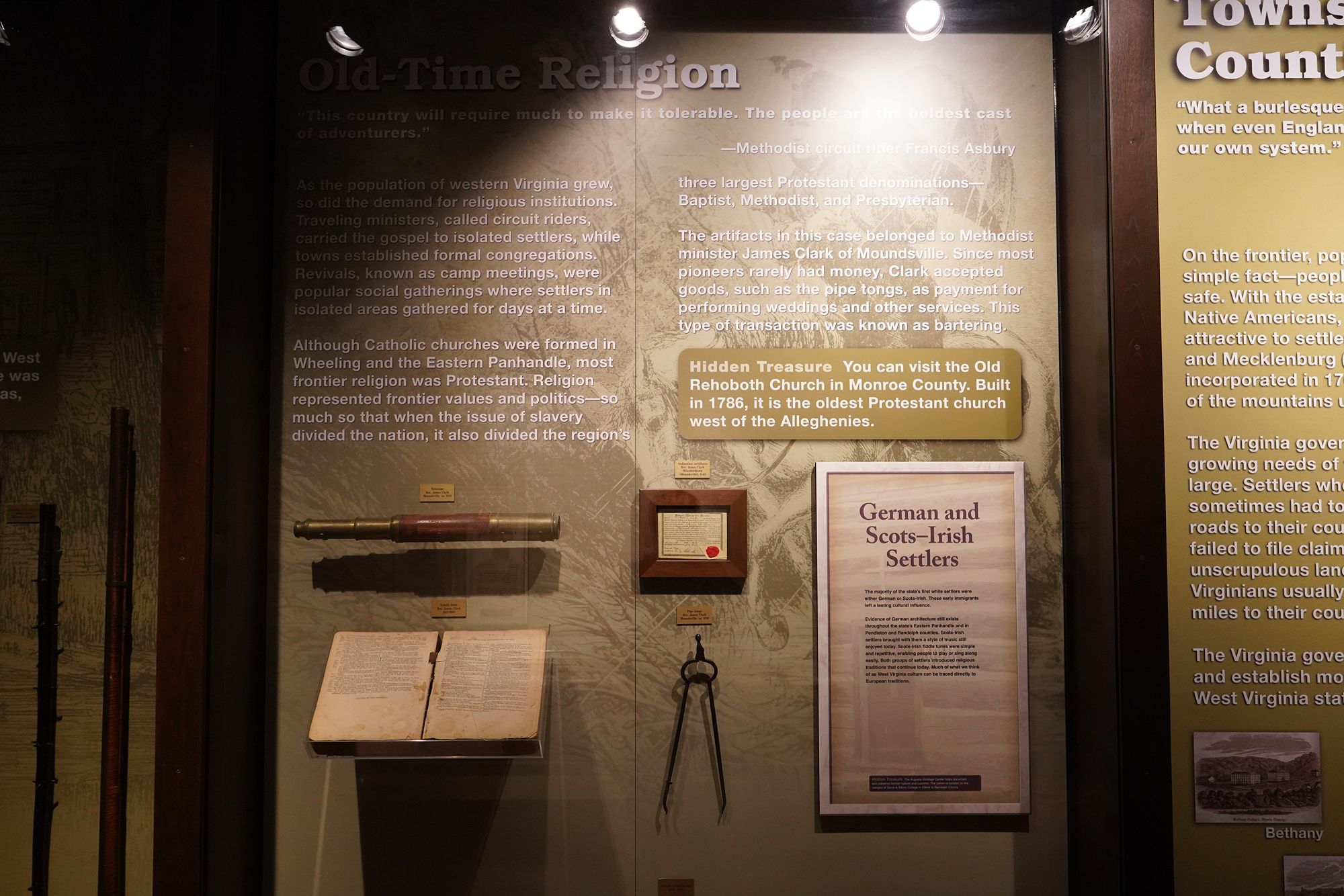
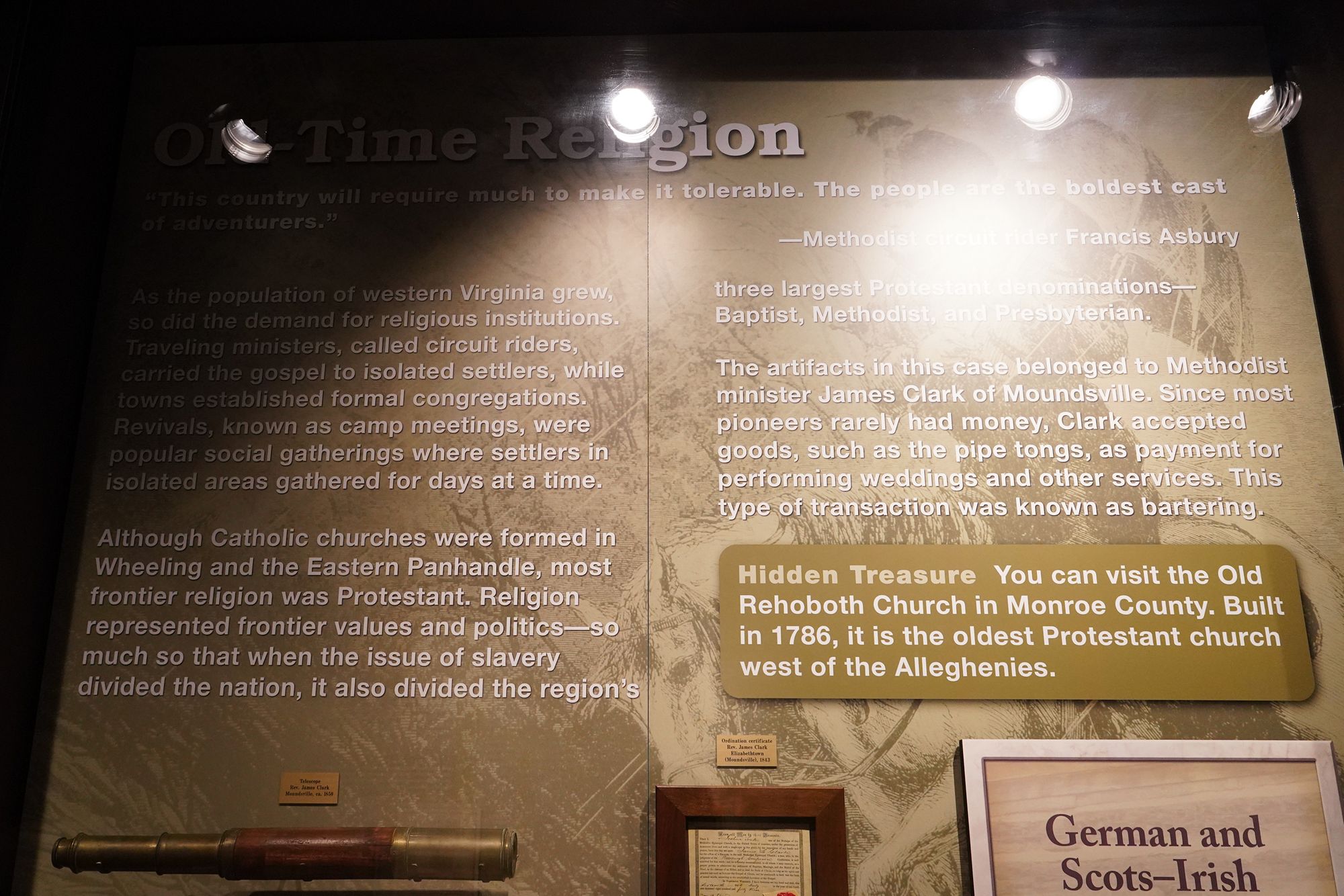
Old-Time Religion
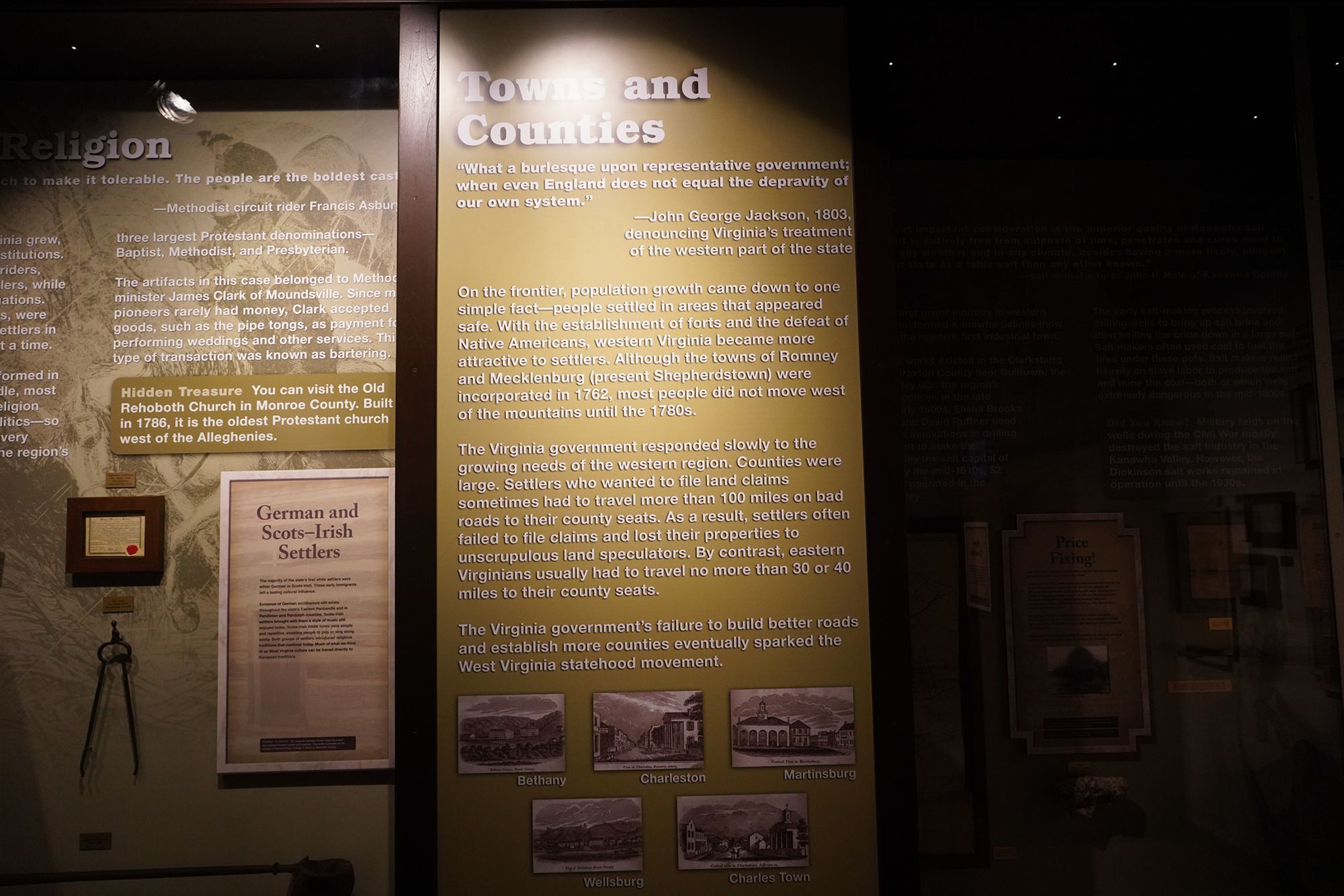
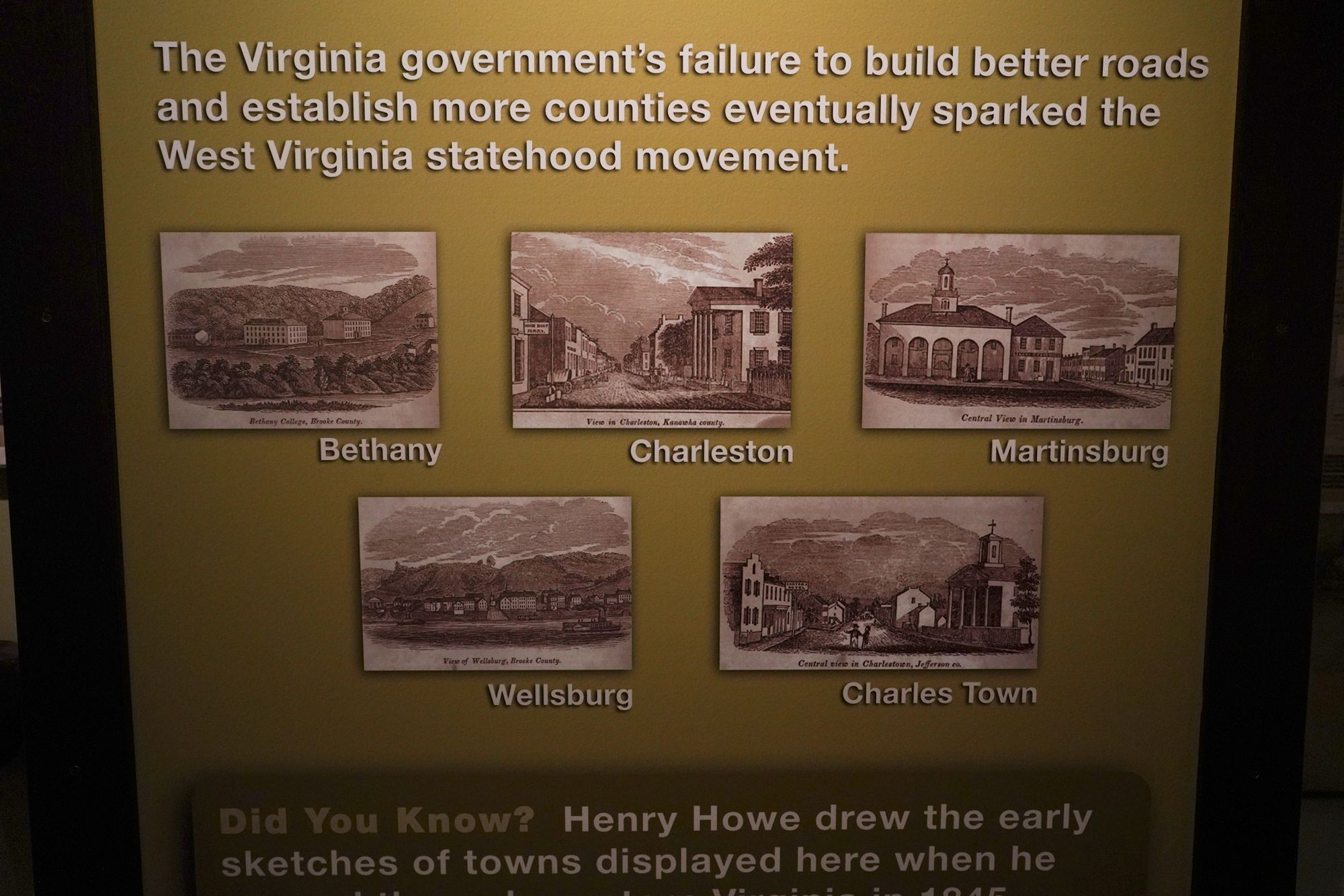
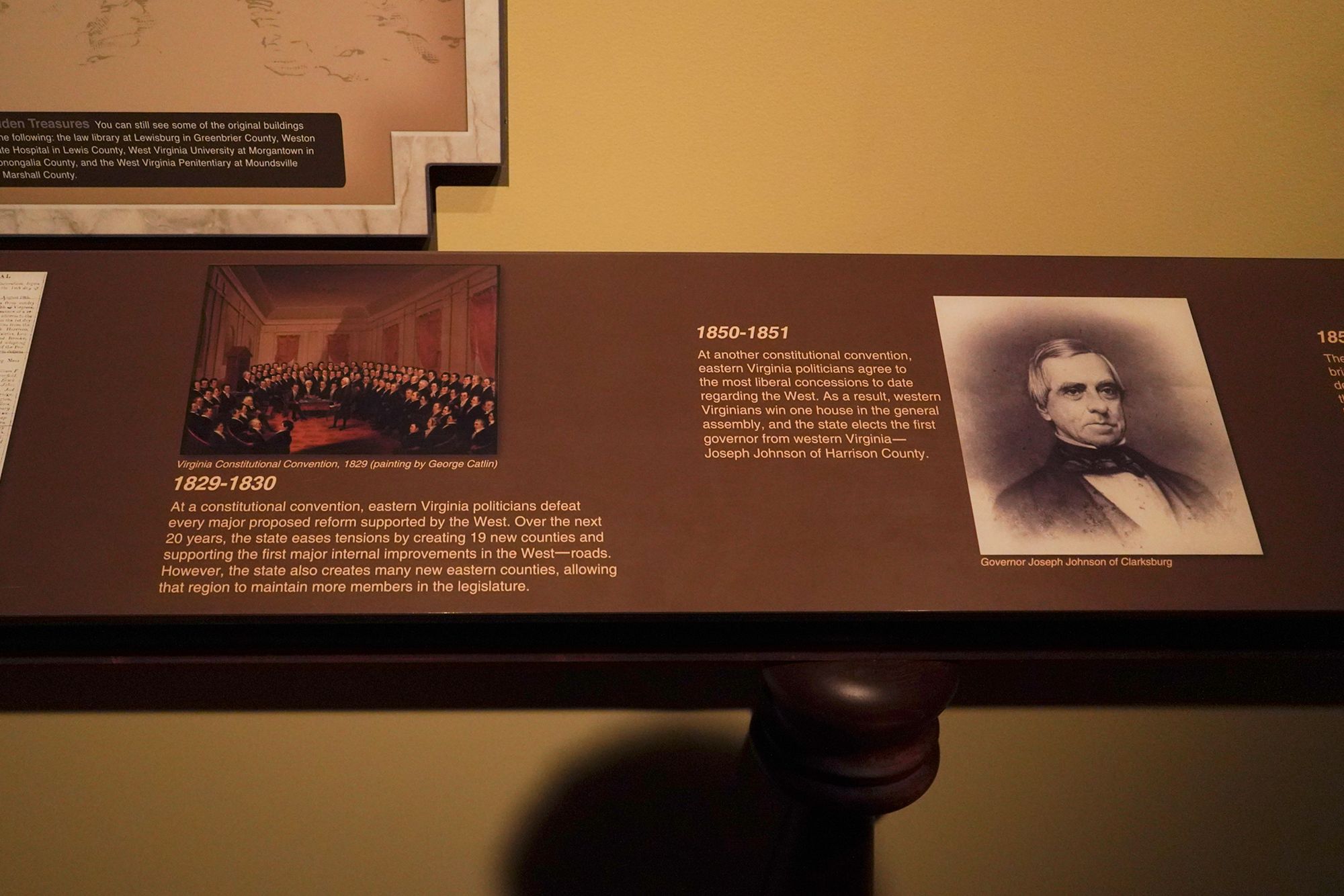
Why West Virginia was separated from Virginia
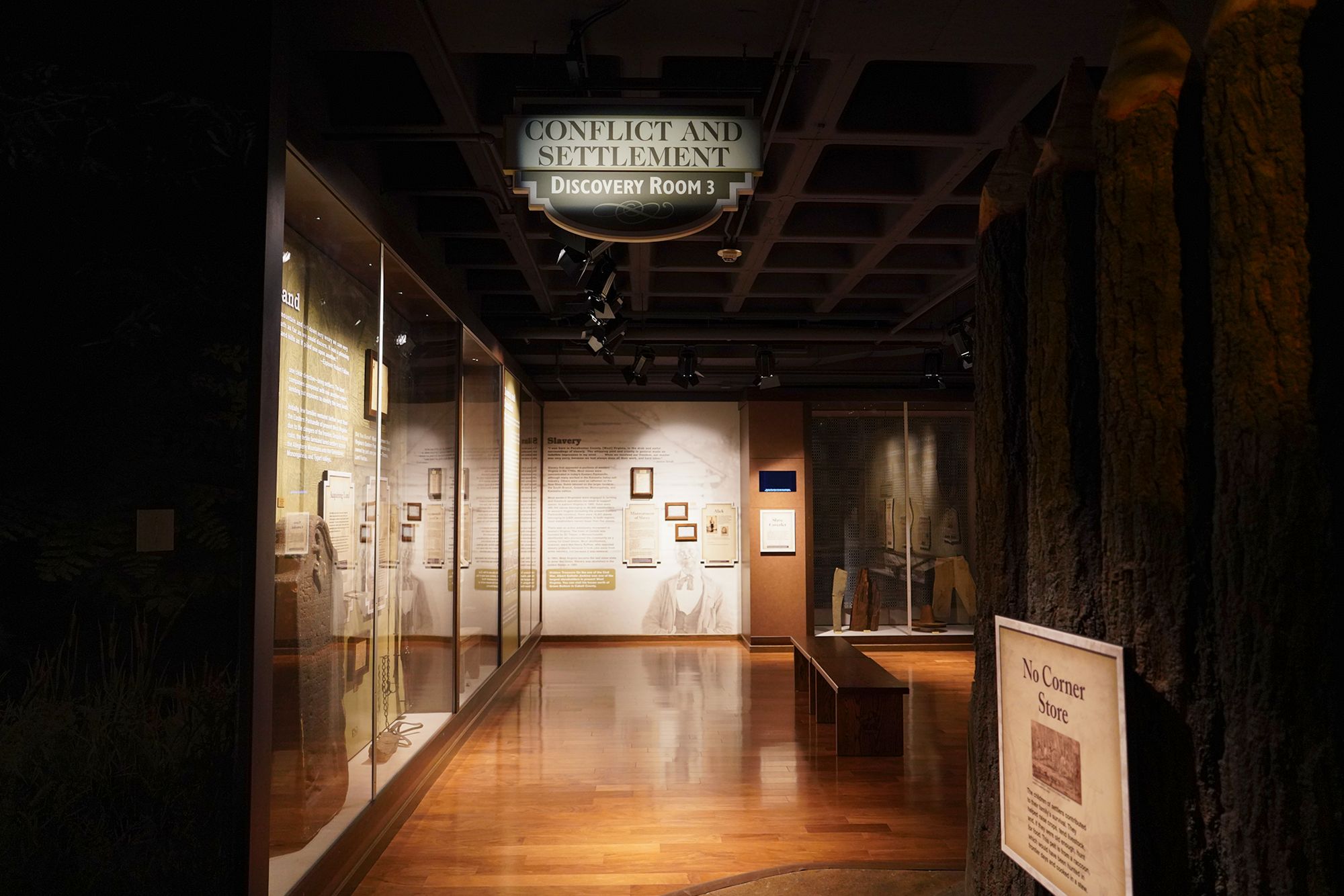
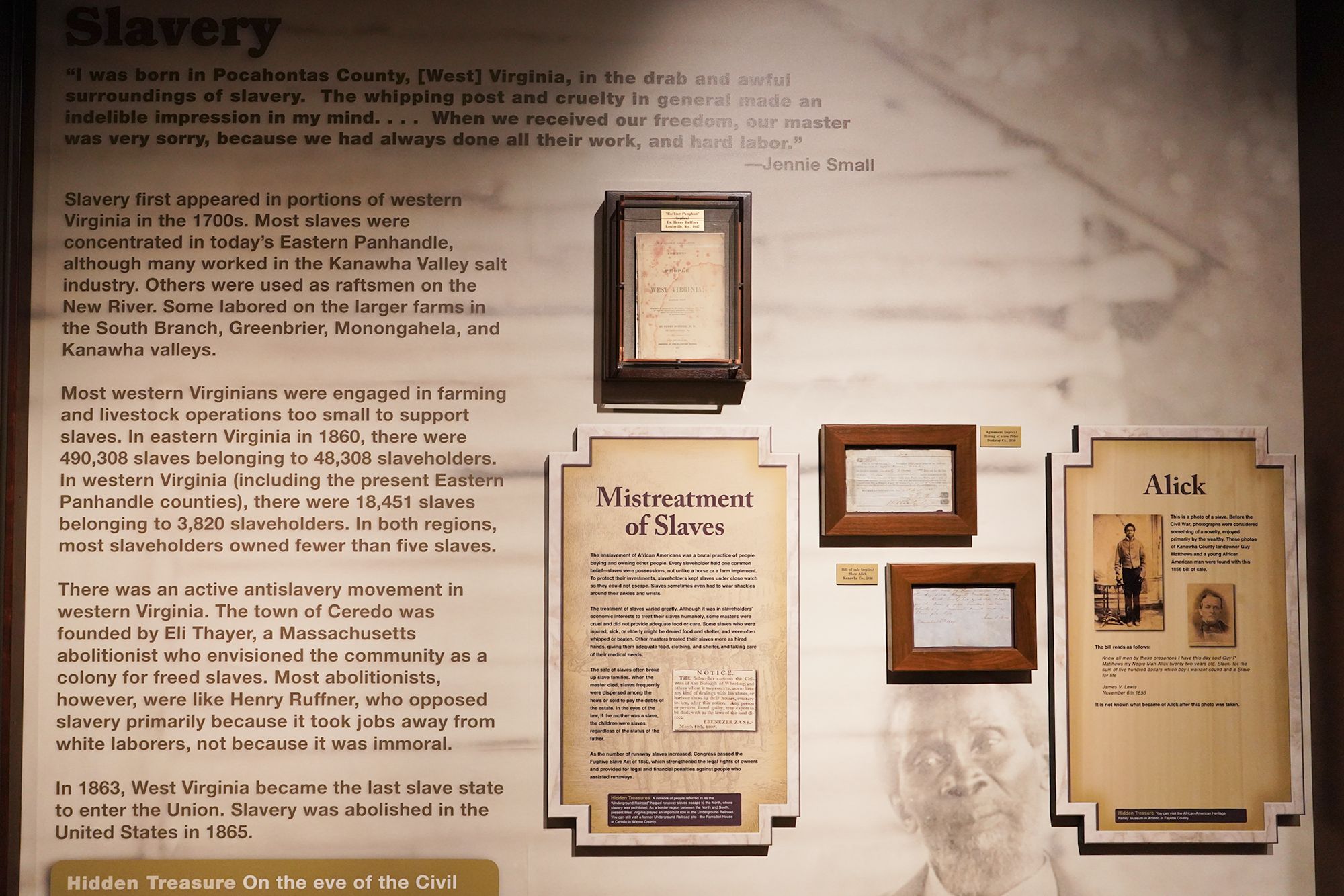
Just before the Civil War, slavery did exist in what is now West Virginia, but it was smaller in scale, less concentrated, and economically different than in the Deep South and the eastern part of Virginia.
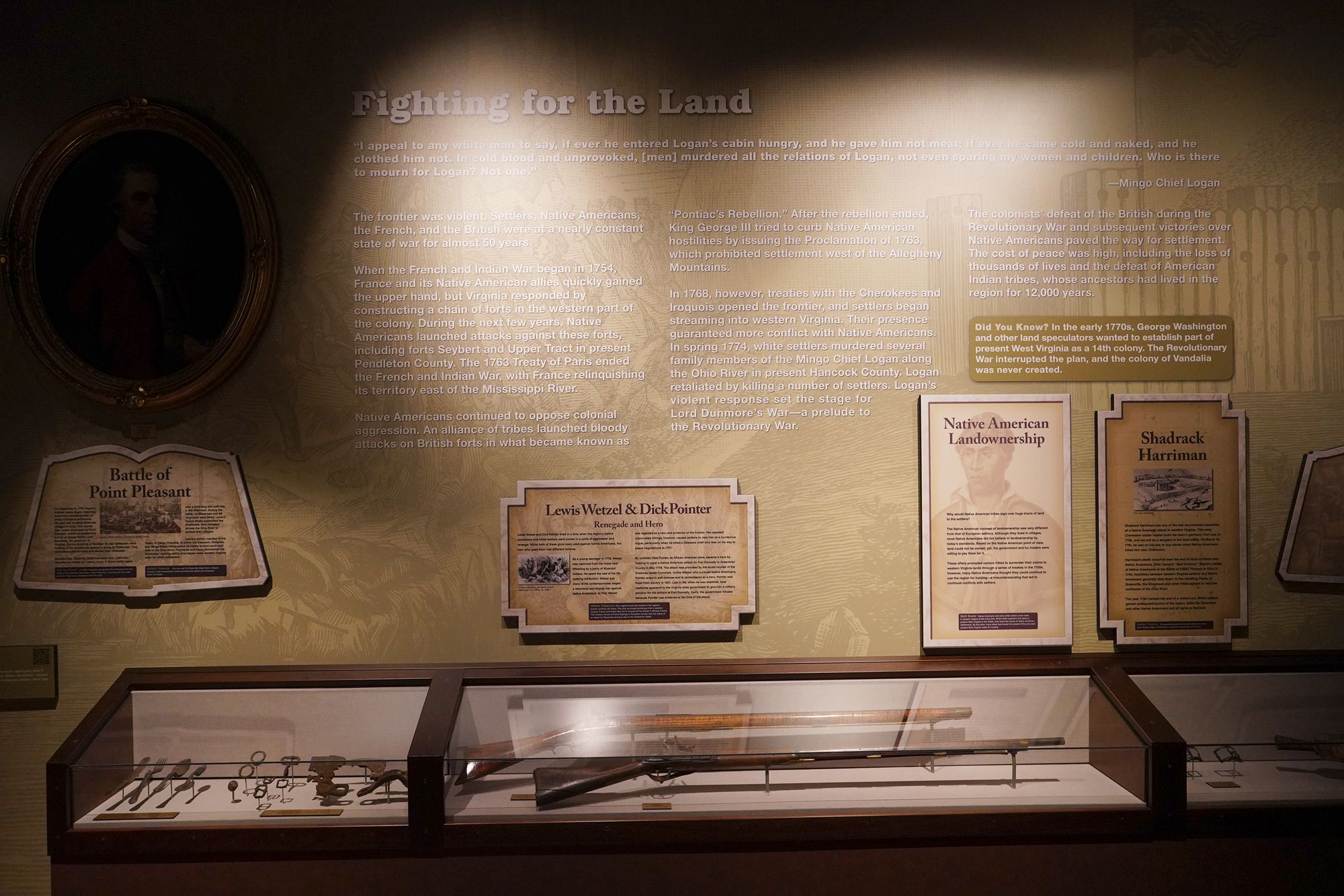
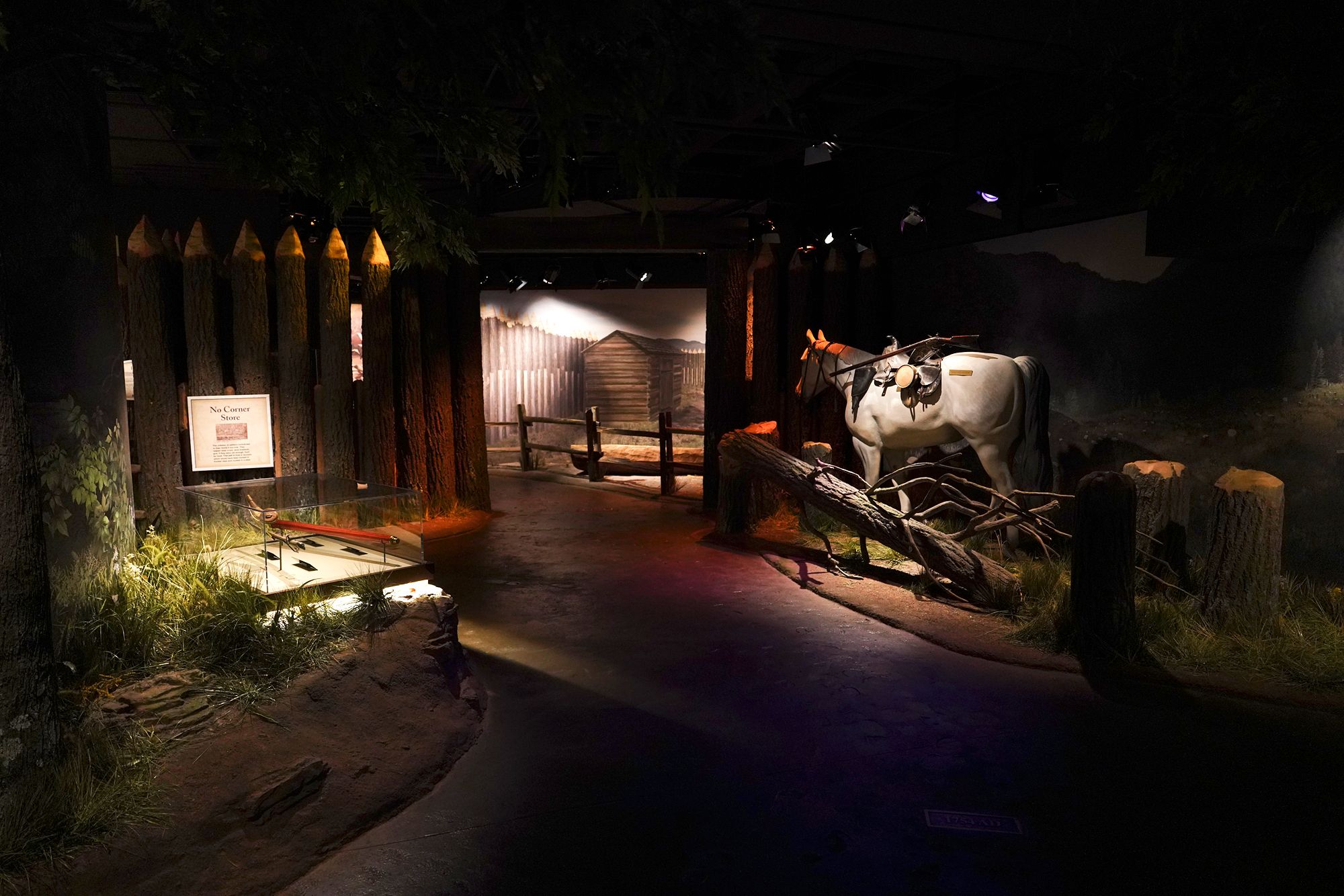
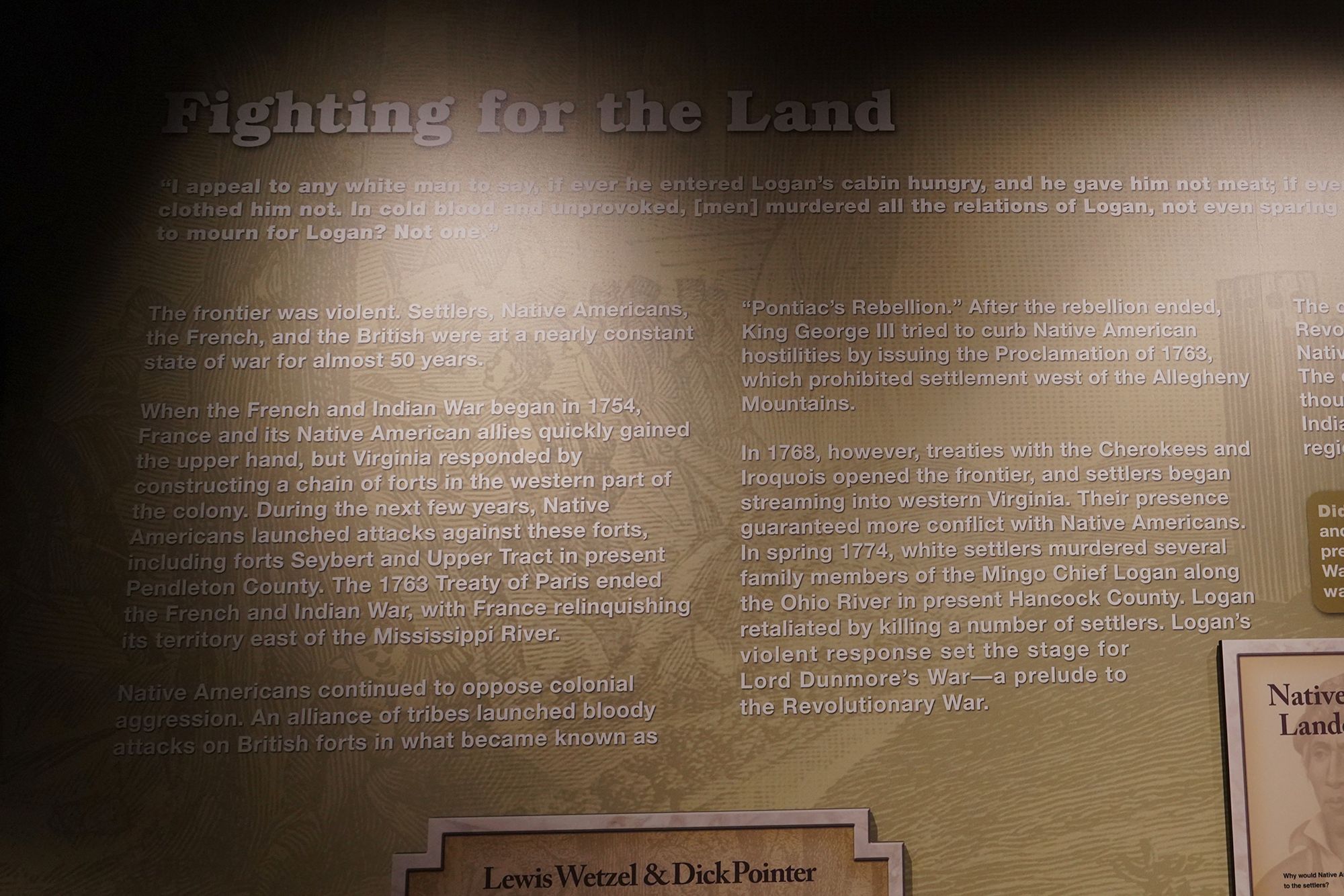
During the West Virginia frontier era, settlers mainly fought Shawnee, Mingo, and other Native nations—sometimes allied with the French and later Britain—over land, territory, and expansion, with later conflicts shifting to local land disputes and feuds as Native resistance declined.
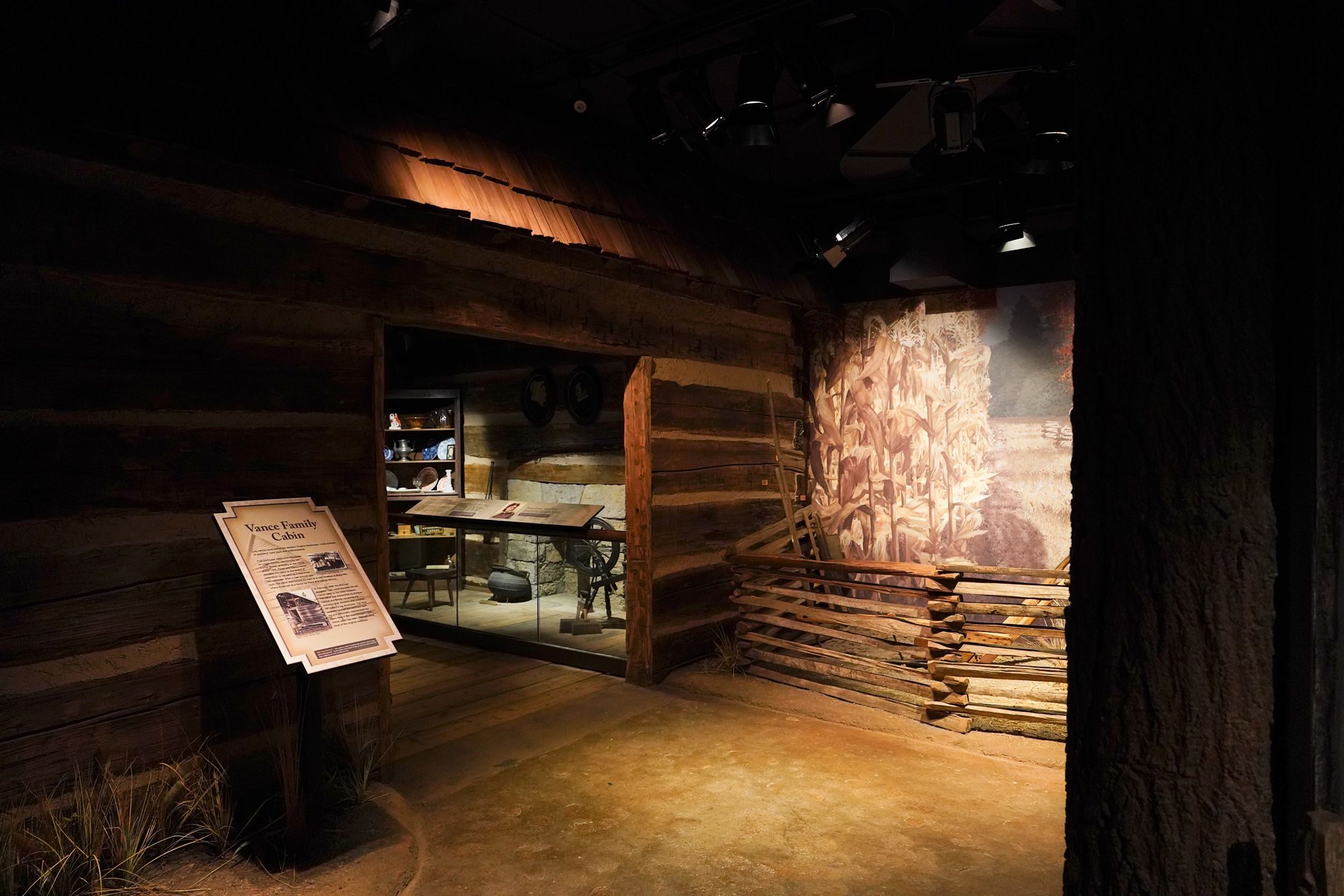
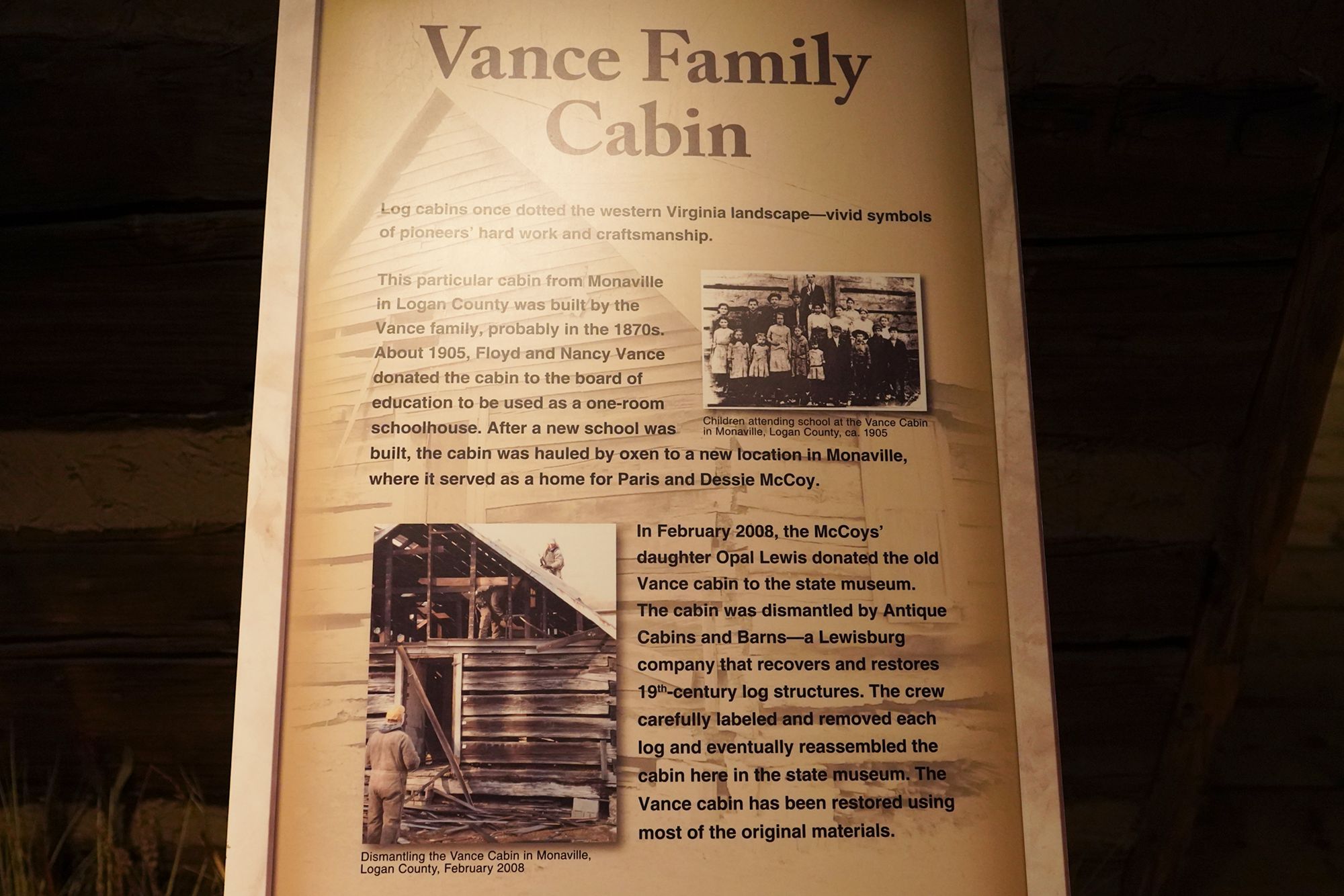
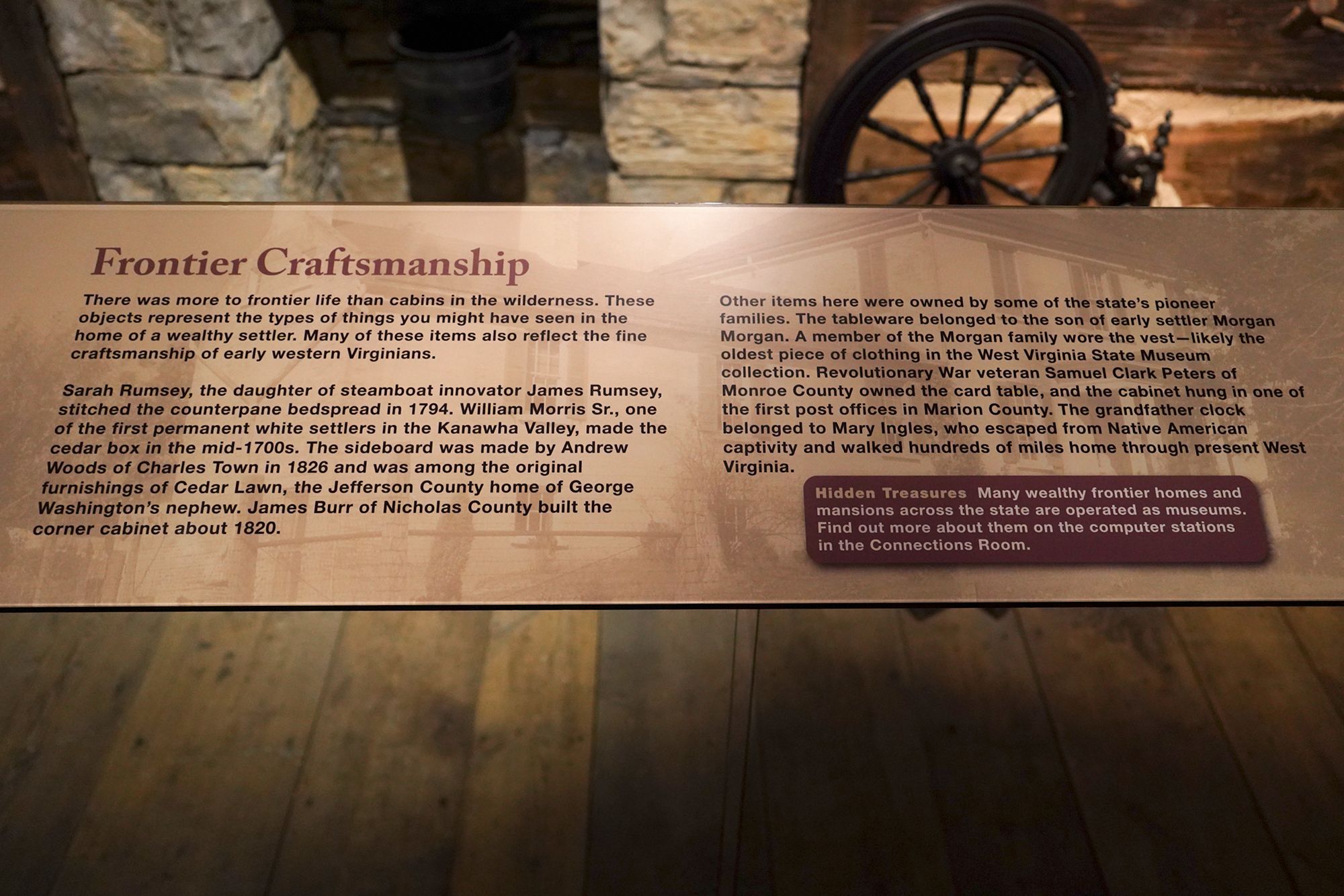
Frontier Life
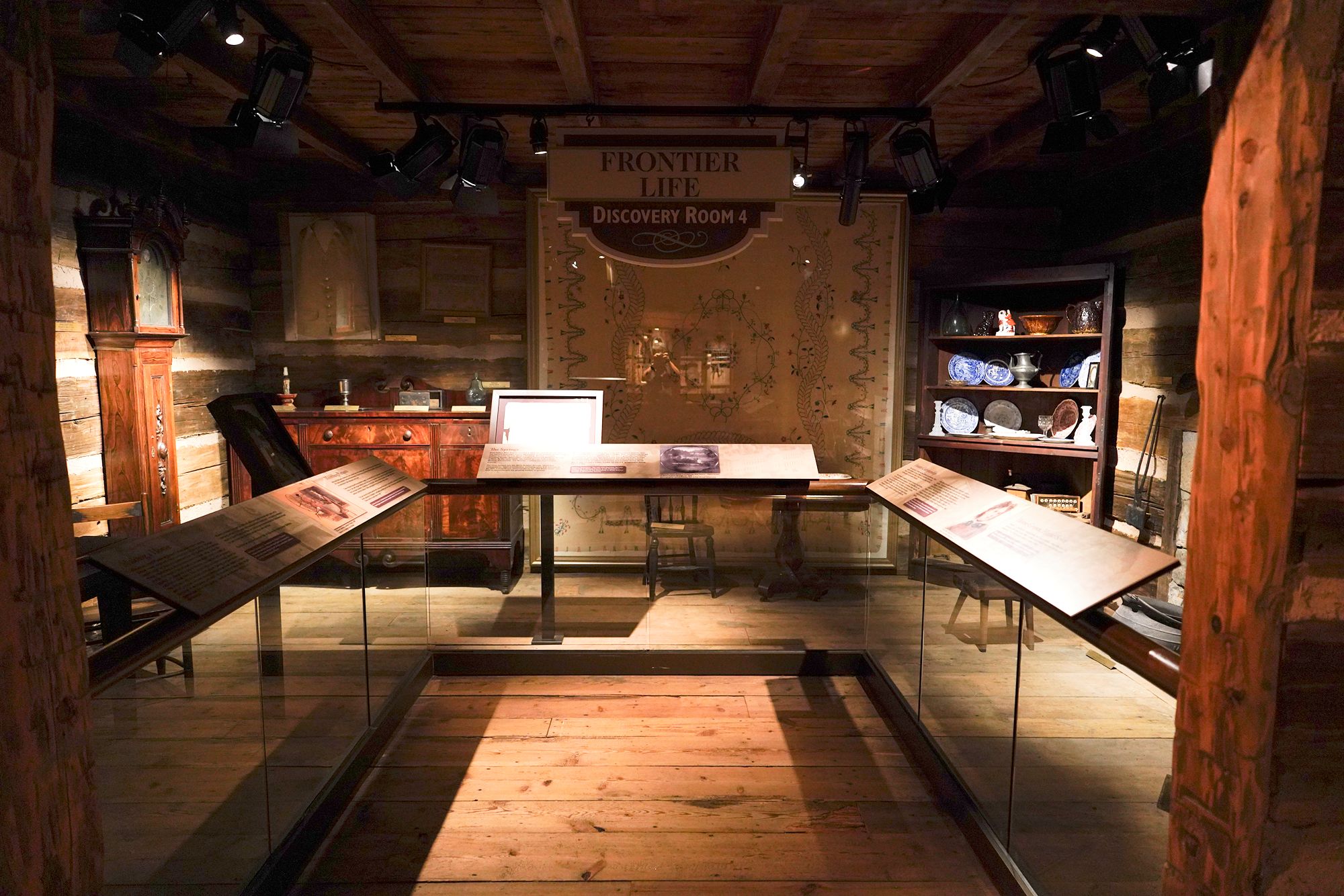
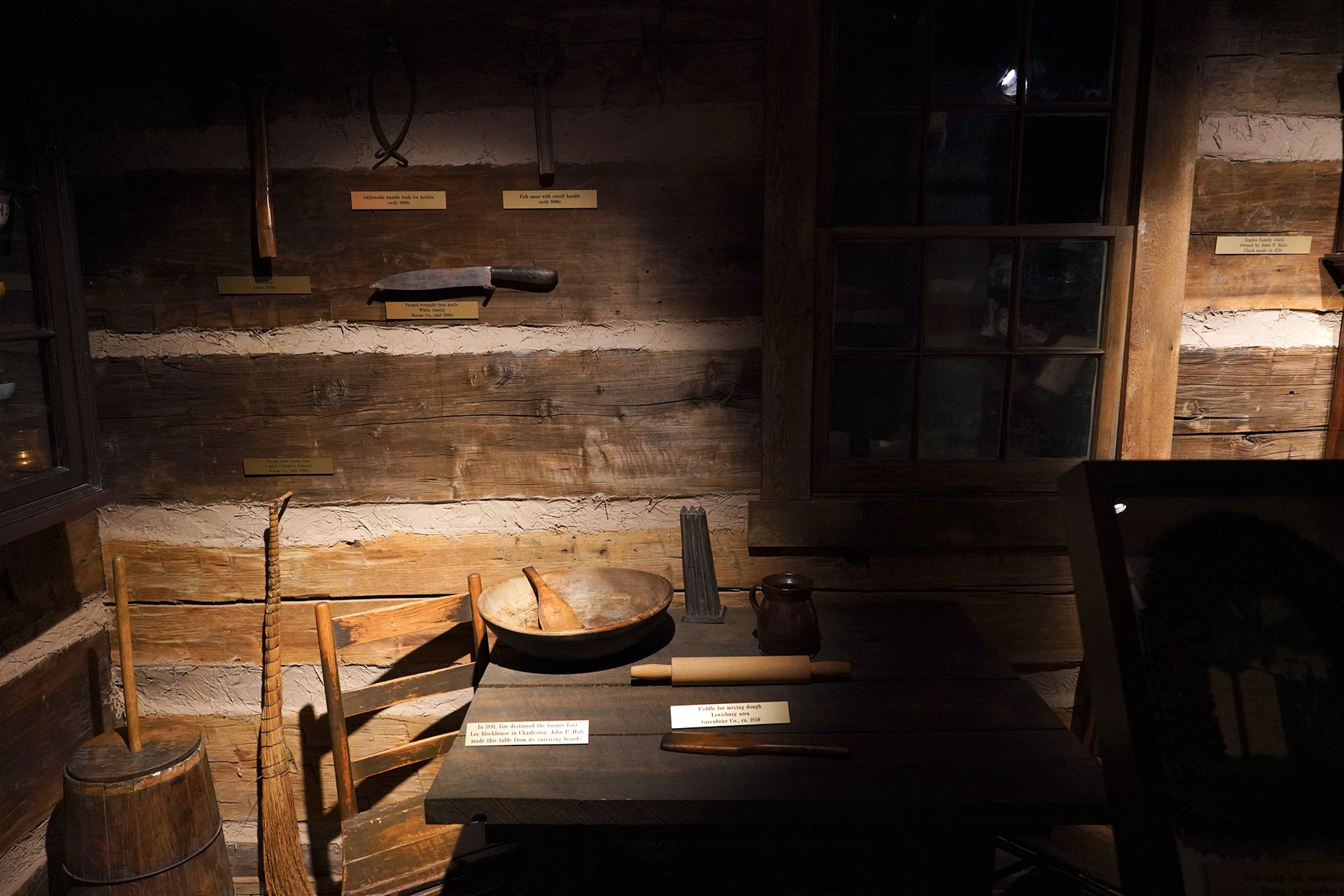
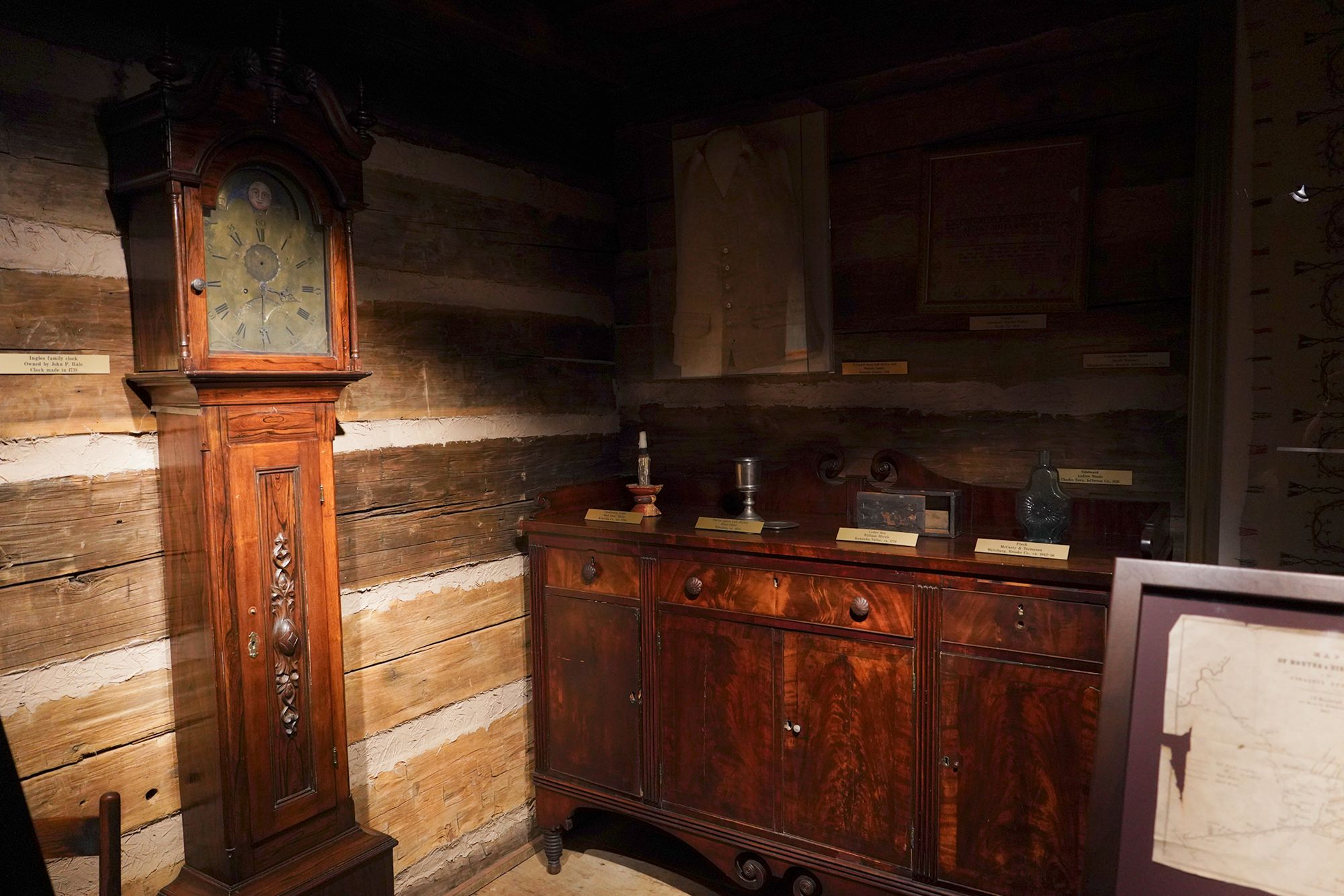
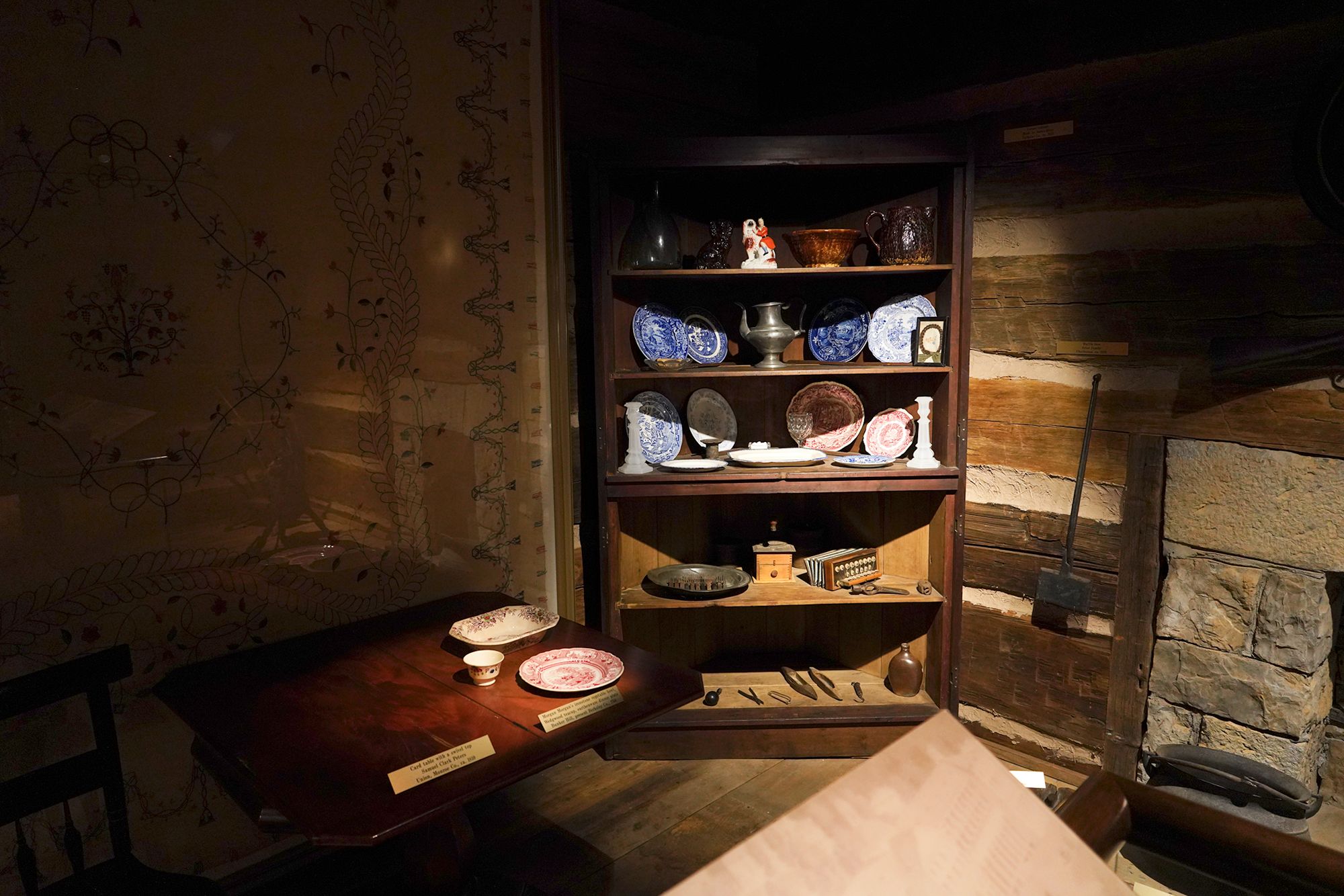
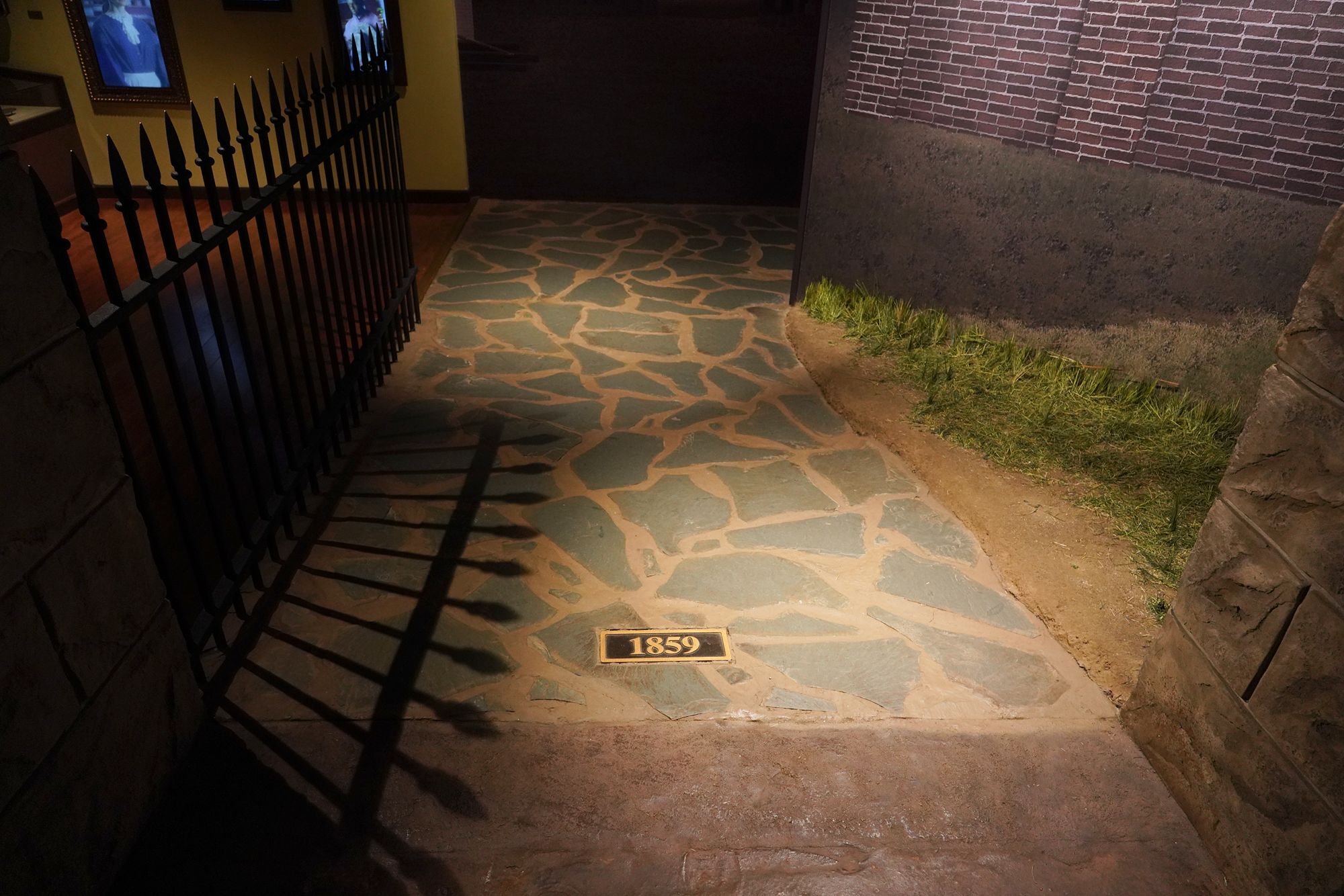
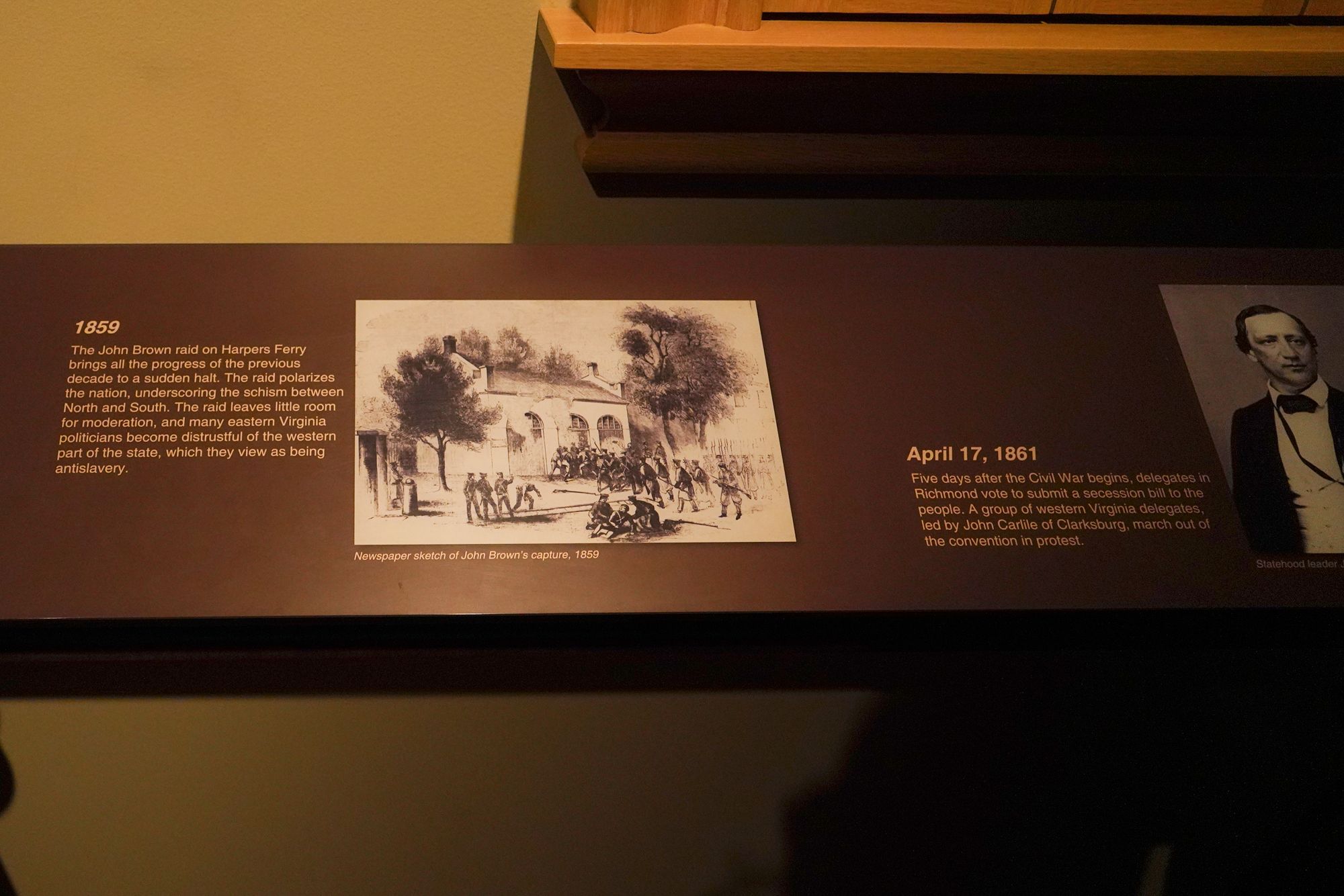
Year 1859
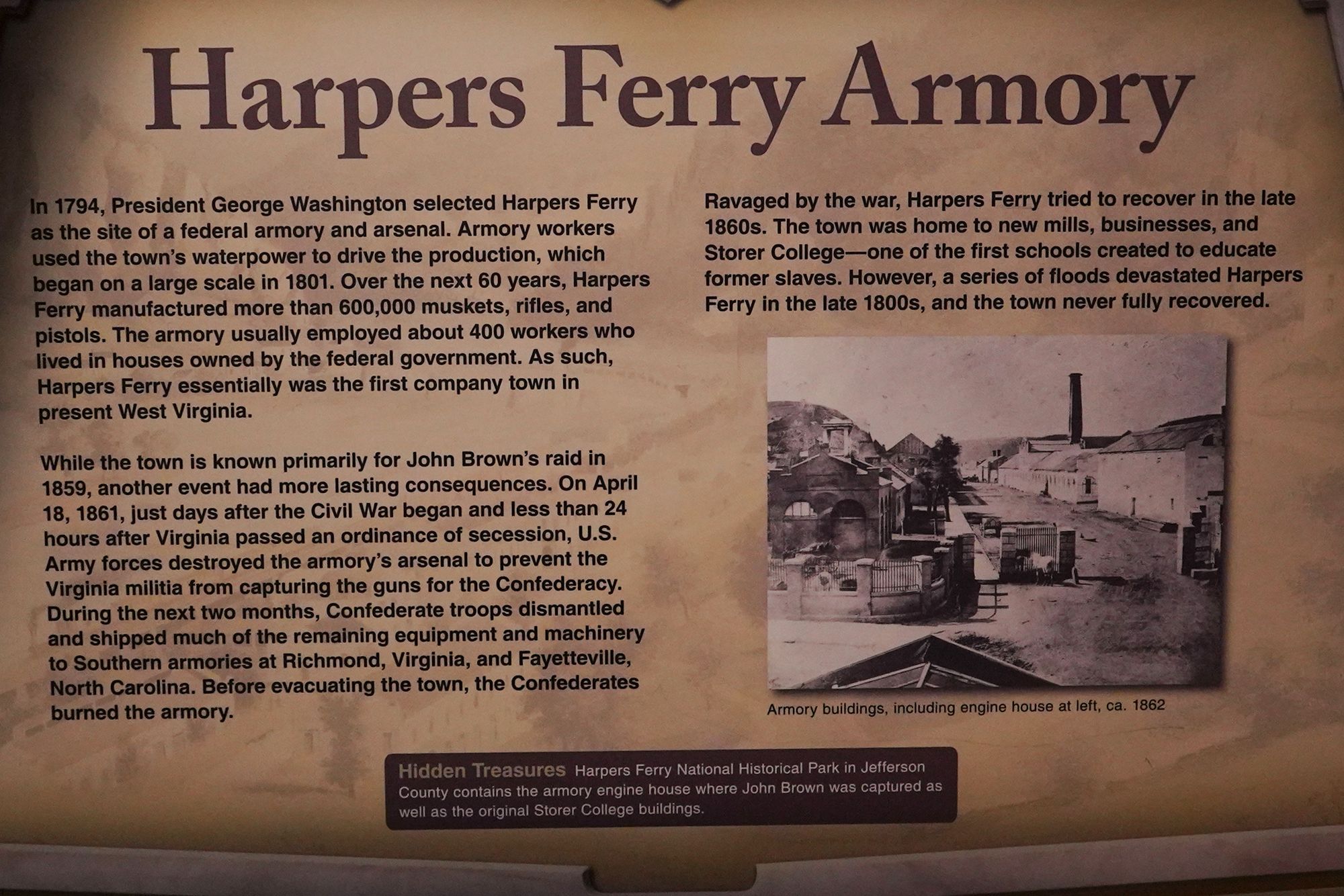
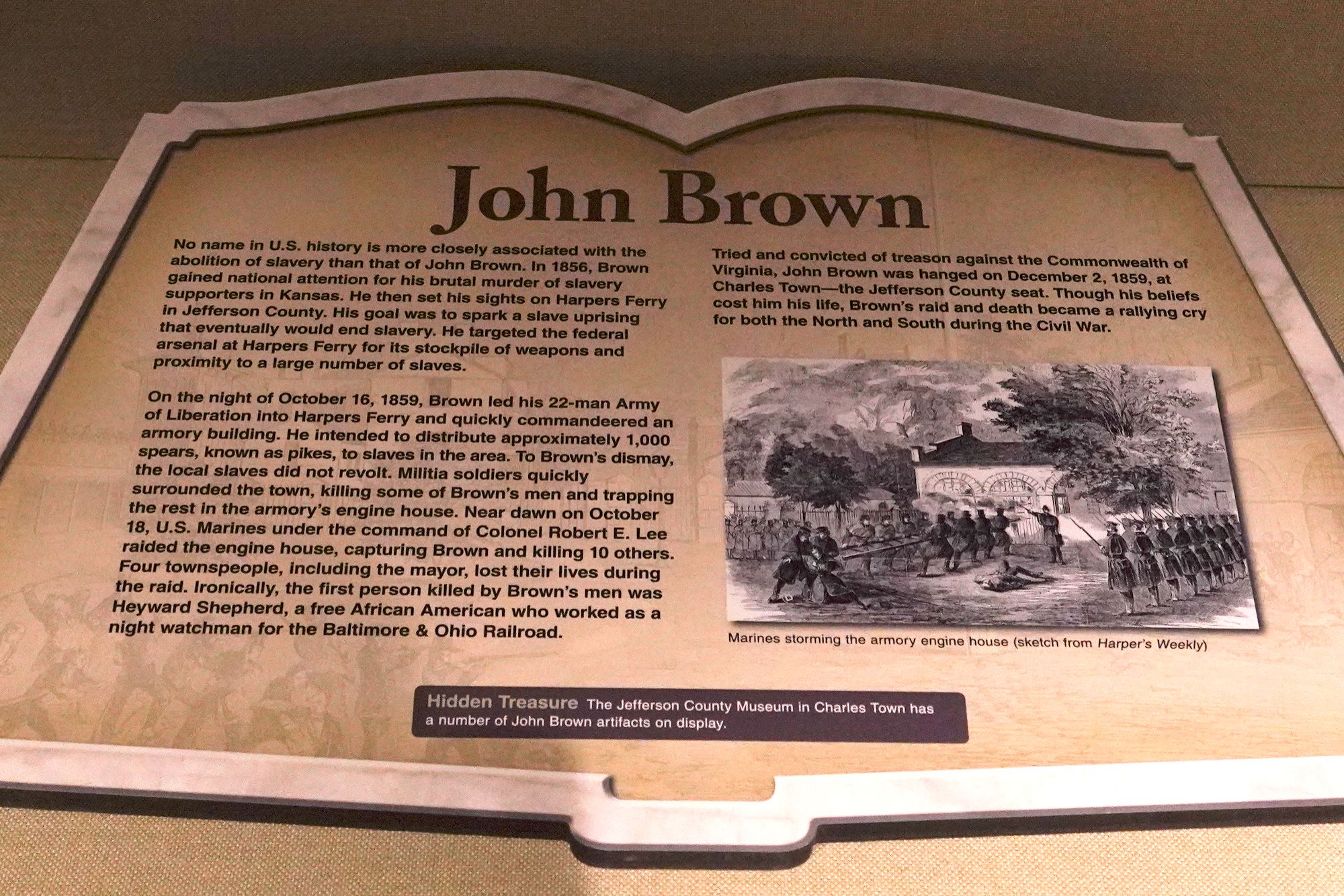
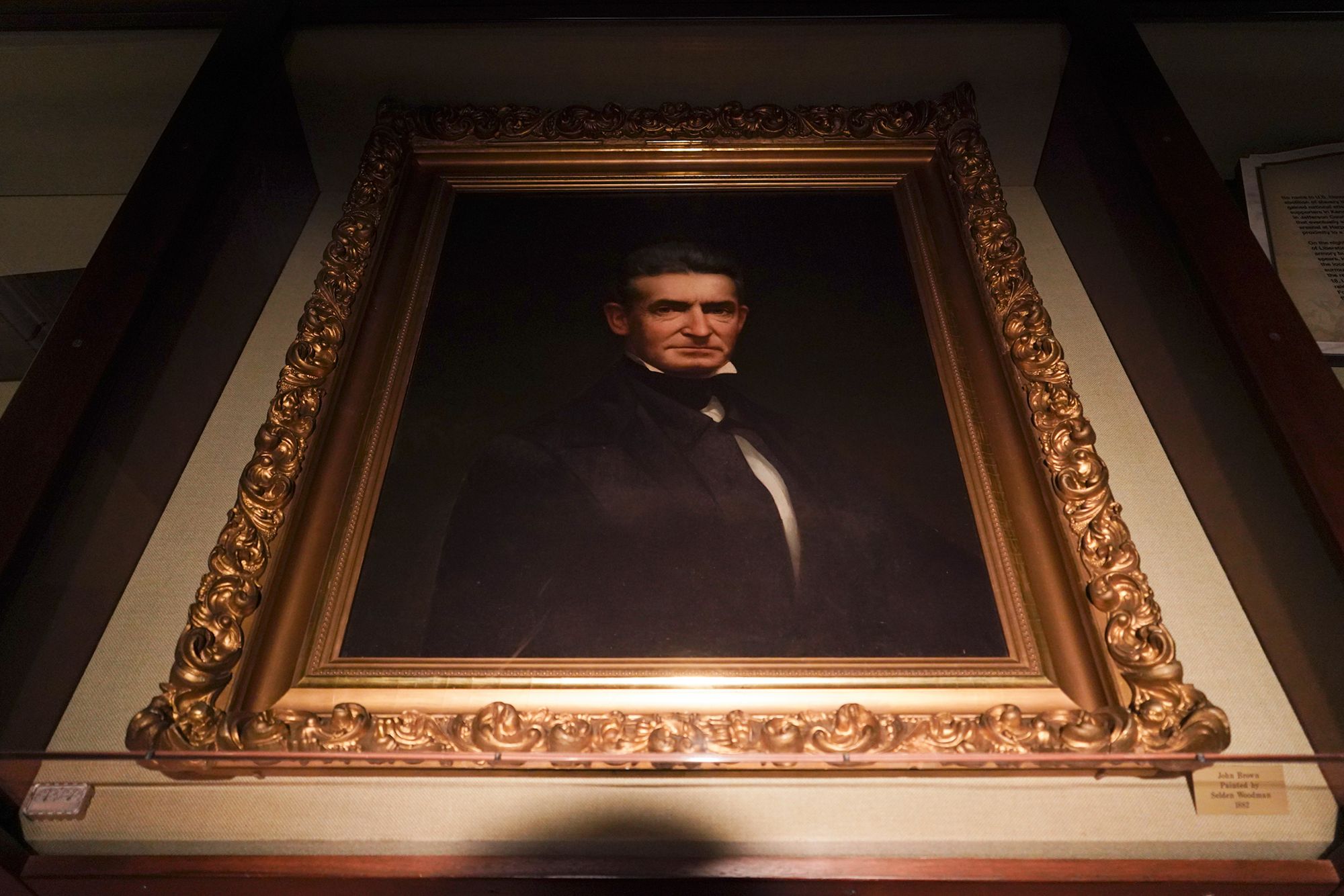
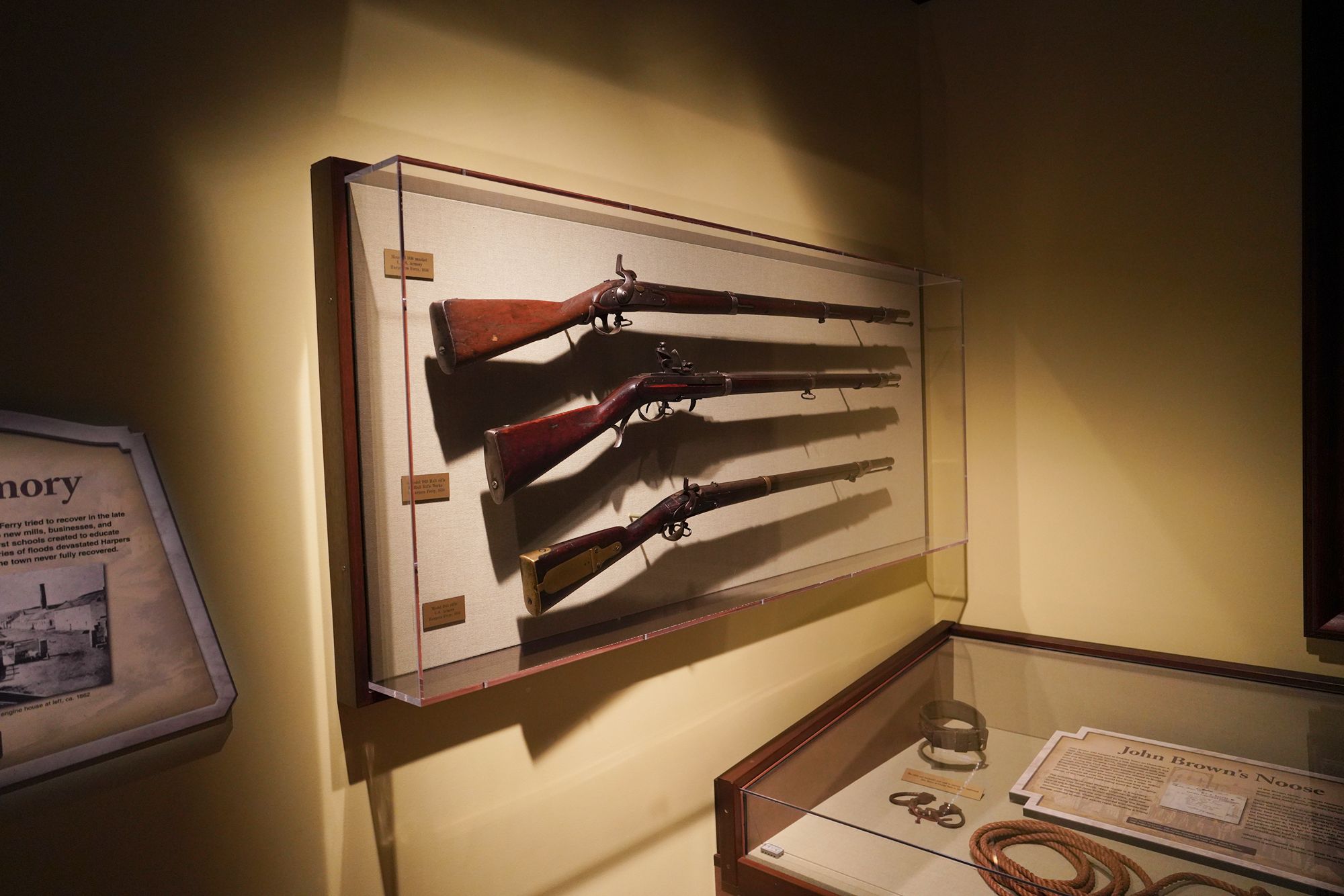
The Harpers Ferry Armory incident refers to abolitionist John Brown’s 1859 raid on the federal armory at Harpers Ferry, Virginia (now West Virginia), where he attempted to seize weapons, spark a slave uprising, and arm enslaved people; the raid failed, Brown was captured by U.S. Marines led by Robert E. Lee, and the event heightened national tensions leading up to the Civil War.
The year 1861
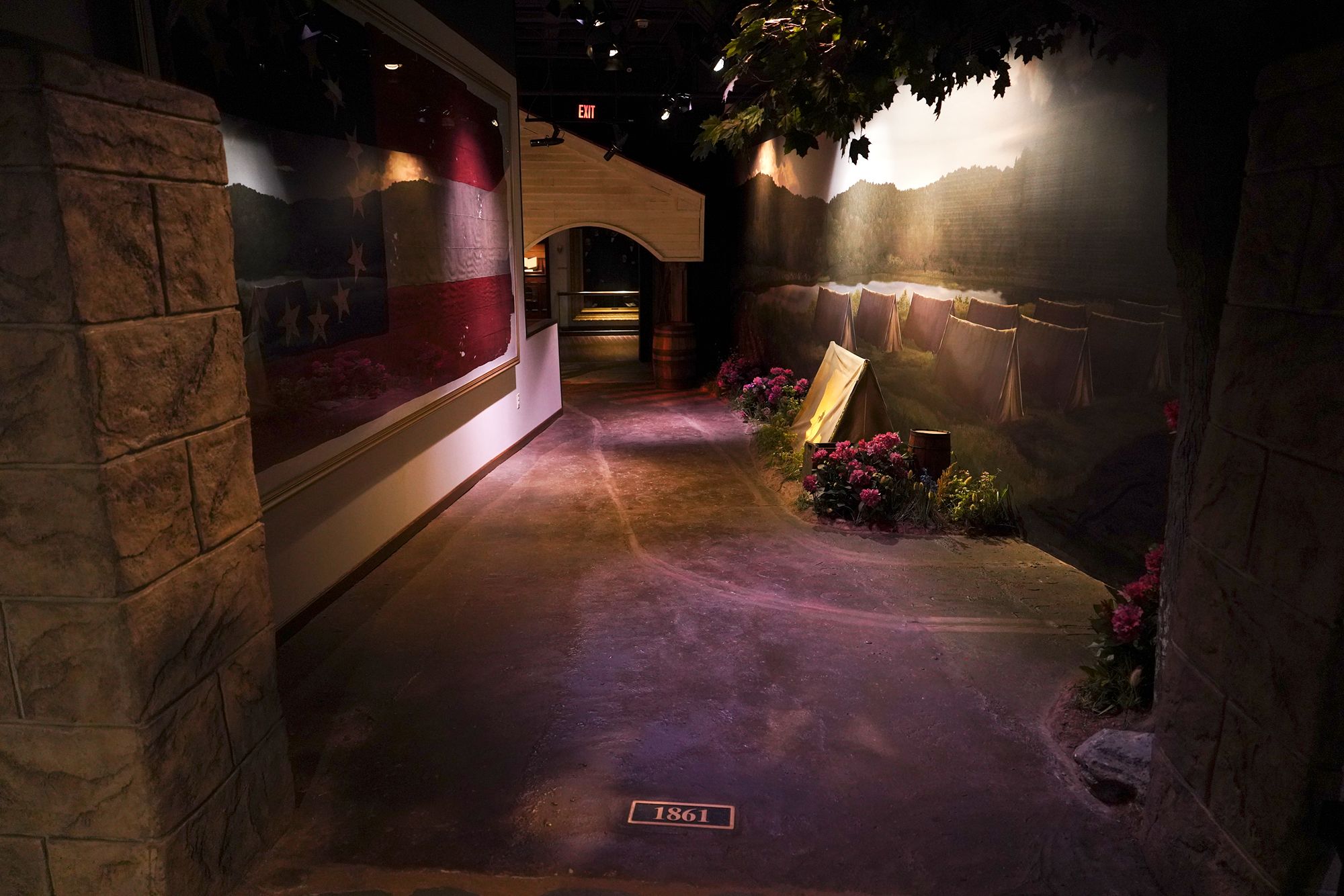
“The war within a state” refers to West Virginia’s split during the American Civil War, when the western counties of Virginia opposed secession, remained loyal to the Union, and ultimately broke away to form the new state of West Virginia in 1863.
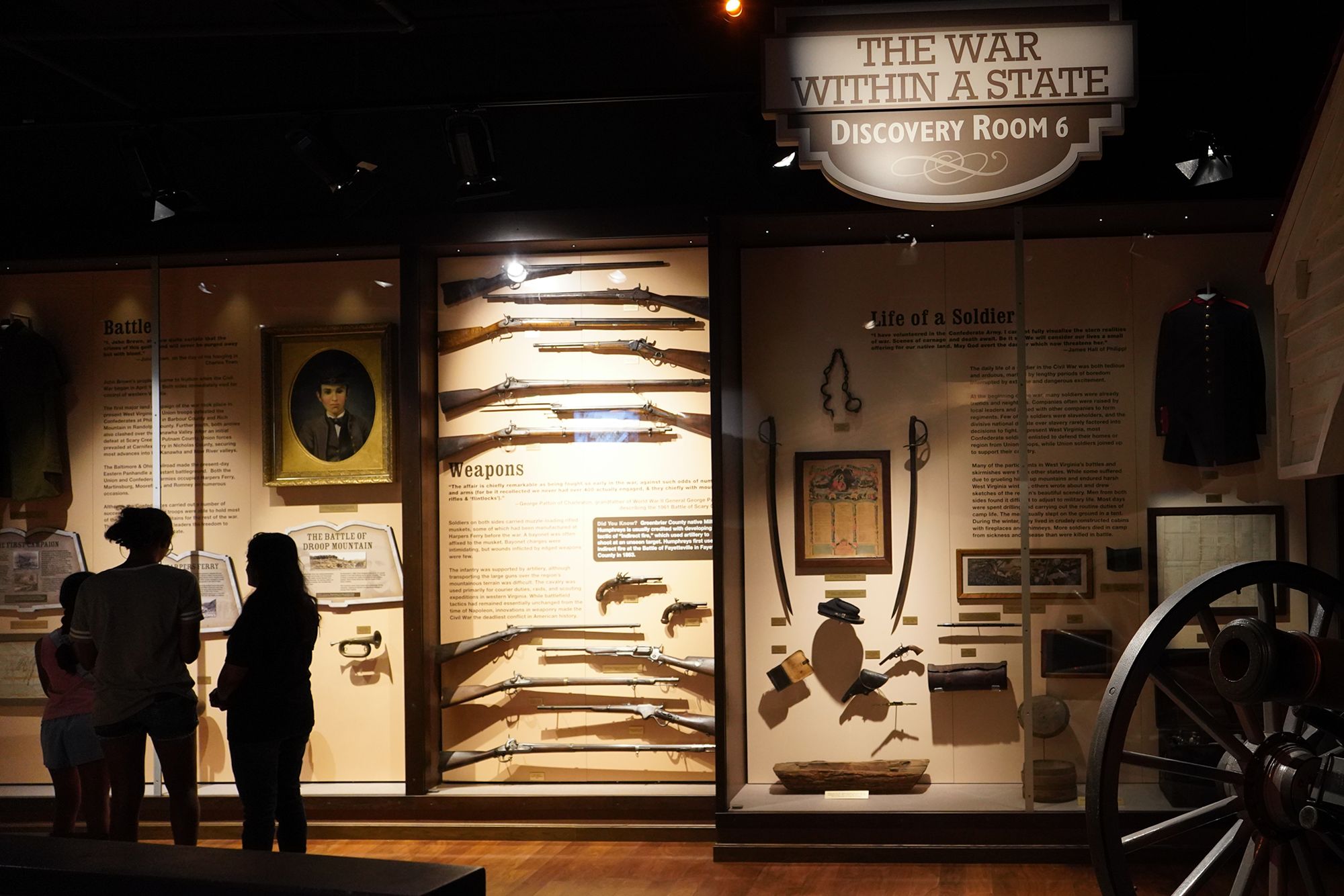
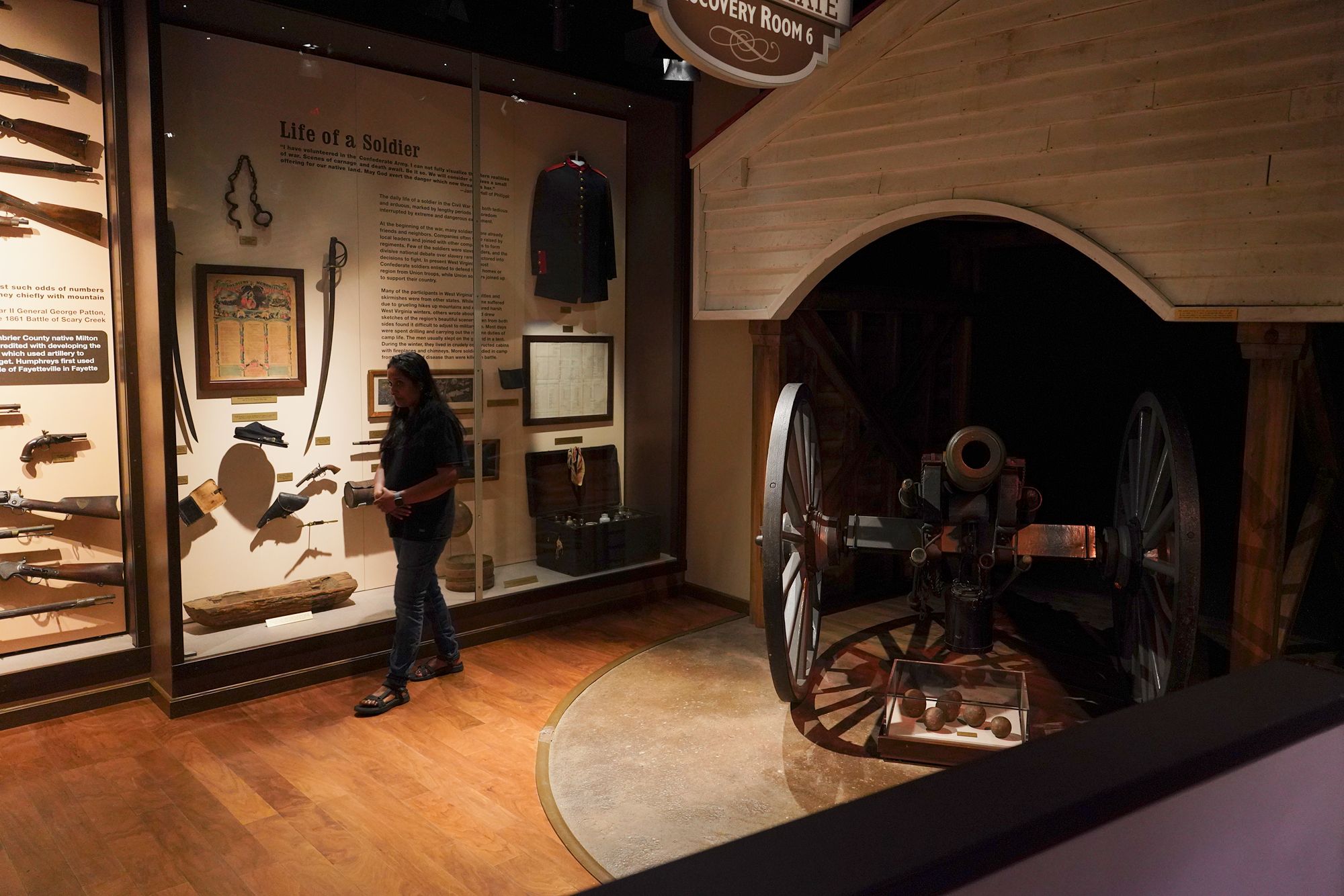
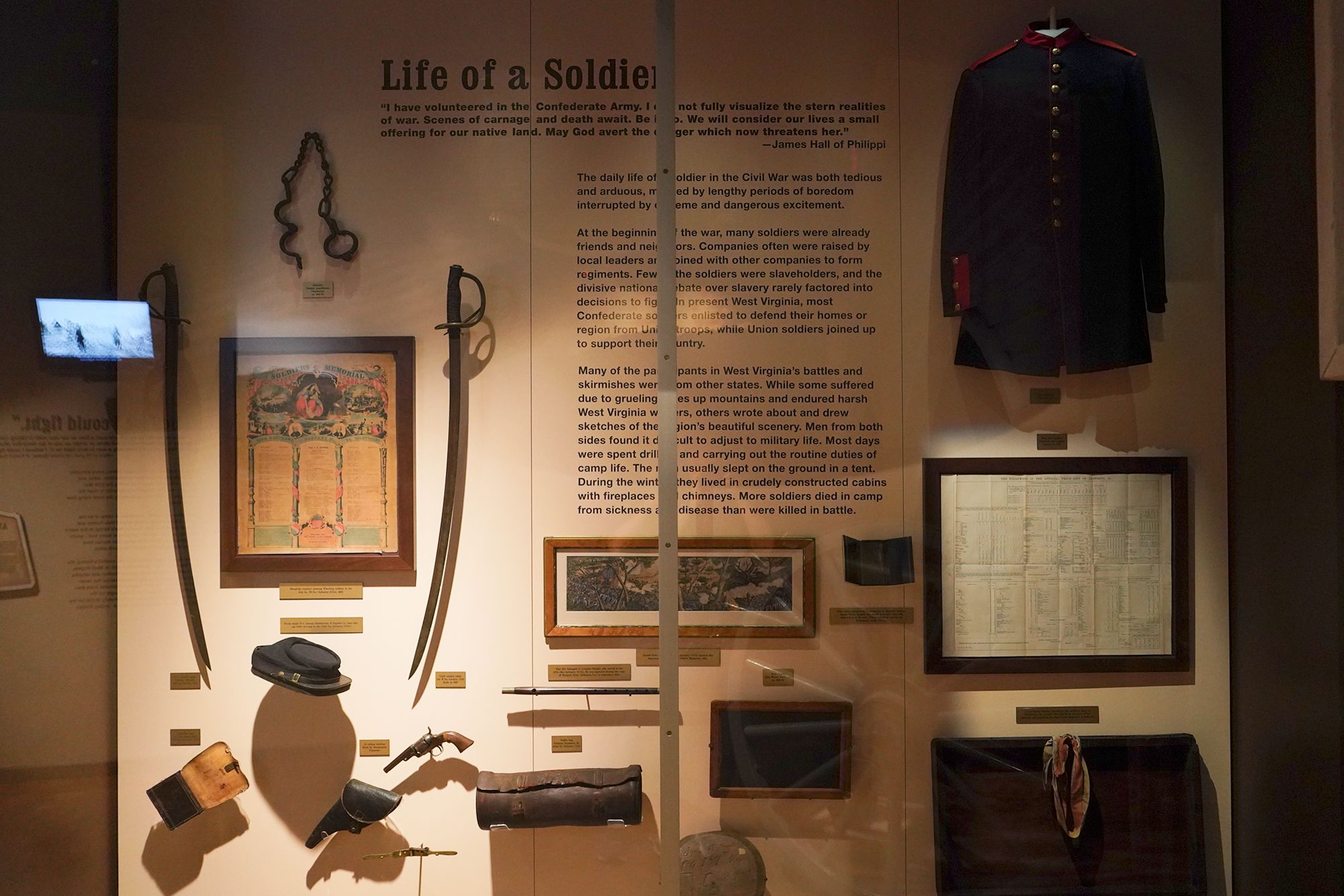
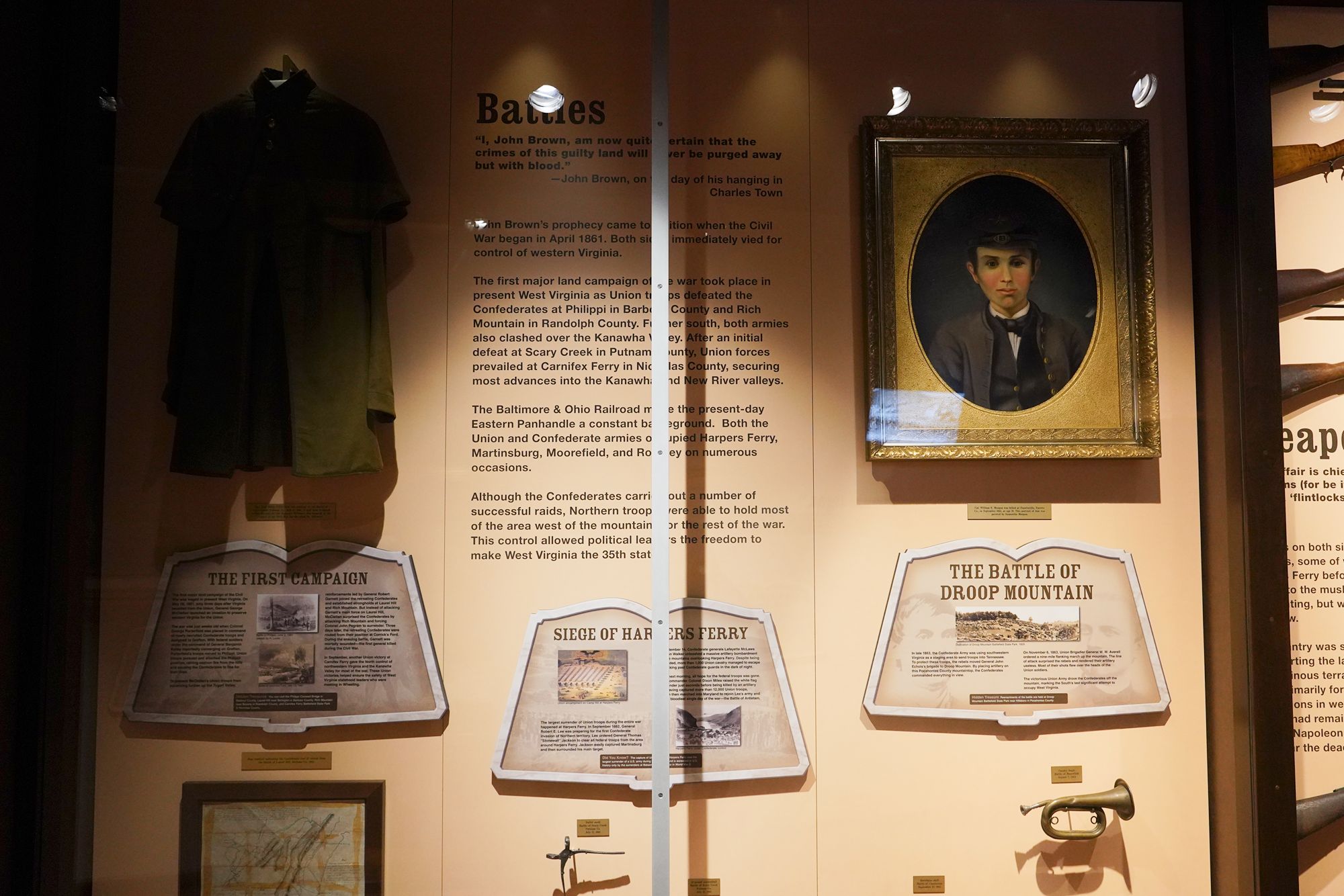
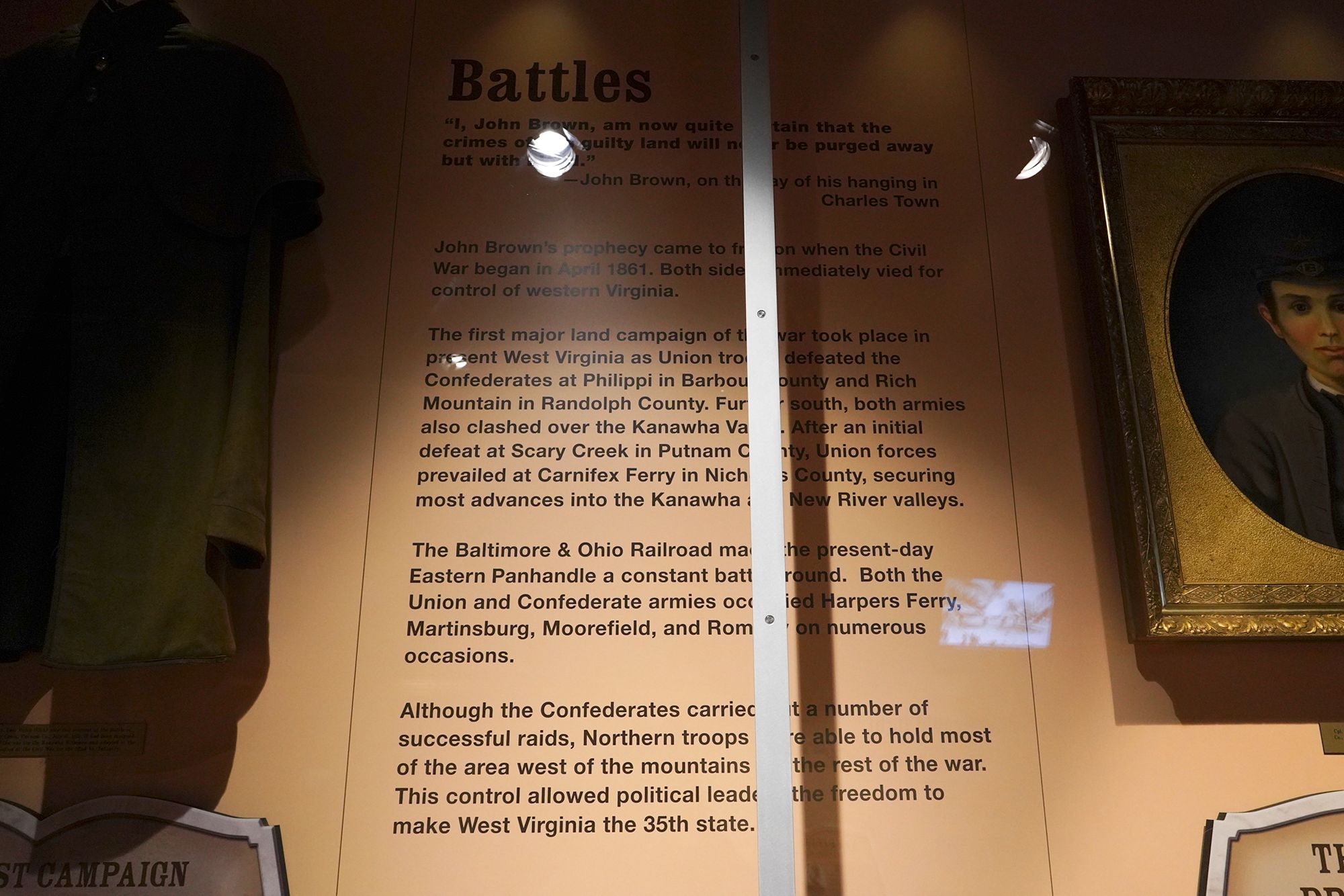
West Virginia sided with the North during the Civil War because its largely non-plantation, anti-secession western counties resented eastern Virginia’s slaveholding political dominance, and that division led Union-loyal leaders to break away and form a separate state in 1863.
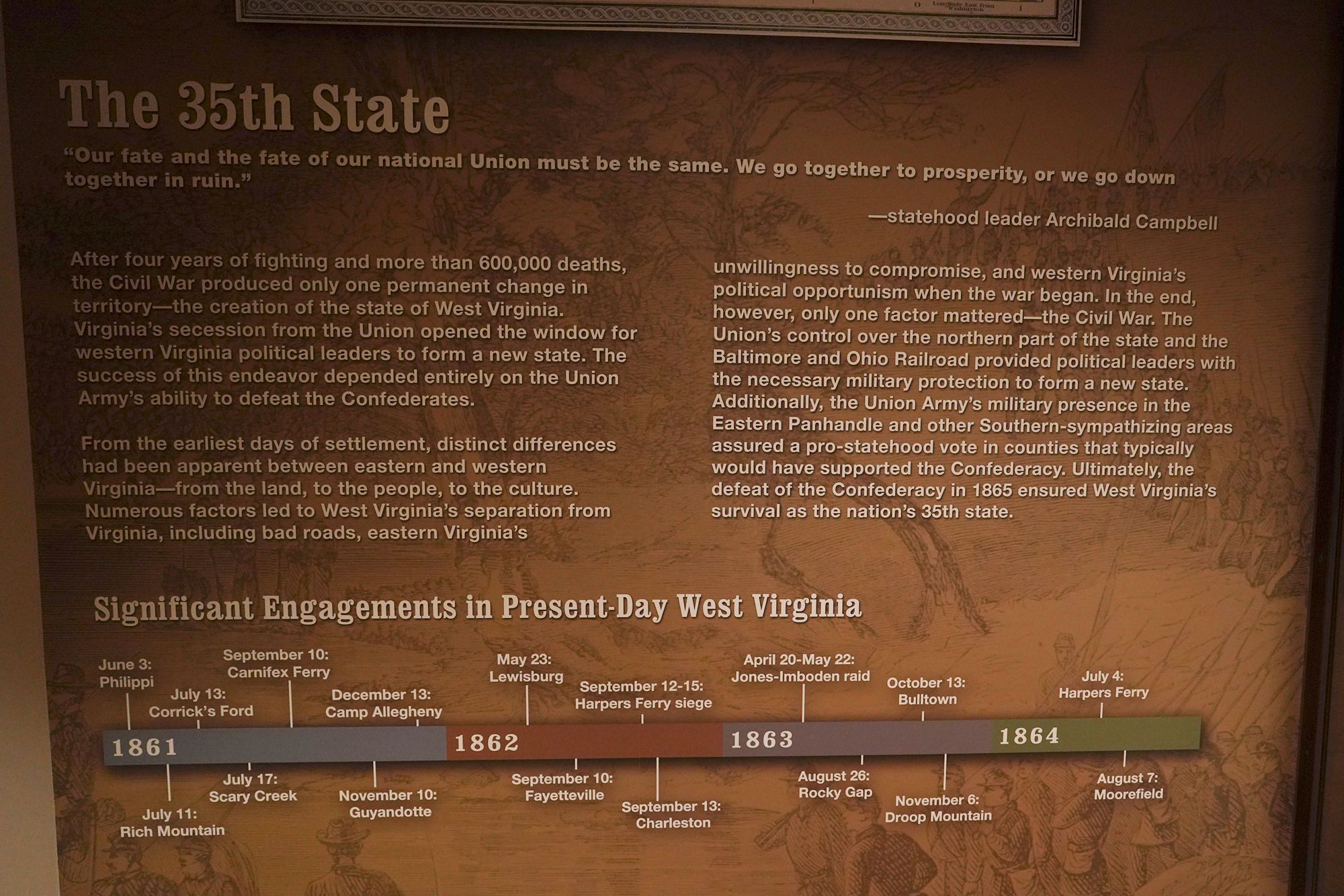
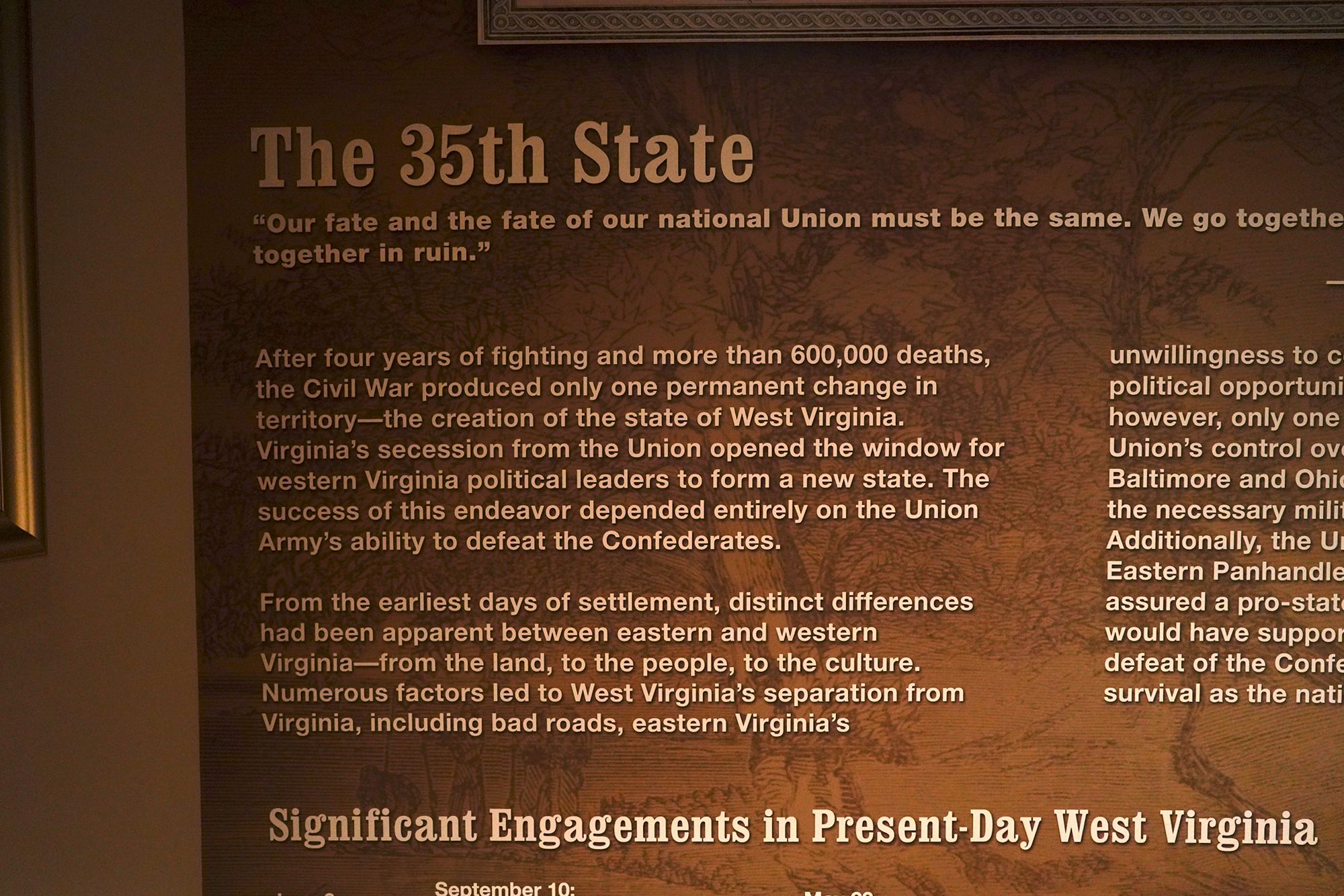
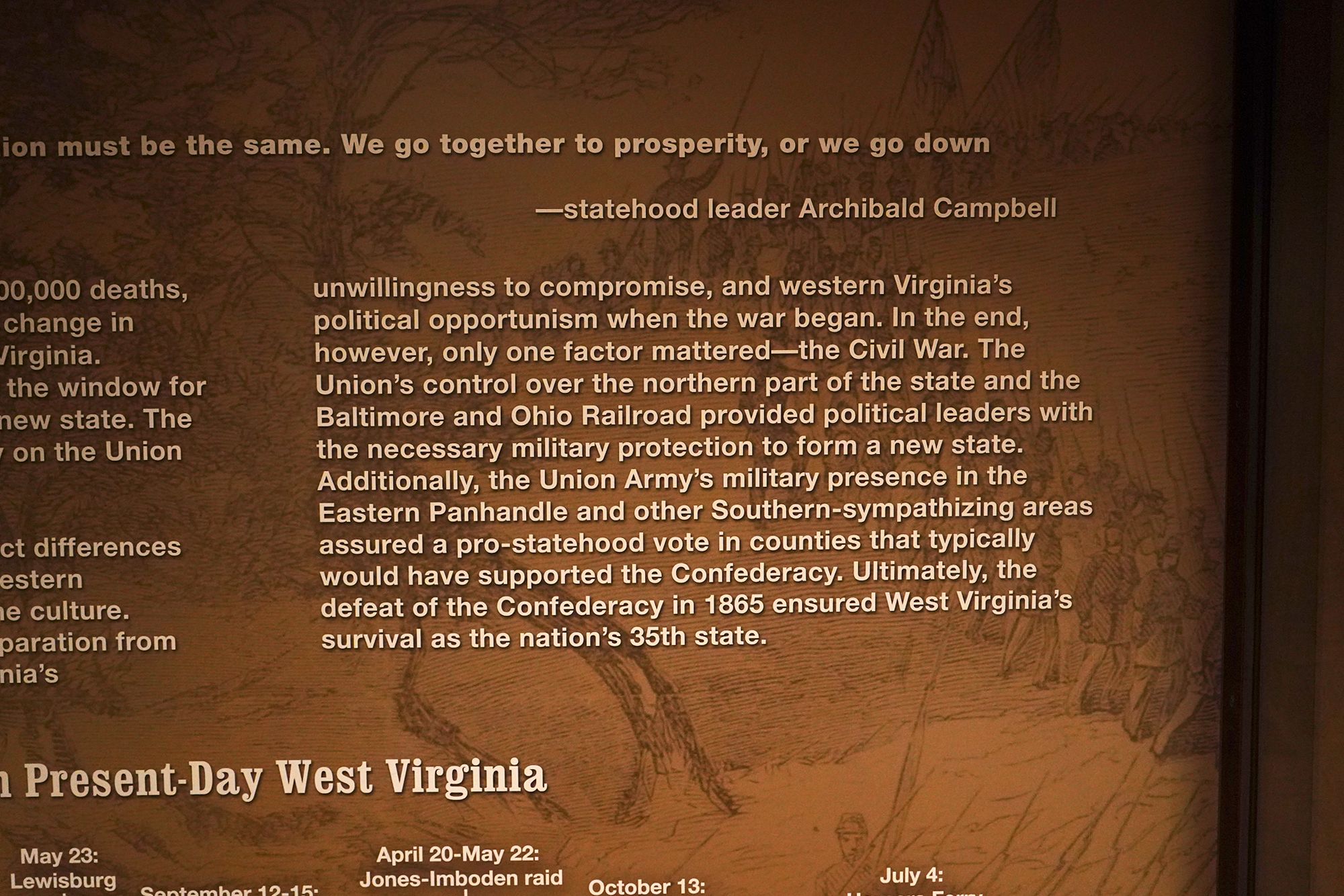
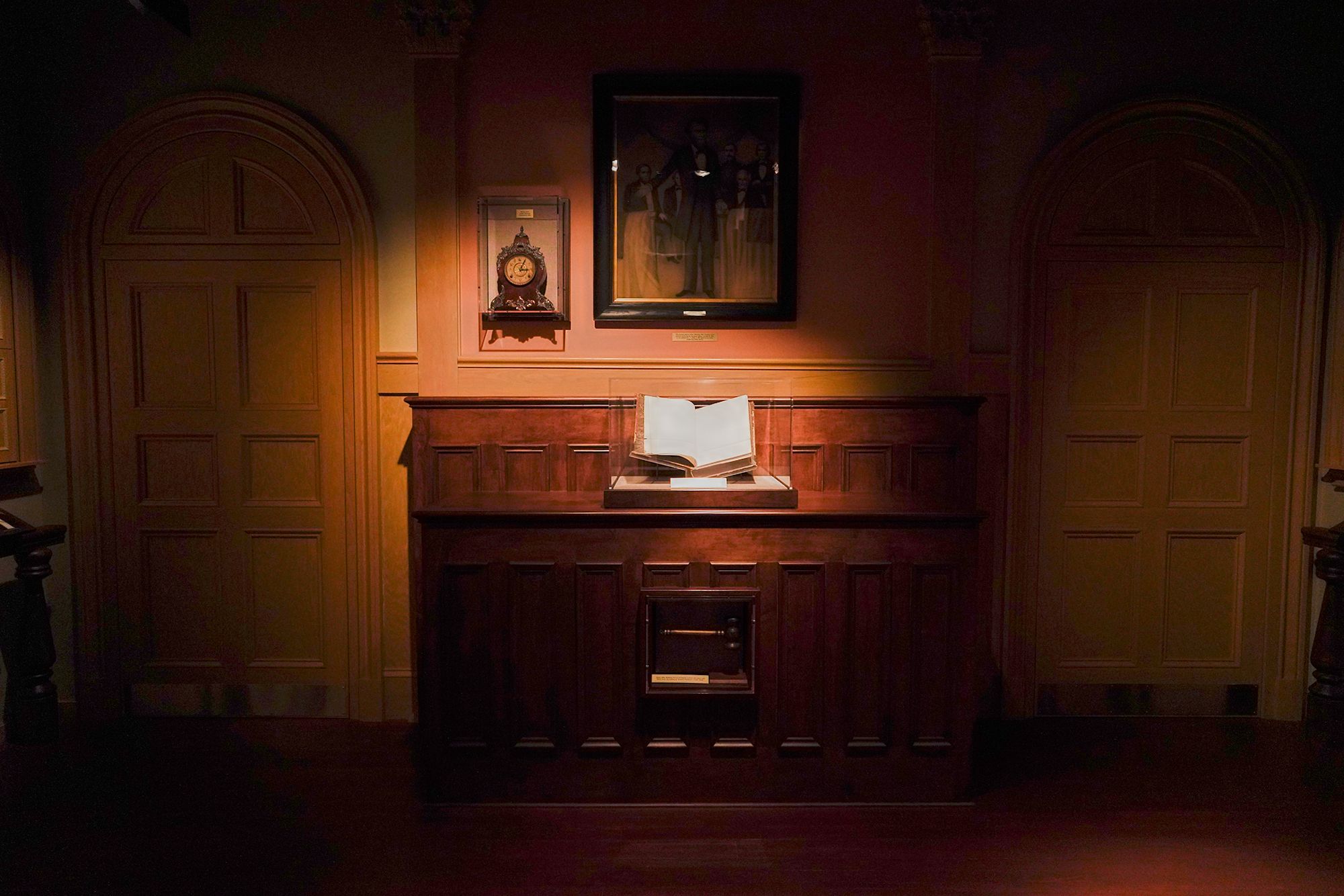
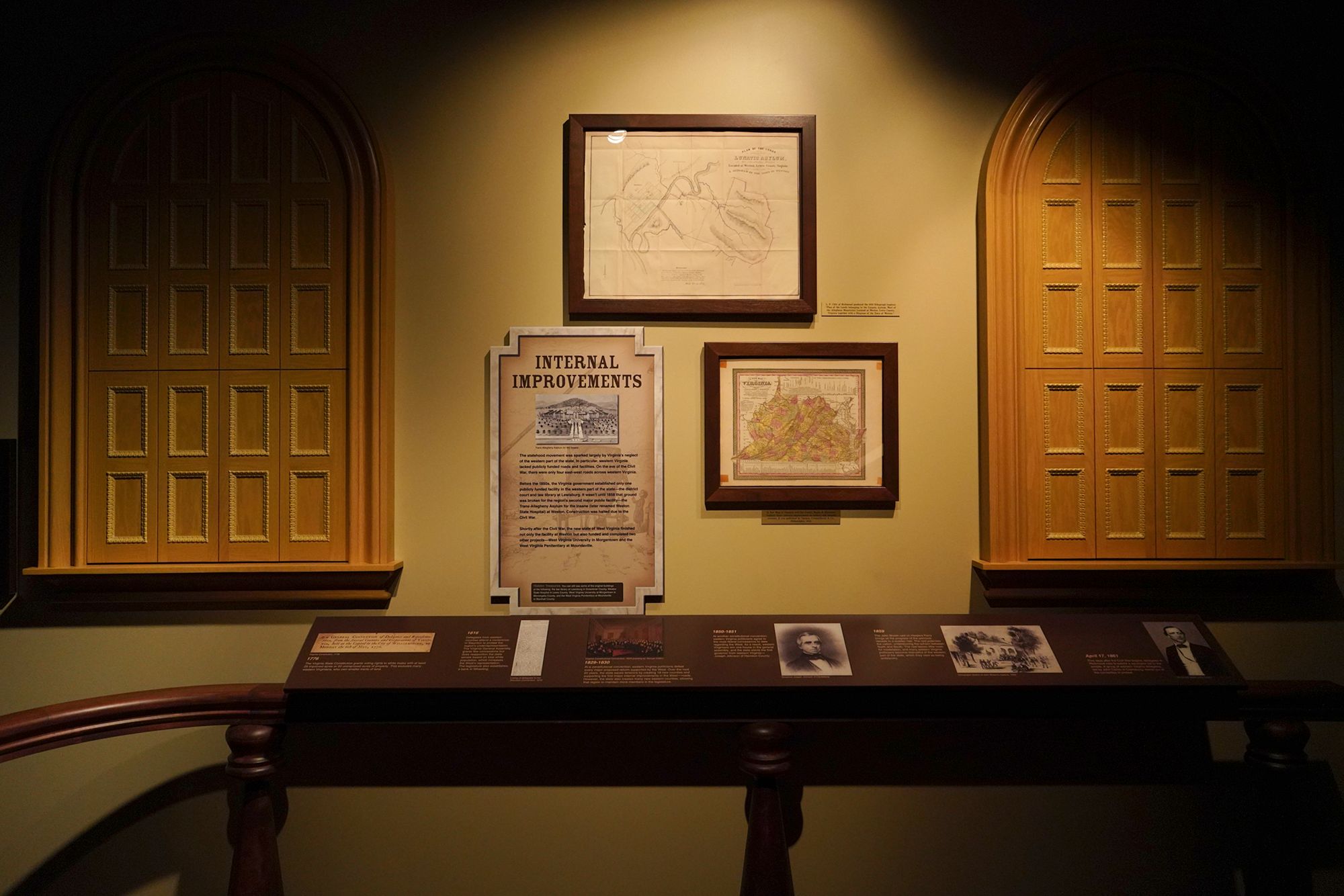
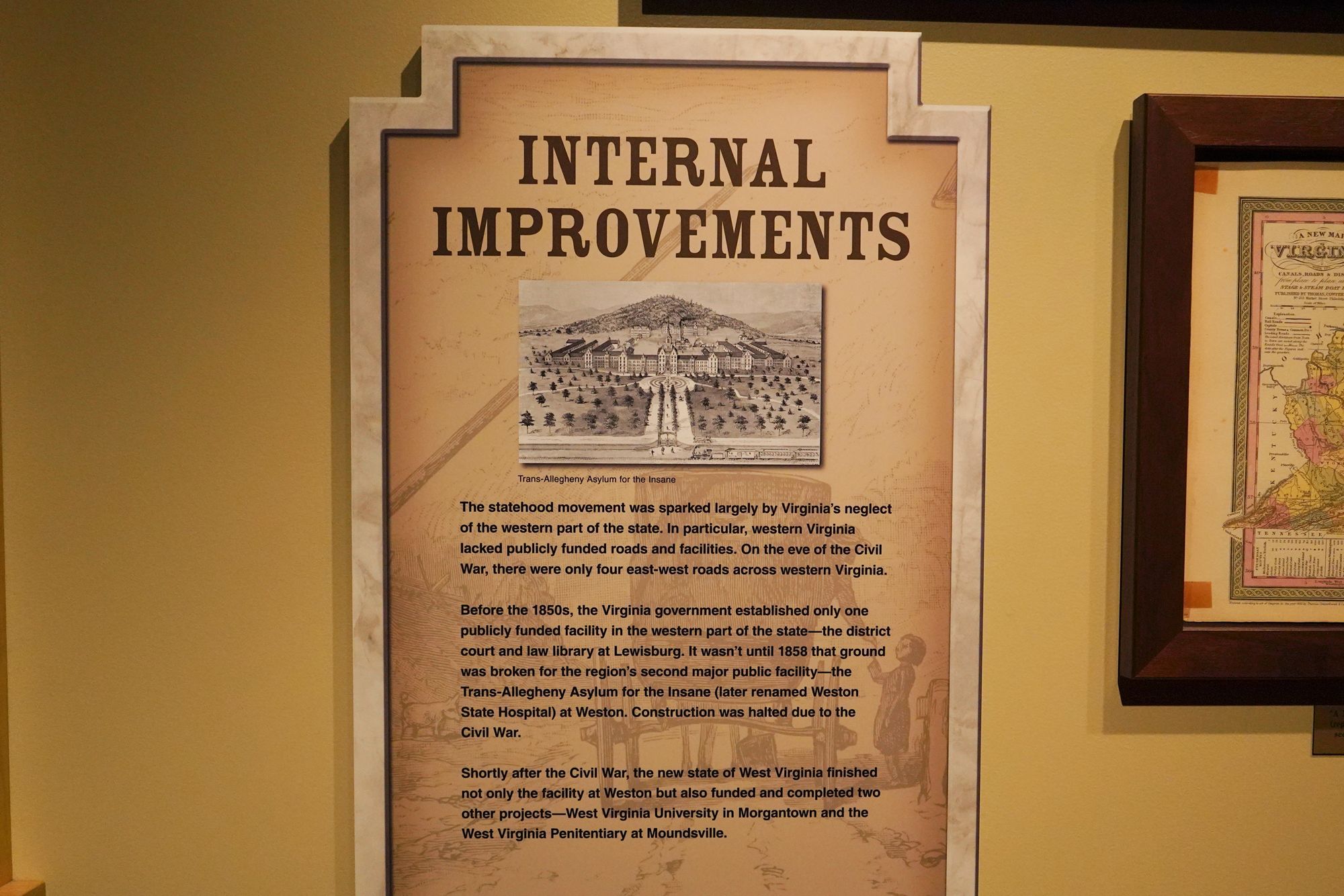
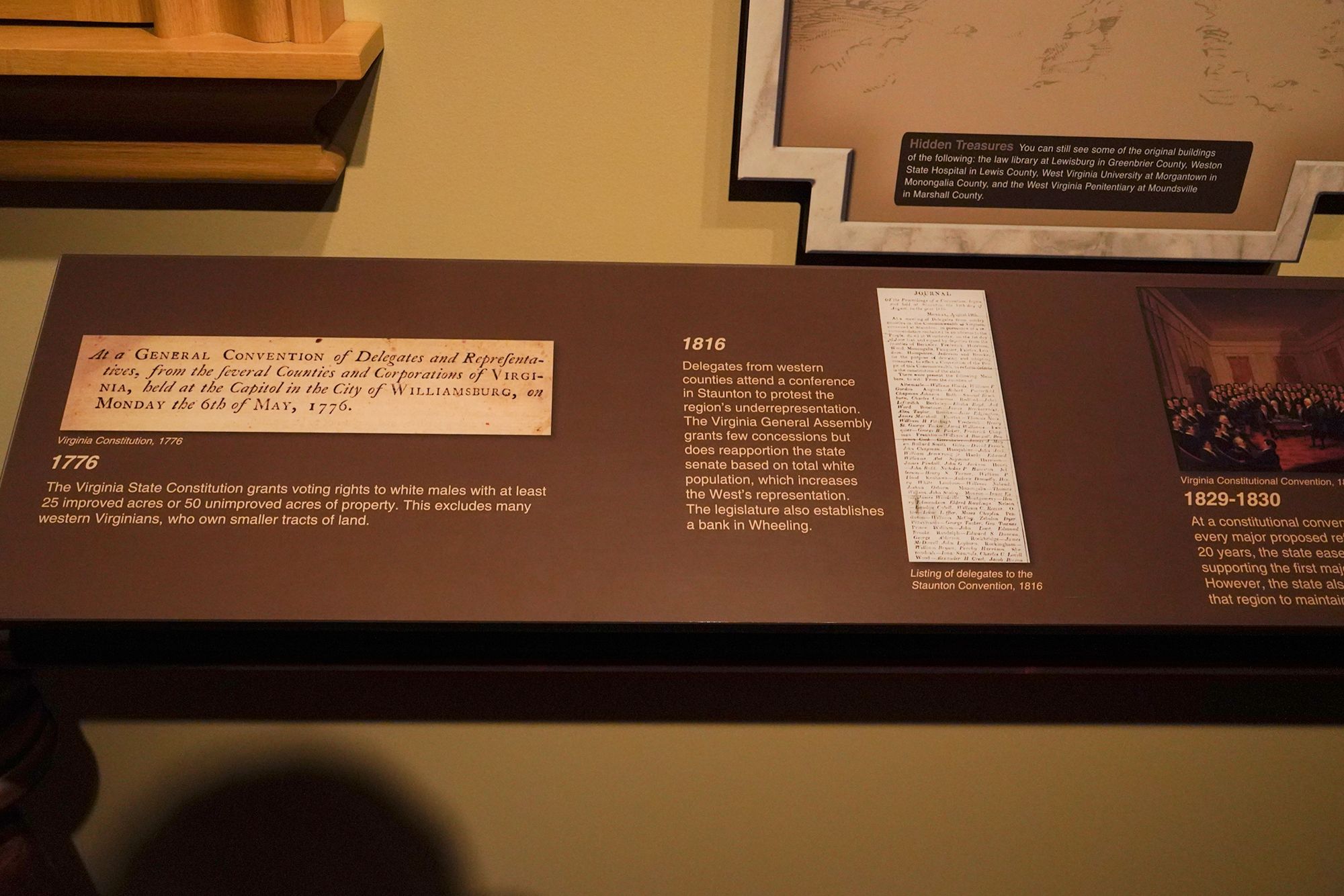
West Virginia became a separate state because western Virginians felt neglected and politically dominated by eastern Virginia’s plantation elite.
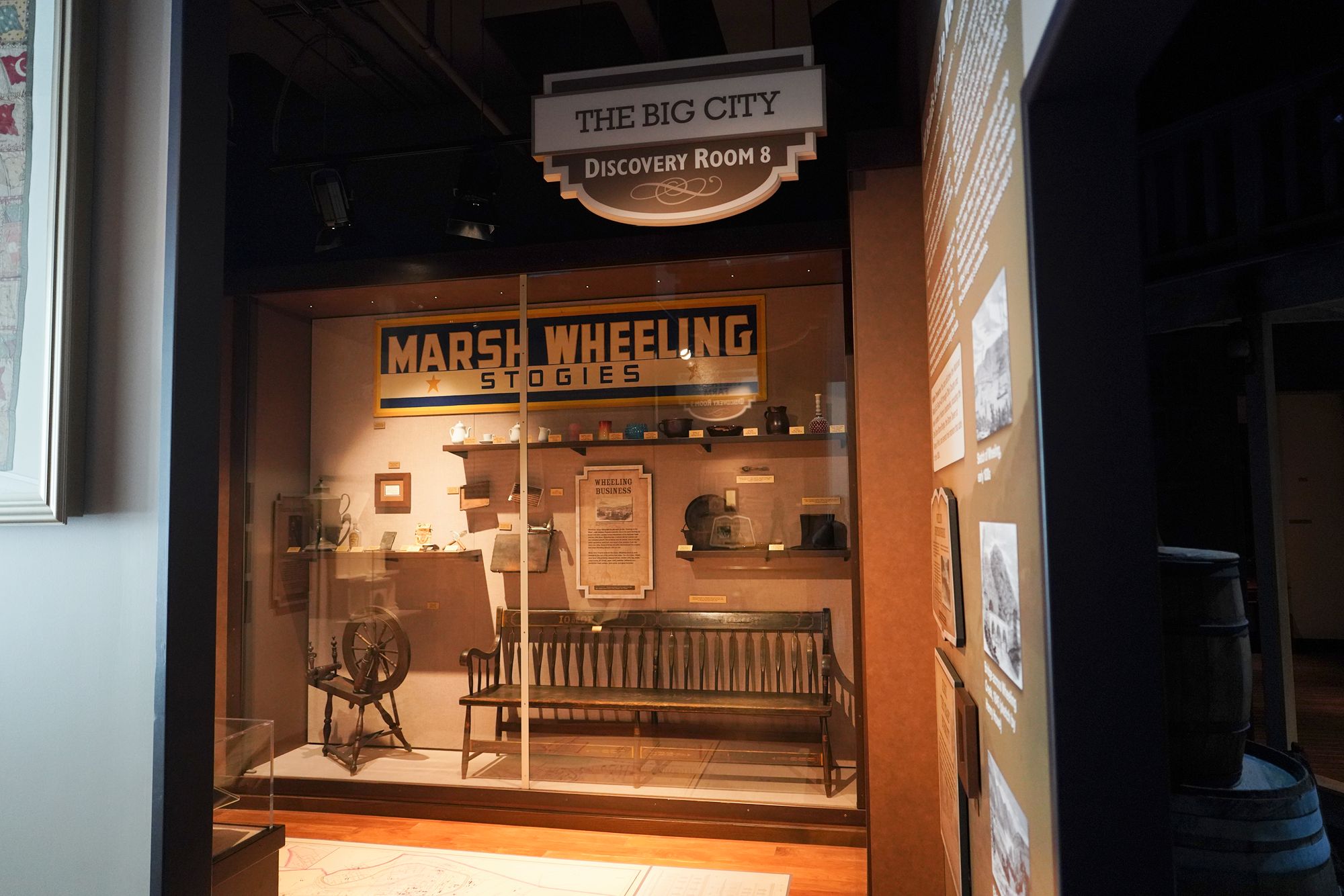
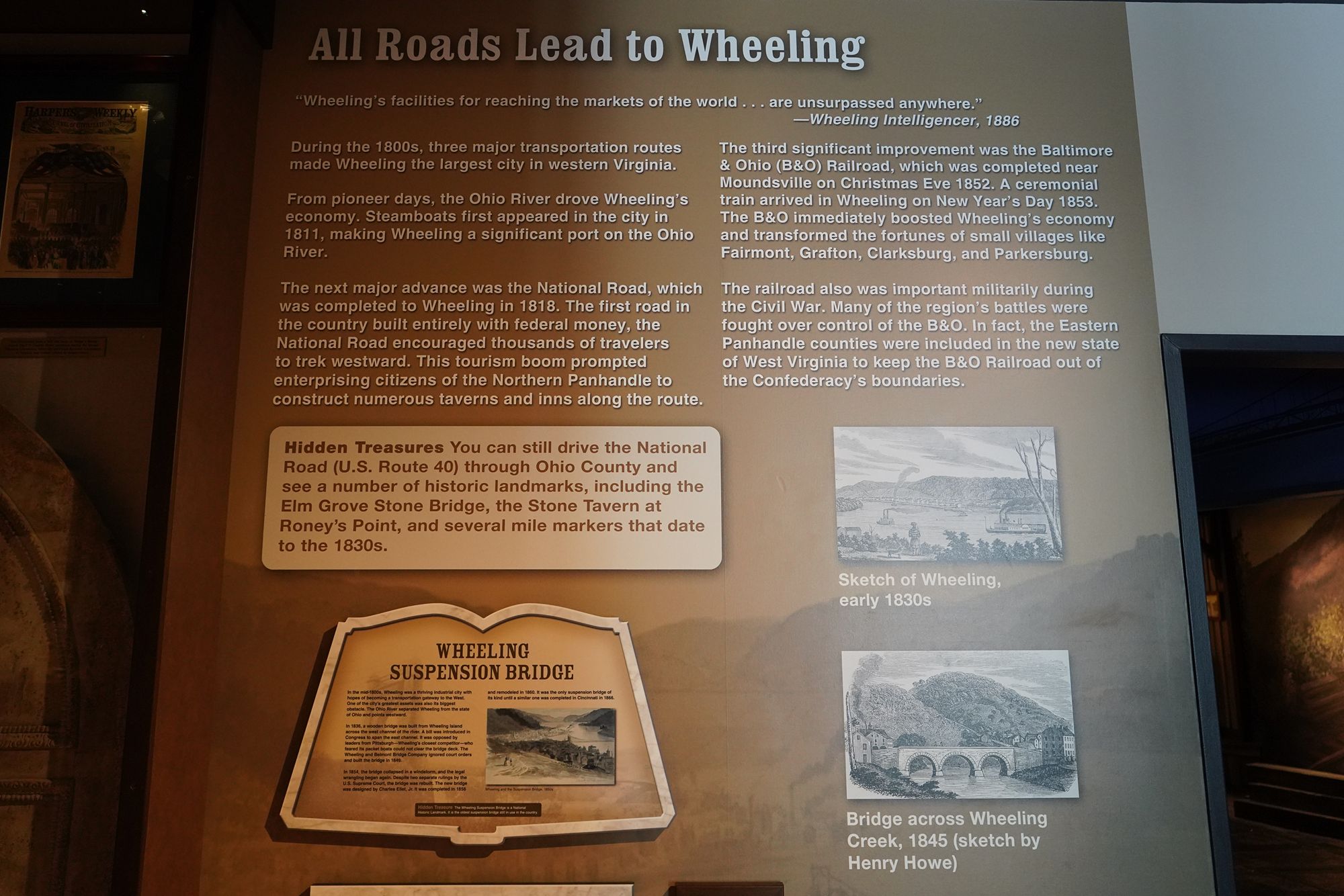
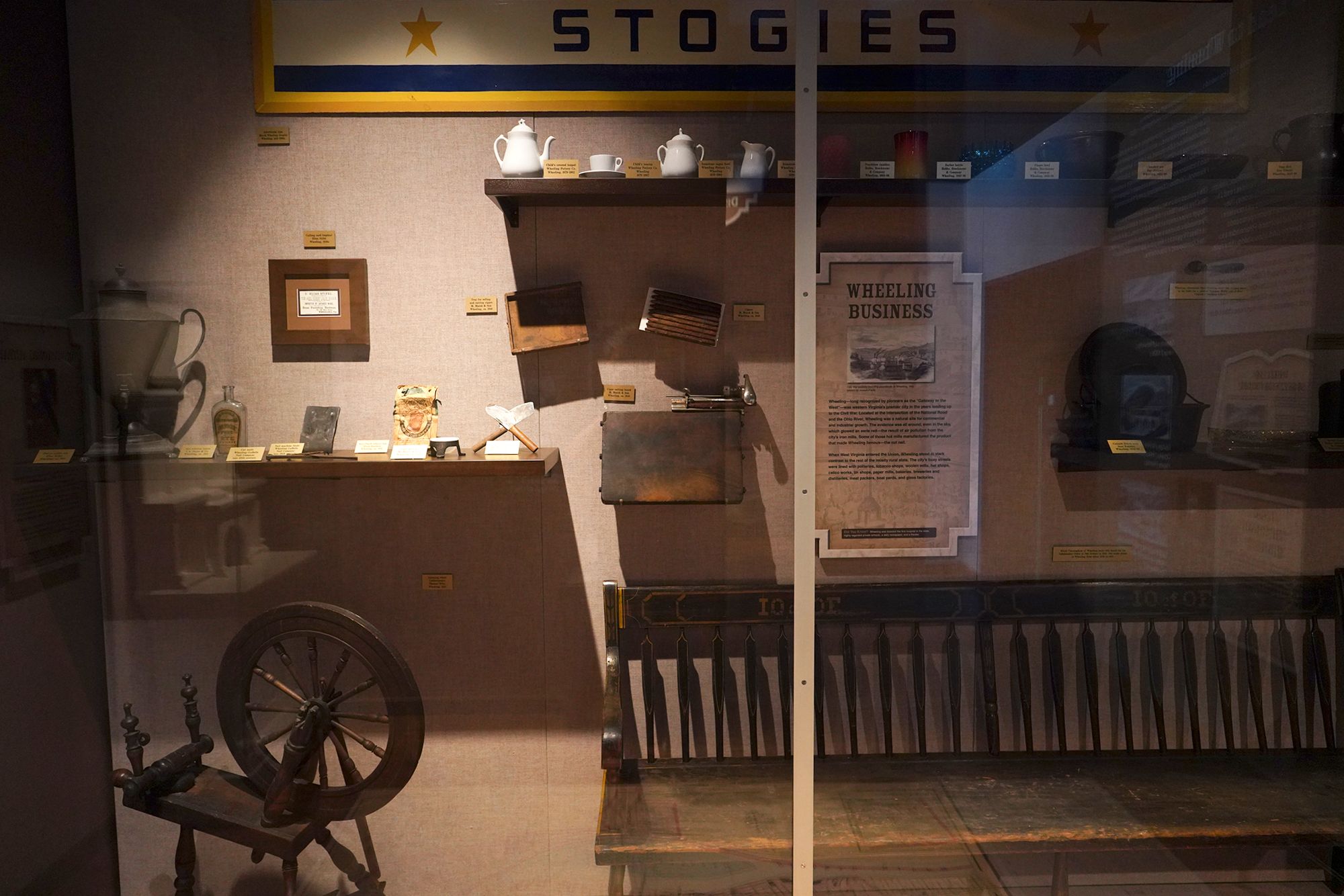
The phrase “All roads lead to Wheeling” is an old saying from the 1800s that reflects Wheeling, West Virginia’s importance as a major transportation and commercial hub during the frontier and early industrial era. In the early 1800s, National Road (the first federally funded highway) ended at Wheeling on the Ohio River.
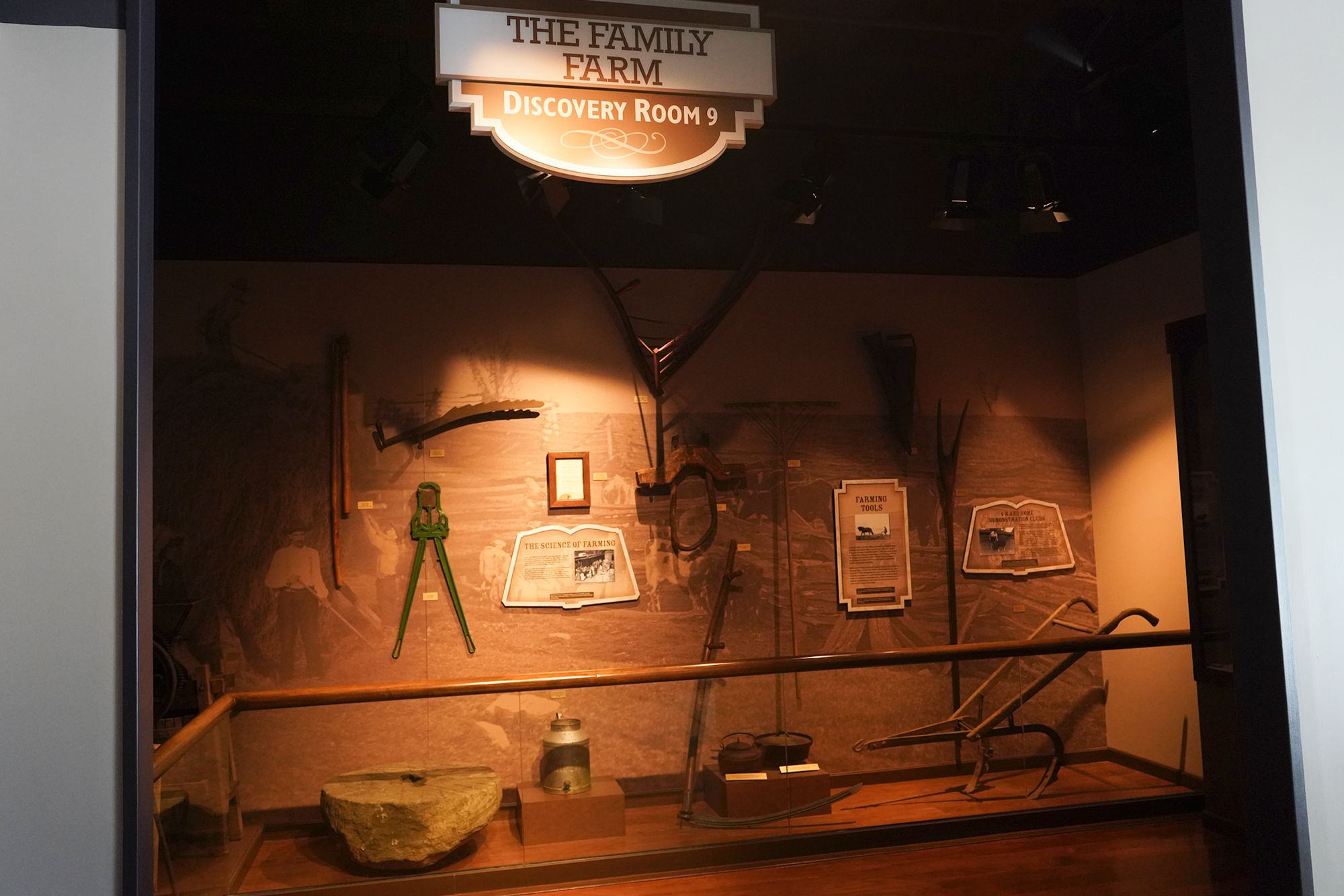
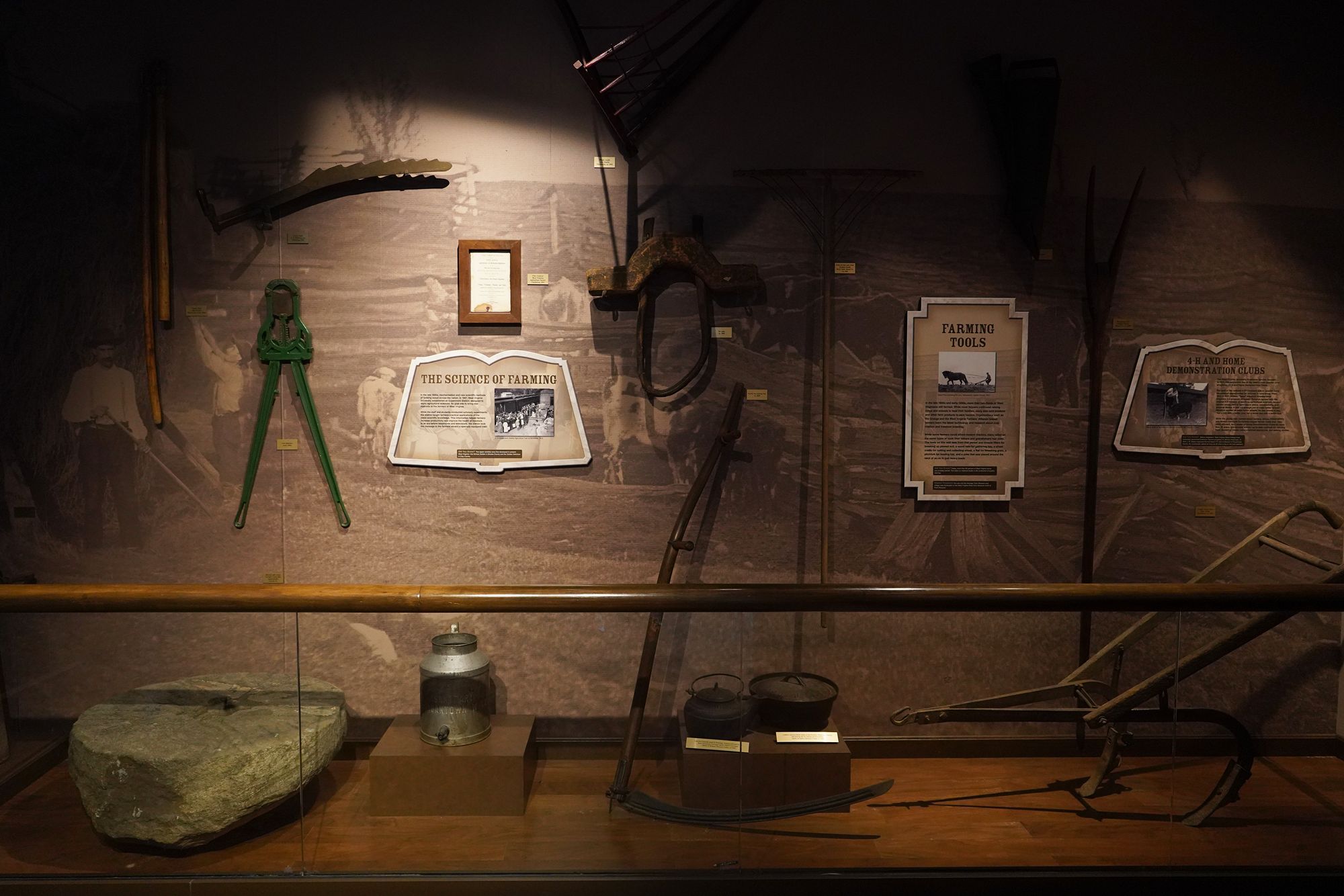
The Family Farm
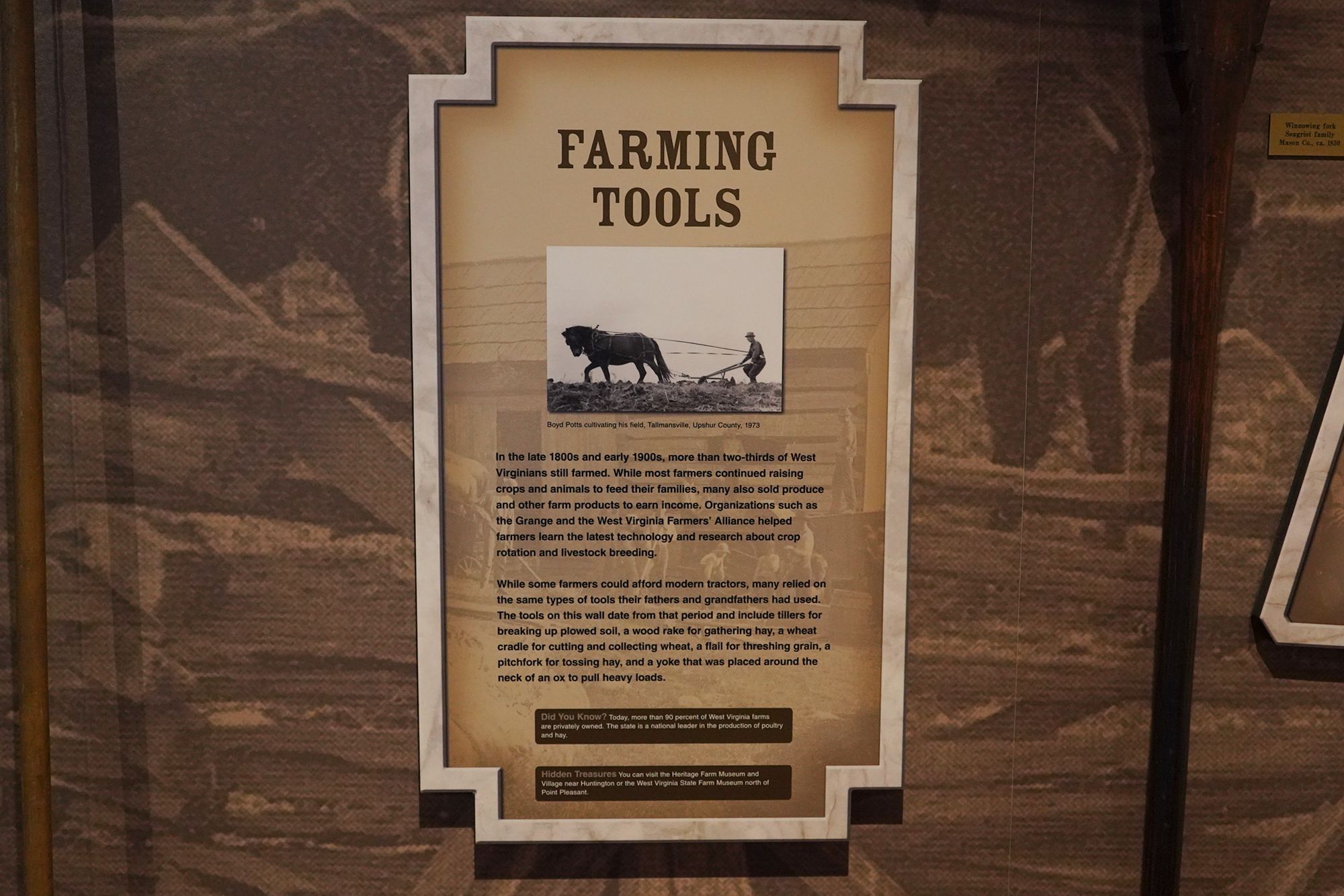
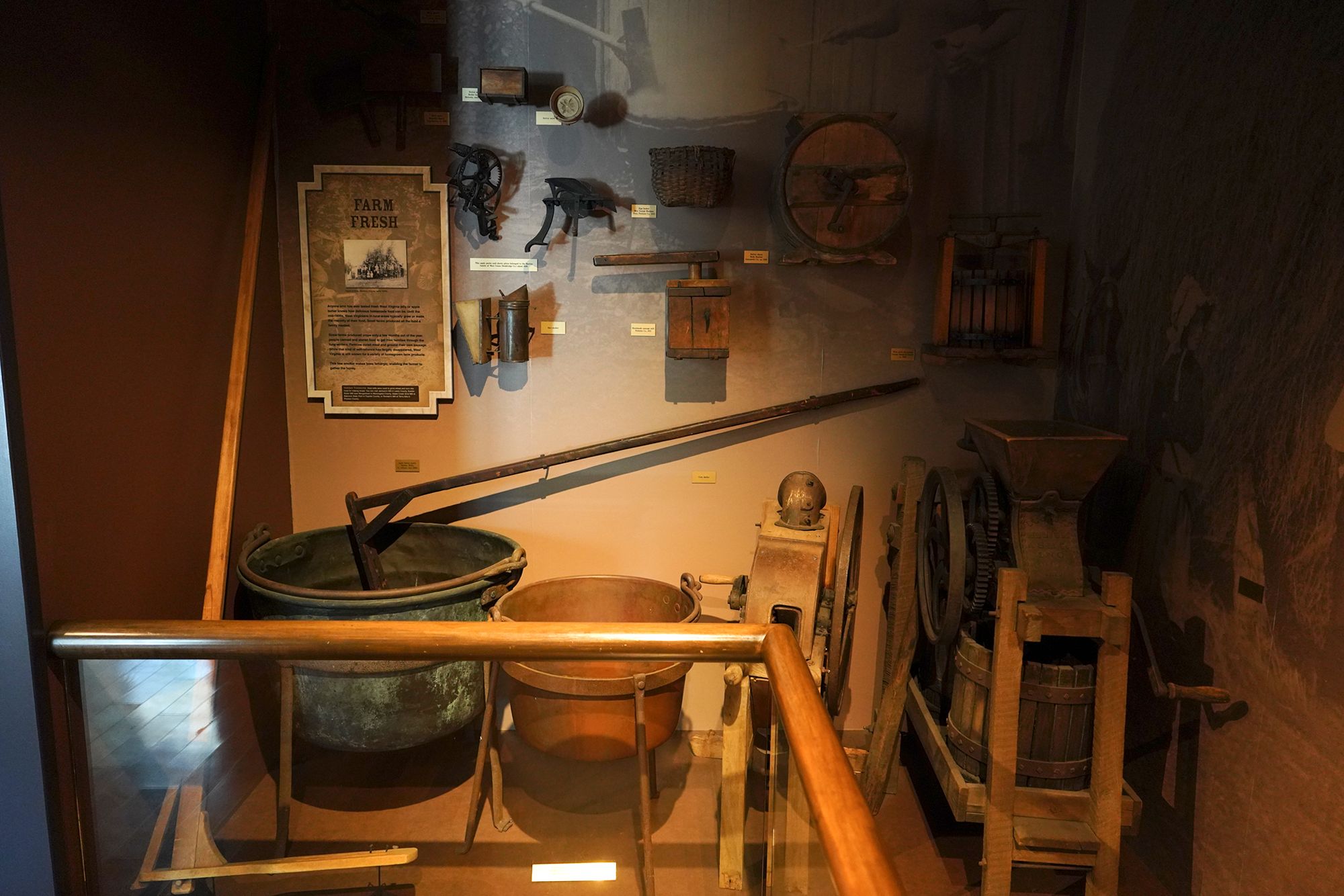
The year 1900
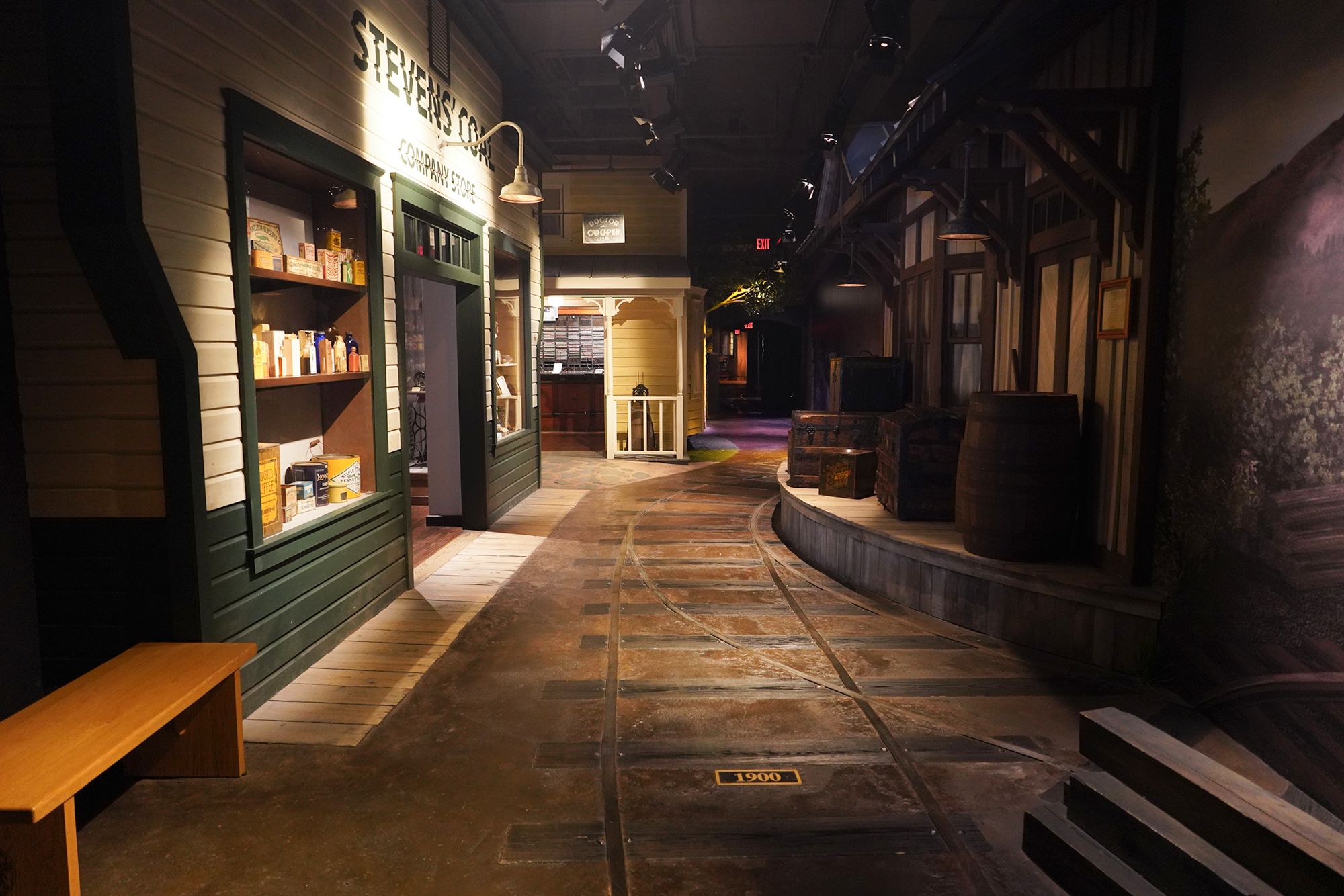
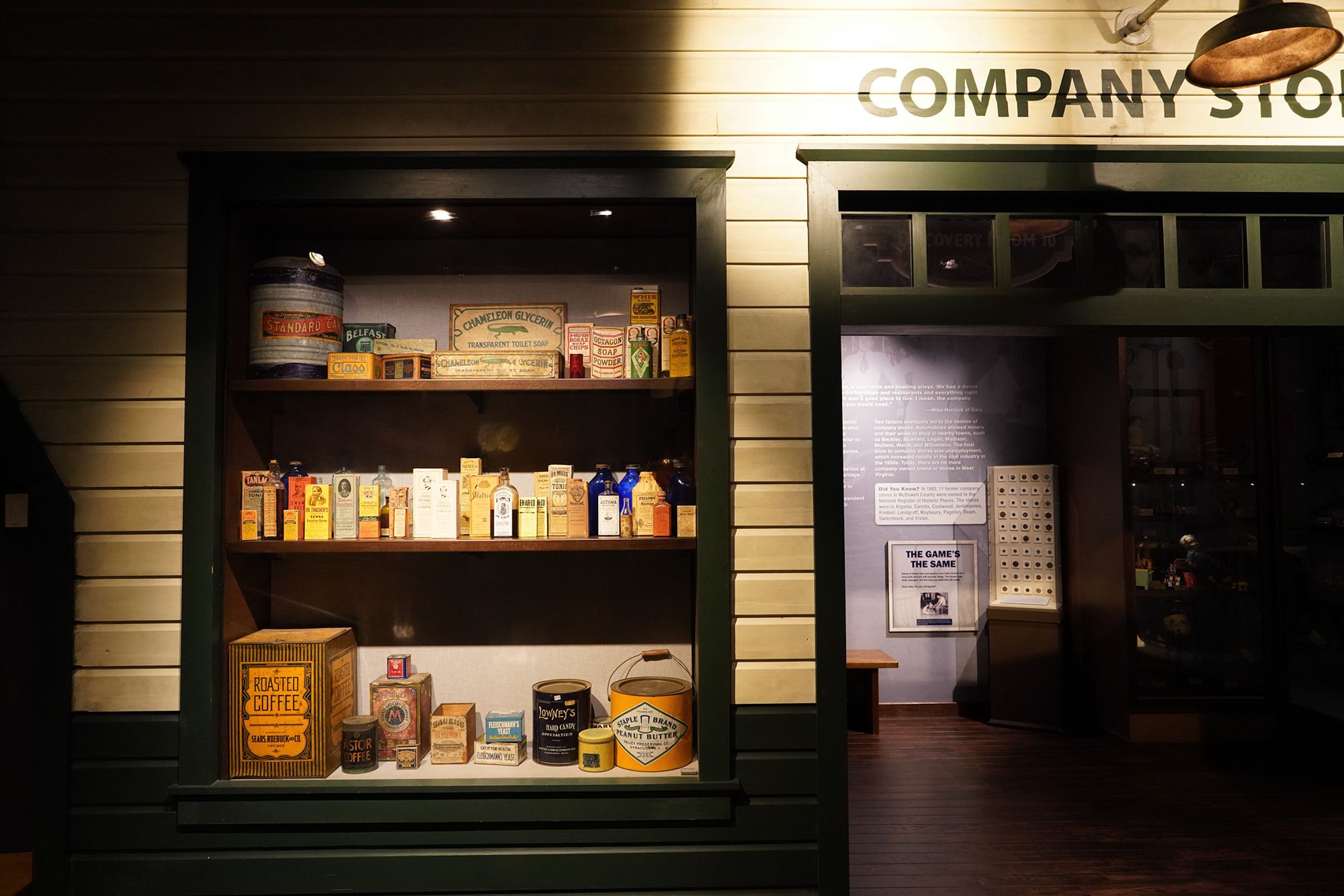
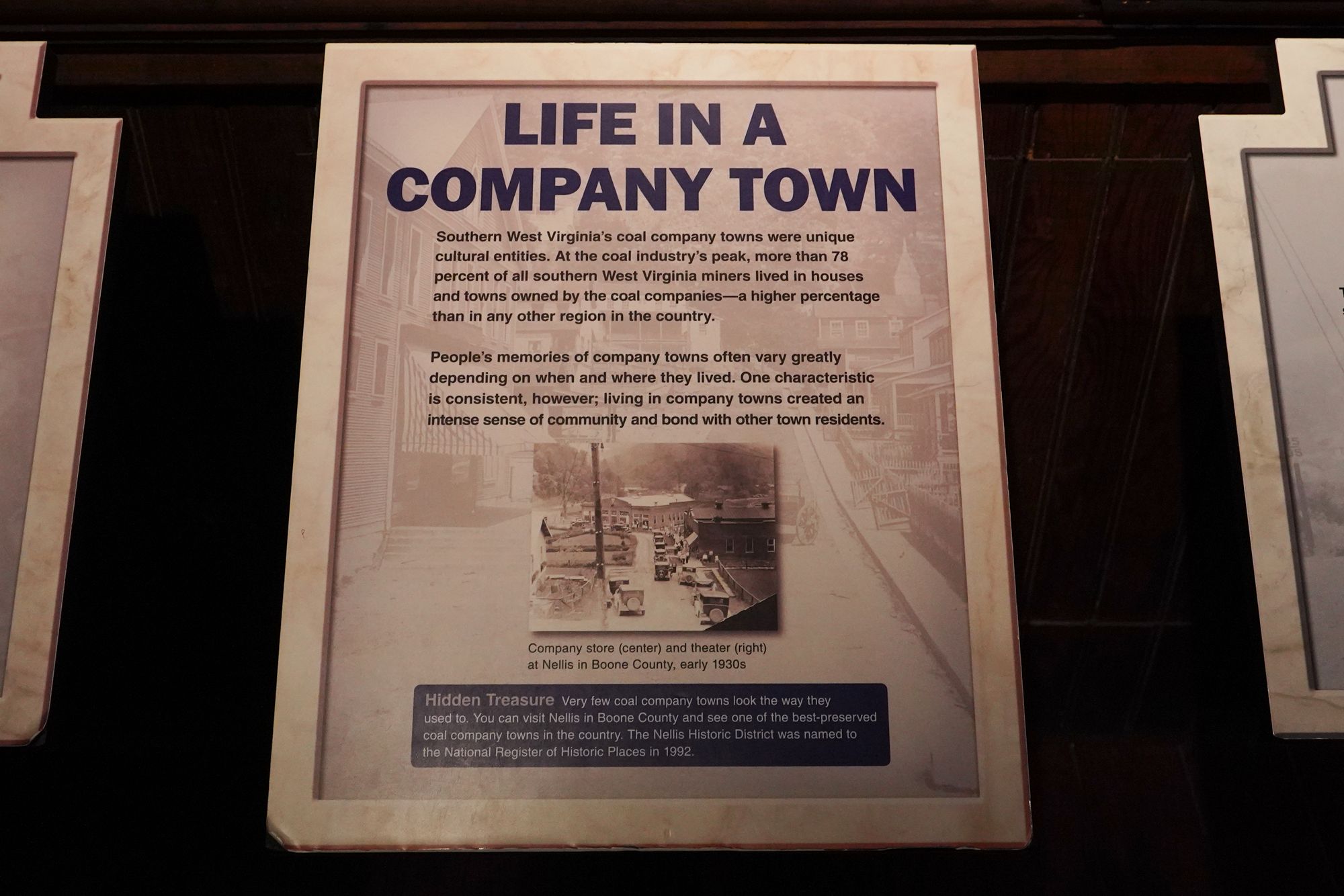
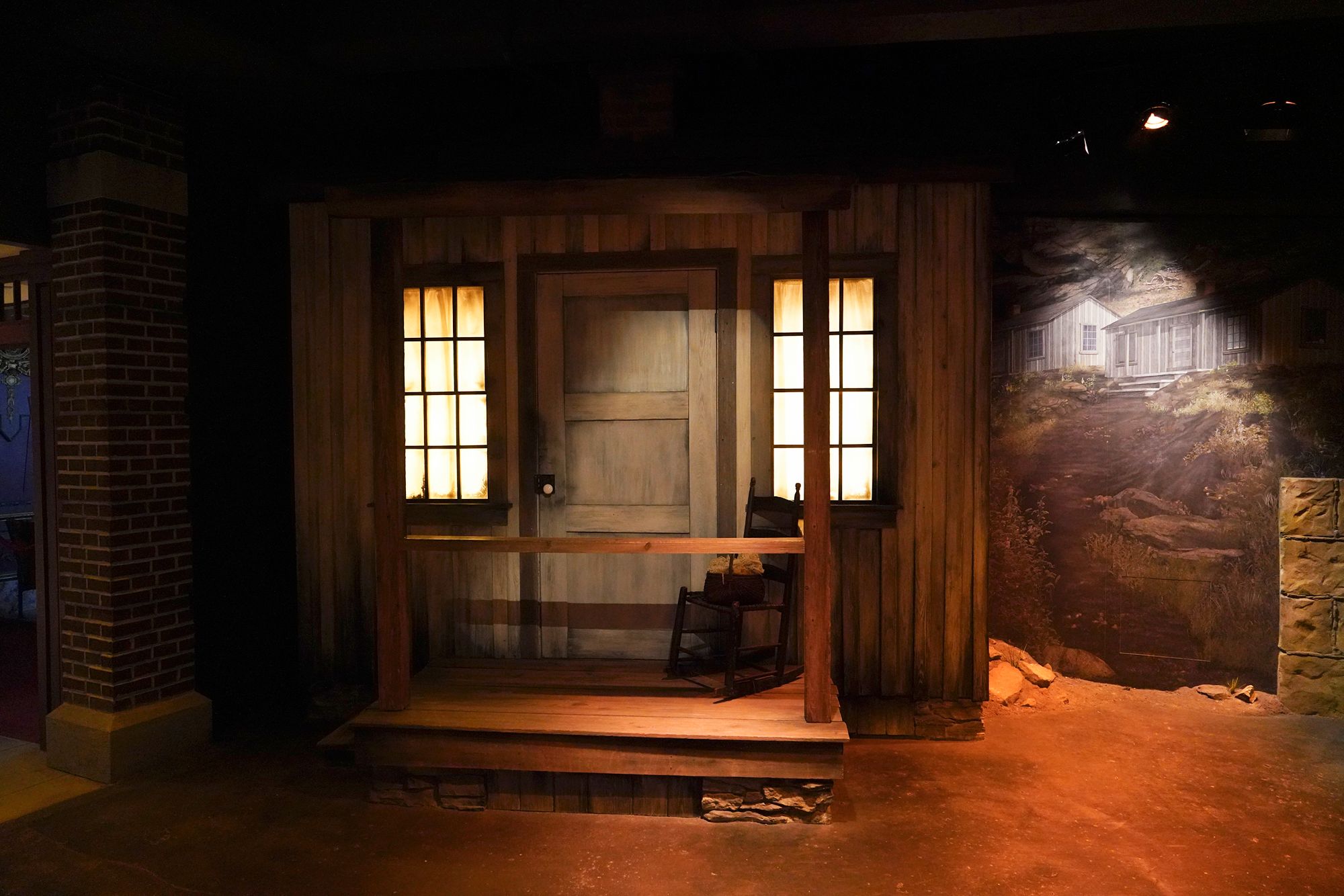
In West Virginia, “company time” refers to the era when coal companies owned the towns, controlled daily life, and kept miners economically tied to the job.
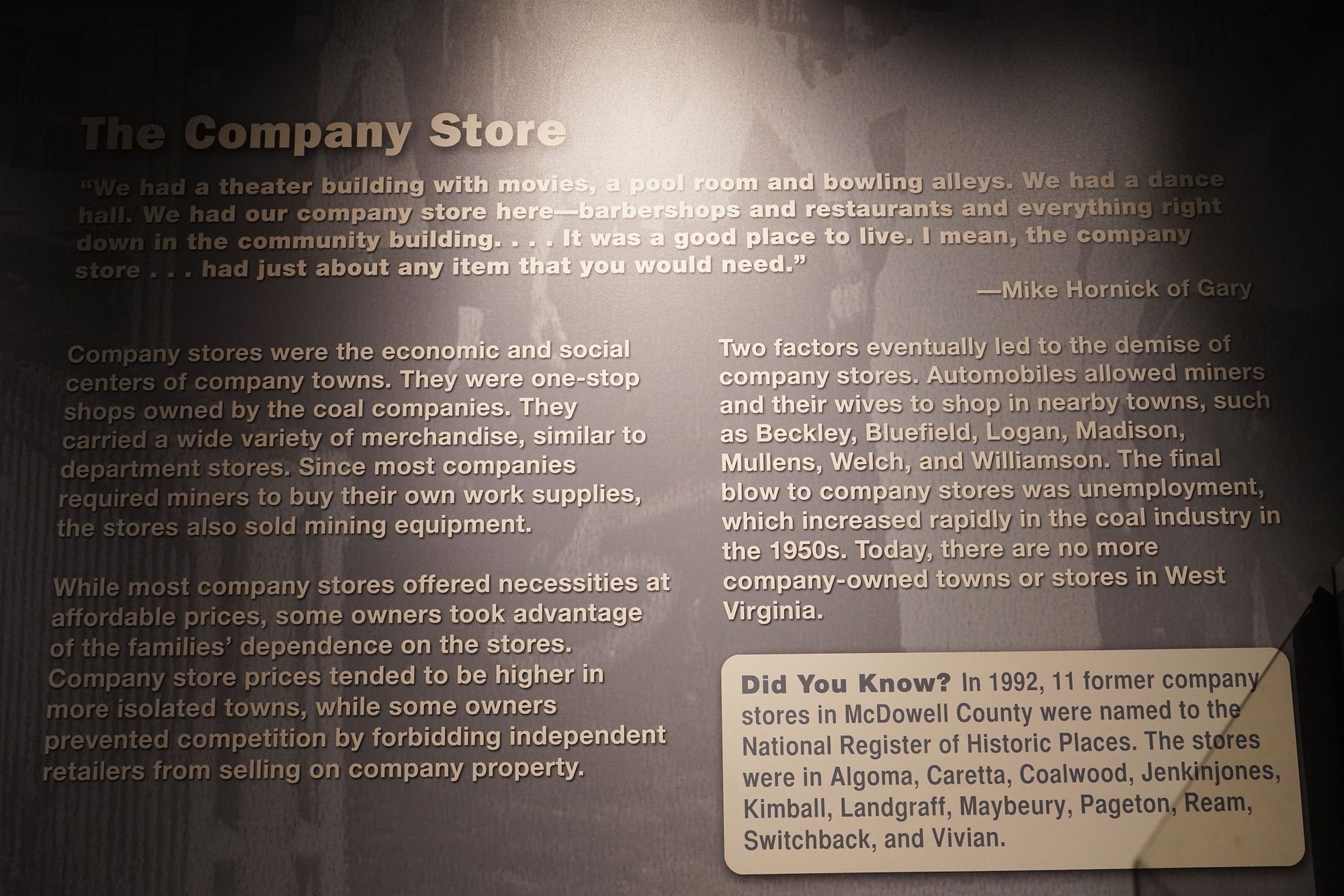
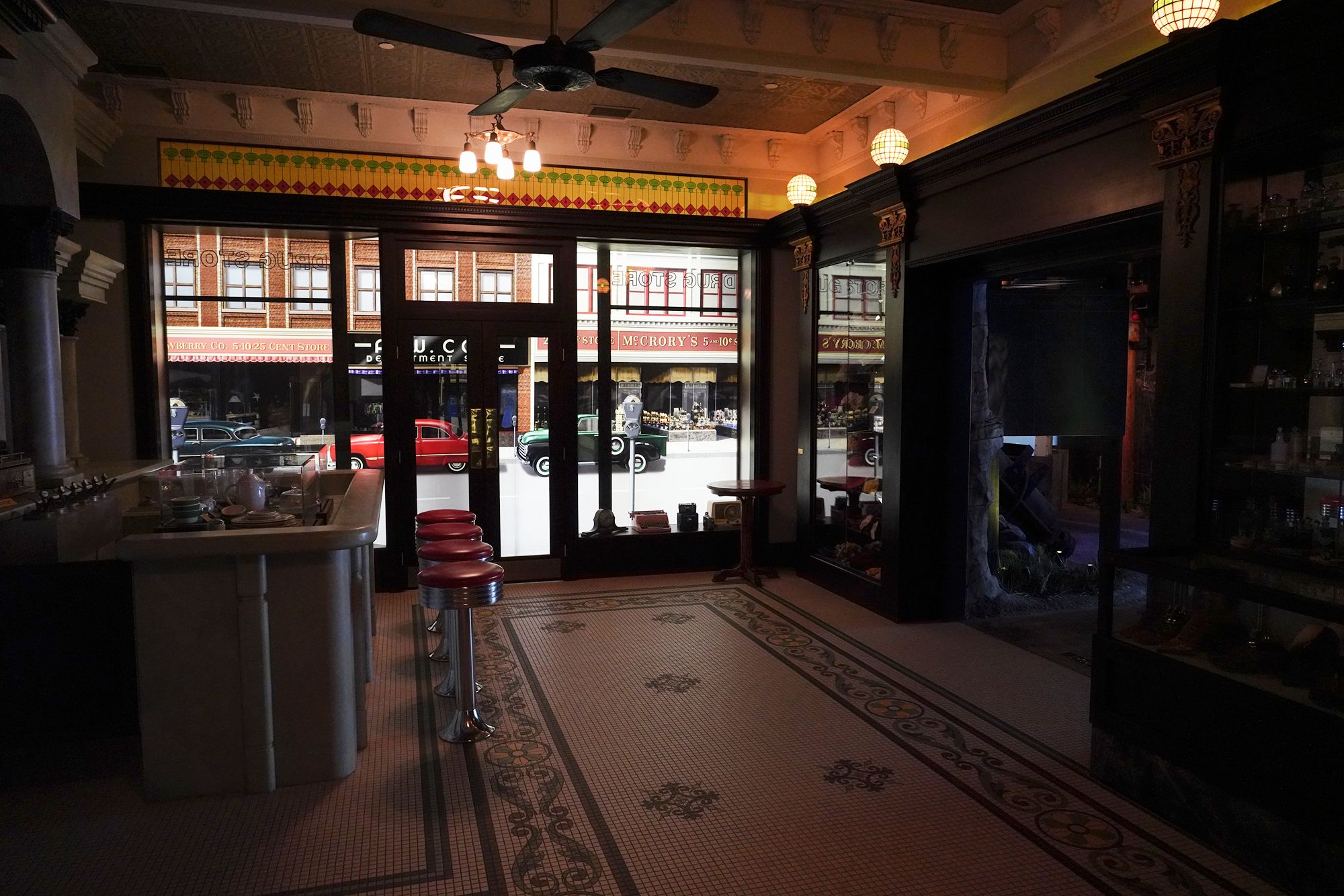
The Company Store
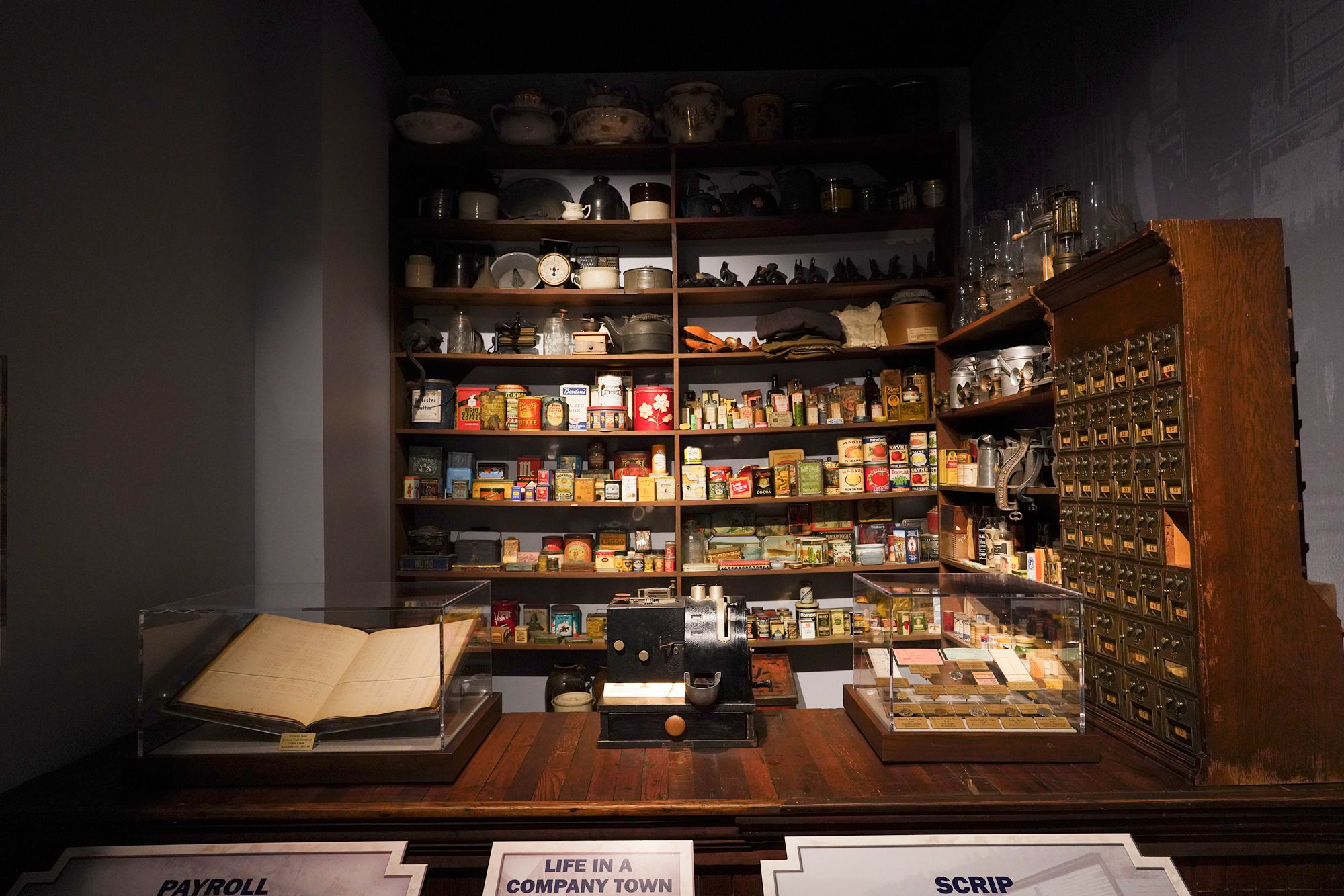
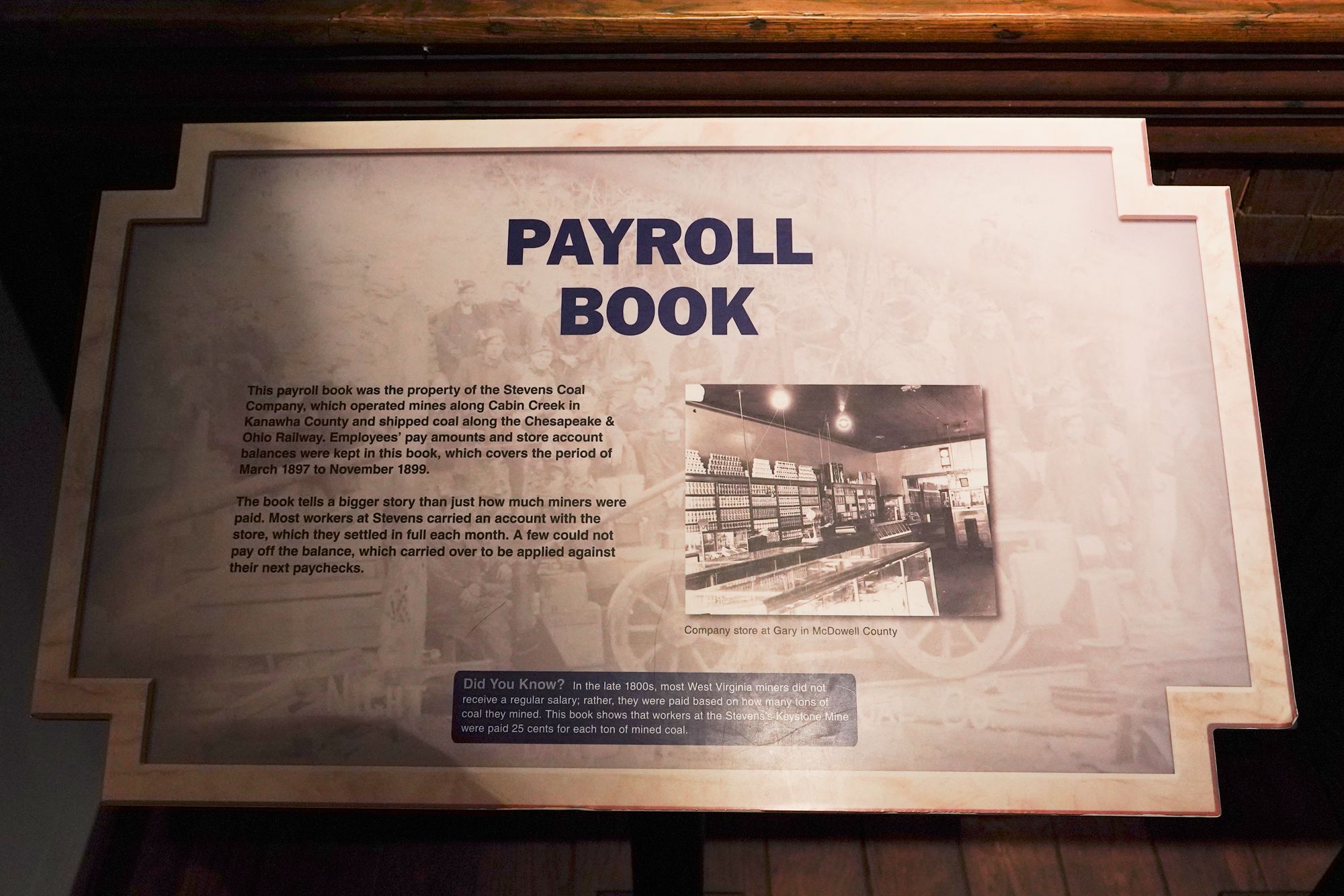
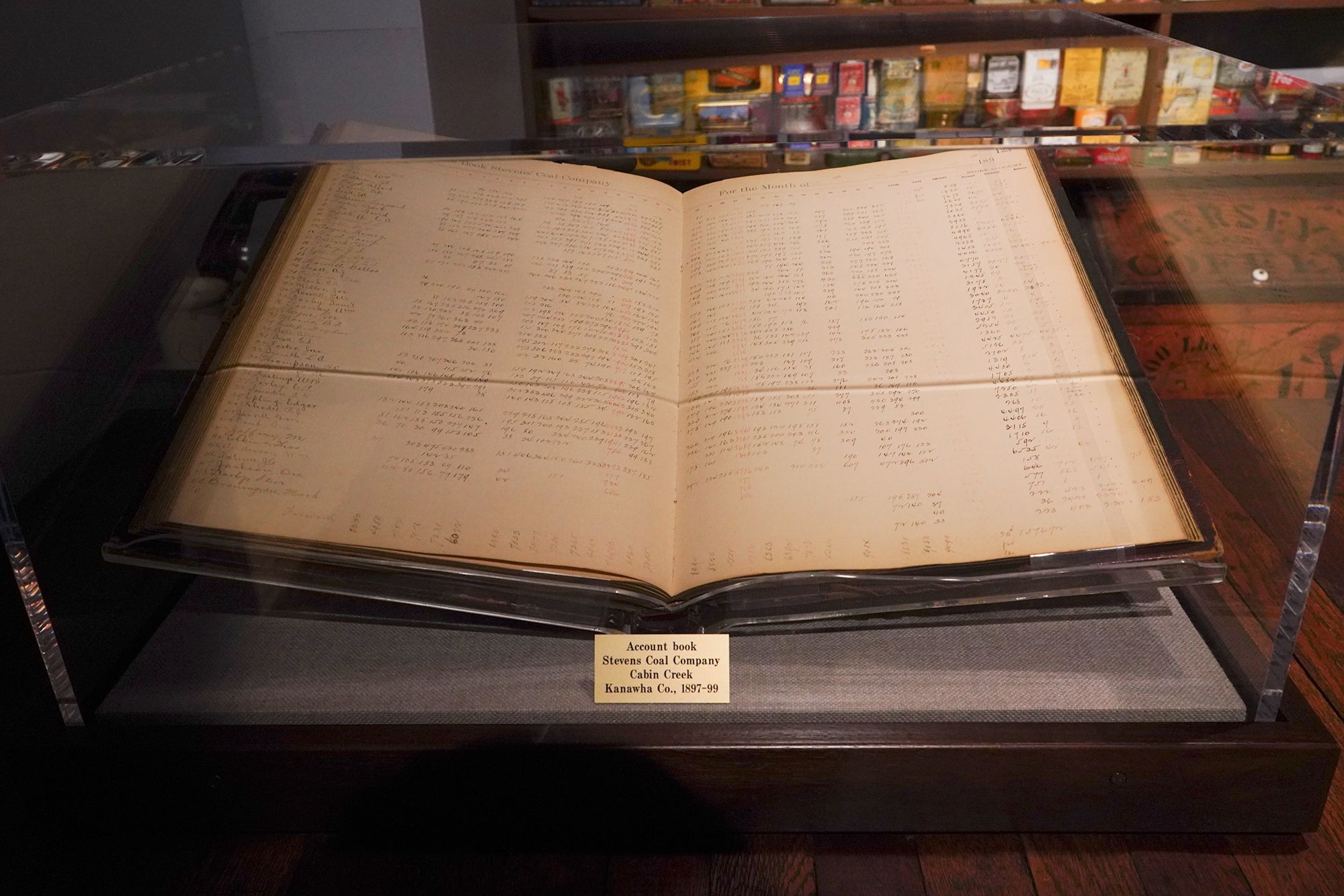
Payroll Book
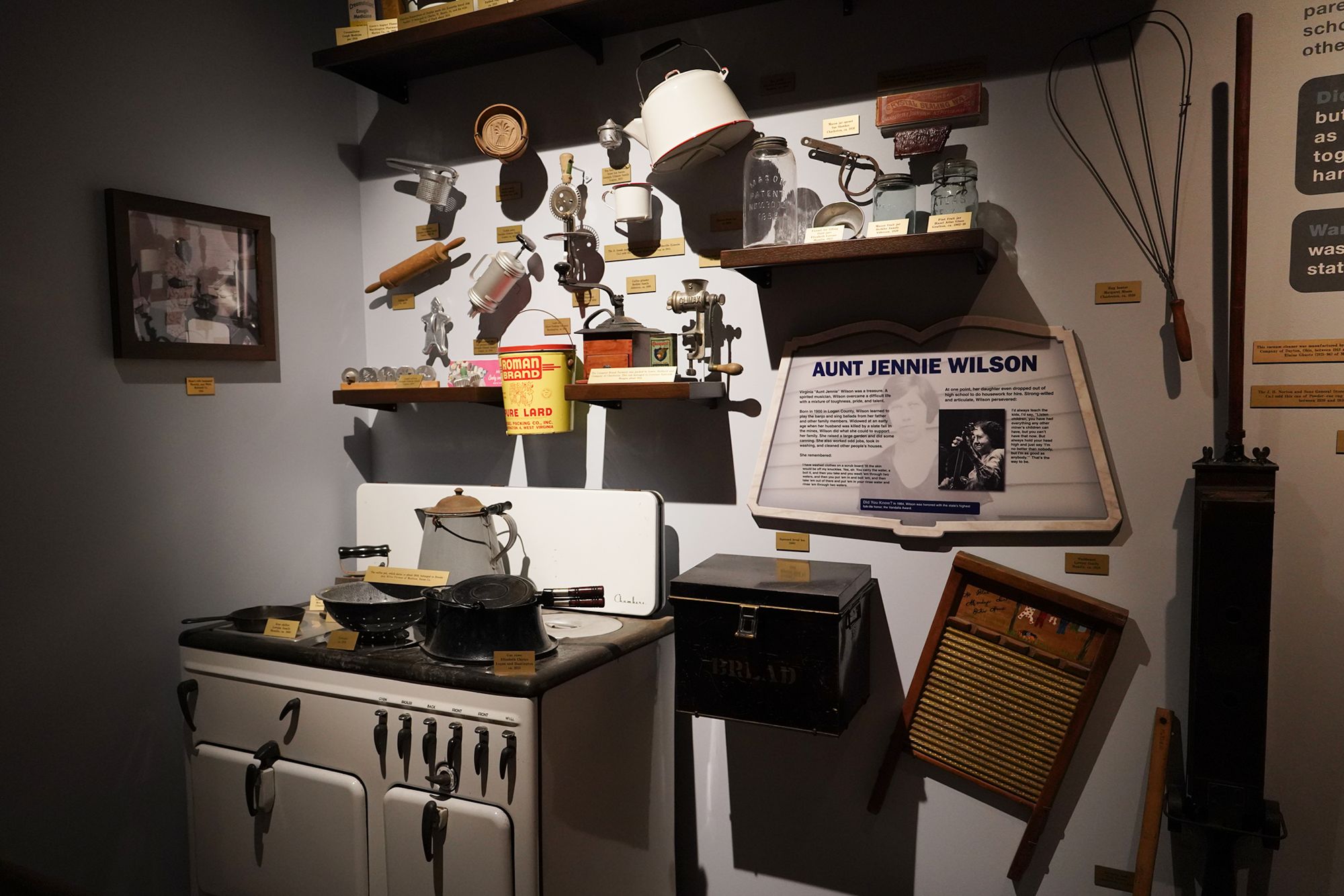
Women Working Outside the Home
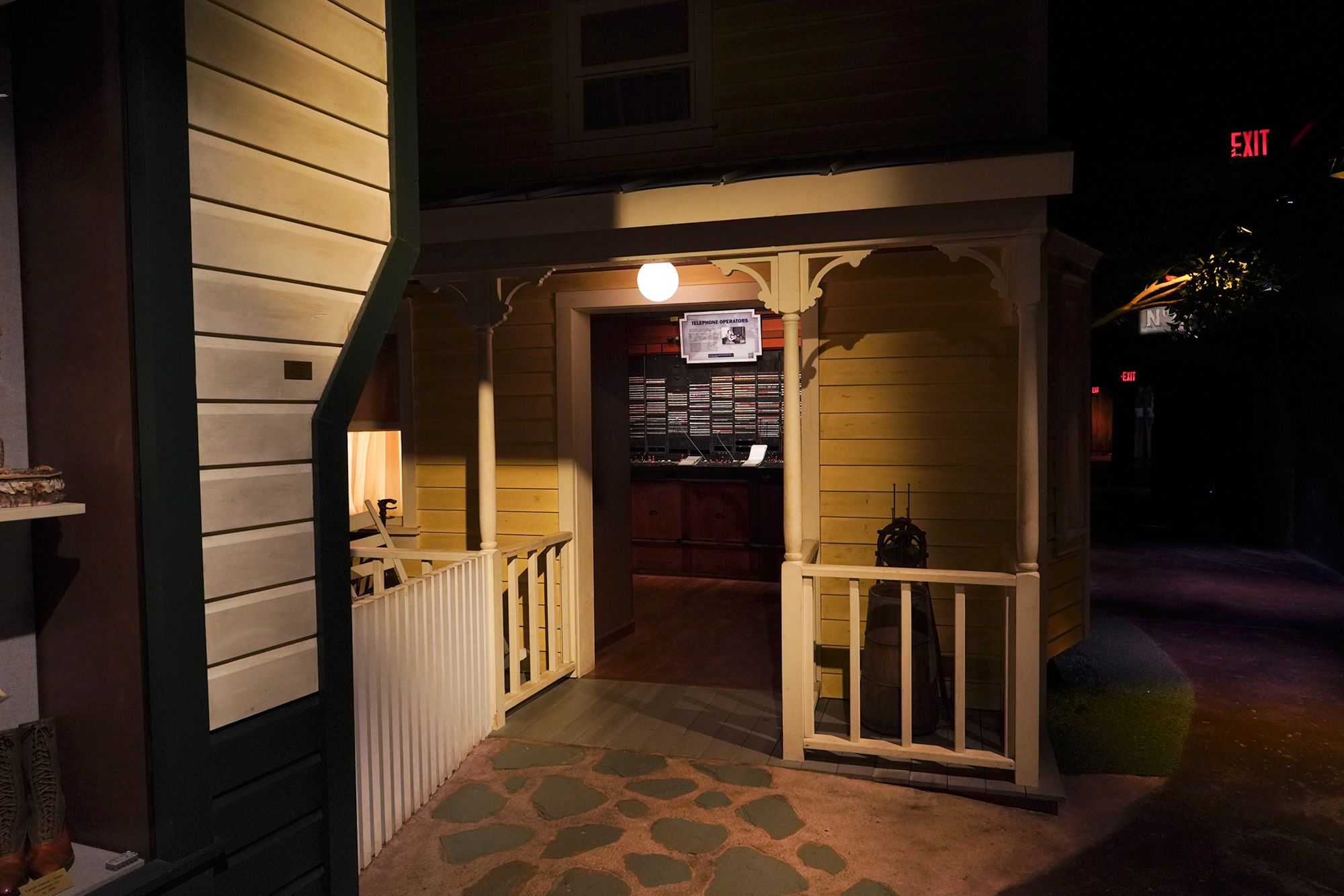
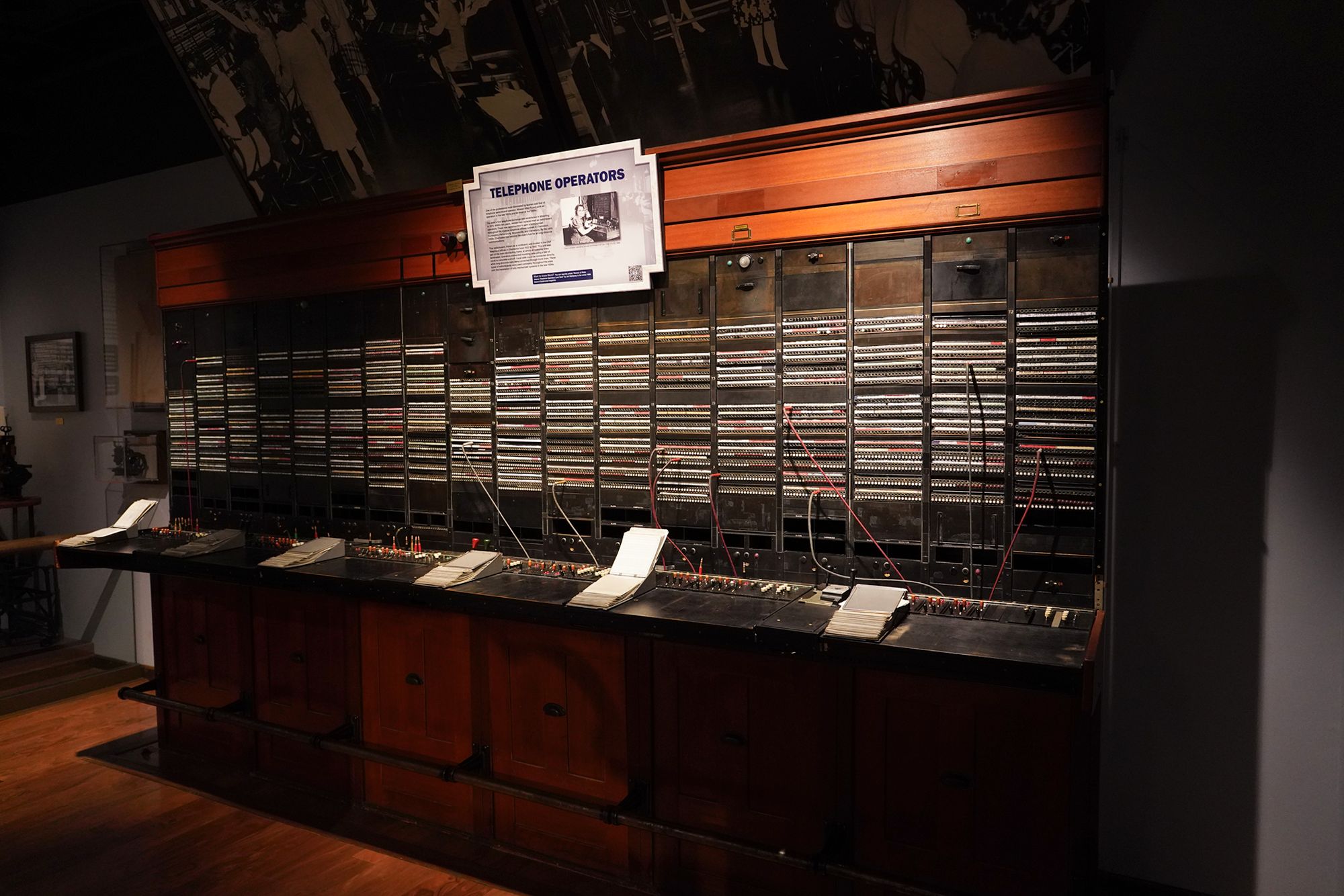
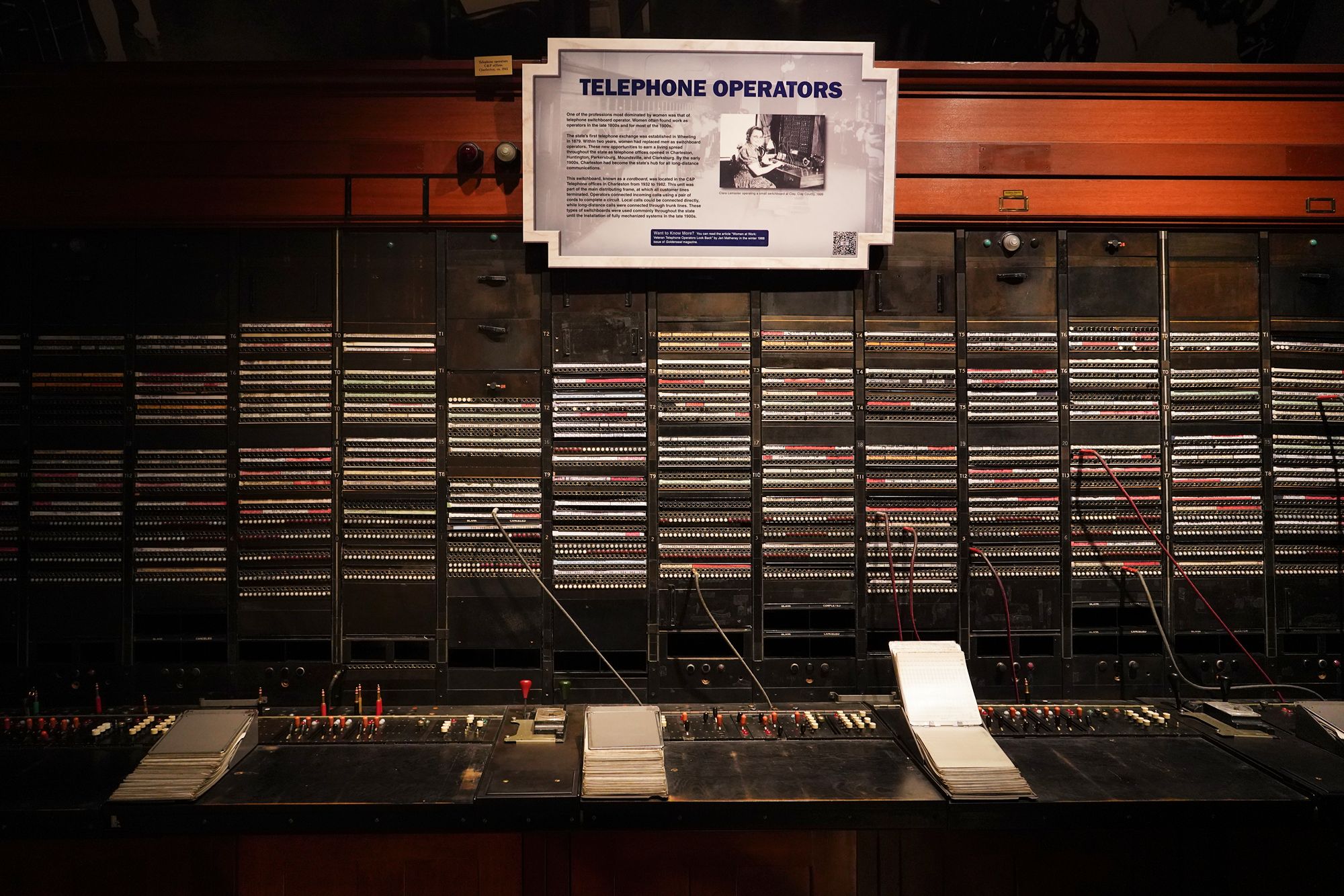
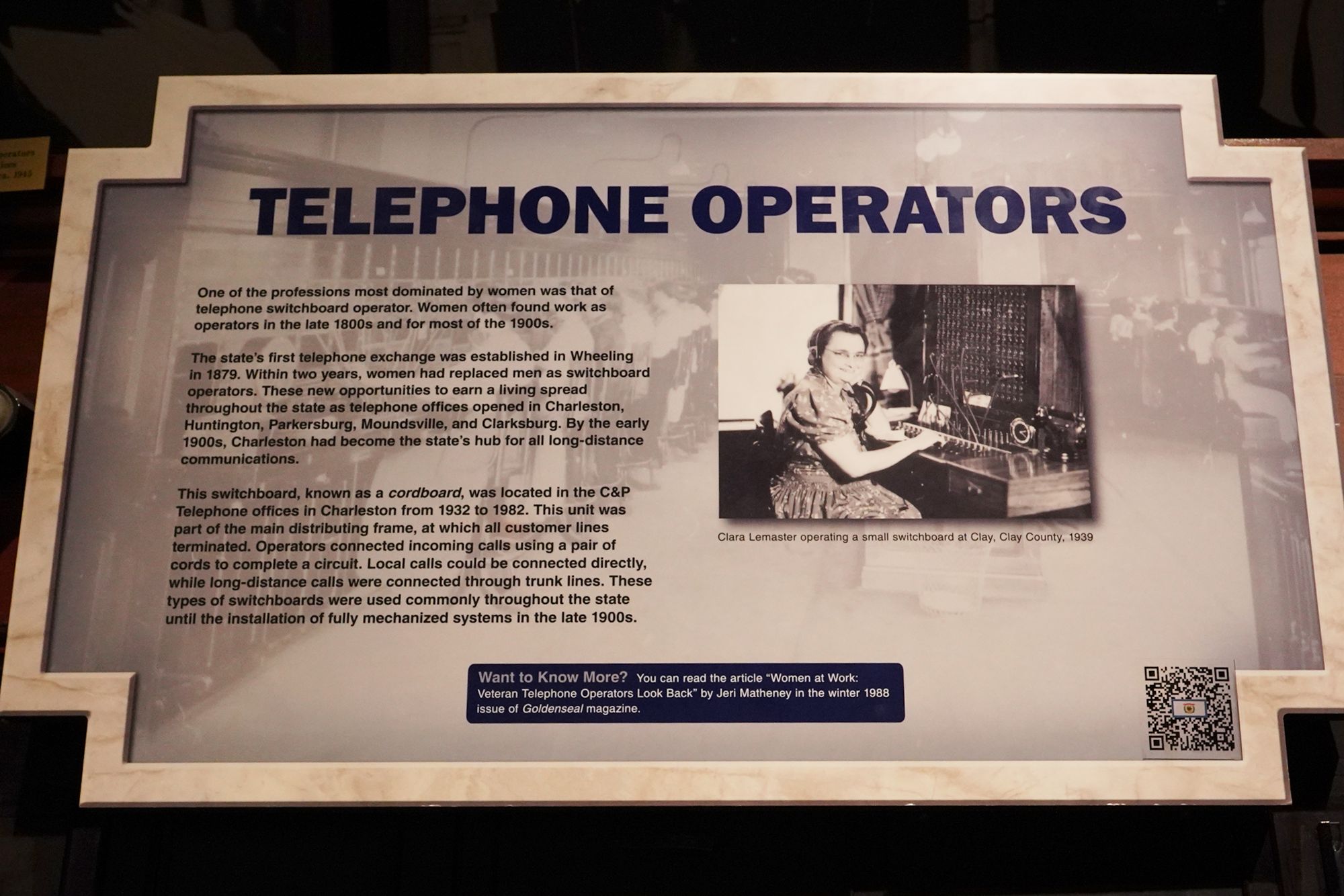
Telephone Operators
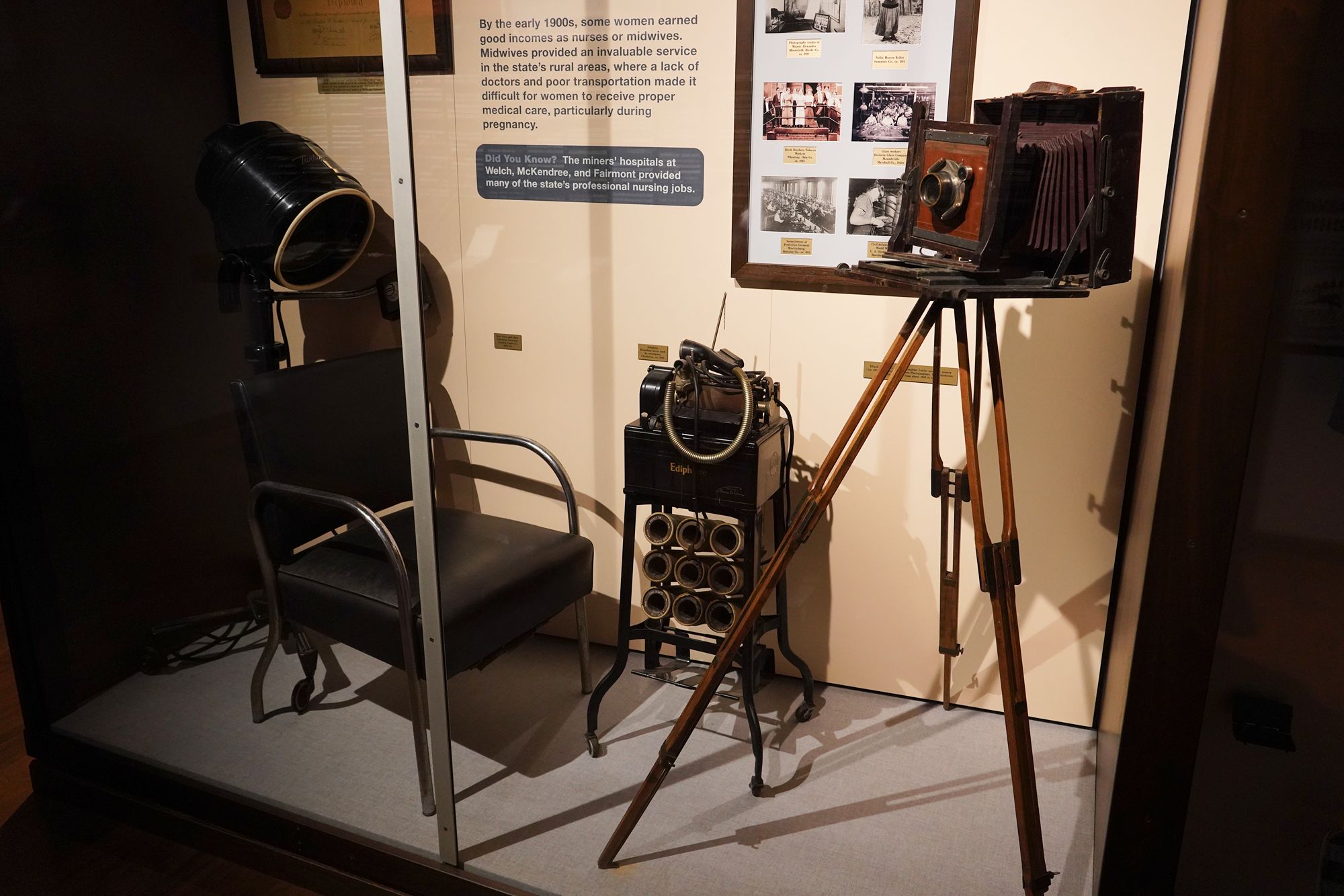
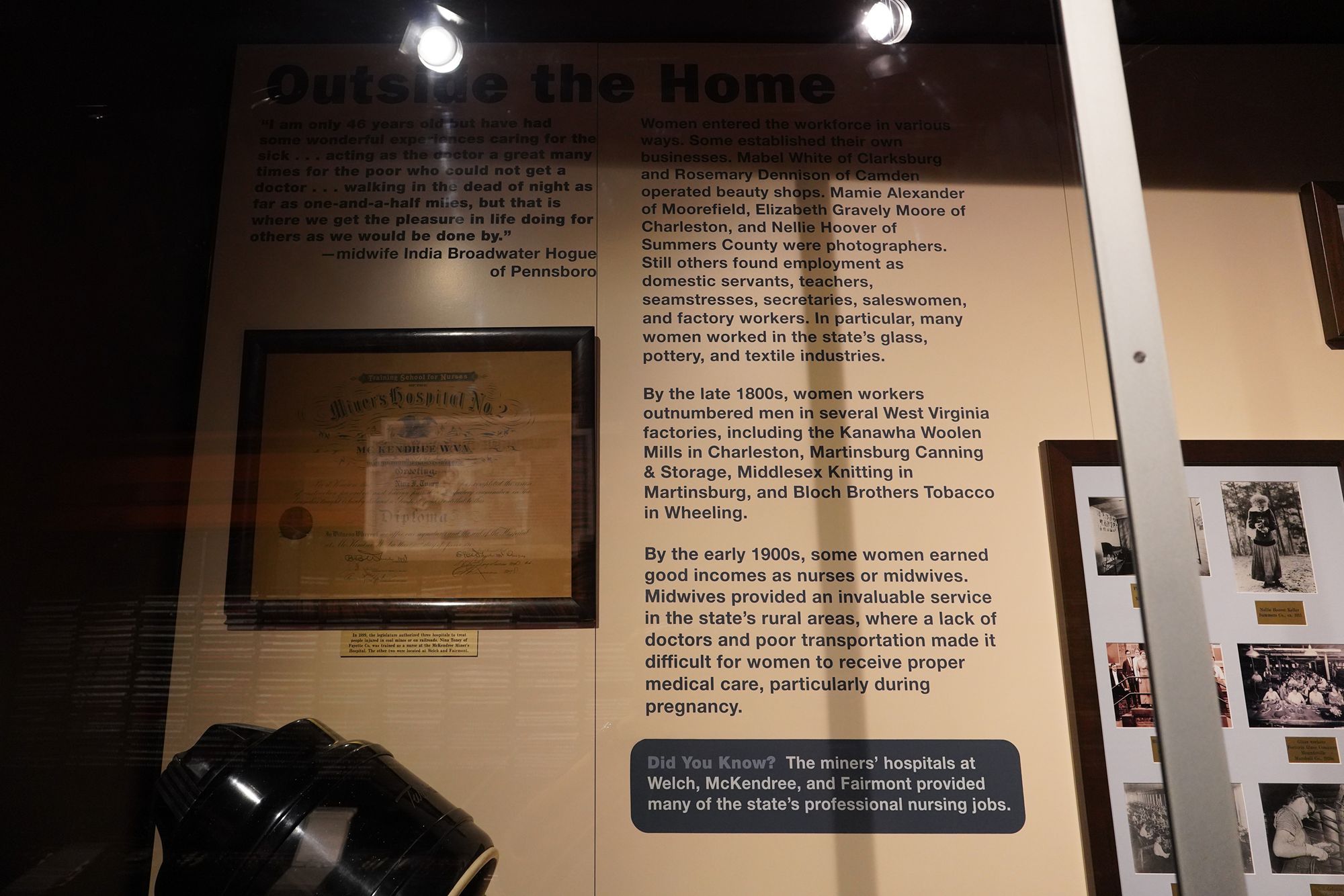
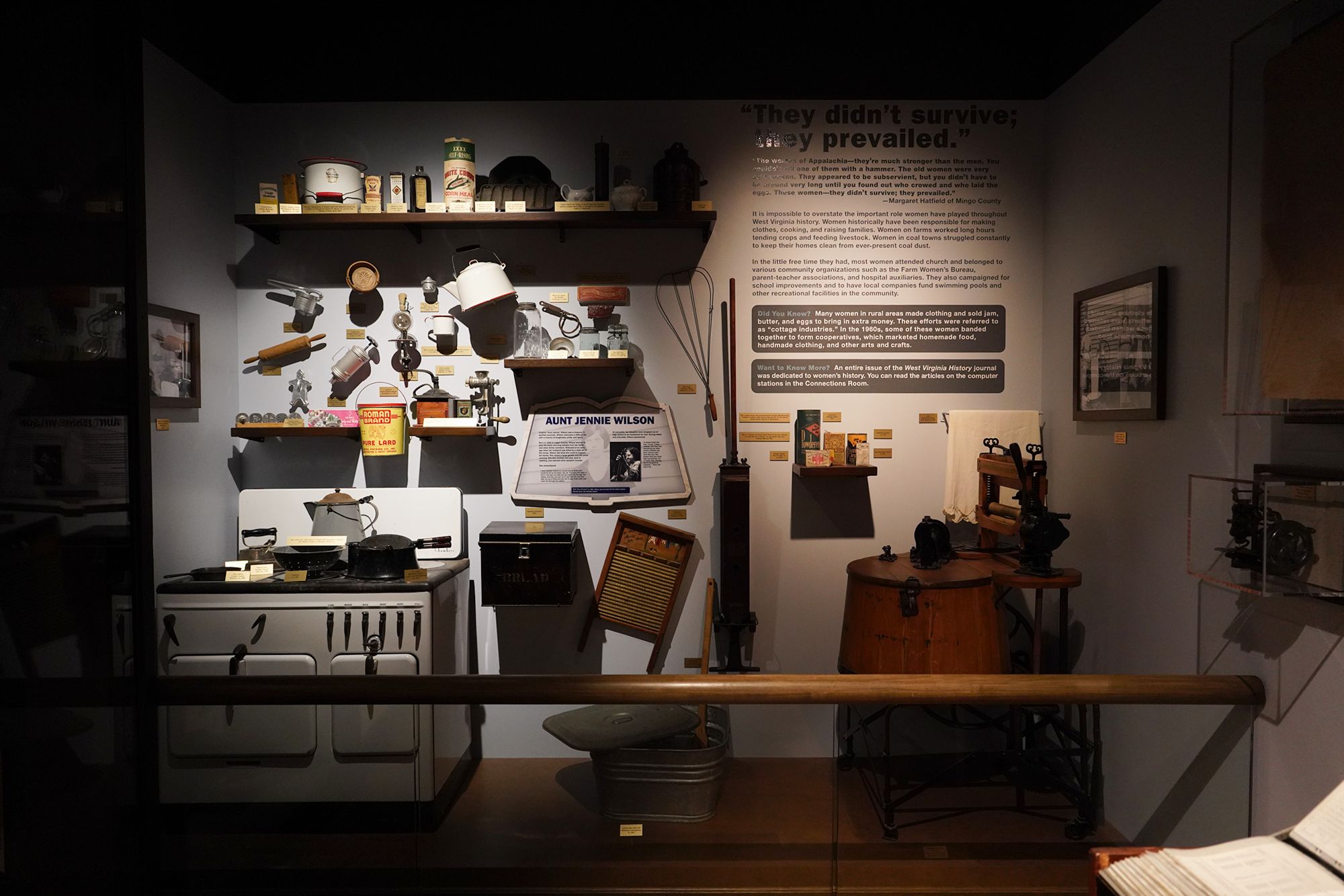
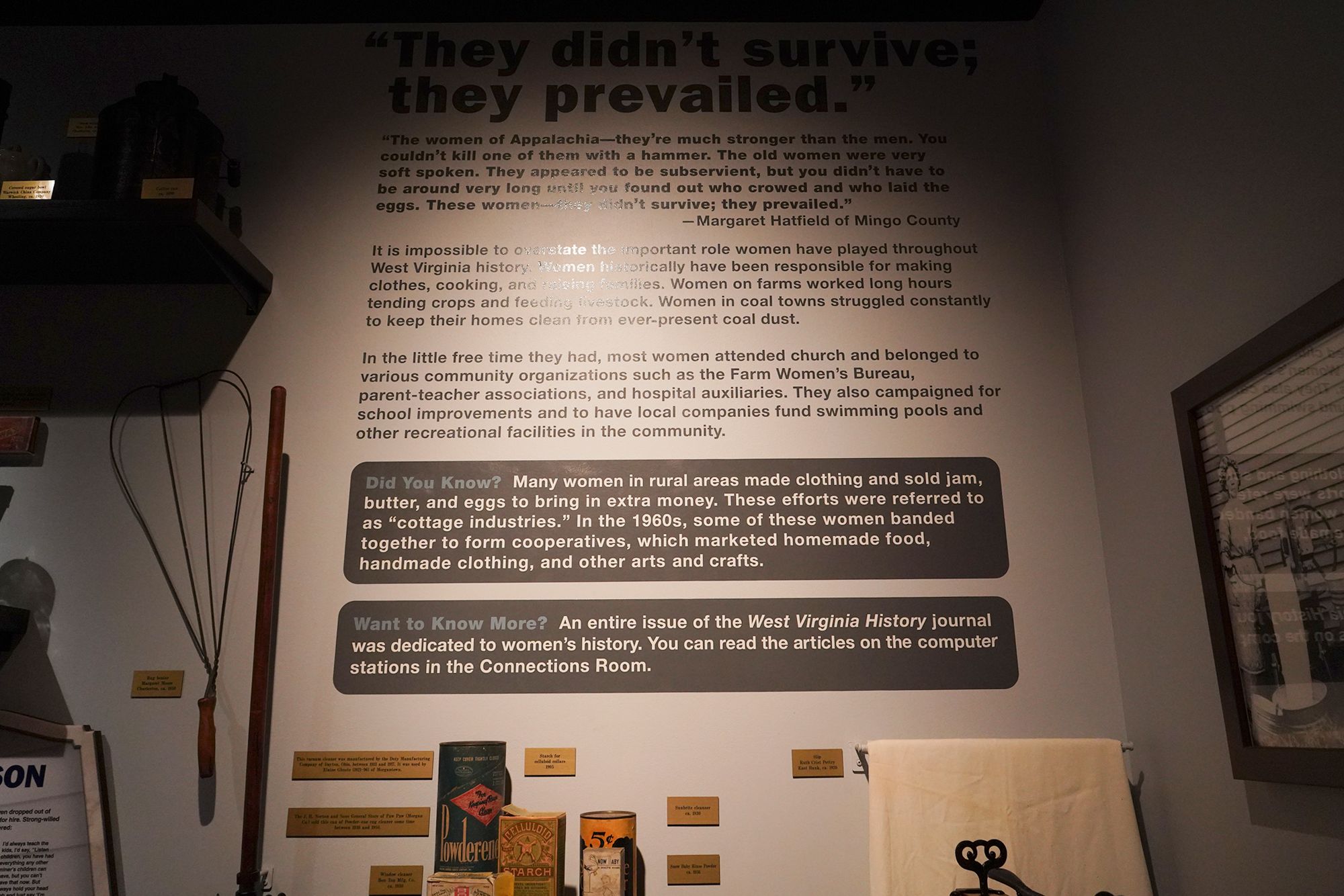
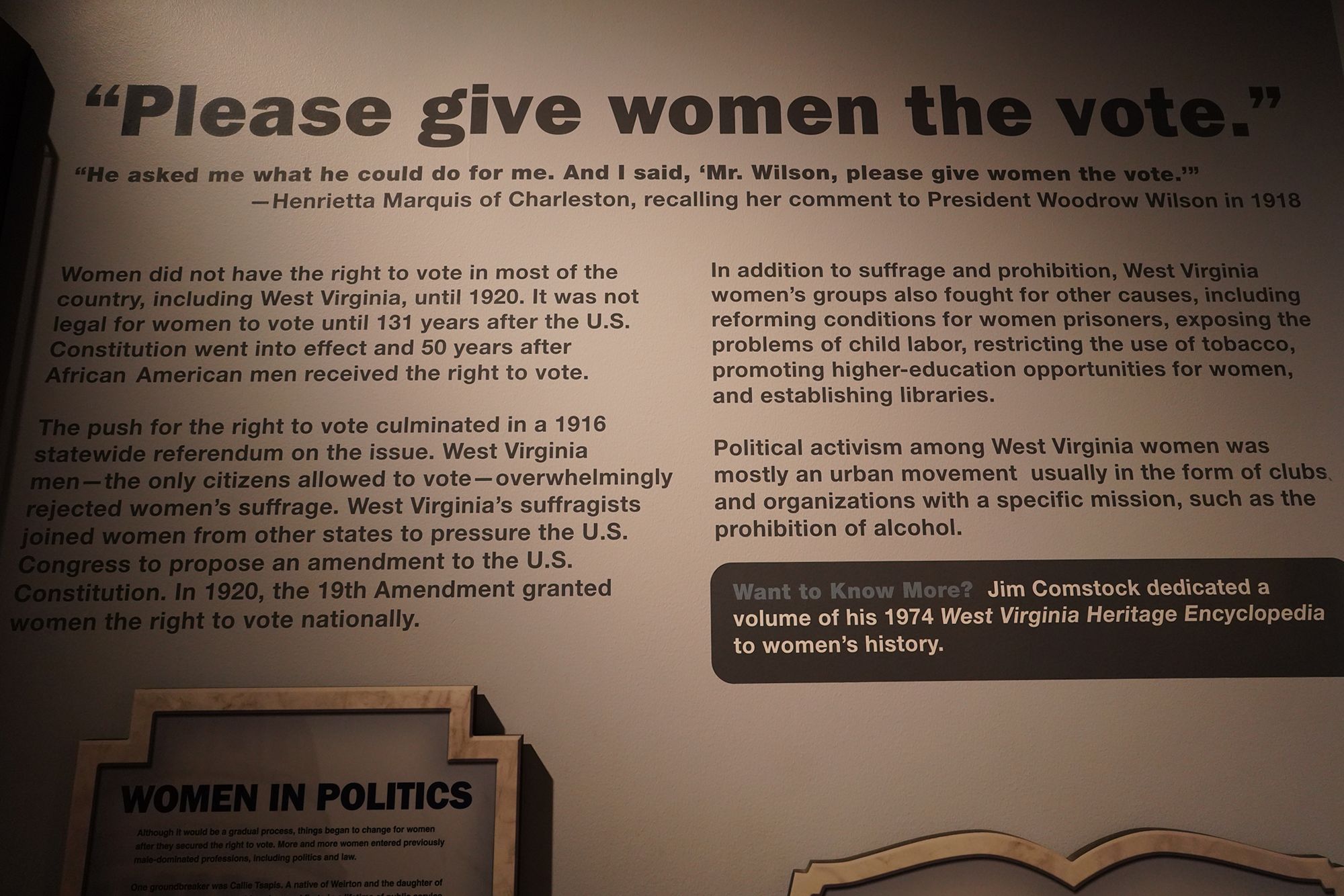
They not only survive, but they prevailed
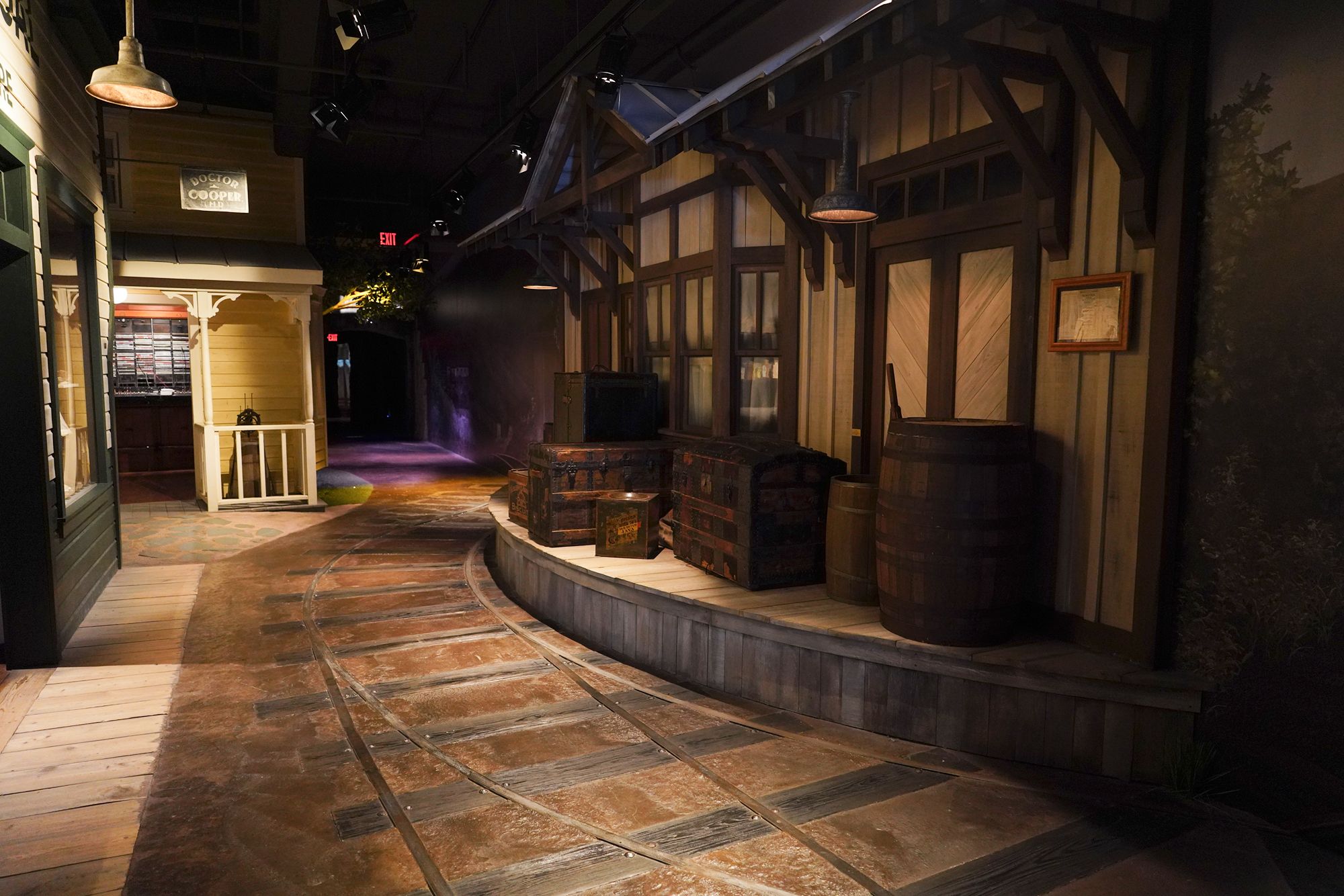
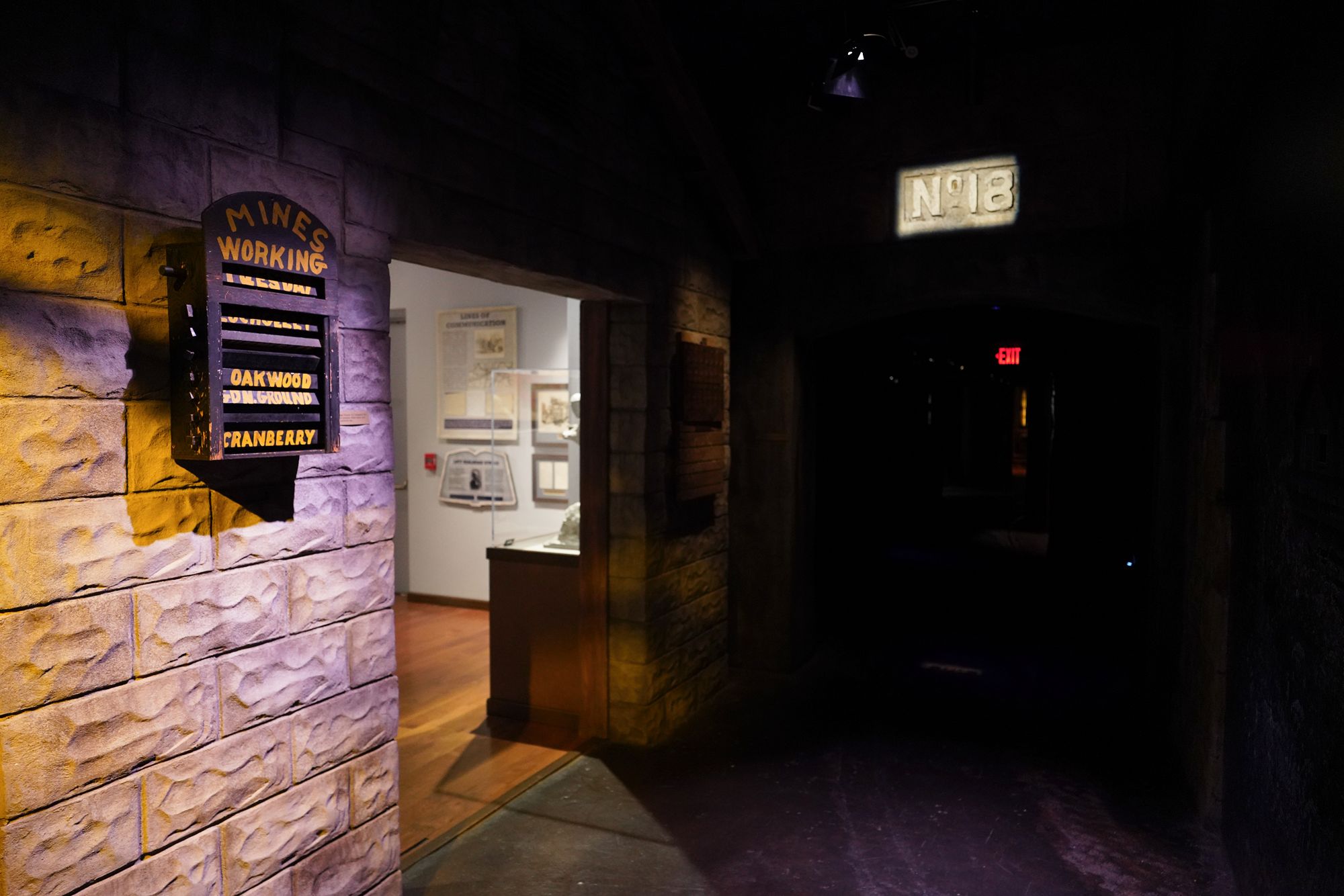
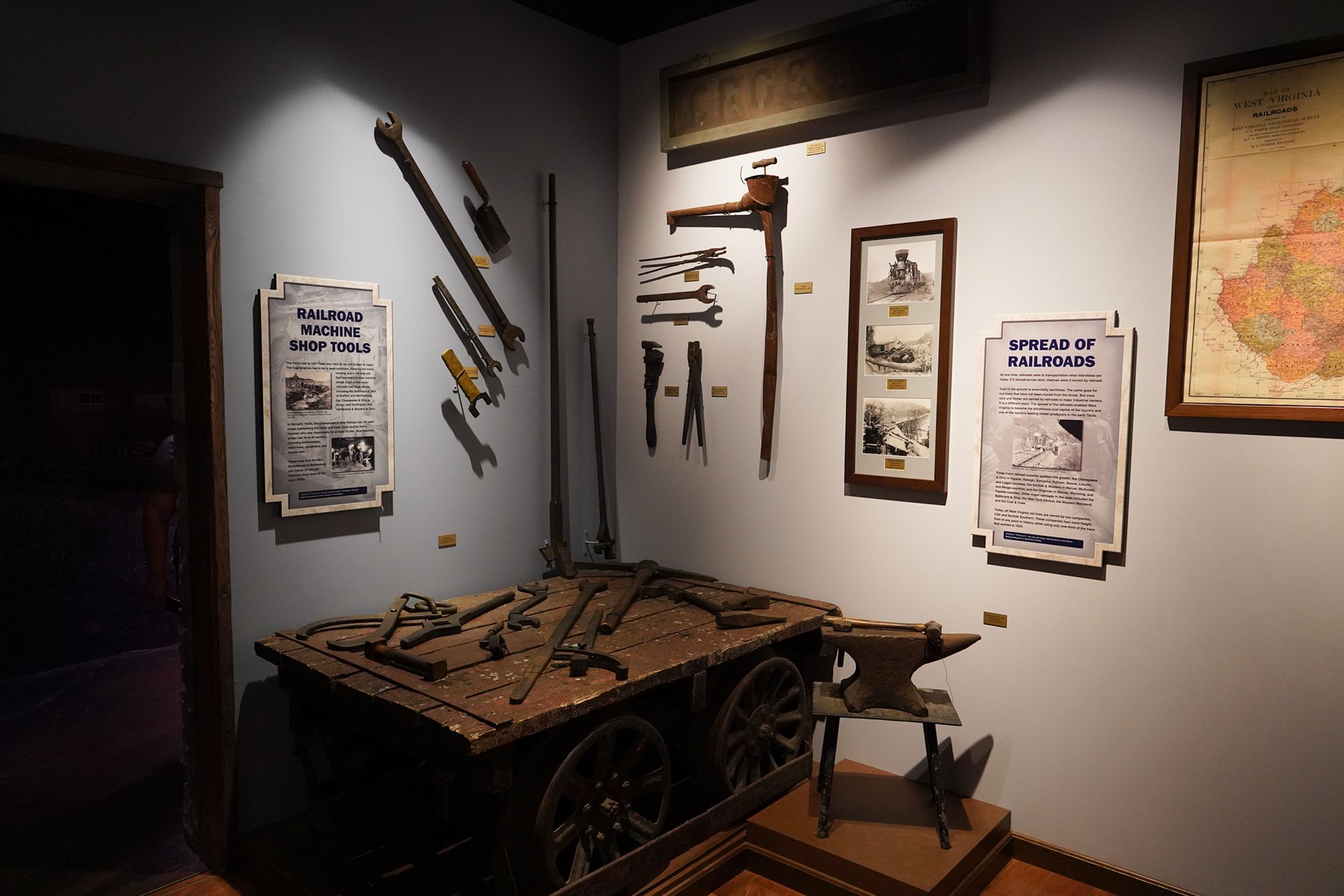
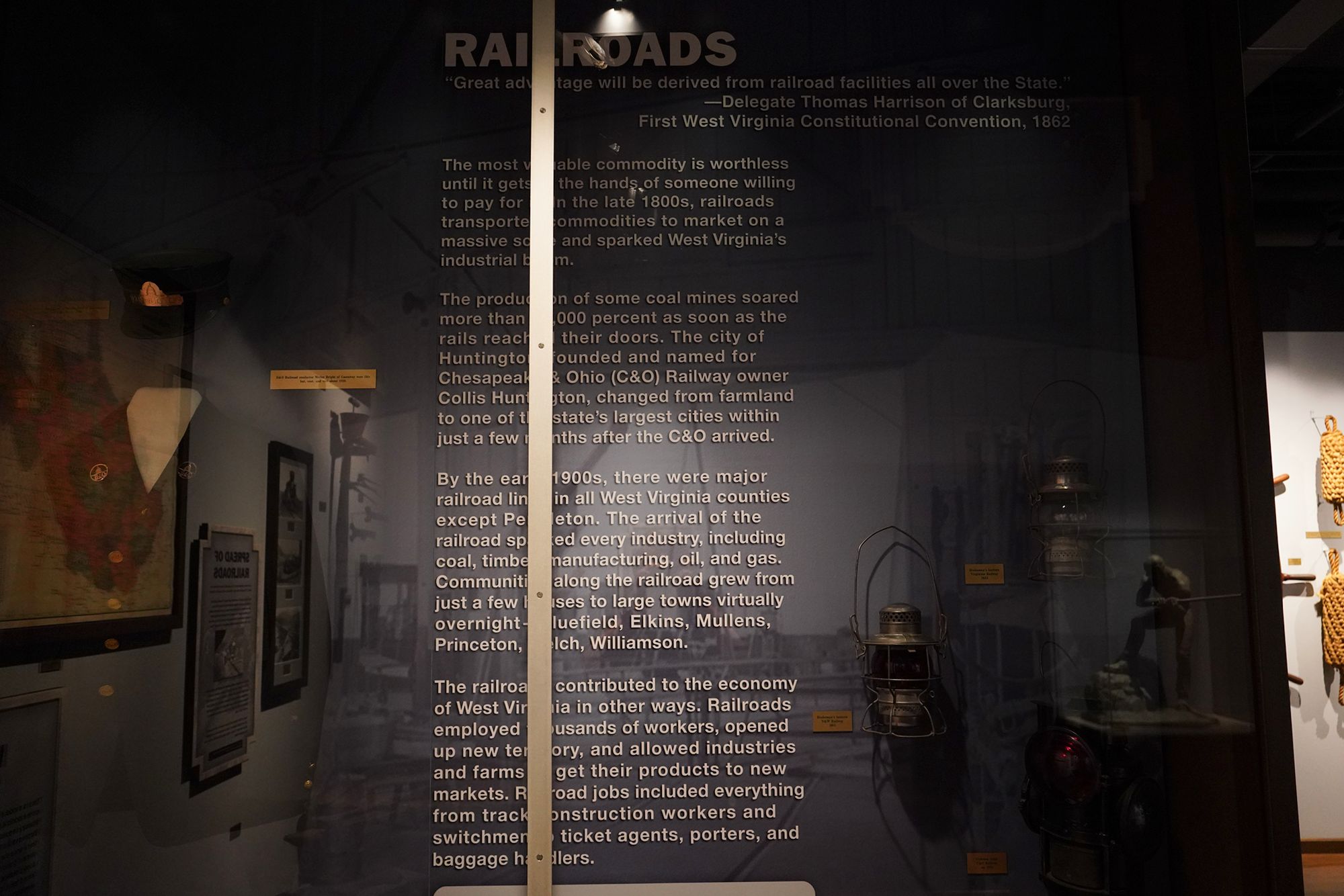
Railroads
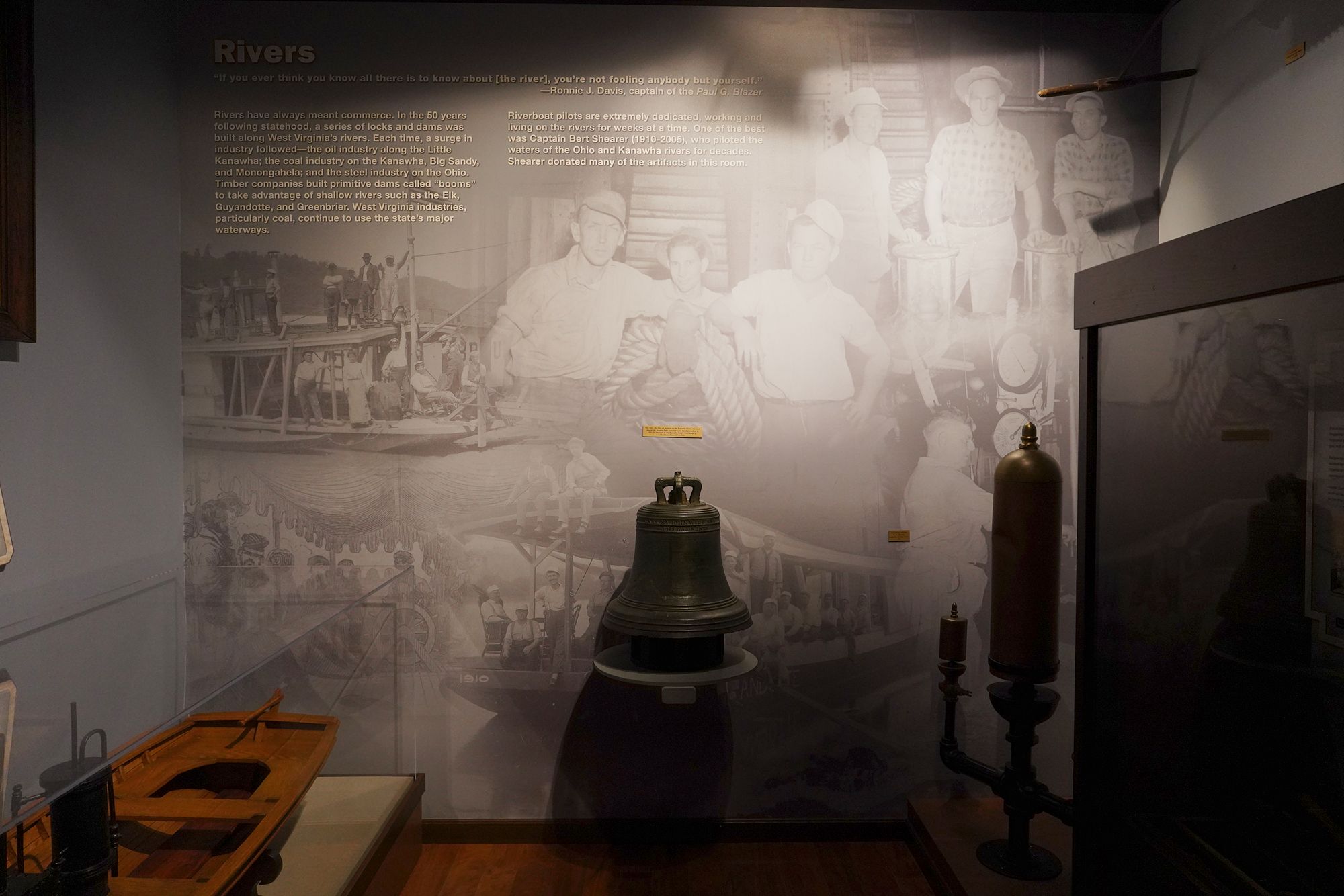
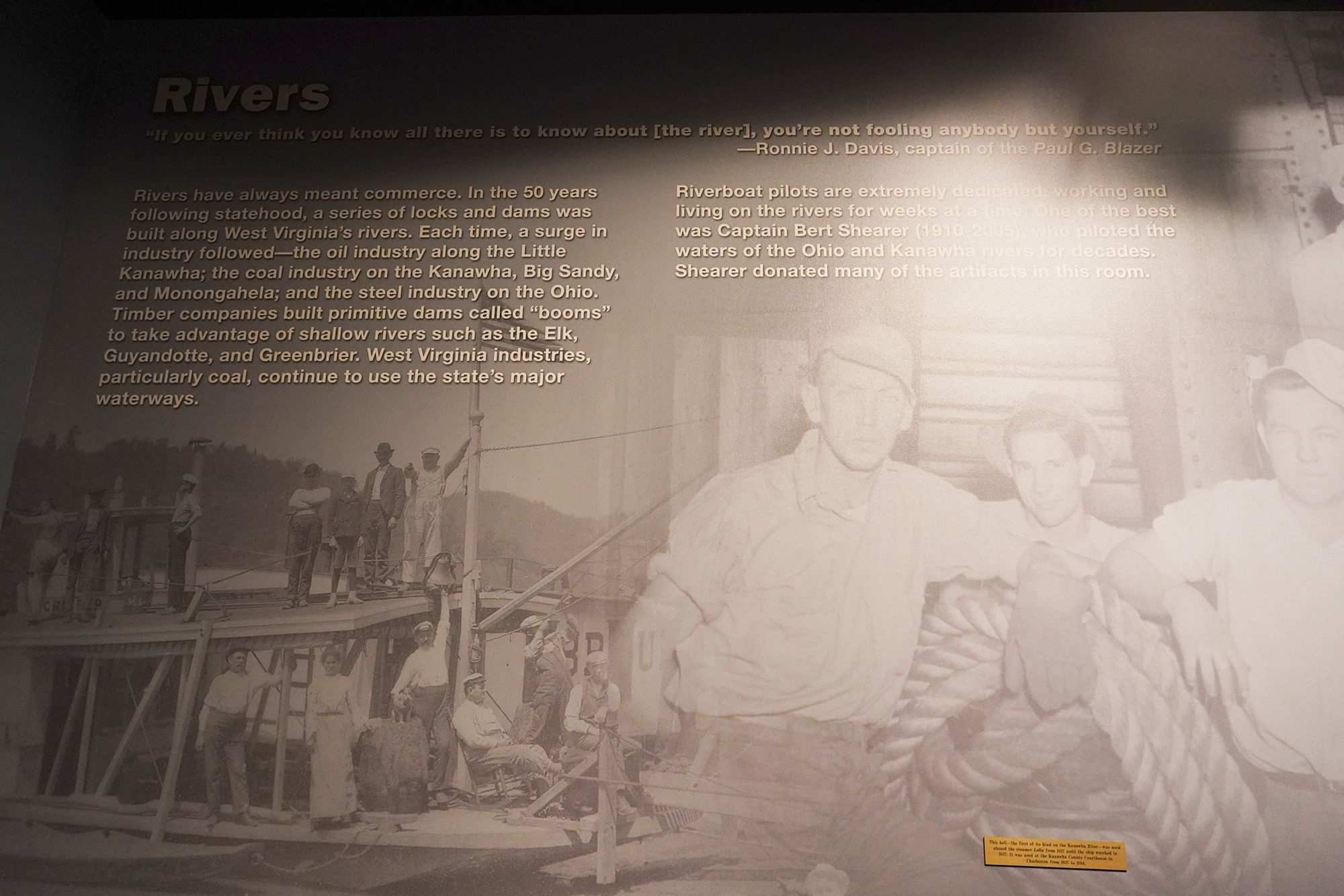
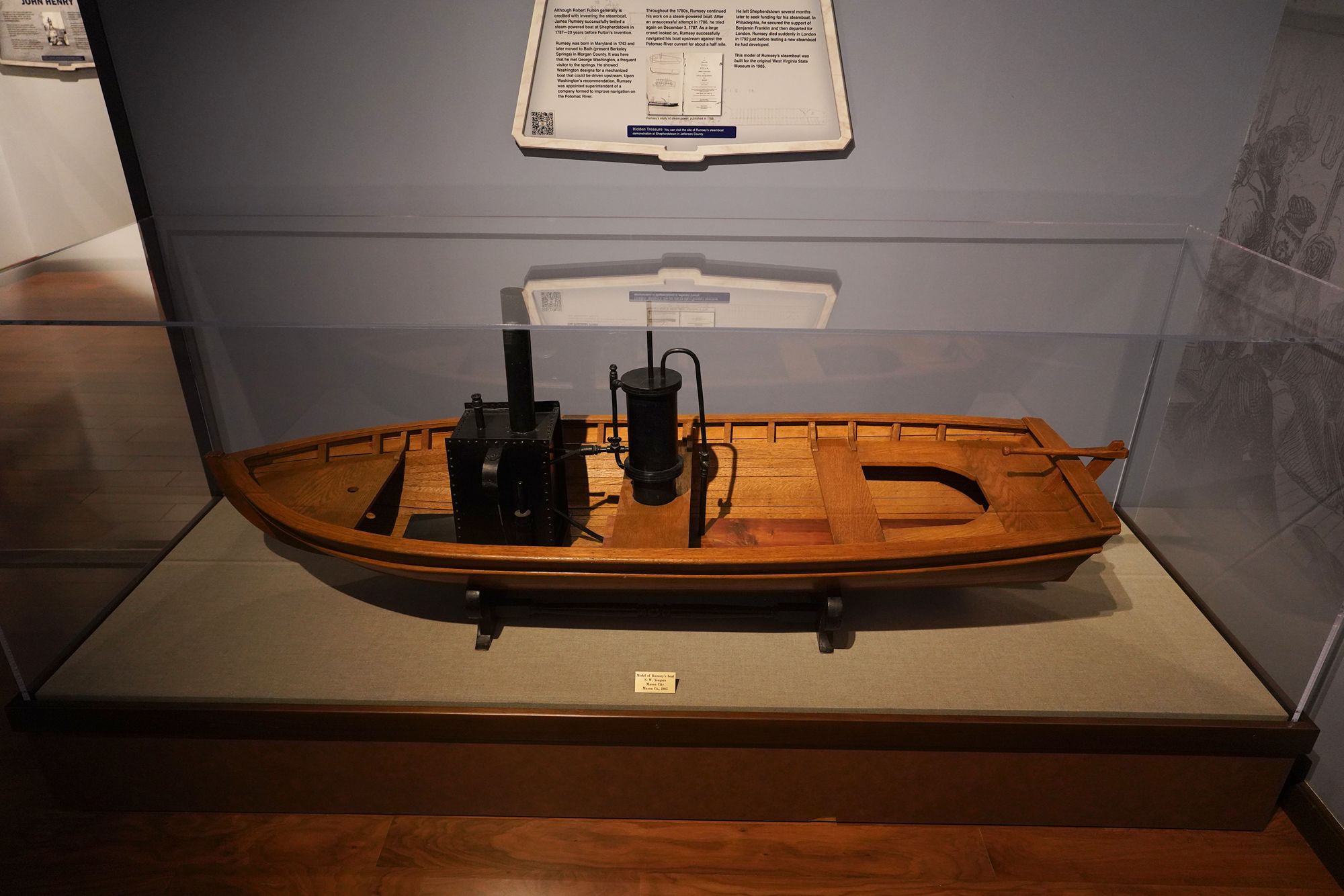
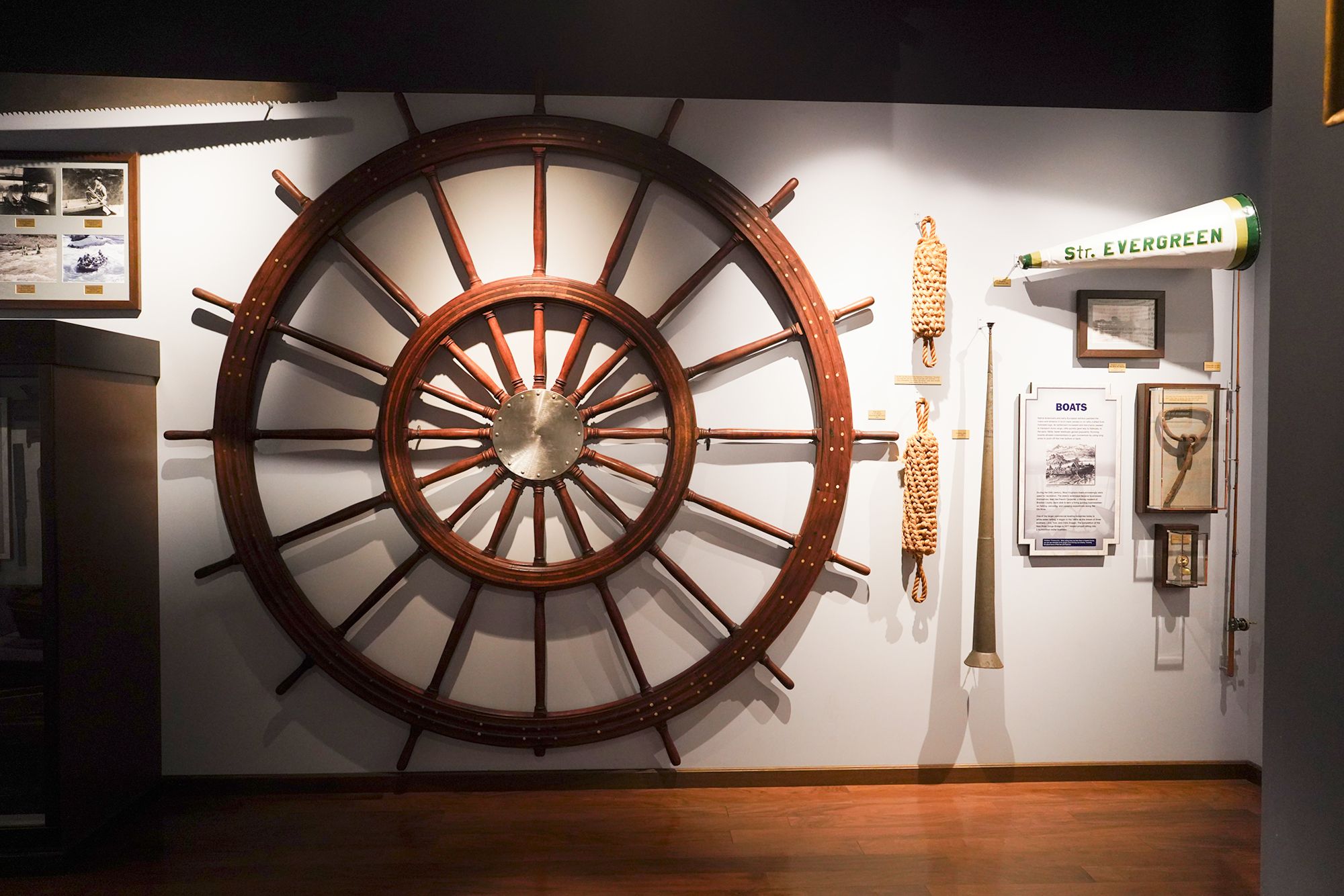
Rivers
The year 1910

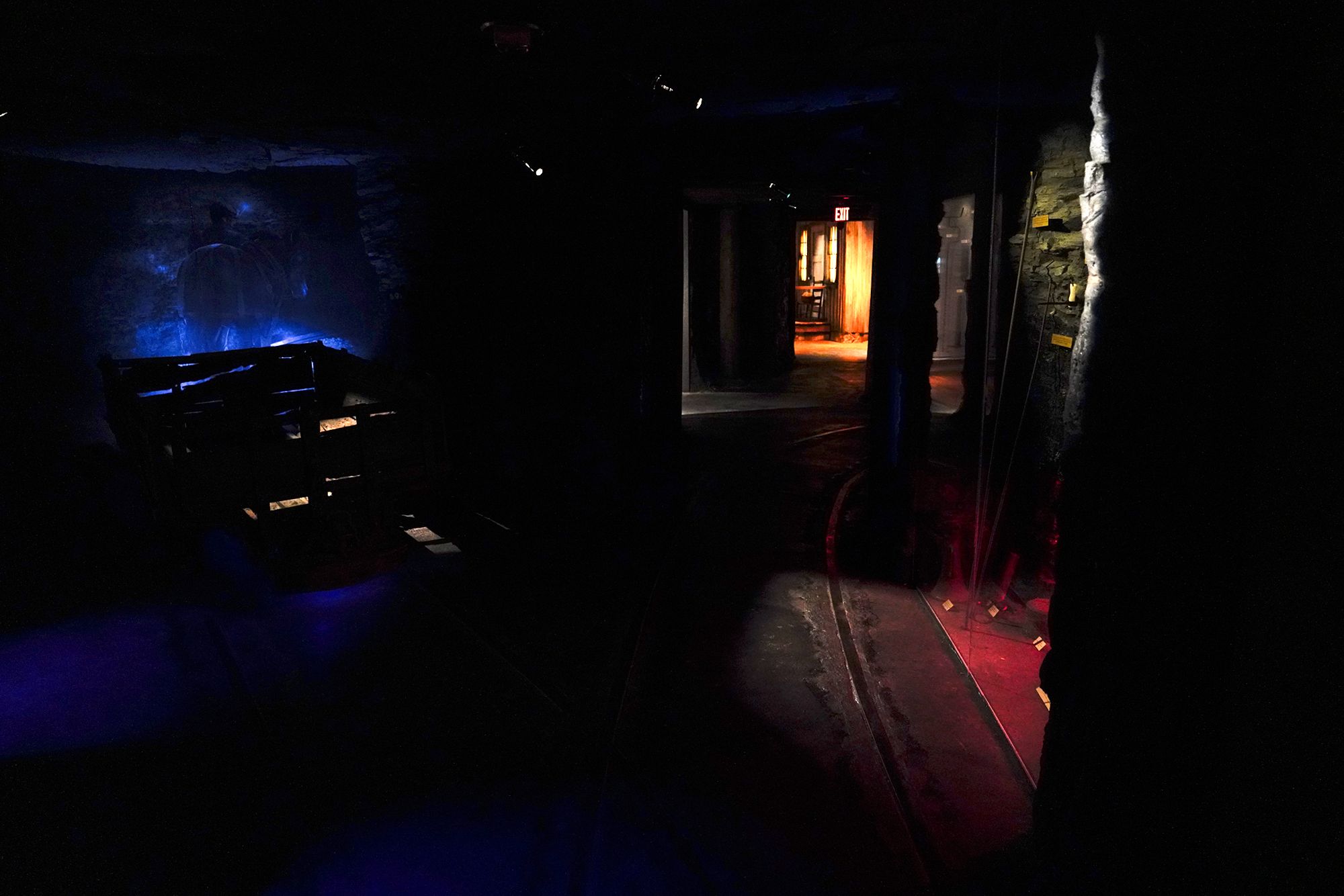
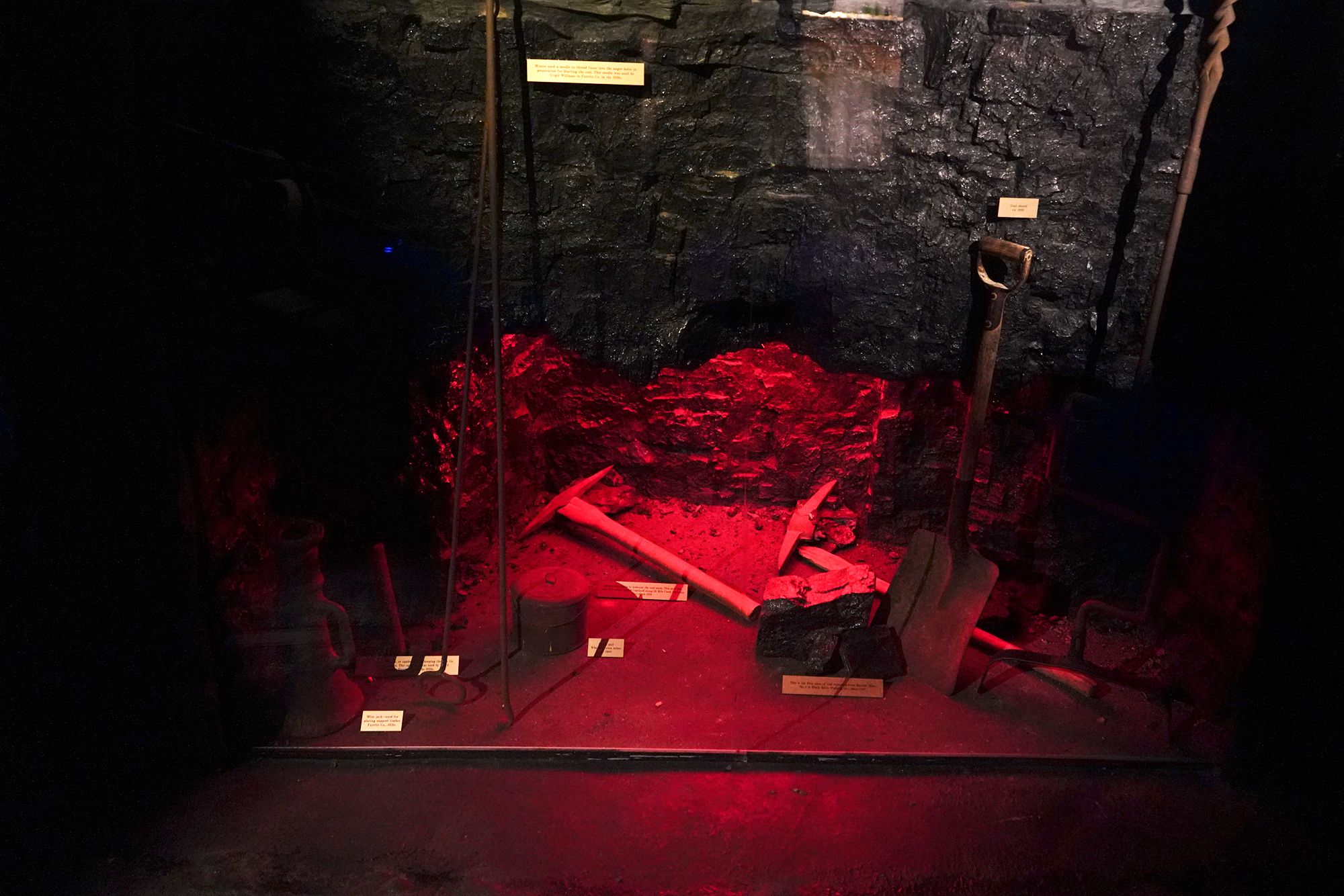
Coal Mine
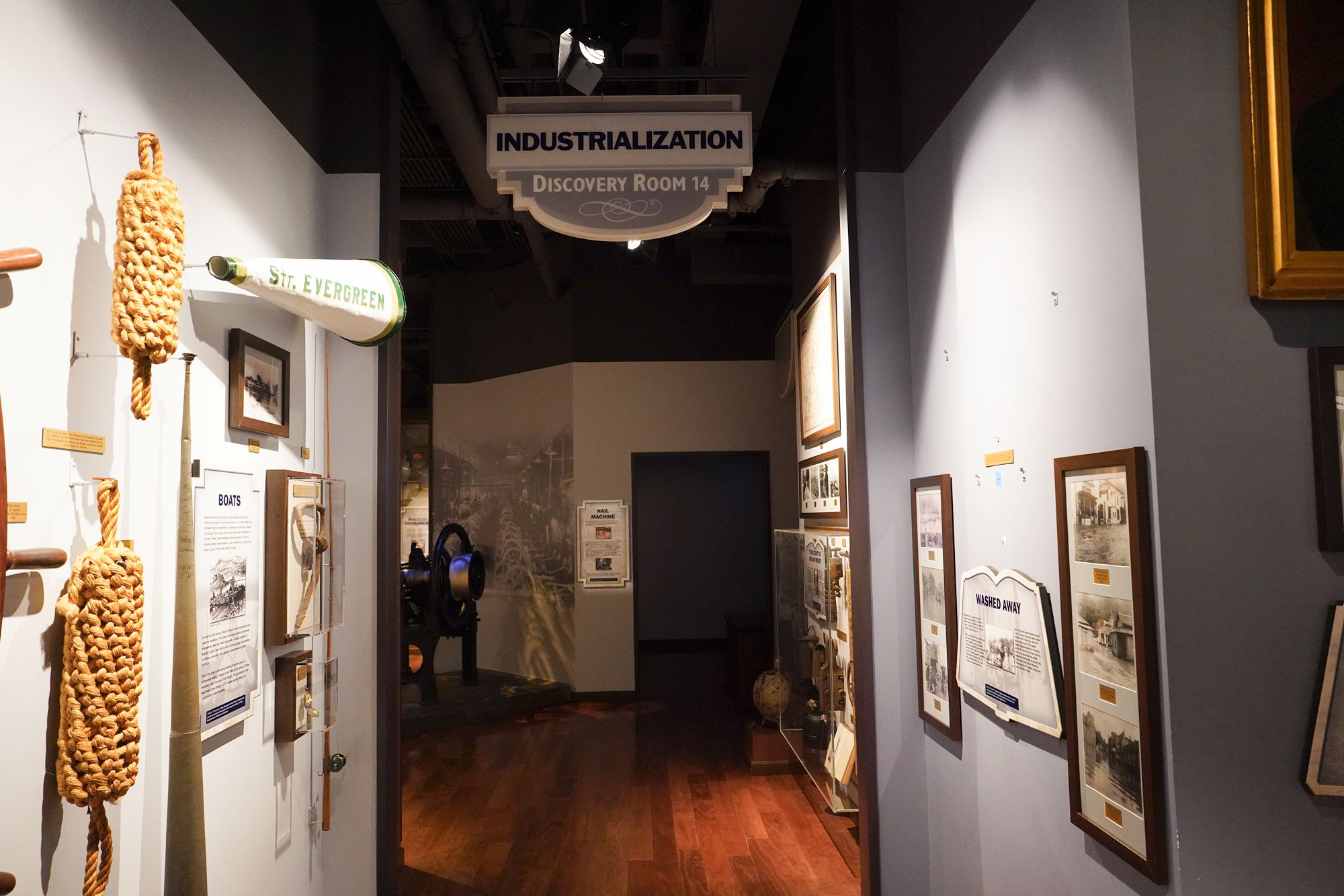
Industrialization
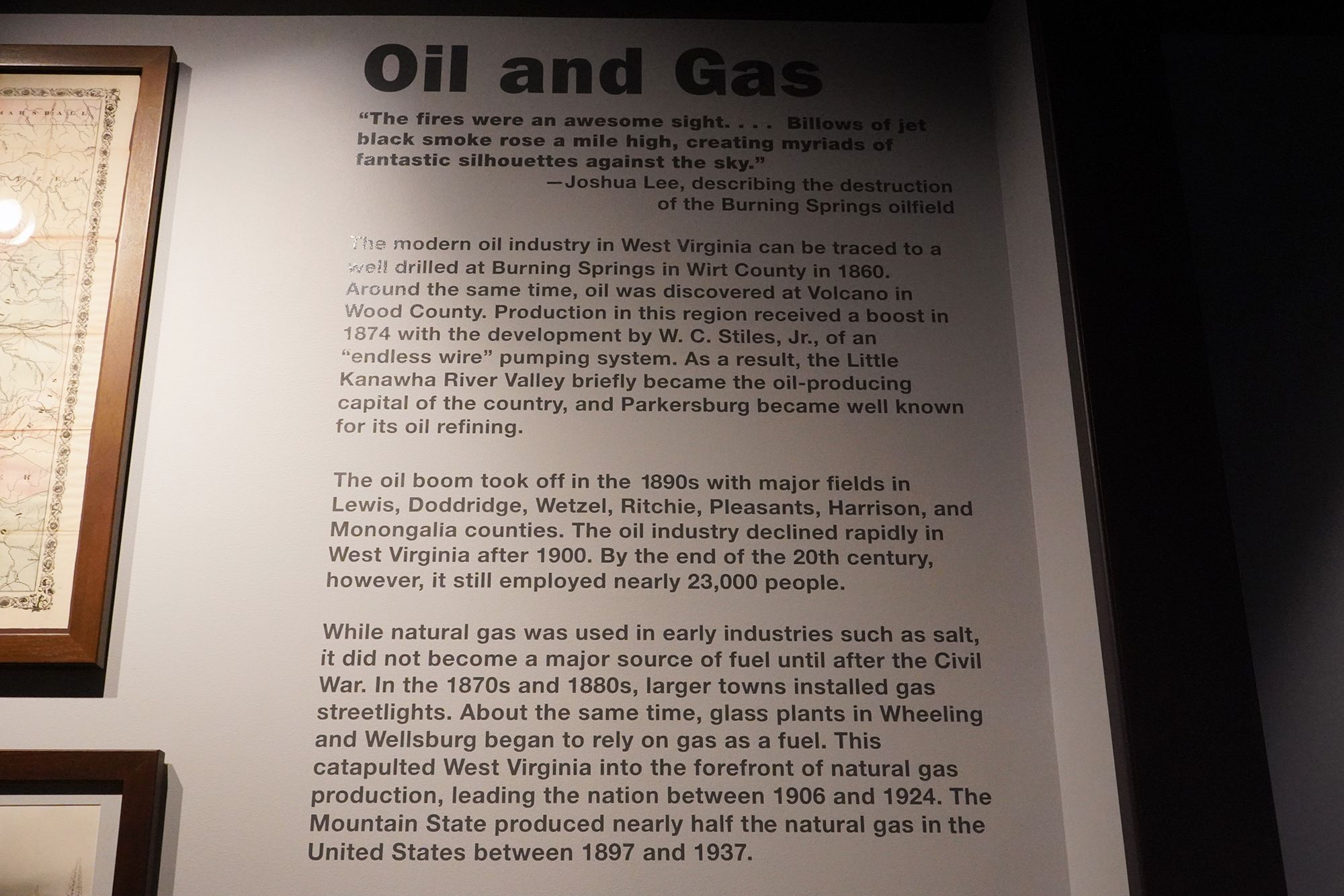
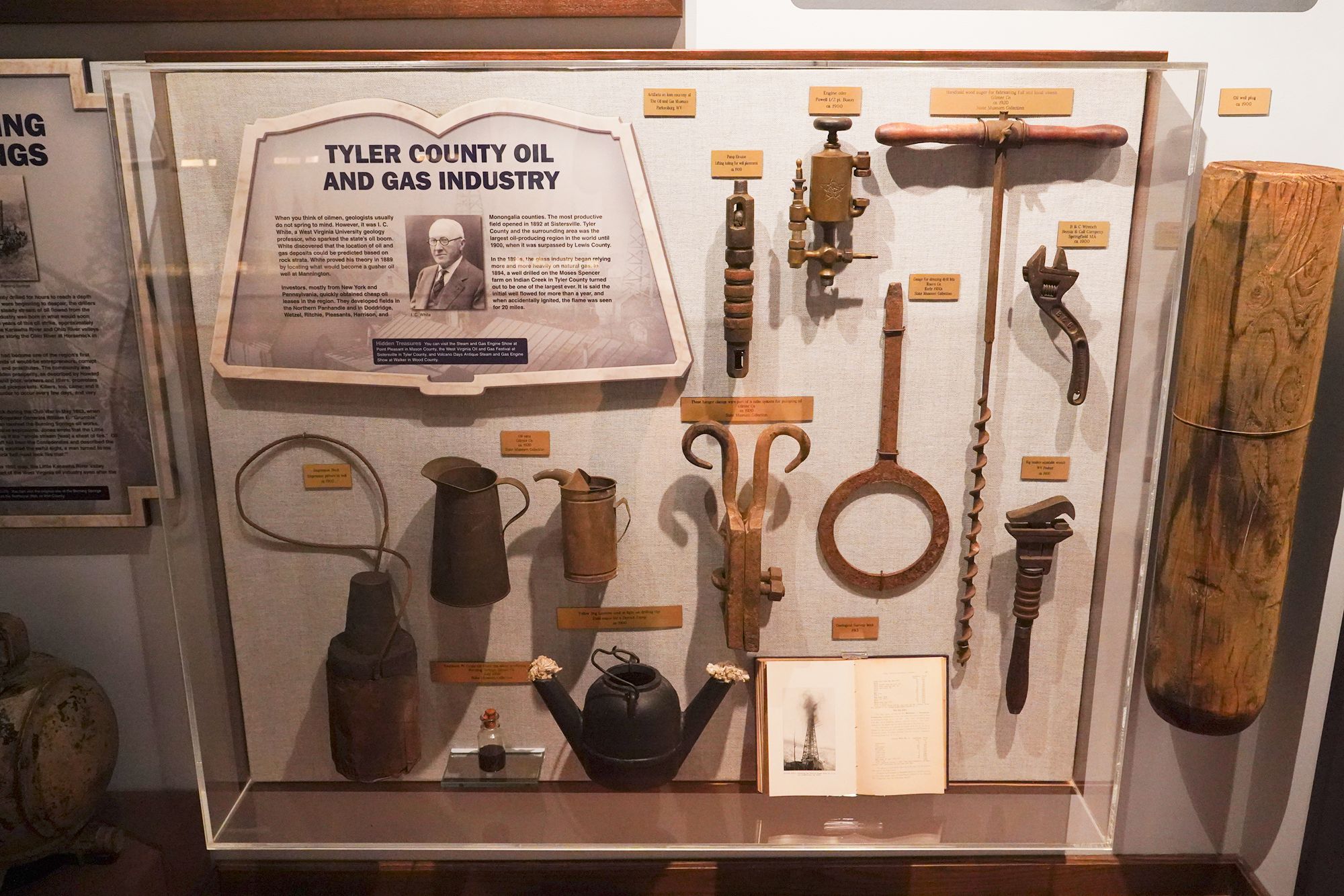
Oil and Gas
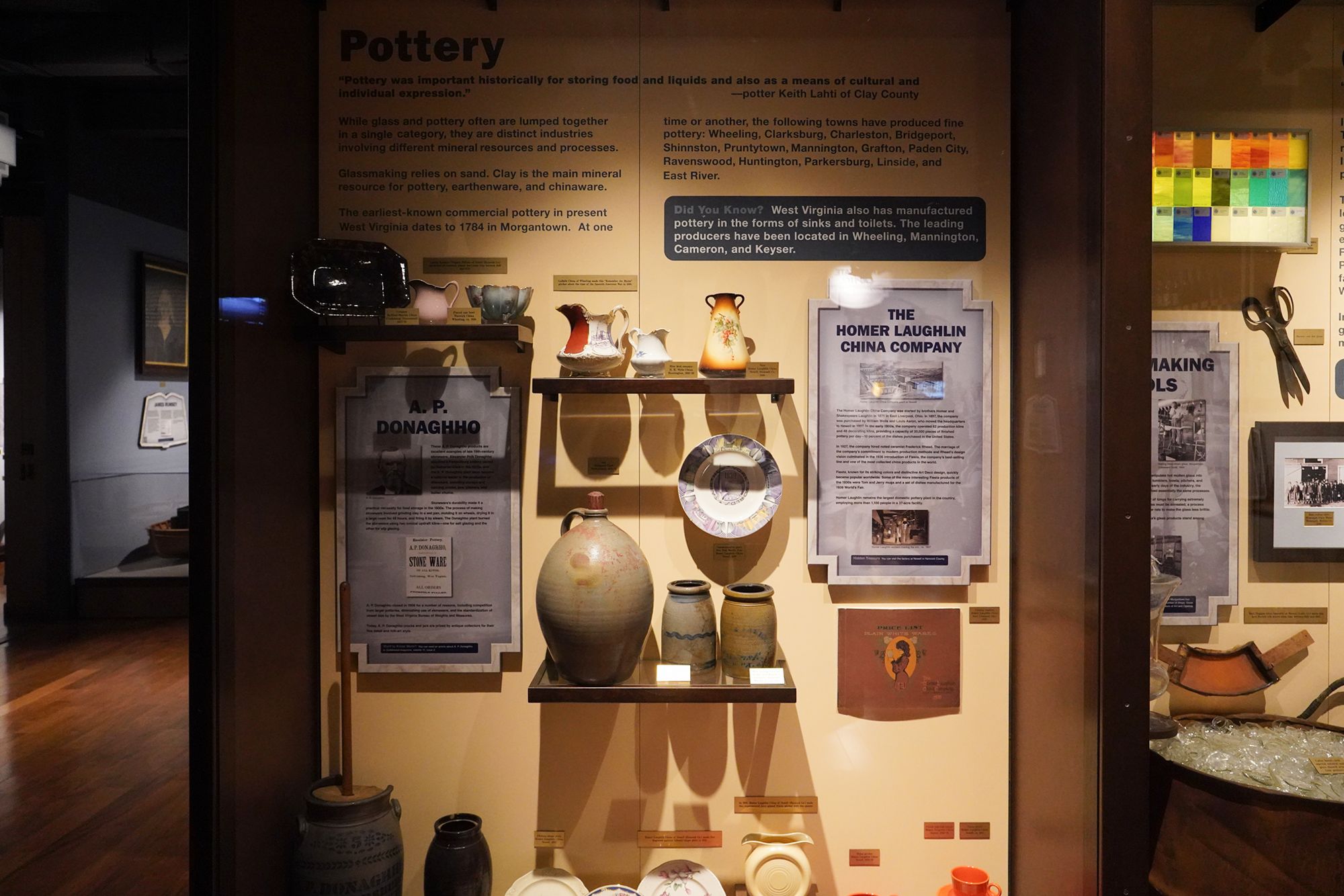
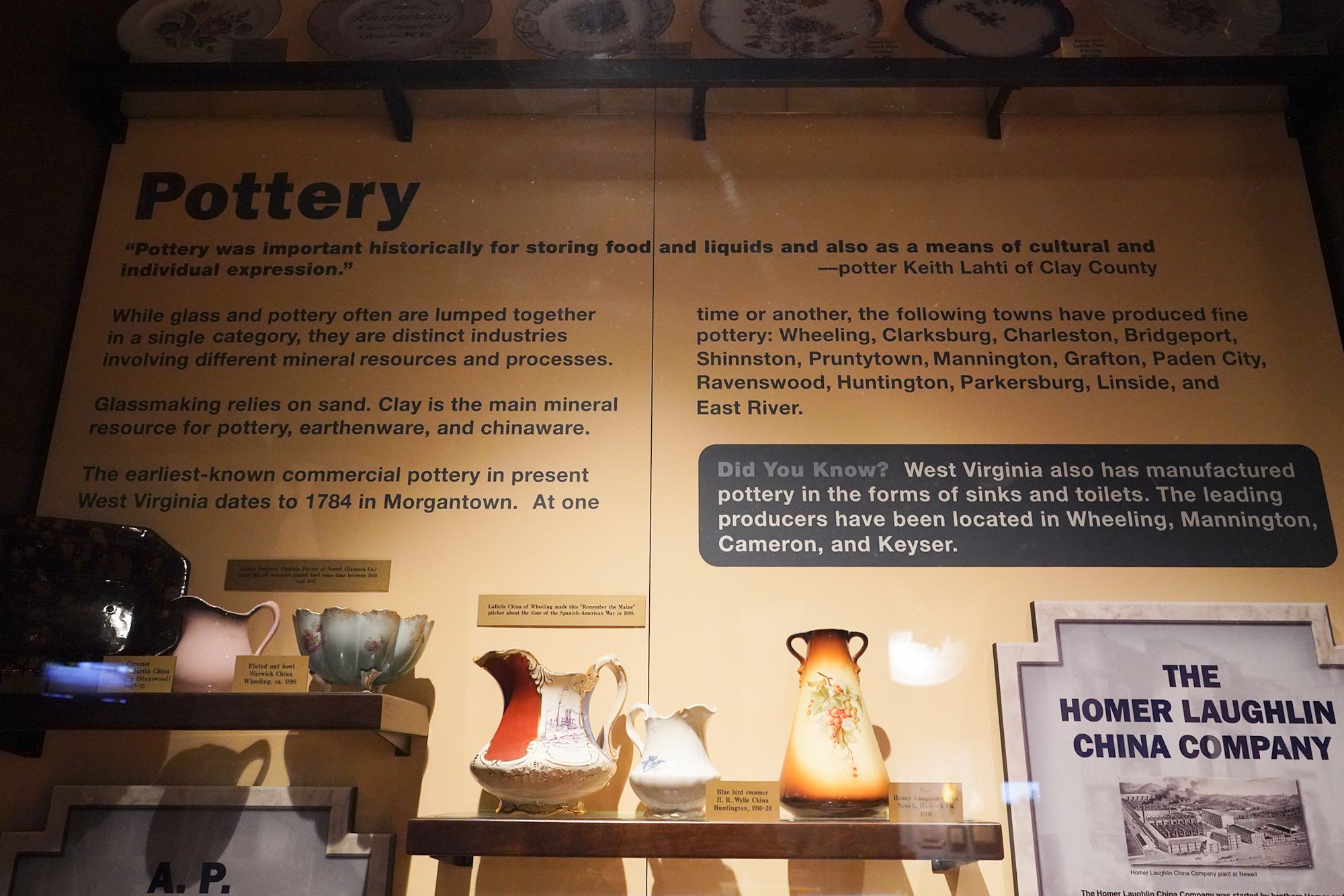
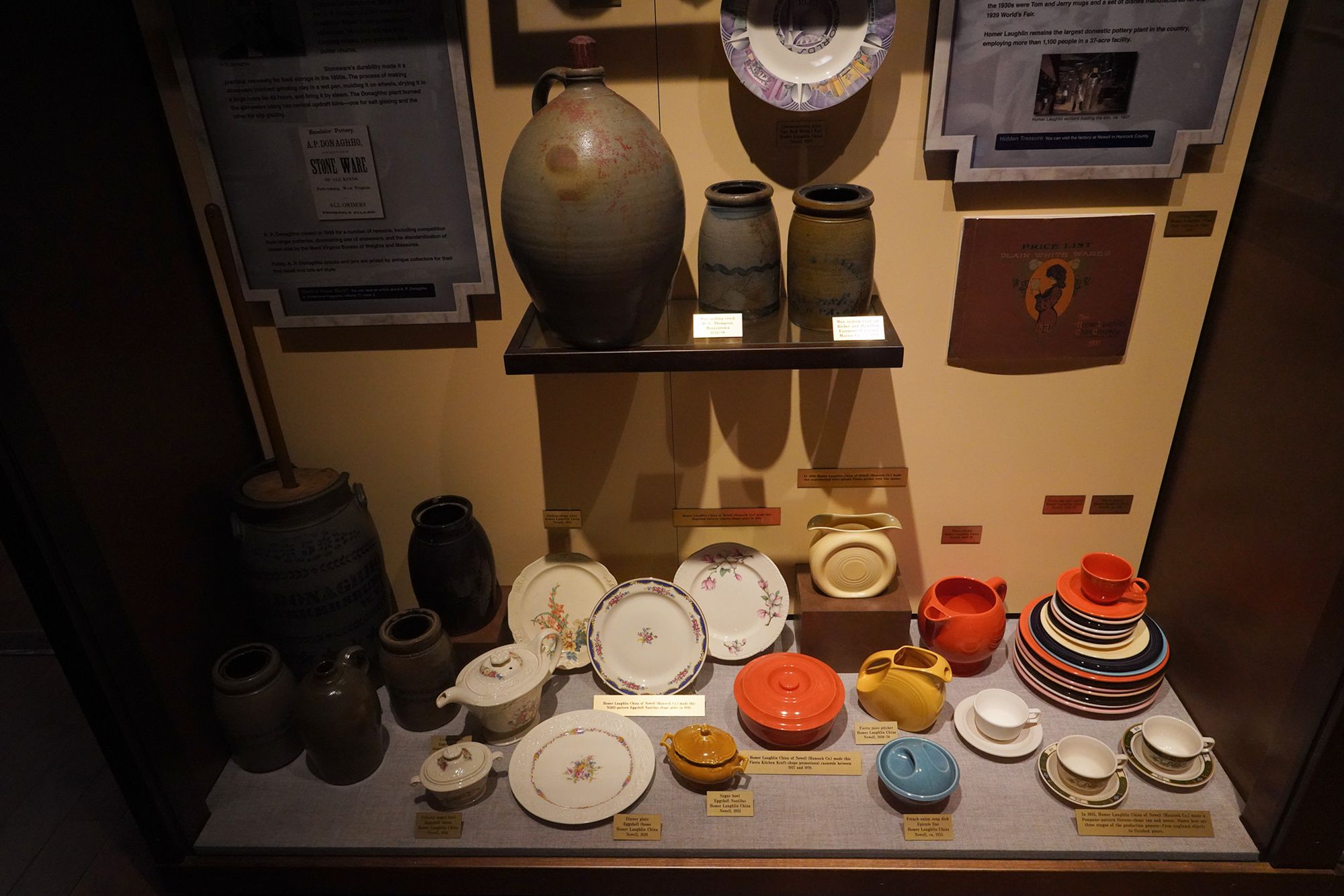
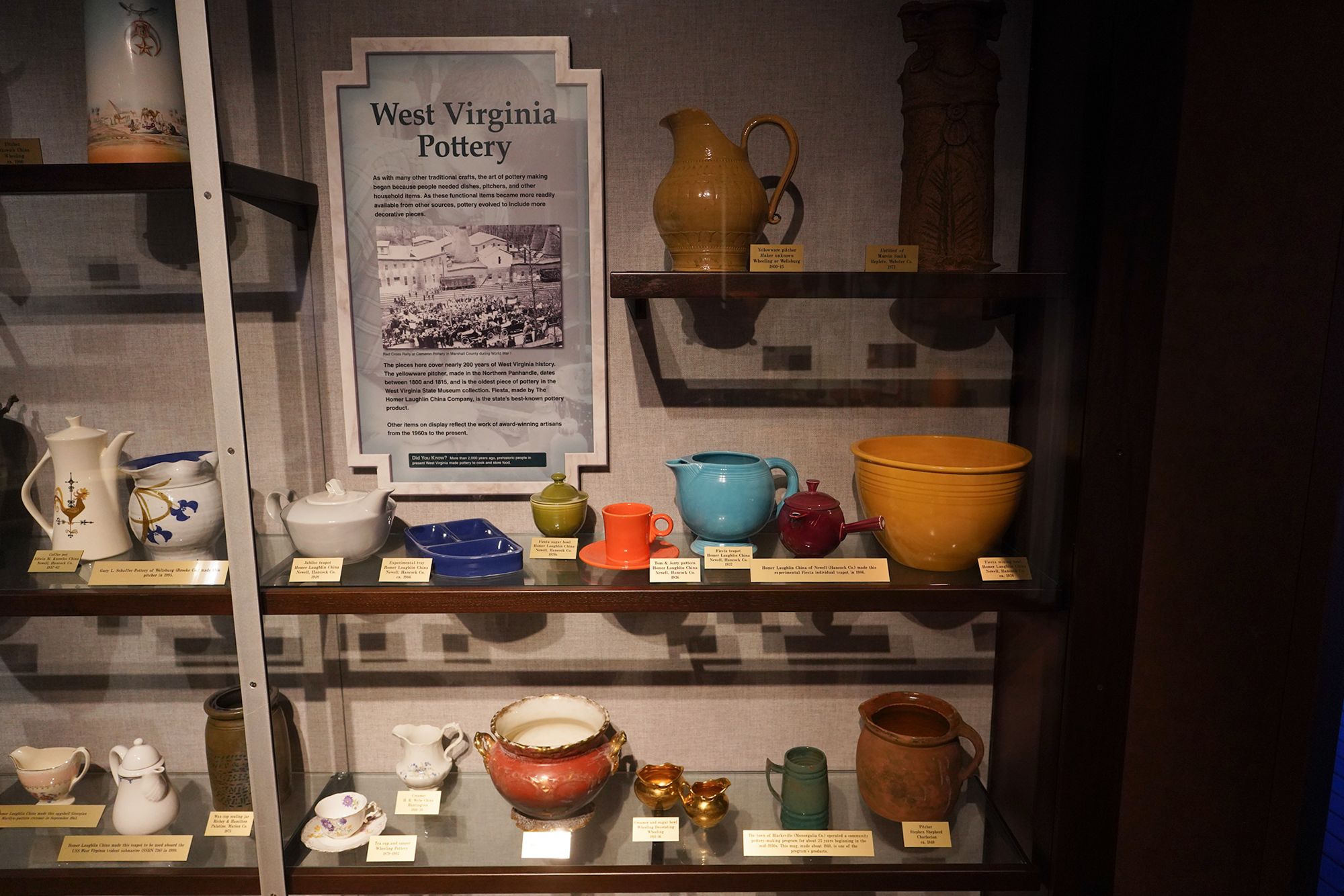
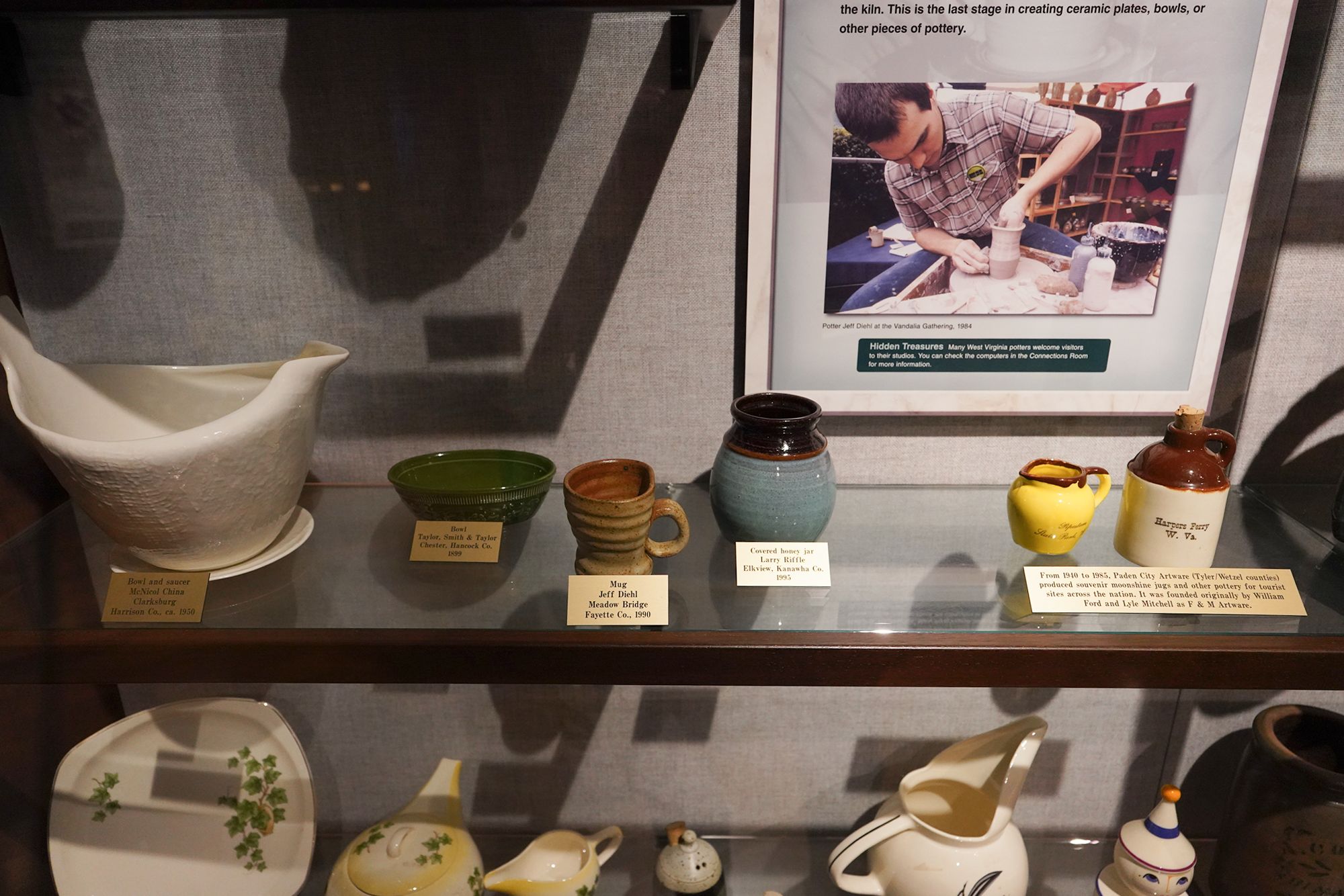
Pottery
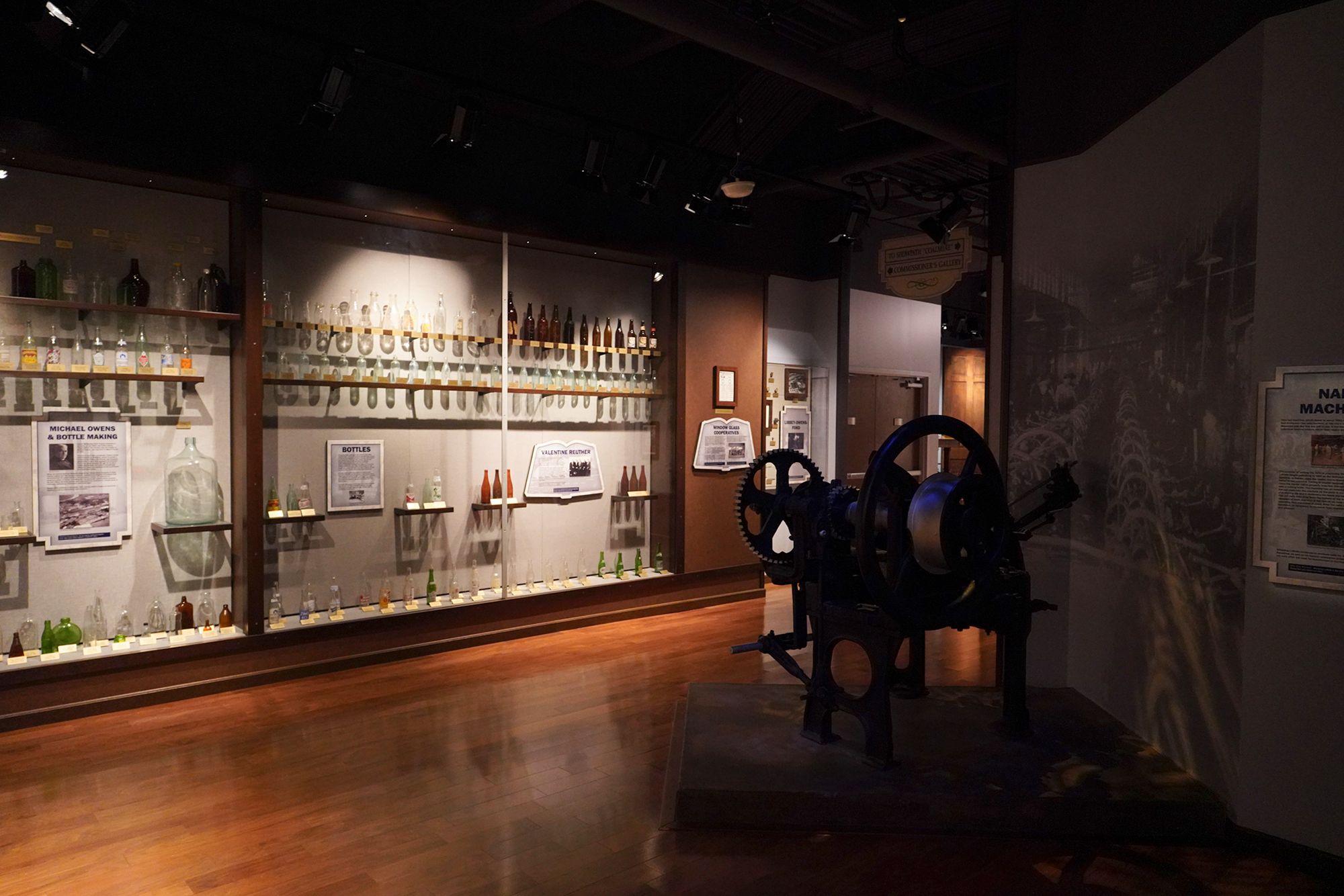
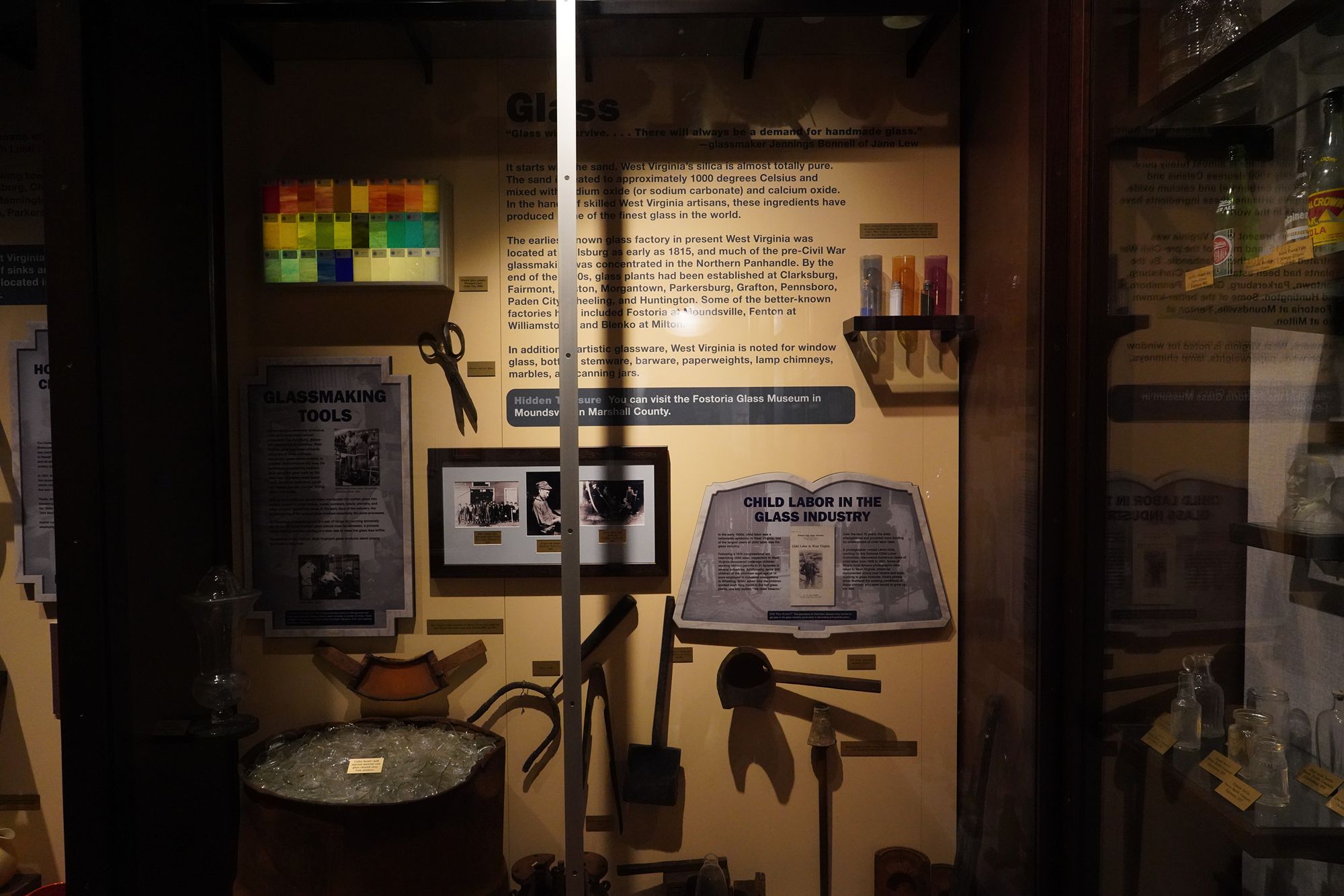
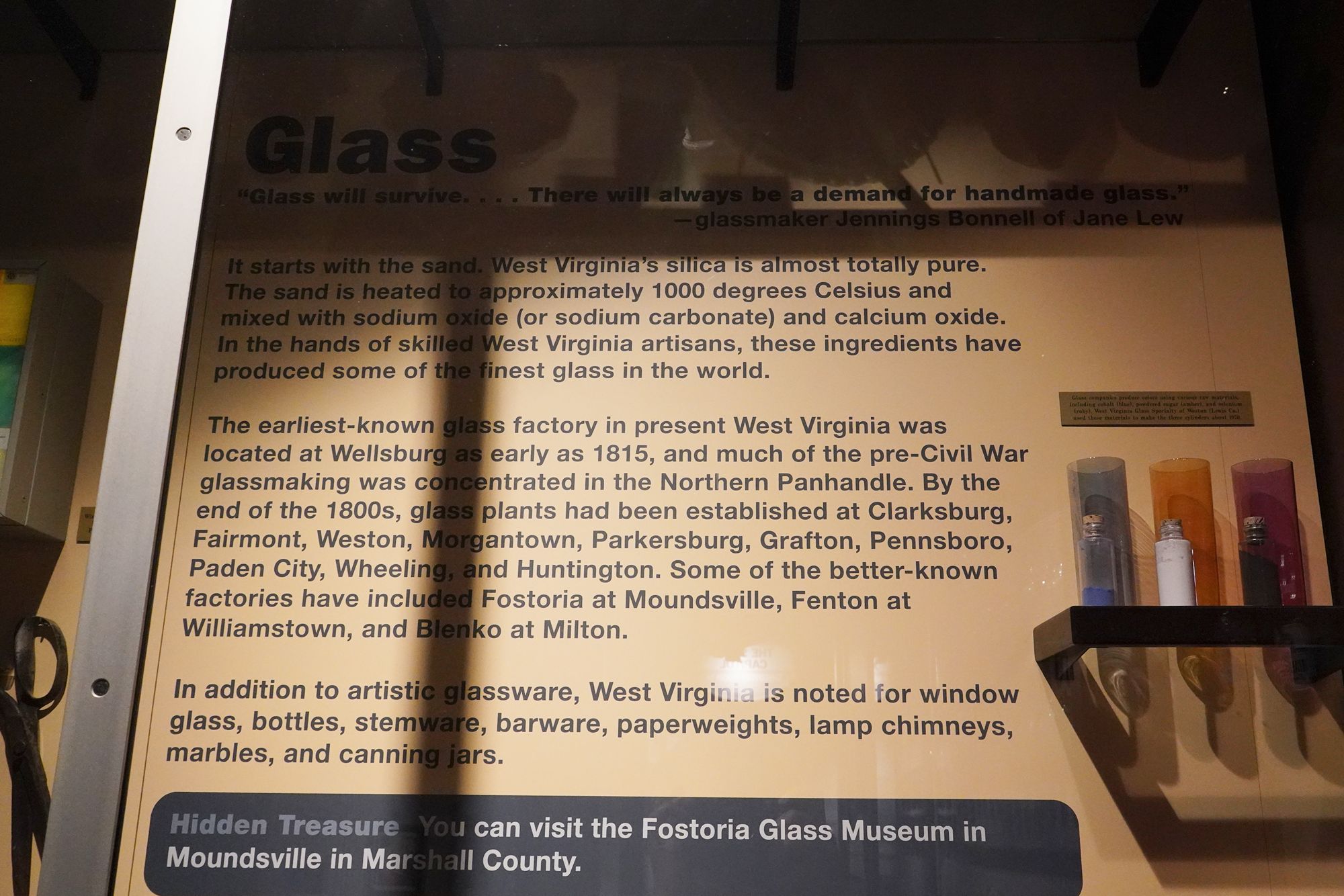
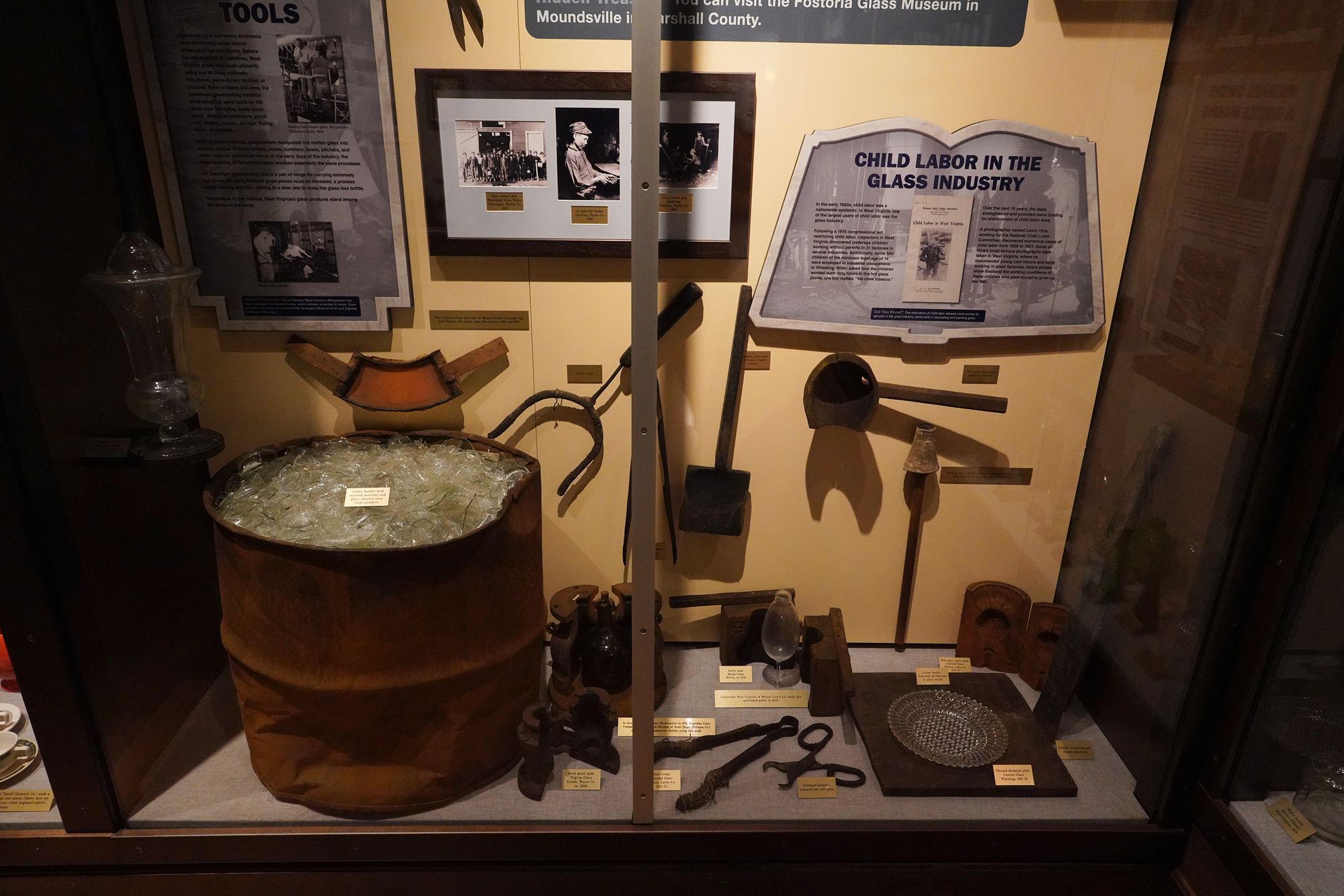
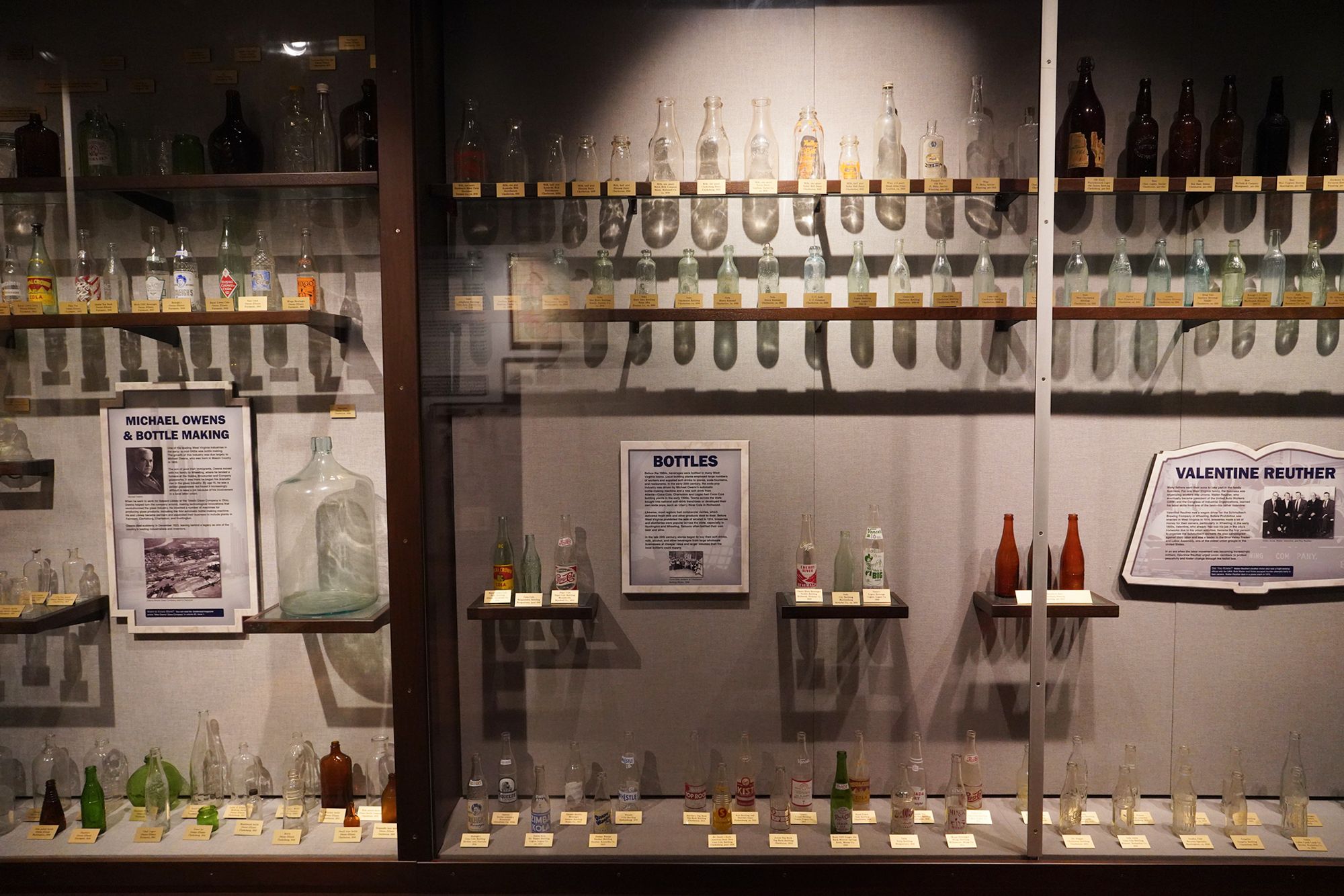
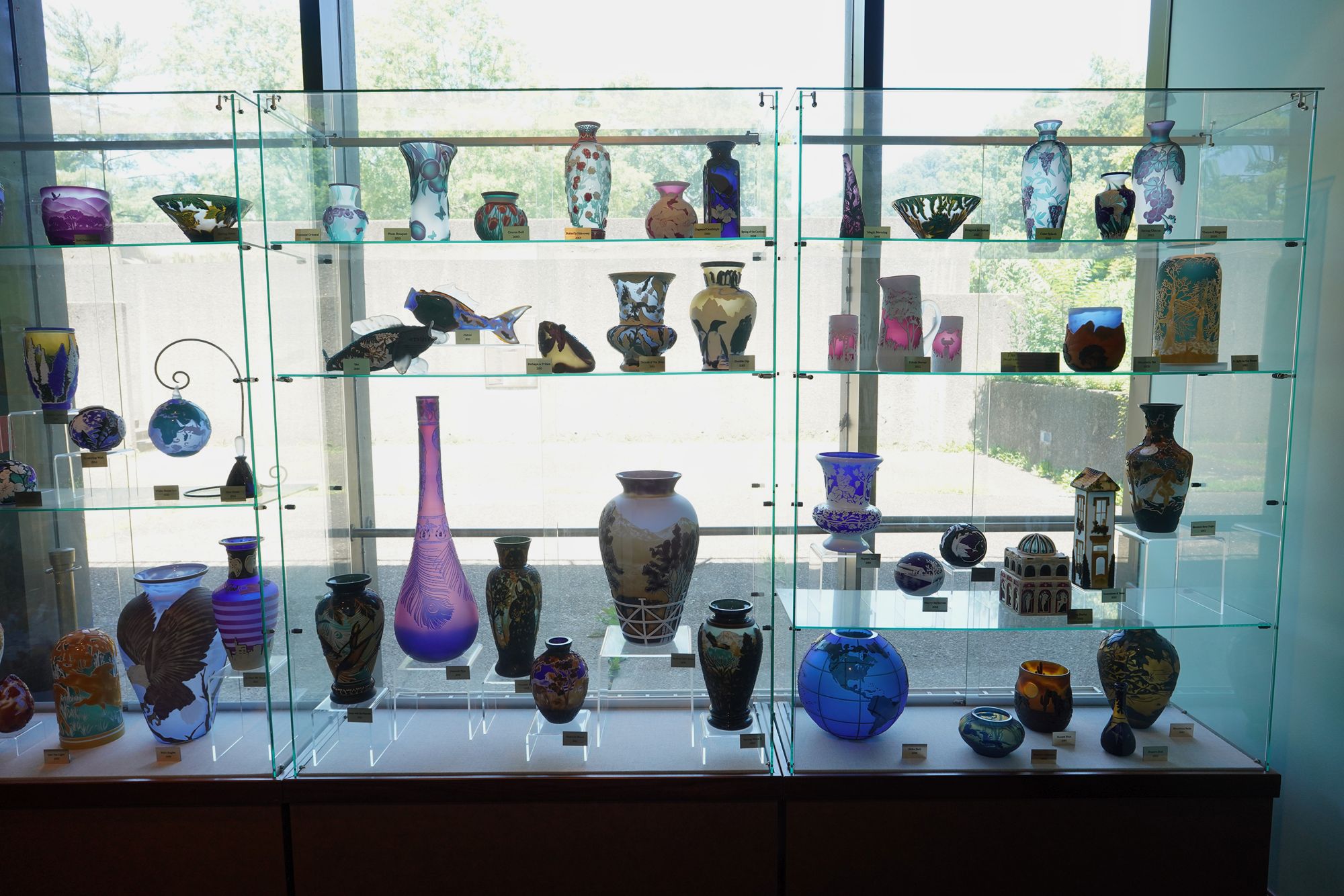
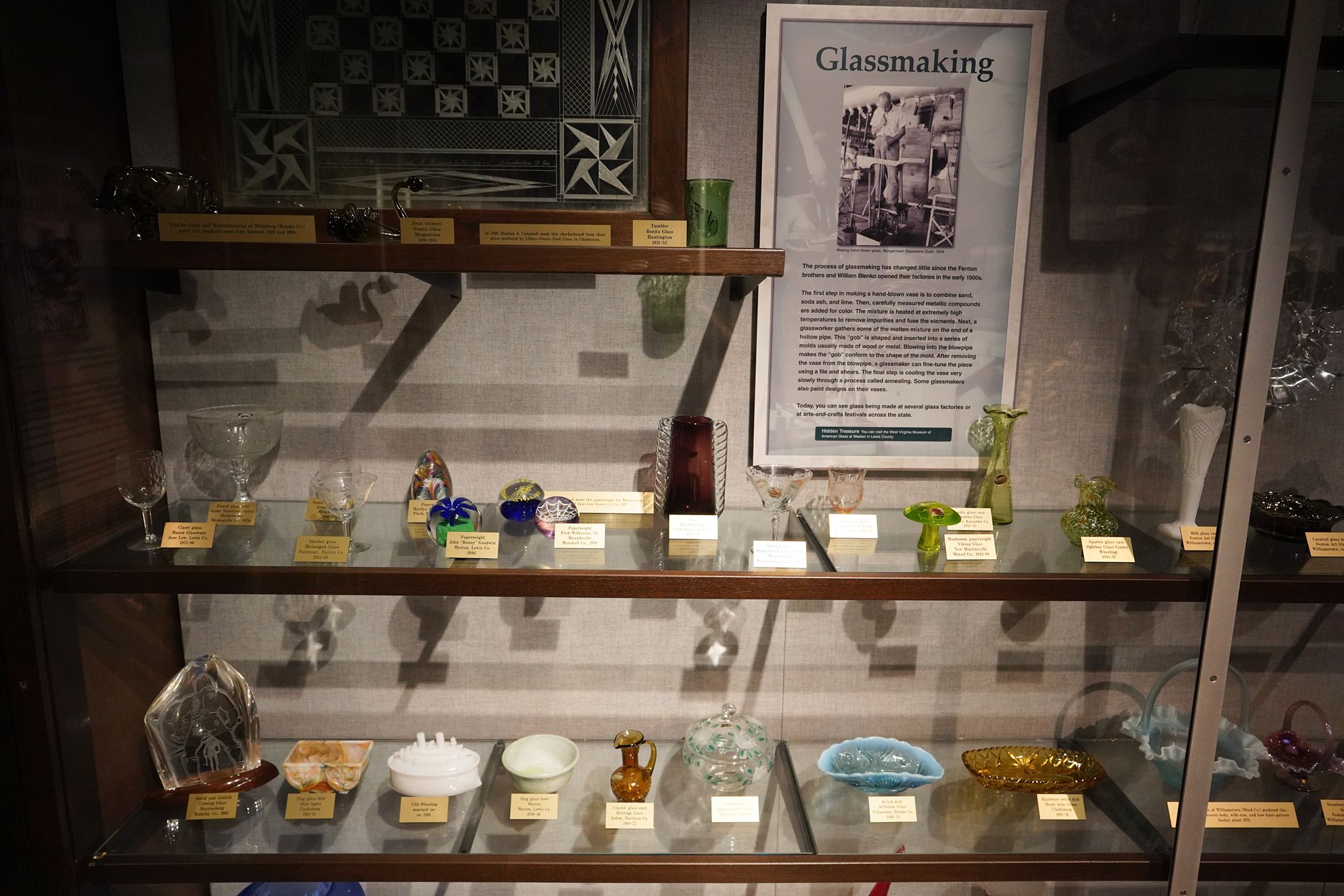
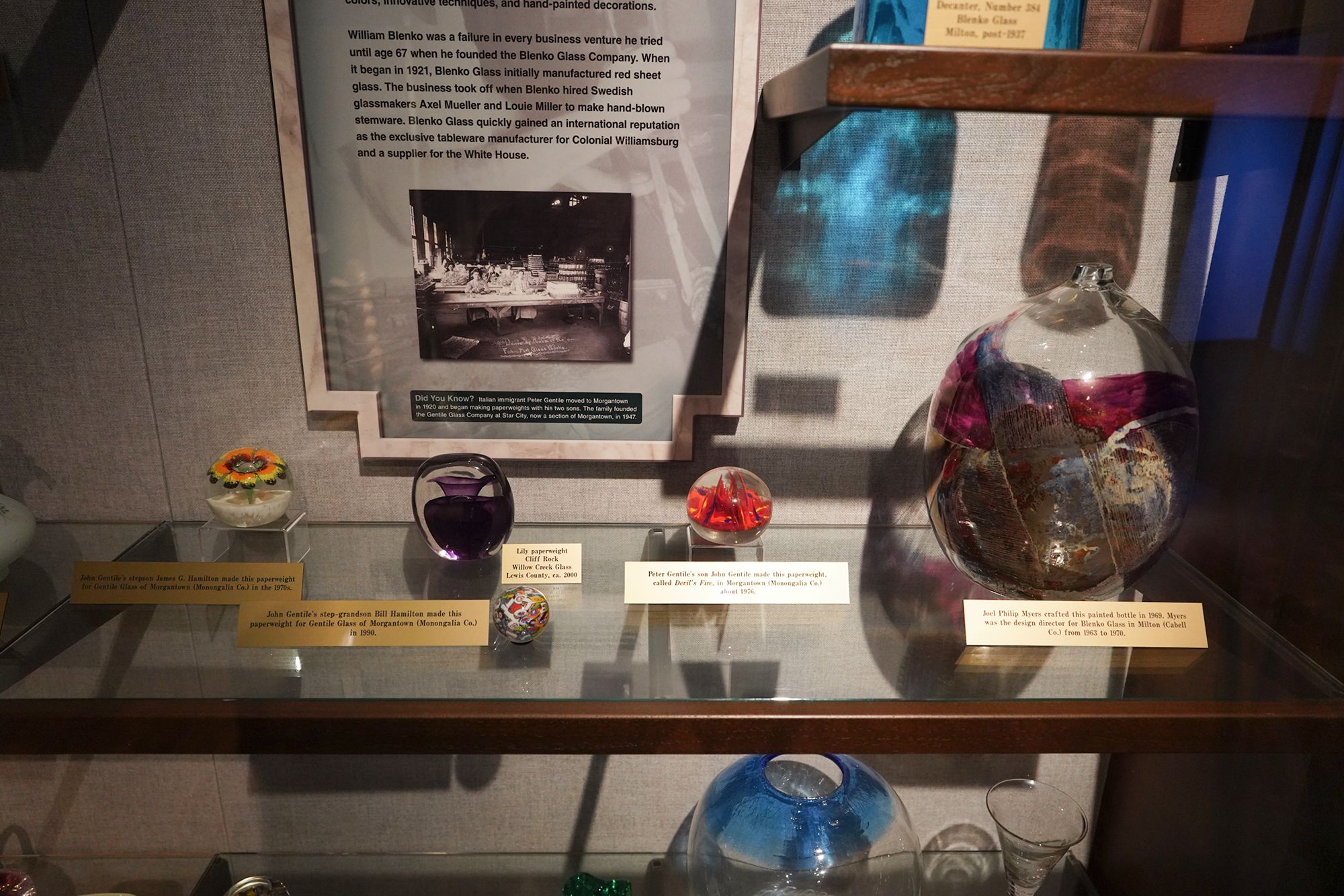
Glass
The Mining Life
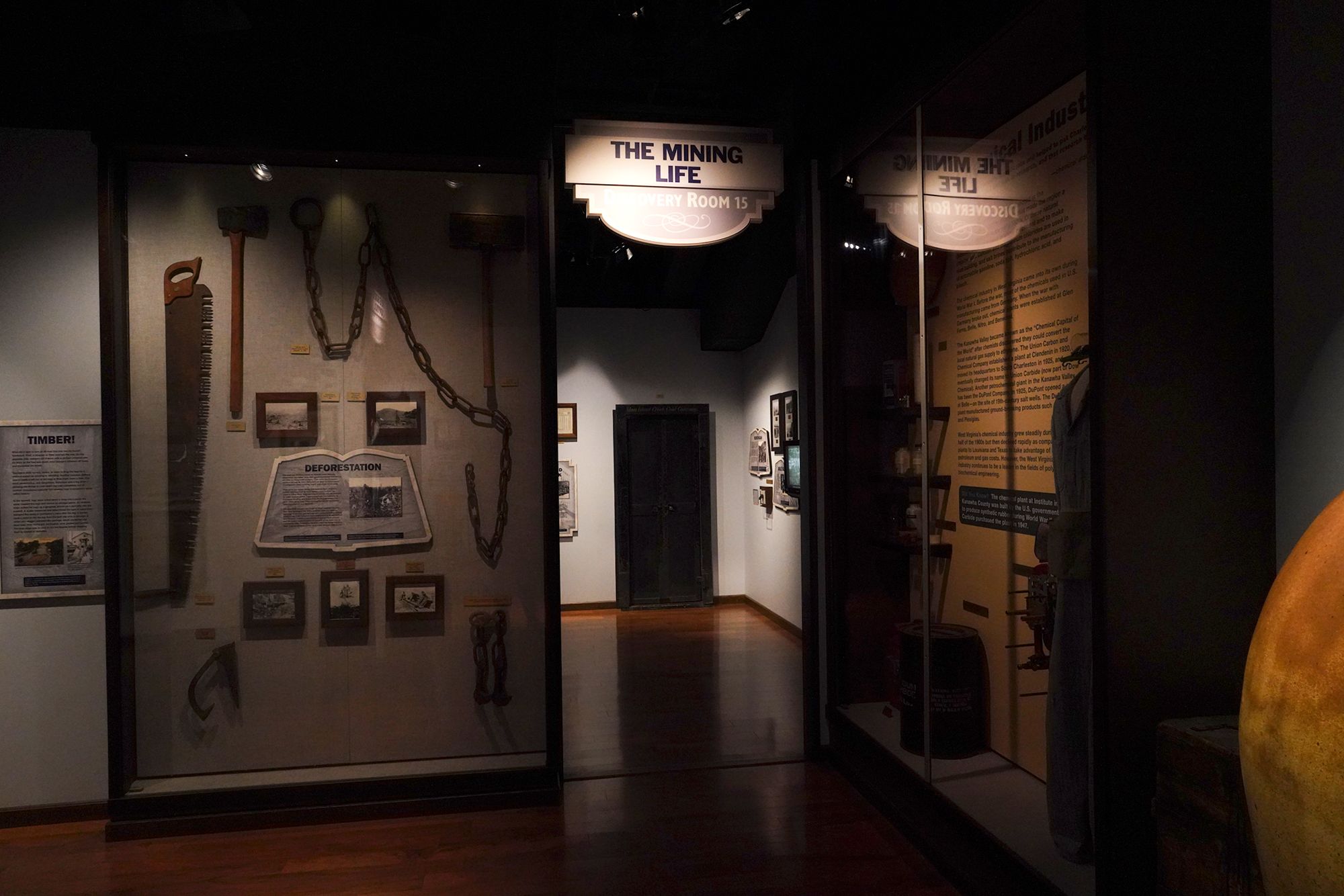
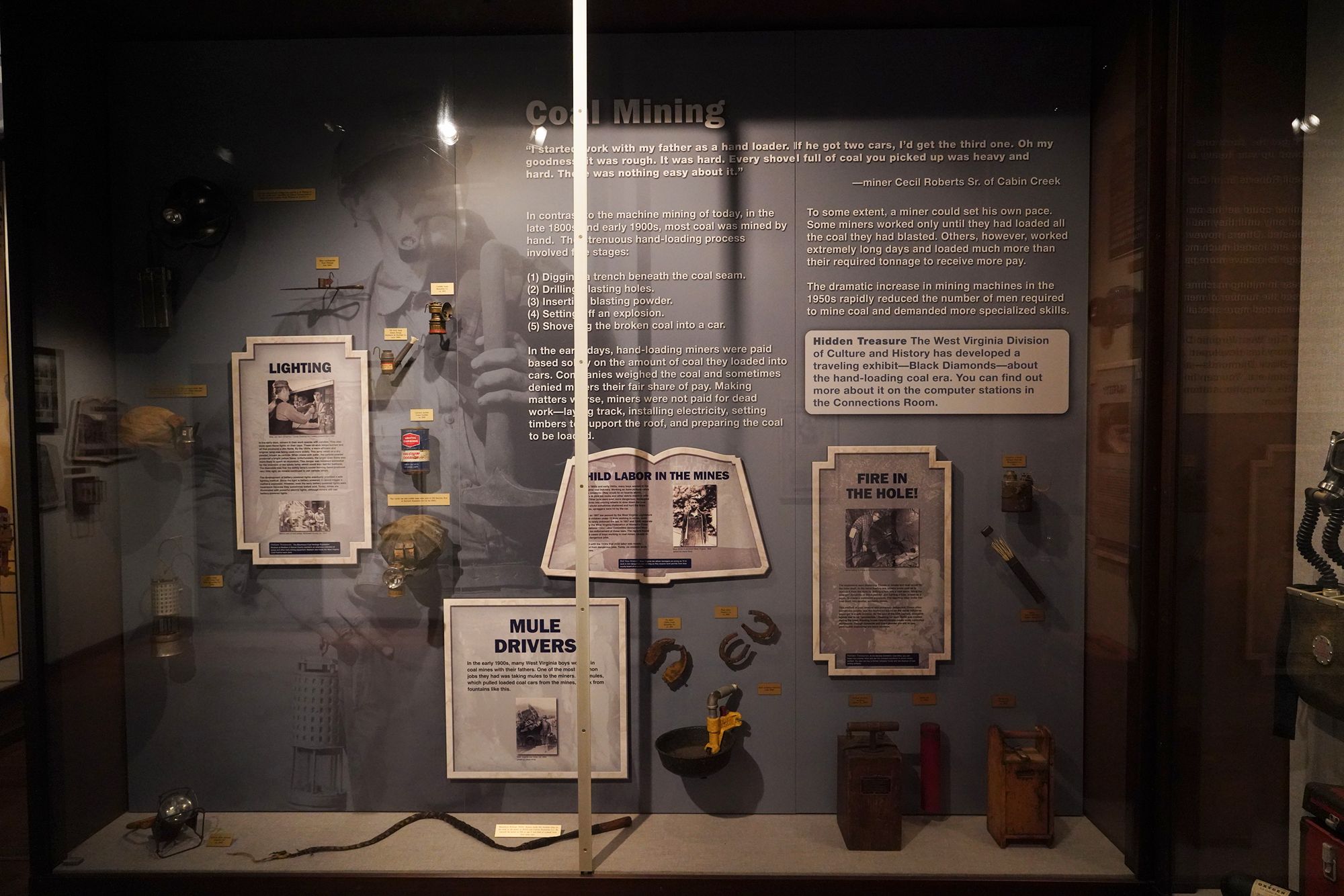
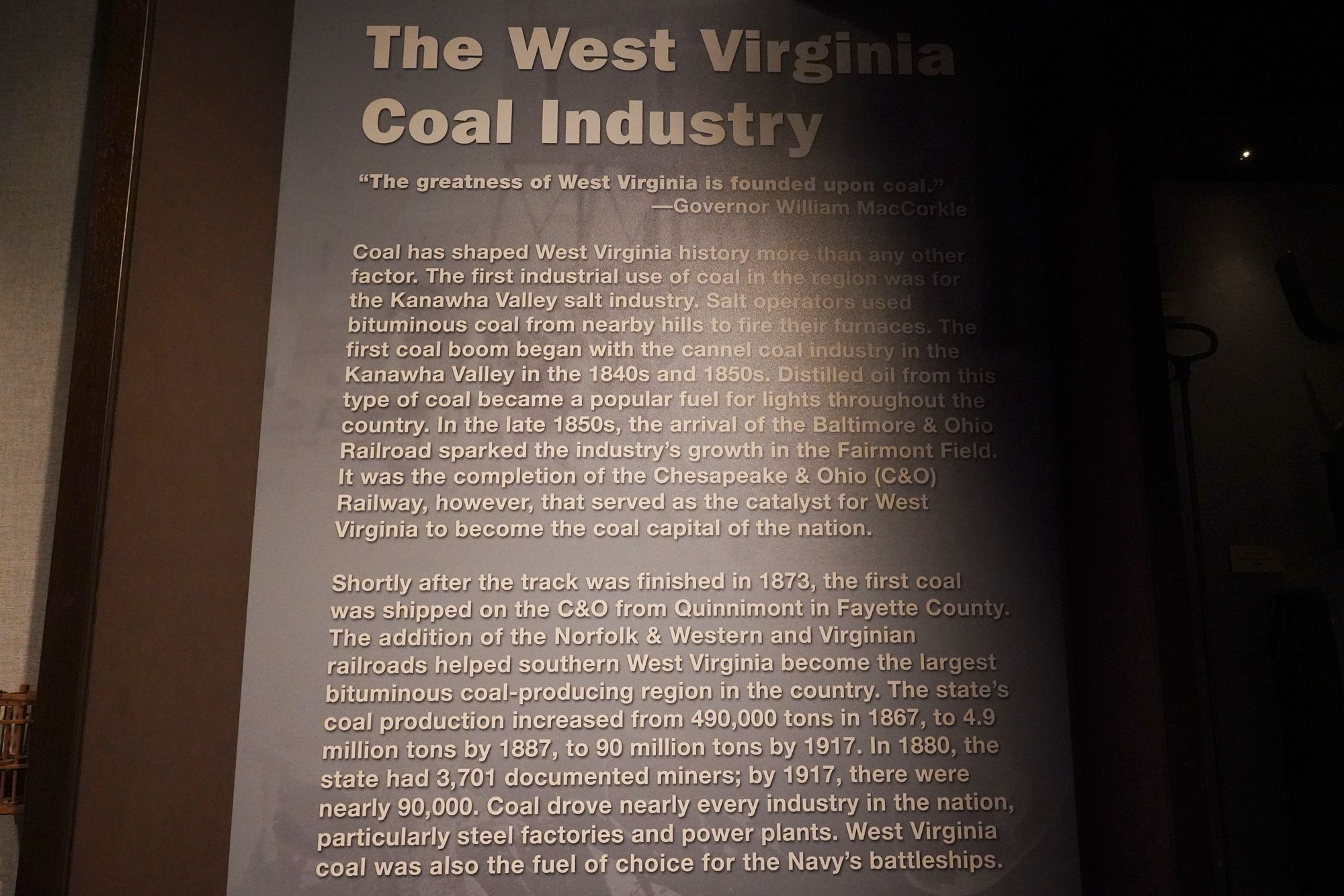
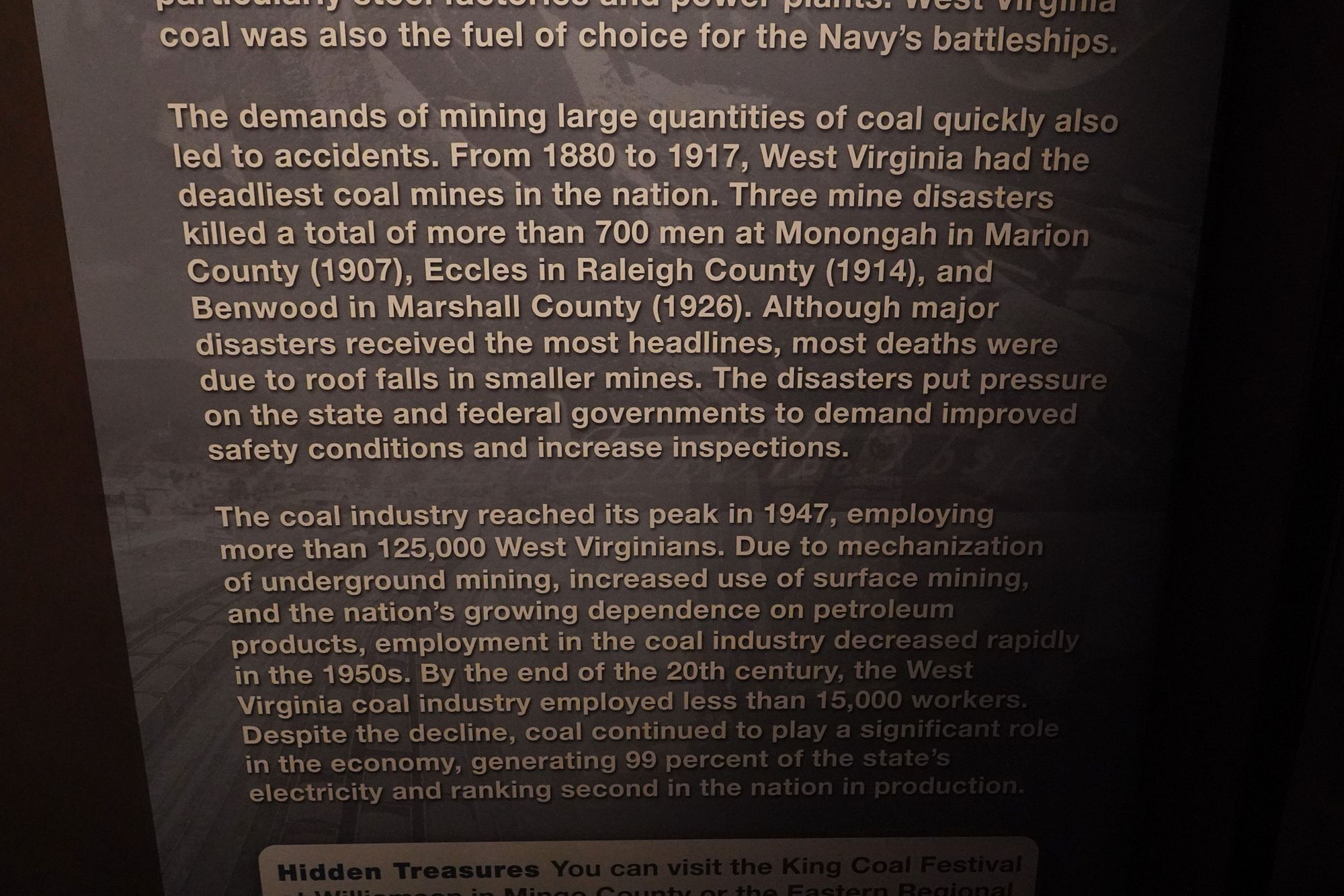
West Virginia coal mining fueled America’s industrial growth, created isolated company towns and fierce labor struggles, brought both economic livelihood and severe danger, and left a lasting cultural and environmental legacy.
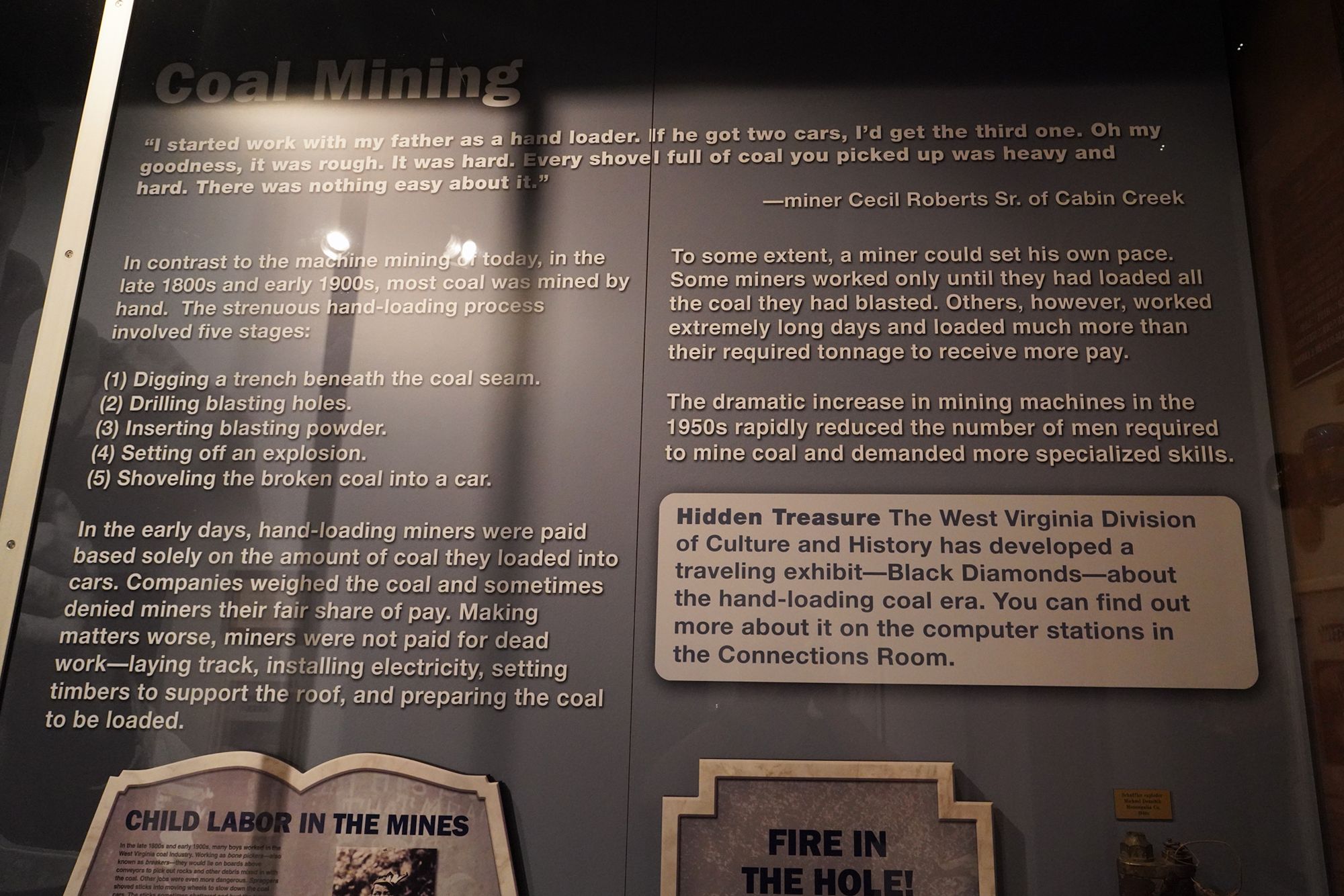
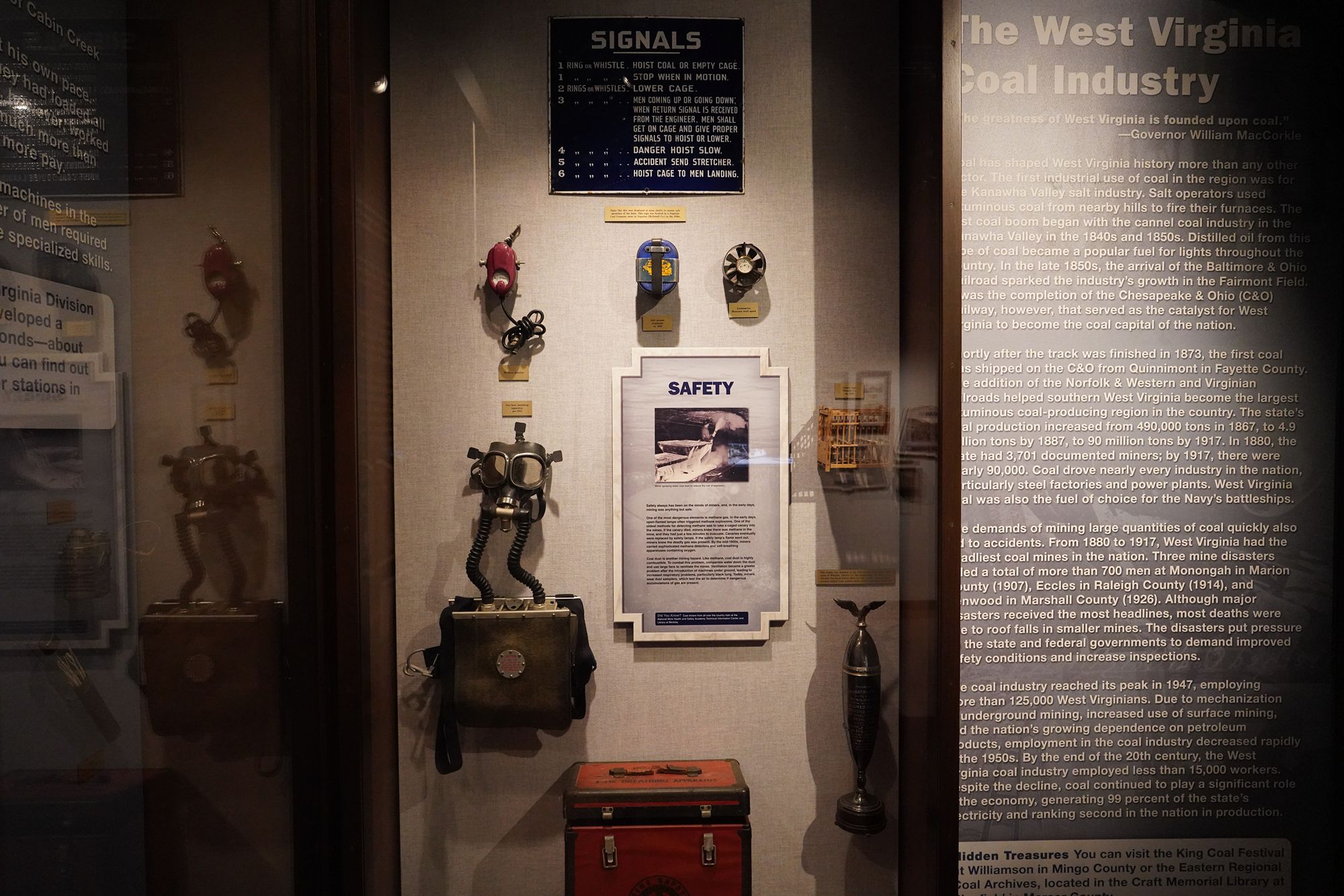
Coal mining became popular in West Virginia because the state’s mountains held rich coal deposits that powered railroads, steel mills, and factories during America’s industrial boom, making coal the nation’s main source of energy and jobs.
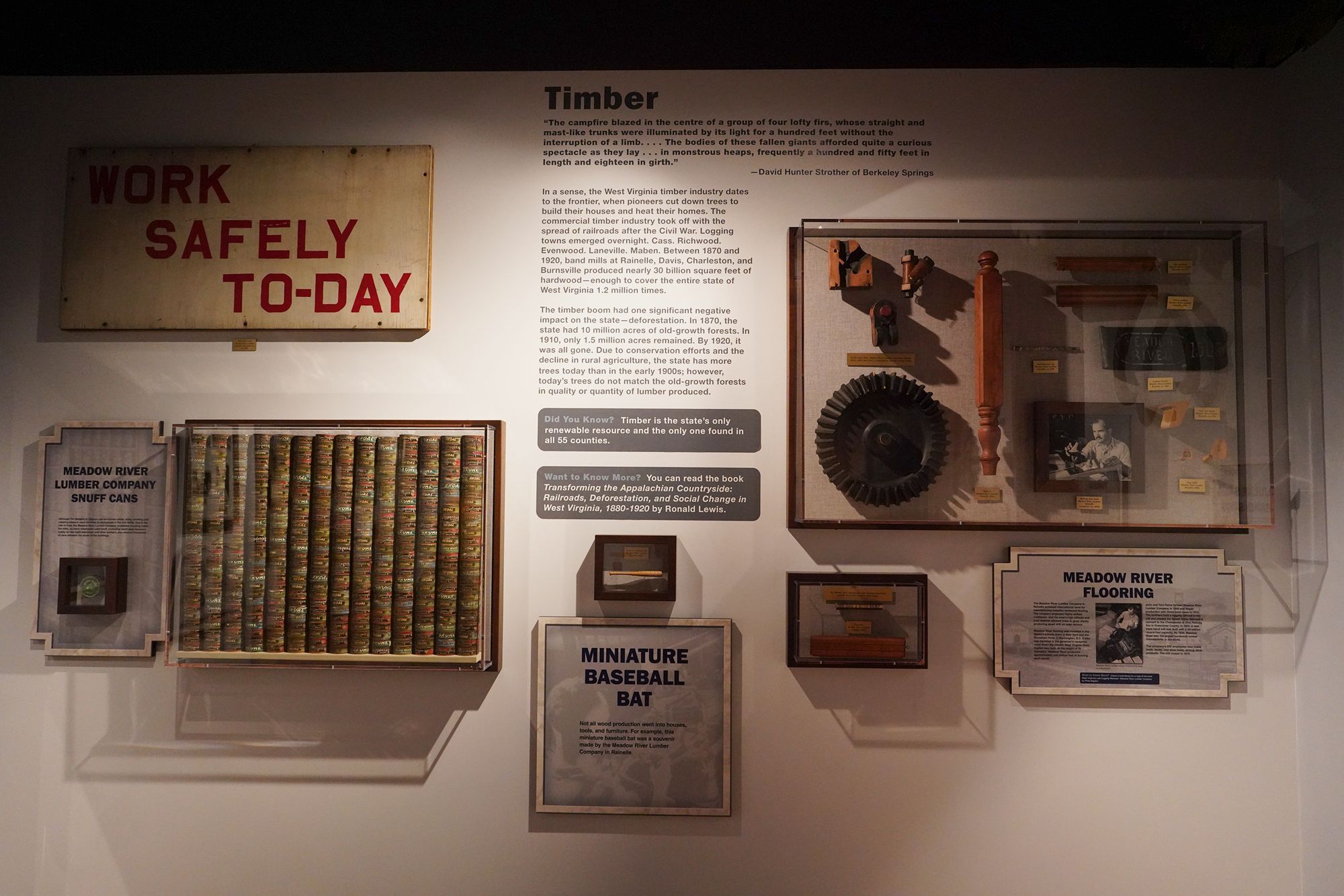
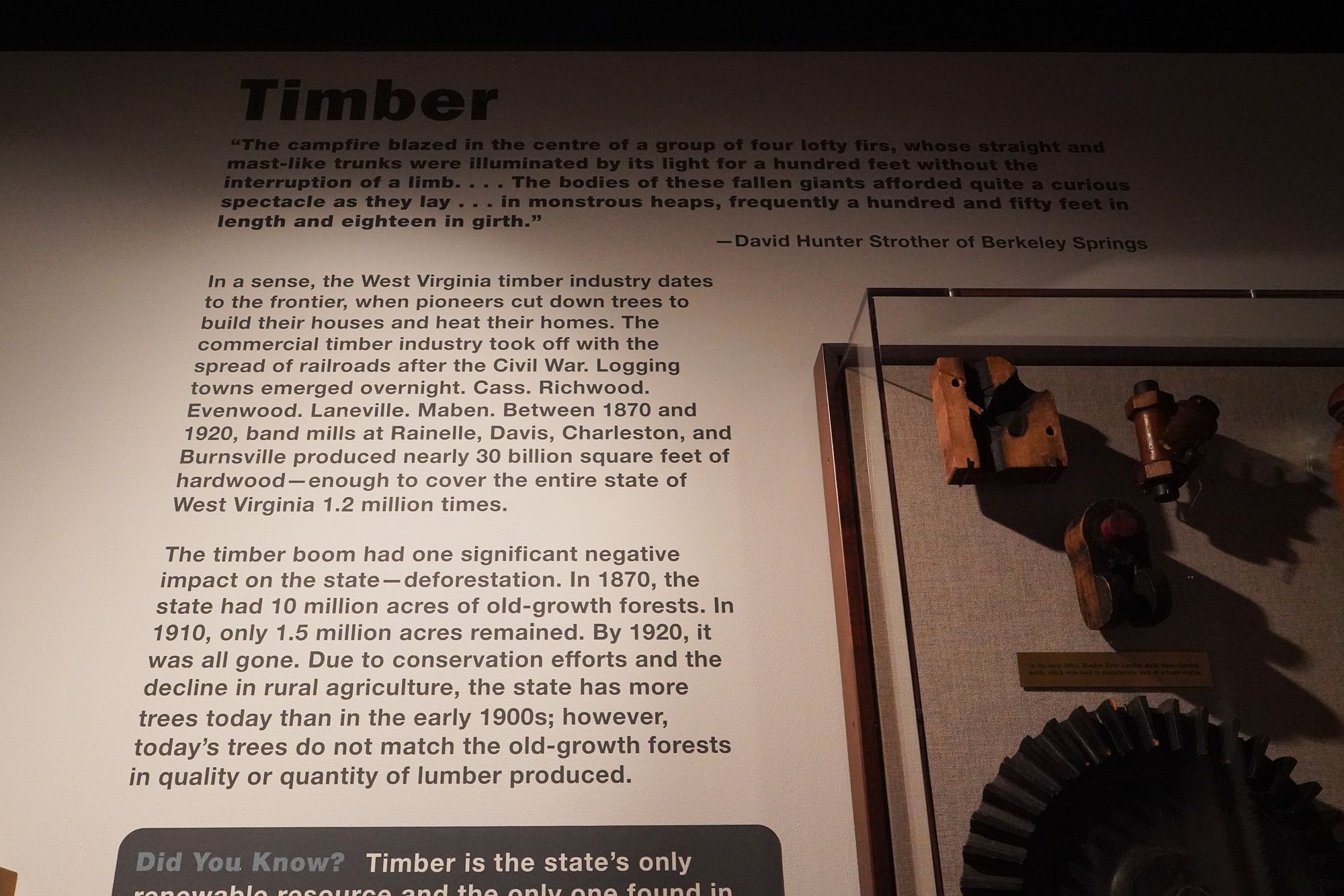
Timber
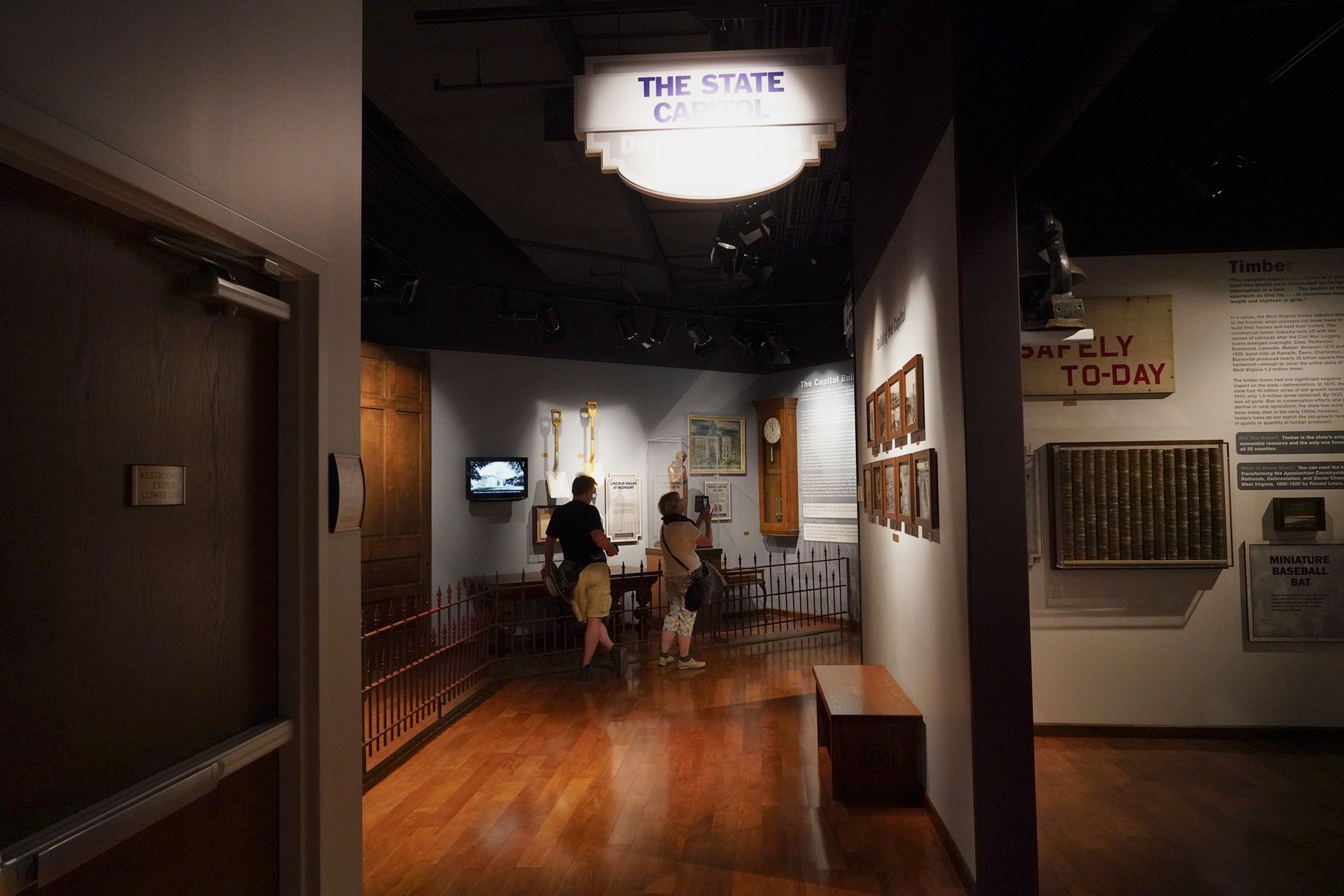
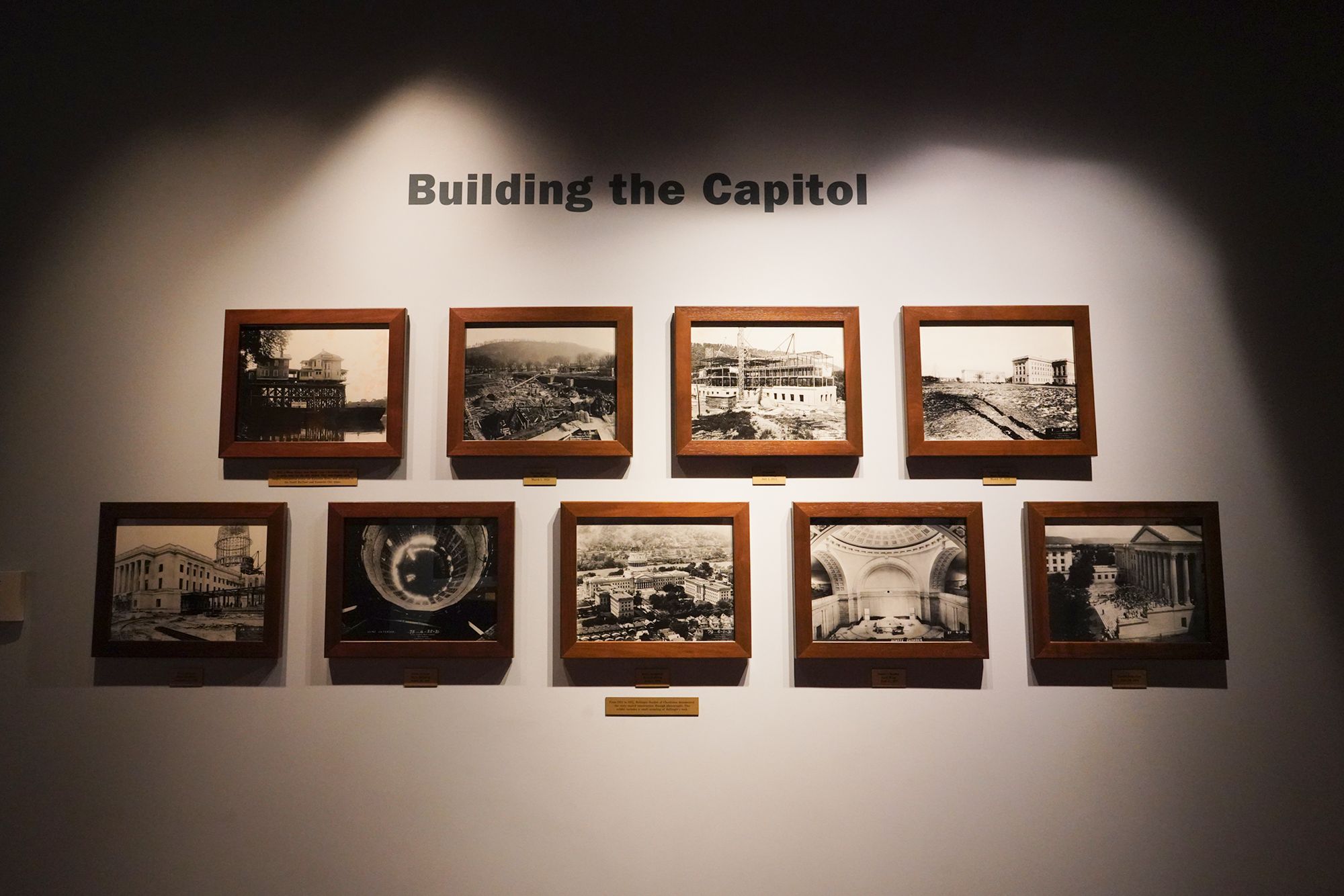
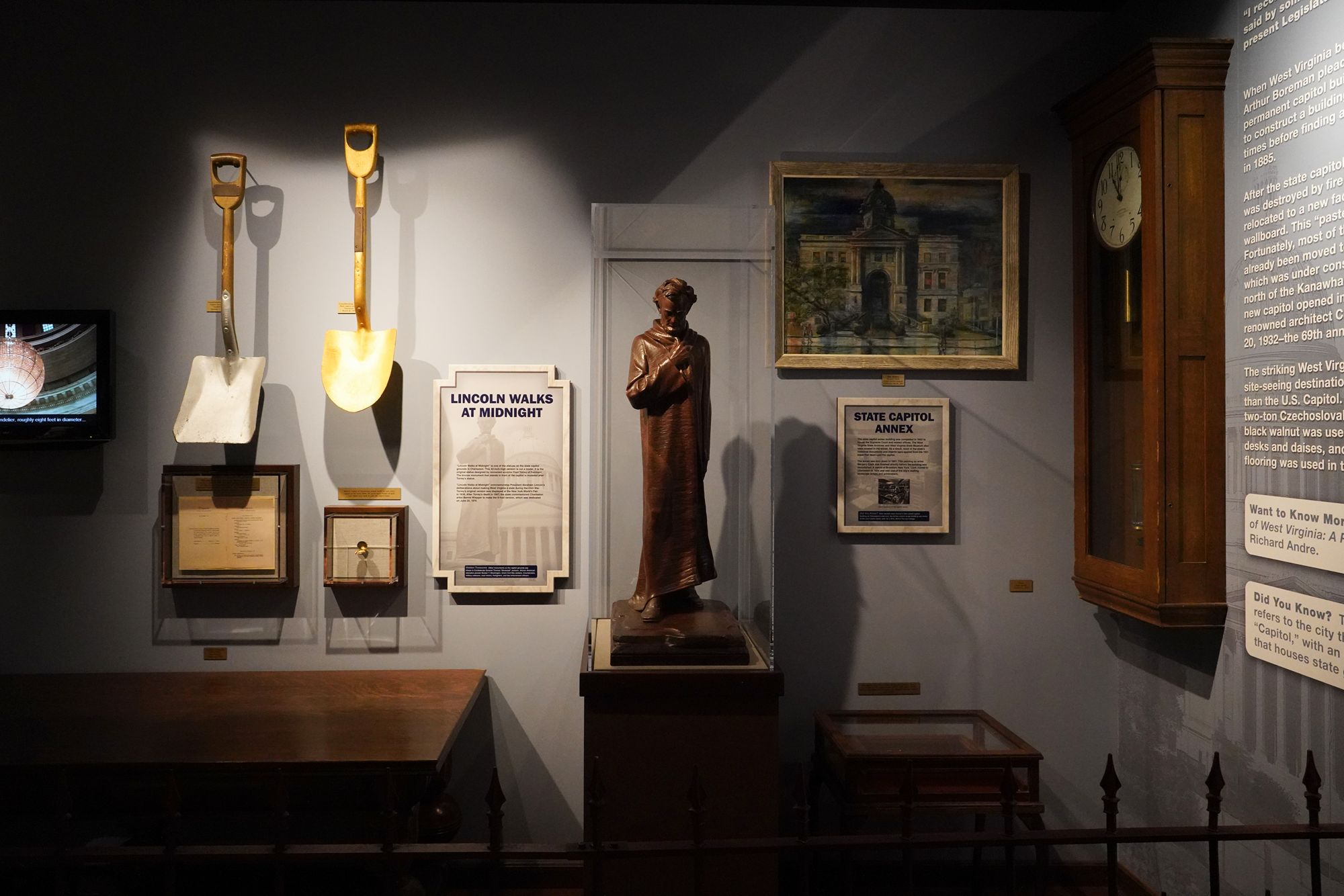
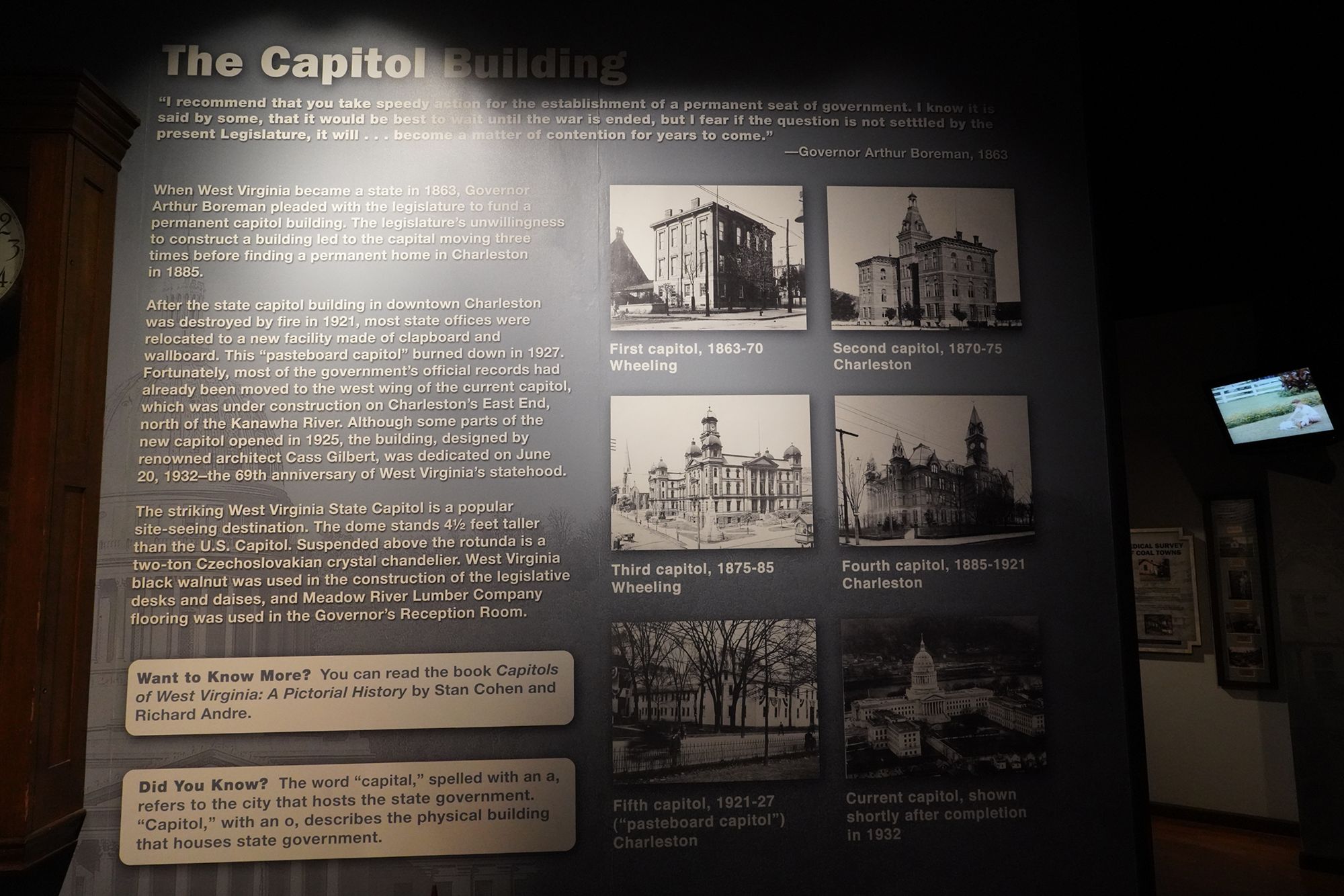
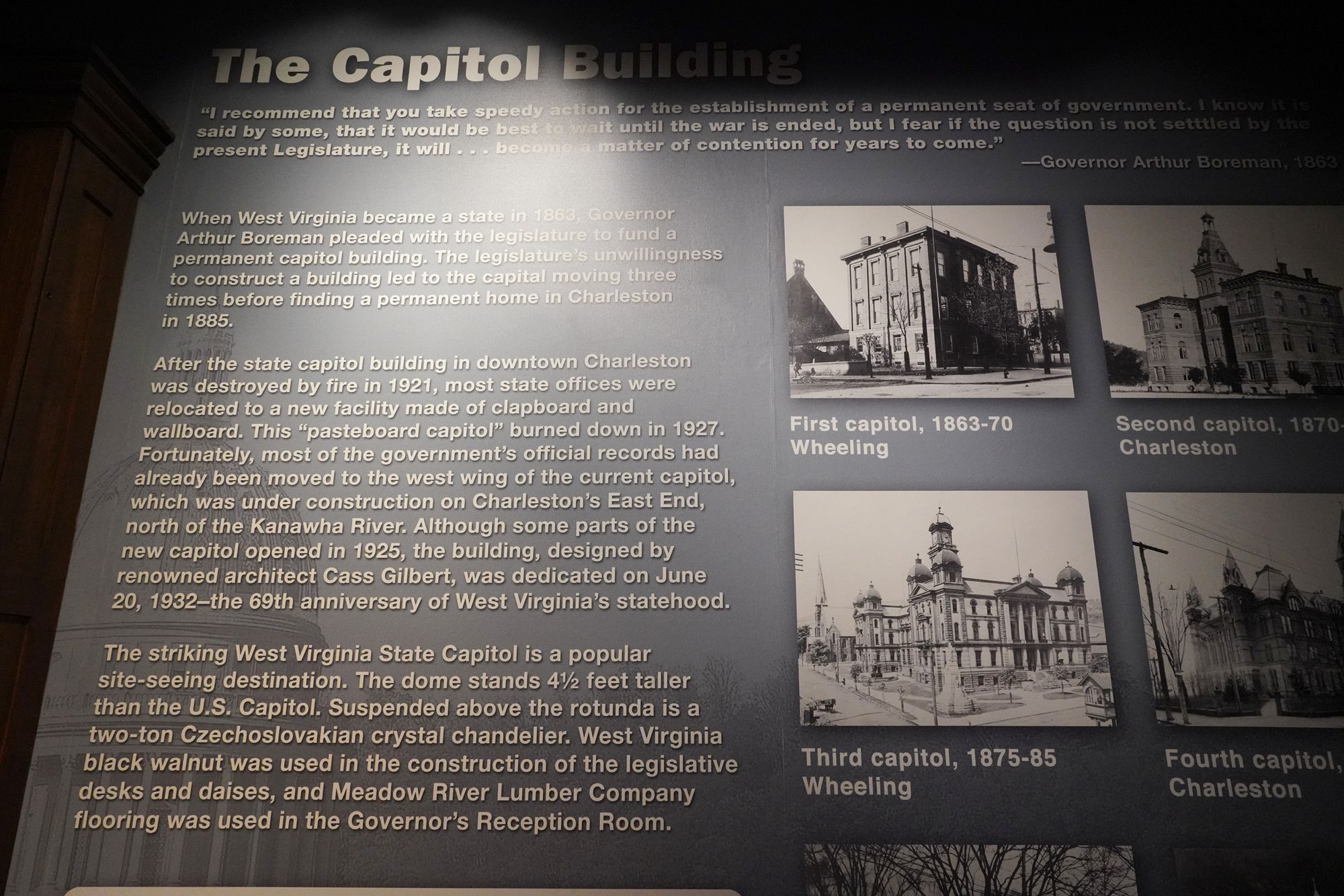
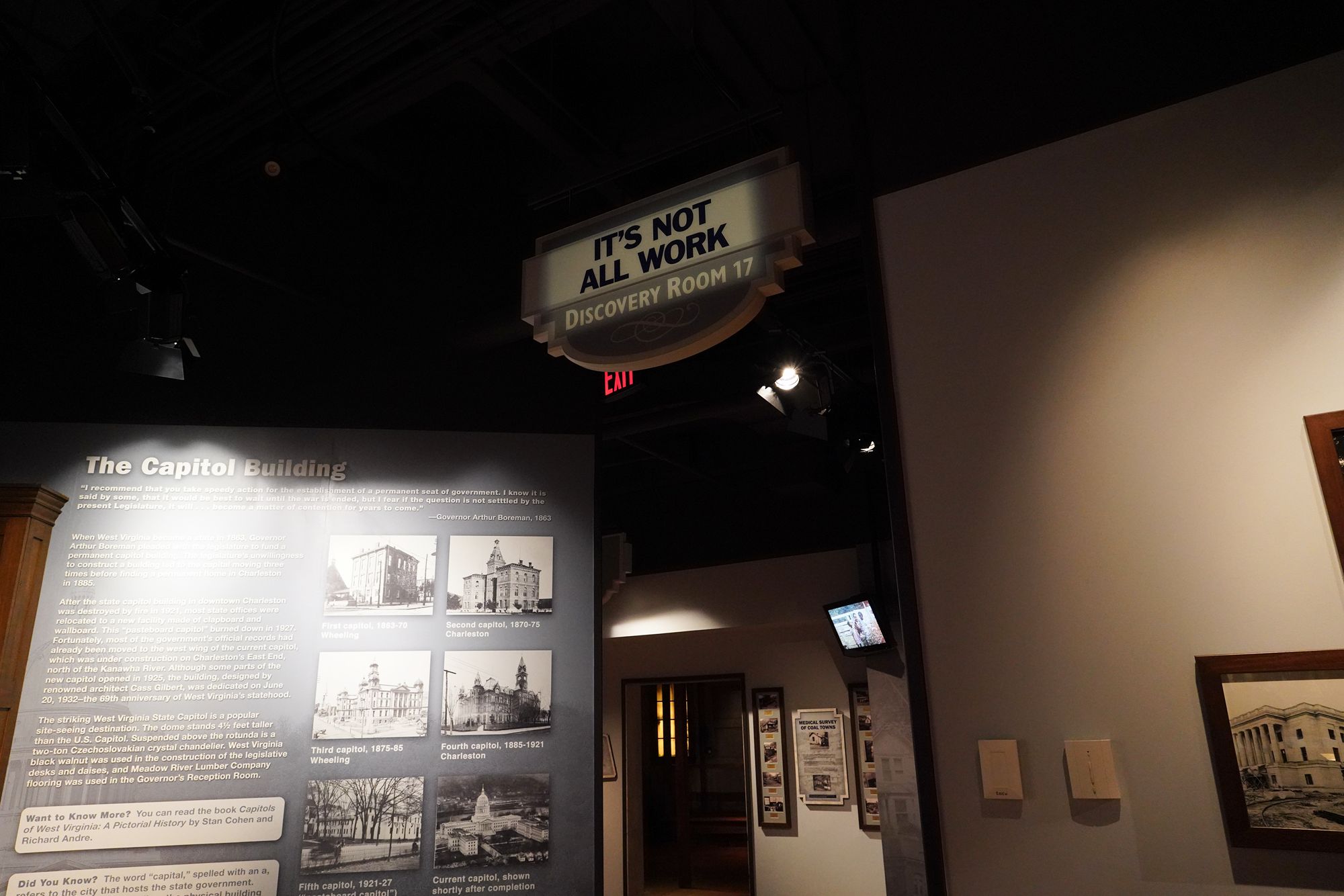
The State Capitol
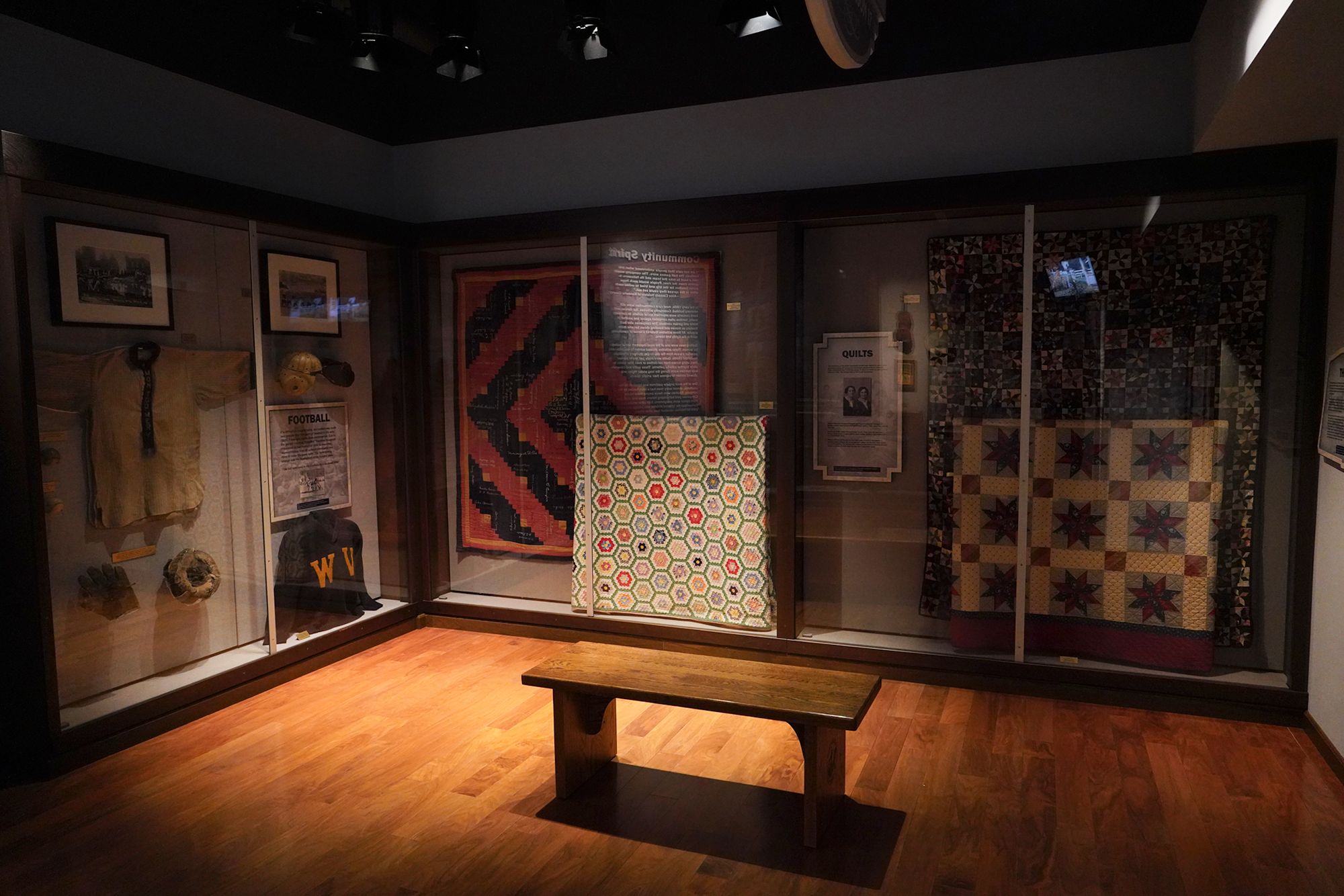
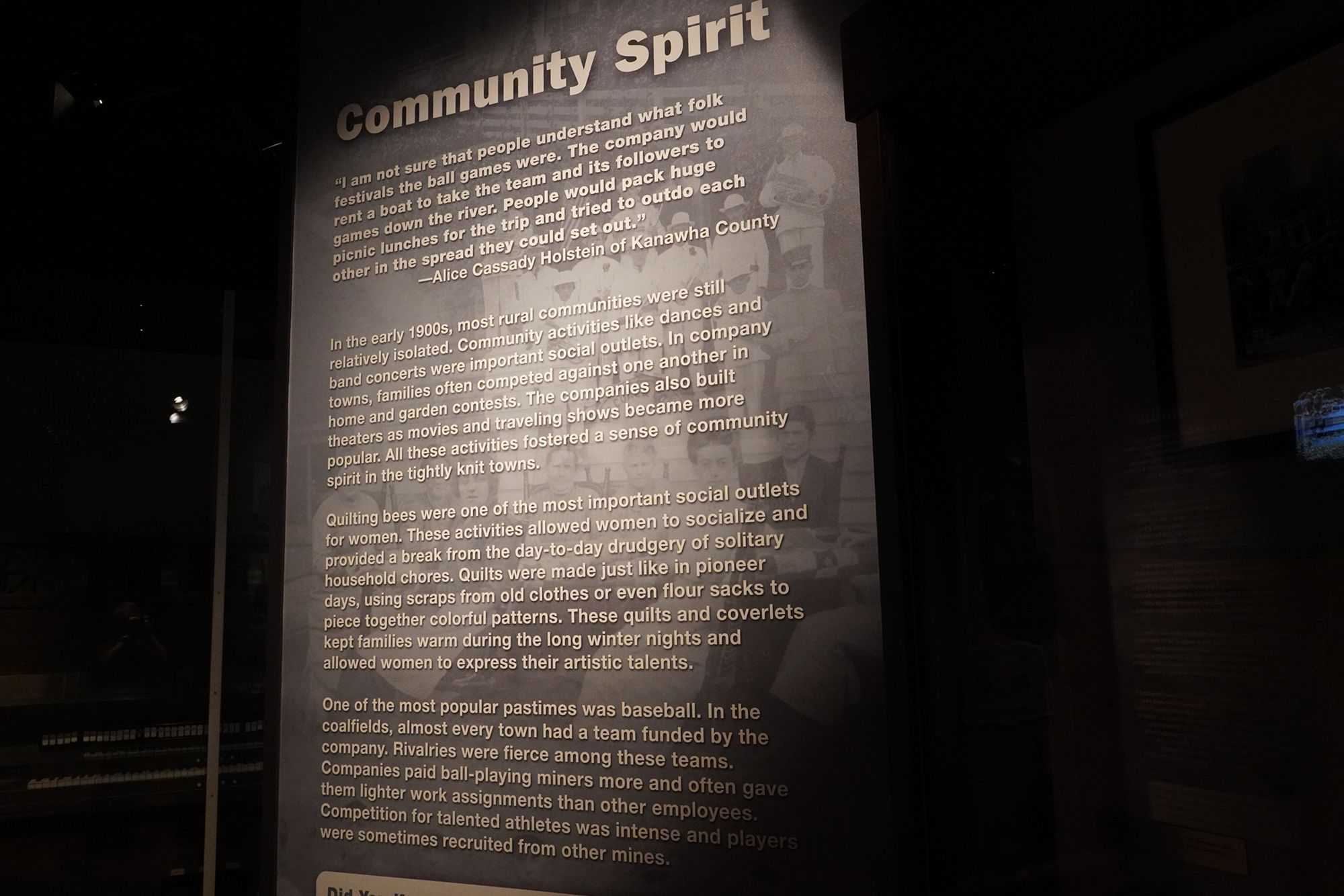
Leisure Time
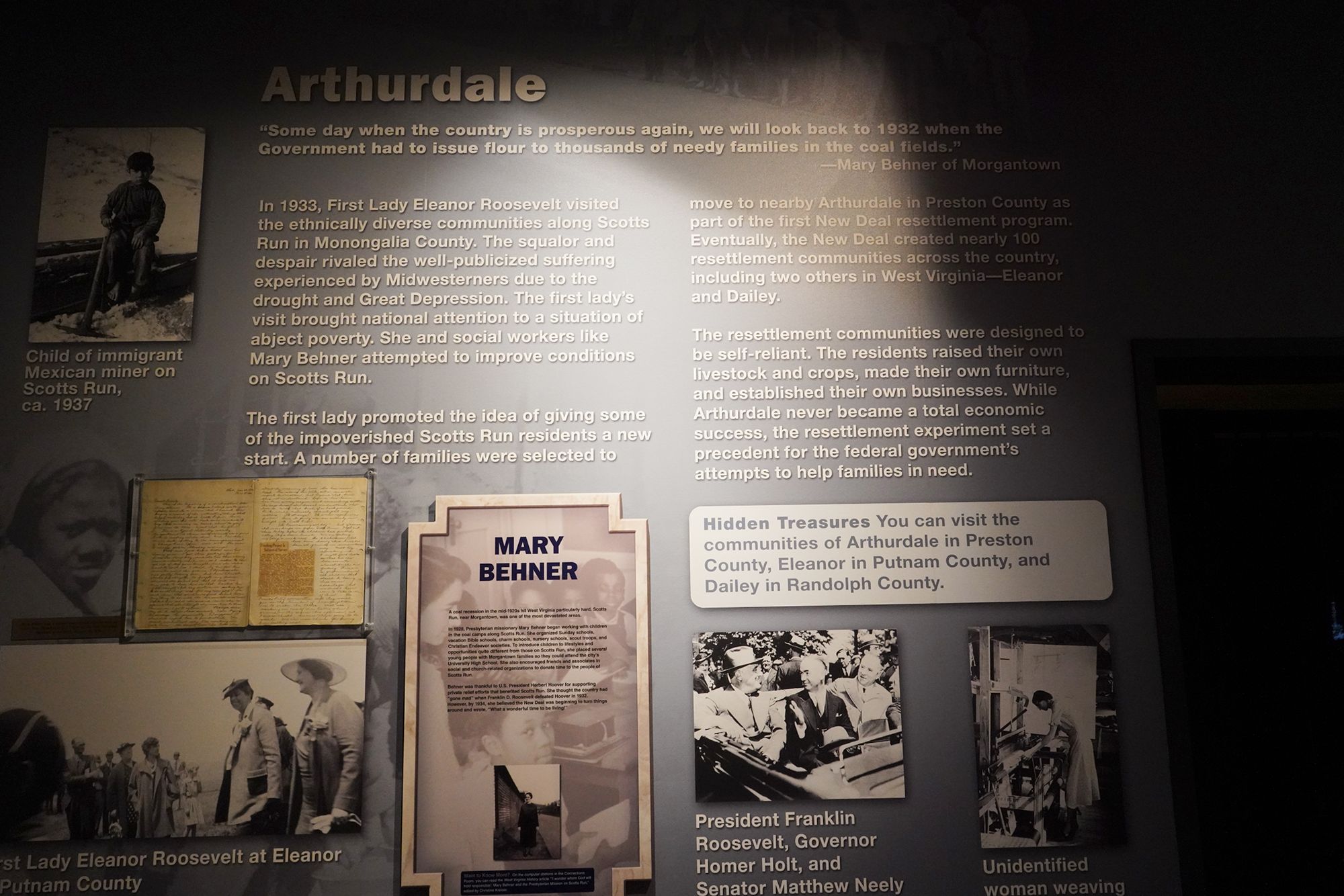
The year 1933
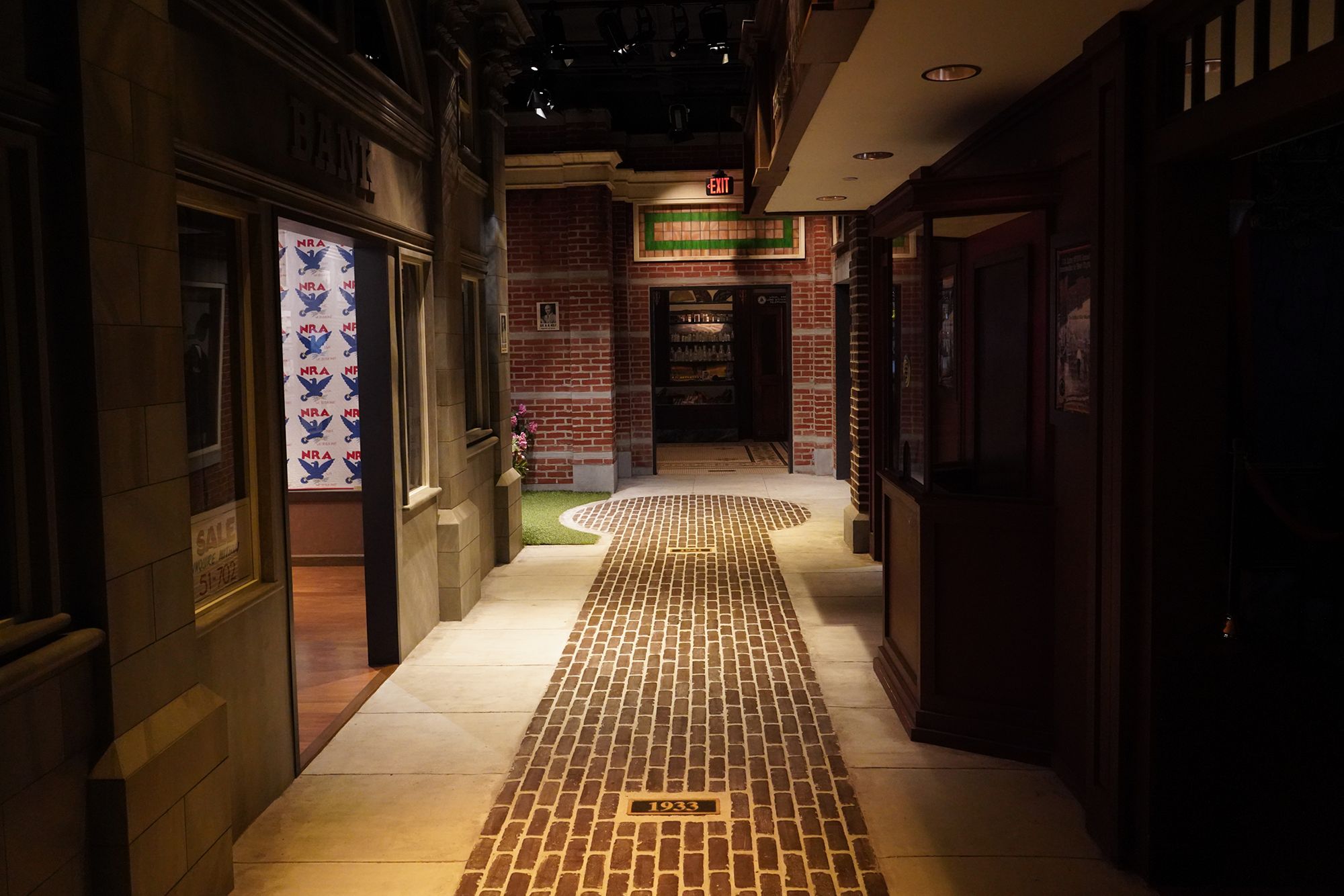
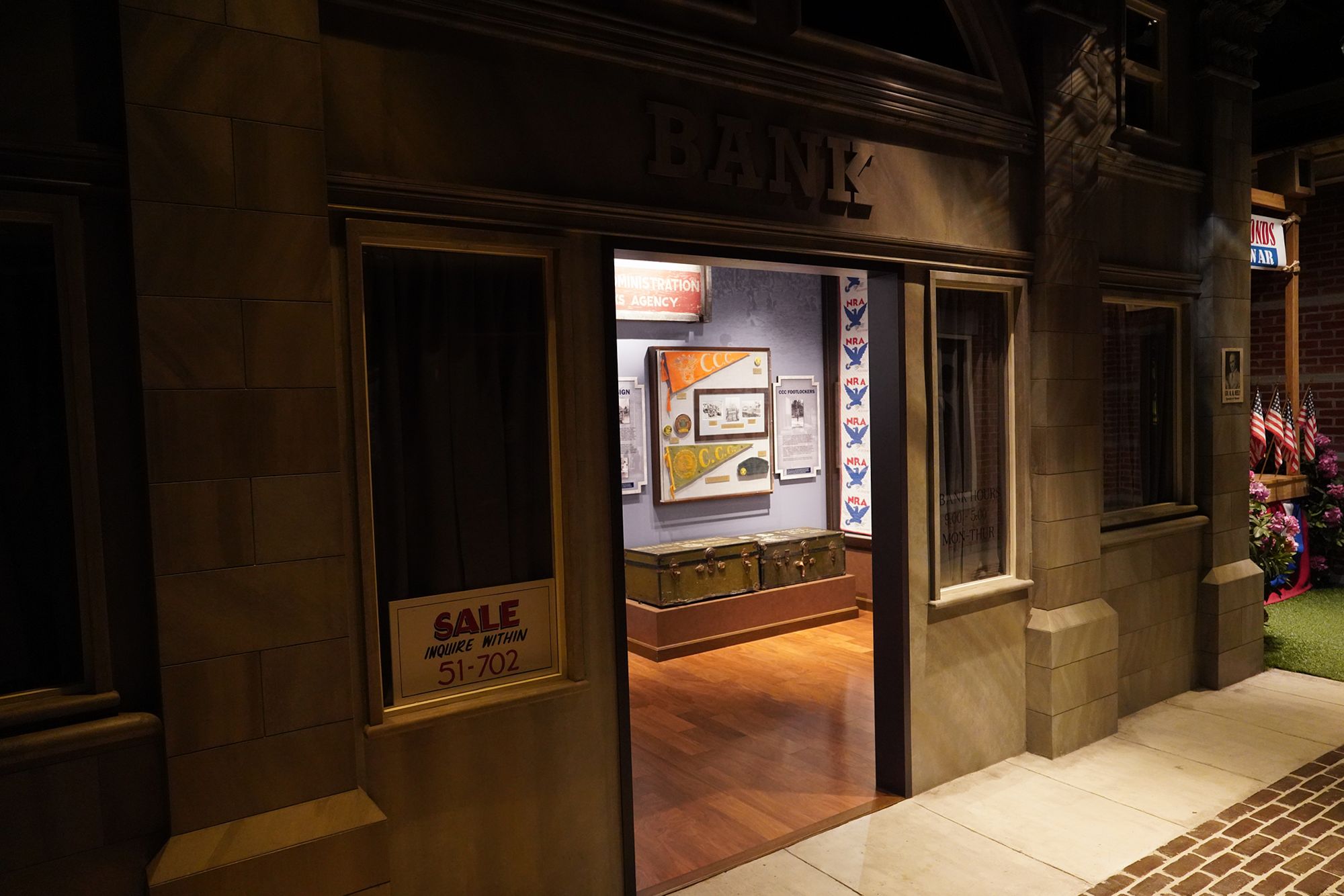
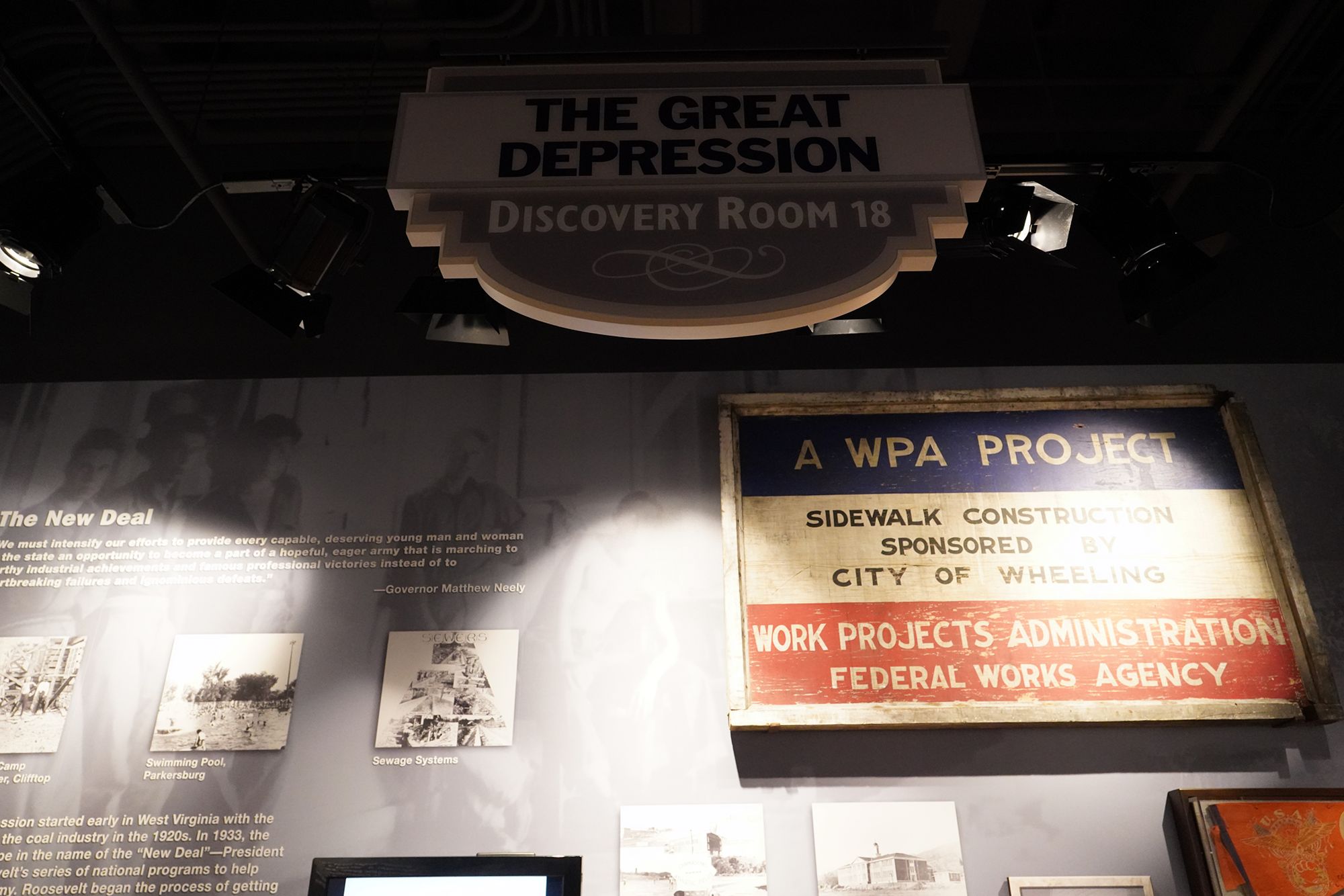
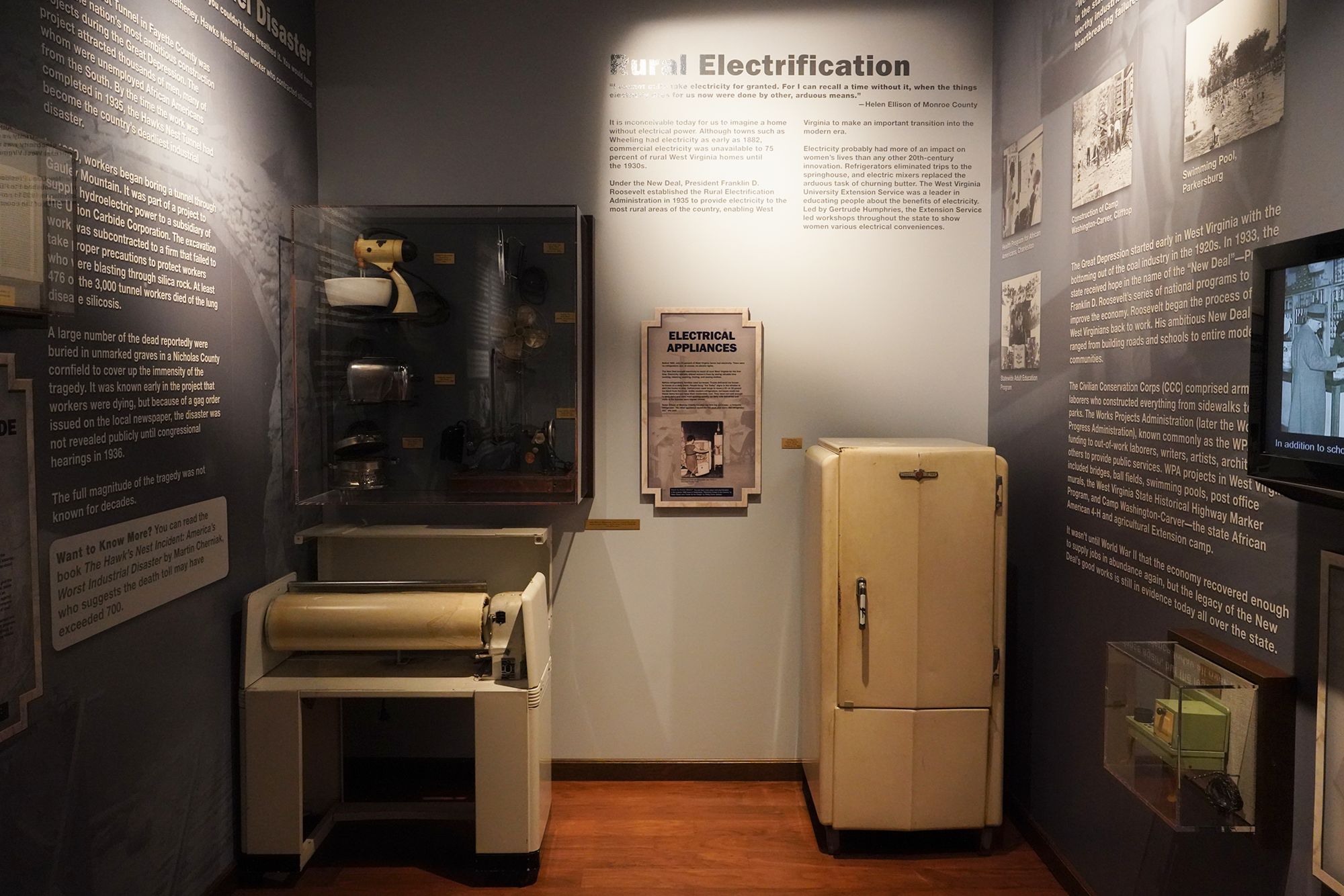
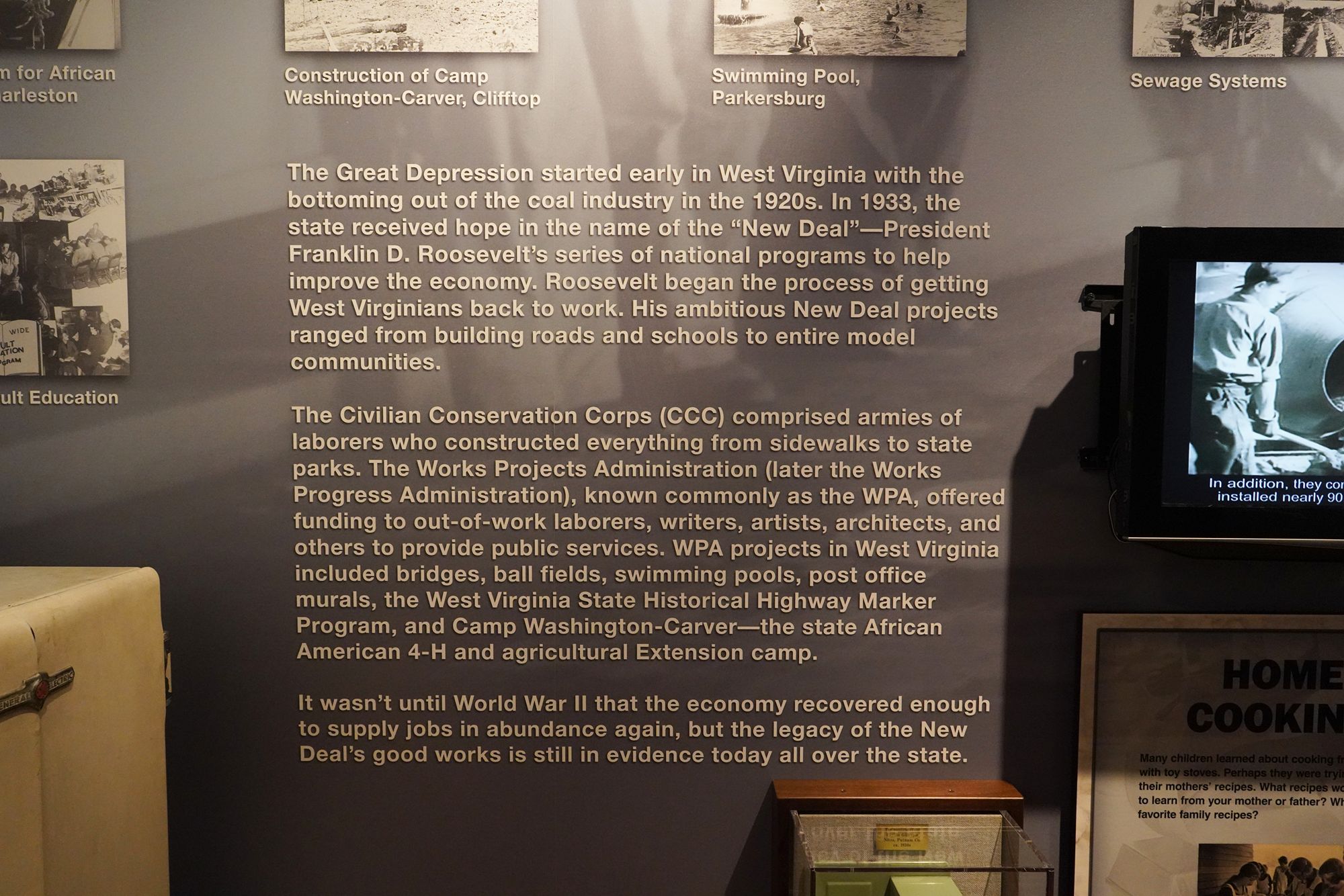
The Great Depression
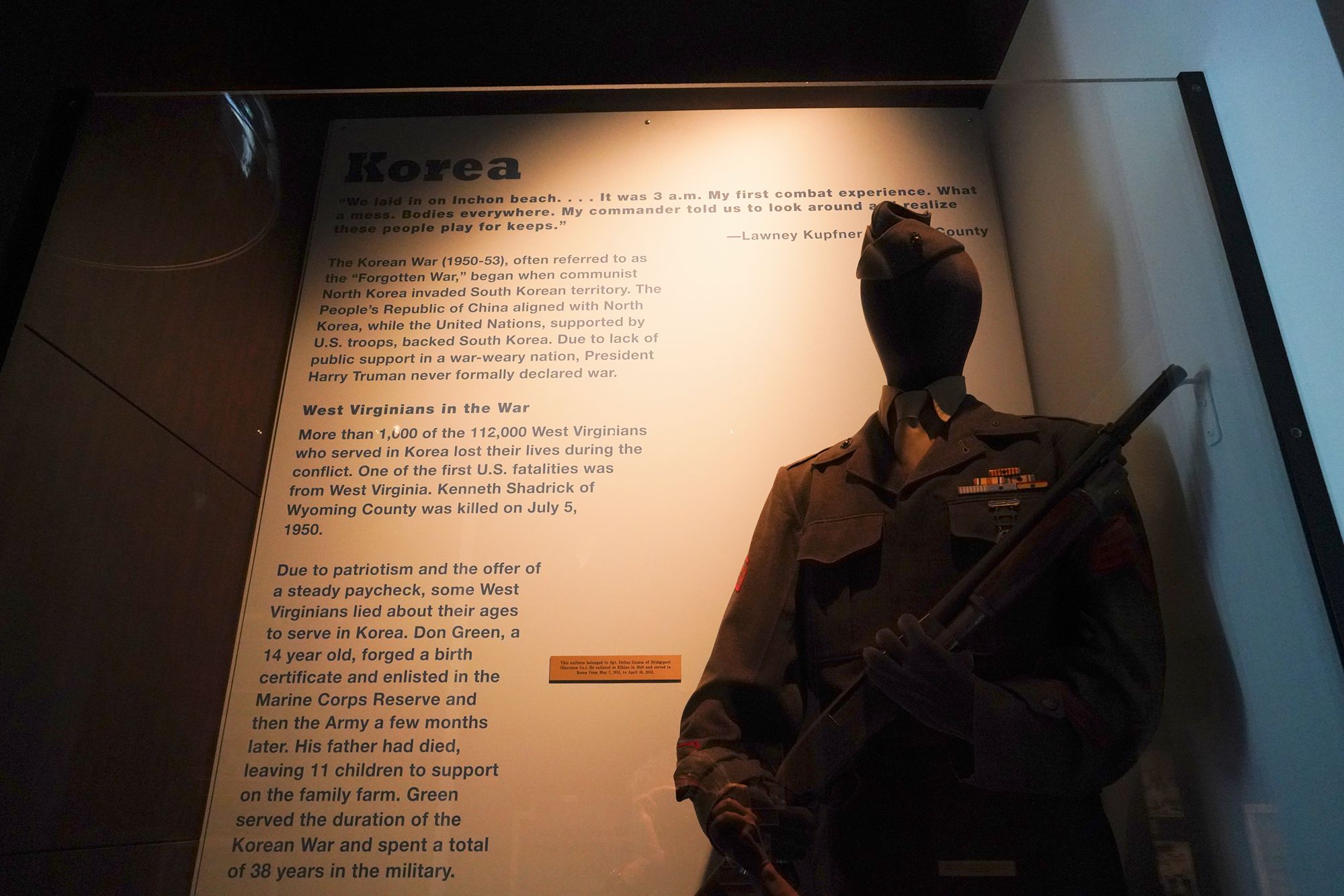
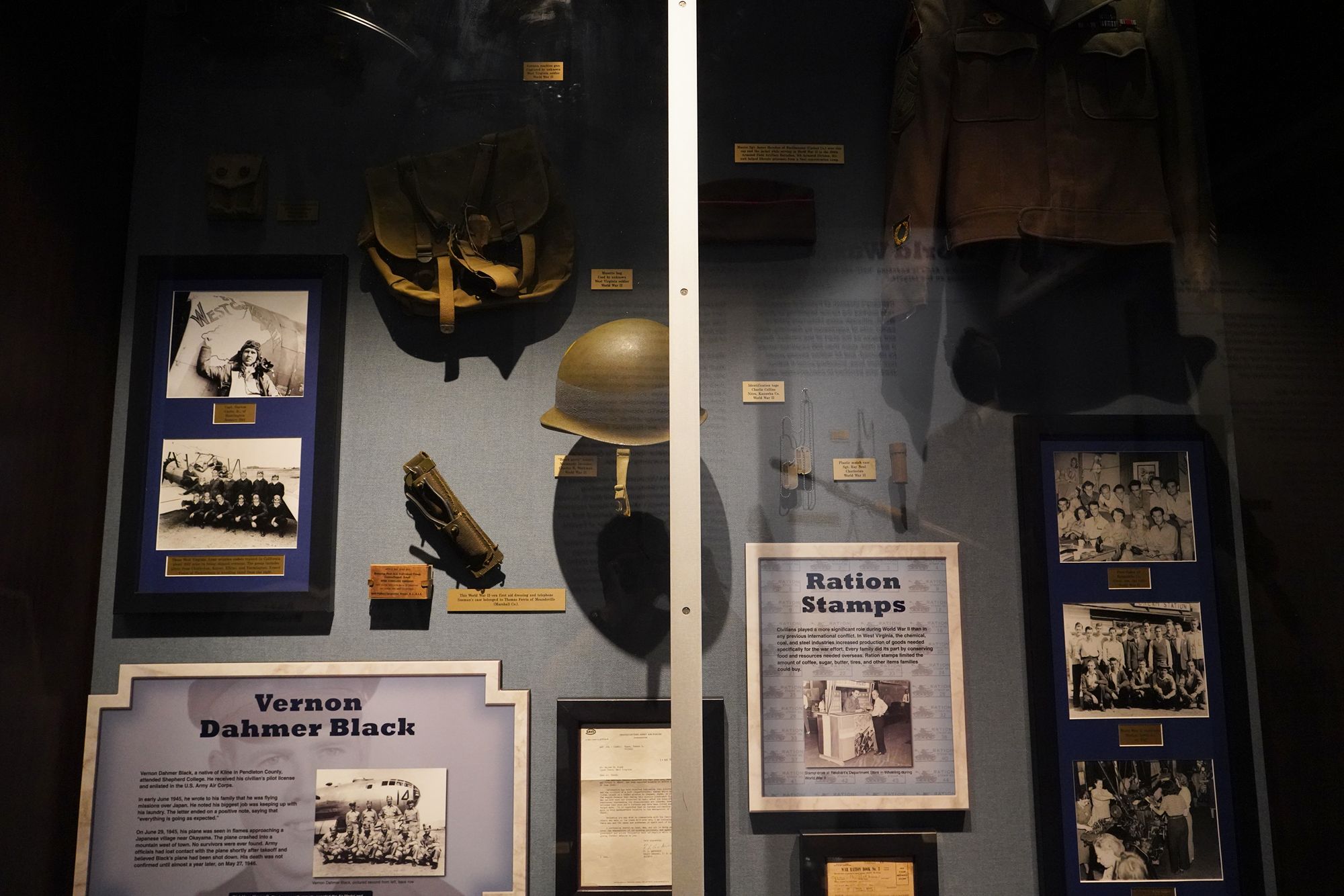
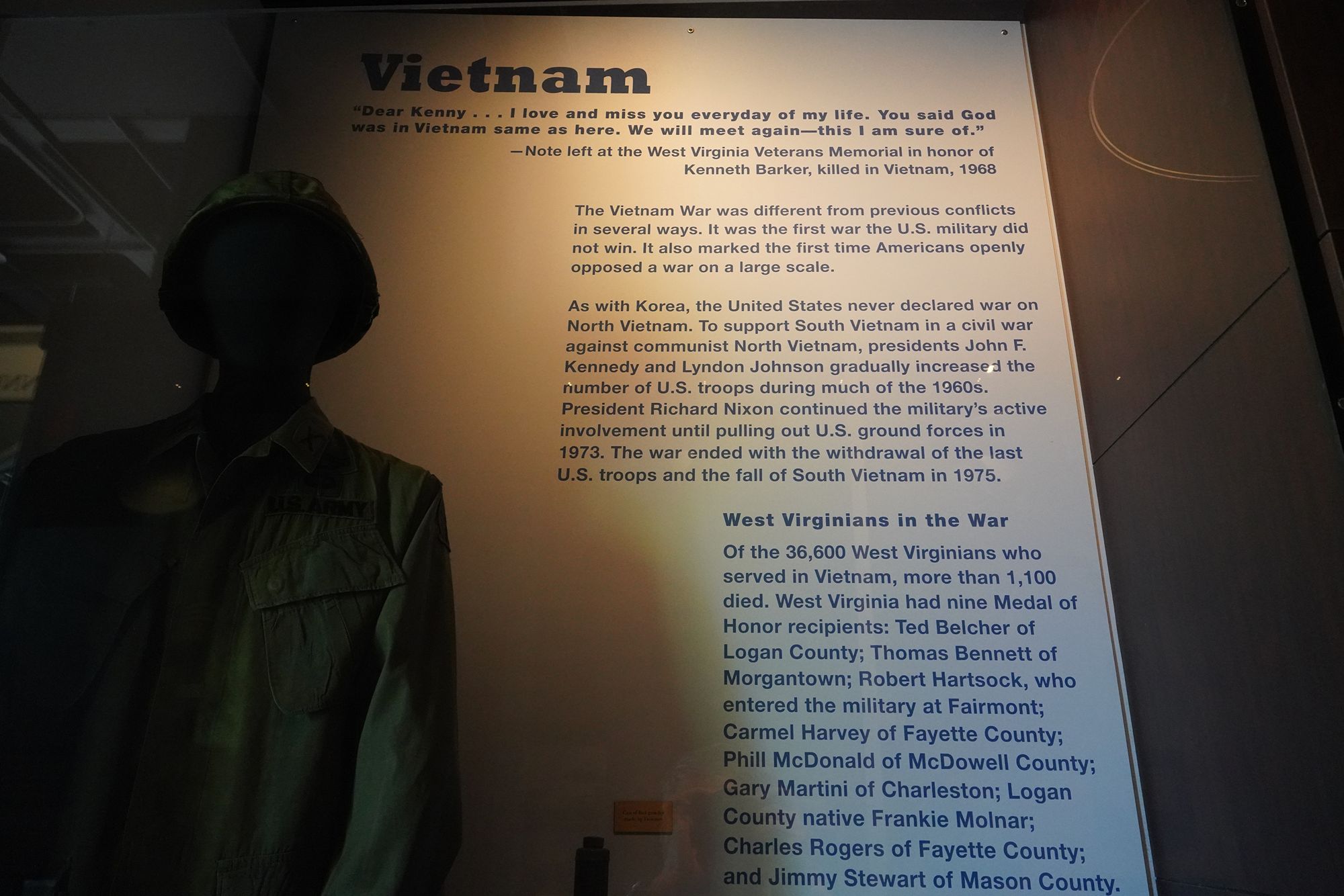
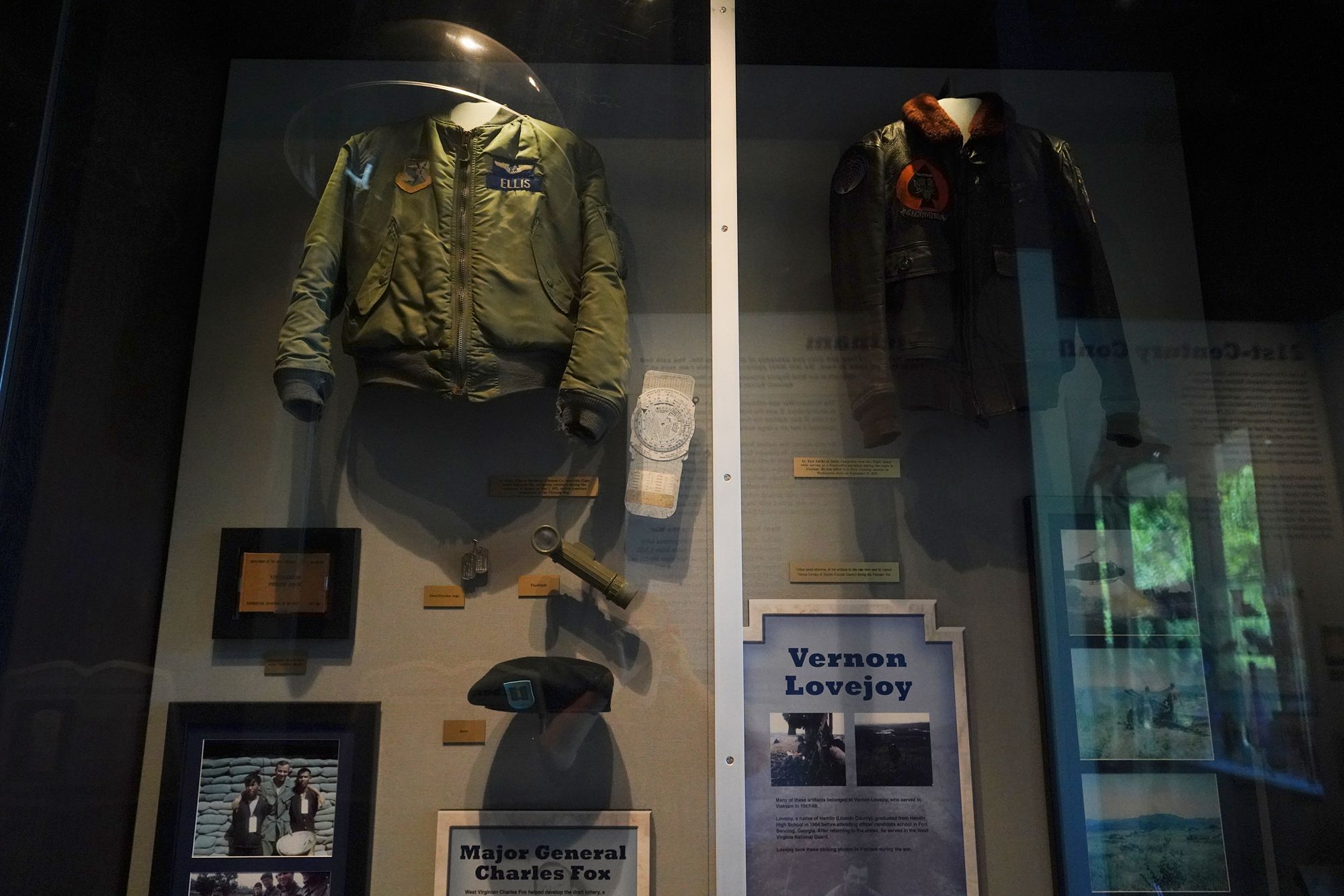
Wars
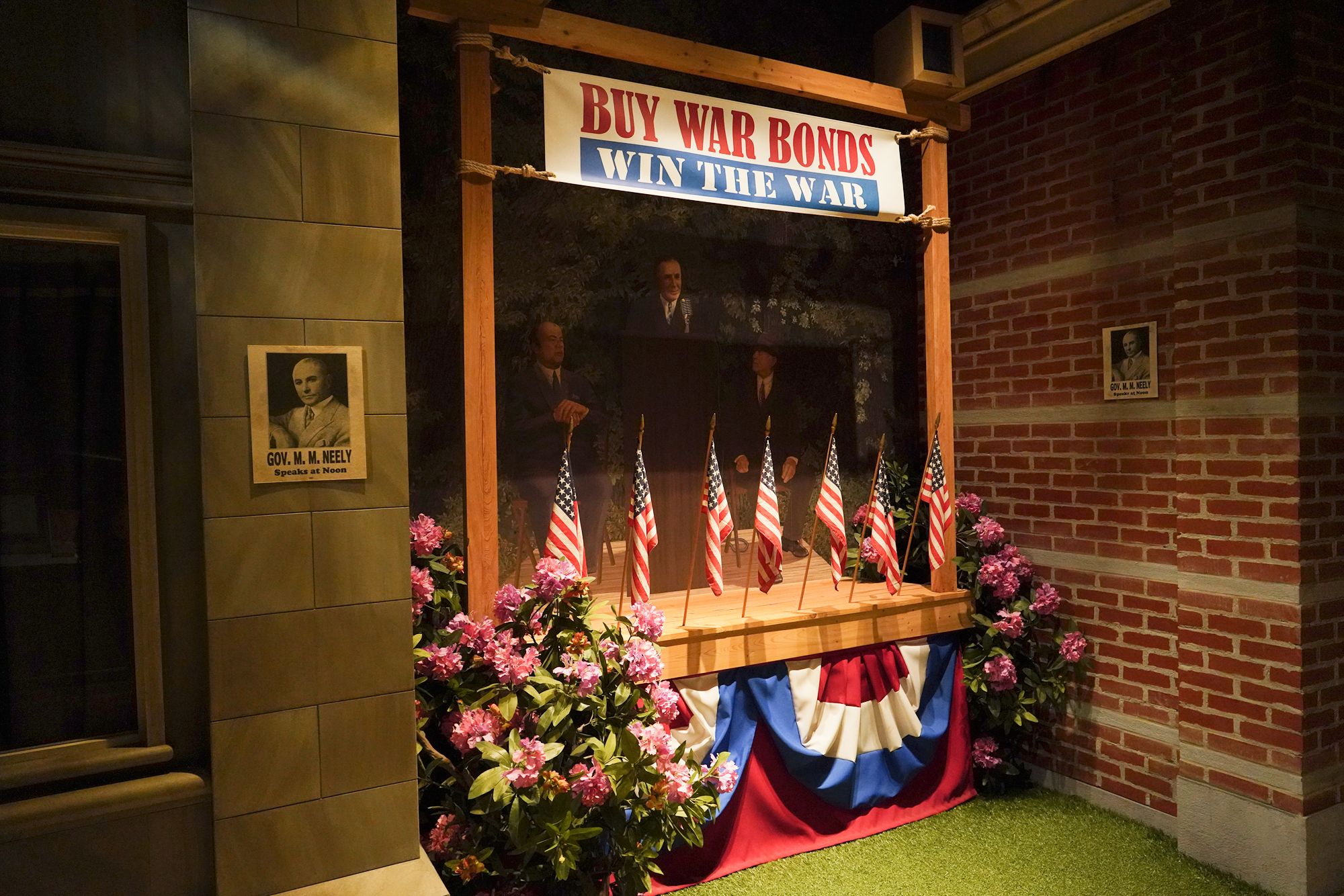
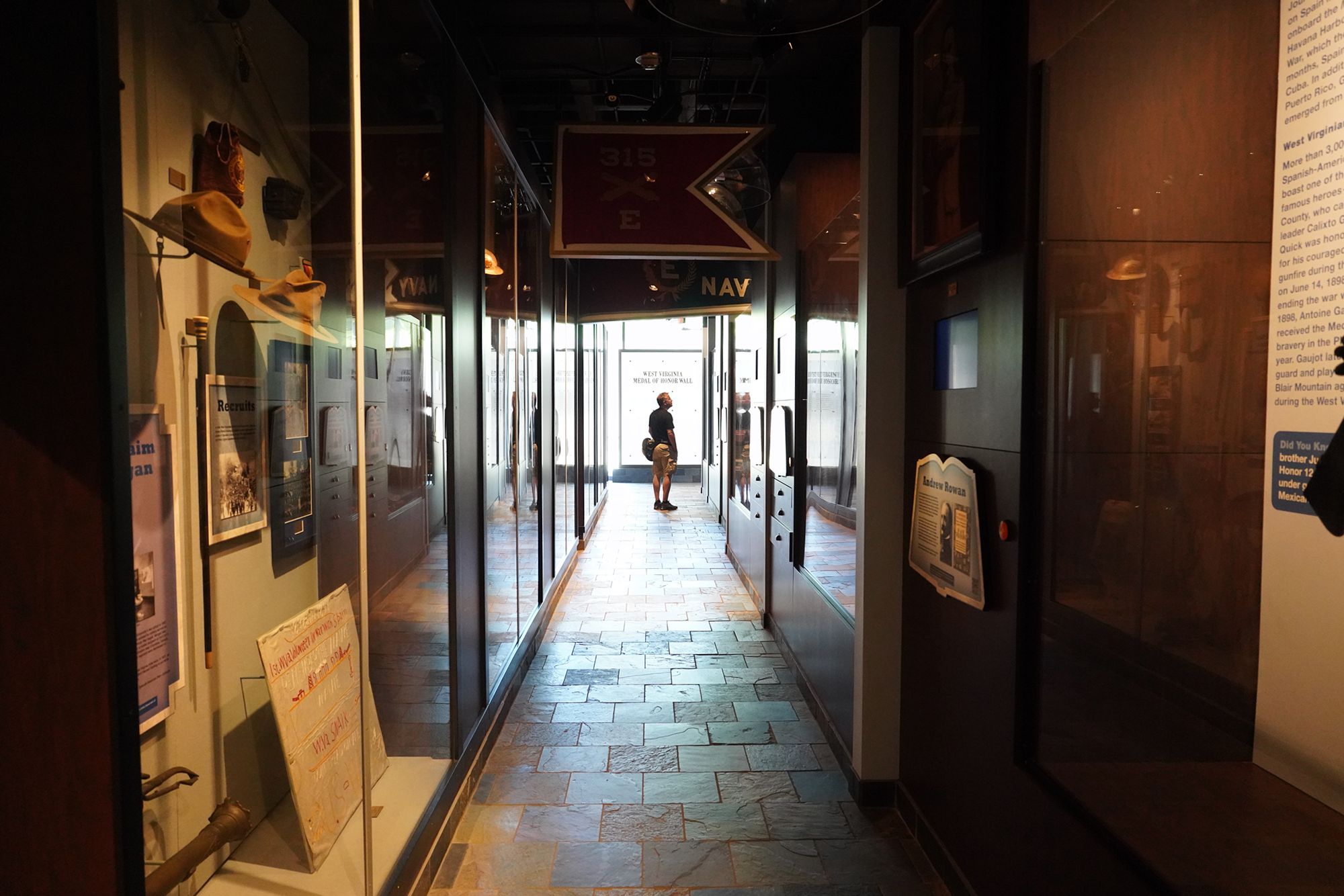
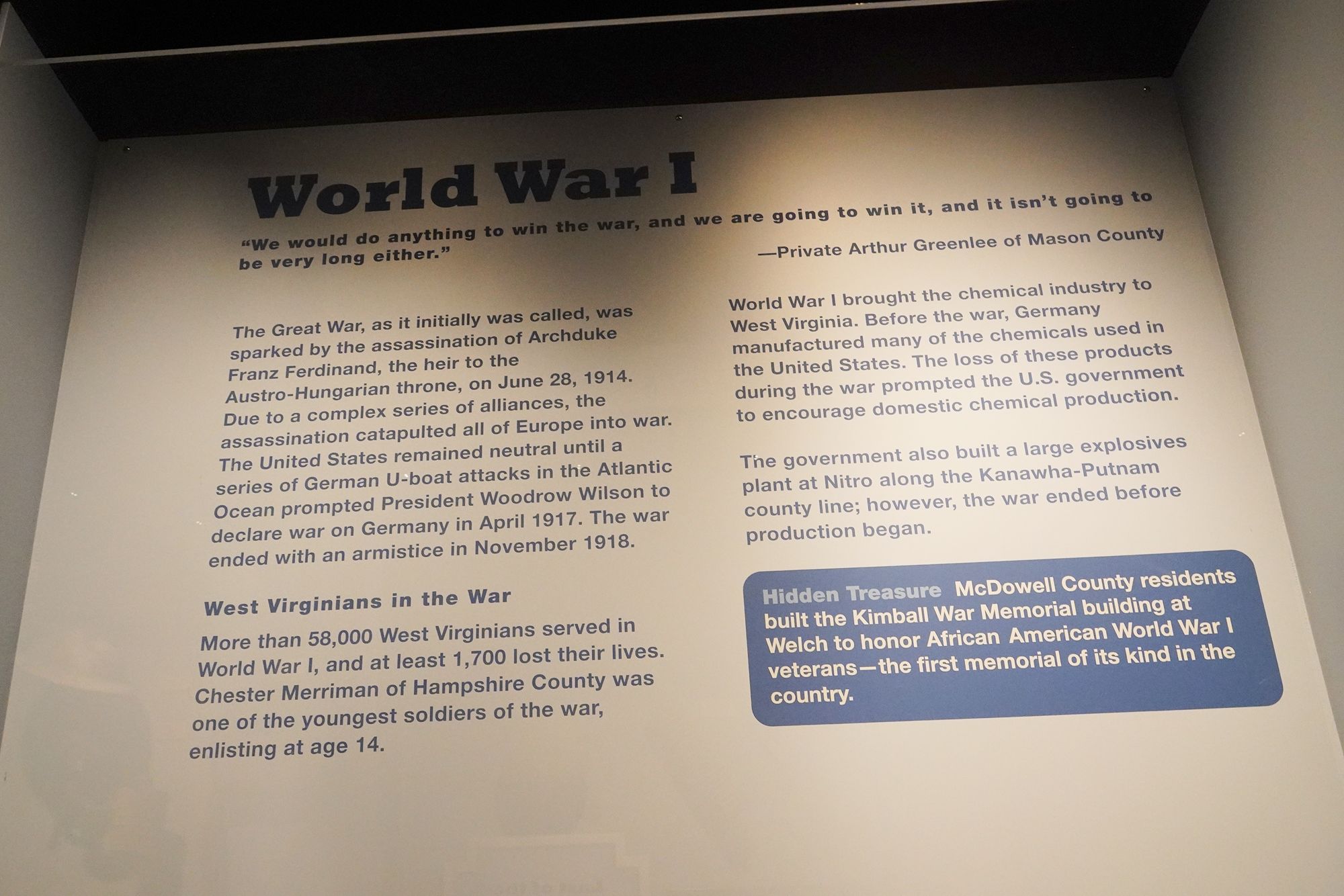
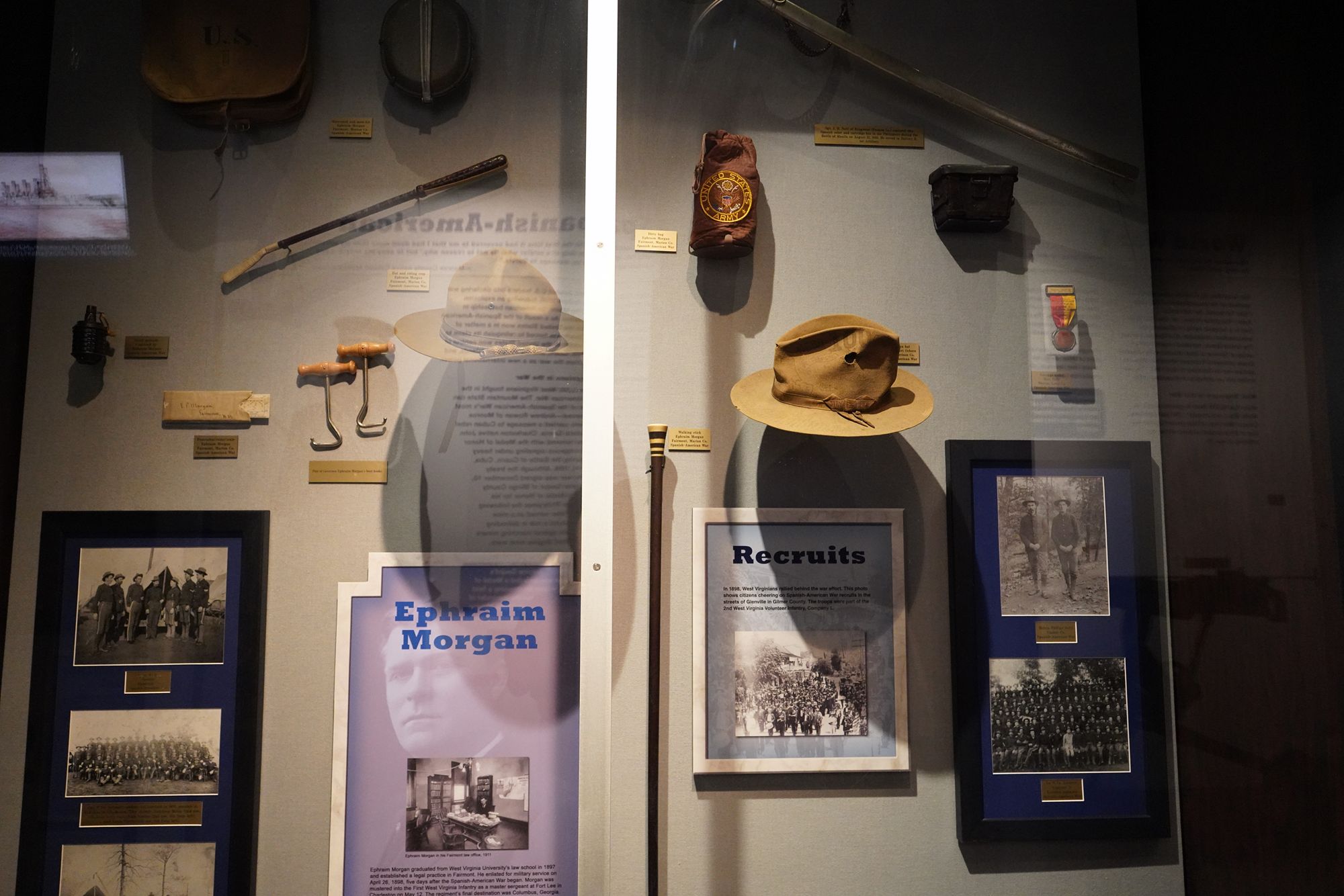
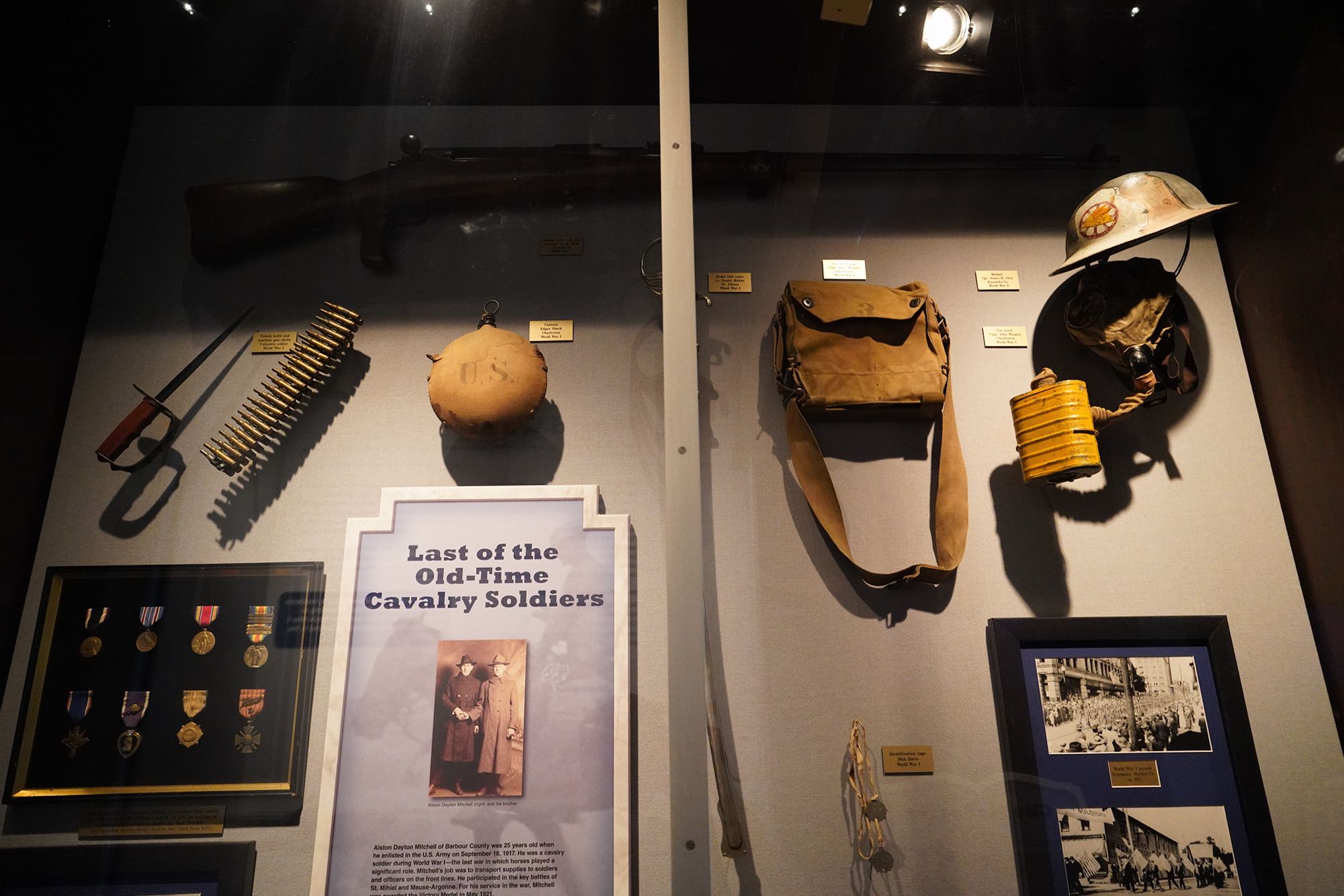
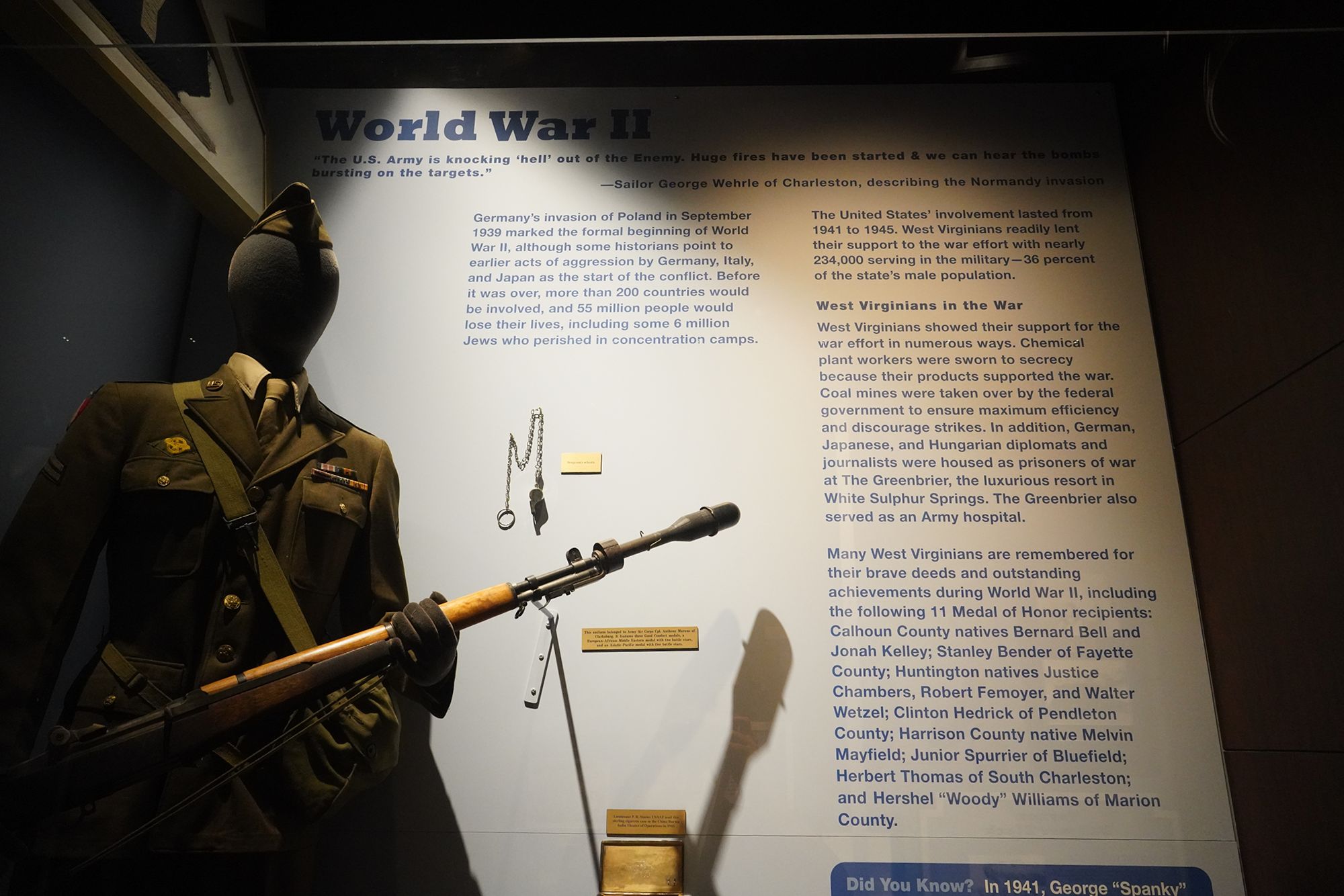
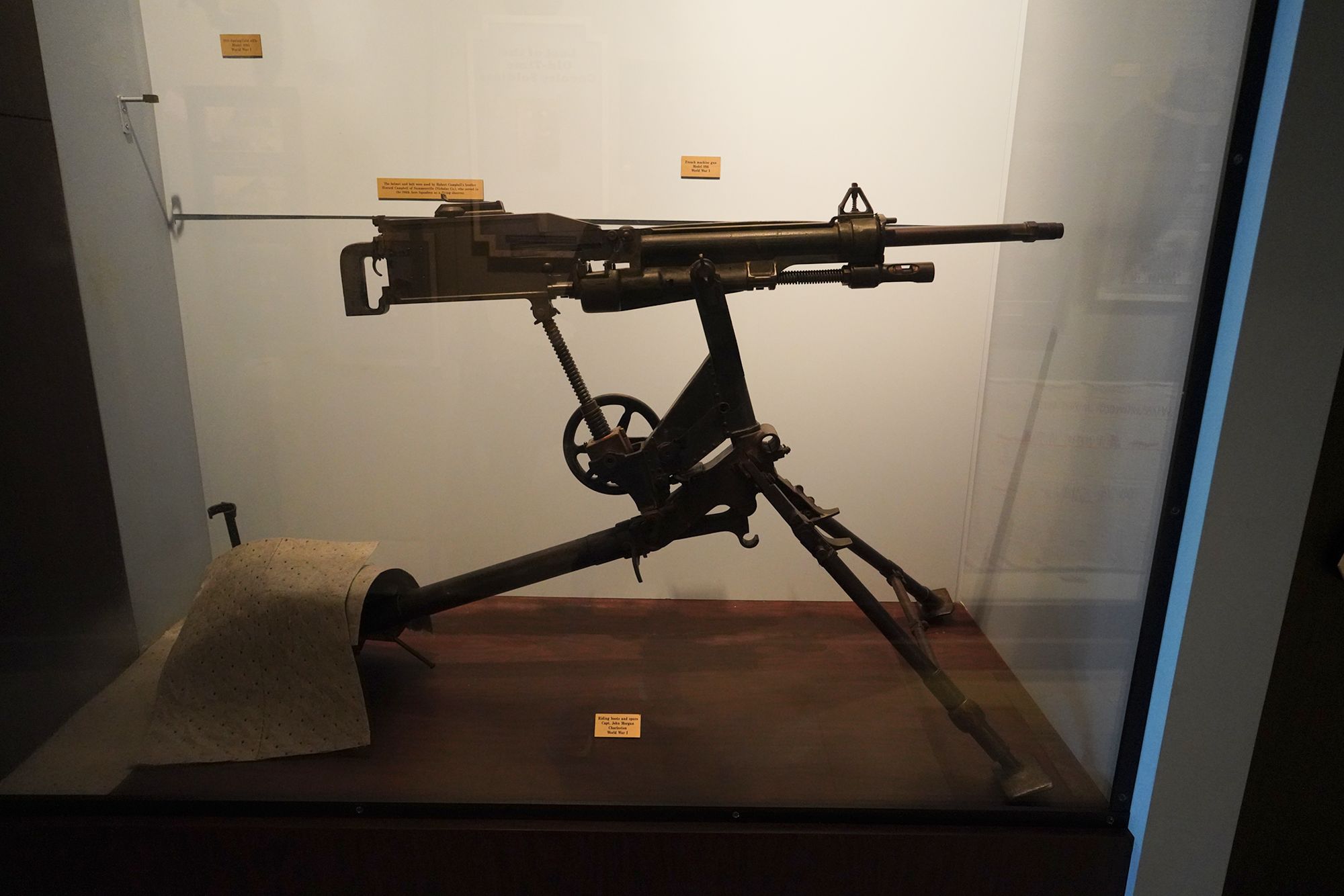
West Virginia contributed to the world wars by supplying large amounts of coal, steel, chemicals, and skilled miners for industrial fuel; providing strategic glass and chemical production; hosting important wartime manufacturing; and sending a high number of troops and officers to serve in the U.S. military.
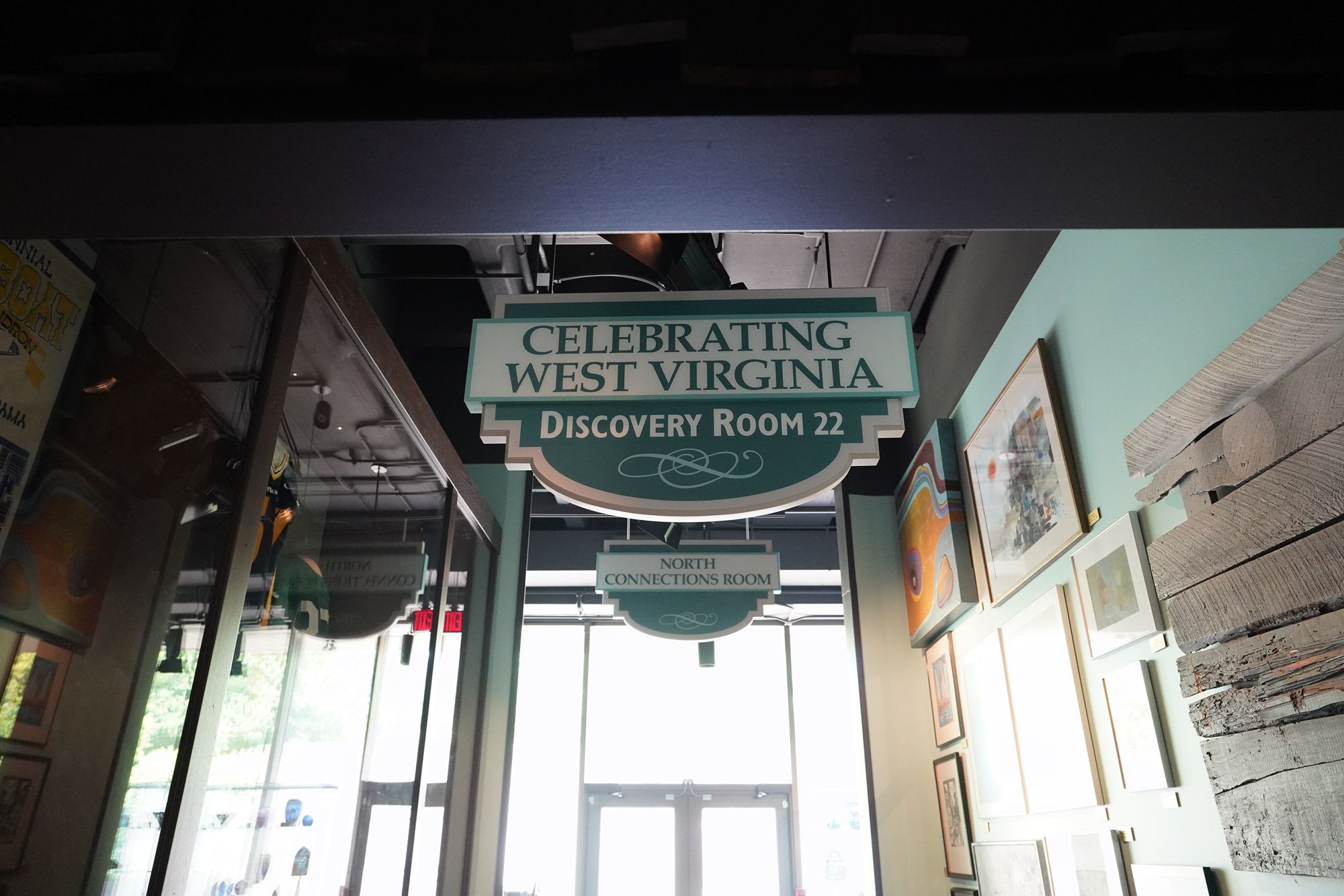
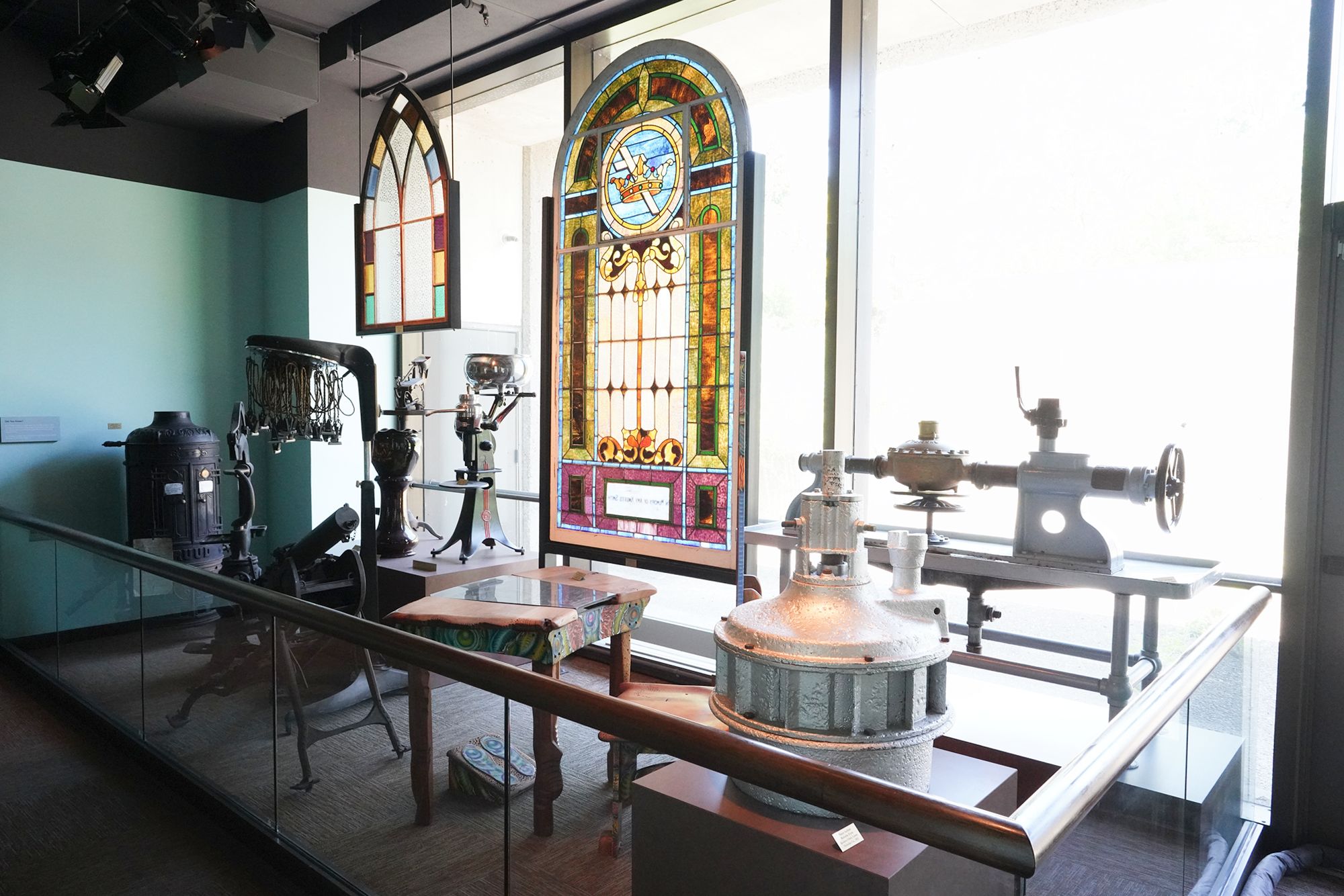
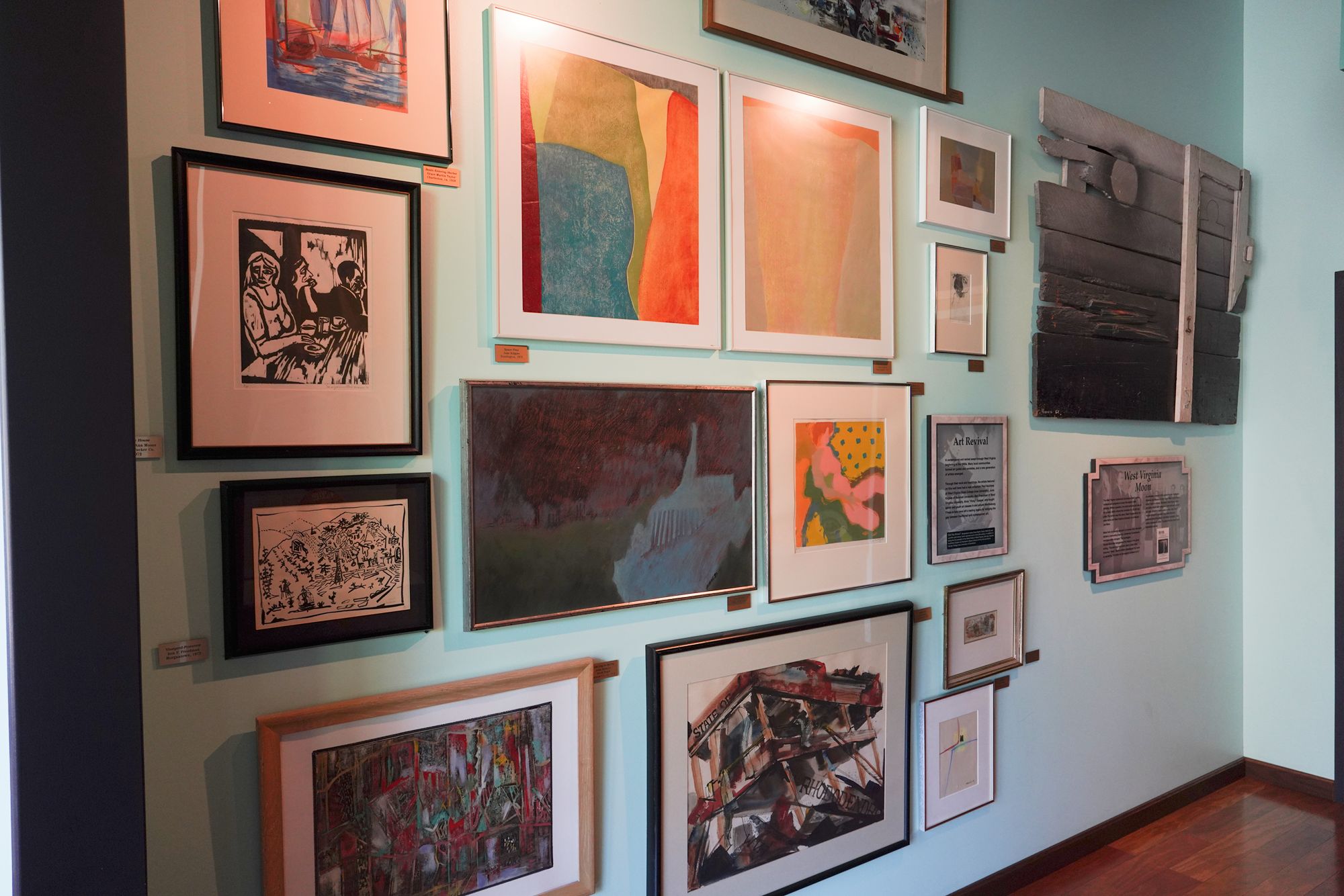
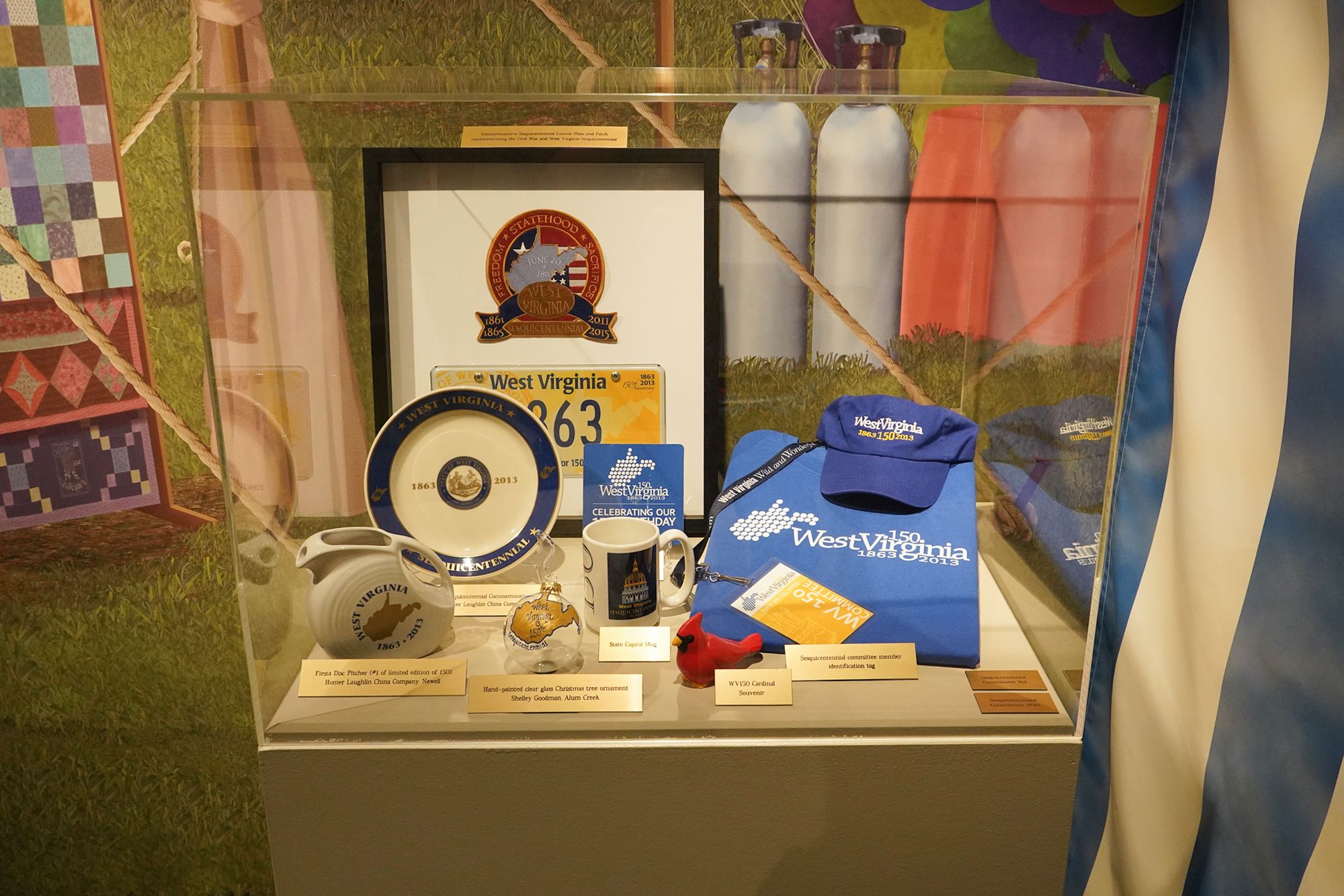
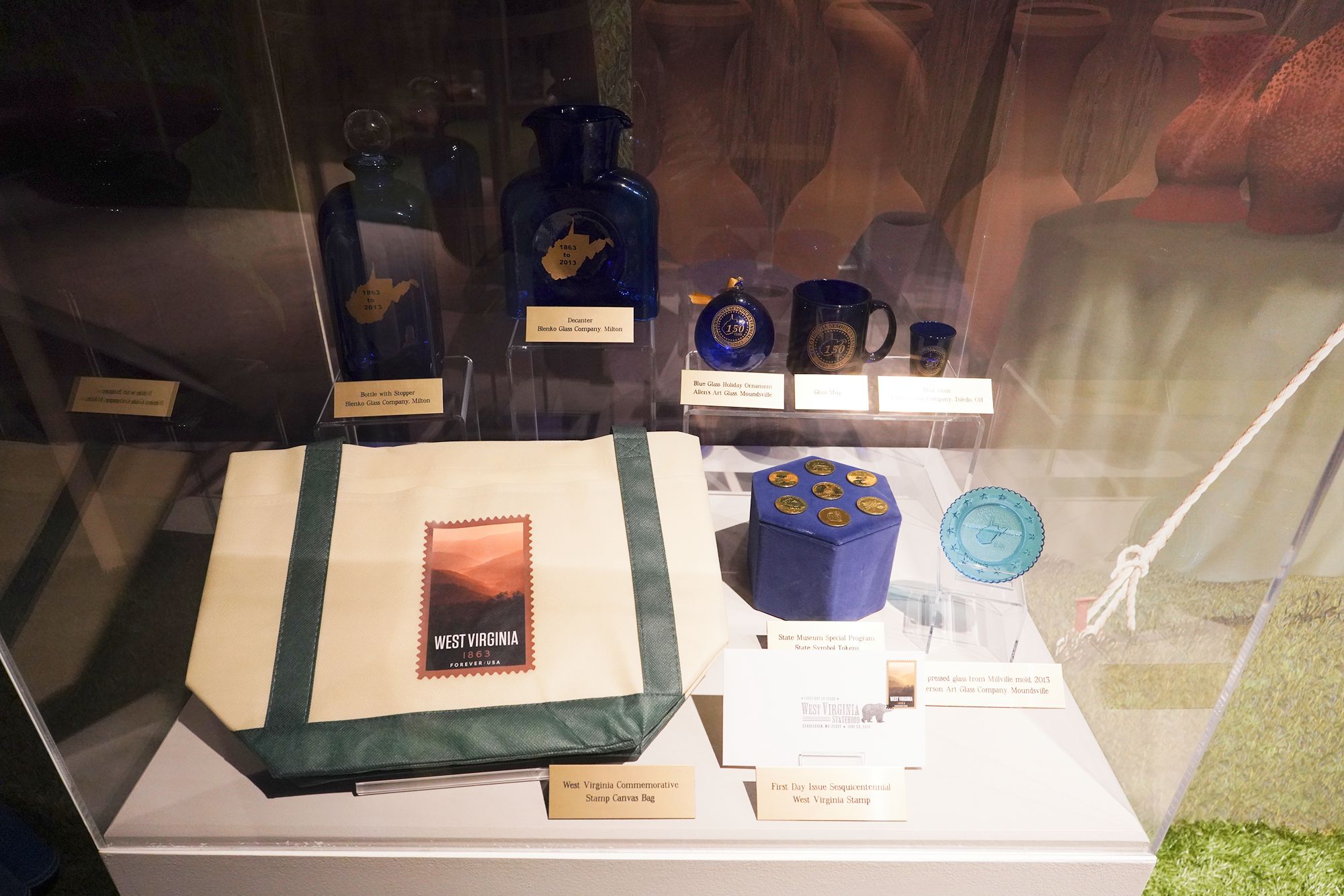
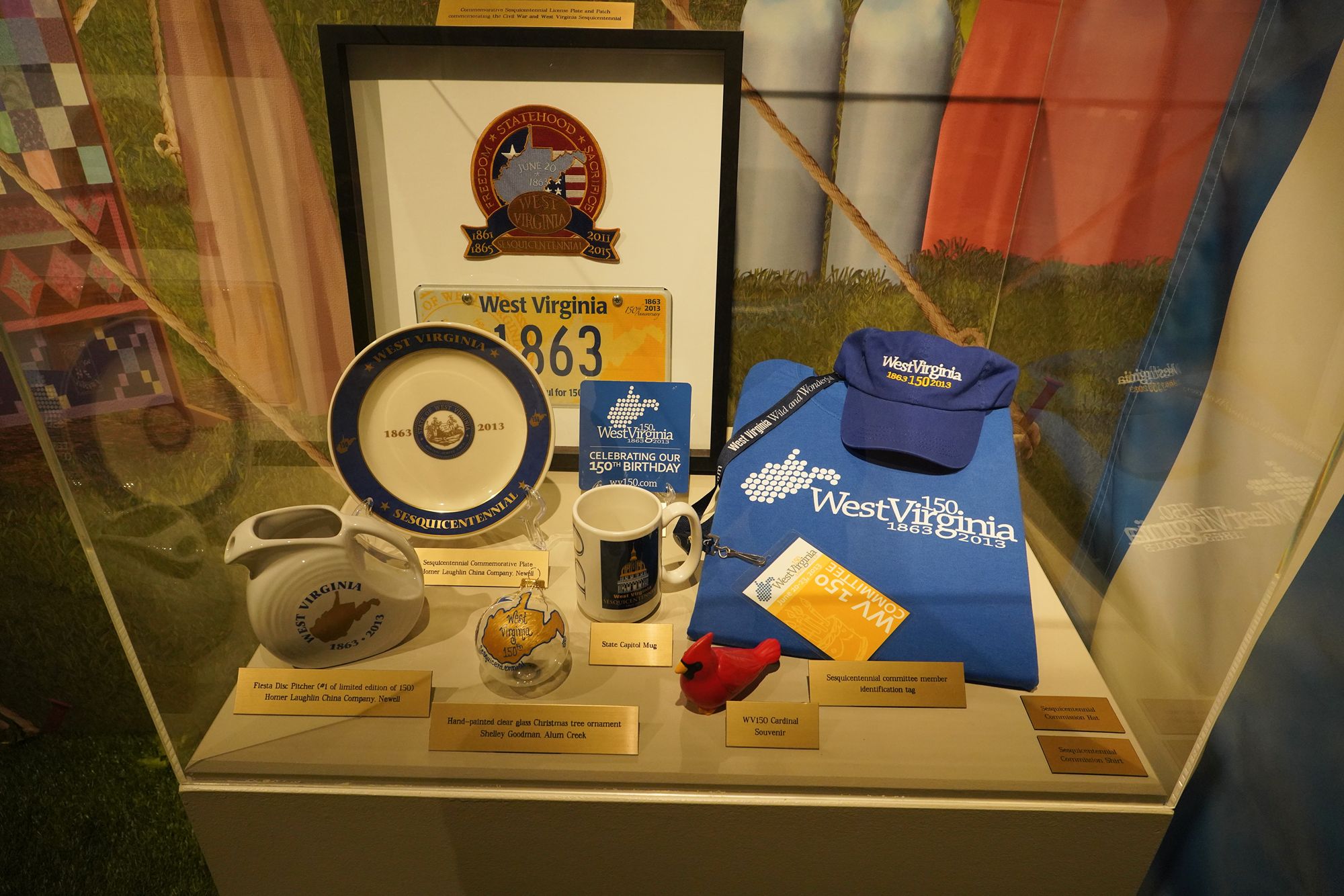
Celebrating West Virginia
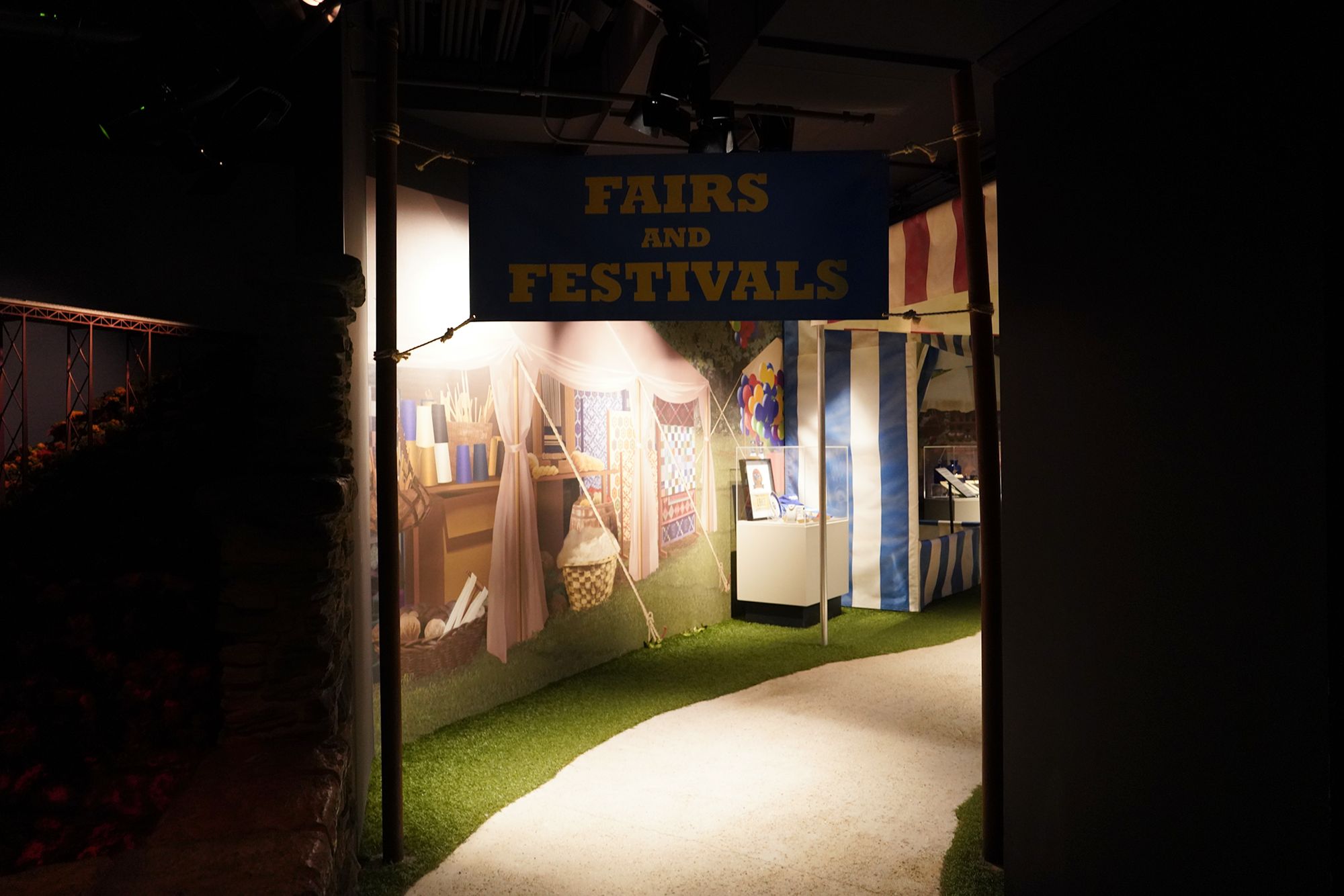
FAirs and Festivals
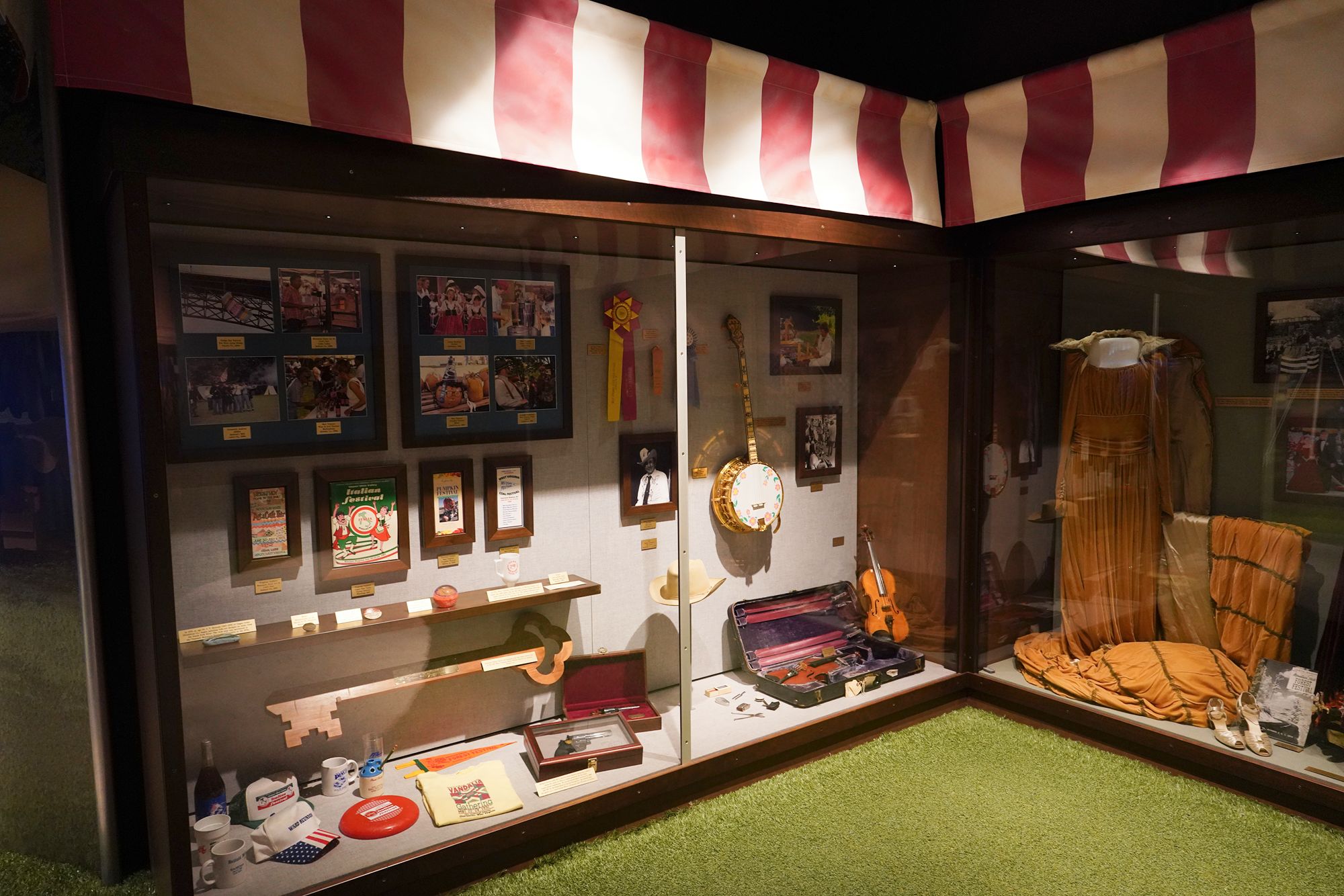
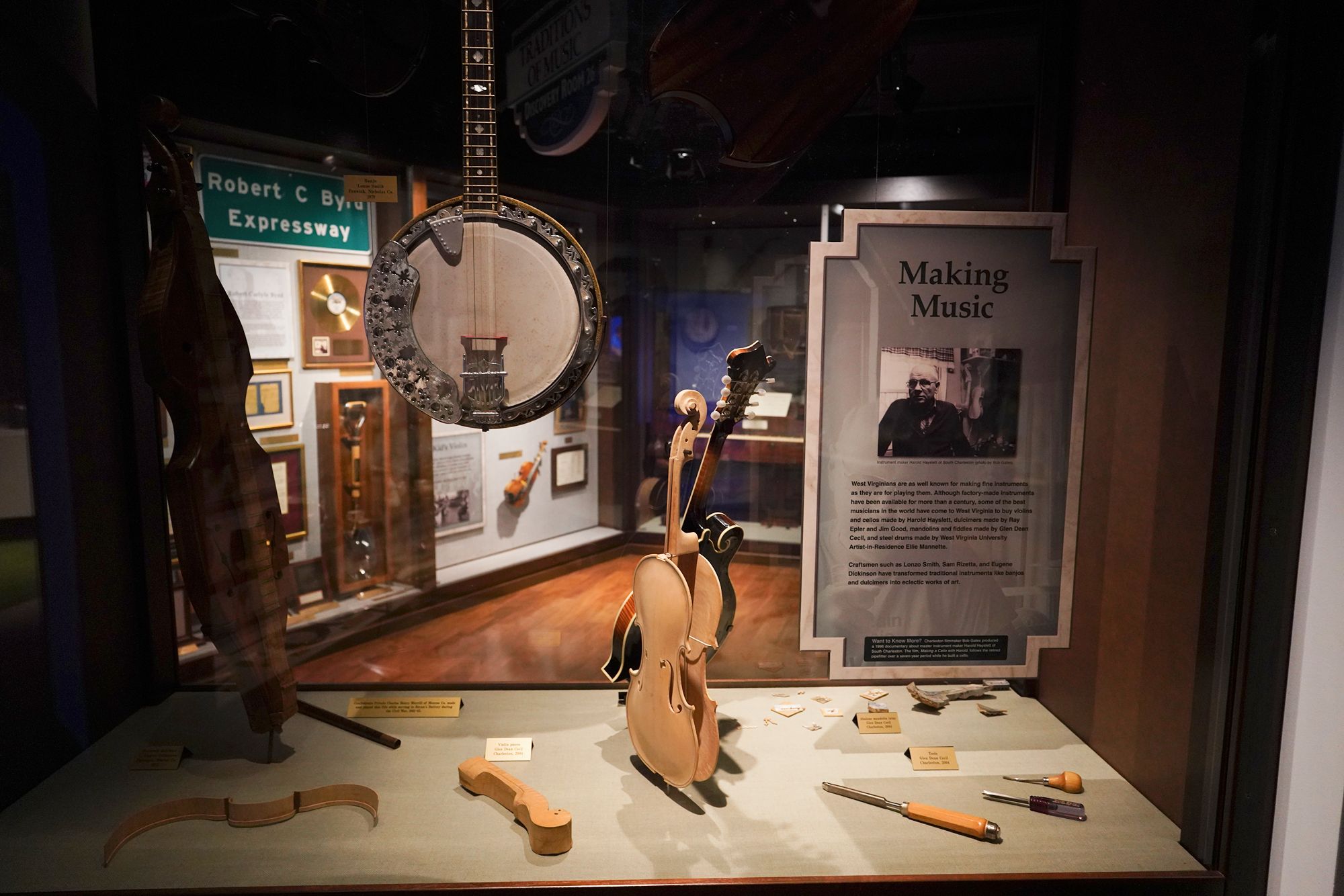
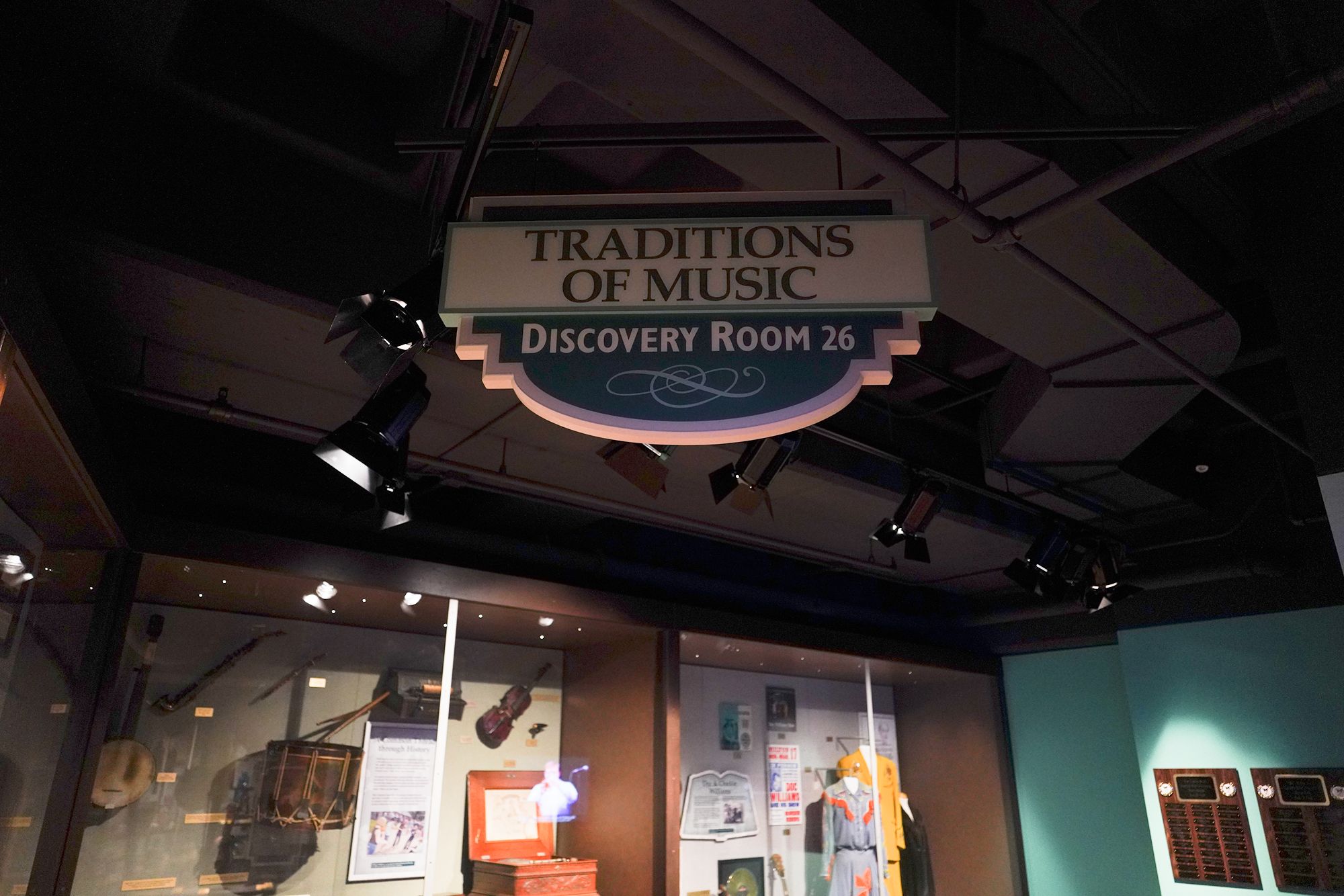
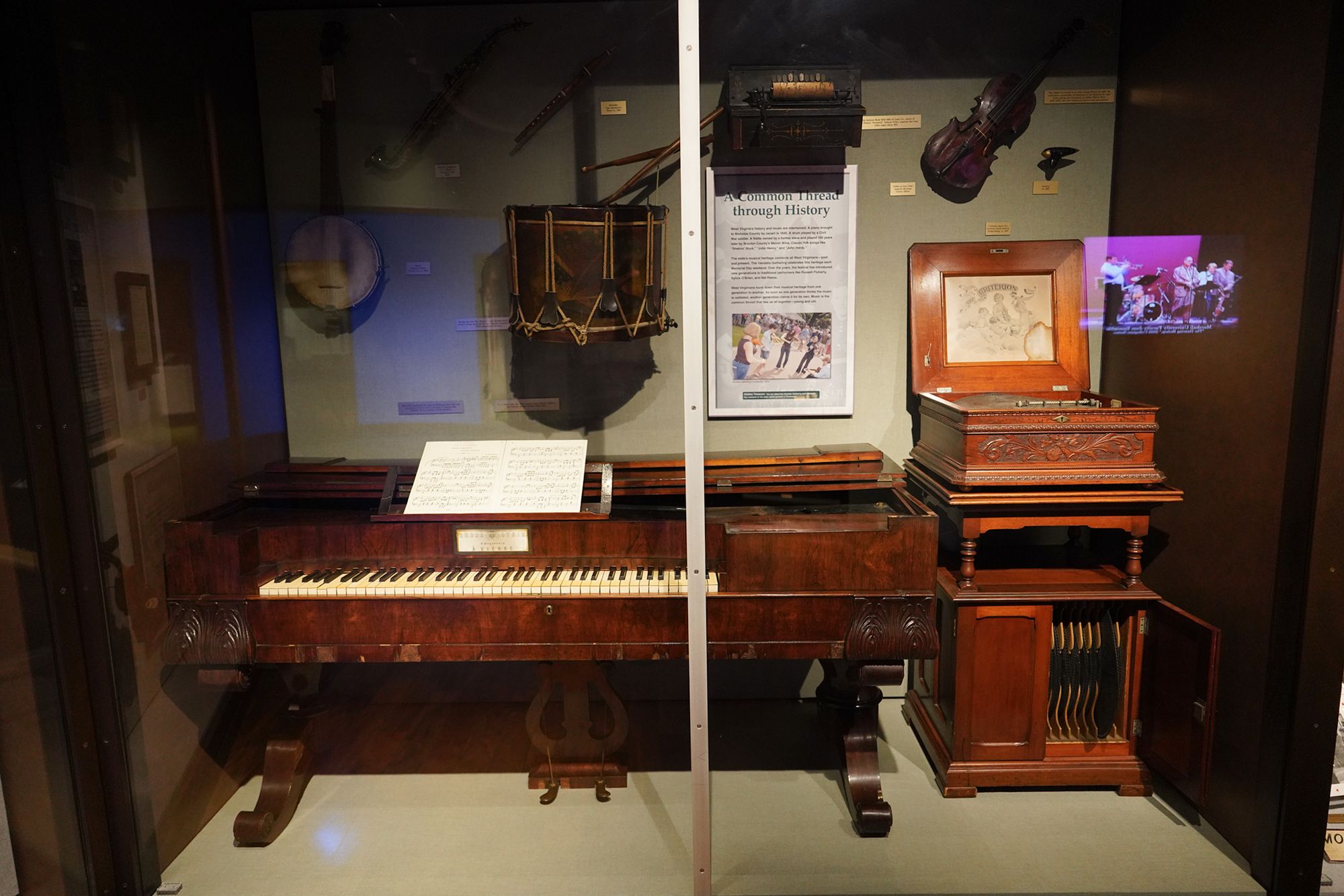
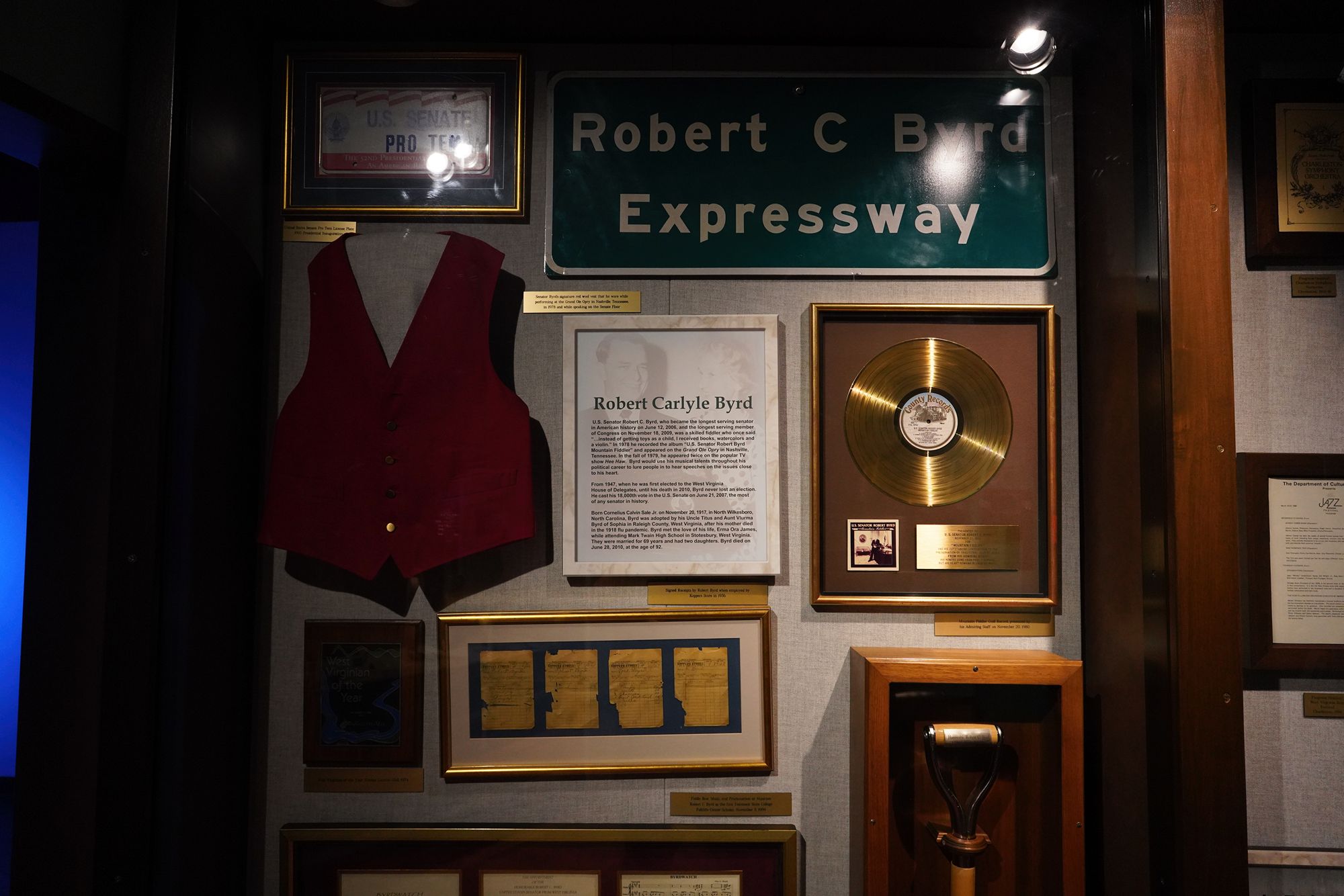
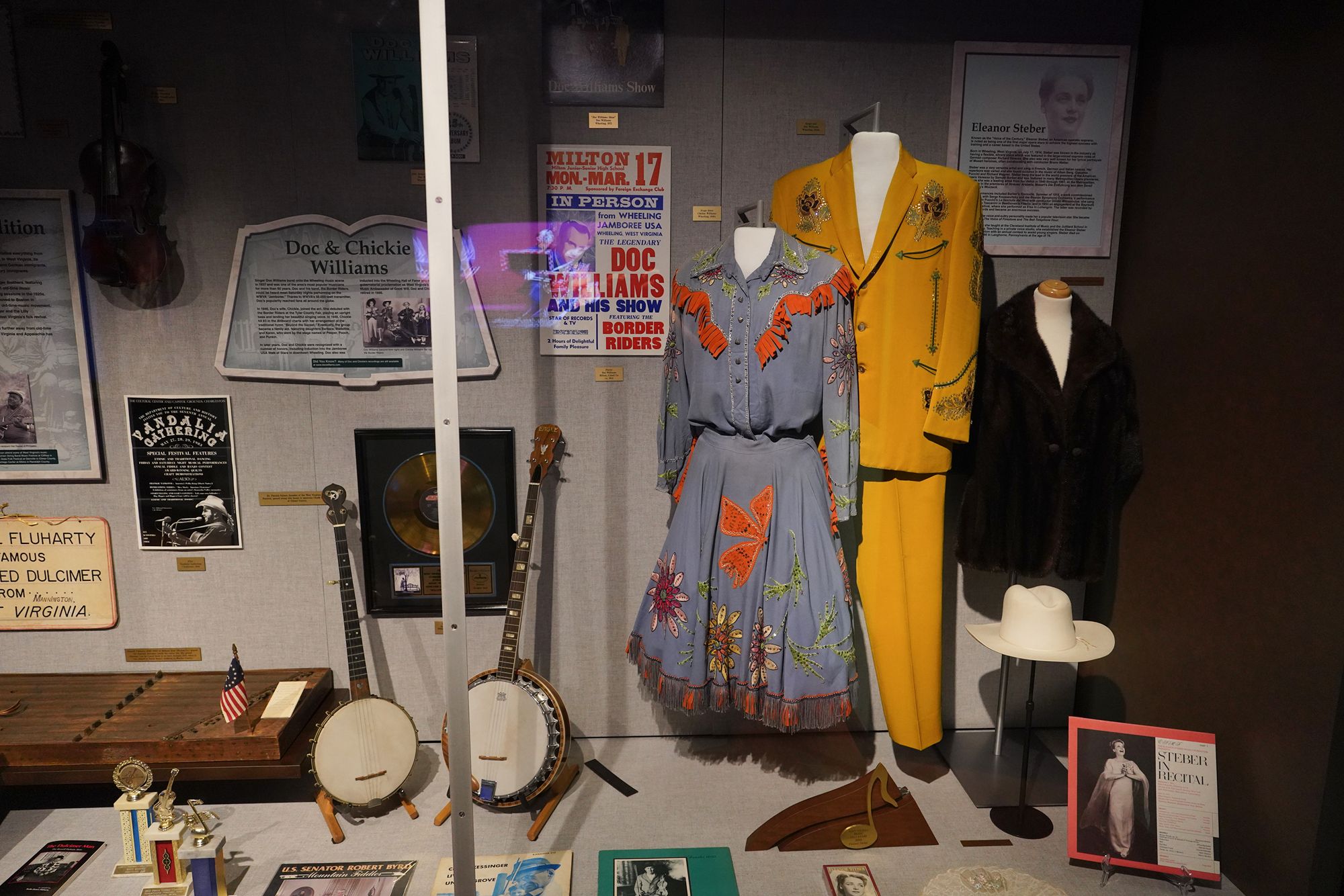
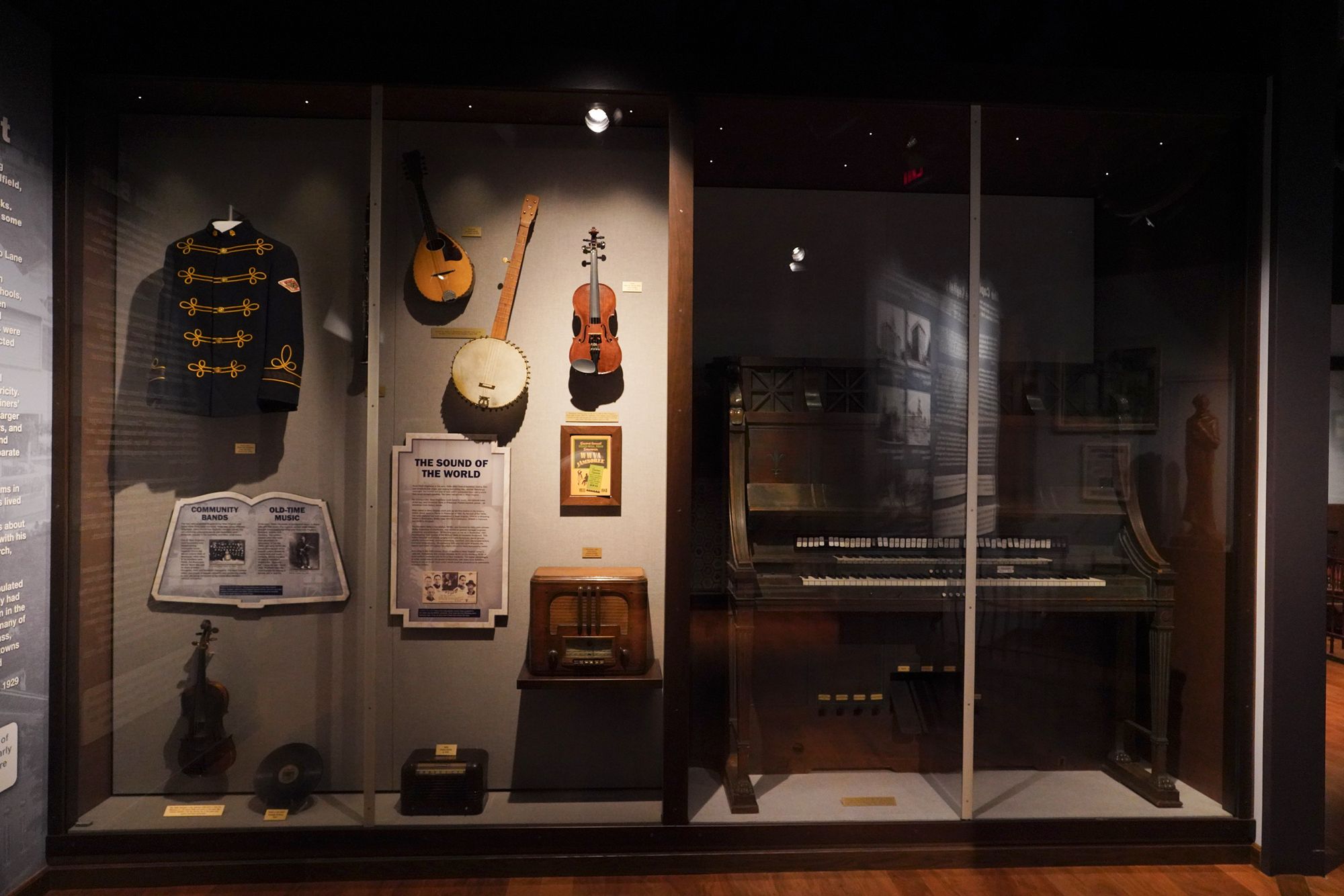
Traditions of Music