Zentrum Paul Klee, Bern, Switzerland
The Zentrum Paul Klee in Bern is a striking modern museum devoted to Swiss artist Paul Klee and his remarkable works. 1327
Zentrum Paul Klee: Monument im Fruchtland 3, 3006 Bern, Switzerland
Date Picture Taken: Jun, 2026
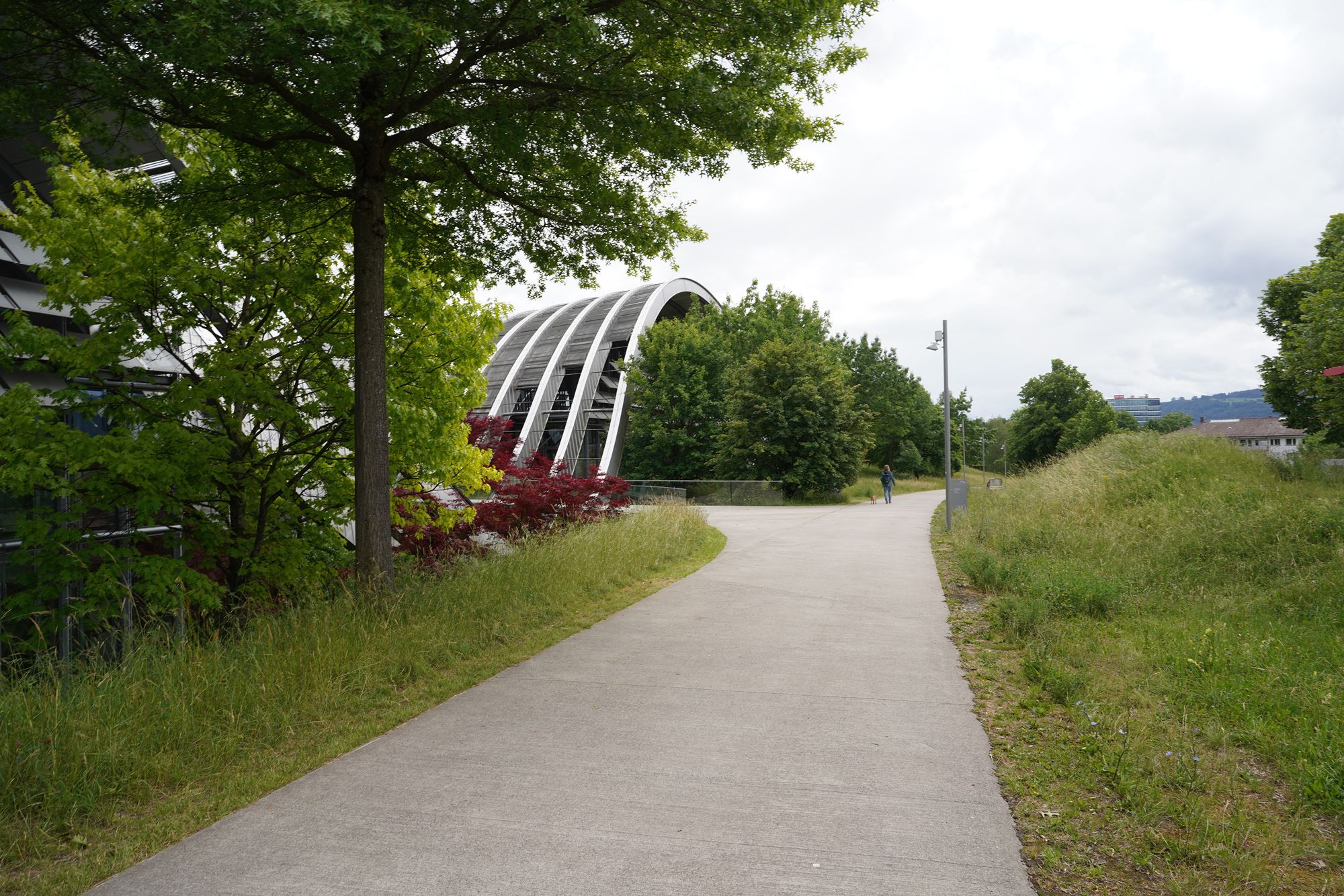
The Zentrum Paul Klee in Bern is a museum and cultural center dedicated to Swiss-German artist Paul Klee. Designed by architect Renzo Piano, its distinctive wave-shaped building opened in 2005. The museum holds the world’s largest collection of Klee’s works, presenting rotating exhibitions exploring his art, ideas, and creative development.
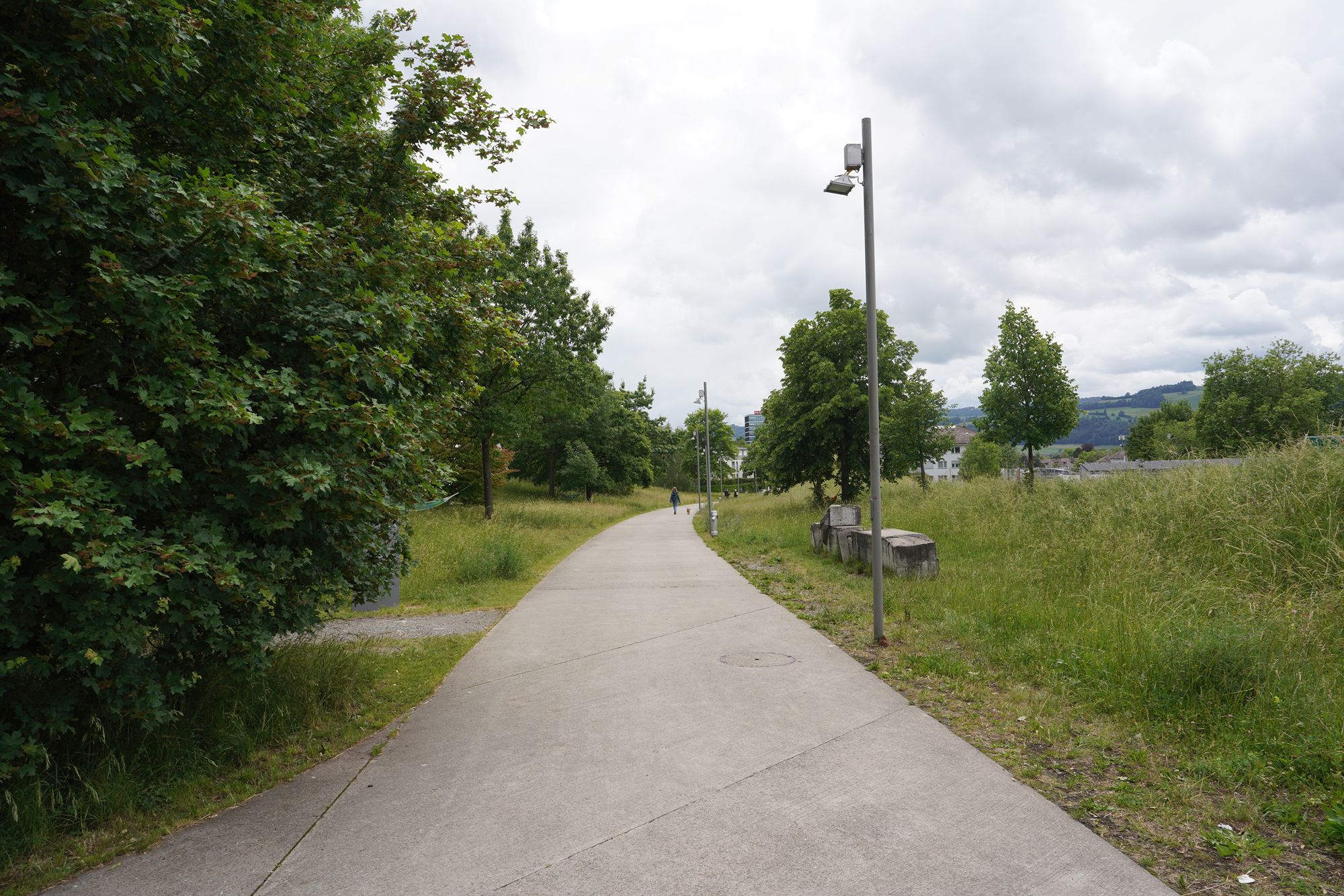
Zentrum Paul Klee
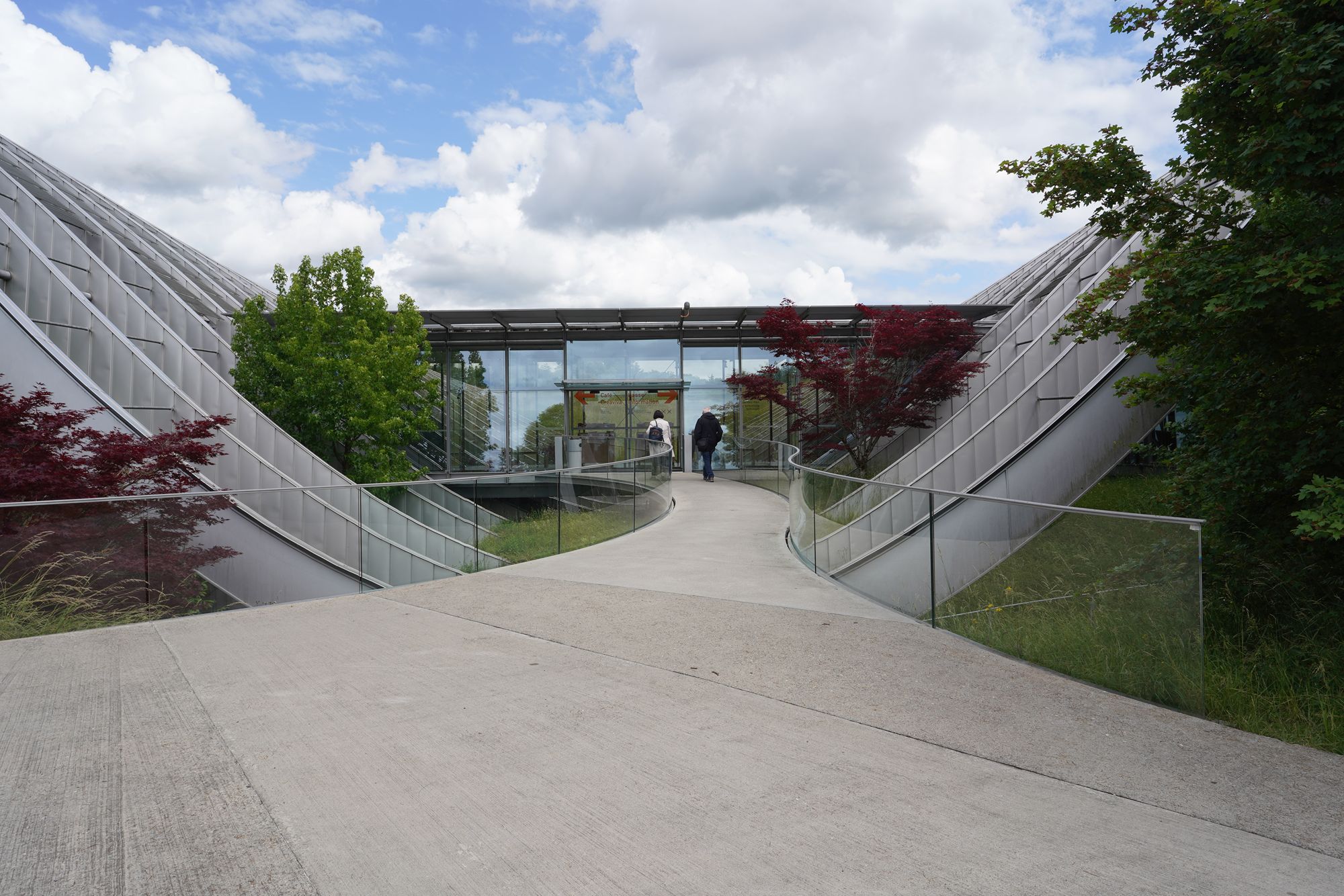
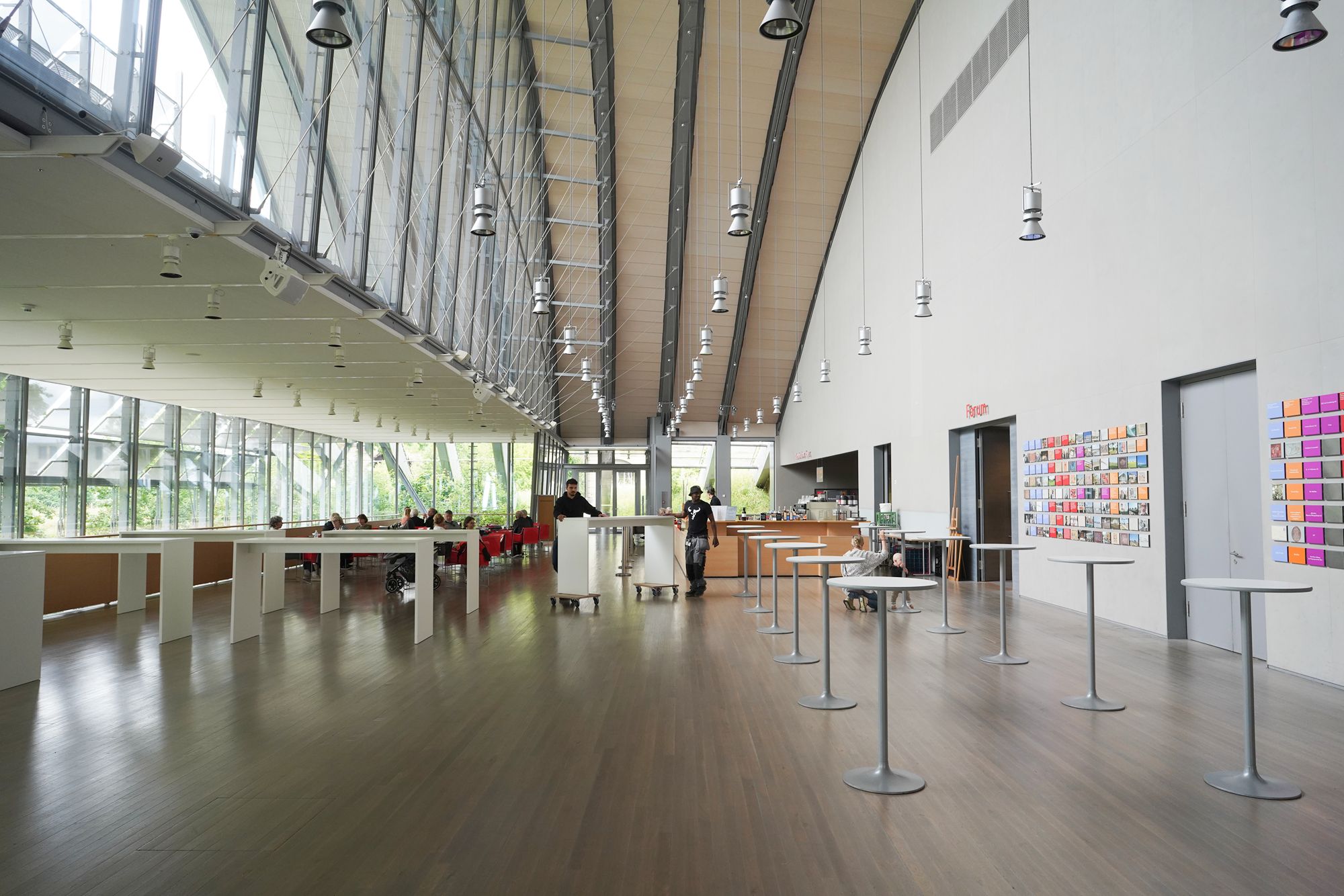
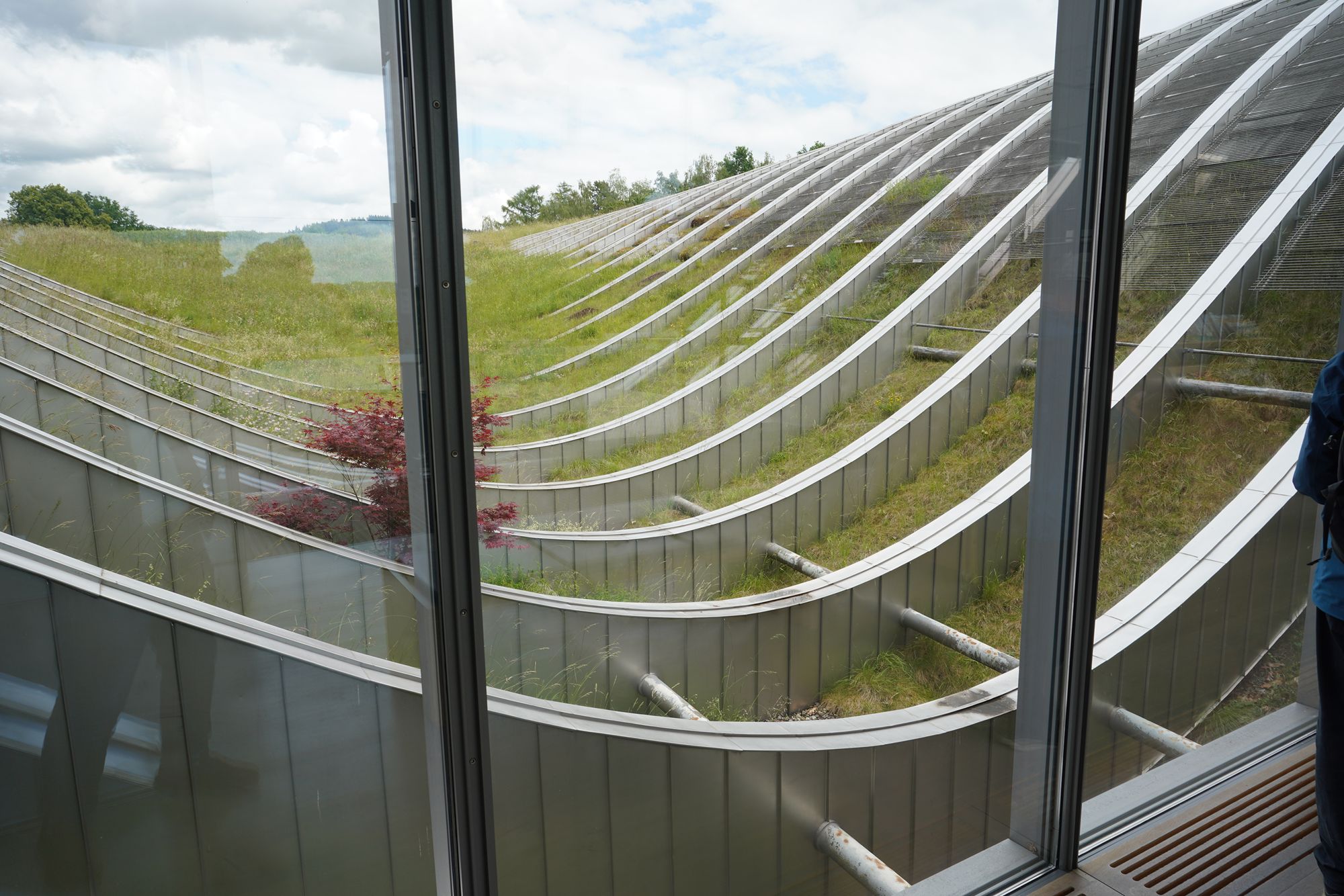
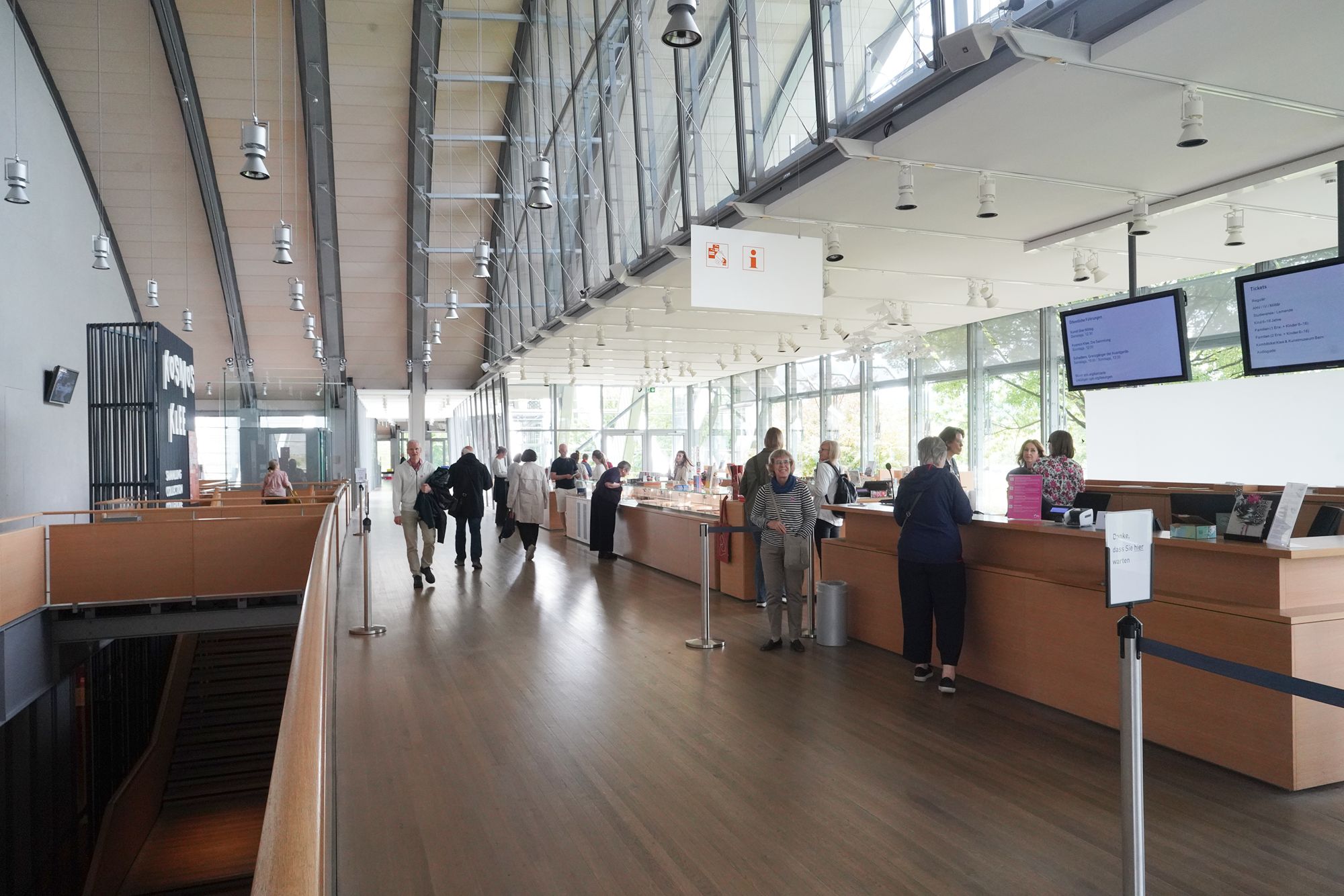
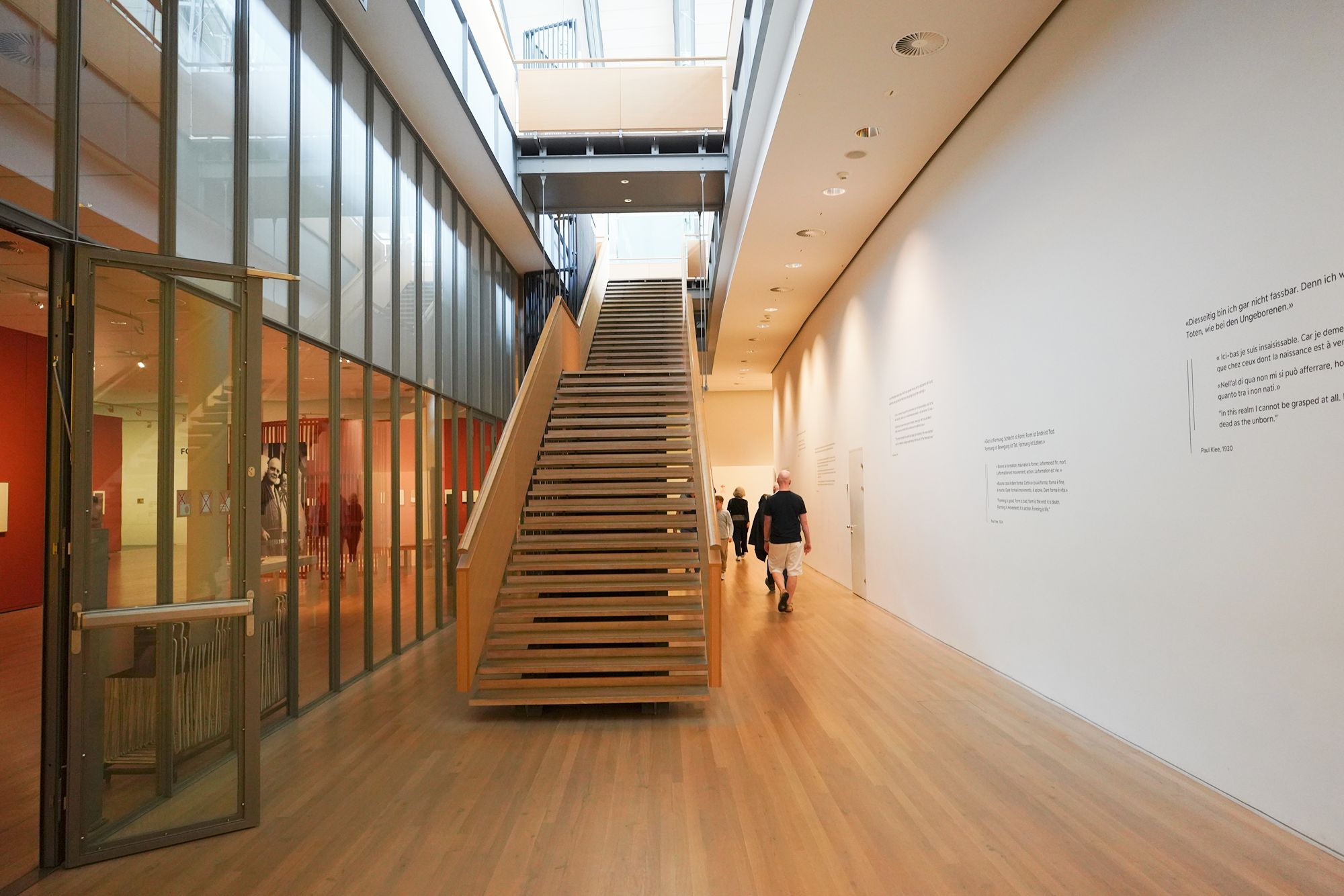
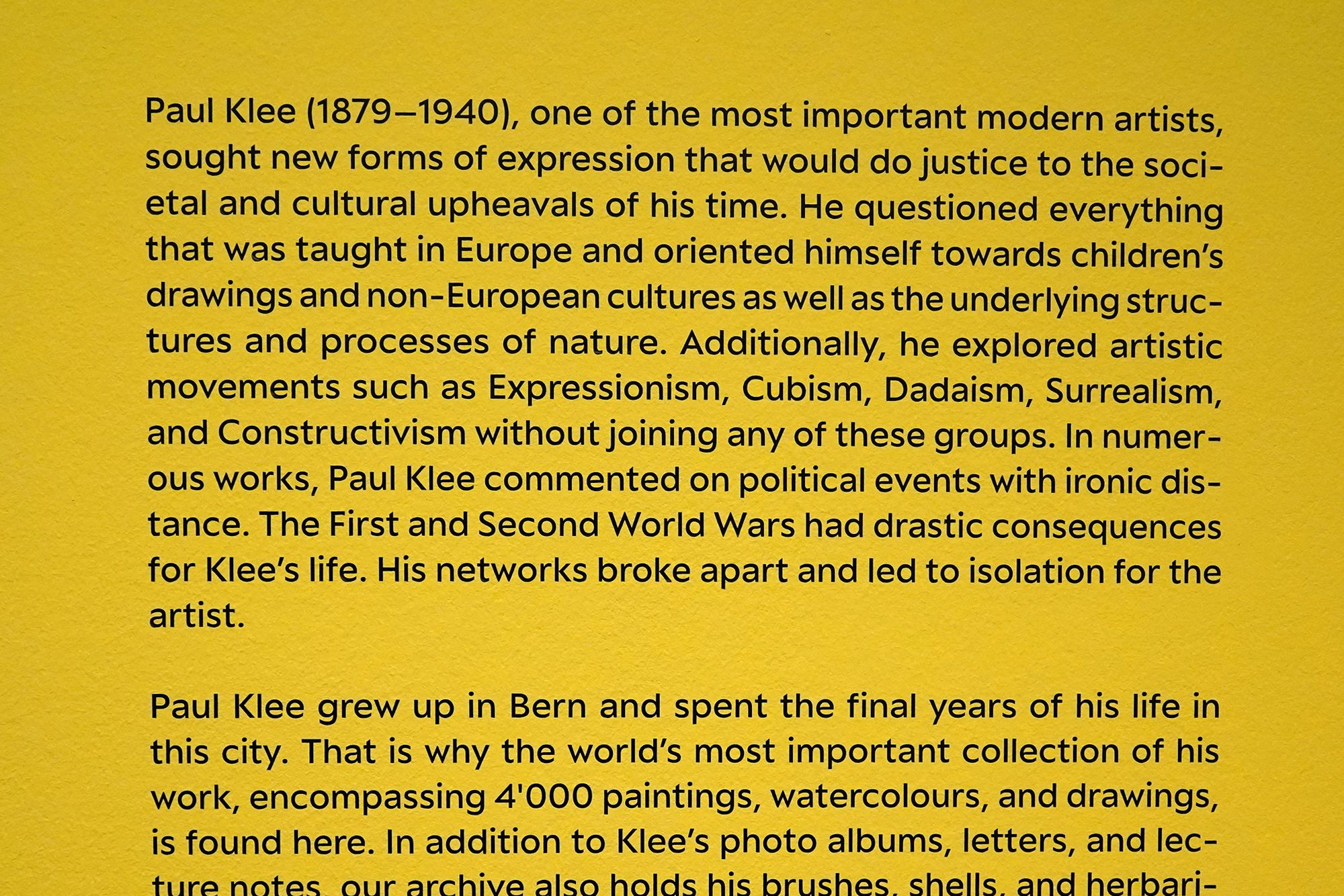
The Zentrum Paul Klee holds the world’s most important collection of Paul Klee’s work, with about 4,000 paintings, watercolors, and drawings, along with photographs, letters, lecture notes, and personal materials.
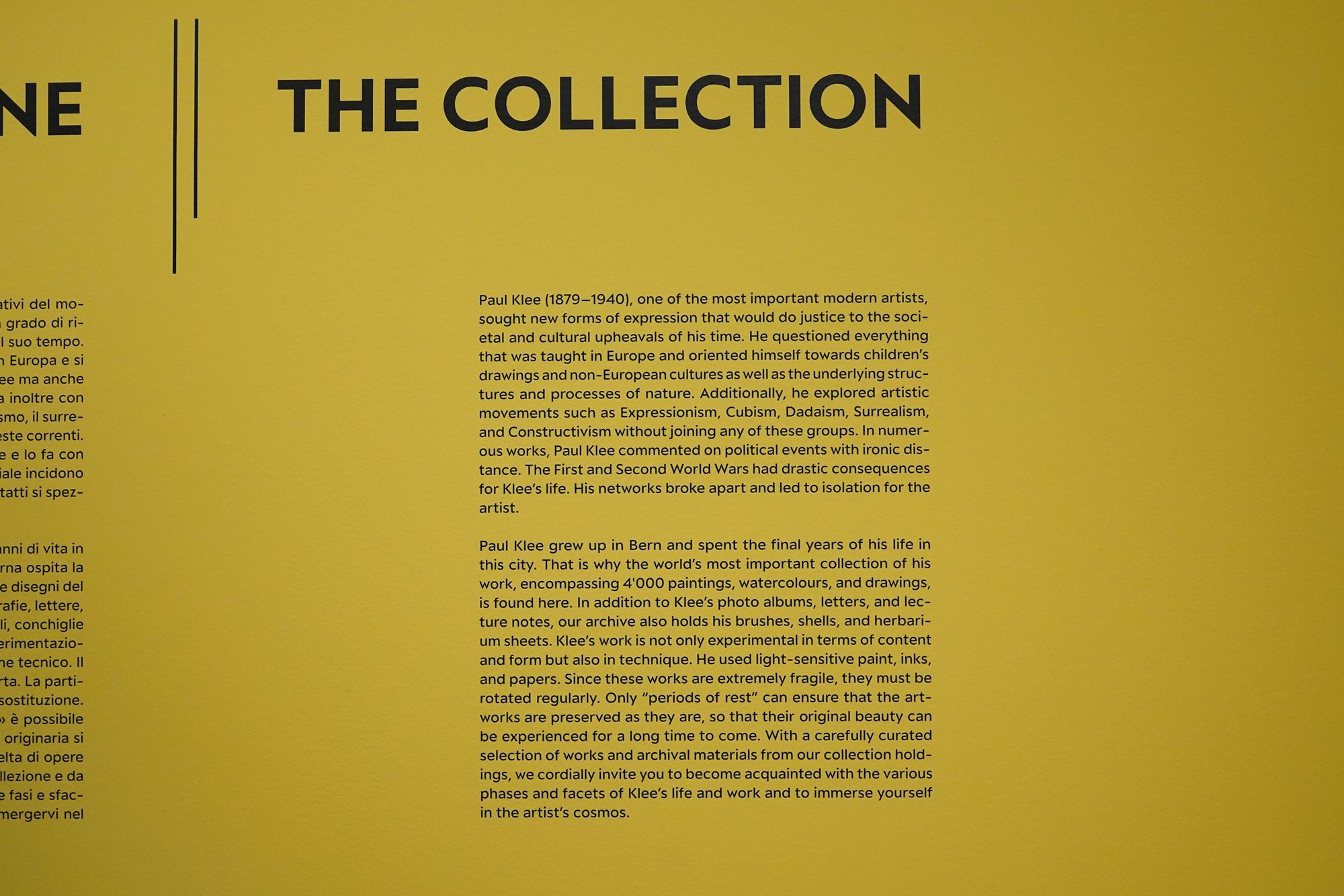
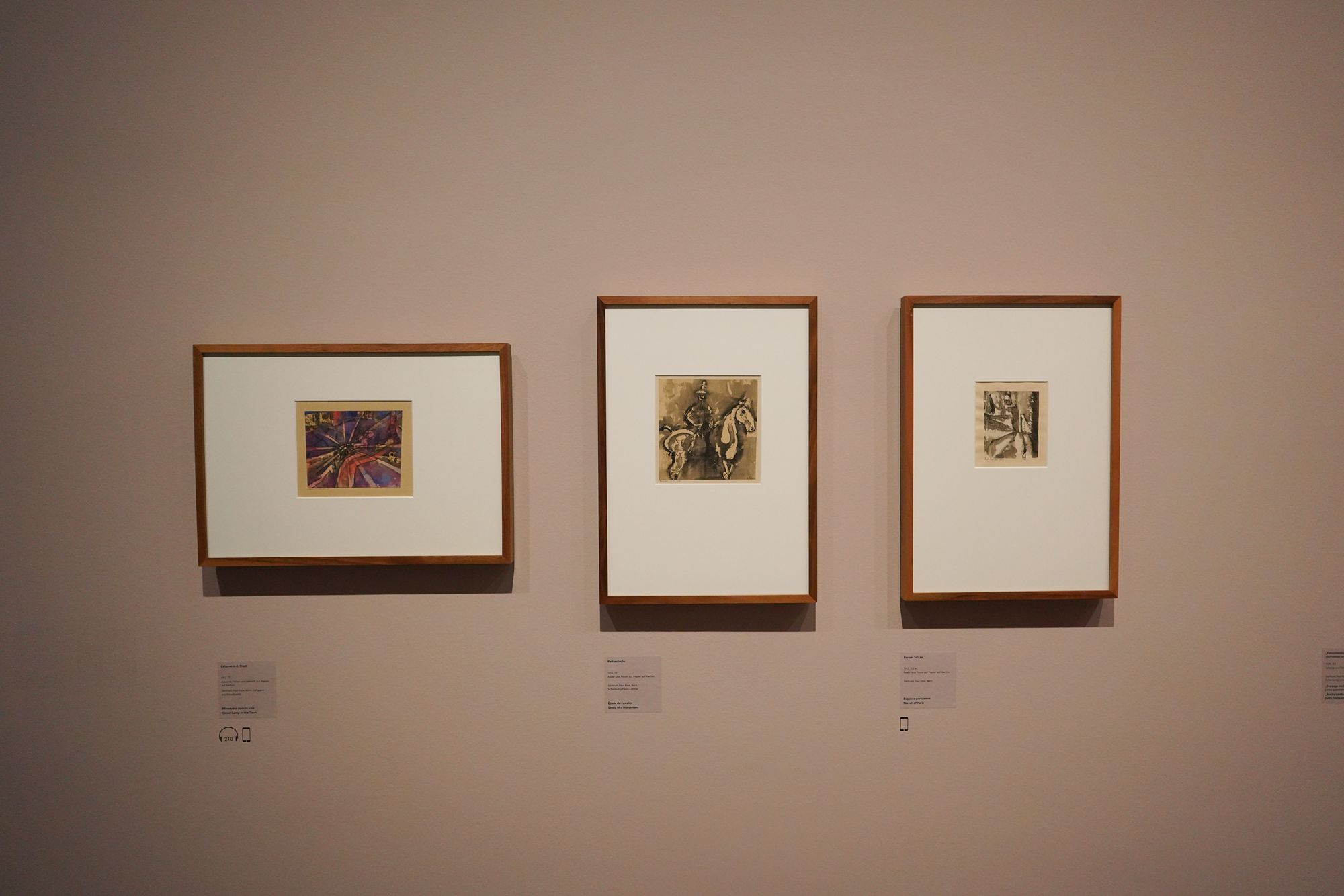
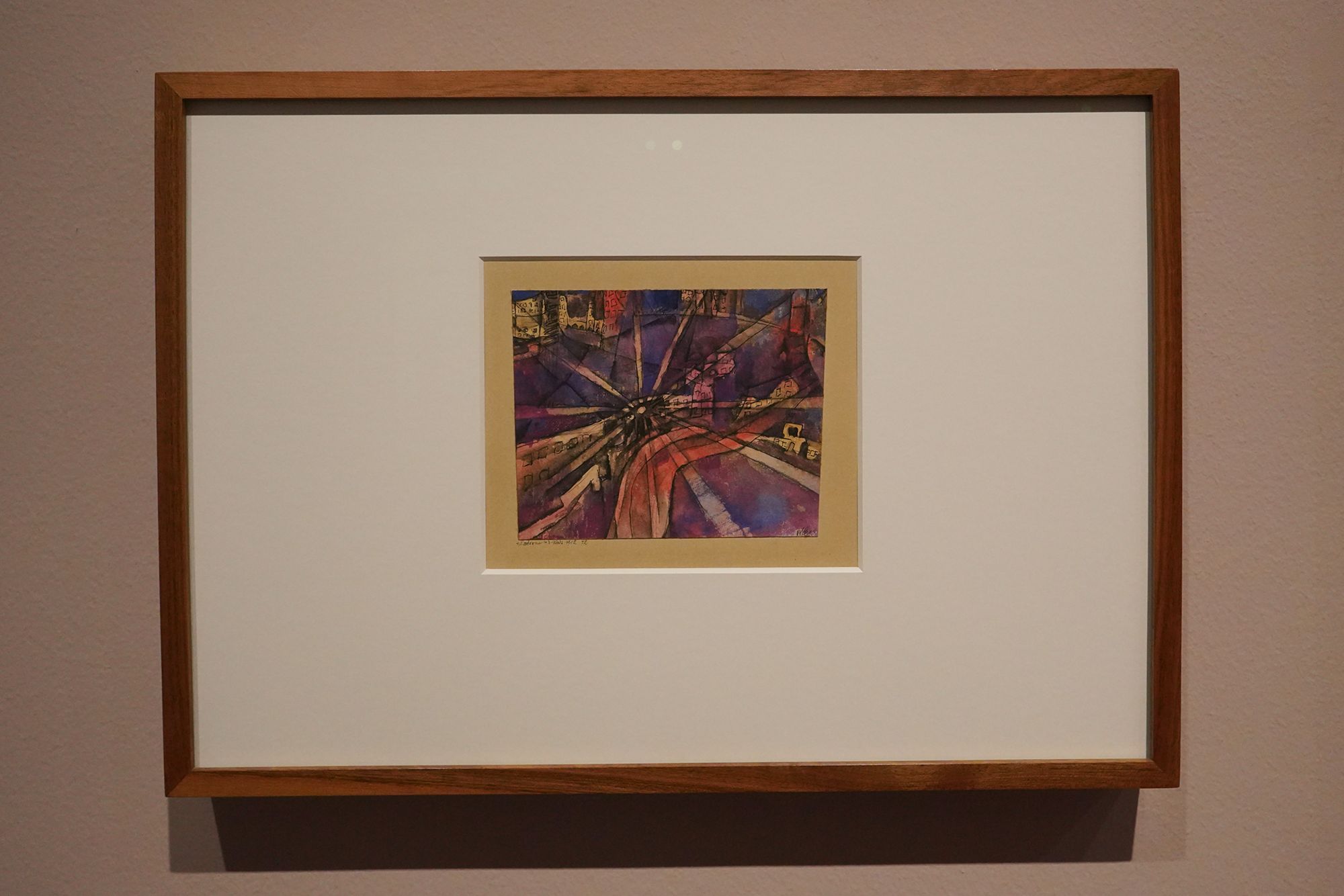
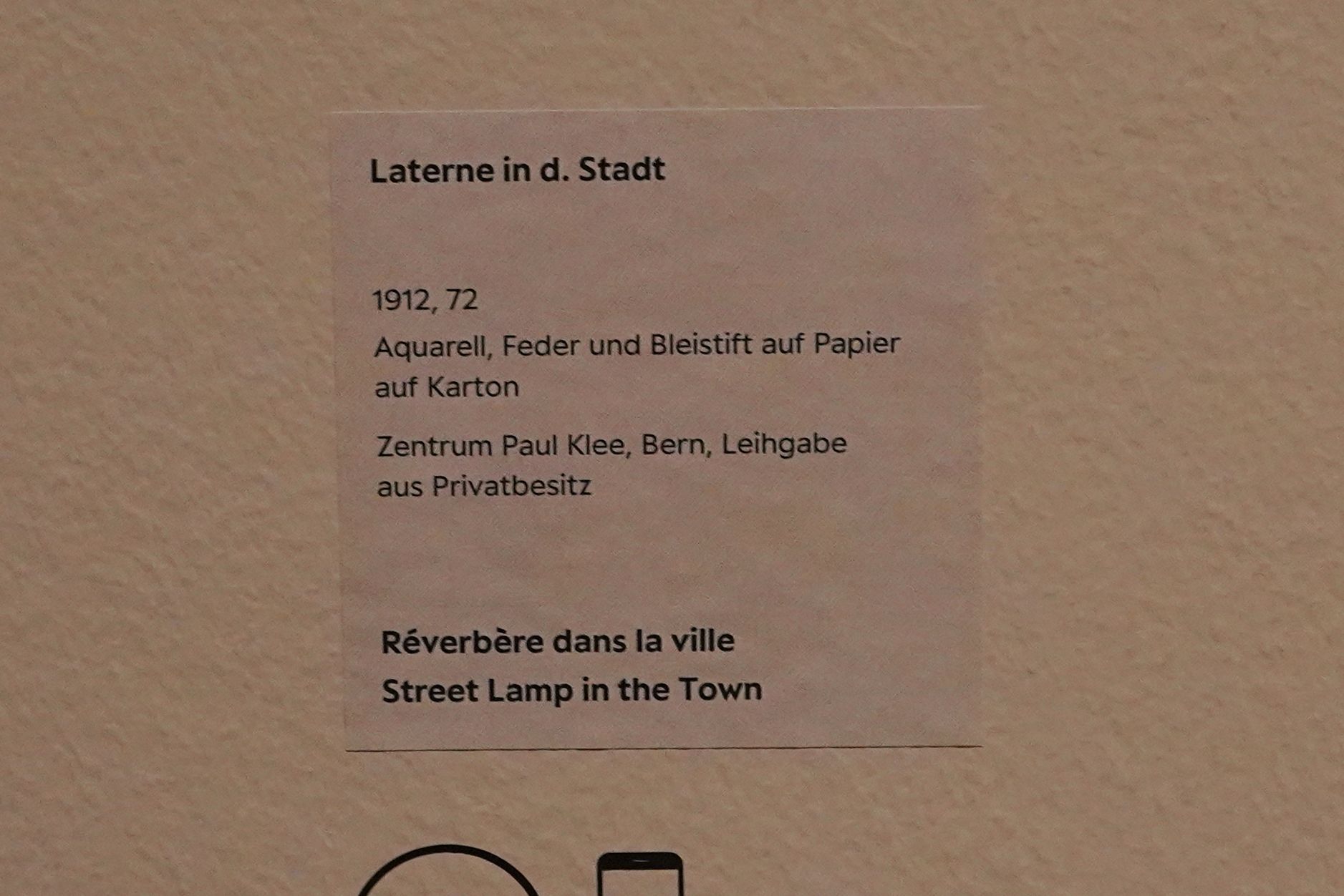
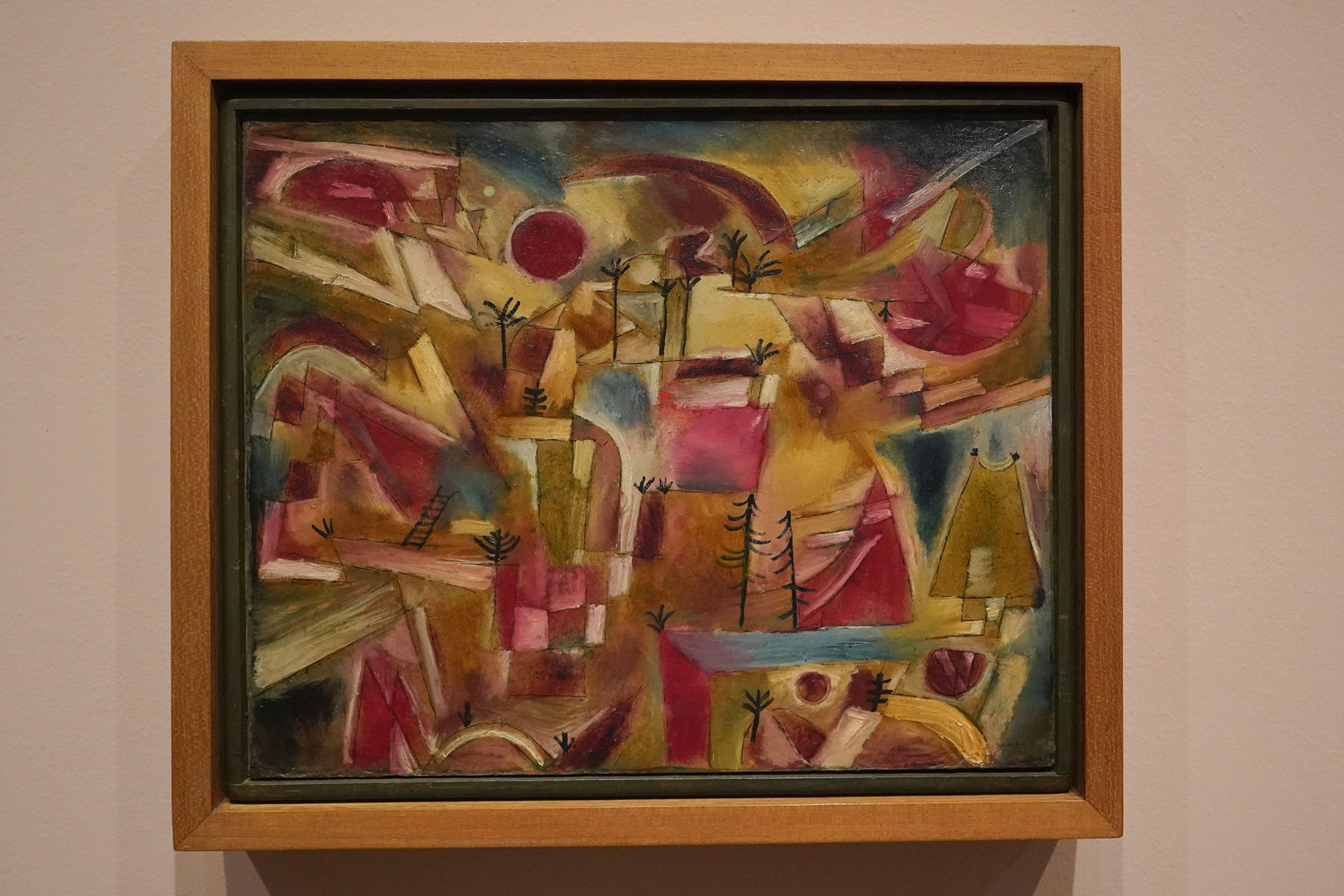
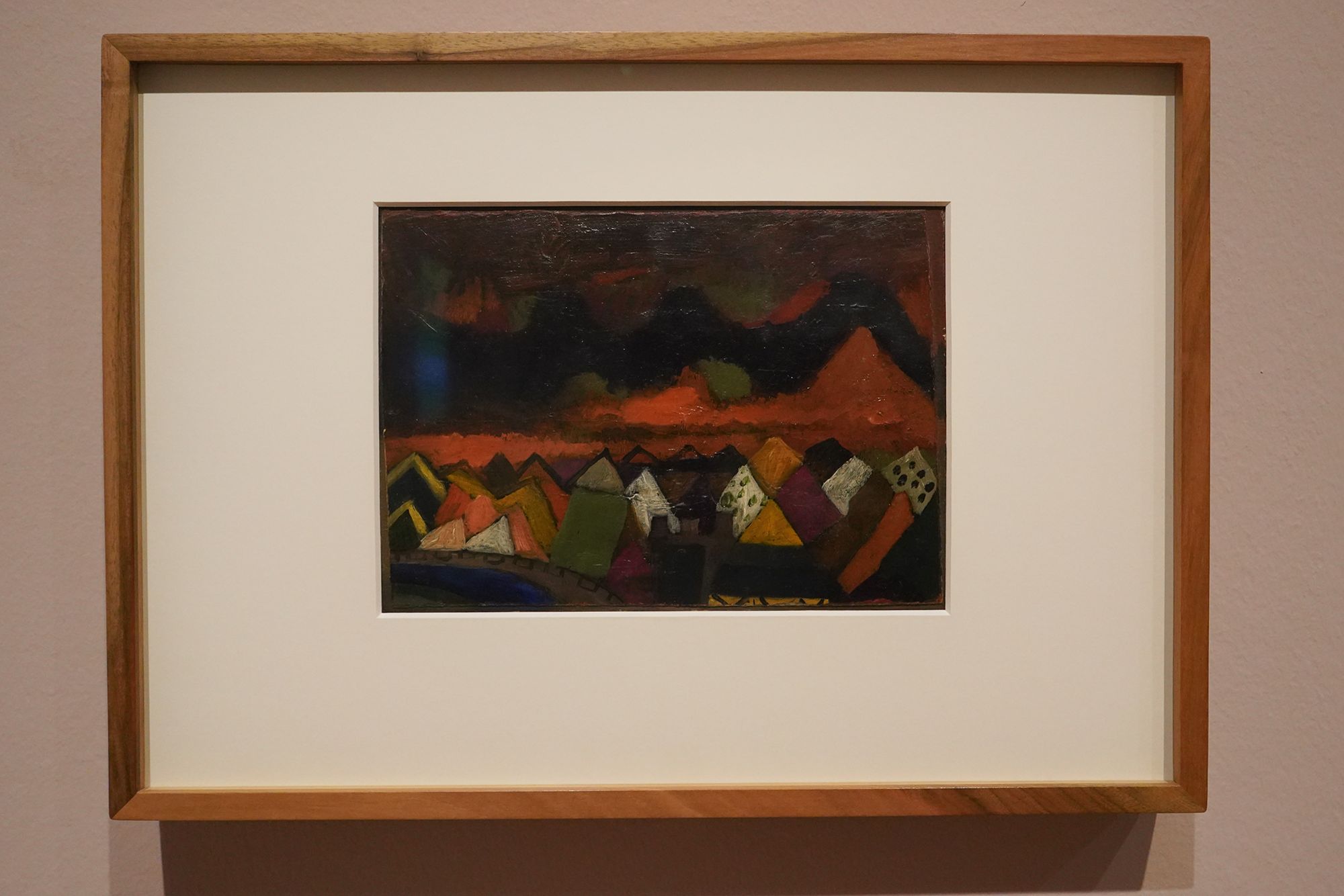
Klee grew up in Bern and returned to the city for the final years of his life. His art drew from many influences, including Expressionism, Cubism, Dadaism, Surrealism, Constructivism, children’s drawings, nature, and non-European cultures. Because many of his works are extremely fragile and sensitive to light, they cannot remain on permanent display and must be rotated regularly.
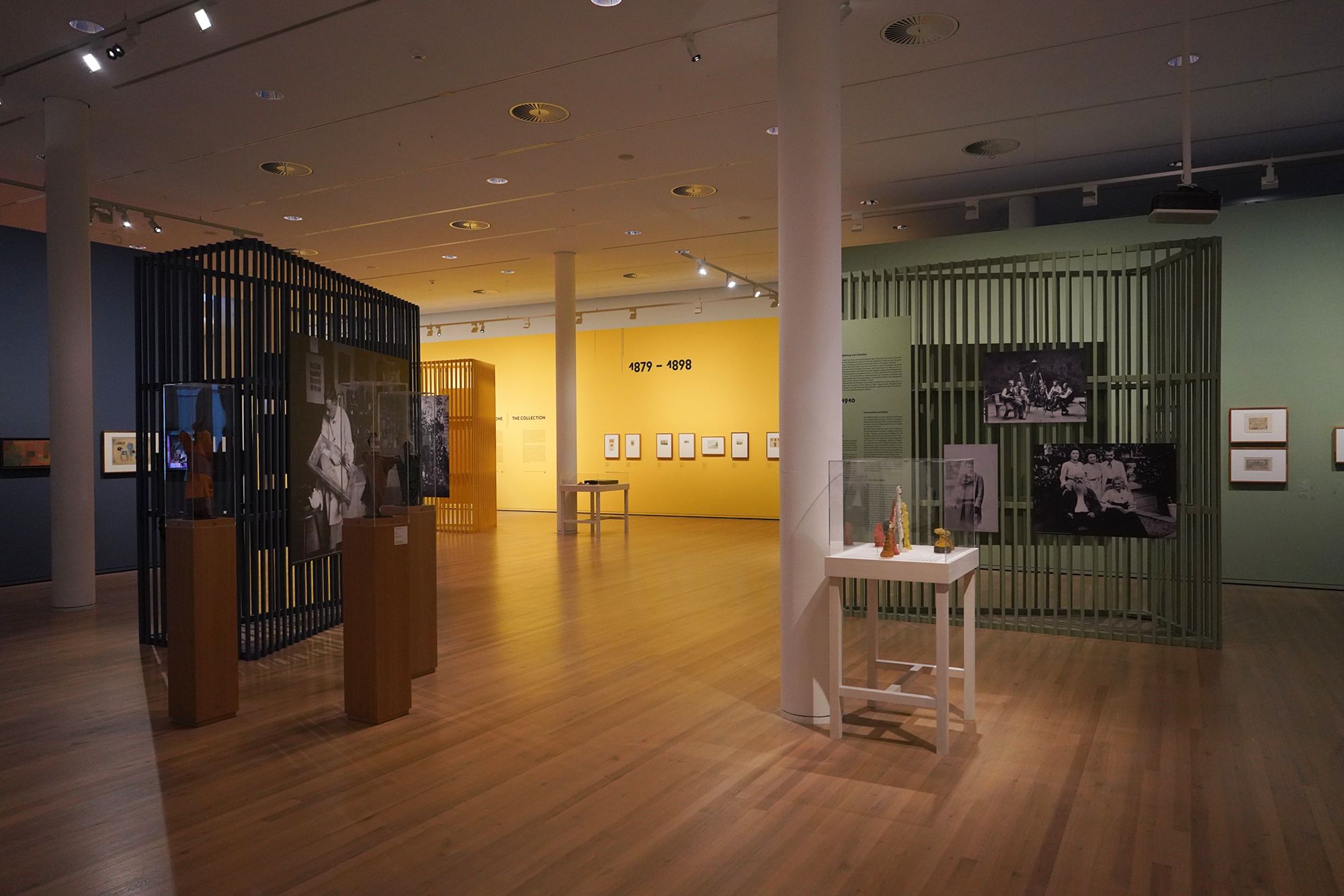
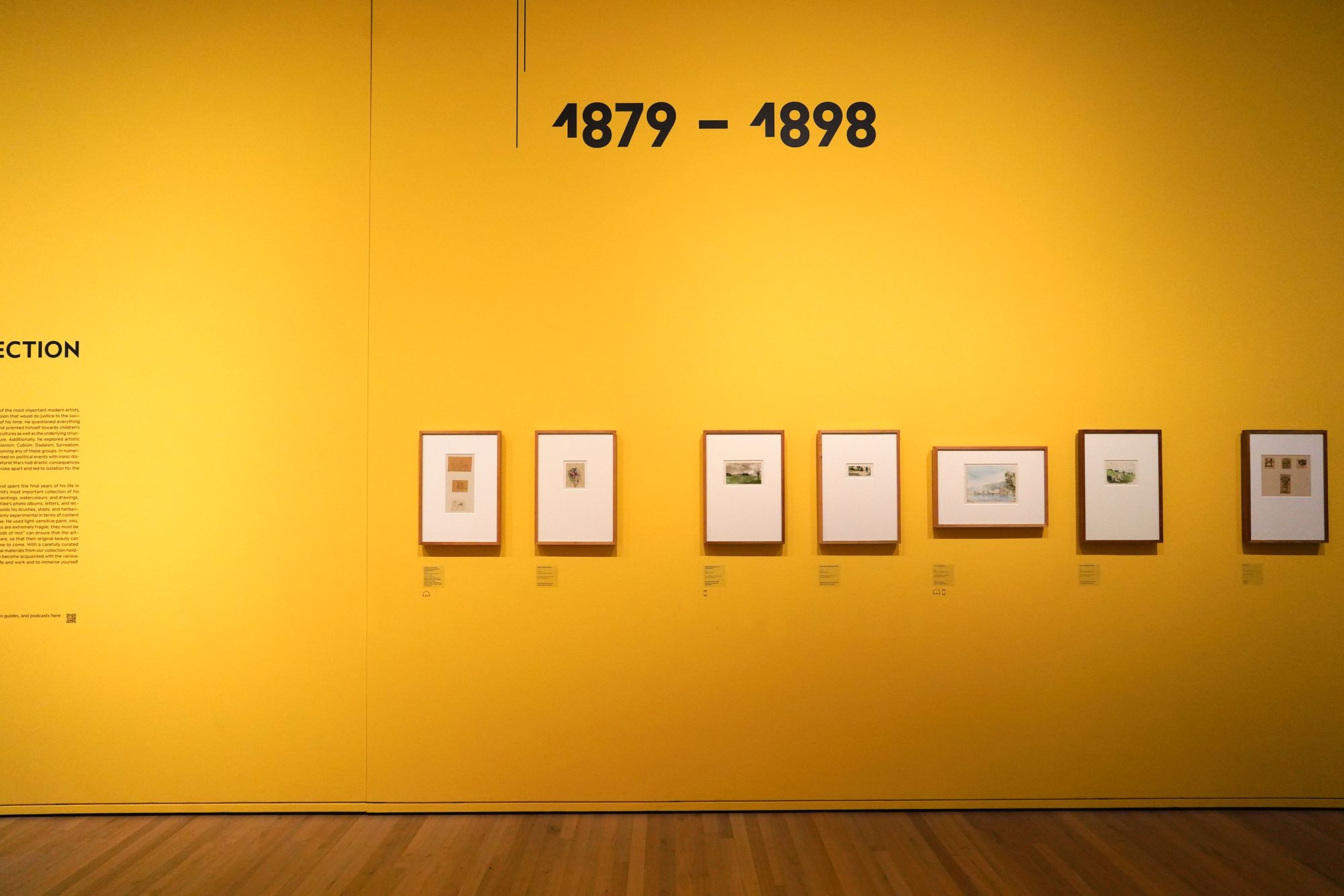
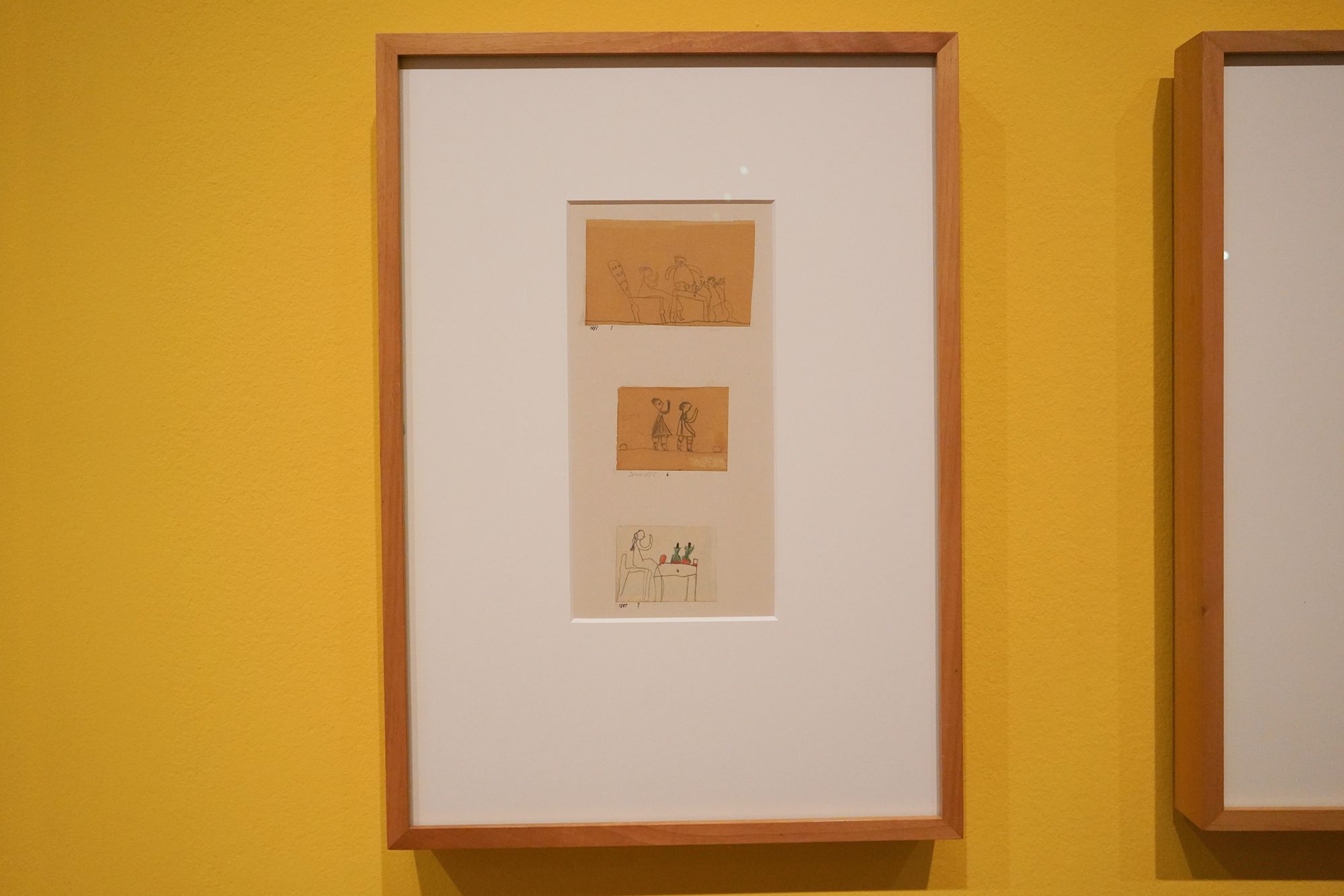
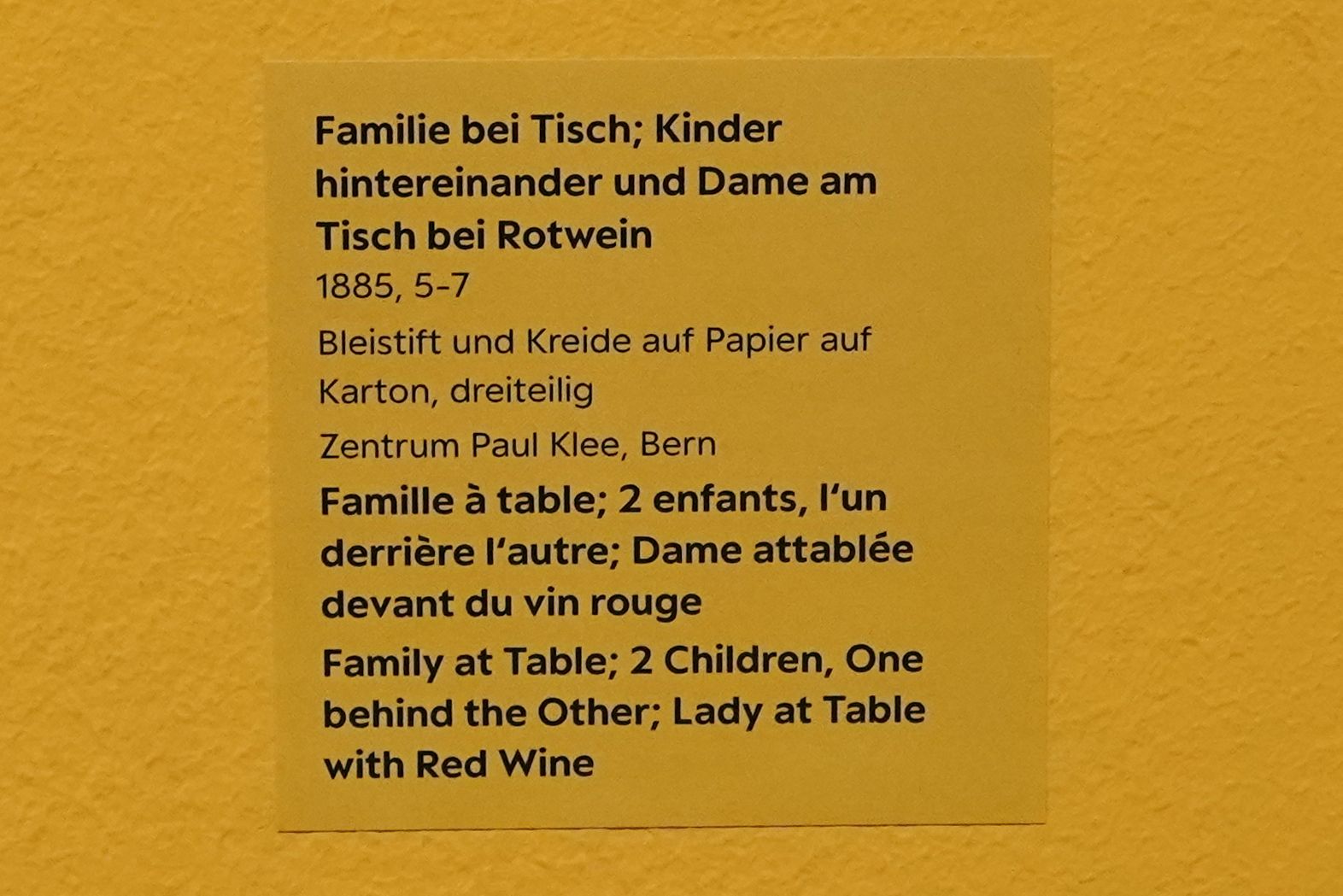
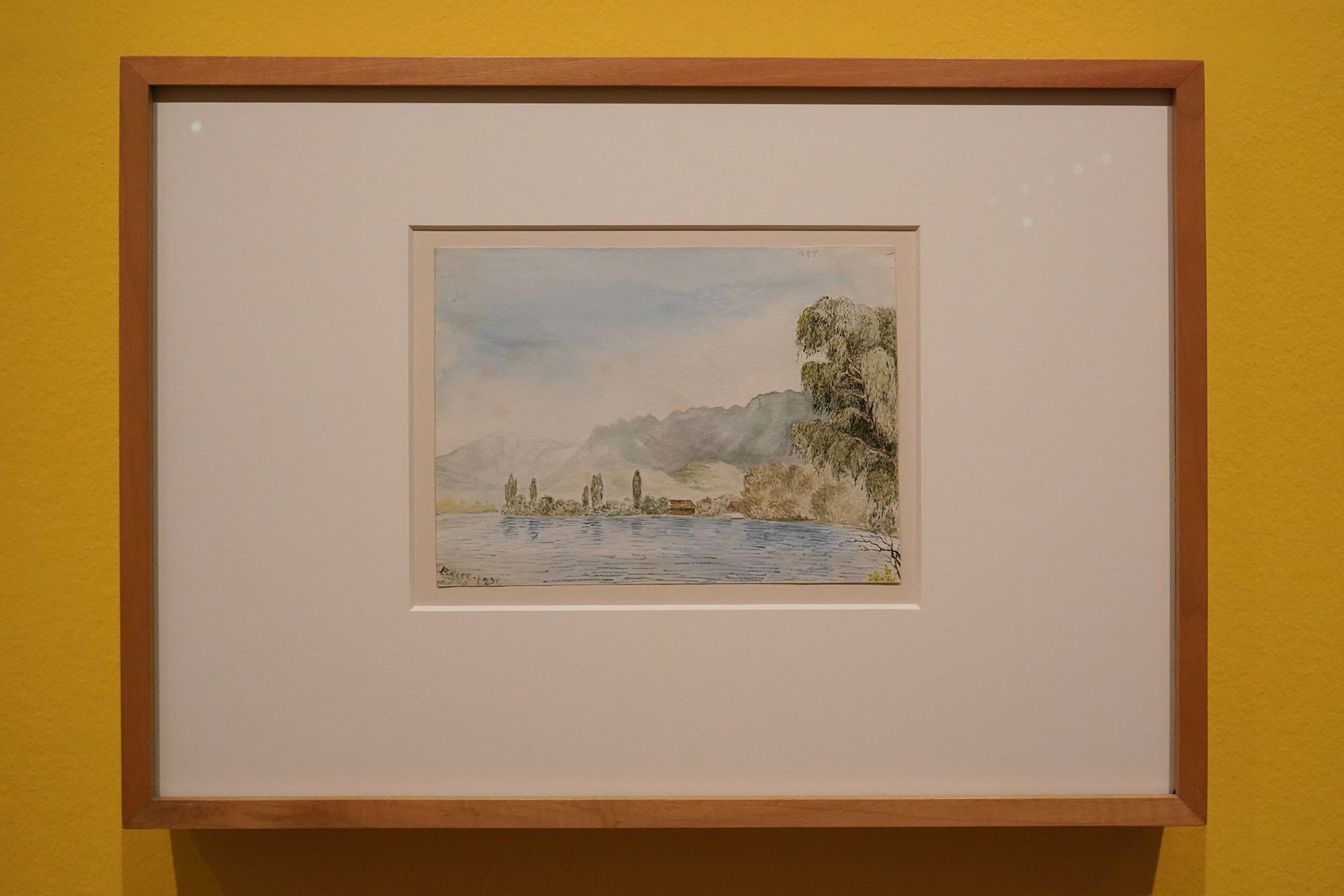
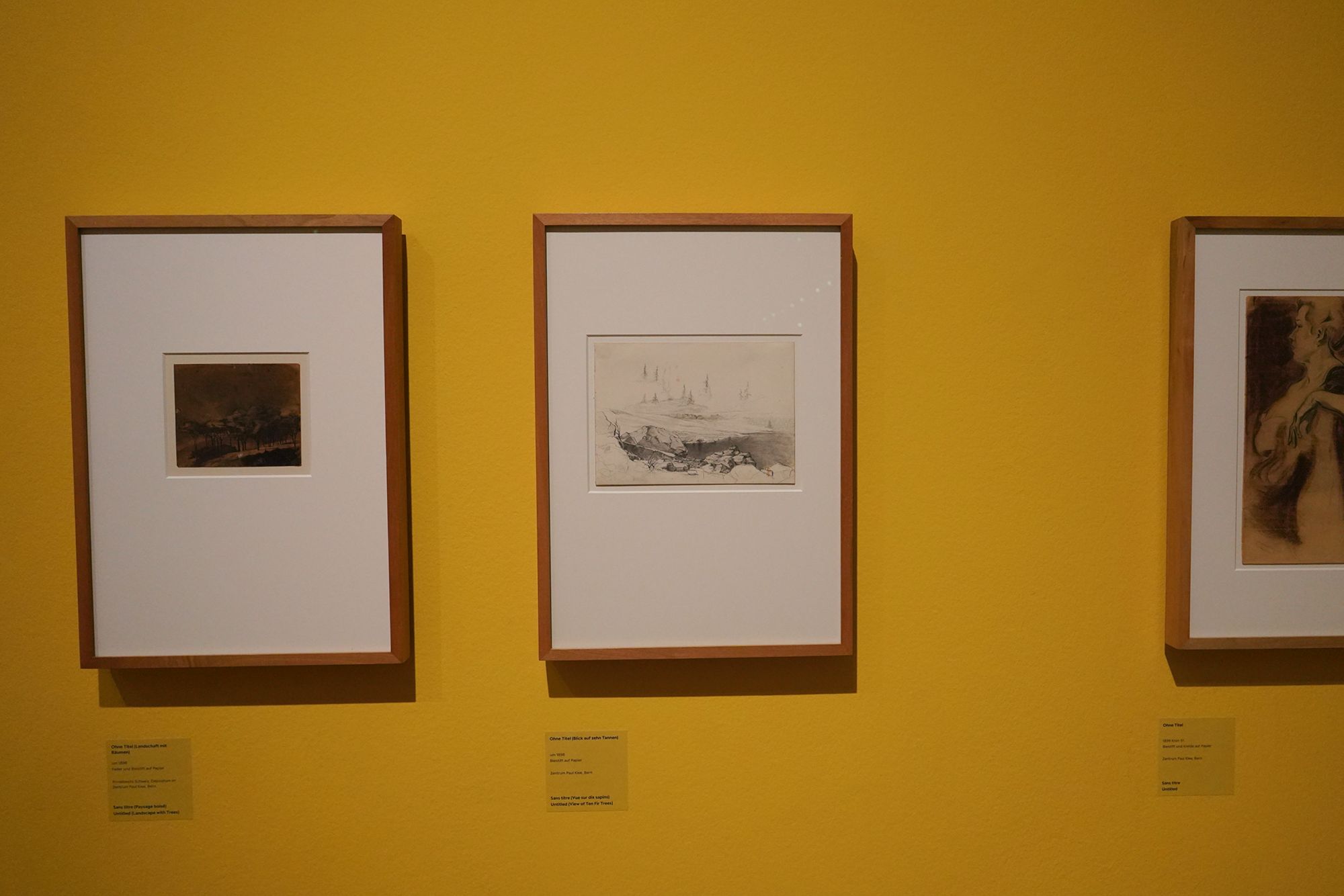
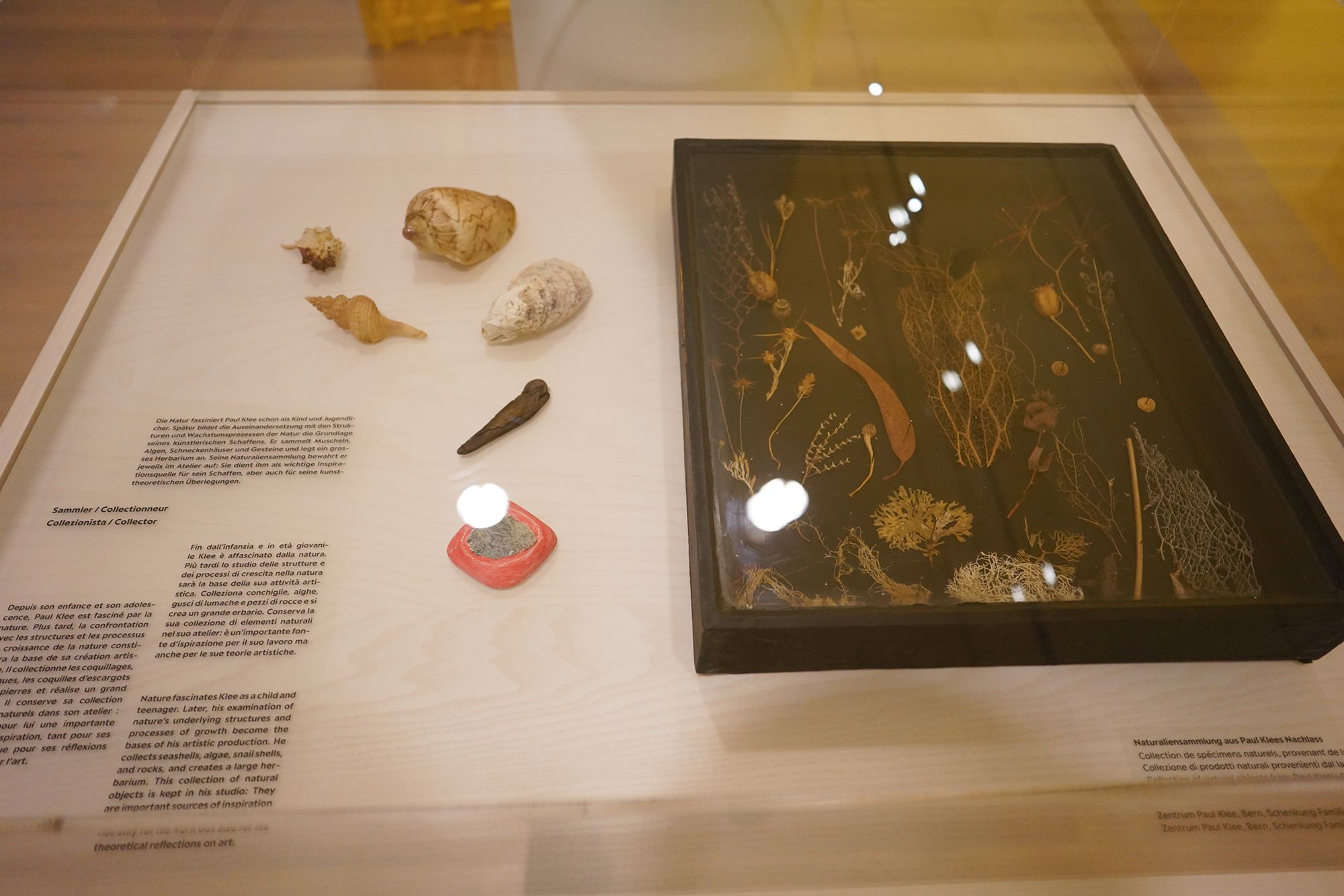
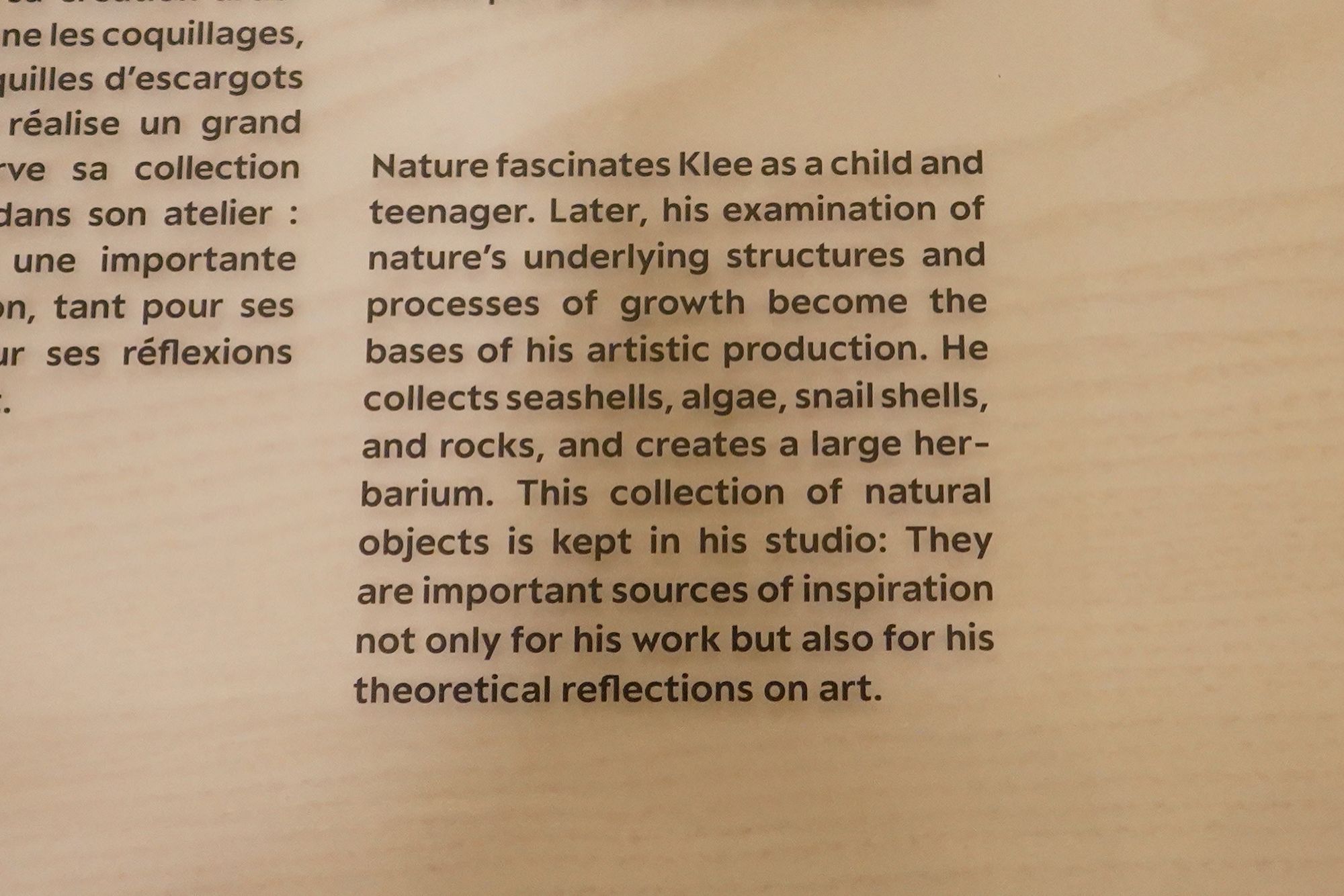
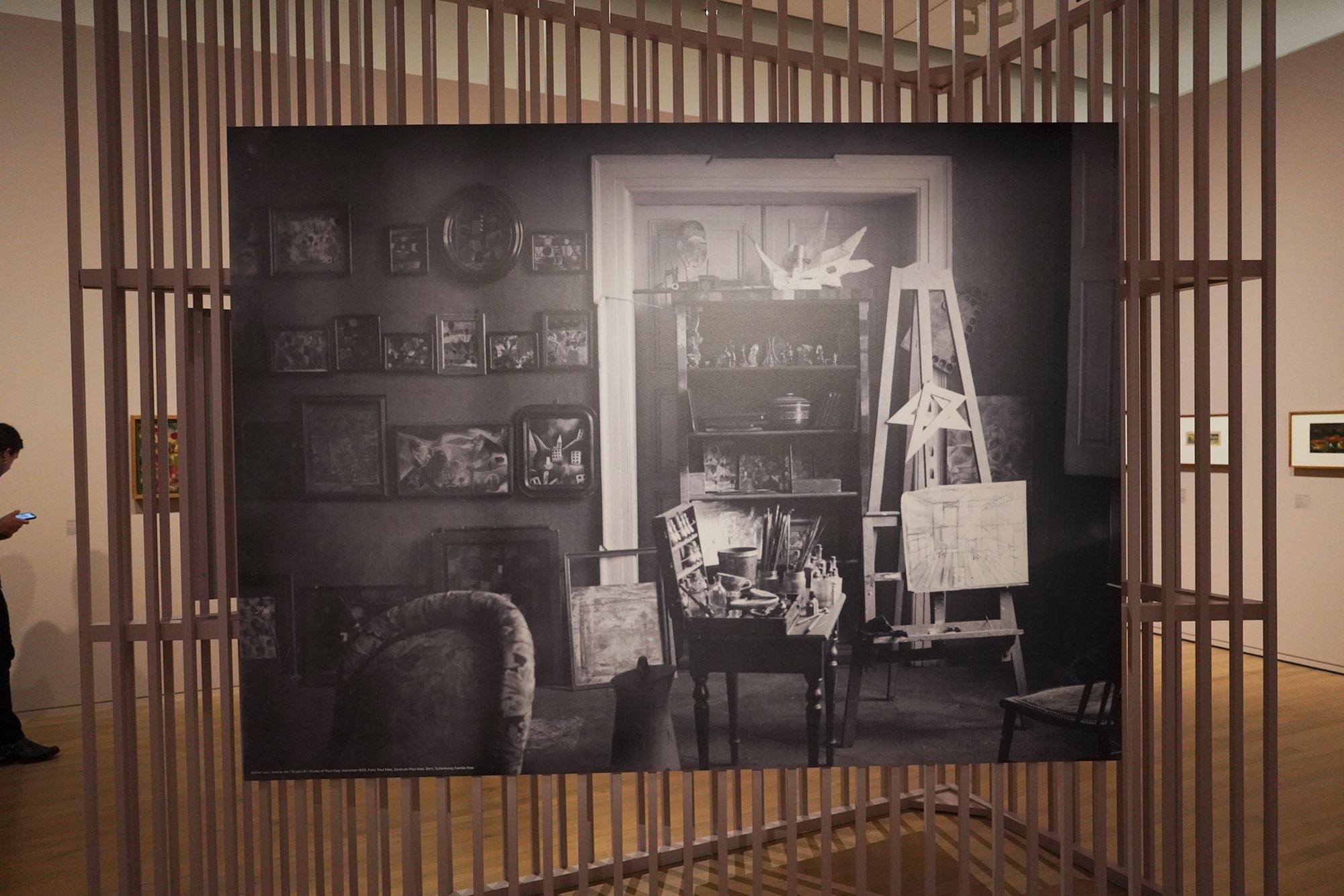
Nature was an important source of inspiration for Paul Klee from childhood. He studied natural forms and the processes of growth, collecting seashells, algae, snail shells, rocks, and plants for his studio. These objects influenced both his artwork and his ideas about how patterns and structures in nature could be expressed through art.
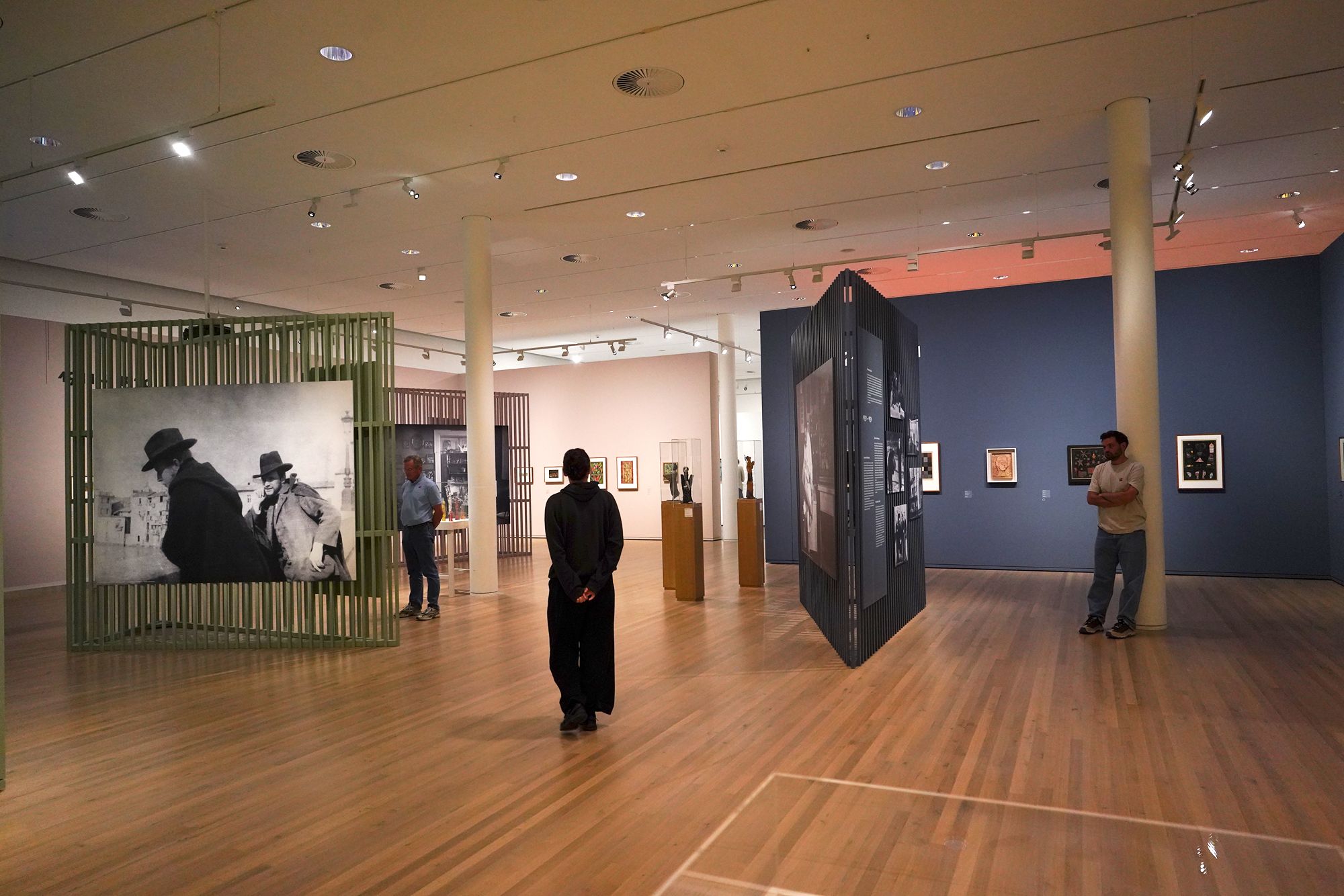
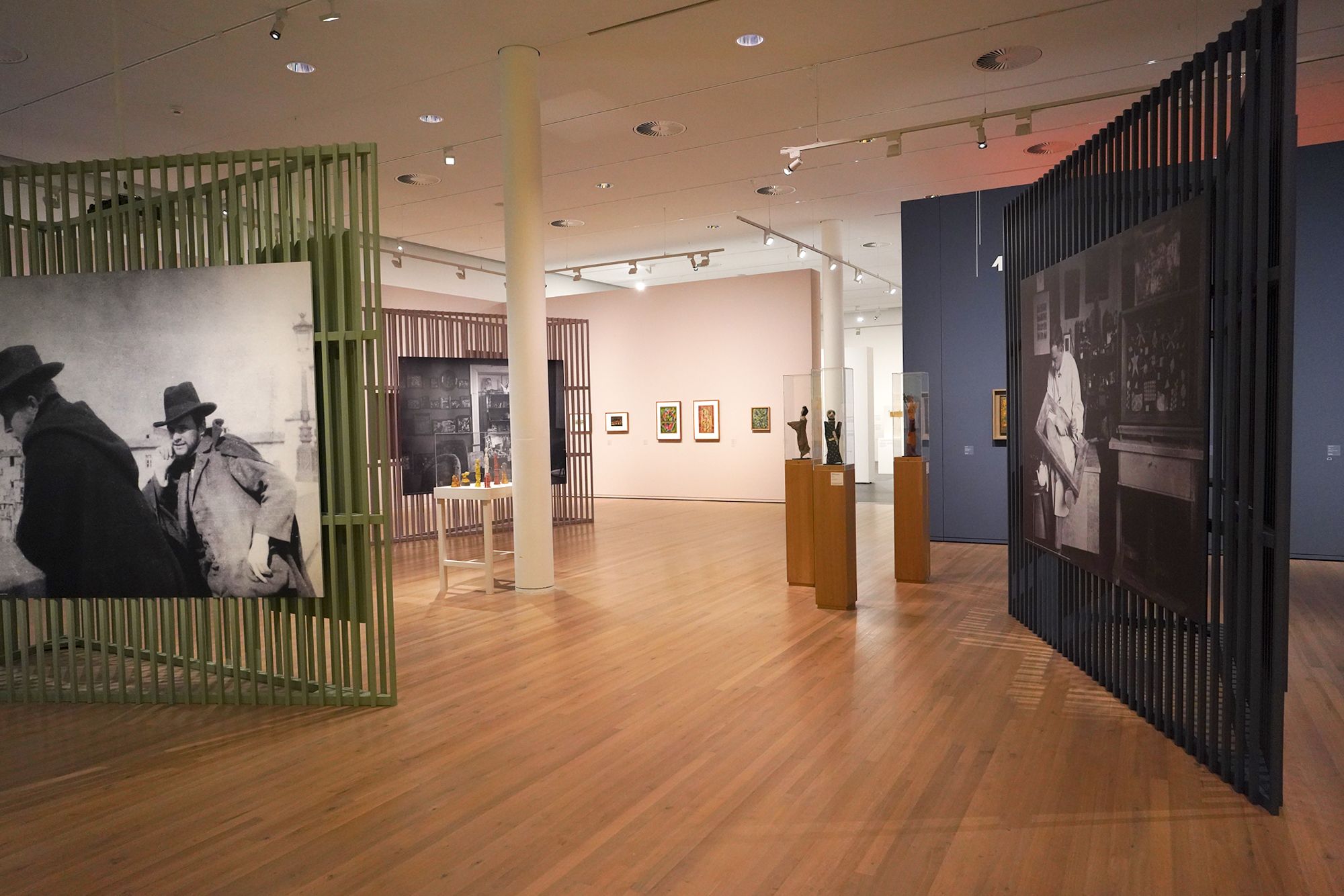
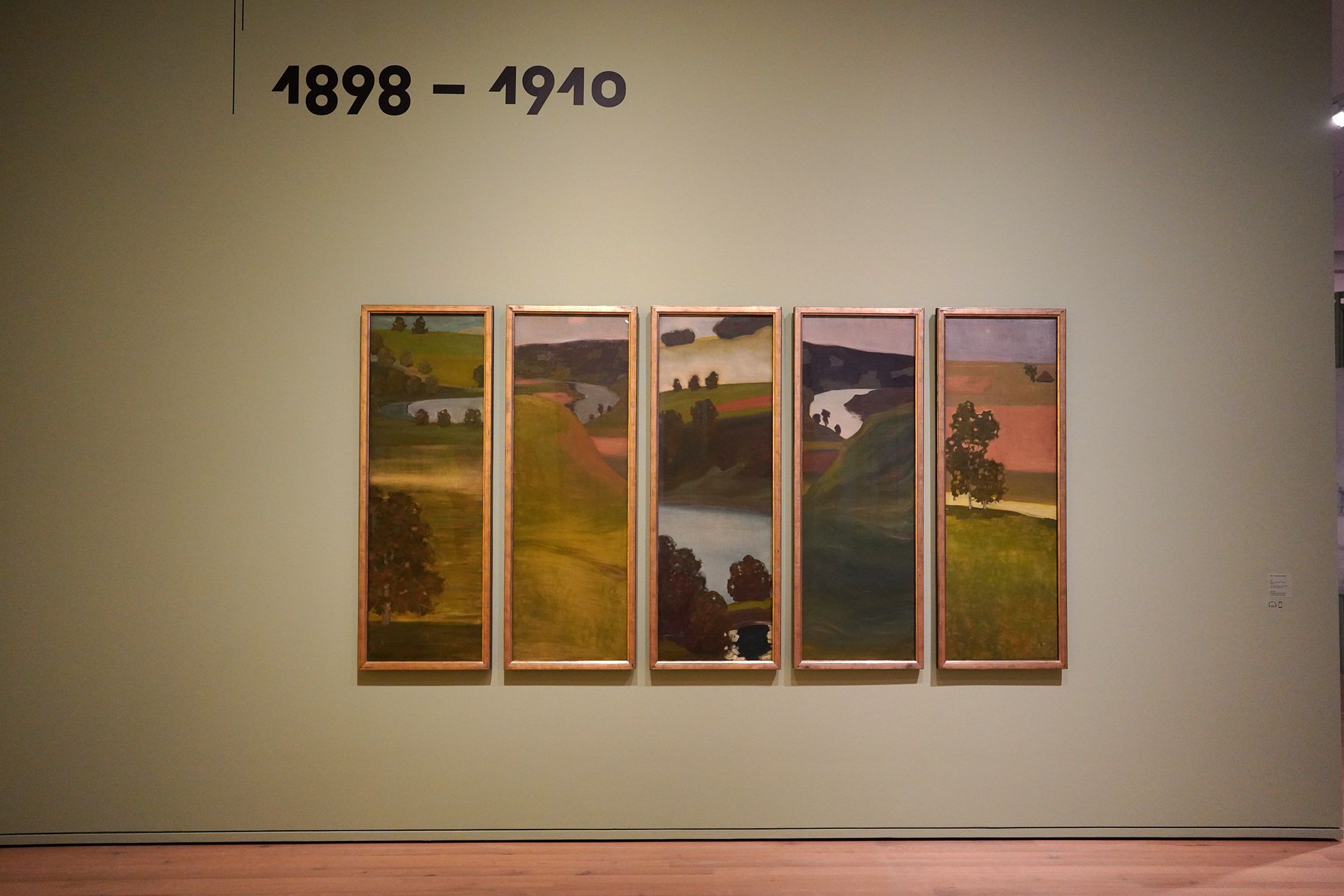
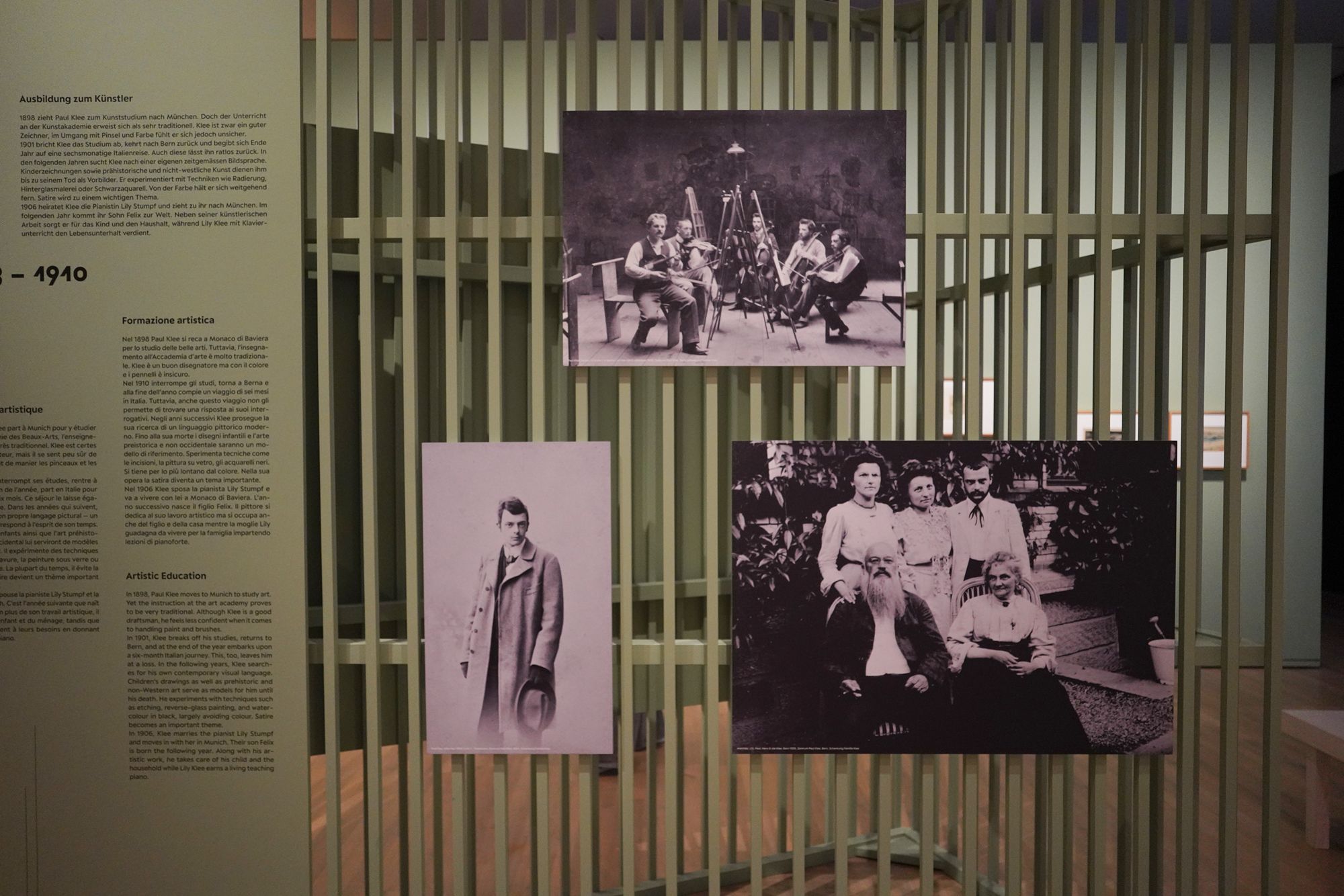
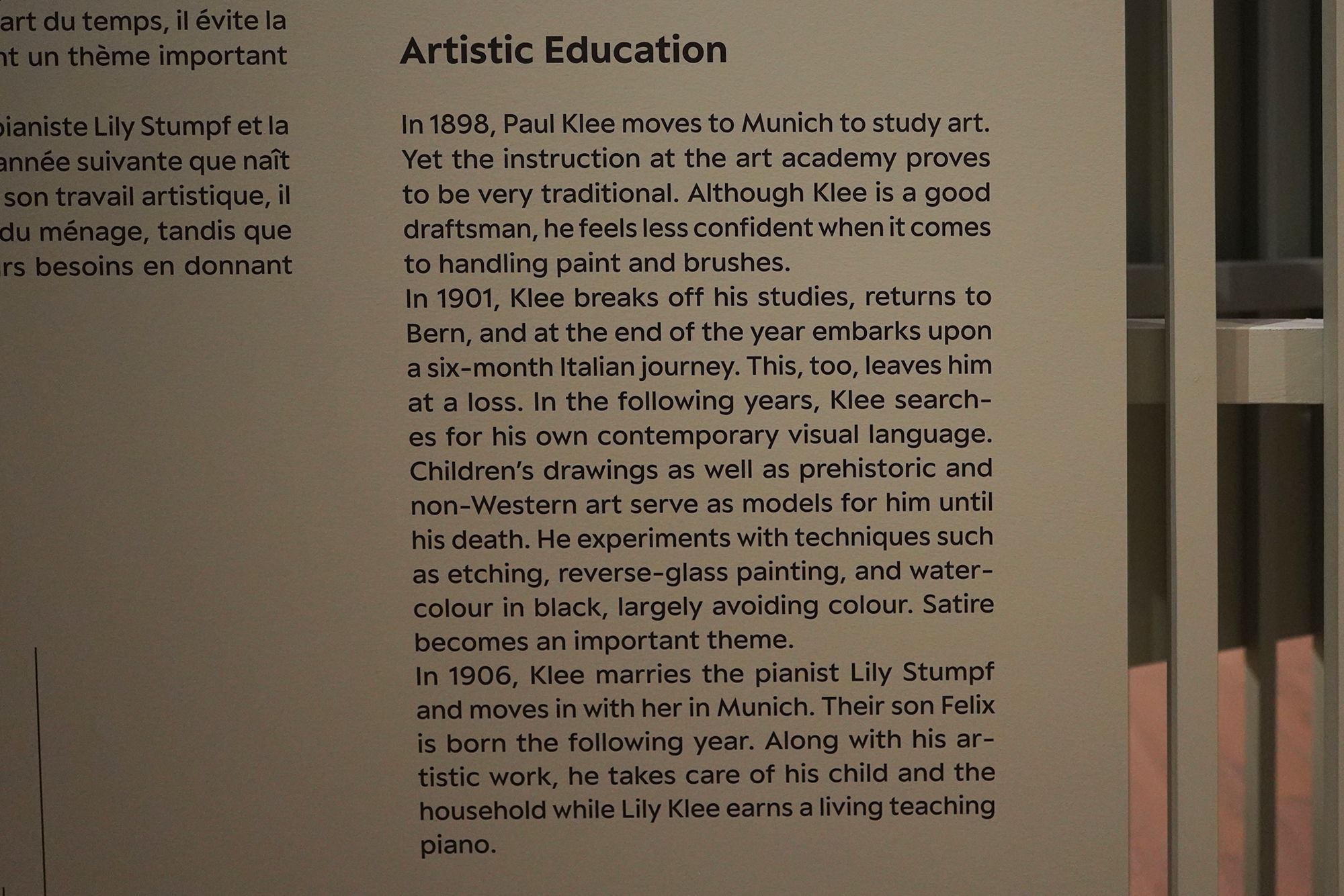
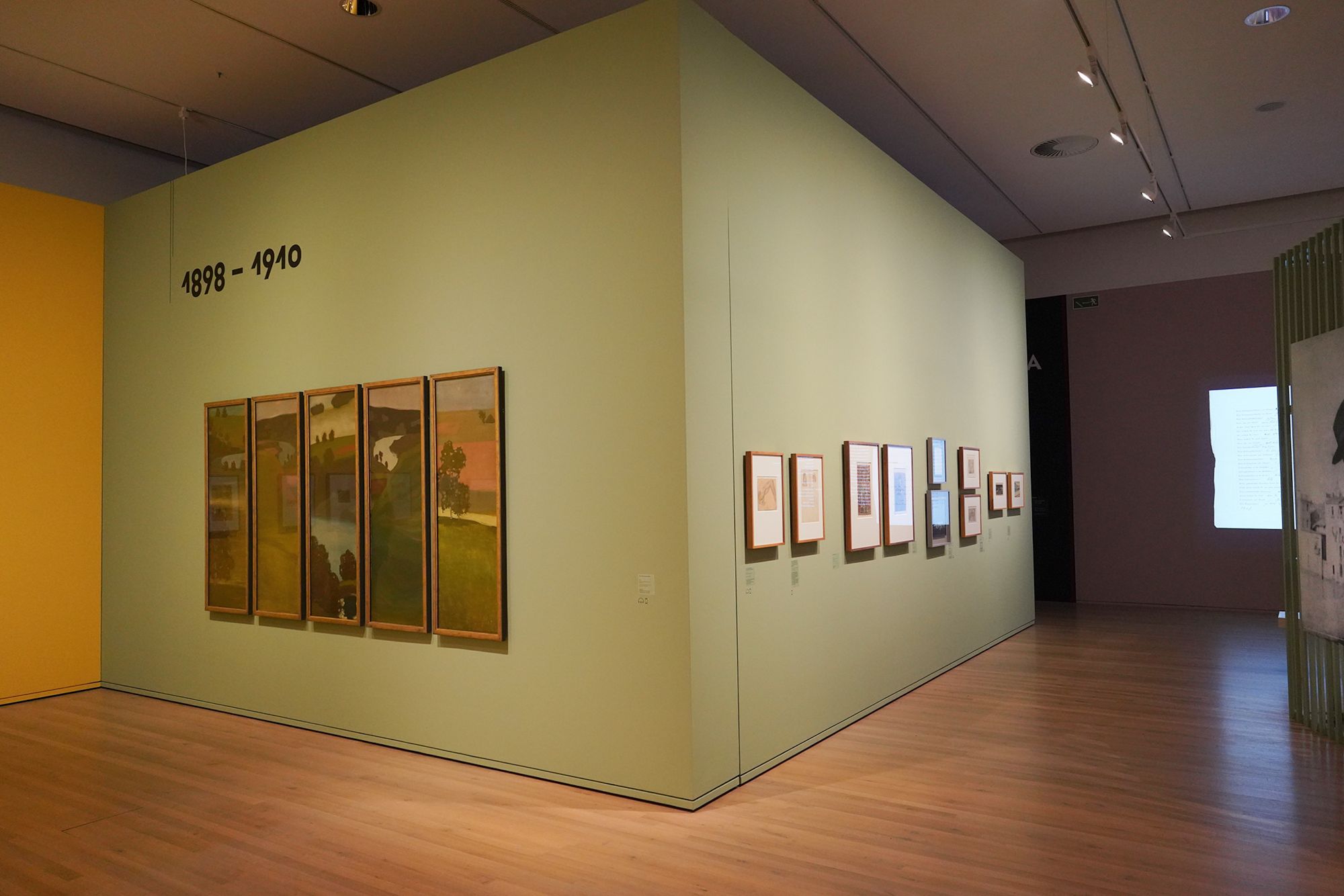
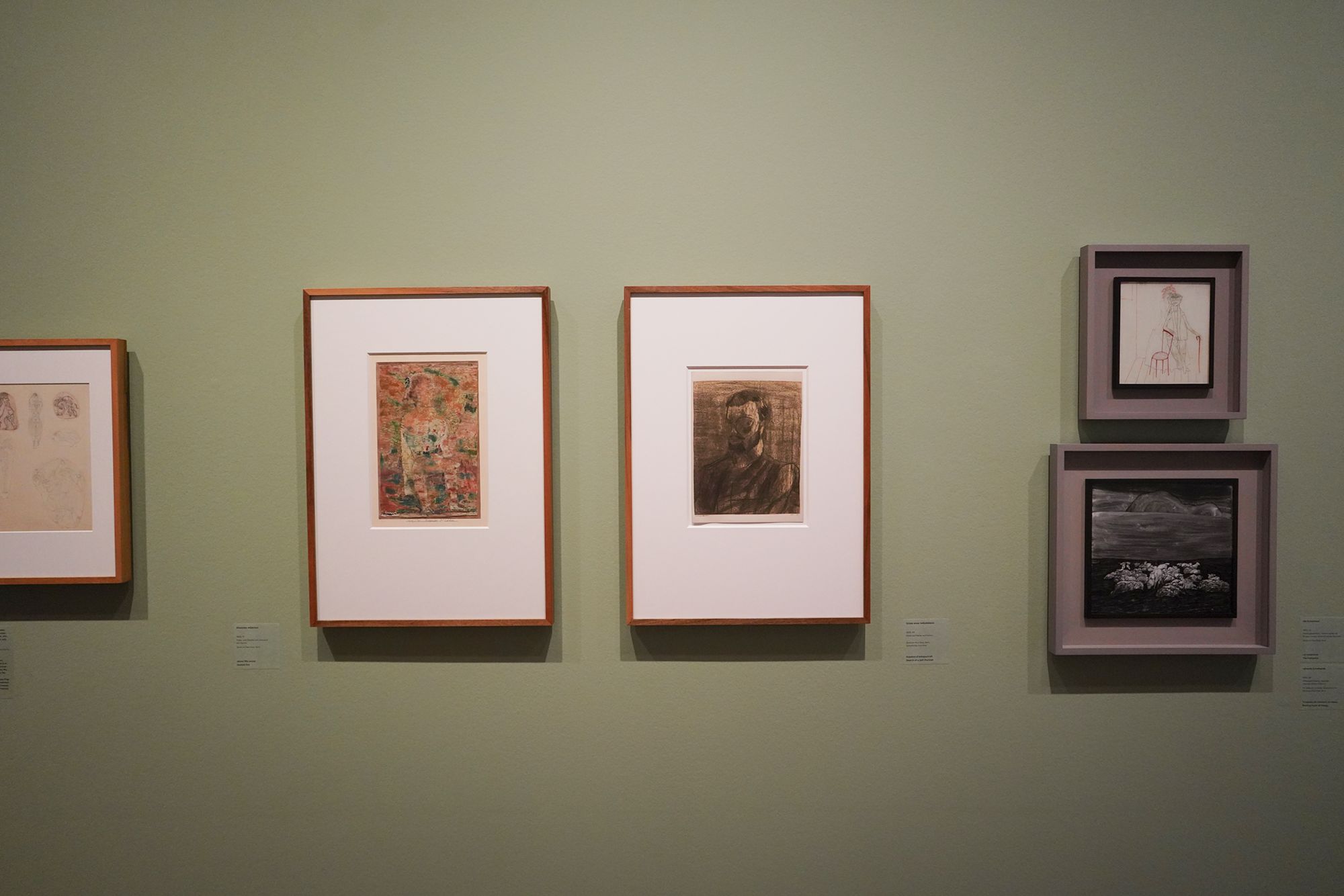
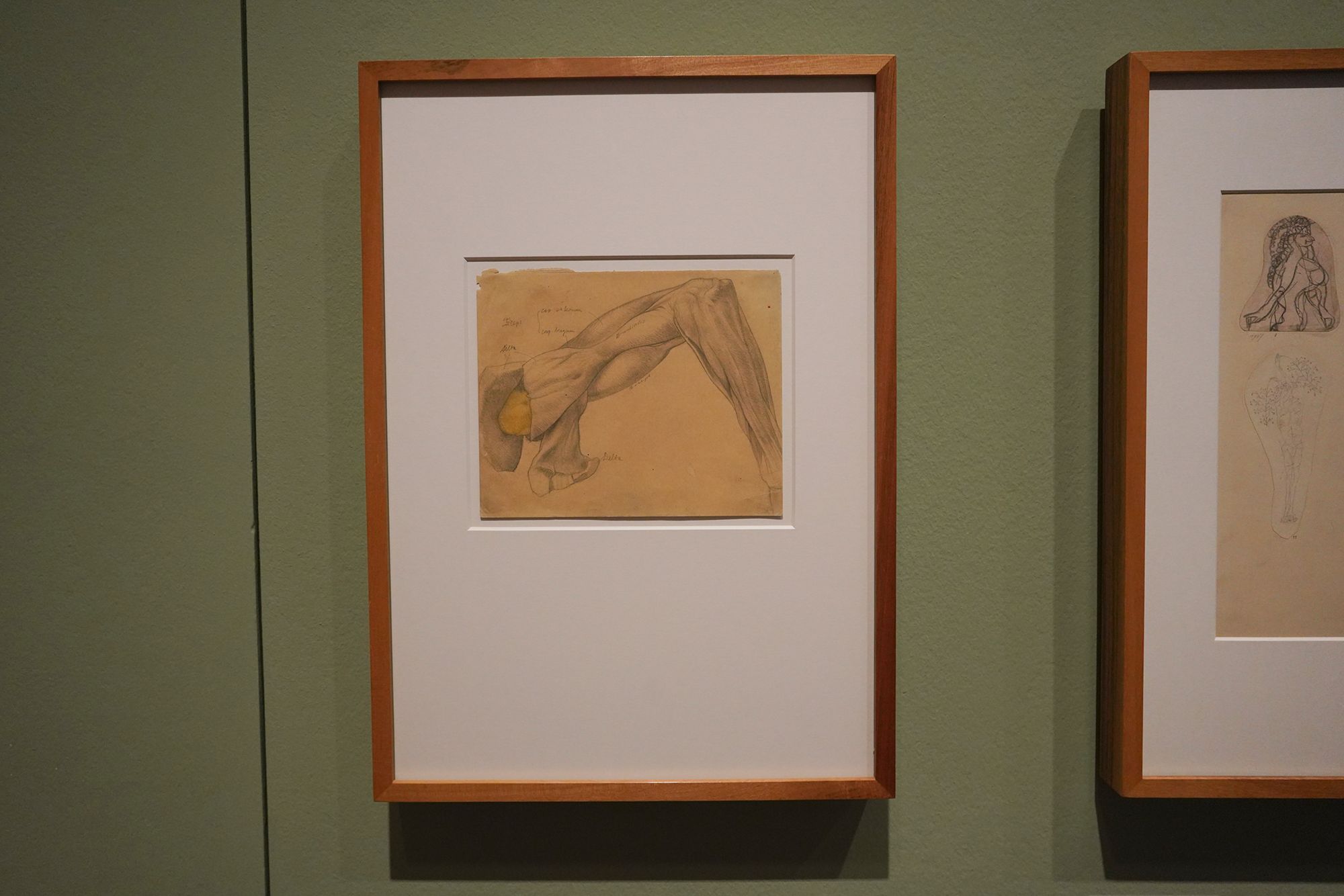
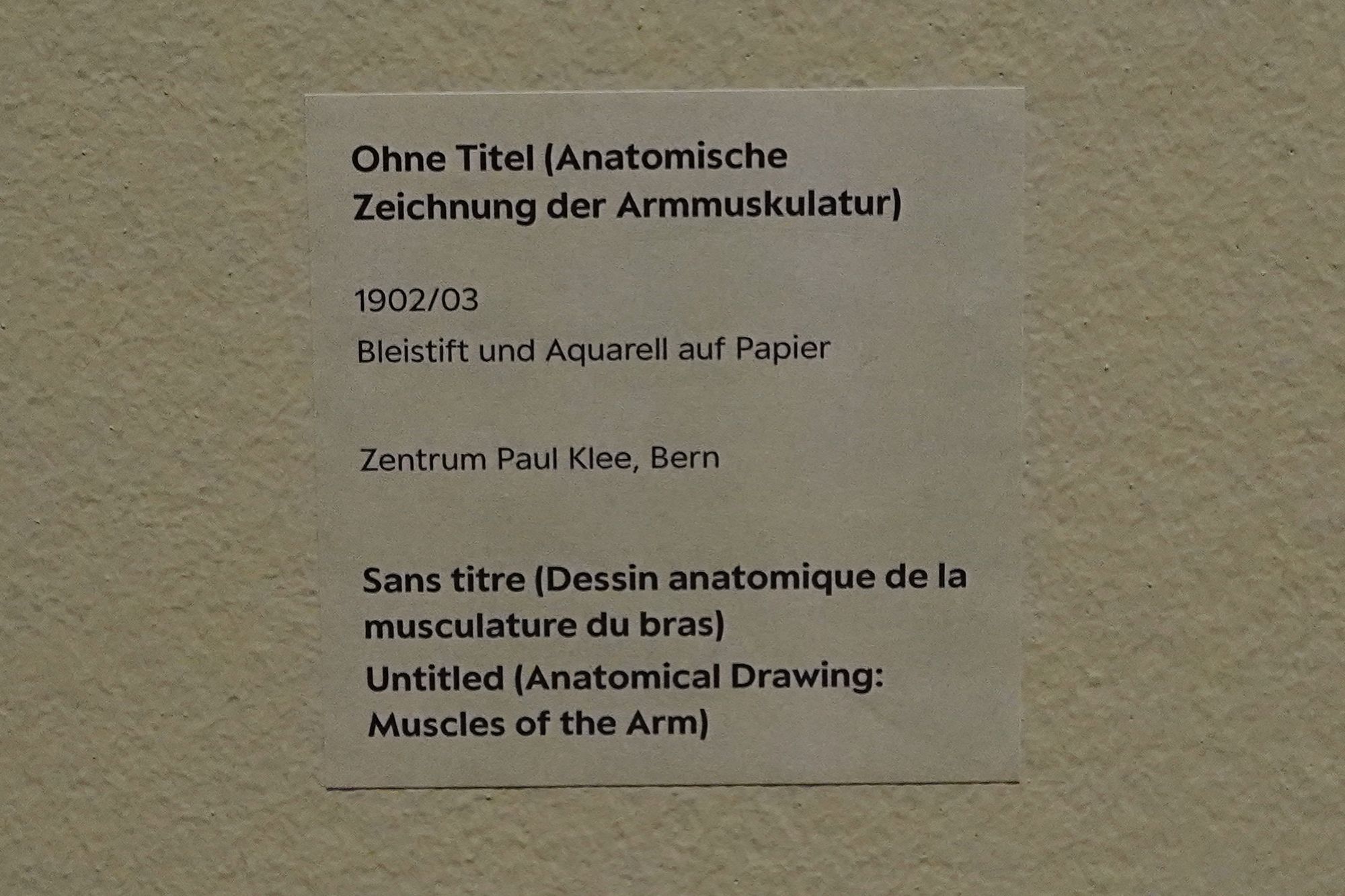
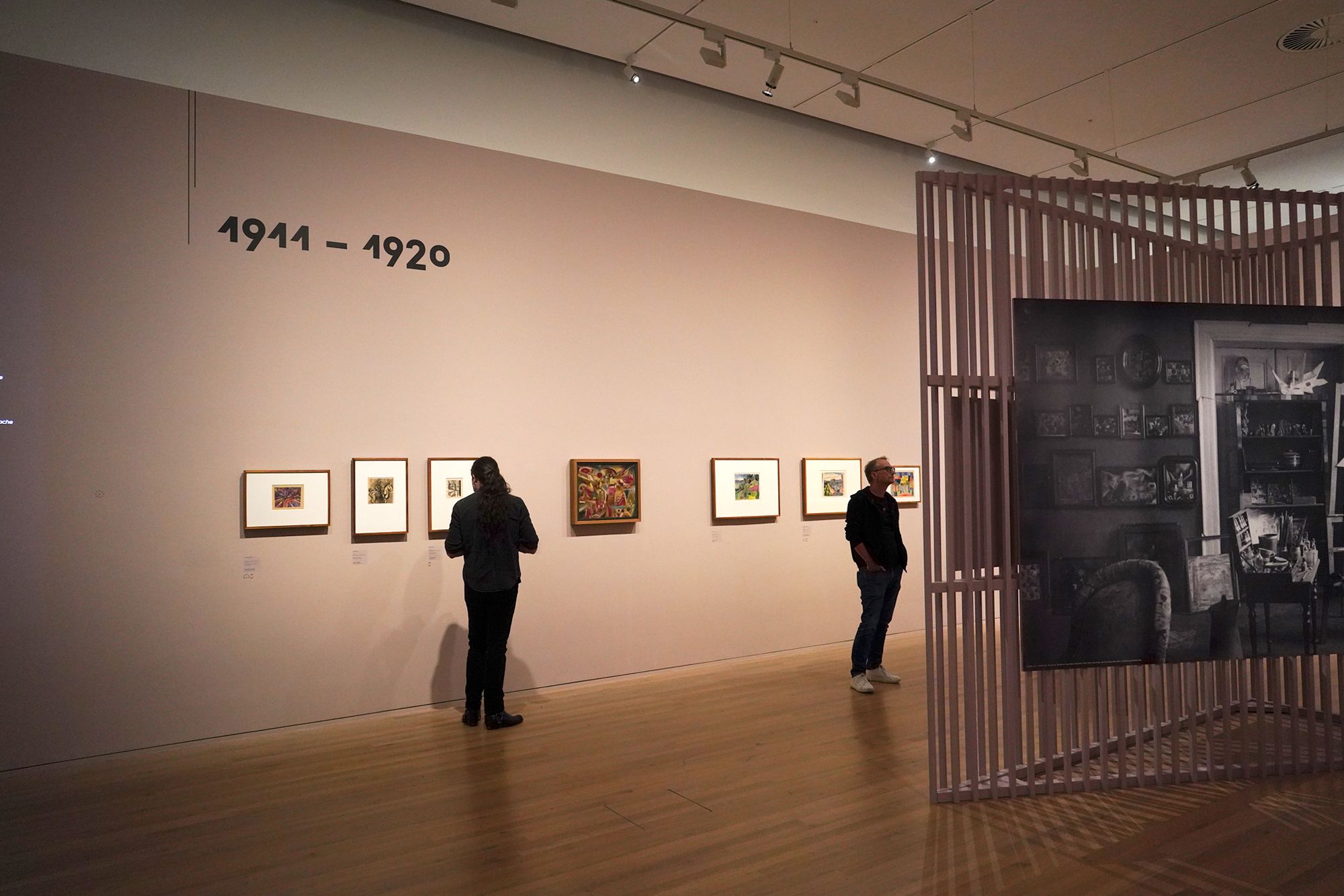
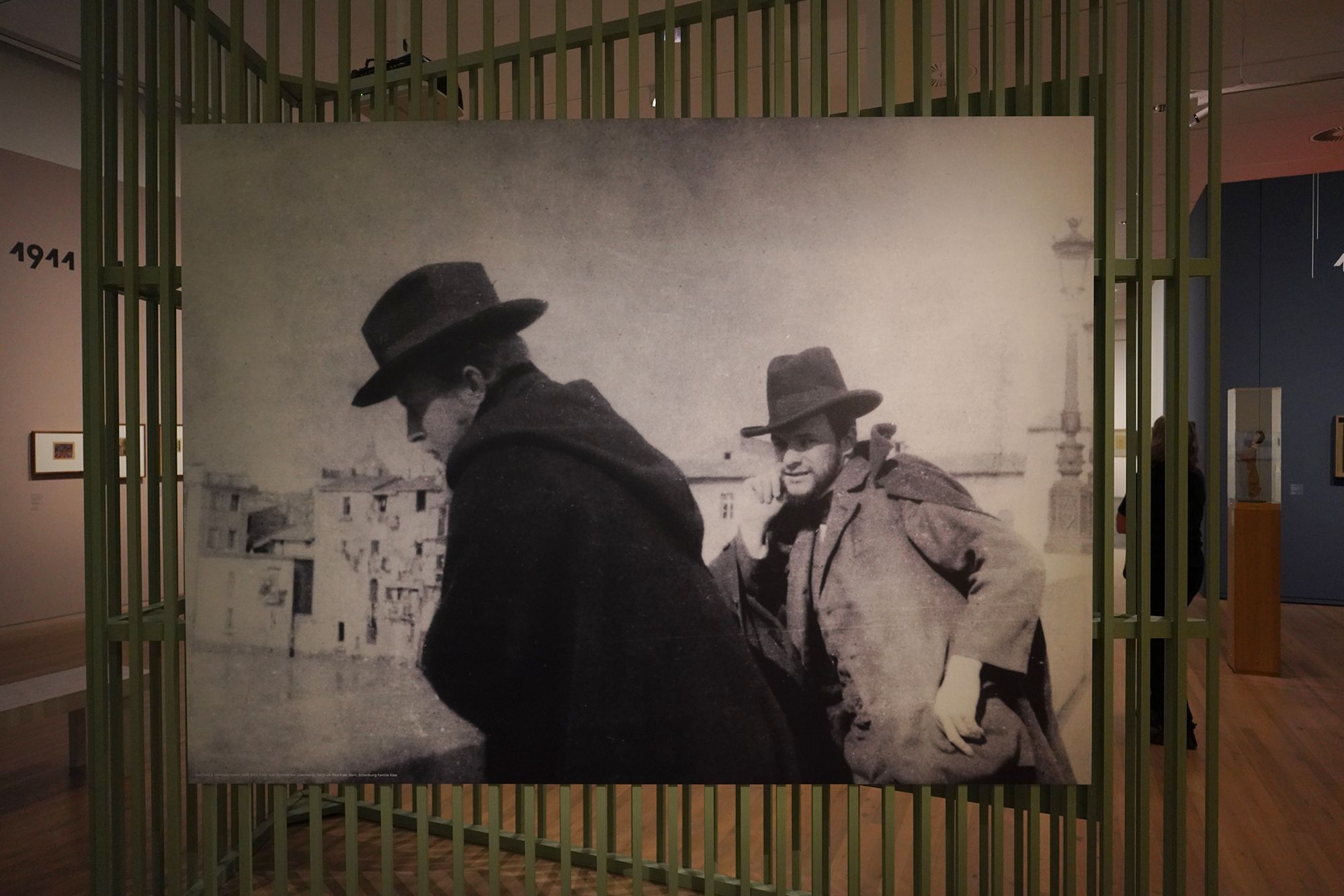
In 1898, Paul Klee moved to Munich to study art, but he found the academy’s teaching too traditional. Although skilled at drawing, he initially struggled with painting and color. After leaving his studies in 1901 and traveling through Italy, Klee began searching for his own artistic style.
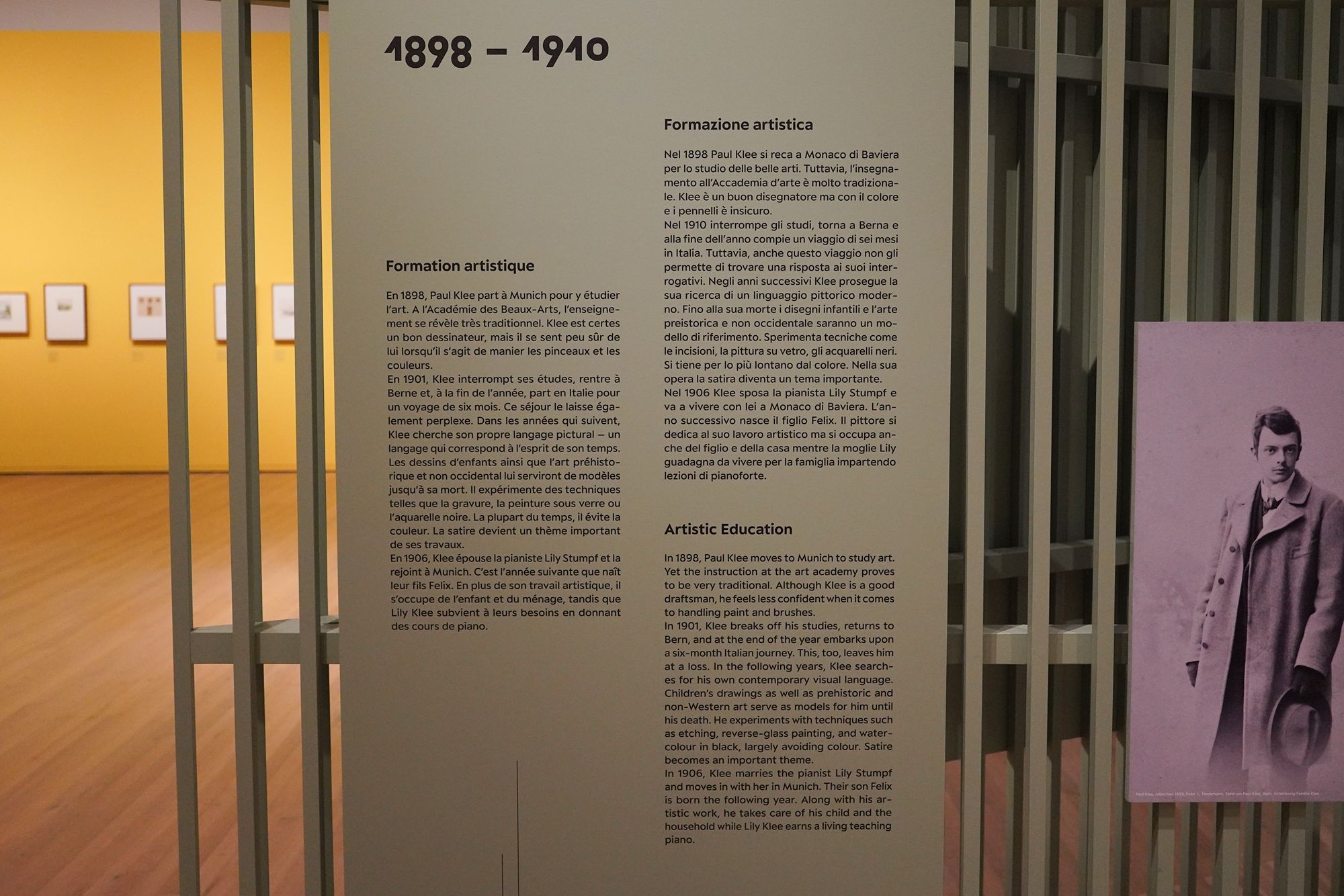
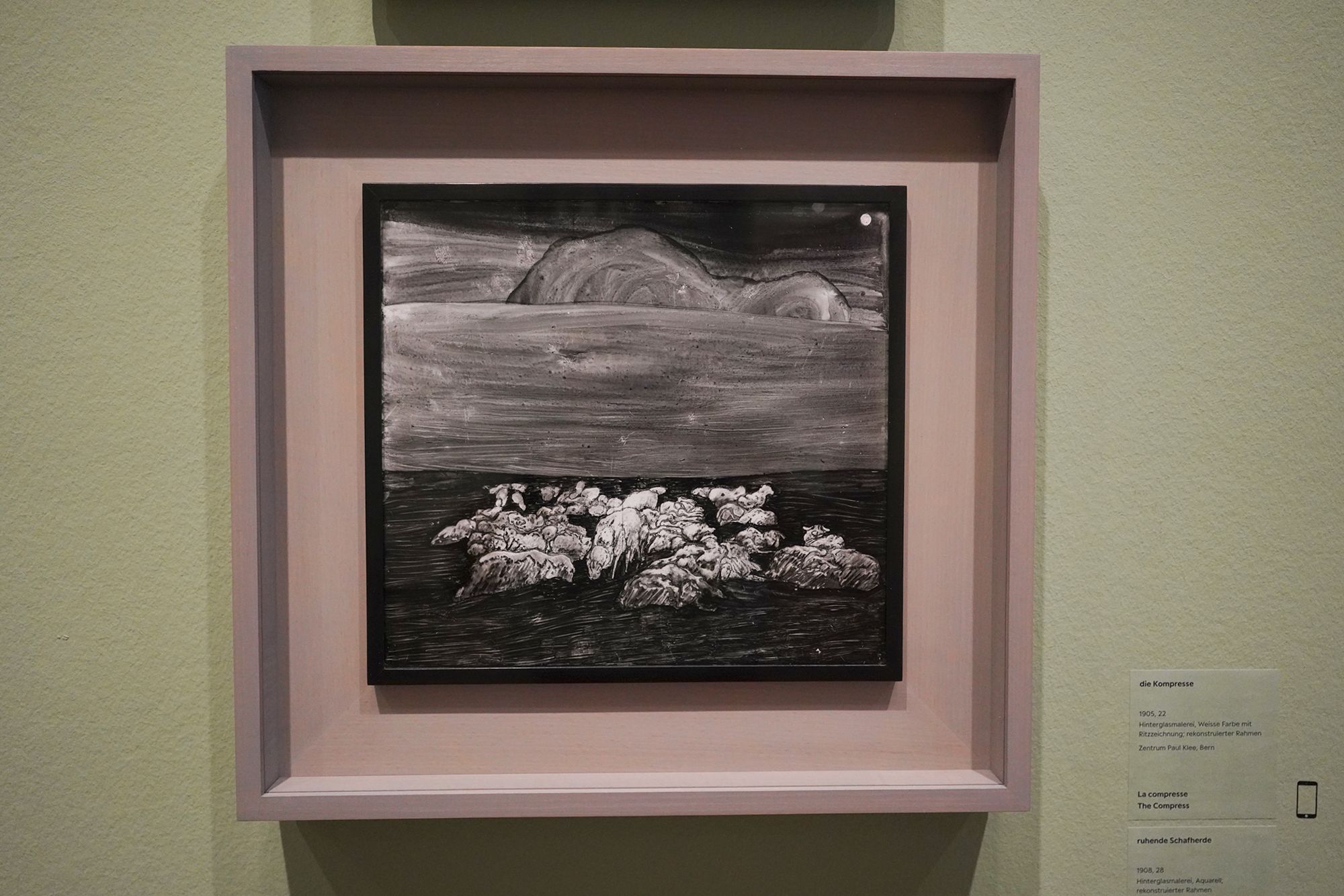
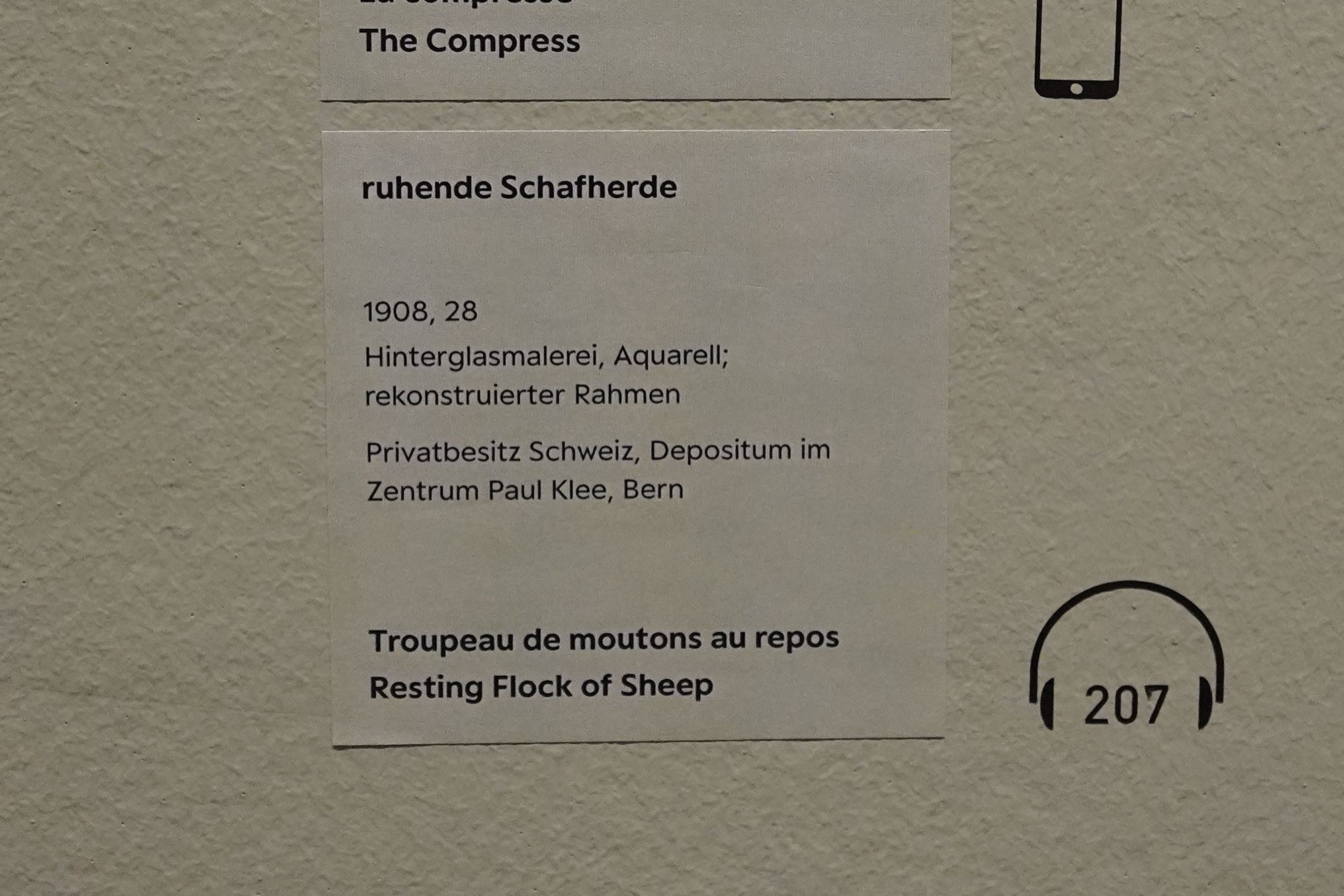
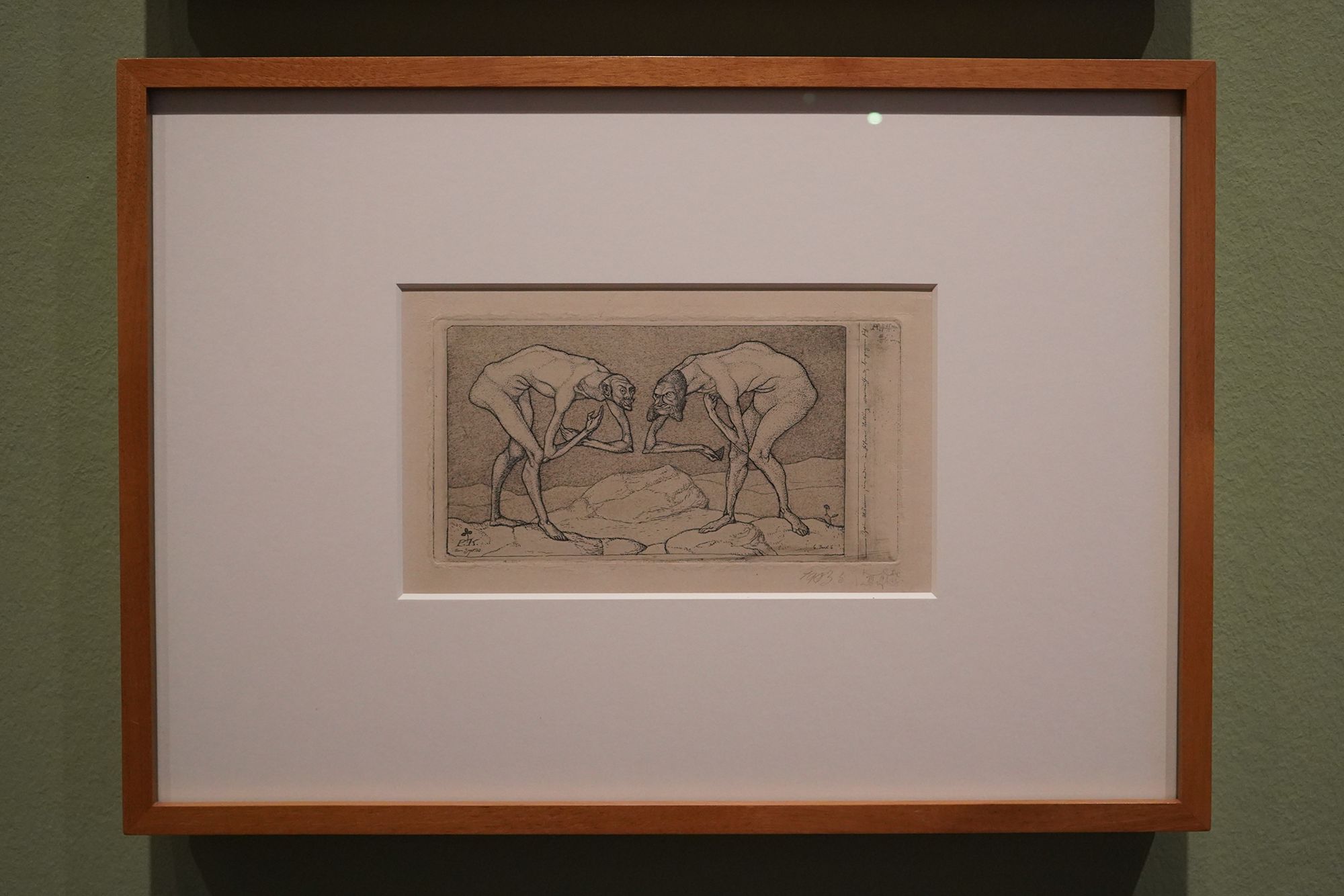
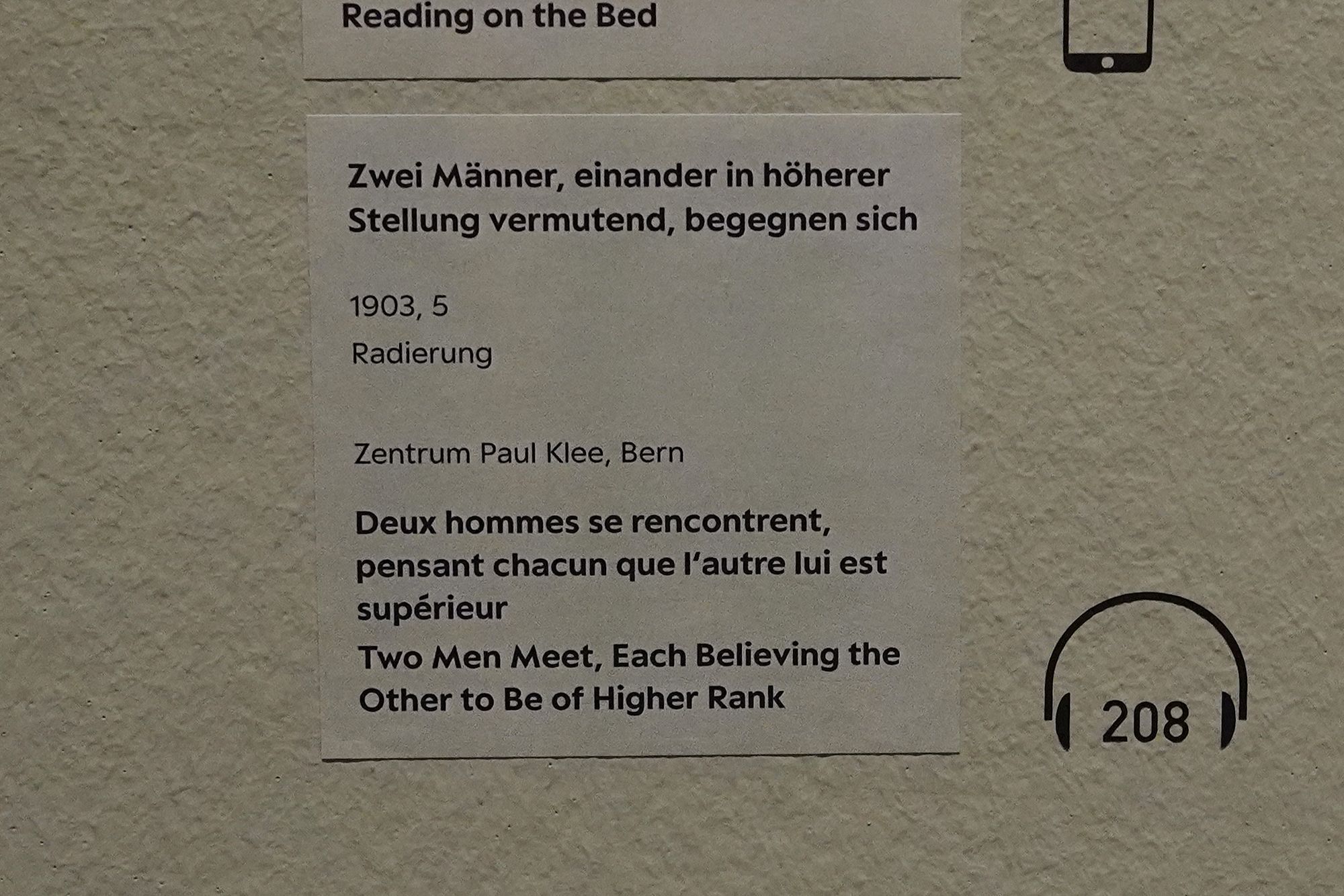
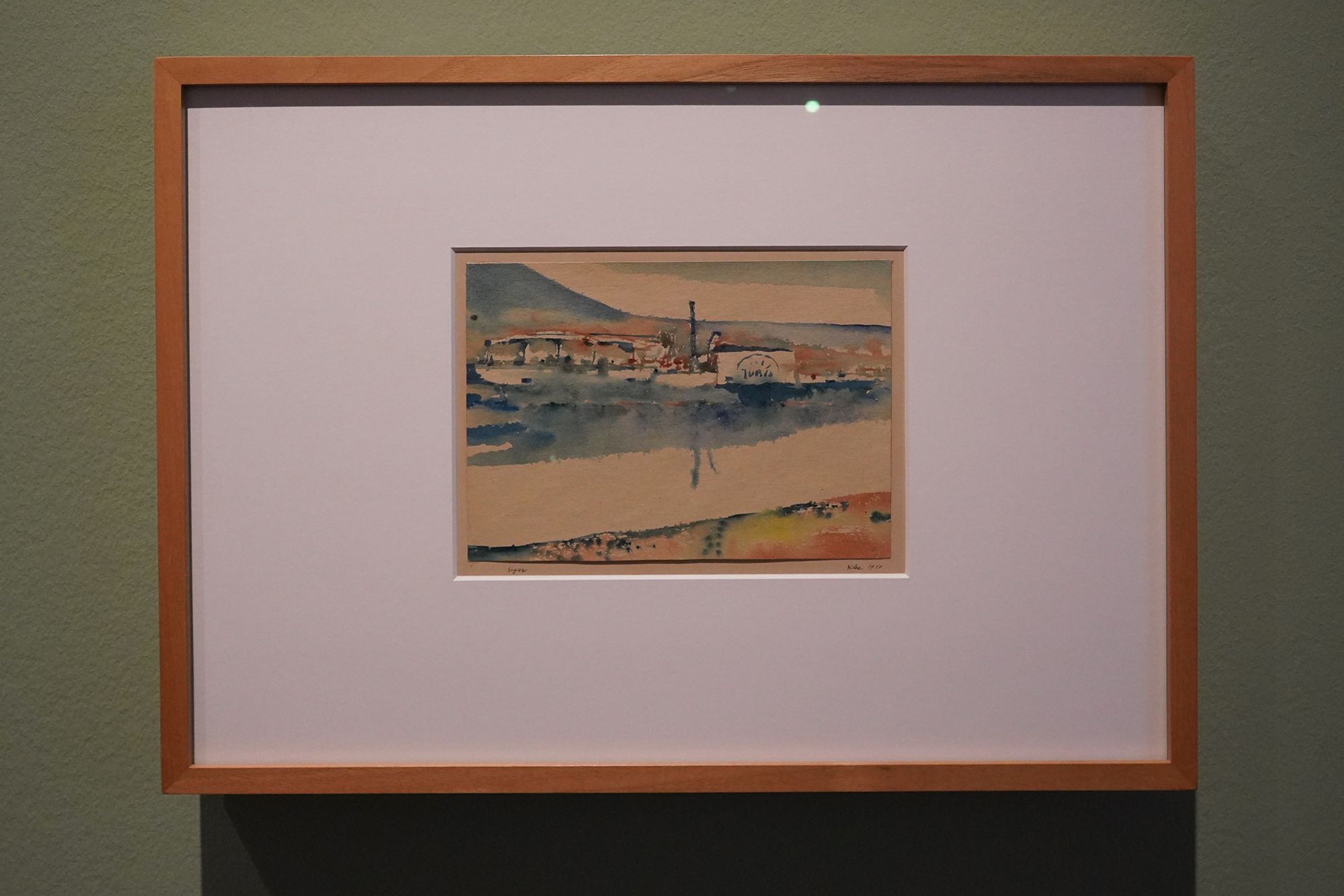
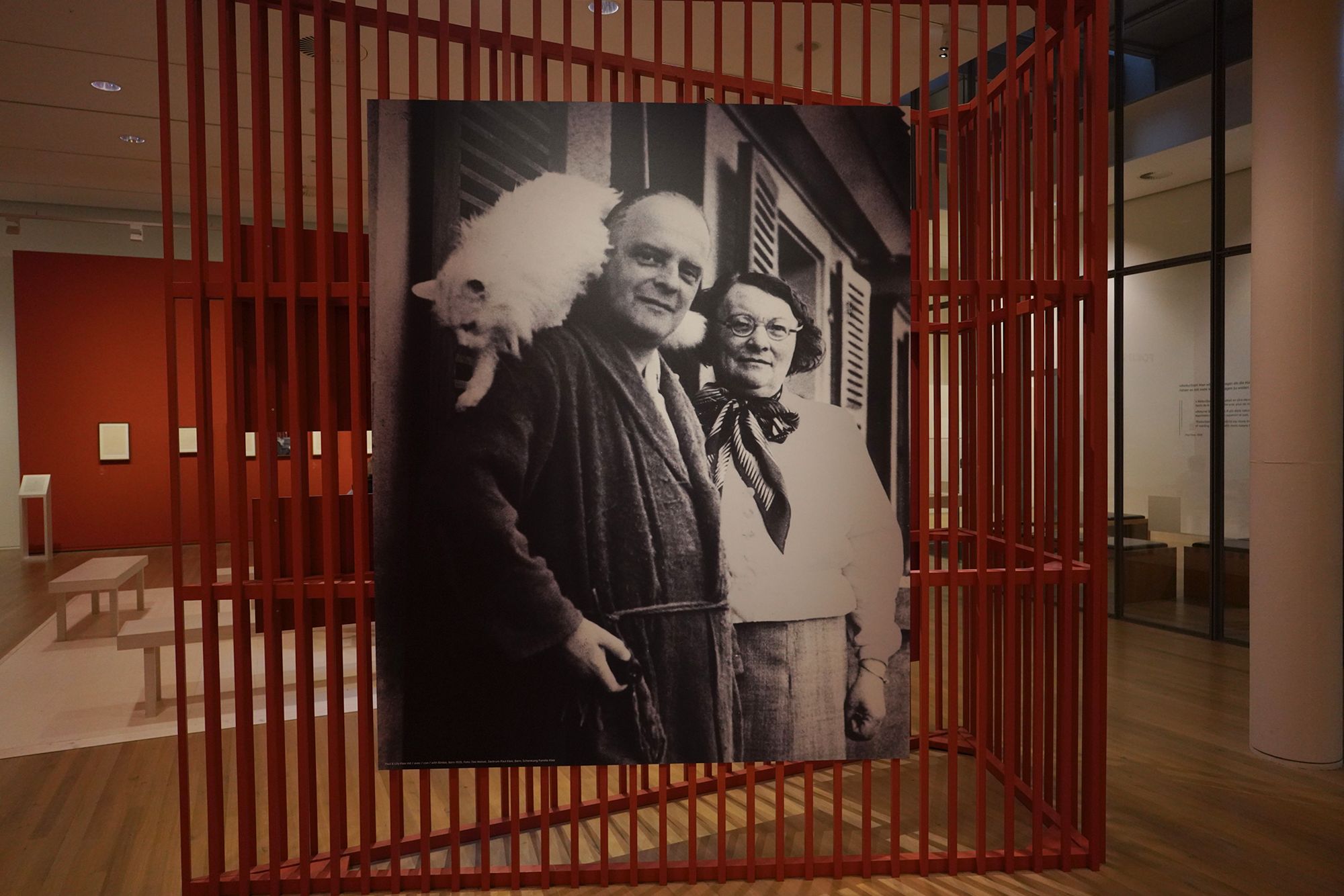
He drew inspiration from children’s drawings, prehistoric art, and non-Western art, while experimenting with etching, reverse-glass painting, and watercolor. In 1906, he married pianist Lily Stumpf, and they settled in Munich. Their son Felix was born the following year. During this period, Klee continued developing the distinctive visual language that would eventually define his art.
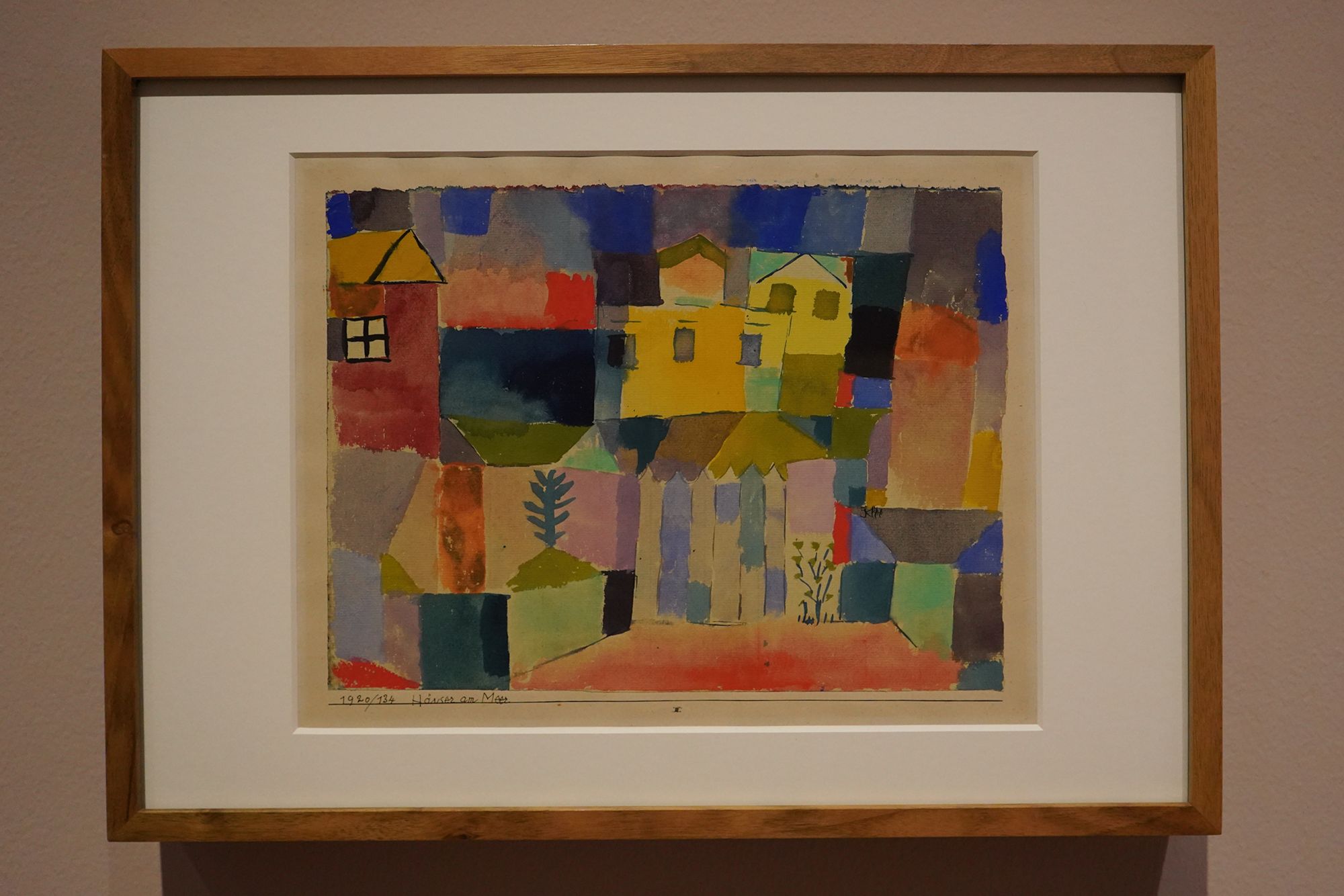
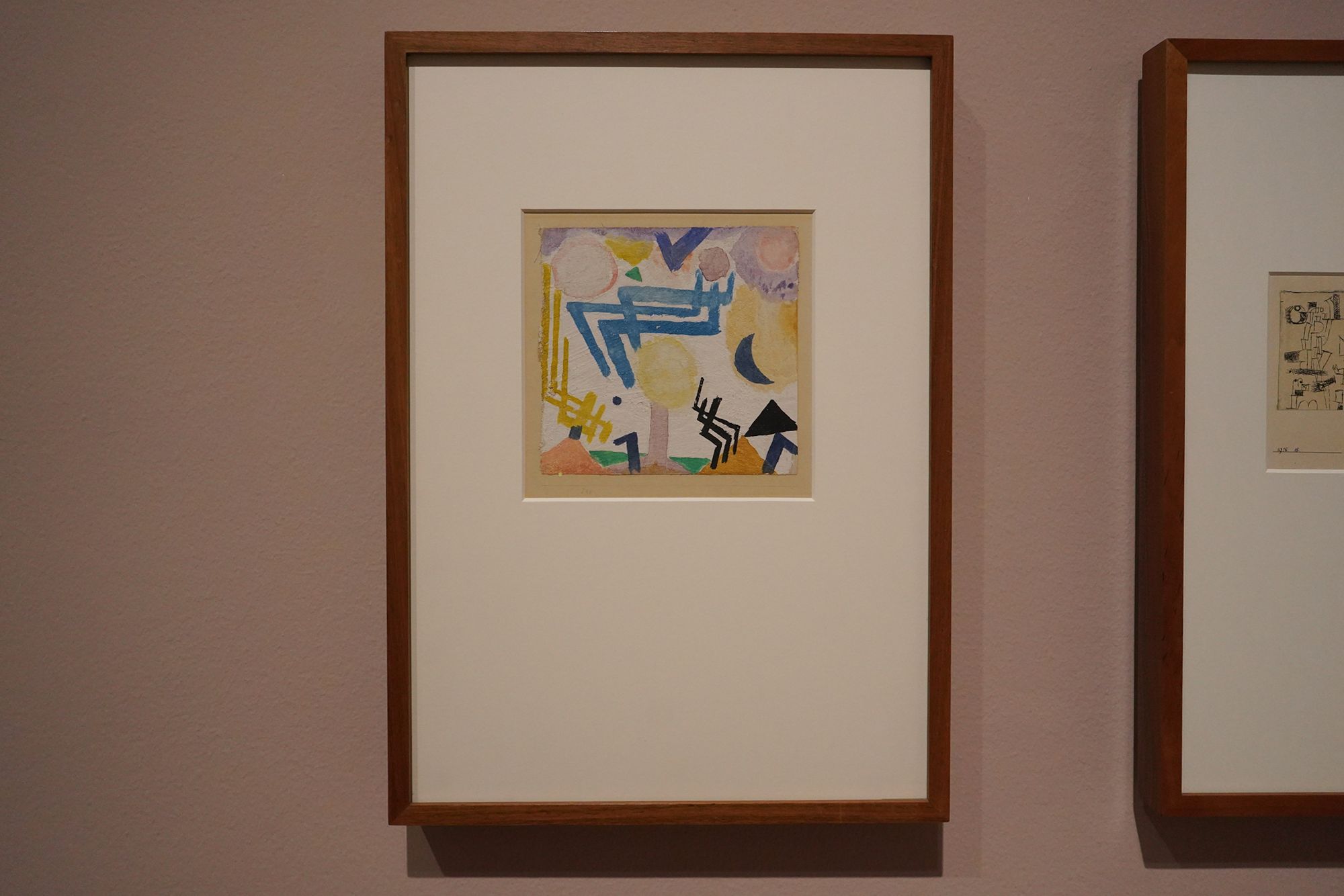
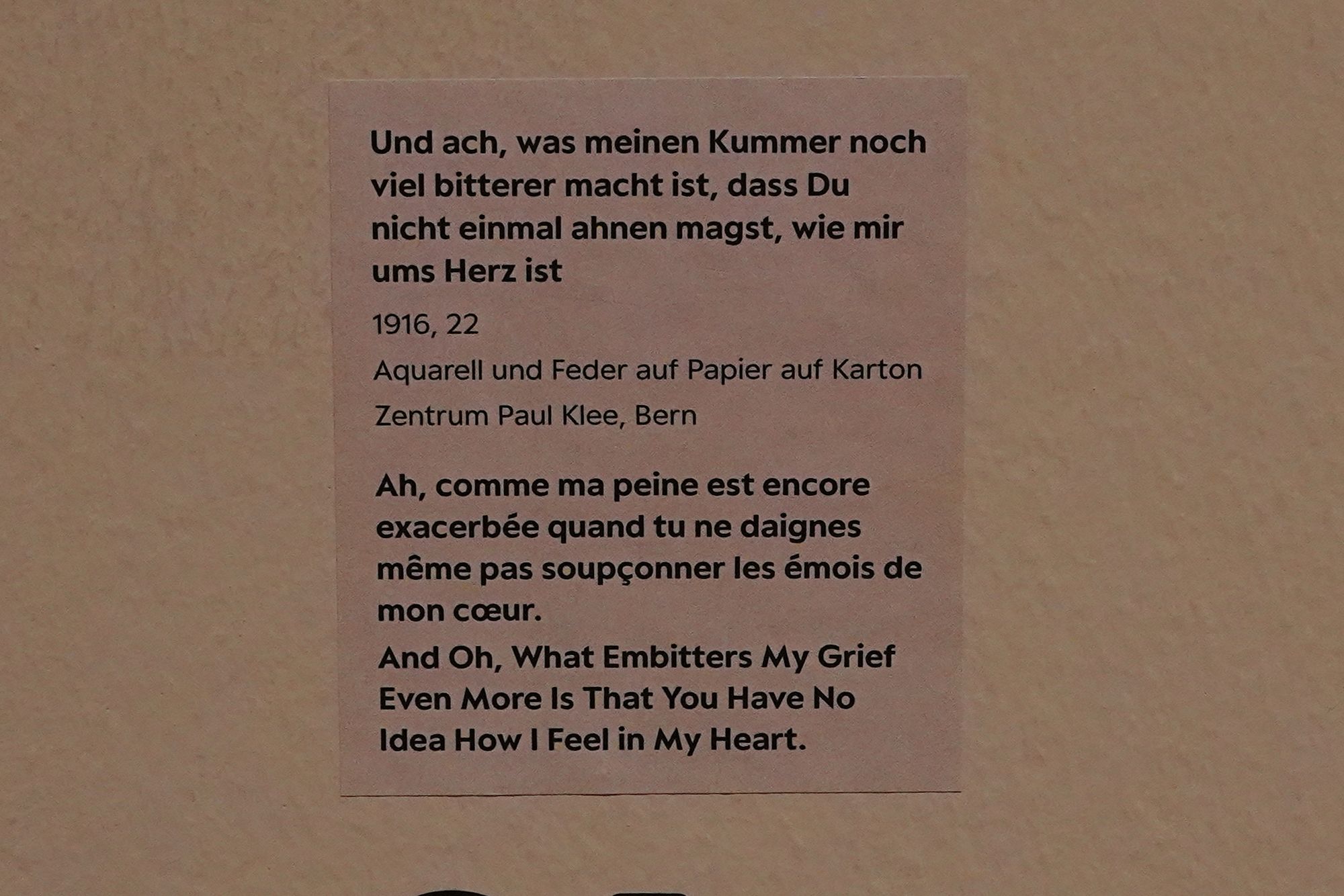
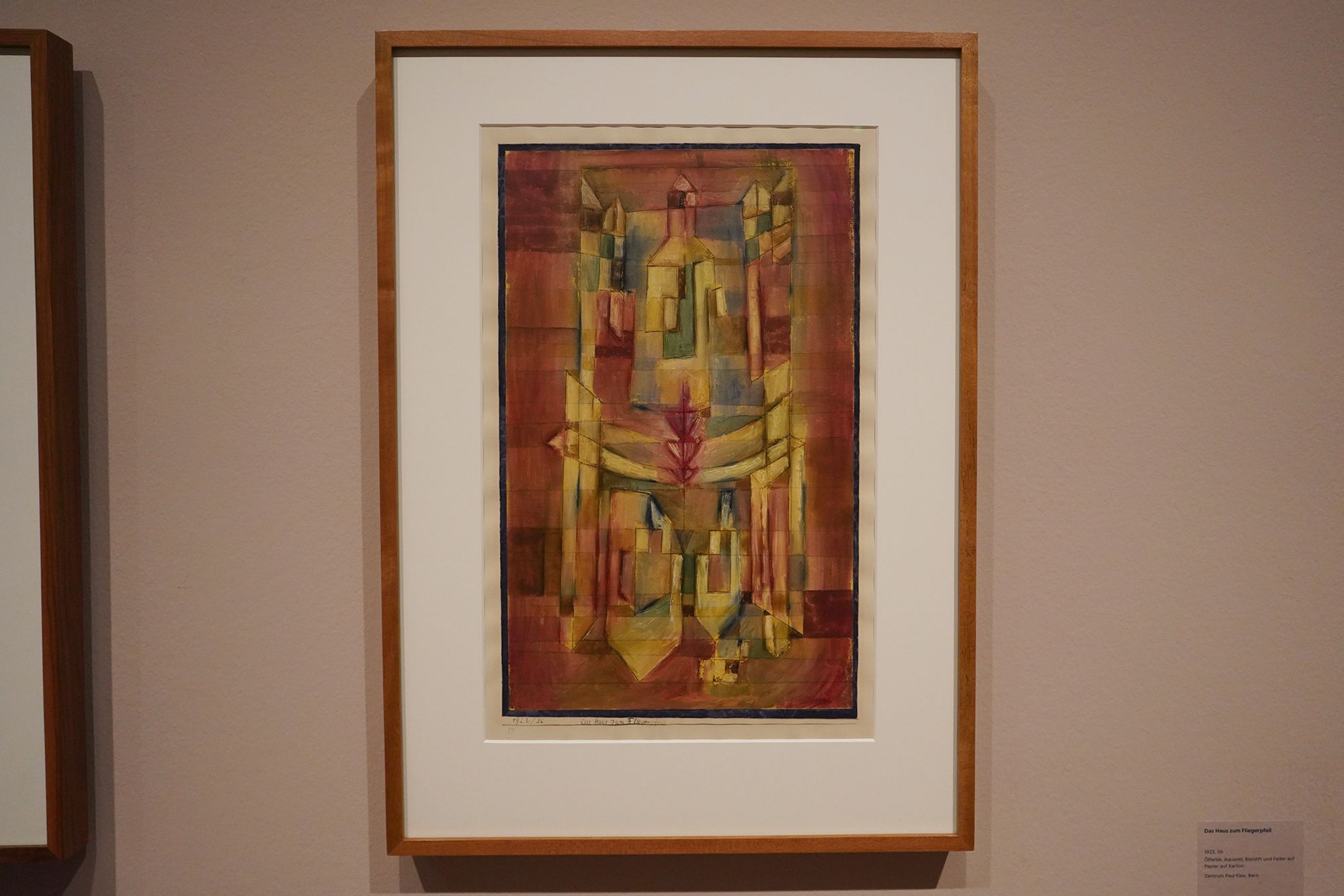
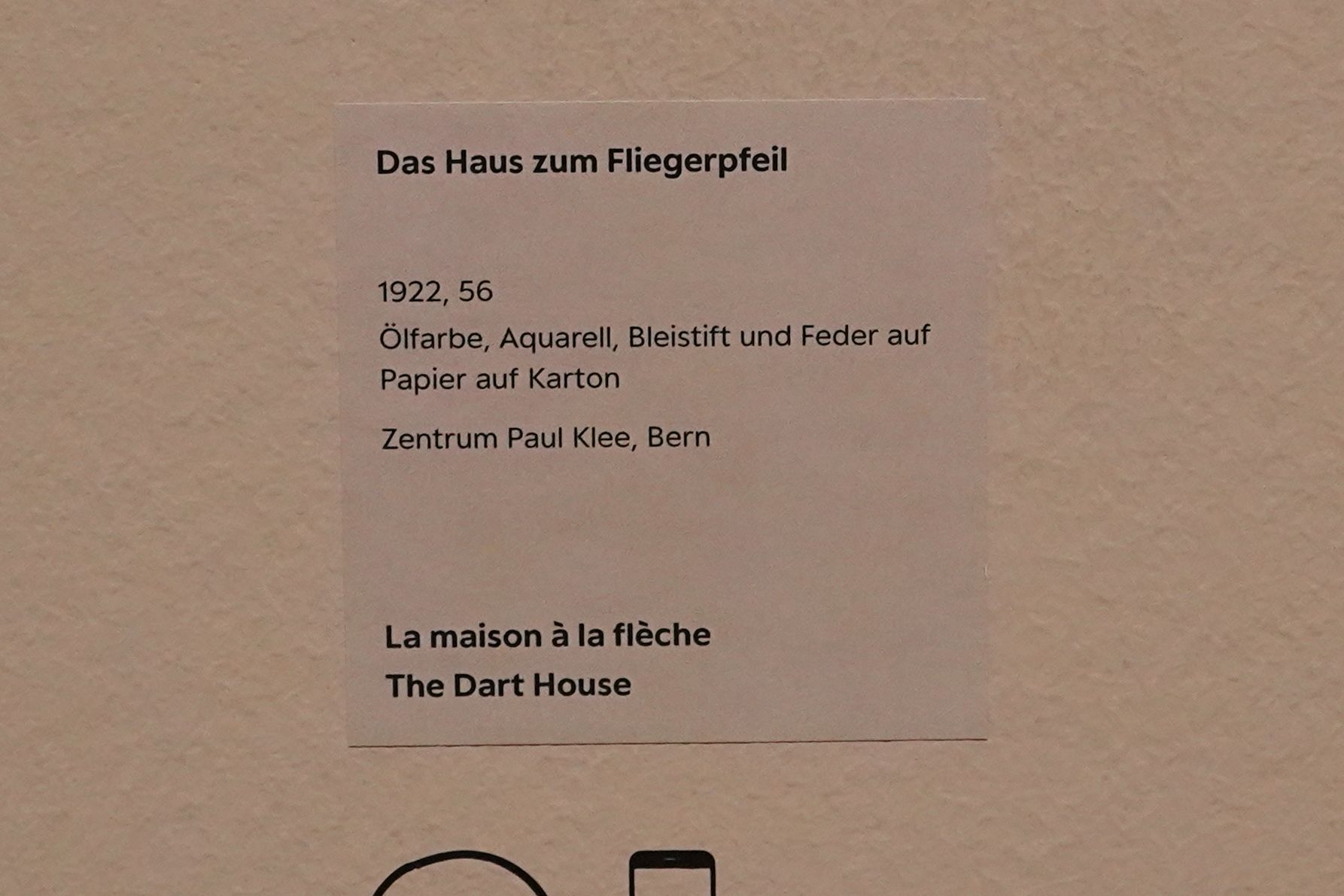
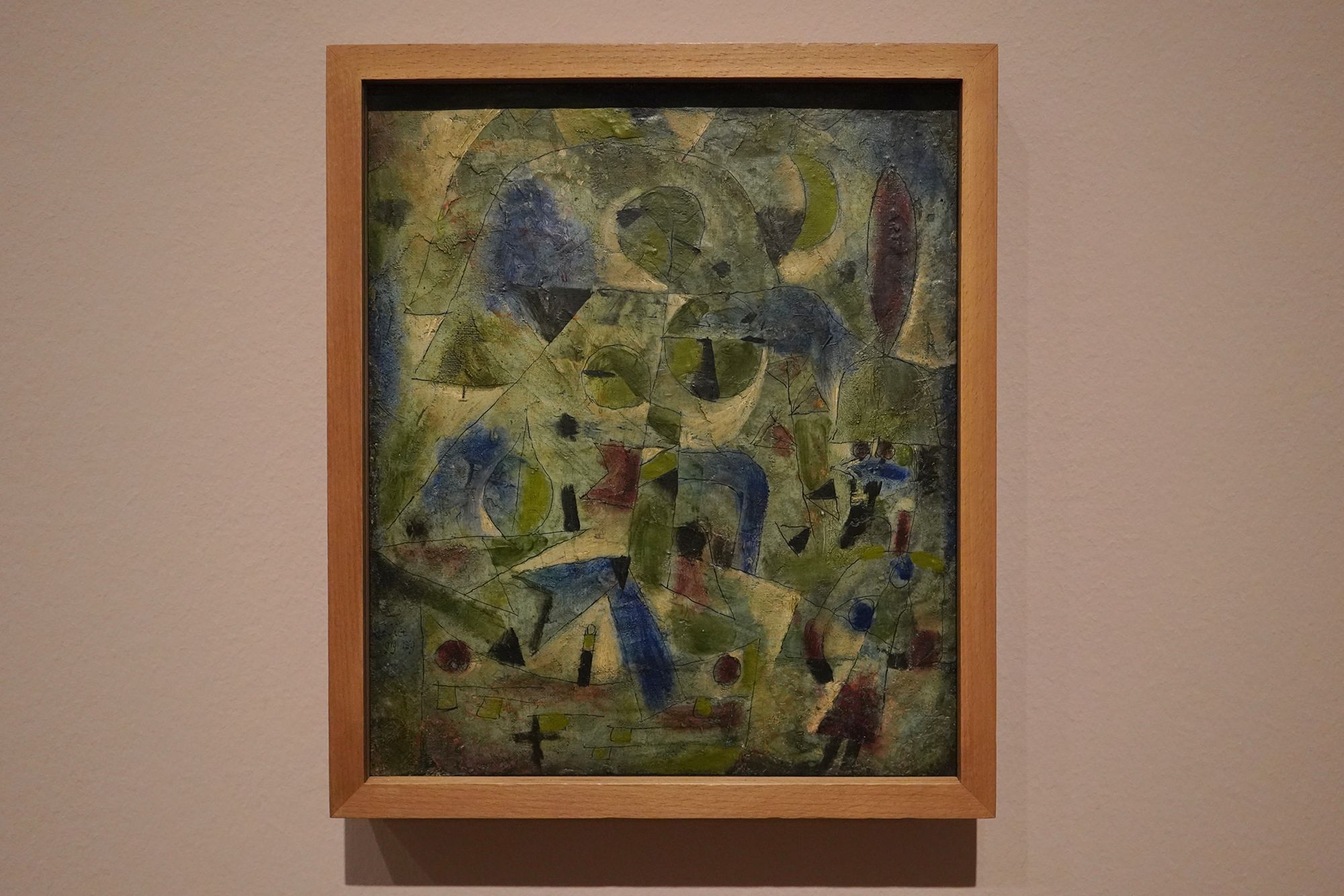
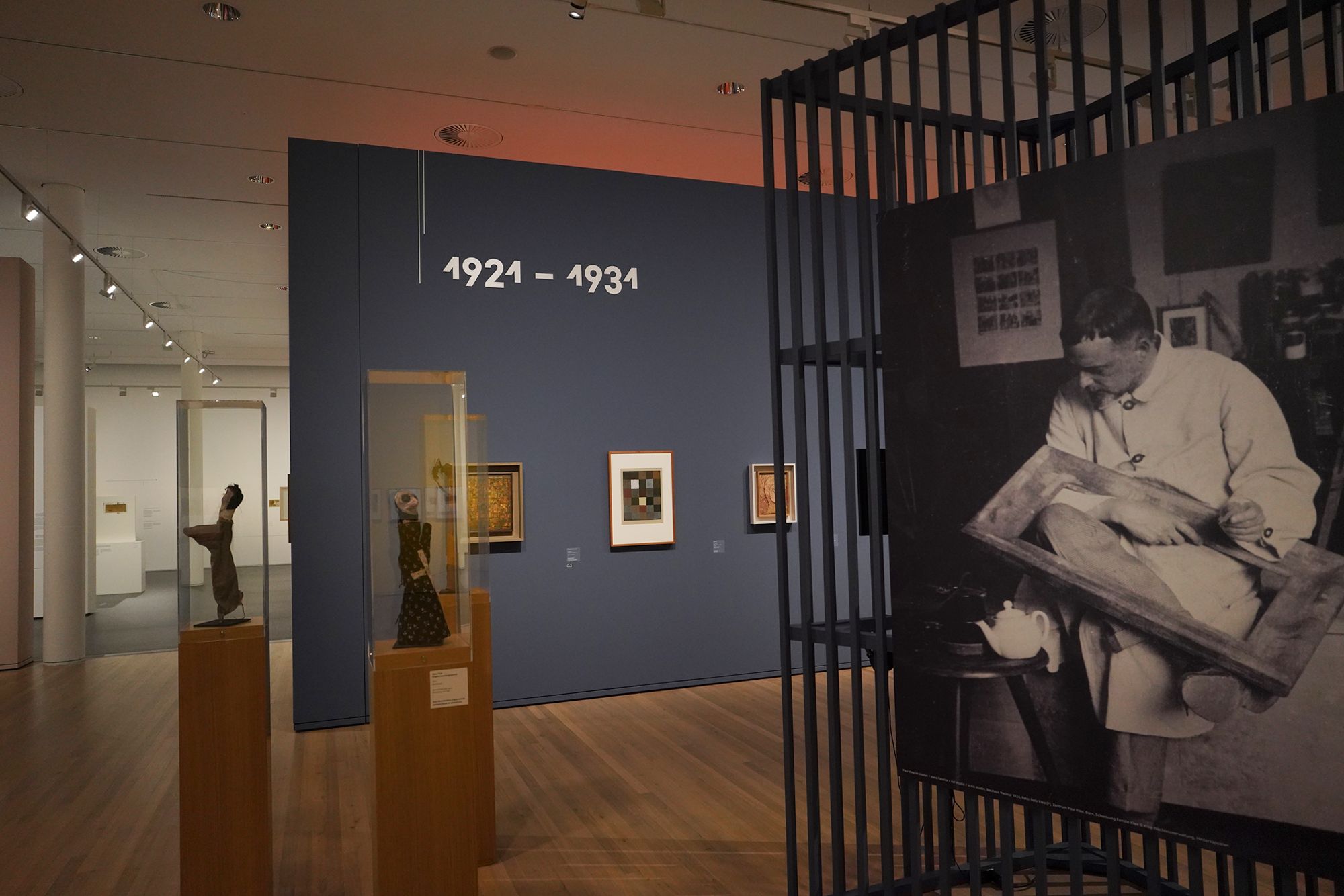
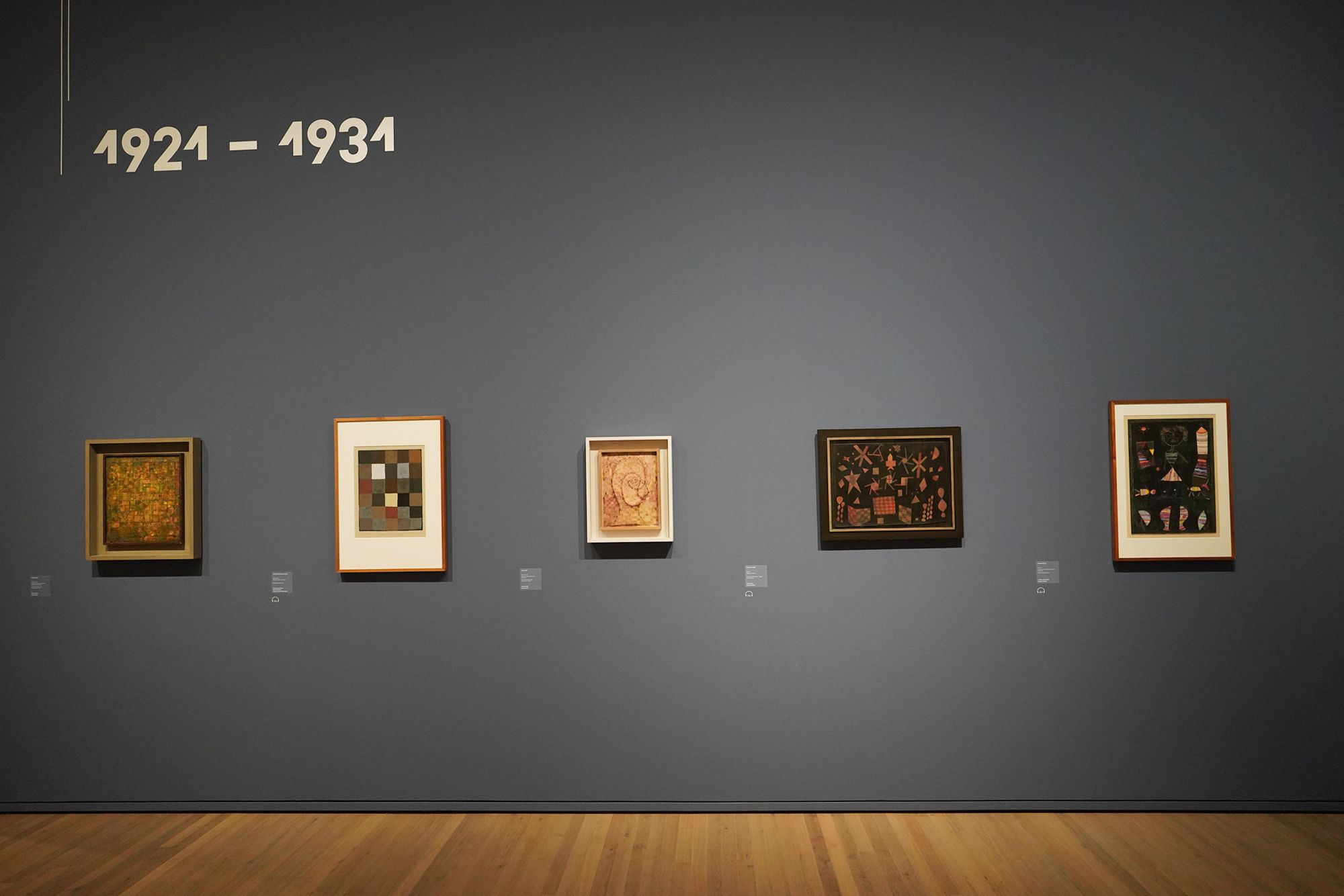
The Bauhaus Years
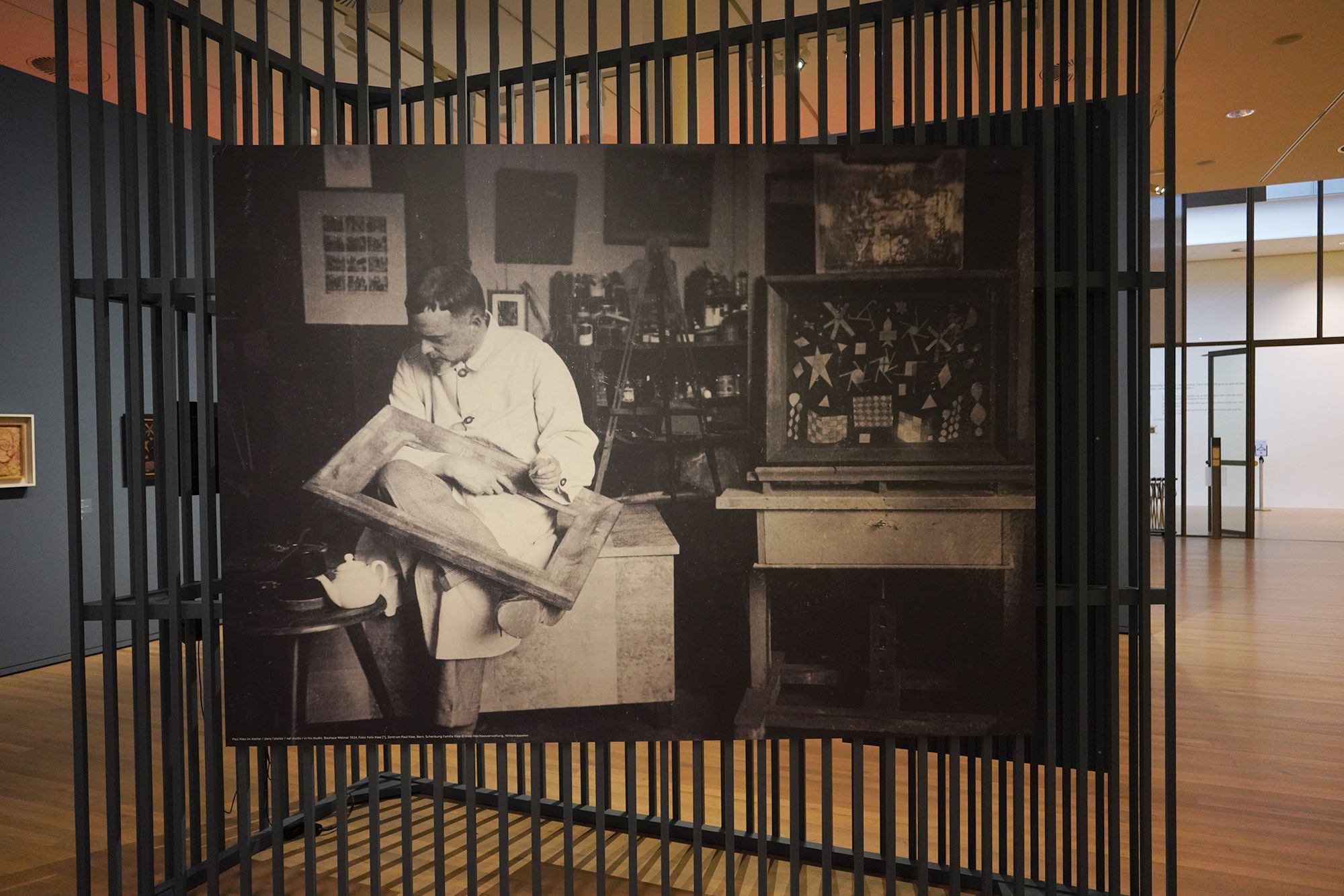
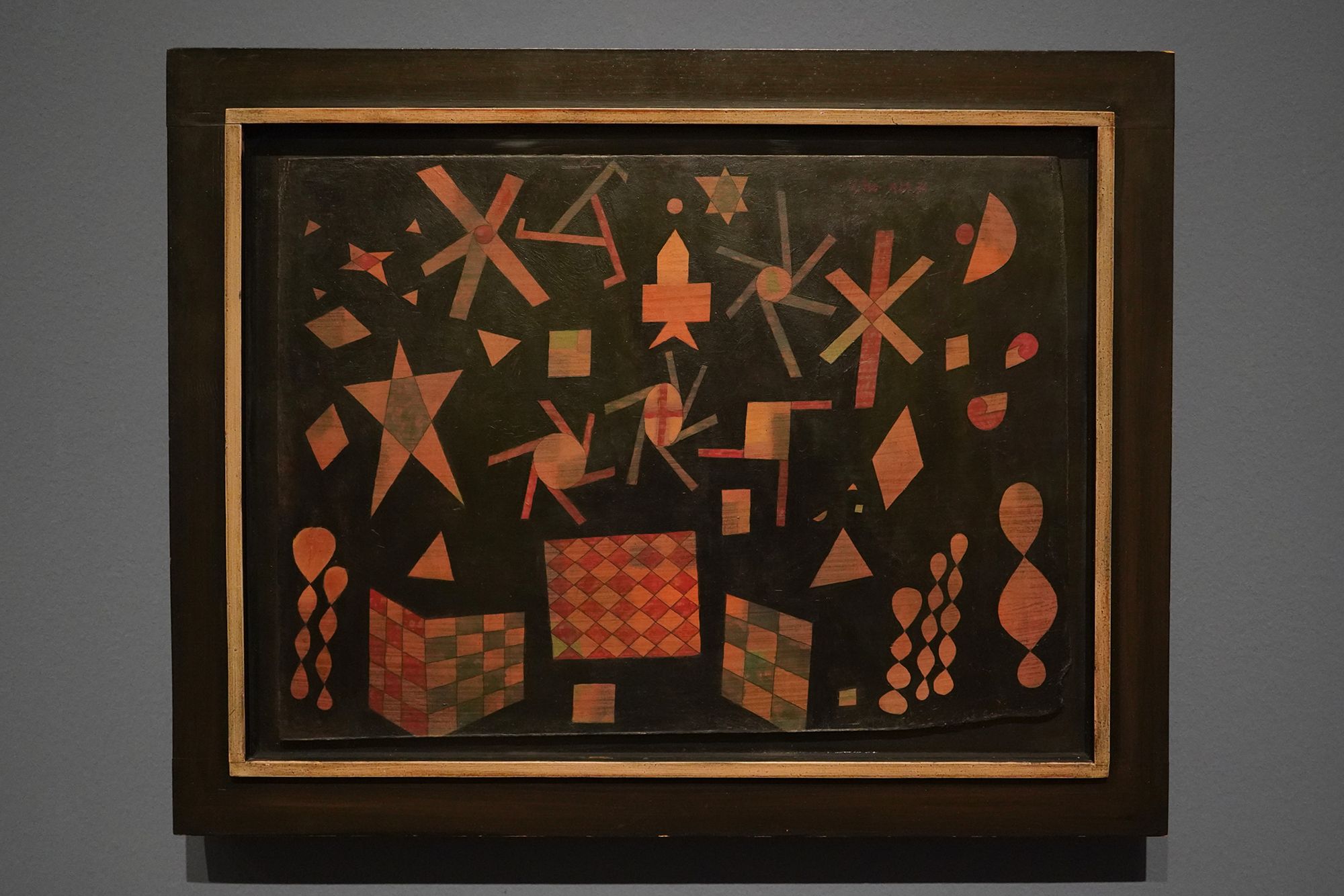
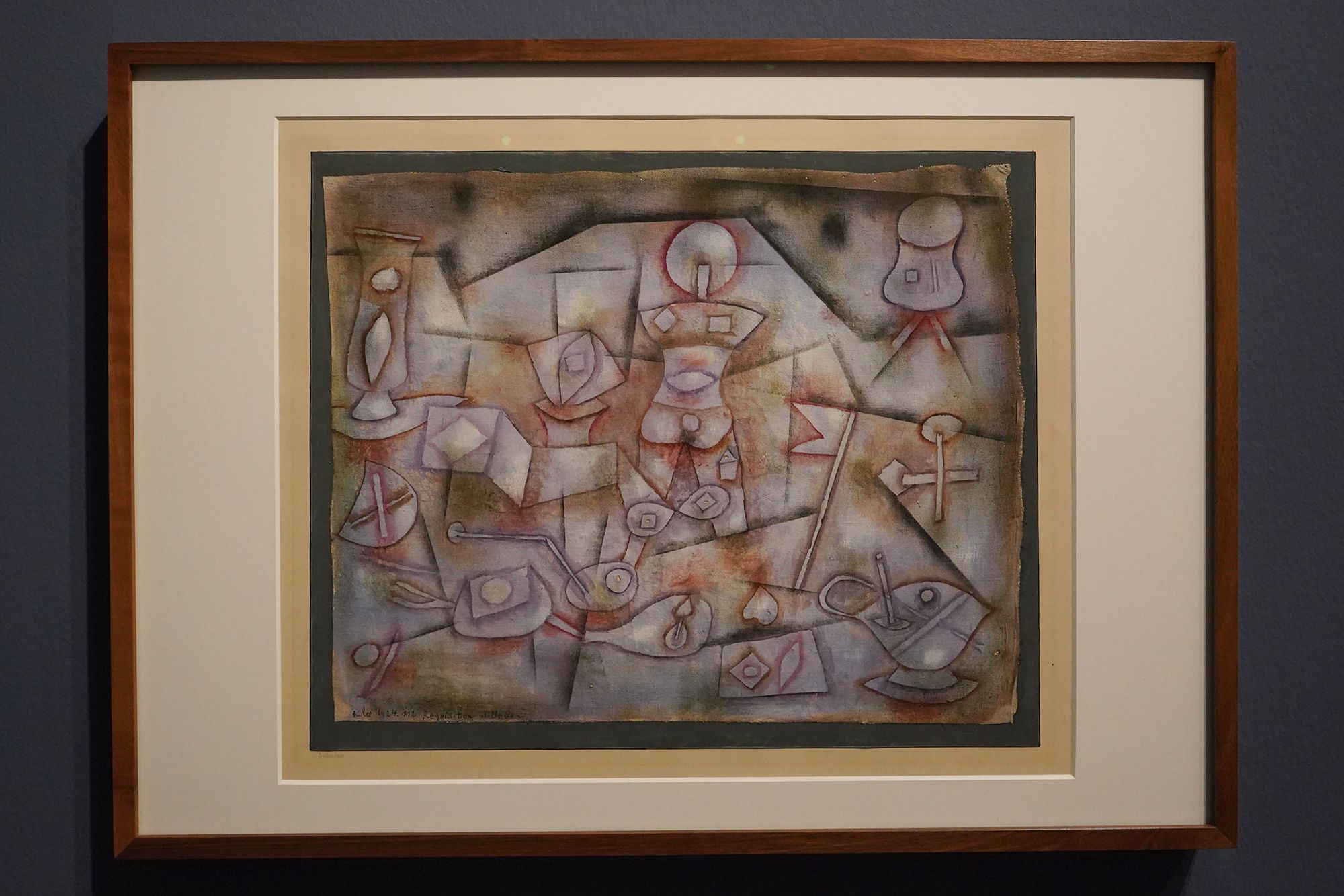
In 1921, Paul Klee joined the Bauhaus in Weimar as a teacher, moving with the school to Dessau in 1926. He taught students about geometric forms, color, movement, and patterns of natural growth.
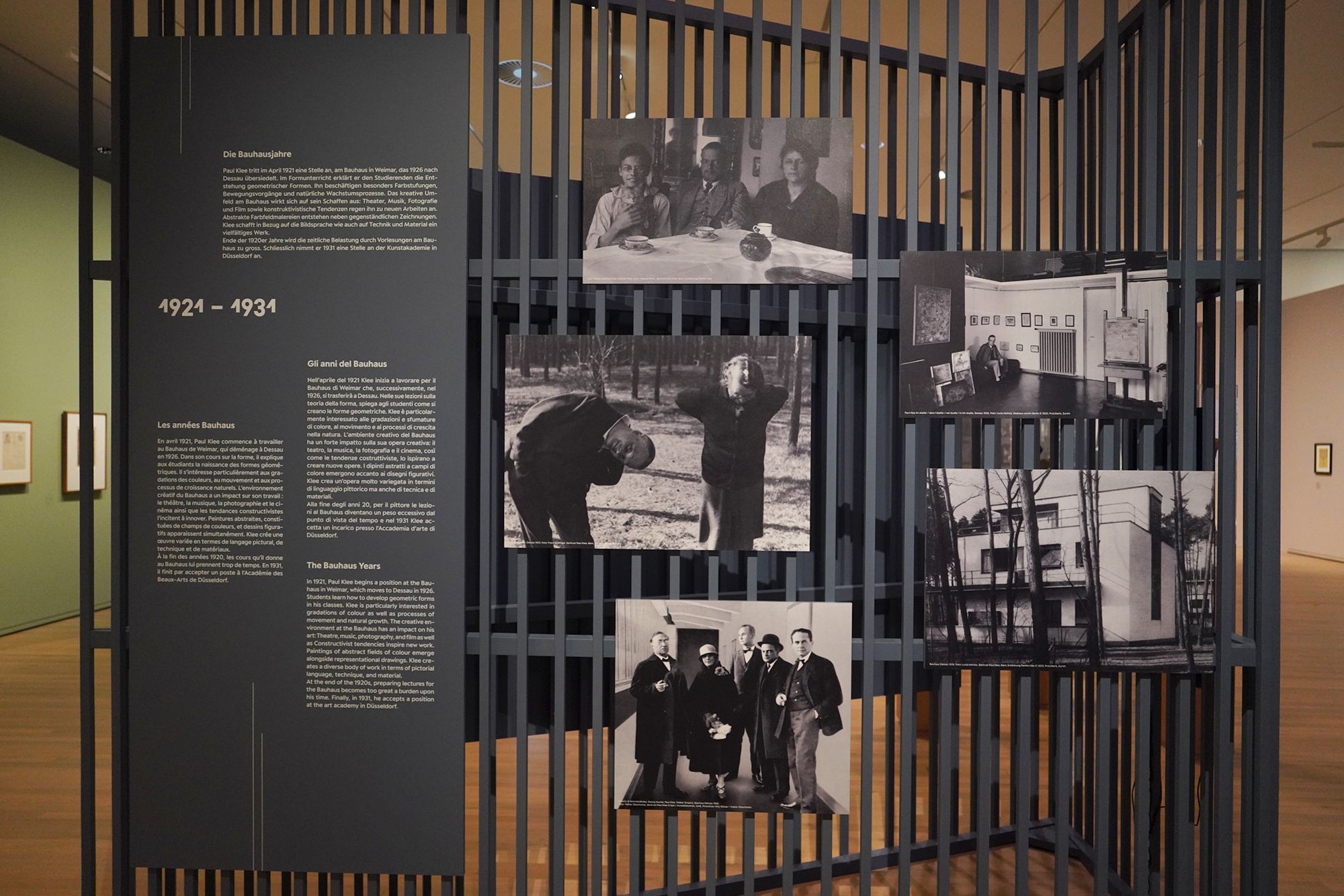
The experimental atmosphere of the Bauhaus strongly influenced Klee. He drew inspiration from theater, music, photography, film, and Constructivism, producing both abstract compositions of color and more recognizable drawings. His teaching also encouraged him to develop theories about color and artistic form.
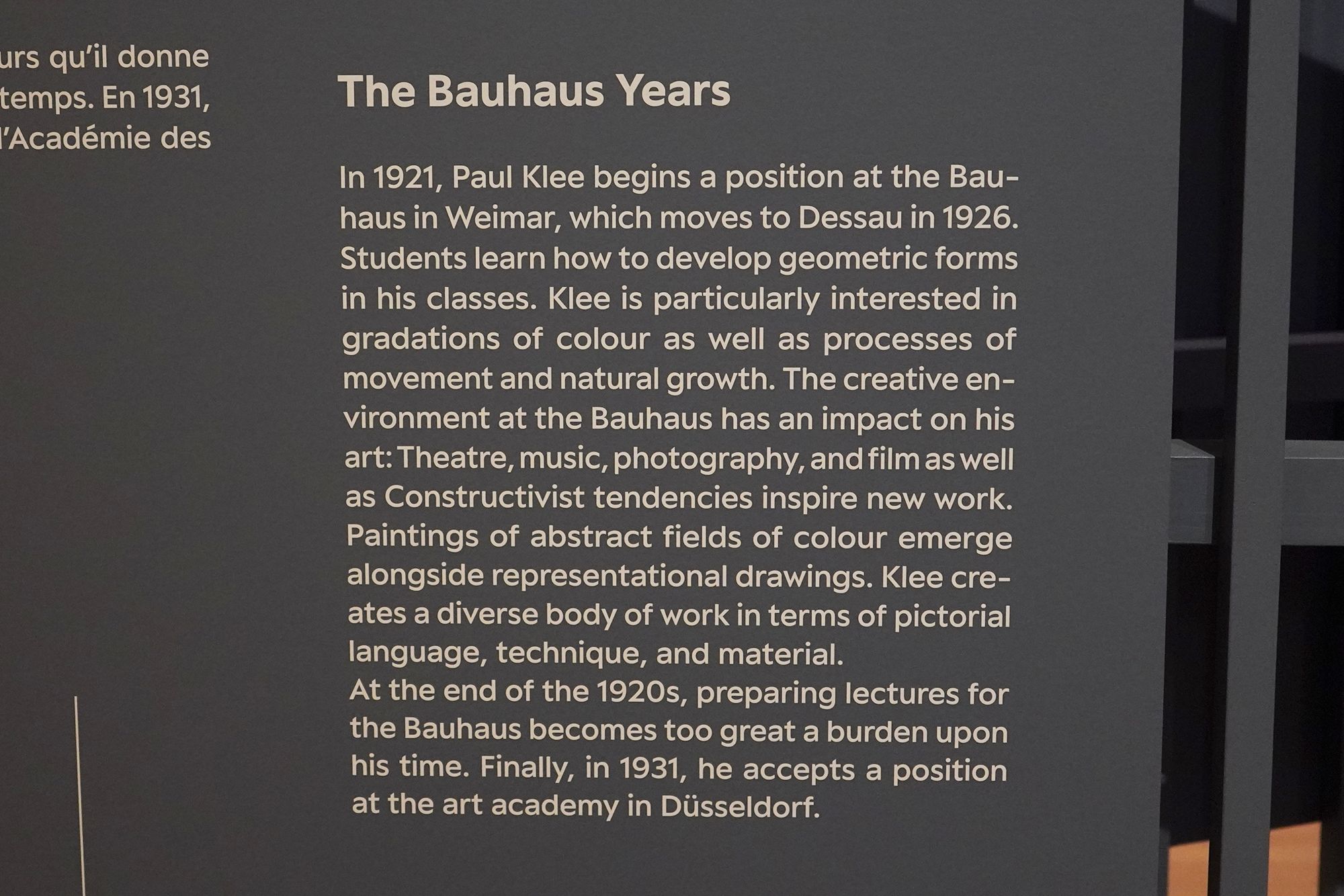
By the late 1920s, teaching and preparing lectures took too much of his time. In 1931, Klee left the Bauhaus to teach at the Düsseldorf Art Academy.
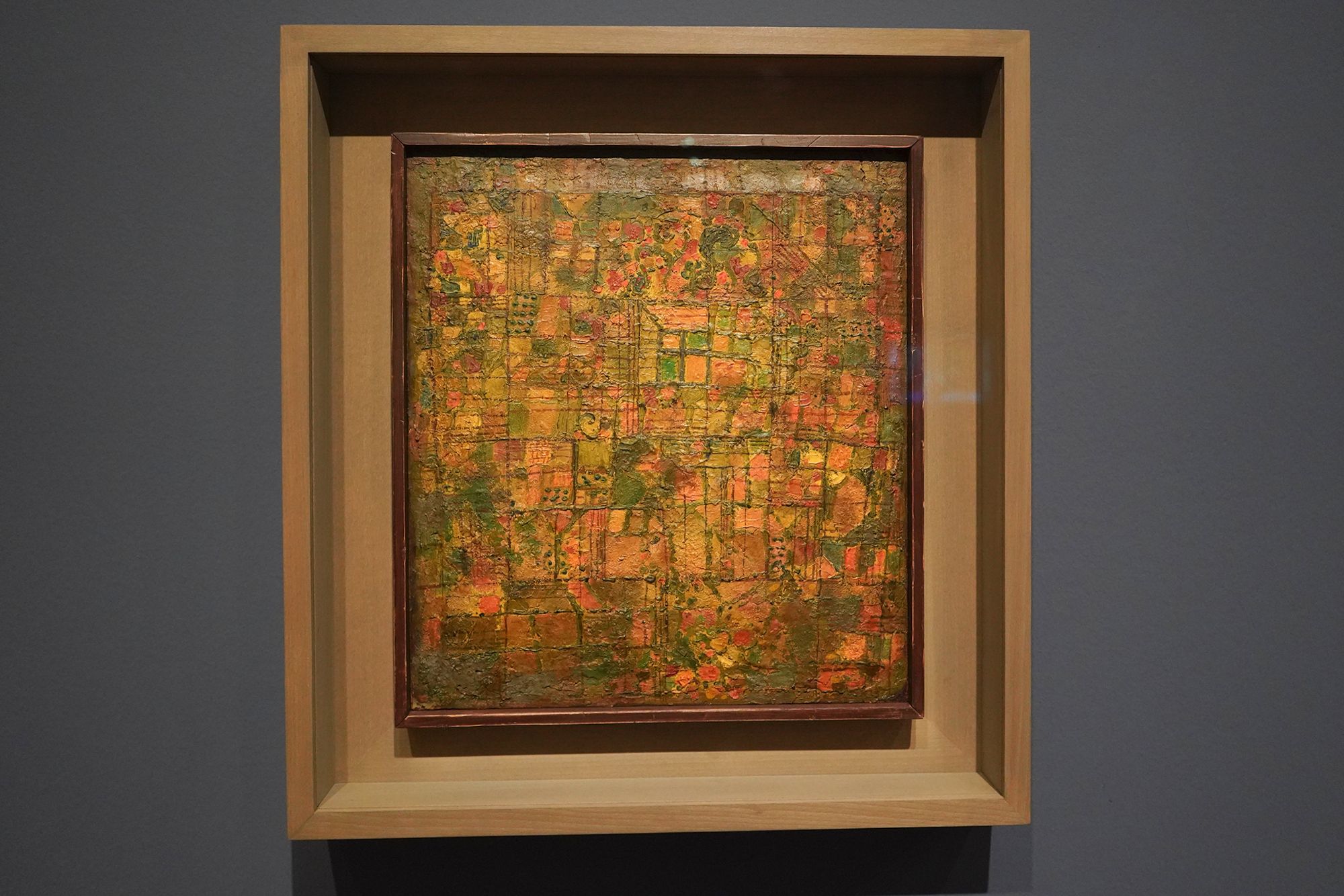
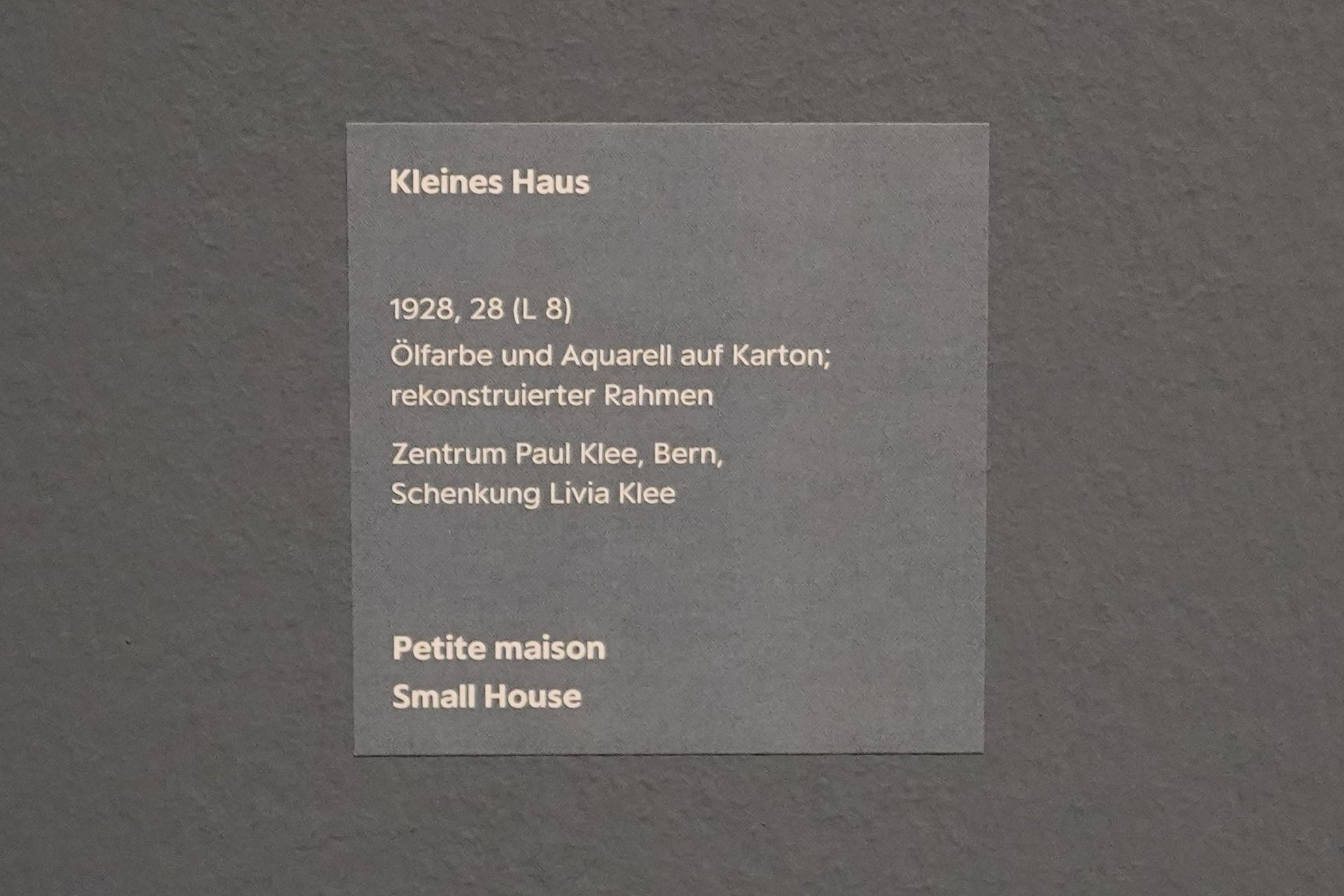
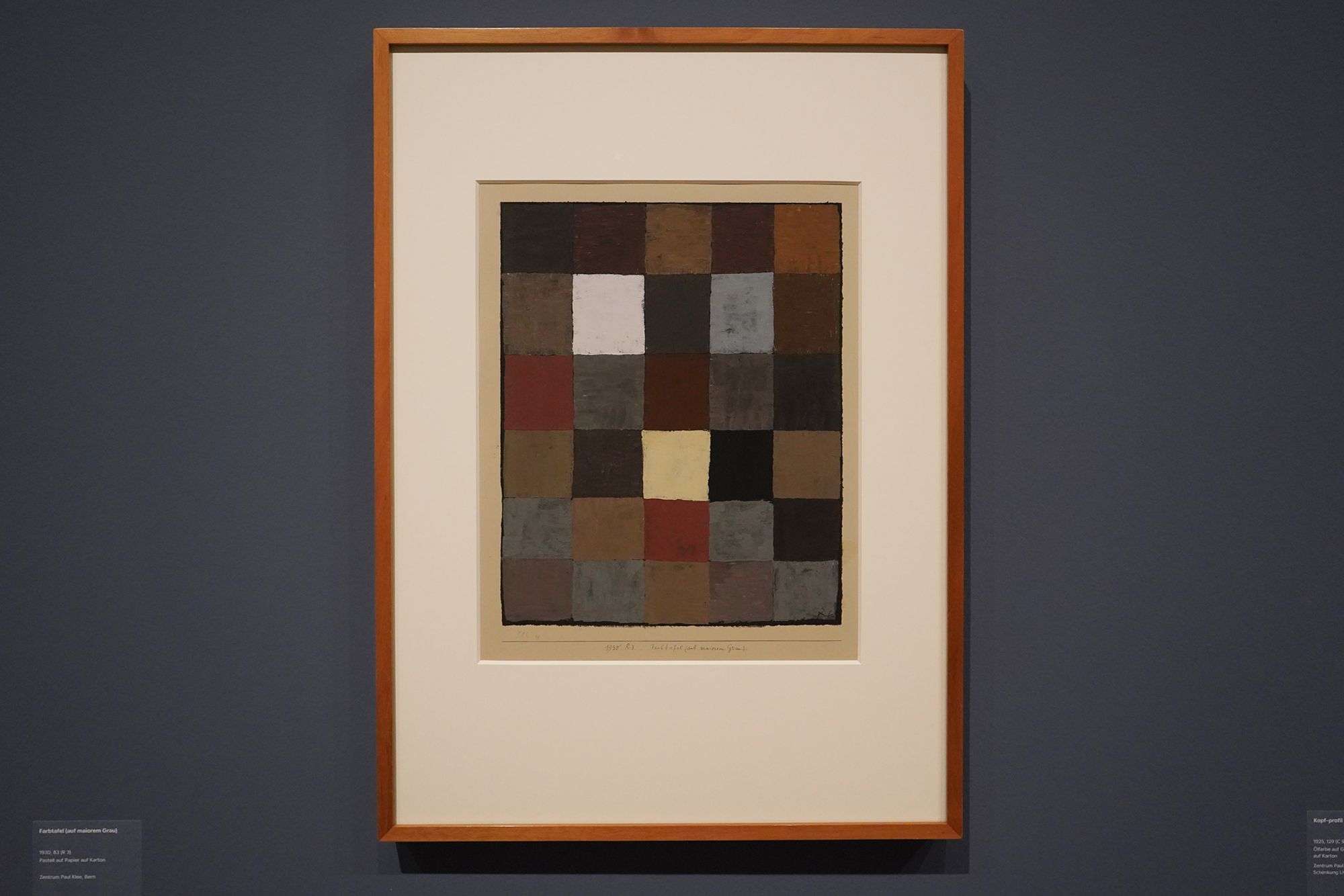
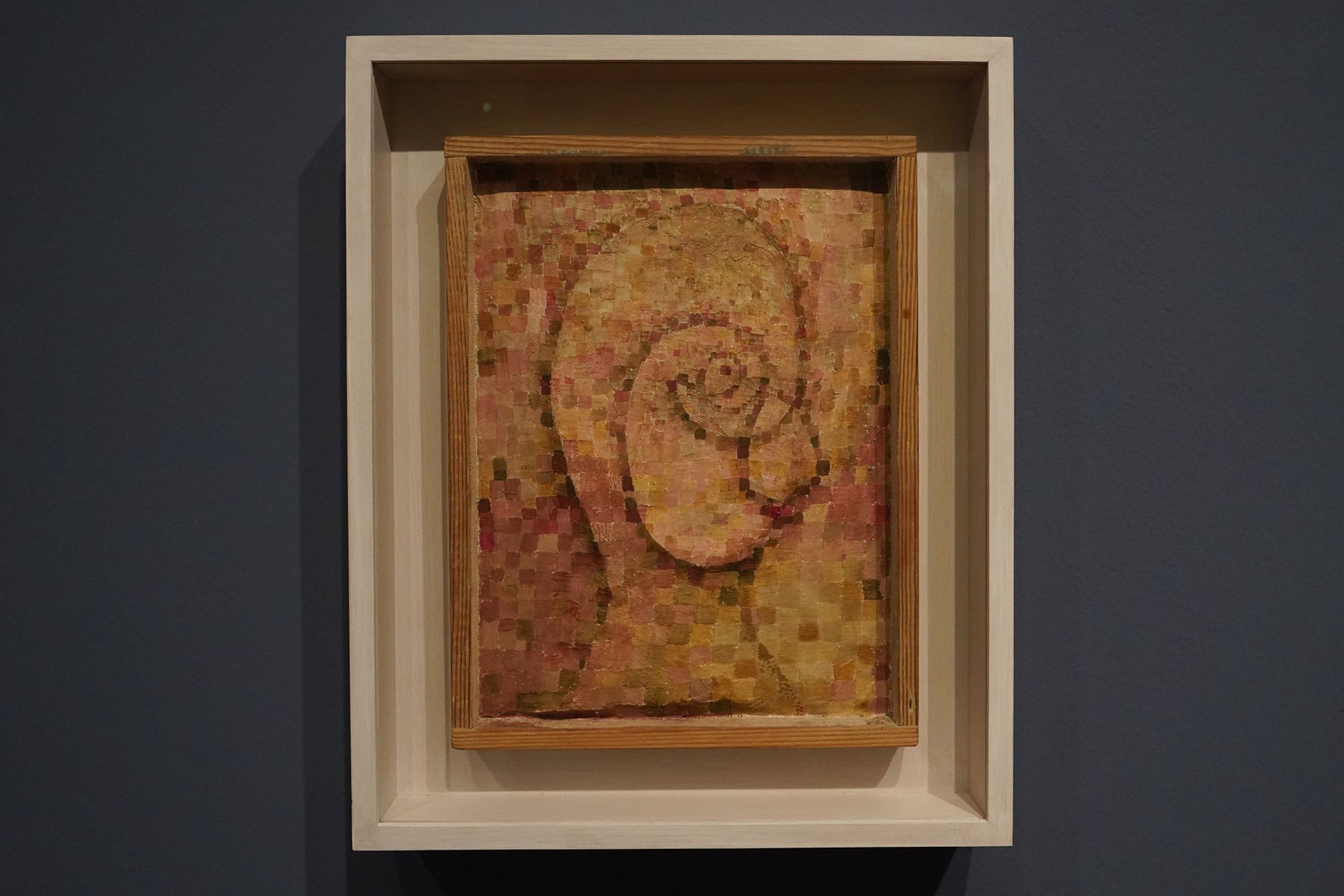
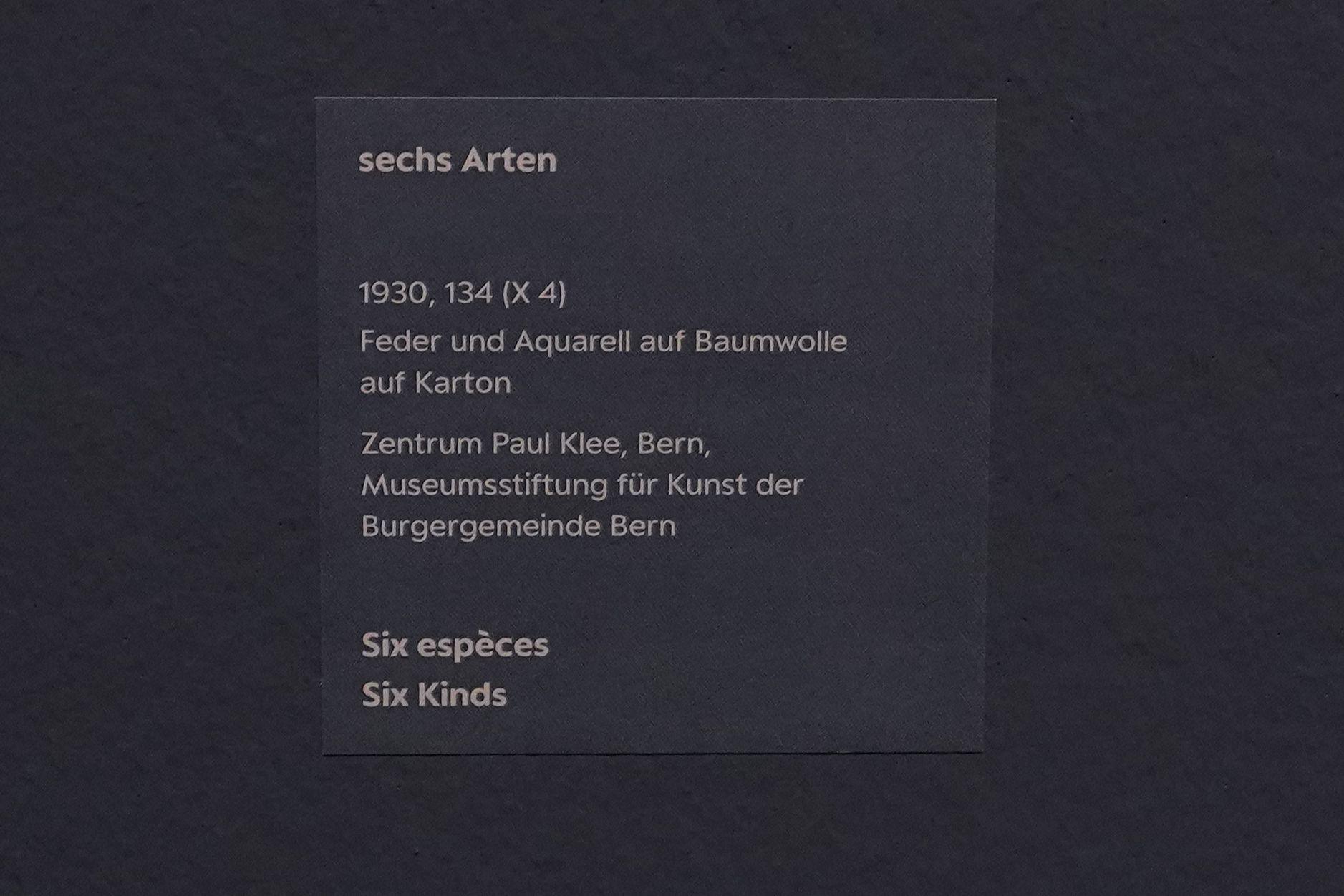
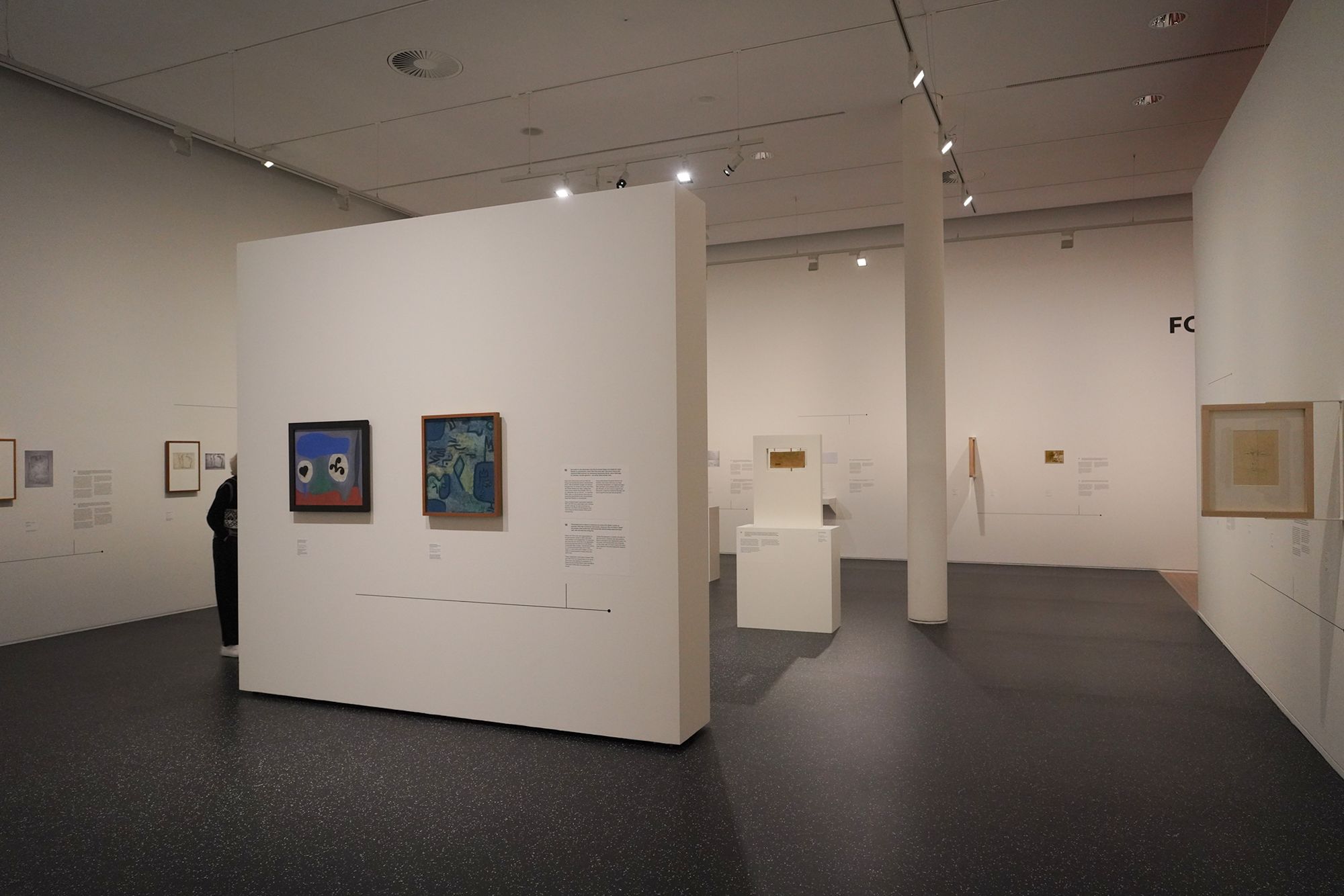
Klee’s Reverse Sides
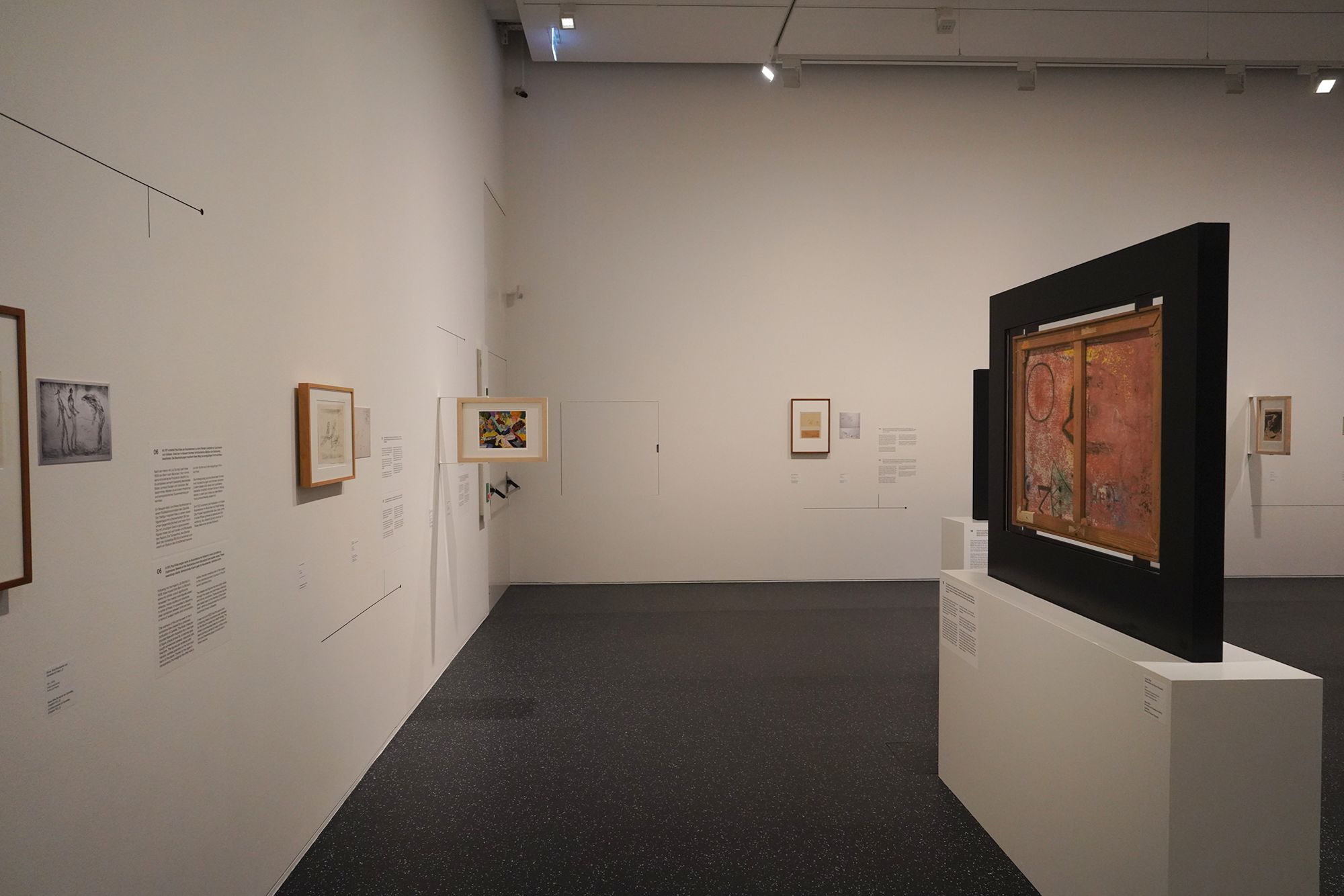
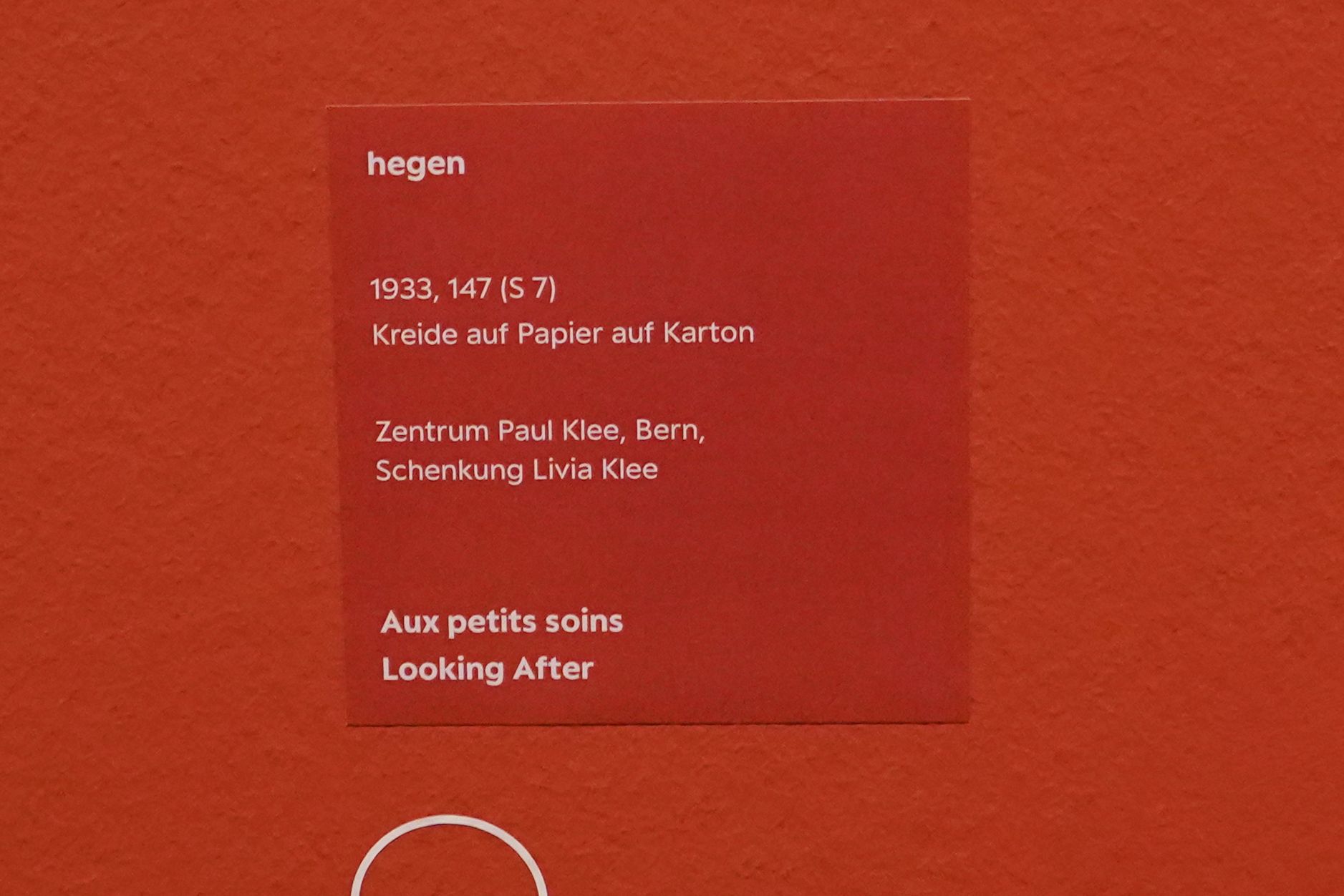
Paul Klee often used both sides of the paper, cardboard, or canvas for his artwork. Of roughly 9,600 works he produced, about 600 have drawings, paintings, or other material on the reverse side.
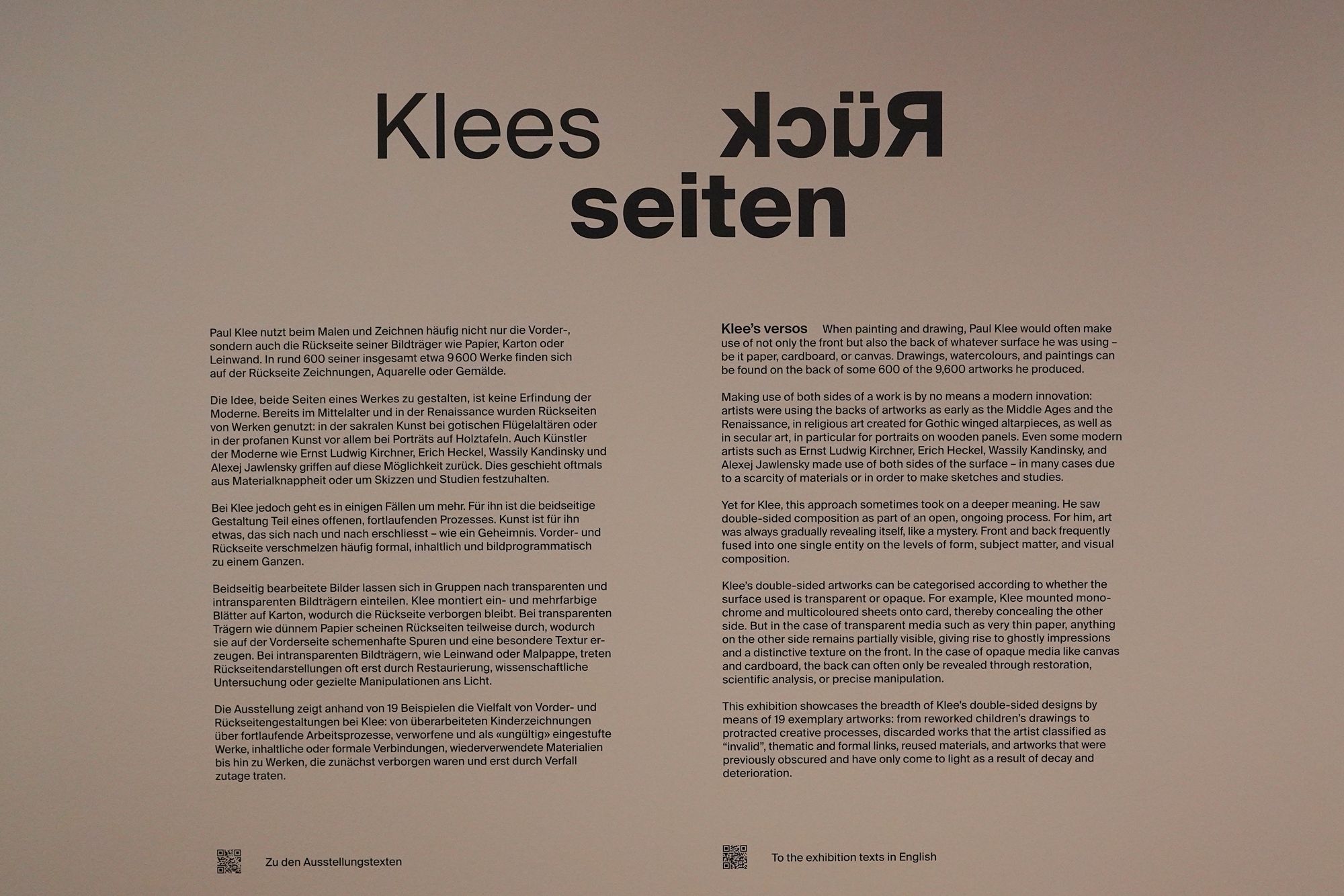
Sometimes this was simply a practical way to reuse materials, but in other cases Klee deliberately incorporated the reverse side into his creative process. He might turn a work around, continue developing it, reuse an older work, or allow elements from one side to influence the other.
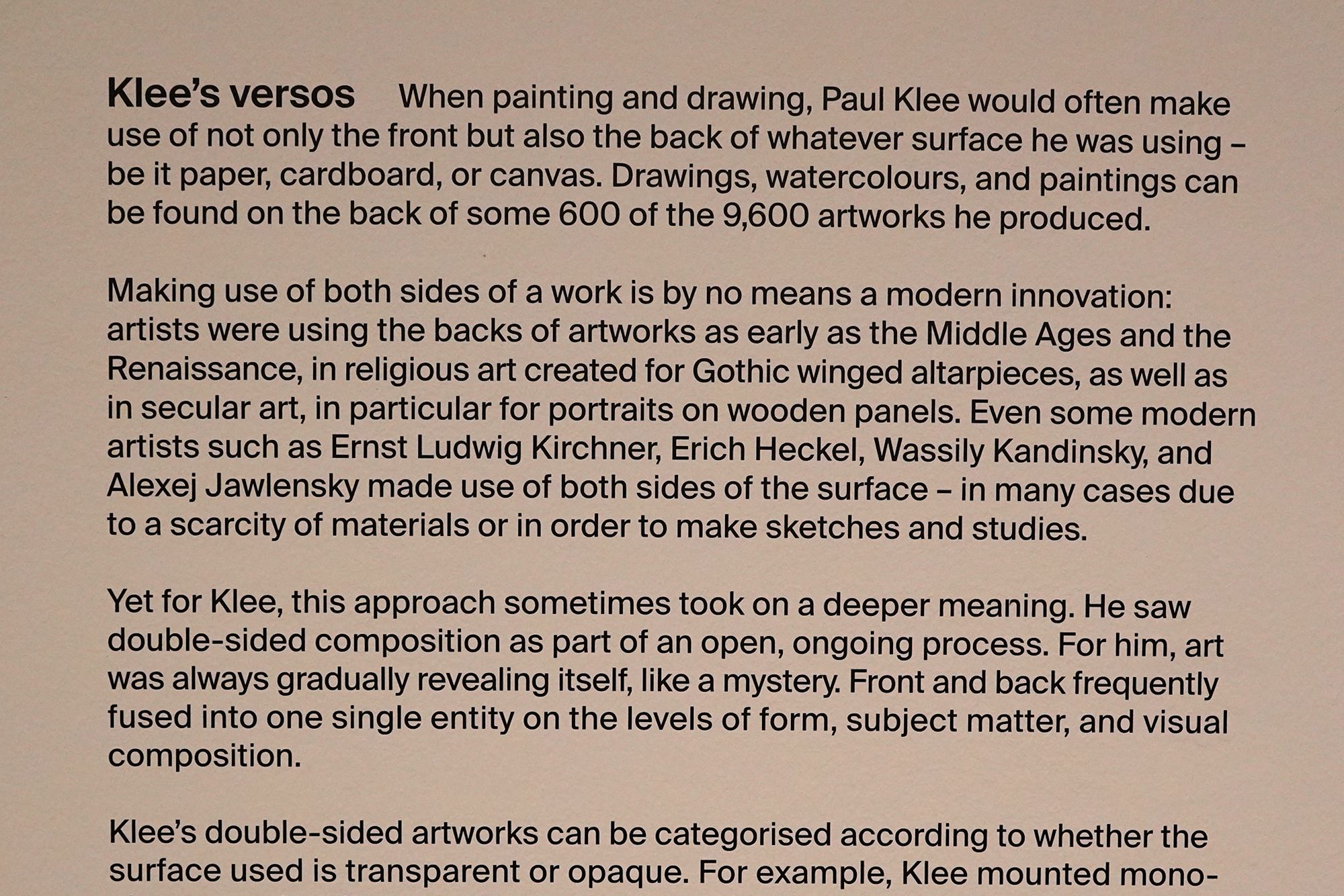
The exhibition examines these normally hidden sides of Klee’s art, revealing discarded ideas, earlier compositions, reused materials, and works that provide a different perspective on how Klee experimented and developed his art.
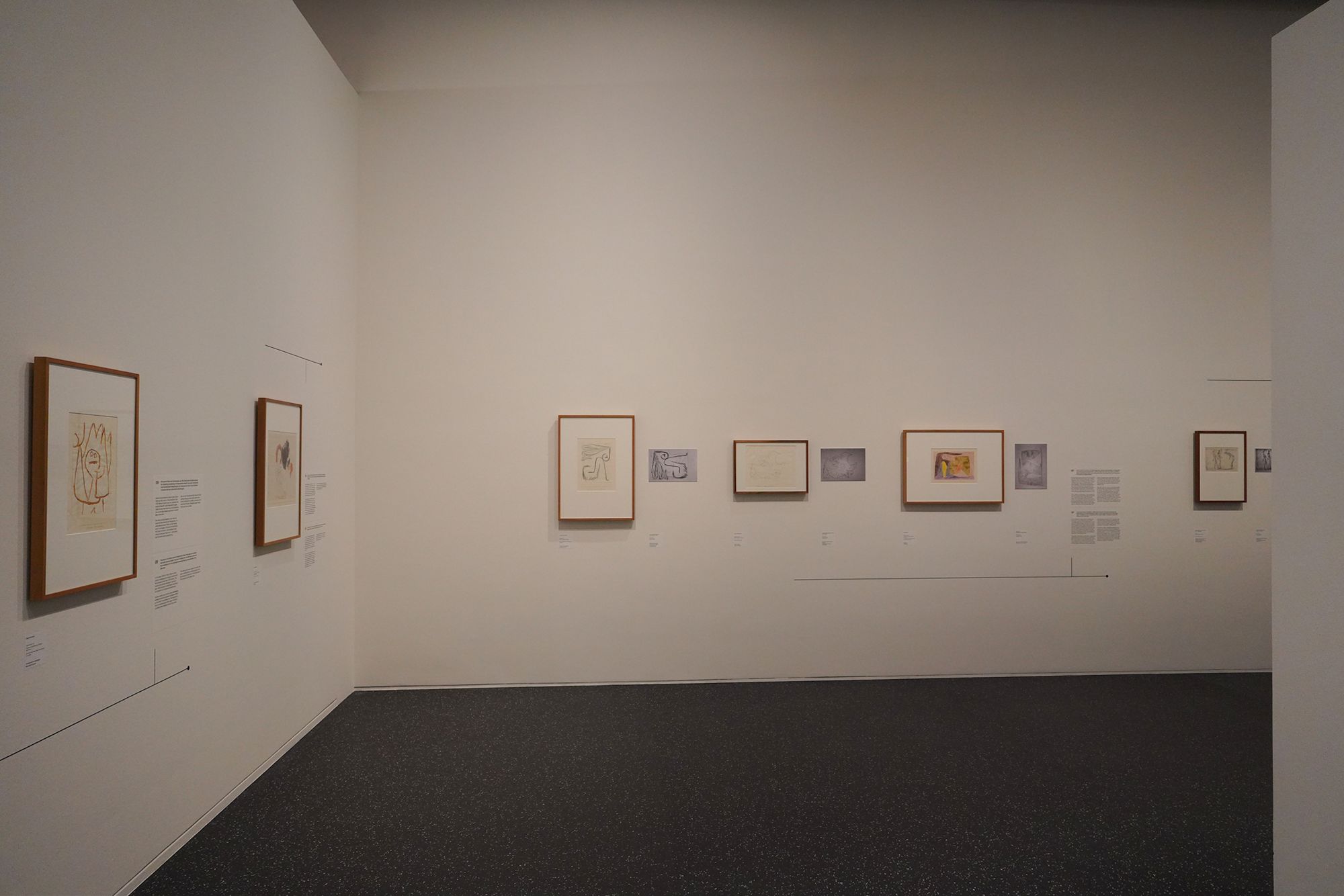
Klee’s Late Period, 1938–1940
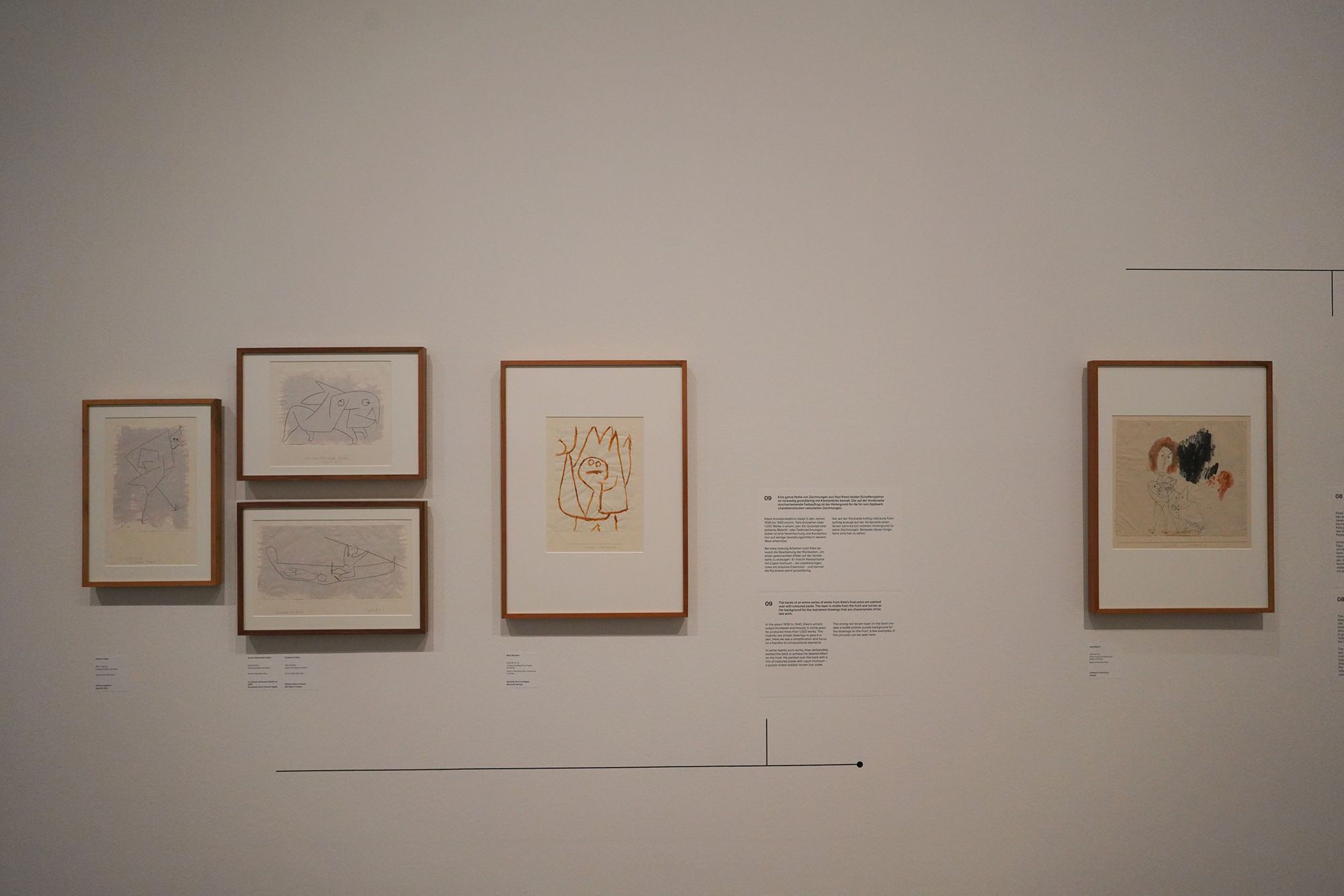
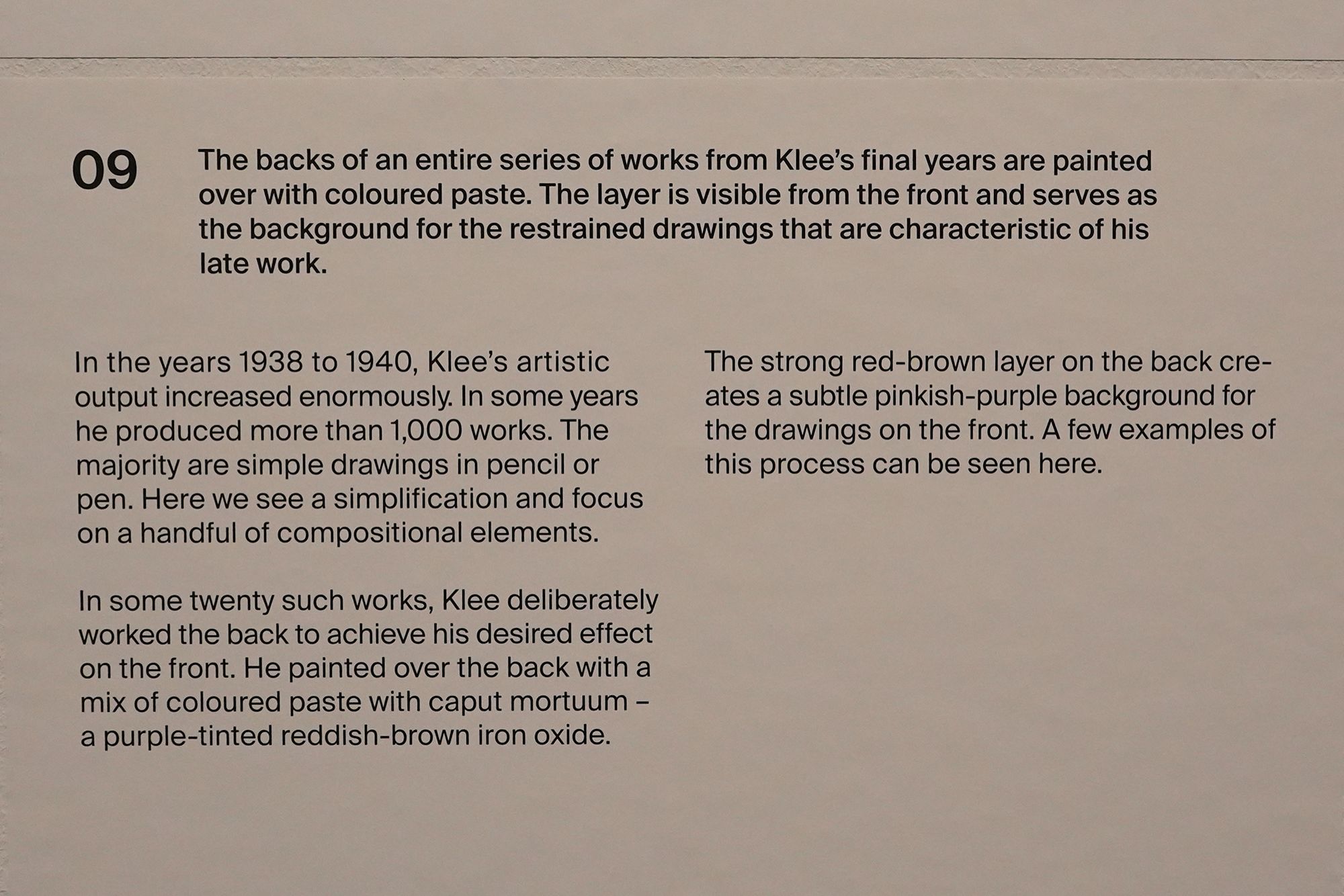
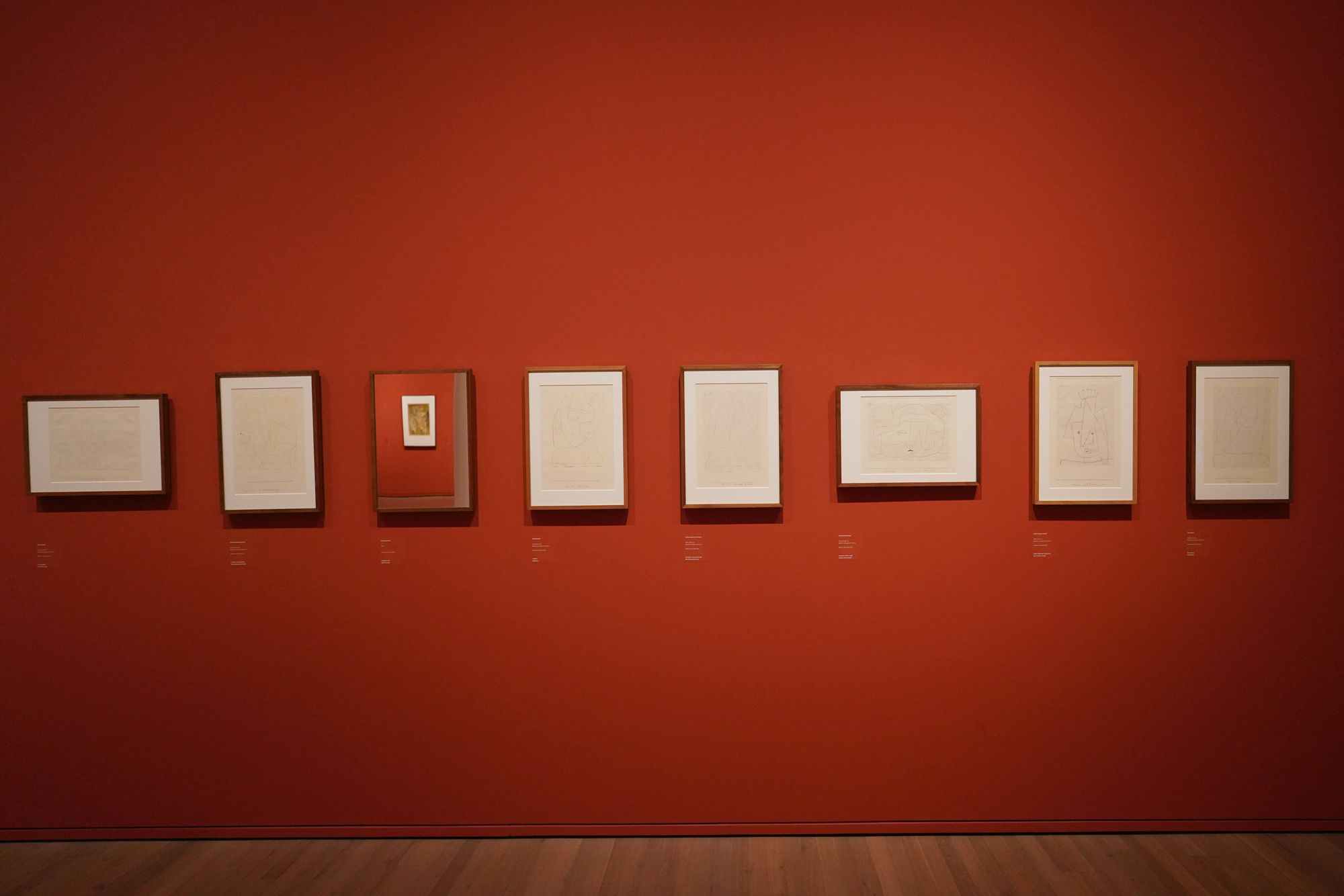
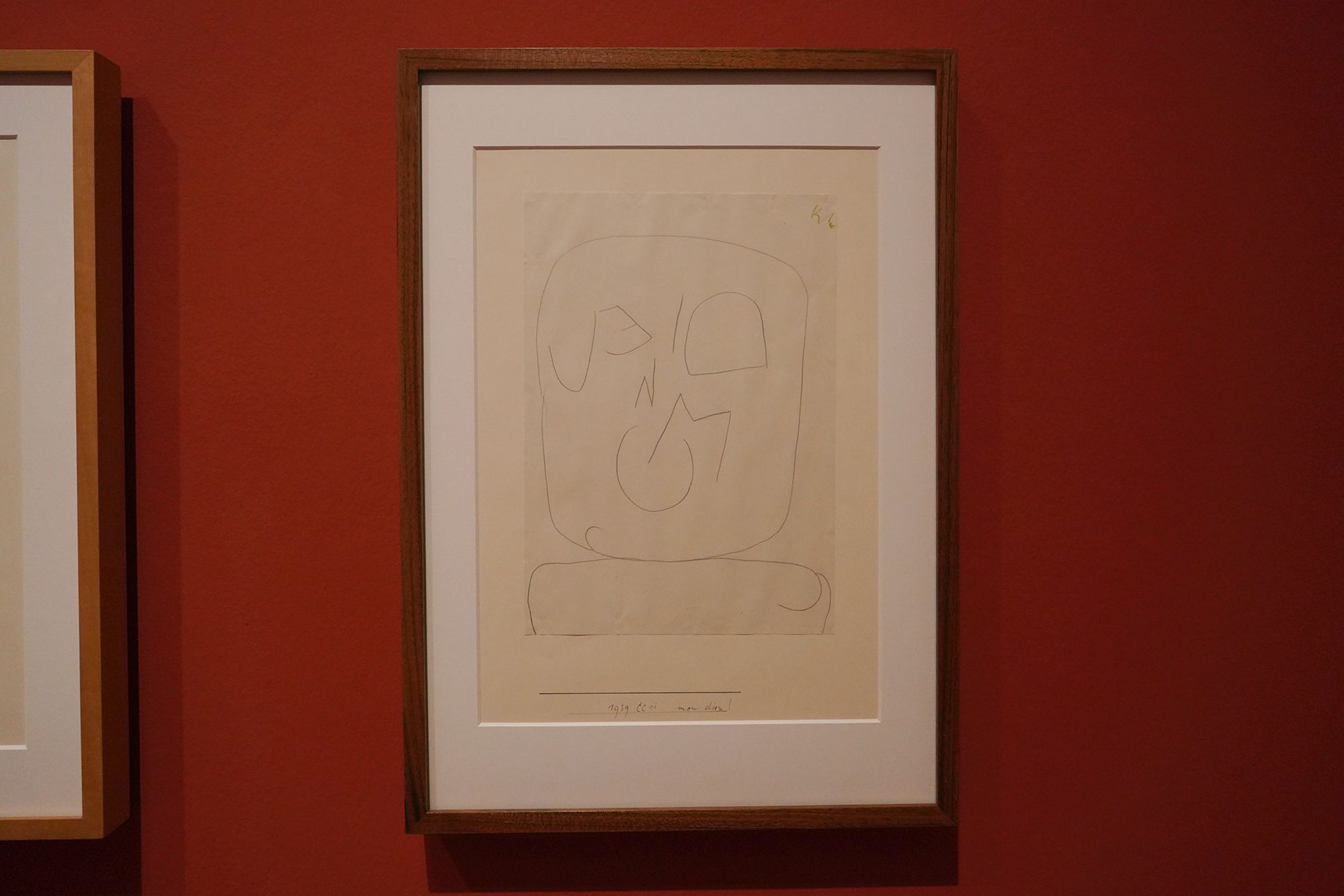
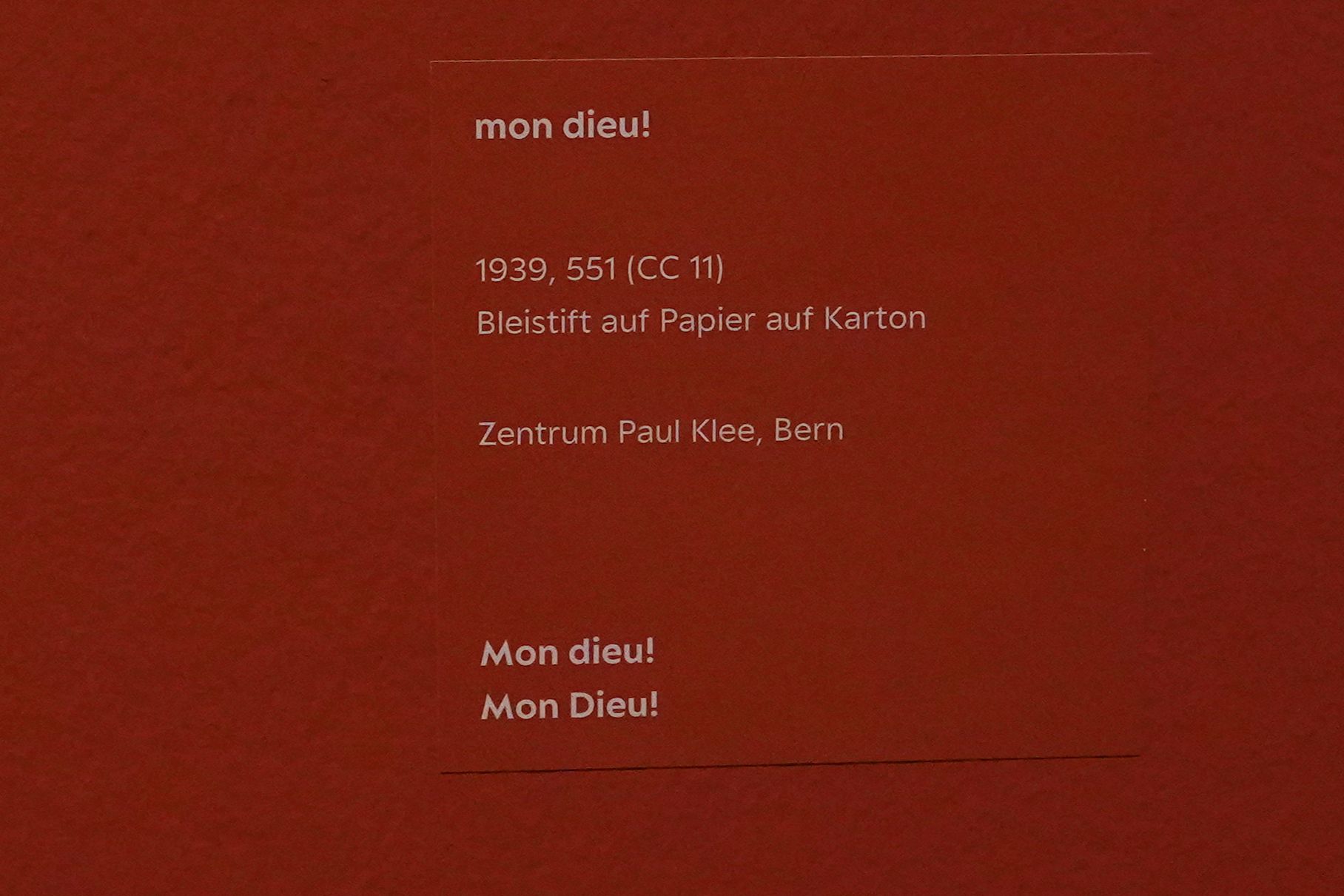
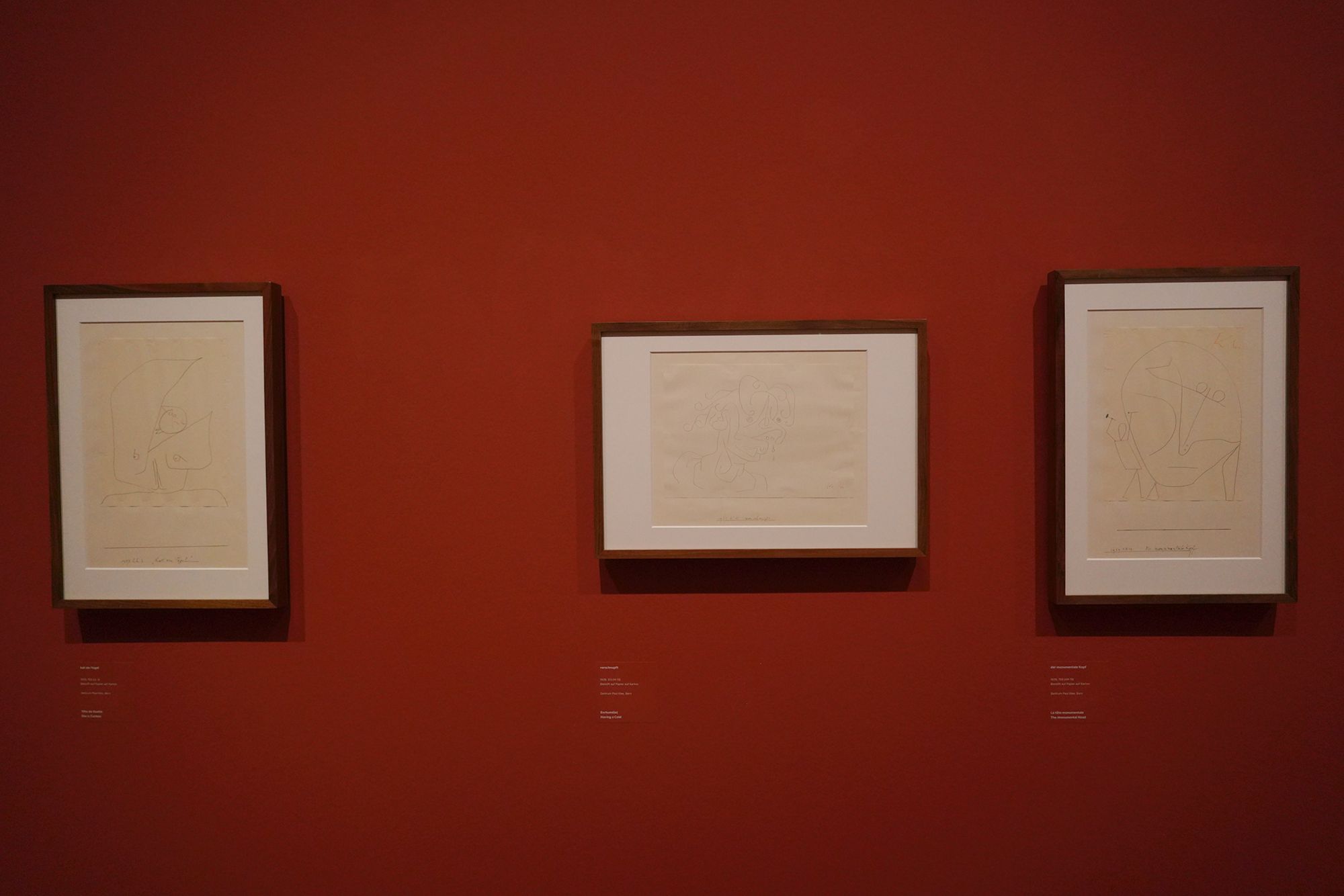
During the final years of his life, Paul Klee became extraordinarily productive, sometimes creating more than 1,000 works in a single year. Many were simplified drawings made with pencil or pen.
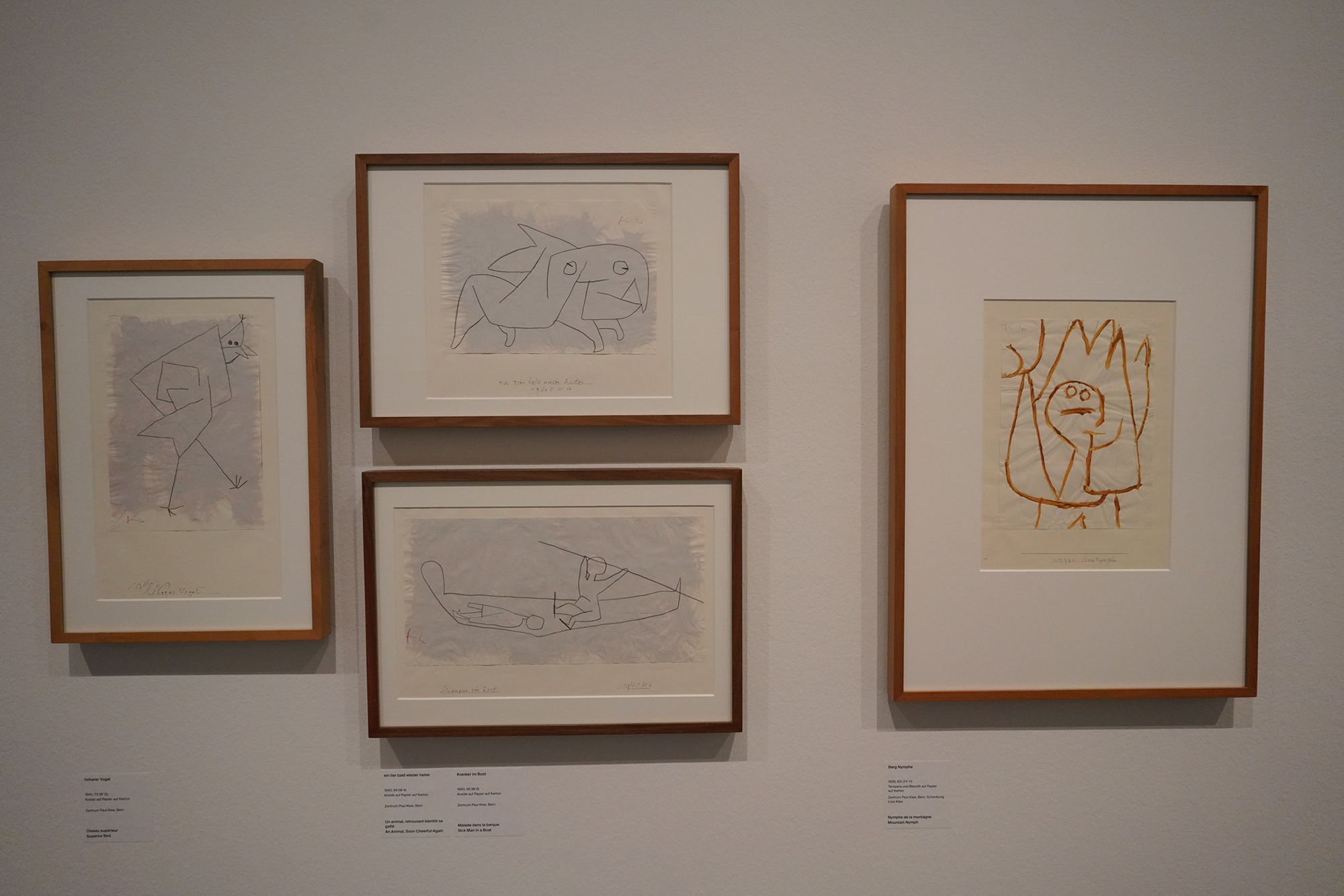
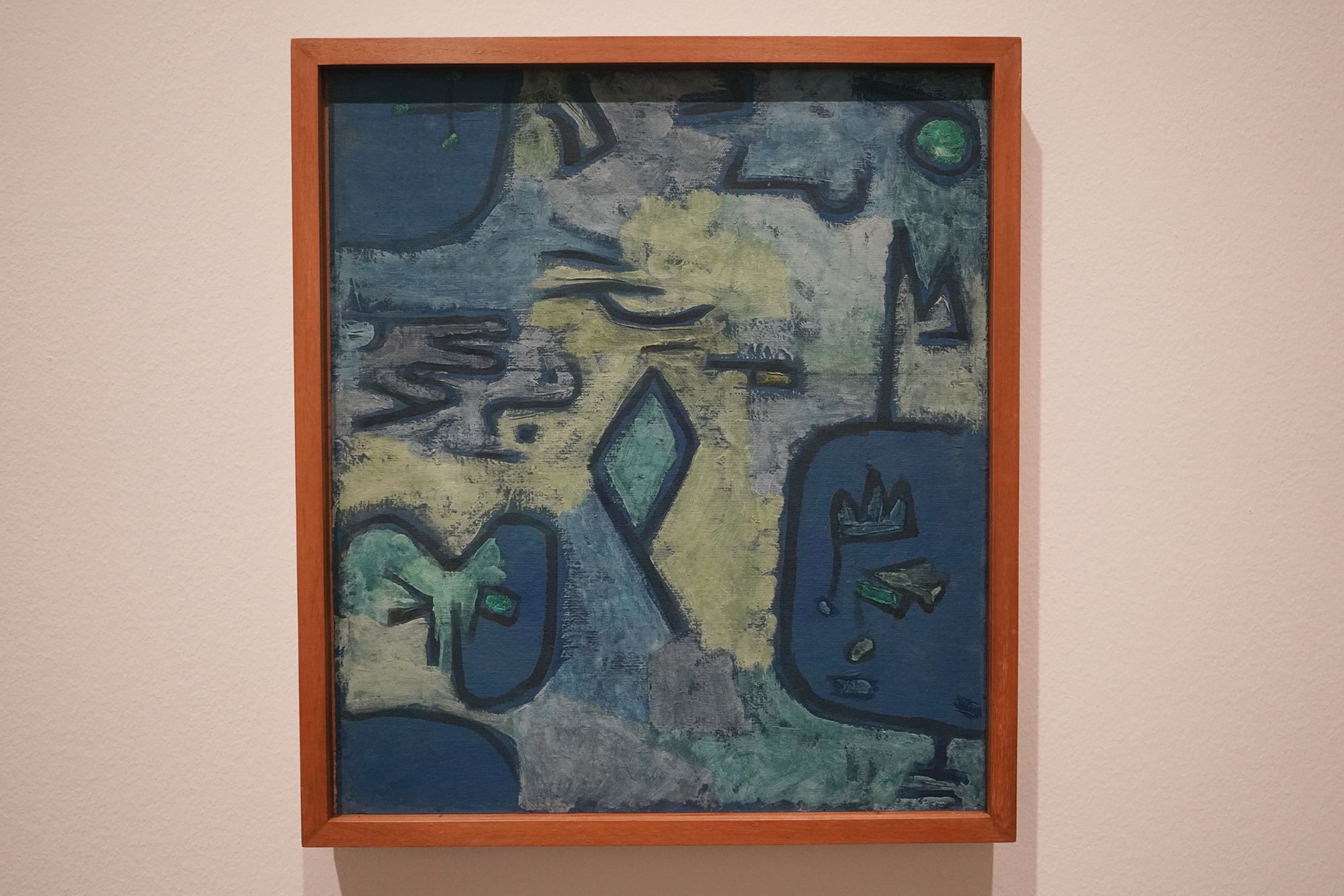
In about twenty works, Klee also deliberately painted the back of the paper with a reddish-brown pigment. Because the paper was thin, the color subtly showed through to the front, creating a pinkish-purple background behind his drawings. This shows how even the reverse side could become part of Klee’s artistic technique.
Klee’s Double-Sided Works After His Death
After Paul Klee’s death, his son Felix Klee took responsibility for his parents’ estate in 1953. Wanting to make more of his father’s art available for display, Felix sometimes had double-sided works physically separated, turning a single artwork with images on both sides into two individual works.
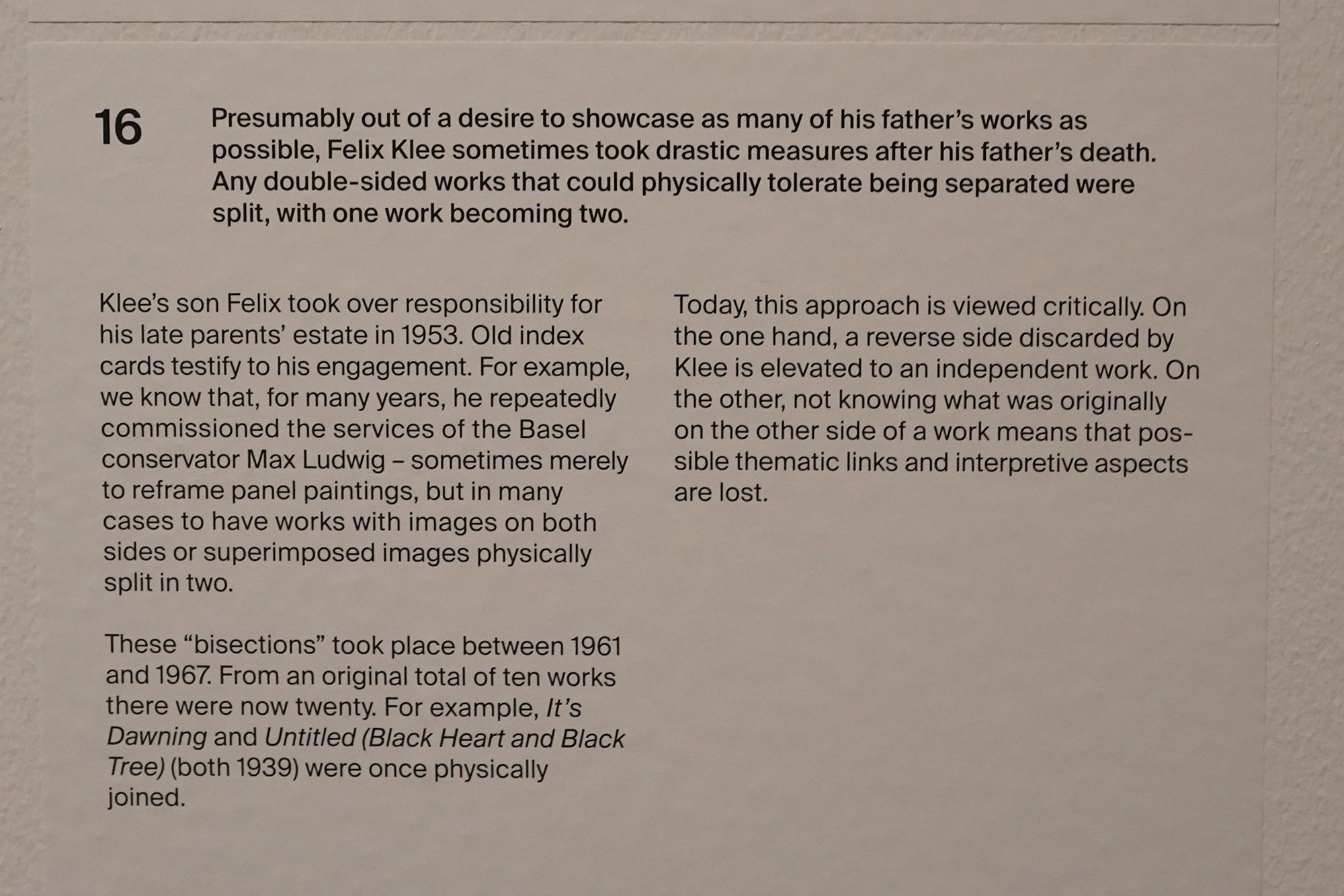
Between 1961 and 1967, ten original works were divided in this way, creating twenty separate pieces. Today, this practice is viewed critically because separating the two sides can destroy the original relationship between them and make it harder to understand how Klee intended the two images to relate to each other.
A Hidden Painting Behind Glass Façade
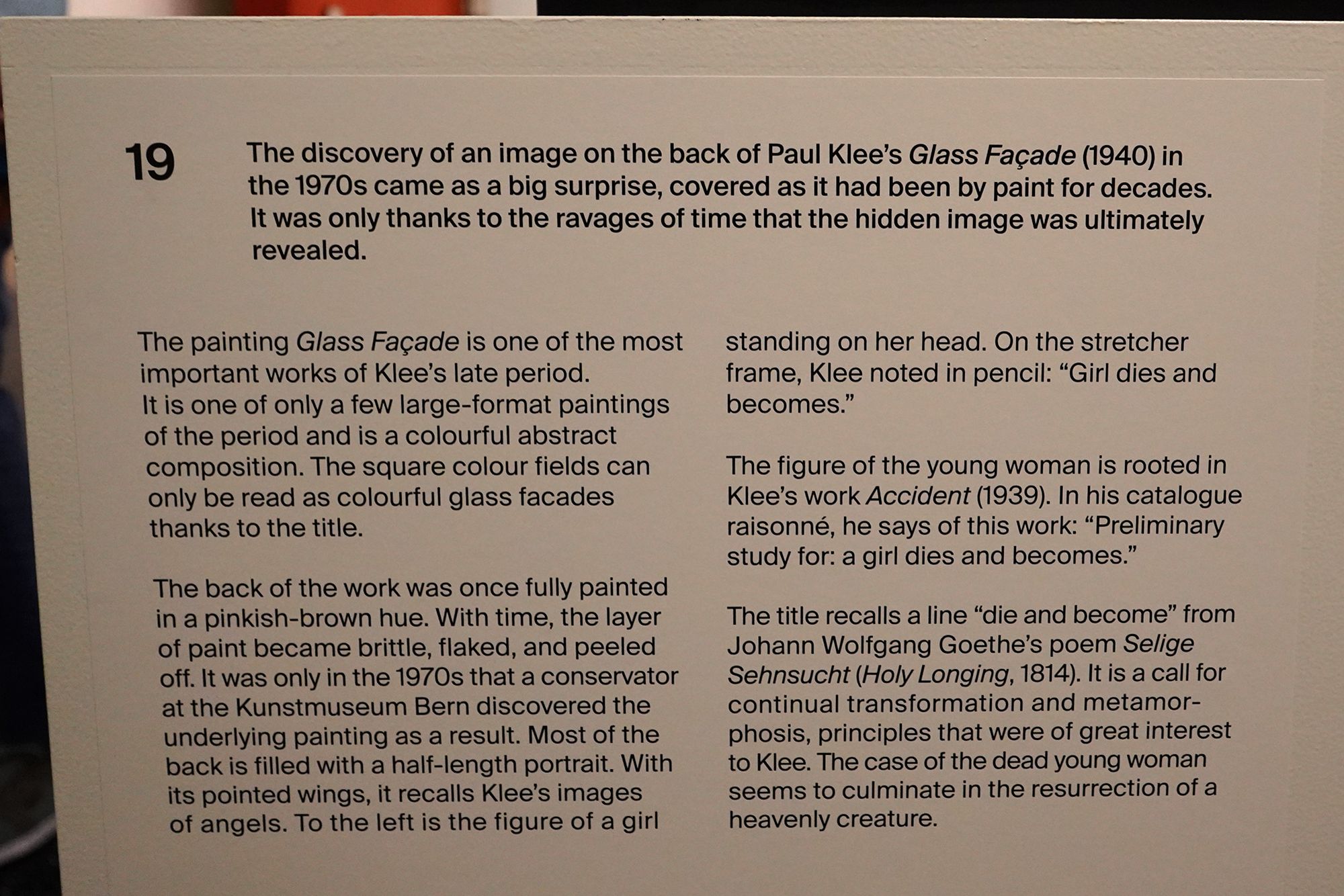
Paul Klee’s Glass Façade (1940) is considered an important work from his final period. The front is a colorful abstract composition of square forms suggesting panes of glass.
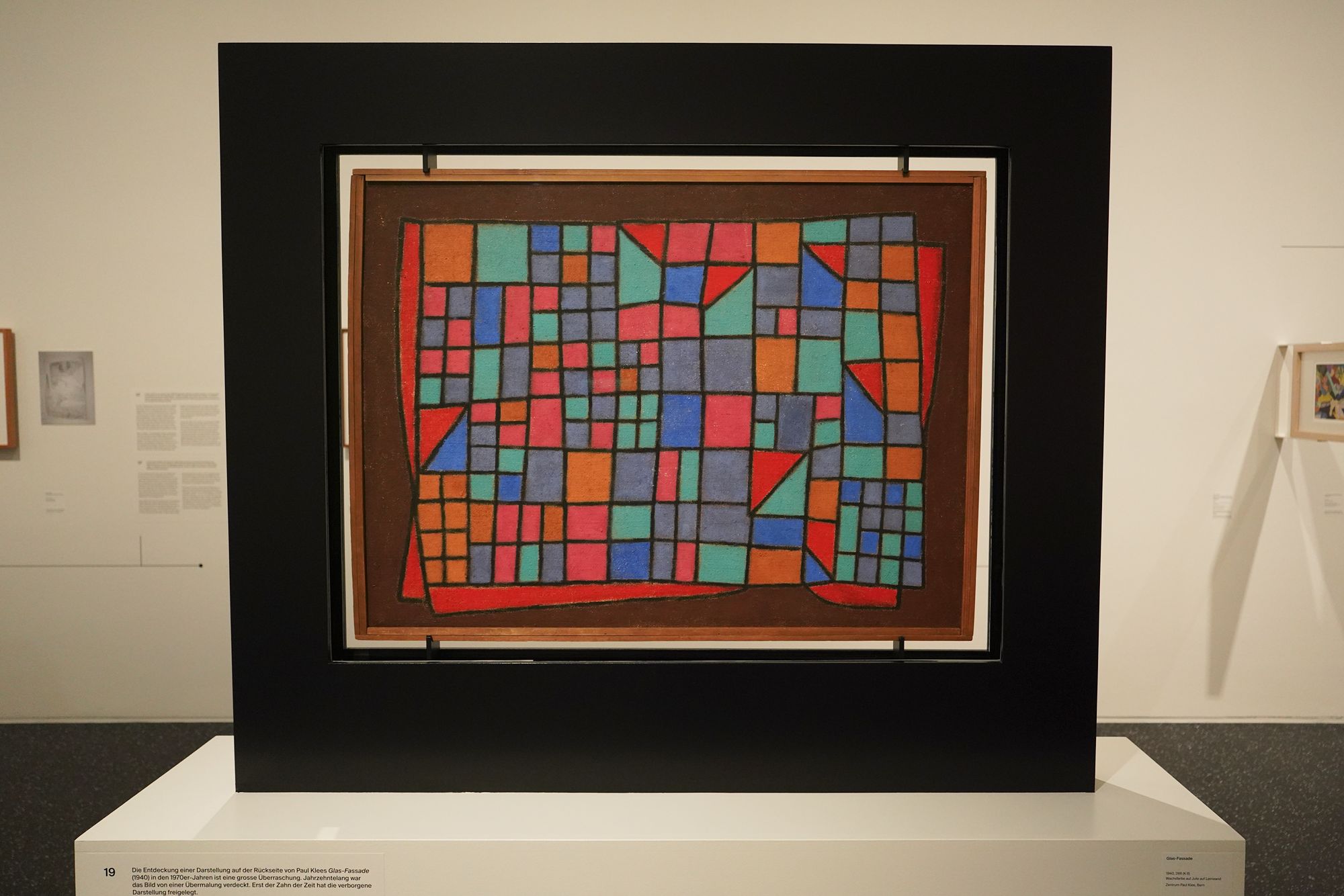
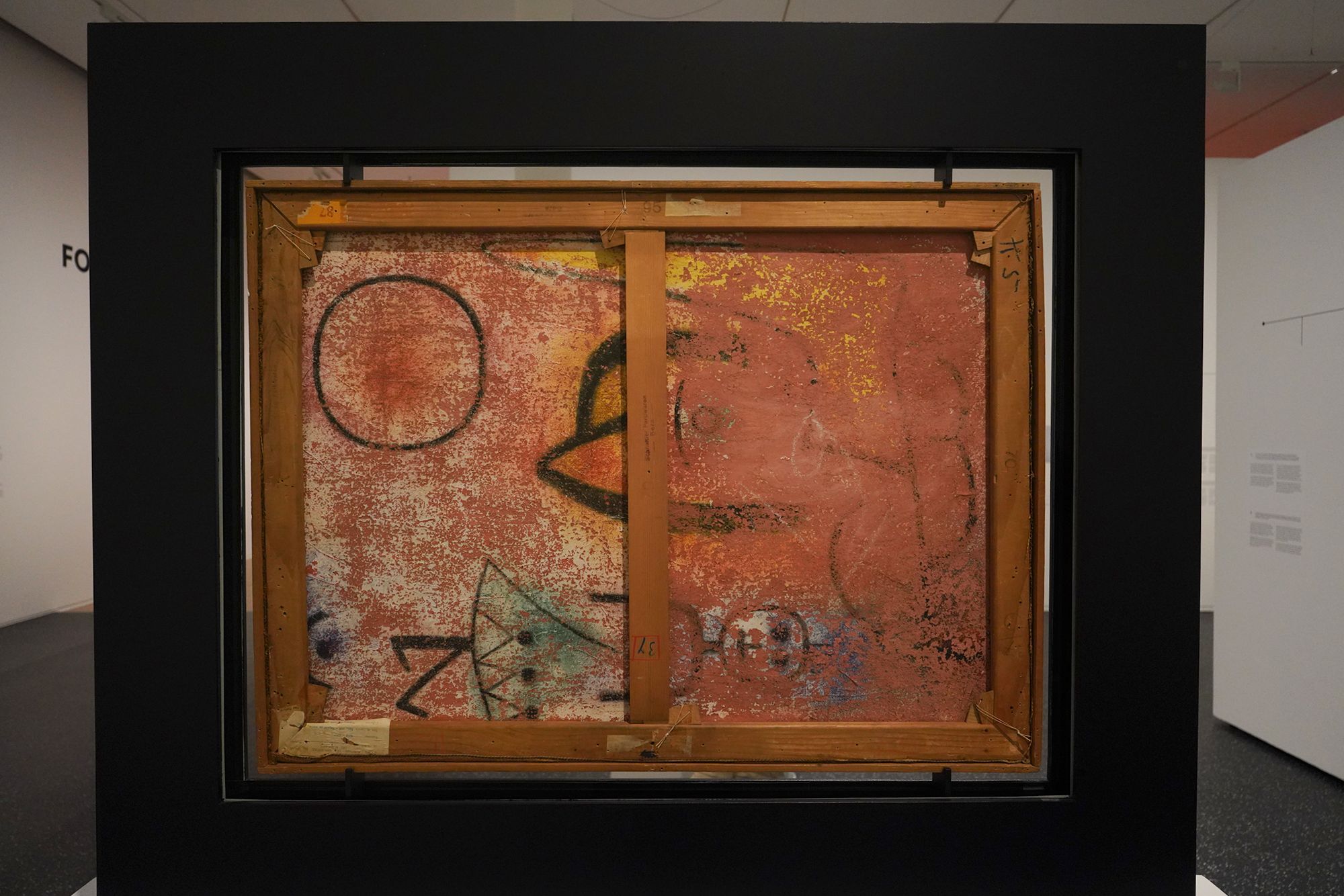
For decades, no one realized that another painting was hidden on the back. Klee had covered the reverse with pinkish-brown paint, but over time this layer became brittle and began peeling away. In the 1970s, a conservator at the Kunstmuseum Bern discovered an earlier image underneath.
Paul Klee and His Son Felix
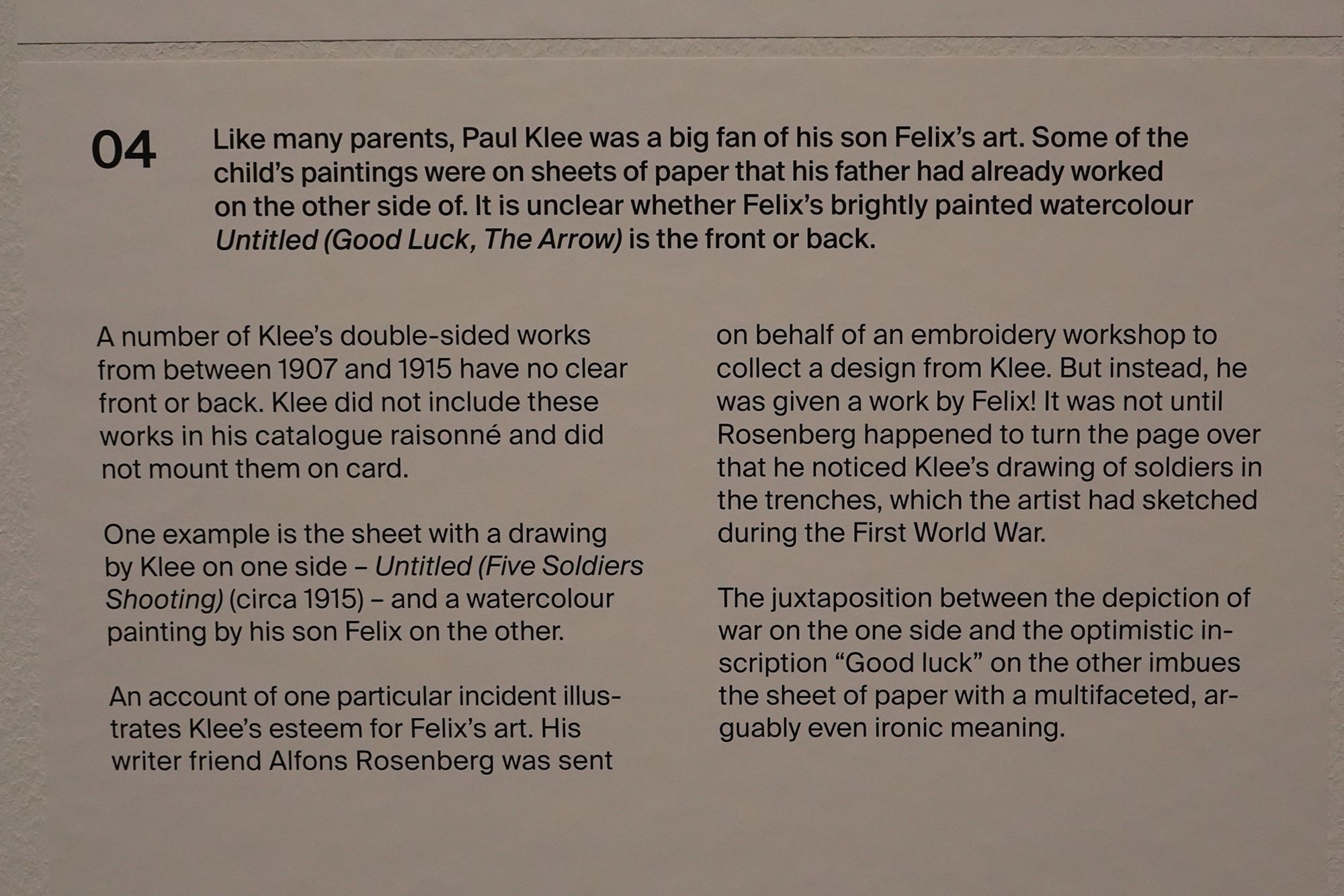
Paul Klee greatly admired the artwork of his son Felix. Sometimes Felix even painted on sheets of paper that his father had already used on the other side.
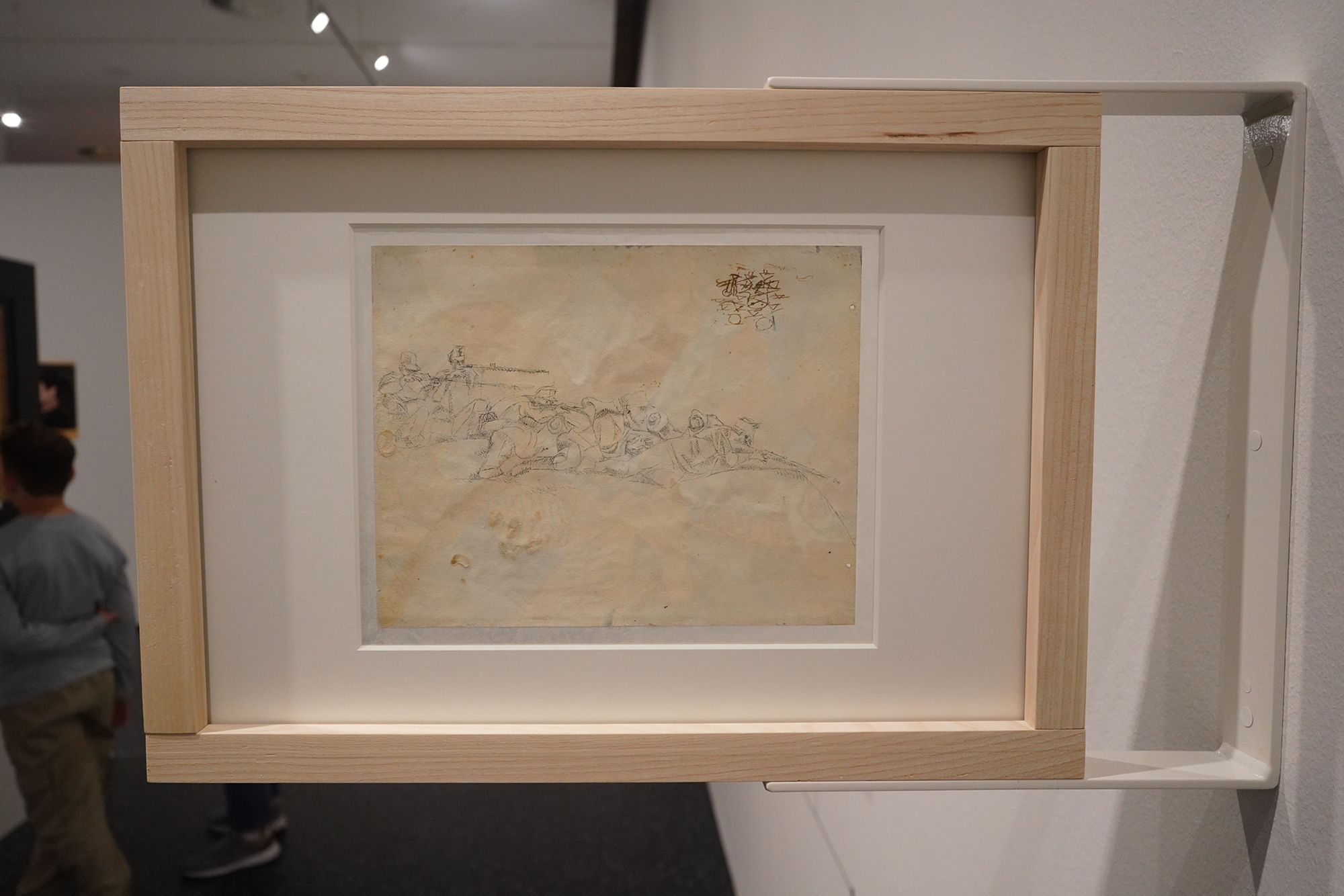
One unusual example has Felix’s colorful watercolor Untitled (Good Luck, The Arrow) on one side and Klee’s drawing Five Soldiers Shooting, made around 1915 during World War I, on the other.
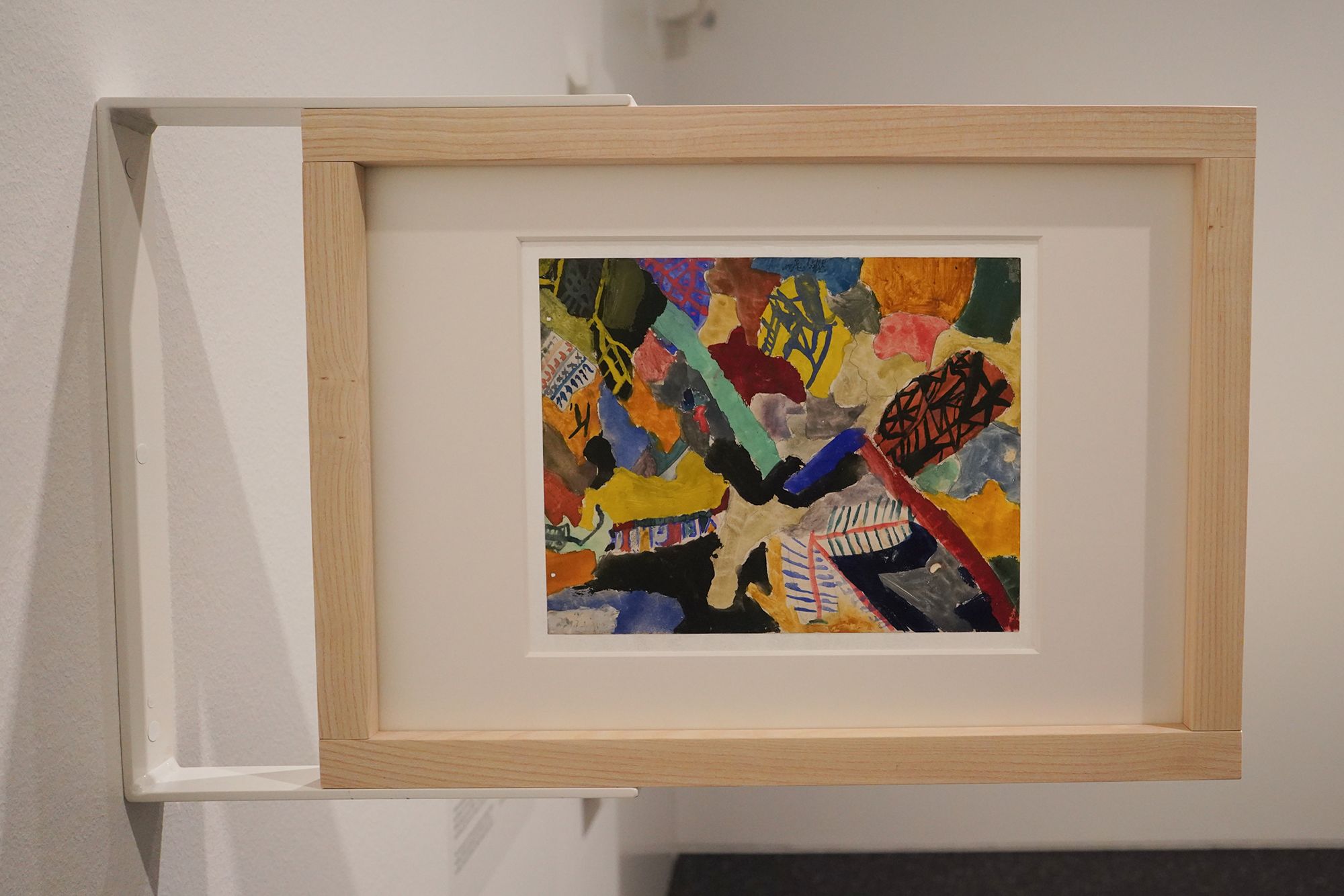
The contrast is striking: Felix’s cheerful “Good Luck” image appears on the same sheet as his father’s grim scene of soldiers and war. The museum notes that this accidental combination gives the double-sided work an unexpectedly ironic meaning.
Two Sides, but No Official Front
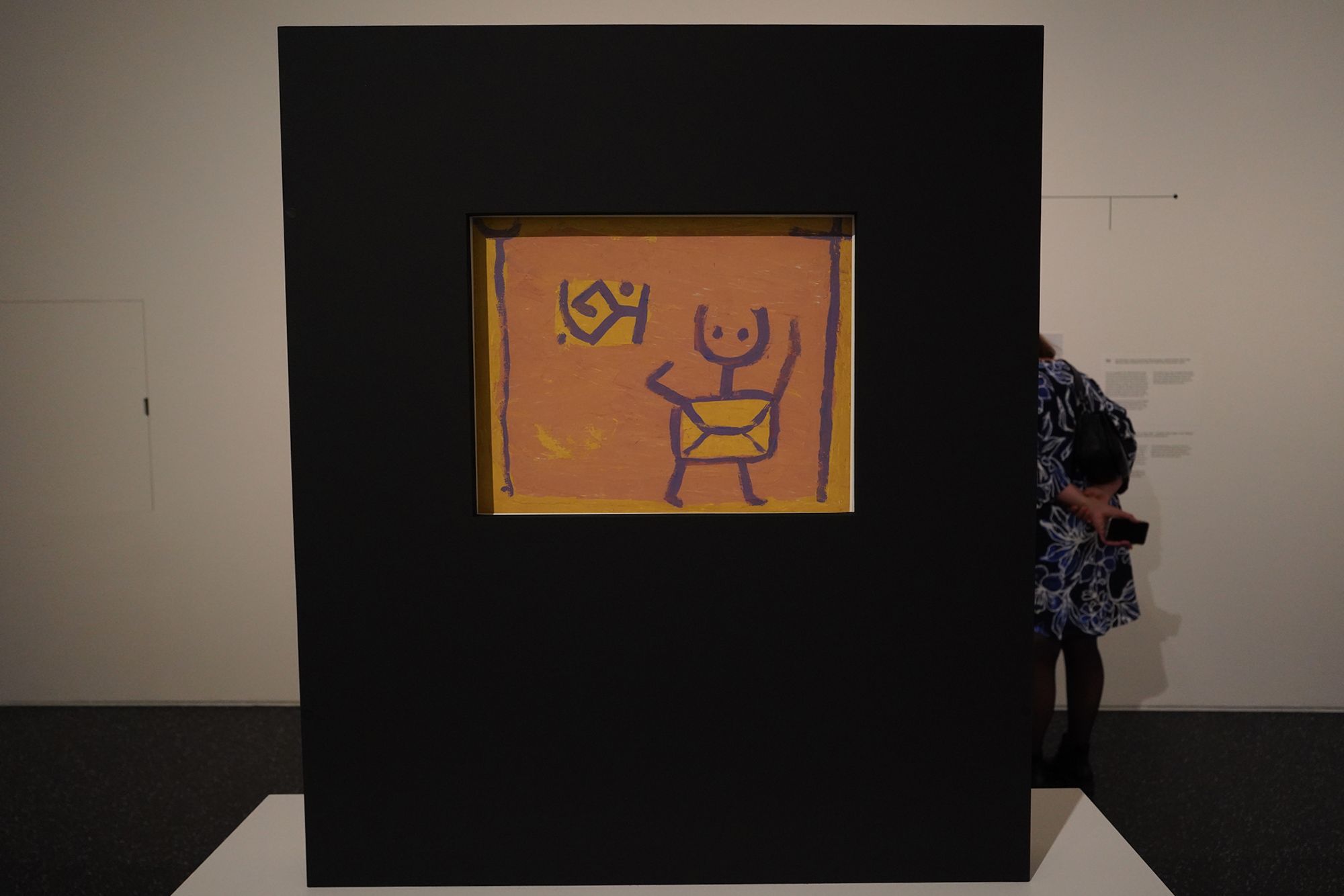
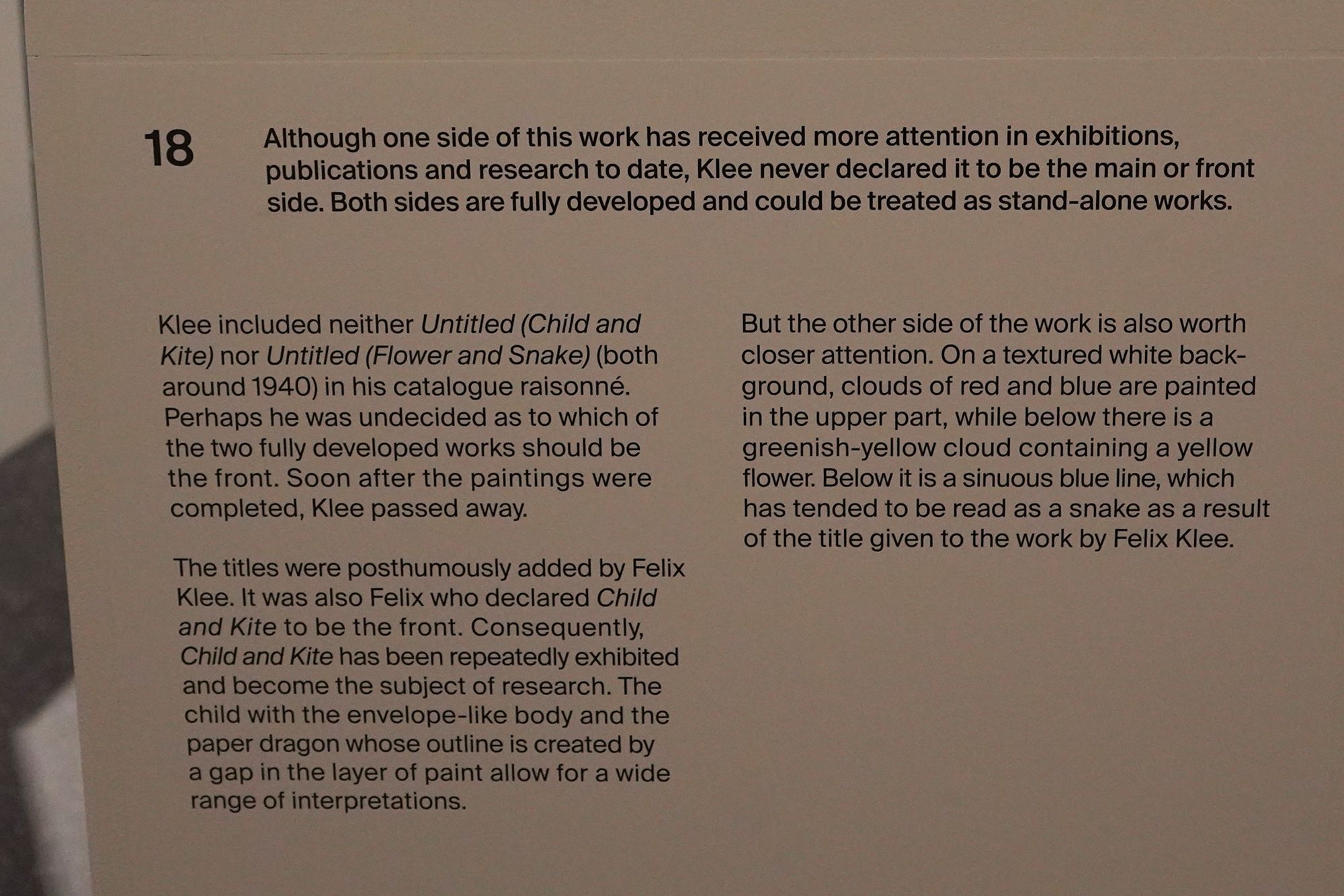
Around 1940, Paul Klee created a work with a complete composition on each side. One became known as Child and Kite and the other as Flower and Snake. Klee died soon afterward without identifying either side as the front, and he did not include the work in his catalogue.
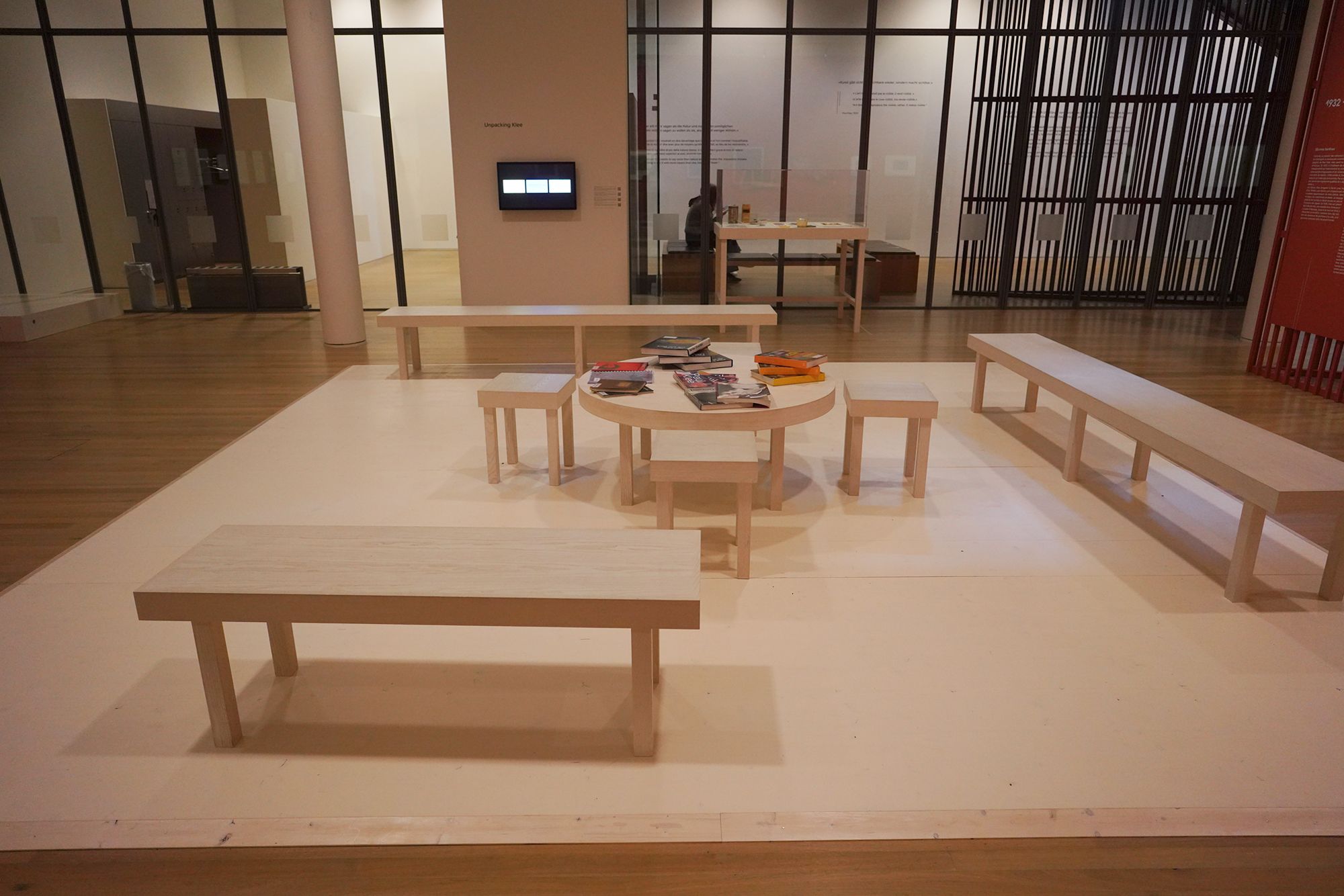
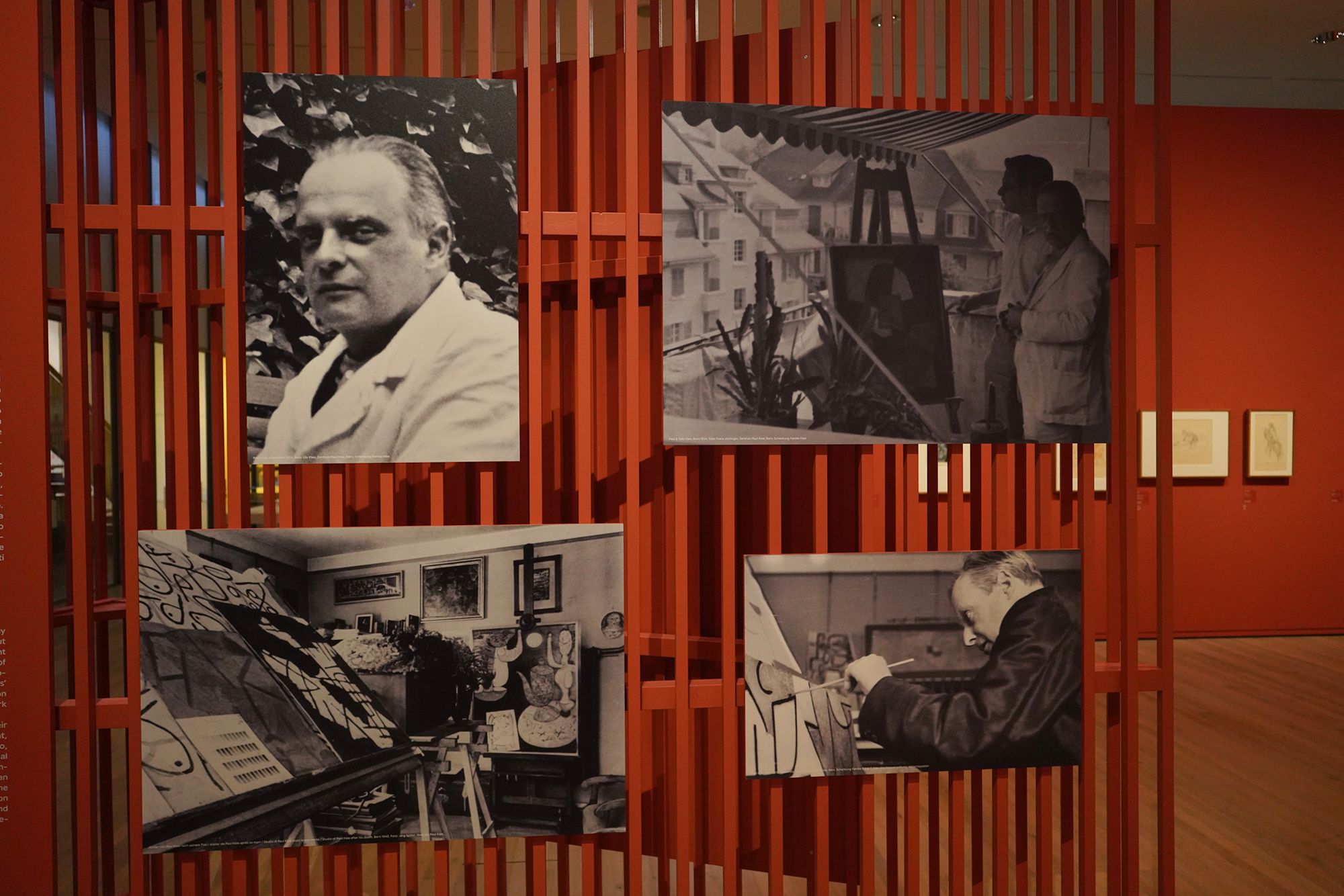
Paul Klee’s Late Work
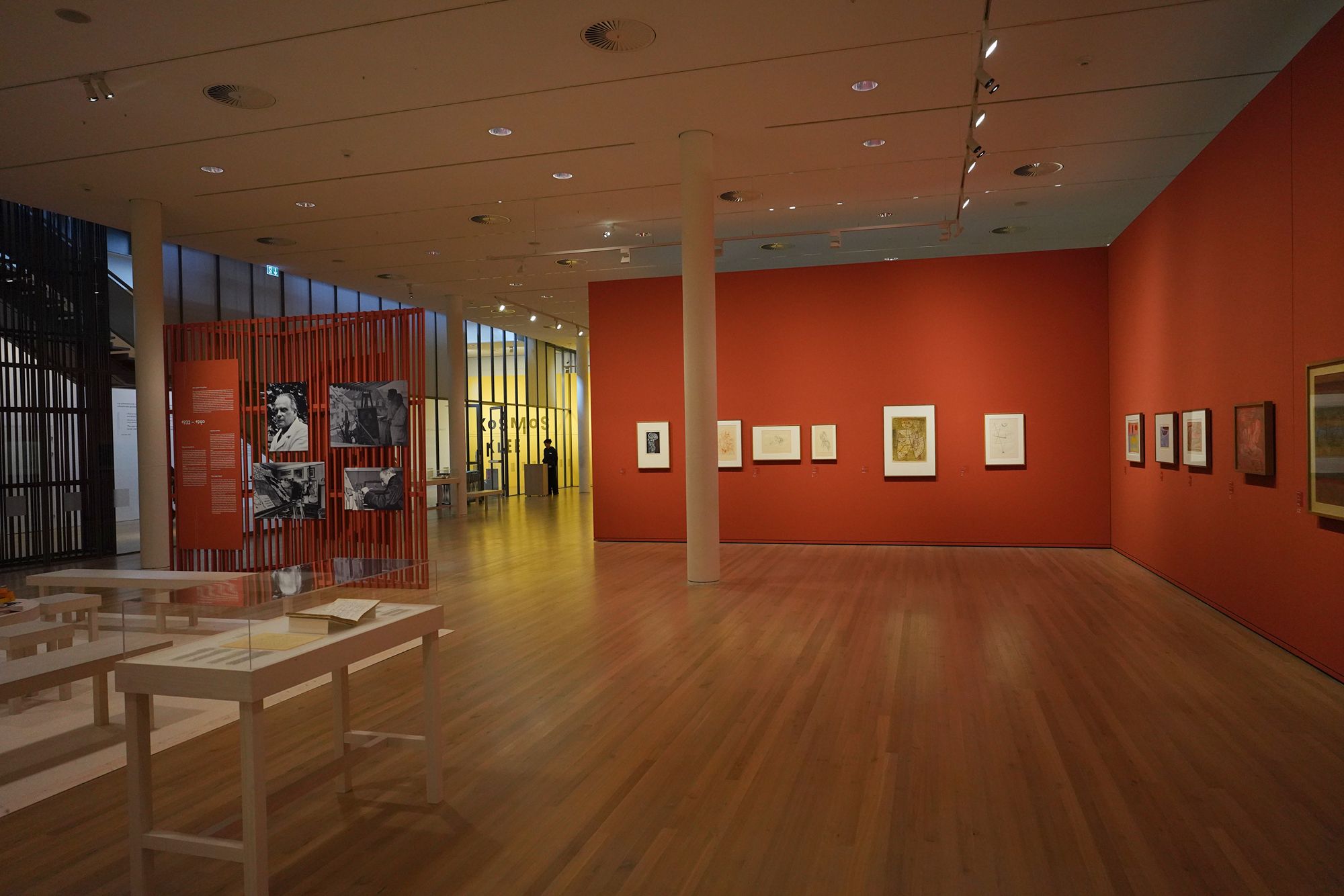
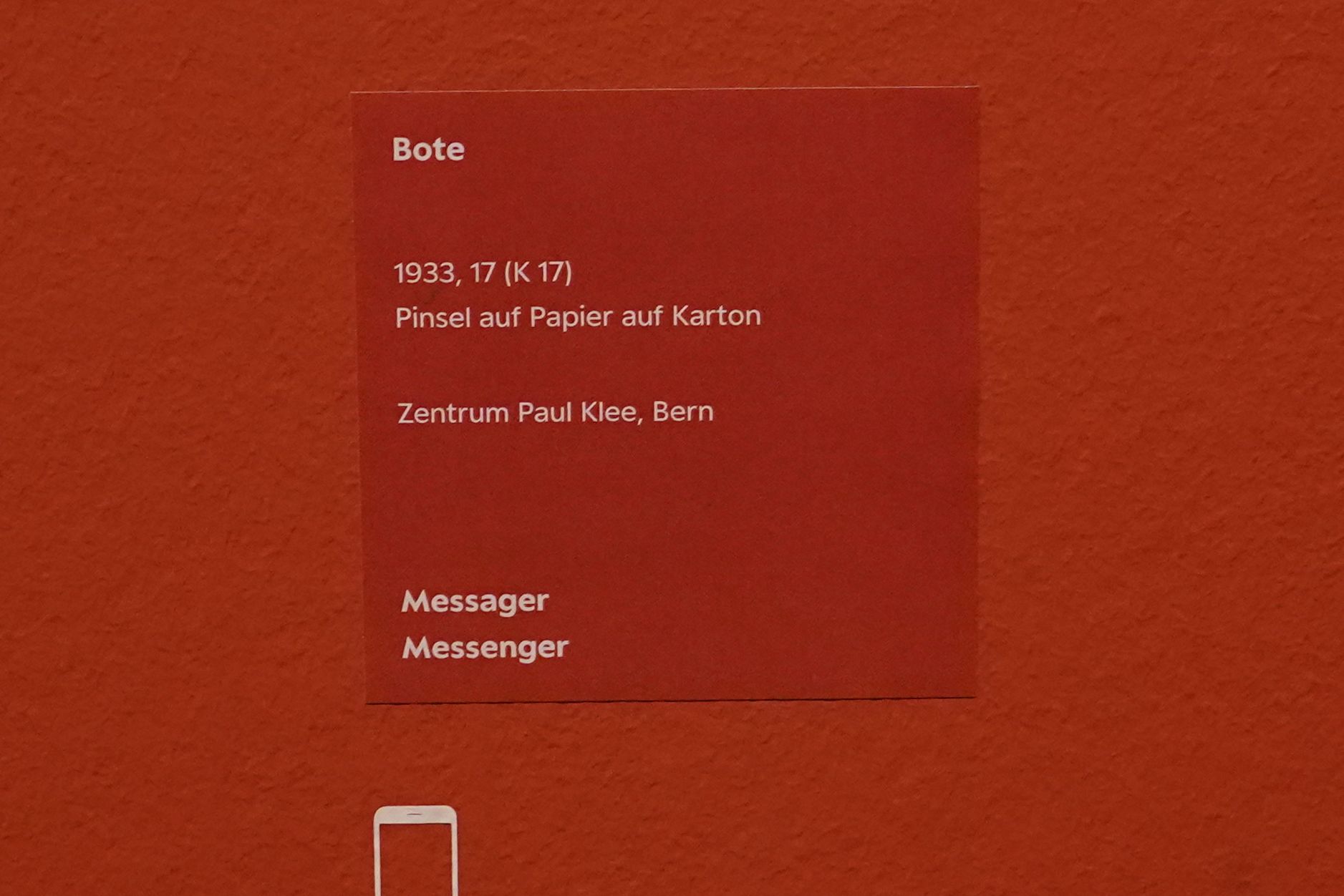
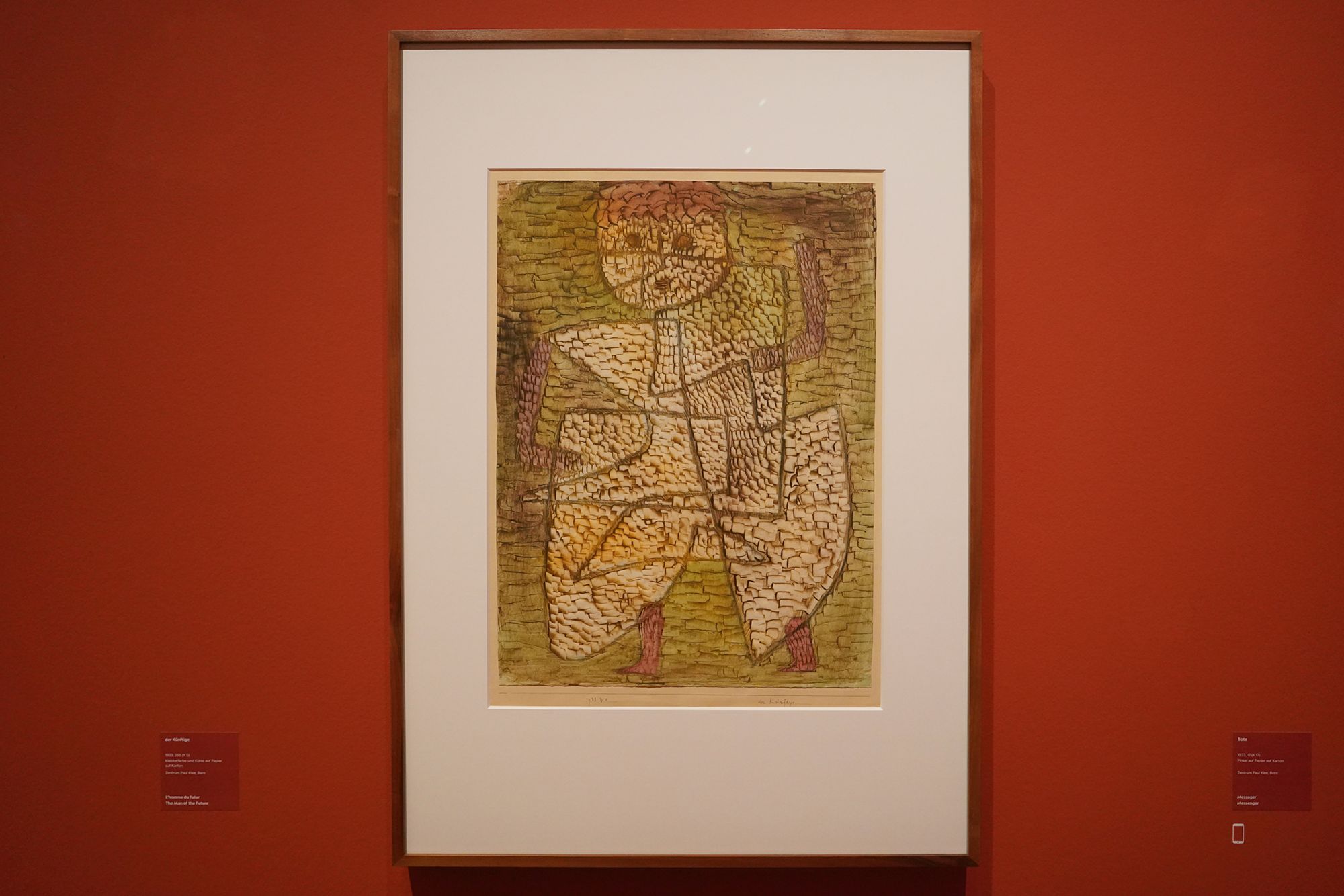
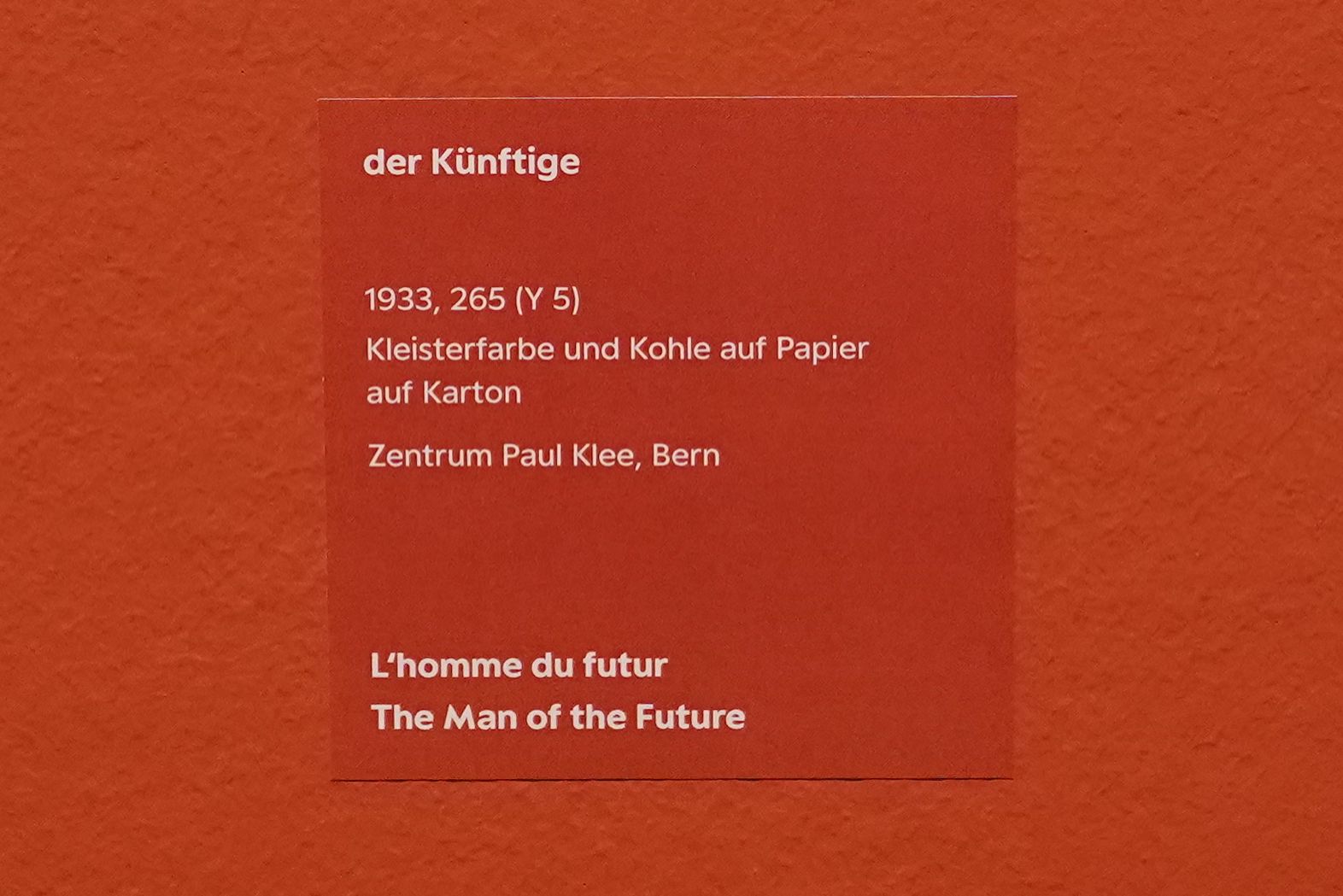
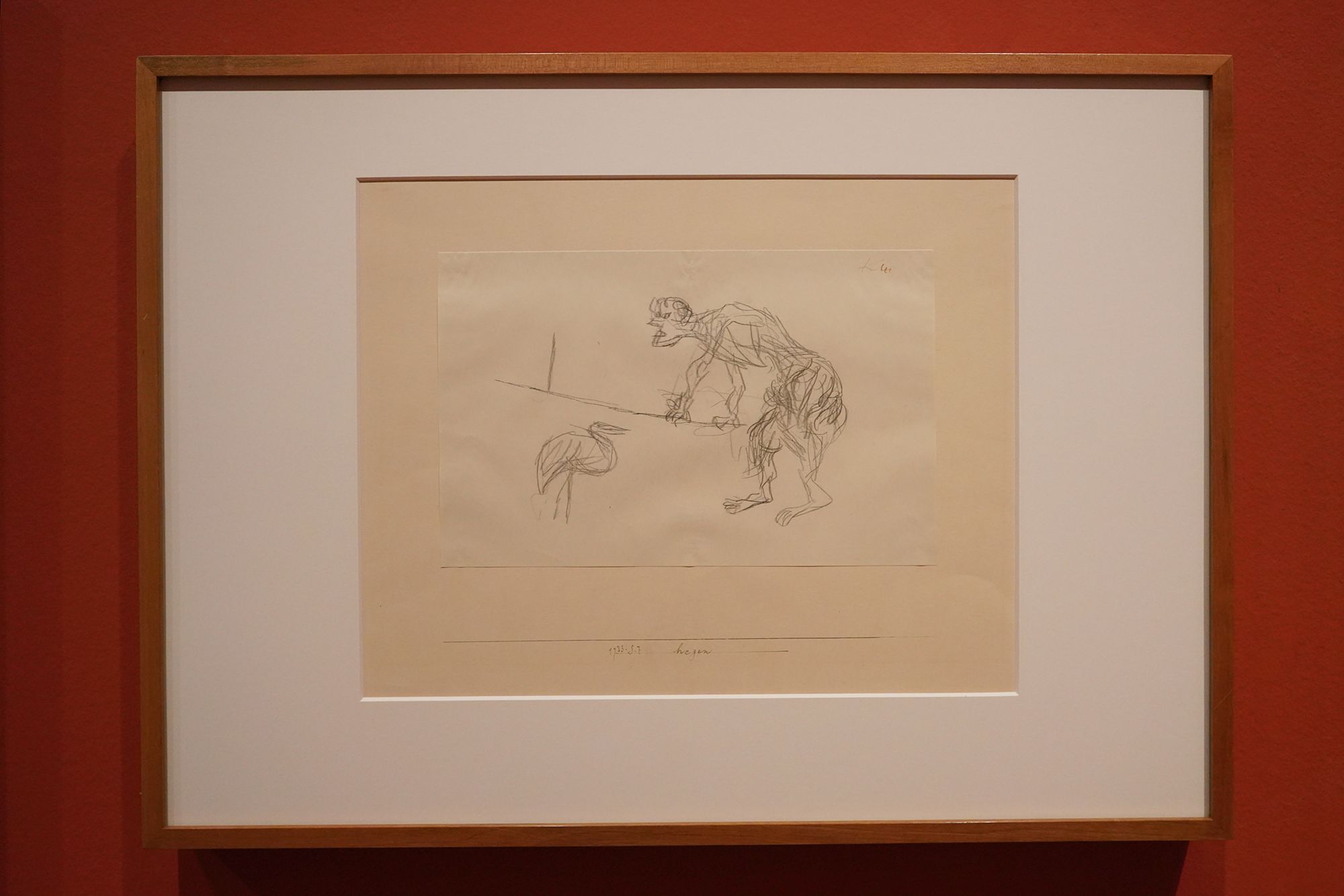
The rise of the Nazis in Germany in 1933 dramatically changed Paul Klee’s life and art. His drawings increasingly reflected the atmosphere of oppression and violence, and he was dismissed from his teaching position at the Düsseldorf Art Academy. The Nazis later classified his work as “degenerate art.”
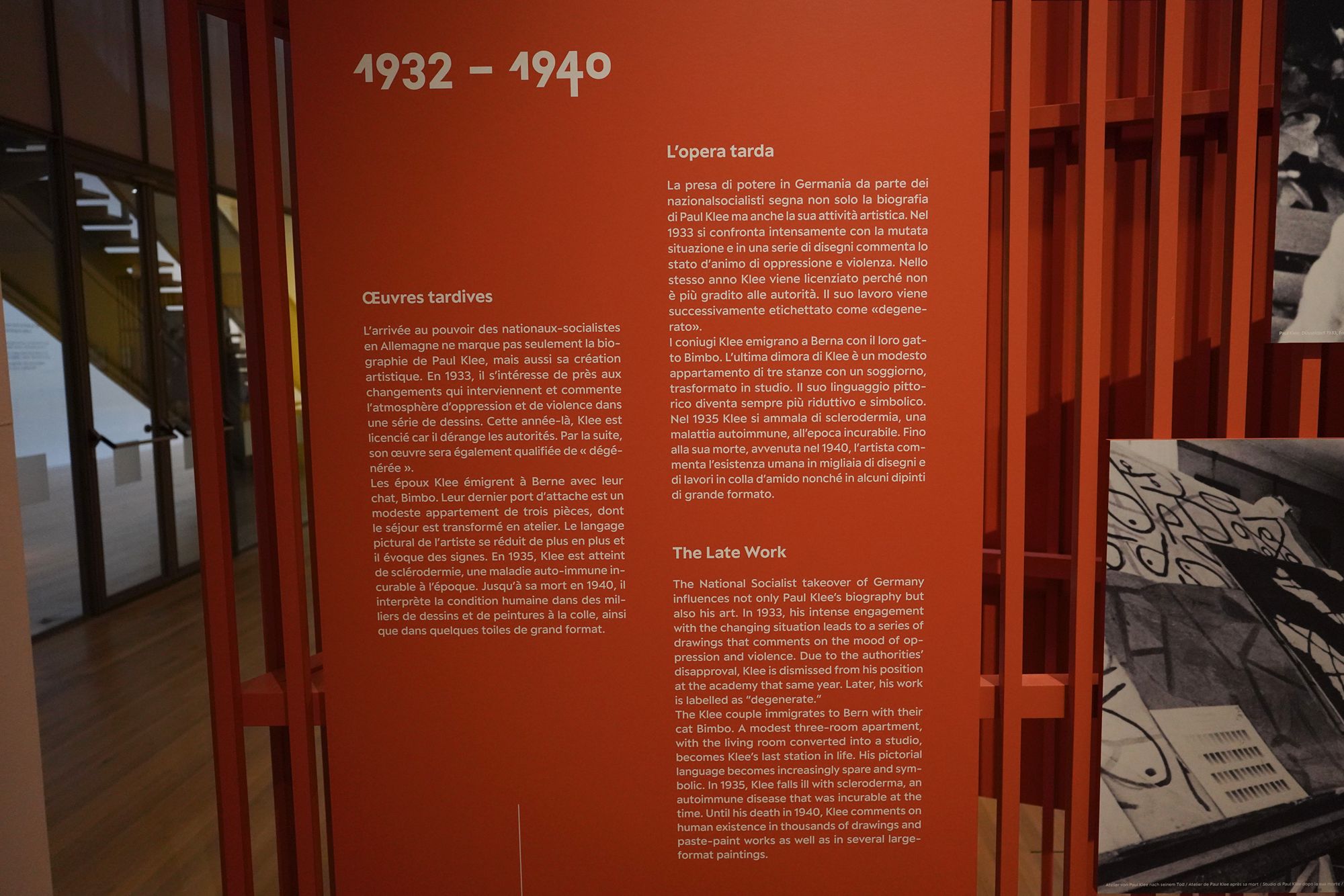
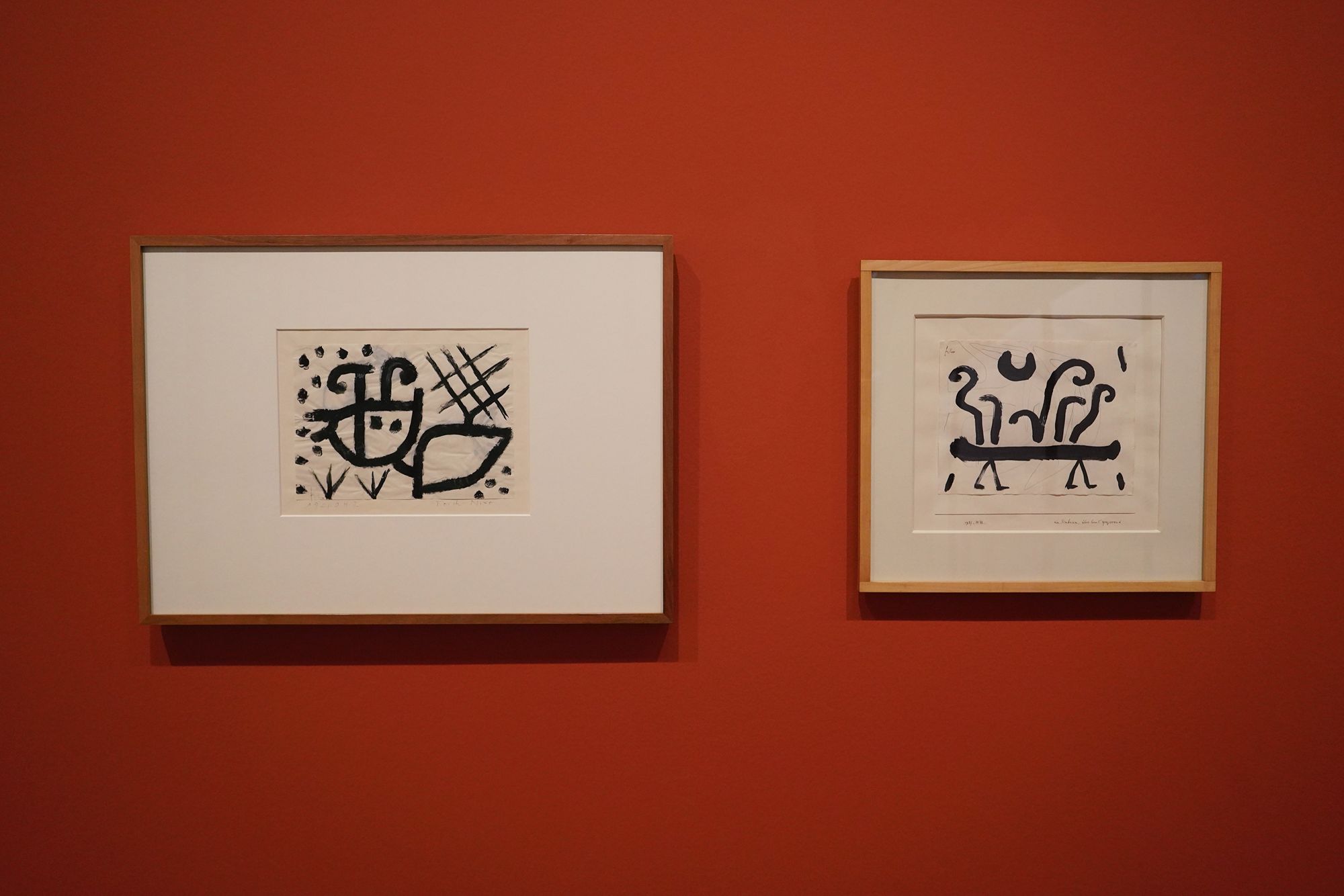
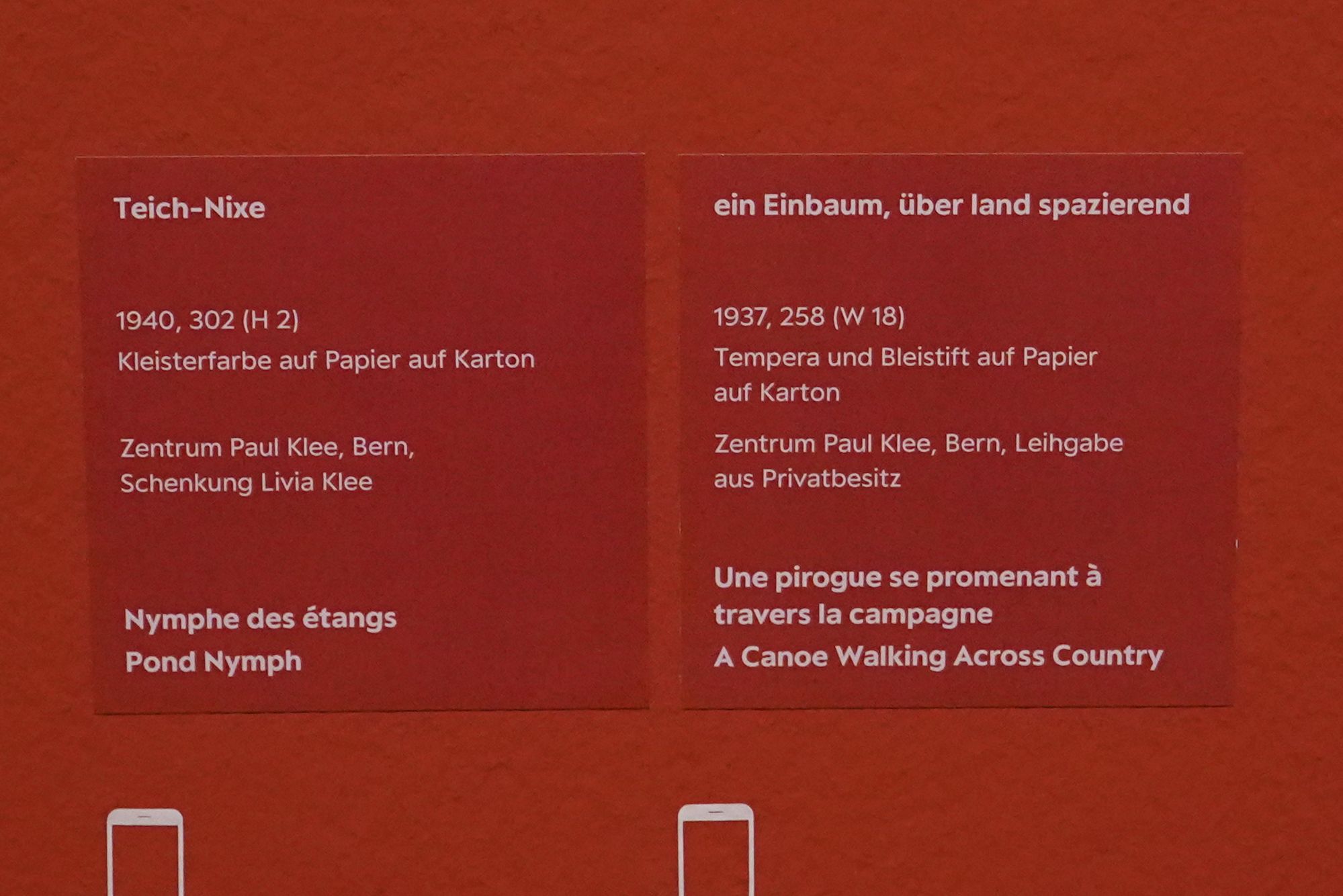
Klee and his wife Lily returned to Bern, where he spent the remainder of his life. His artistic style became increasingly simple, symbolic, and expressive.
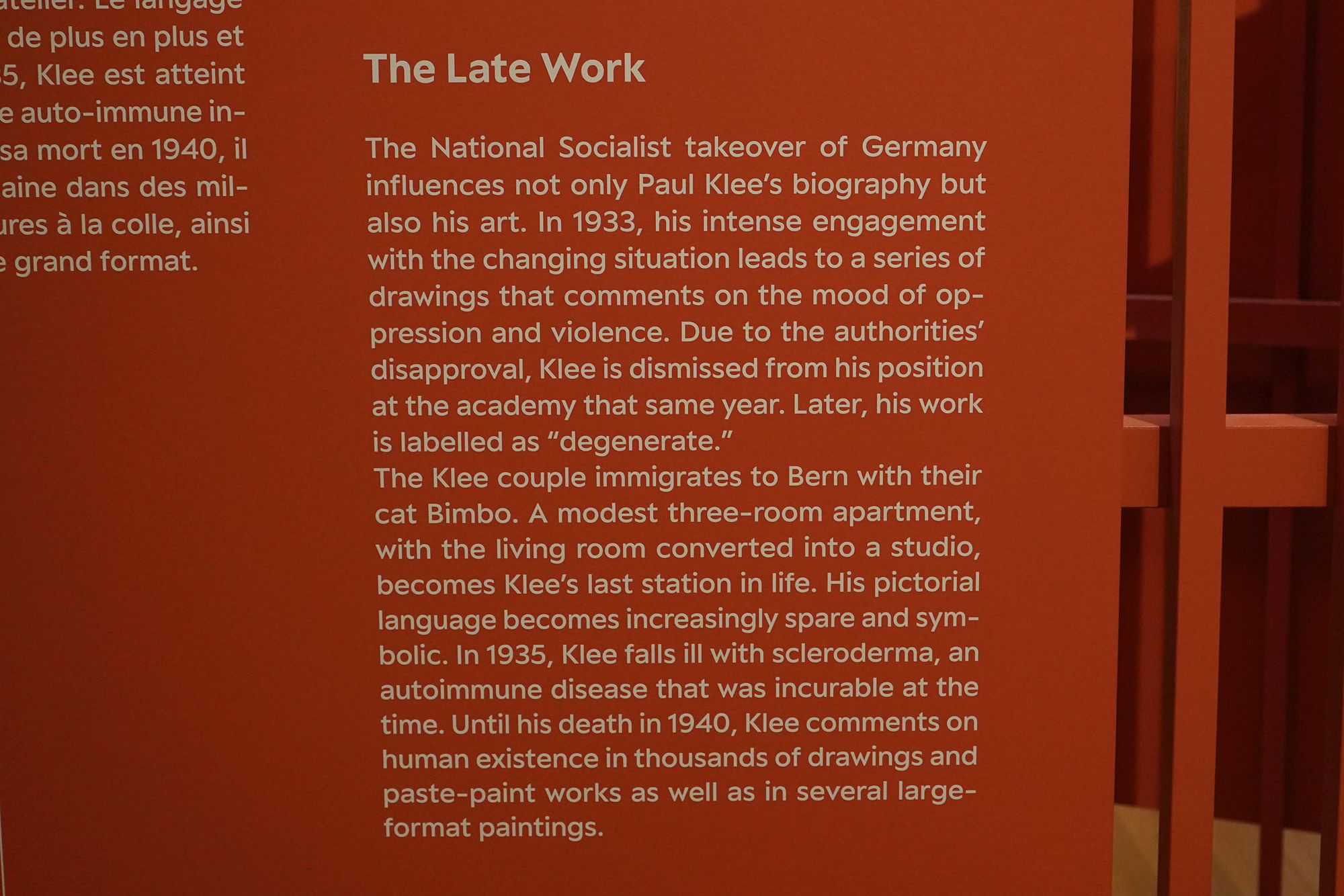
In 1935, Klee became seriously ill with scleroderma, an incurable autoimmune disease at the time. Despite his illness, he remained remarkably productive, creating thousands of drawings and paintings before his death in 1940.
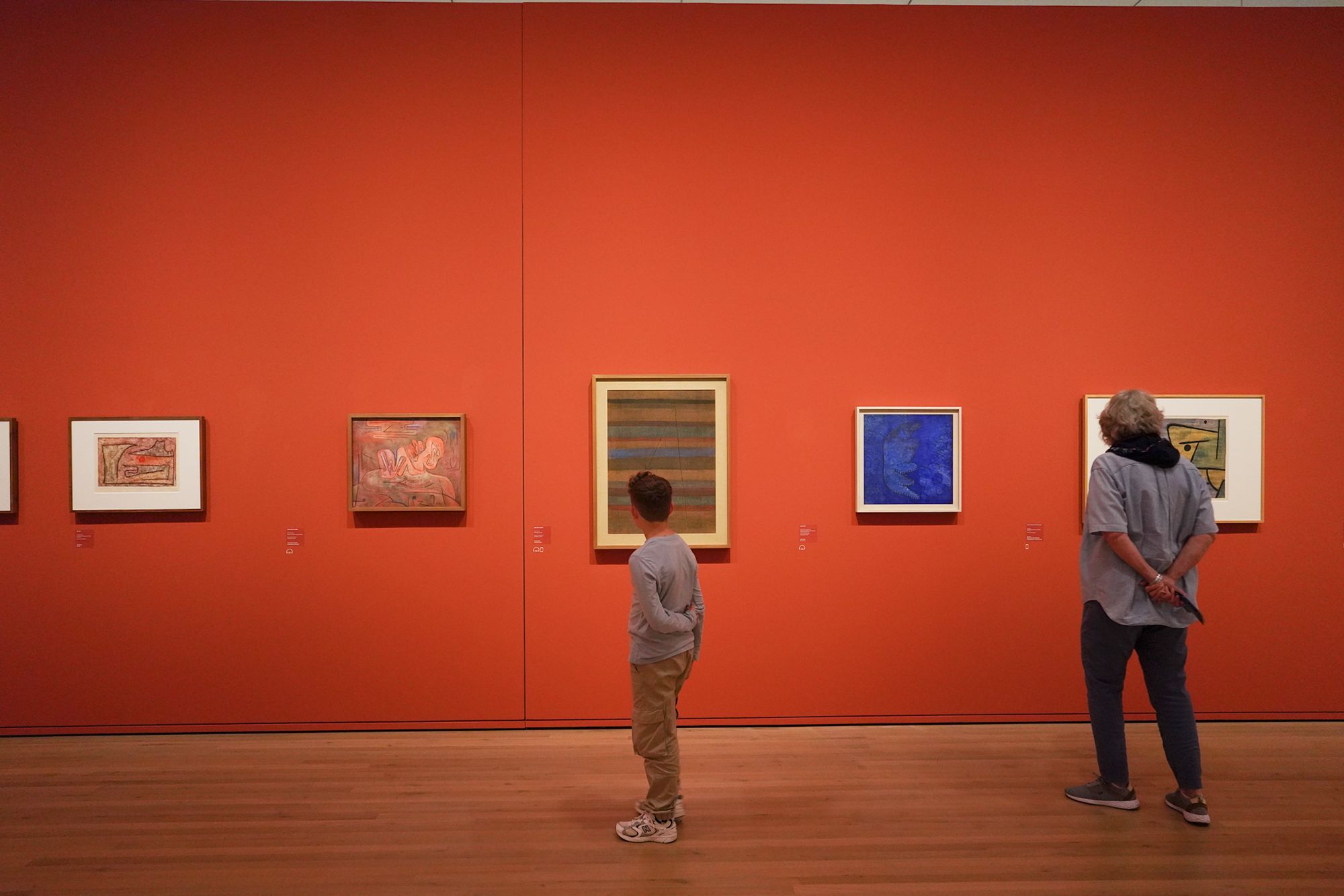
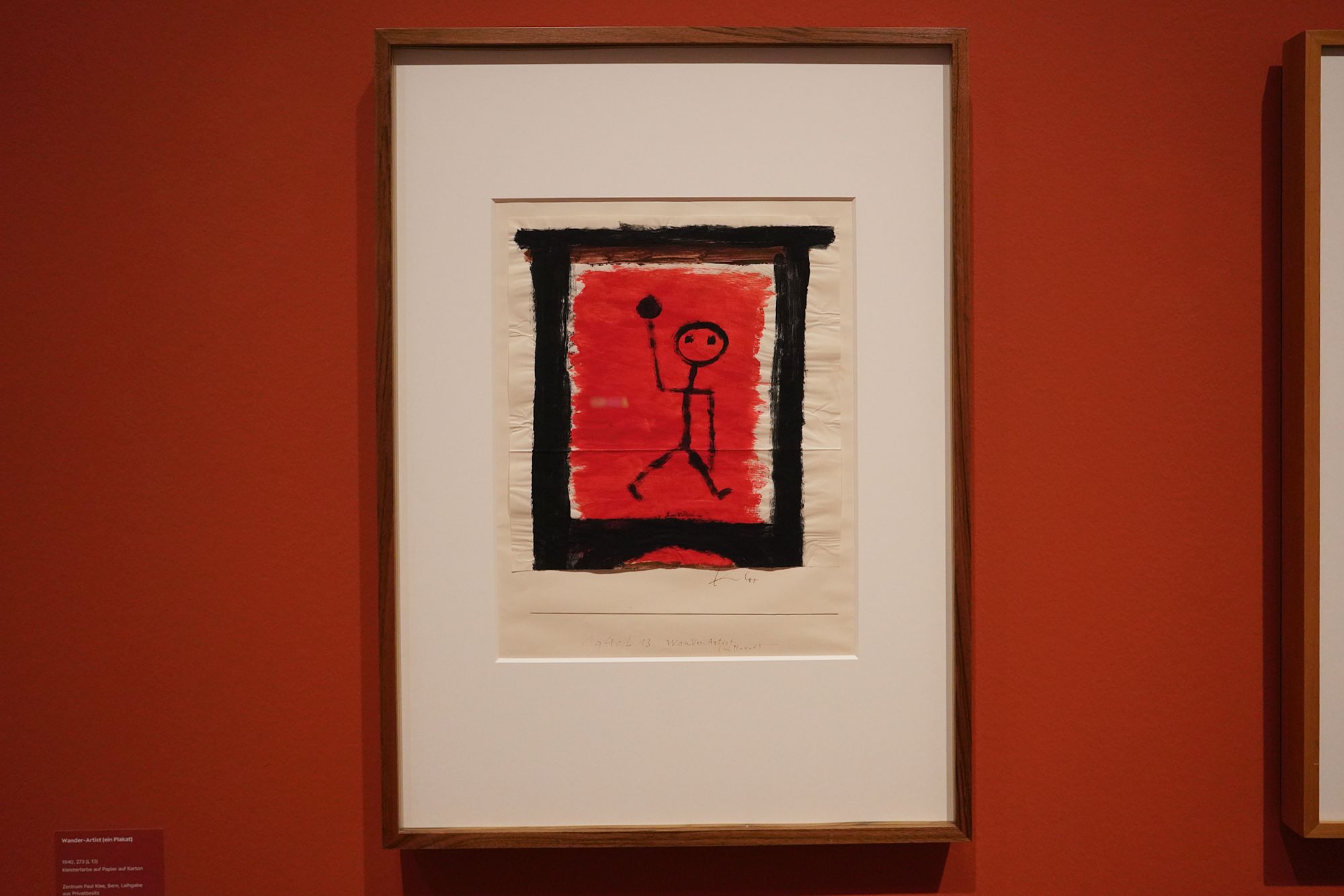
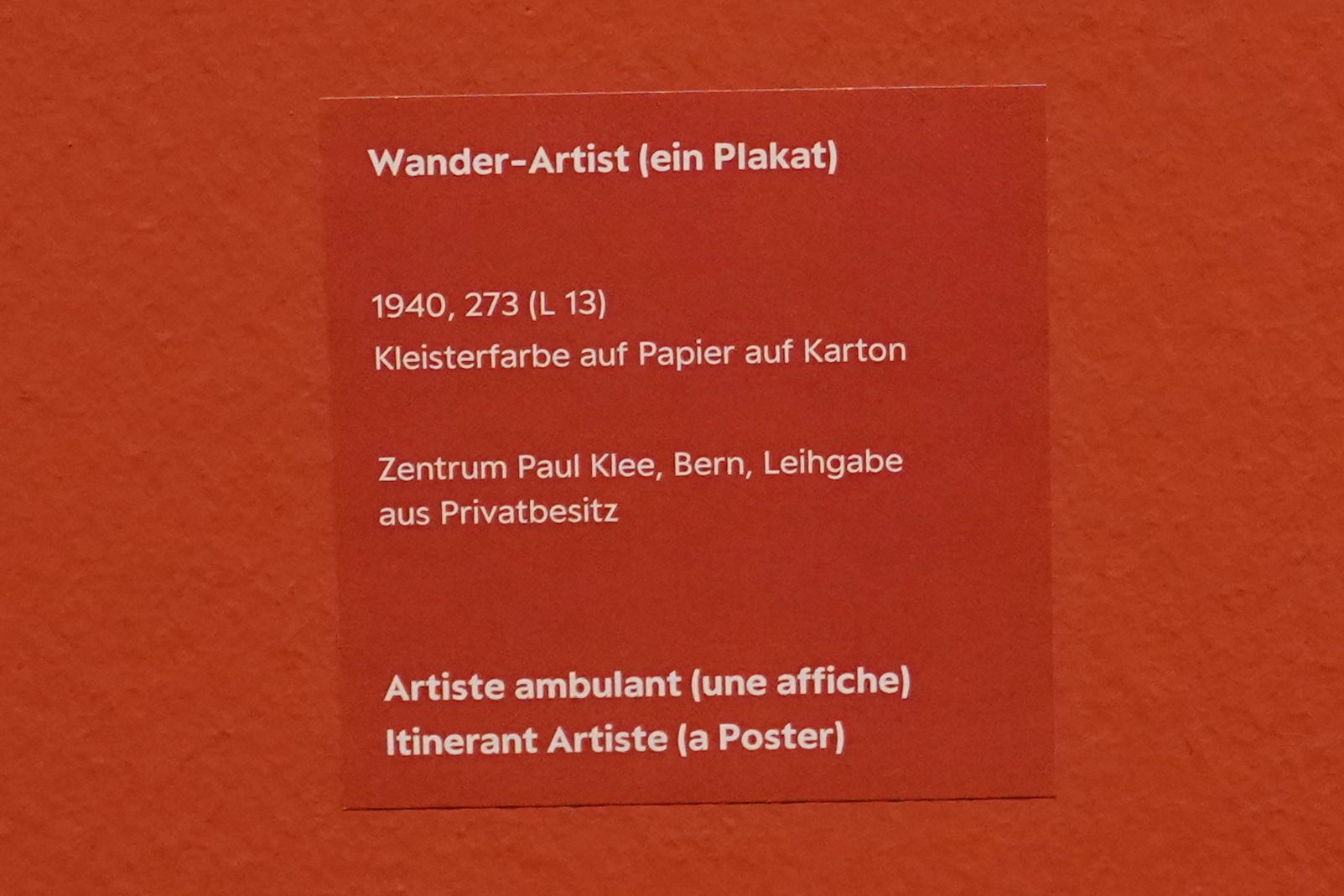
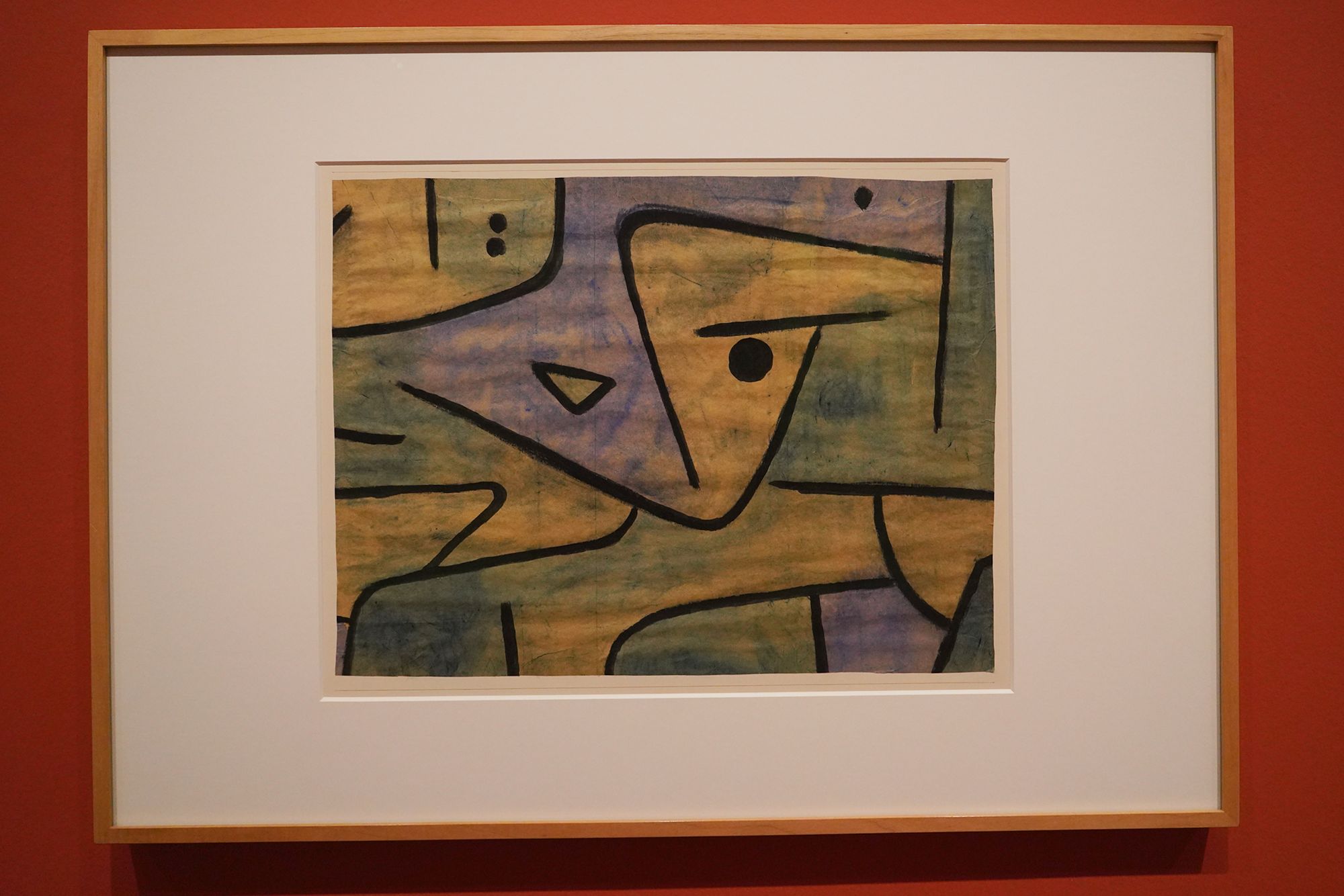
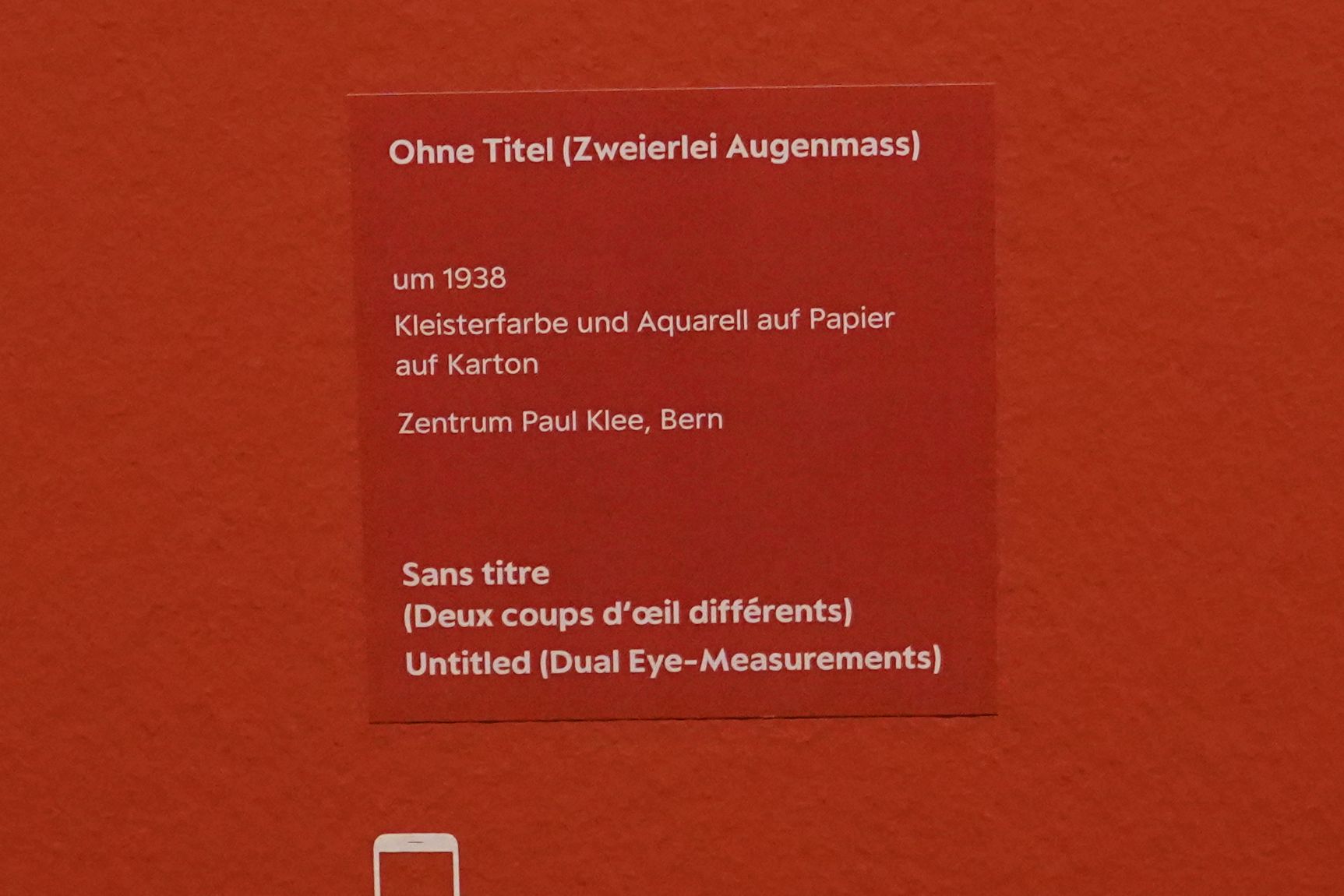
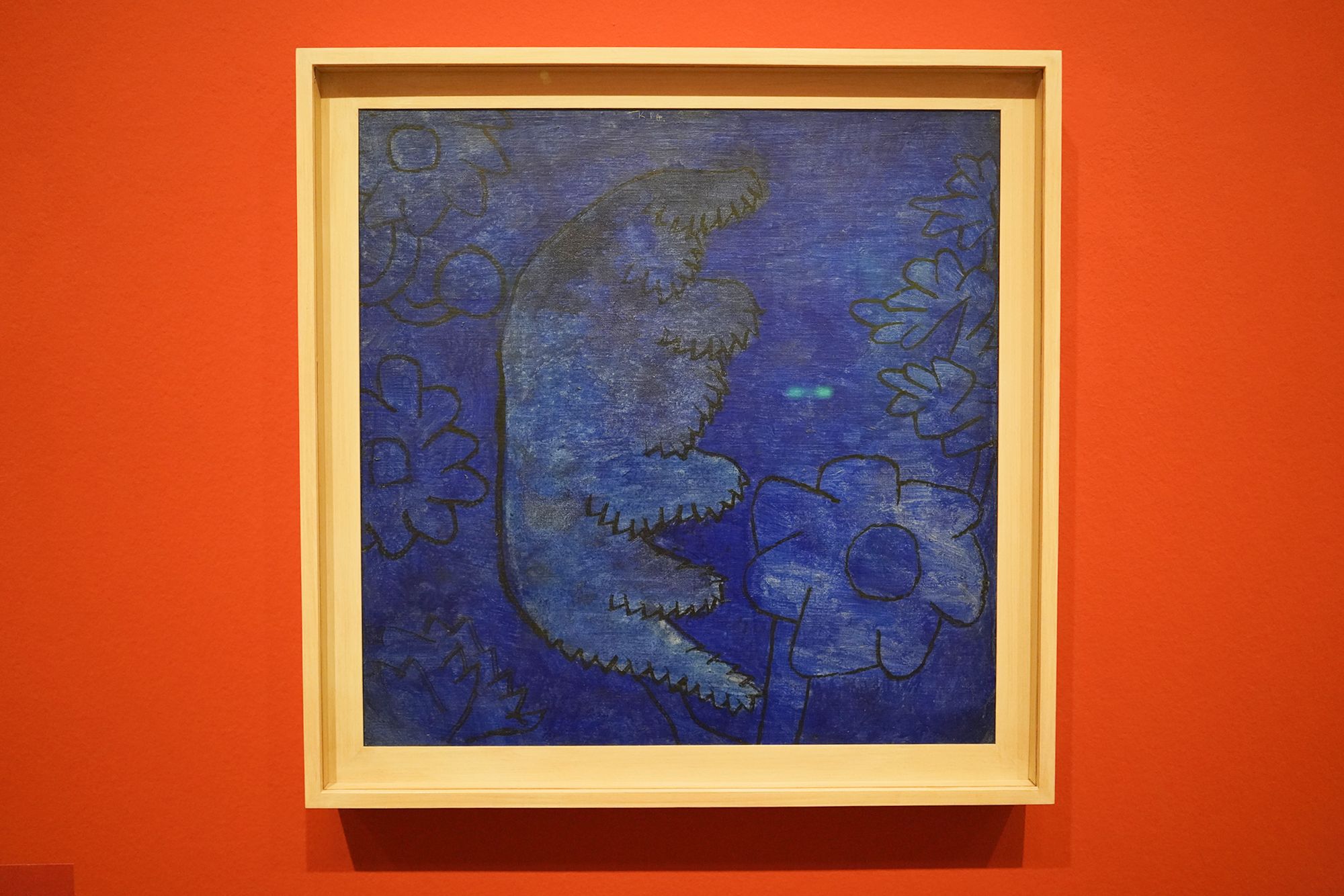
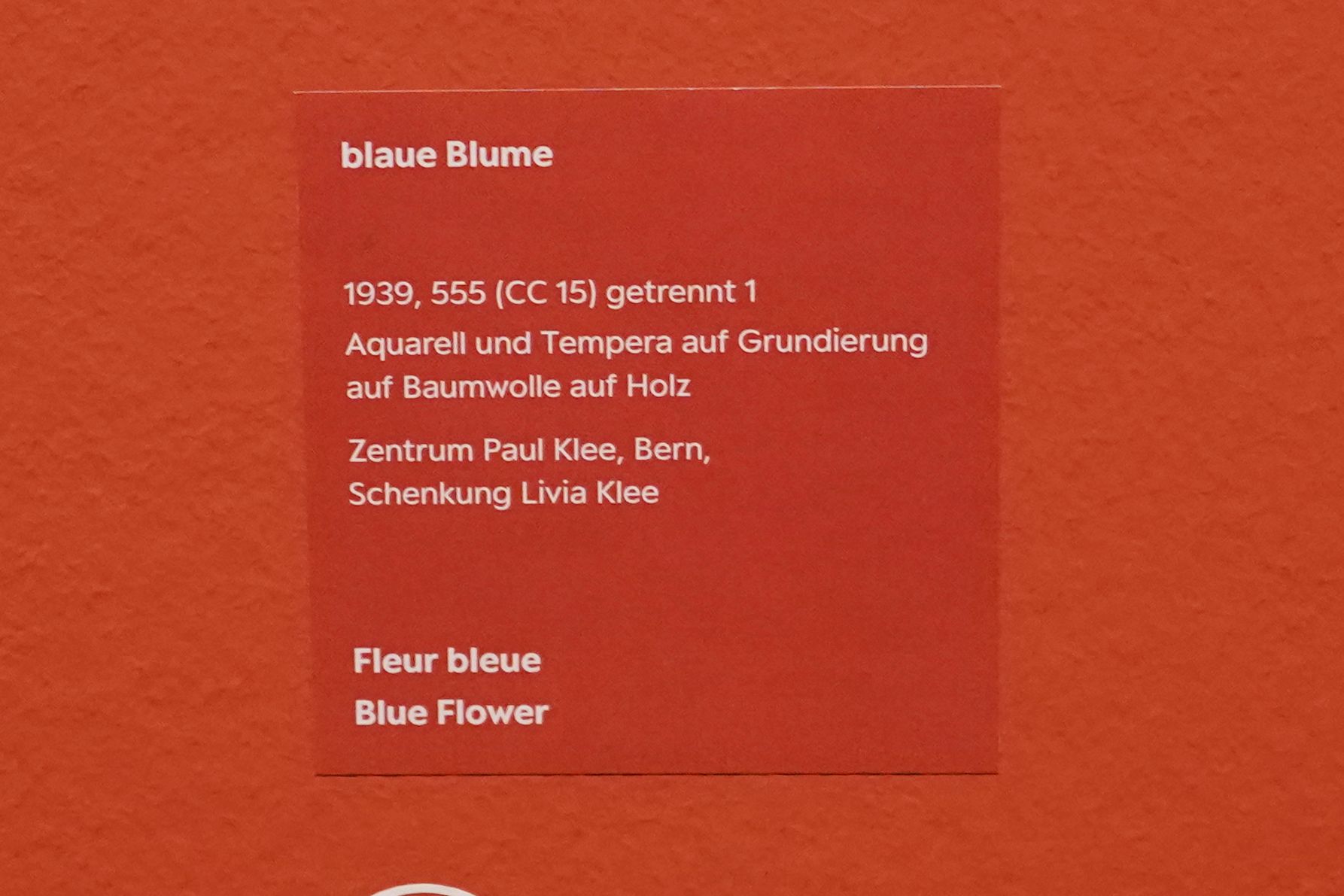
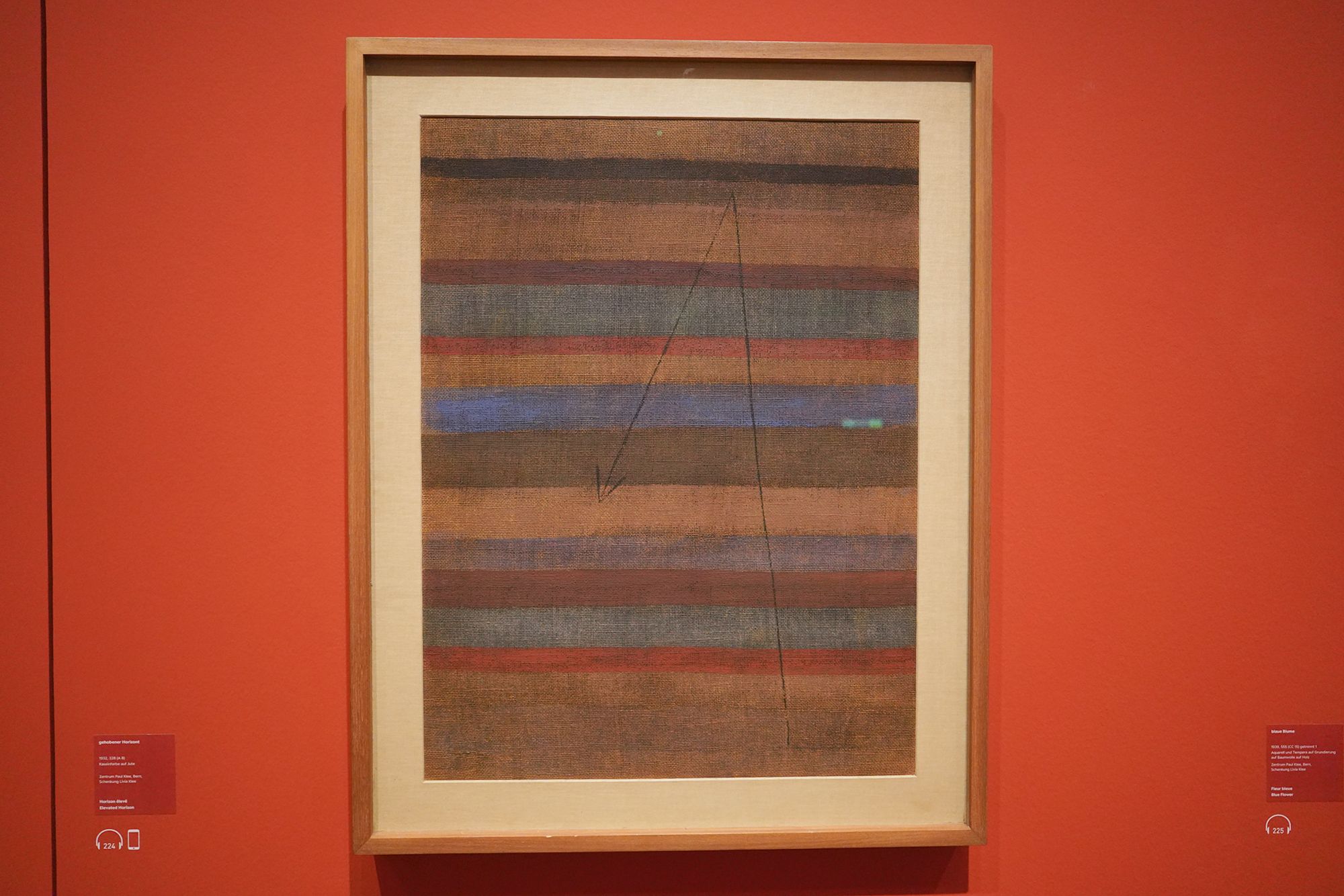
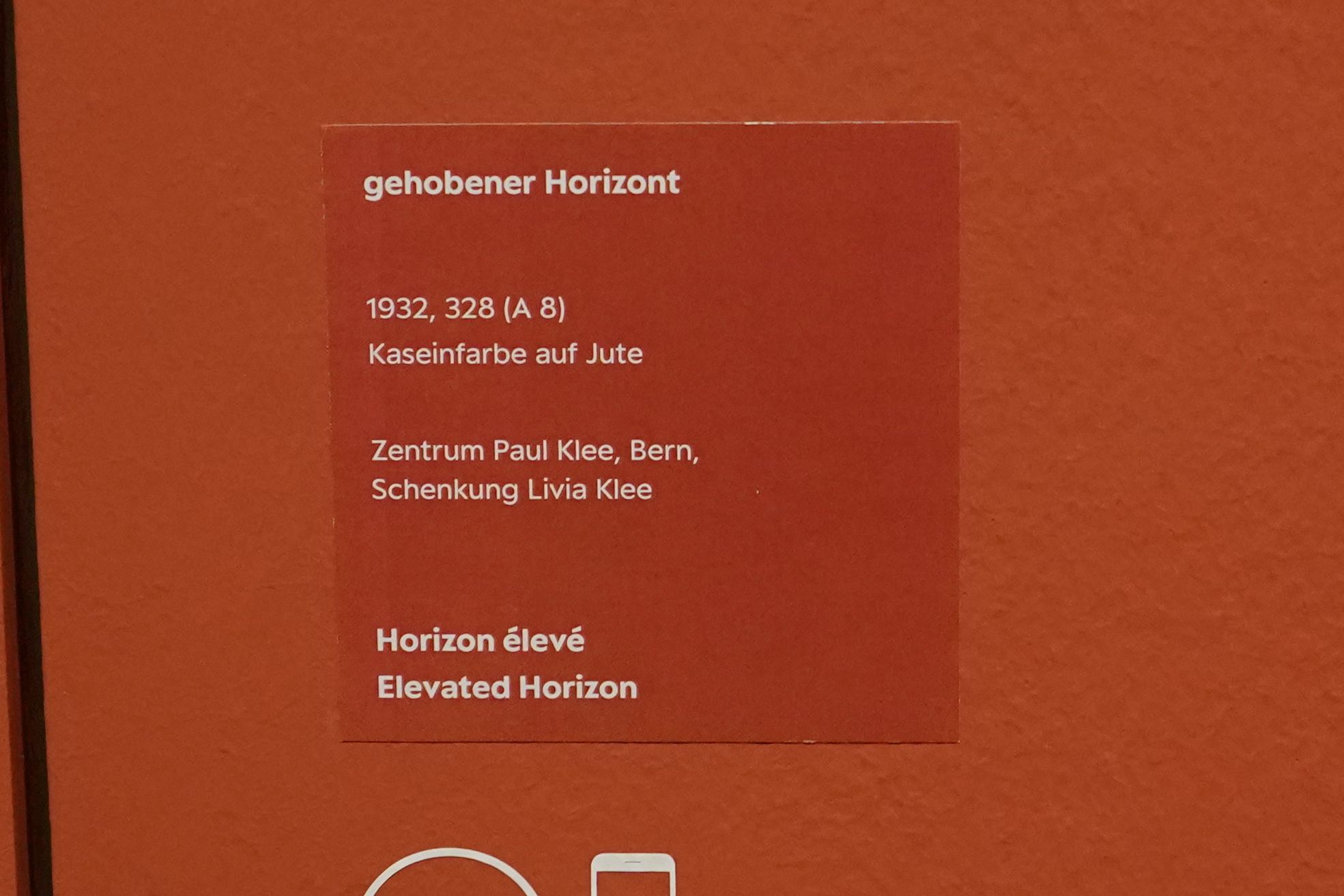
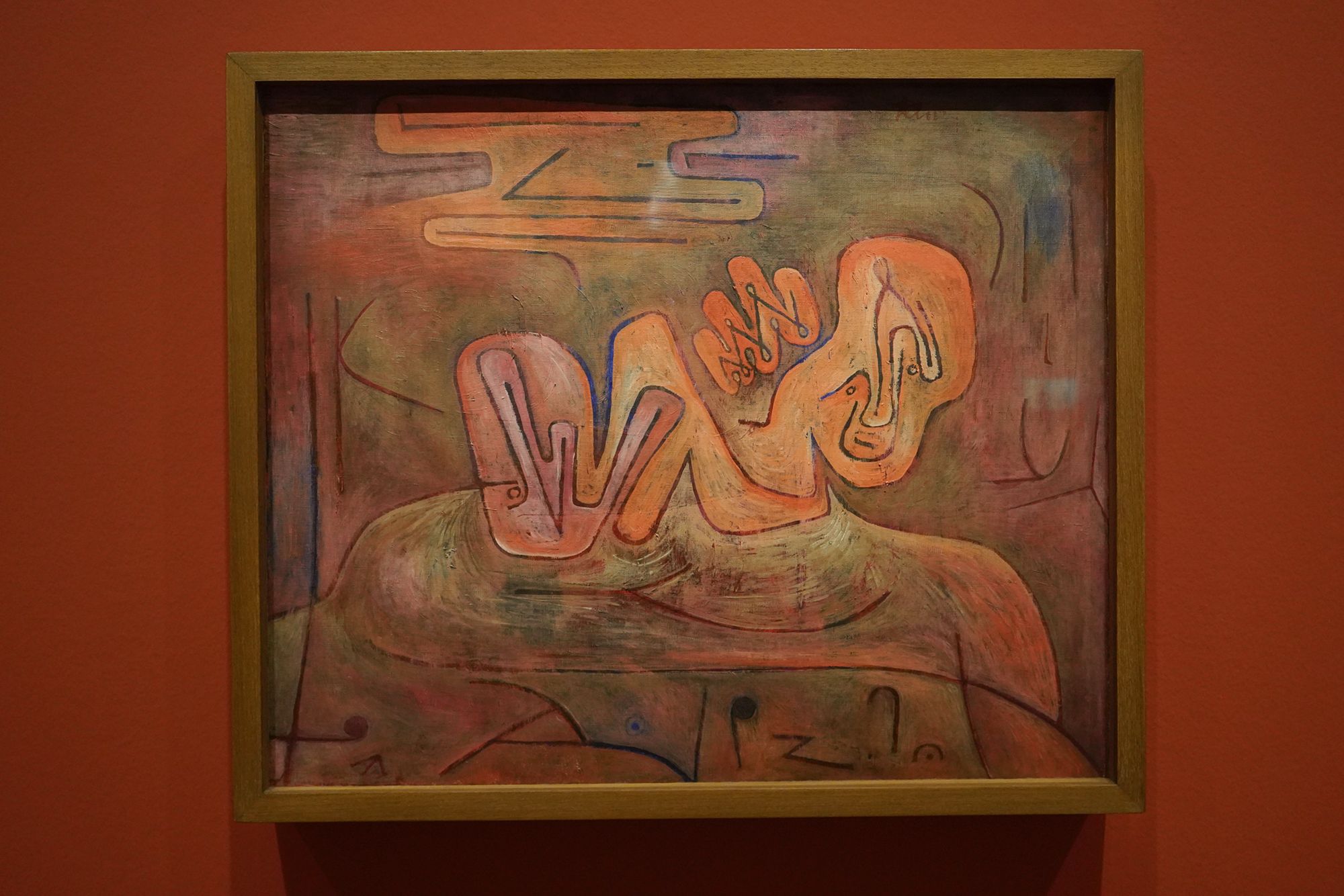
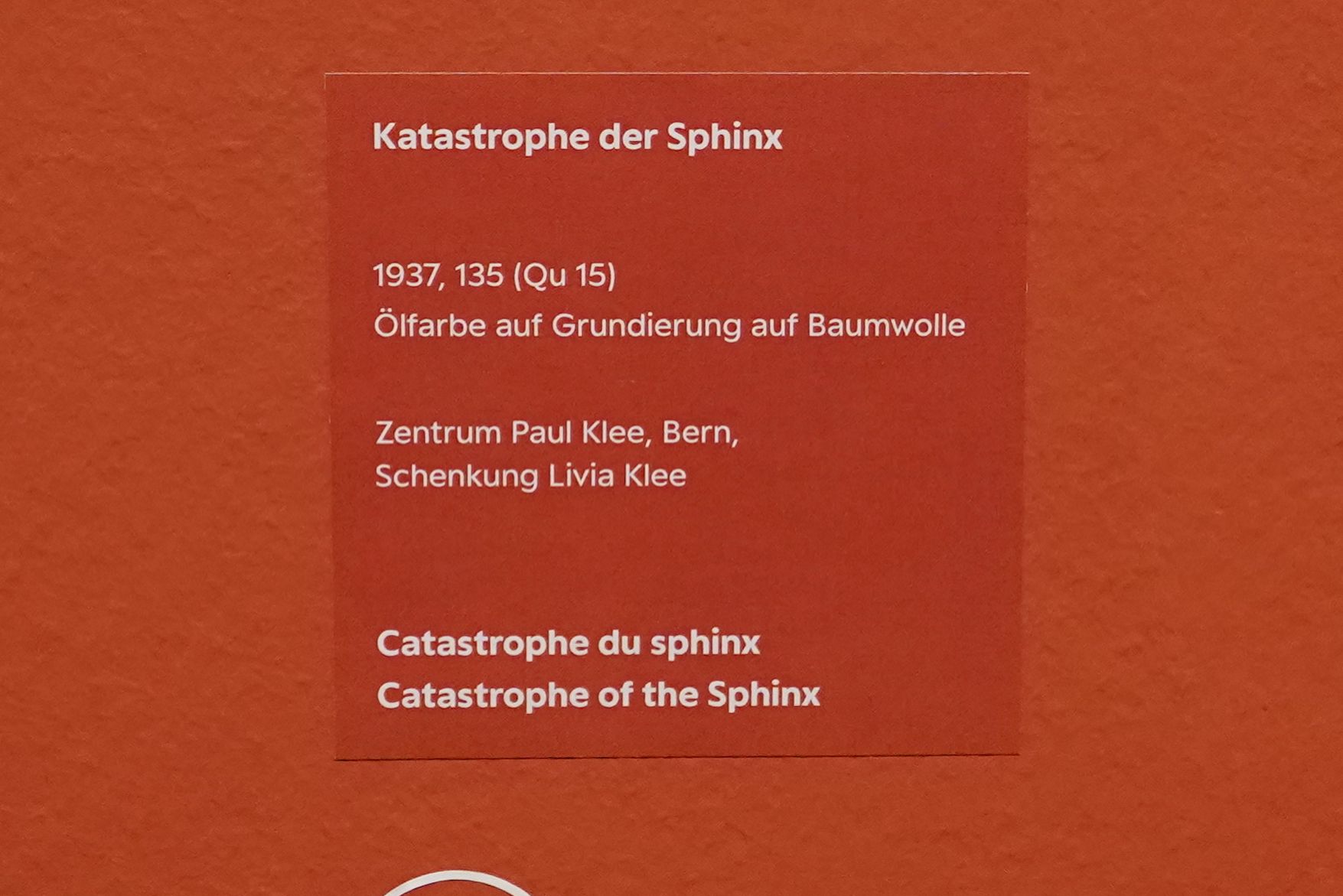
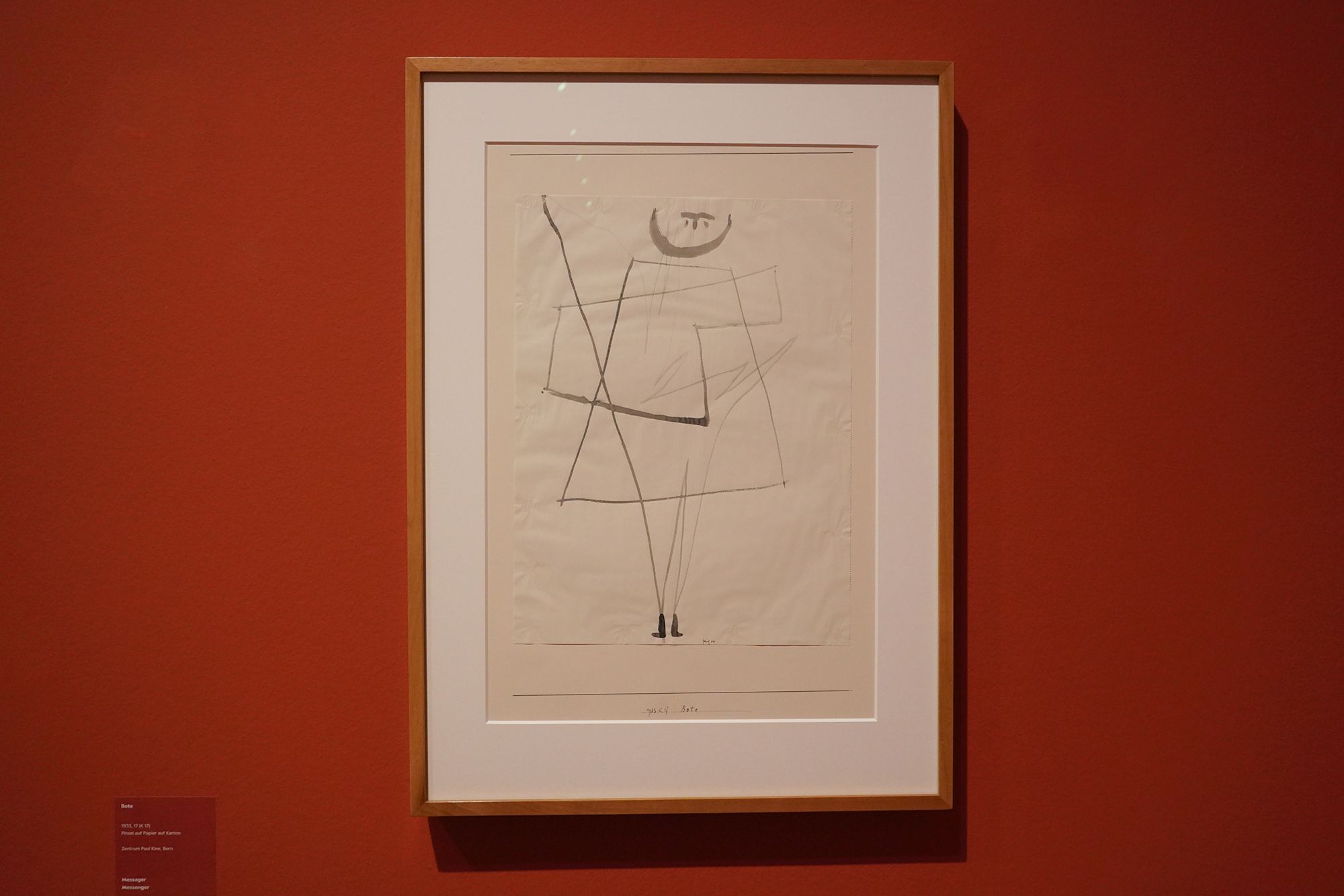
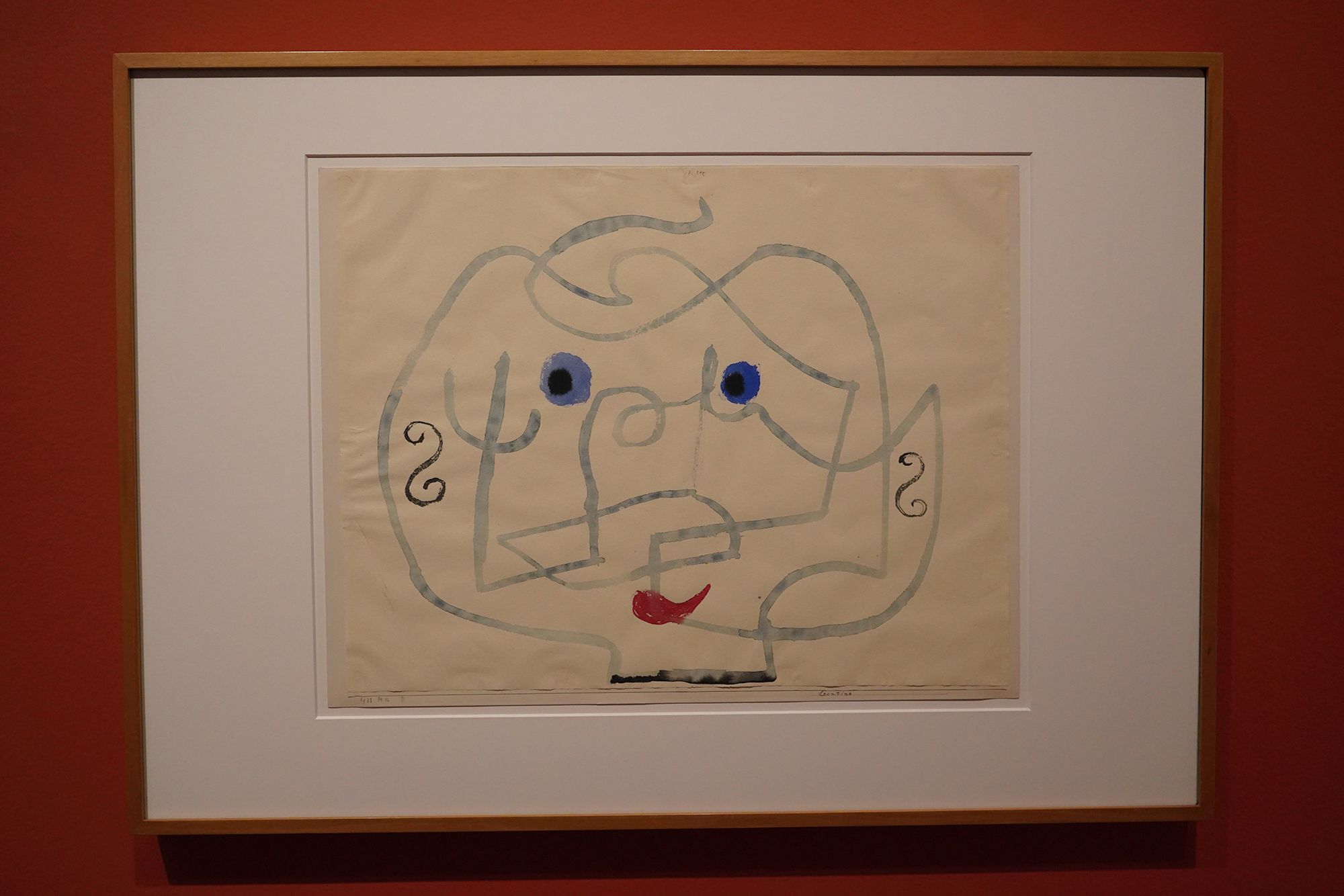
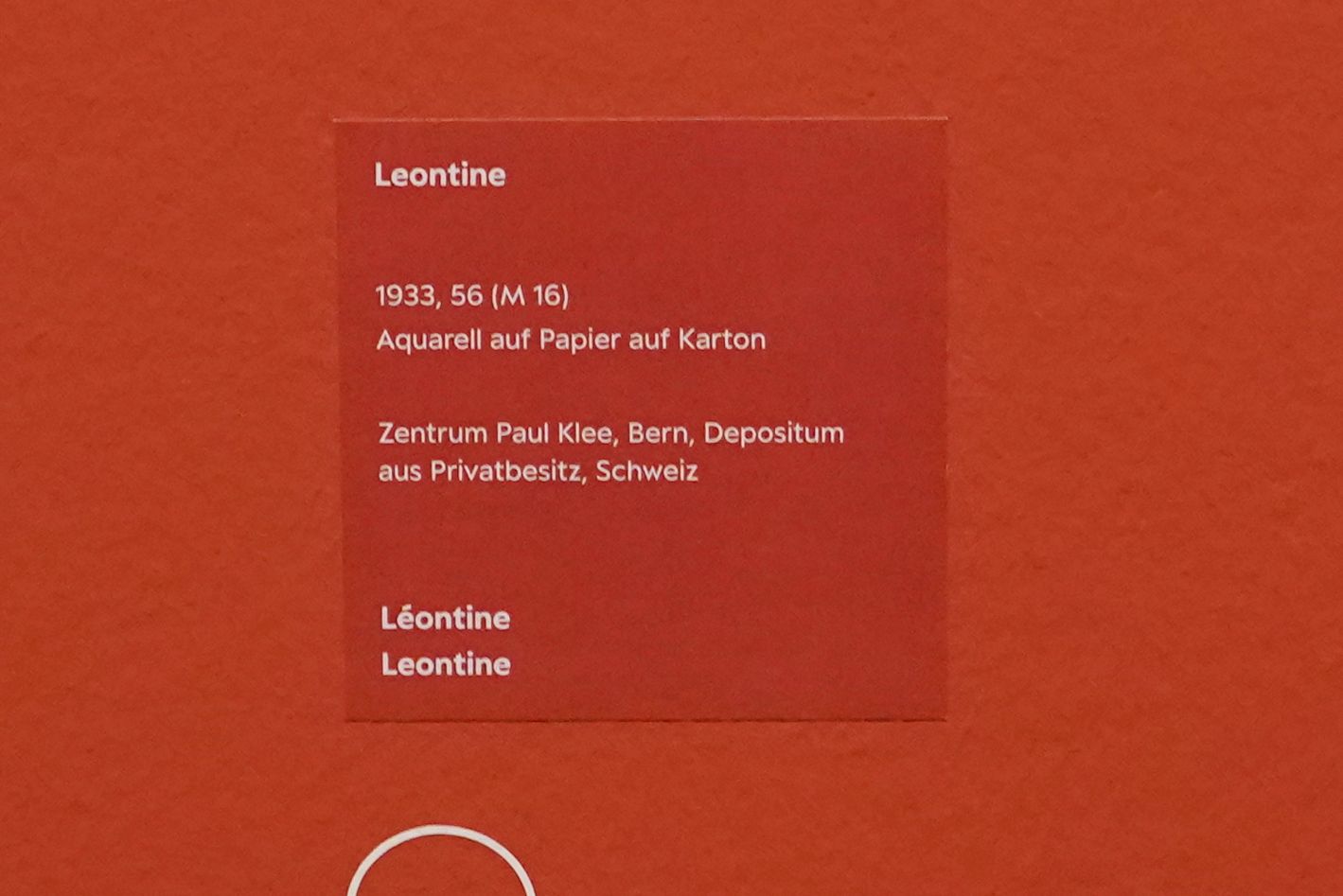
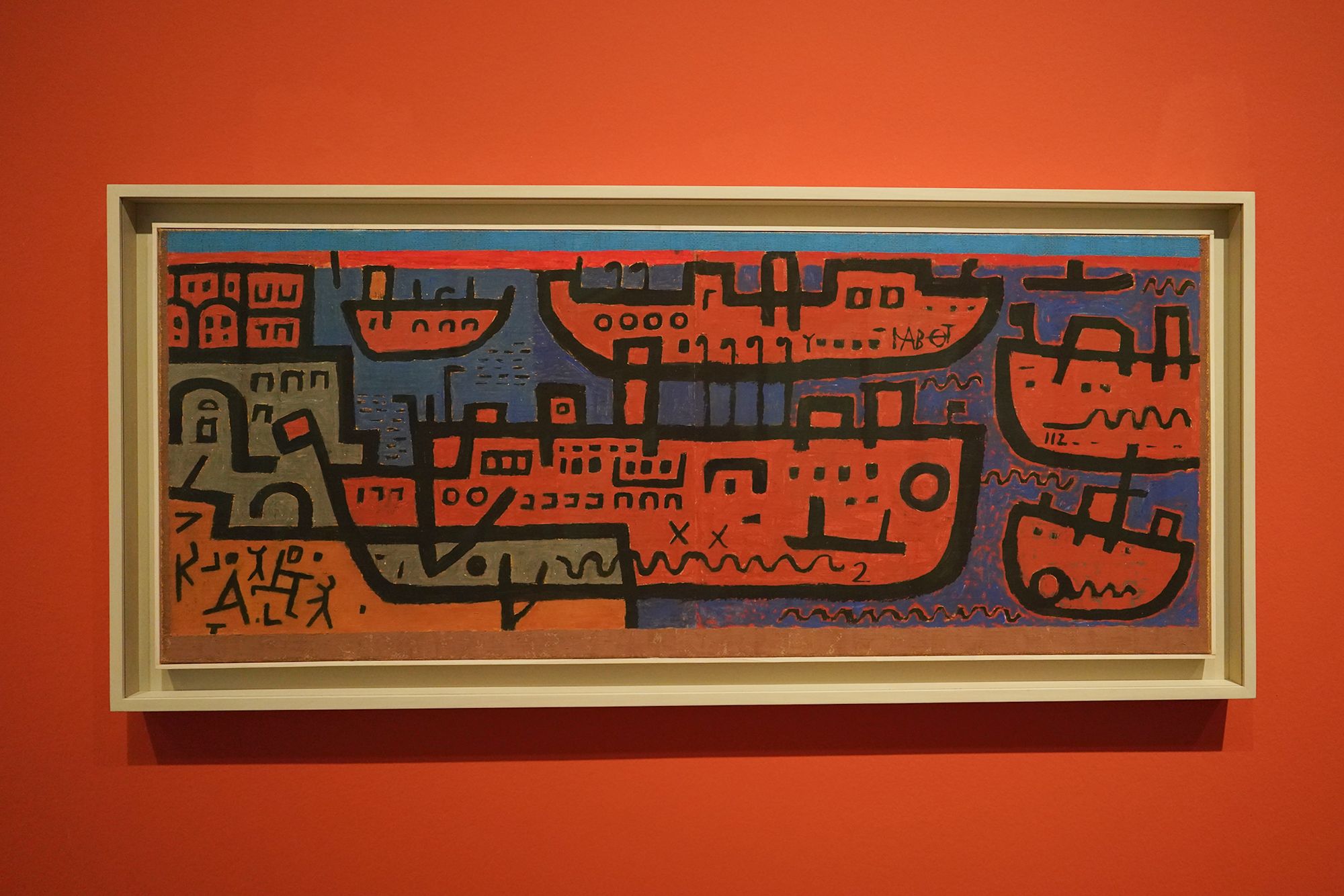
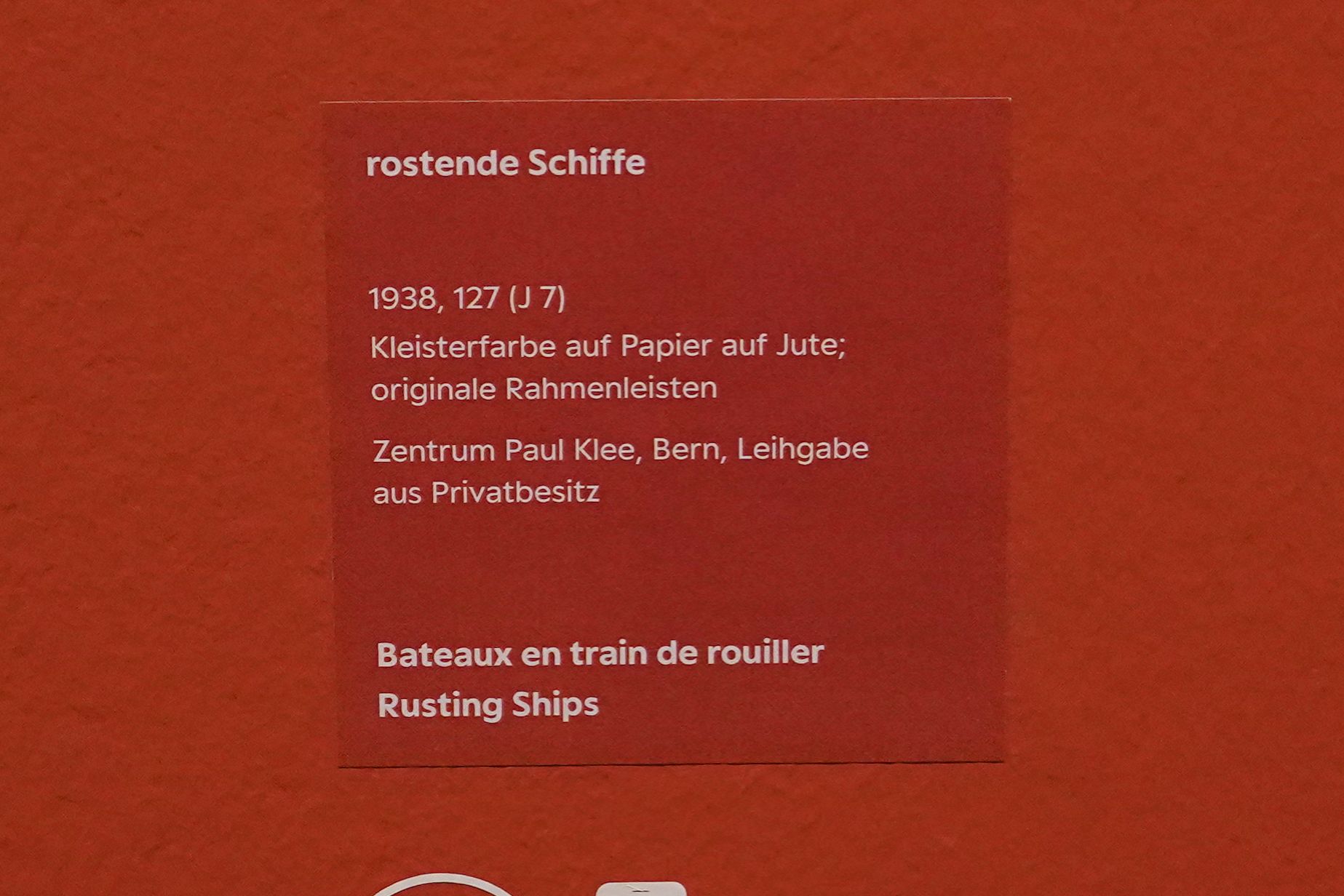
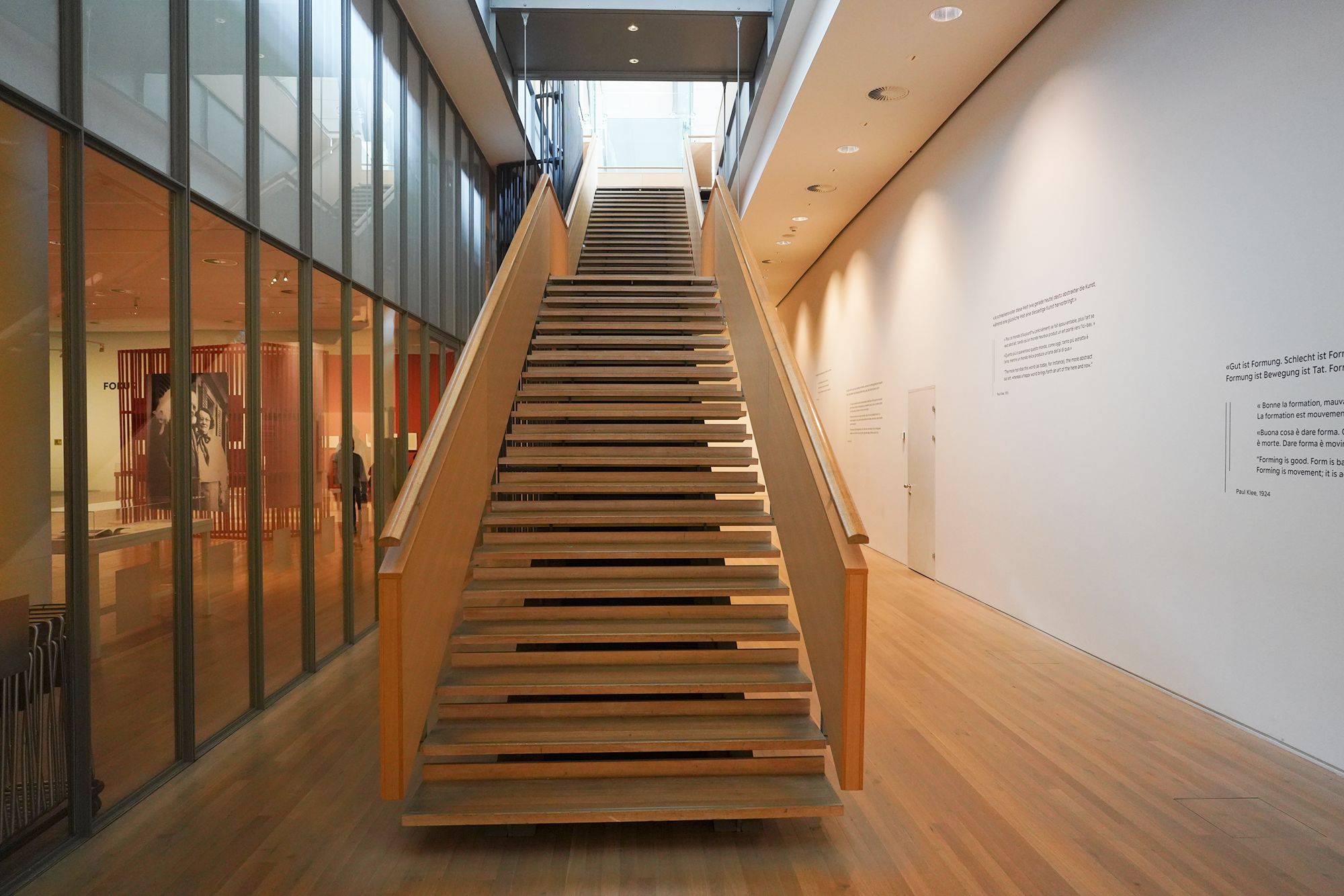
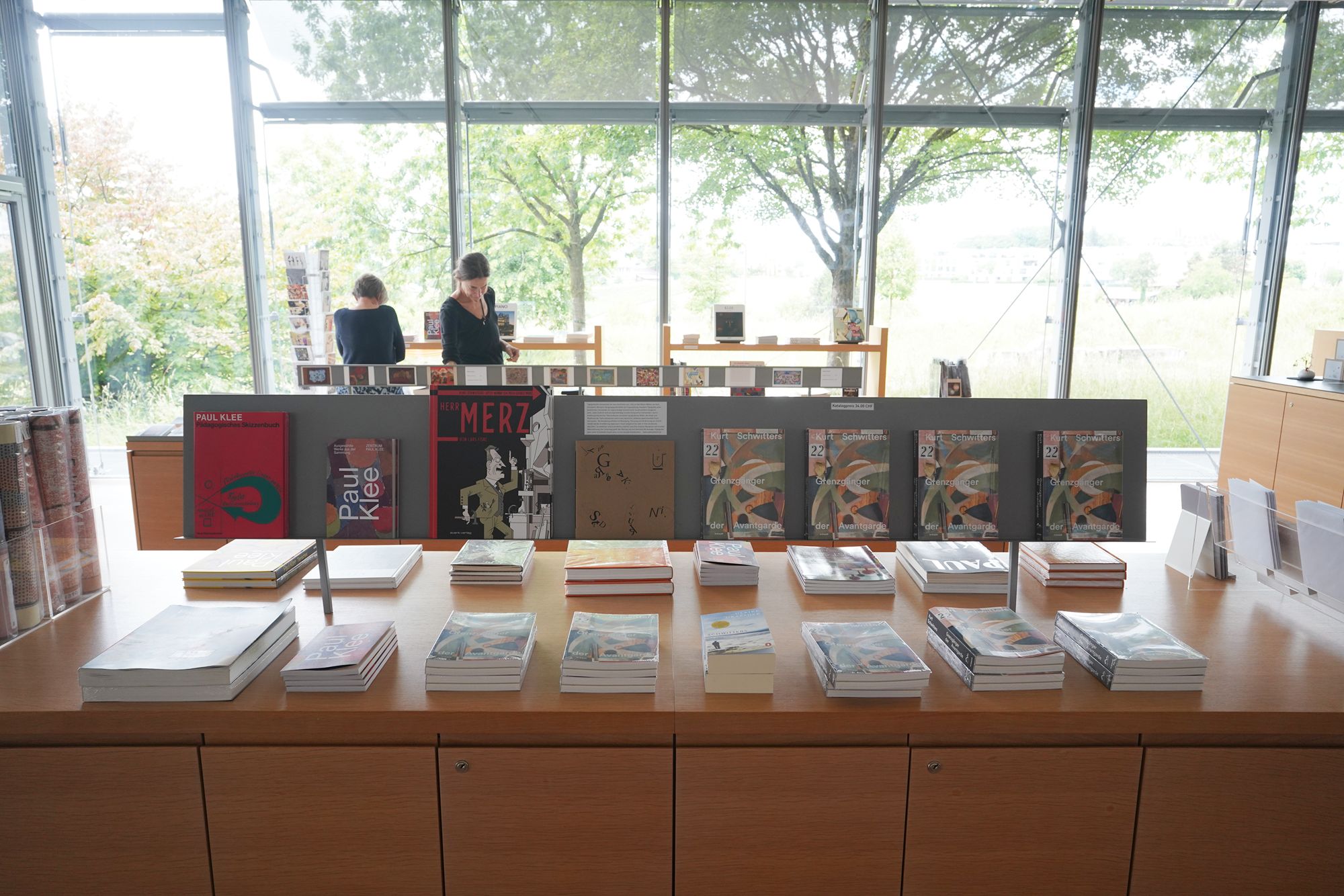
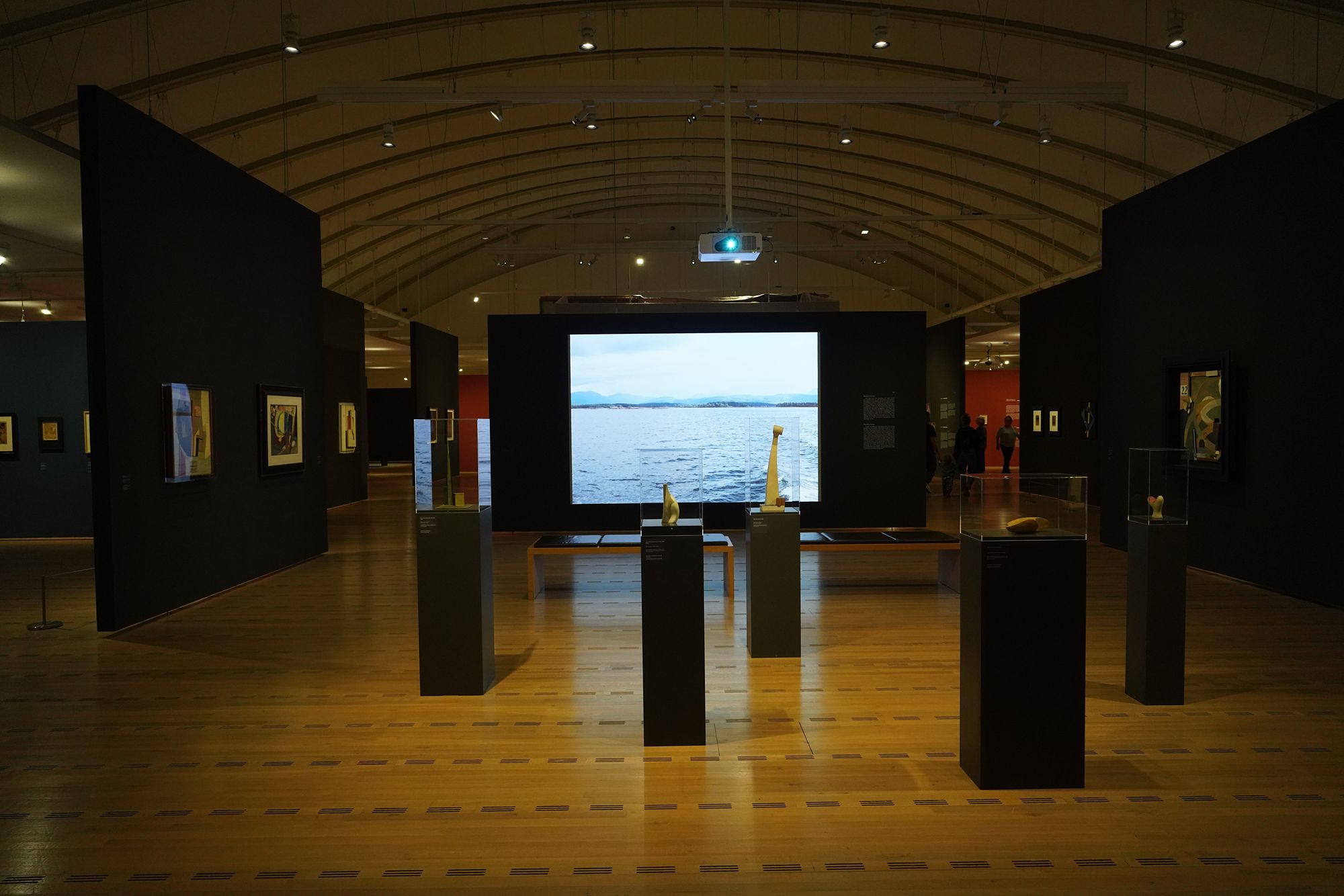
There was also another exhibition featuring works by an artist I was not familiar with, so I spent some time exploring it after seeing the Paul Klee collection.
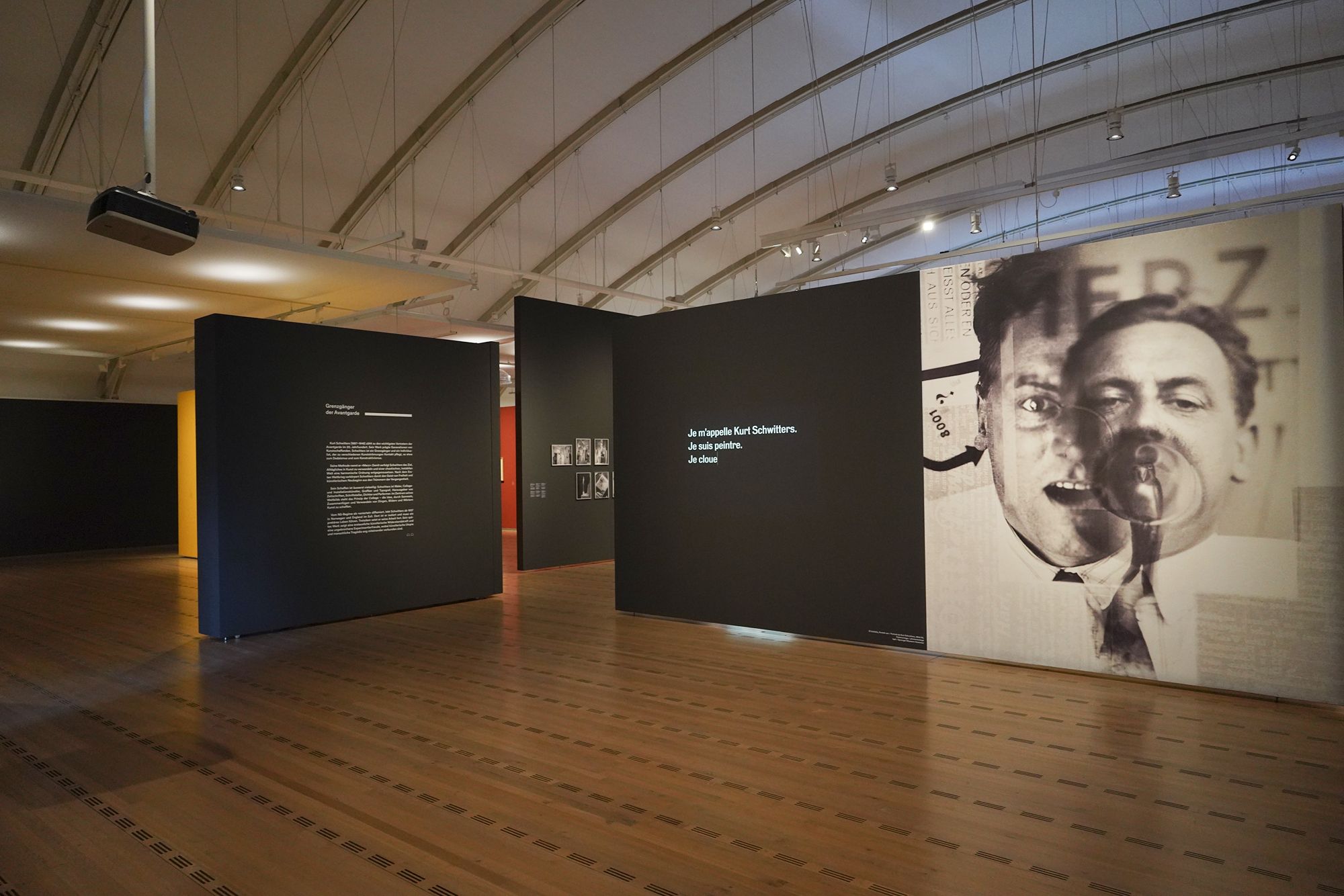
Kurt Schwitters
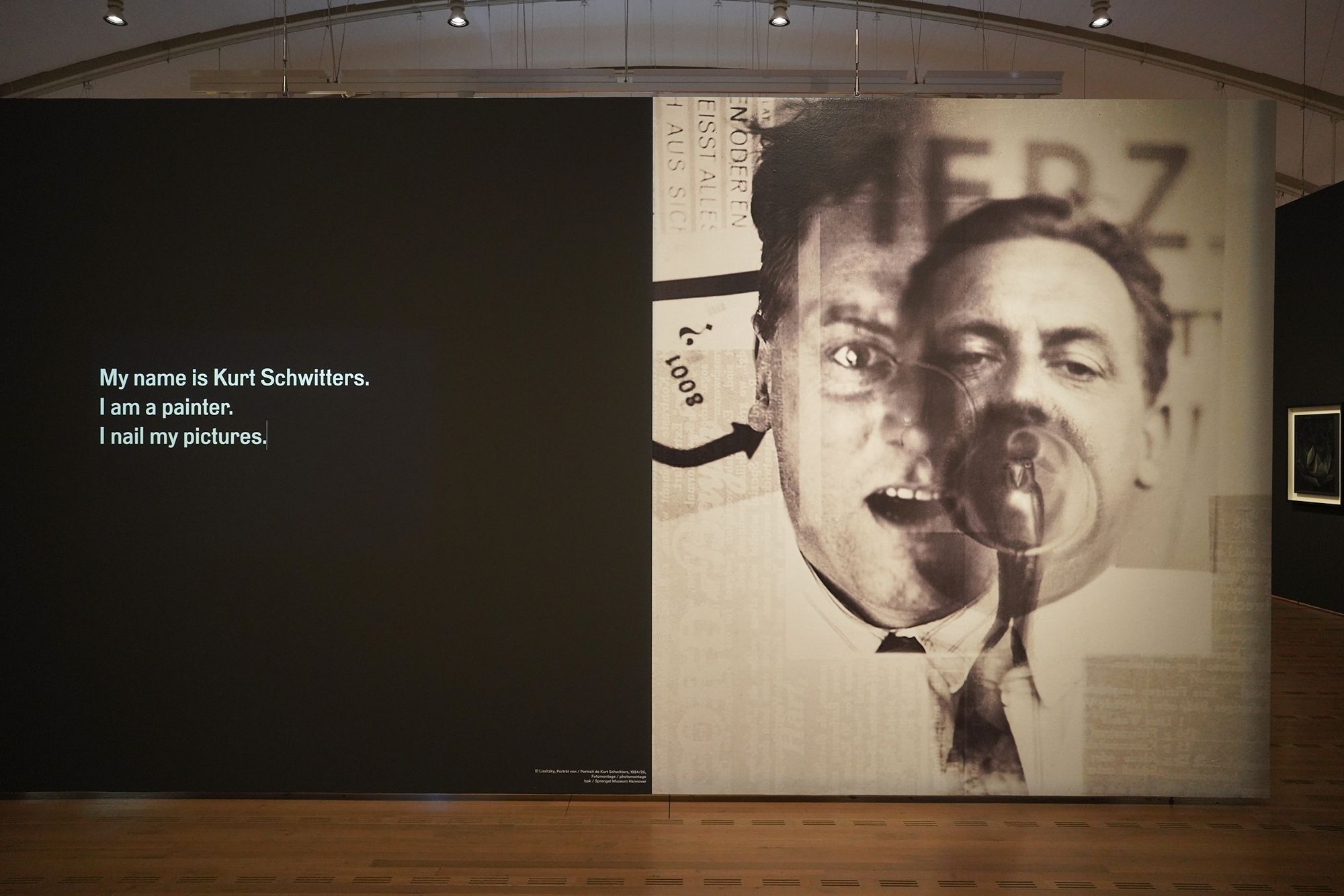
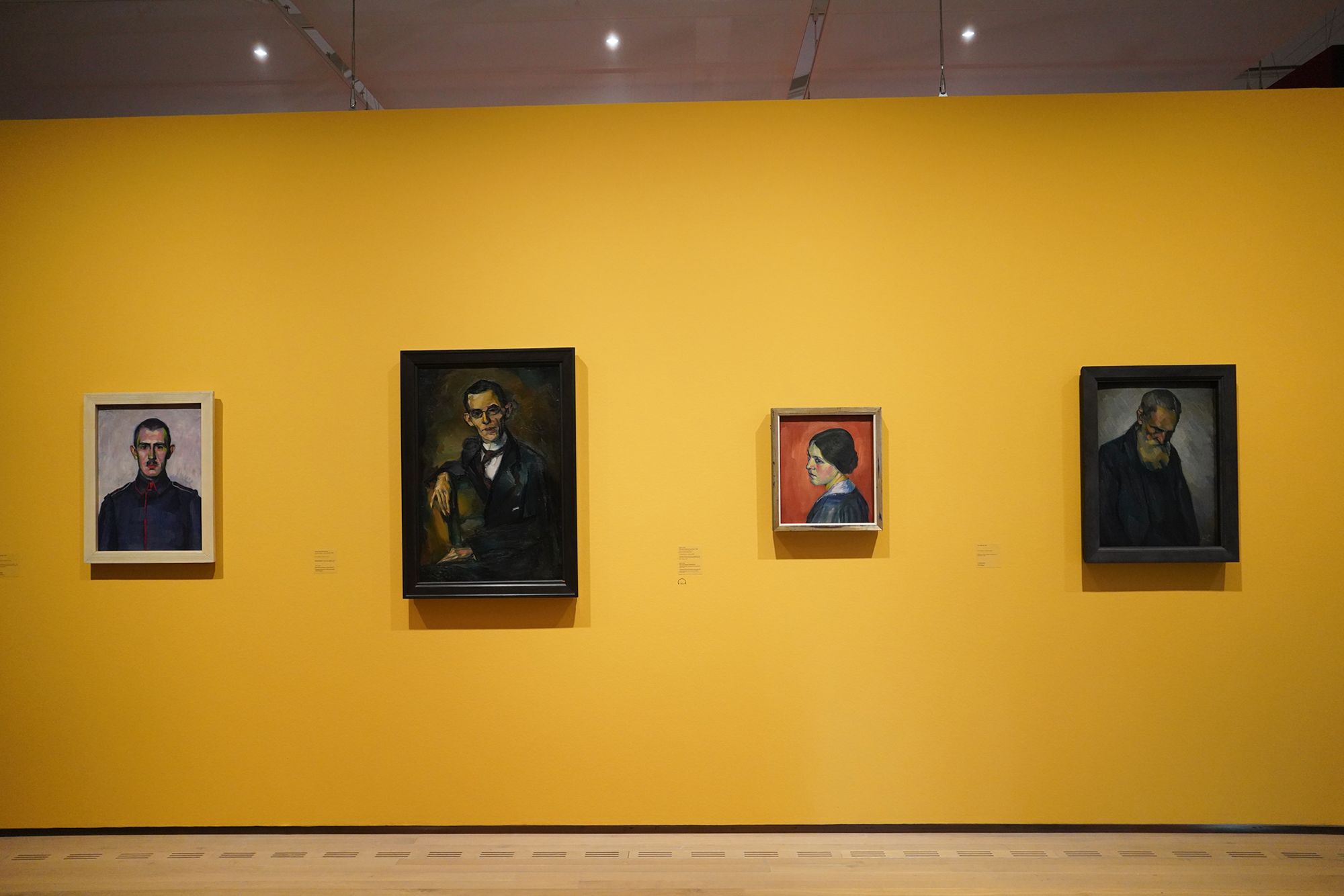
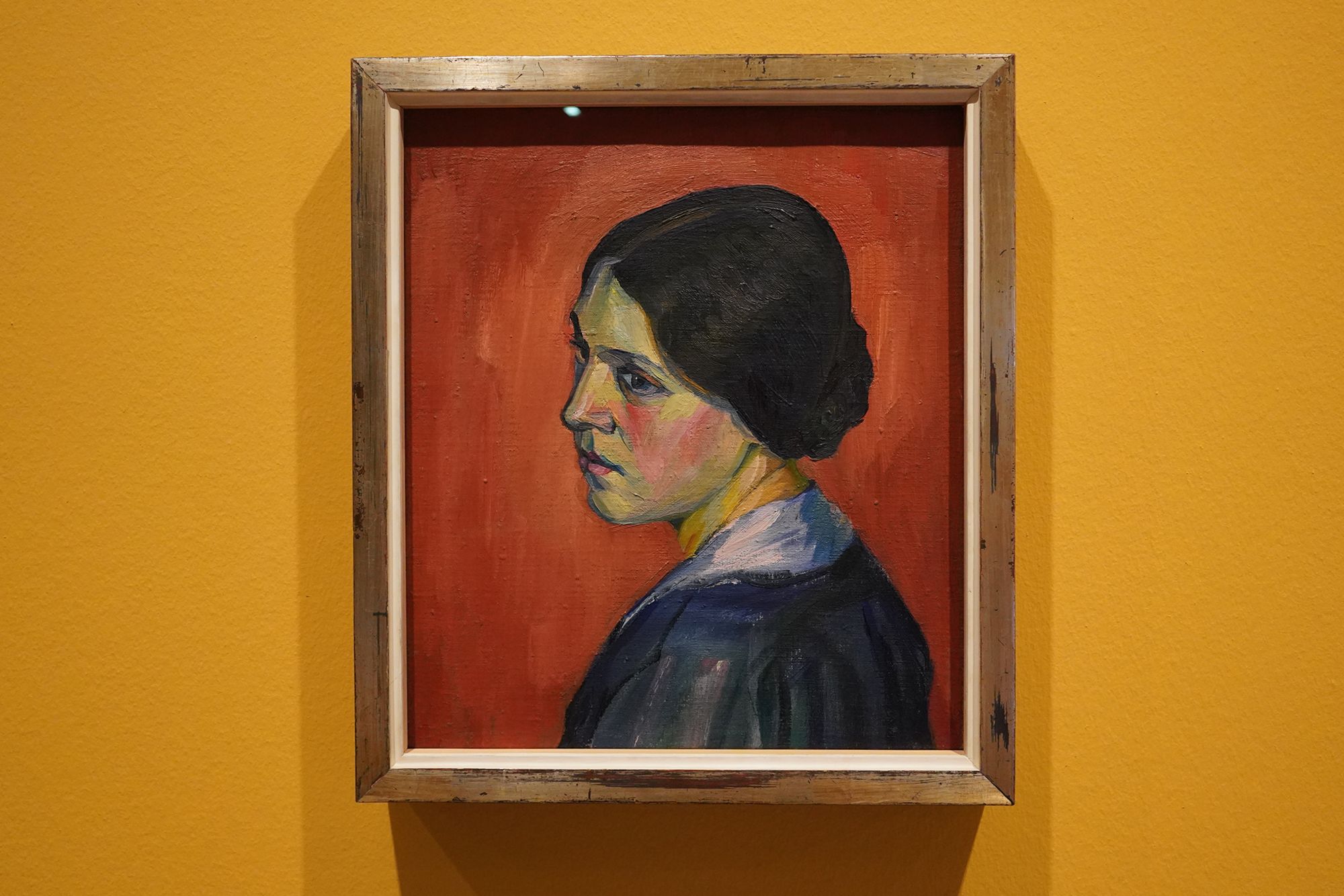
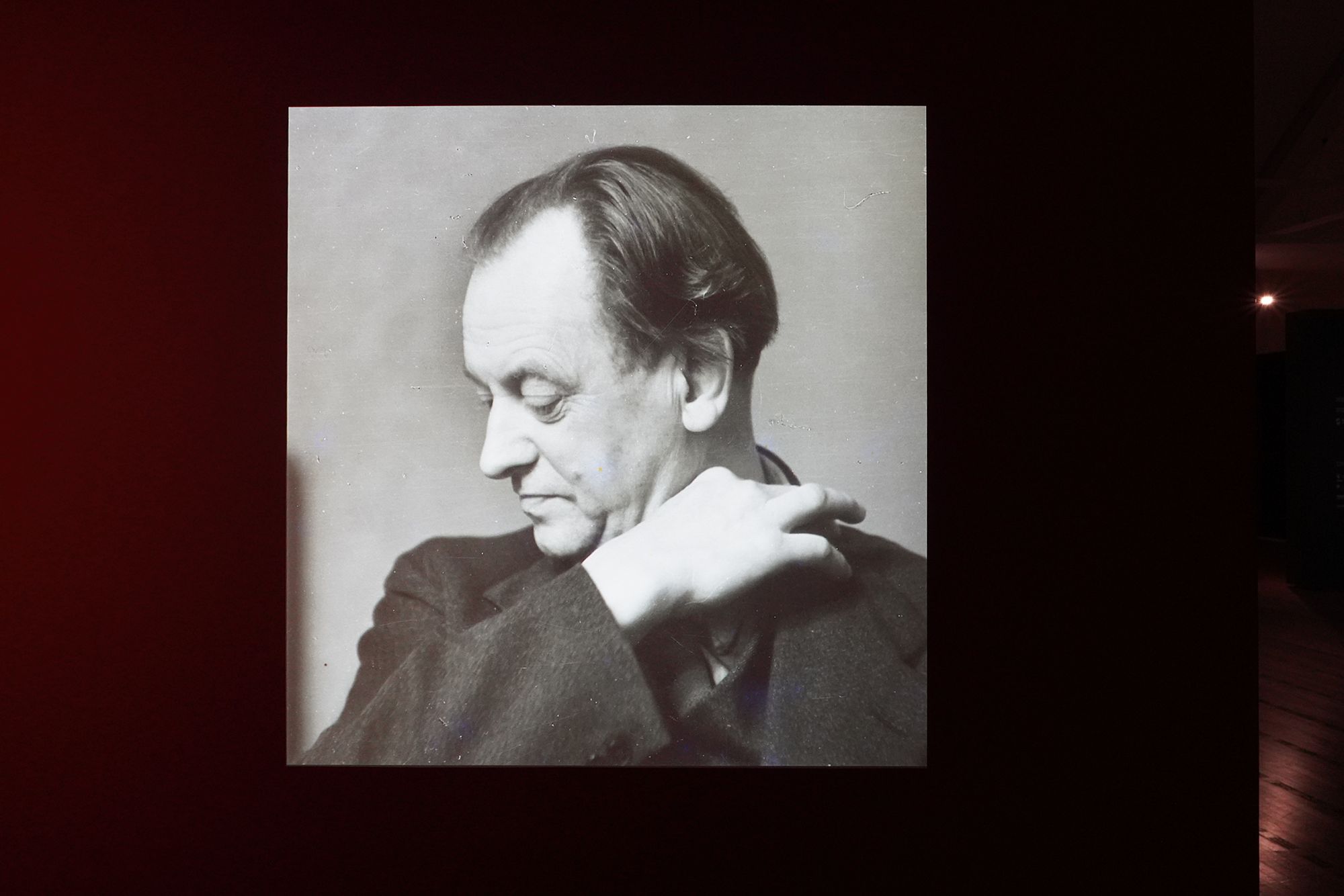
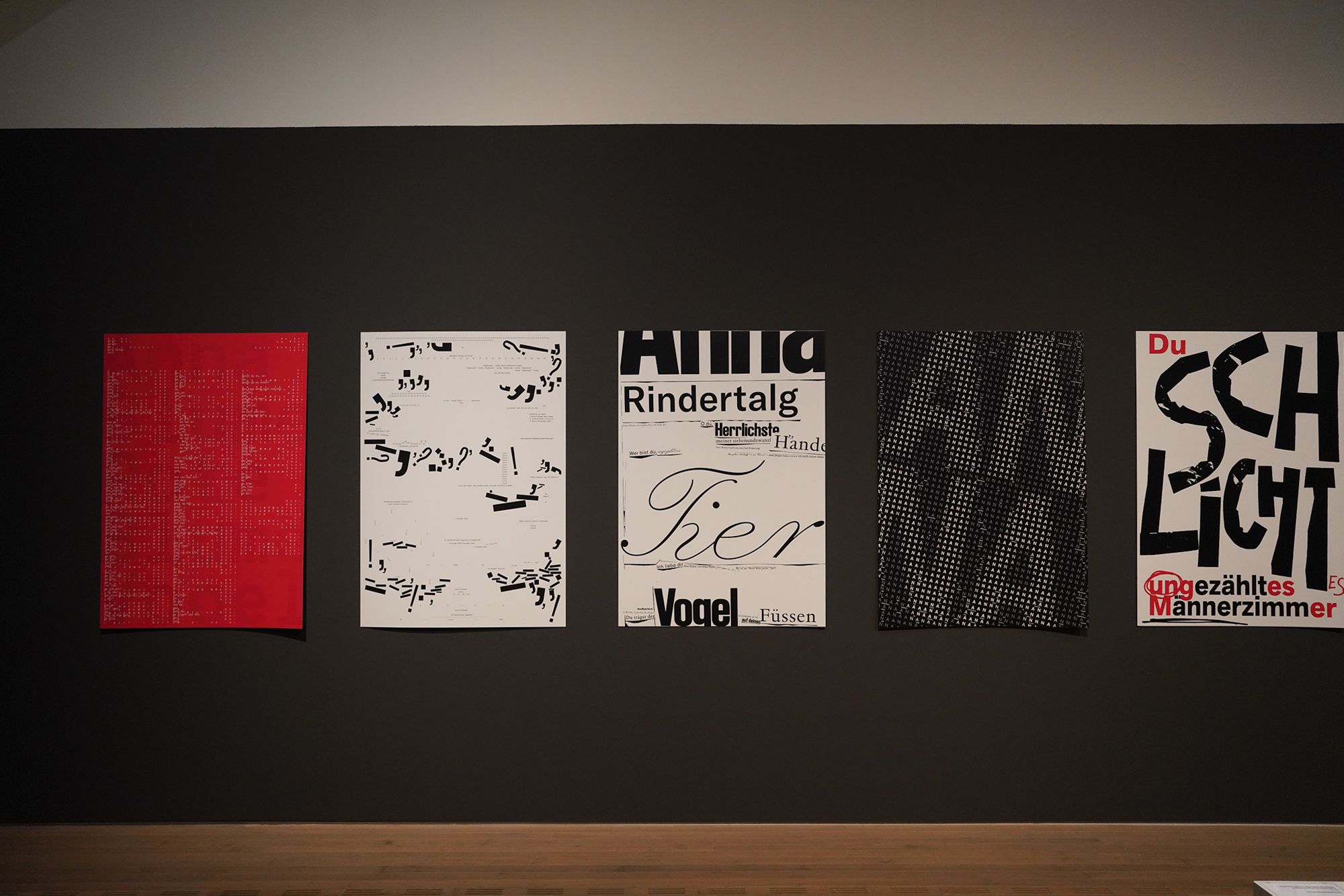
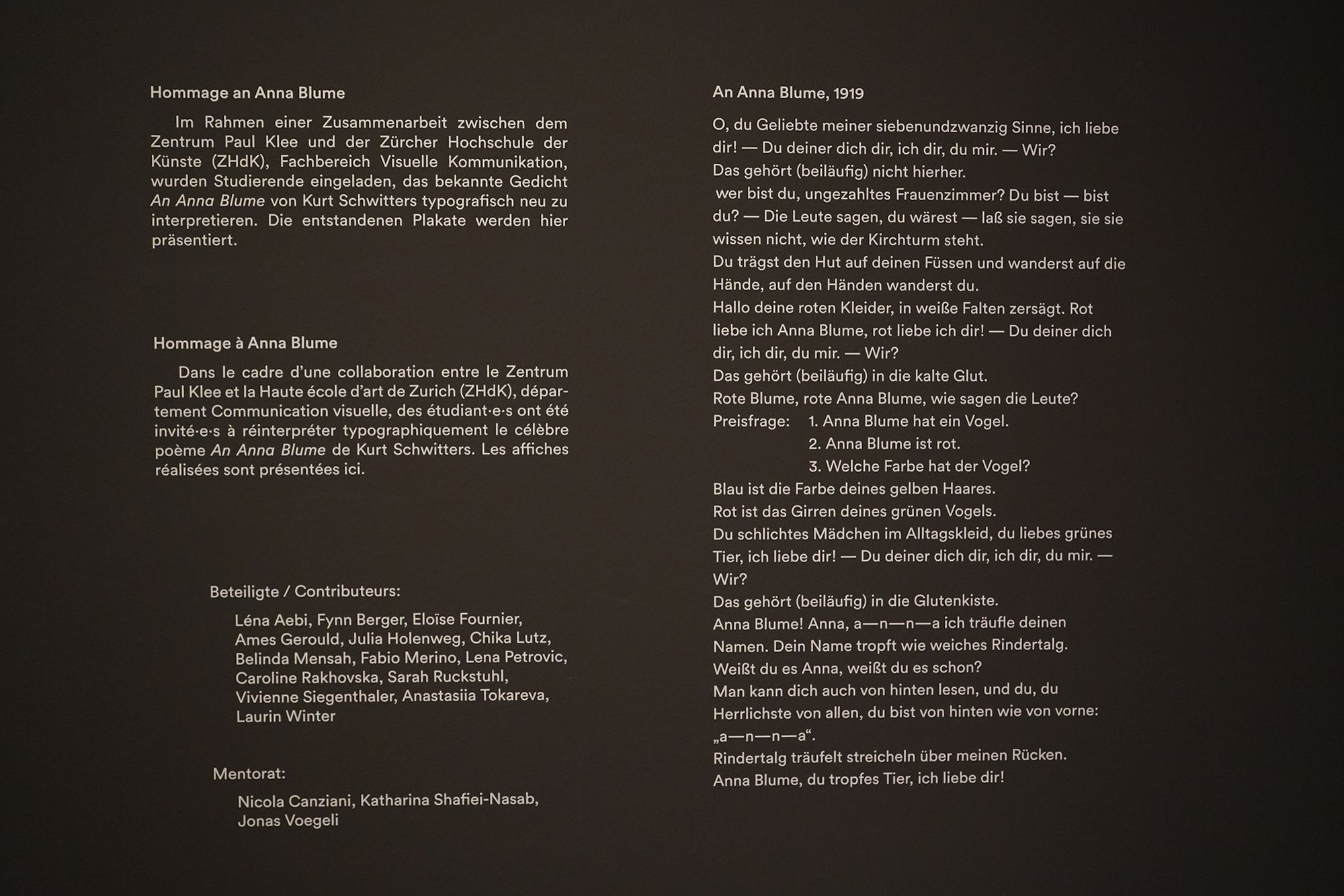
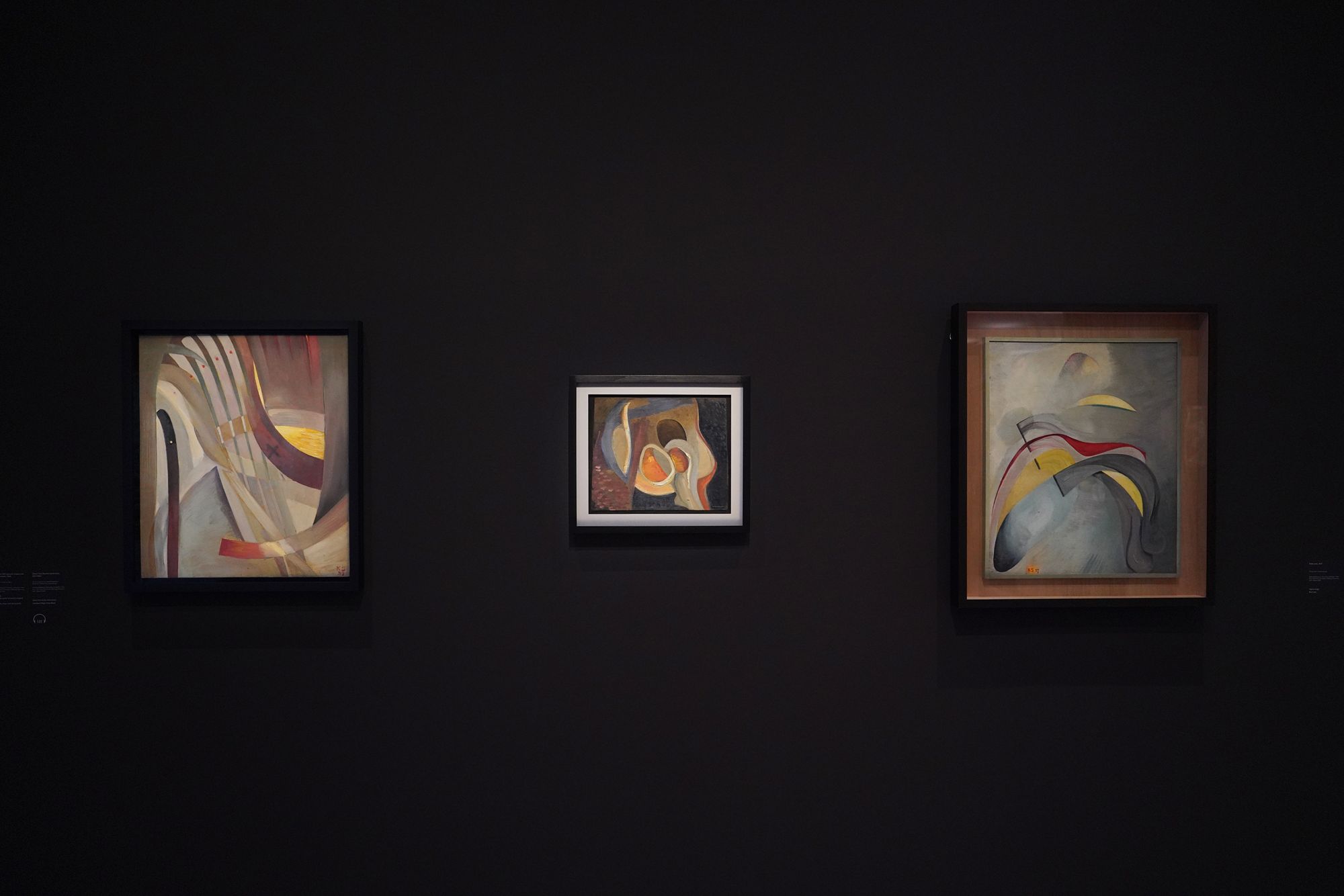
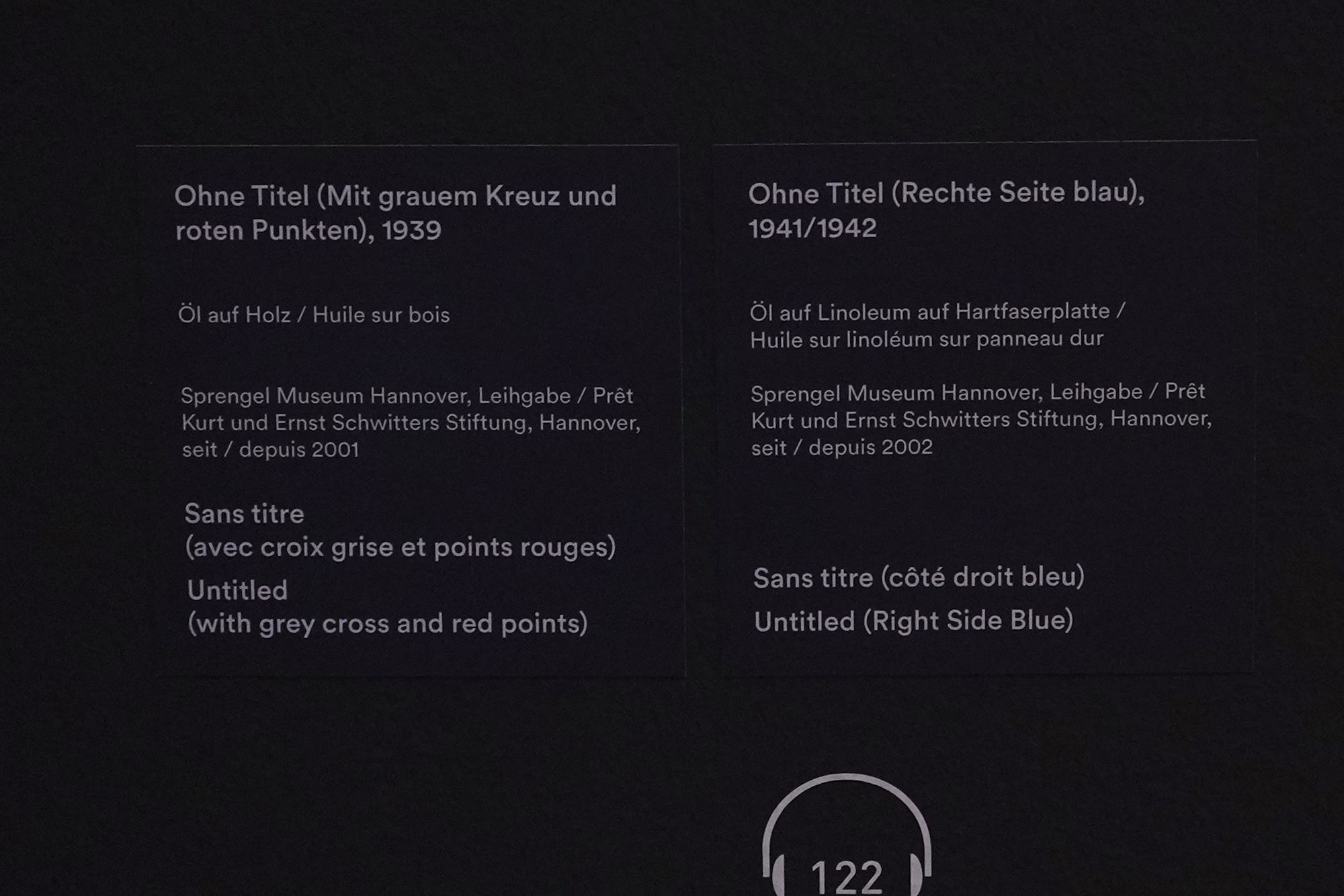
The other exhibition featured Kurt Schwitters, an artist I was not familiar with before my visit. Schwitters worked in many forms, including painting, collage, installation, graphic design, typography, poetry, and performance.
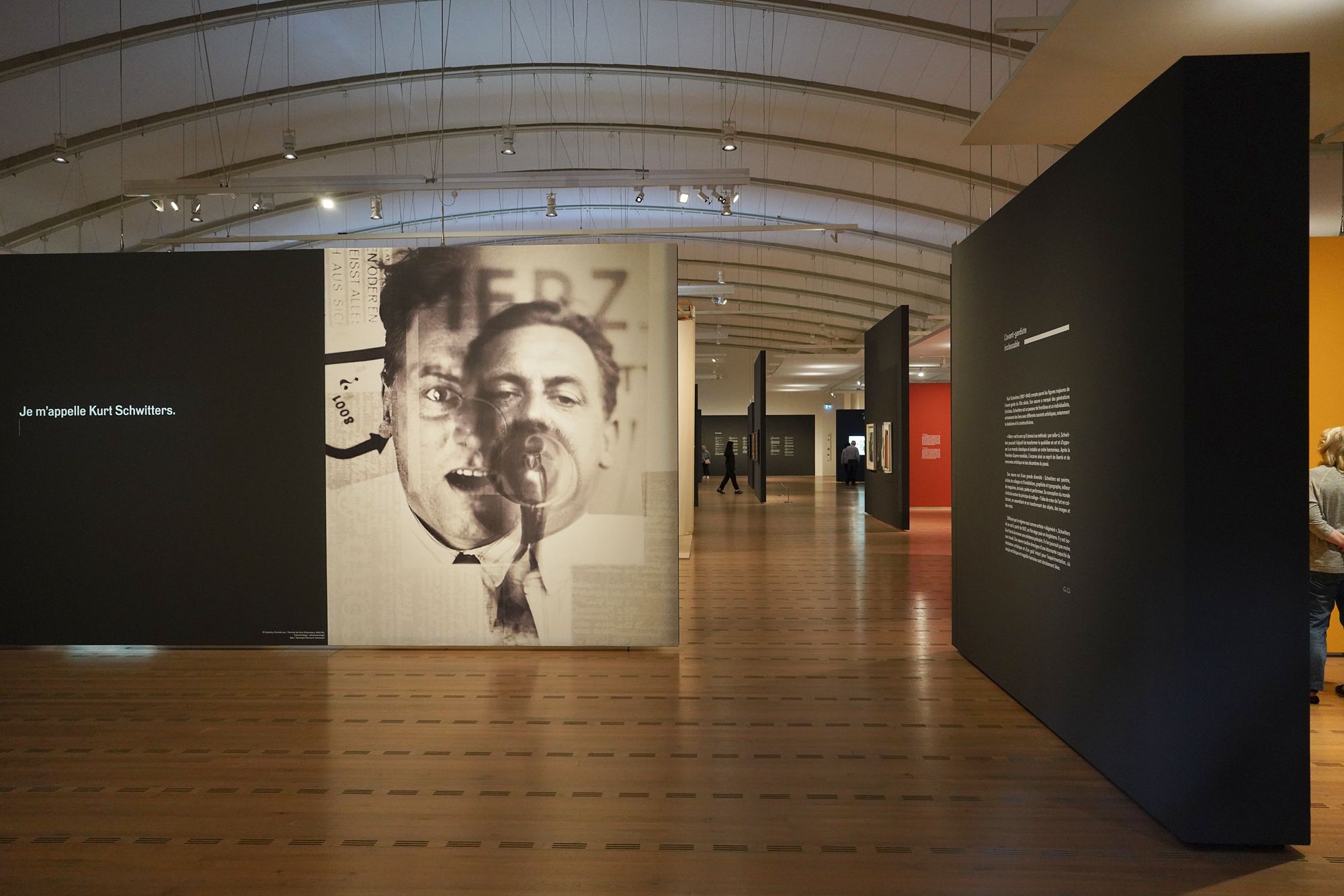
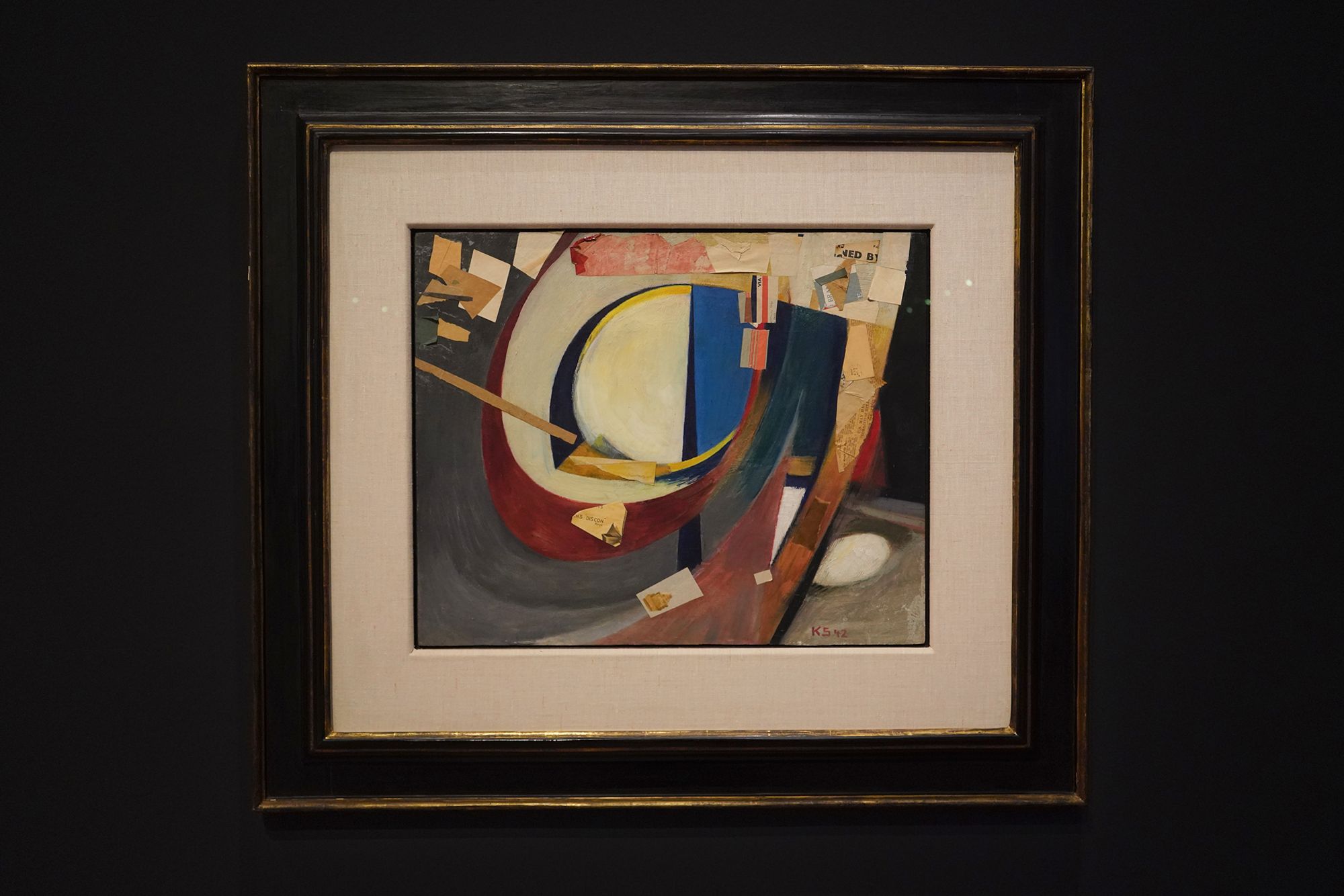
He is especially known for an artistic approach he called “Merz,” in which he transformed ordinary and discarded materials—scraps of paper, printed images, objects, and words—into collages and other works of art. His idea was essentially to turn everyday materials into art.
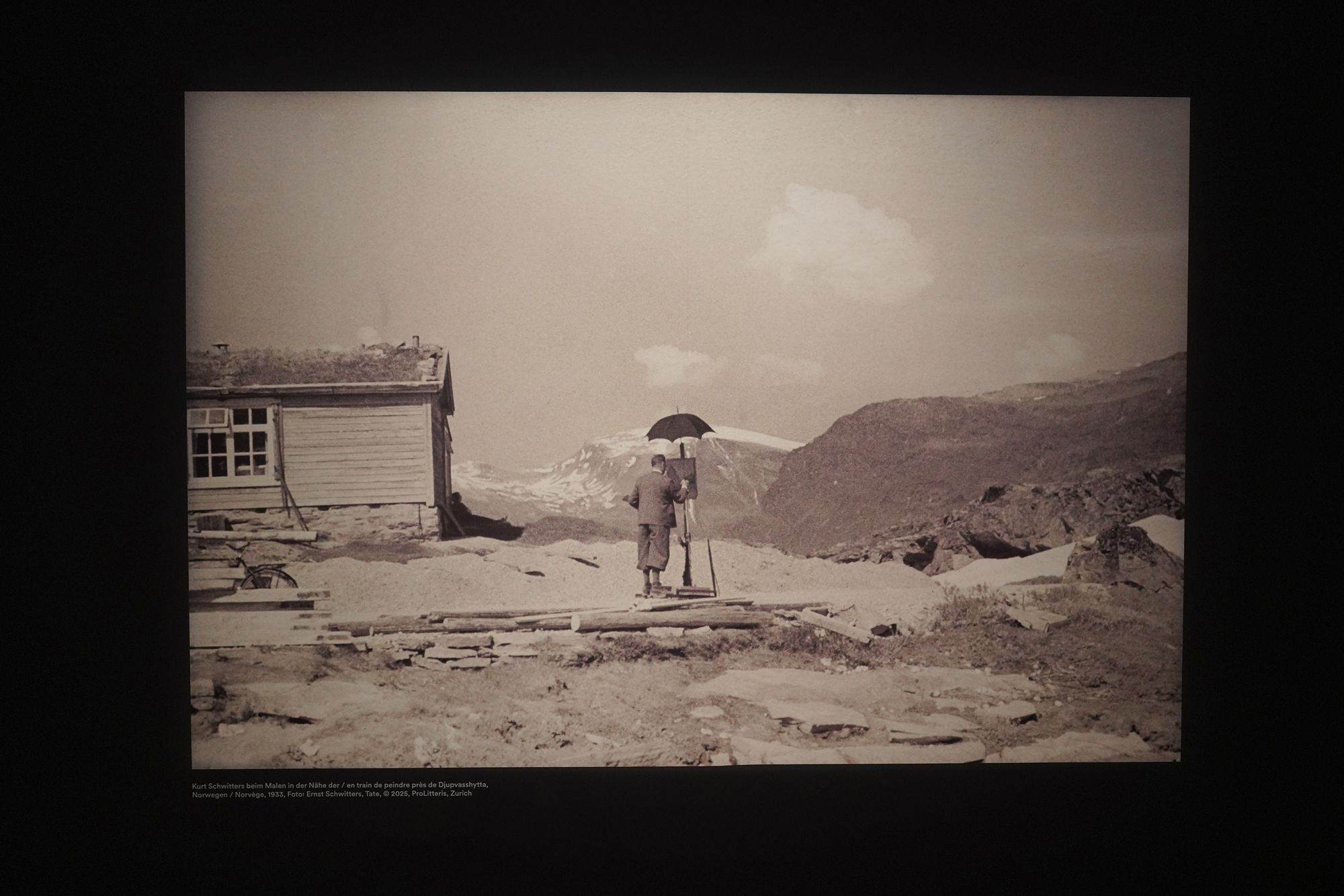
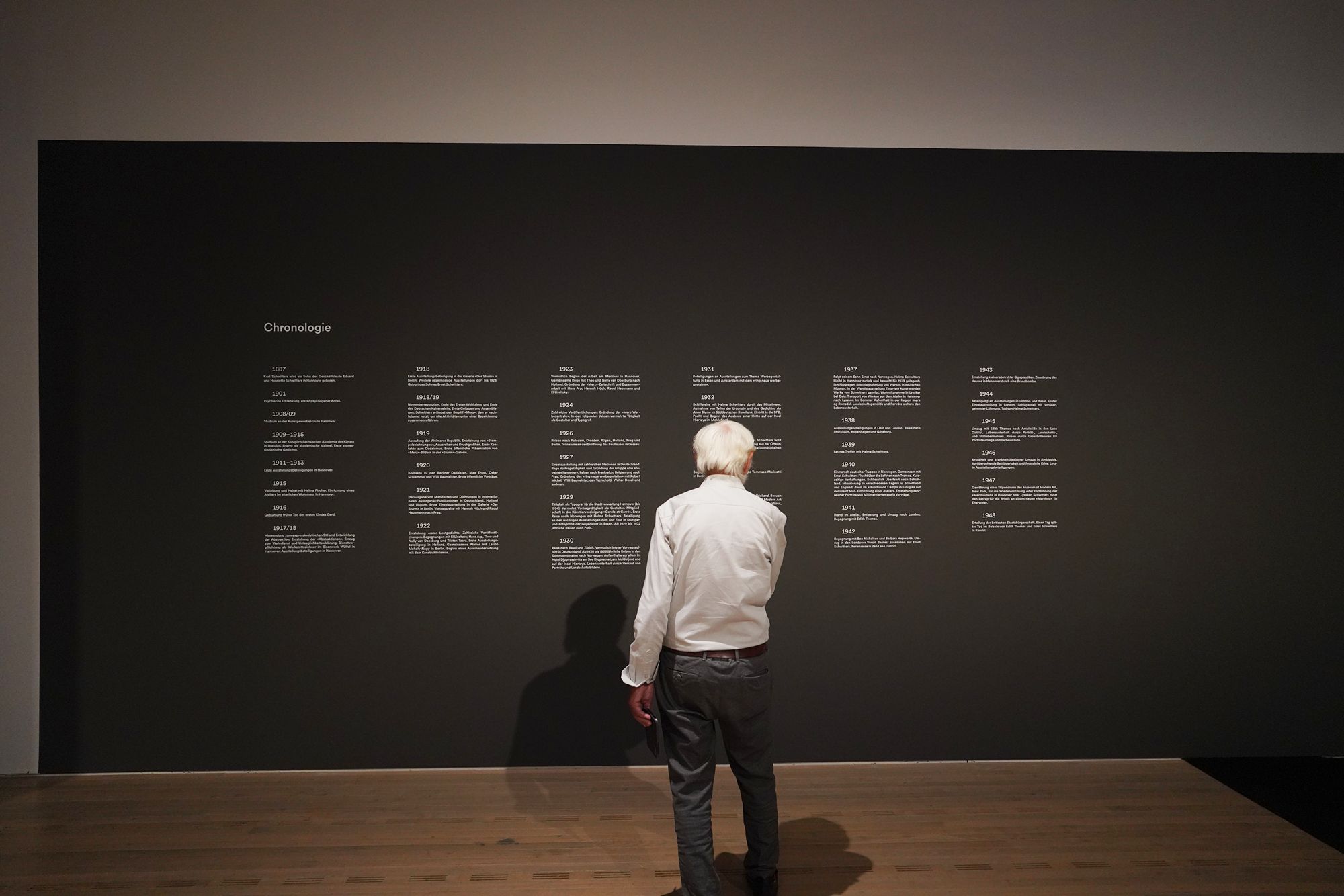
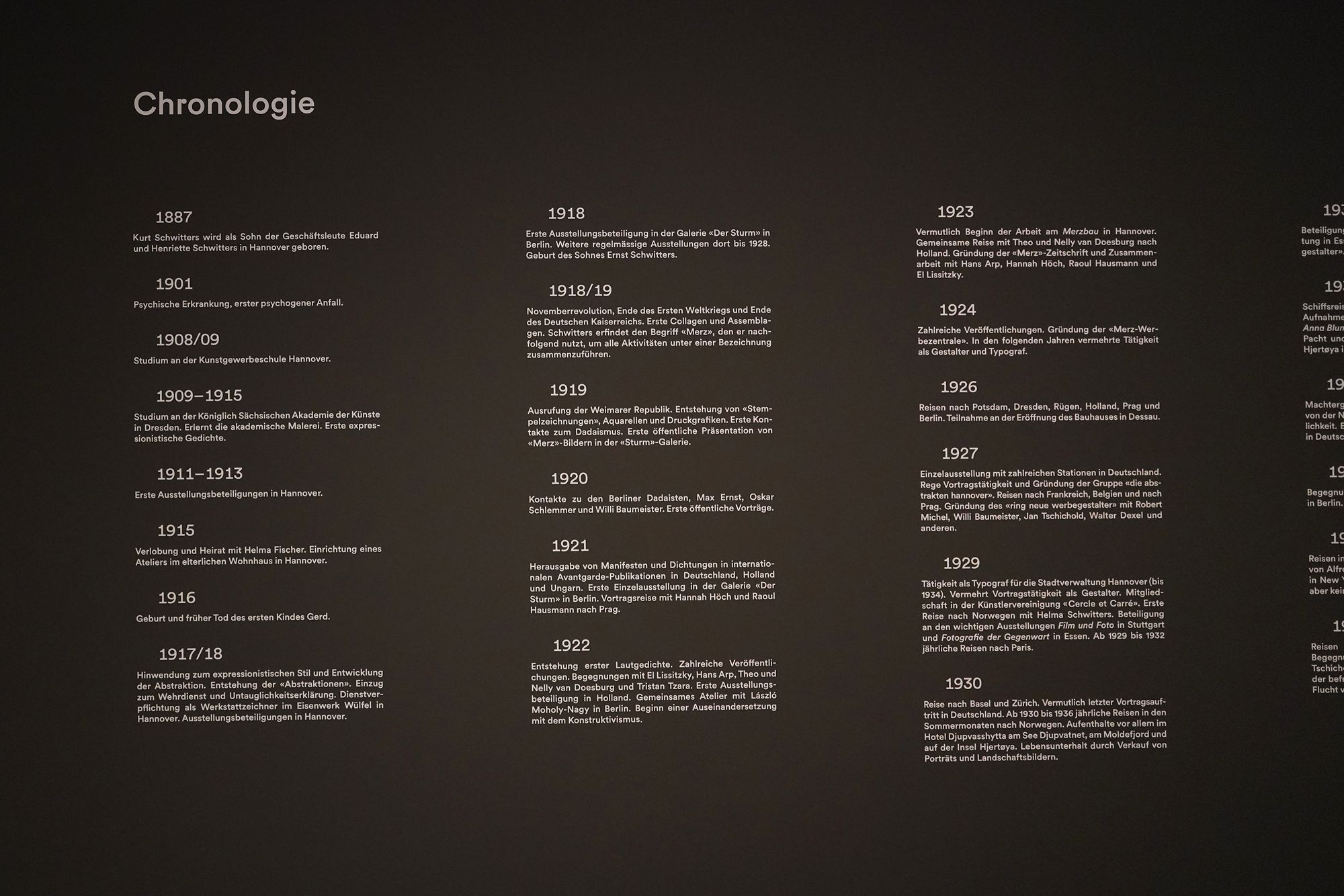
Like Paul Klee, Schwitters was condemned by the Nazi regime as a “degenerate” artist. He left Germany in 1937, living first in Norway and later in England, where he continued creating experimental art until his death in 1948.
Merz Drawings
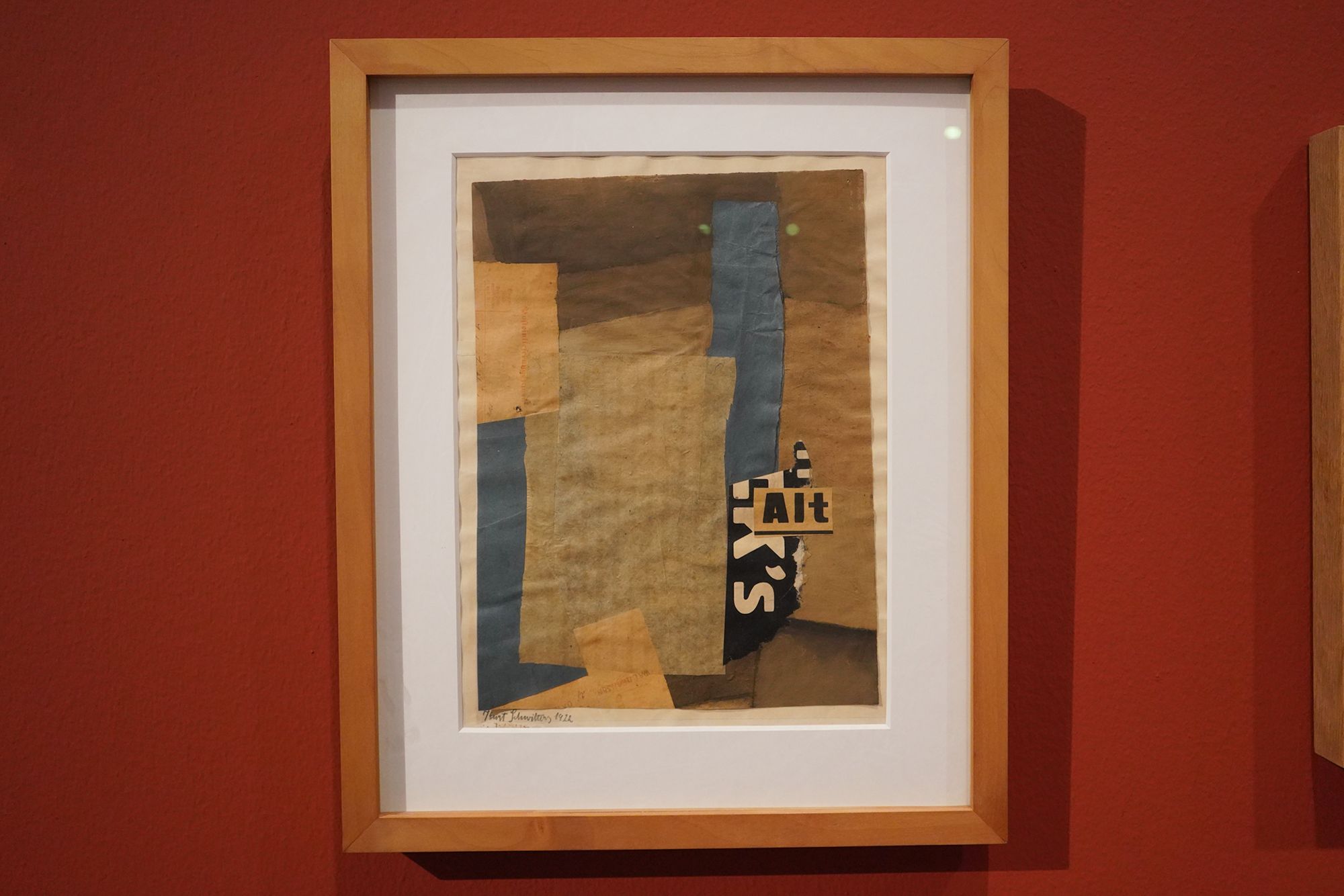
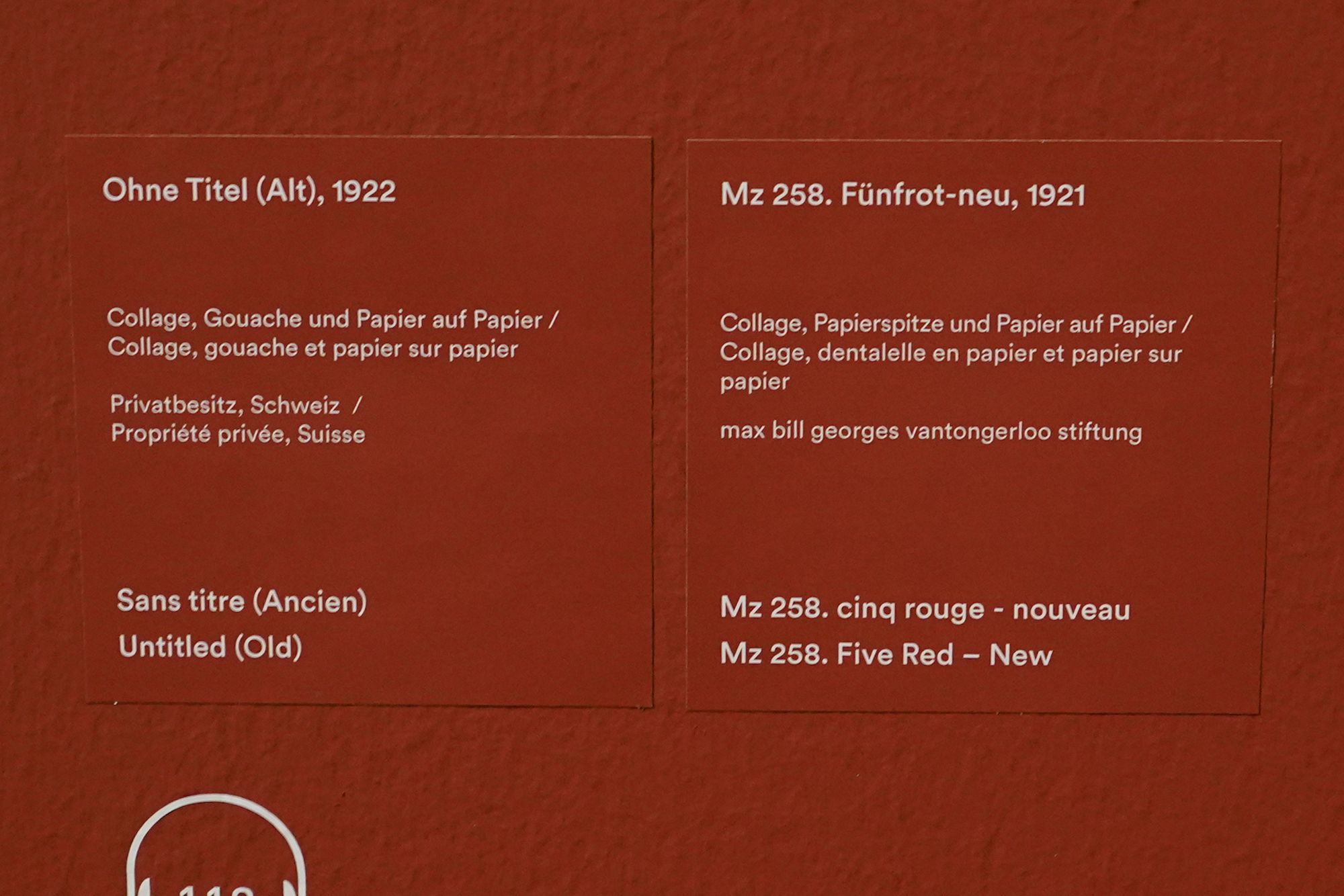
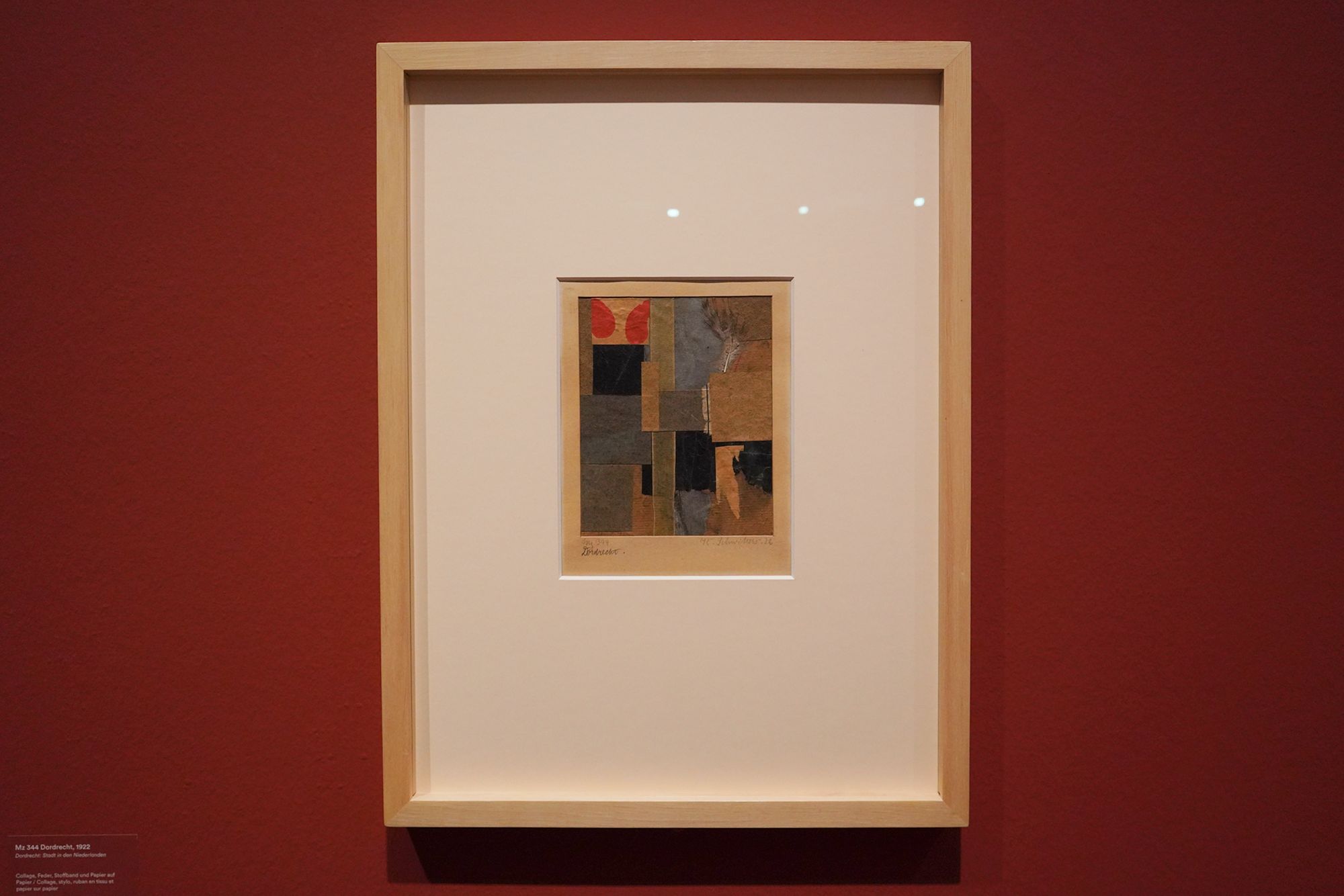
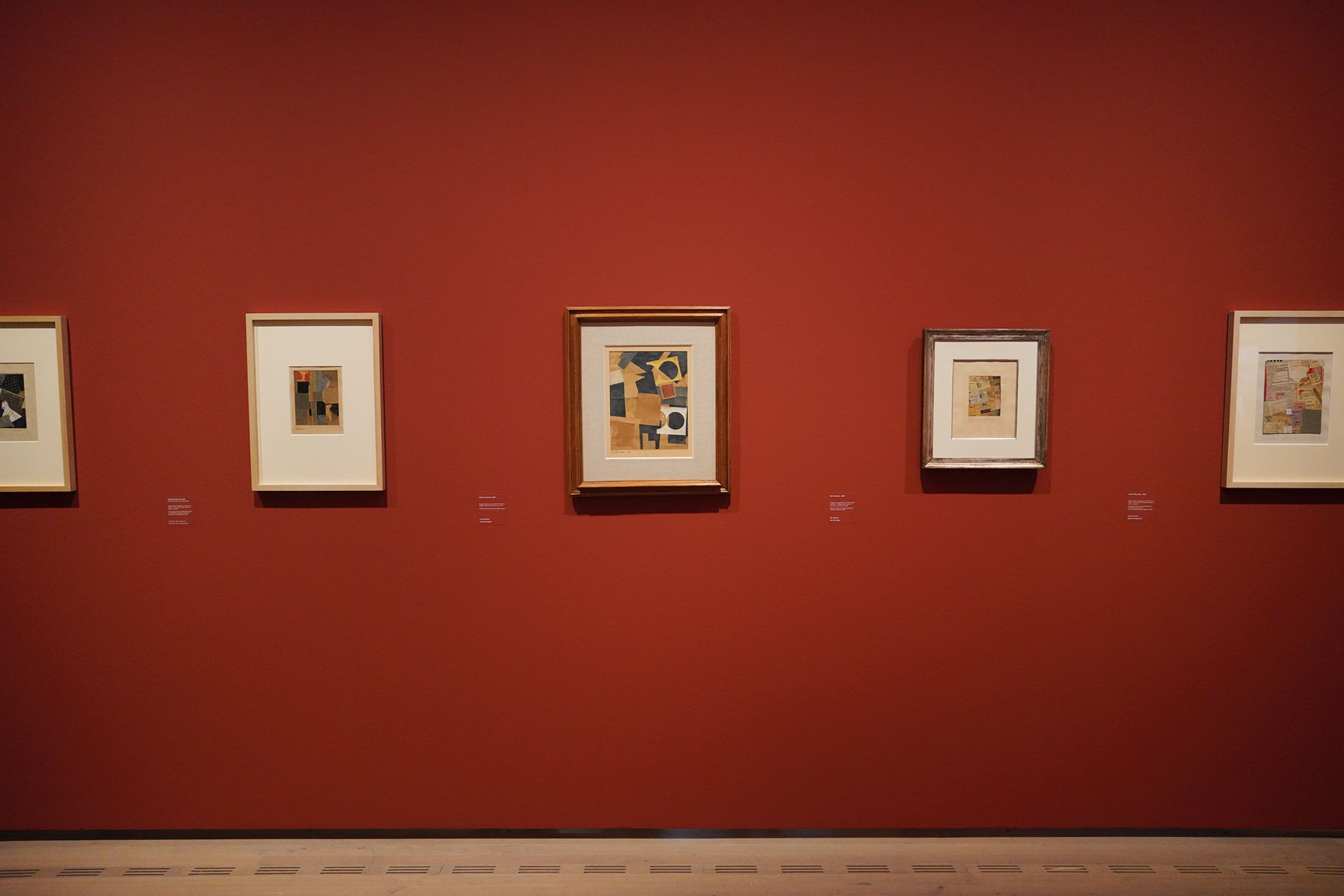
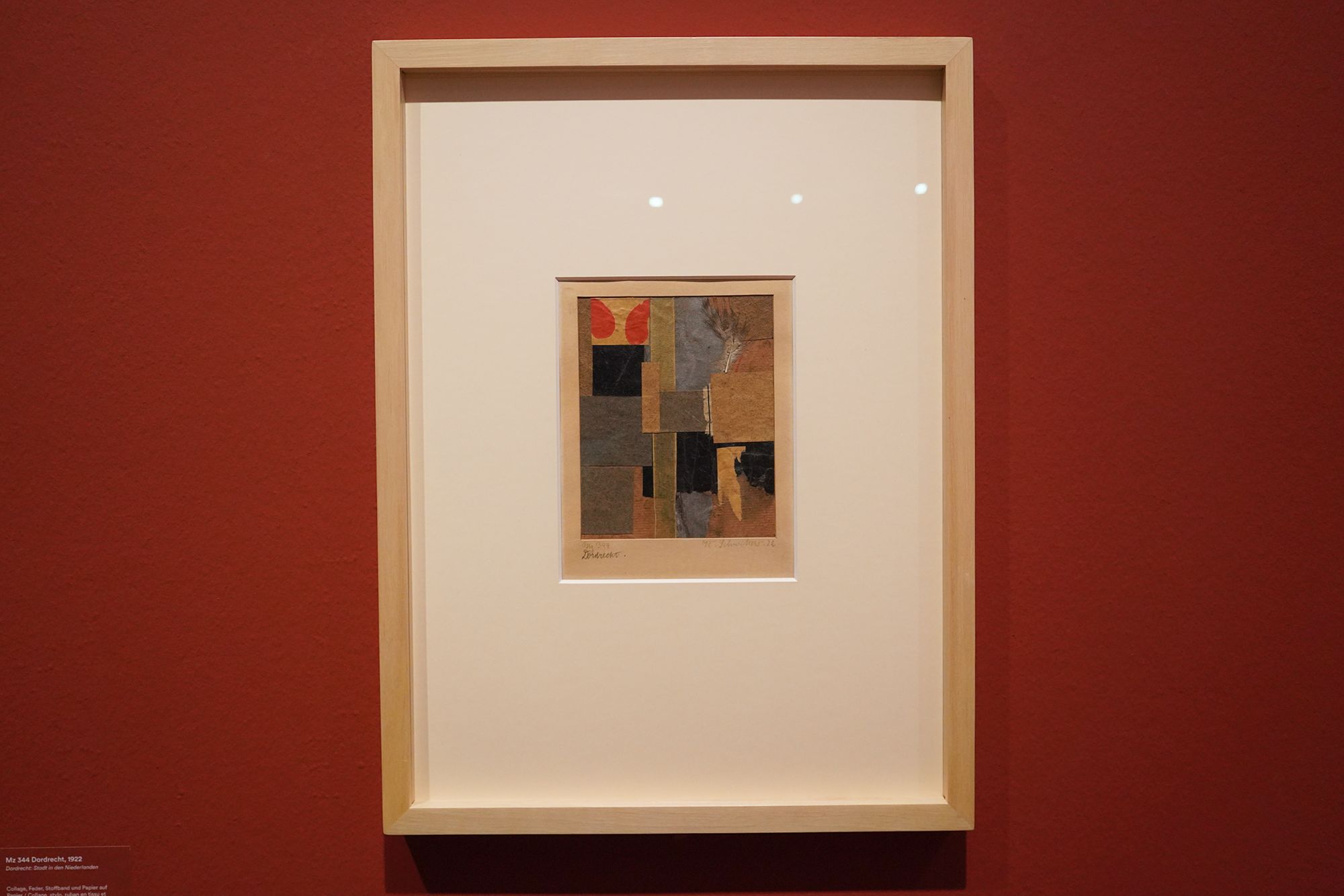
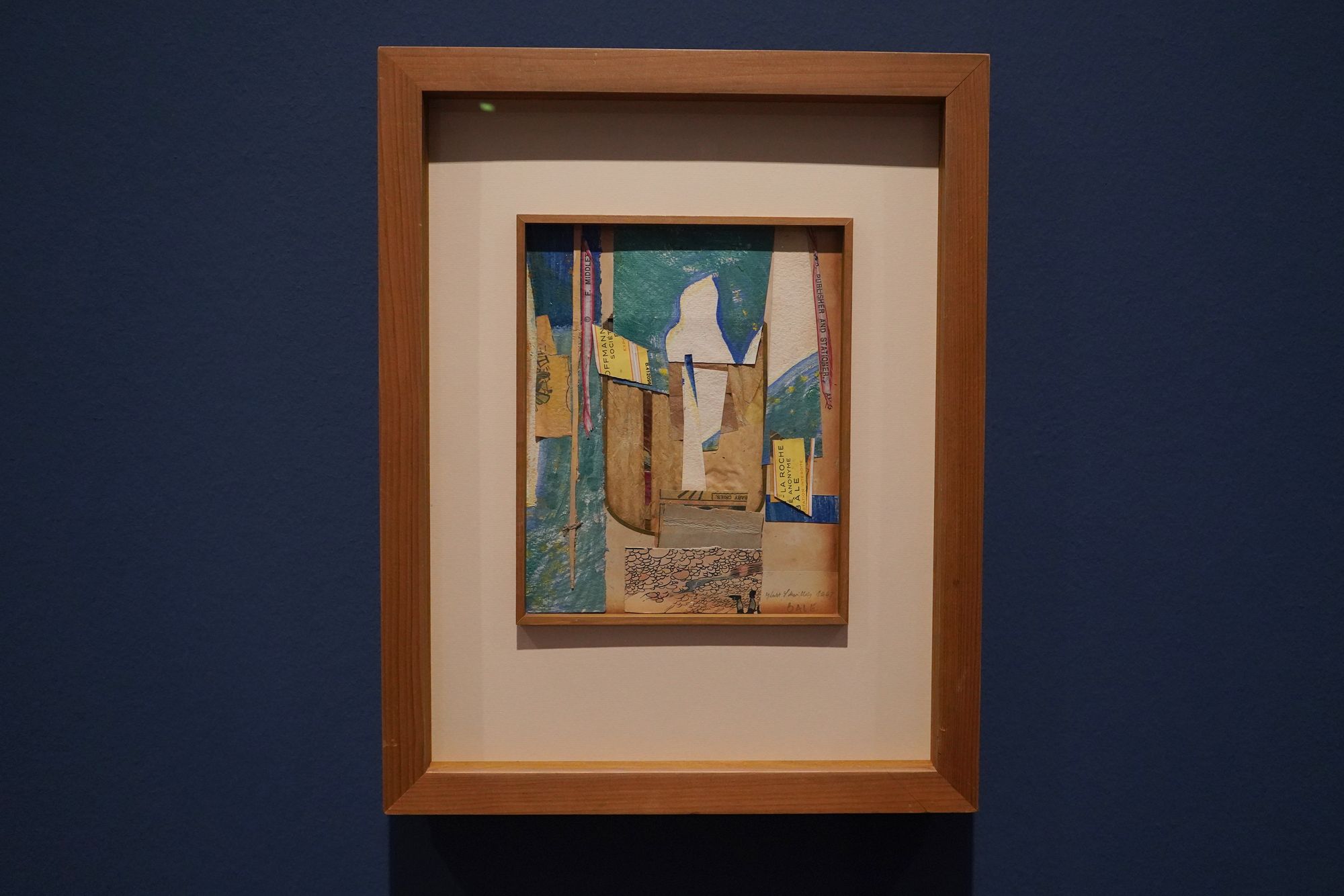
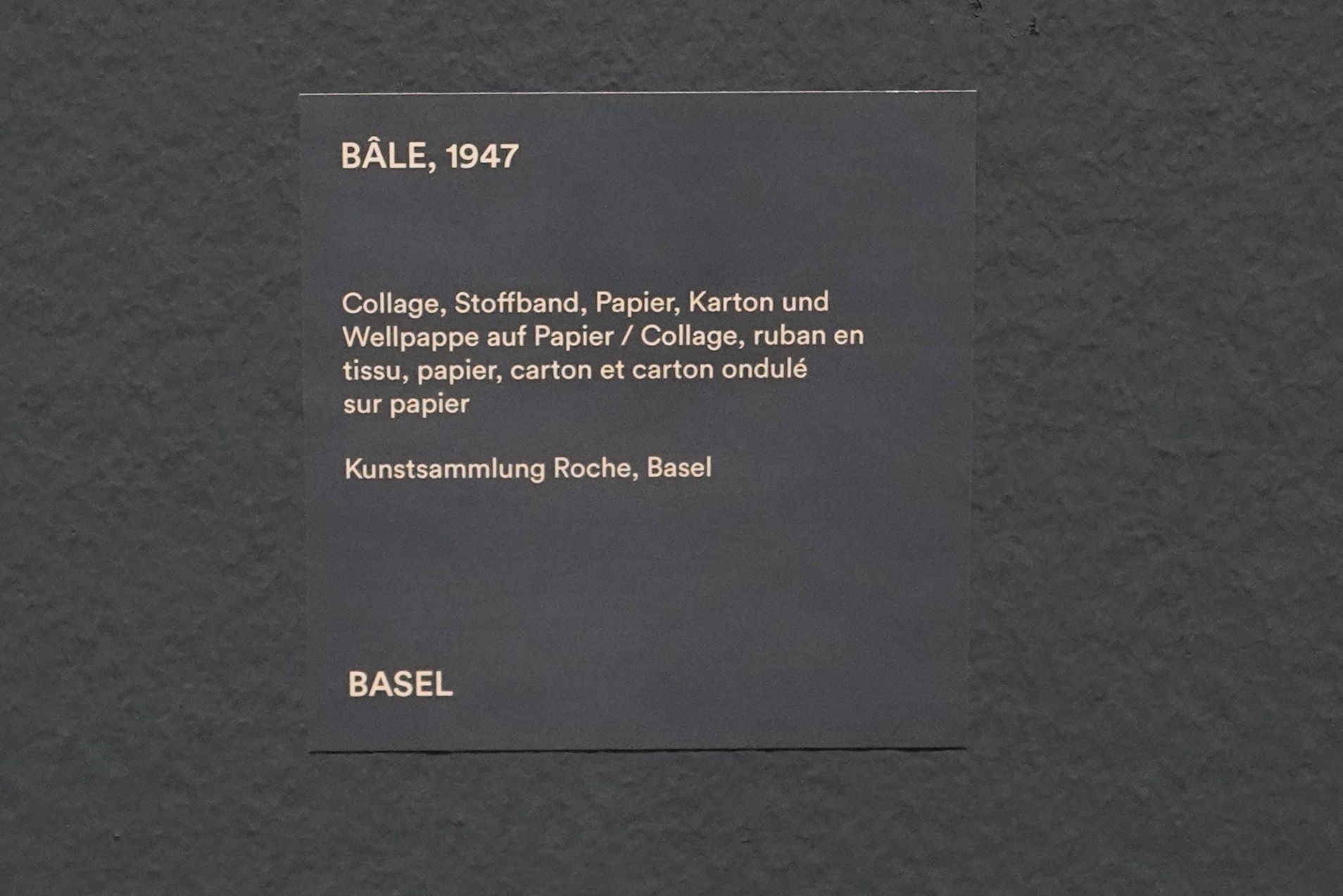
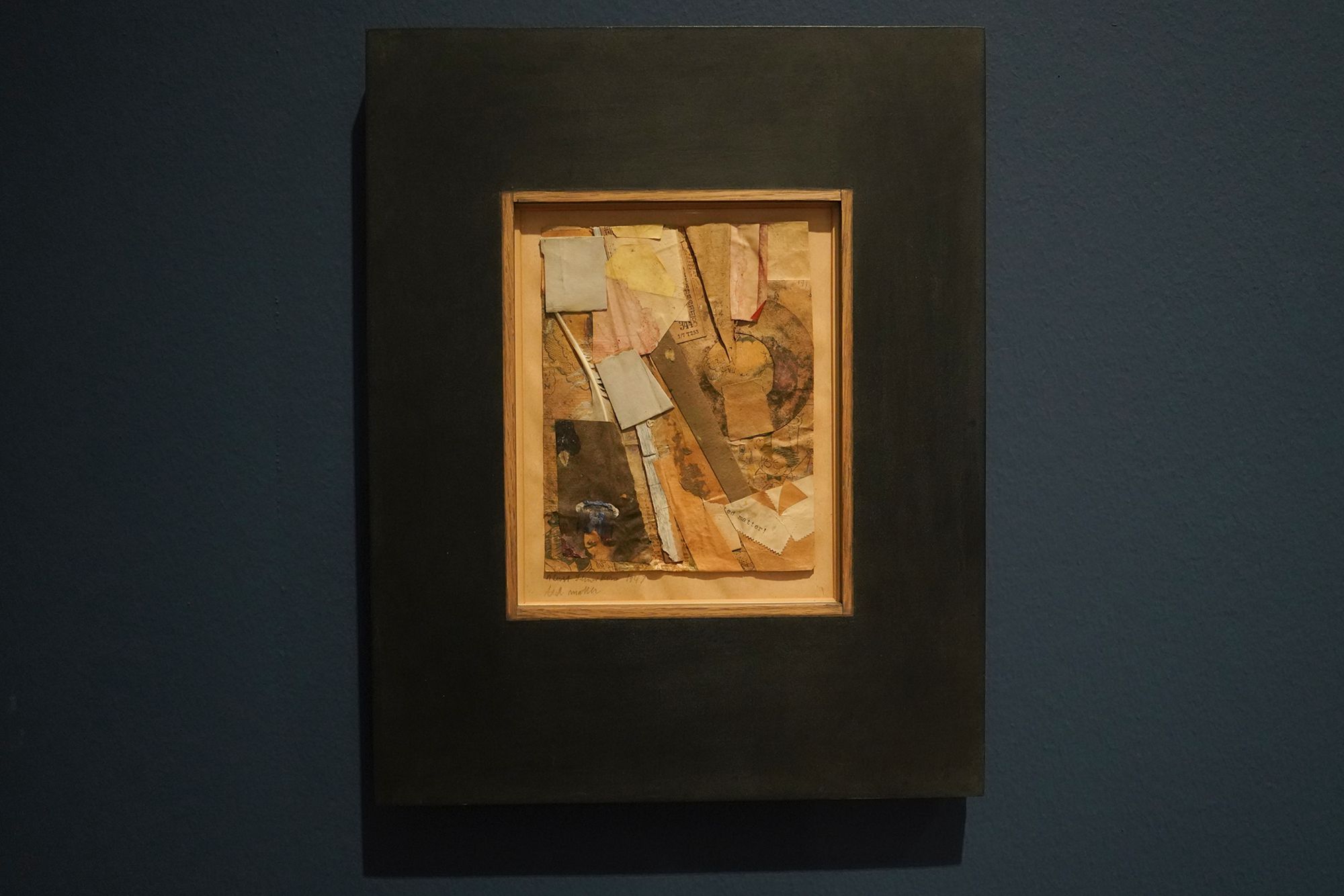
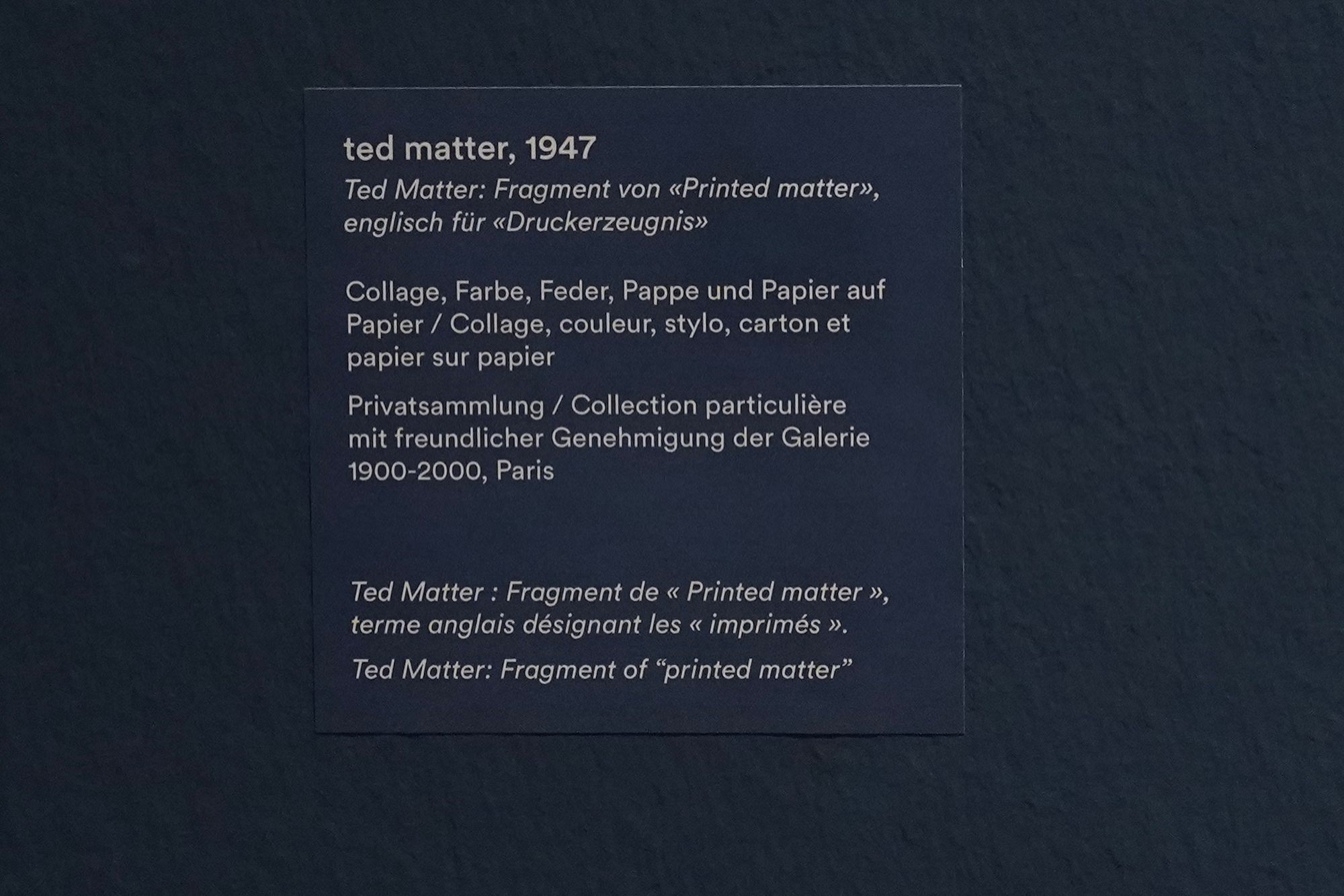
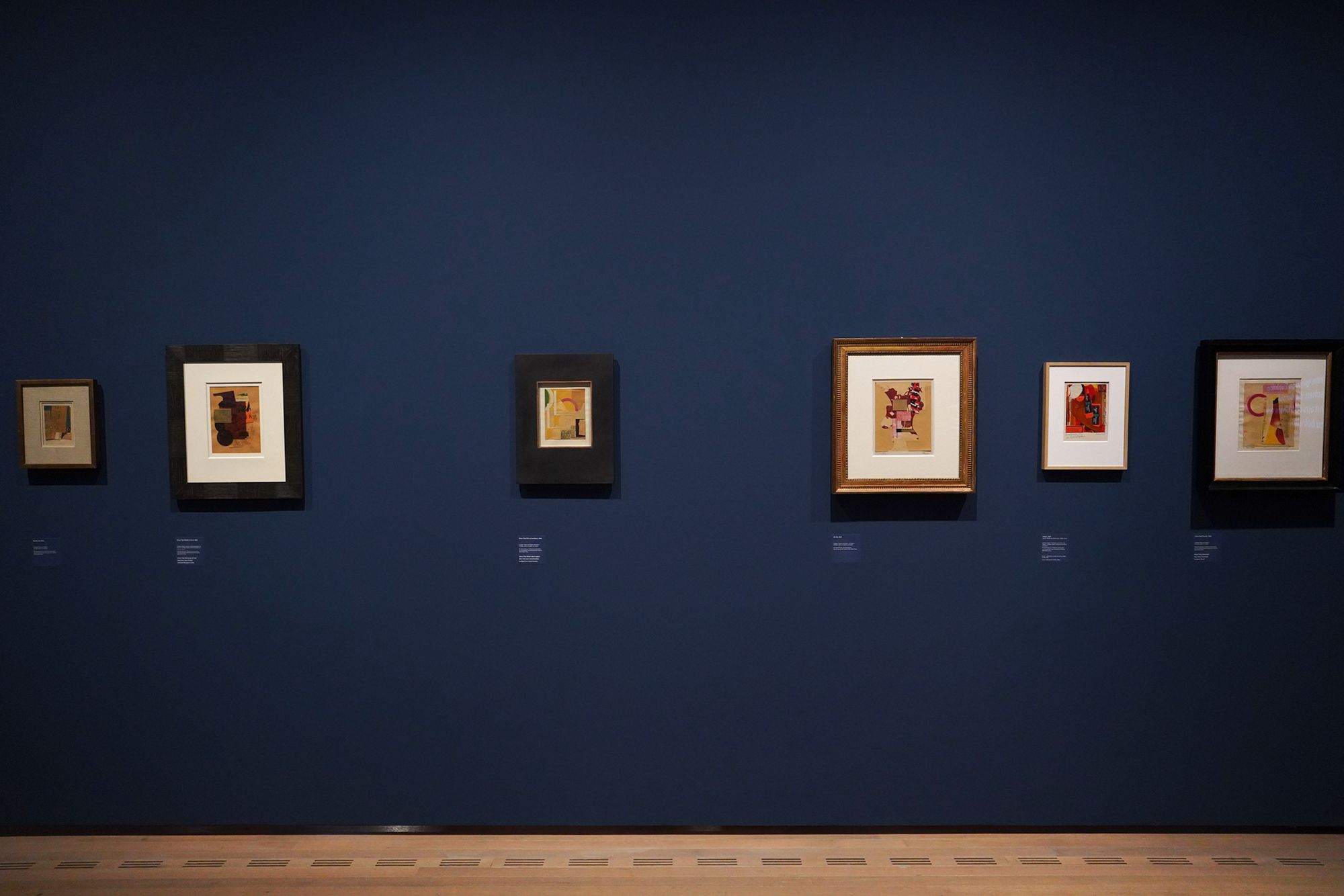
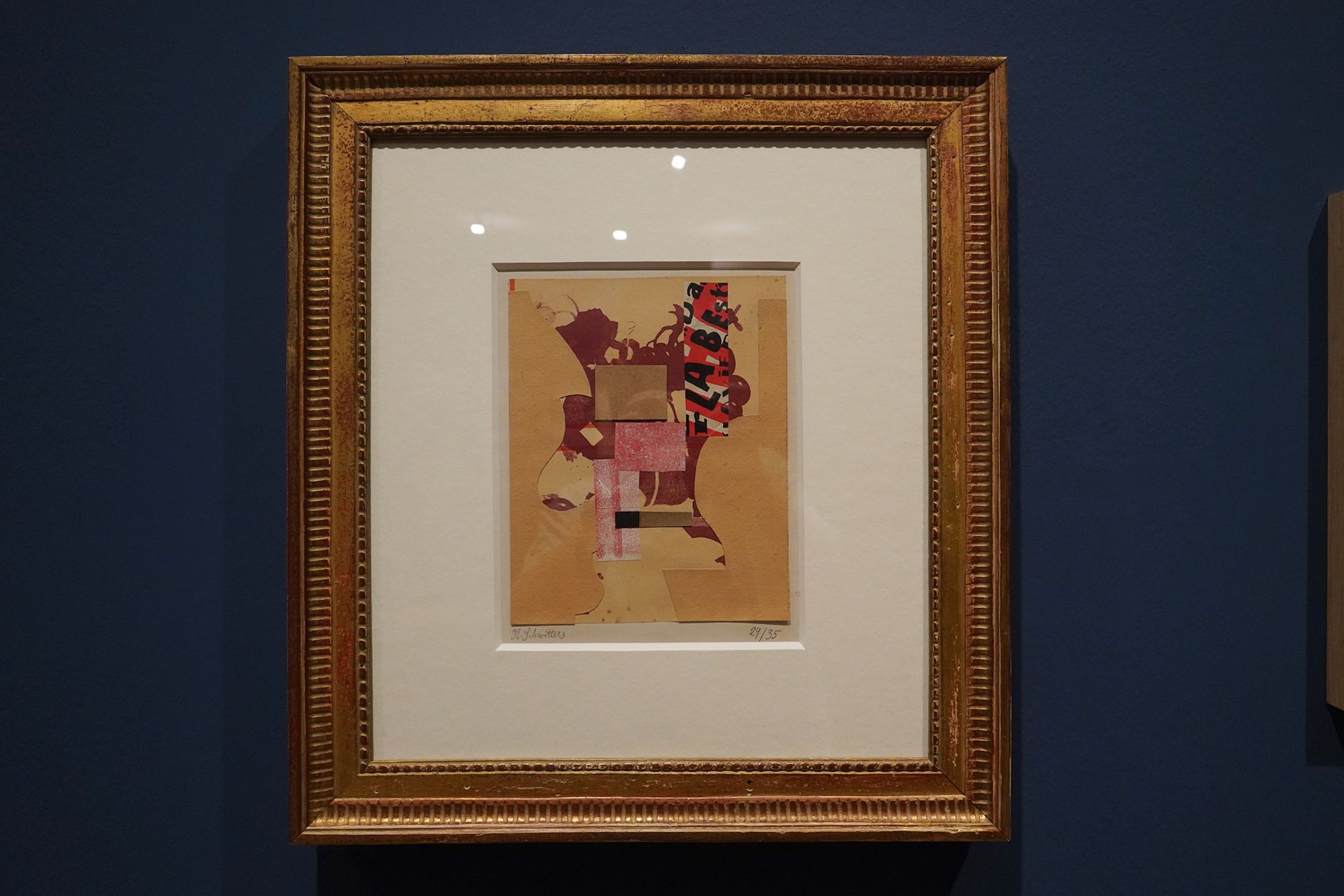
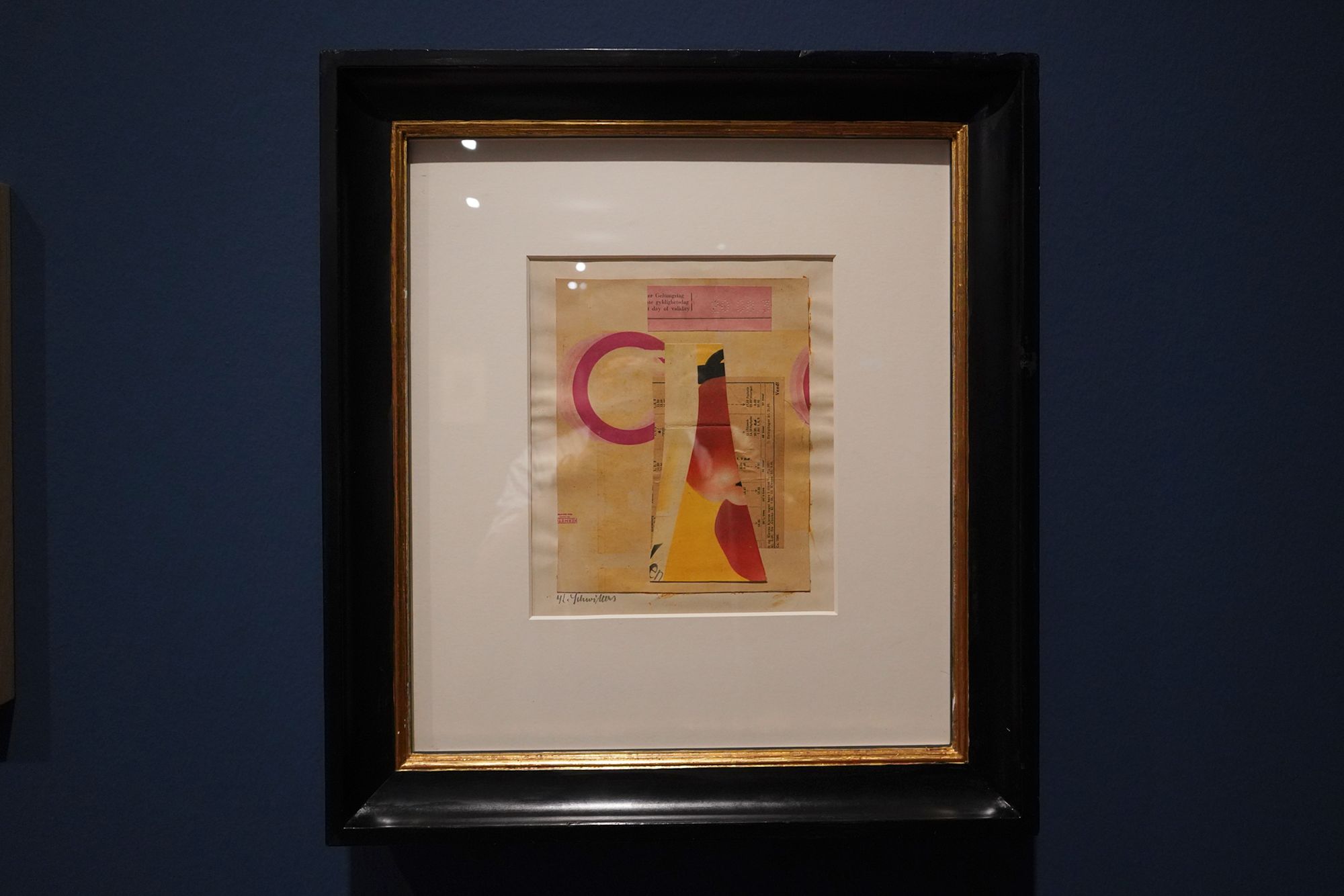
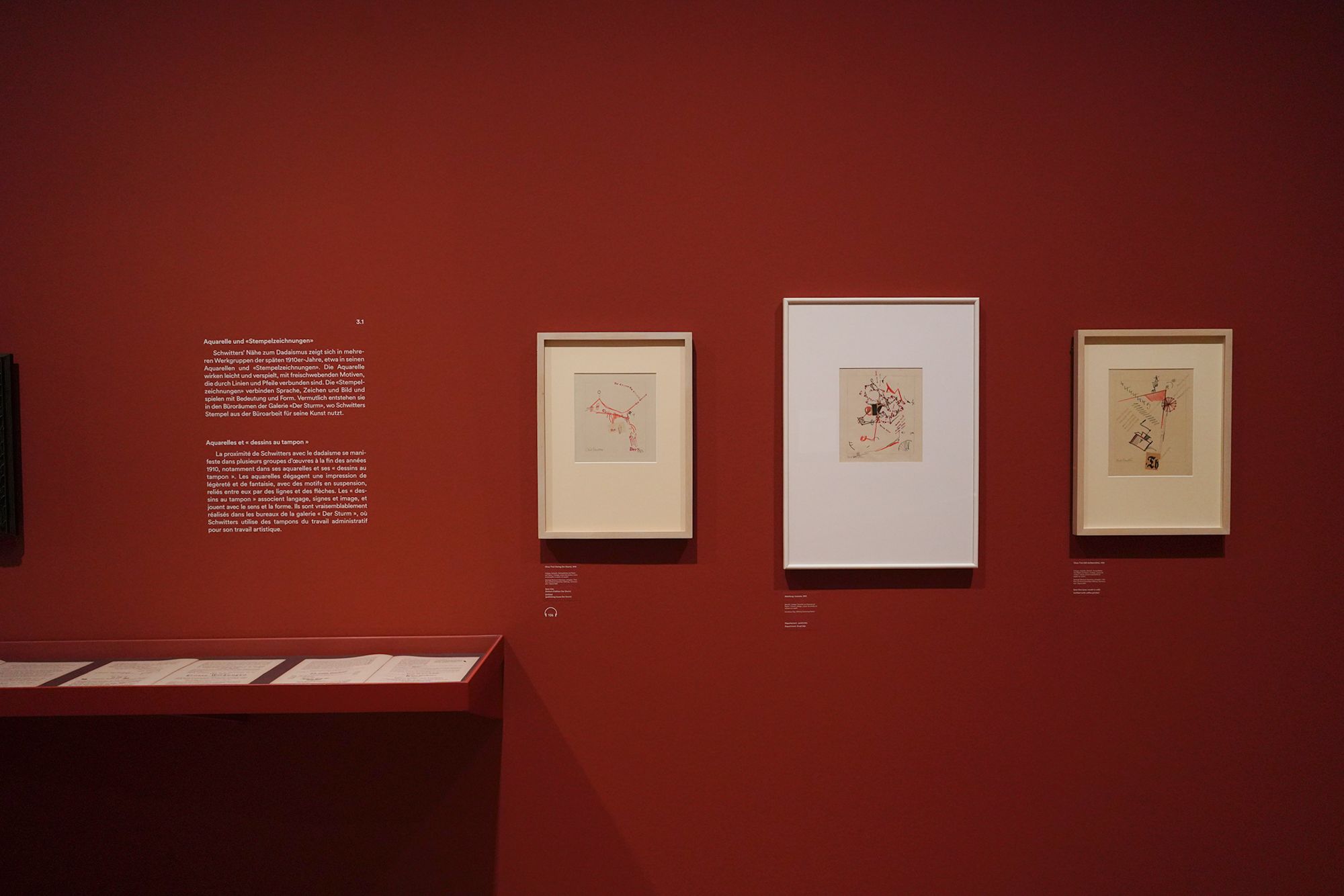
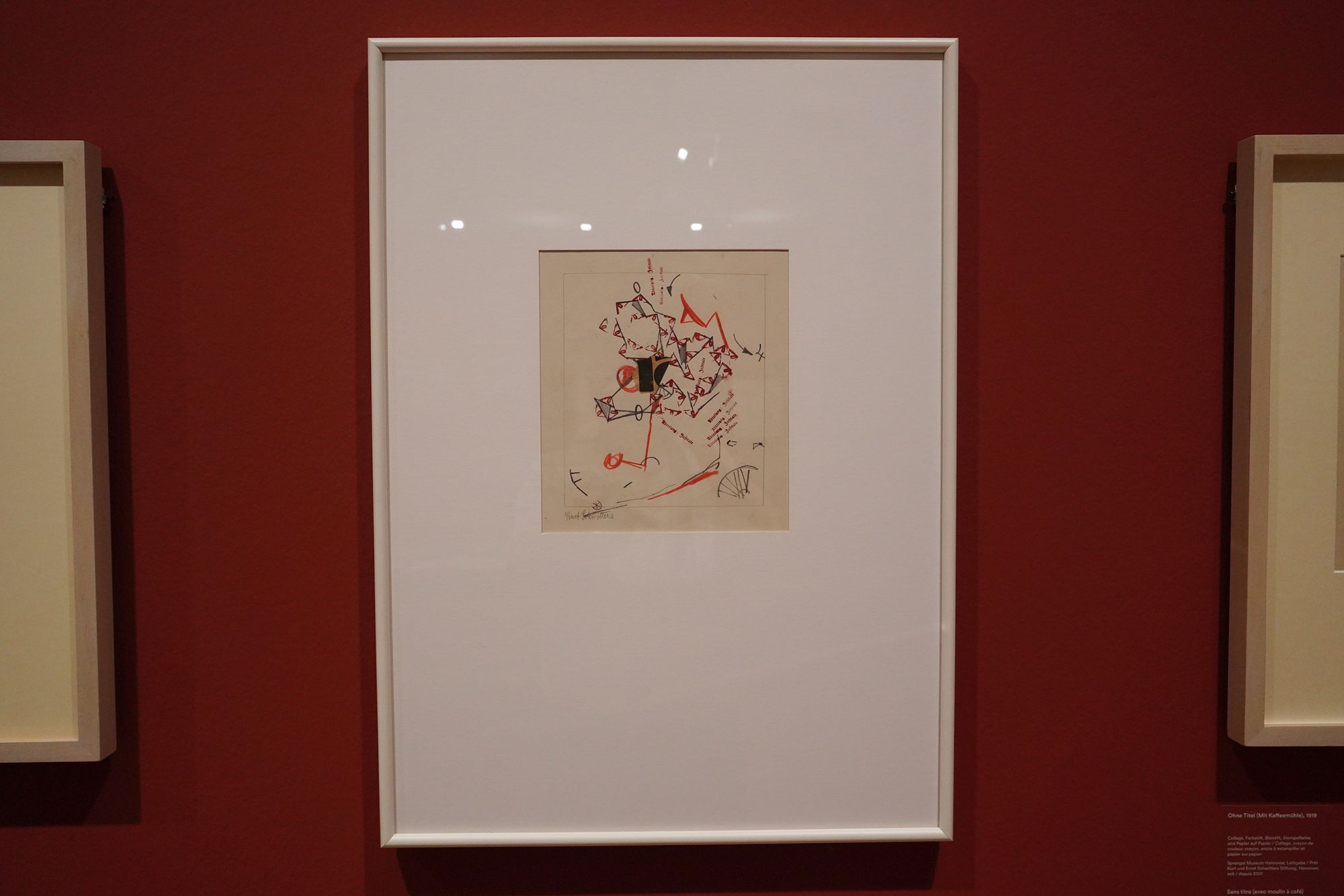
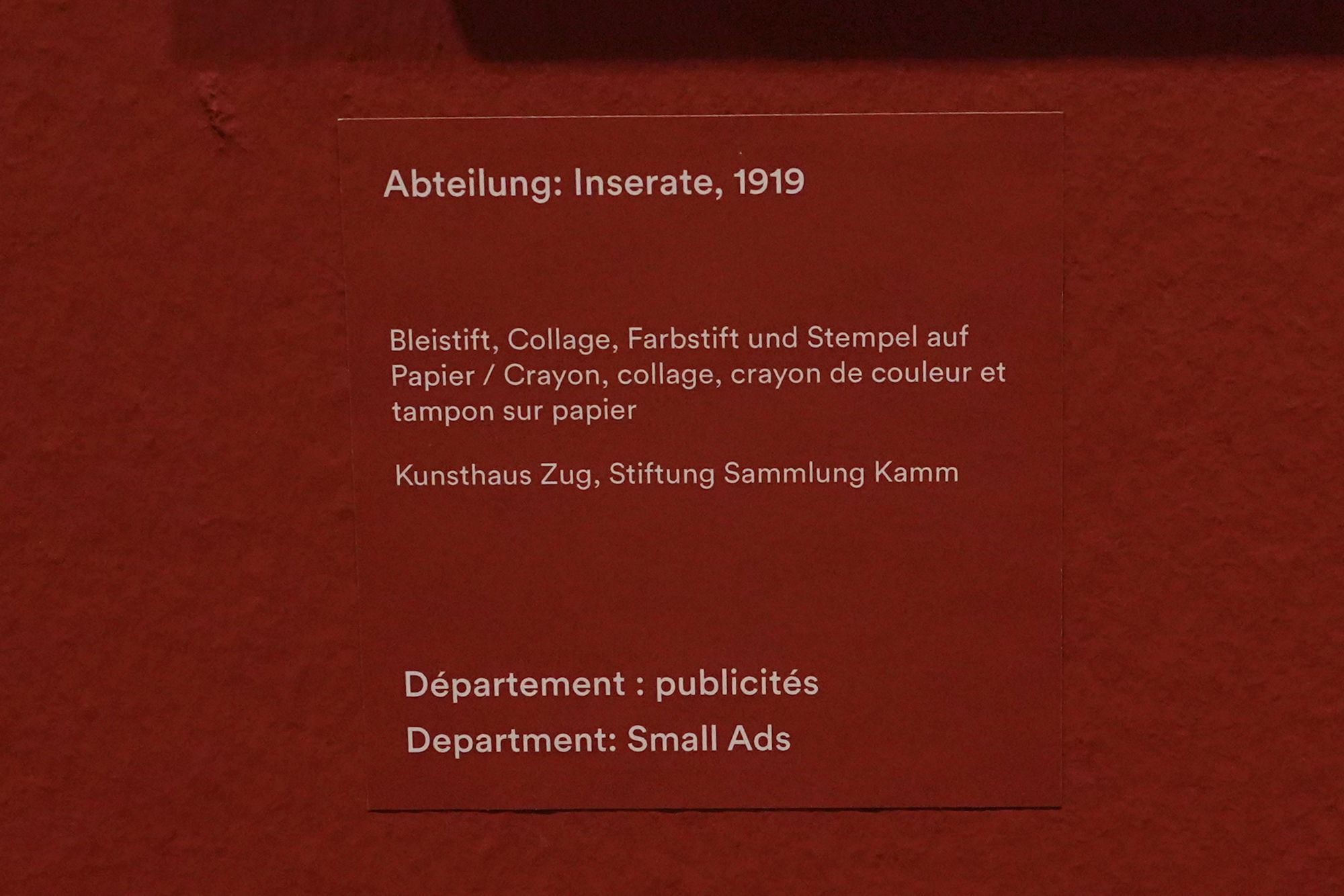
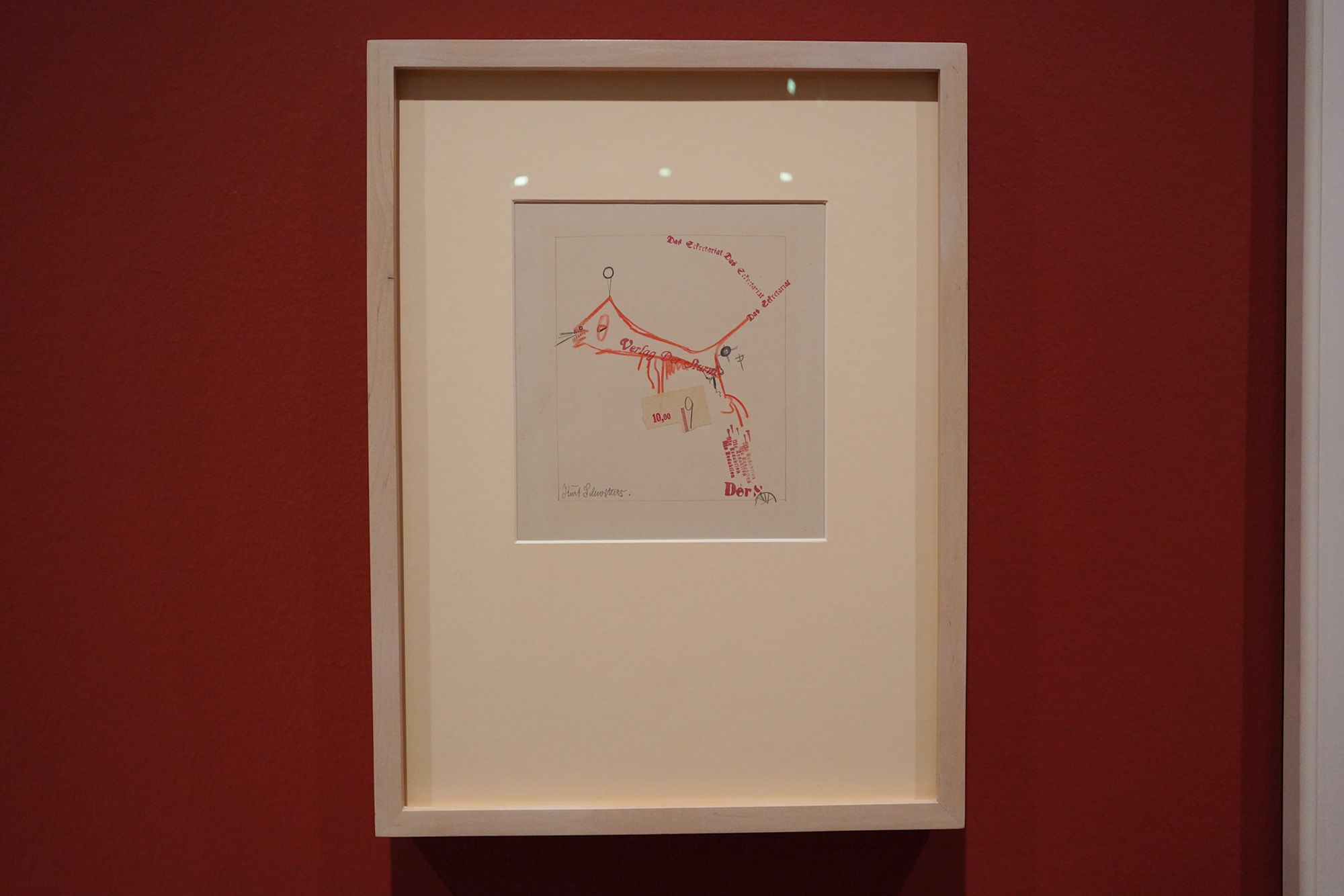
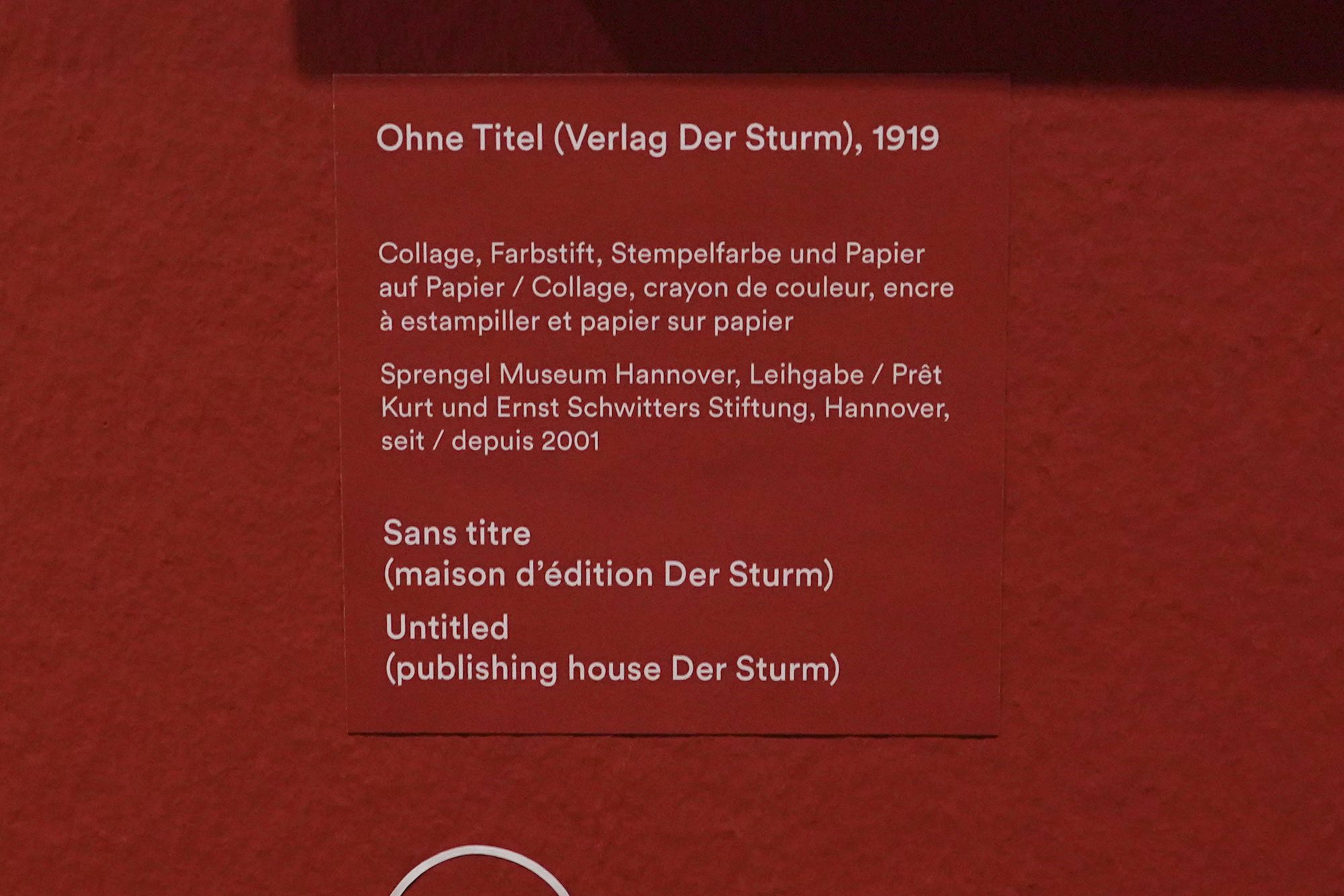
Beginning around 1918, Kurt Schwitters created collages he called Merzzeichnungen, using everyday found materials such as newspaper clippings, tickets, advertisements, paper, fabric, and even feathers. He arranged these discarded materials into new artistic compositions.
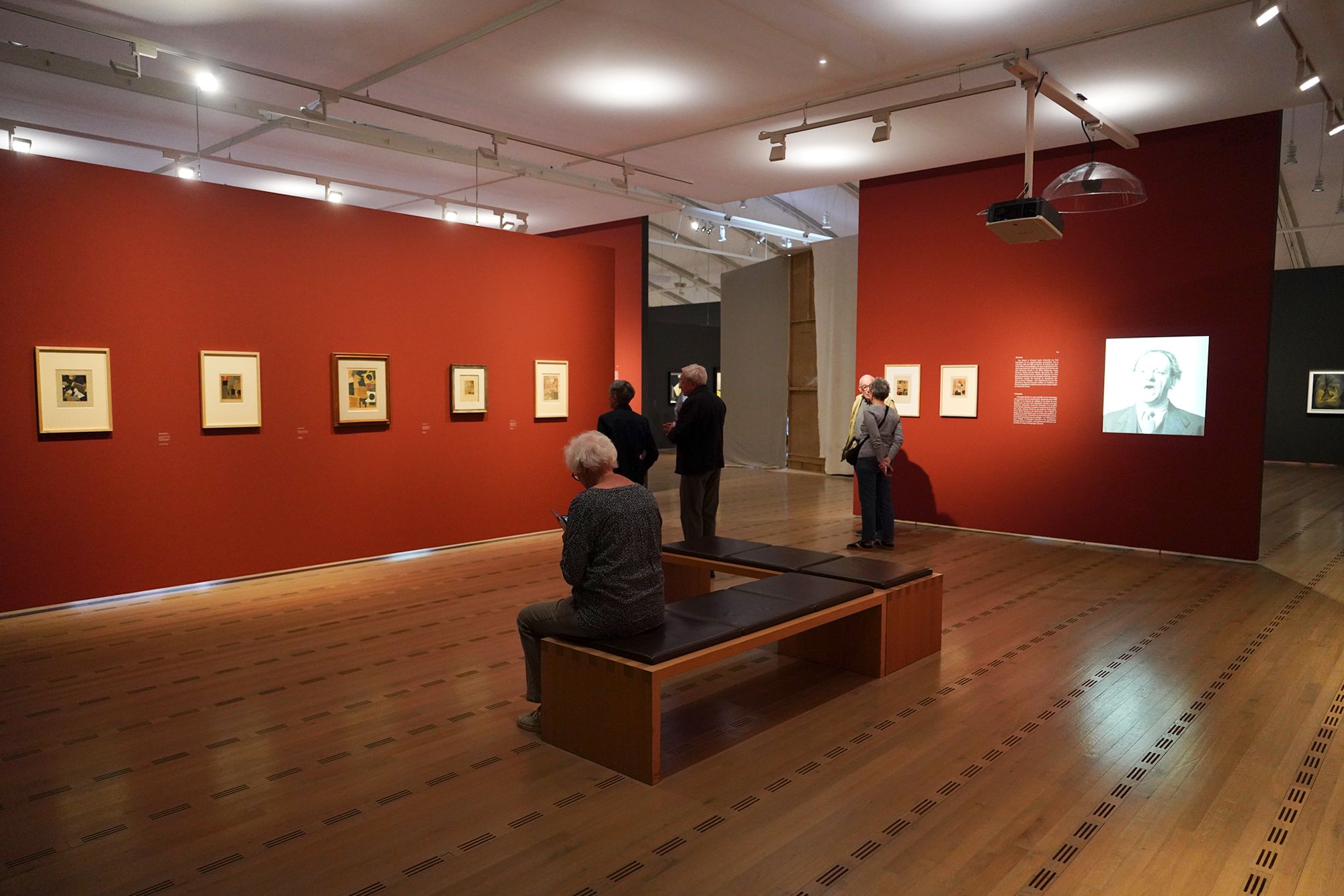
The technique was related to Dadaist collage and montage, but Schwitters generally avoided giving his works an explicit political message. Instead, he concentrated on material, texture, color, form, and composition.
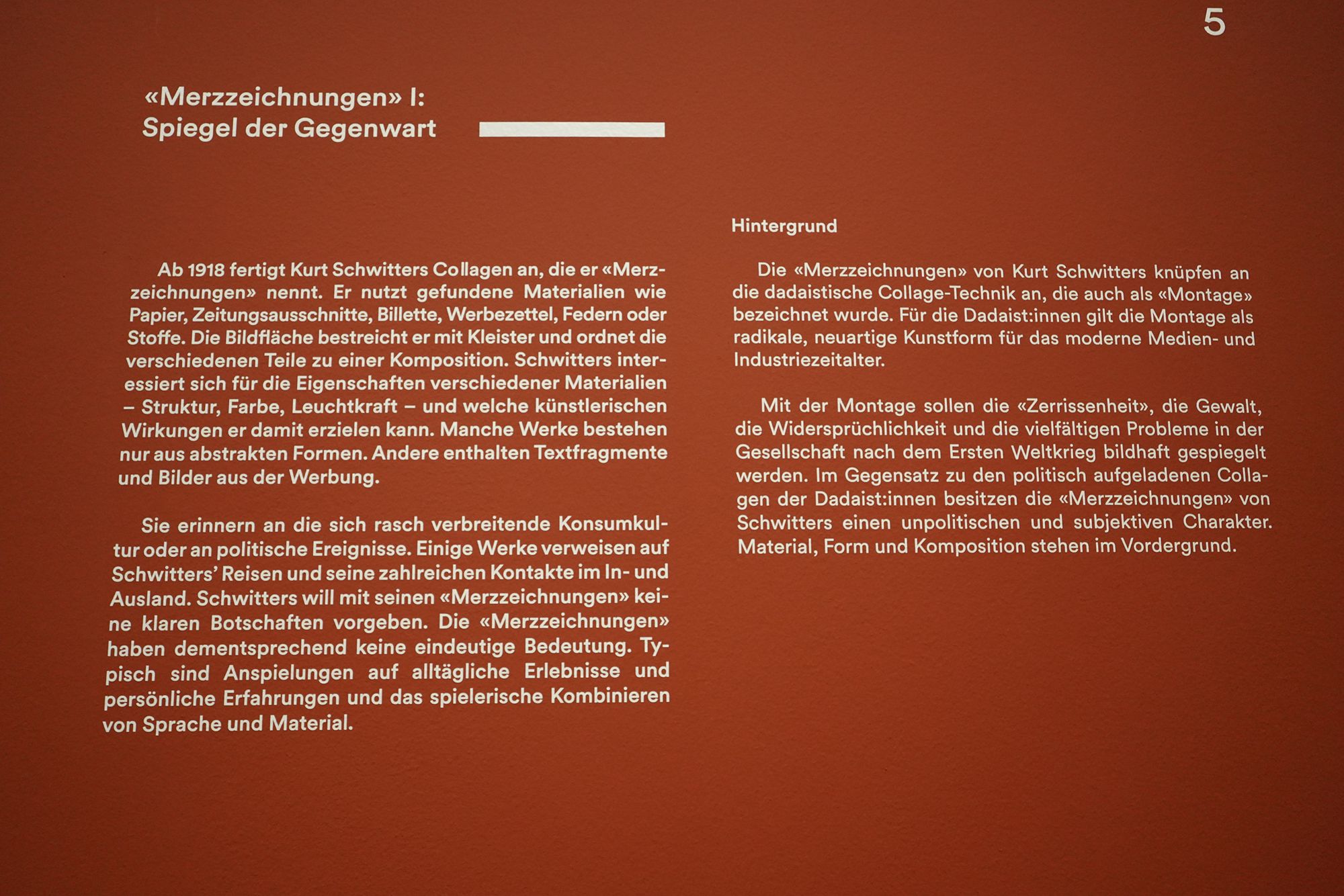
Because many of the scraps came from everyday life, travel, advertising, and contemporary events, his collages also became accidental records of the world around him. Schwitters transformed fragments of ordinary modern life into art, allowing viewers to find their own meanings in the combinations.
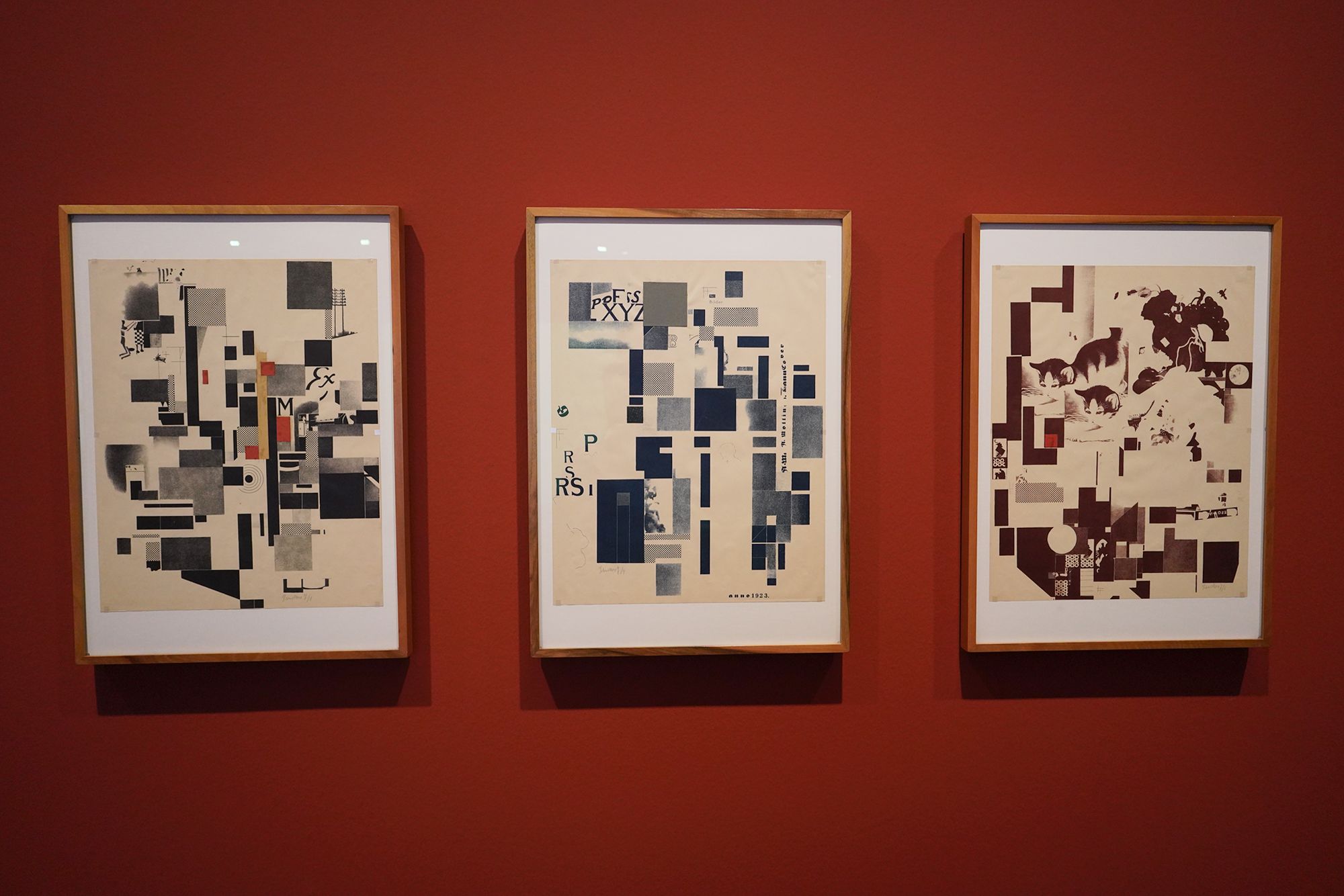
Merzmappe 3
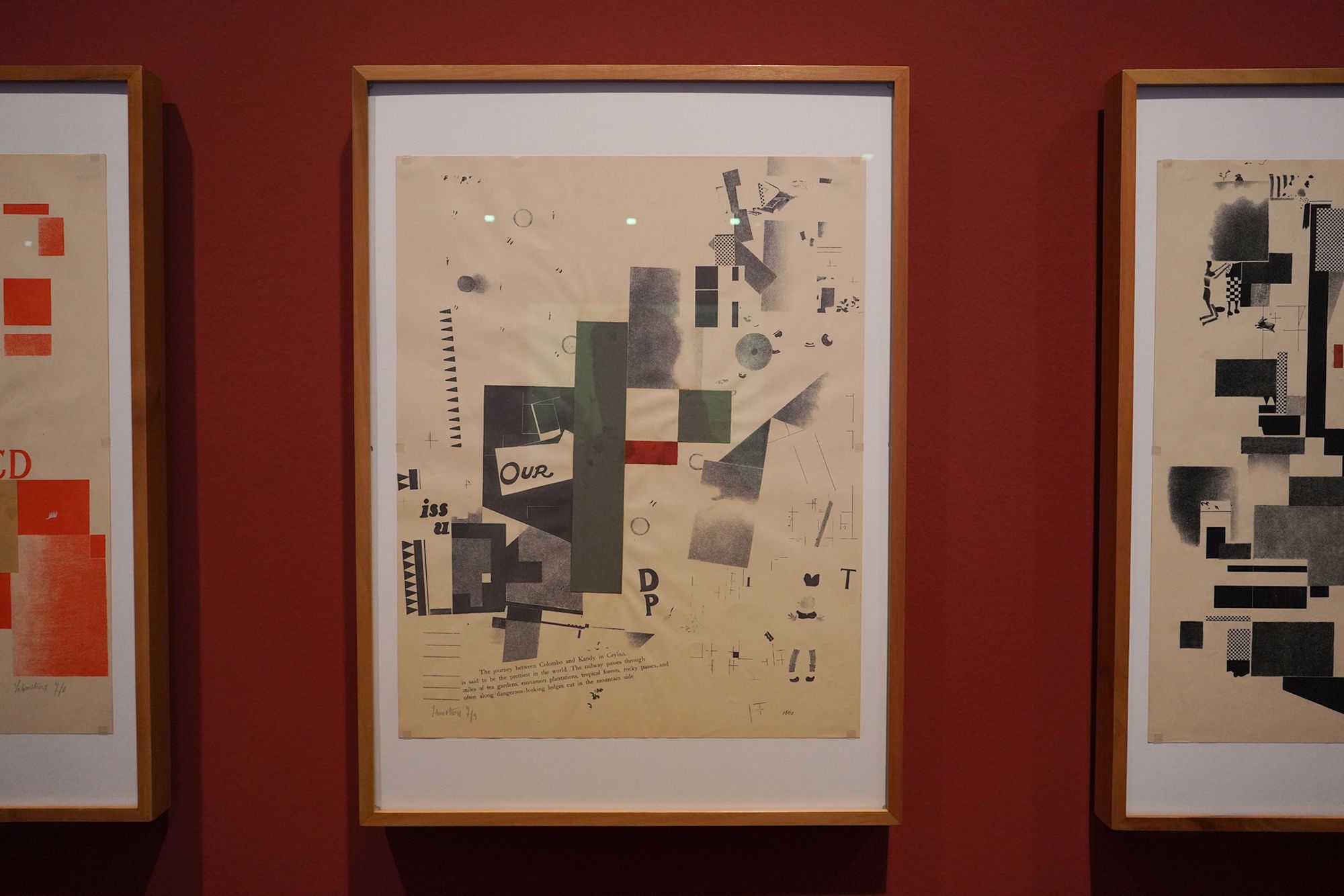
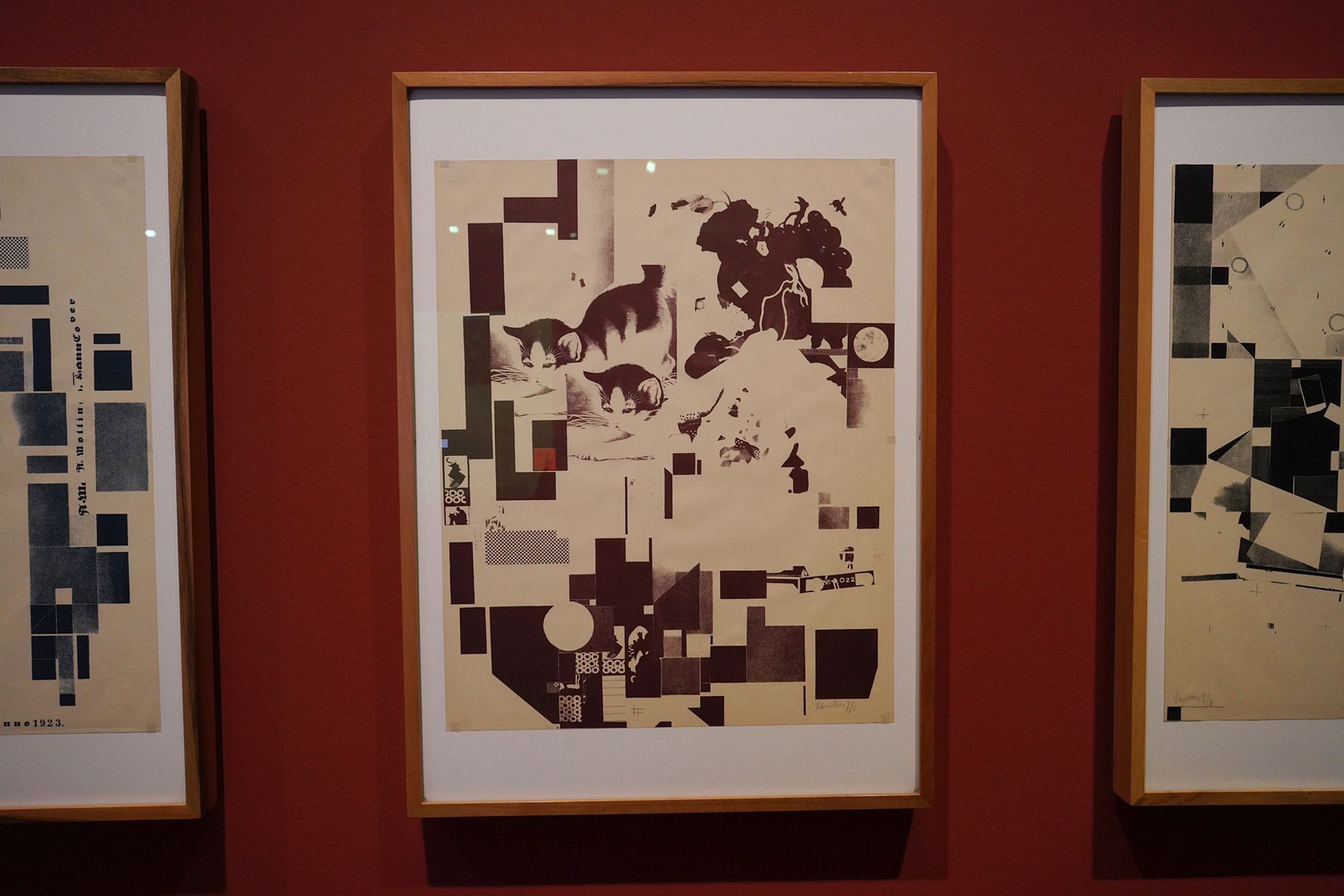
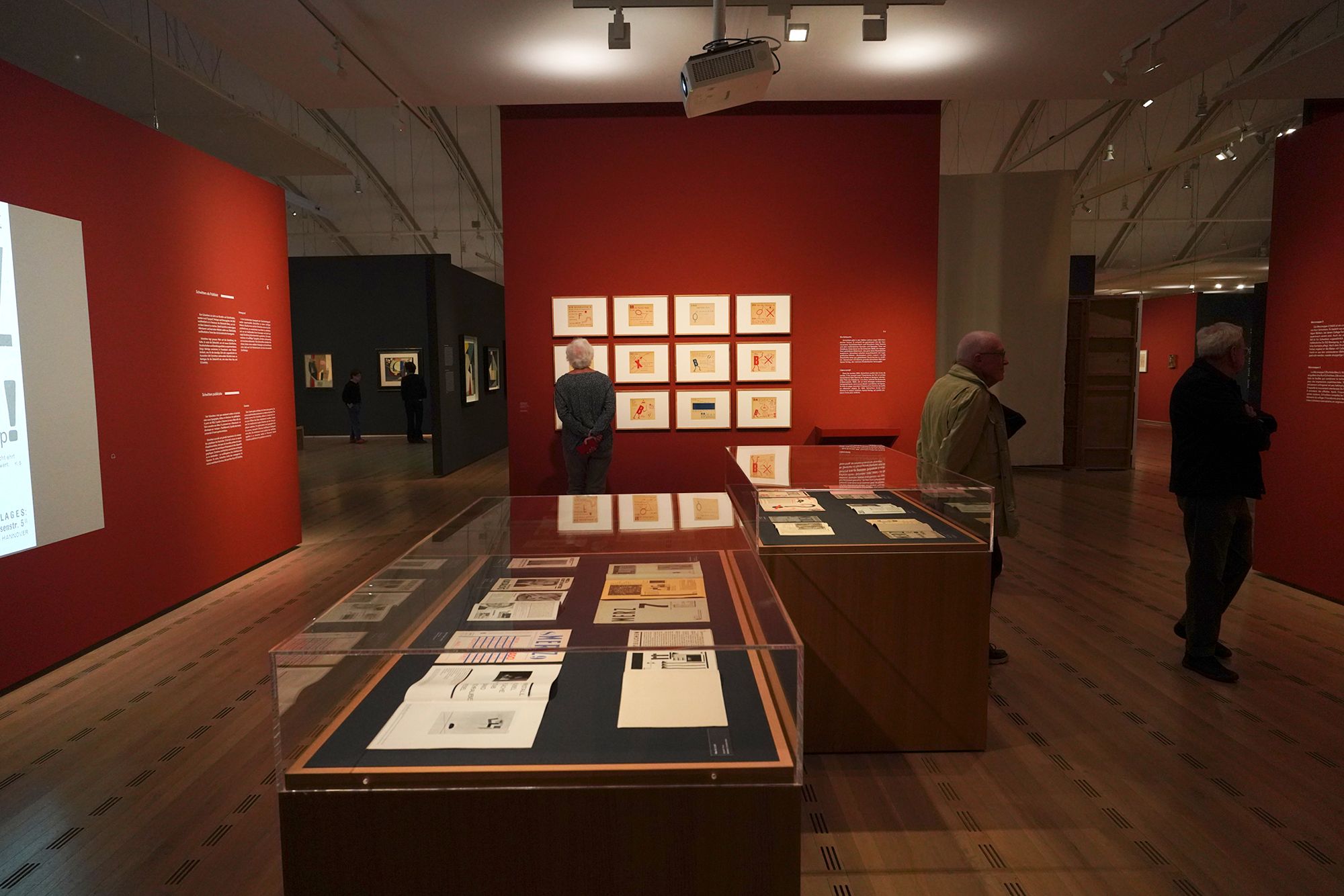
Merzmappe 3 (Merz Portfolio 3, 1923) is a portfolio of works in which Kurt Schwitters combined collage with experimental printing techniques. Its strongly geometric arrangement was unusual for Schwitters and reflects the influence of the Dutch De Stijl movement, with which he had connections.
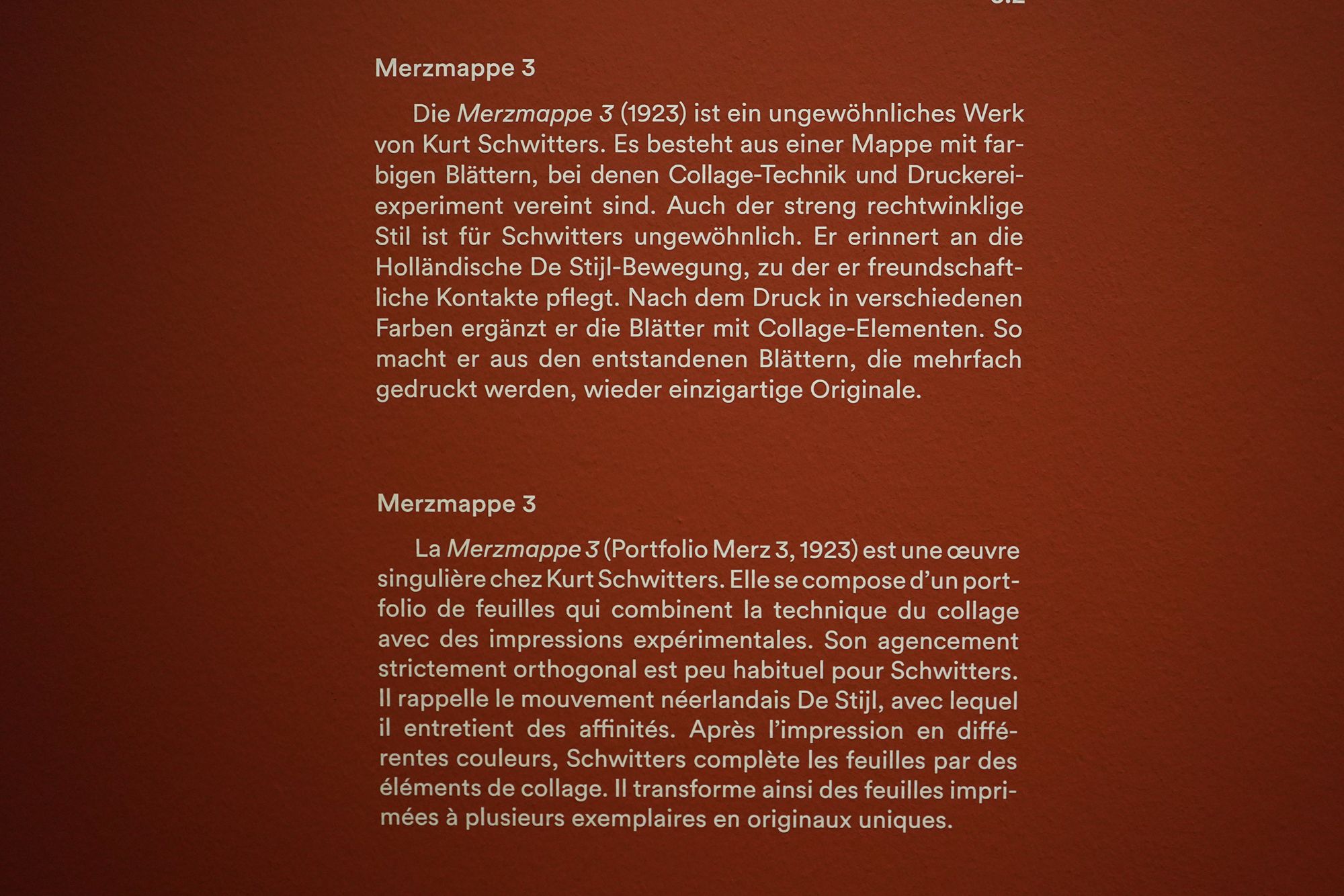
The sheets were first printed in different colors. Schwitters then added collage materials by hand to each print, transforming what began as multiple printed copies into individual, unique works of art.
The Scarecrow
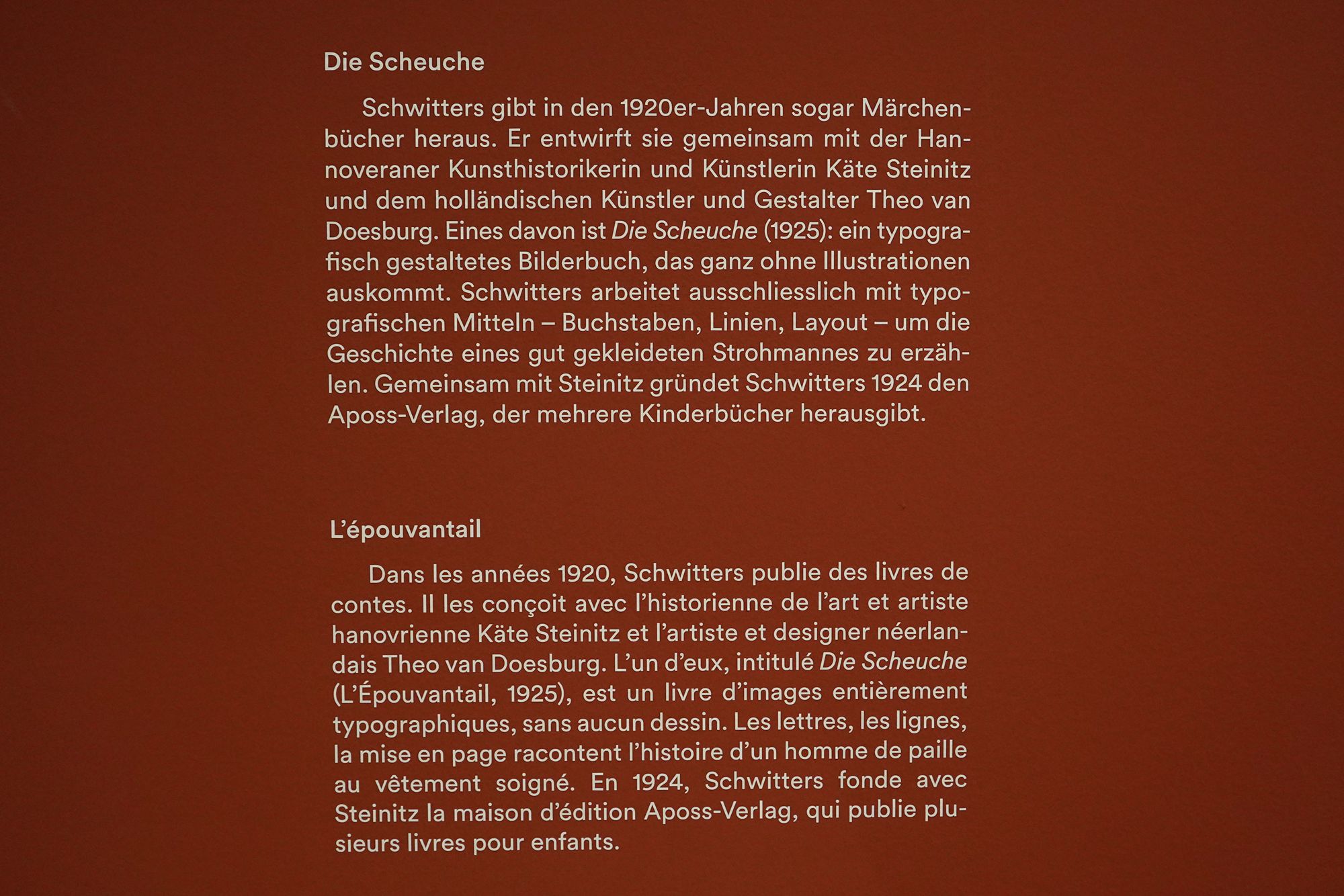
During the 1920s, Kurt Schwitters also worked on children’s books. Together with artist and art historian Käte Steinitz and Dutch artist and designer Theo van Doesburg, he experimented with combining storytelling and modern graphic design.
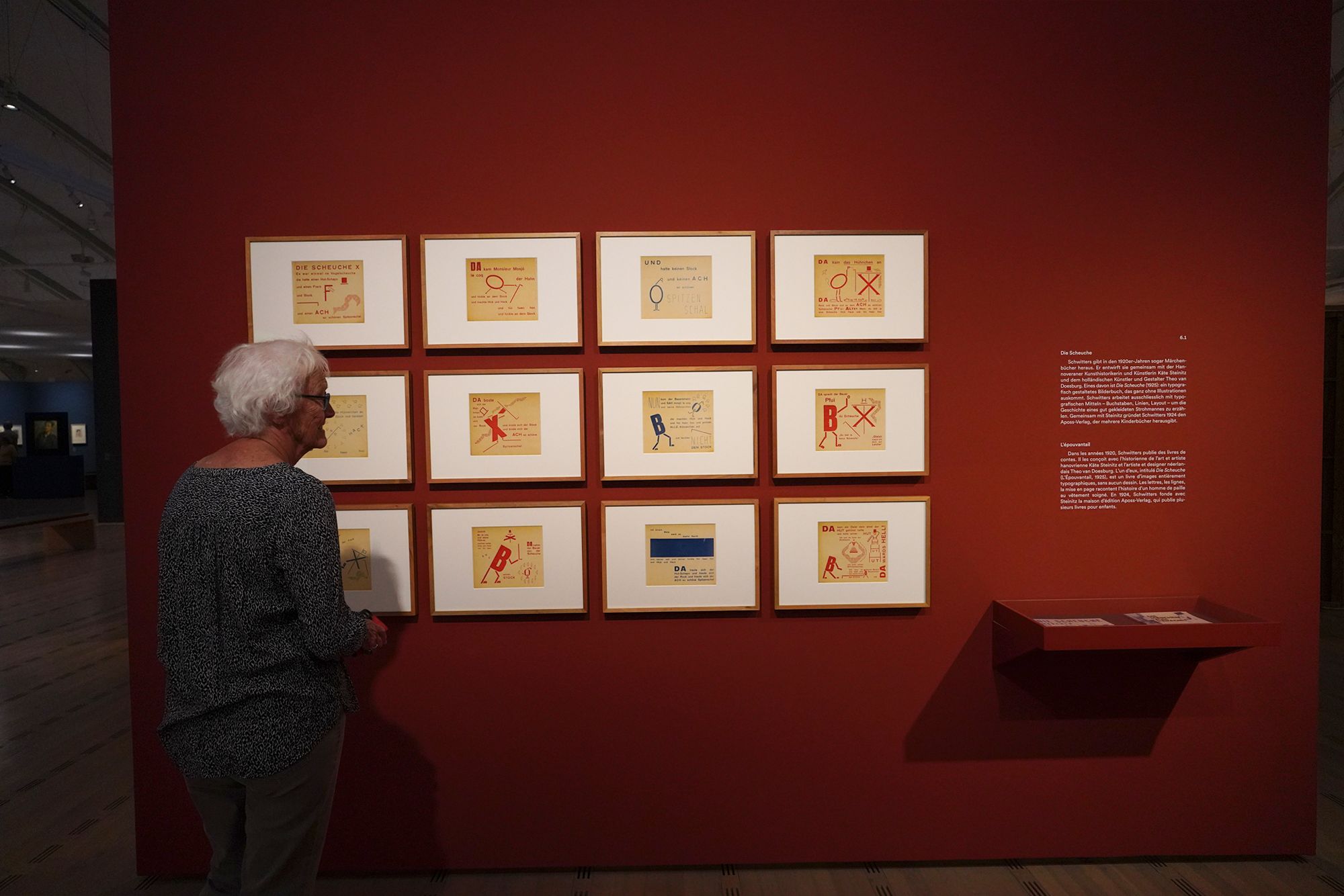
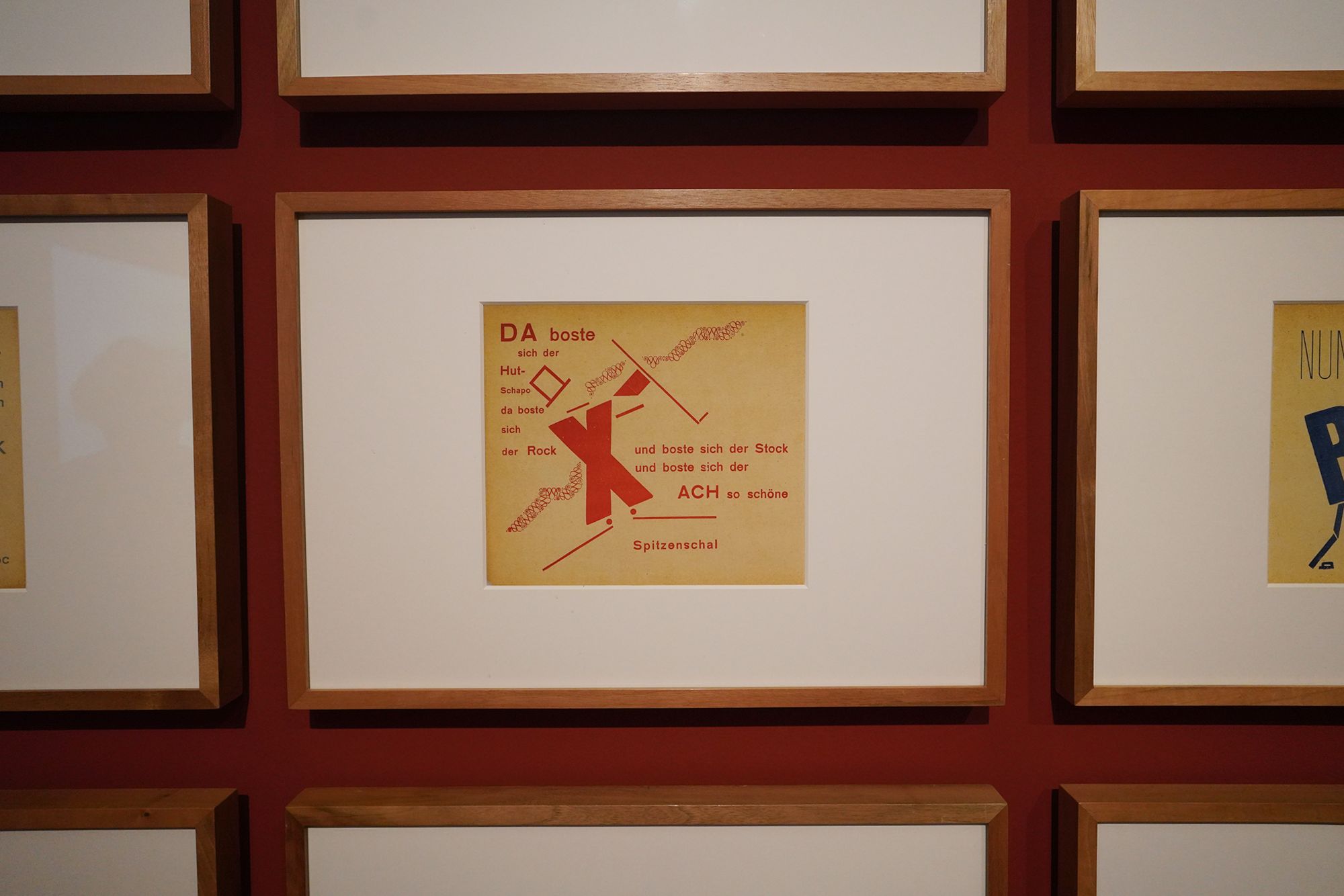
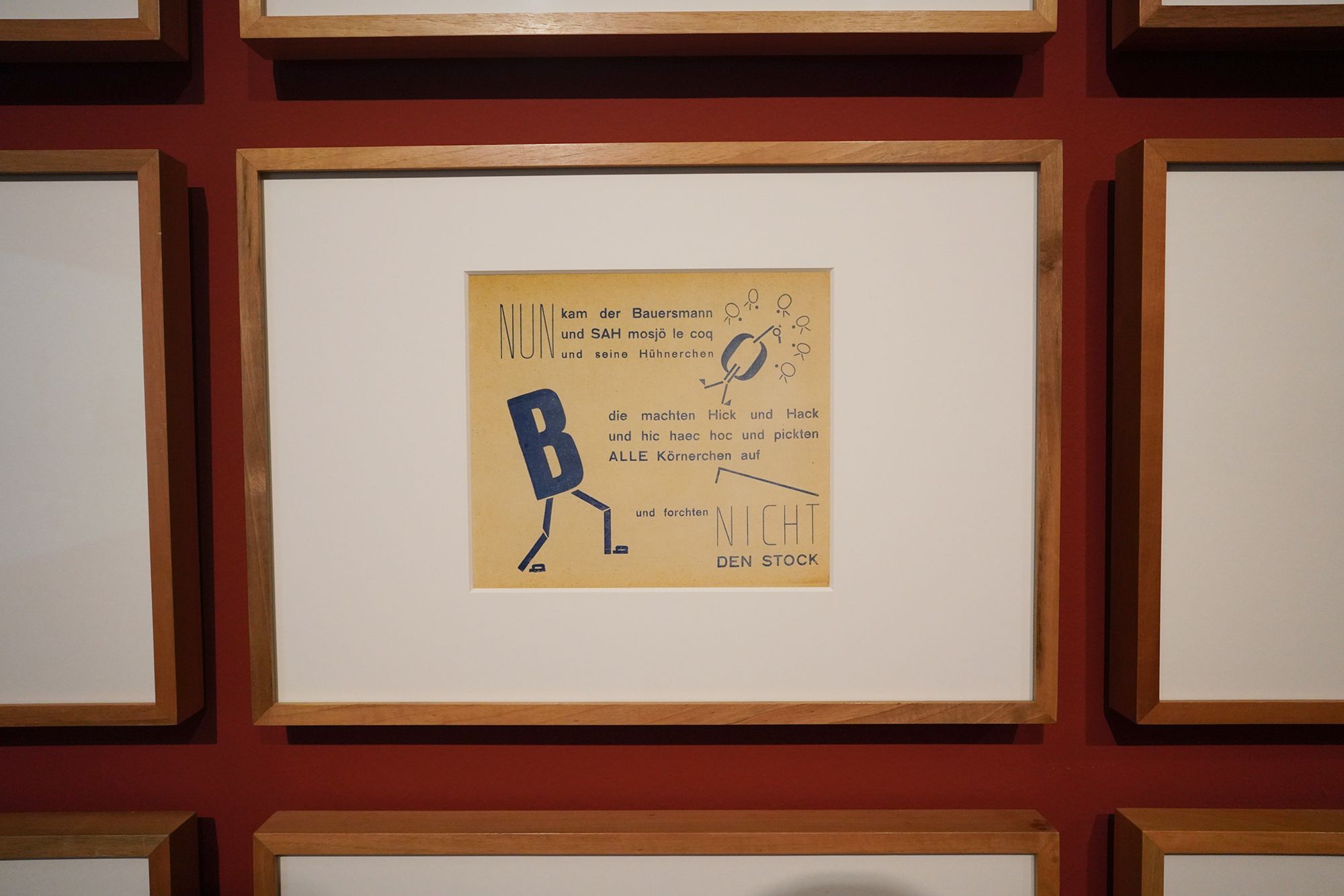
One example was Die Scheuche (The Scarecrow, 1925), a picture book created entirely with typography rather than conventional drawings. Letters, lines, and page layouts themselves form the characters and tell the story of a well-dressed scarecrow.
The “Merz” Principle
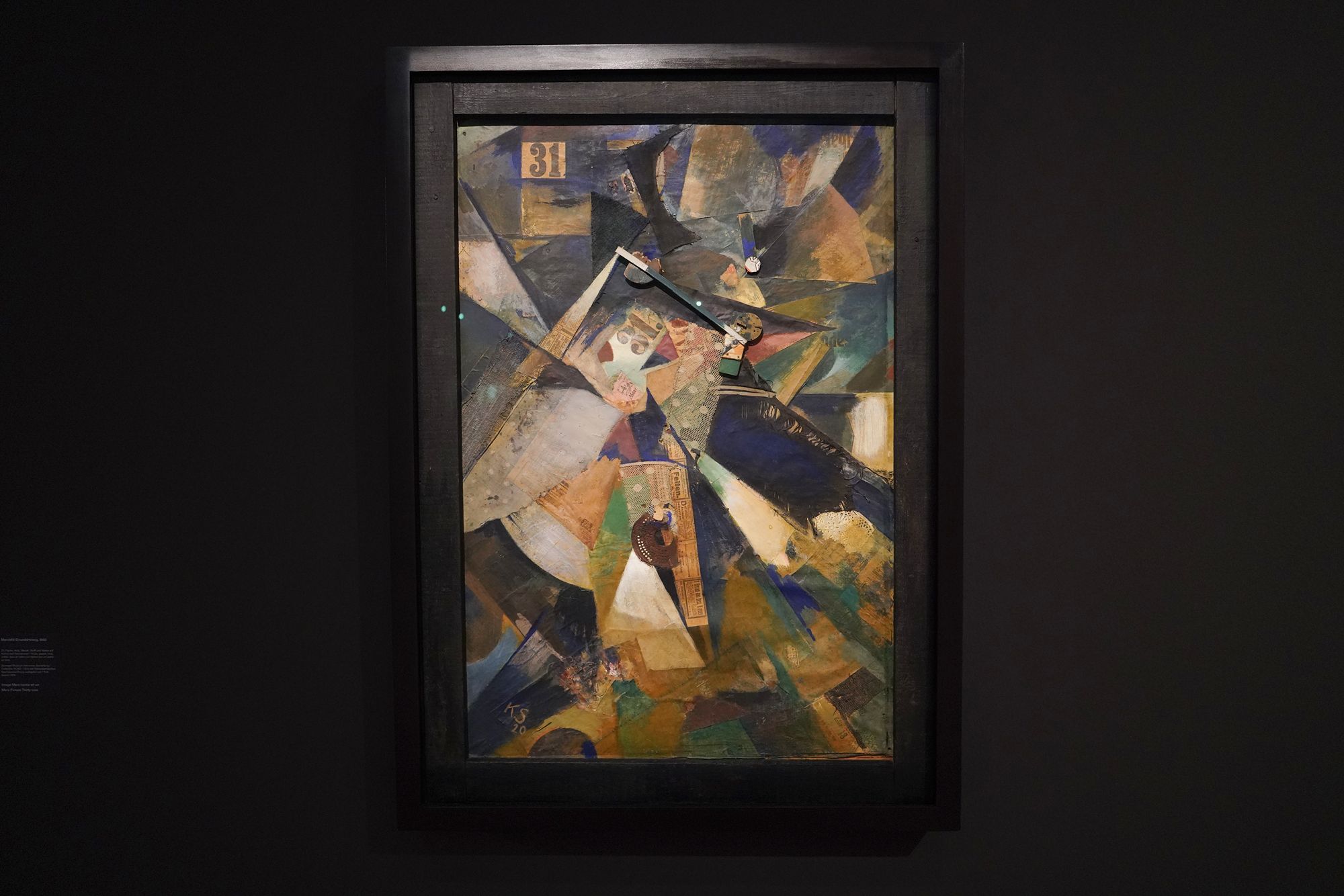
Beginning in 1919, Kurt Schwitters called his artistic approach “Merz.” The name itself had no particular meaning; it came from a fragment of the German word Commerzbank that appeared in one of his early collages.
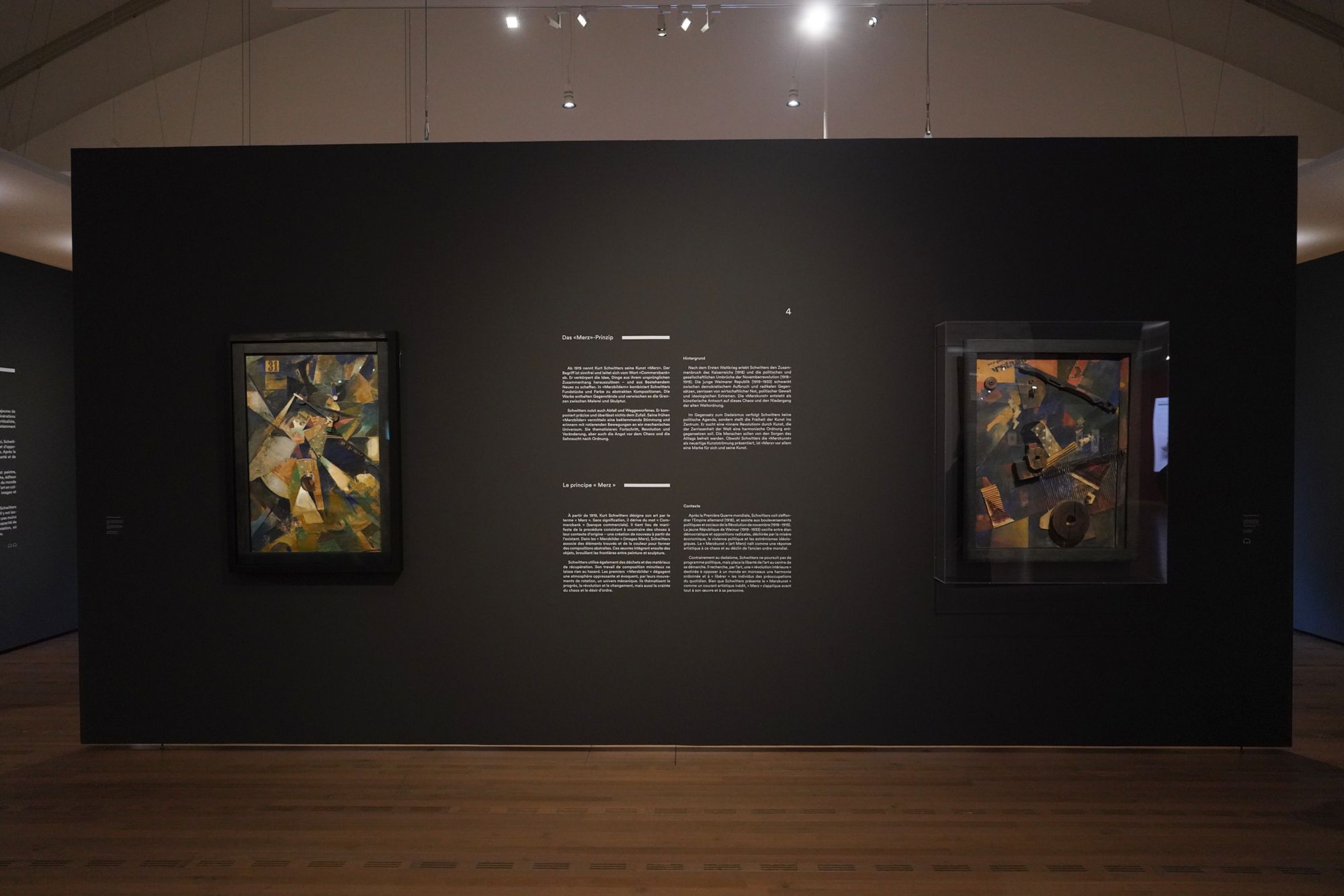
The basic idea of Merz was to take objects and materials out of their original context and combine them to create something new. Schwitters used scraps of paper, discarded objects, paint, and other everyday materials, blurring the boundary between painting, collage, and sculpture.
The concept developed in the turbulent period following World War I, when Germany was experiencing enormous political and social change. Rather than pursuing the explicitly political approach associated with some Dada artists, Schwitters emphasized artistic freedom and the creation of order from disorder. His Merz works transformed fragments and discarded materials from everyday life into carefully organized works of art.
Constructivist Works
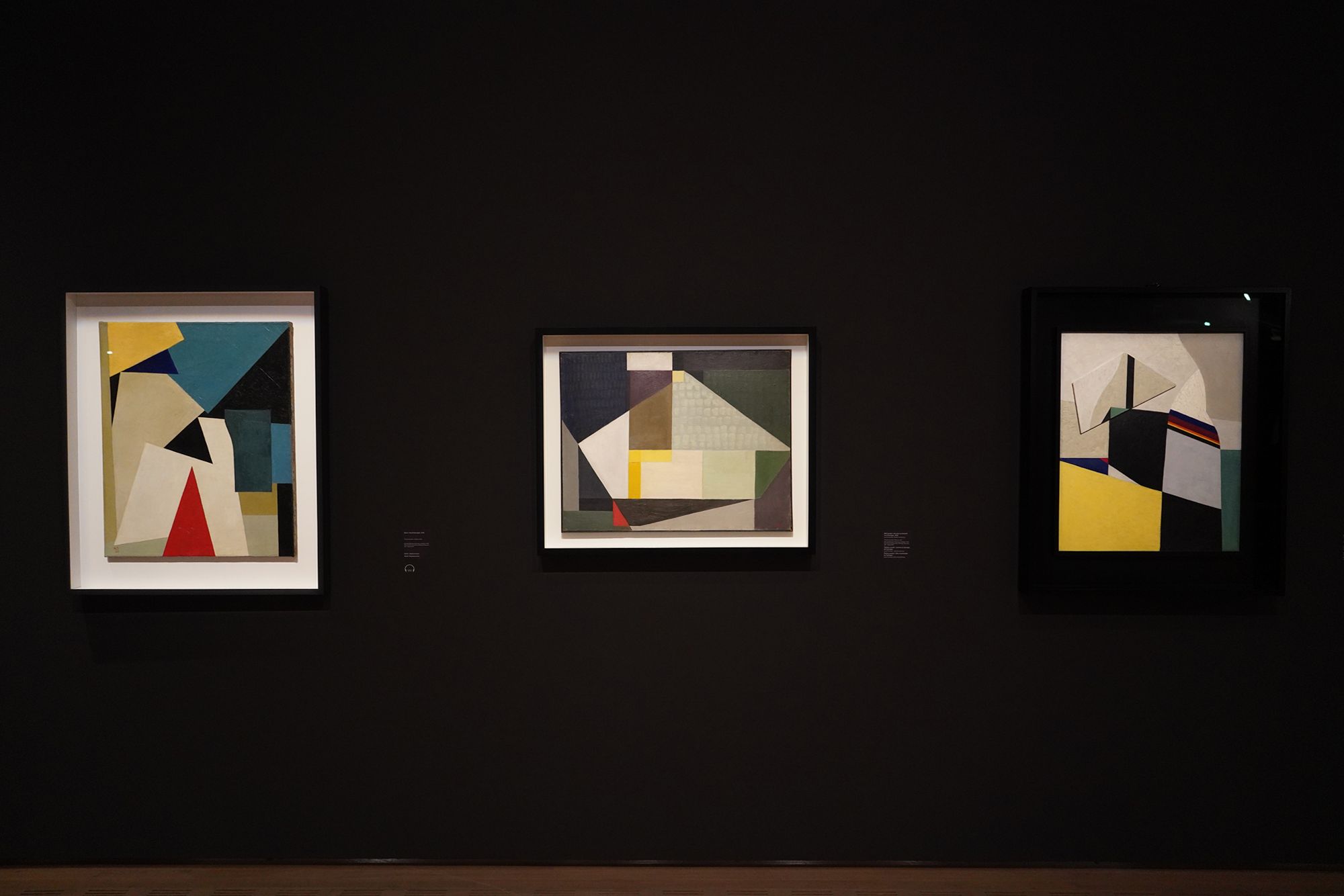
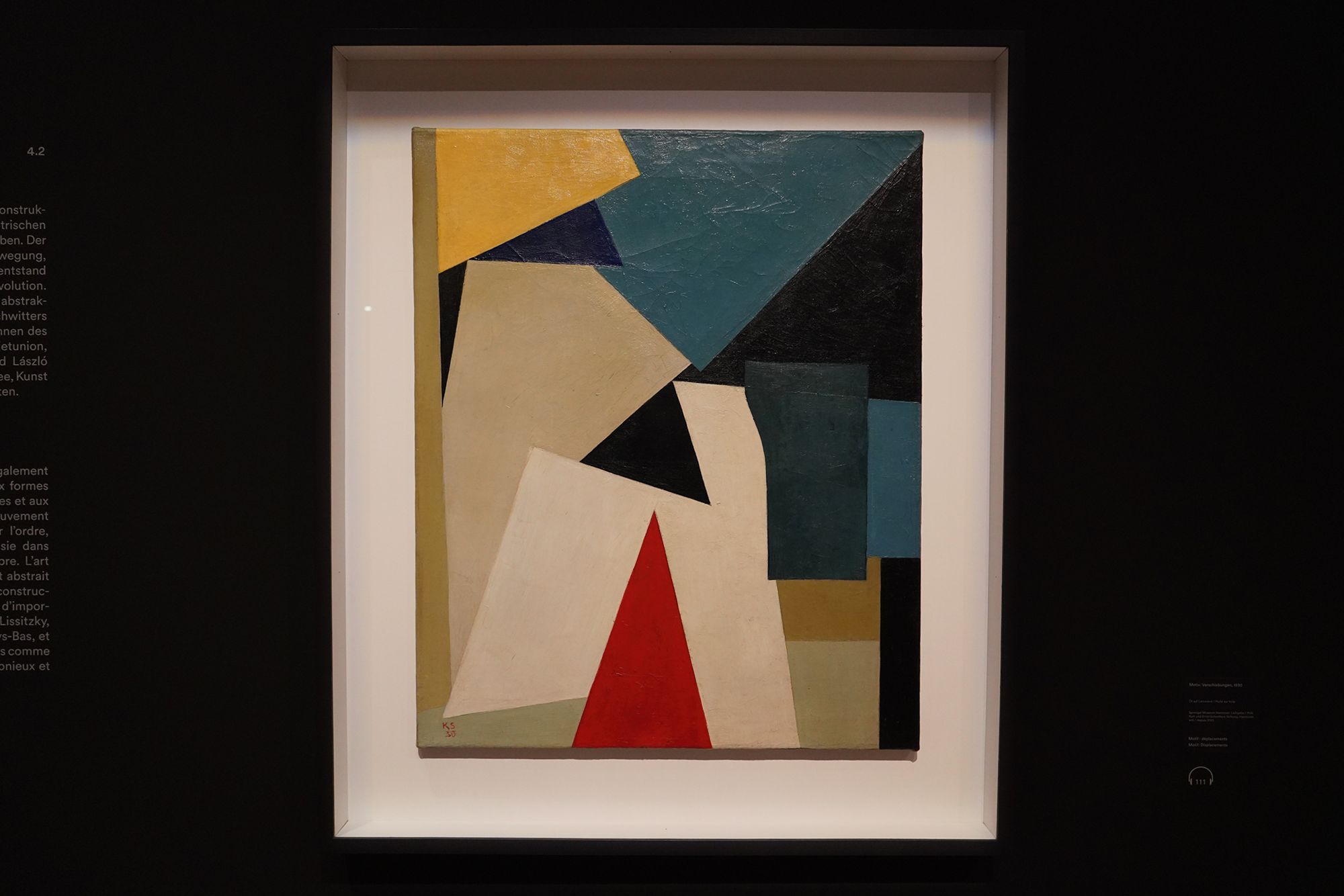
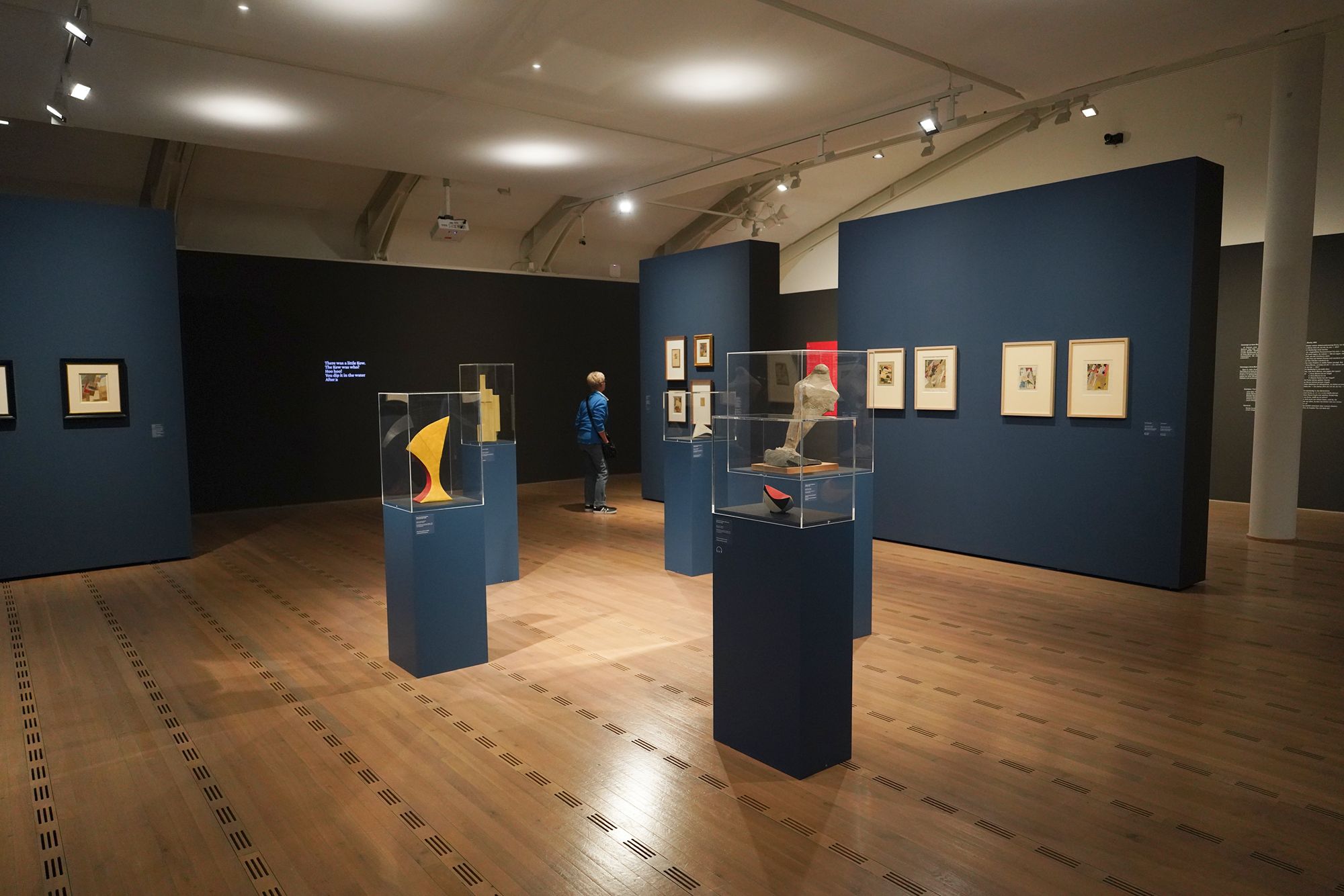
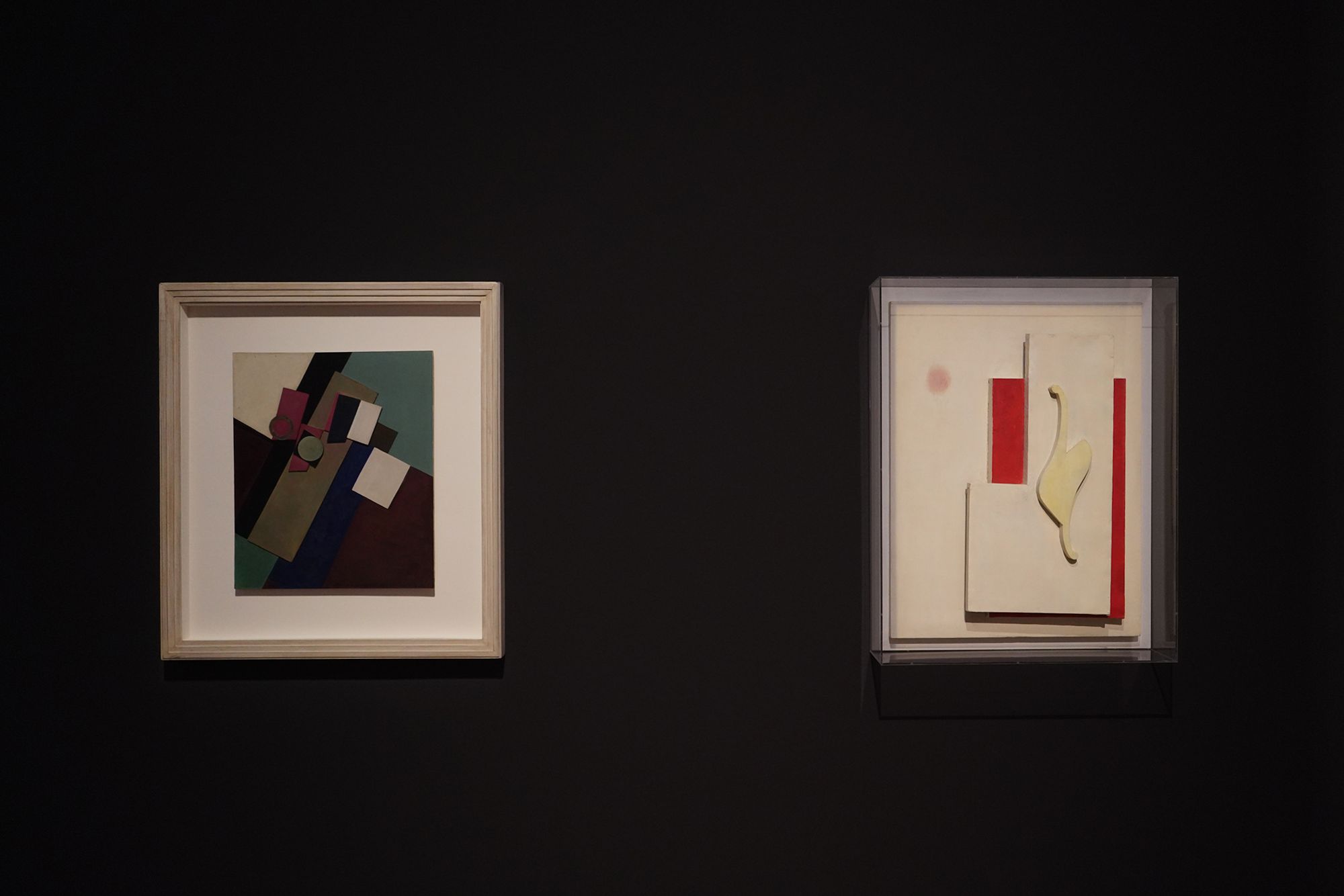
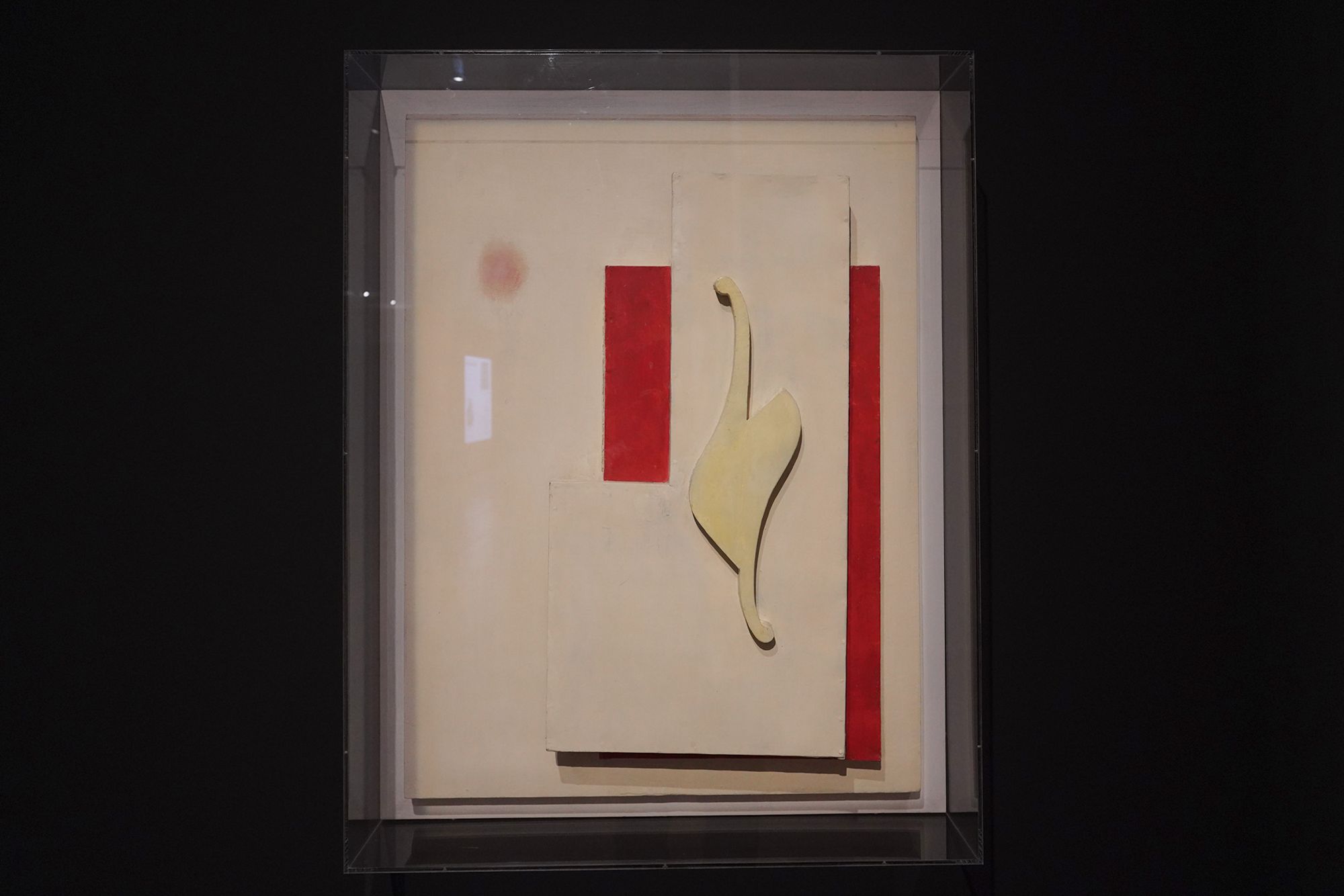
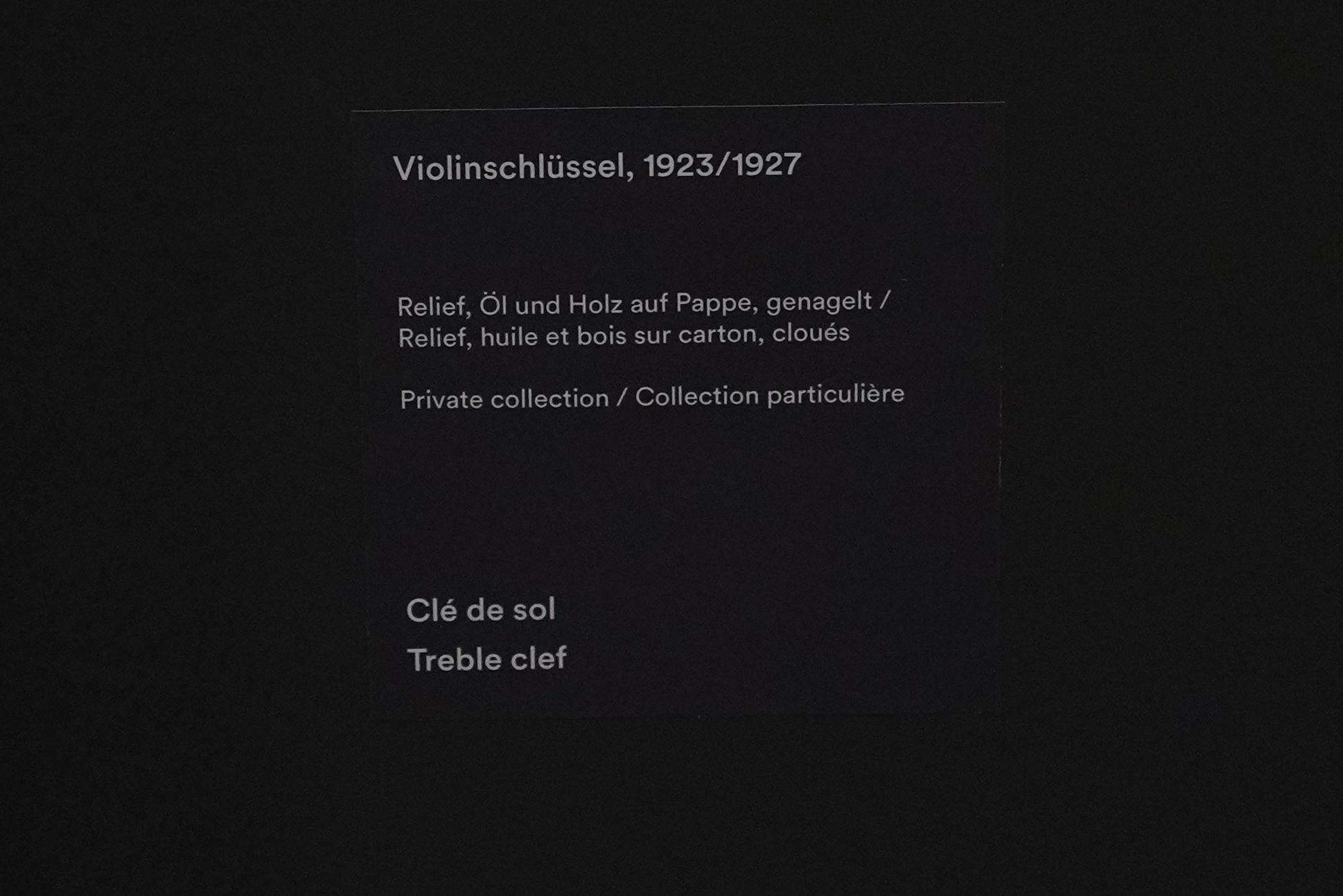
Beginning in the 1920s, Kurt Schwitters also produced works influenced by Constructivism, using clearly defined geometric shapes, precise arrangements, and strong areas of color.
Constructivism had emerged in Russia and emphasized order, structure, and function, seeking a new abstract art appropriate for a changing modern world. Schwitters was connected with prominent Constructivist artists including El Lissitzky, Theo van Doesburg, and László Moholy-Nagy.
Schwitters’ Late Years
After being released from an internment camp in 1941, Kurt Schwitters settled in London with his son Ernst. Wartime London was difficult and dangerous, but the city also provided discarded printed materials that Schwitters could incorporate into his Merz collages.
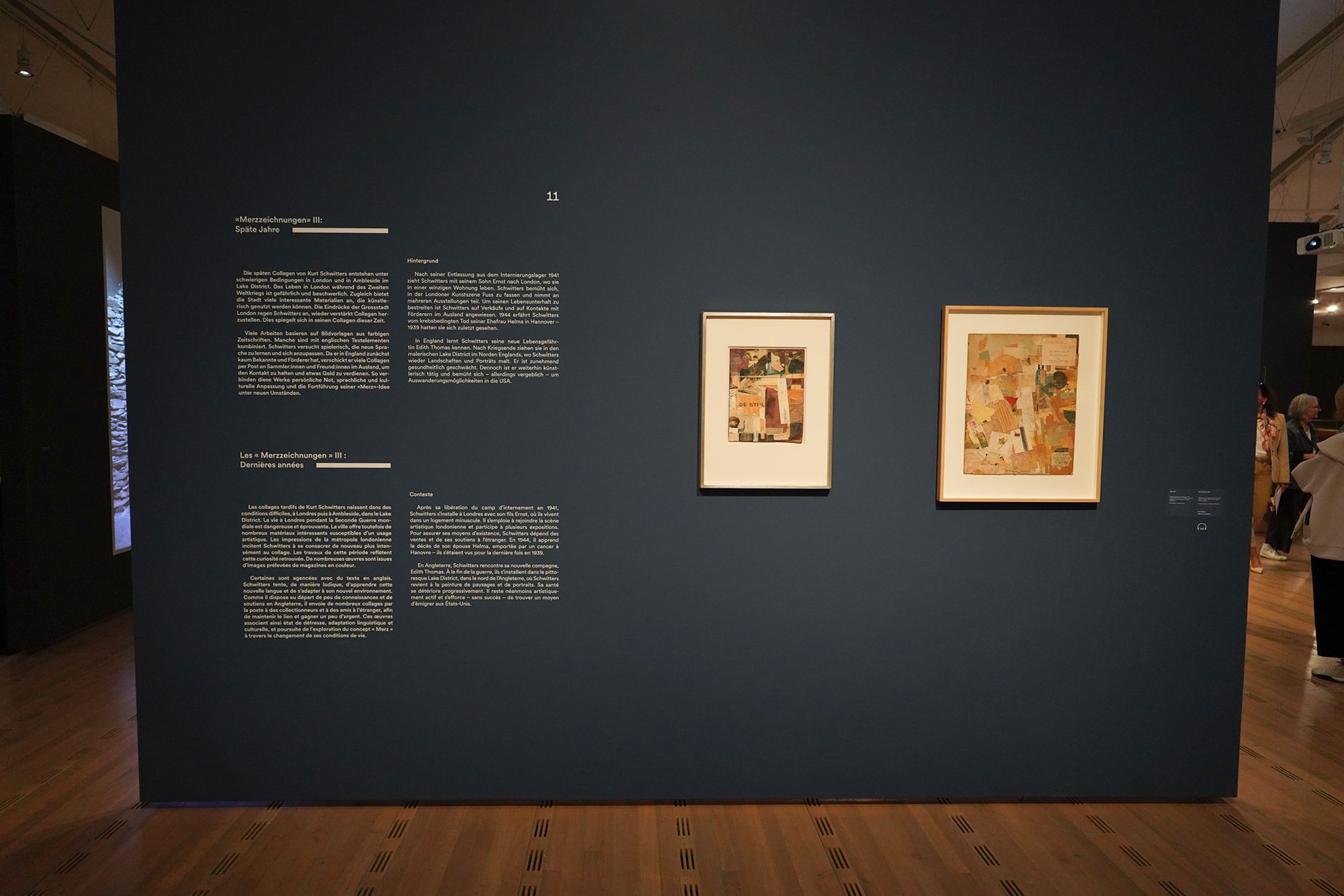
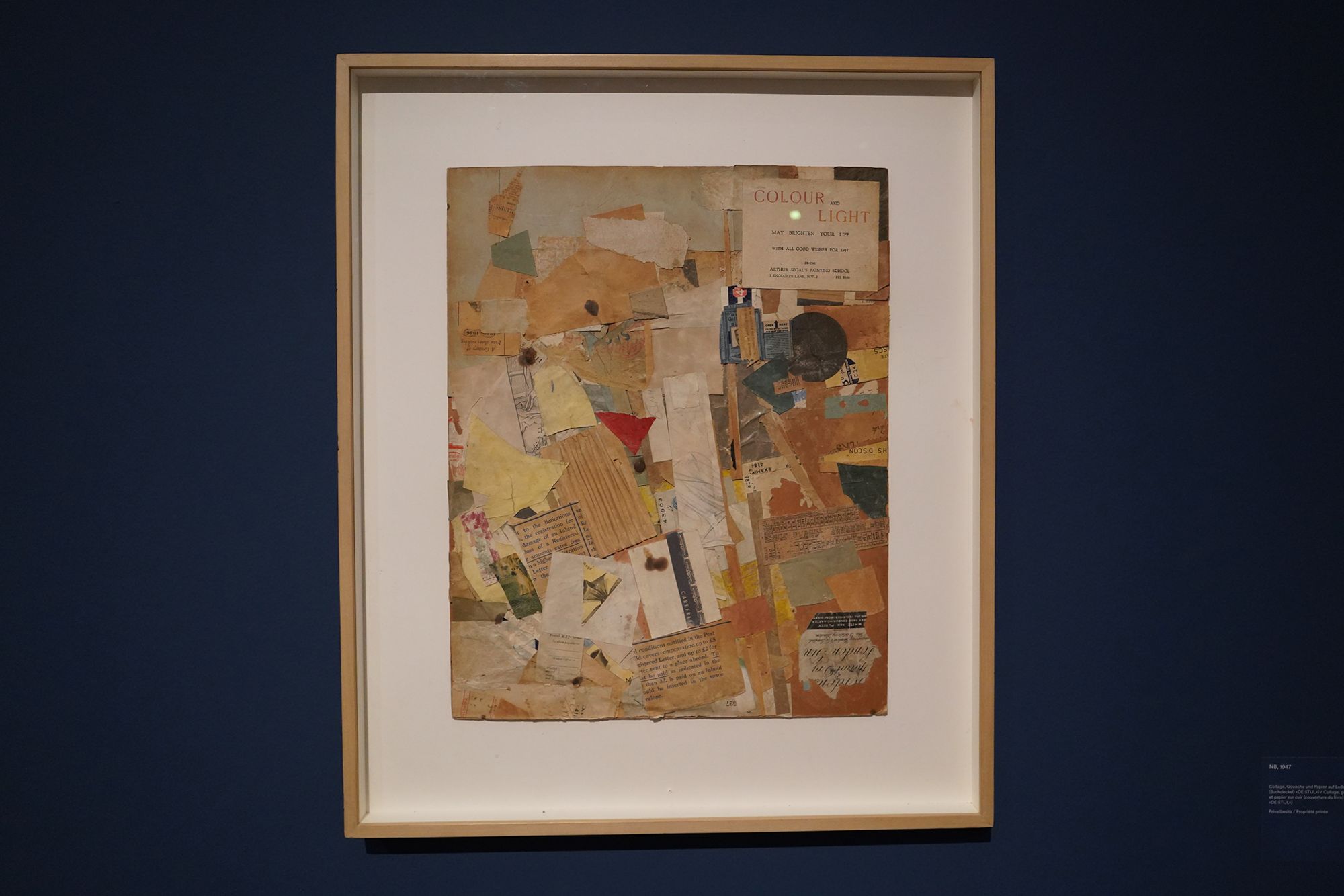
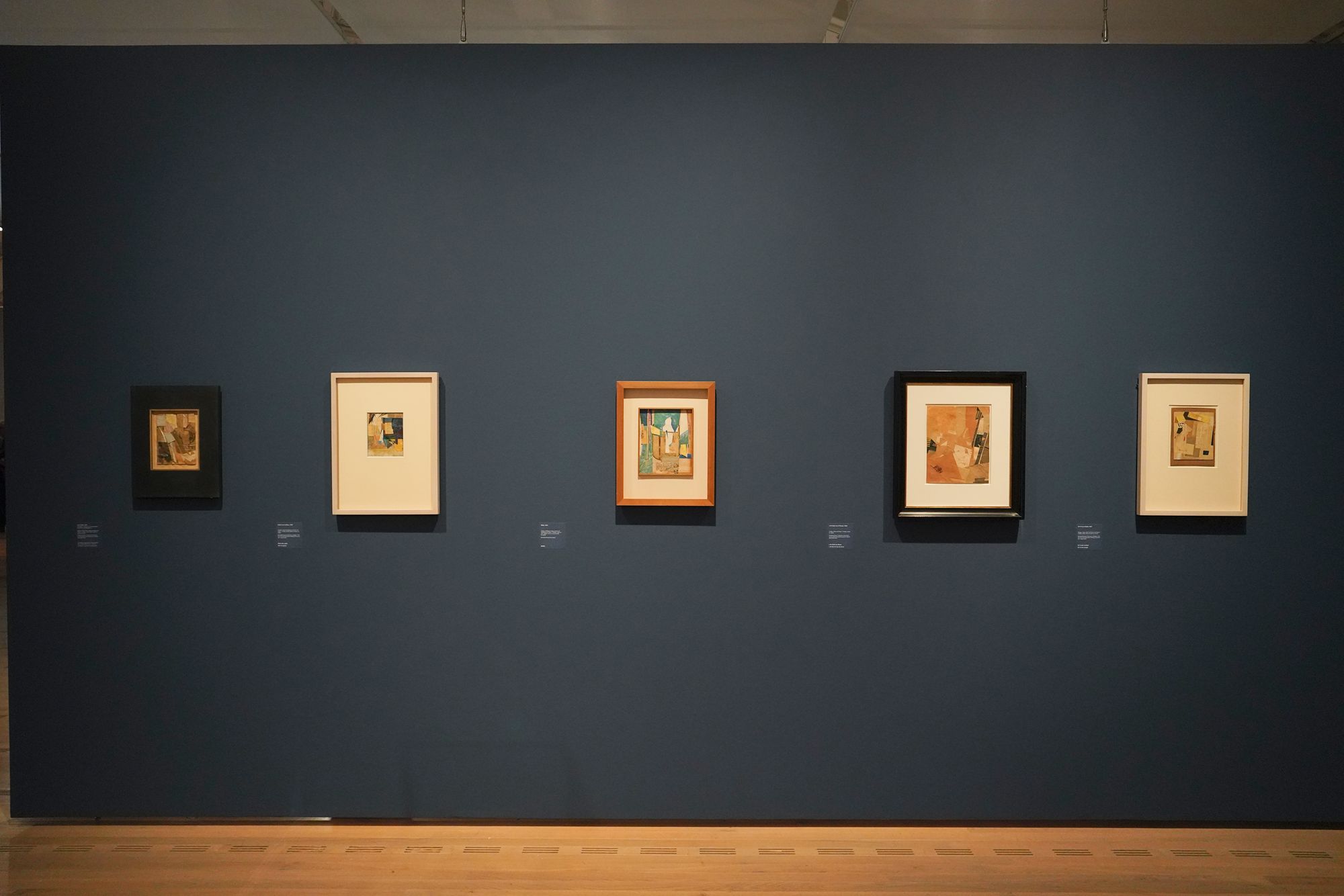
Many works from this period used images from color magazines and fragments of English text. With few contacts or supporters in Britain, Schwitters sometimes mailed his collages to collectors and friends abroad, both to maintain relationships and to earn money.
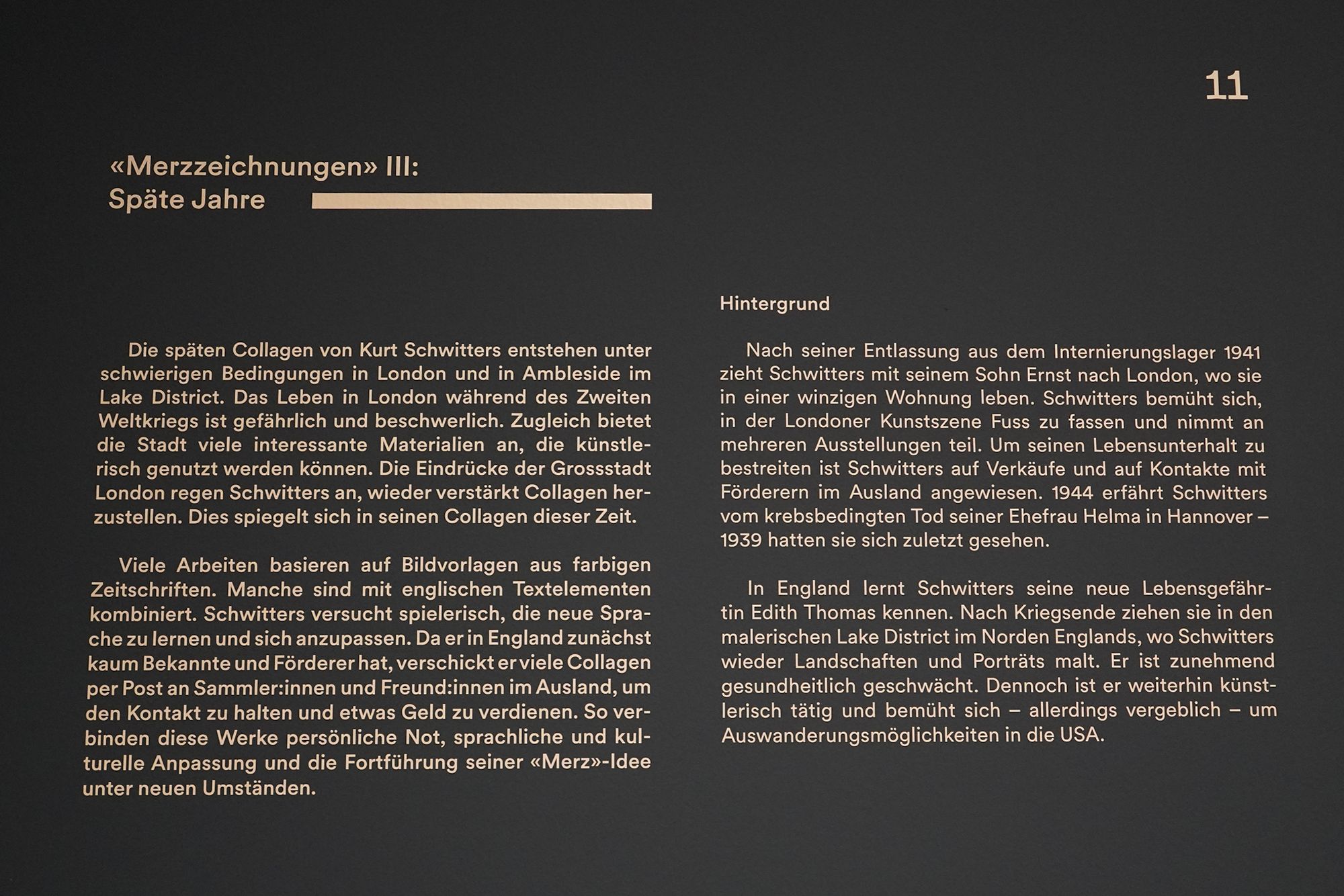
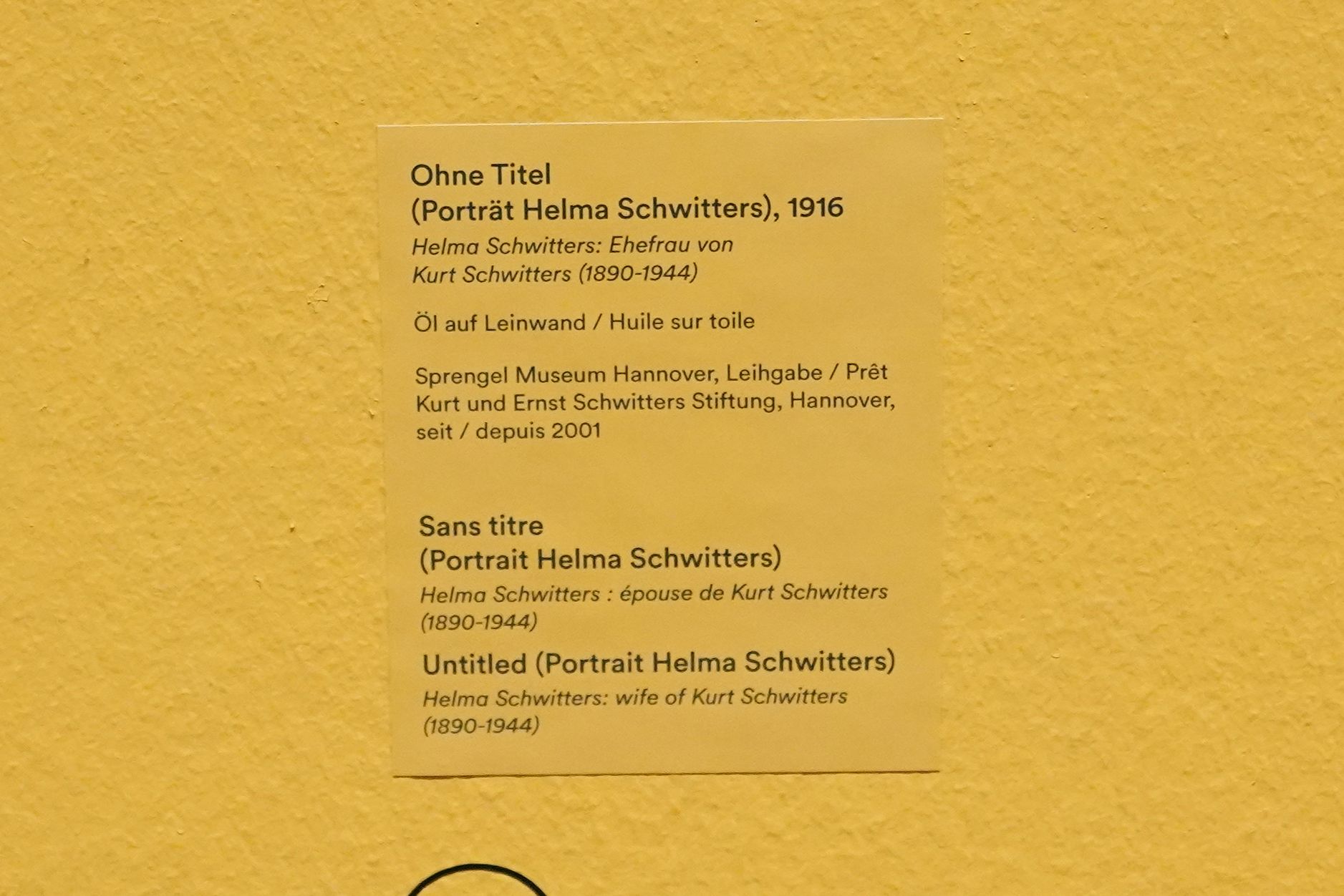
In 1944, he learned that his wife Helma had died in Germany. After the war, Schwitters moved with his new partner, Edith Thomas, to the Lake District in northern England. Despite declining health, he continued making collages, landscapes, and portraits, adapting his Merz ideas to his life in exile.
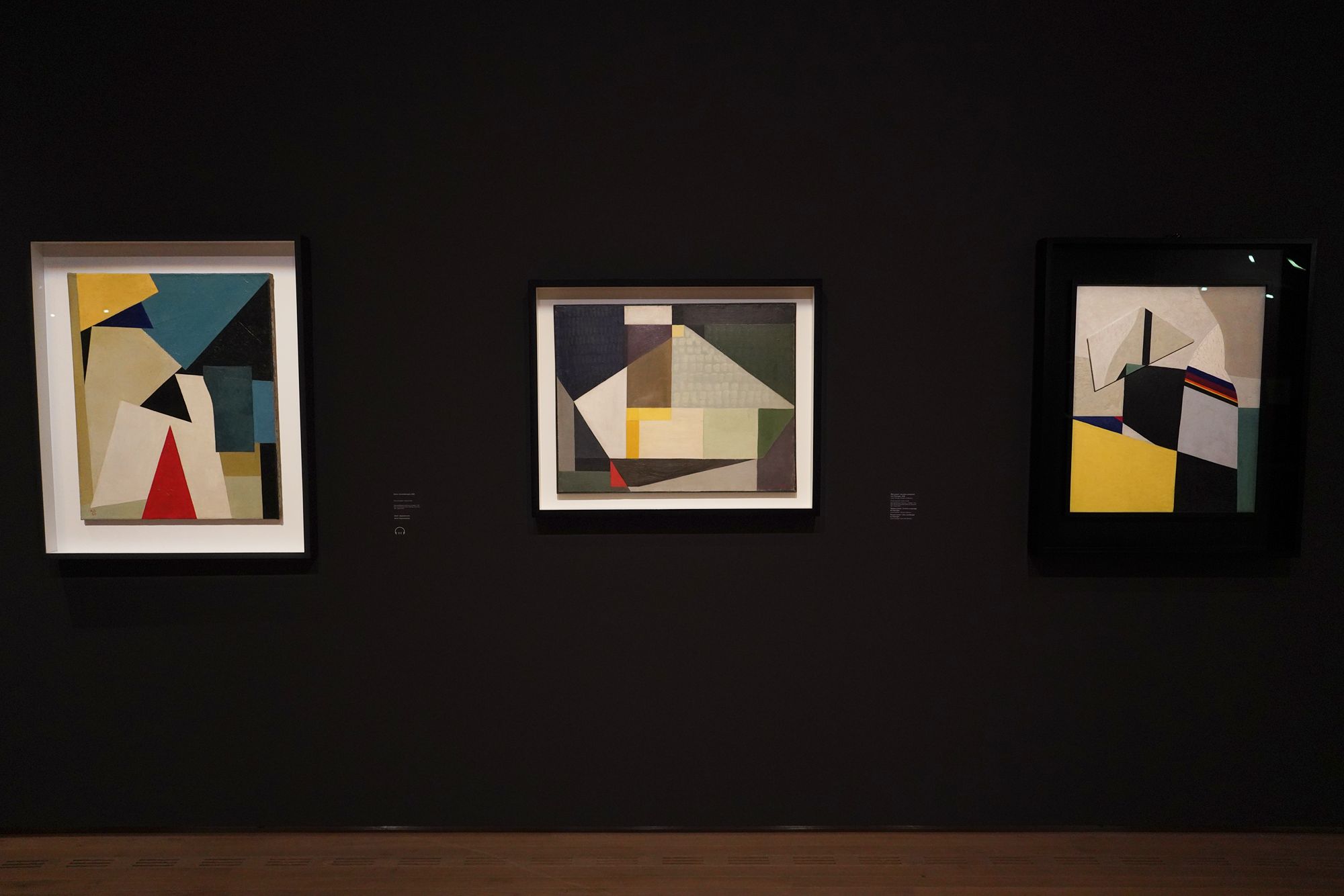
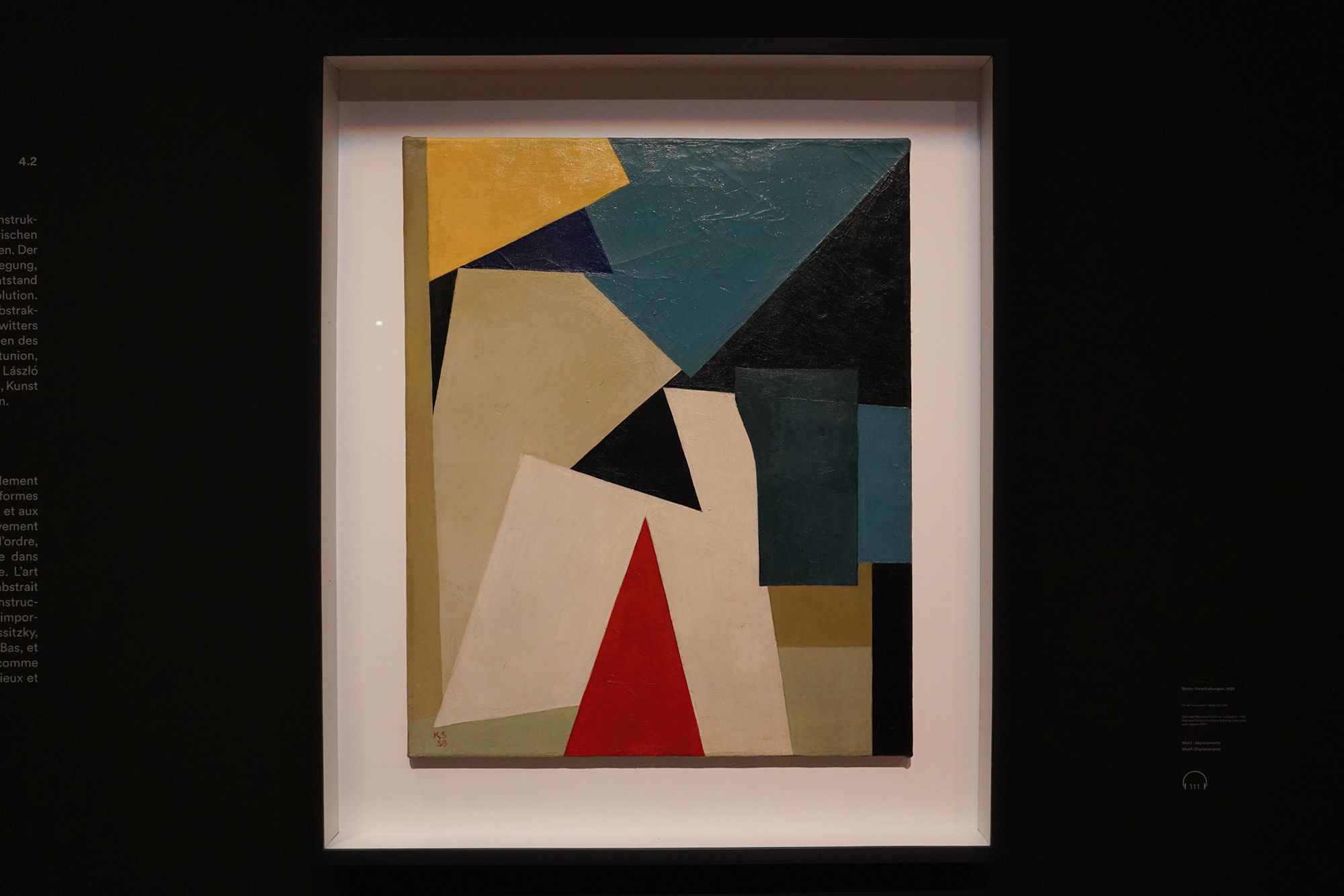
Constructivist Works
During the 1920s, Kurt Schwitters became increasingly influenced by Constructivism, creating works with geometric forms, precise arrangements, and strong colors. He was connected with artists such as El Lissitzky, Theo van Doesburg, and László Moholy-Nagy.
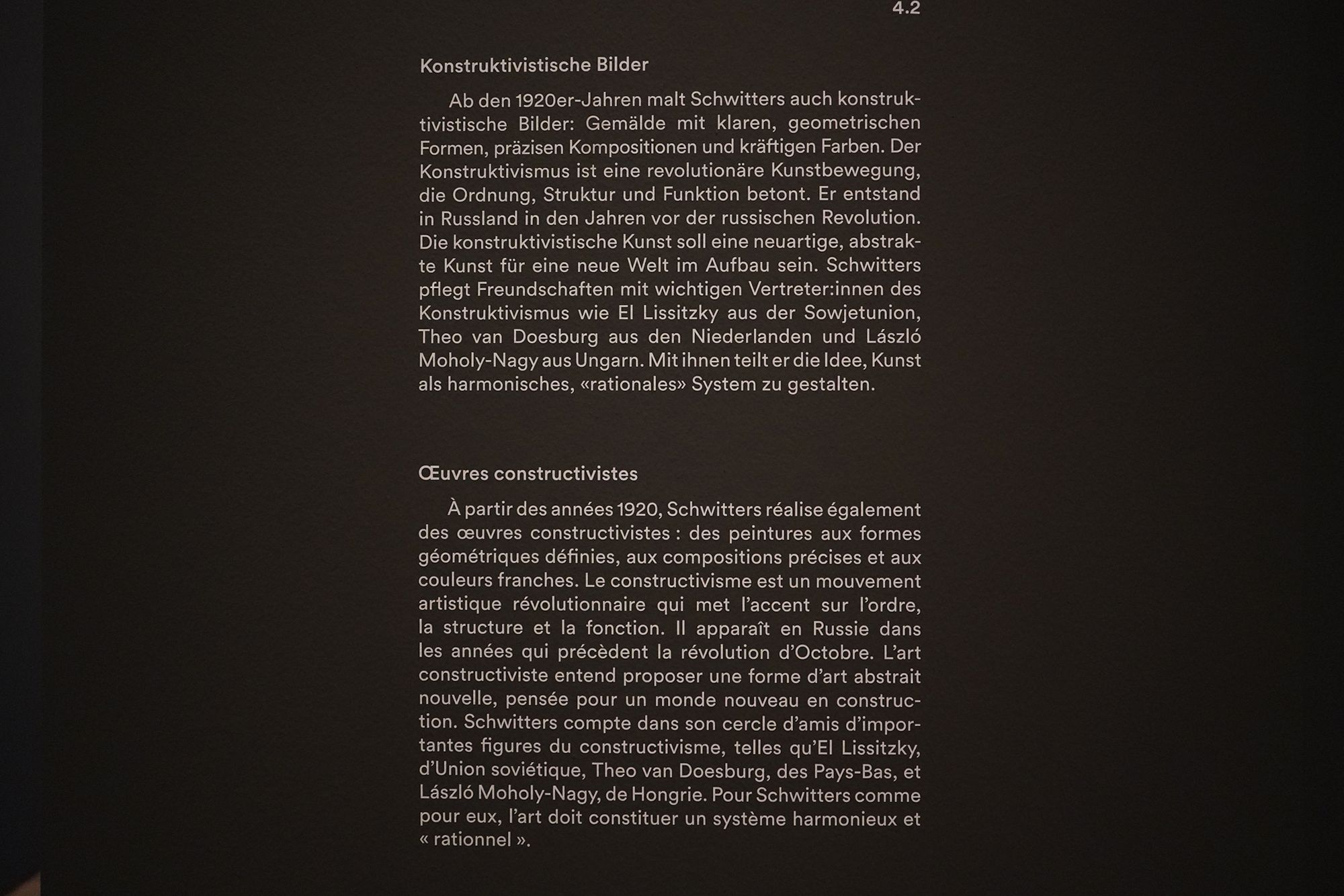
Constructivism emphasized order, structure, and rational organization. These ideas fit well with Schwitters’ desire to take separate elements and organize them into a harmonious whole.
Uncertainty and Isolation
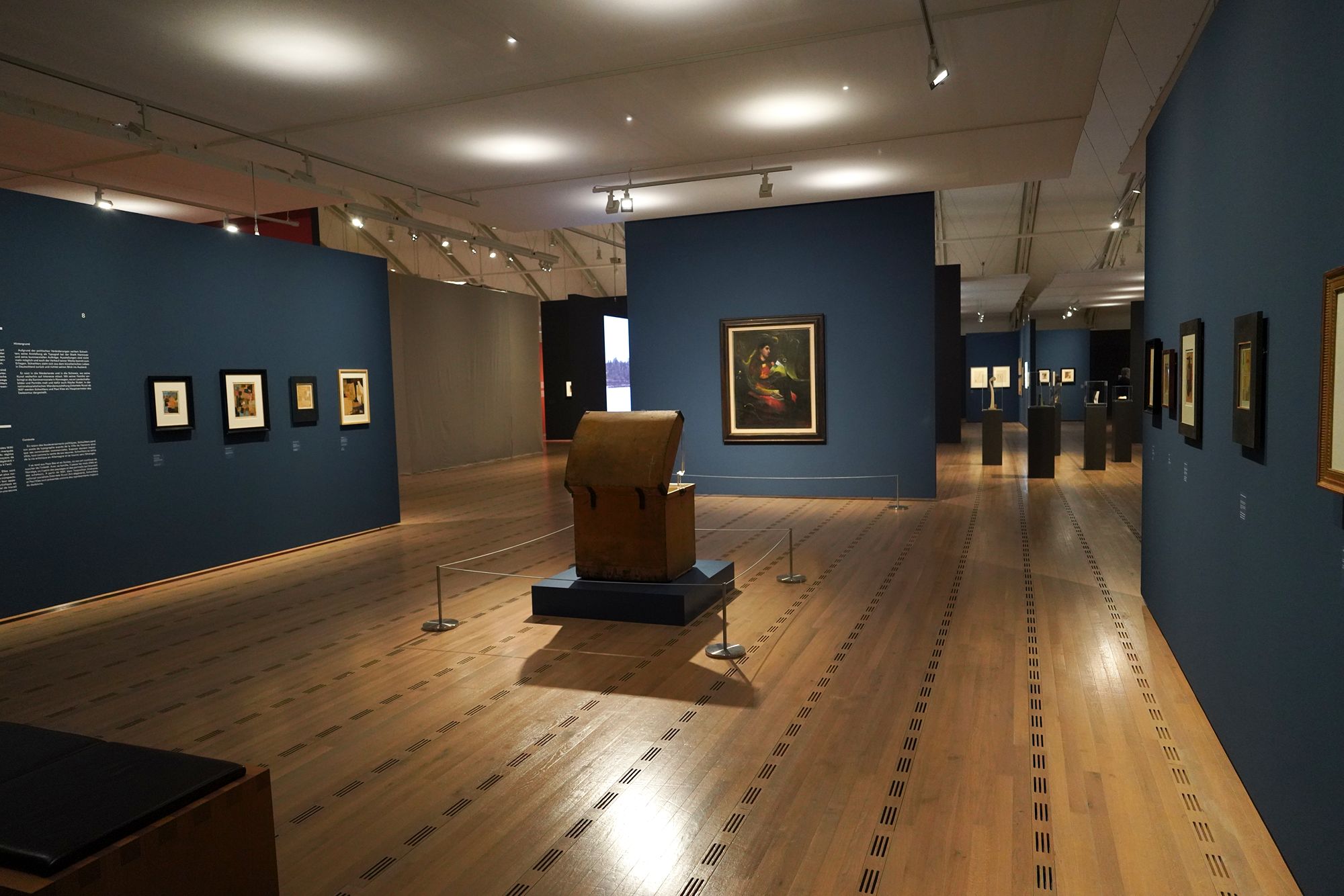
During the 1930s, Kurt Schwitters’ life changed dramatically with the rise of the Nazi regime. In 1933, he lost his position as a typographer for the city of Hanover, exhibitions became difficult, sales declined, and his art was labeled “degenerate.” Many of his artistic friends and colleagues also left Germany.
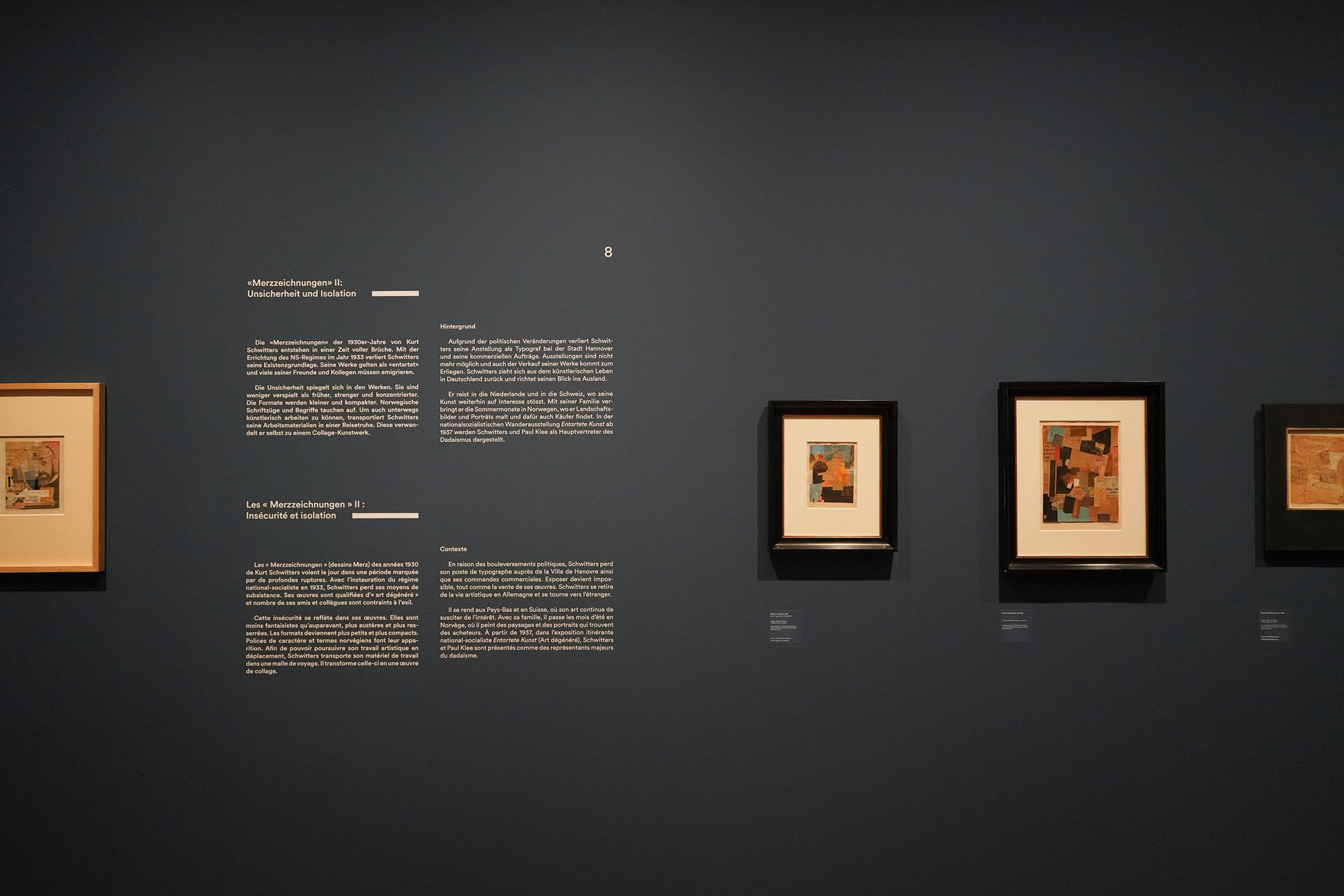
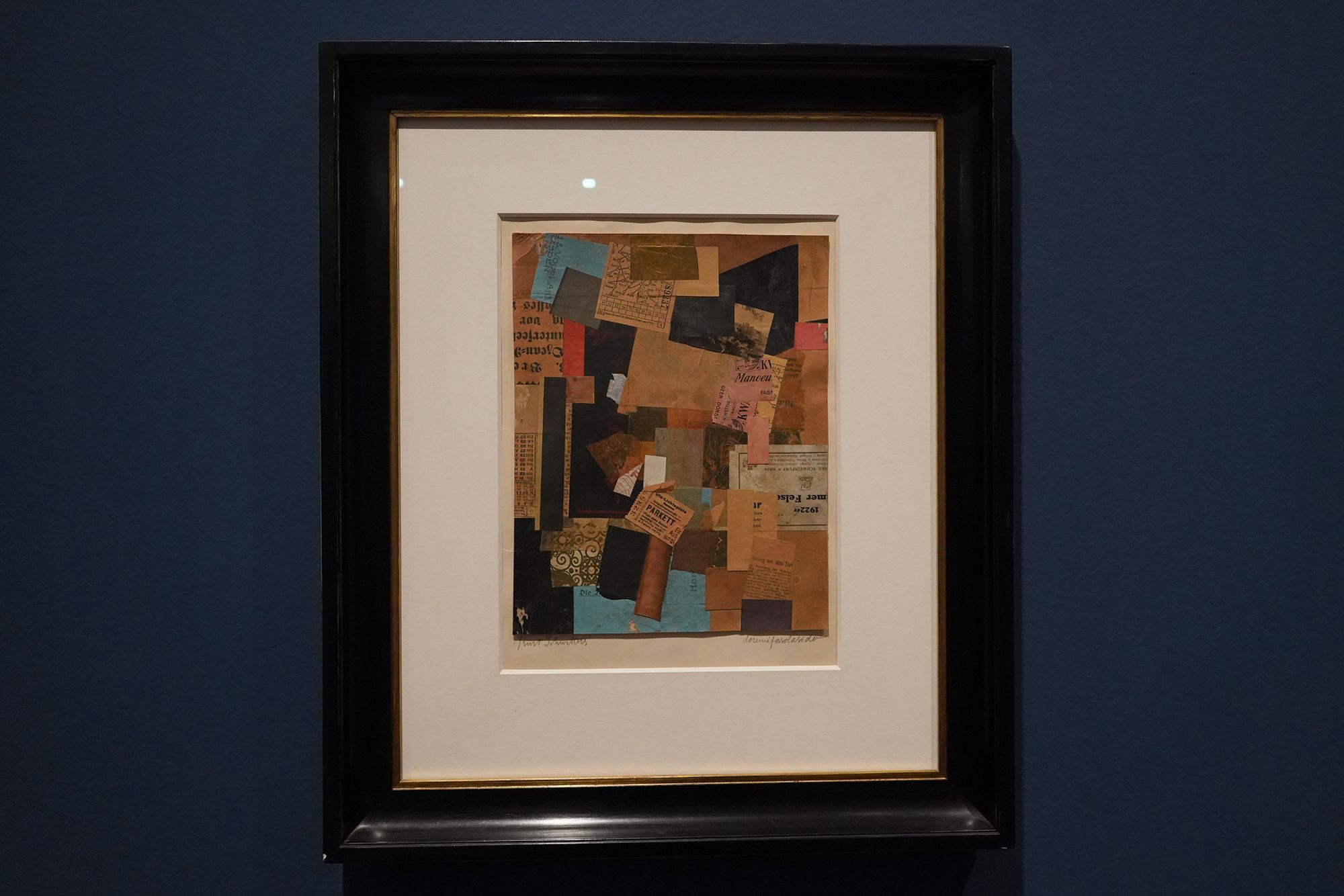
This uncertainty was reflected in his work. His collages became smaller, more compact, restrained, and less playful. He increasingly traveled to the Netherlands, Switzerland, and Norway, where his art continued to attract interest.
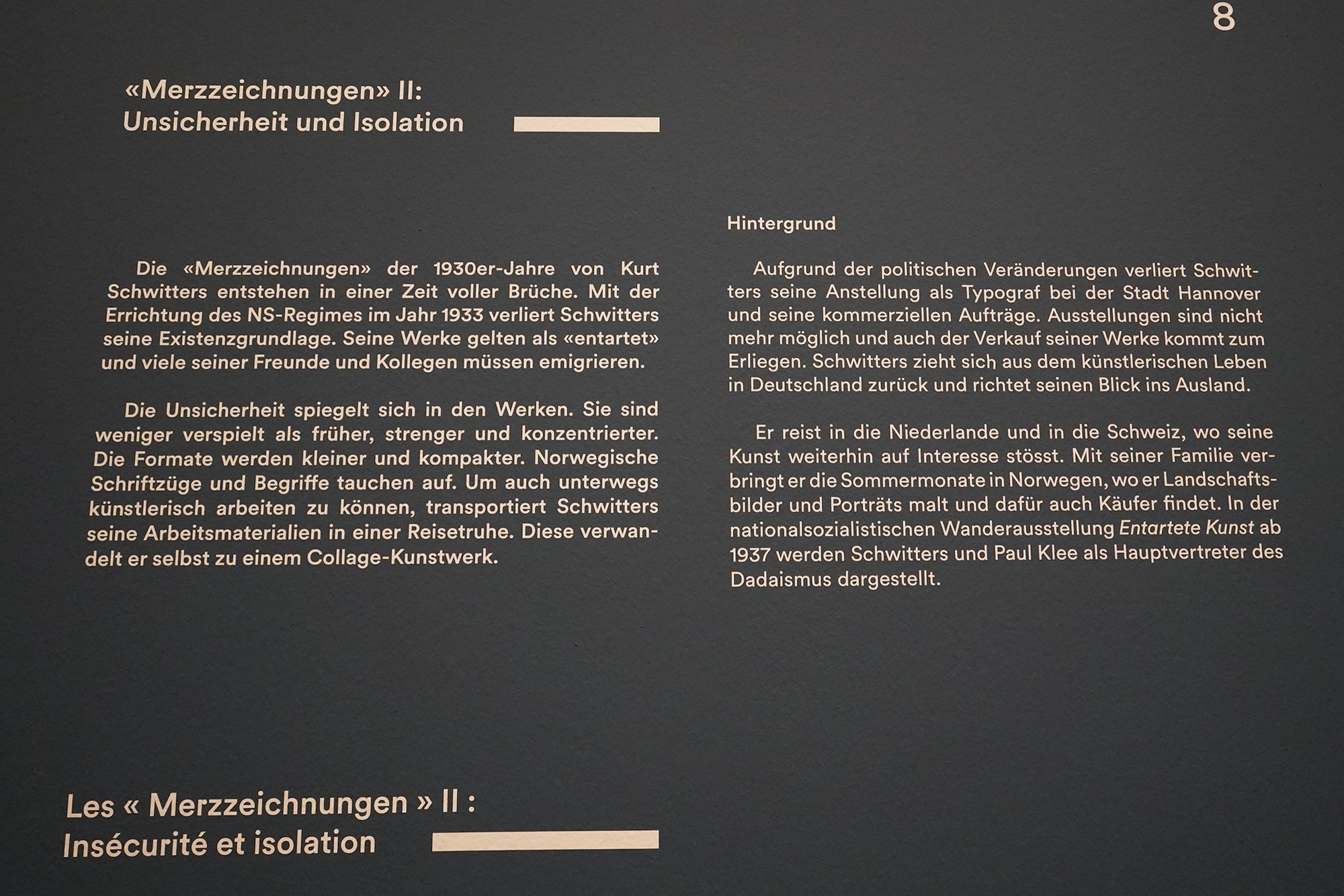
In the Nazi “Degenerate Art” exhibition of 1937, works by both Schwitters and Paul Klee were presented as examples of modern art condemned by the regime.
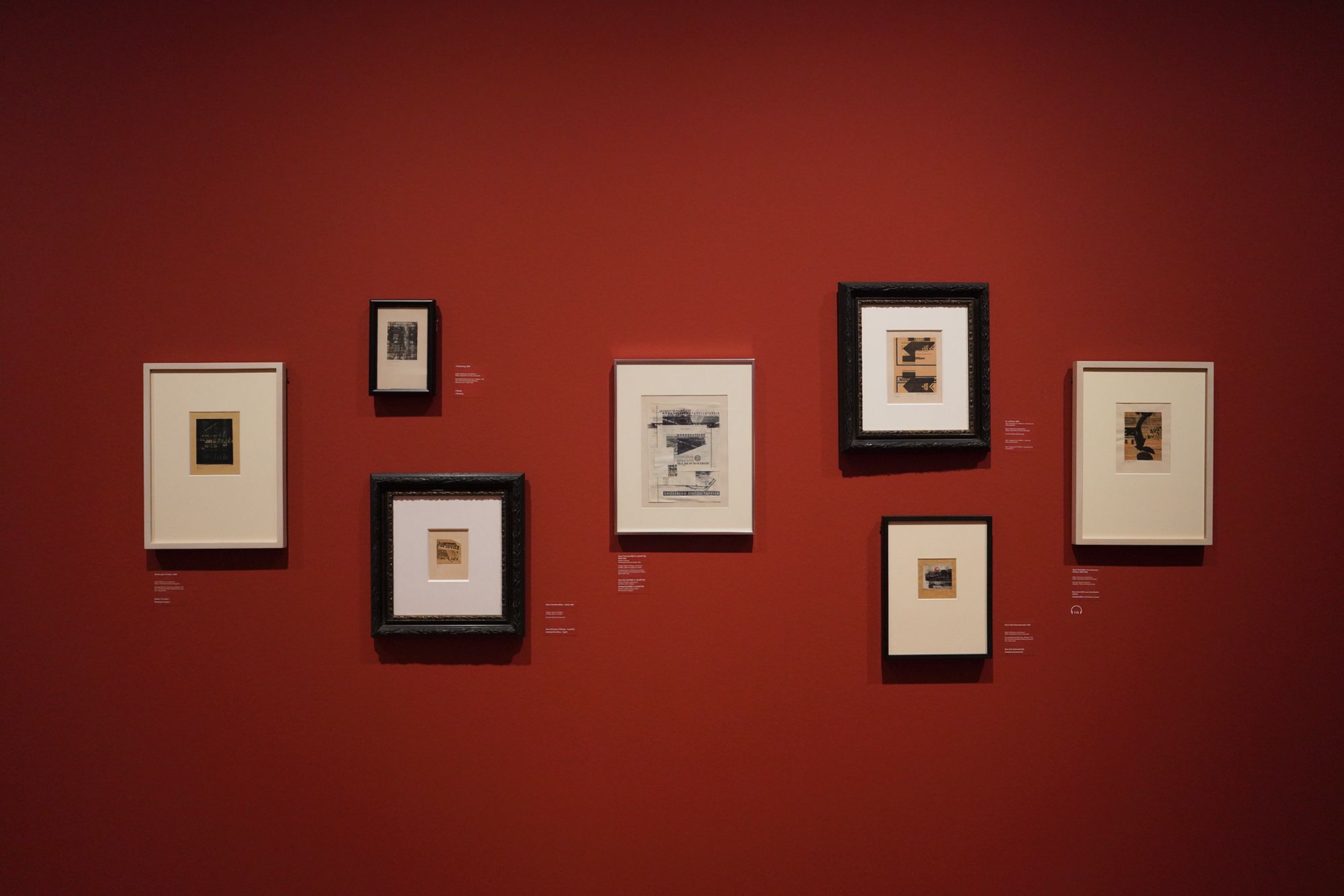
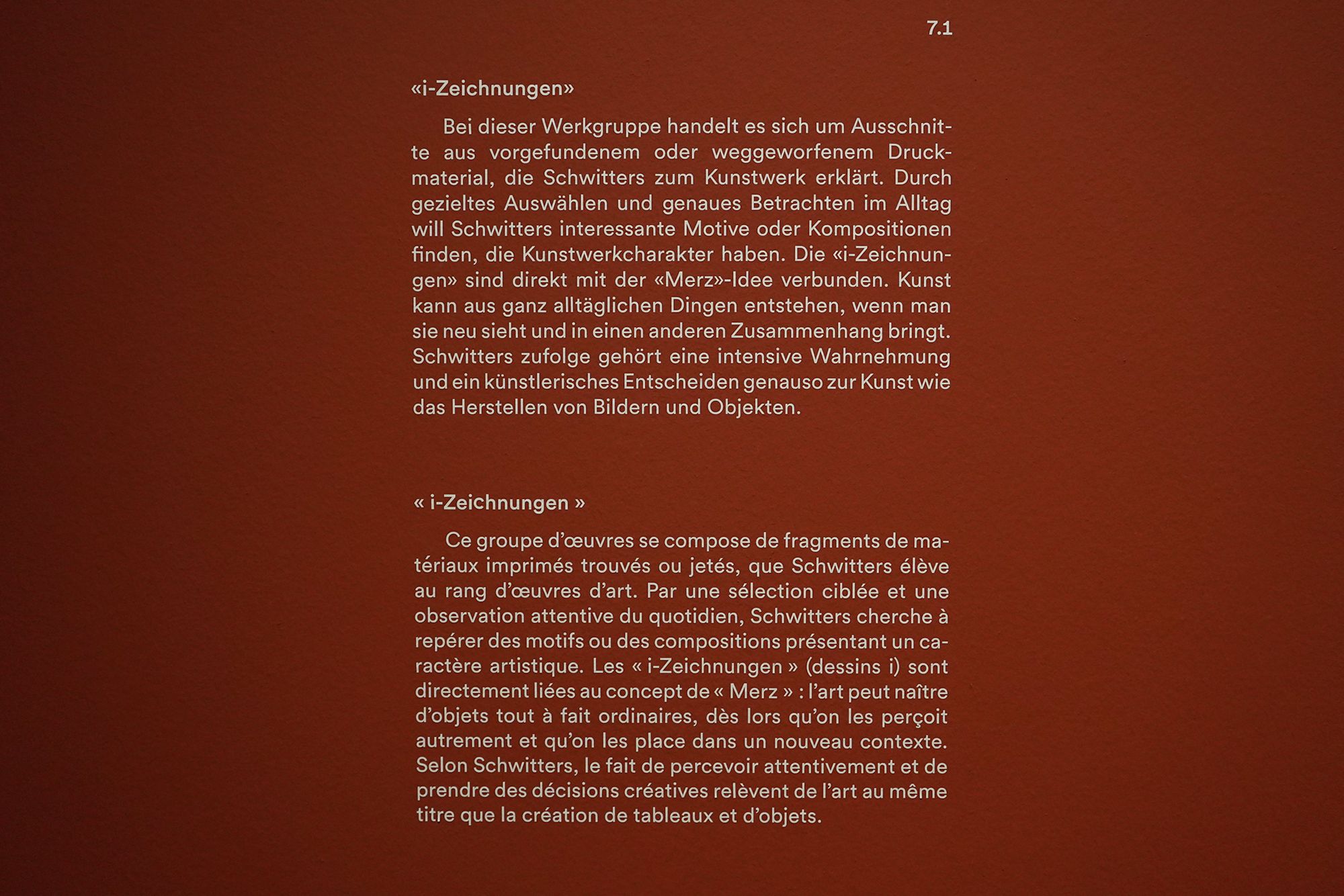
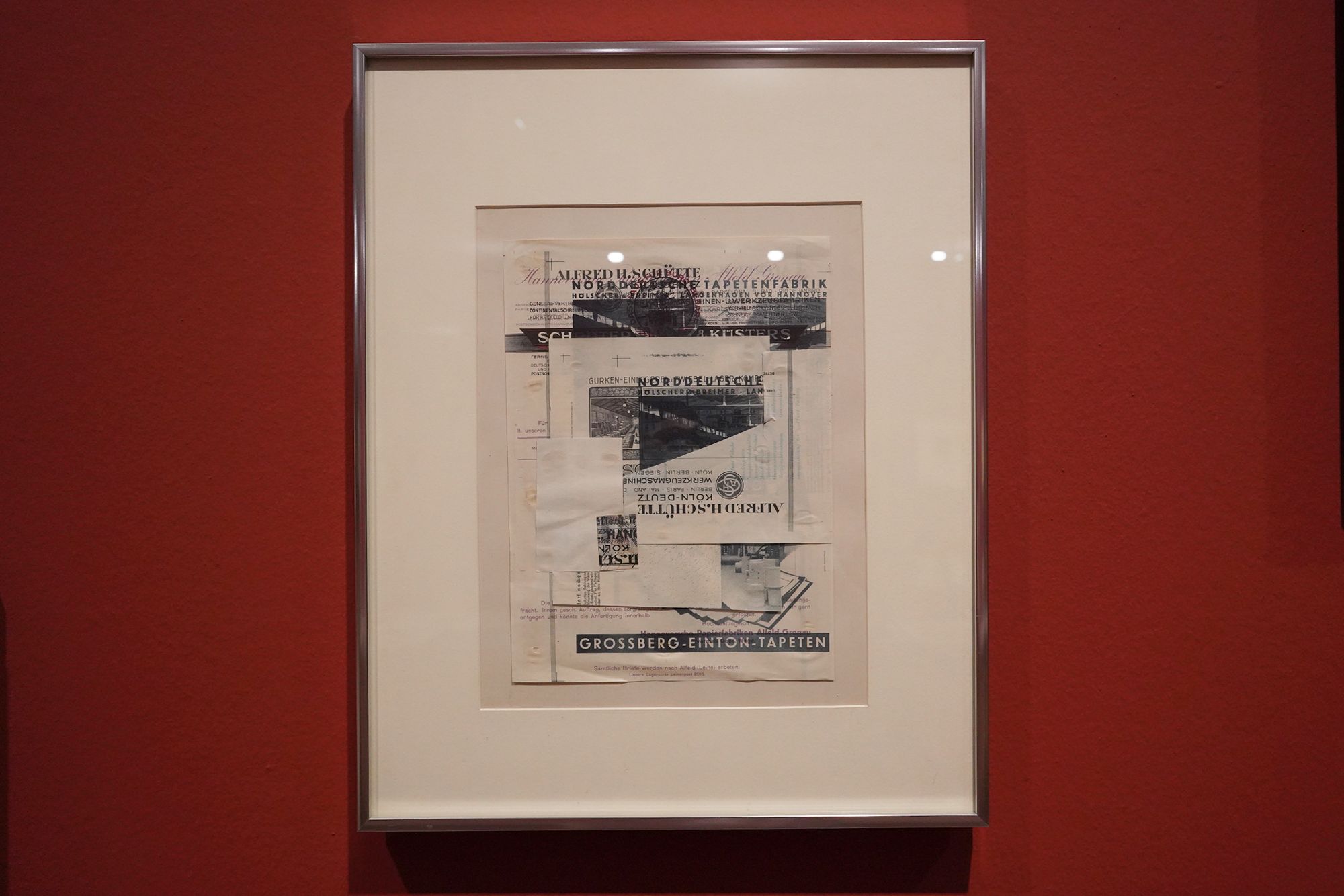
i-Drawings
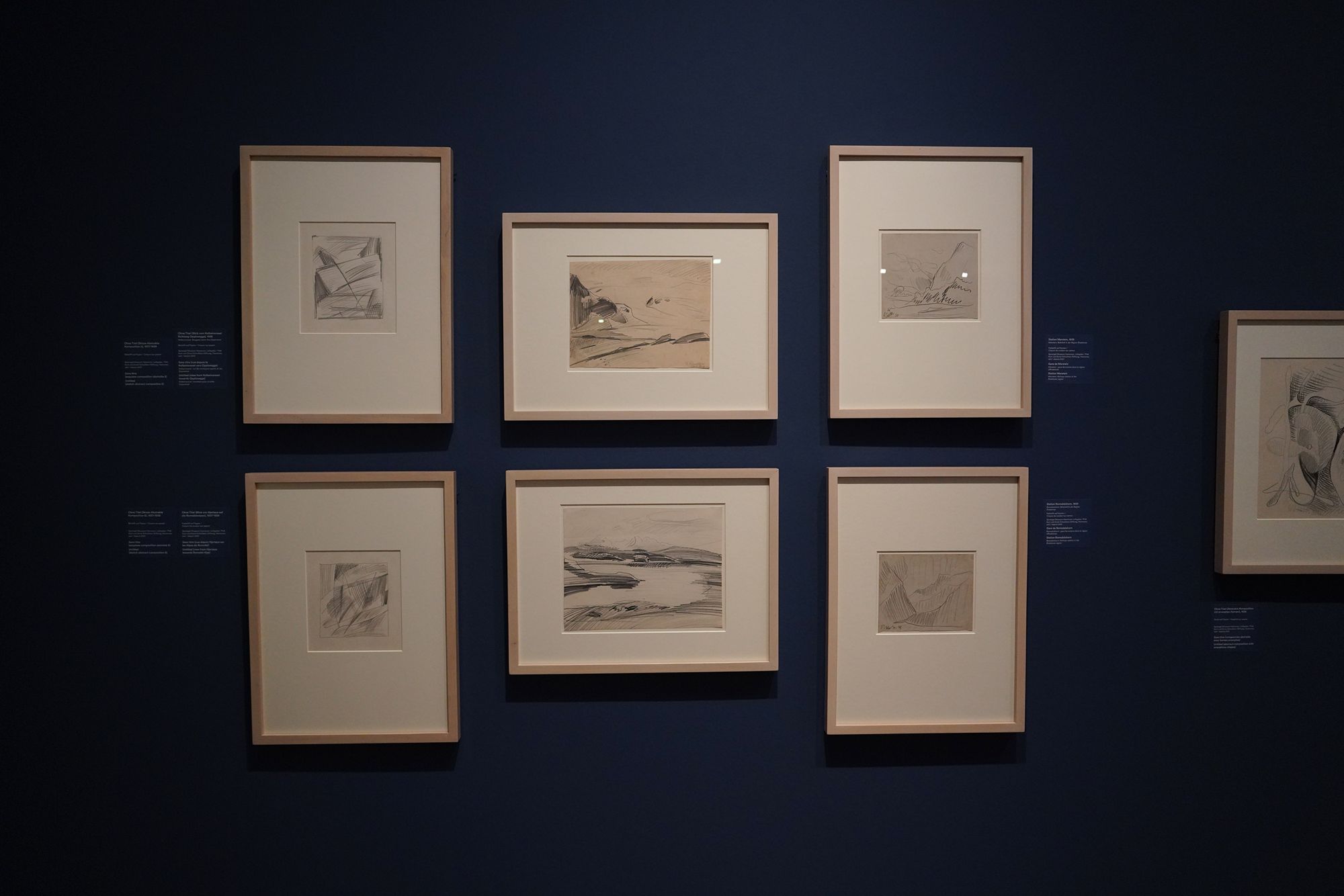
Schwitters’ “i-Drawings” (i-Zeichnungen) were created from fragments of found or discarded printed materials. Rather than substantially altering them, he carefully selected pieces that already contained interesting patterns, forms, or compositions and presented them in a new context.
Dadaist Experiments
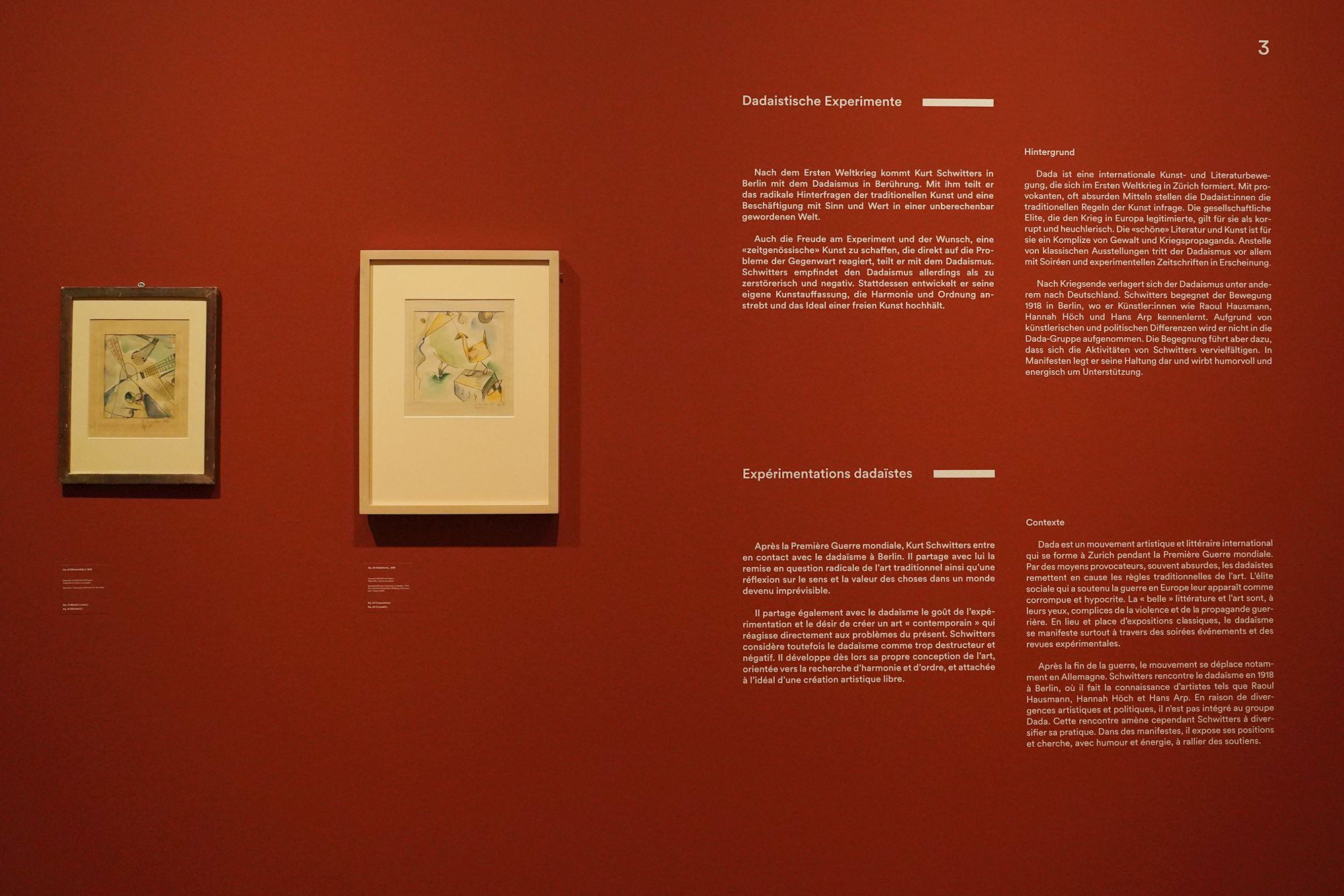
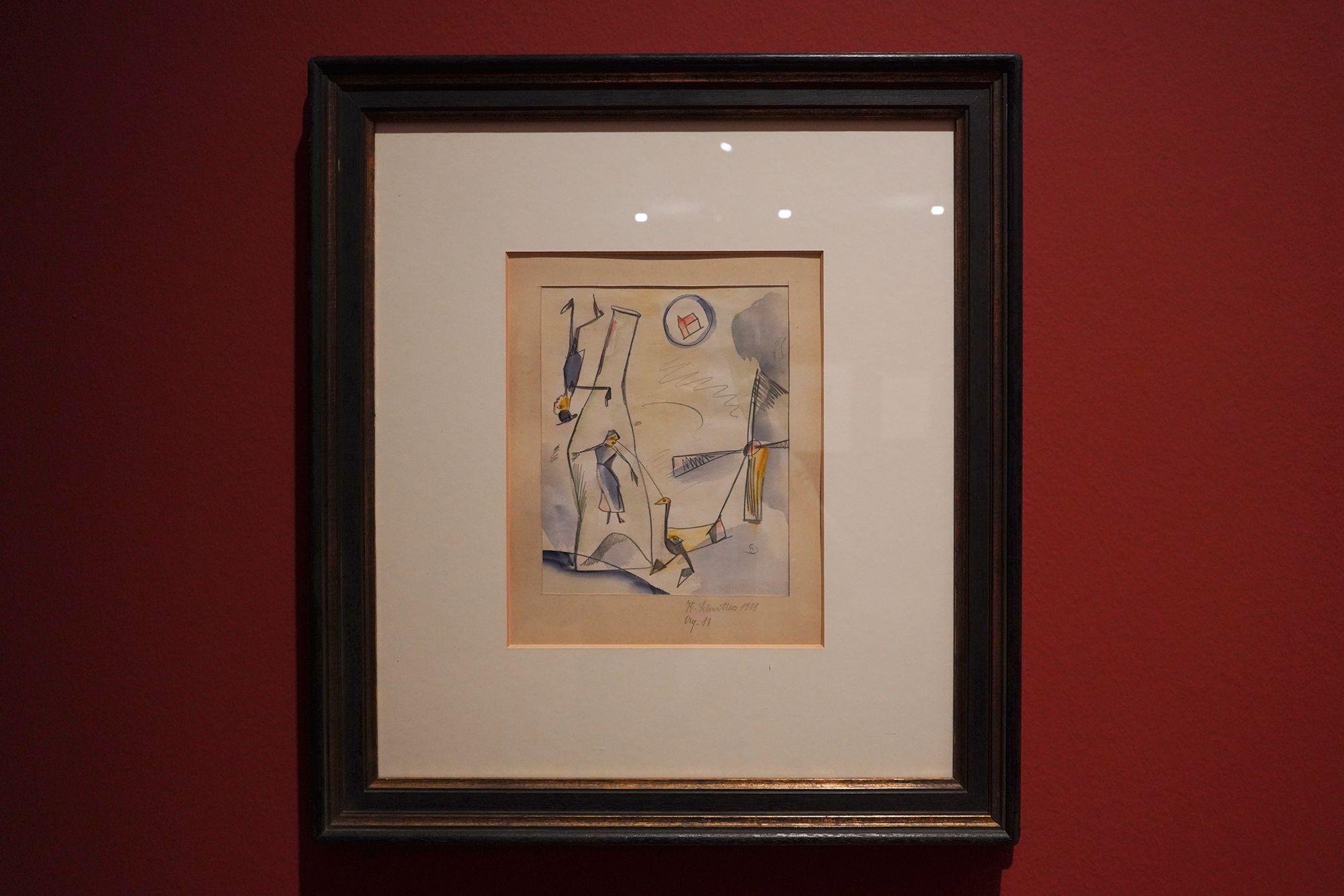
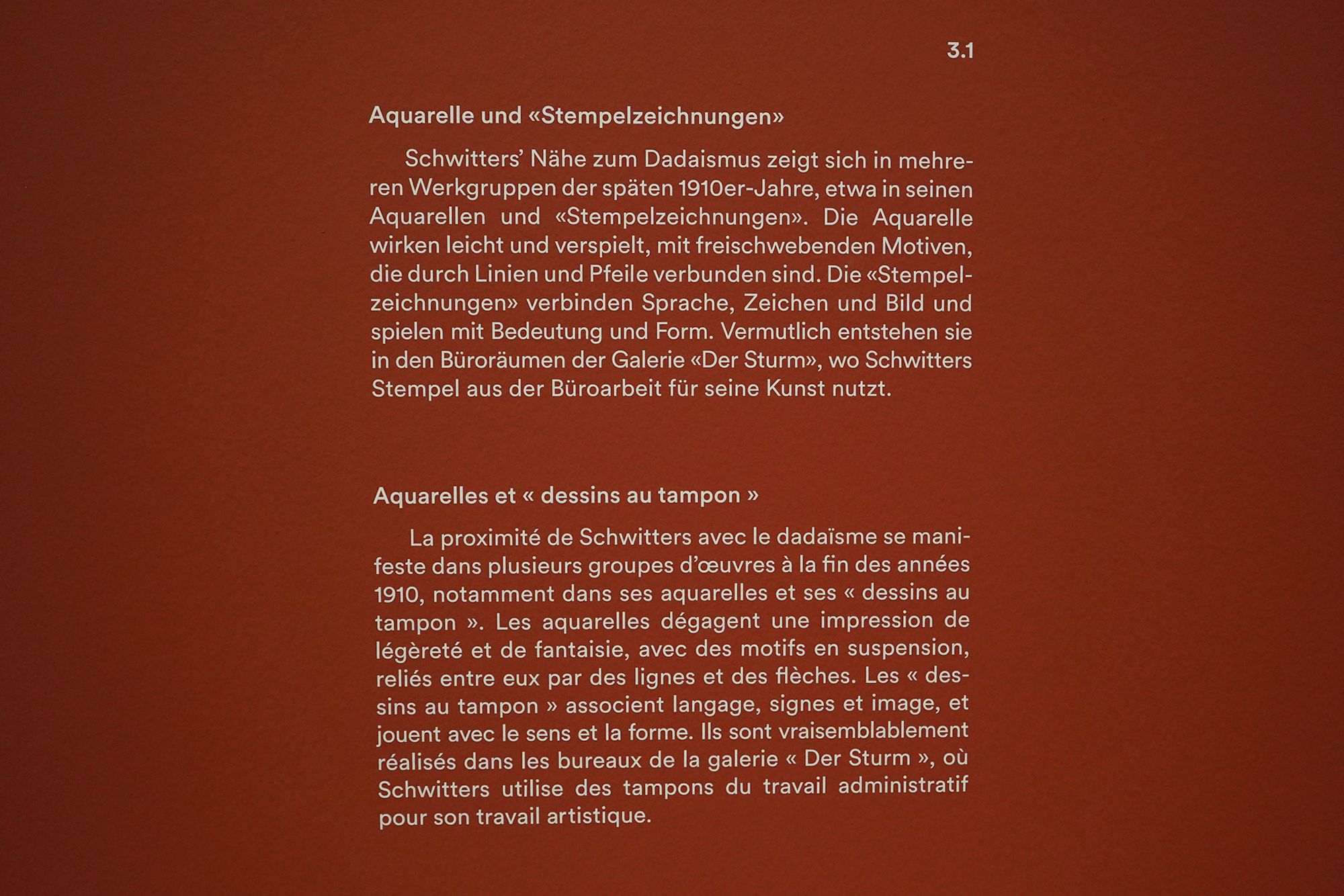
After World War I, Kurt Schwitters encountered the Dada movement in Berlin. He shared the Dadaists’ interest in experimentation and their rejection of traditional ideas about what art should be. He met artists including Raoul Hausmann, Hannah Höch, and Hans Arp.
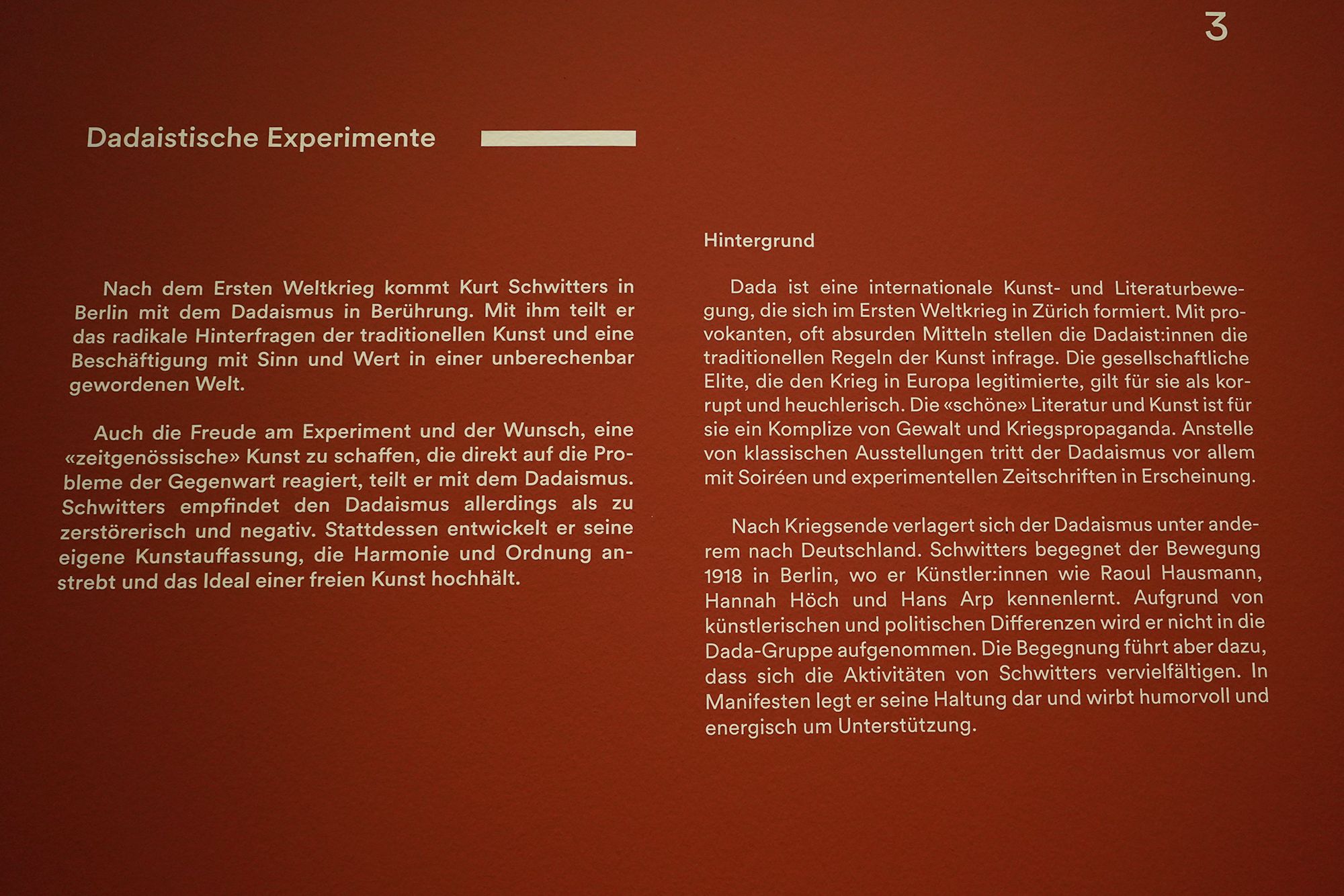
However, Schwitters felt that Dada was too destructive and negative. While Dada often emphasized absurdity, disruption, and criticism of society, Schwitters wanted to take fragments of the chaotic modern world and reorganize them into something harmonious.
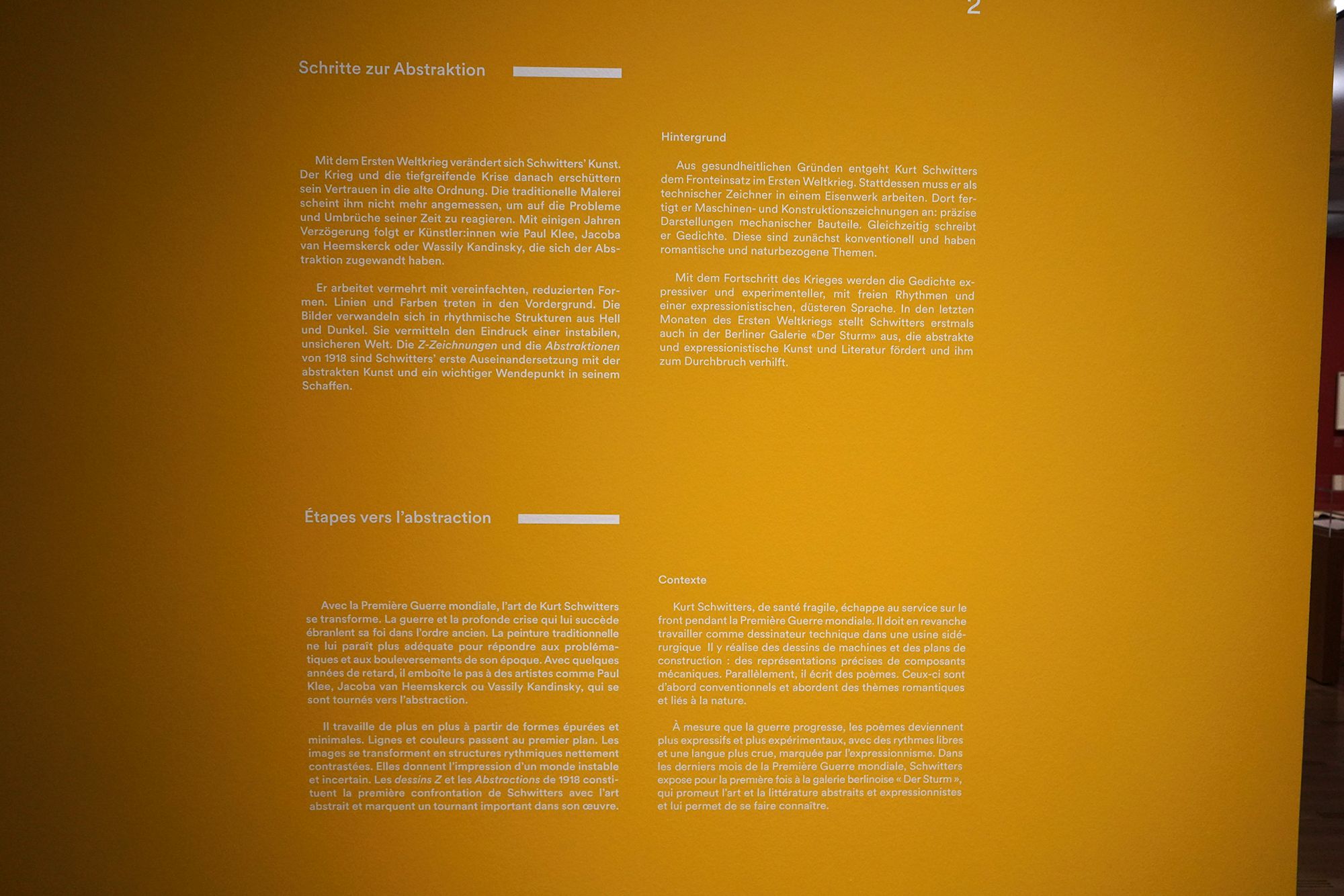
Steps Toward Abstraction
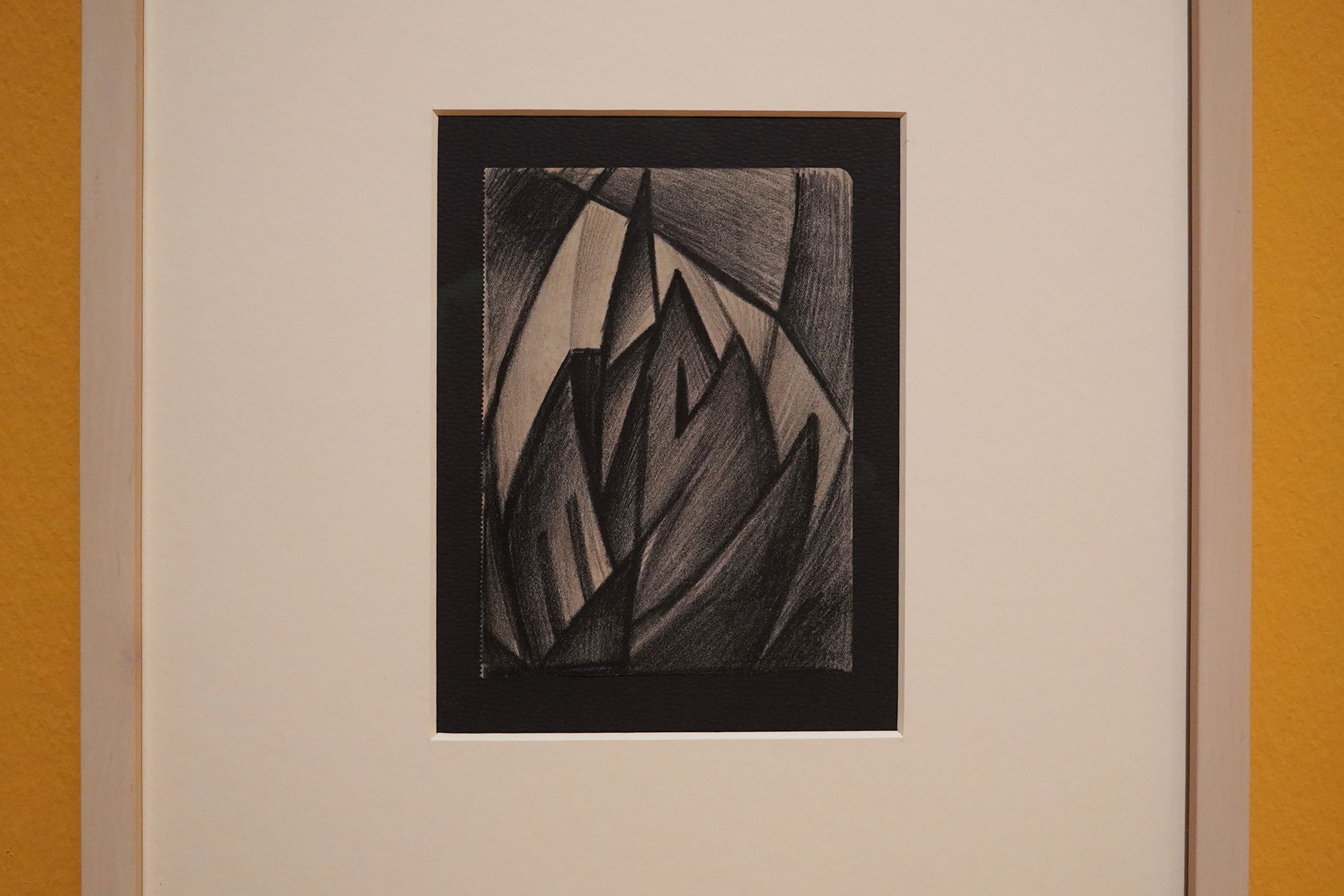
World War I brought an important change in Kurt Schwitters’ art. Traditional painting no longer seemed adequate for expressing the uncertainty and upheaval of the period, and he became interested in artists moving toward abstraction, including Paul Klee, Wassily Kandinsky, and Jacoba van Heemskerck.
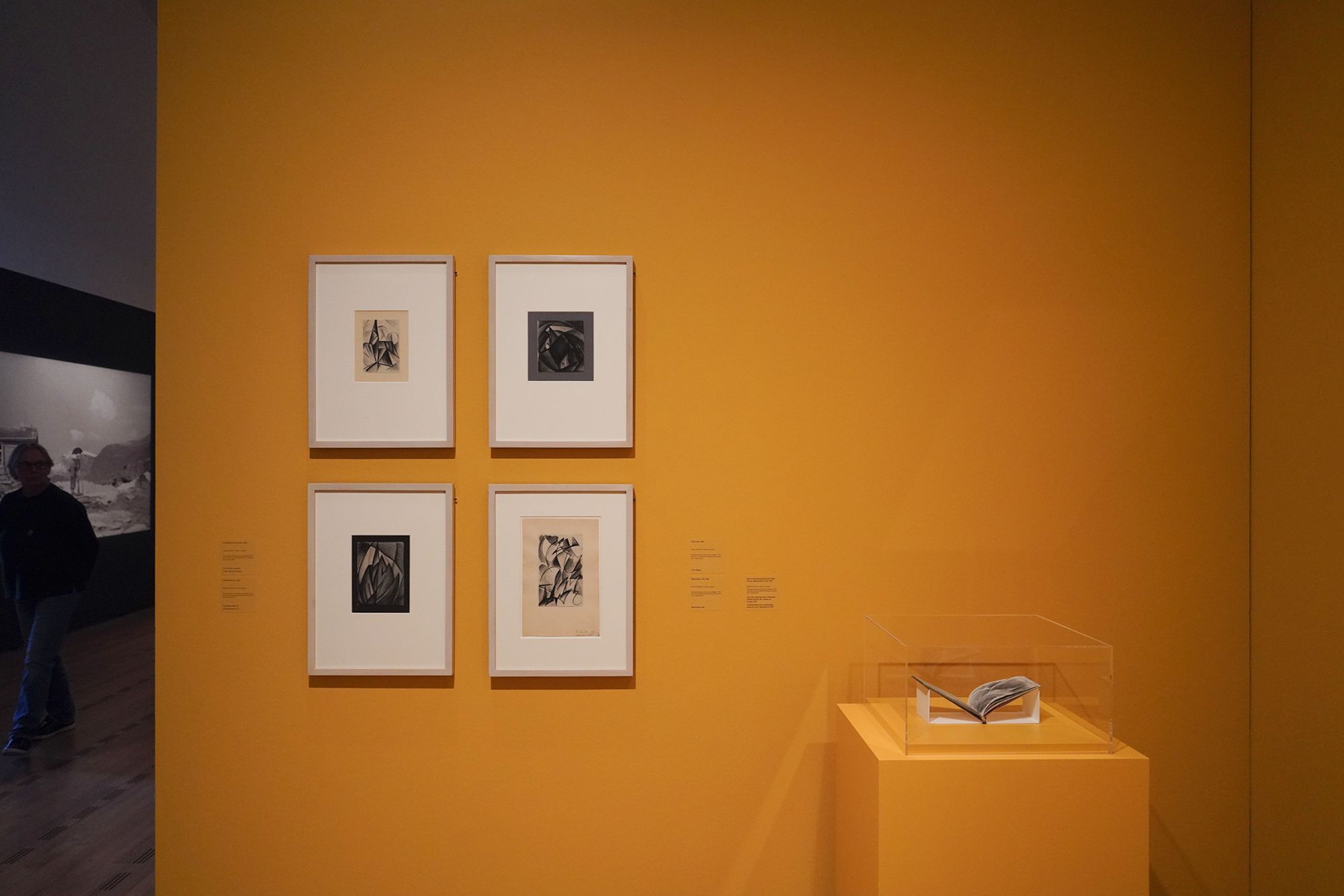
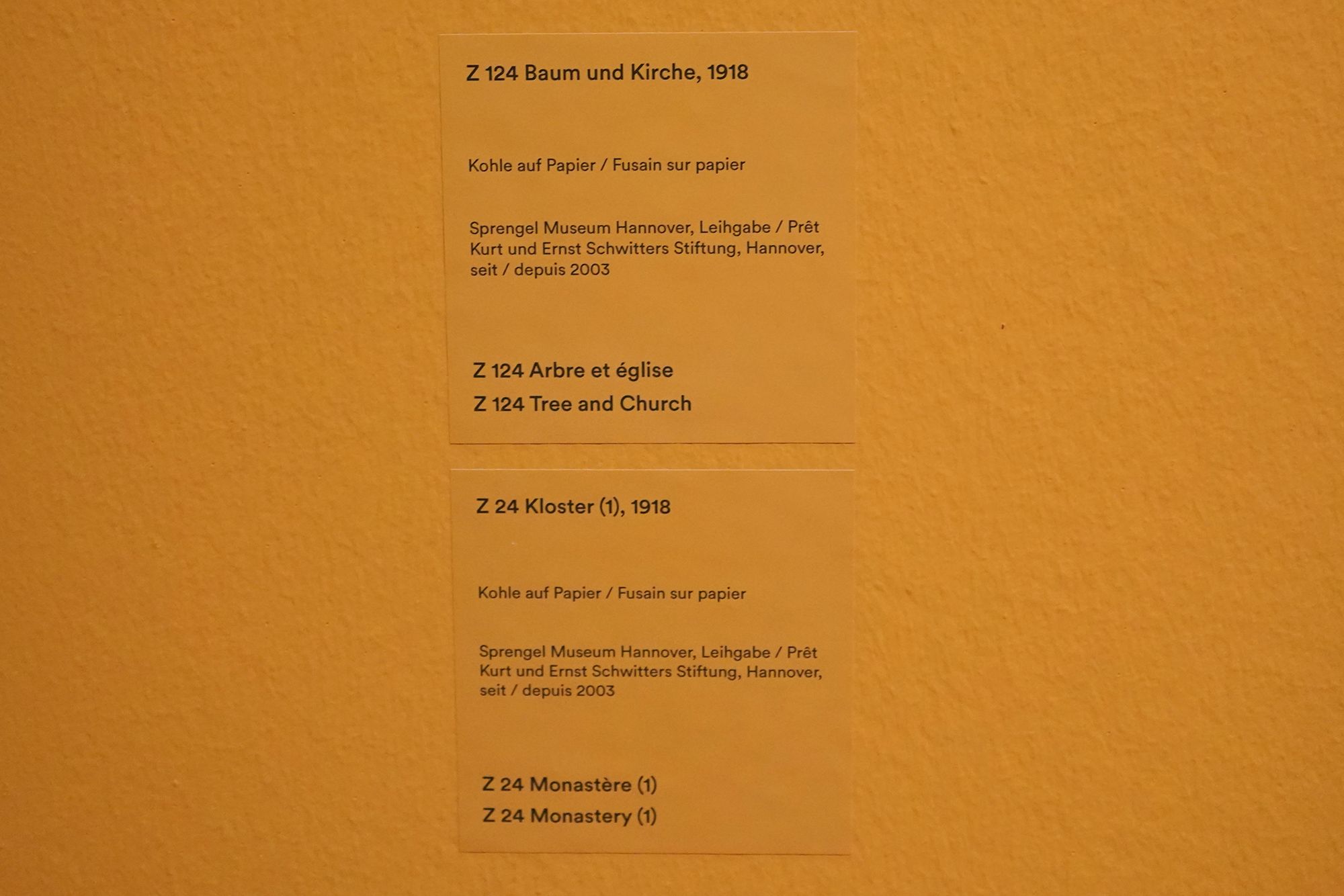
Schwitters increasingly simplified his work, emphasizing lines, colors, geometric forms, and rhythmic patterns rather than recognizable subjects. His Z-drawings and abstract works of 1918 marked his first significant experiments with abstraction and became an important turning point in his artistic development.