Jaisalmer City and Thar Desert, Jaisalmer, India
Jaisalmer, known as the “Golden City,” is a historic desert city in Rajasthan famous for its golden sandstone architecture, magnificent fort, and location near the Thar Desert. 1257
Jaisalmer City: 583.584 Hotel Heritage House, Rajasthan 345001, India
Thar Desert: Rajasthan
Date Picture Taken: Feb, 2026
Jaisalmer is a historic city in western Rajasthan, close to the Thar Desert and the border with Pakistan. It was founded in 1156 by Rawal Jaisal, a Rajput ruler, and became an important trading center along old caravan routes connecting India with Central Asia and the Middle East.
The city is known as the “Golden City” because many of its buildings are constructed from yellow sandstone, which takes on a golden color in the sunlight. Its most famous landmark is Jaisalmer Fort, a massive hilltop fortress containing palaces, temples, homes, shops, and narrow streets.
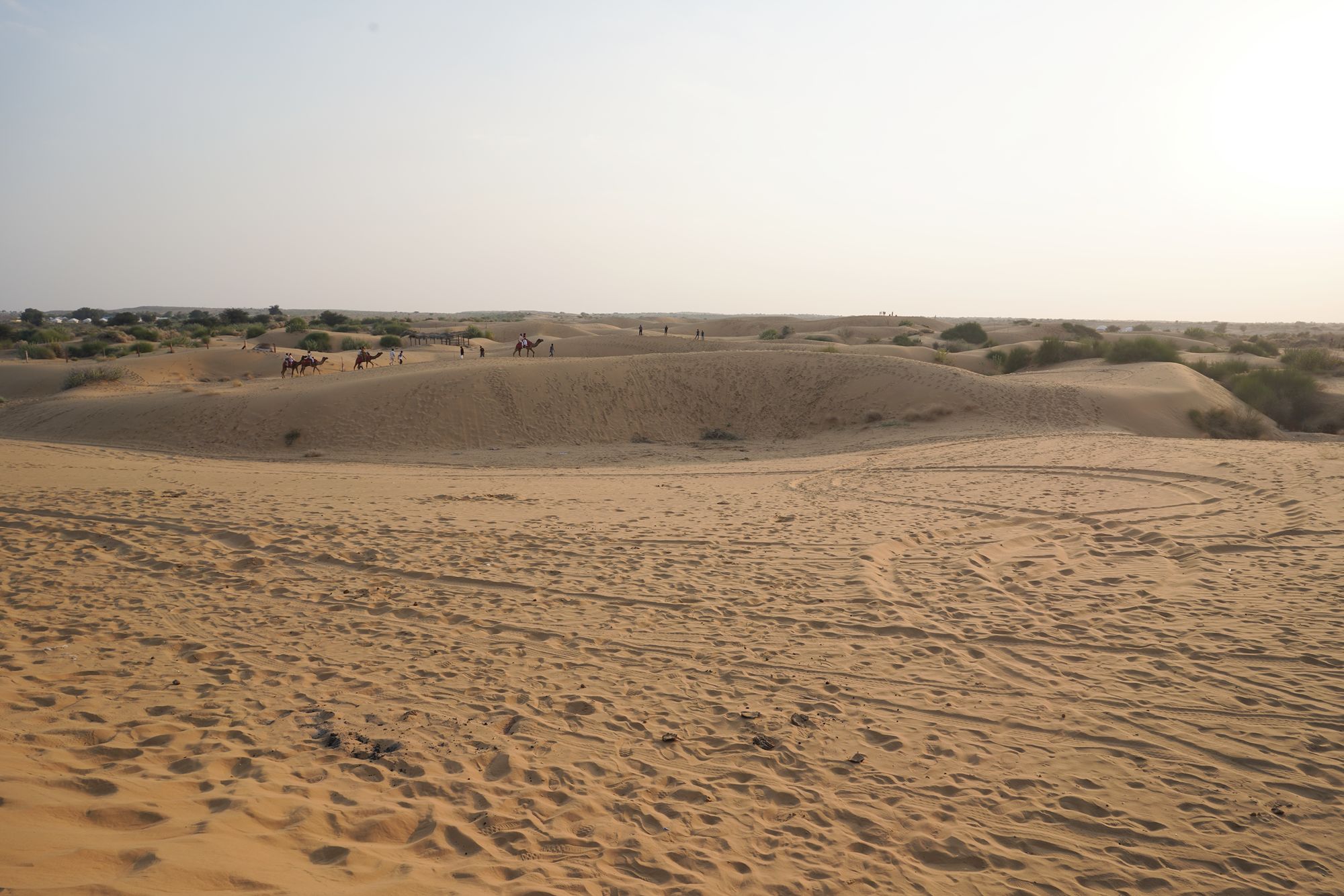
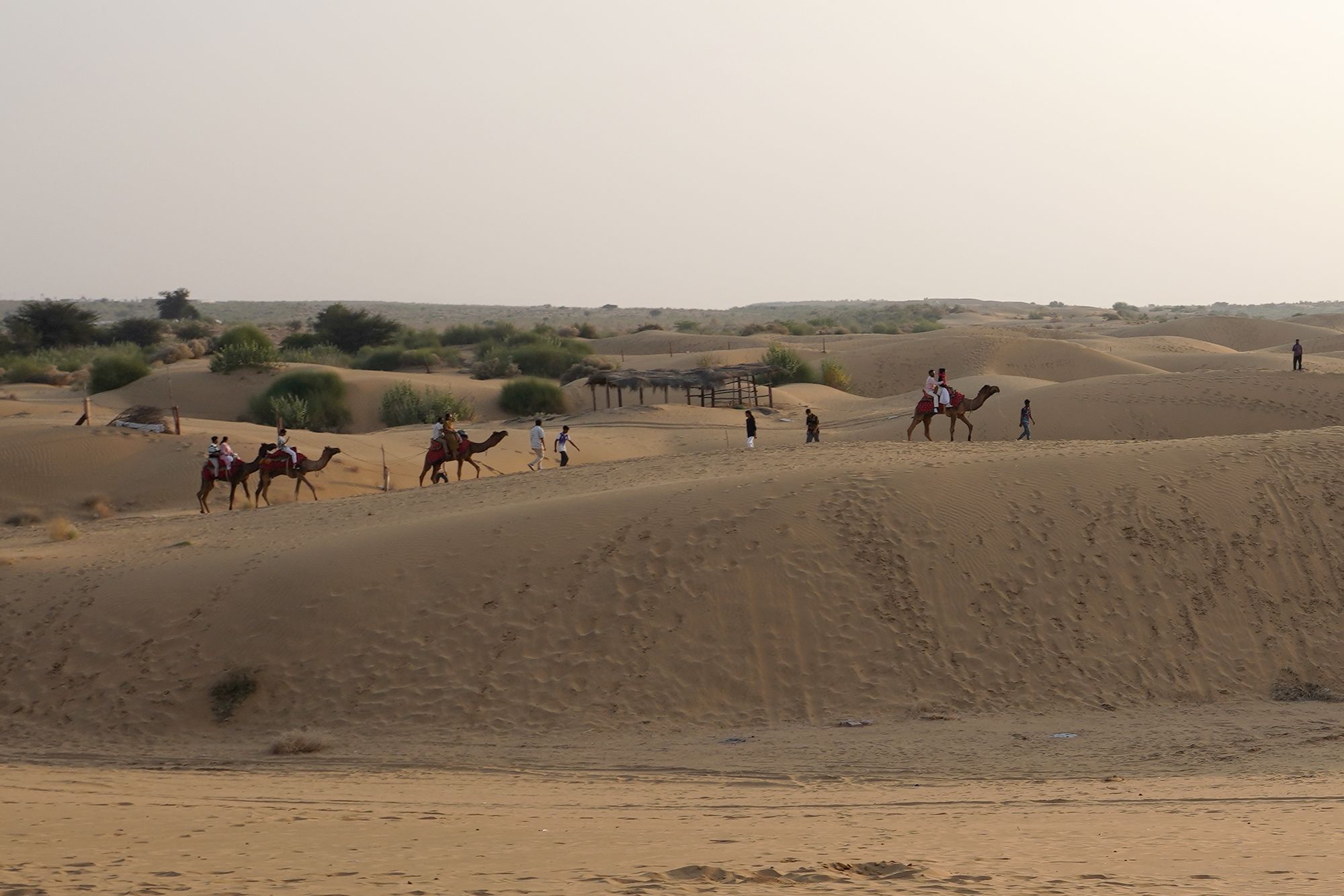
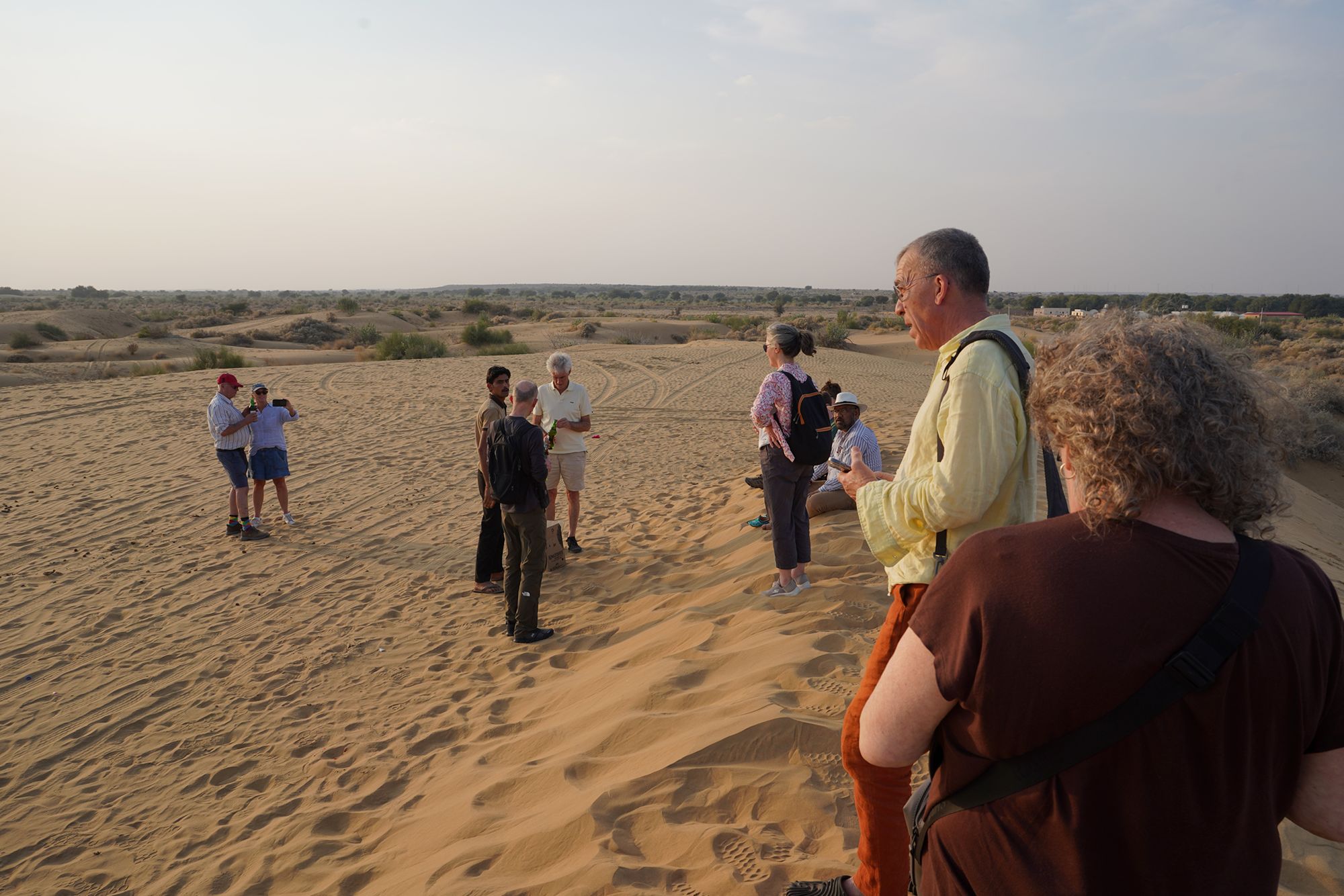
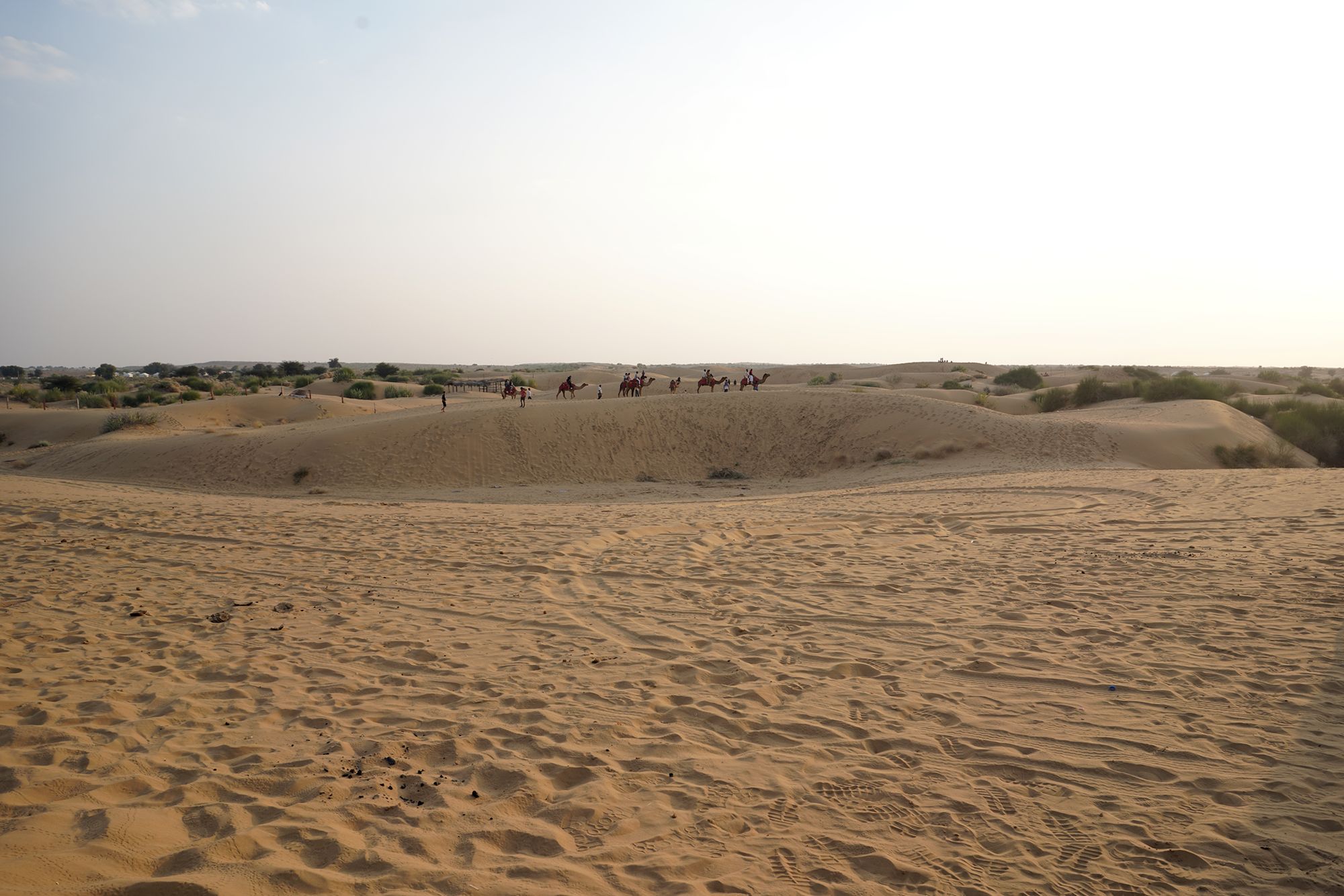
Jaisalmer is also a popular gateway to the Thar Desert, where visitors can explore the sand dunes and experience the desert landscape.
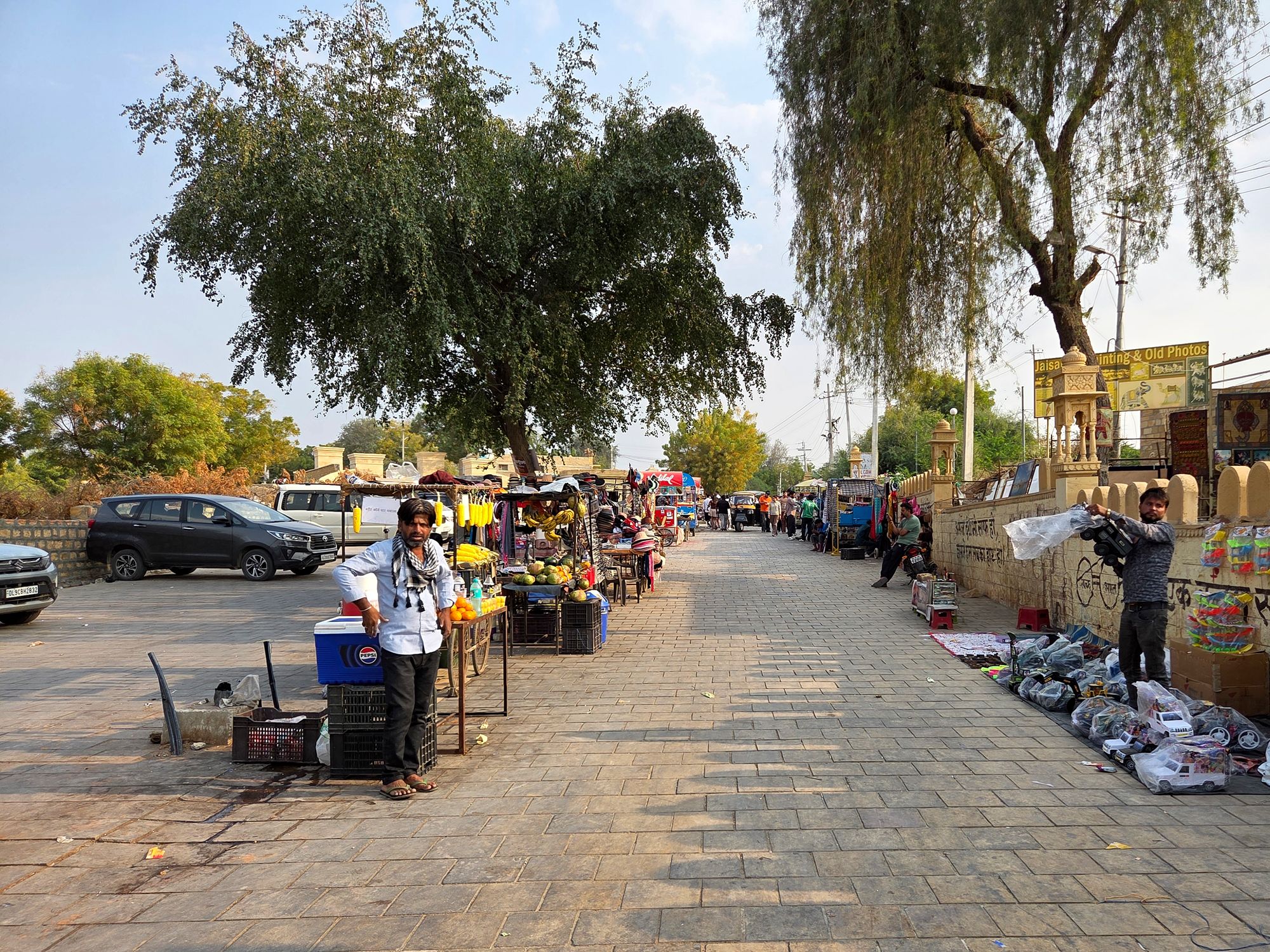
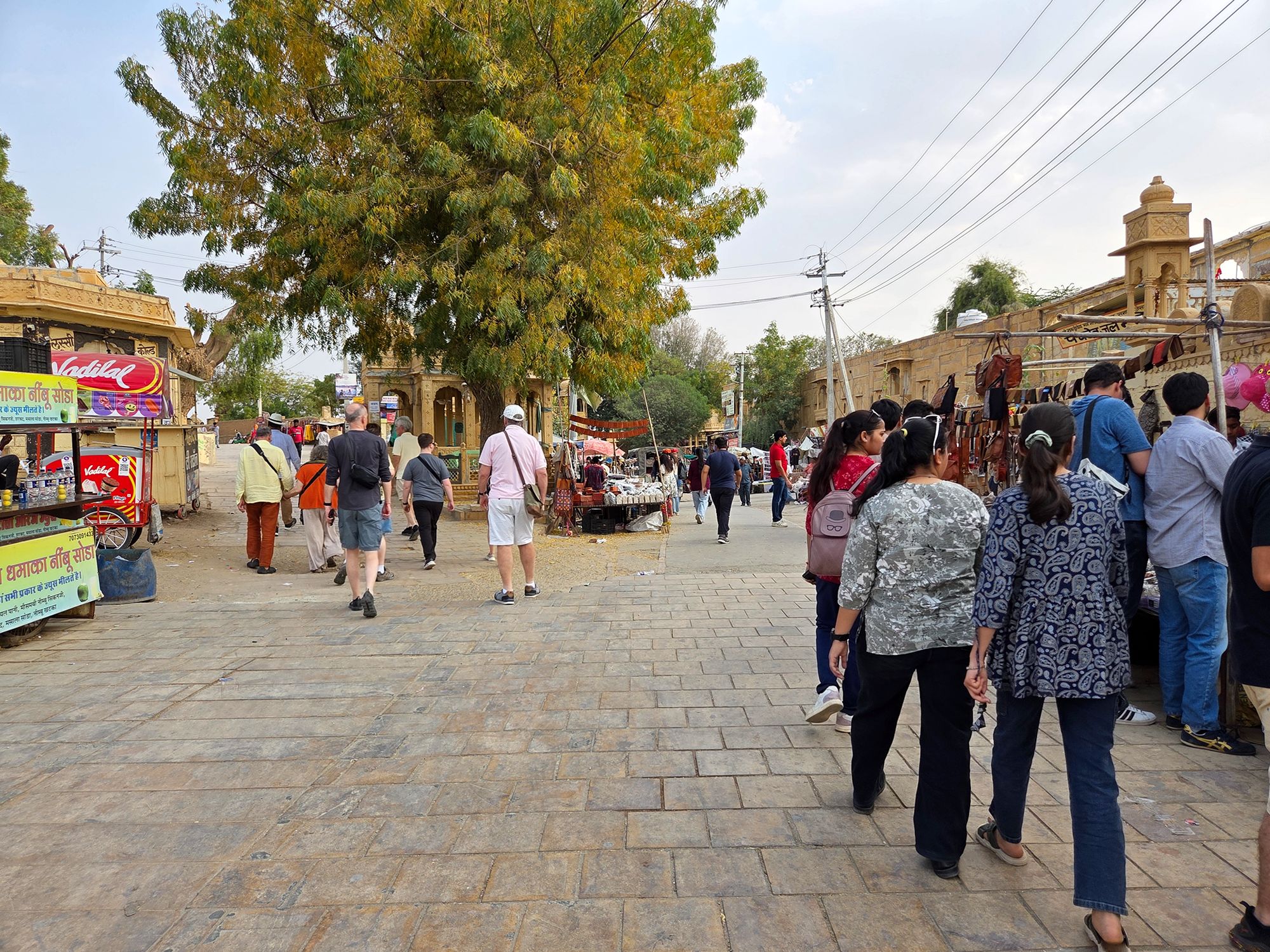
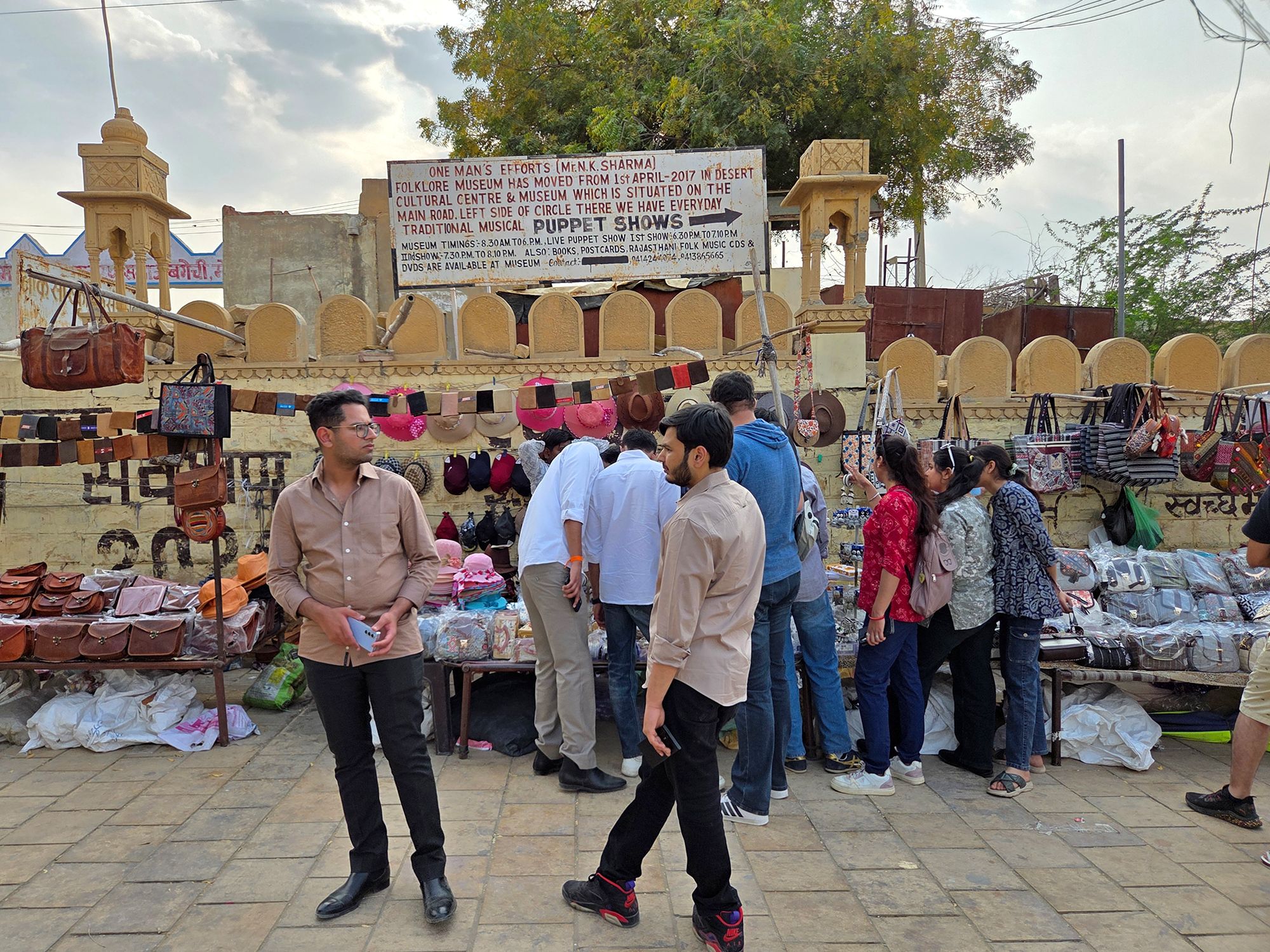
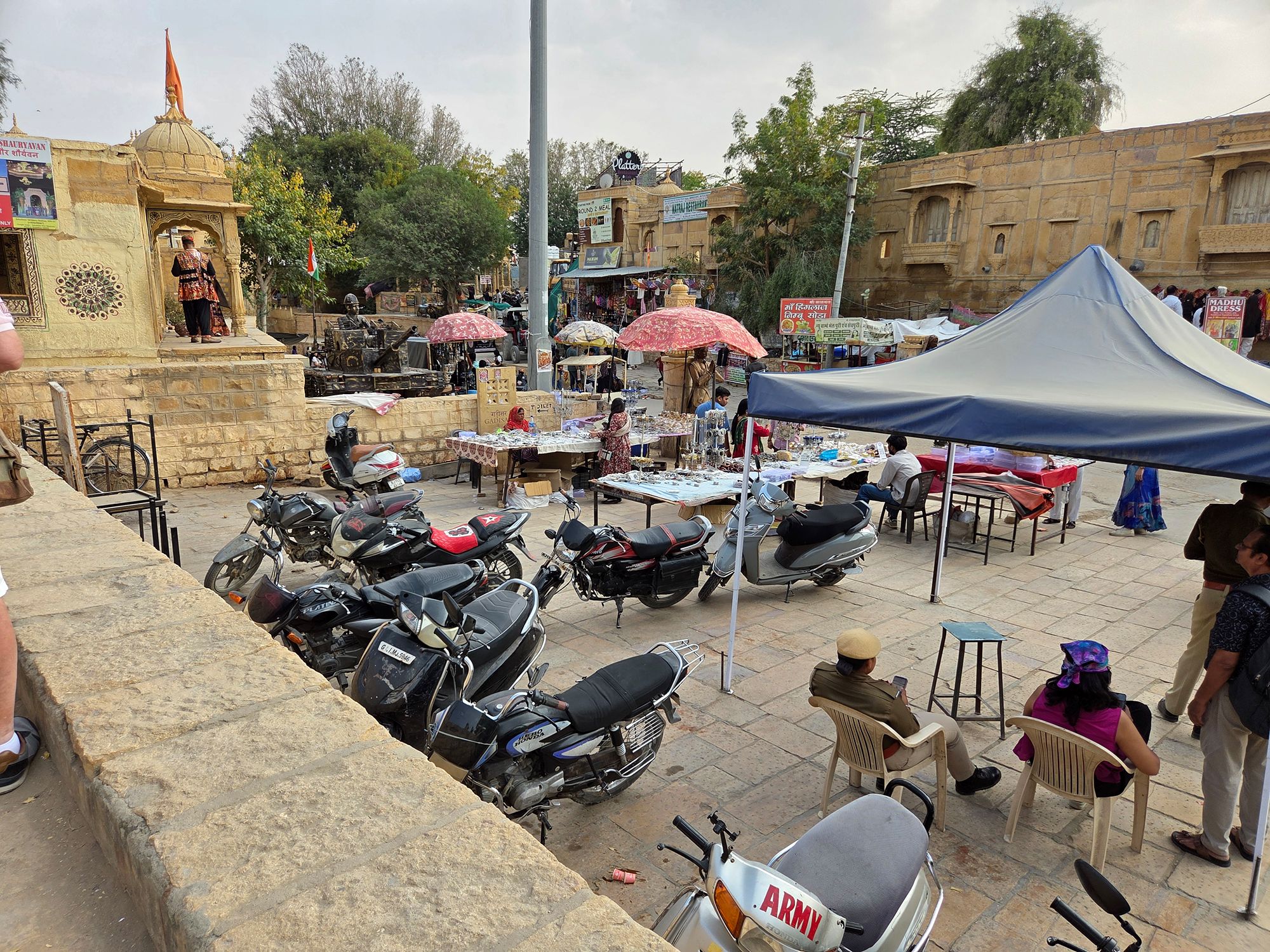
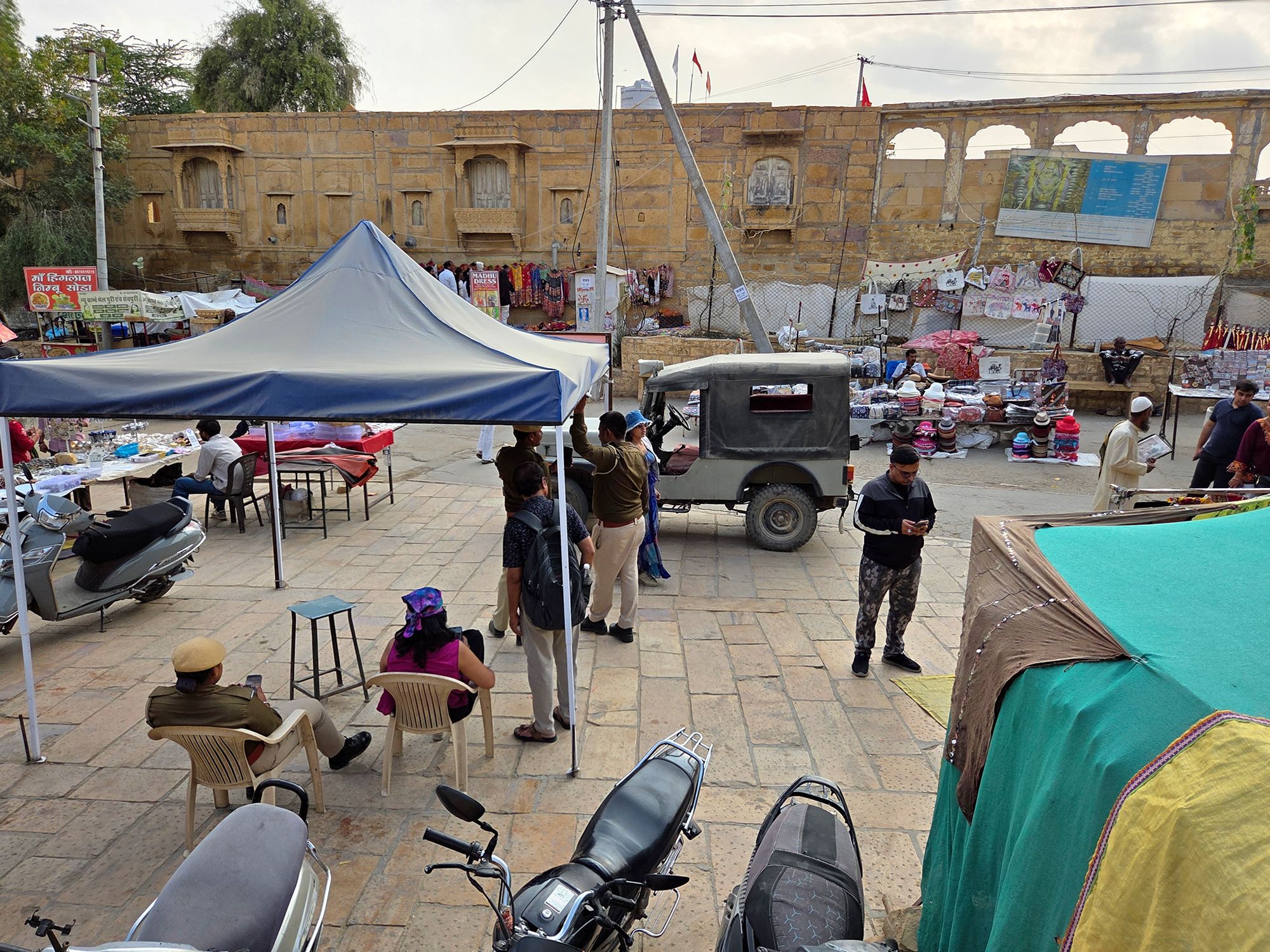
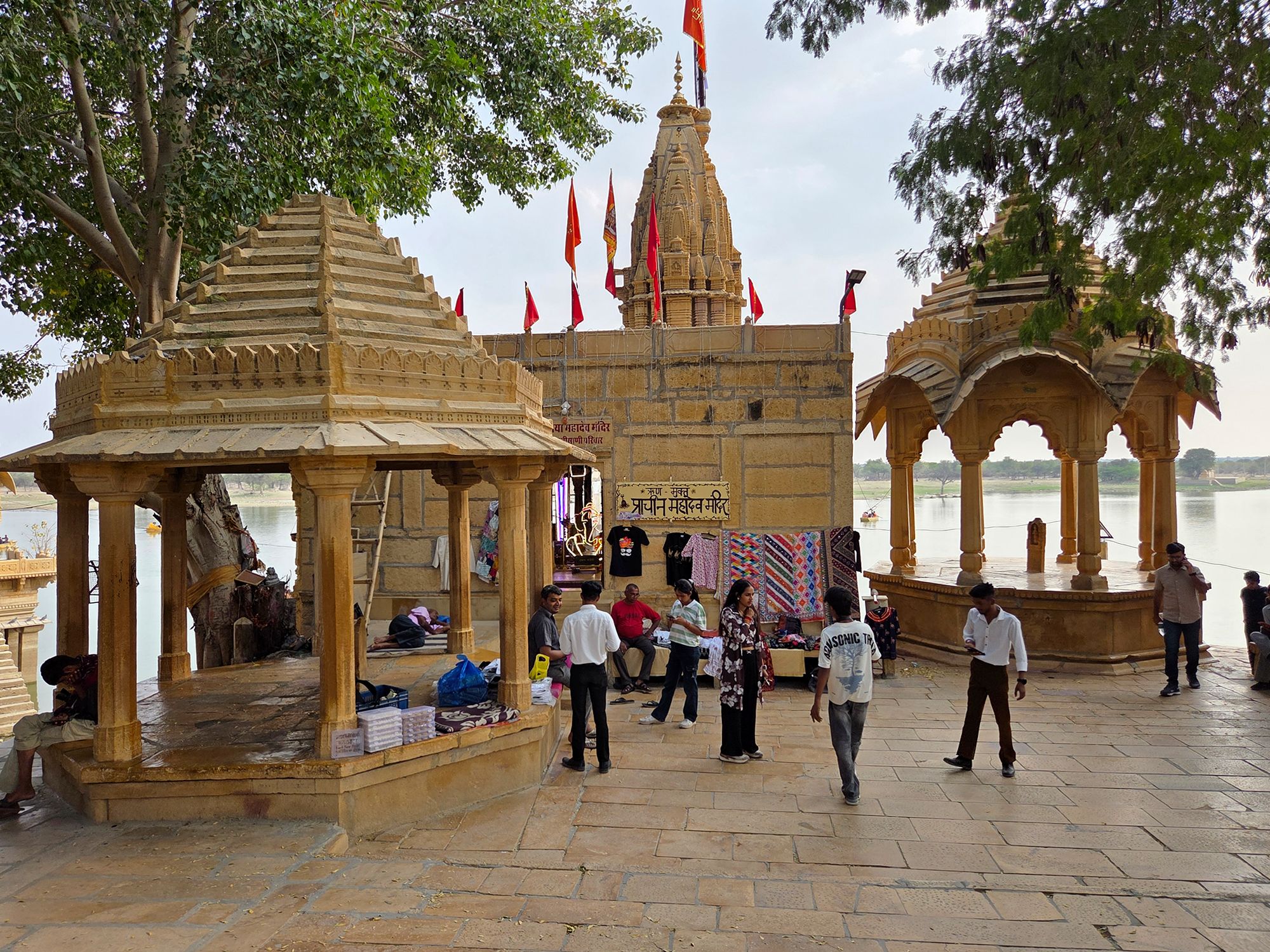
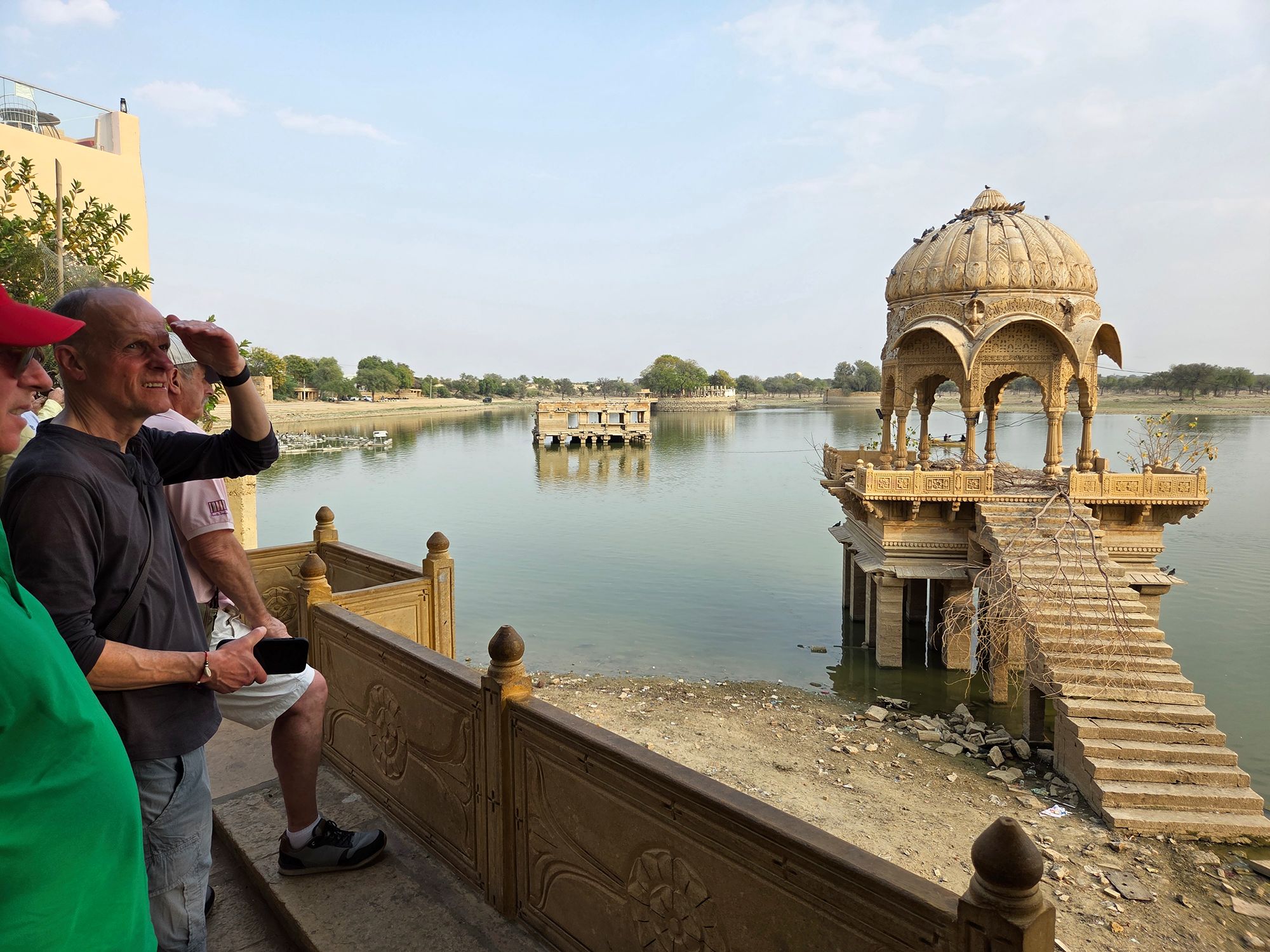
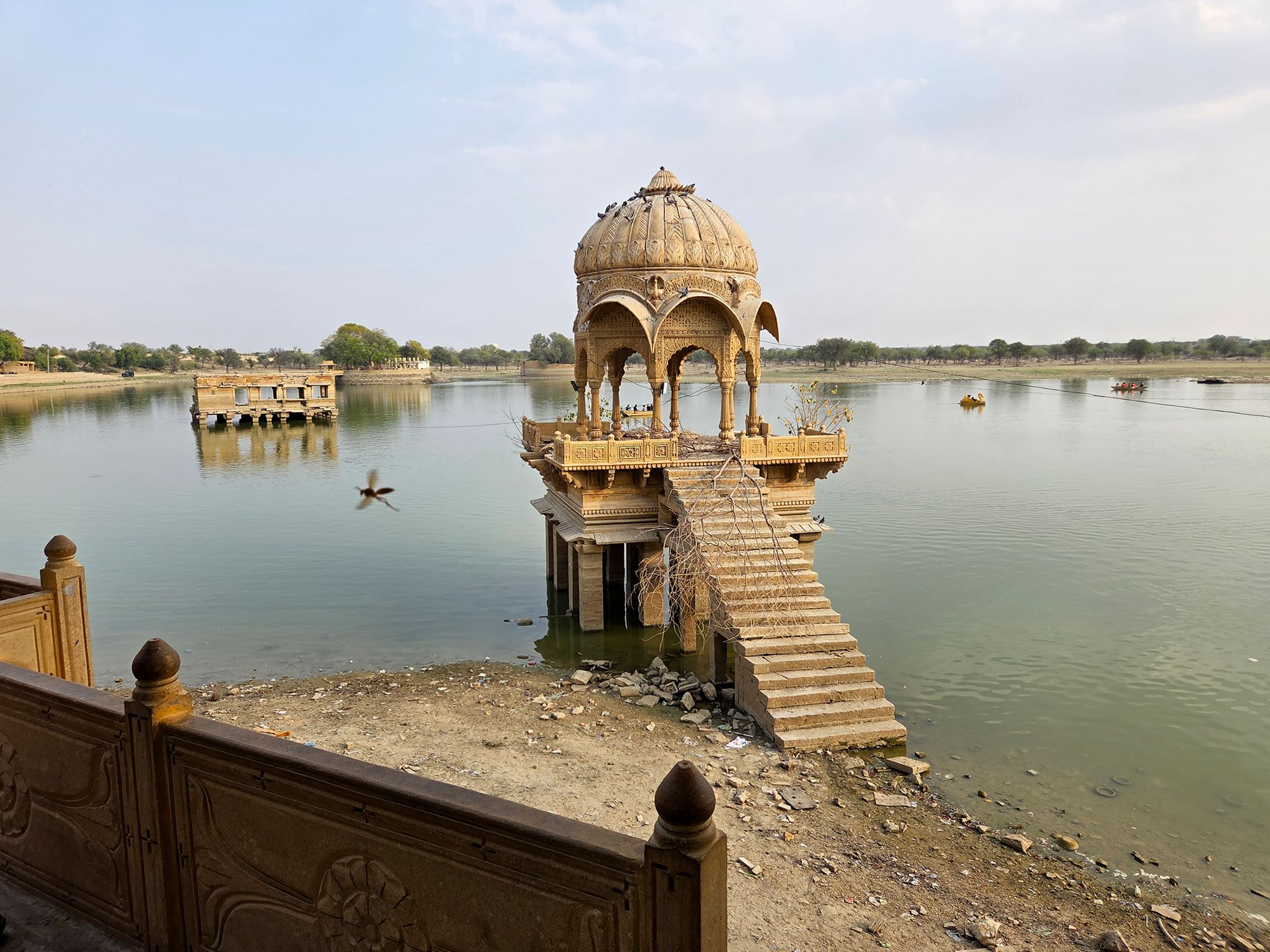
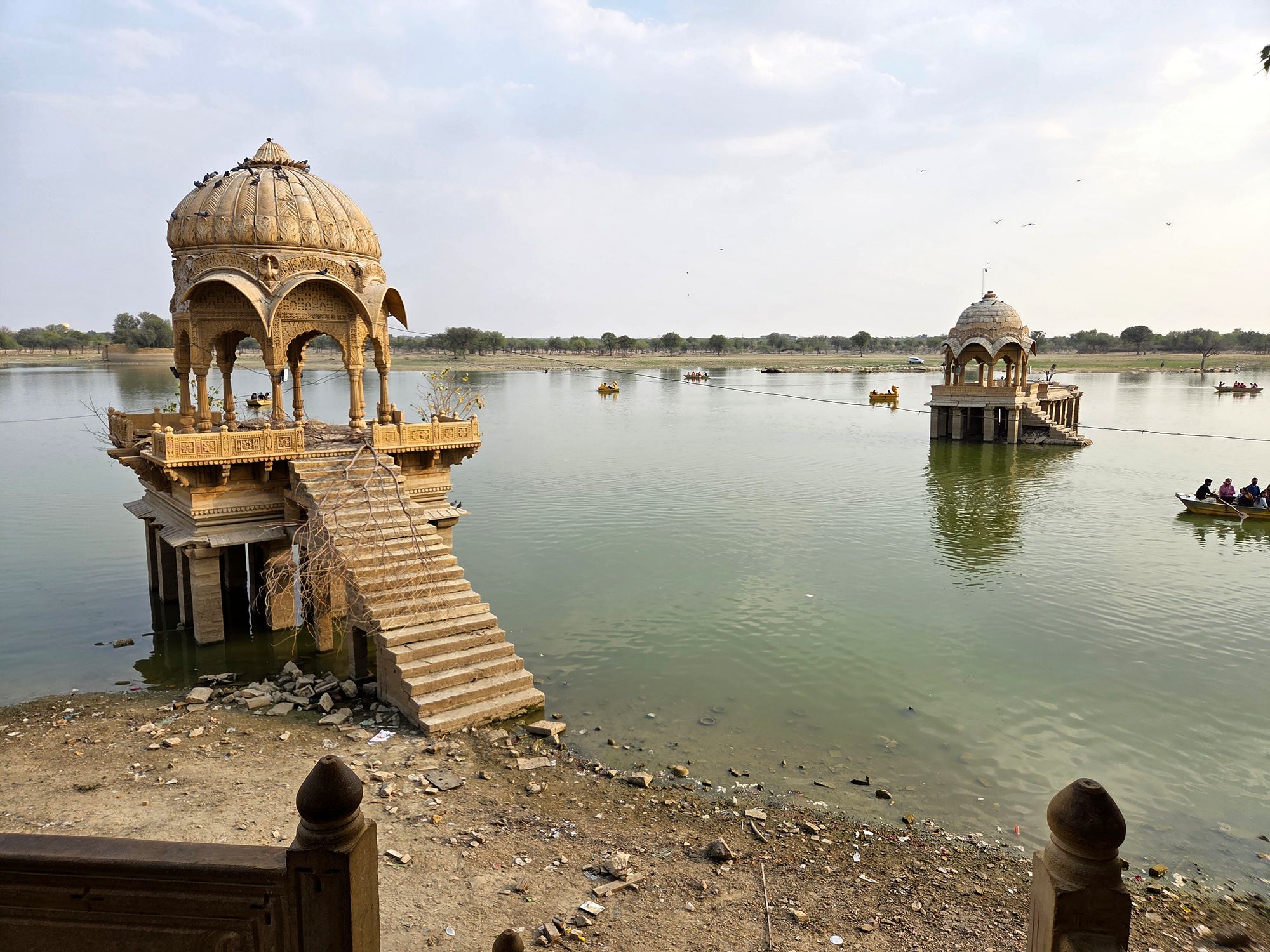
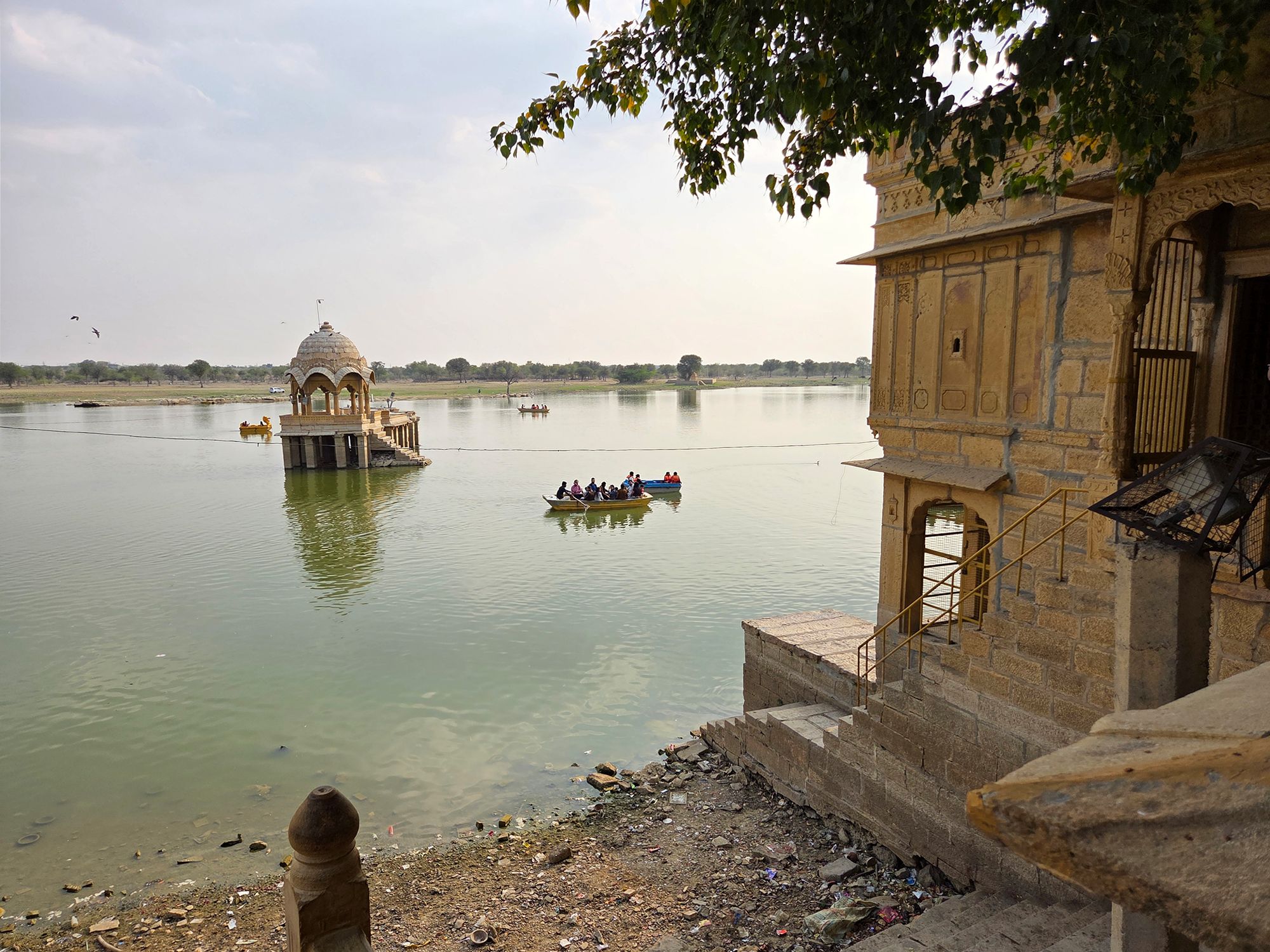
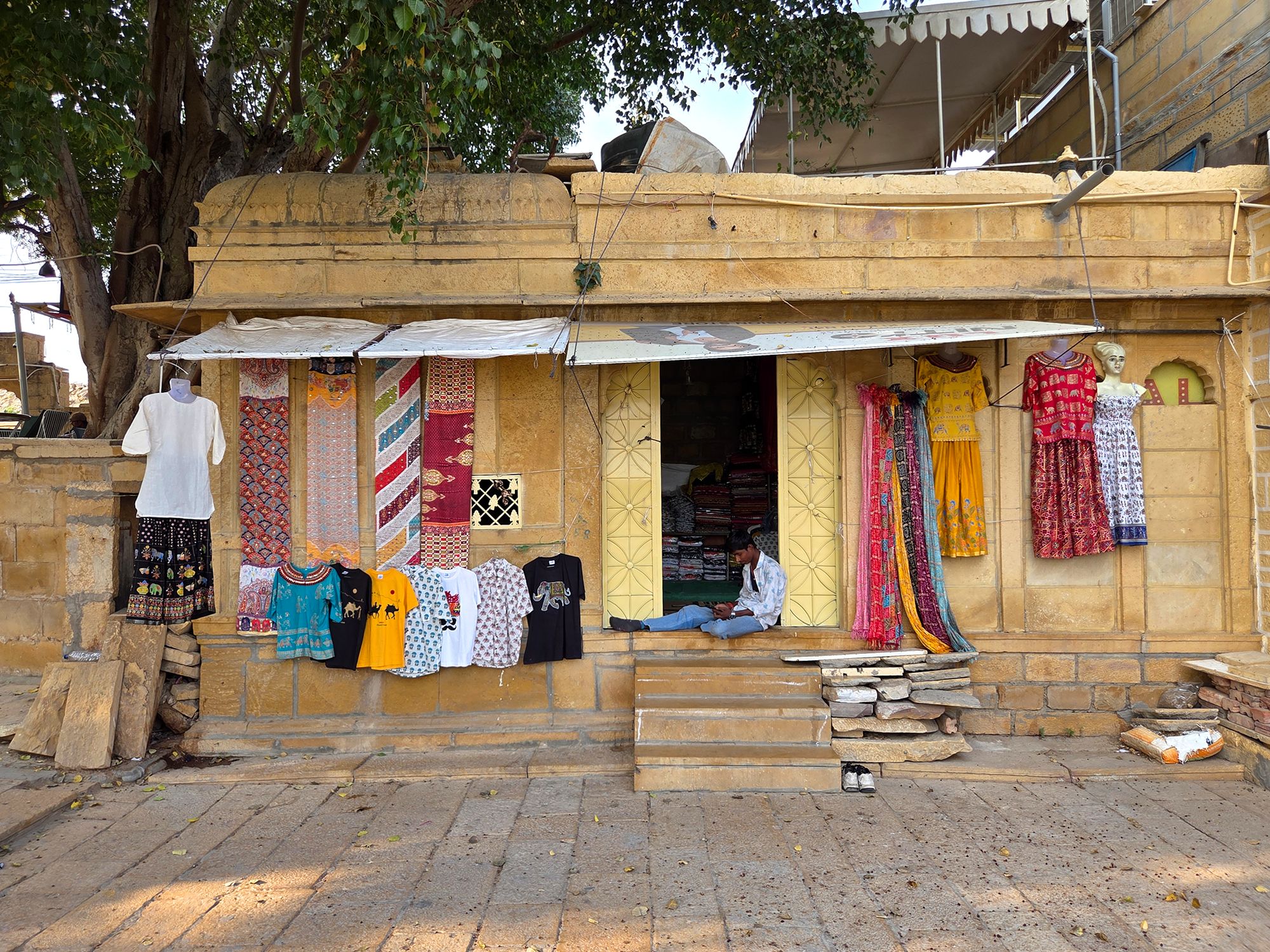
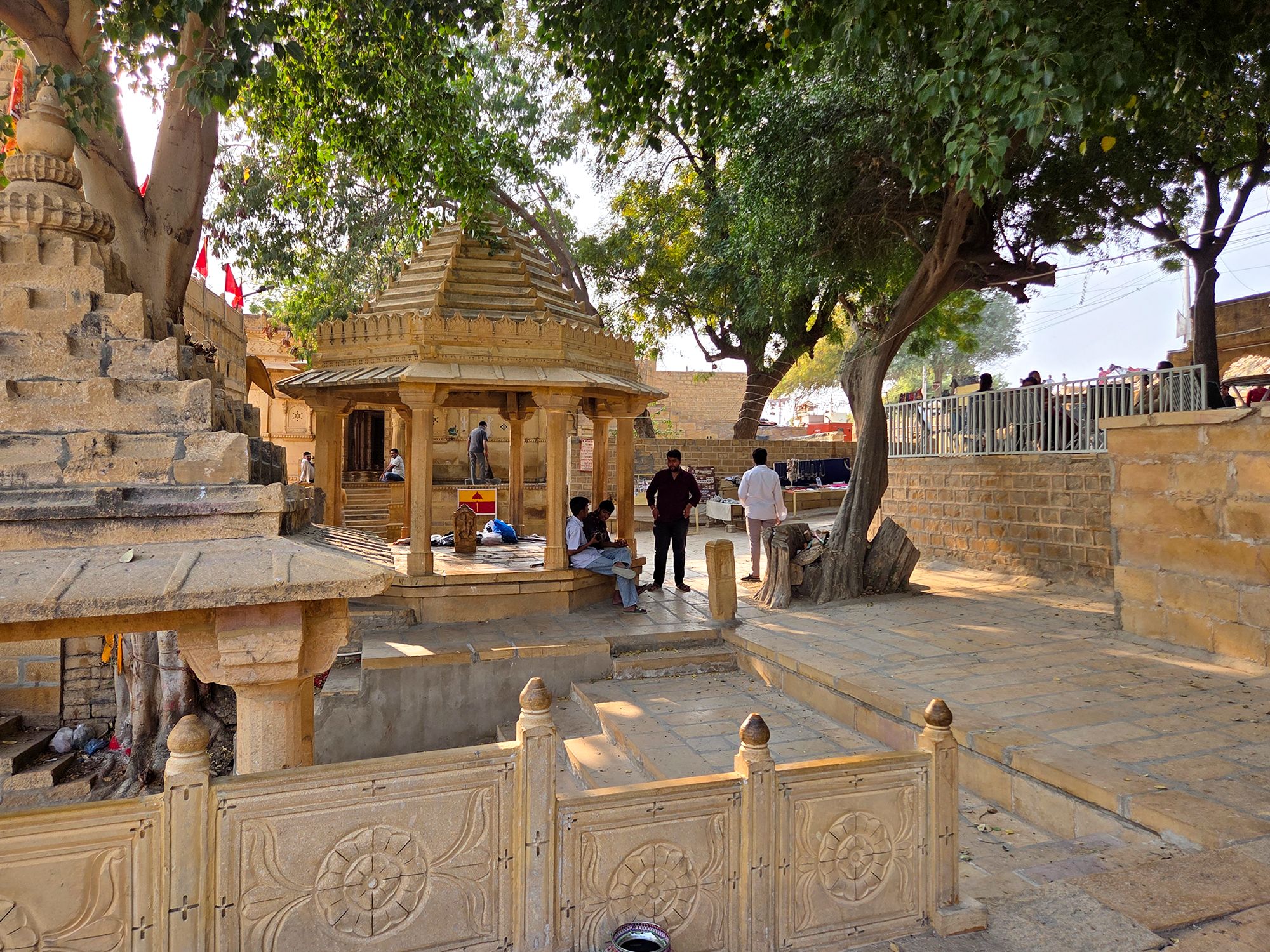
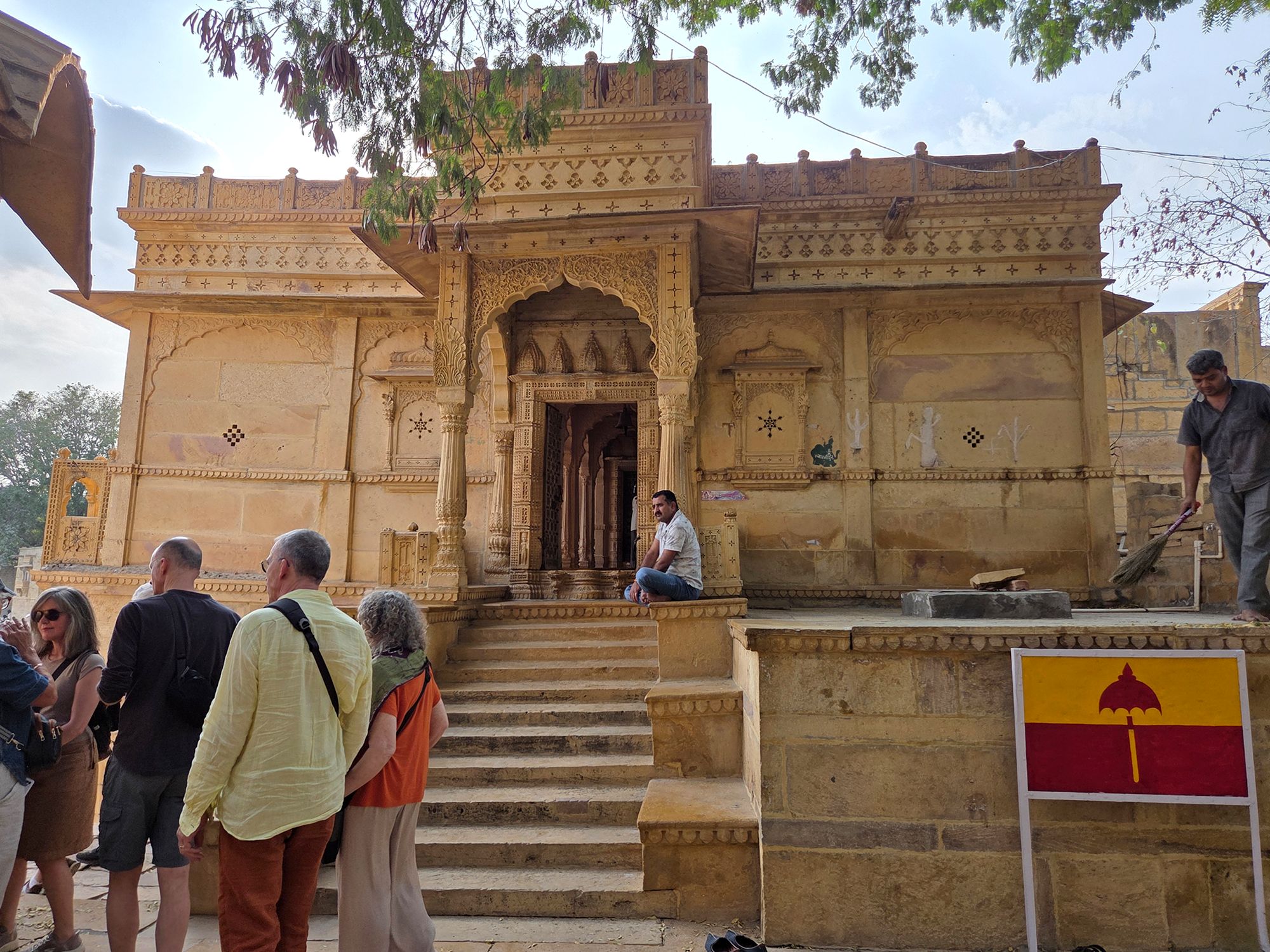
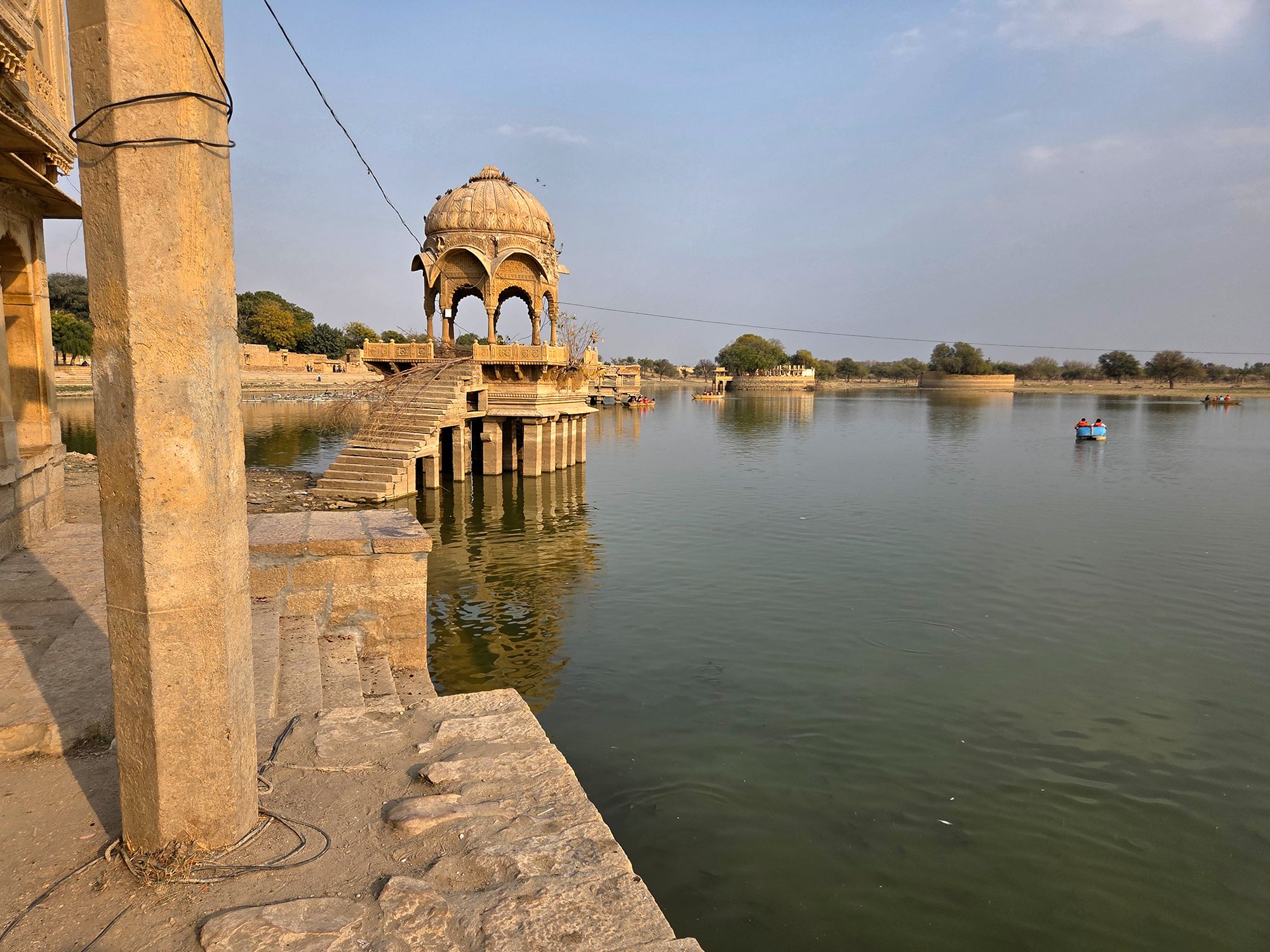
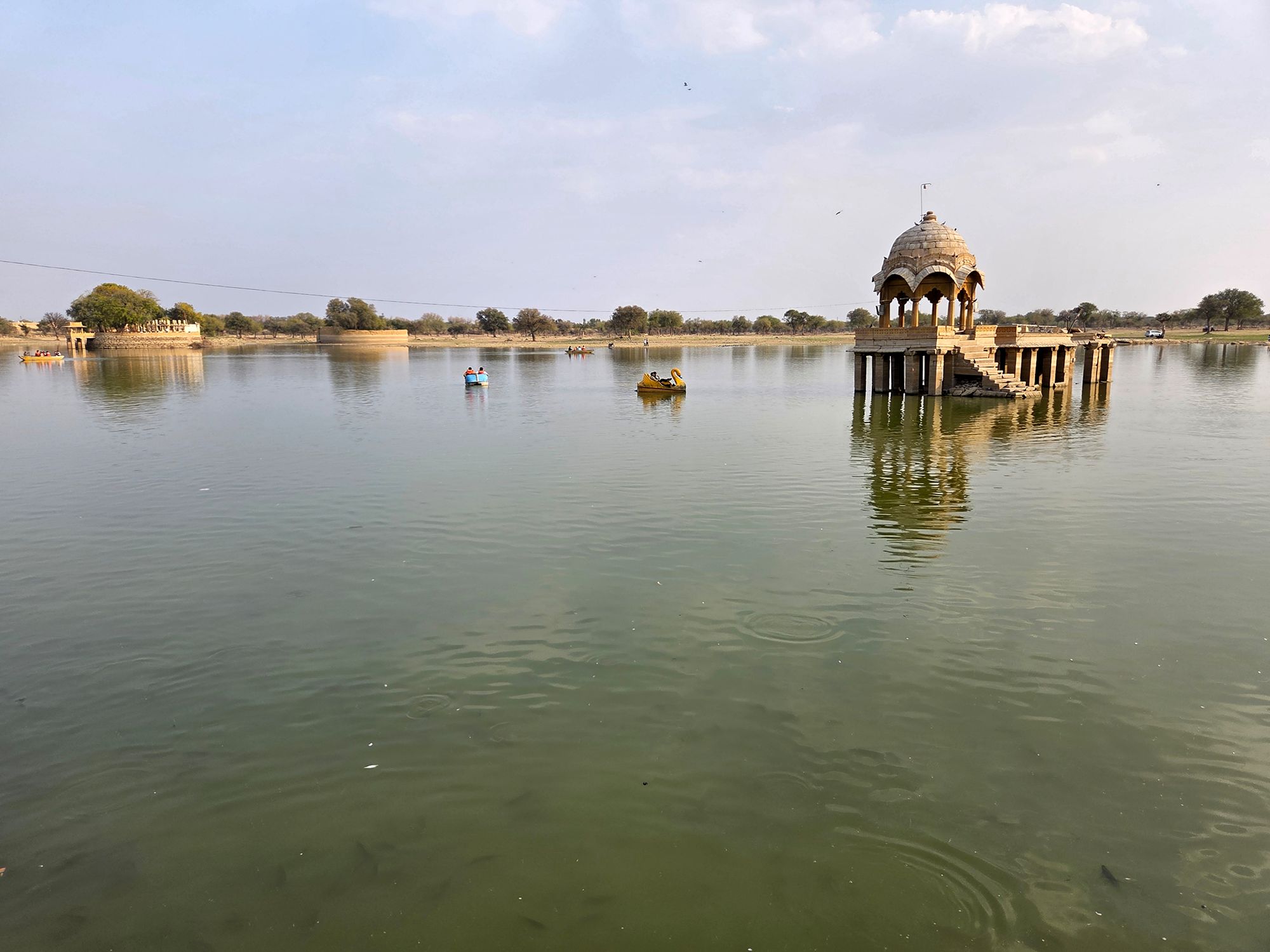
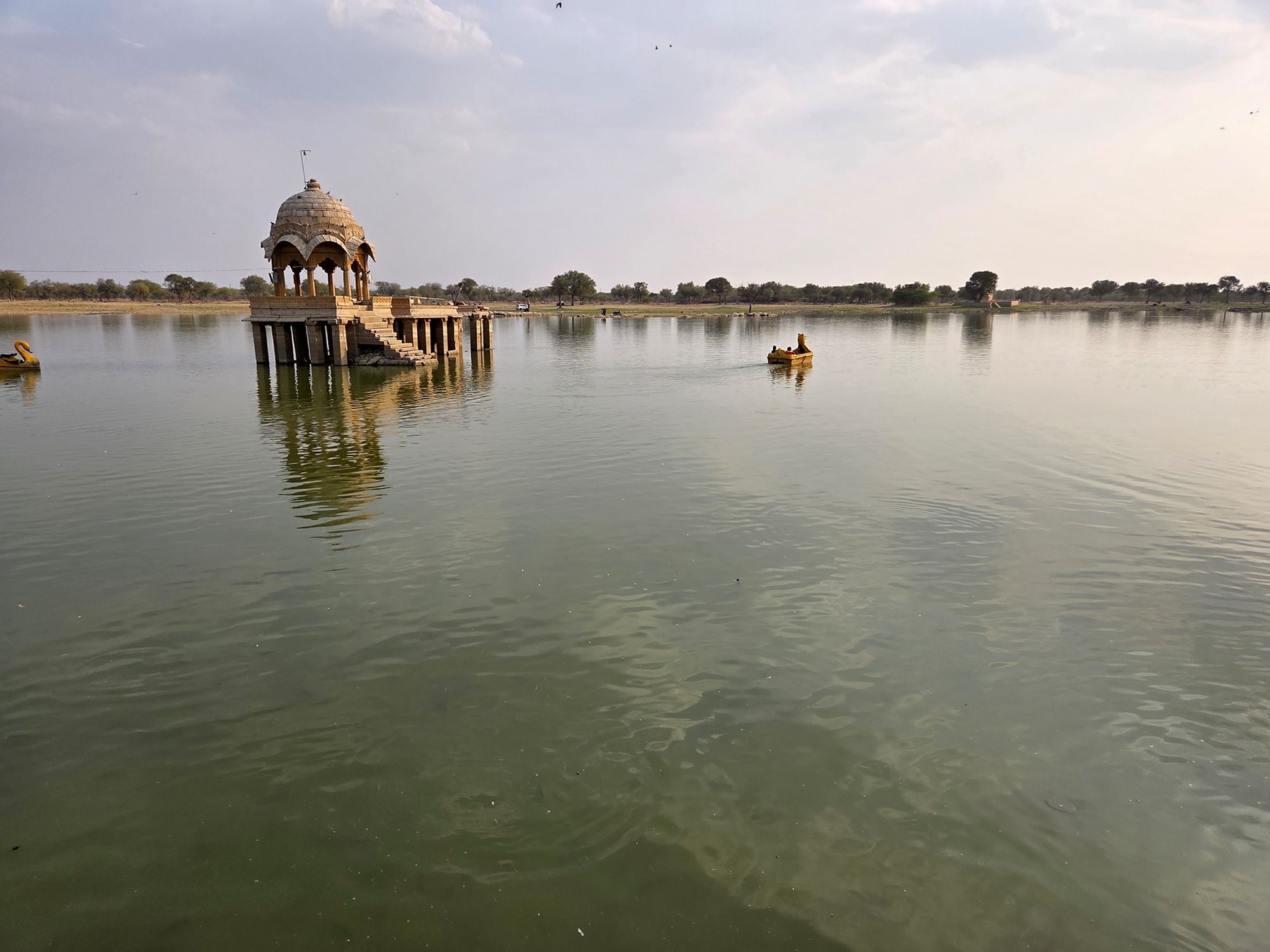
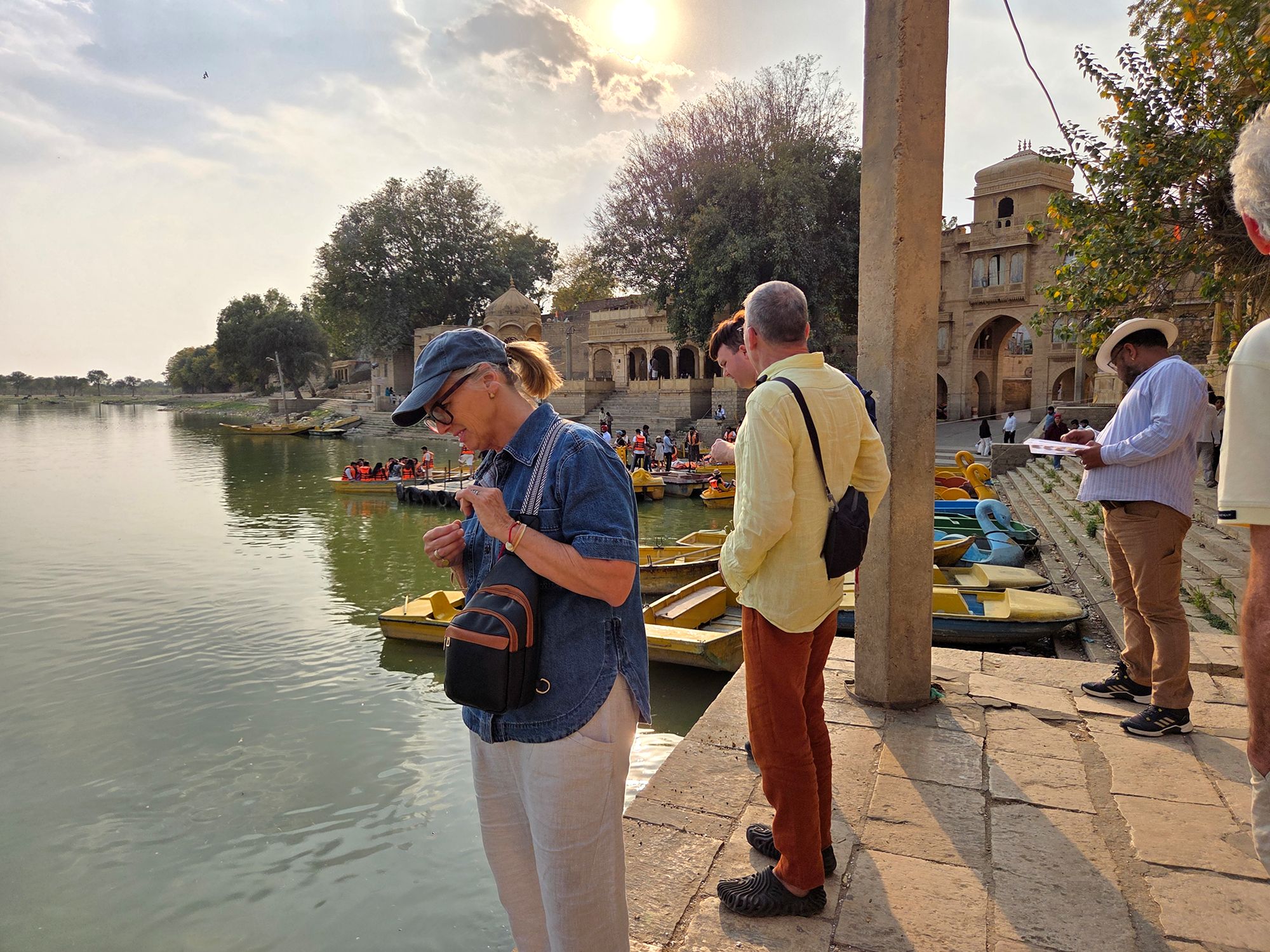
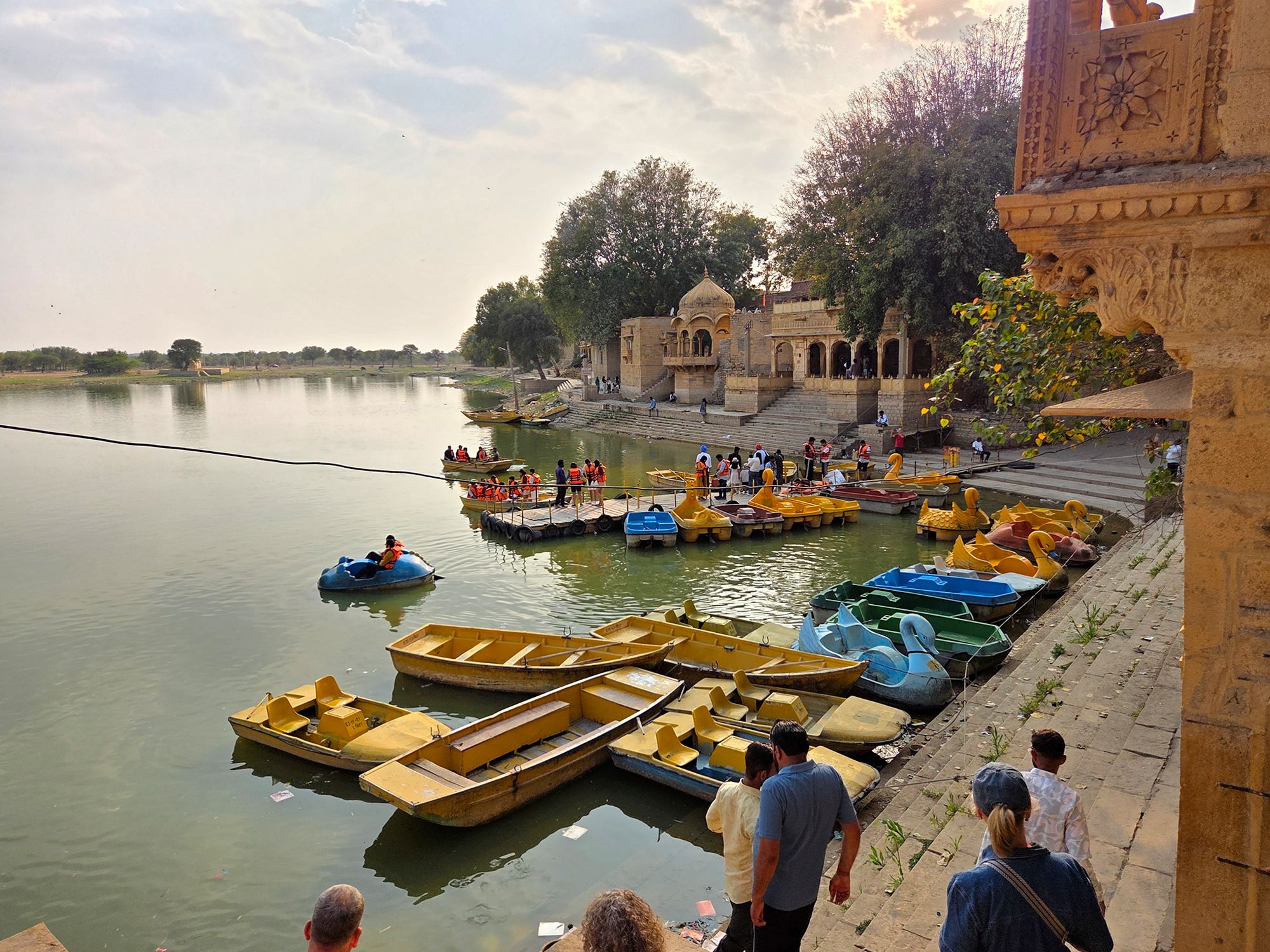
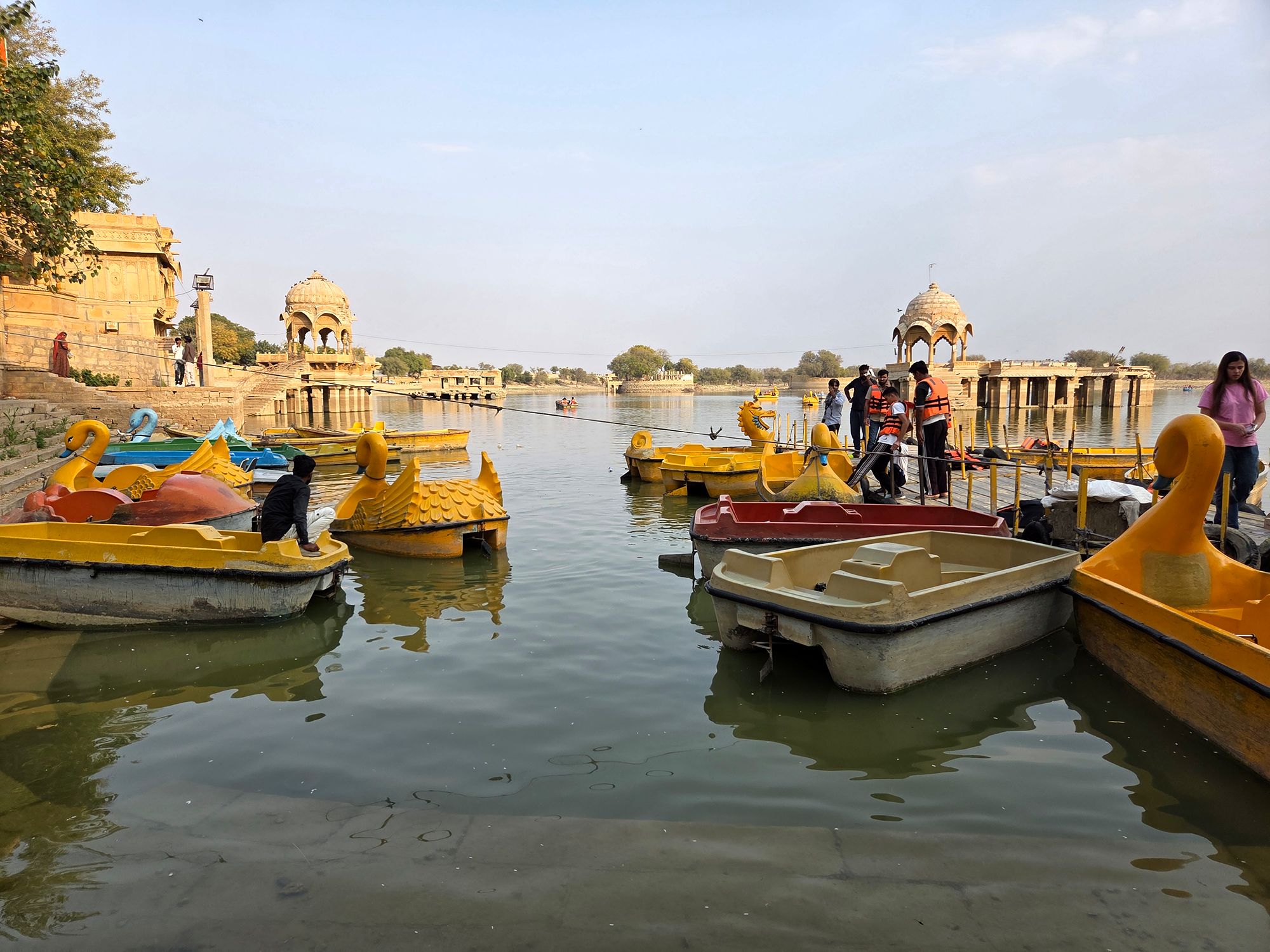
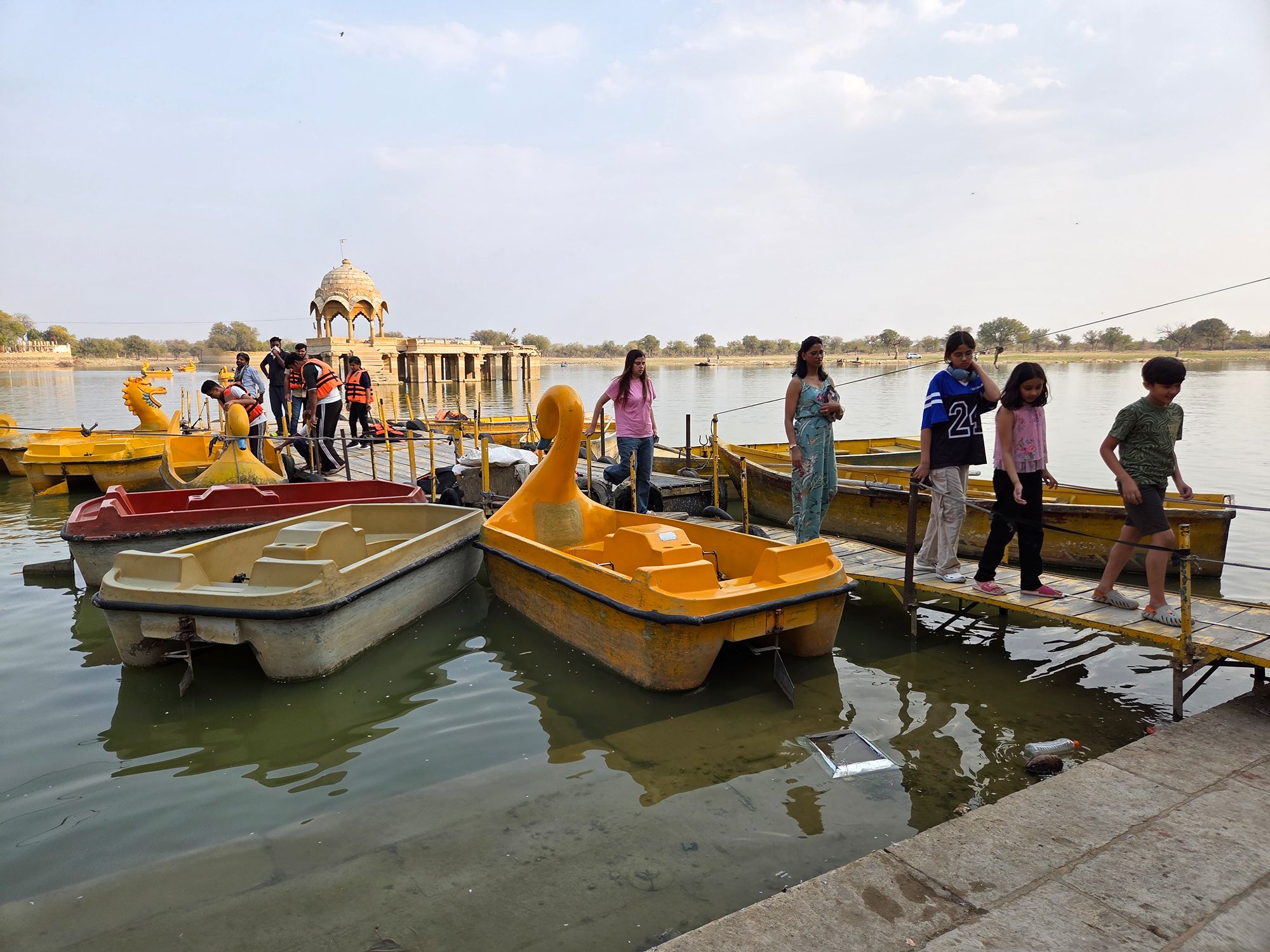
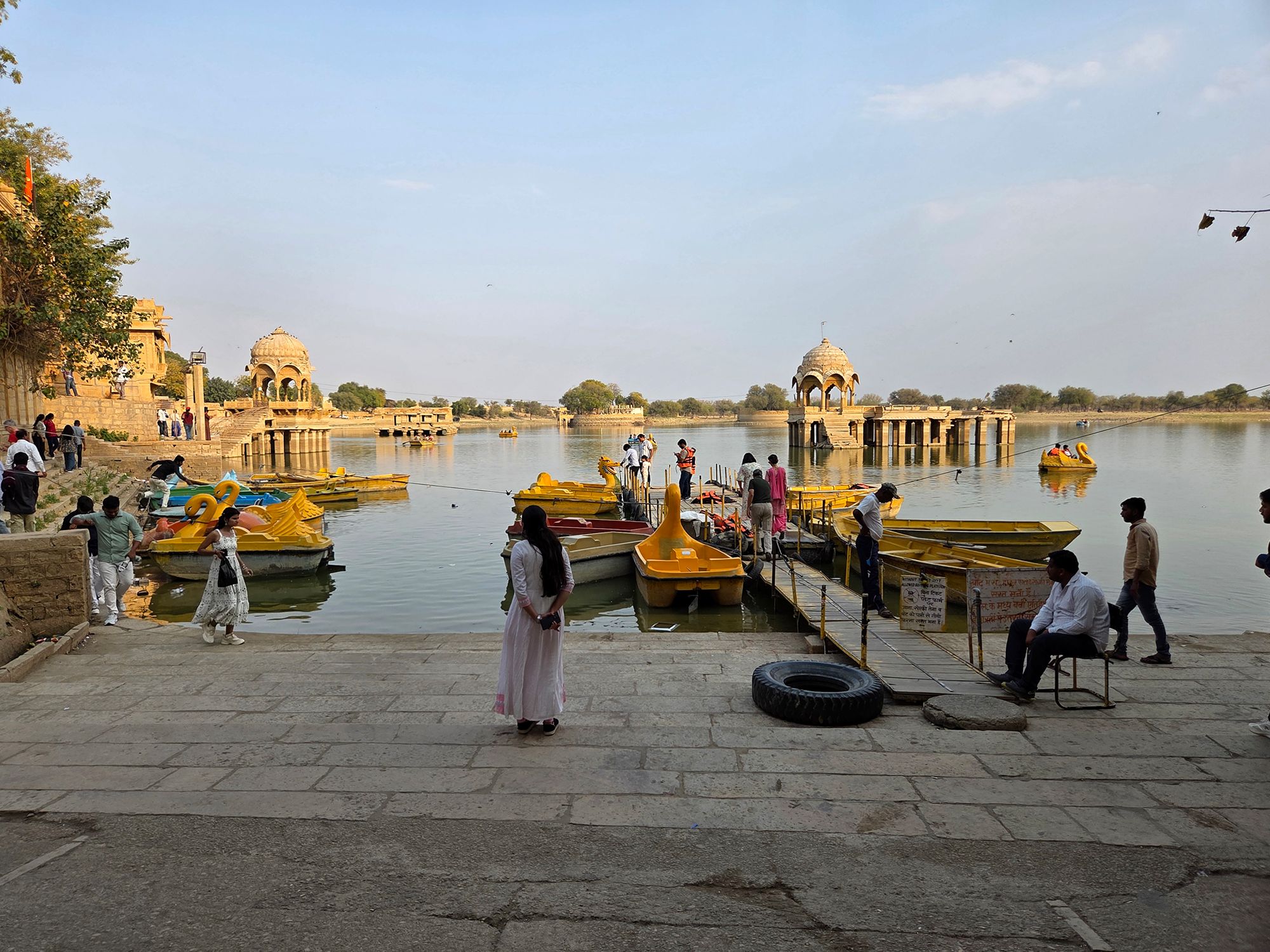
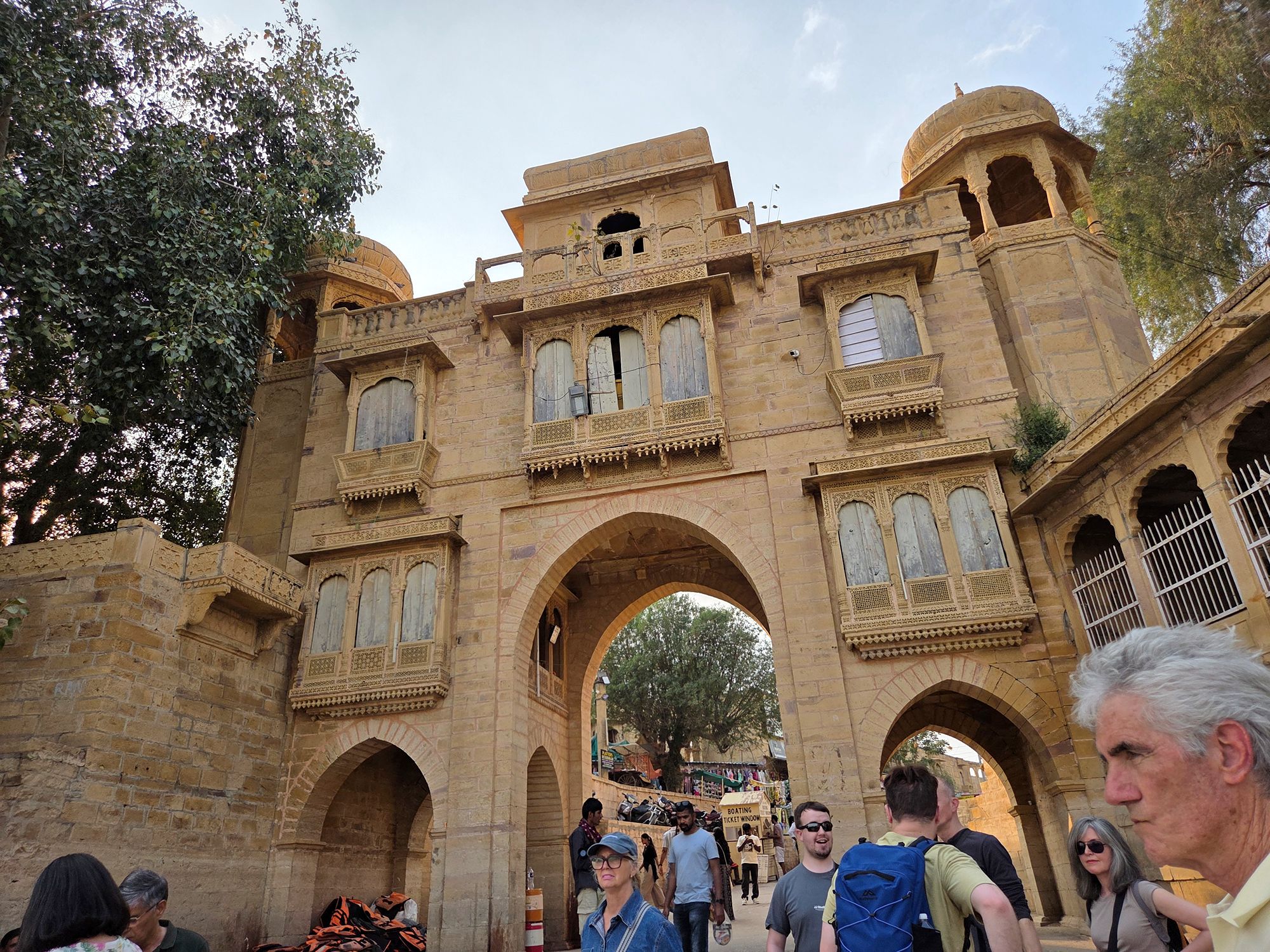
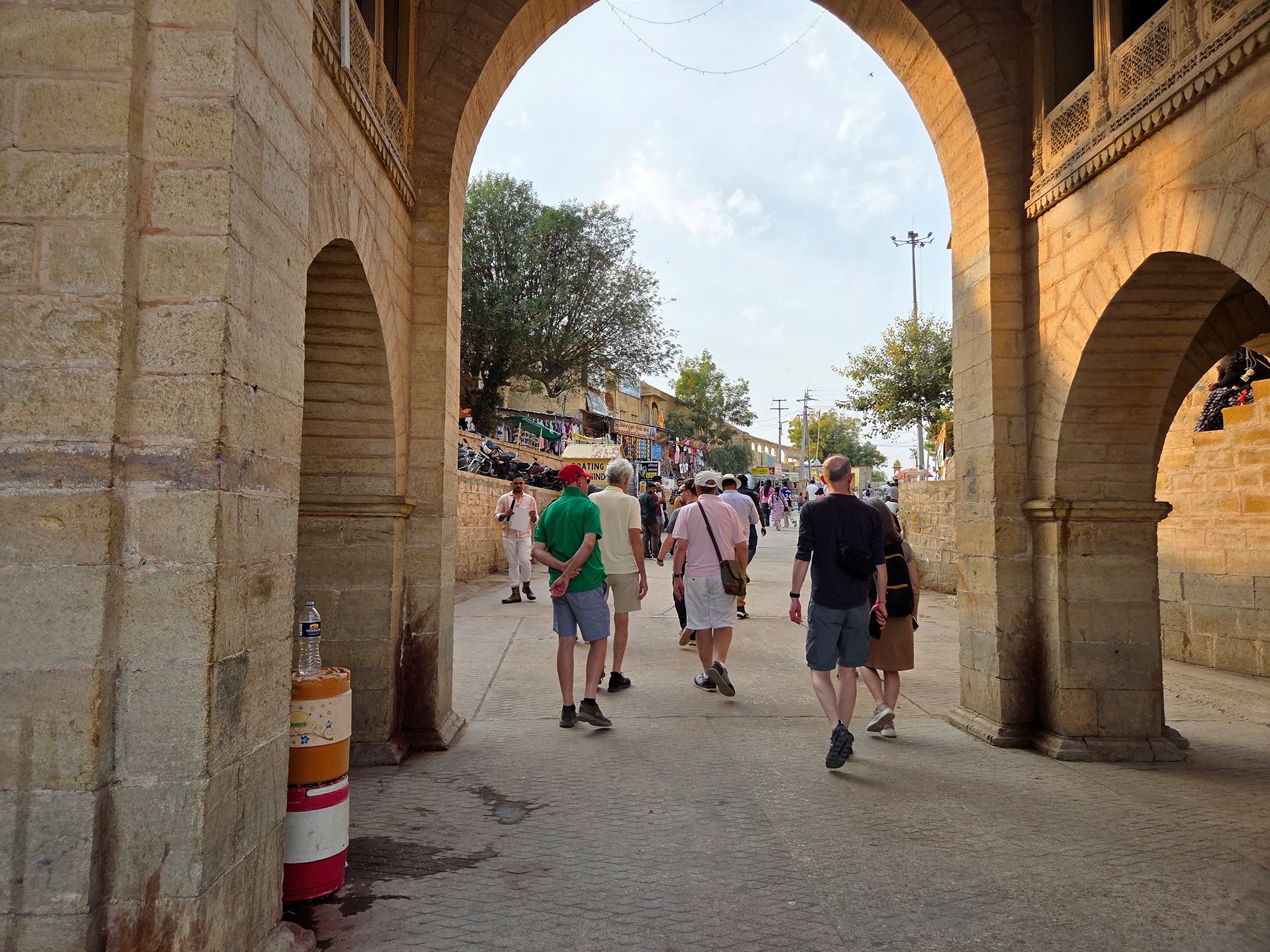
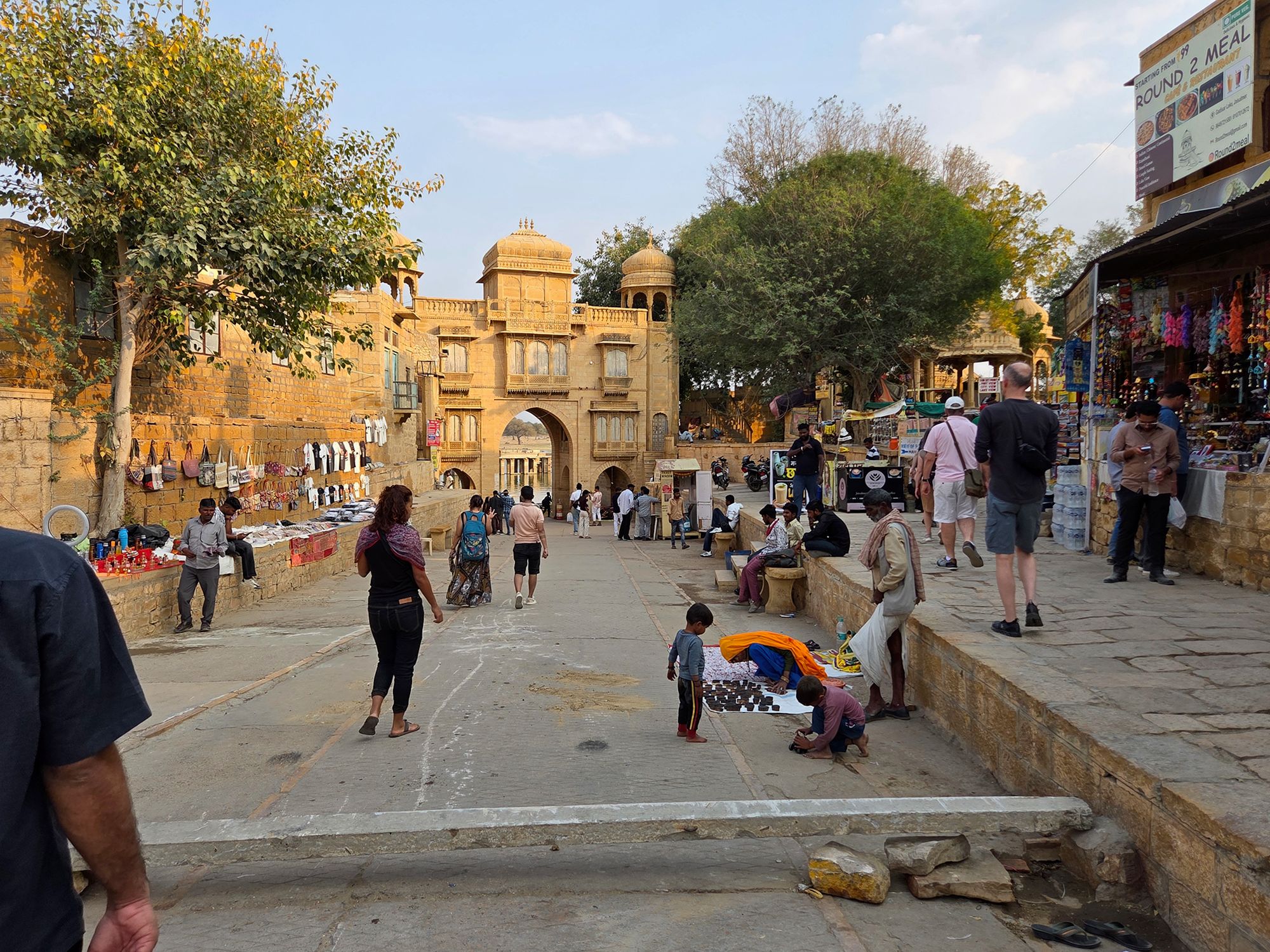
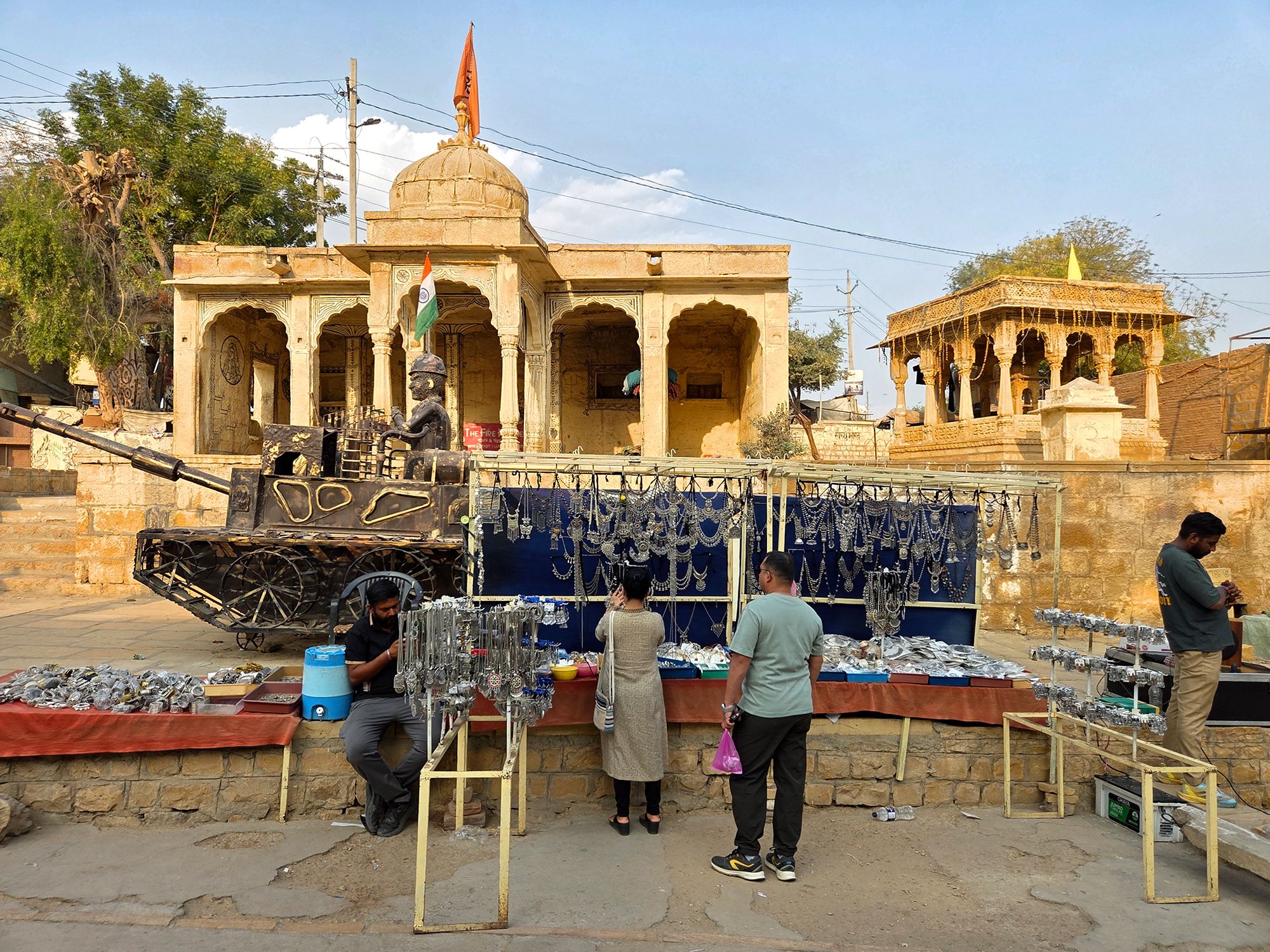
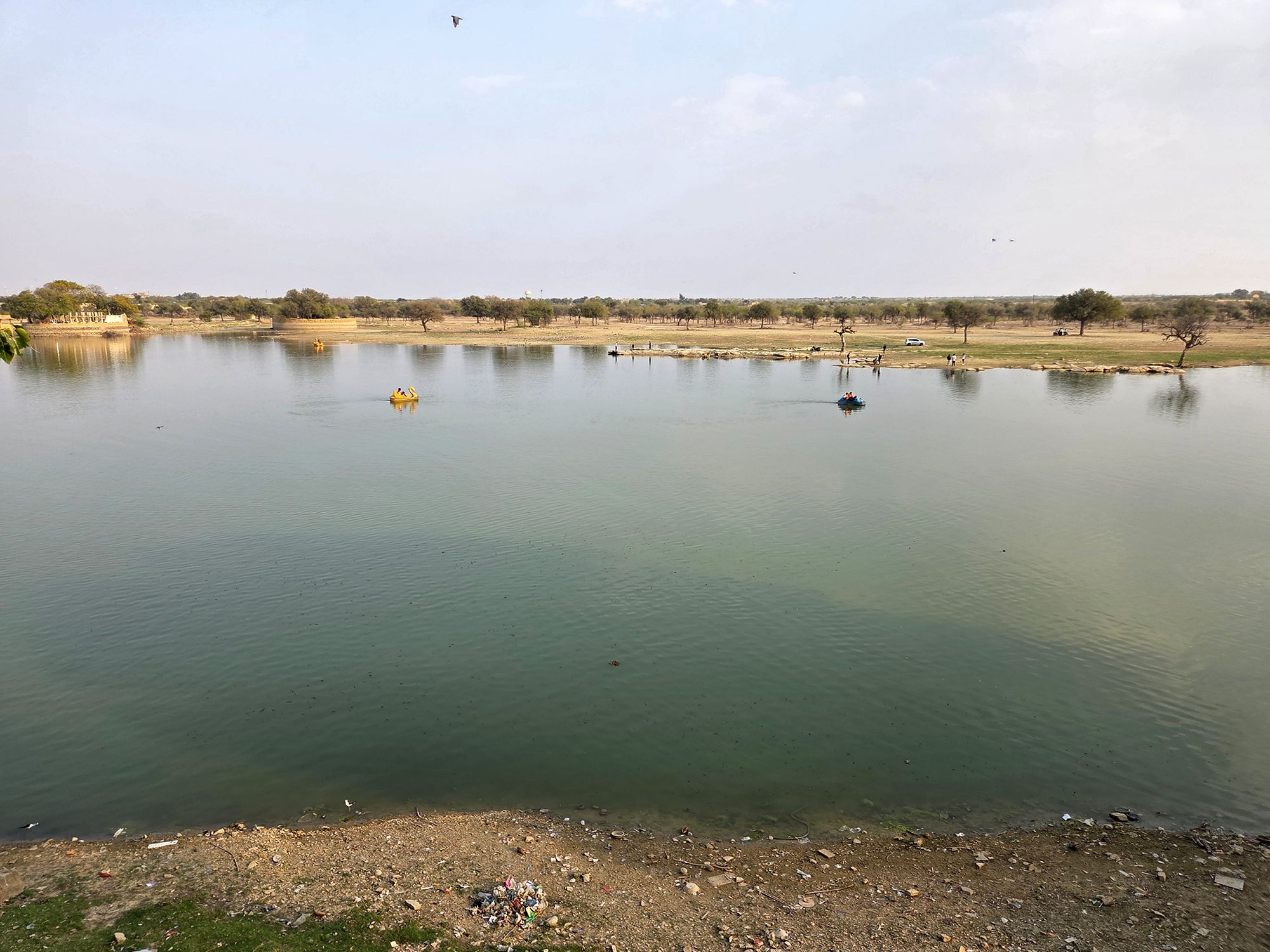
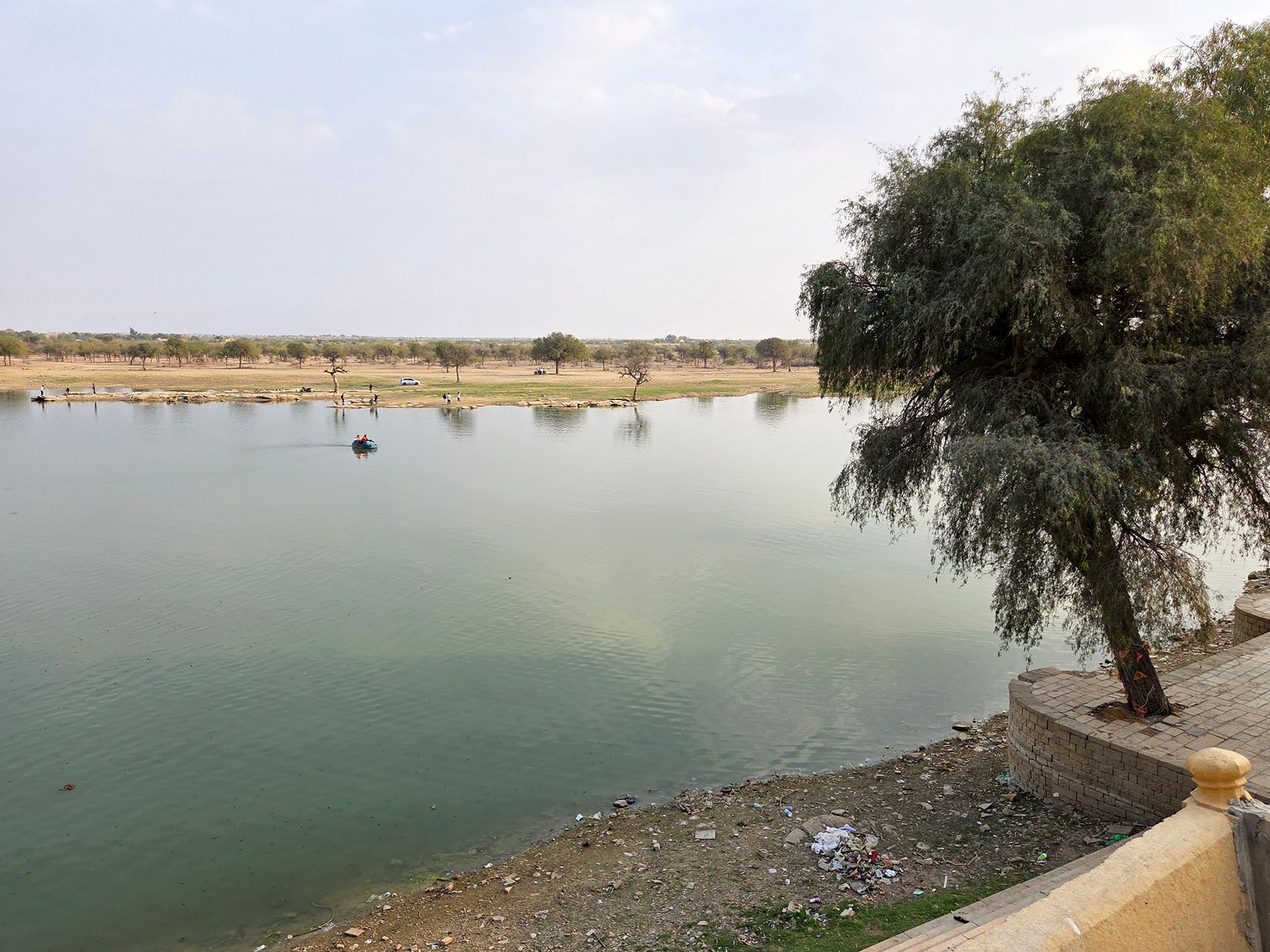
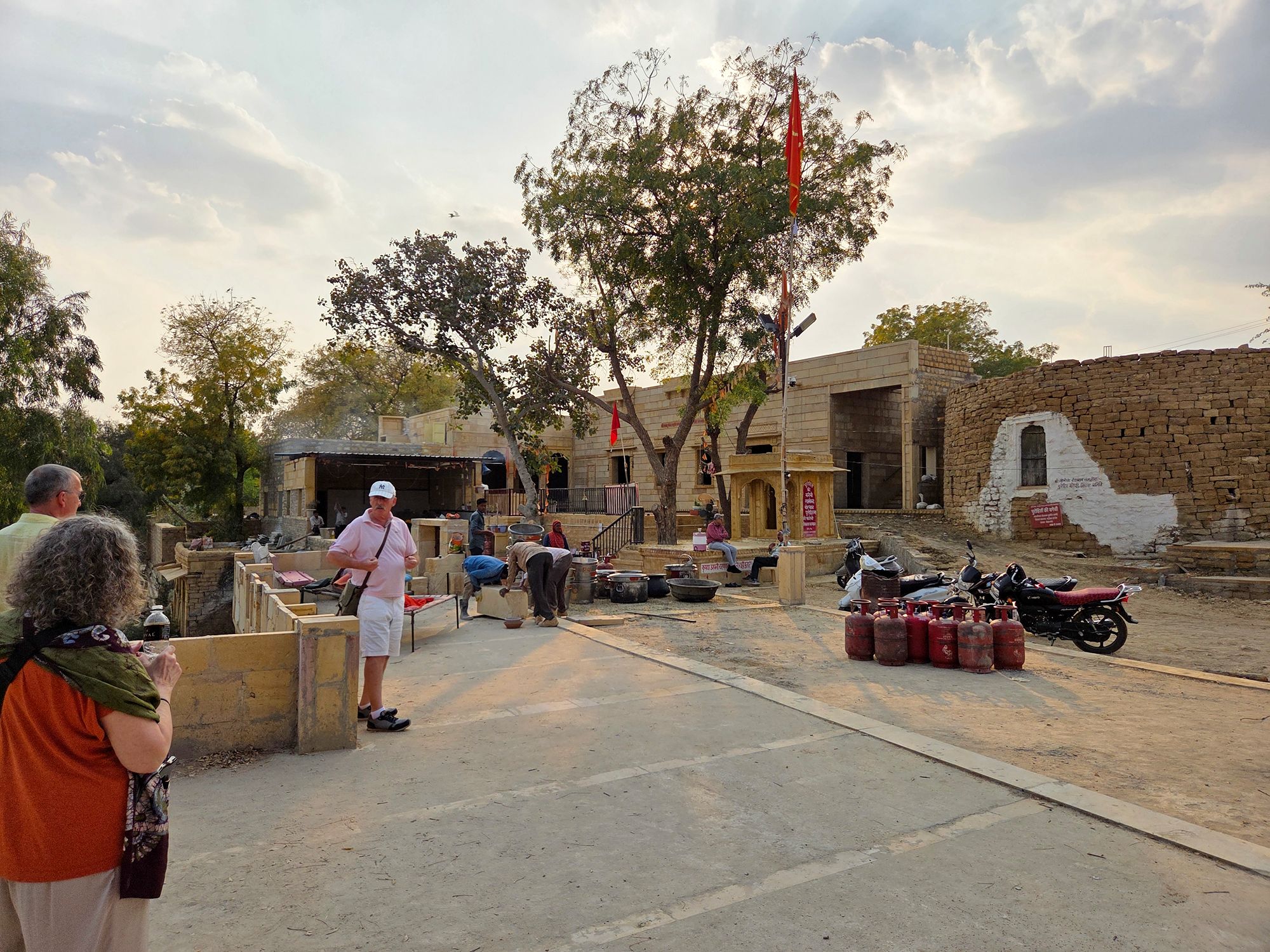
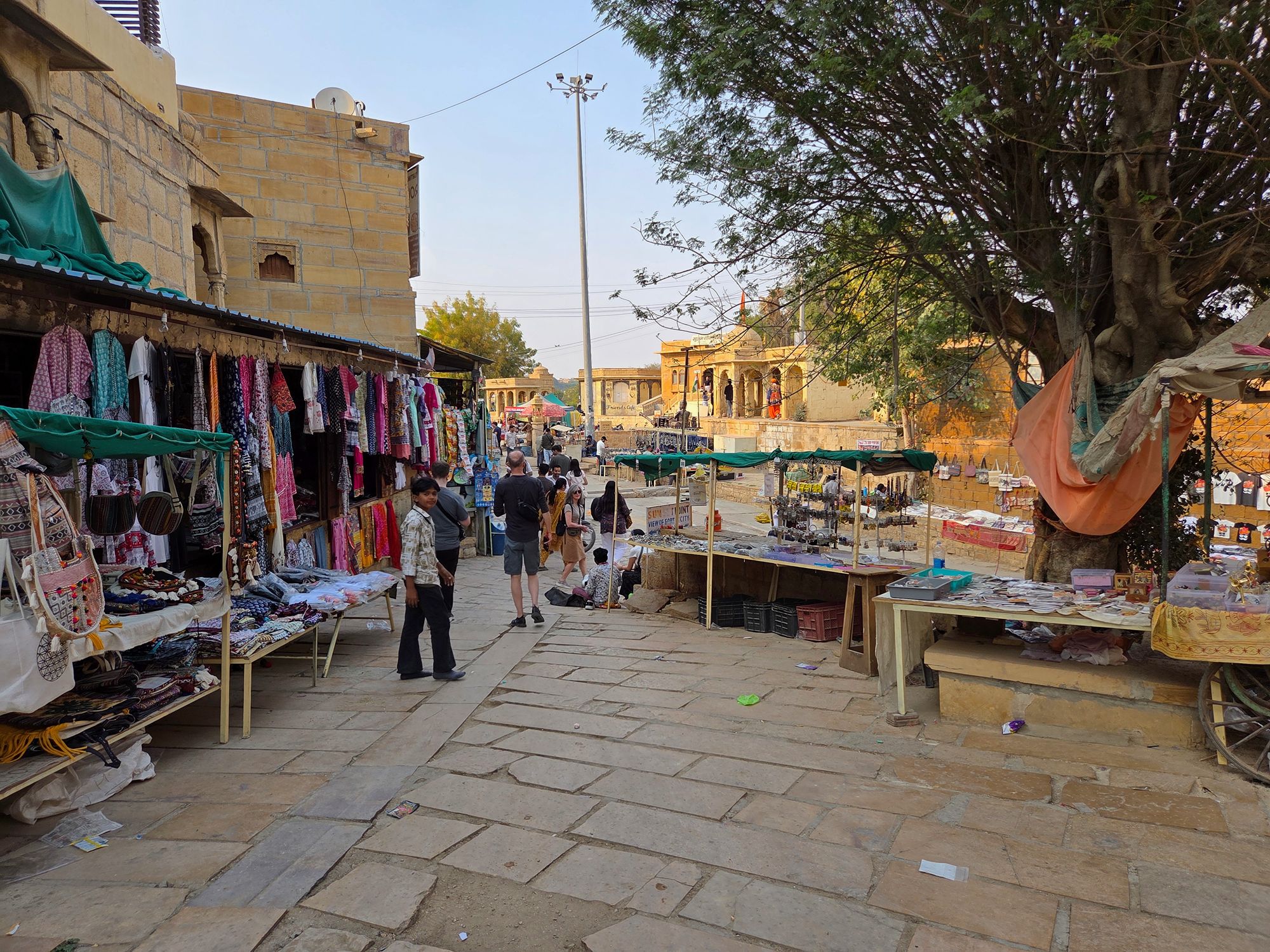
We visited Gadisar Lake, a historic reservoir surrounded by beautifully carved sandstone pavilions and temples.
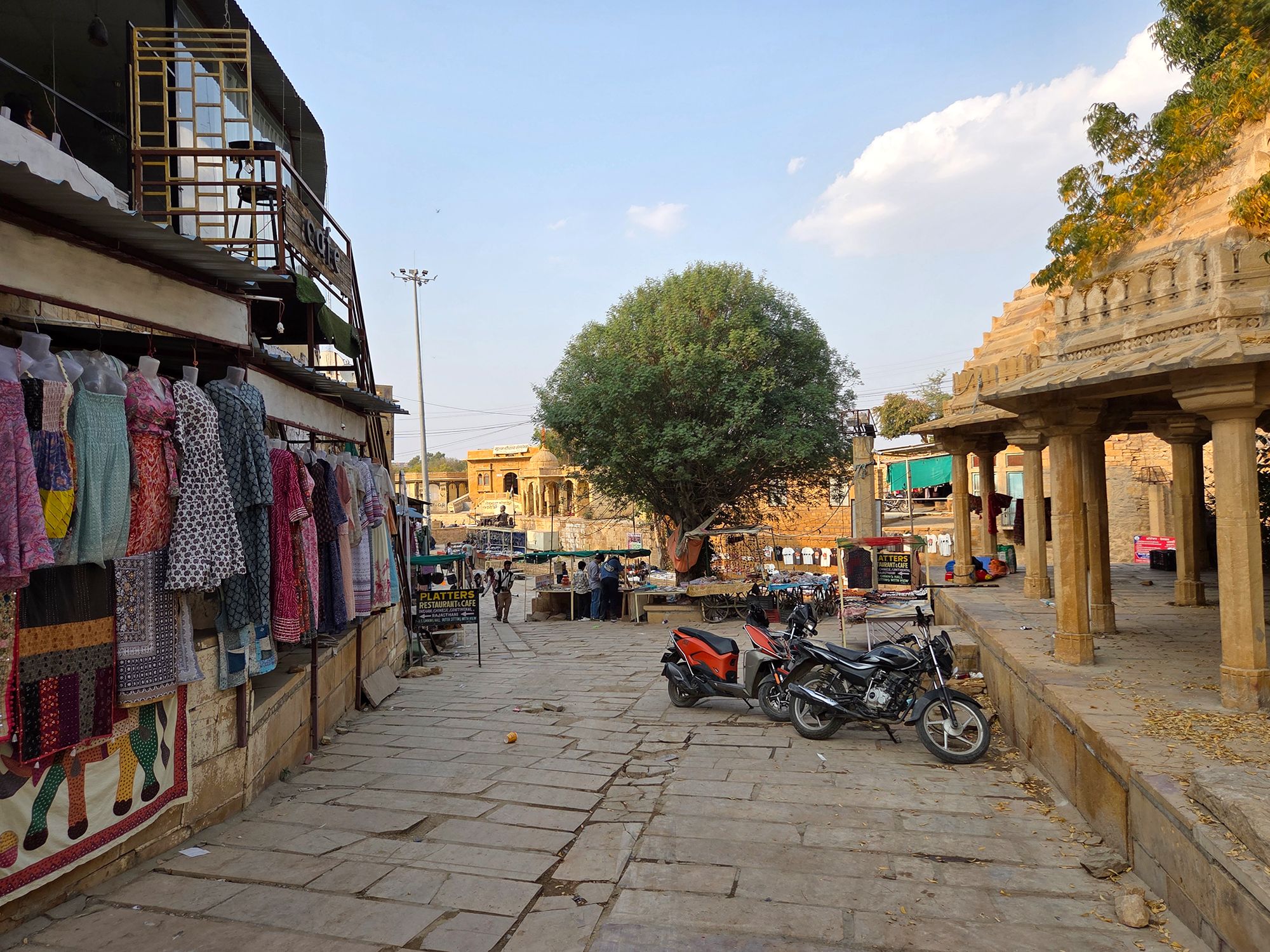
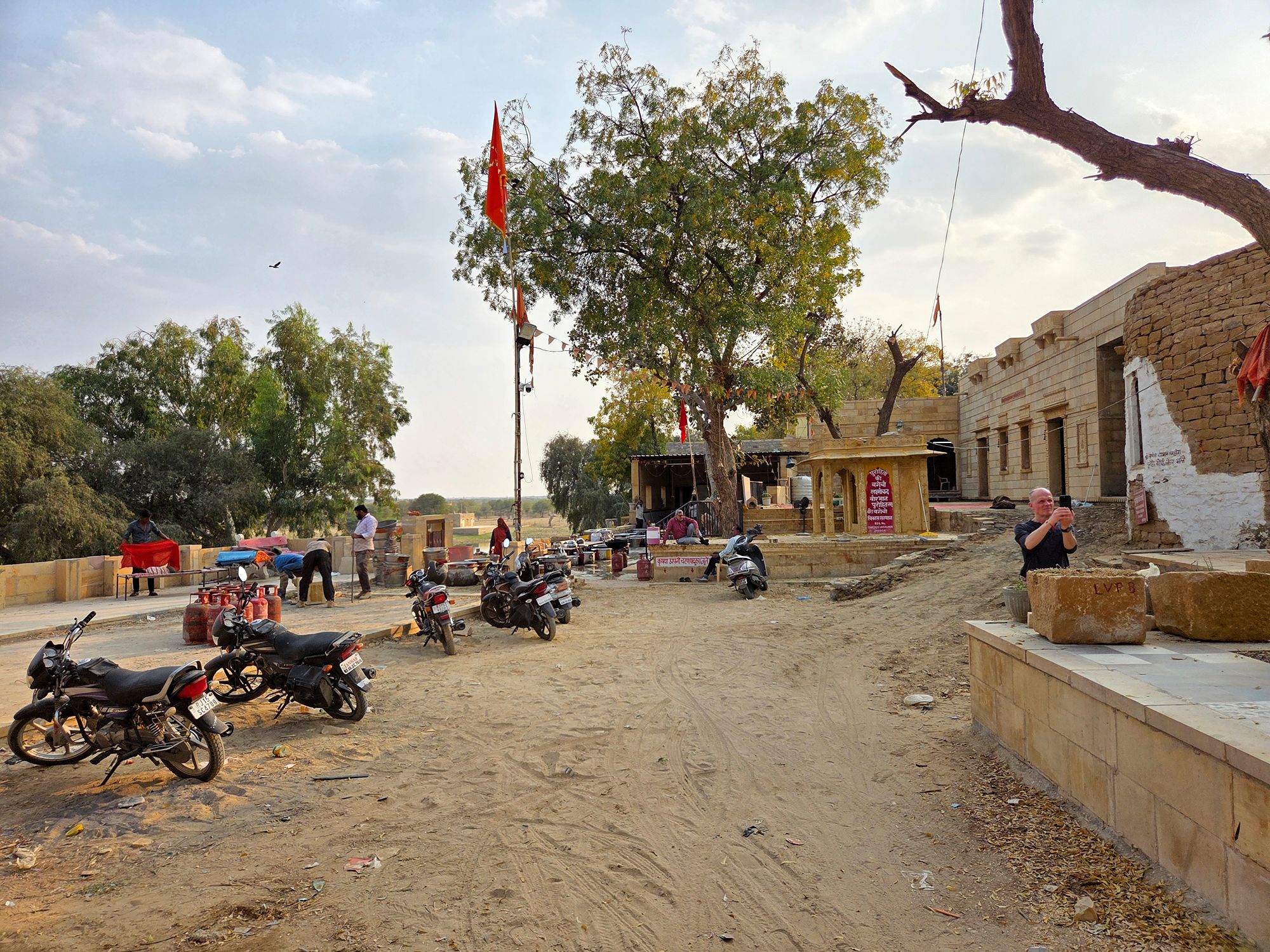
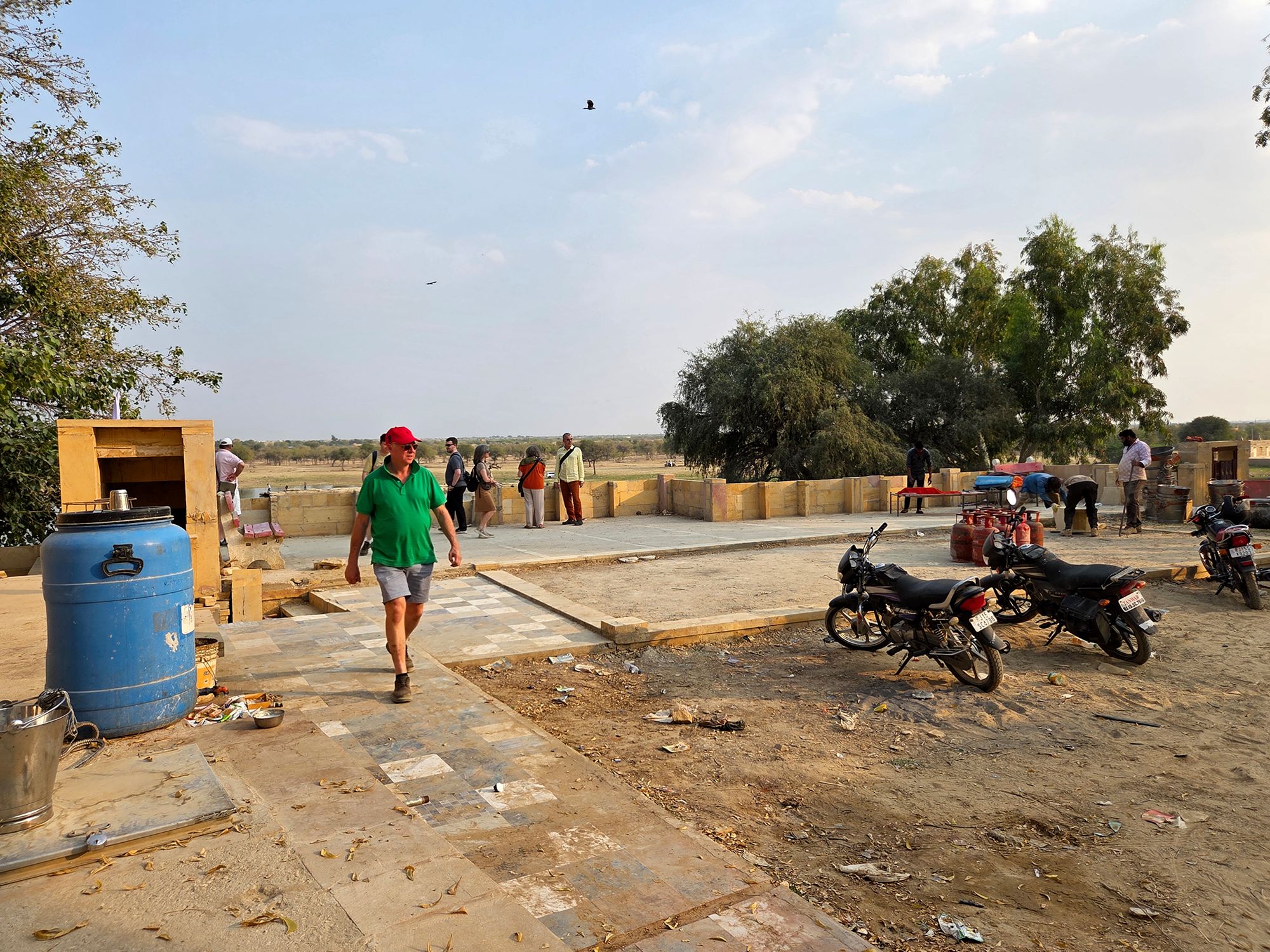
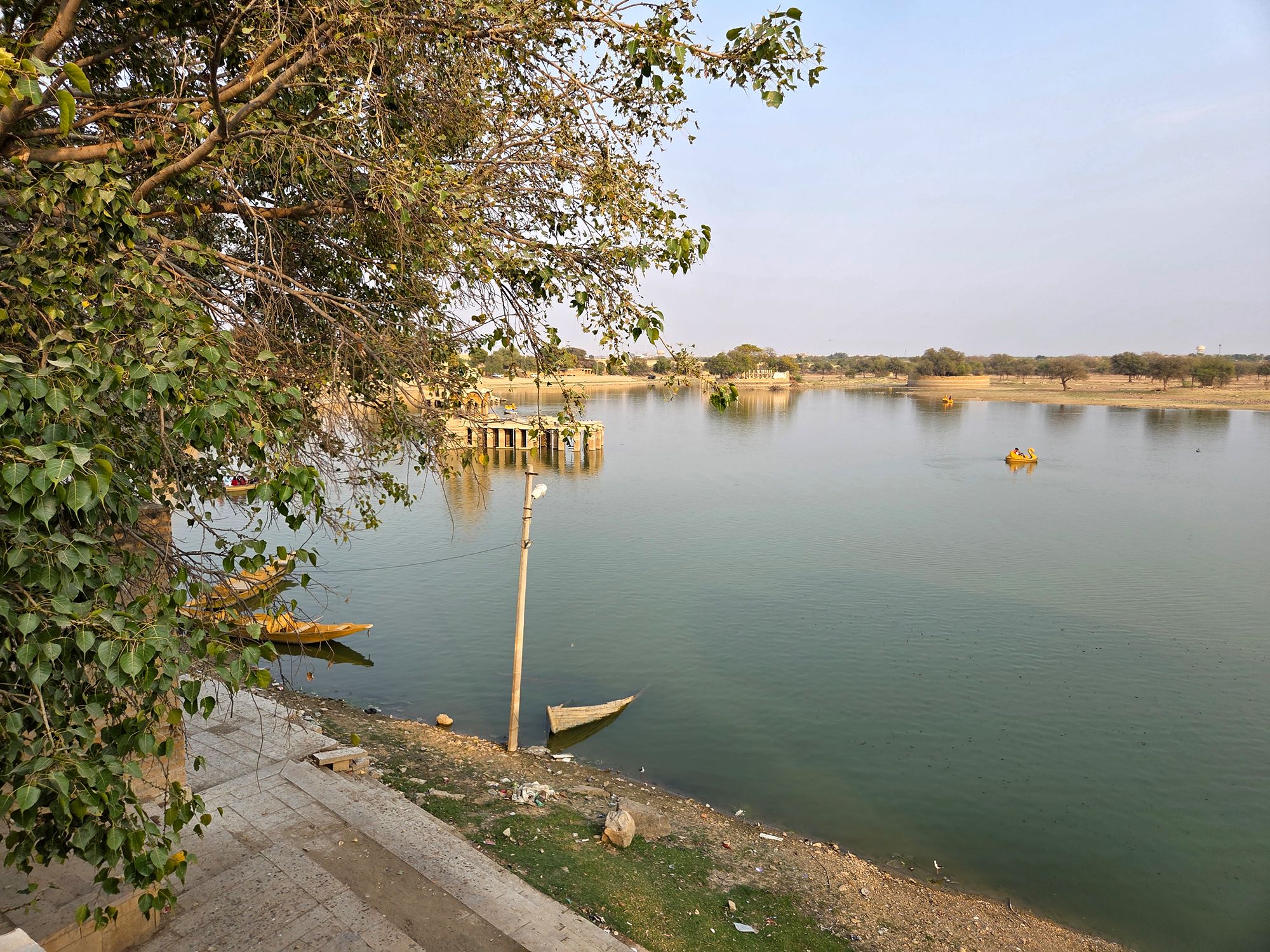
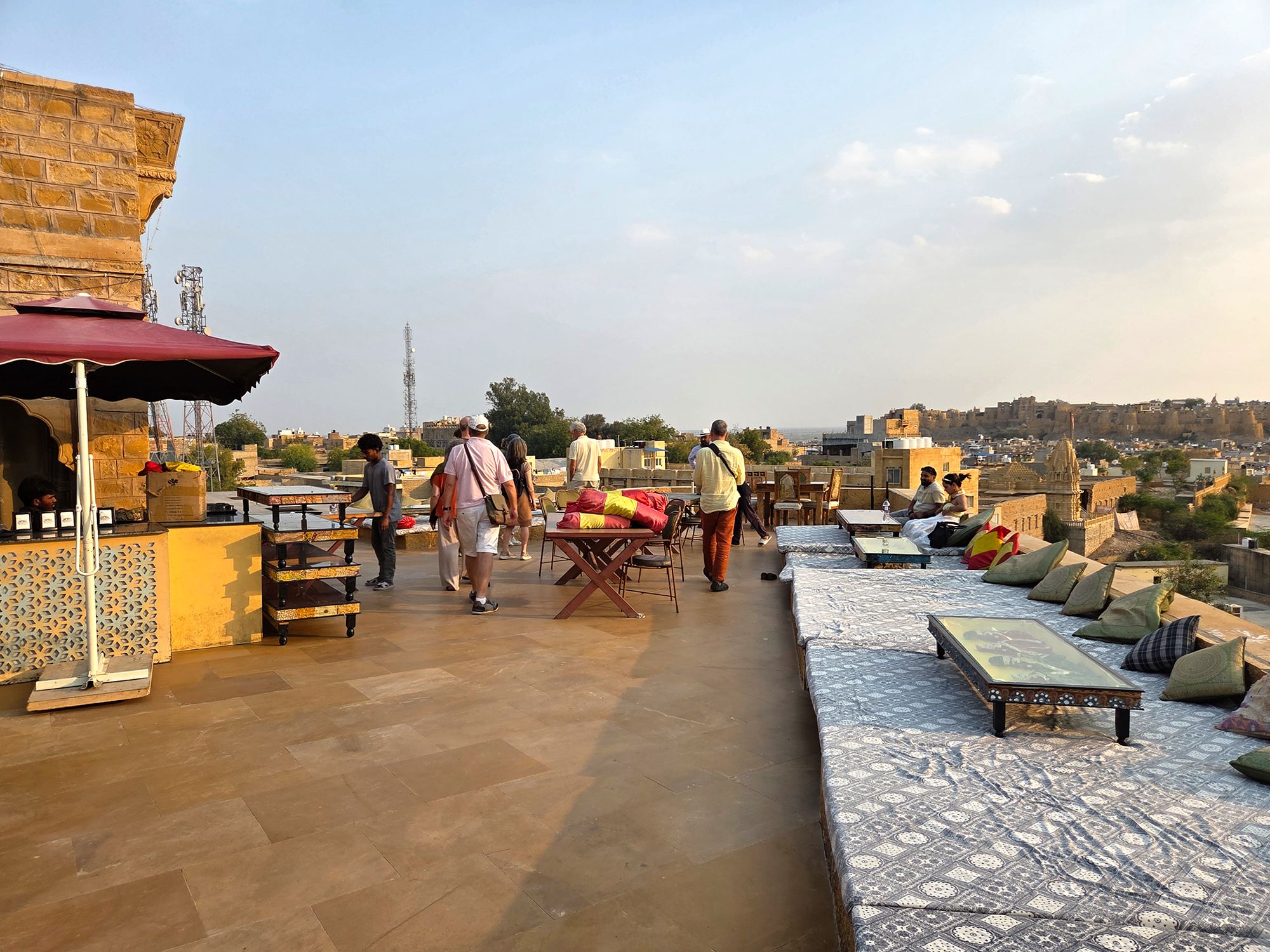
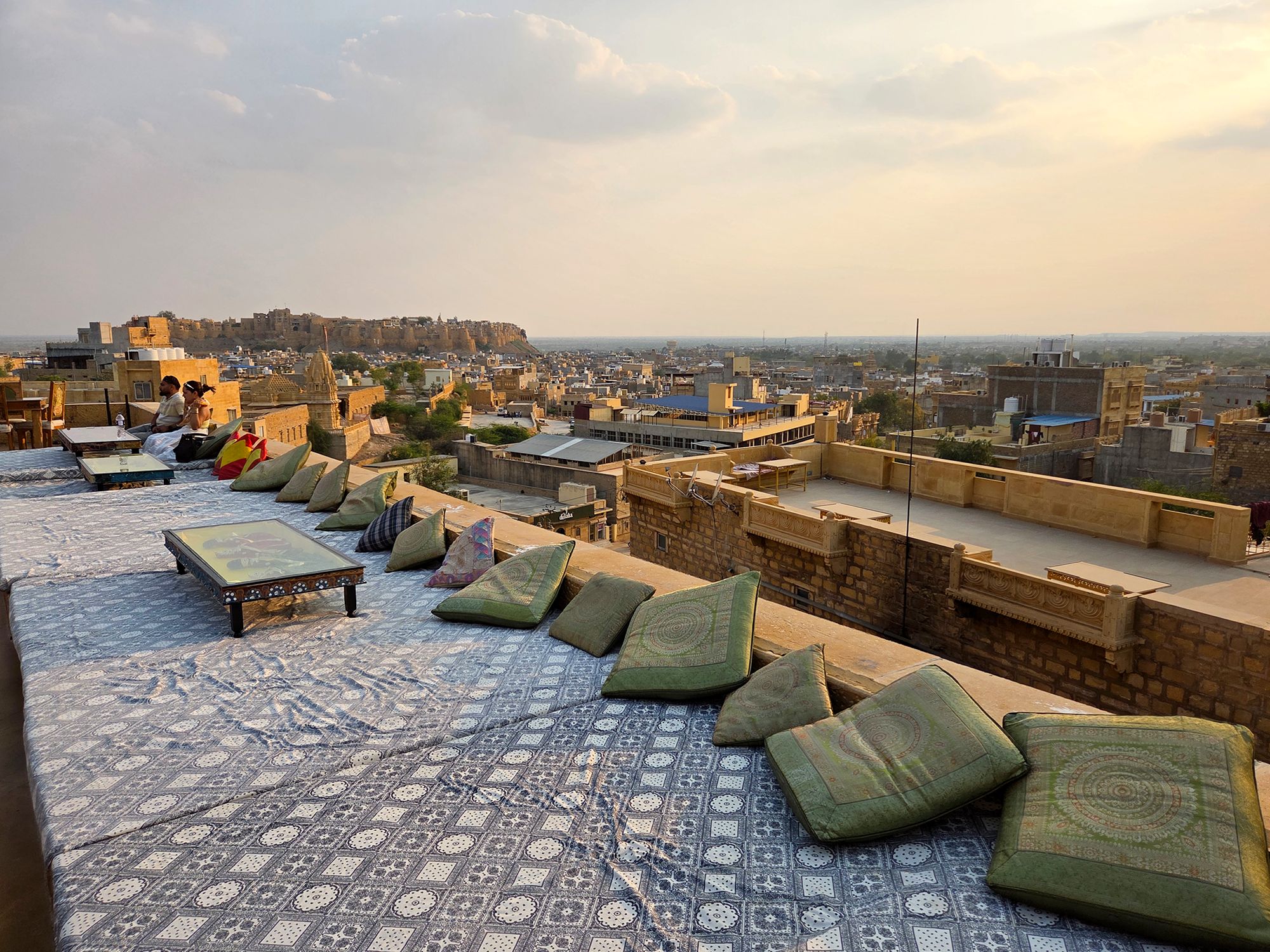
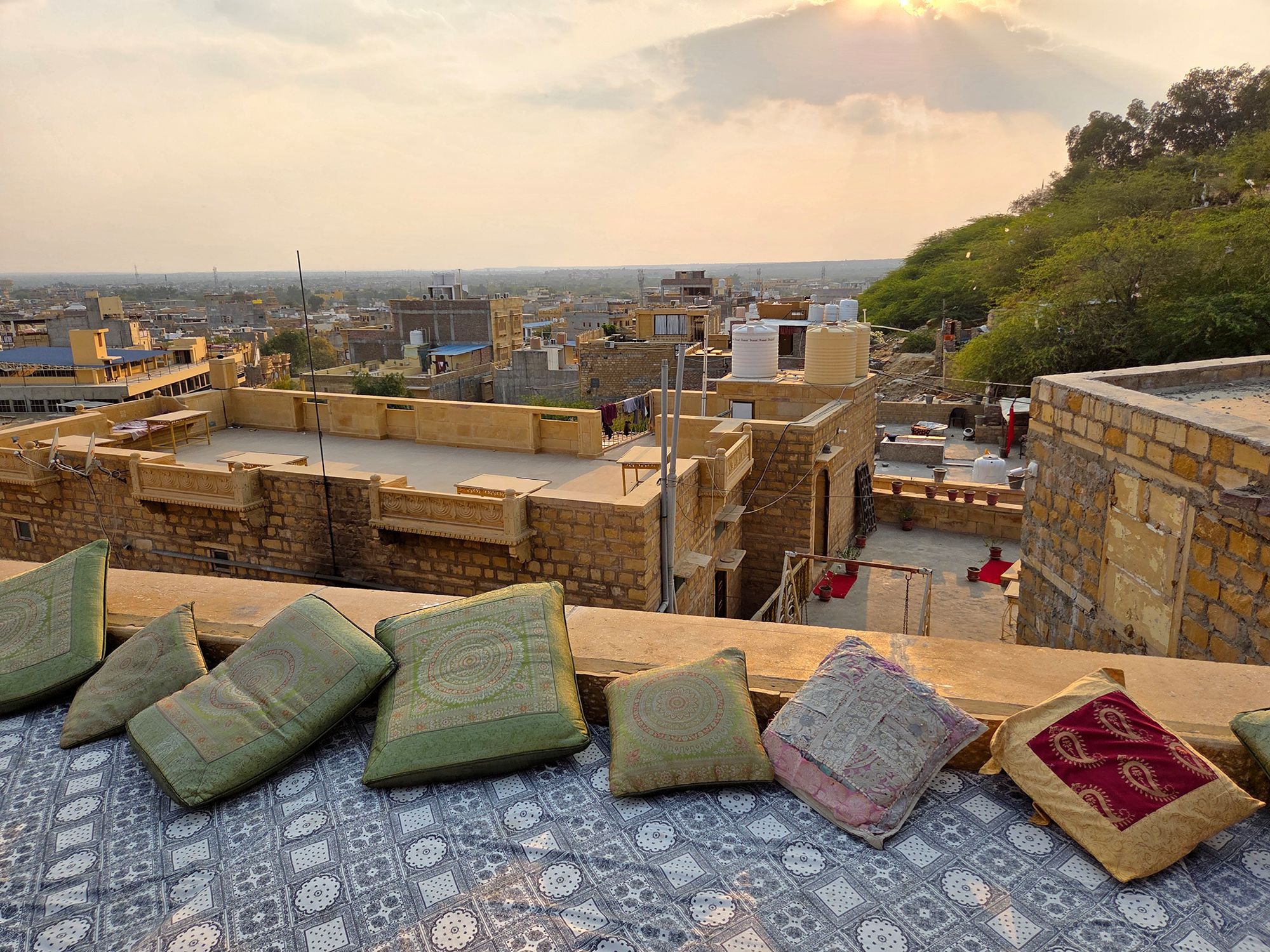
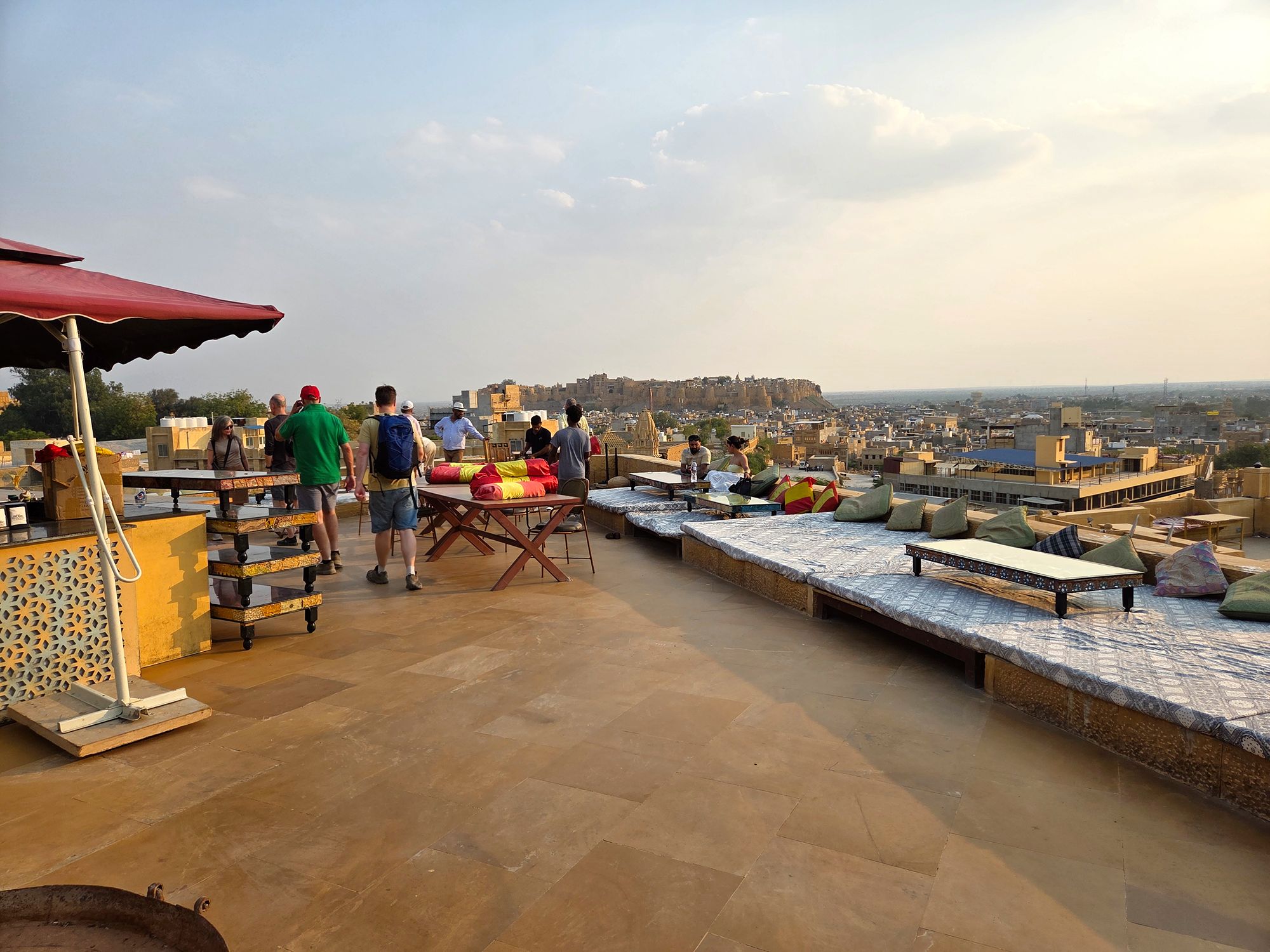
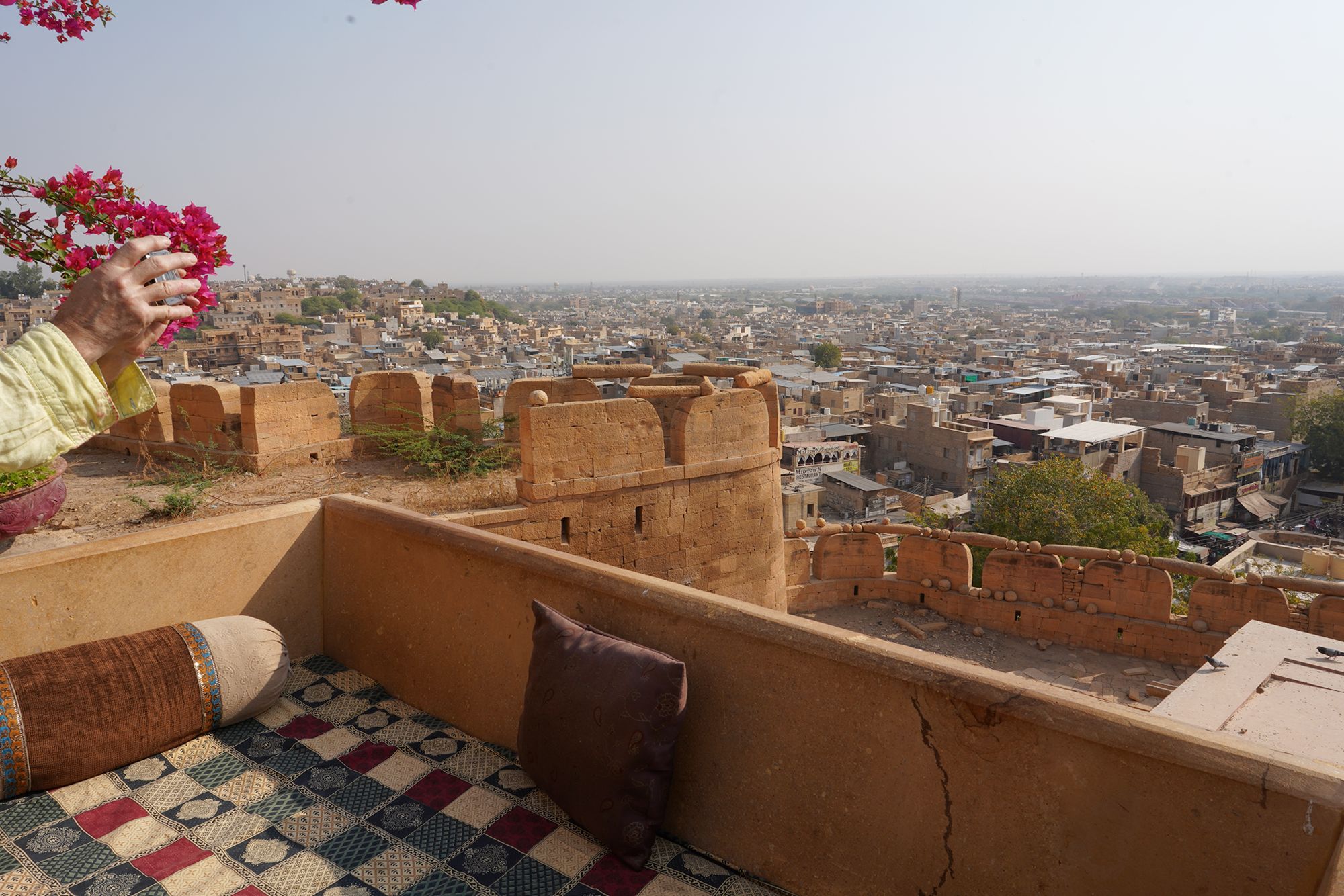
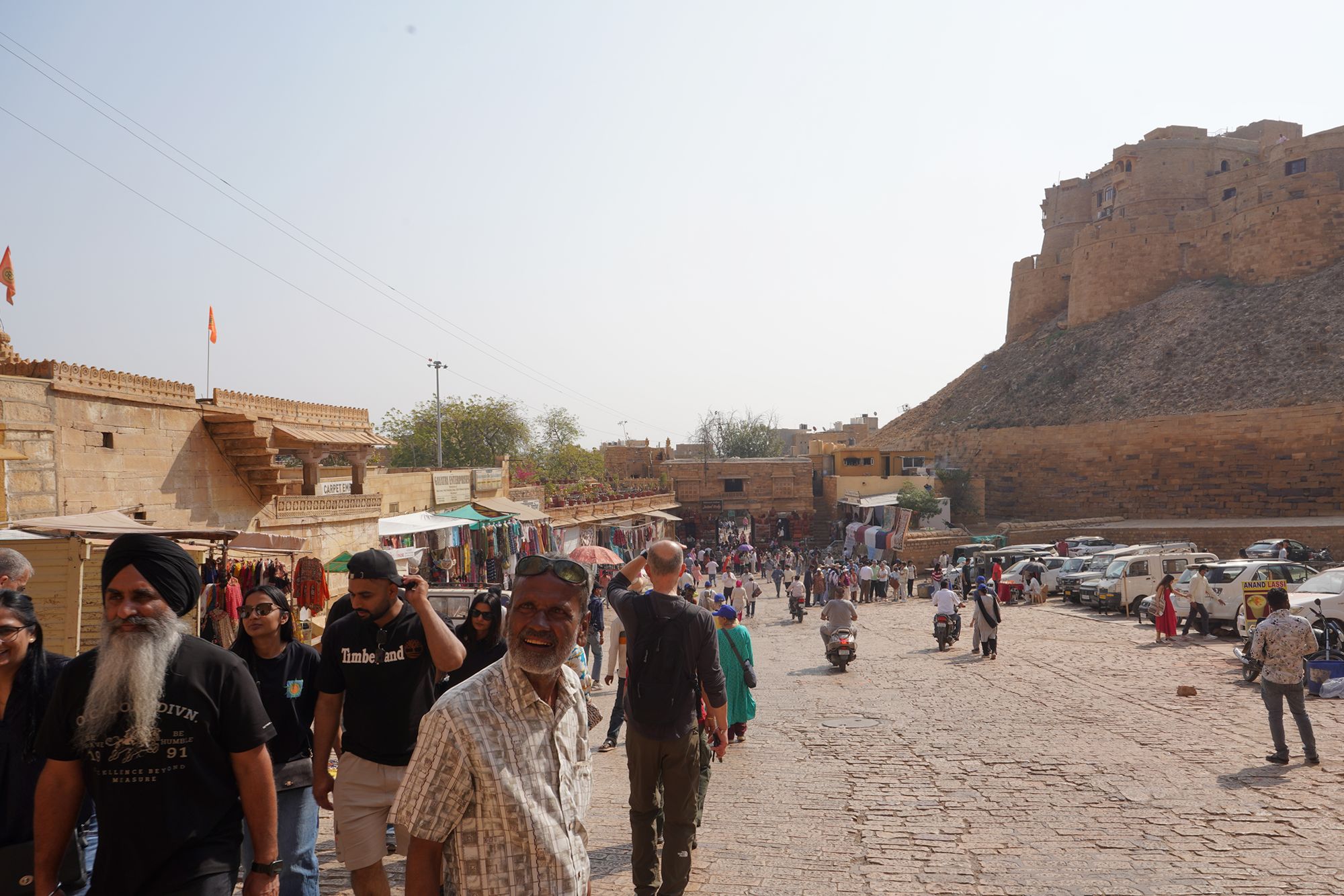
The Jaisalmer Fort upon the hill
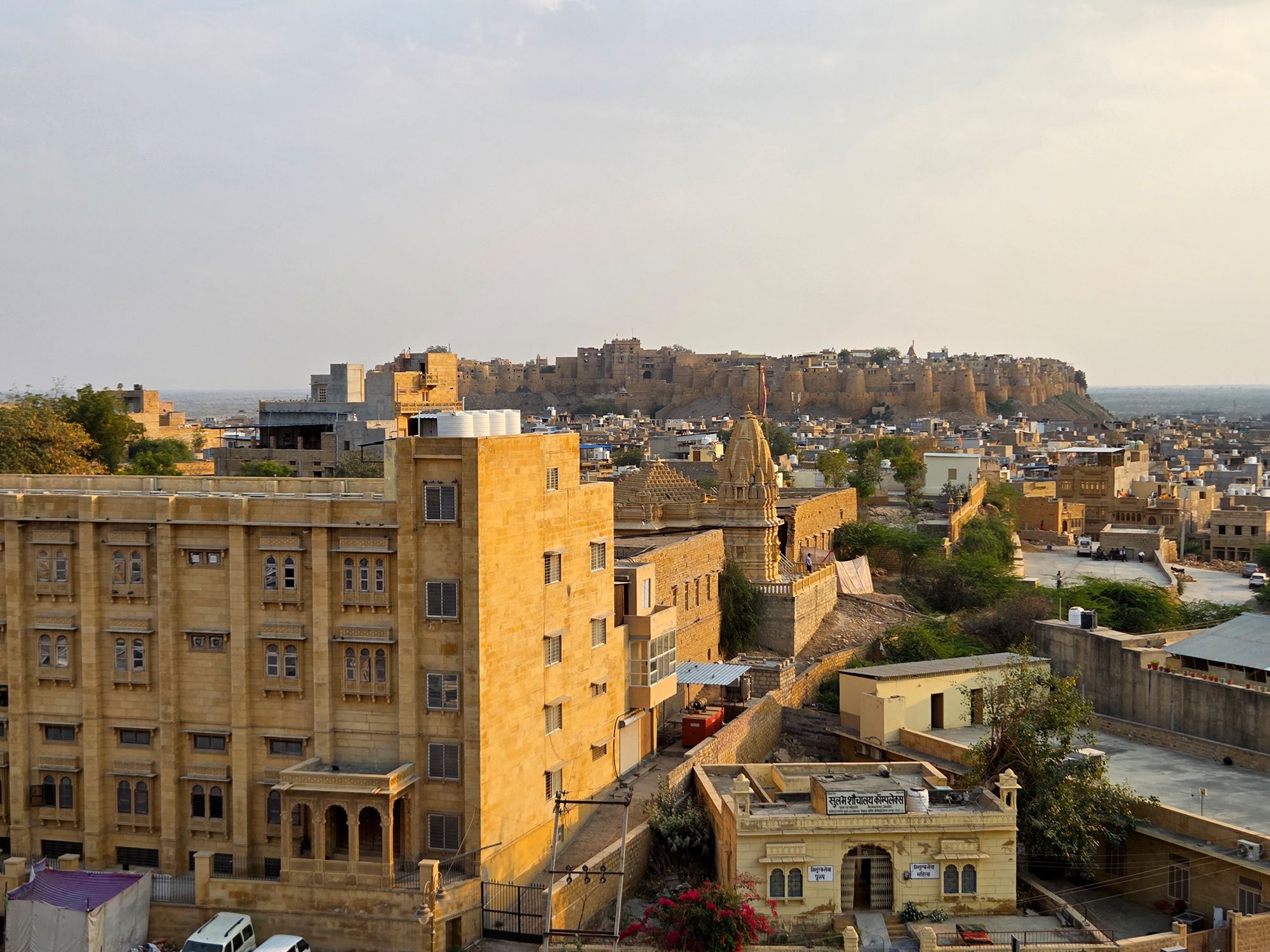
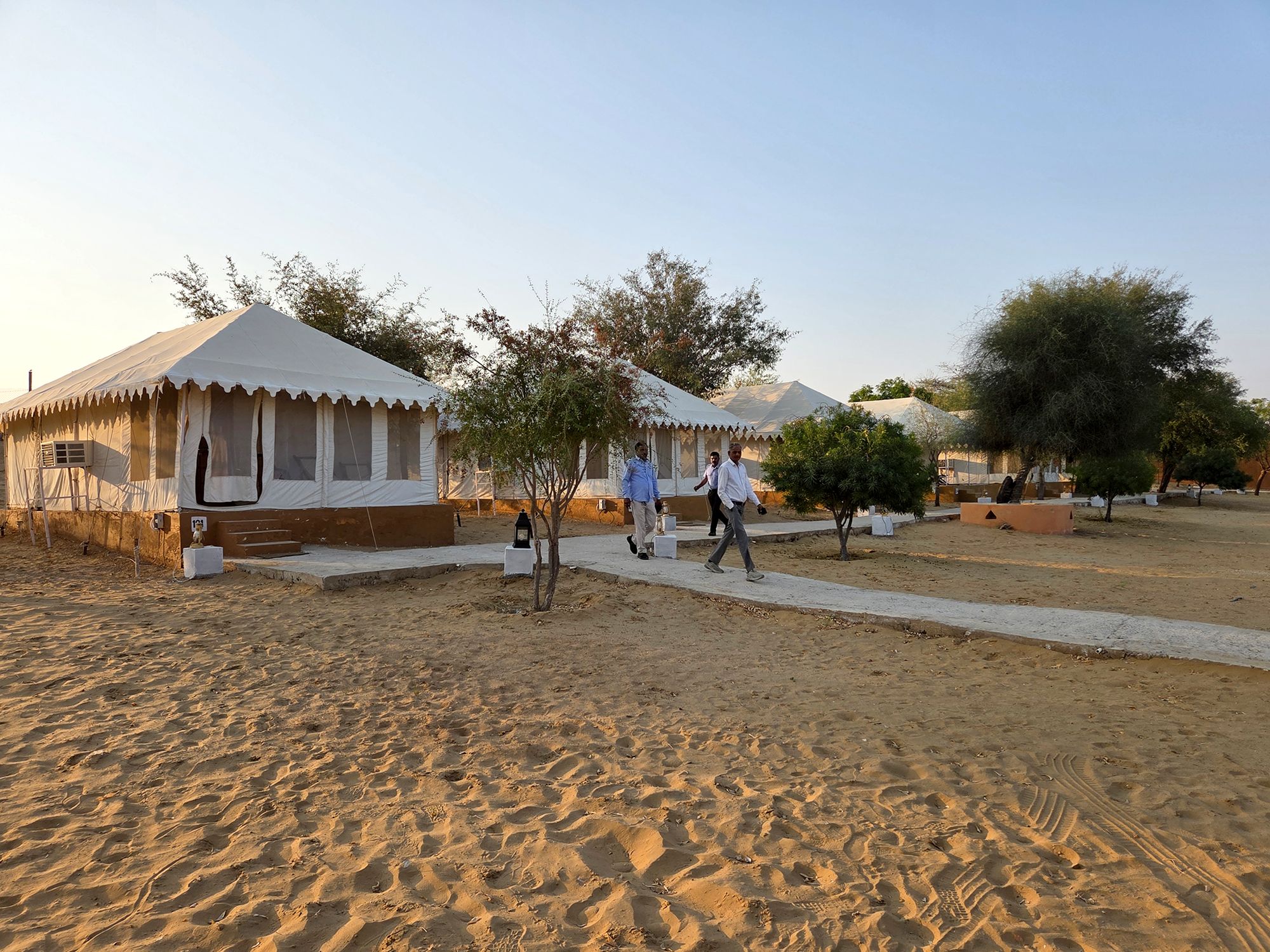
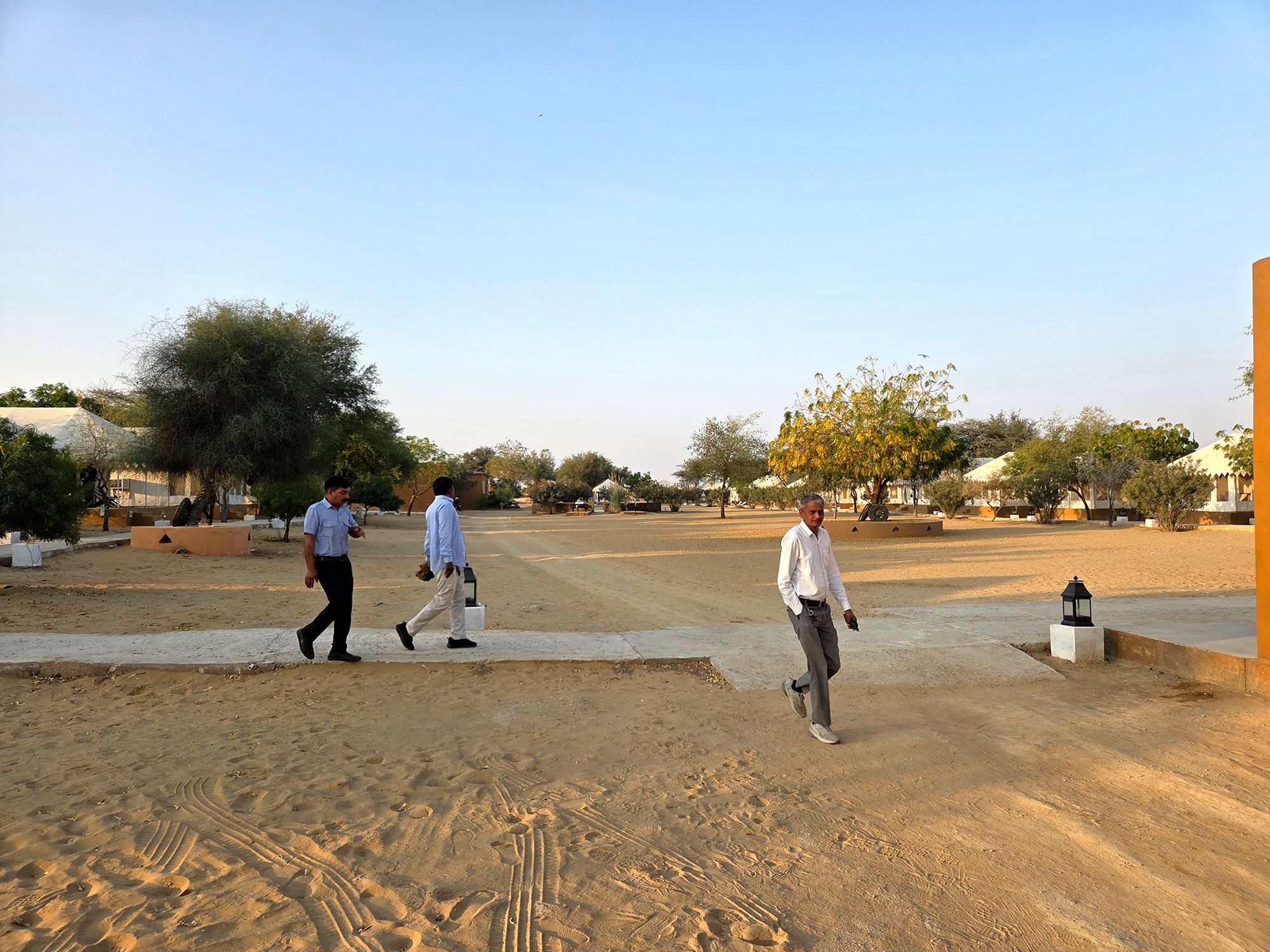
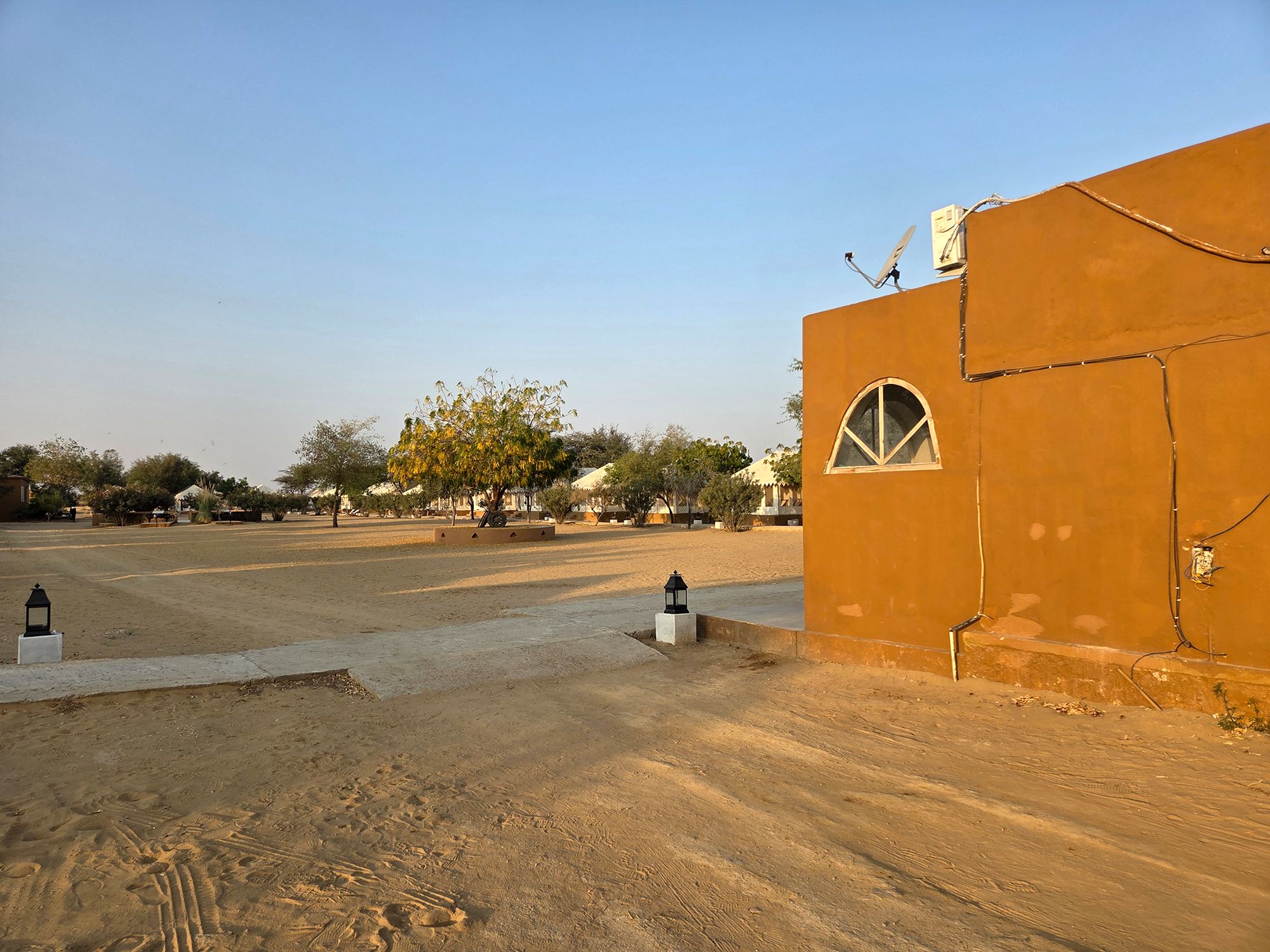
This was where we stayed in Jaisalmer, and in the evening we enjoyed a traditional Rajasthani dance performance.
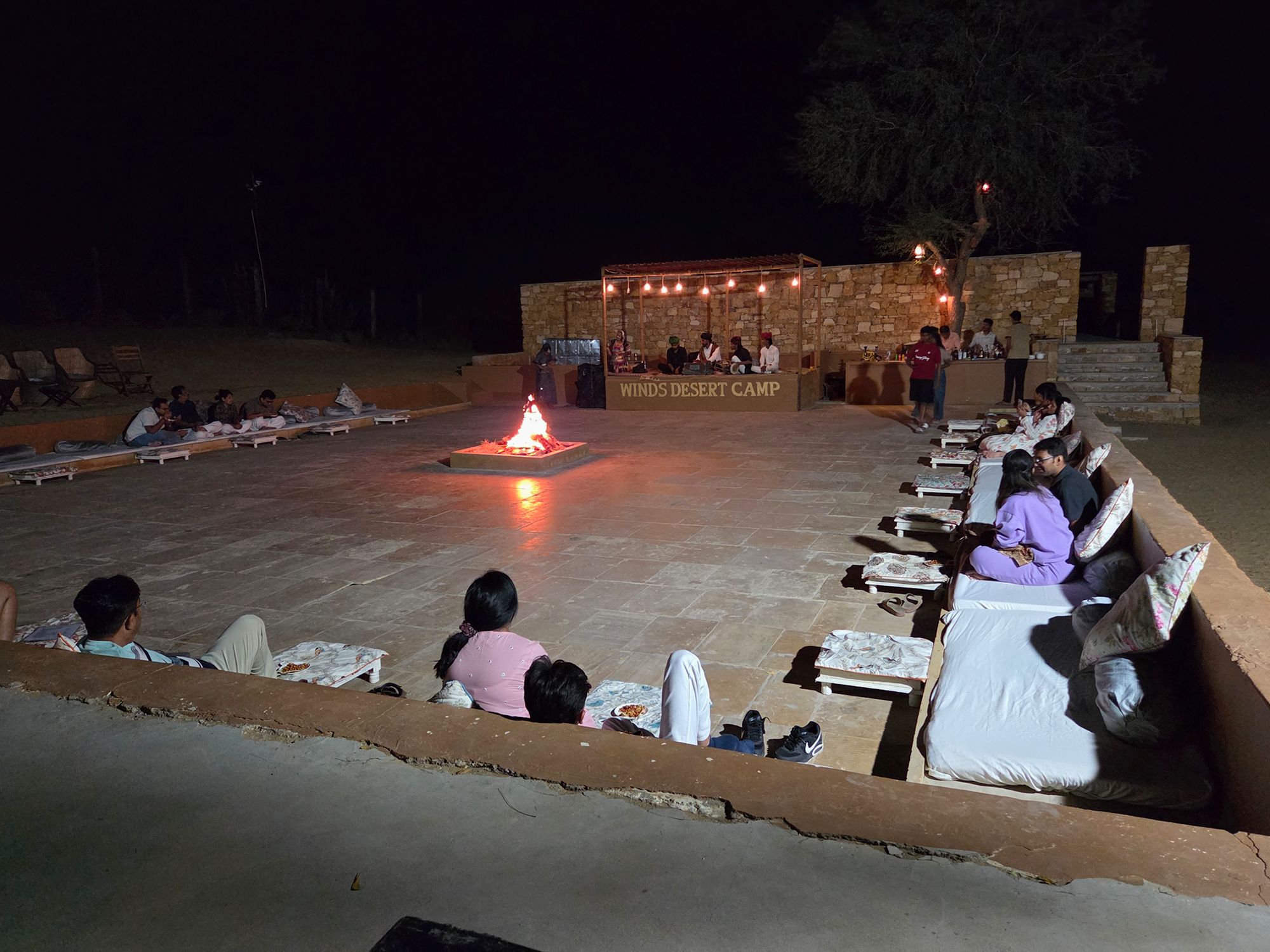
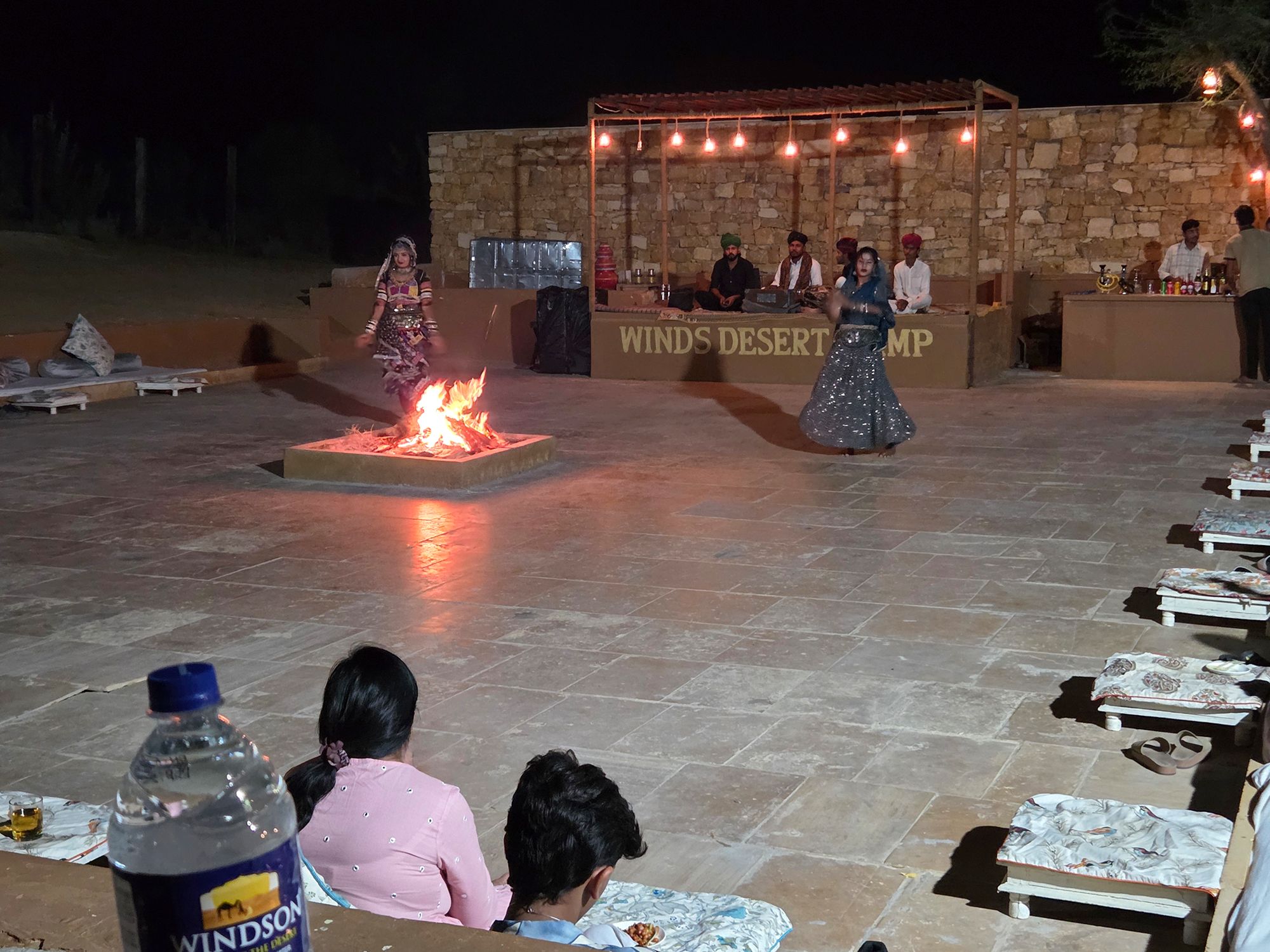
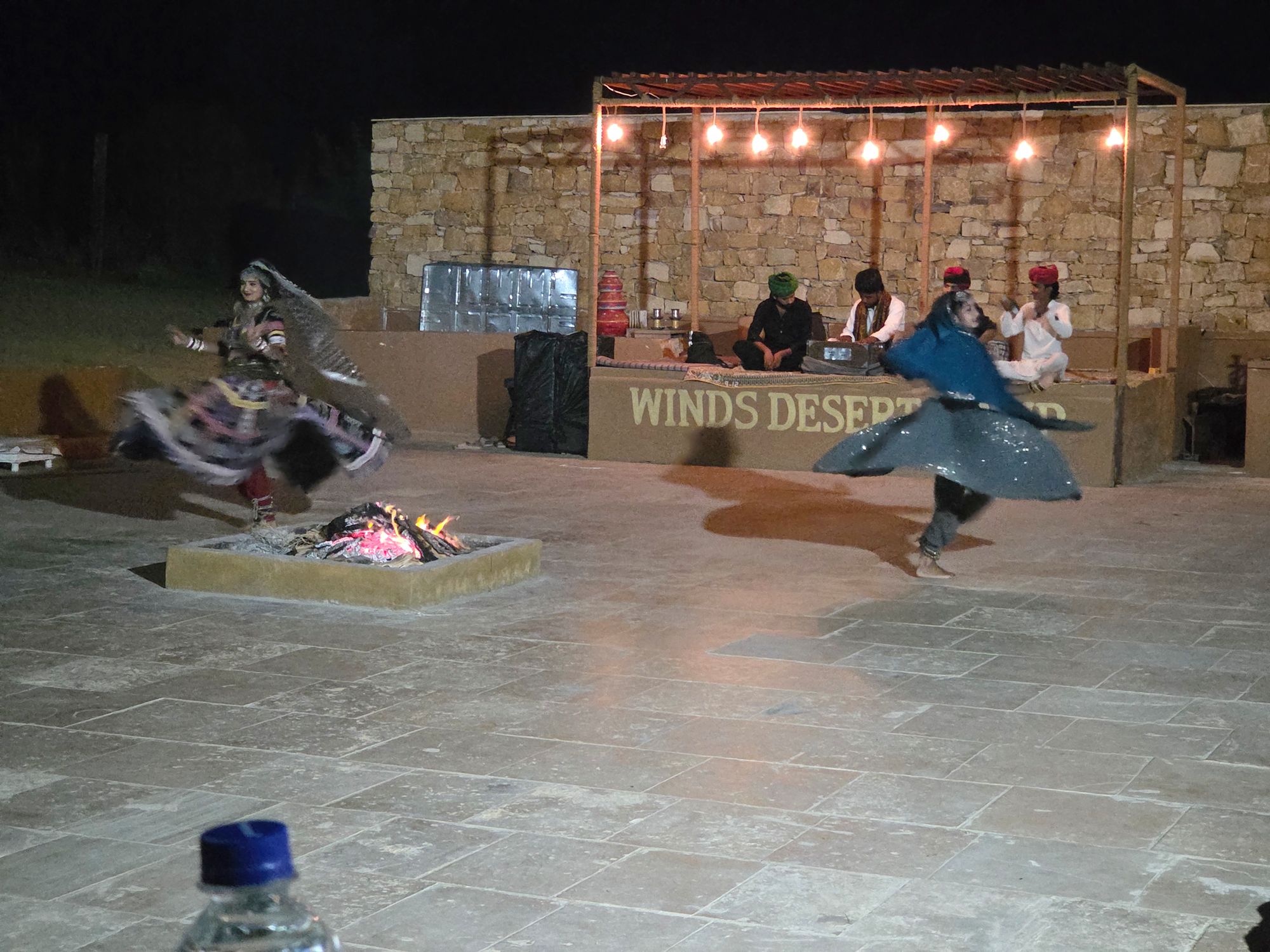
We stayed at a glamping camp designed to provide a traditional desert experience, with comfortable tent accommodations and evening cultural performances.
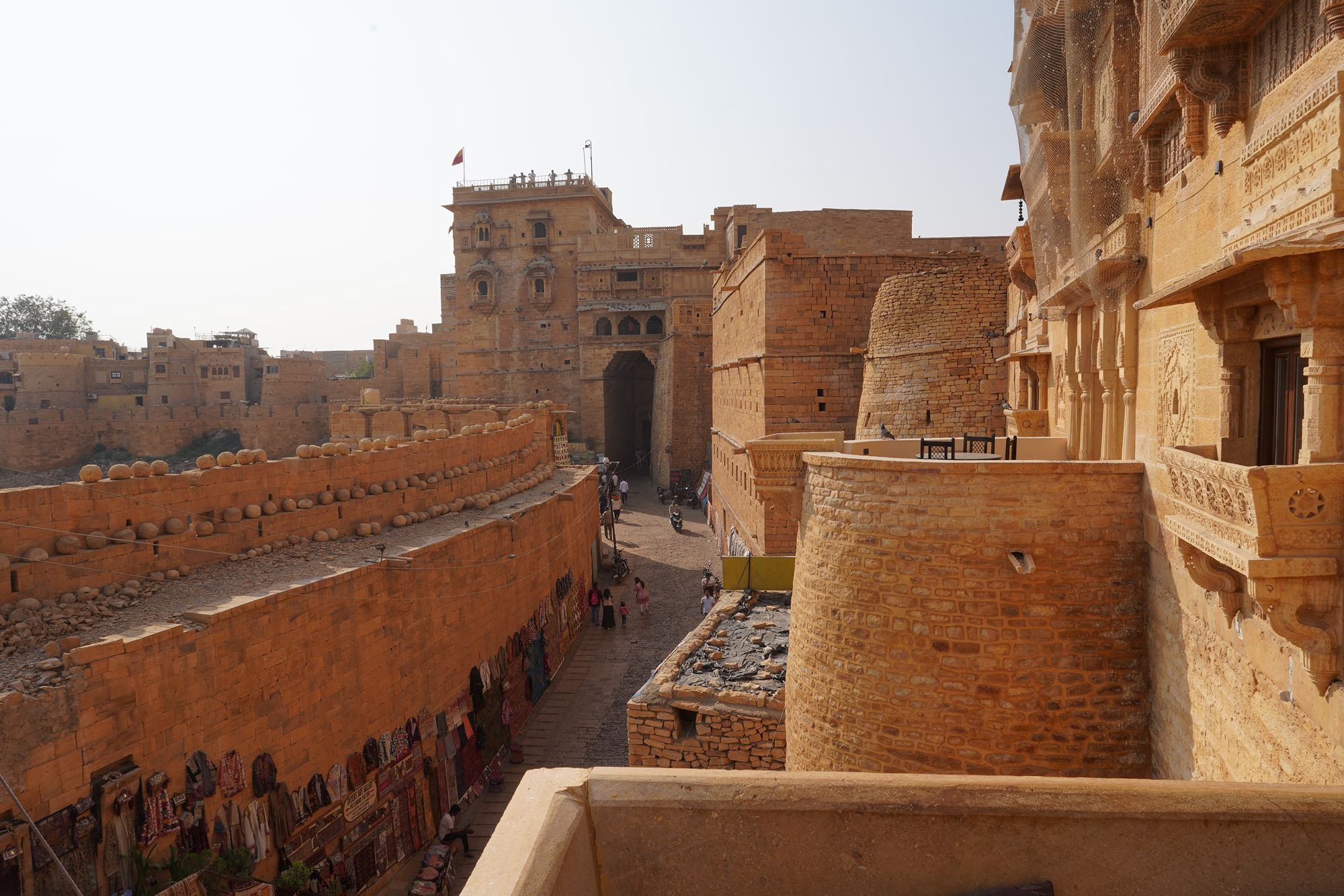
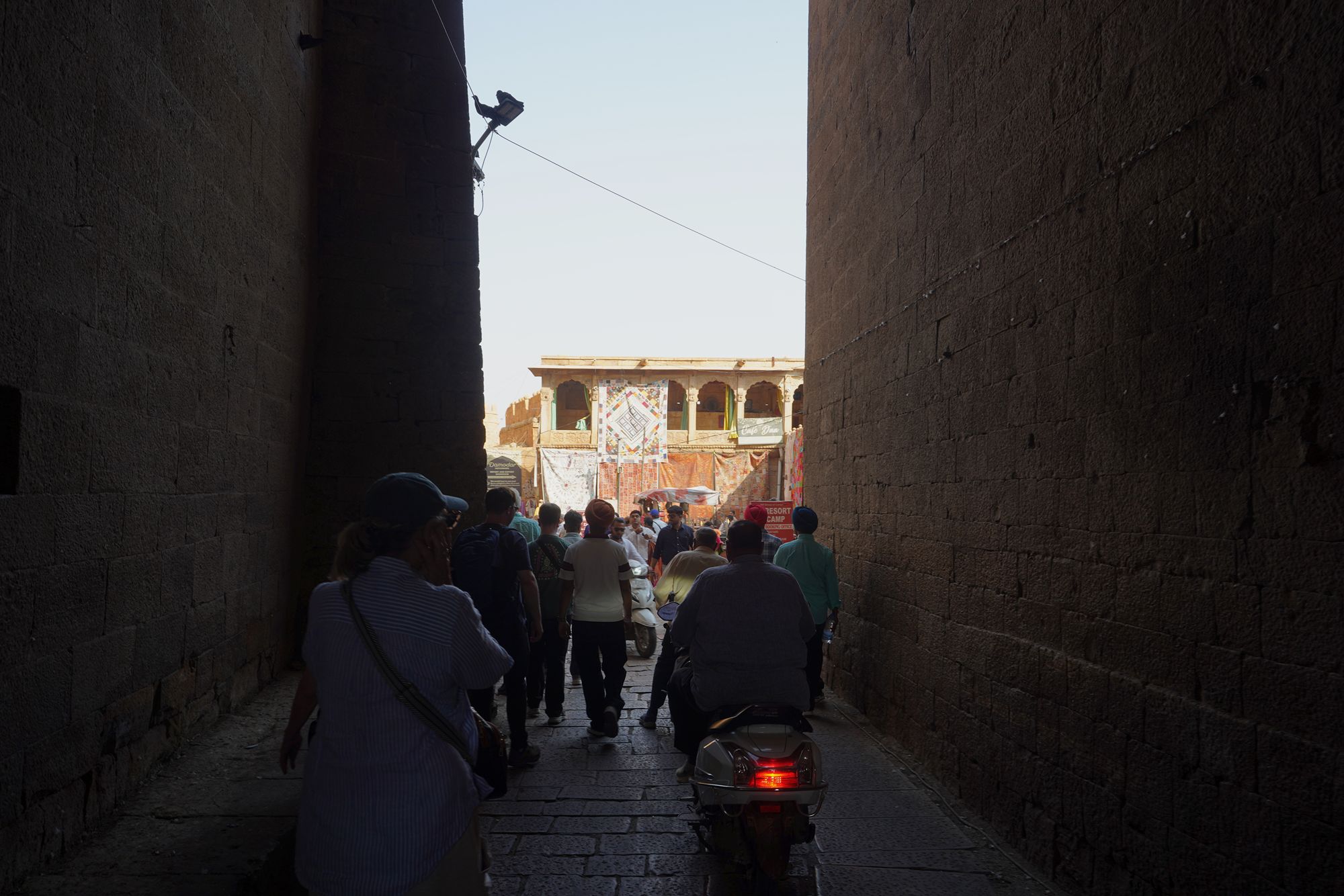
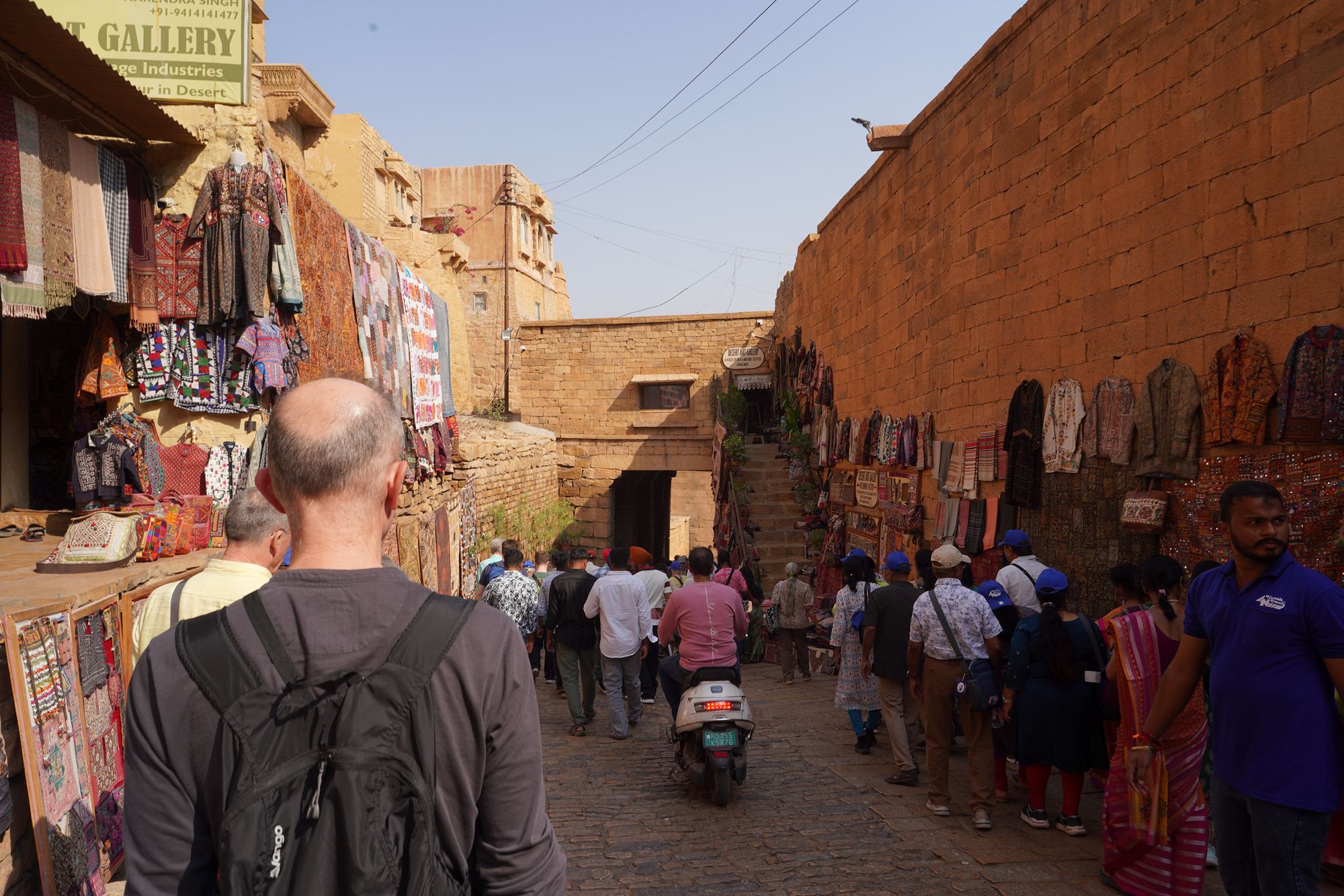
The next morning, we visited Jaisalmer Fort, the massive golden sandstone fortress overlooking the city.
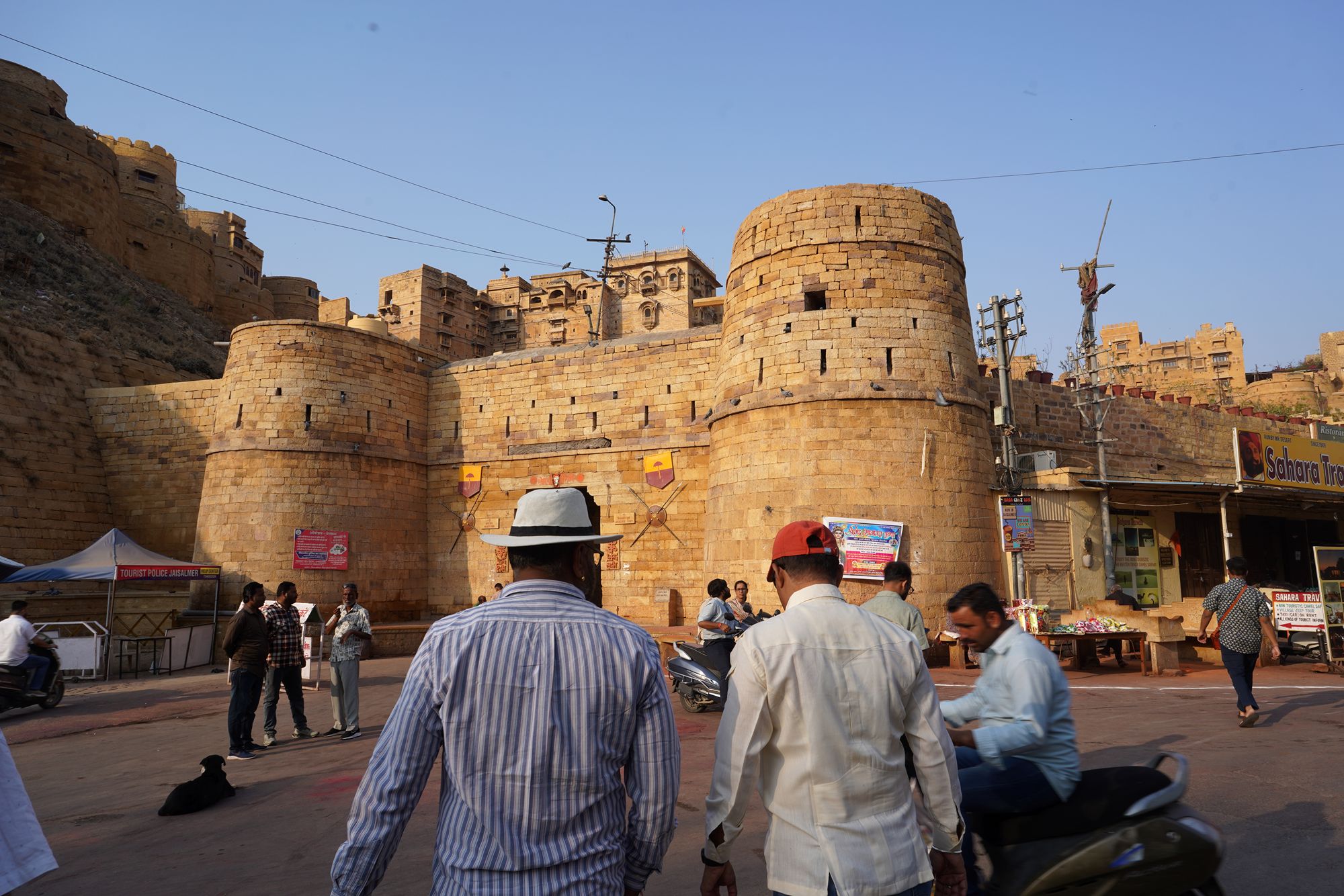
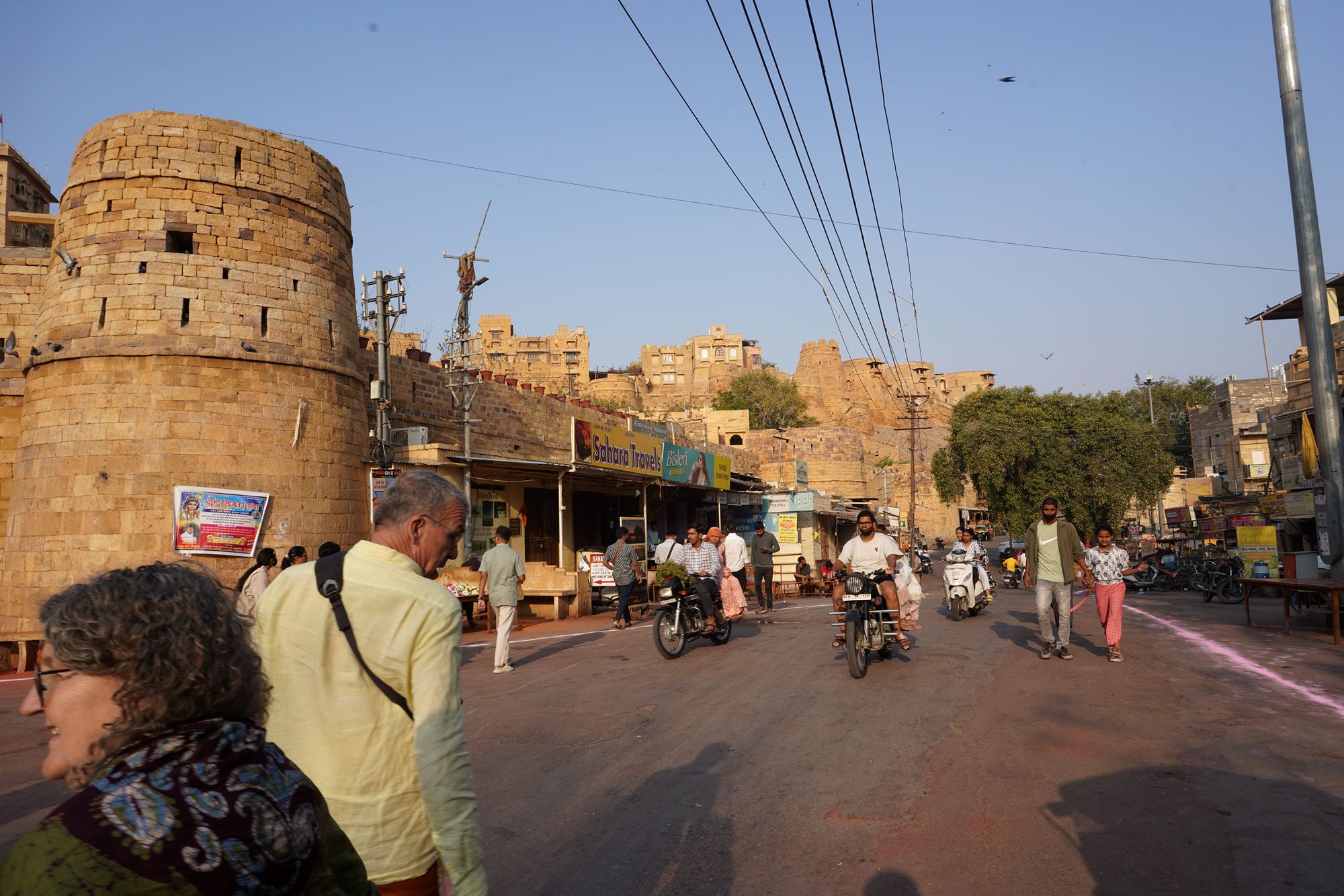
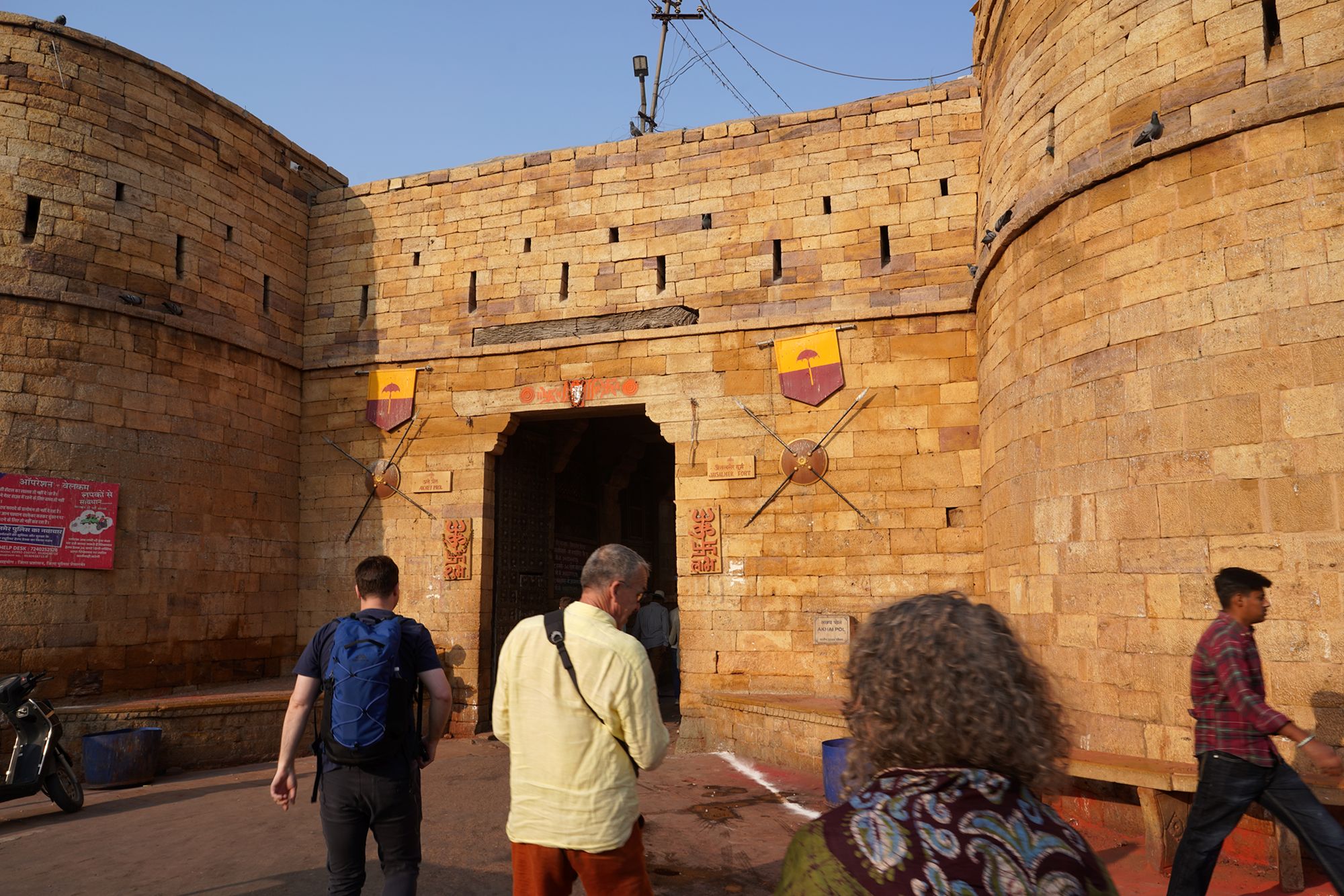
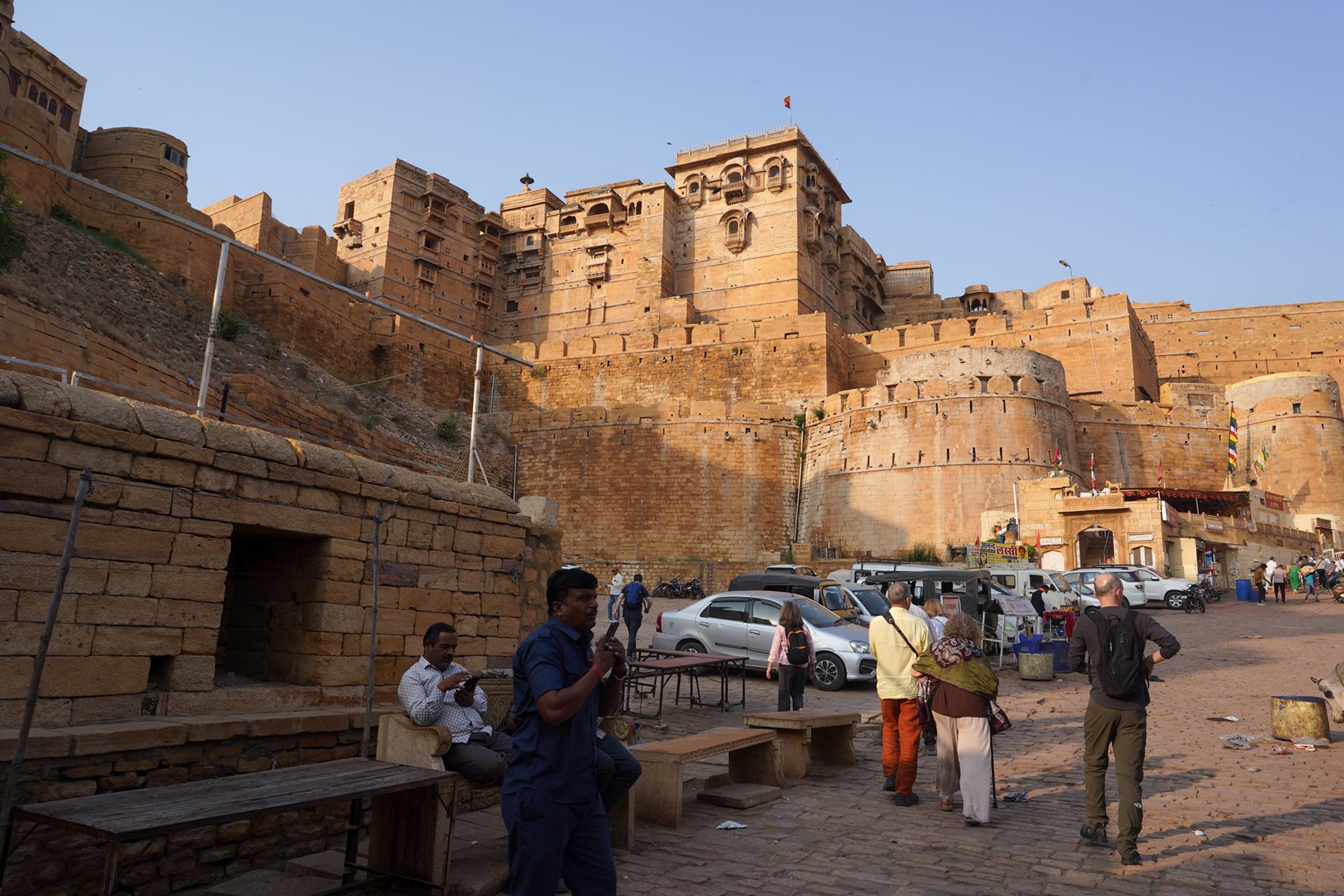
Jaisalmer Fort is a massive 12th-century golden sandstone fortress that rises above the city and remains home to temples, shops, homes, and narrow winding streets.
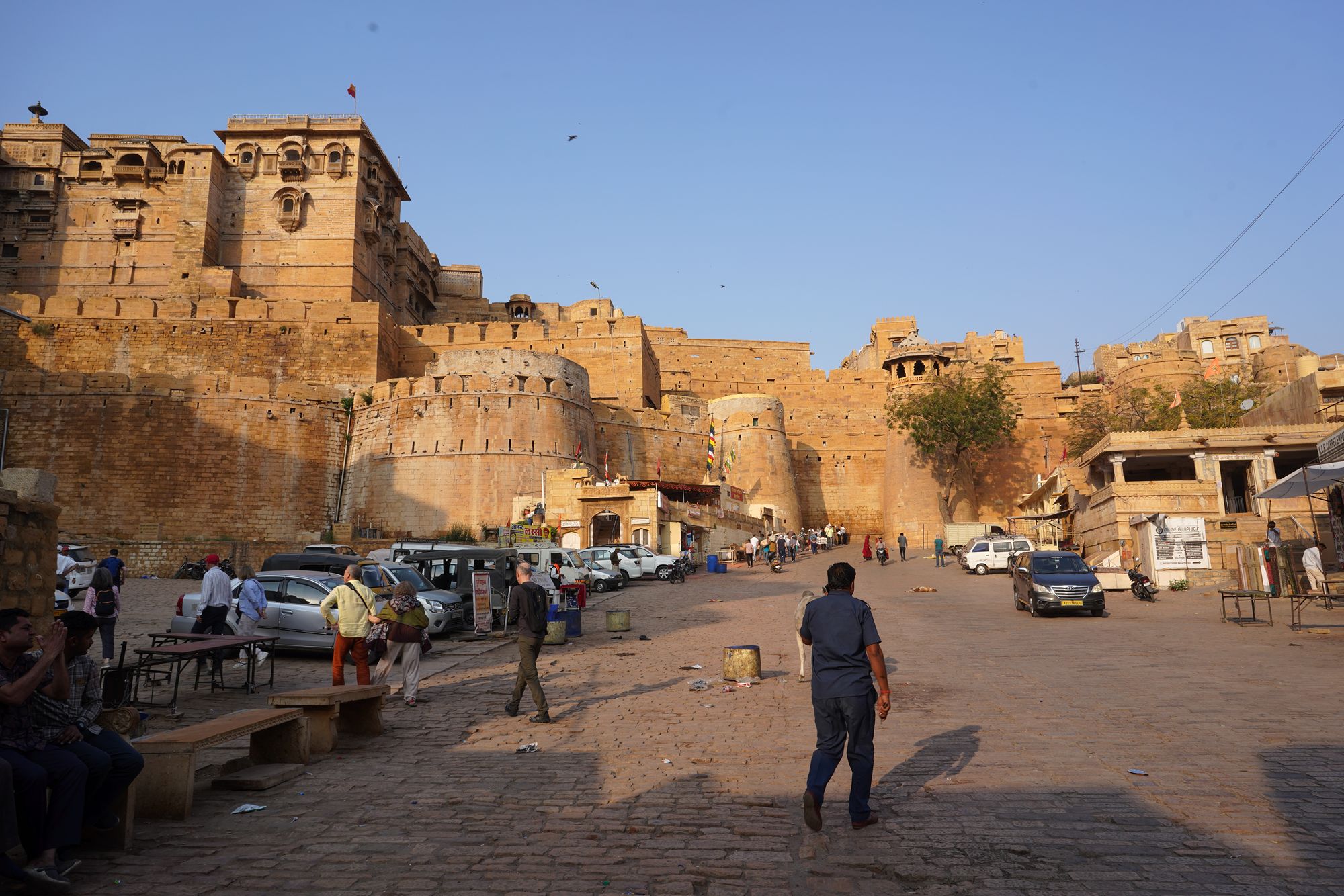
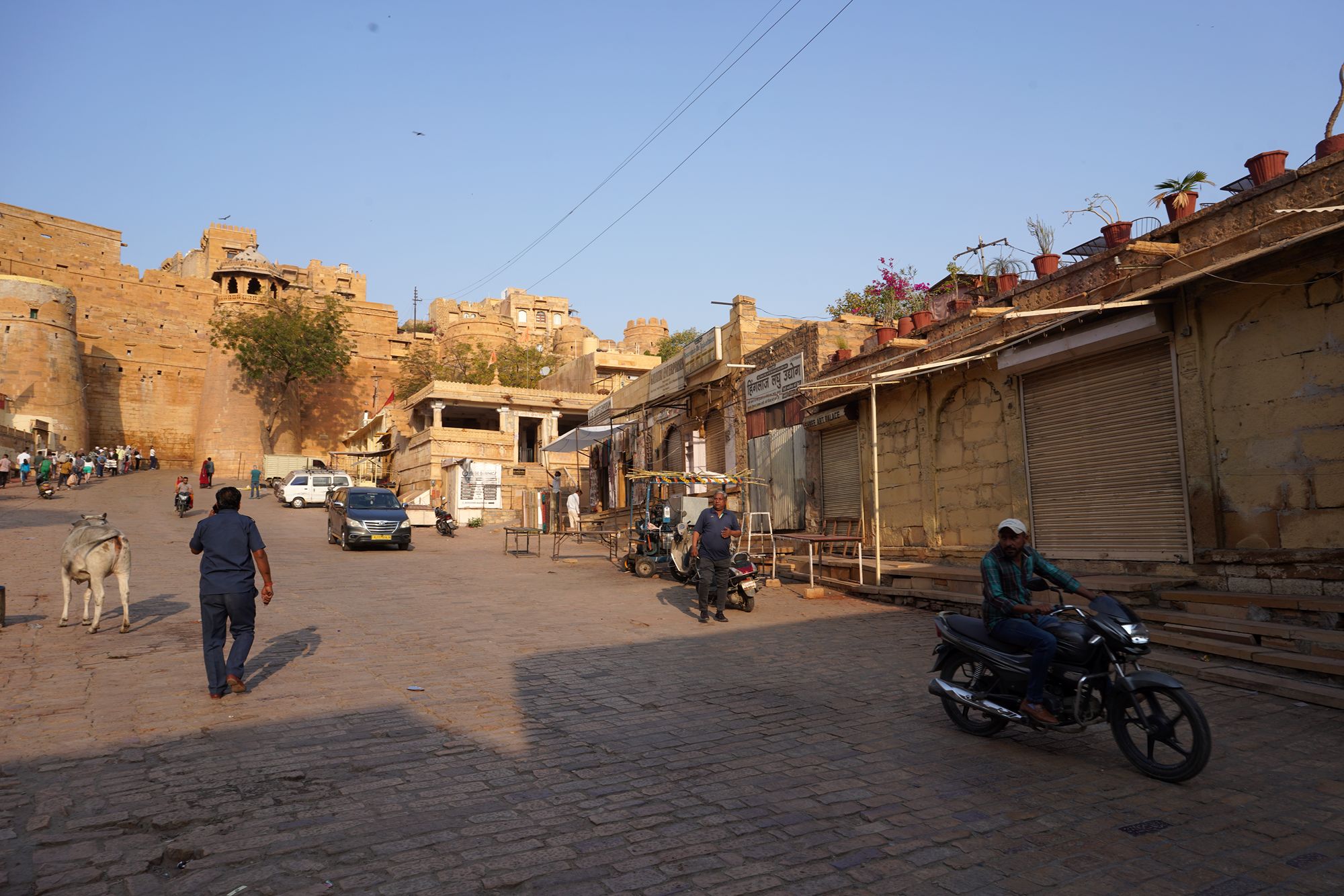
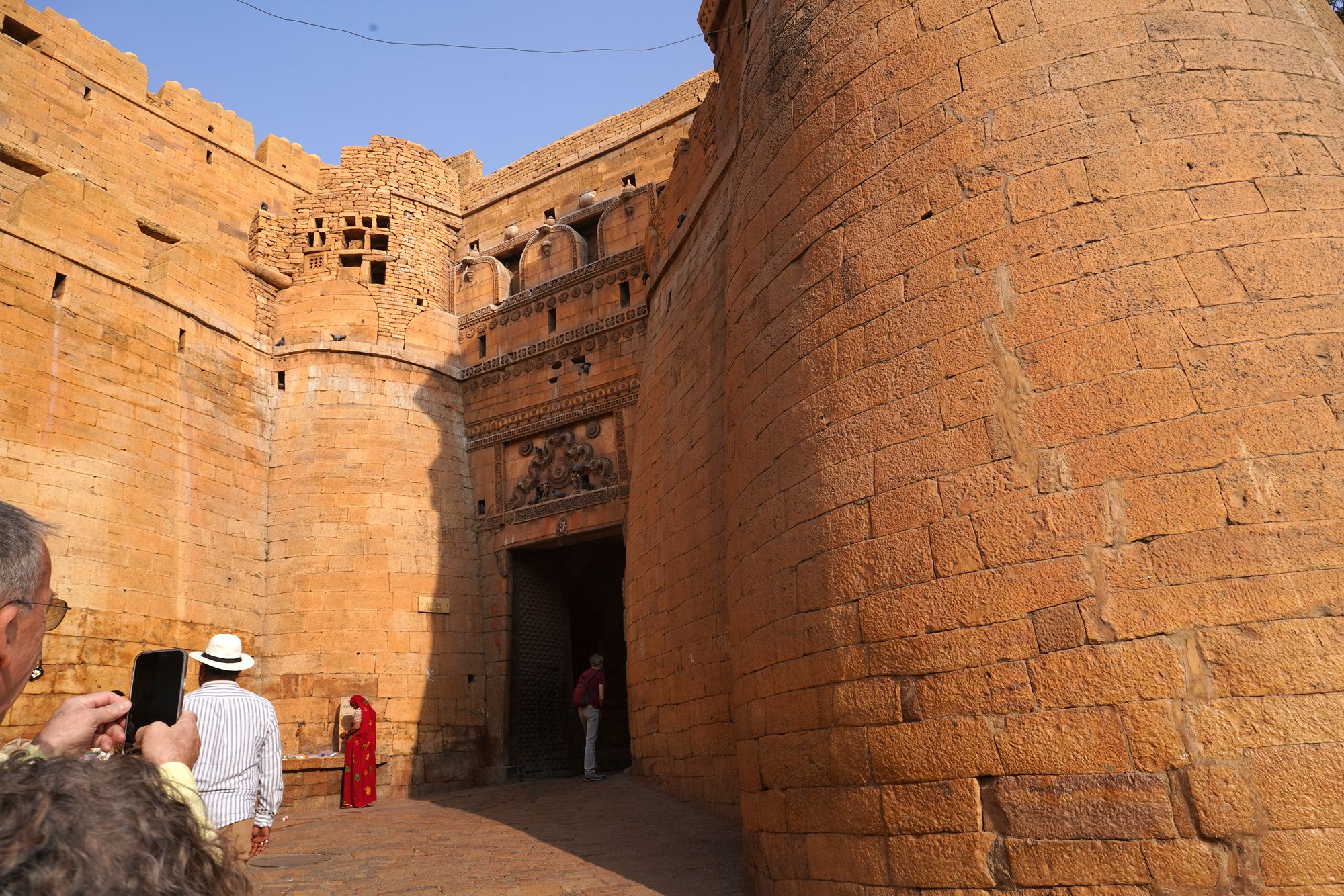
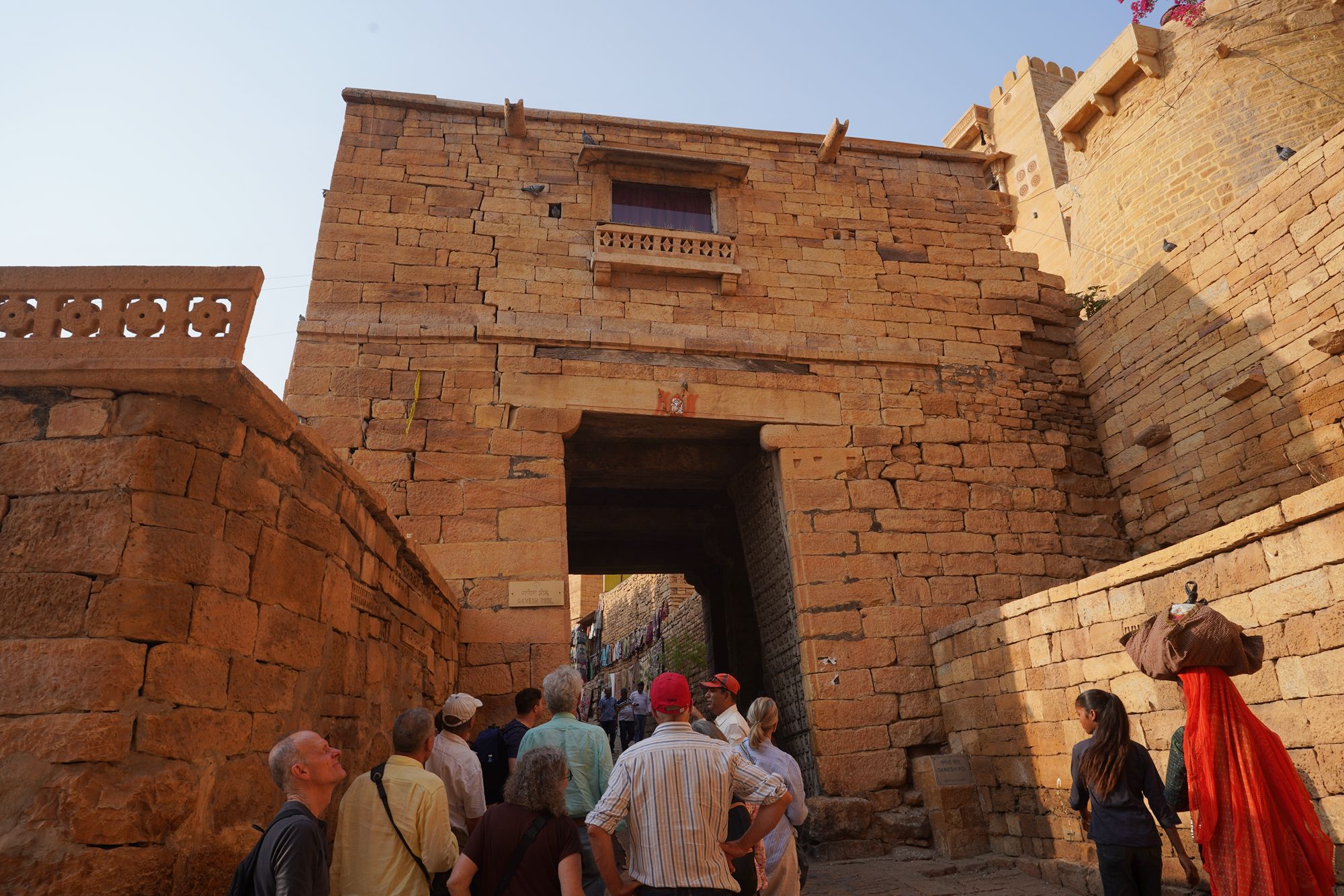
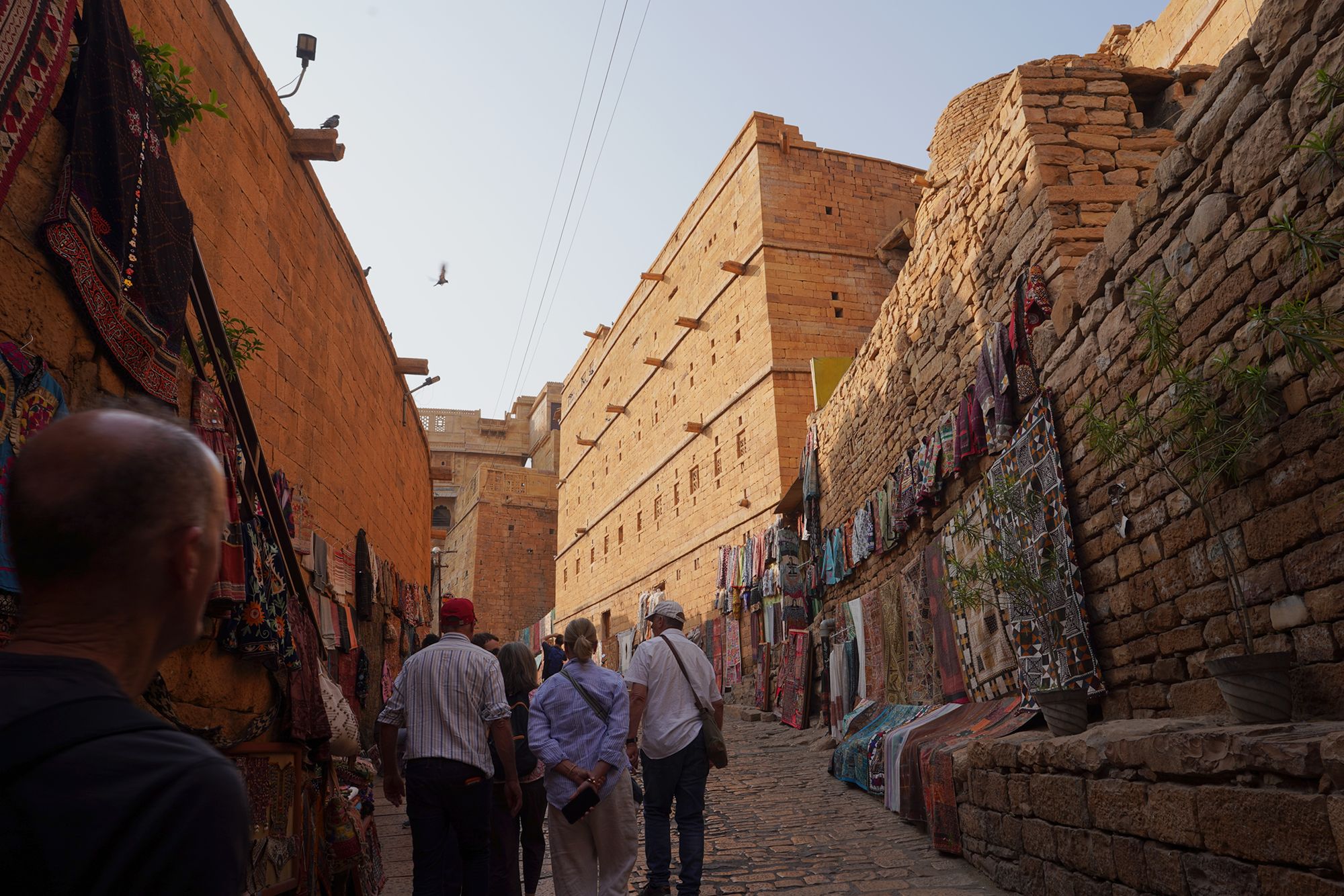
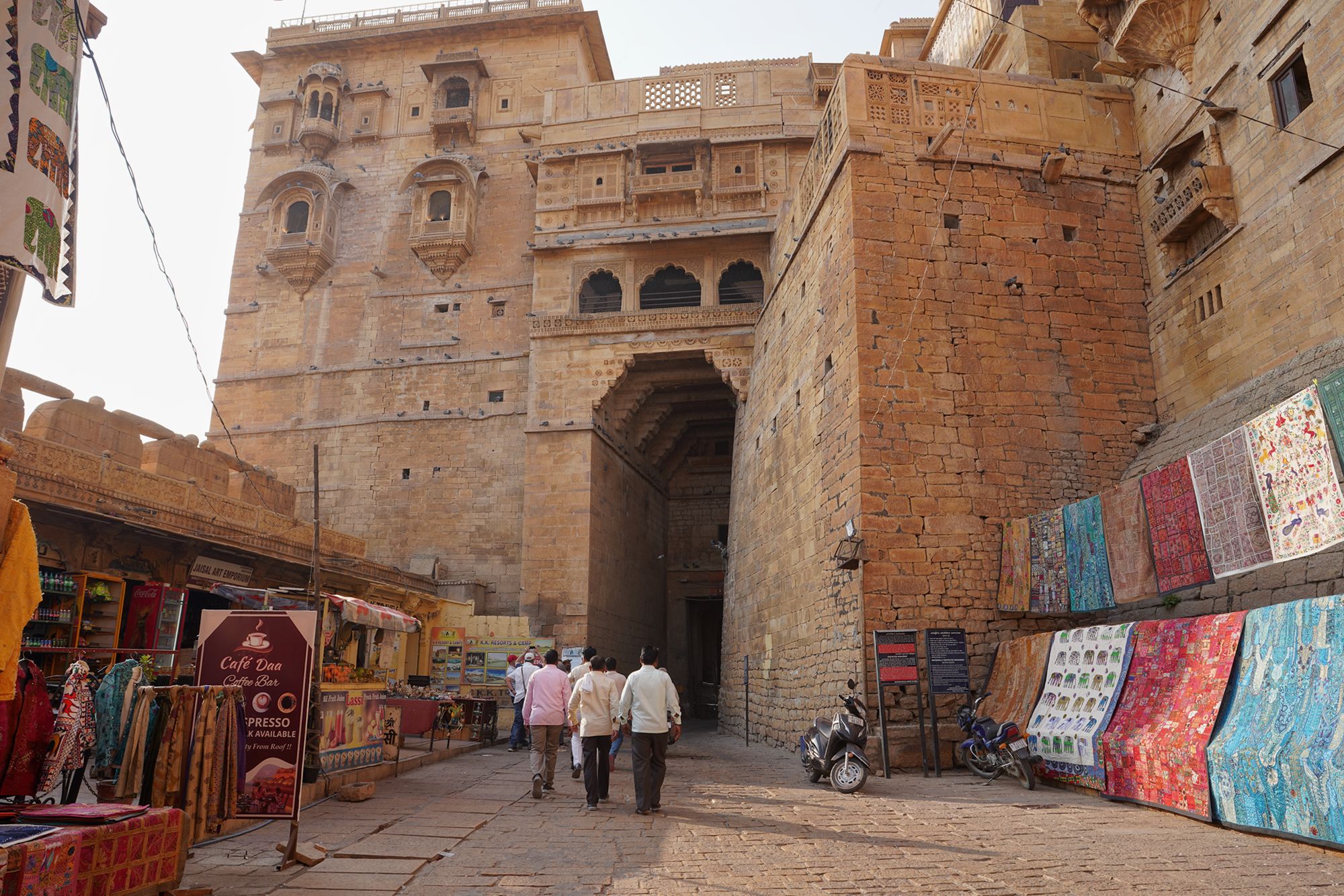
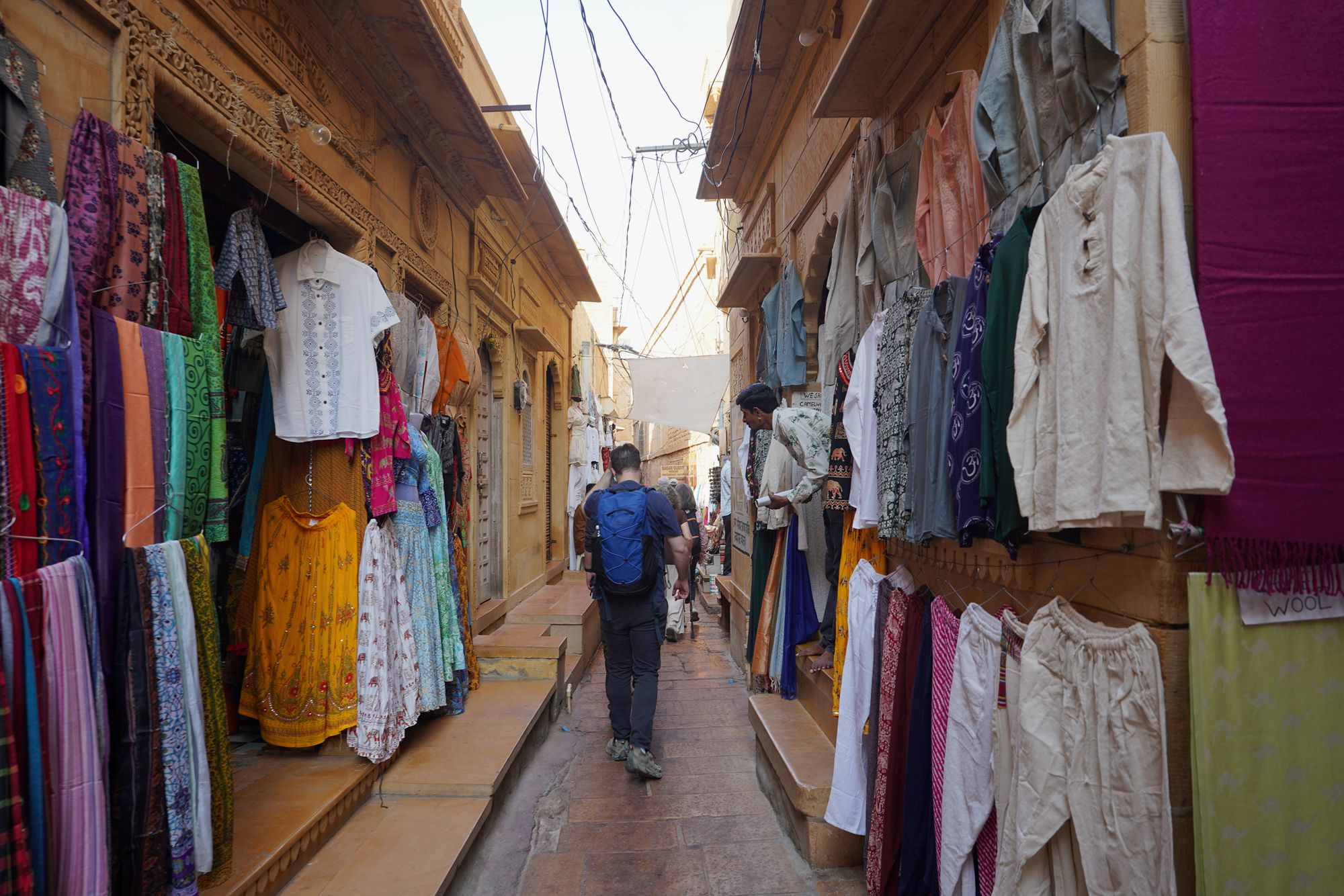
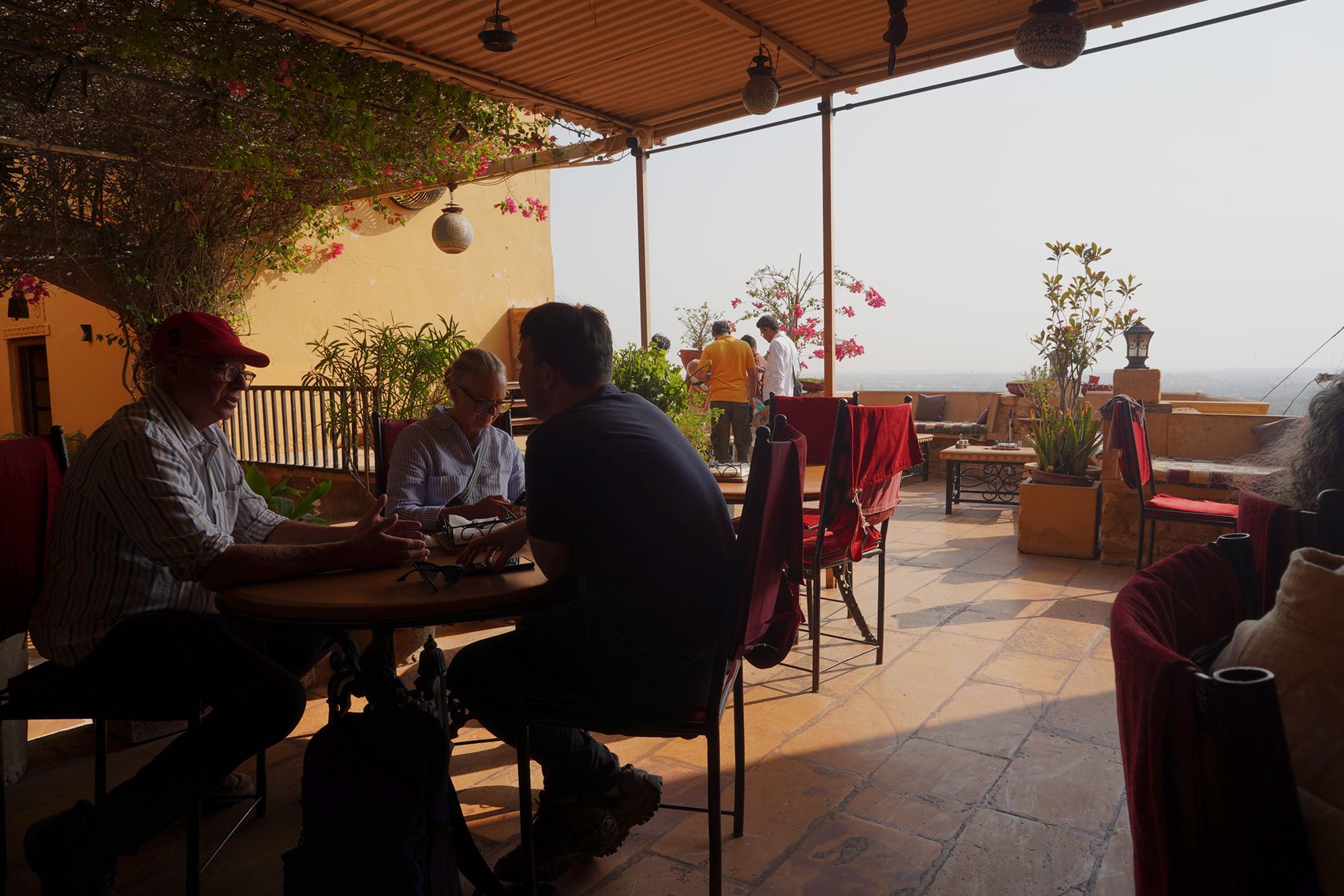
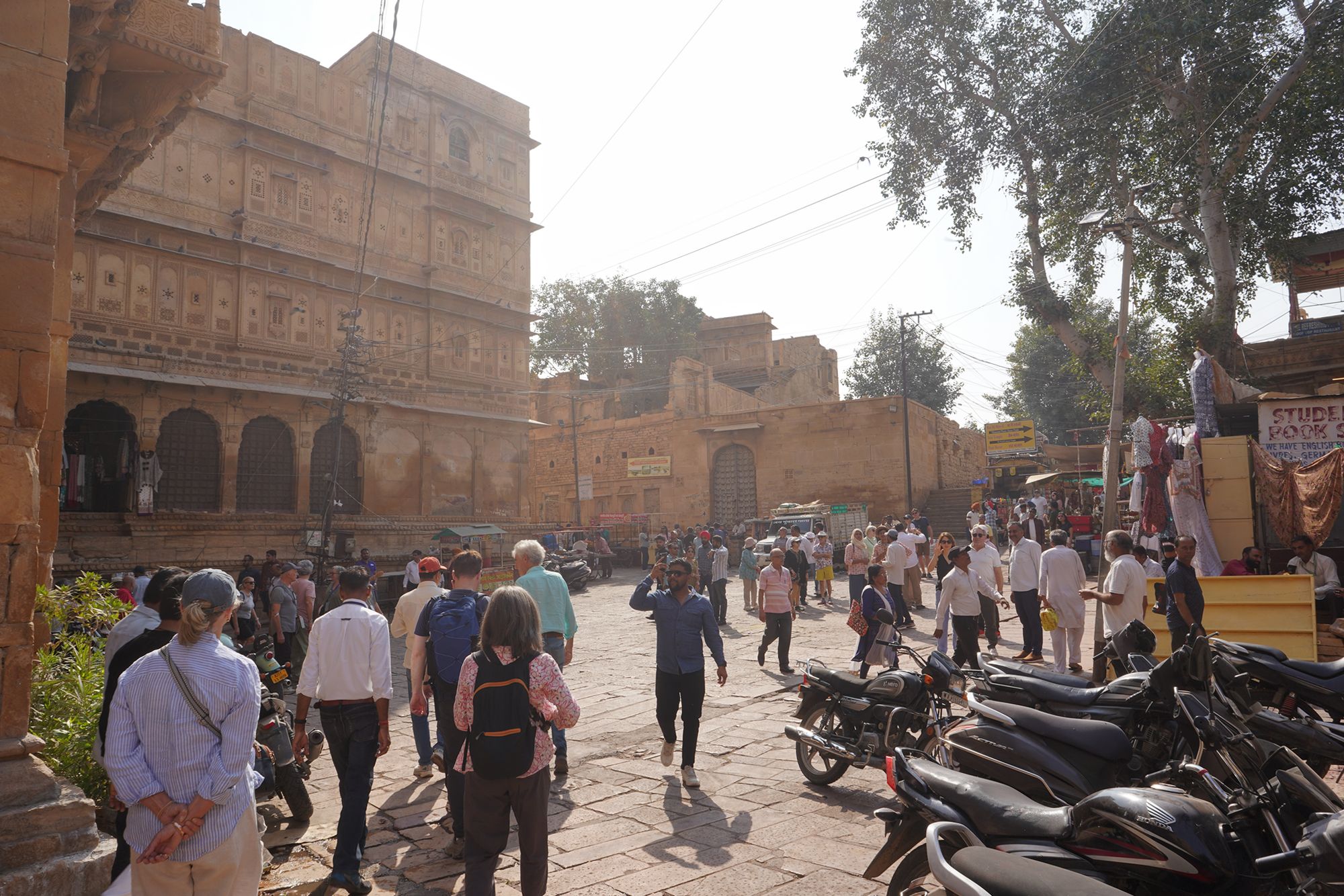
Jaisalmer Fort is unusual because it is still a living fort, with thousands of people residing within its walls among temples, shops, restaurants, and narrow streets.
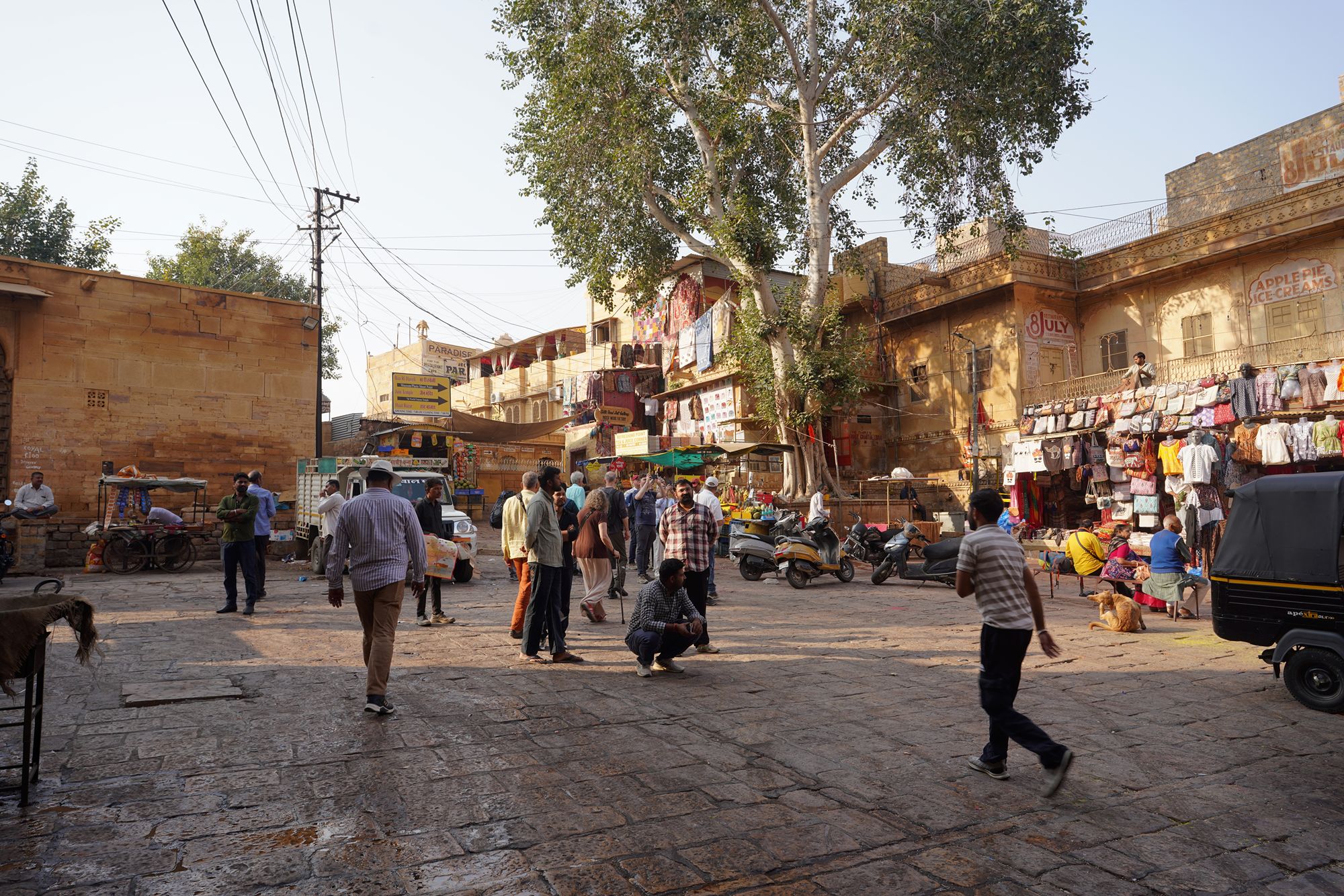
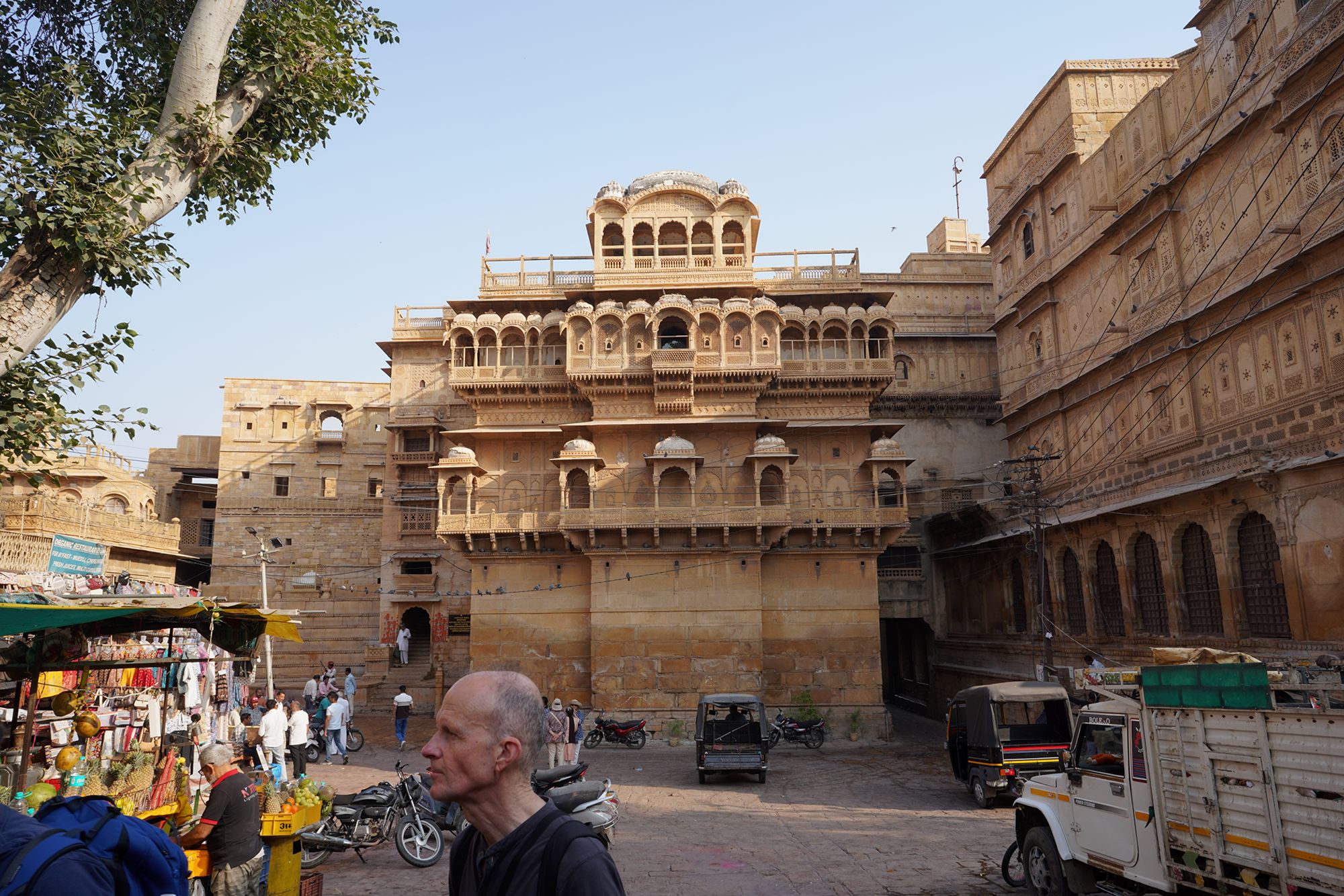
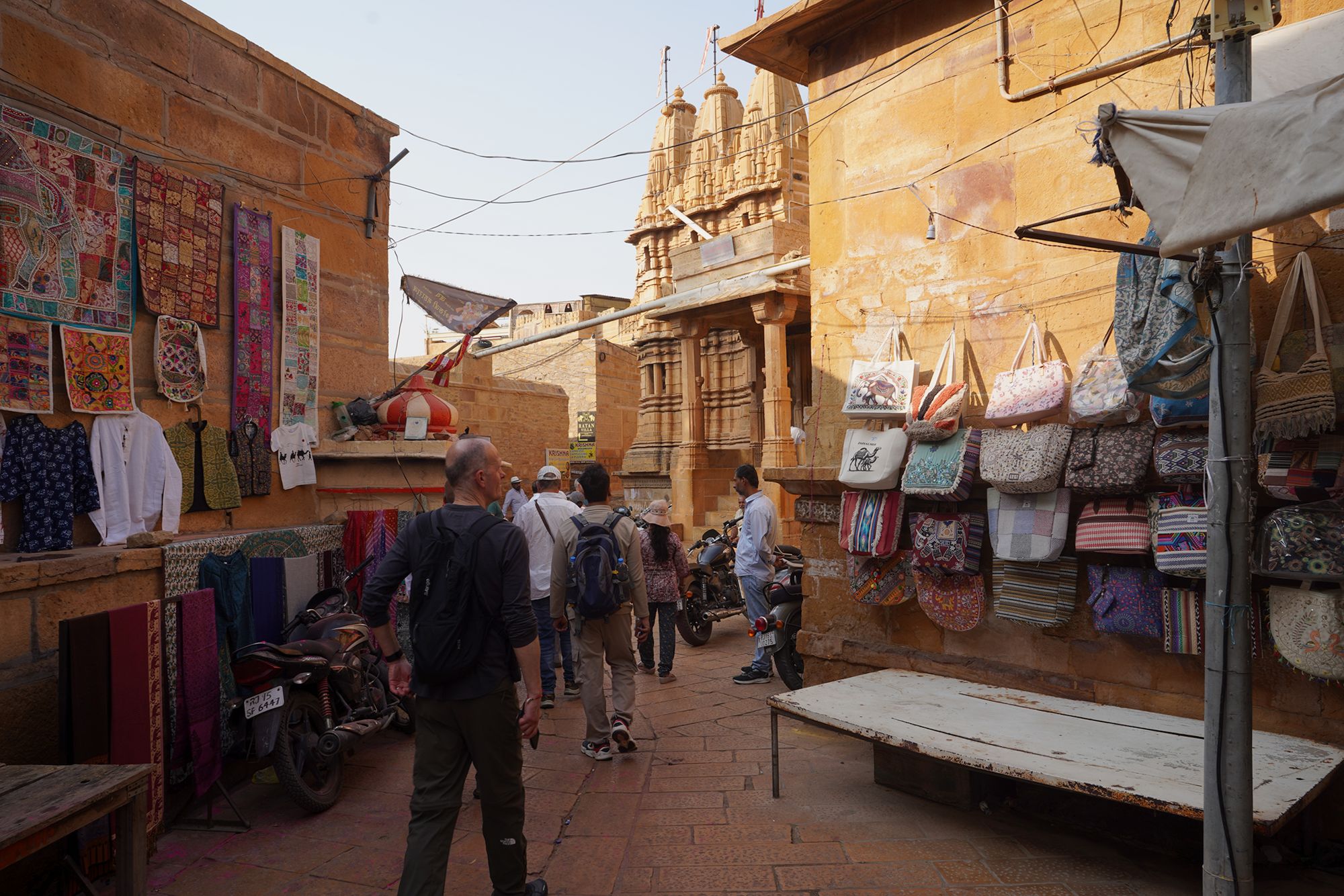
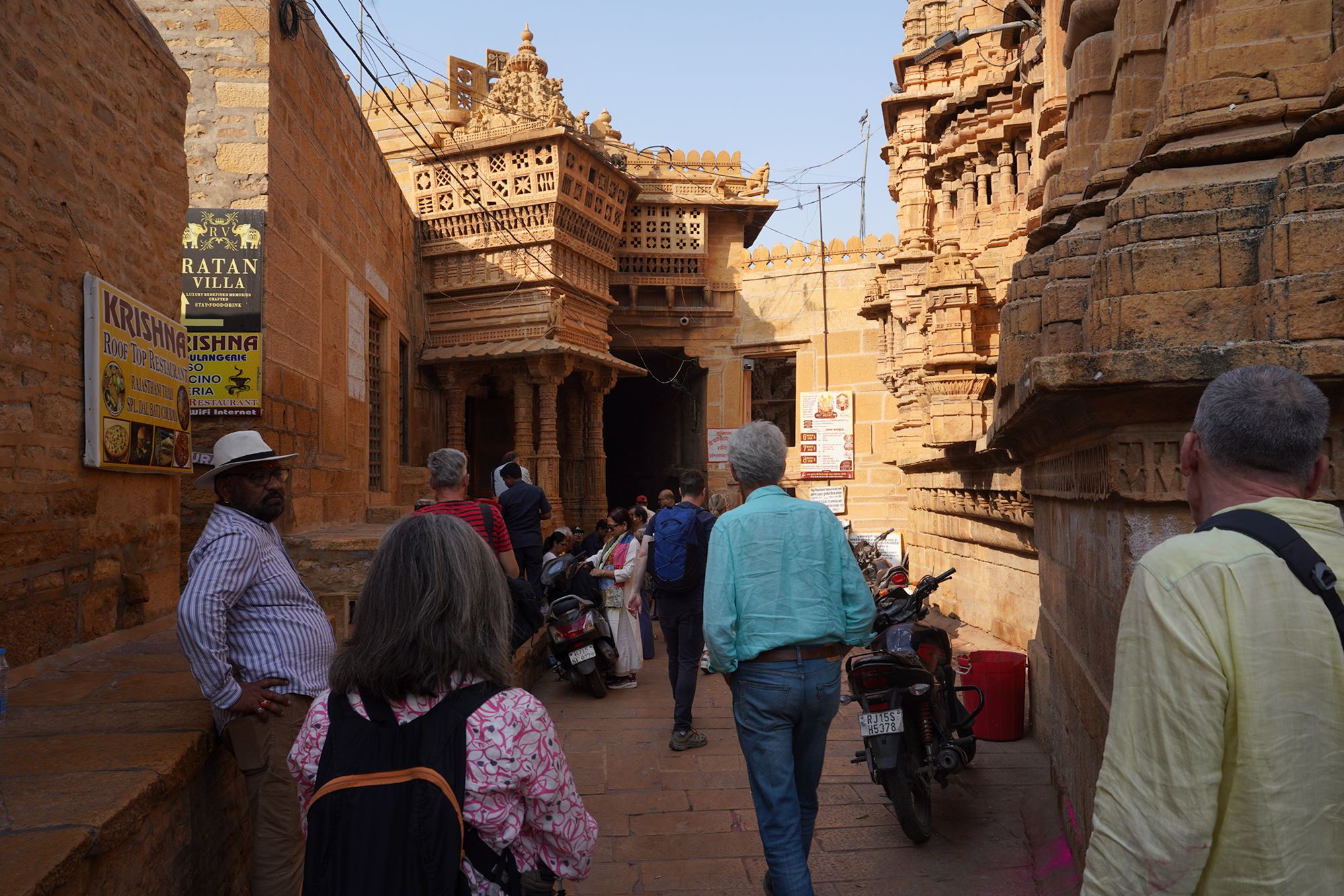
Jaisalmer Fort was built in 1156 by Rawal Jaisal, a Rajput ruler of the Bhati dynasty who founded the city of Jaisalmer. He built the fort on Trikuta Hill as a fortified royal residence and center of government. Its strategic location also allowed the rulers to control and protect important caravan trade routes that crossed the region.
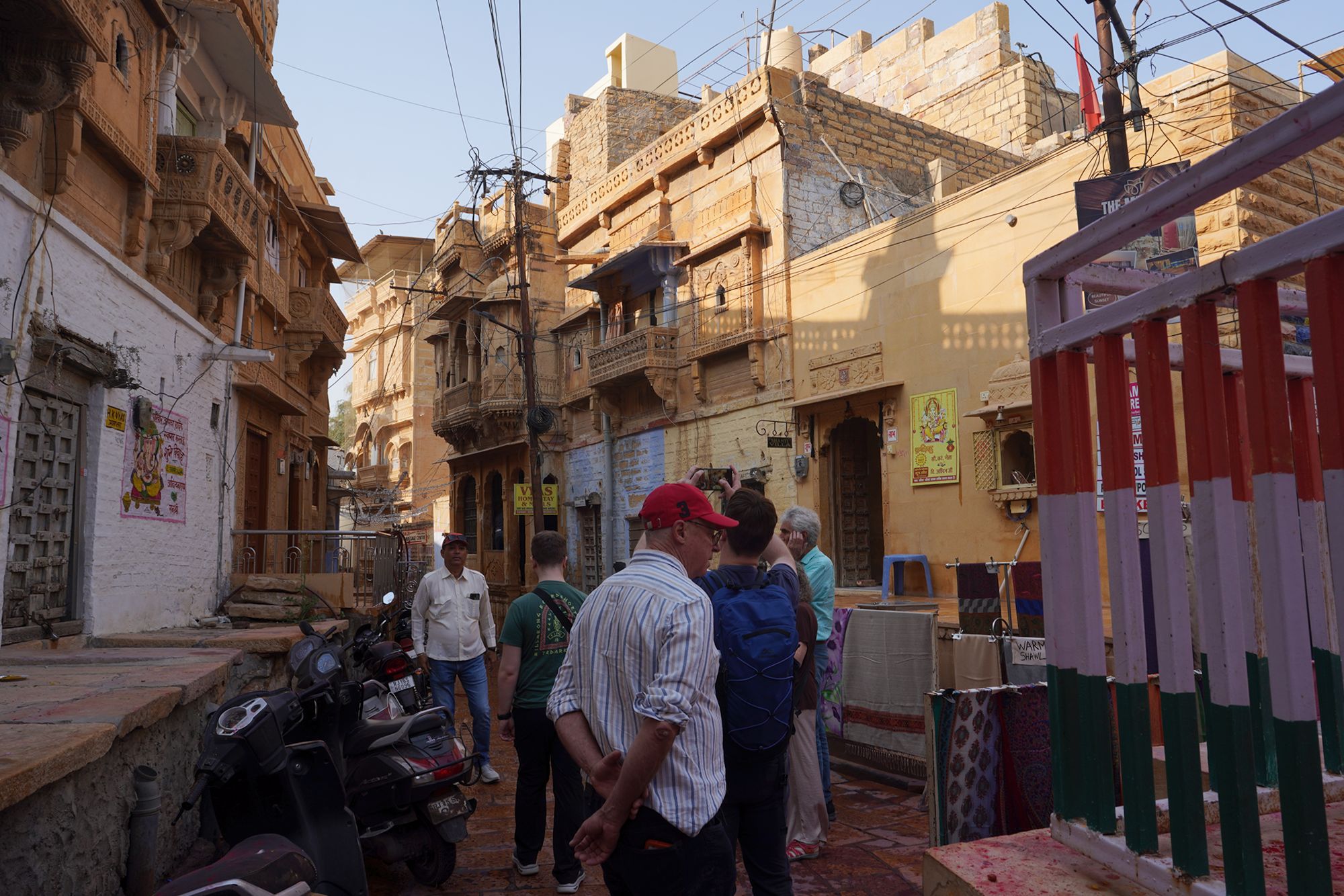
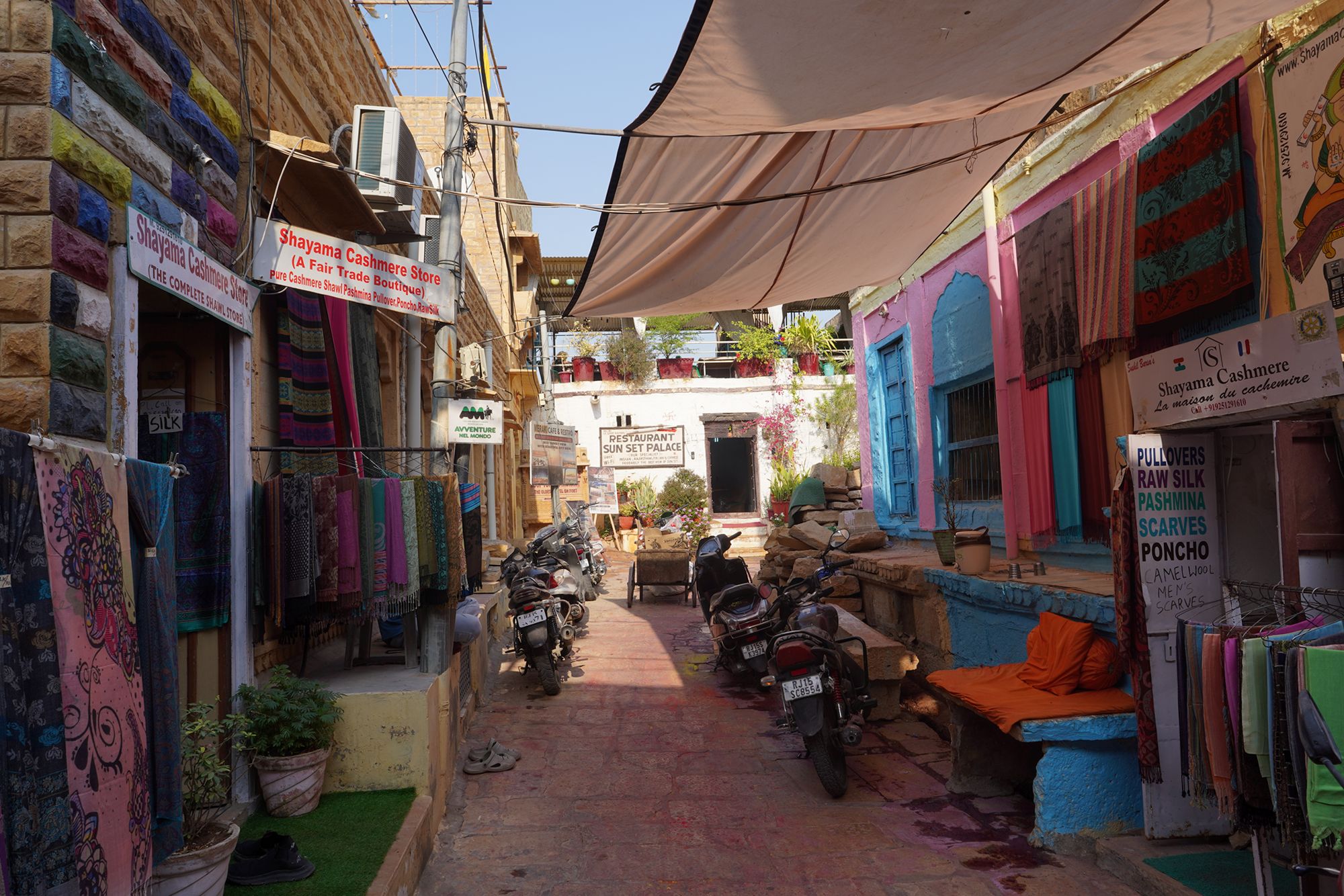
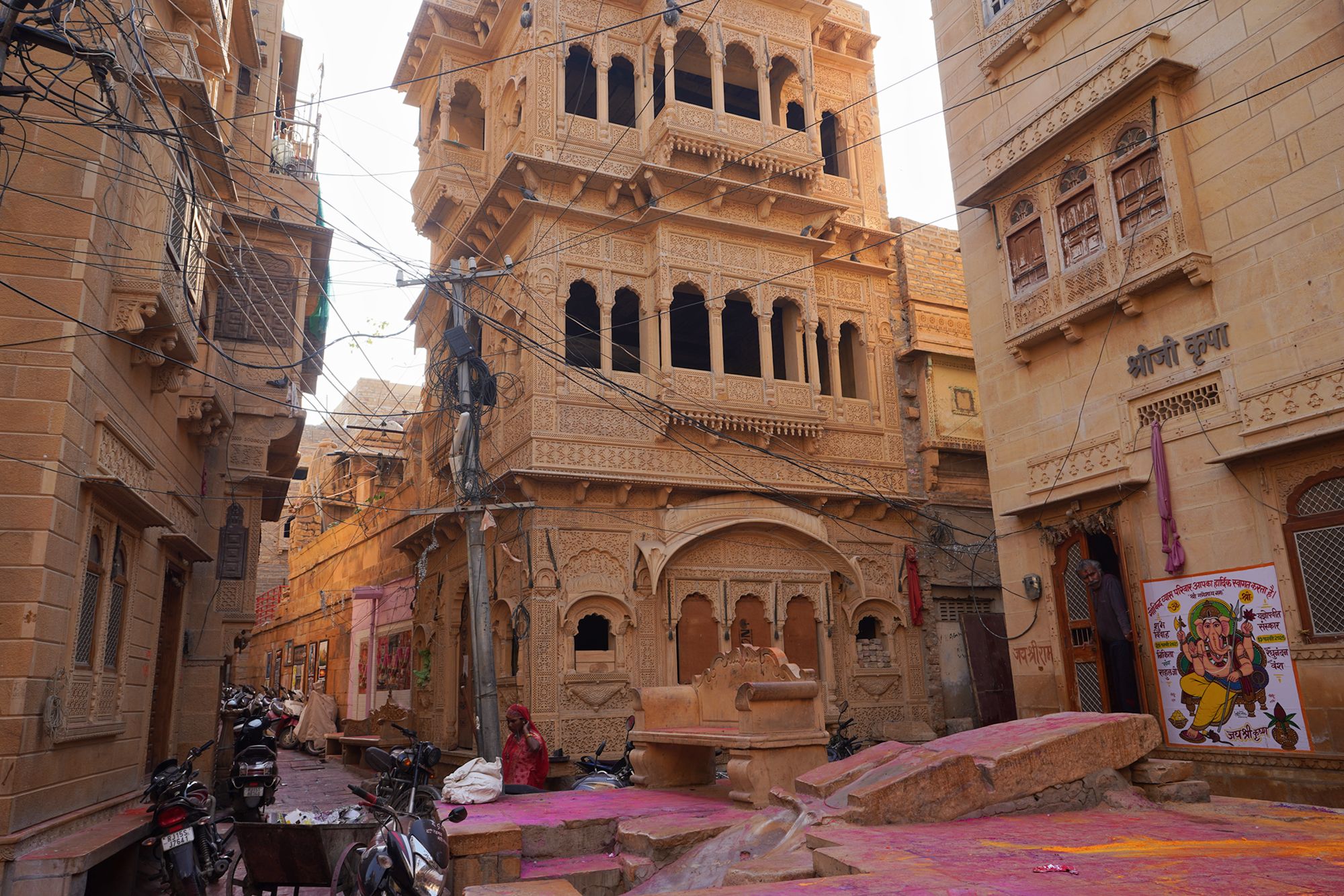
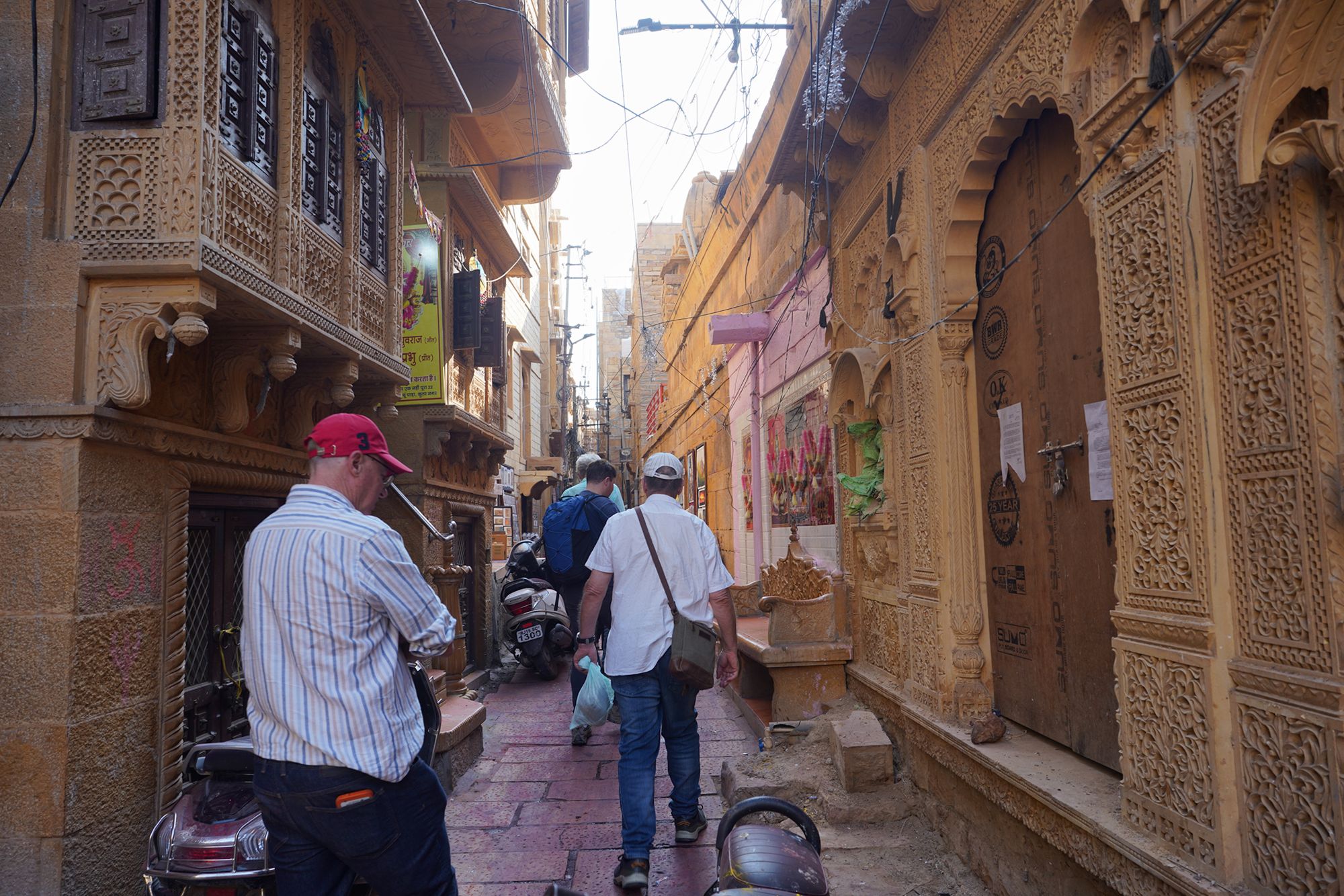
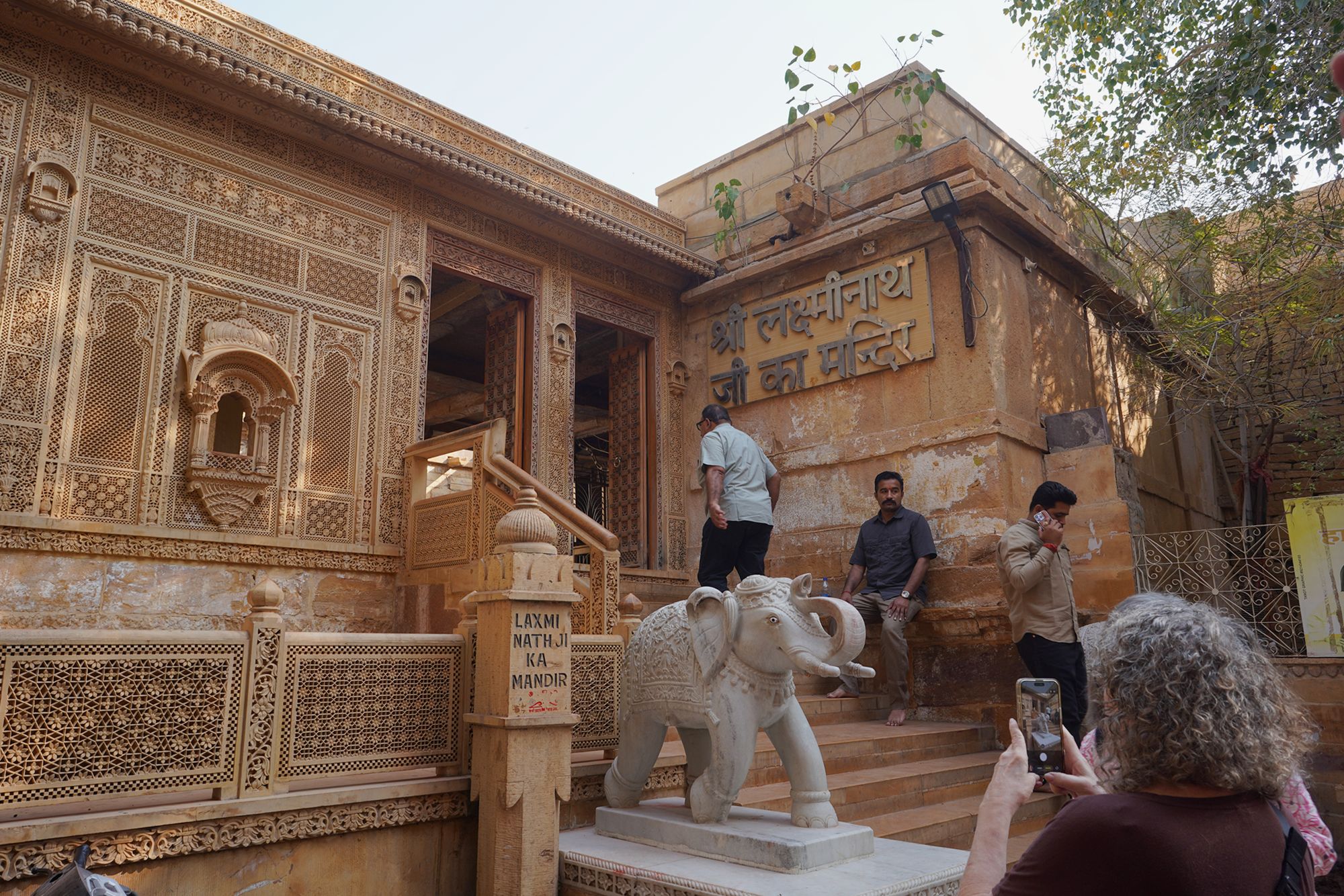
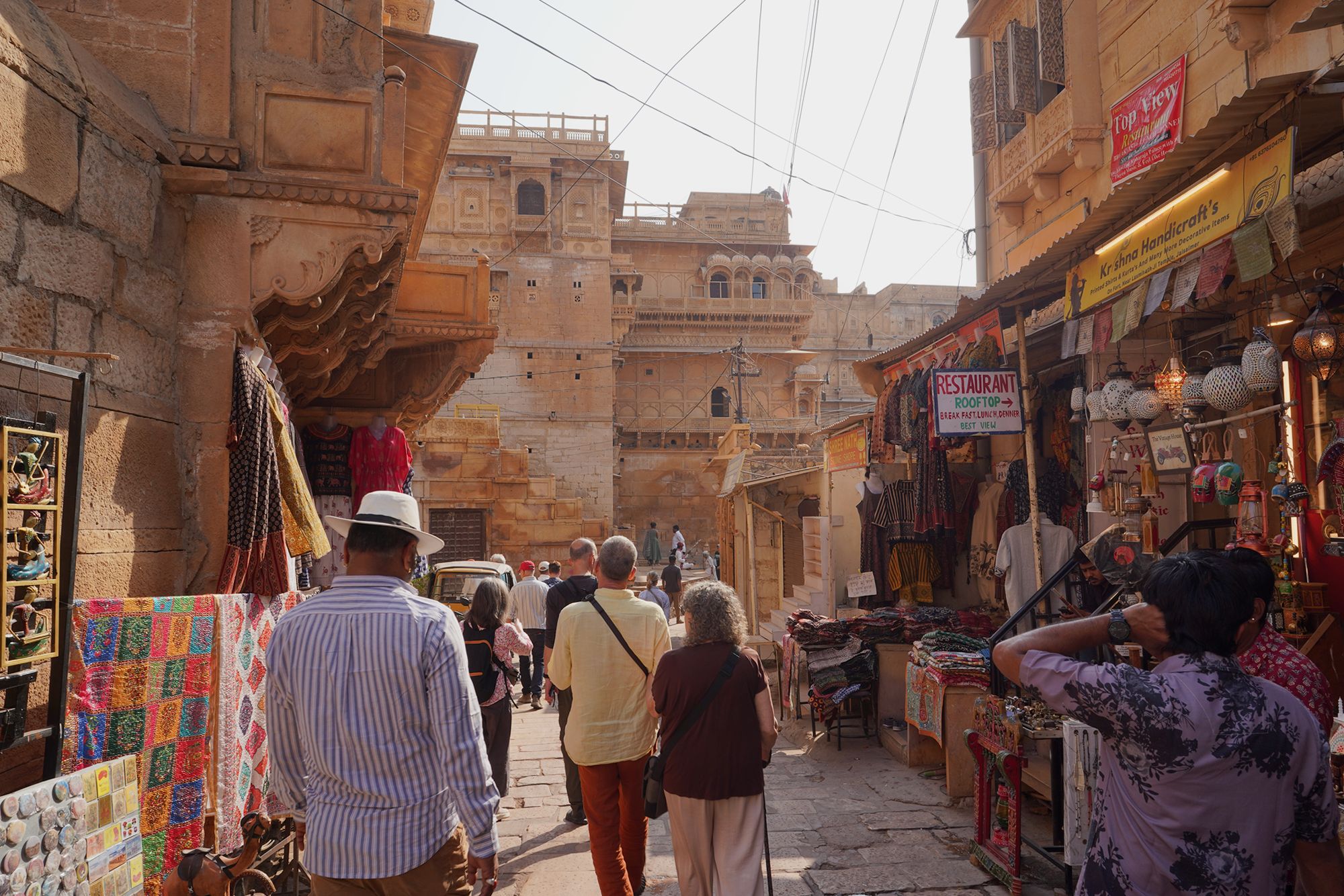
Because Jaisalmer Fort is still home to many residents, its narrow streets, houses, shops, temples, and restaurants make it feel more like a small town than a traditional fort.
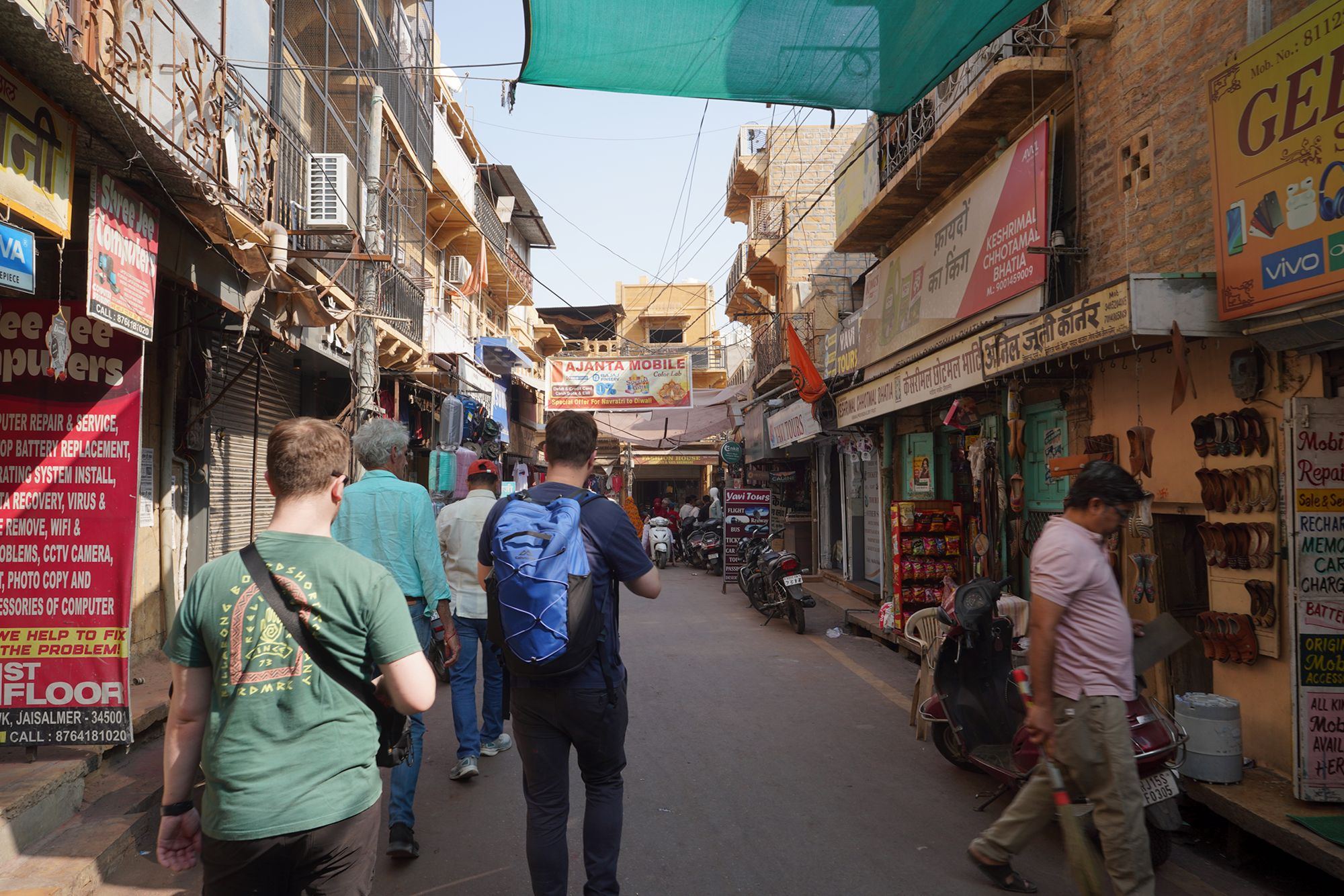
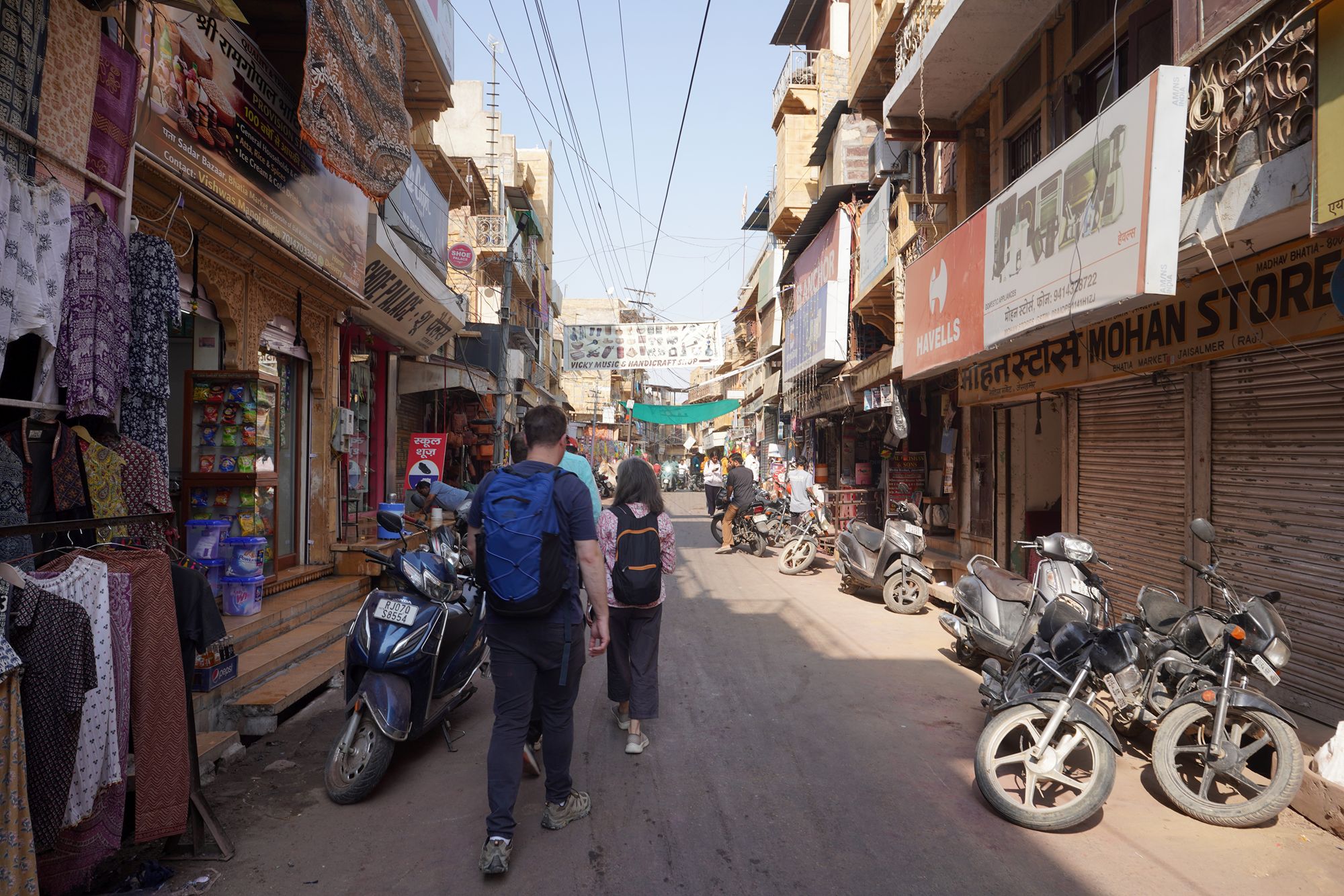
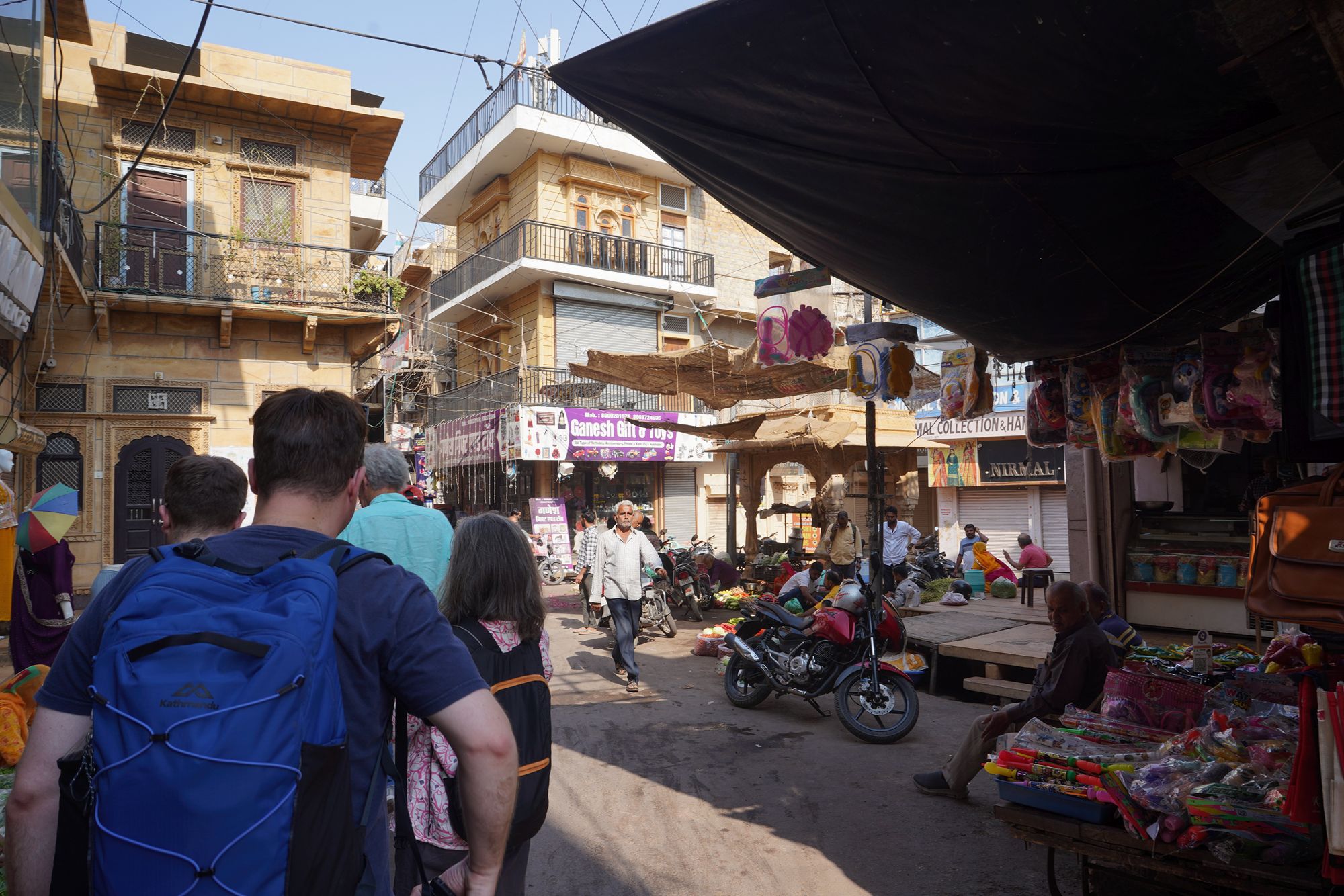
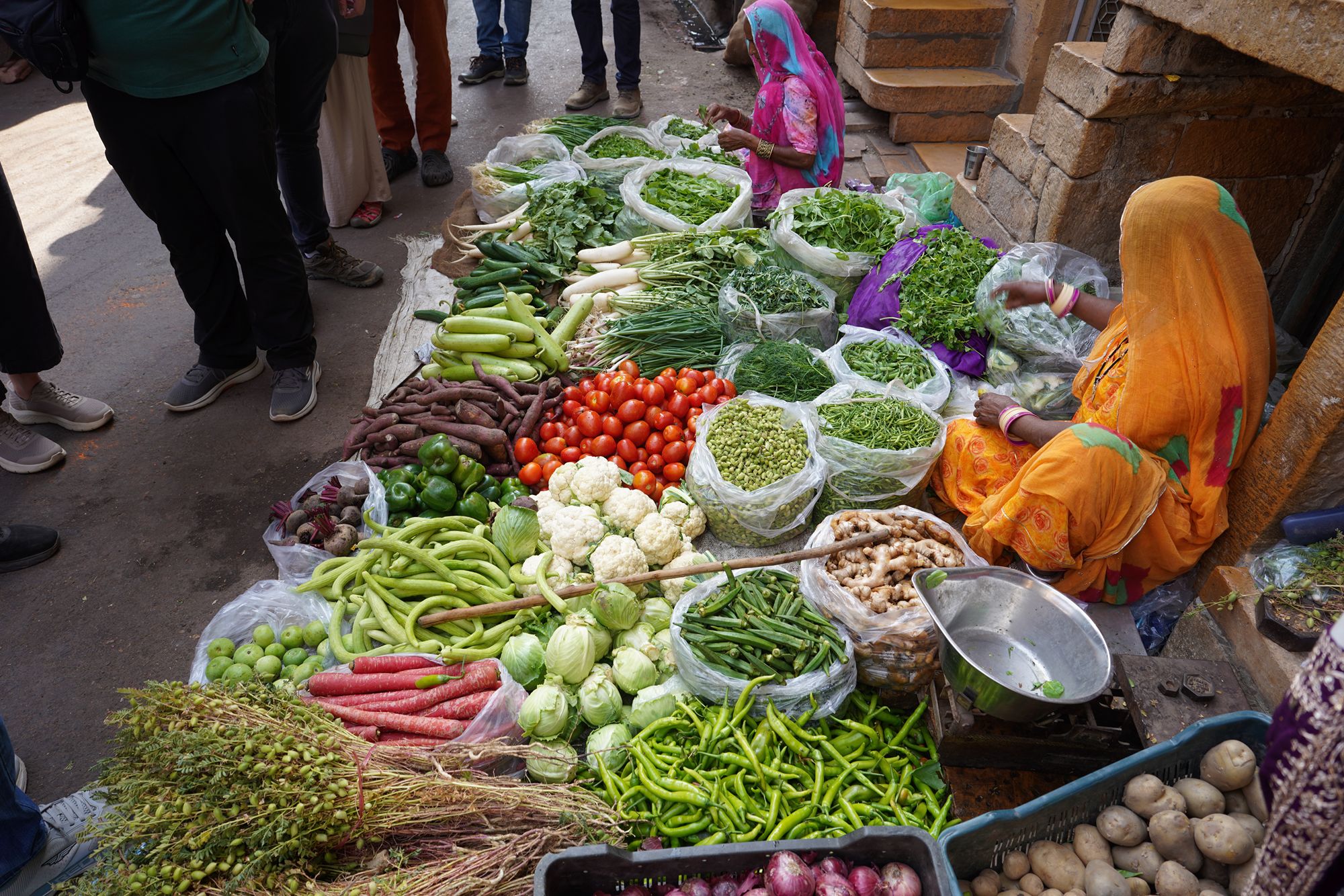
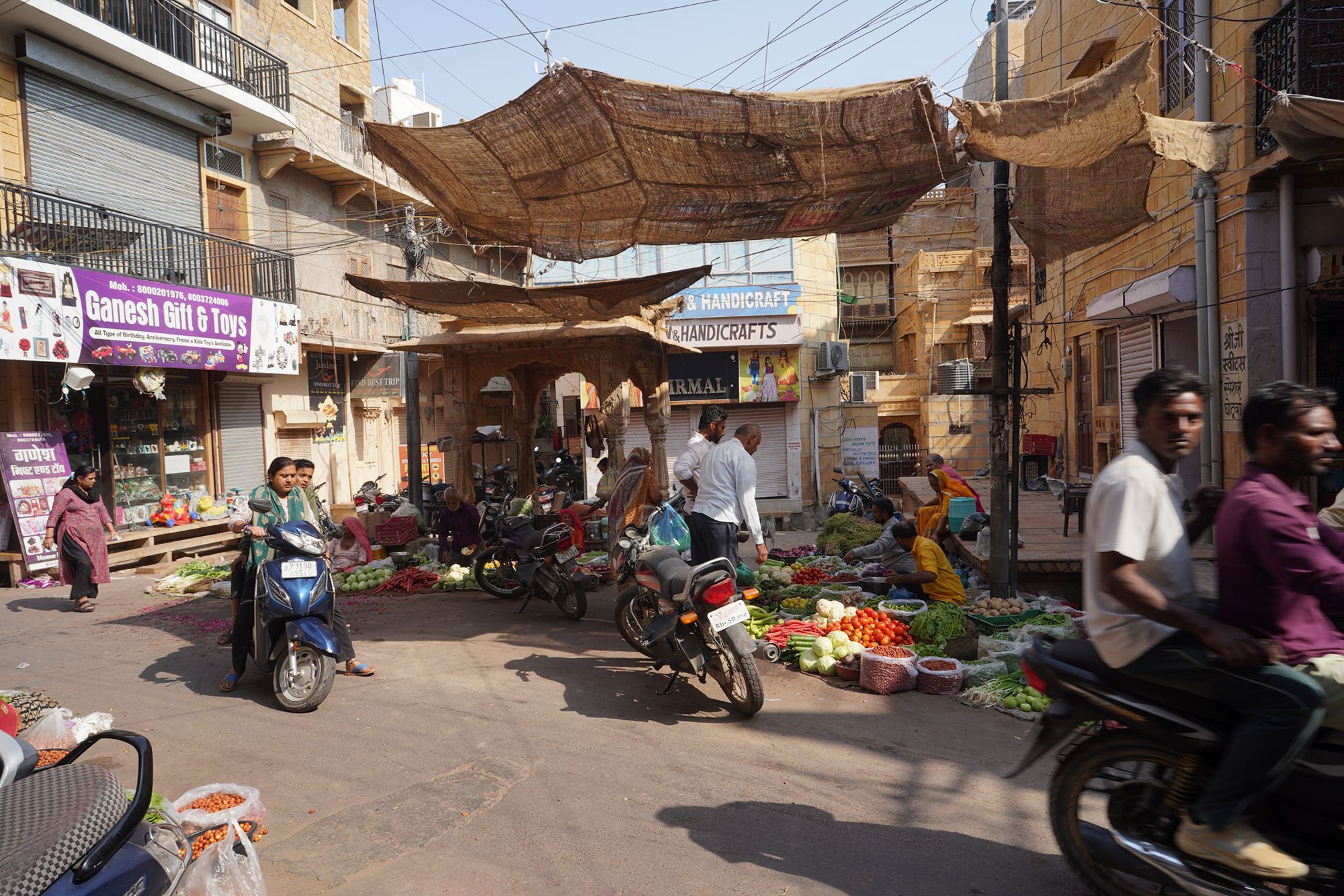
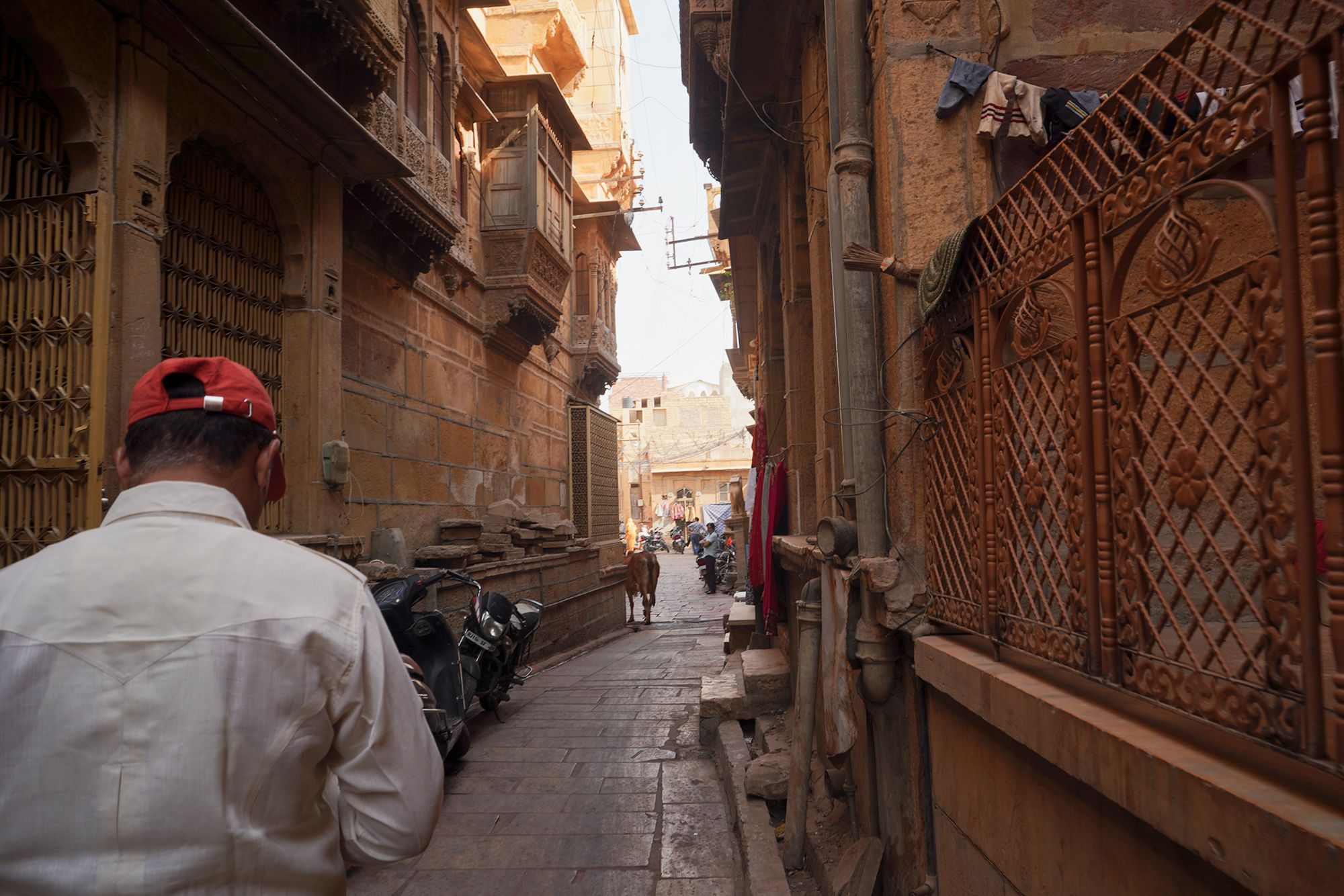
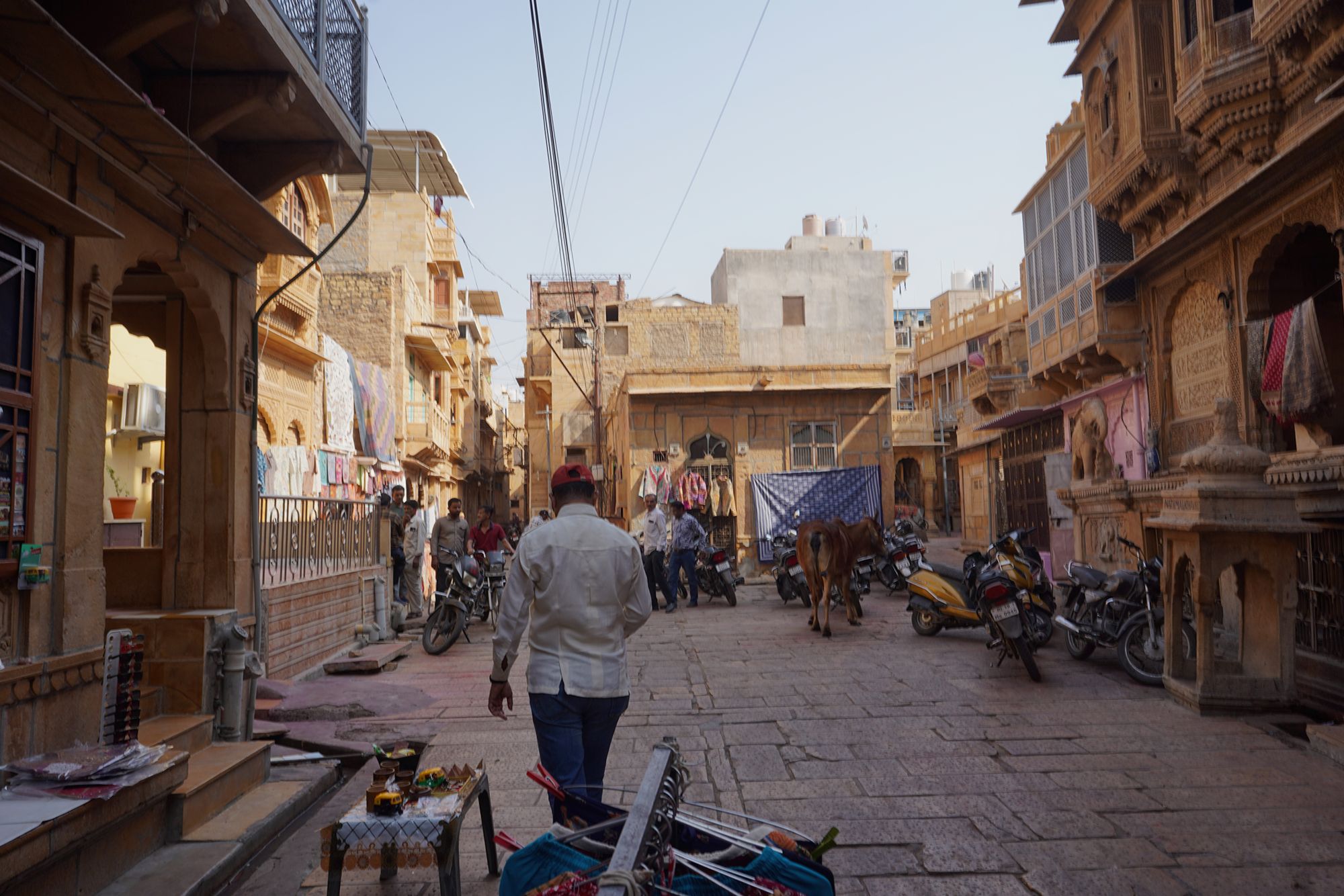
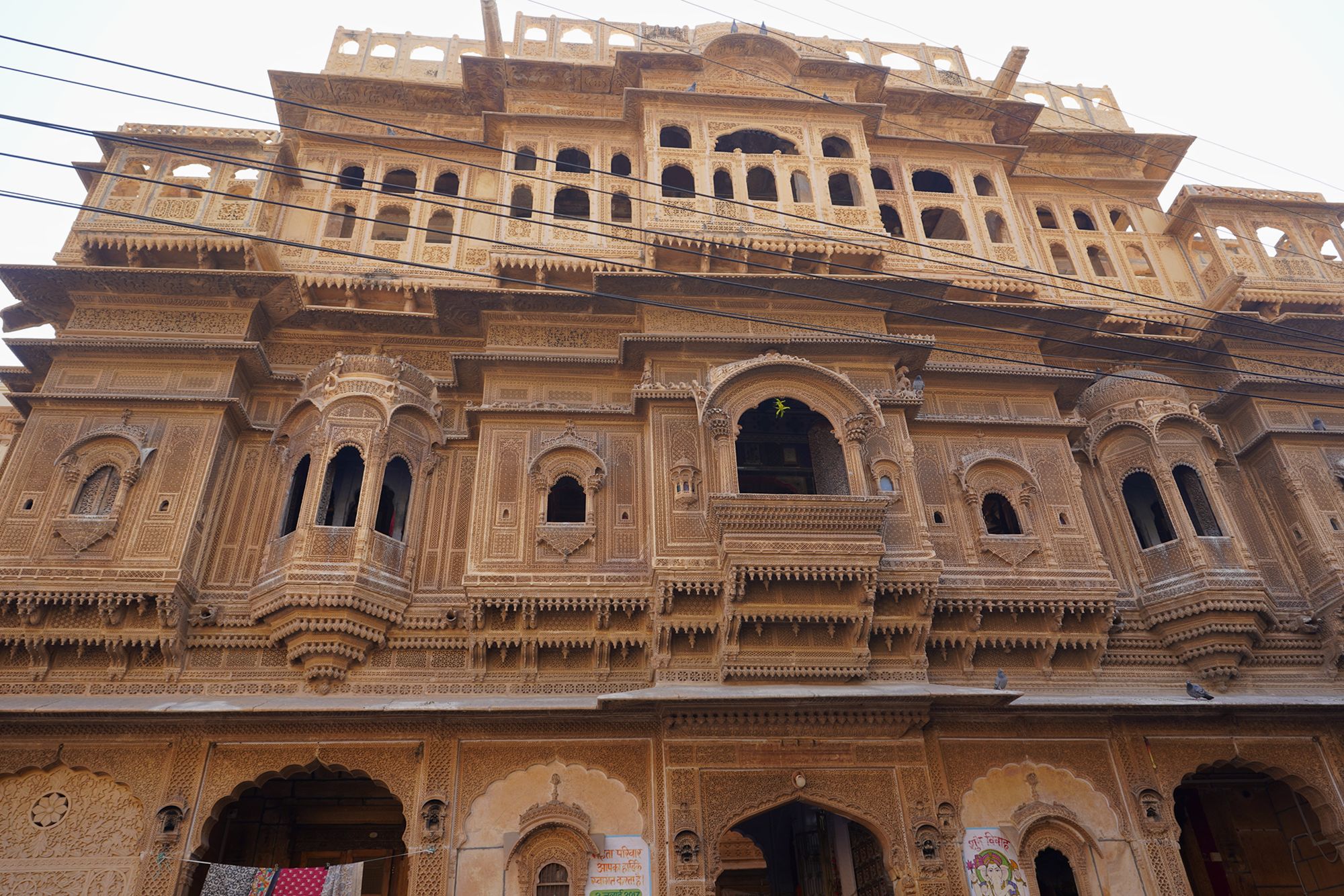
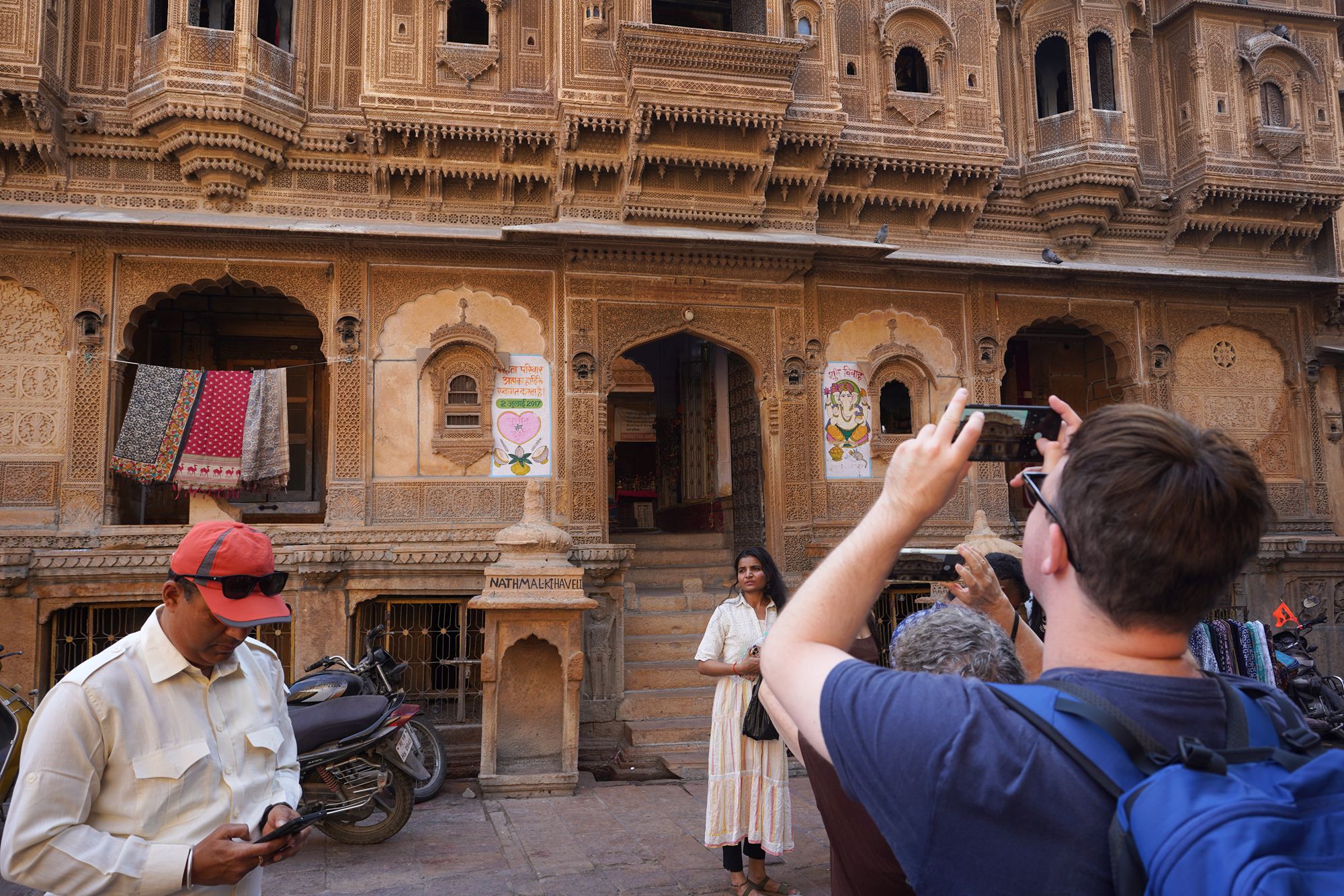
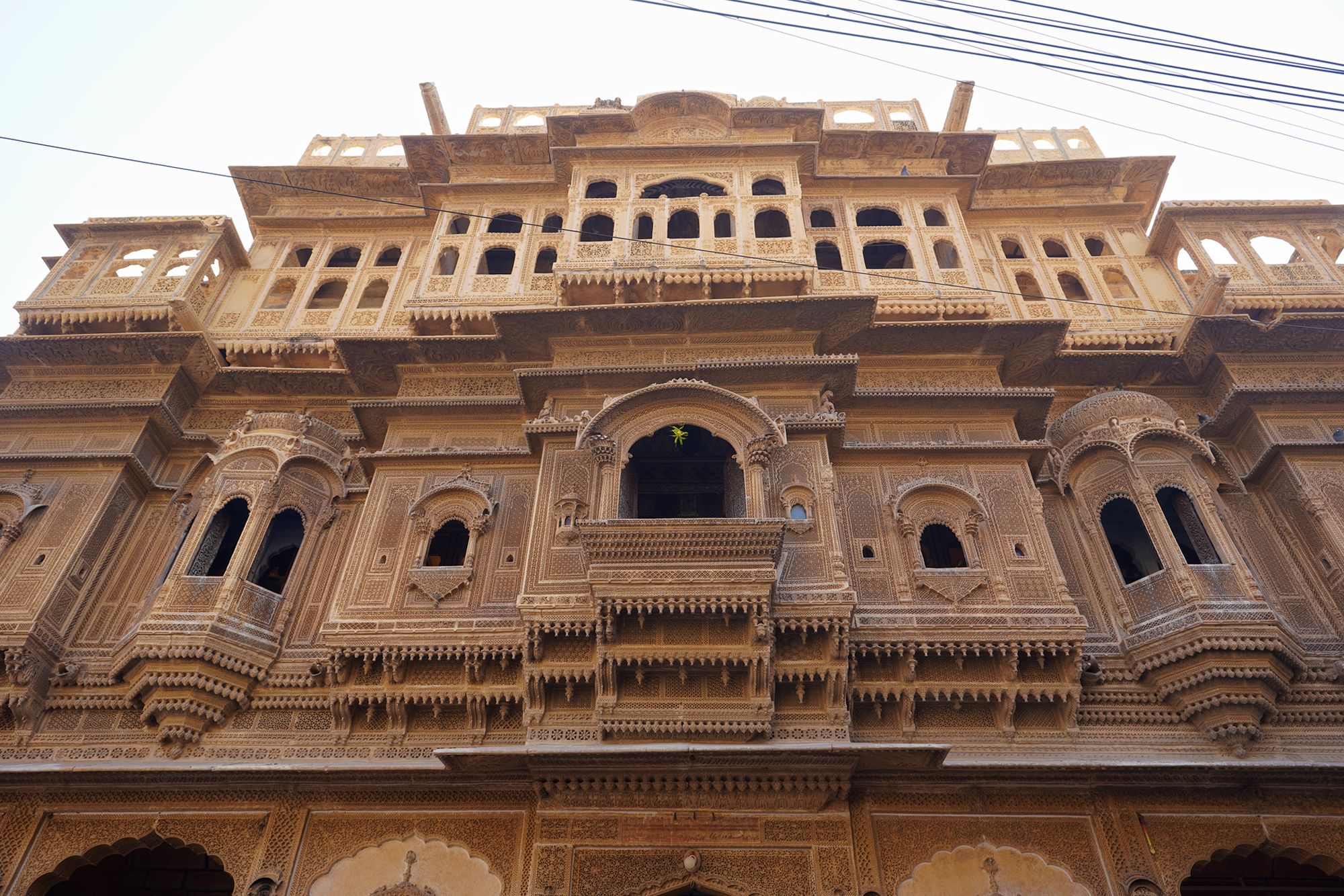
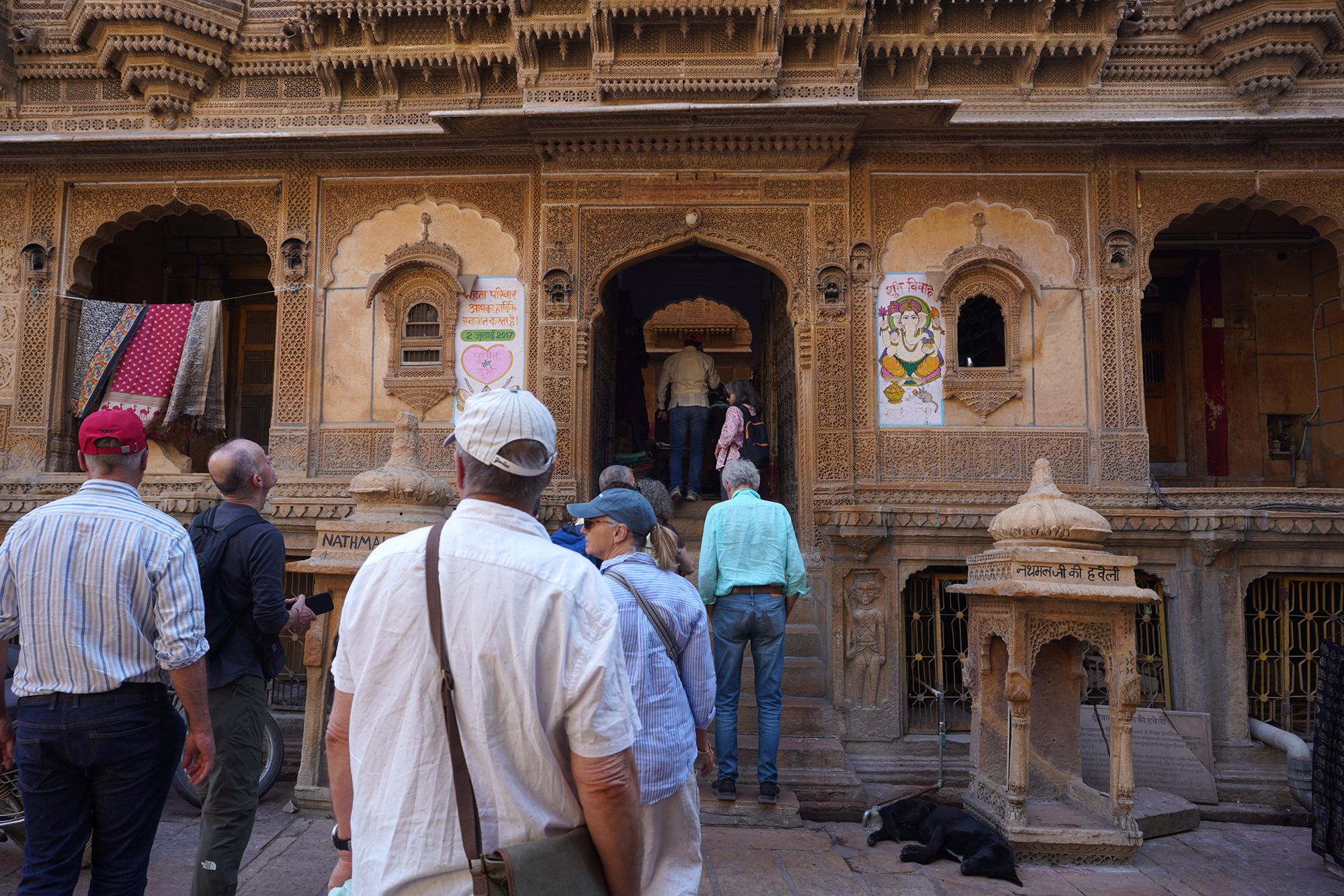
Walking through Jaisalmer, we passed one of the city’s magnificent historic havelis, with an incredibly detailed façade carved from golden sandstone.
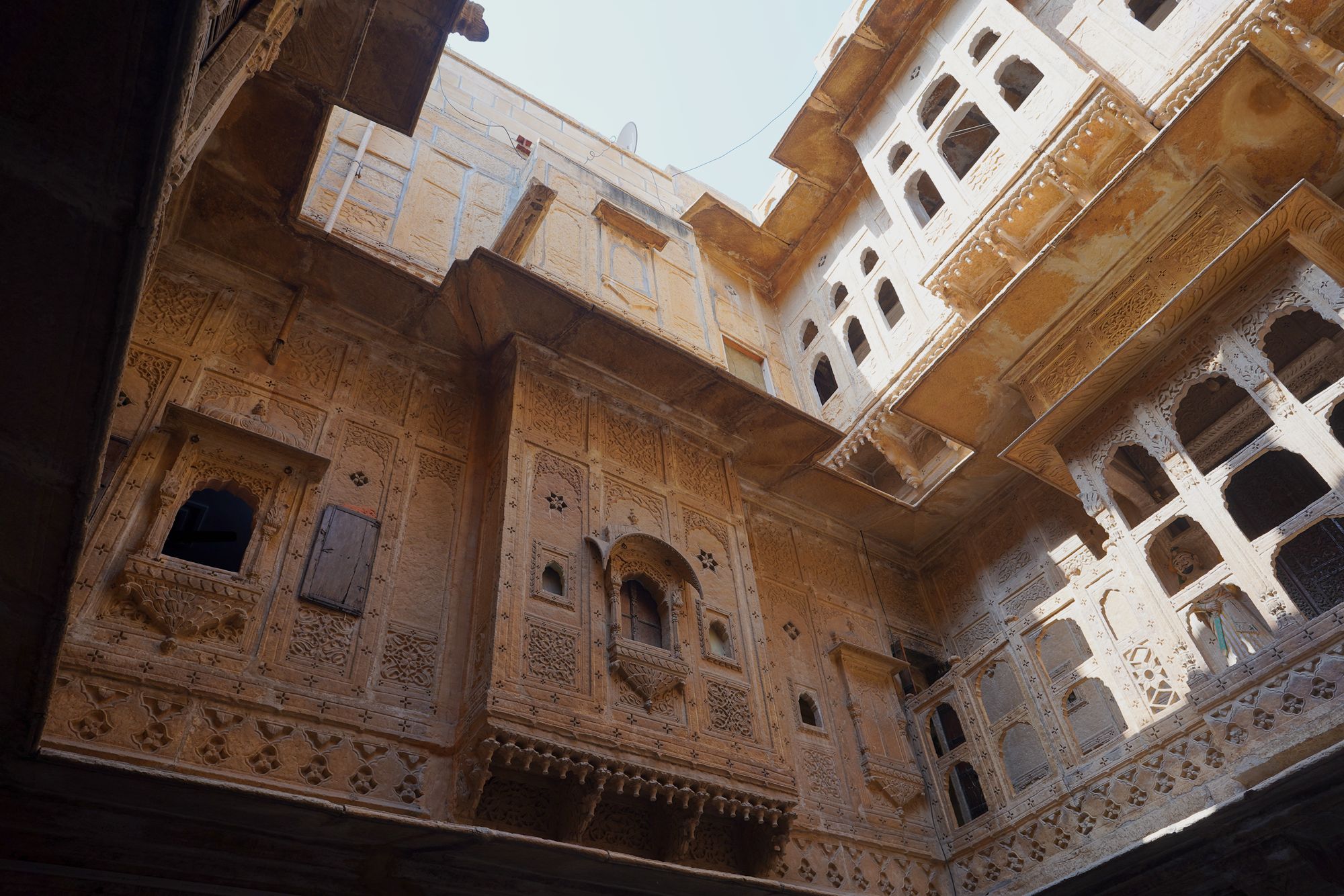
Inner area of the house
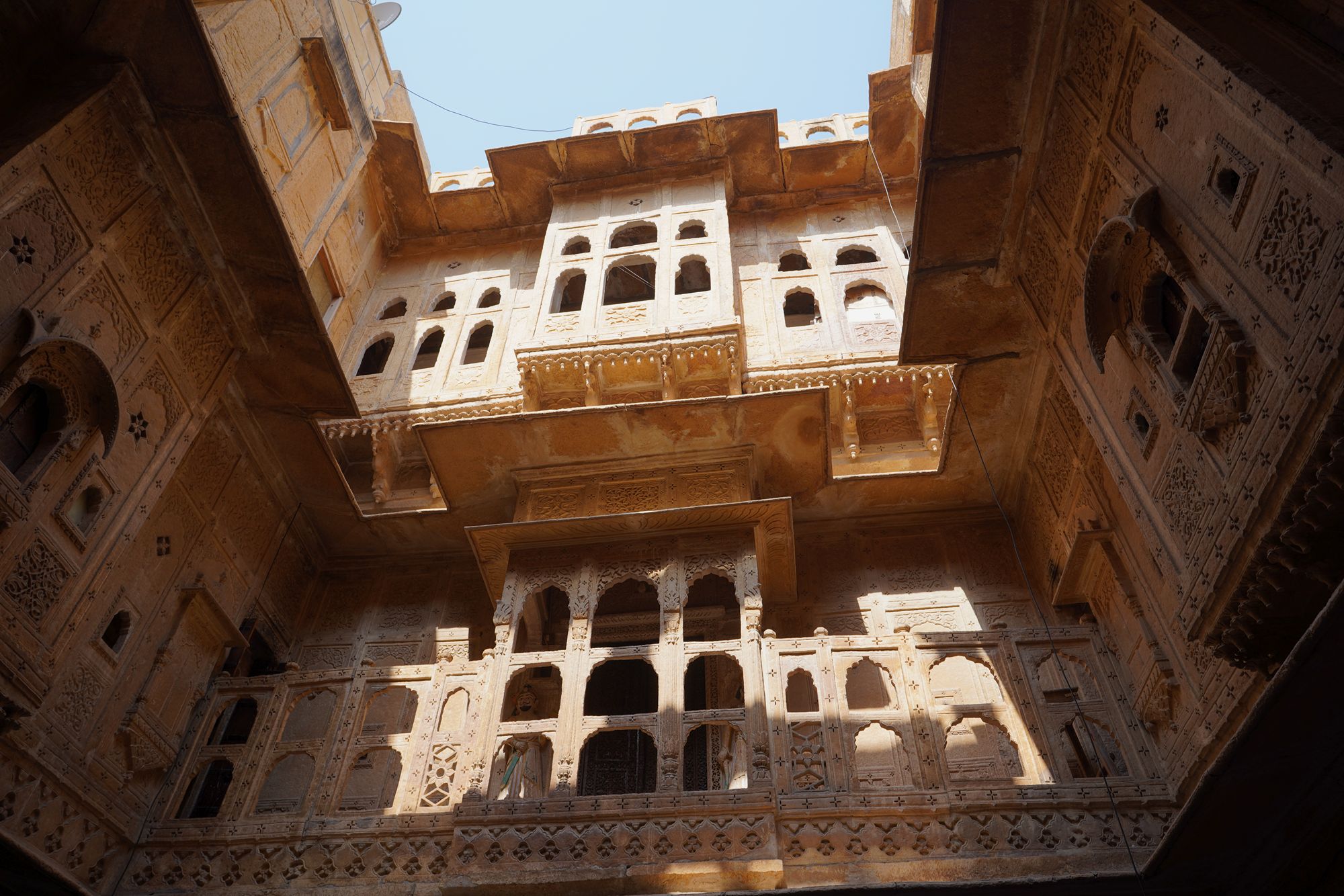
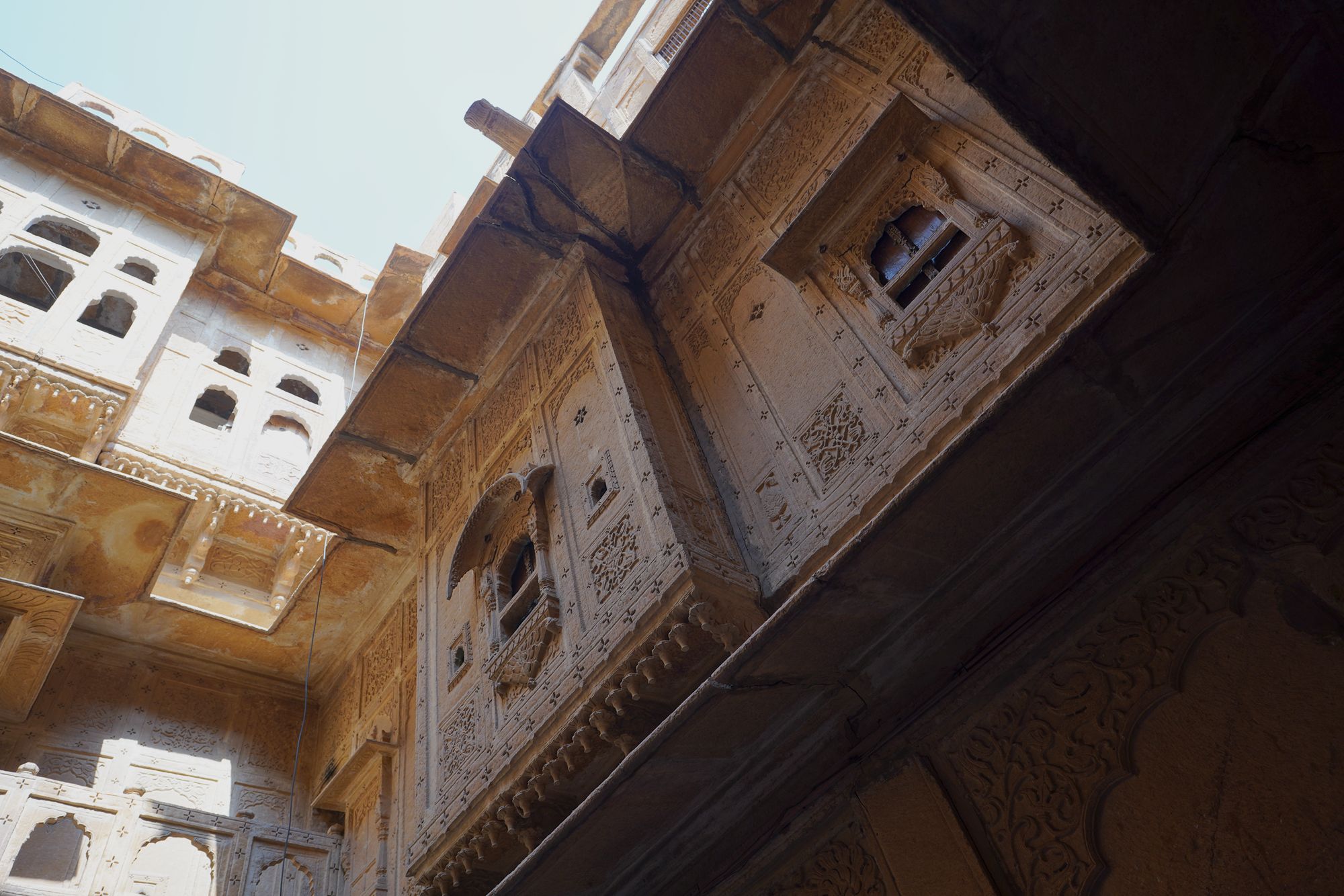
Inside the historic haveli was a small shop filled with traditional handicrafts, carvings, figurines, and souvenirs.
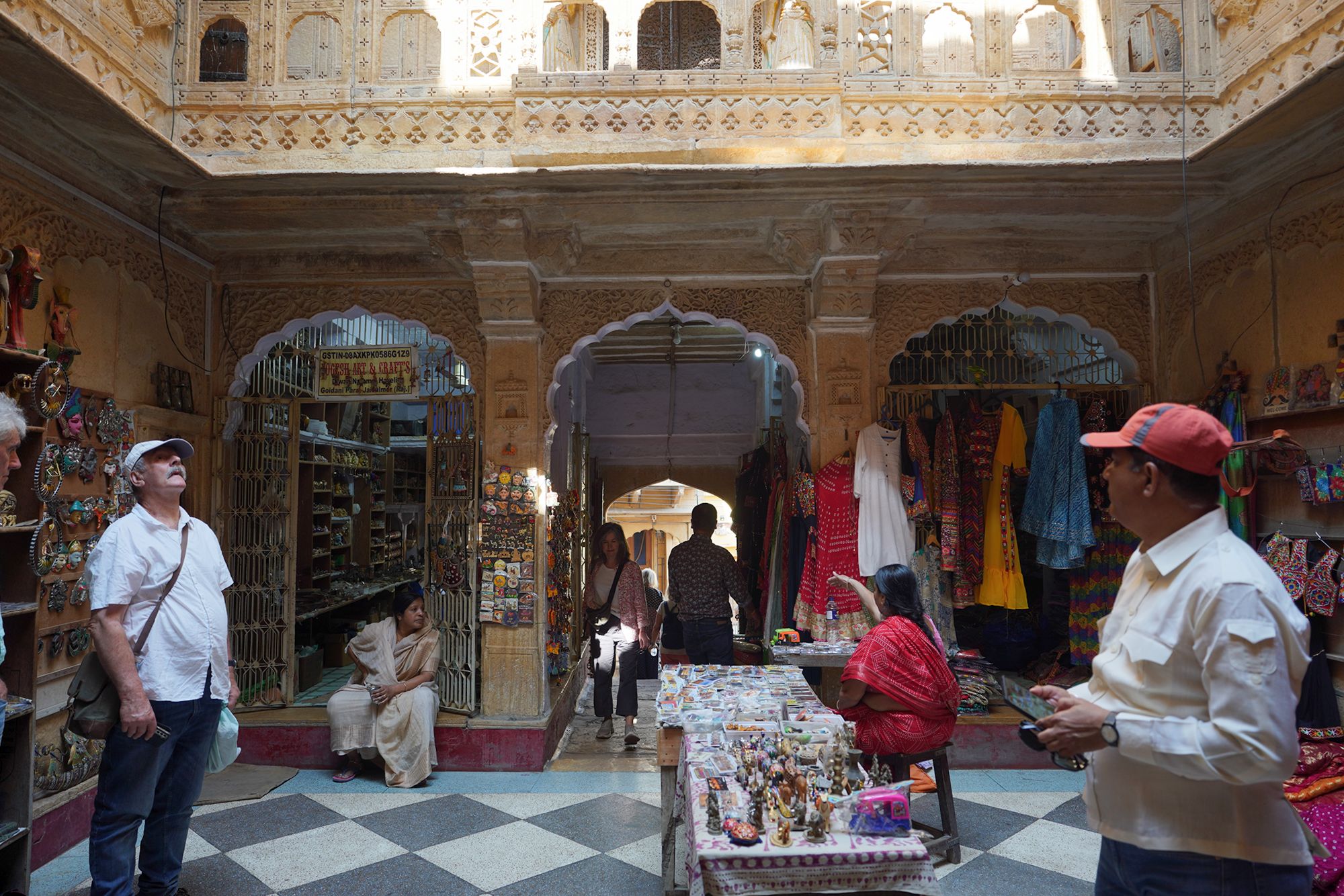
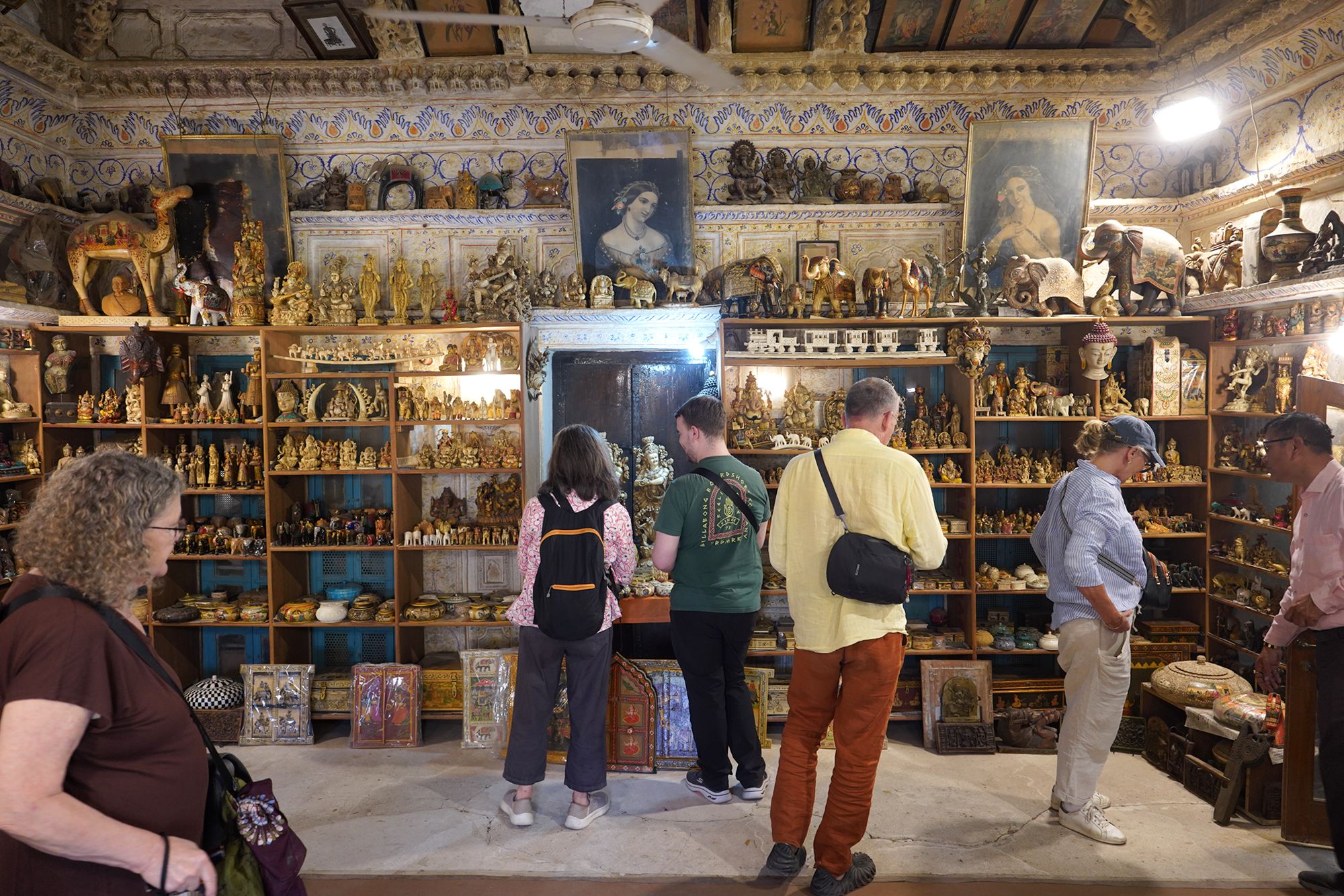
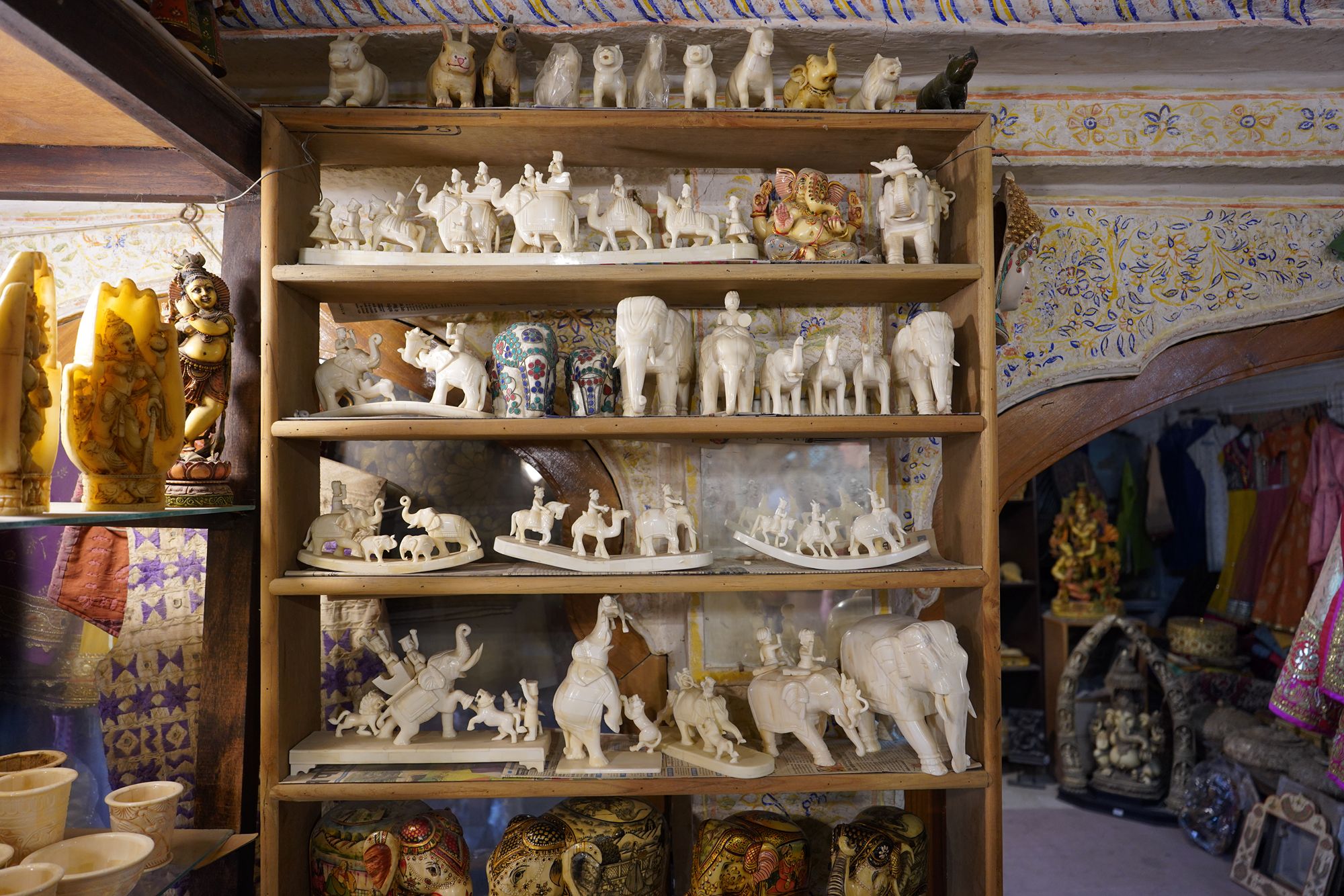
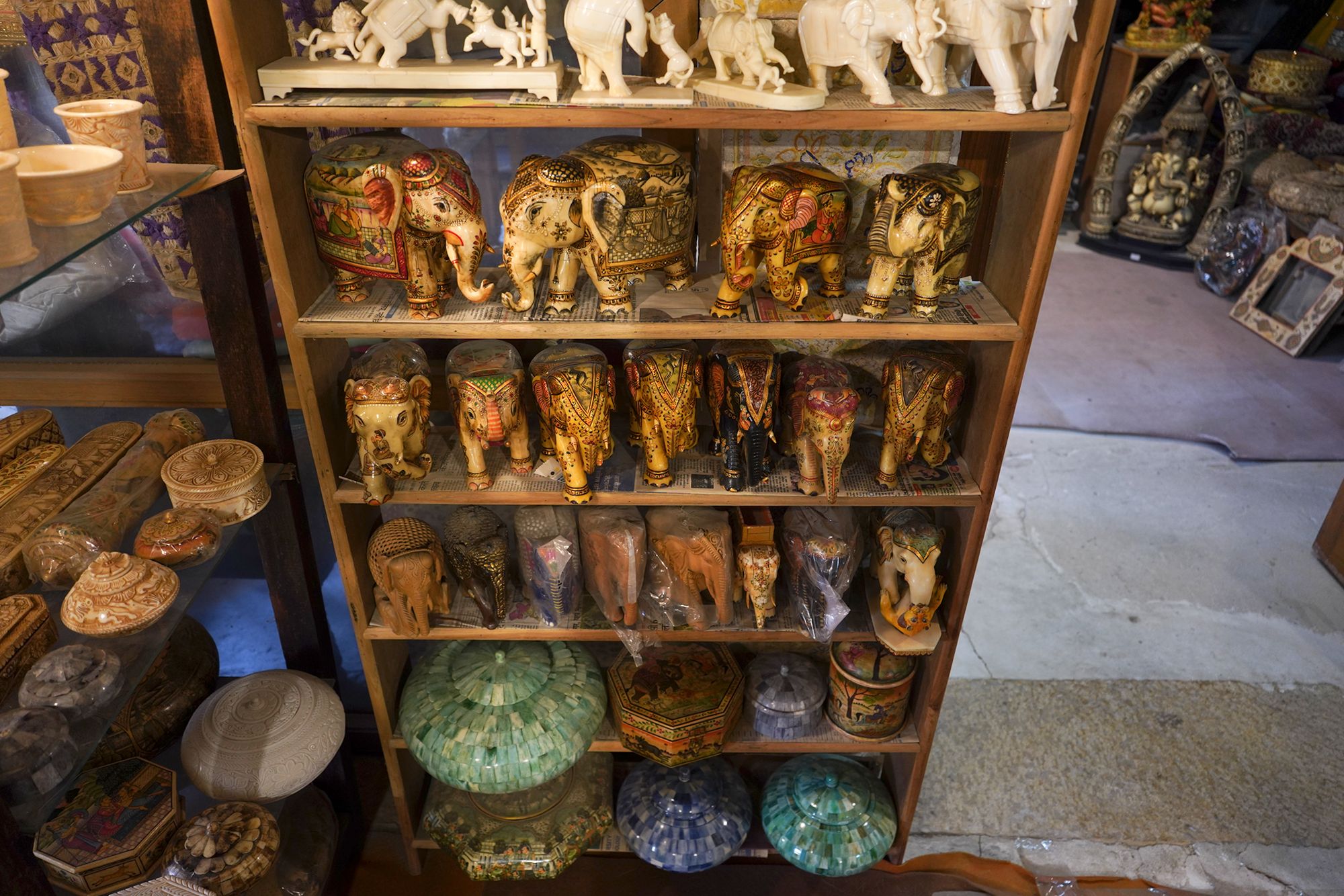
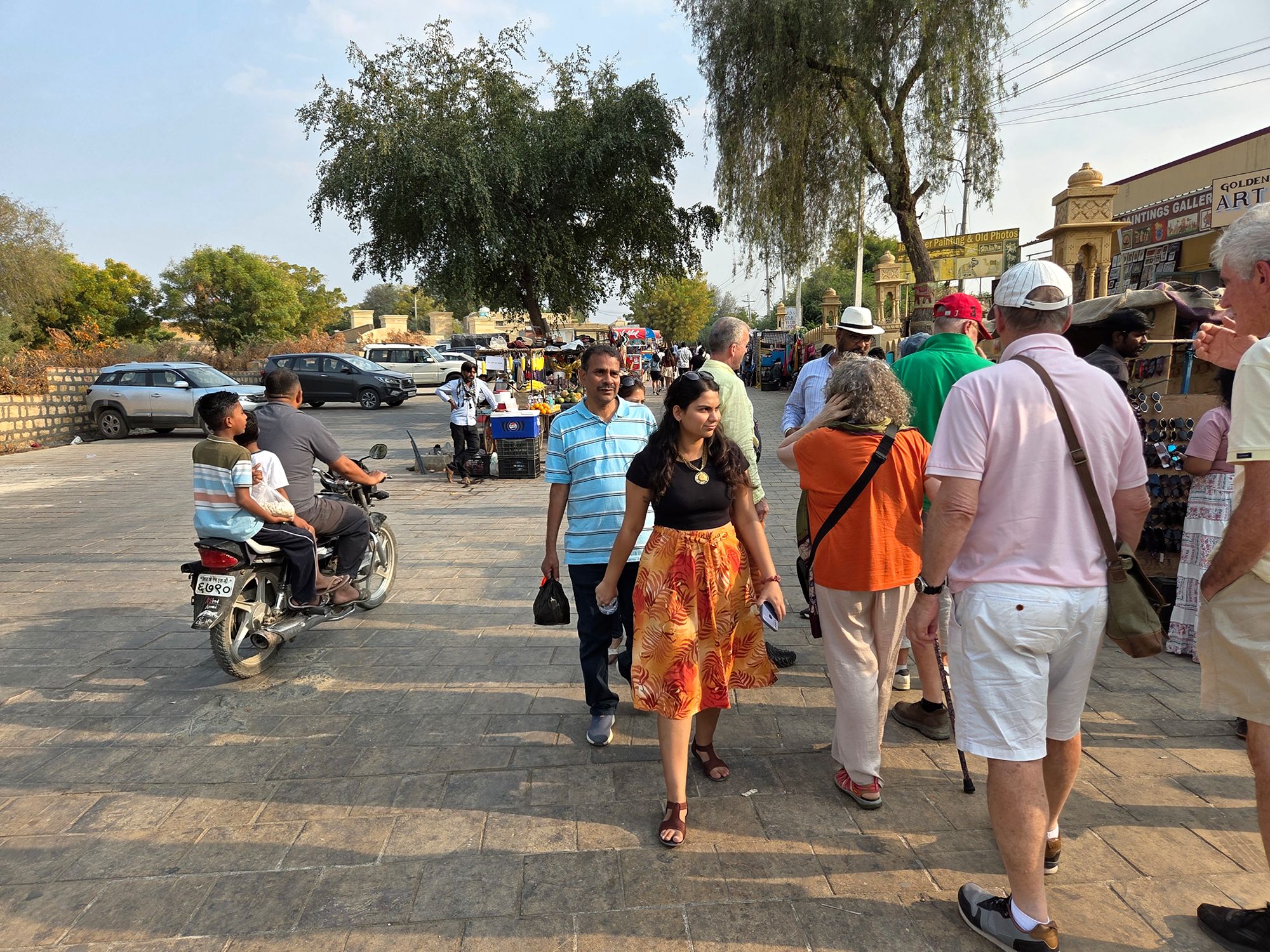
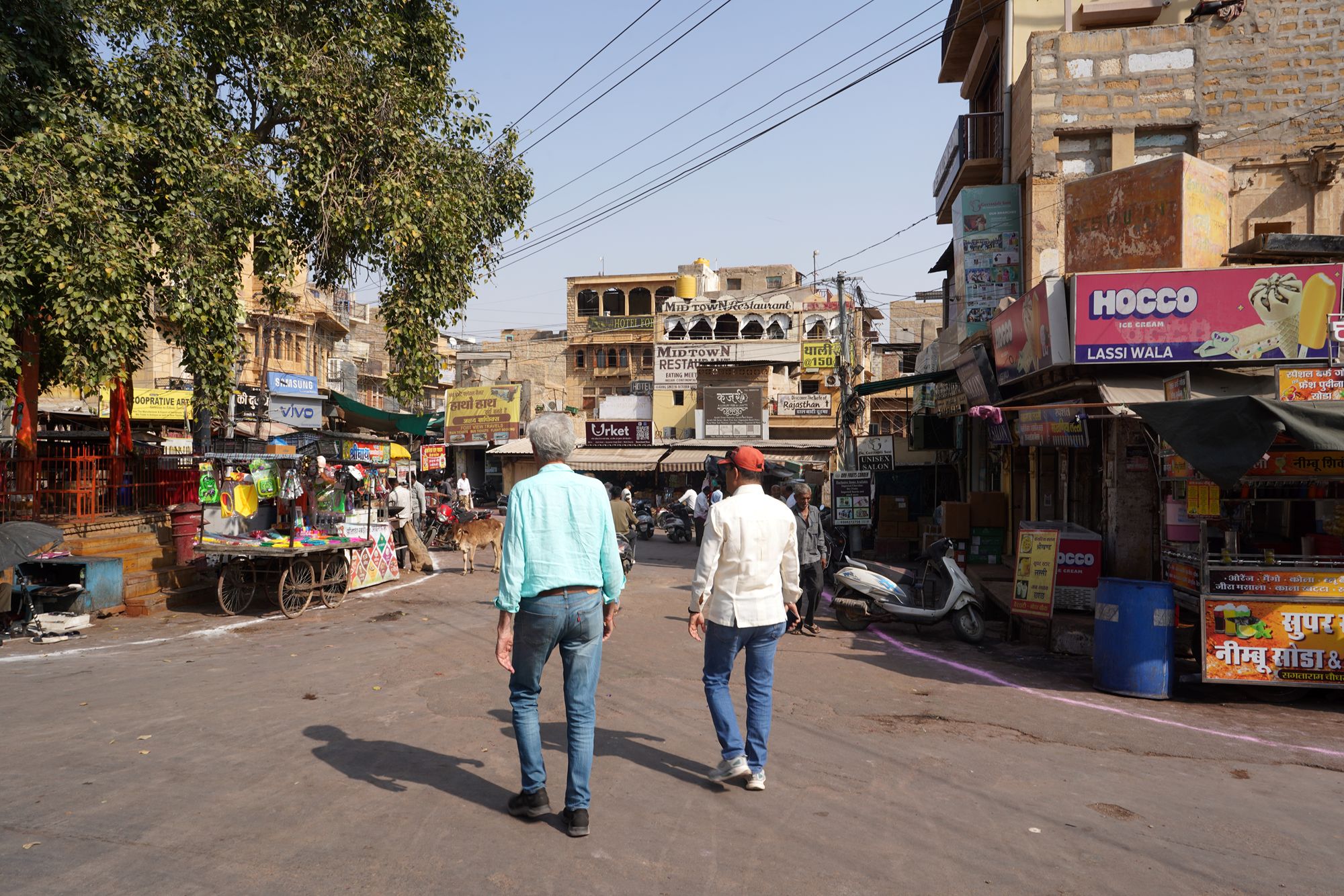
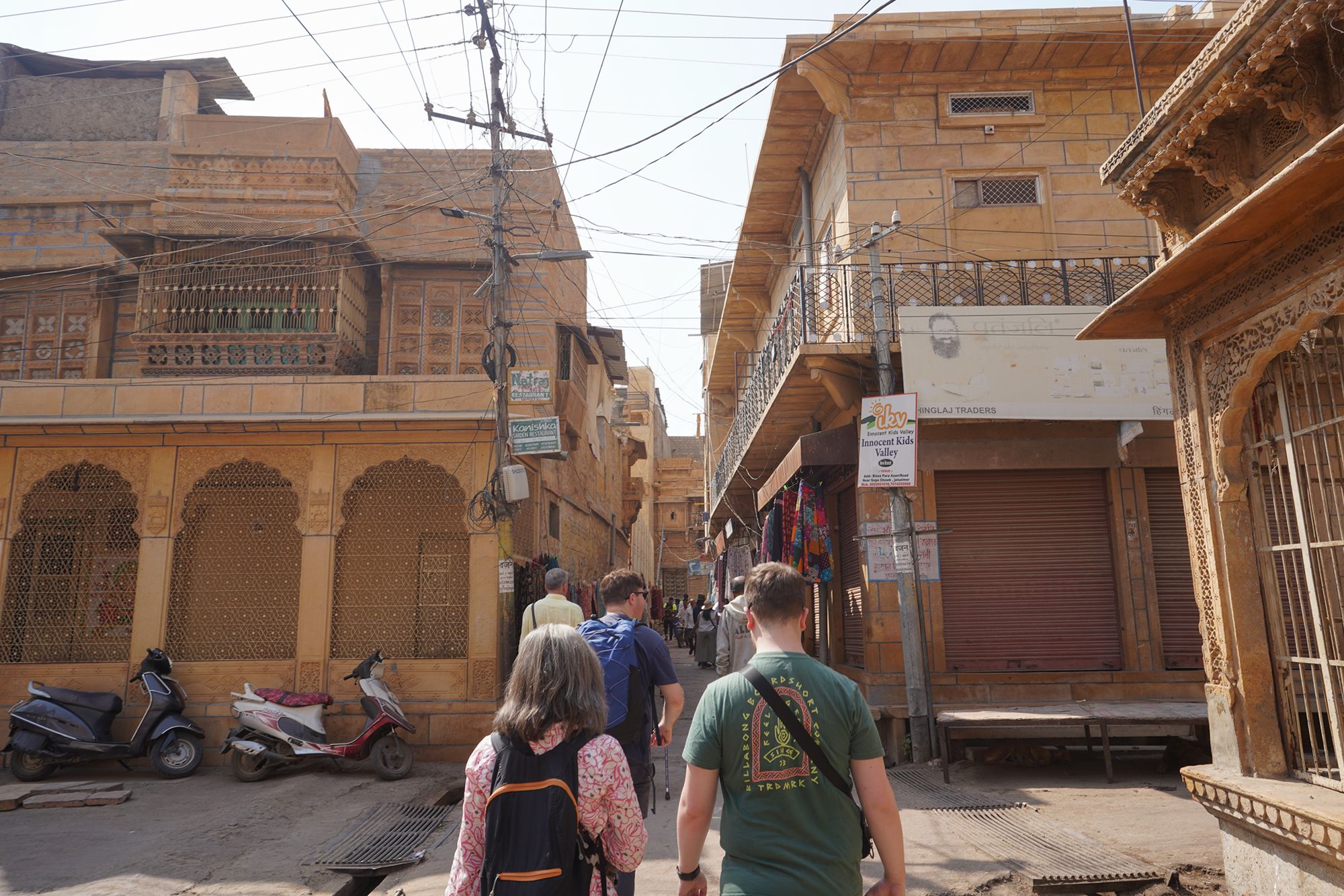
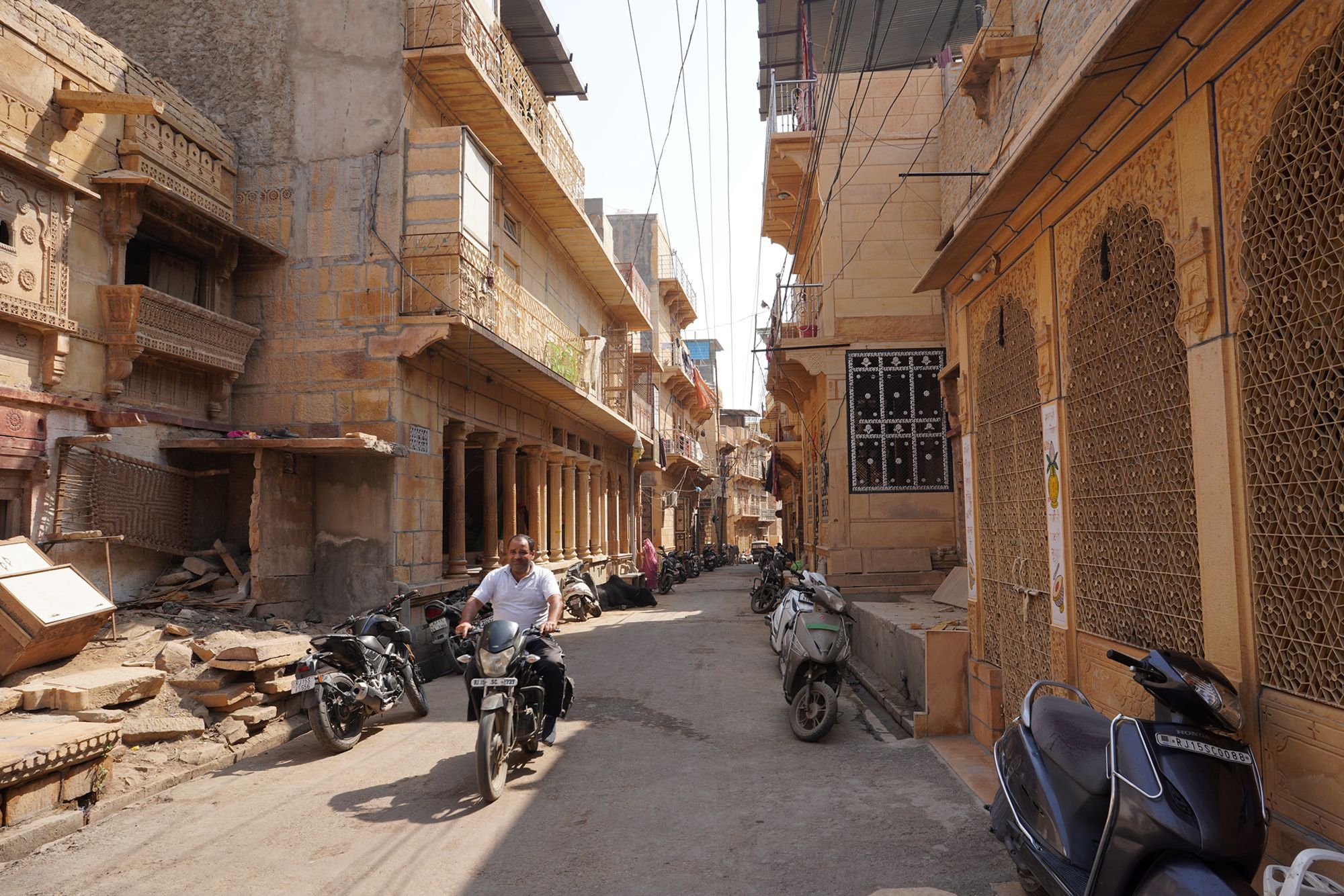
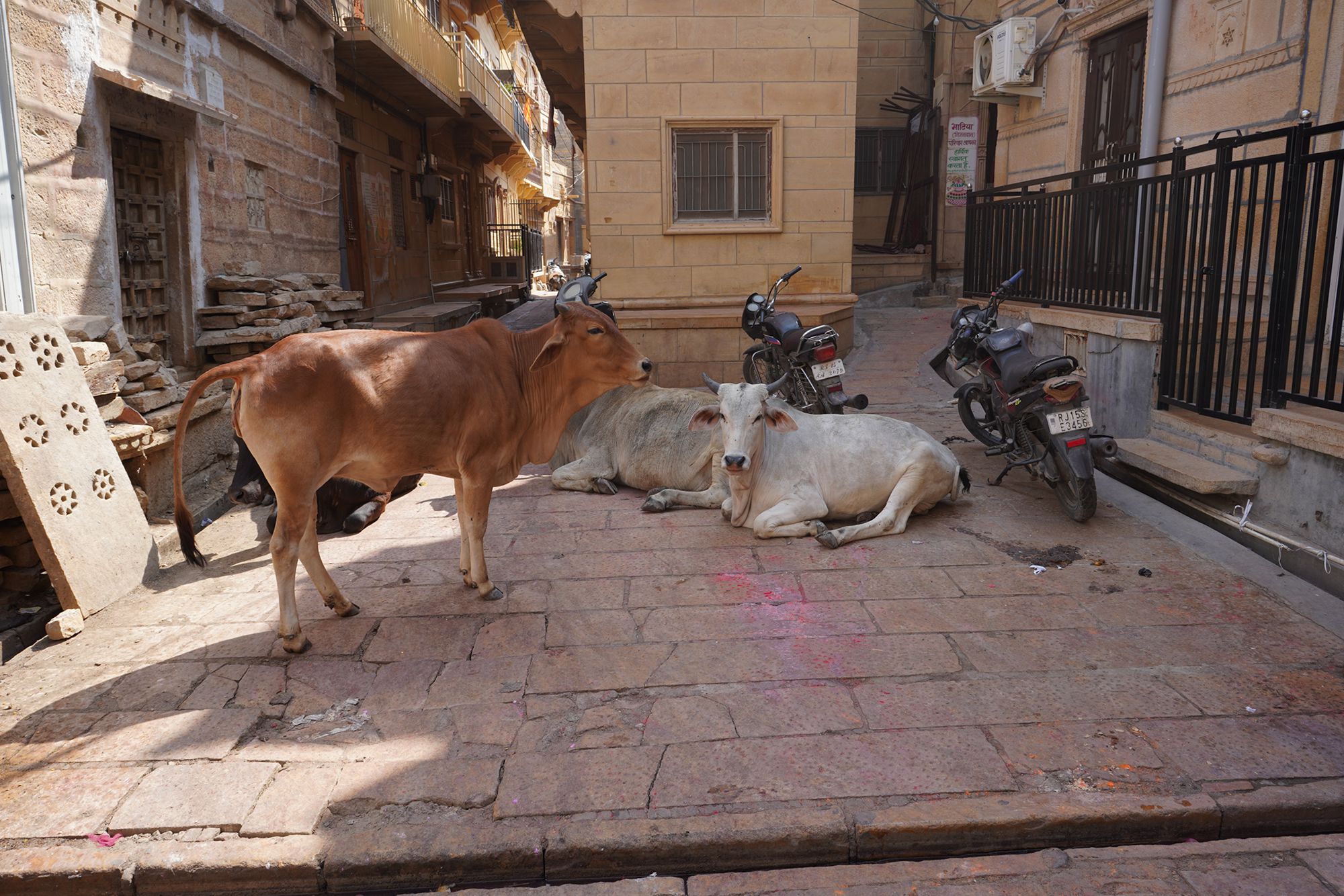
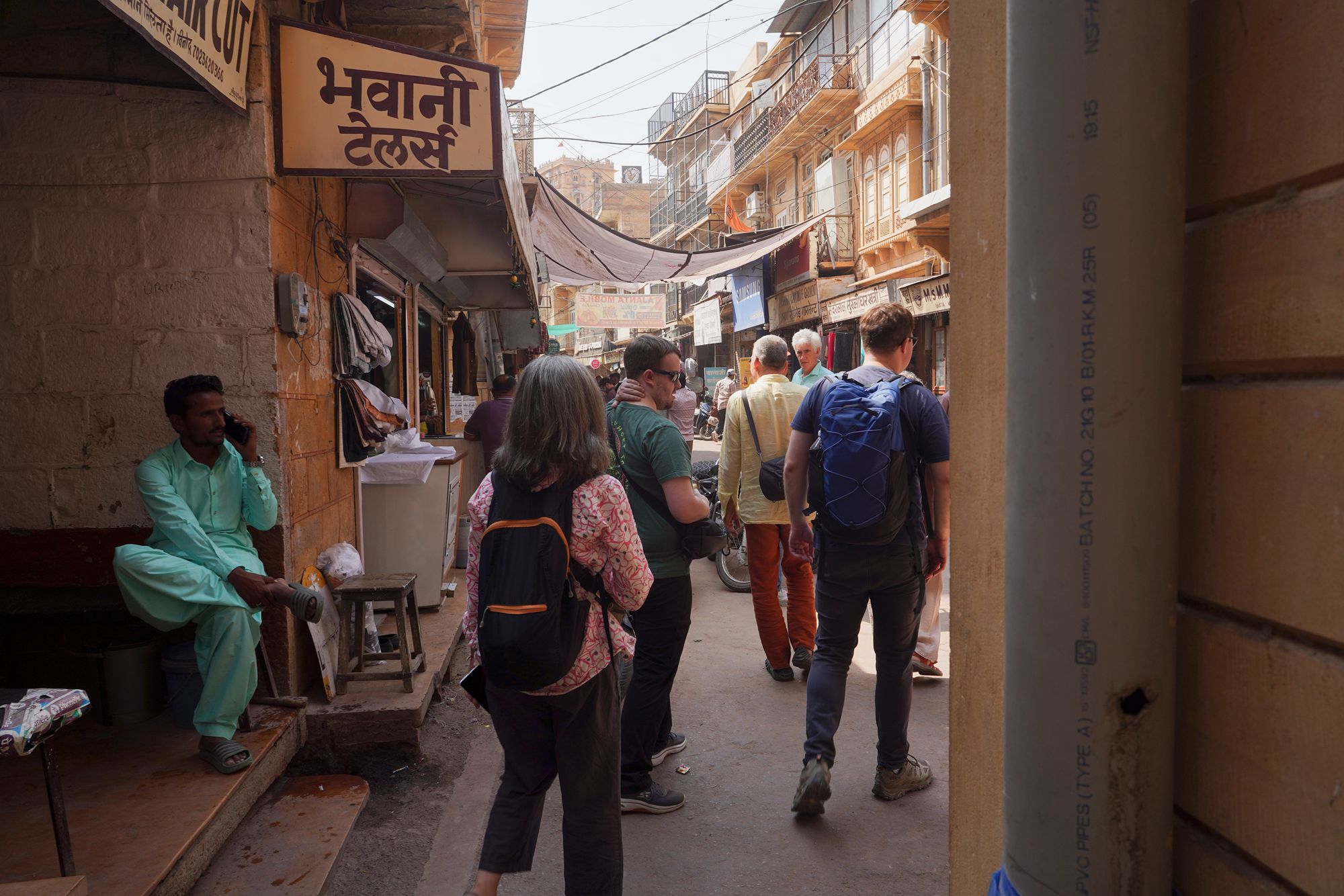
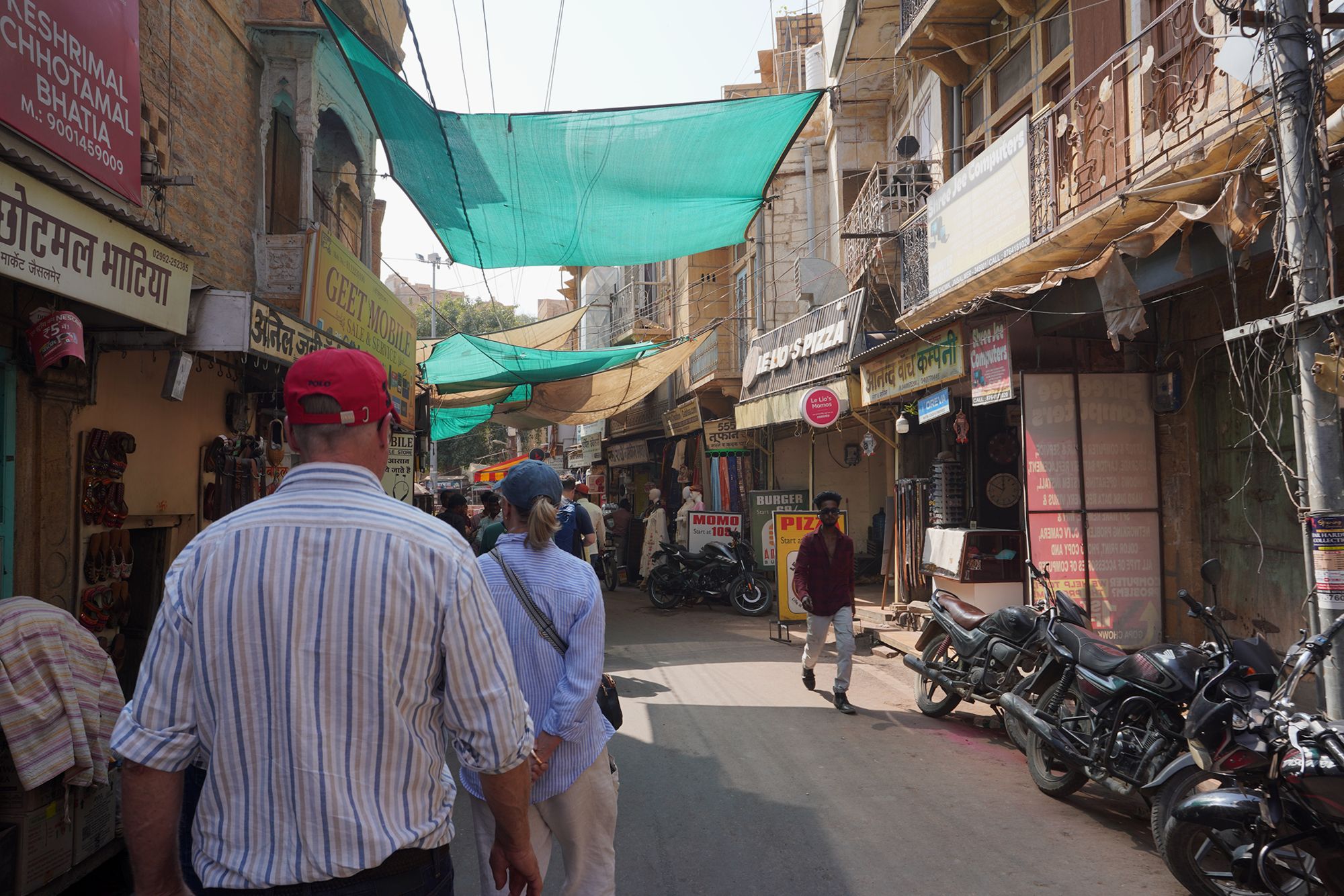
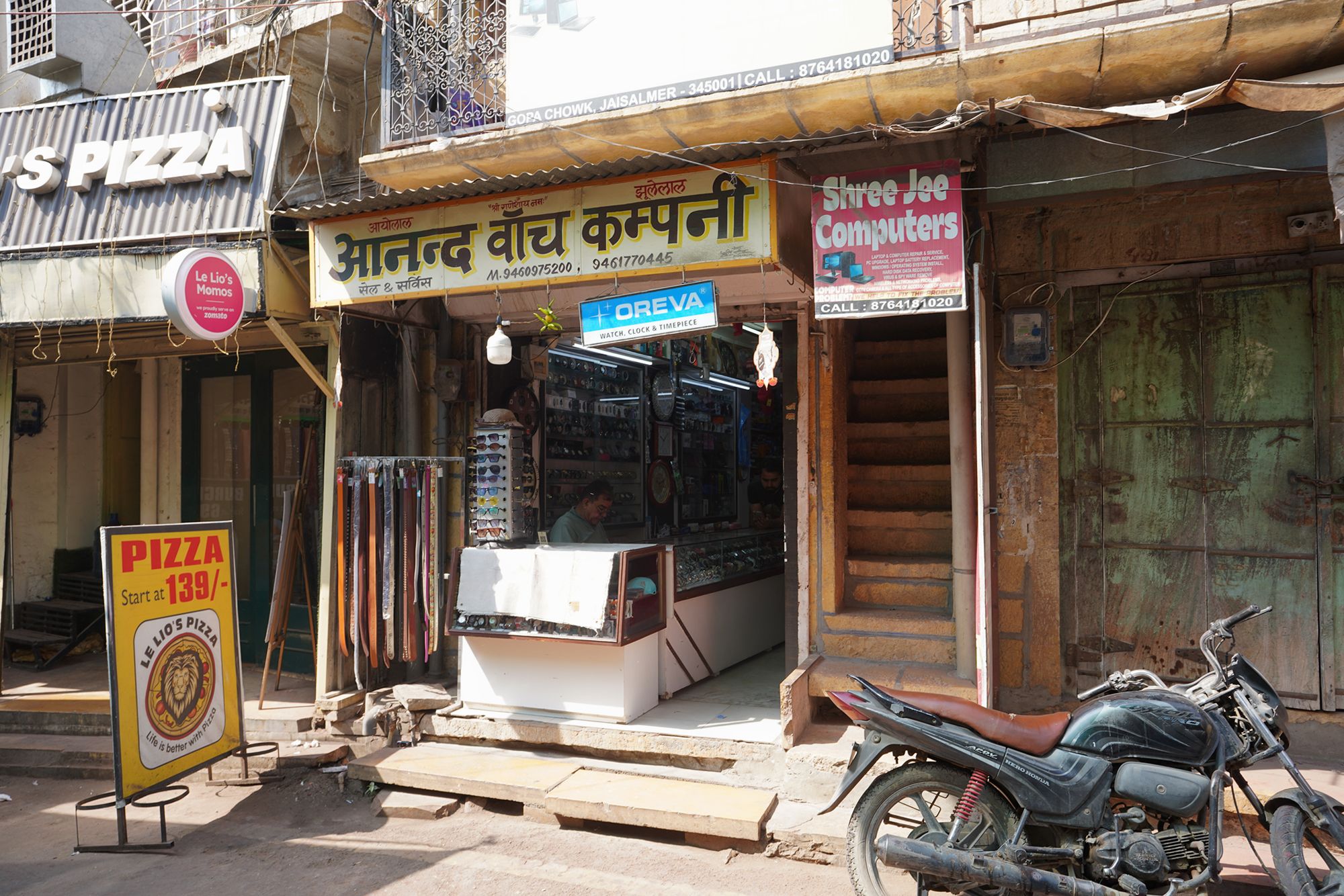
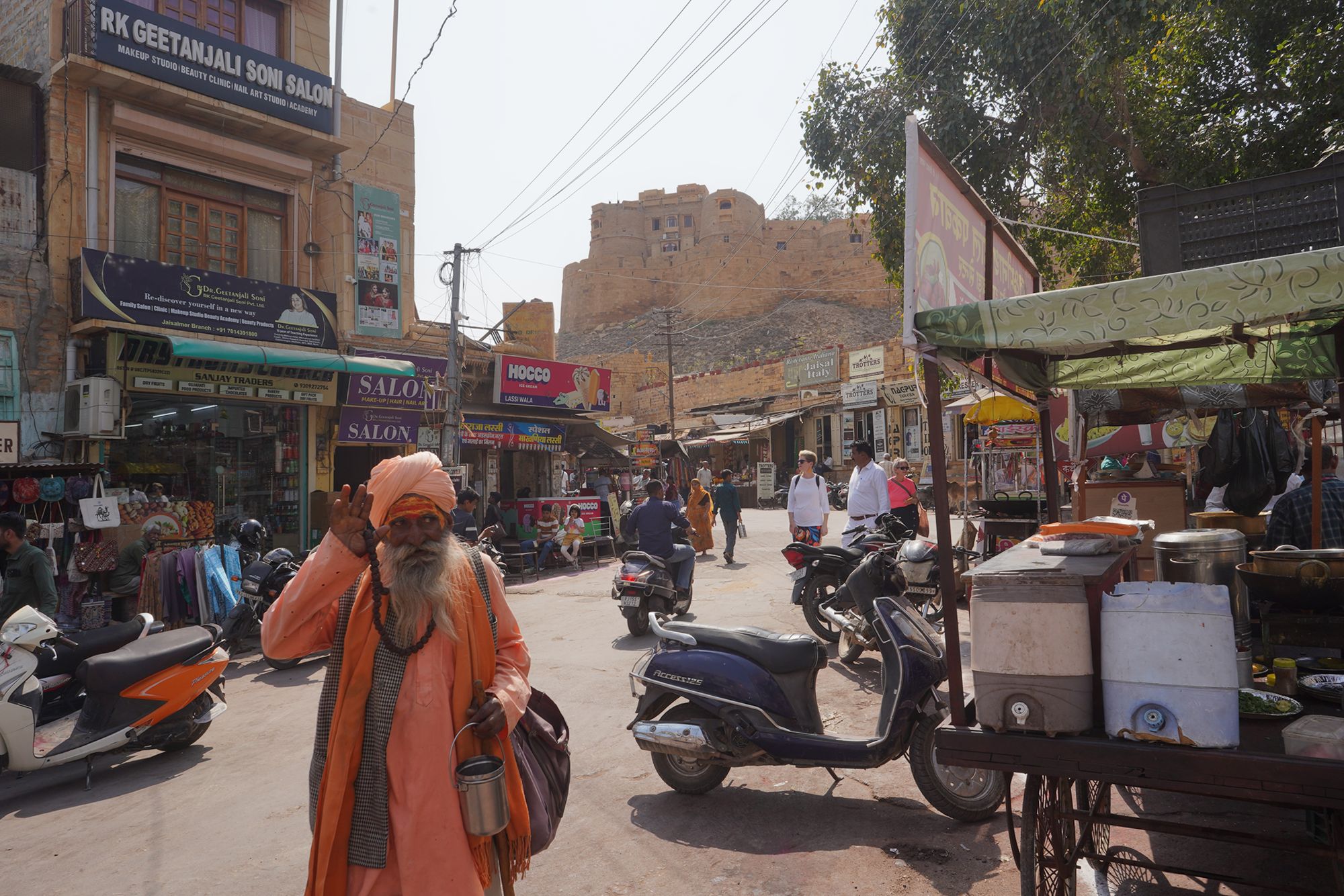
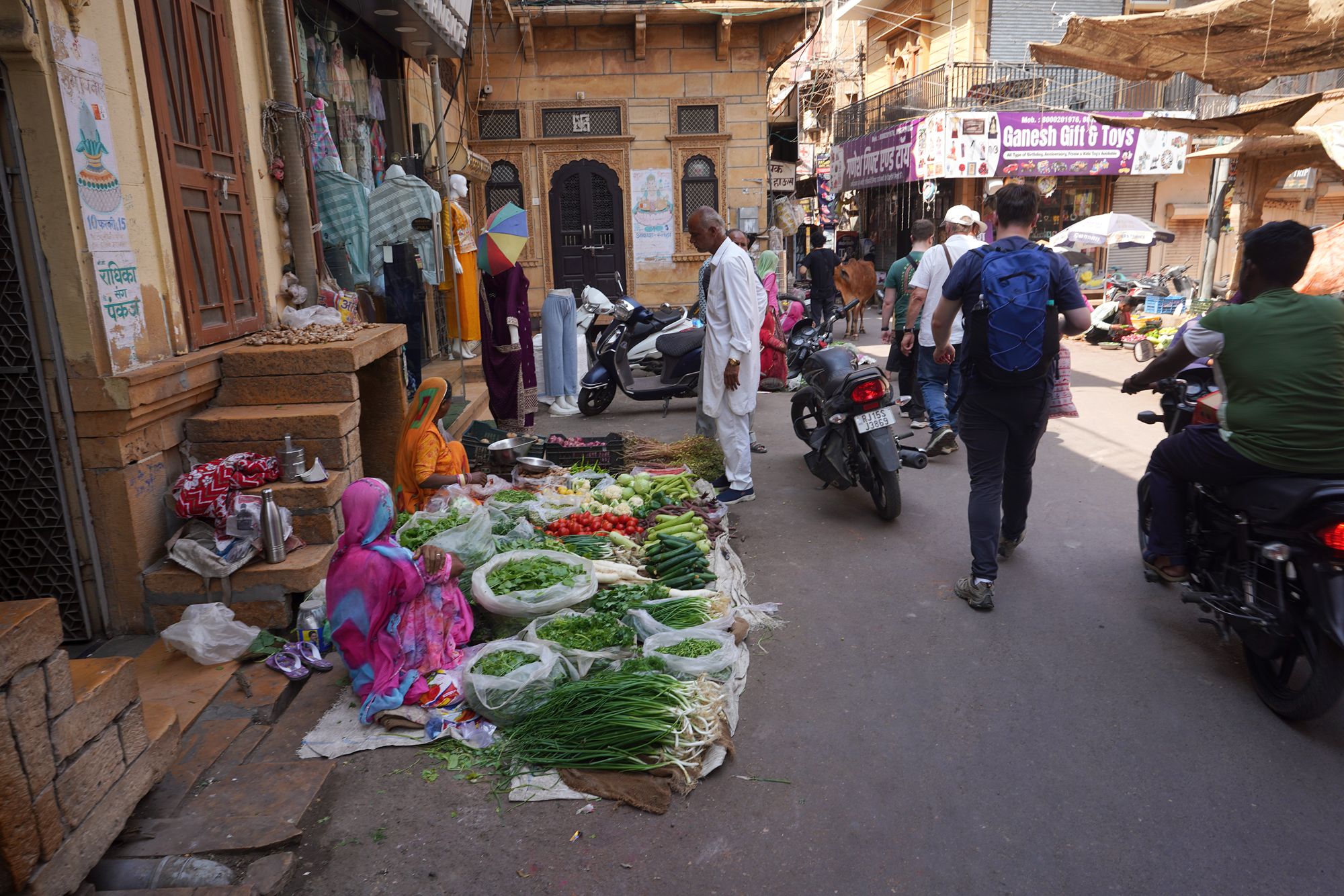
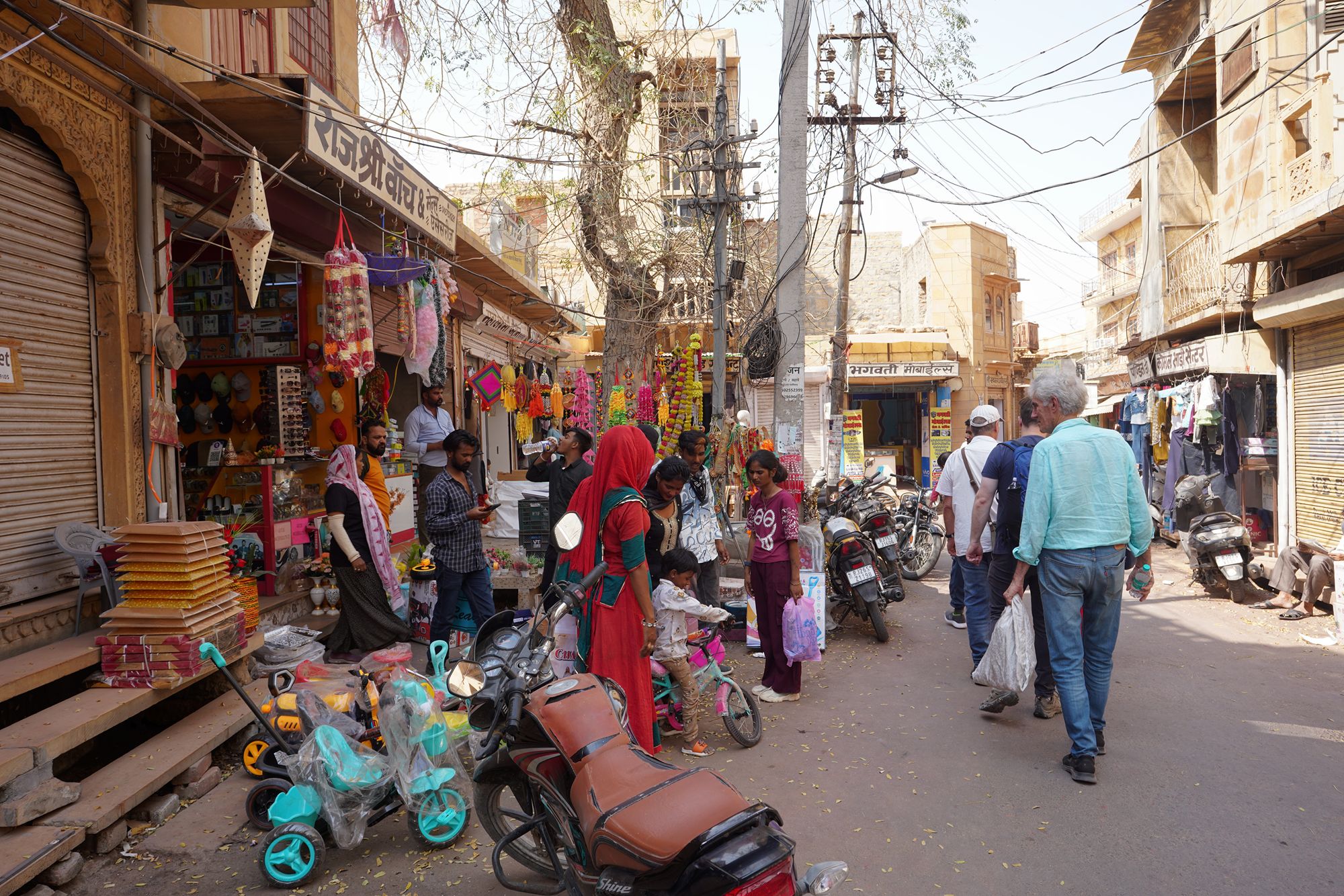
Back on the streets of Jaisalmer, we continued walking among the shops and buildings, with cows wandering freely along the streets.
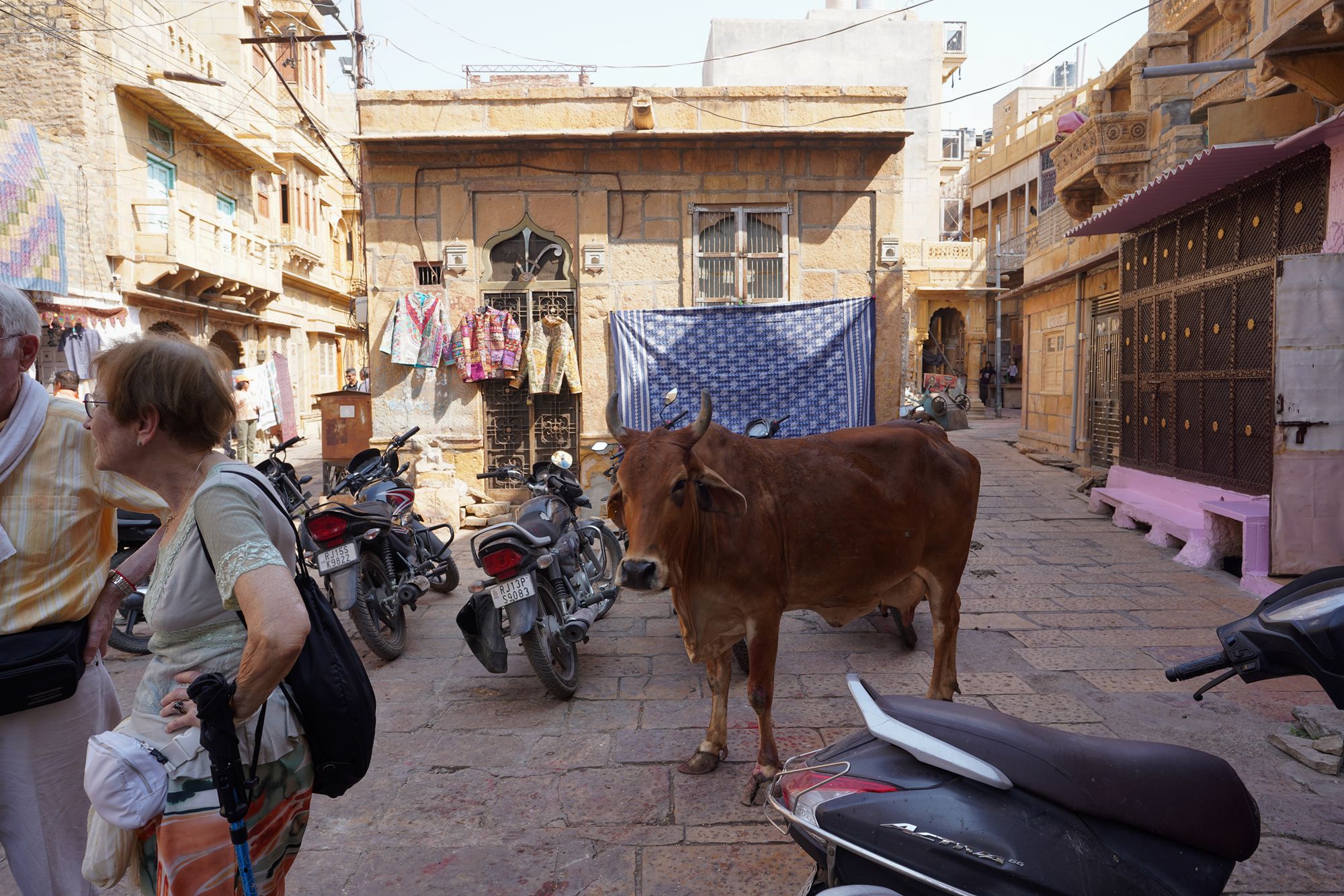
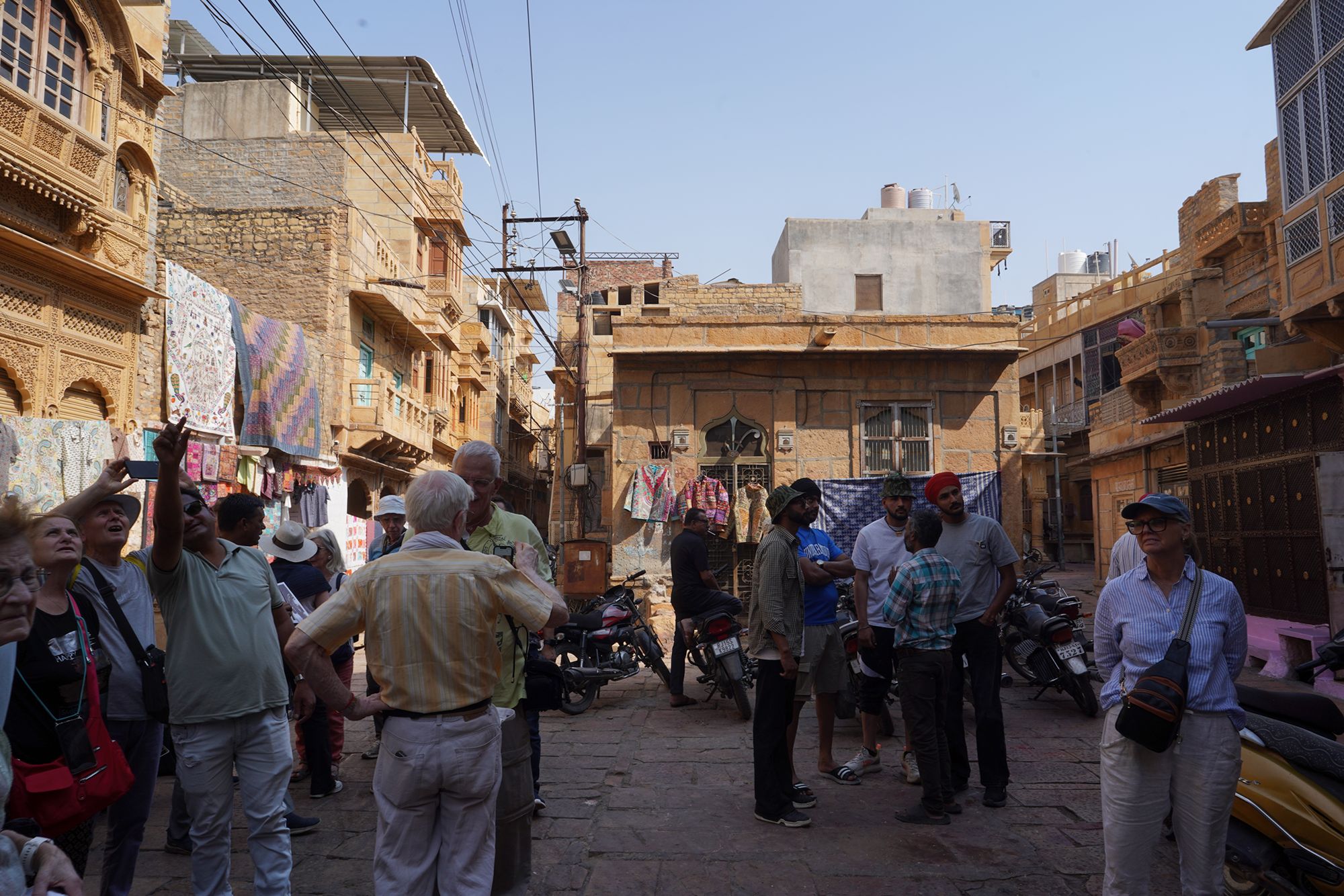
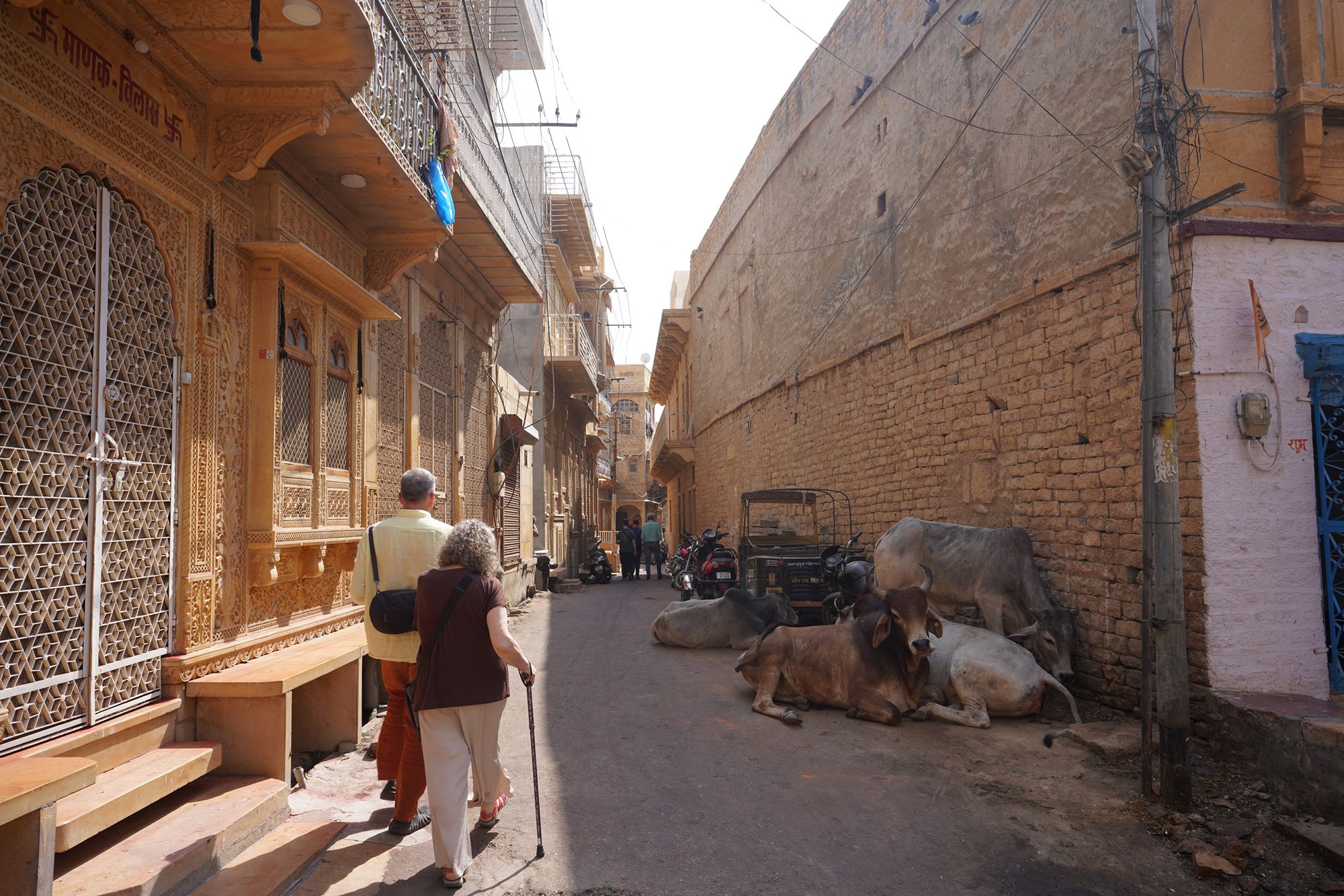
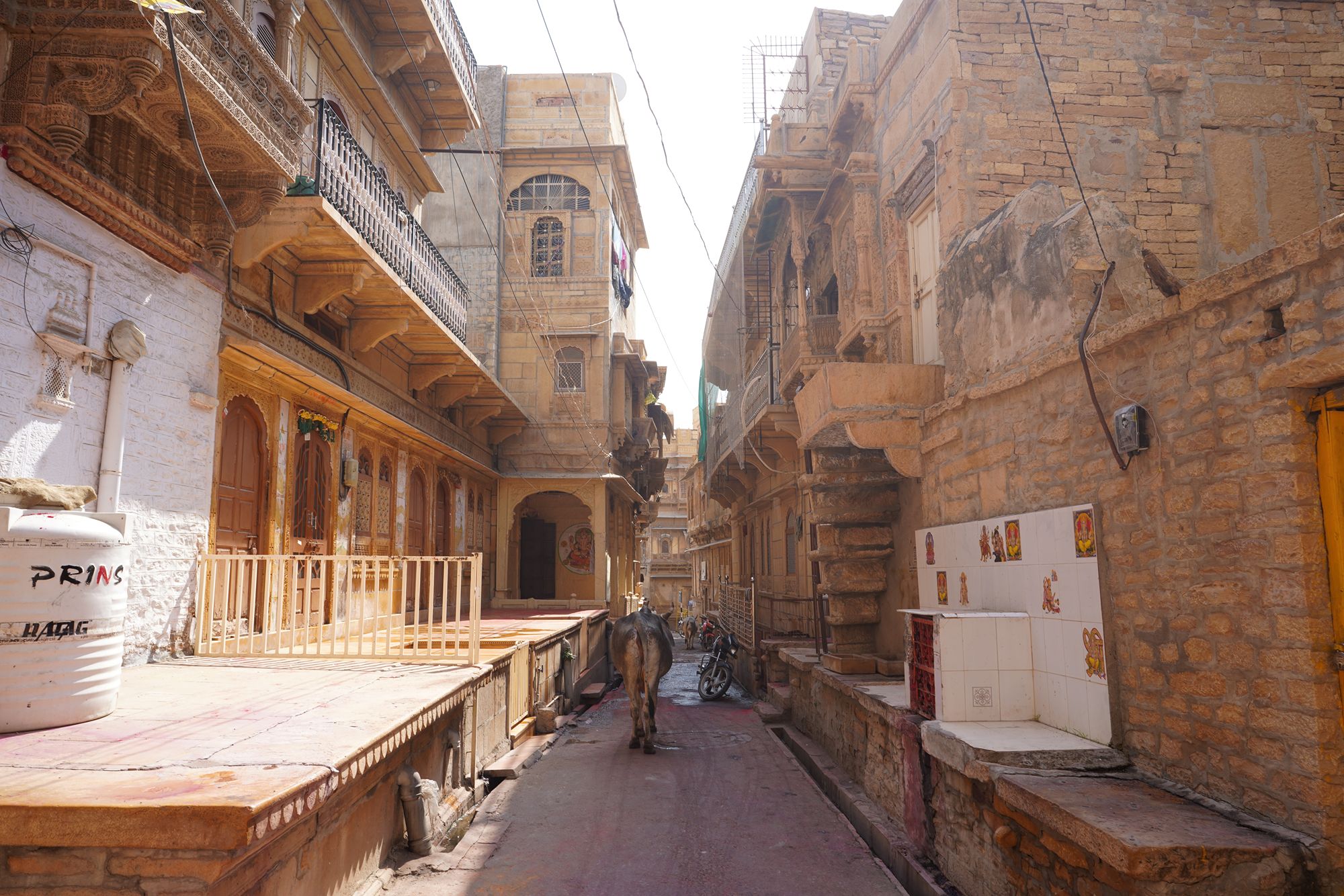
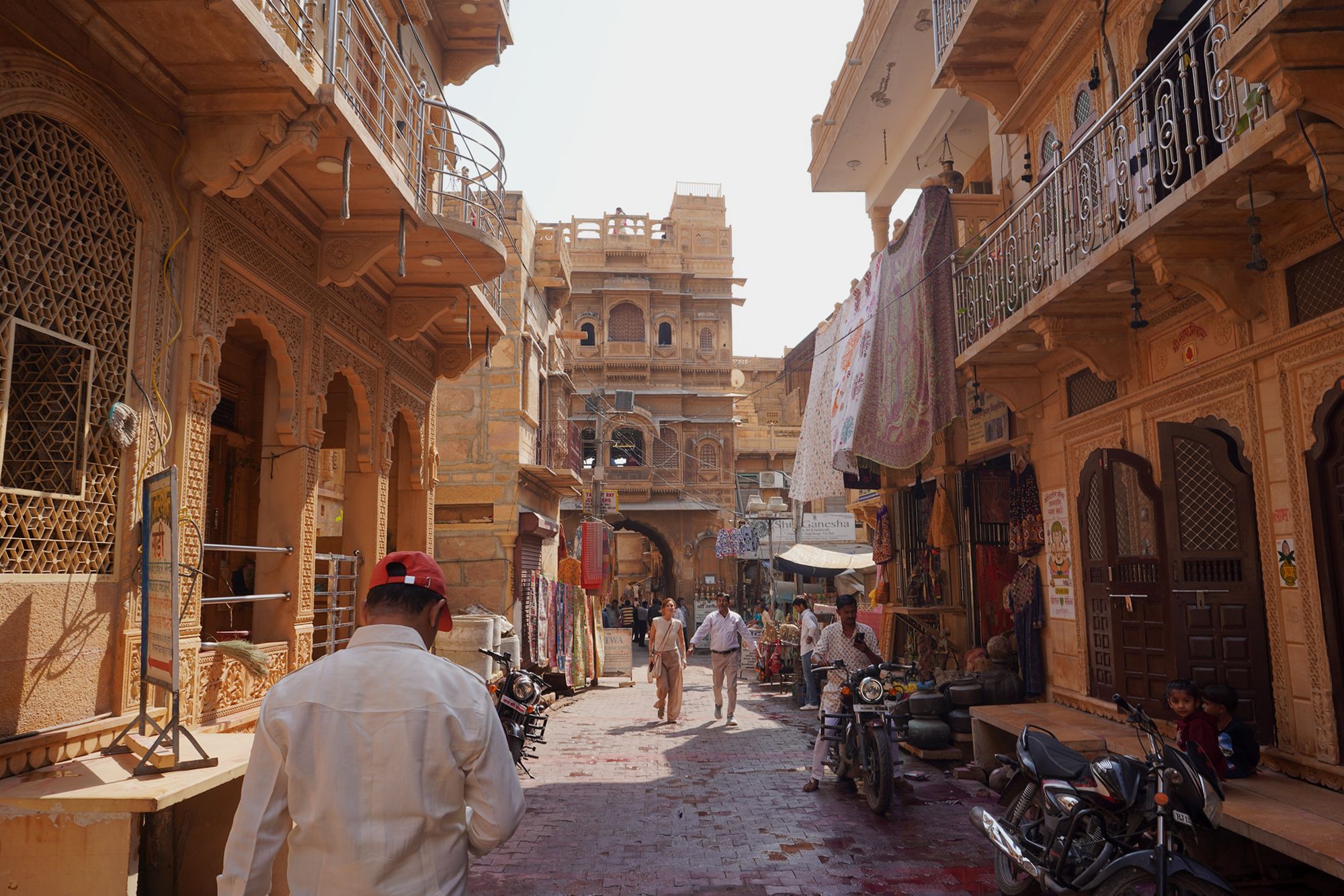
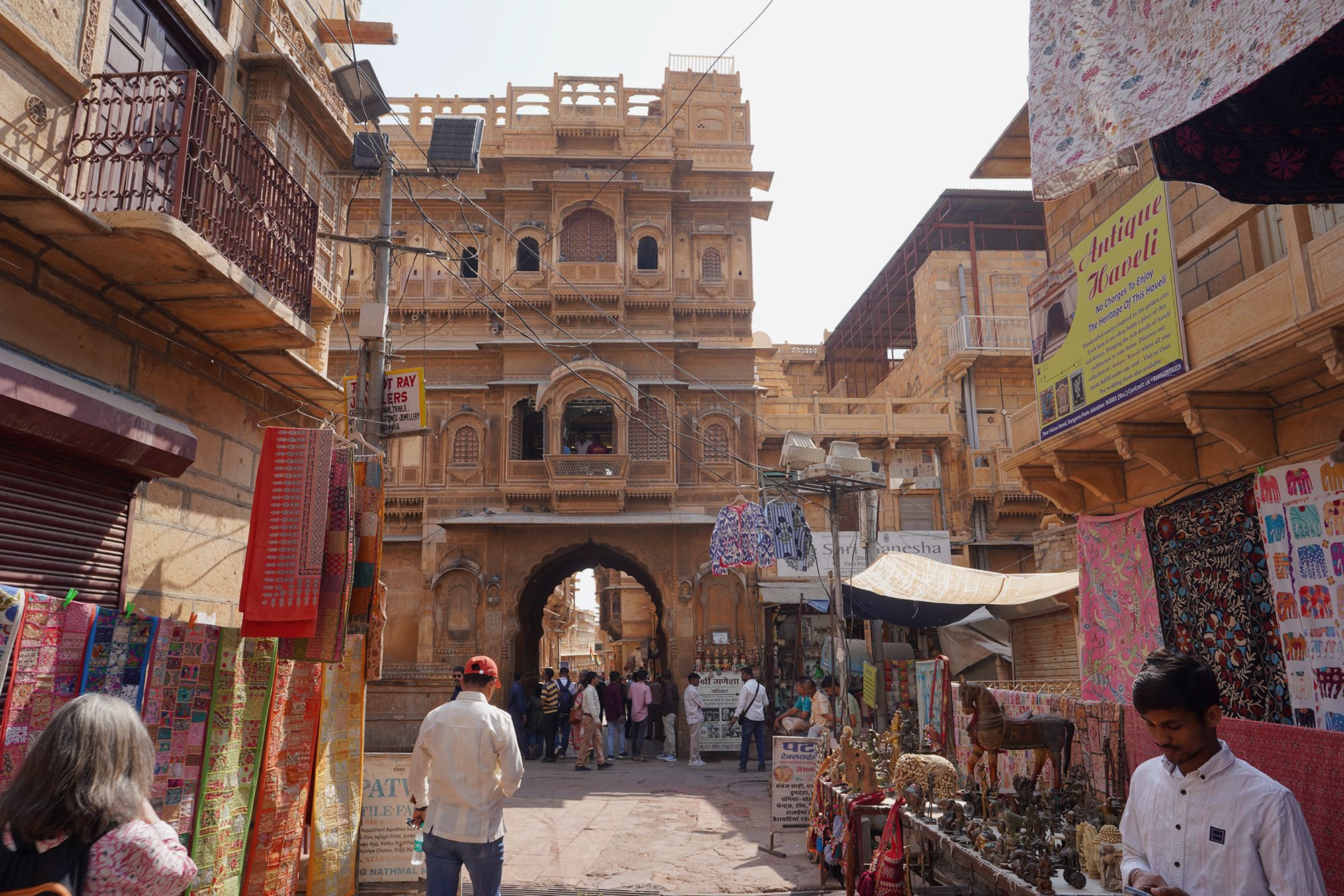
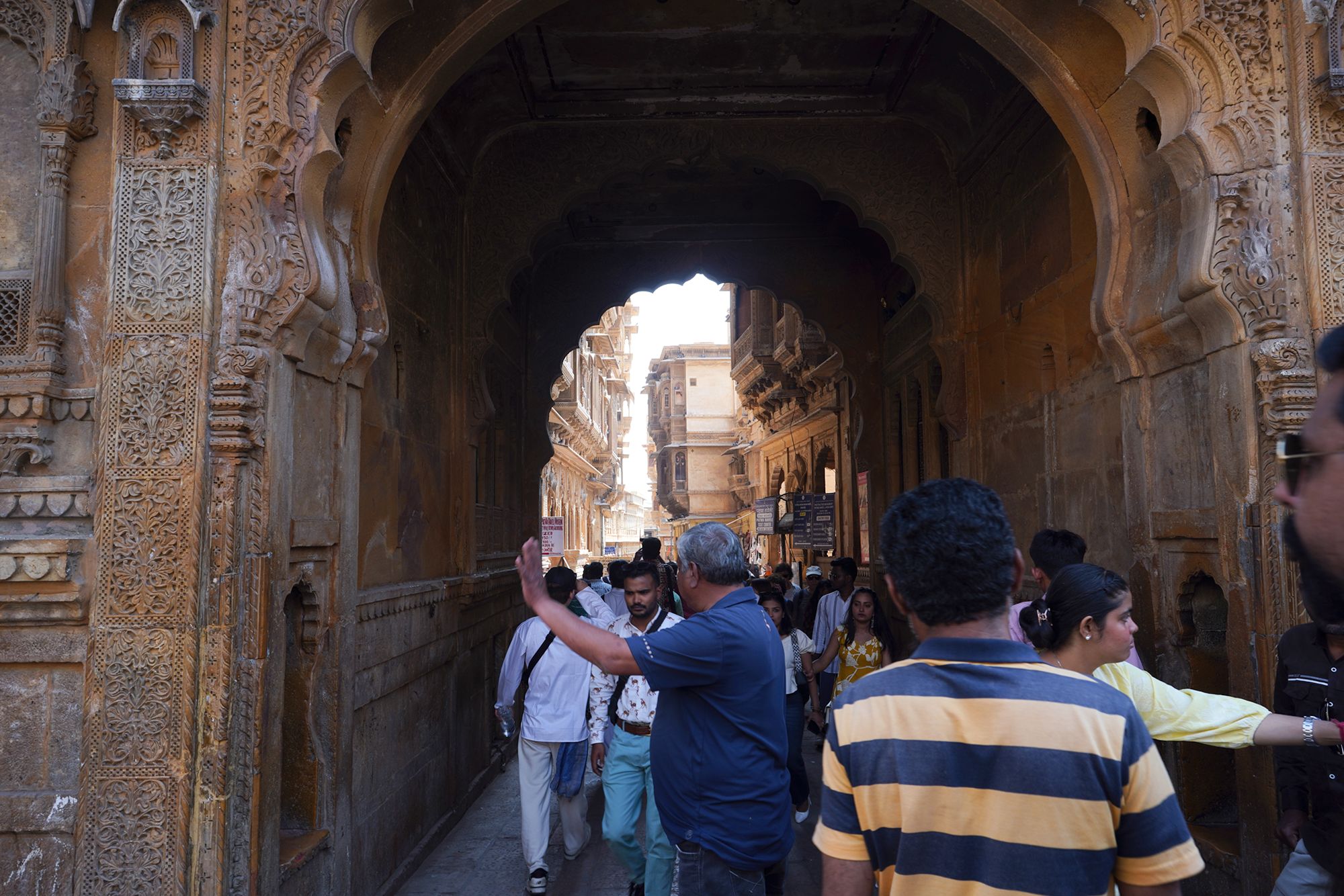
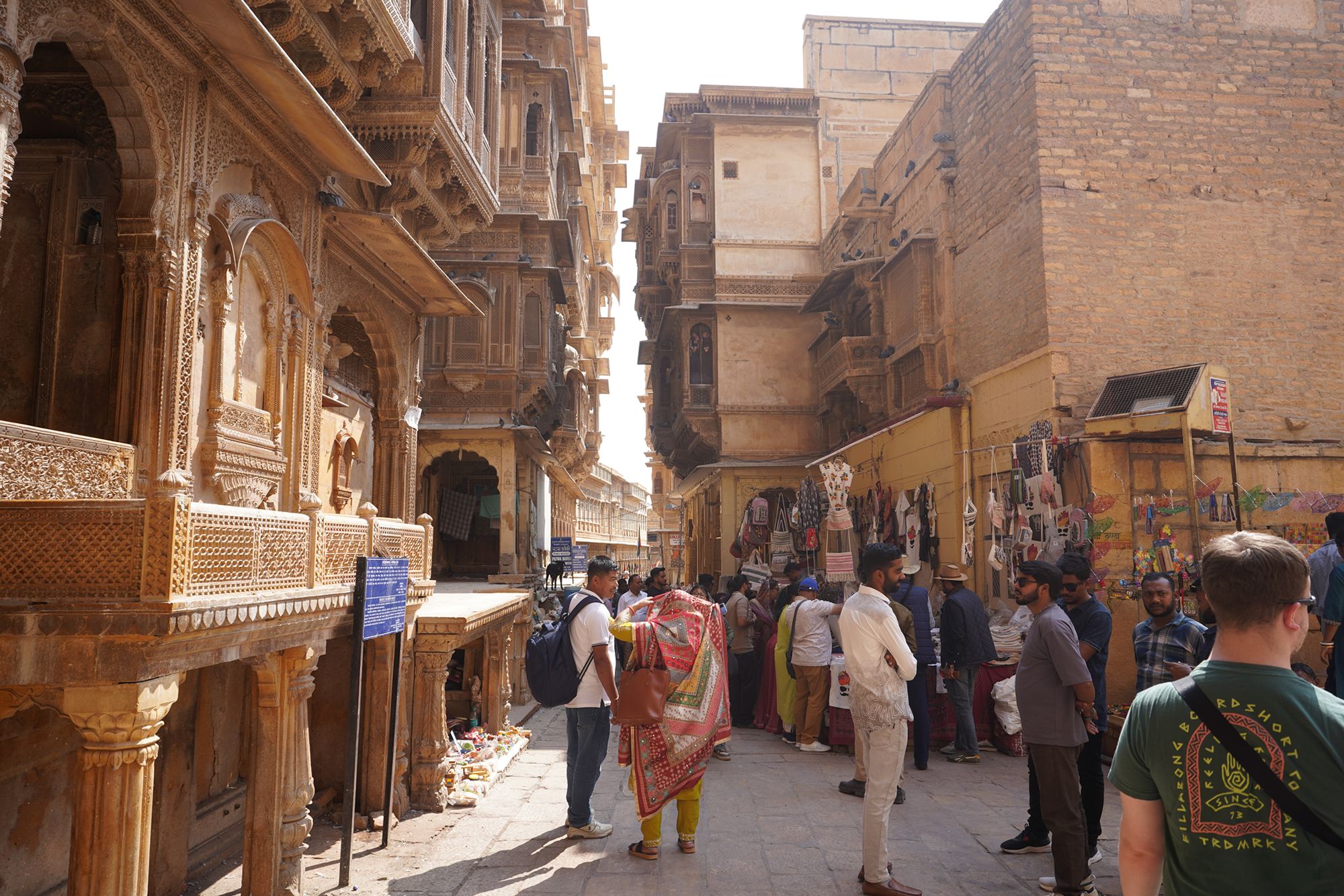
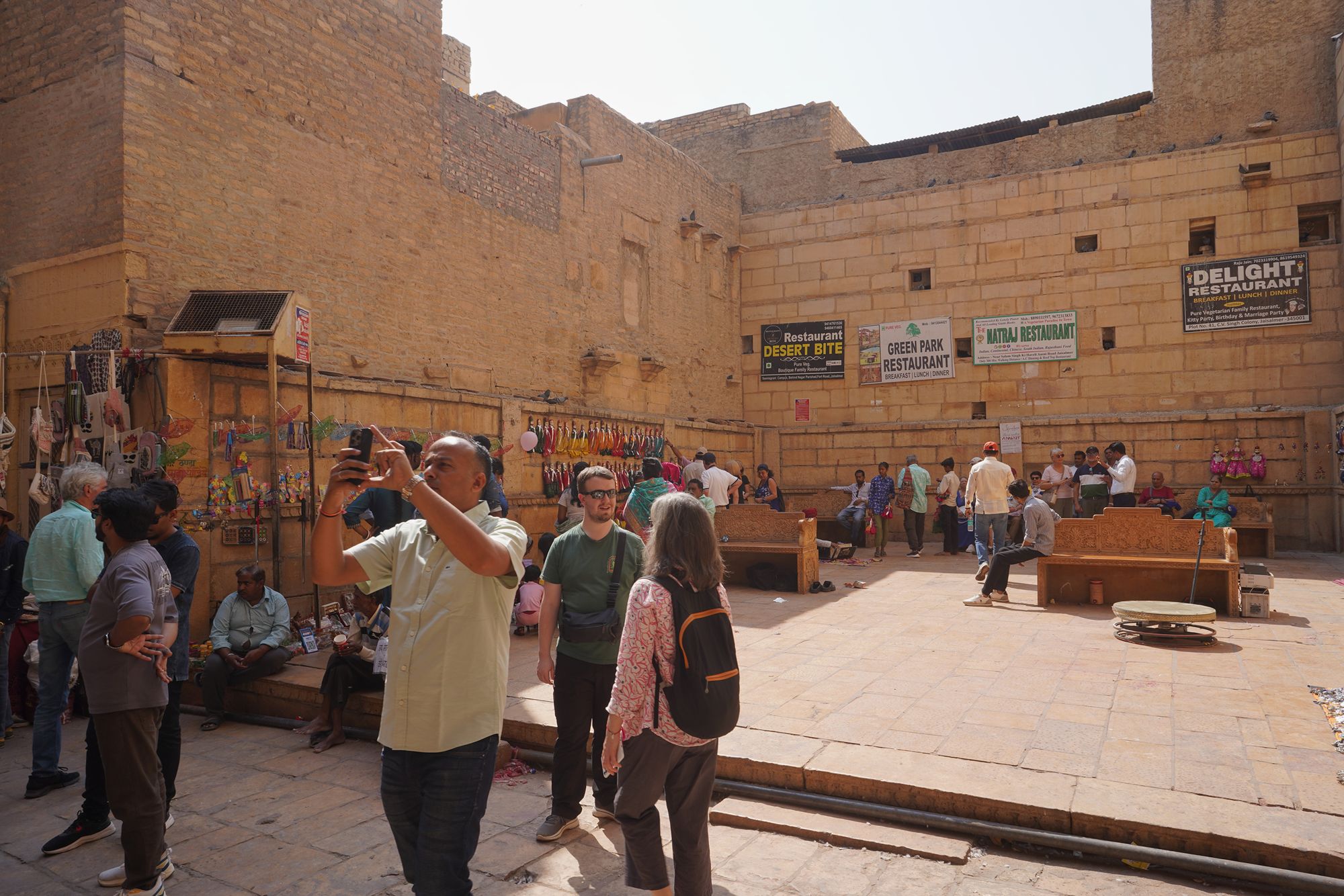
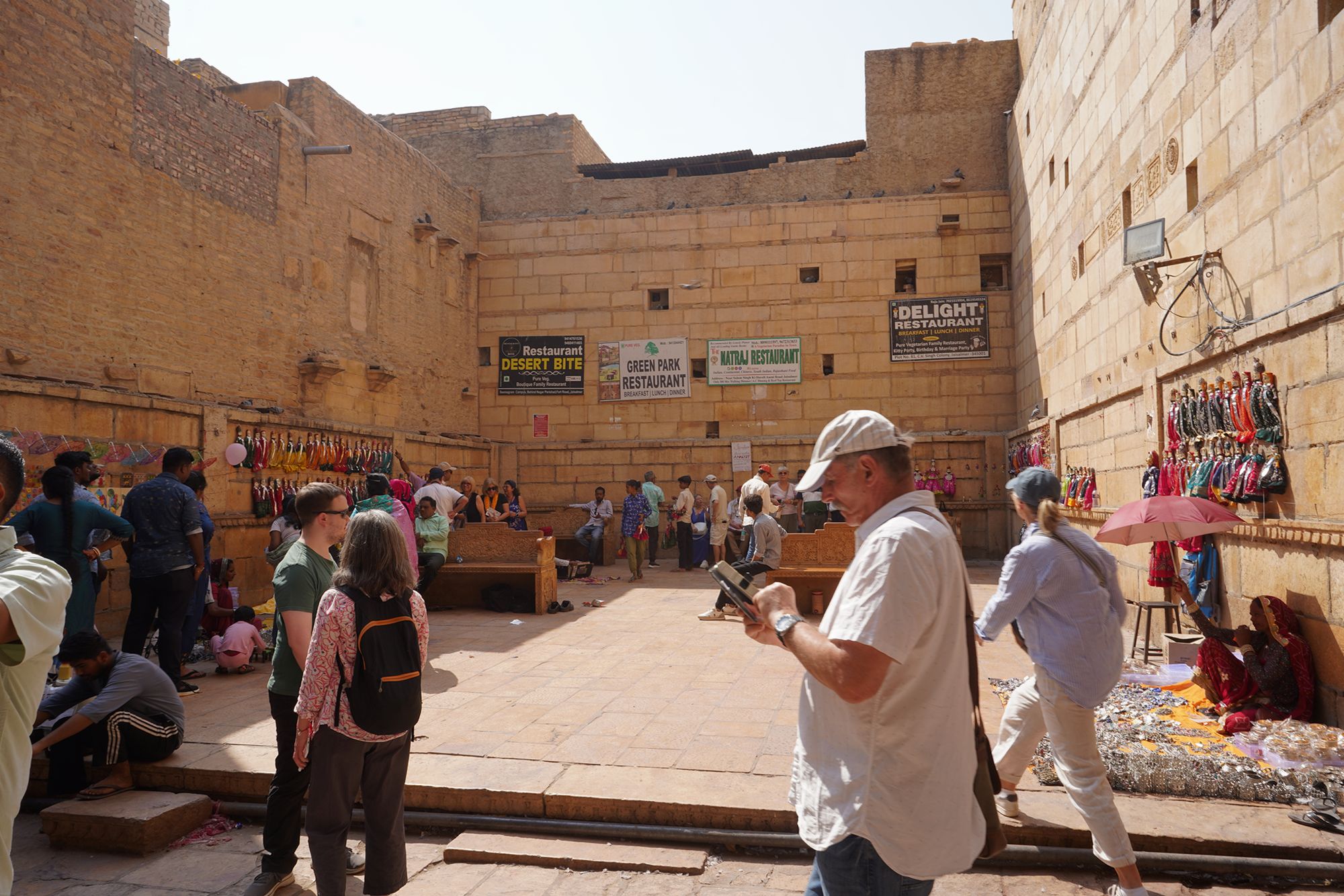
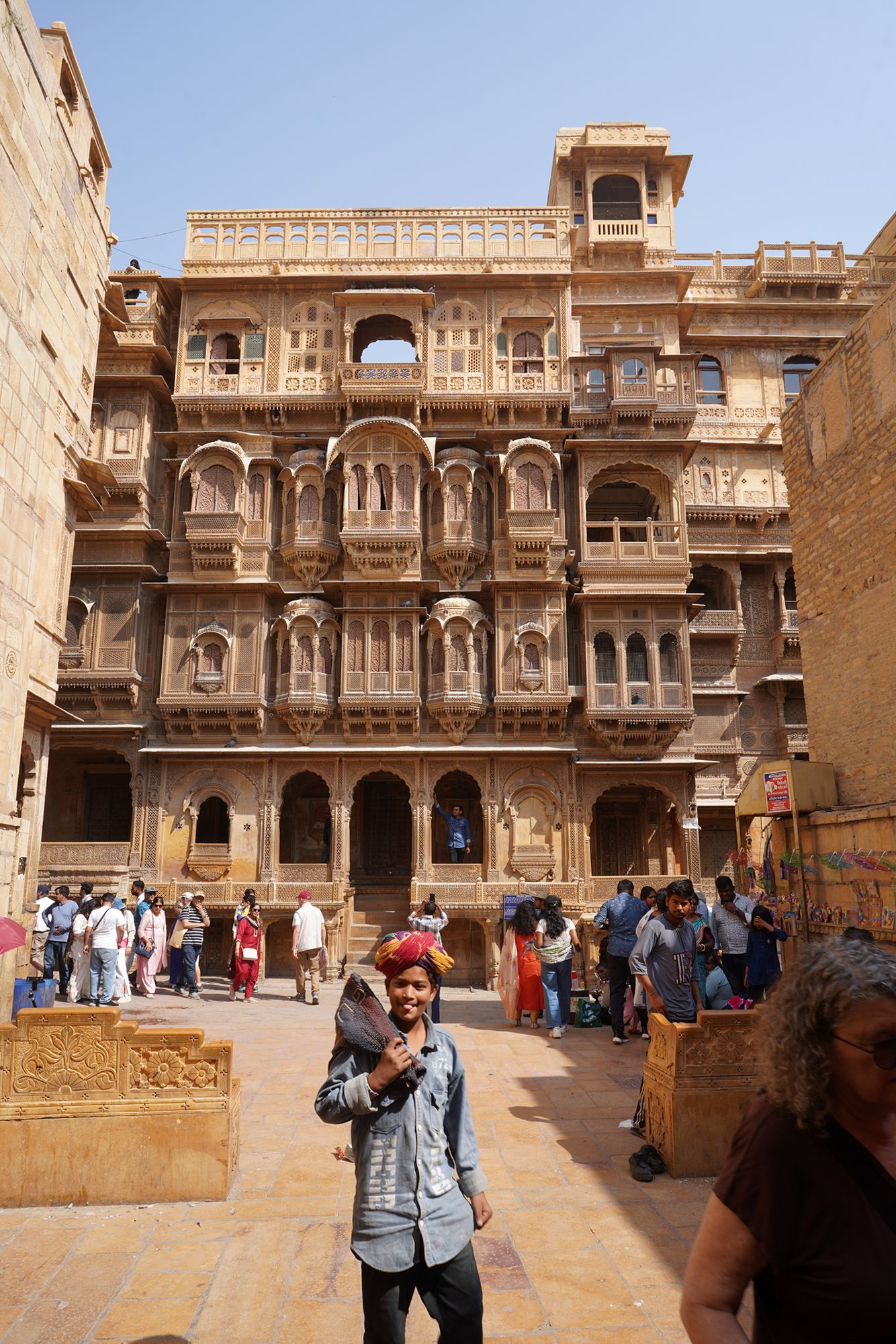
Patwon Ki Haveli is one of Jaisalmer’s most famous historic landmarks. It is actually a group of five adjoining mansions, built in the early 19th century by the wealthy Patwa merchant family.
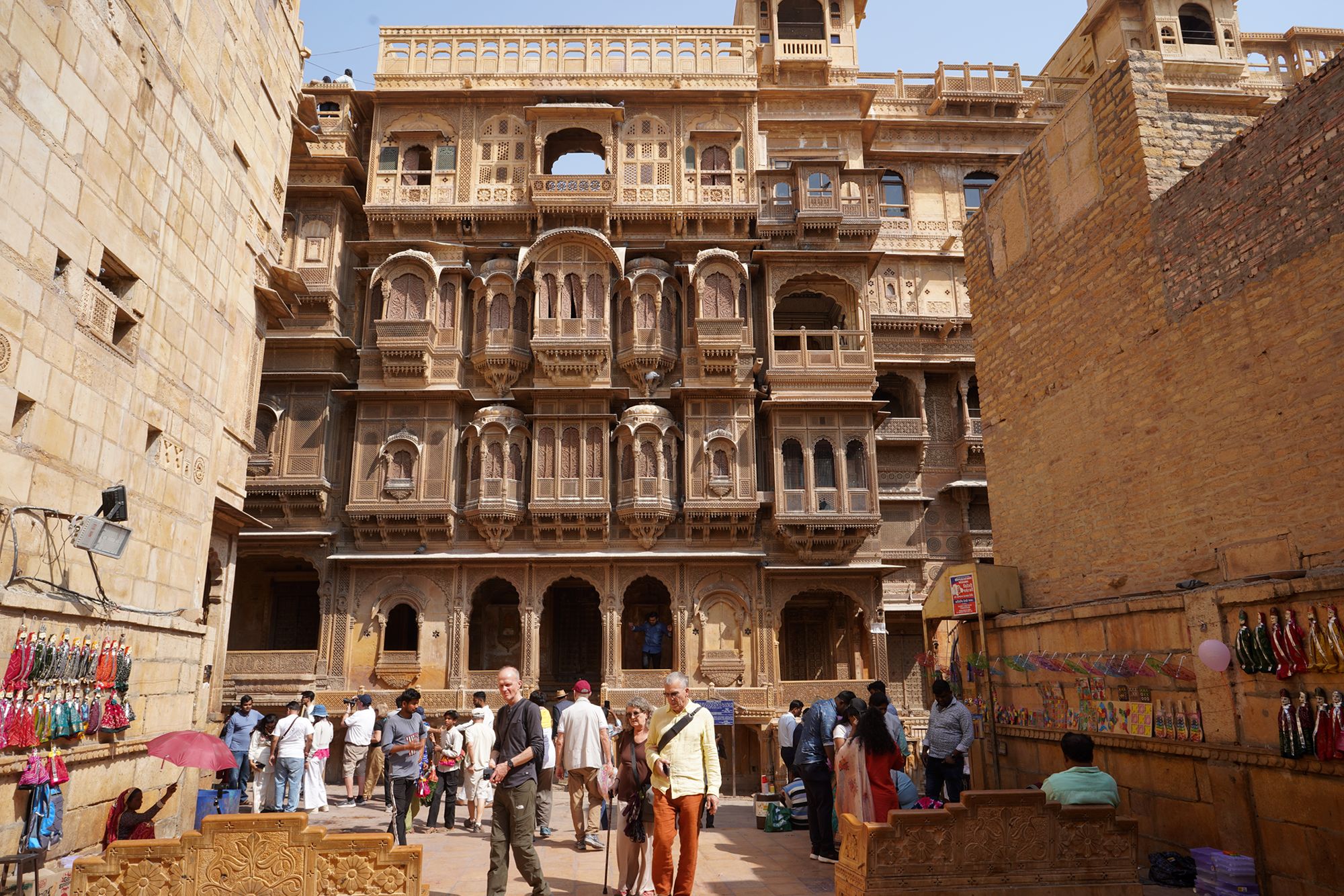
The havelis are famous for their incredibly detailed golden sandstone carvings, balconies, arched windows, and delicate latticework. The elaborate architecture reflects the wealth of Jaisalmer’s merchants during the period when the city prospered from caravan trade.
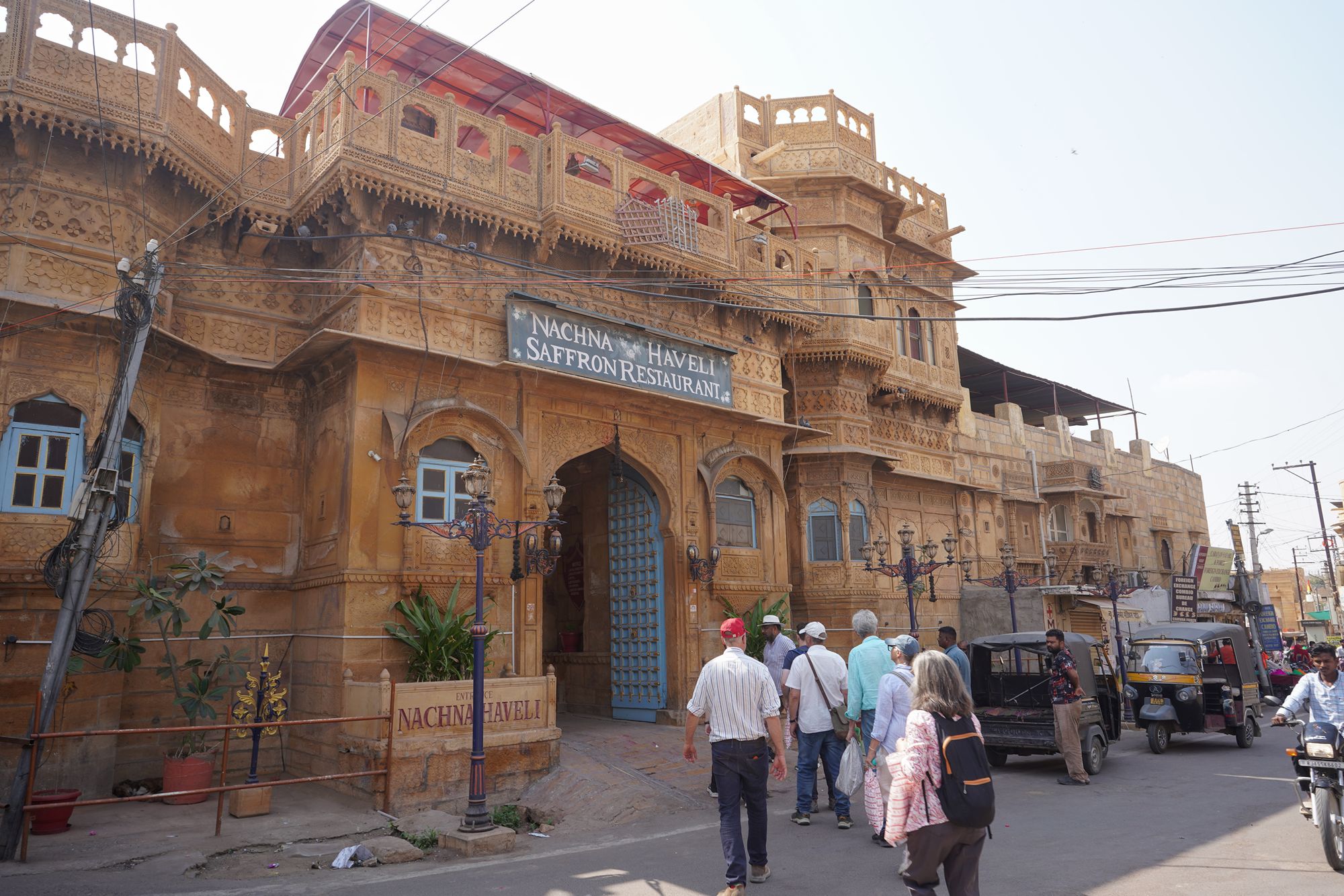
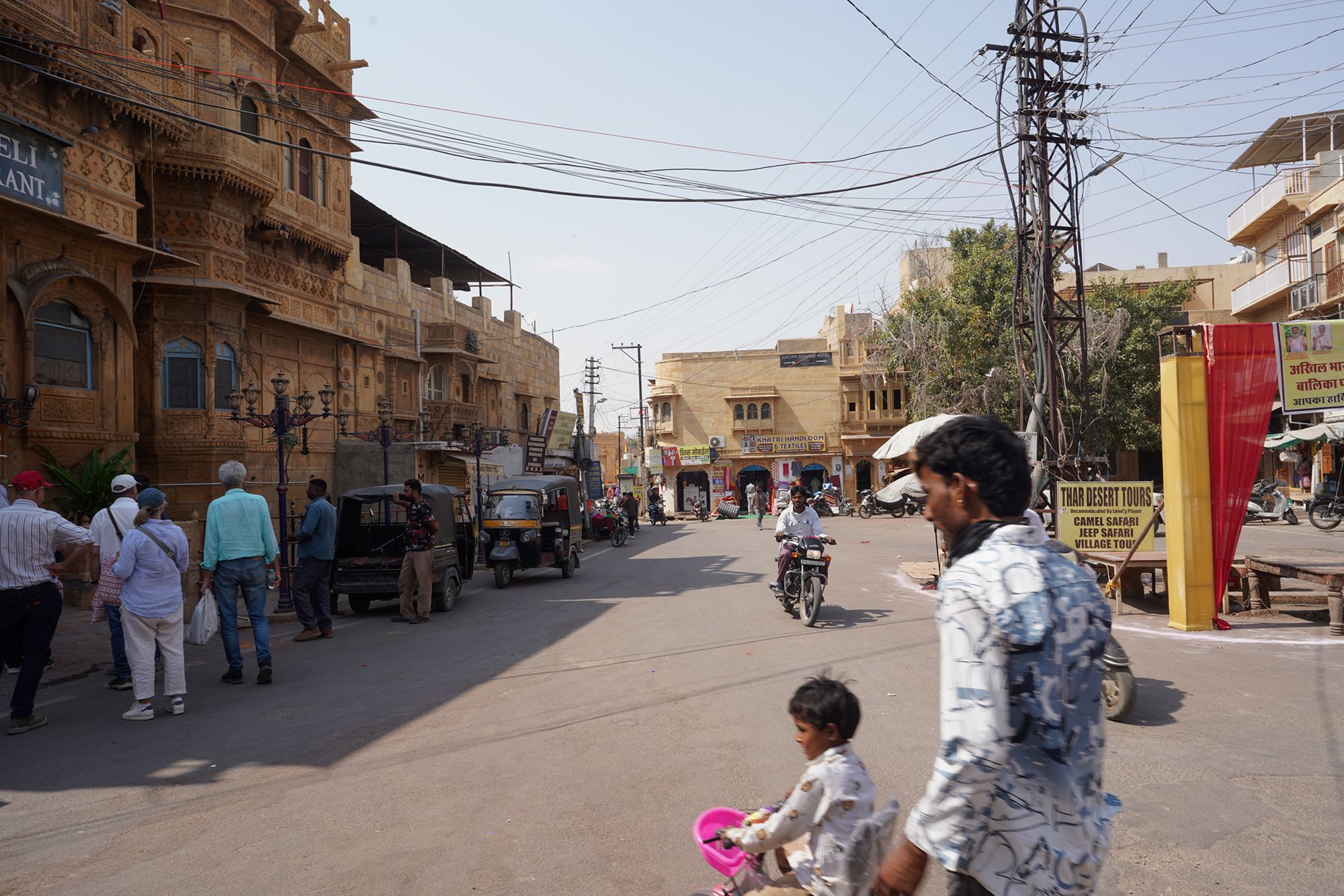
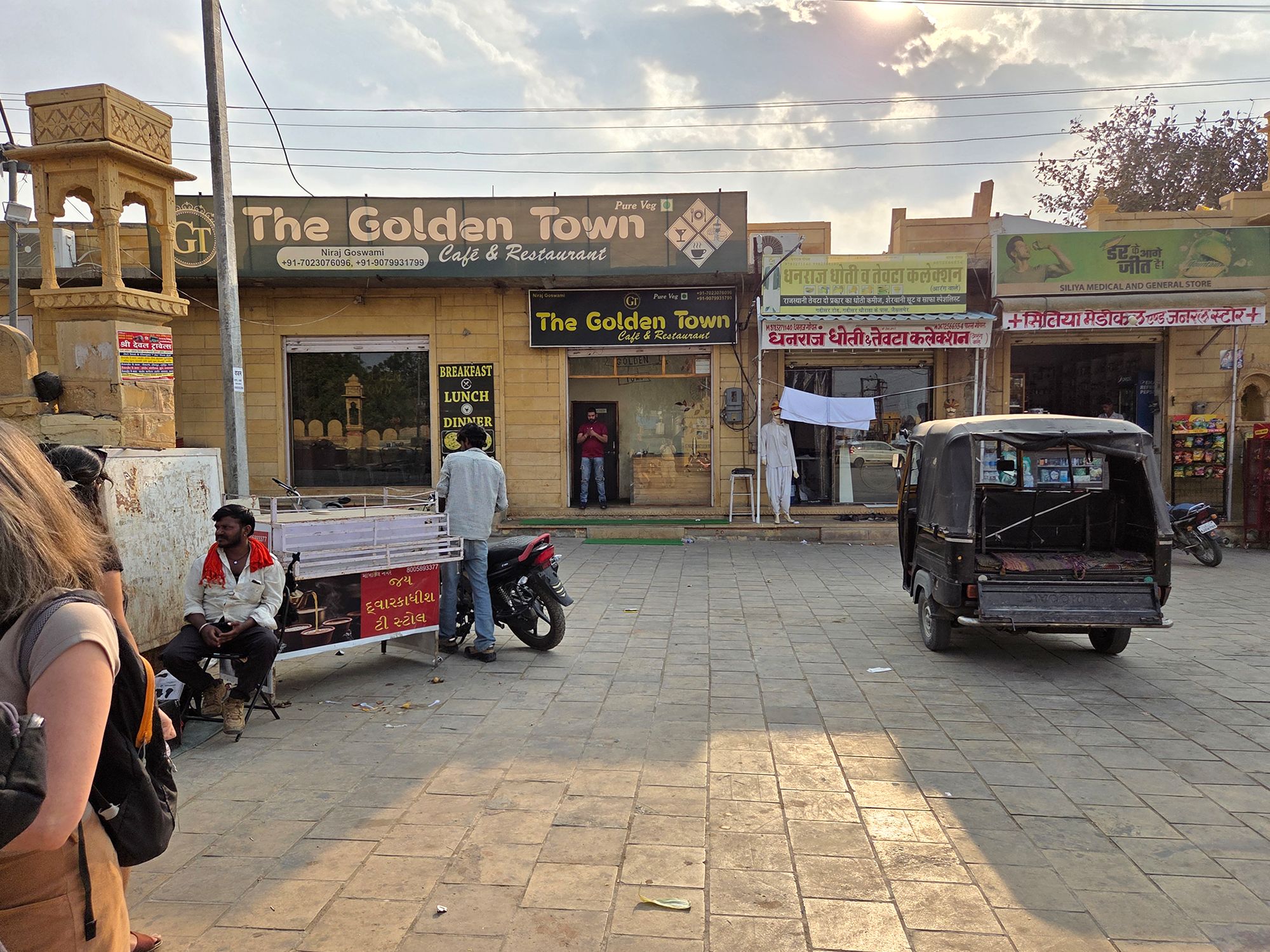
We came to this restaurant for dinner after a full day of sightseeing in Jaisalmer.
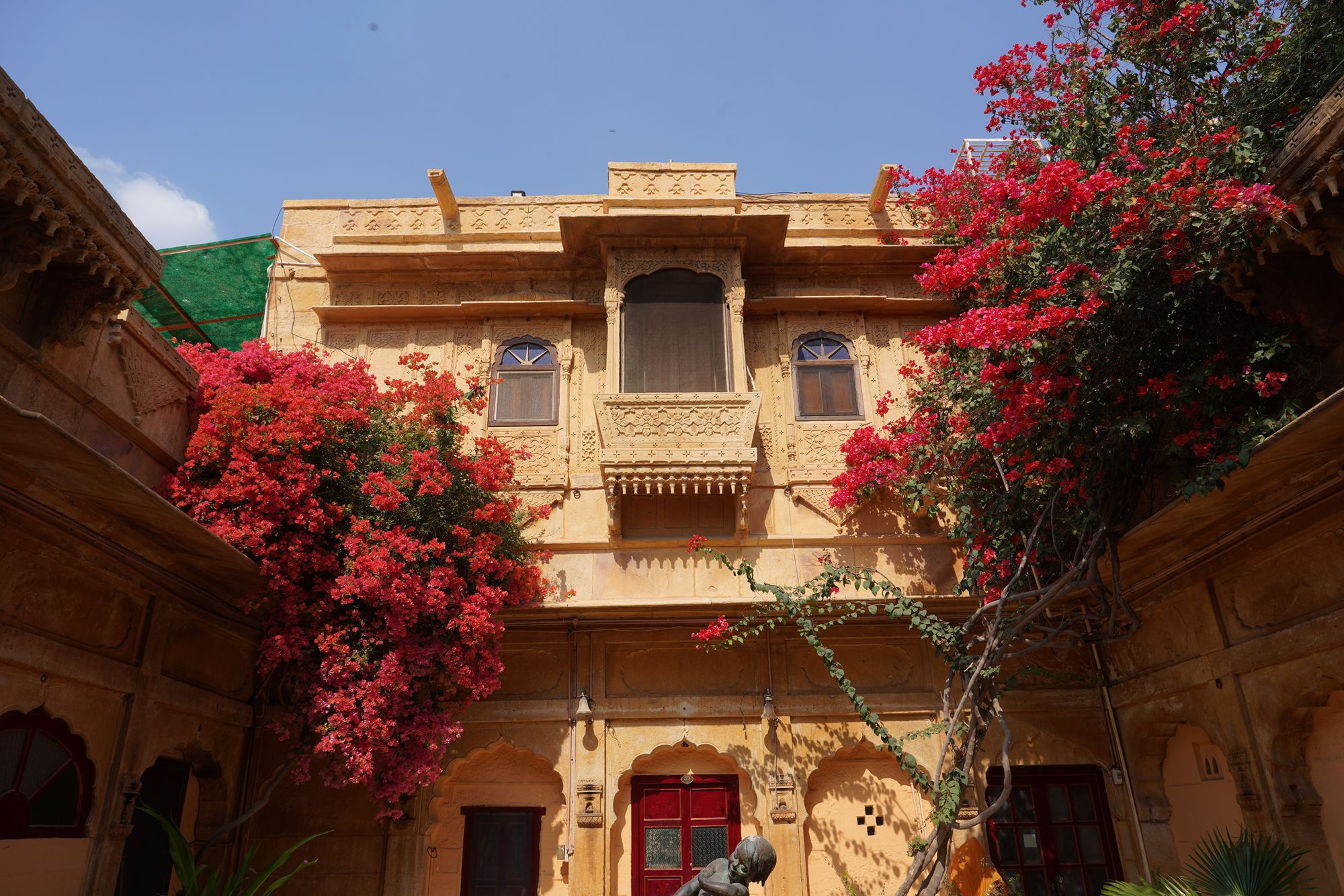
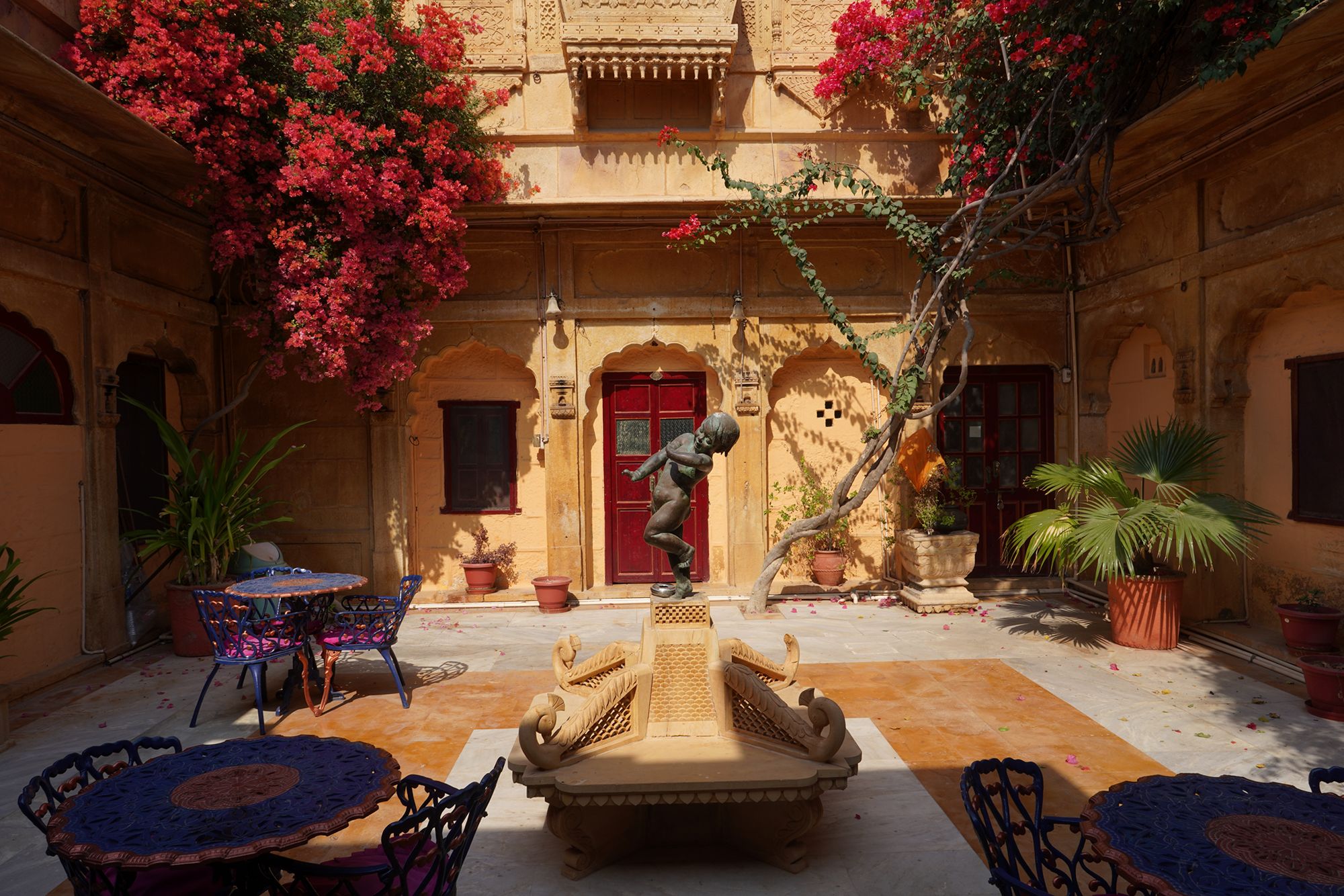
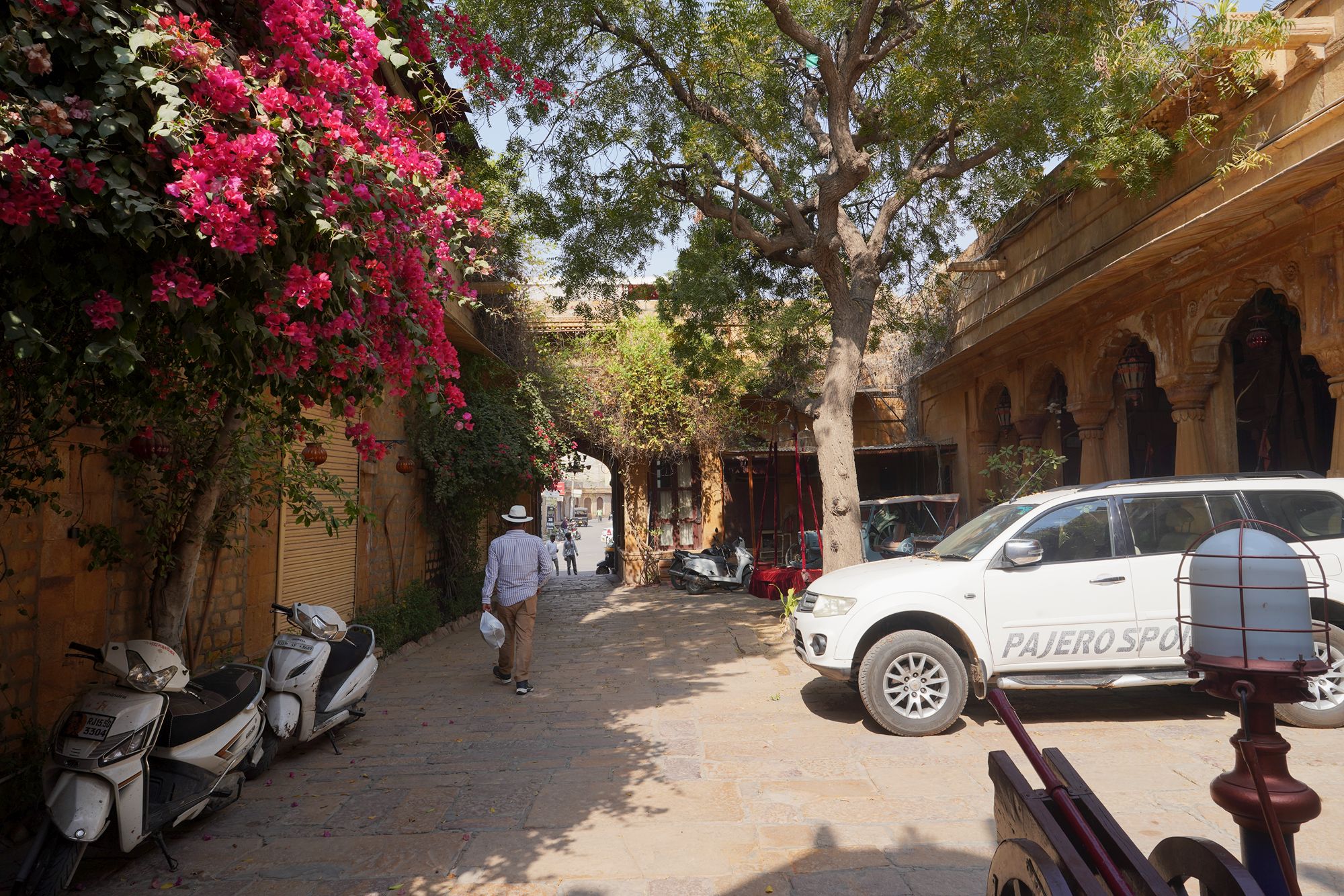
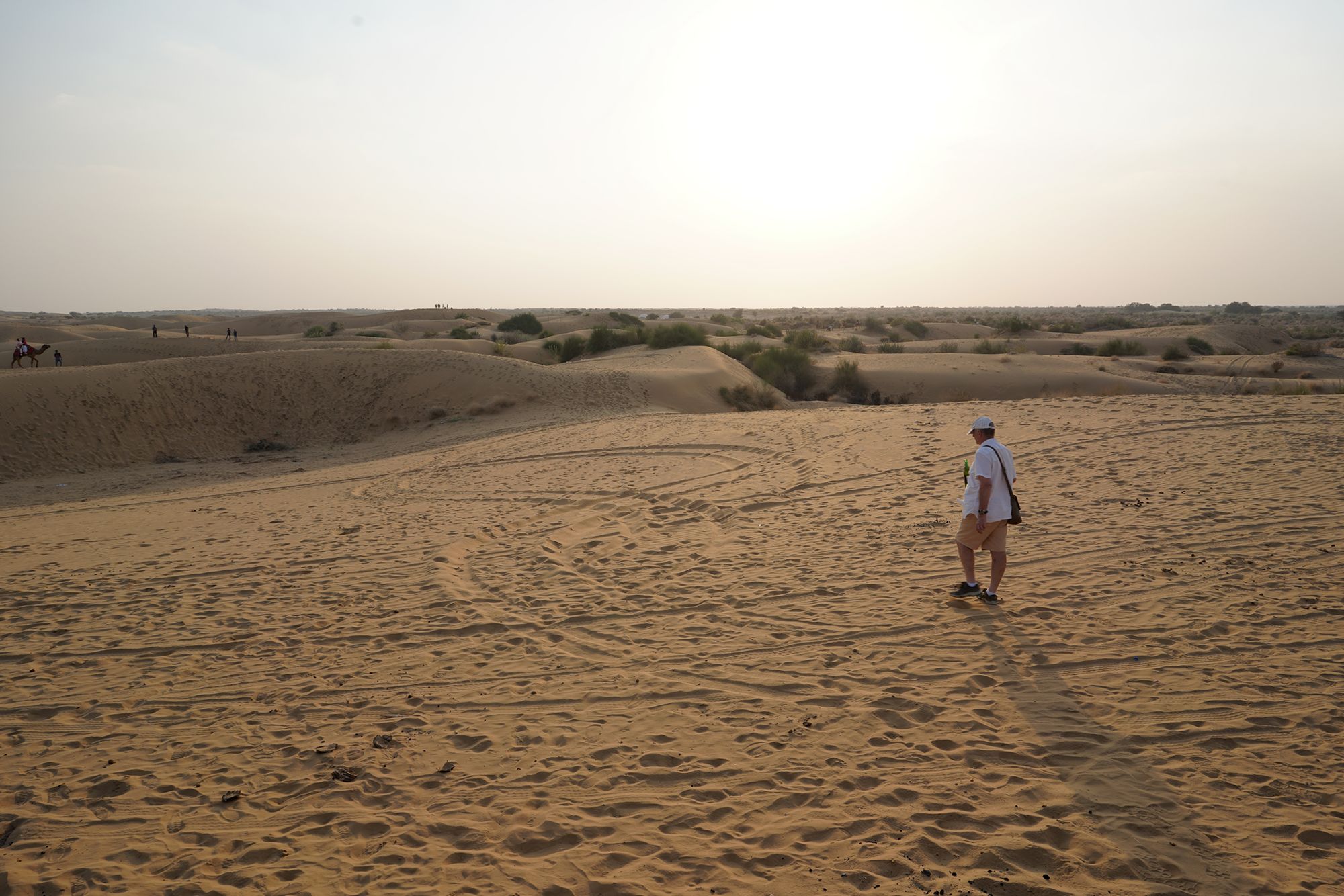
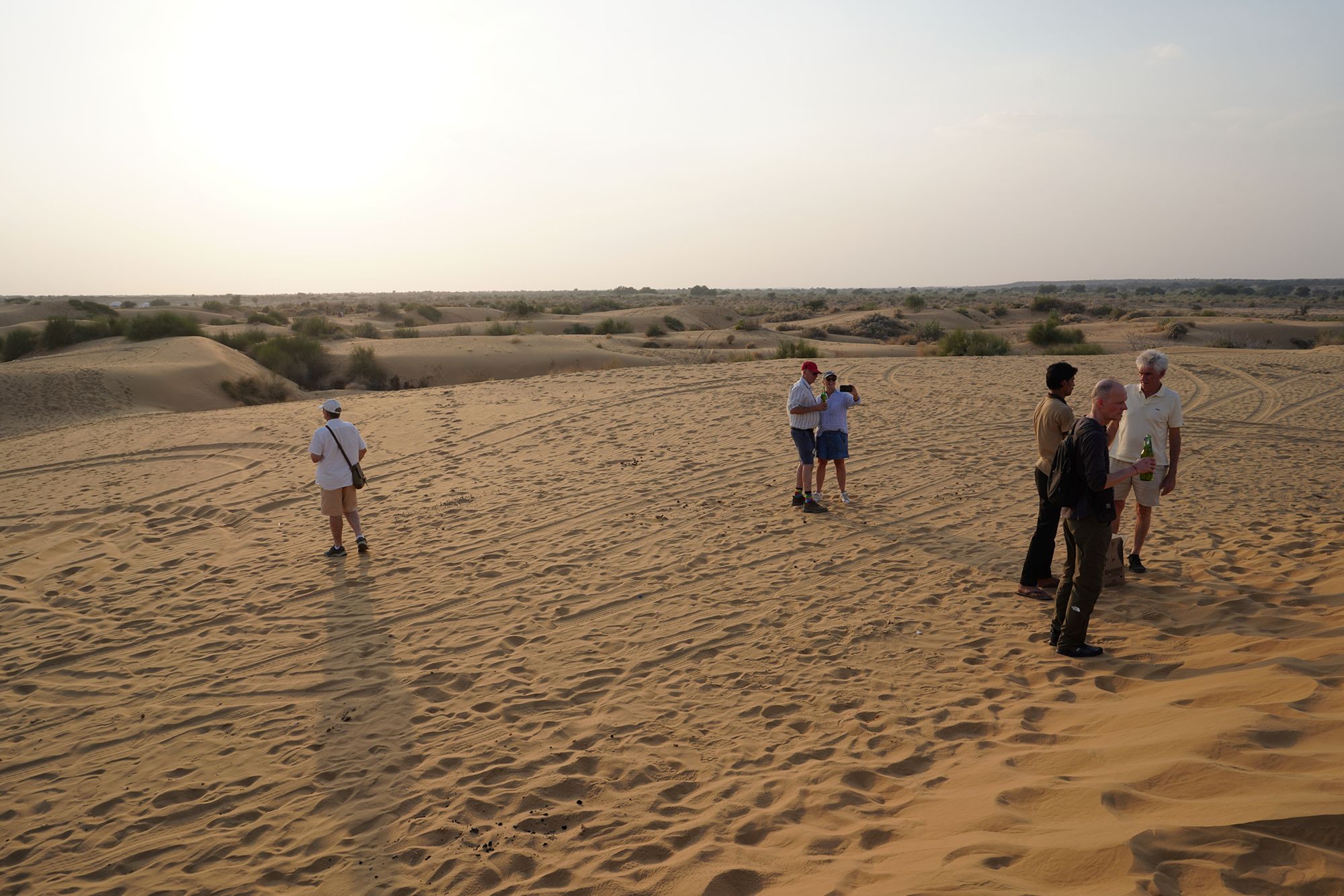
After dinner, we rode in an off-road truck over the rough terrain into the Thar Desert for an evening desert experience.
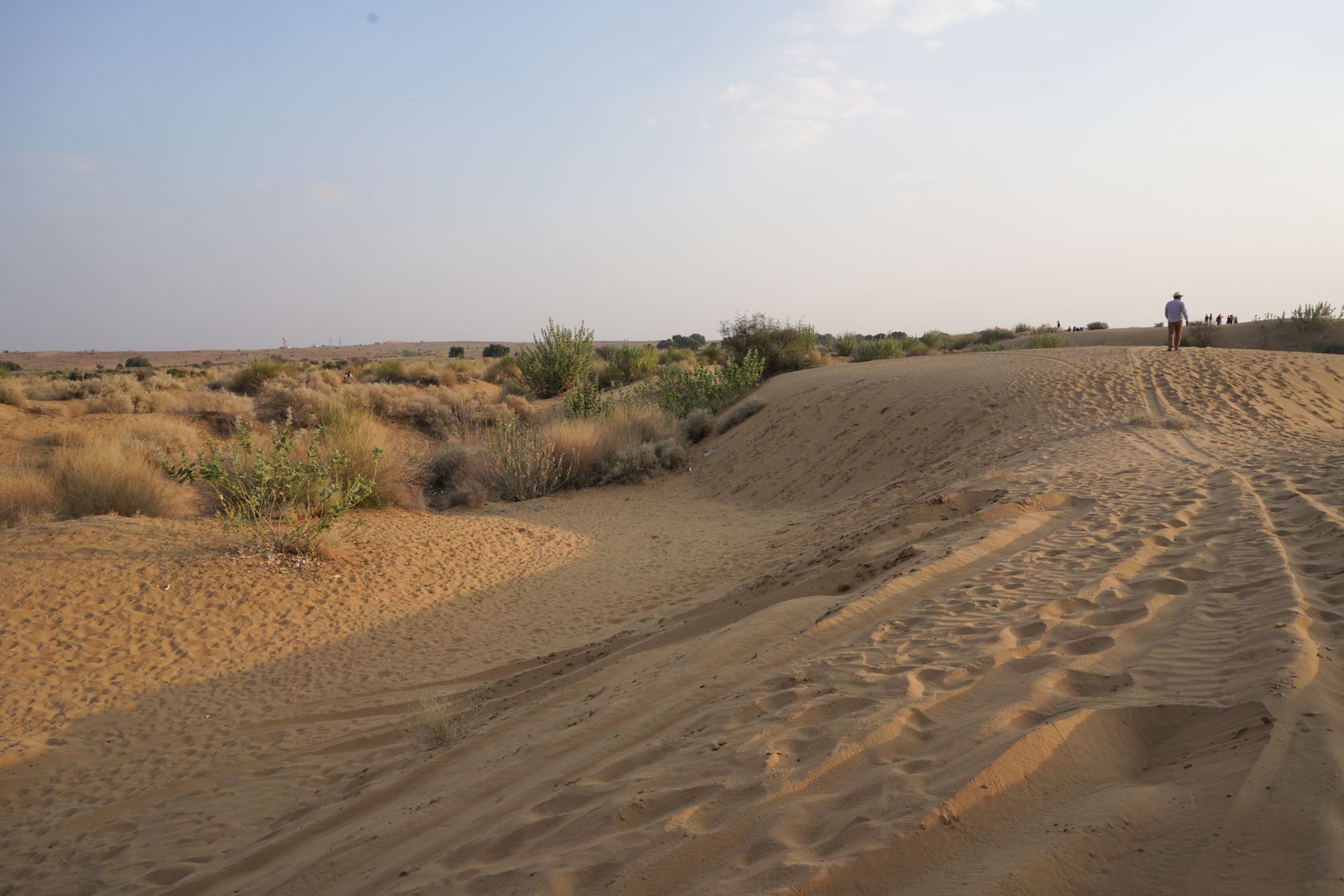
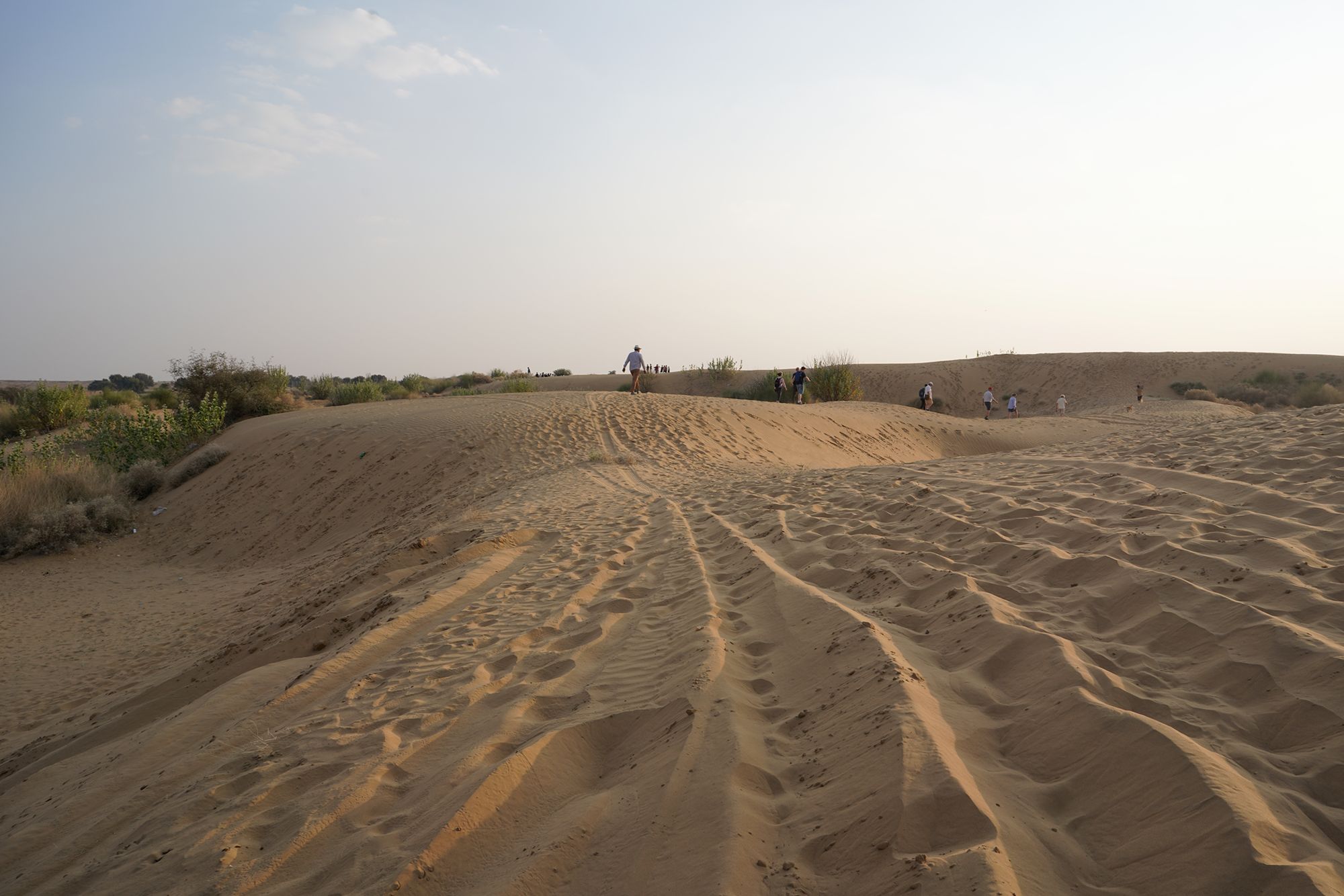
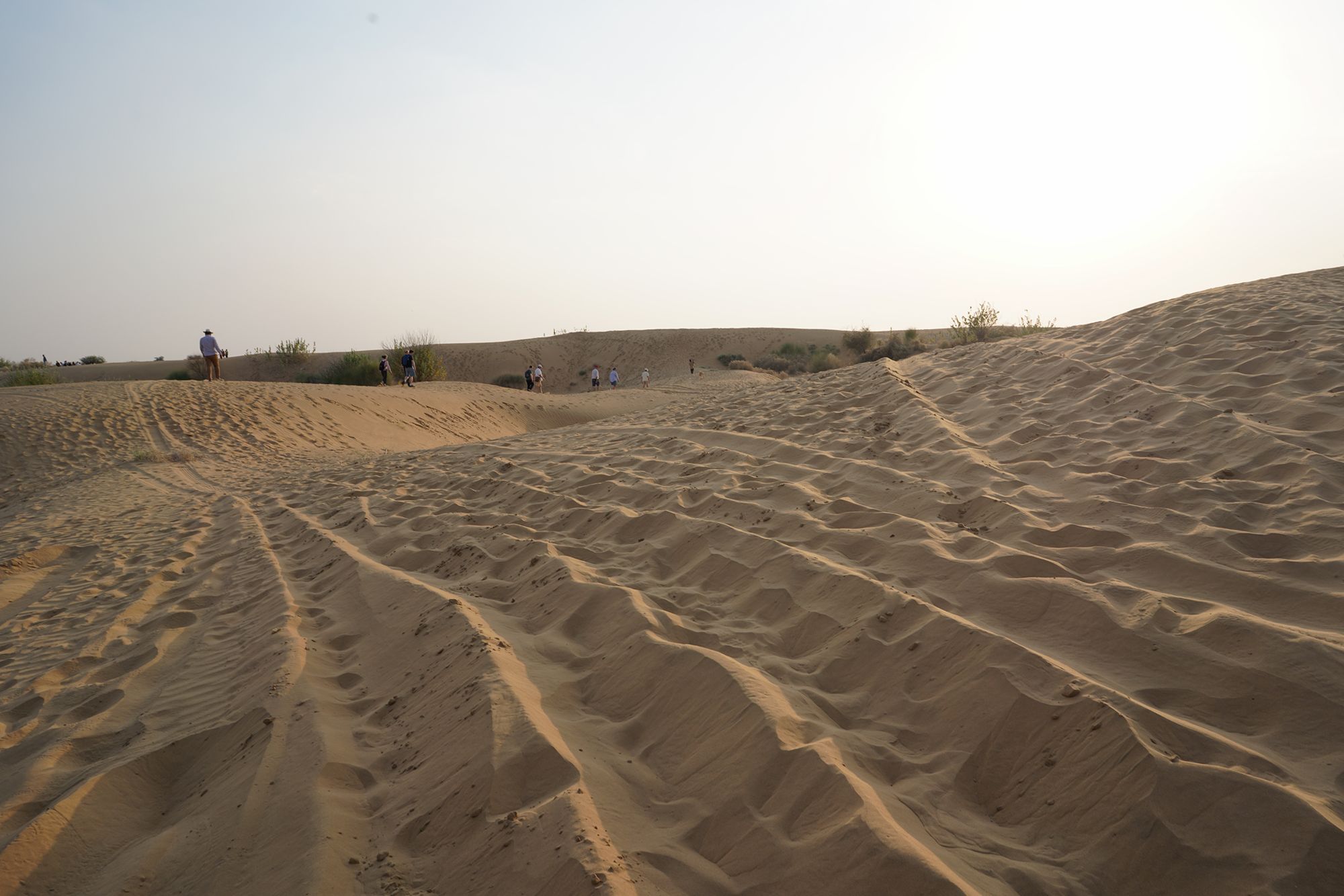
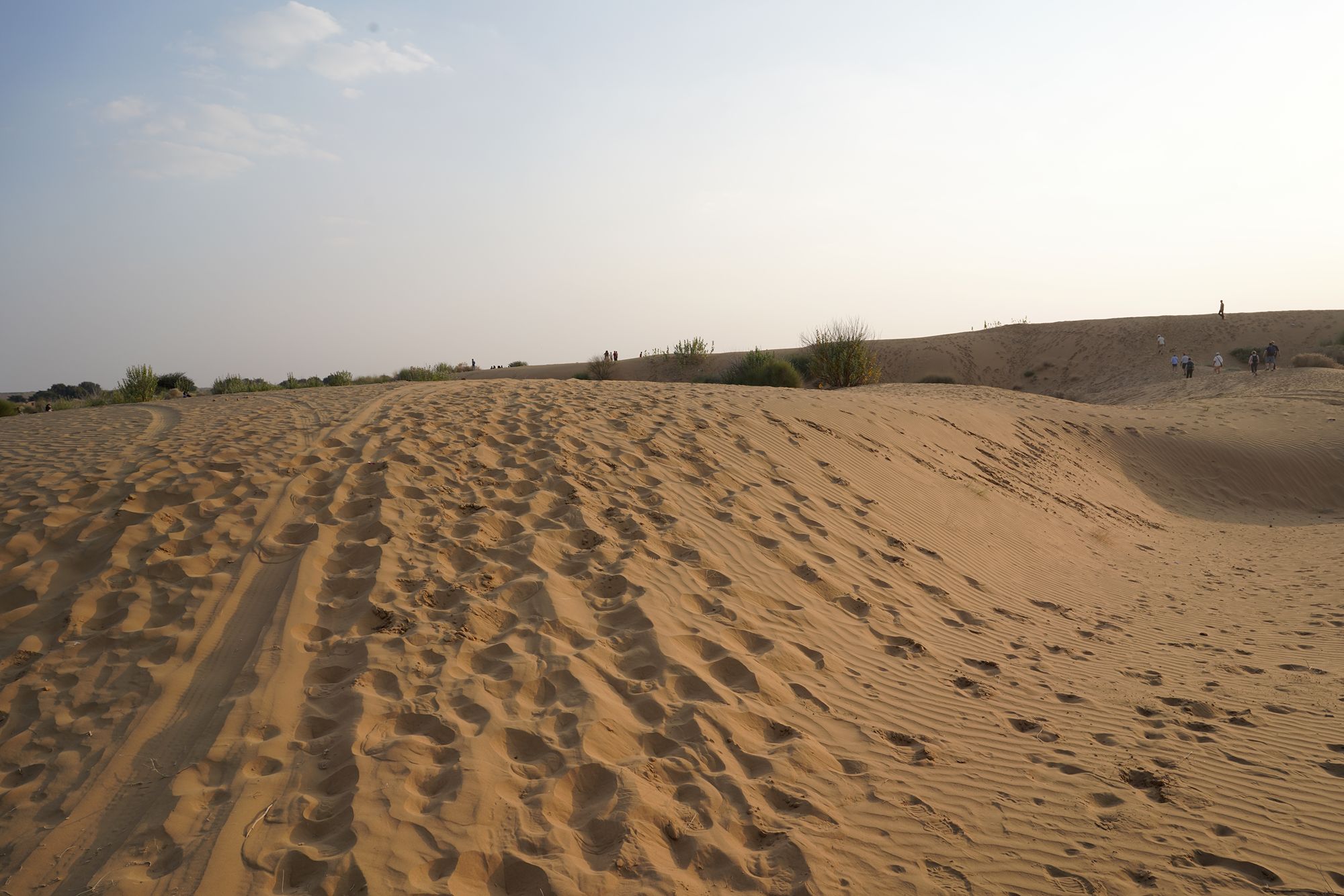
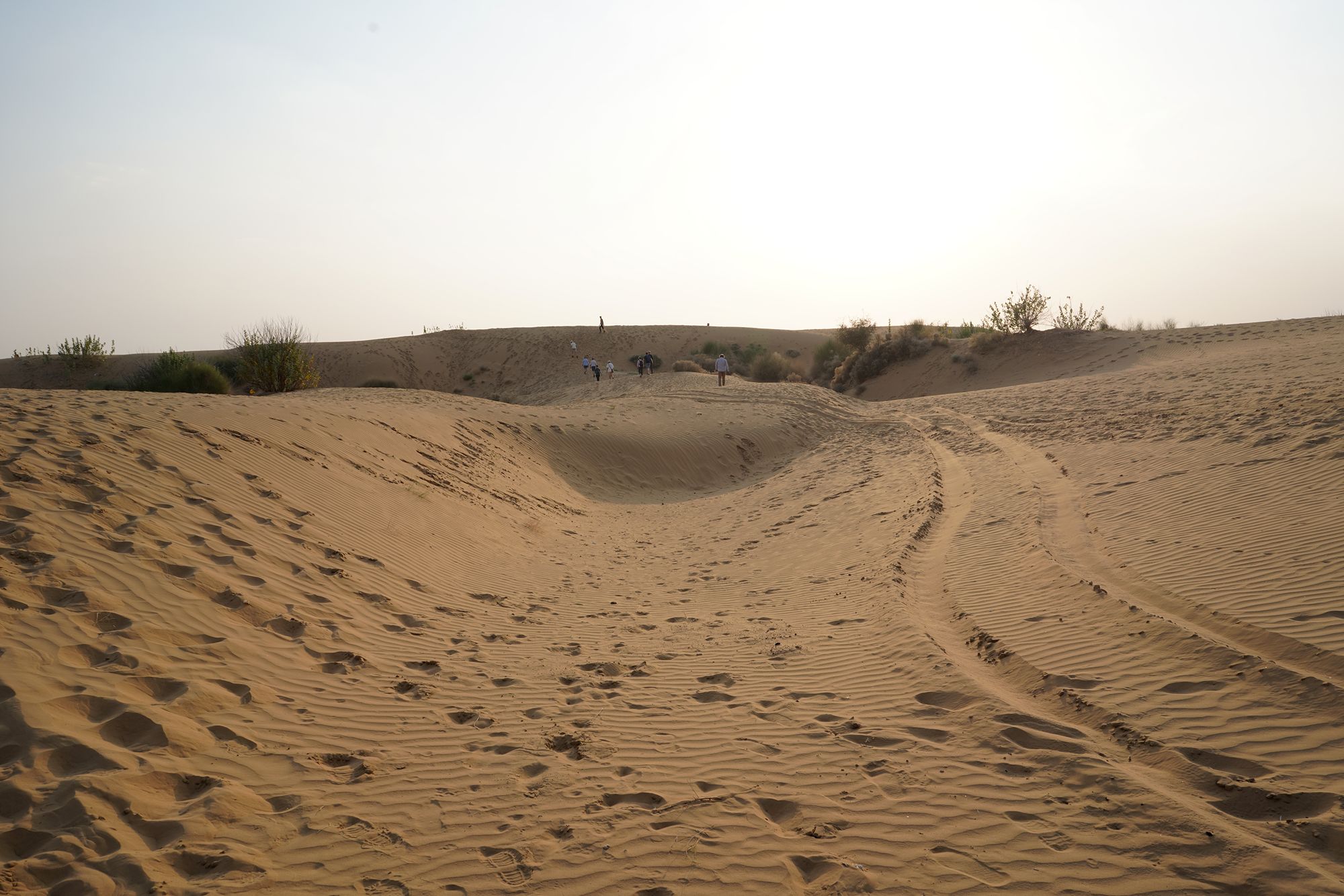
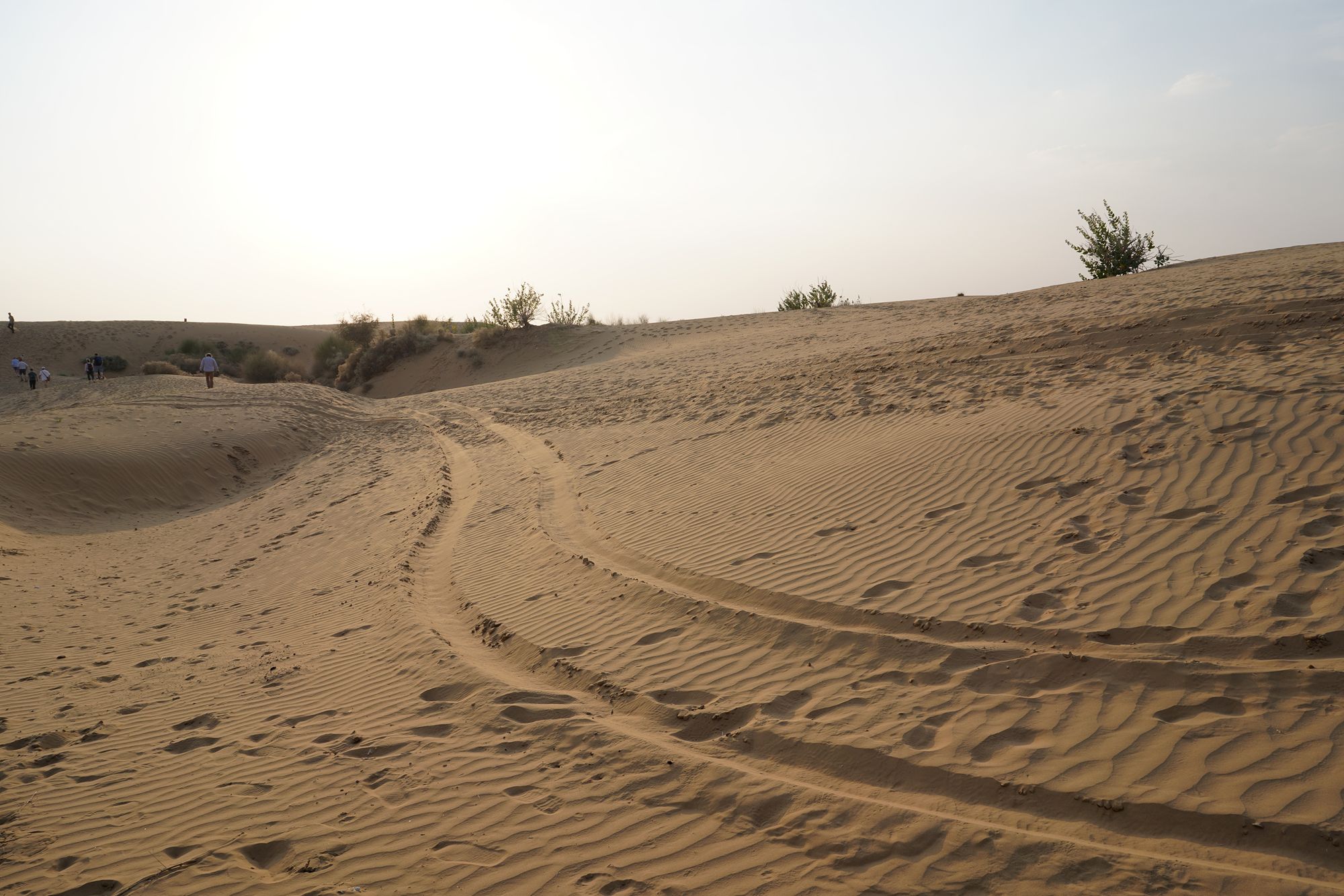
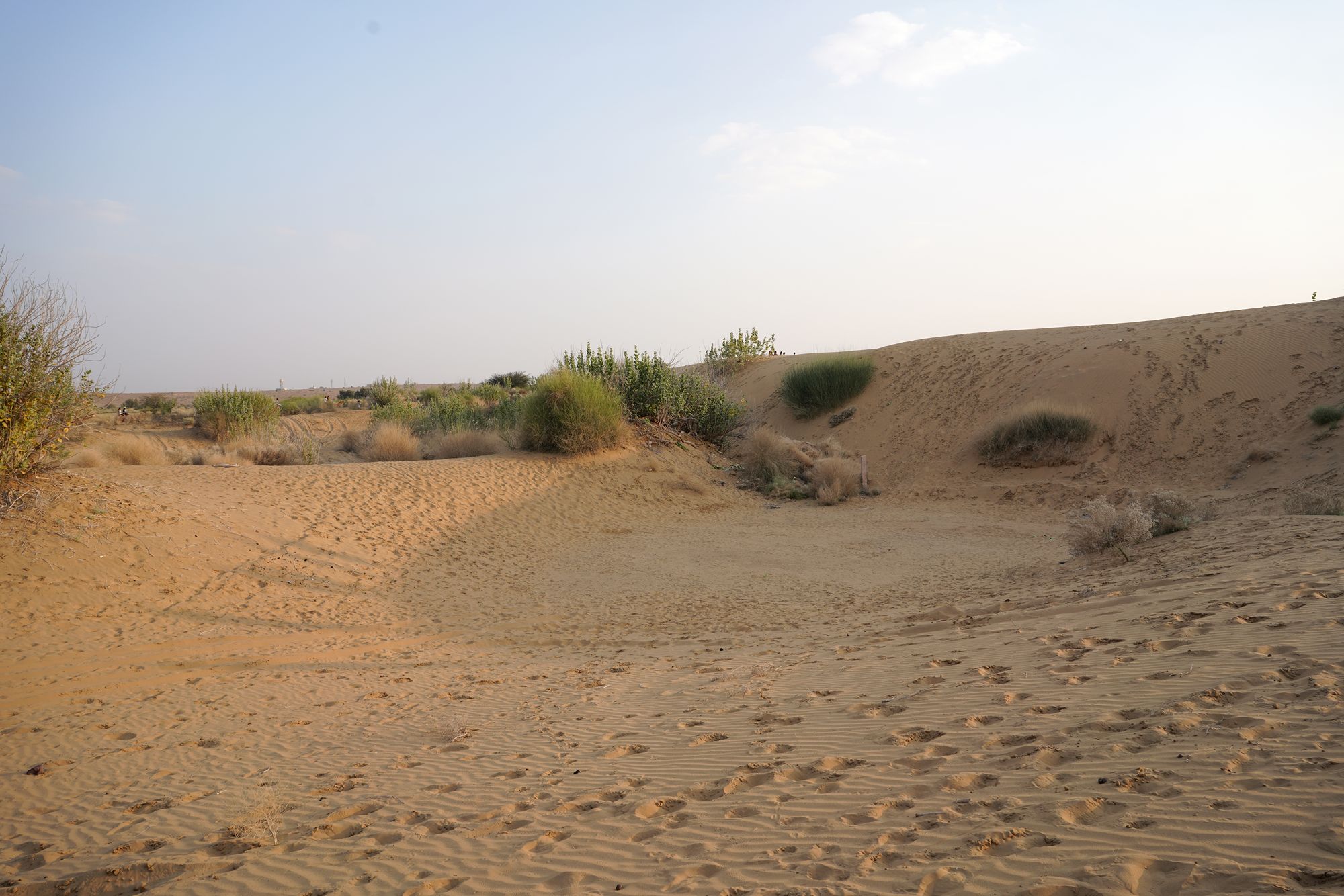
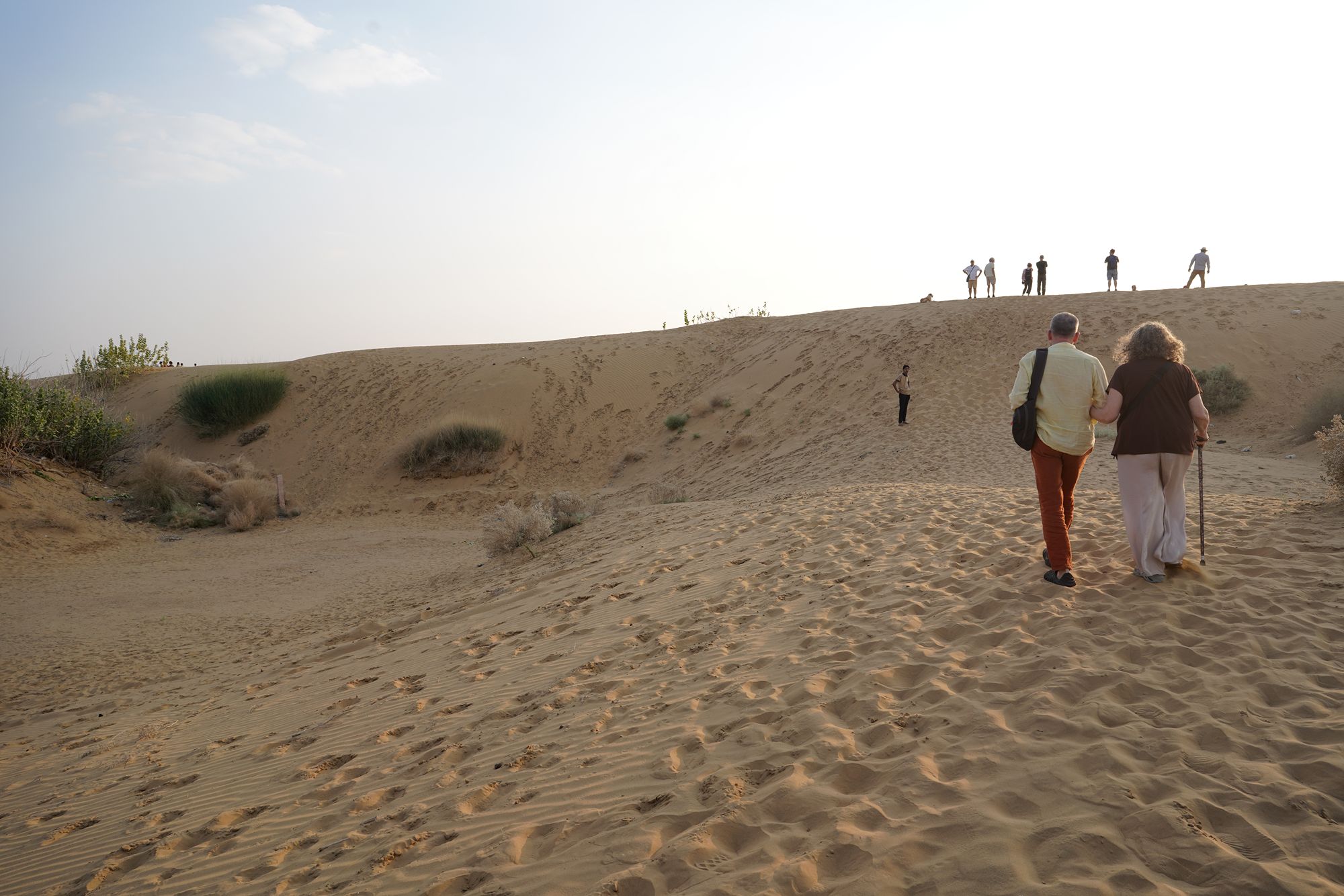
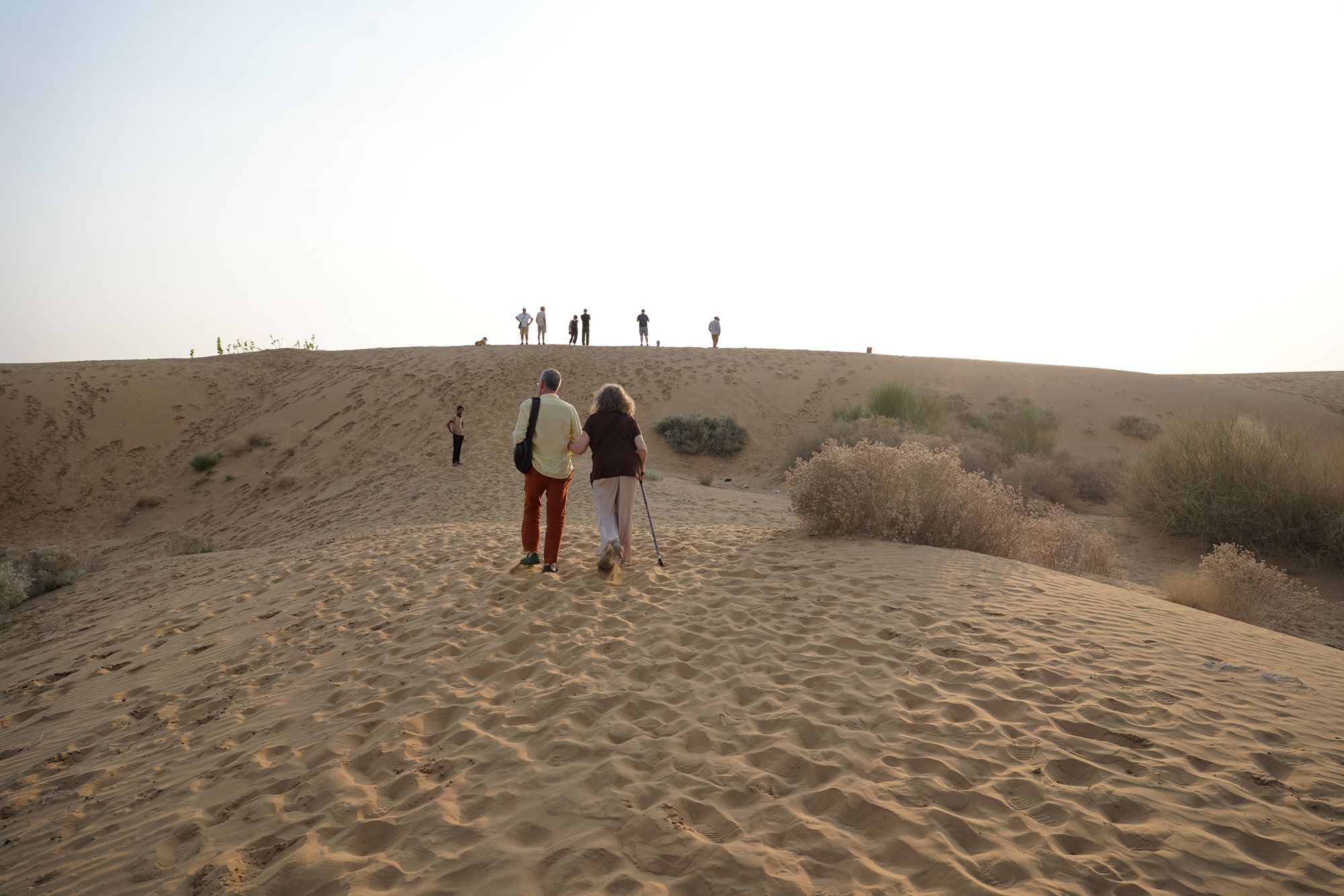
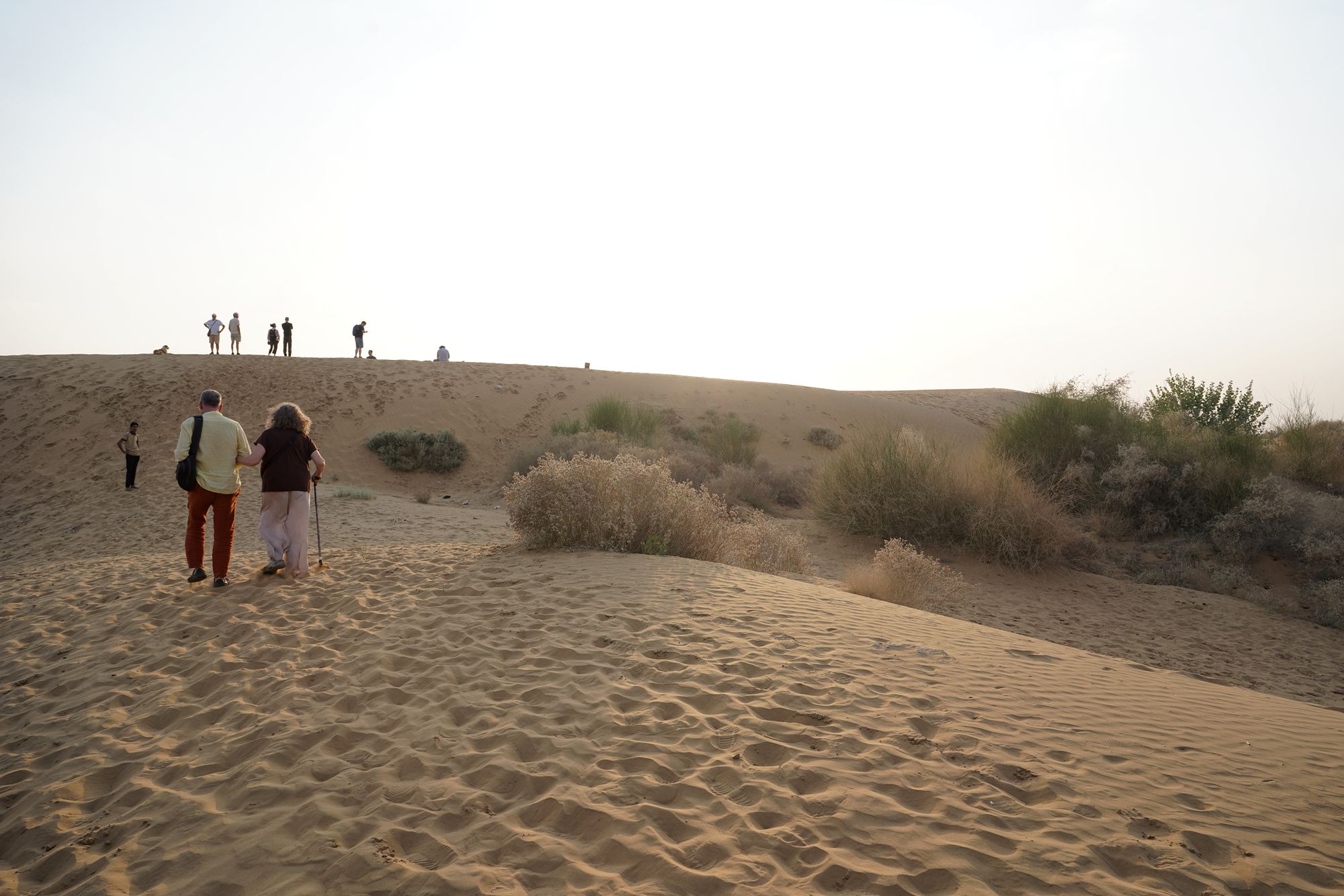
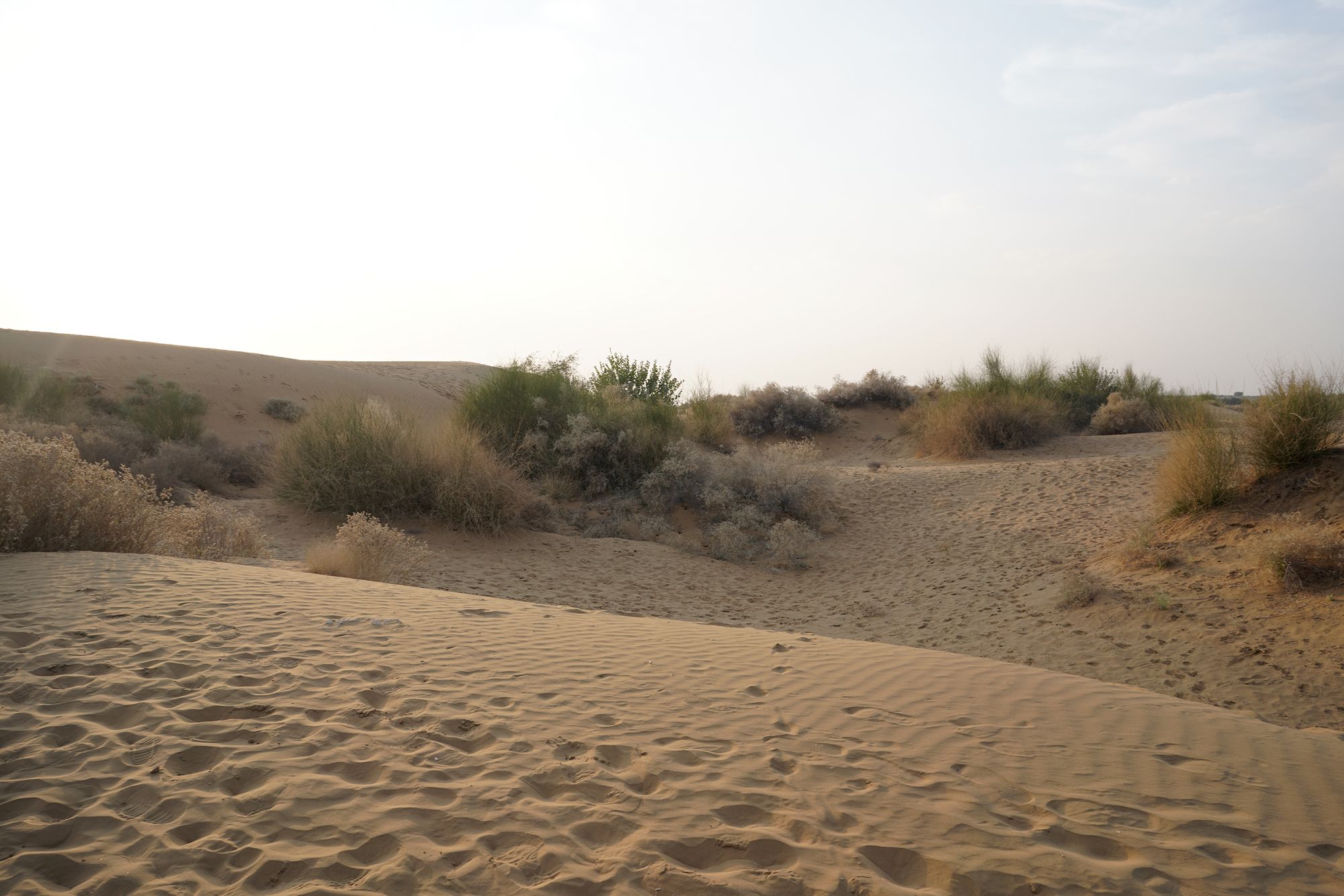
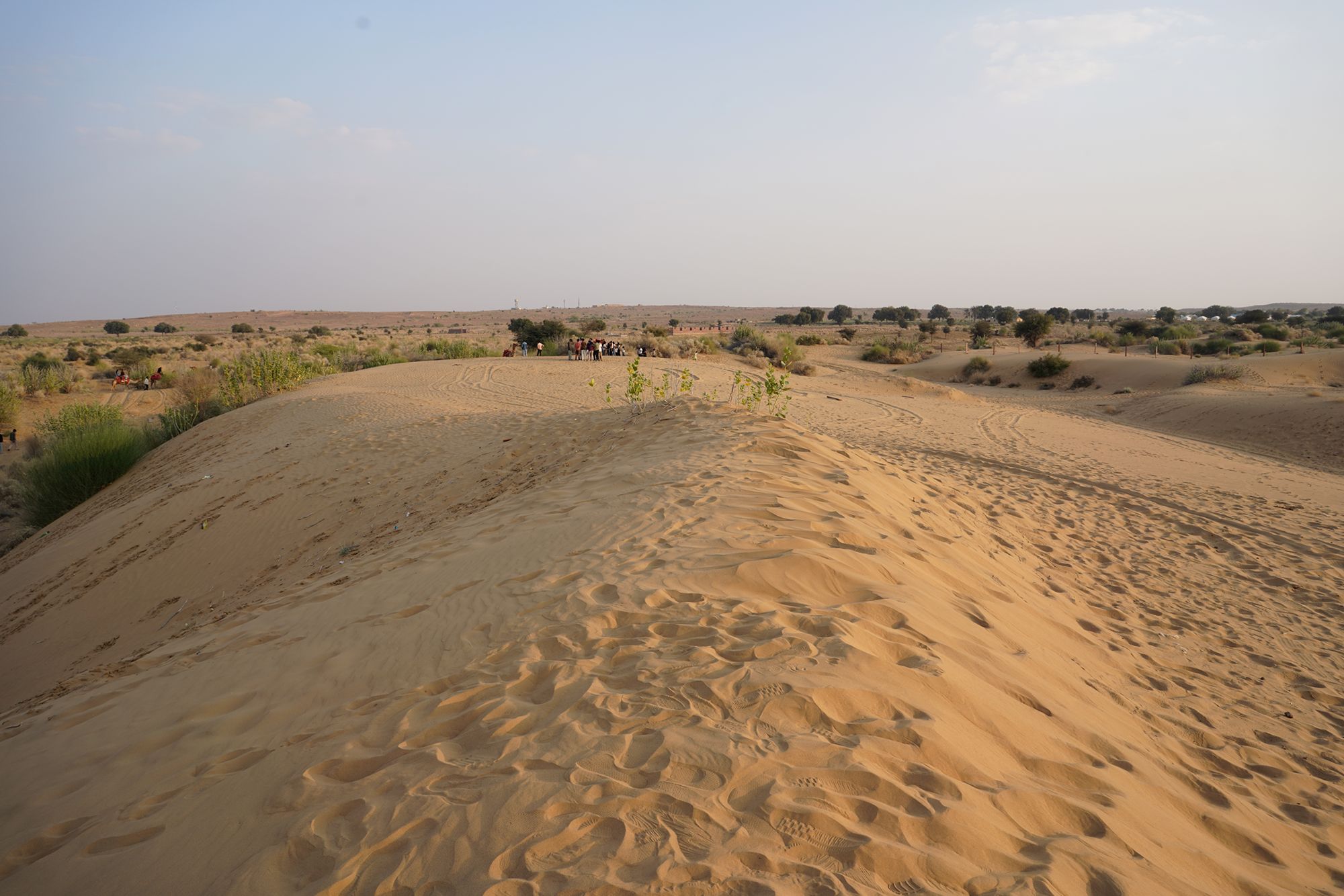
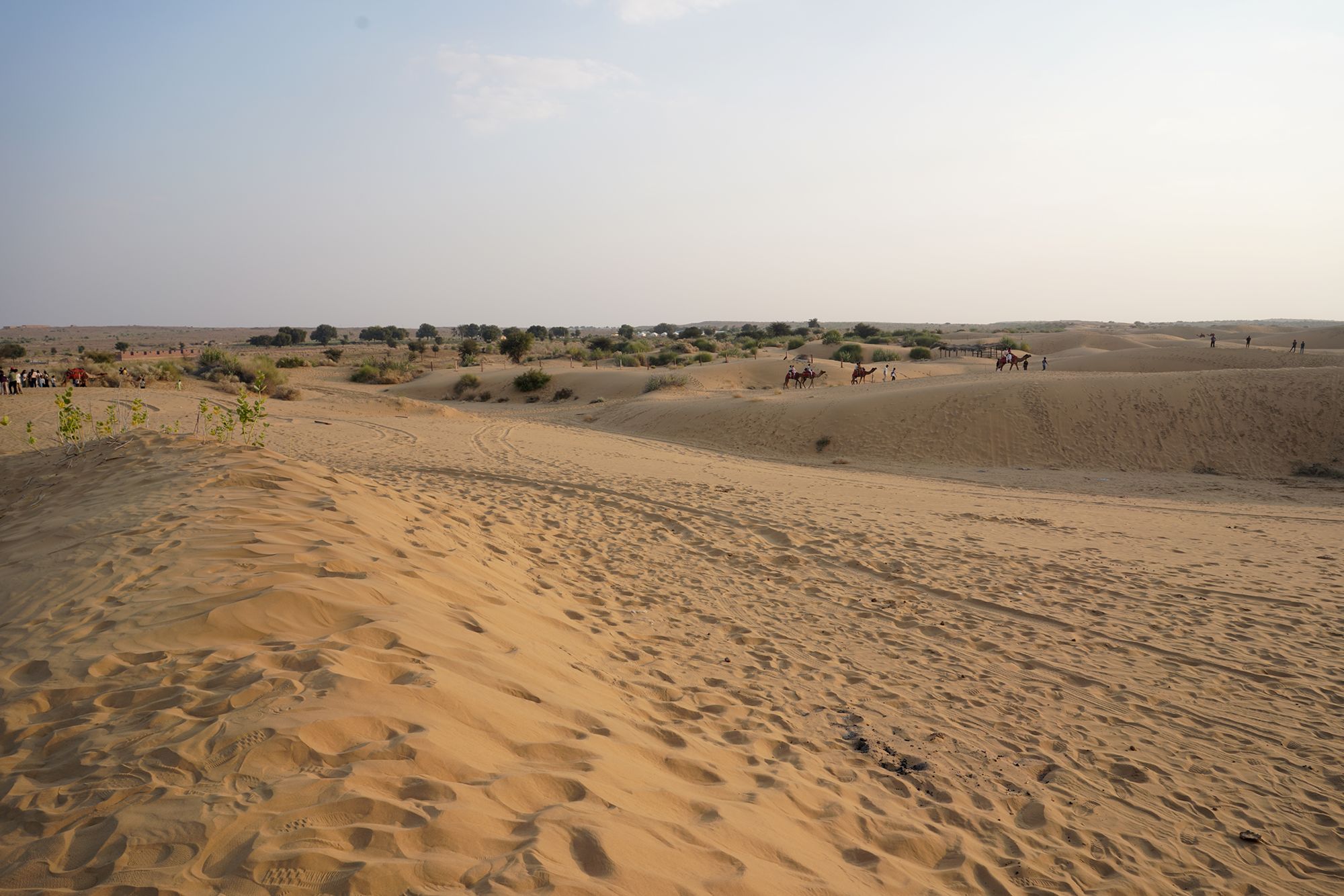
Camel rides are a popular tourist activity in the Thar Desert, offering visitors a traditional way to experience the sand dunes.