Gunsan City, Gyeongam-dong Railroad Village, Modern History Street, Chowon Photo Store, Sinheungdong Japanese Style Hirotsu House, and Dongguksa Temple, South Korea
u003cpu003eA day trip to Gunsan from Jeonju, South Korea. I visited various locations related to Korea's modernizing period, from the early 1900s to the 1940s. 226u003c/pu003e
u003cpu003eu003cspan class=u0022LrzXru0022u003eGyeongam-dong Railroad Village: u003cspan class=u0022GRkHZd w8qArfu0022u003eu003c/spanu003eSouth Korea, Jeollabuk-do, Gunsan-si, Gyeongchonan 3-gil, 49.u003c/spanu003eu003cspan class=u0022LrzXru0022u003eu003c/spanu003eu003cspan class=u0022LrzXru0022u003eu003cspan class=u0022GRkHZd w8qArfu0022u003eu003c/spanu003eu003c/spanu003eu003cspan class=u0022LrzXru0022u003eu003c/spanu003eu003cspan class=u0022LrzXru0022u003eu003c/spanu003eu003cbr /u003eu003cspan class=u0022LrzXru0022u003eGunsan Modern History Street: u003cspan class=u0022GRkHZd w8qArfu0022u003eu003c/spanu003e1-67 Jangmi-dong, Gunsan-si, Jeollabuk-do, South Korea u003c/spanu003eu003cbr /u003eu003cspan class=u0022LrzXru0022u003eSinheungdon Japanese style Hirotsu House: 17 Guyeong 1(il)-gil, Sinheung-dong, Gunsan-si, Jeollabuk-do, South Koreau003c/spanu003eu003cbr /u003eu003cspan class=u0022LrzXru0022u003eDongguksa Temple: u003cspan class=u0022GRkHZd w8qArfu0022u003eu003c/spanu003e16 Dongguksa-gil, Samhak-dong, Gunsan-si, Jeollabuk-do, South Koreau003c/spanu003eu003cbr /u003eu003cspan class=u0022LrzXru0022u003eu003cspanu003eDate Picture Taken: July 2021u003c/spanu003eu003c/spanu003eu003c/pu003e
u003cpu003eGoing to Gunsan from Jeonju by bus. When I go from one city to another city, I take an intercity bus because the bus station is conveniently located, economical, and has separate space for luggage. It costs about $5 to $10 depends on the distance and takes about an hour to an hour and a half.u003c/pu003e
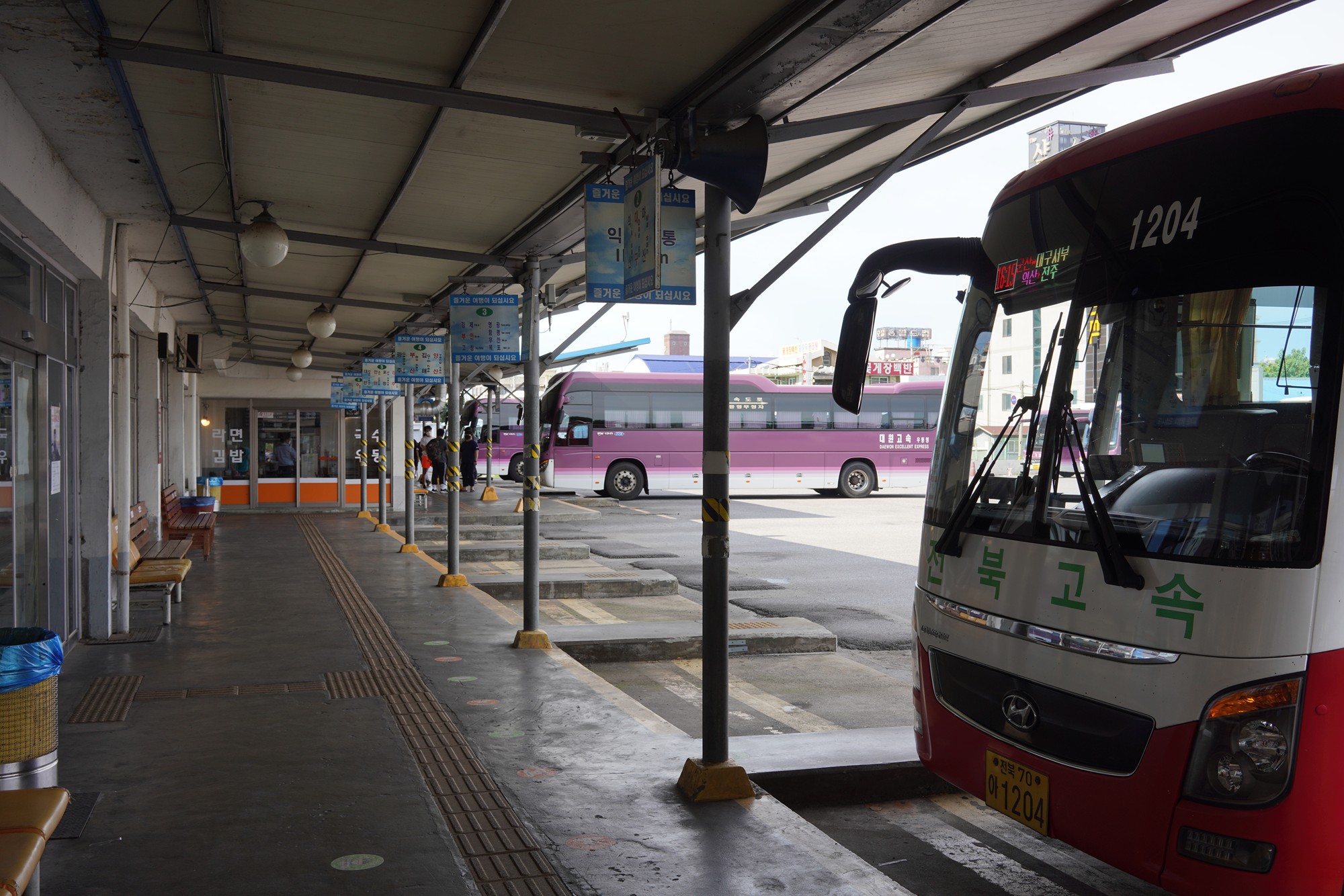
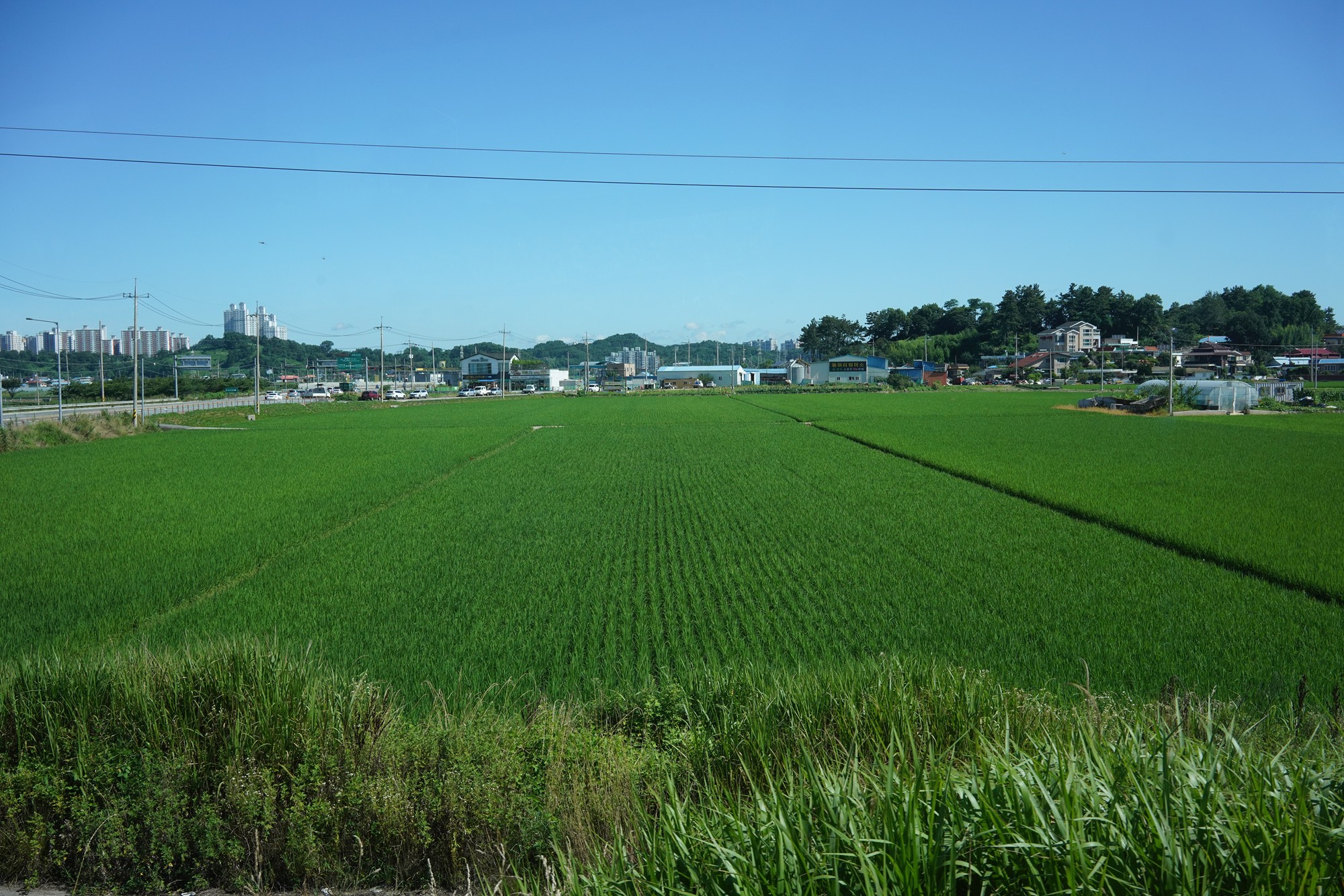
u003cpu003eMany rice fields can be seen from the bus.u003c/pu003e
u003cpu003eu003cspanu003eThe first stop was Gyeongam-dong Railroad Village. This area is not a village but rather a one-block-long unused railroad track with stores on both sides of the track.u003c/spanu003eu003c/pu003e
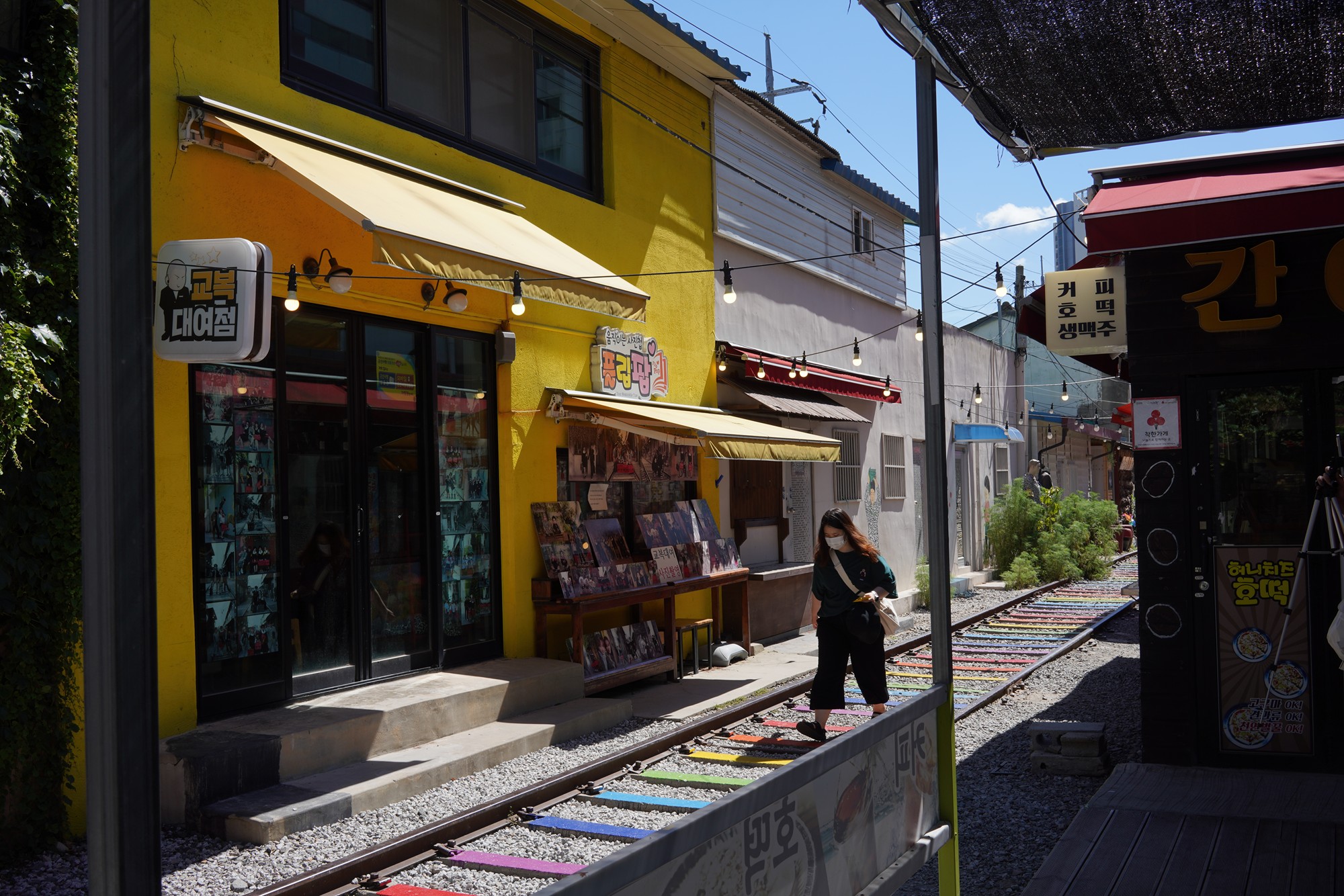
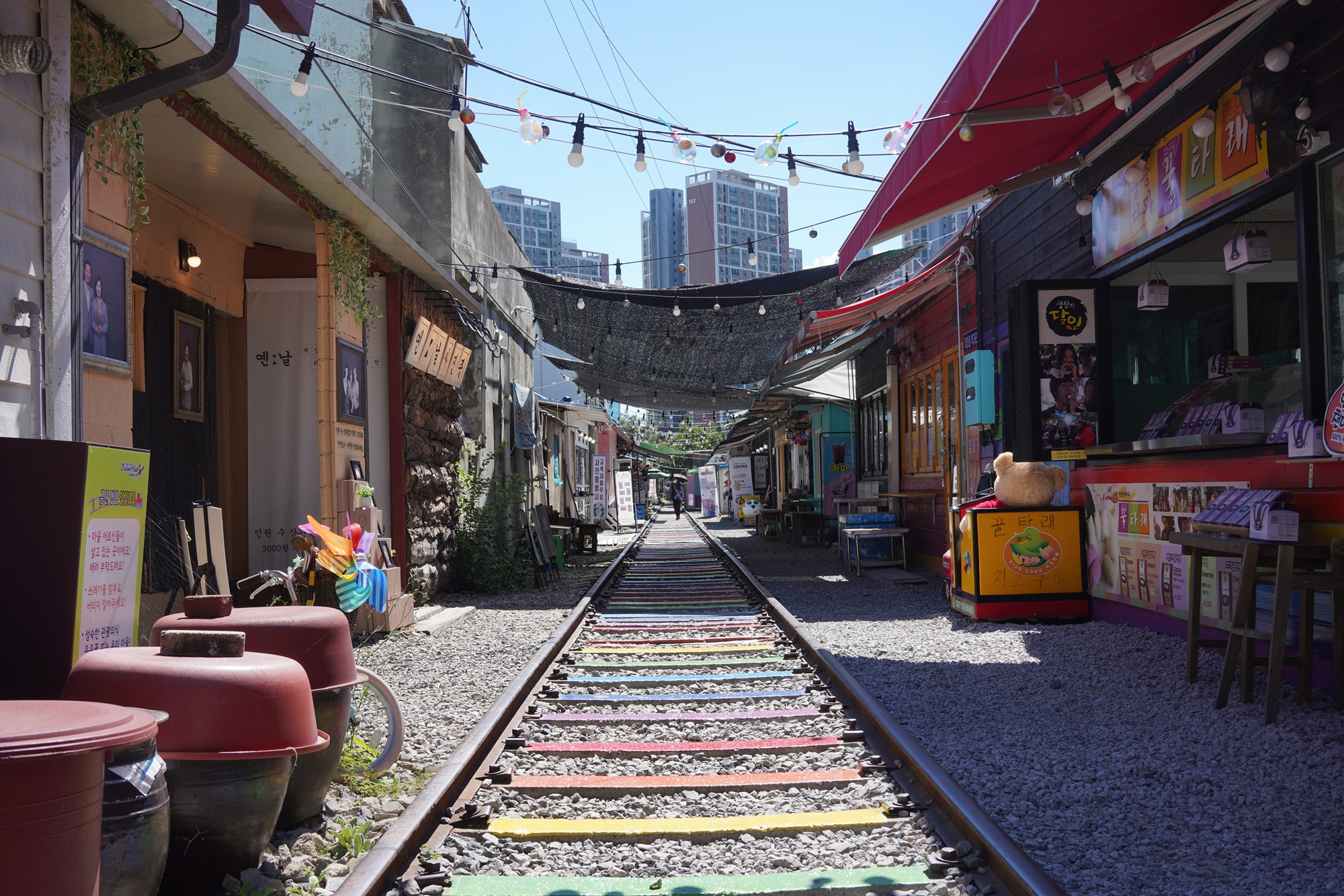
u003cpu003eu003cspanu003eMany photo studio storesu003cbr /u003eu003c/spanu003eu003c/pu003e
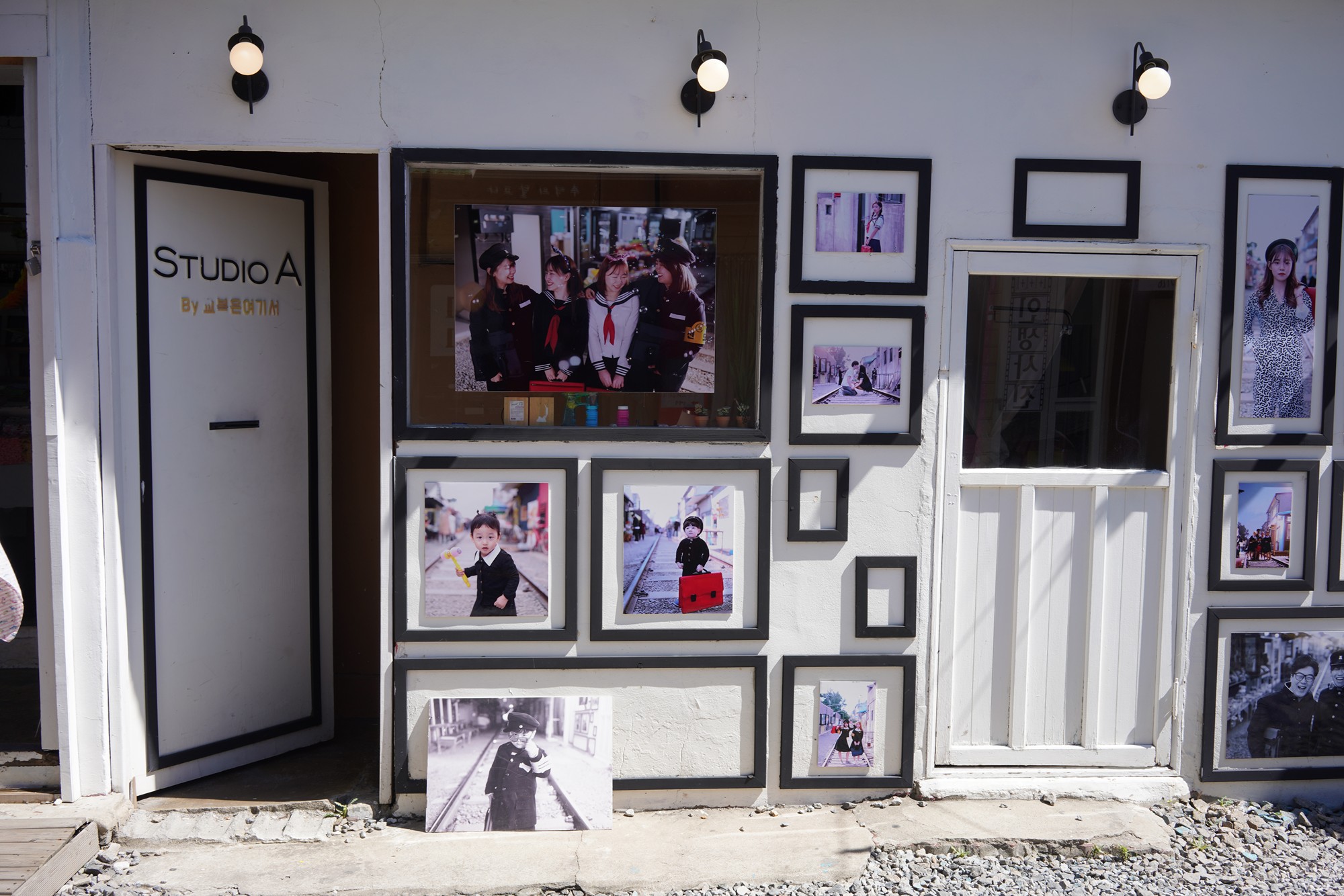
u003cpu003eu003cspanu003eA train model at the end of the tracku003cbr /u003eu003c/spanu003eu003c/pu003e
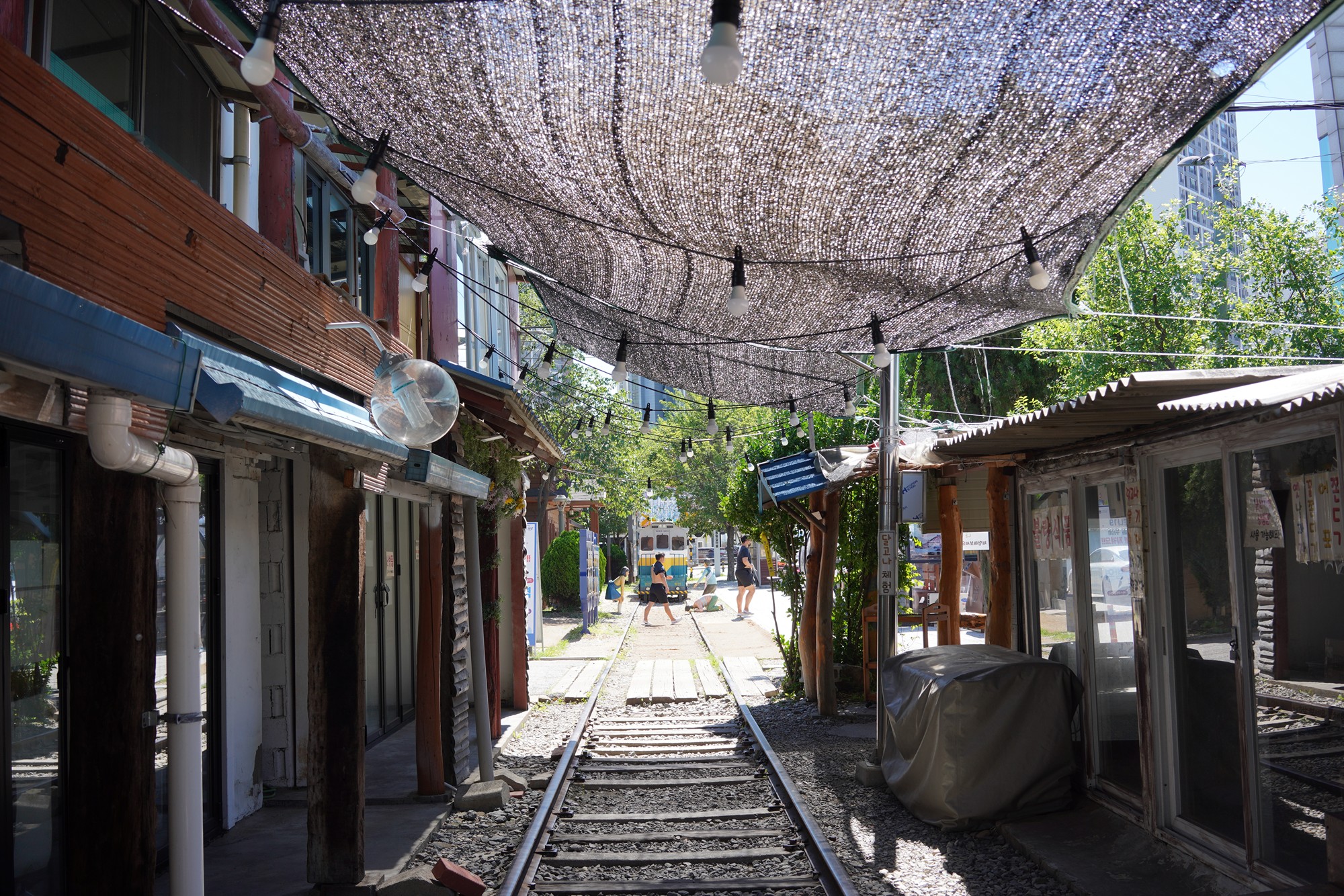
u003cpu003eMany side stores rent school uniforms that tourists wear to feel nostalgic as they were high school students.u003c/pu003e
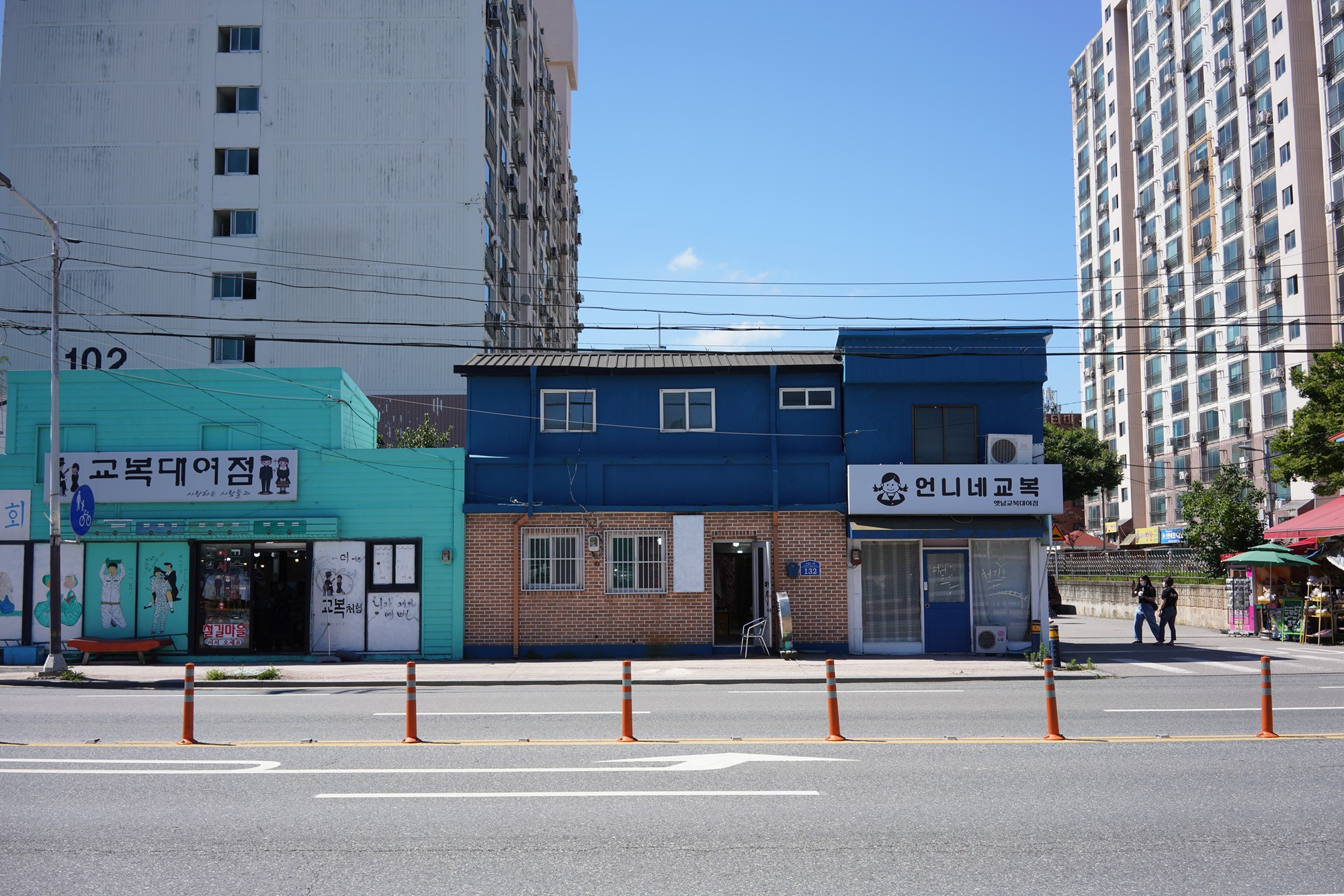
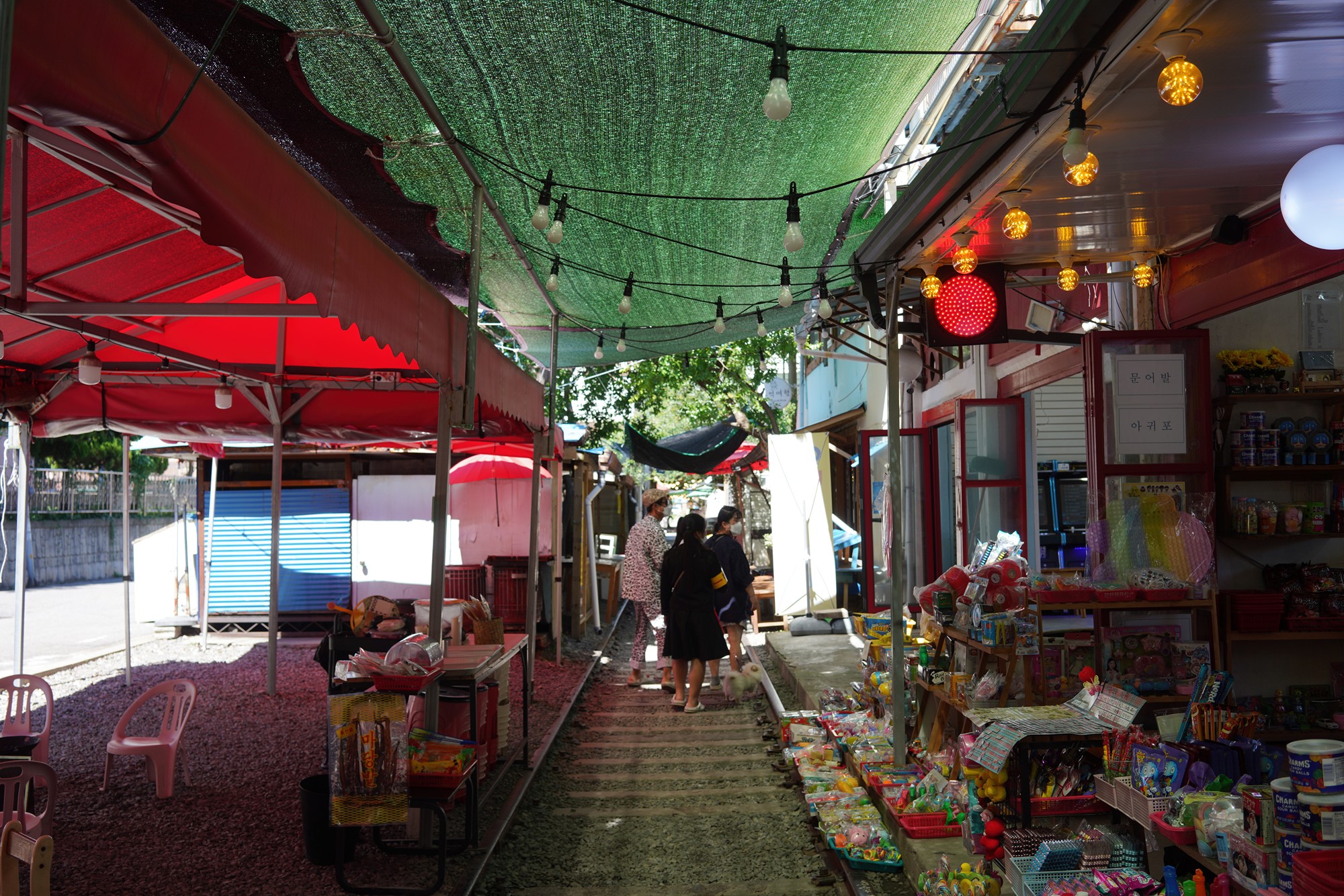
u003cpu003eThe railroad is hidden behind the row of stores.u003c/pu003e
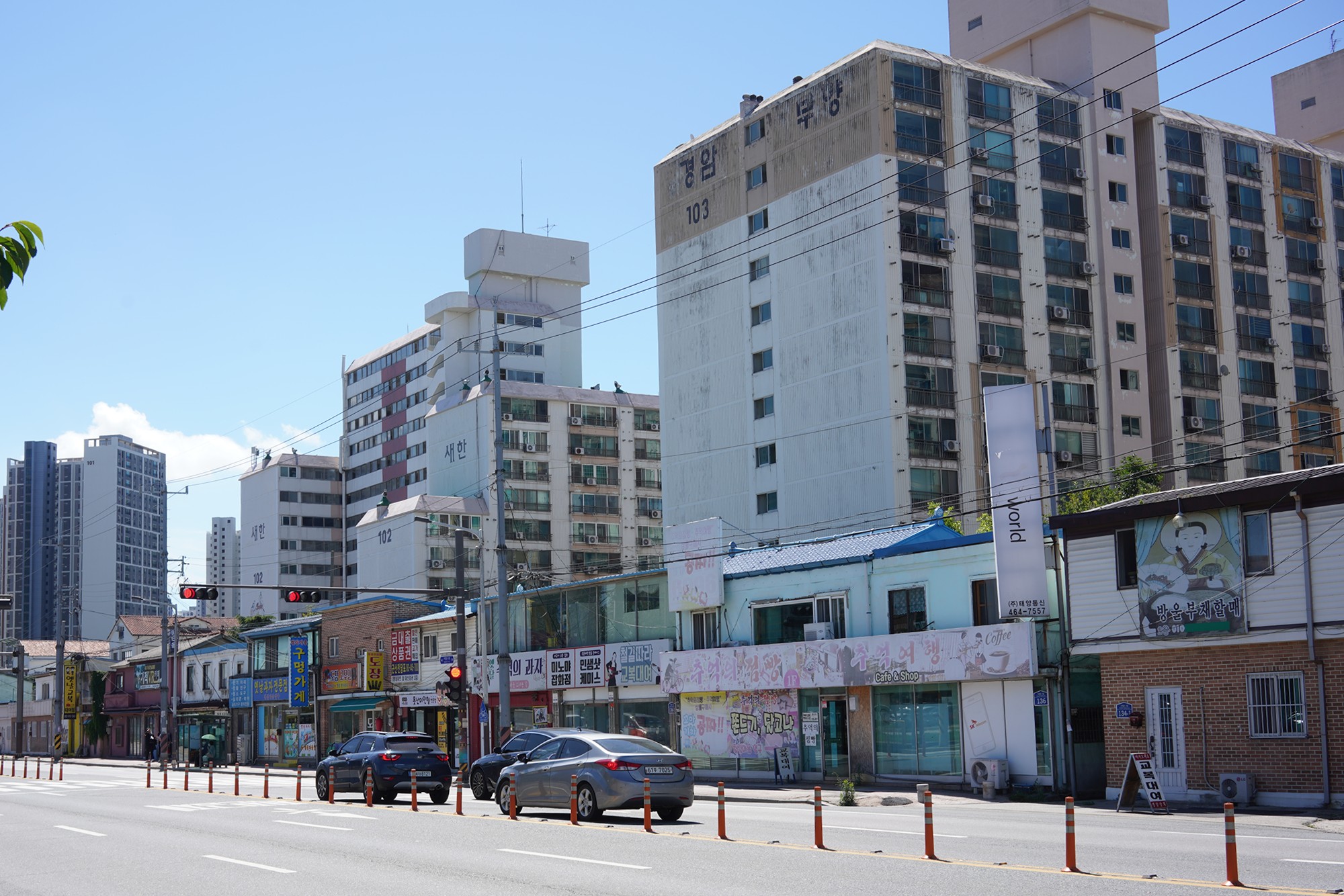
u003cpu003eTook a bus to Gunsan Modern History Street, where buildings built in the early 1900s were still standing.u003c/pu003e
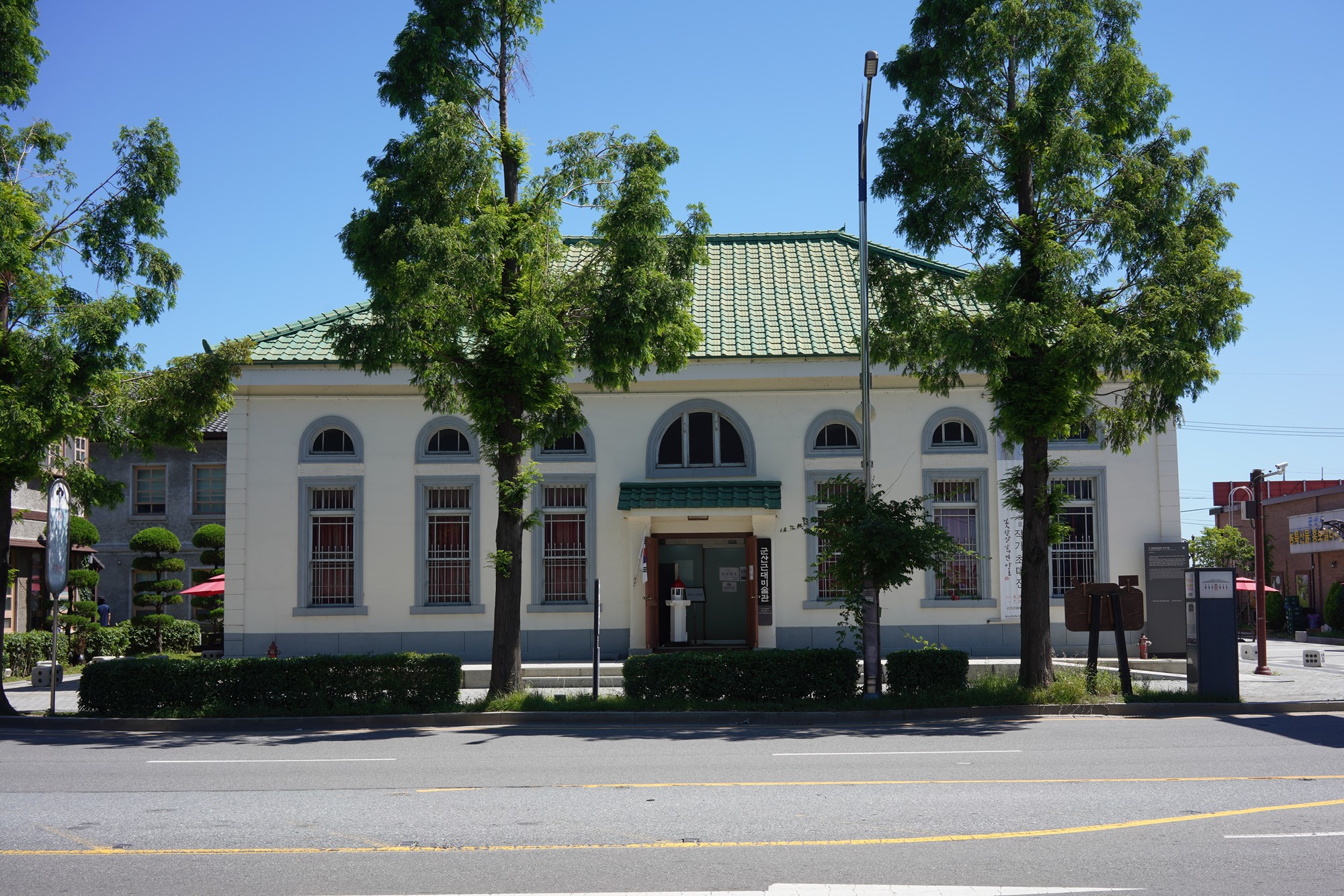
u003cpu003eNext is the Gunsan Modern History Museum.u003c/pu003e
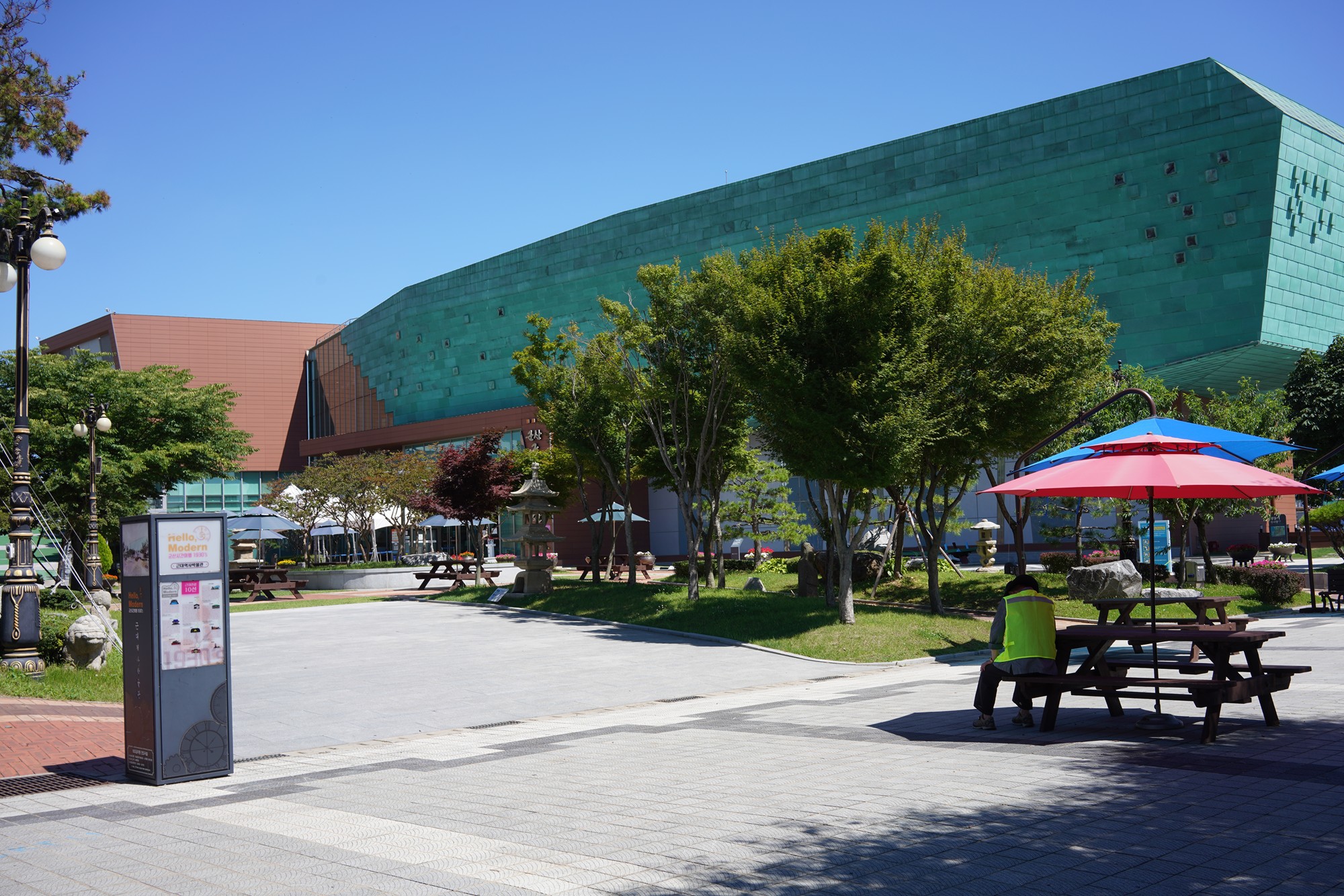
u003cpu003eOther early 1900s buildings. They are used as art or historical museums, coffee shops, or concert hall.u003c/pu003e
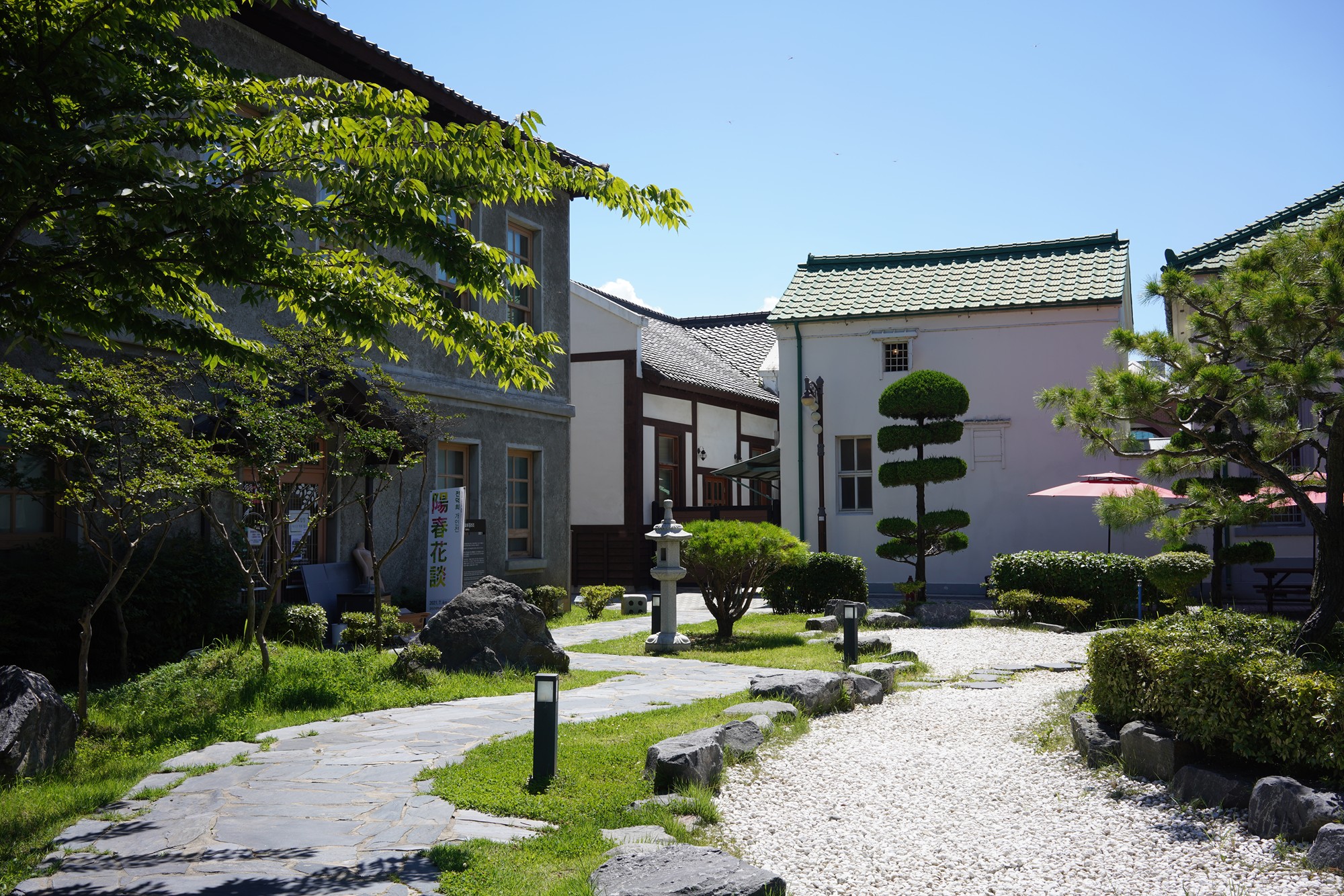
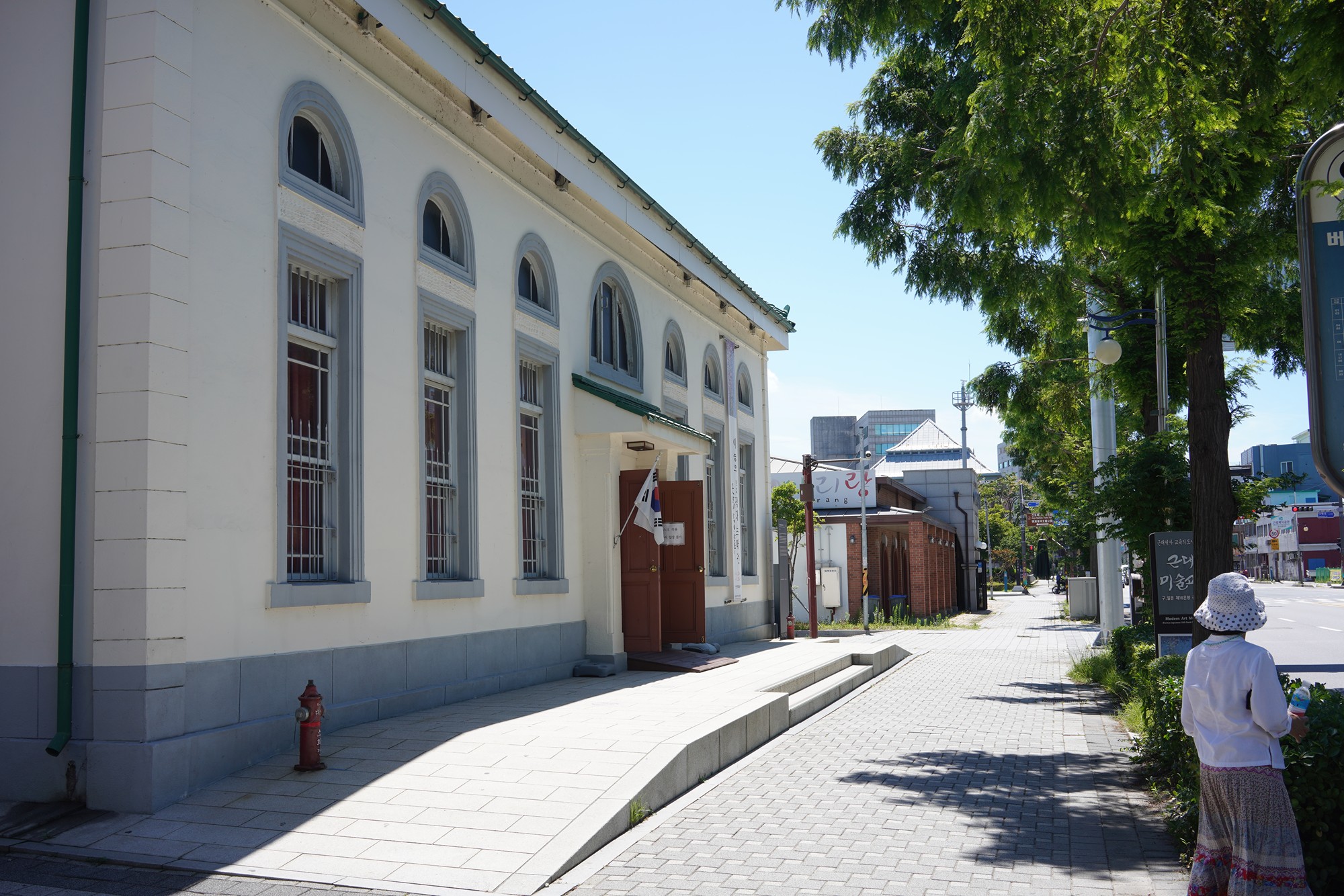
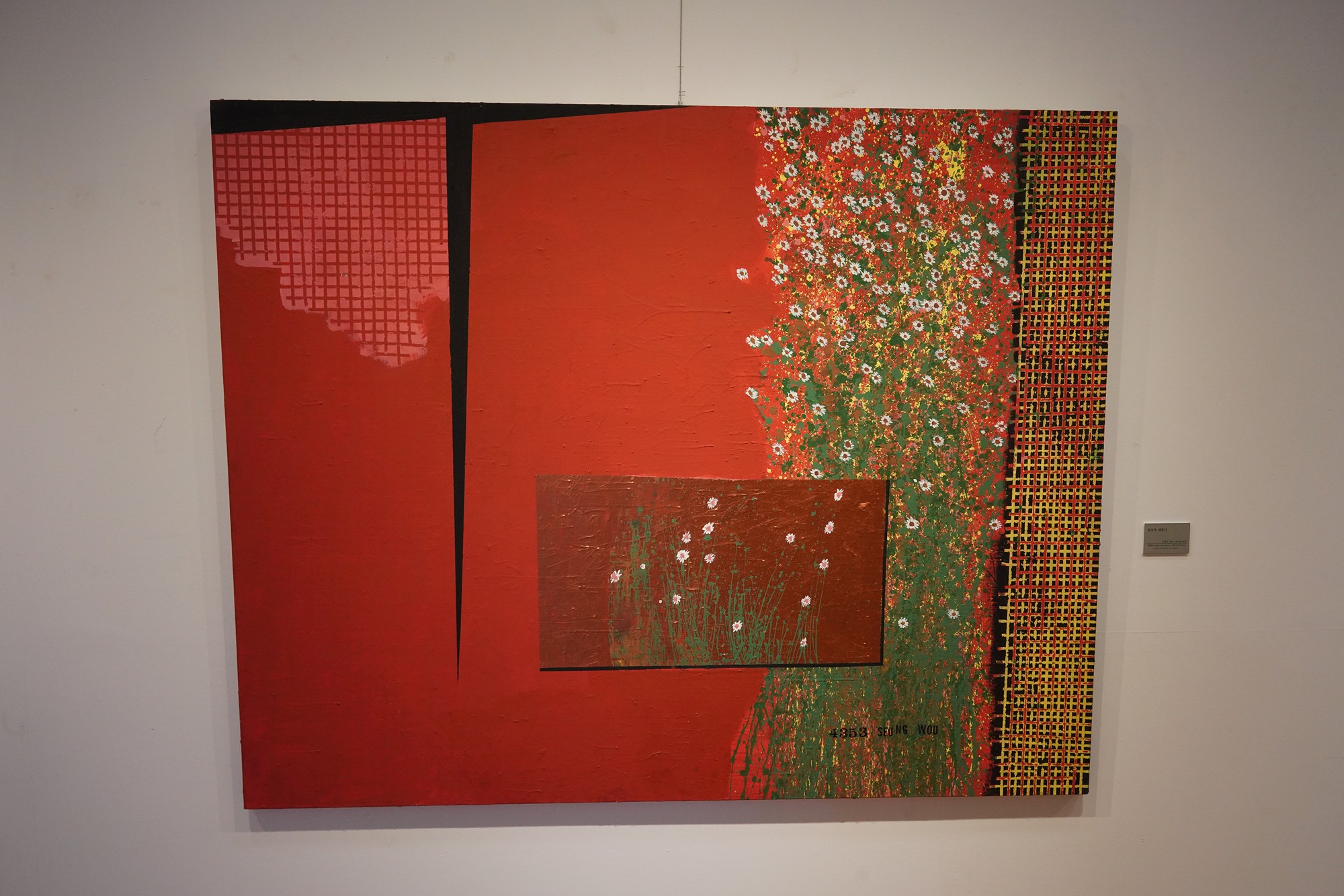
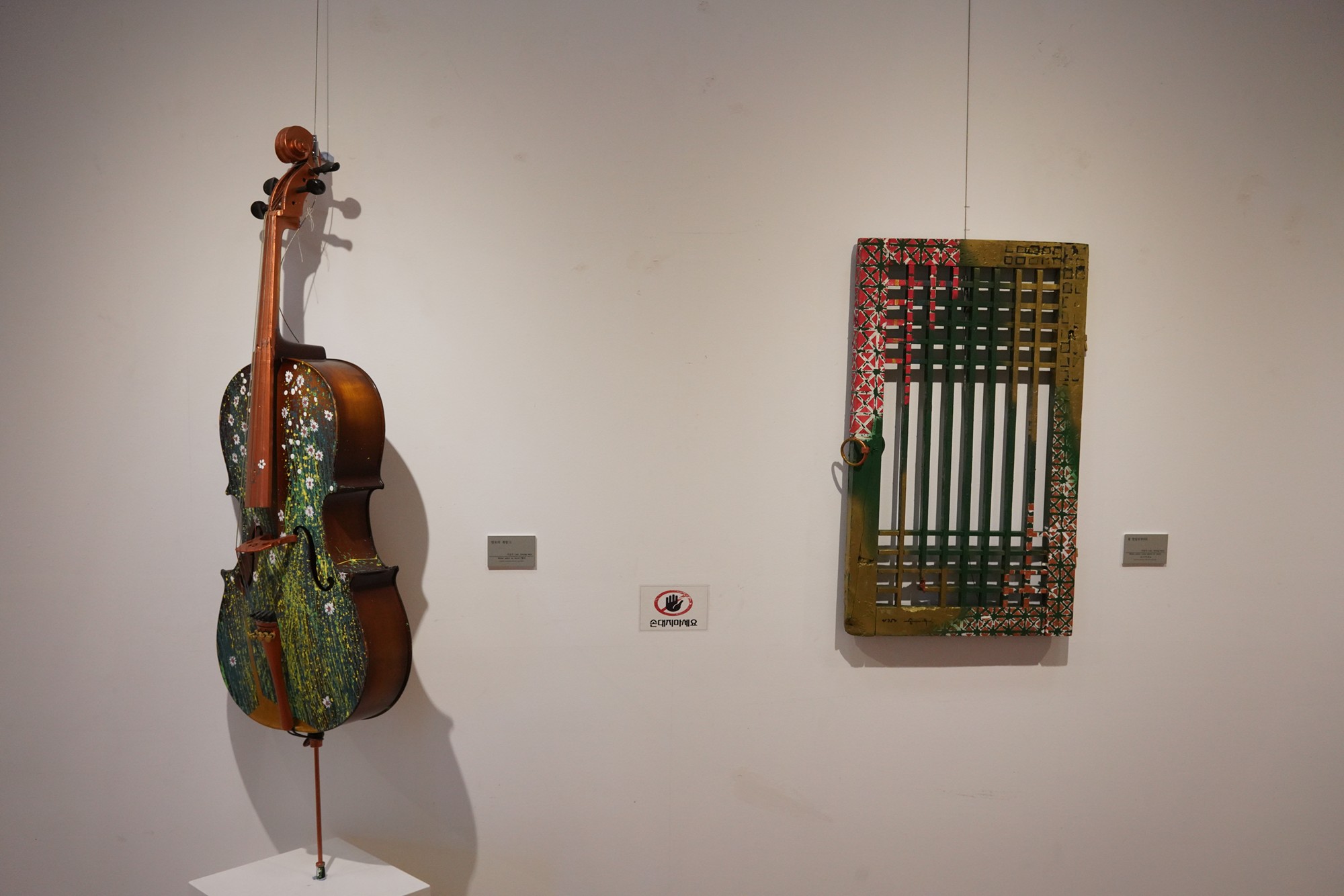
u003cpu003eOne of the art museums in the area.u003c/pu003e
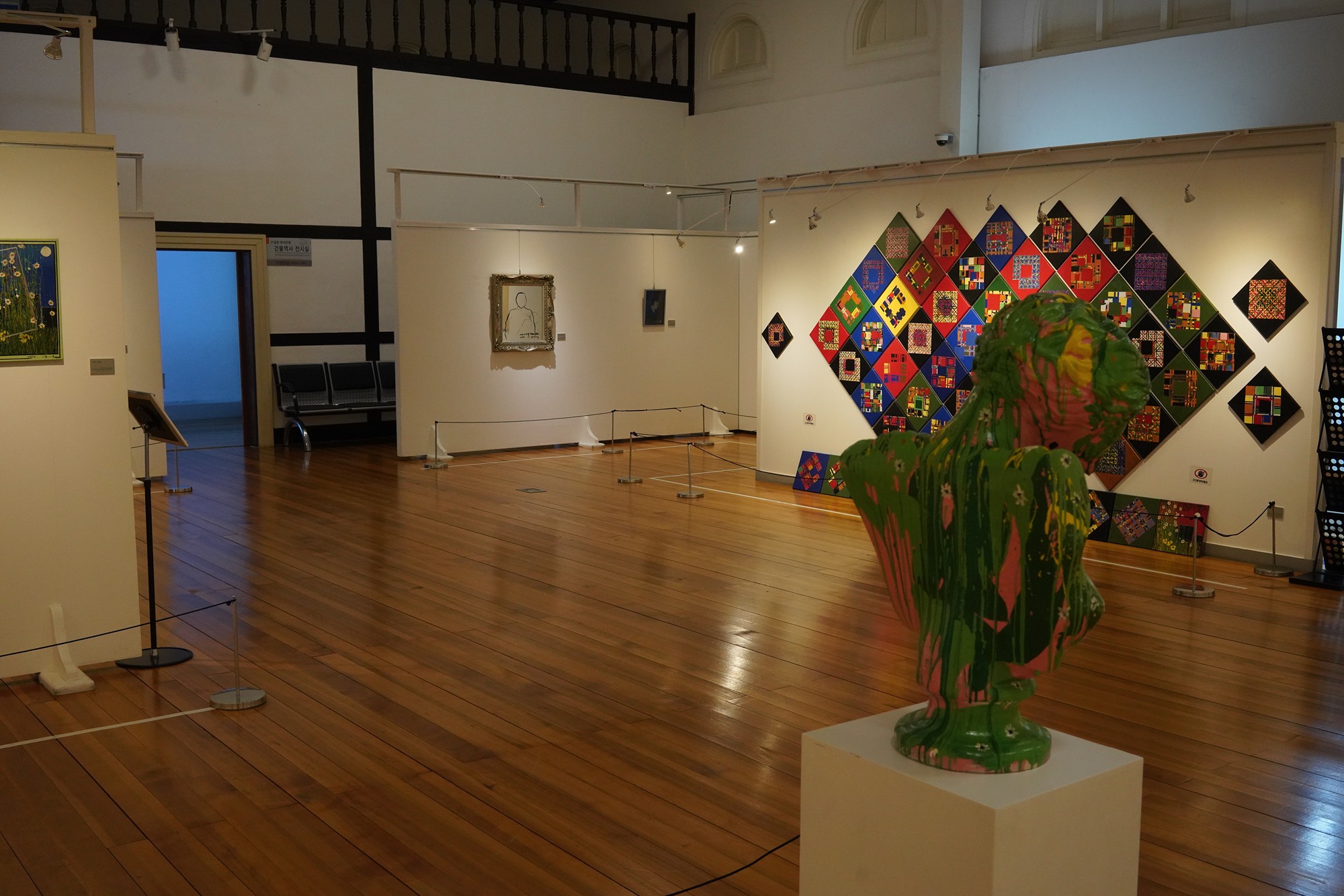
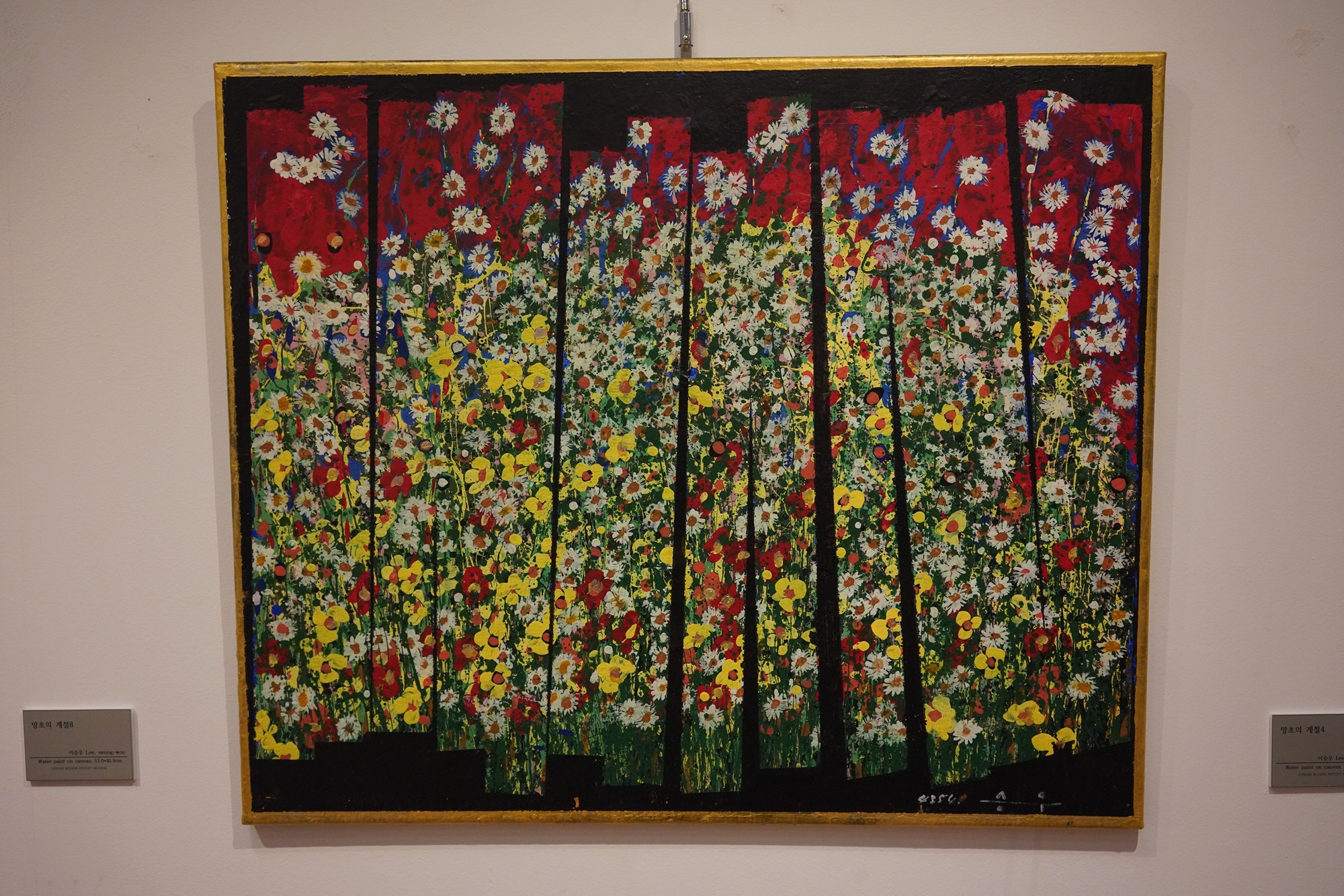
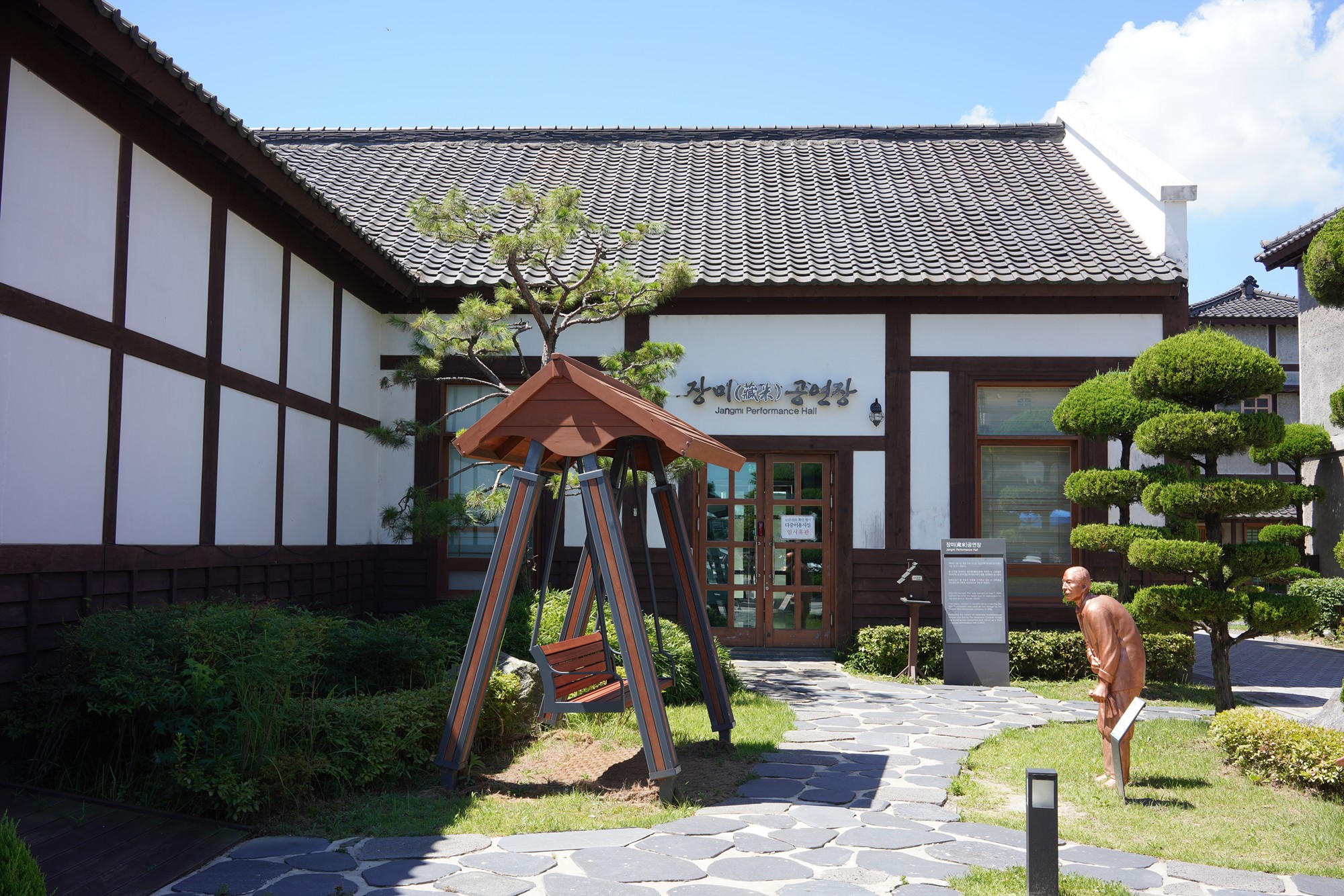
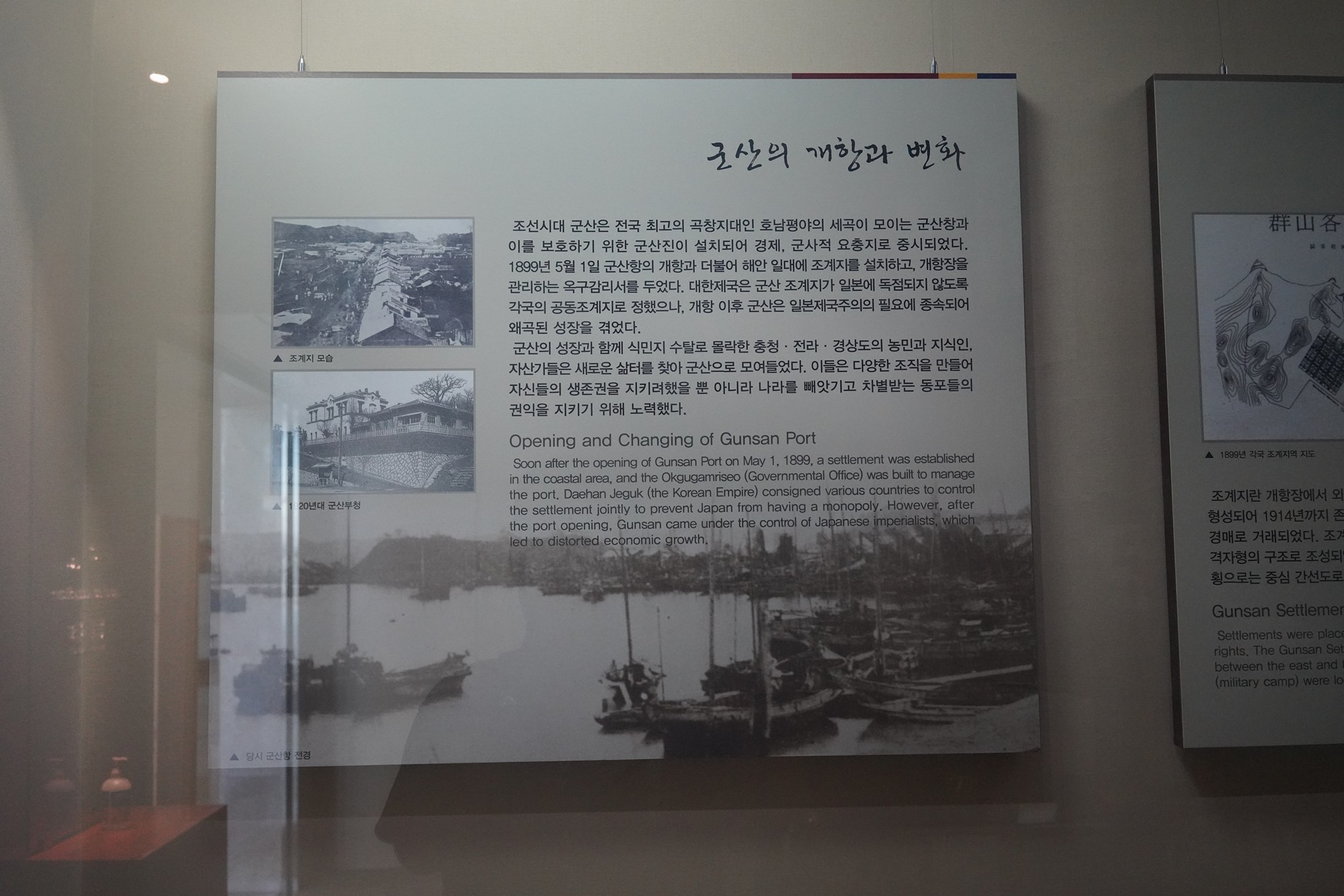
u003cpu003eInside the Gunsan Modern History Museum. This boat is the model of the boat that carried the rice to Seoul.u003c/pu003e
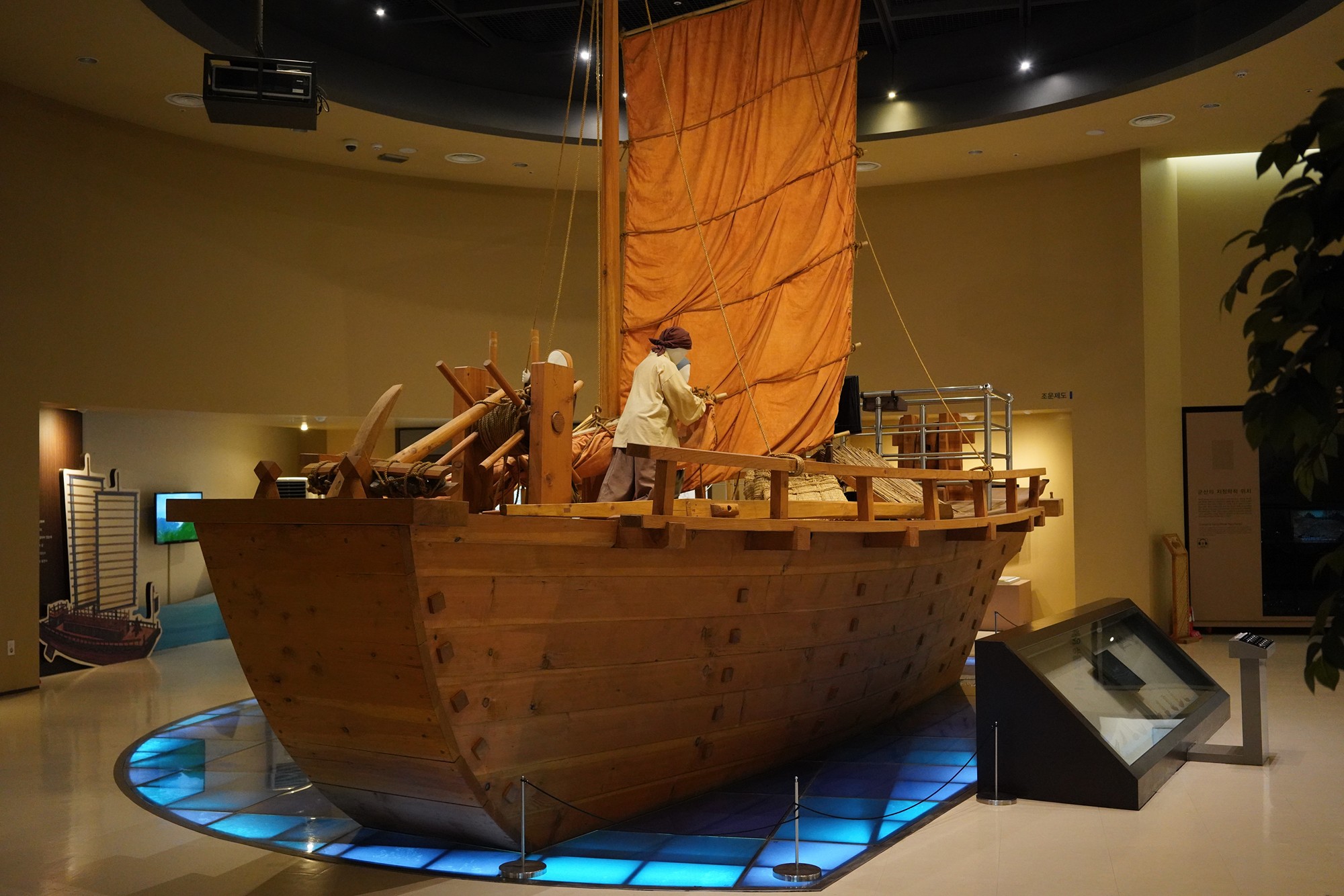
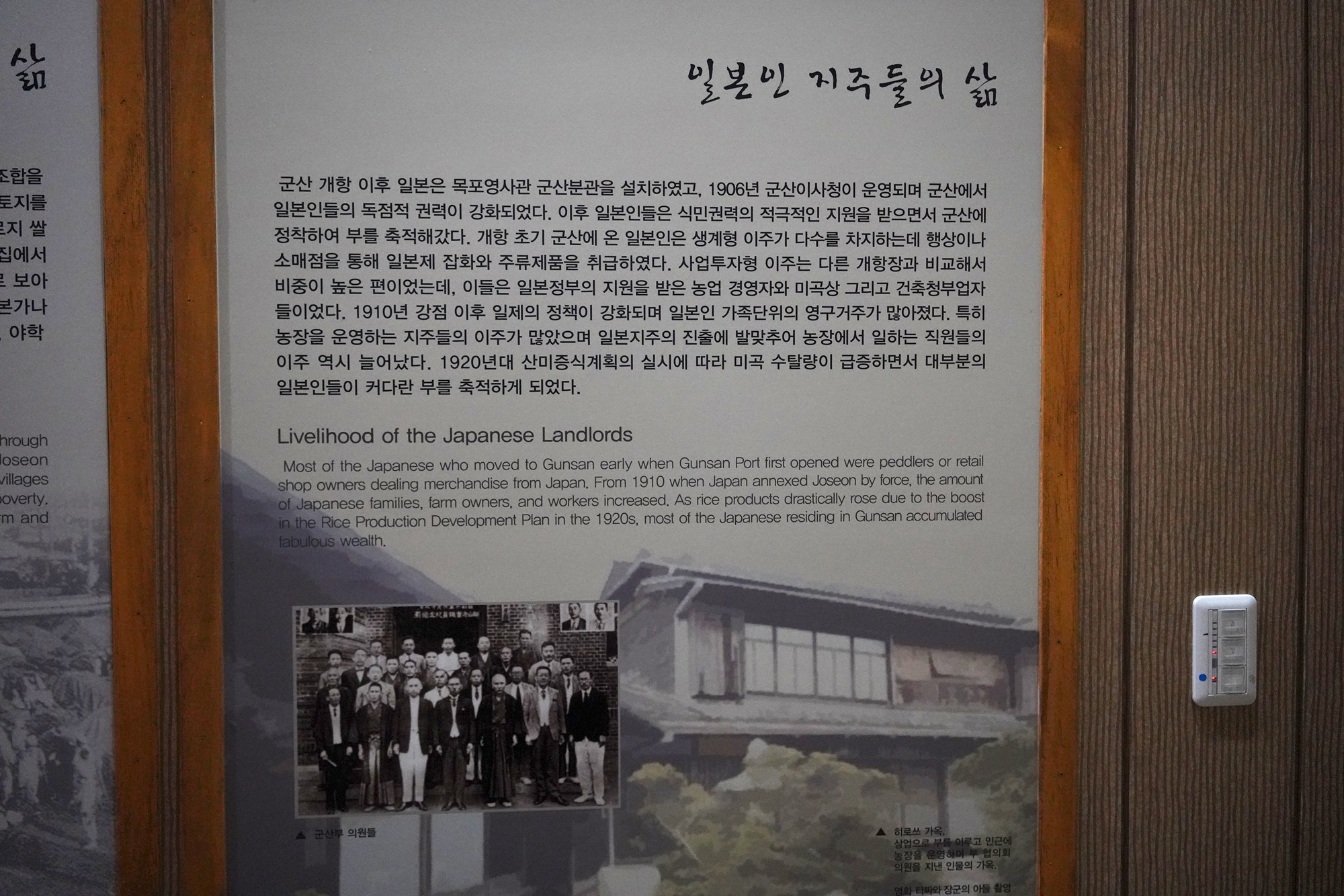
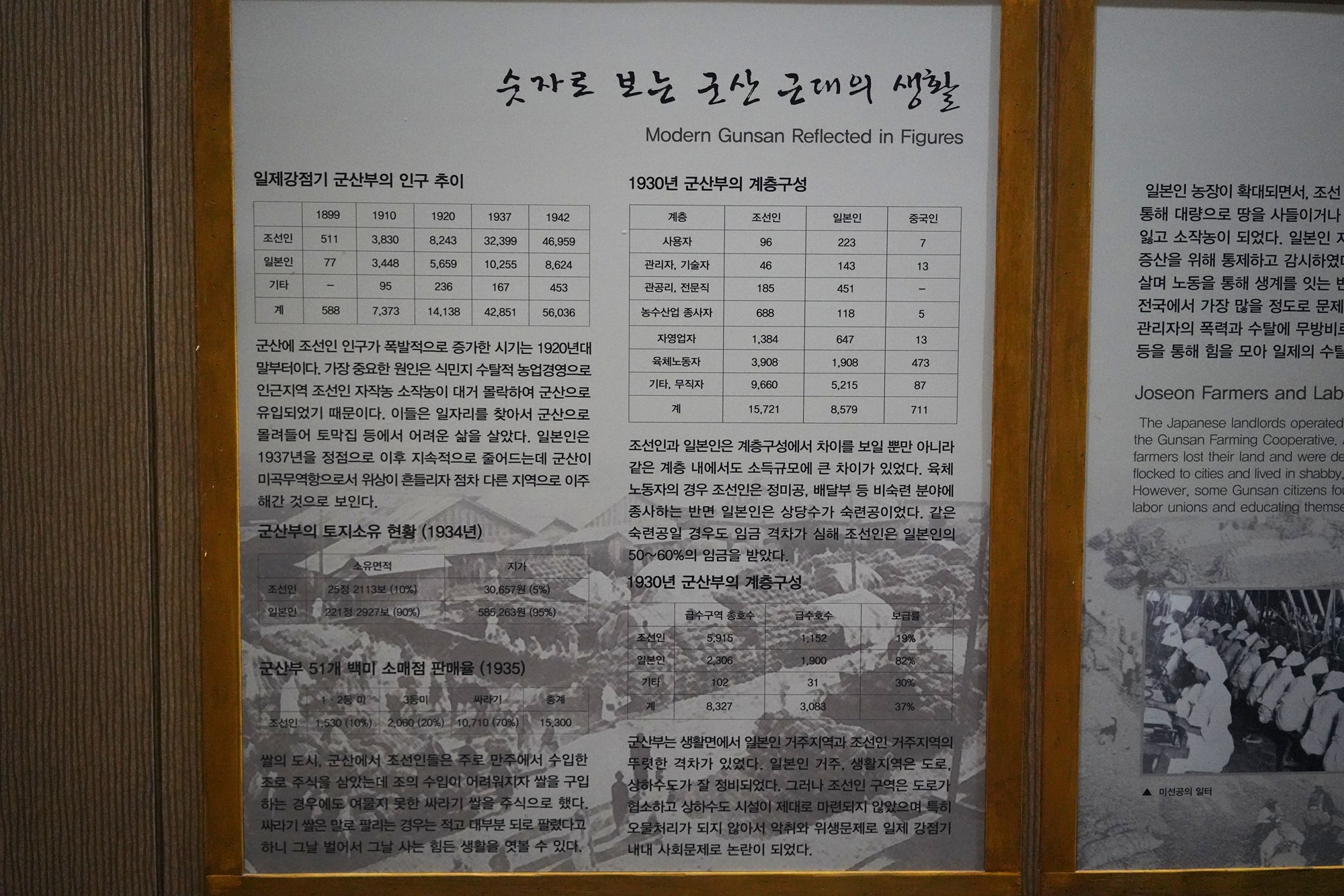
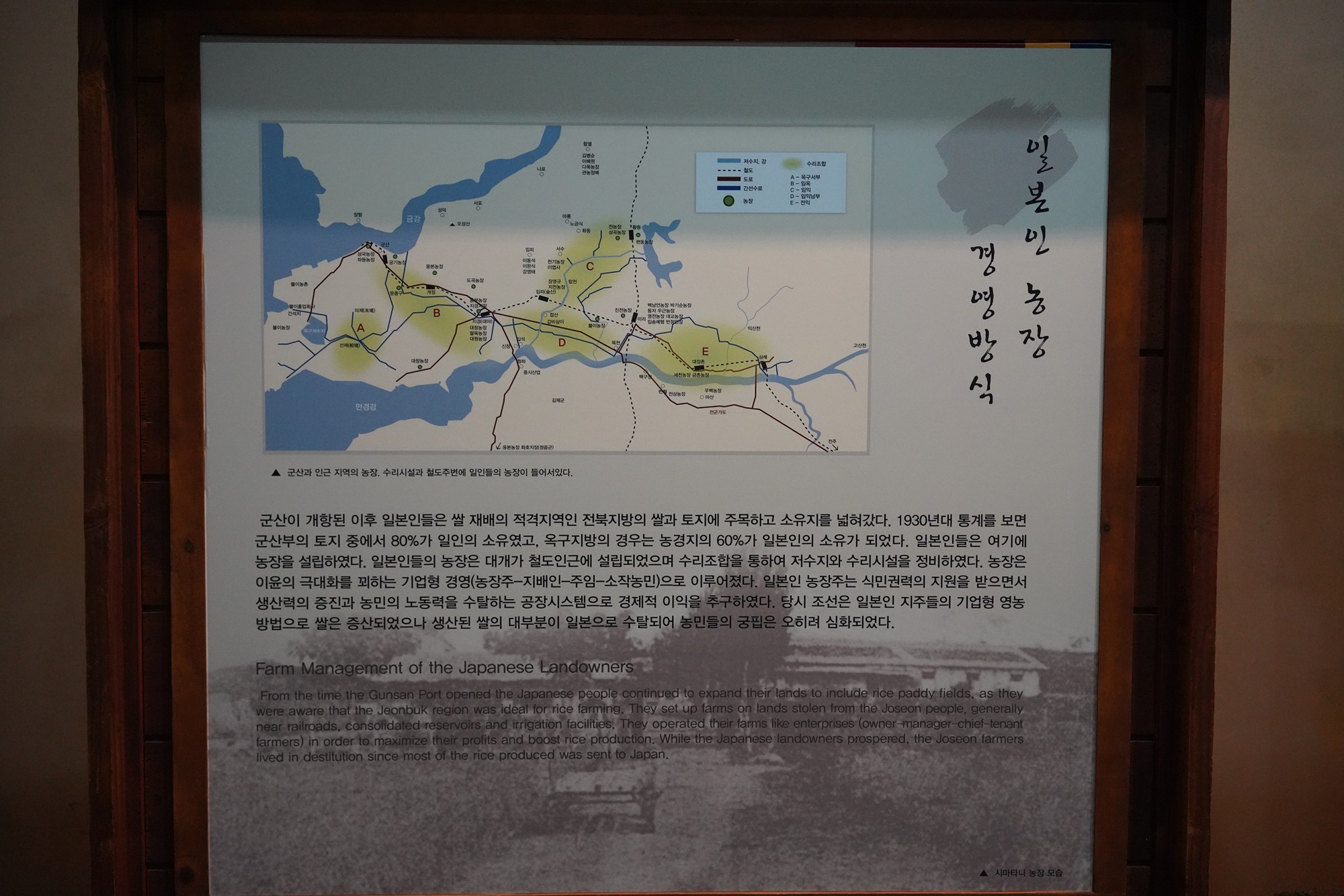
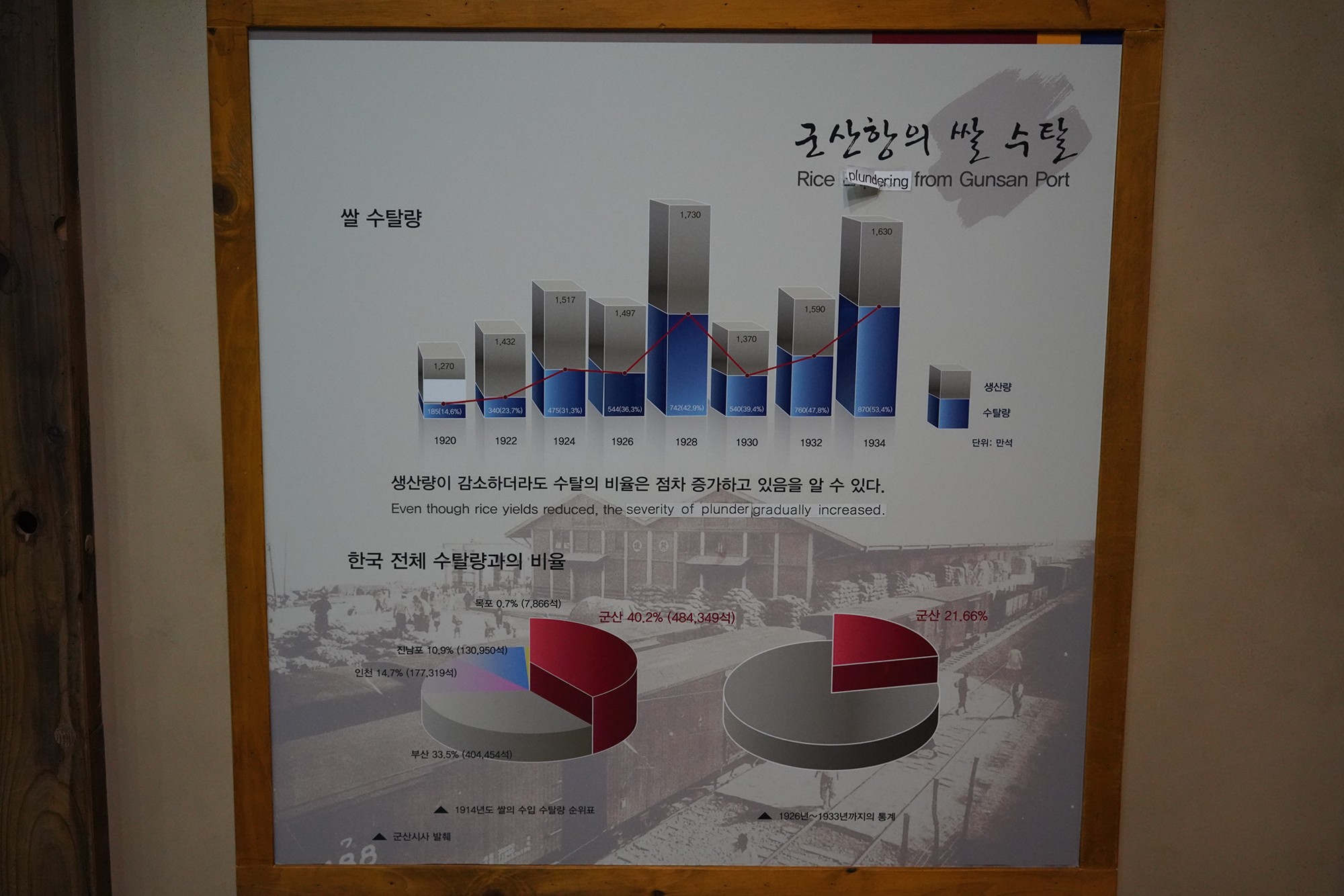
u003cpu003eJapanese took over the farmland from Koreans and exported half of the rice produced to Japan.u003c/pu003e
u003cpu003eA model of the city during that time, the early 1900s.u003c/pu003e
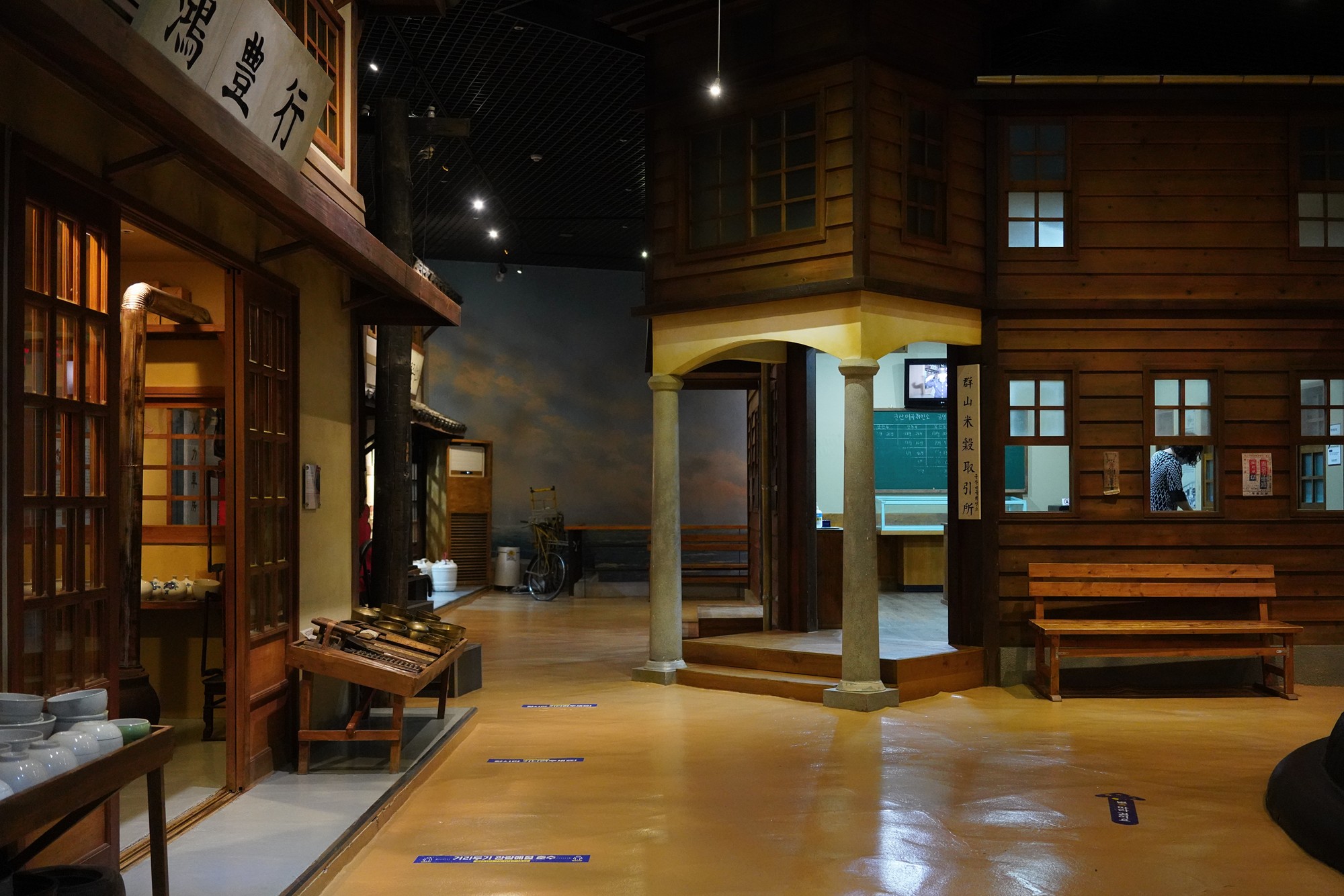
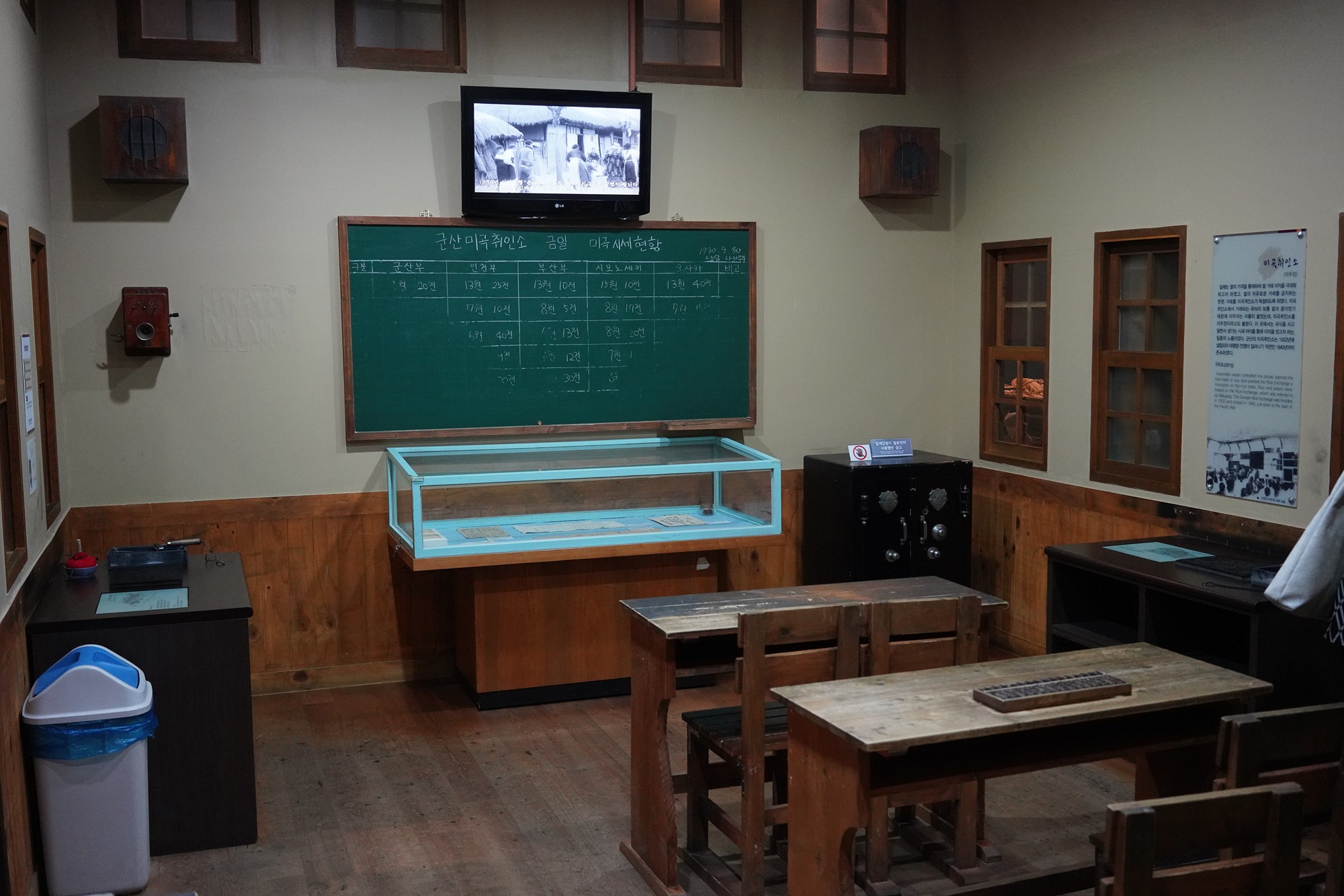
u003cpu003eA schoolu003c/pu003e
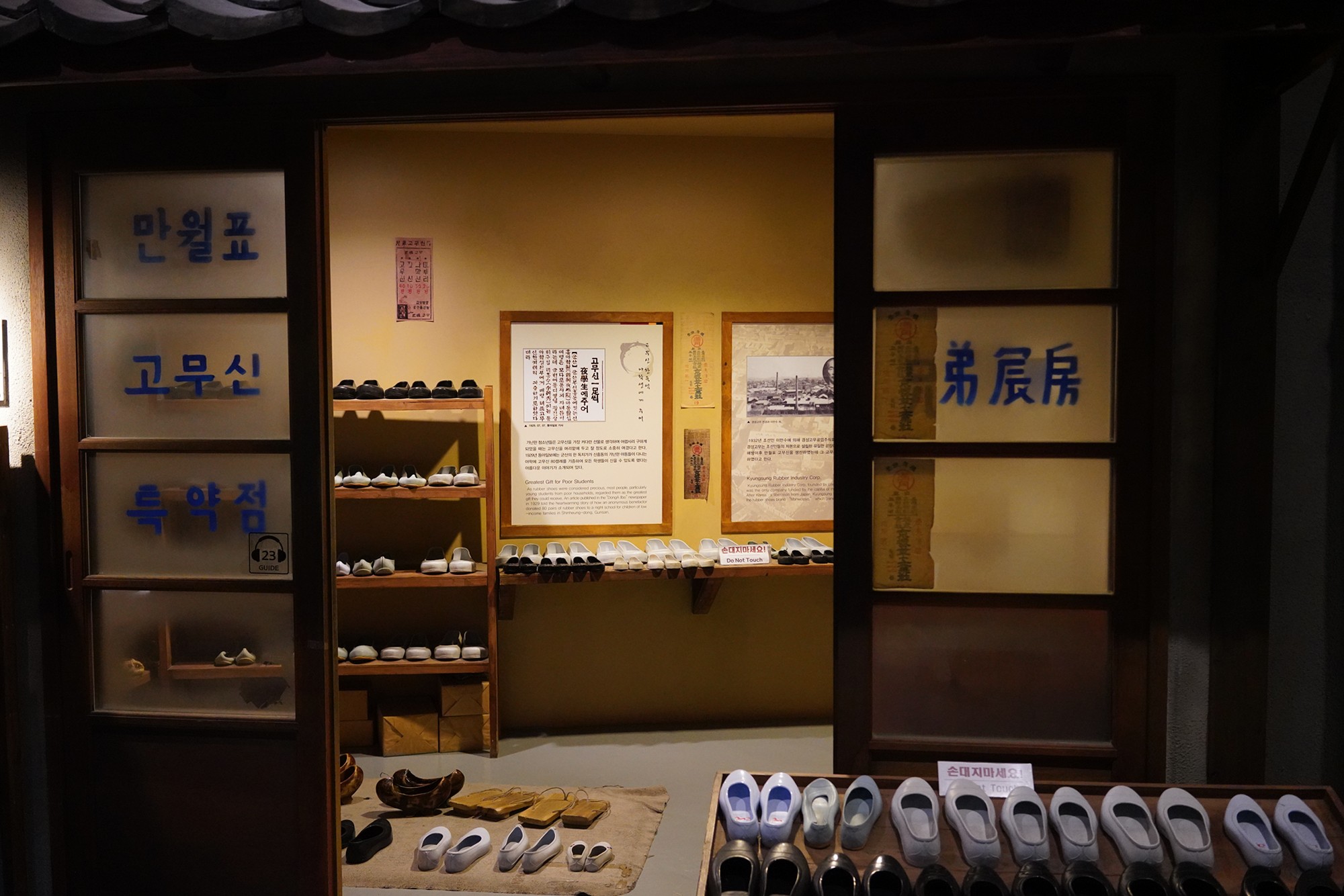
u003cpu003eA shoe storeu003c/pu003e
u003cpu003eThe percentage of rice shipped to Japan from Korea.u003c/pu003e
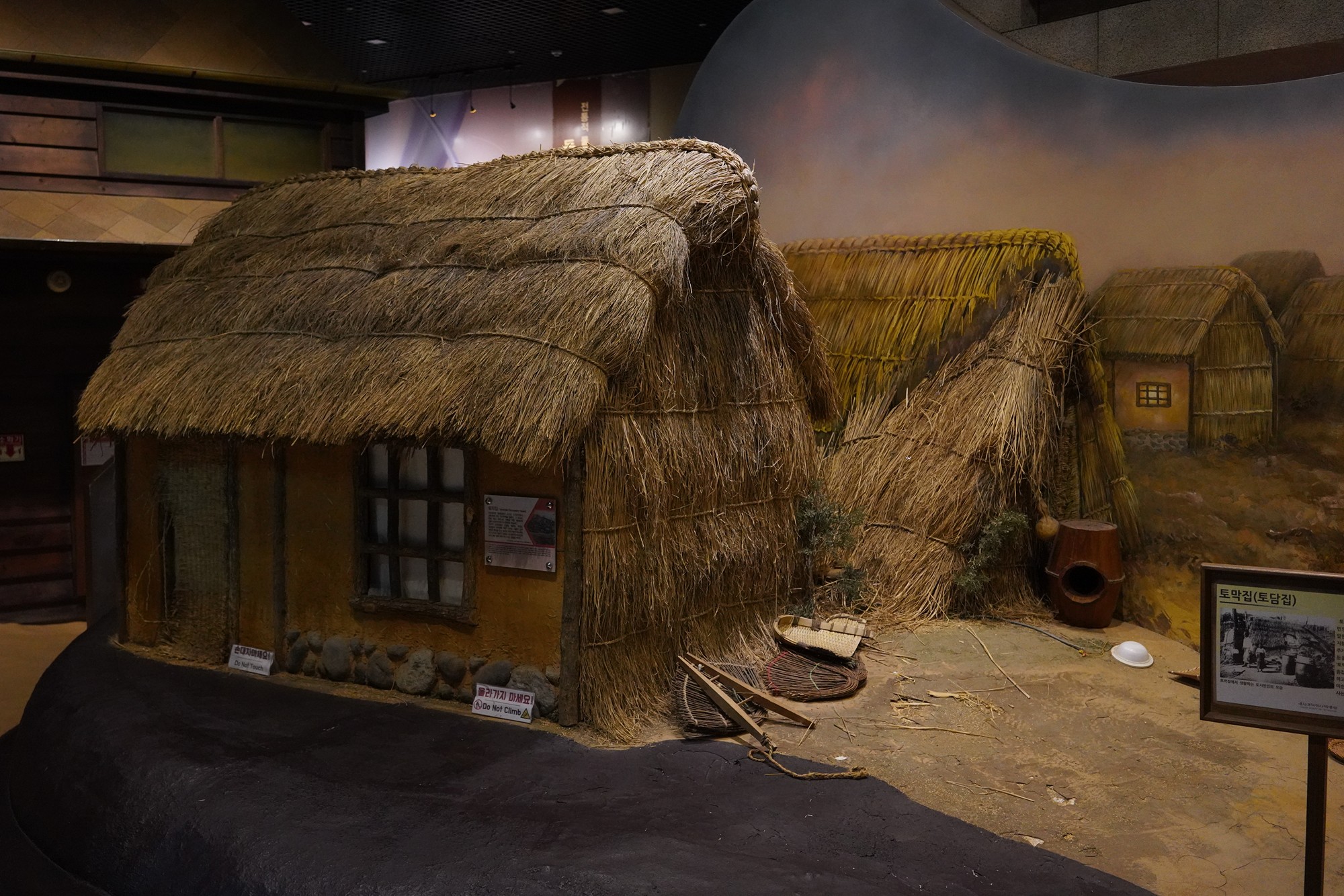
u003cpu003eThis model house shows where ordinary Korean people who worked in the city lived outside the city area.u003c/pu003e
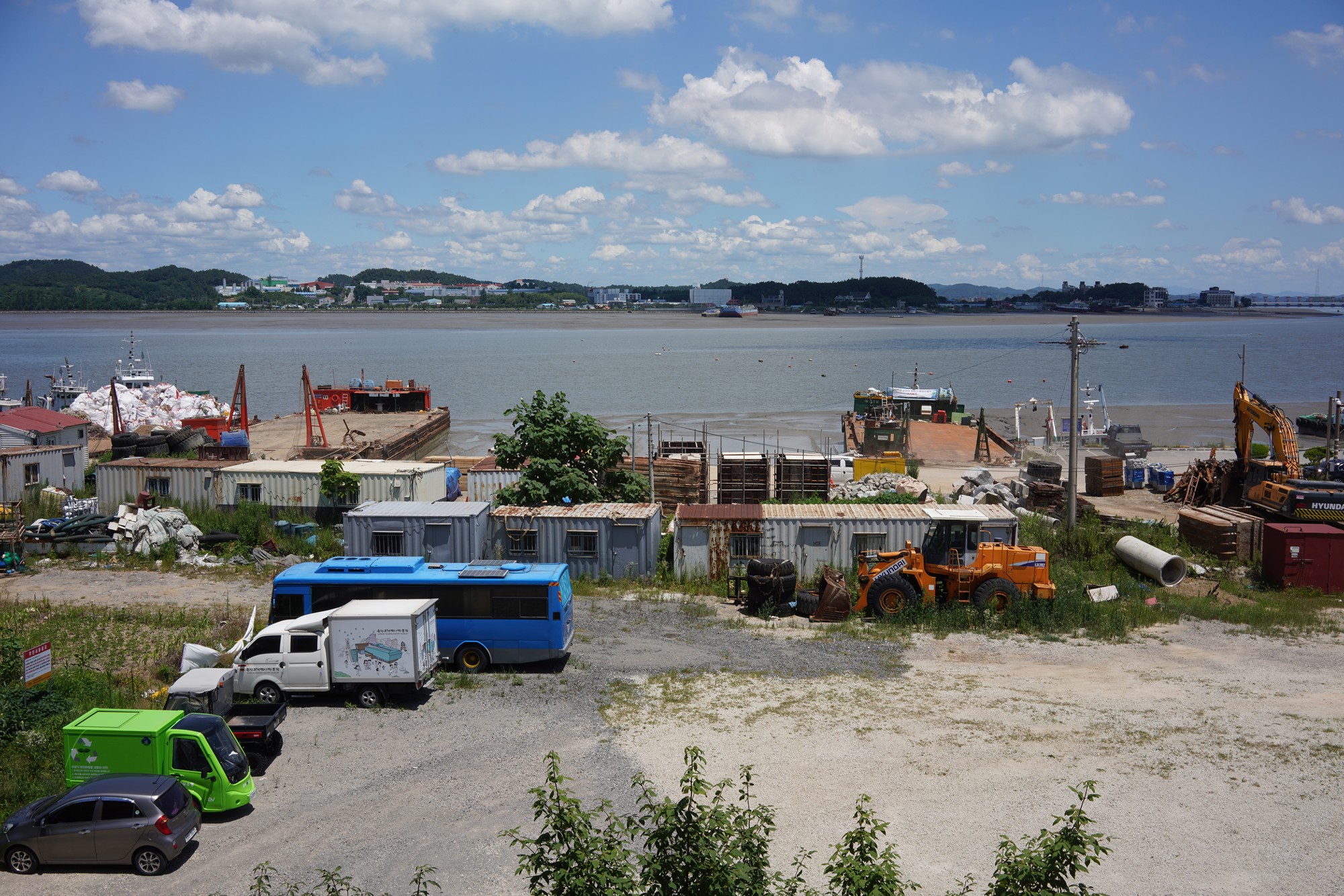
u003cpu003eA view of outside from the museum.u003c/pu003e
u003cpu003eWalking to Chowon photo store. This store became a tourist attraction because it is used in the popular movie u0022Christmas in August.u0022u003c/pu003e
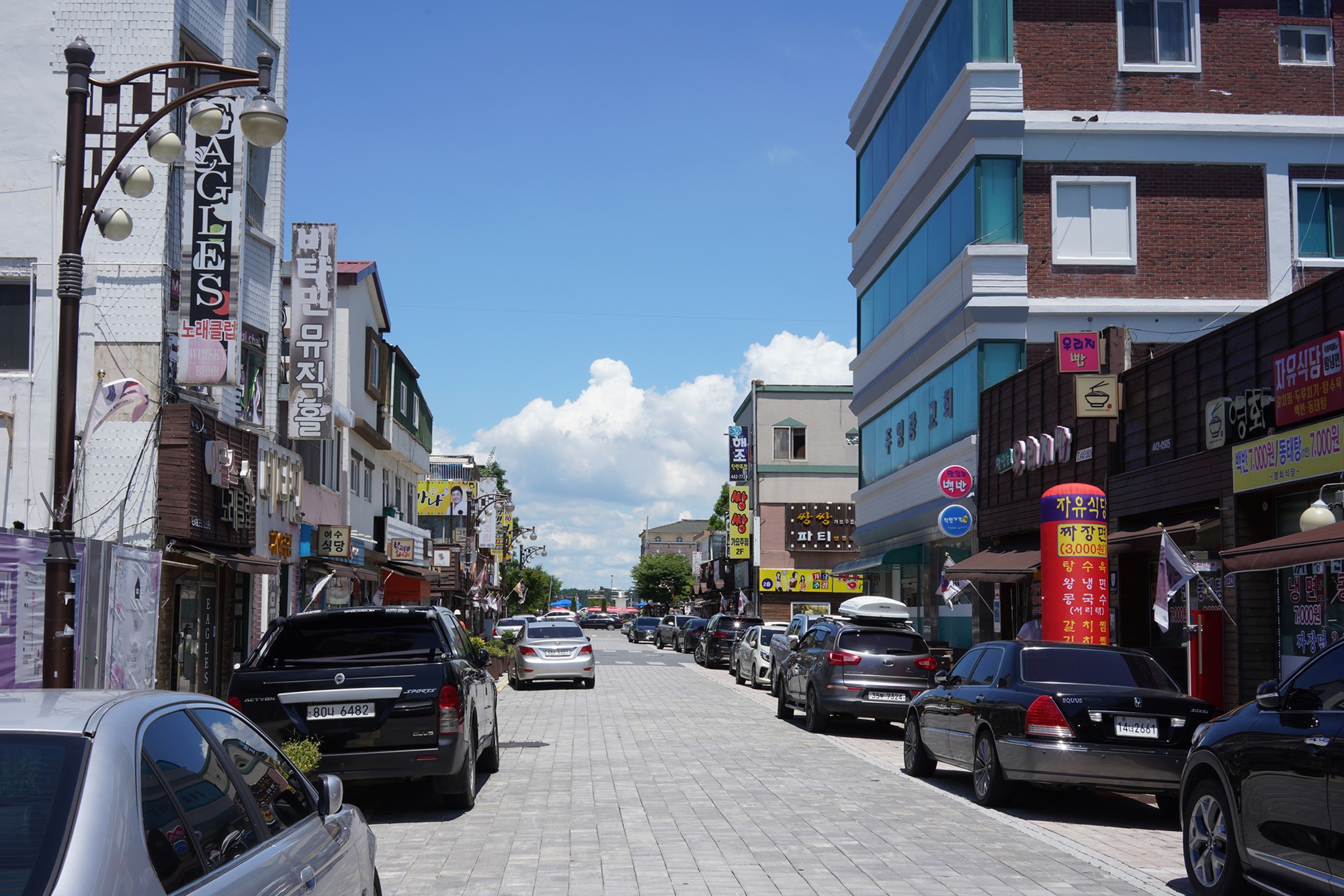
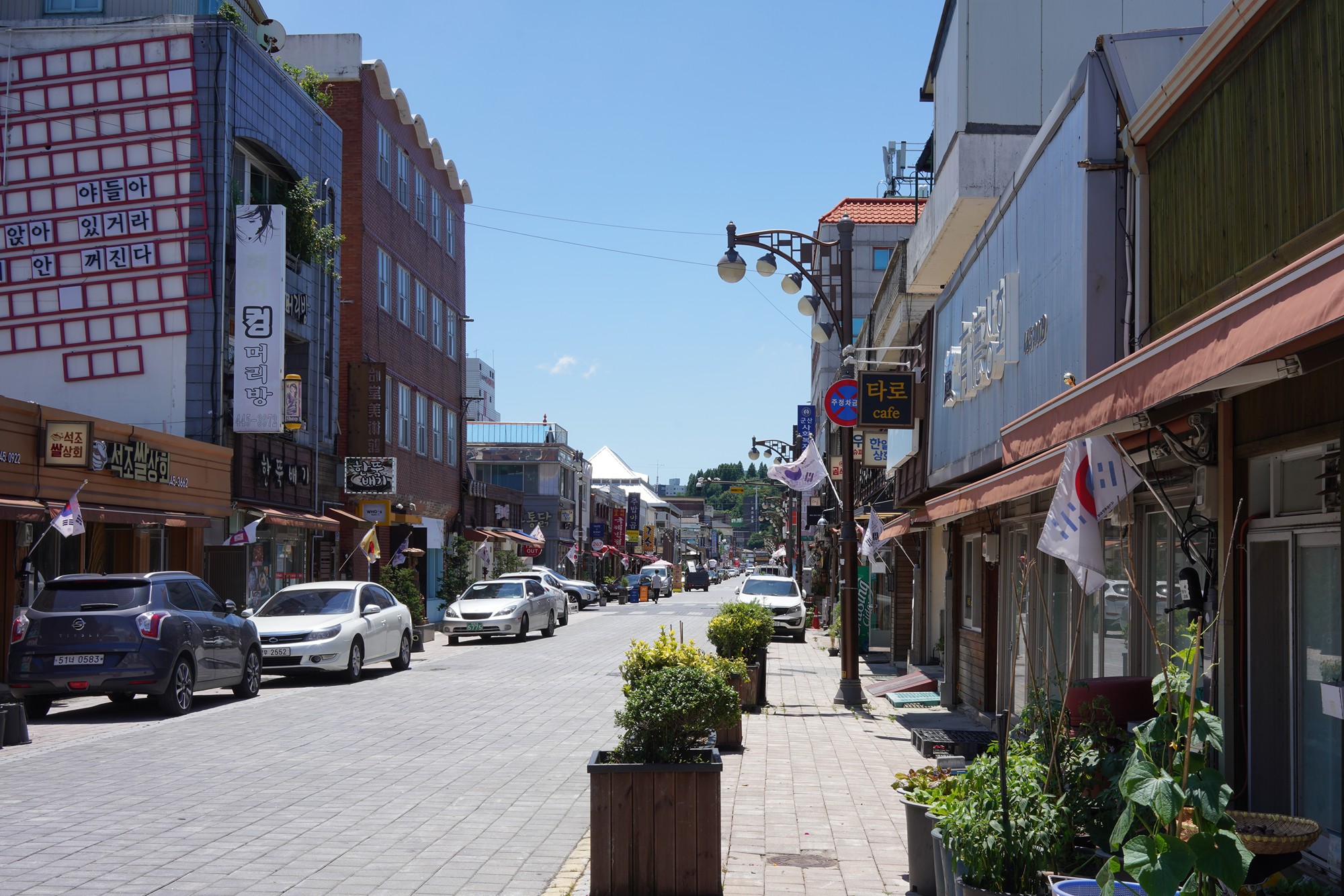
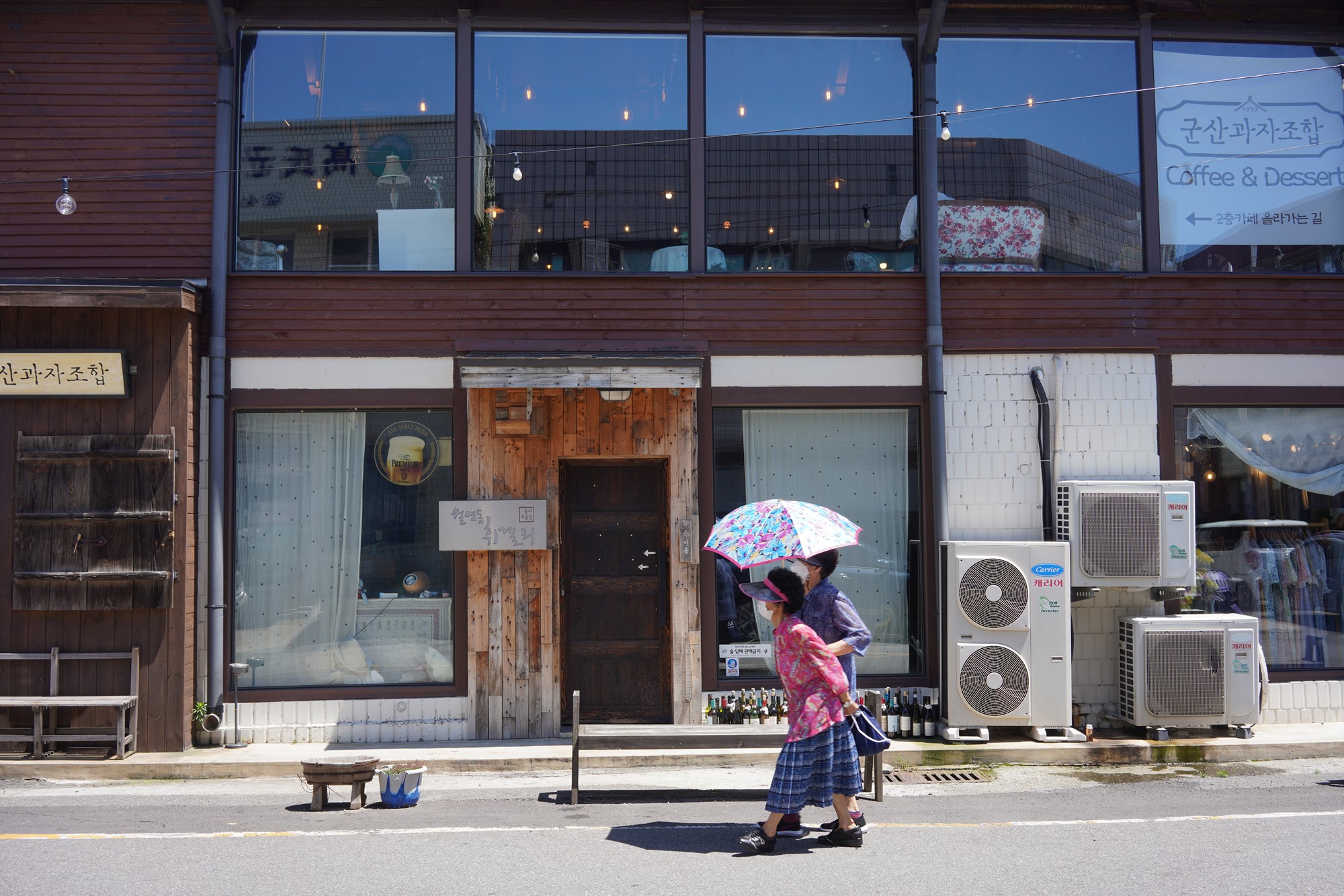
u003cpu003eOne can see the glimpse of the store beside the large building.u003c/pu003e
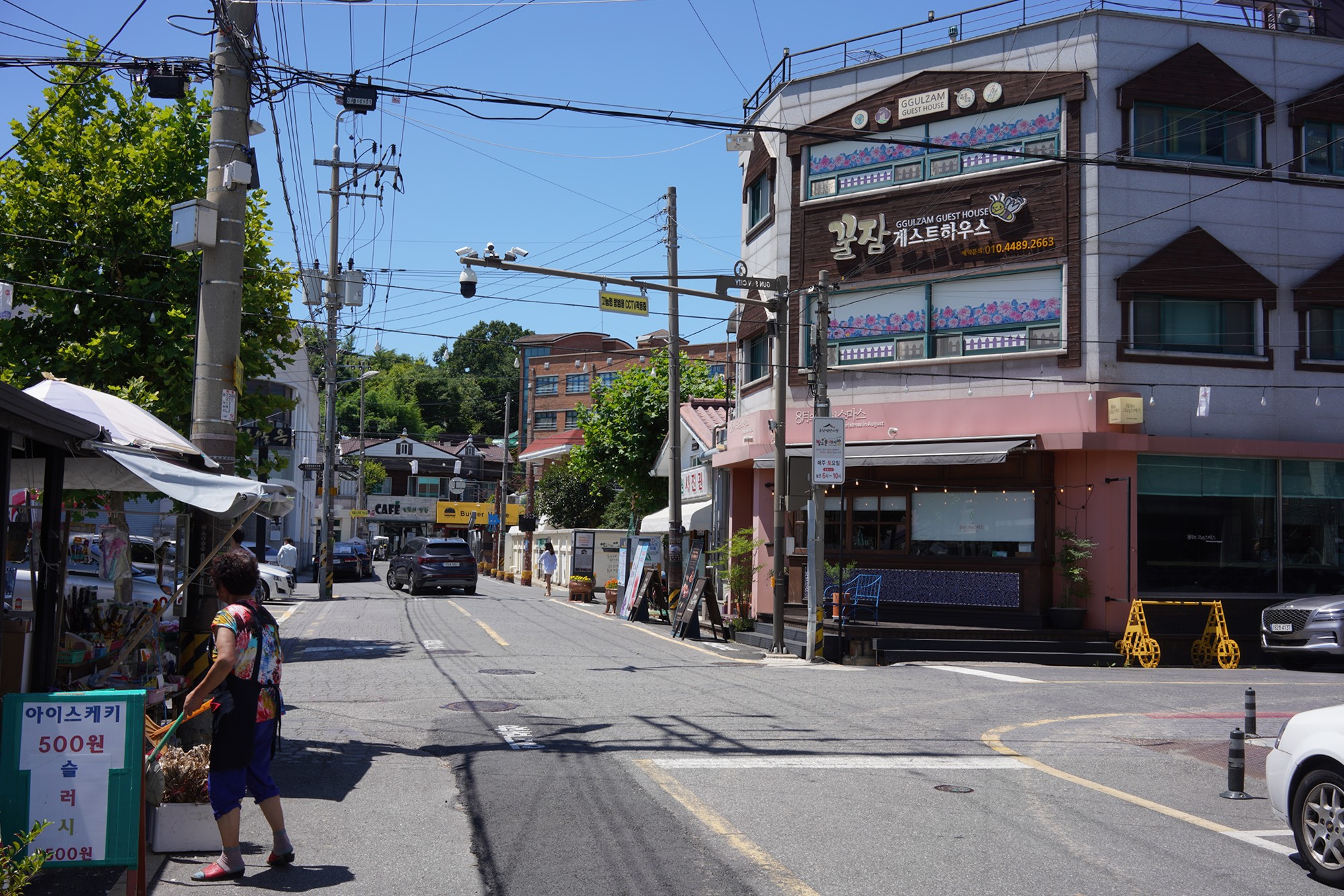
u003cpu003eThis is it. Nothing spectacular, but it is within easy walking distance from other attractions in Gunsan.u003c/pu003e
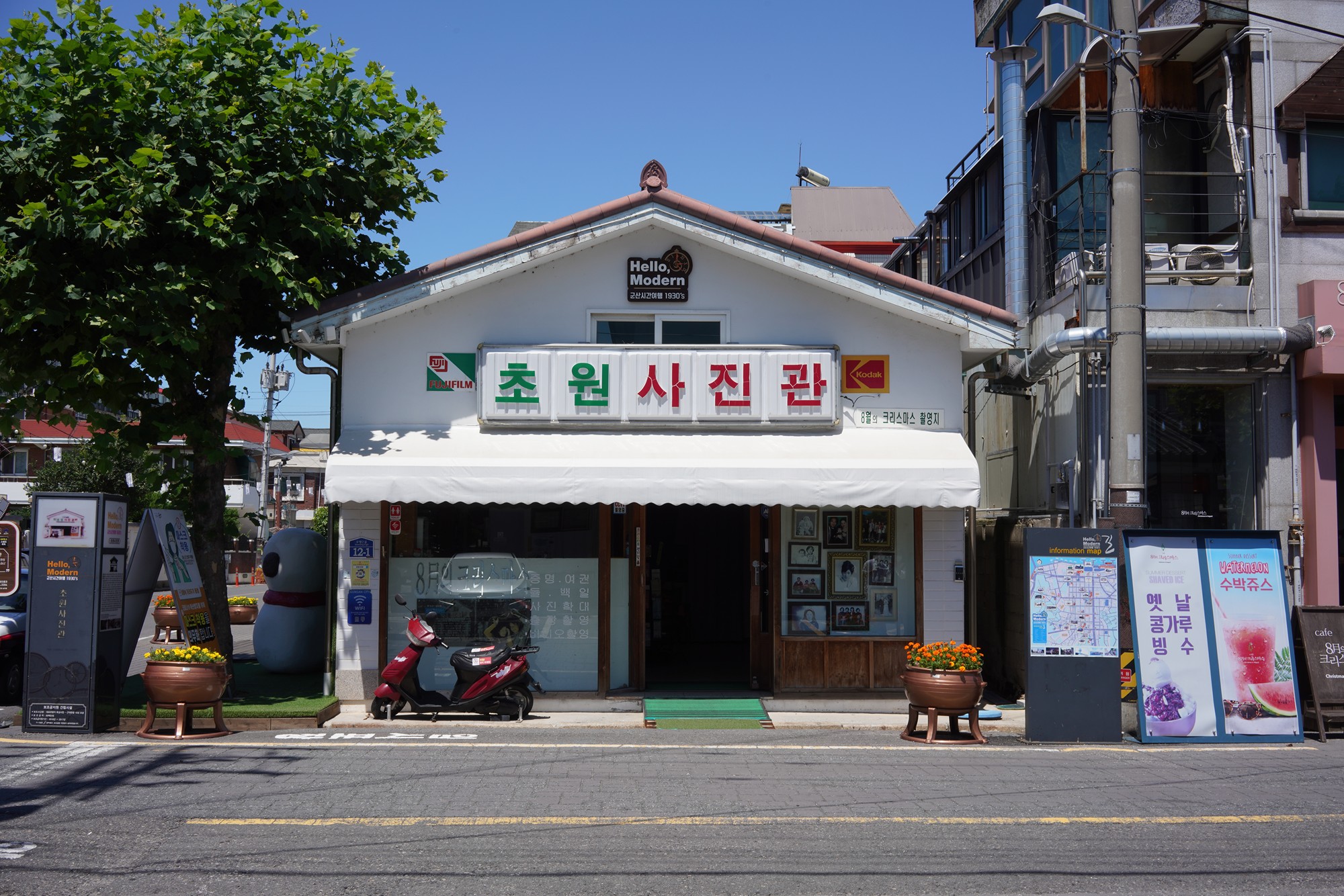
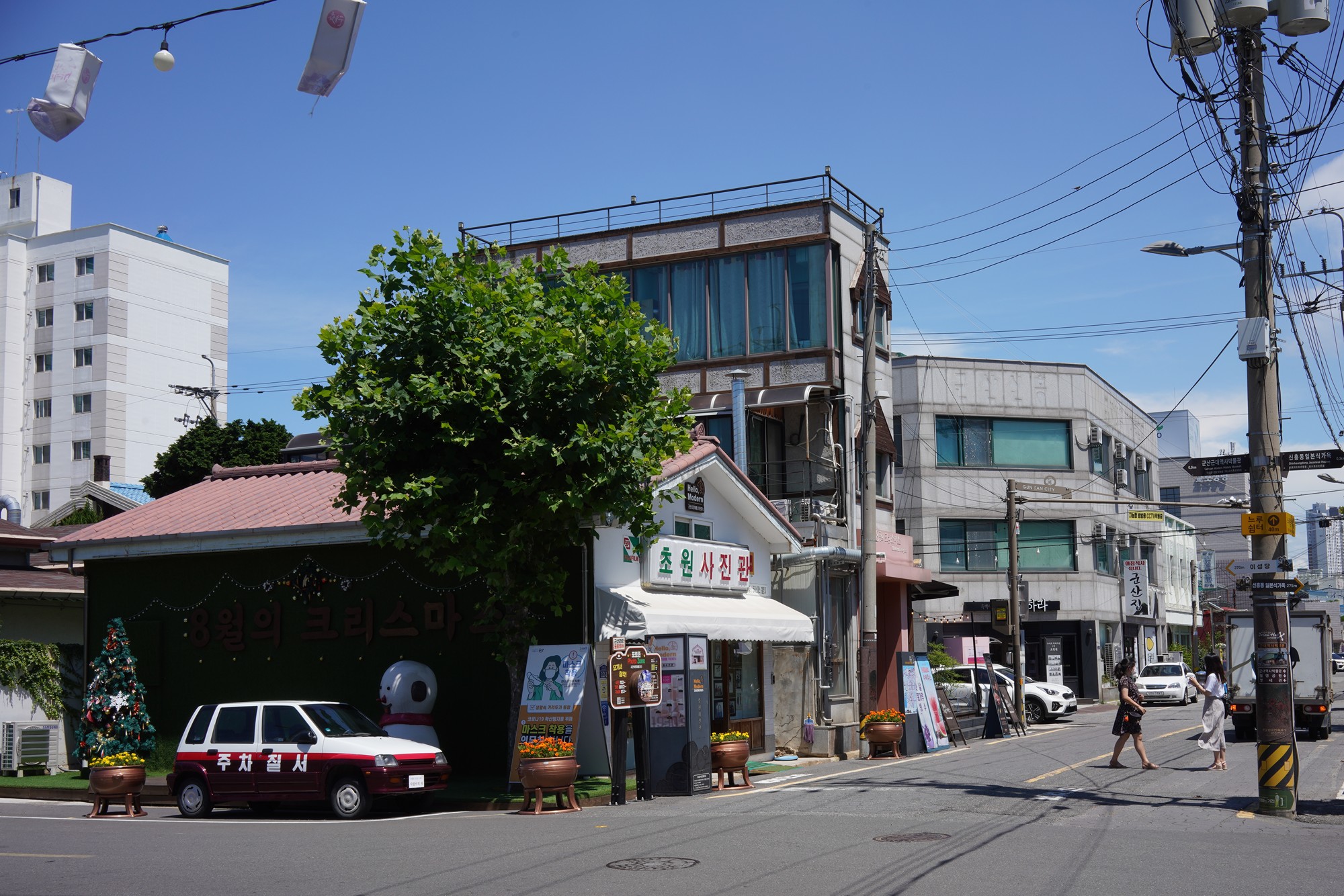
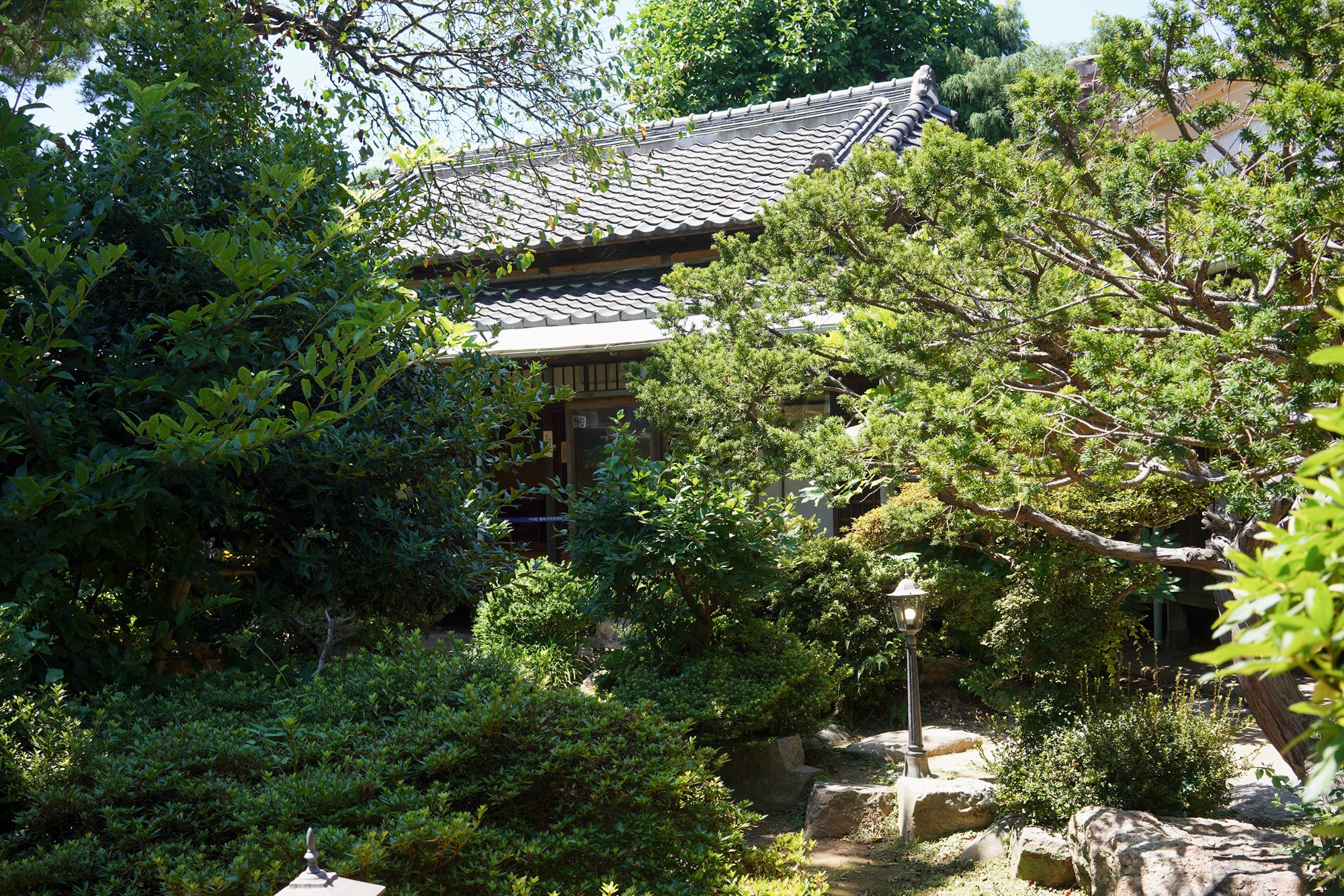
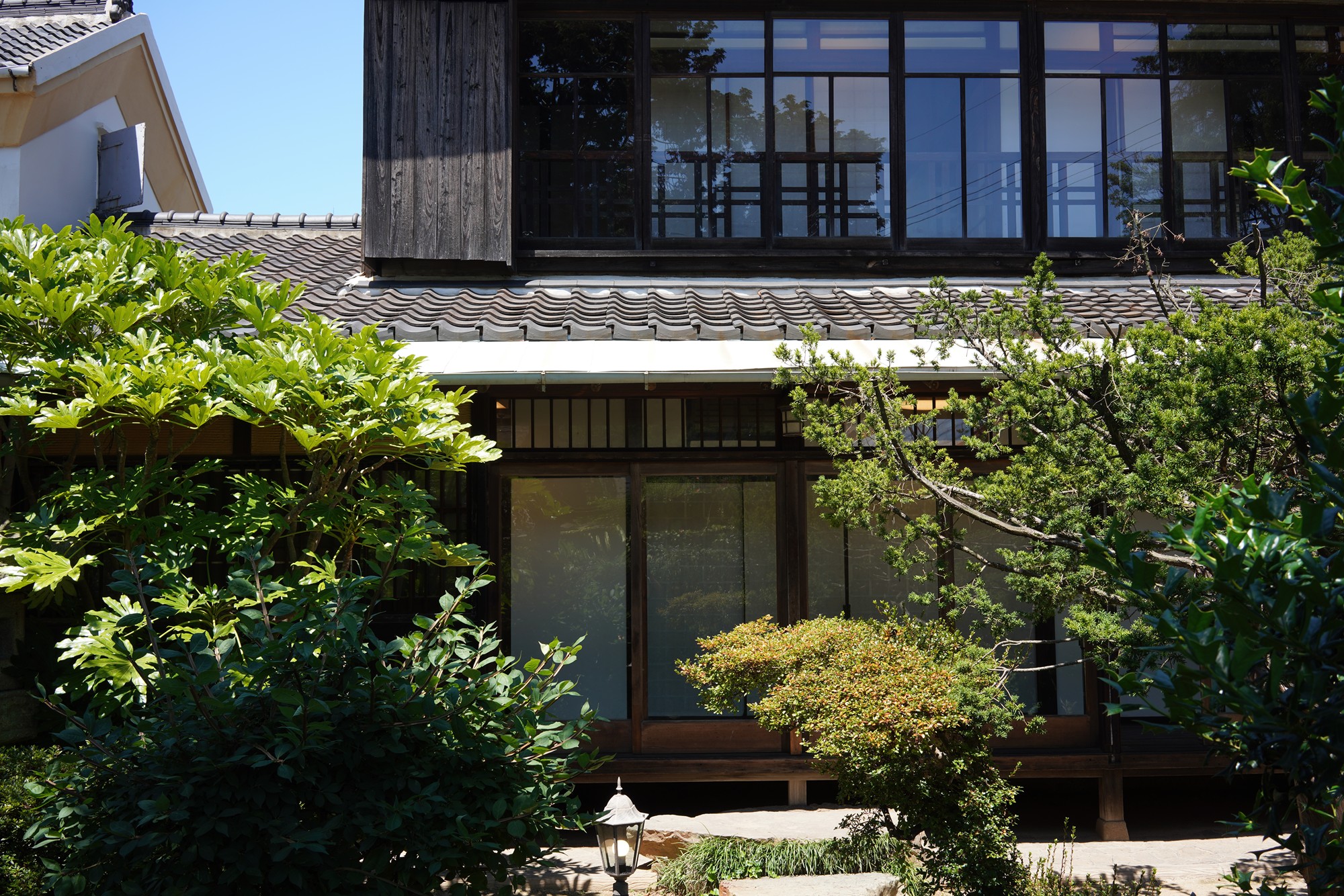
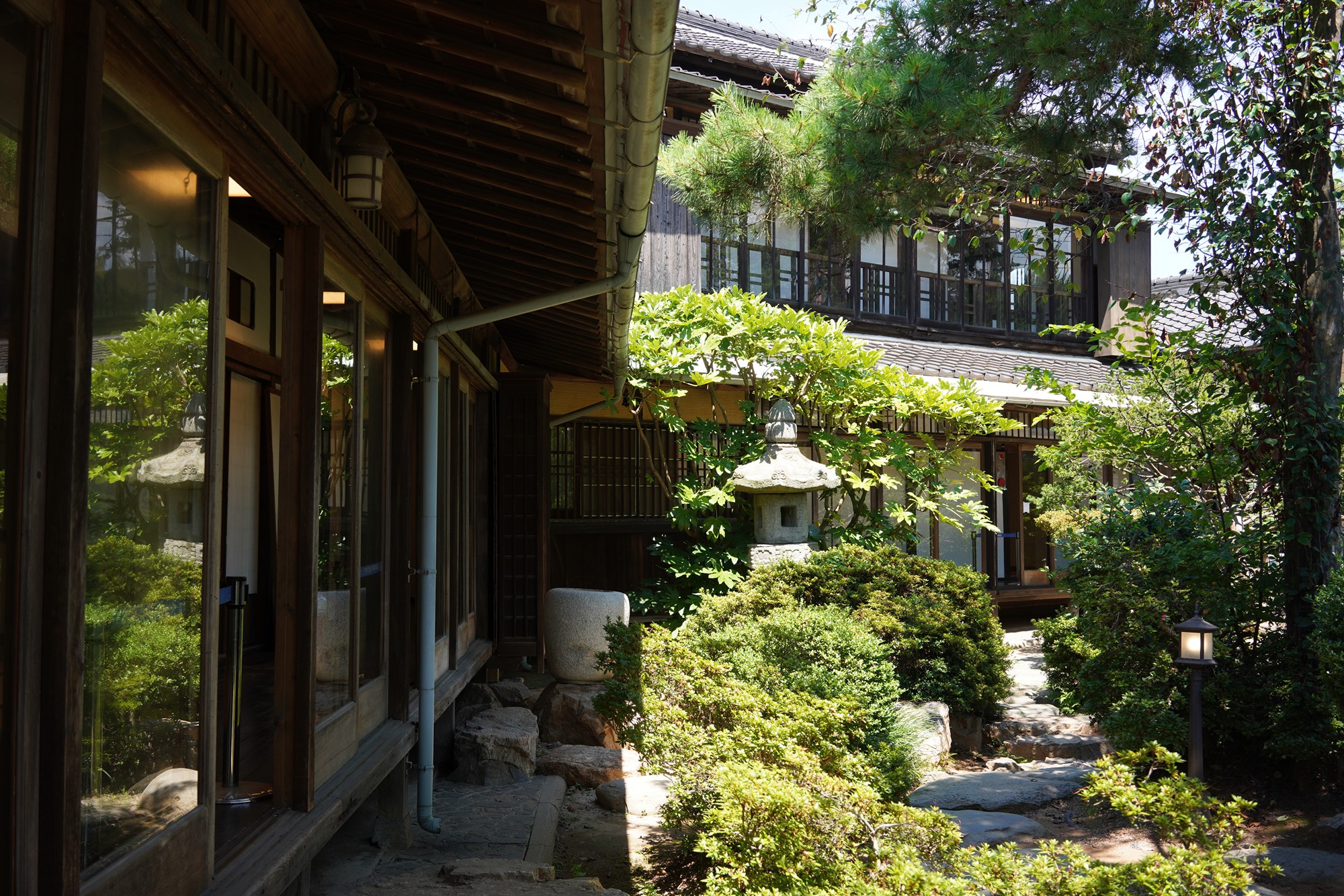
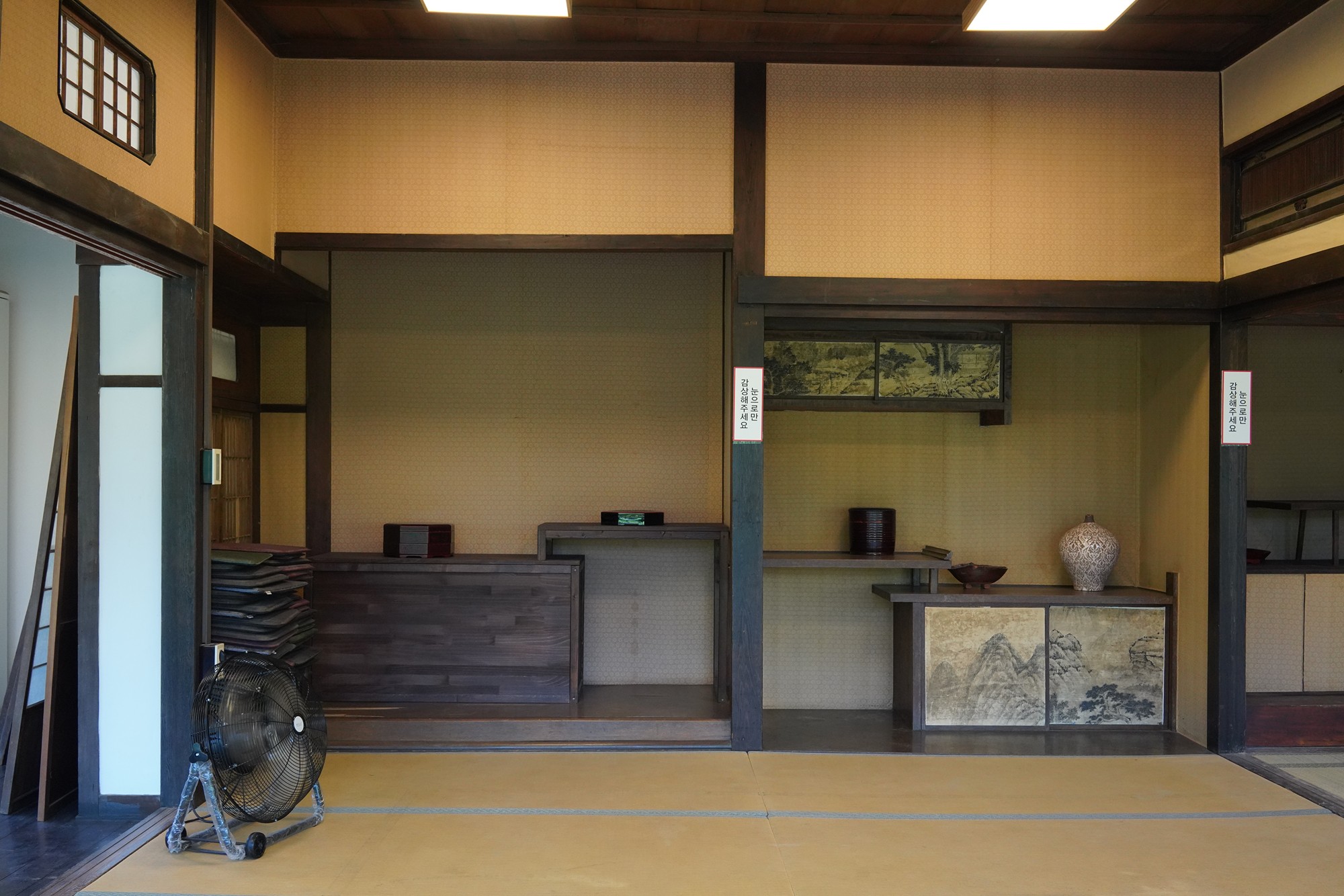
u003cpu003eFrom the photo store, I walked to u003cspanu003eSinheungdon Japanese style Hirotsu Houseu003c/spanu003e. This house was built by a Japanese businessman in 1935. This house shows how rich Japanese people lived in Korea.u003c/pu003e
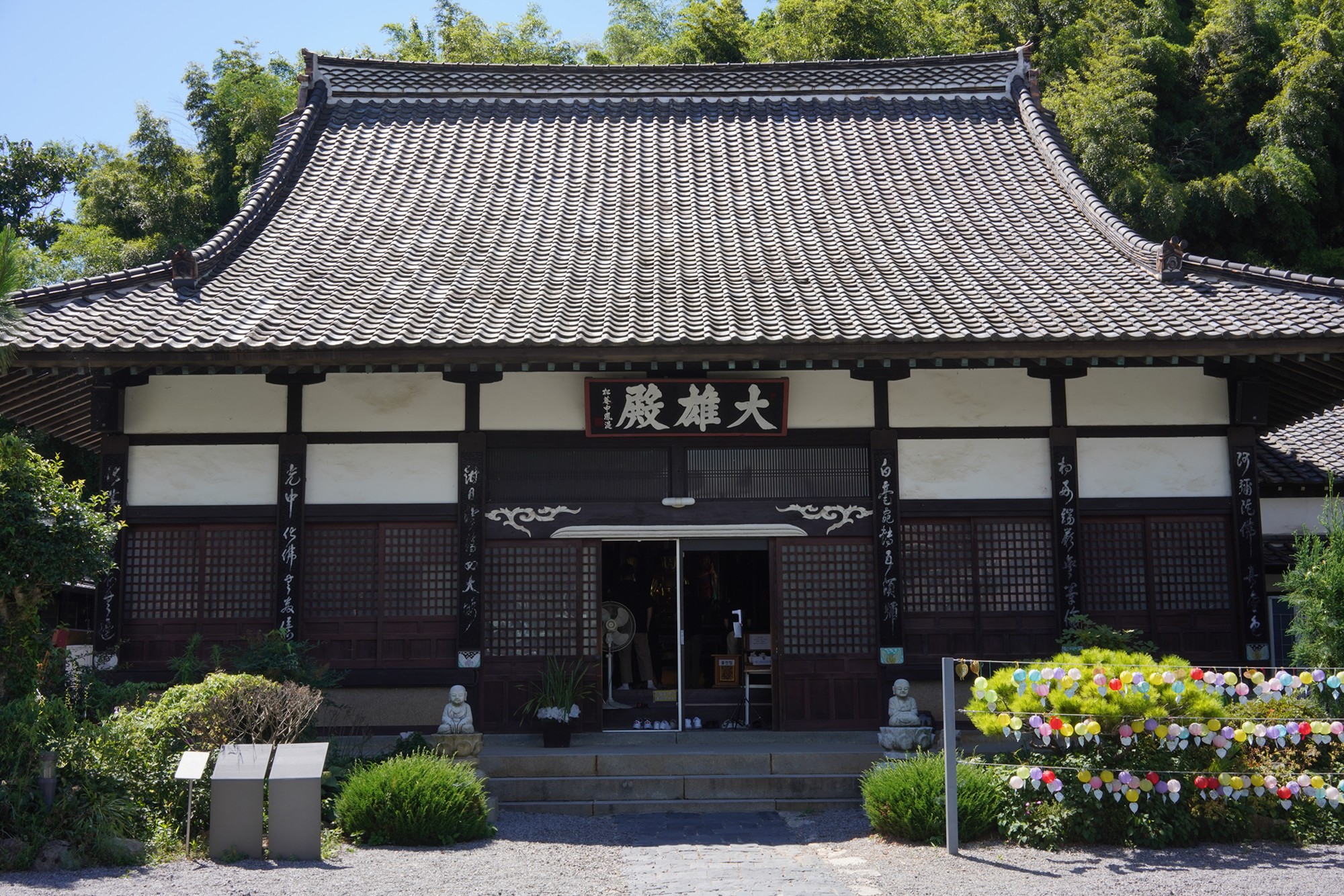
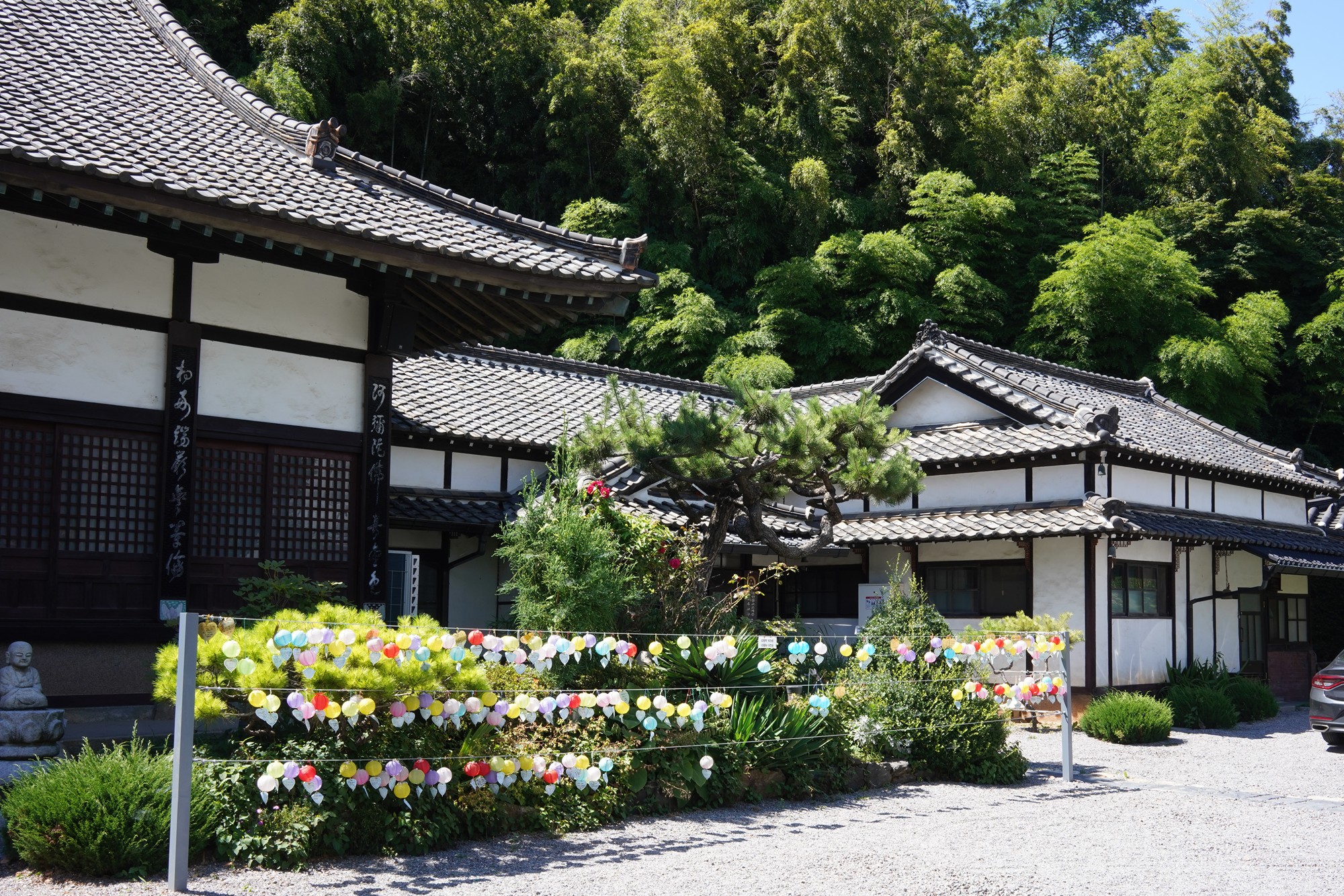
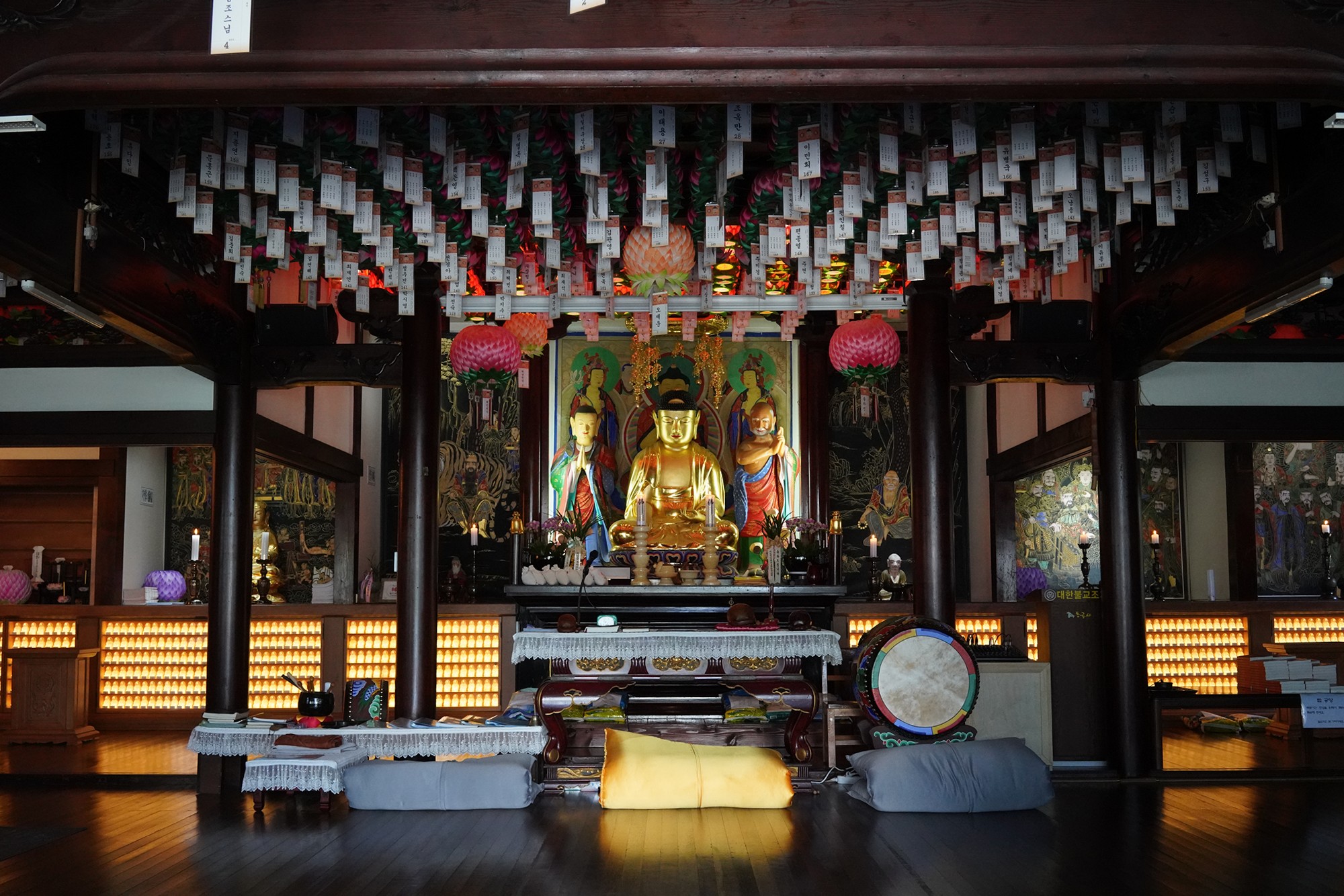
u003cpu003eA short walk from Japanese-style Hirotsu House is this little Buddhist temple. This temple is the only Japanese-style Buddhist temple in Korea.u003c/pu003e
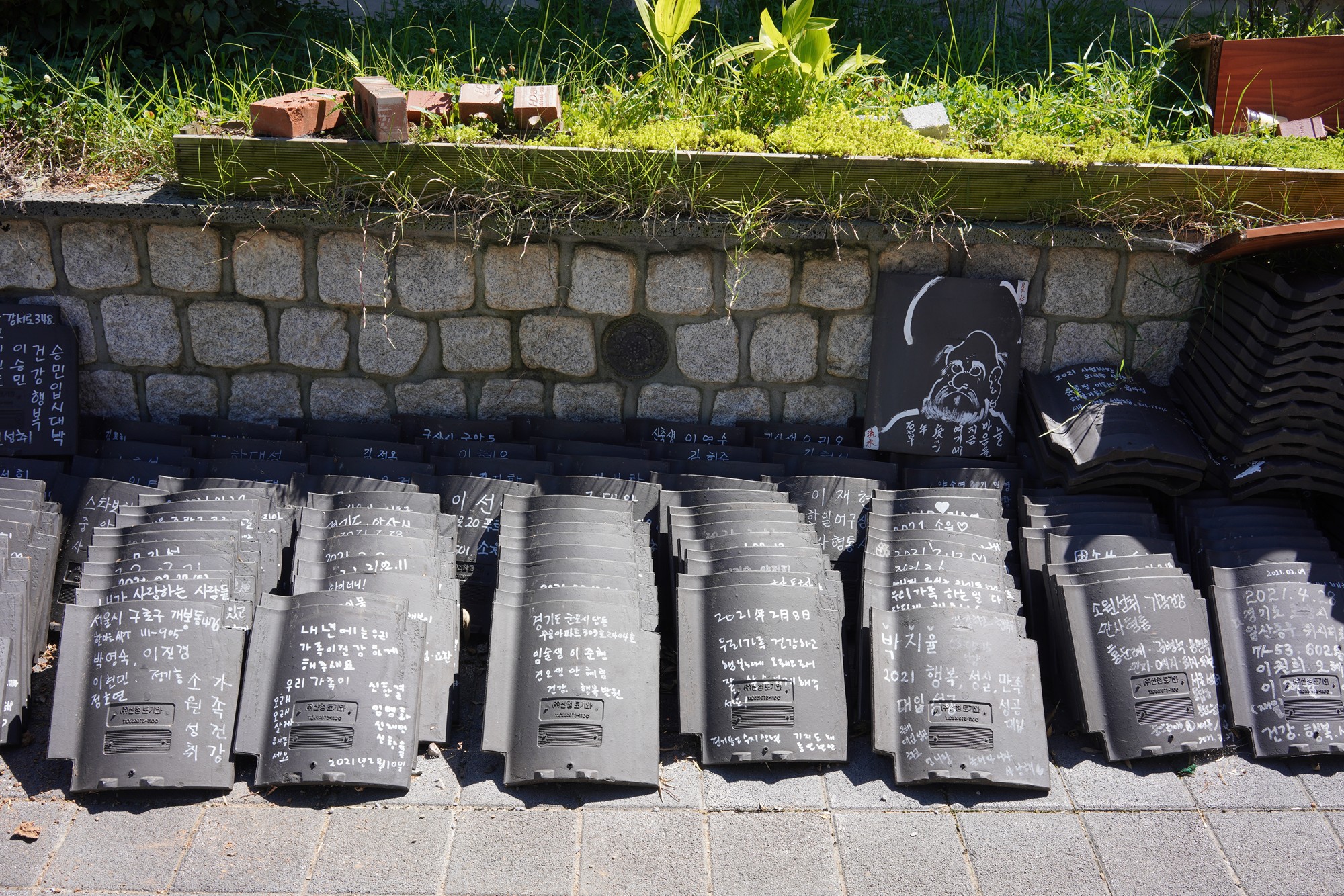
u003cpu003eOne can donate each roof tile for the temple.u003c/pu003e
u003cpu003eNear the temple is this Japanse style building which is now used as a museum.u003c/pu003e
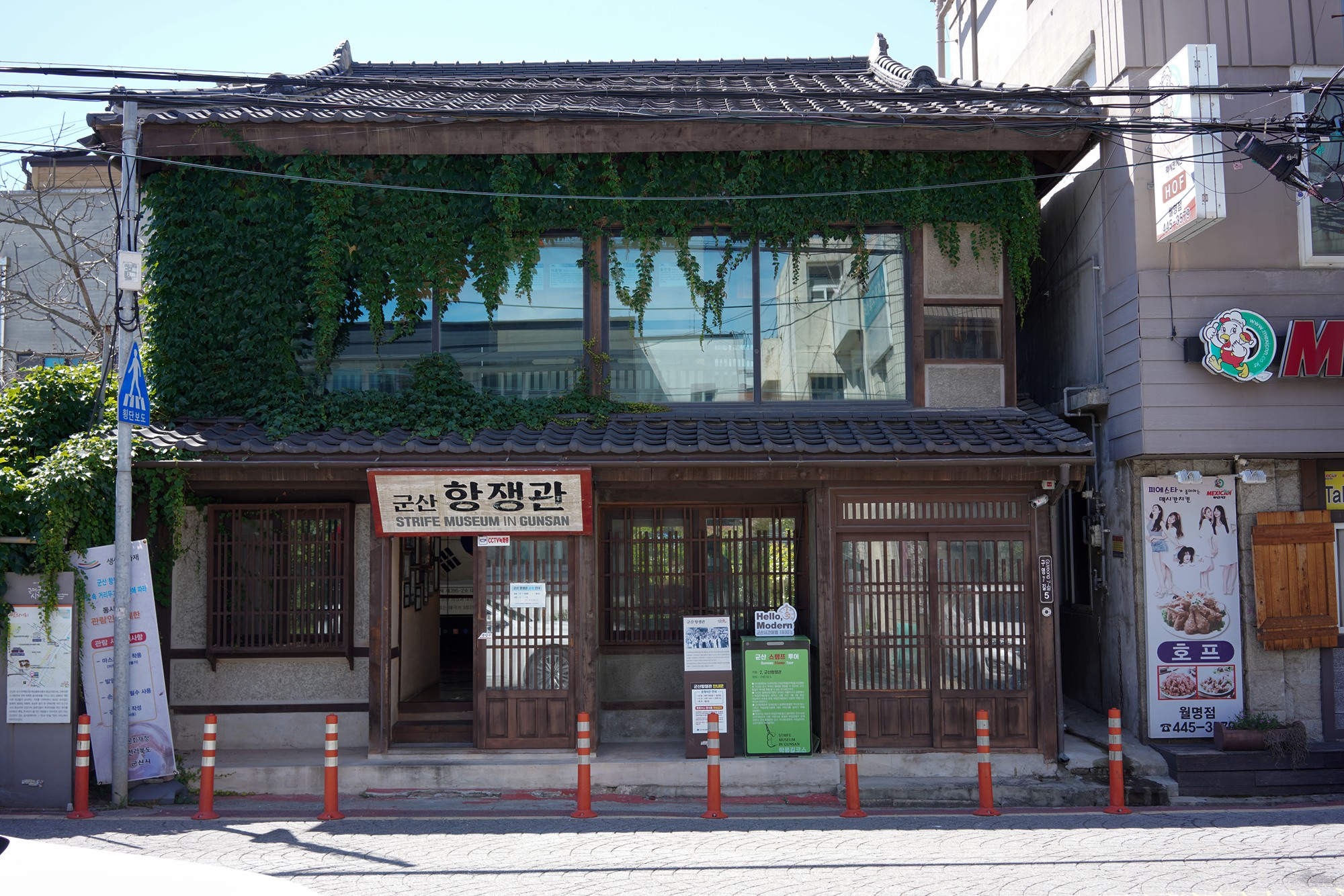
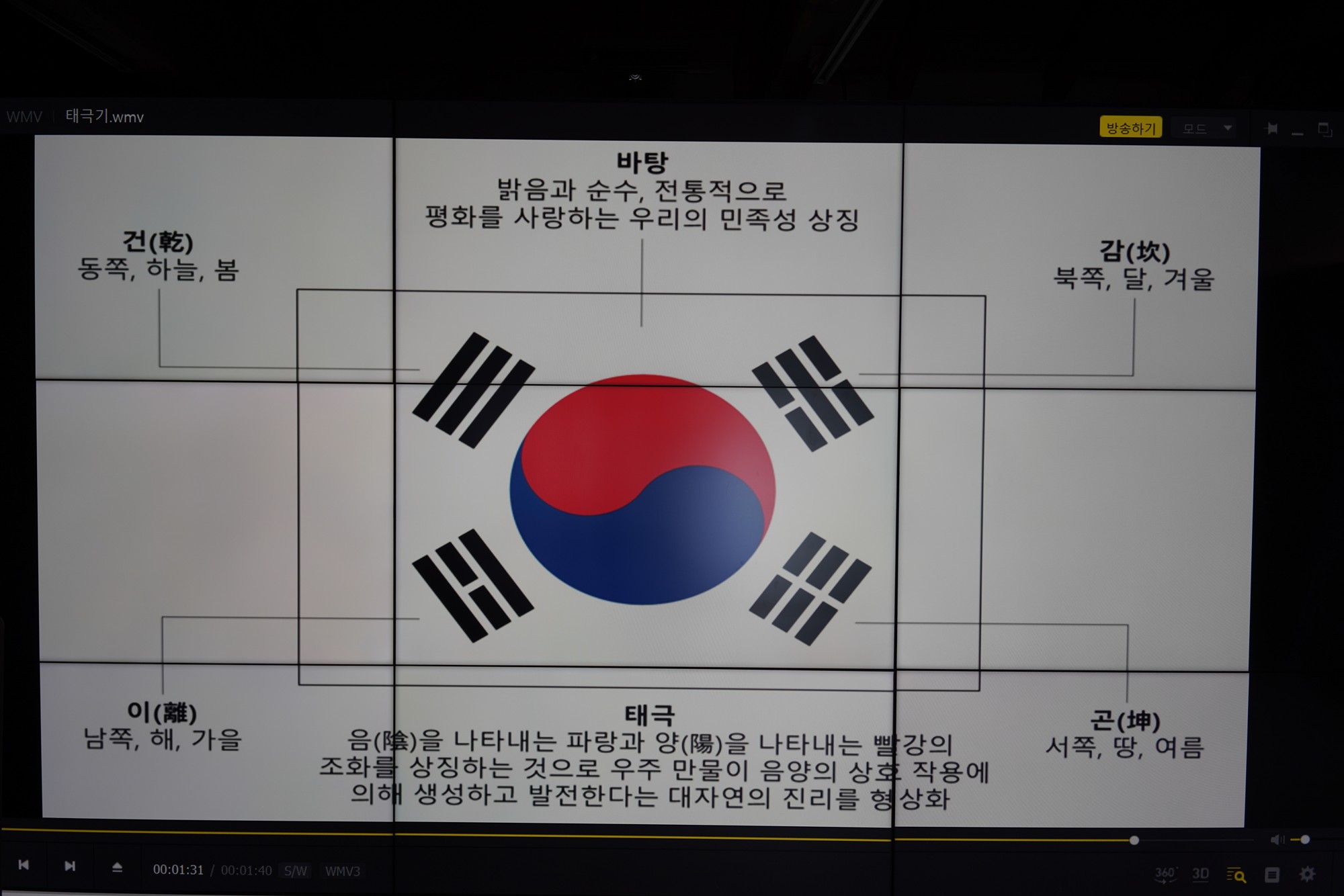
u003cpu003eInside the building displays, the various Korean flags were used.u003c/pu003e
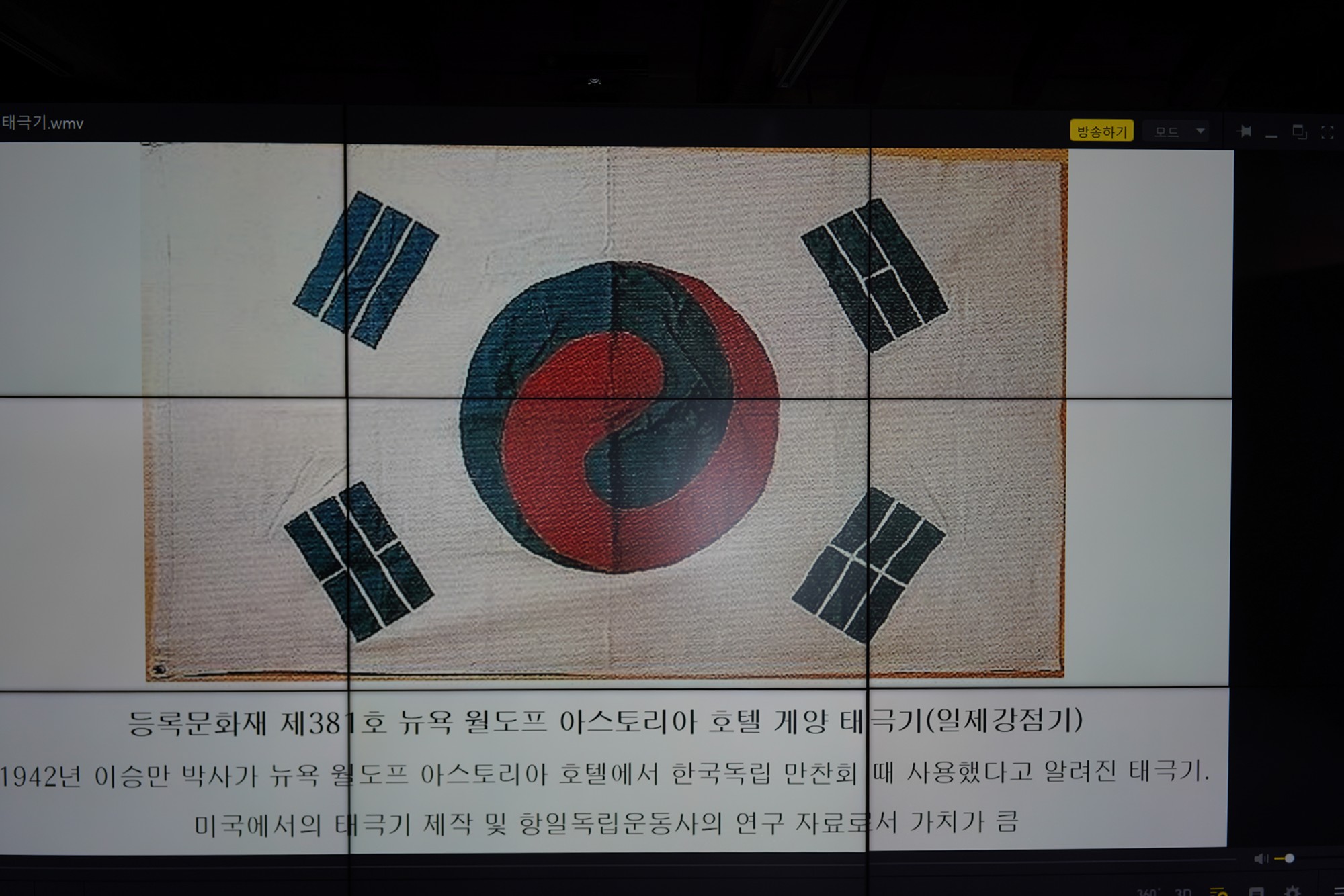
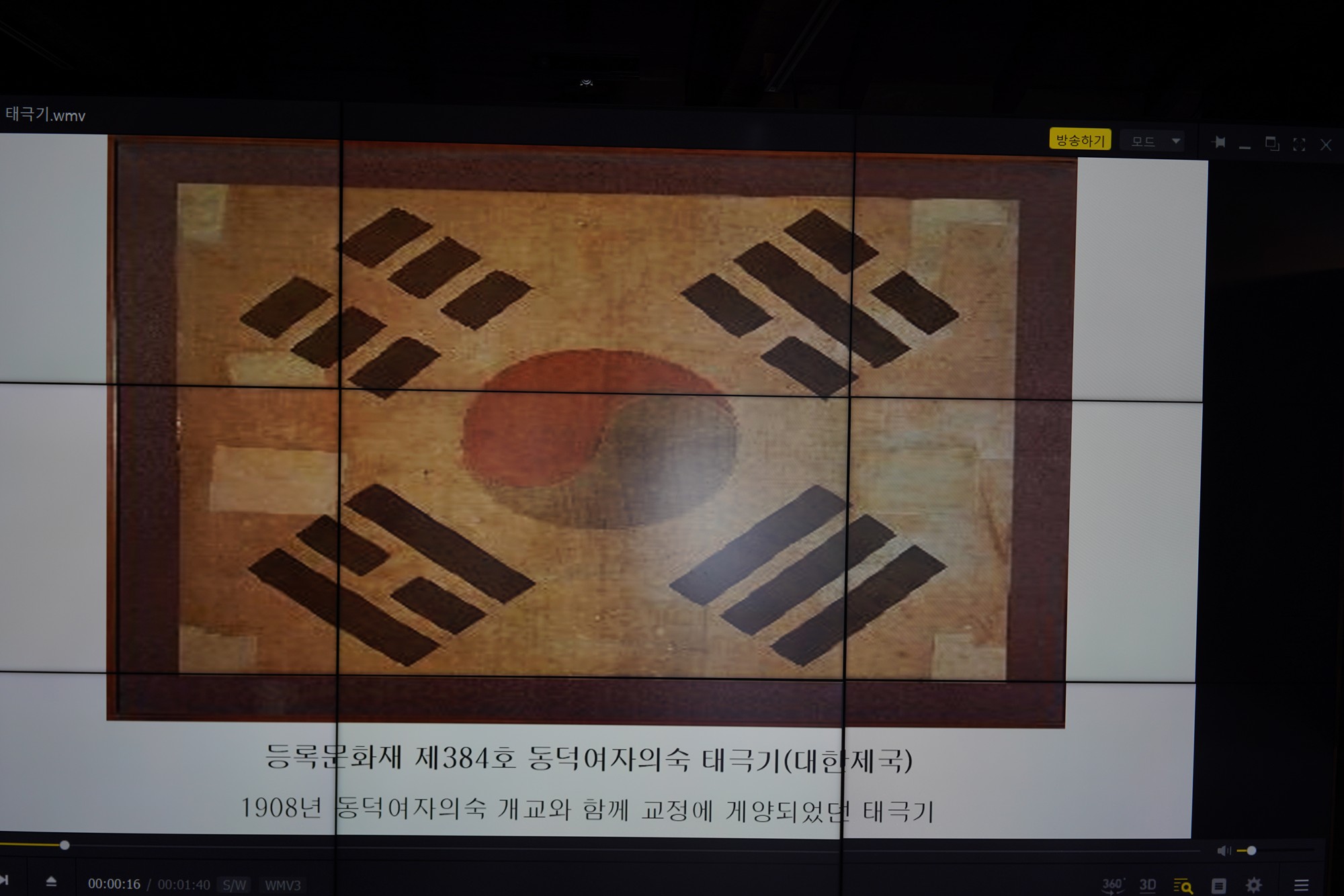
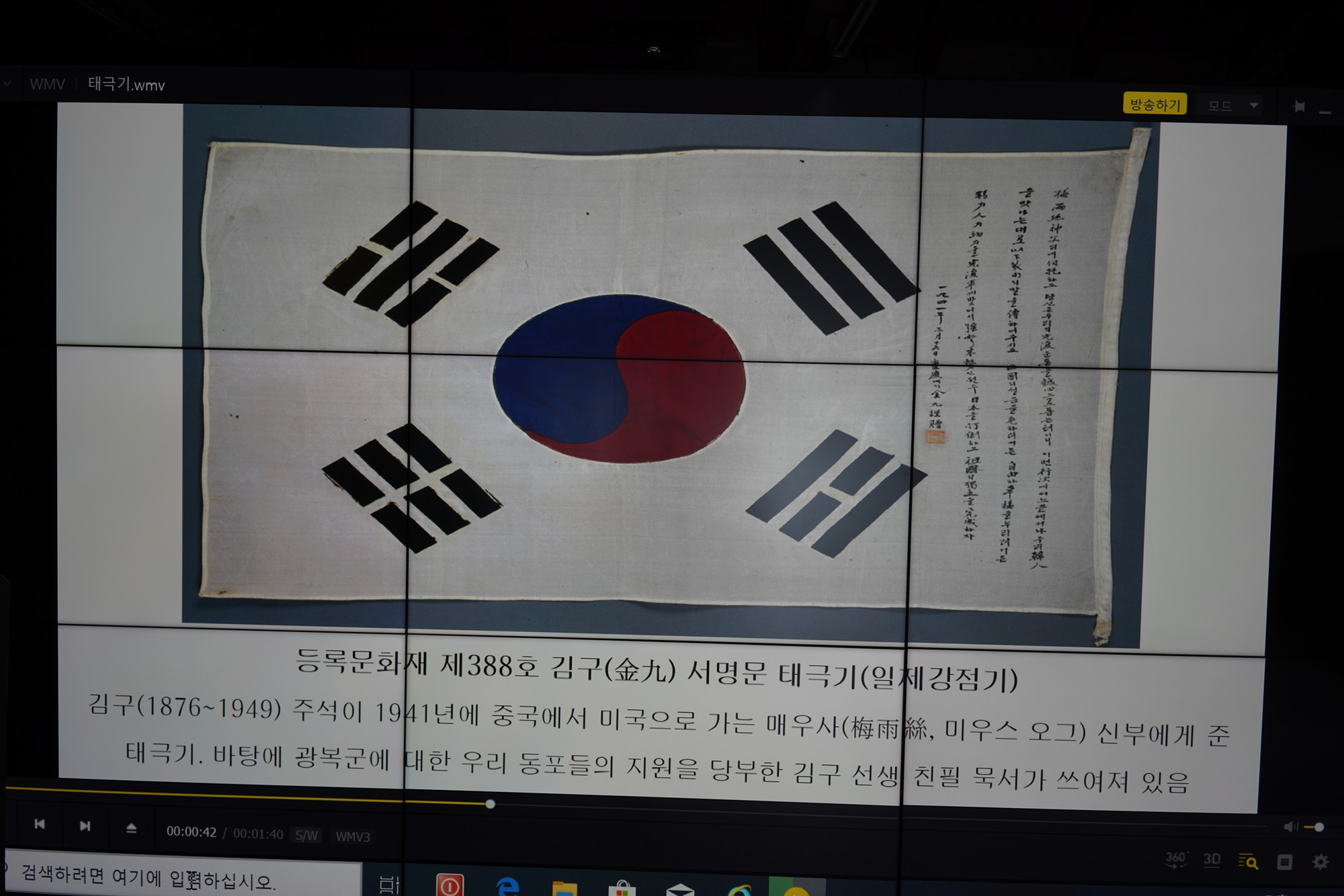
u003cpu003eThe standard Korean flag and the meaning of it.u003c/pu003e