Paju Day Trip, Paju, South Korea
On another day, I took a day trip from Seoul to Paju, a city northwest of Seoul known for its cultural attractions, modern architecture, and proximity to the DMZ. 1290
Paju Book City Center: 145 Hoedong-gil, 교하읍 Paju-si, Gyeonggi-do, South Korea
National Folk Museum of Korea Paju: 30 Heyri-ro, Tanhyeon-myeon, Paju-si, Gyeonggi-do, South Korea
Paju Heyri Art Village: 82-105 Heyrimaeul-gil, Tanhyeon-myeon, Paju-si, Gyeonggi-do, South Korea
Music Space Camerata: 83 Heyrimaeul-gil, Tanhyeon-myeon, Paju-si, Gyeonggi-do, South Korea
Provence Village Paju: 77 Saeori-ro, Tanhyeon-myeon, Paju-si, Gyeonggi-do, South Korea
Concino Concrete Concert Hall: 17 Saeori-ro 161beon-gil, Tanhyeon-myeon, Paju-si, Gyeonggi-do, South Korea
Date Picture Taken: Mar, 2026
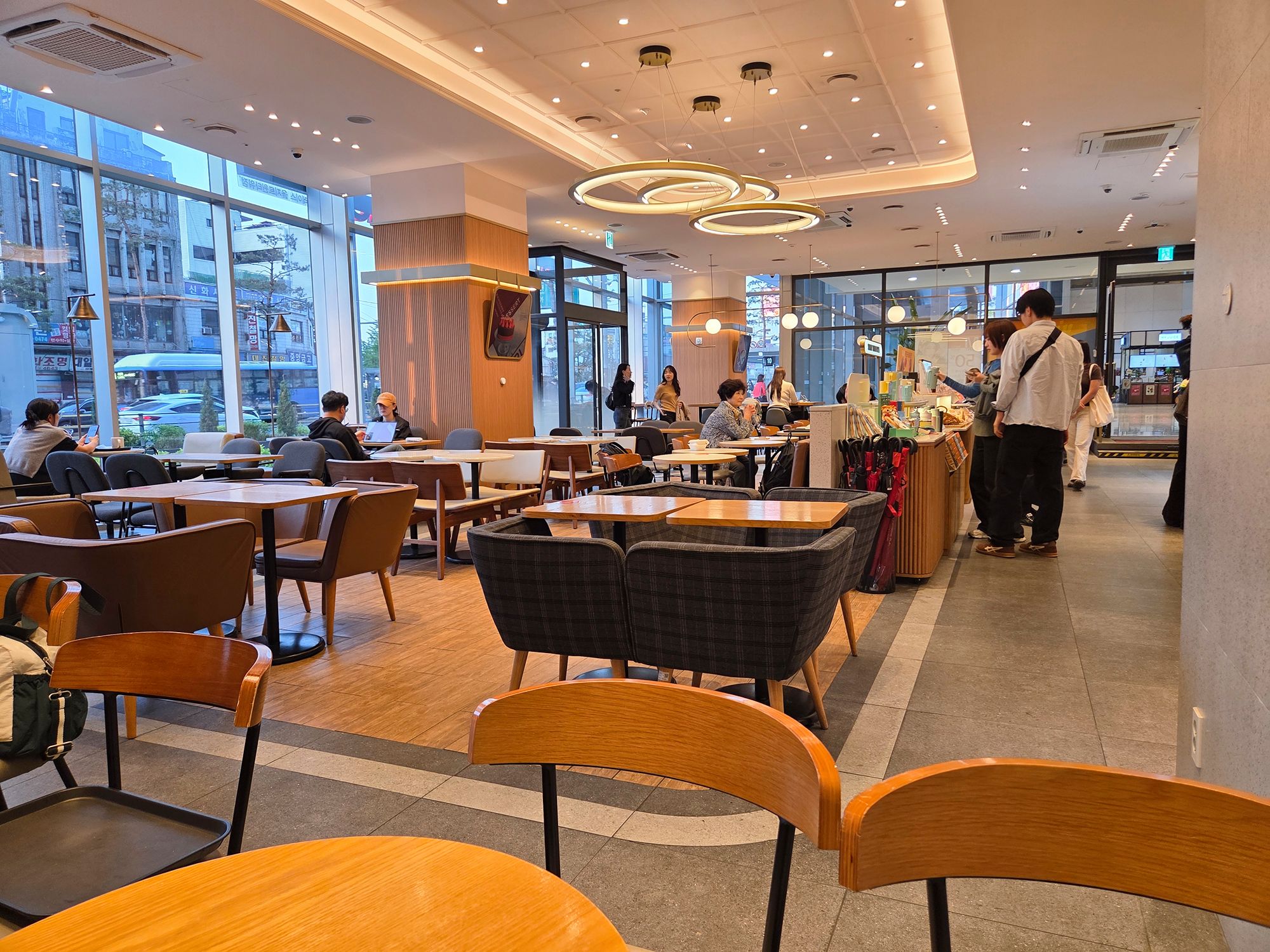
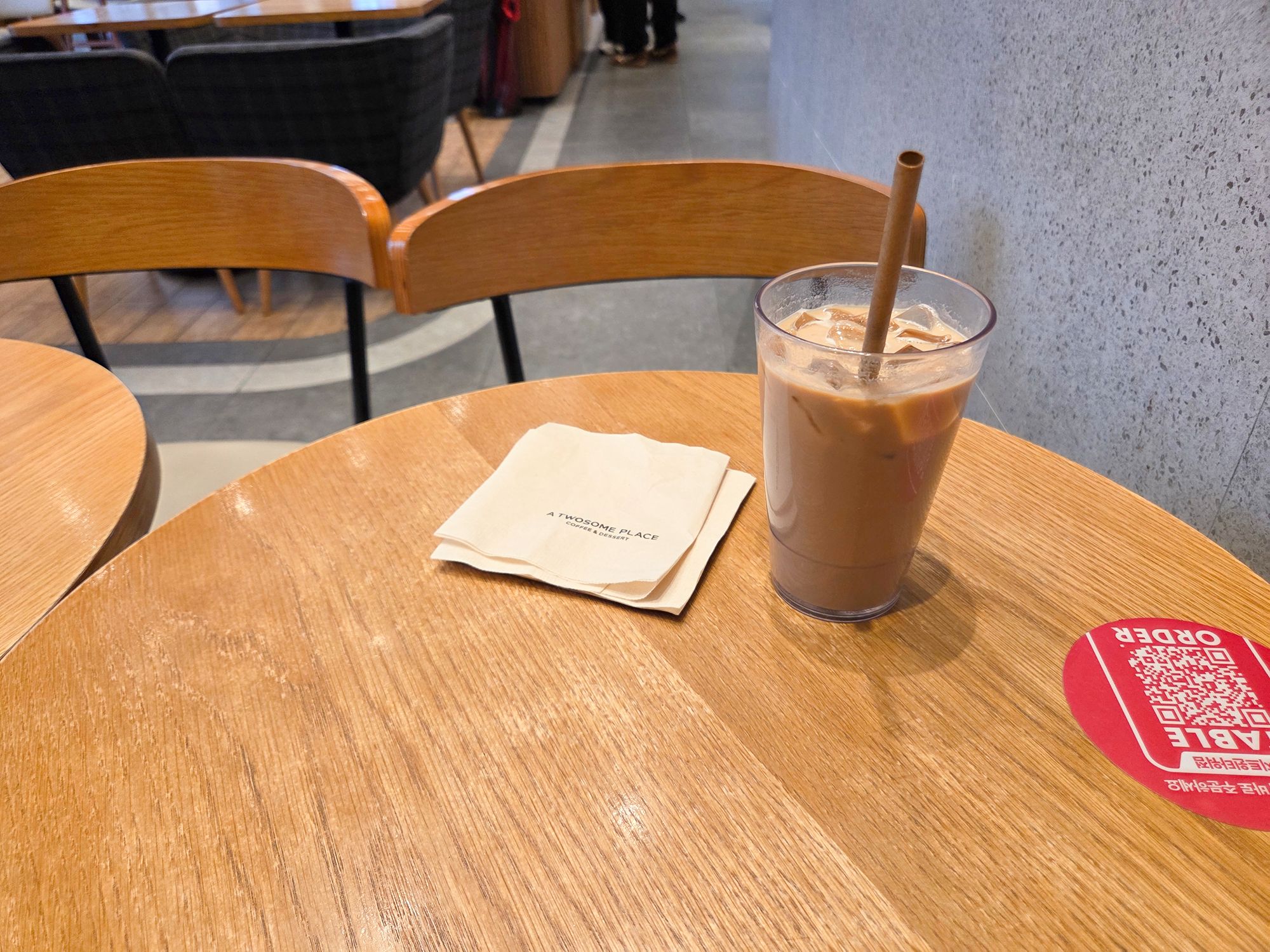
Like any other day in Seoul, I started my morning with a visit to a coffee shop before setting out on my day trip to Paju.
After a long bus ride from Seoul, I finally arrived in Paju near Paju Book City (파주출판도시), where I began exploring the area on foot.
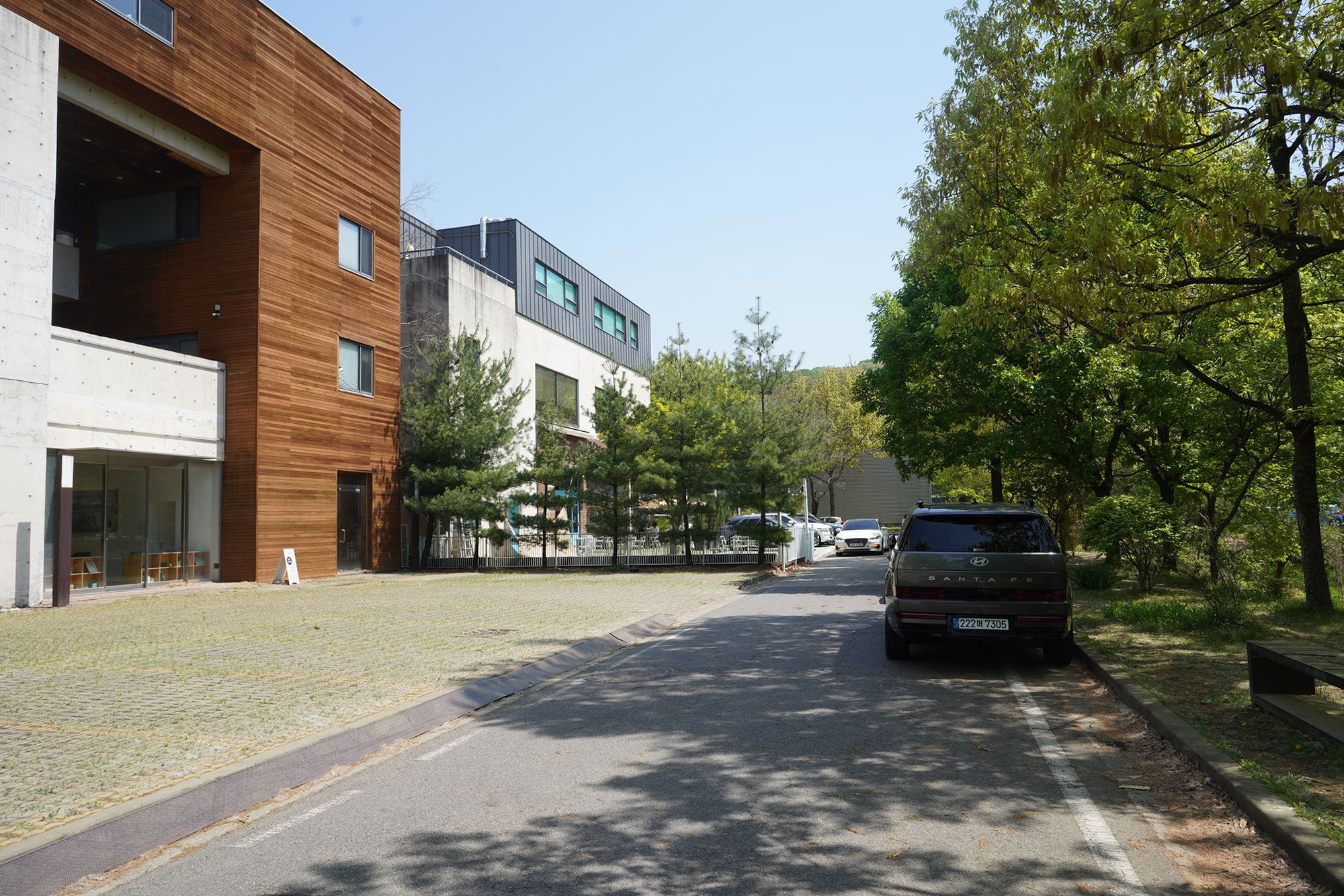
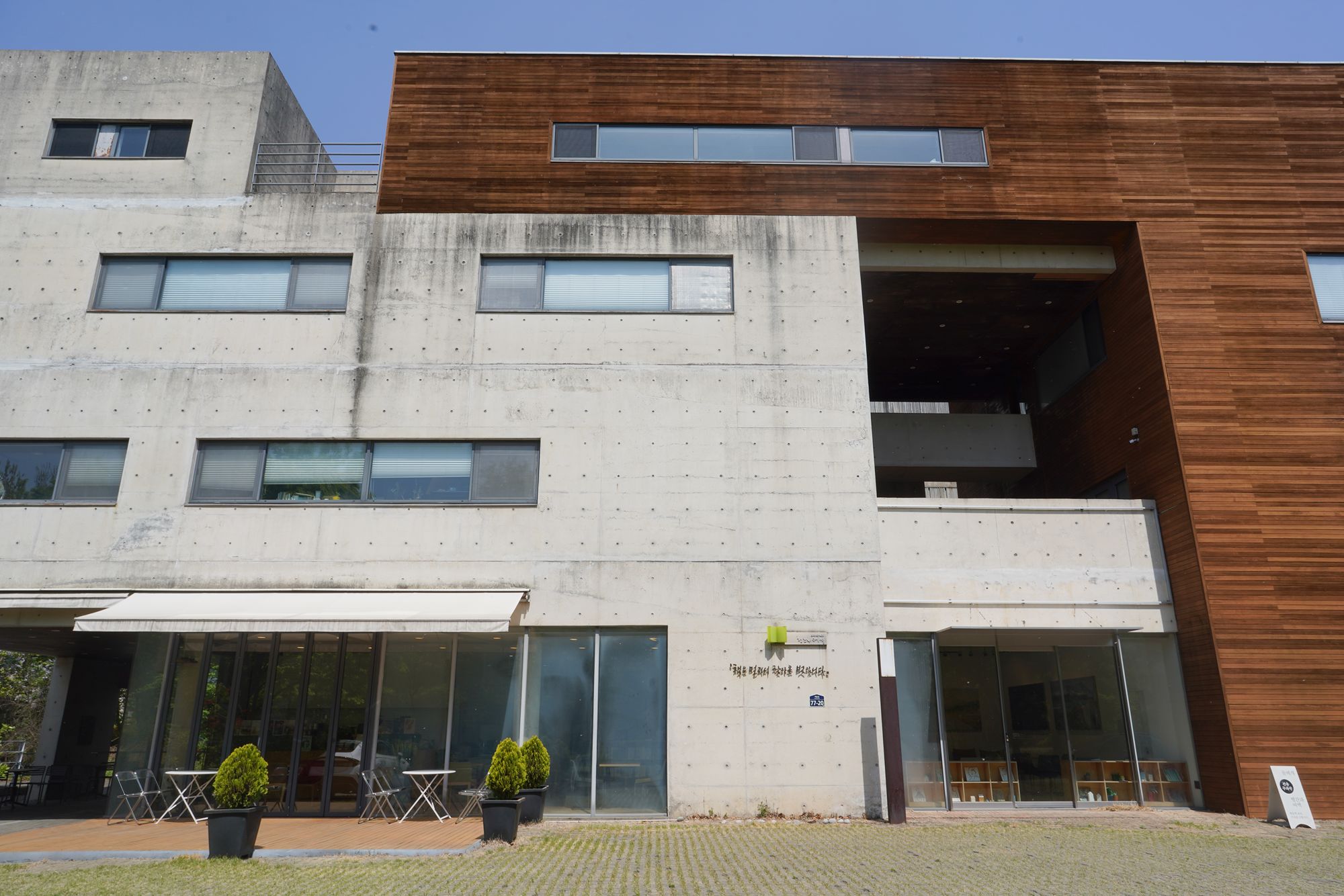
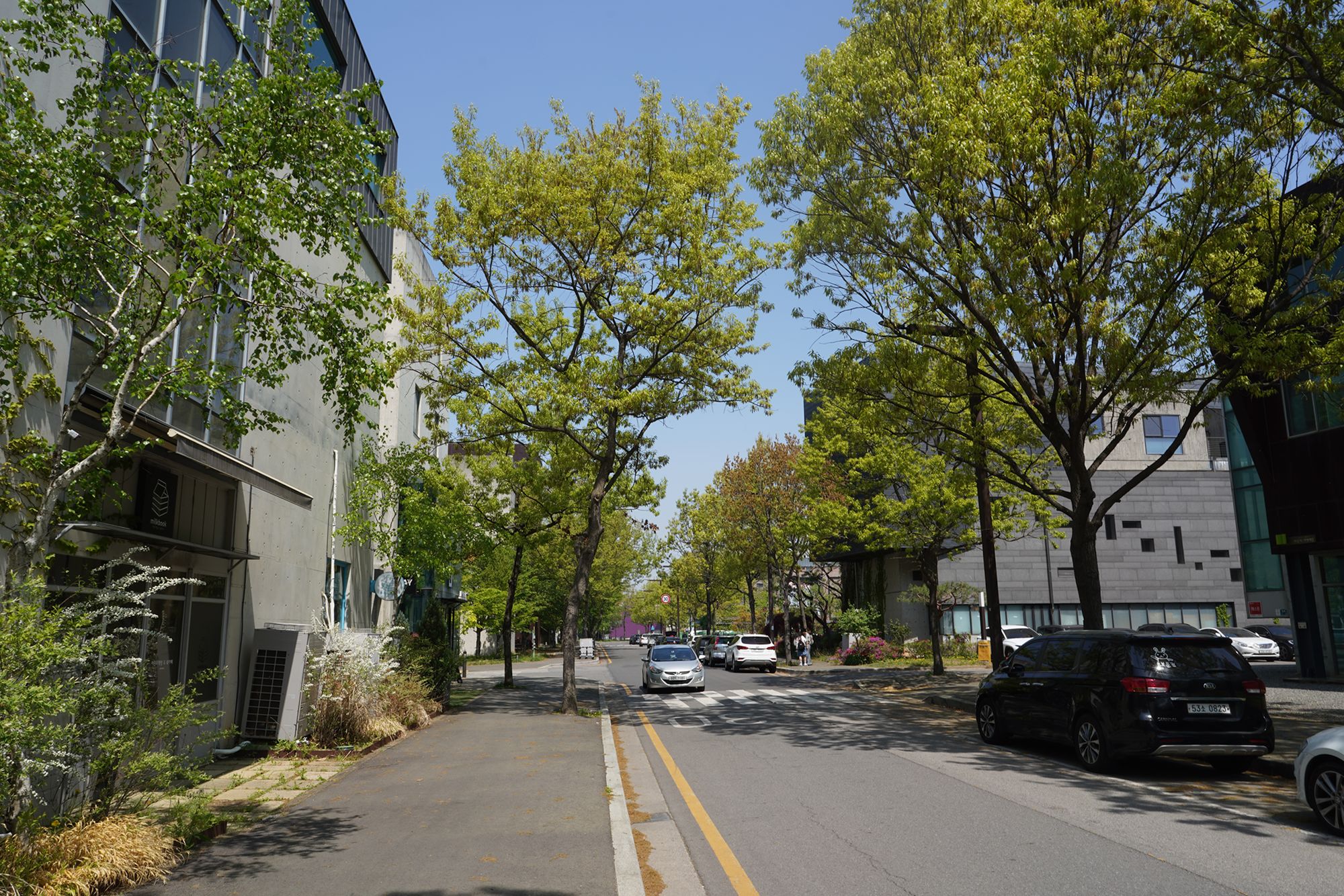
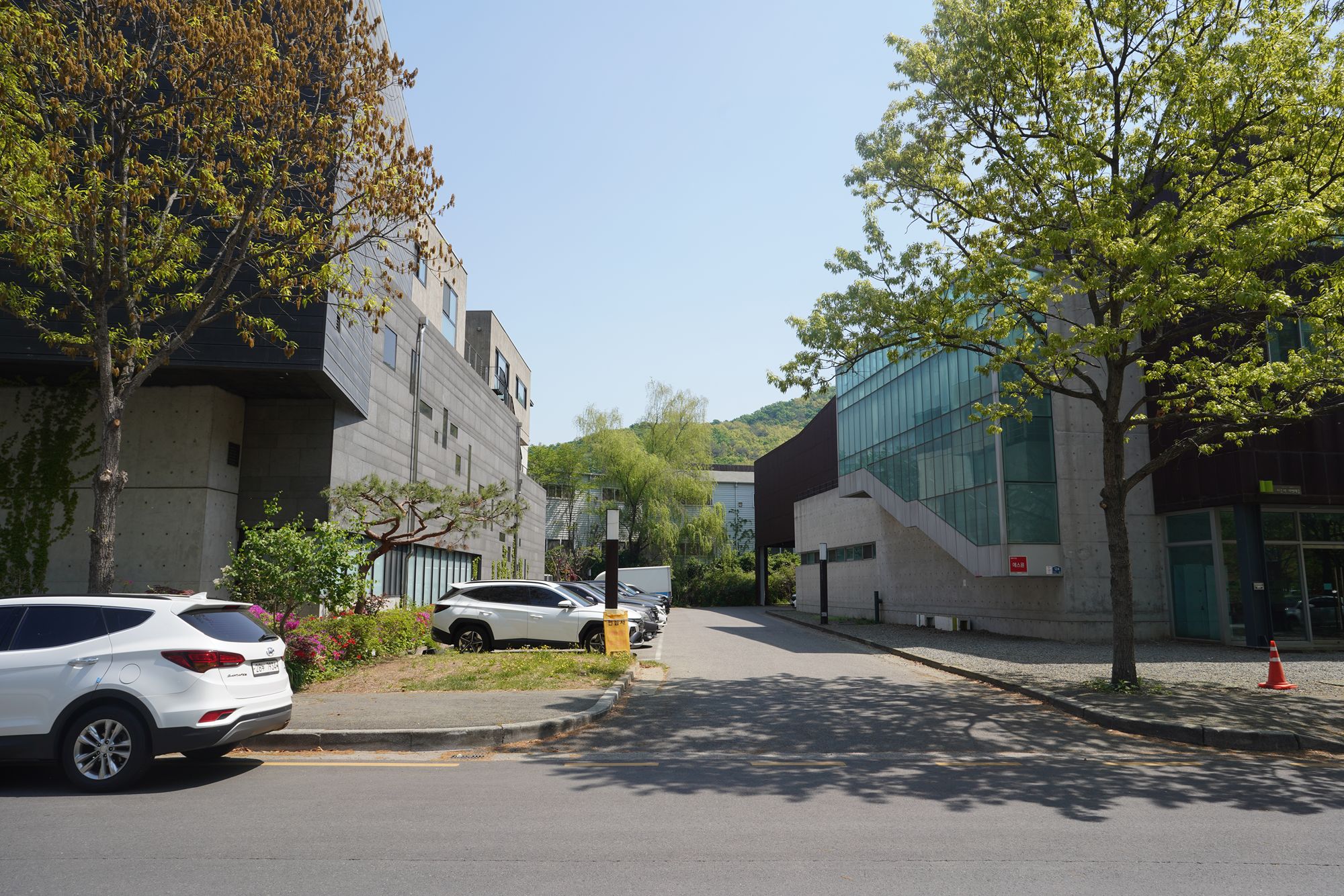
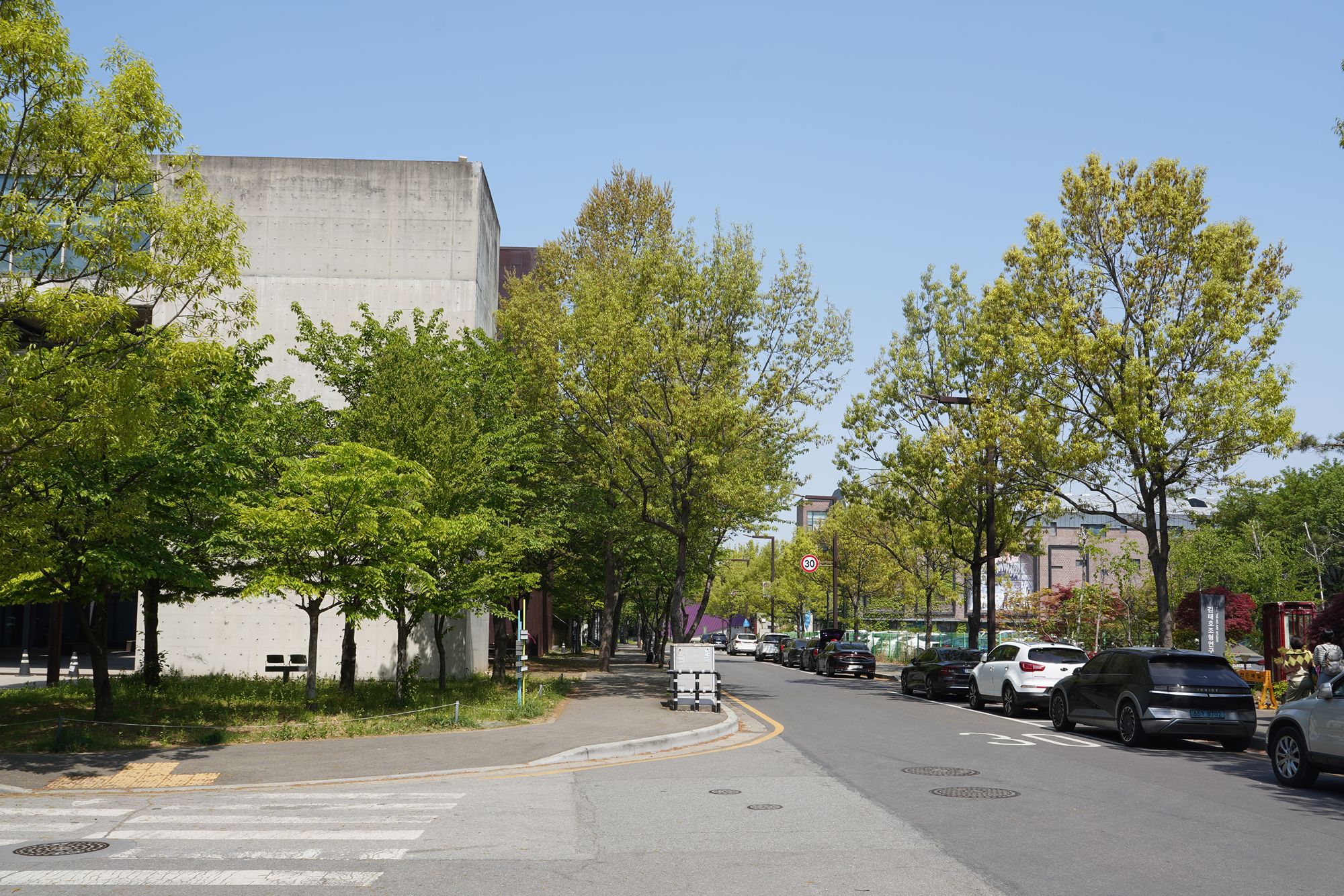
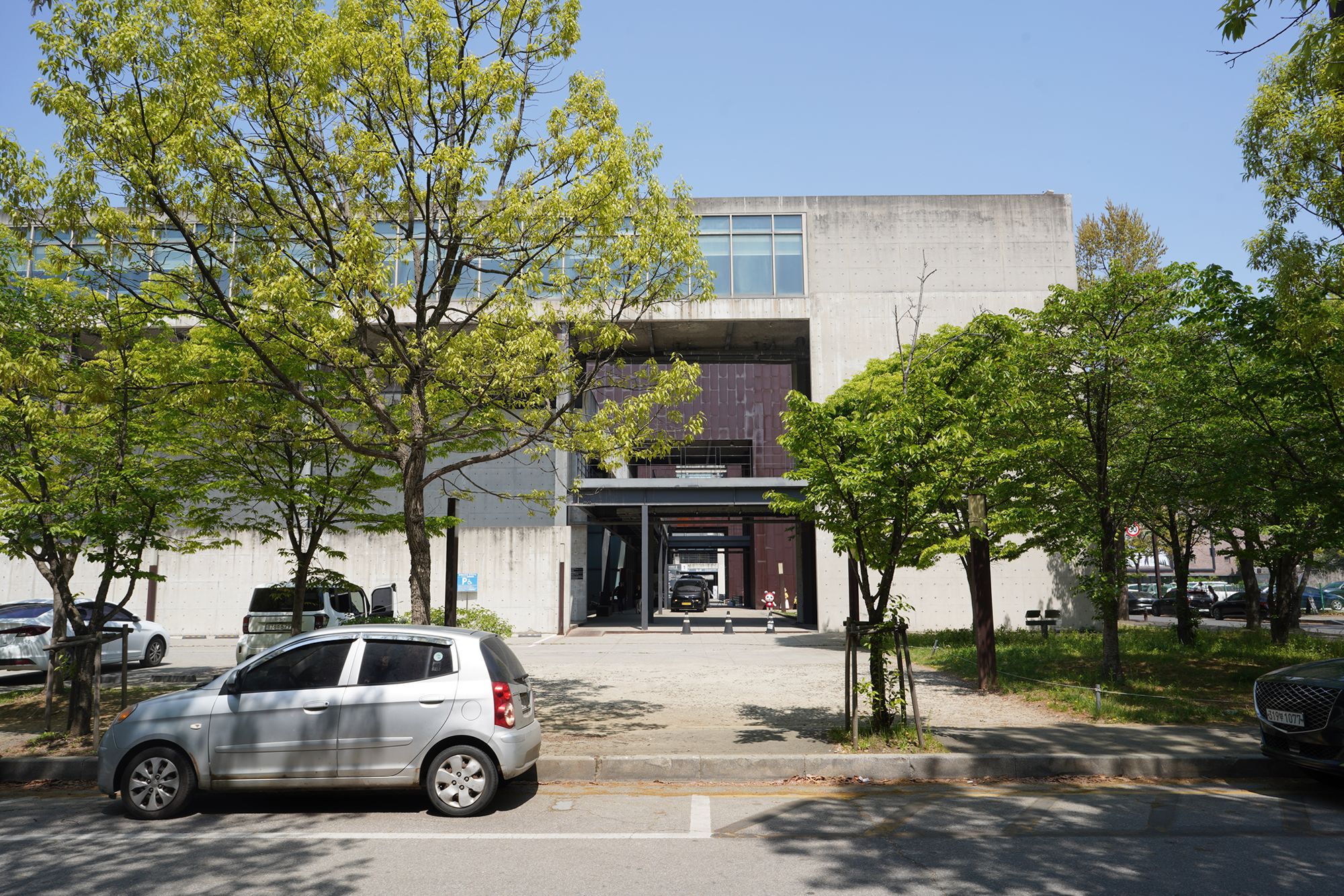
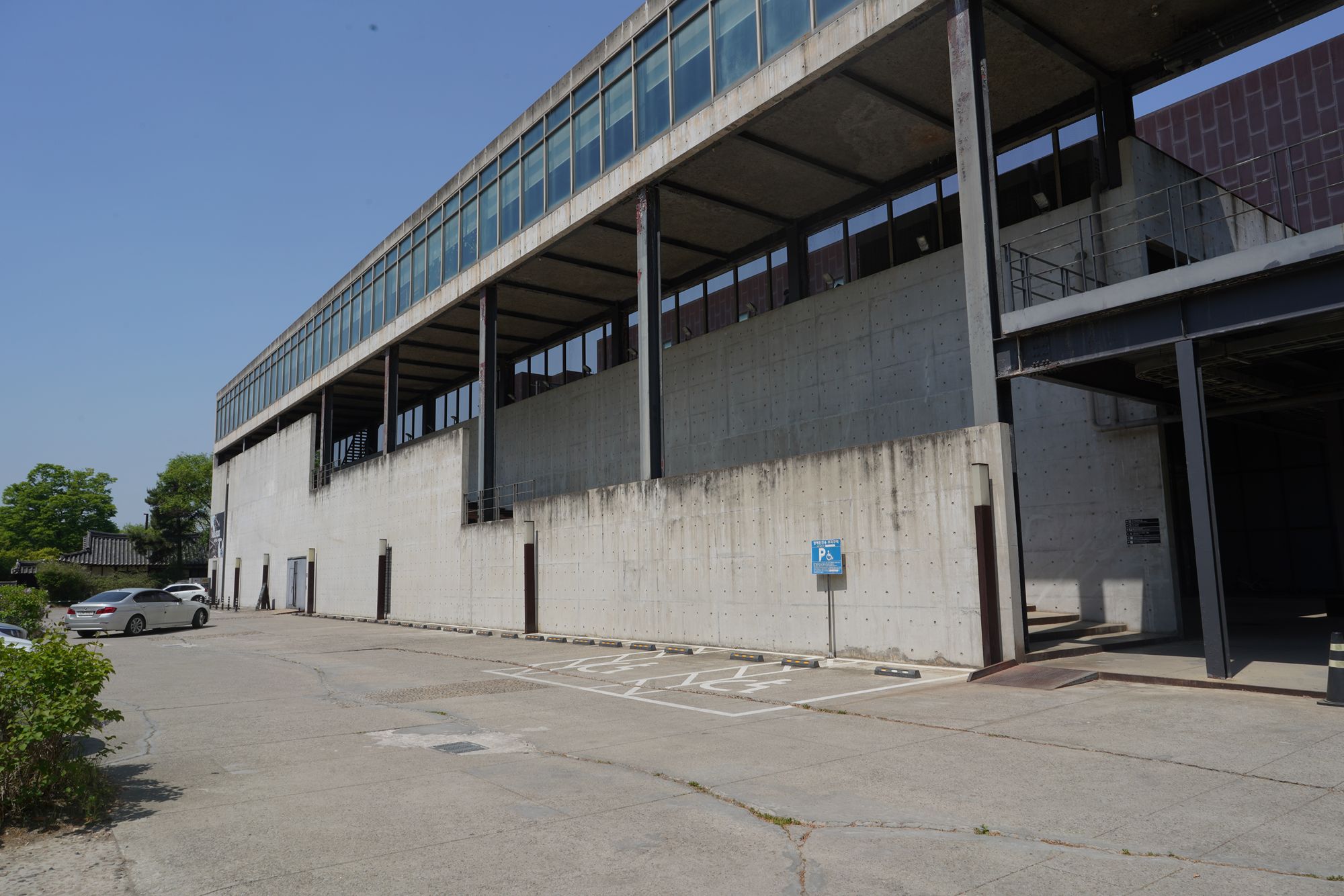
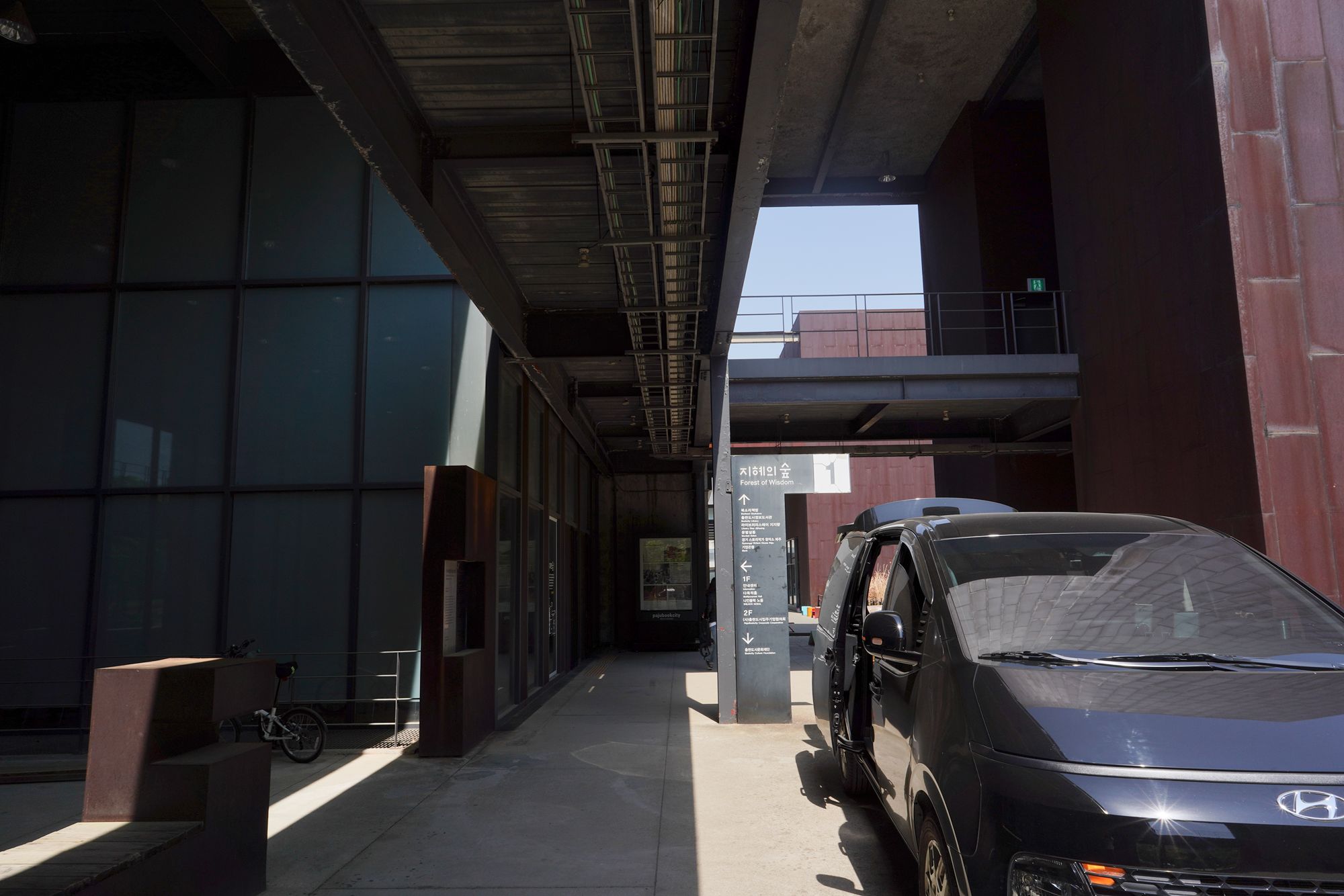
Paju Book City is a unique cultural district created around Korea’s publishing industry. Developed beginning in the late 1990s, the area brought together publishers, printing companies, bookstores, libraries, and cultural spaces in one planned community.
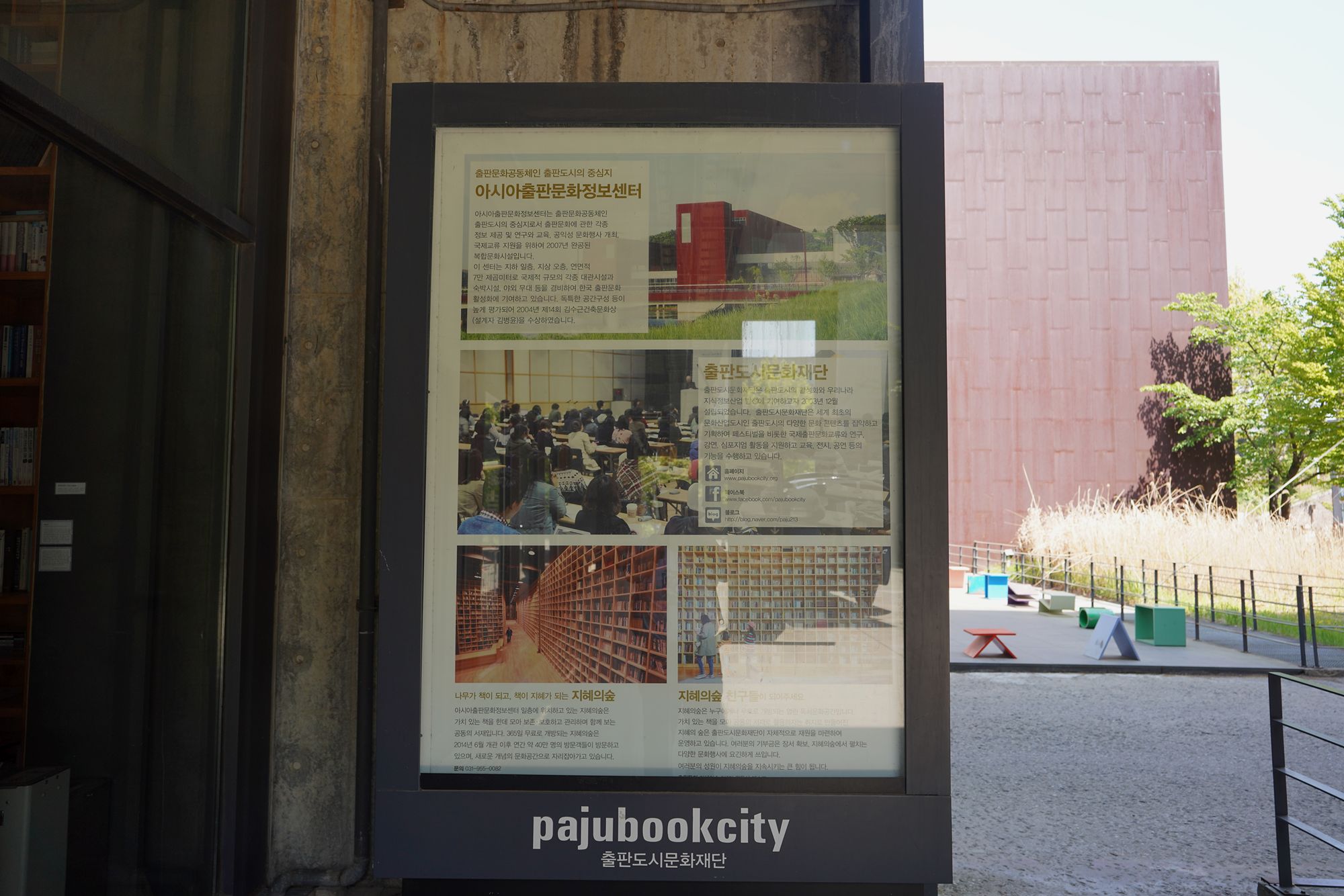
It is also known for its interesting contemporary architecture, with many buildings designed by prominent Korean and international architects. Unlike the crowded streets of Seoul, Paju Book City has a quiet, spacious atmosphere, making it an interesting place to simply walk around and explore.
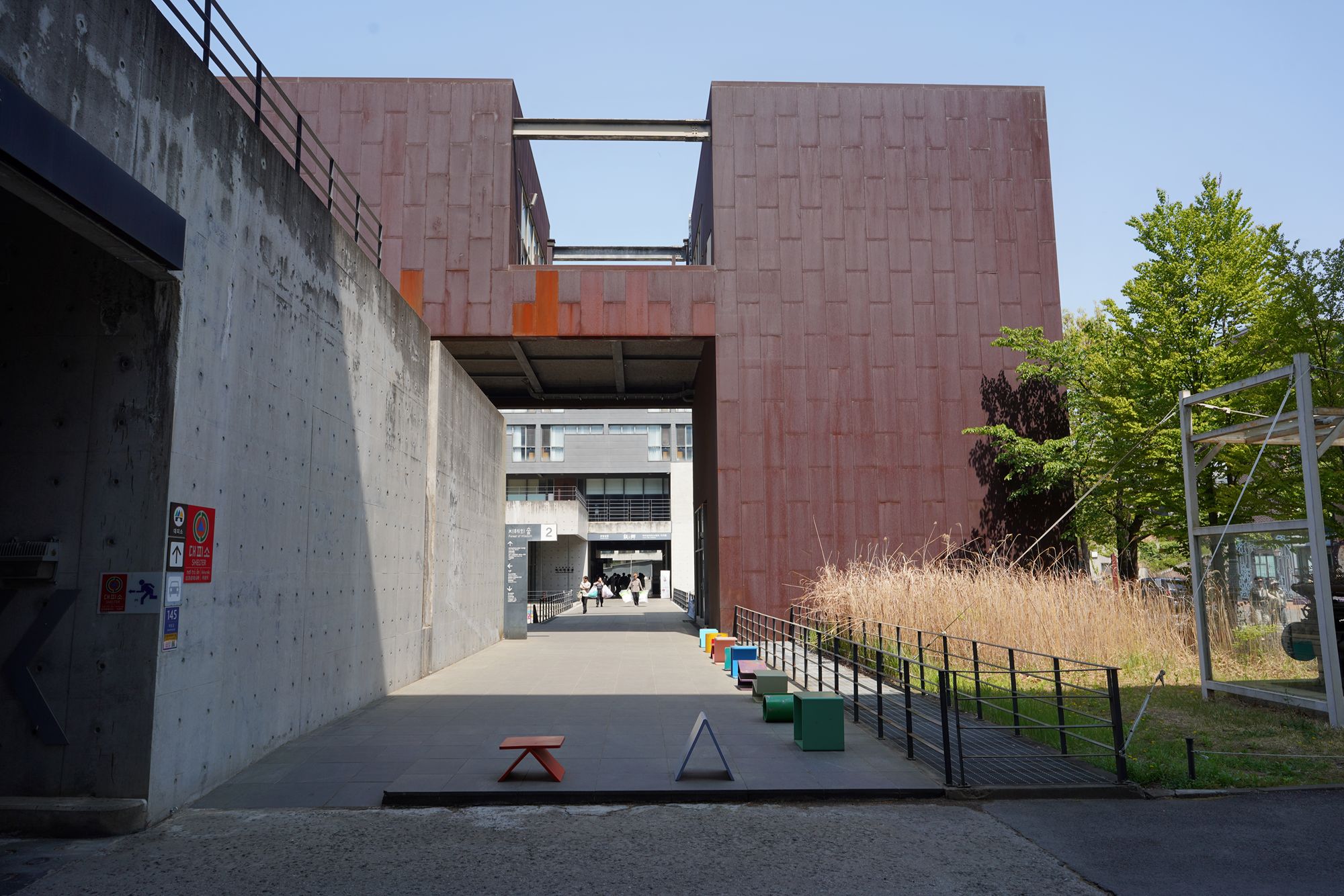
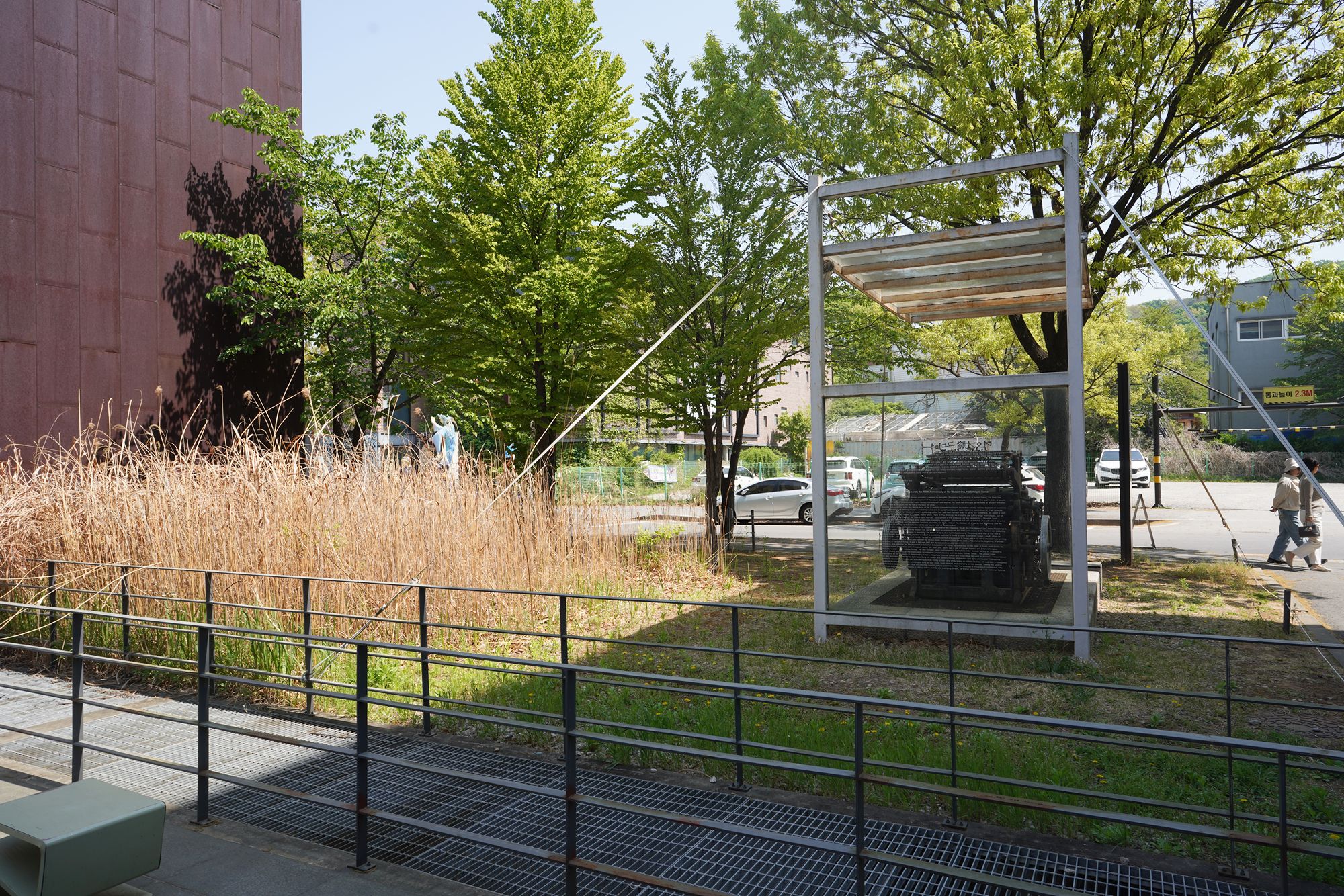
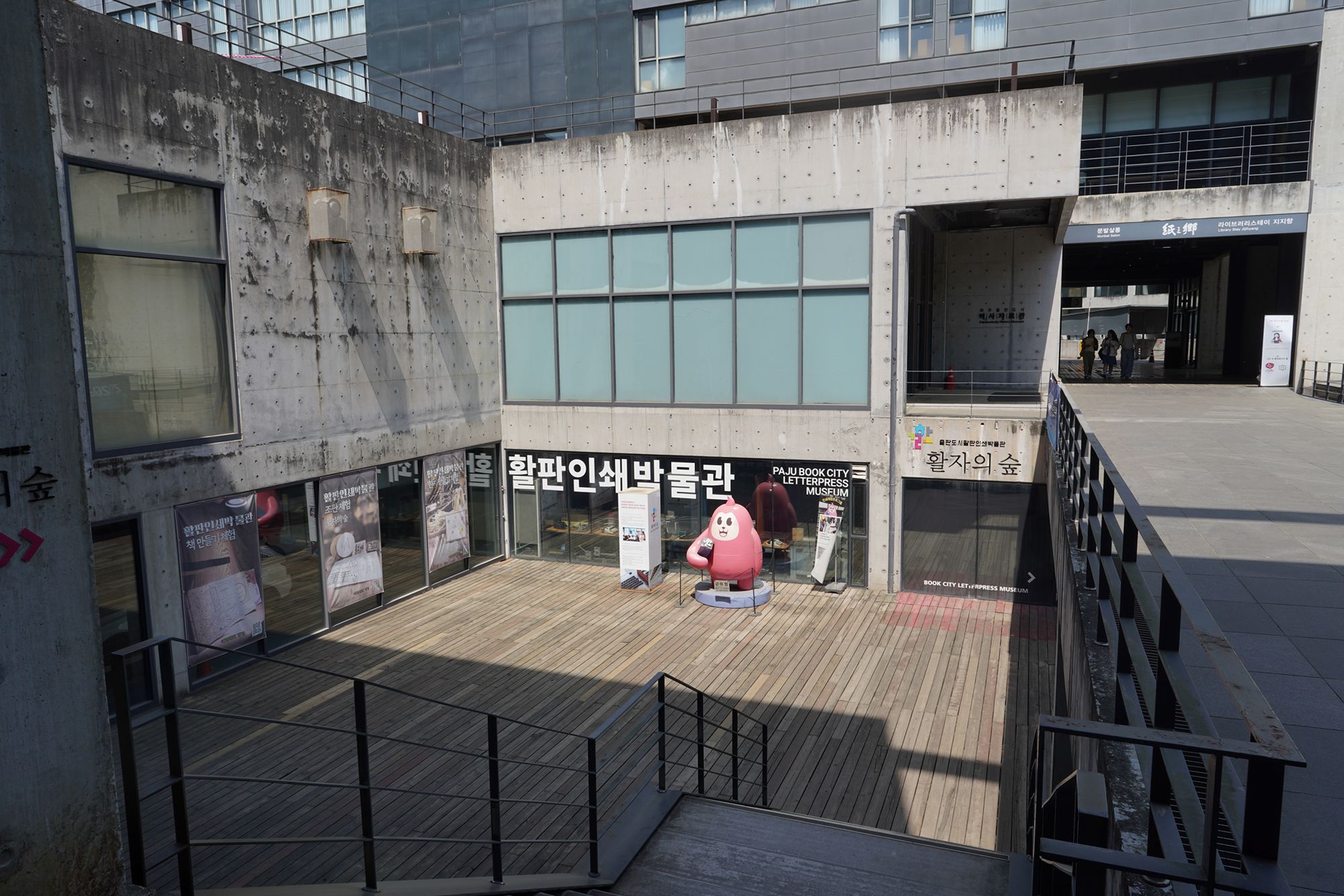
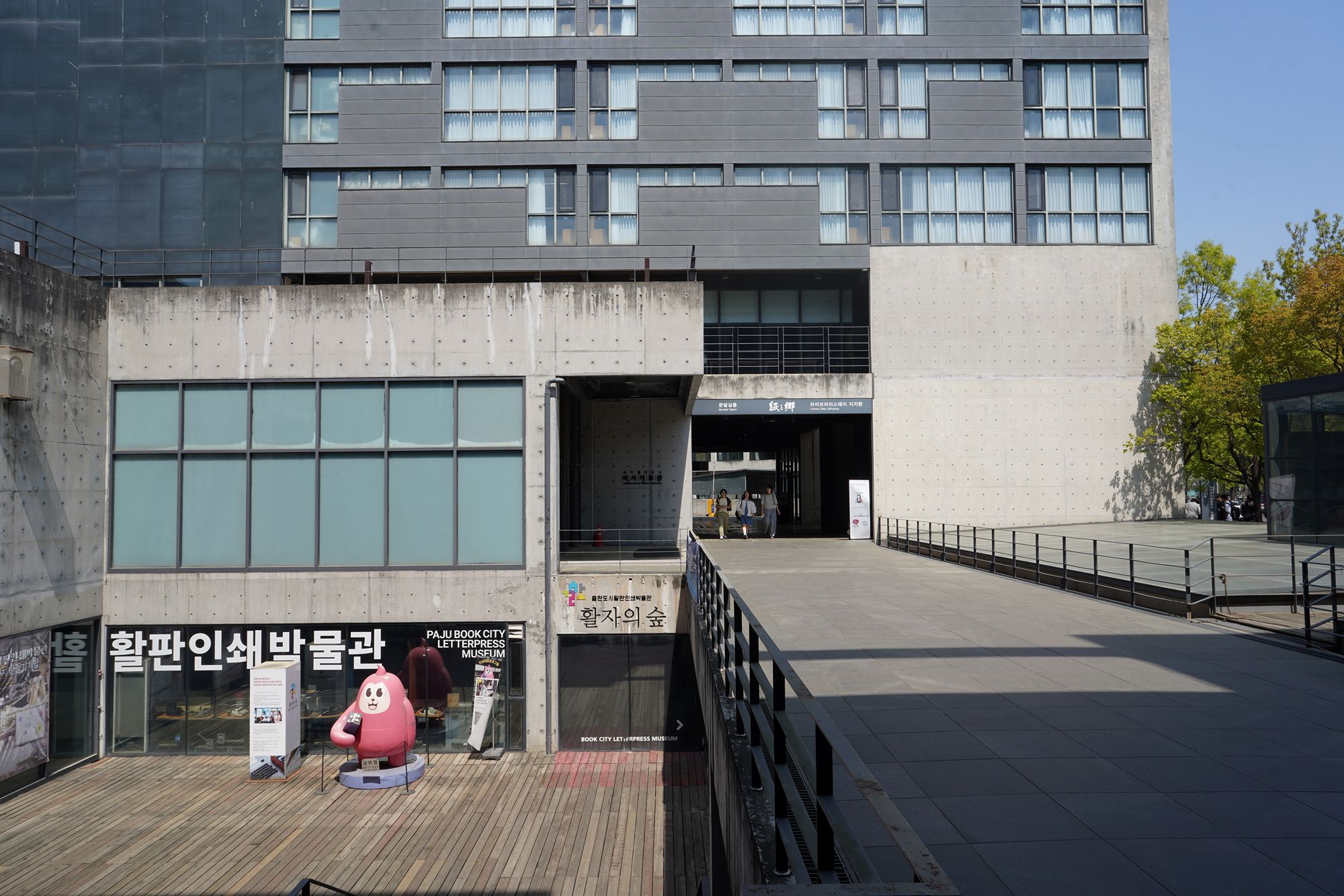
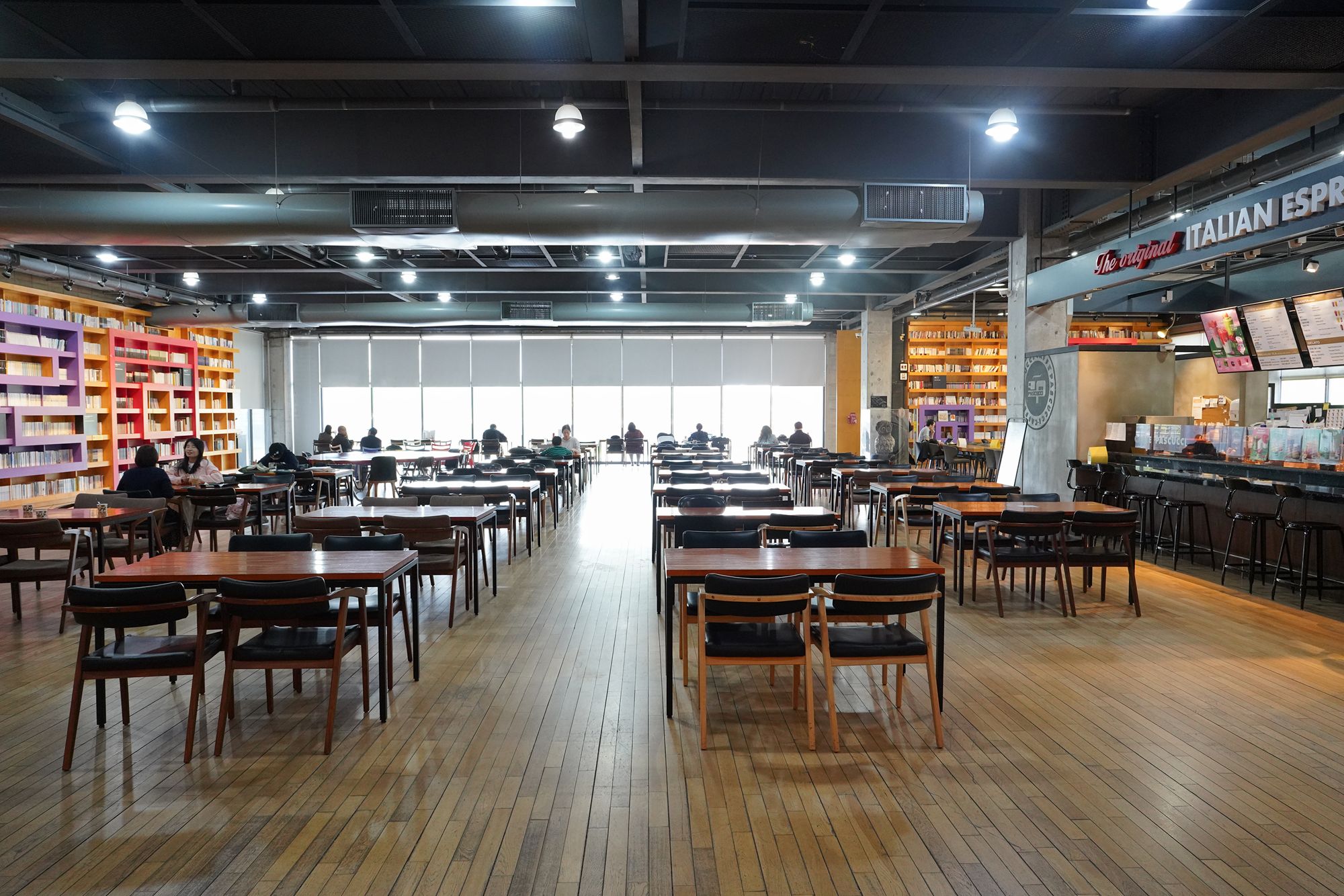
Paju Book City Center is one of the main cultural facilities in Paju Book City, providing information about the publishing complex and its development. It is also a good starting point for exploring the area and its distinctive architecture.
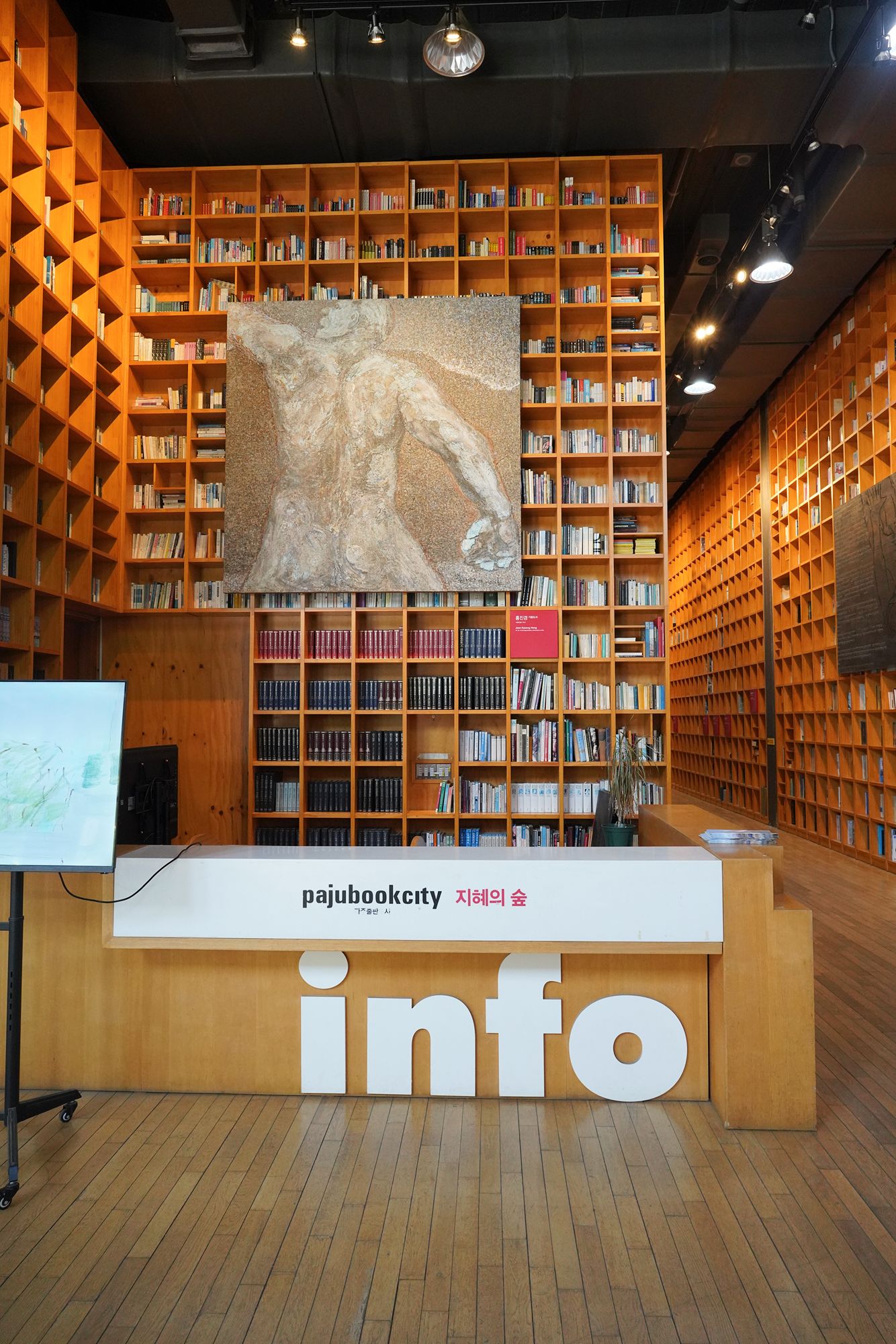
Inside the center, I found a large collection of books filling the shelves, which was fitting for a place at the heart of Korea’s publishing community.
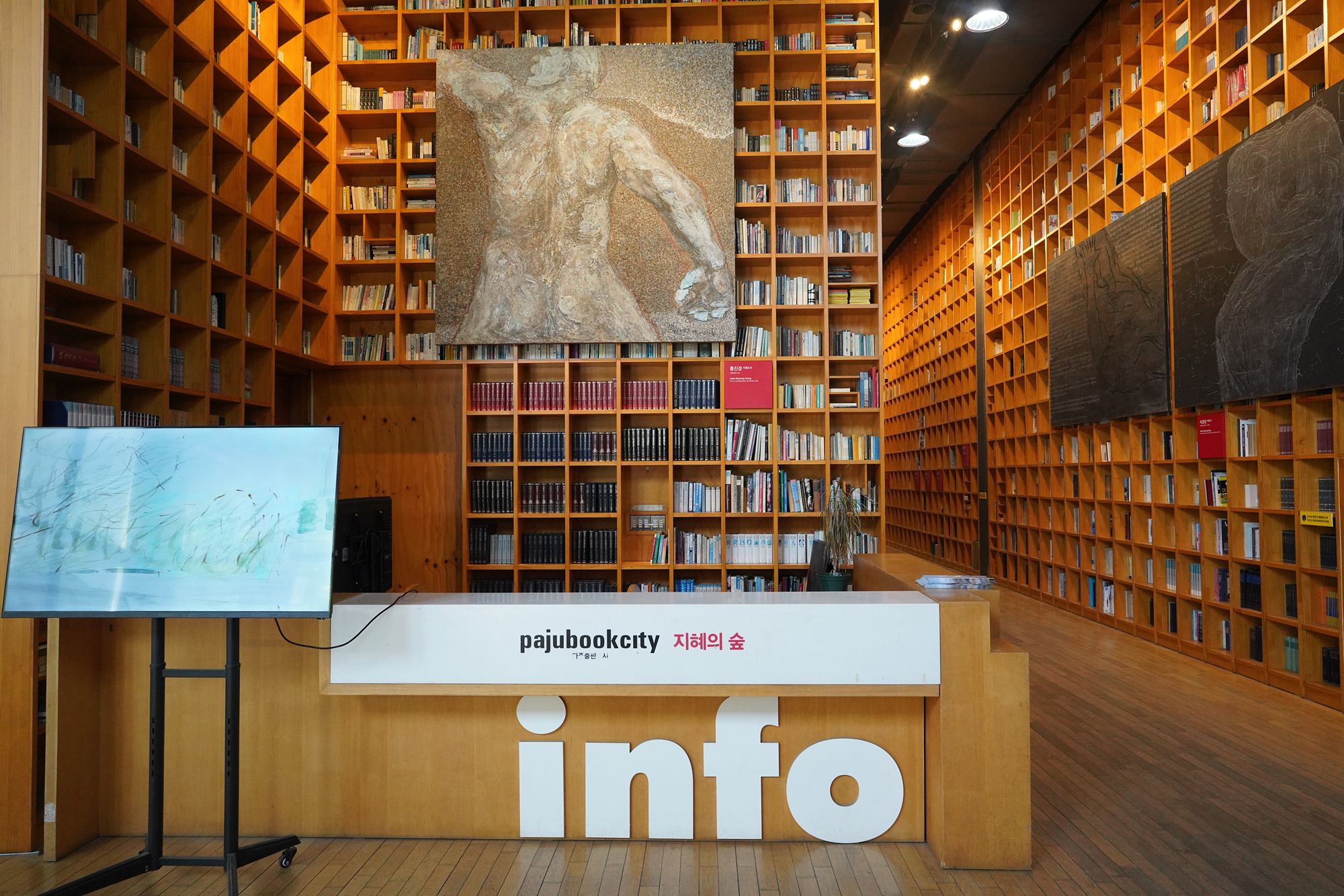
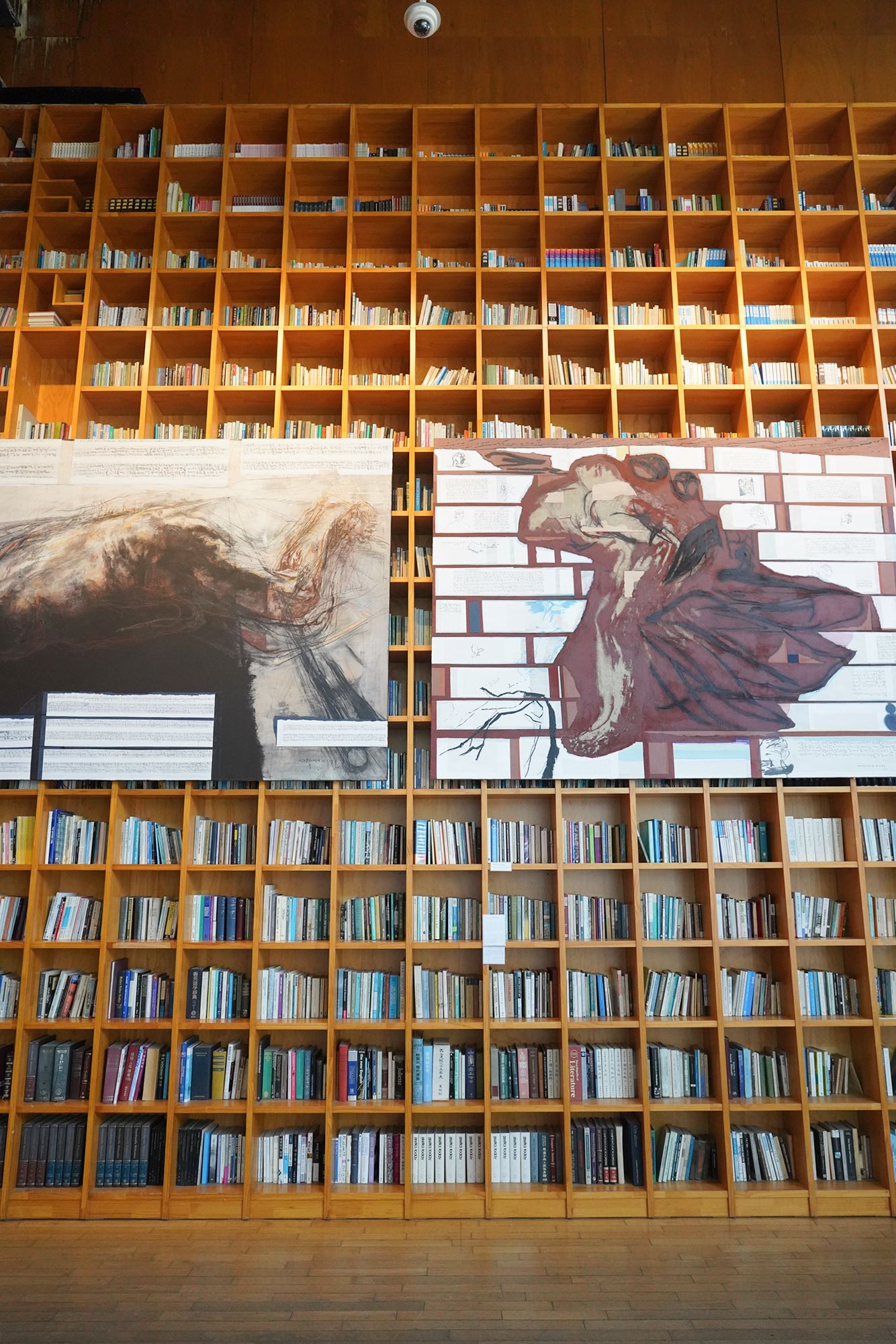
The many books inside are not just for display. Visitors are welcome to take books from the shelves and read them in the comfortable reading areas. Unlike a conventional library, however, the books cannot be checked out and taken home.
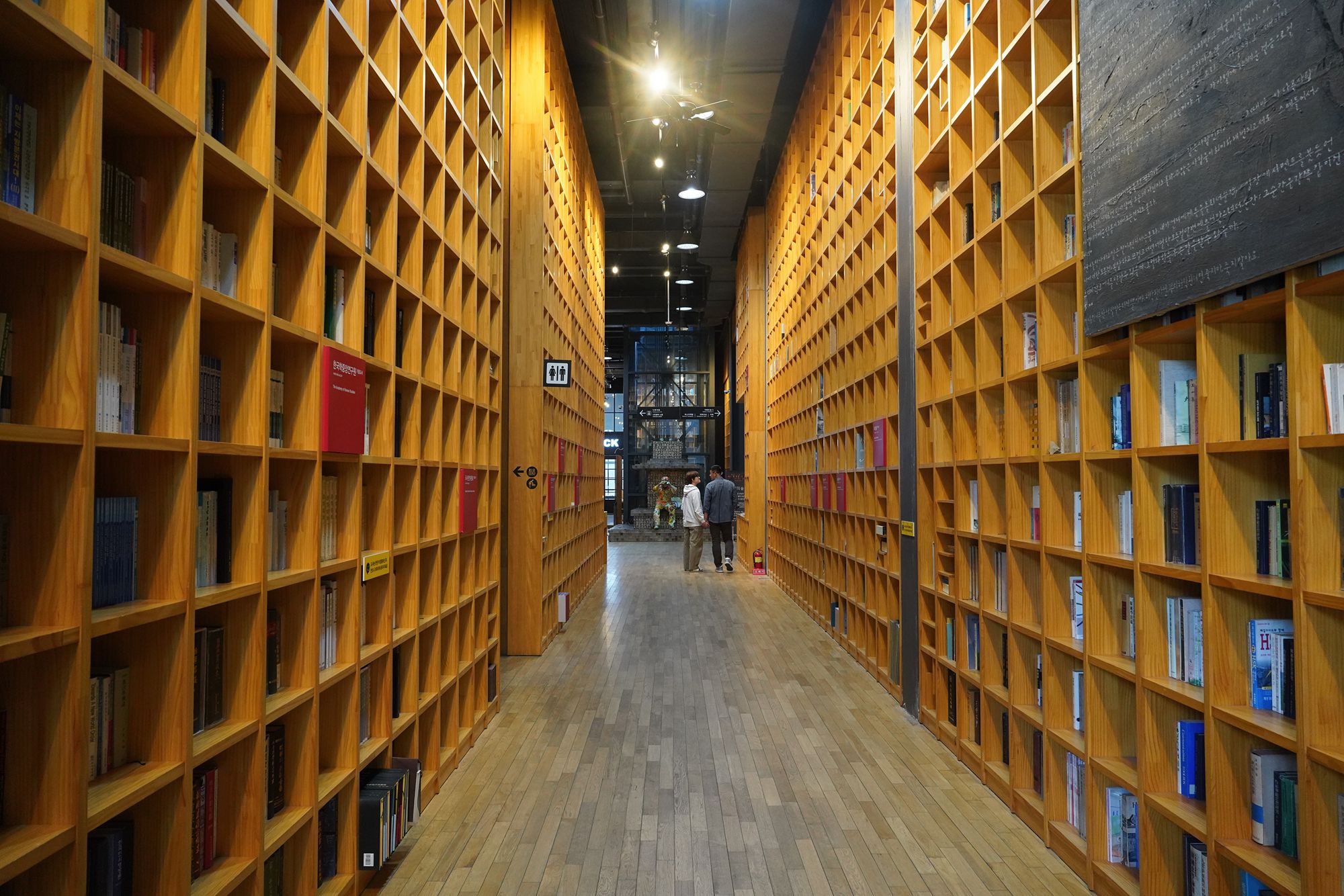
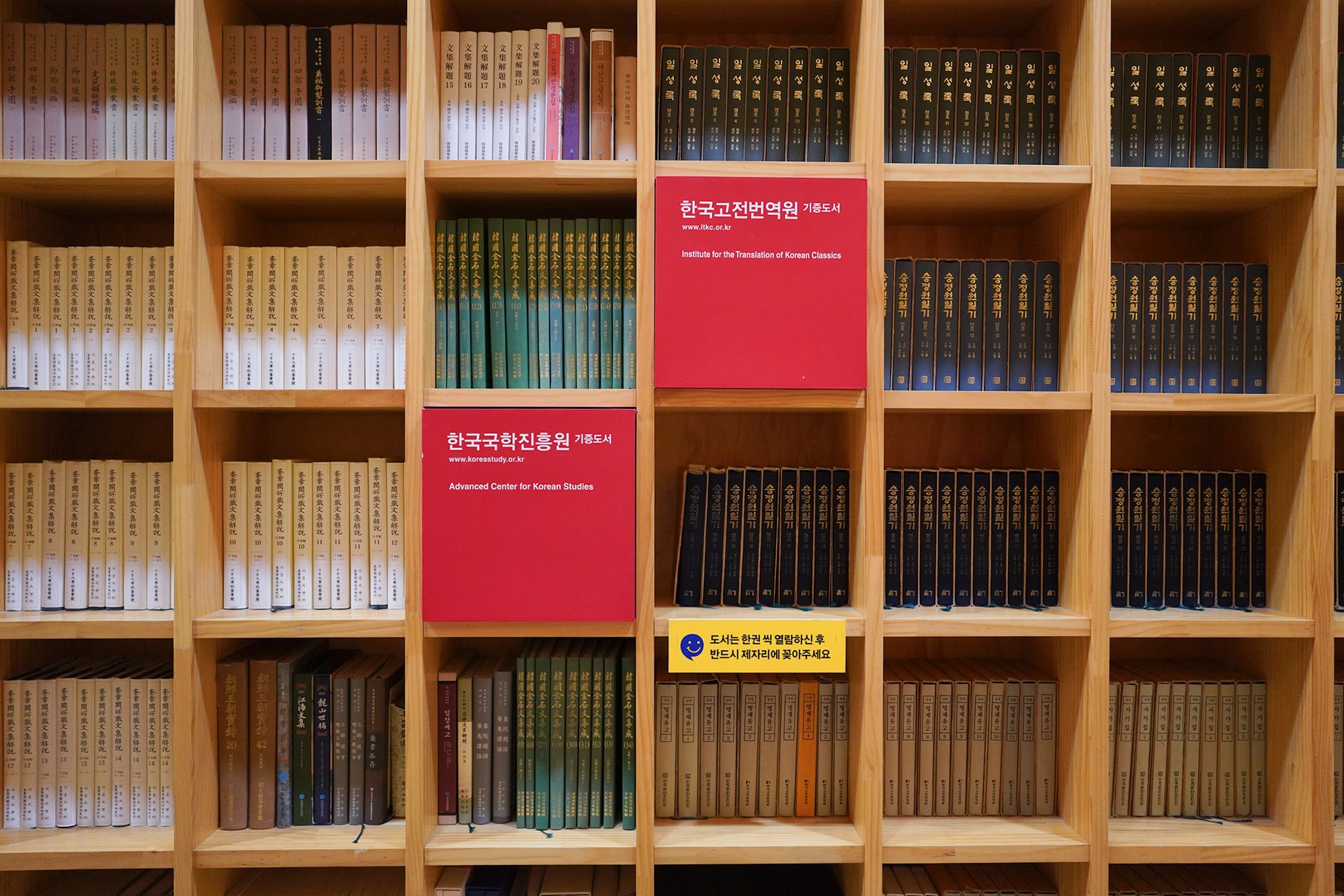
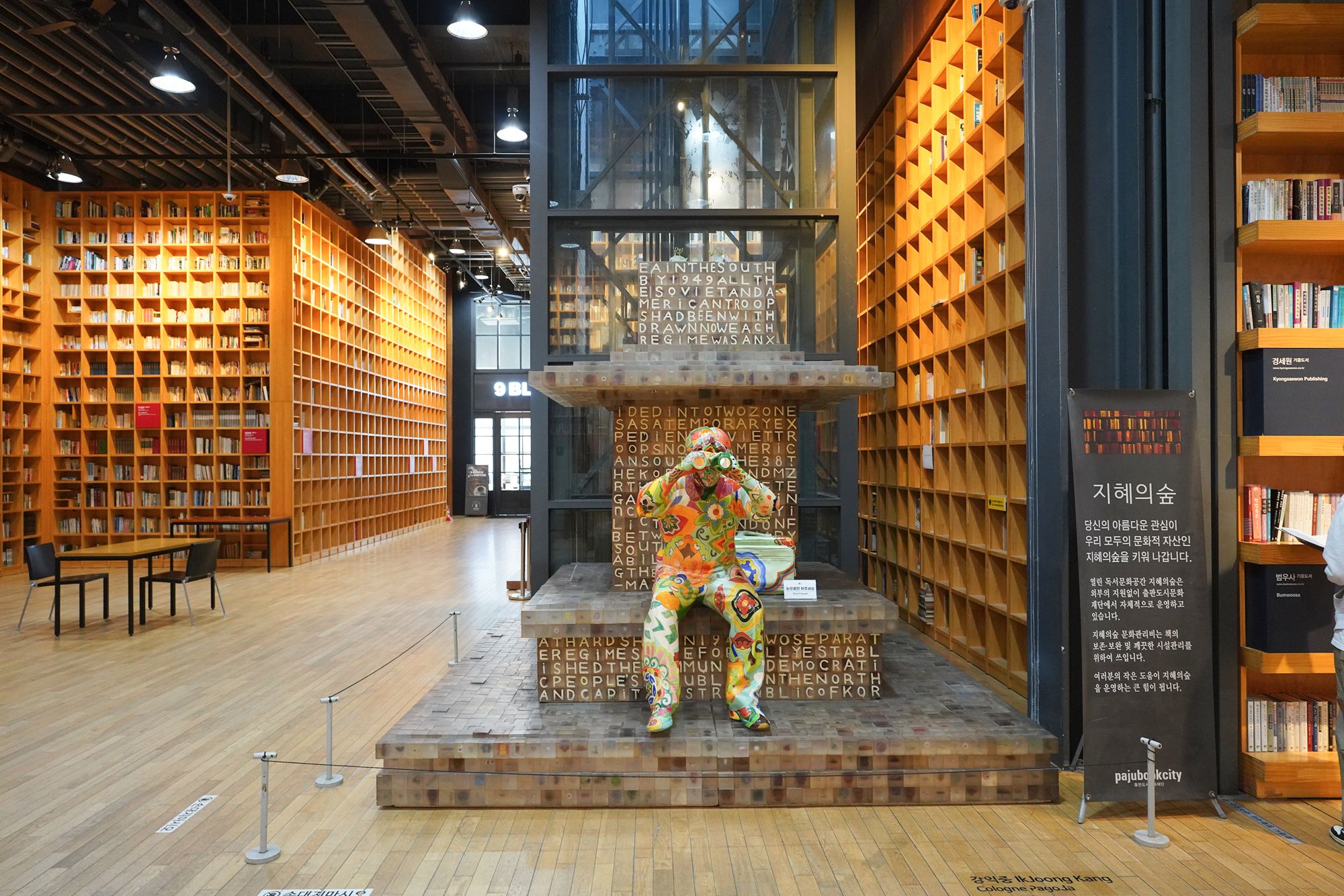
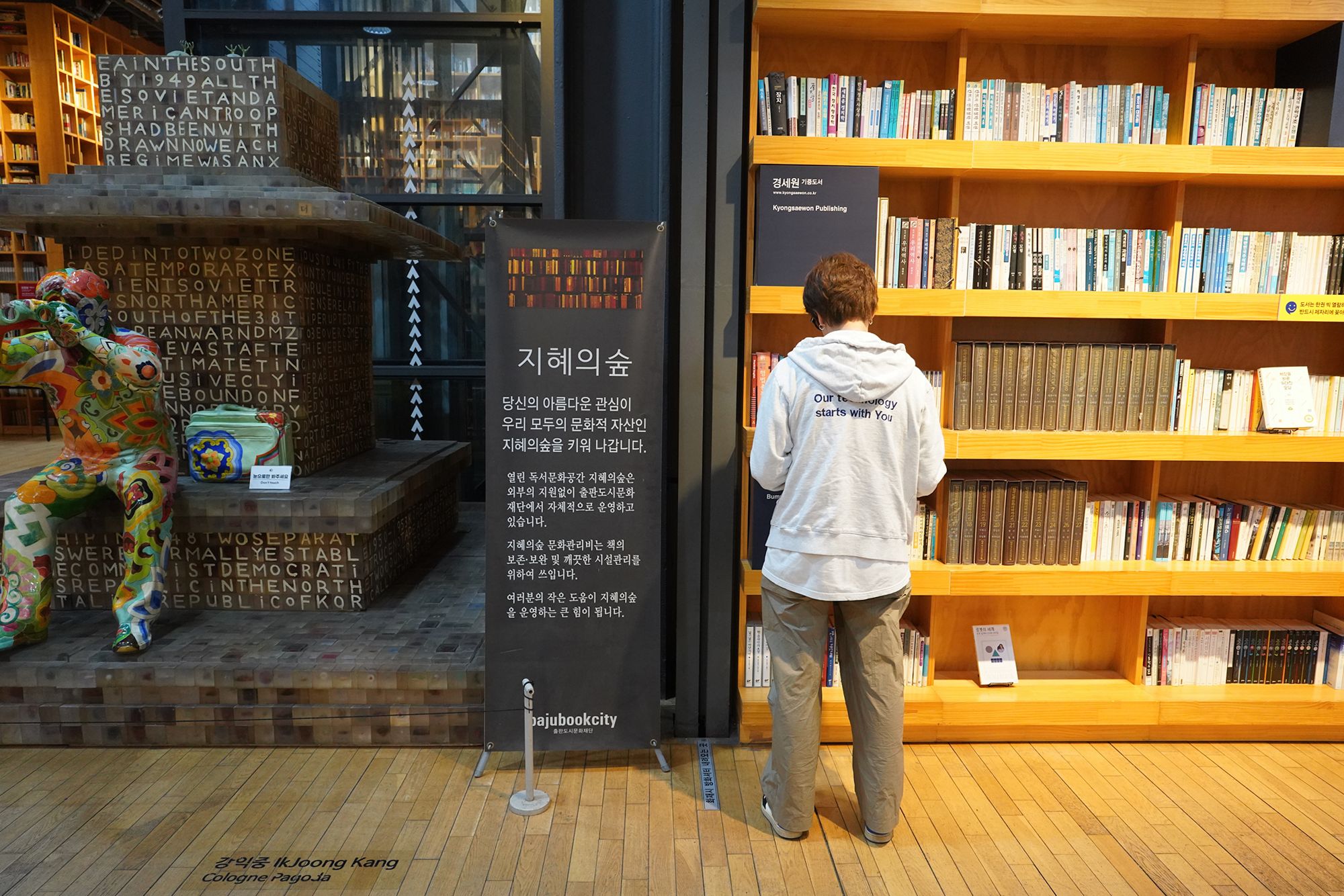
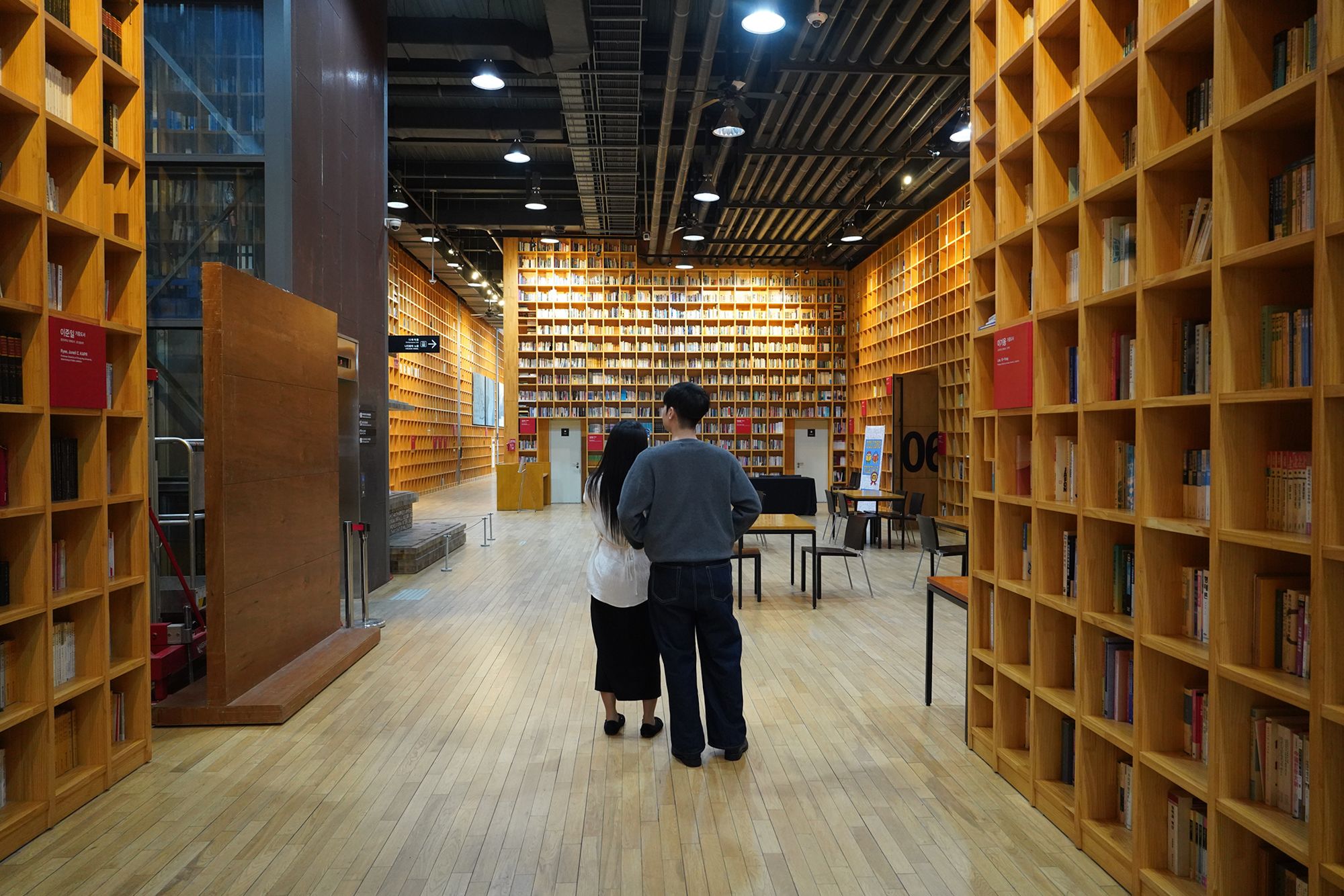
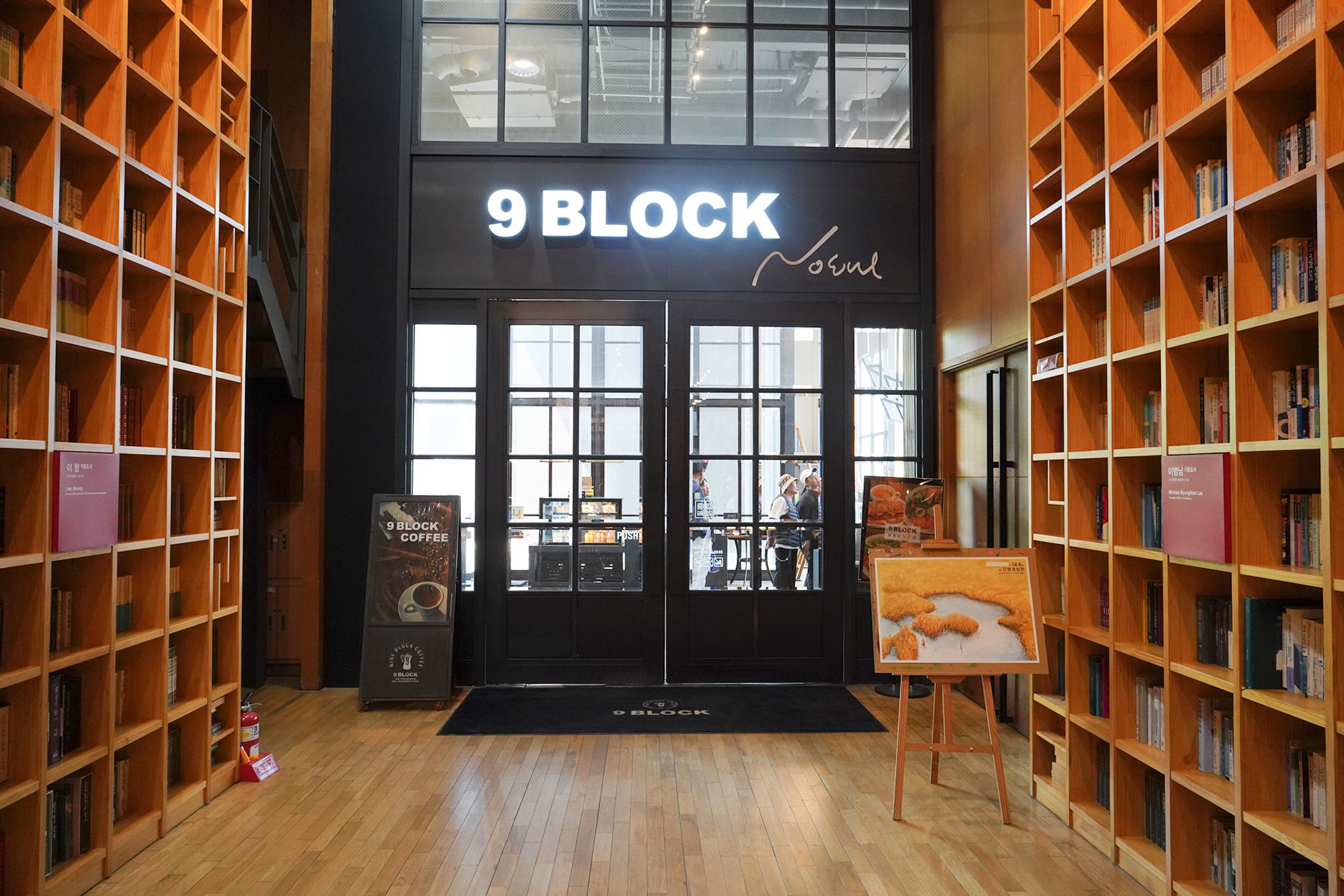
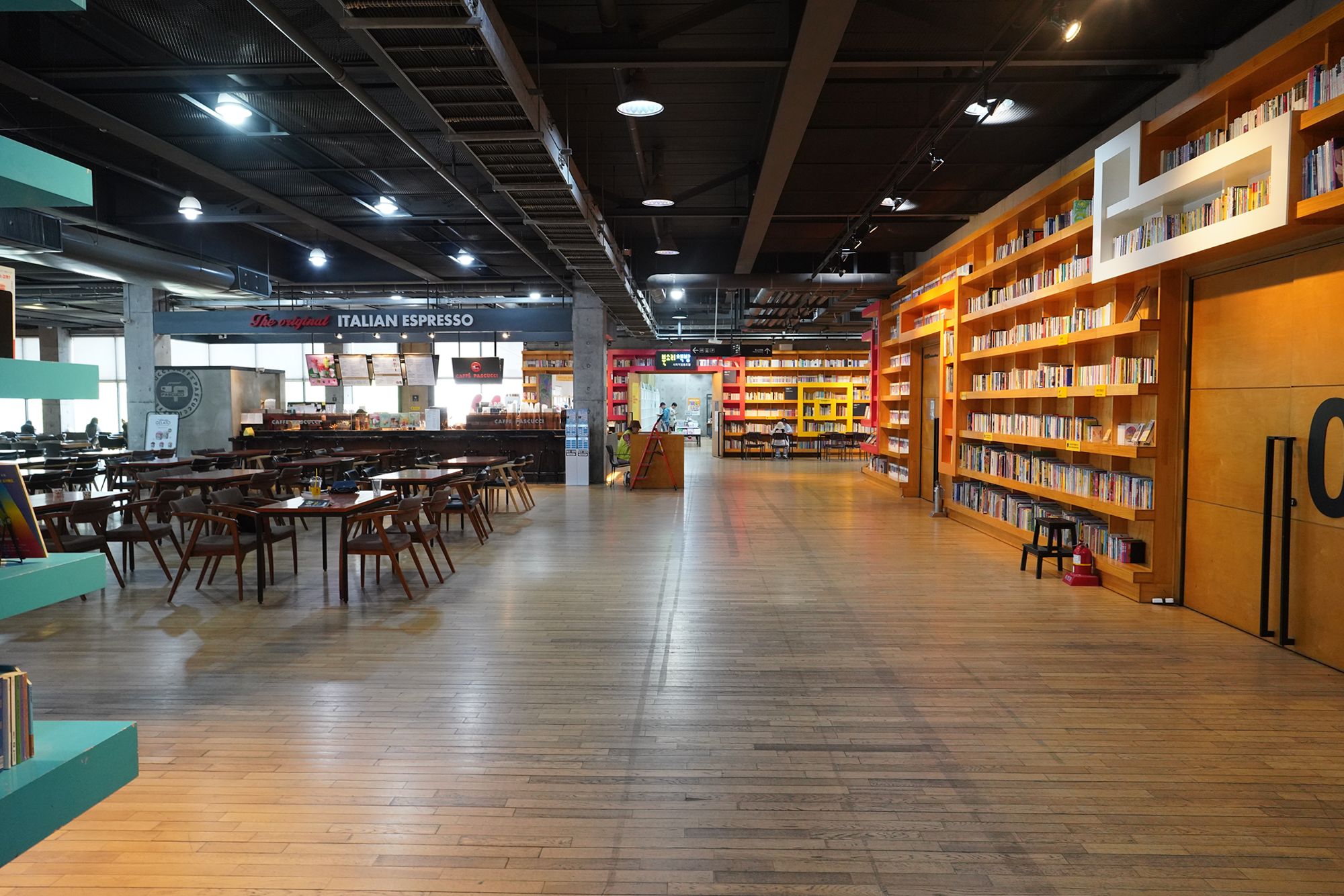
There was also a coffee shop inside the center, where visitors could relax with a cup of coffee while surrounded by books.
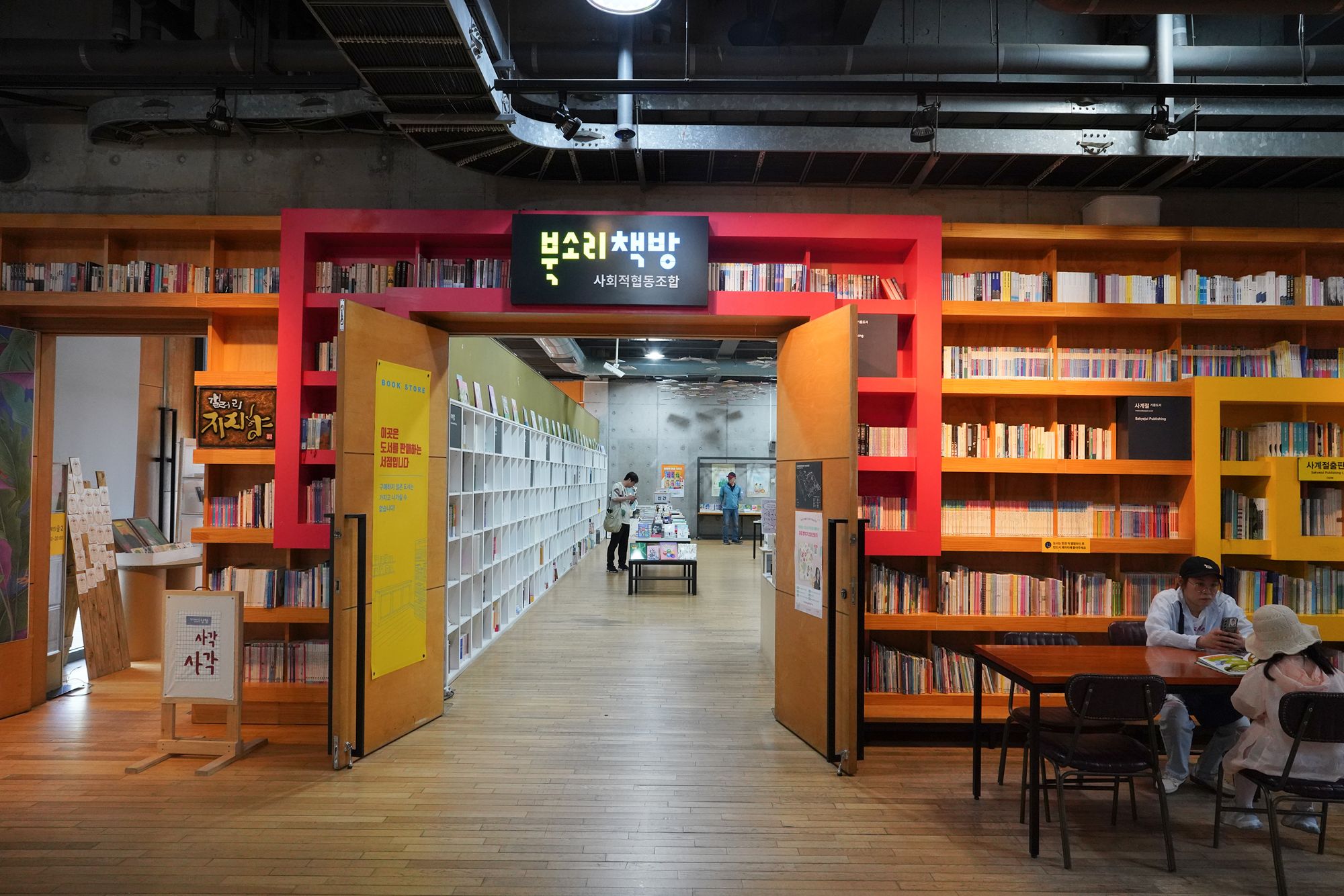
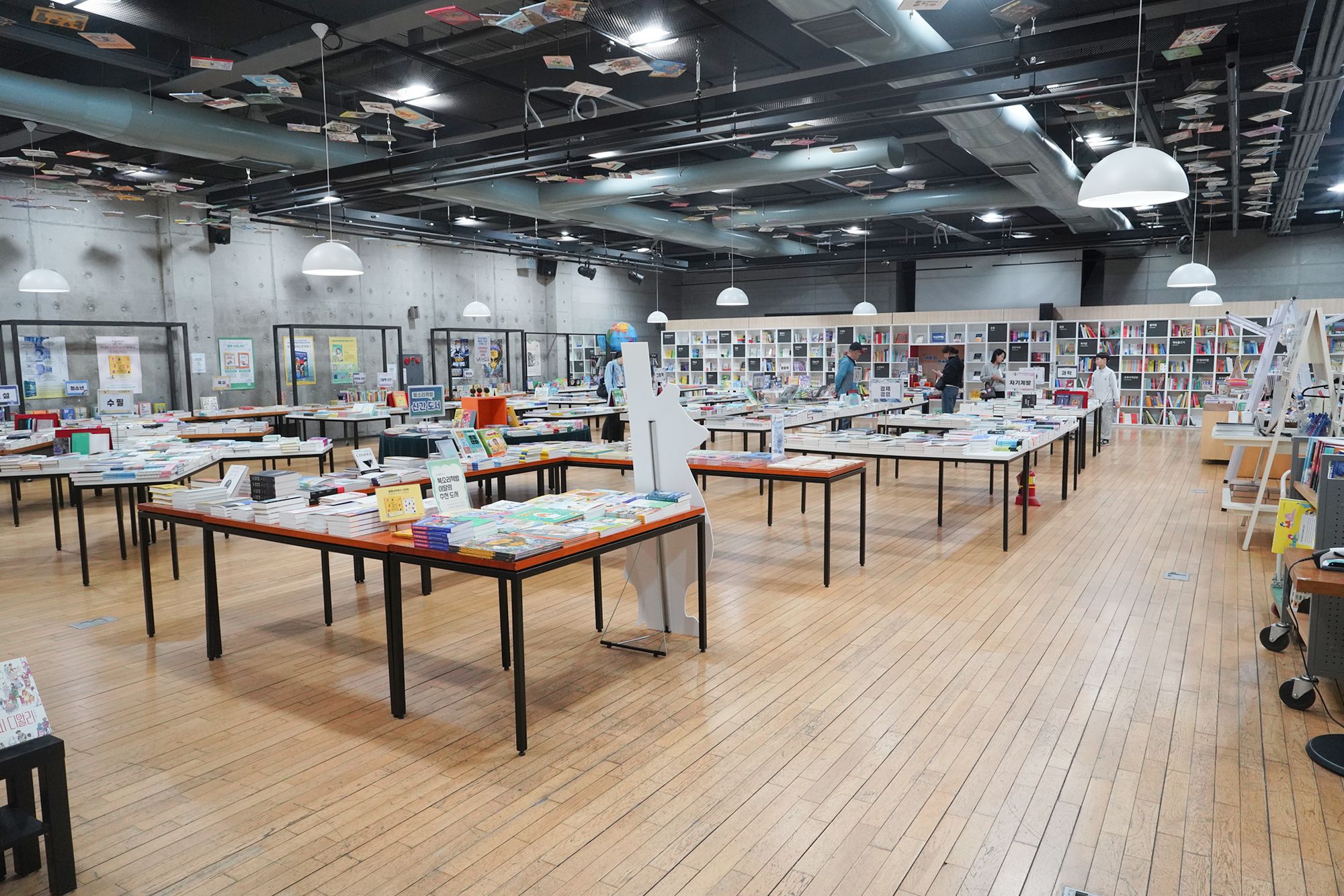
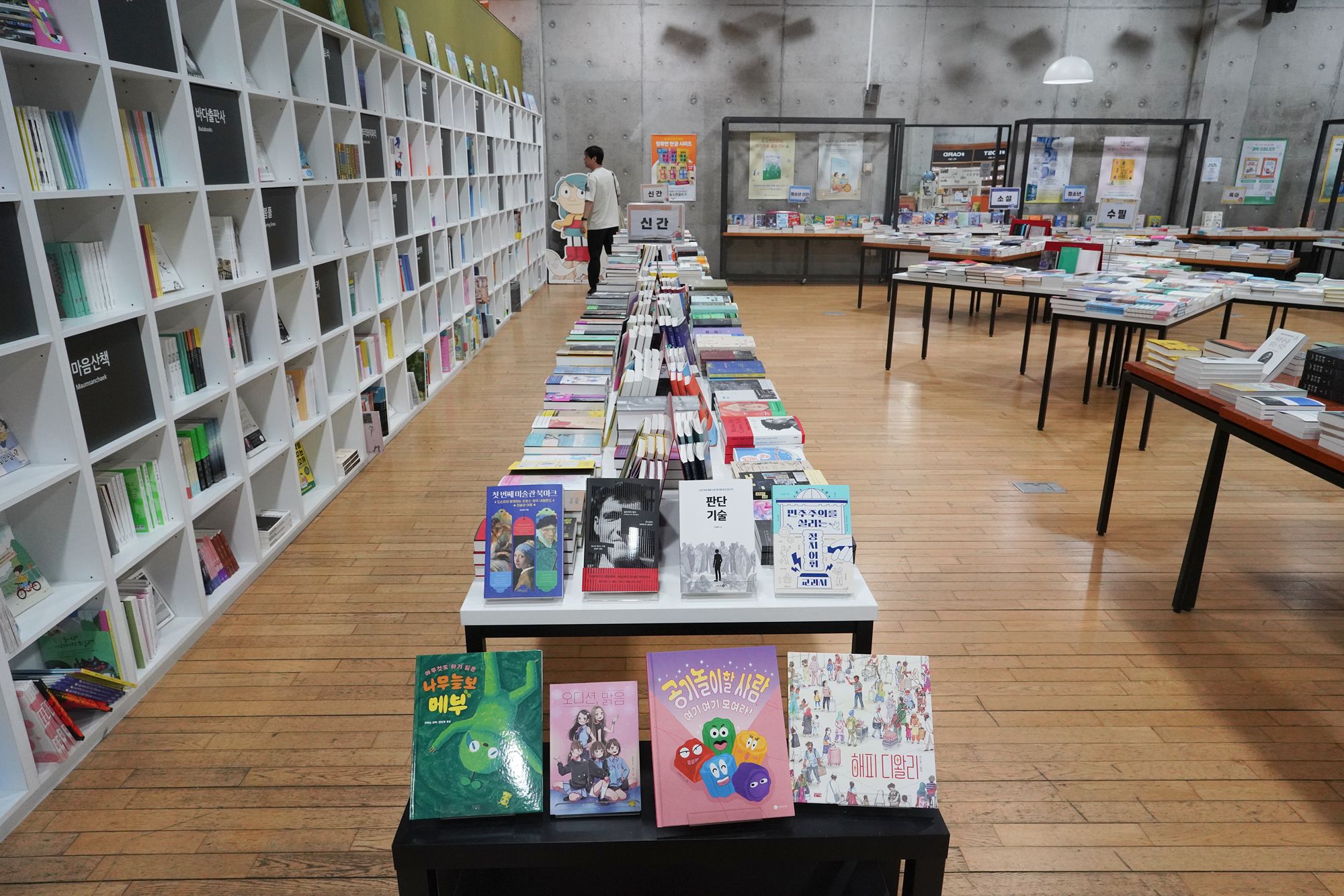
A book store
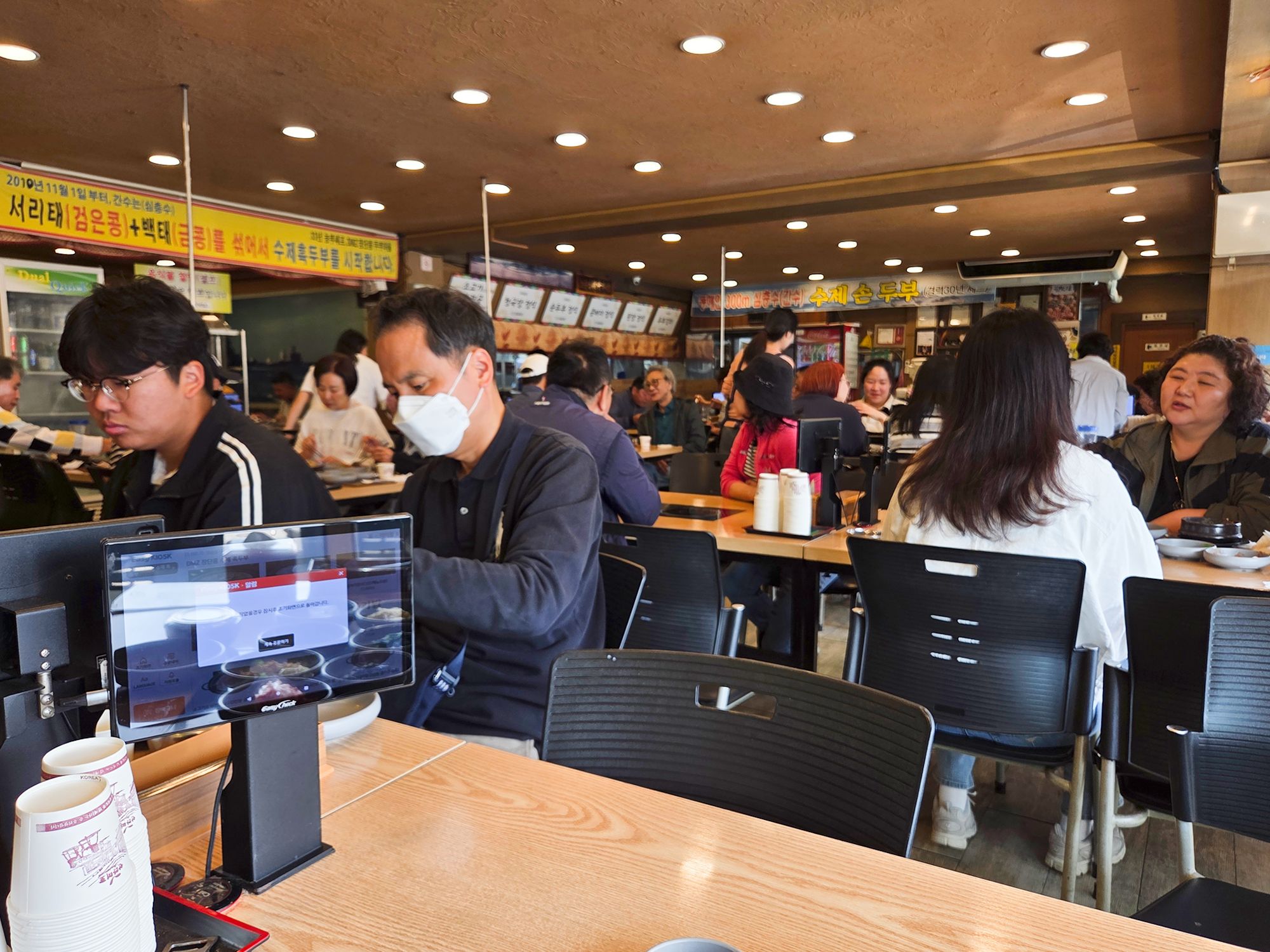
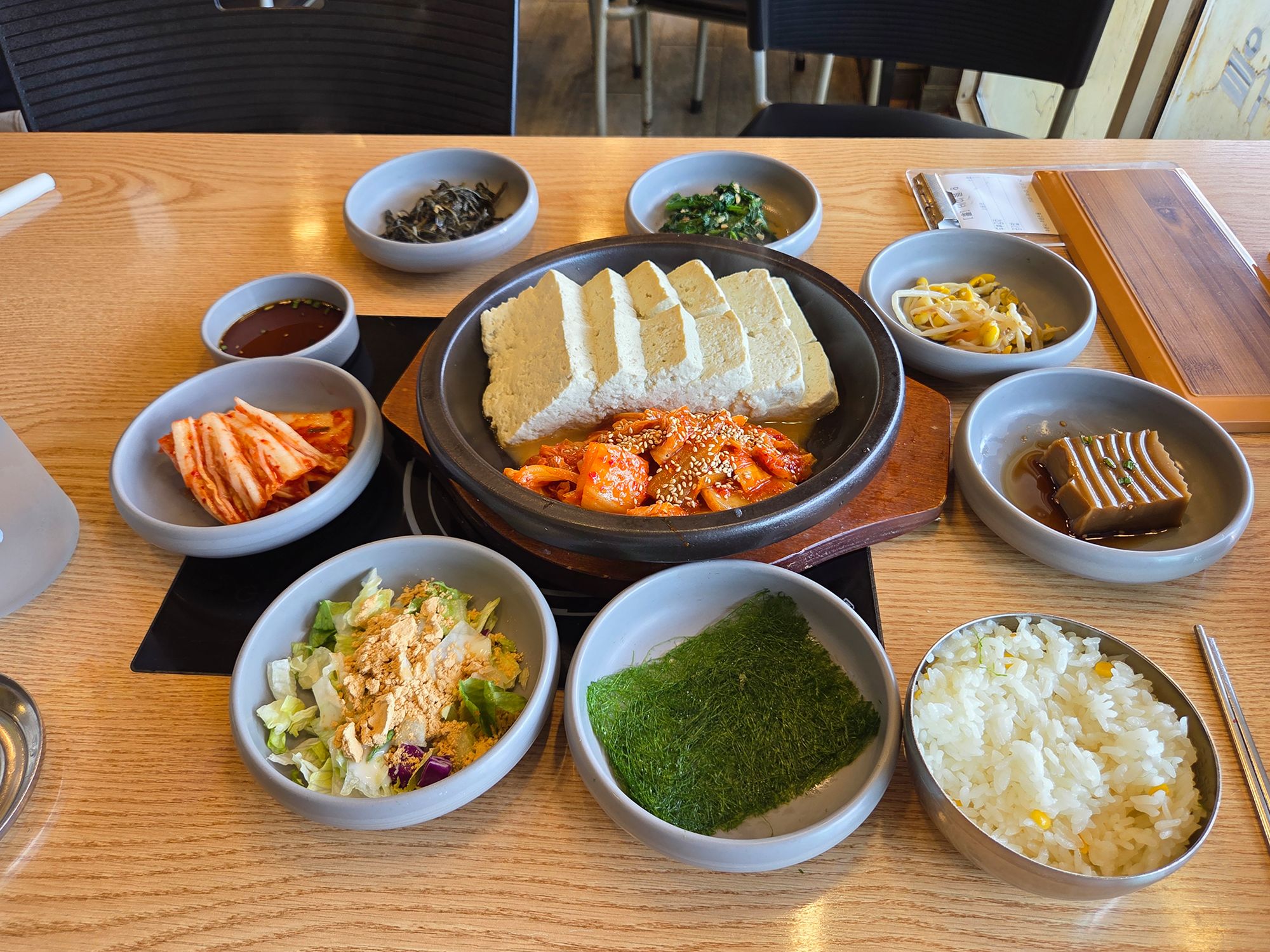
From Paju Book City, I took a short bus ride toward the National Folk Museum of Korea Paju. Before visiting the museum, I stopped at a nearby restaurant for lunch.
The National Folk Museum of Korea Paju
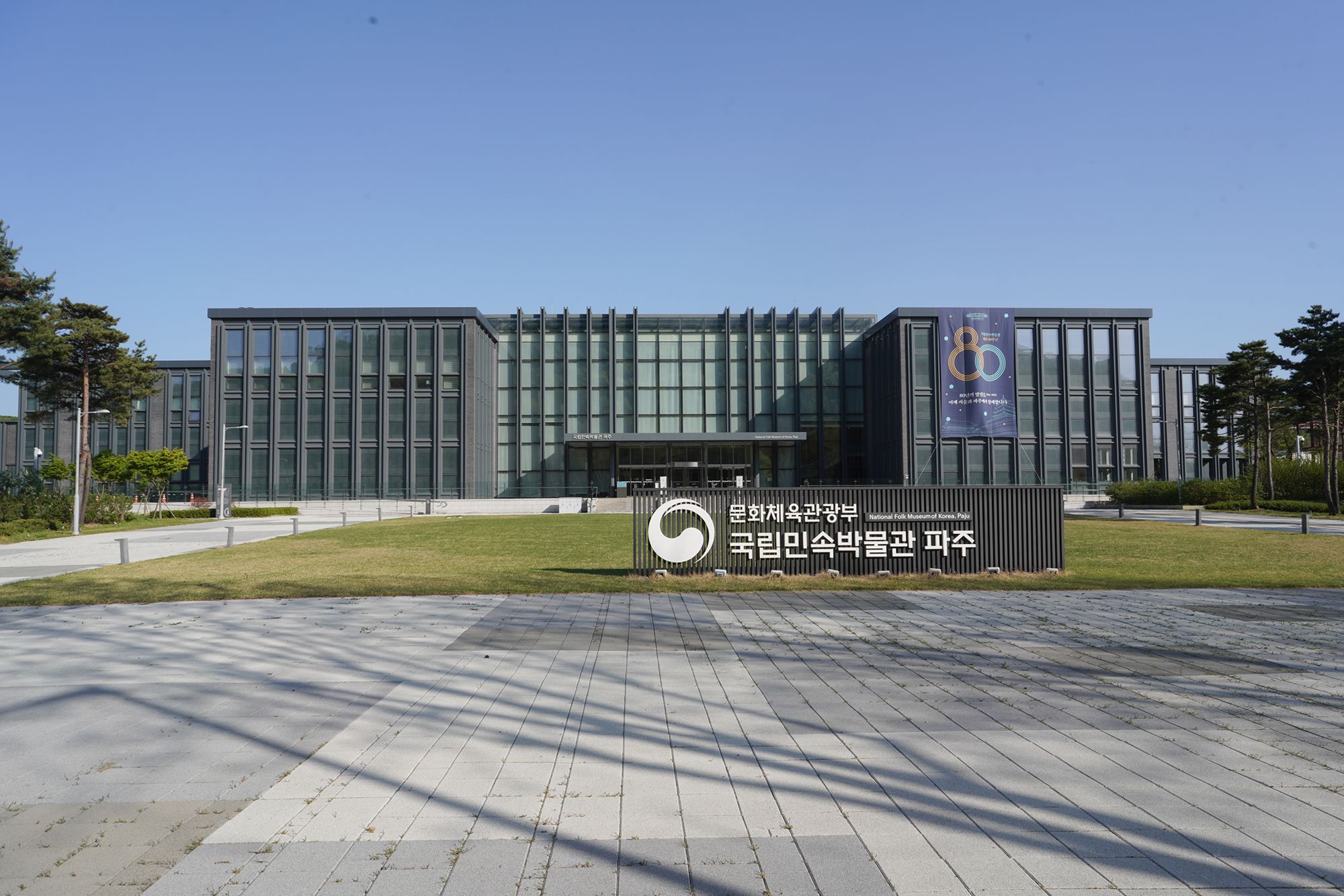
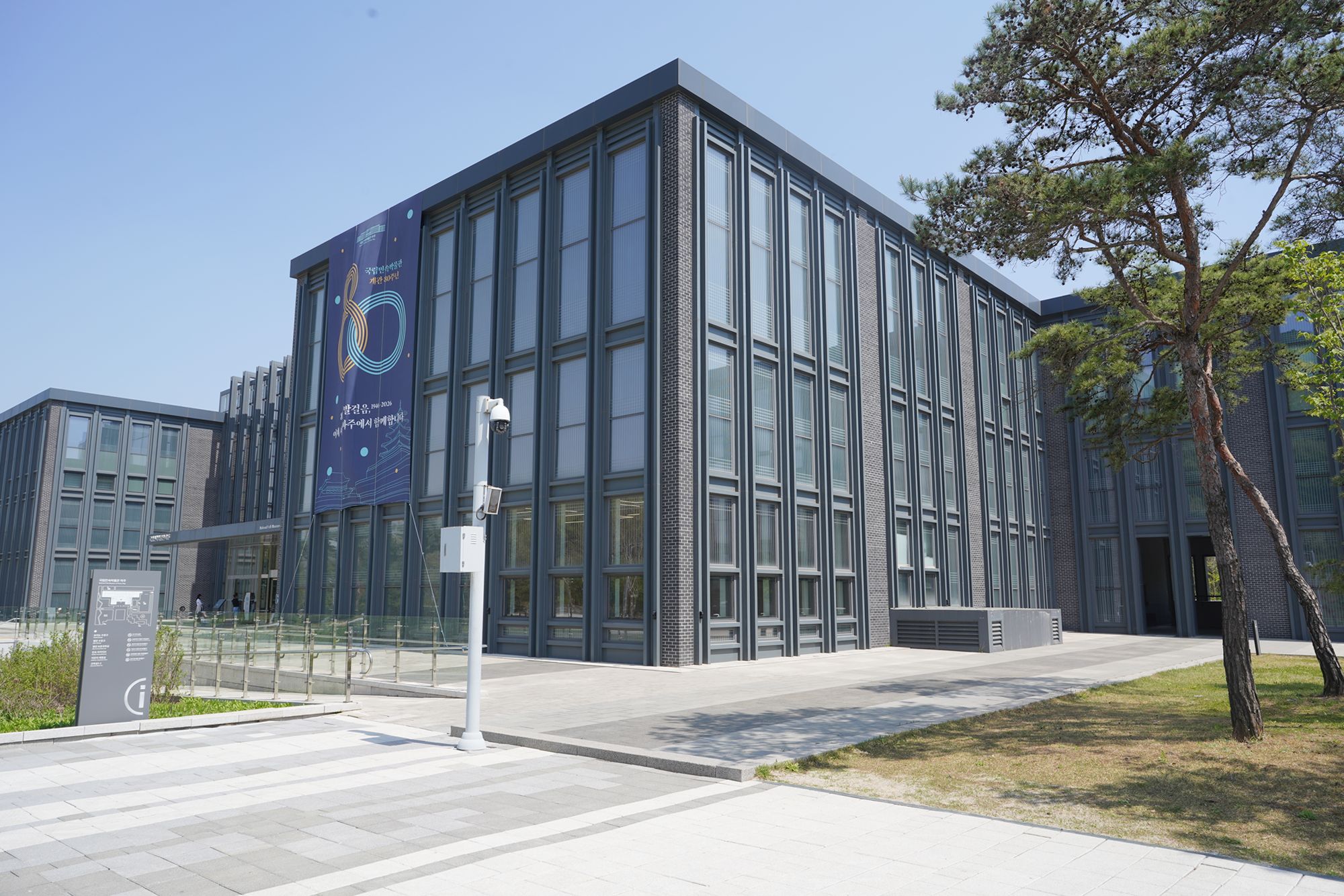
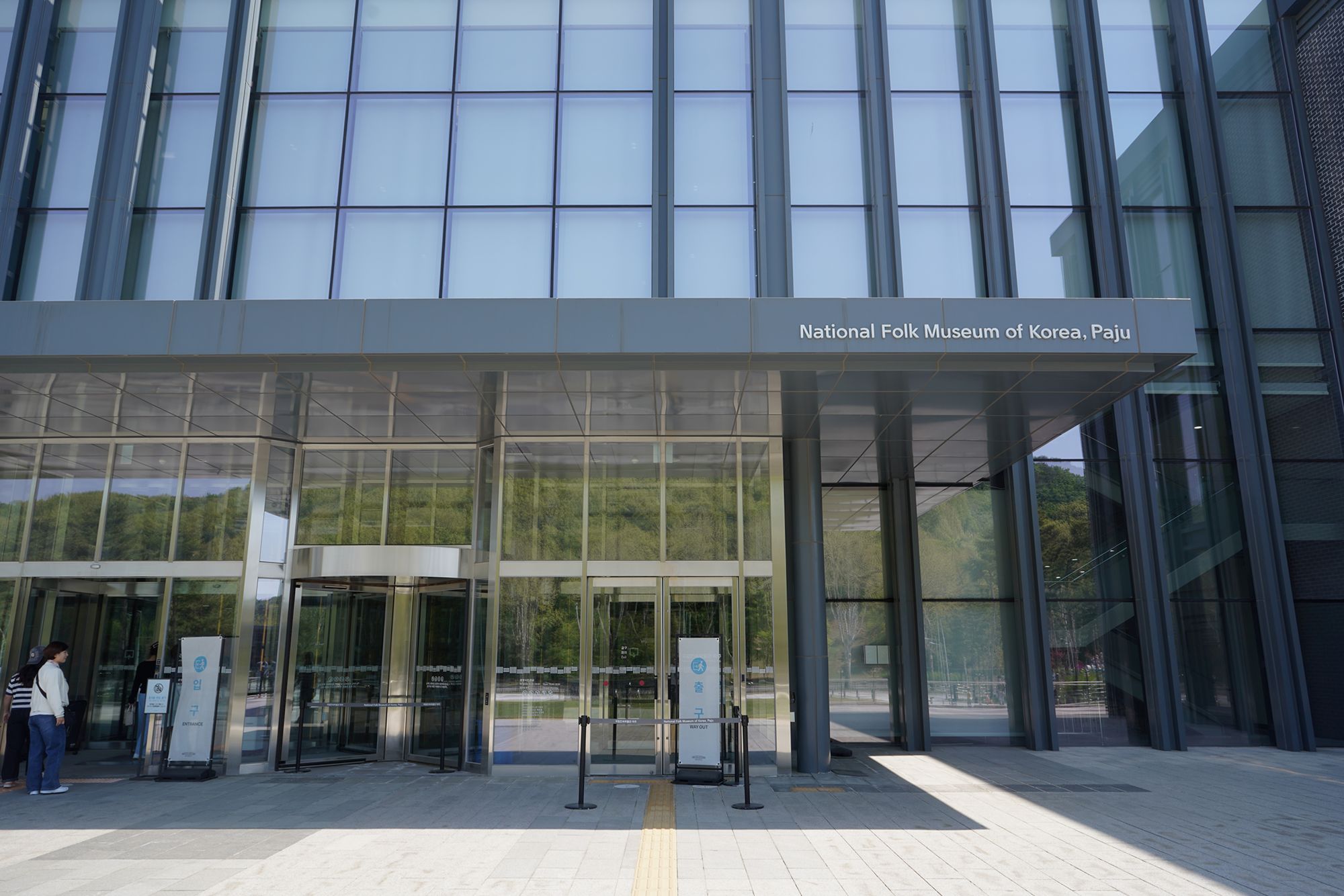
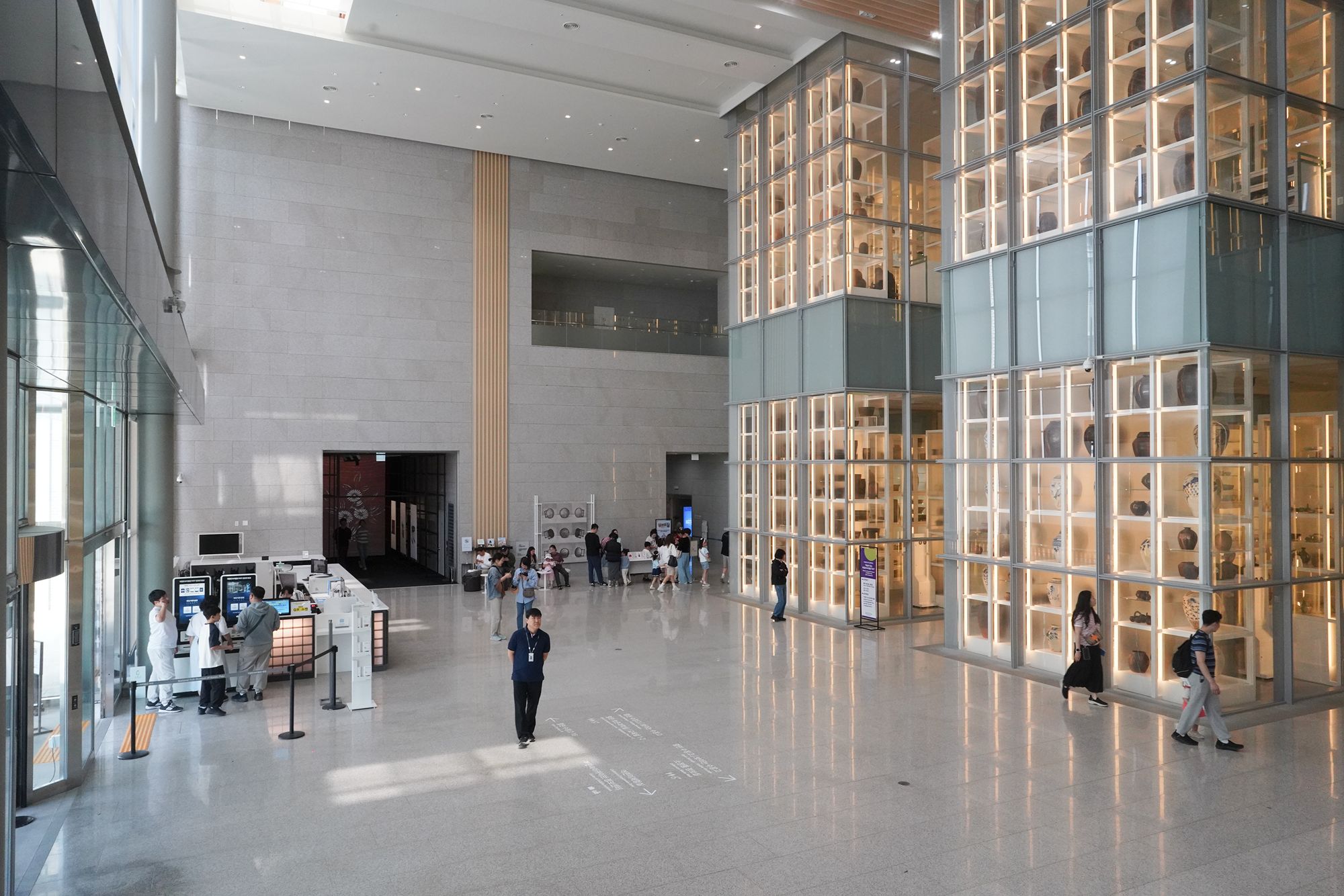
The museum is quite different from a traditional museum. Opened in 2021, it serves primarily as a large storage and conservation facility for the museum’s collection of Korean folk artifacts.
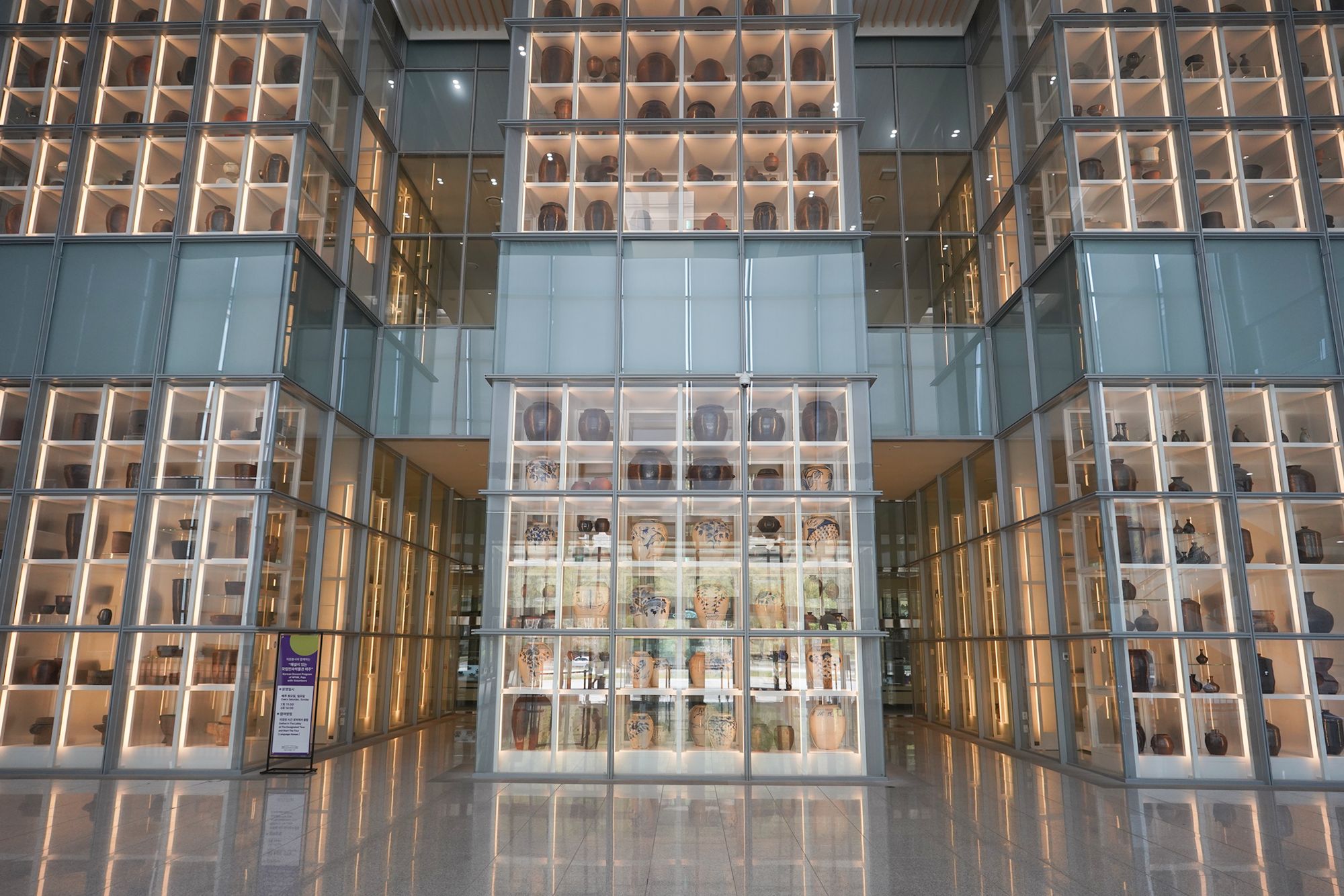
What makes it unusual is its “open storage” concept, which allows visitors to look directly into storage areas and see thousands of objects that would normally be kept behind the scenes.
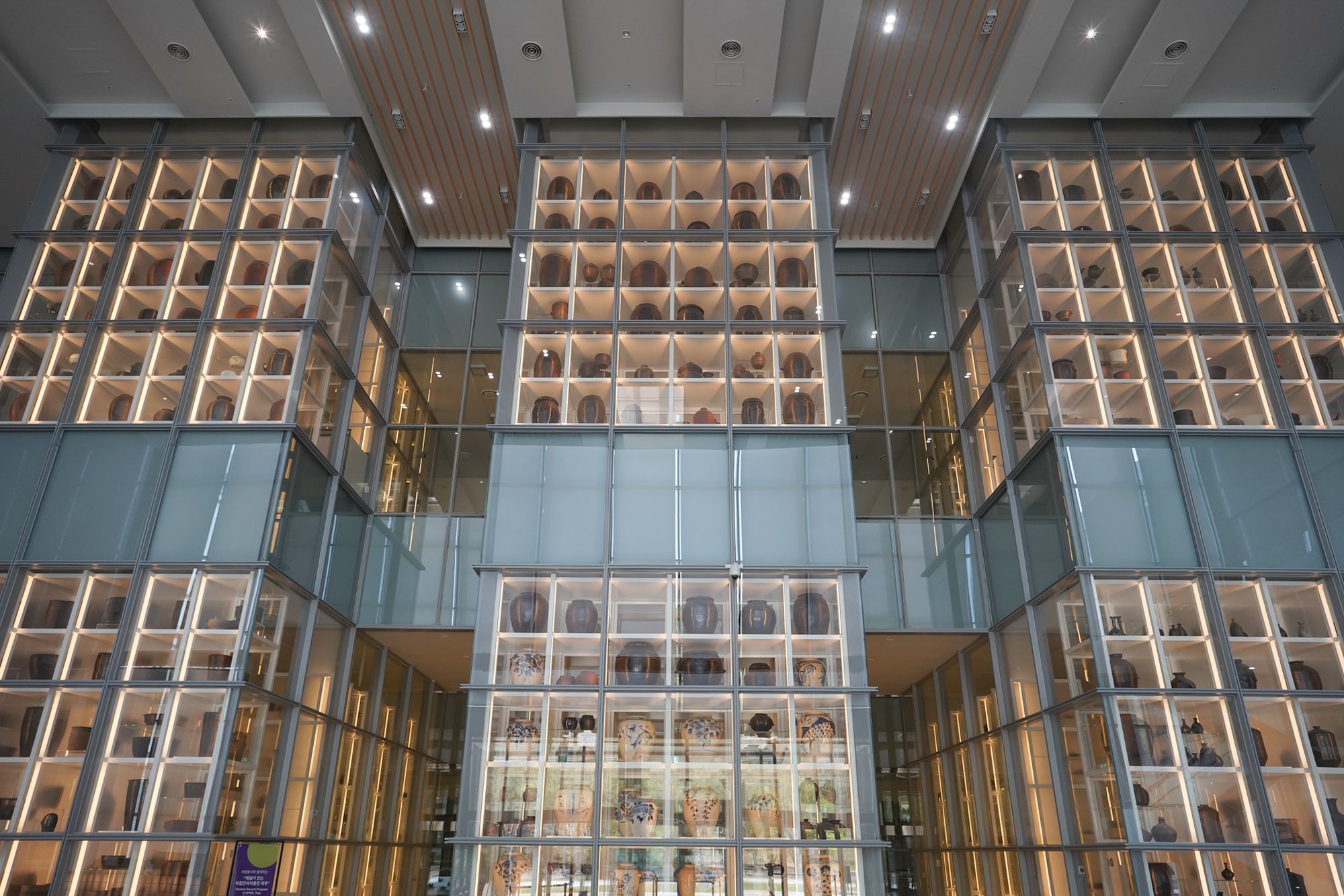
The collection includes everyday household items, furniture, tools, clothing, ceramics, and many other objects showing how Koreans lived in the past.
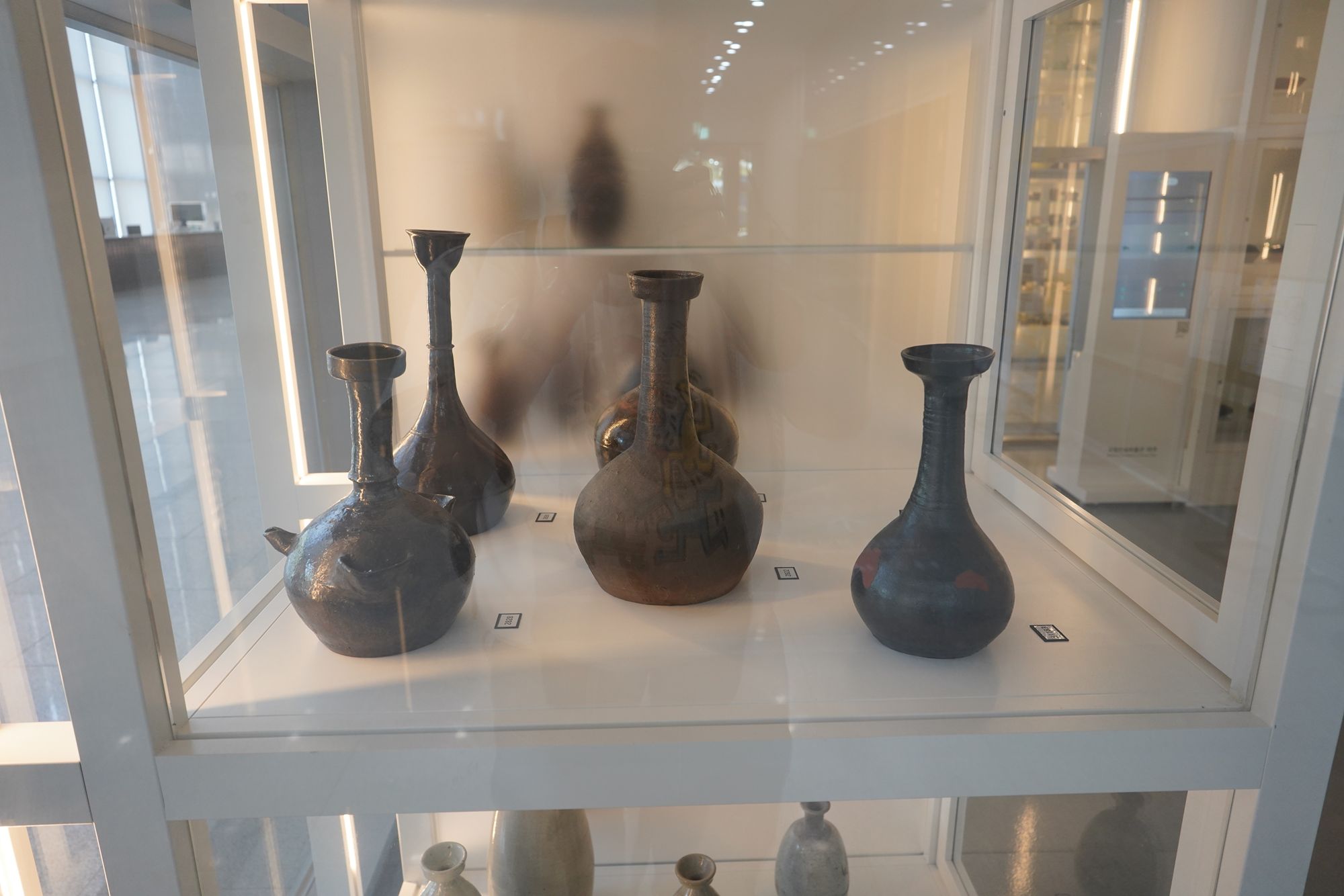
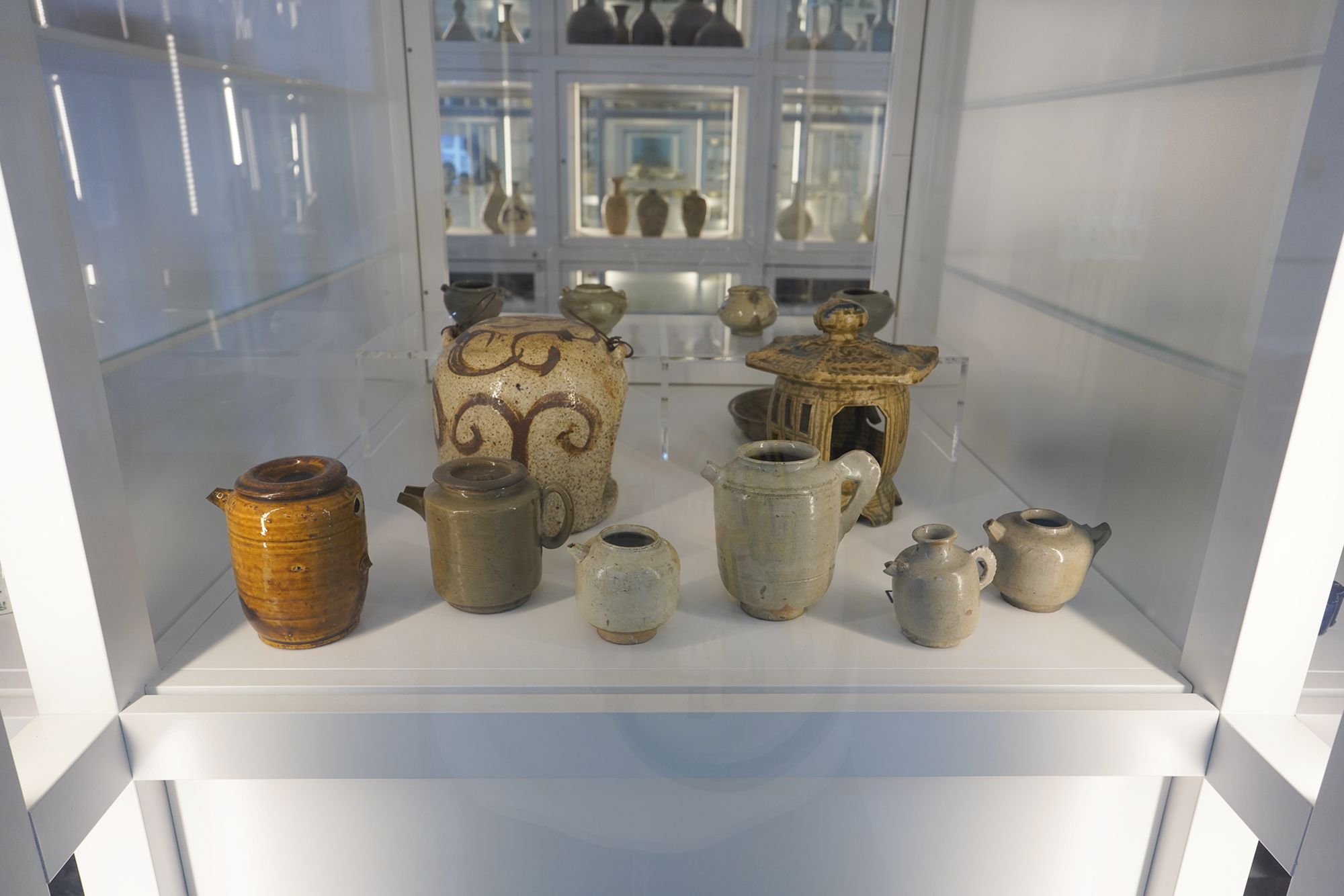
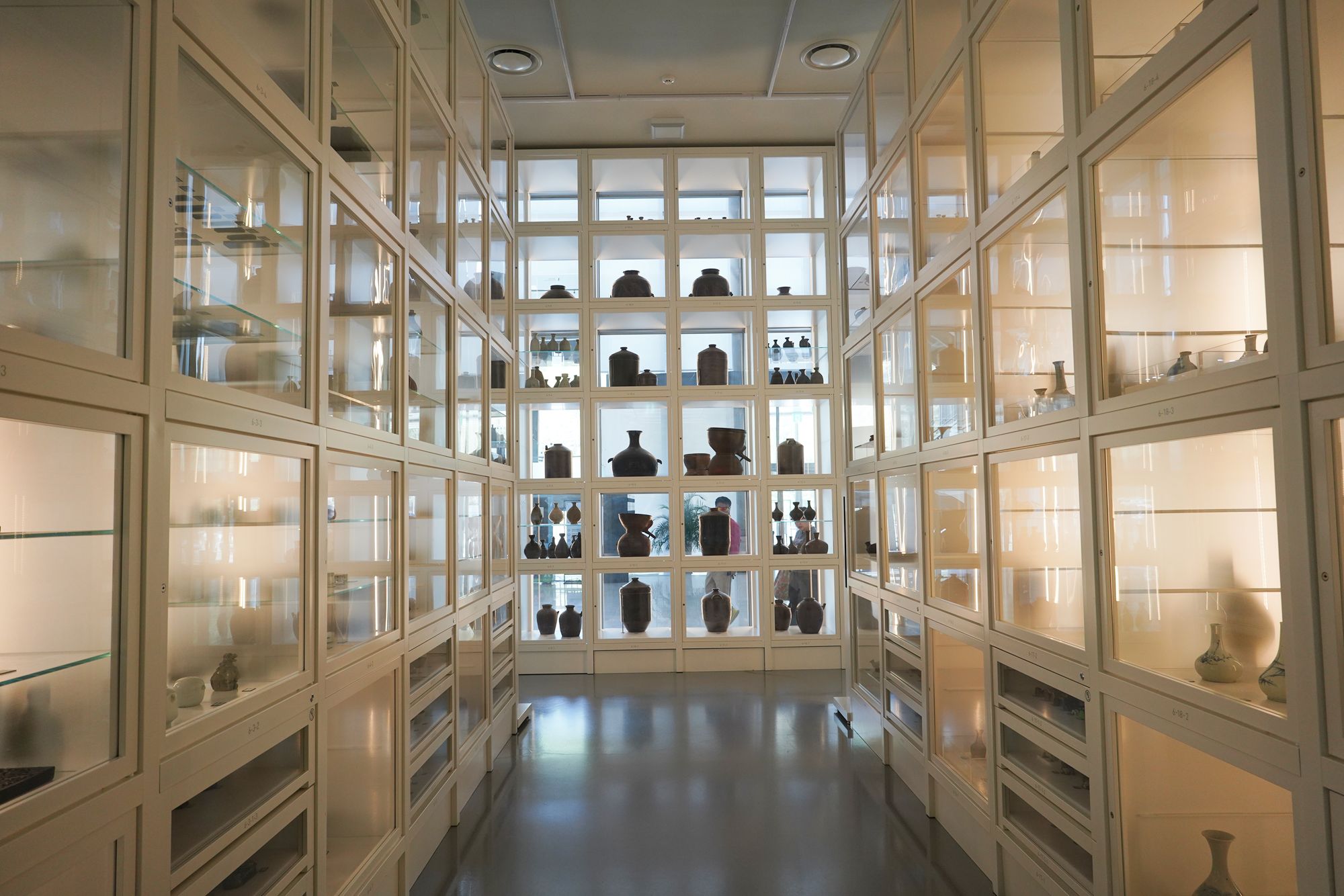
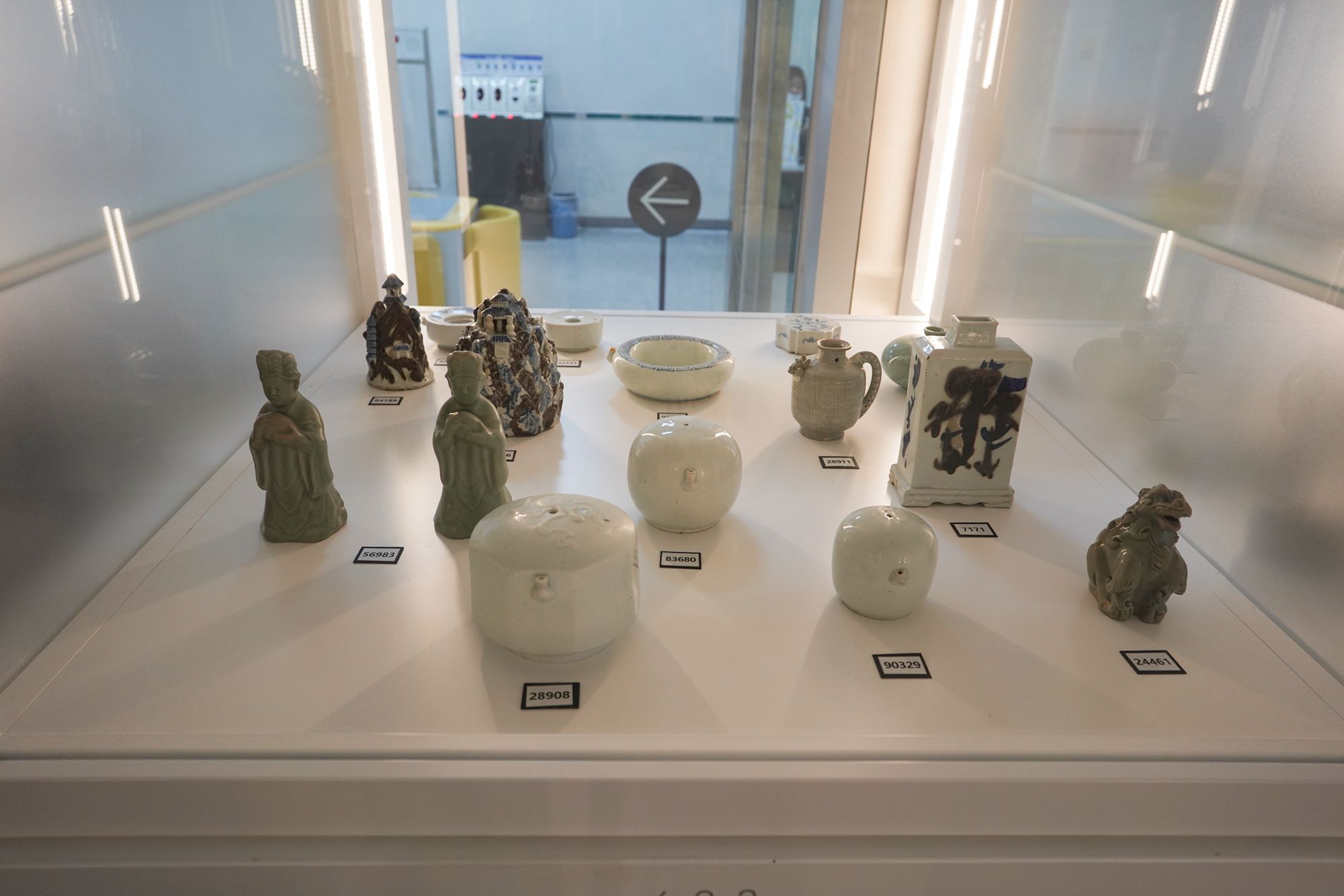
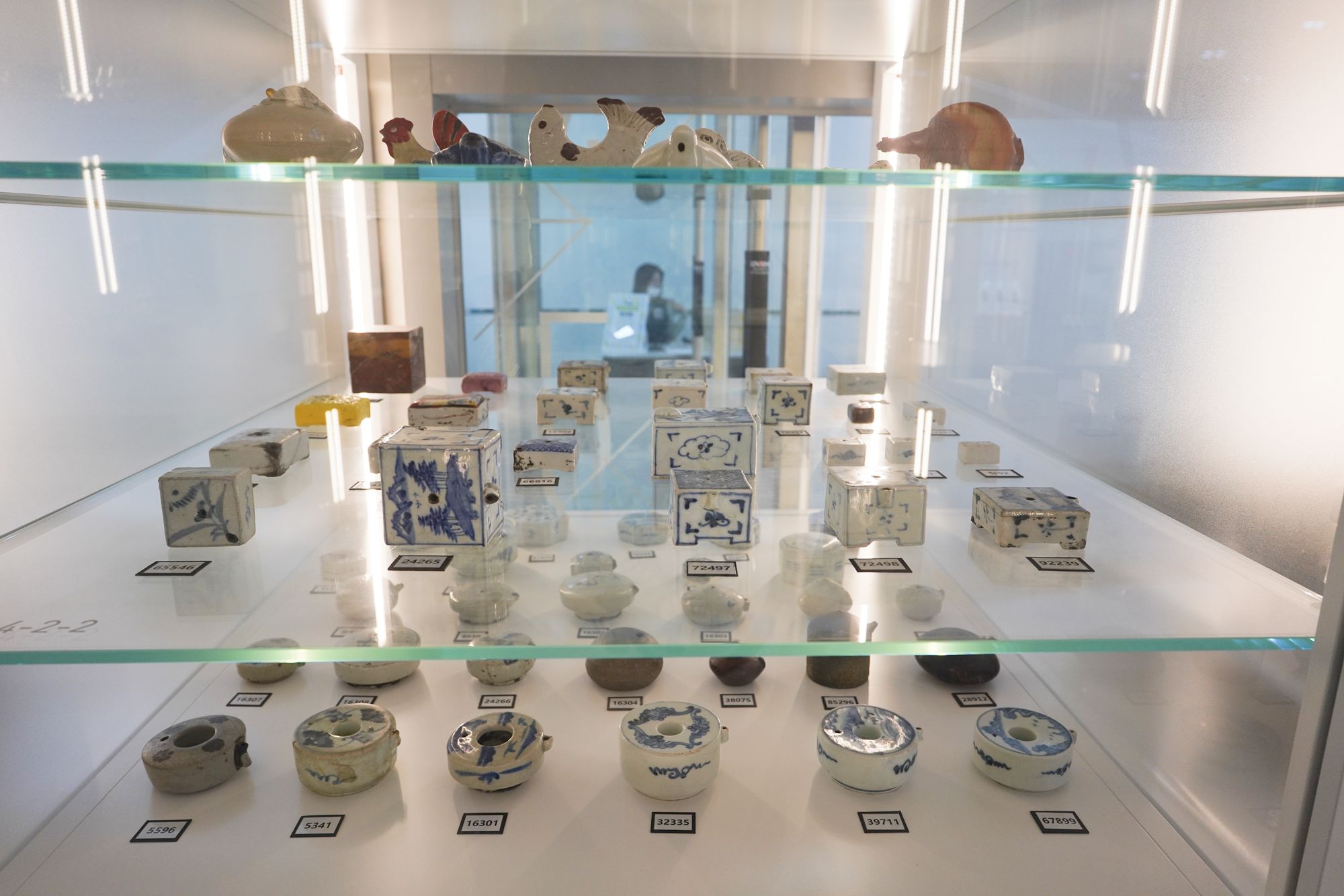
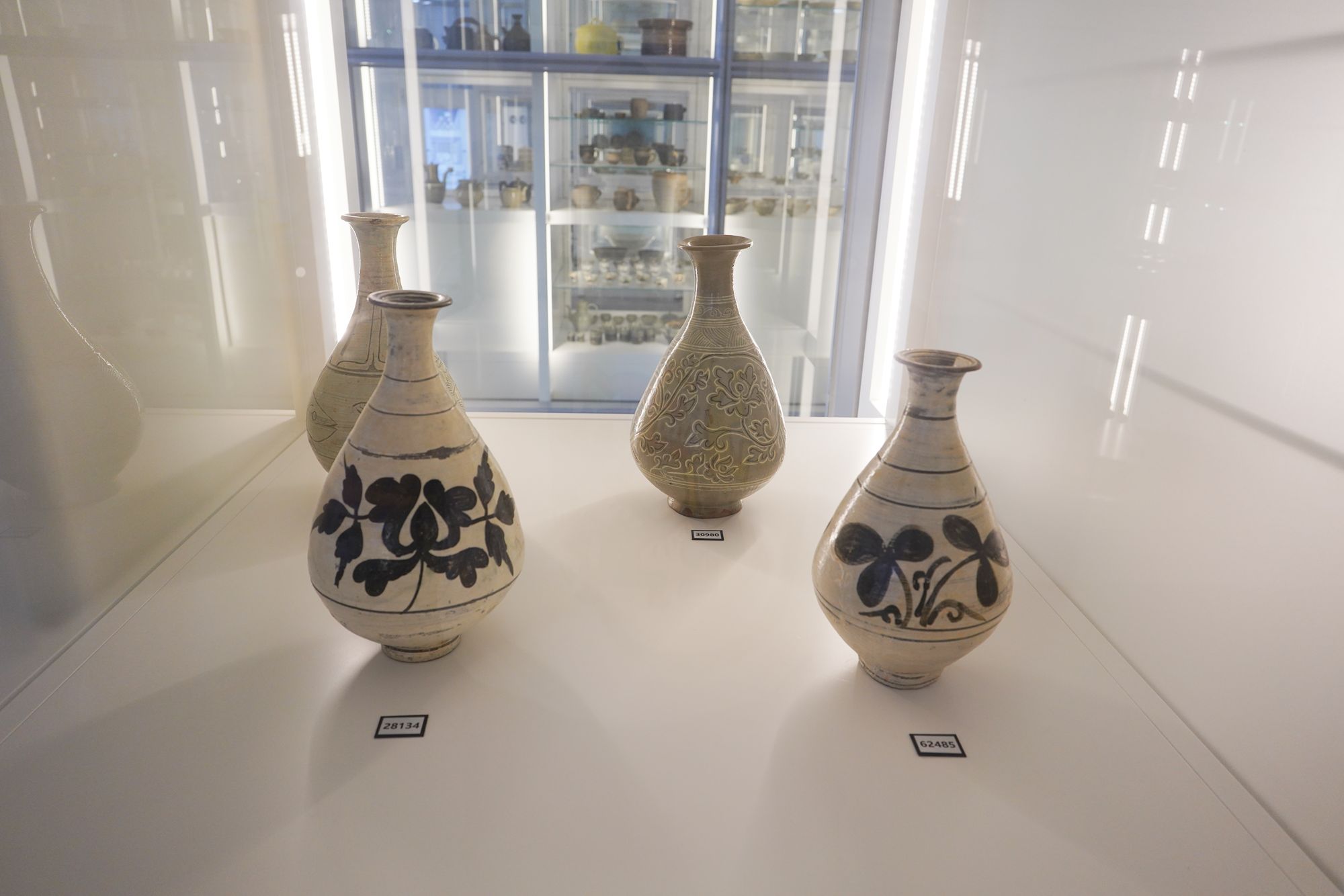
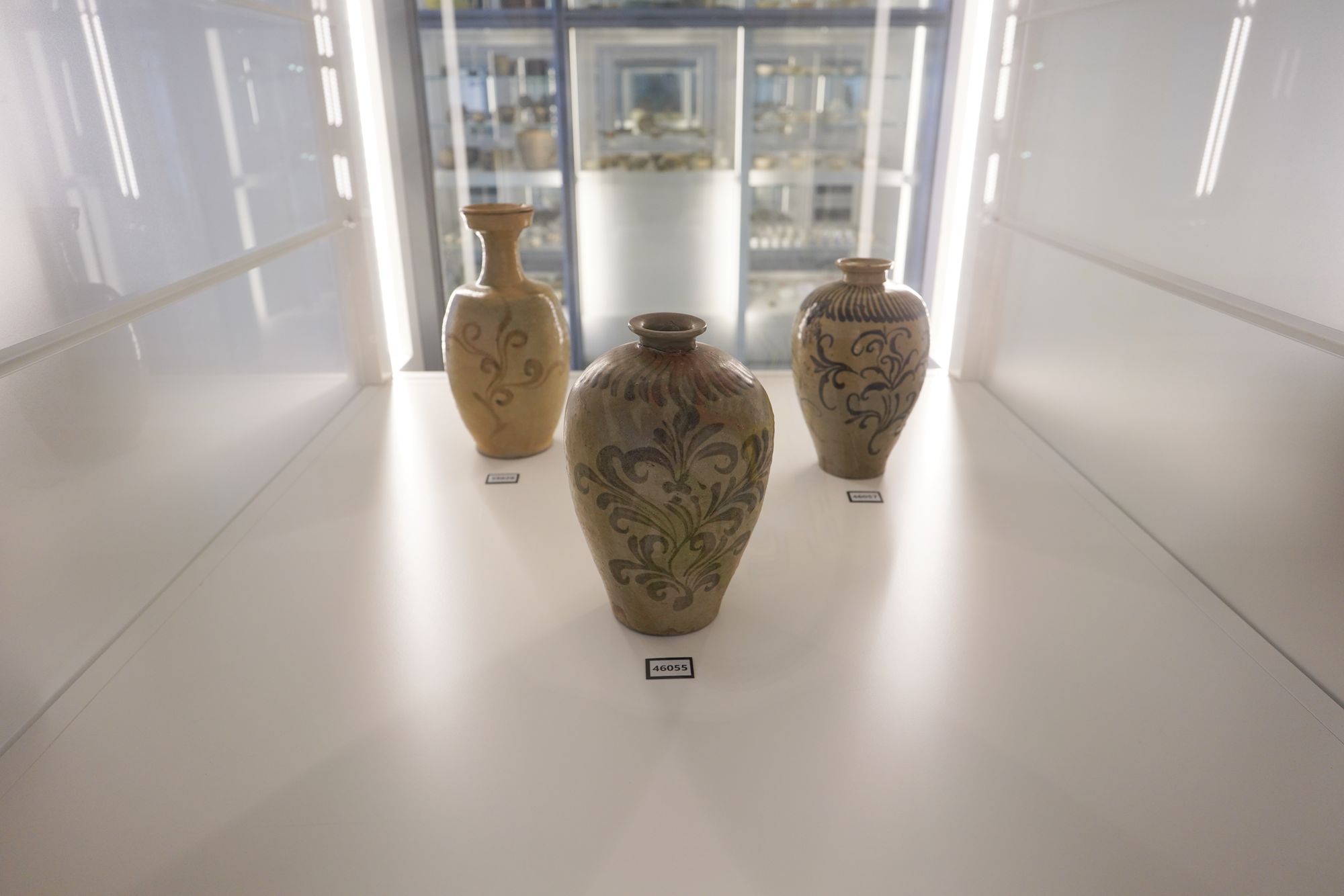
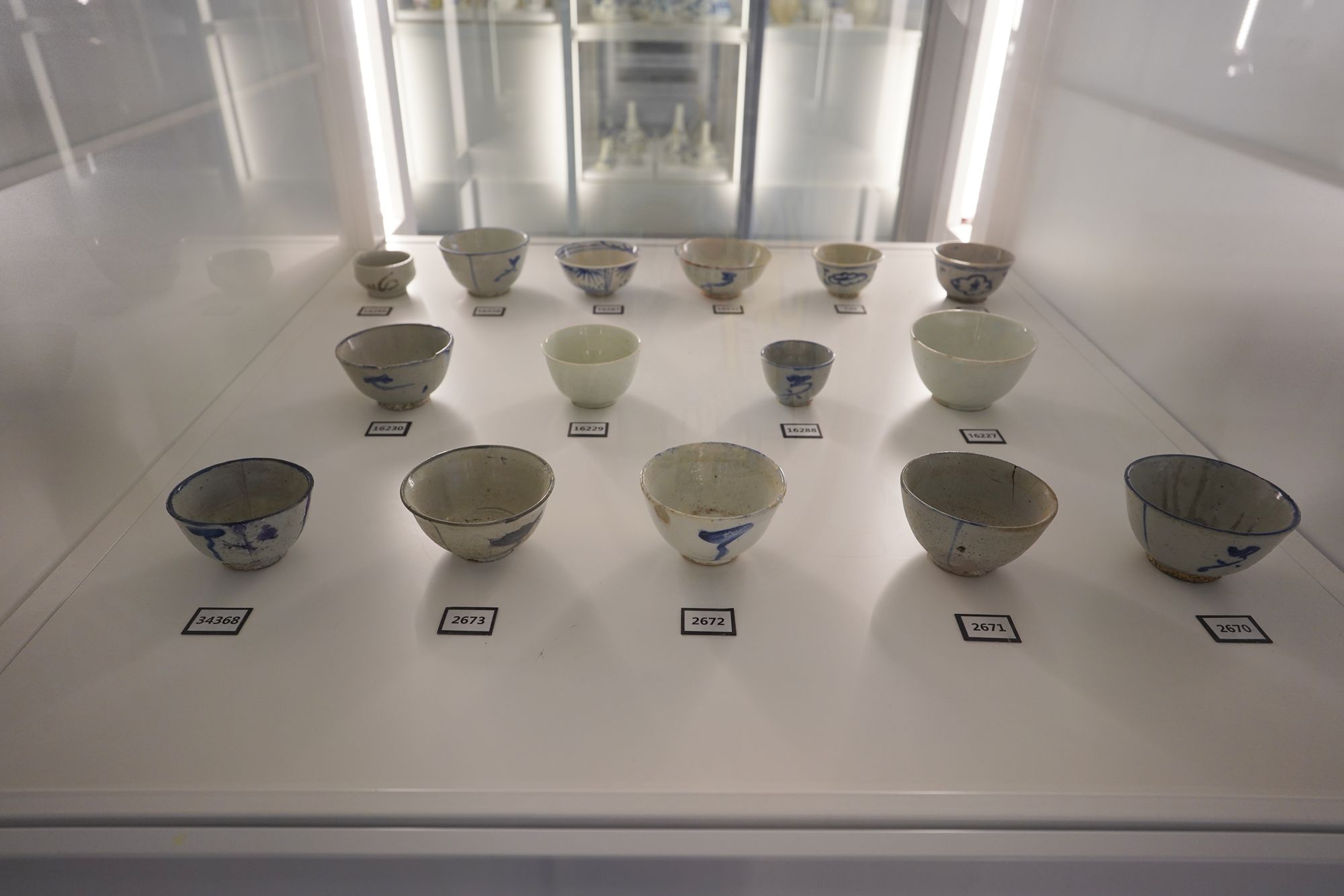
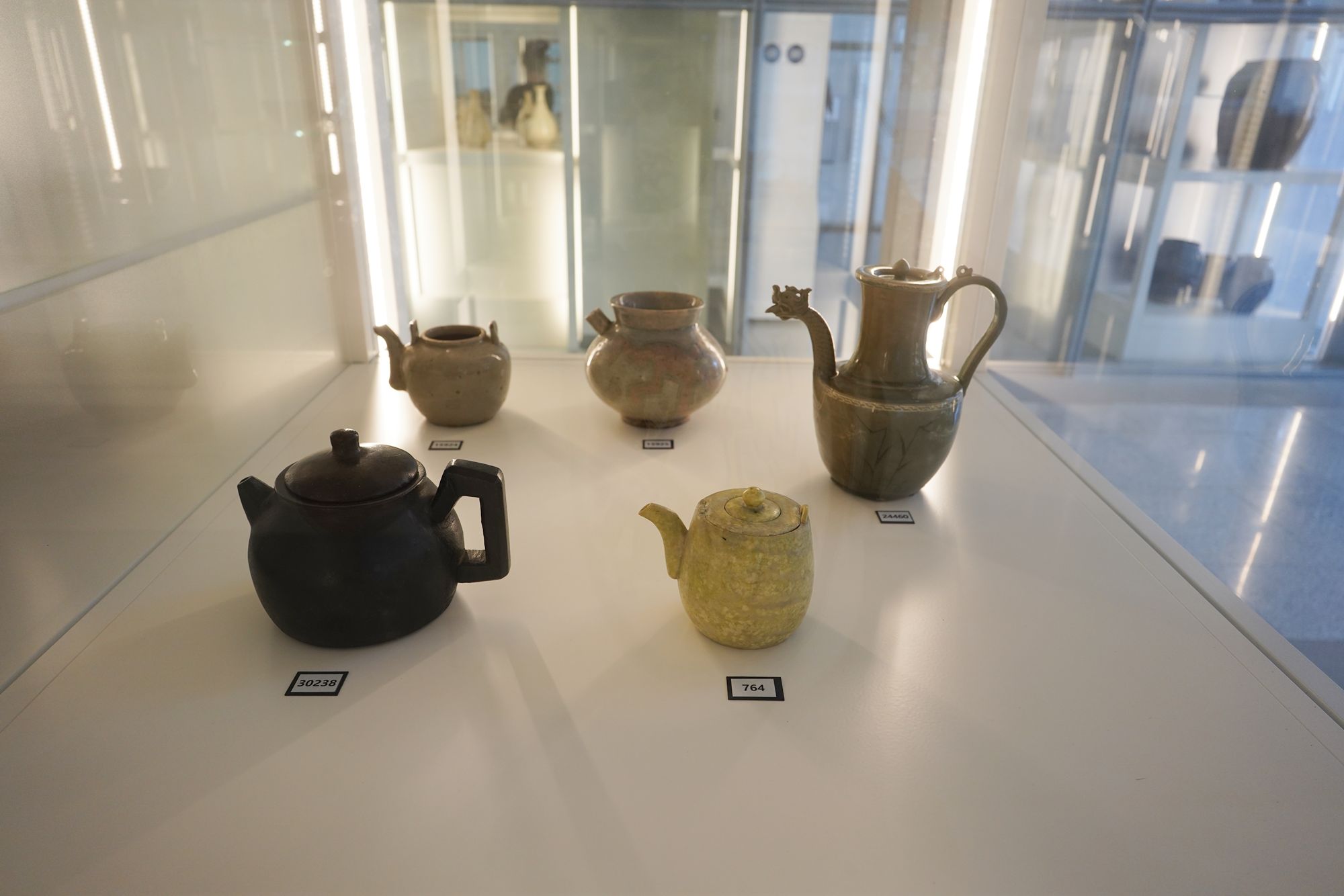
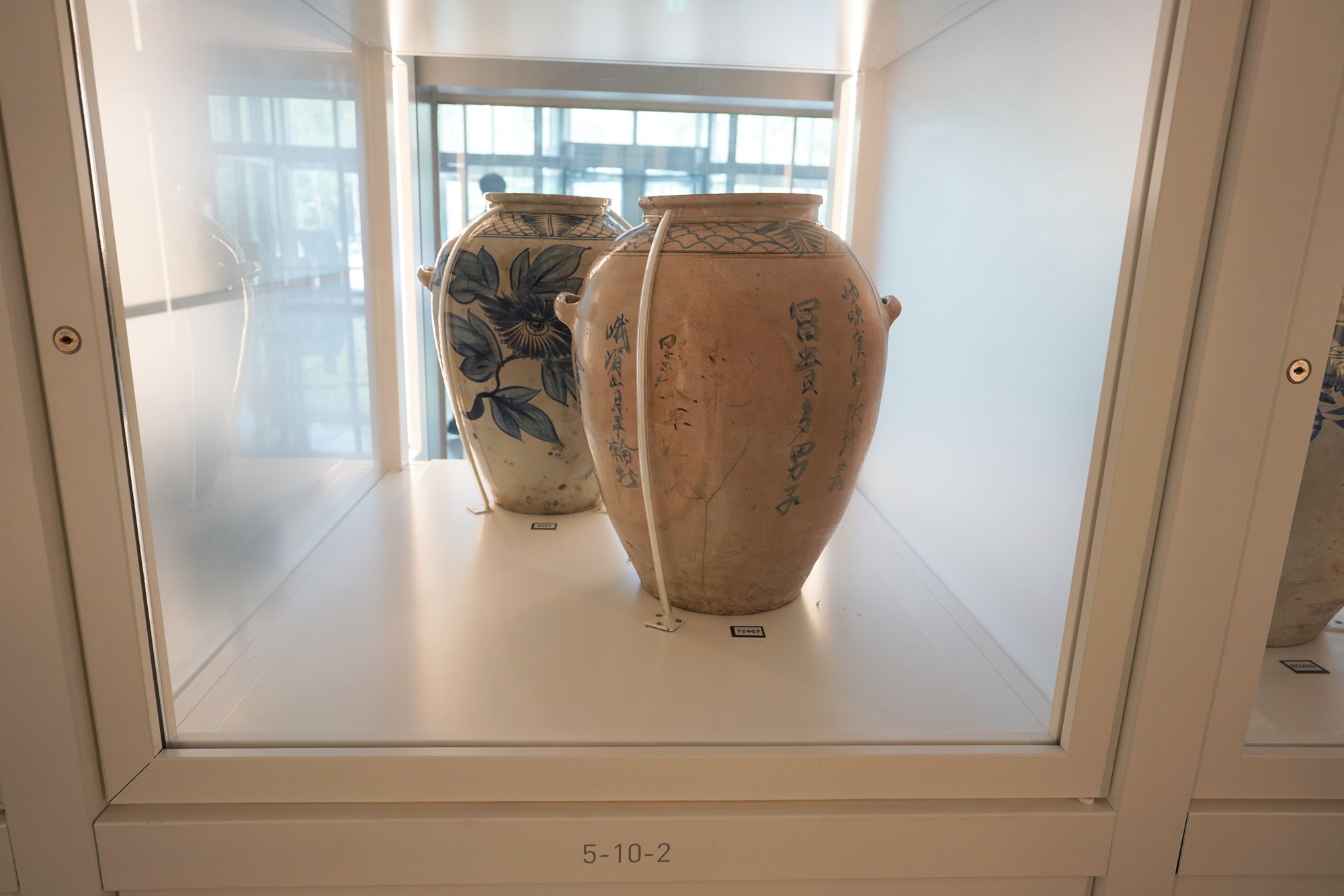
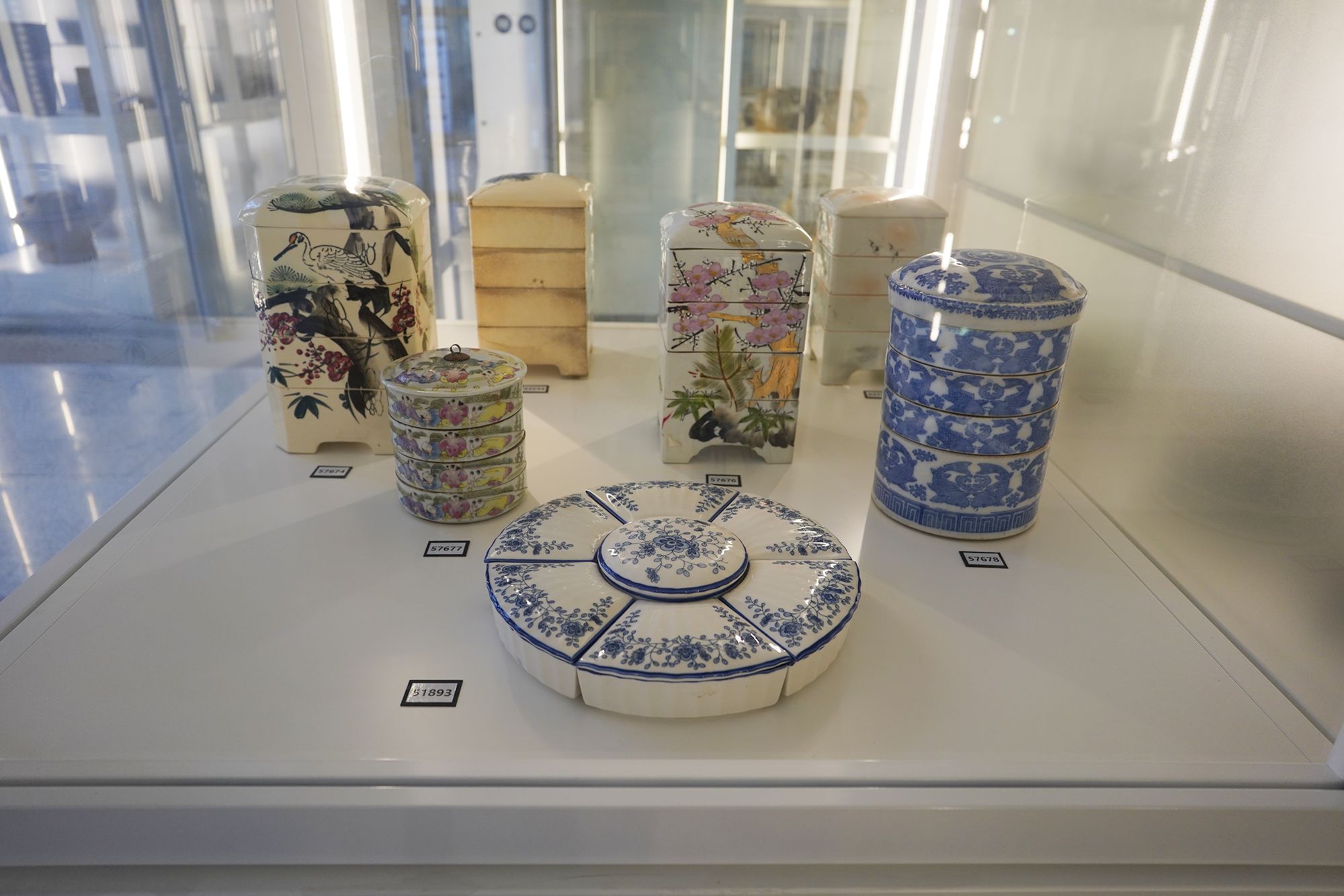
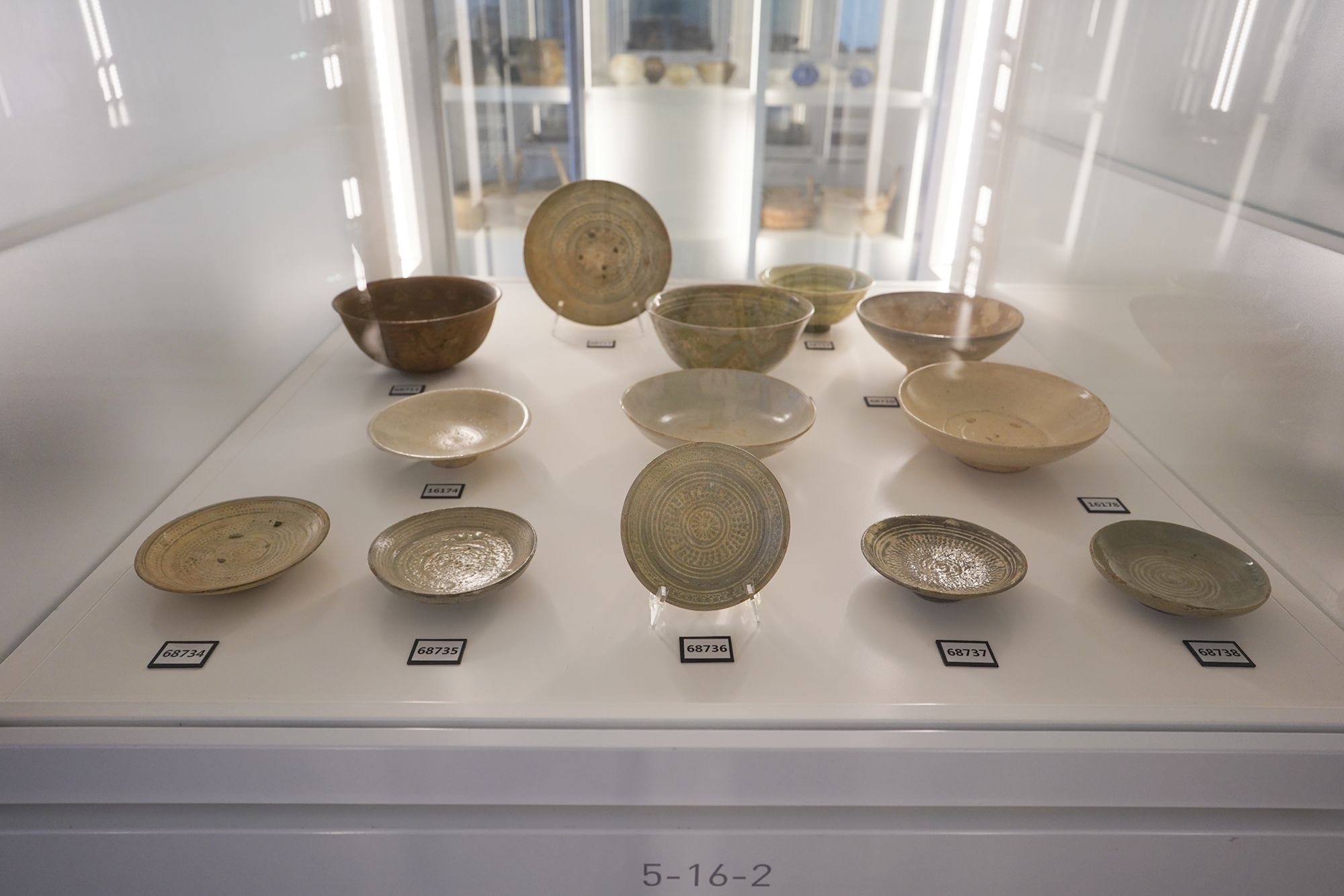
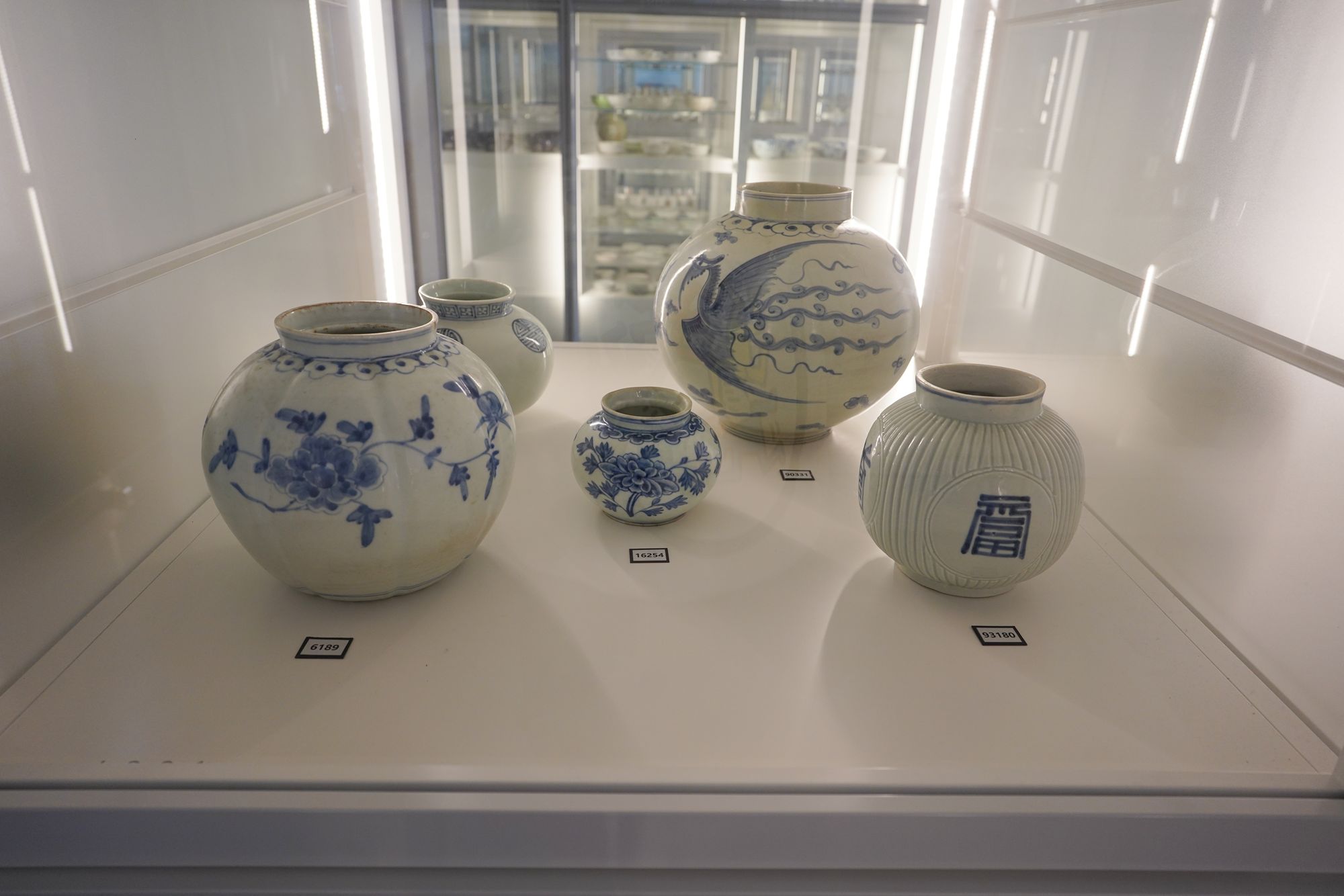
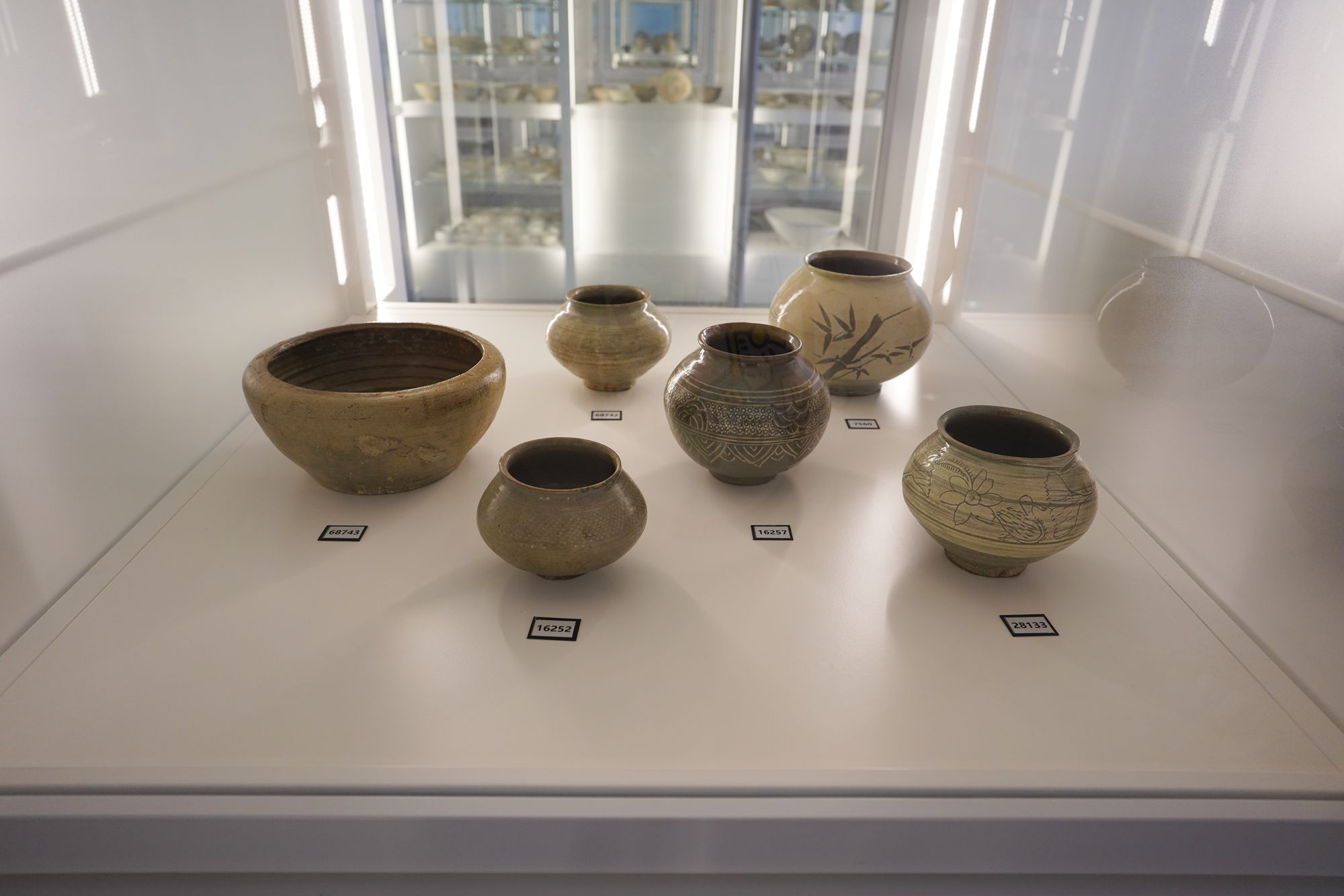
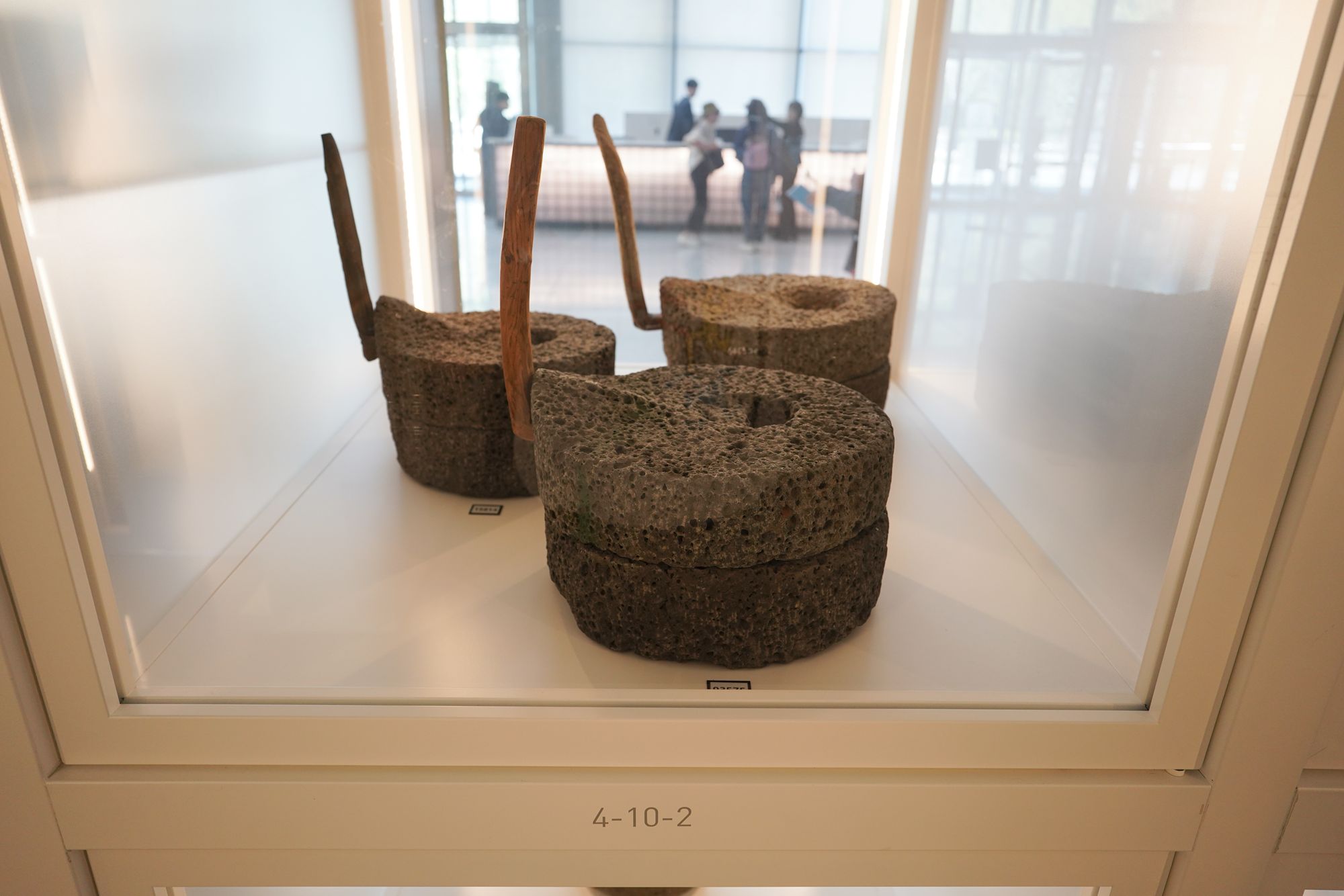
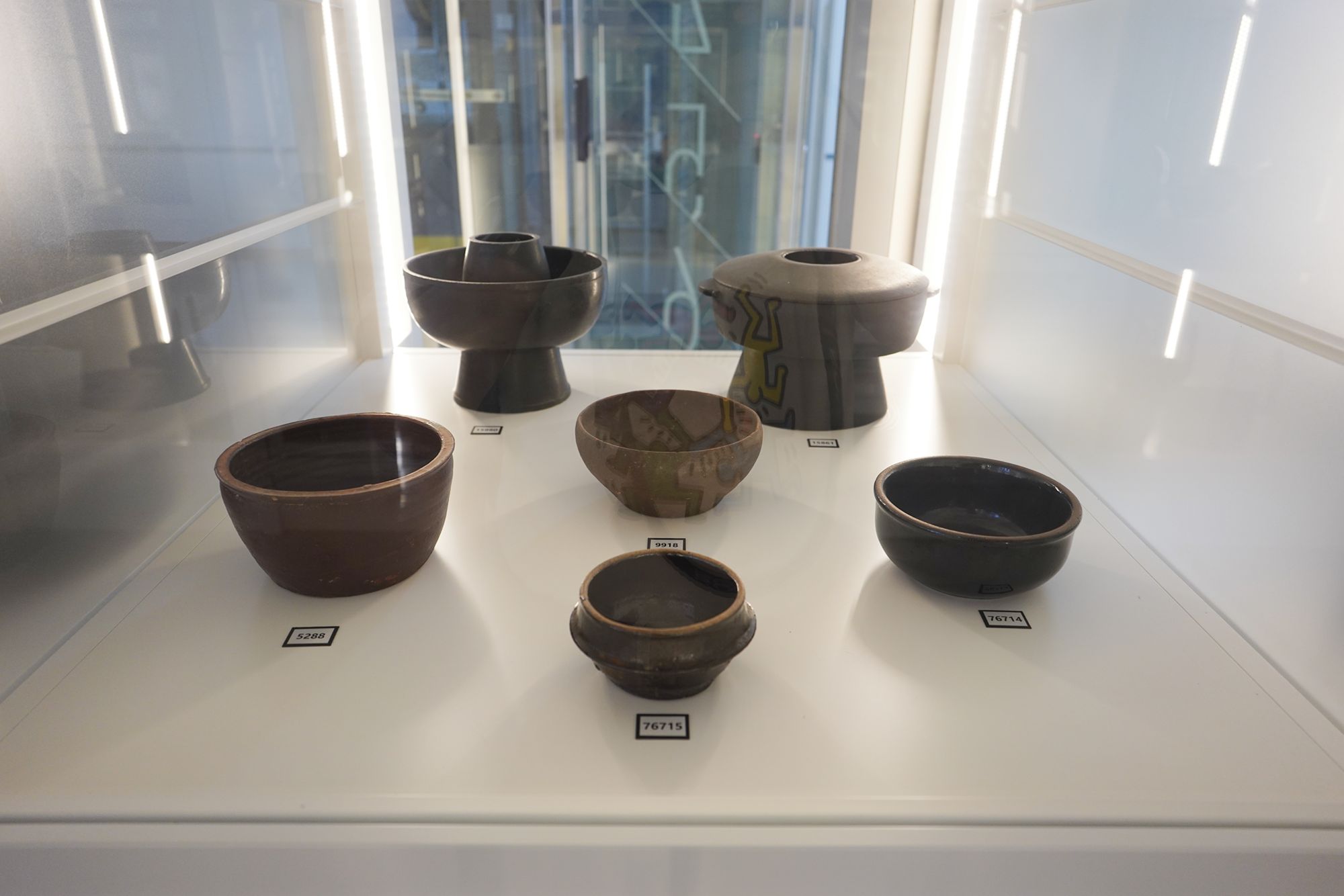
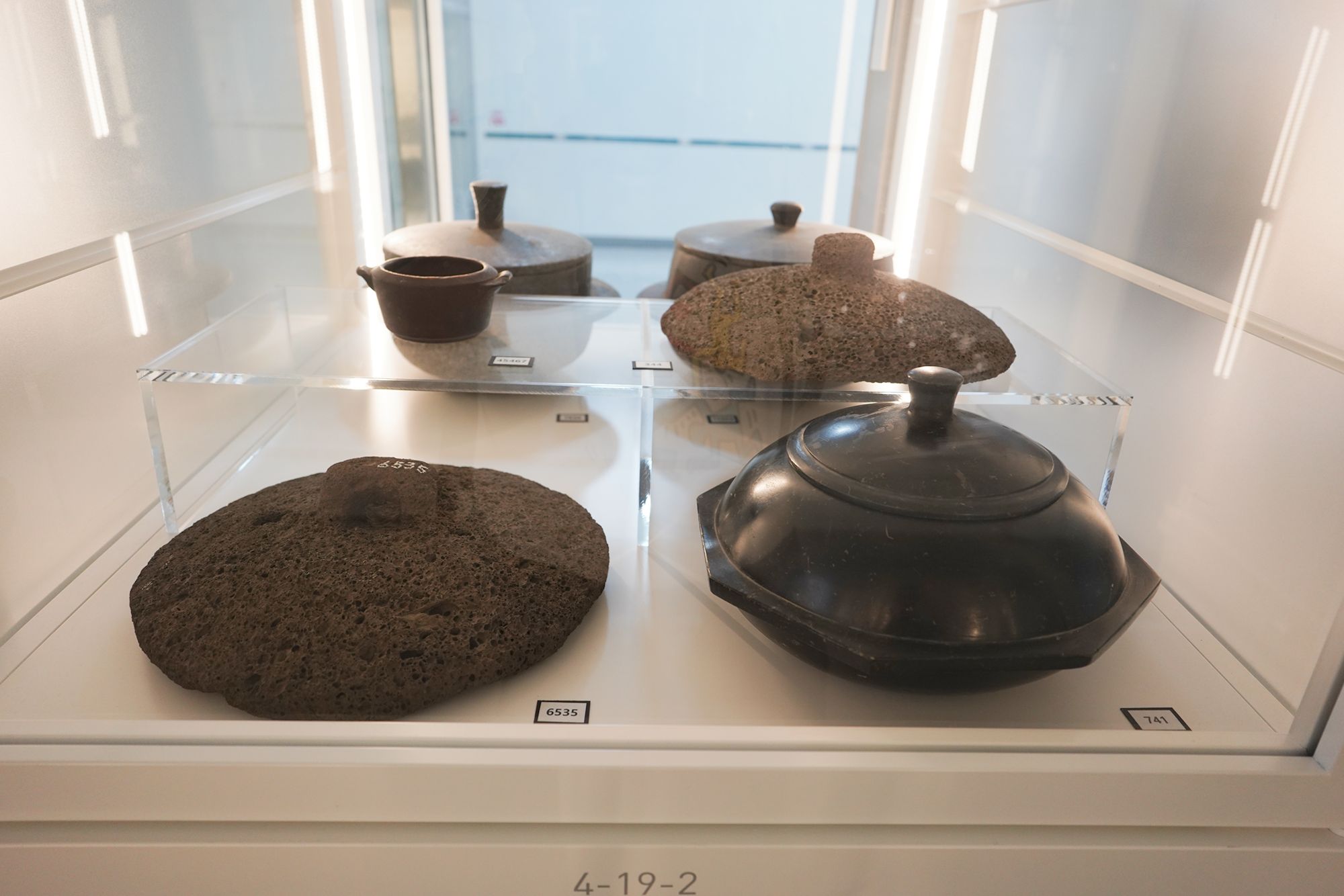
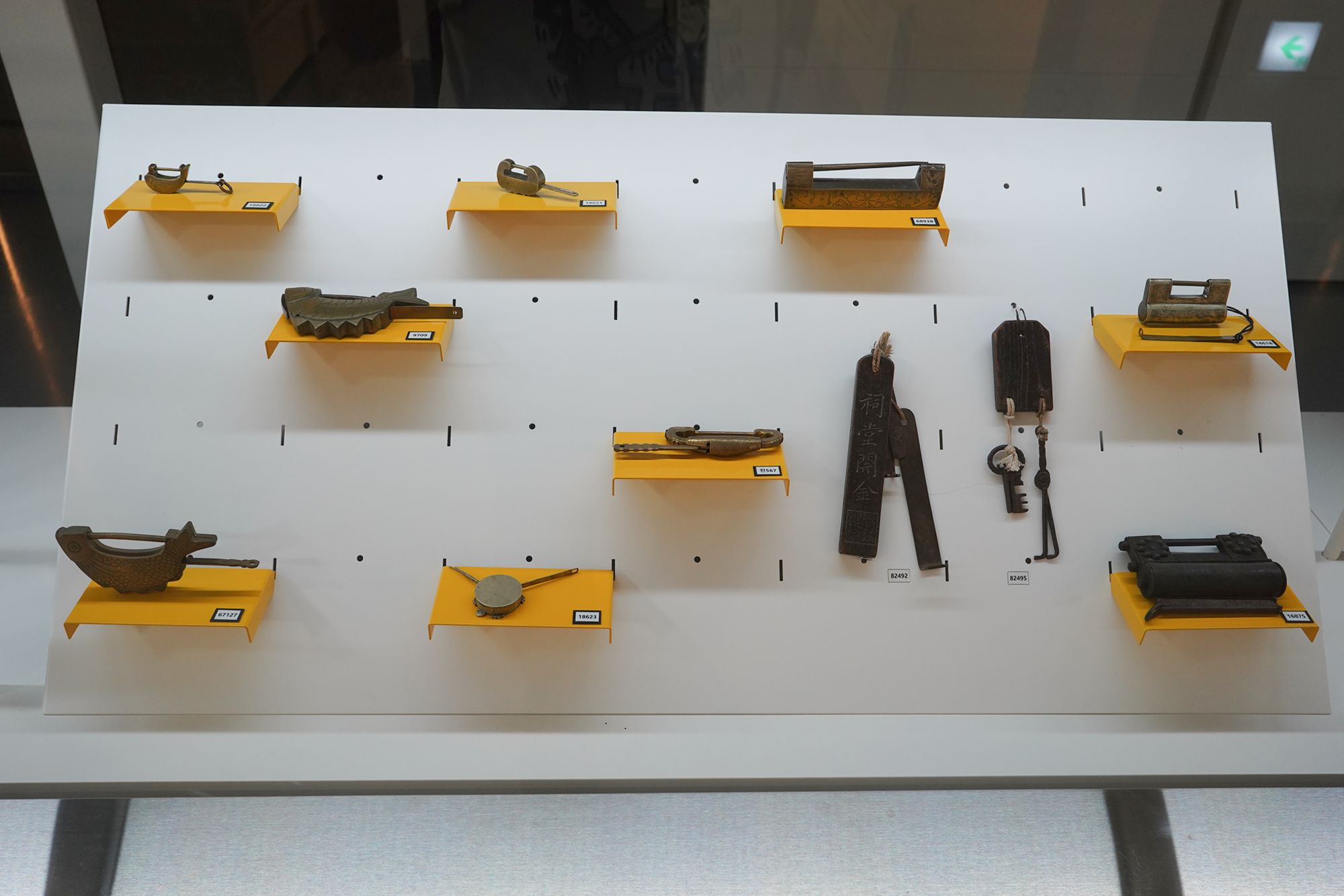
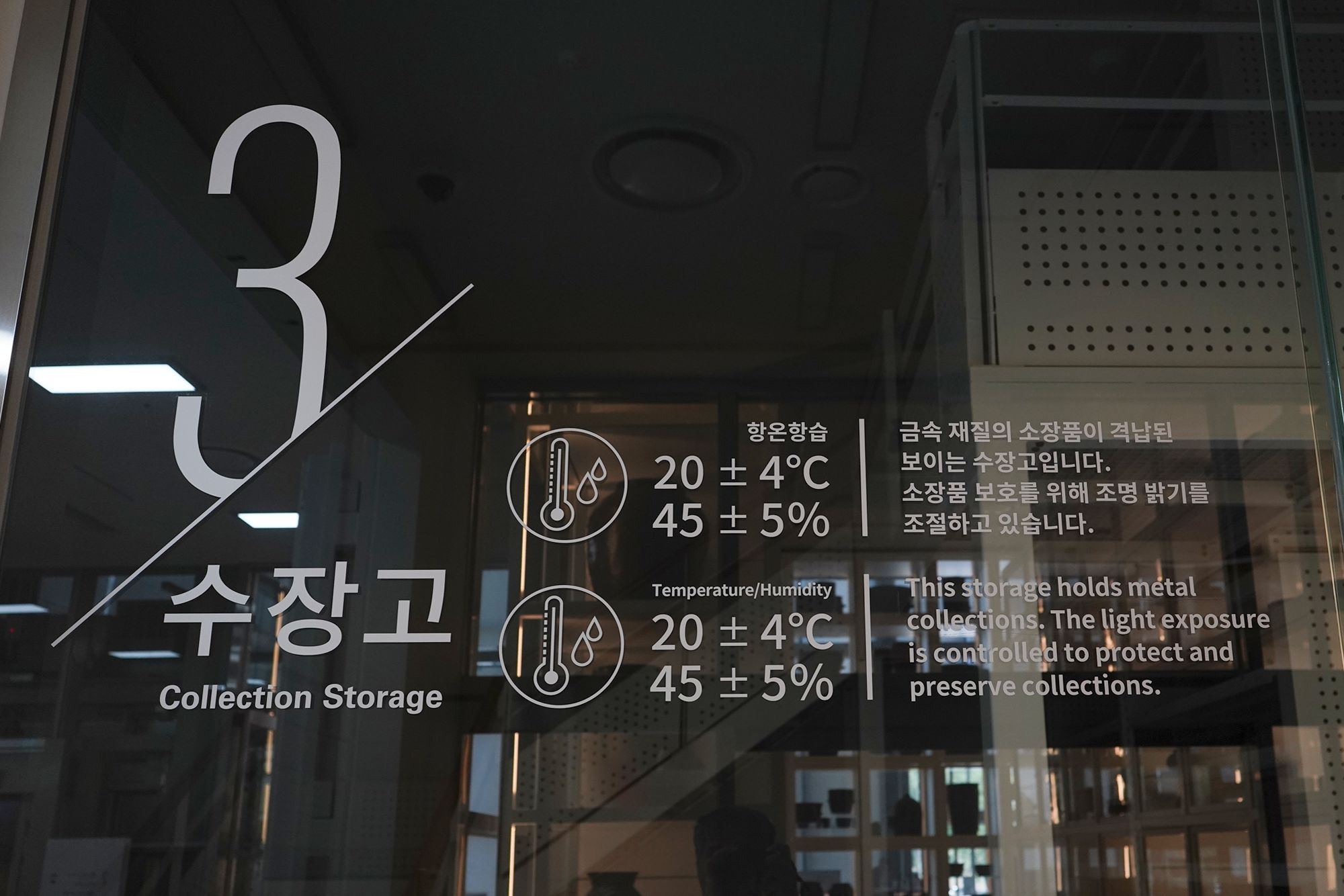
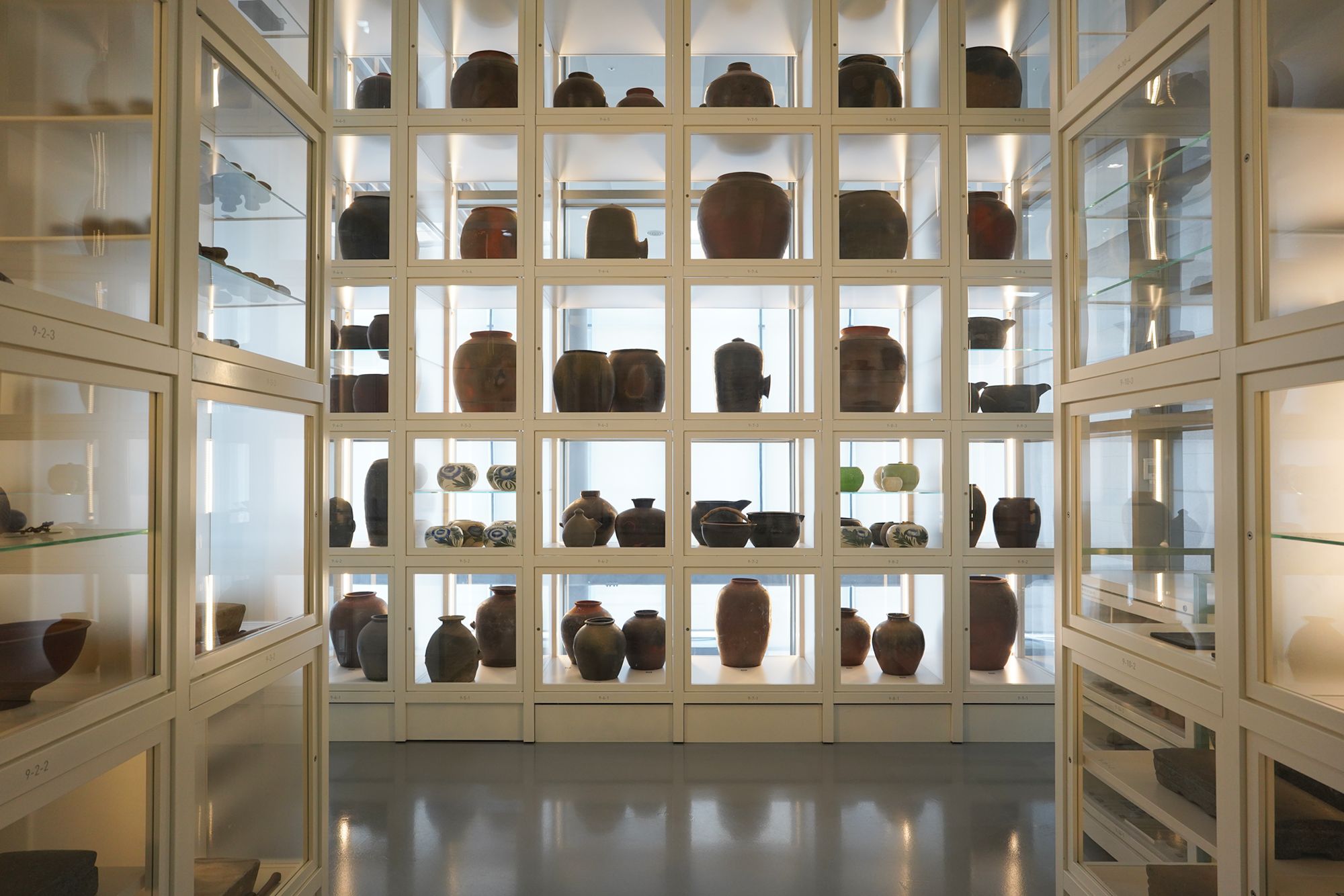
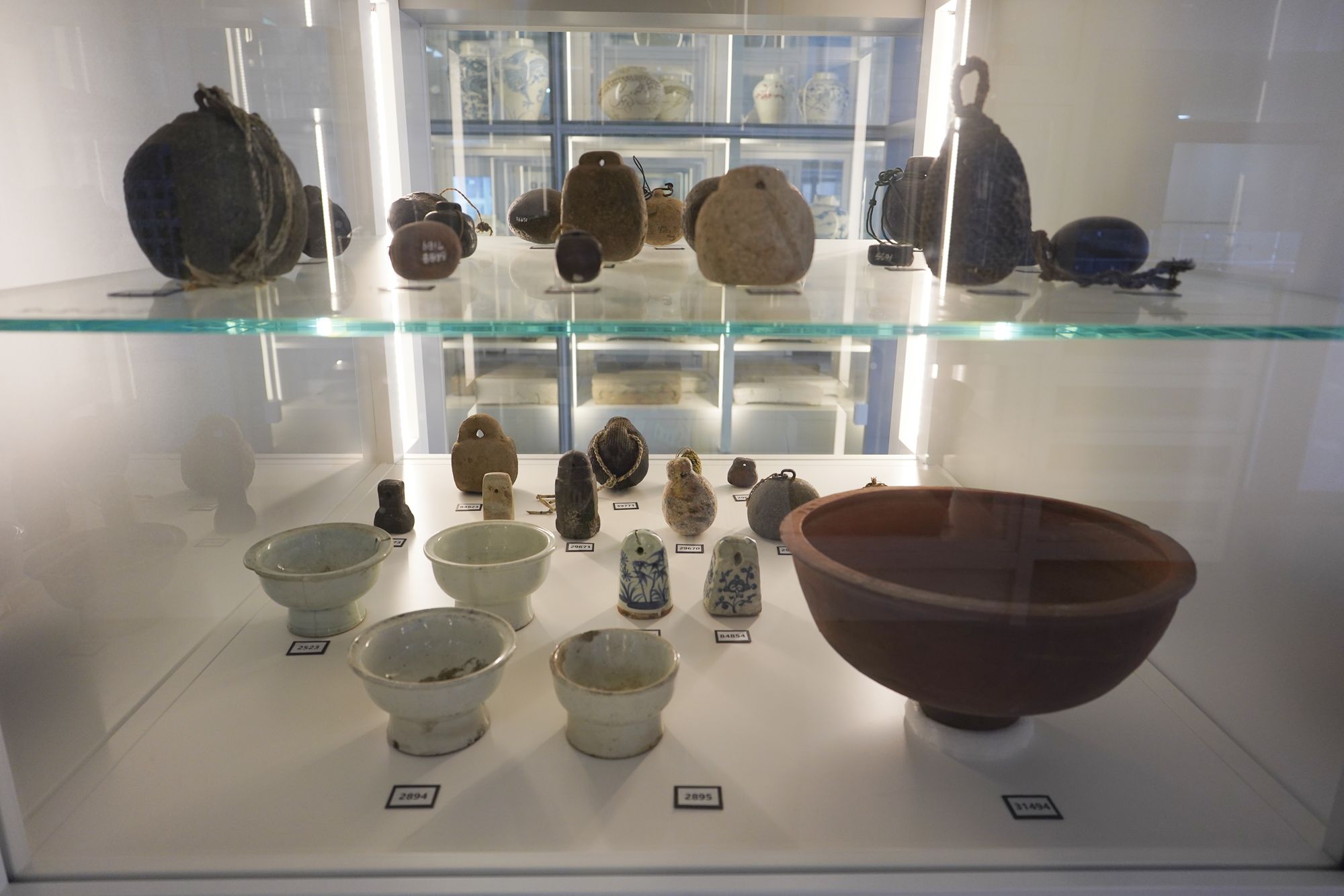
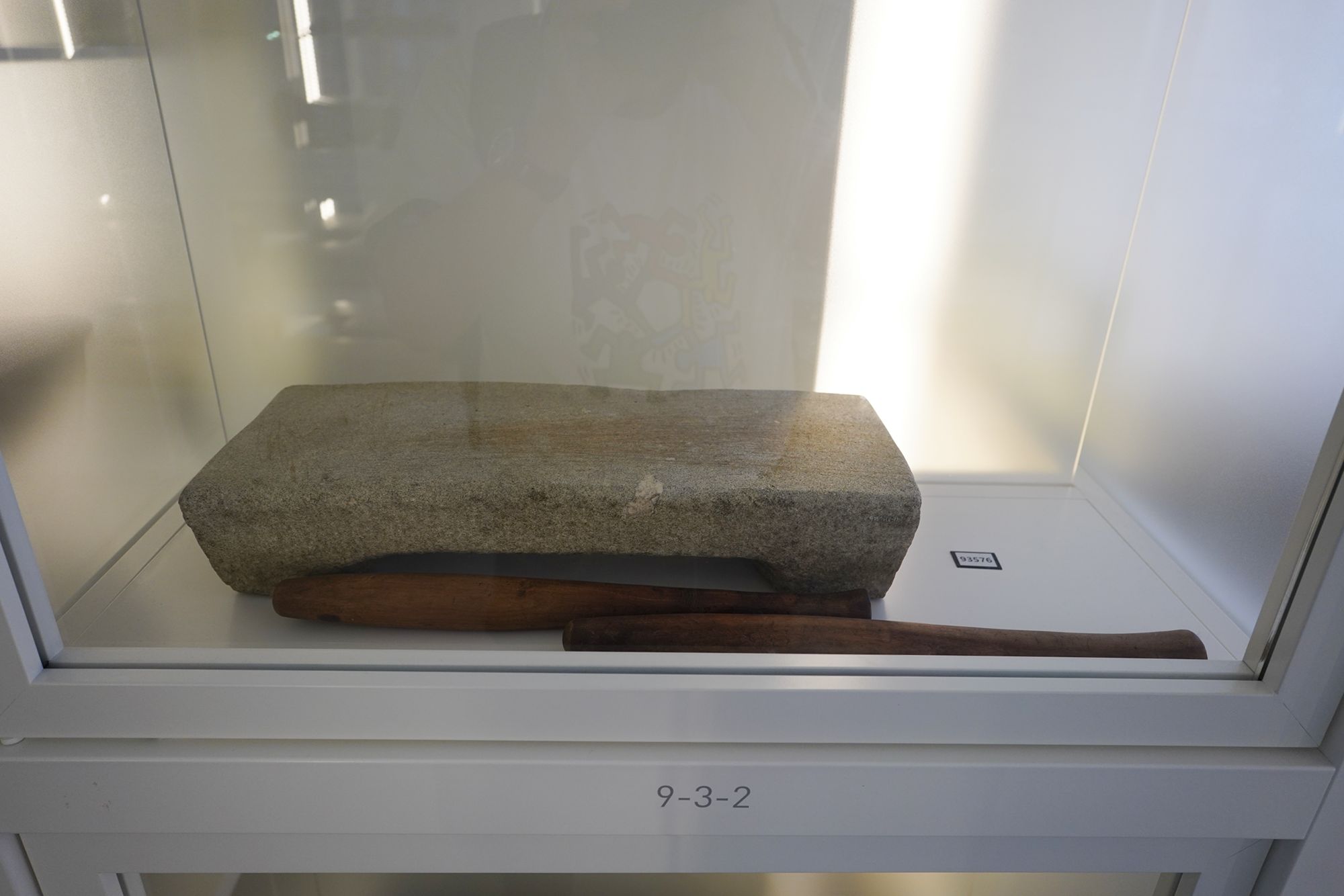
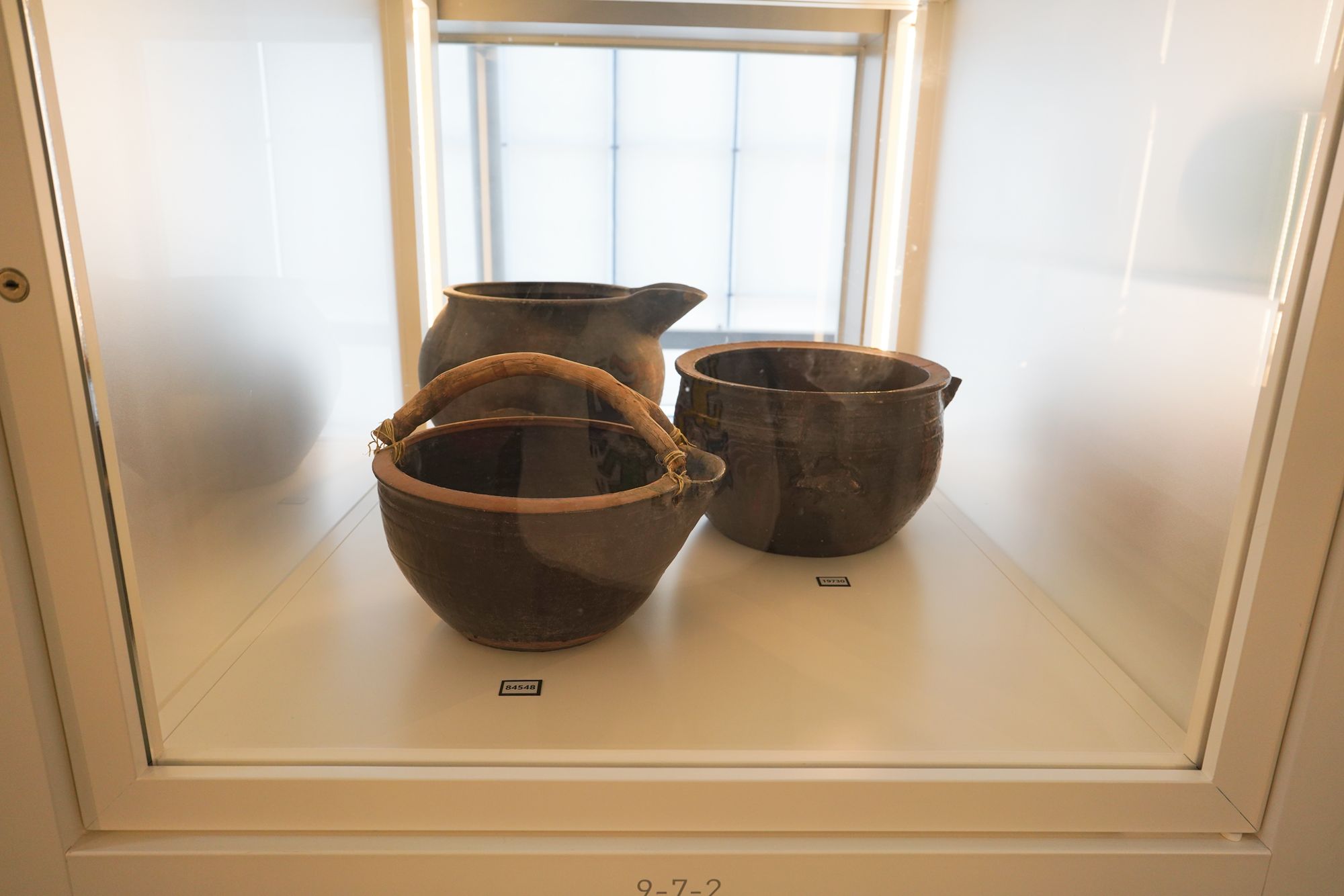
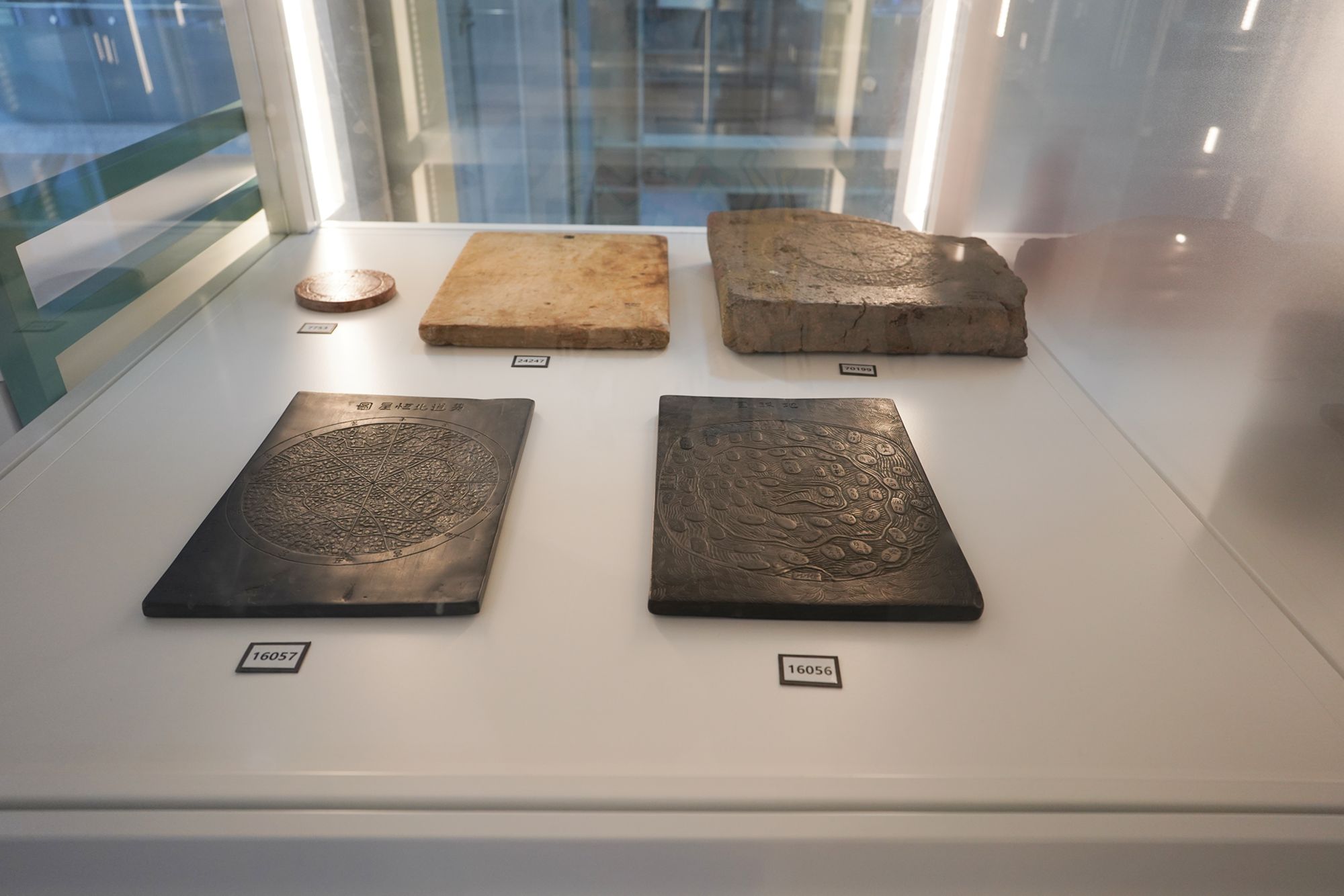
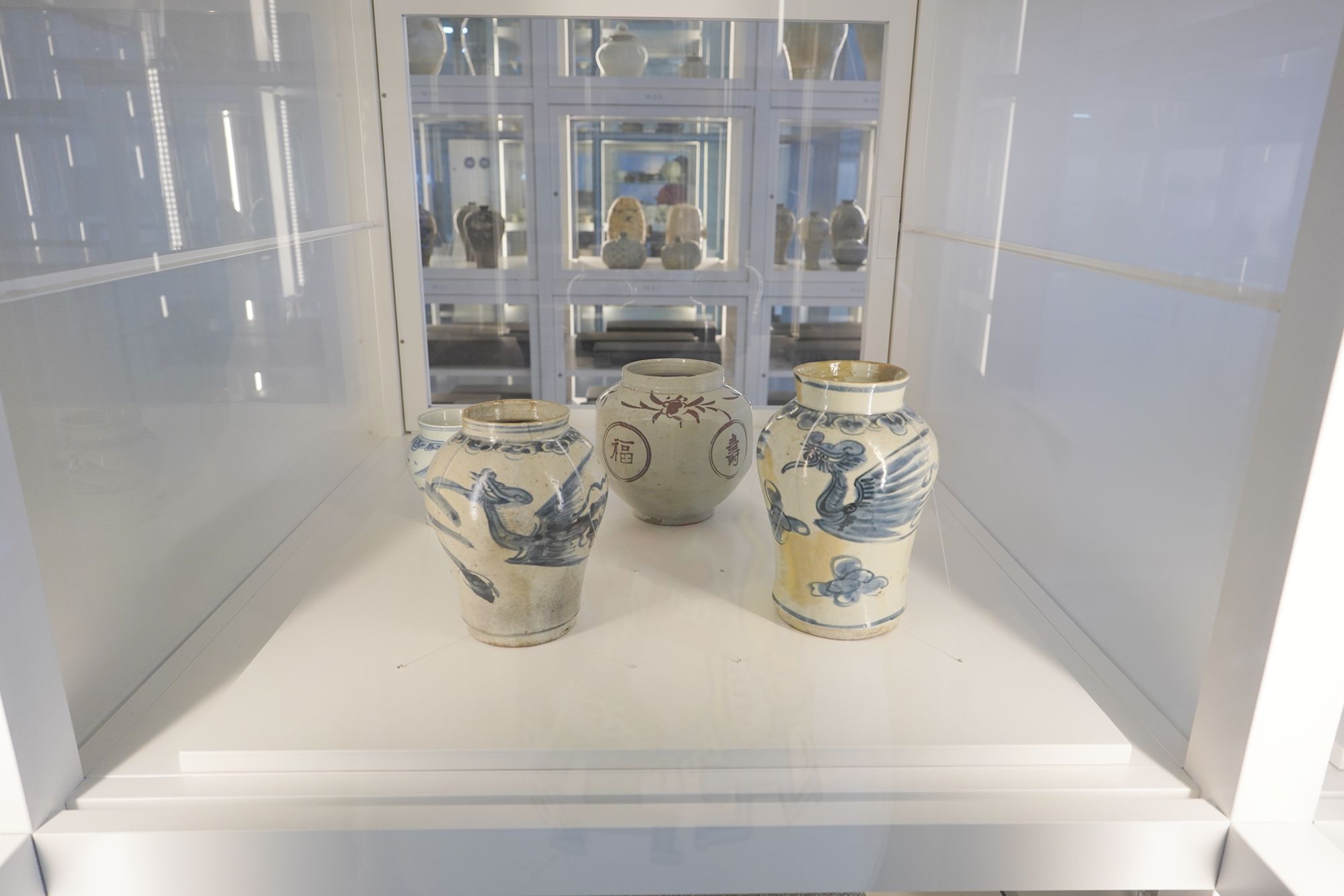
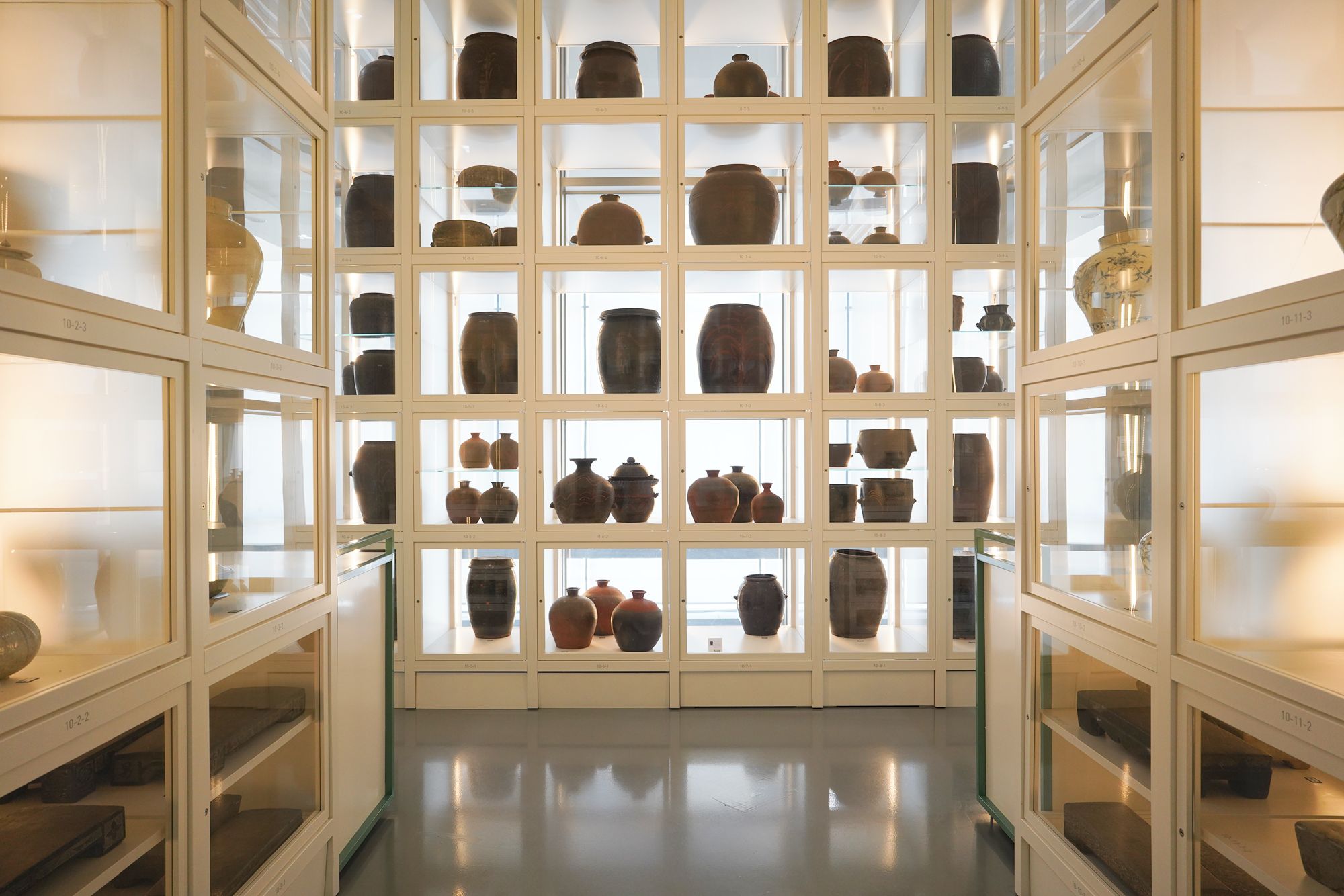
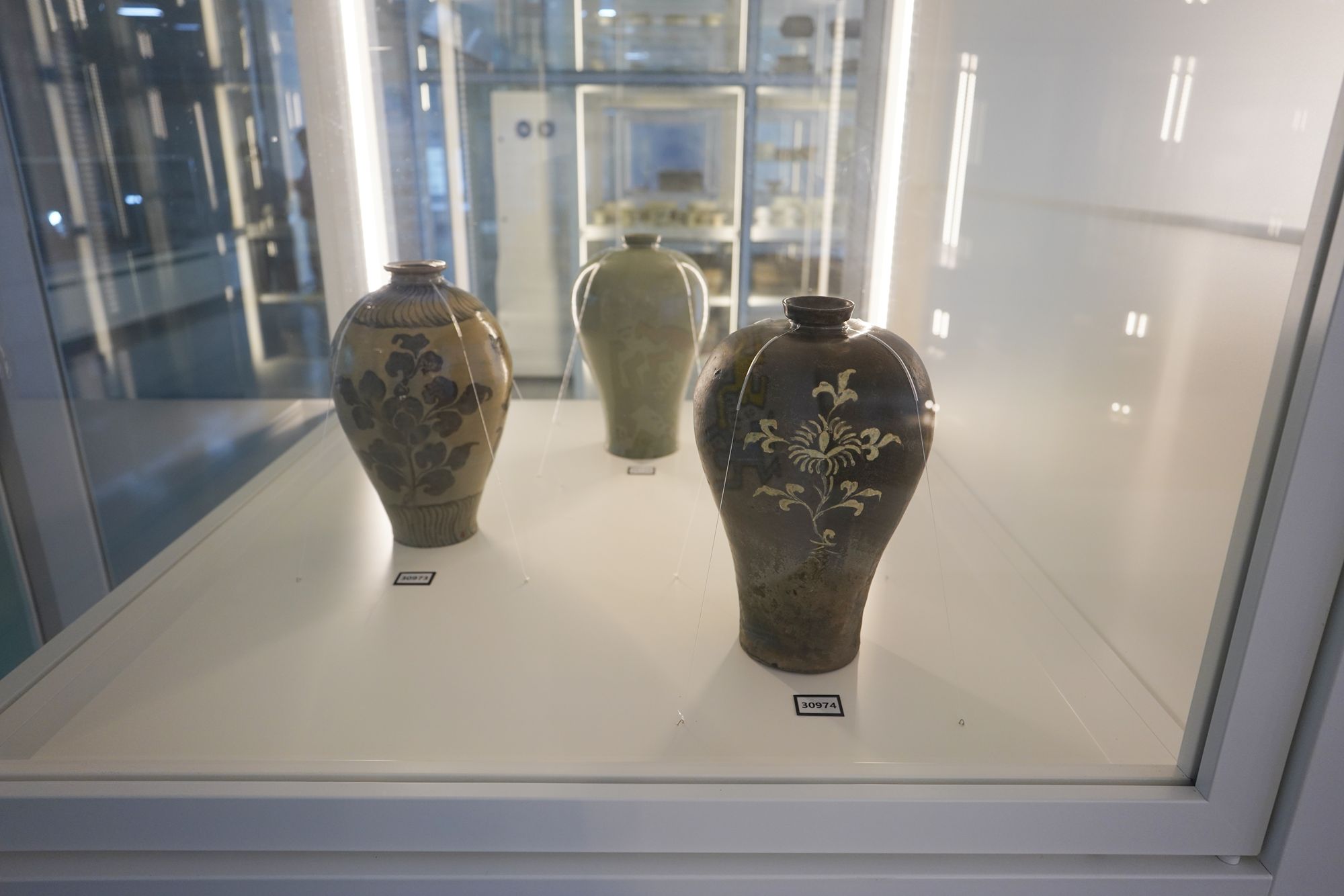
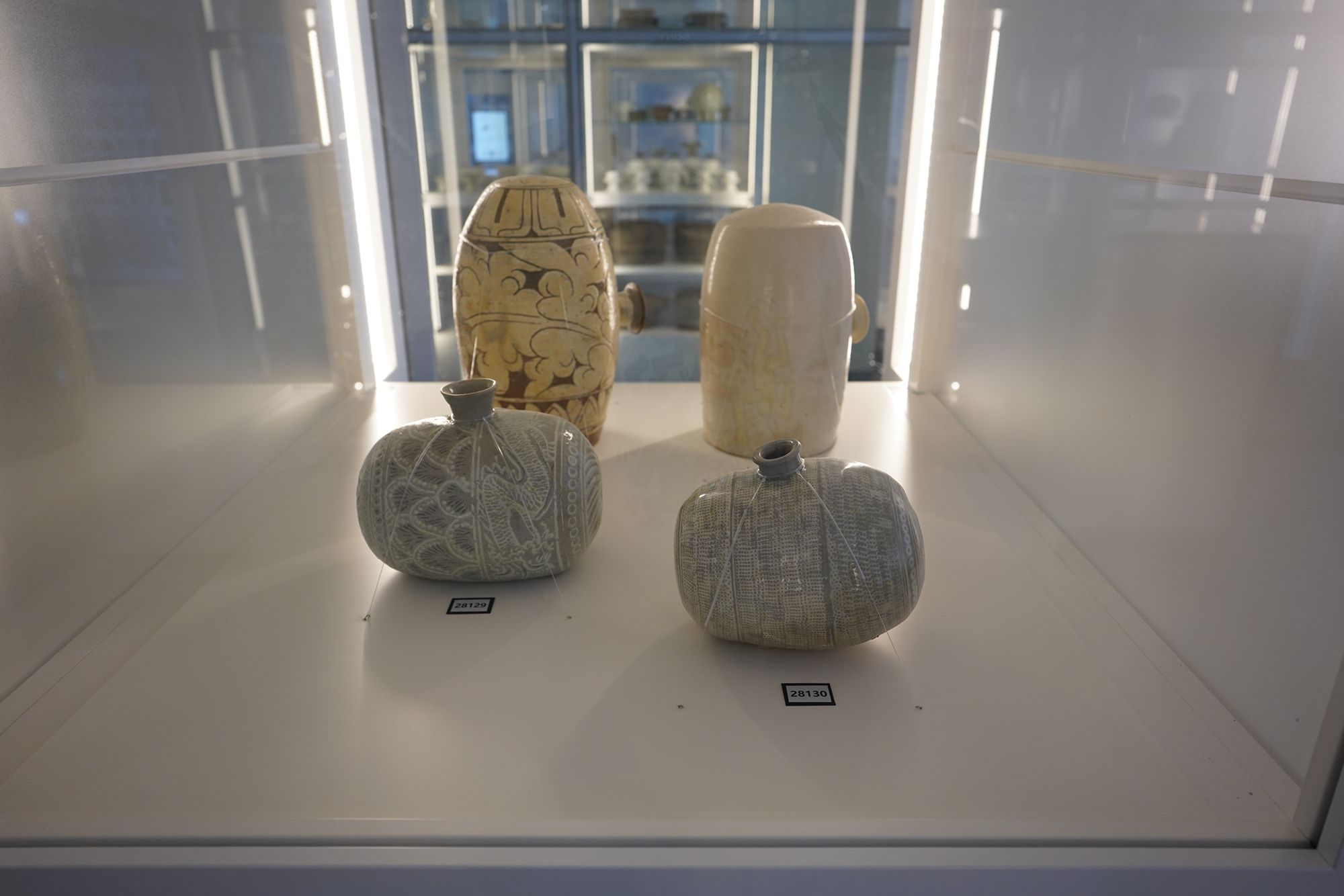
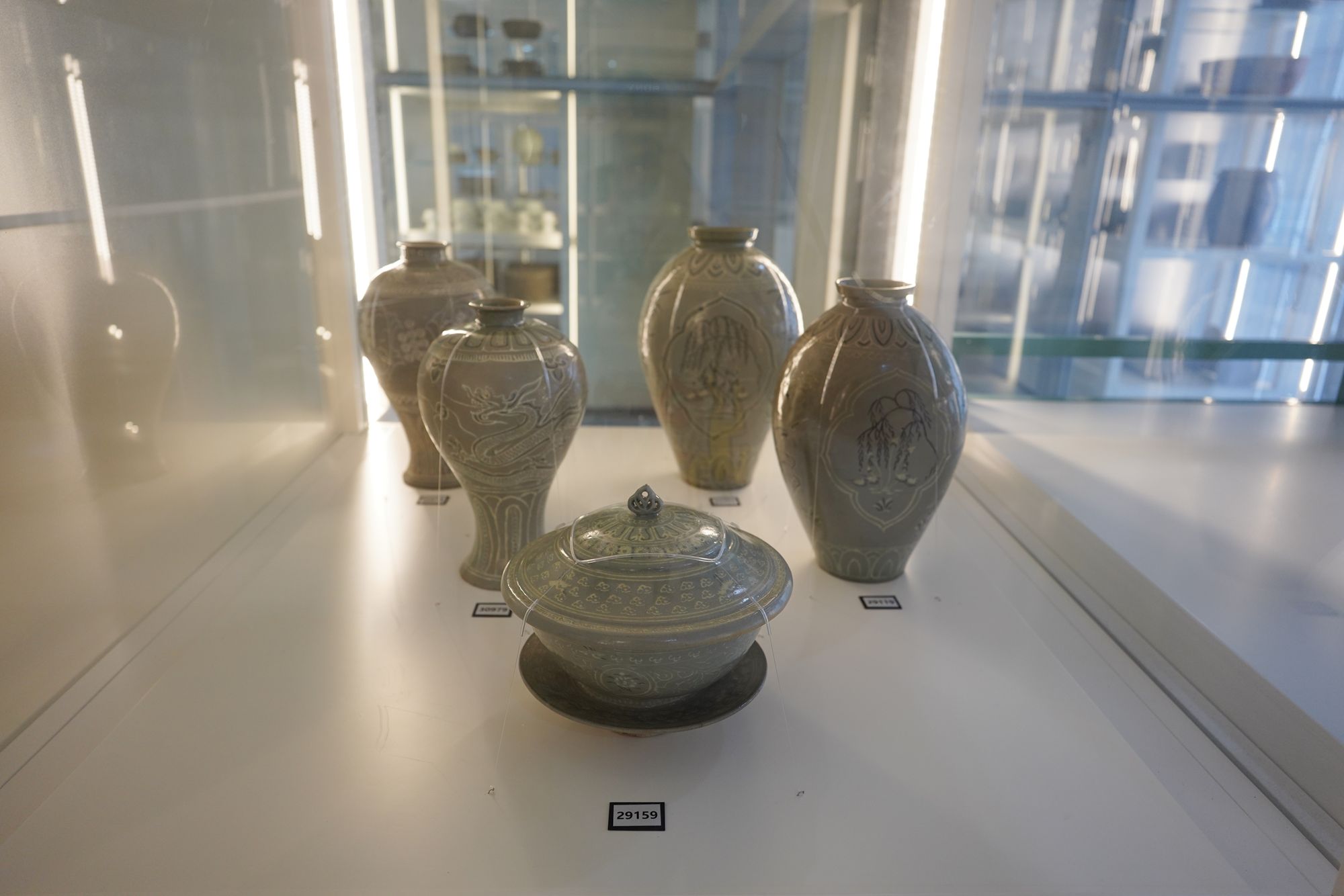
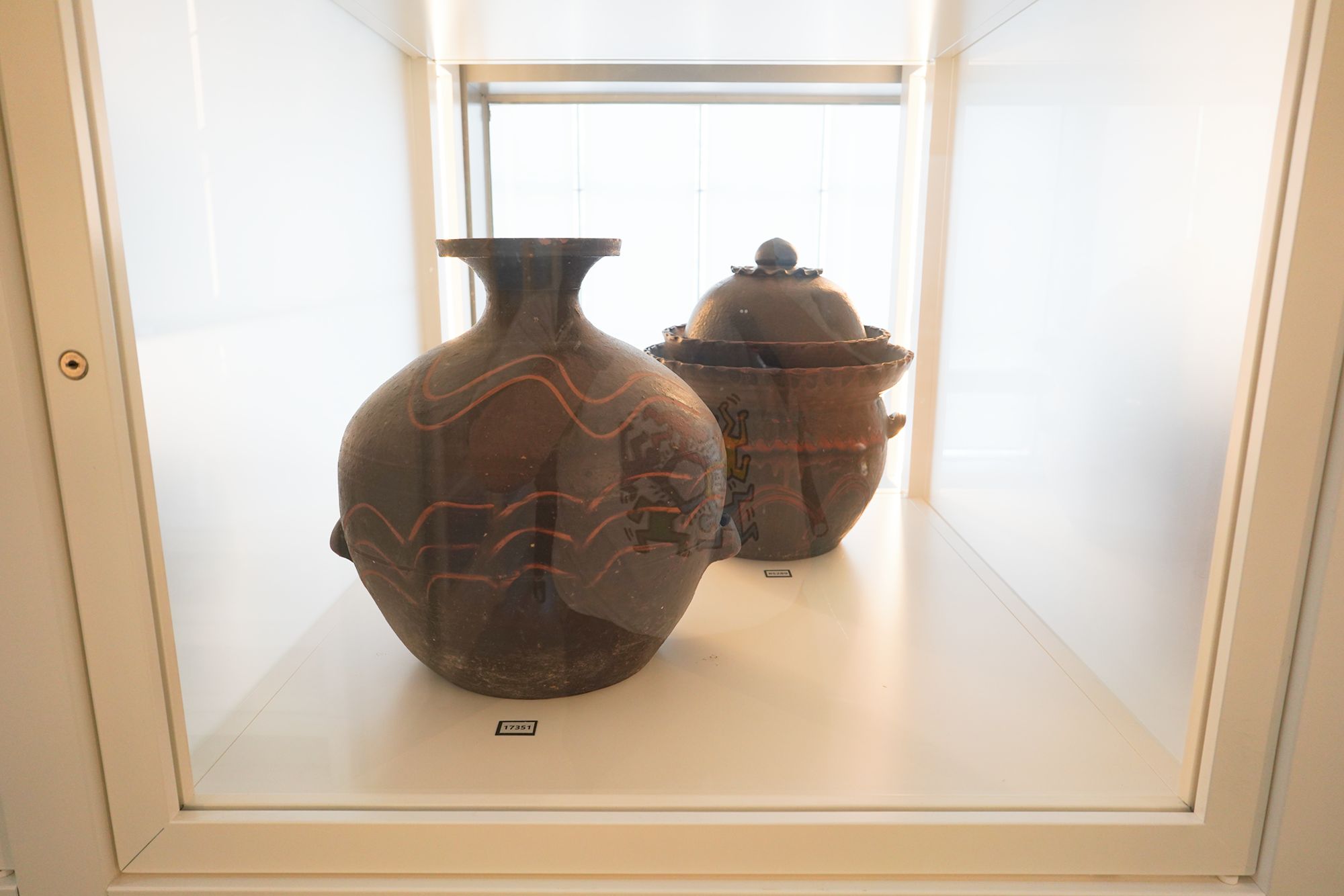
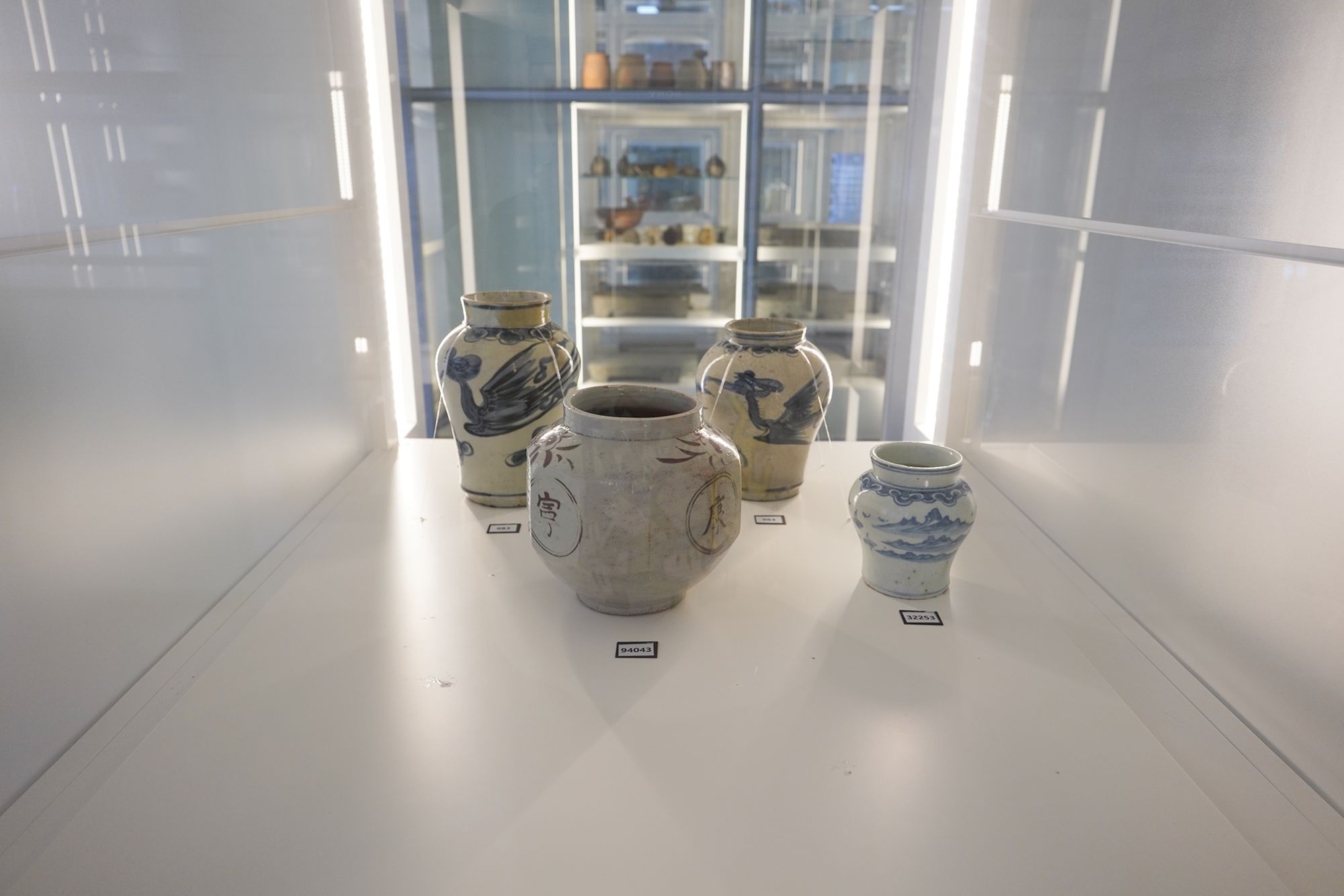
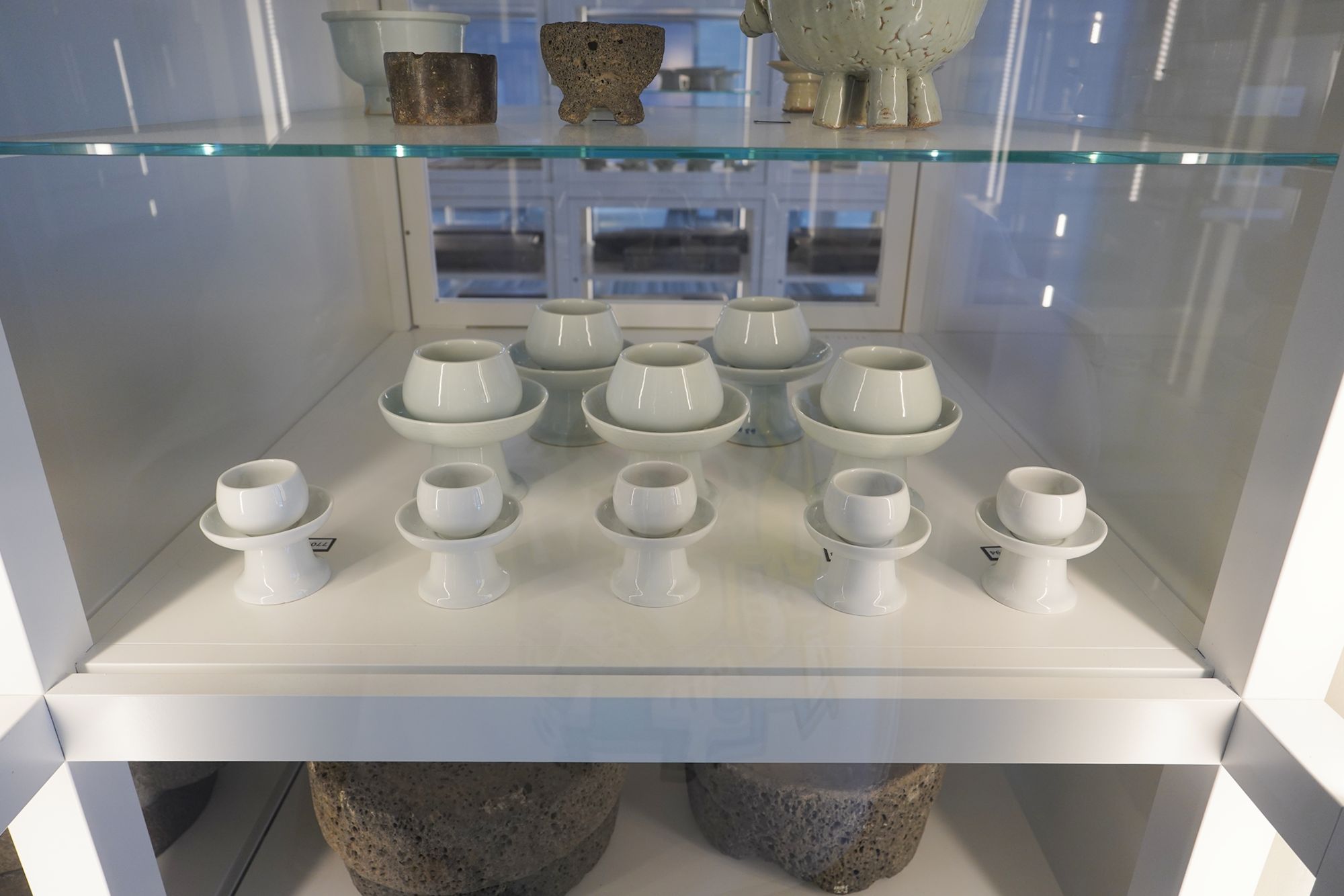
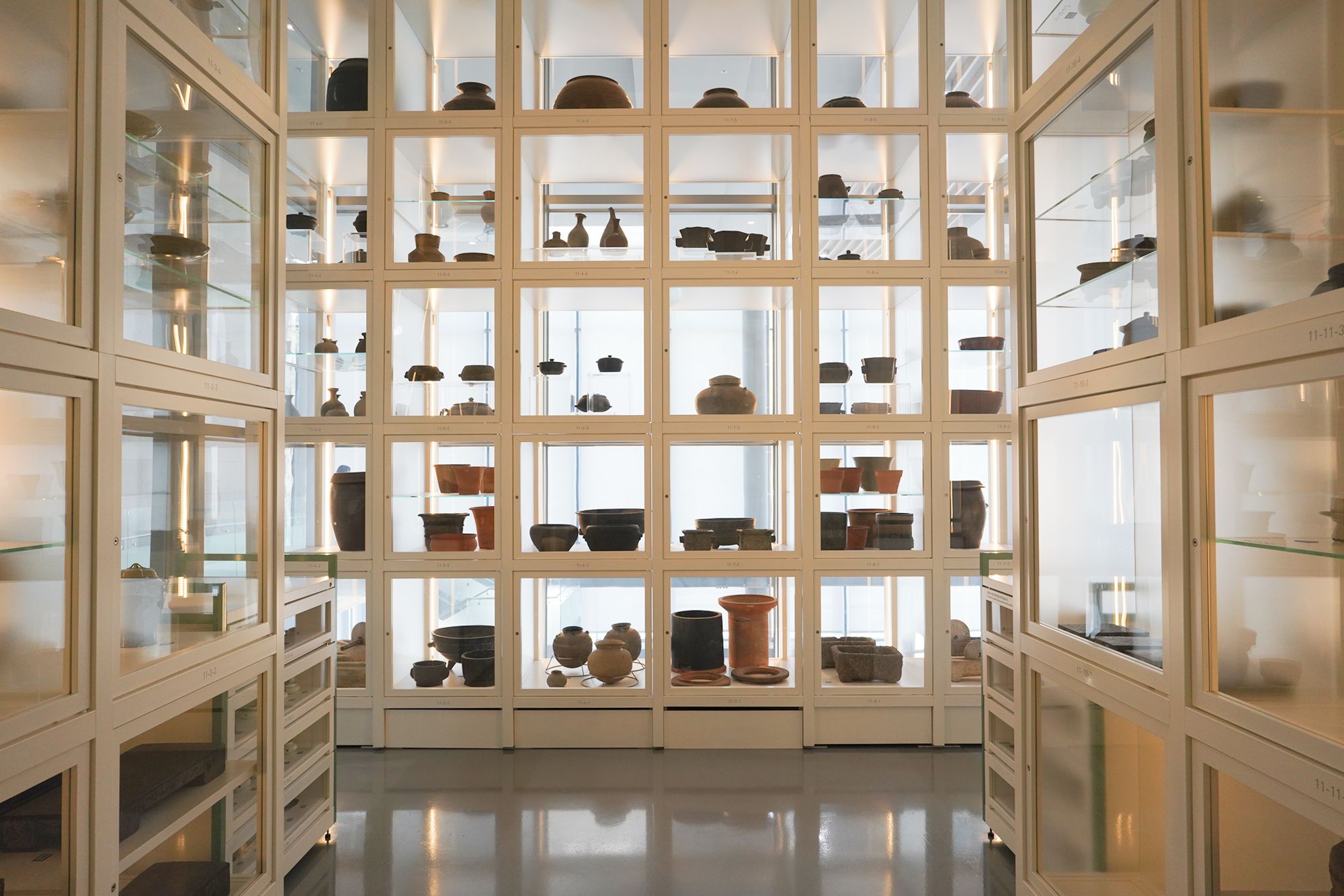
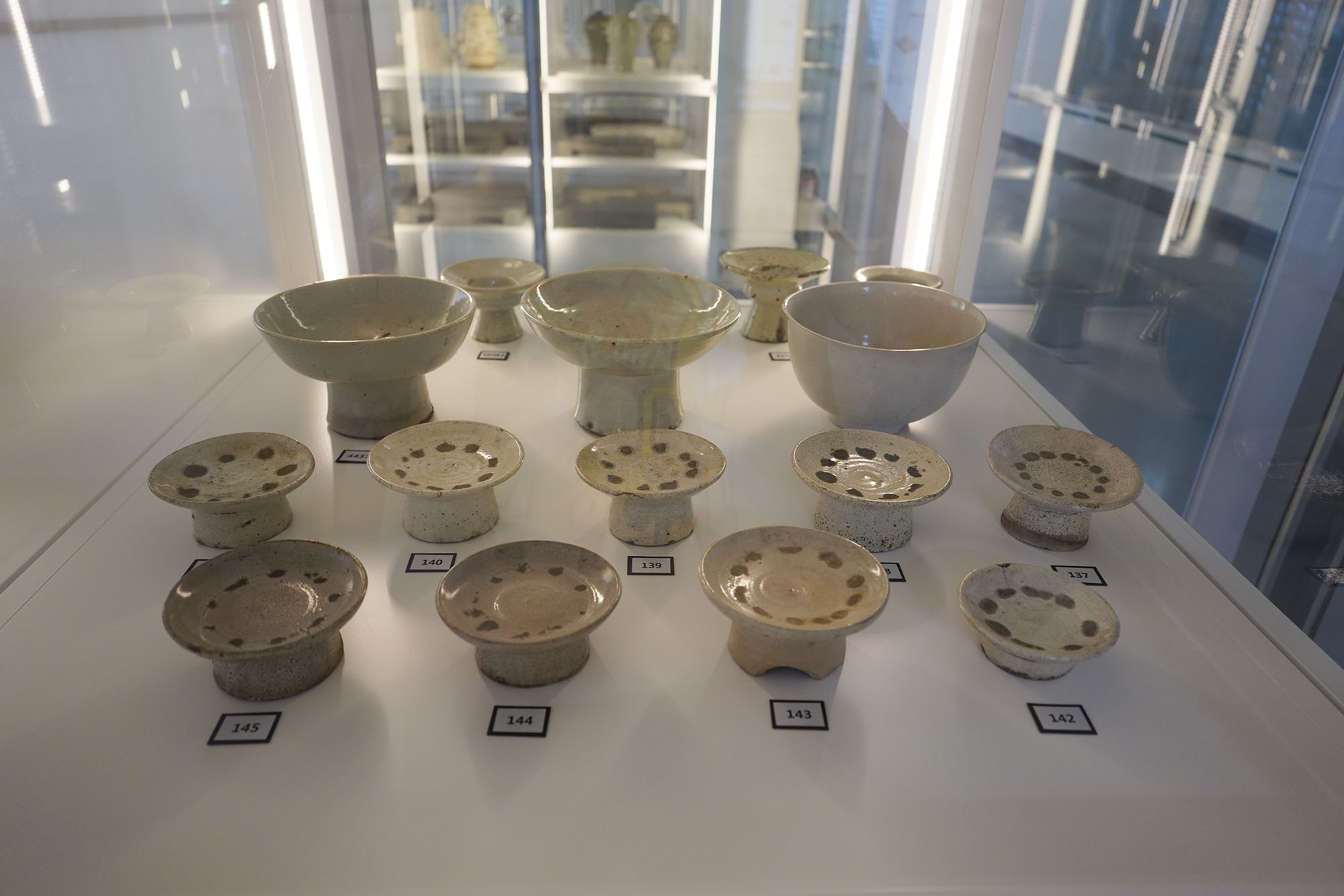
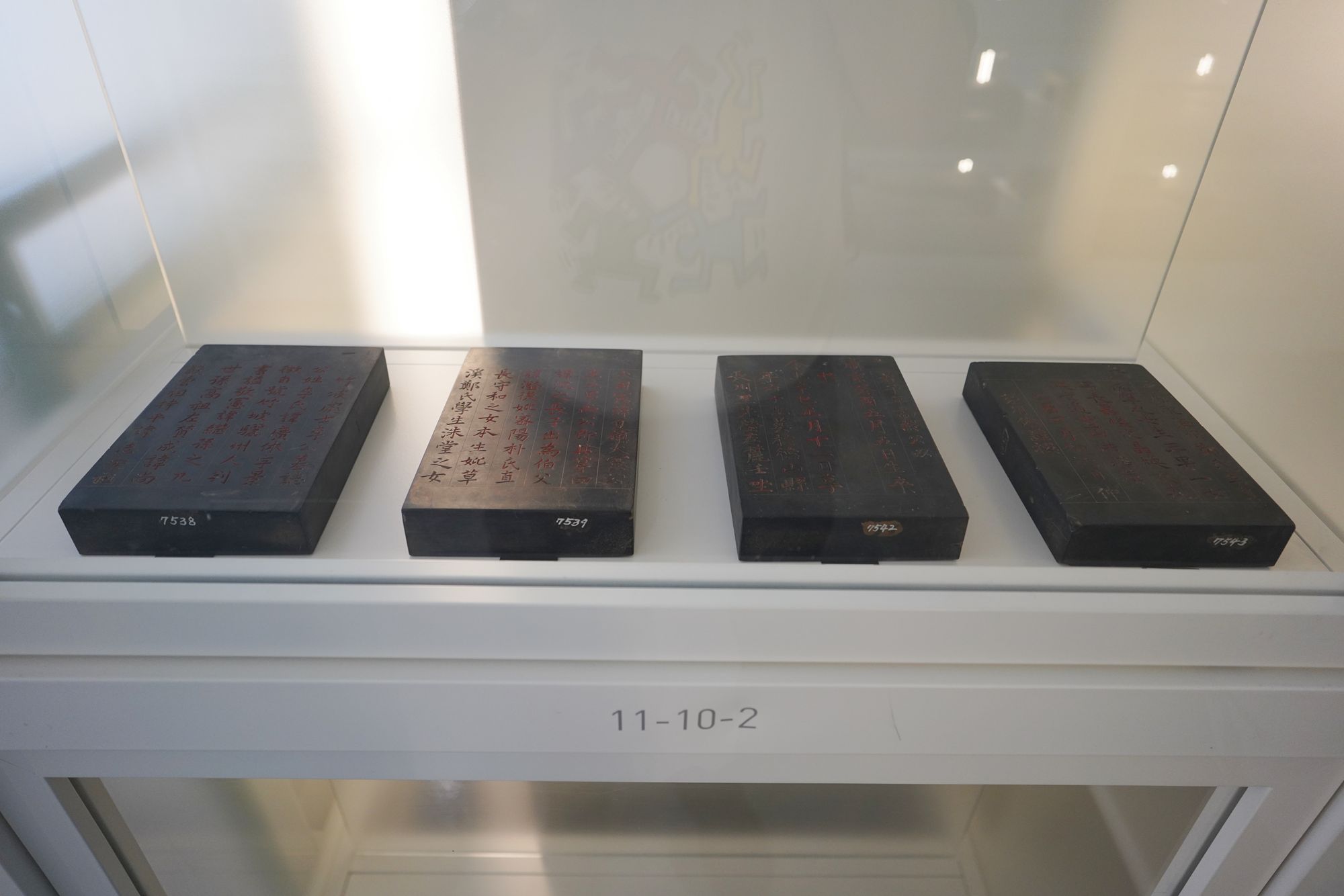
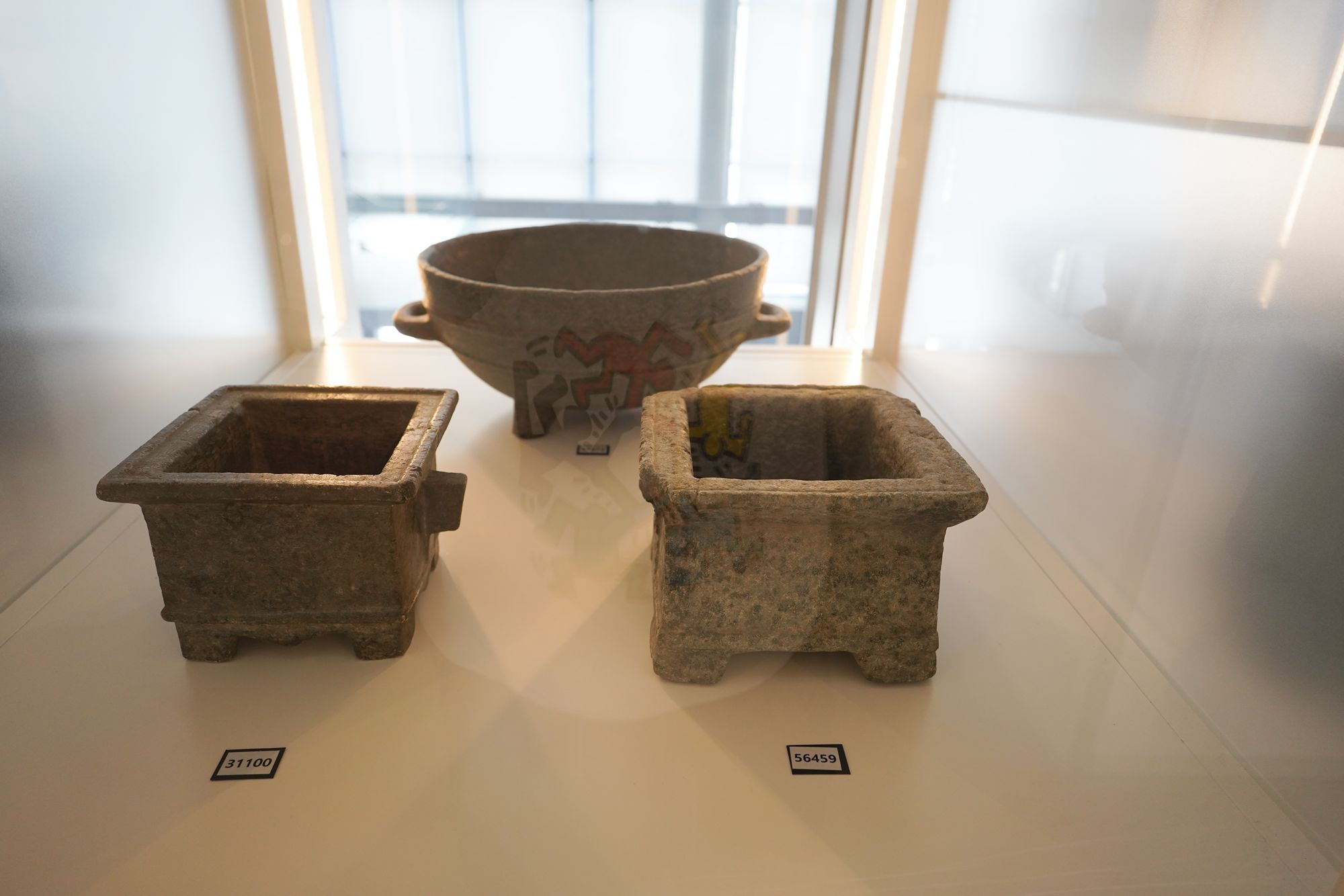
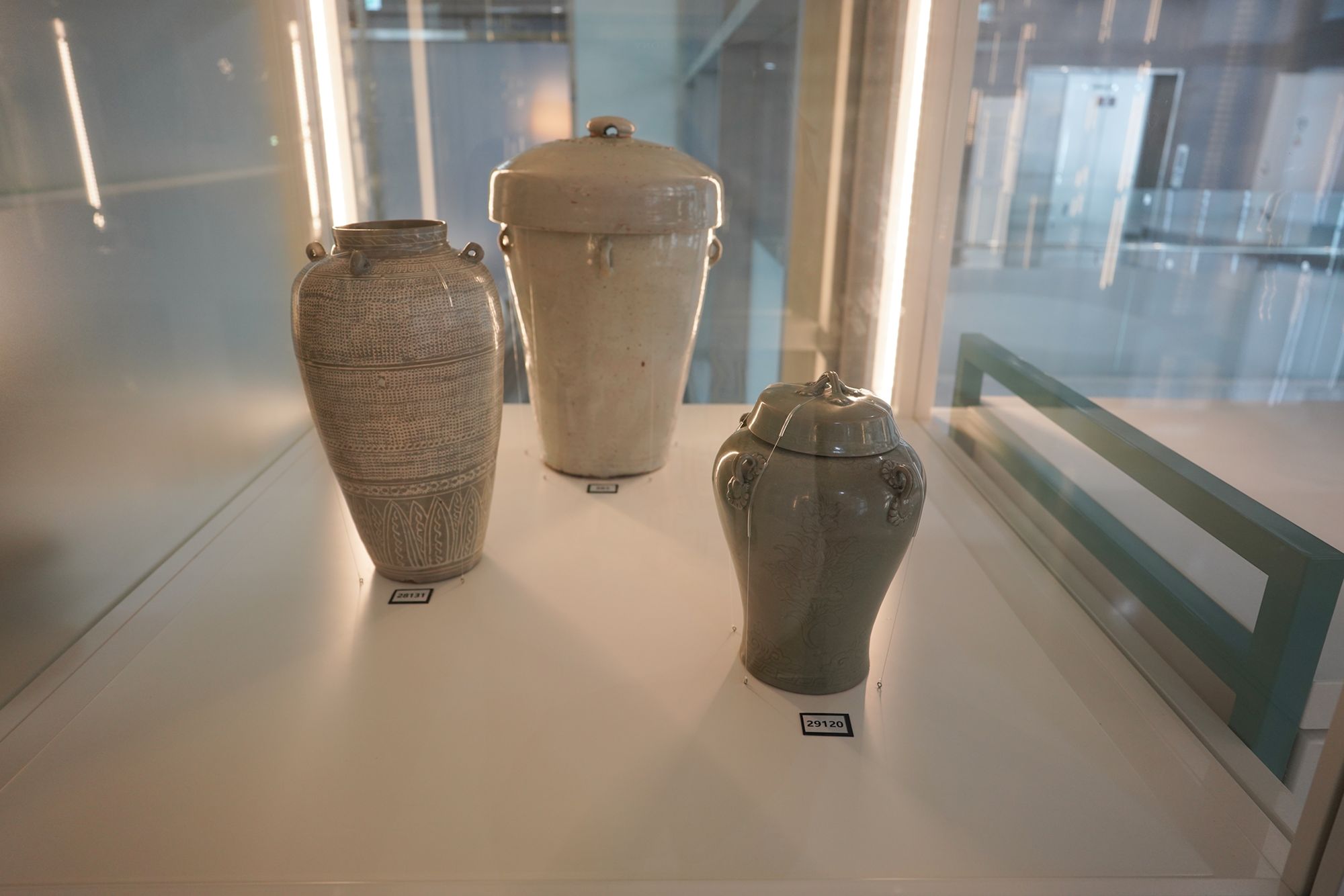
Folk Life Archives
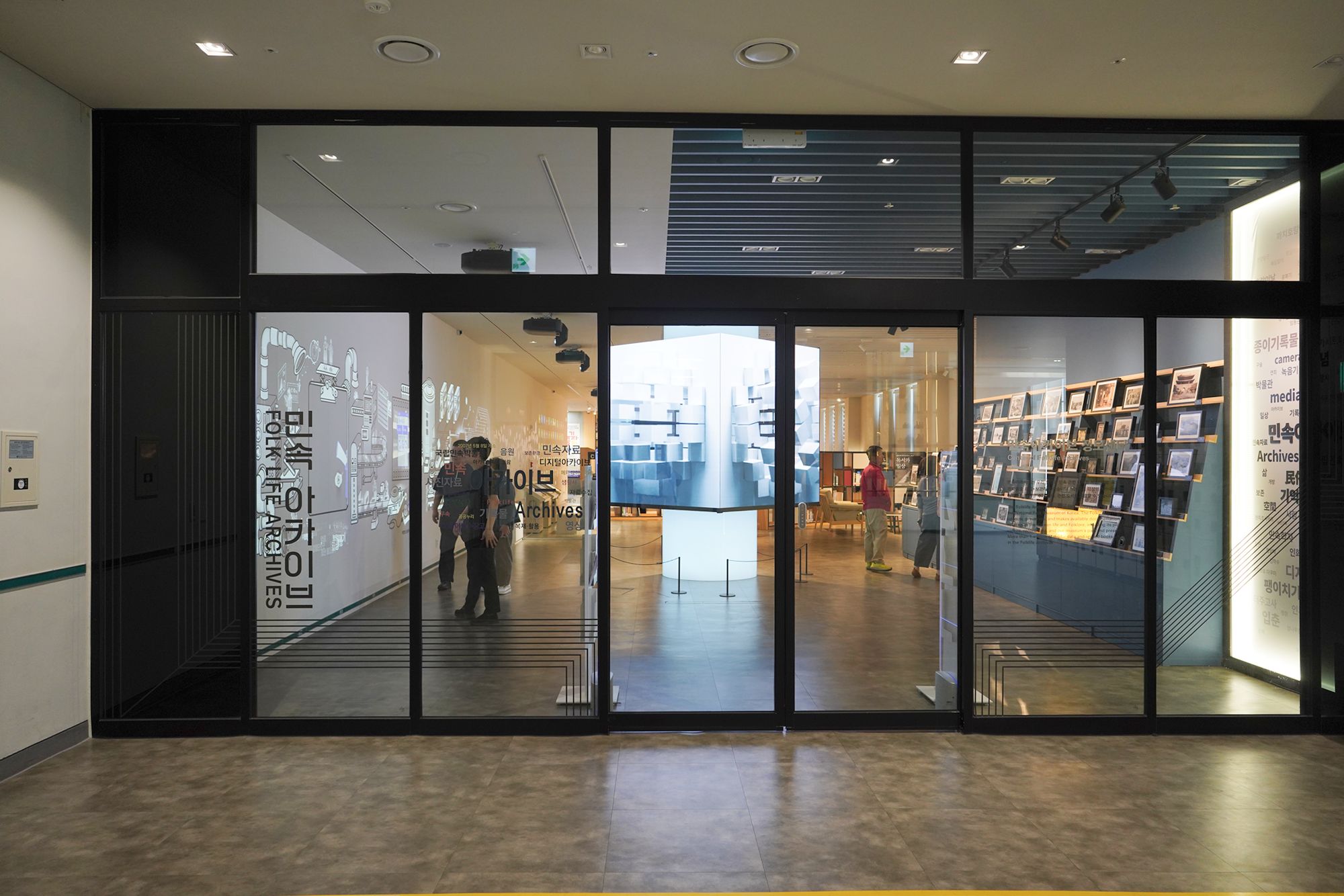
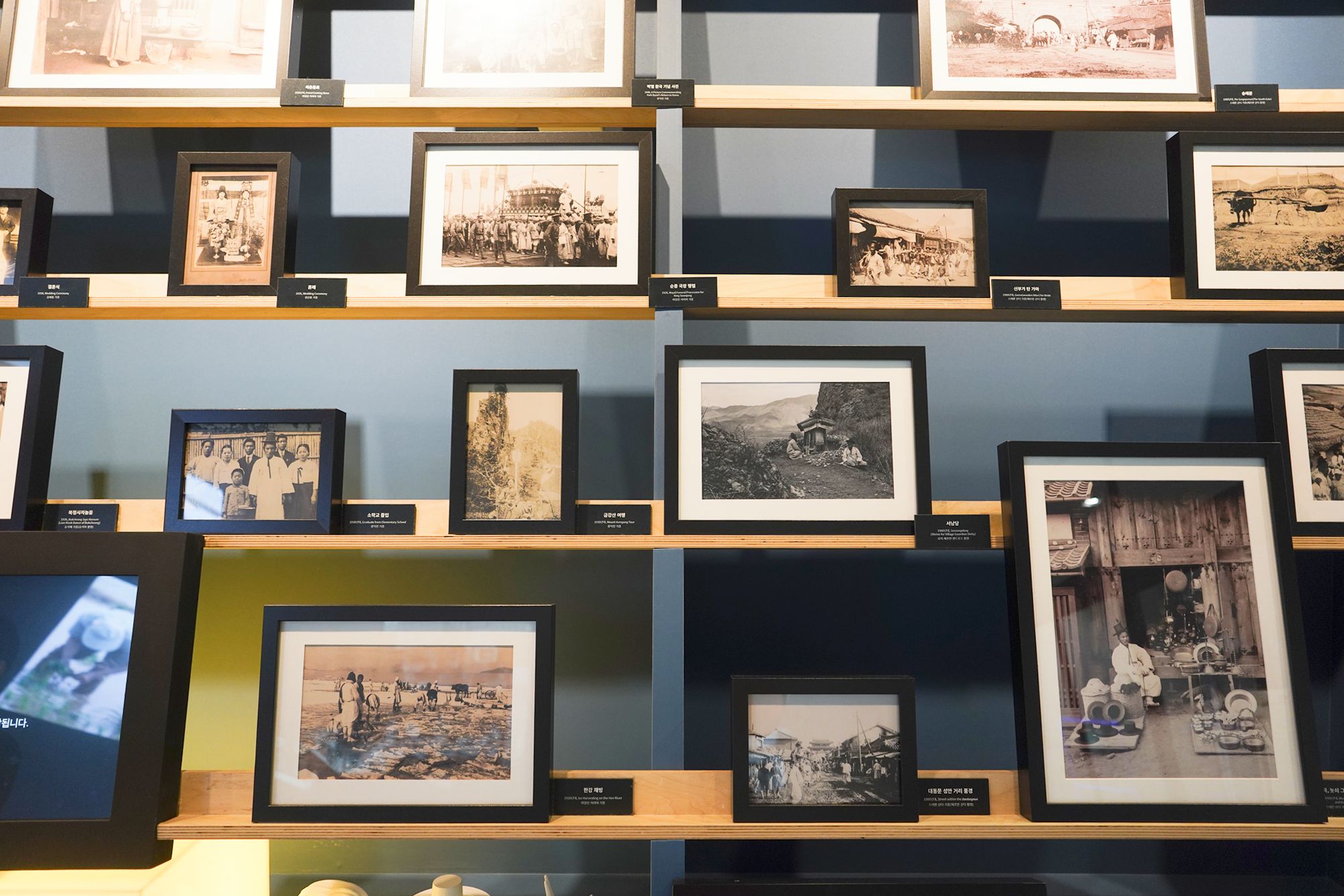
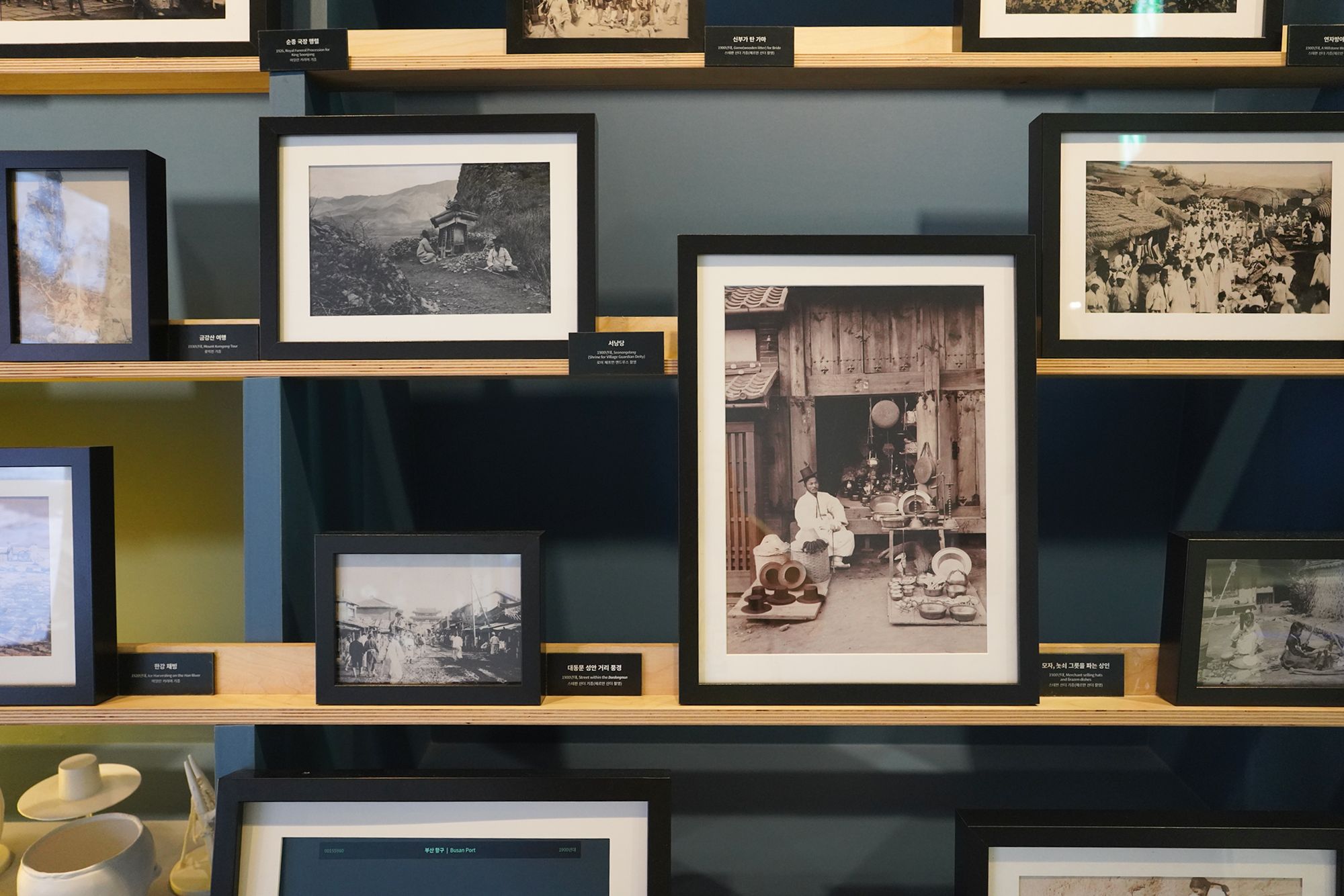
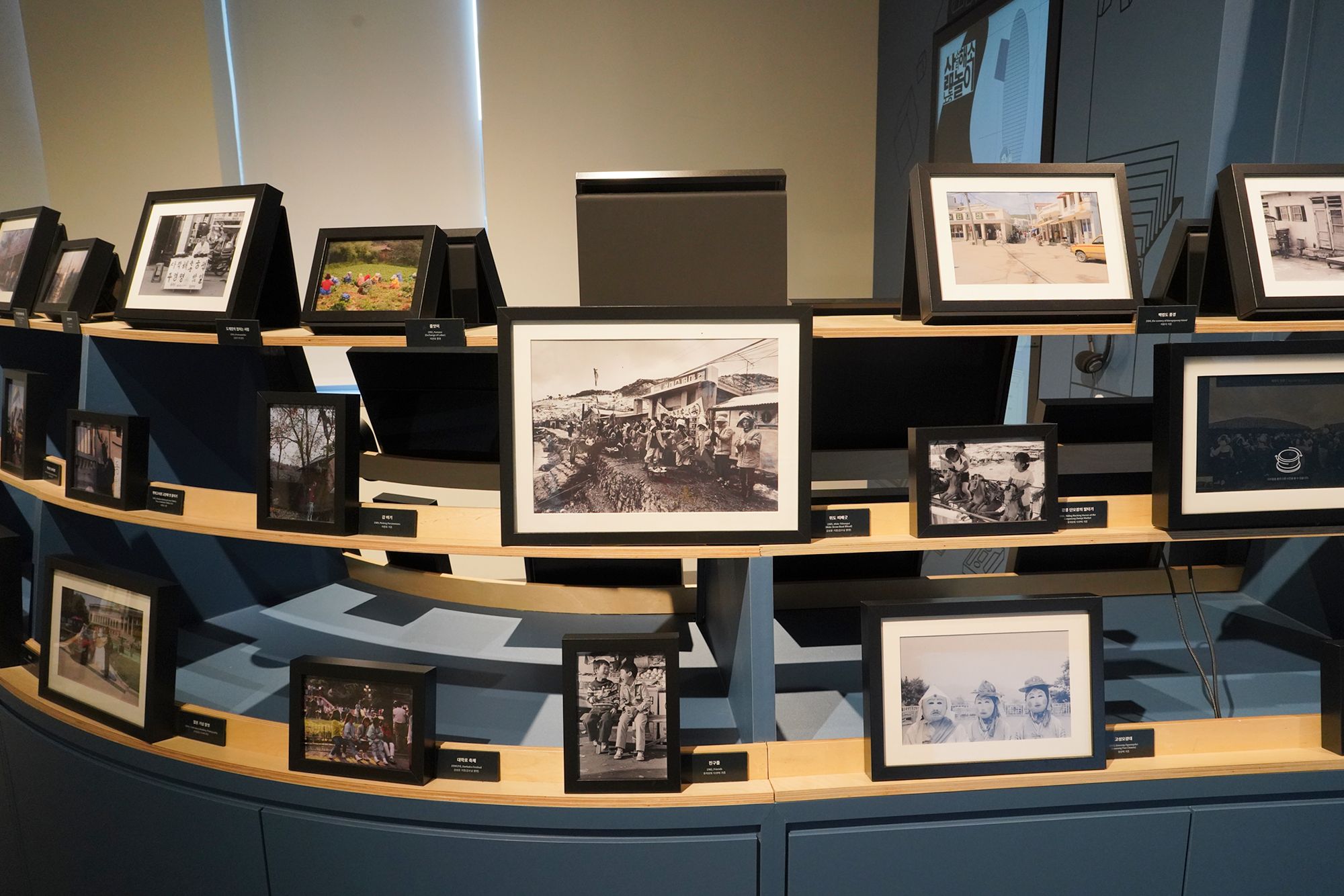
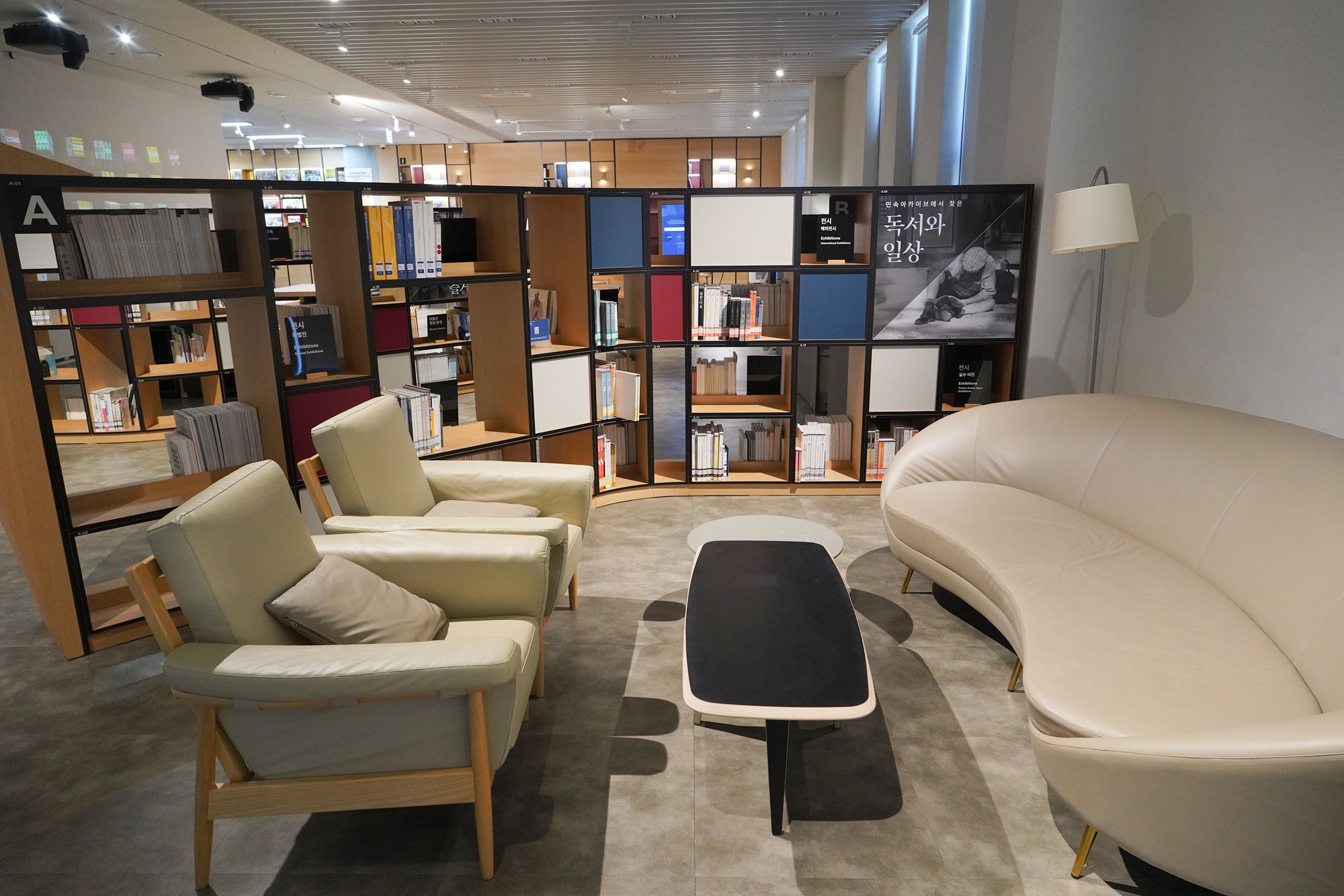
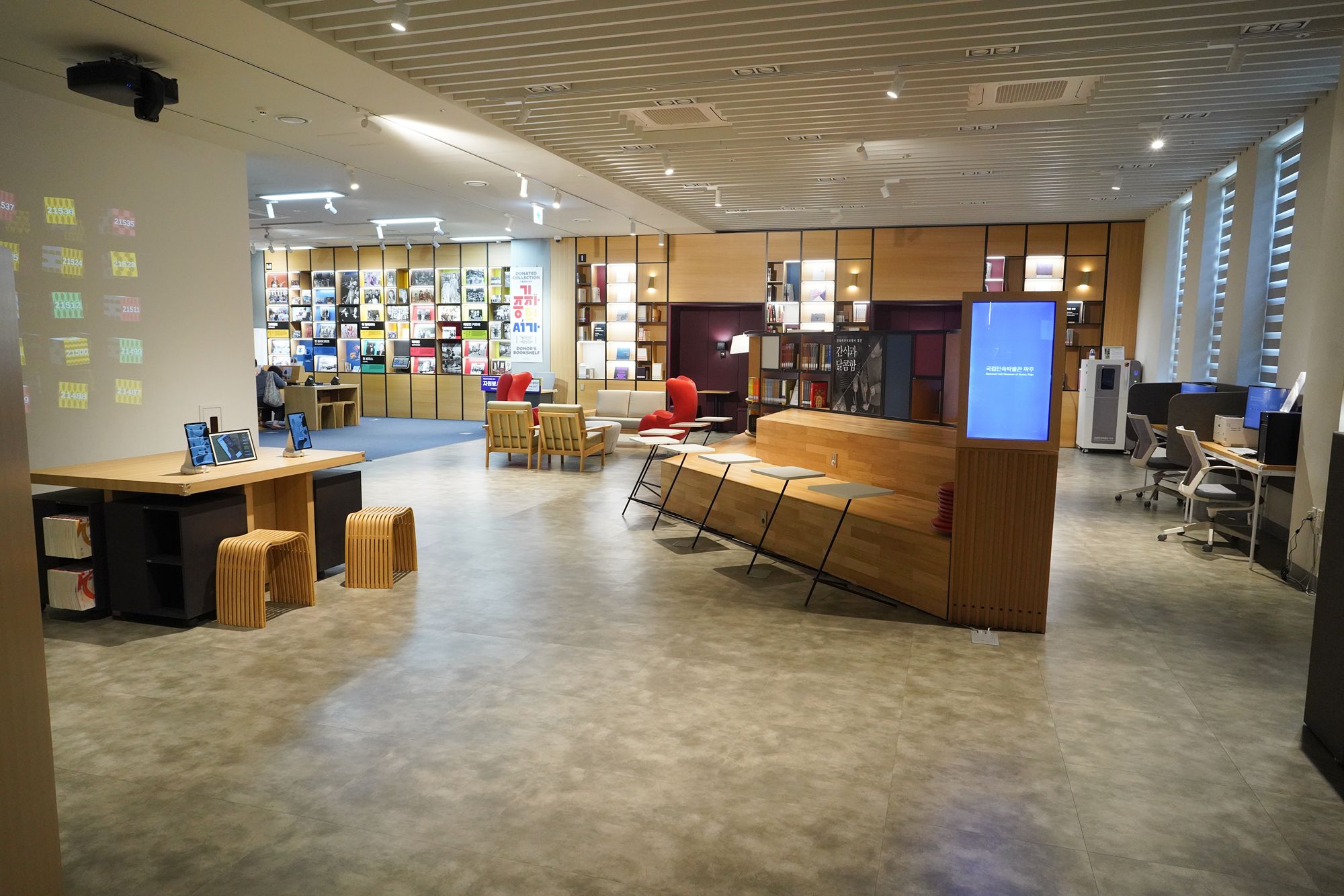
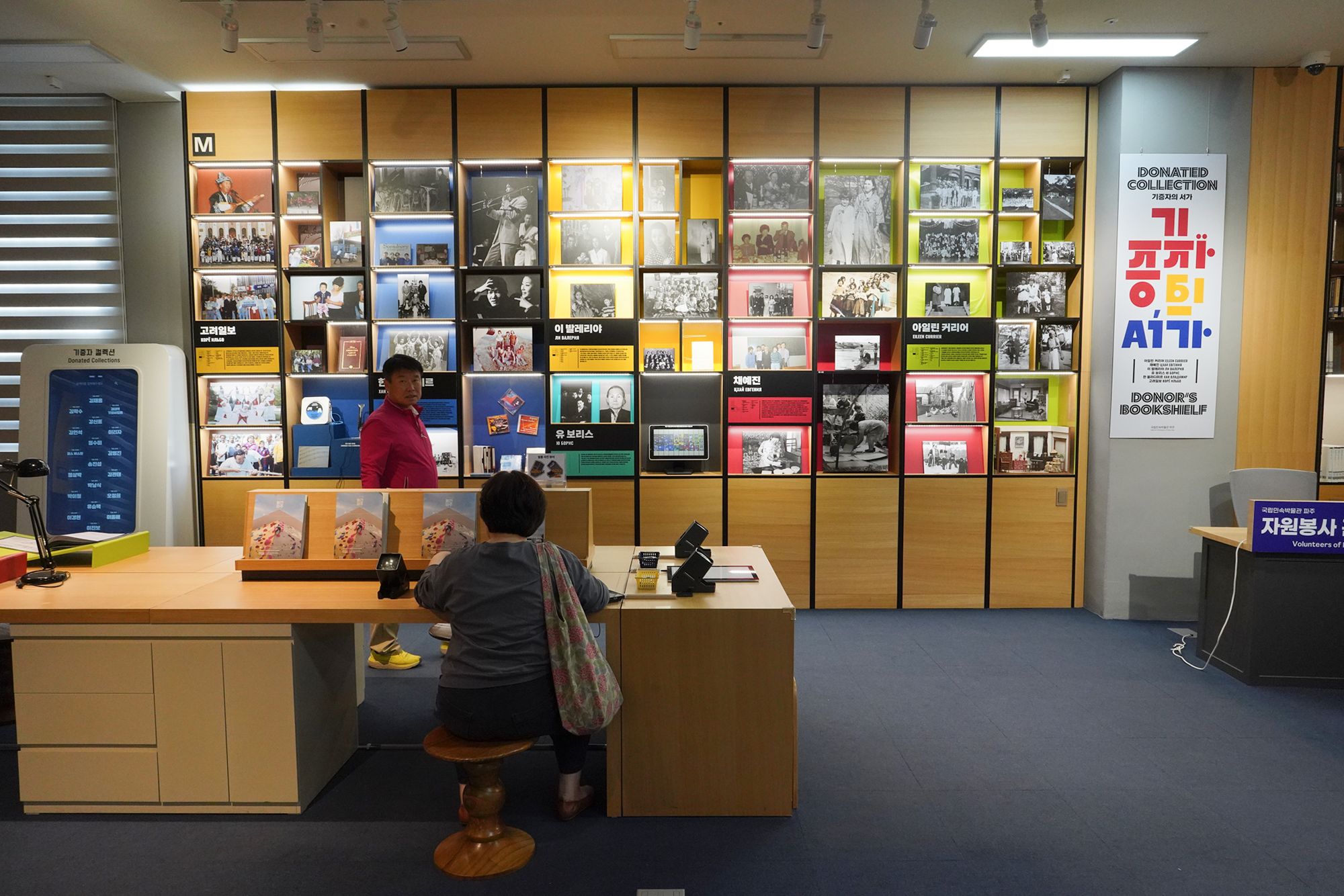
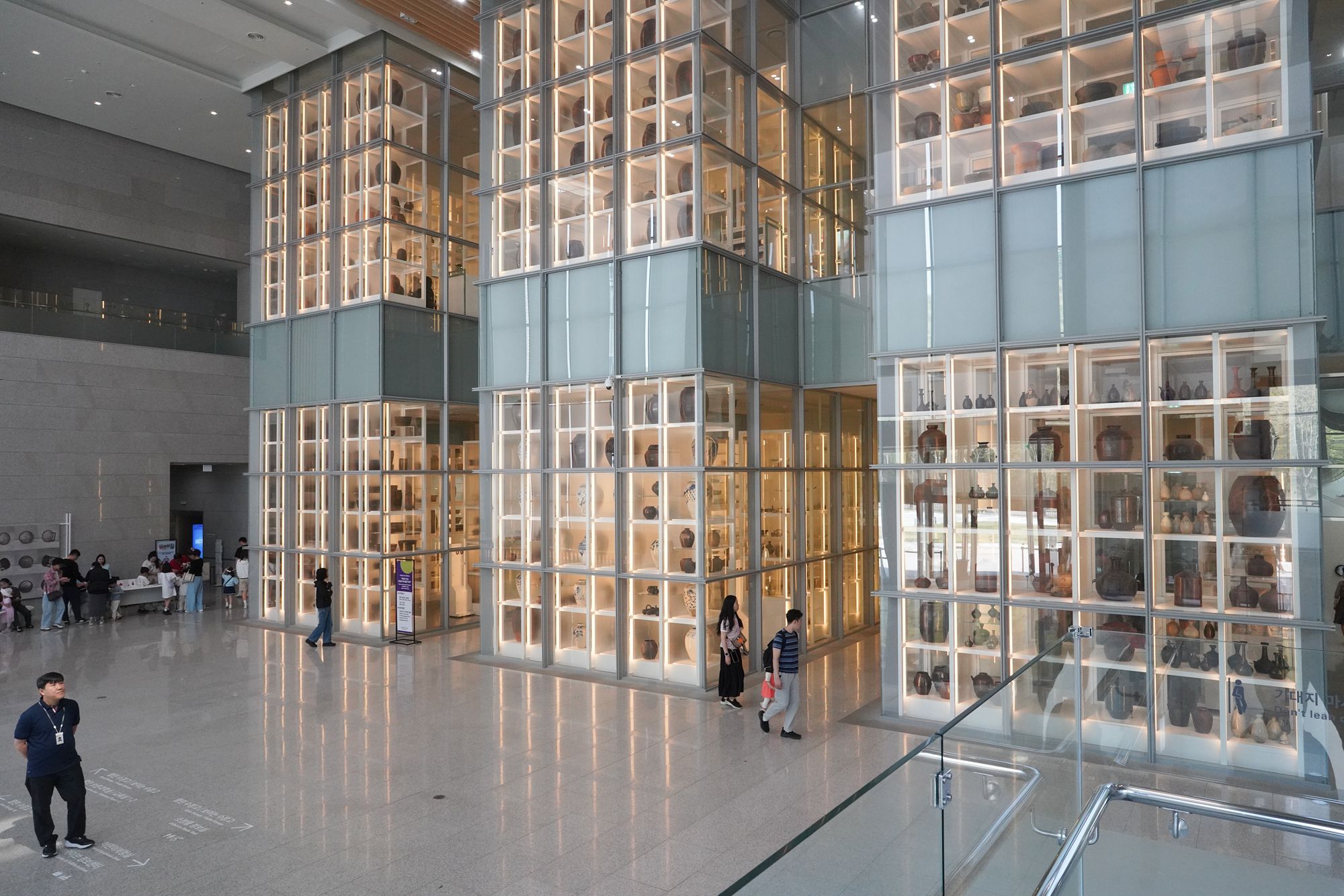
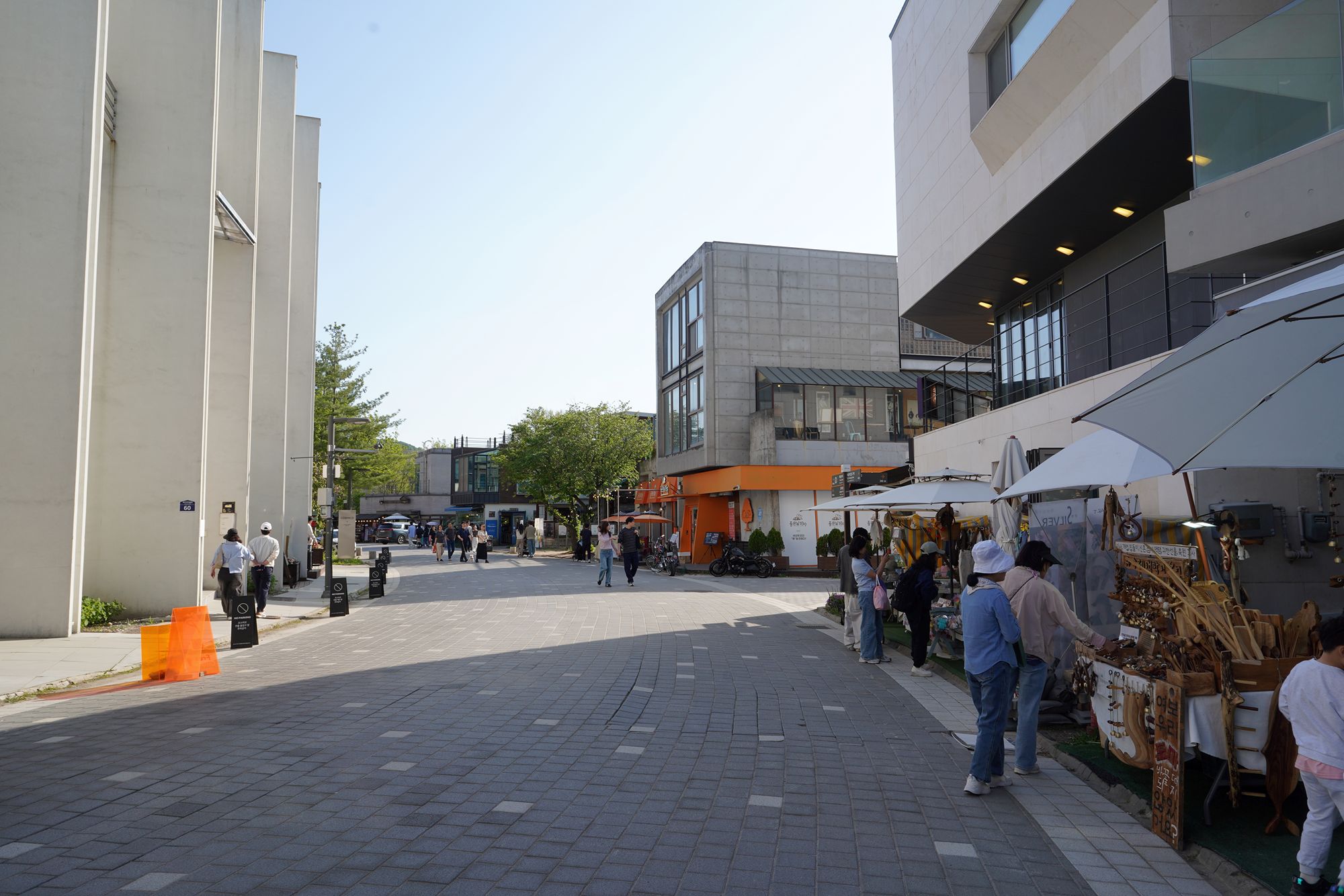
After visiting the museum, I walked to the nearby Heyri Art Village, another well-known cultural and artistic area in Paju.
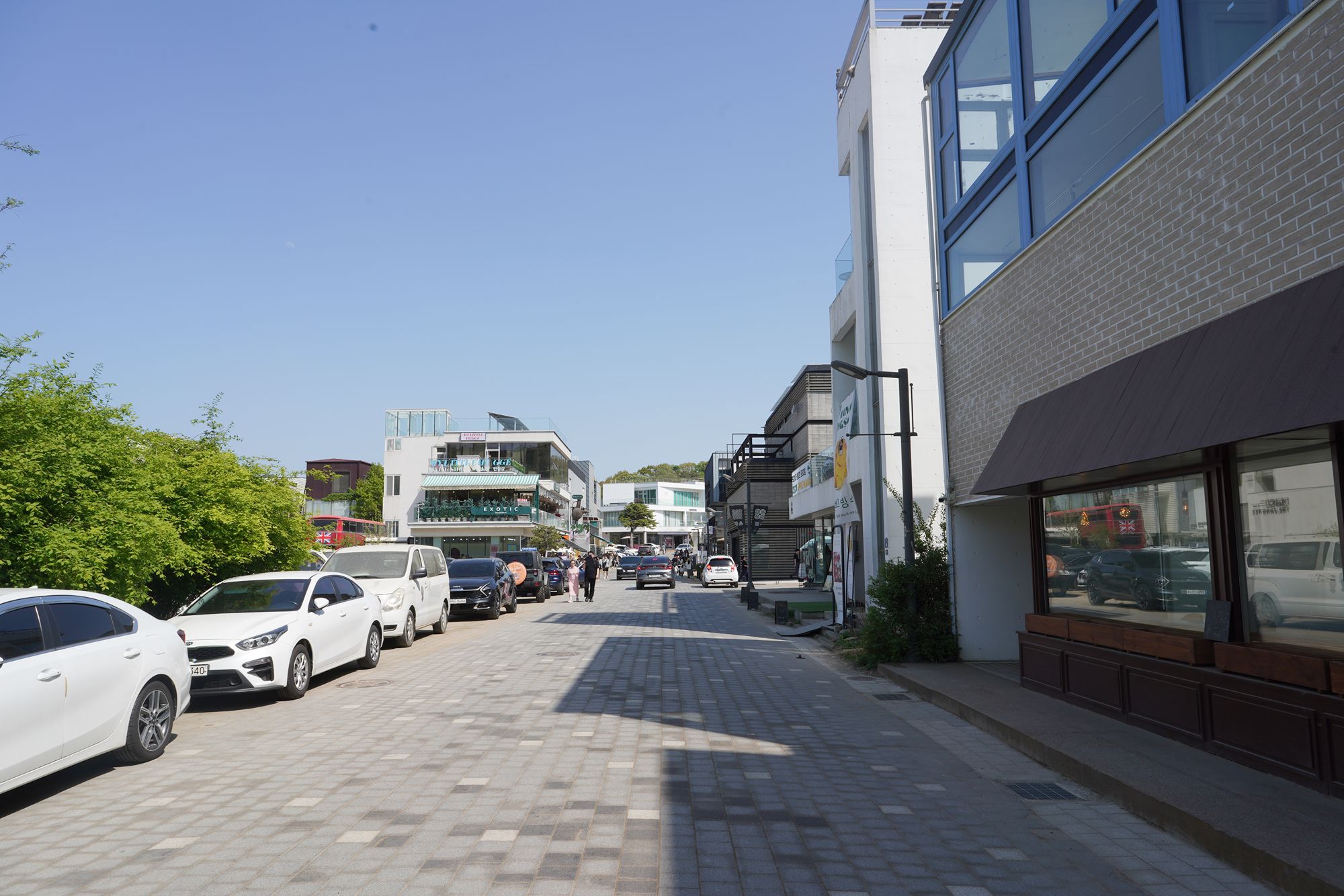
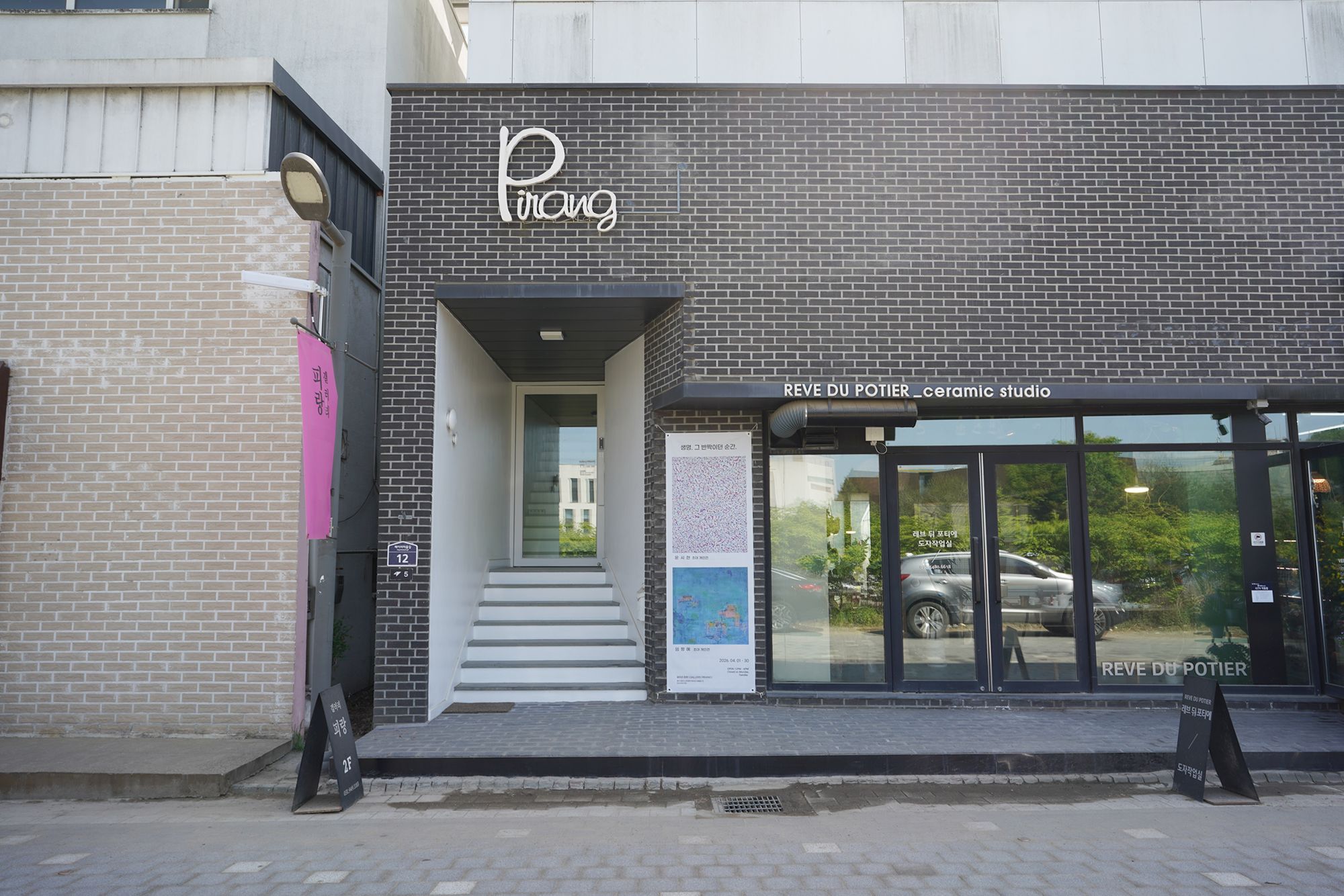
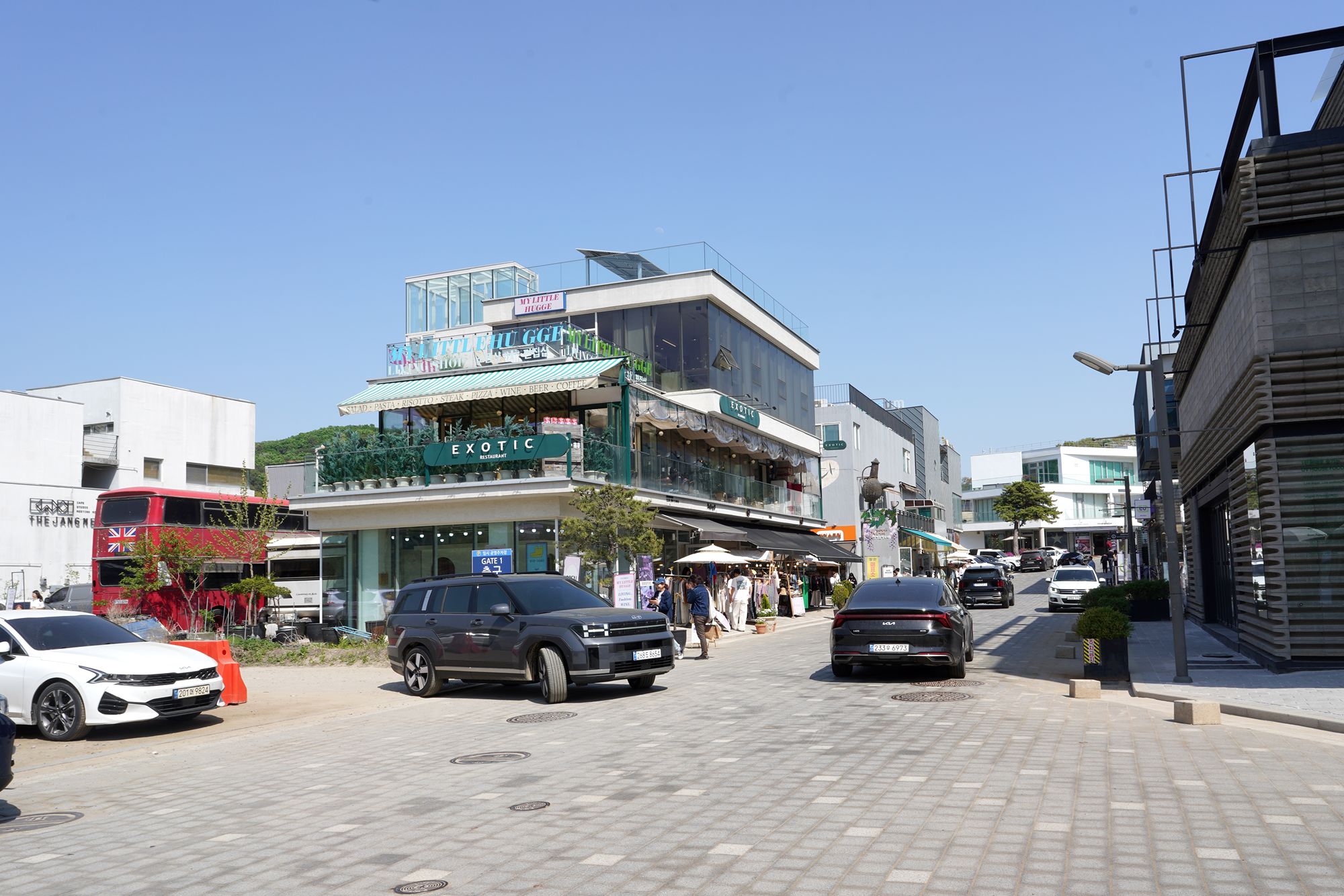
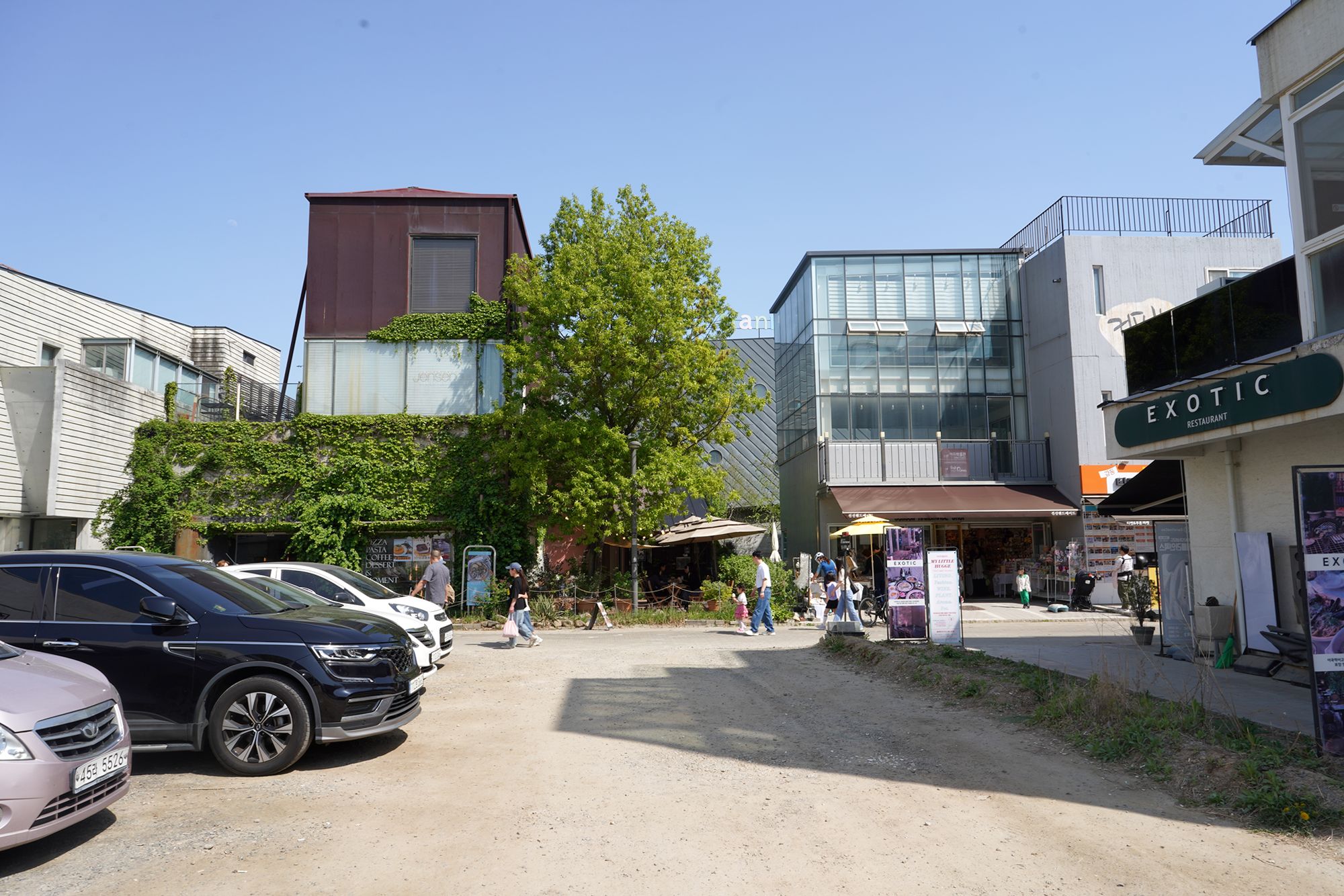
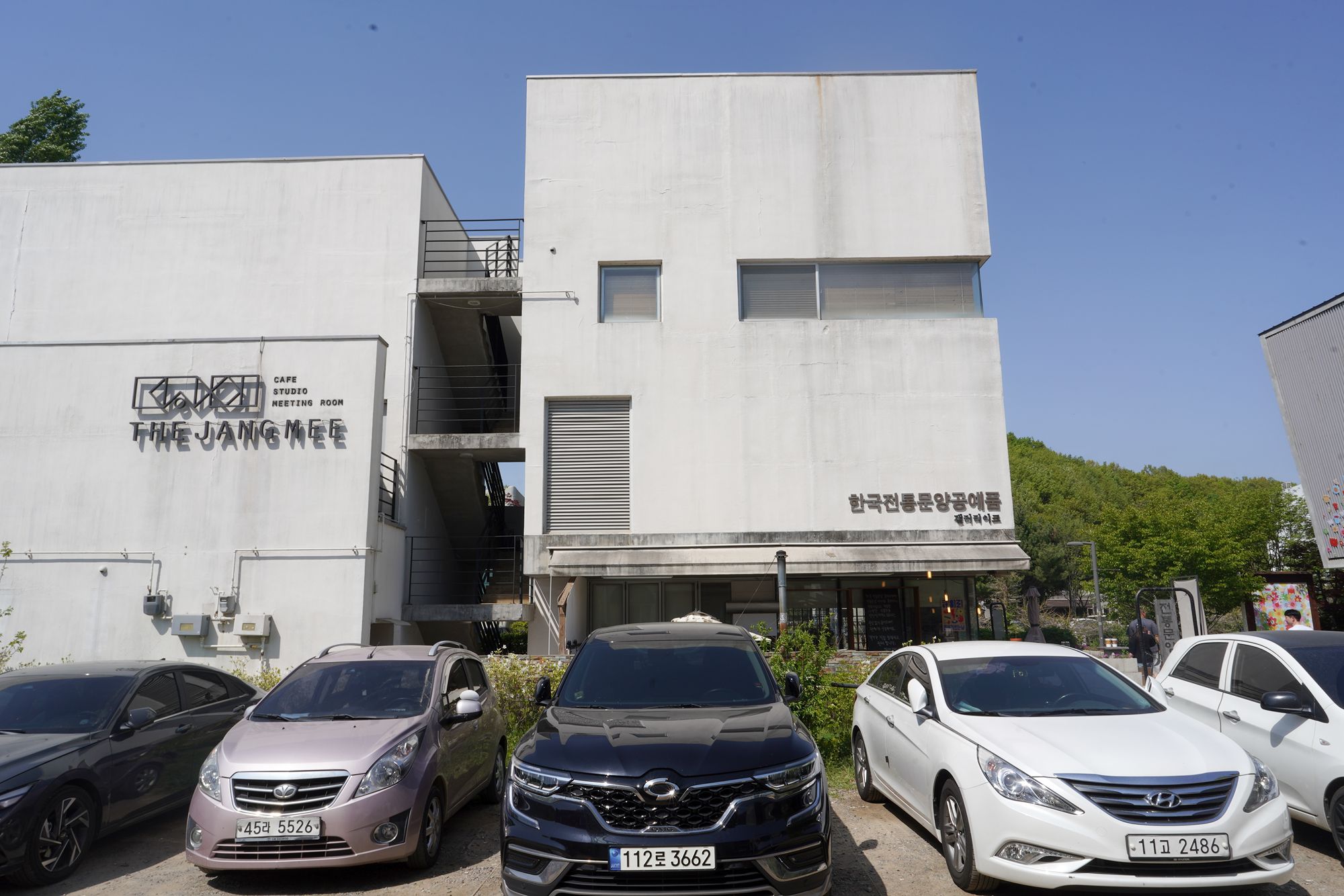
Heyri Art Village is a unique cultural community created by artists, writers, architects, musicians, and other creative professionals.
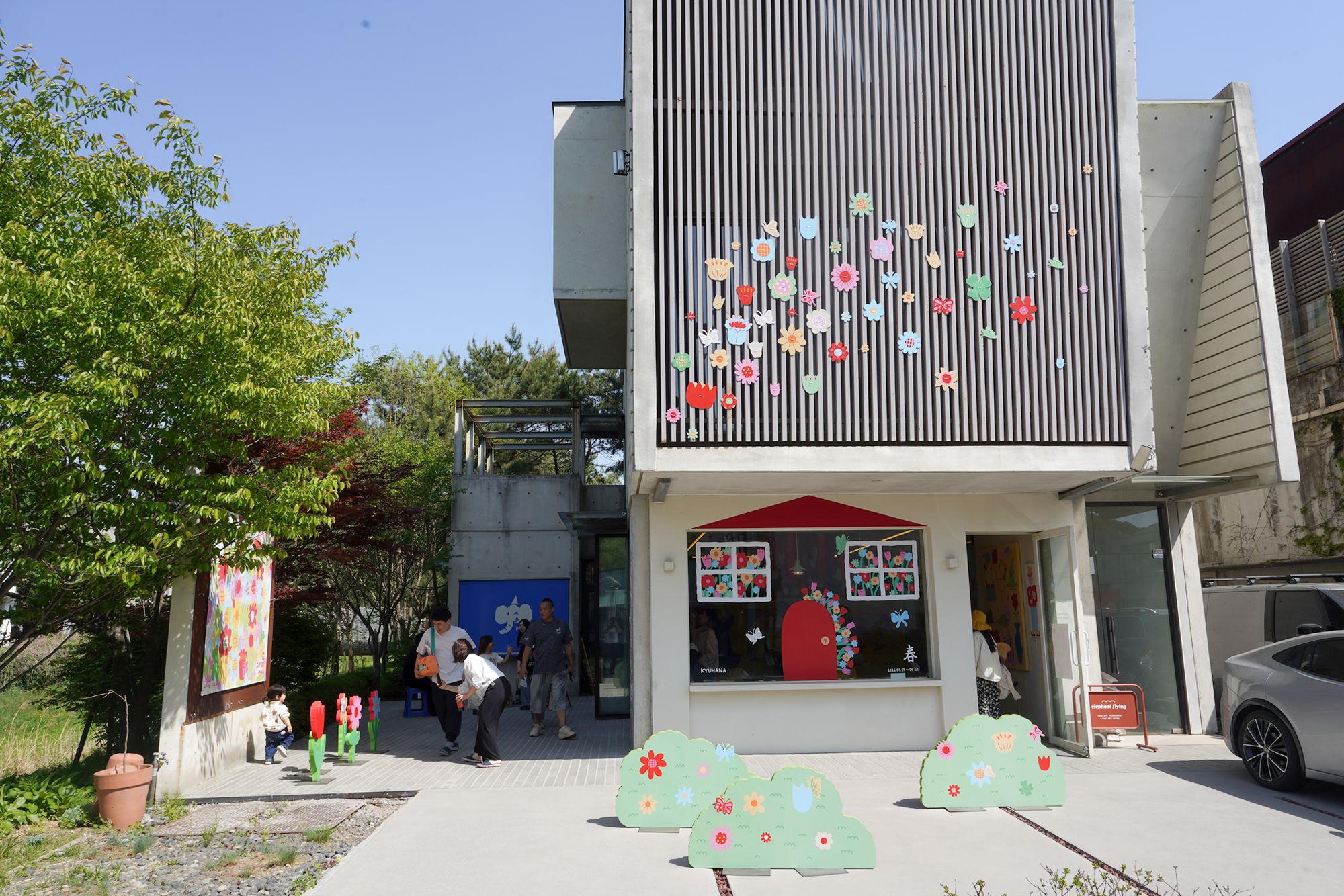
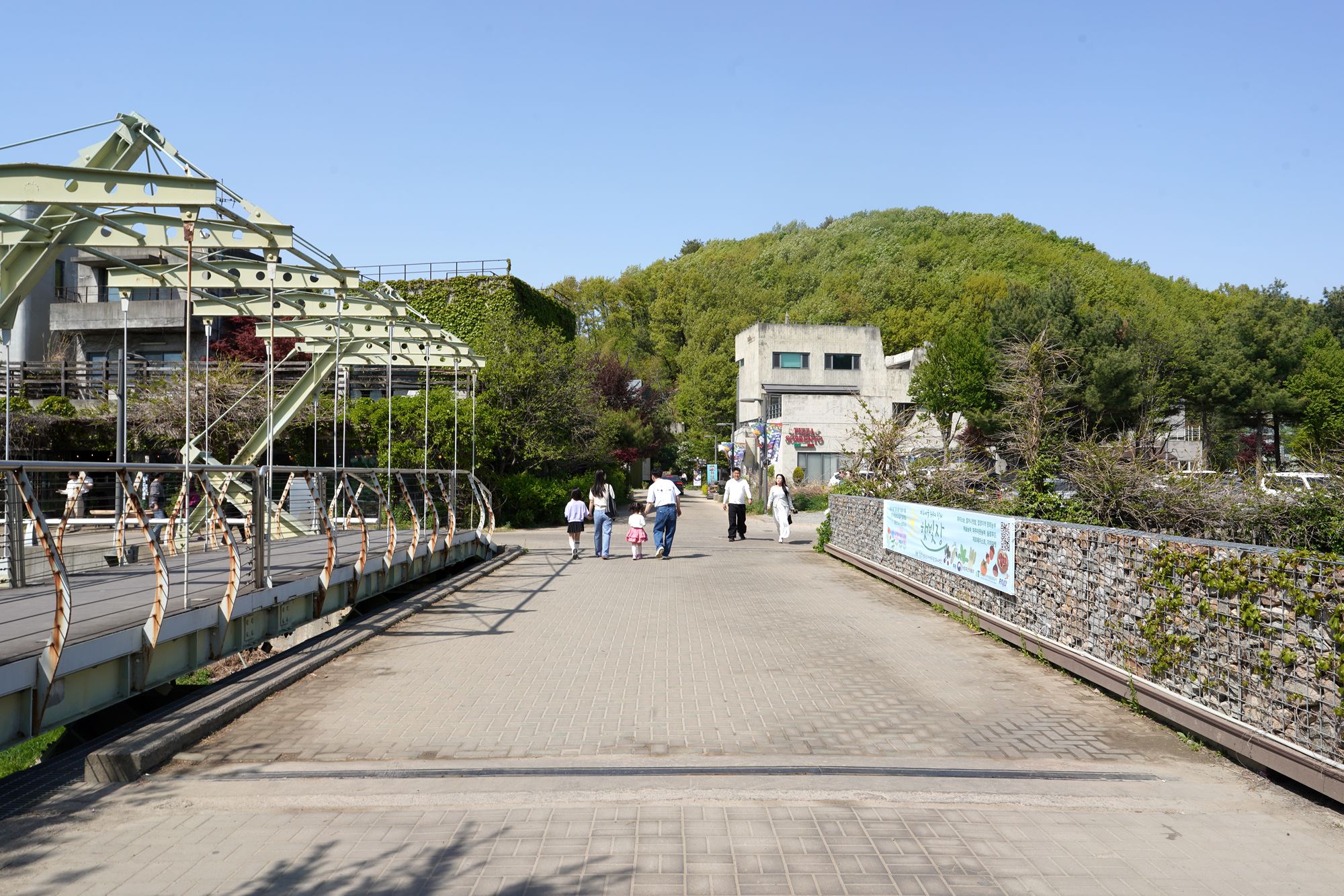
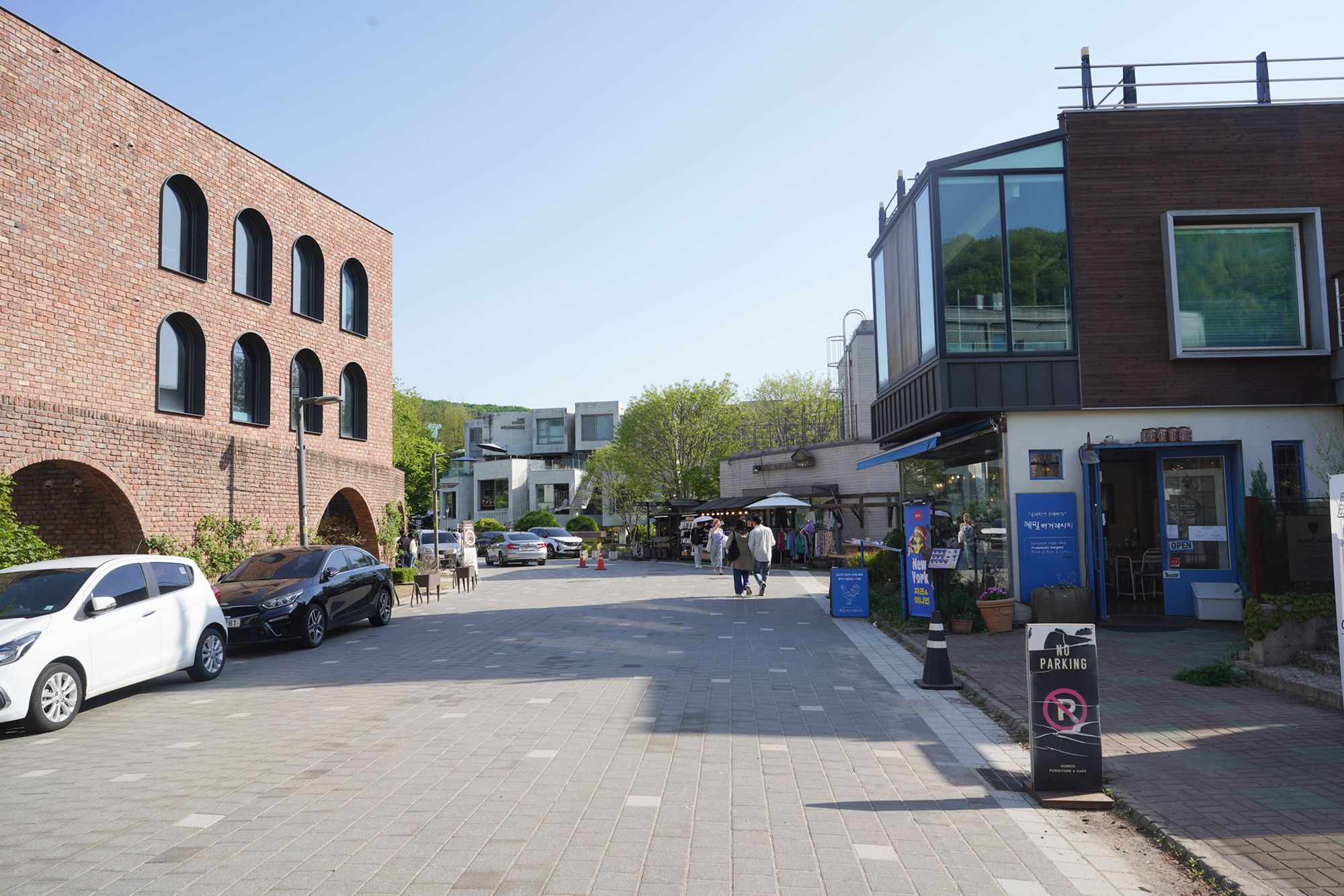
The village is filled with galleries, small museums, studios, bookstores, cafés, and unusually designed buildings. Rather than one major attraction, the fun of visiting Heyri is simply walking around and discovering its art spaces and interesting architecture.
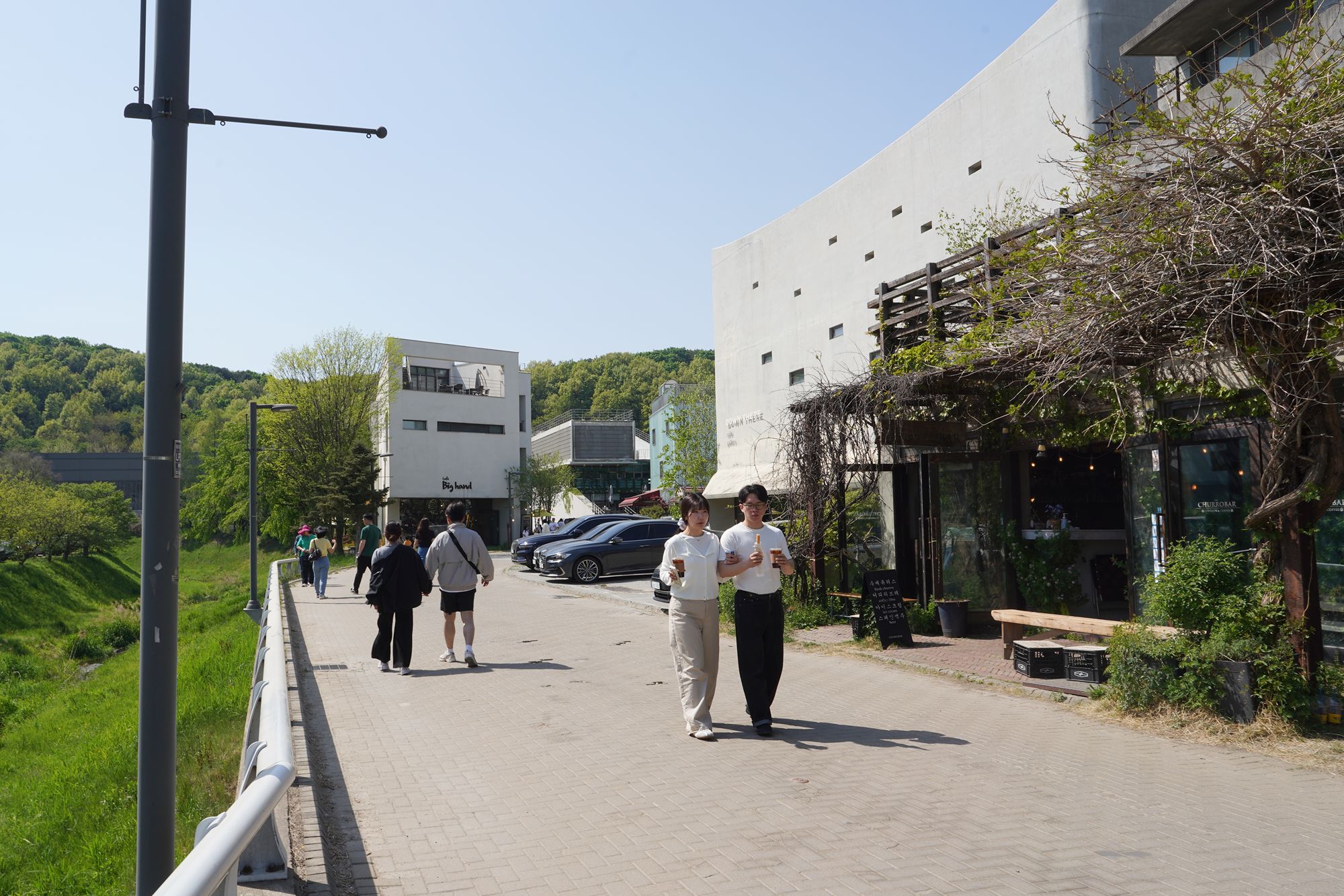
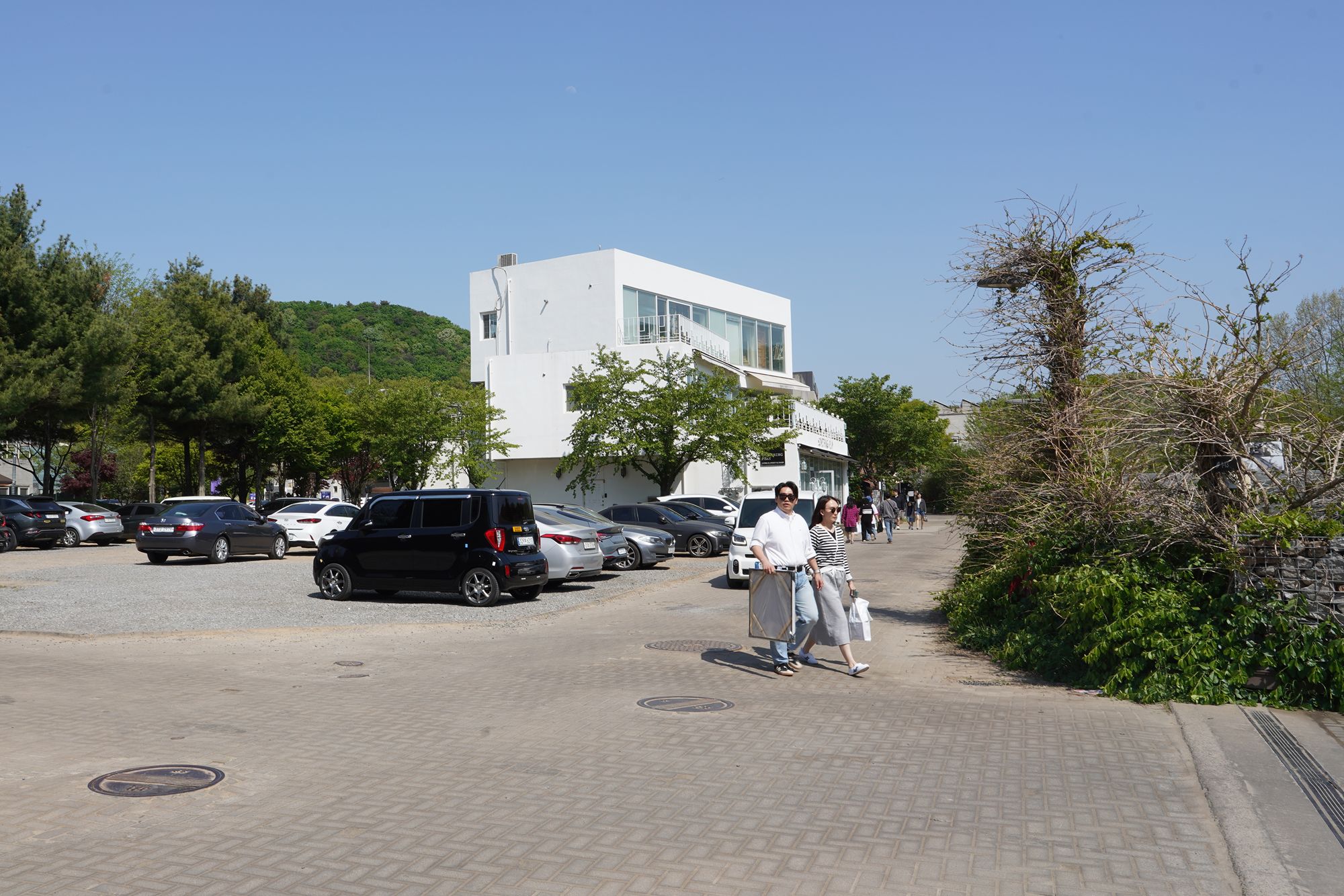
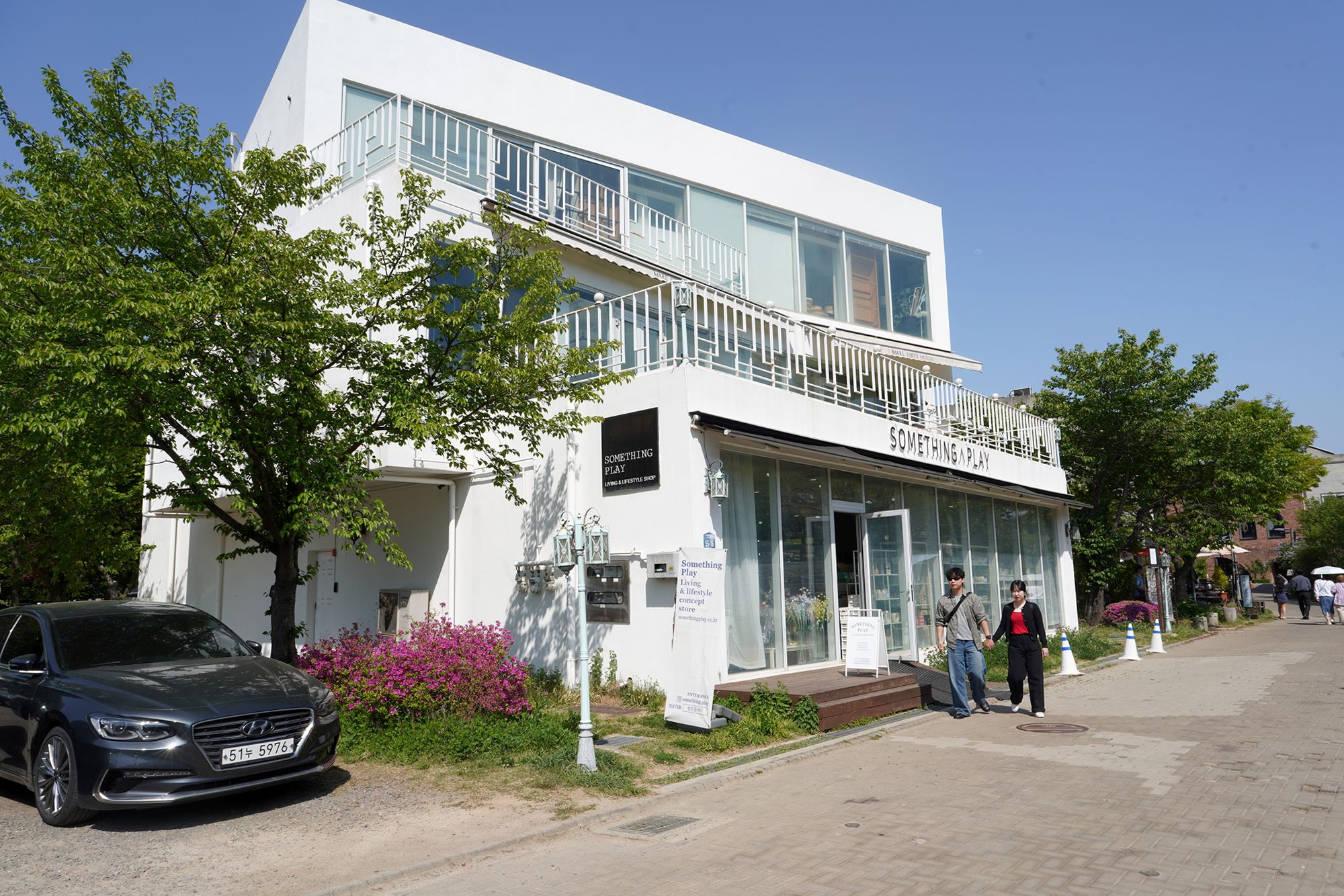
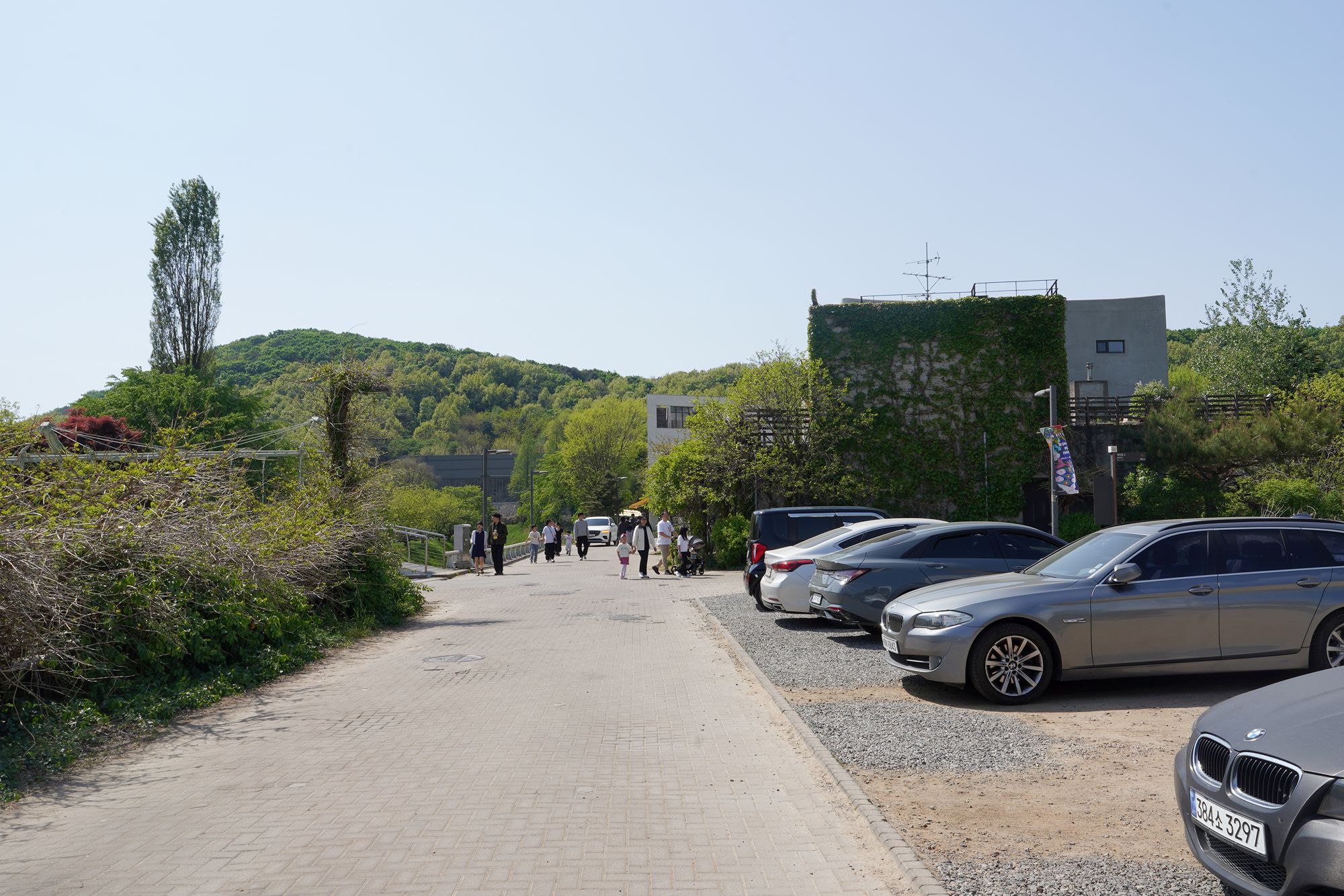
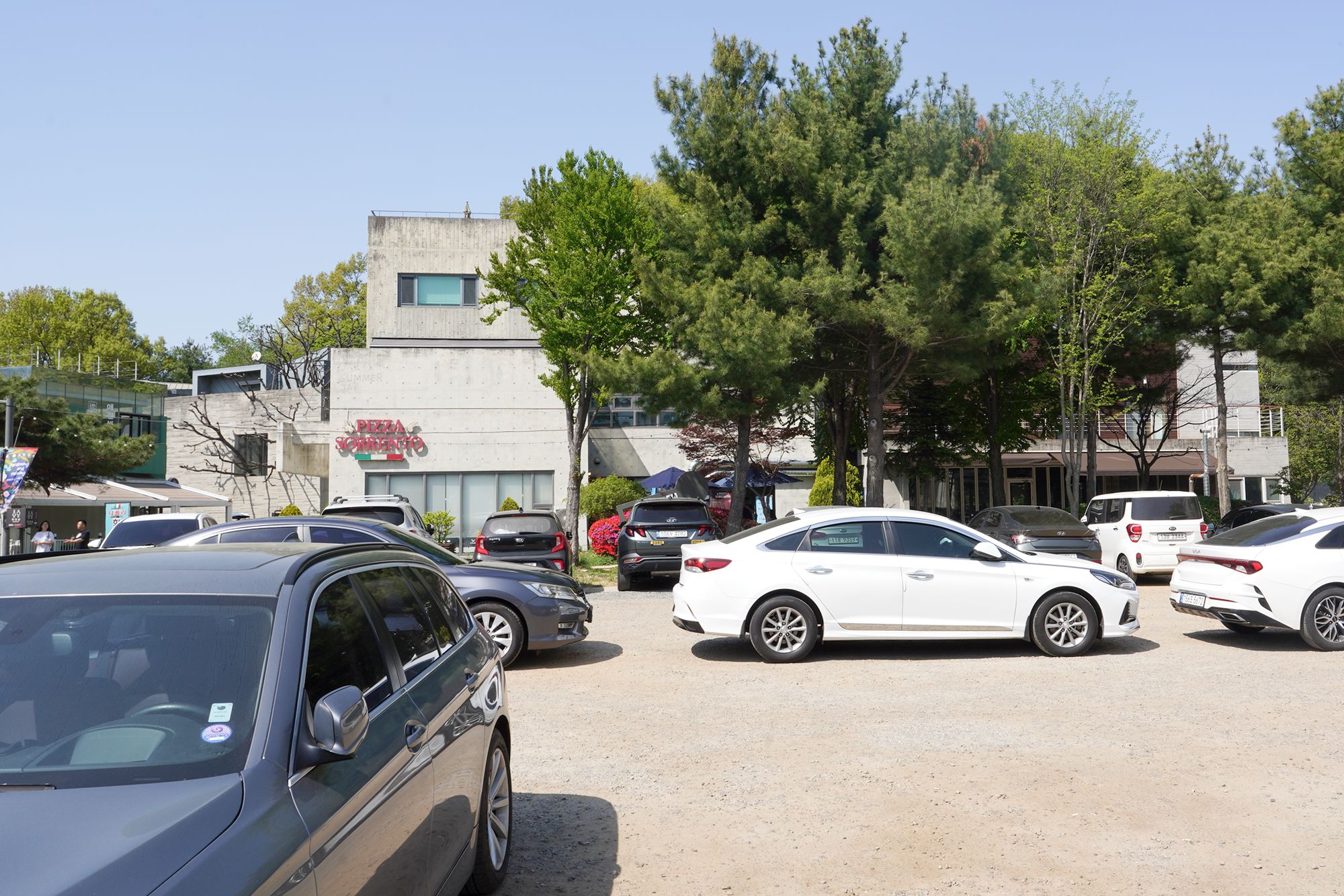
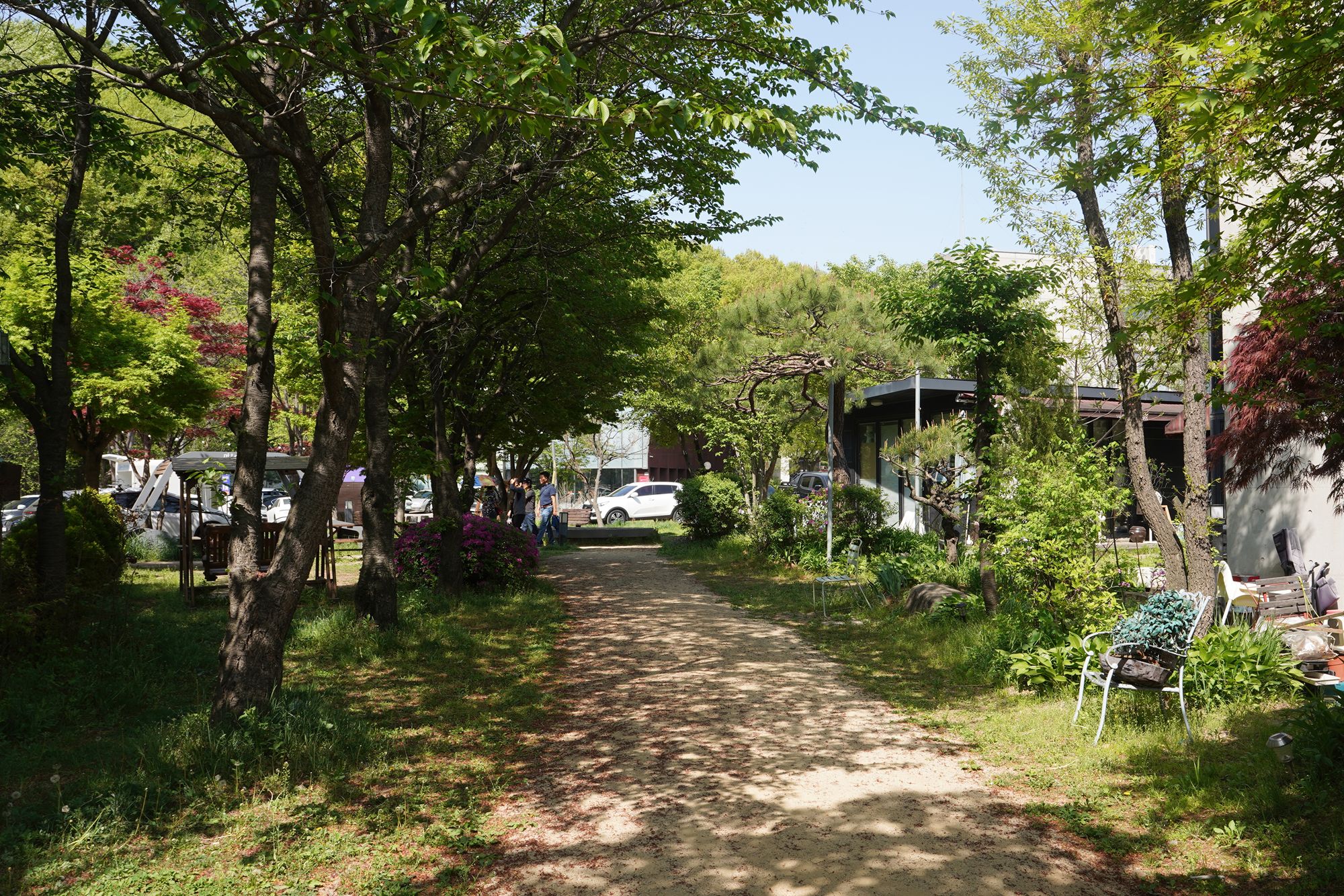
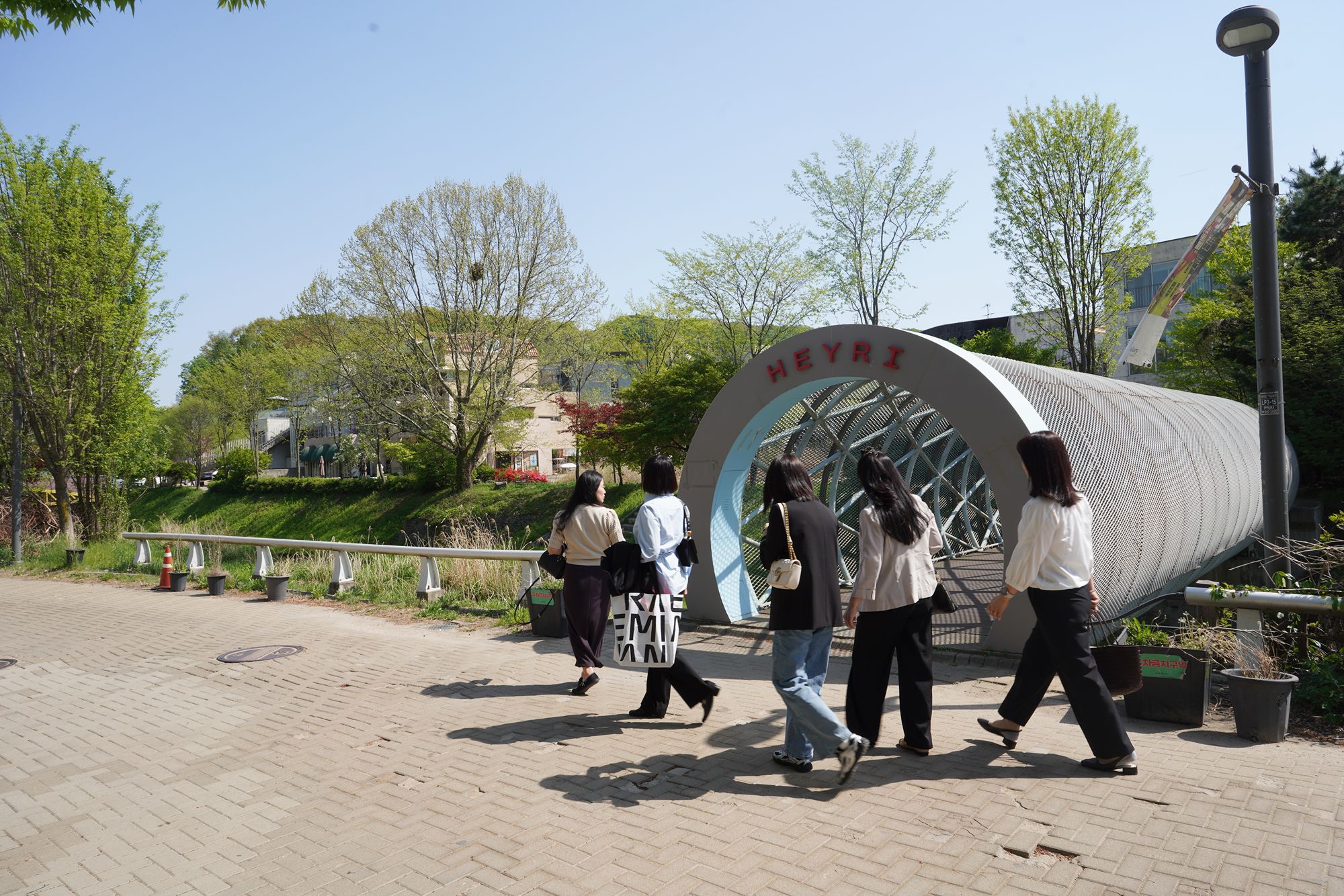
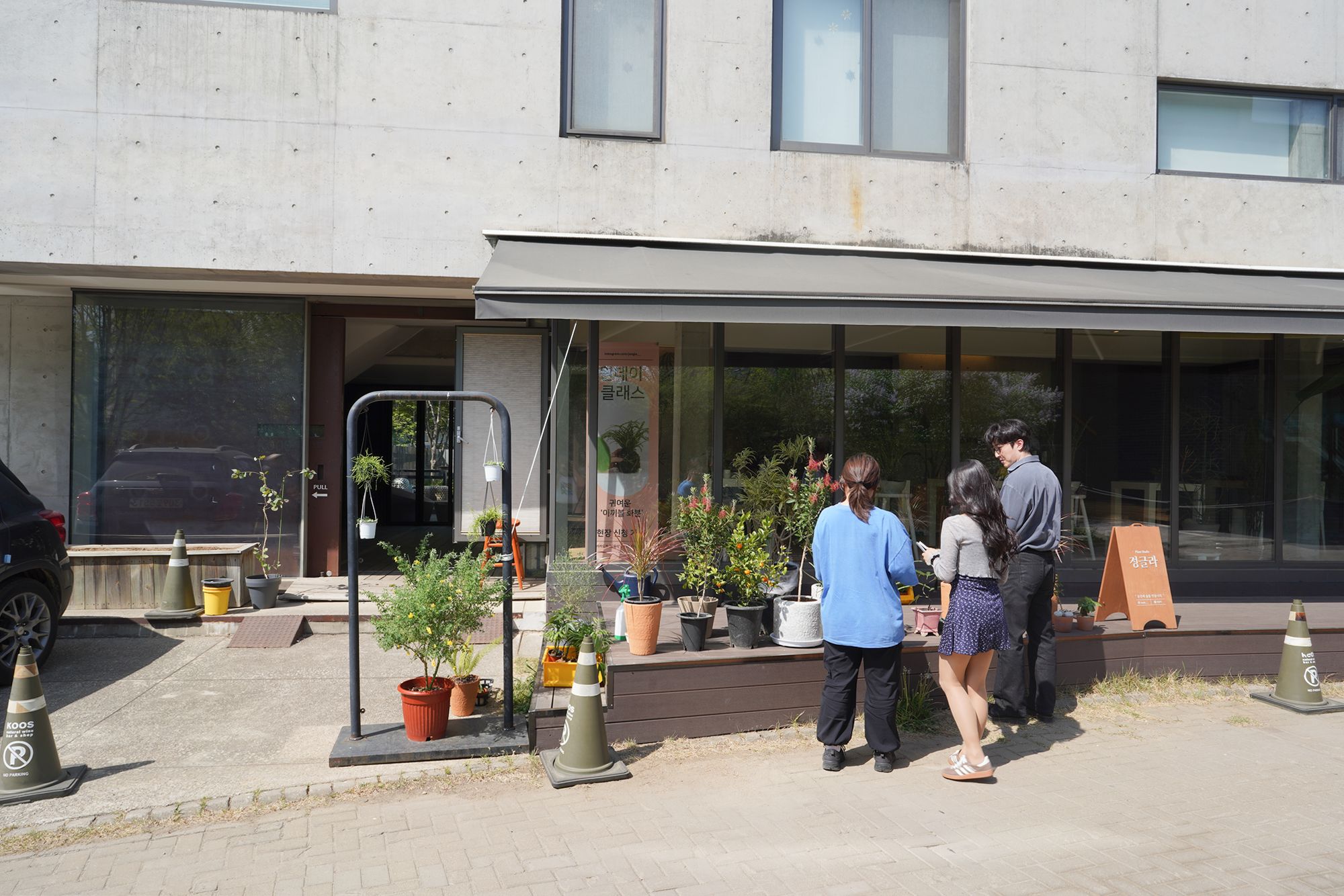
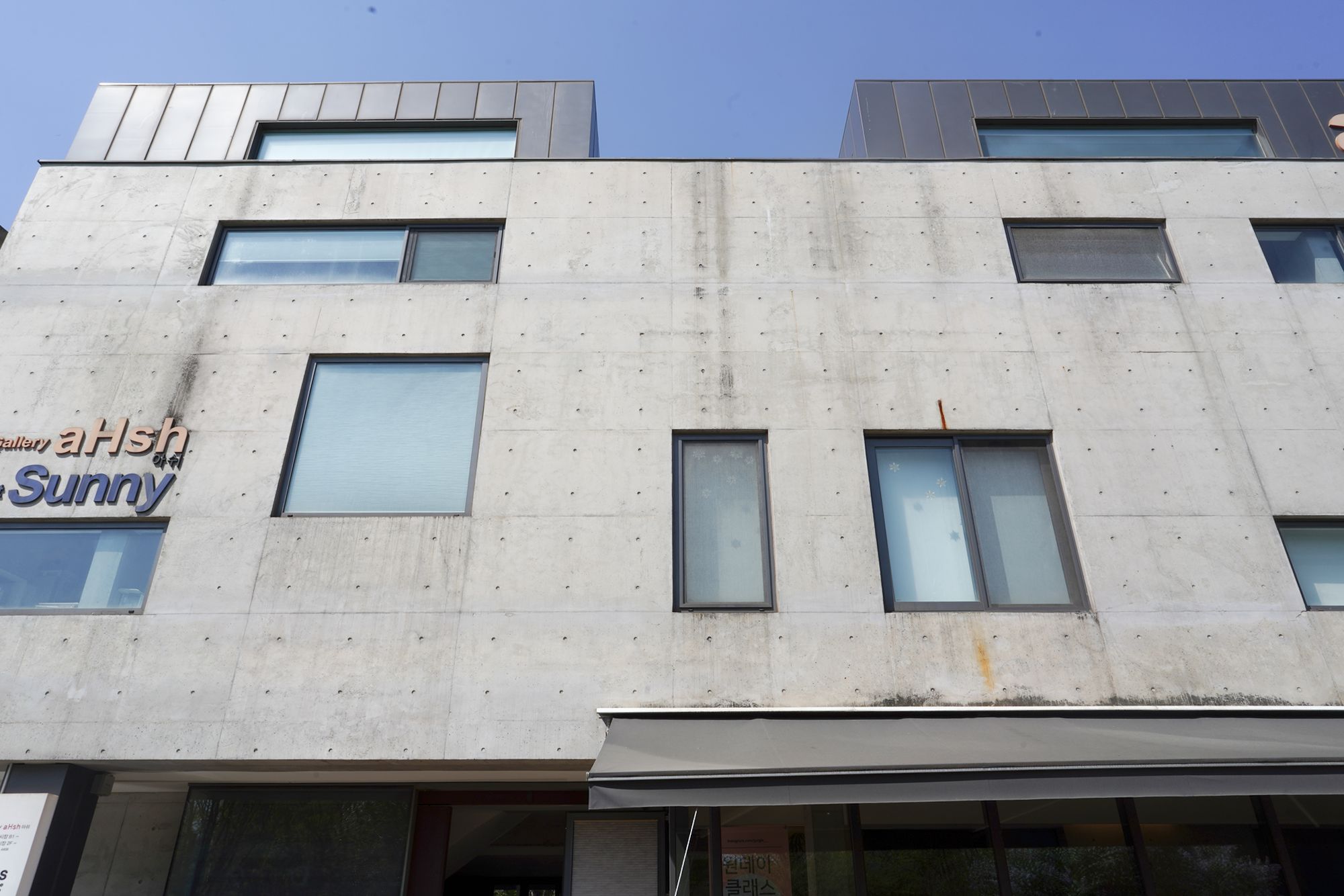
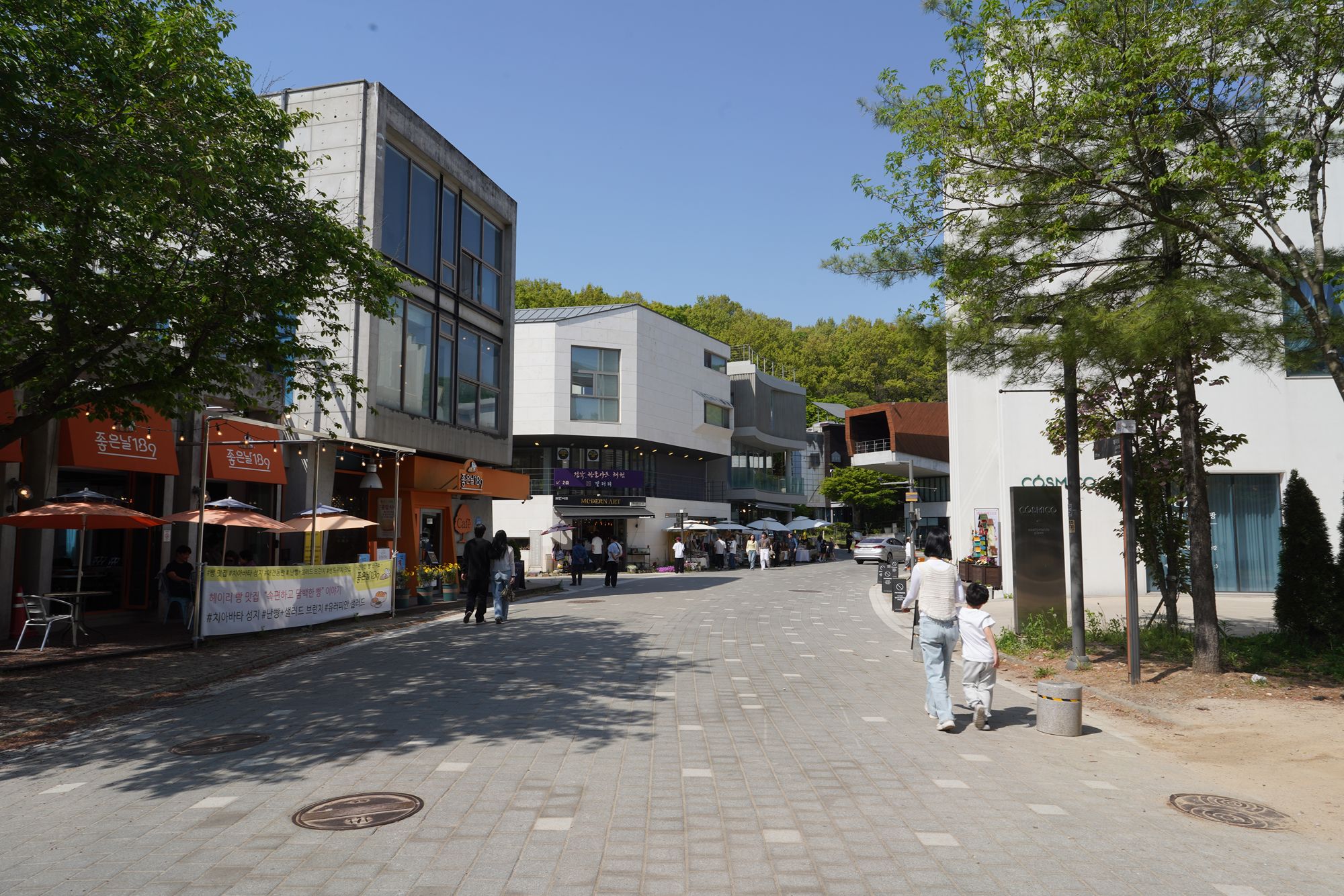
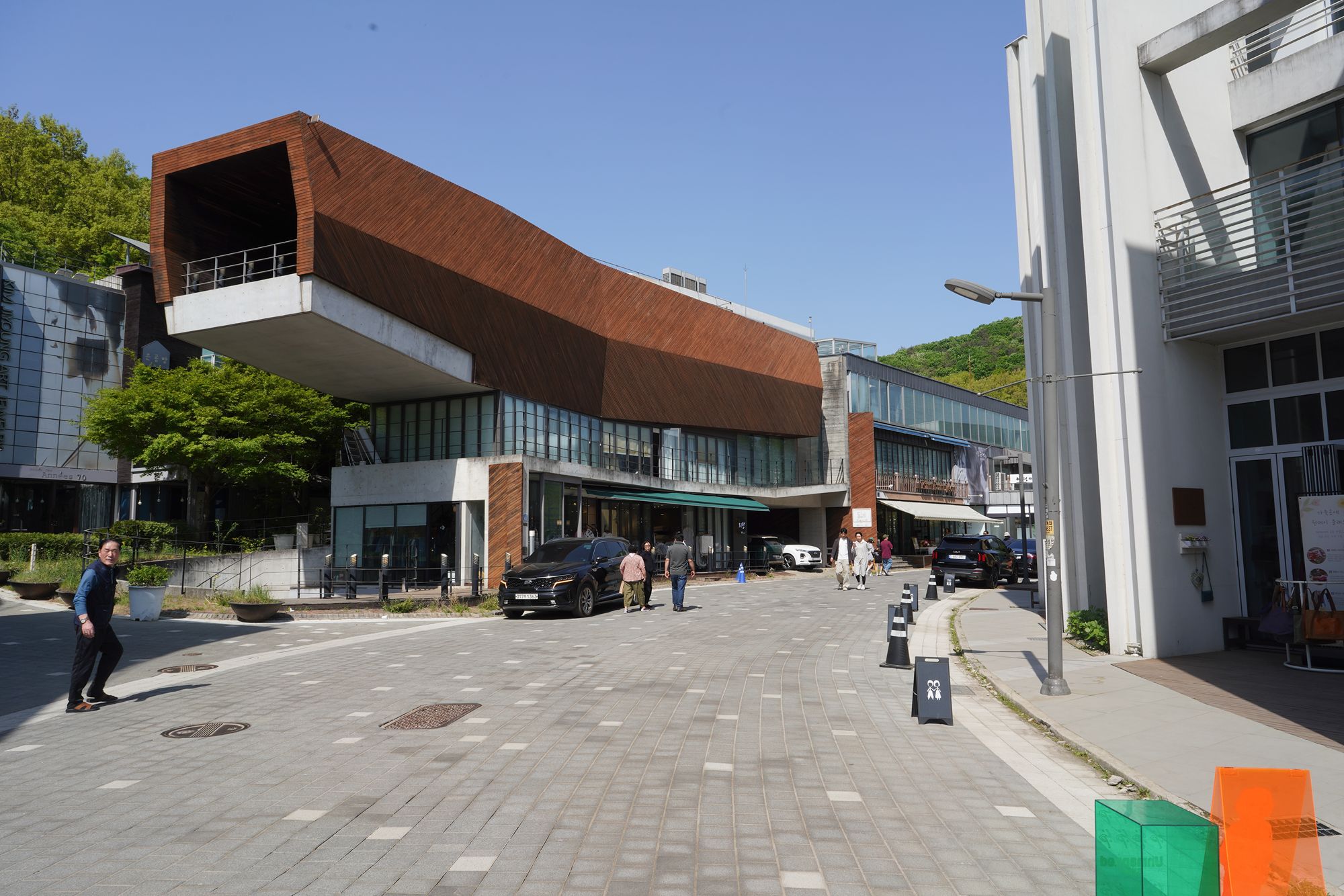
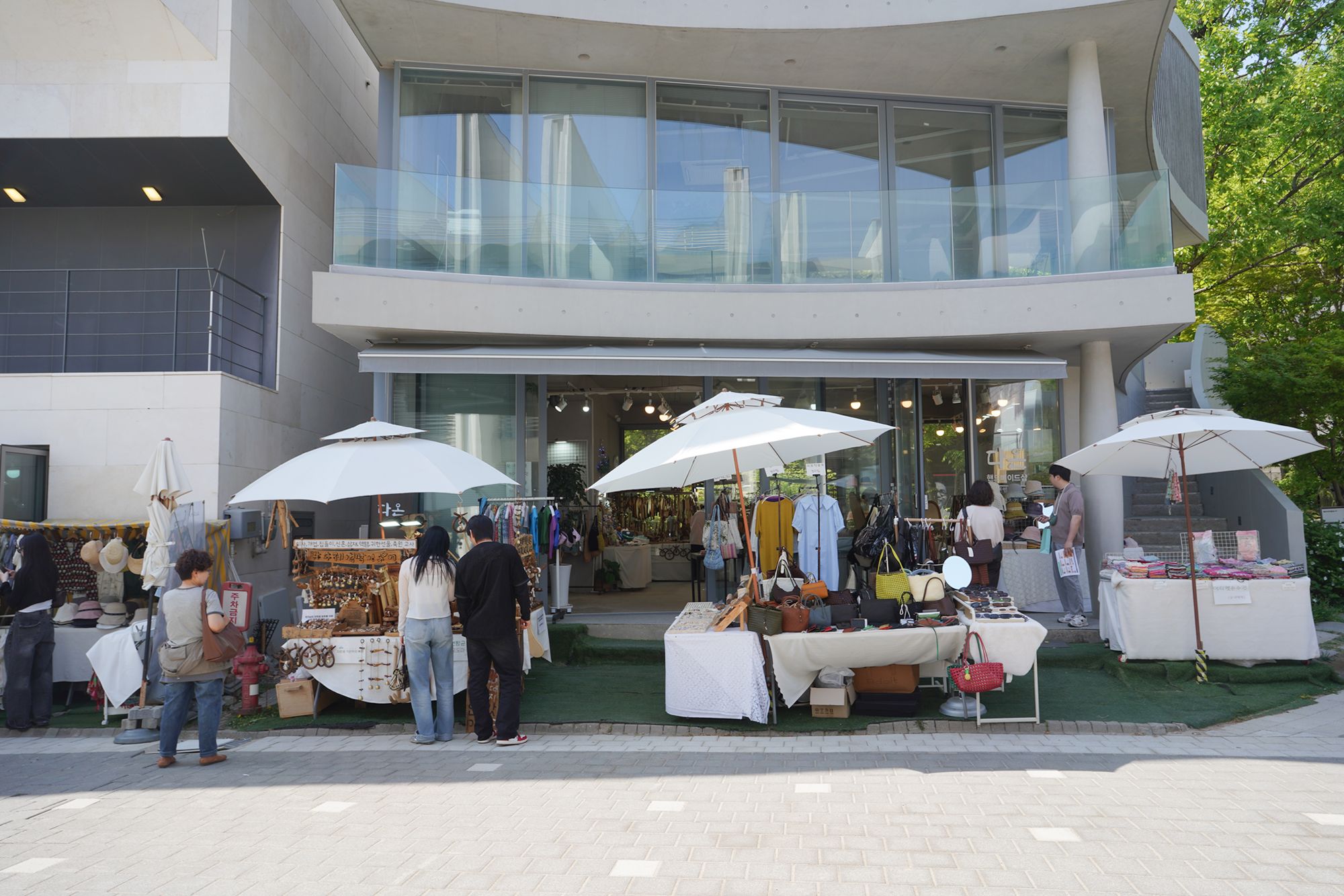
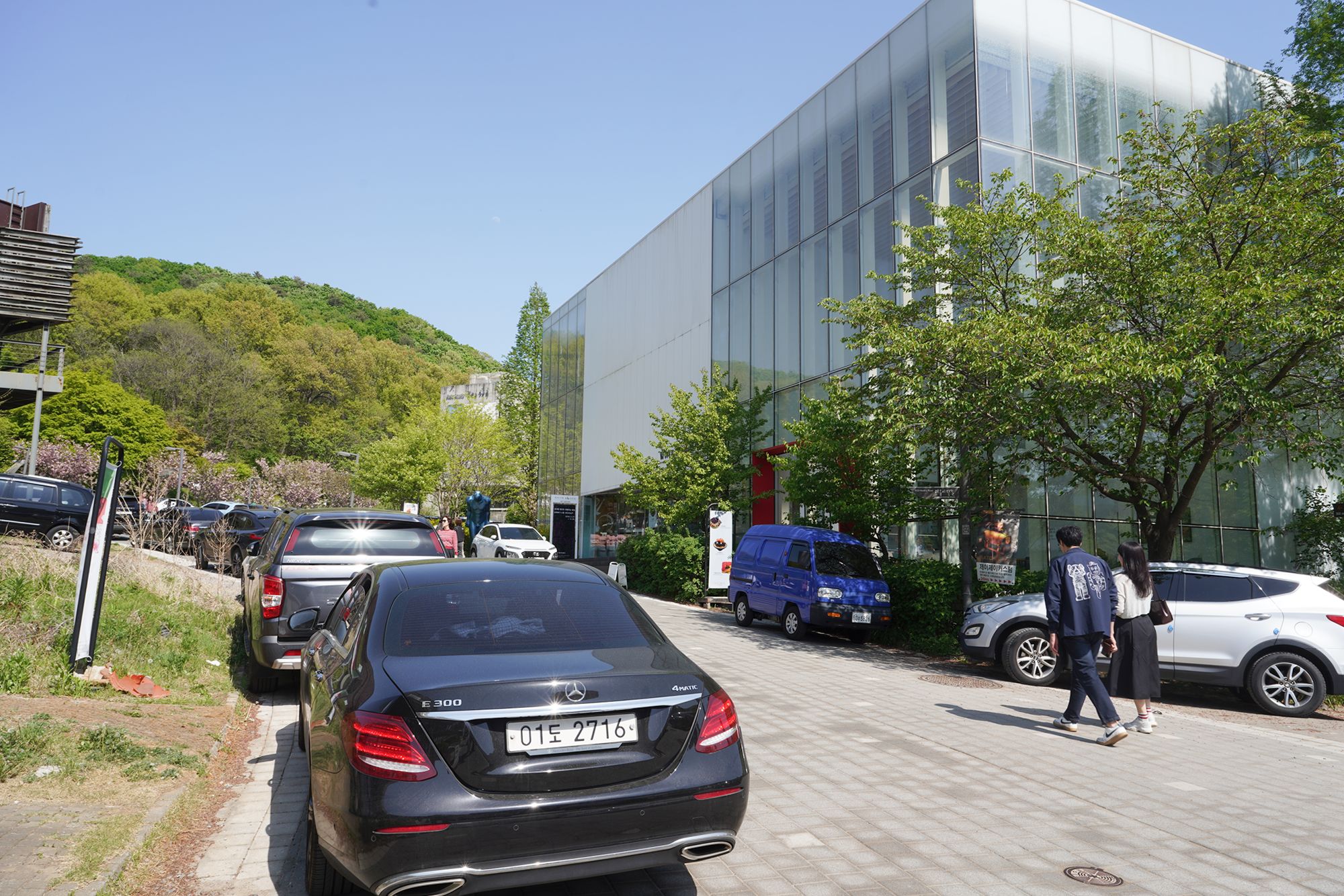
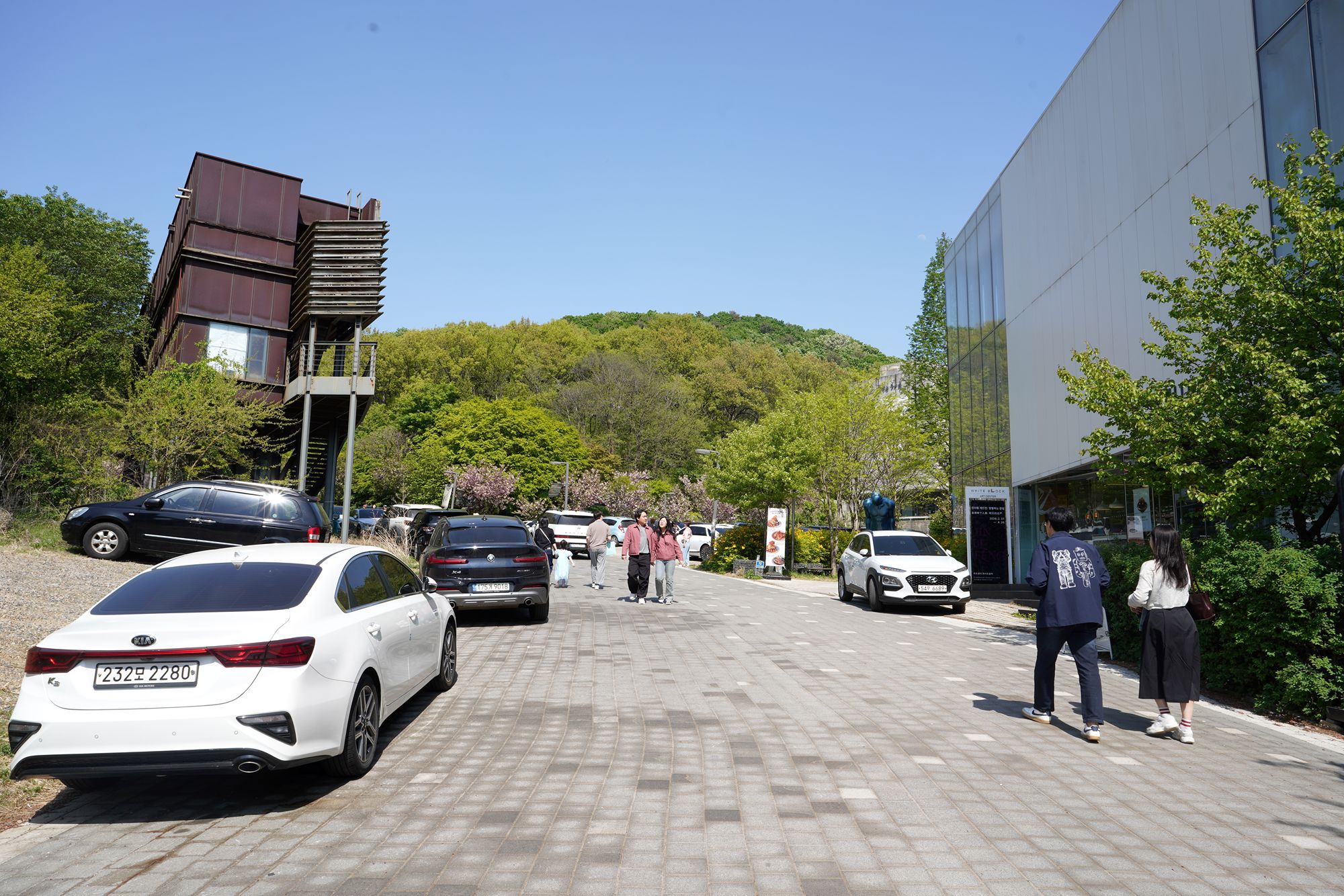
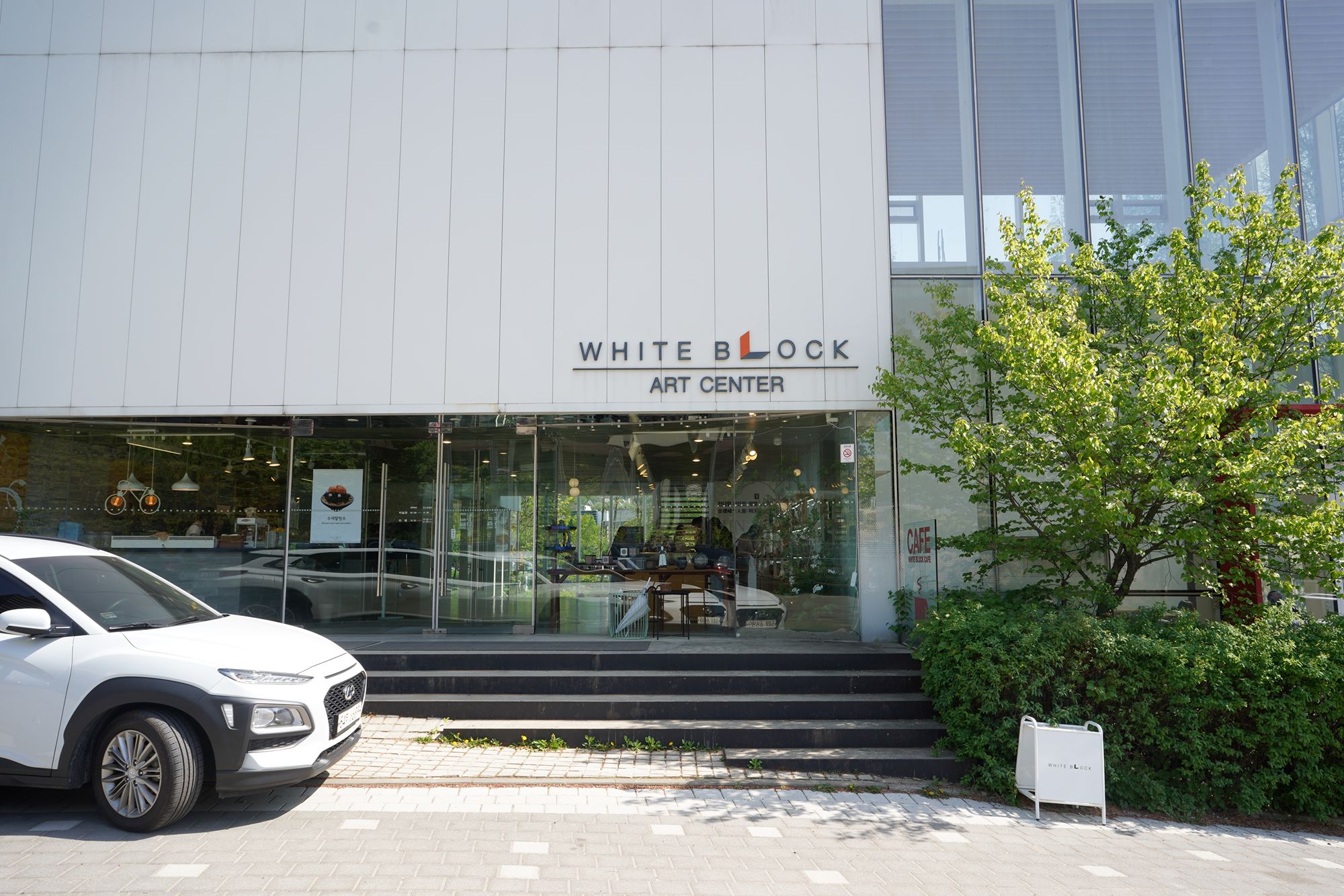
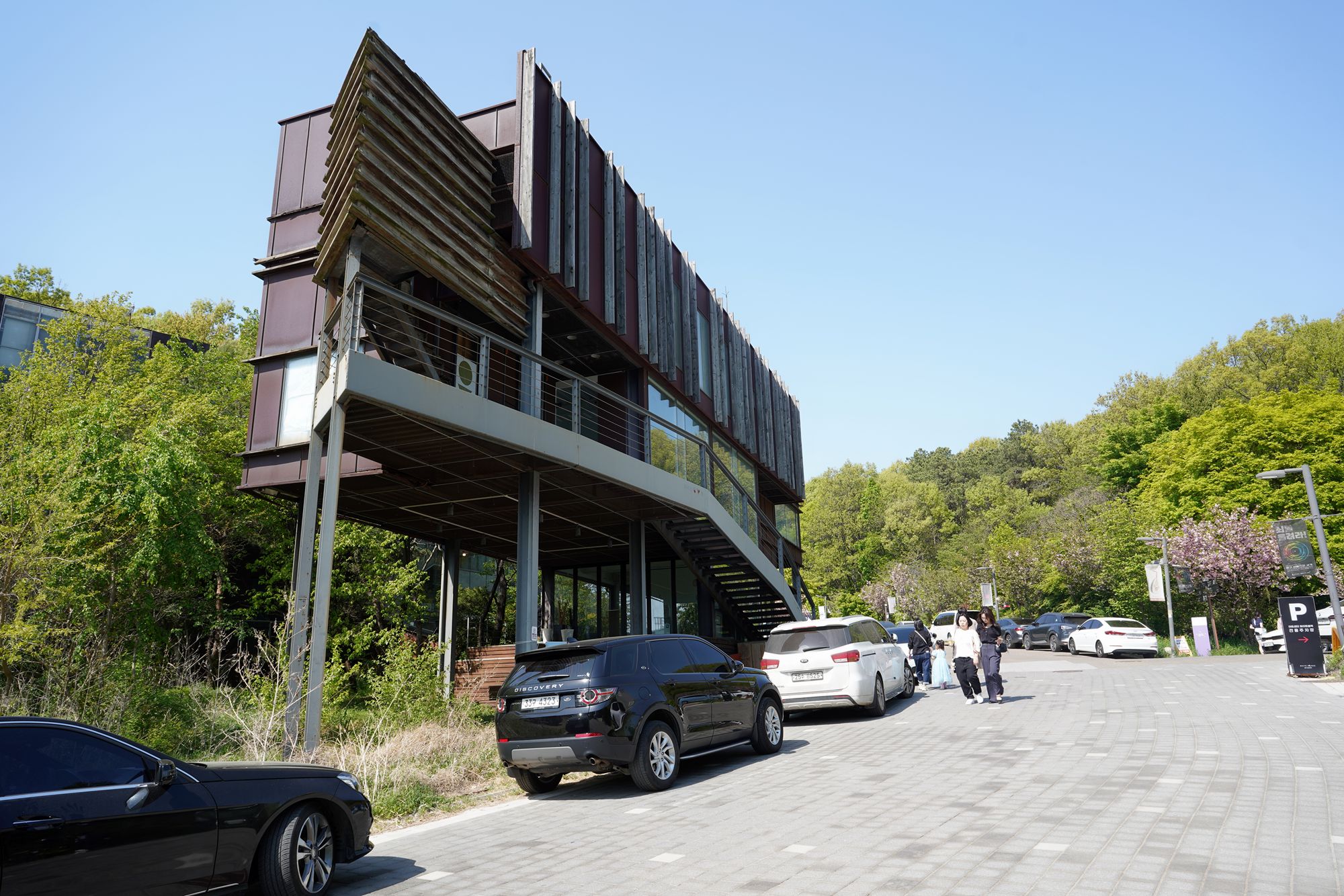
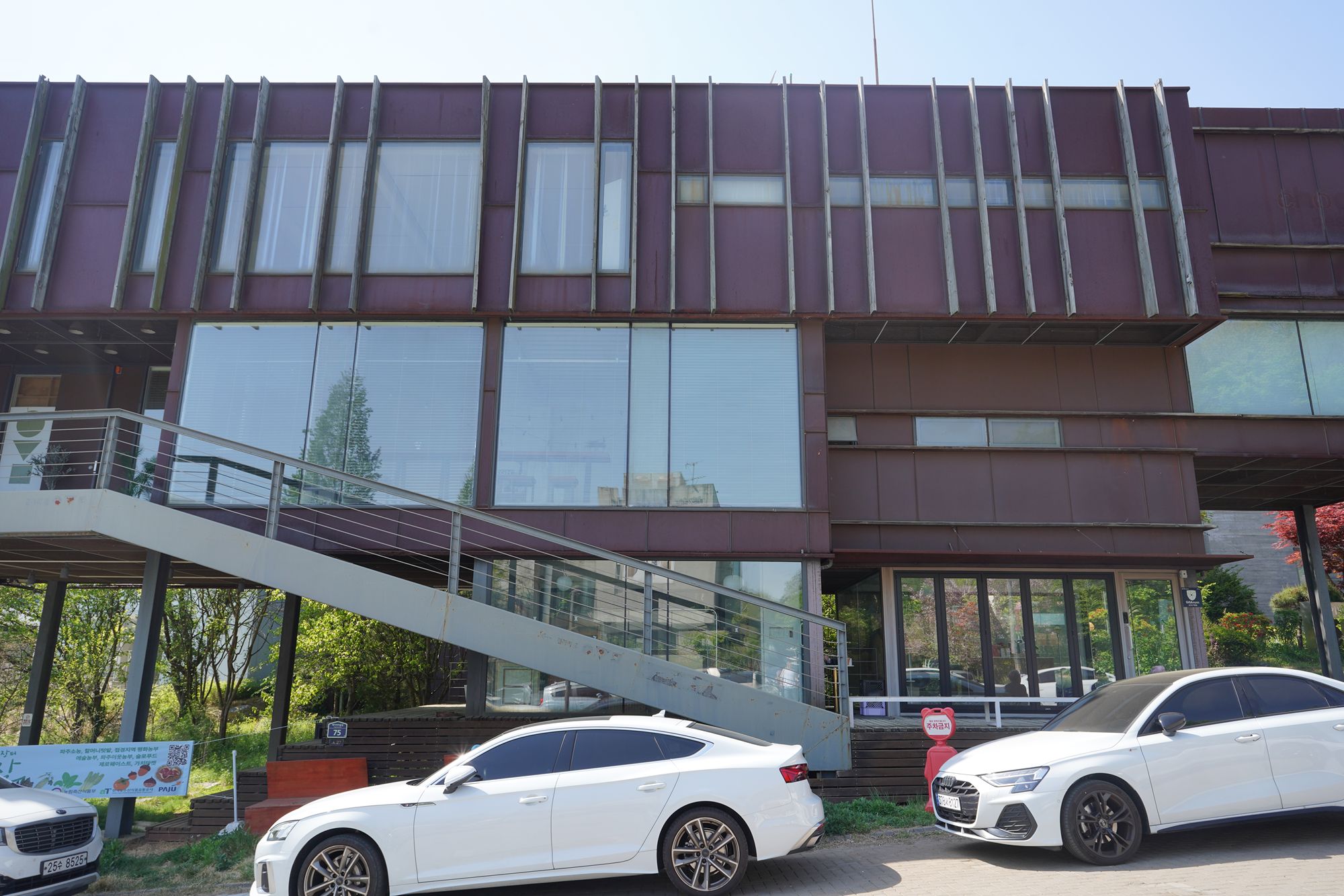
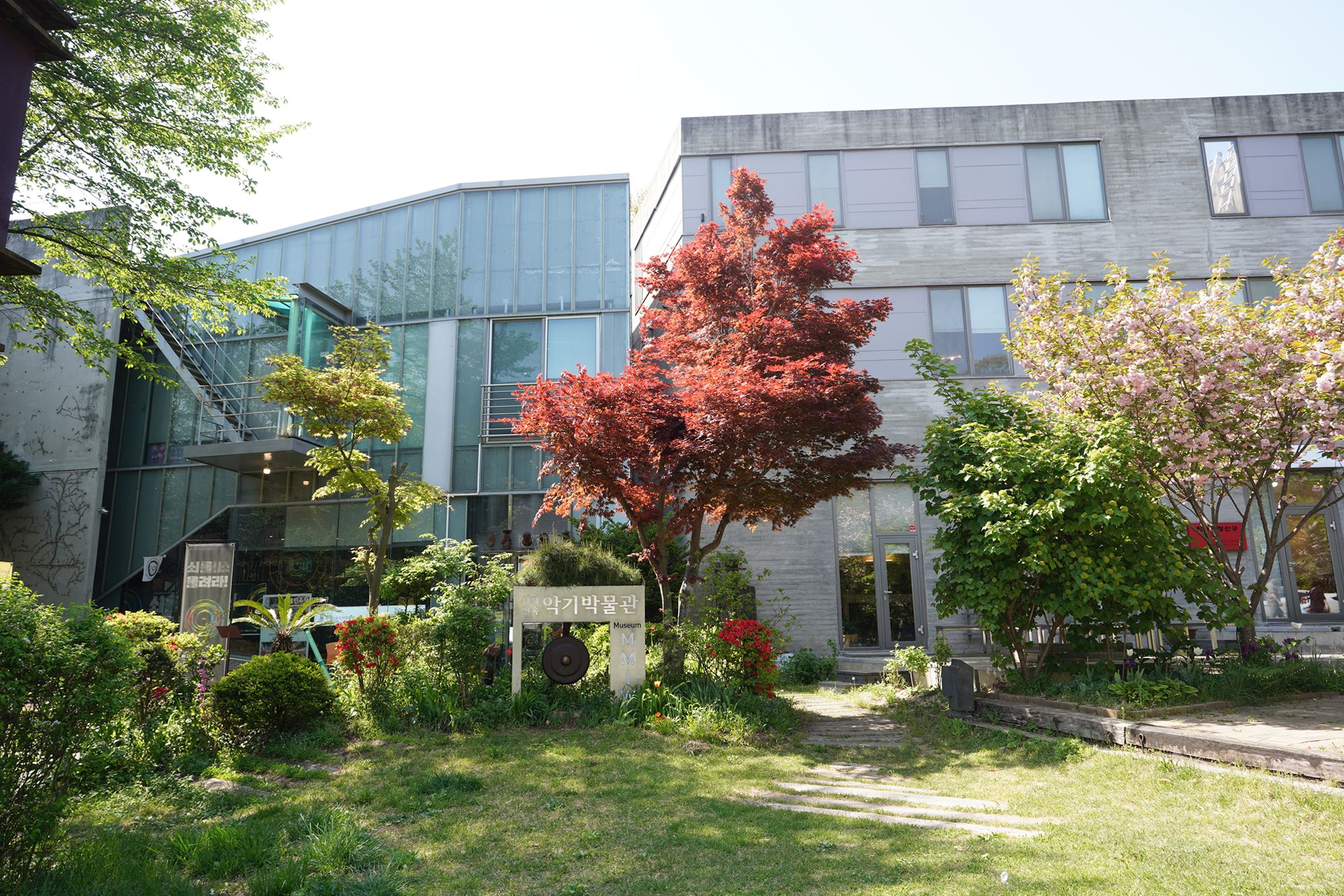
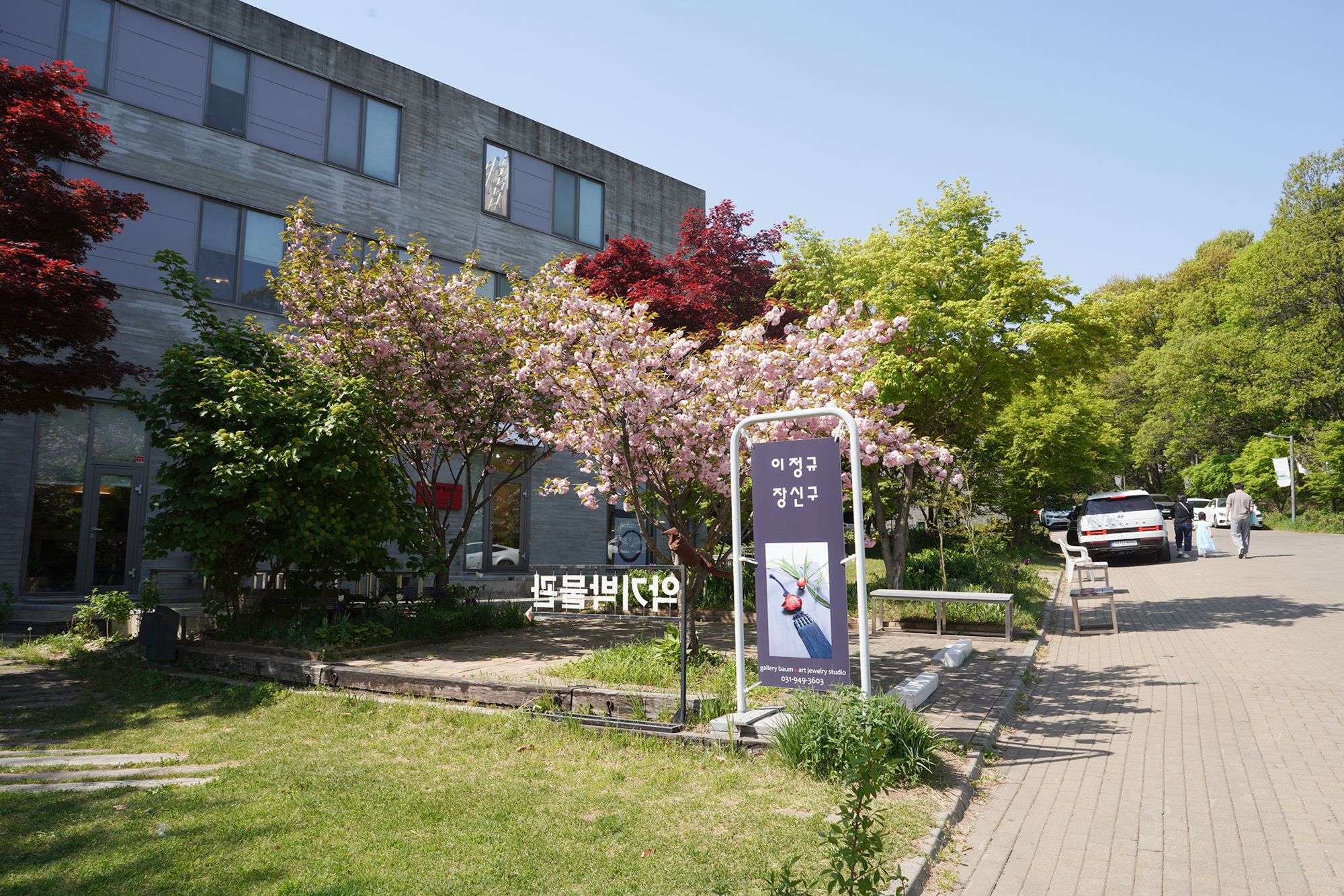
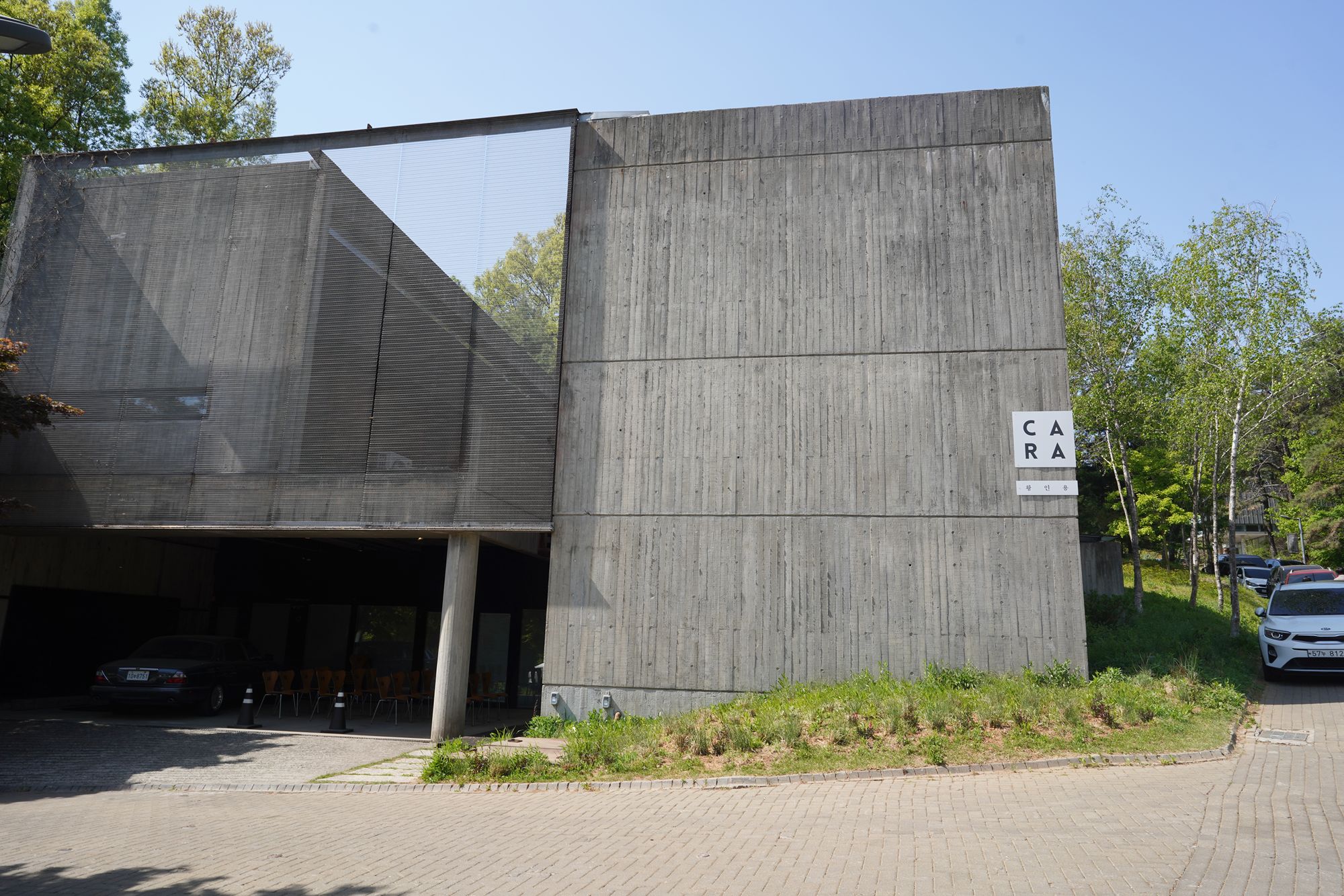
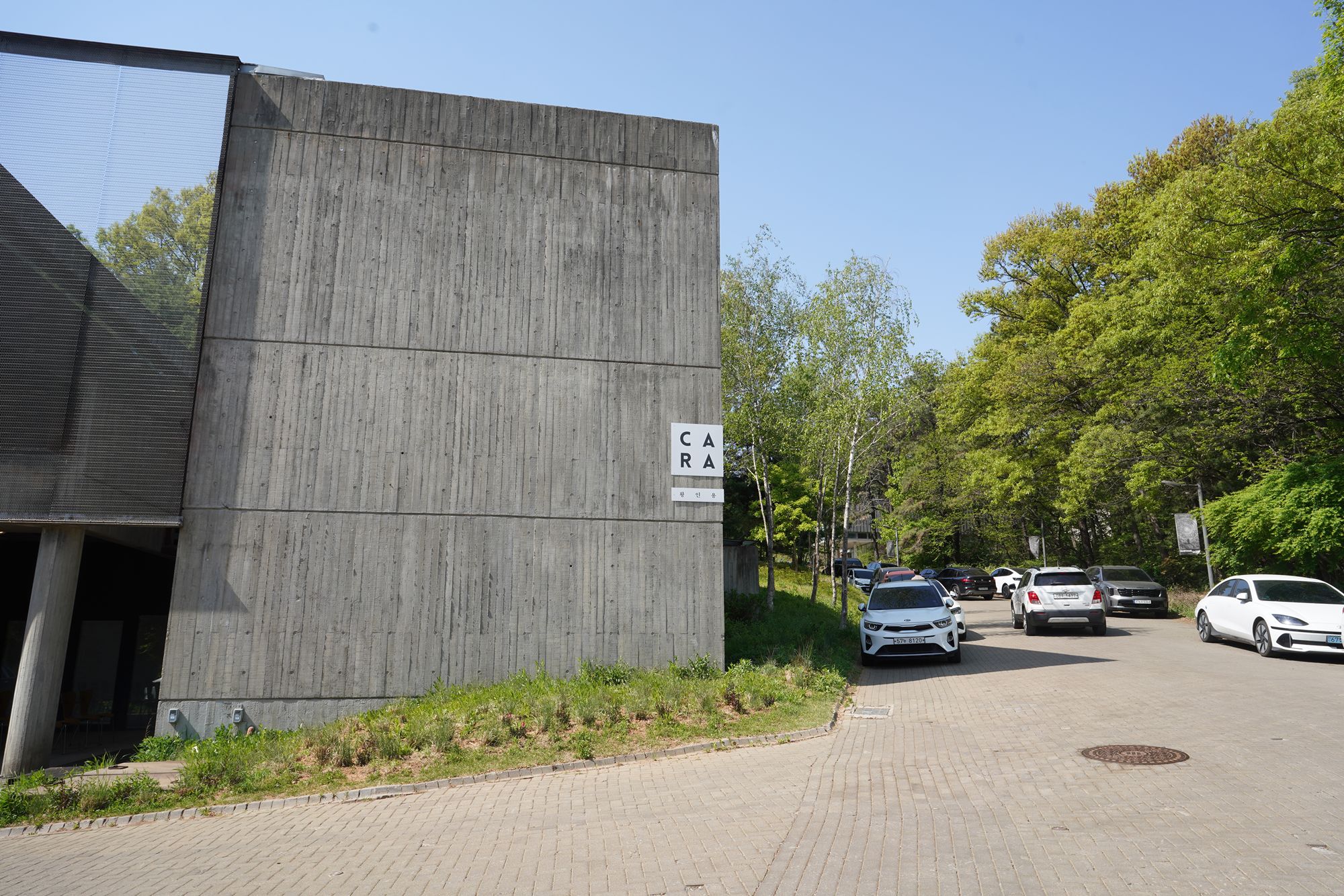
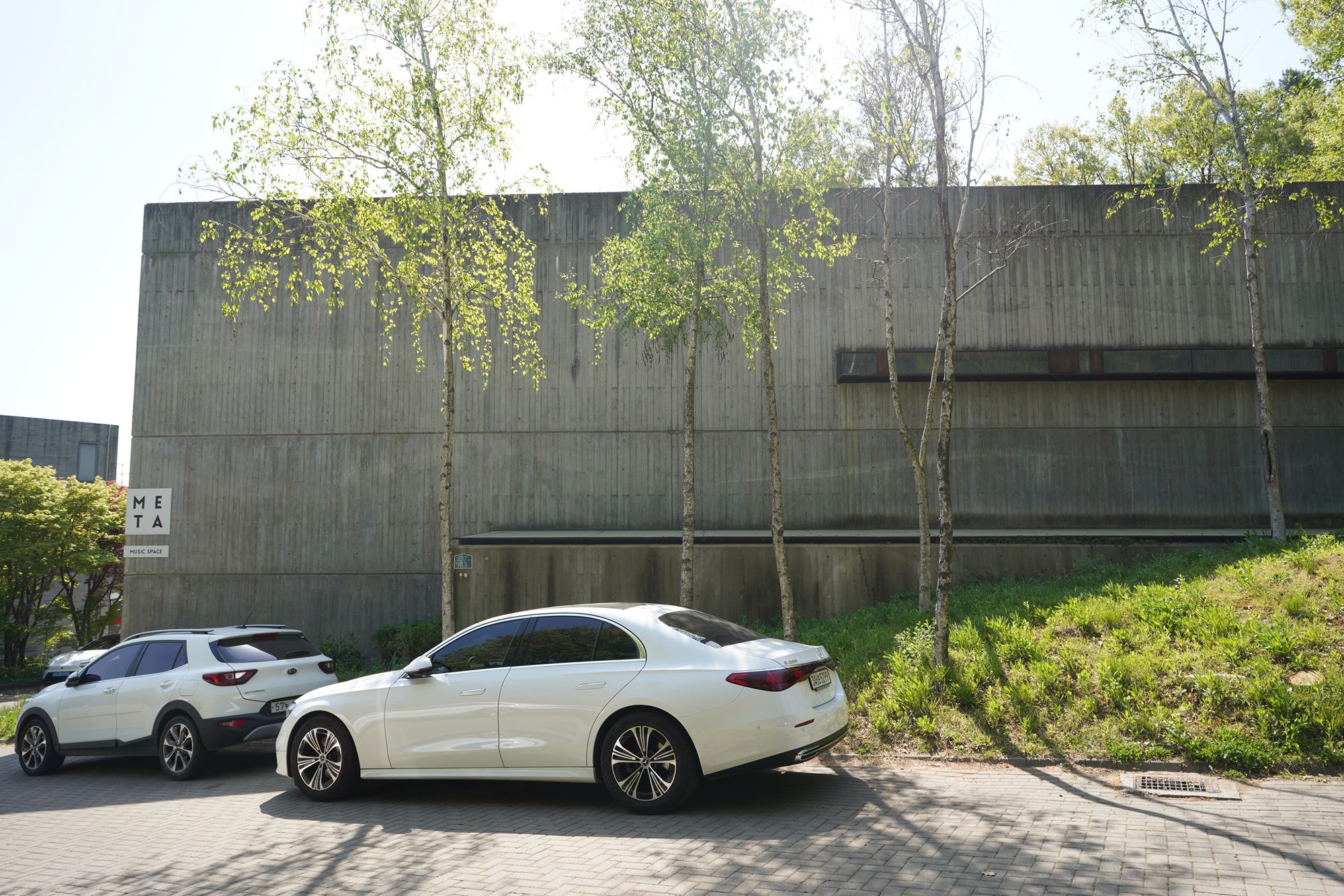
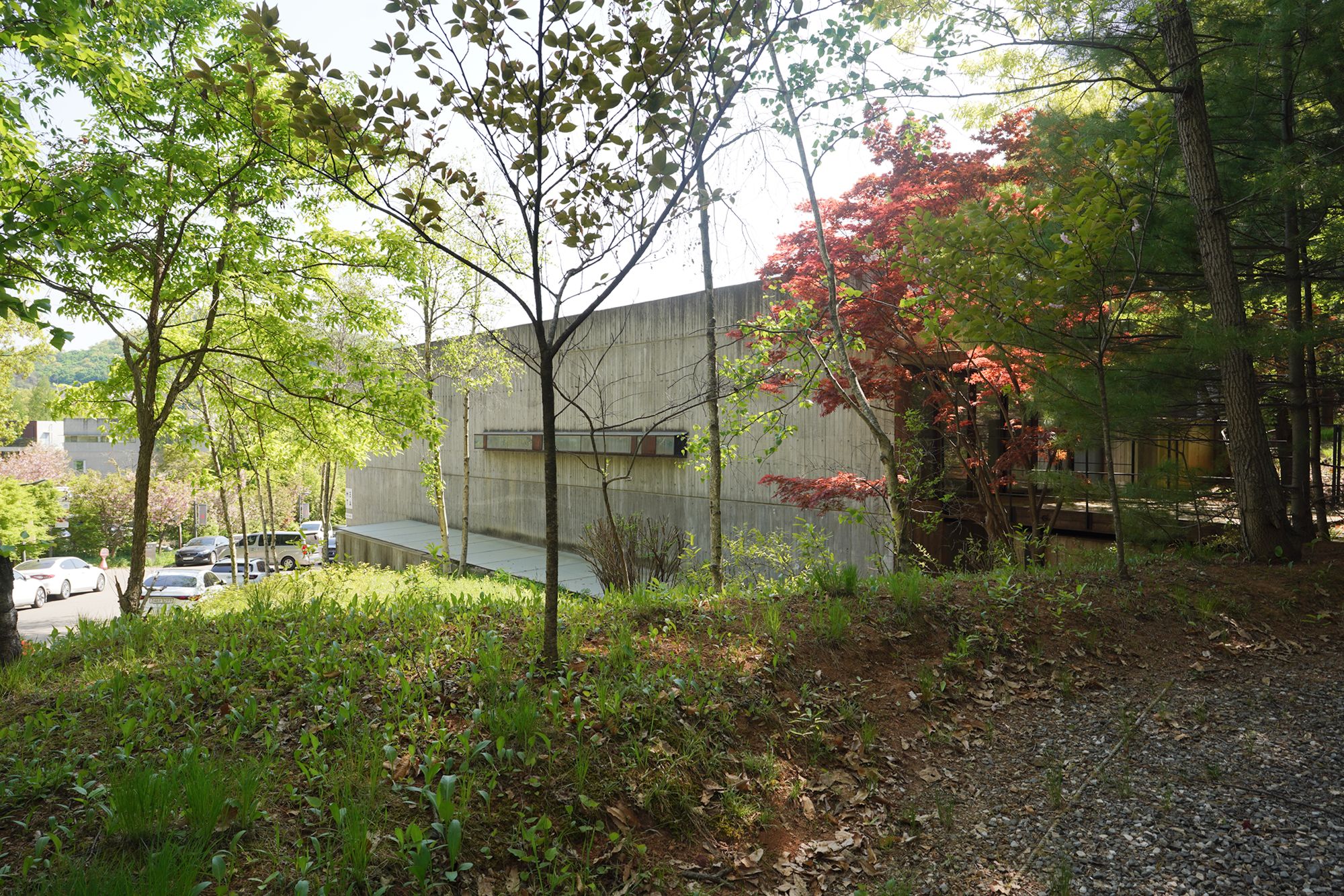
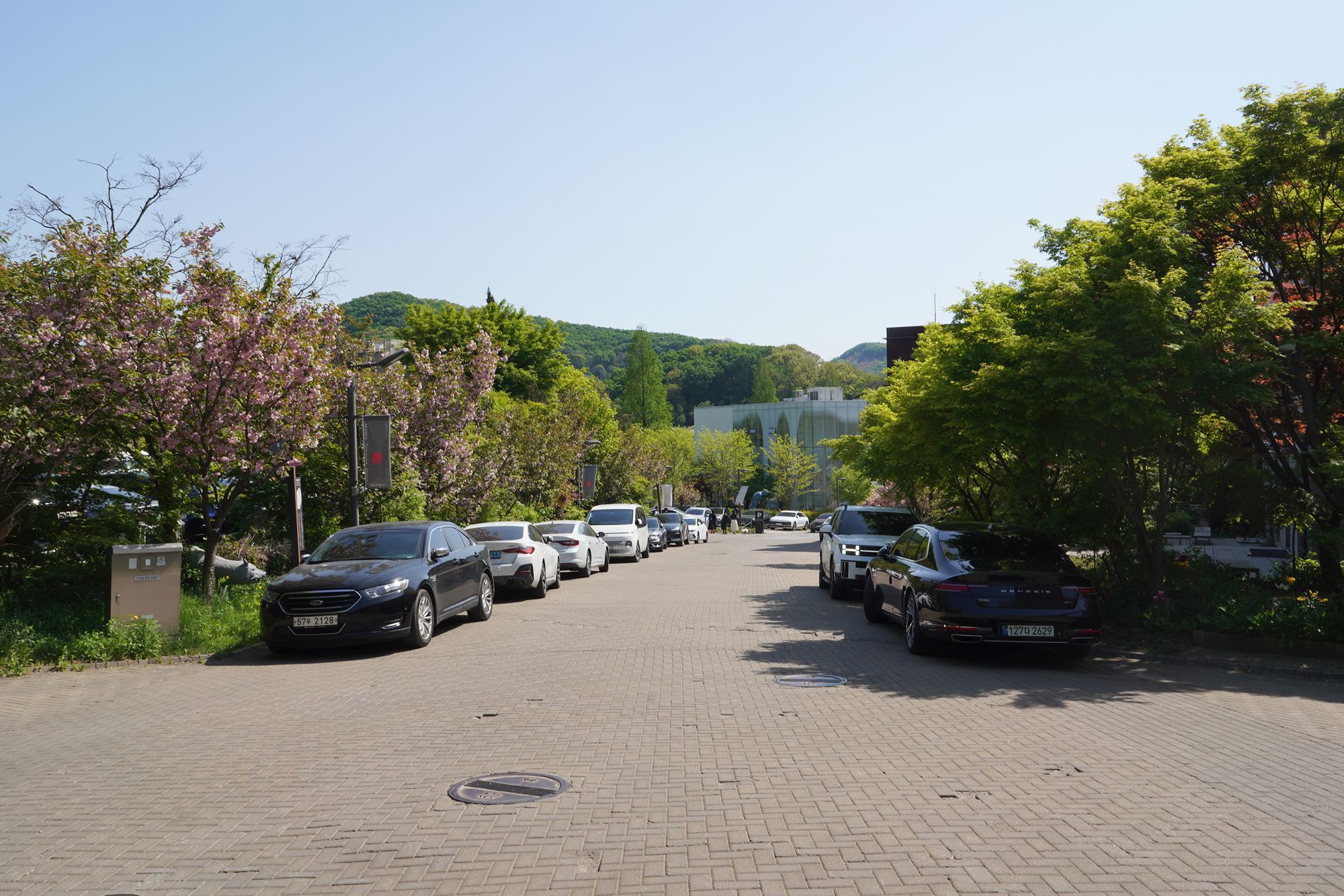
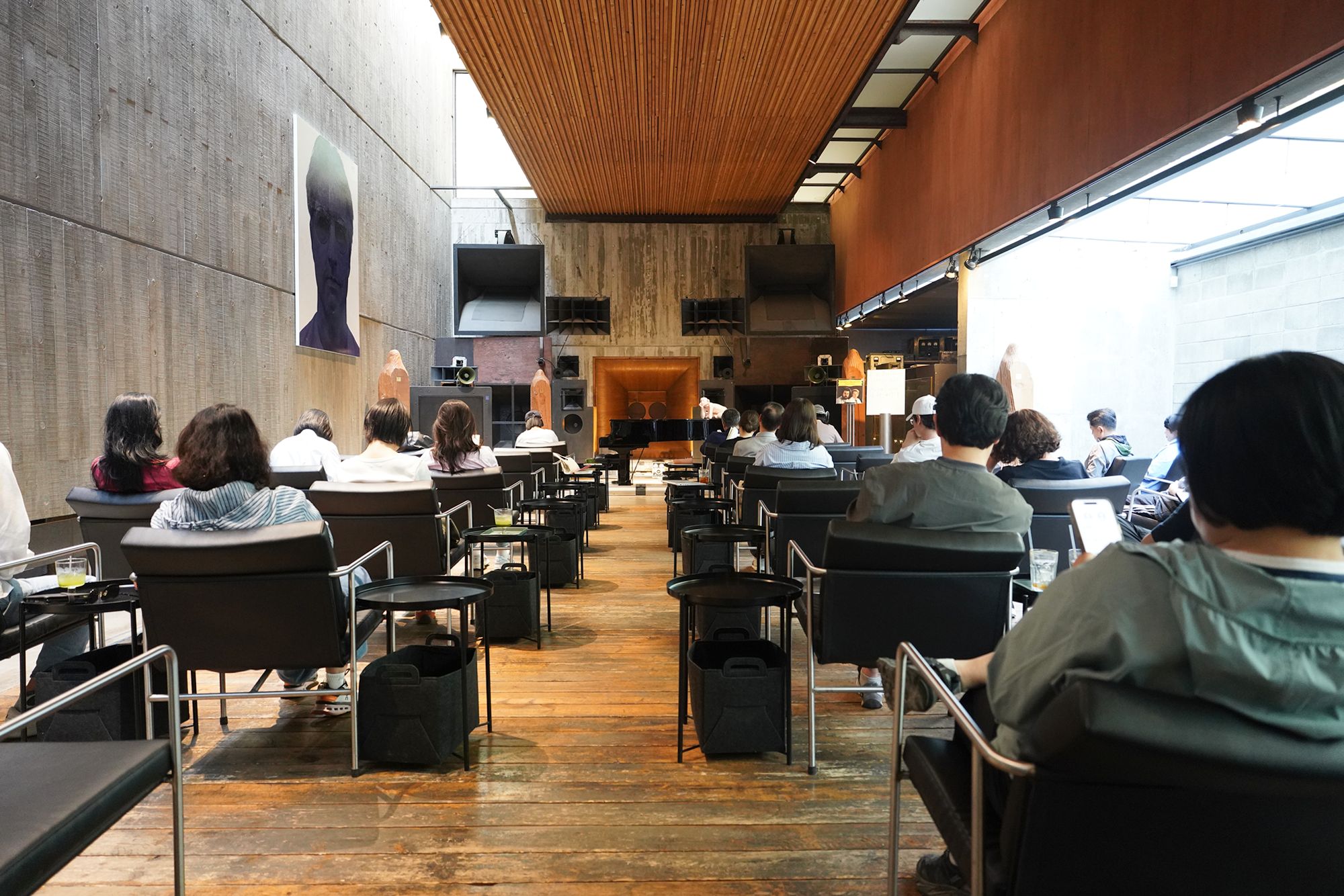
I visited Music Space Camerata to take a break and enjoy some music. It is a unique listening space where visitors can relax in comfortable chairs while listening to music played through an impressive vintage audio system.
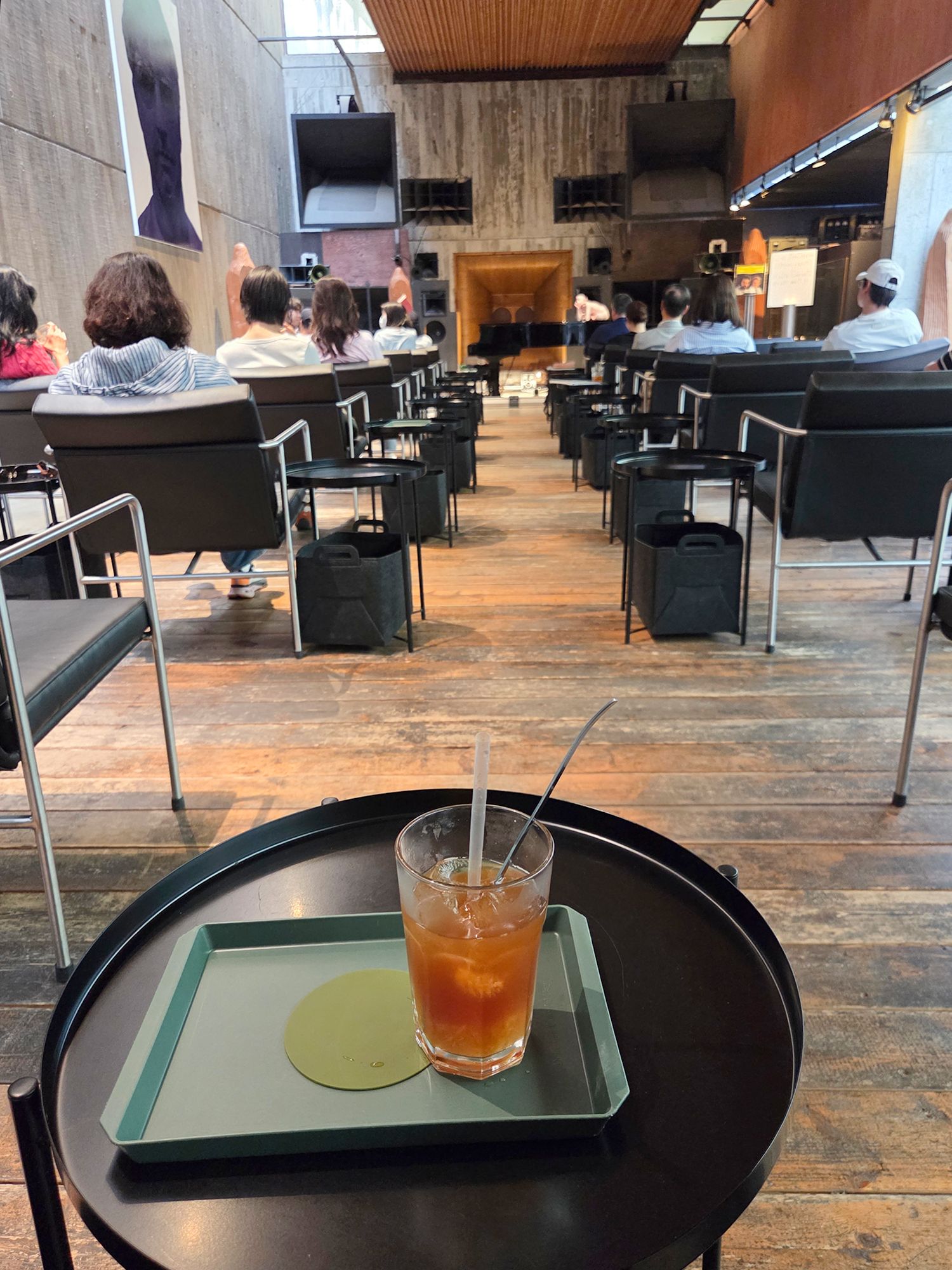
Camerata was created by former Korean broadcaster and radio DJ Hwang In-yong as a space devoted to serious music listening. Its collection includes thousands of LPs played through vintage speakers, turntables, and vacuum-tube equipment. The building itself was designed by Korean architect Cho Byoung-soo.
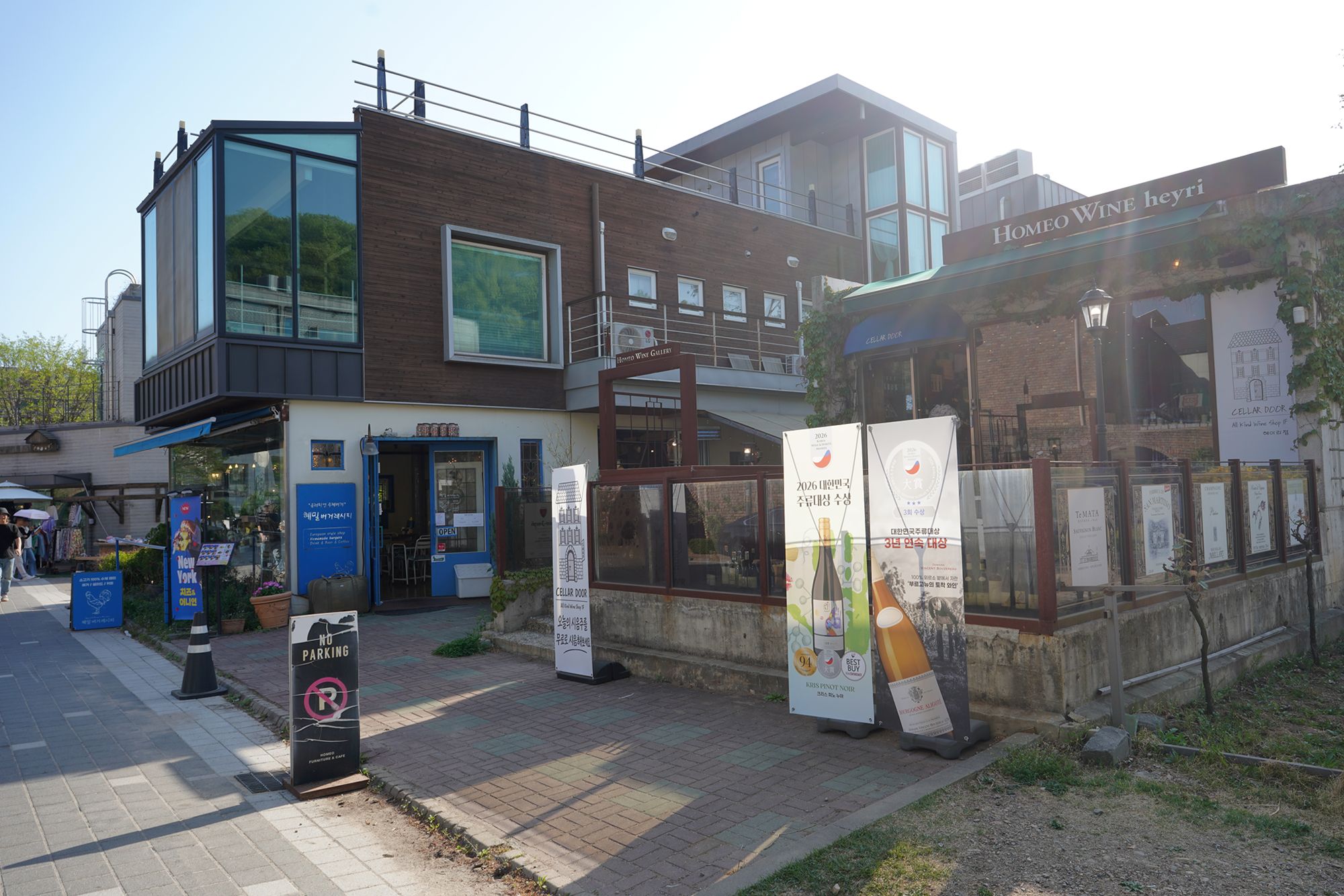
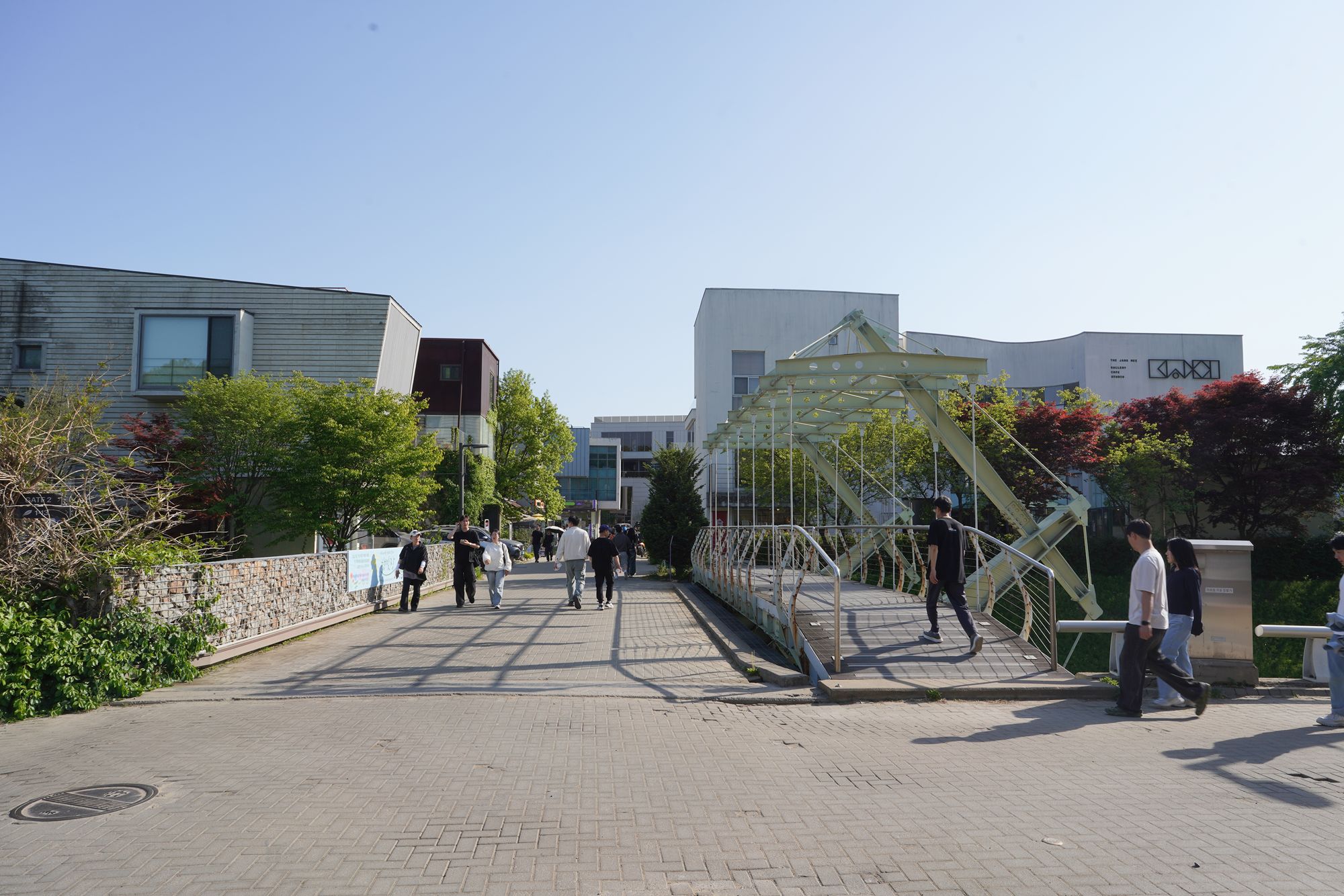
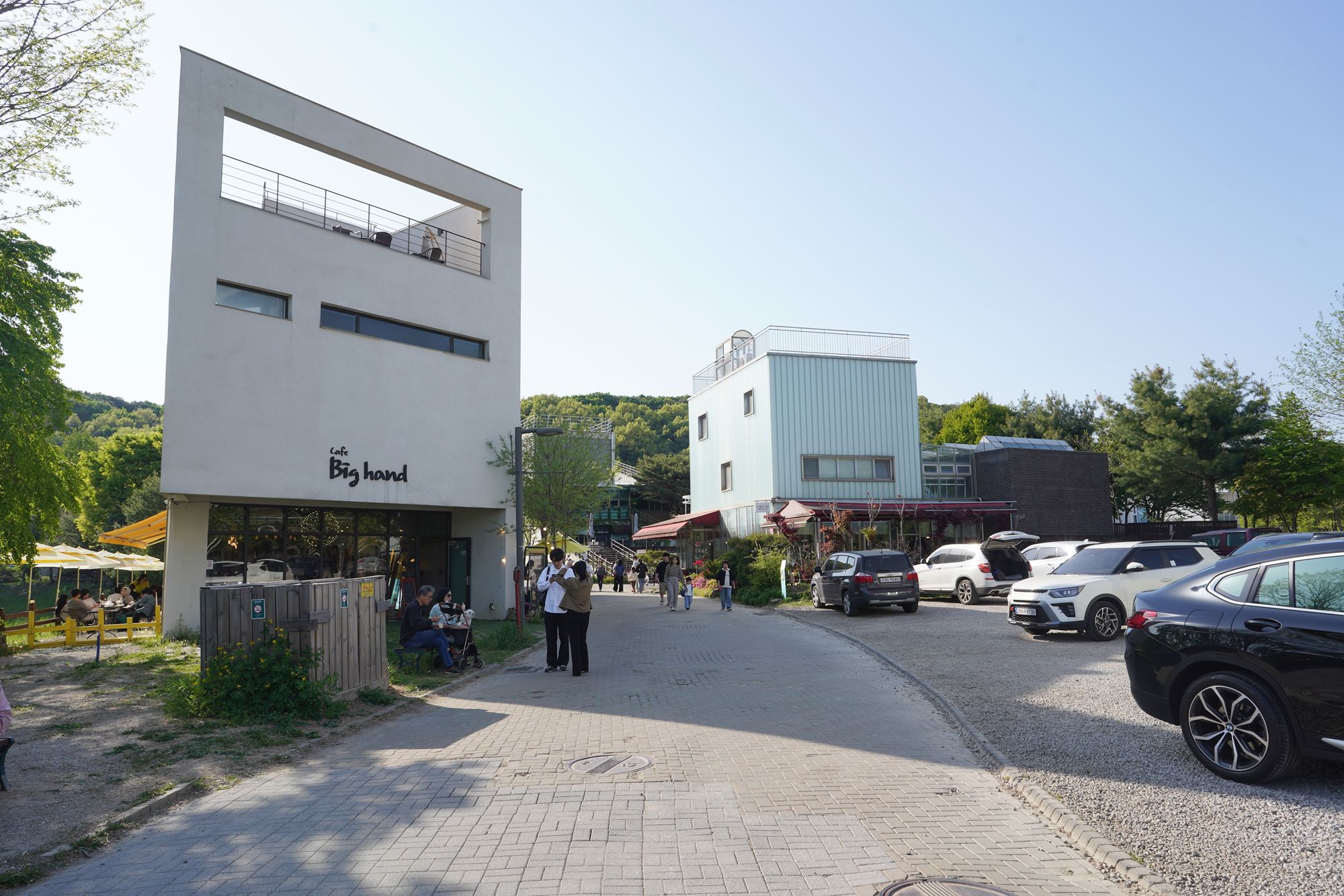
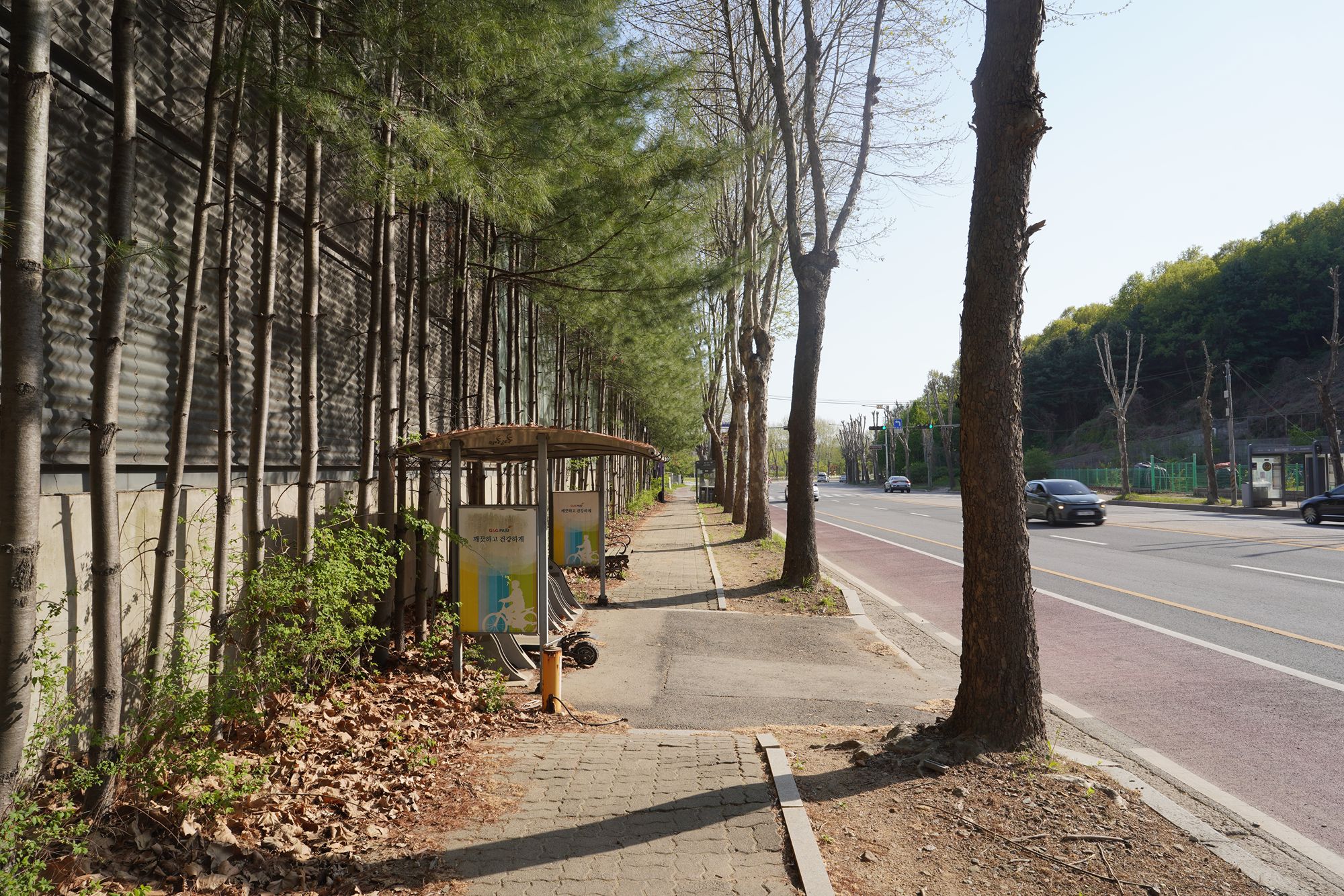
From Heyri Art Village, I walked to Concino Concrete Concert Hall. It was a bit farther than I would normally want to walk, but I couldn’t catch a bus that would get me there in time, so I decided to make the long walk instead.
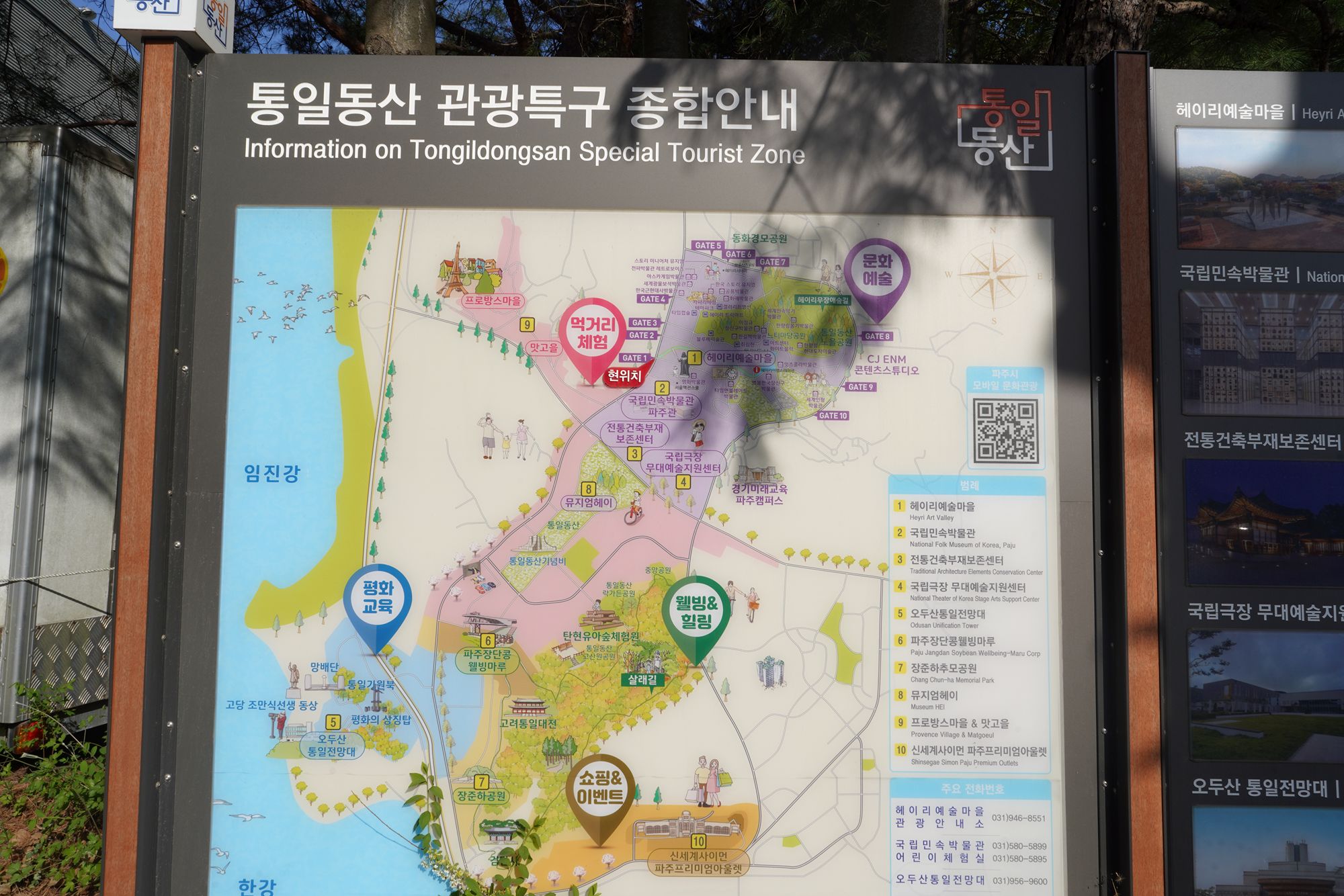
Places to go in Paju
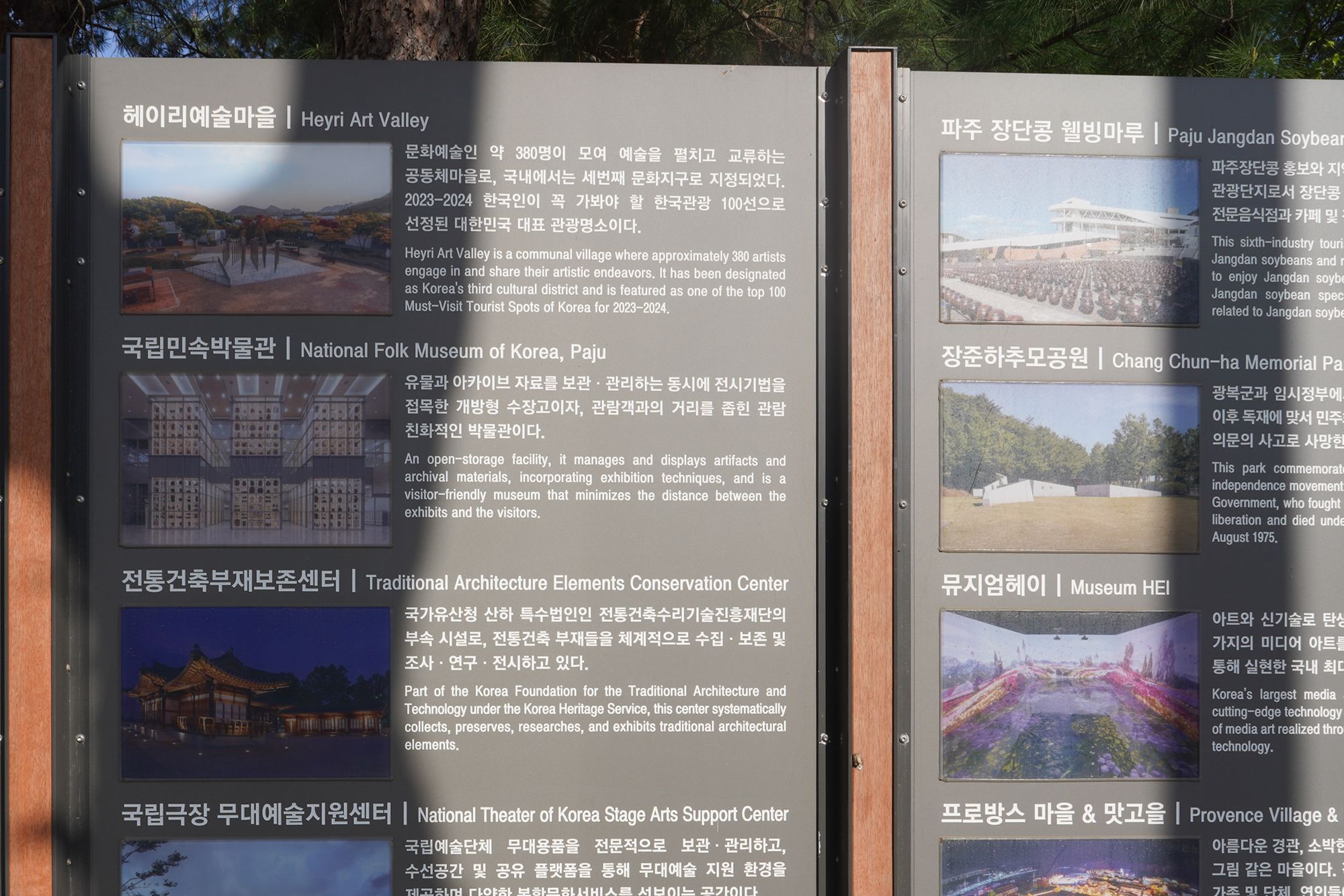
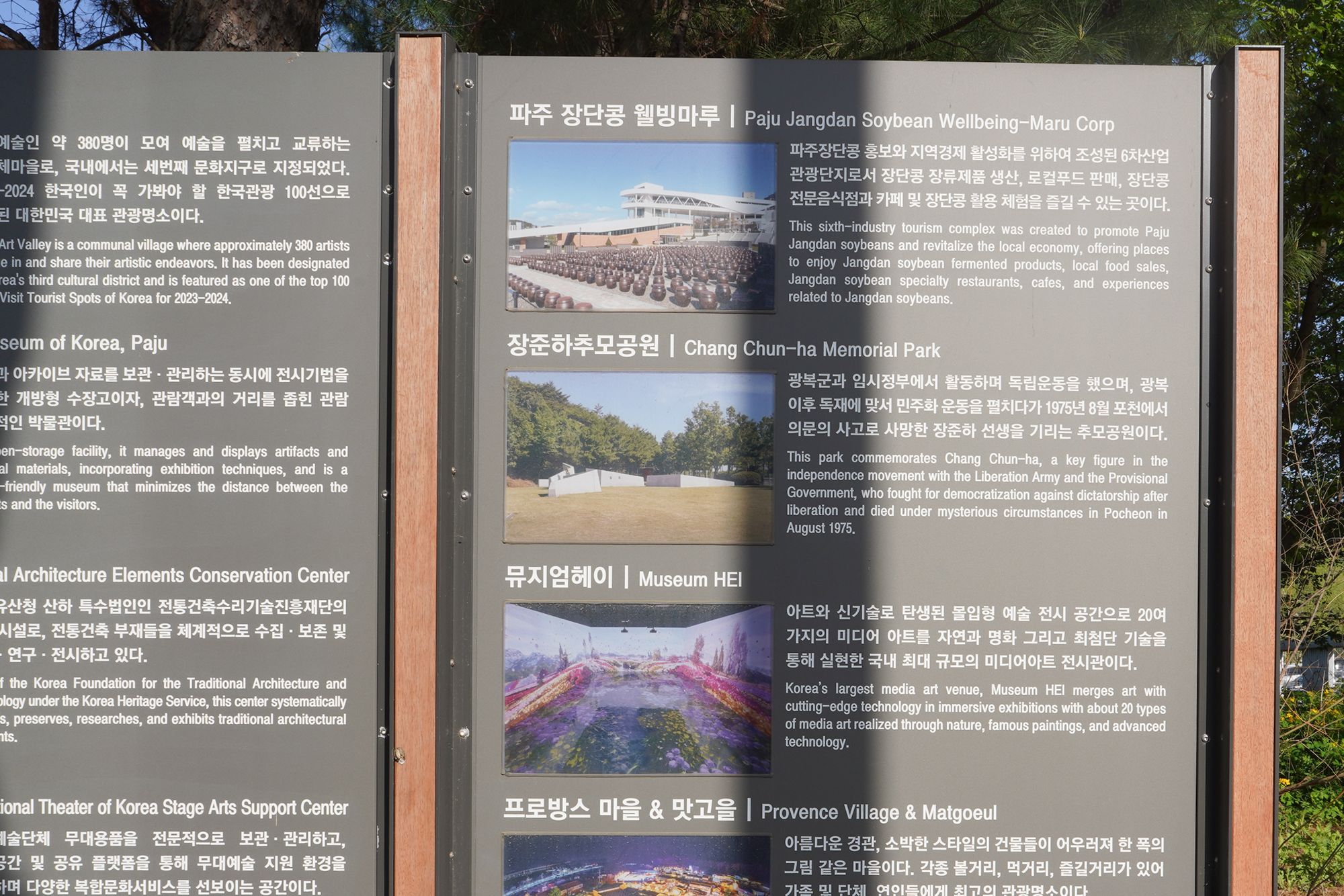
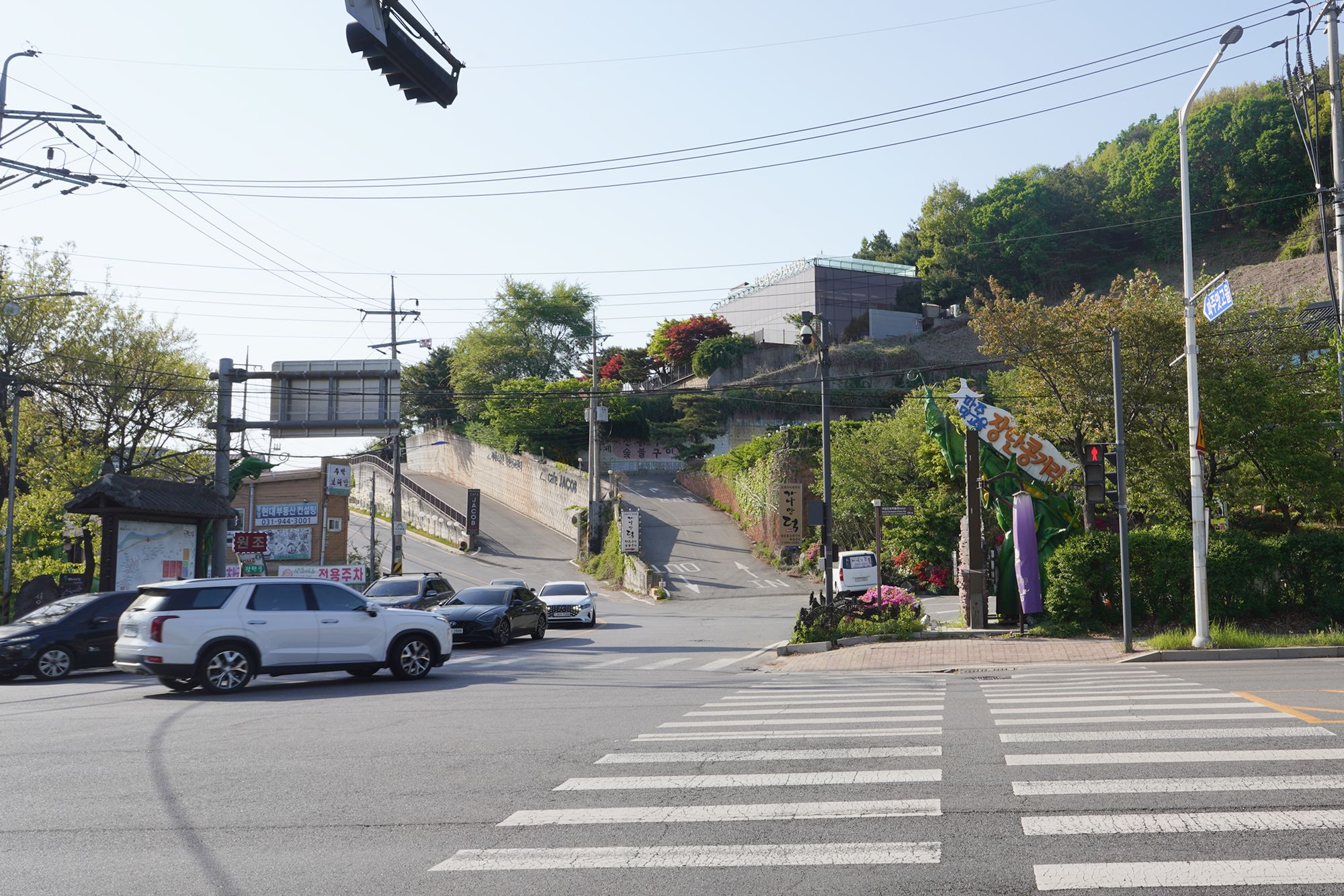
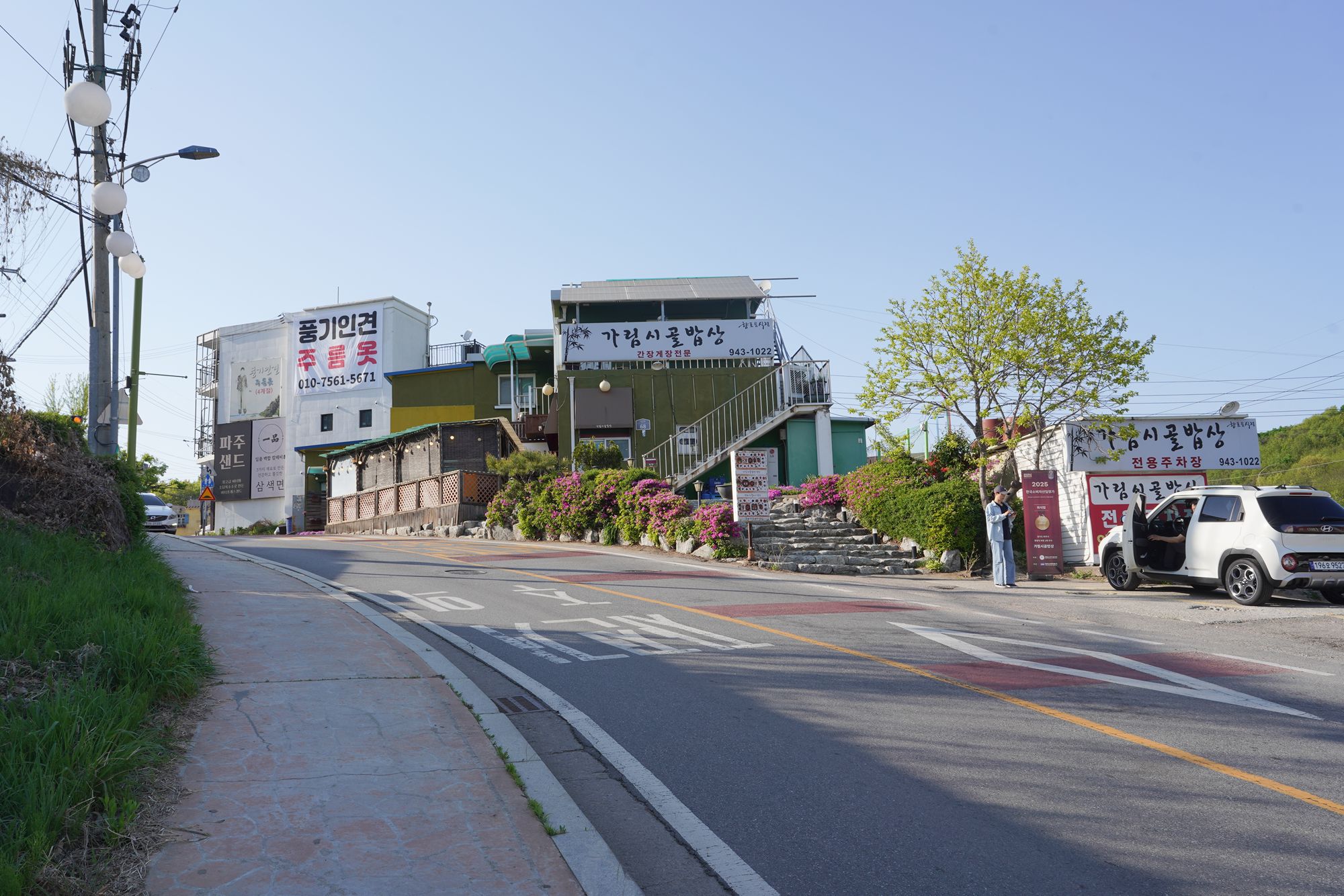
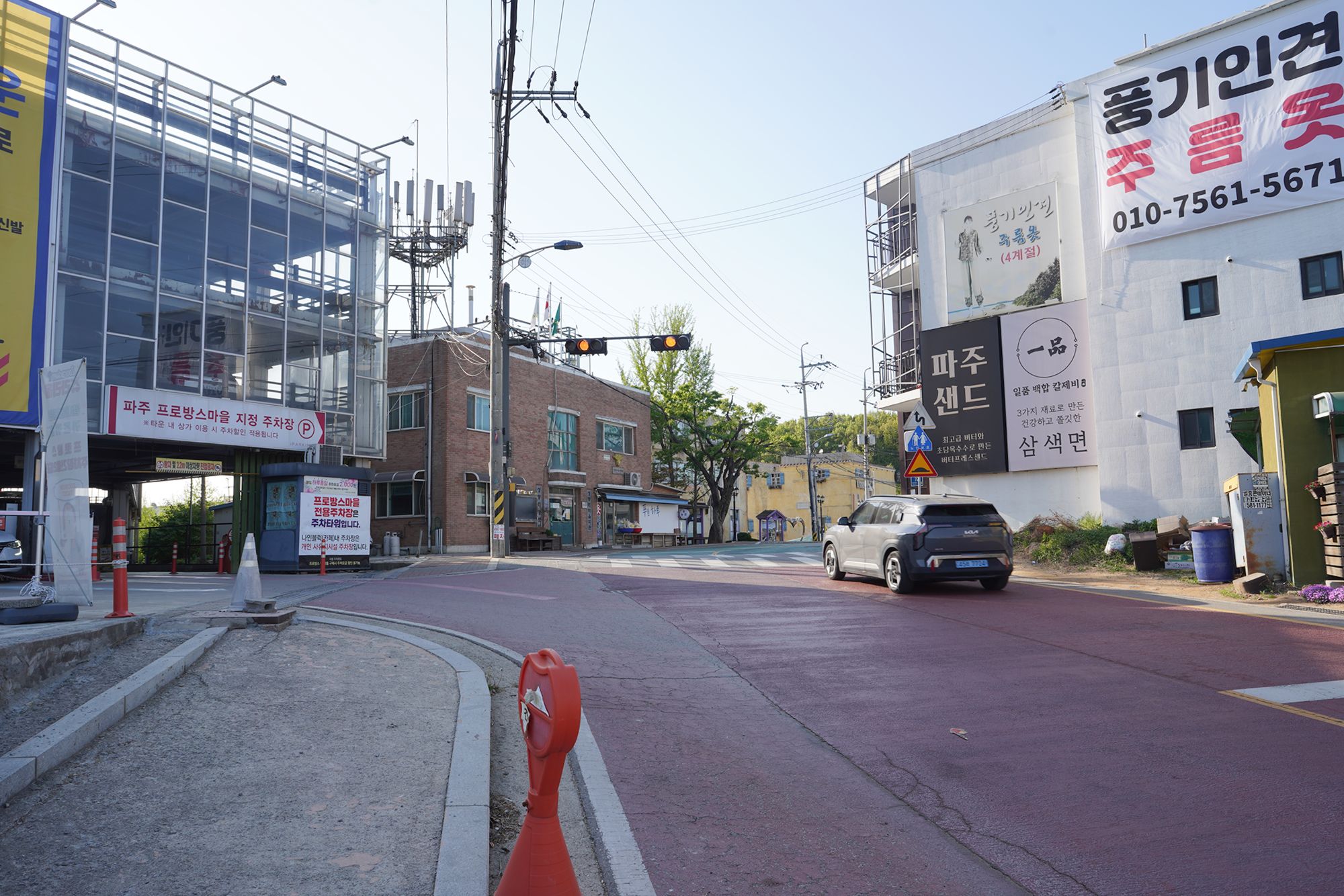
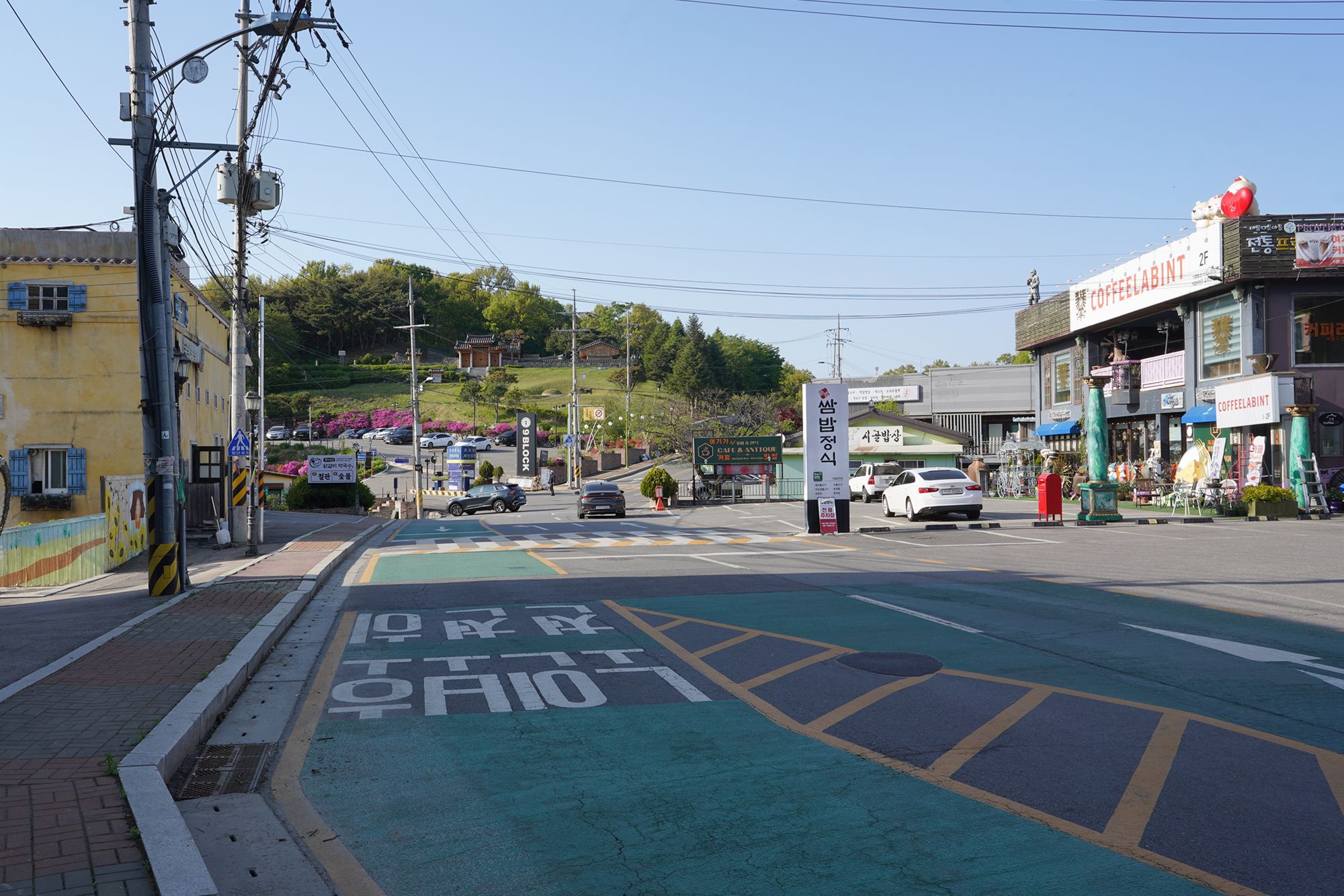
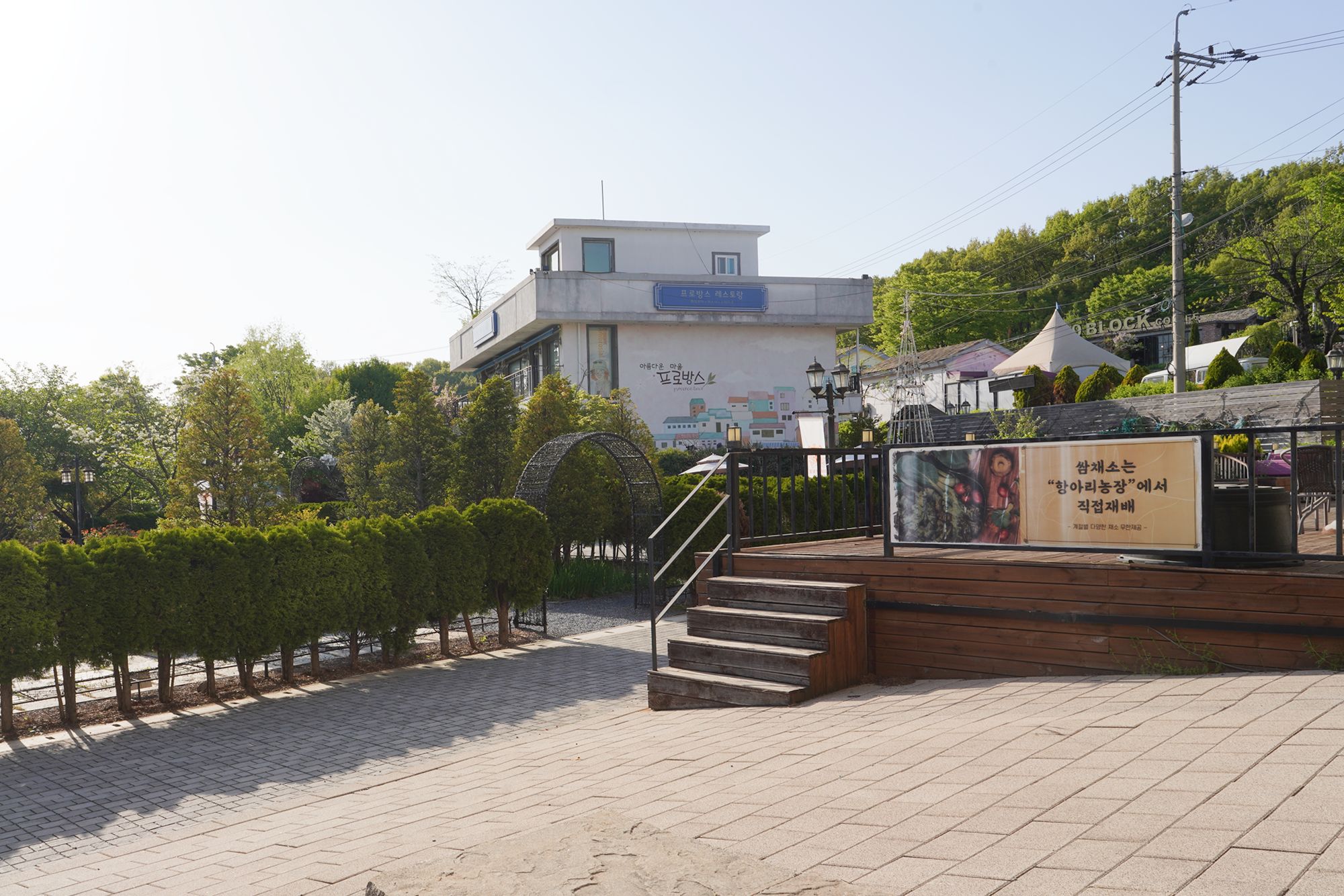
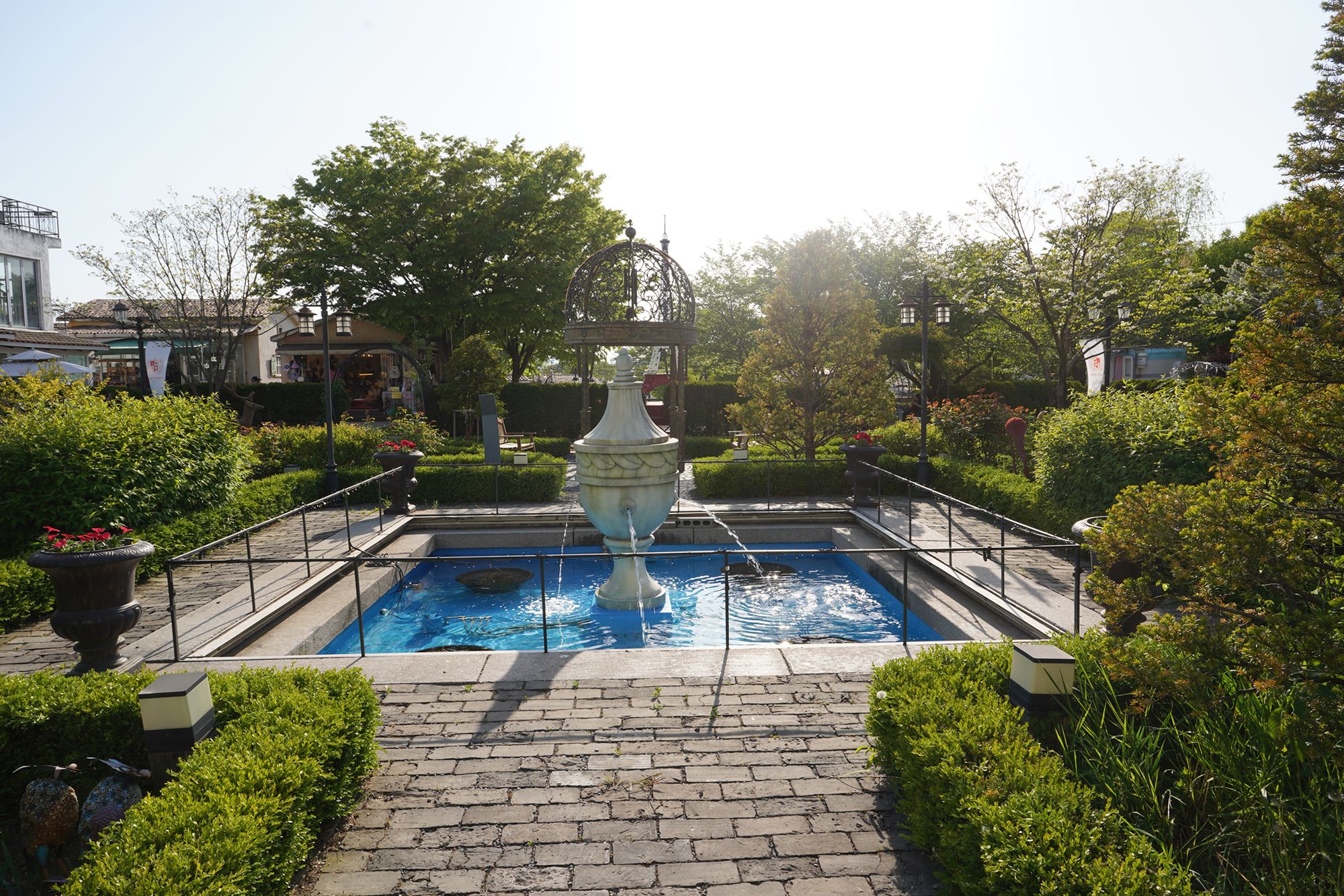
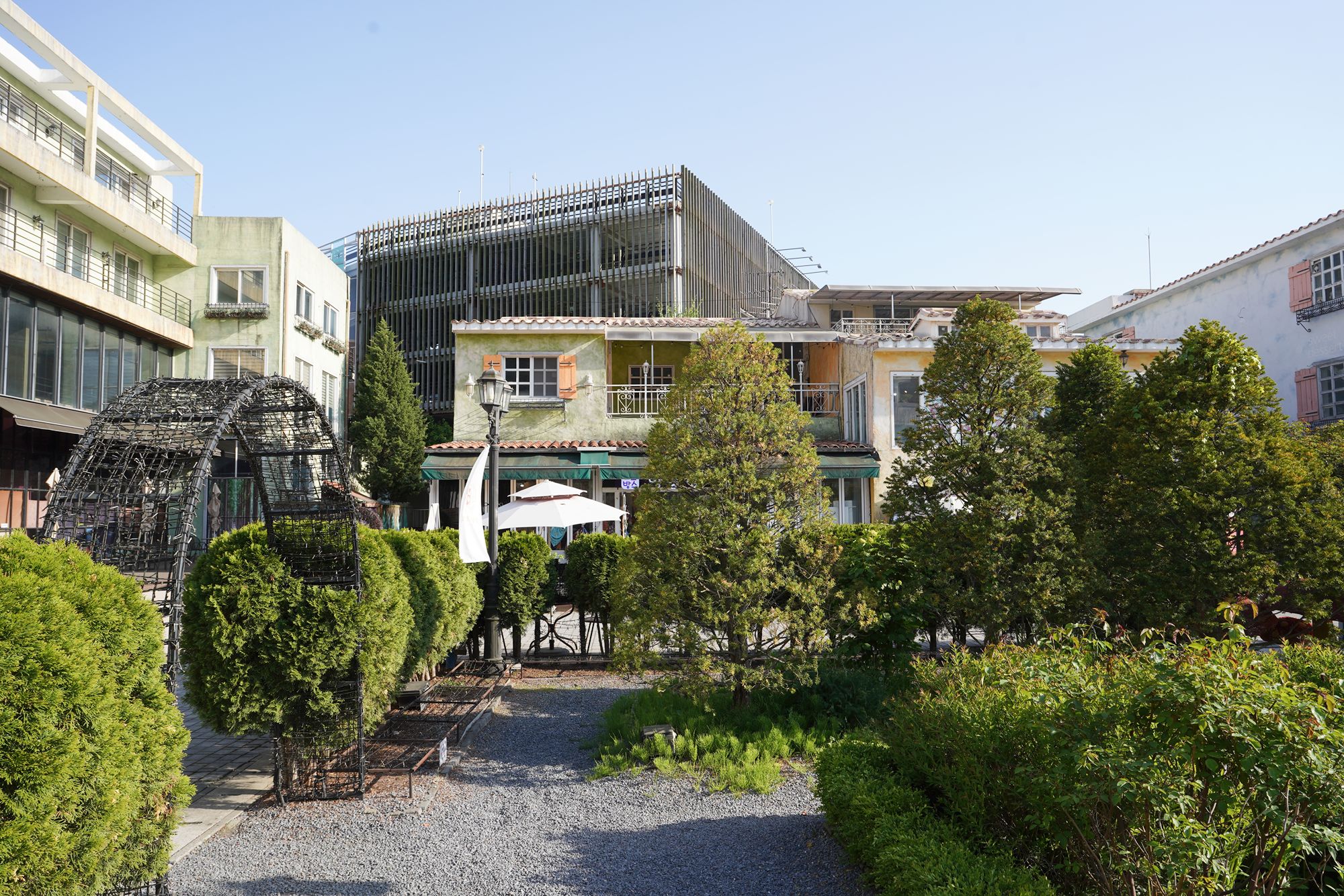
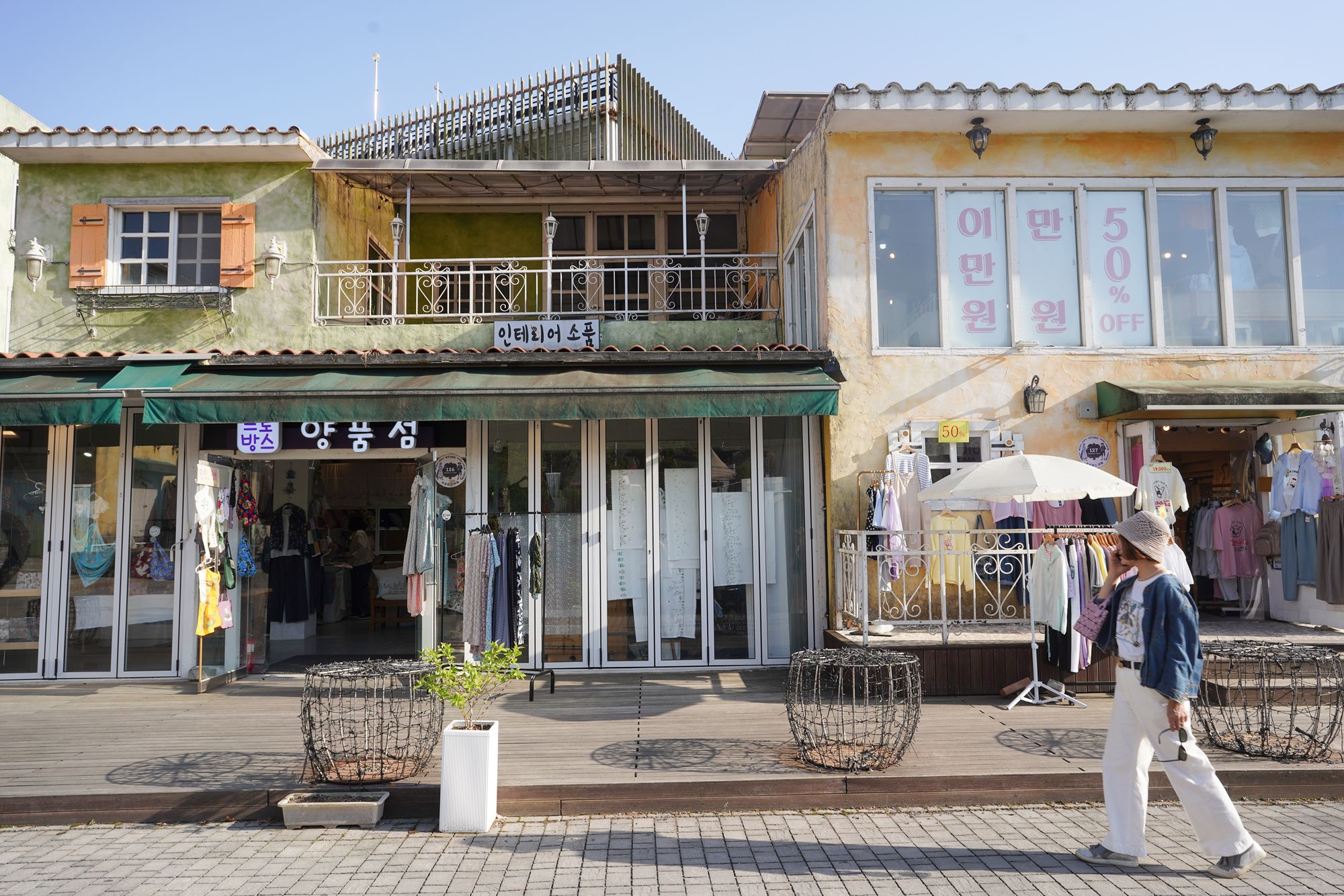
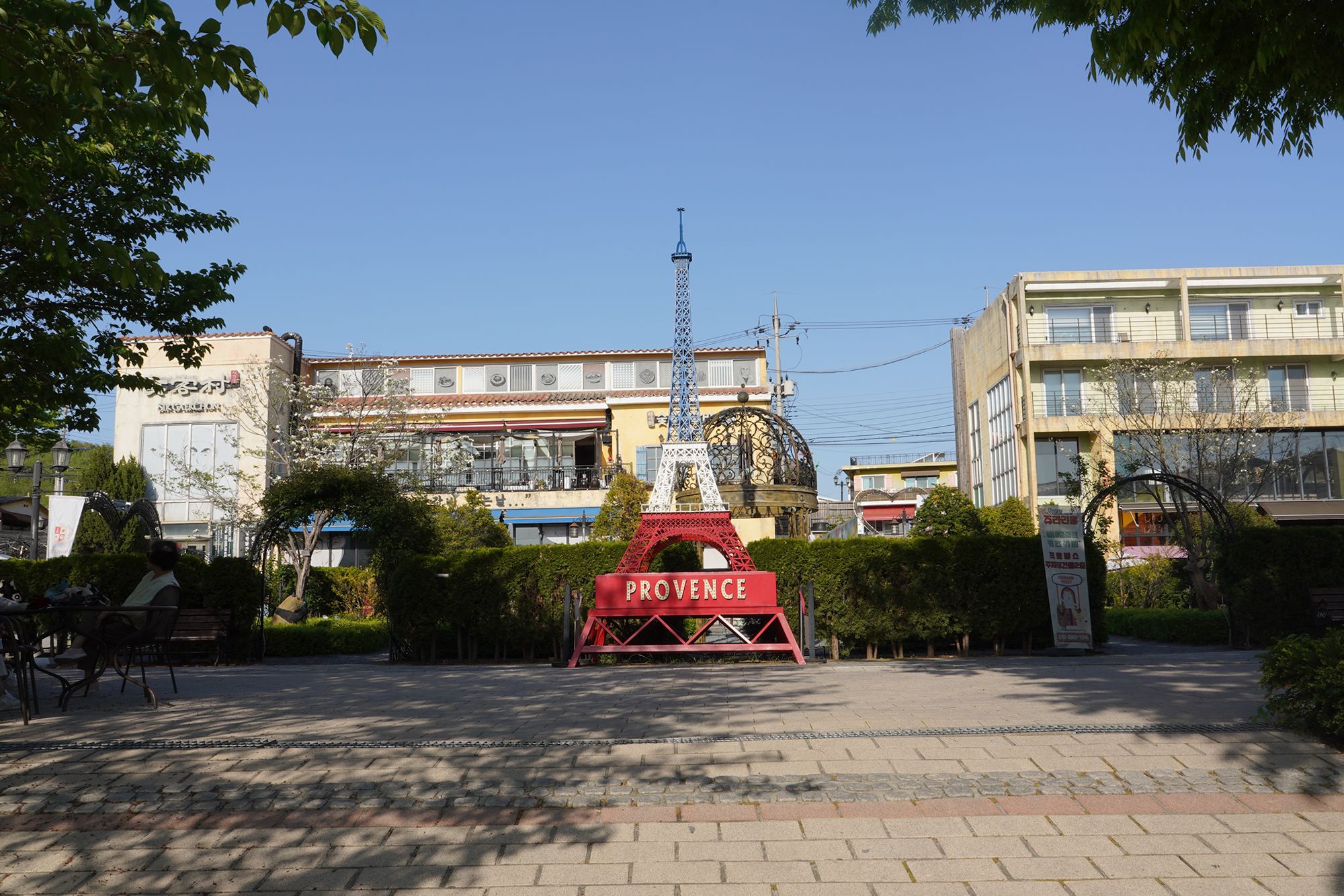
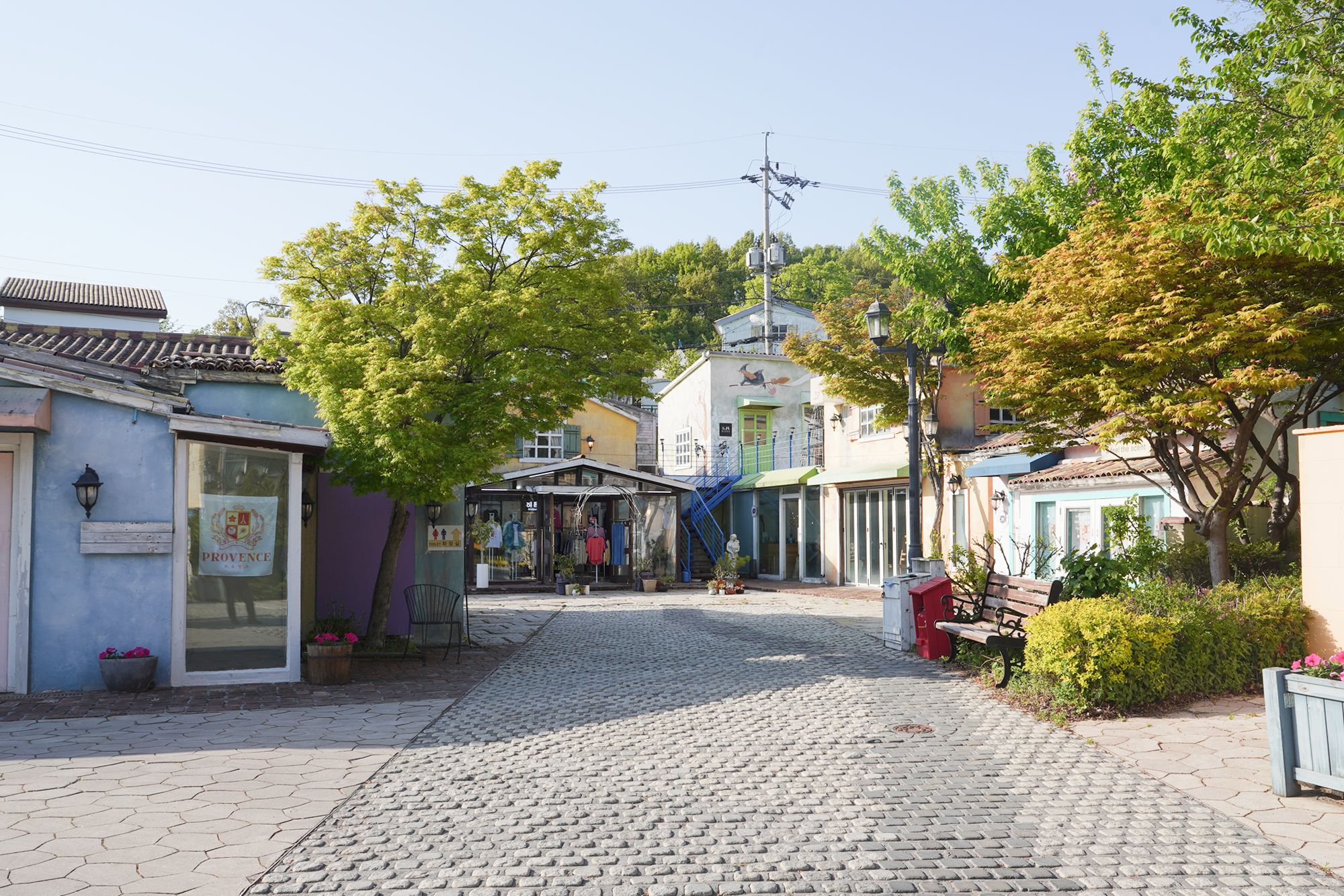
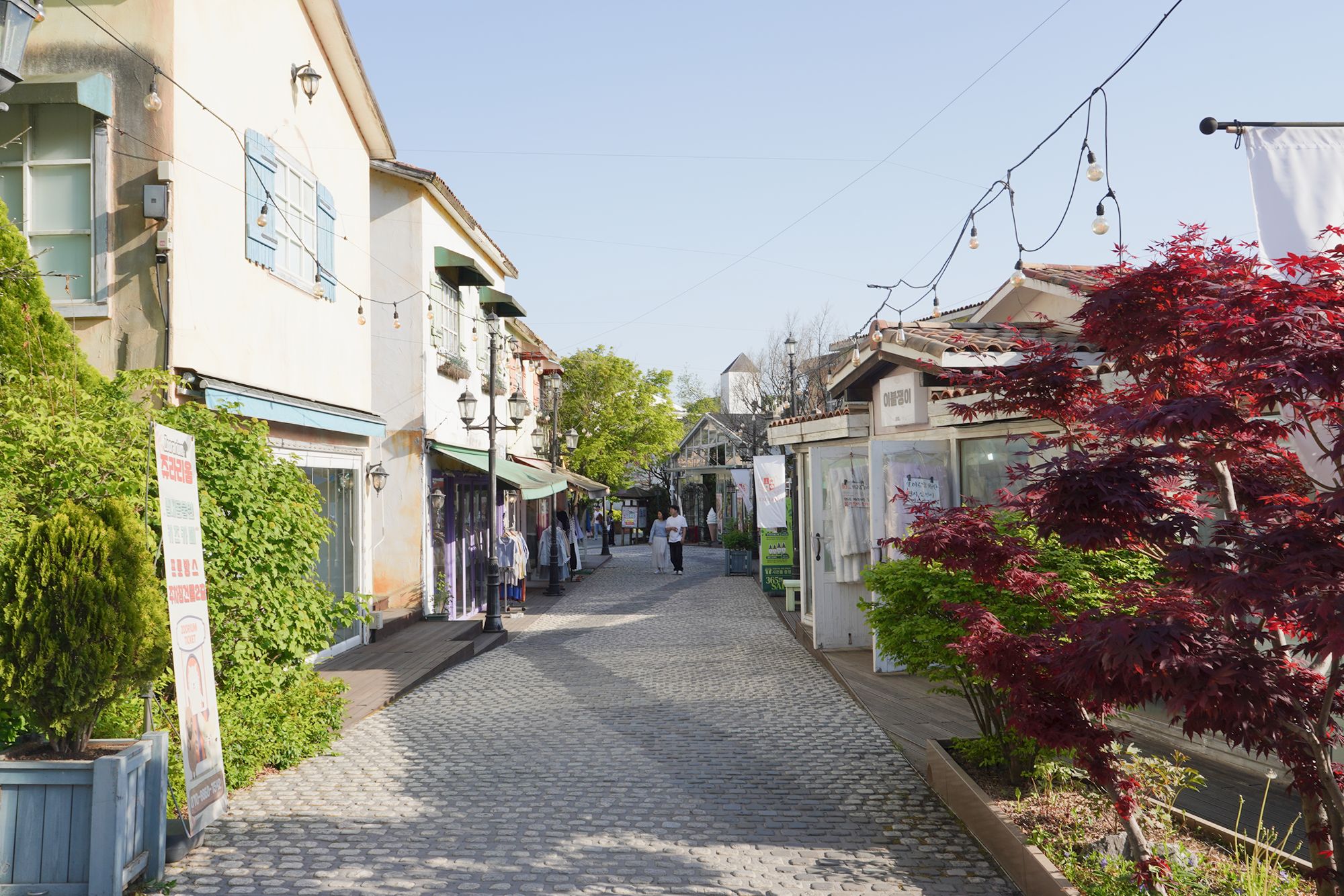
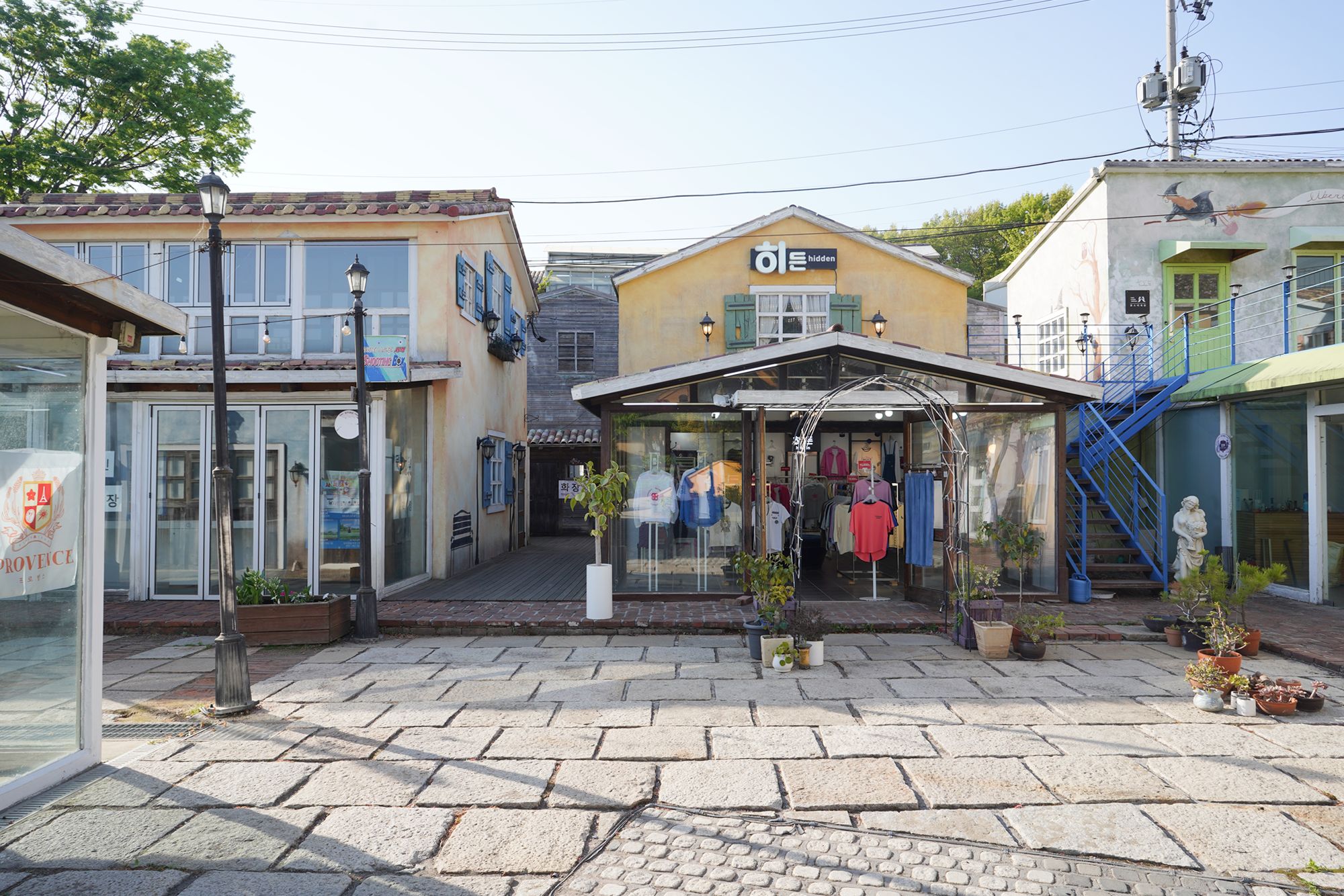
On the way to Concino Concrete Concert Hall, I stopped at Provence Village Paju, a colorful European-style shopping area filled with small shops, cafés, and restaurants.
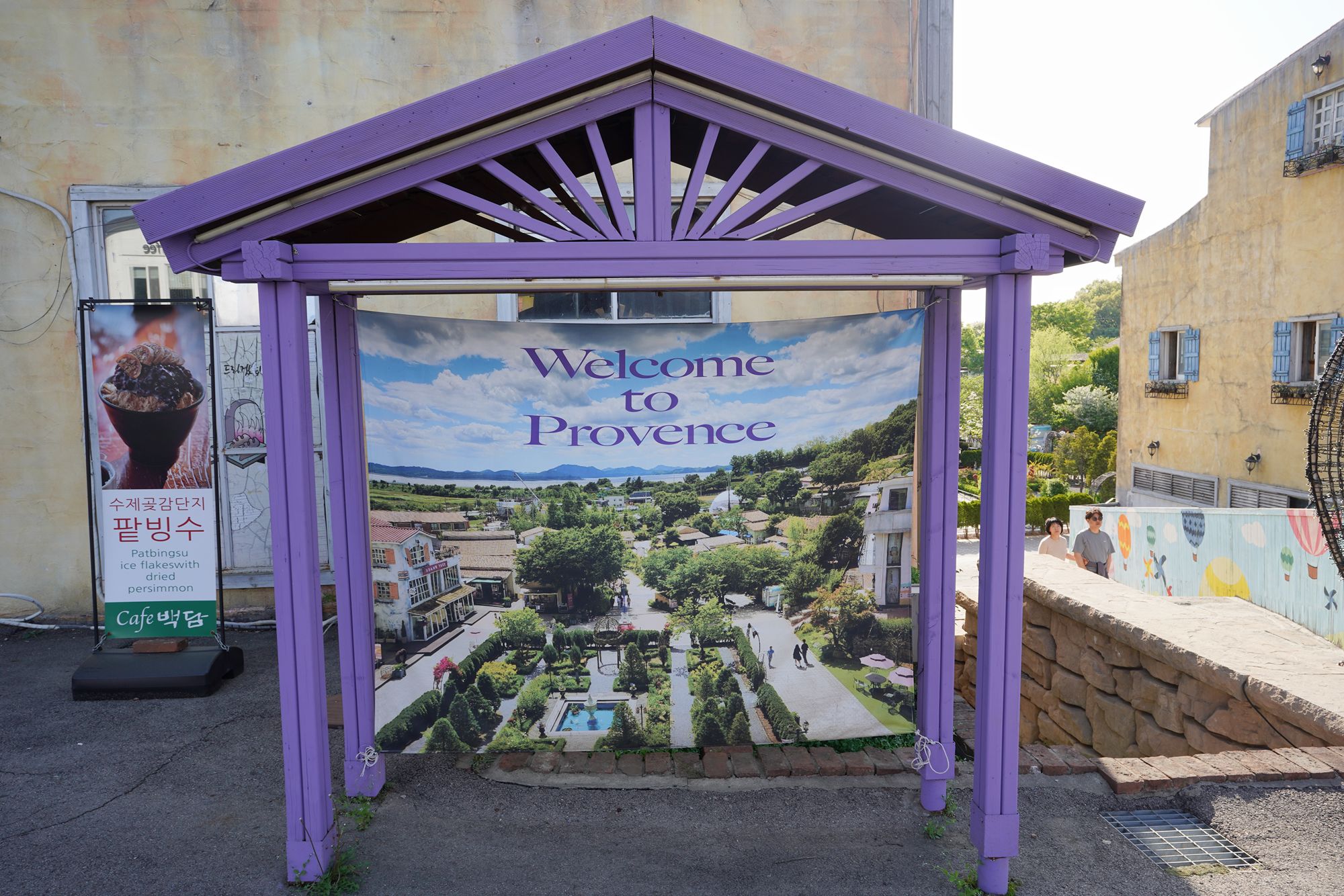
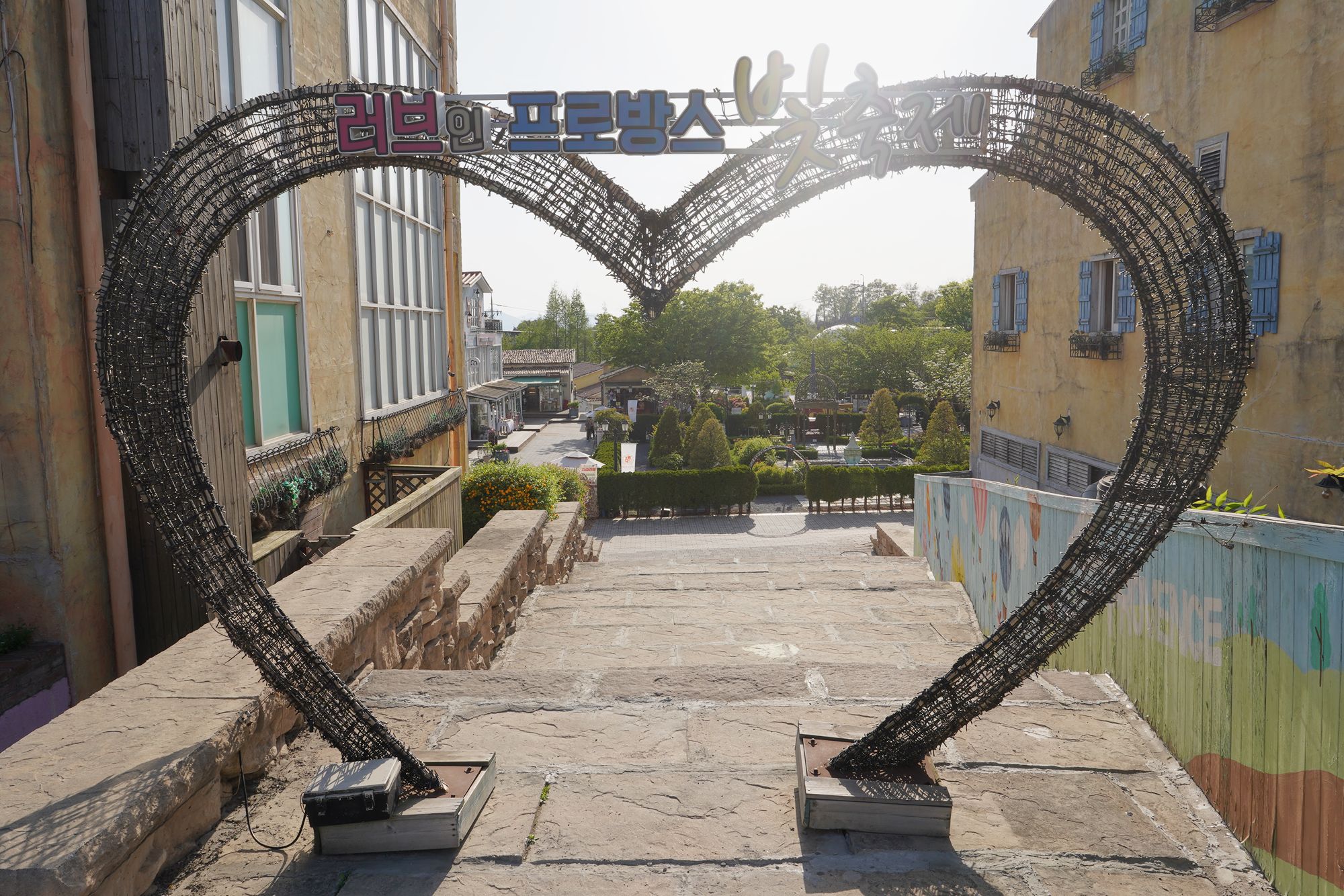
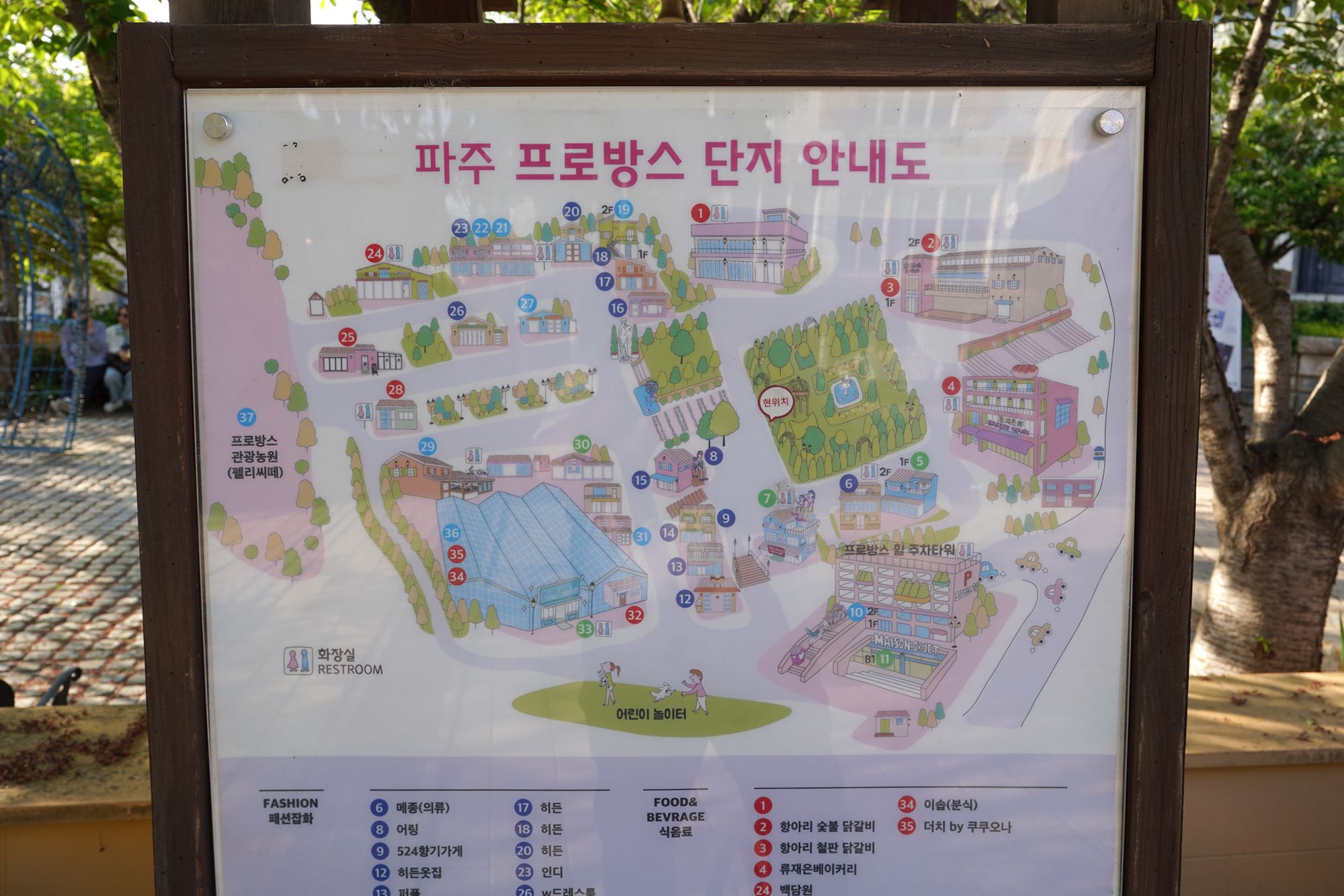
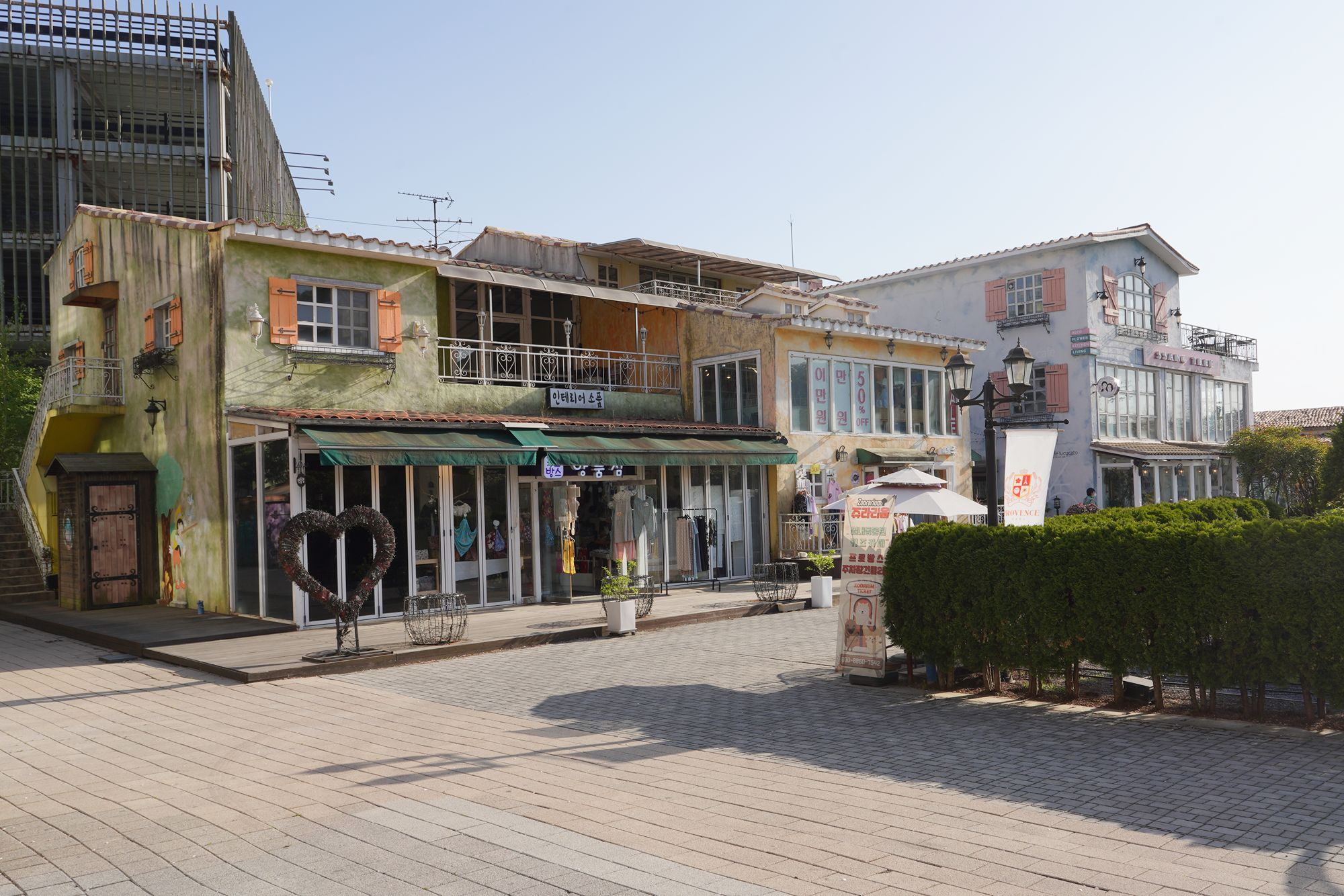
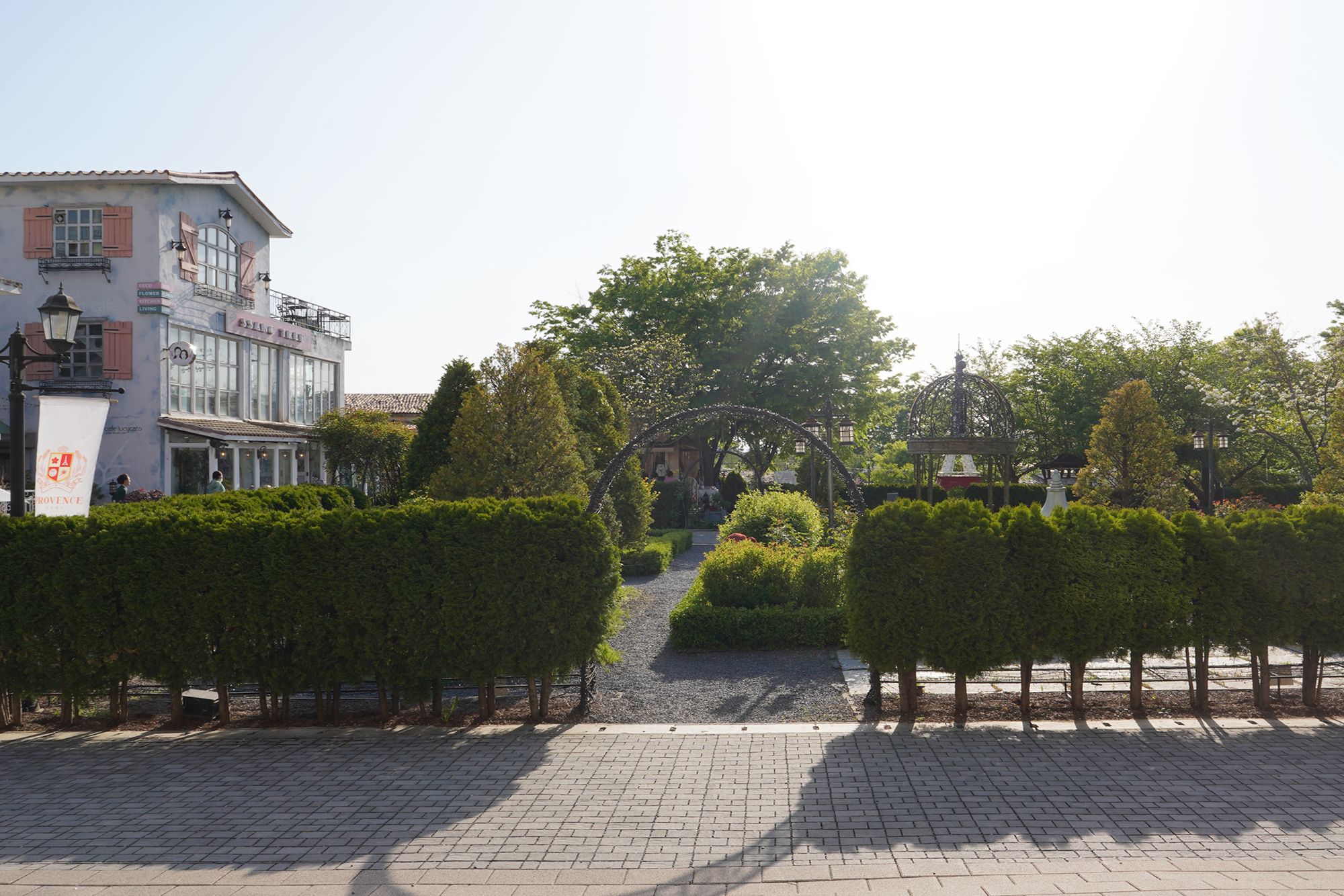
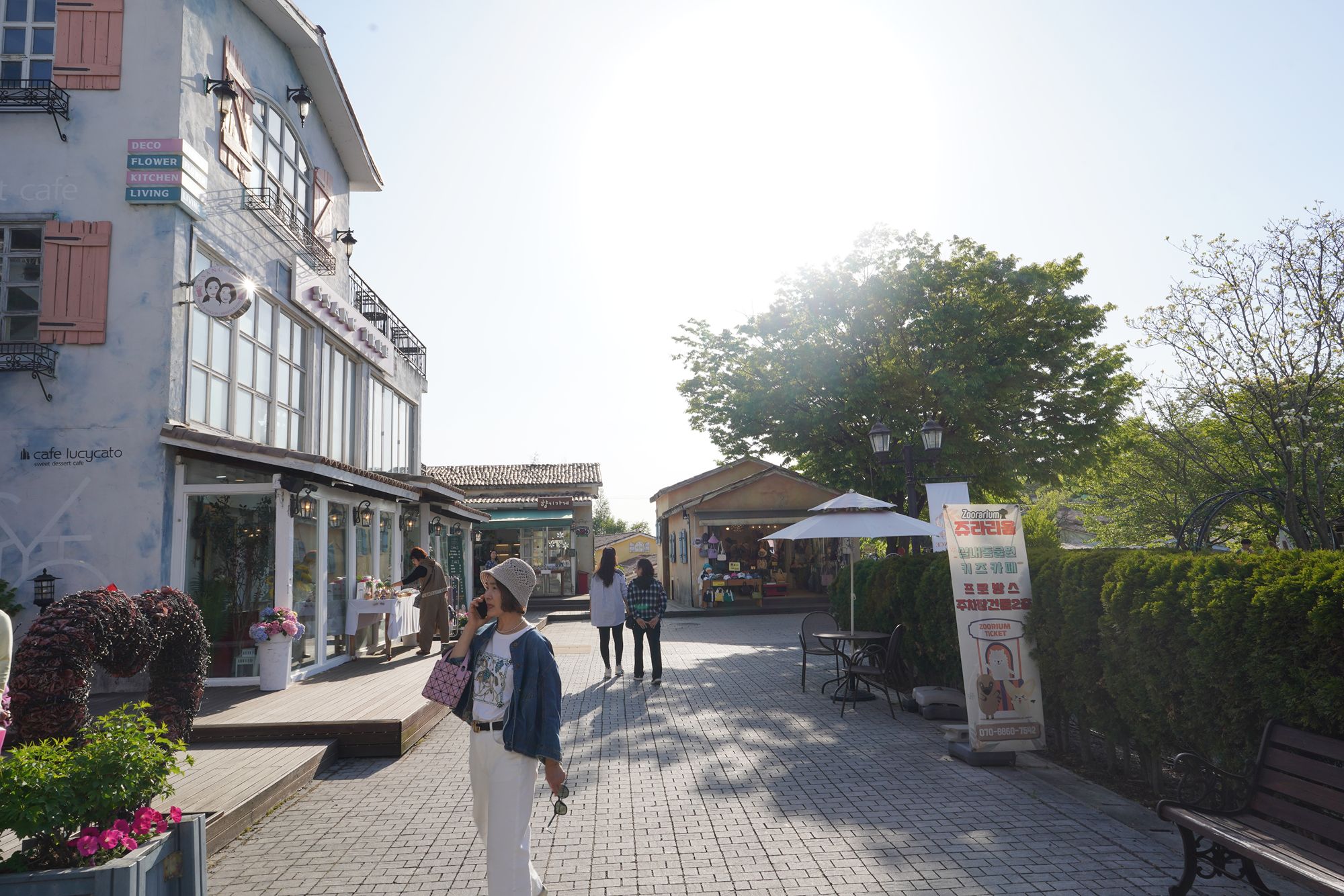
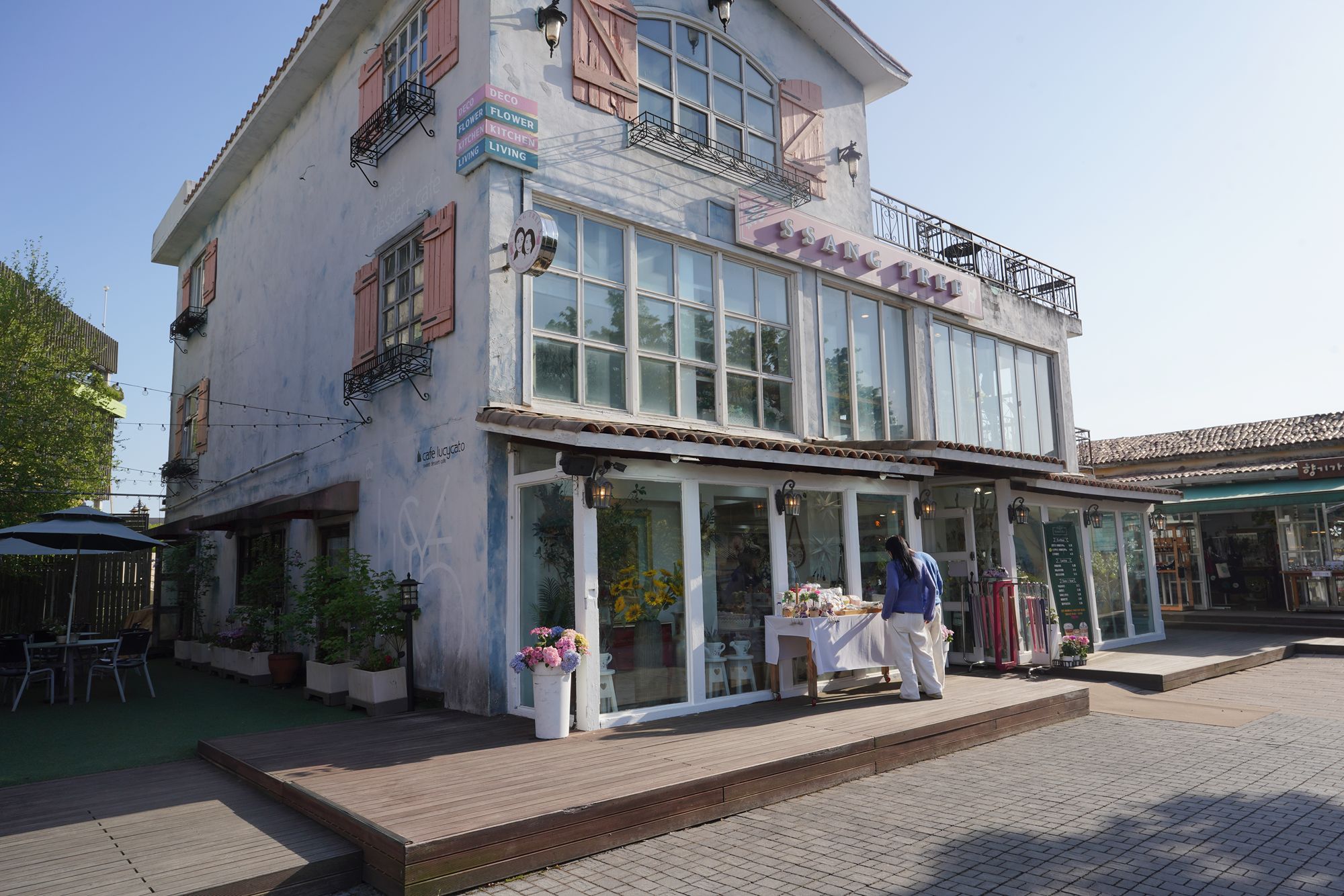
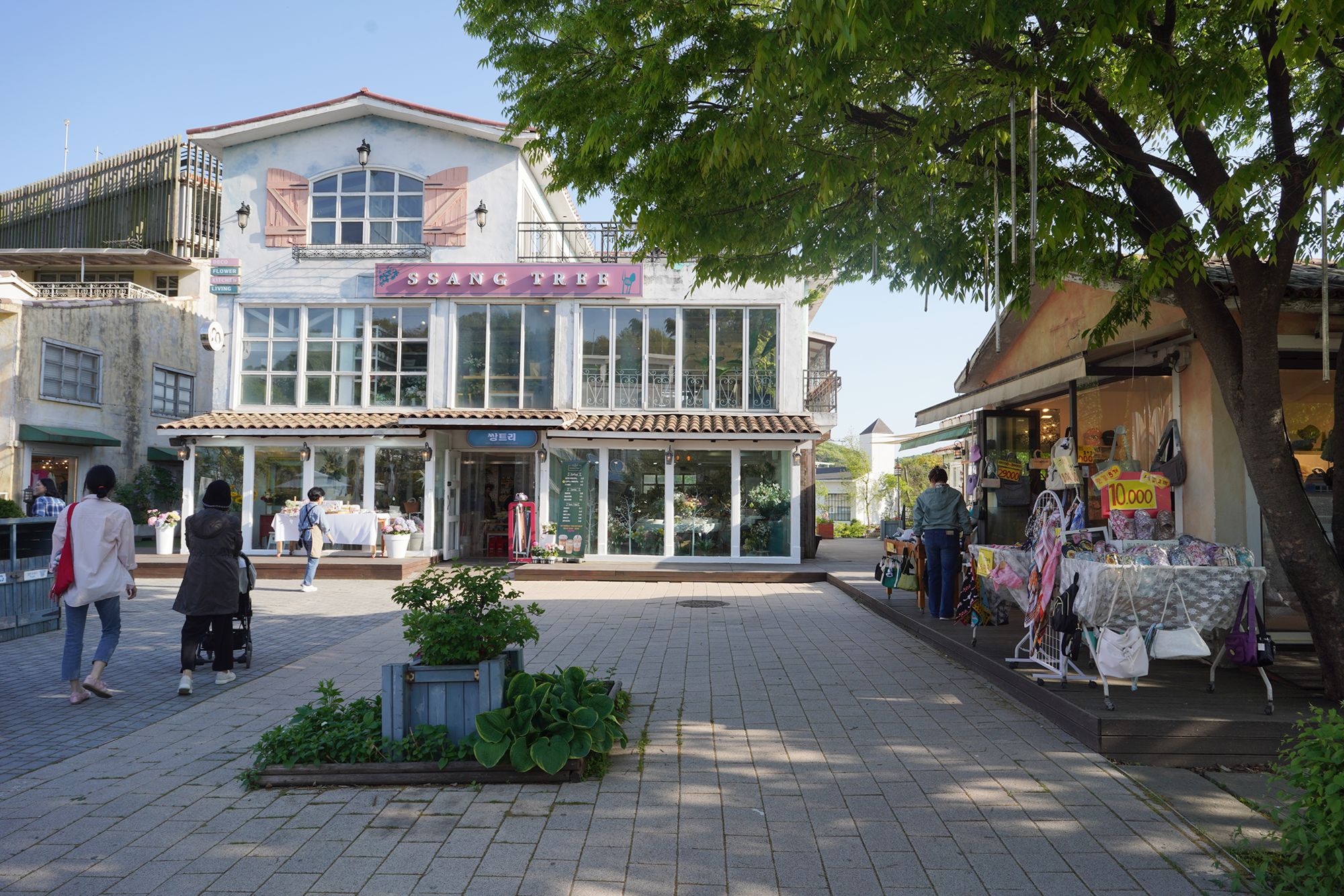
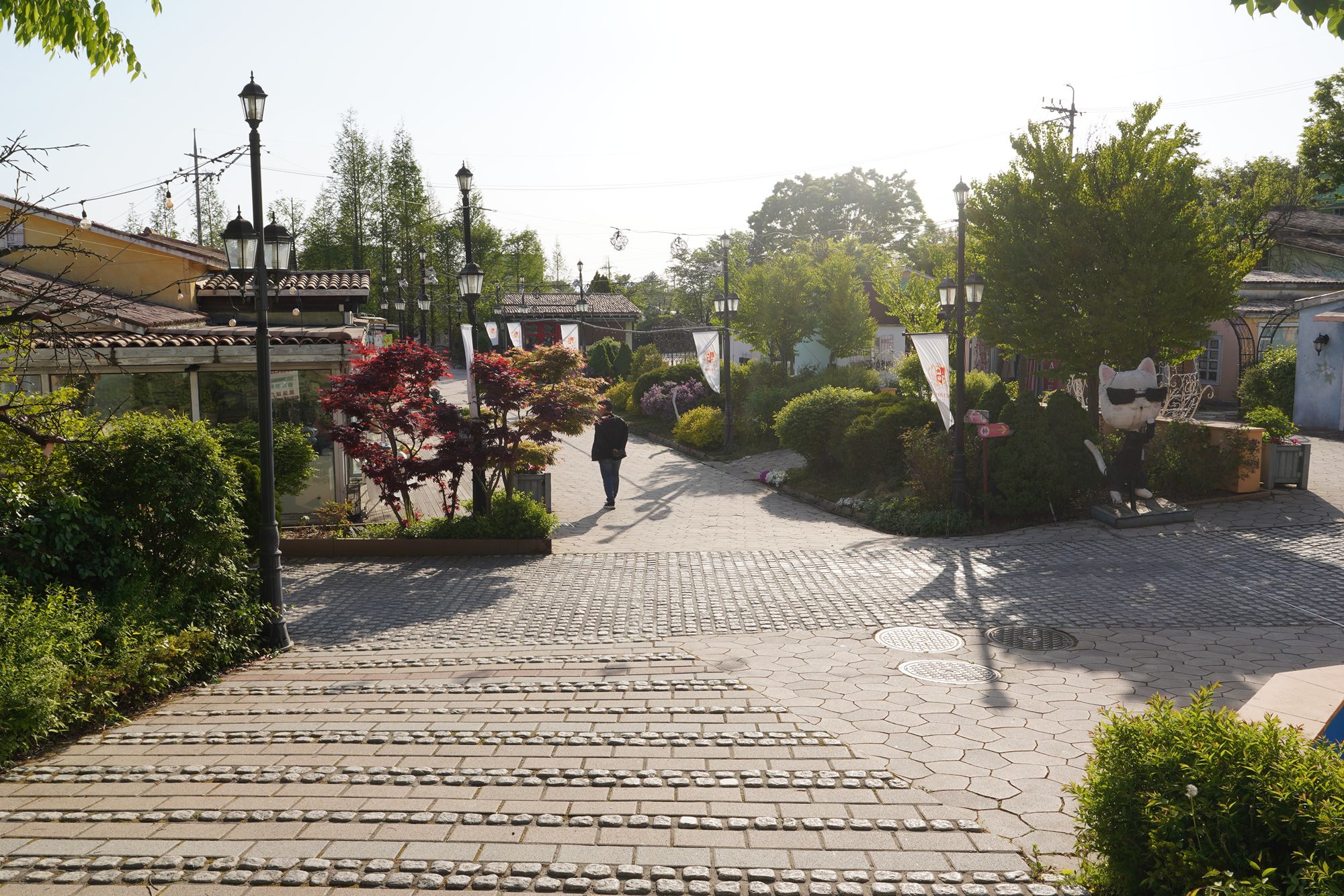
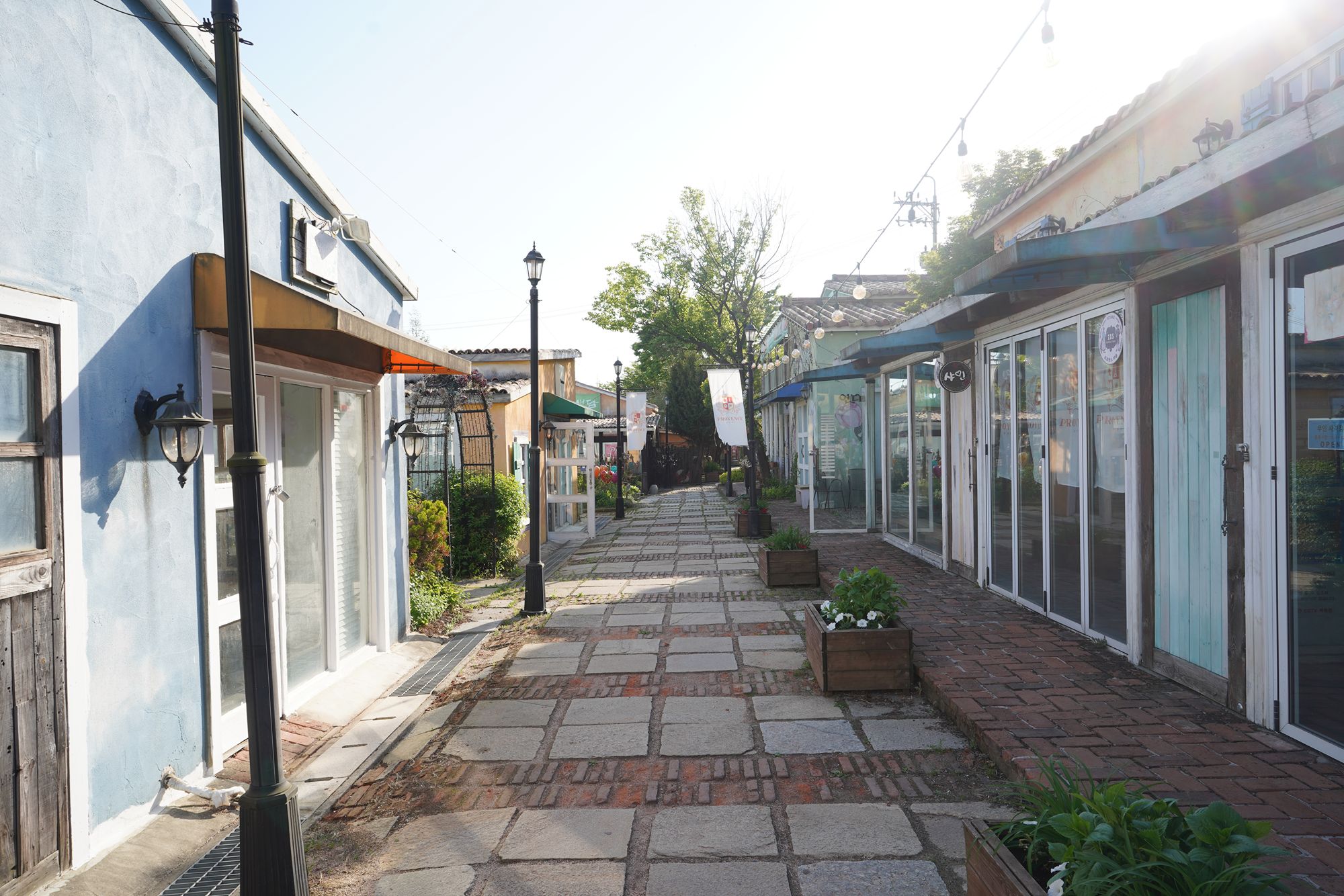
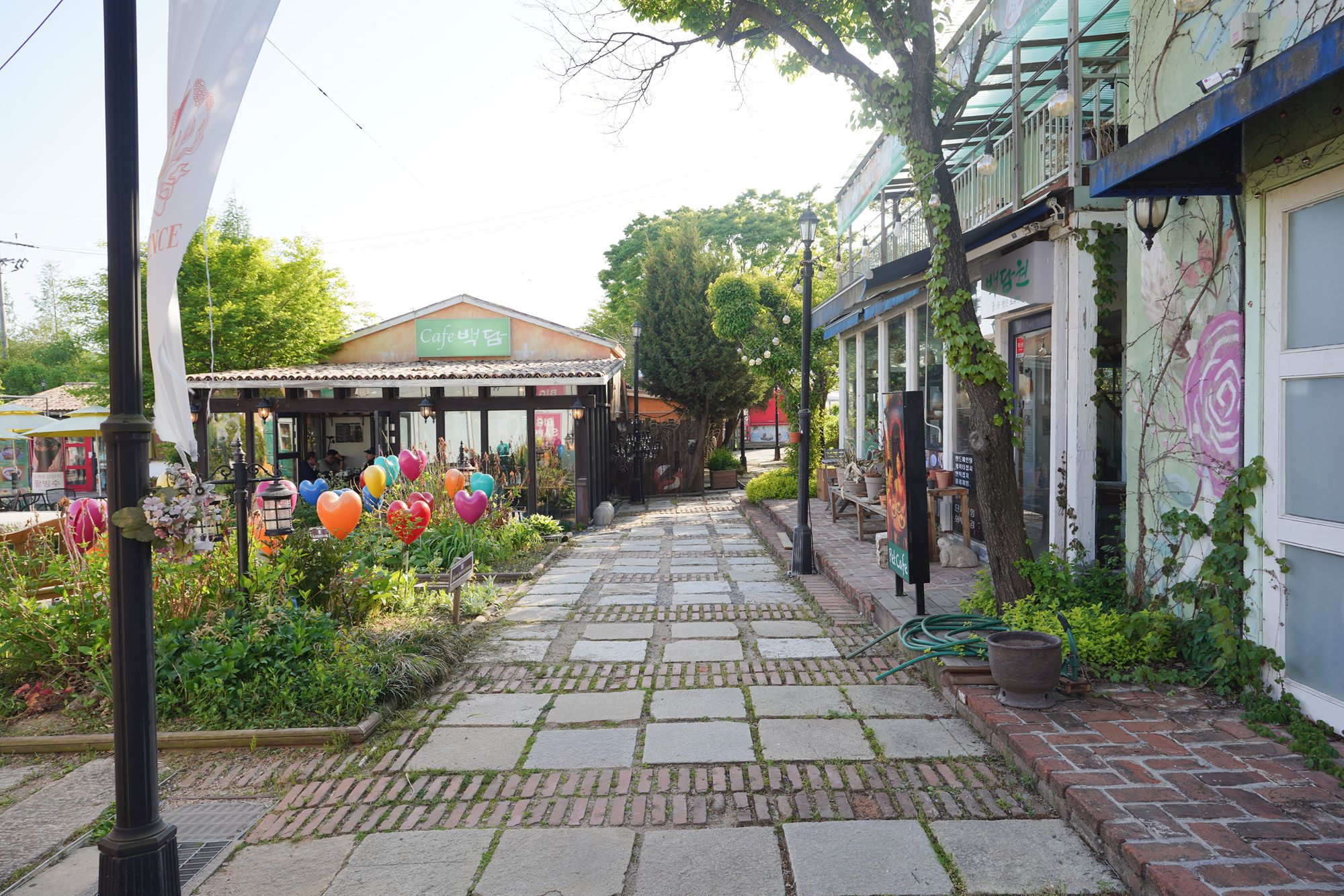
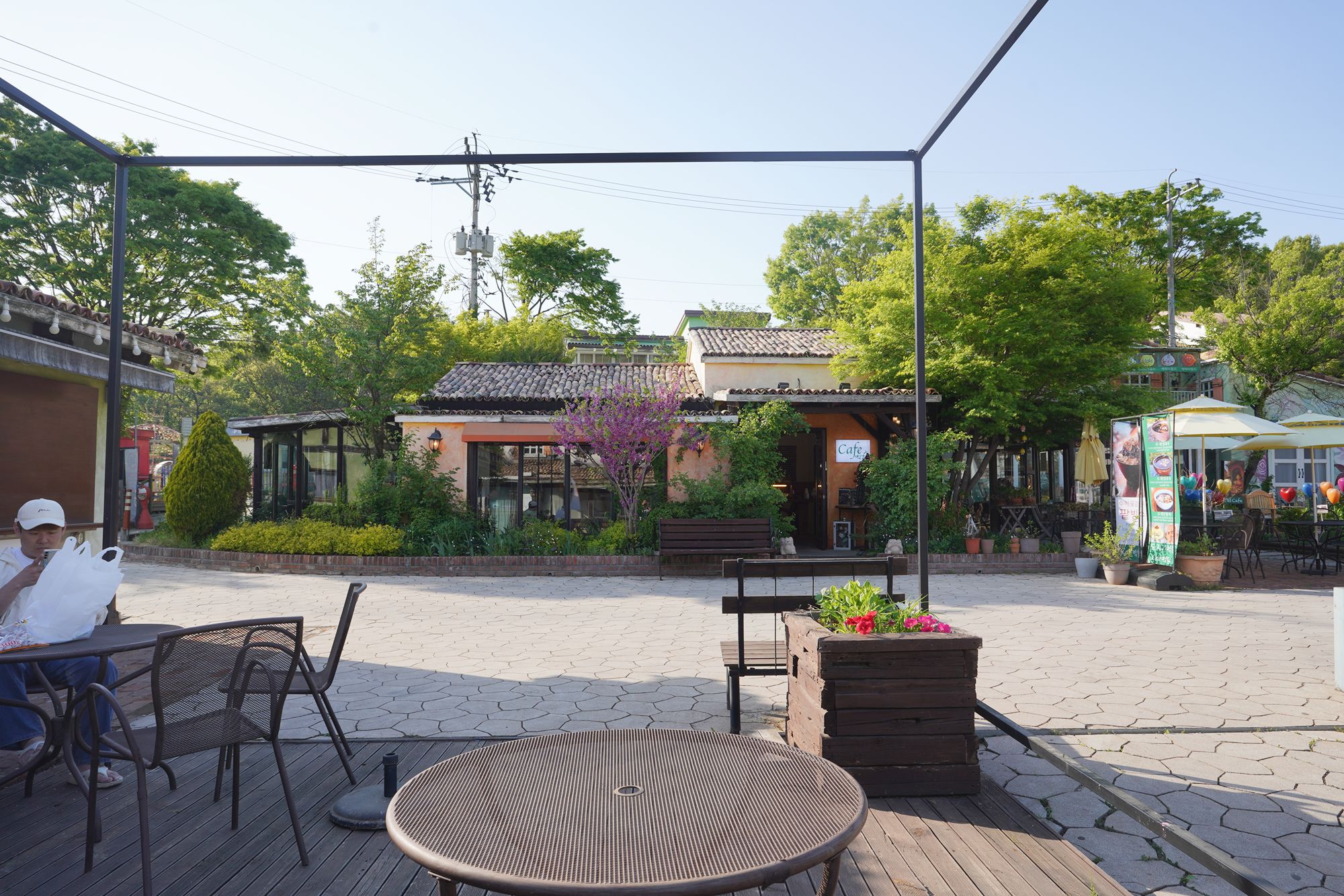
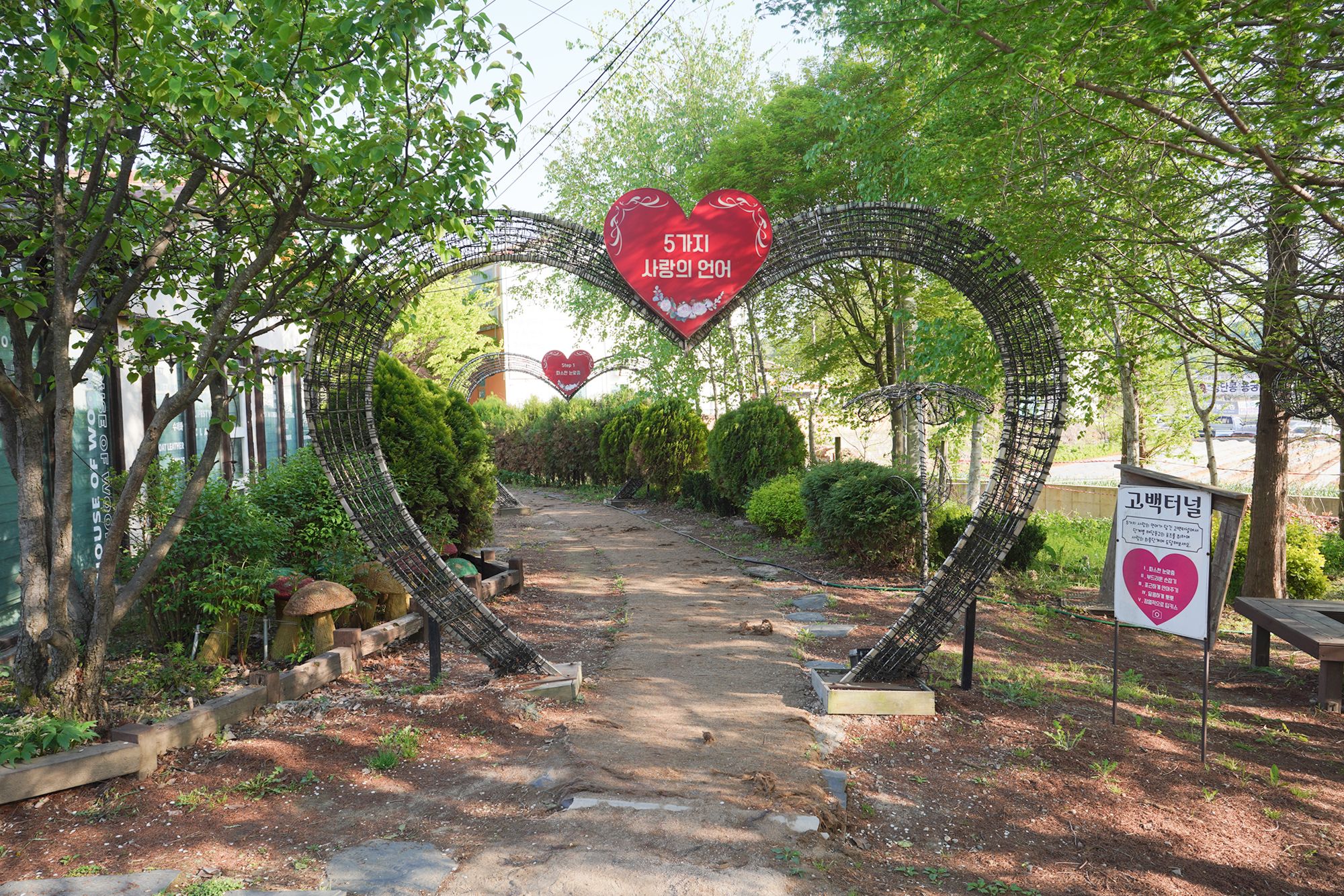
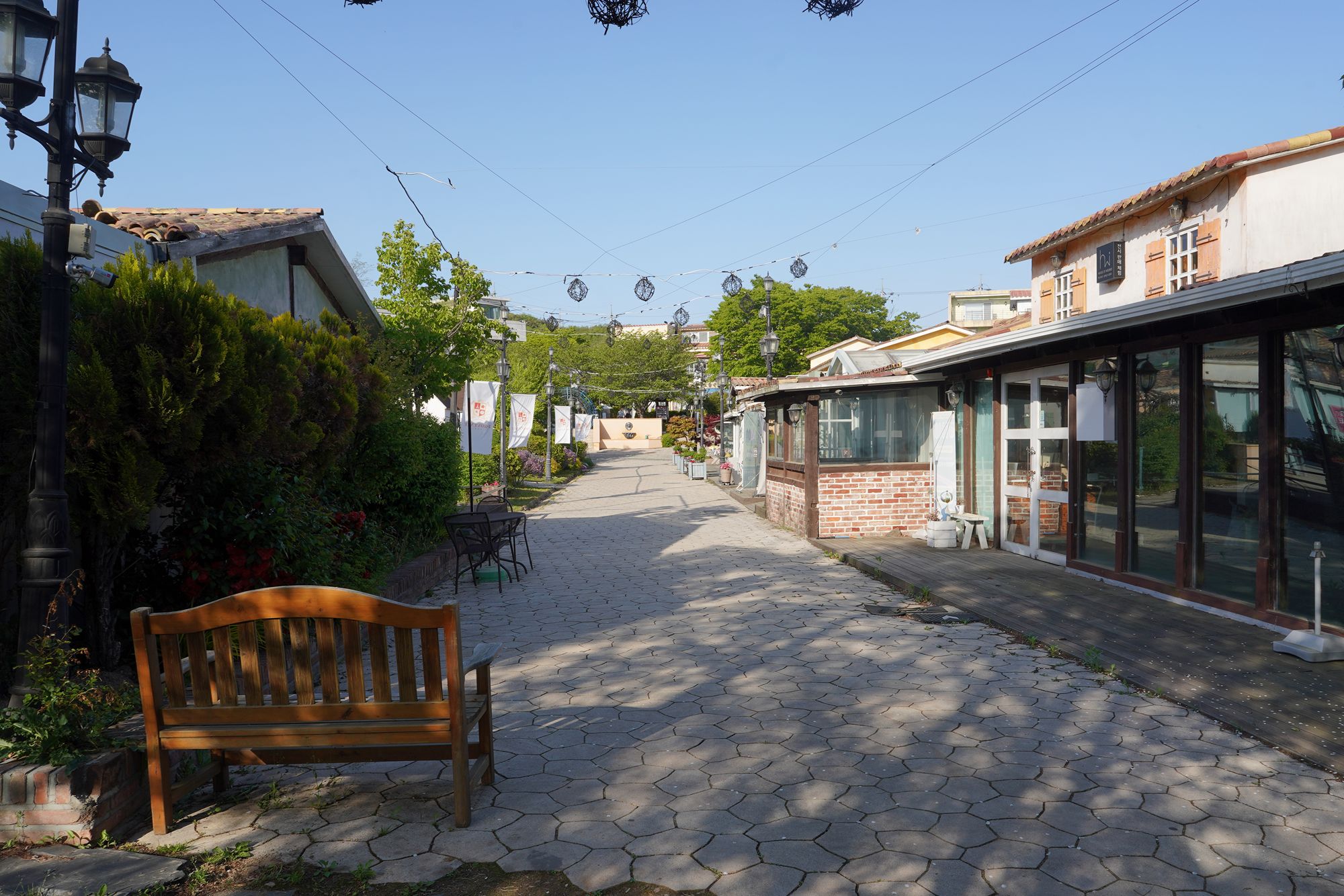
After leaving Provence Village, I continued my long walk toward Concino Concrete Concert Hall.
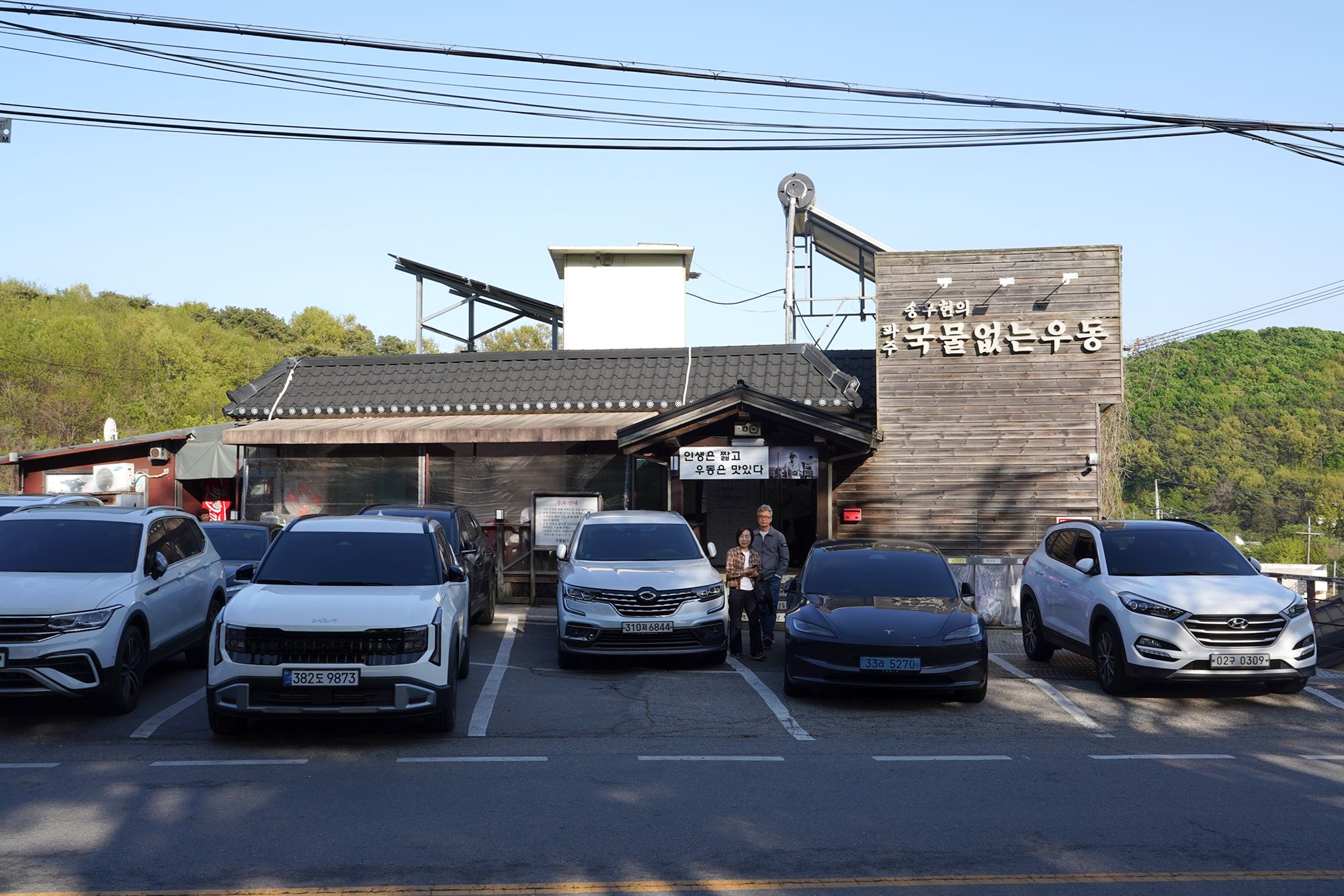
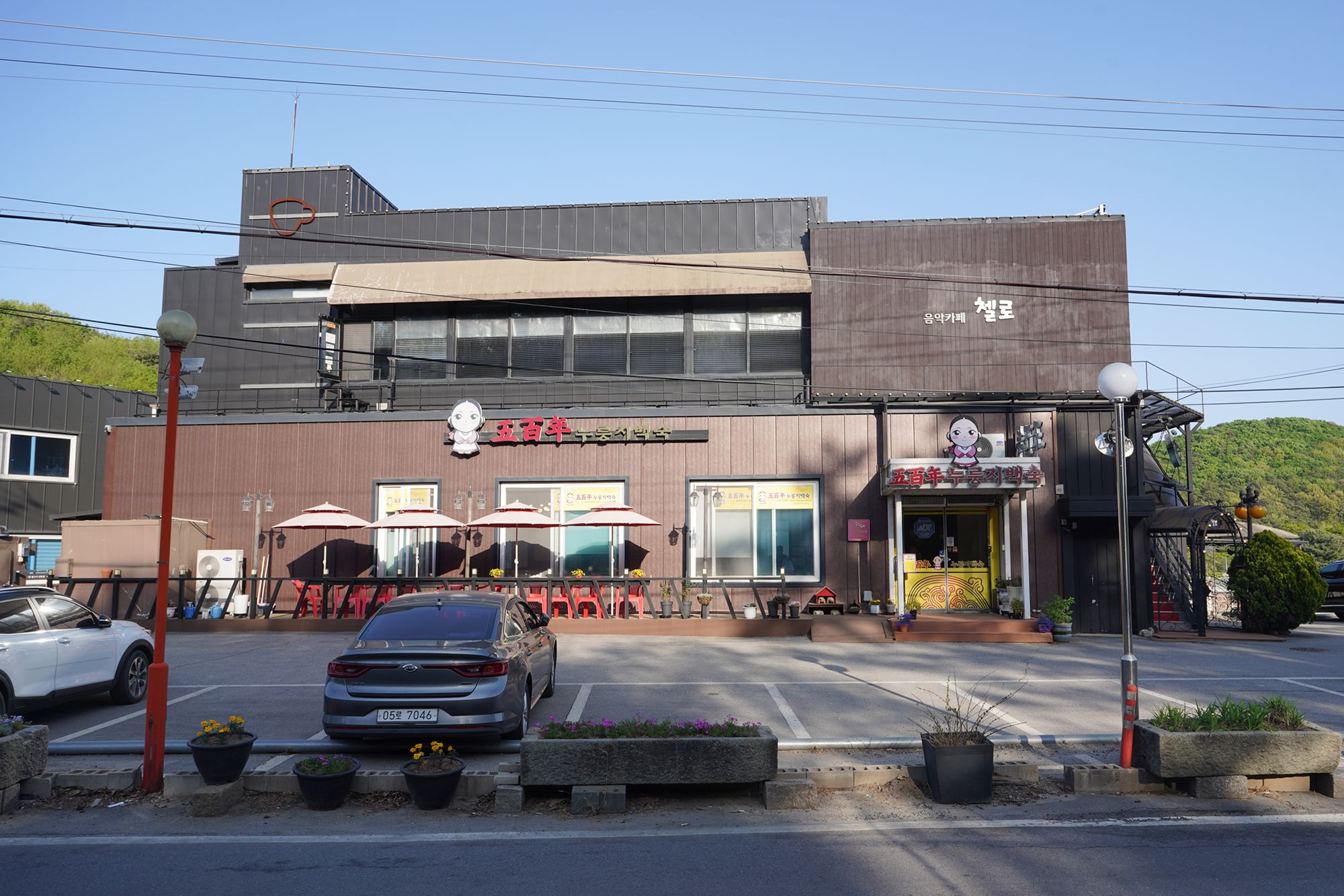
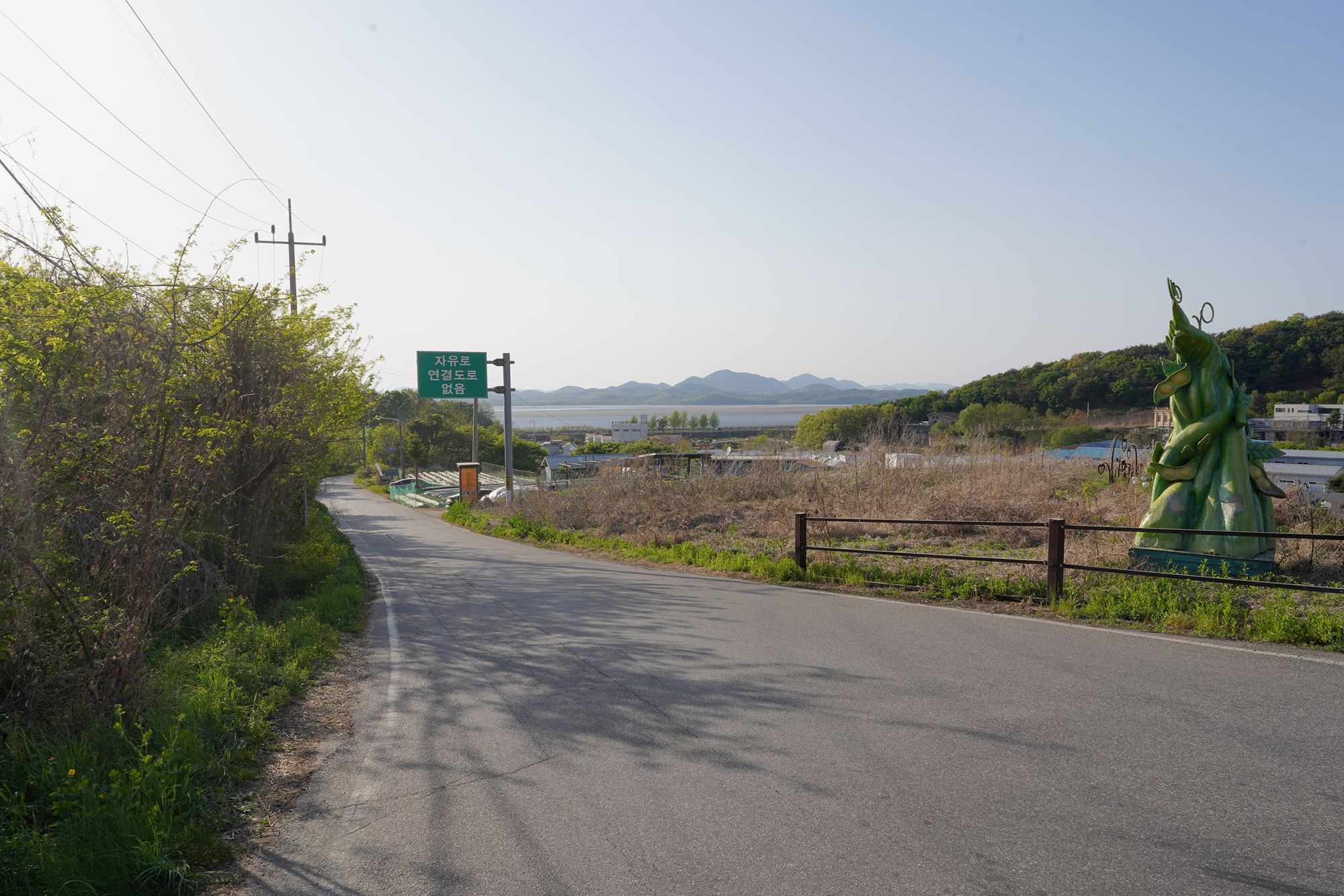
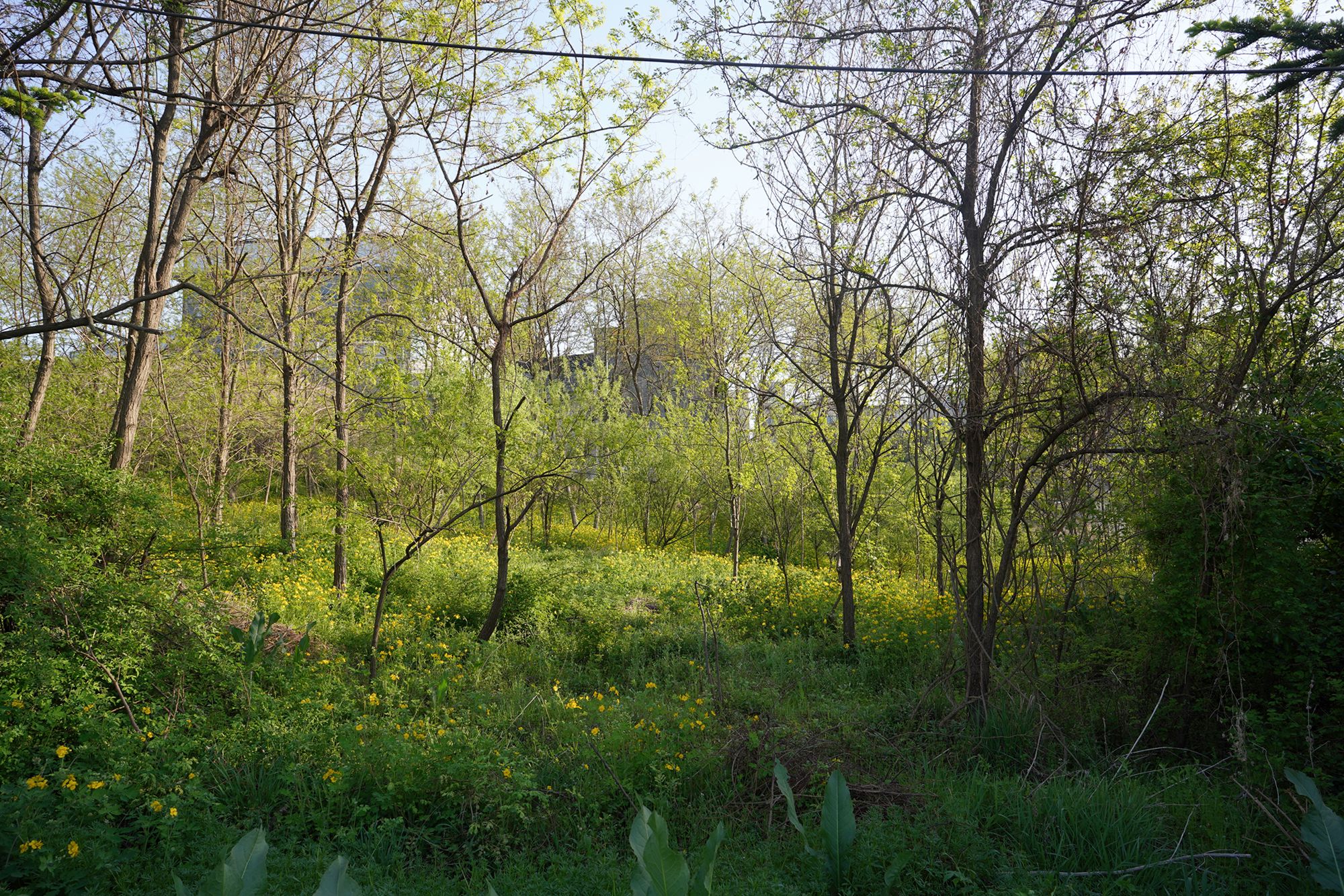
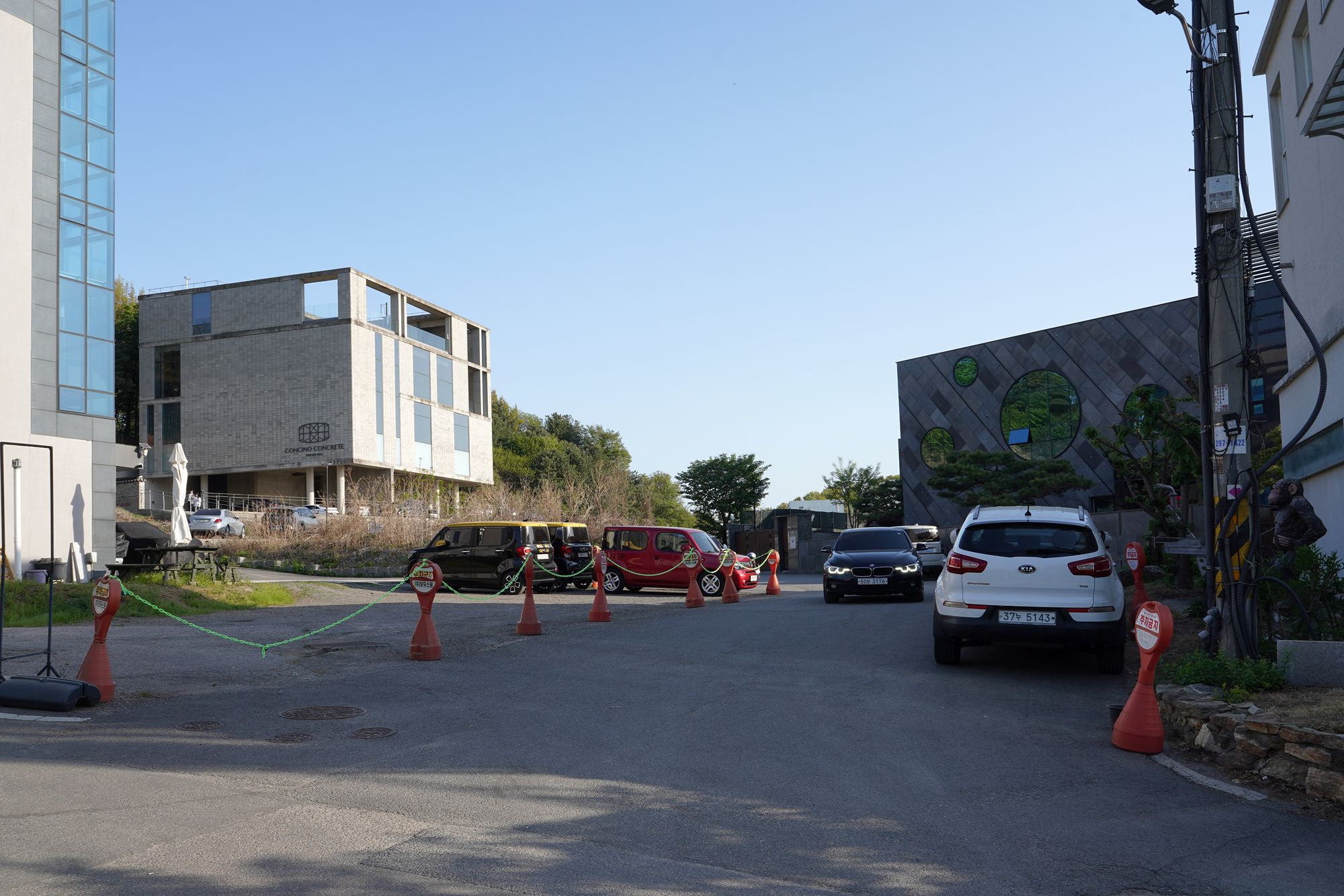
Concino Concrete Concert Hall.
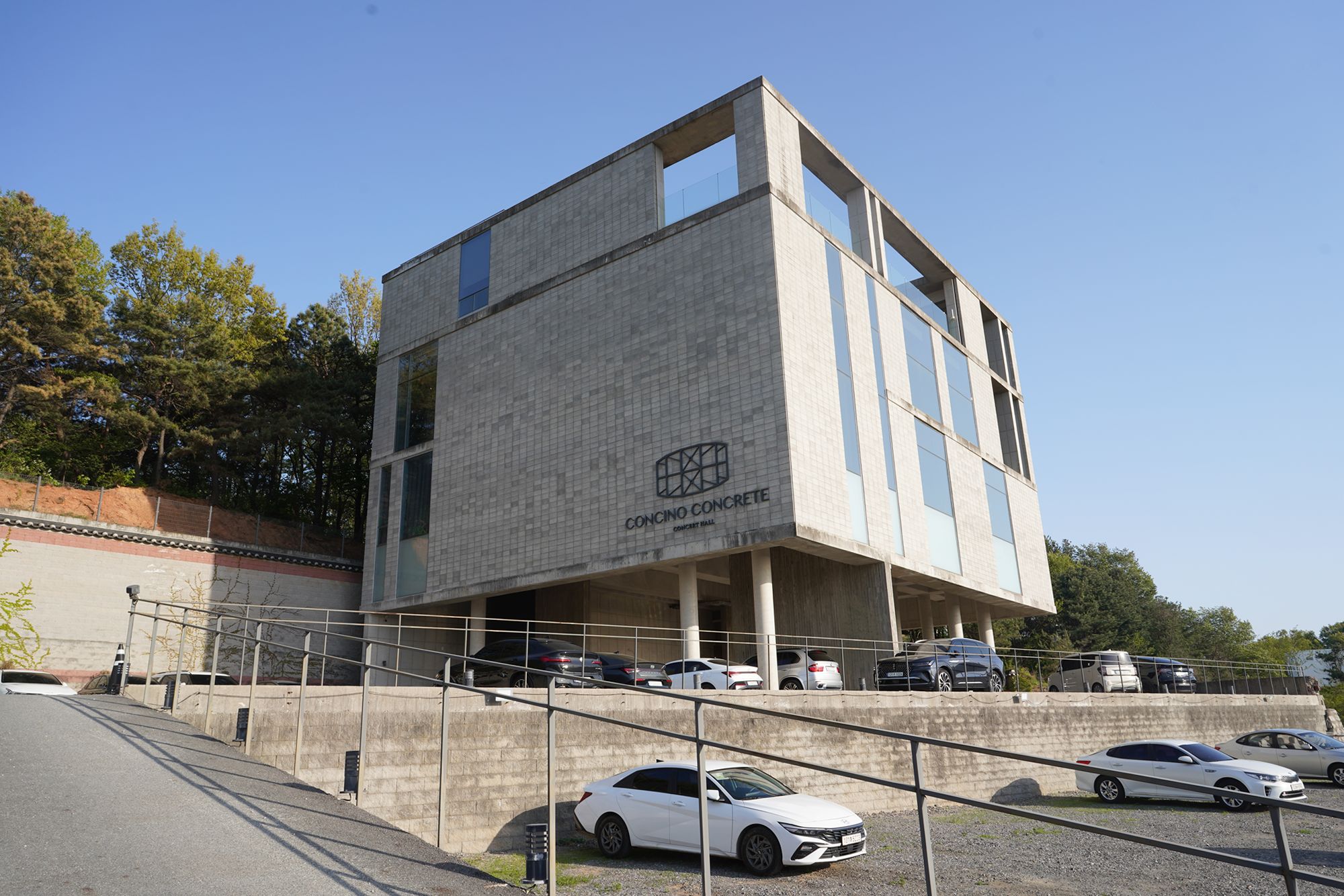
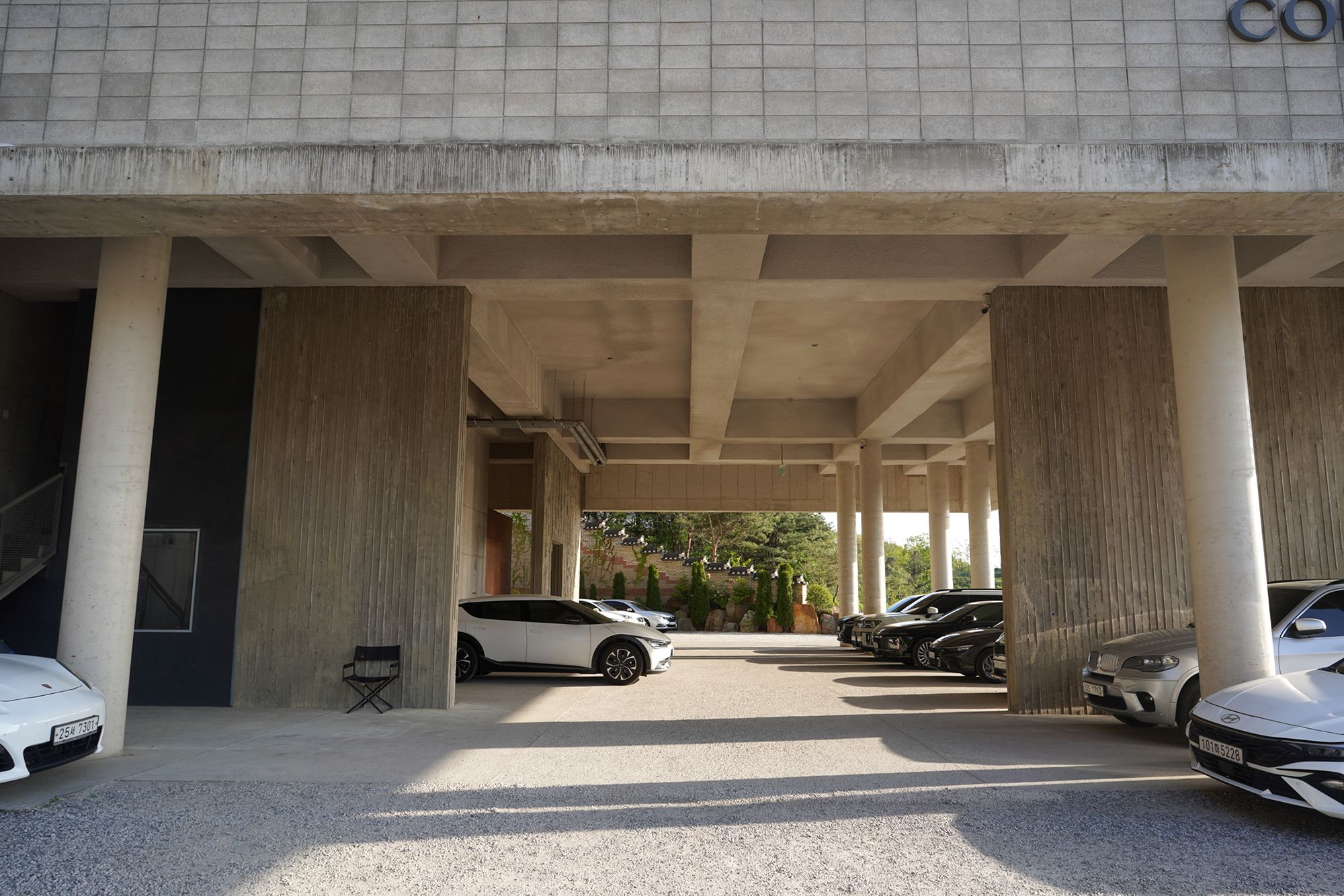
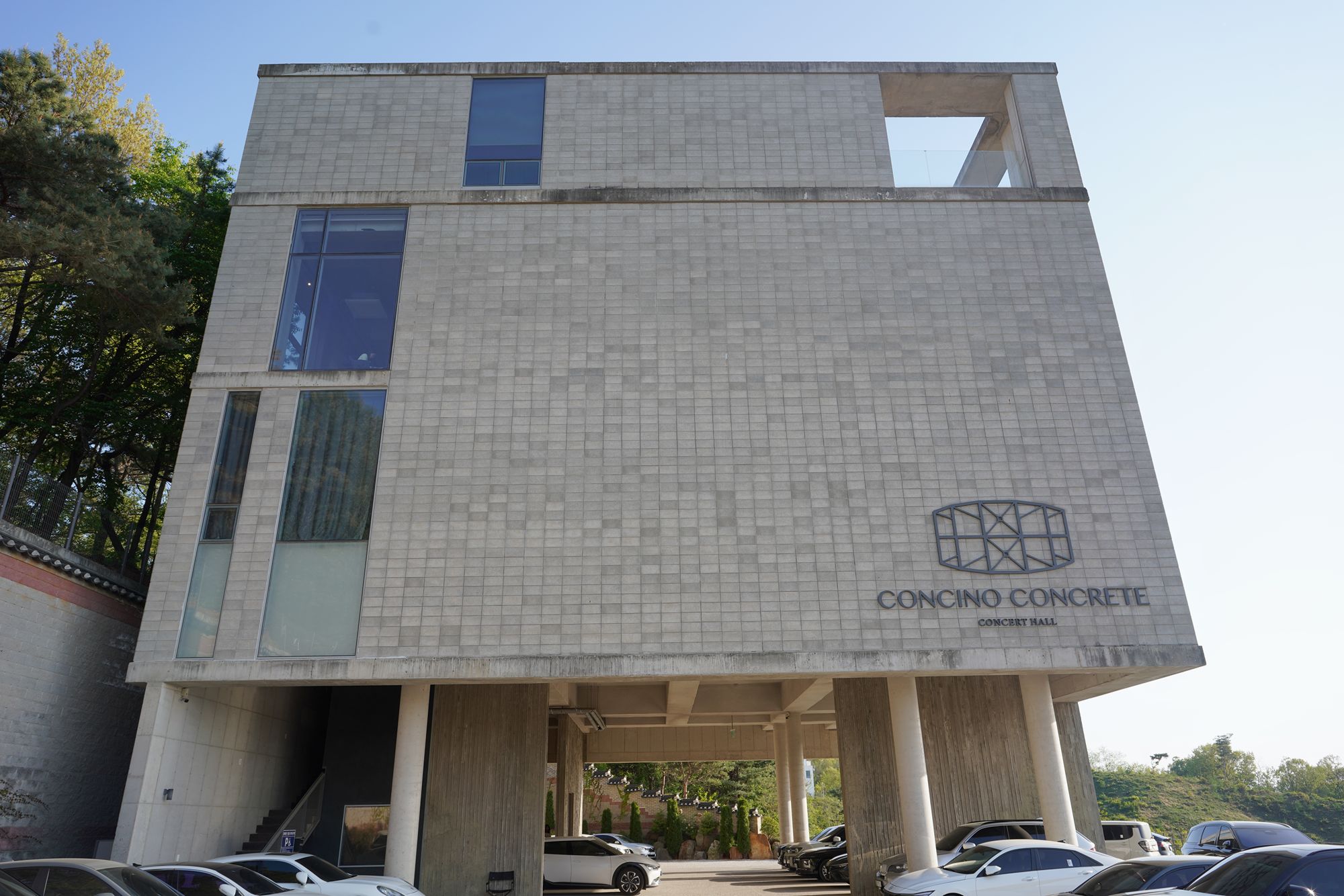
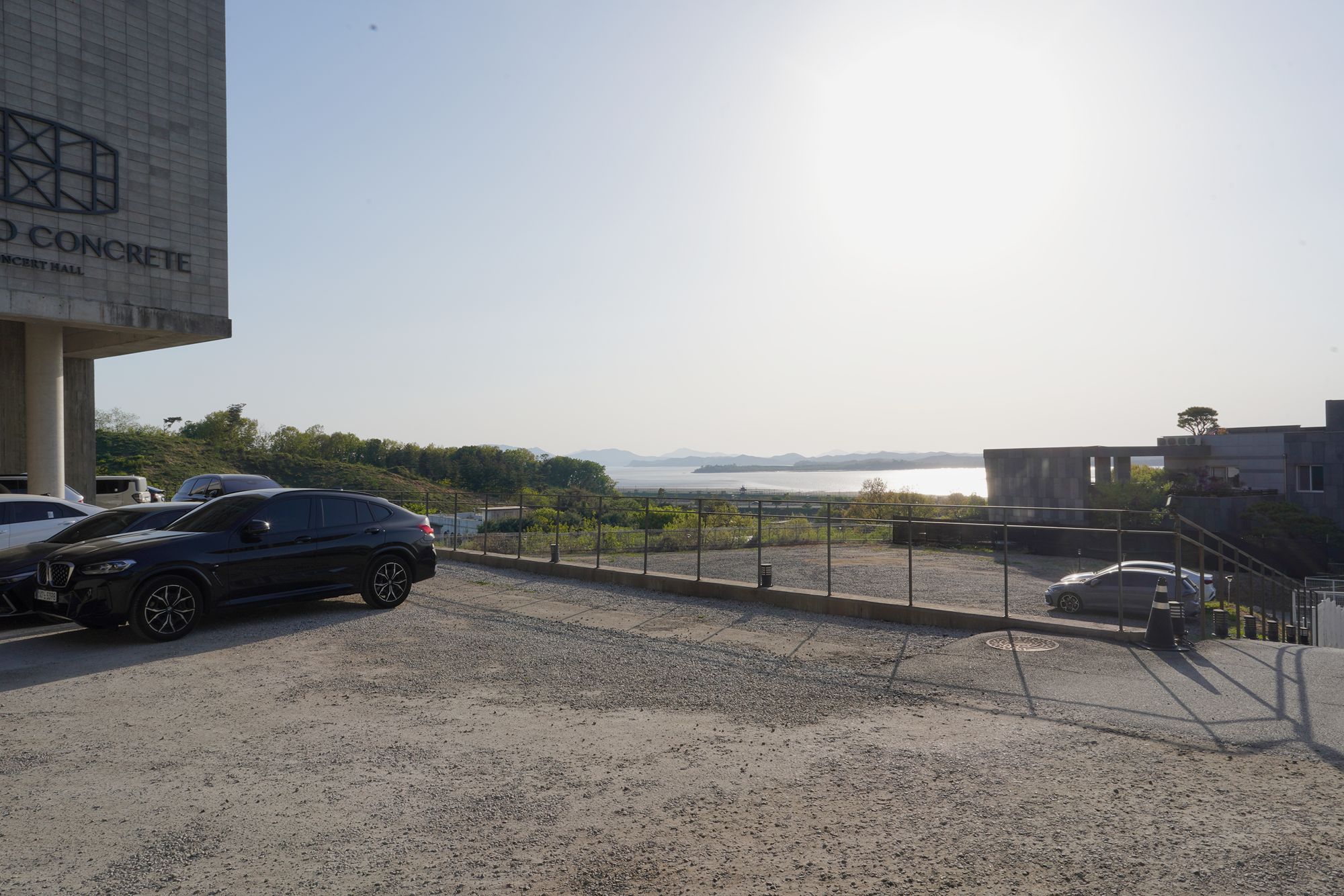
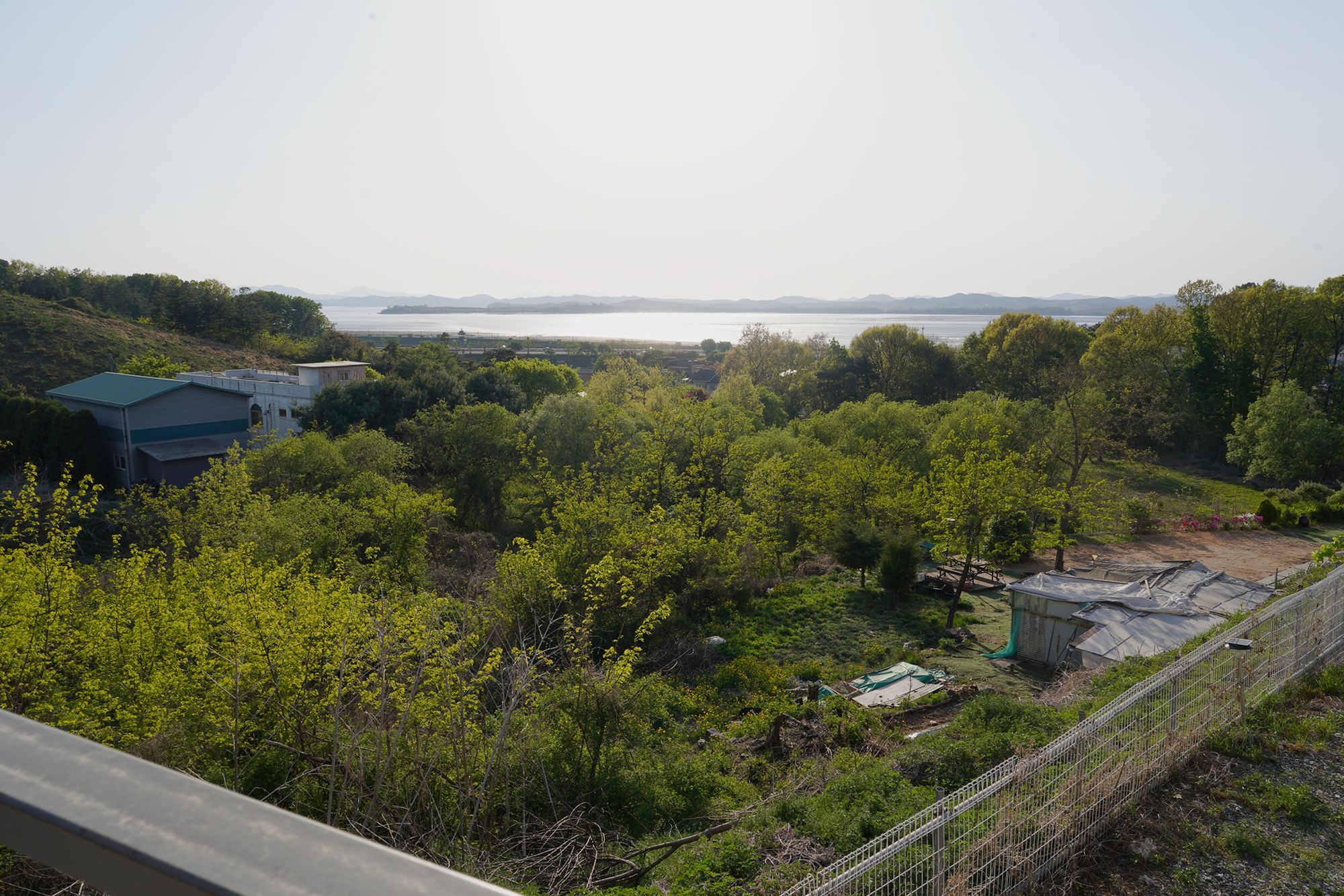
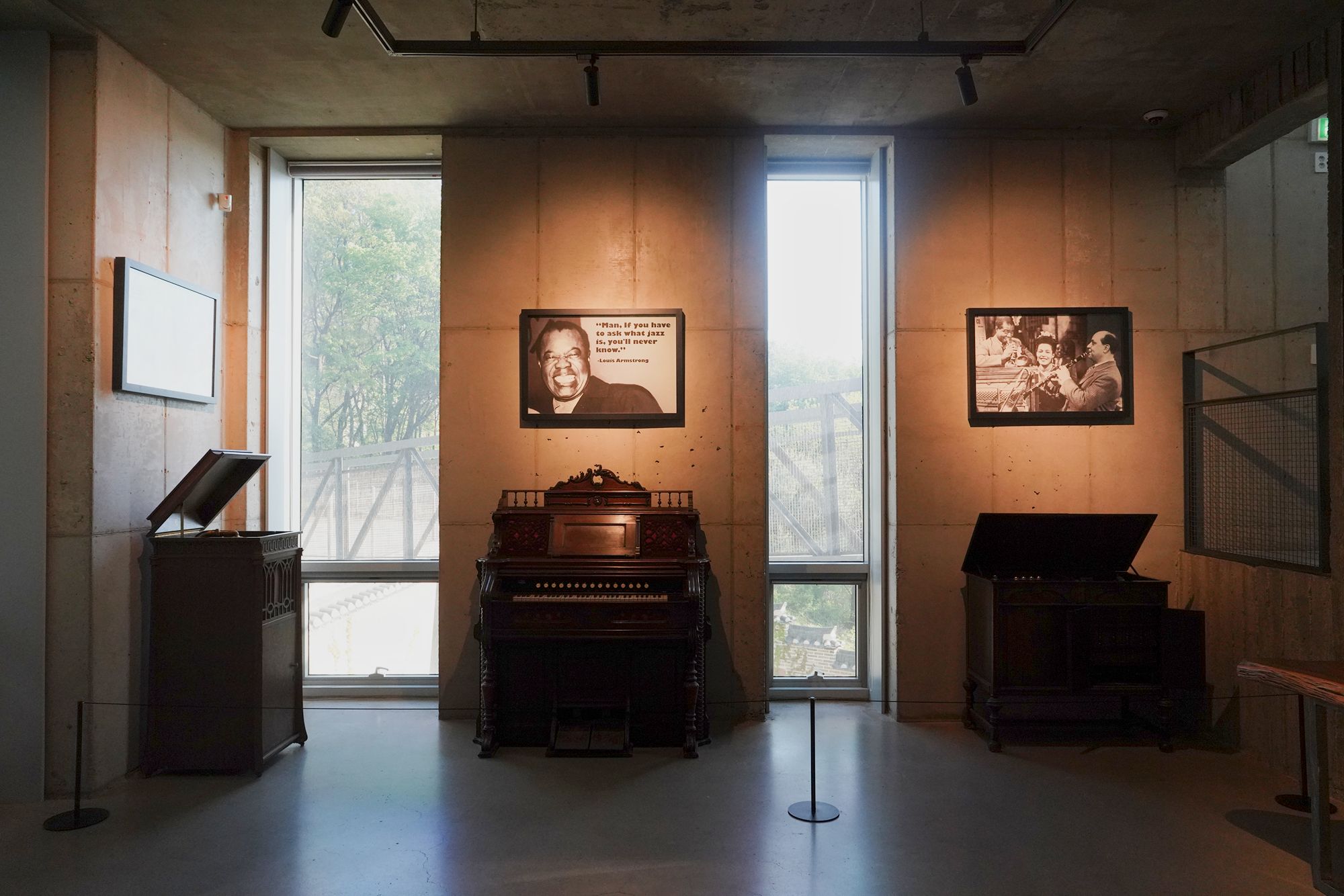
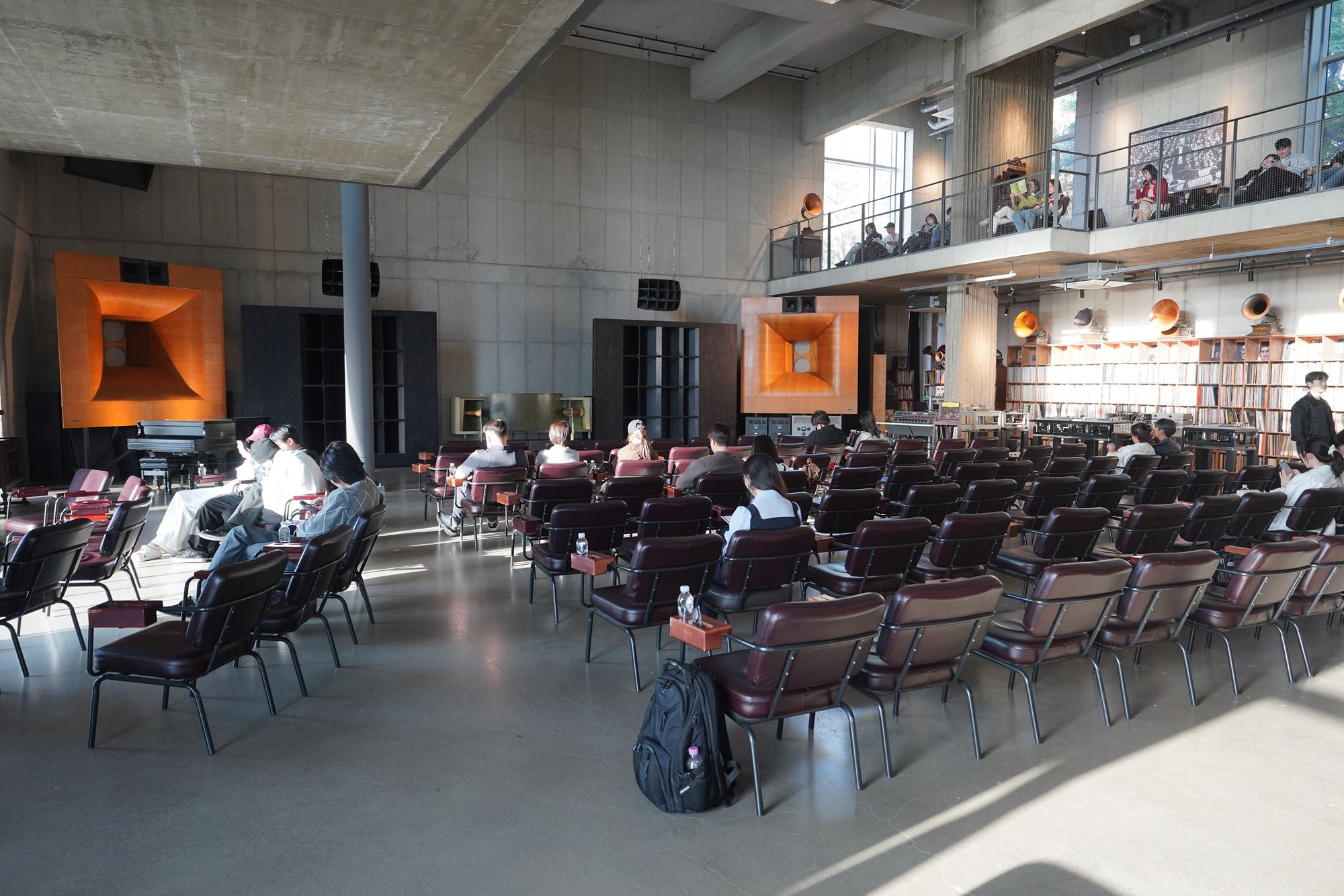
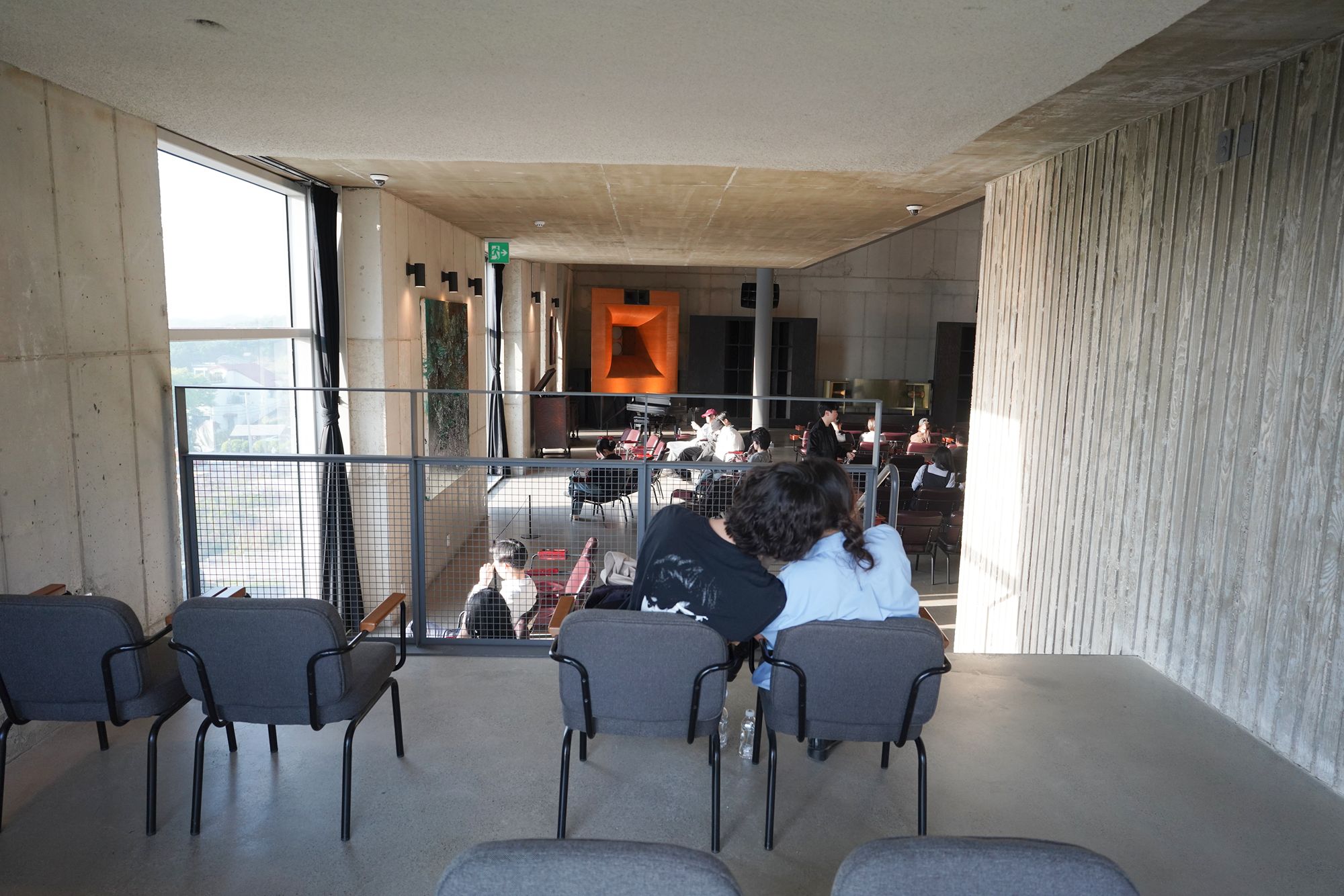
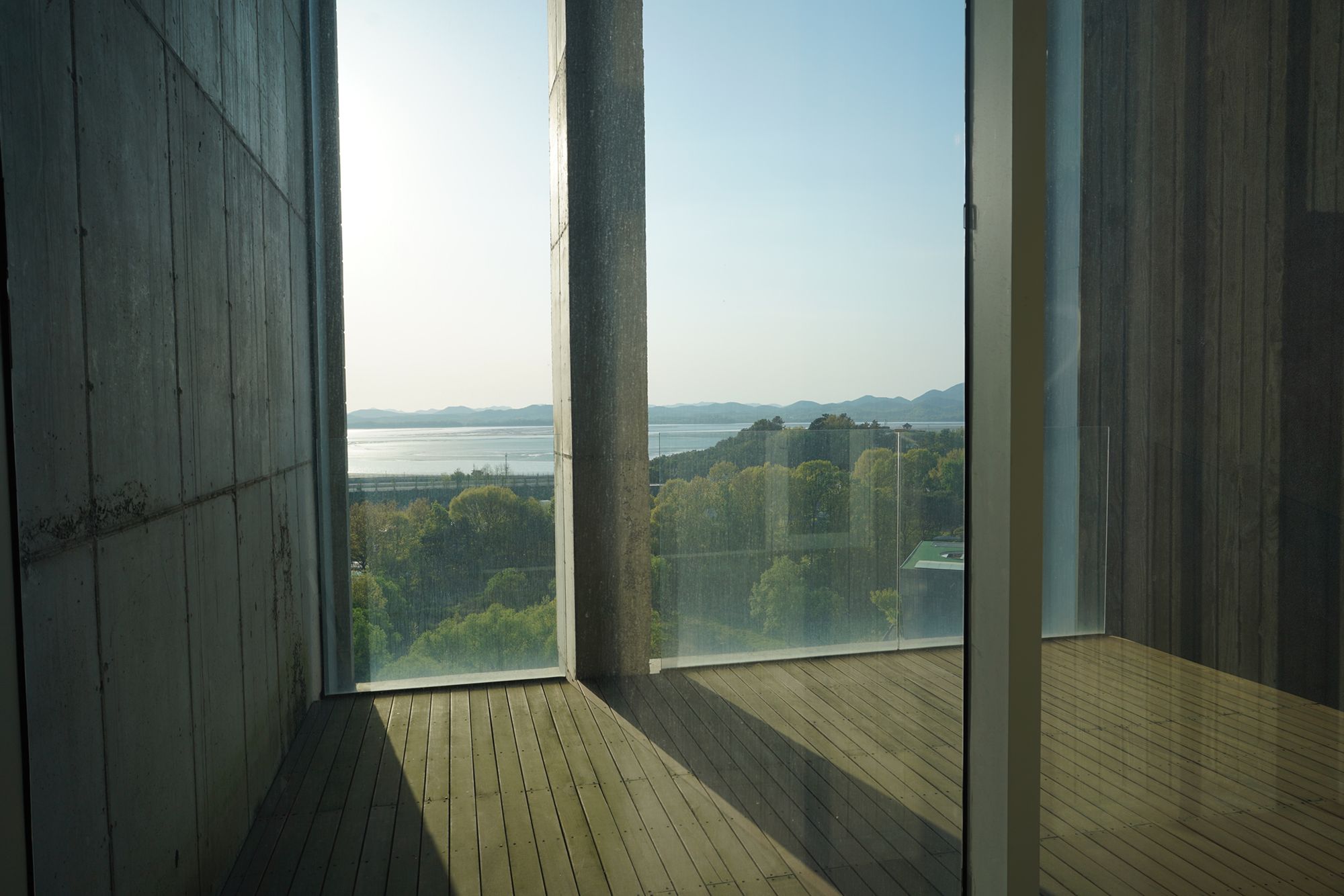
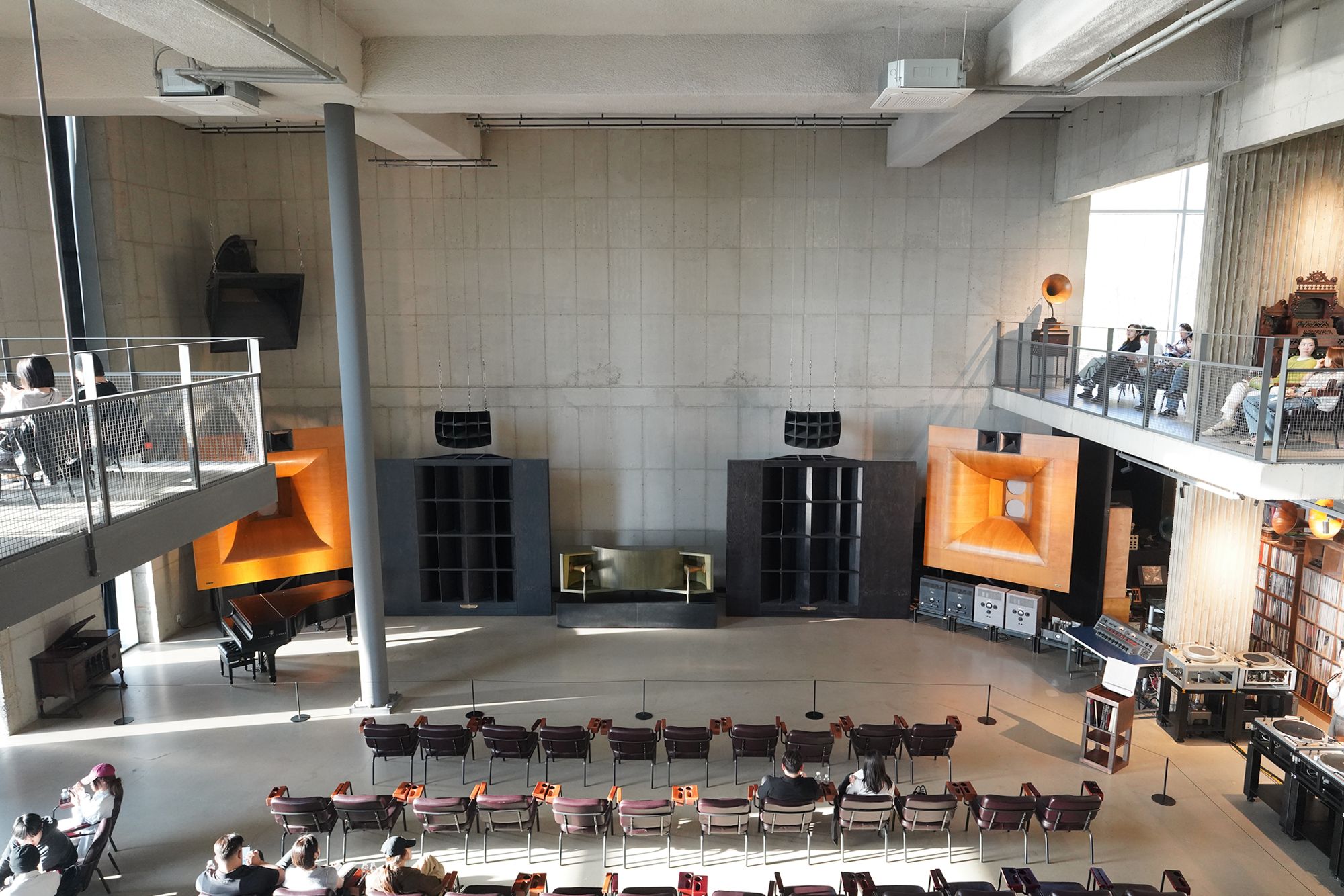
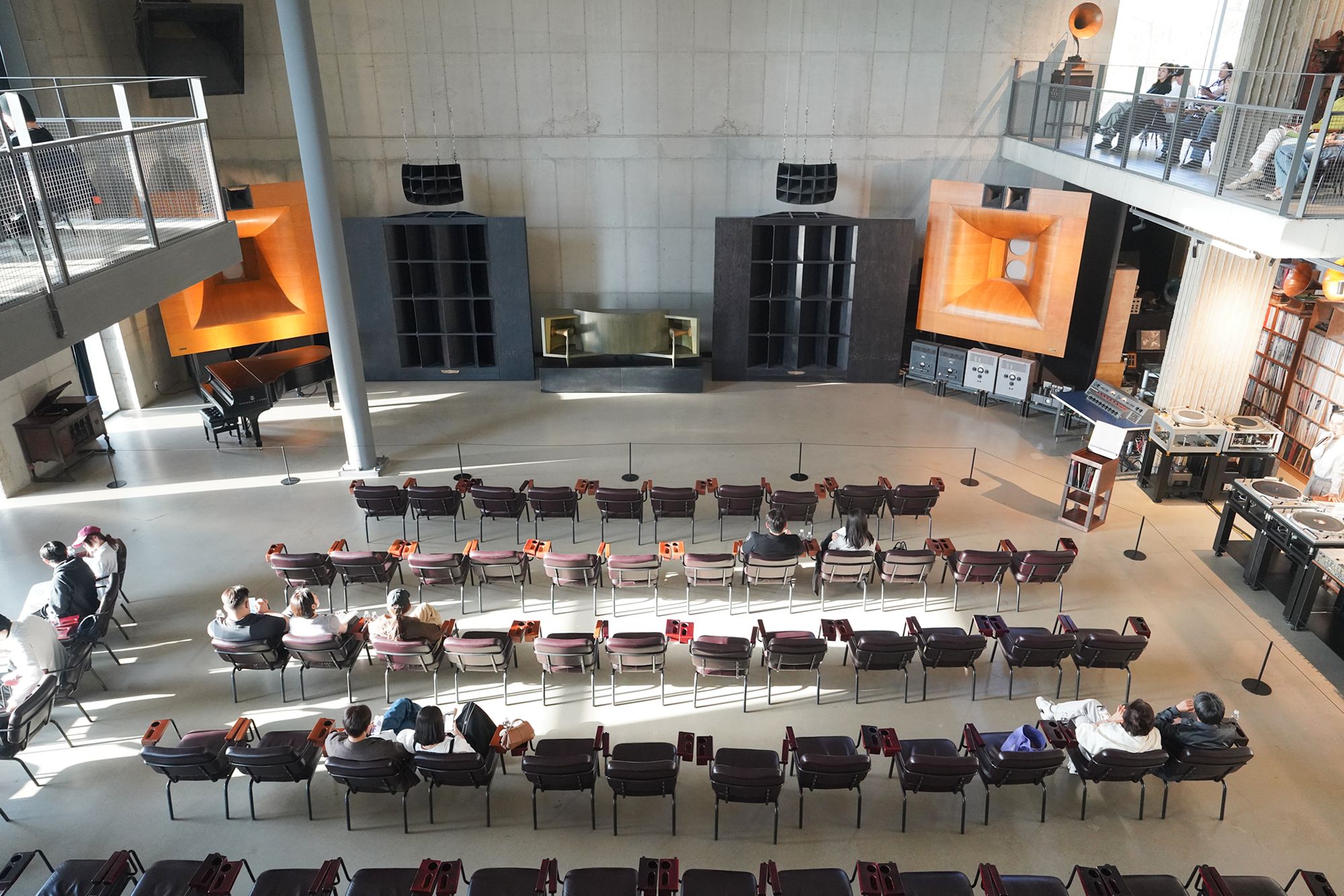
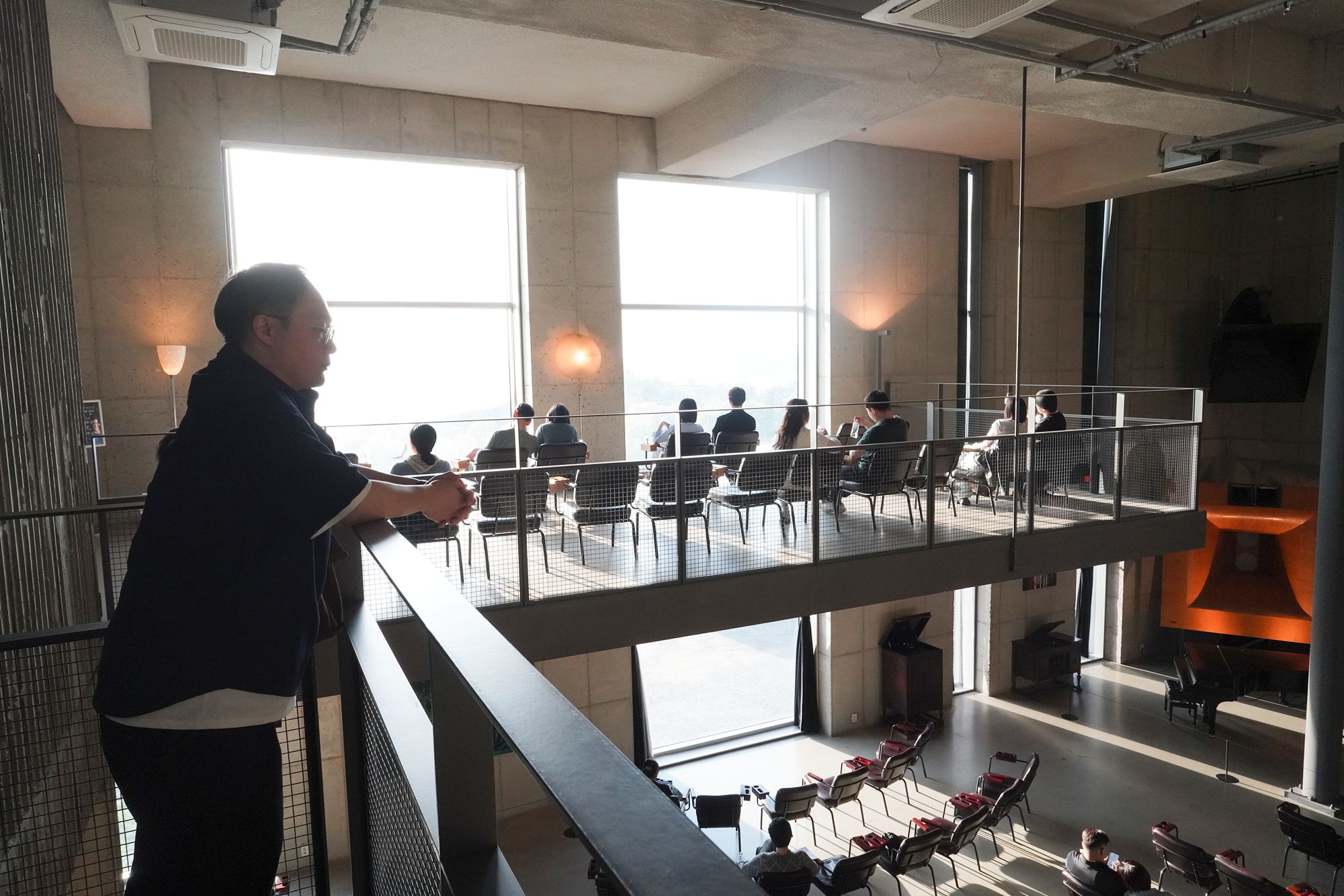
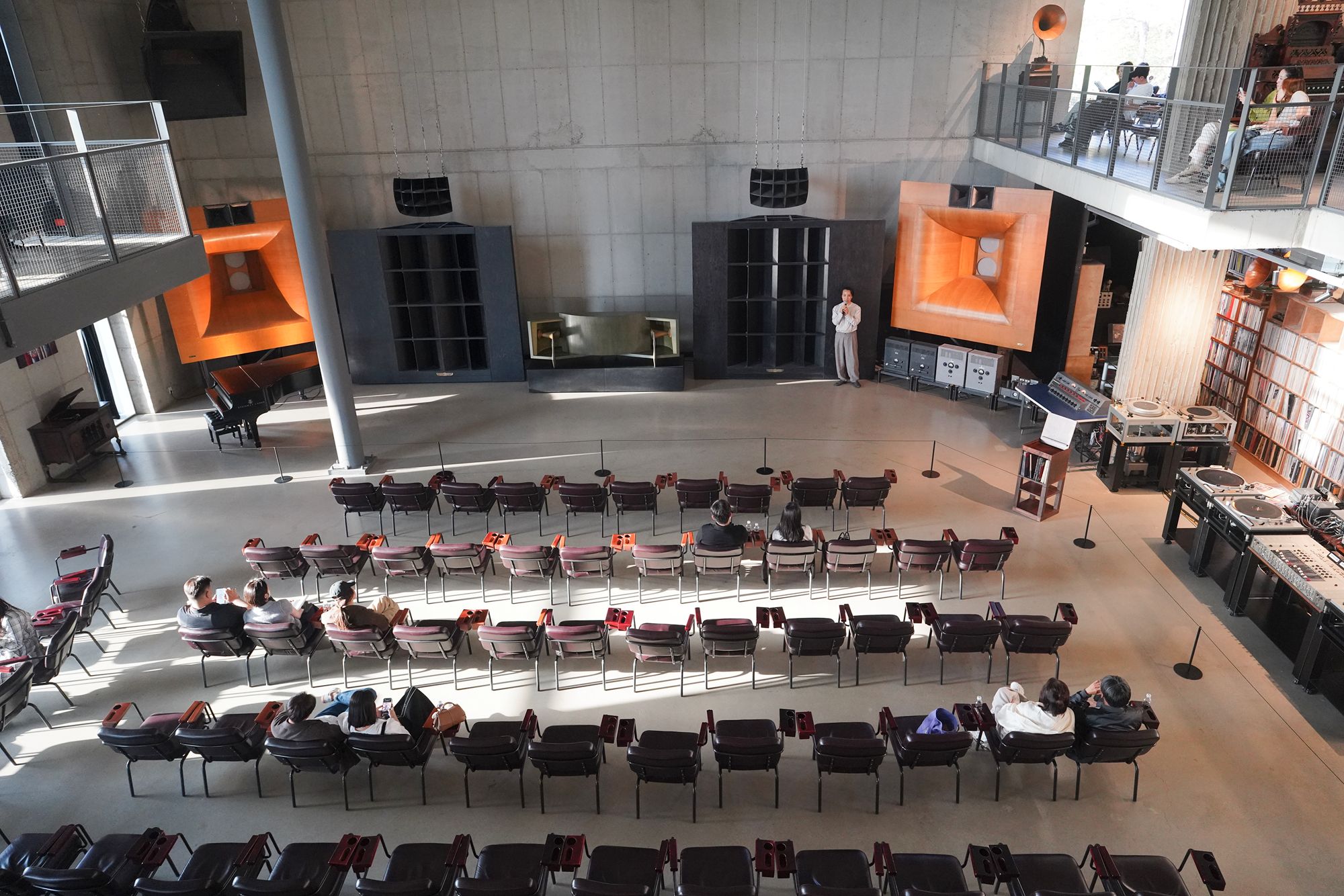
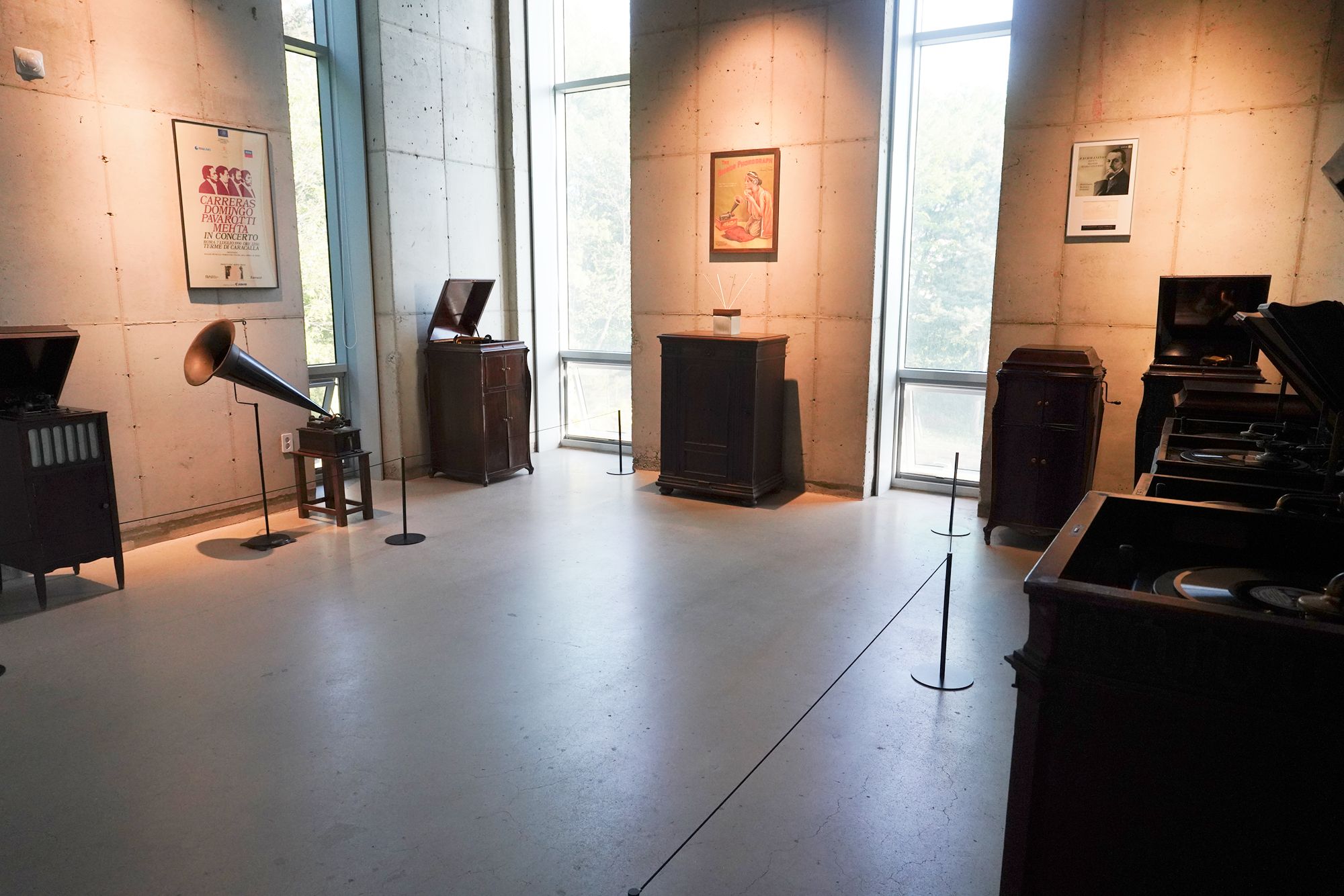
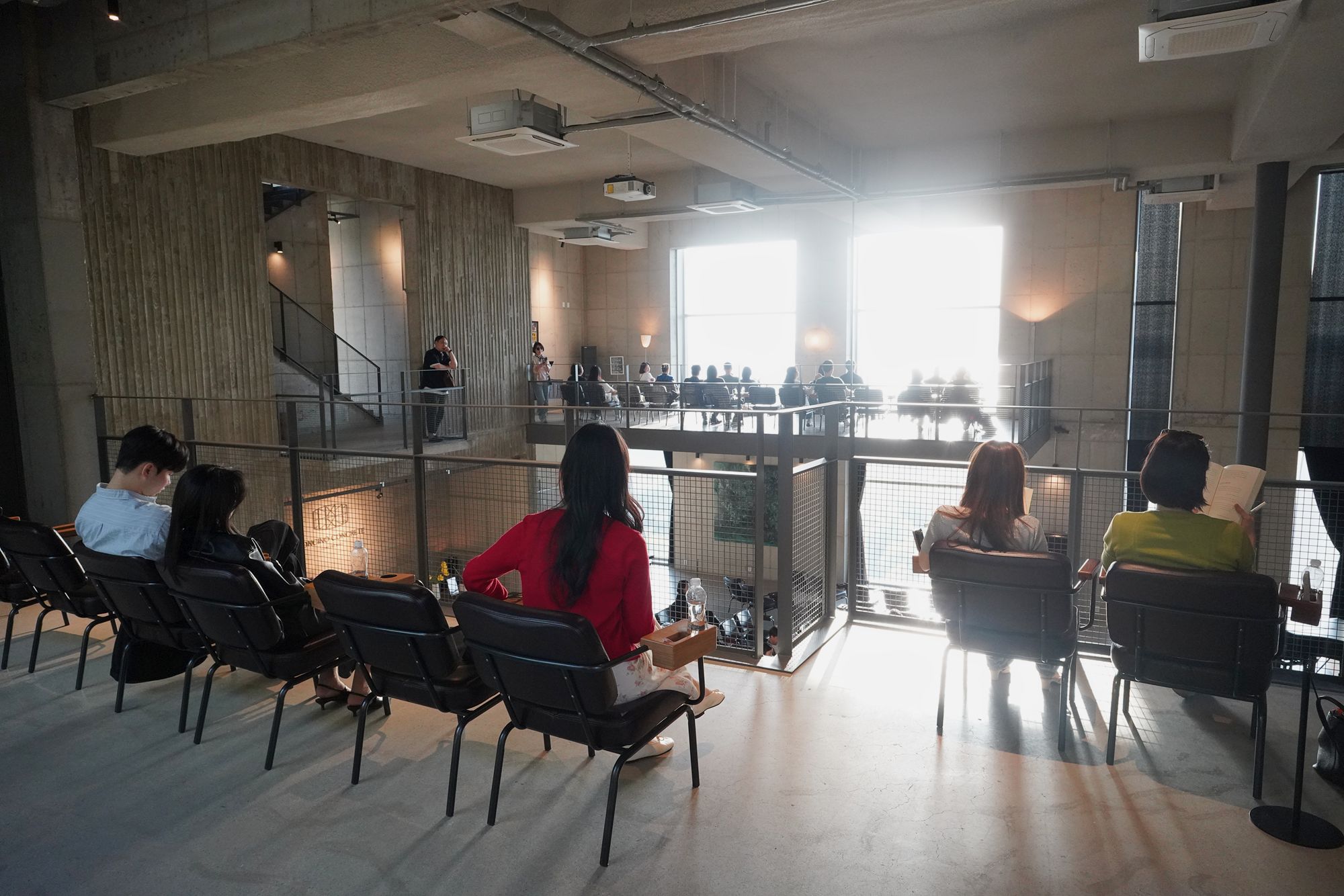
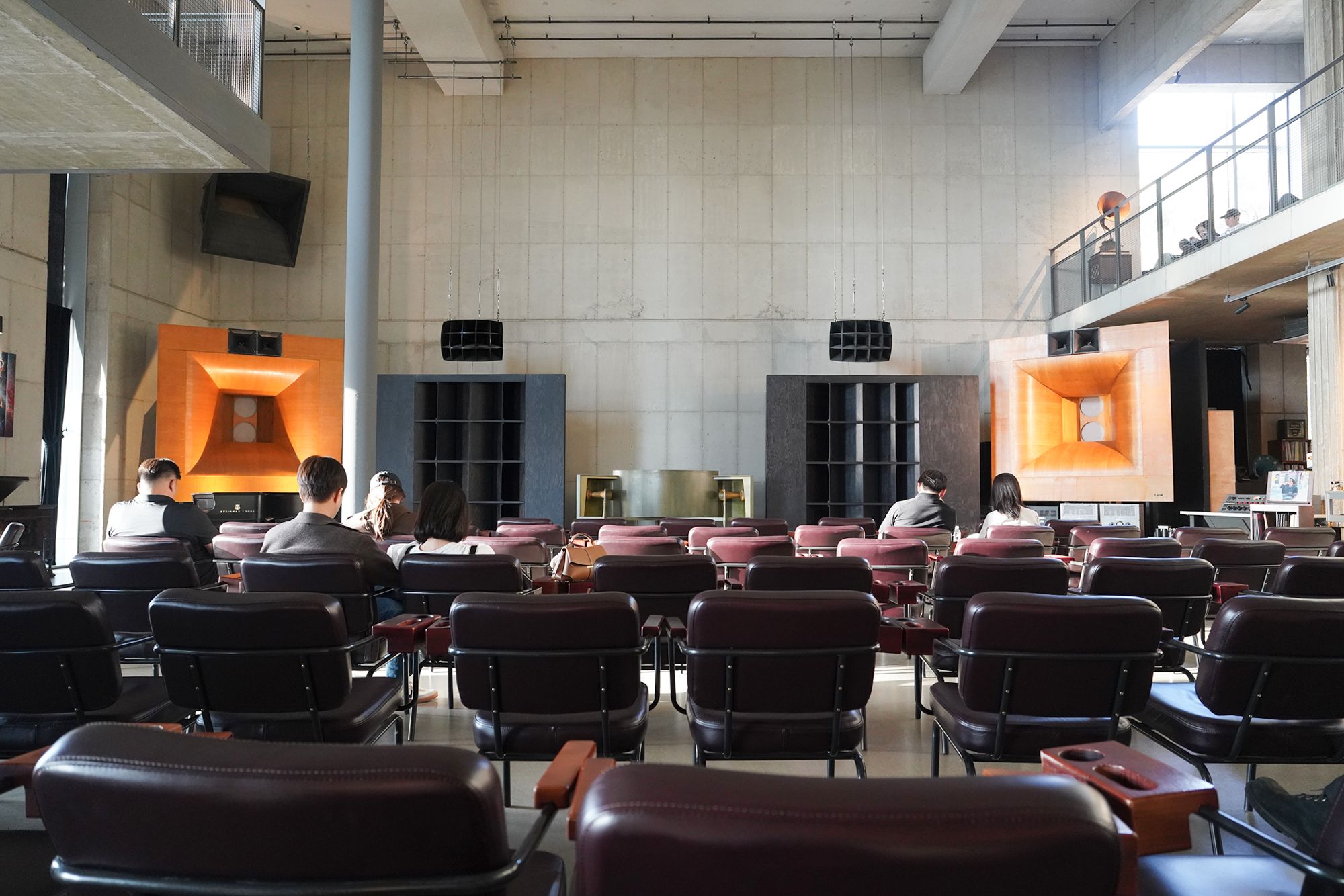
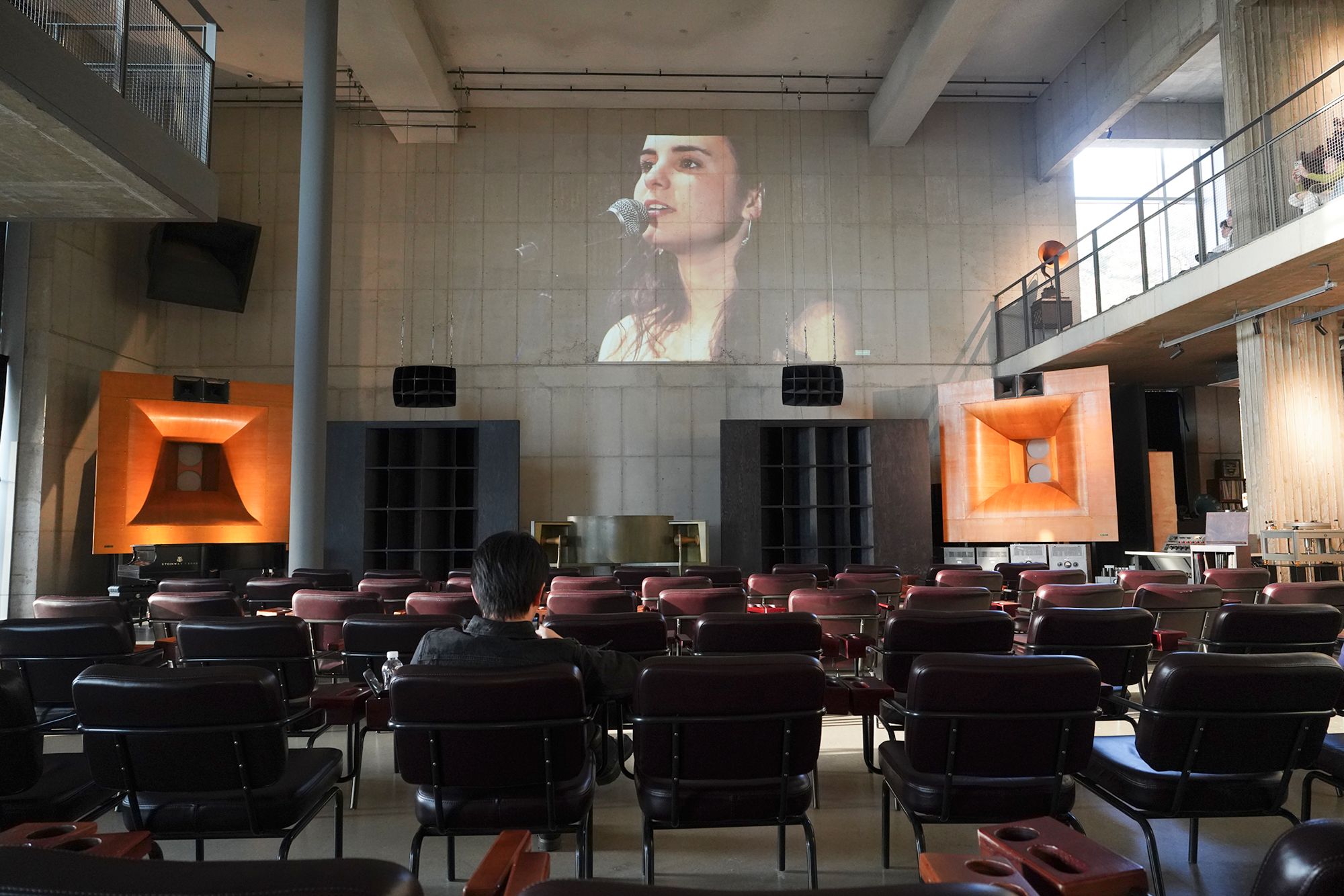
Concino Concrete (콩치노 콘크리트) is an unusual music-listening concert hall in Paju rather than a conventional performance venue. Its large, industrial-looking concrete interior houses an impressive collection of vintage high-end audio equipment, including enormous horn speakers, along with thousands of classical and jazz records.
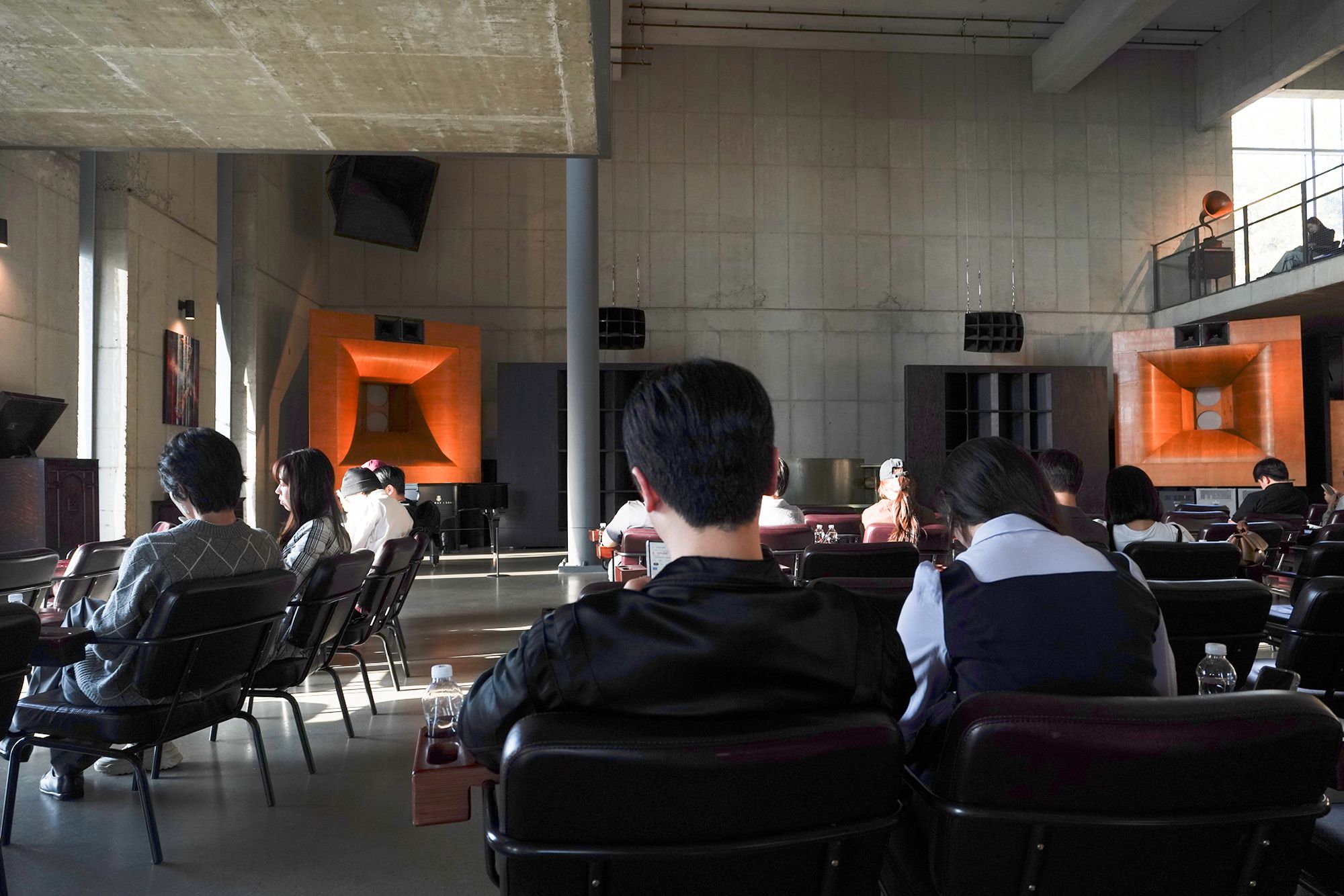
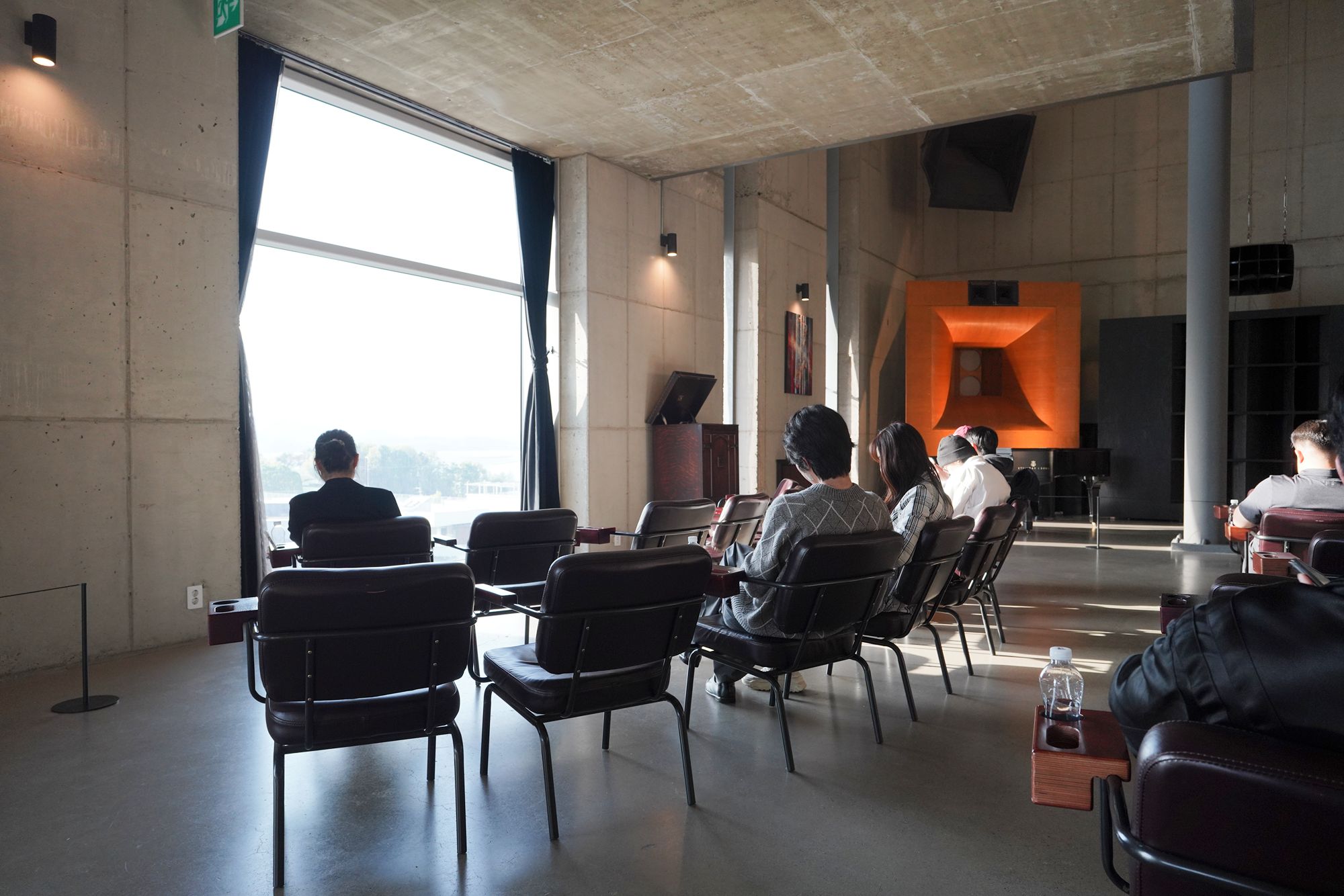
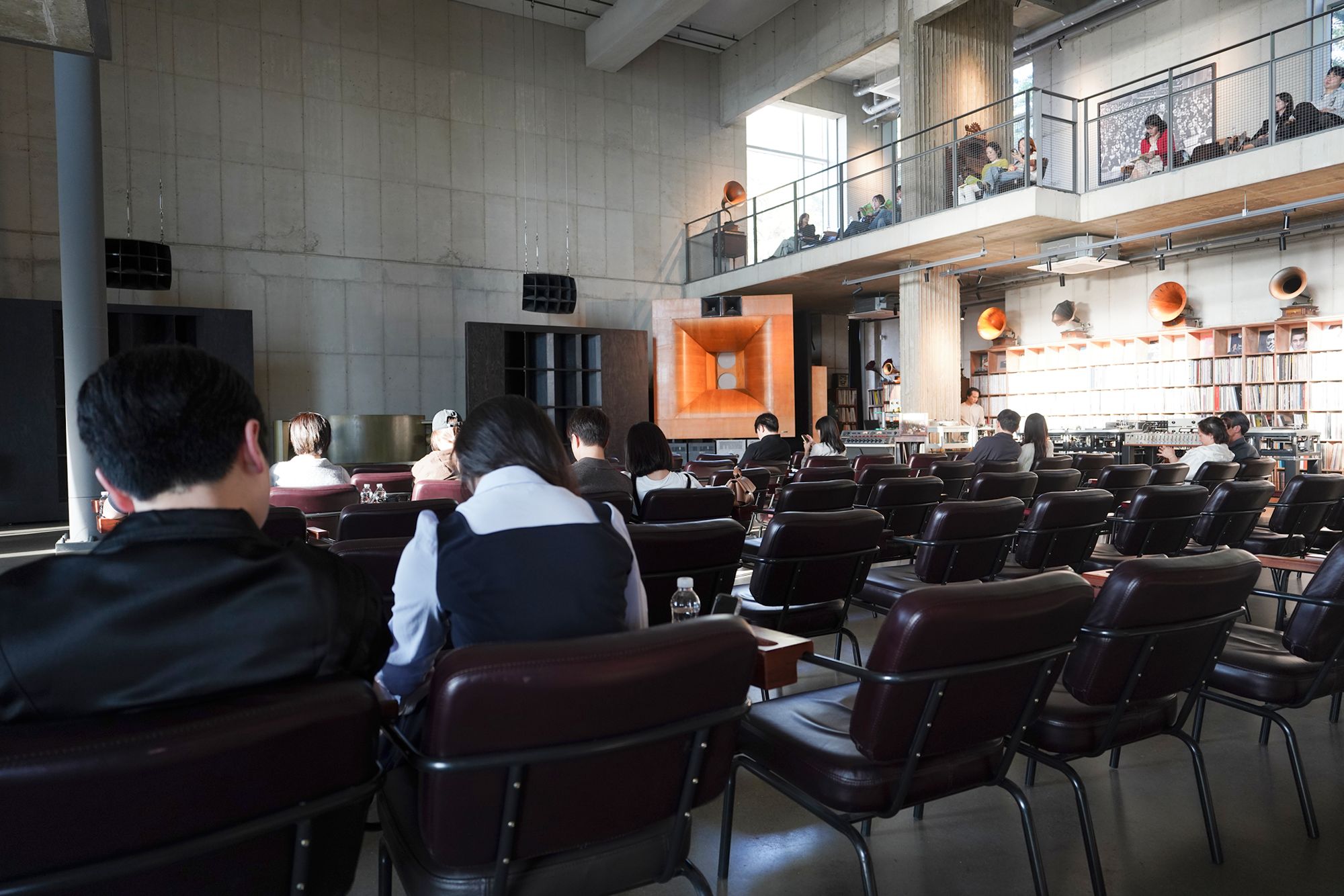
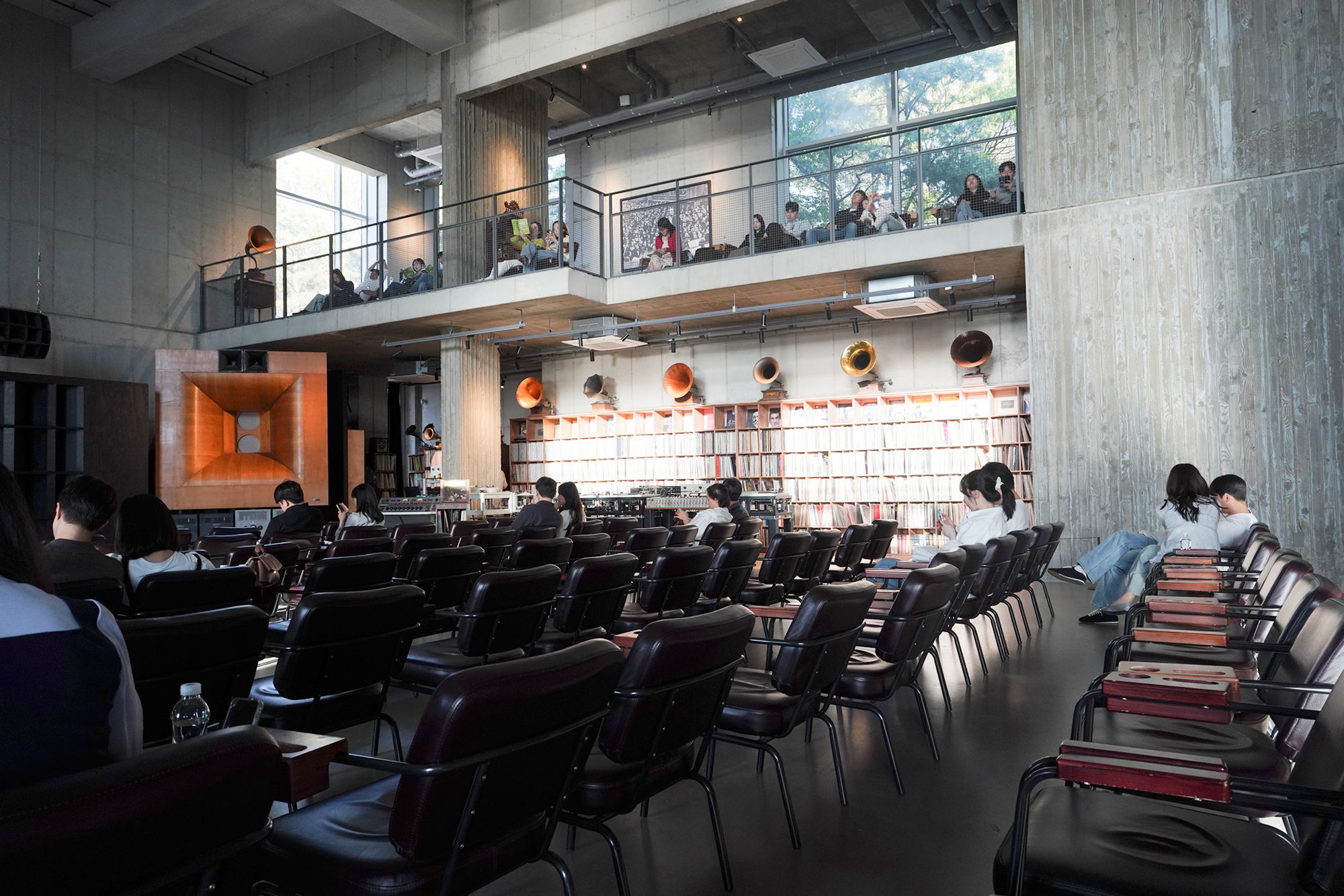
The idea is to sit quietly and experience recorded music through a powerful sound system in a space designed specifically for listening. In that sense, it is similar to Music Space Camerata, which I had visited earlier, but Concino Concrete is much larger and more dramatic.