Bikaner, Junagarth Palace and Rampuria Haveli, Bikaner, India
Bikaner is a historic desert city in Rajasthan, known for the magnificent Junagarh Fort and the elaborately carved red-sandstone mansions of Rampuria Haveli. 1259
Junagarh Fort: Bikaner Fort, Bikaner, Rajasthan 334001, India
Rampuria Haveli: Rampuria Havellis, Joshiwara, Old Bikaner, Bikaner, Rajasthan 334001, India
Date Picture Taken: Feb, 2026
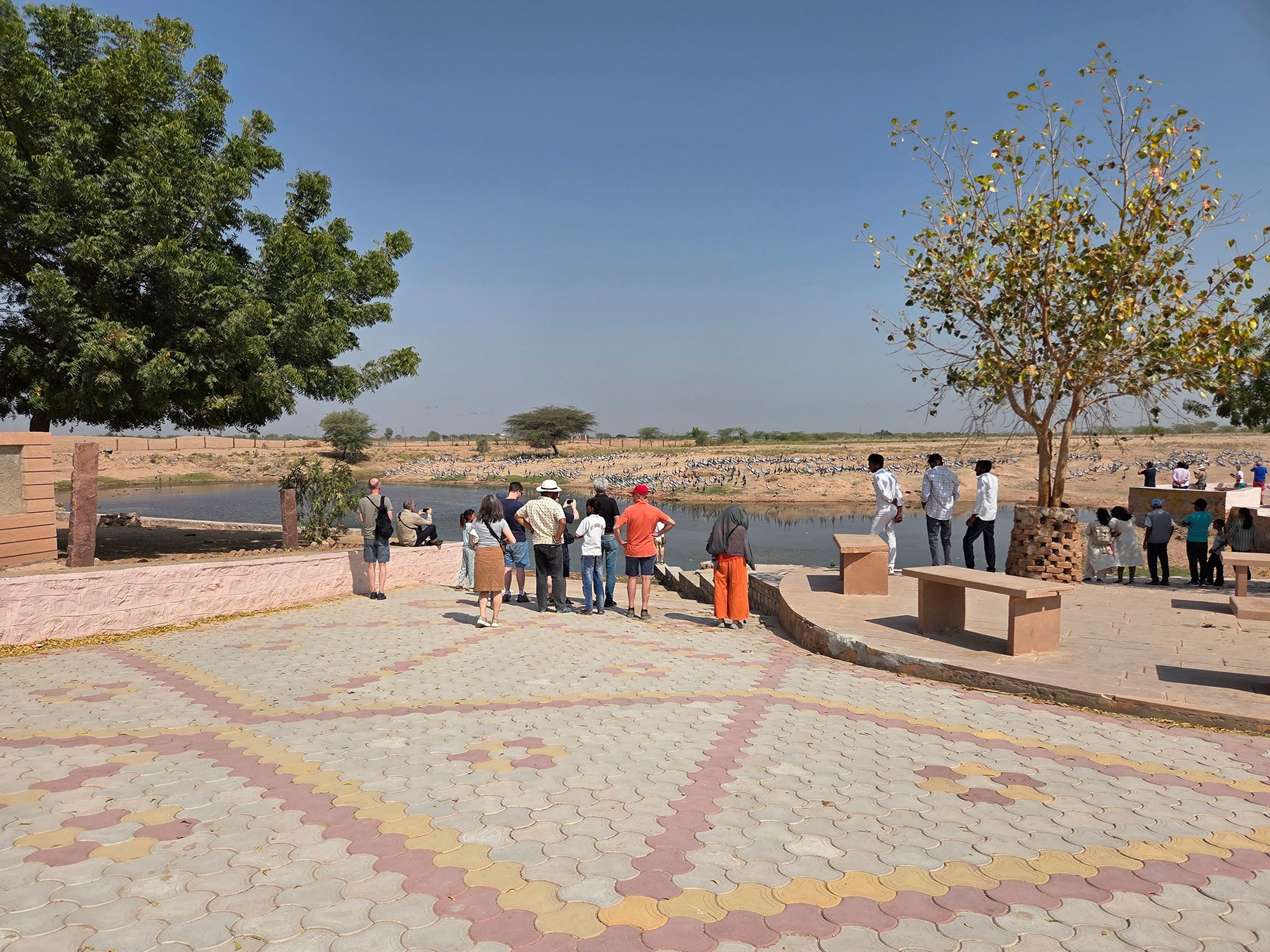
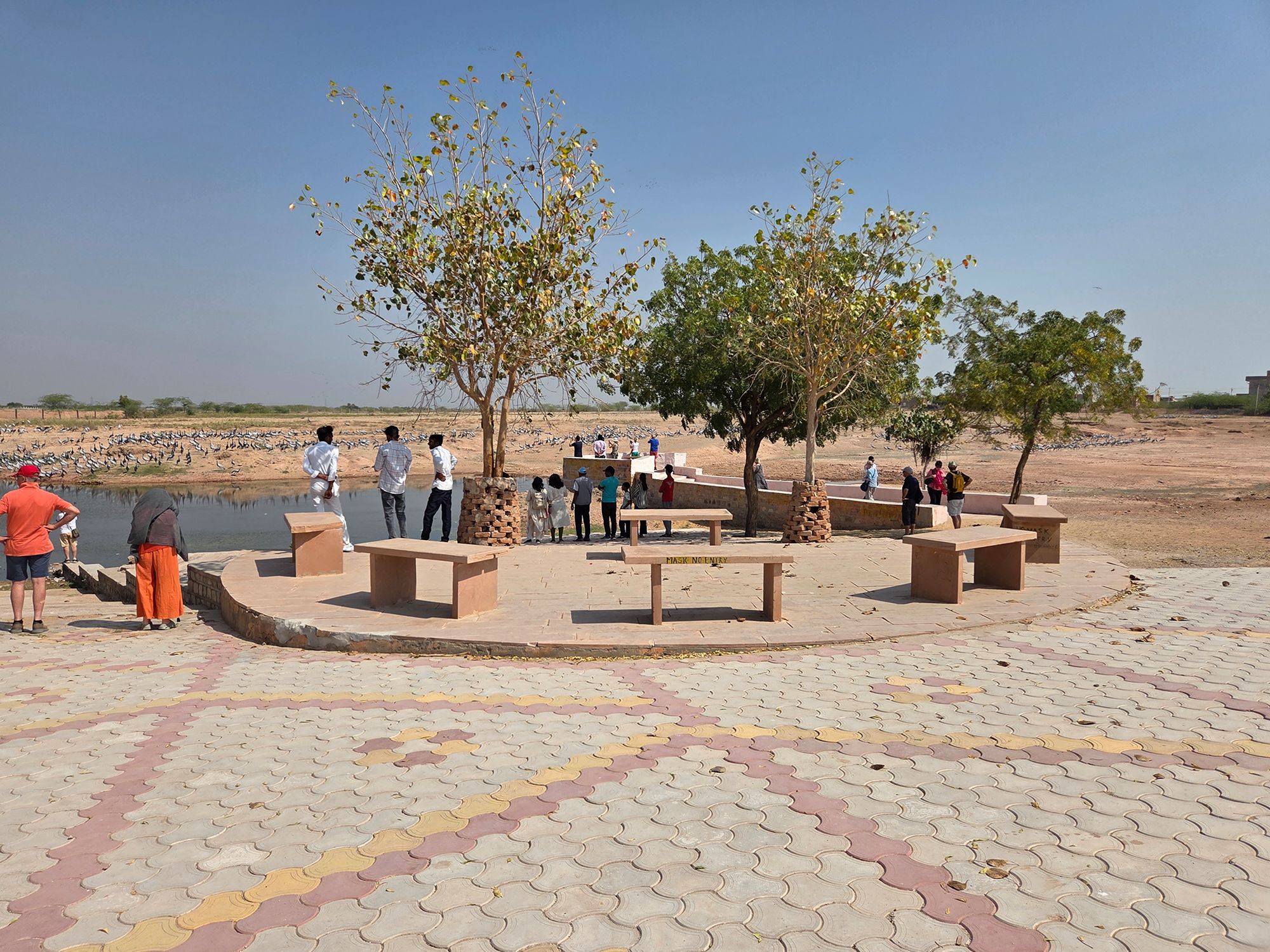
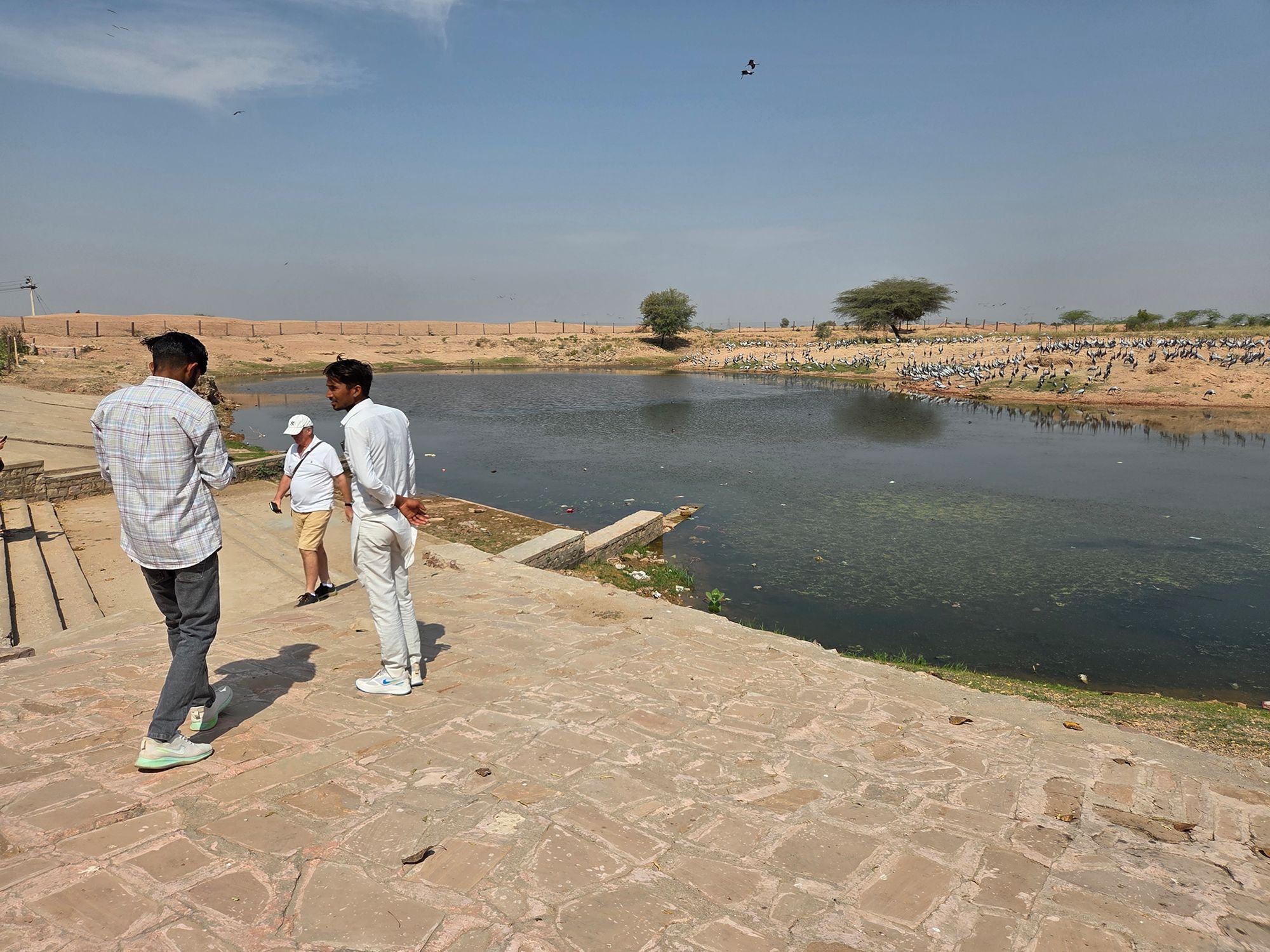
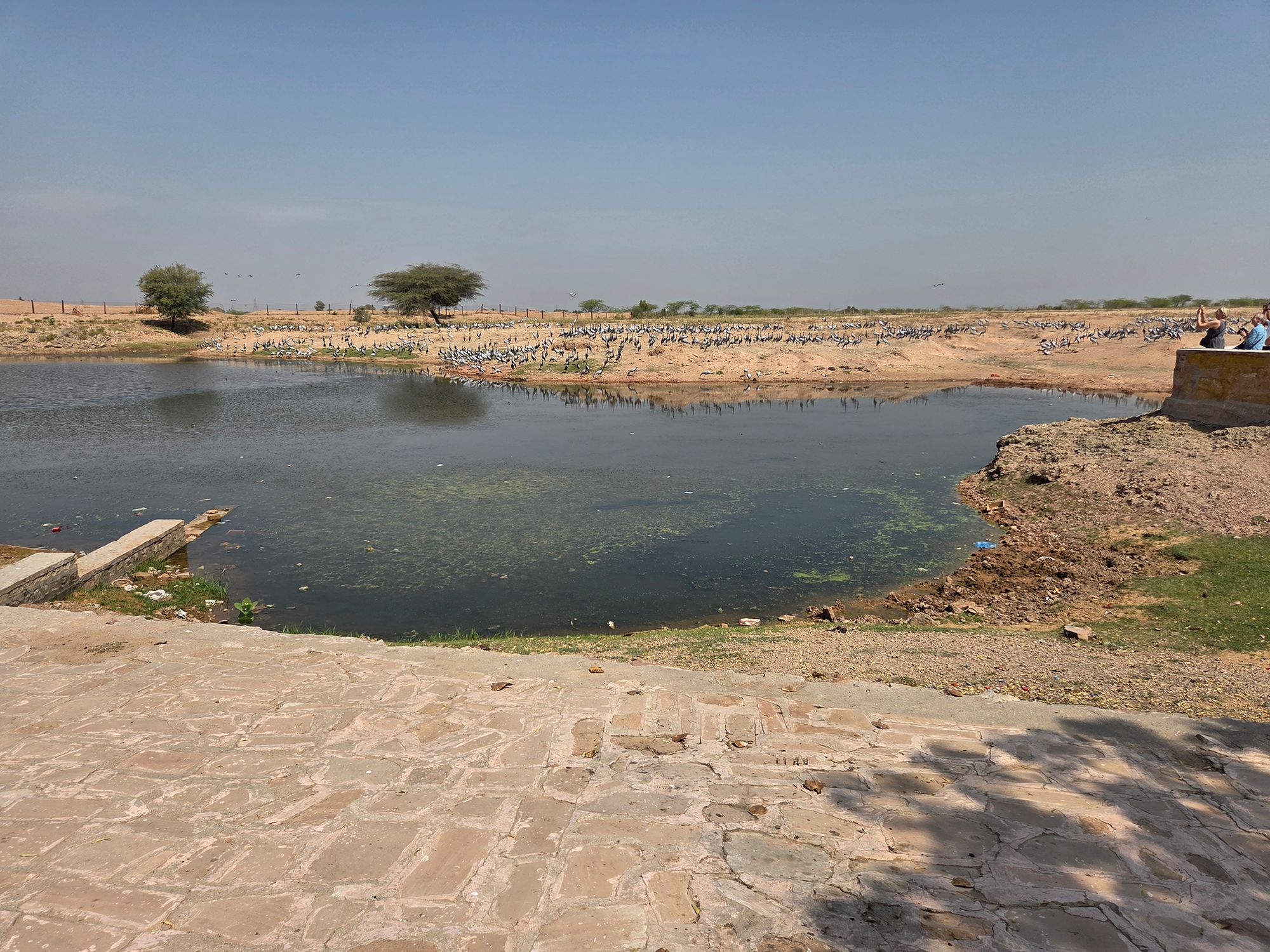
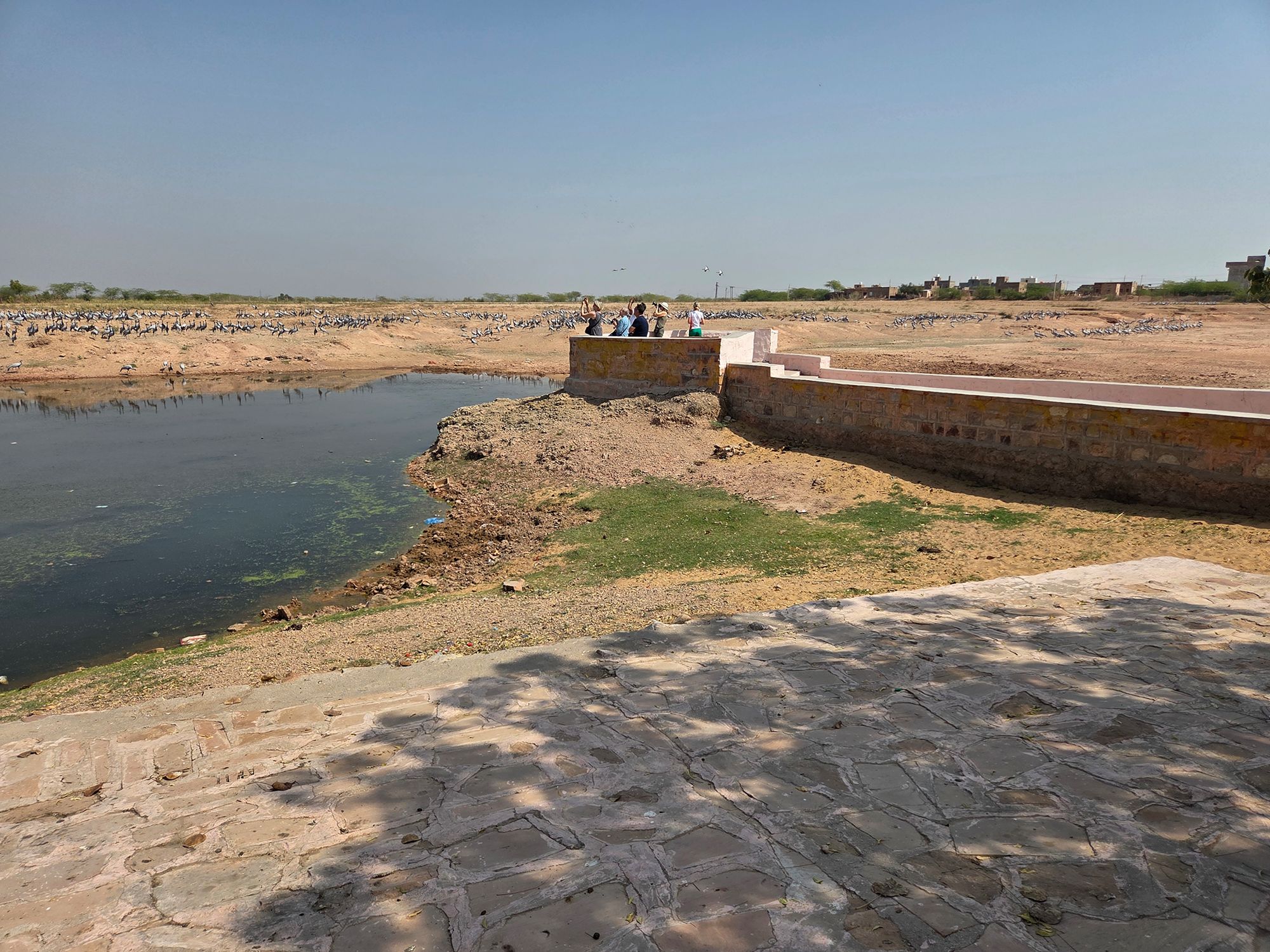
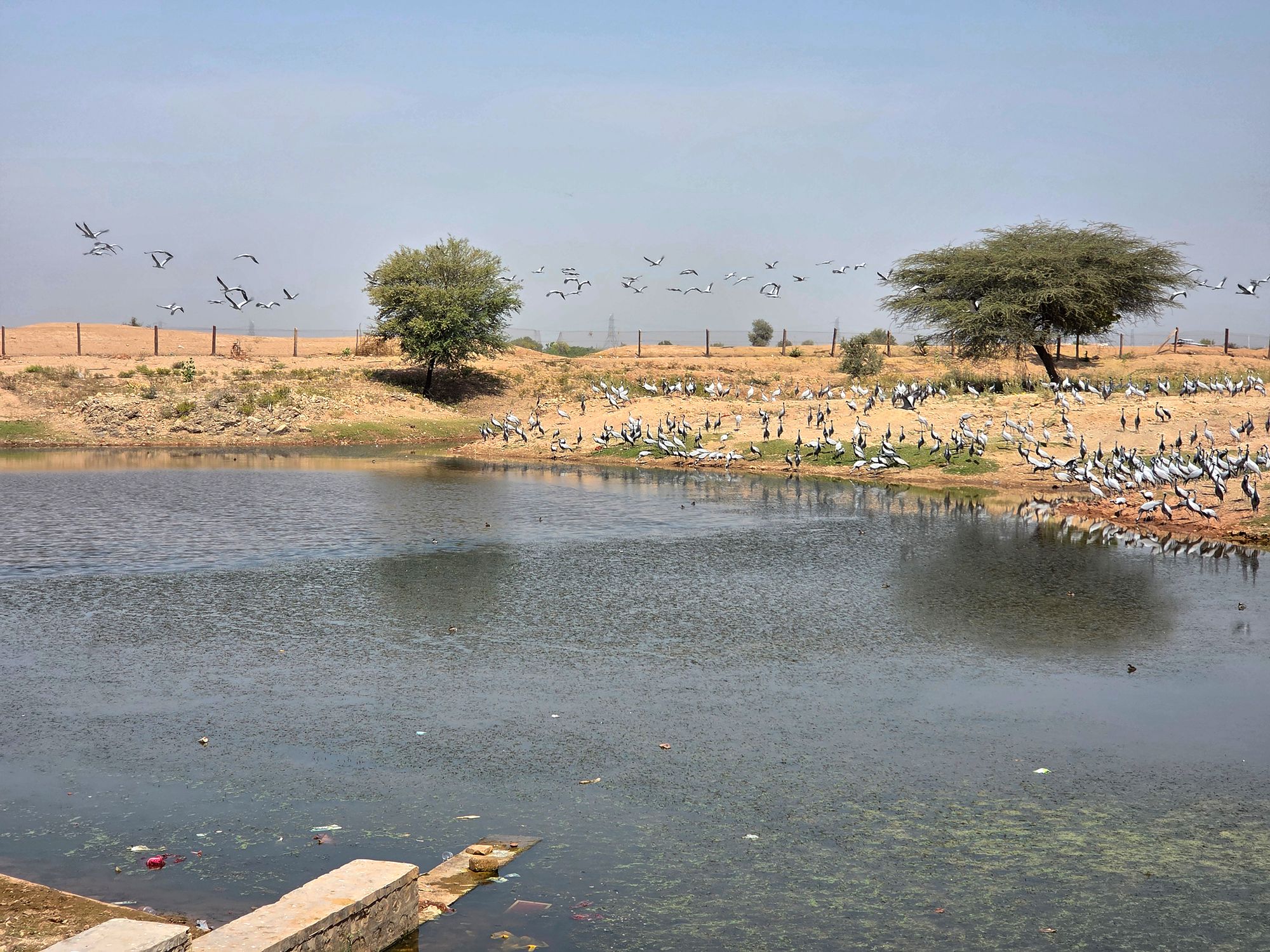
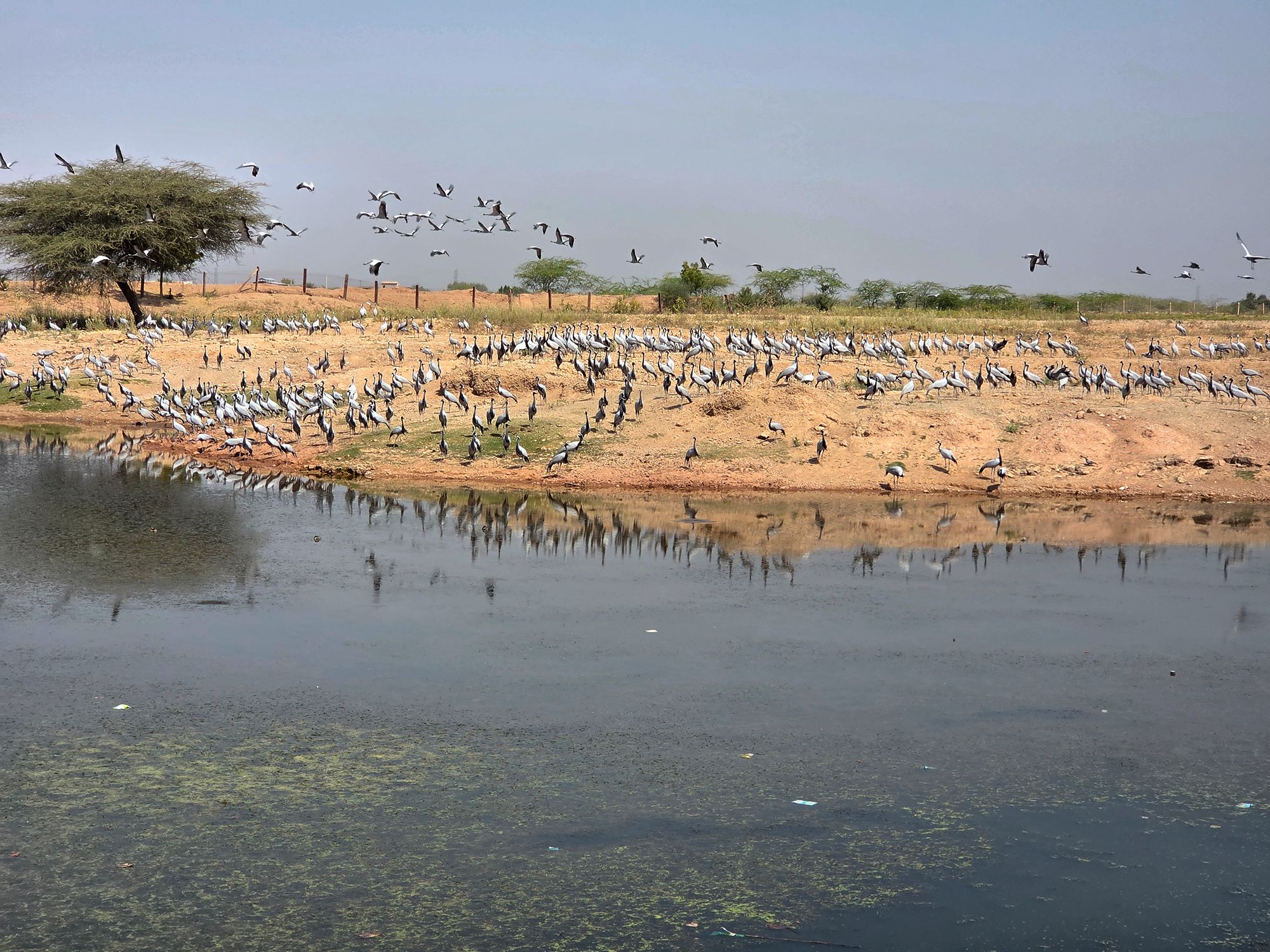
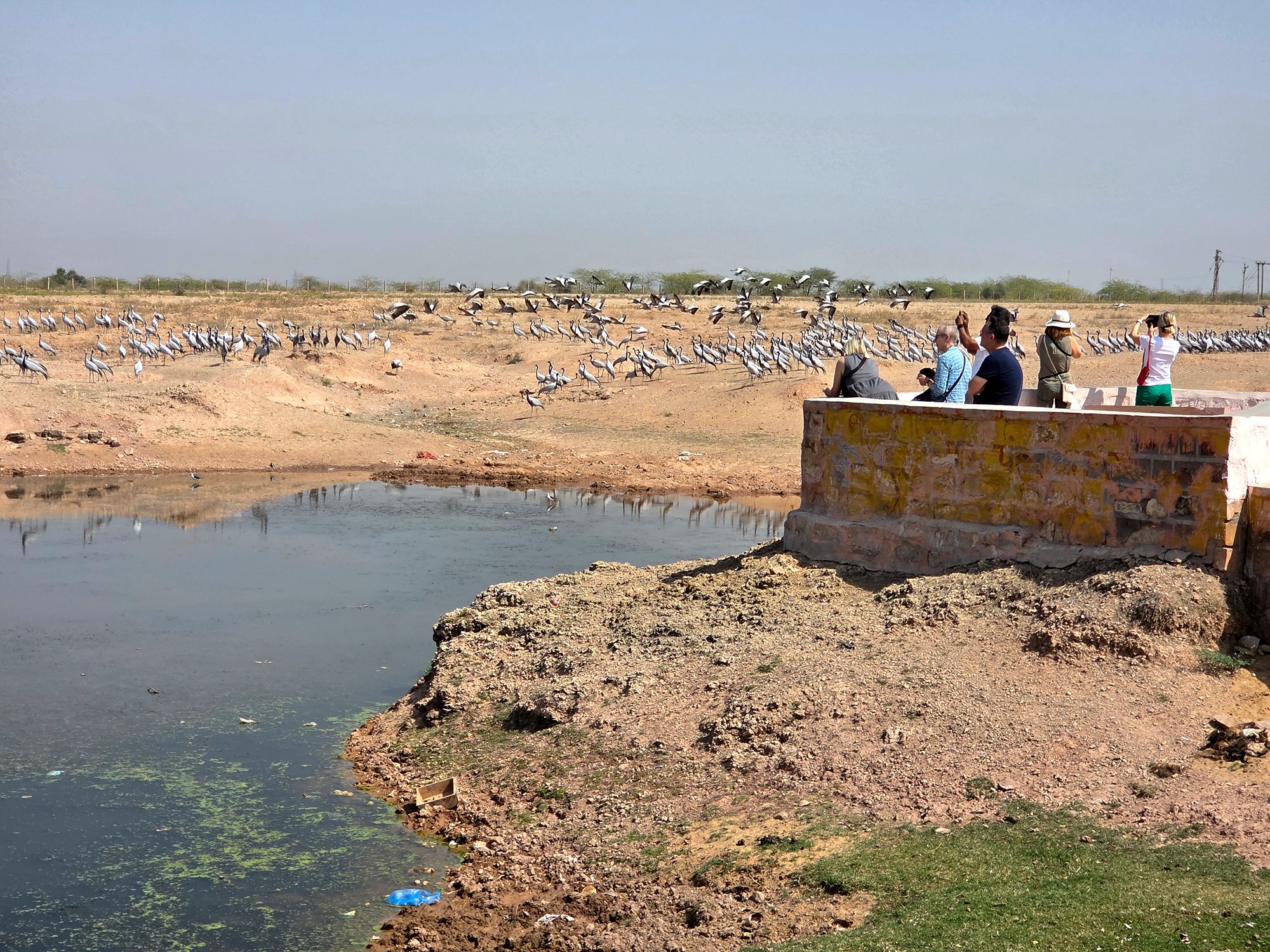
On the way to Bikaner, we stopped at a land where migratory birds gather during their seasonal journeys.
Then we visited Junagarh Fort, an impressive royal fortress and palace complex in the heart of Bikaner.
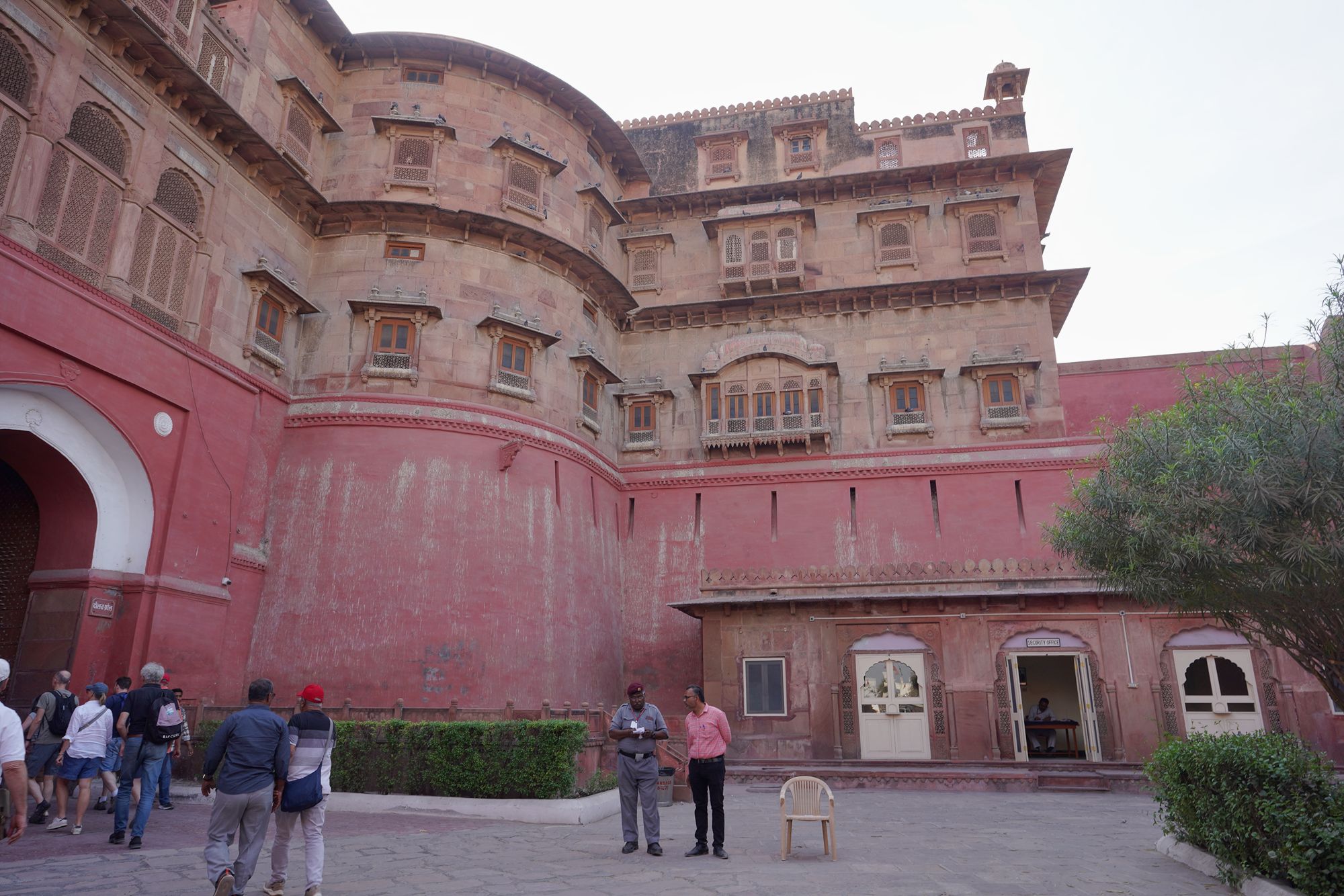
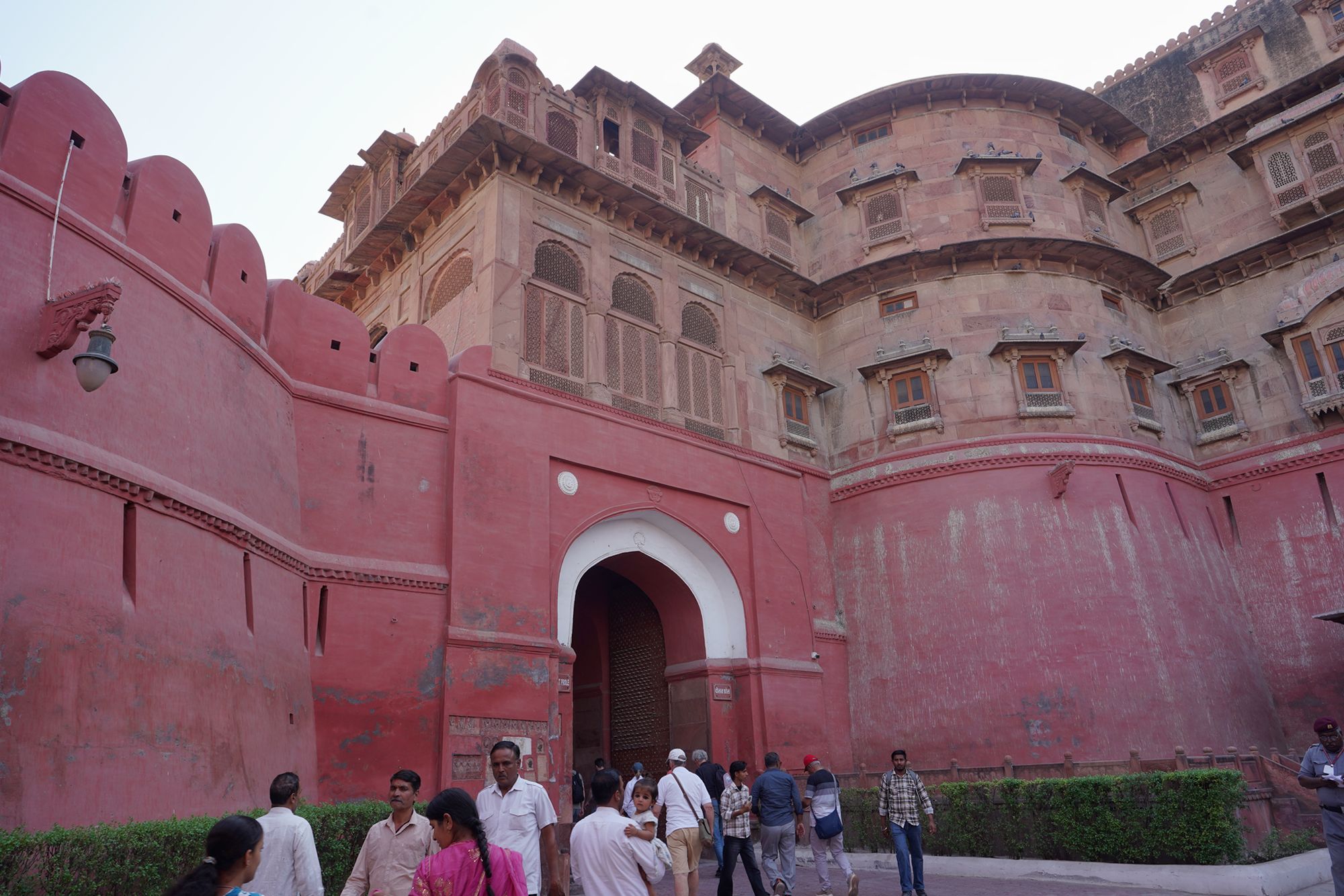
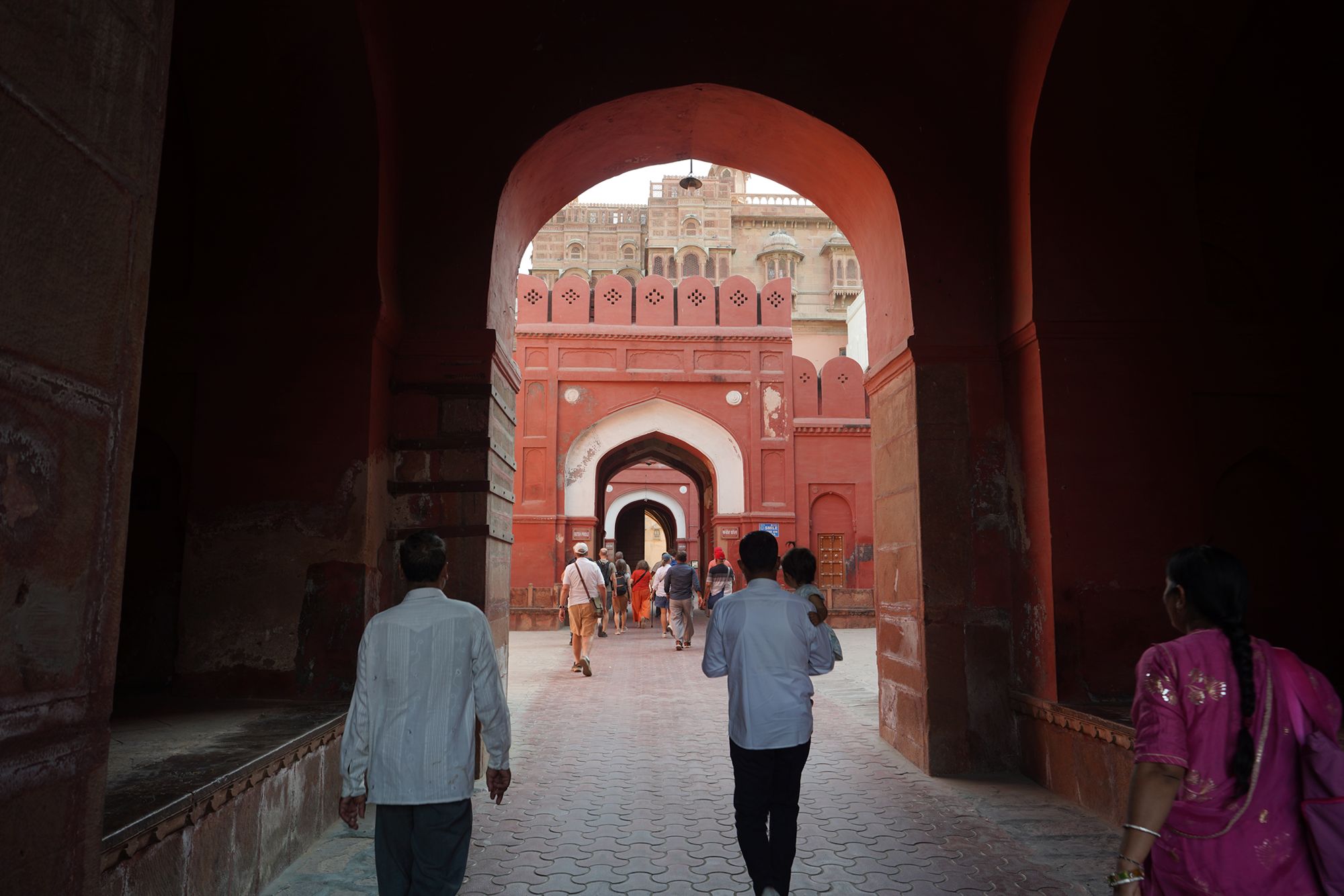
Junagarh Fort is a large royal fortress and palace complex in Bikaner, built mainly in the late 16th century by Raja Rai Singh, a Rajput ruler who served under the Mughal emperor Akbar.
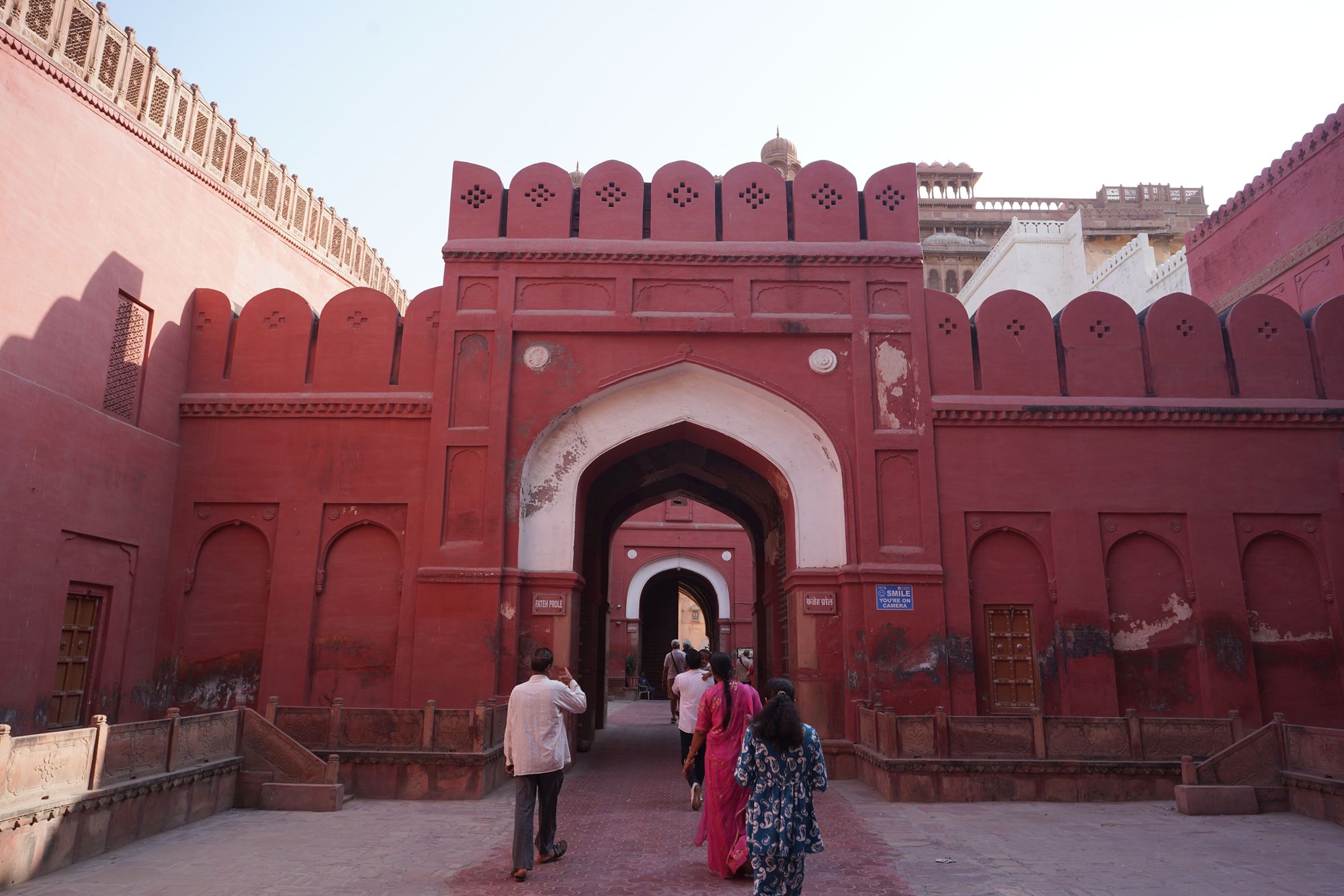
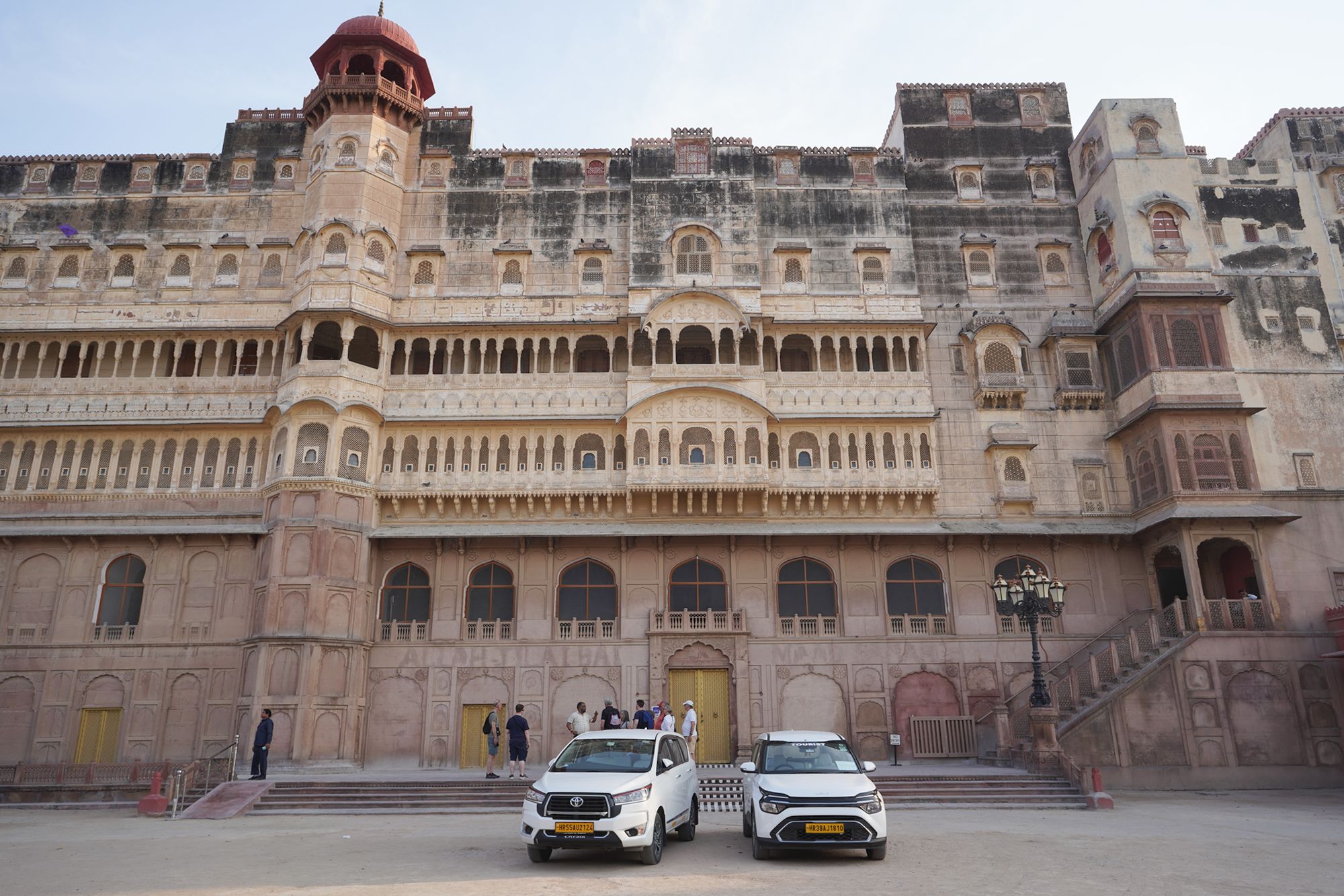
Unlike many Rajasthan forts, Junagarh was built on relatively flat ground rather than on a hill. Its massive sandstone walls surround a series of beautiful palaces, courtyards, temples, balconies, and ceremonial halls.
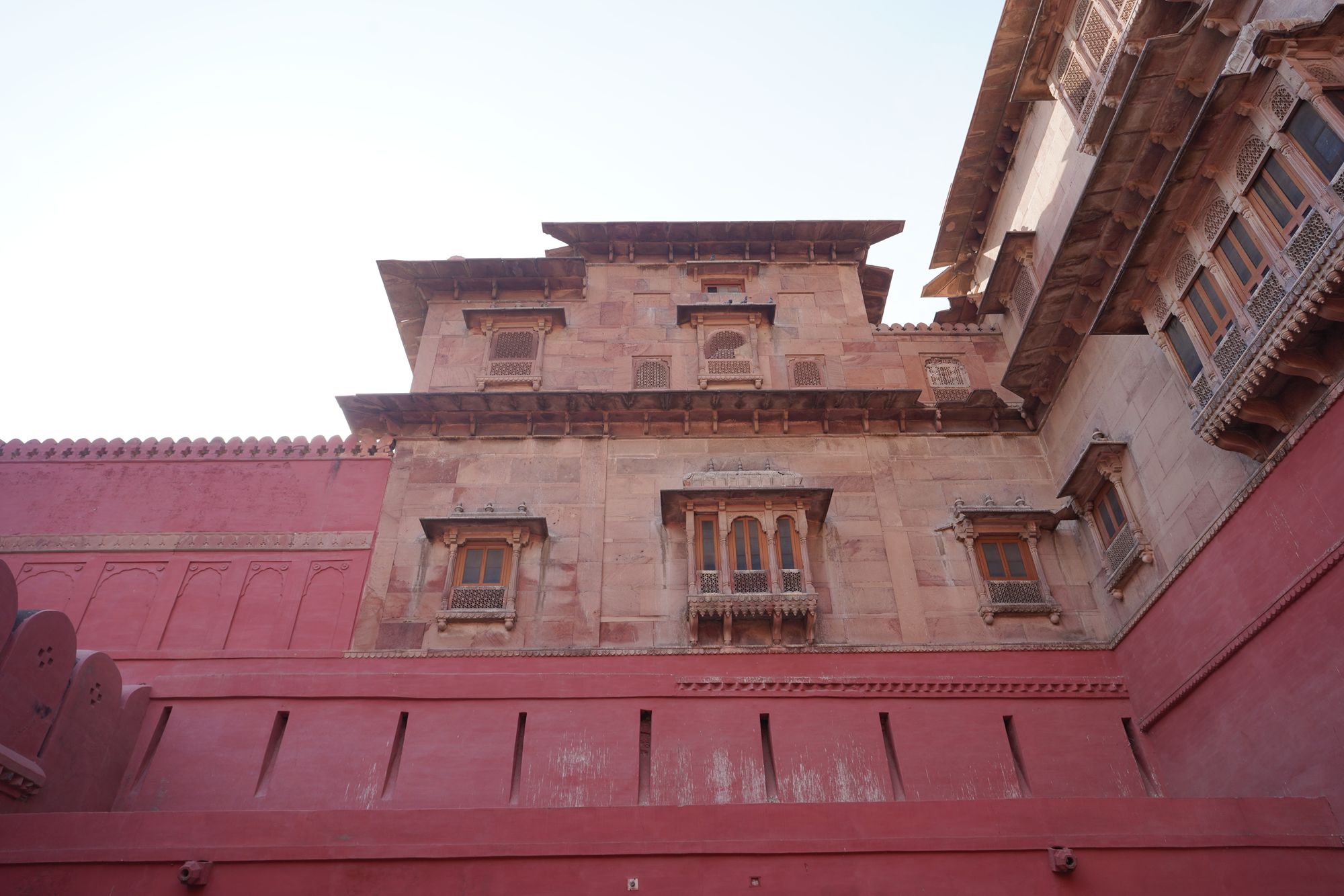
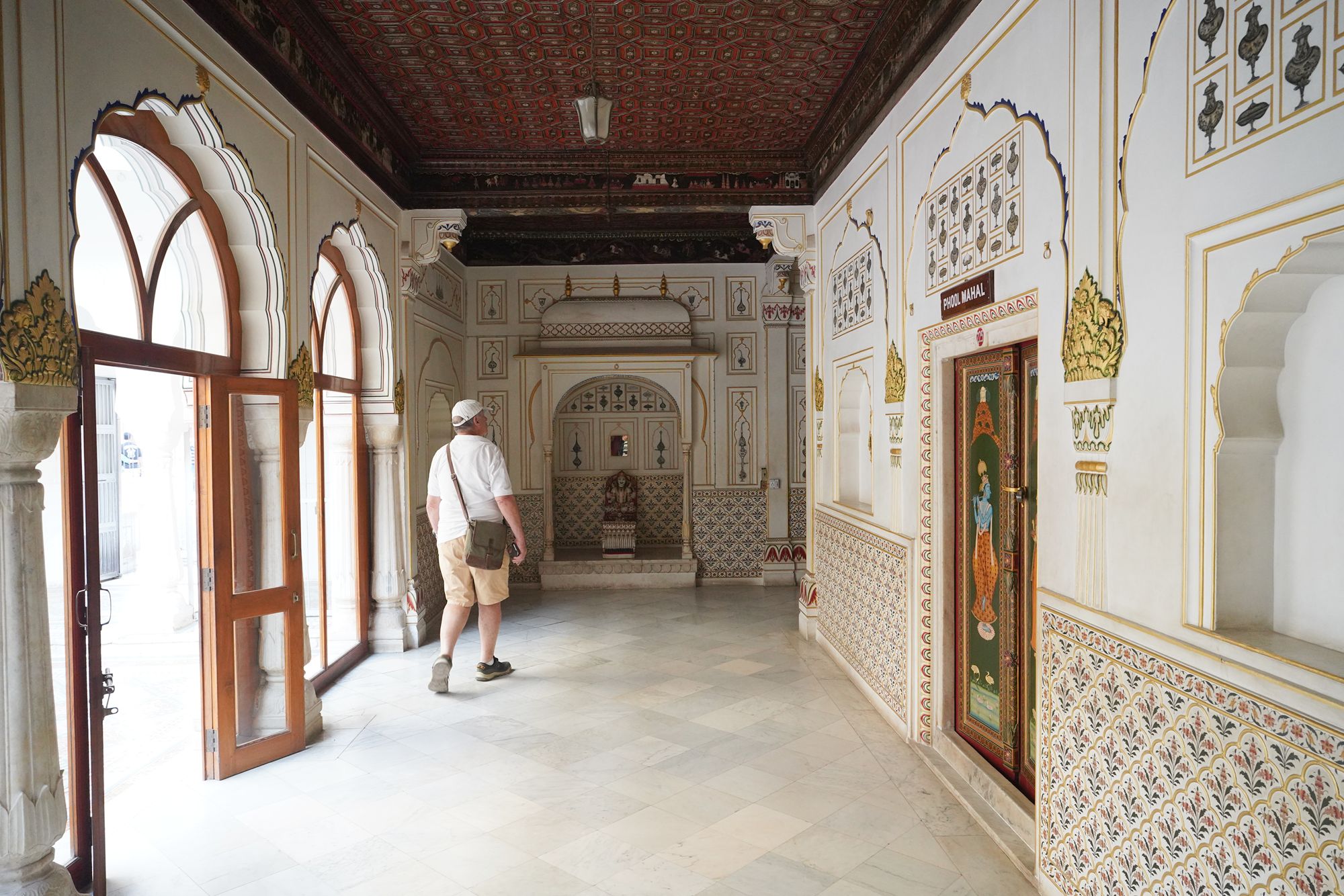
Successive rulers expanded the complex over several centuries, resulting in a mixture of Rajput, Mughal, and later architectural influences. The richly decorated interiors include carved stonework, painted ceilings, mirrors, gold ornamentation, and elaborate royal rooms.
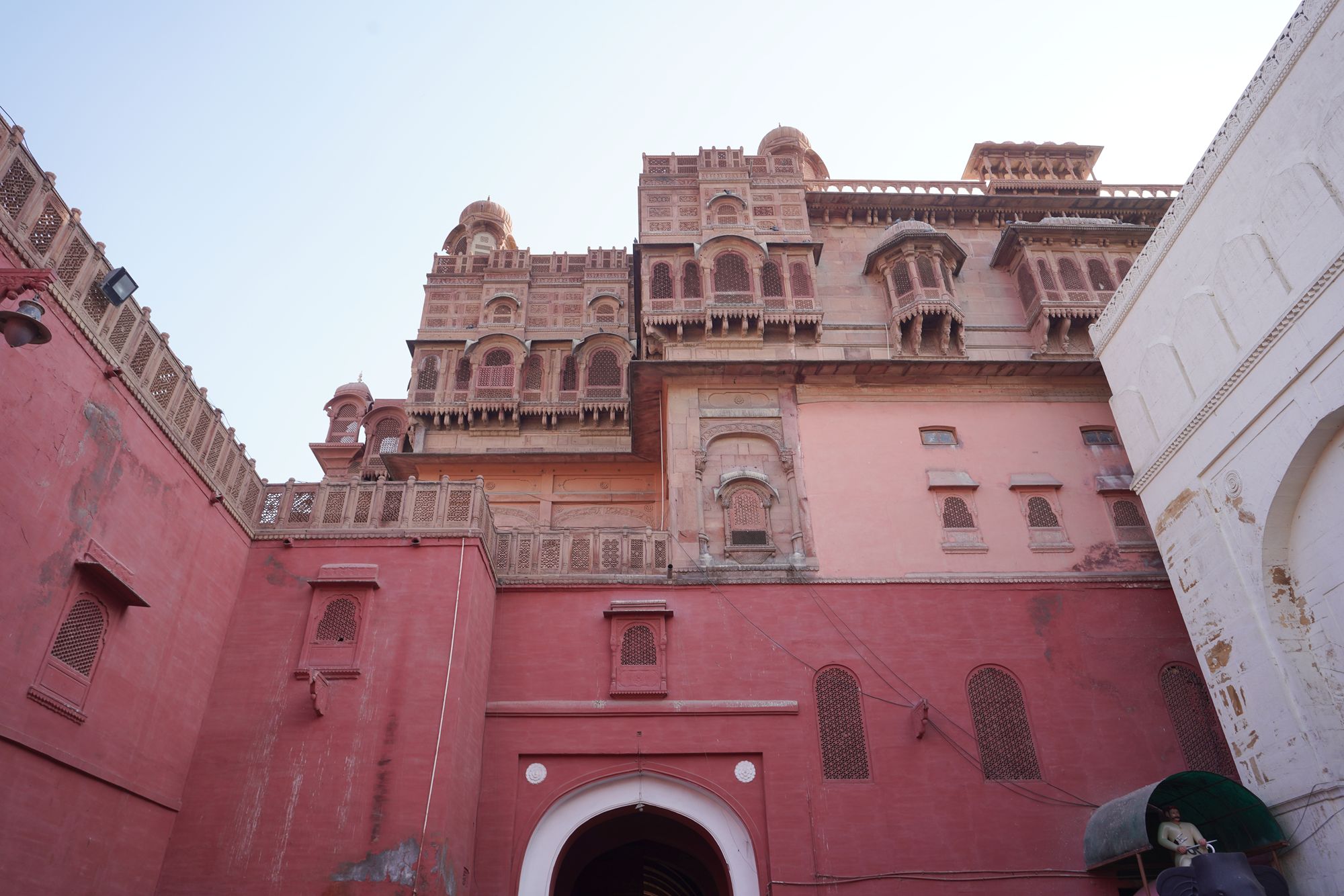
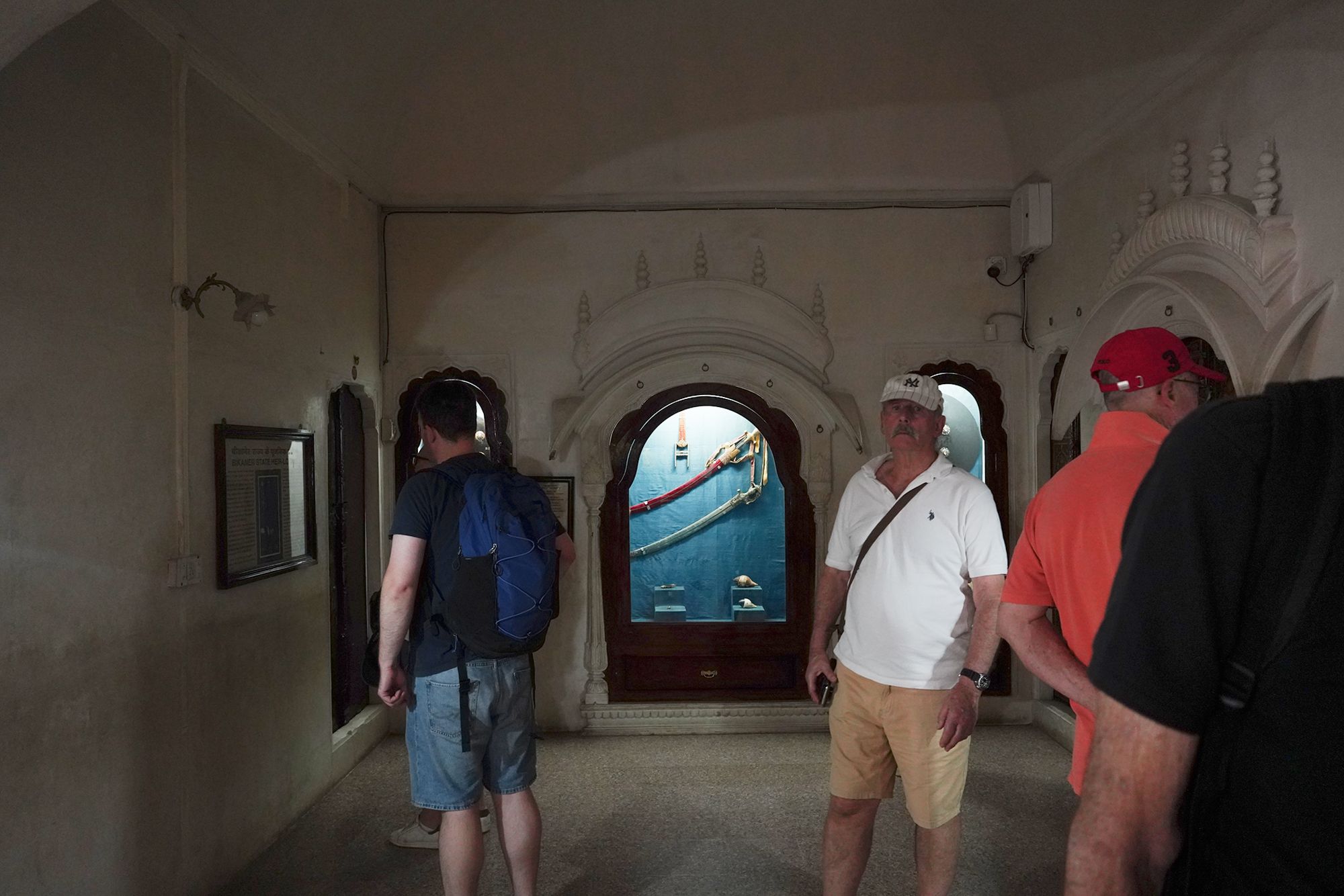
Today, much of the palace complex is open as a museum, displaying weapons, paintings, royal furnishings, costumes, and other objects connected with Bikaner’s royal family.
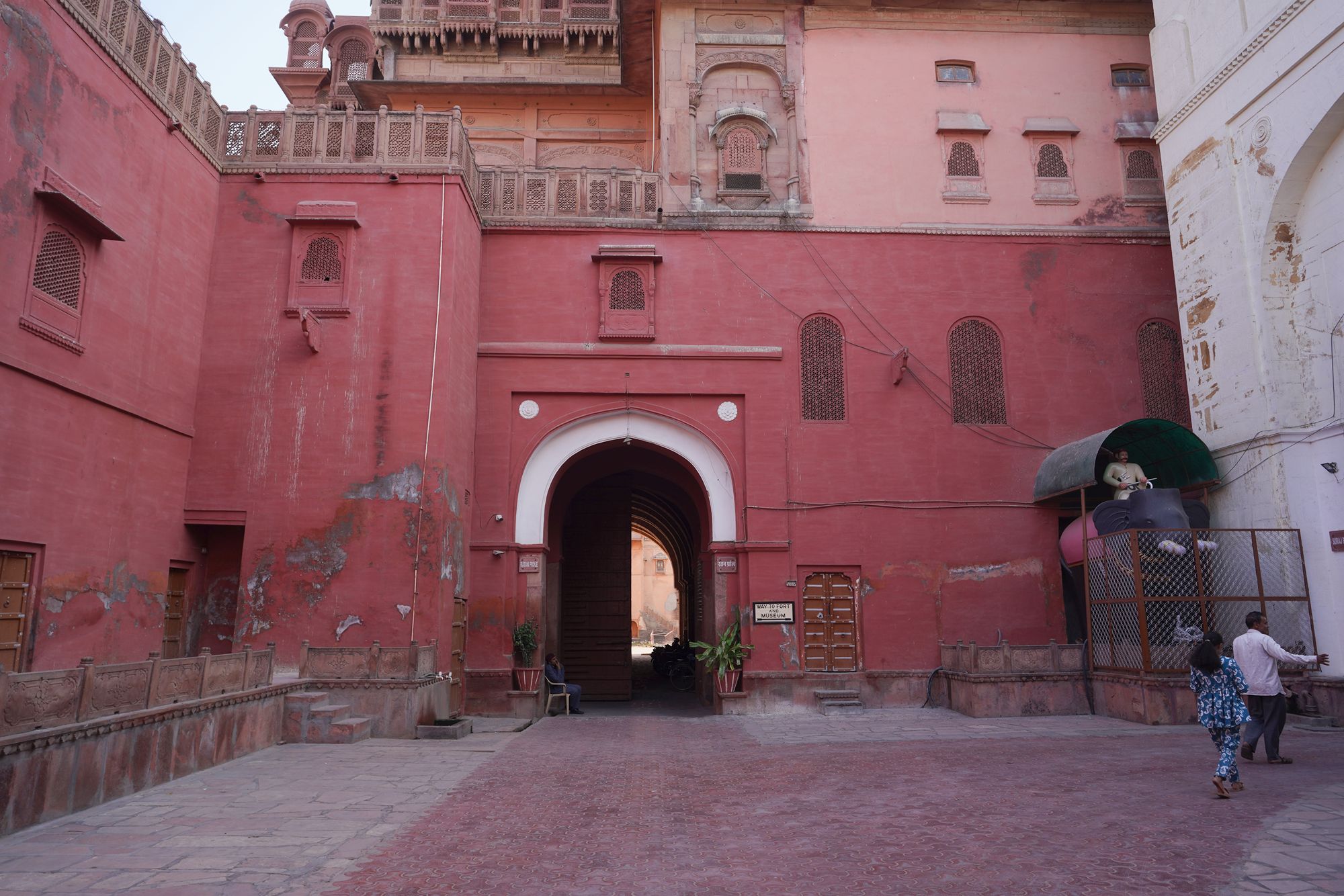
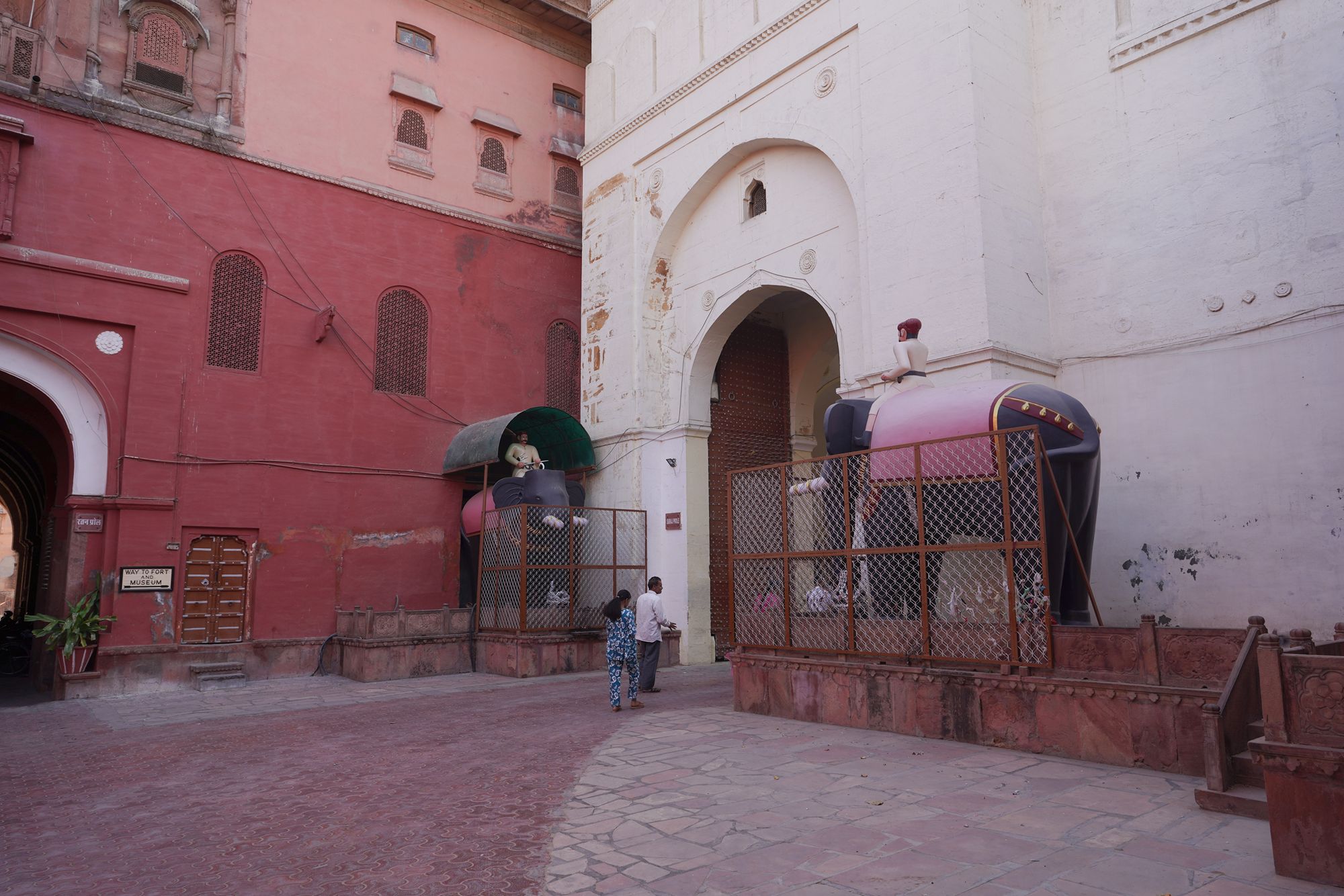
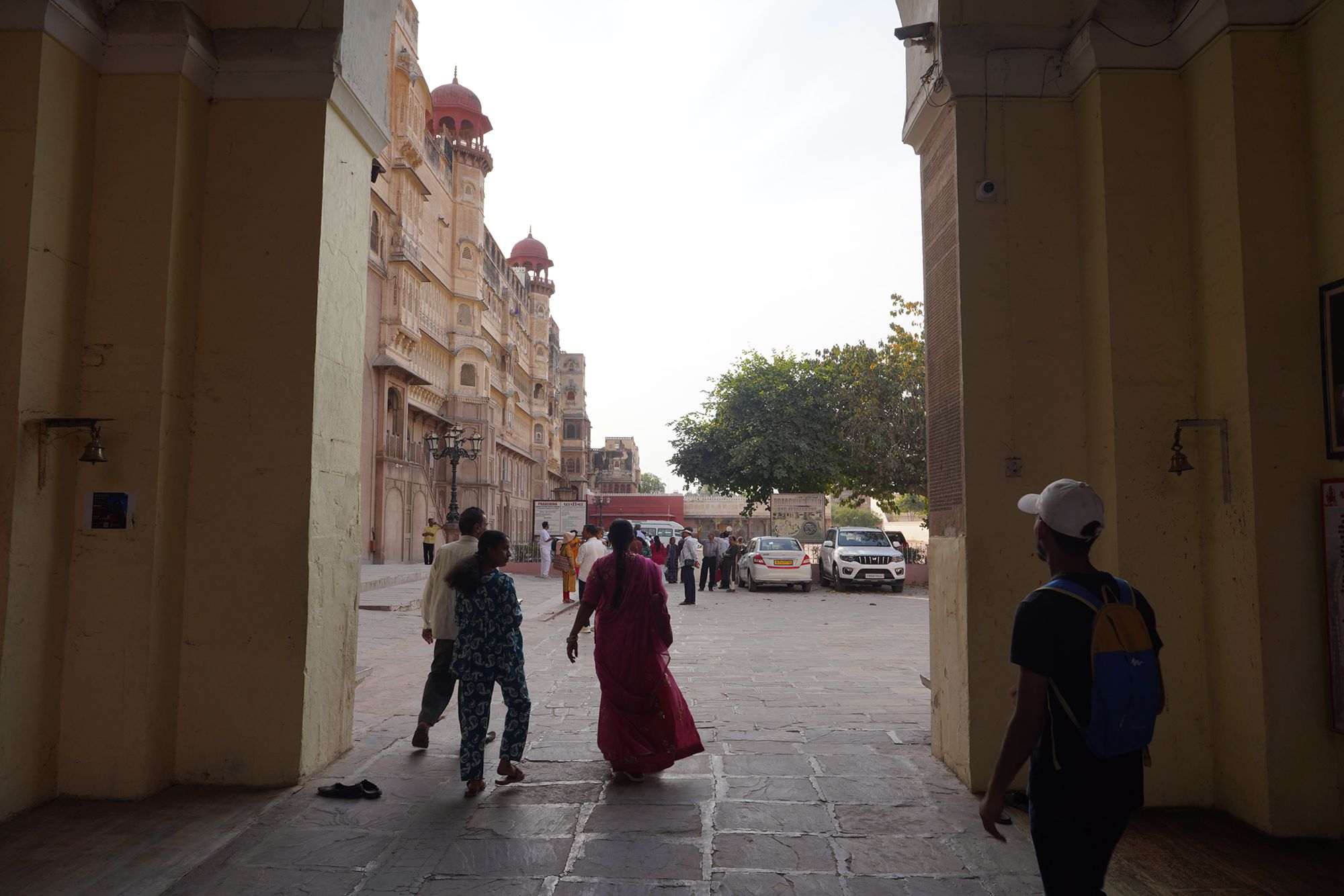
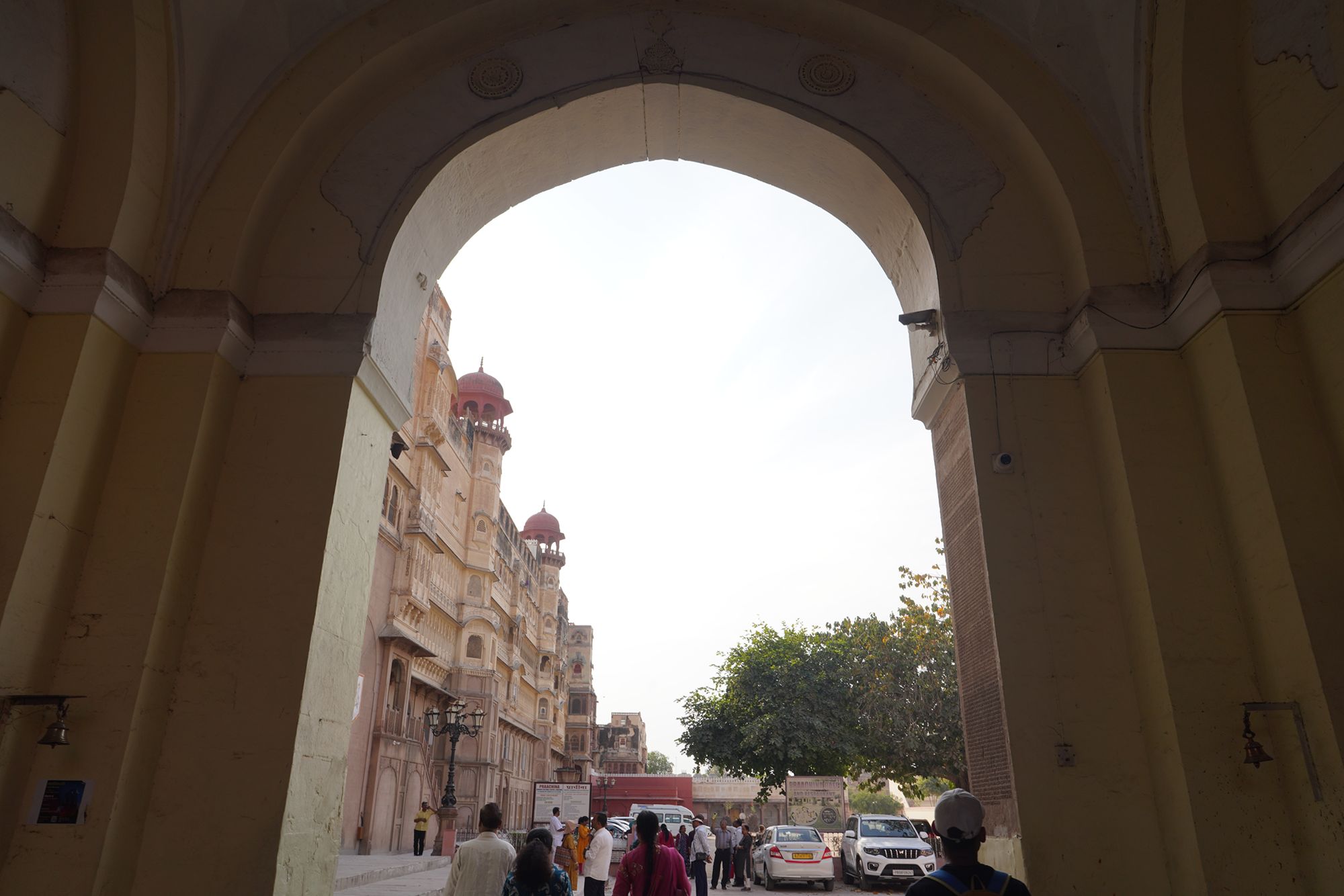
Raja Rai Singh (1541–1612) was a Rajput ruler of Bikaner from the Rathore dynasty. He ruled from 1571 to 1612 and was also a prominent military commander in the service of the Mughal emperor Akbar.
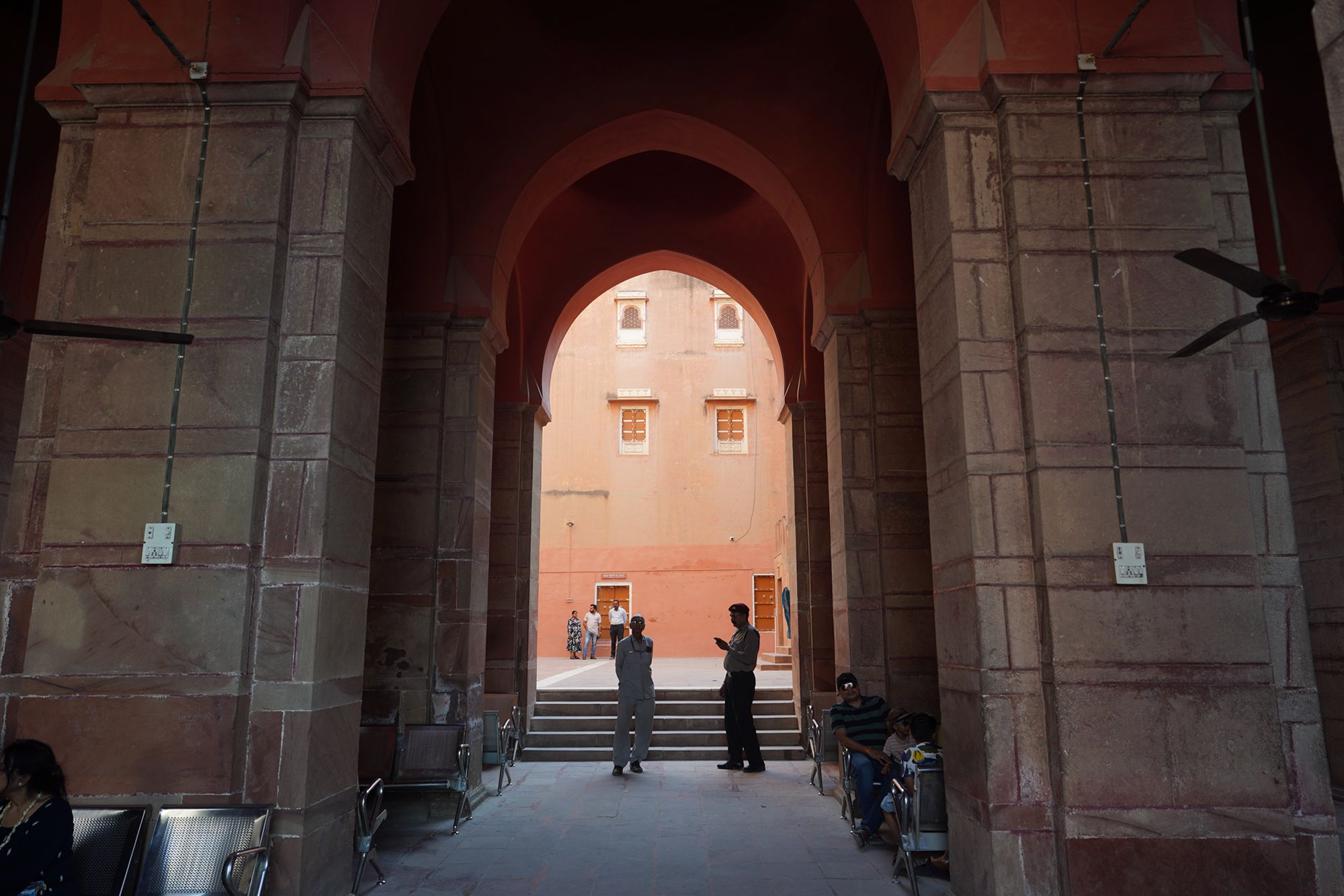
His close relationship with the Mughal court brought Bikaner considerable wealth and political influence. With this wealth, he began construction of Junagarh Fort in 1589, completing its original core around 1594.
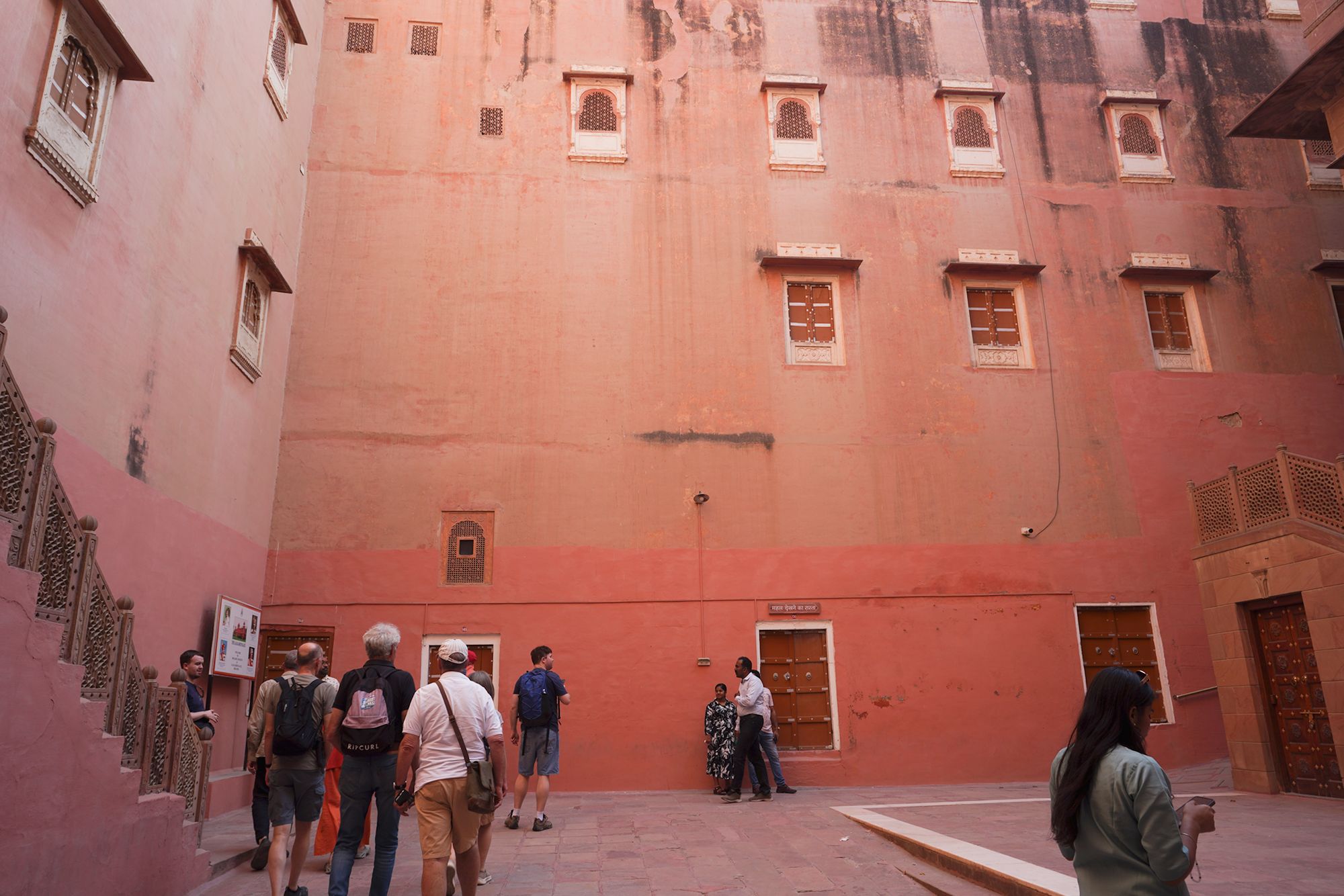
This is also why Junagarh Fort shows a mixture of Rajput and Mughal architectural influences—a good example of the cooperation between some Rajput kingdoms and the Mughal Empire during Akbar's reign.
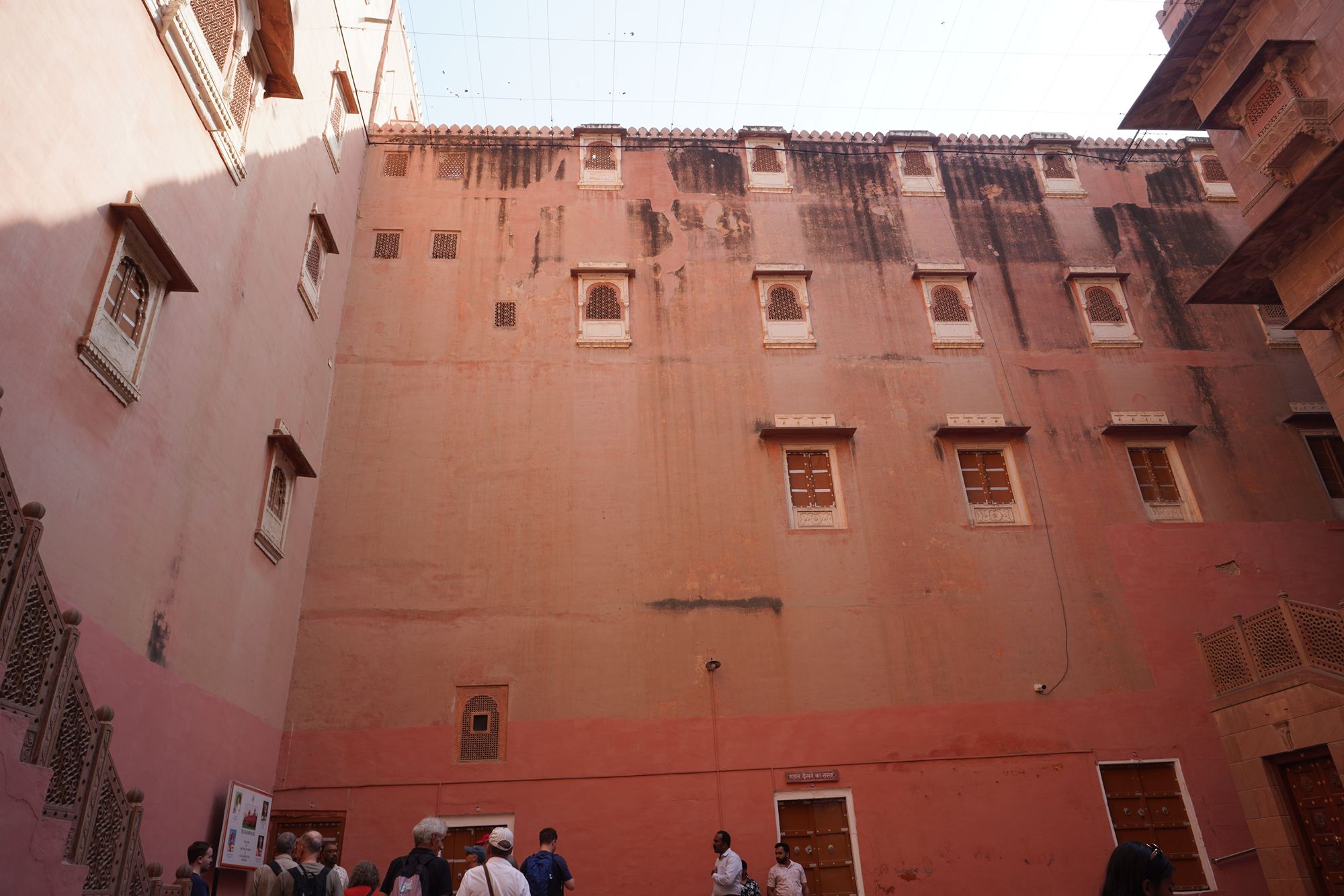
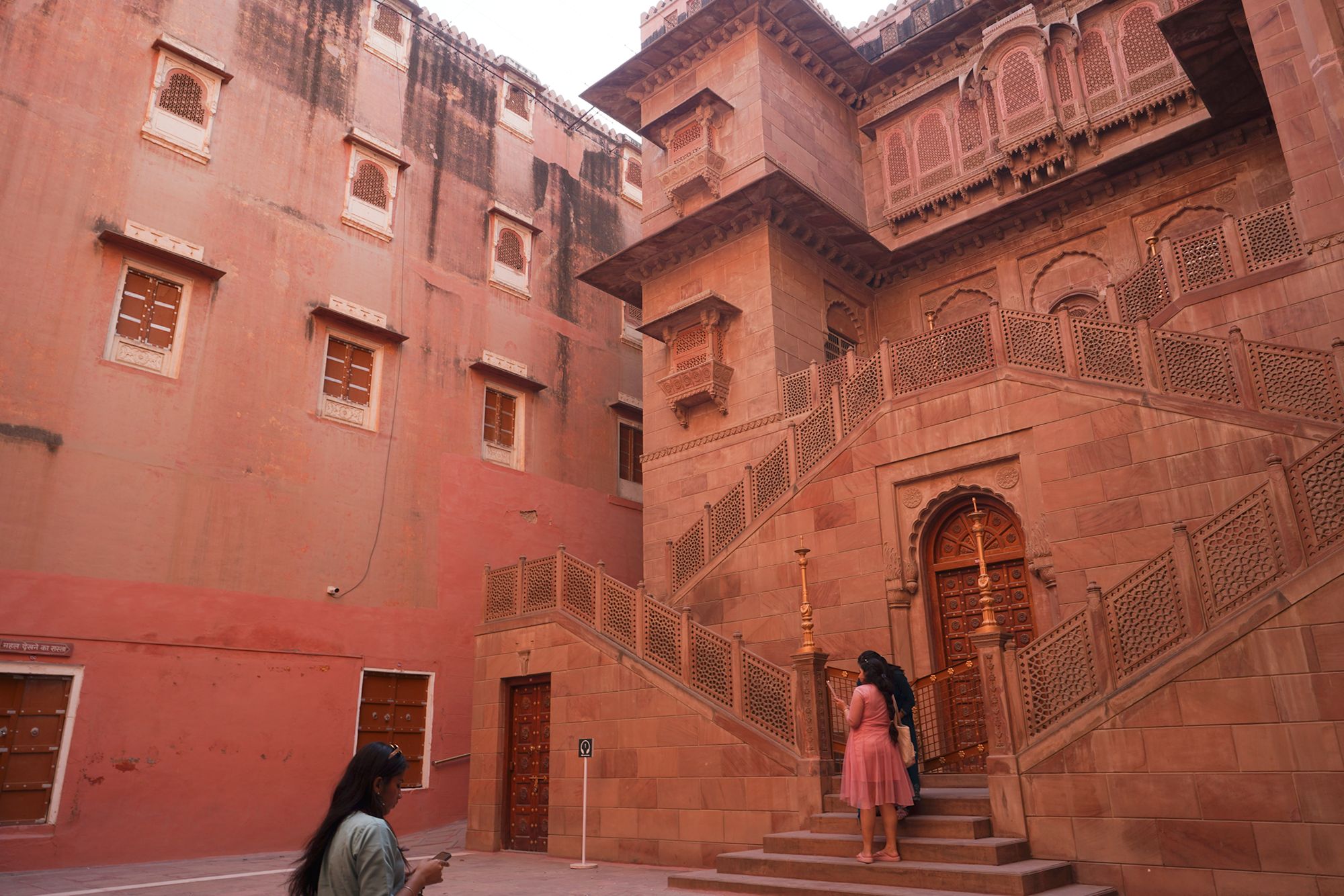
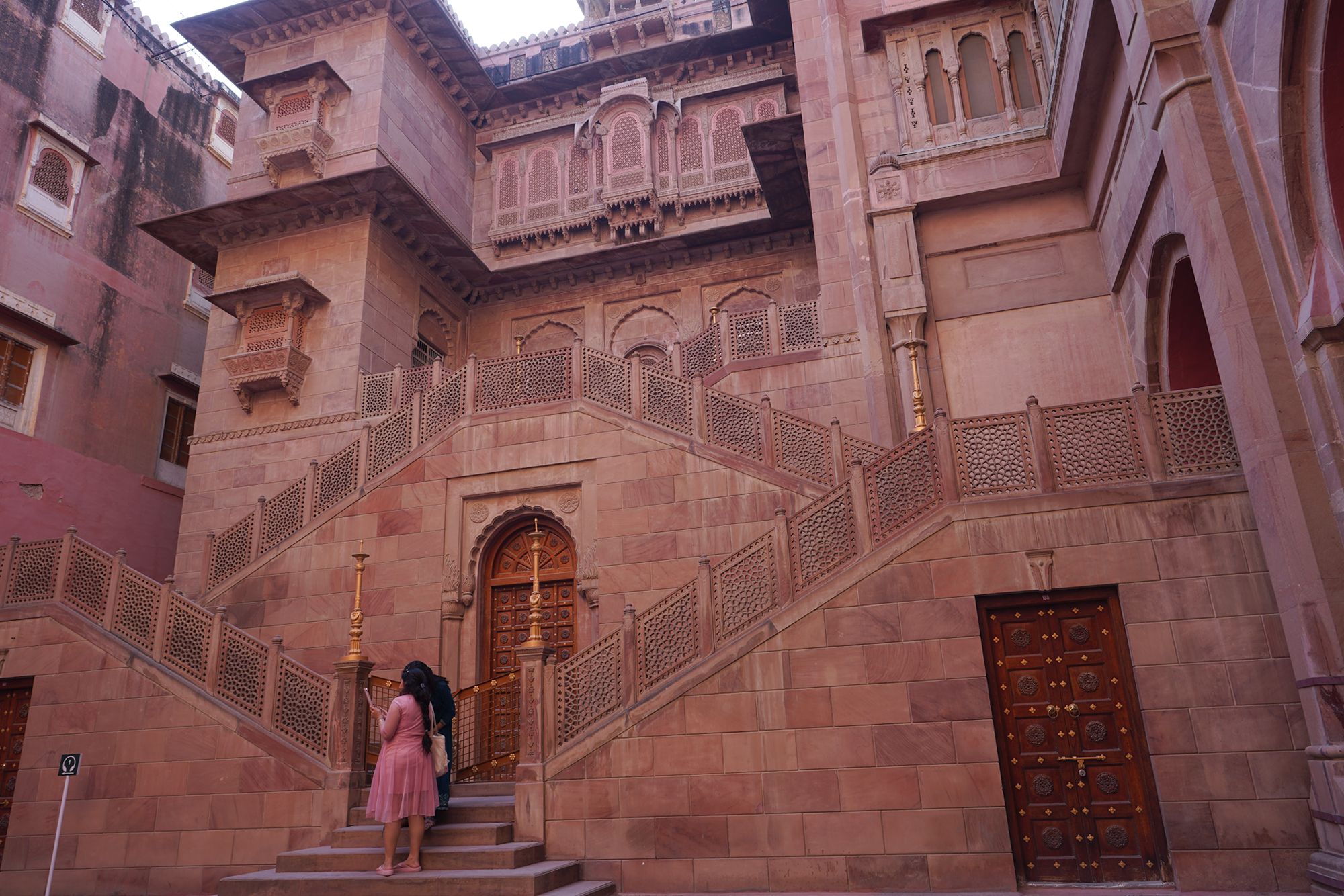
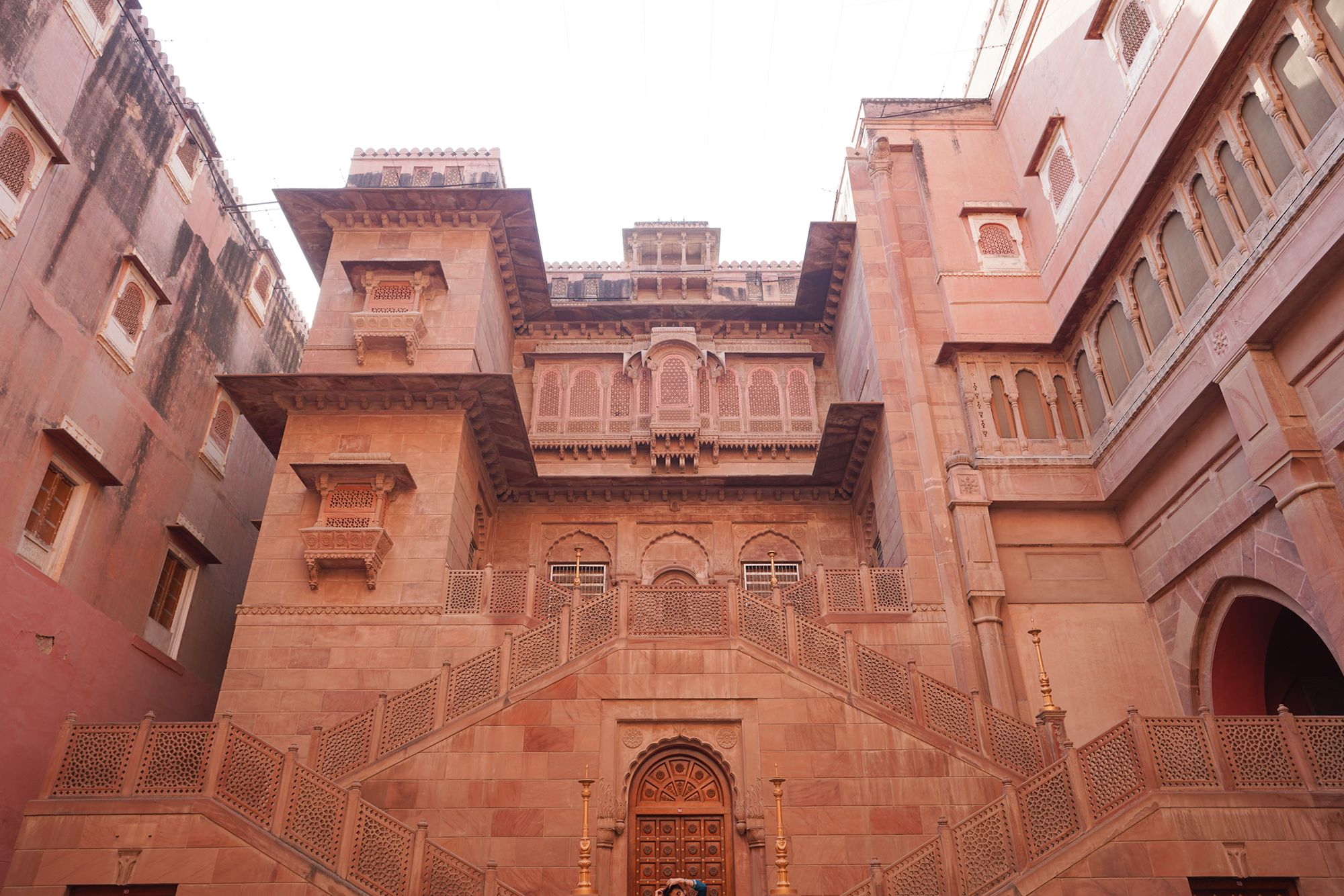
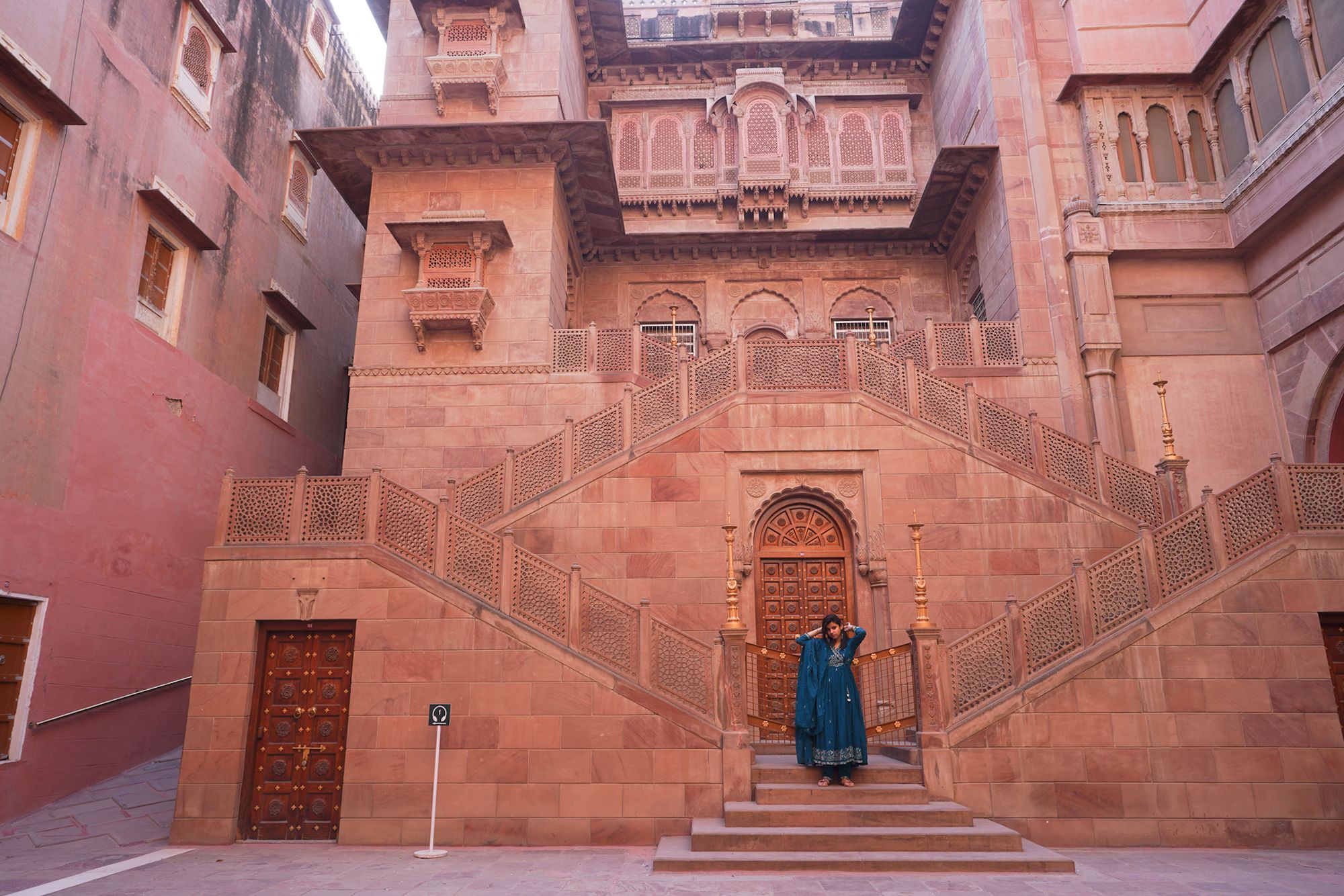
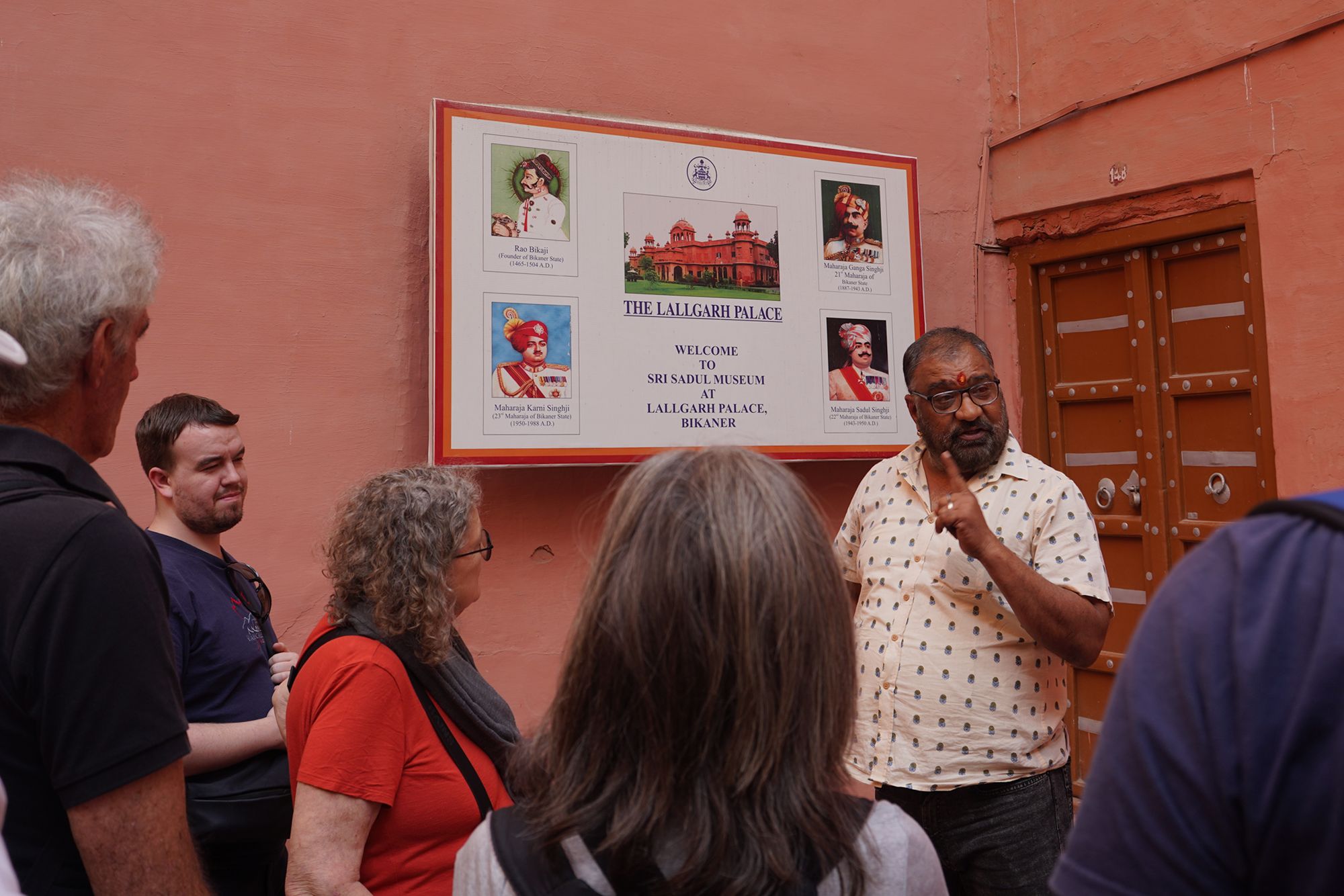
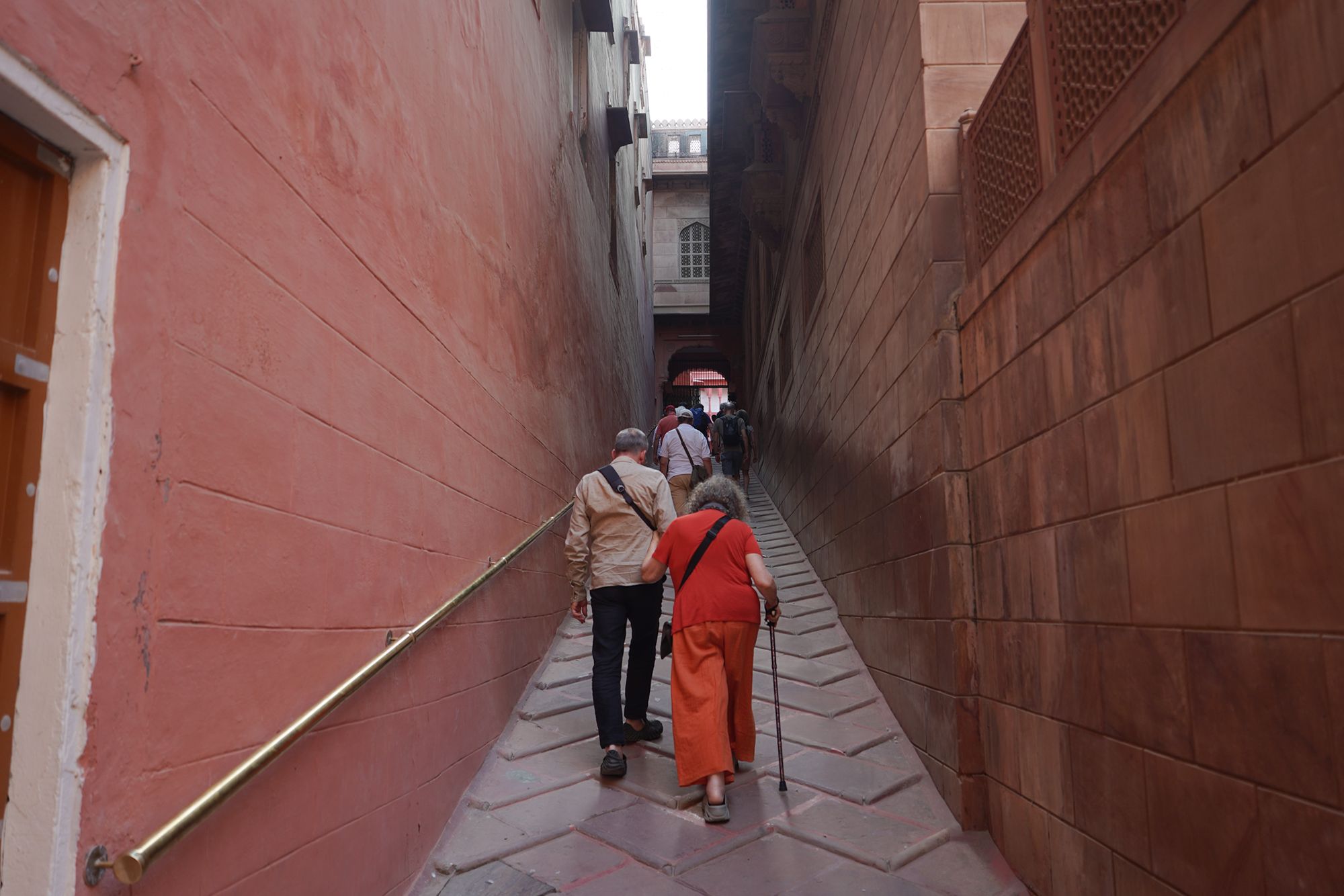
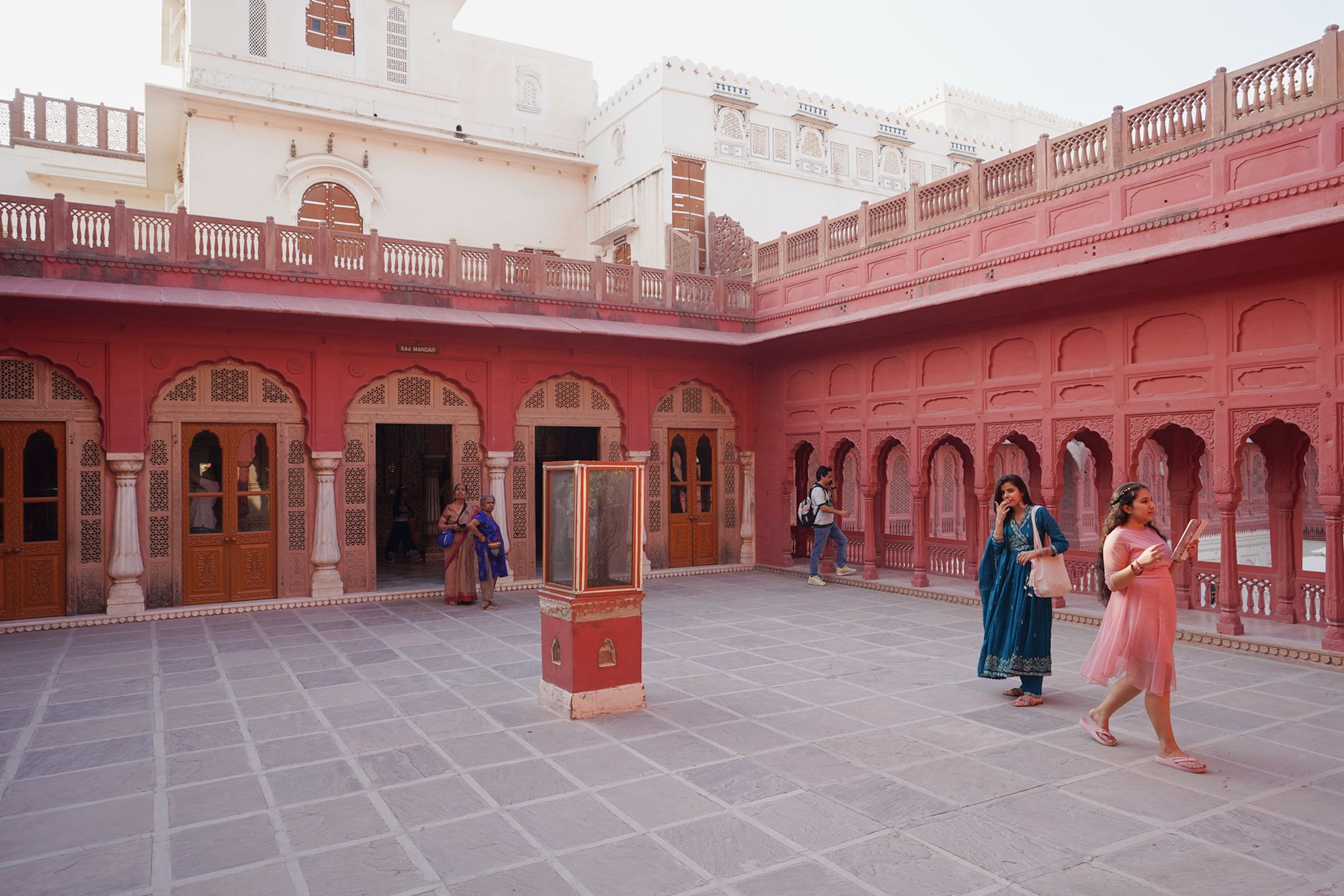
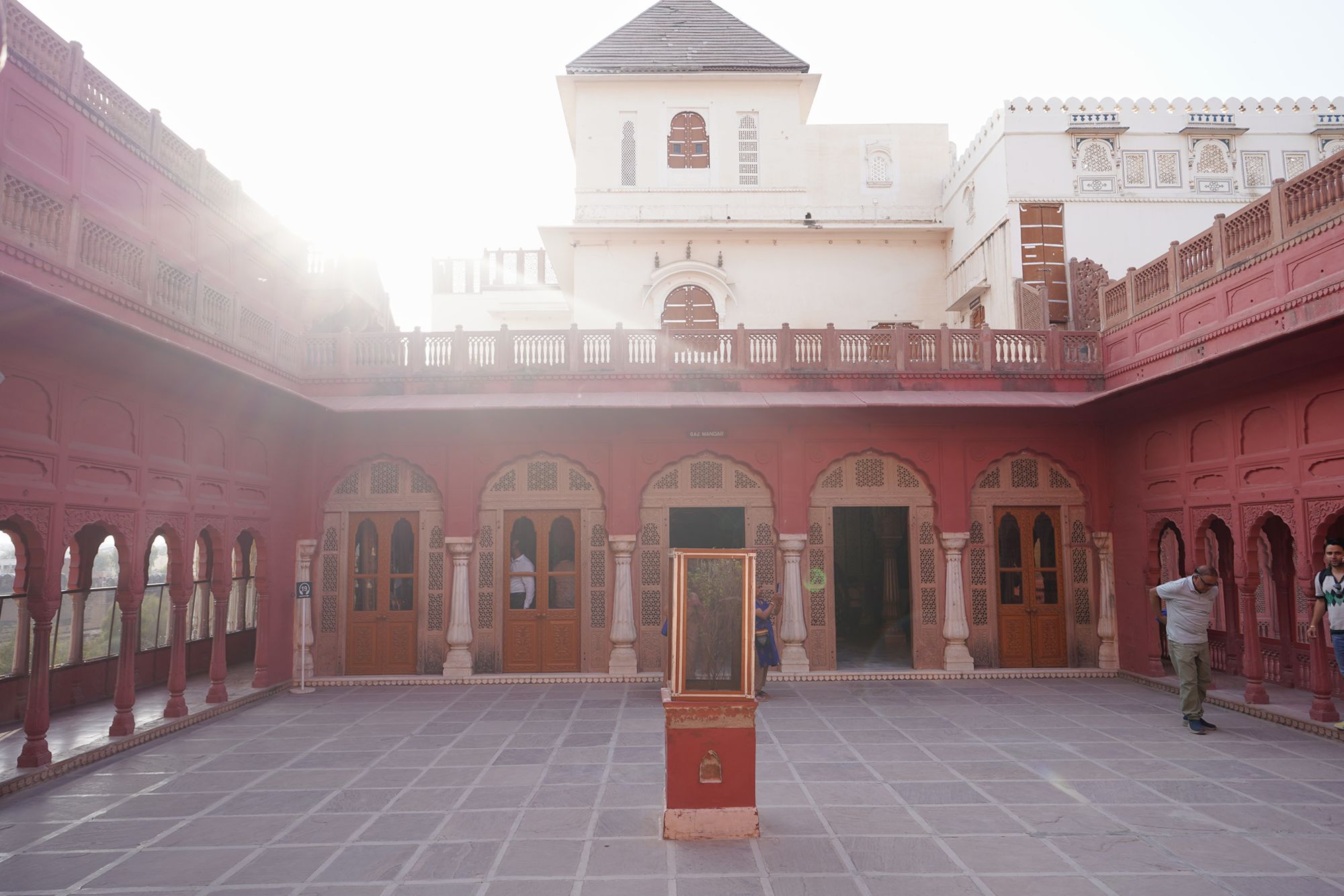
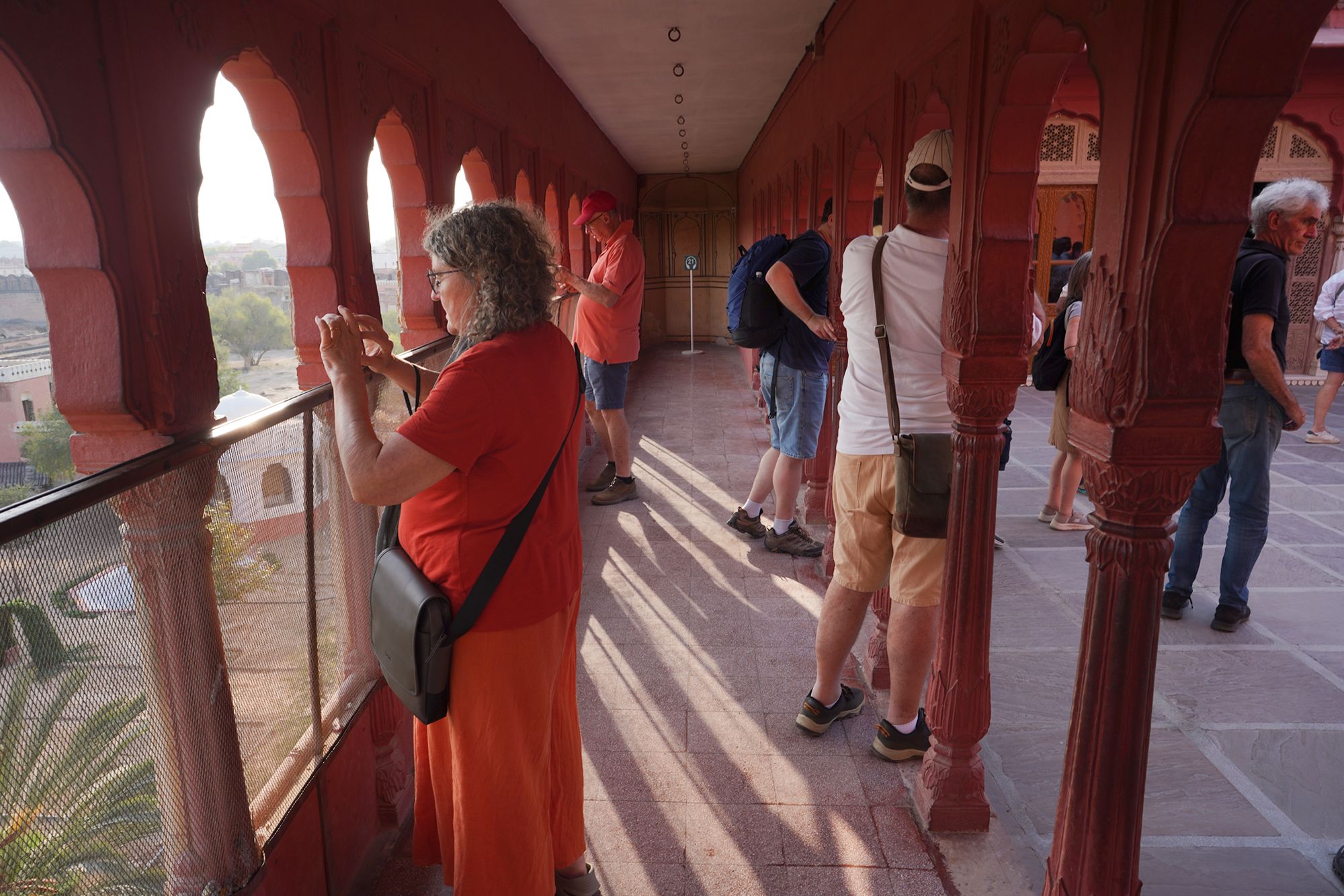
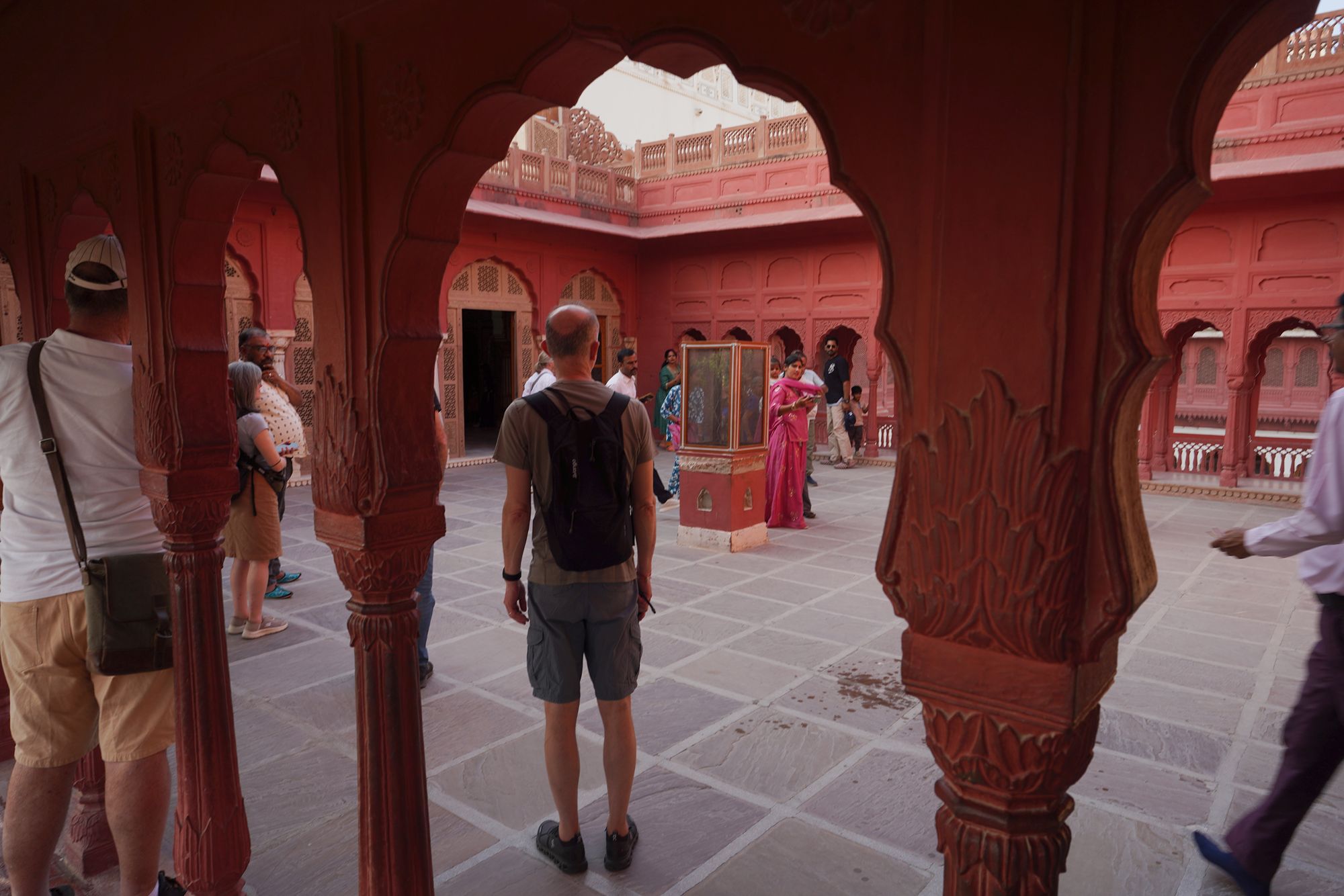
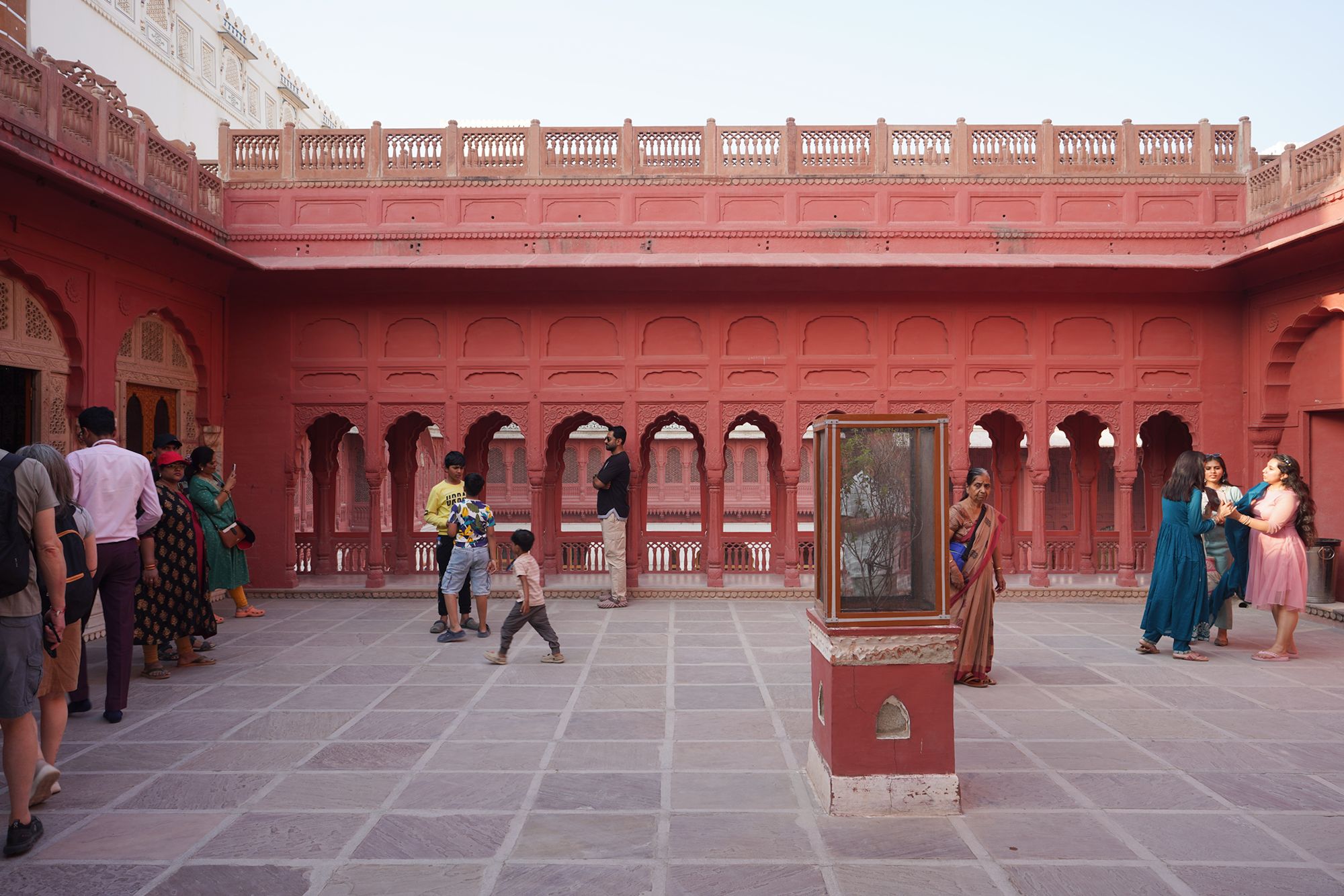
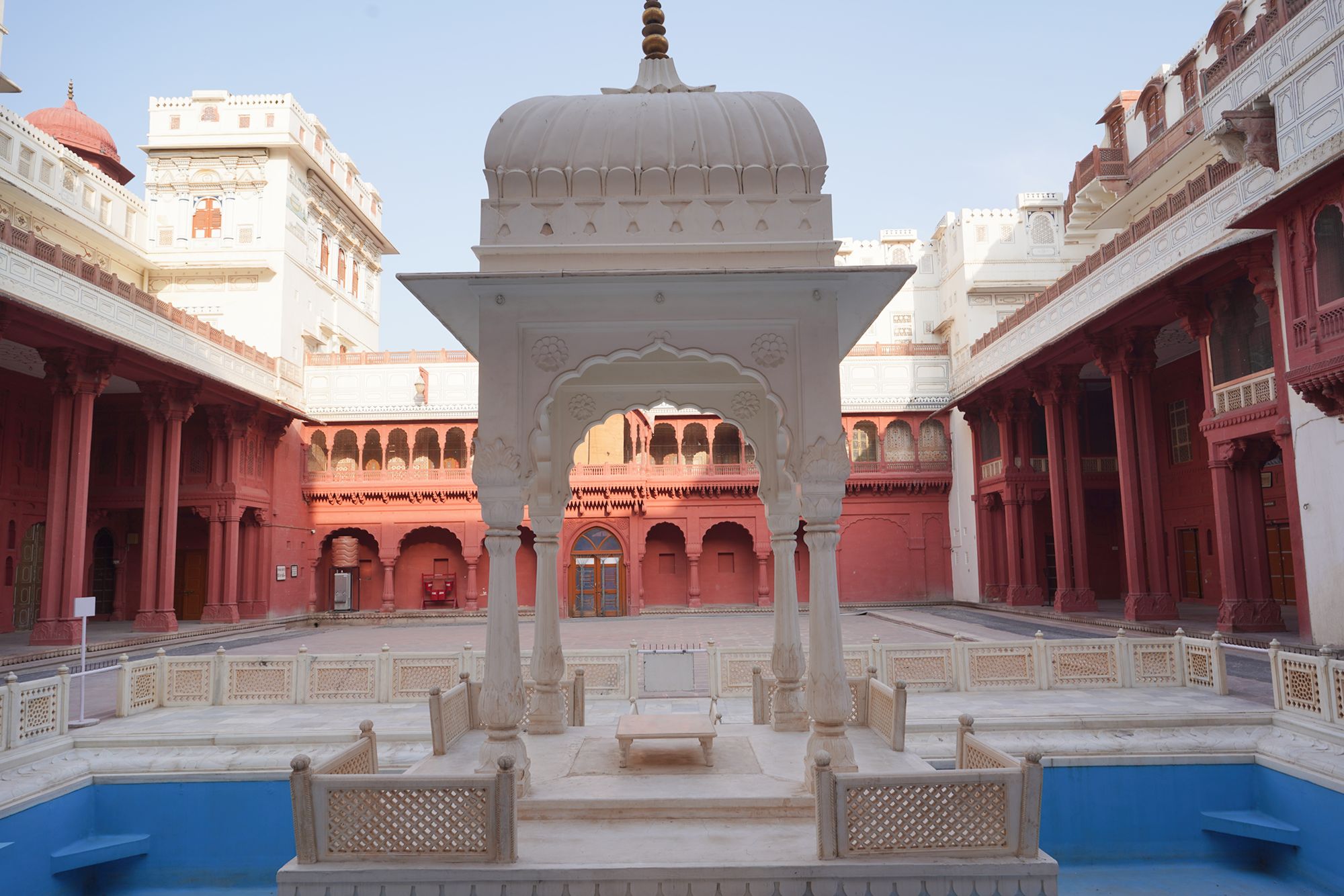
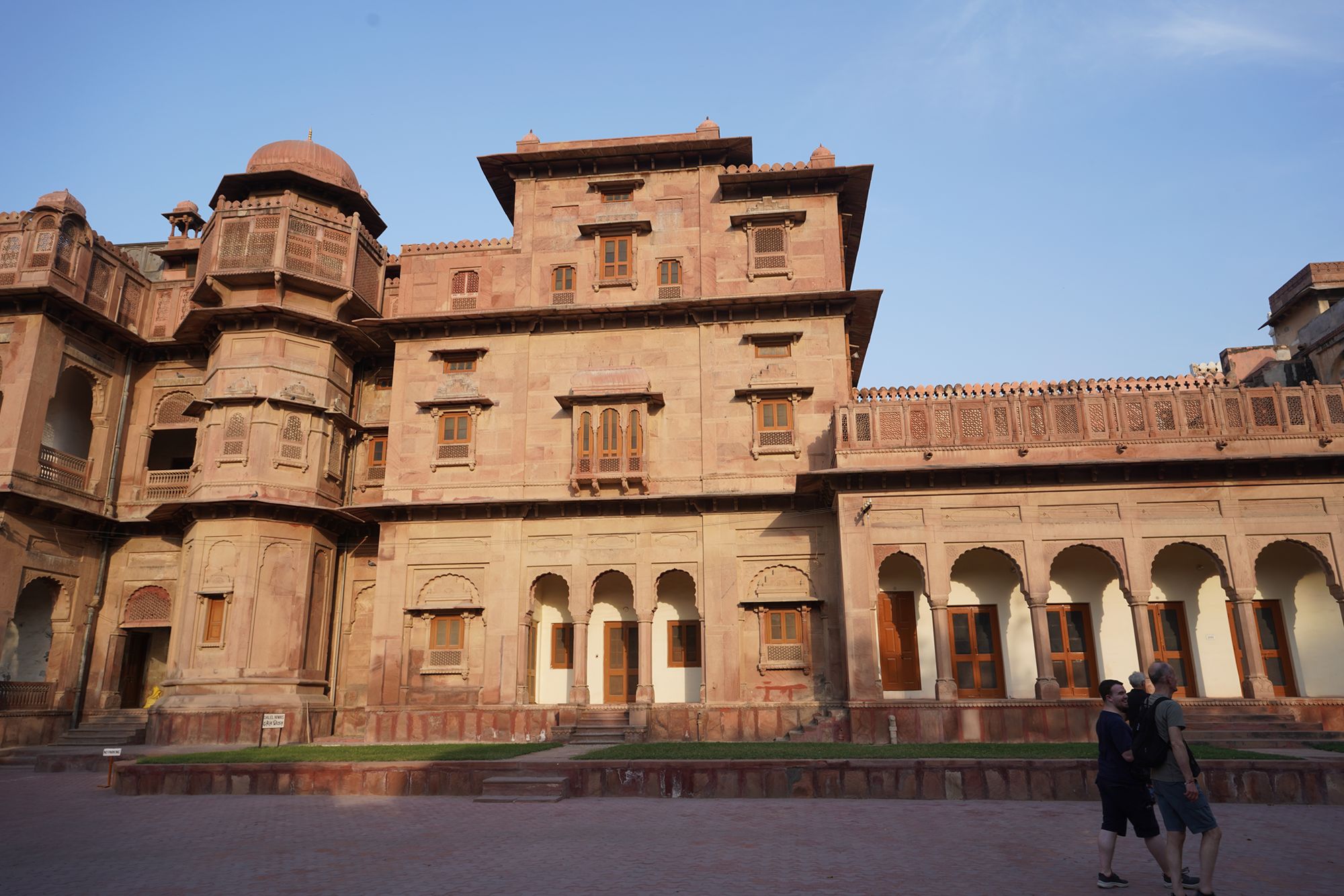
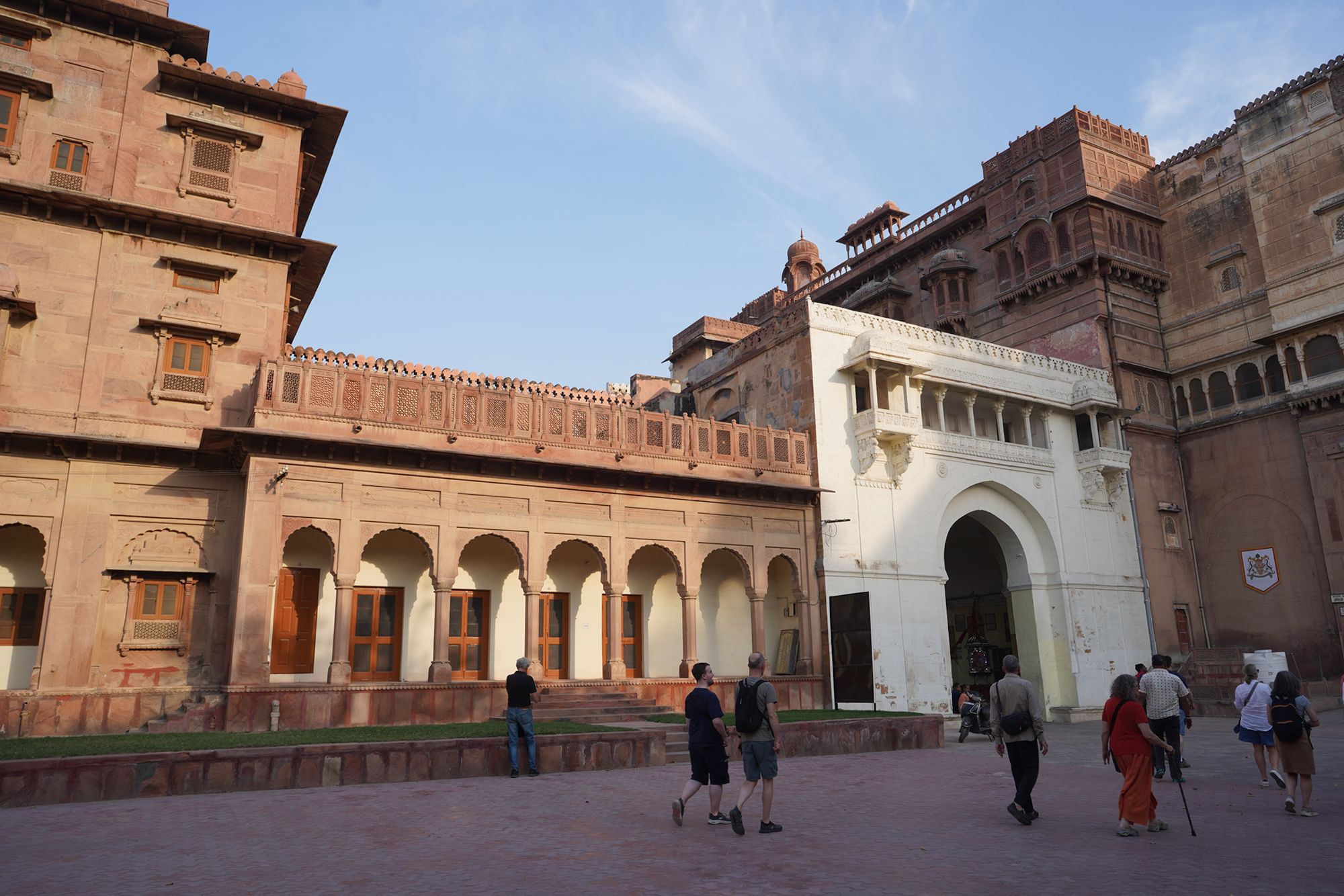
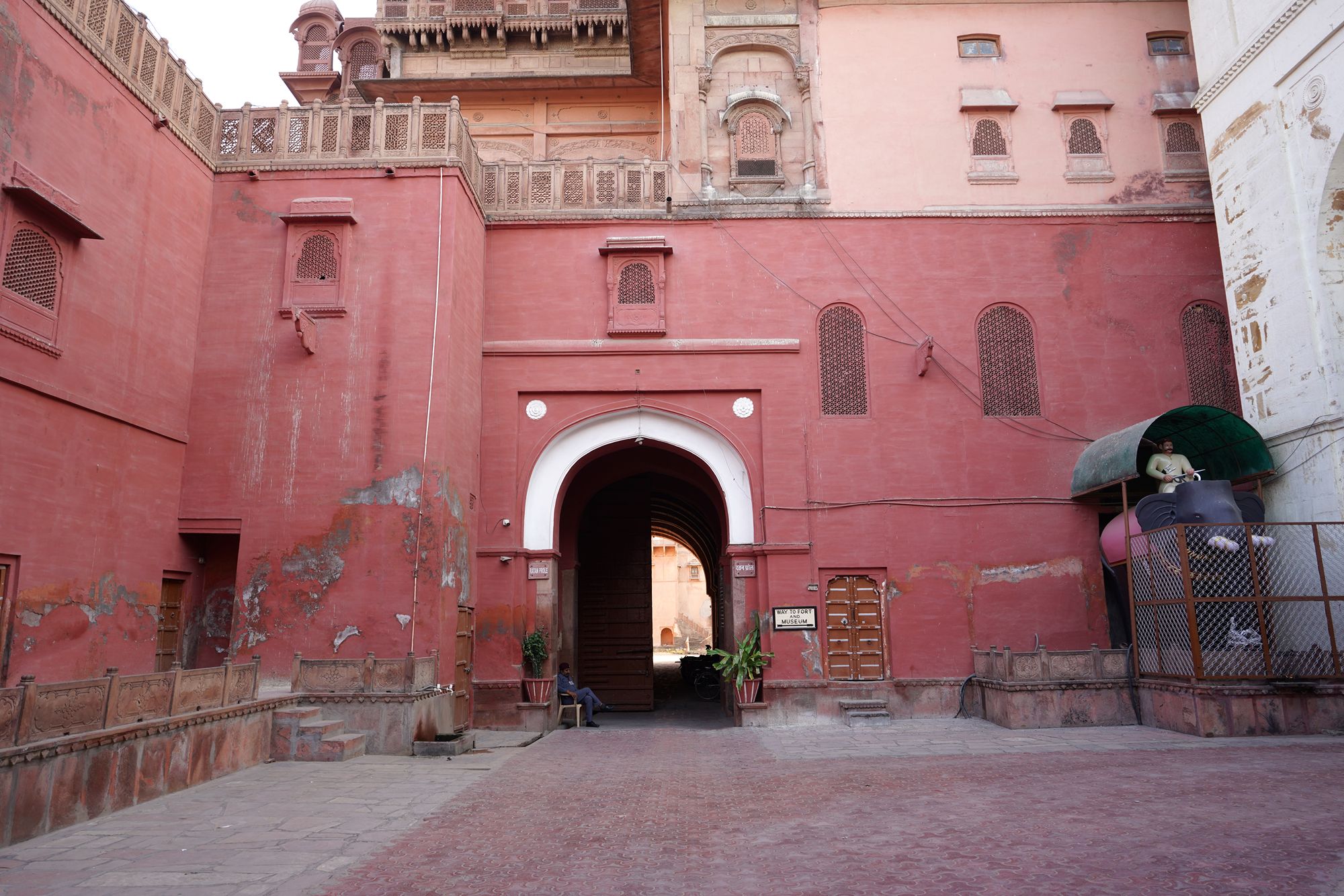
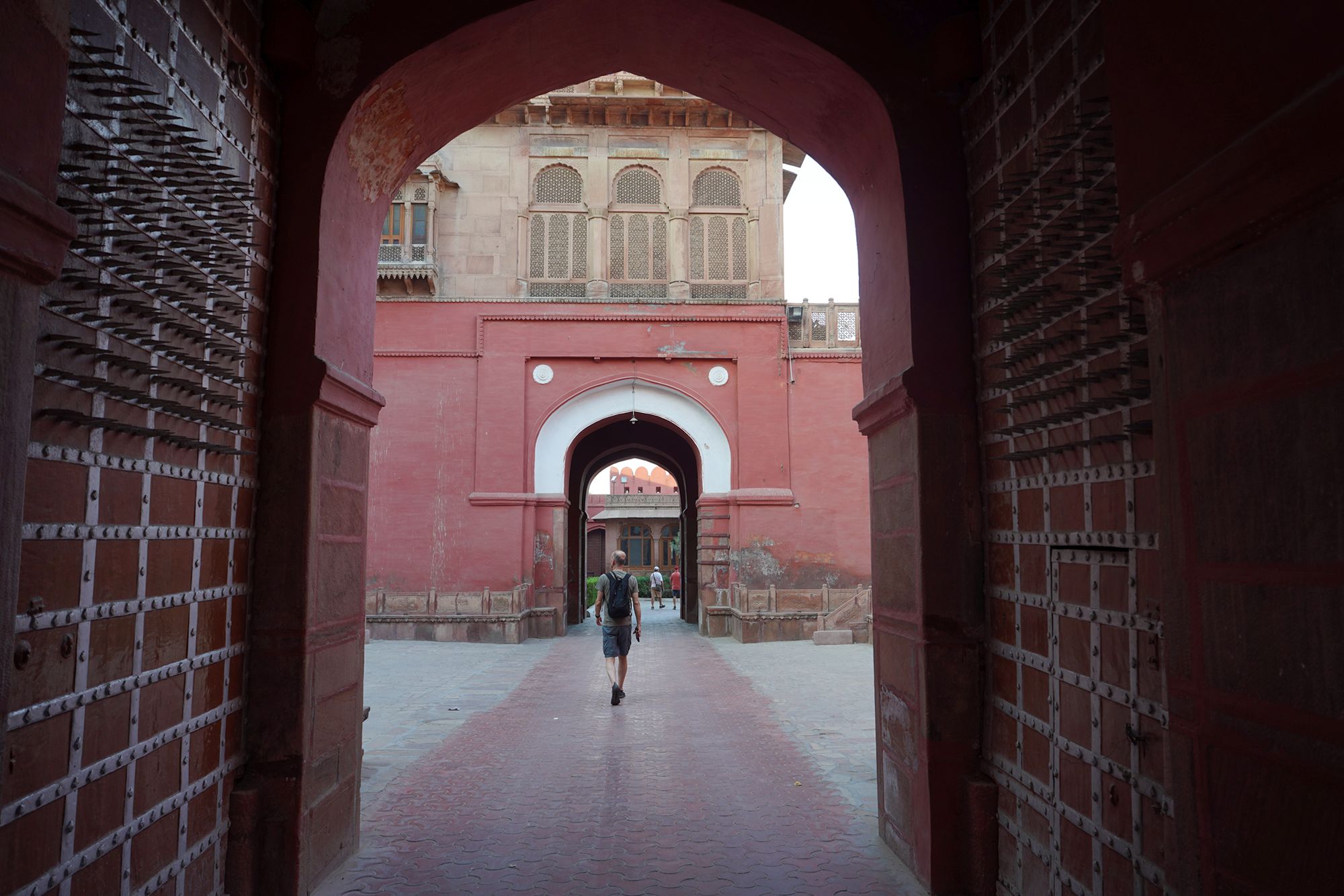
We entered another large inner courtyard, surrounded by the beautifully decorated palace buildings of Junagarh Fort.
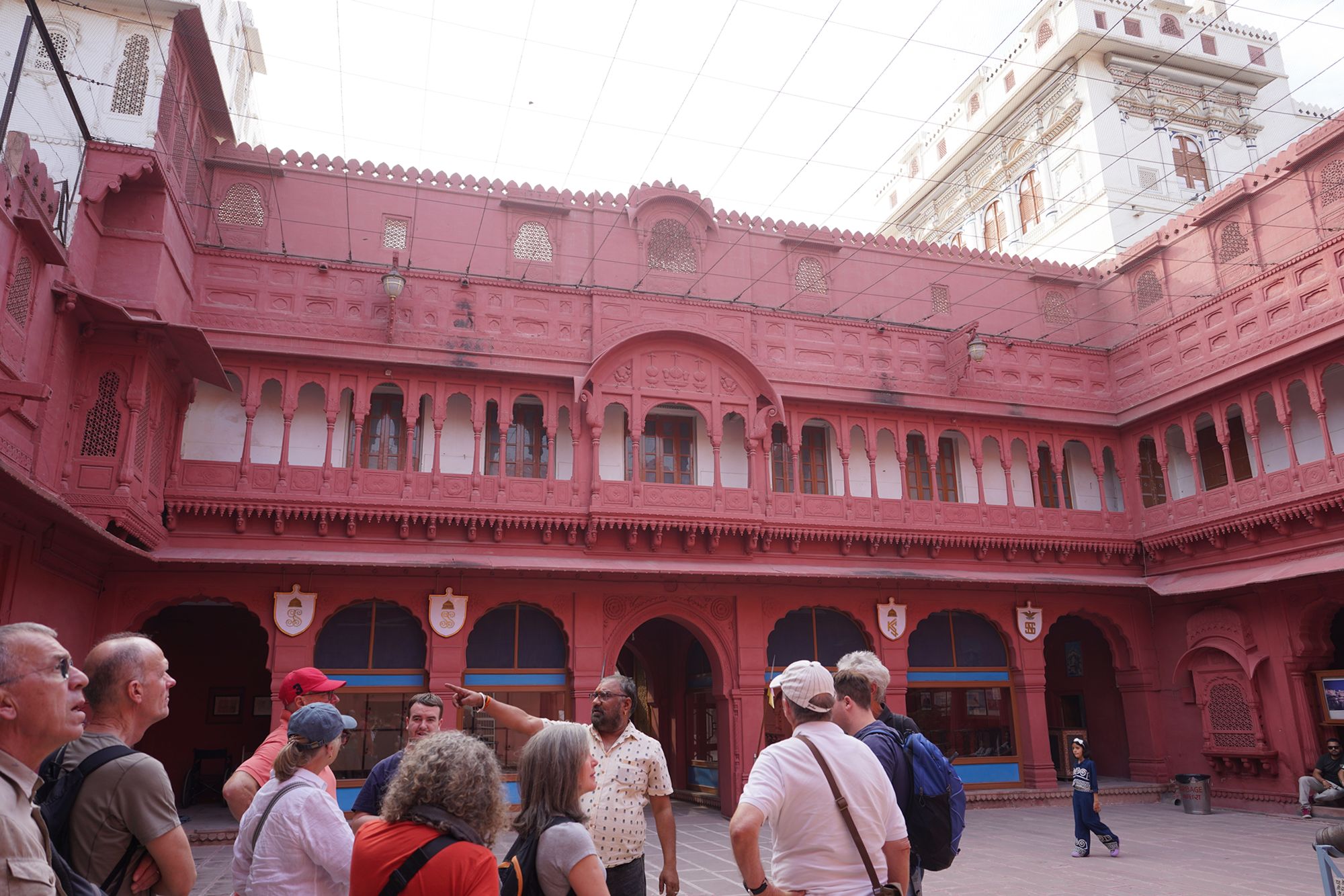
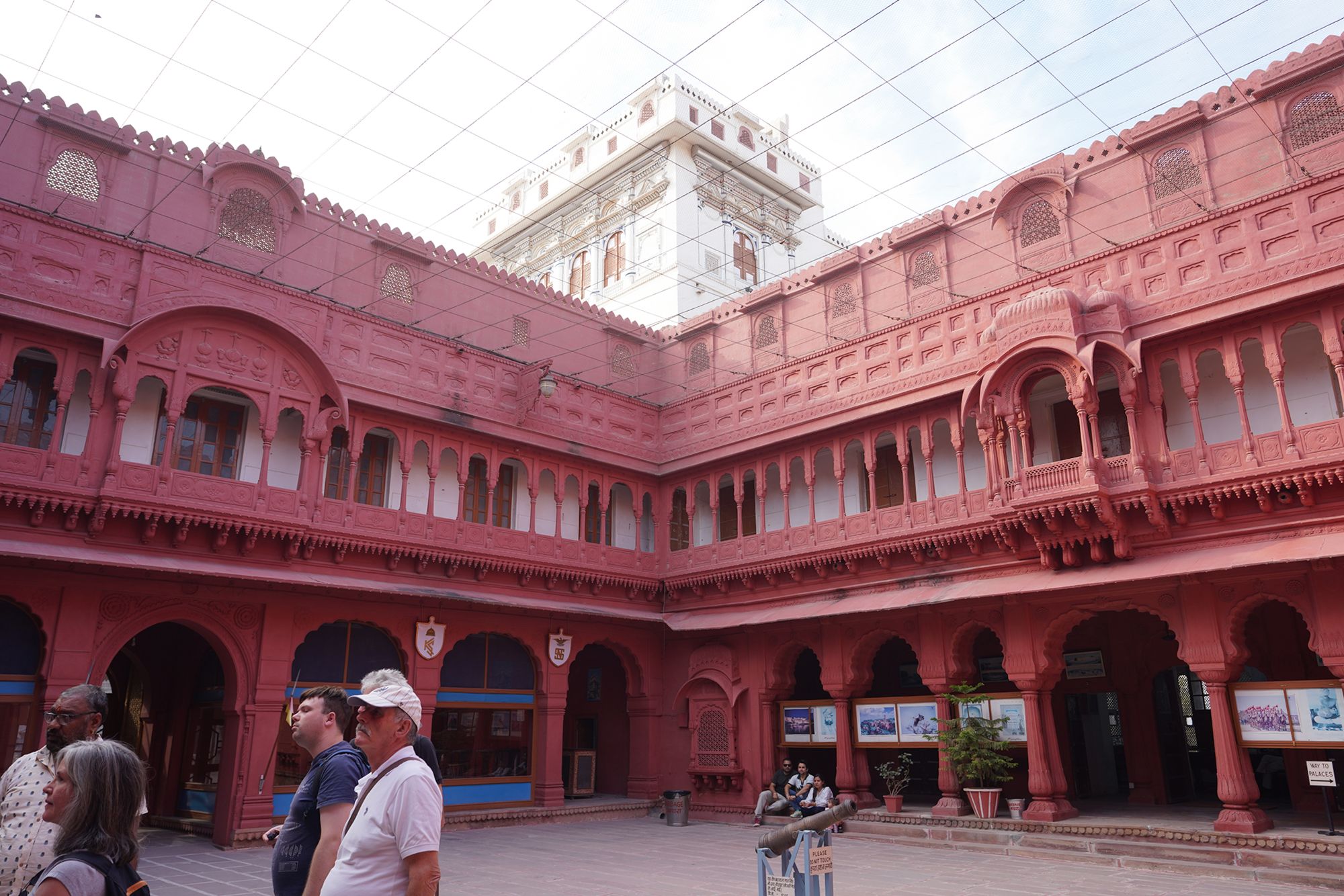
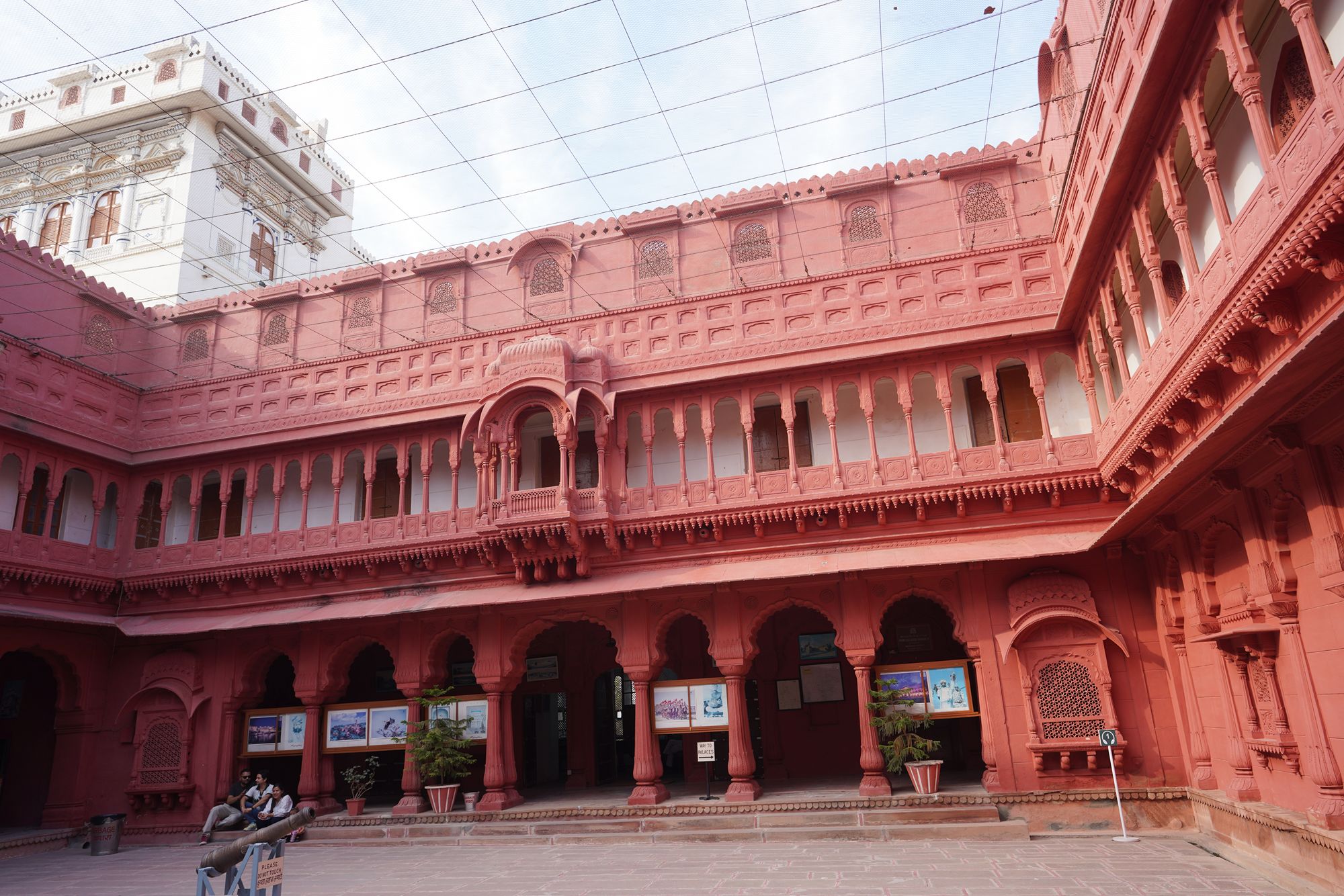
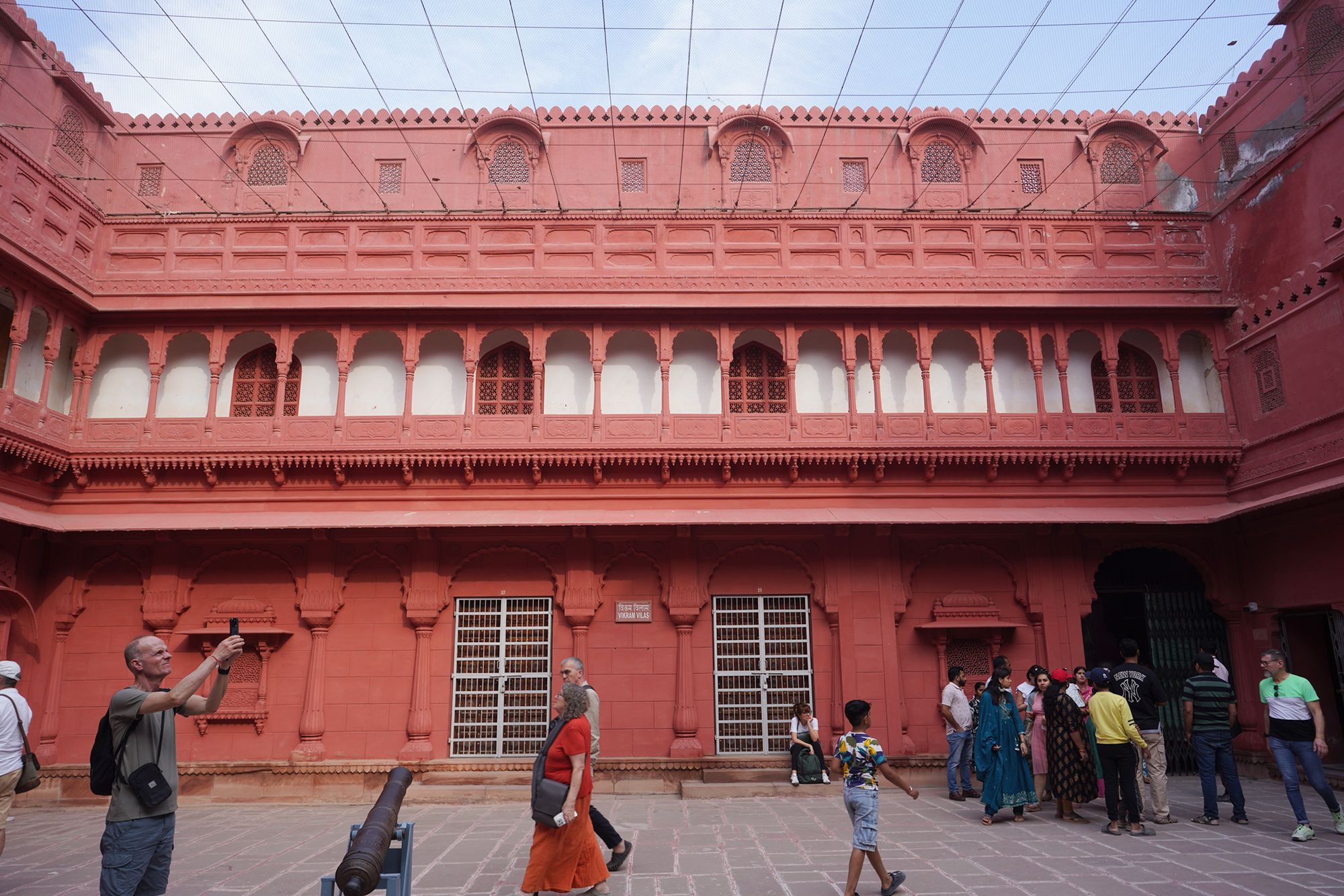
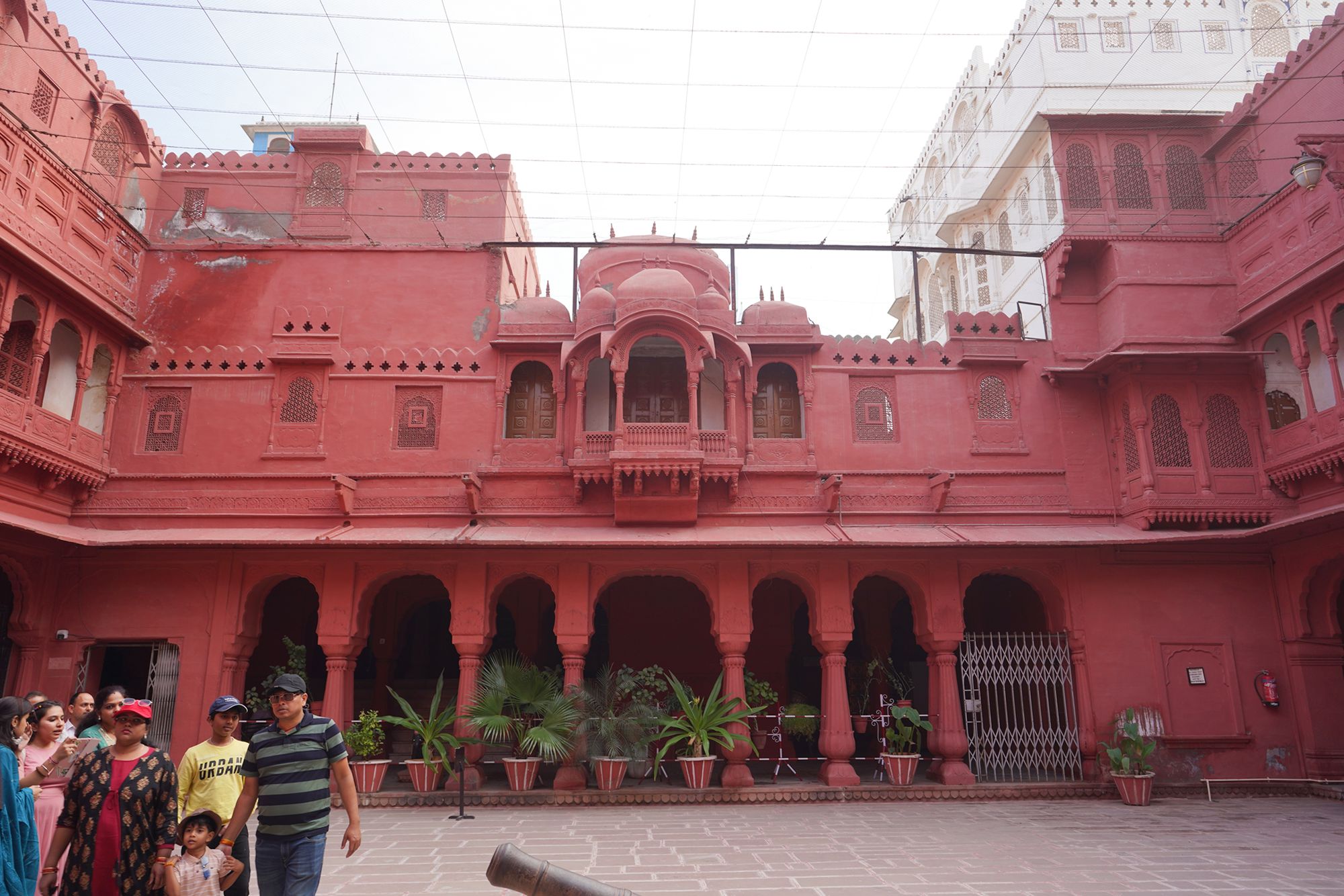
Today, many of the former royal buildings and rooms inside Junagarh Fort are used mainly as museums displaying artifacts from Bikaner’s royal history.
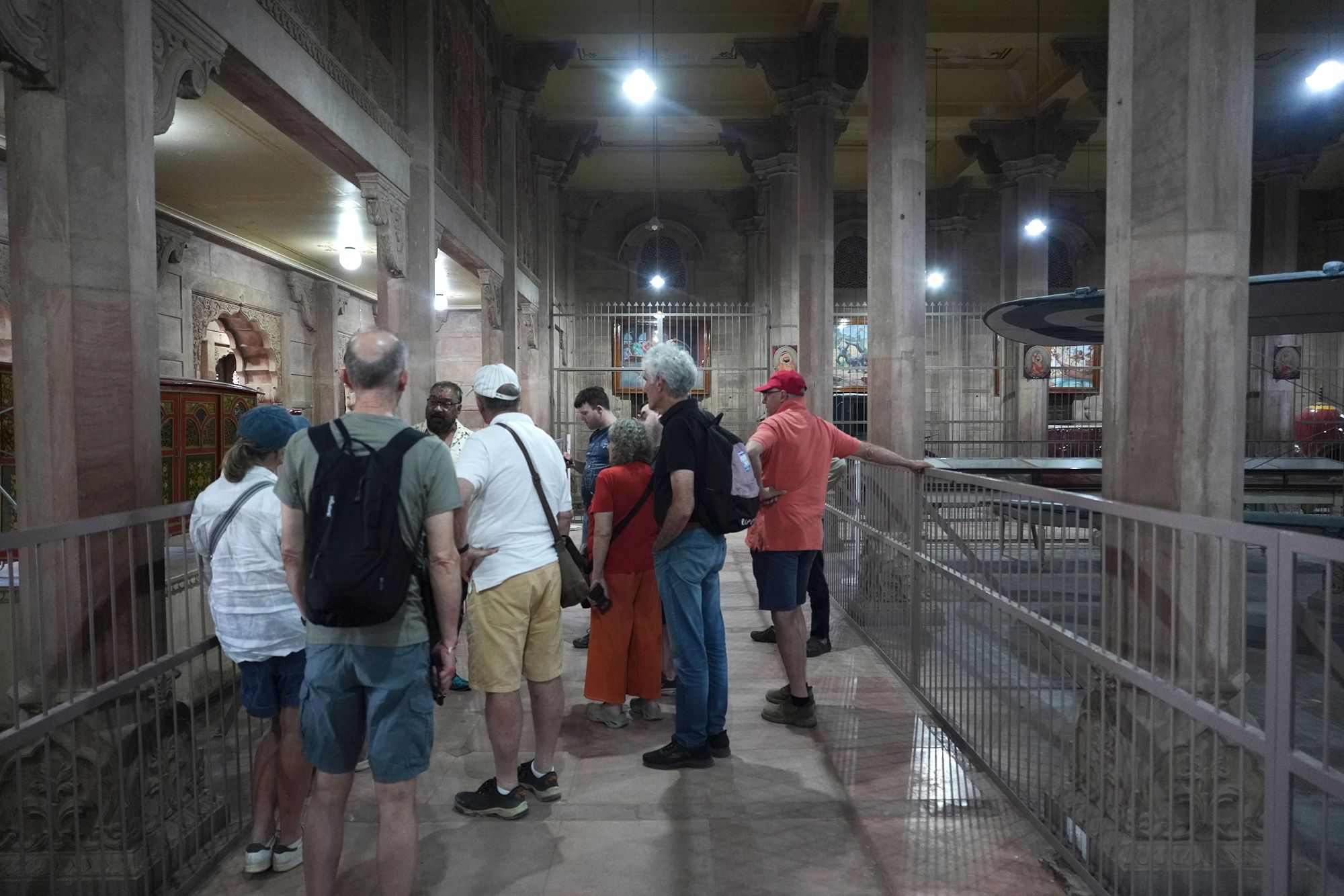
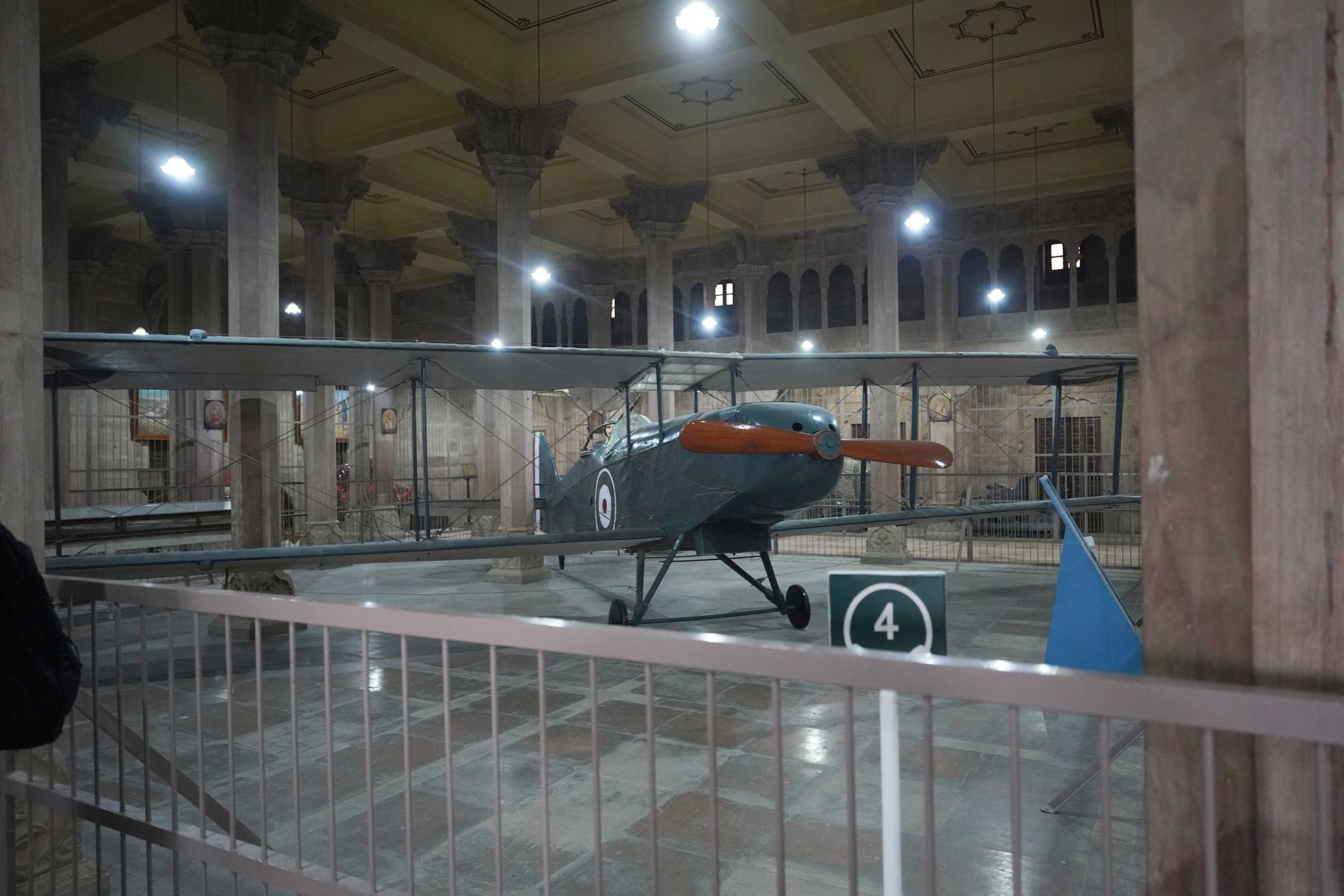
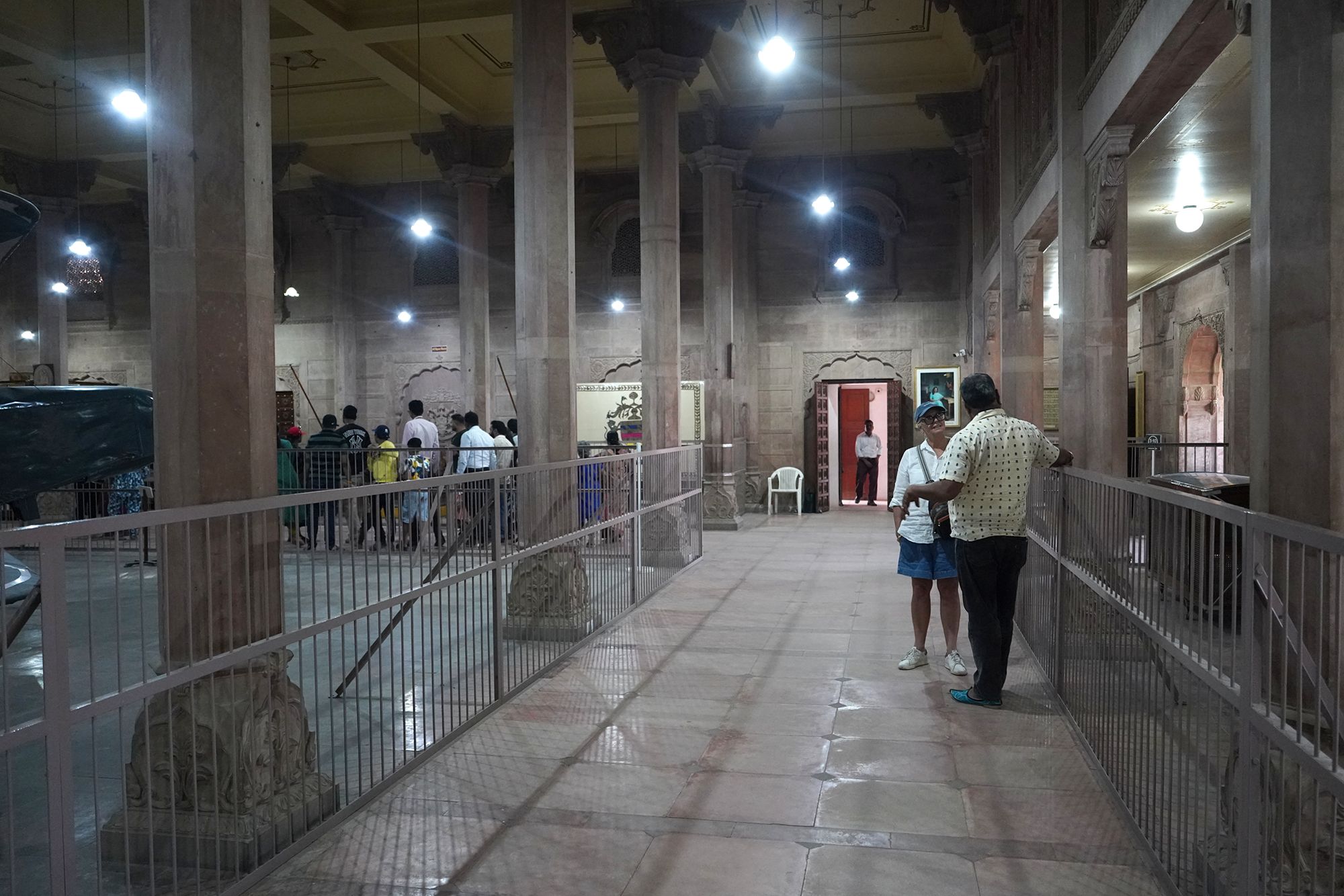
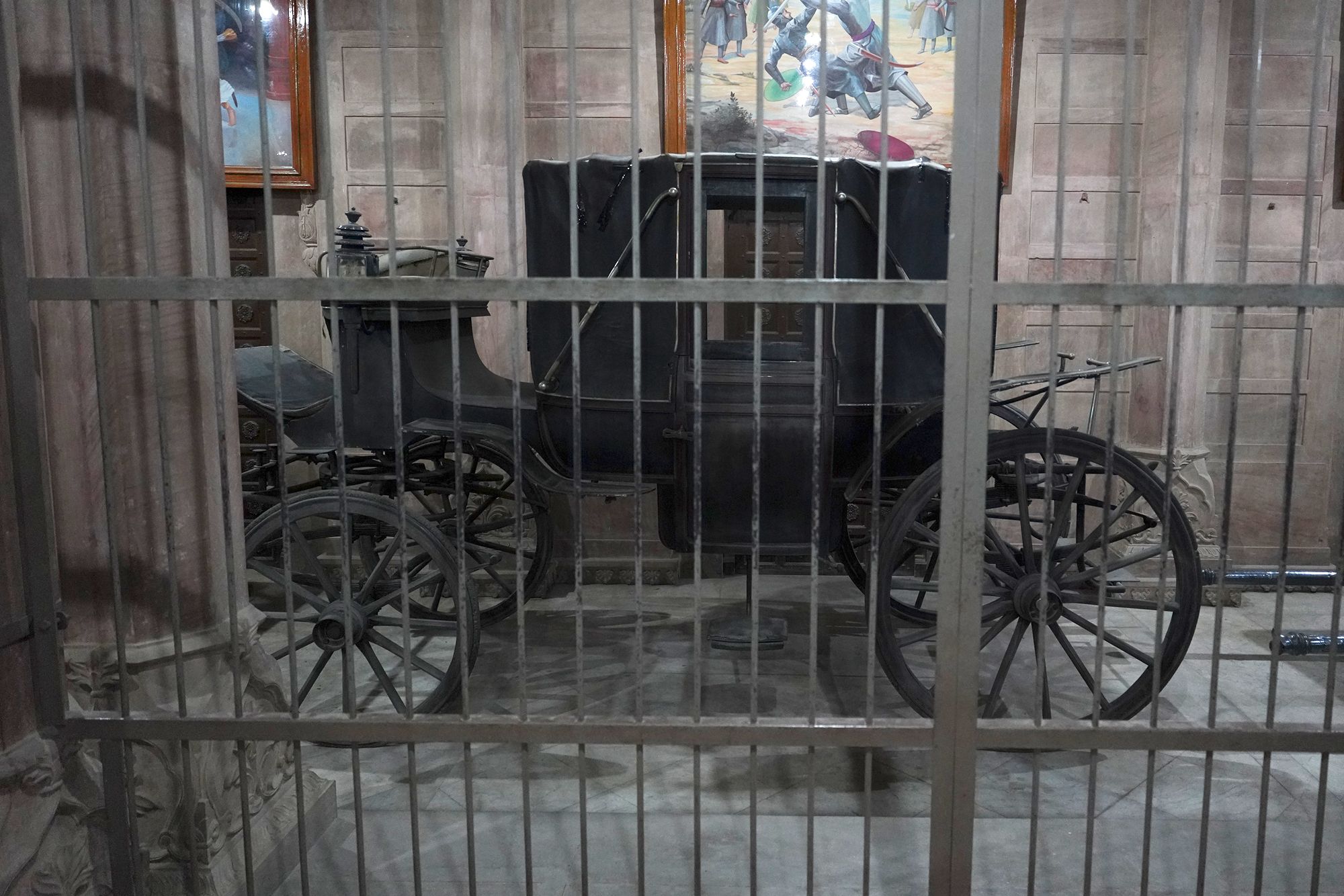
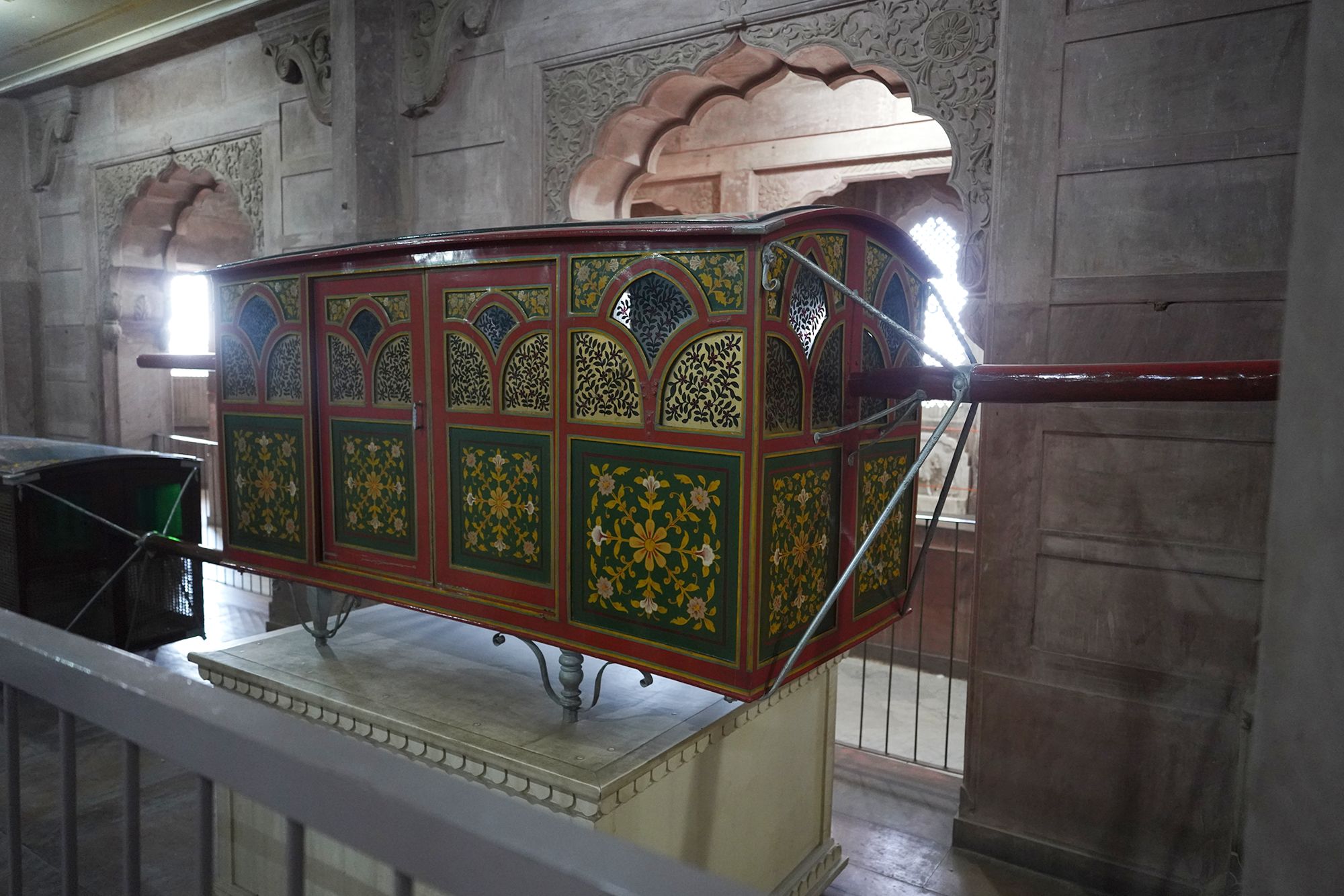
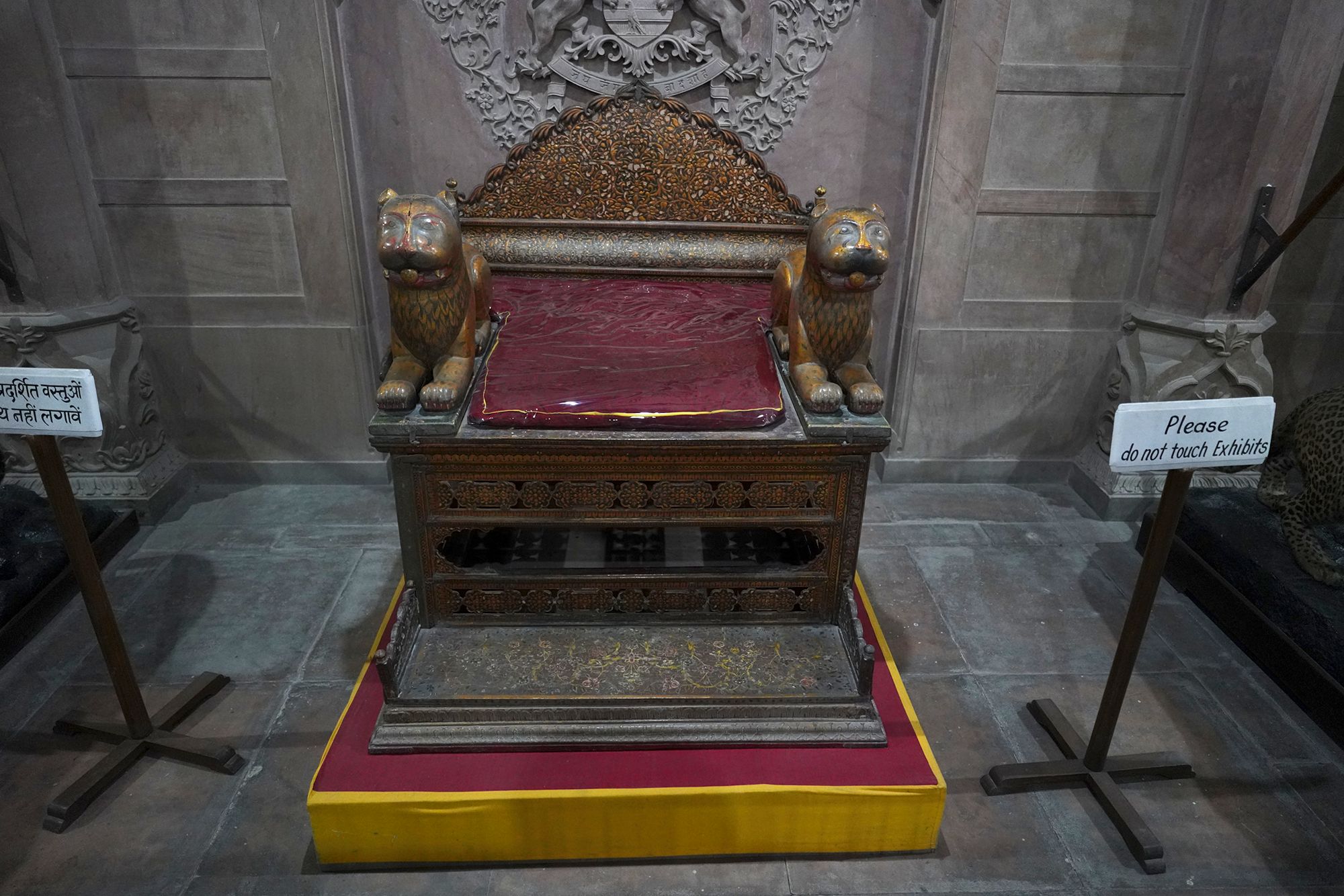
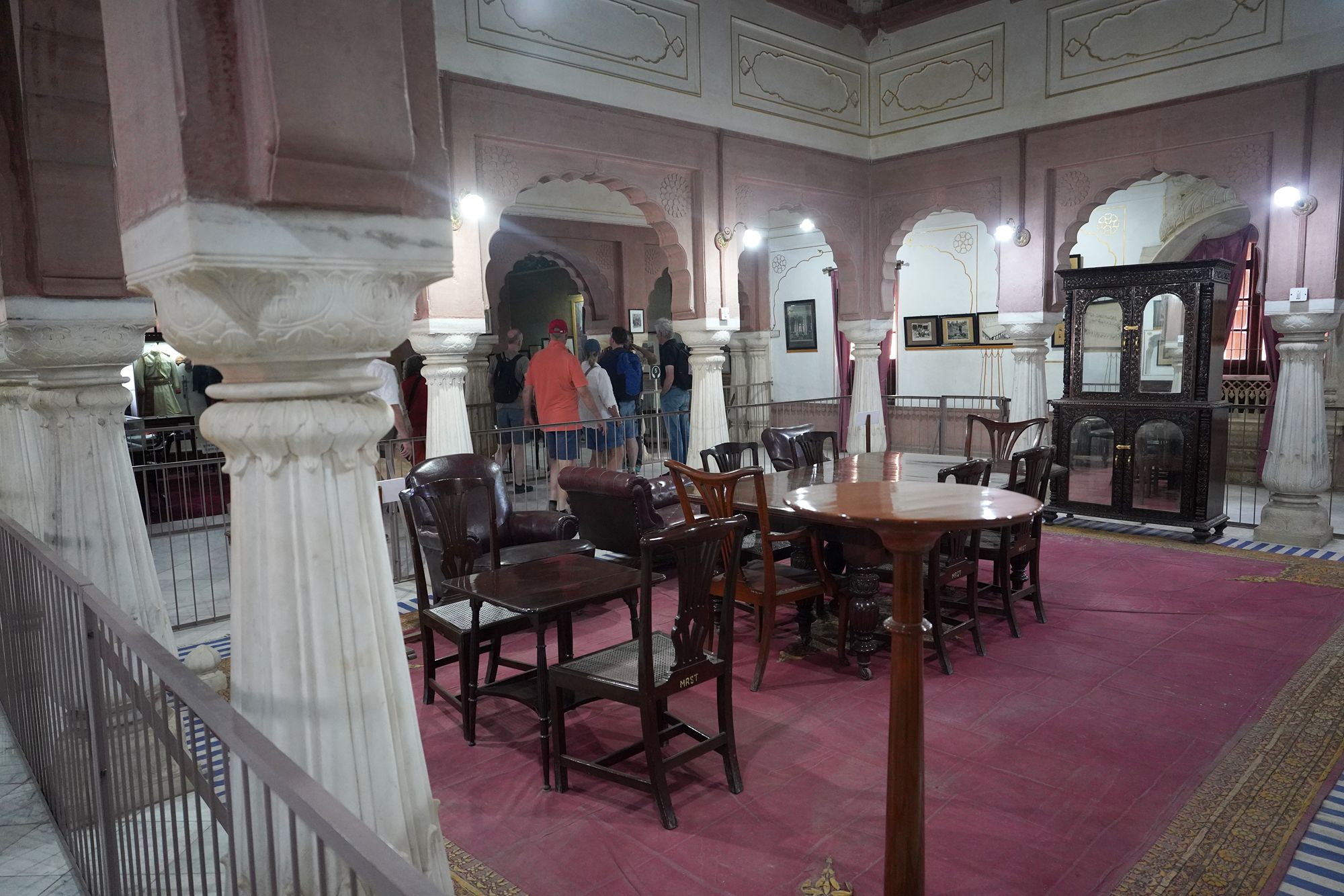
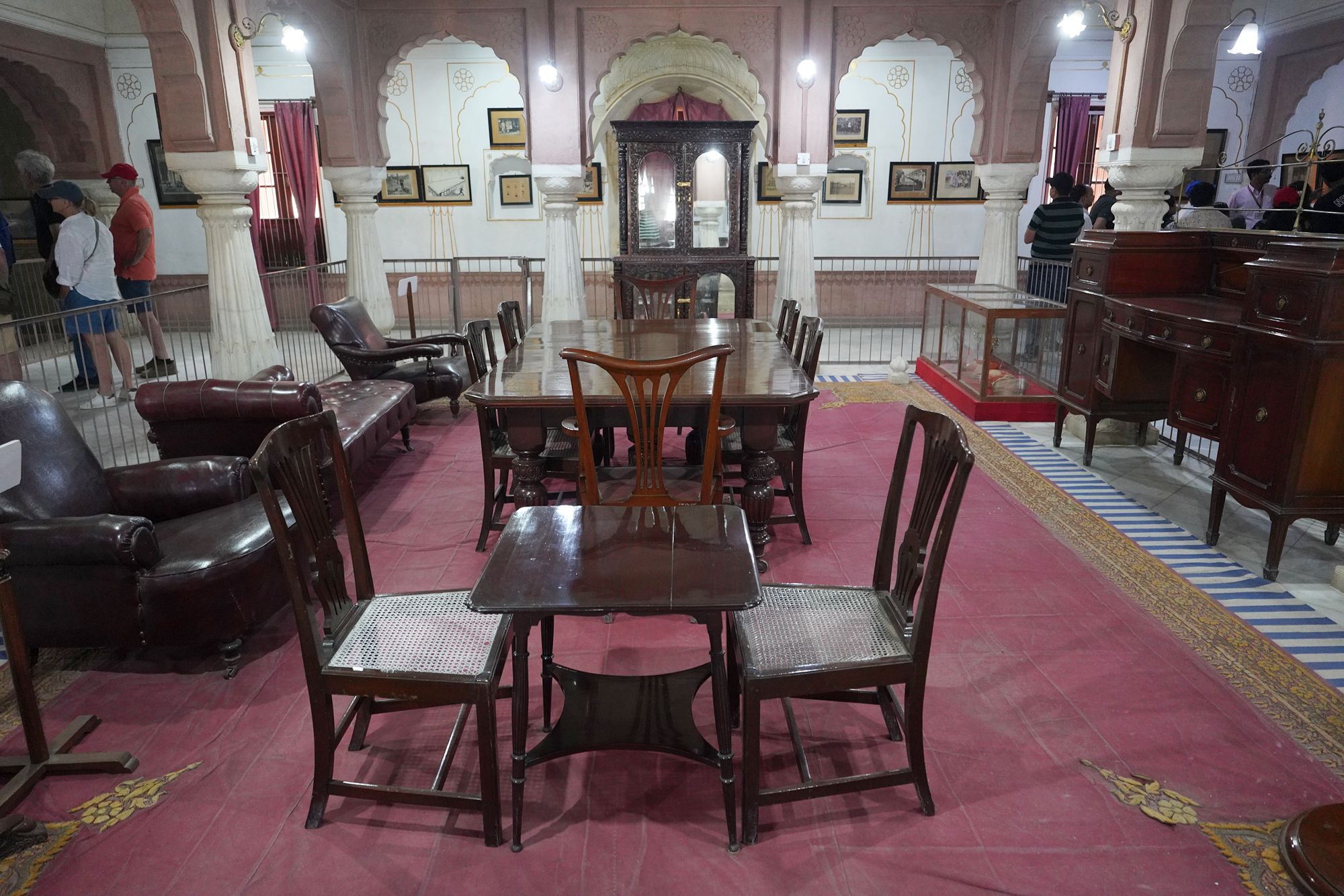
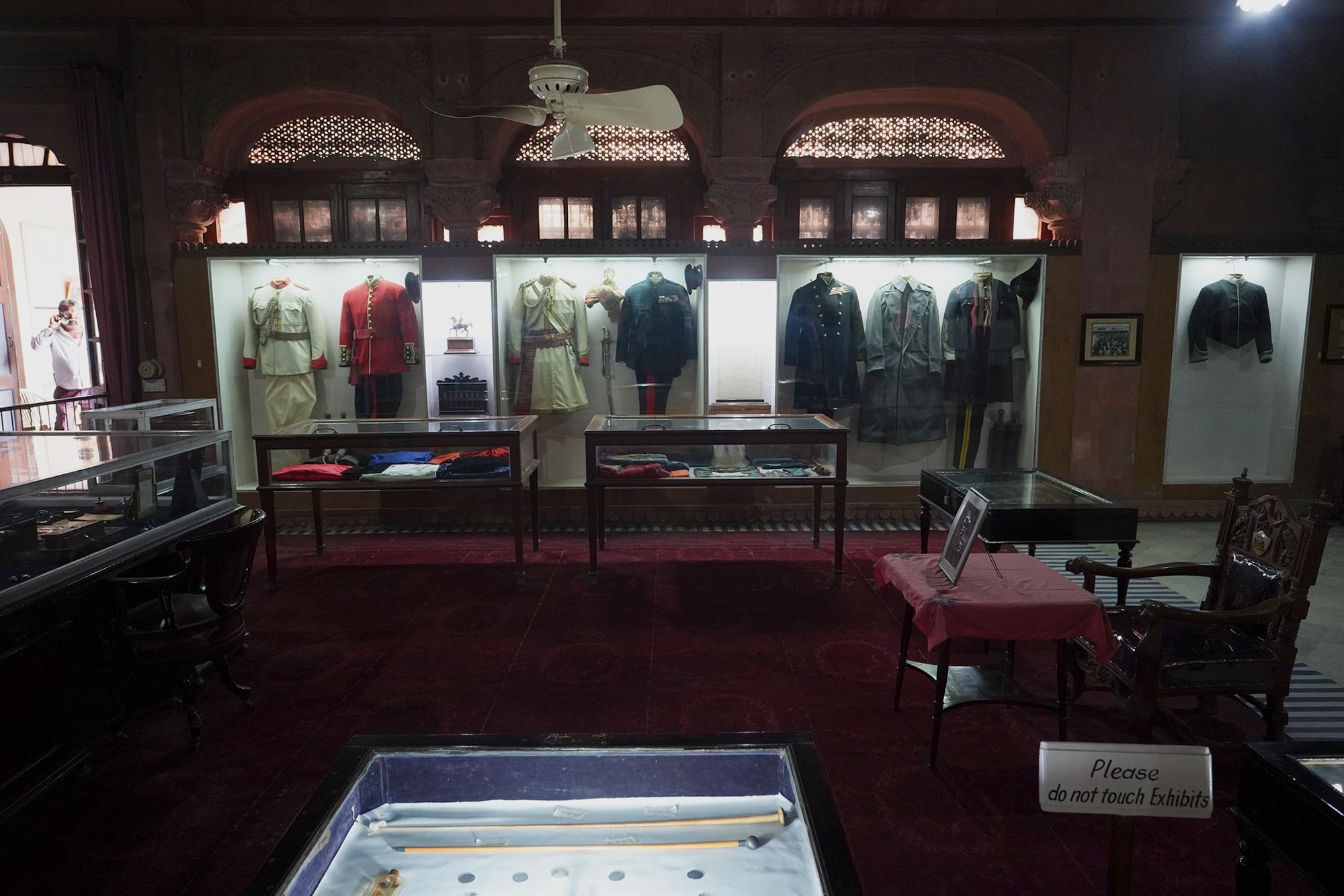
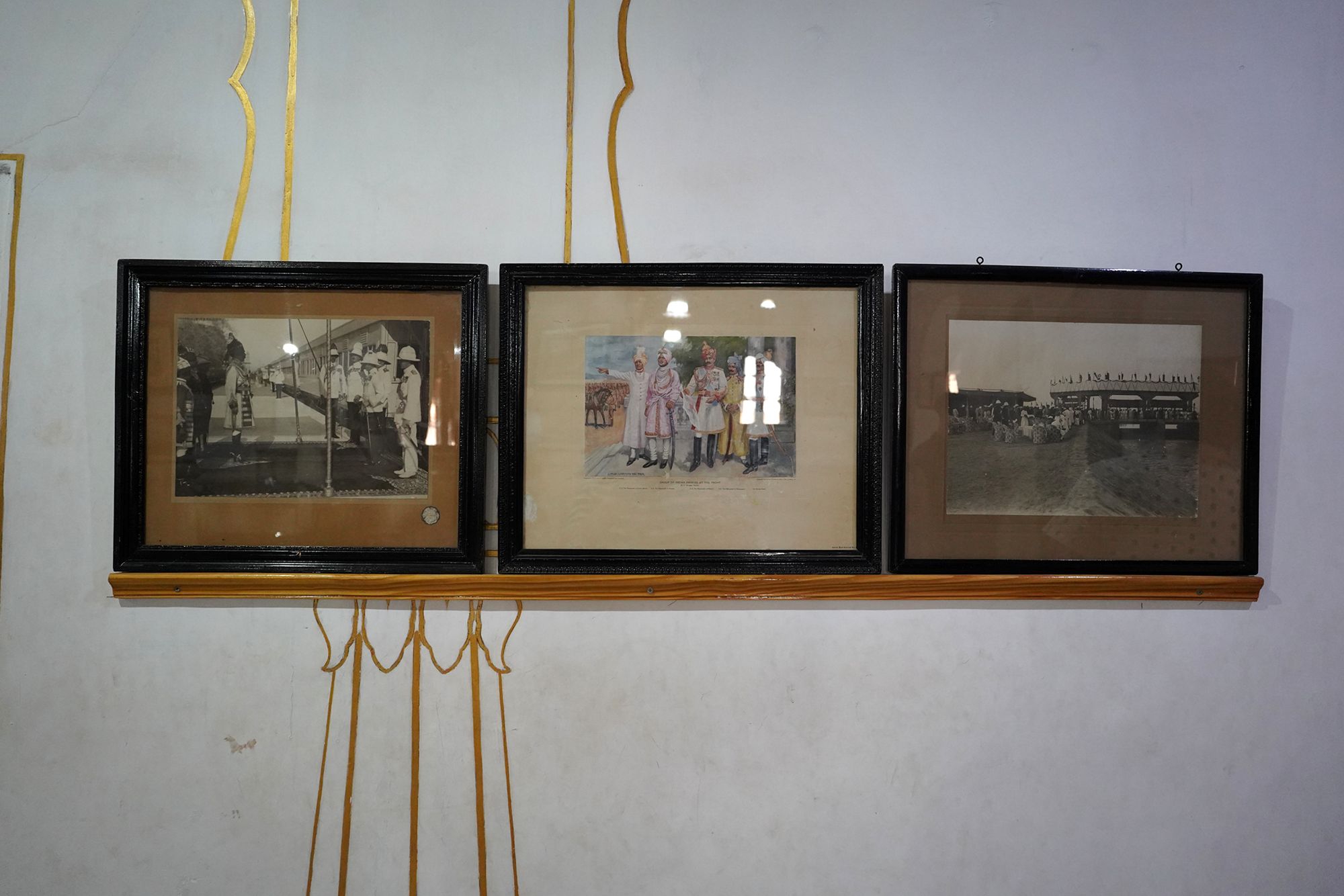
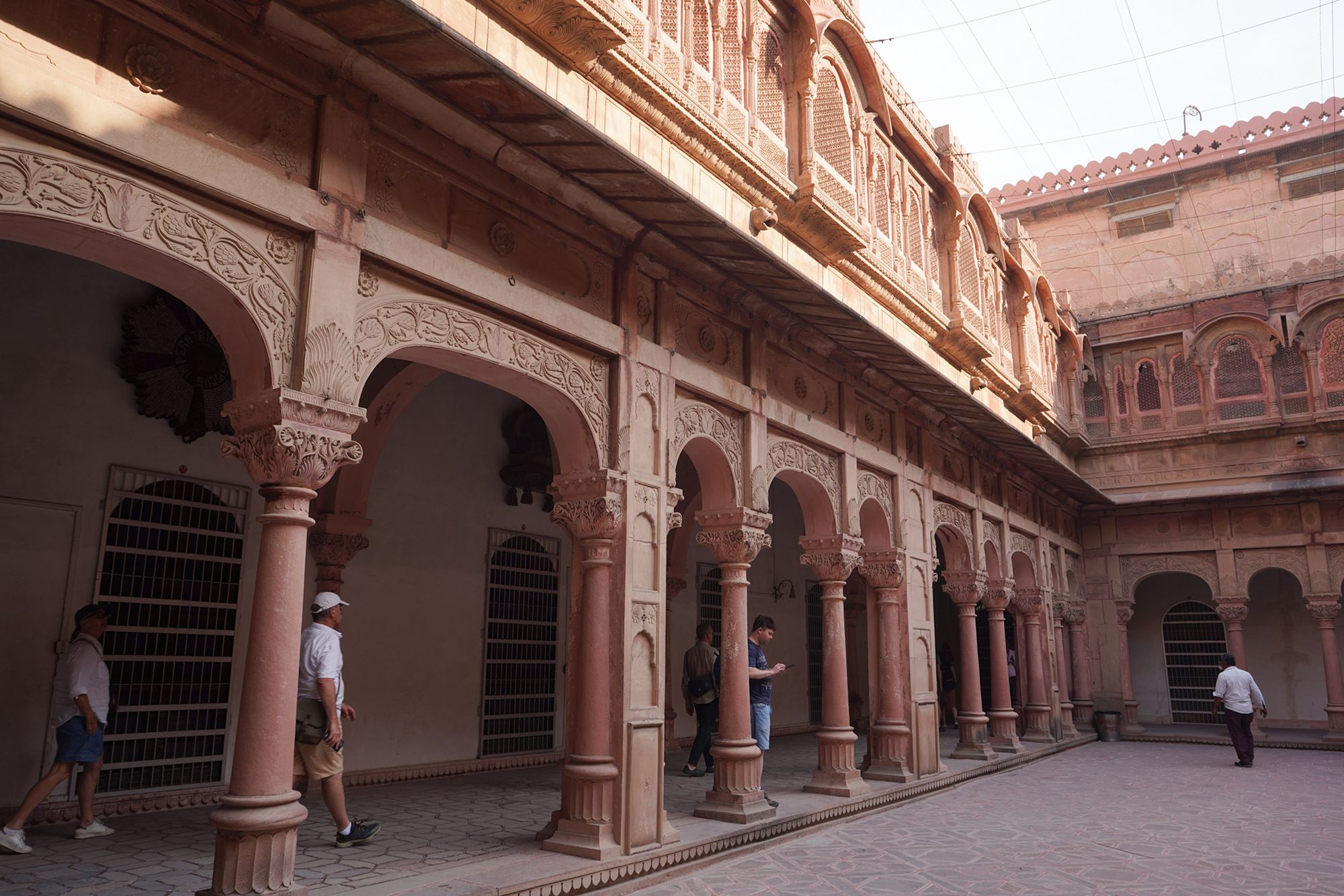
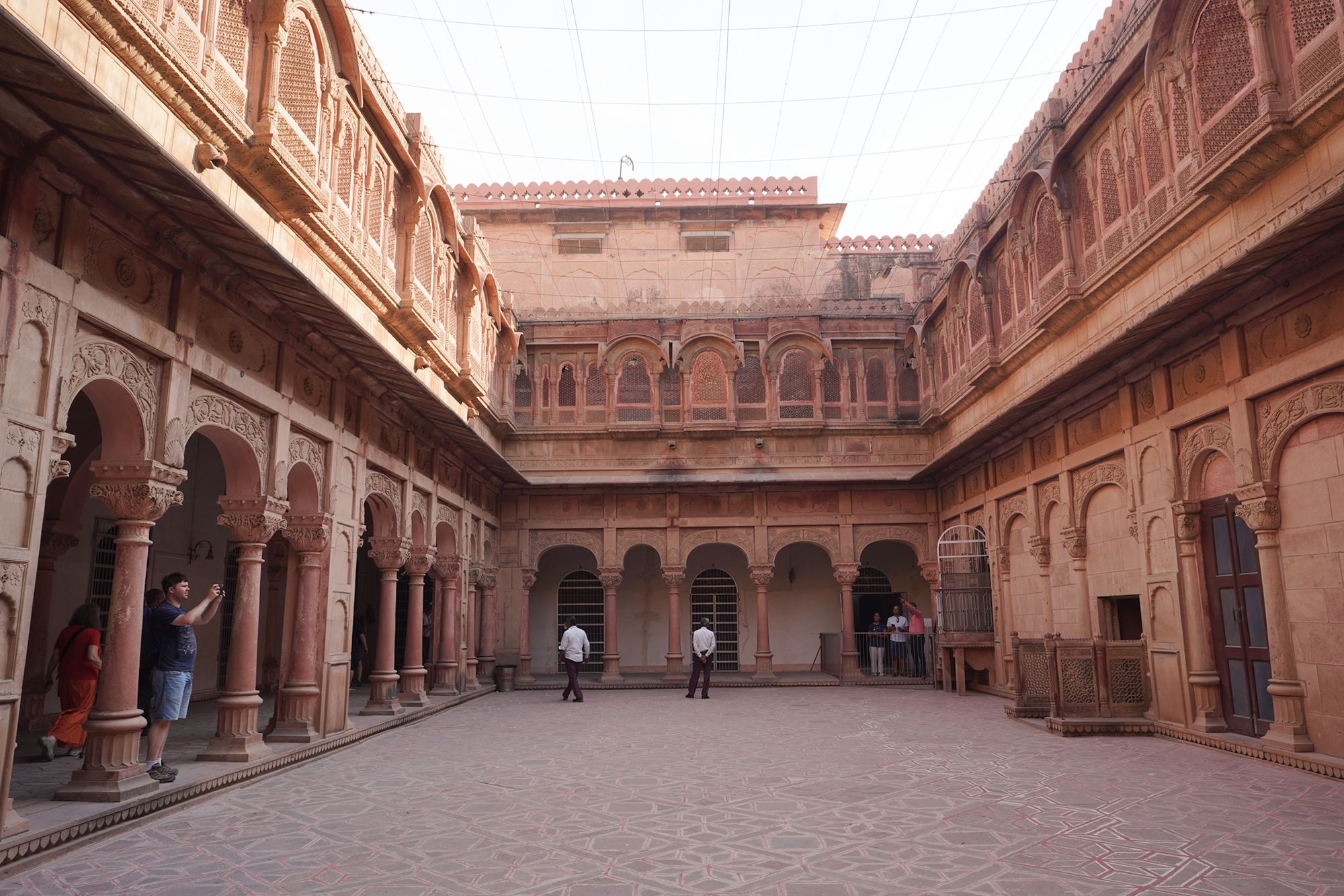
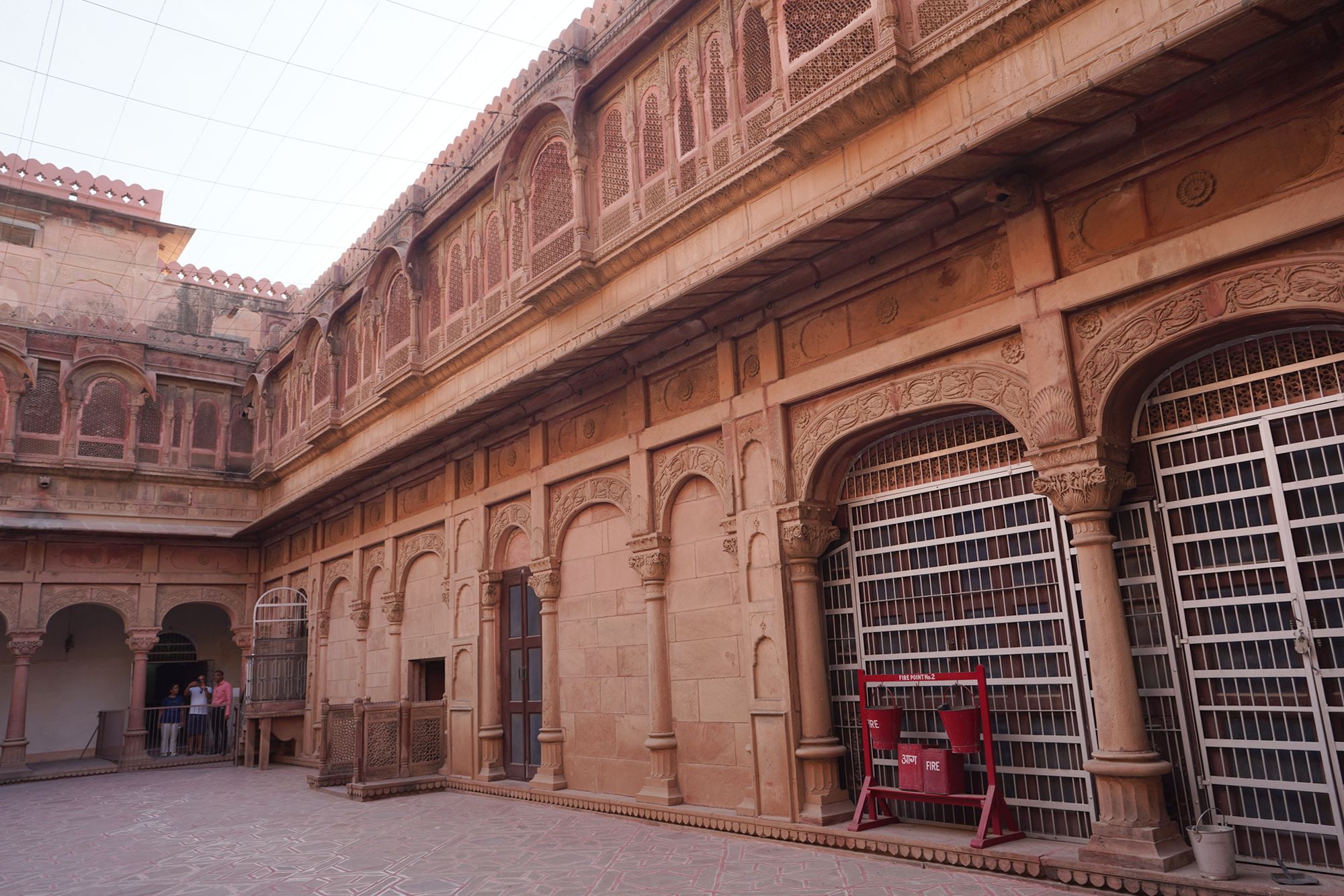
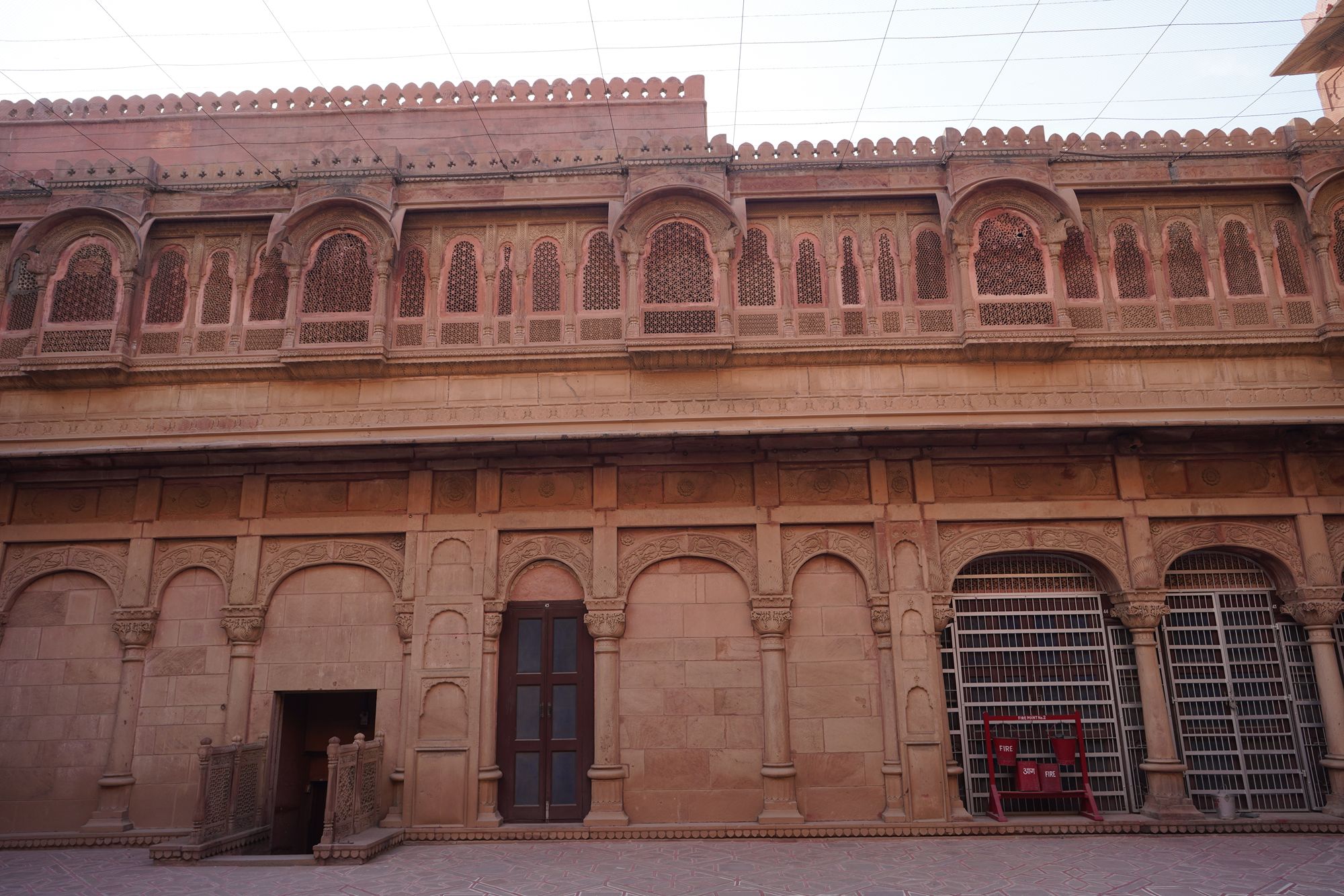
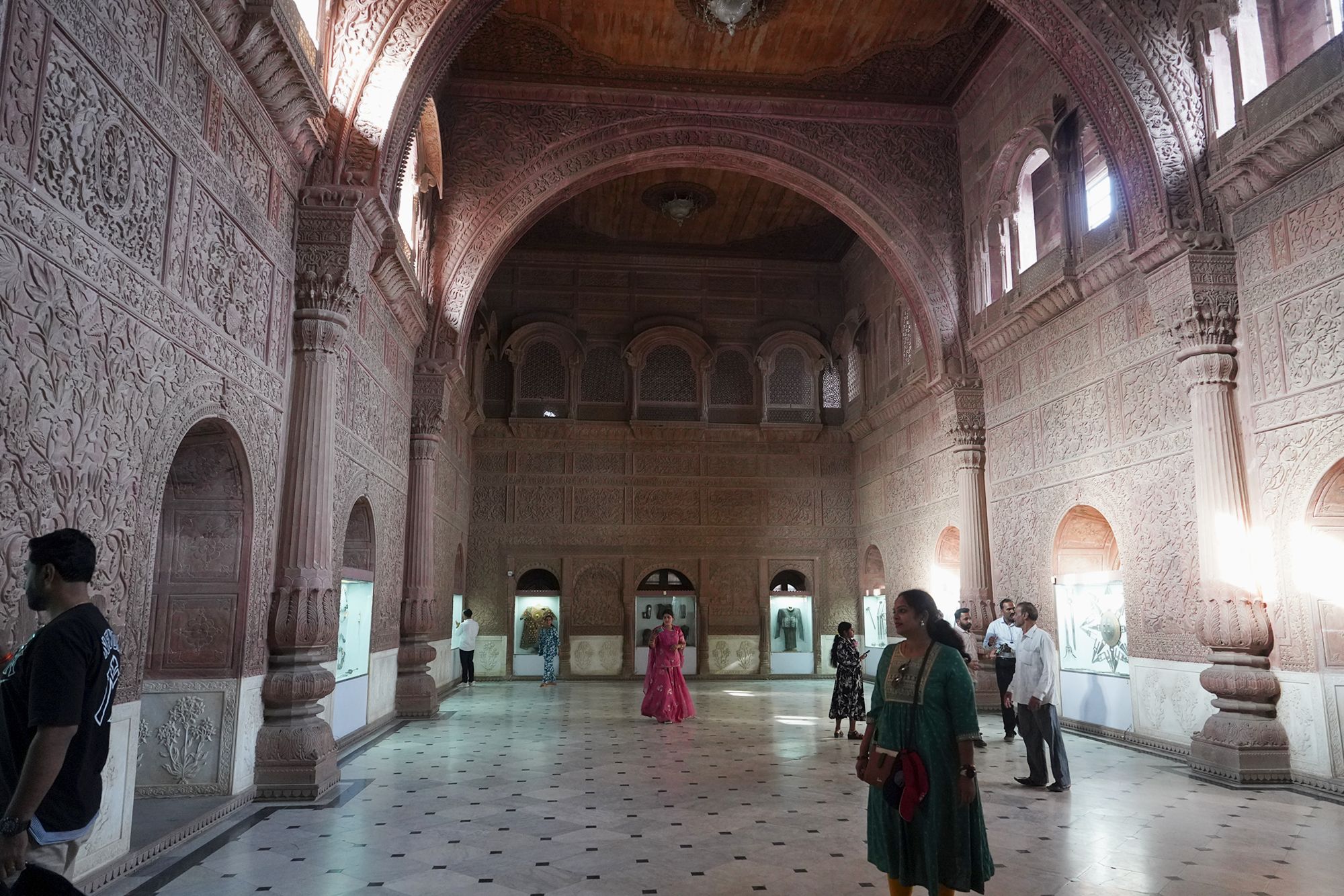
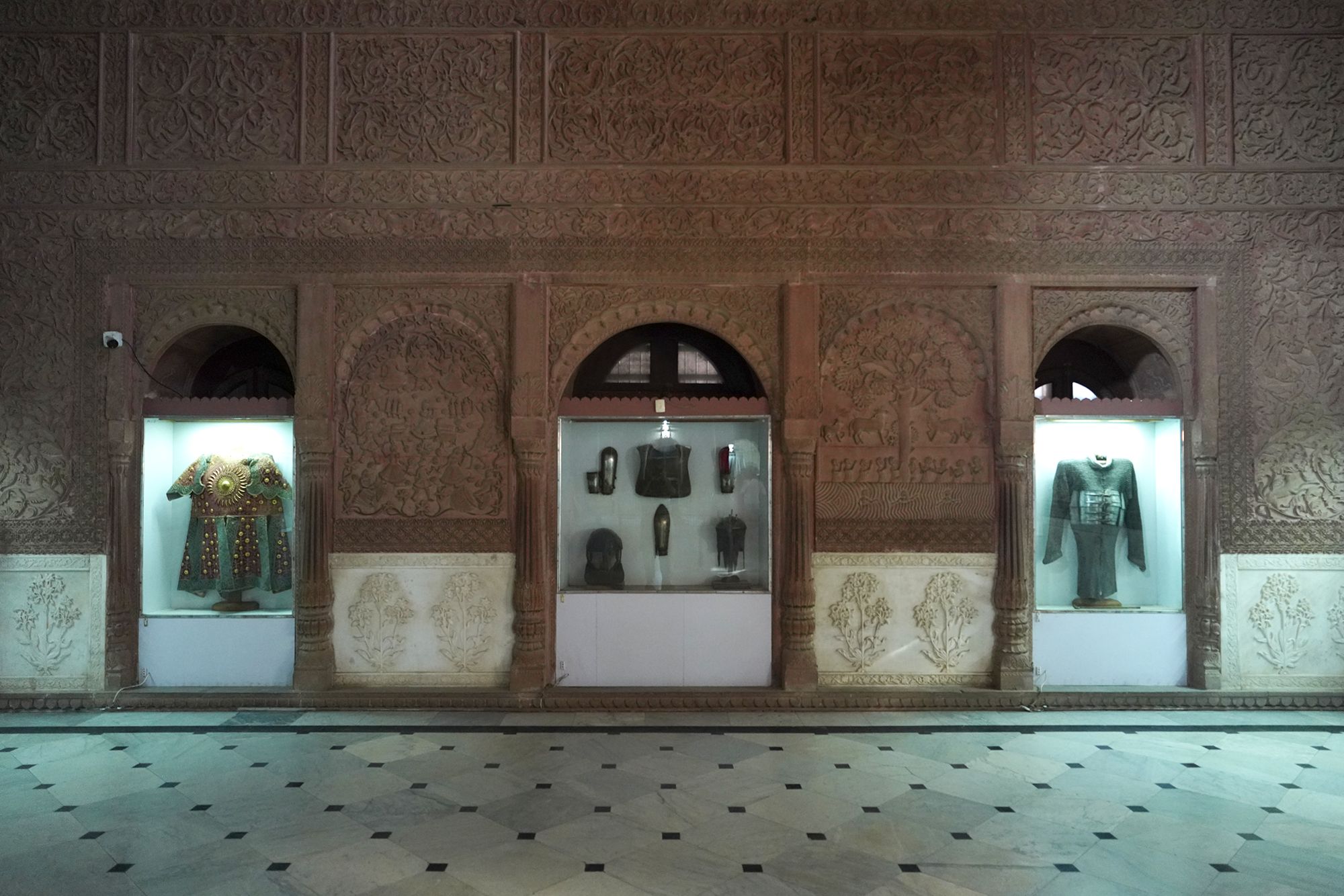
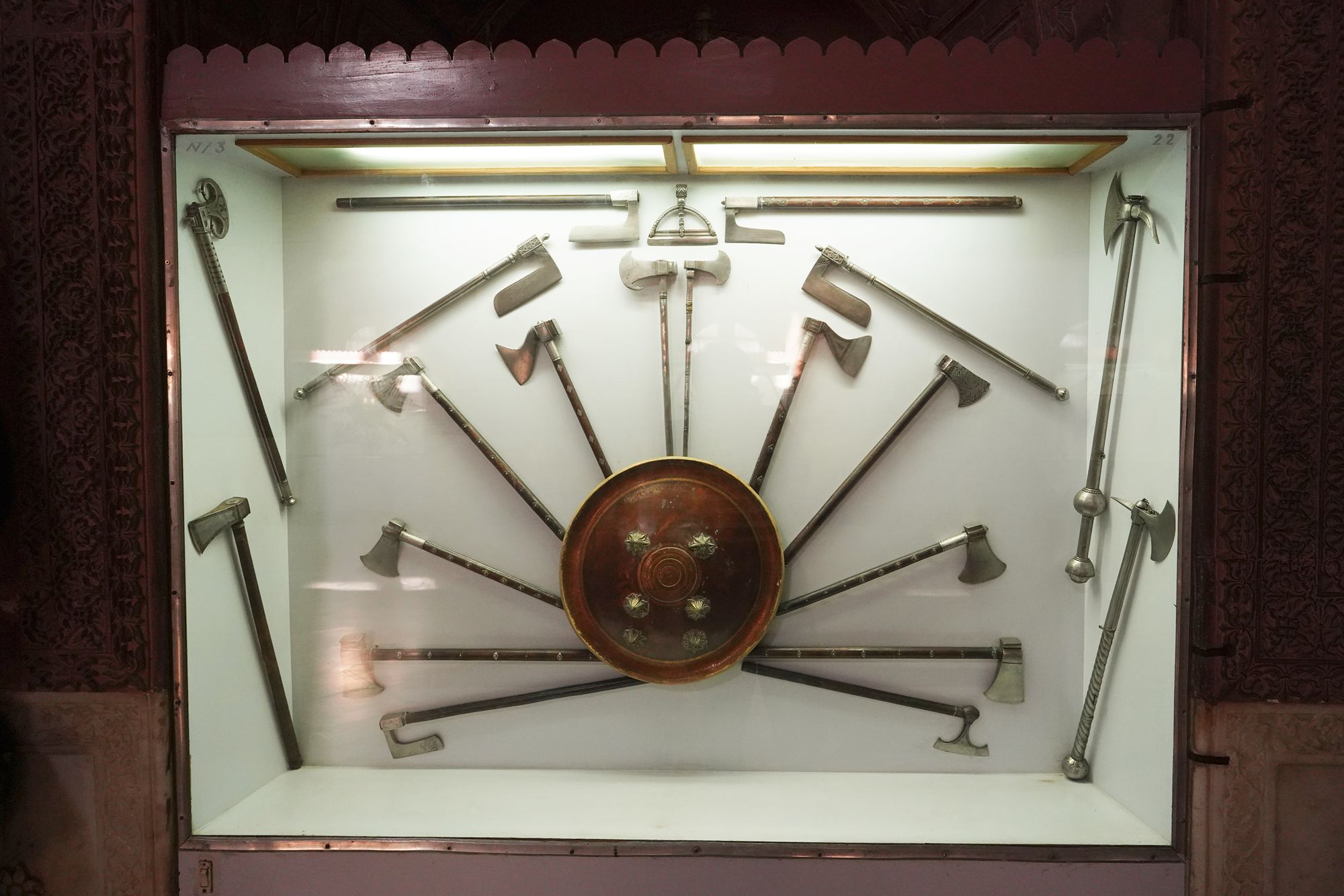
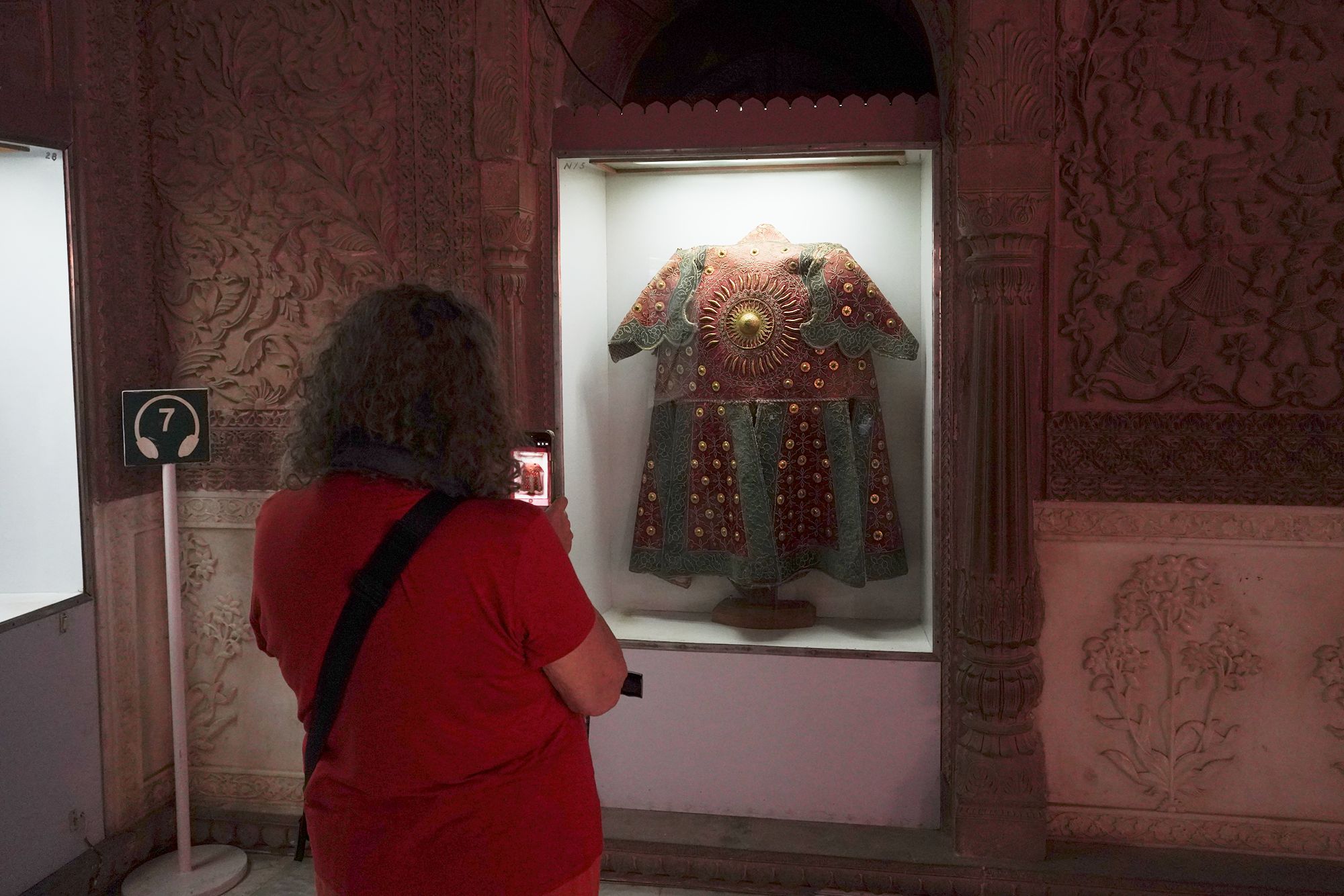
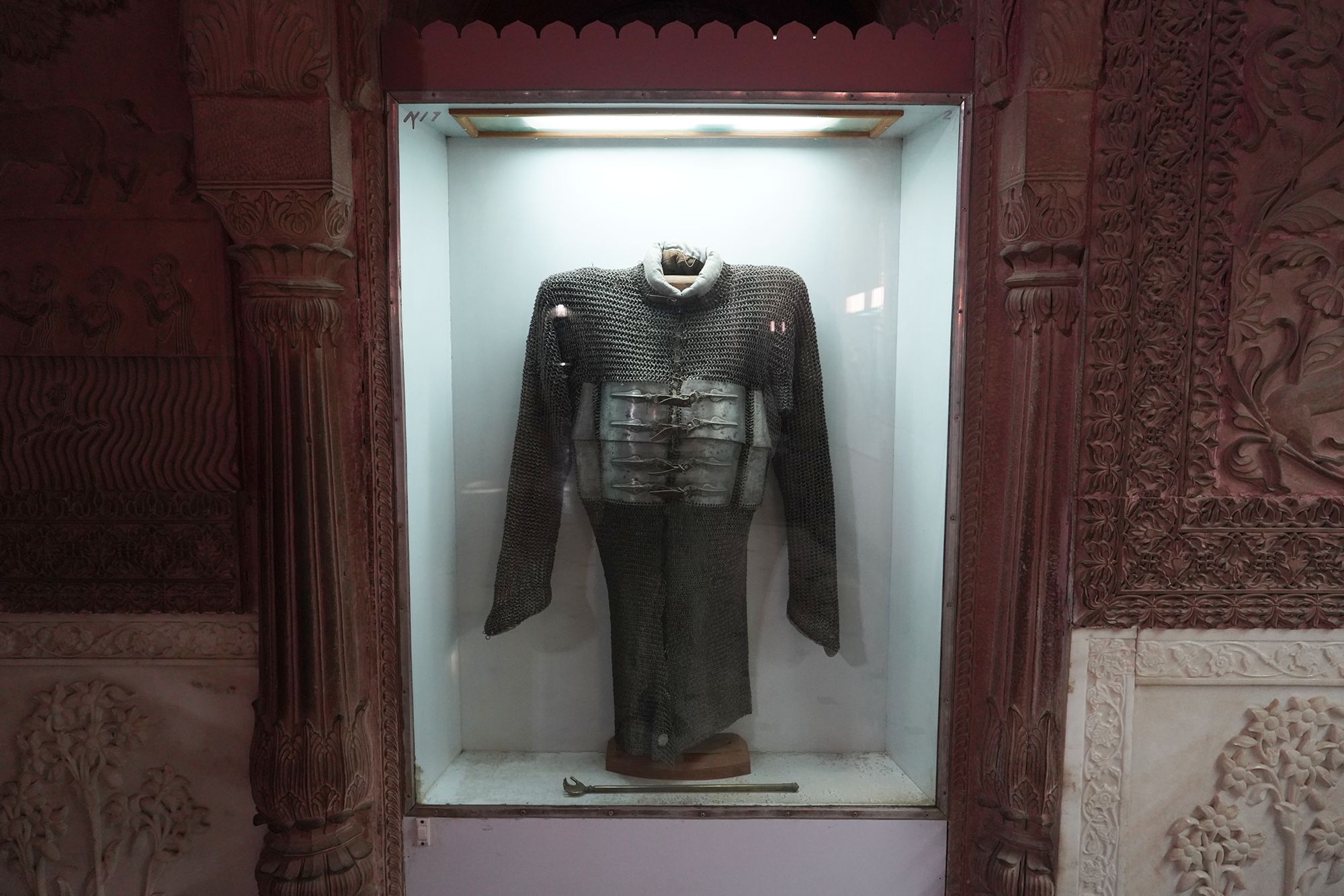
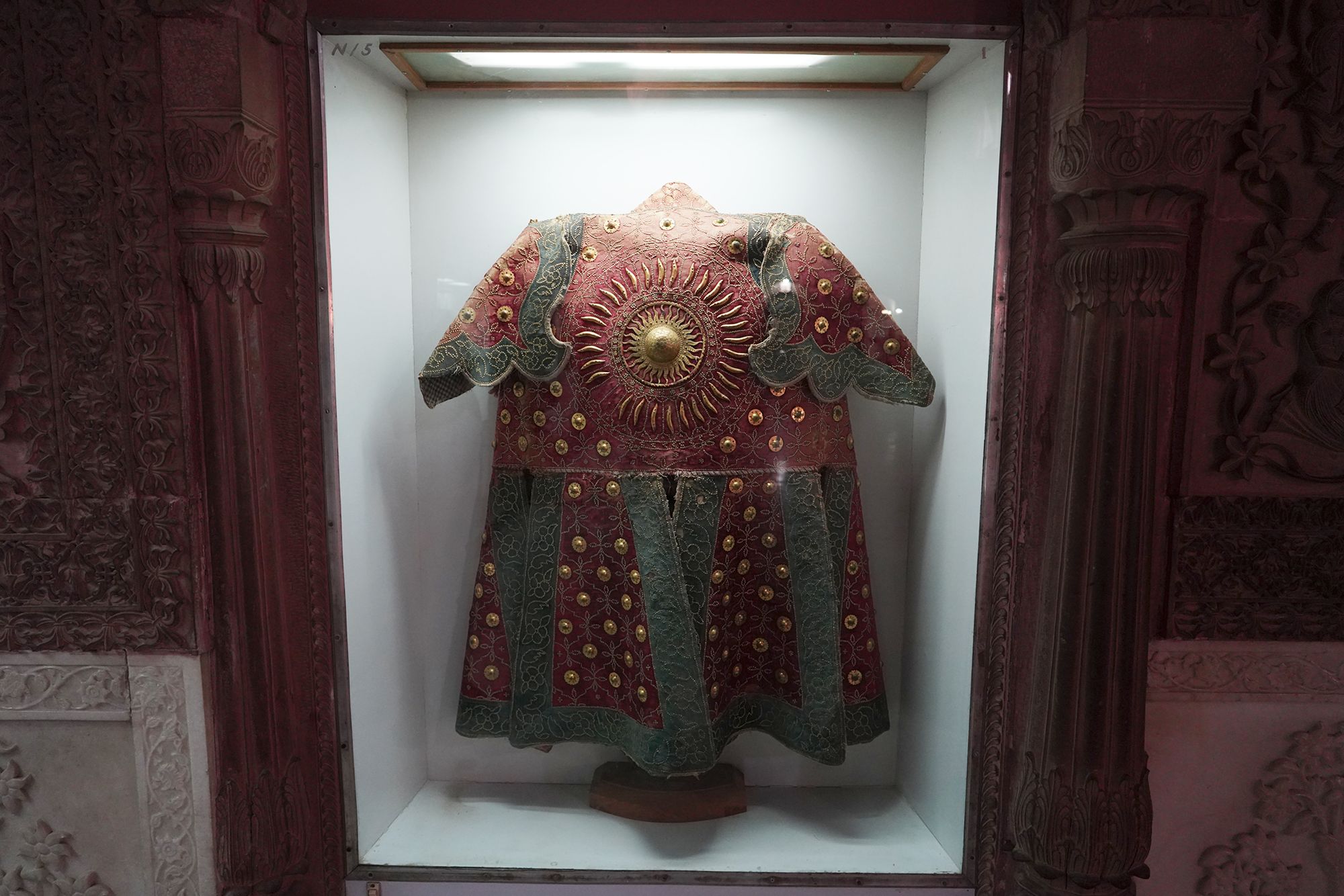
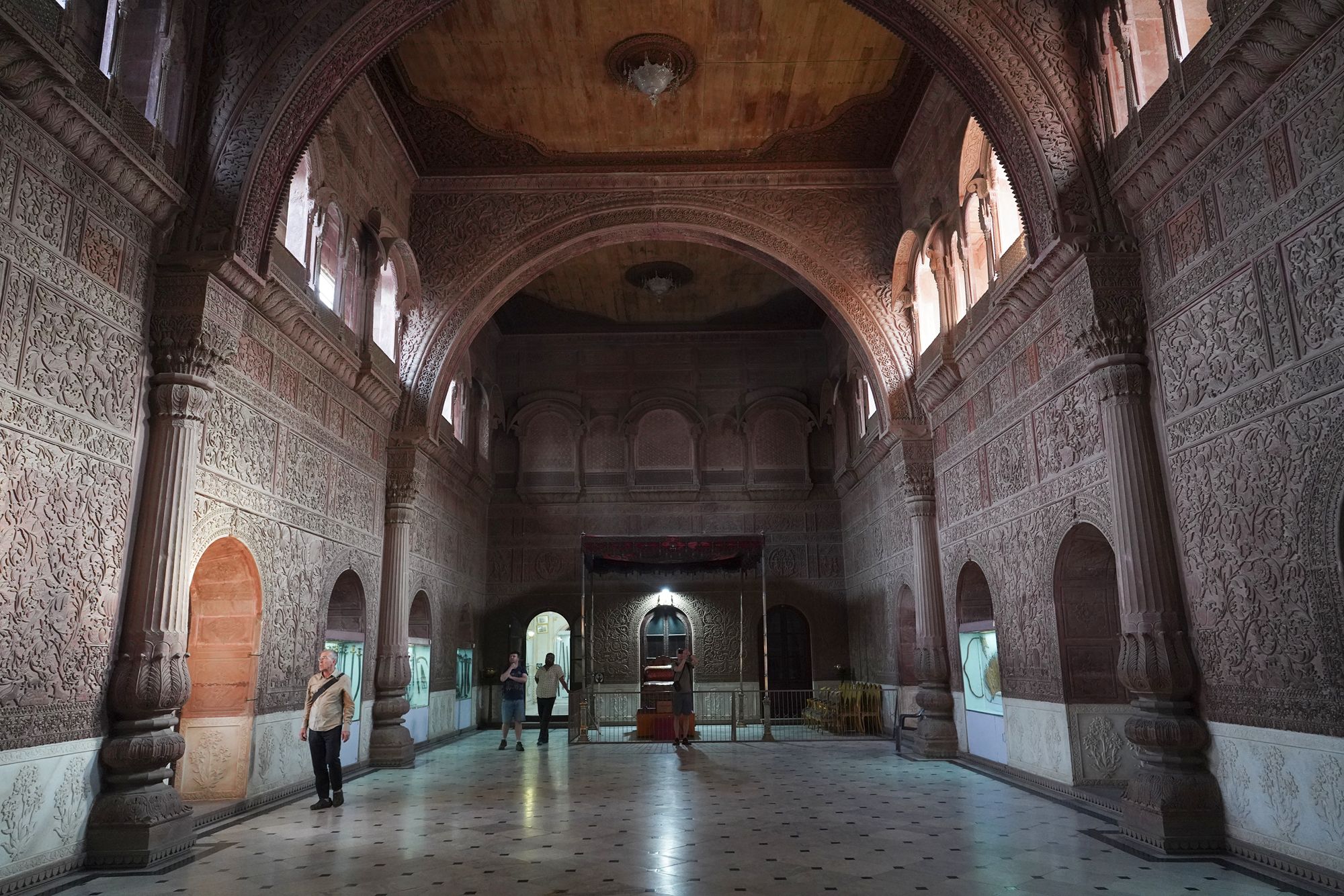
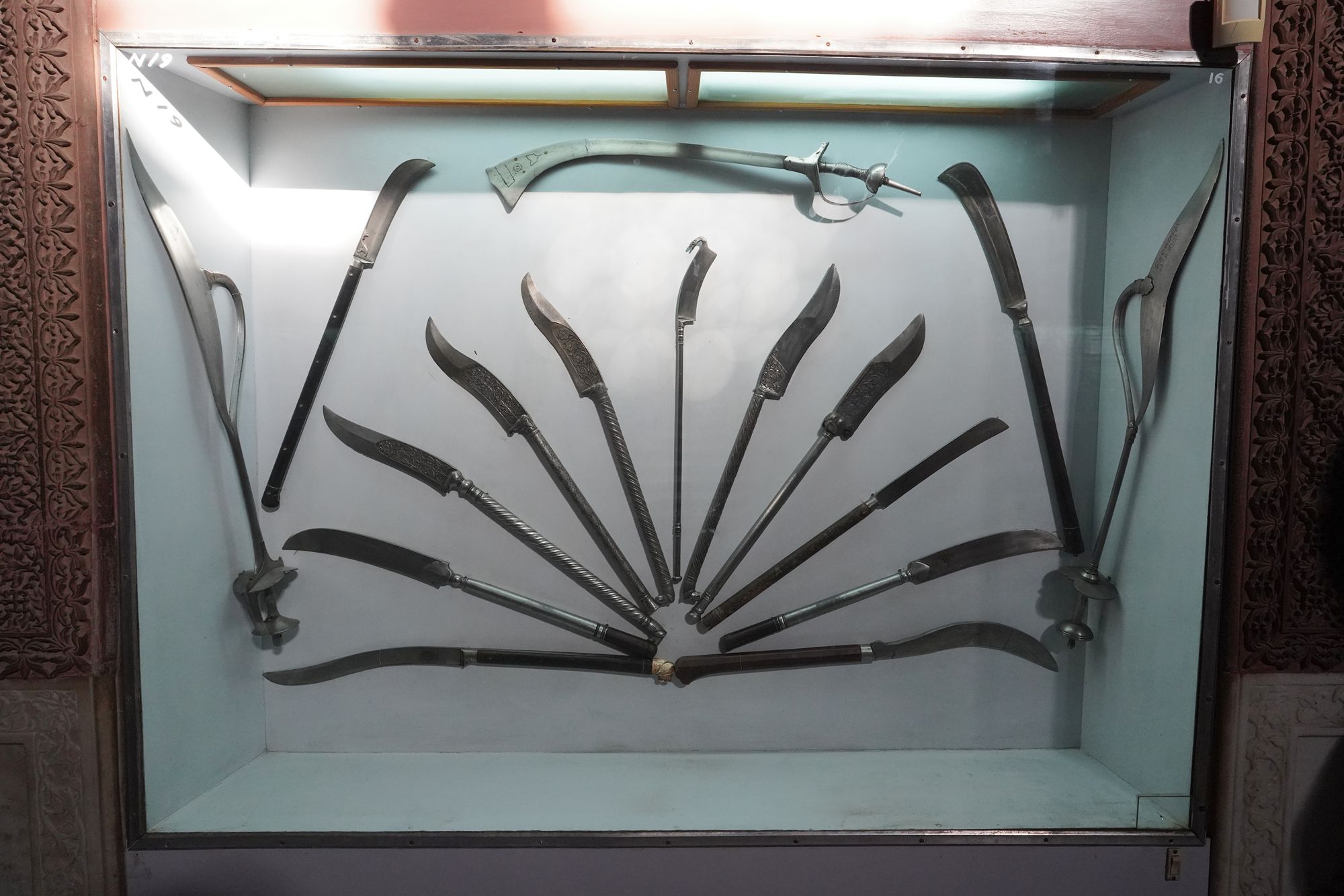
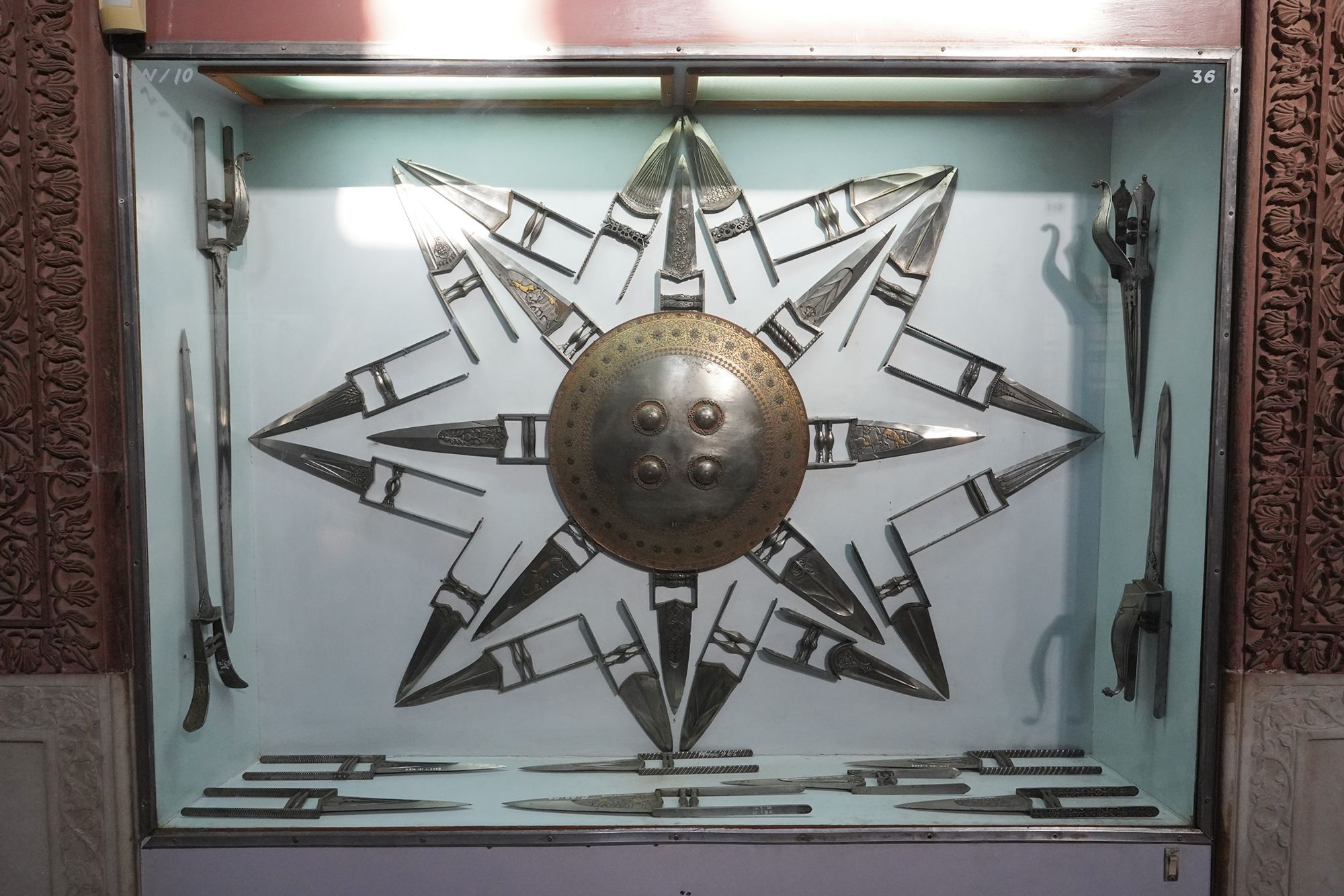
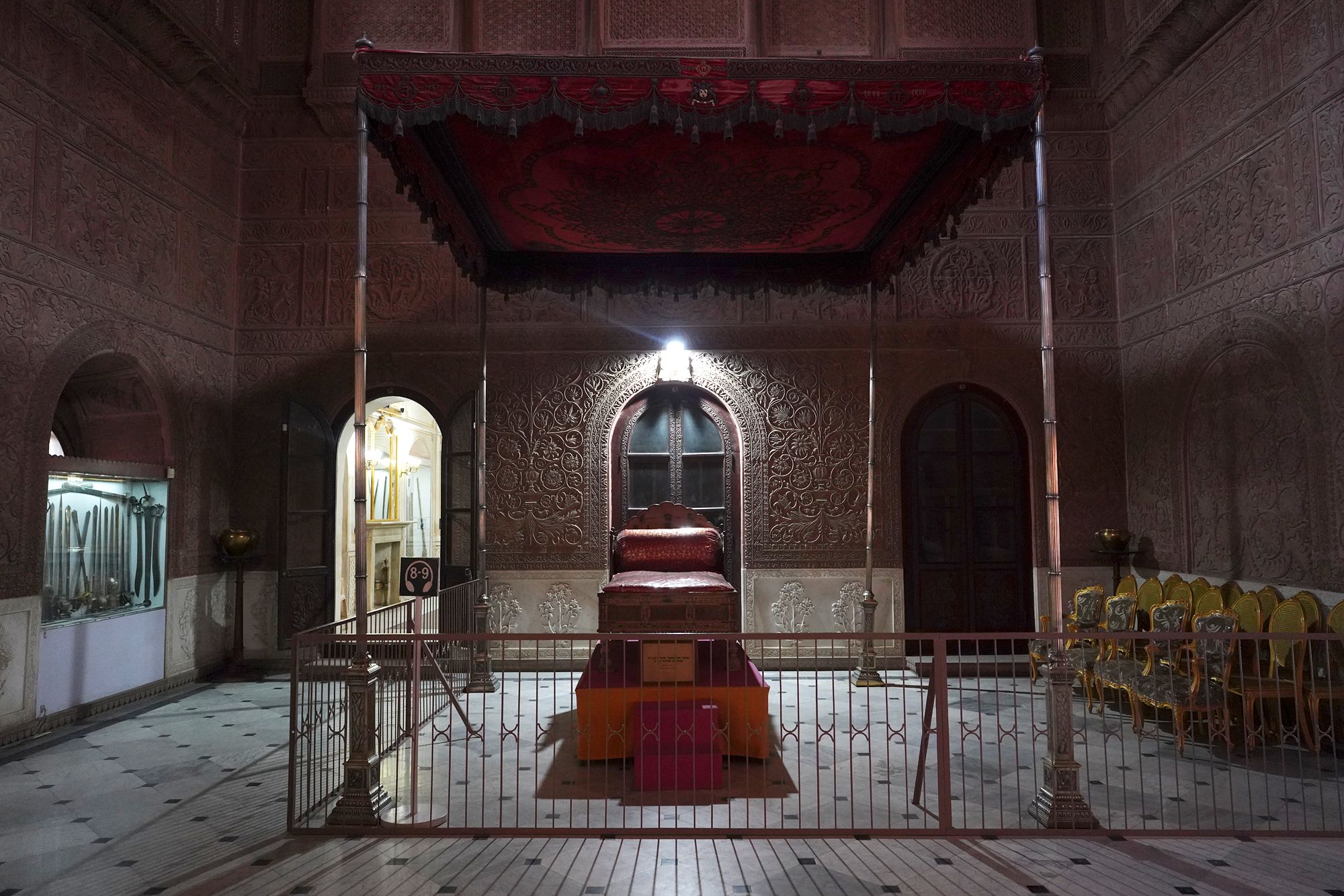
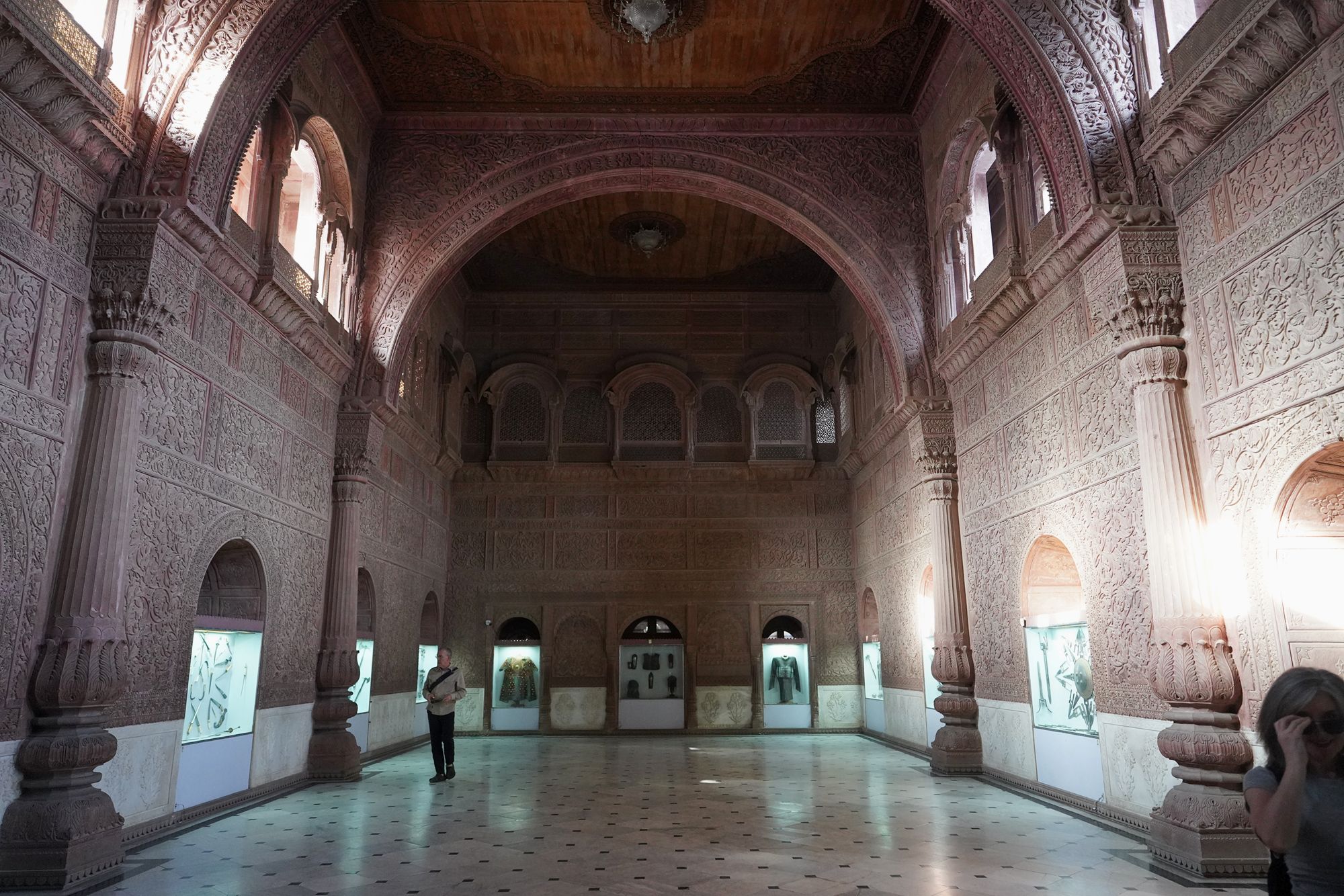
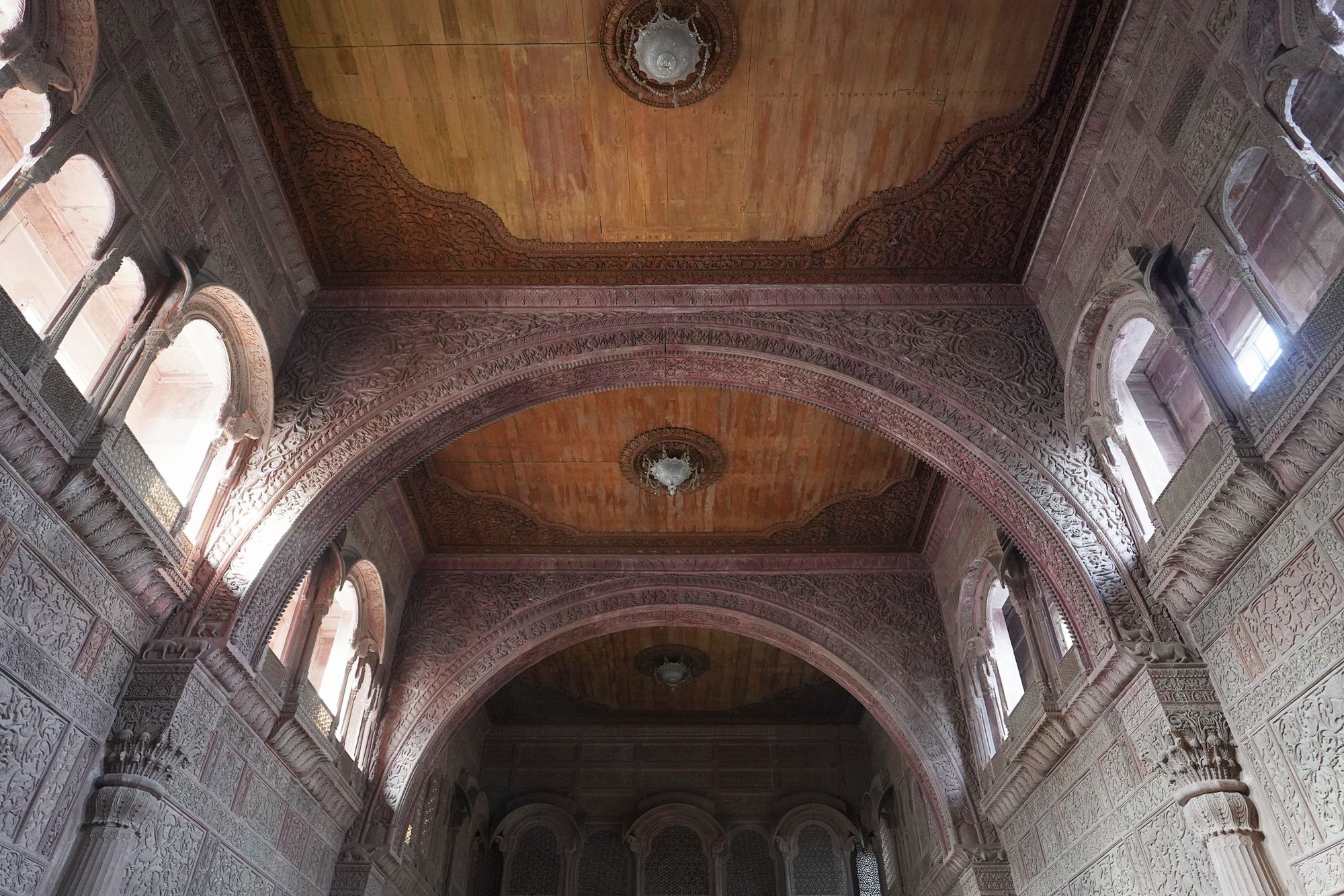
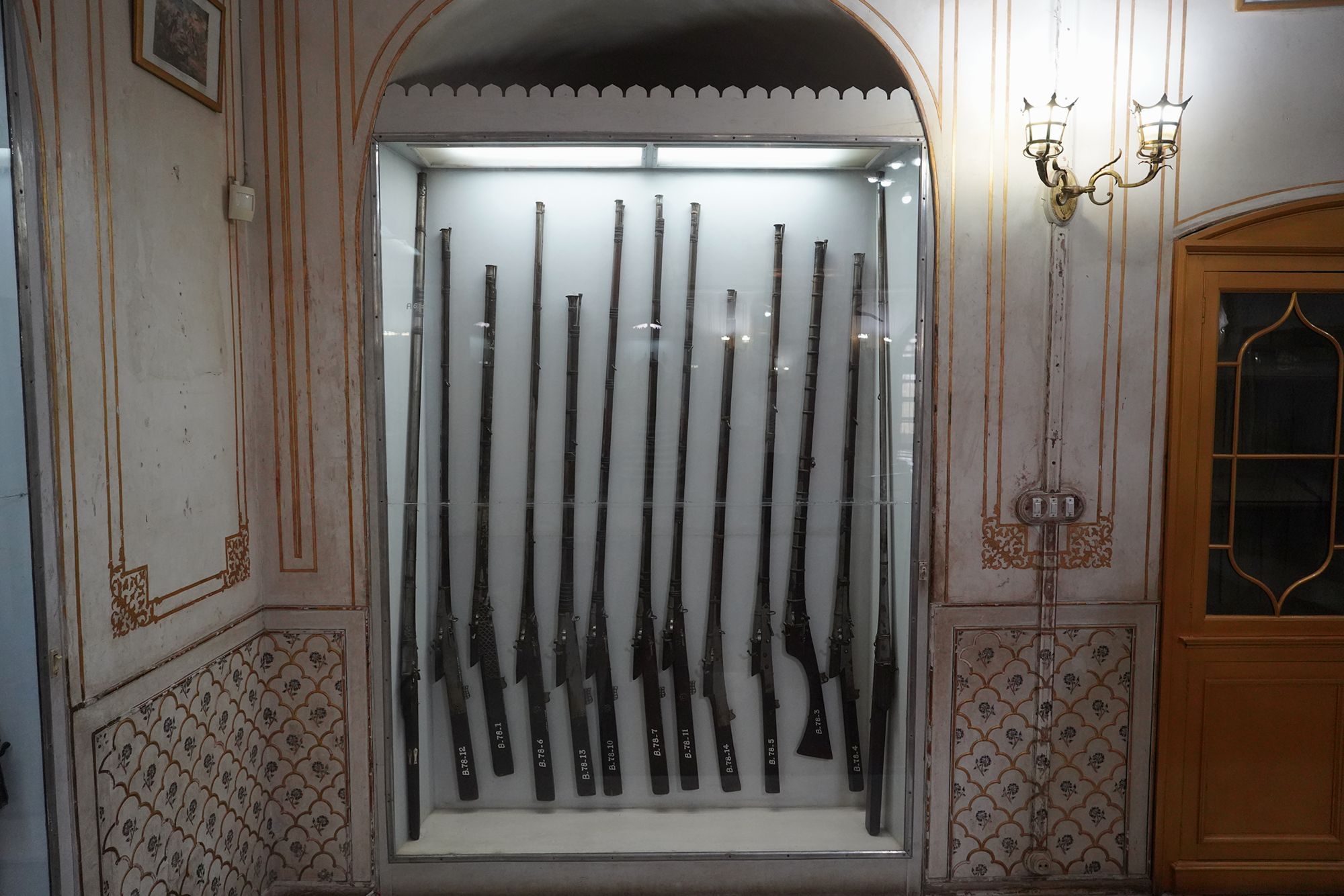
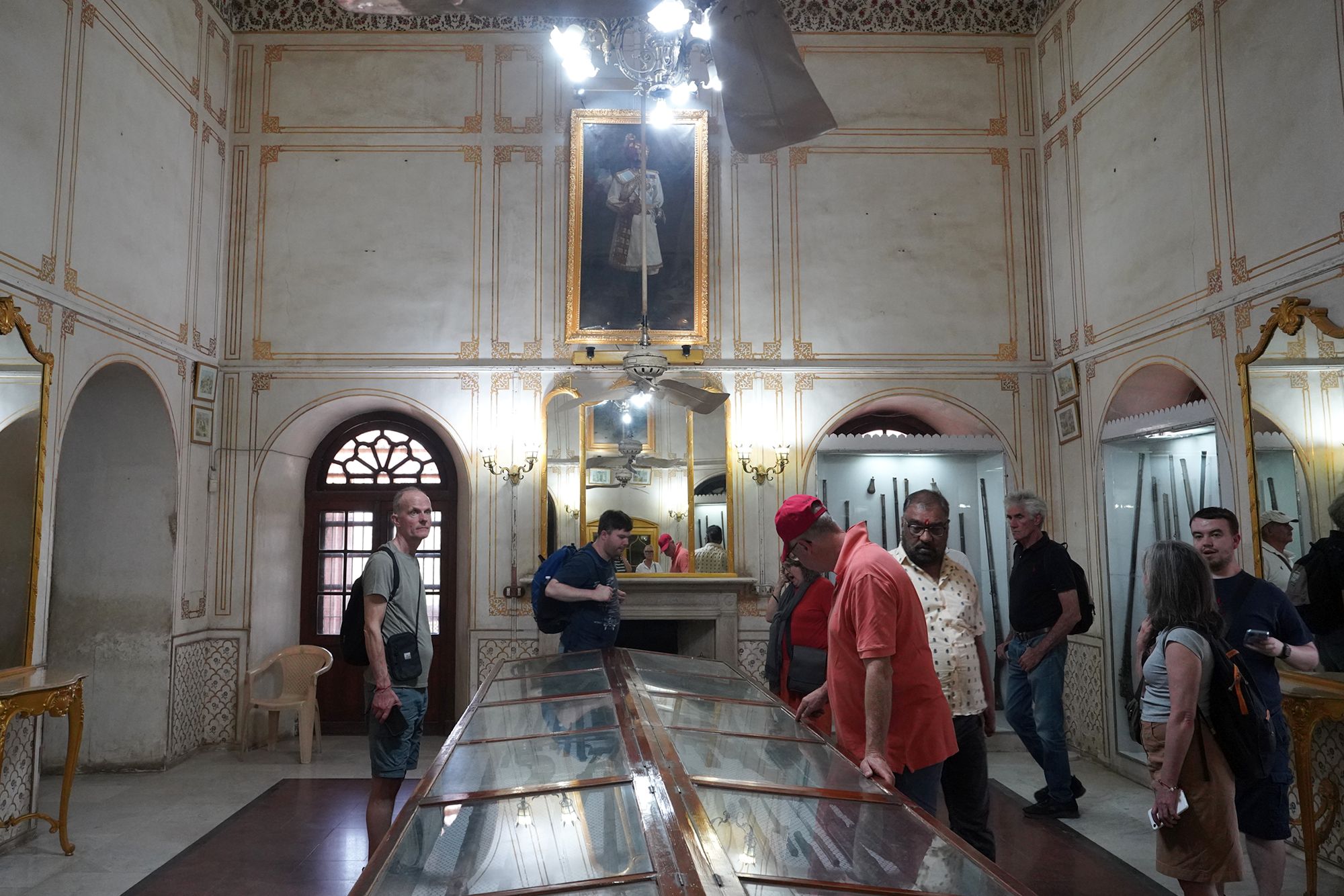
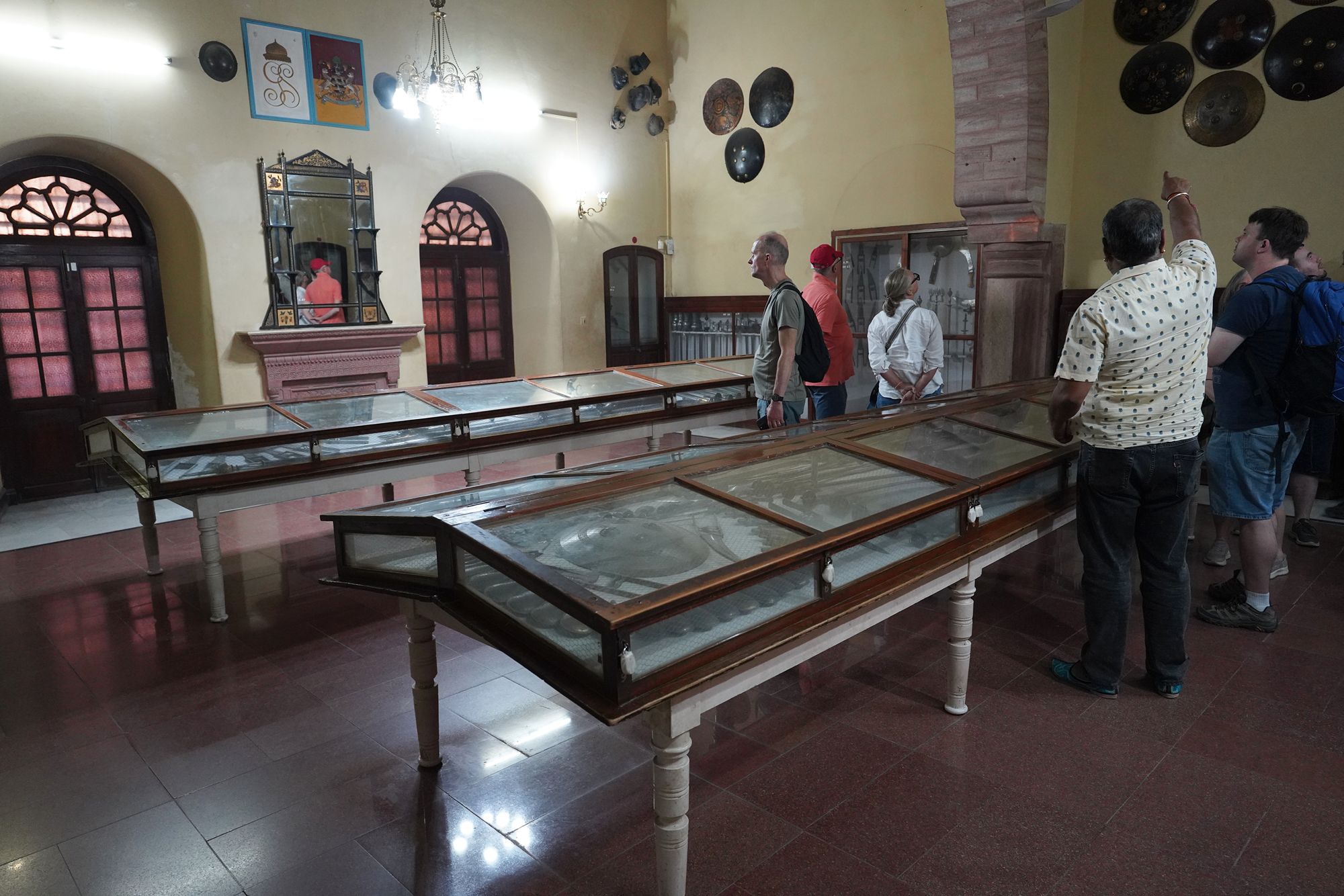
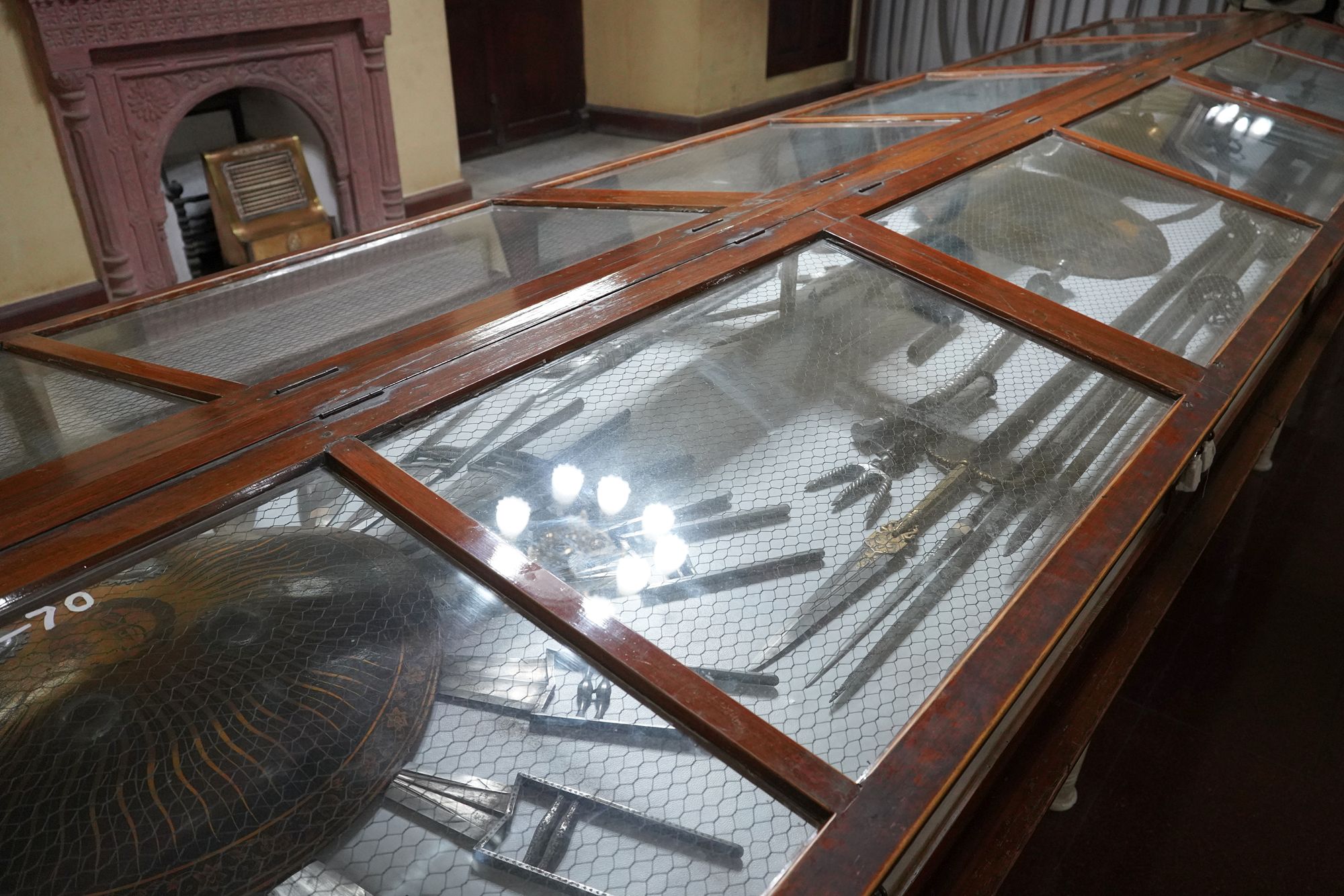
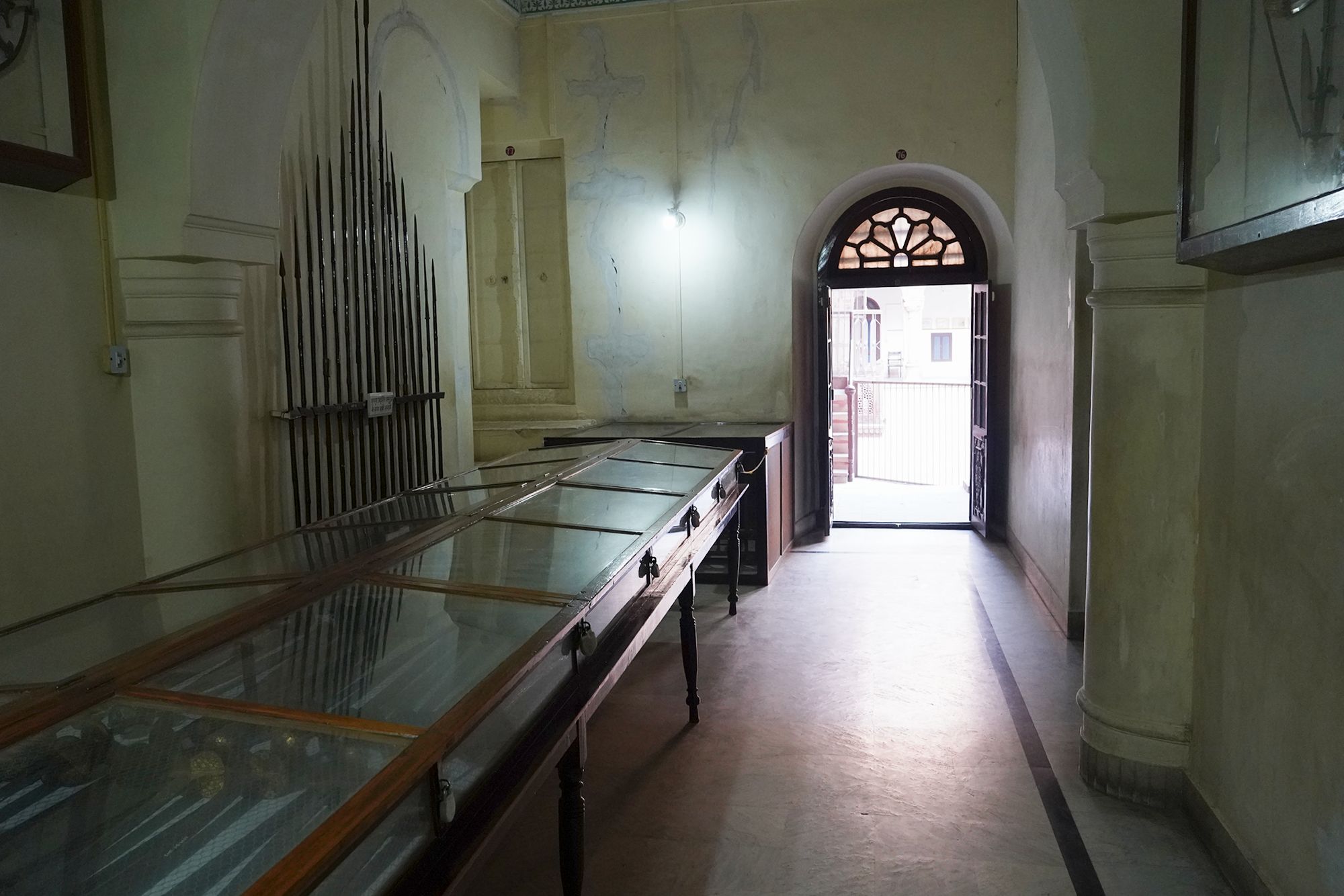
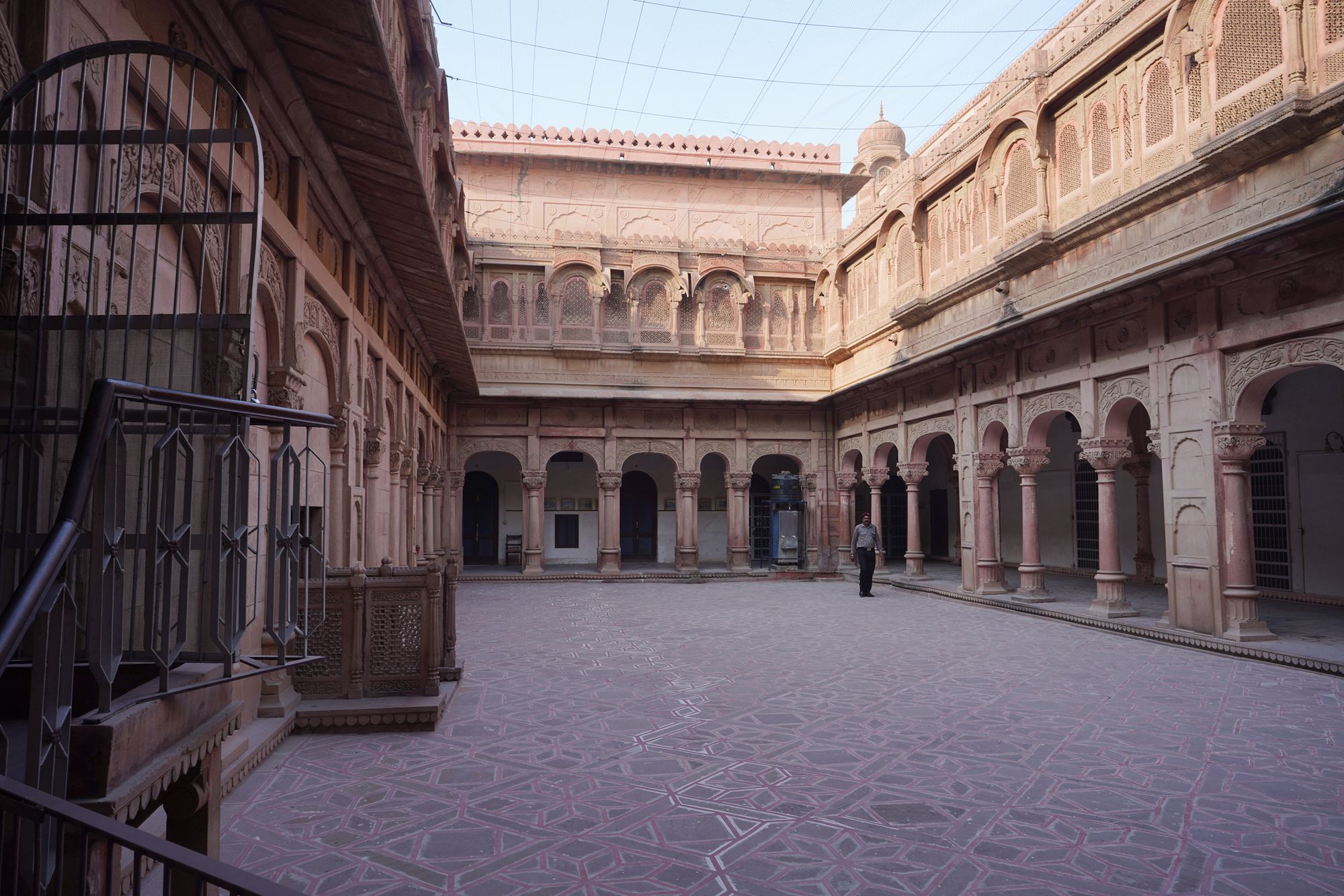
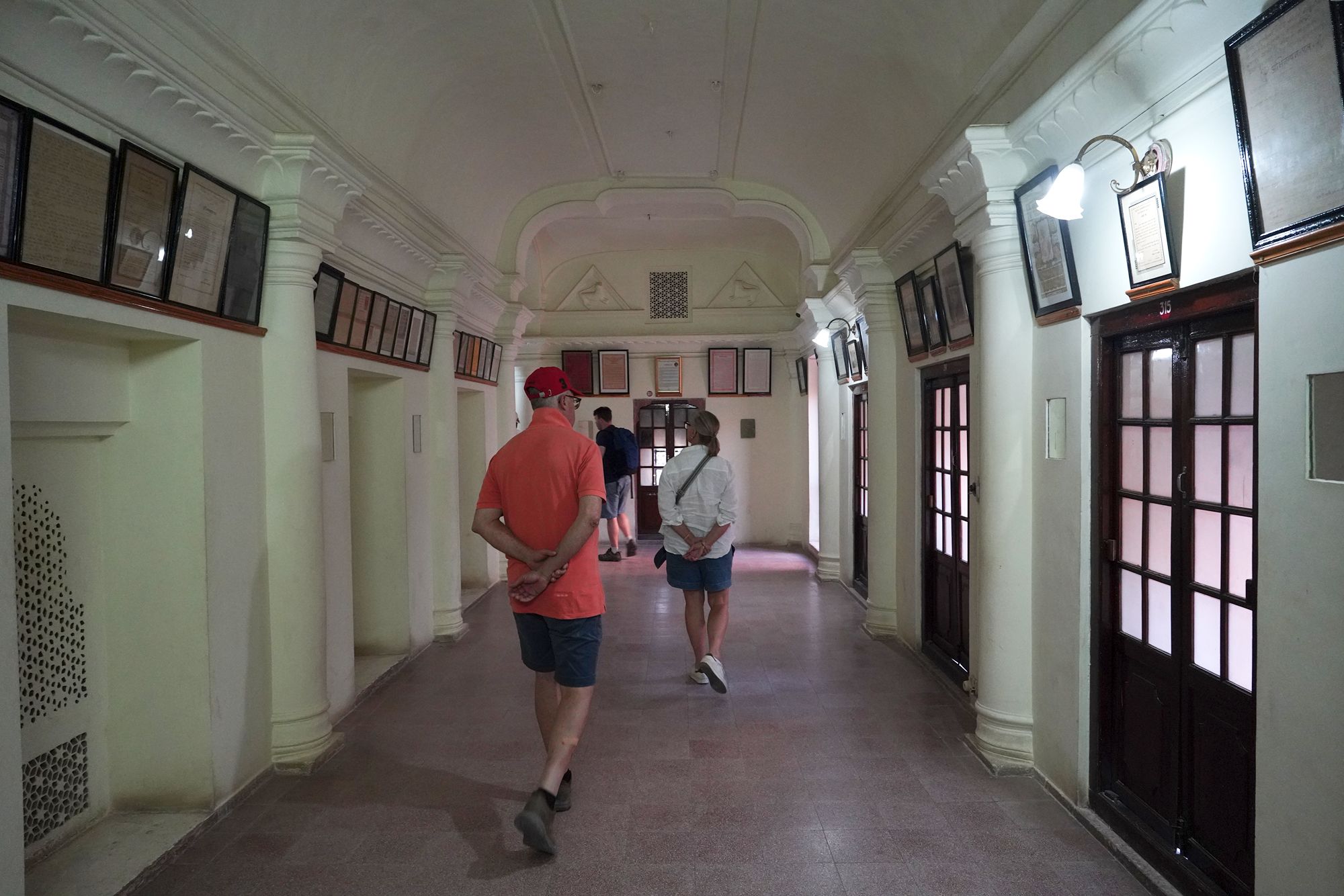
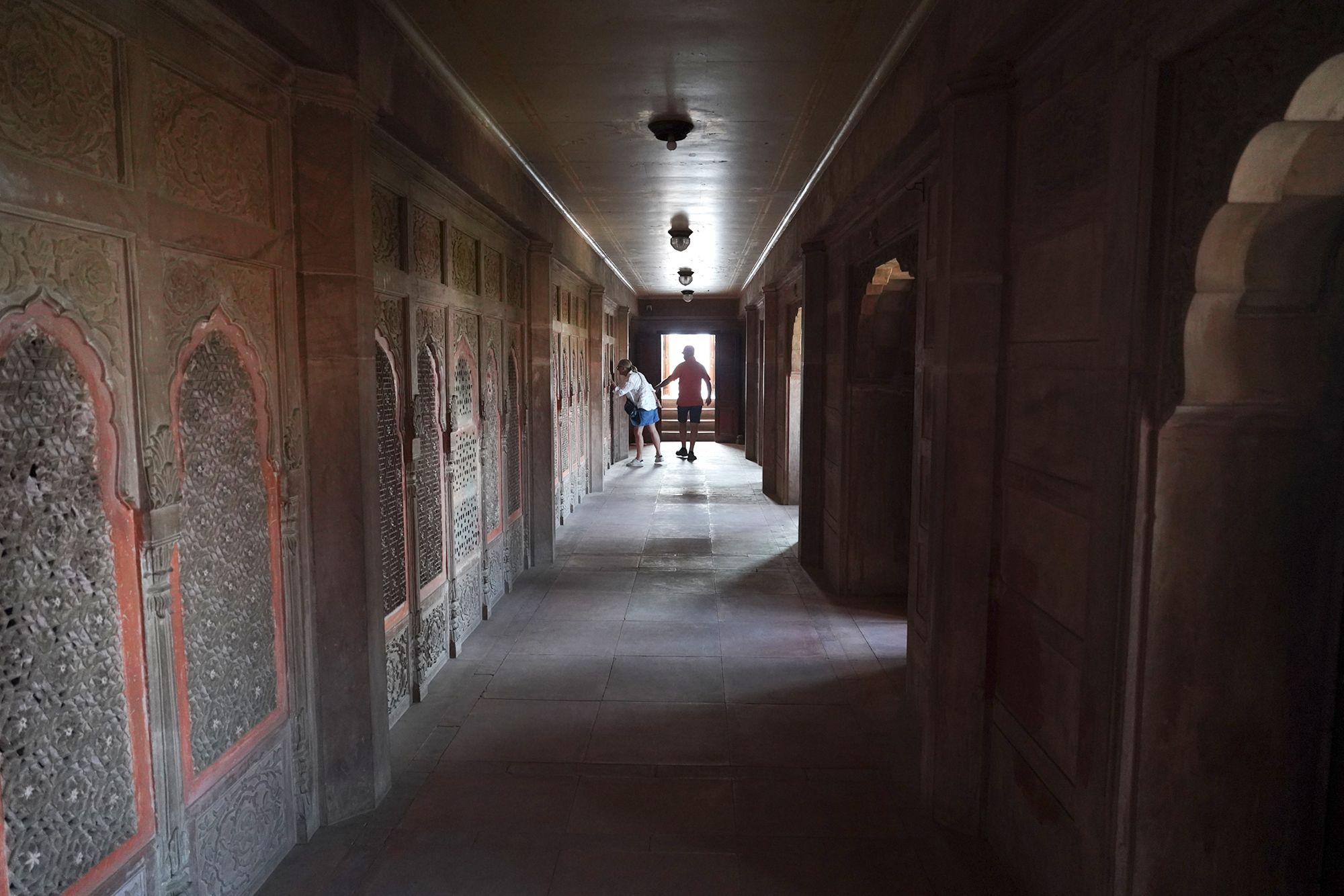
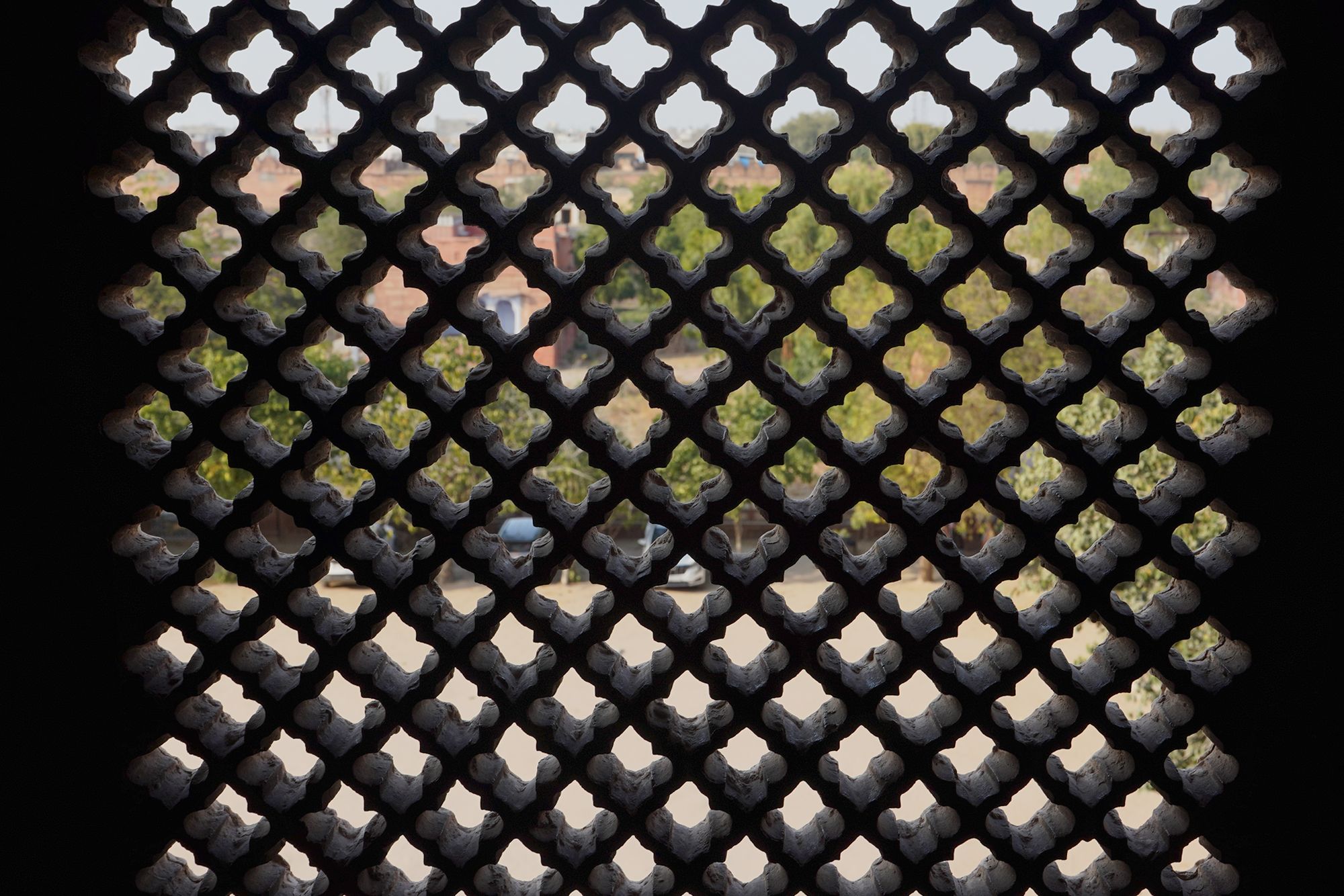
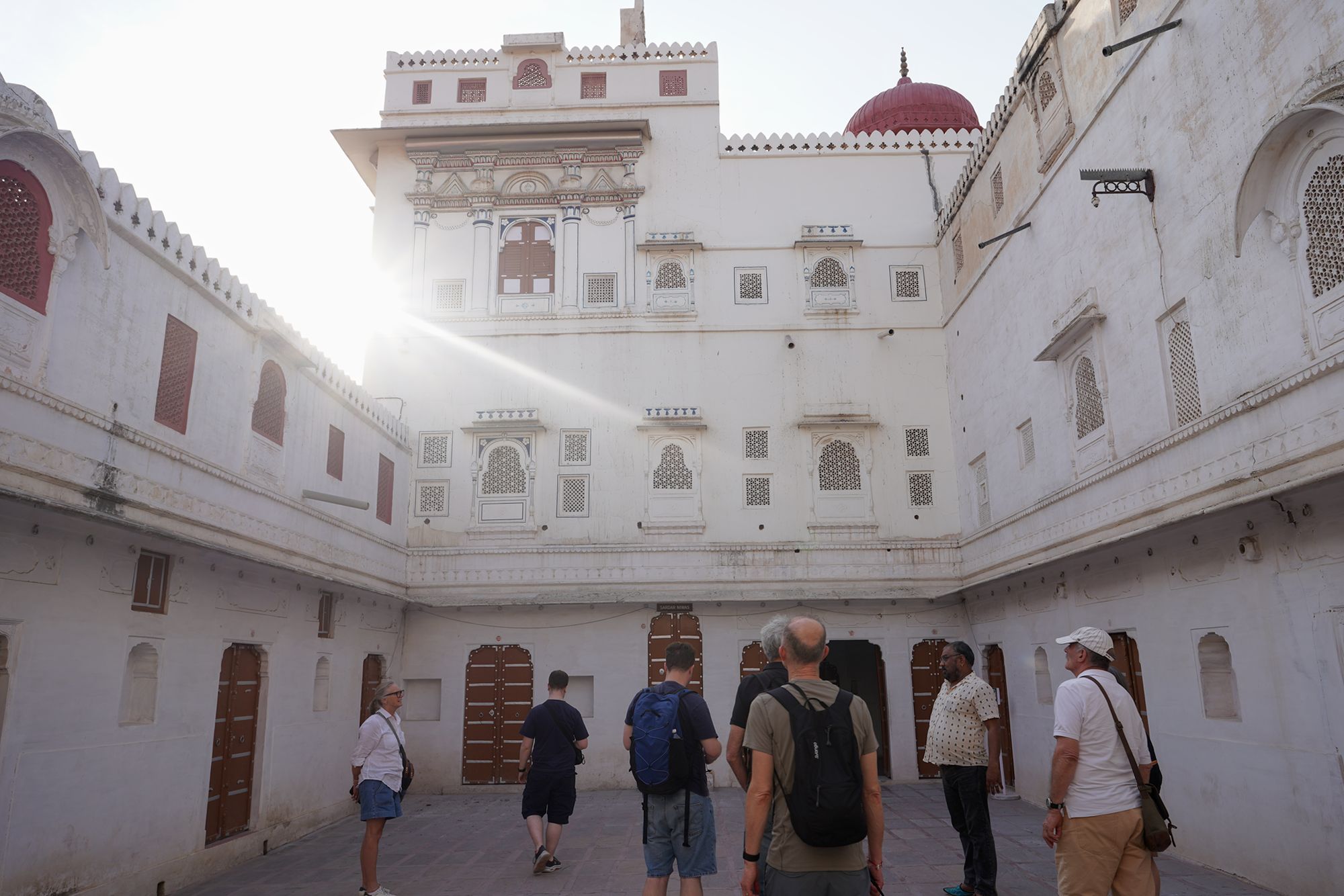
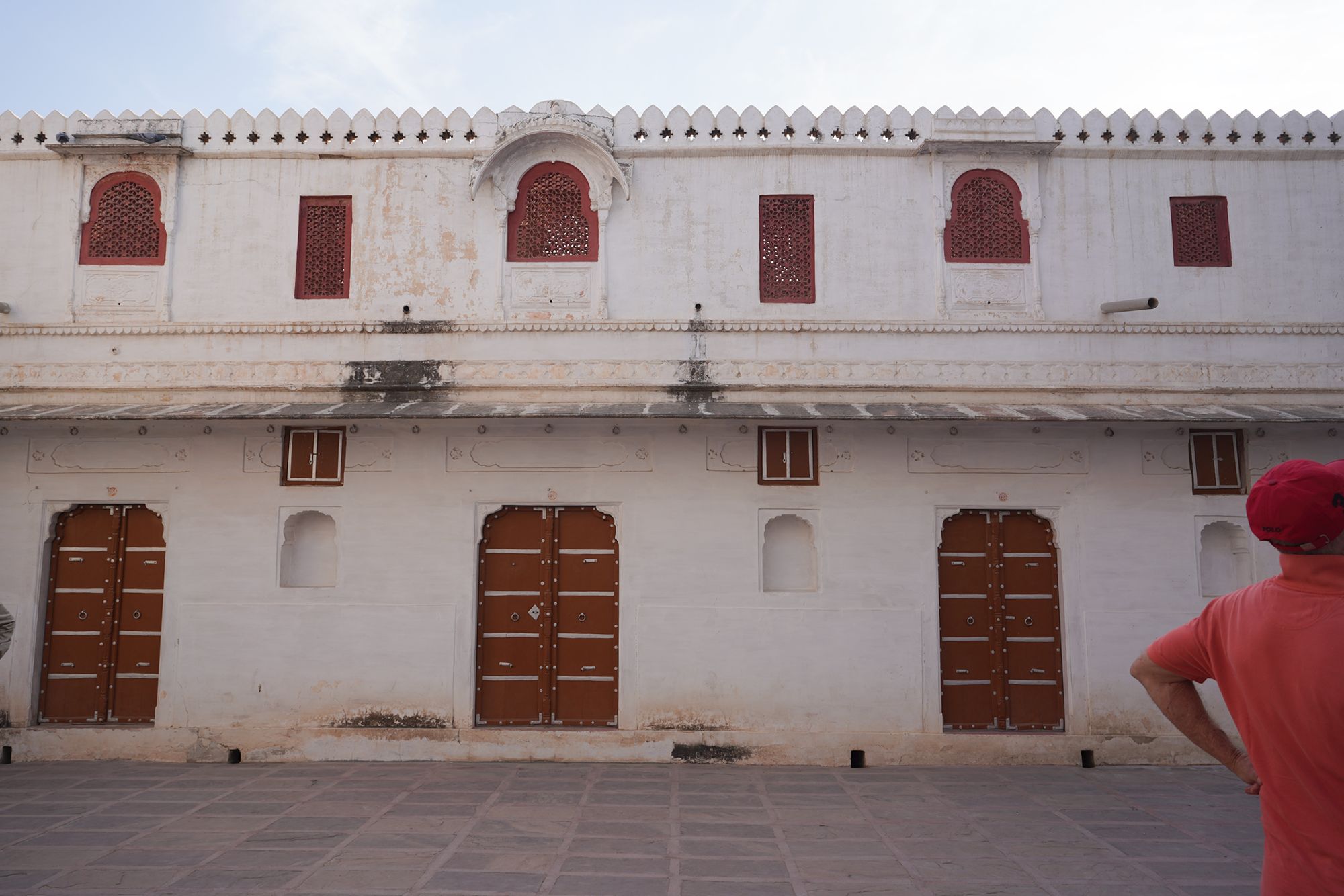
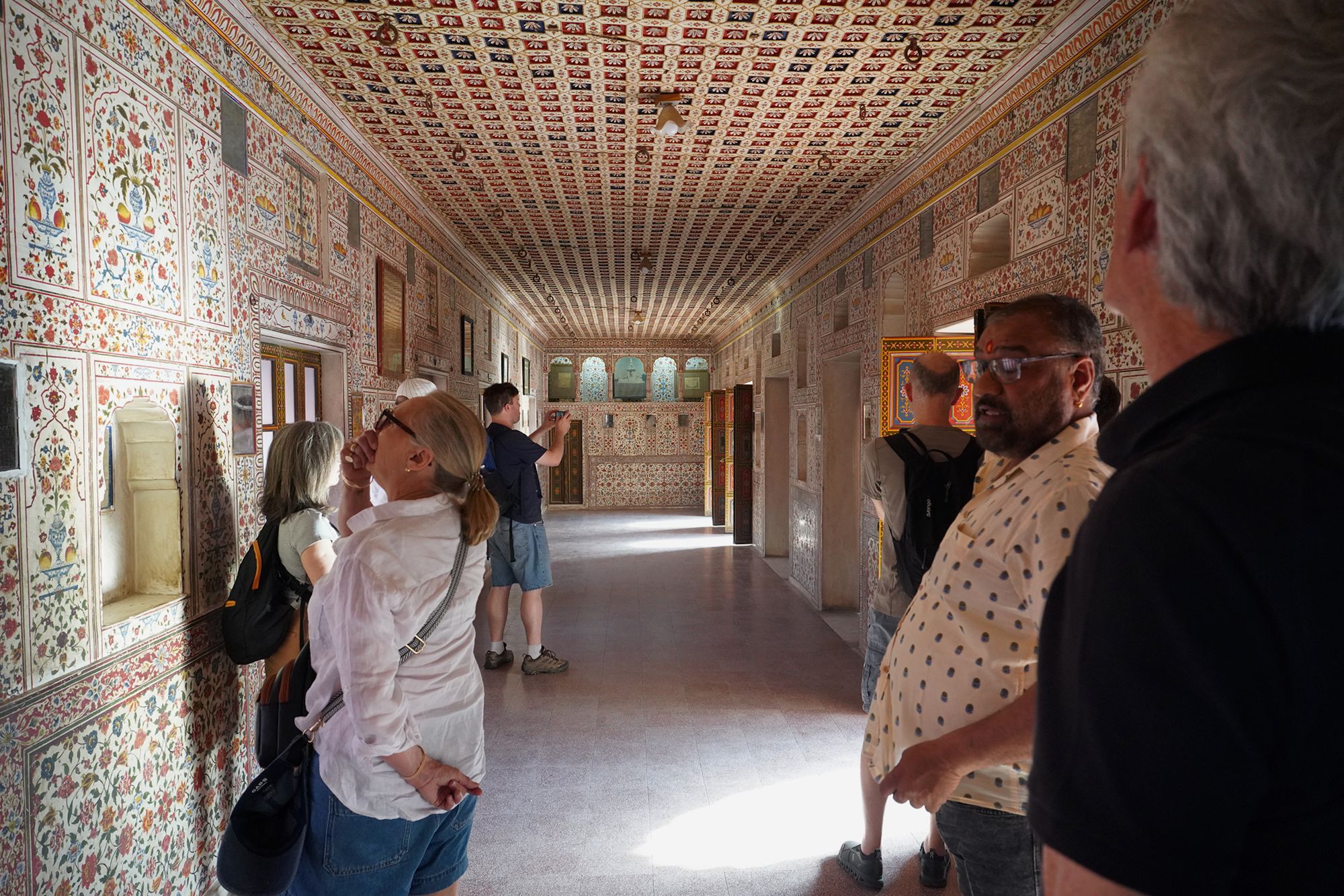
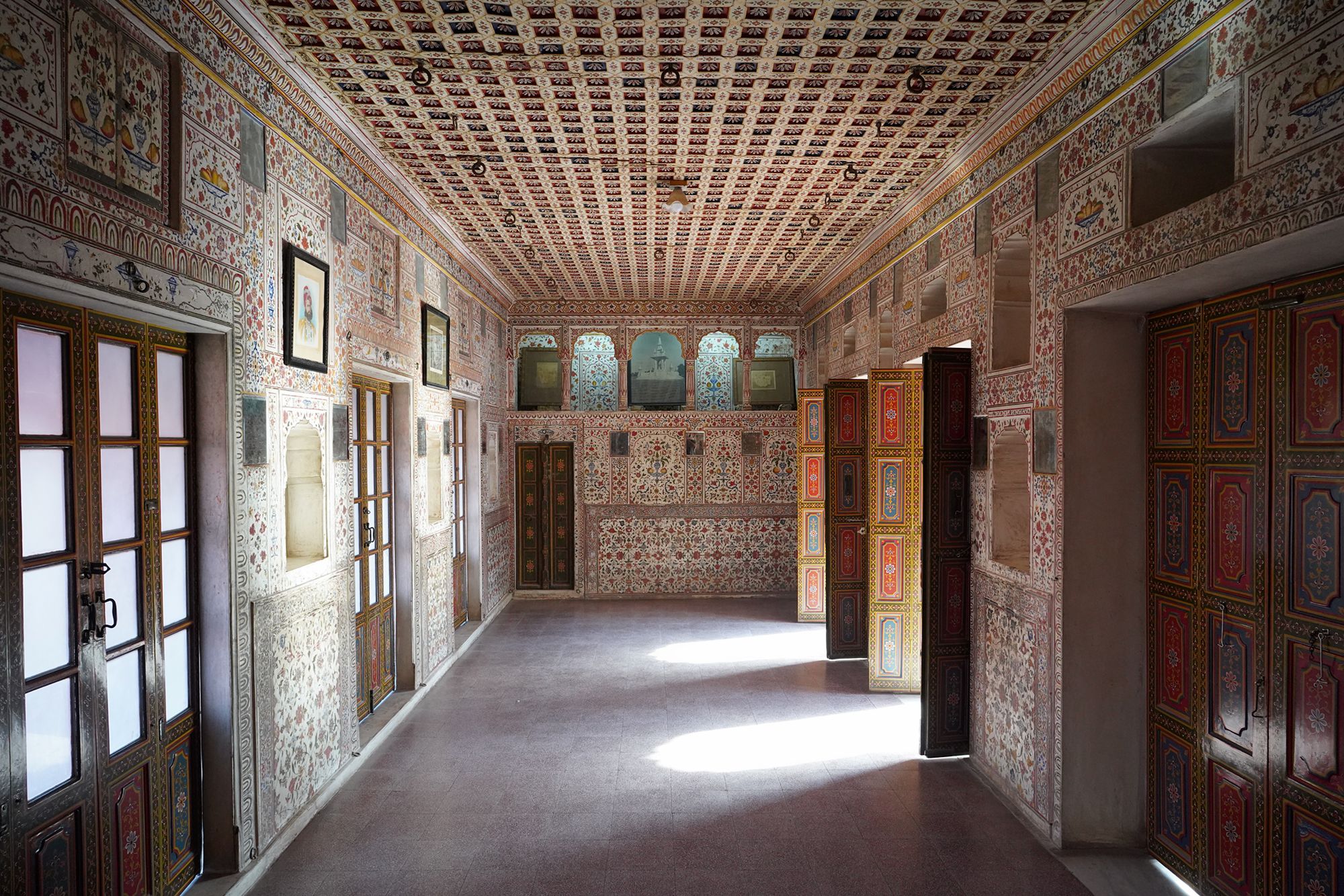
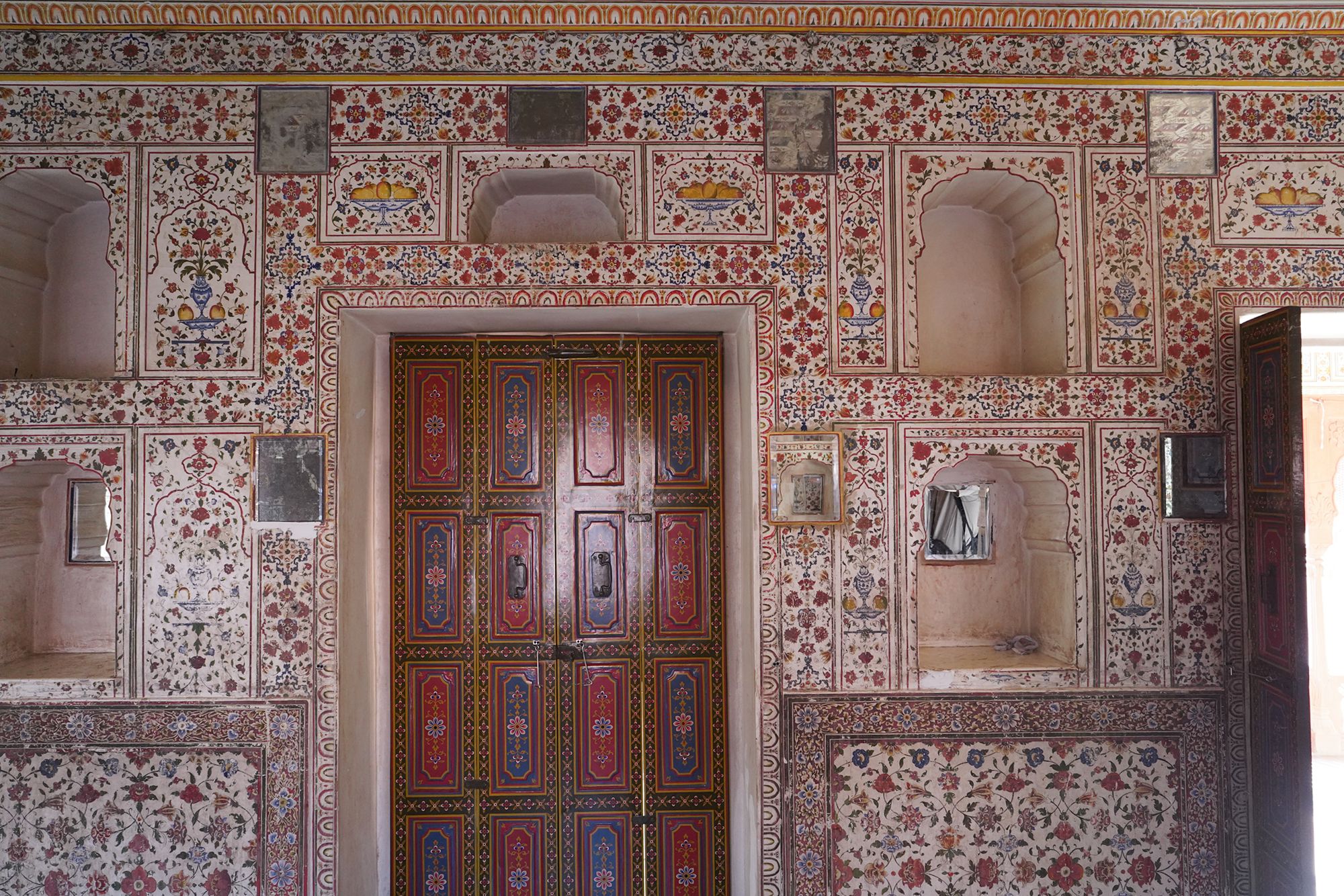
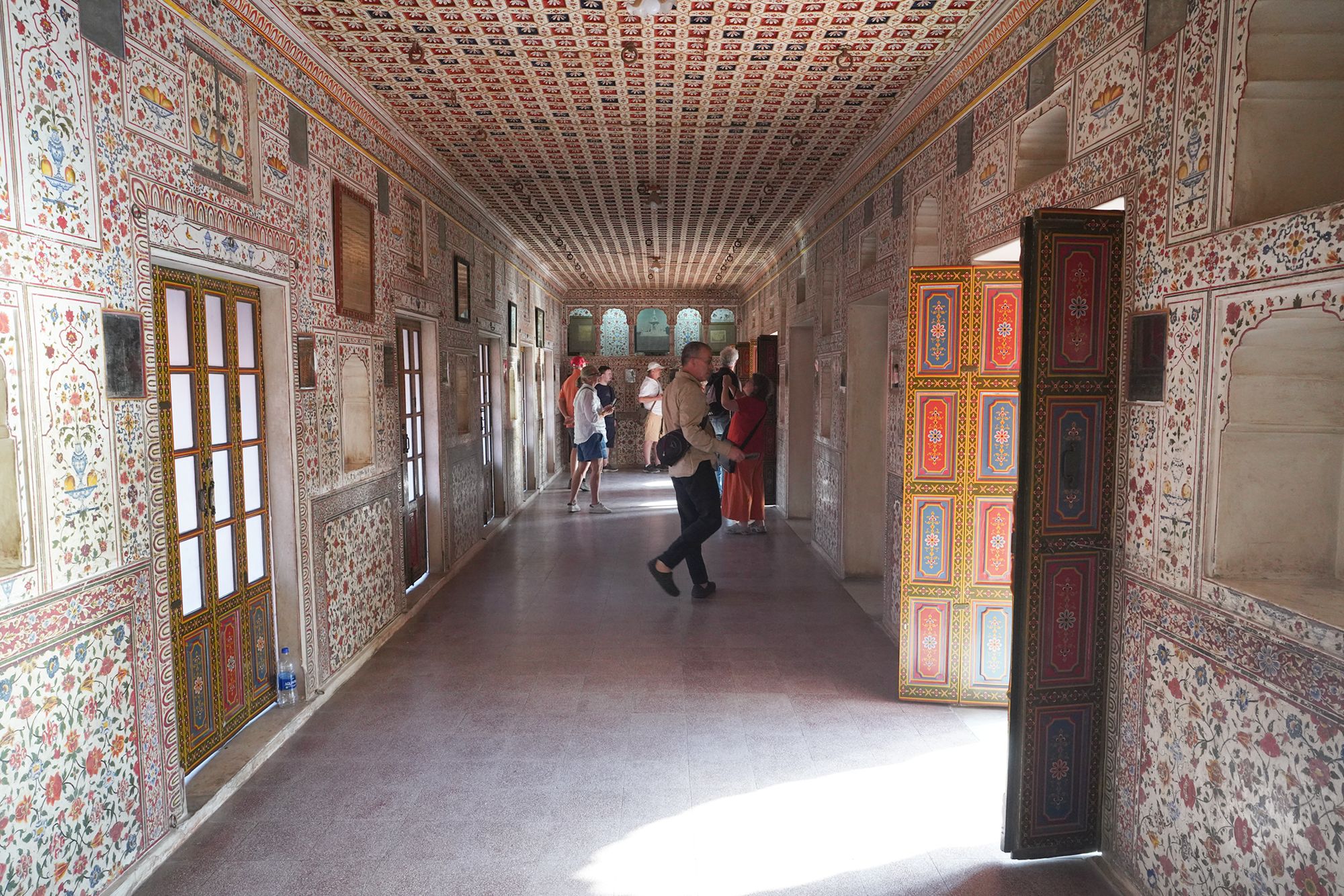
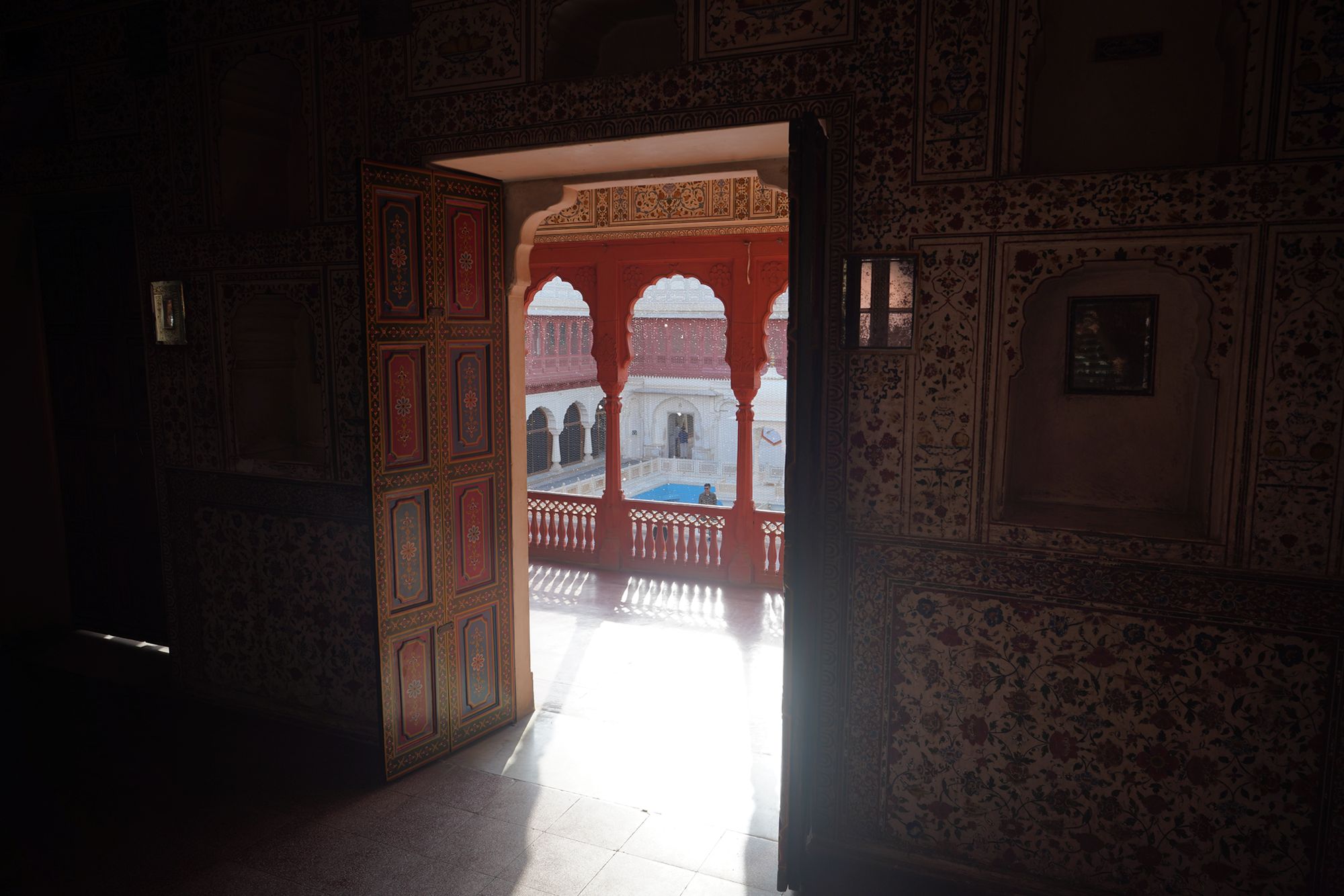
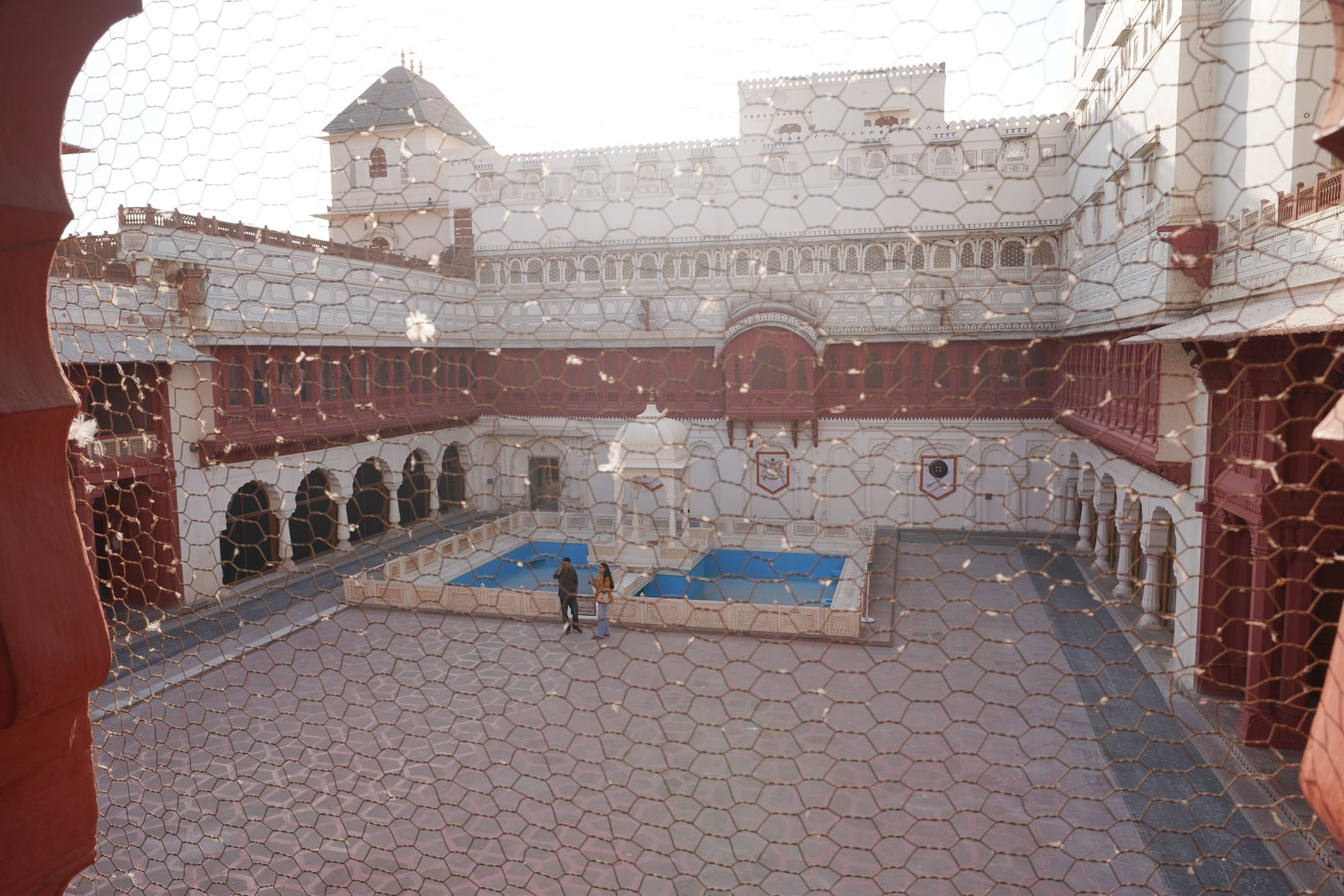
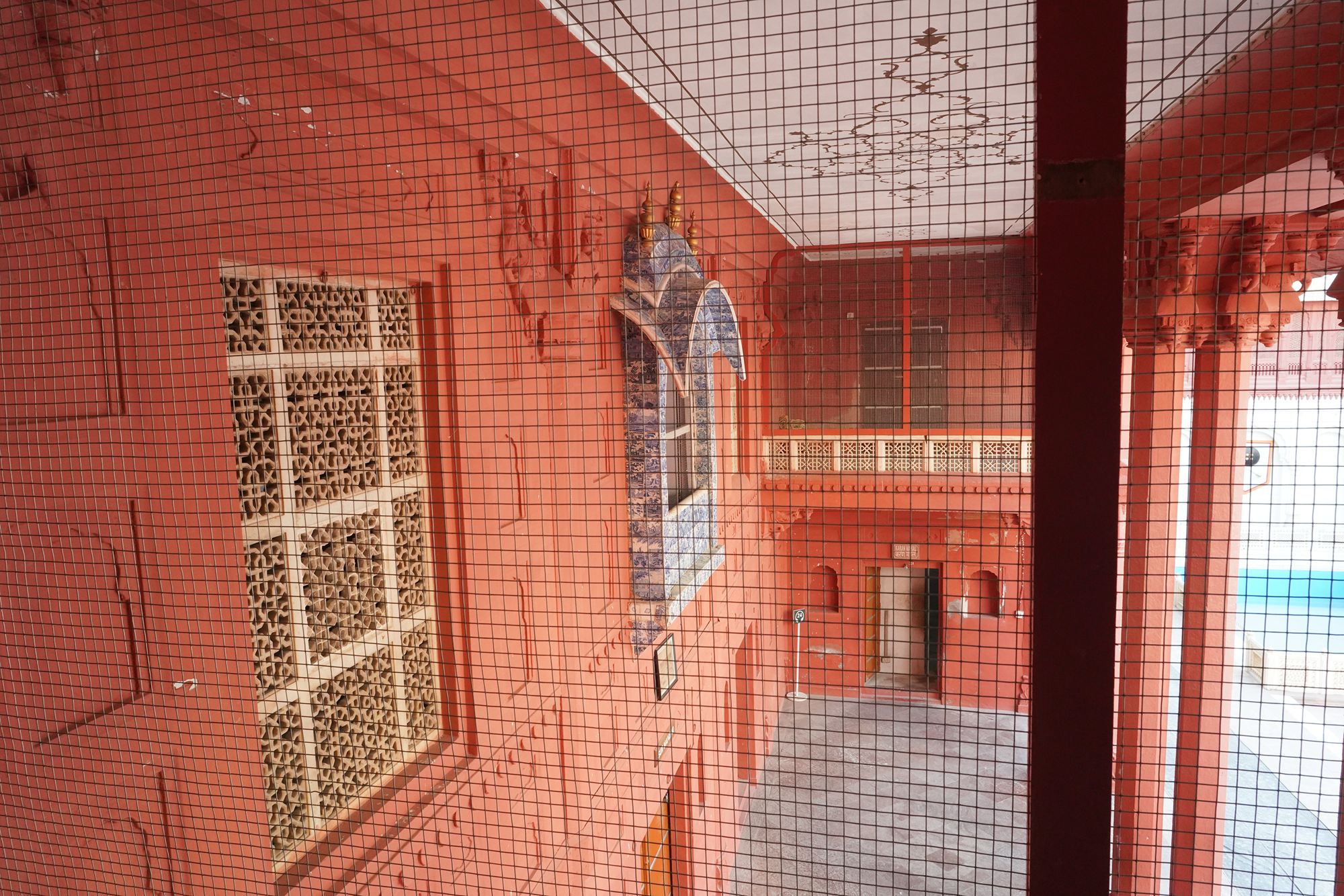
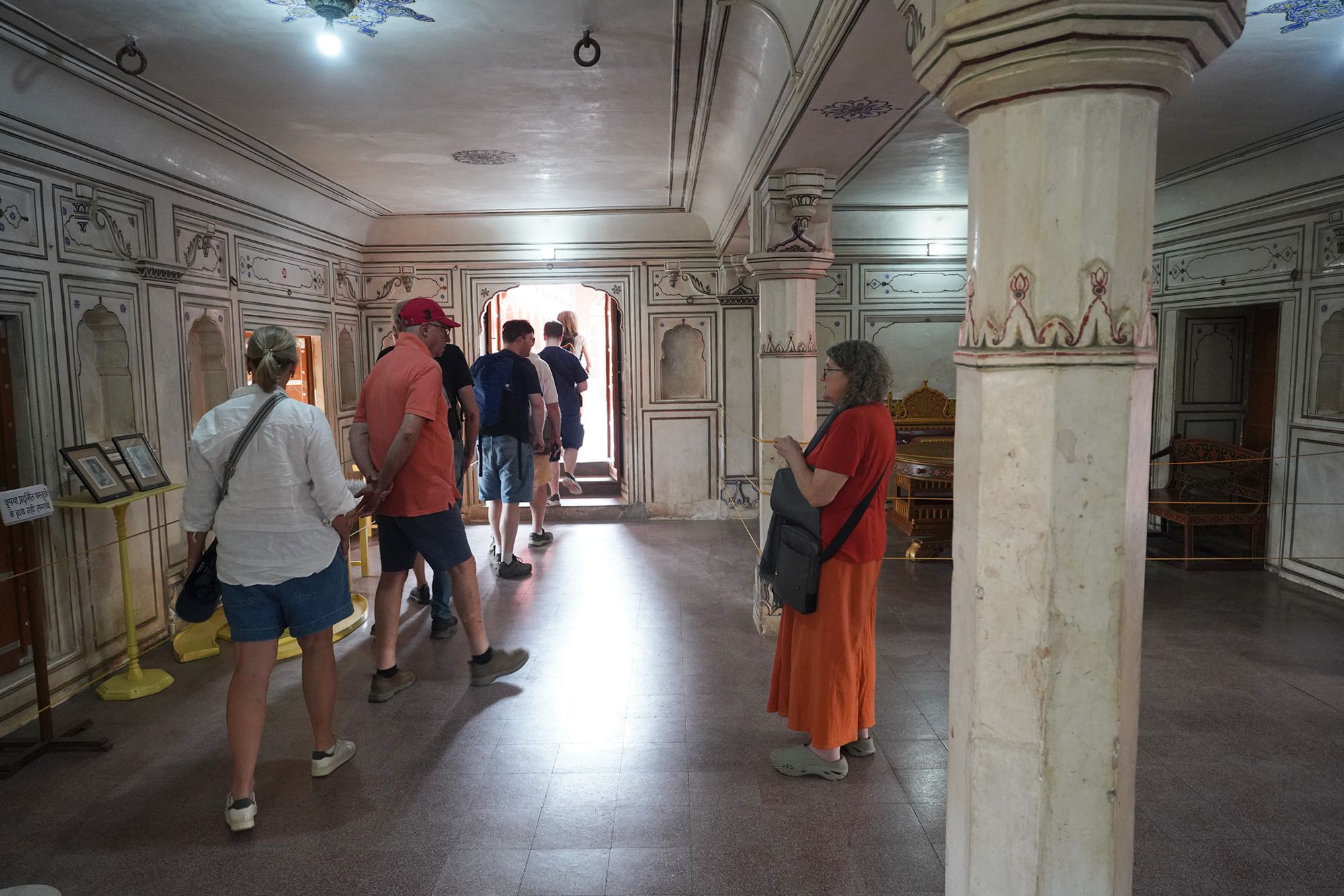
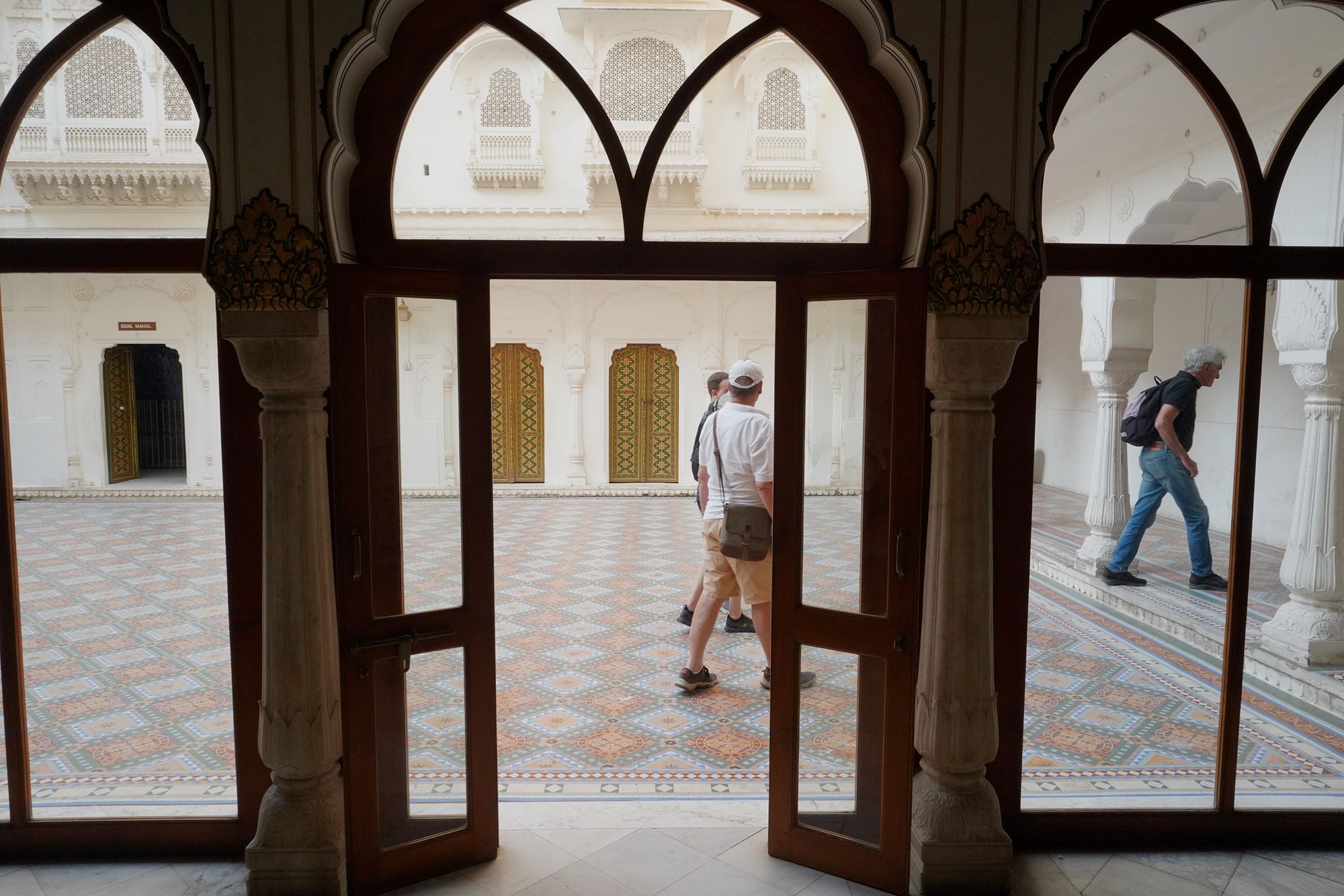
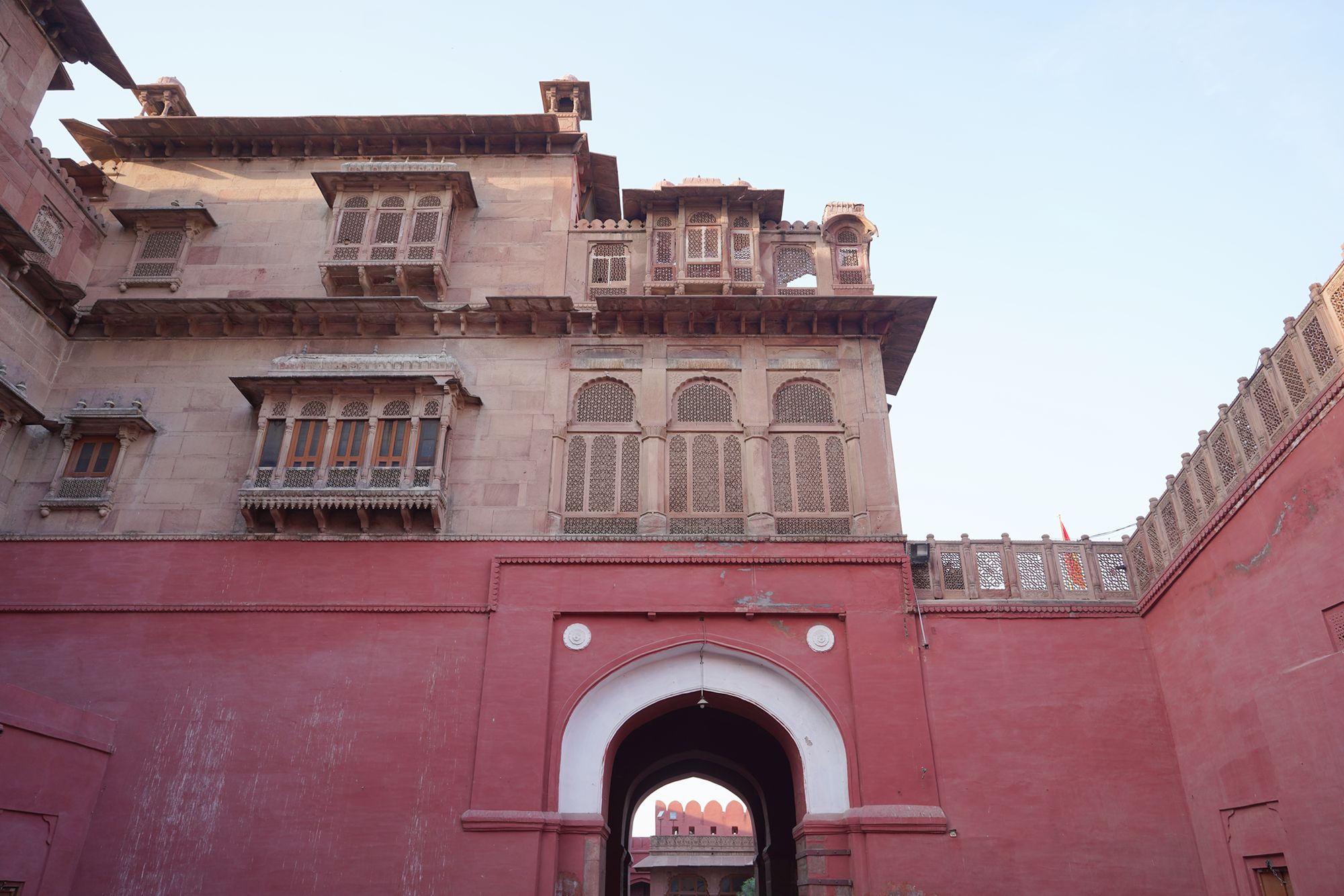
Junagarh Fort contains many small inner courtyards, each decorated in a different style with distinctive architectural details.
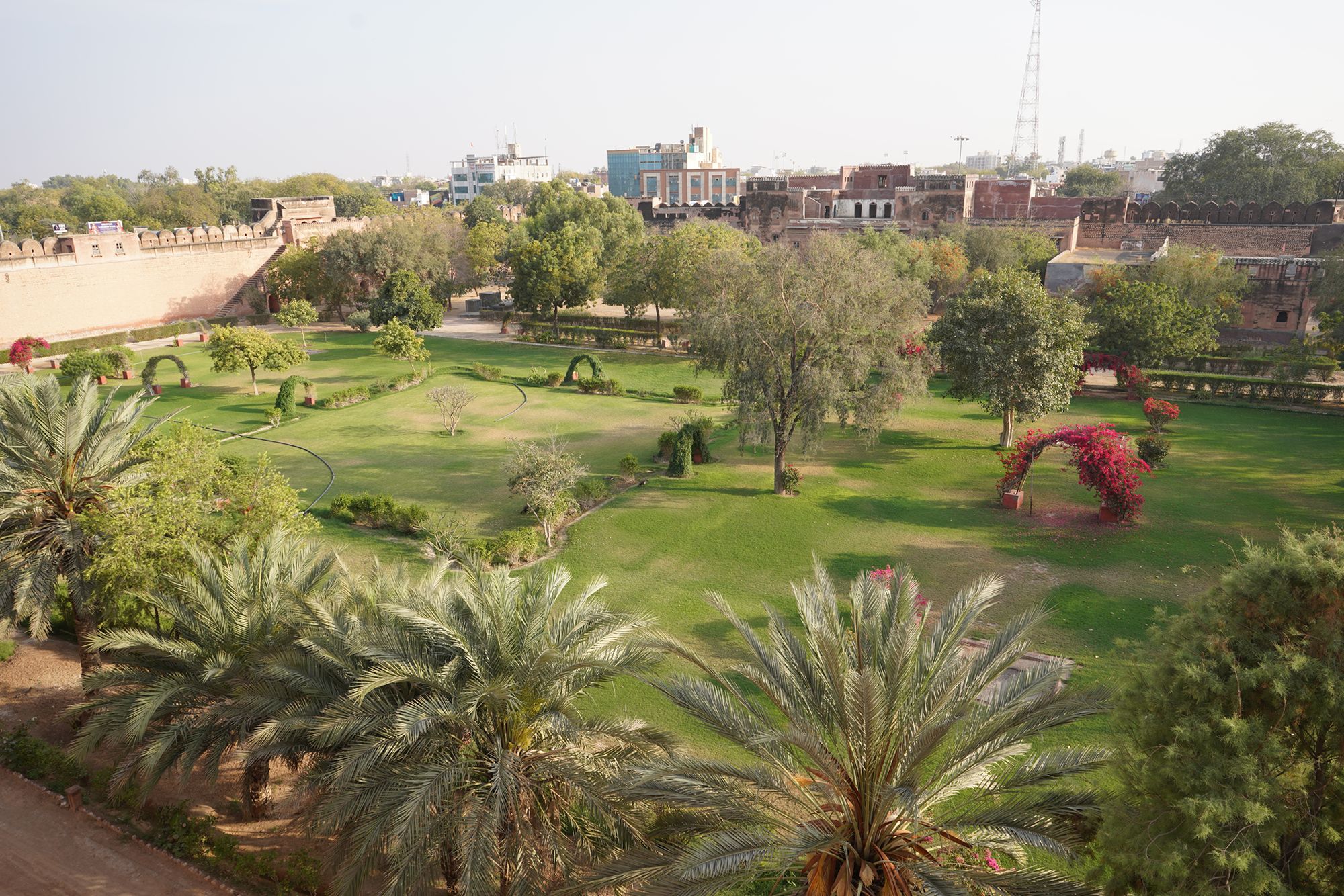
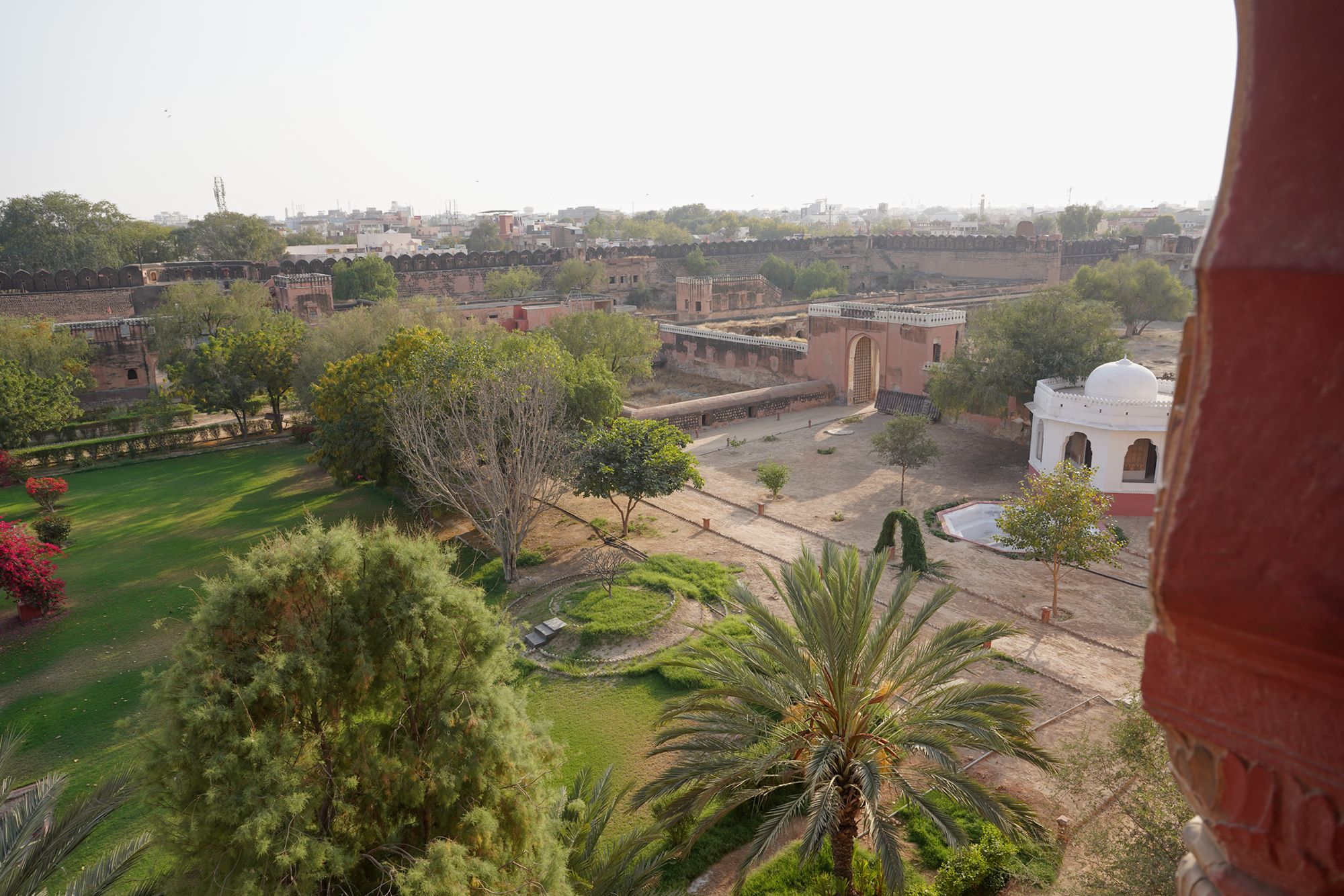
The Royal Garden is a peaceful courtyard garden within Junagarh Fort, providing a quiet contrast to the fort’s richly decorated palaces and museum rooms.
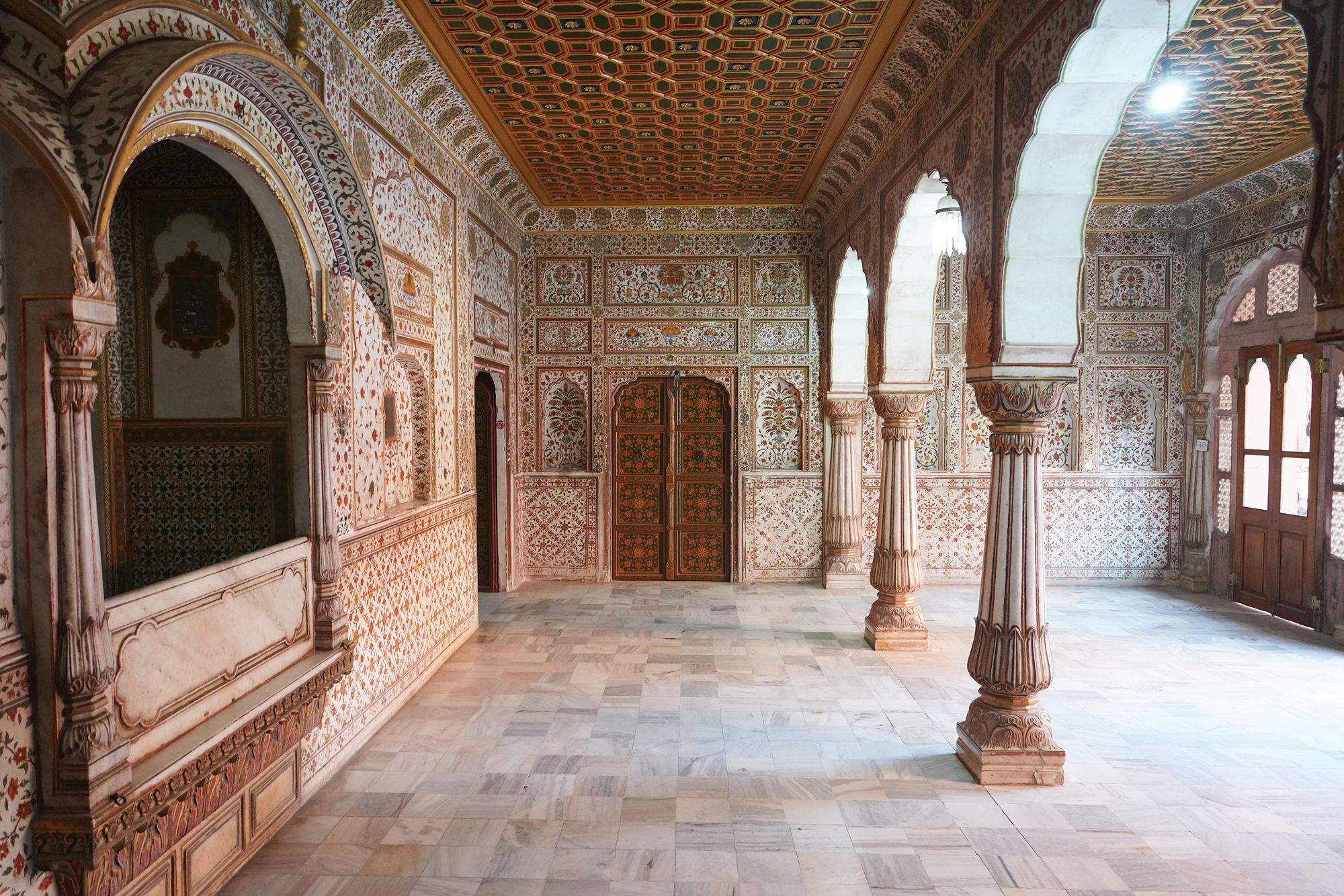
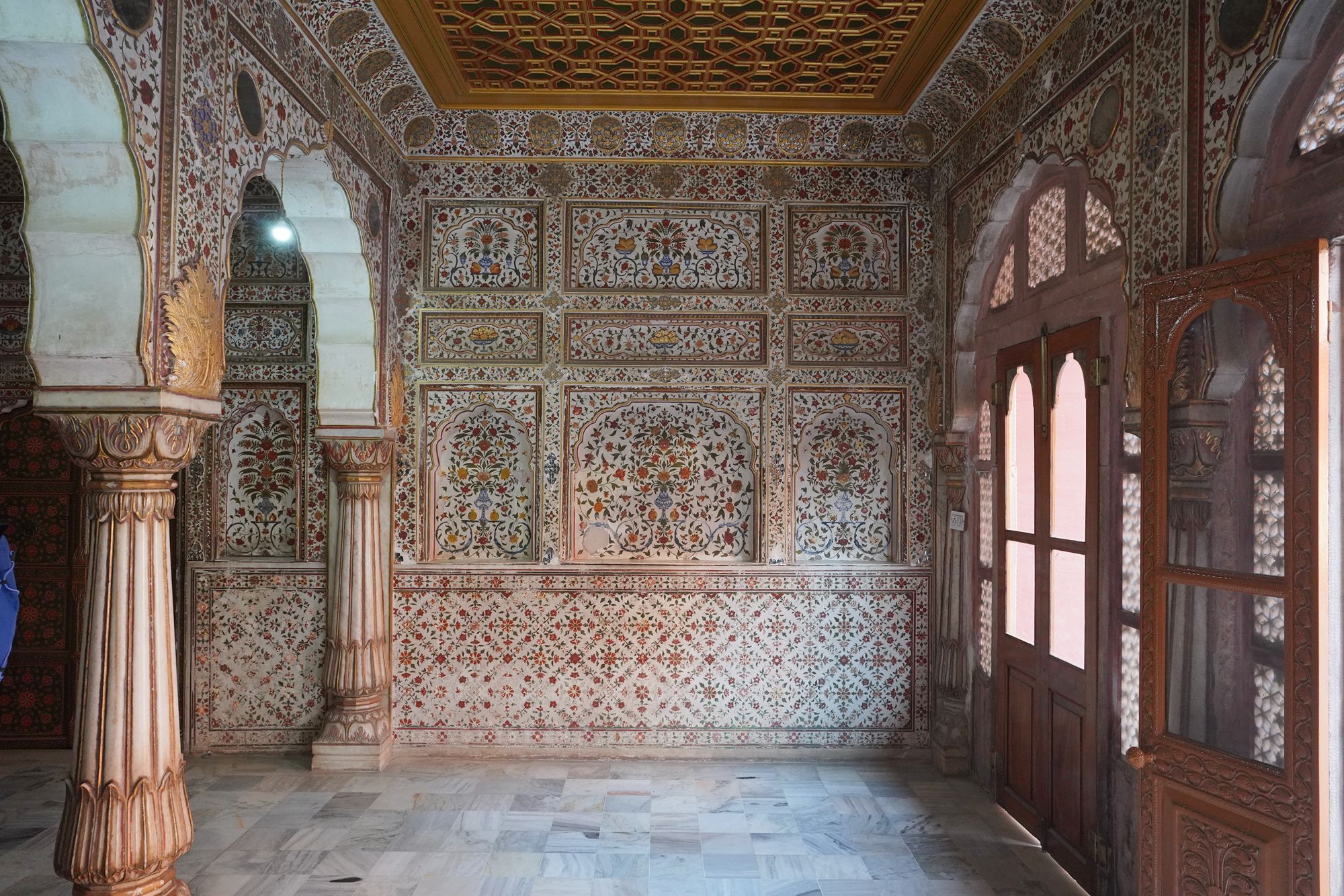
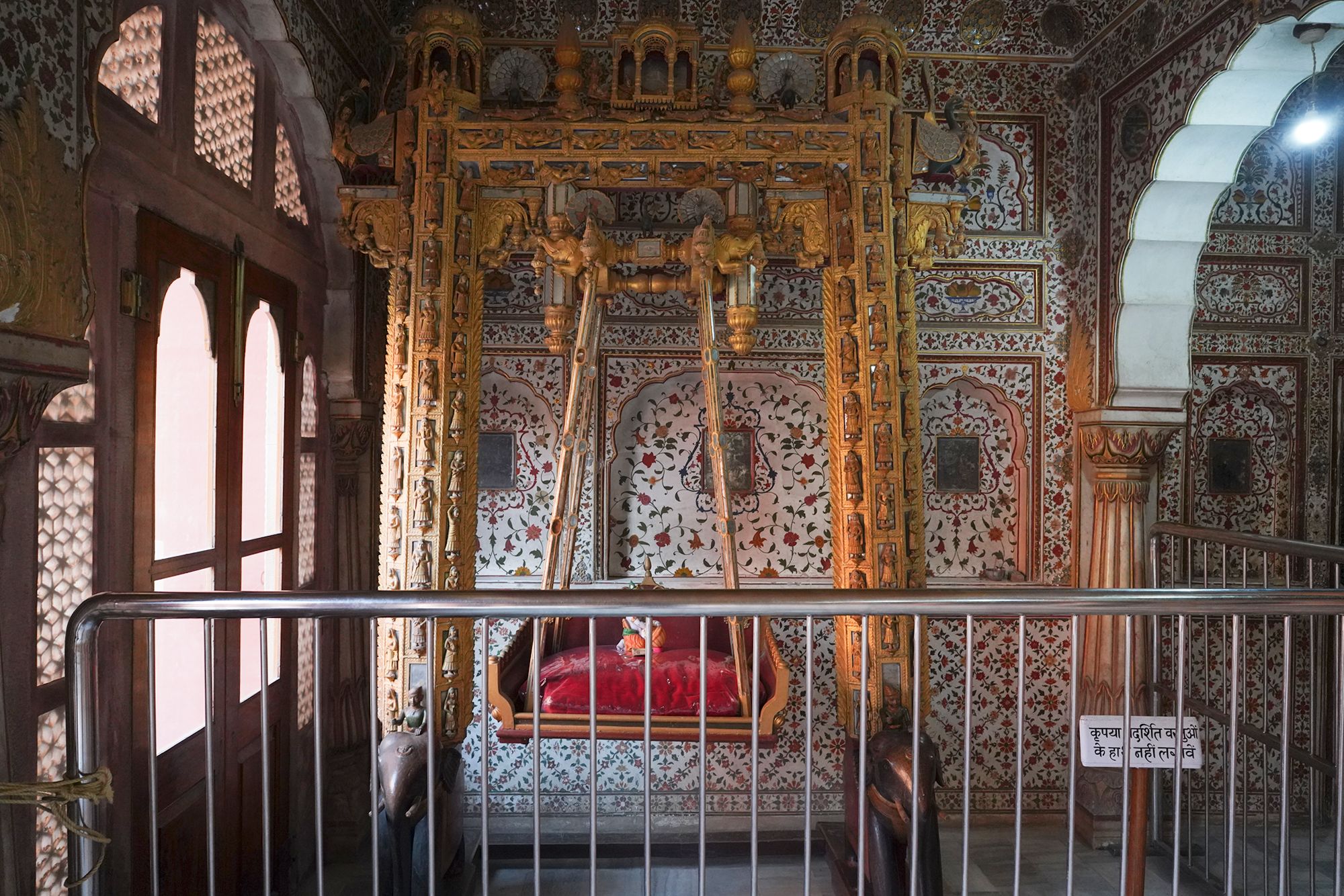
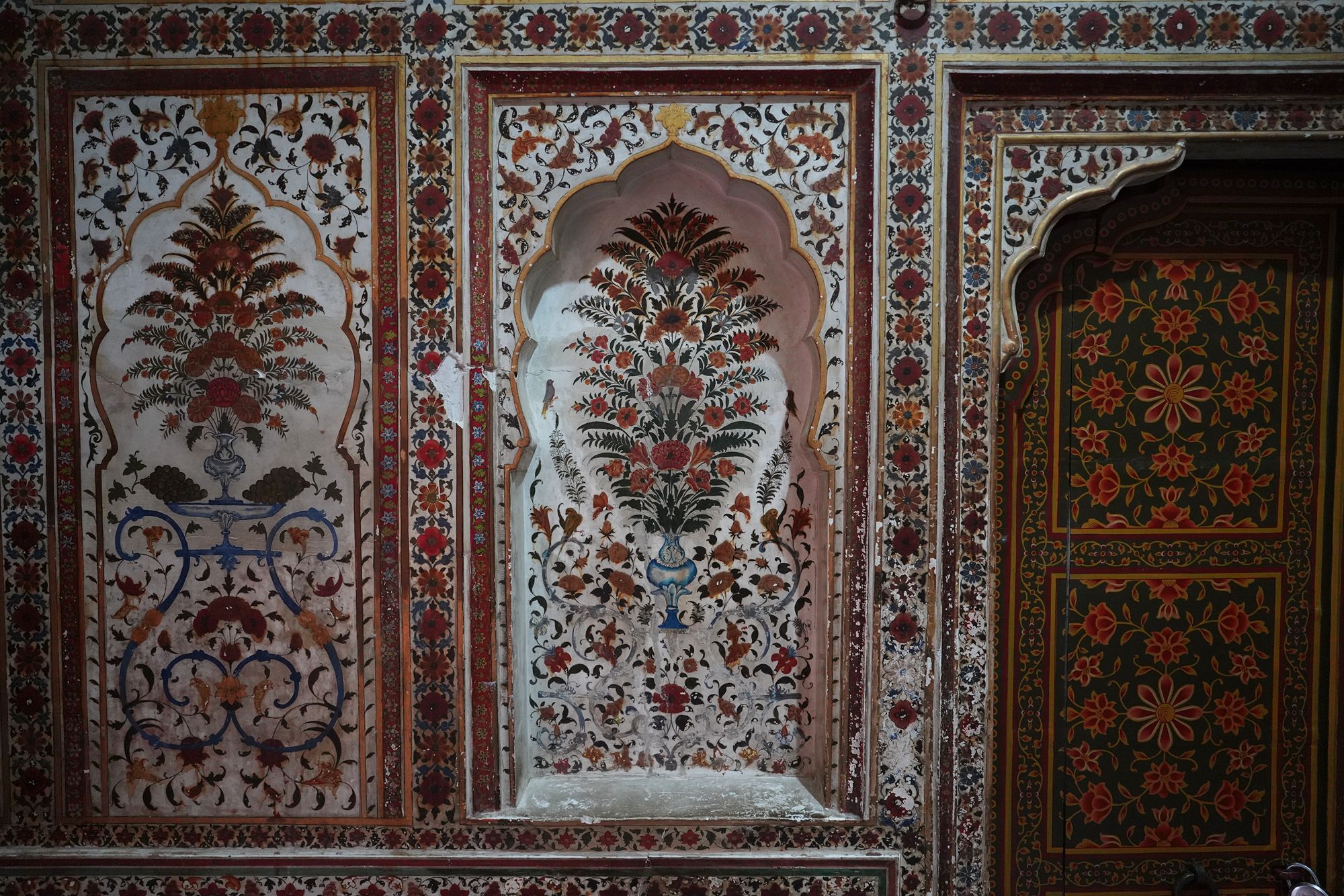
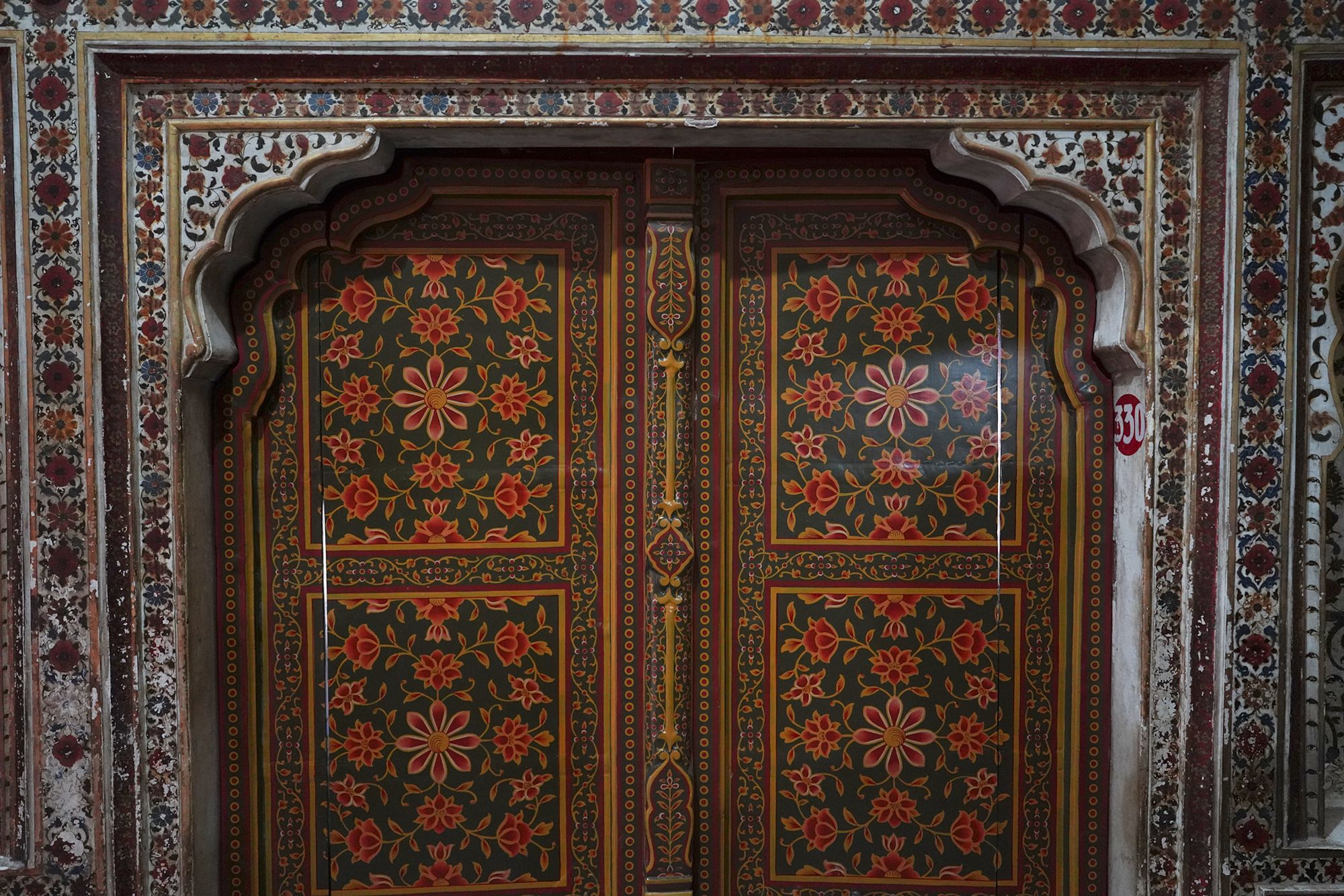
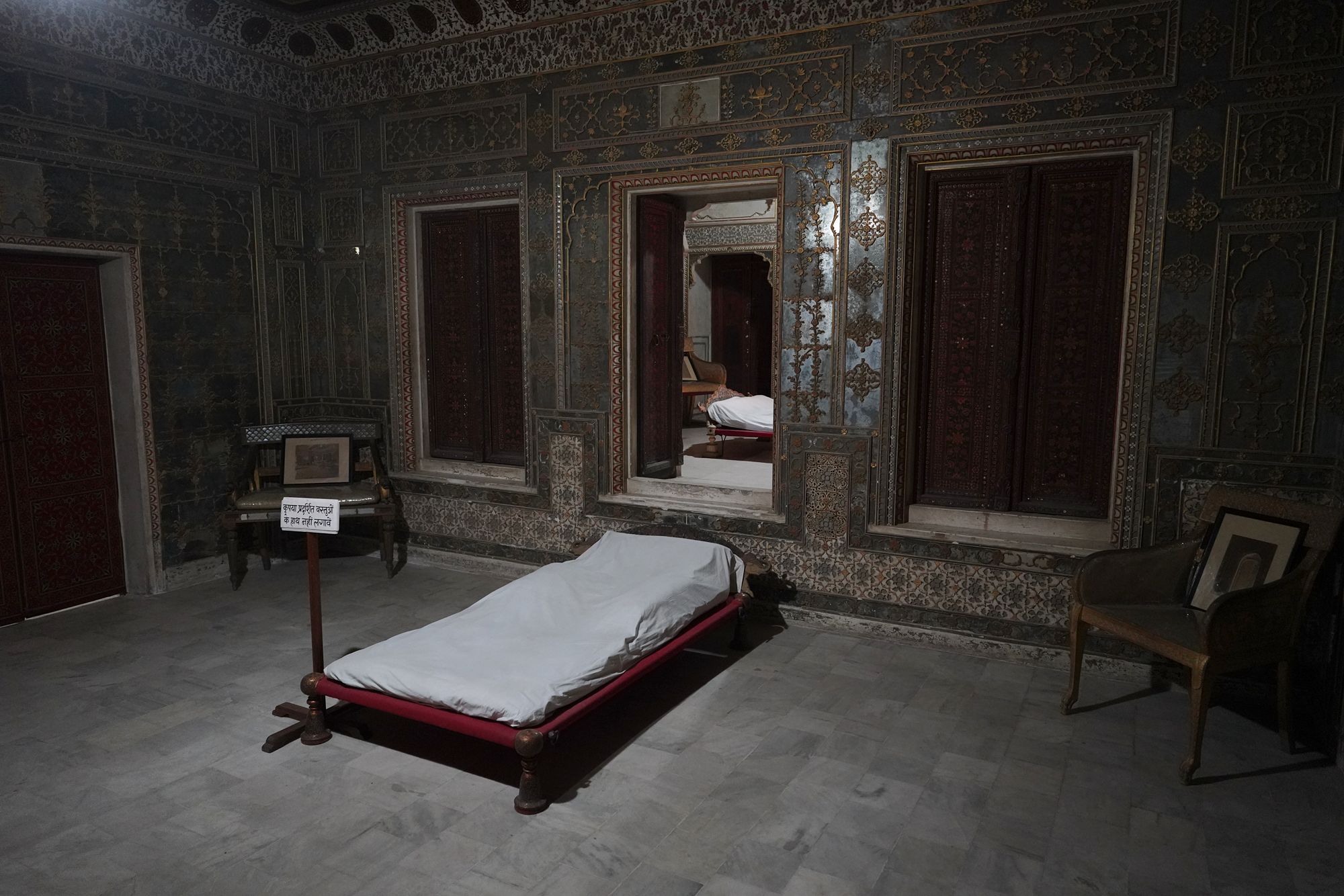
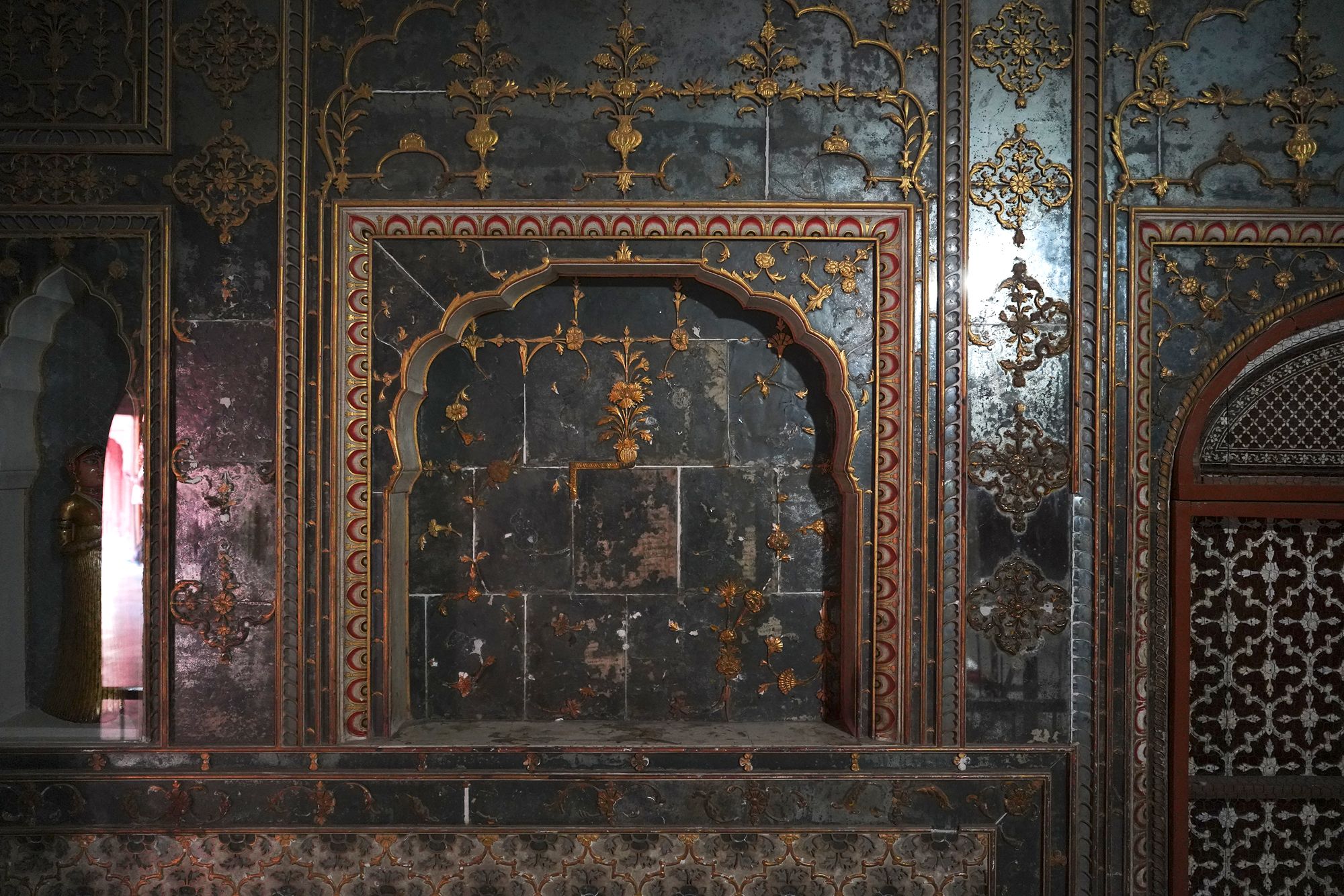
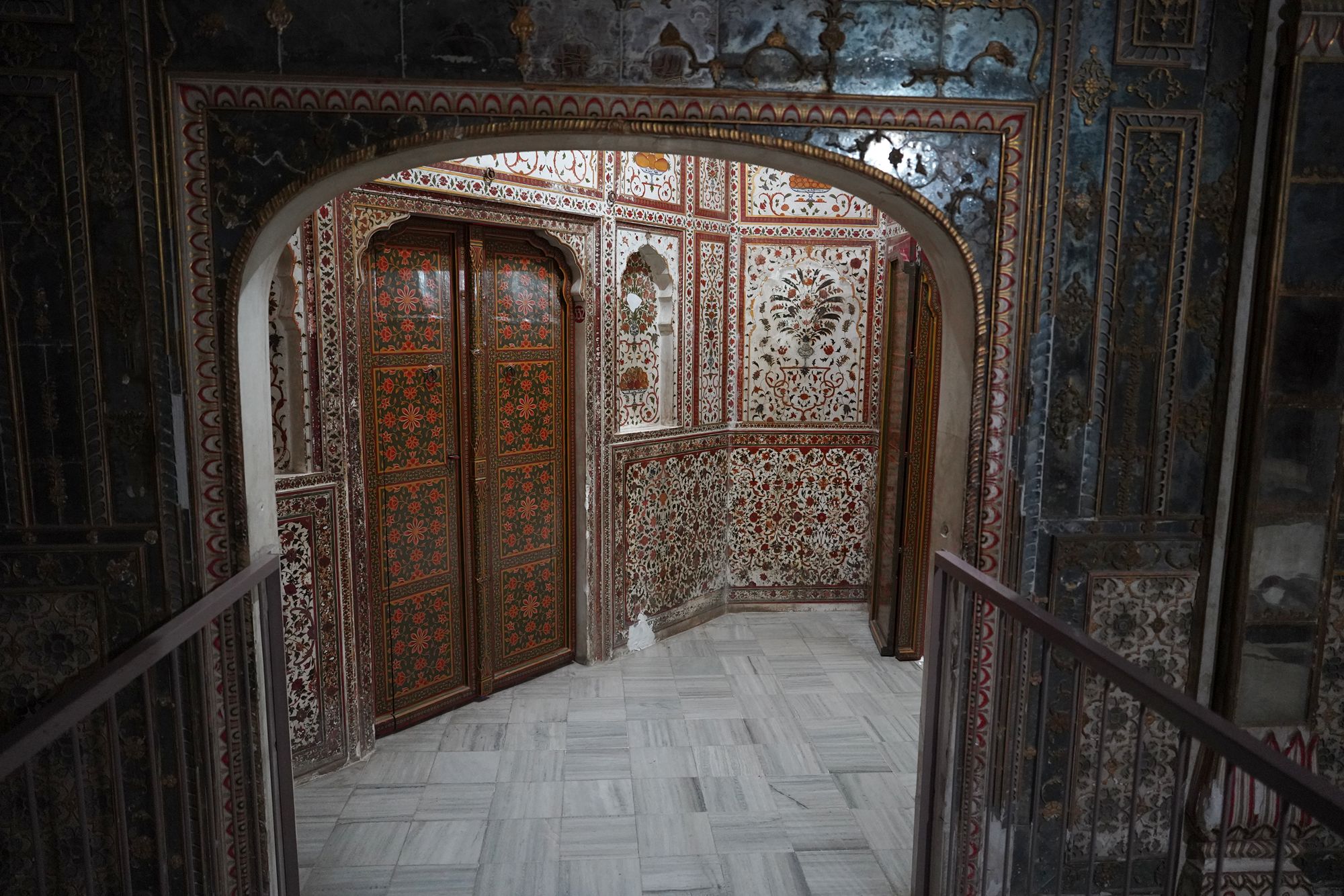
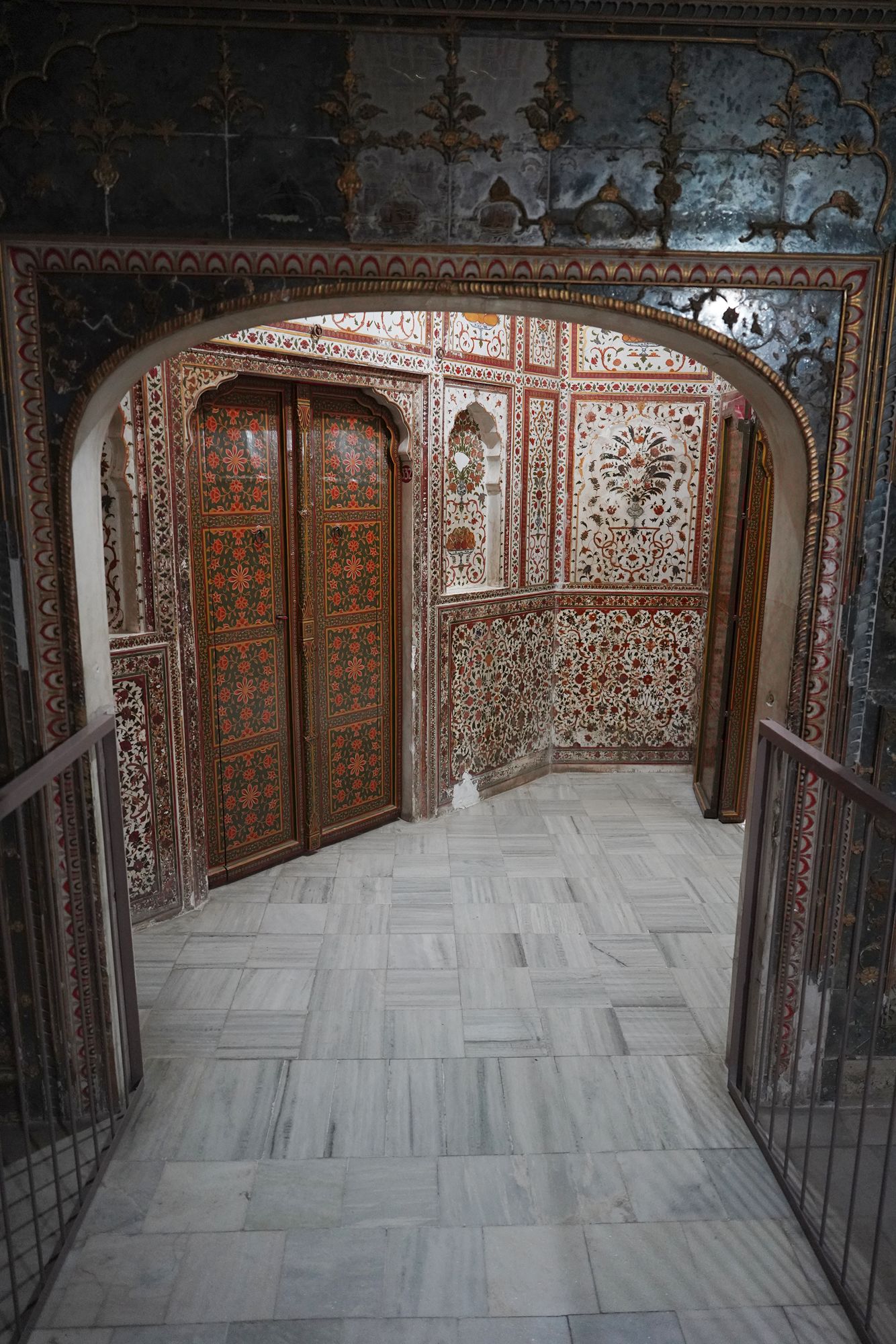
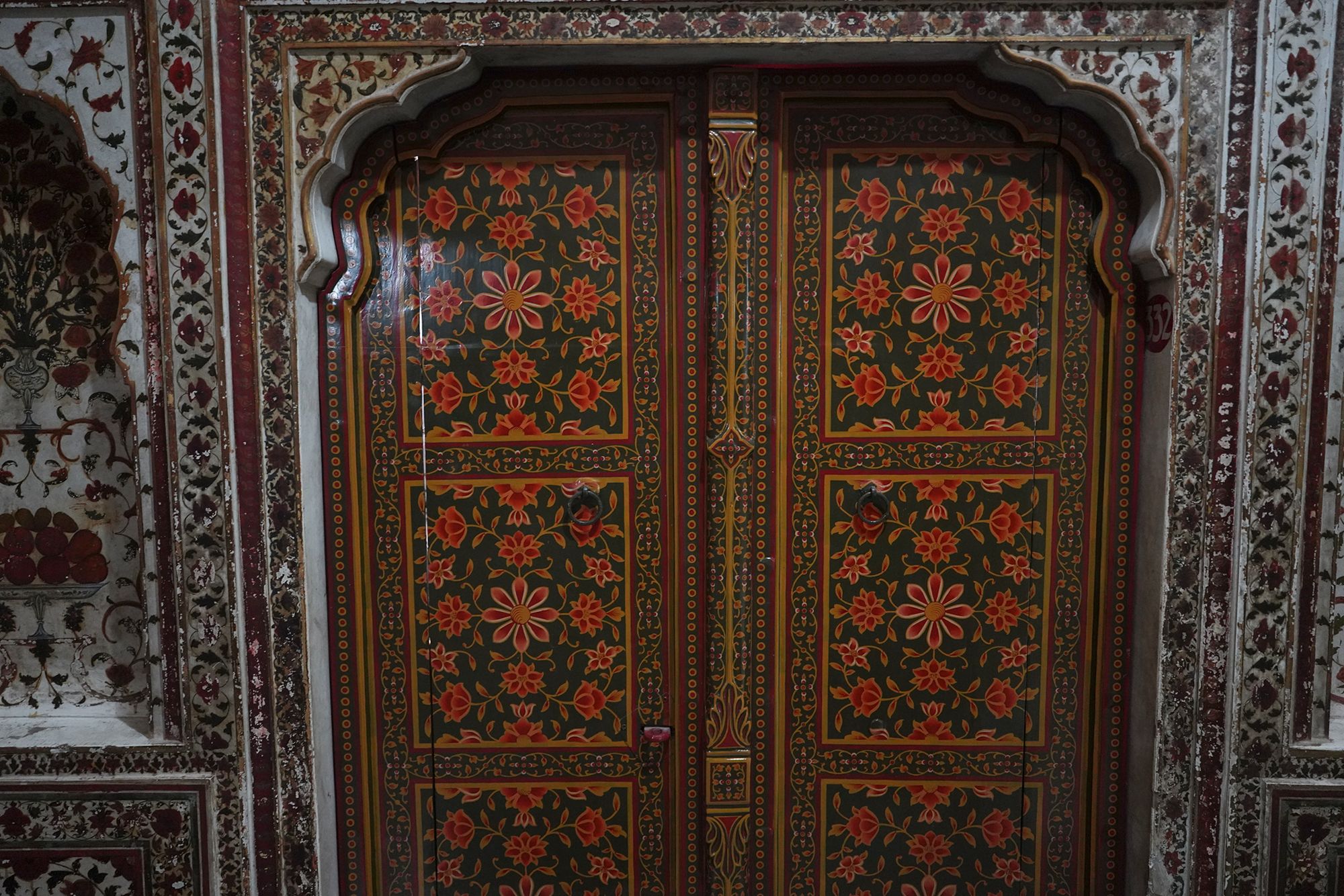
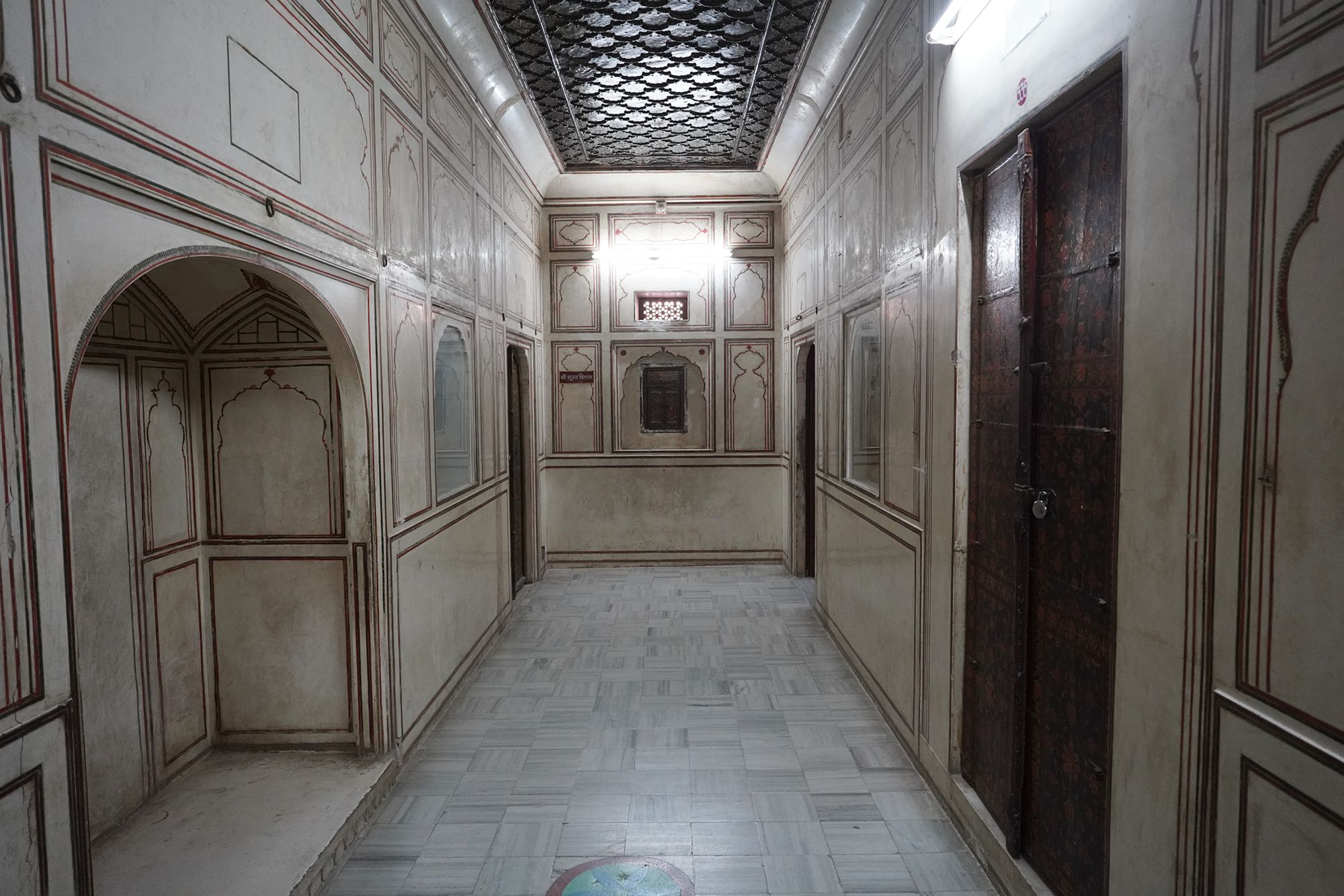
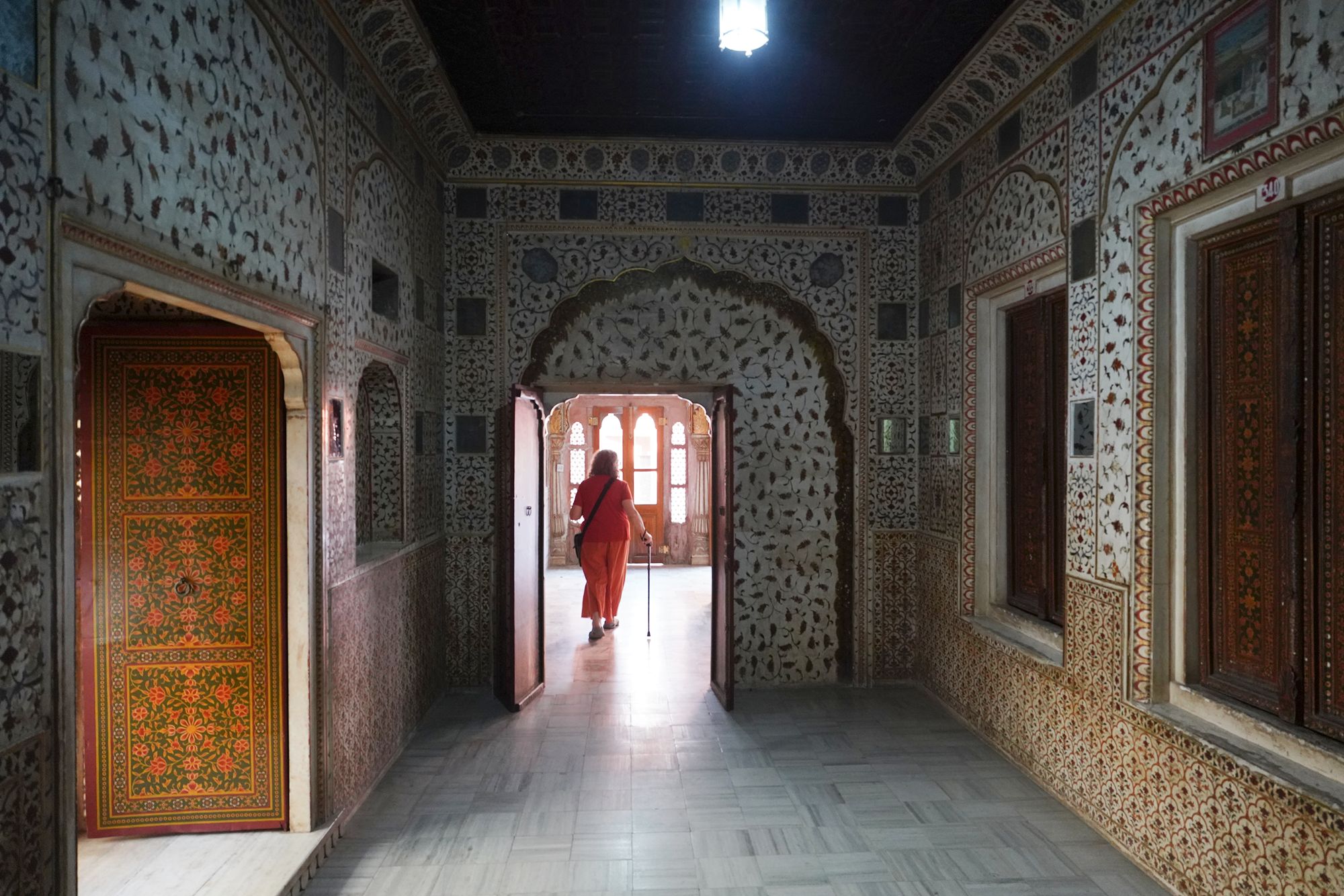
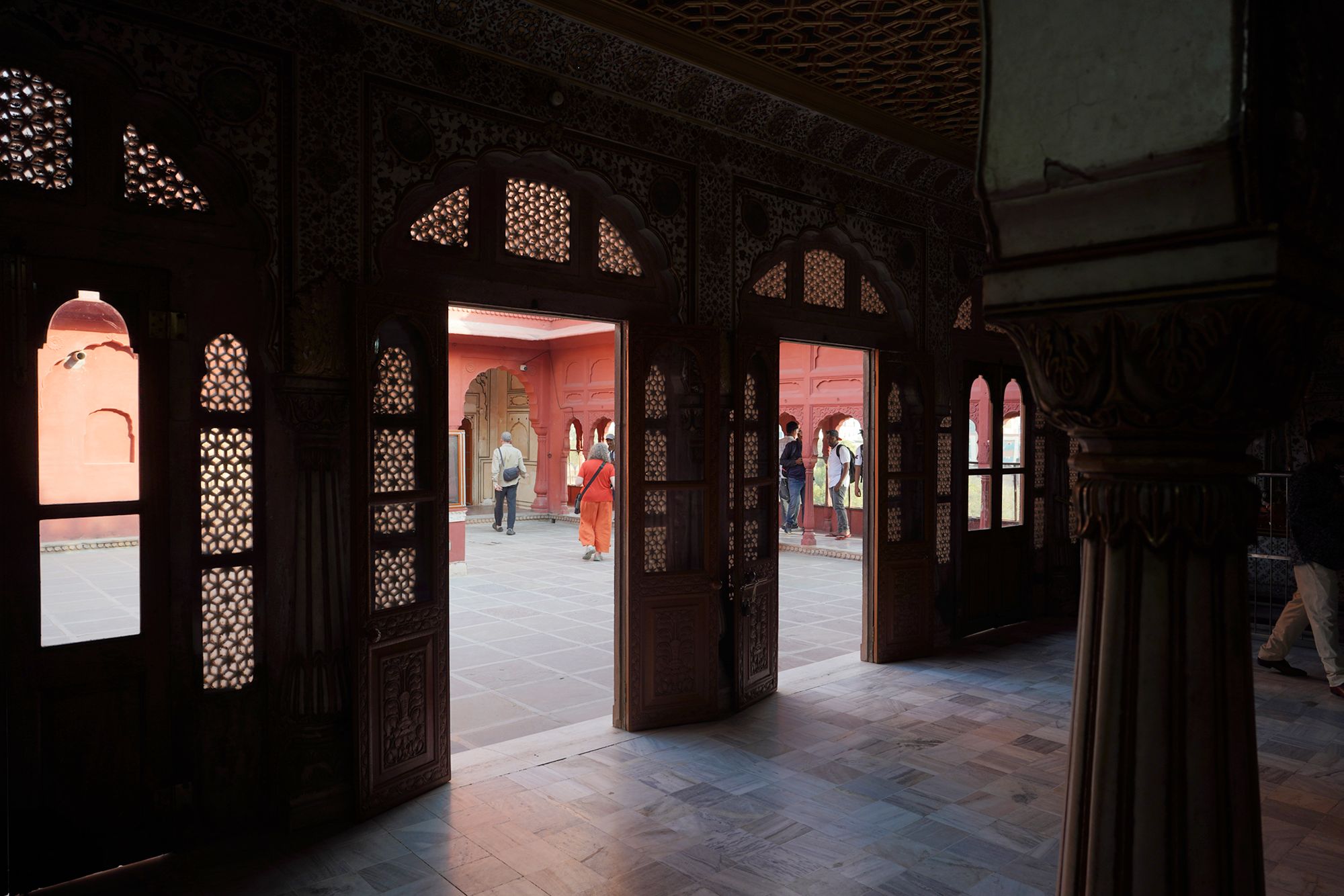
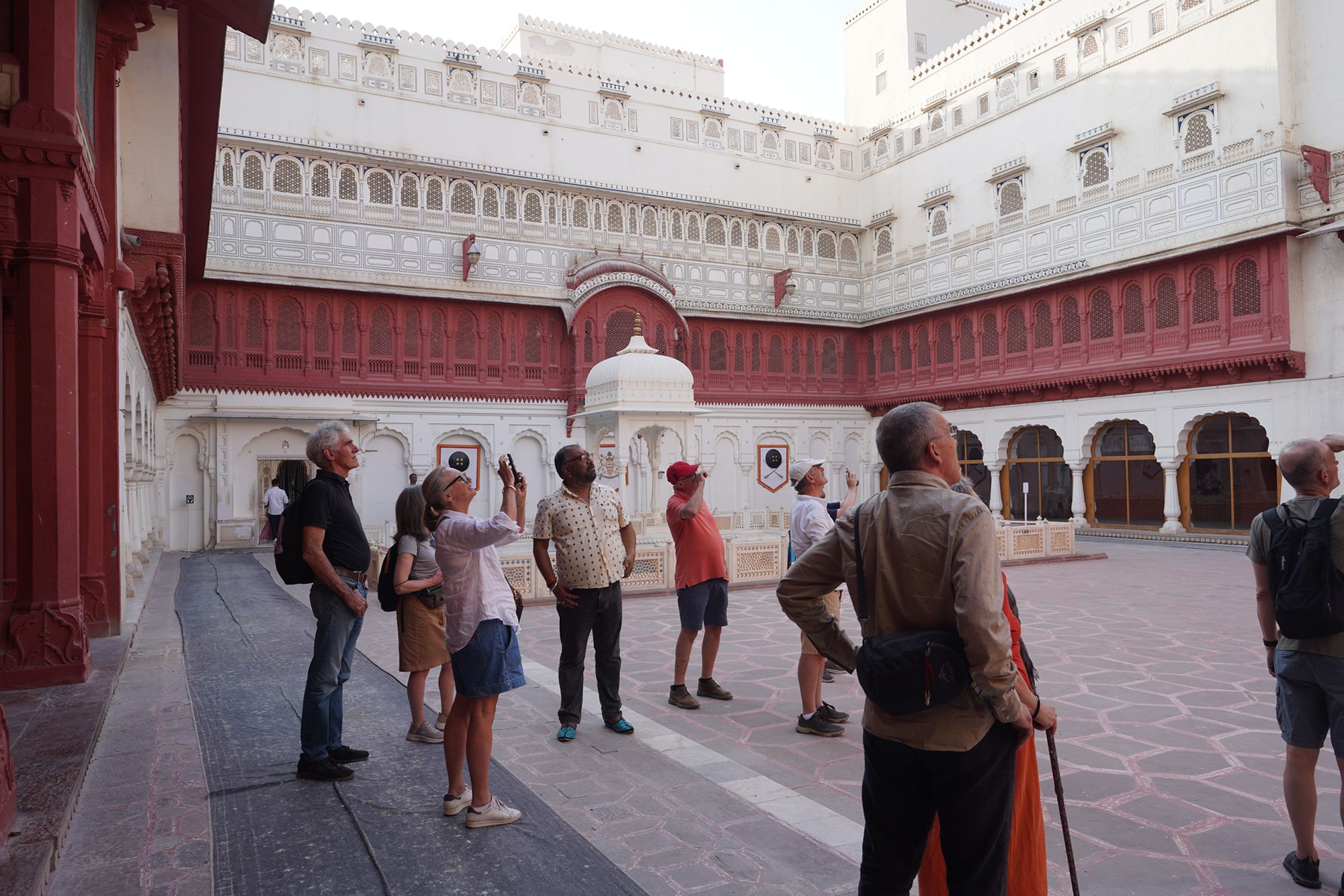
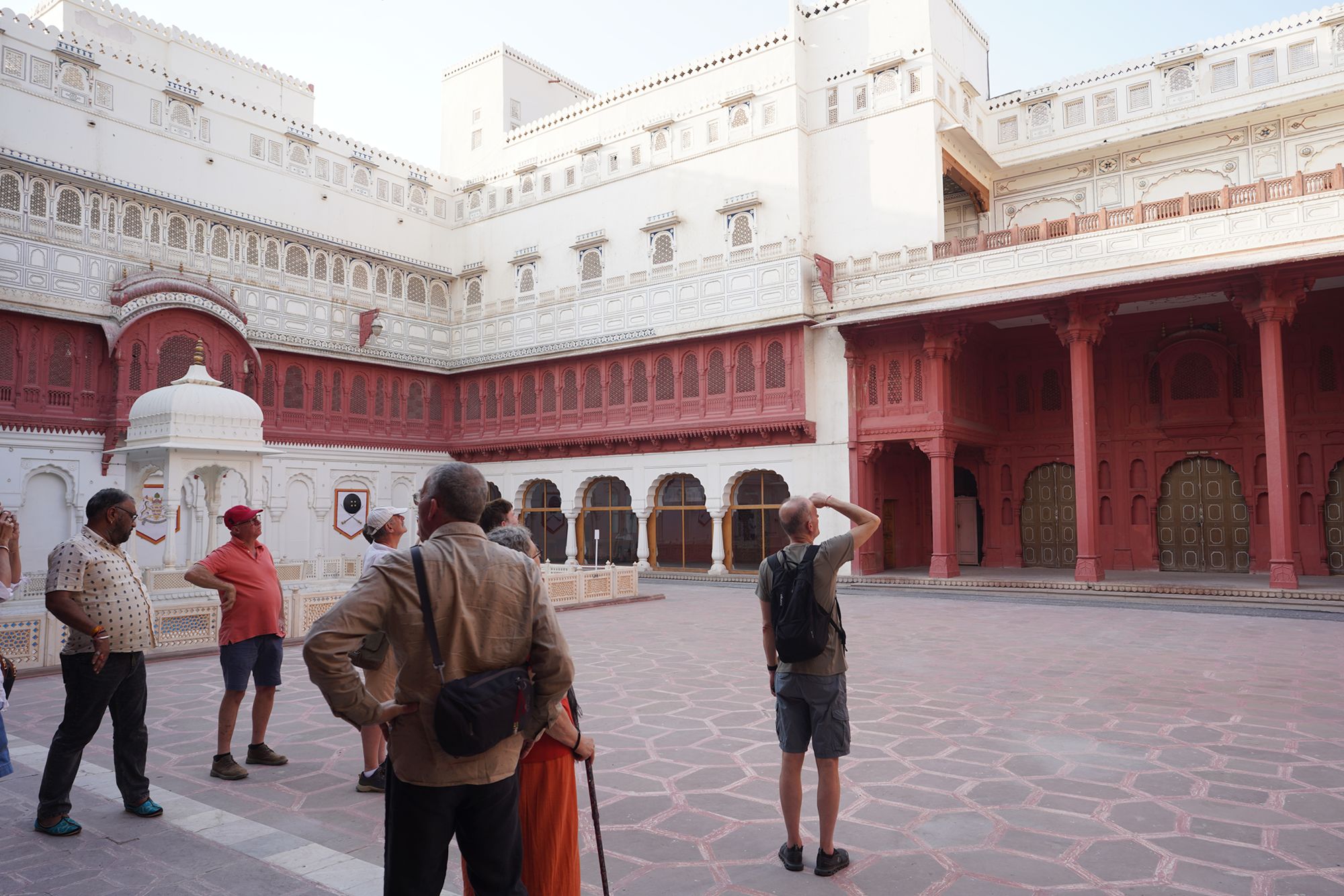
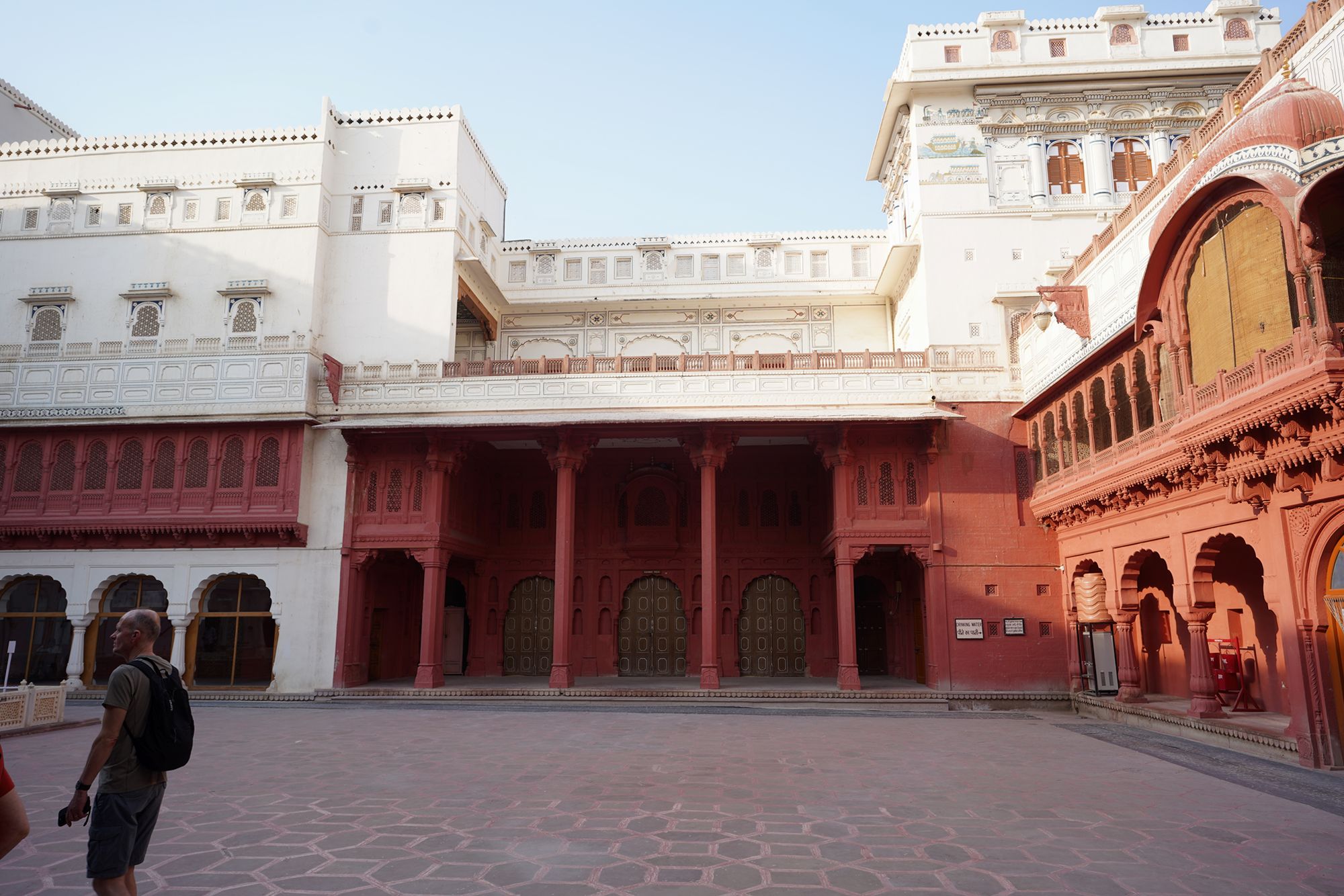
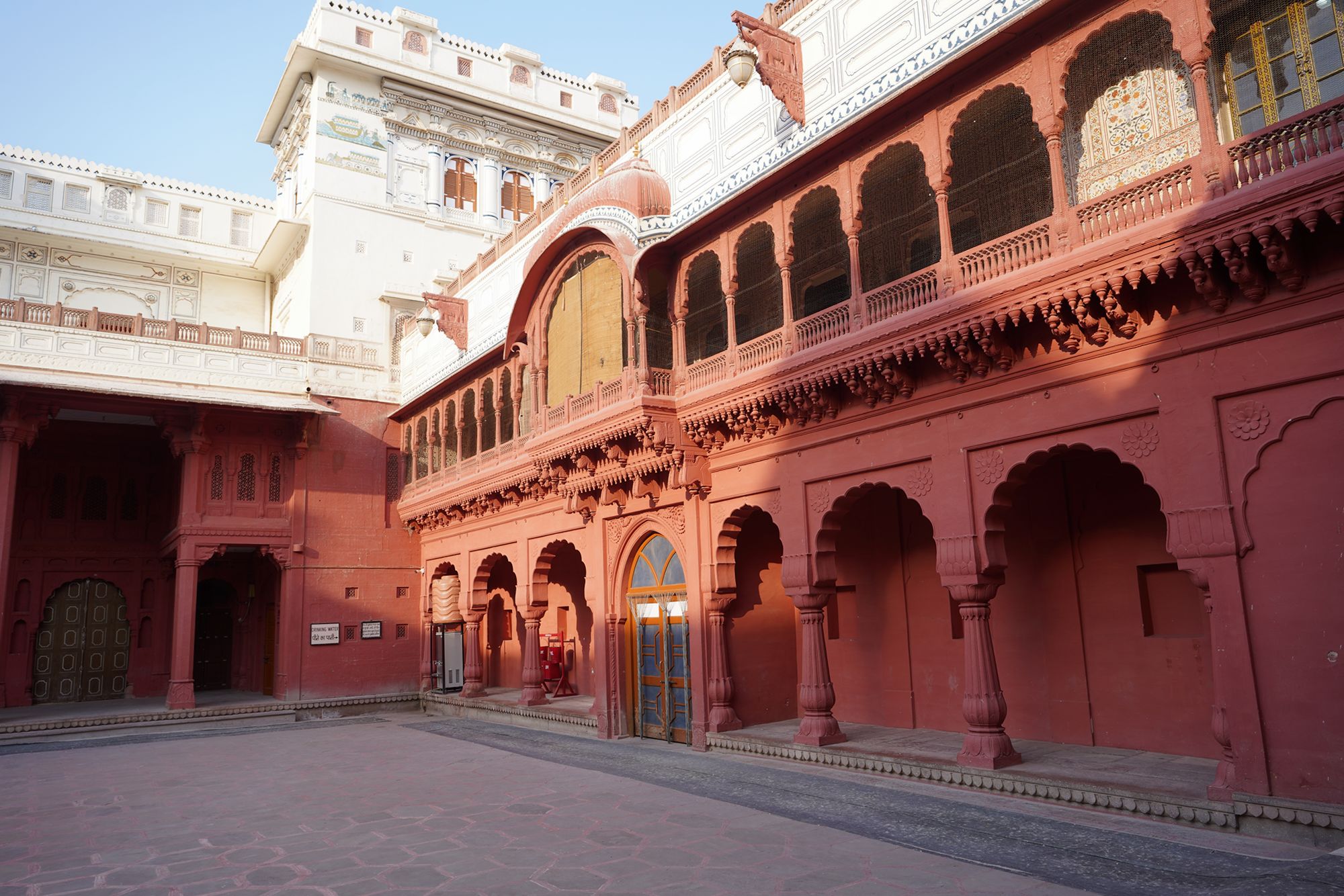
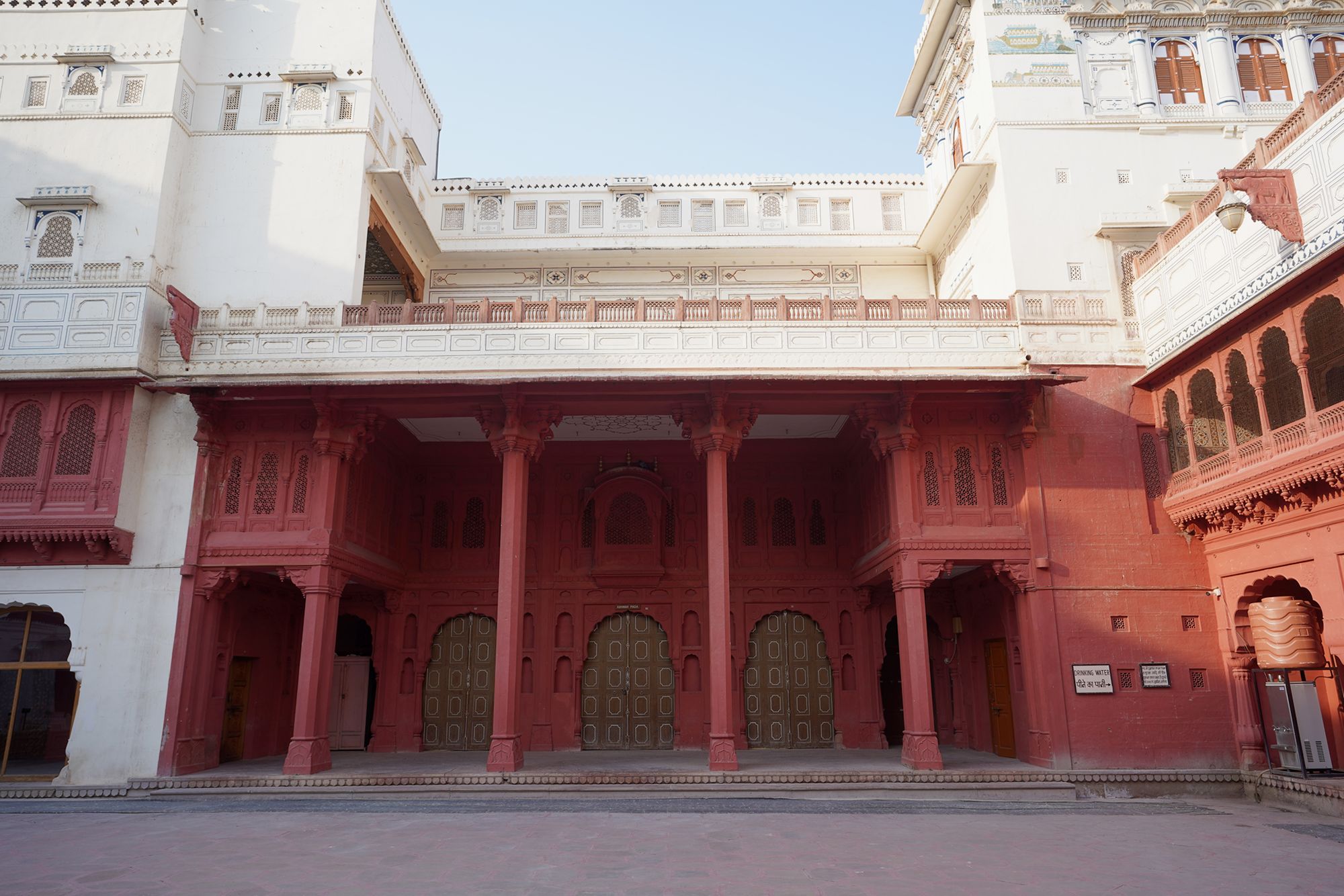
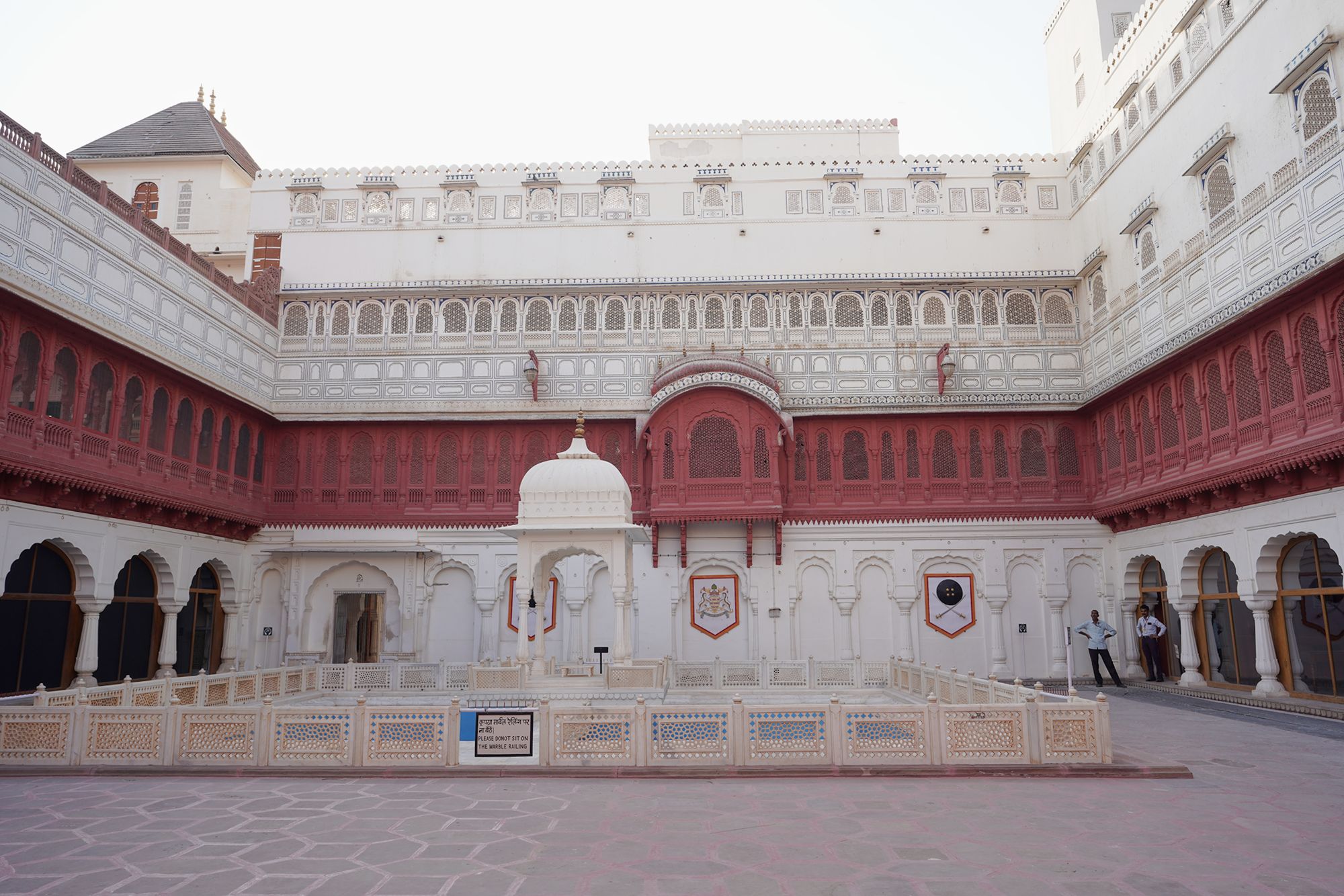
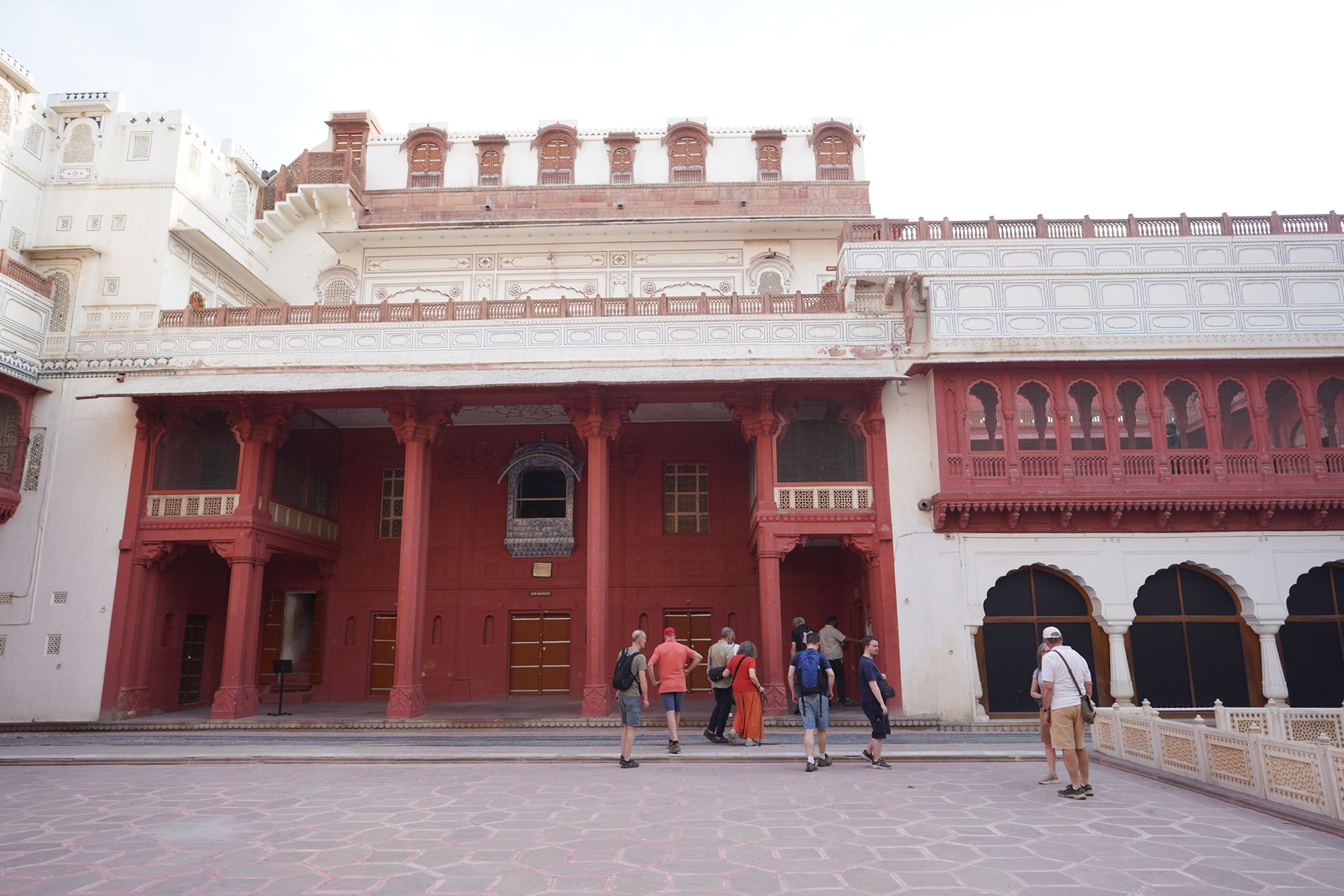
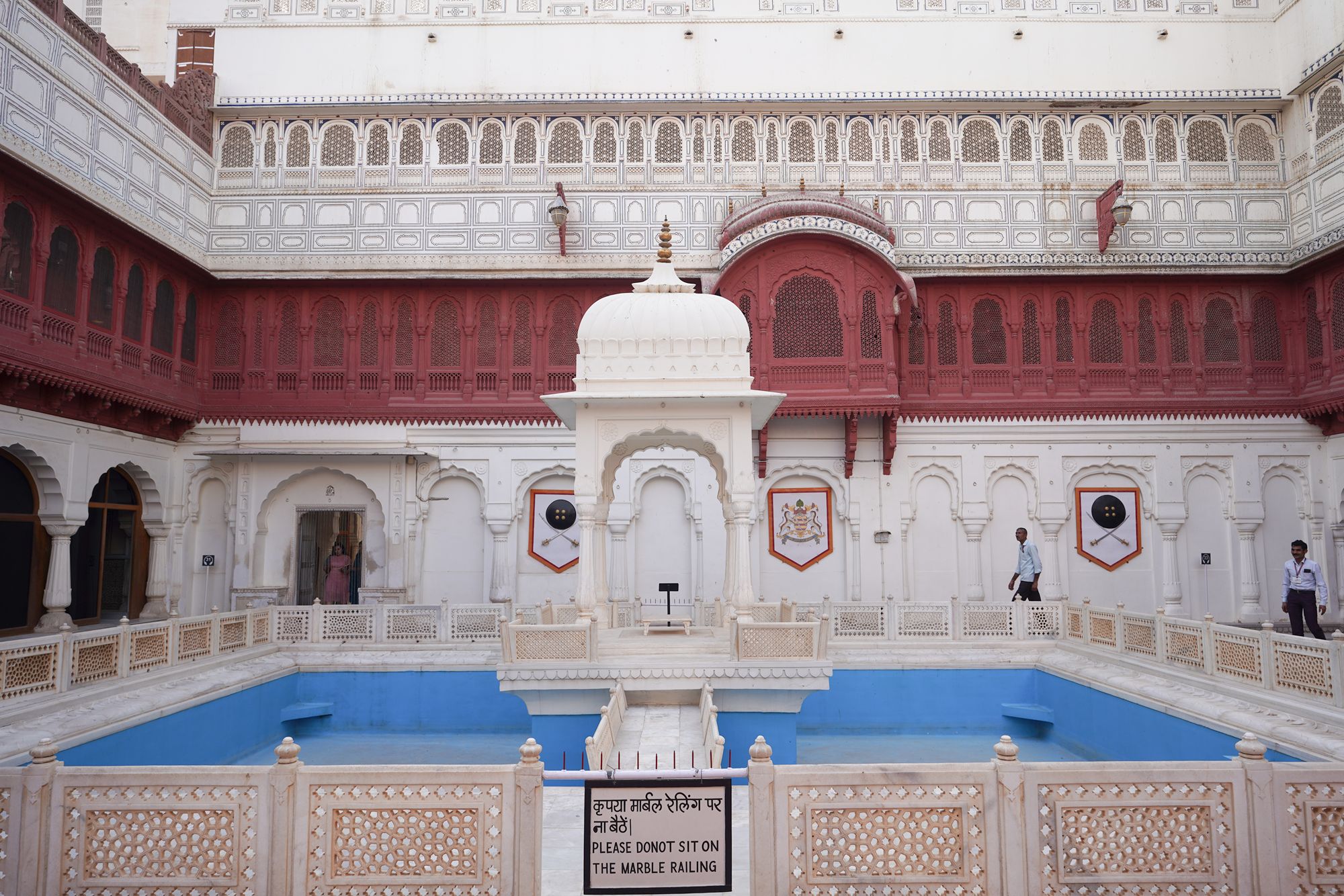
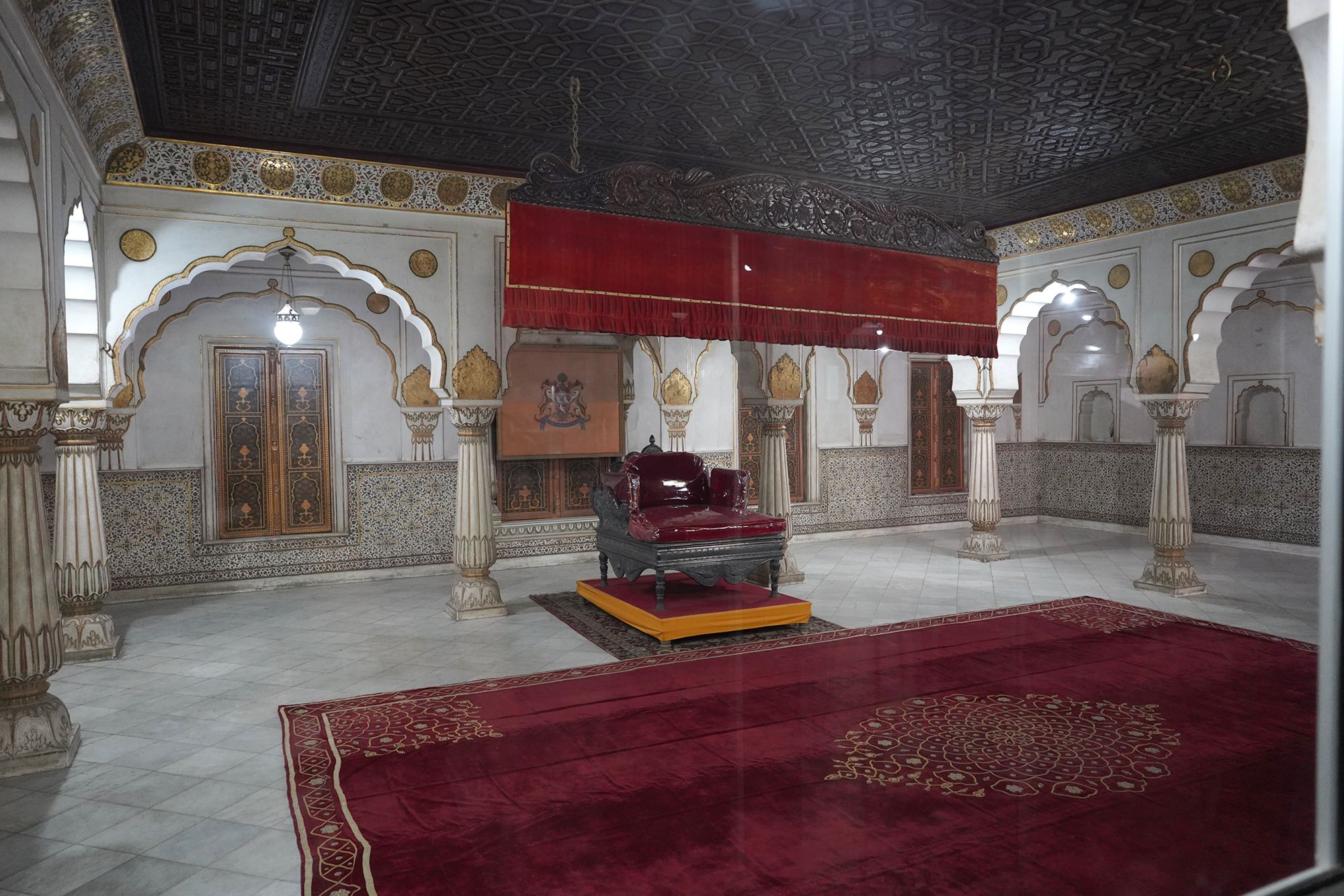
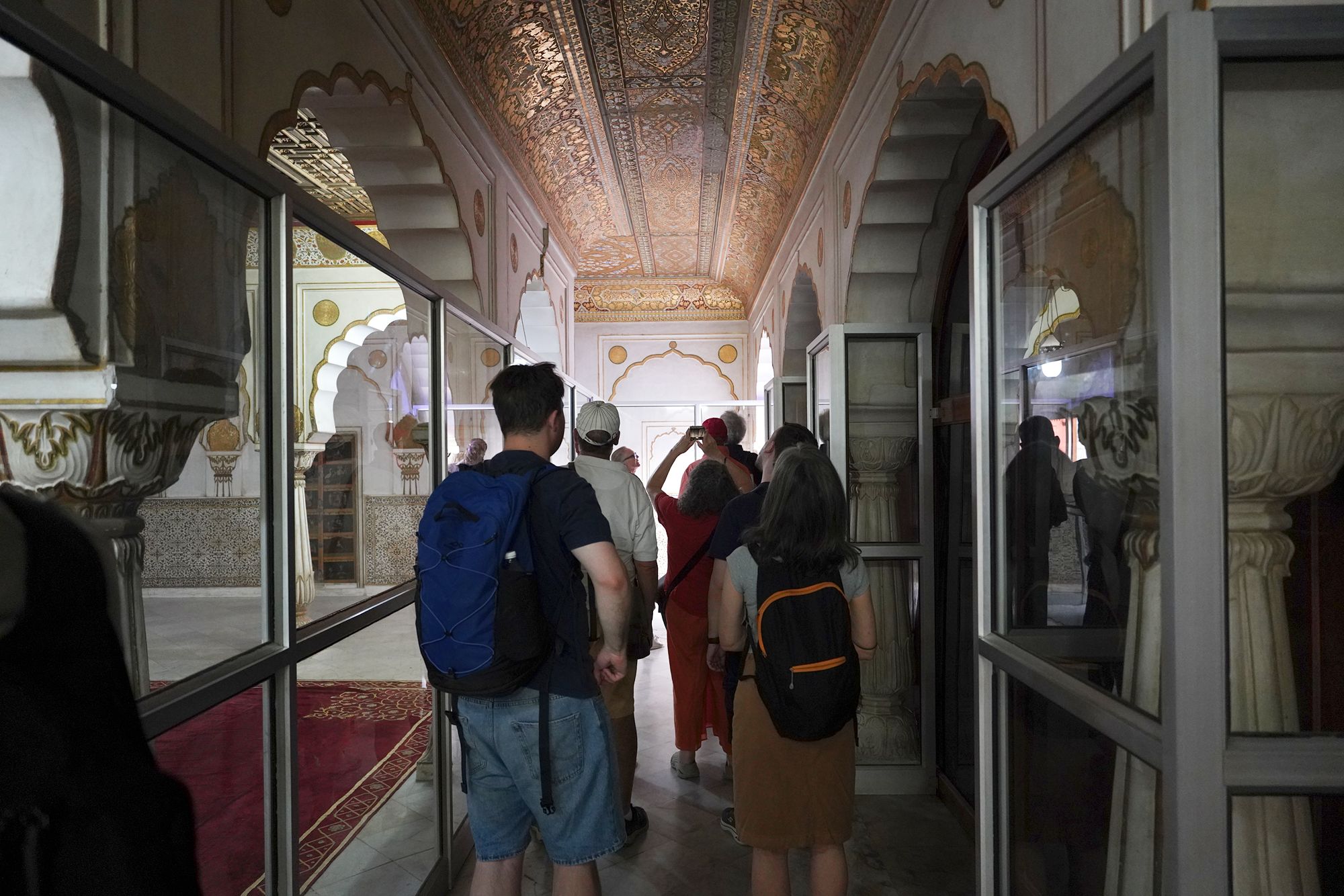
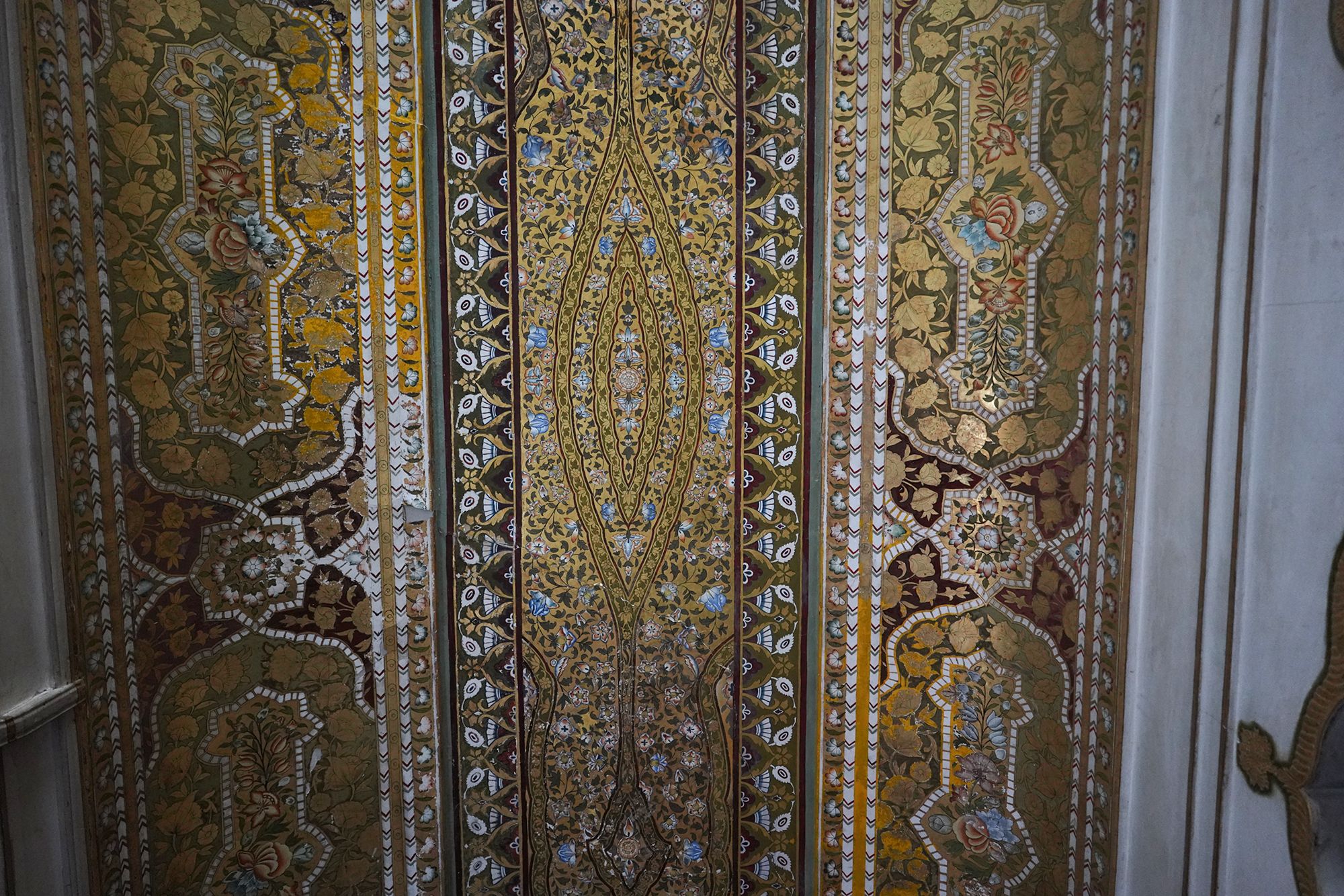
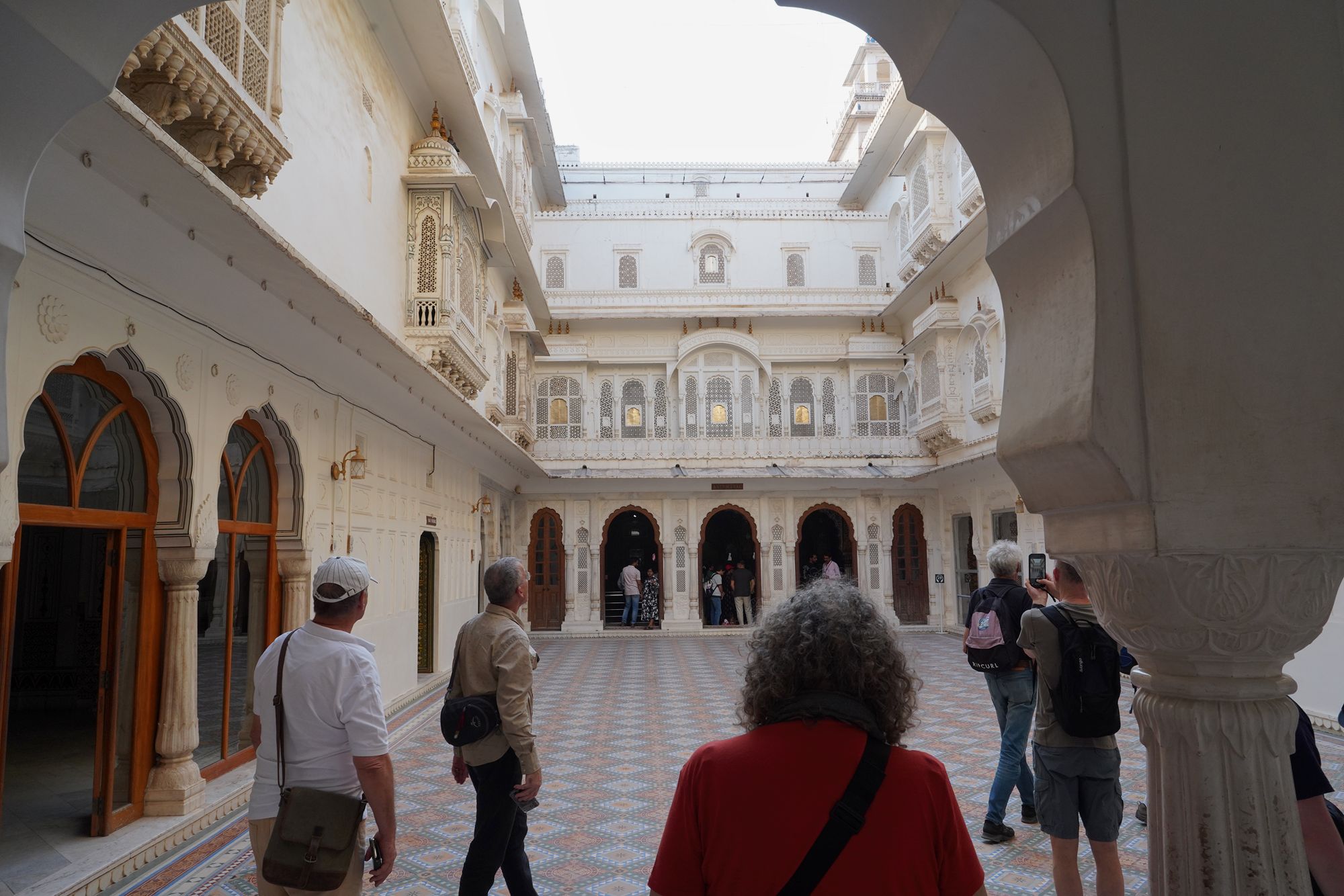
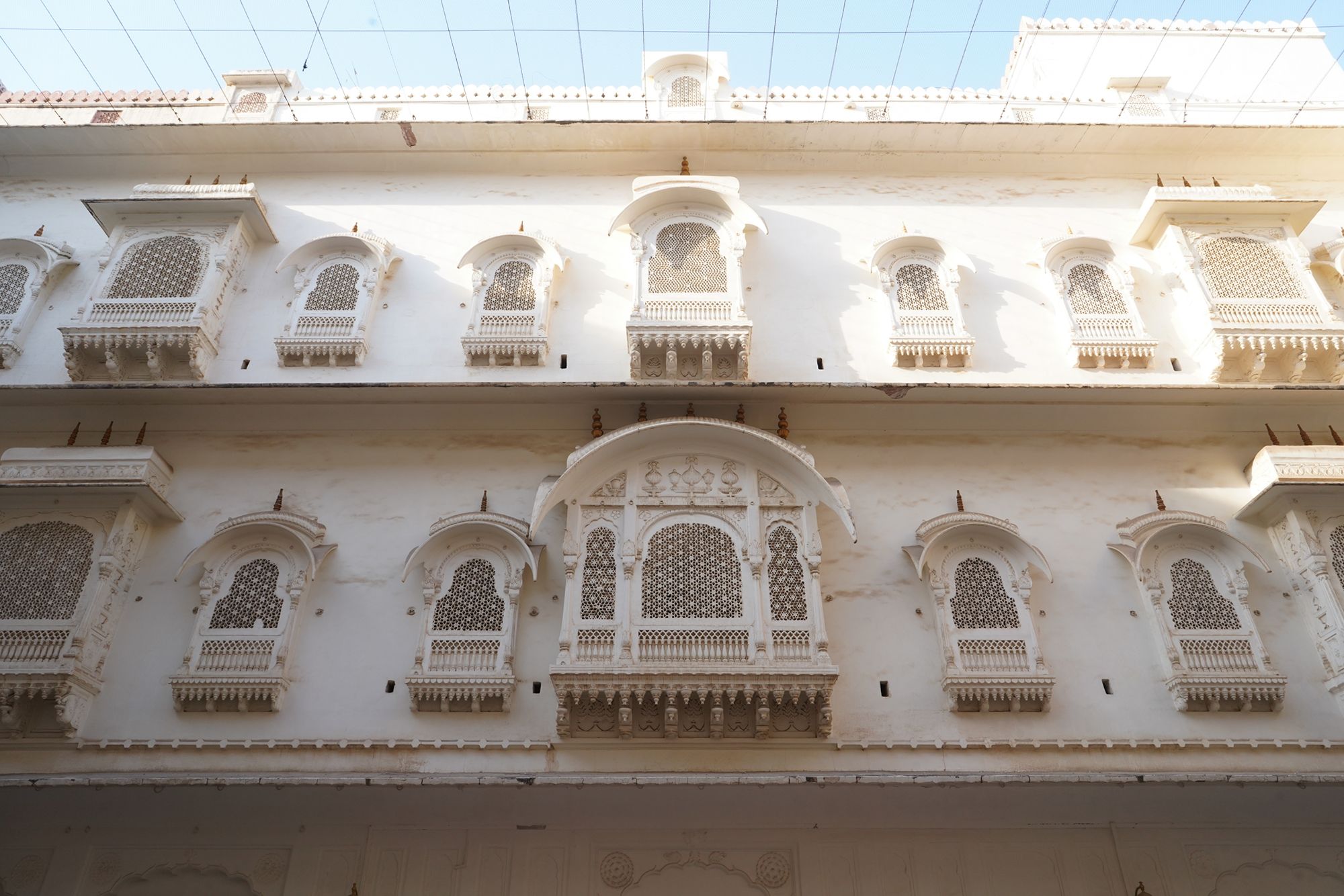
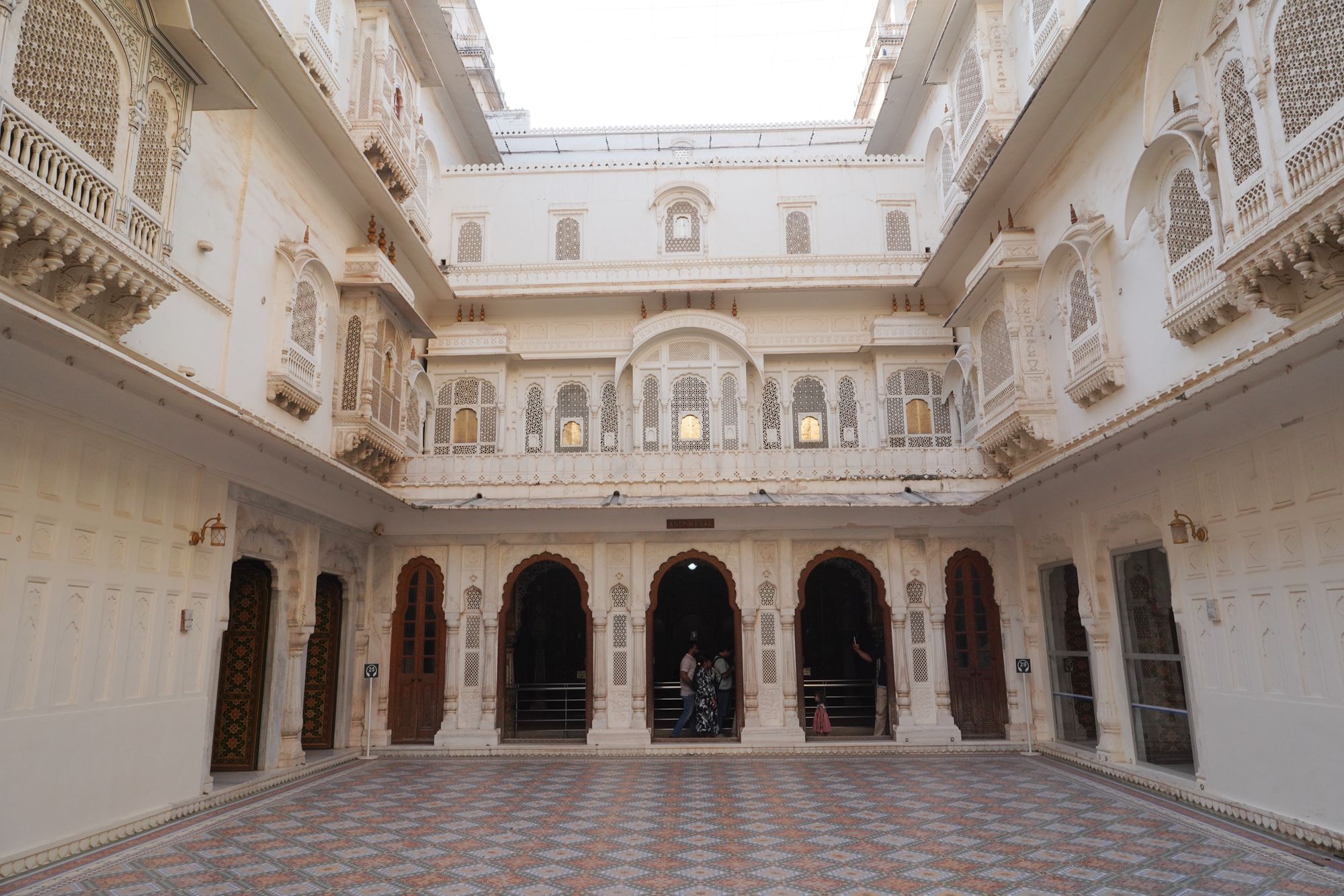
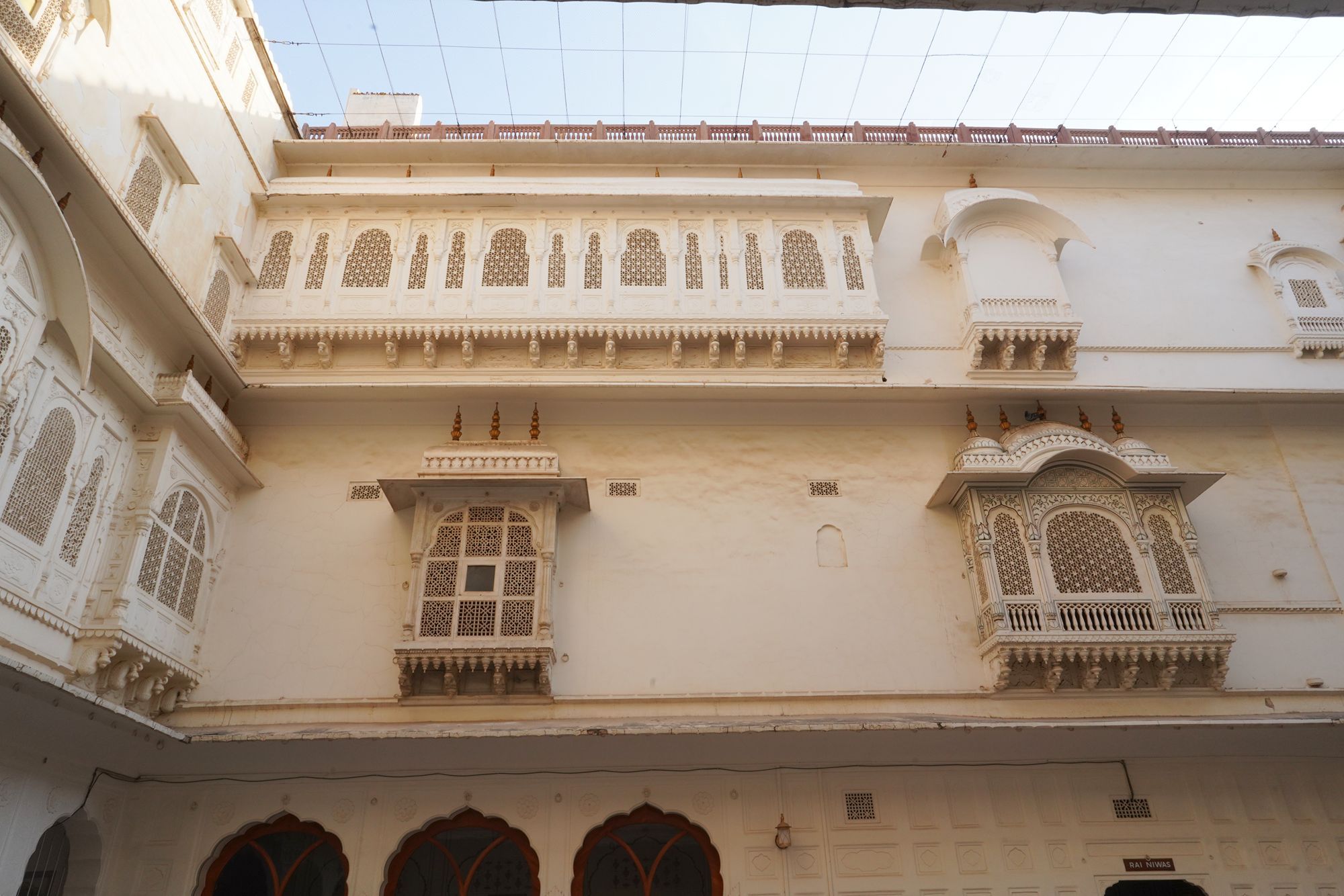
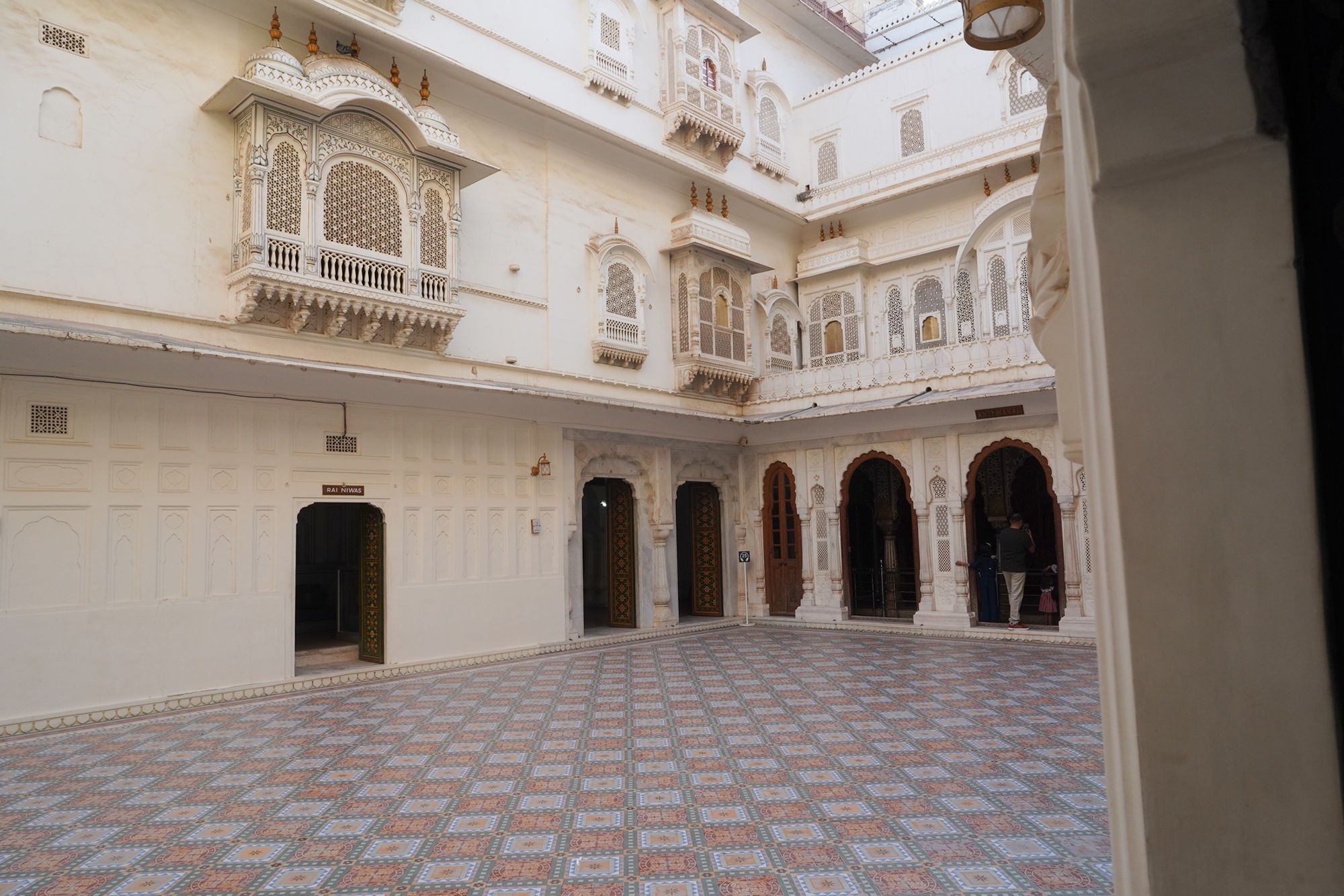
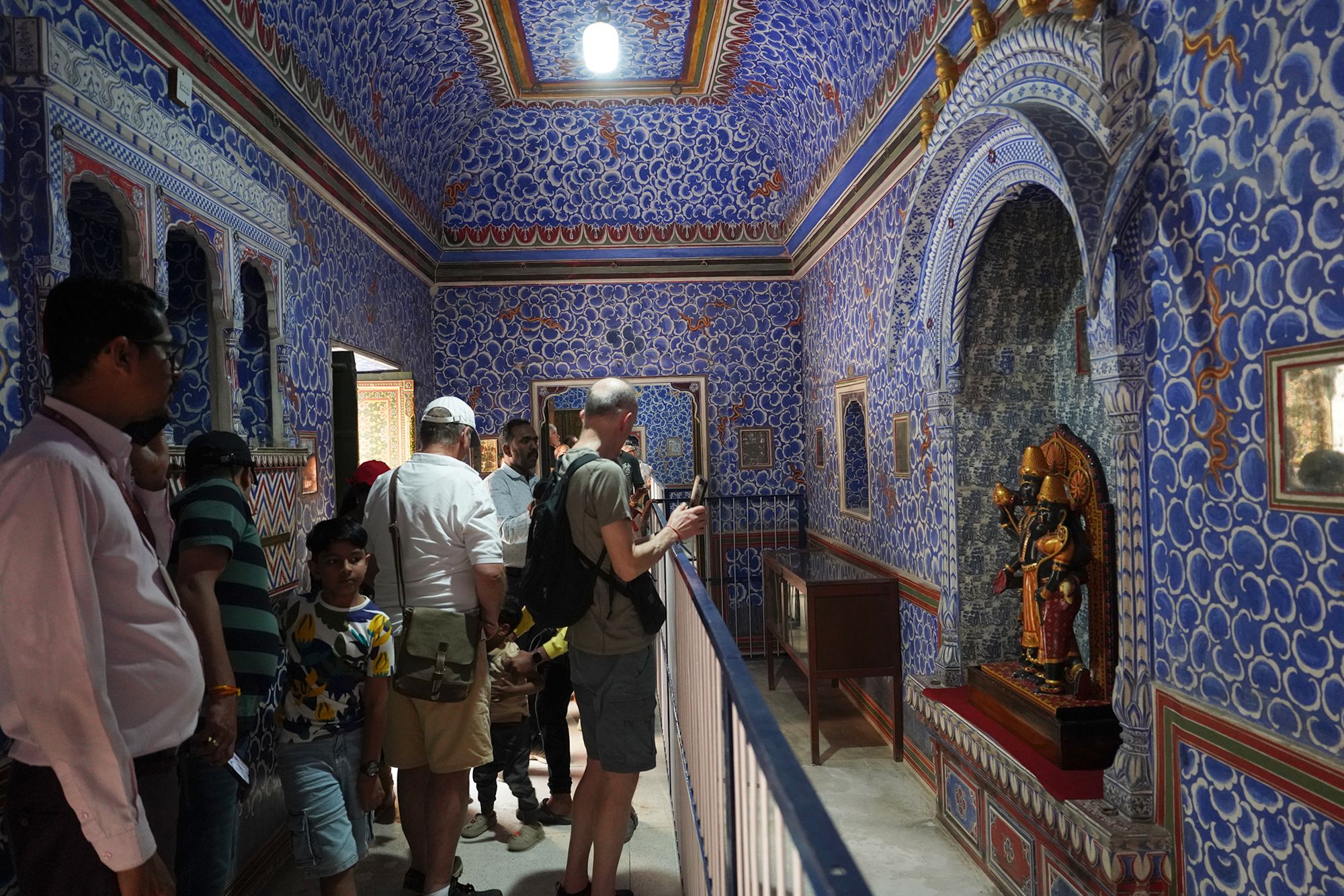
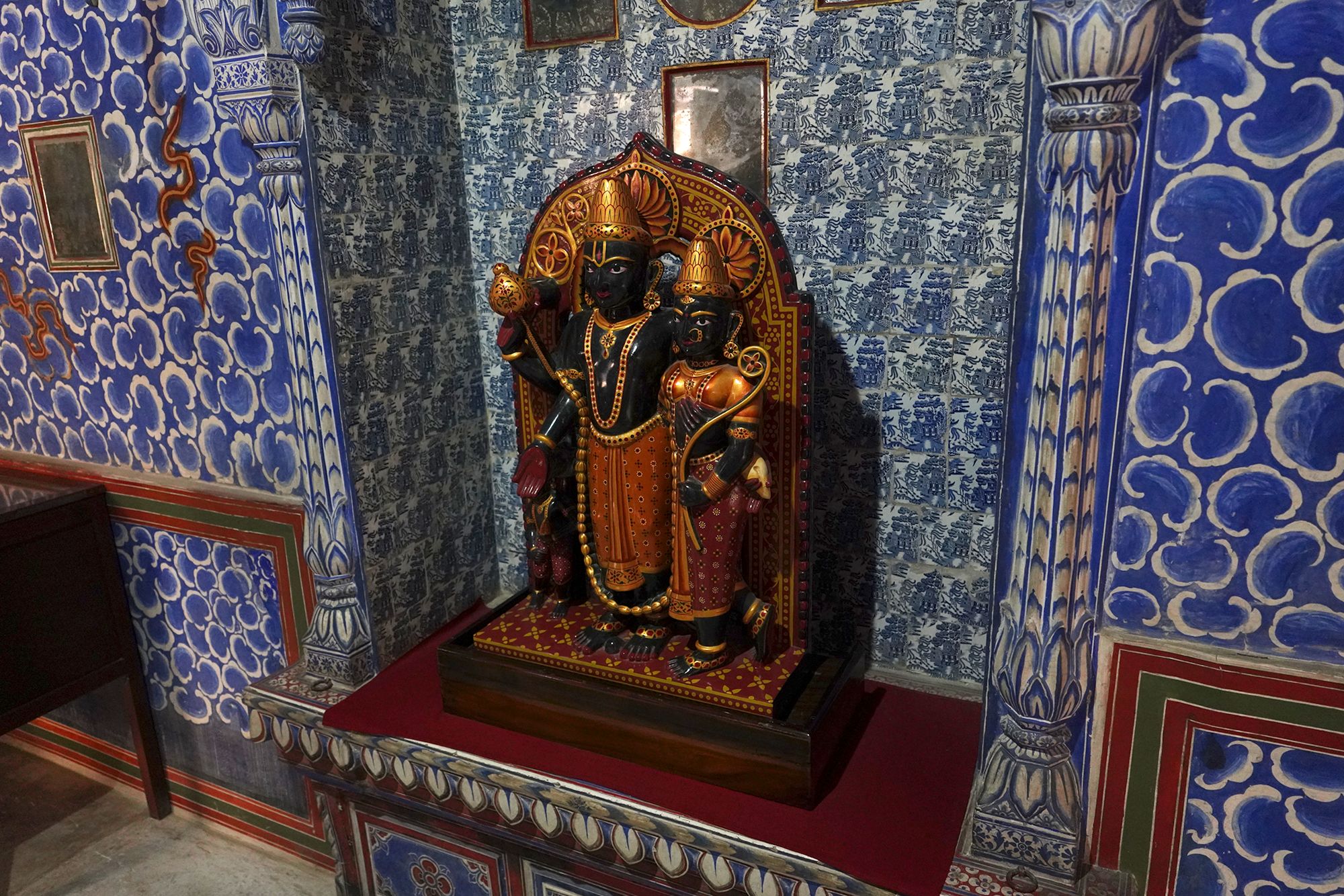
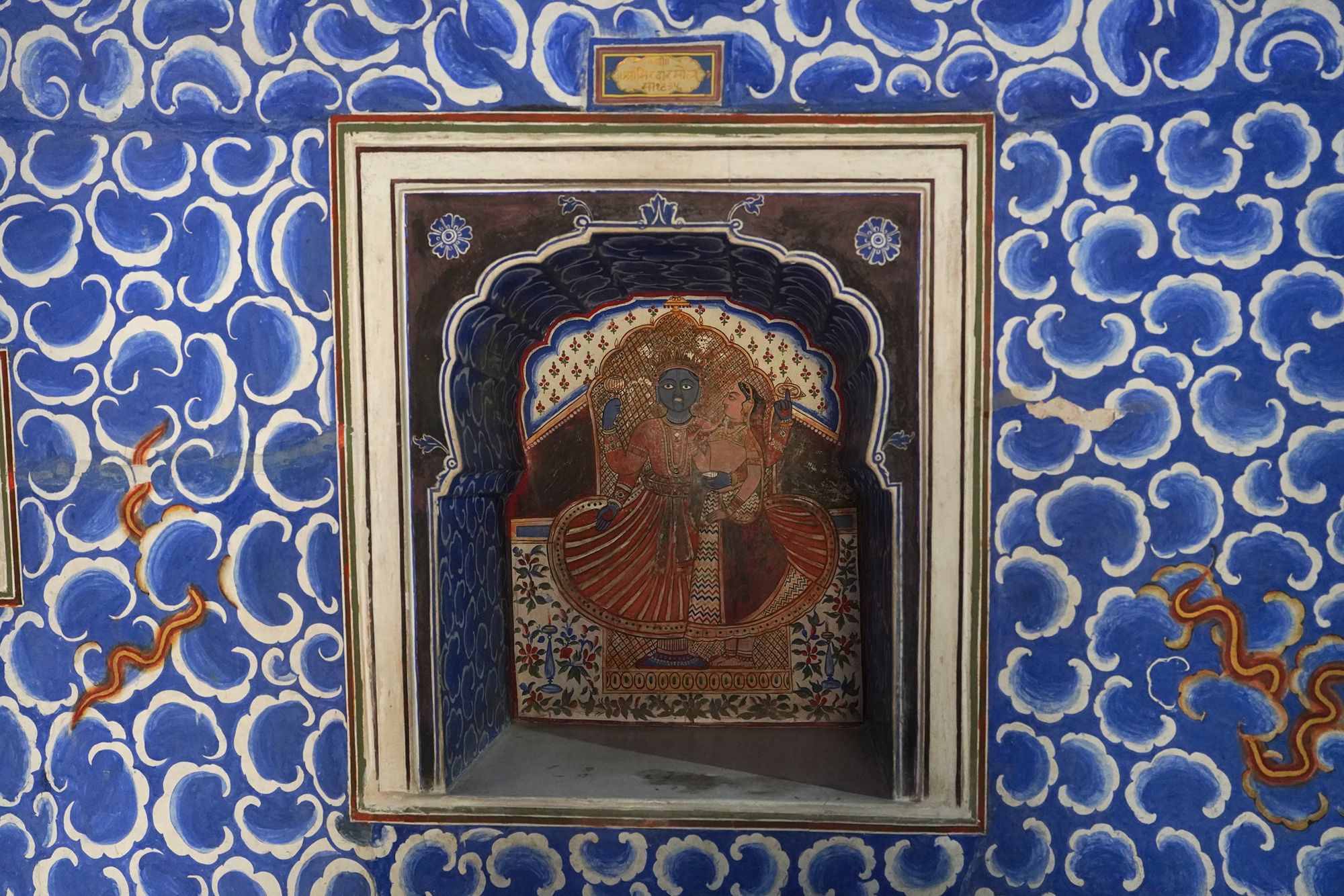
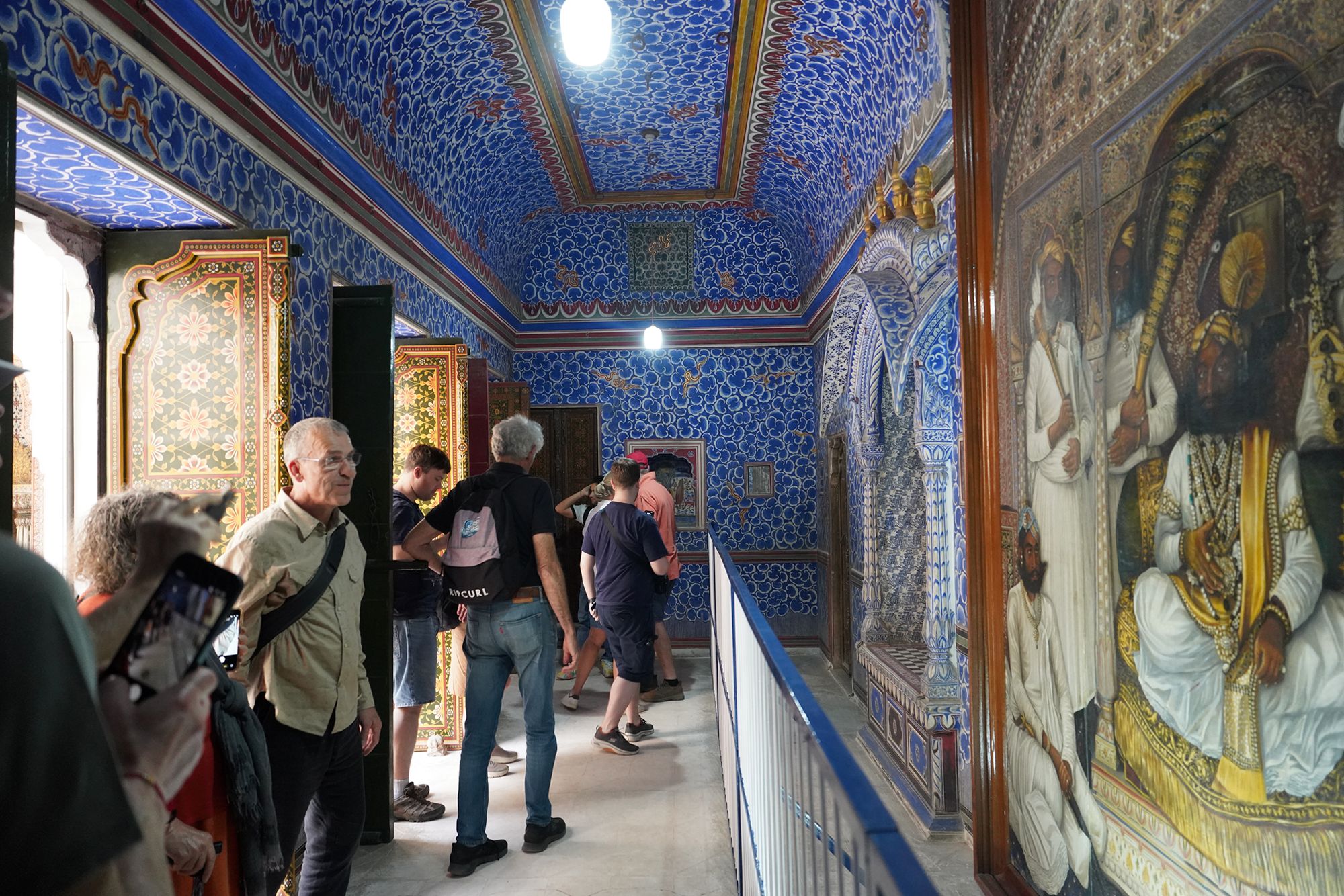
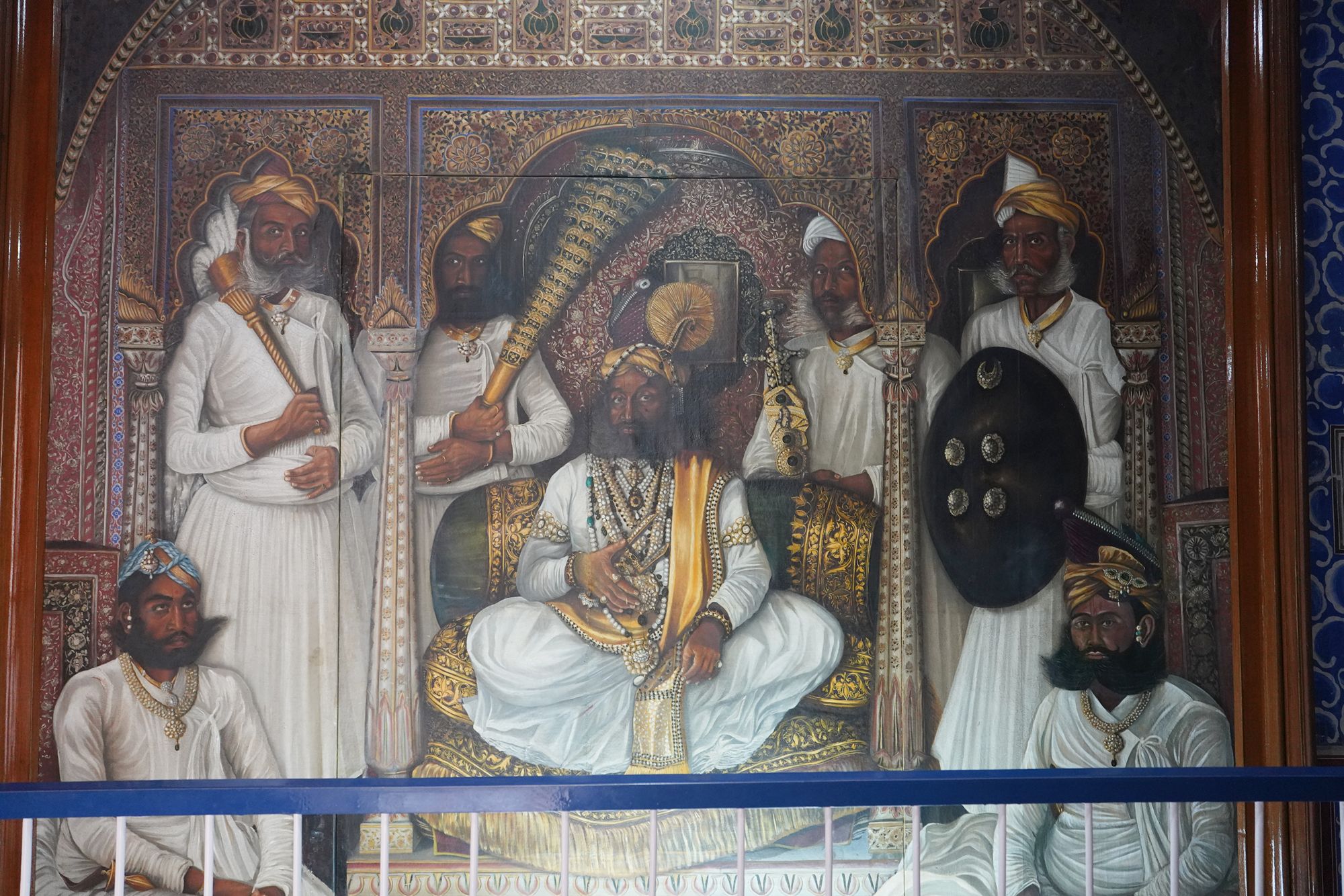
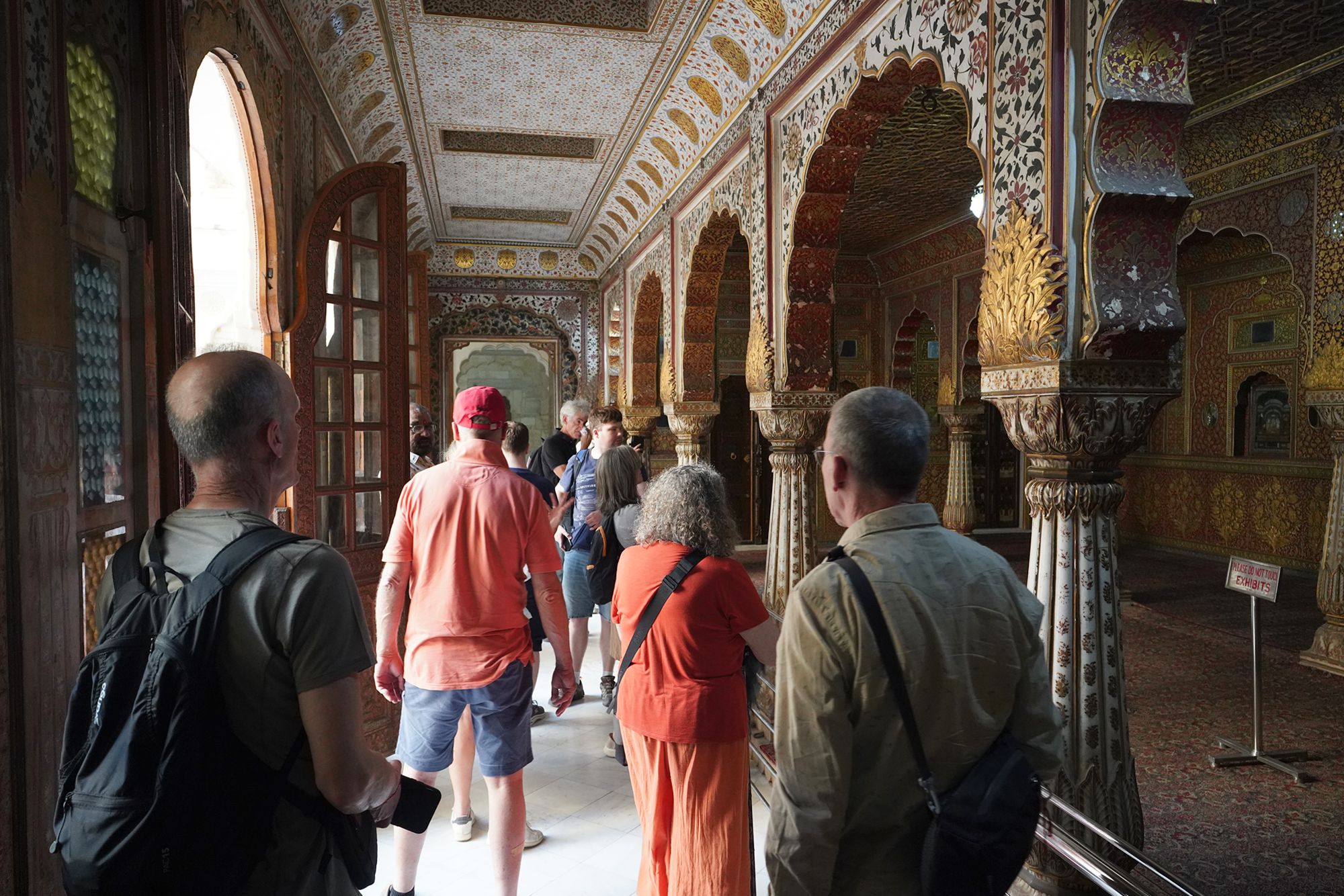
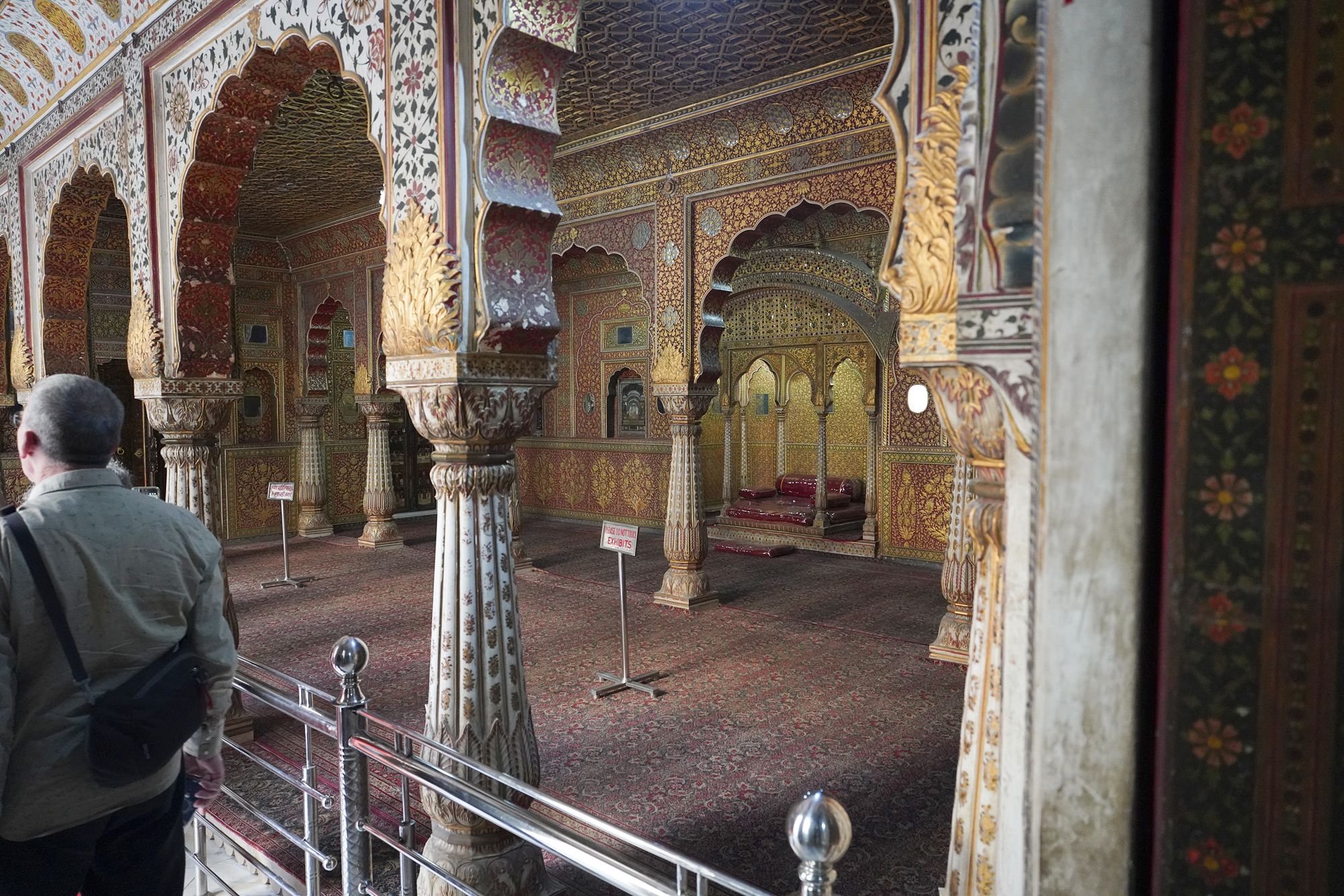
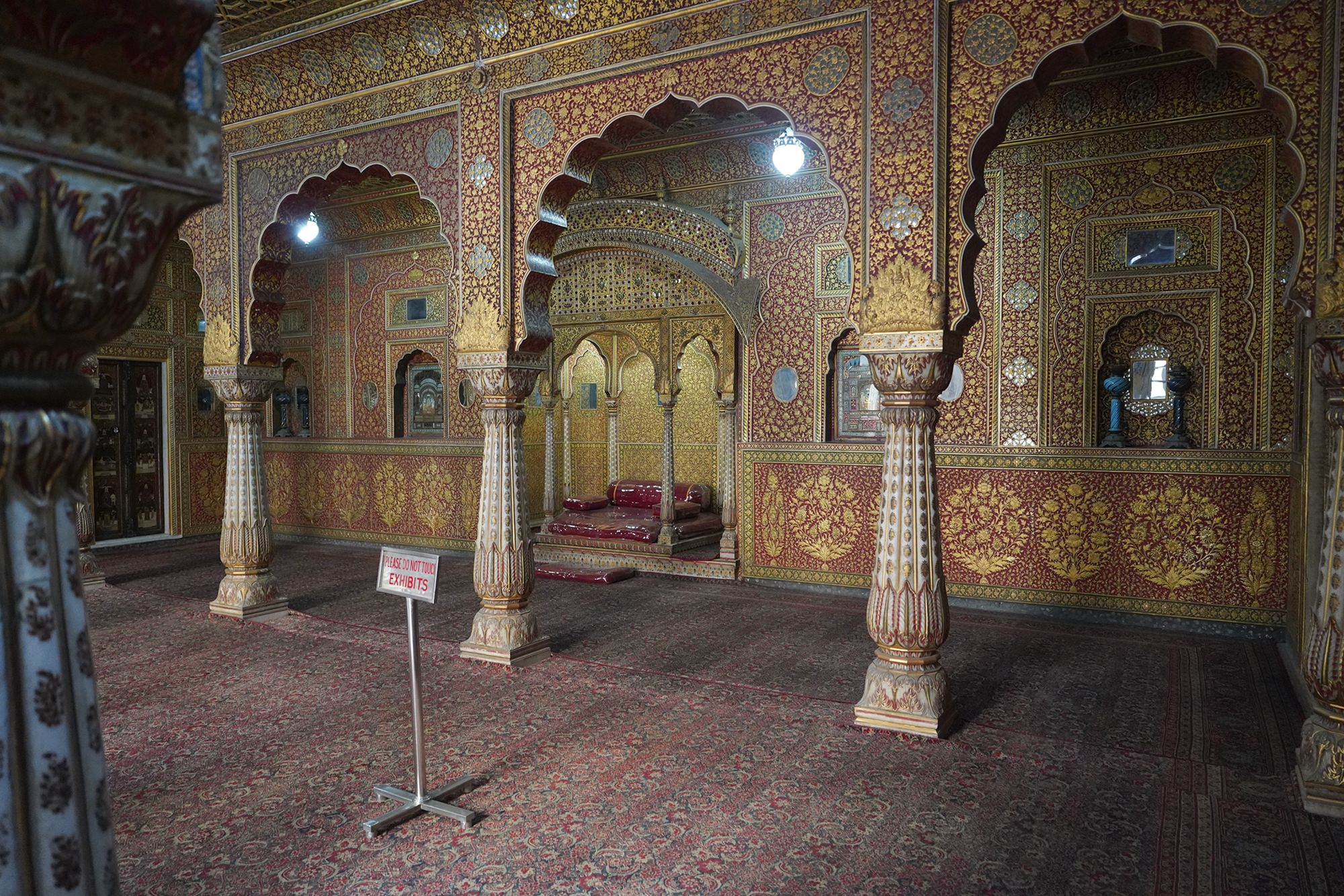
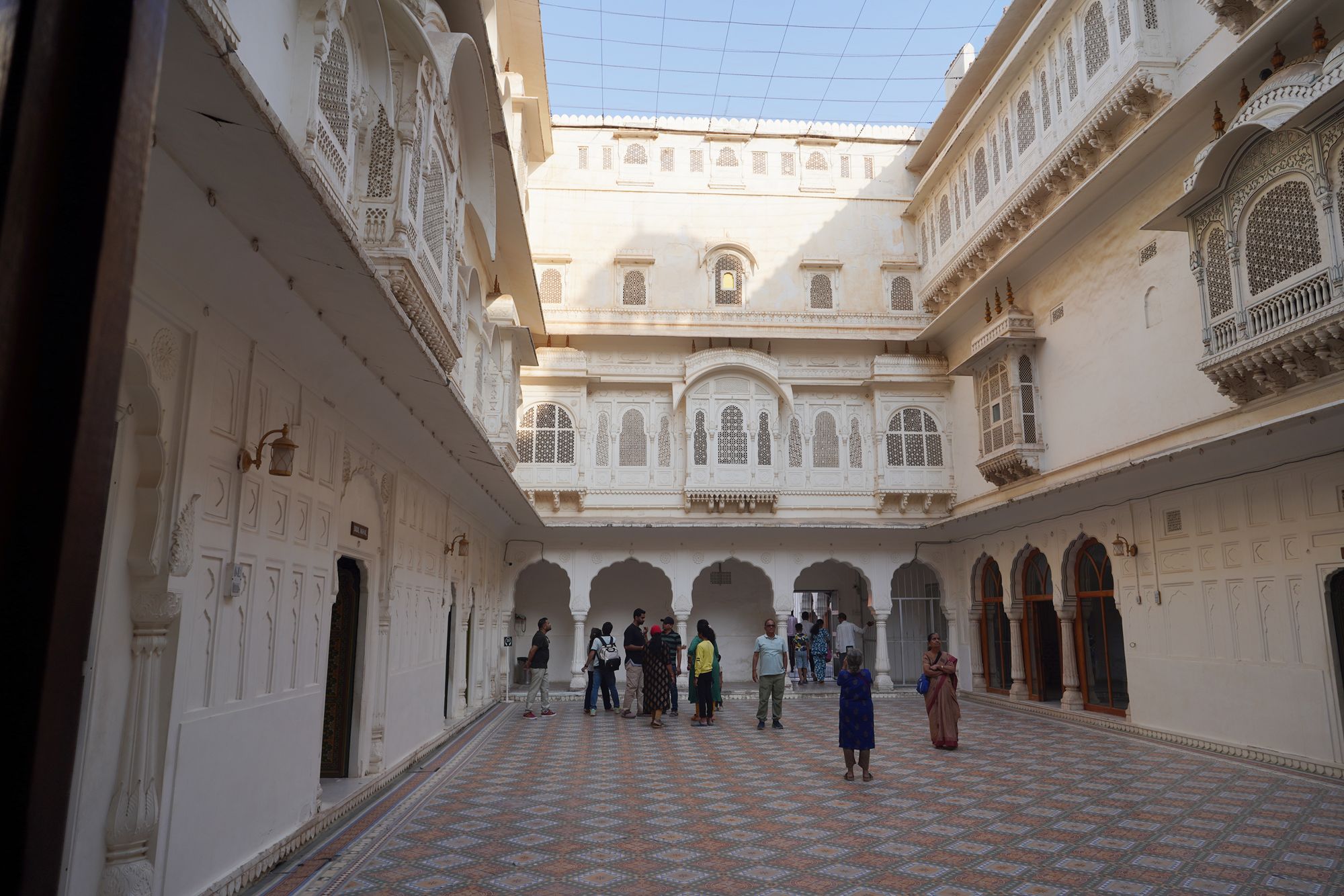
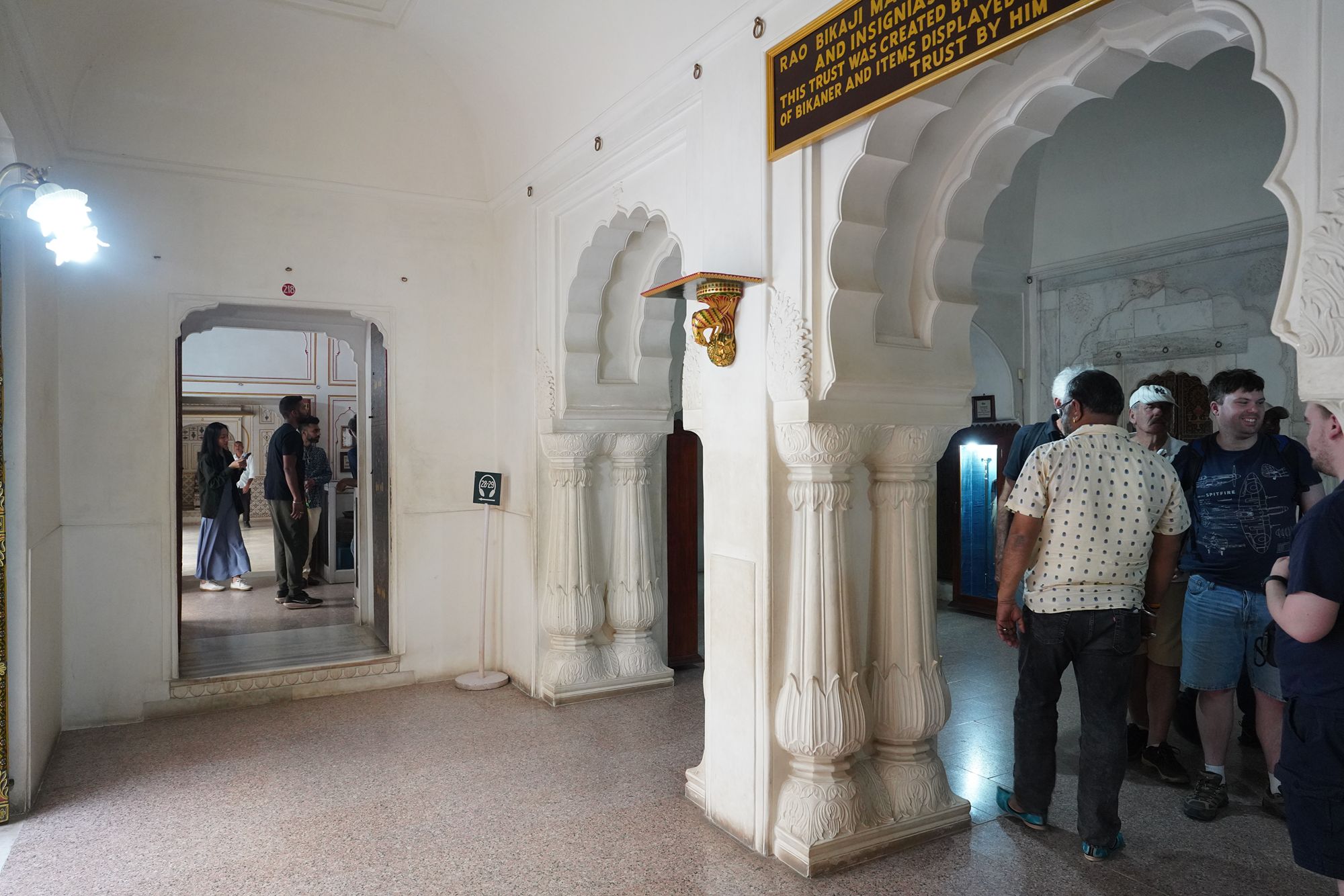
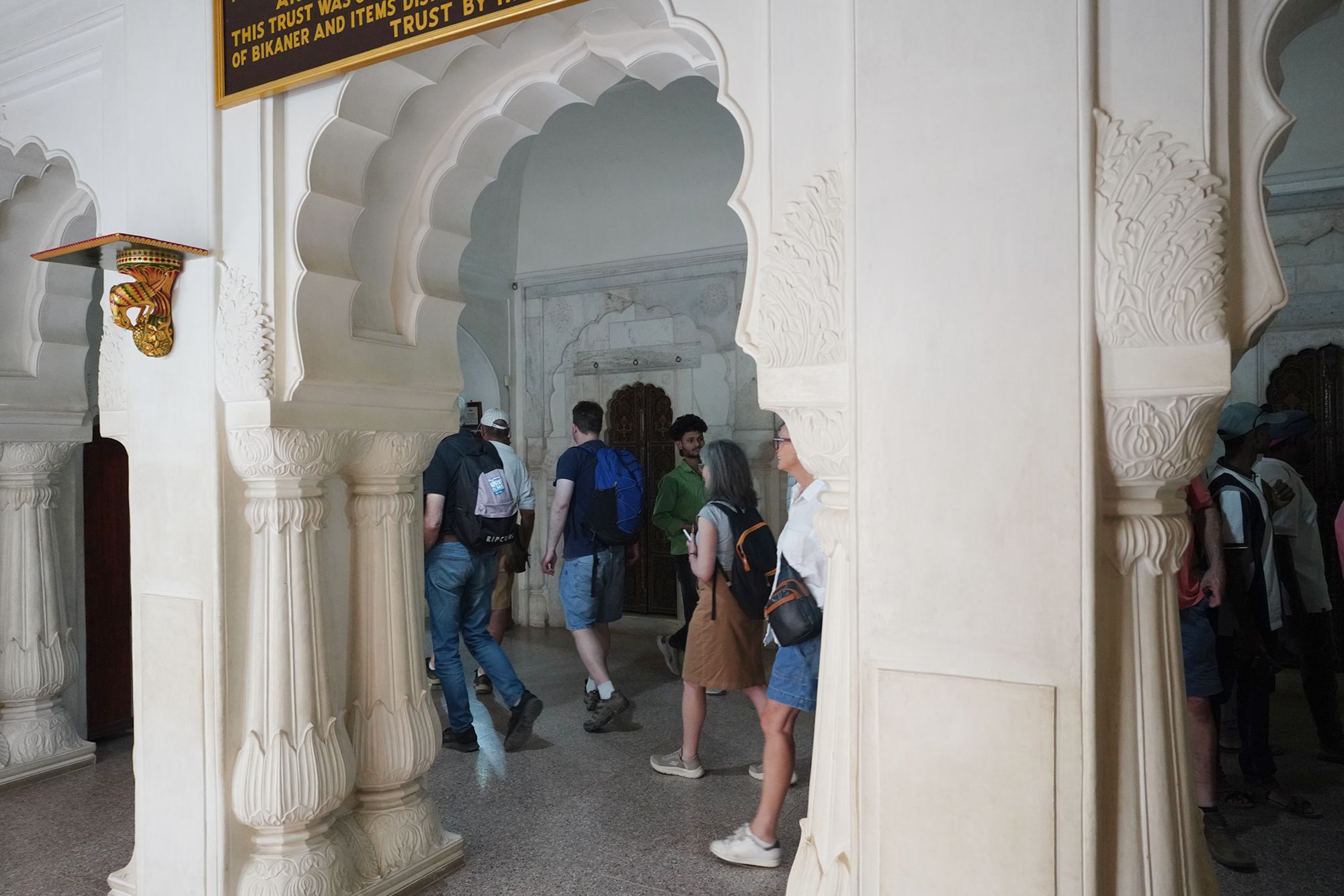
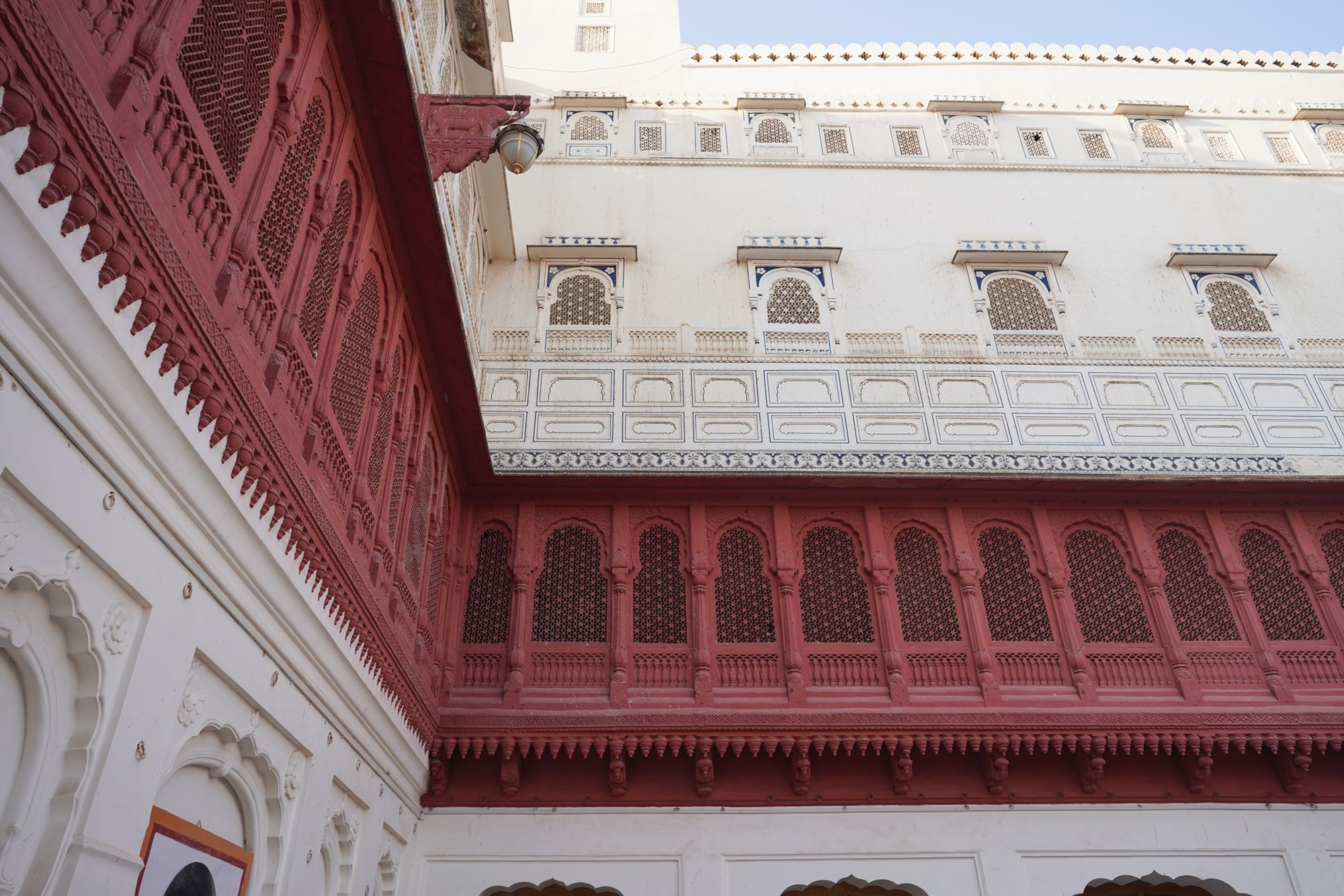
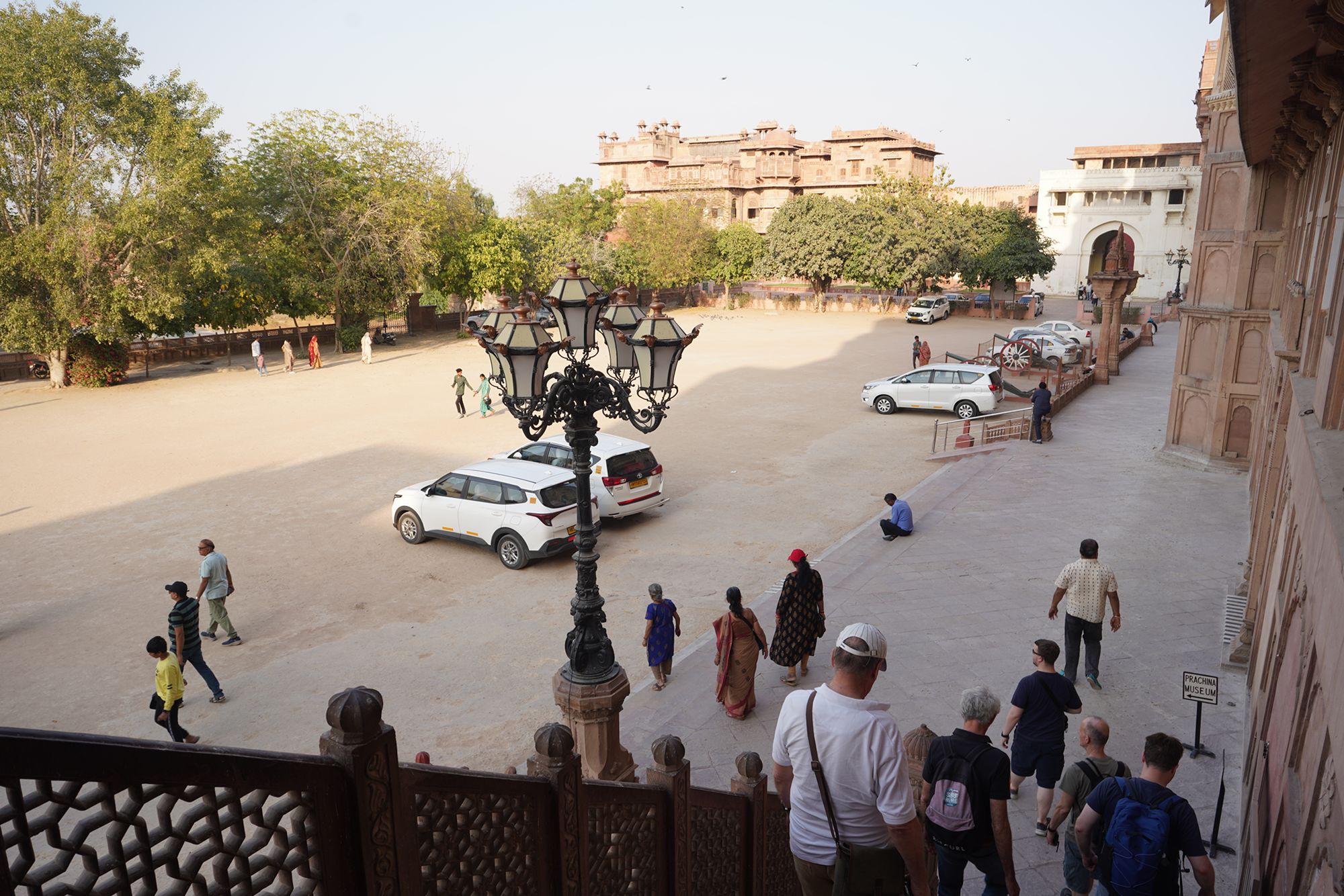
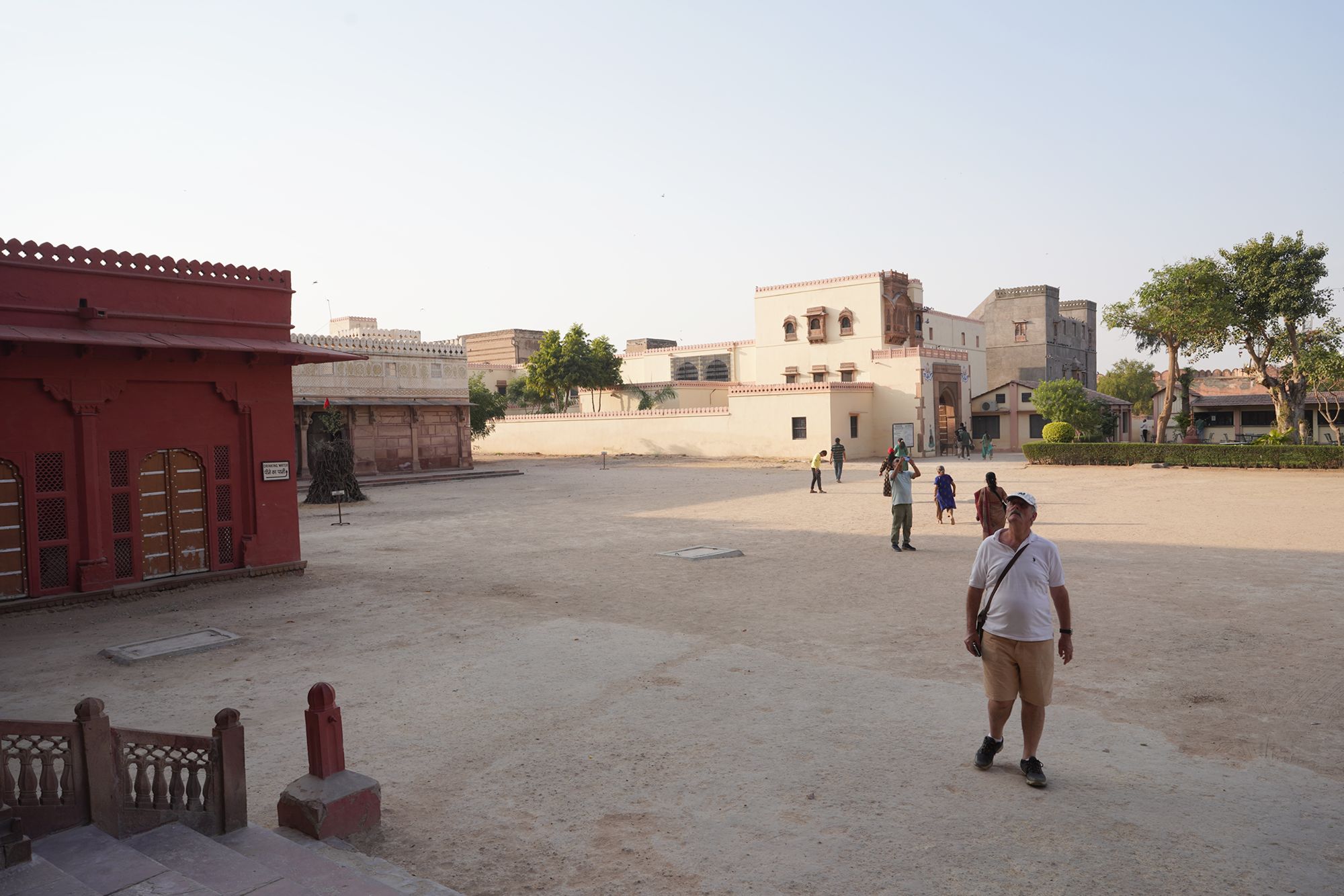
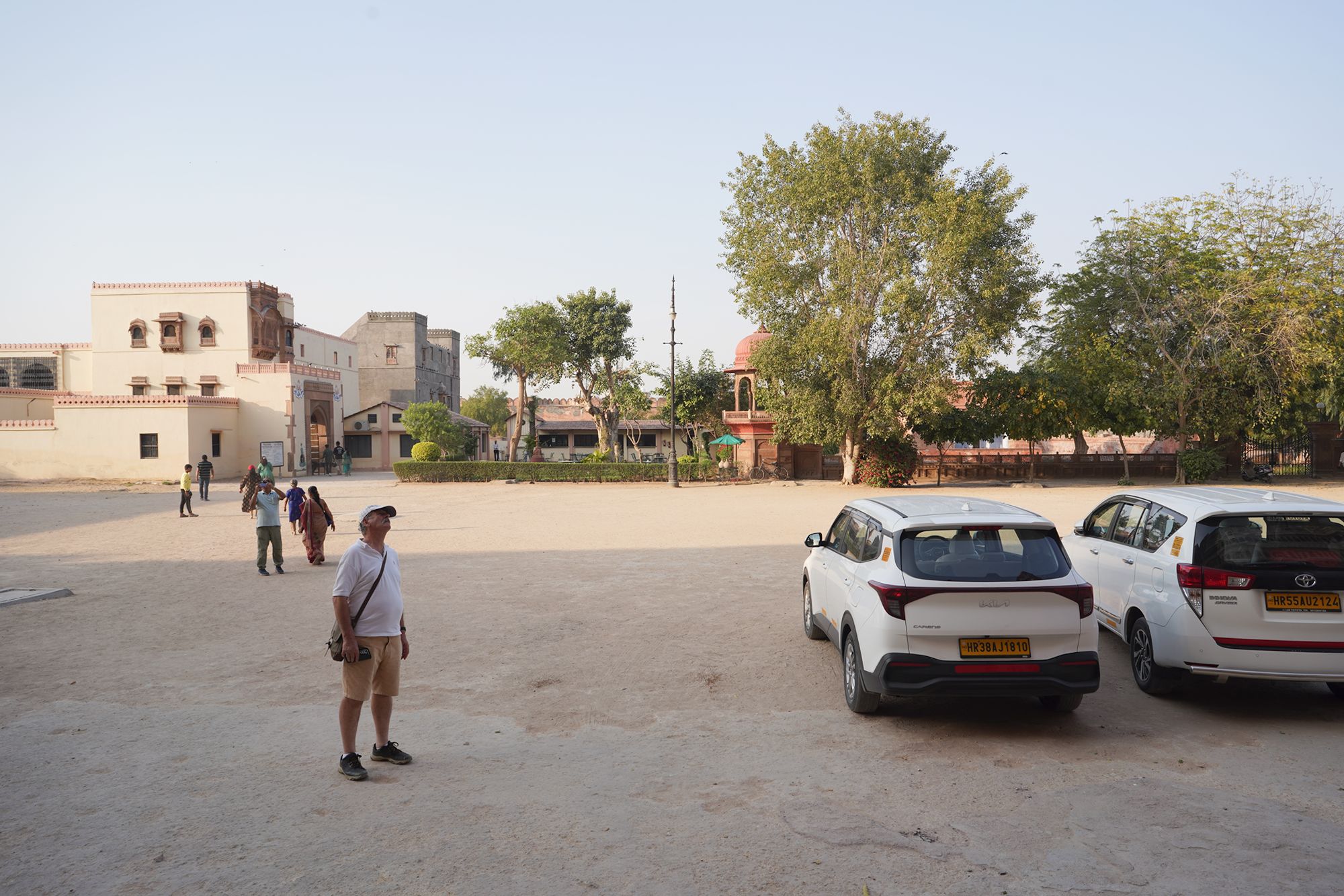
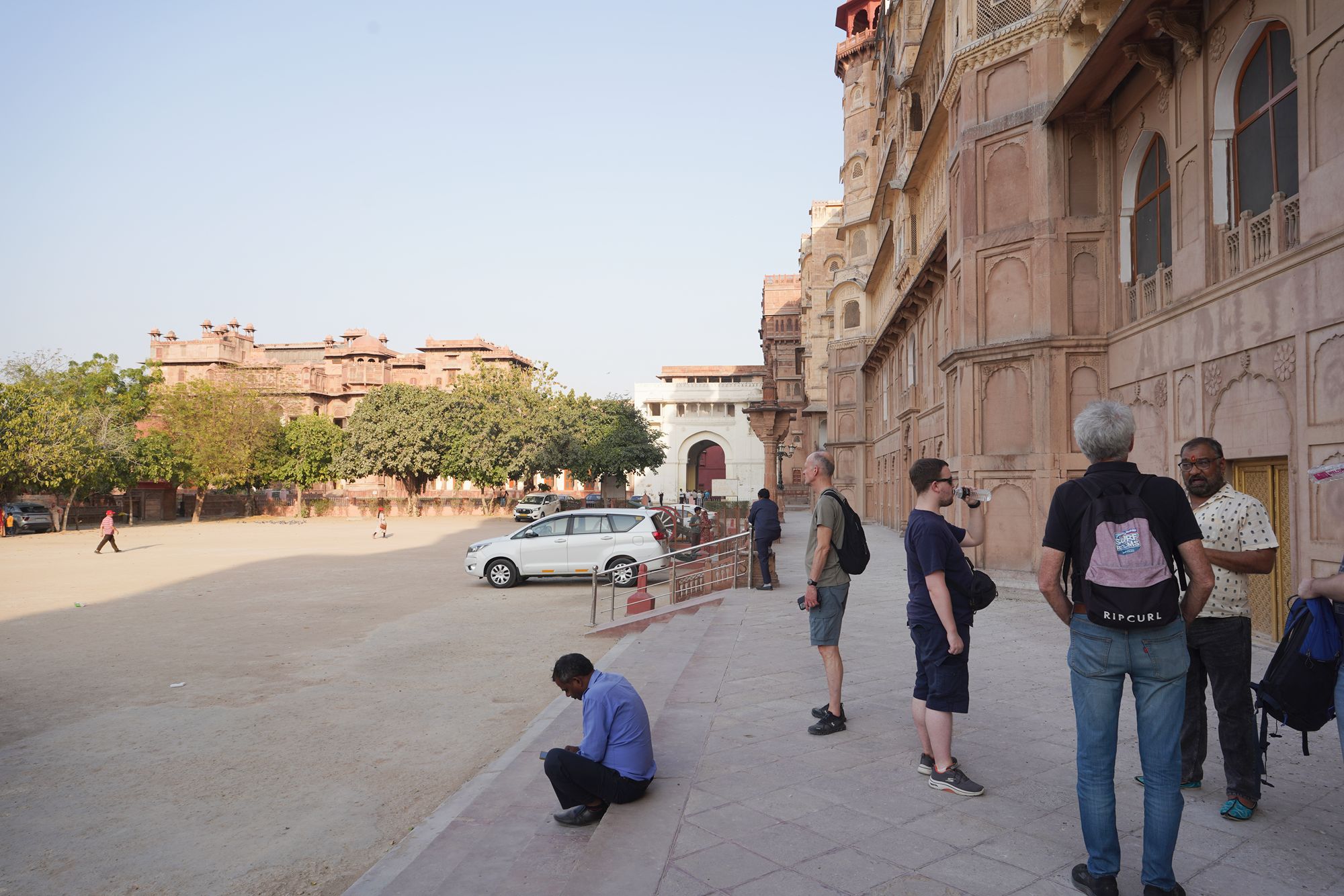
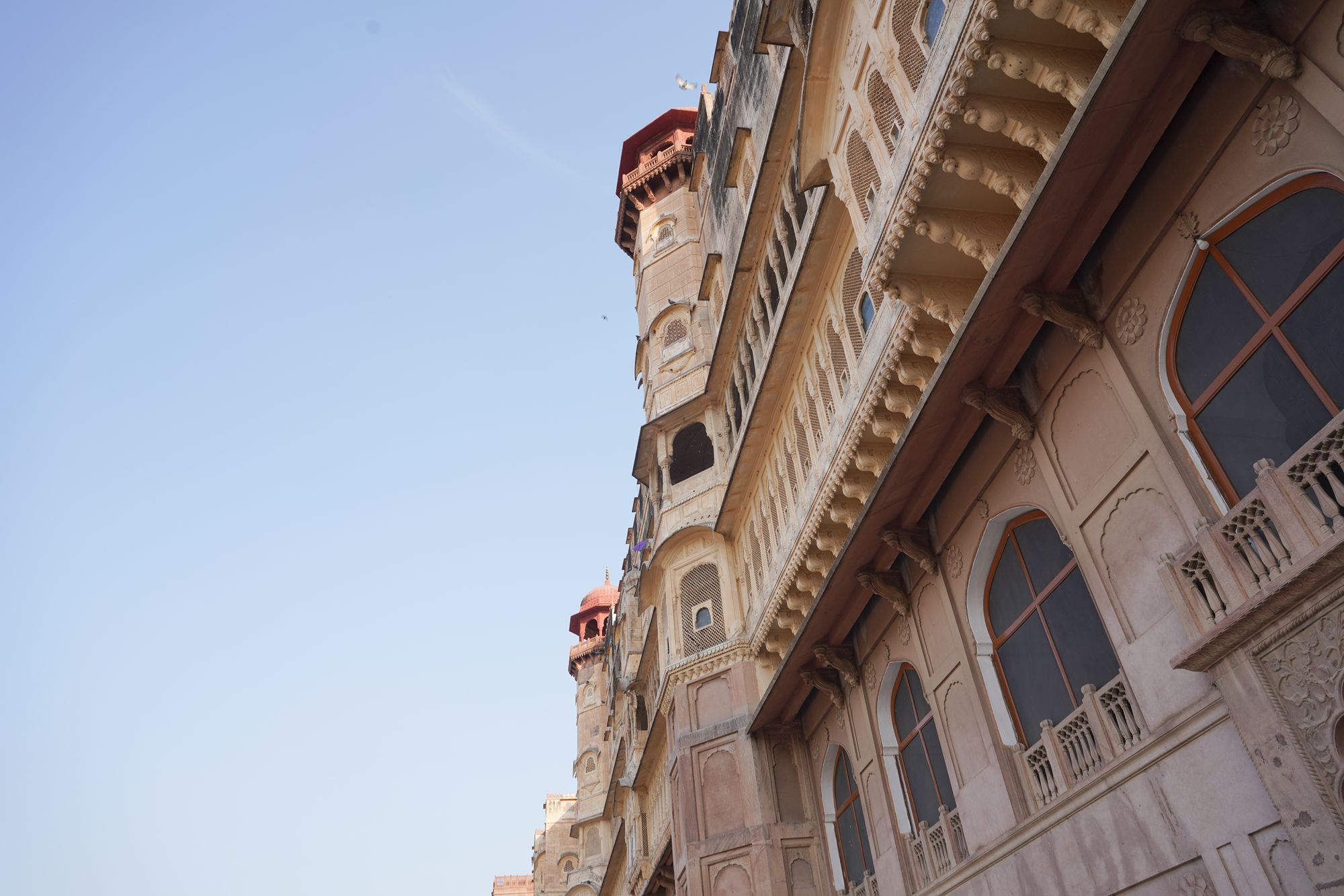
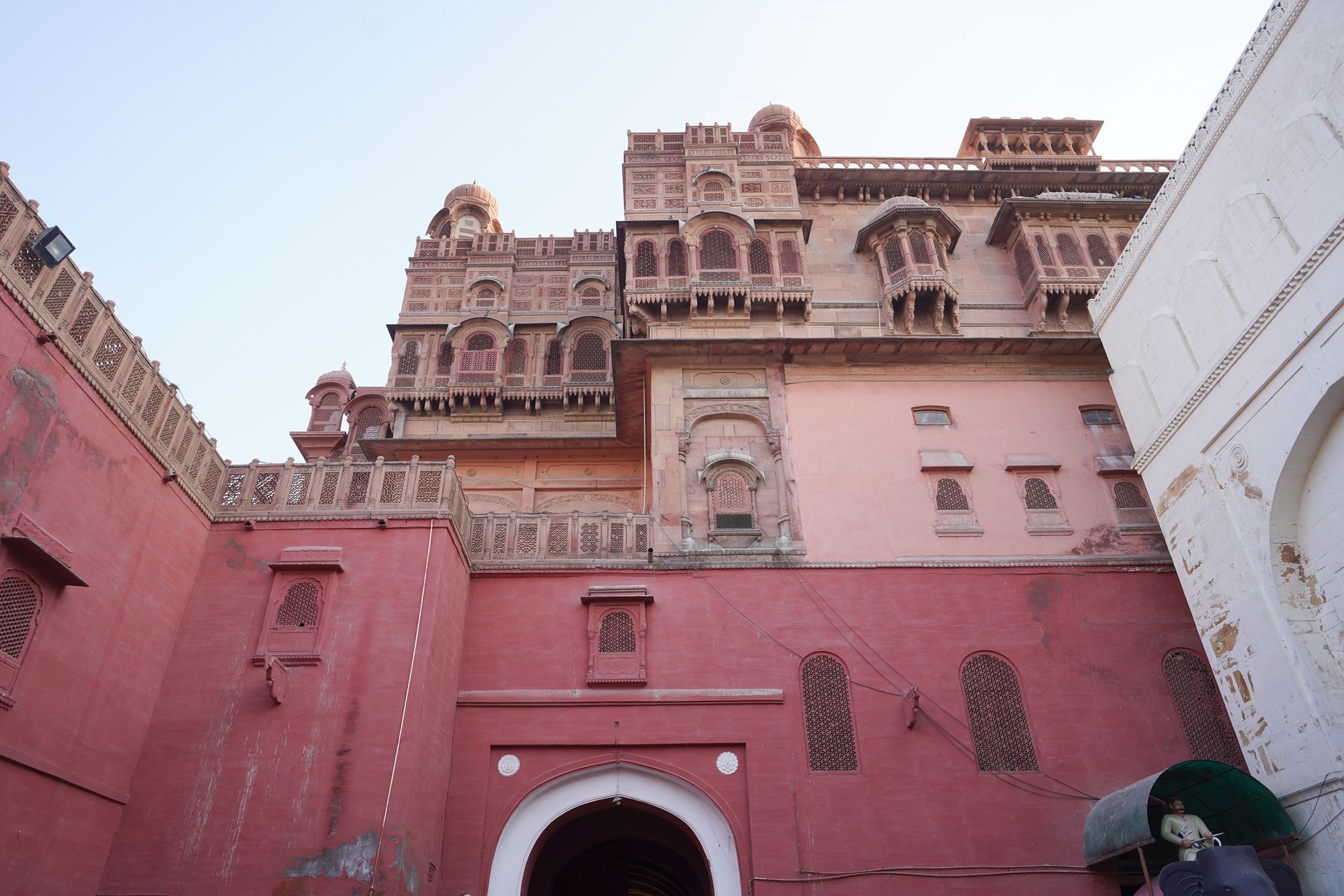
The main structure of the fort
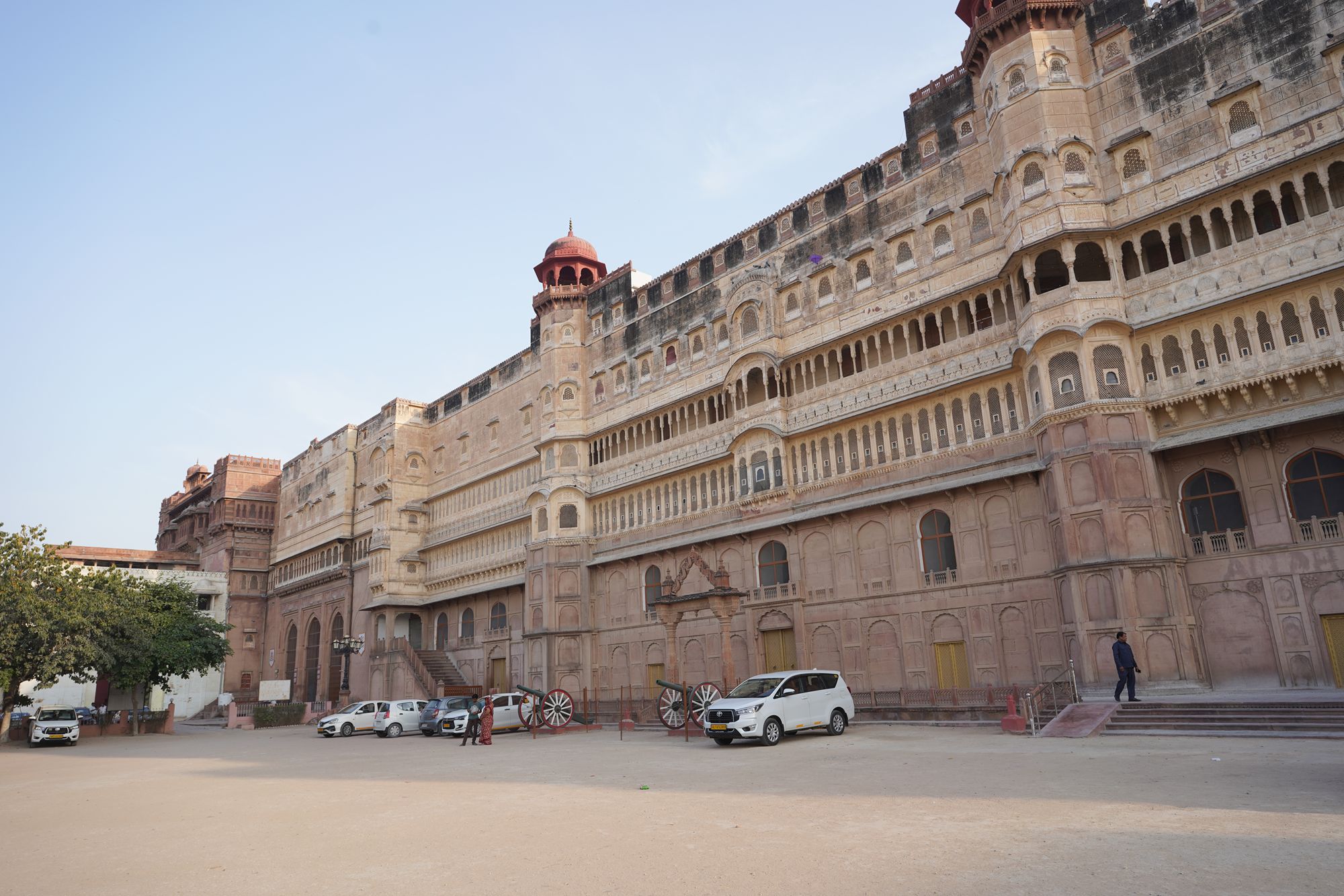
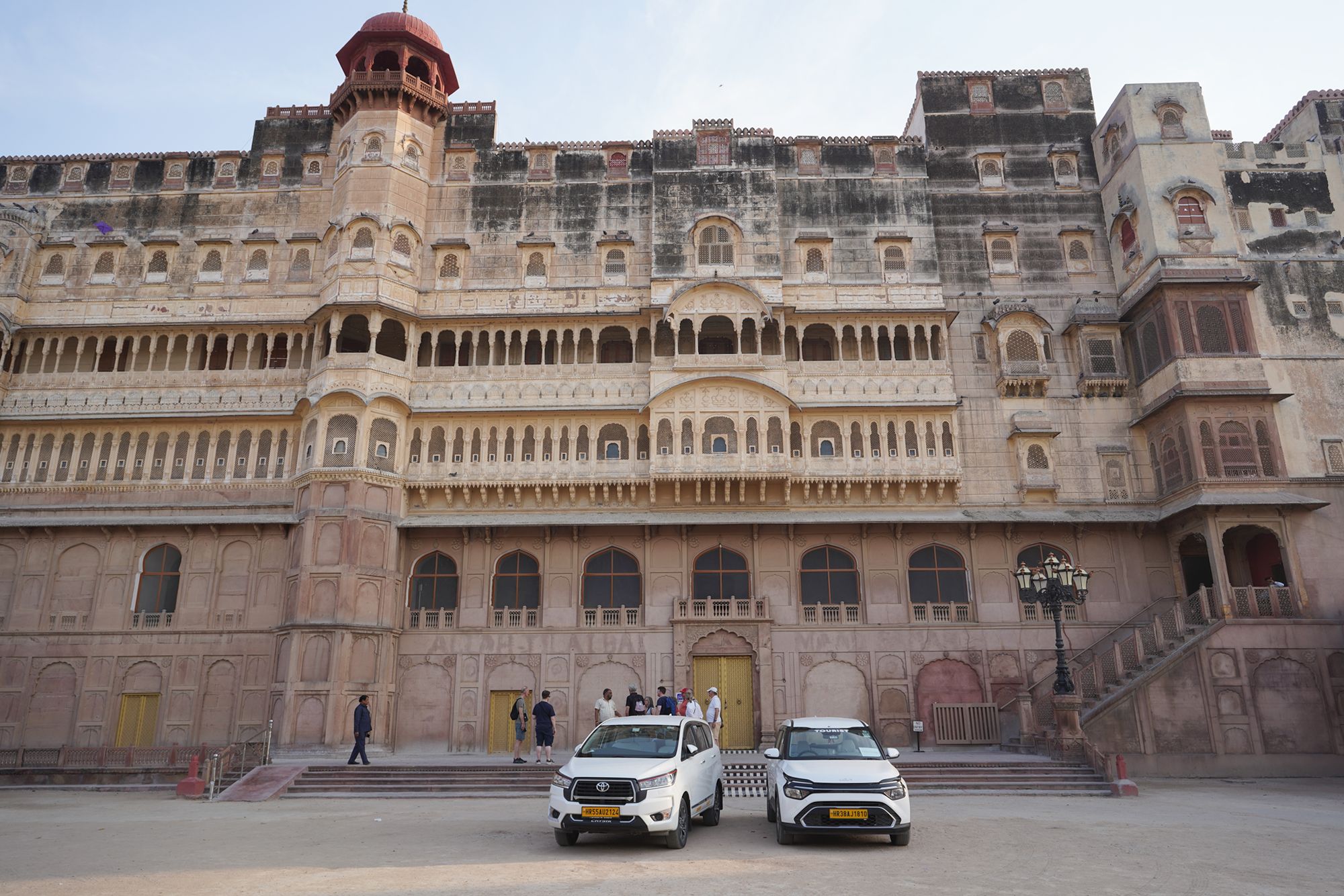
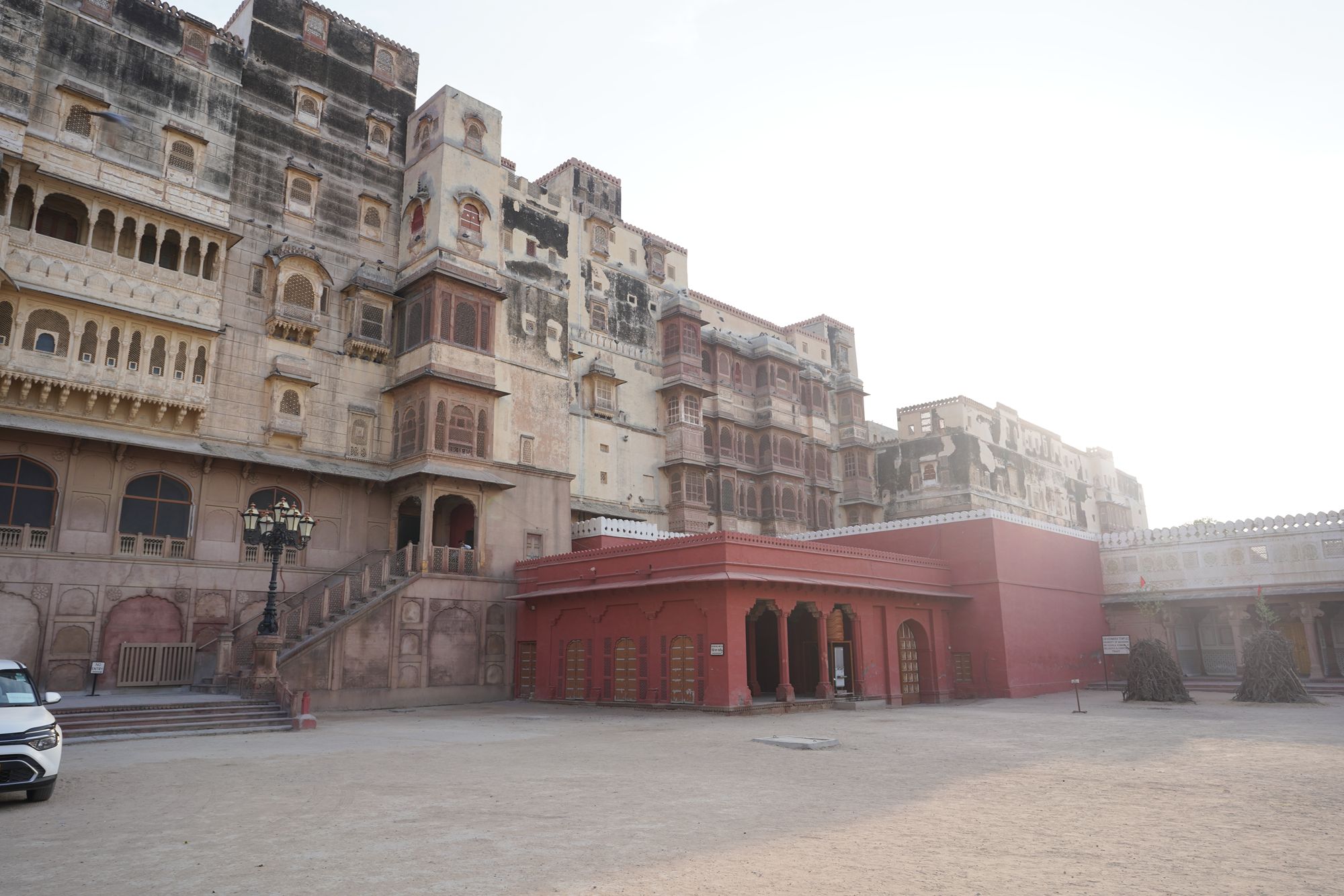
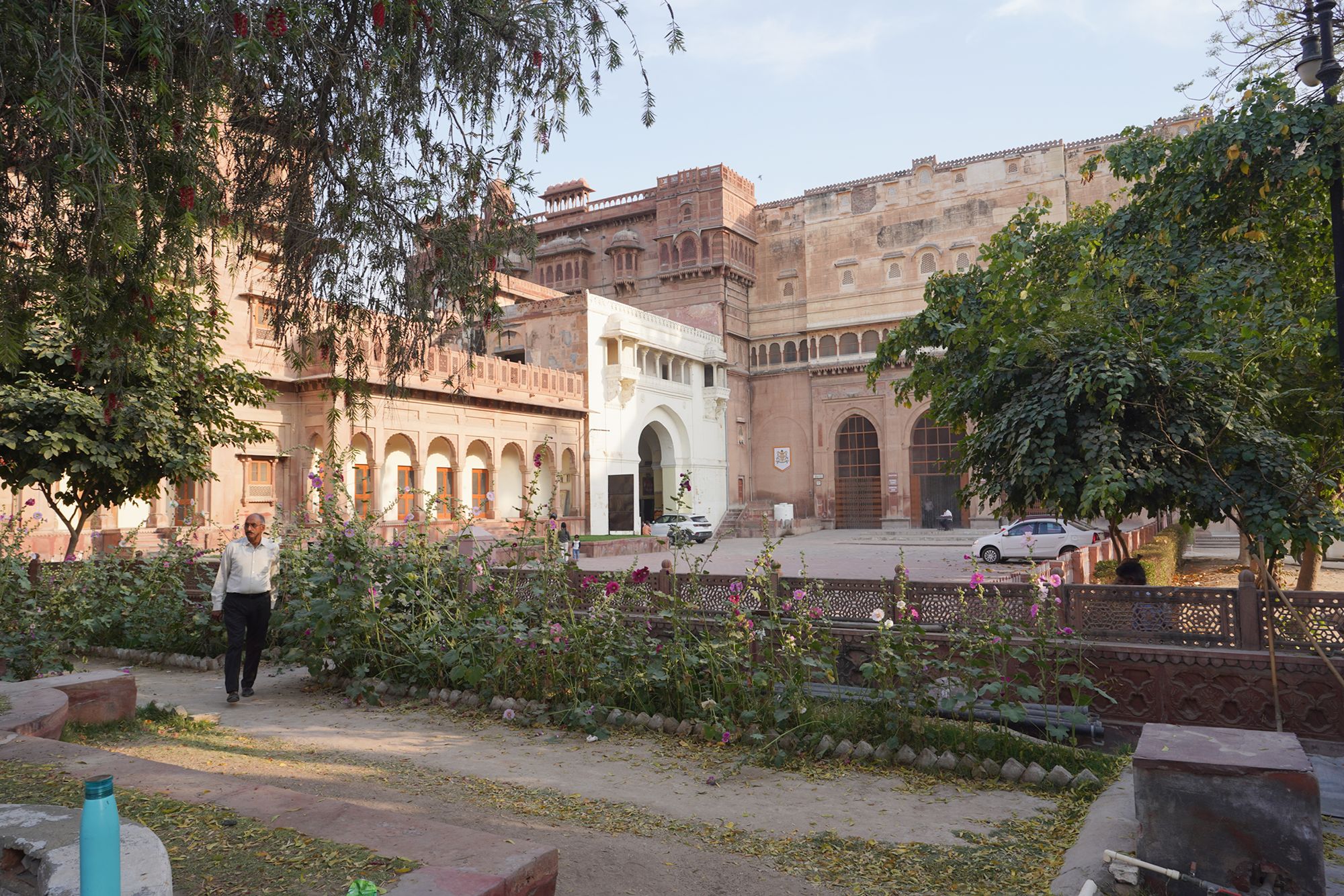
The buildings on the left side of the main palace building are also part of the Junagarh Fort complex.
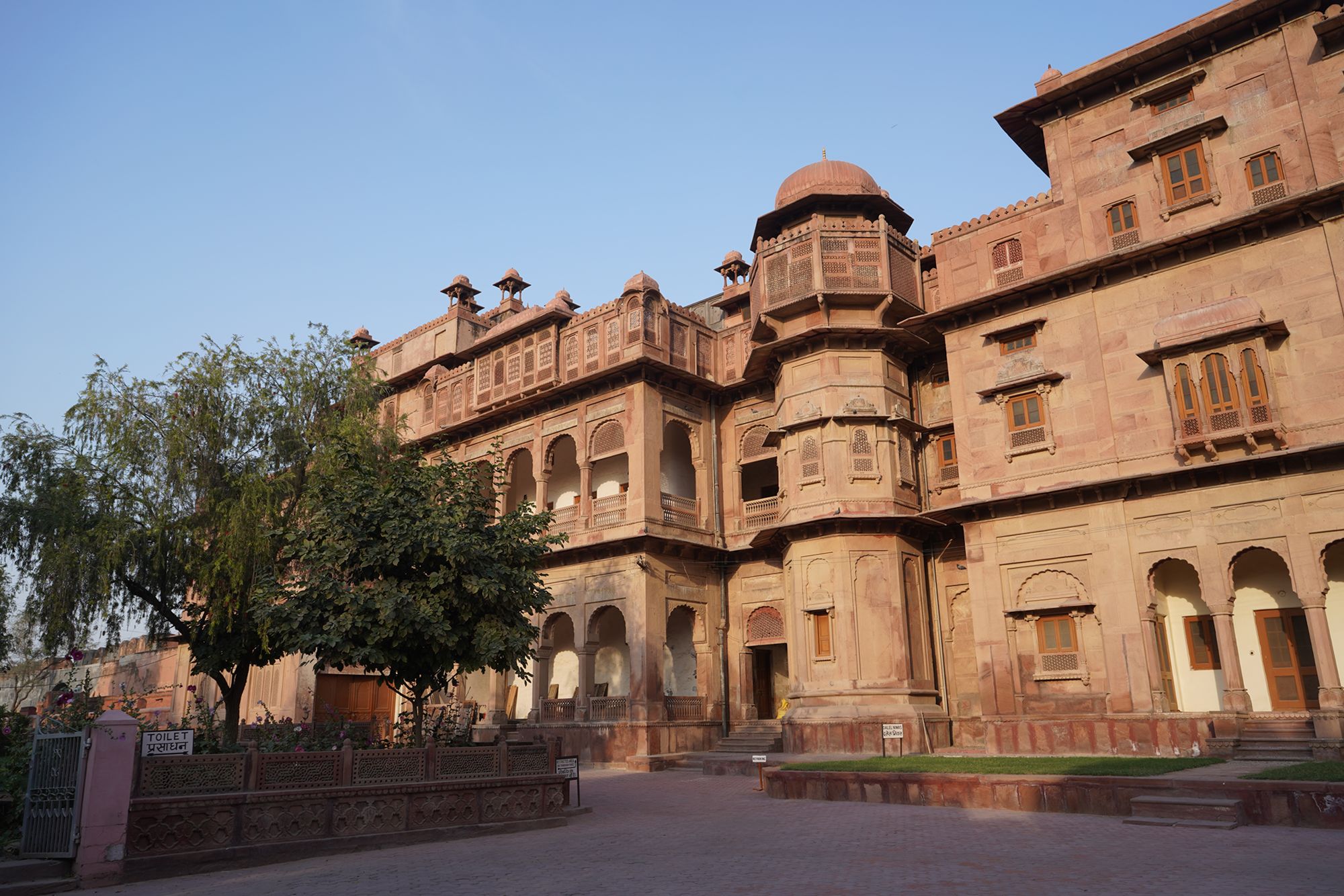
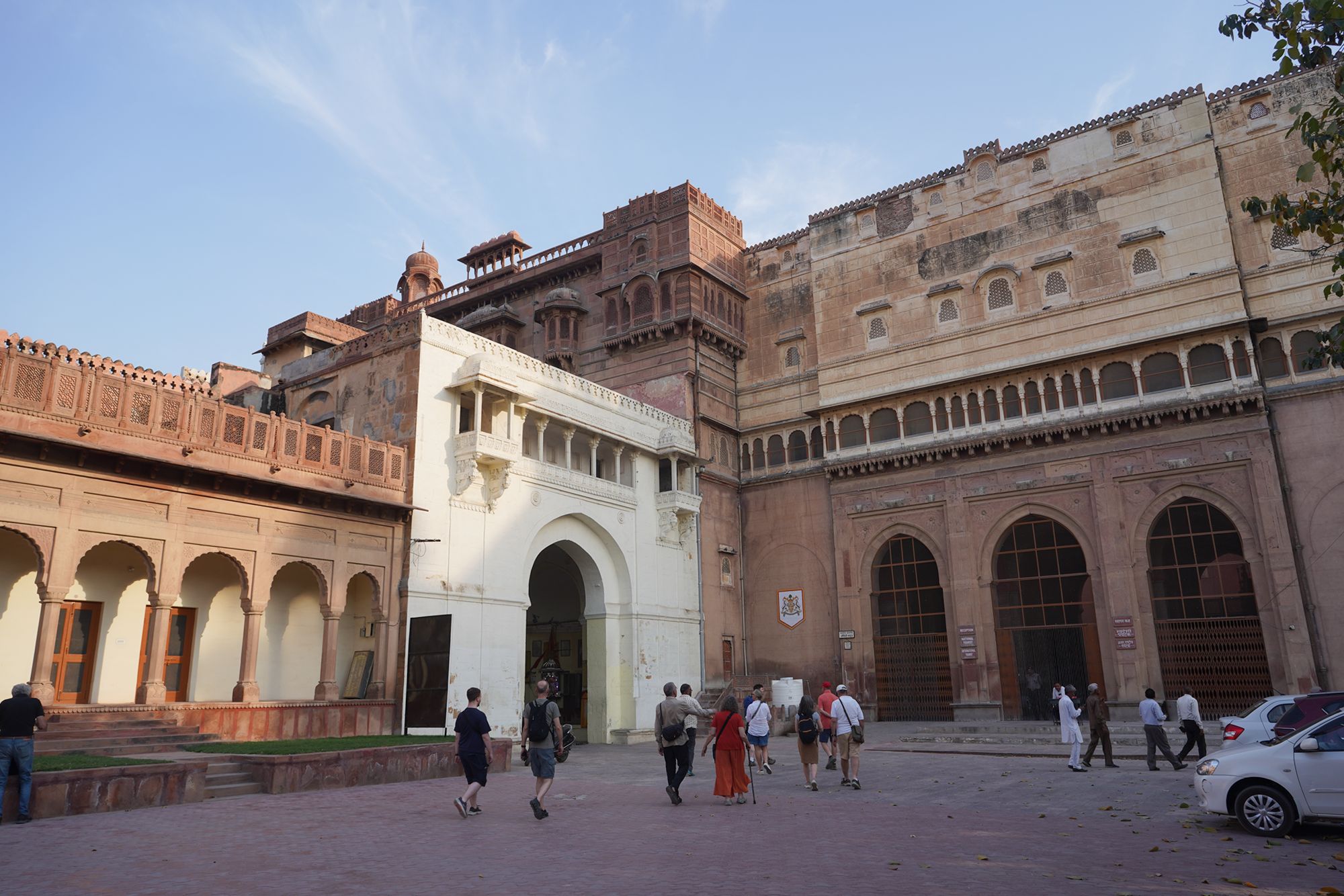
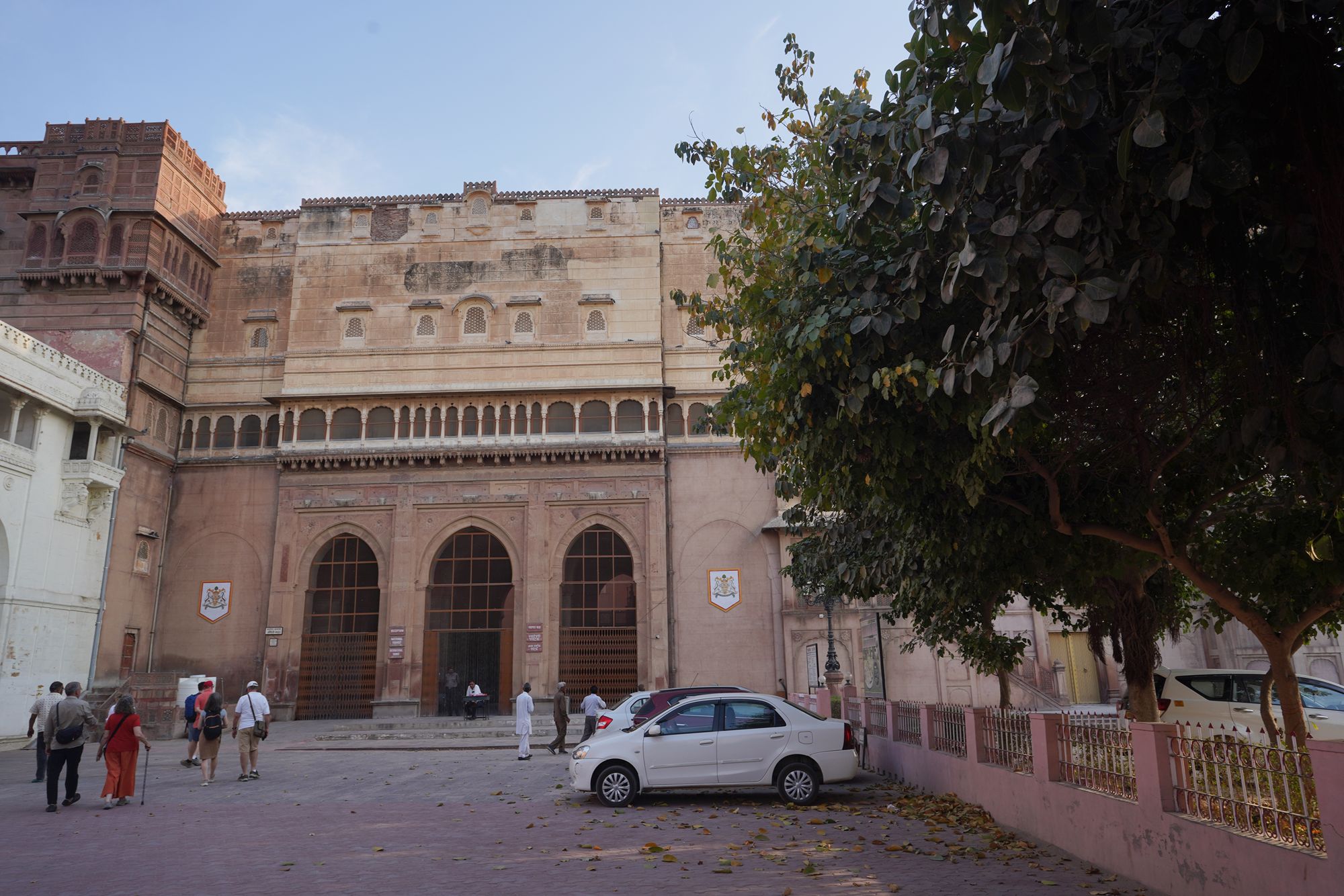
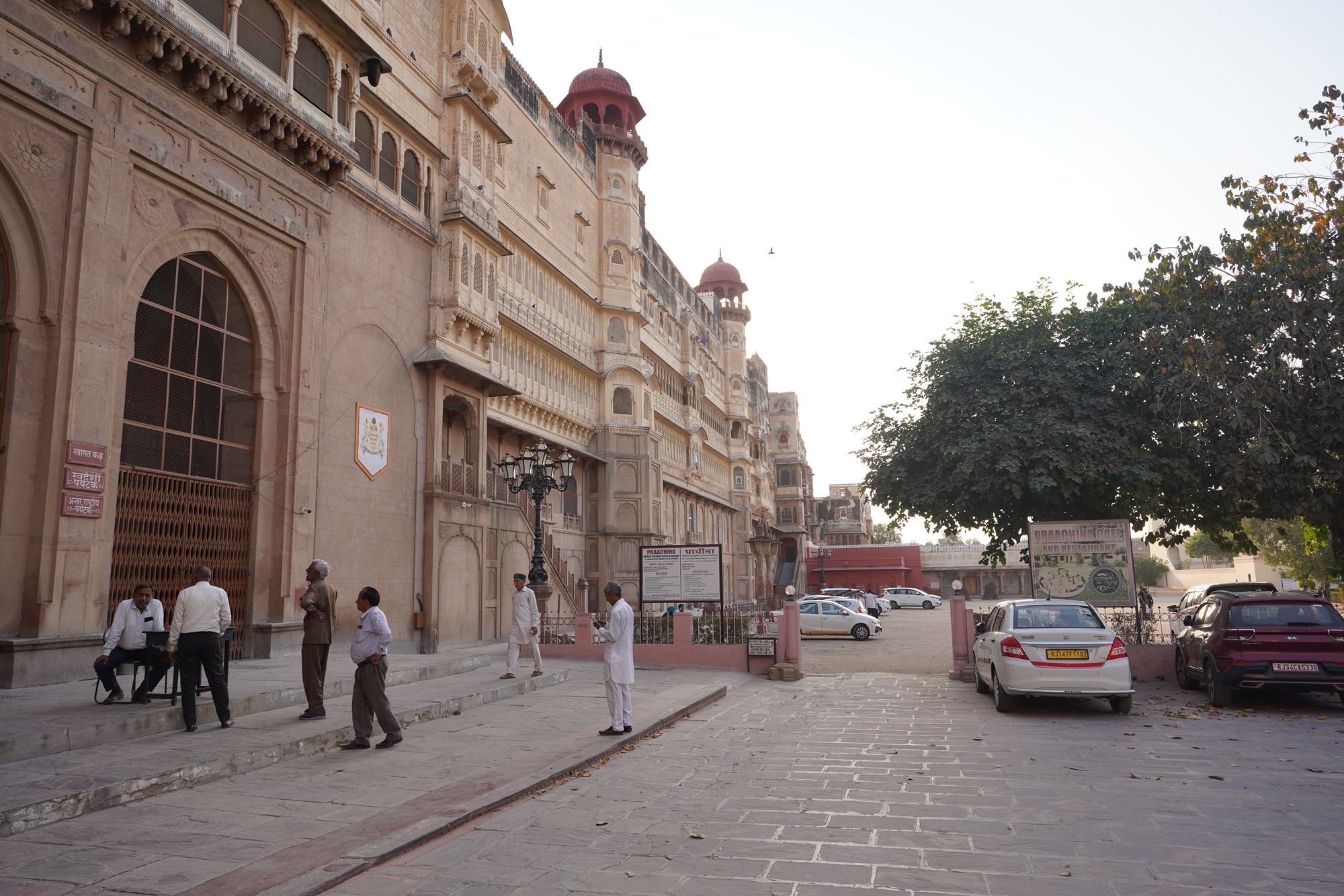
After exploring Junagarh Fort and its royal palaces, we made our way toward the exit.
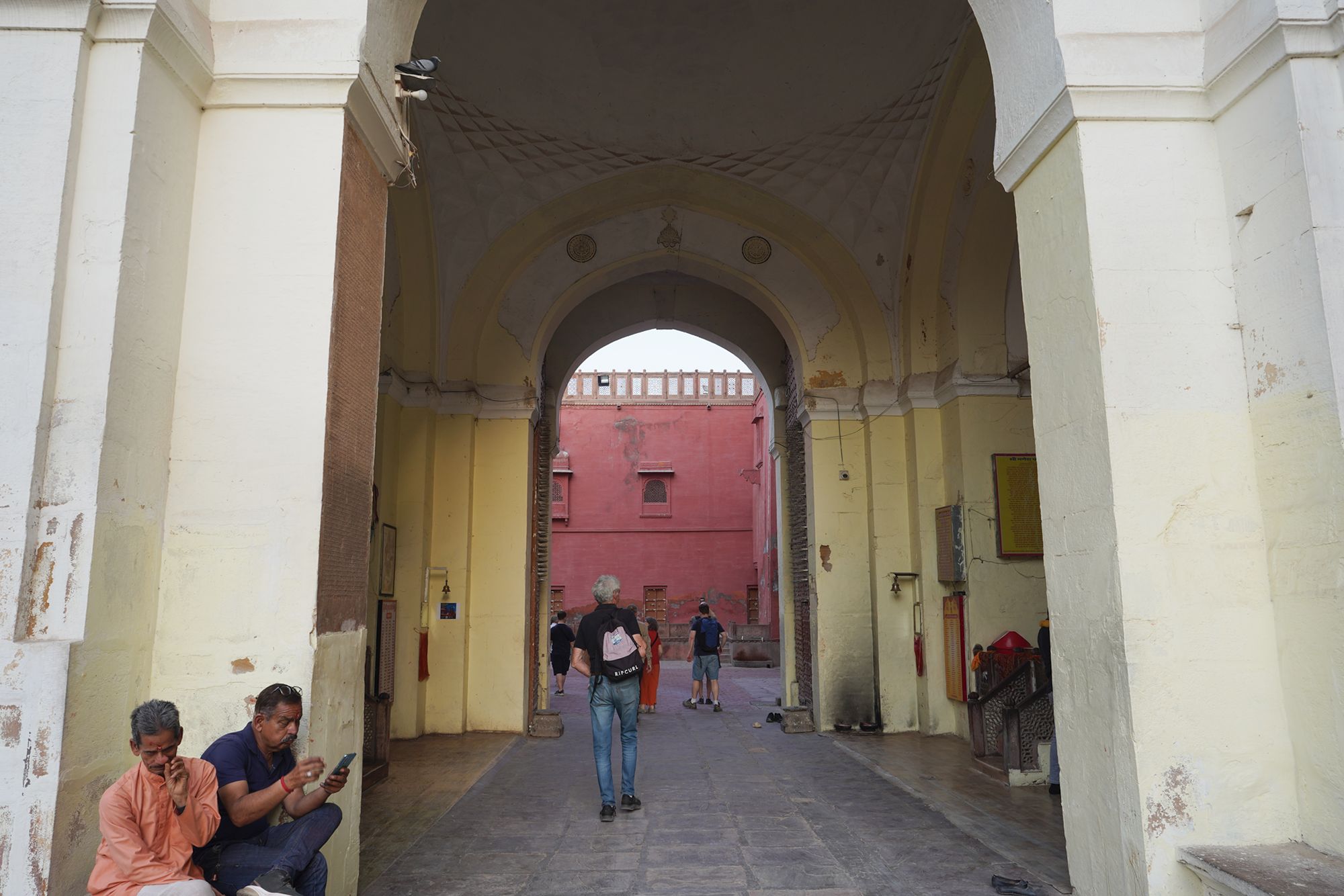
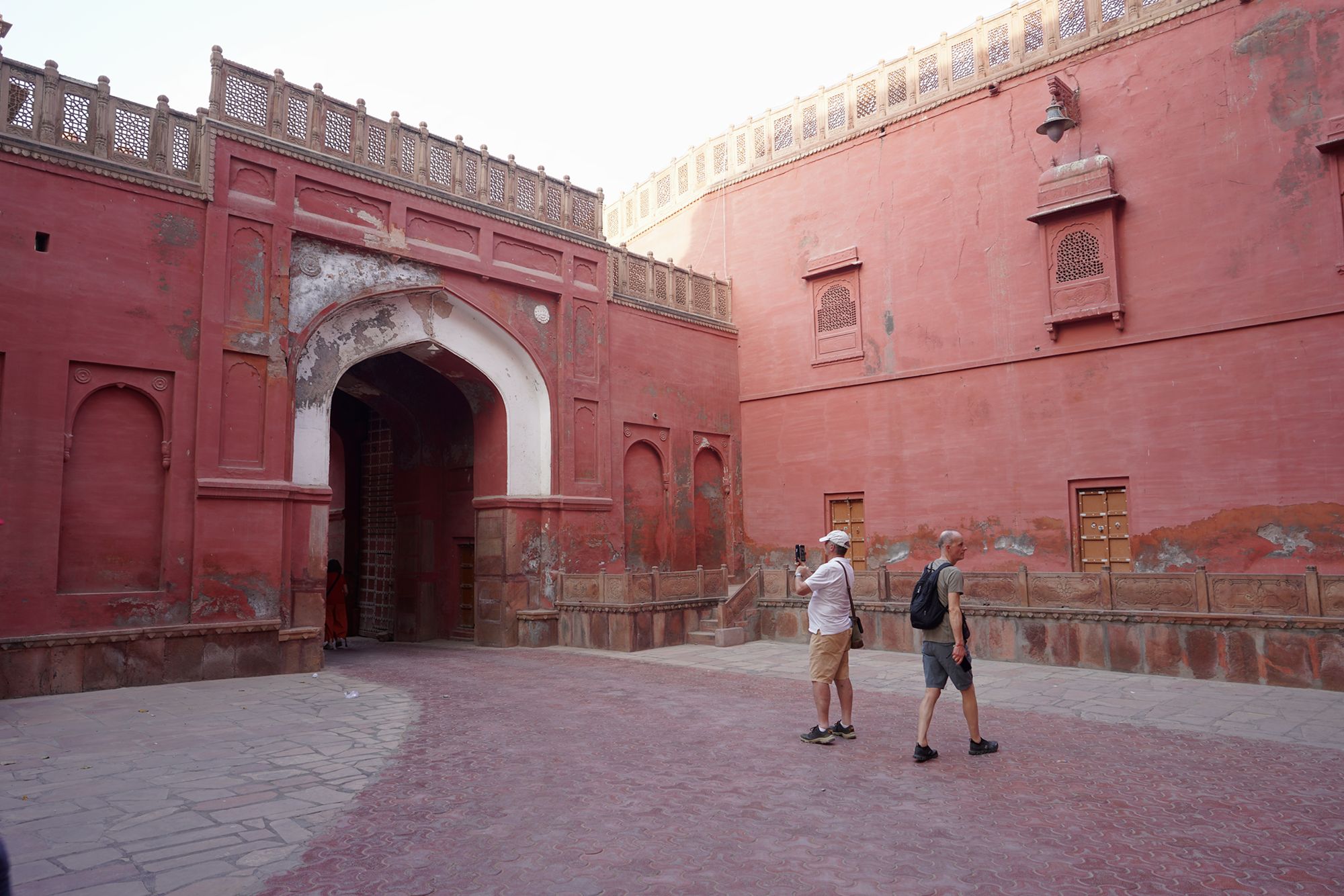
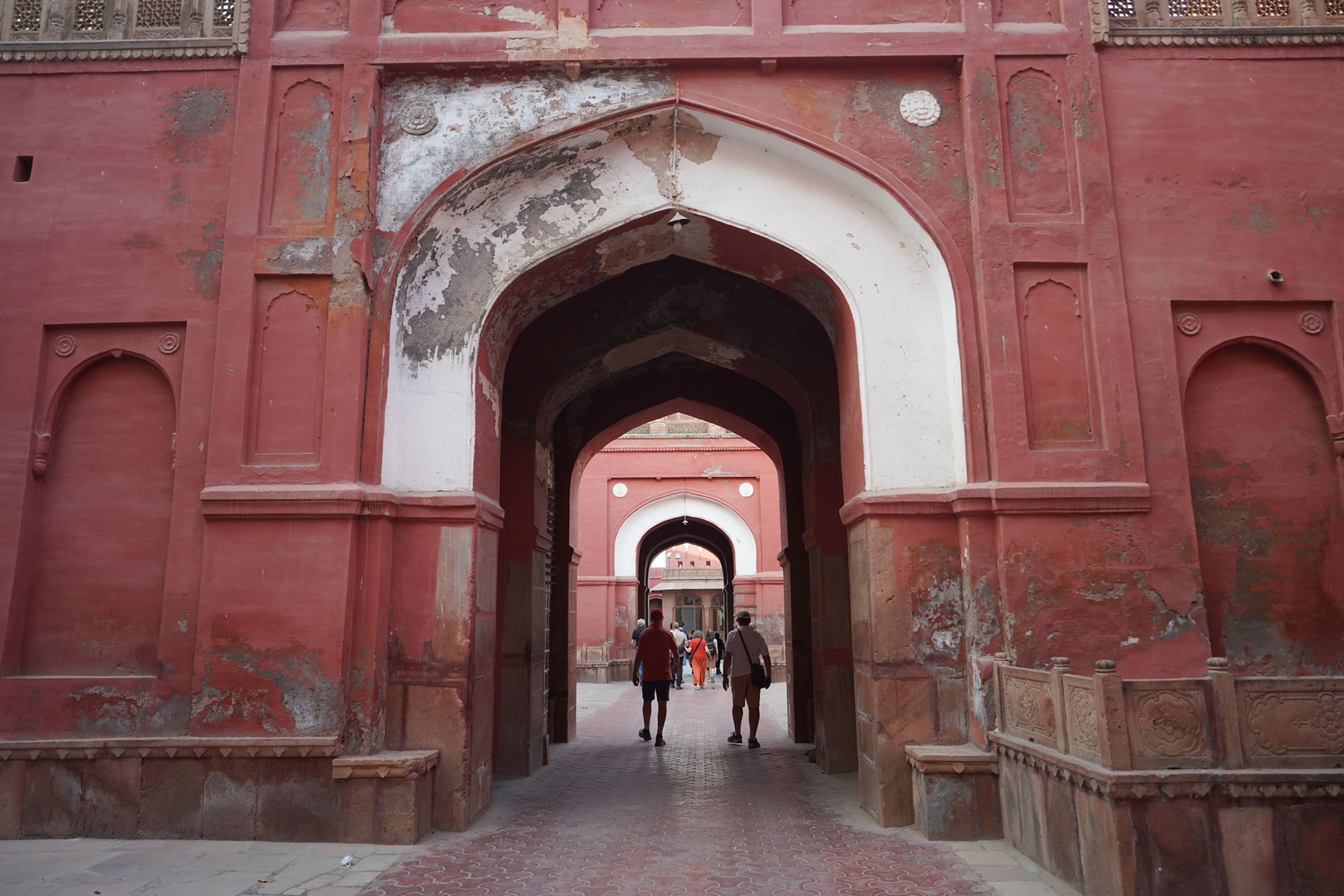
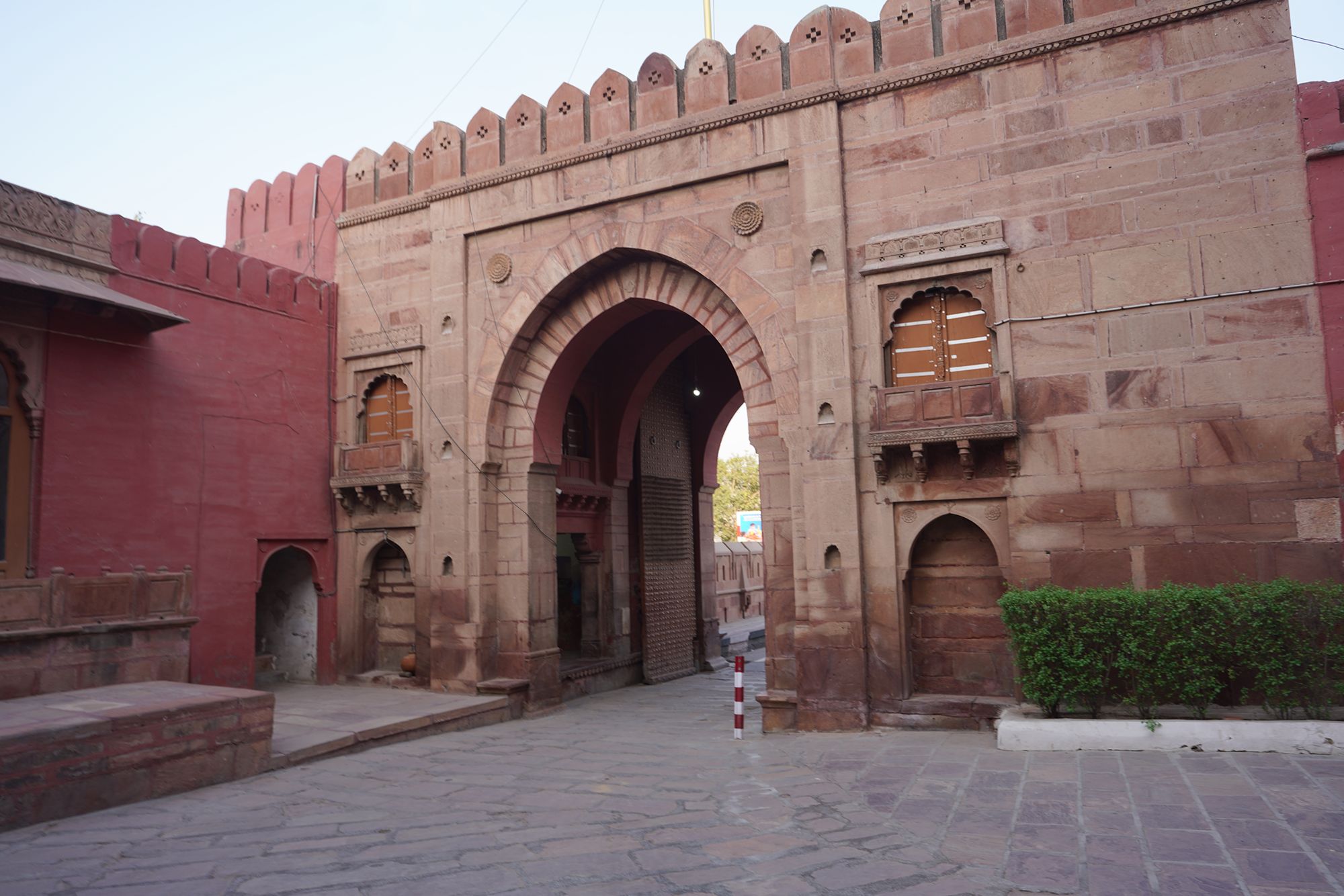
After visiting Junagarh Fort, we went to Rampuria Haveli, one of Bikaner’s most famous groups of historic merchant mansions.
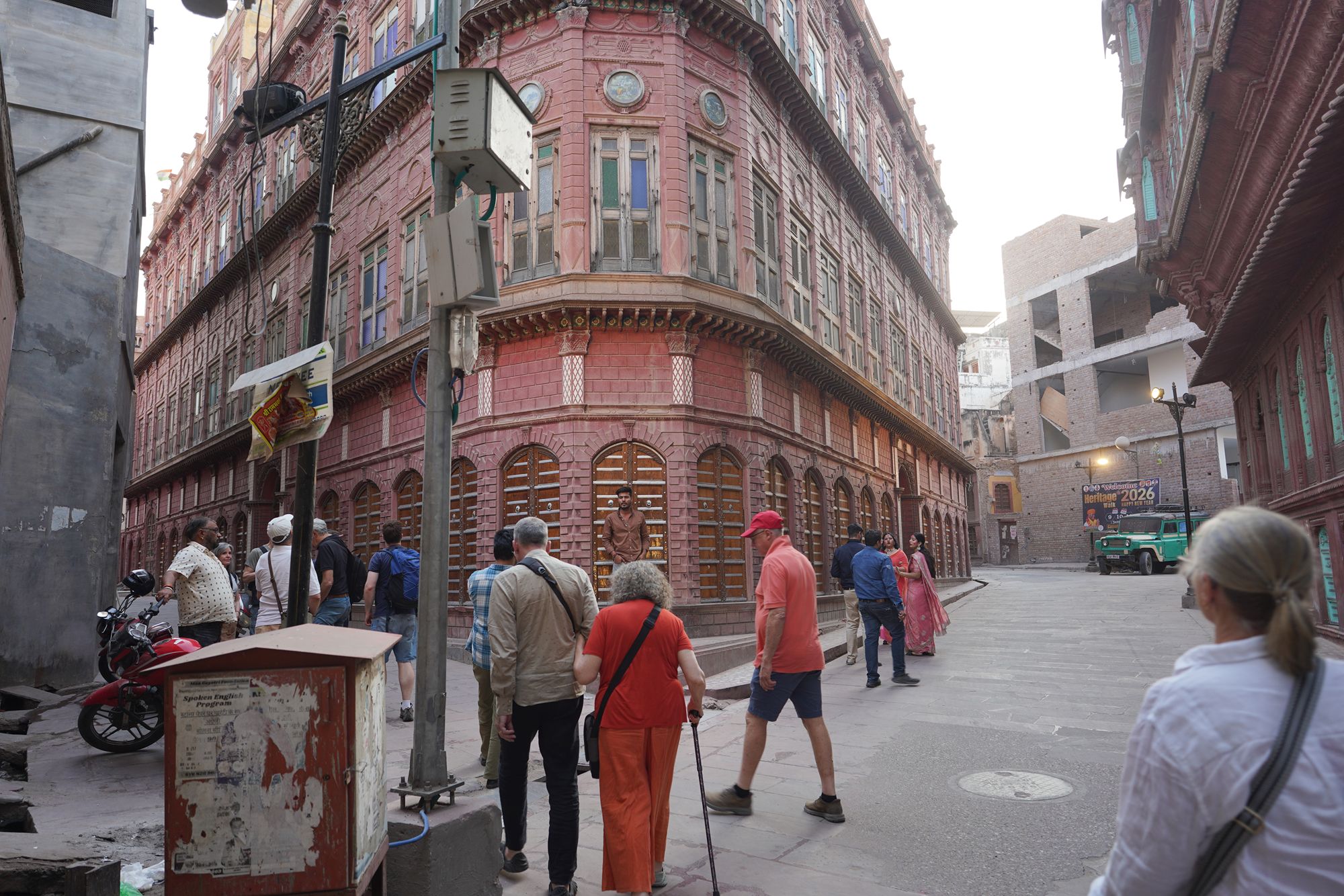
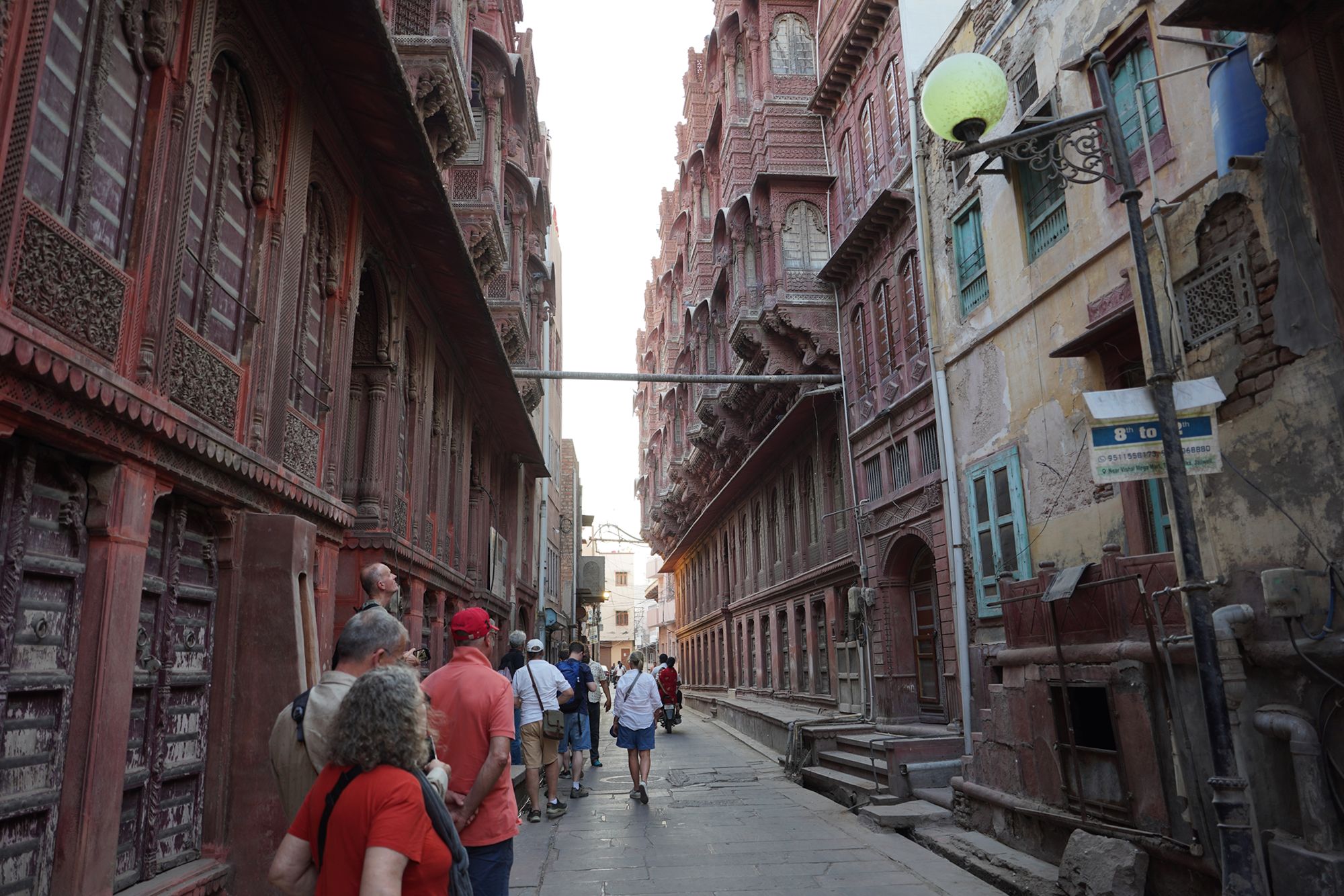
Rampuria Haveli is a group of magnificent merchant mansions in the old city of Bikaner. They were built mainly during the 19th century by the wealthy Rampuria merchant family.
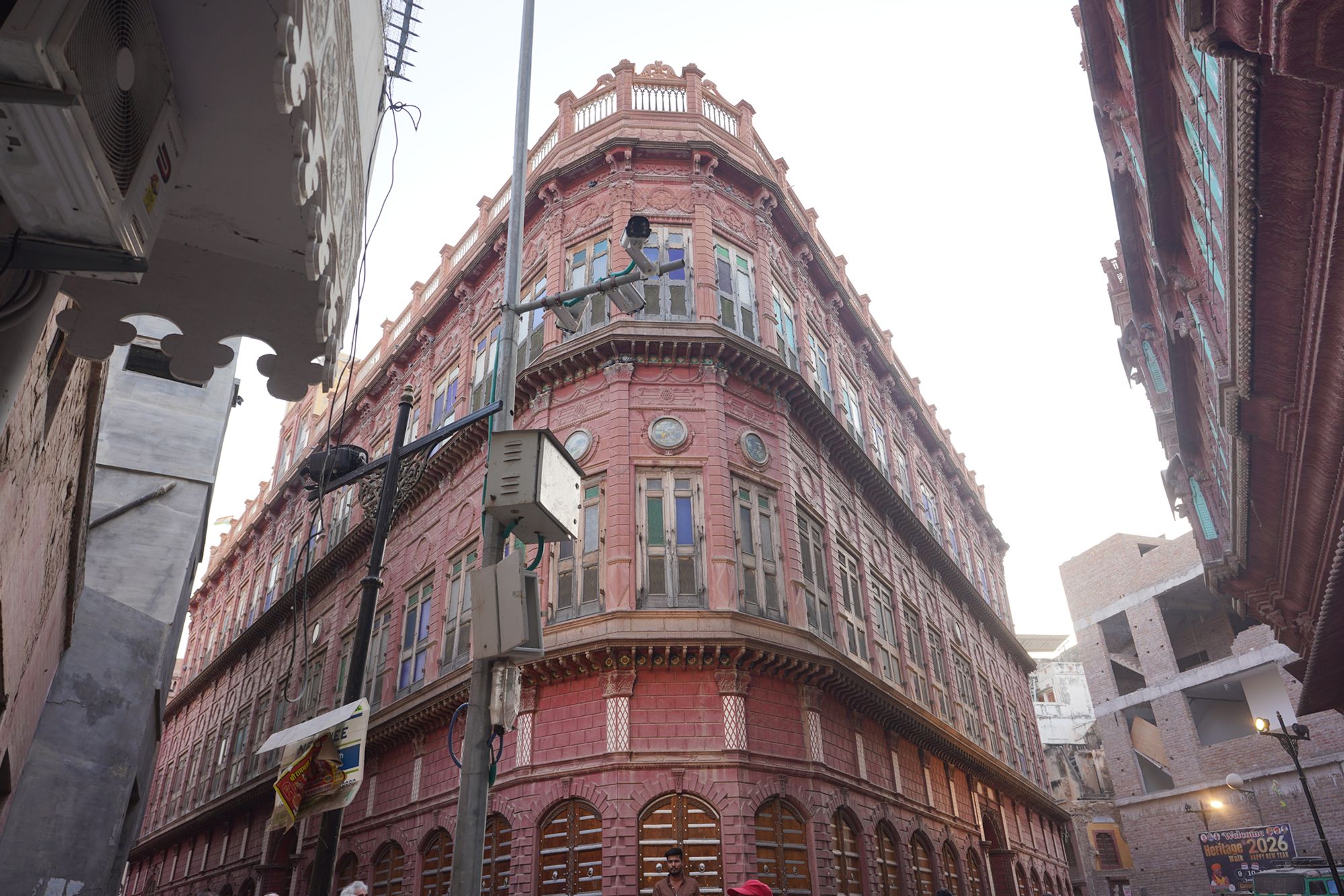
The havelis are especially famous for their richly carved red sandstone façades, with elaborate balconies, arched windows, decorative screens, and intricate stonework. Their architecture combines traditional Rajput design with Mughal and other influences.
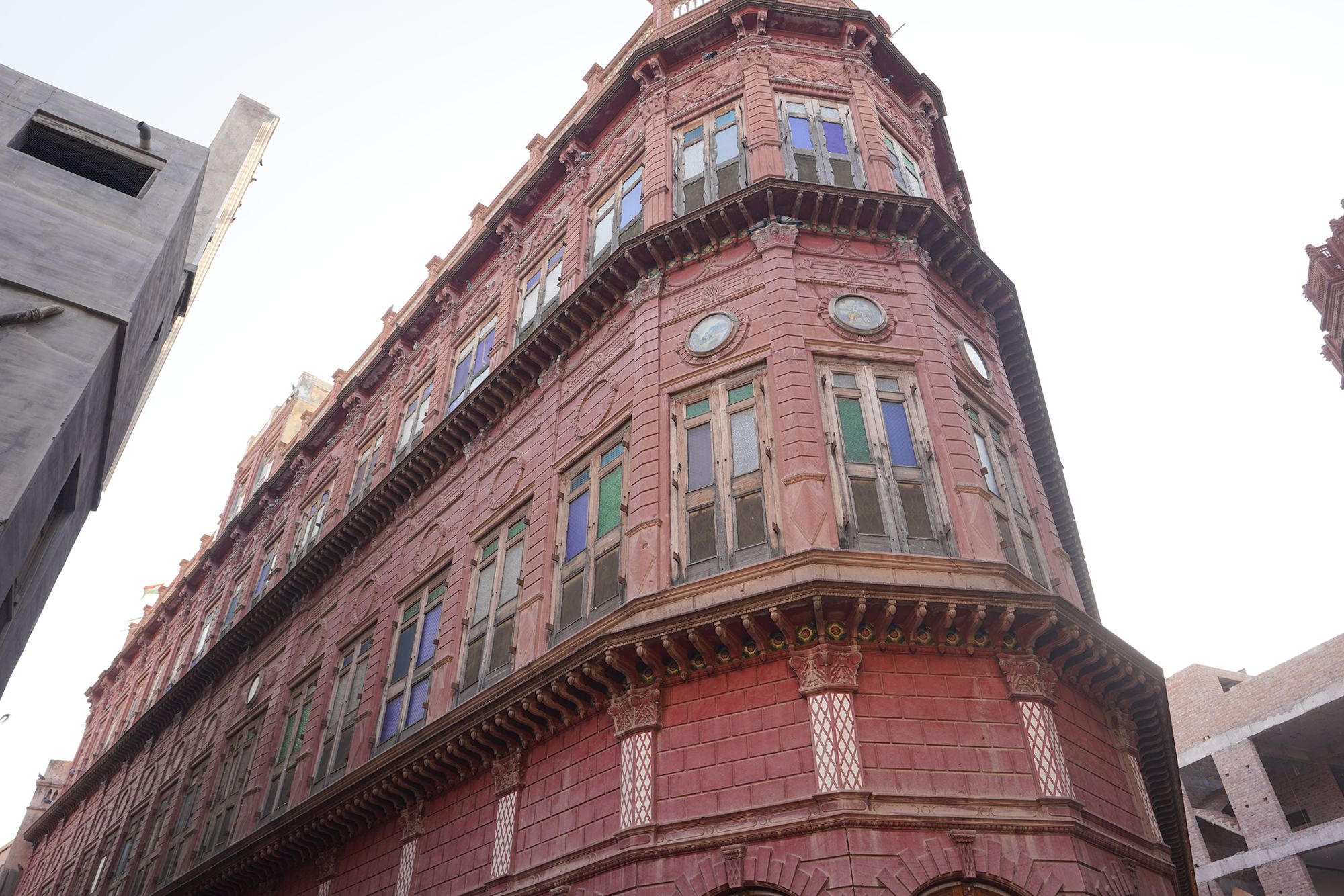
The buildings reflect the wealth that Bikaner’s merchant families gained through regional and long-distance trade. Unlike a royal palace, Rampuria Haveli was primarily associated with wealthy merchants and their families.
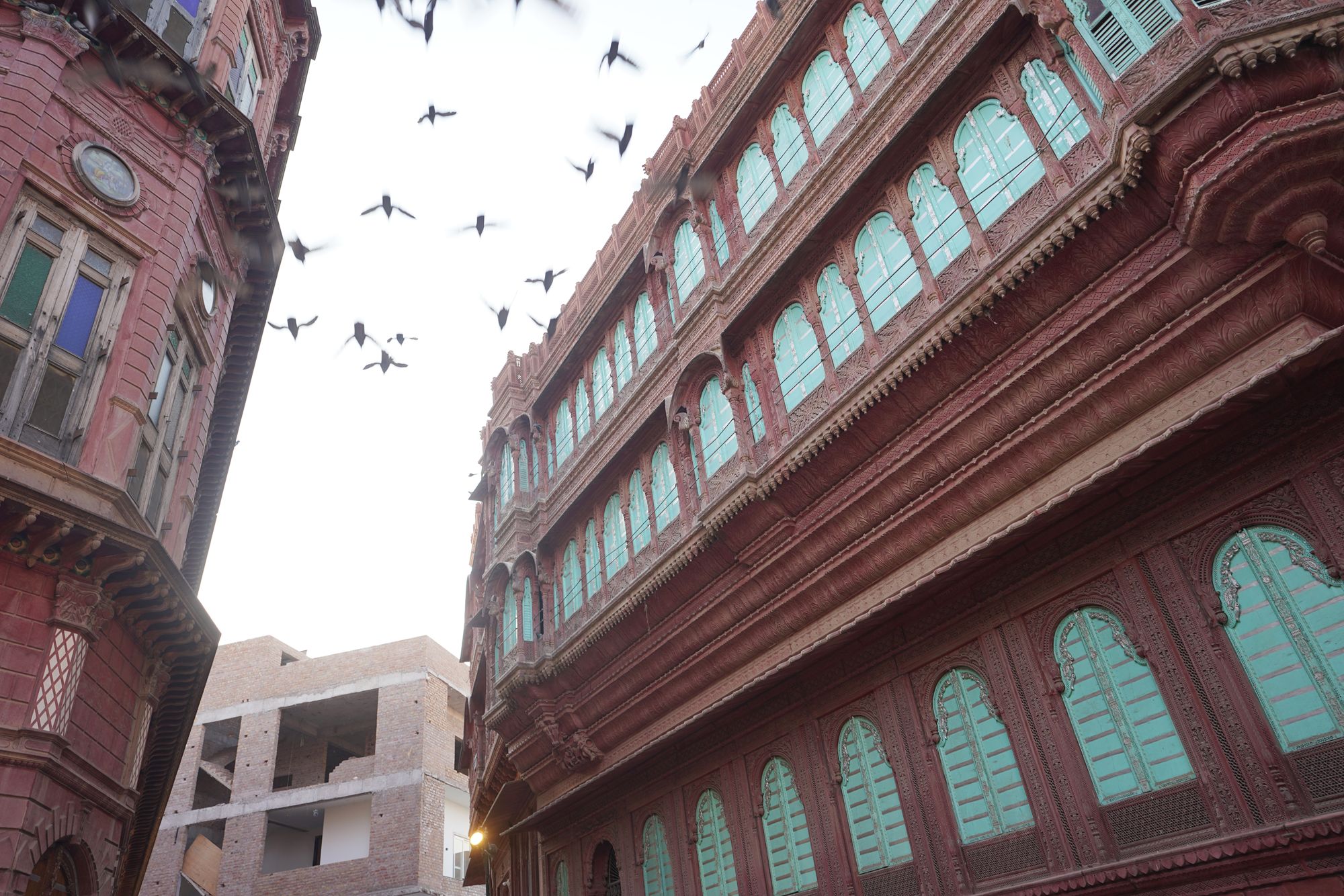
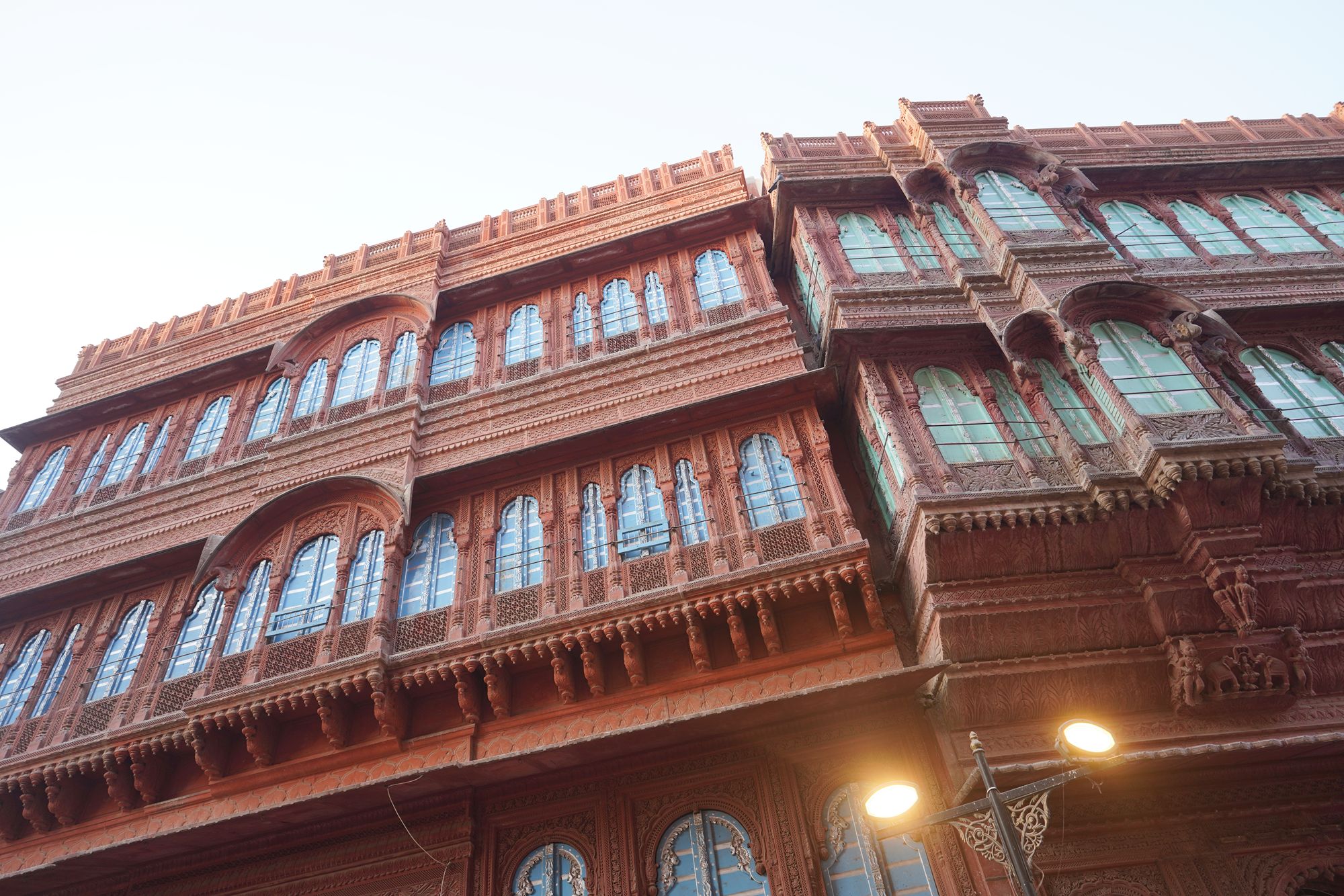
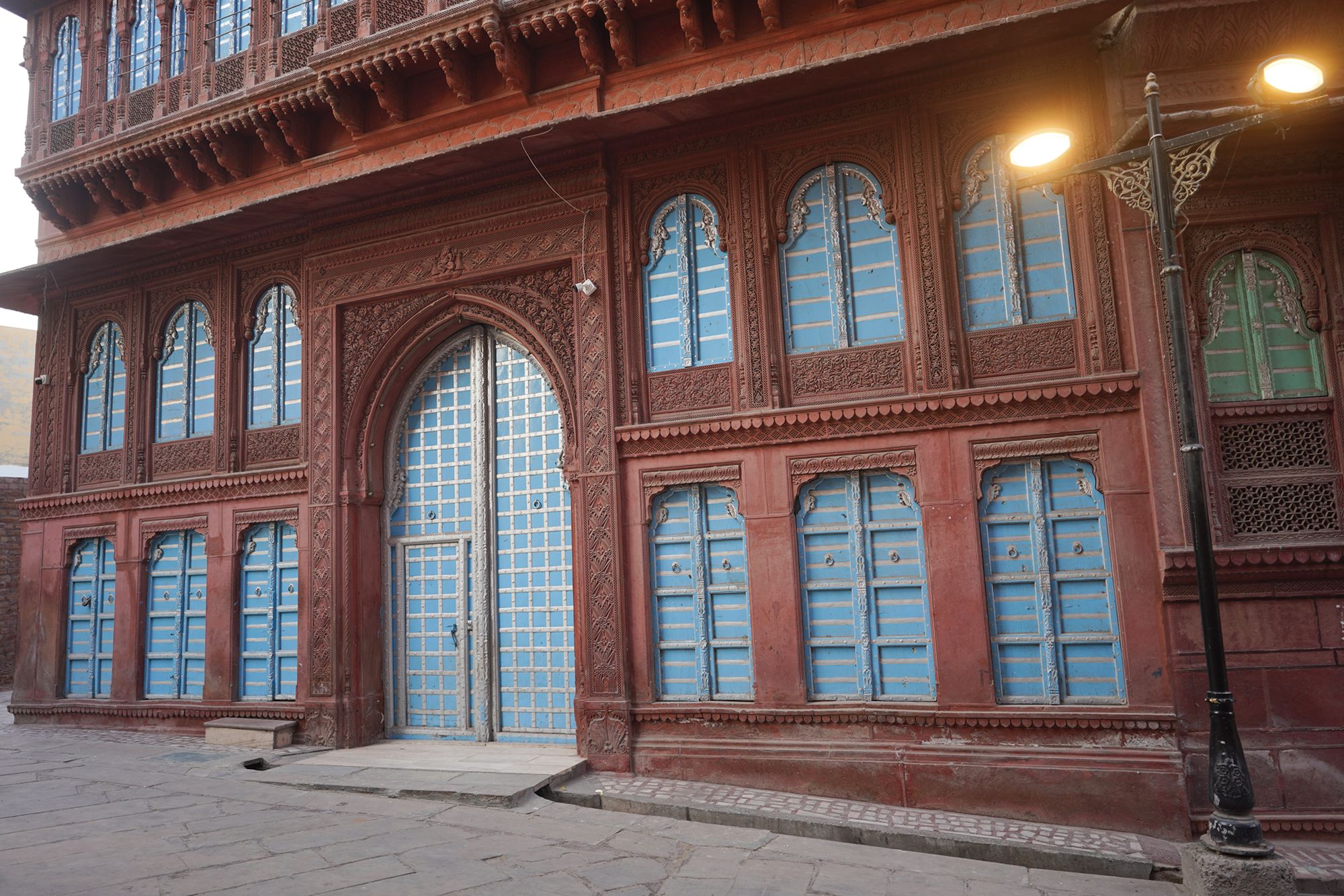
Today, the beautifully preserved façades make the Rampuria Havelis one of the most distinctive sights in Bikaner’s old city.
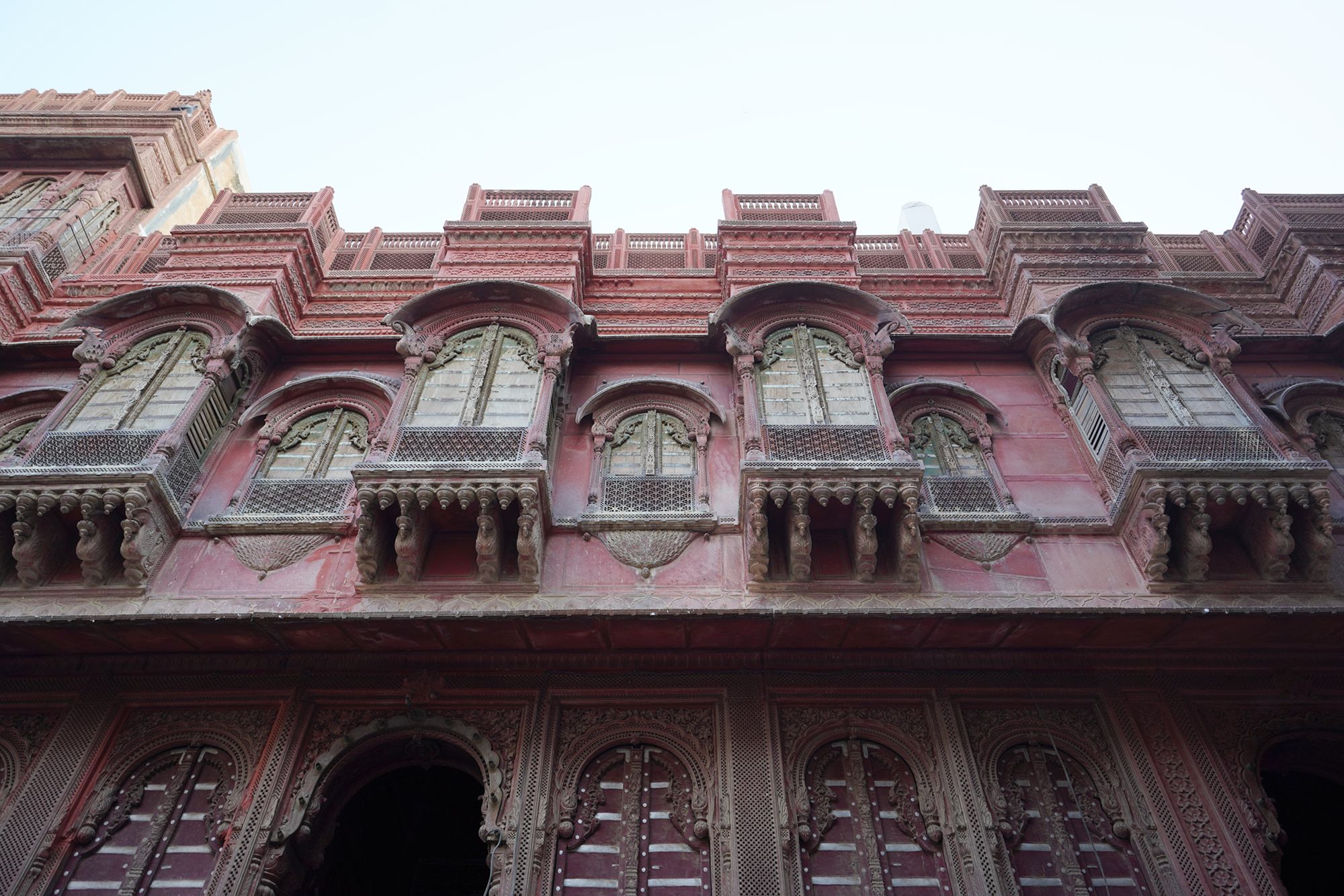
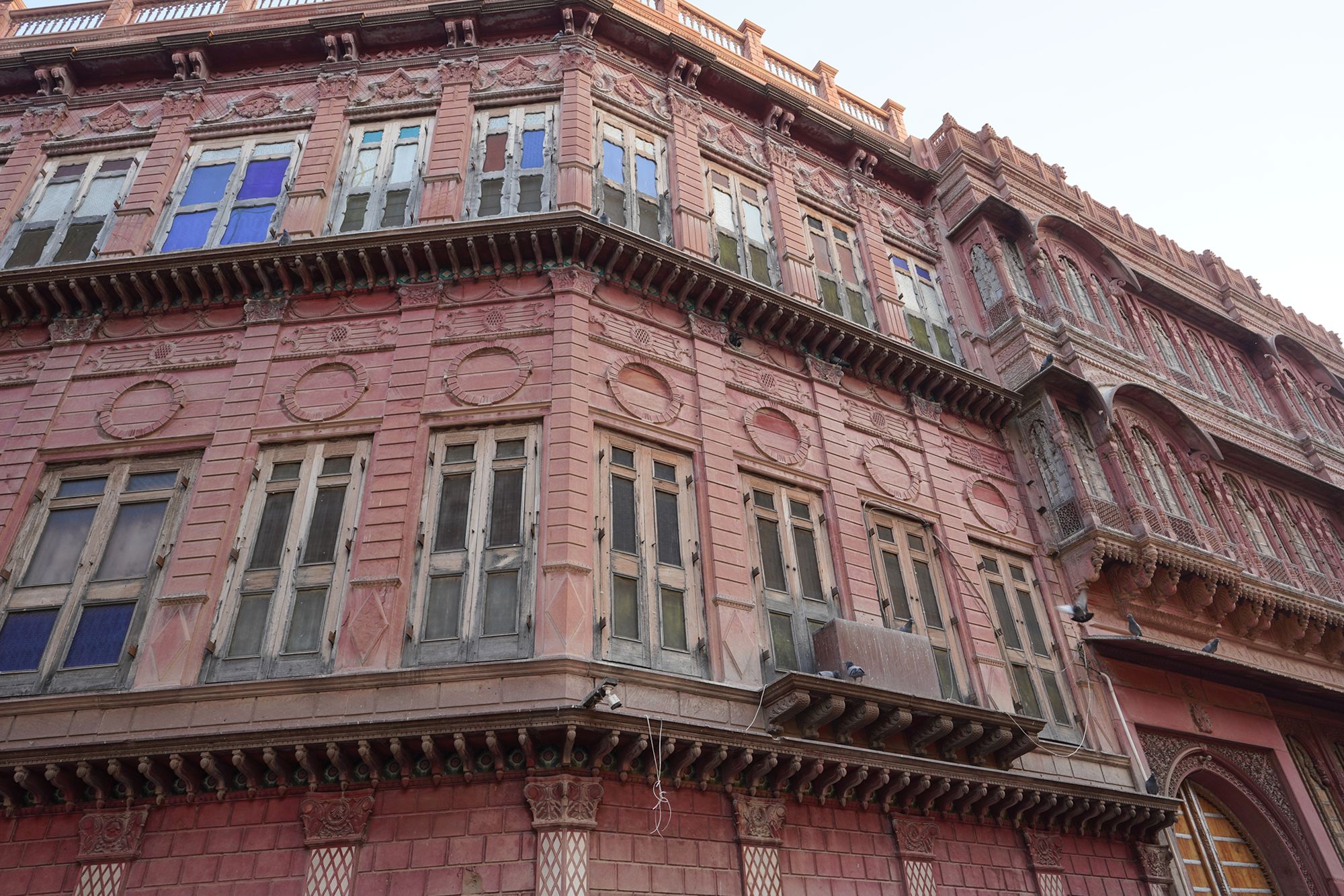
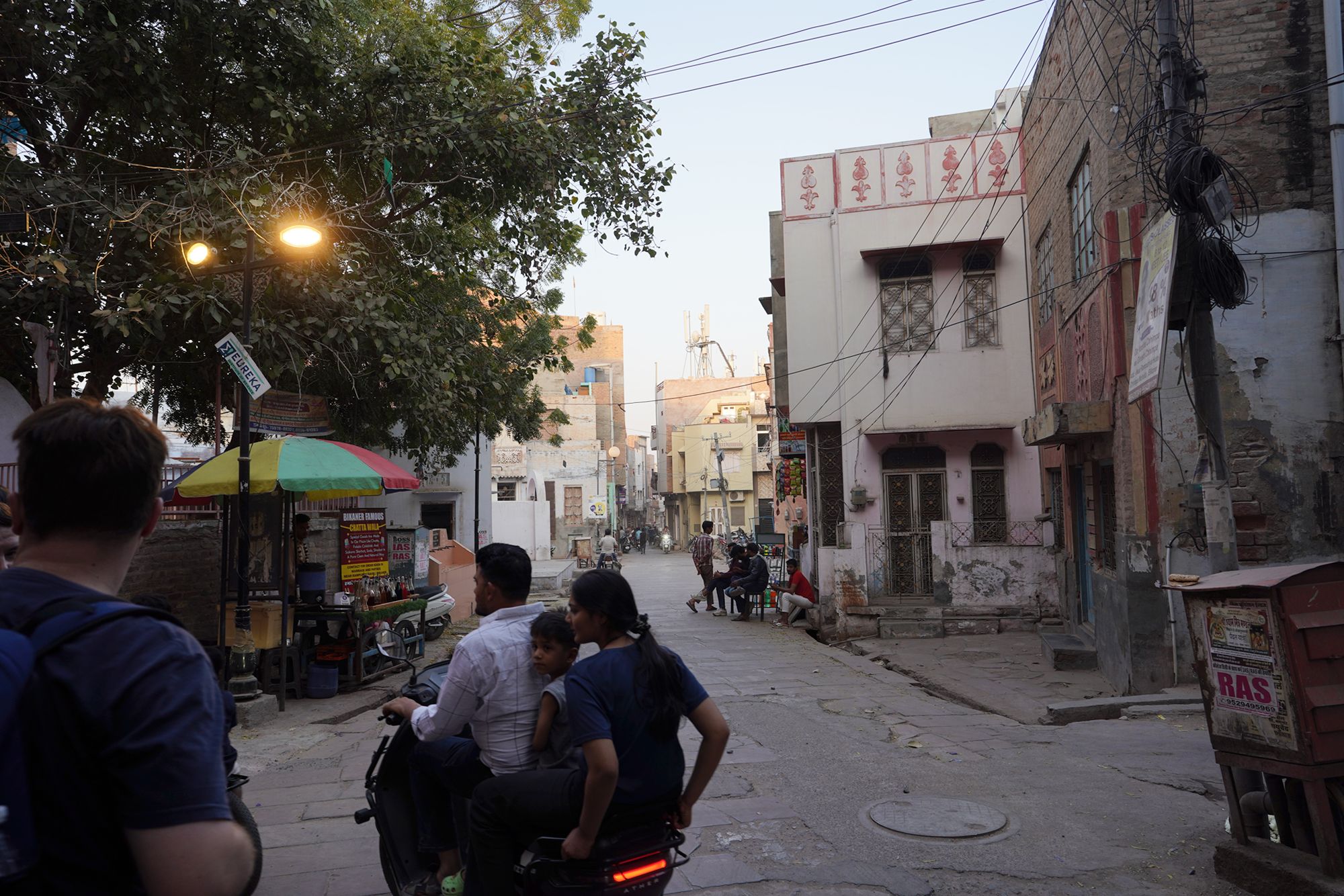
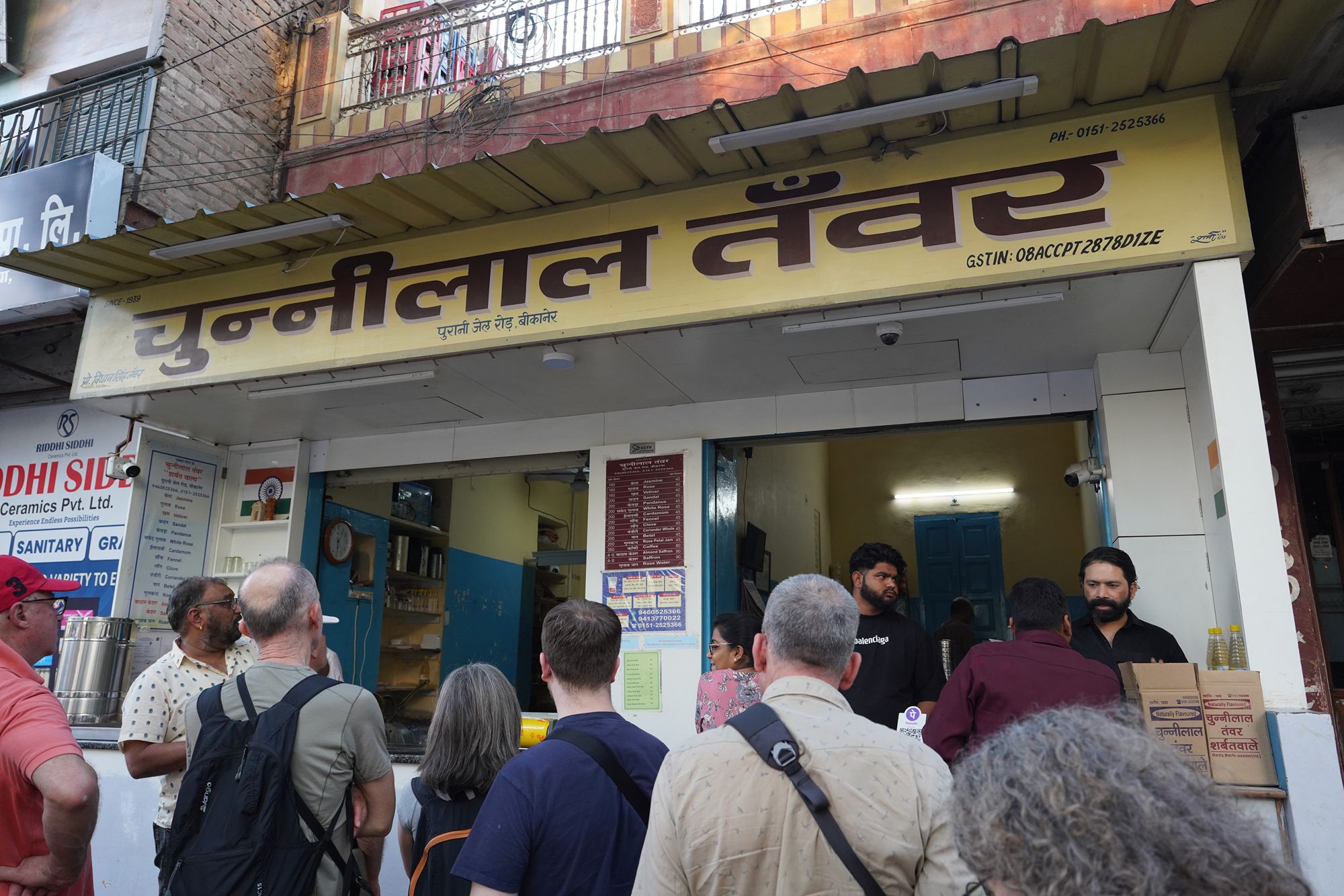
After visiting Rampuria Haveli, we stopped at a local shop for a refreshing drink.