Udaipur City Palace, Udaipur, India
Udaipur City Palace is a magnificent royal palace complex overlooking Lake Pichola, begun in 1559 and expanded over nearly 400 years. 1254
Udaipur City Palace: Old City, Udaipur, Rajasthan 313001, India
Date Picture Taken: Feb, 2026
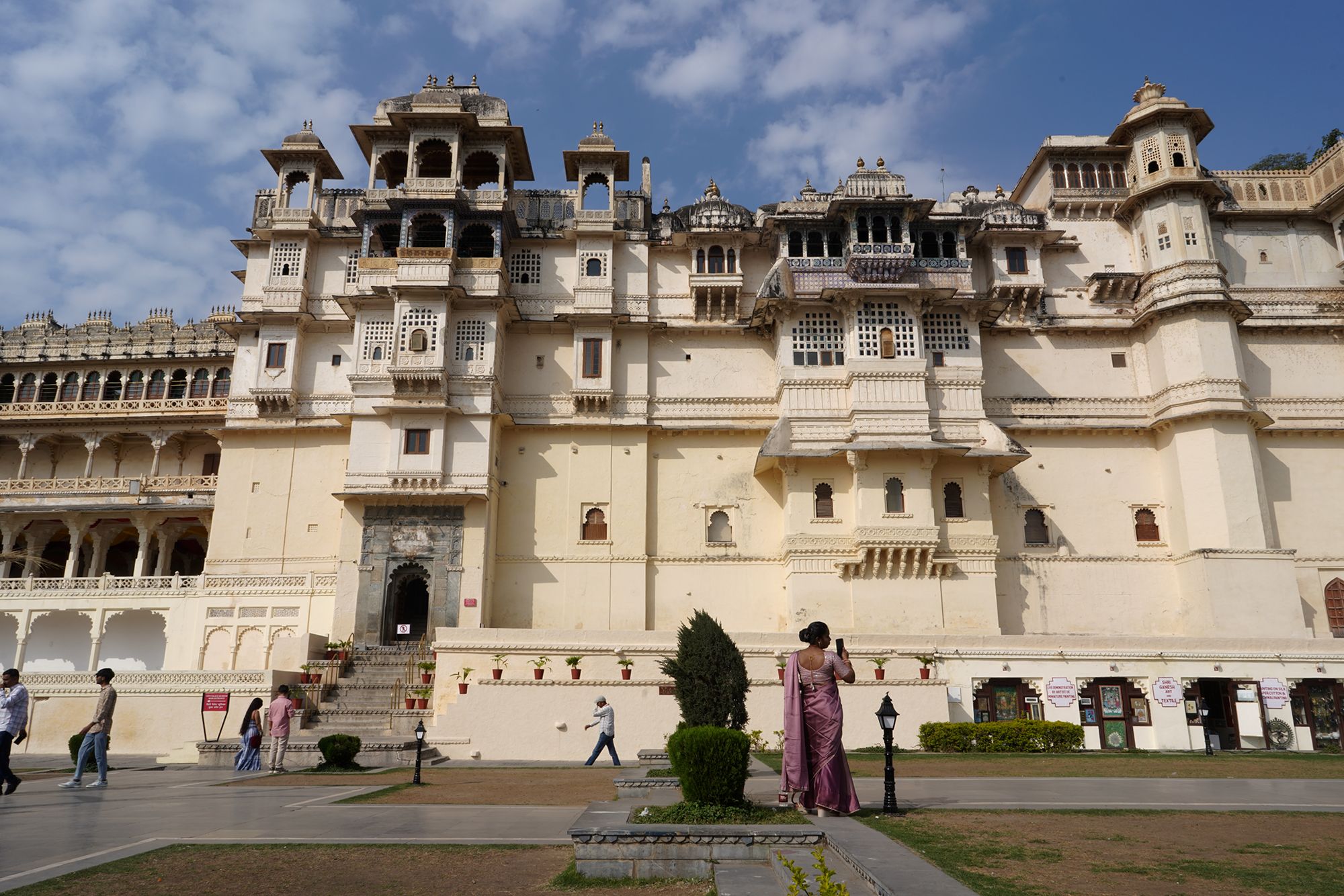
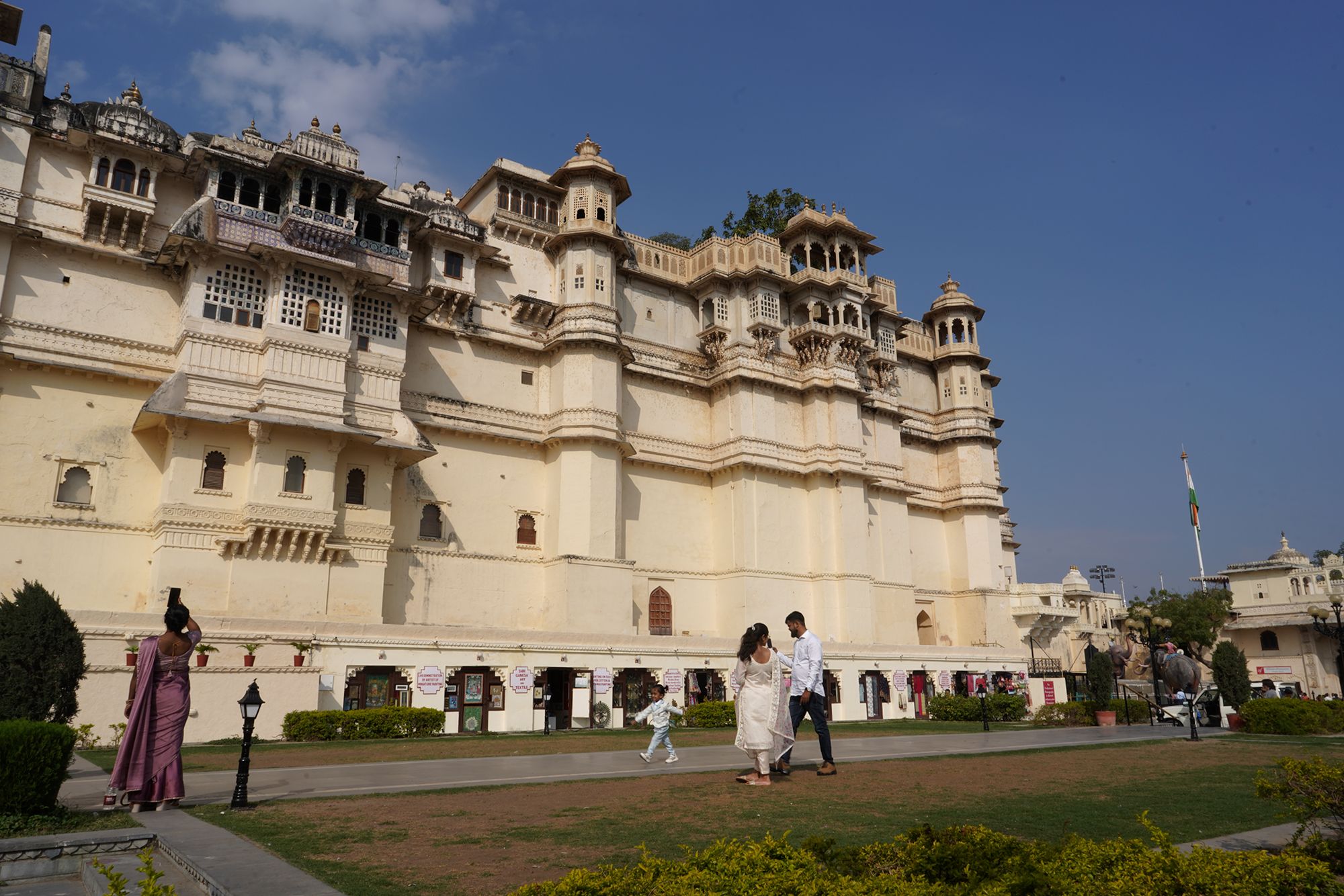
Udaipur City Palace is a vast royal palace complex overlooking Lake Pichola, begun in 1559 by Maharana Udai Singh II and expanded by successive rulers of Mewar over nearly 400 years. The palace is known for its beautiful courtyards, balconies, towers, and intricate Rajput architecture.
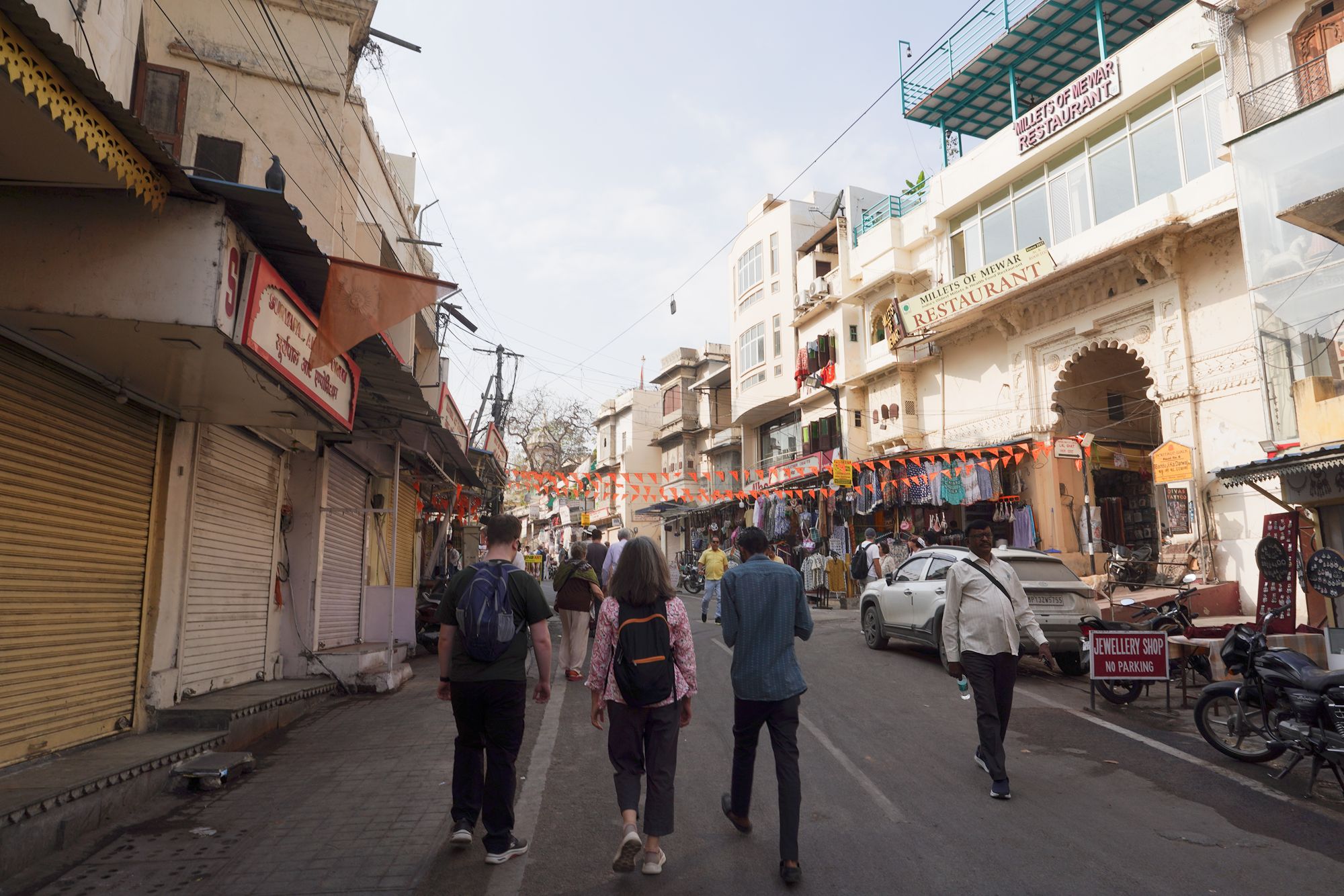
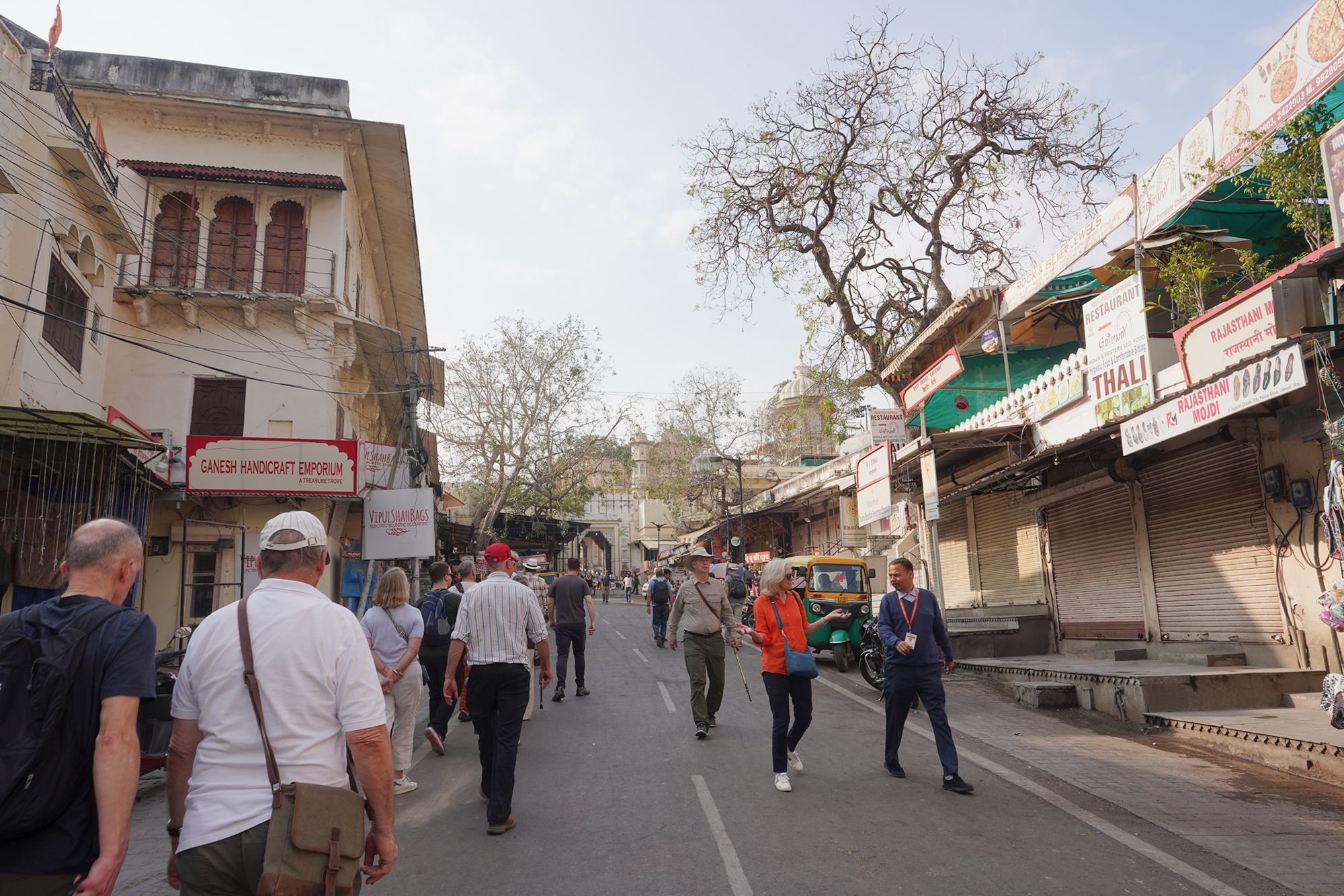
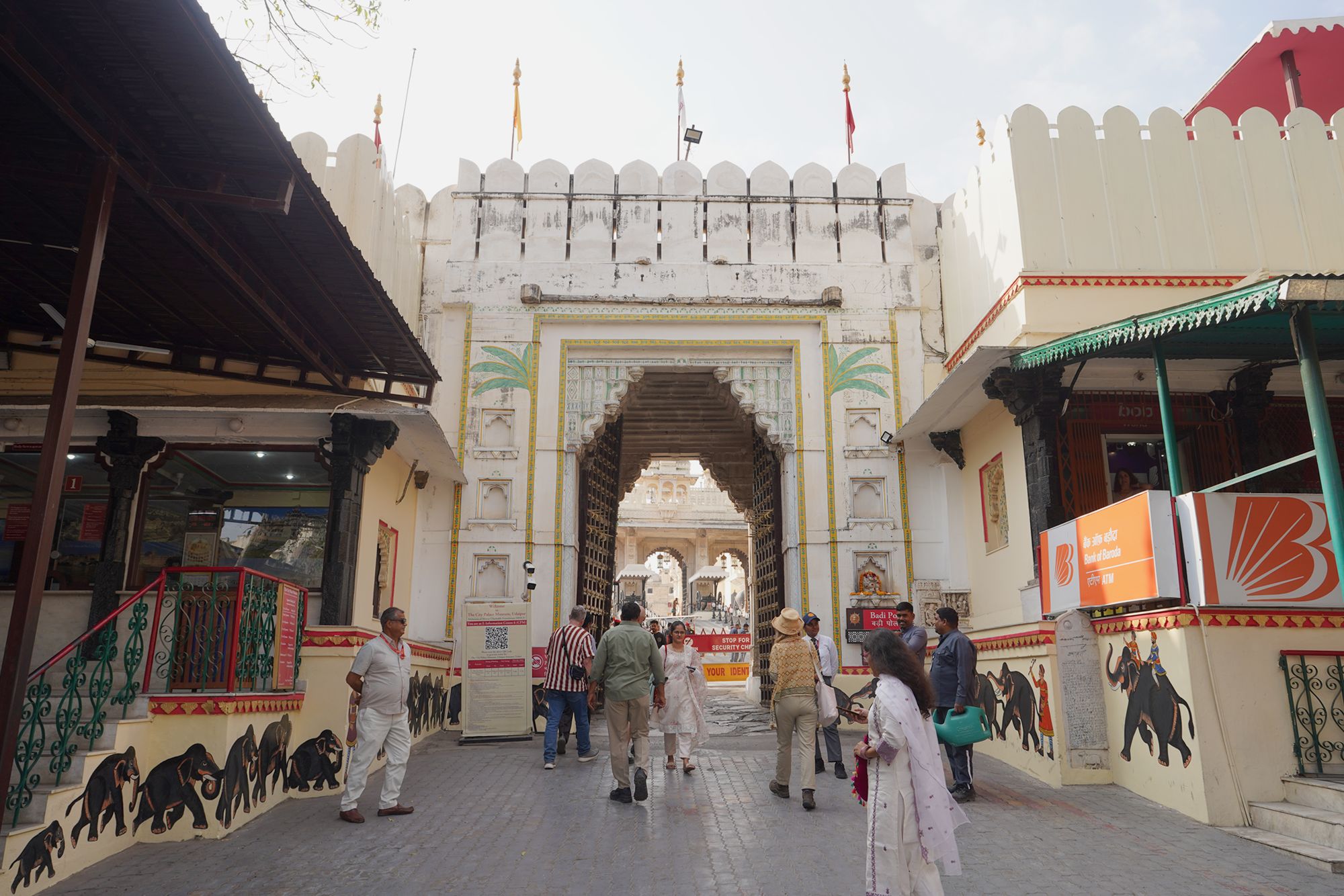
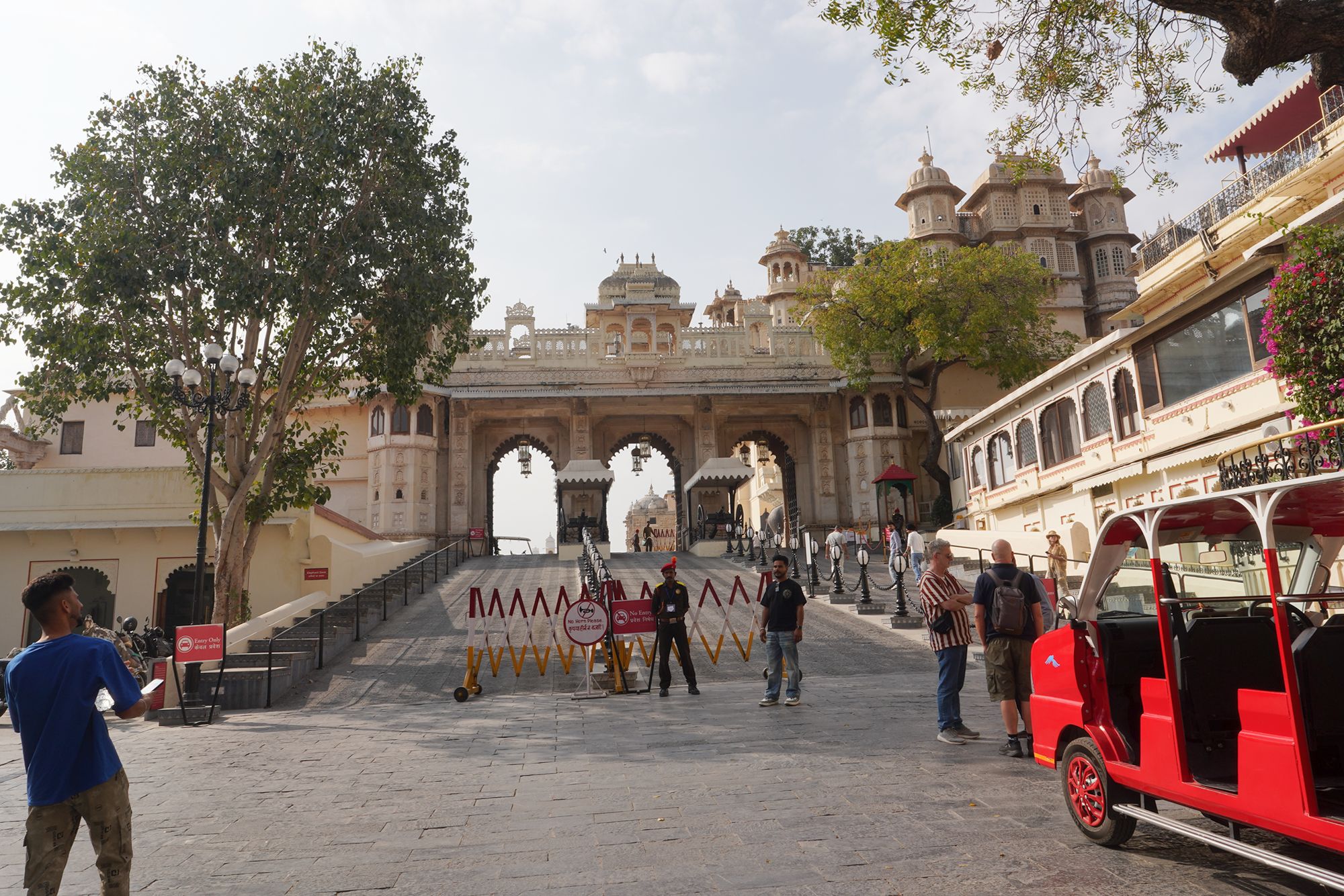
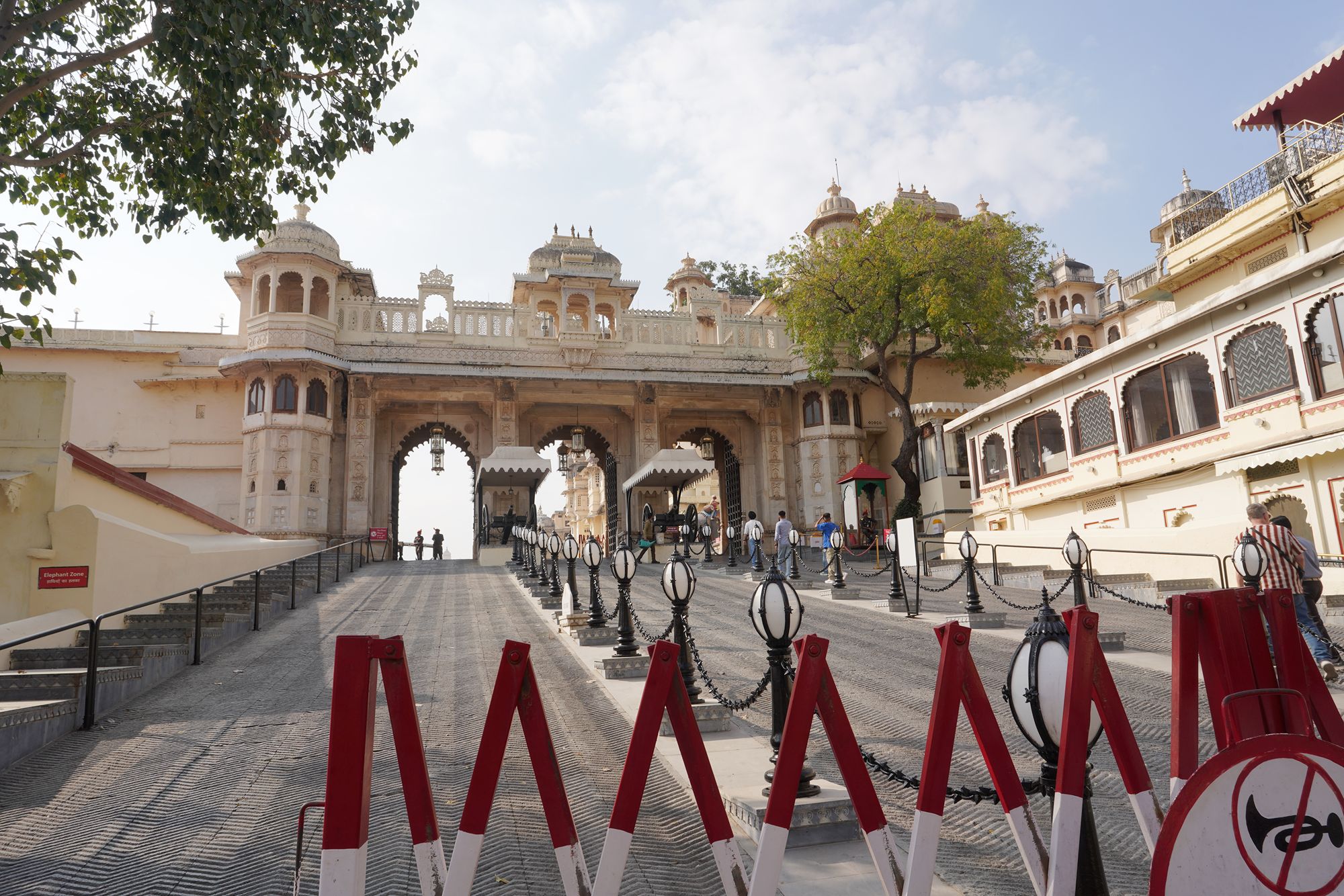
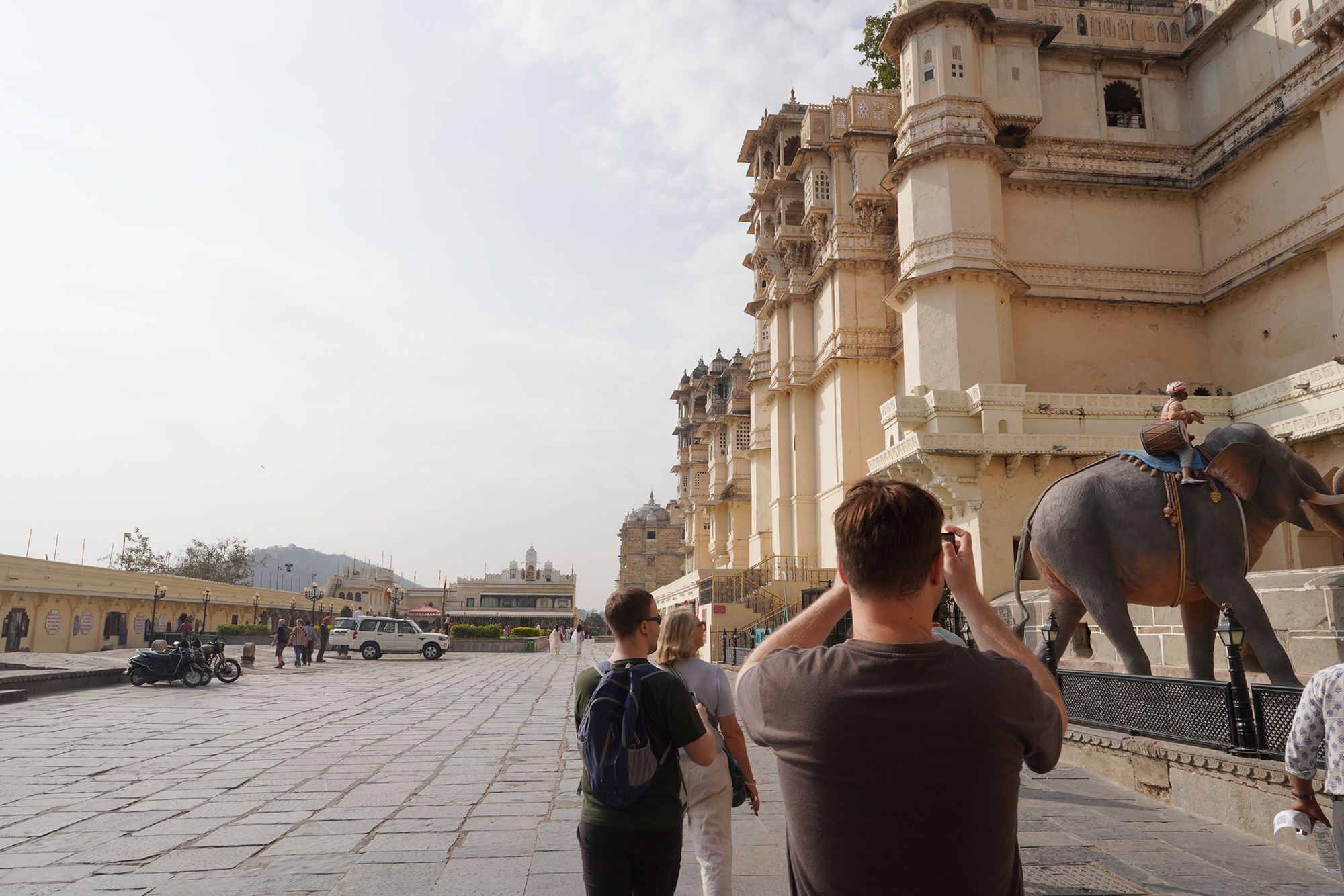
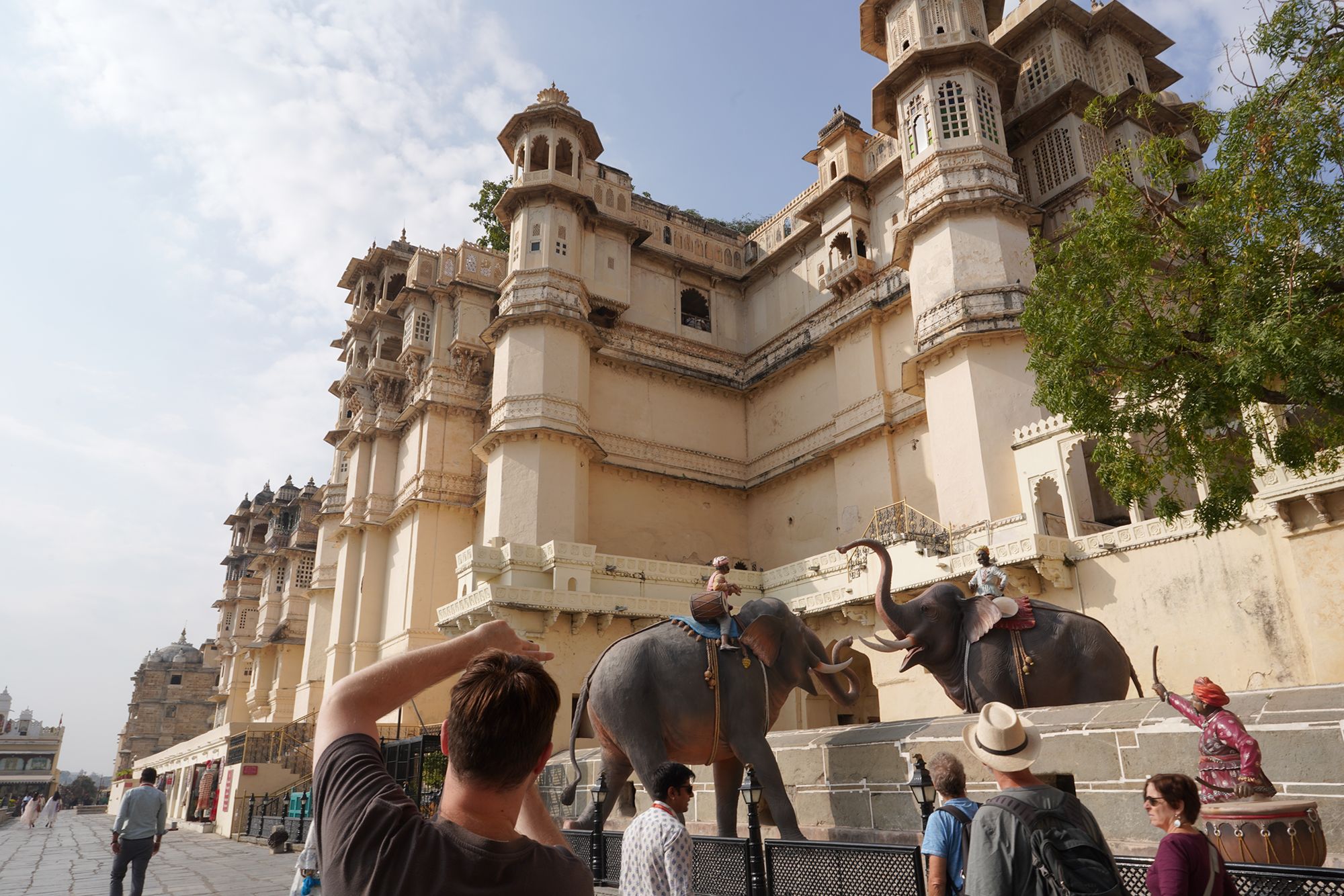
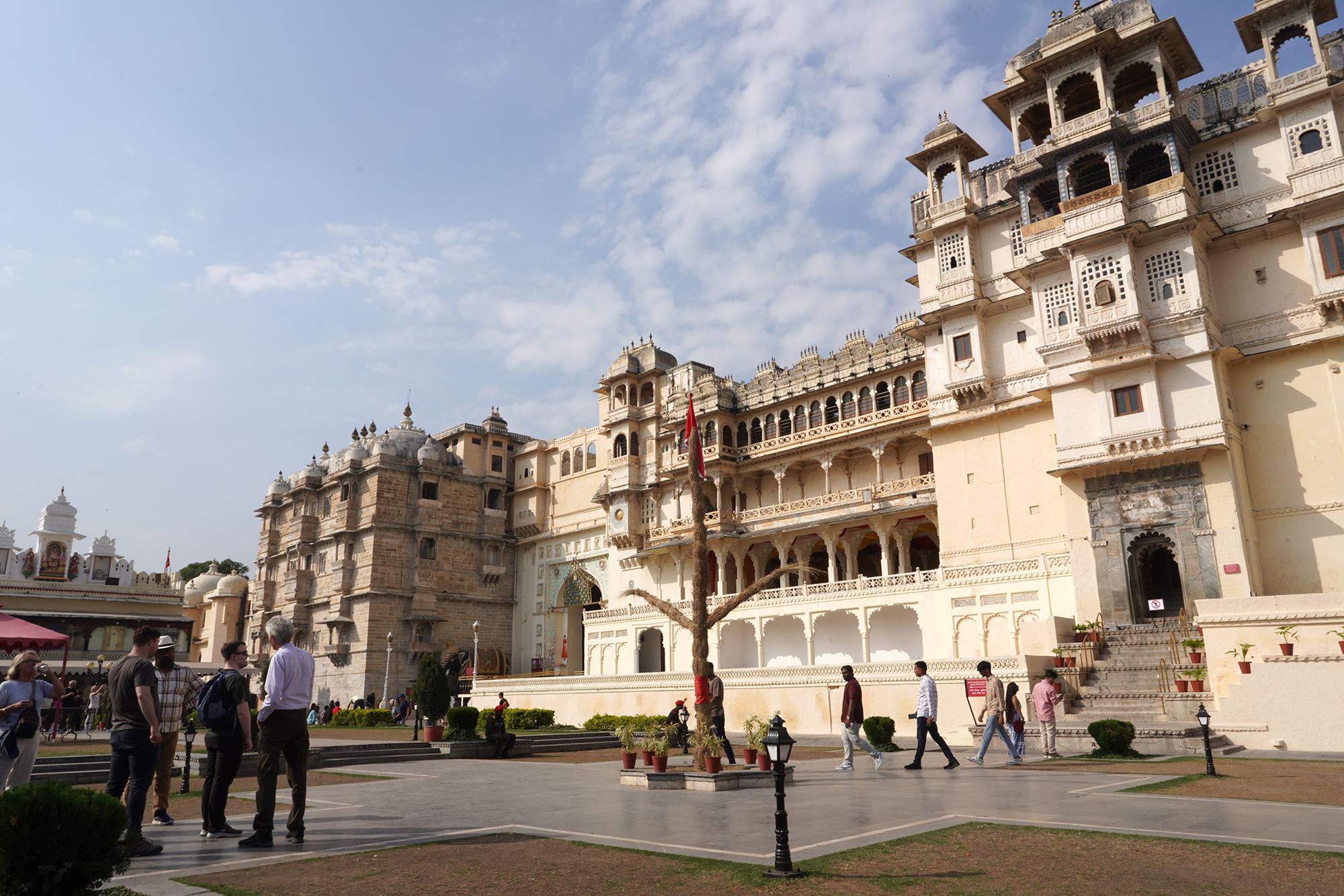
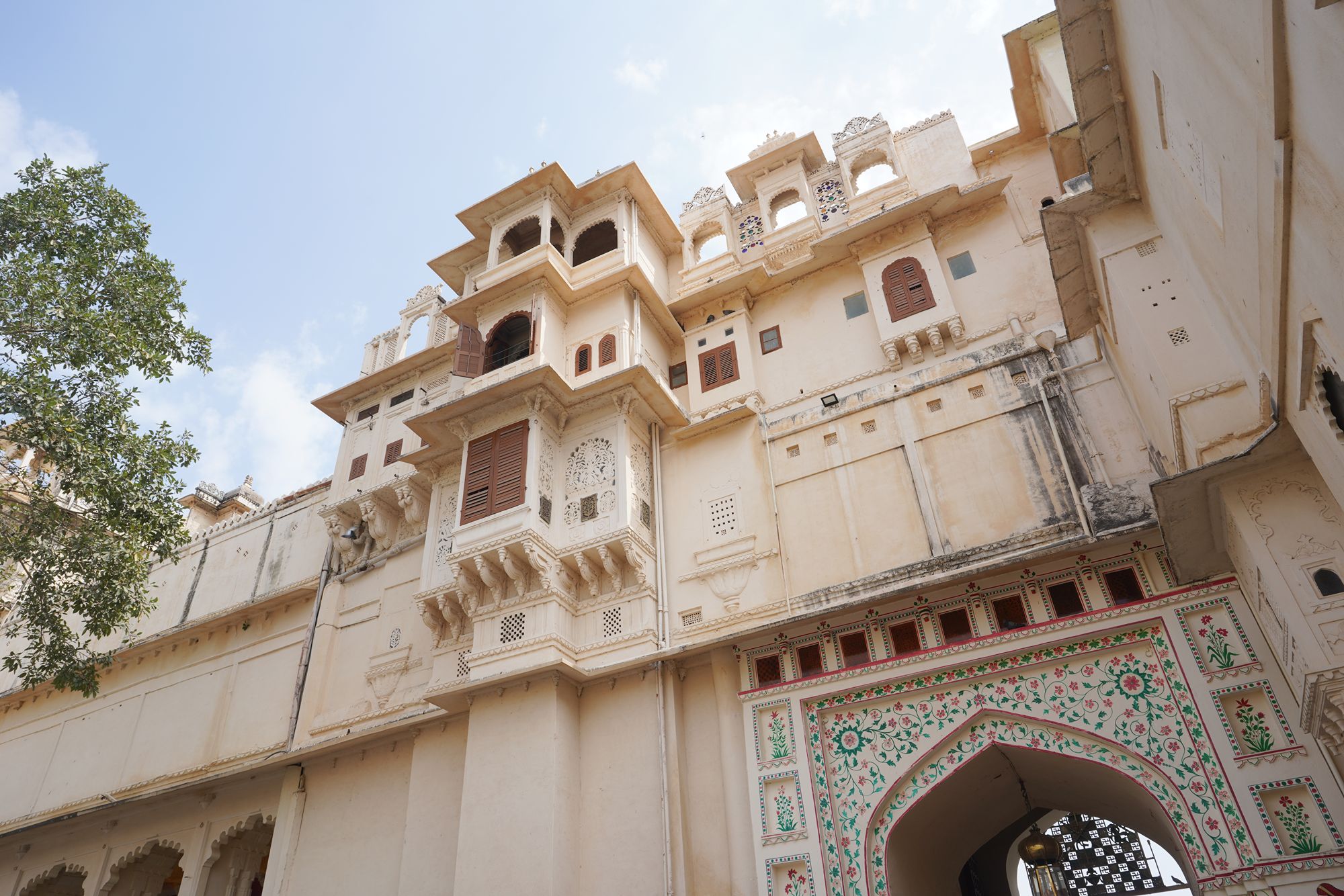
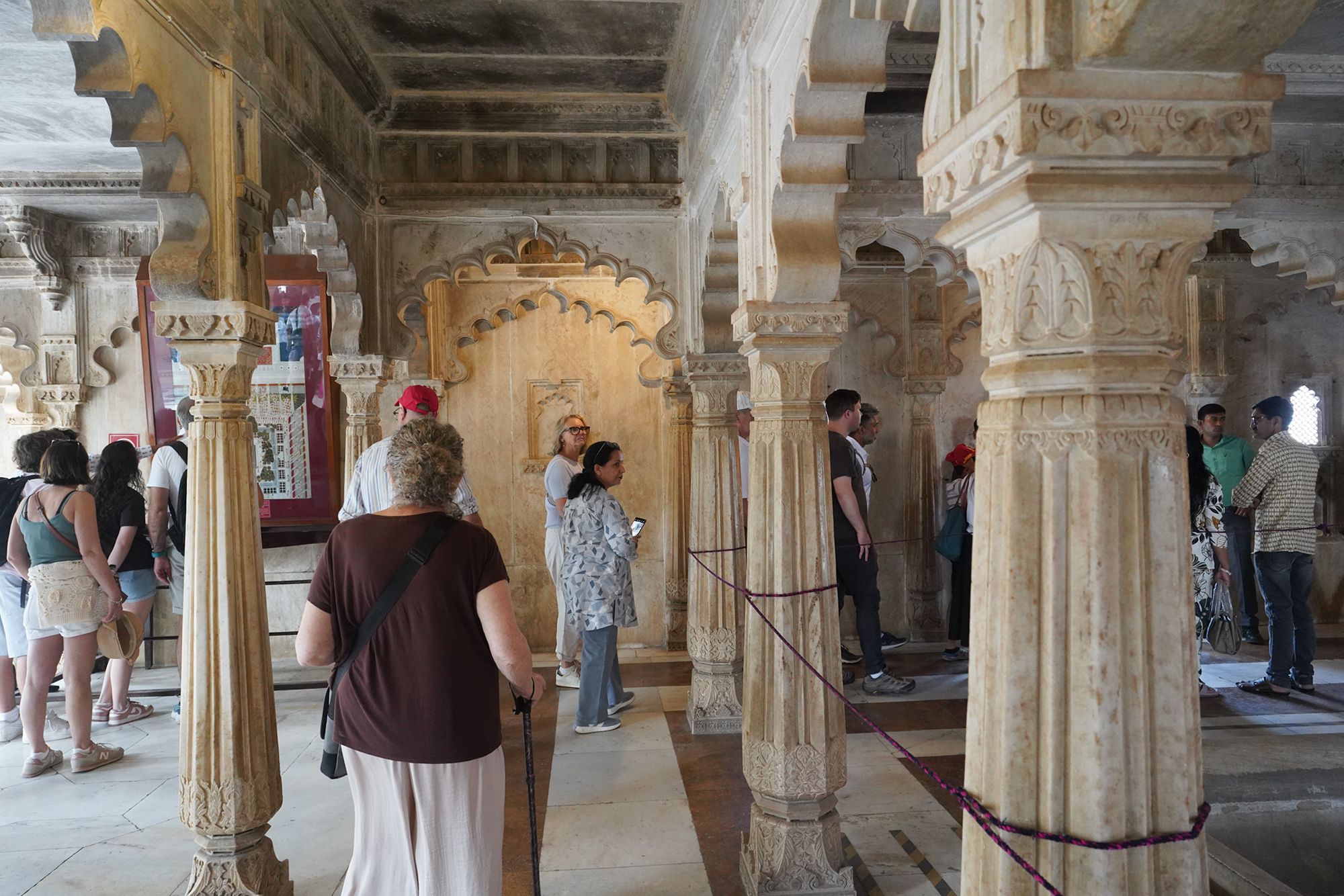
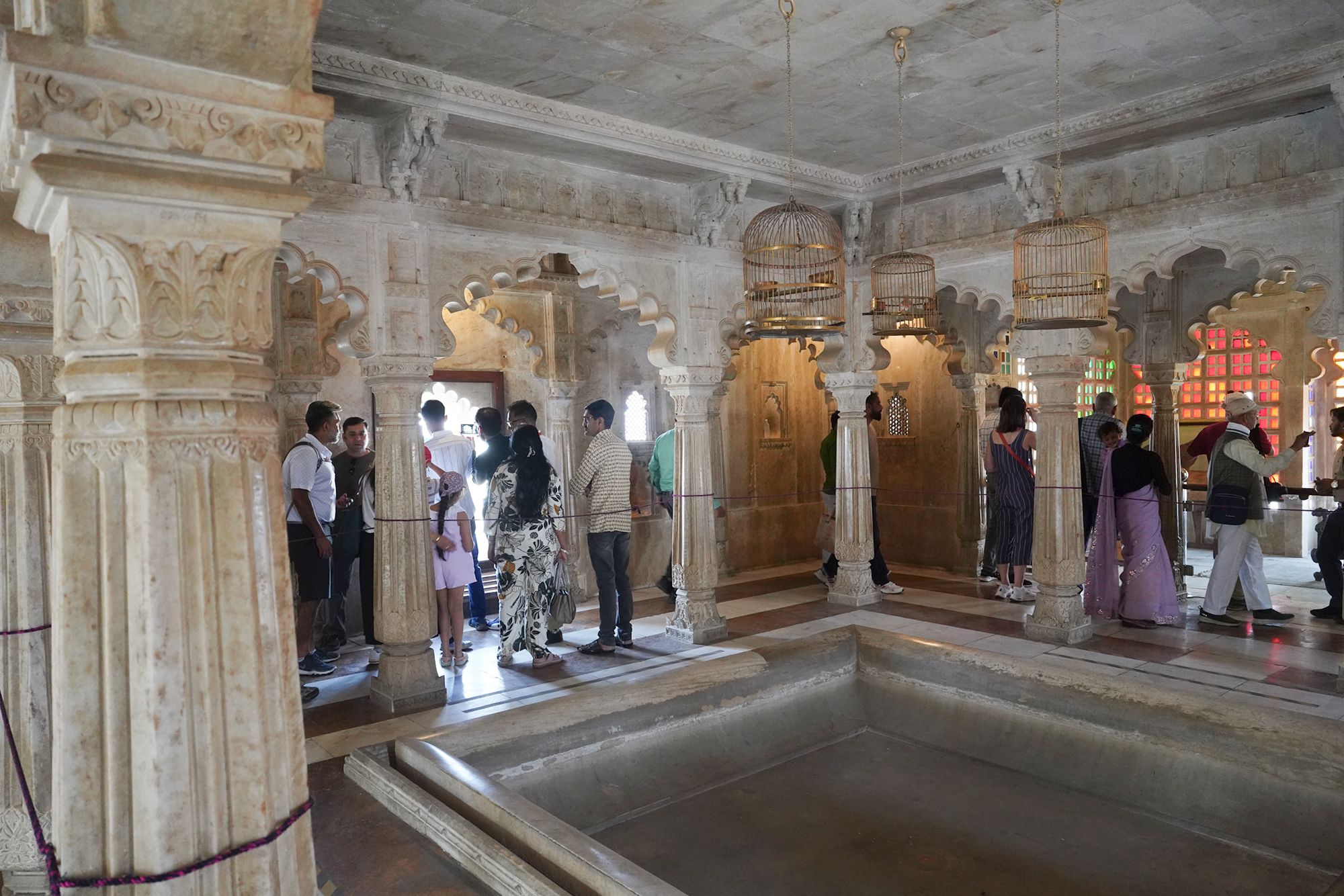
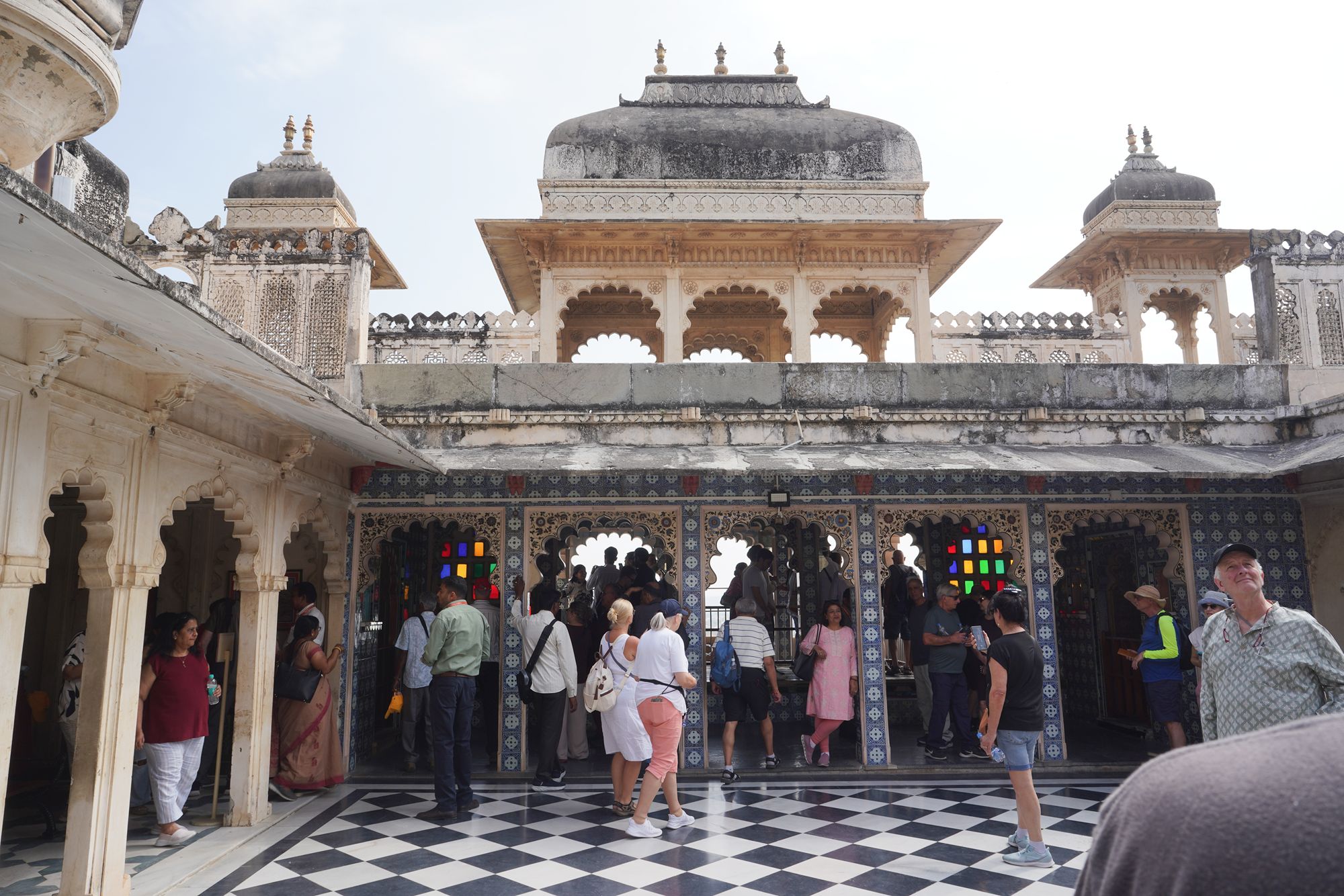
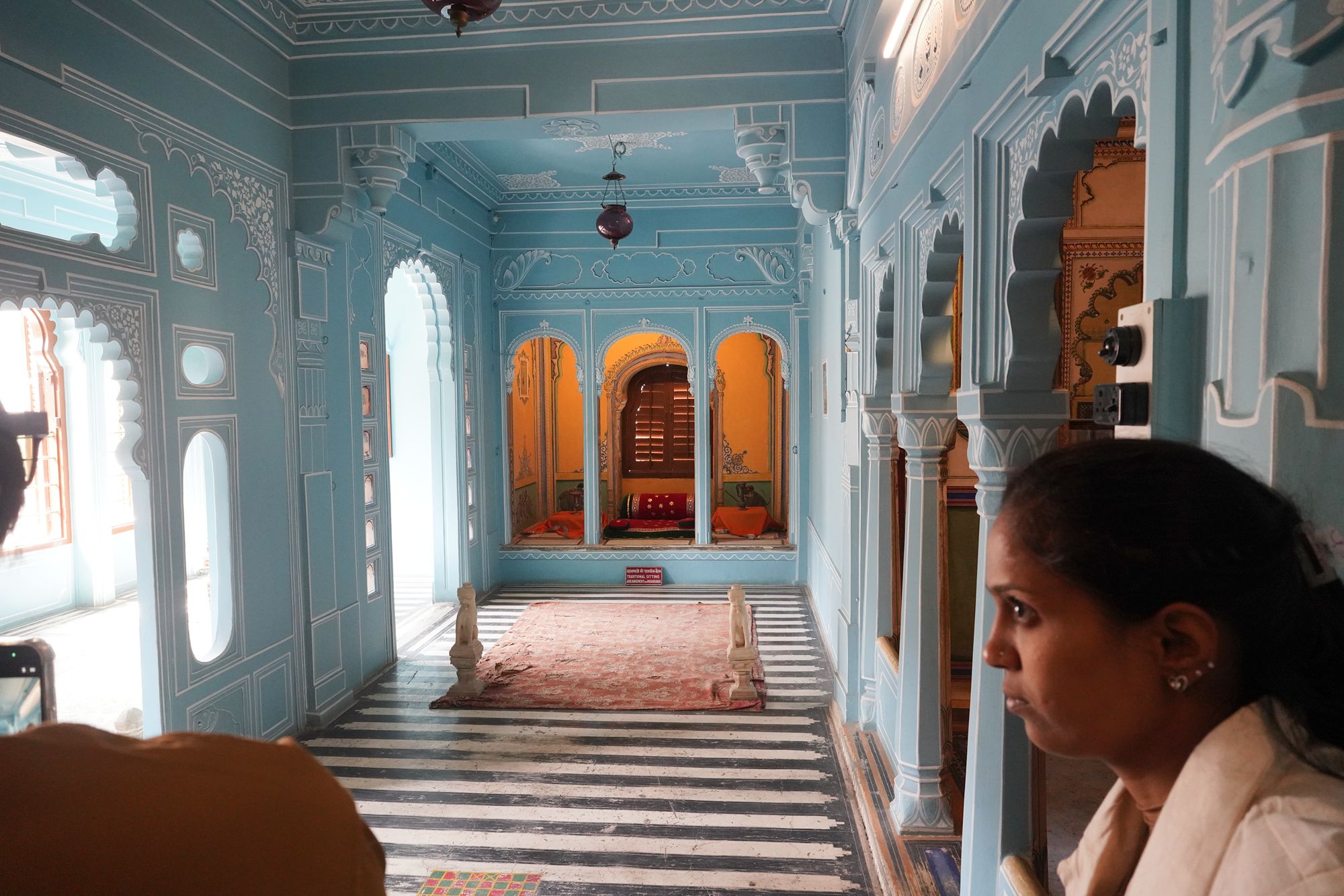
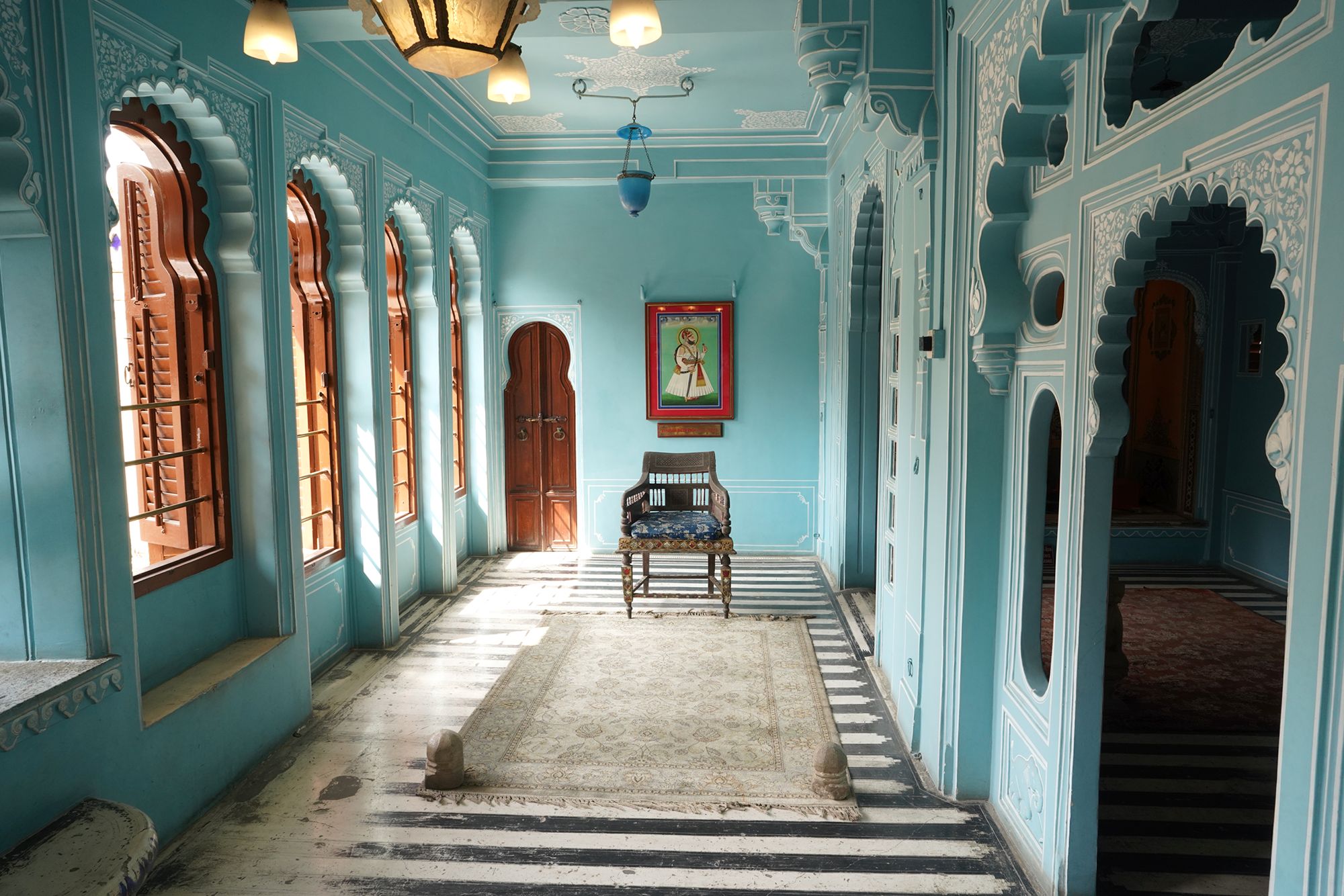
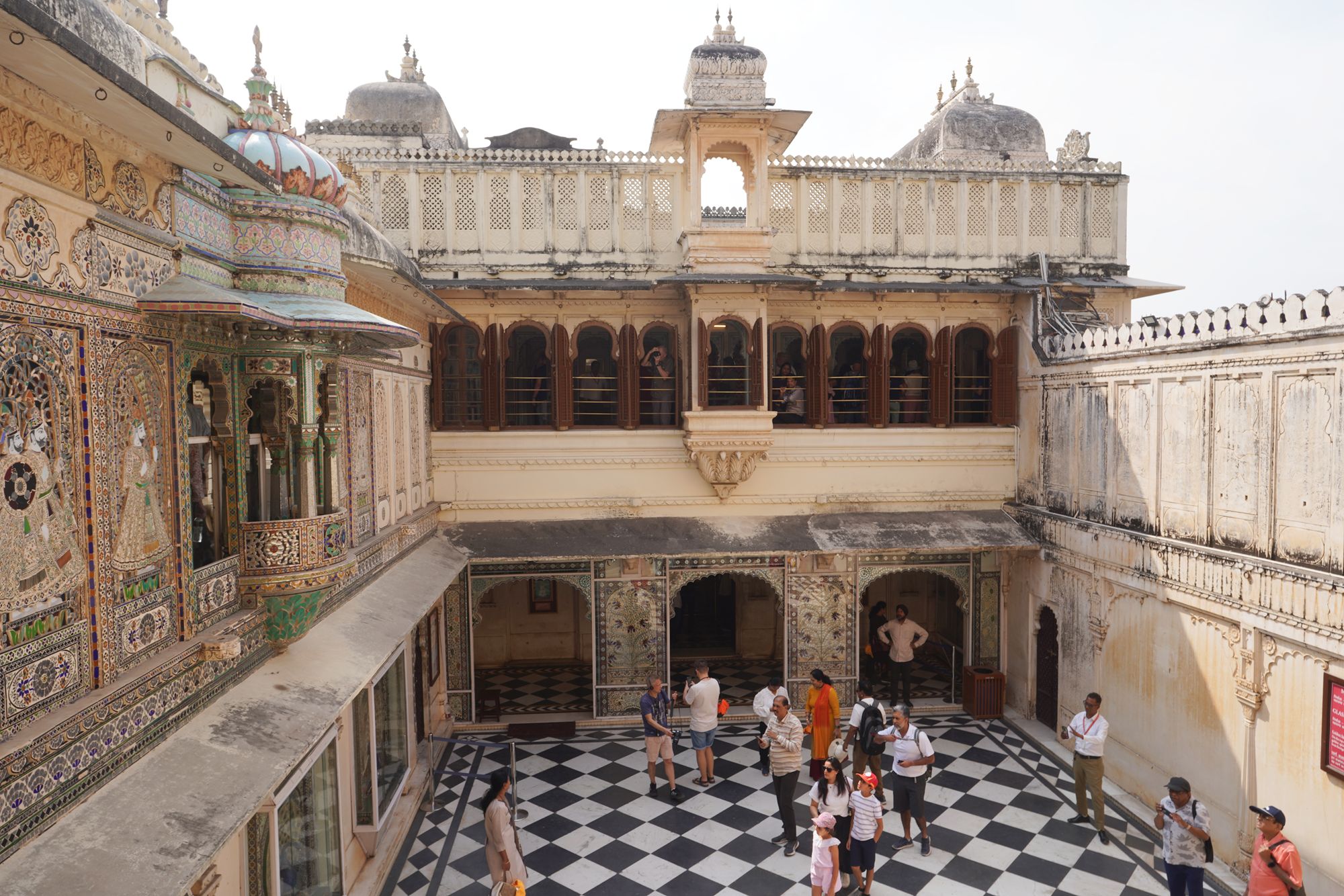
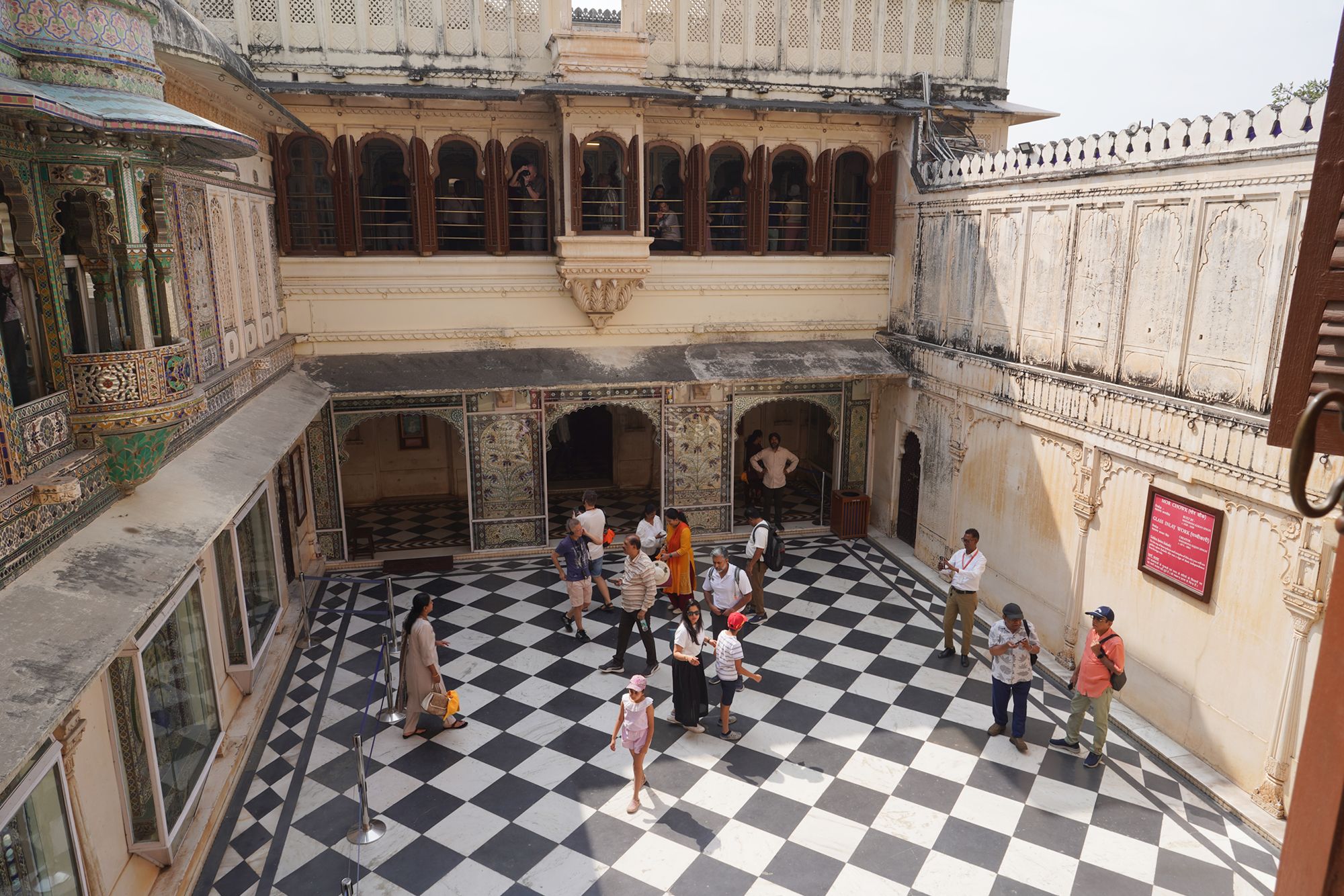
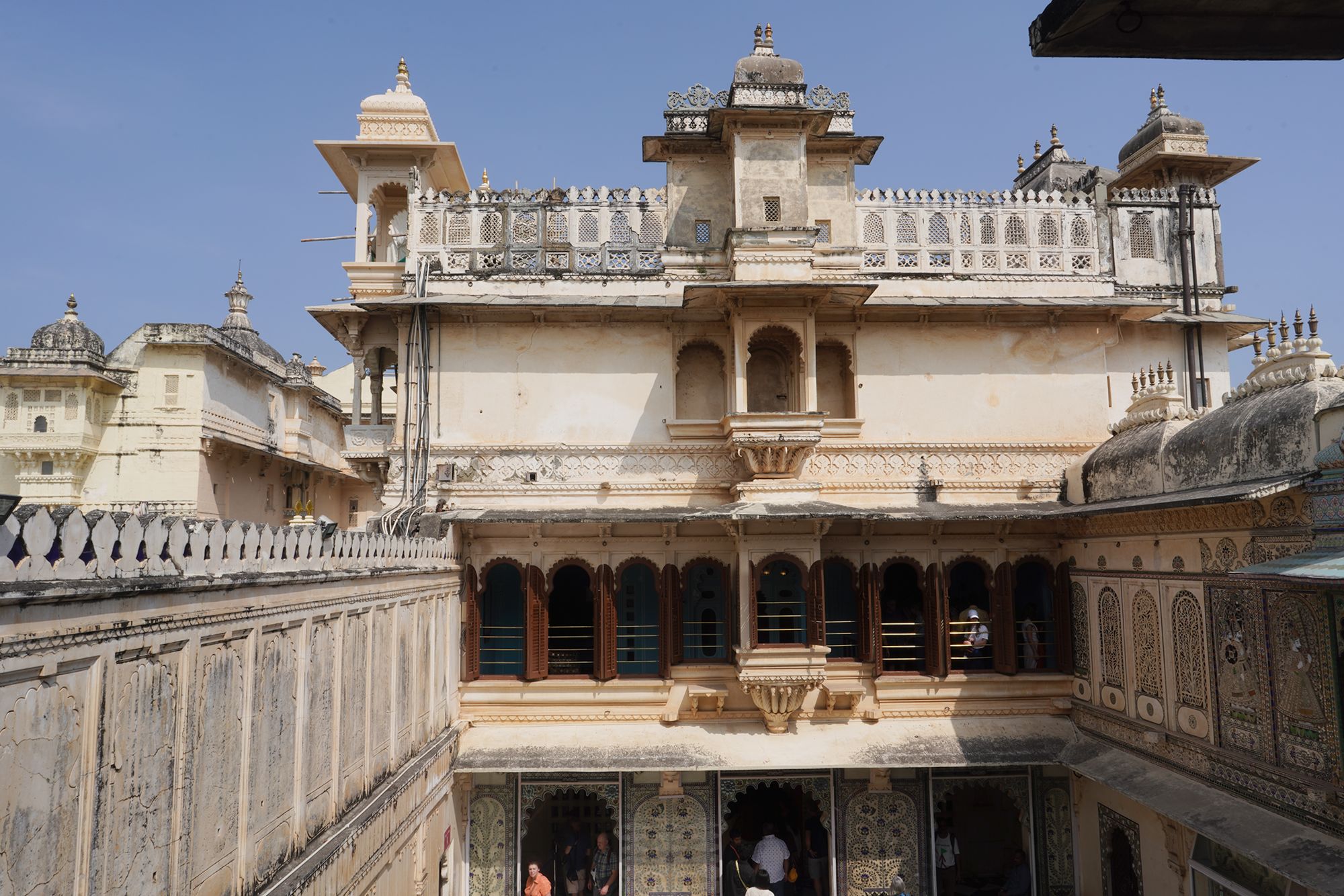
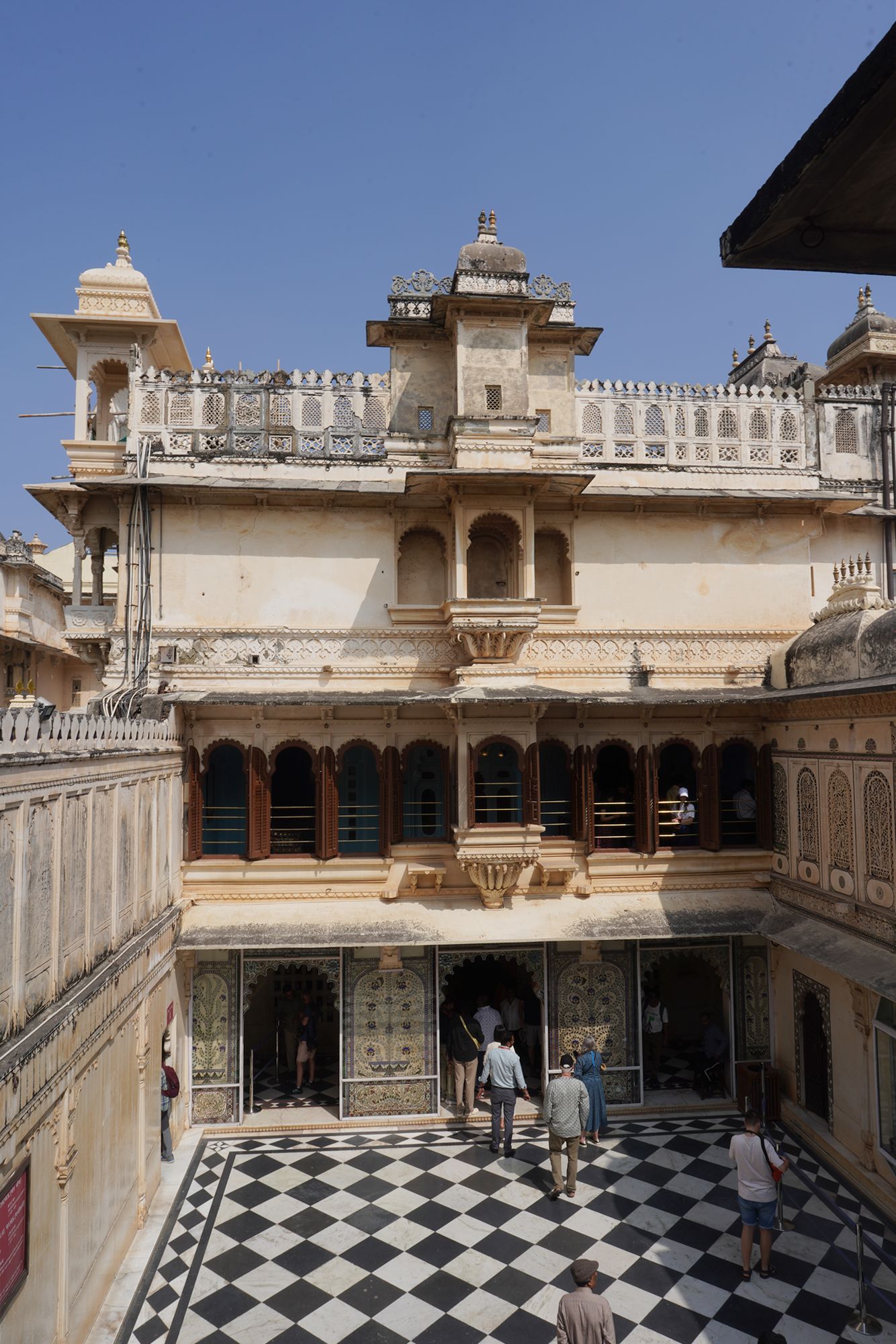
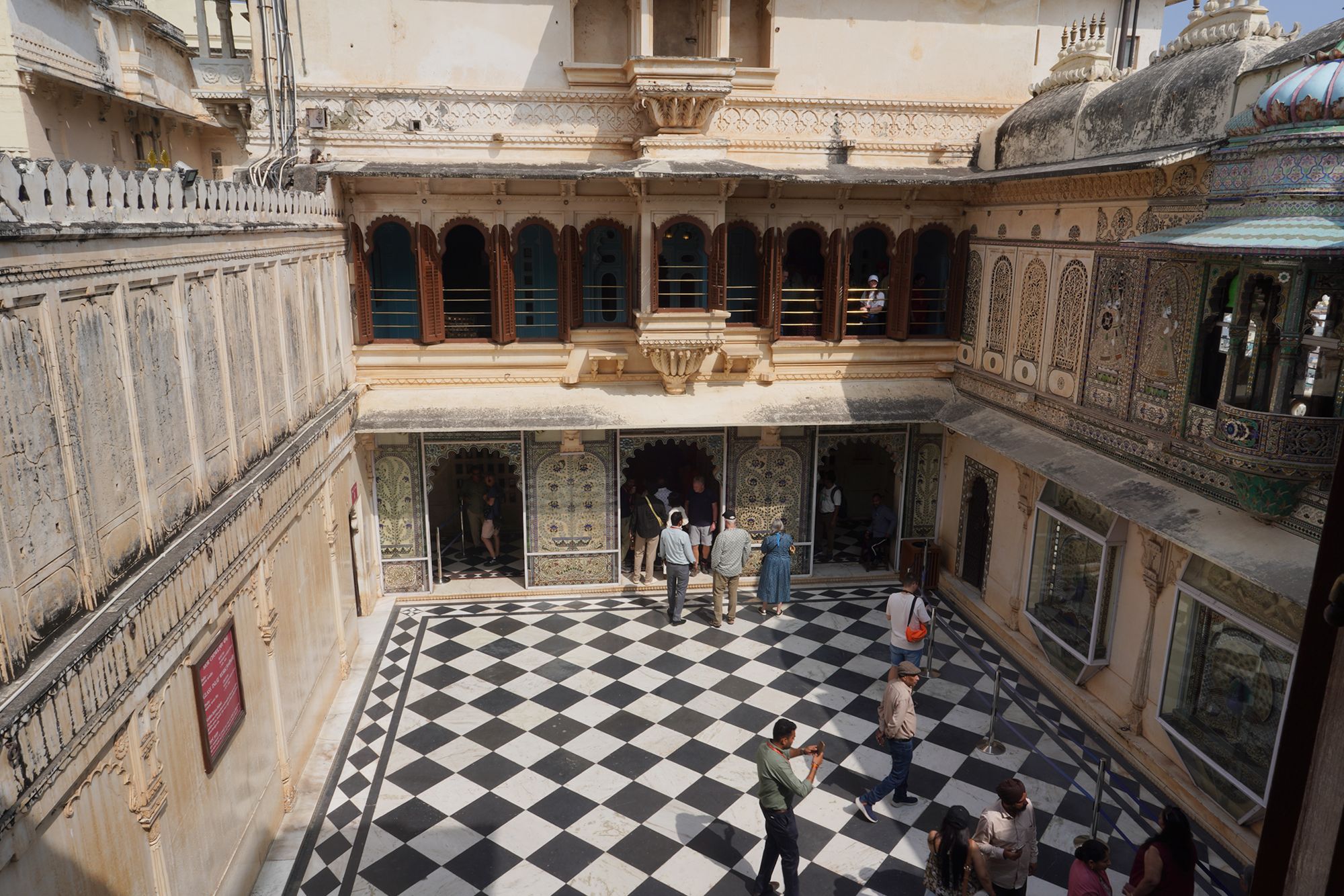
The architecture of Udaipur City Palace is a blend of Rajput and Mughal styles, featuring ornate balconies, courtyards, towers, arched windows, and intricate stone and marble work.
By the 16th century, the Mughal Empire was the dominant imperial power across much of northern India, while the Rajputs were indigenous Indian warrior clans who ruled their own kingdoms, especially in present-day Rajasthan. Some Rajput kingdoms allied with the Mughals, while others—particularly Mewar—resisted Mughal control.
Mughals and Rajputs were different groups, although their histories became closely connected.
The Mughals were a Muslim imperial dynasty of Central Asian ancestry that ruled much of India. Akbar was the Mughal emperor when Udaipur was founded.
The Rajputs were Hindu warrior clans who ruled numerous kingdoms, especially in Rajasthan. Mewar, with Udaipur as its capital, was one of those Rajput kingdoms.
So, around 1559:
Mughal Empire → Emperor Akbar
Mewar Rajput Kingdom → Maharana Udai Singh II
Some Rajput kingdoms allied with the Mughals, but Mewar was particularly famous for resisting Mughal control.
Mewar was a historic Rajput kingdom in what is now southern Rajasthan, with Udaipur serving as its capital from the 16th century onward.
The rulers of Mewar were known as Maharanas, and the City Palace was their royal residence and seat of government. The most famous Mewar ruler was Maharana Pratap, remembered for resisting the Mughal emperor Akbar.
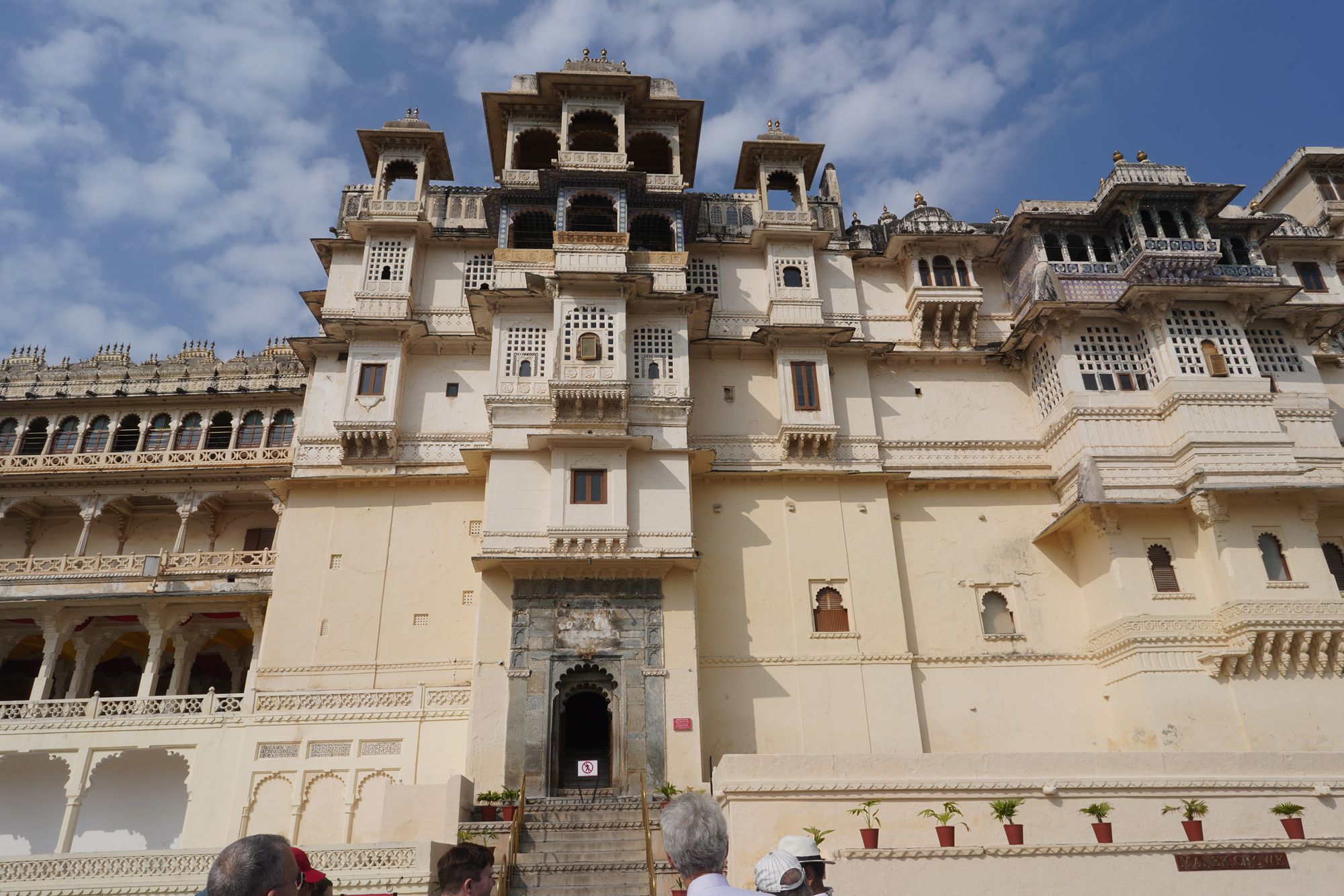
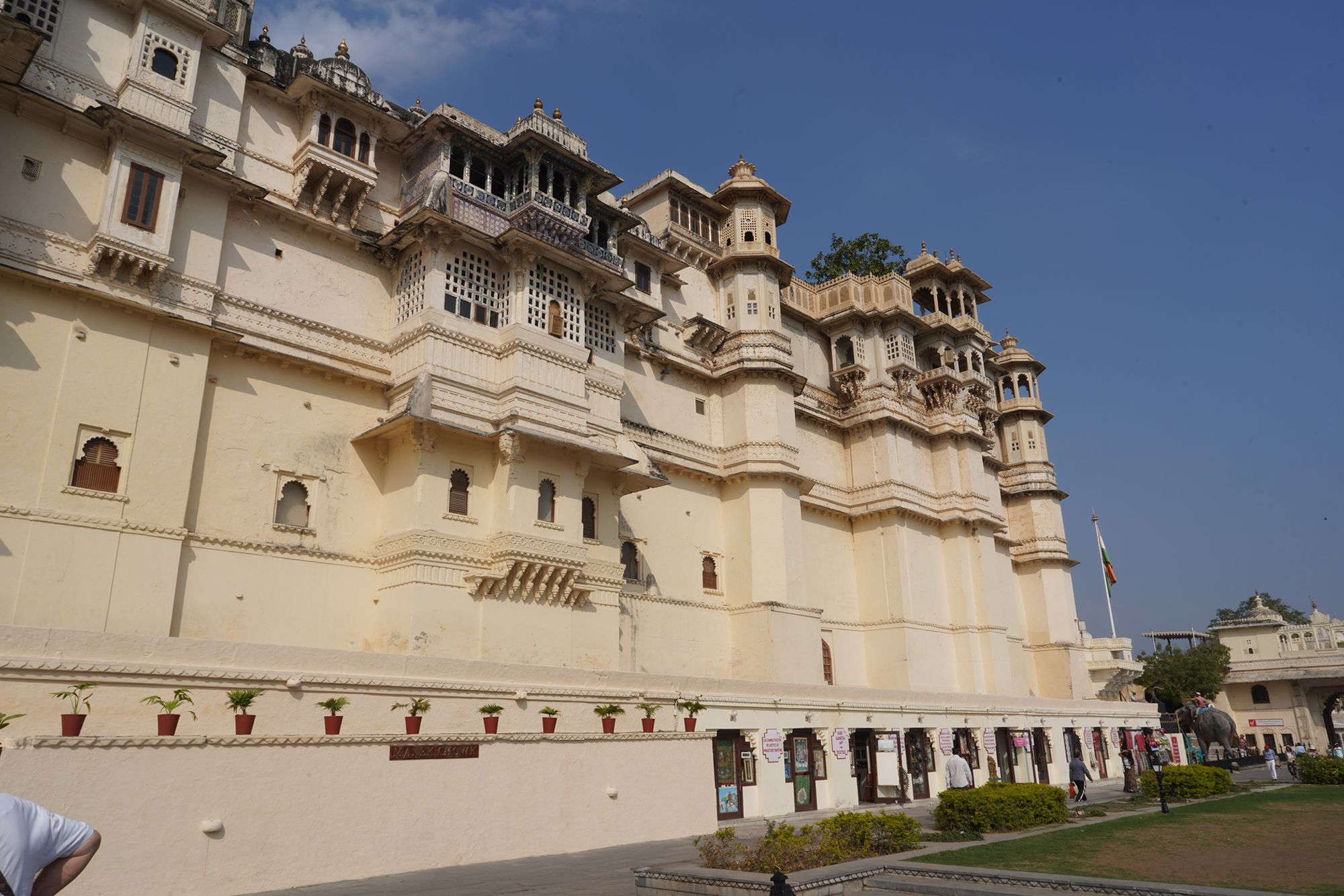
The City Palace was primarily the royal residence and administrative center of the rulers of Mewar. The palace housed the royal family and included areas for government affairs, ceremonies, religious activities, and receiving important guests.
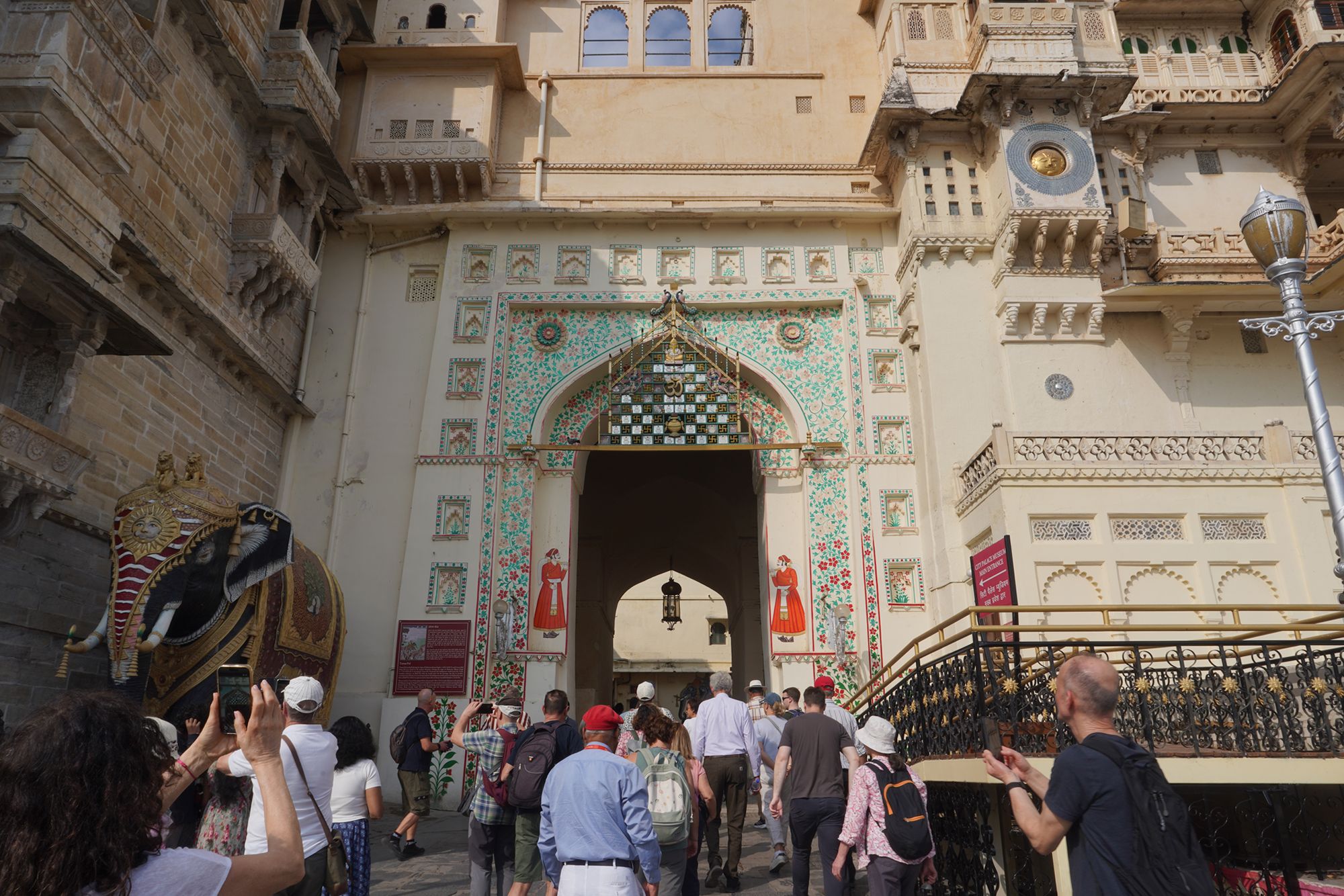
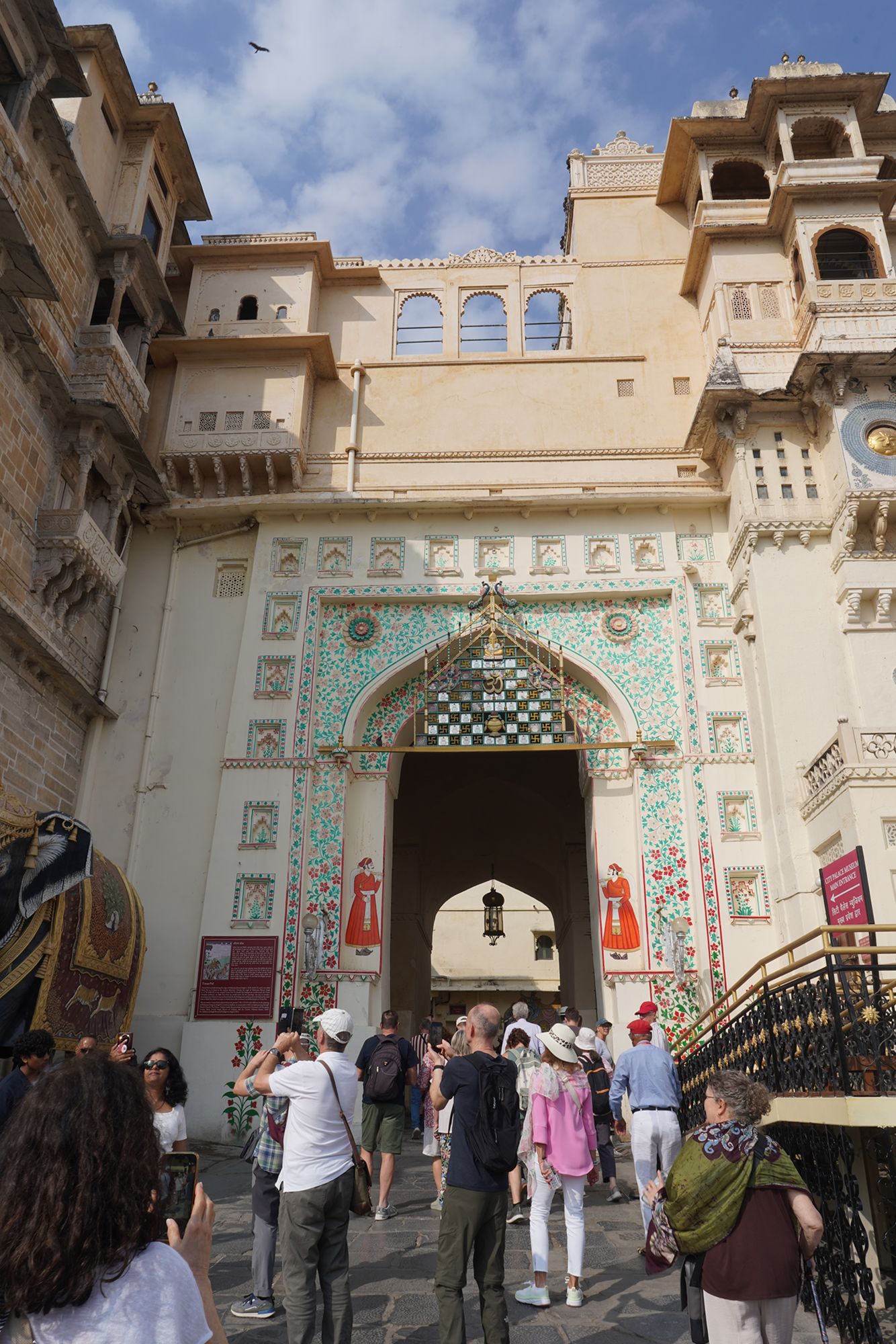
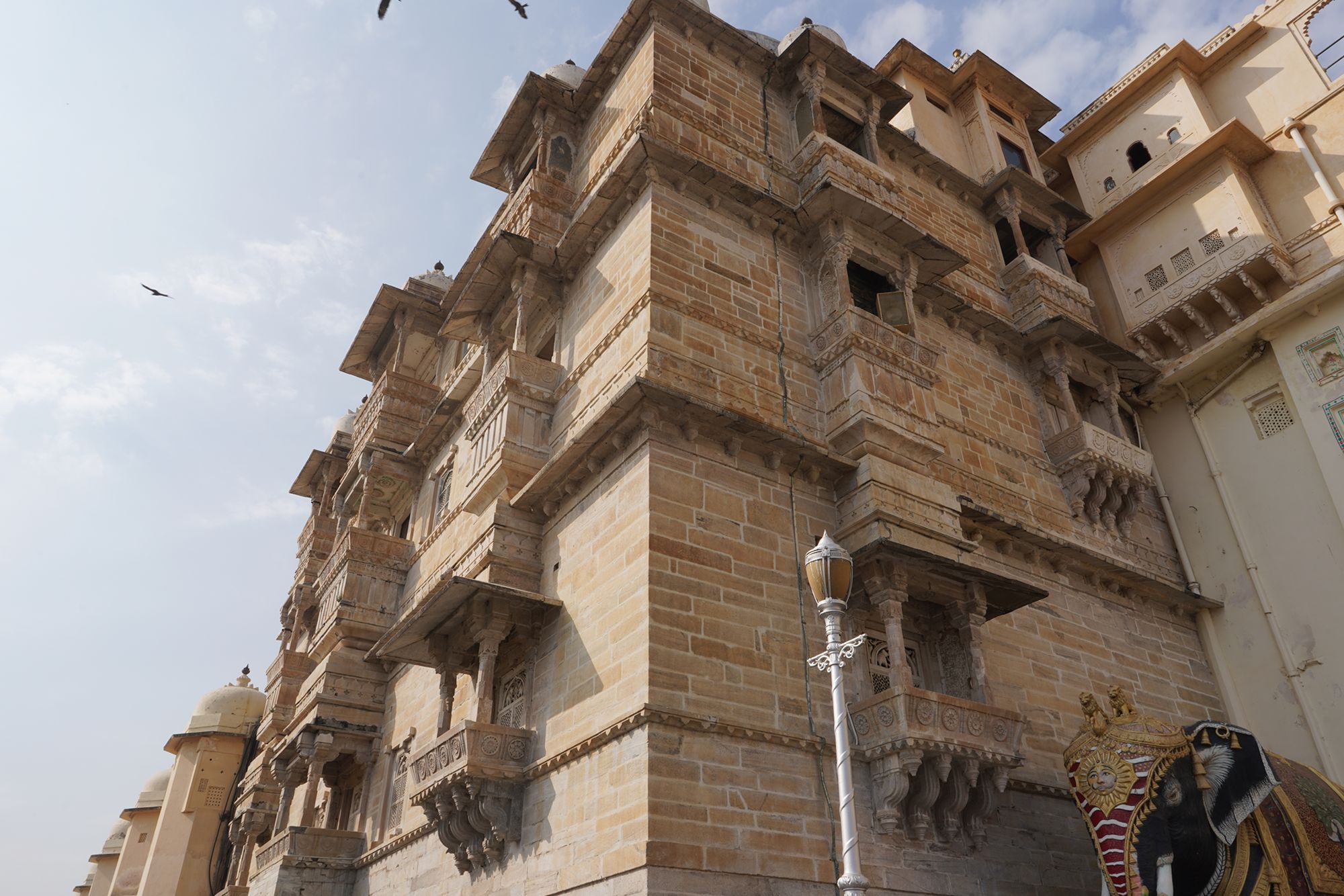
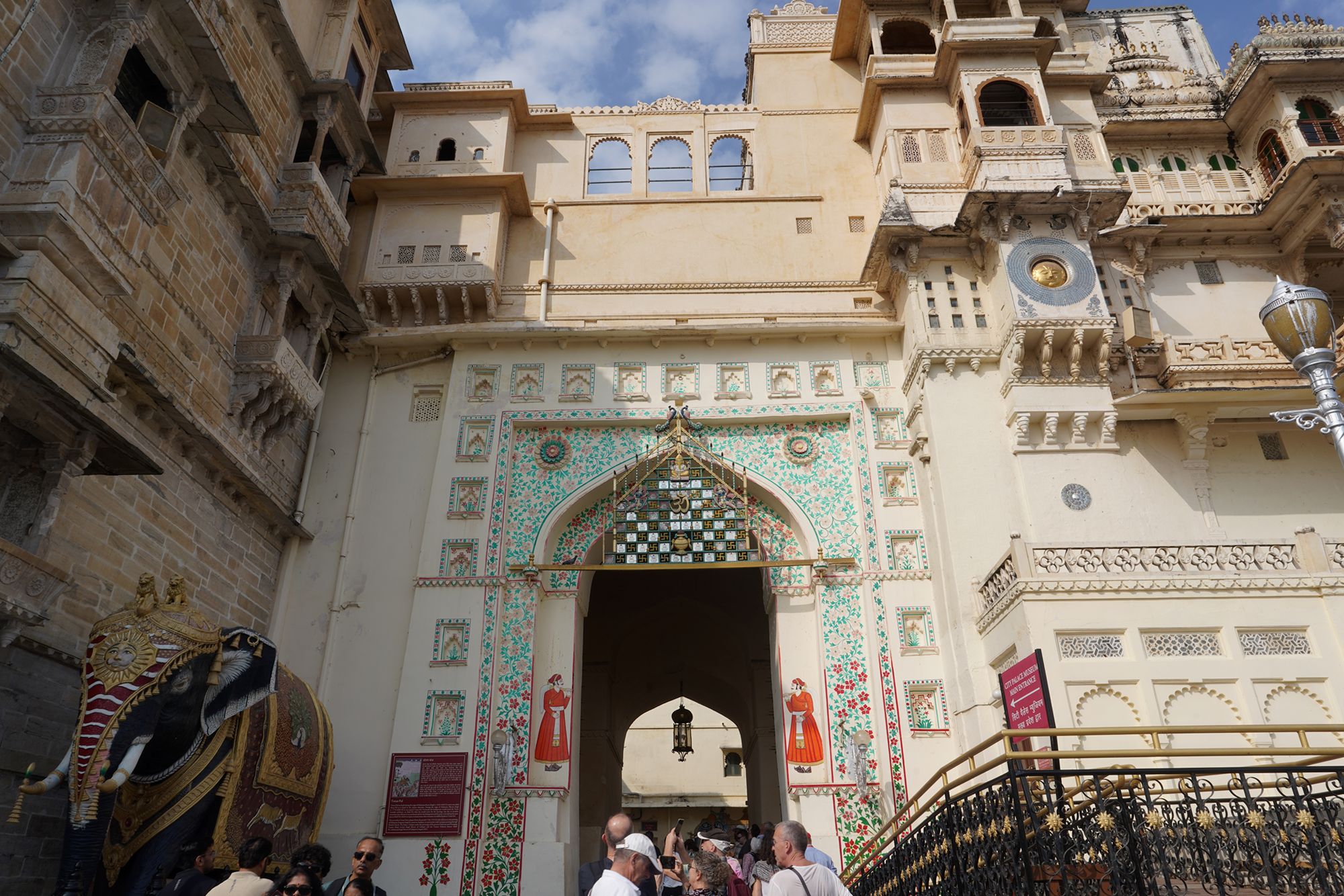
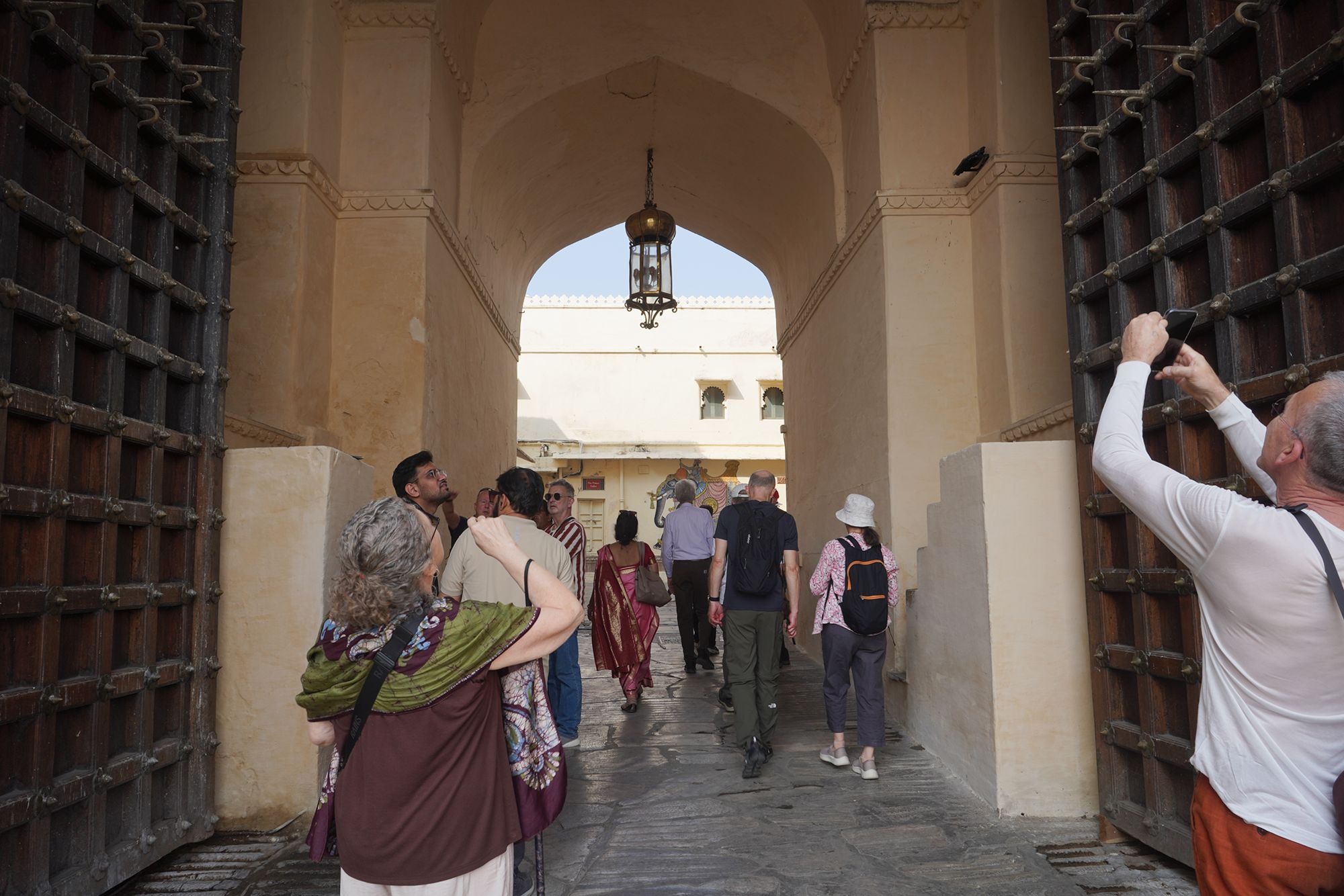
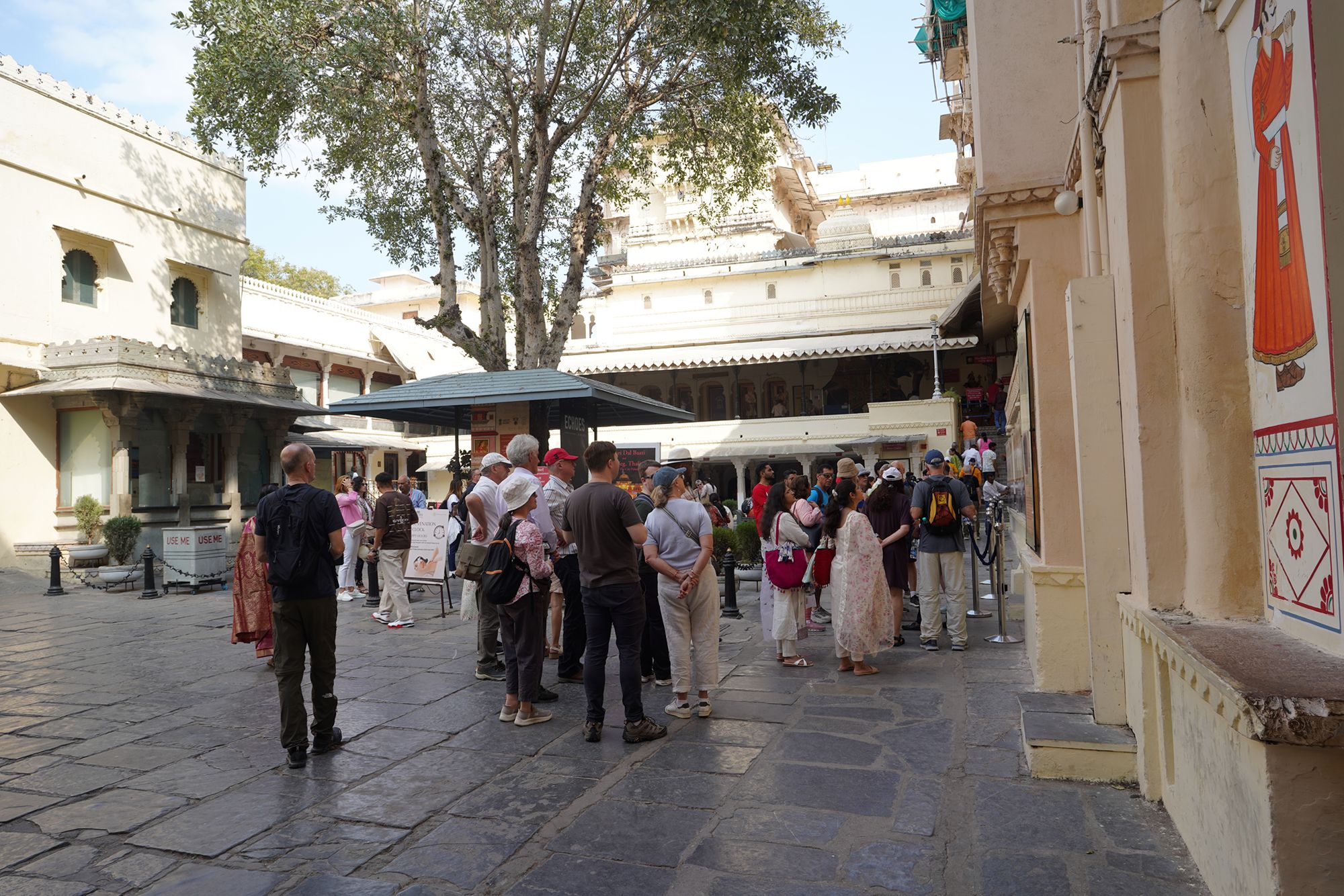
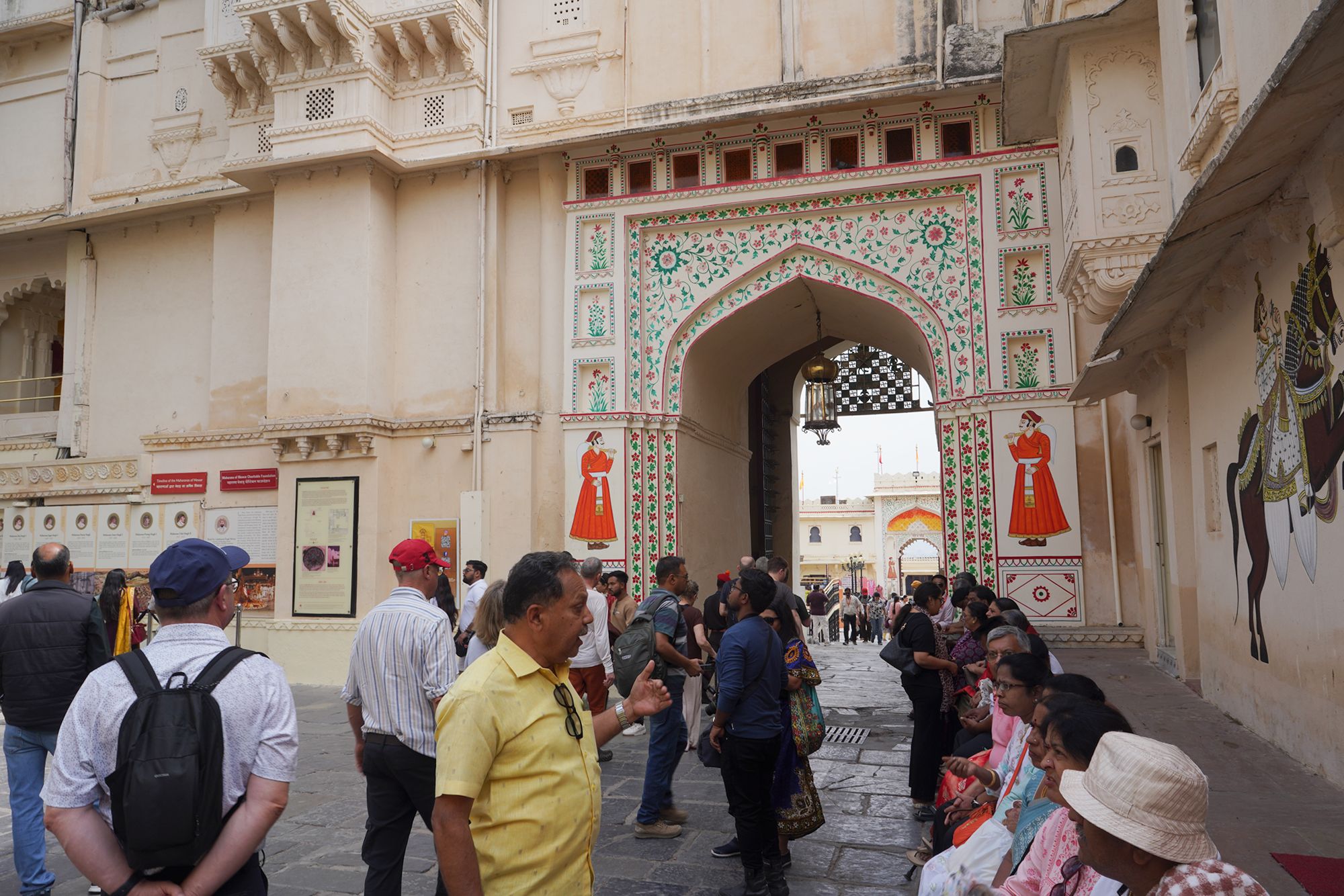
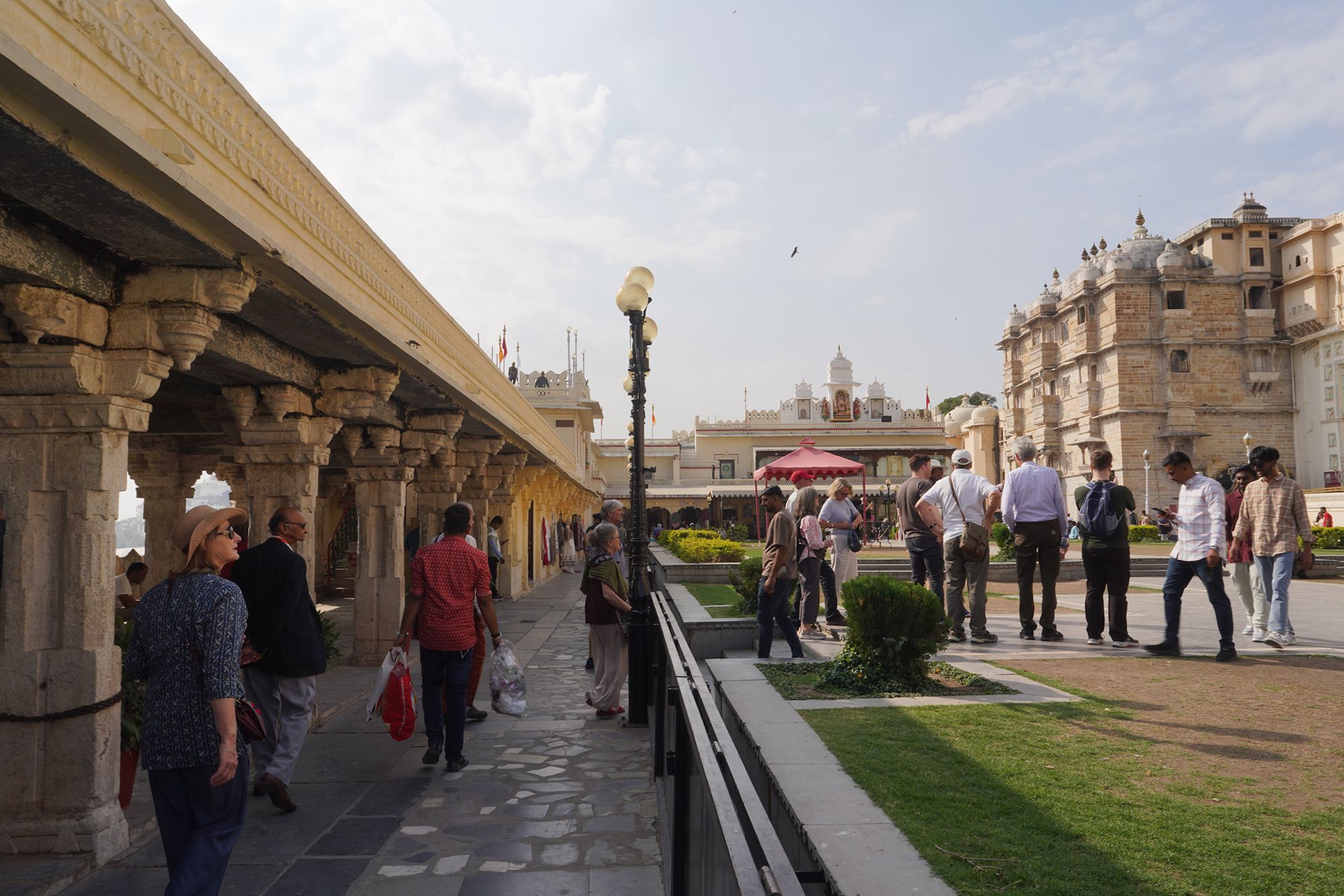
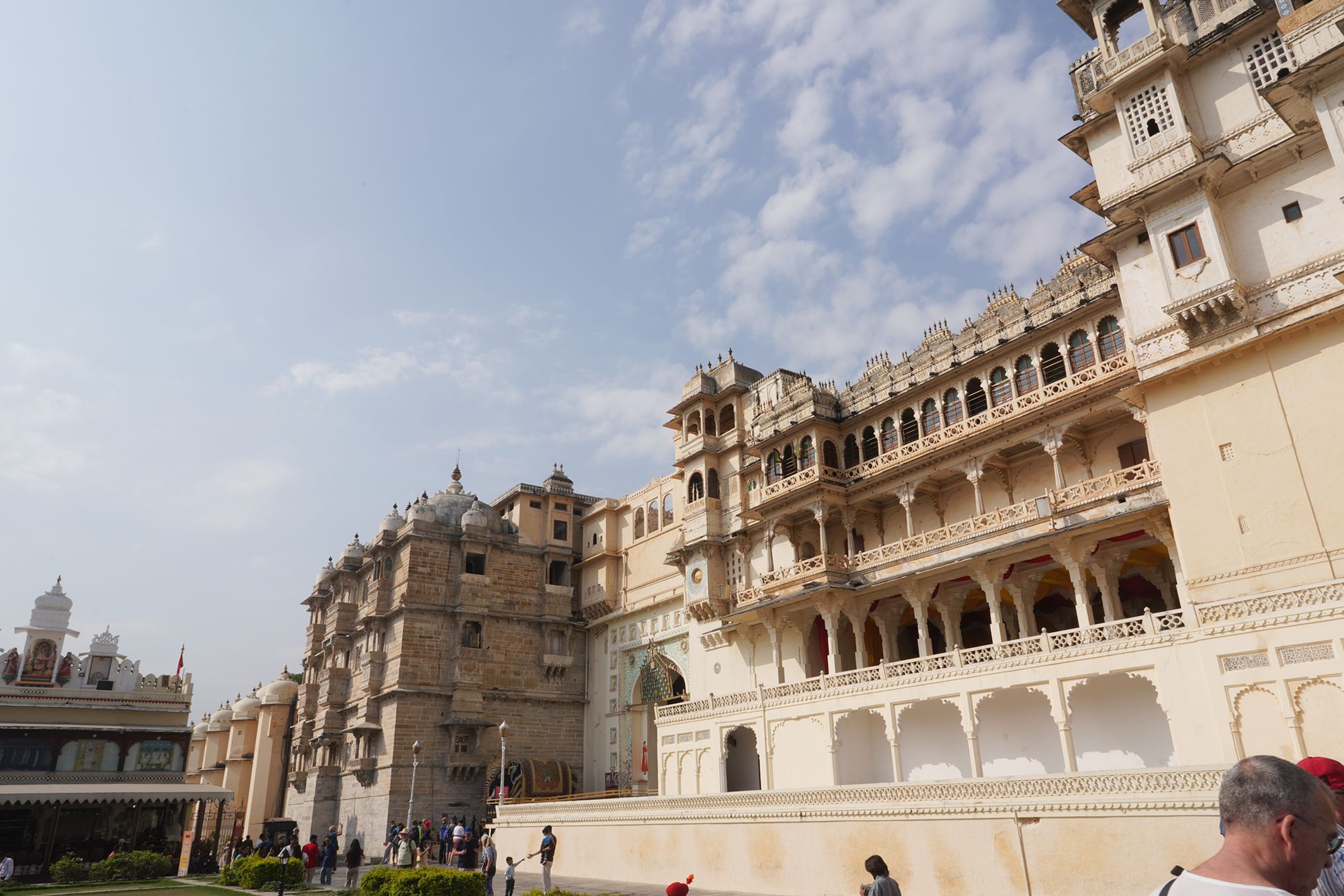
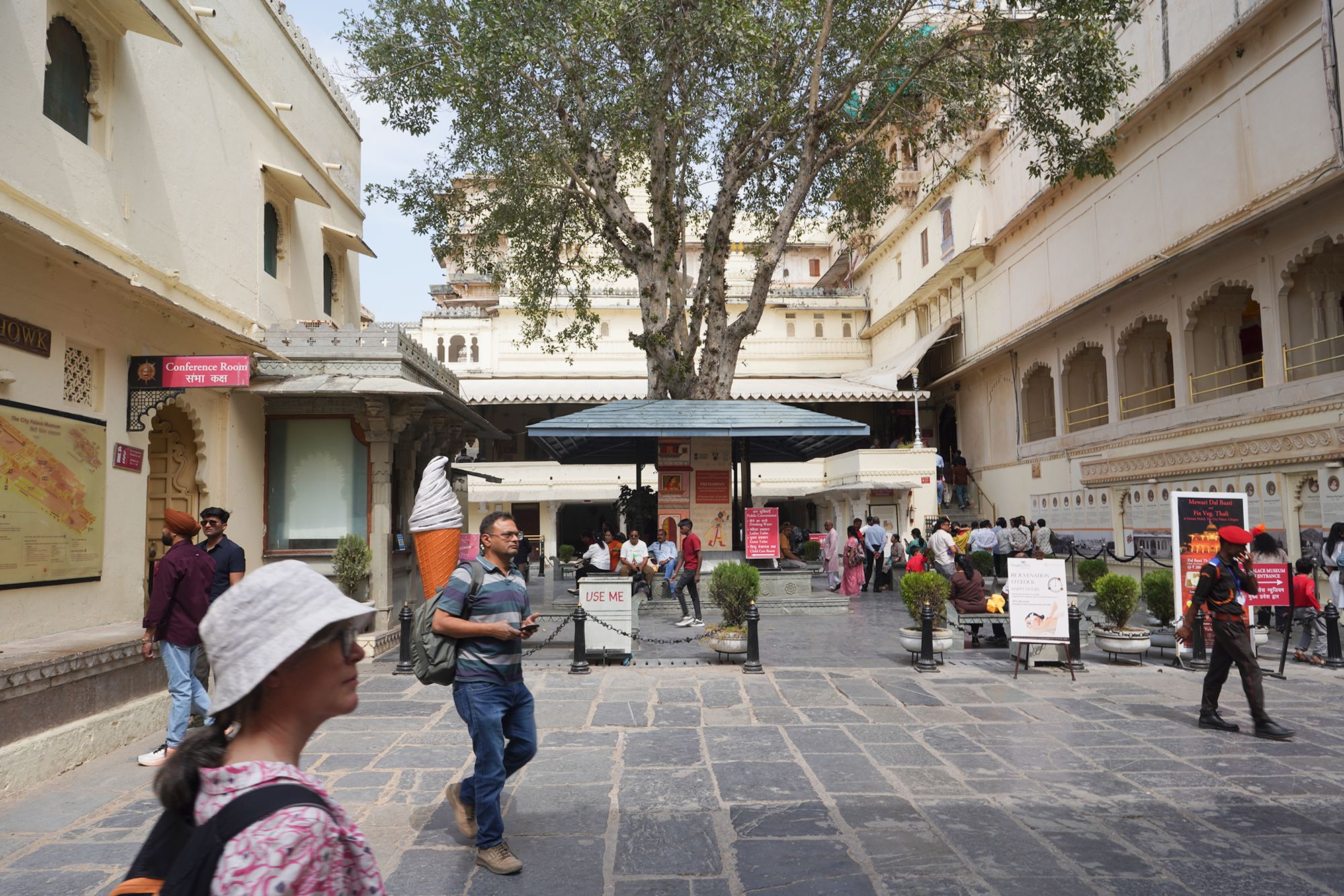
The first courtyard just inside the main entrance is commonly known as Badi Pol courtyard, near the Tripolia Gate. It served as an important entry and ceremonial area of the City Palace complex.
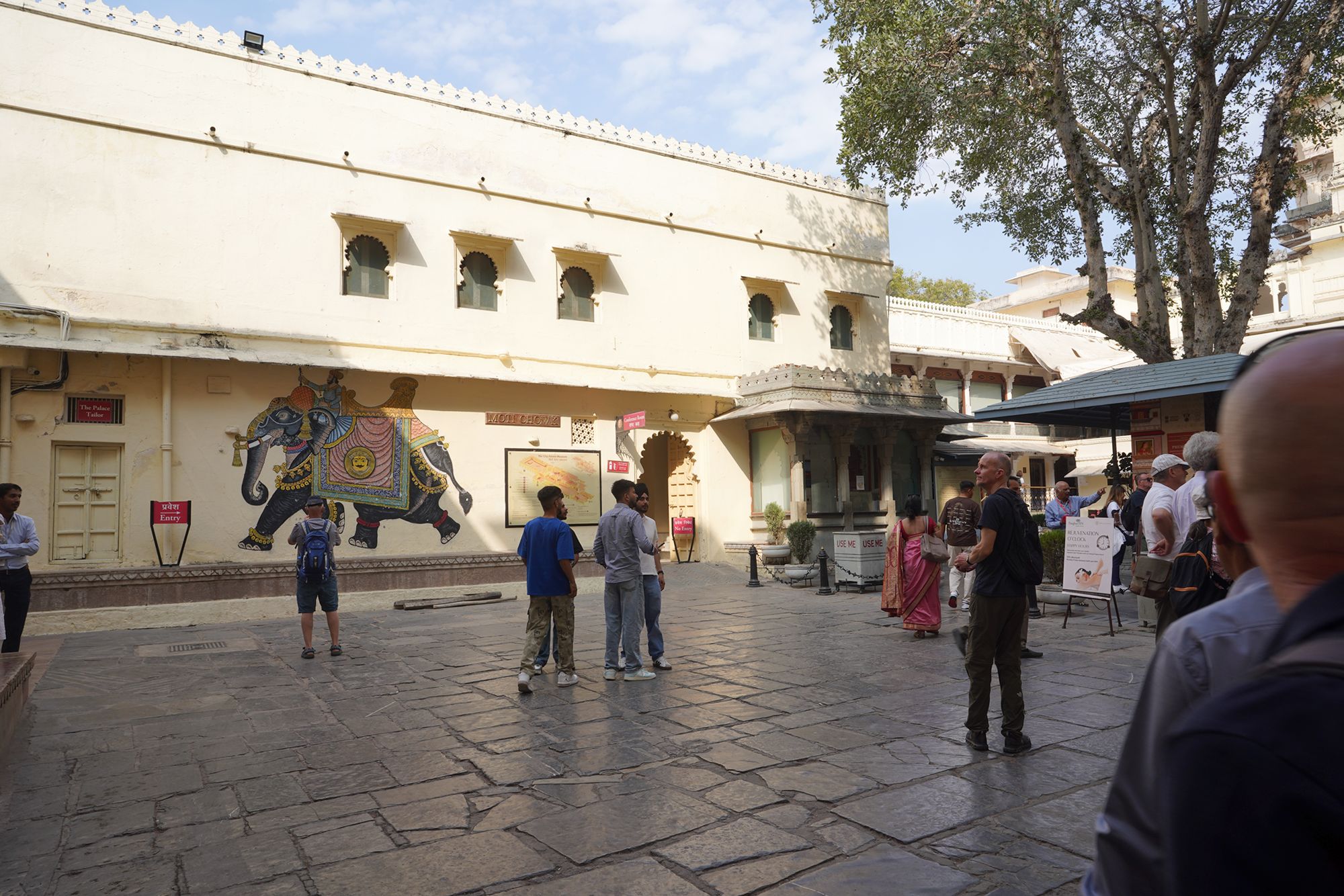
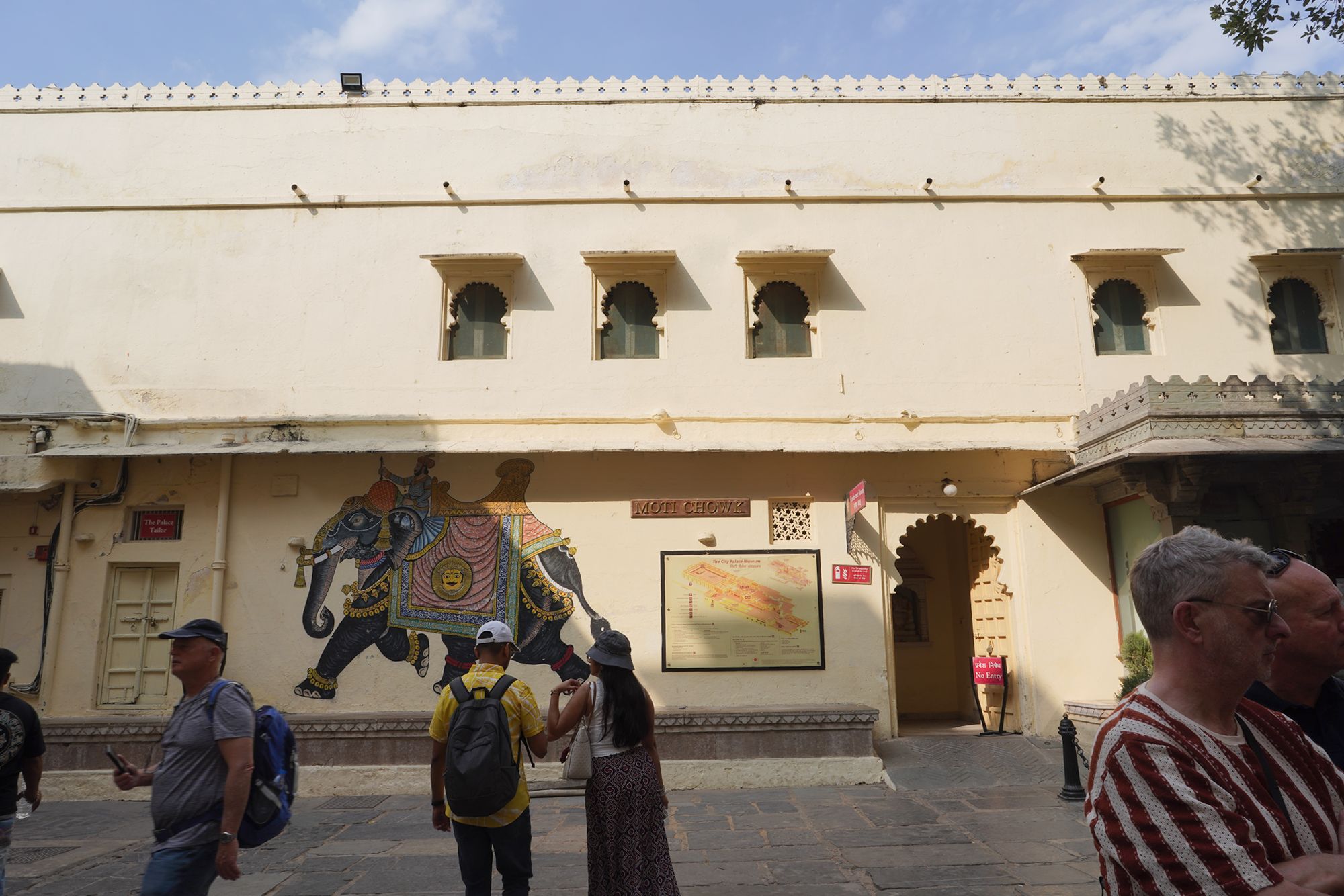
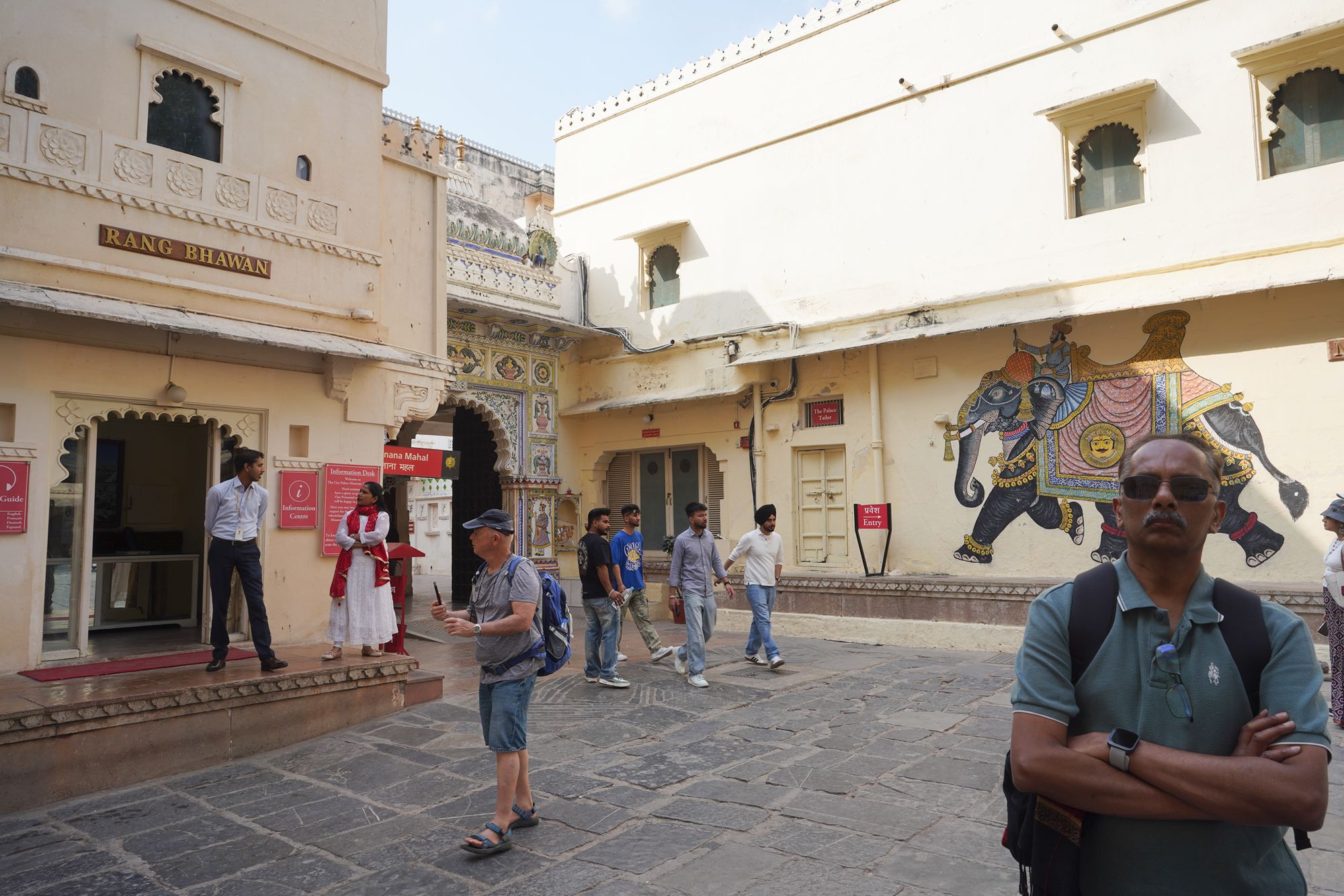
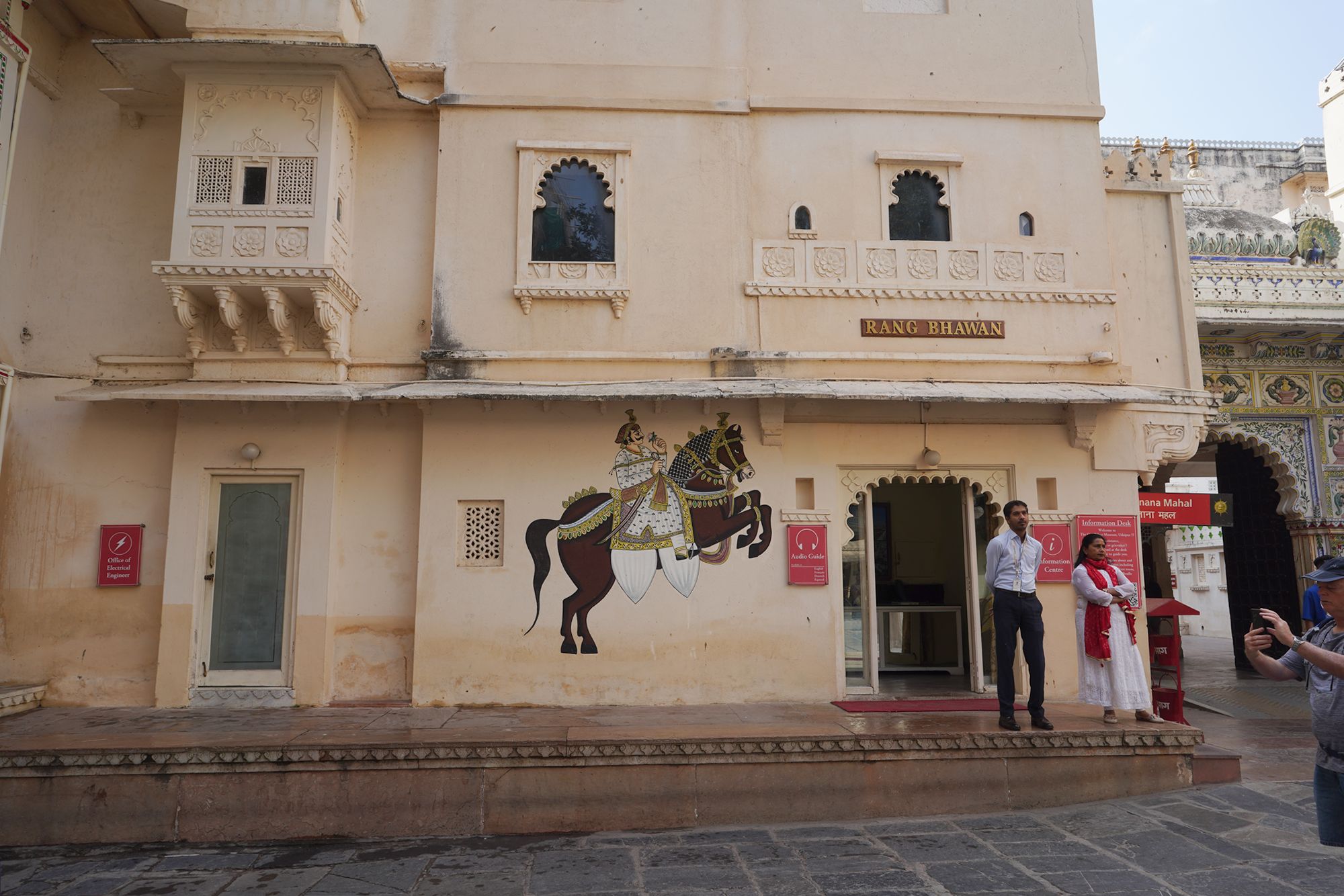
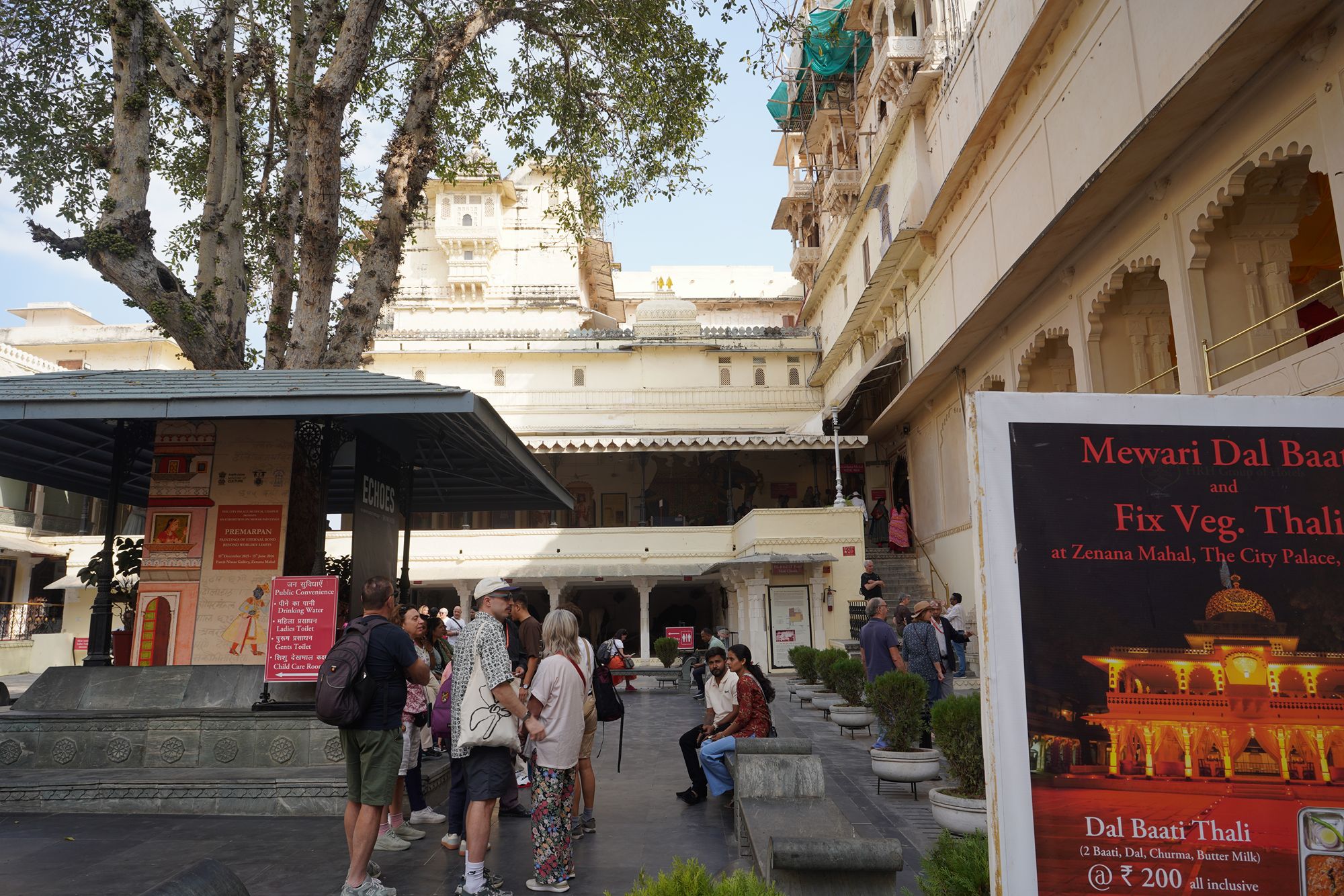
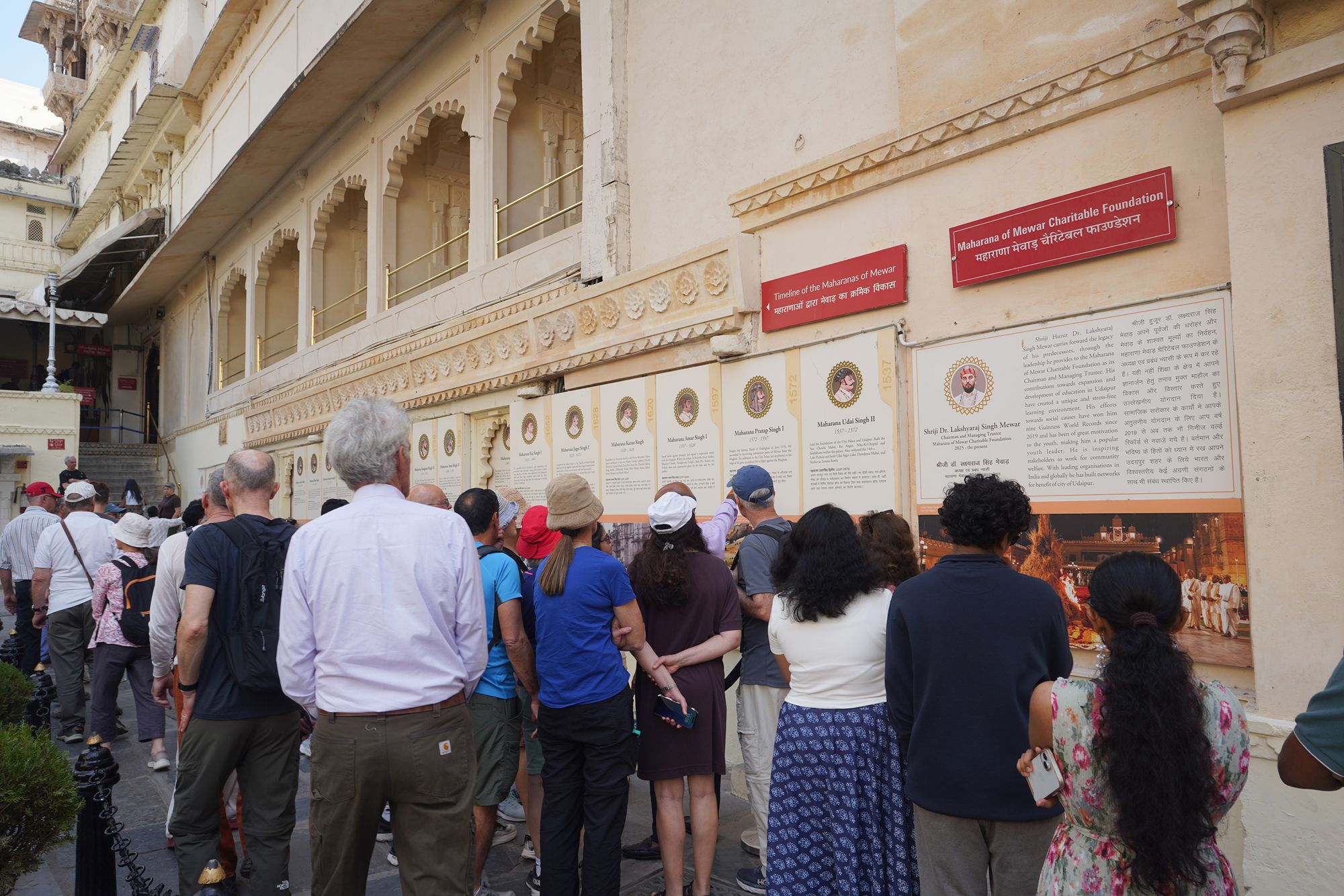
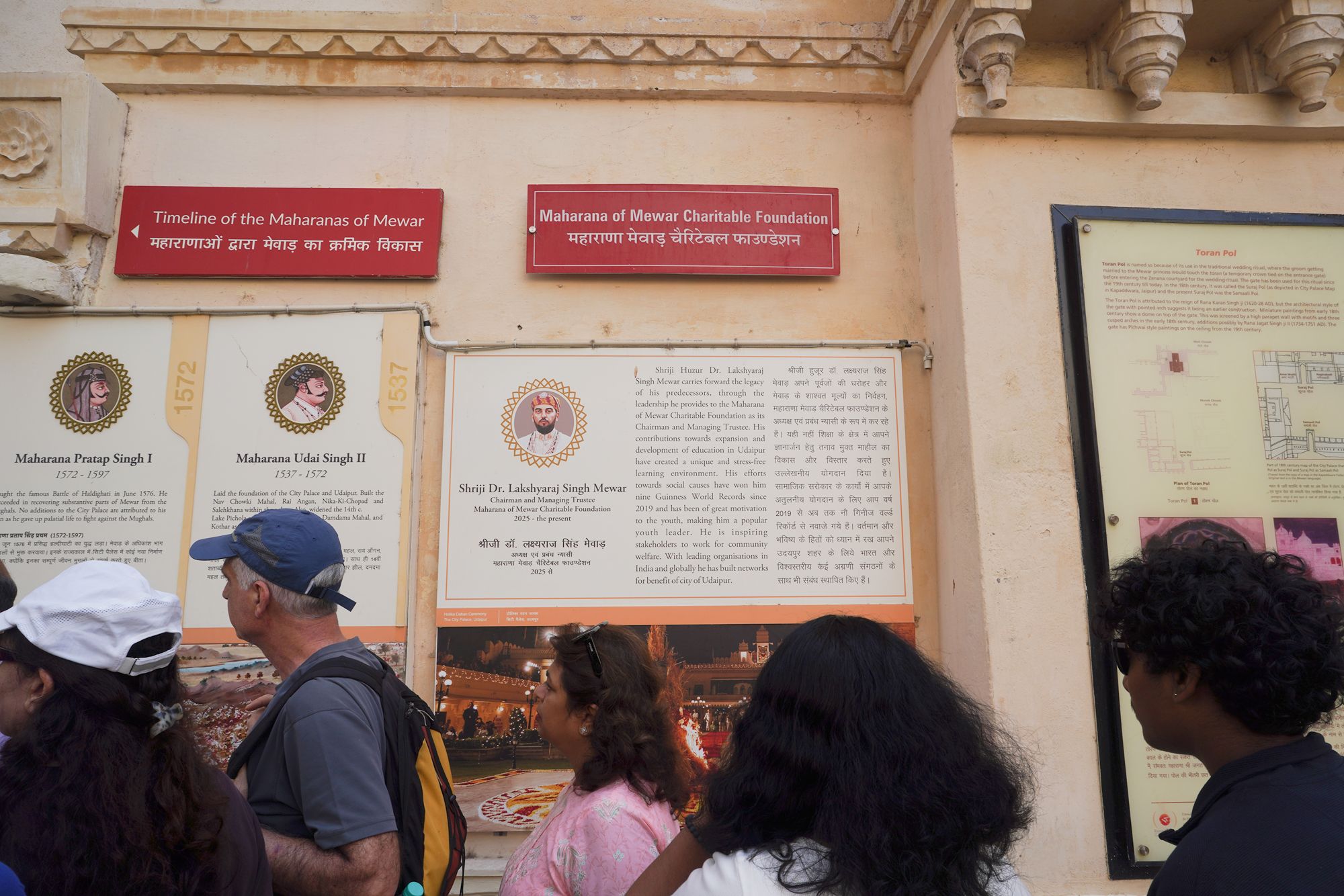
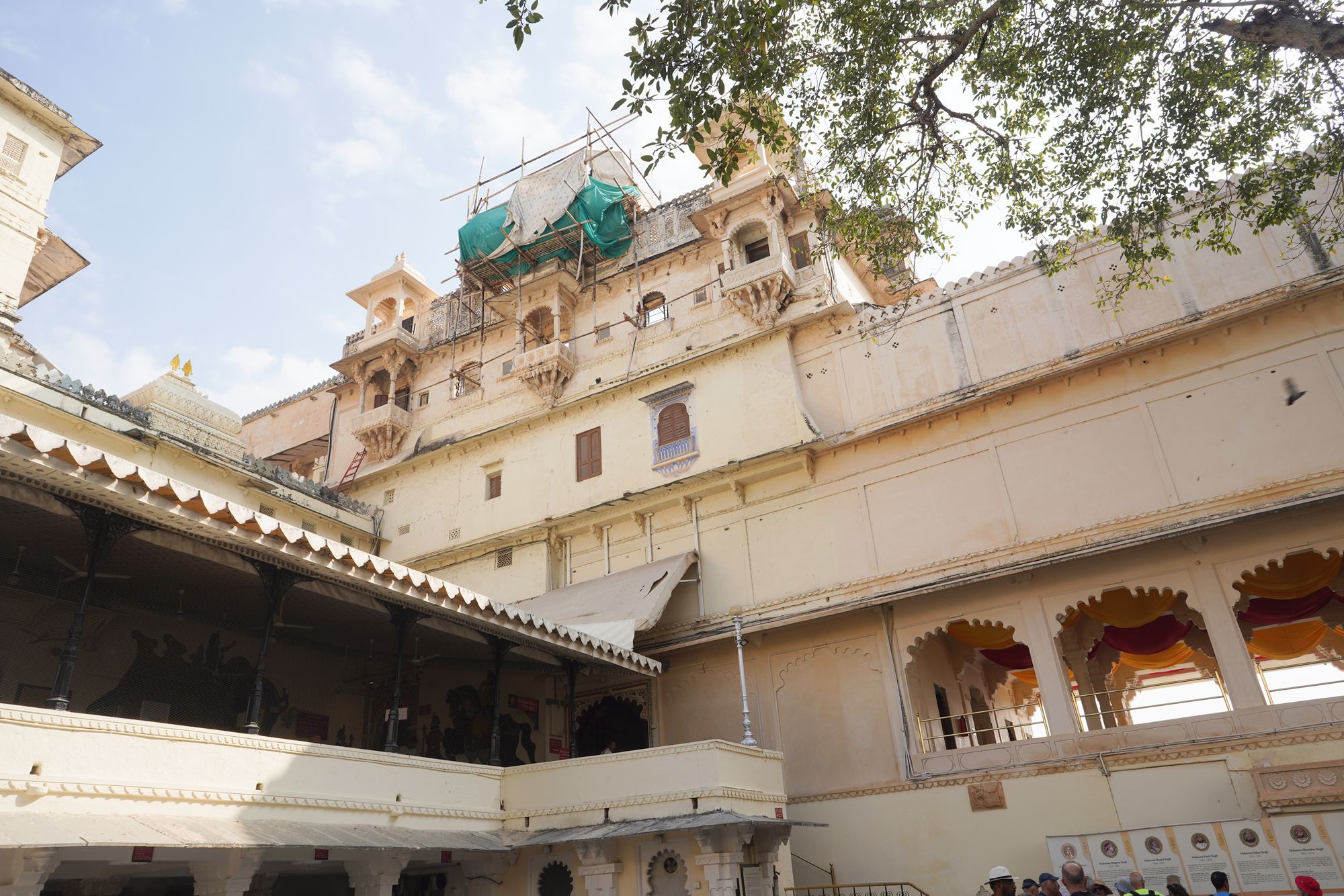
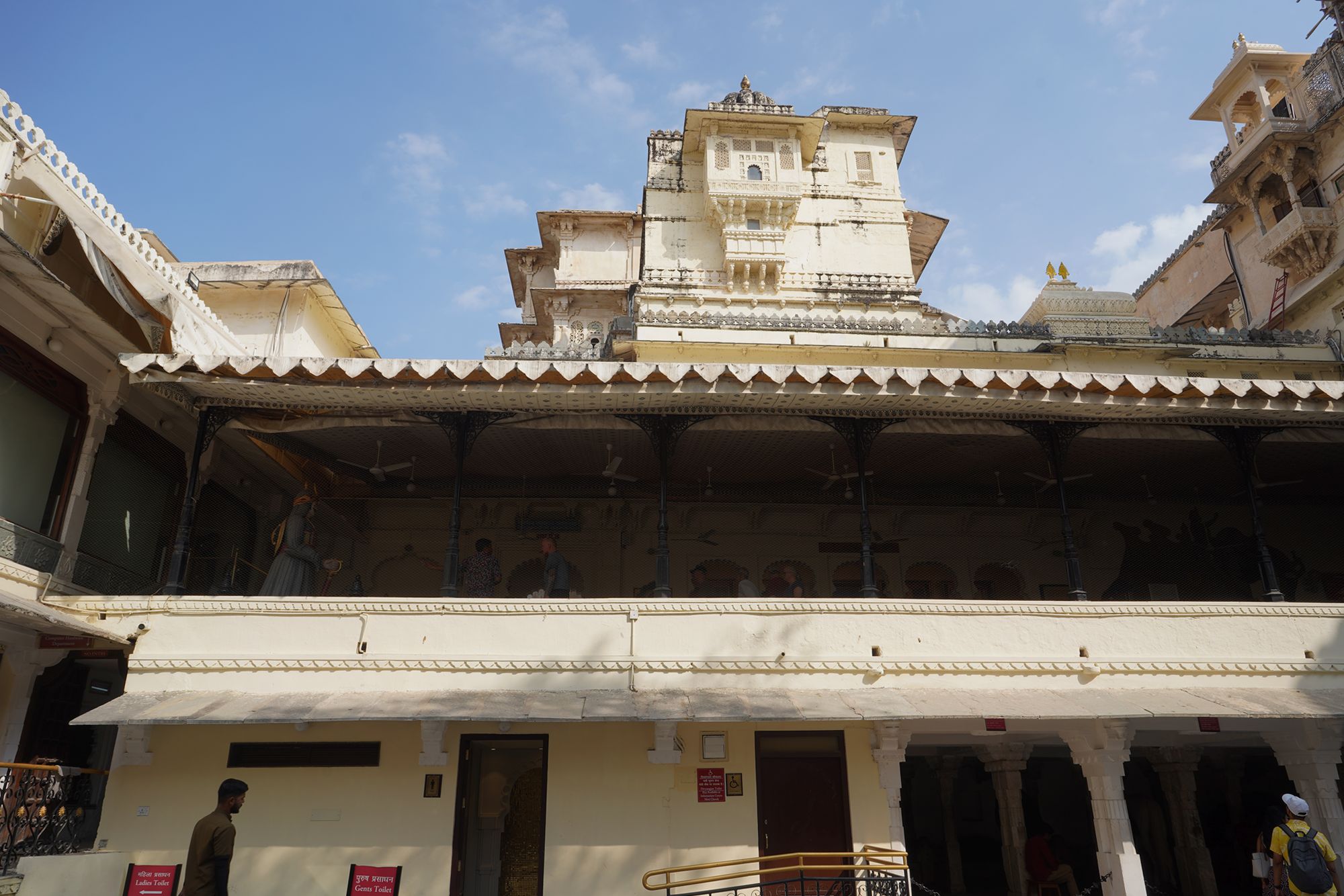
The view of the first courtyard
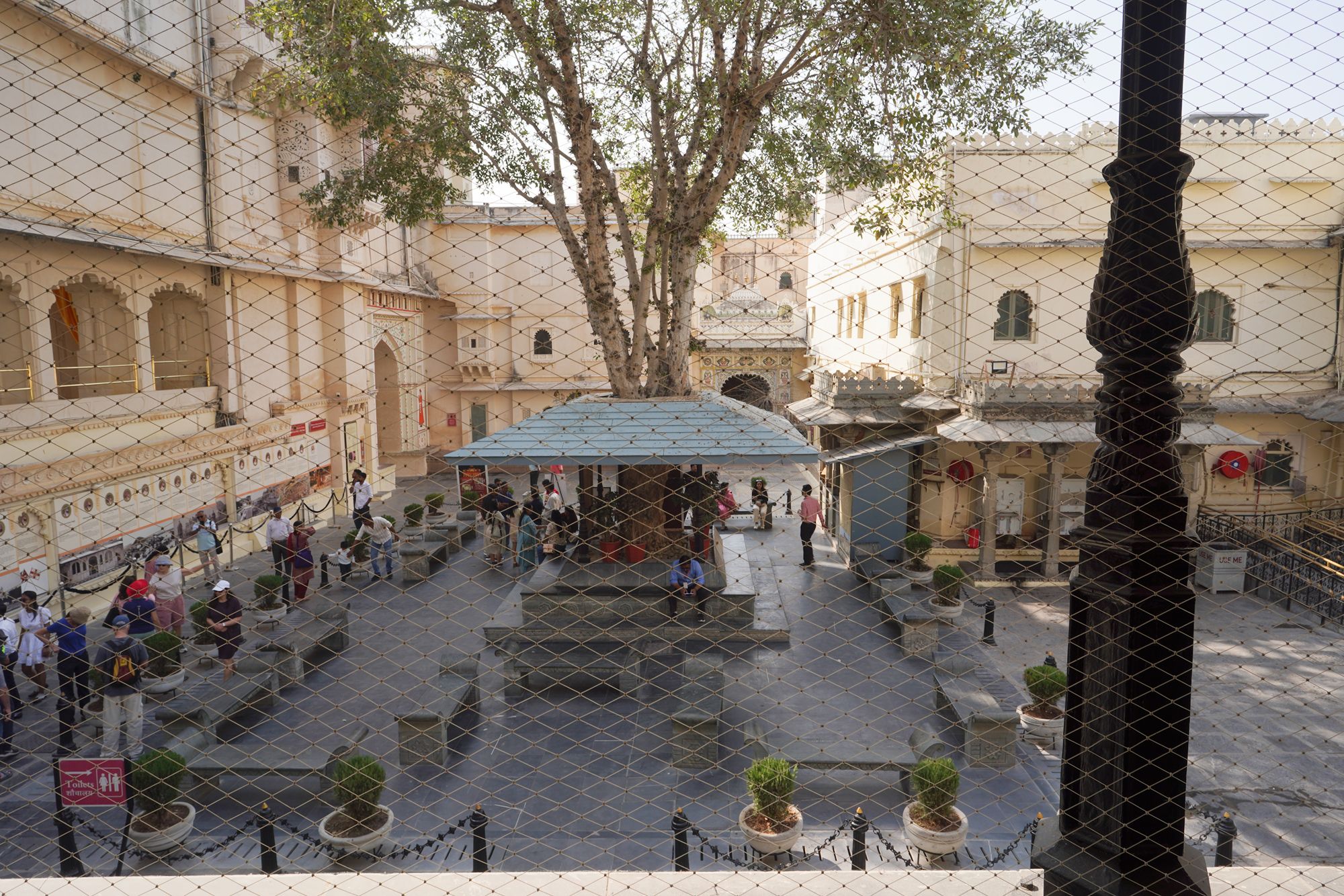
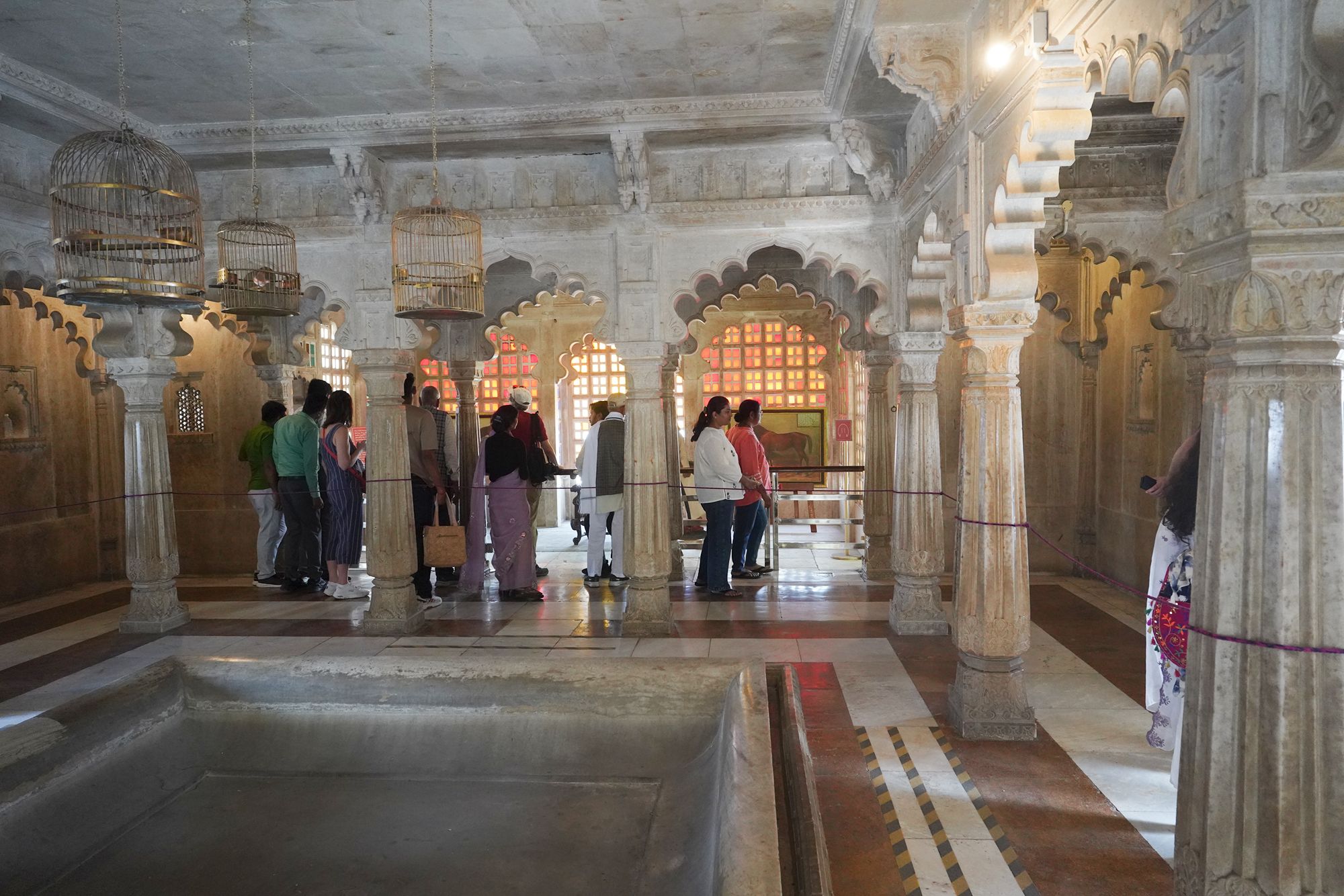
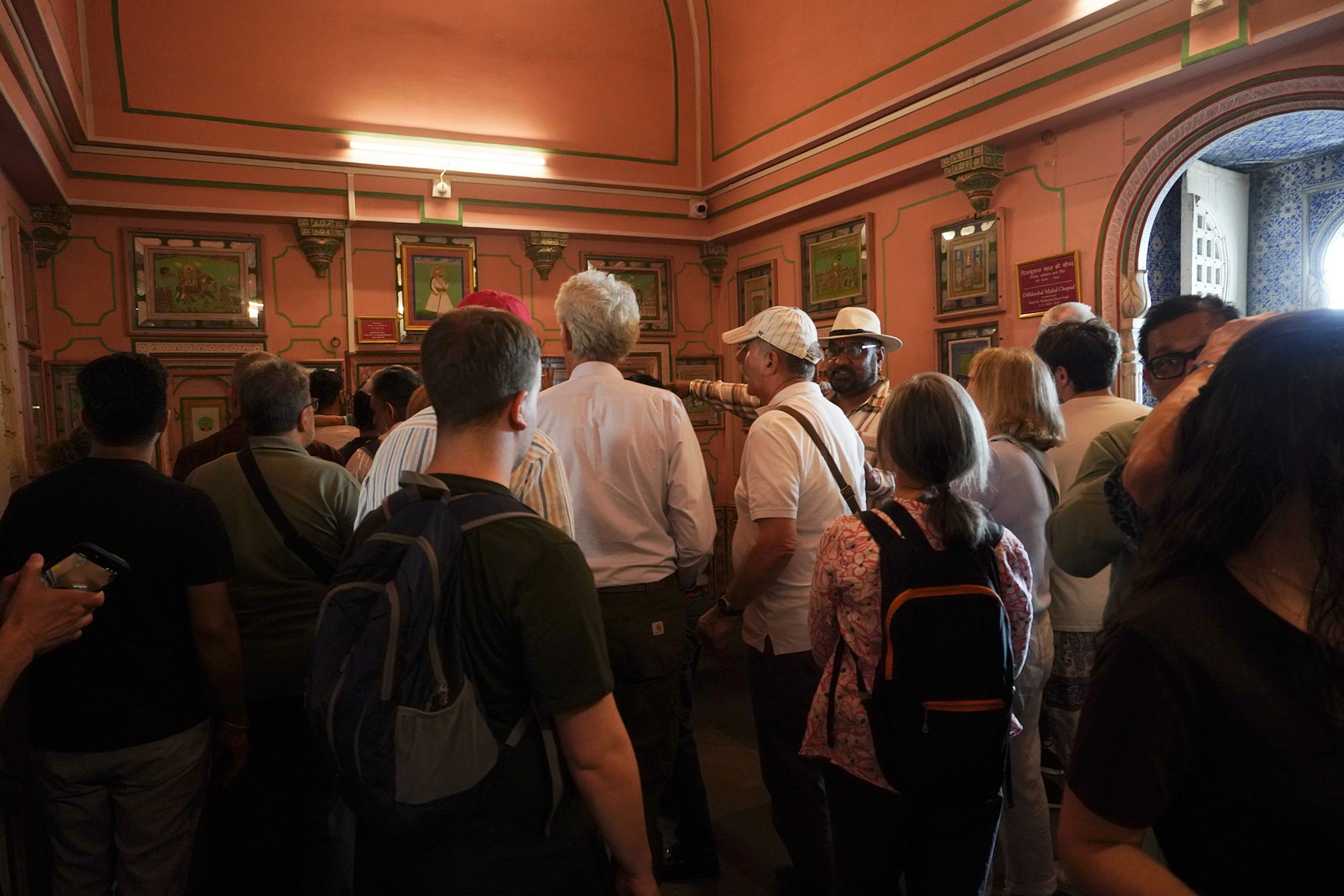
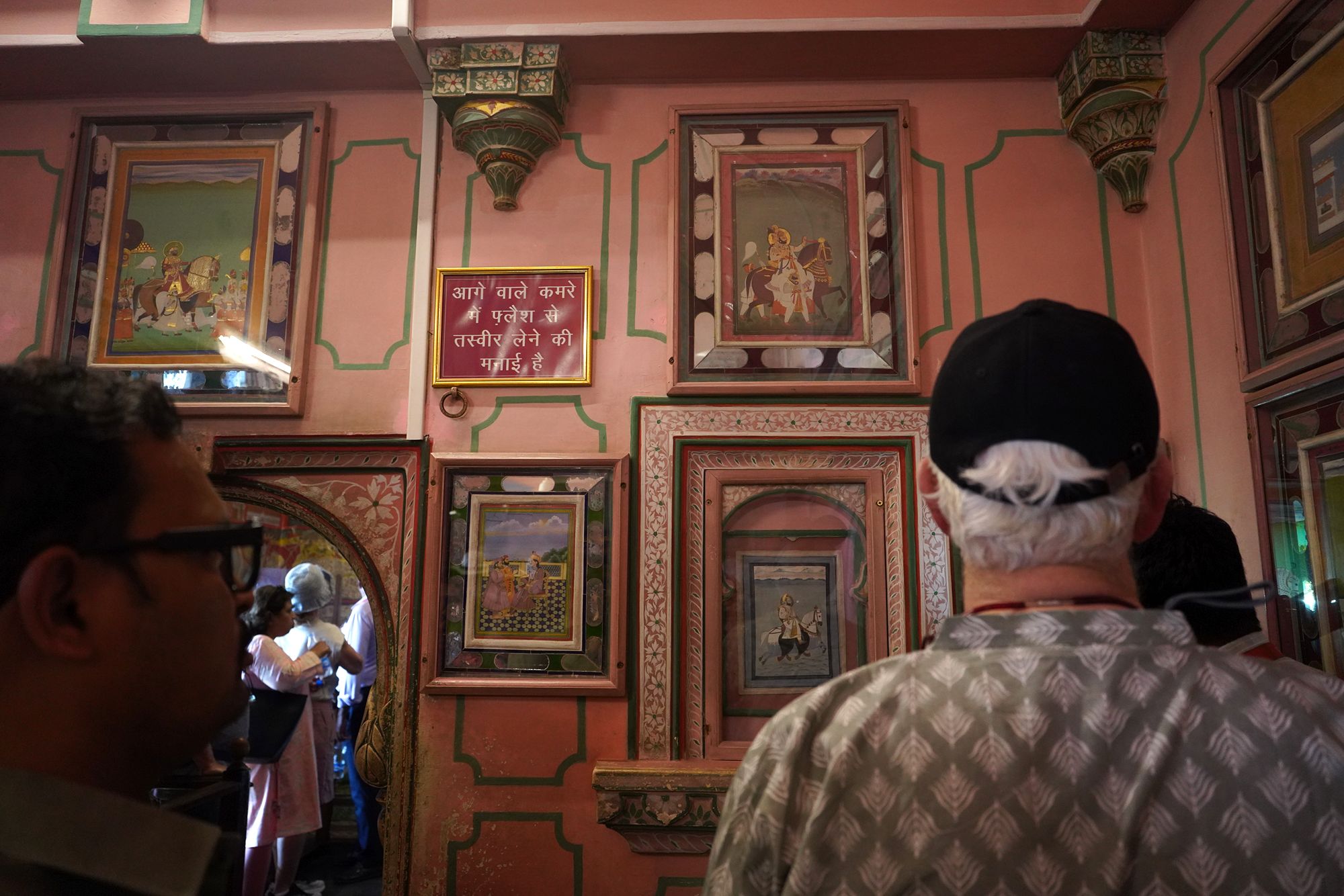
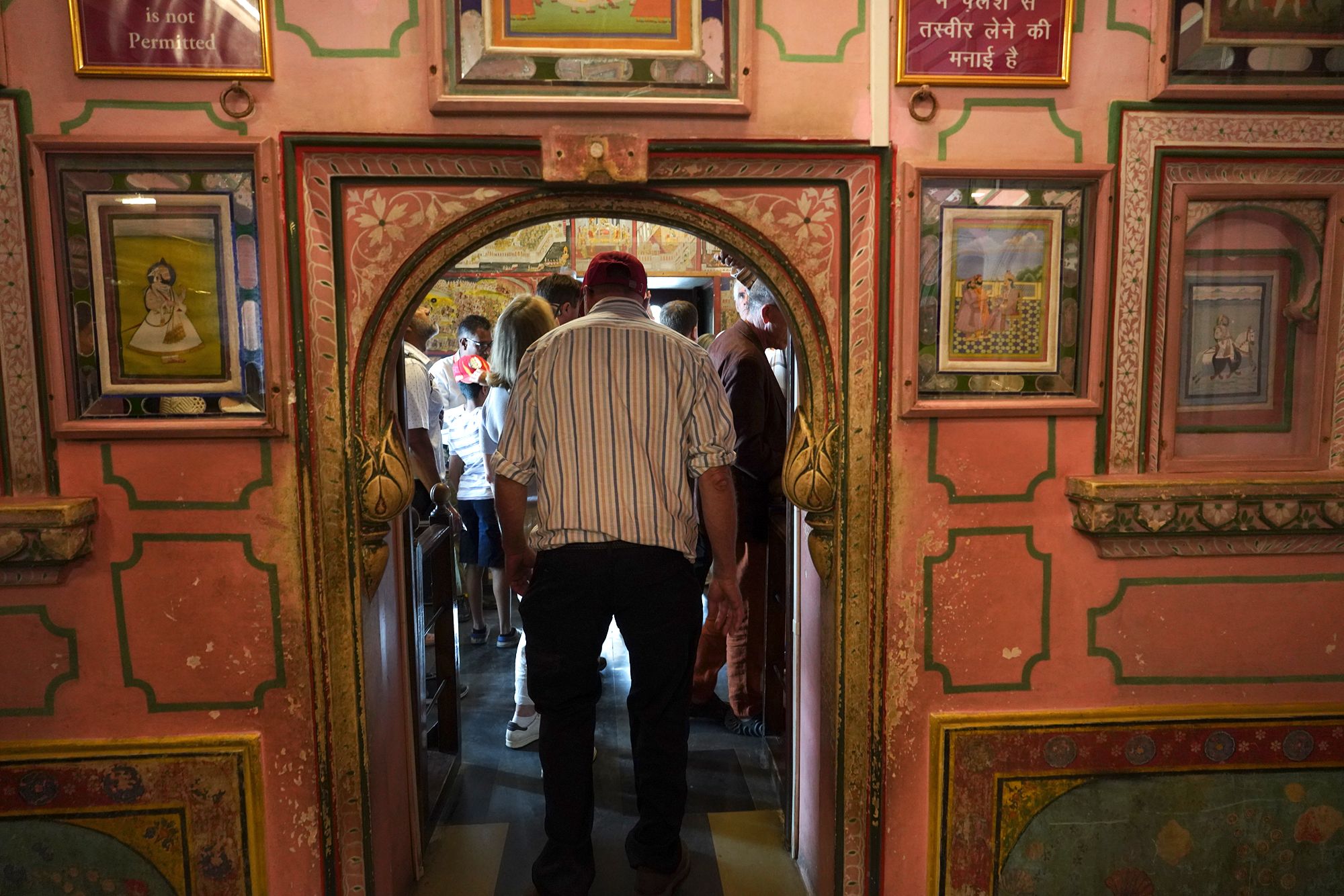
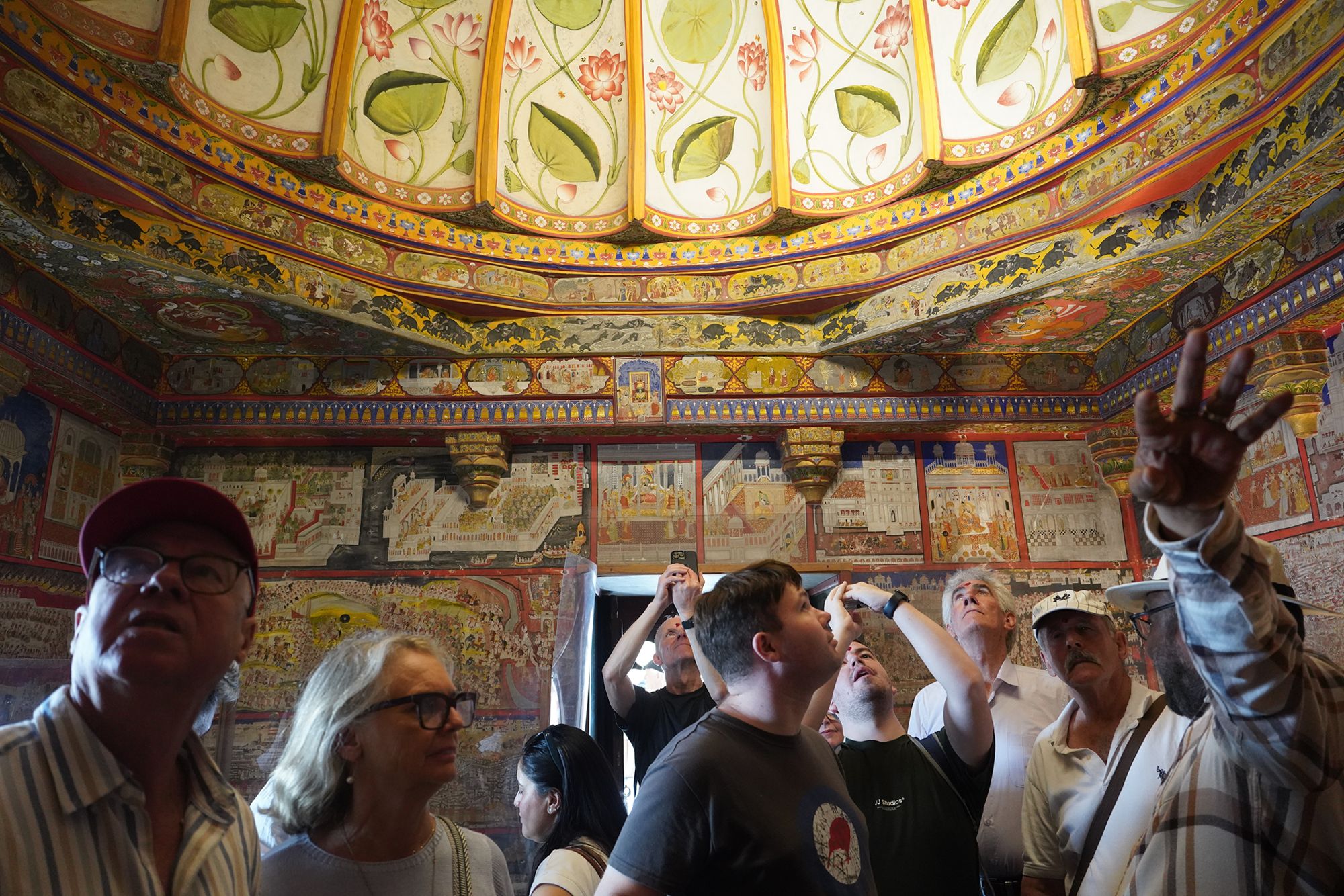
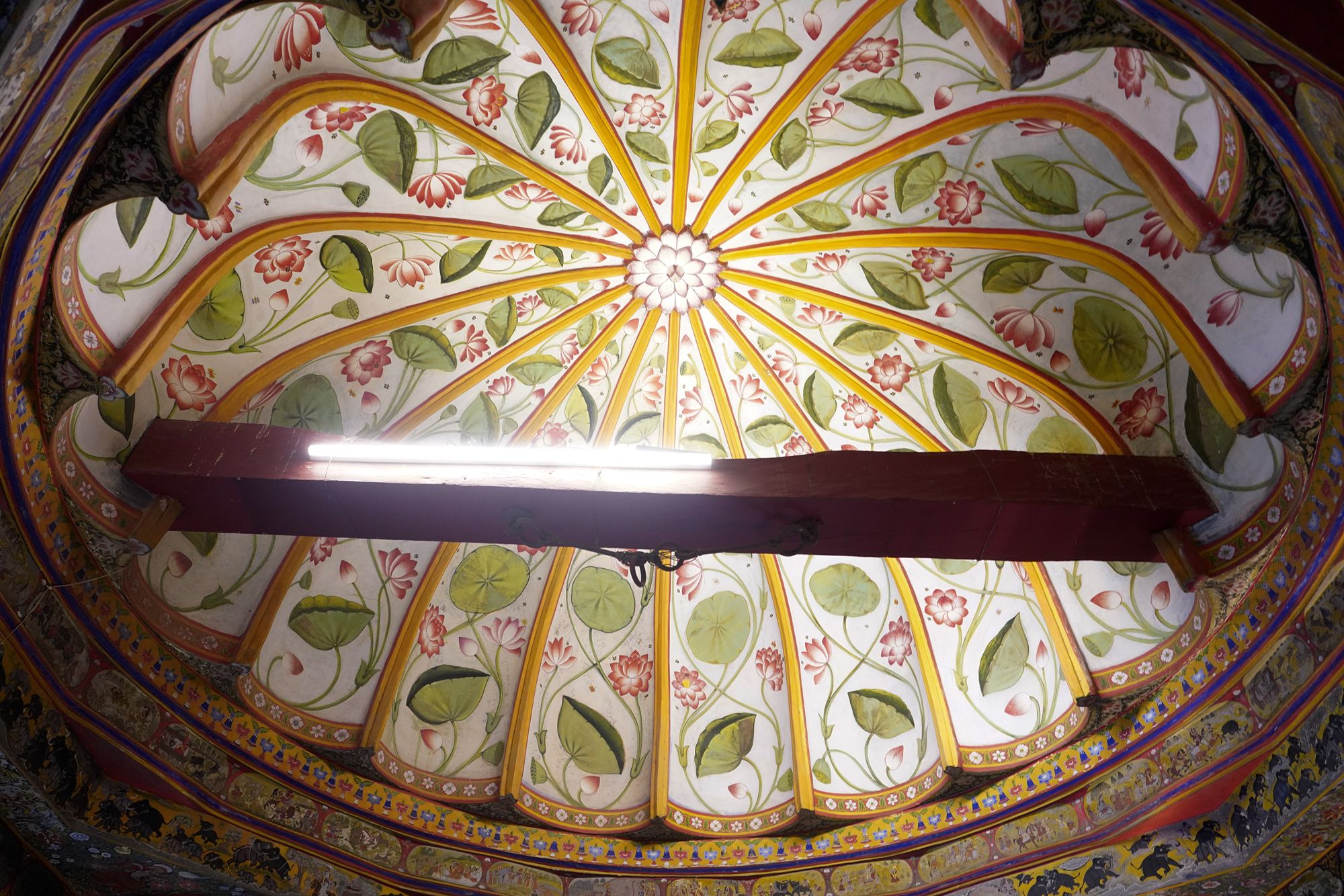
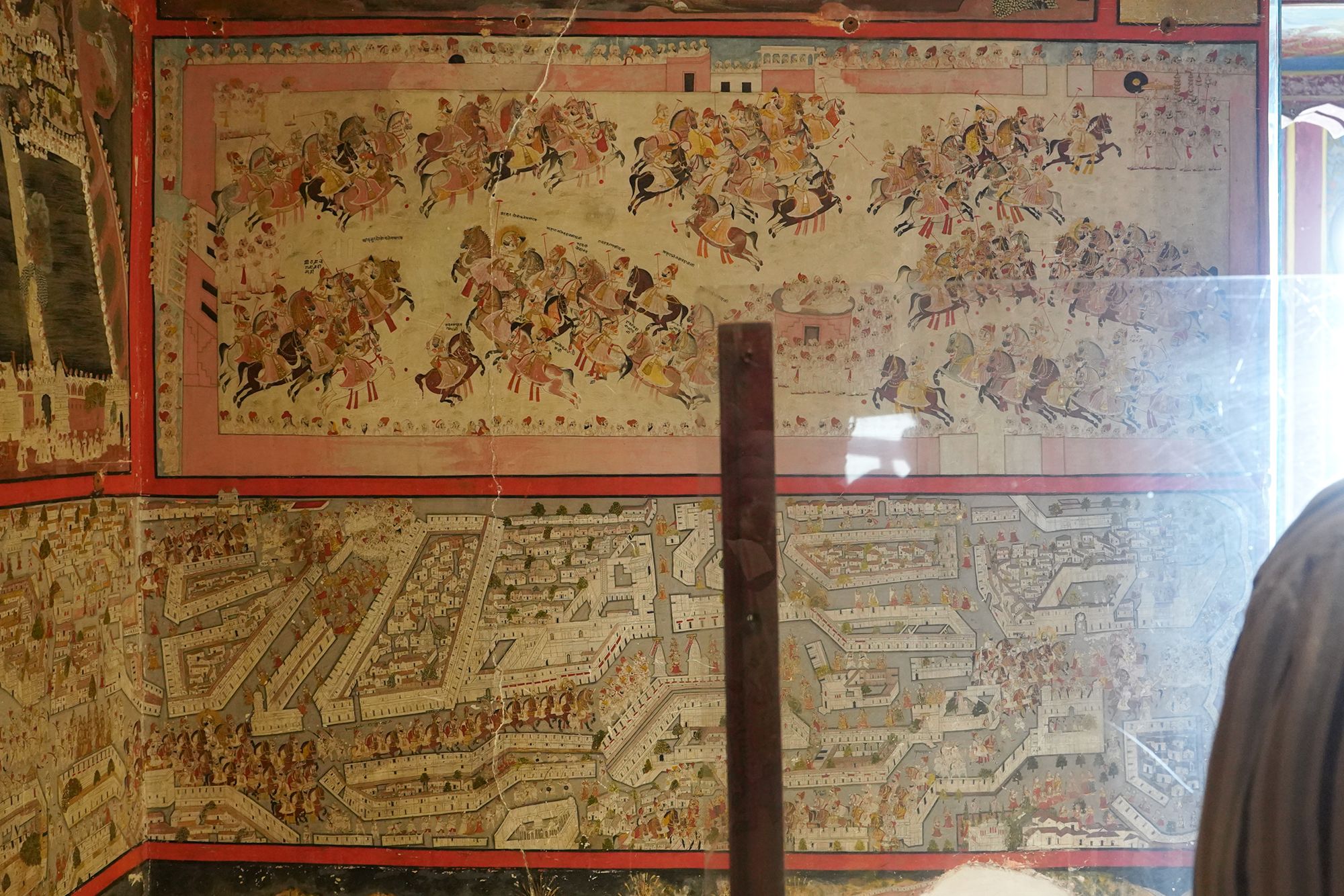
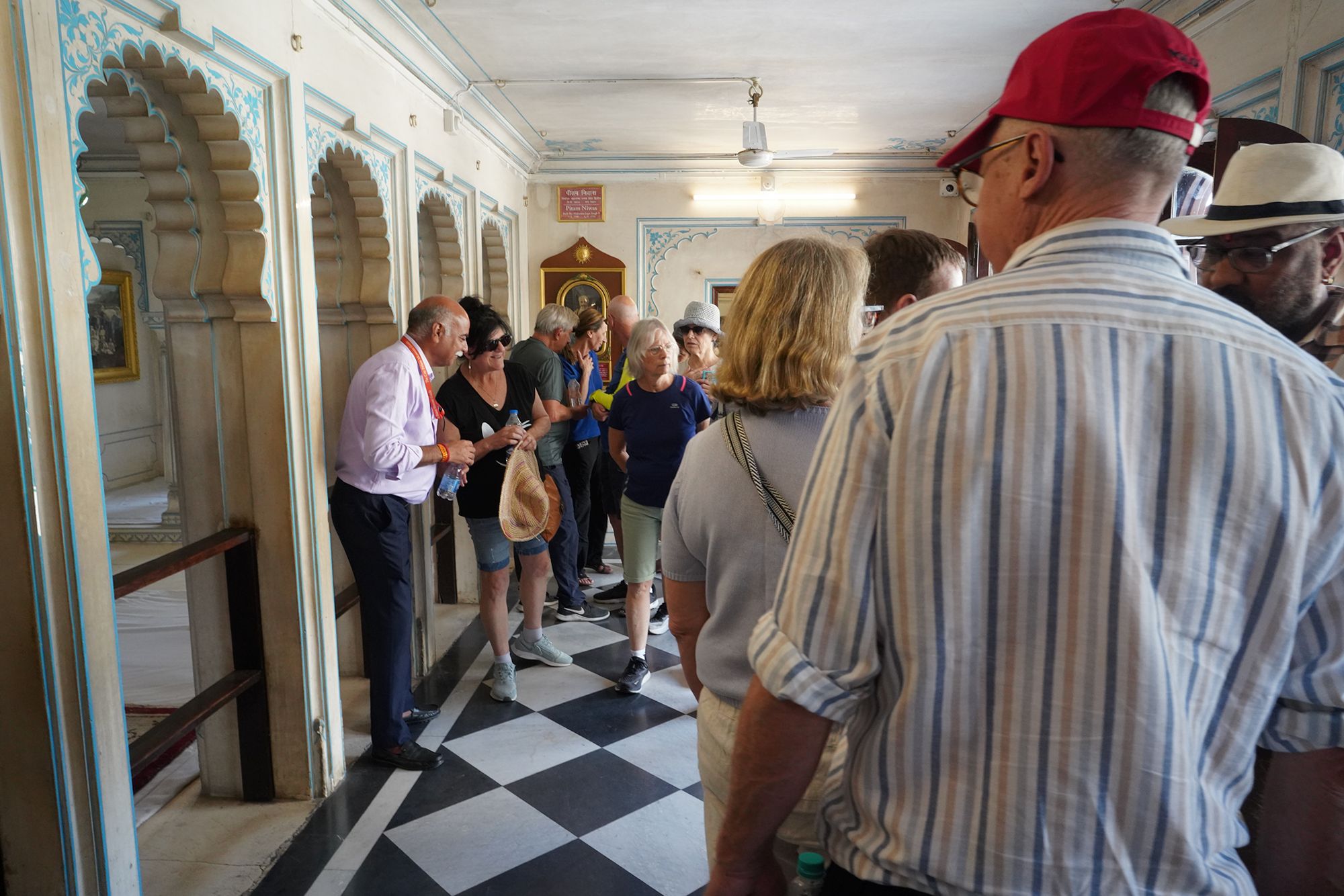
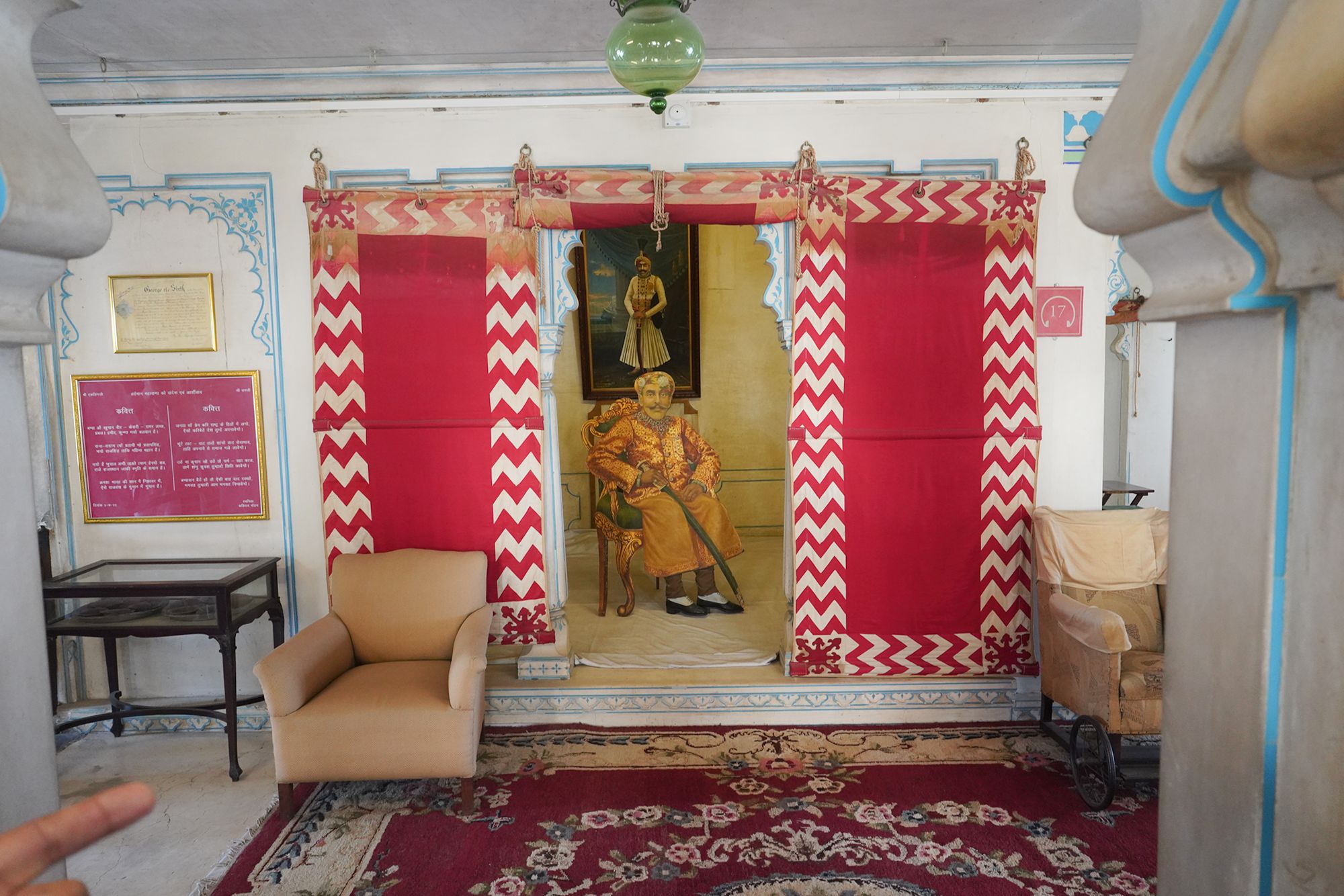
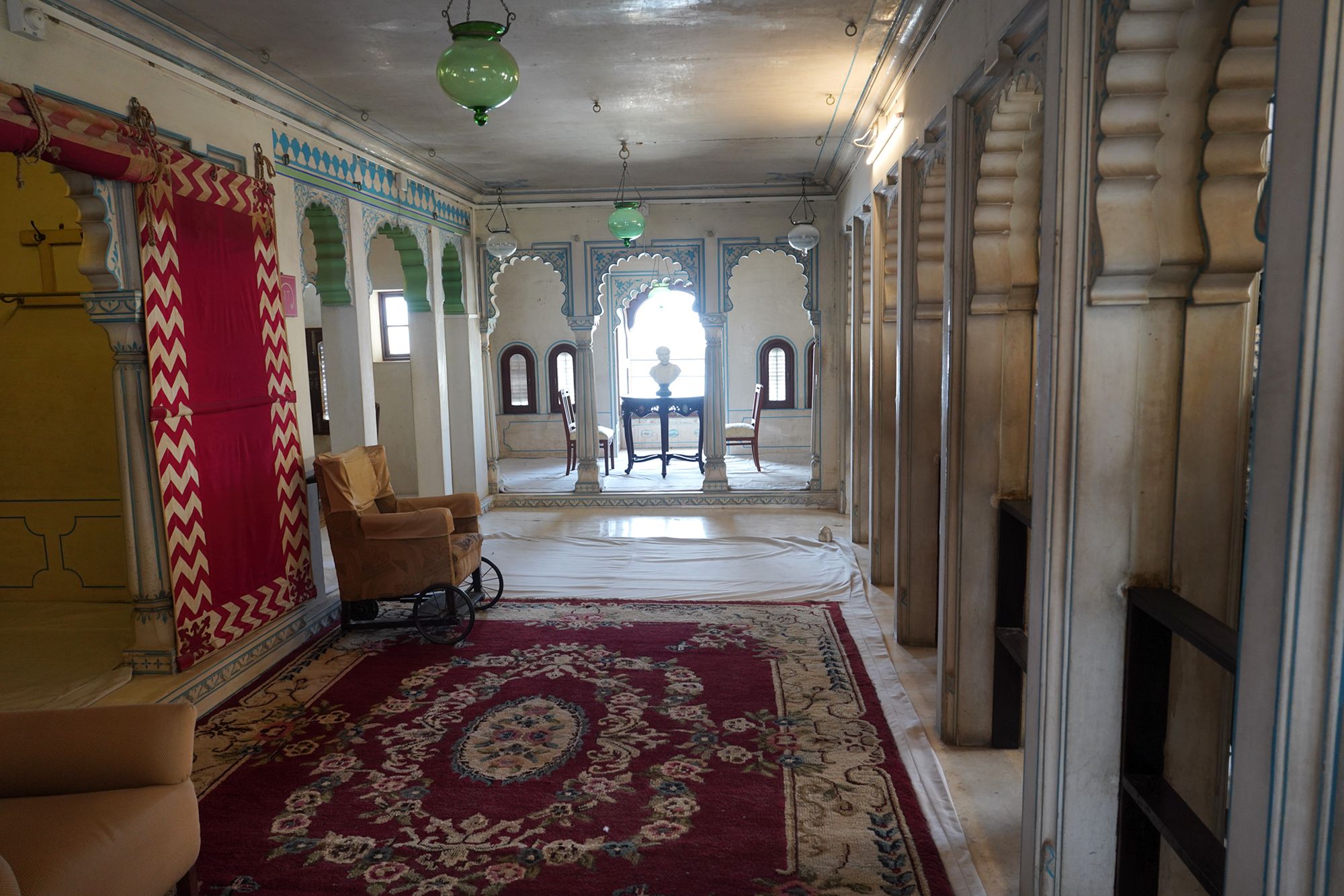
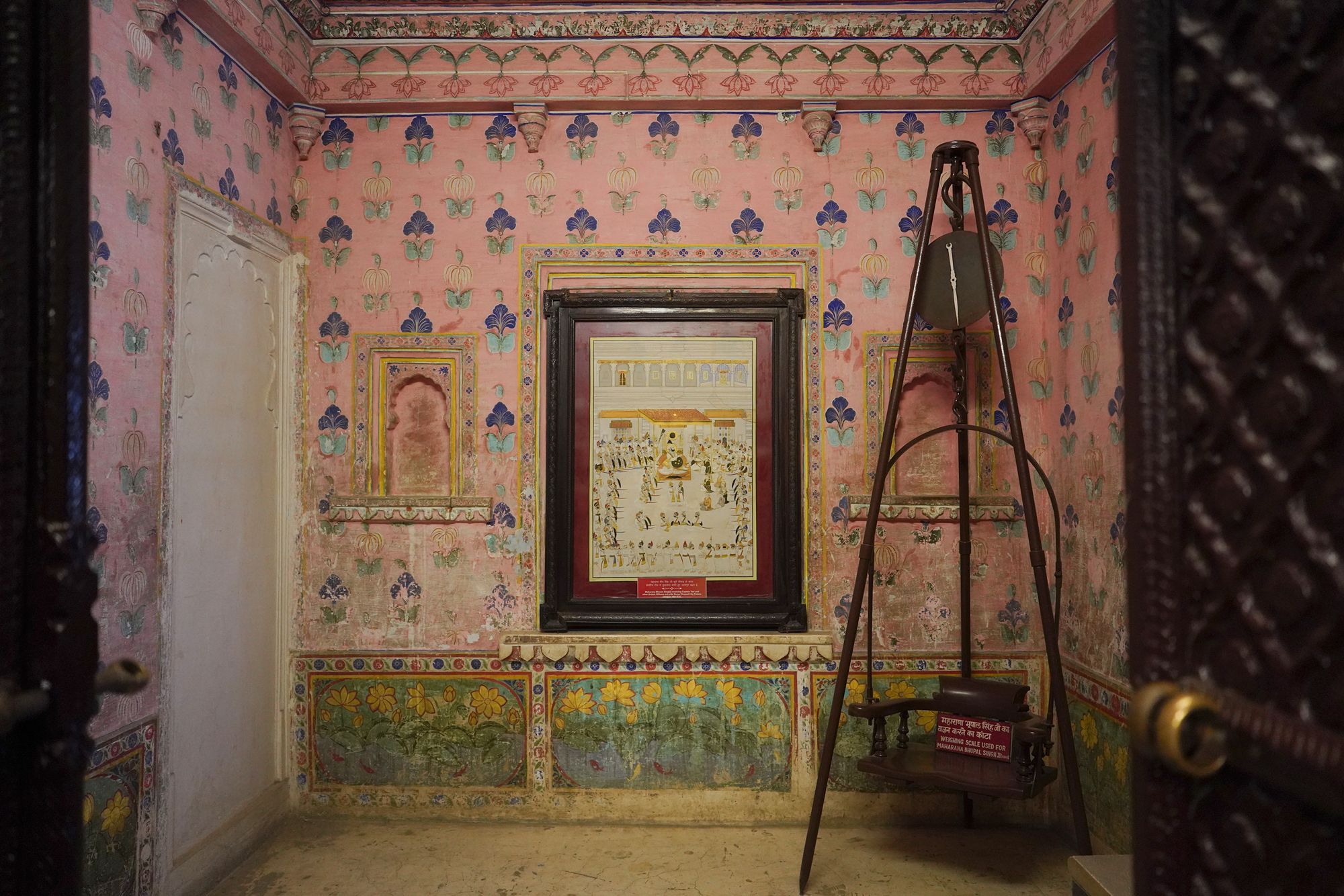
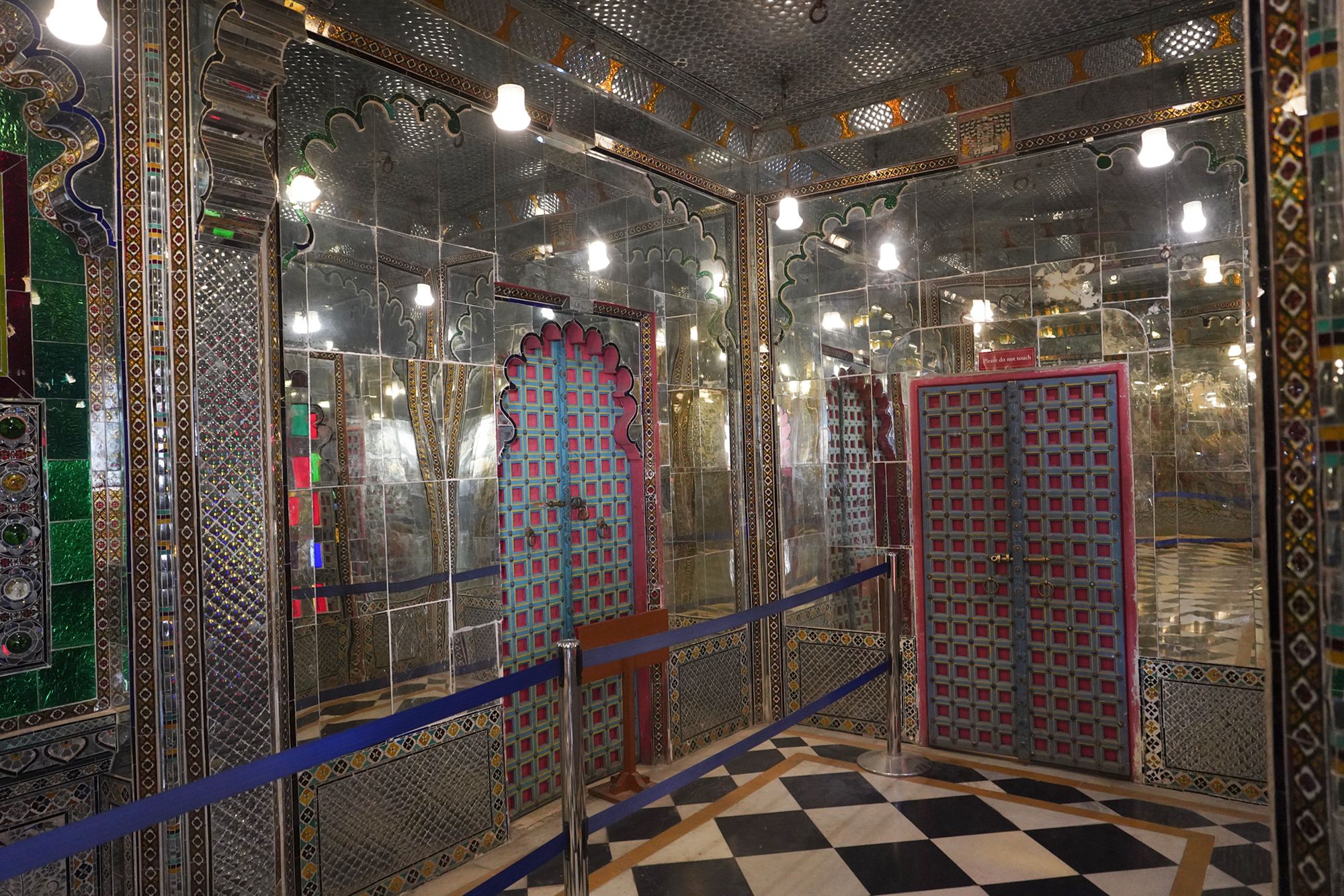
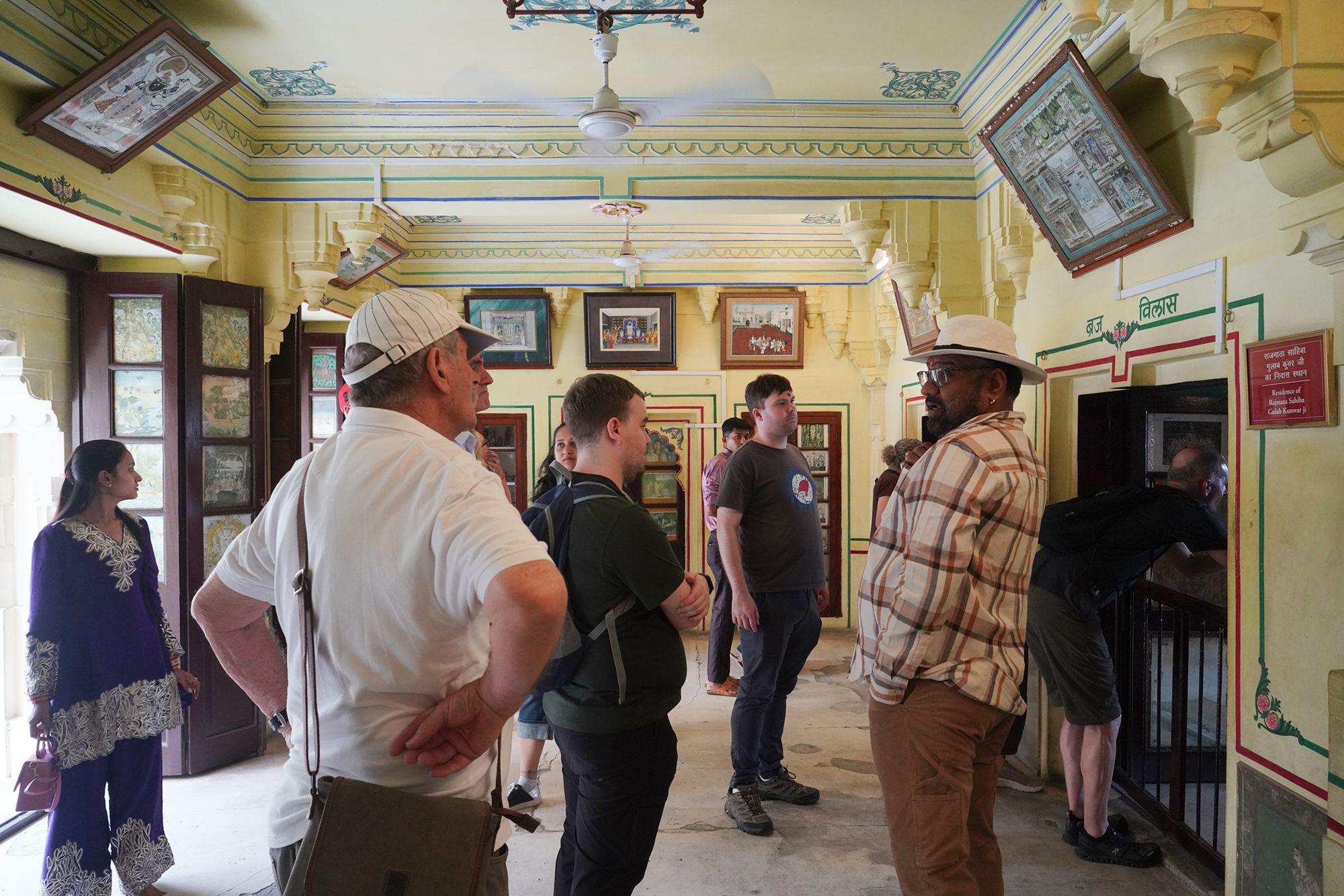
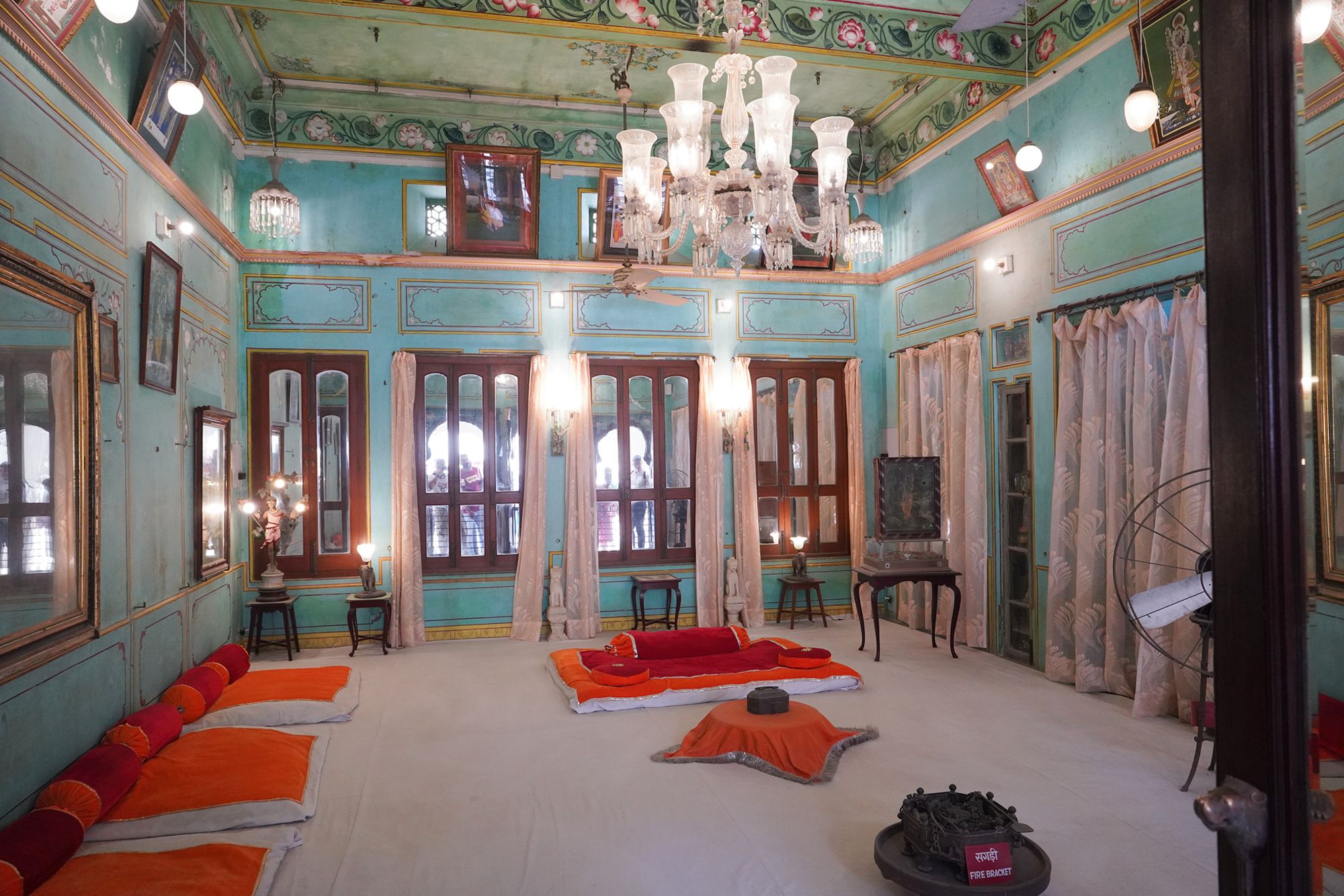
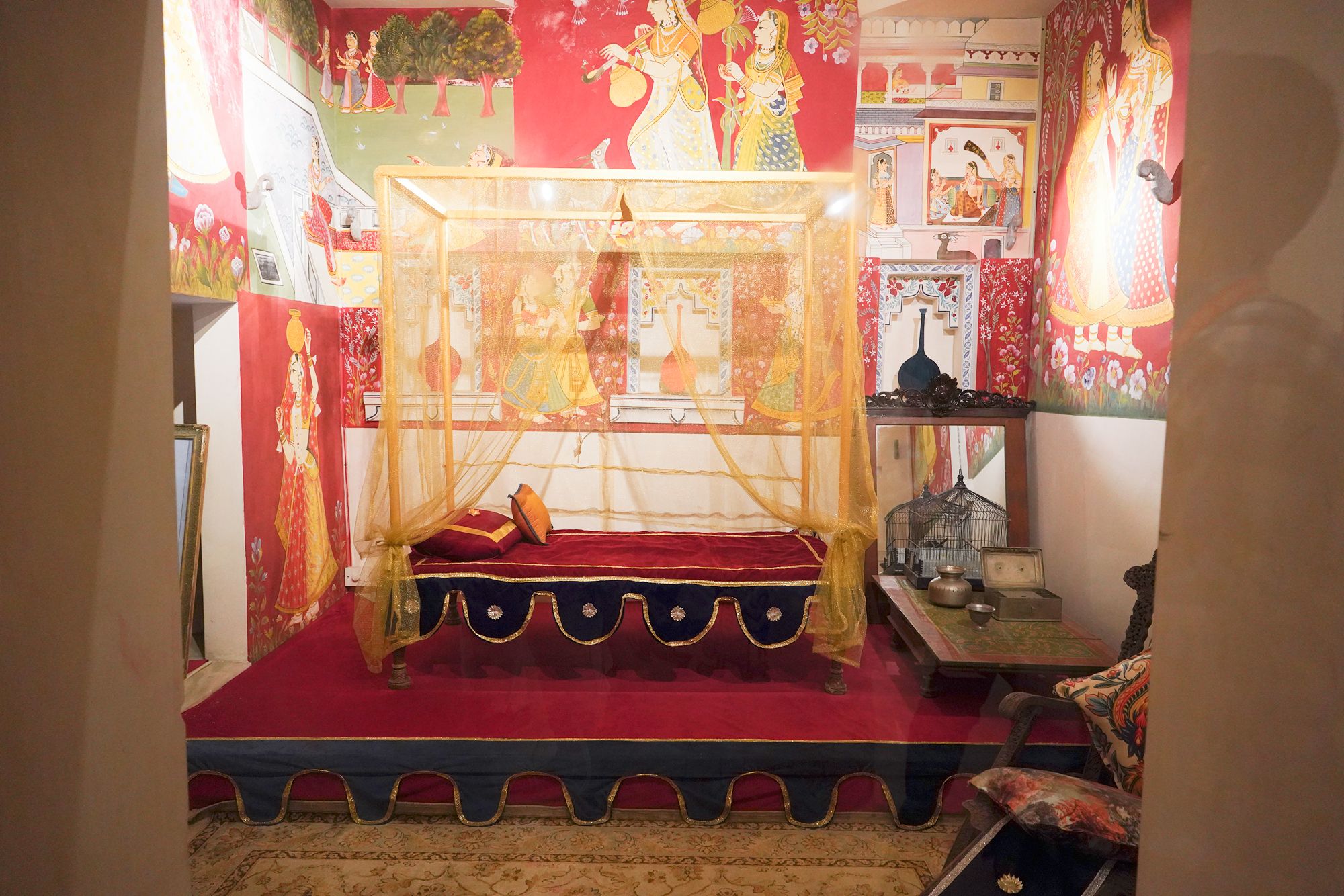
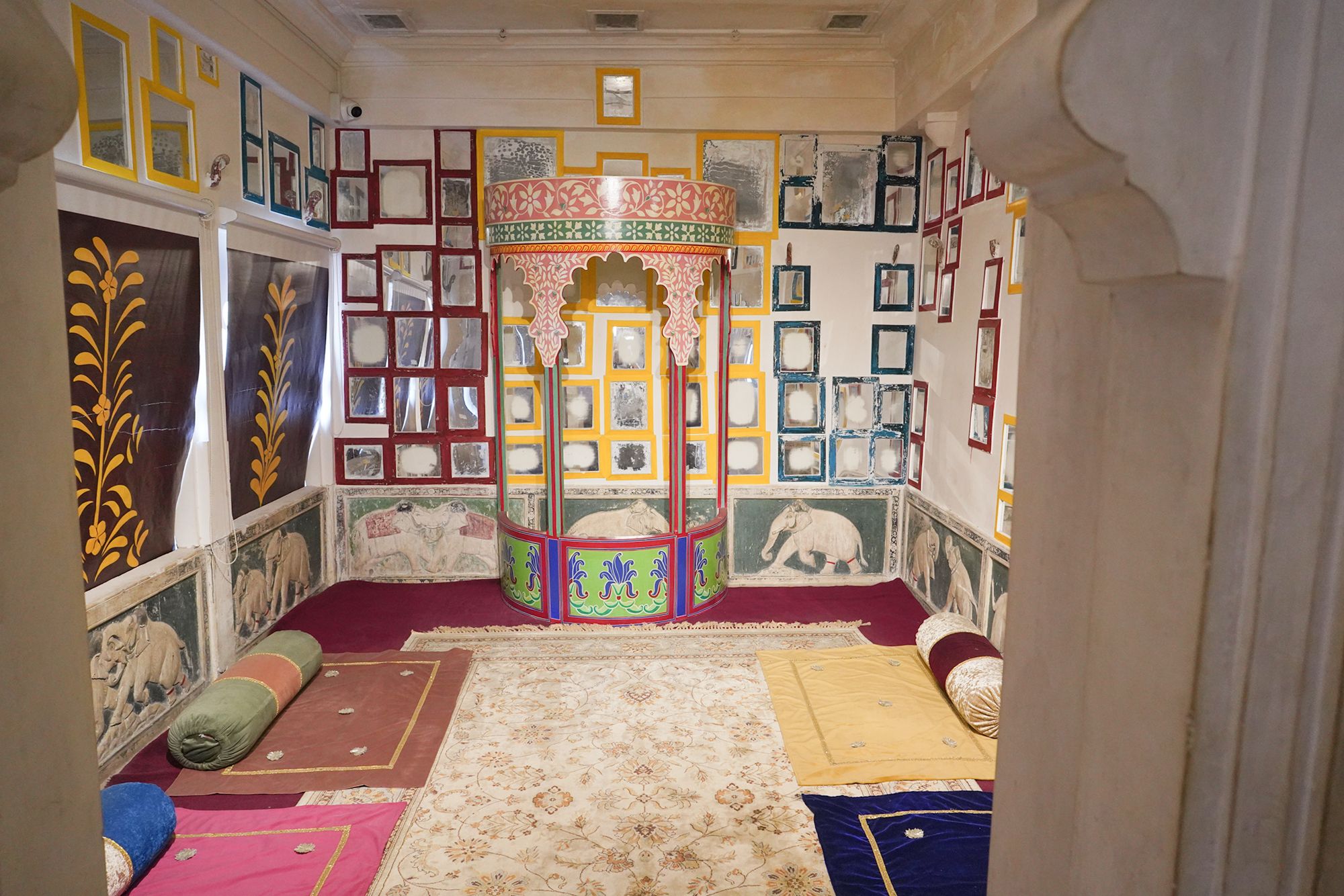
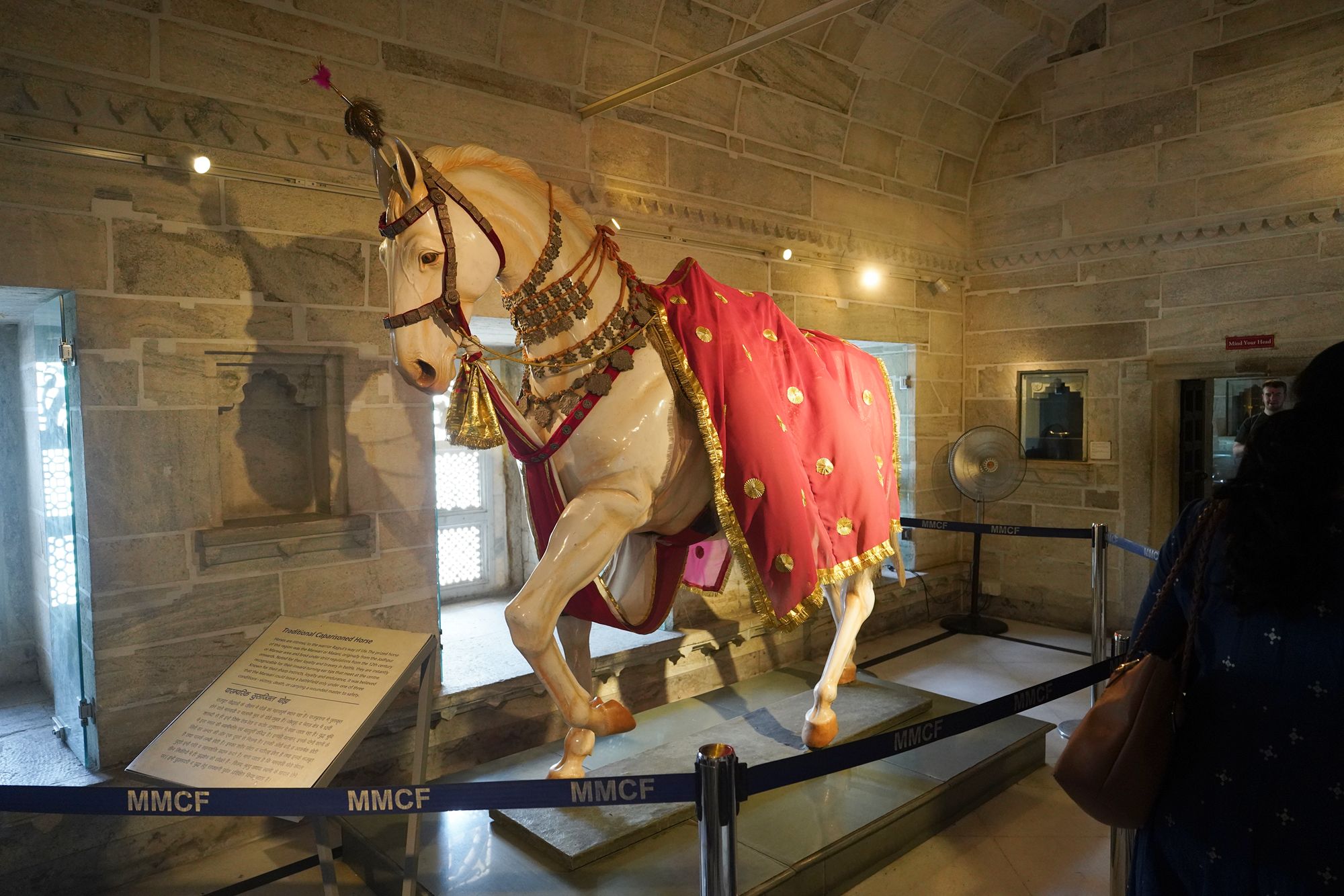
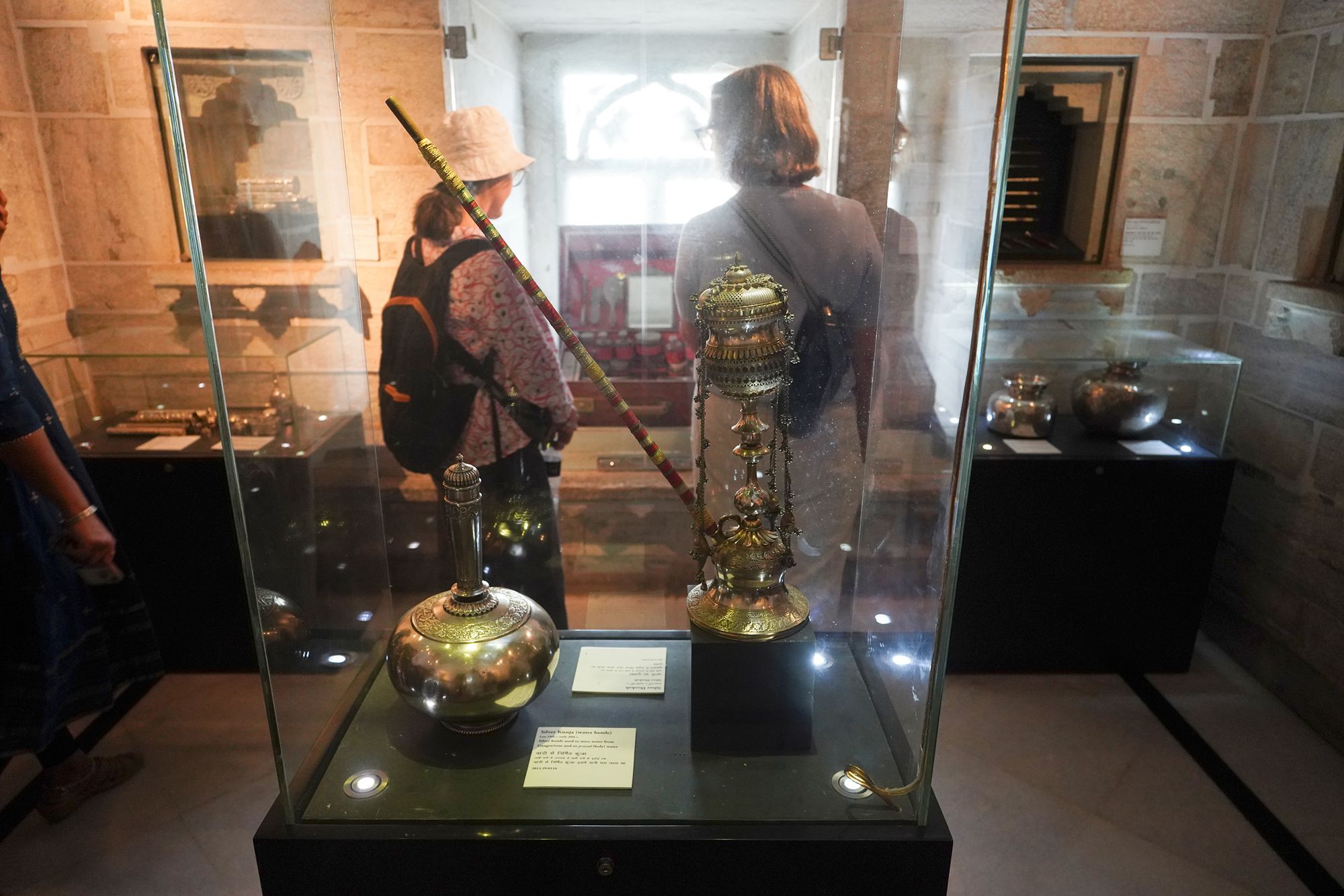
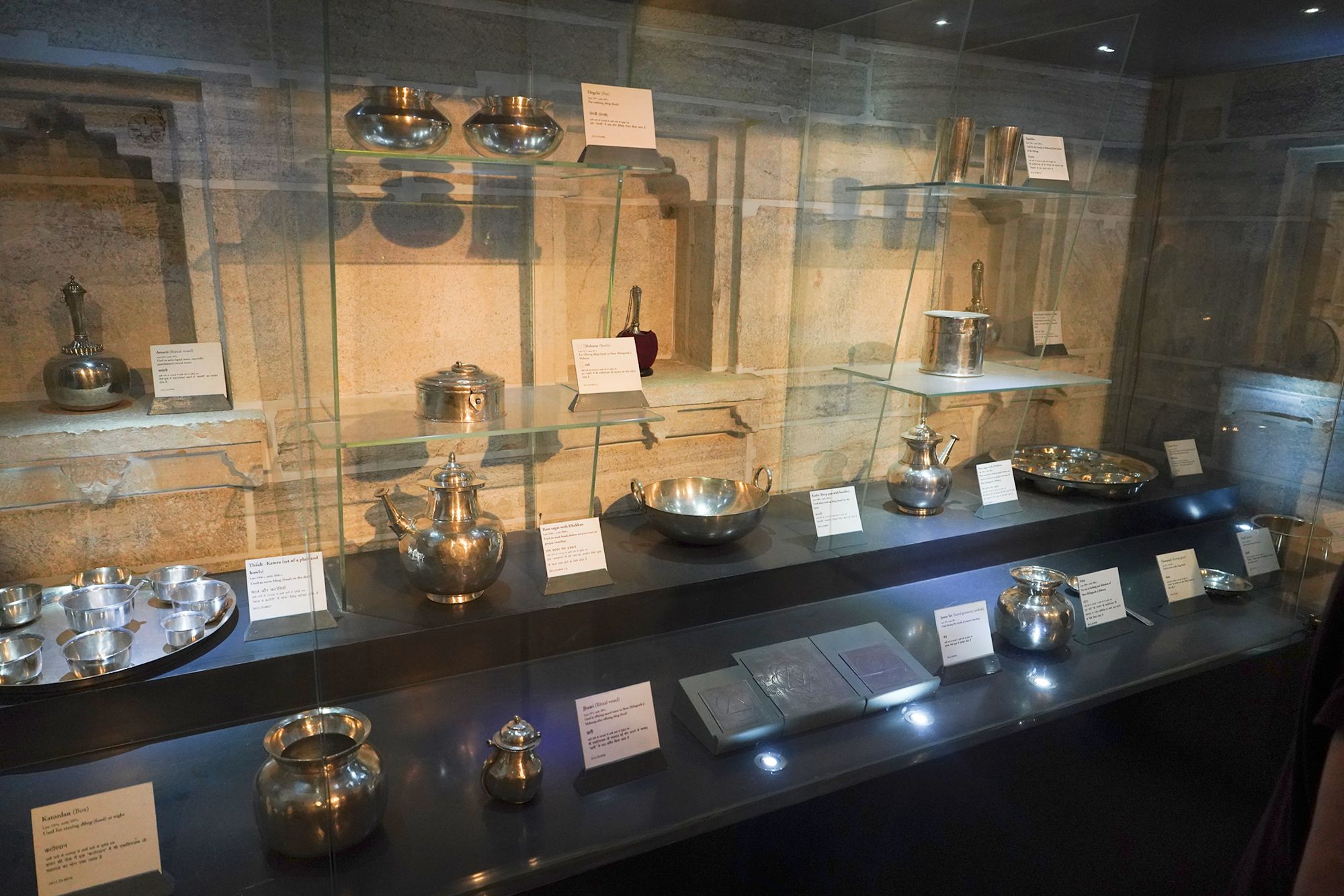
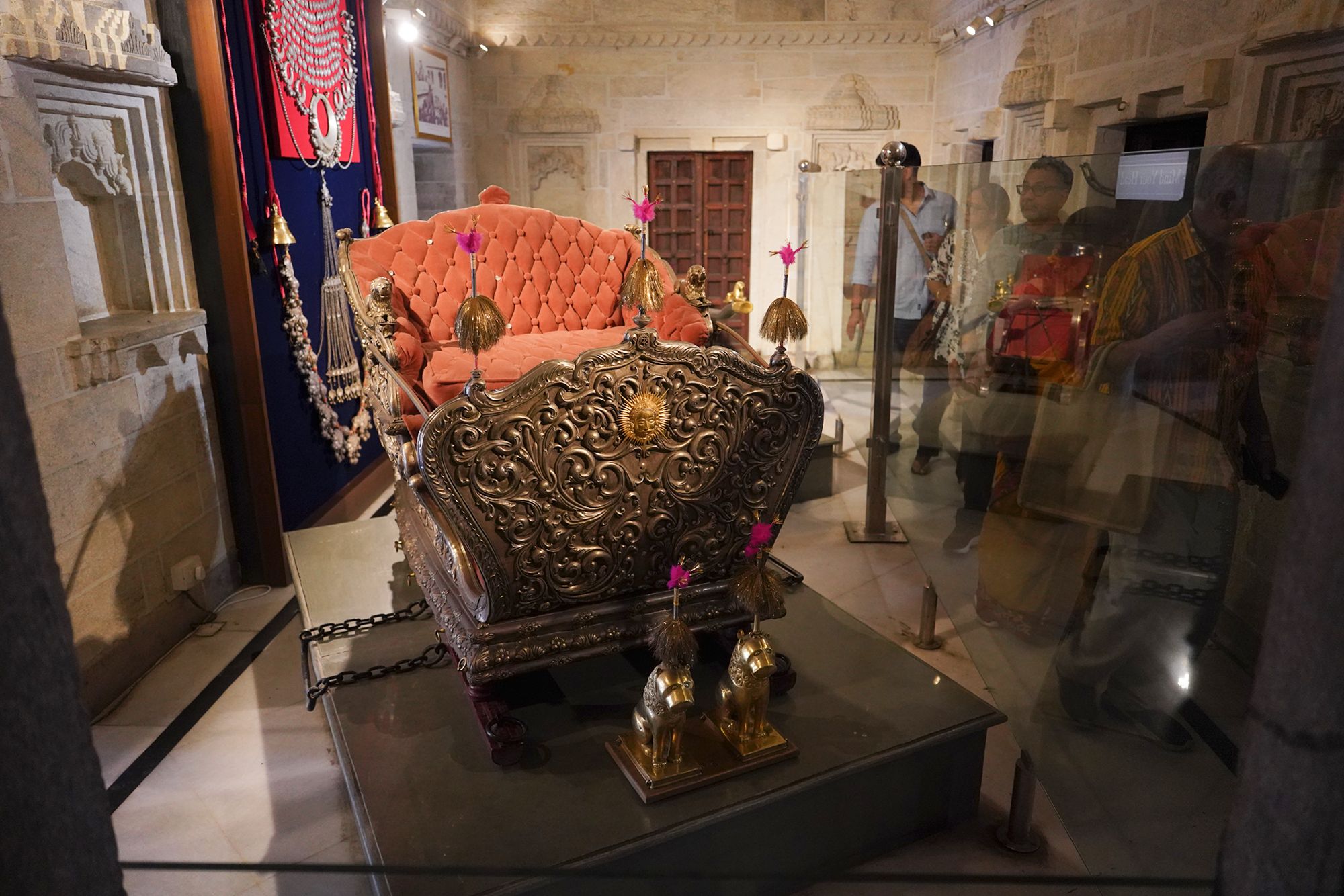
Today, many of the former royal rooms and halls are part of the City Palace Museum, displaying paintings, royal artifacts, weapons, furniture, and other objects related to the history of the Mewar rulers.
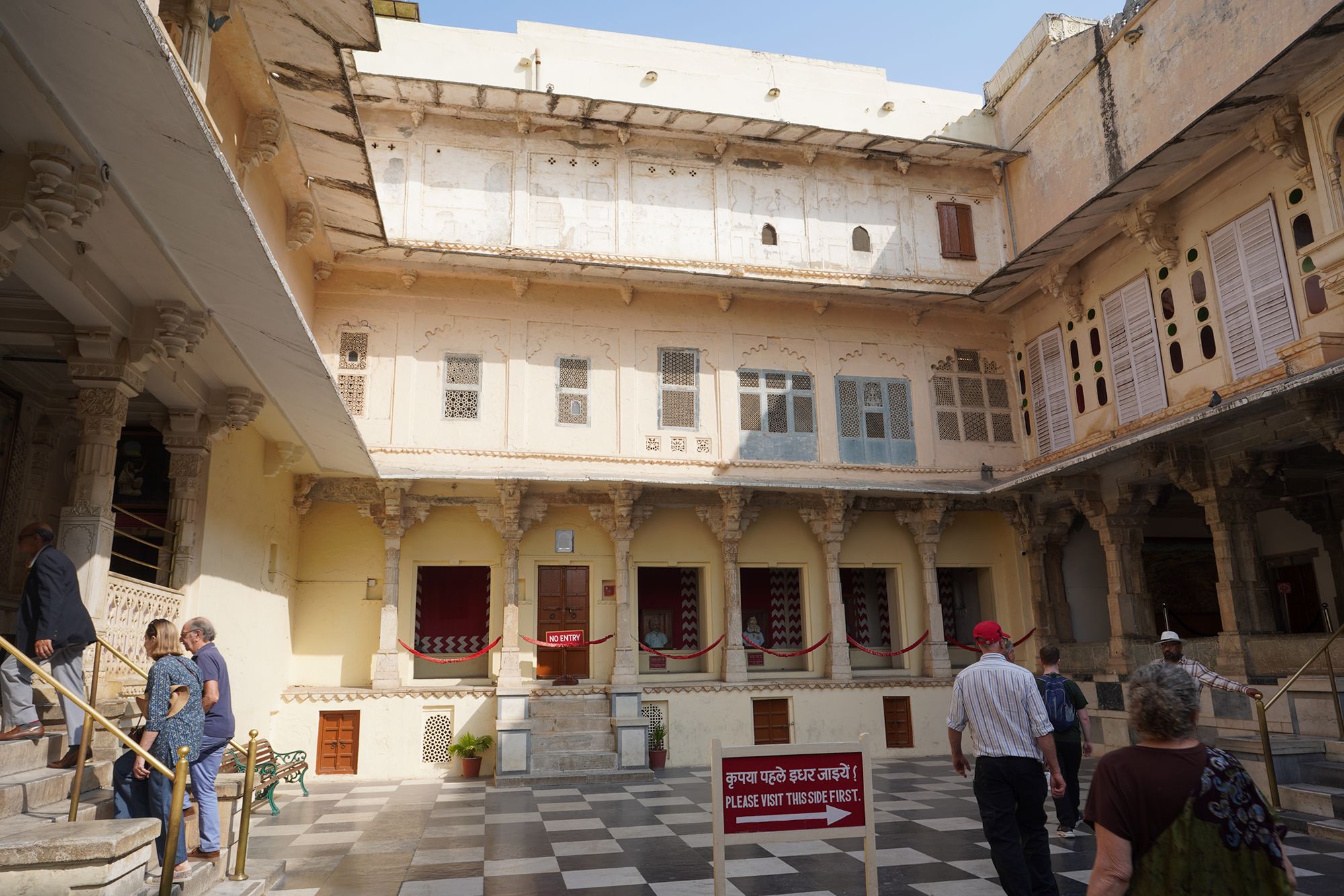
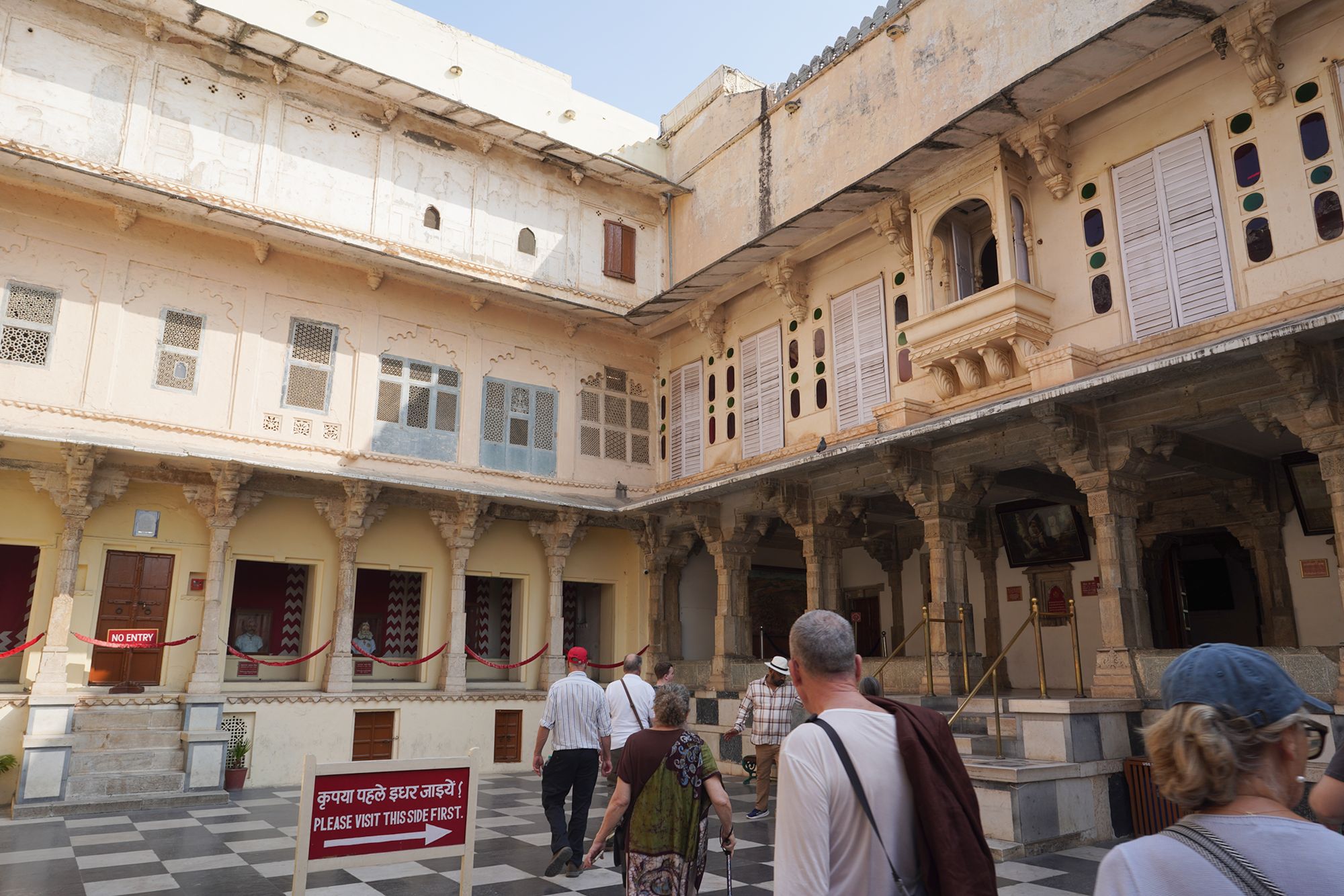
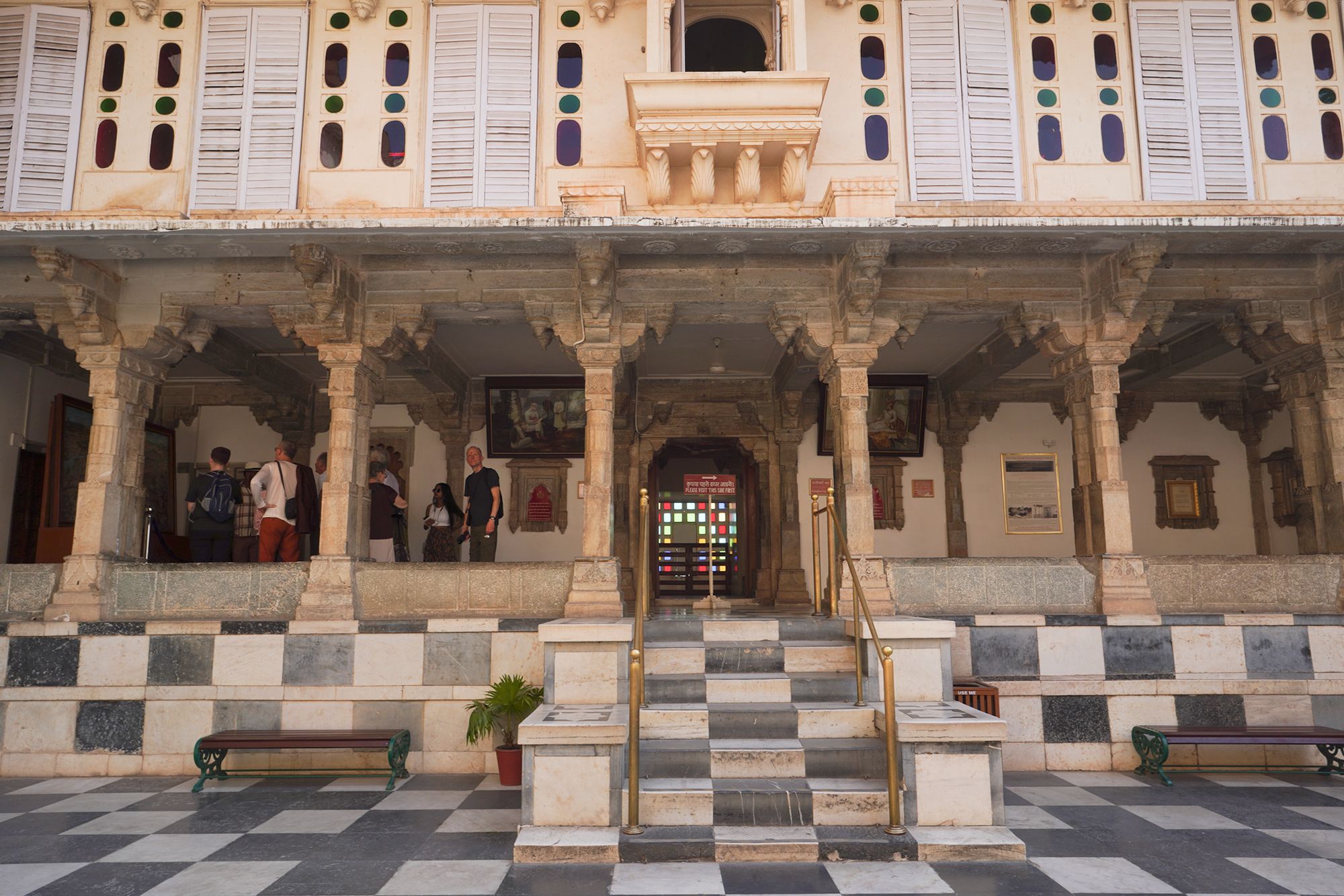
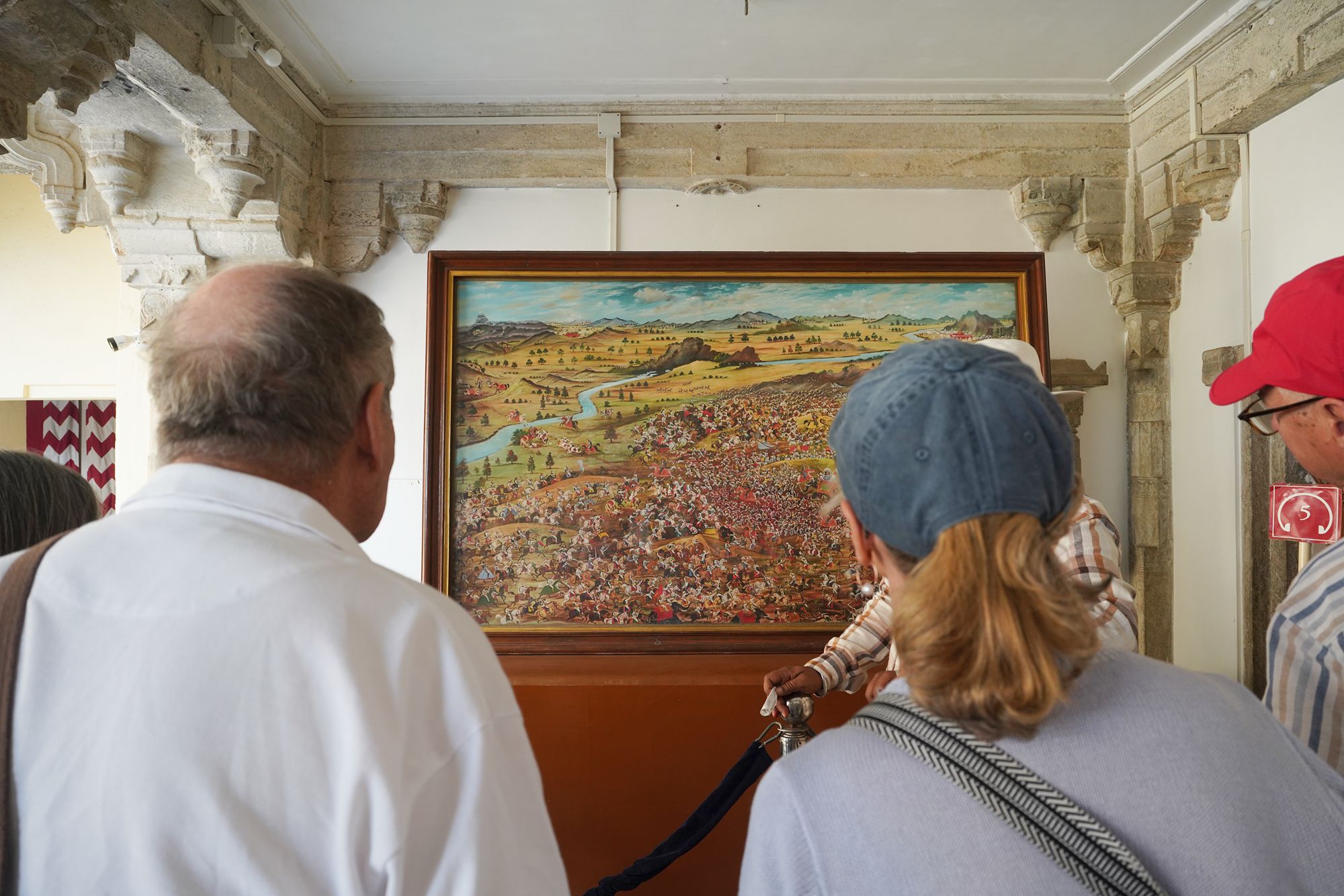
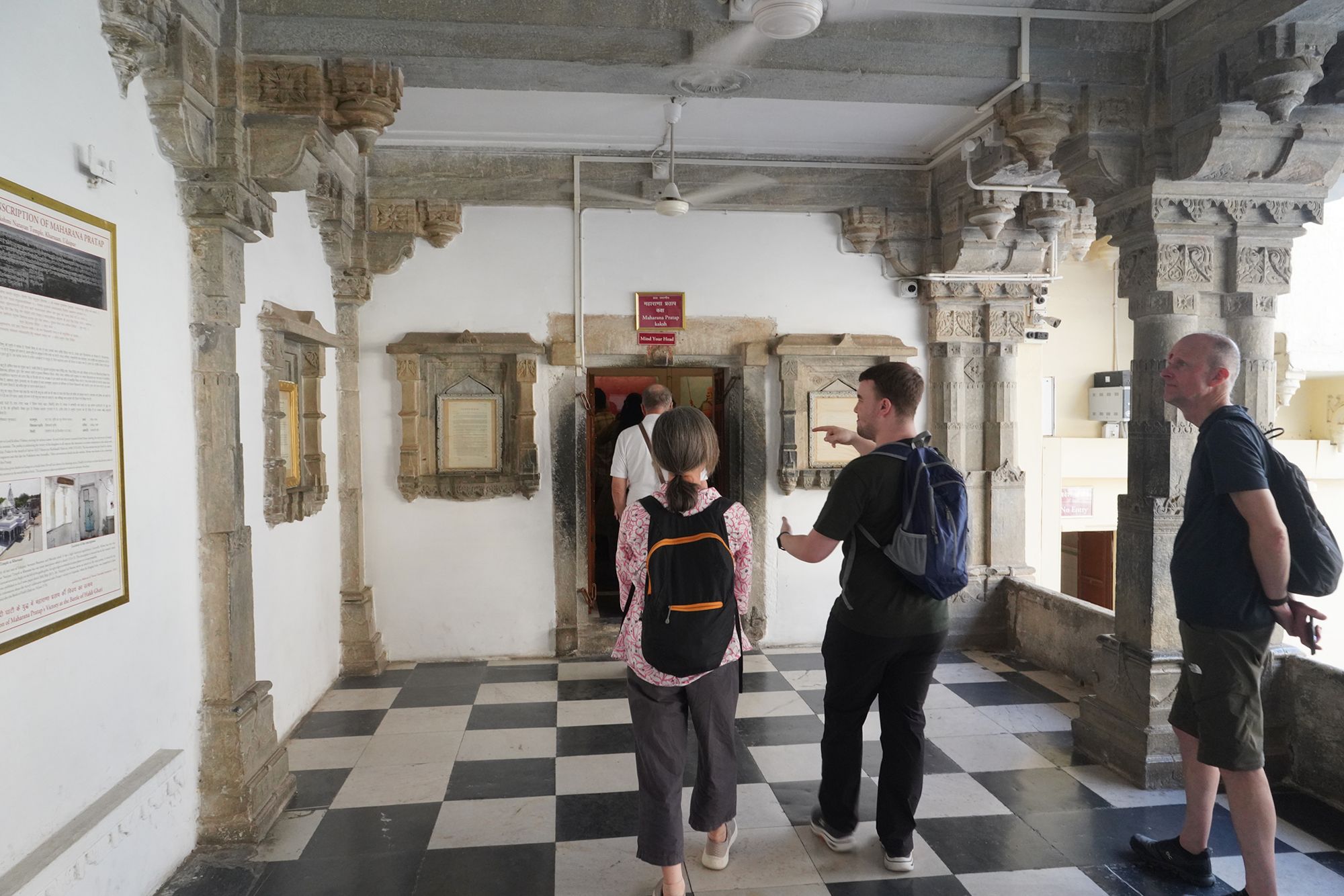
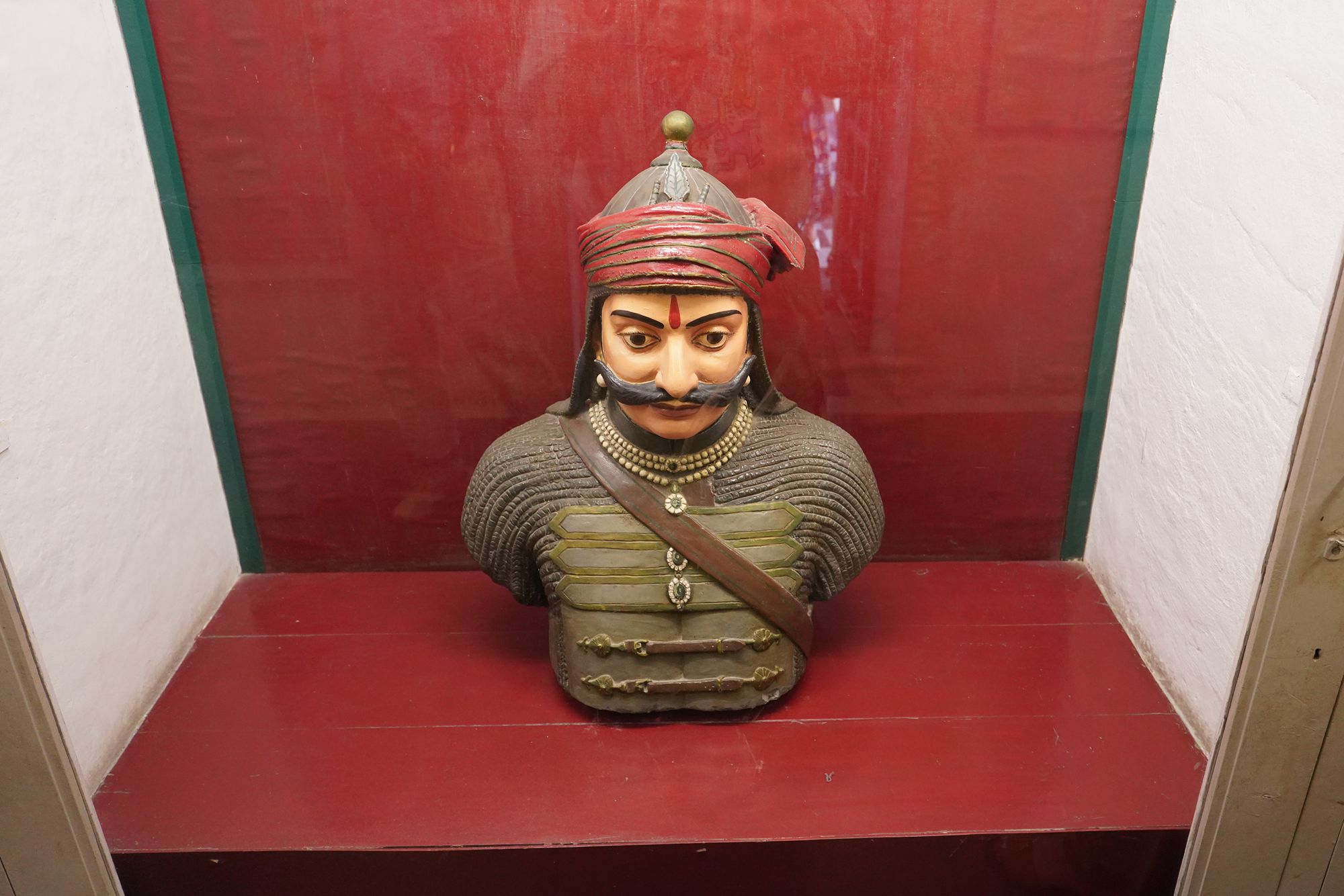
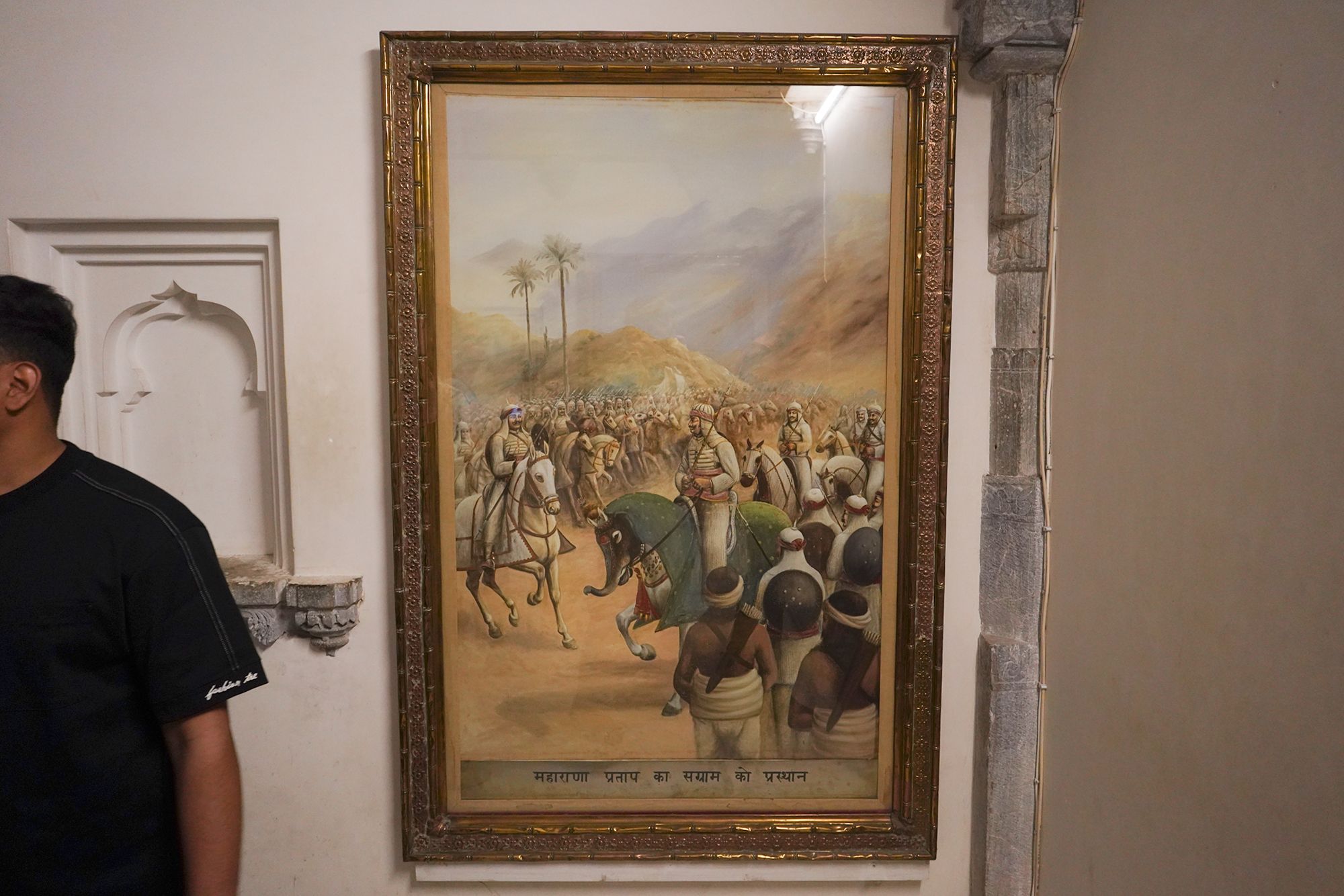
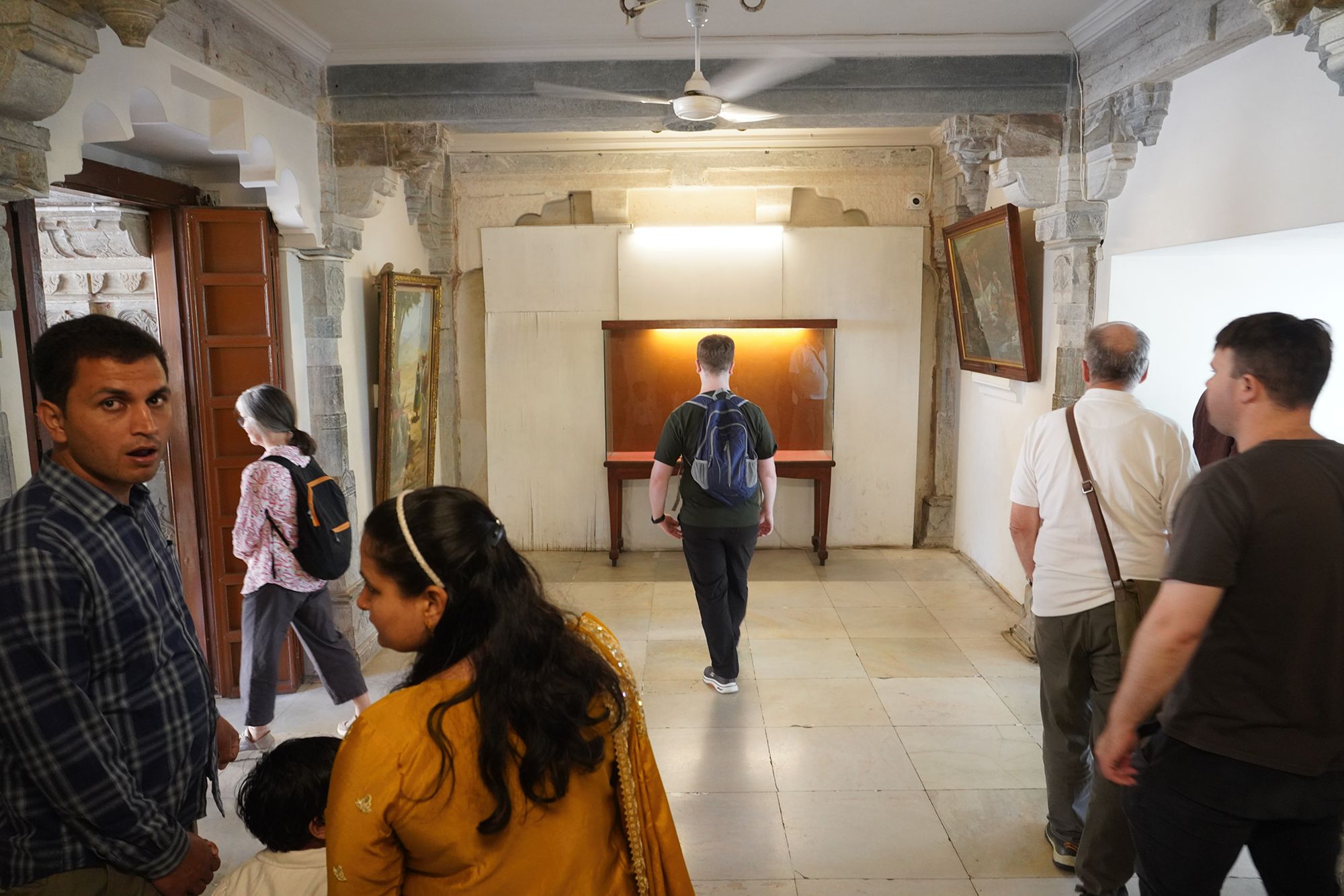
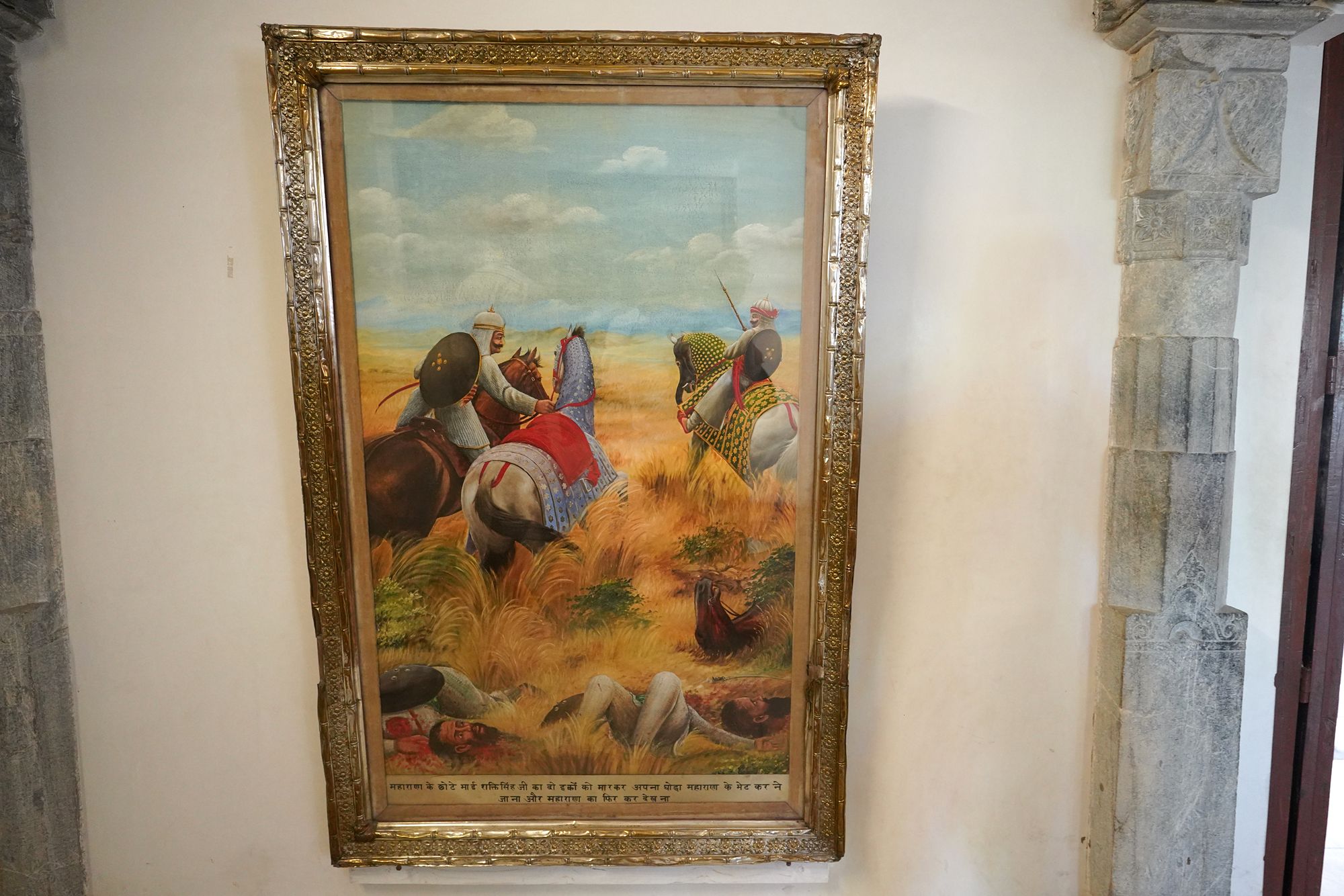
We continued to the building in front of us, which houses another section of the museum.
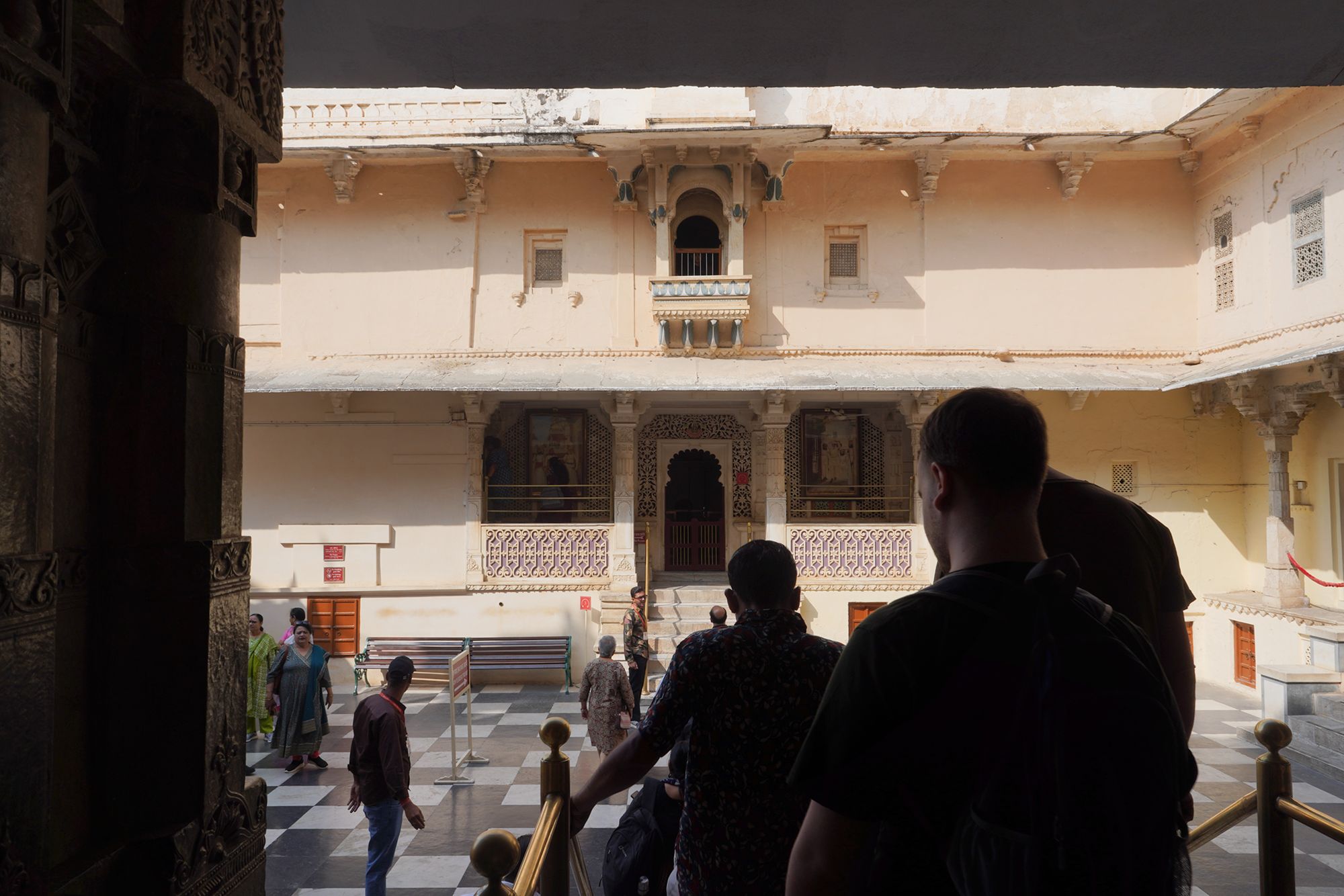
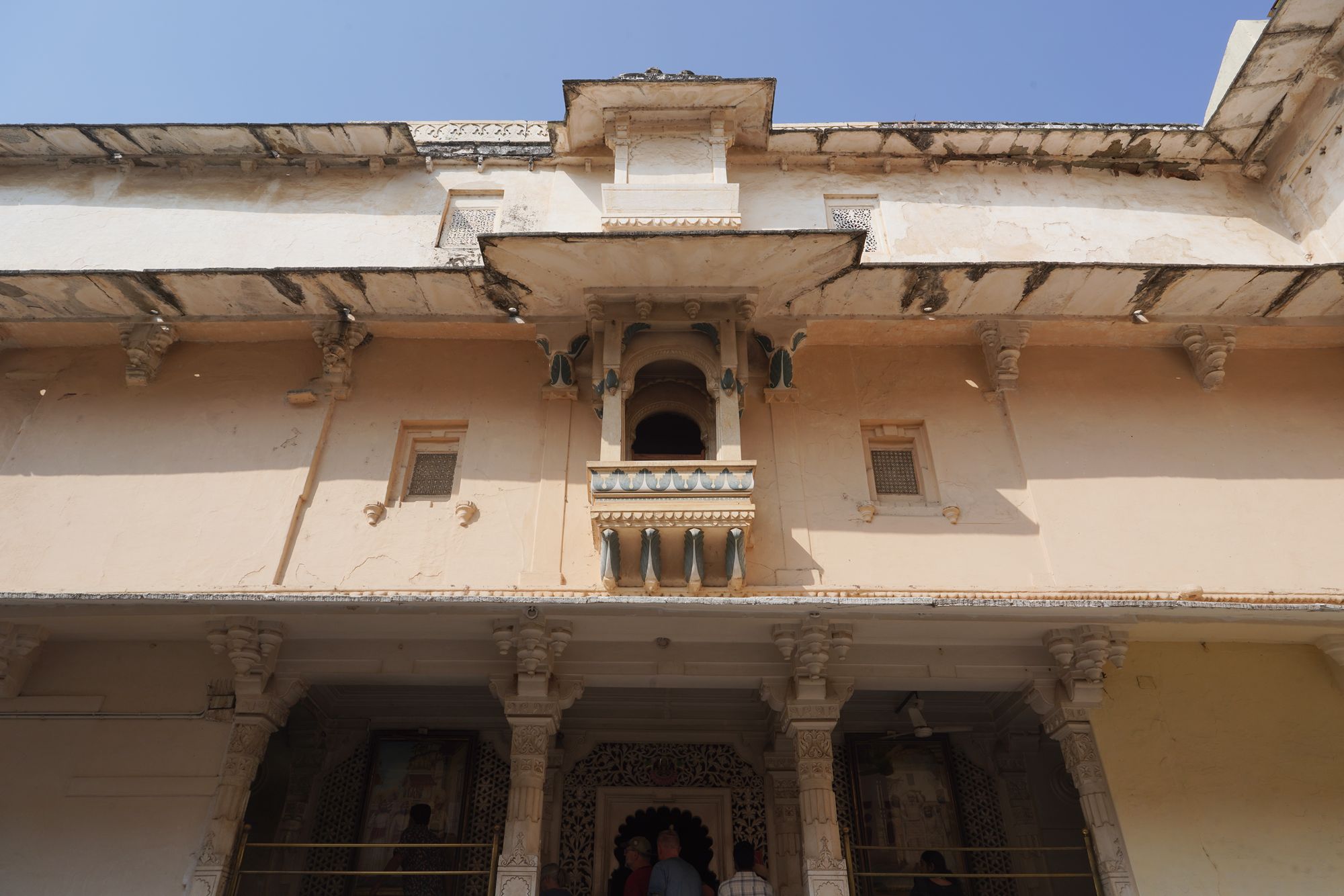
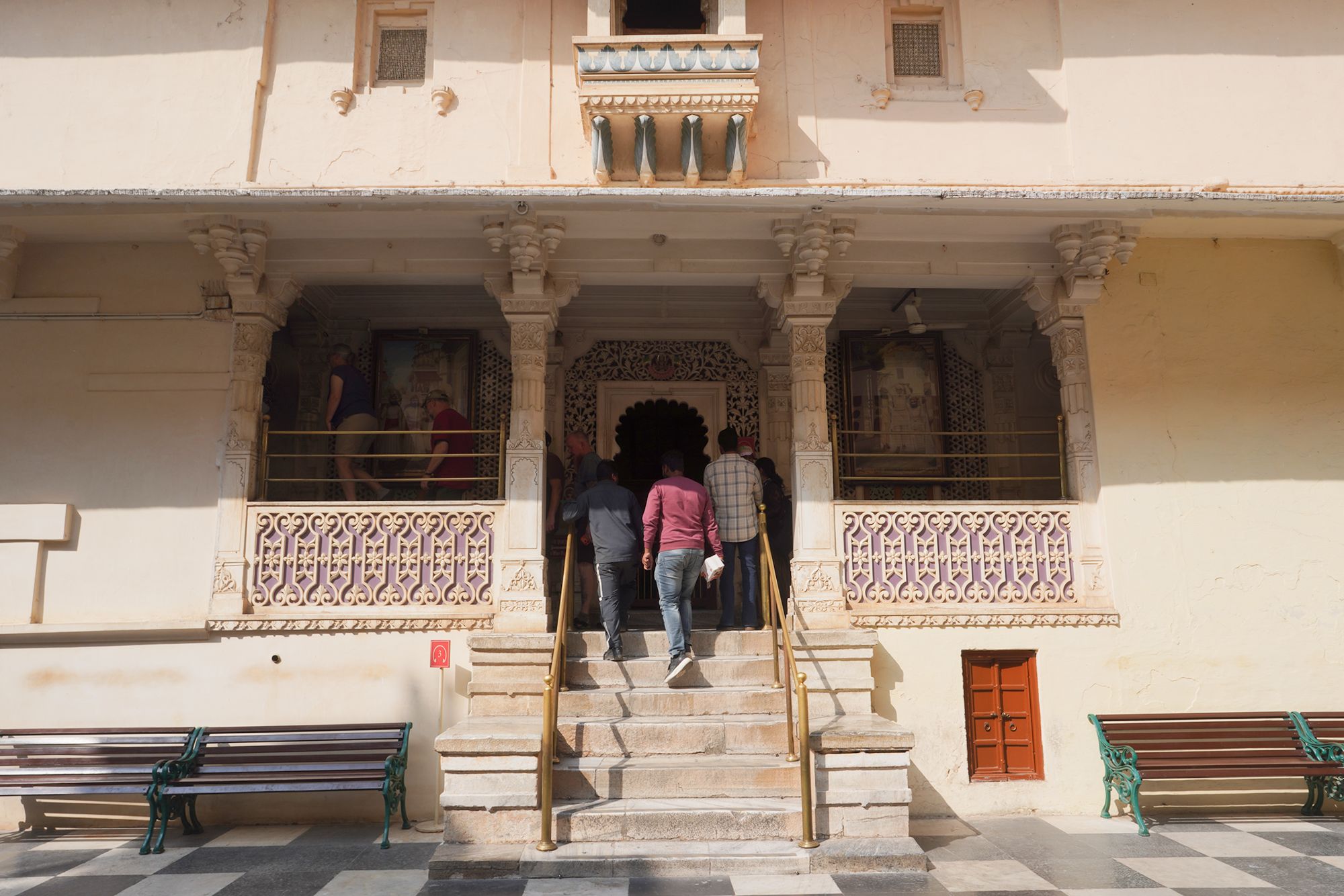
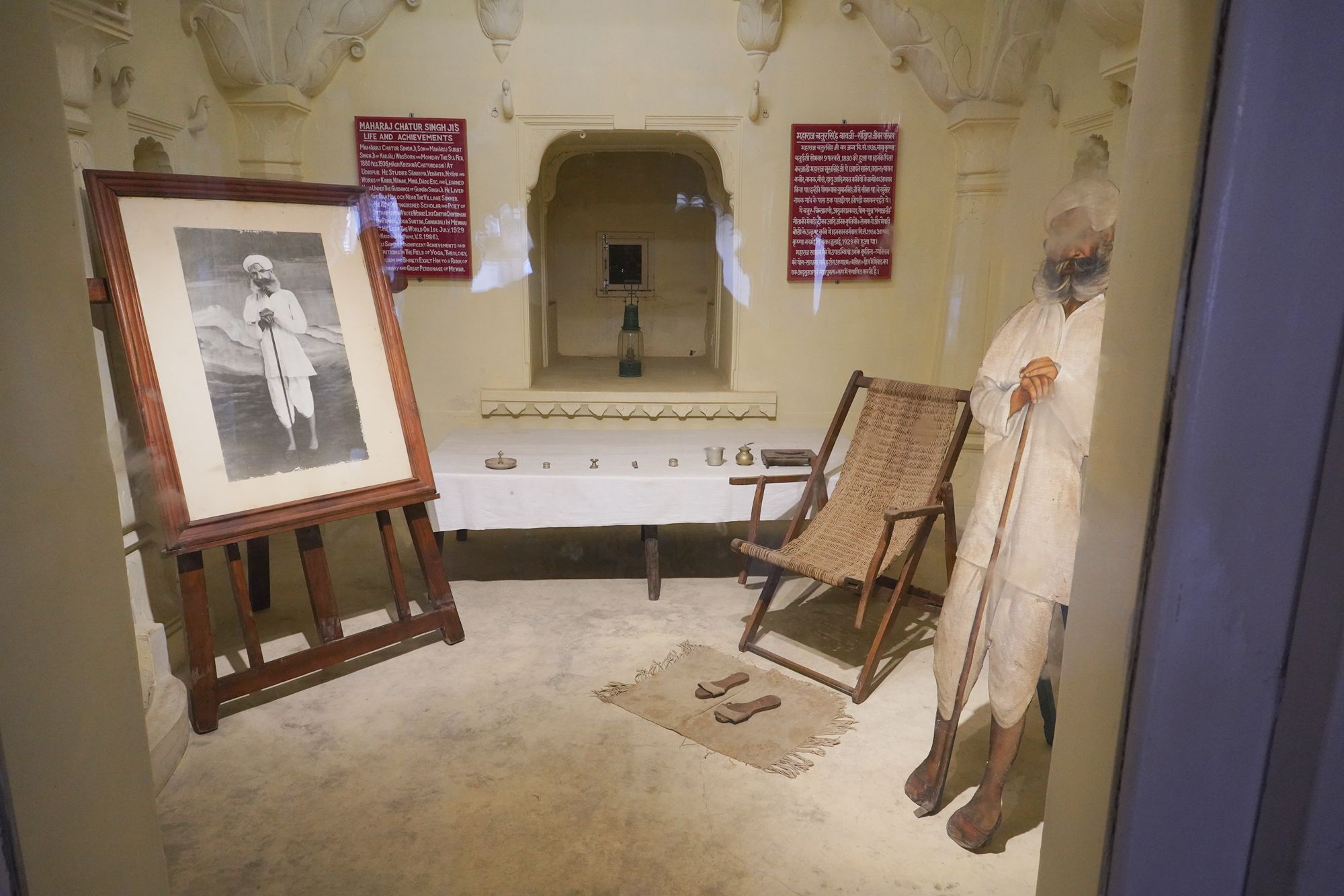
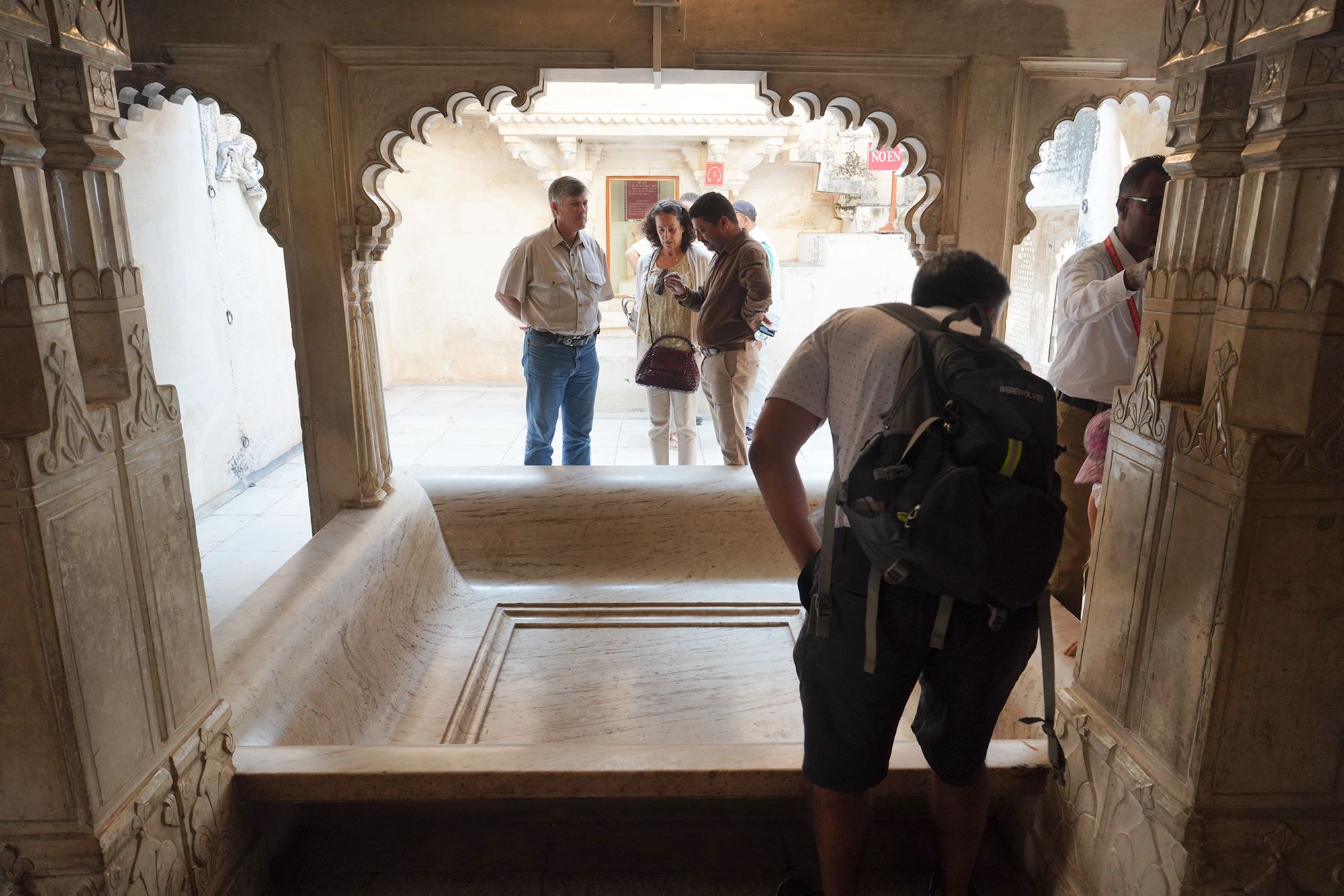
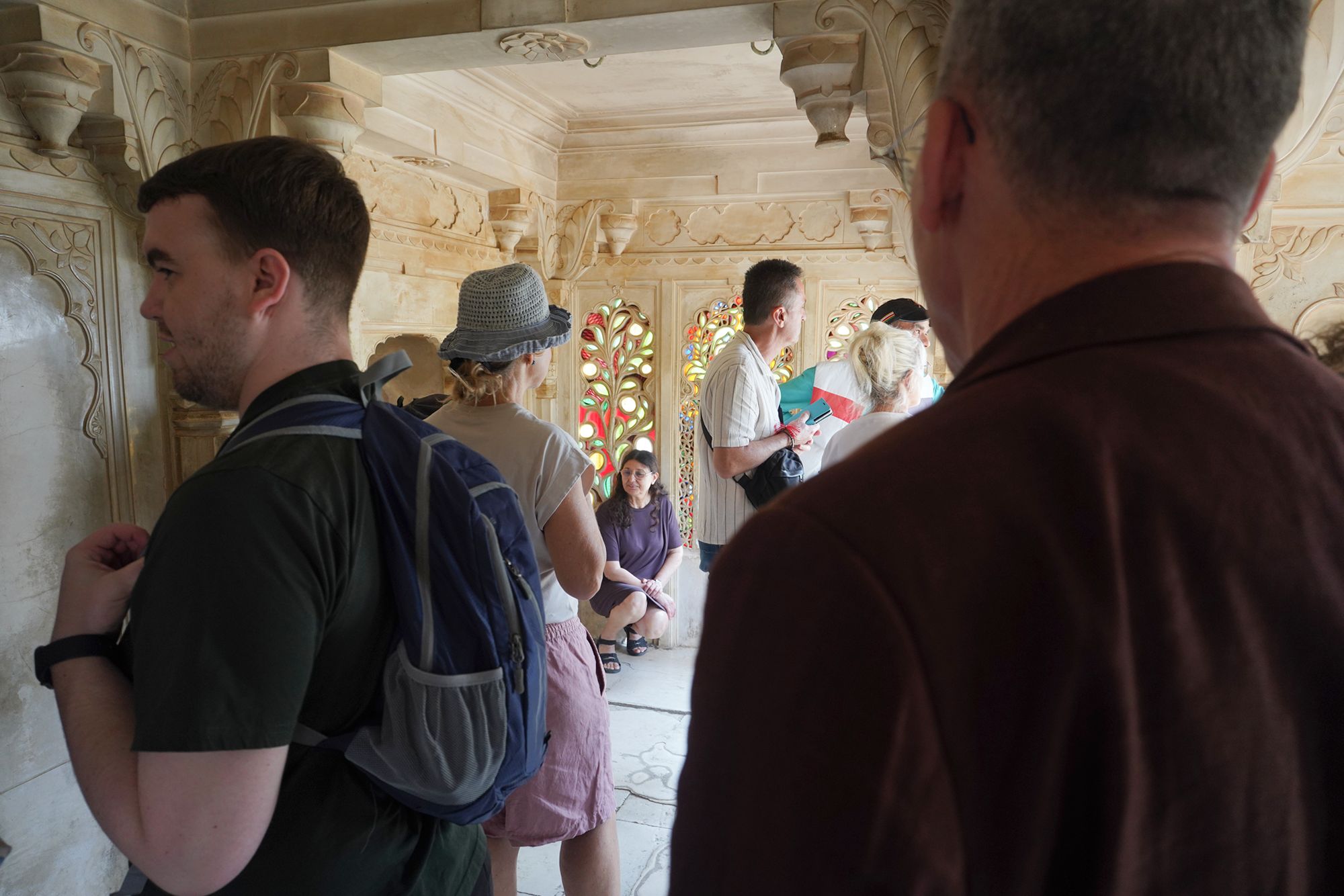
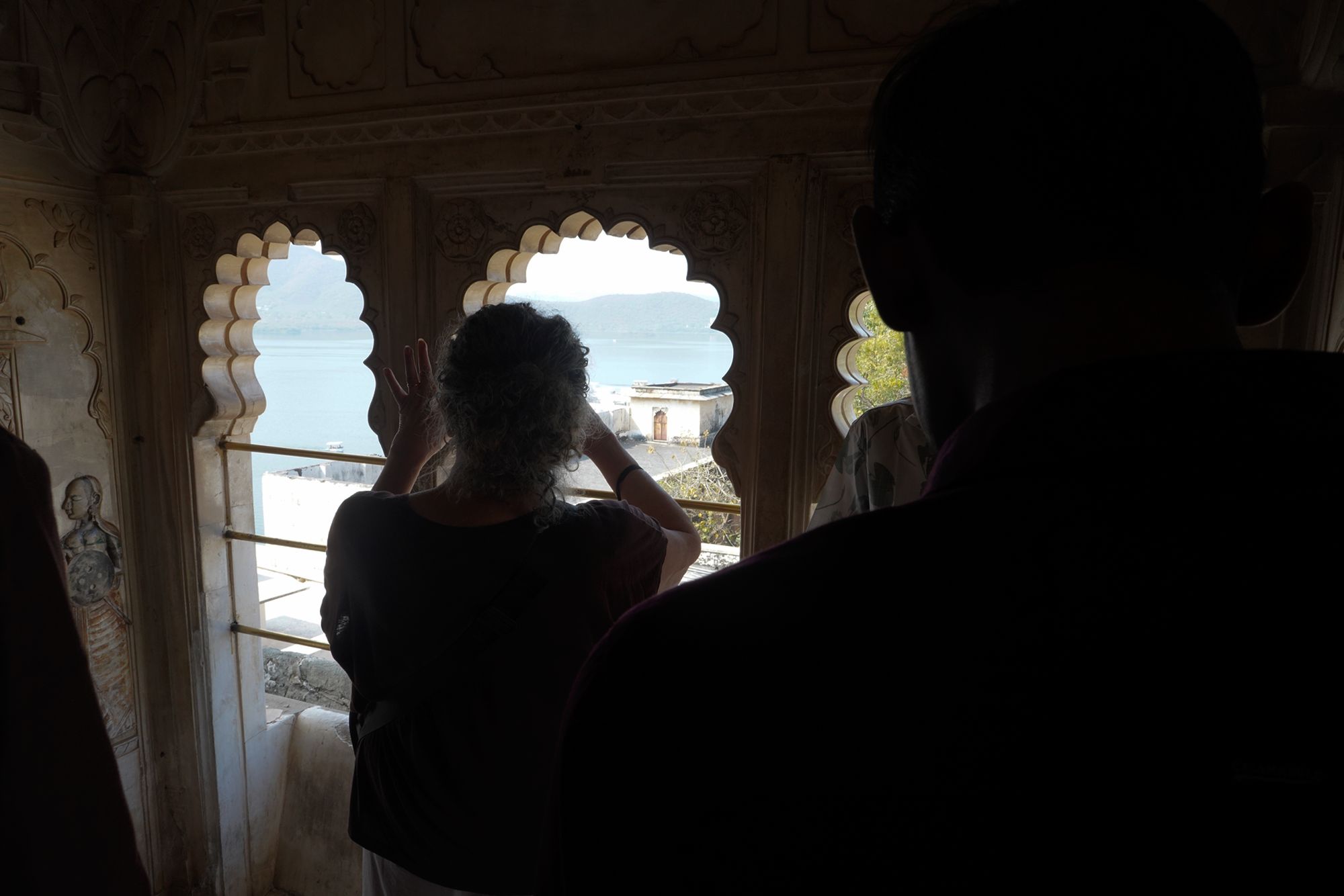
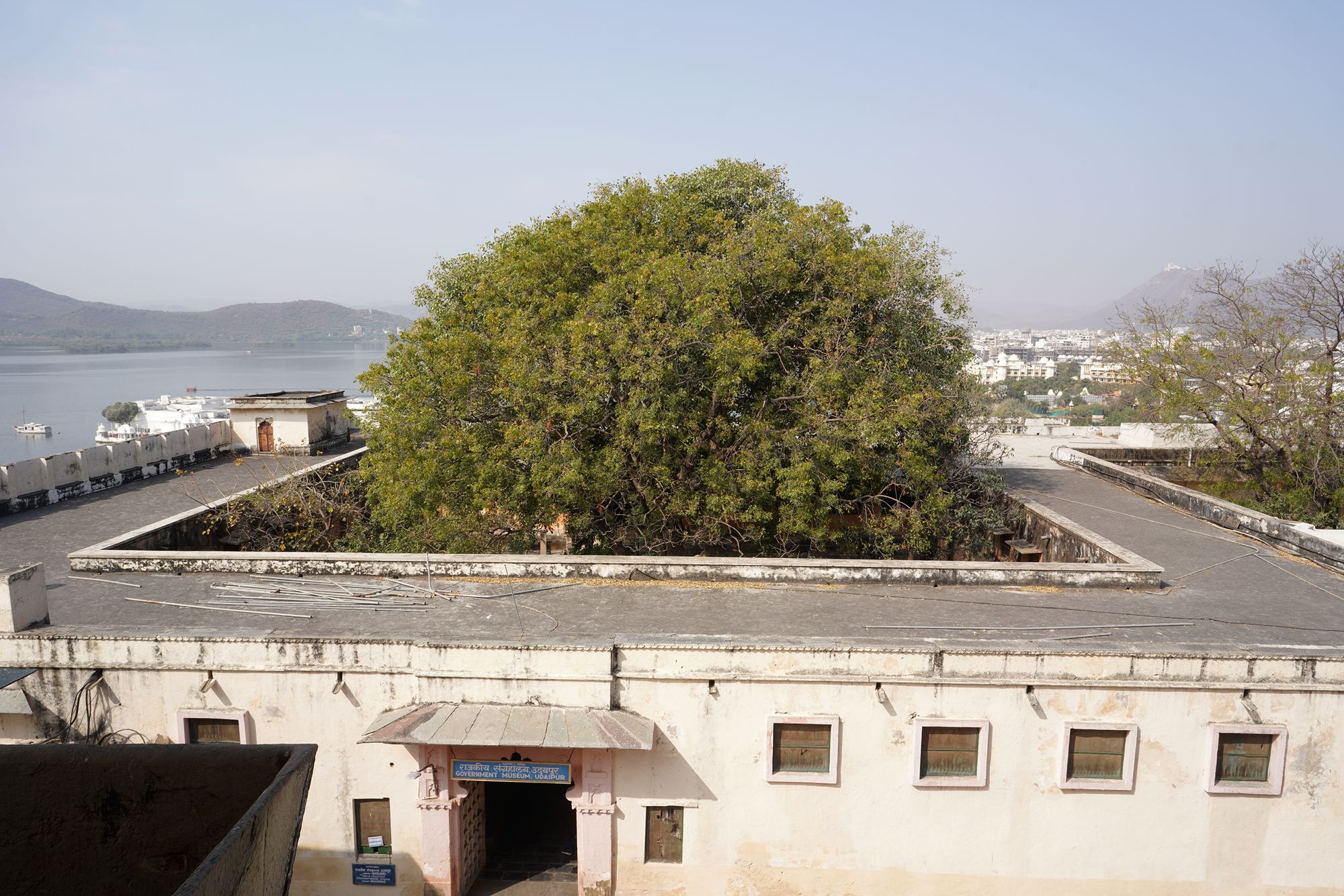
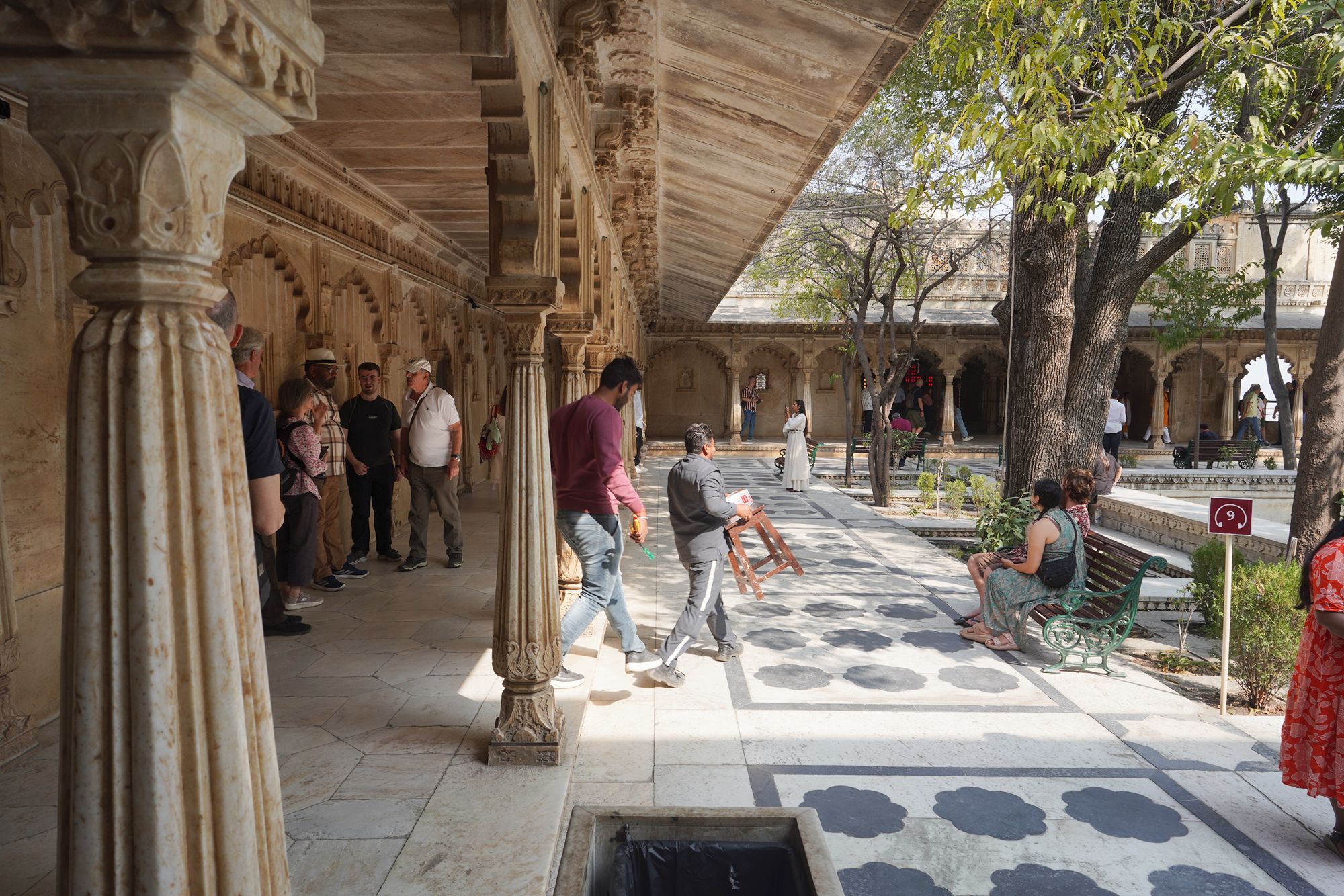
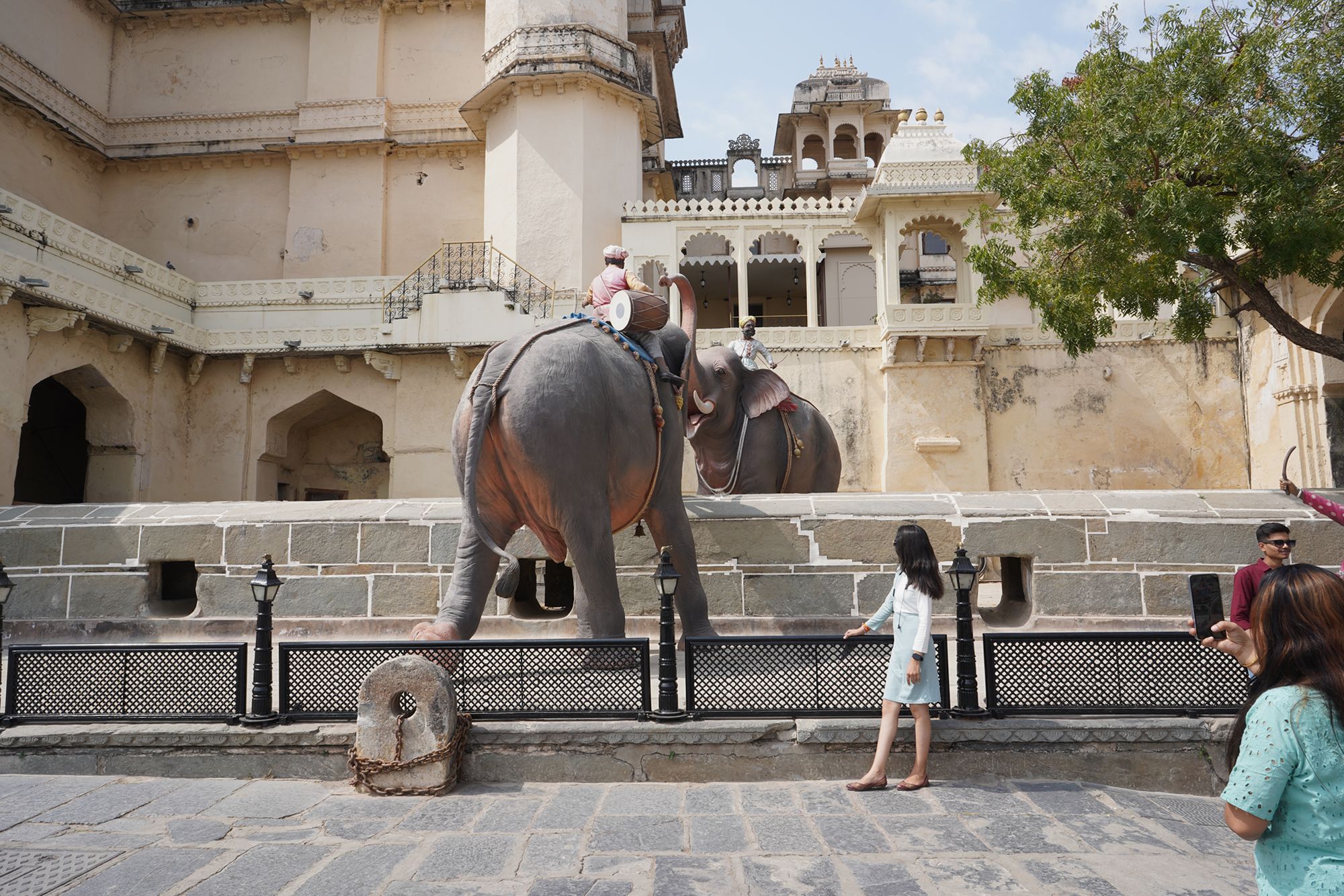
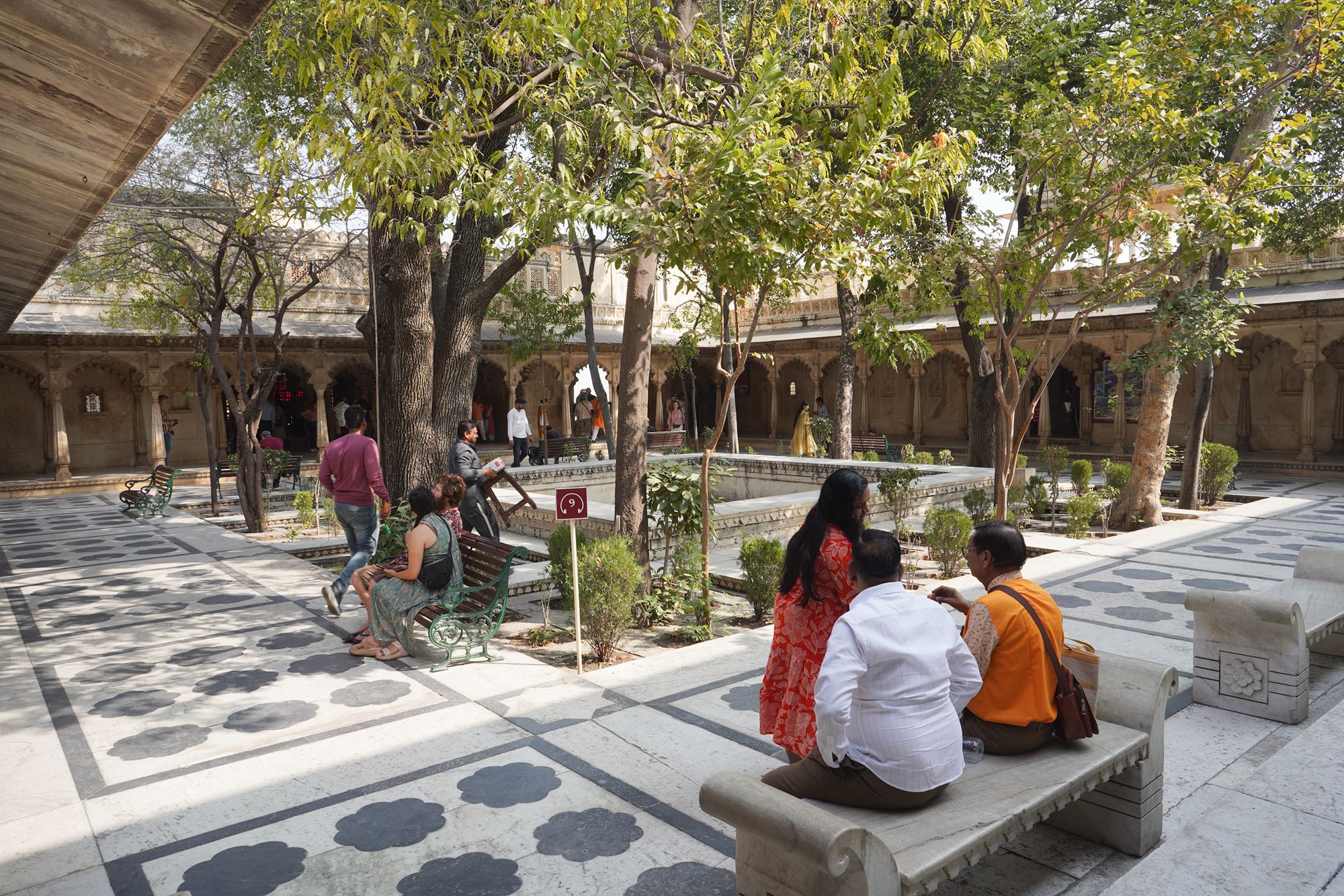
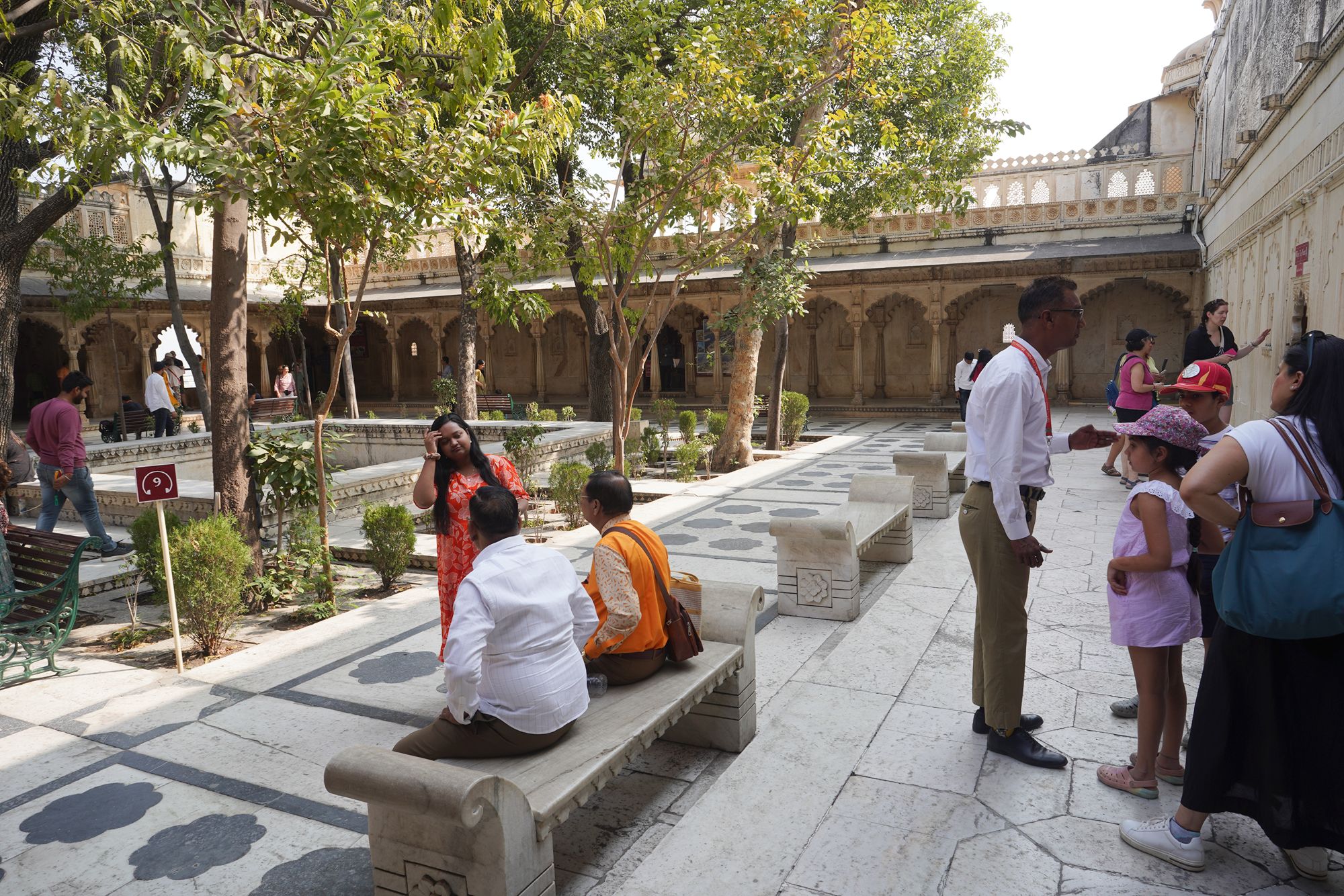
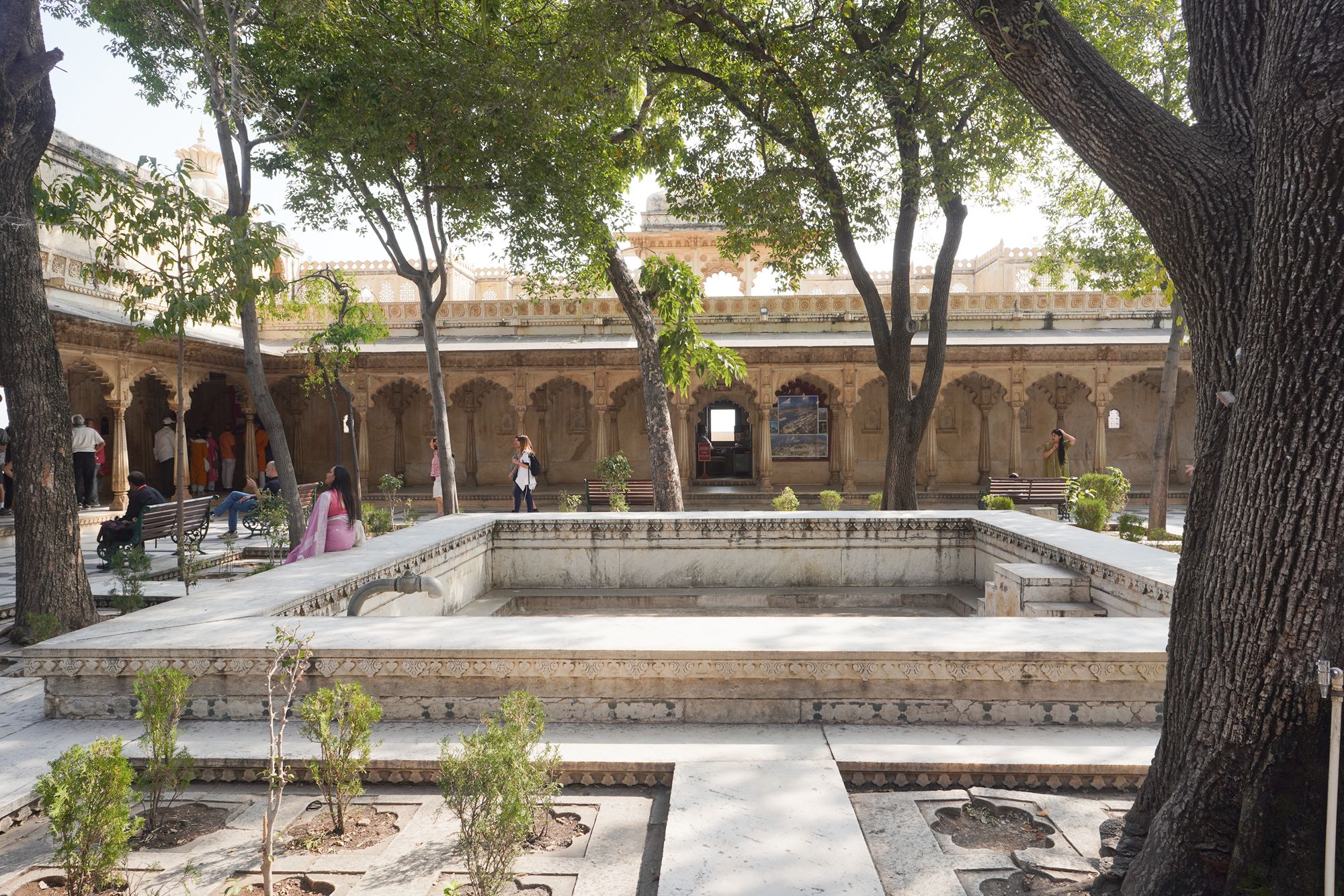
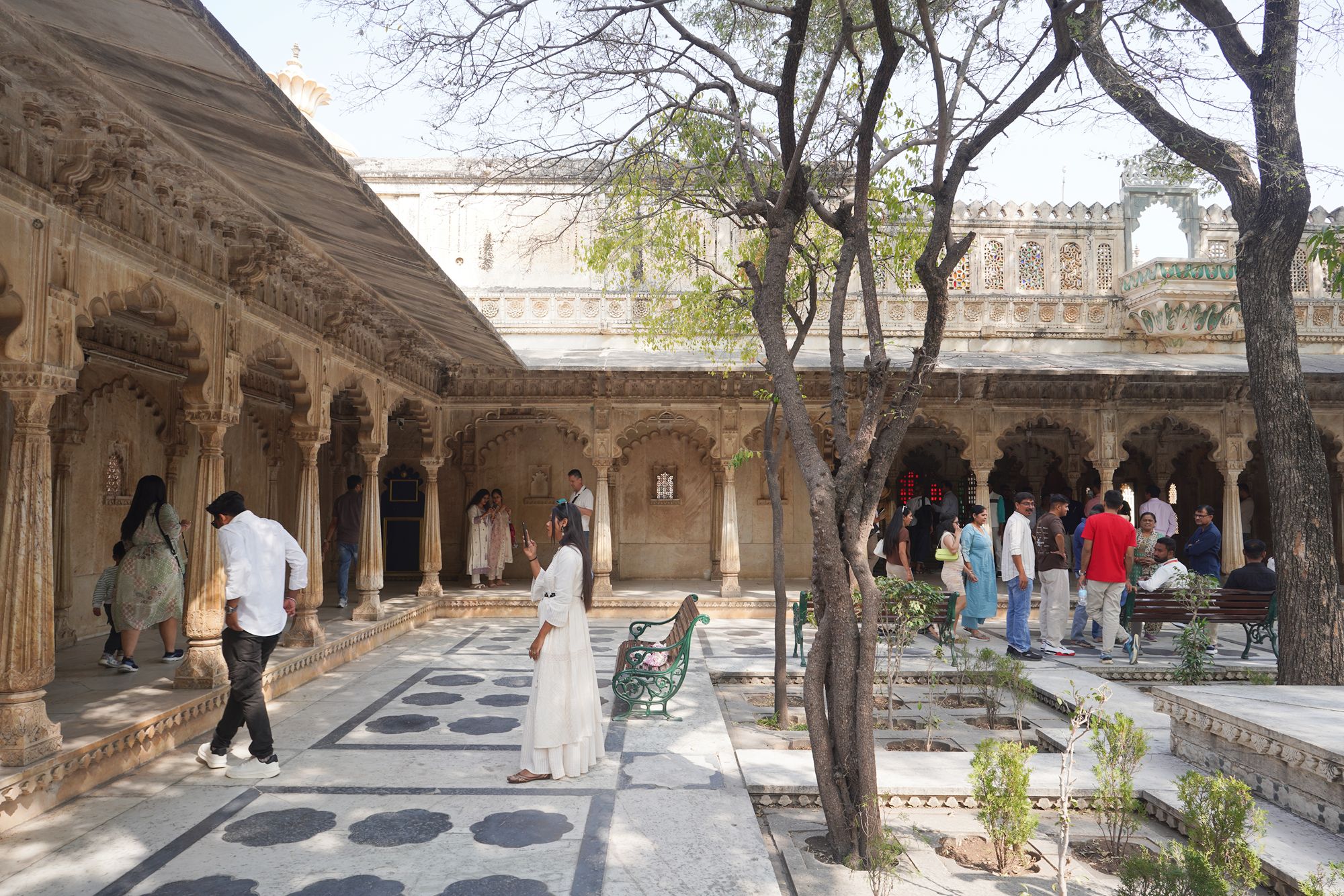
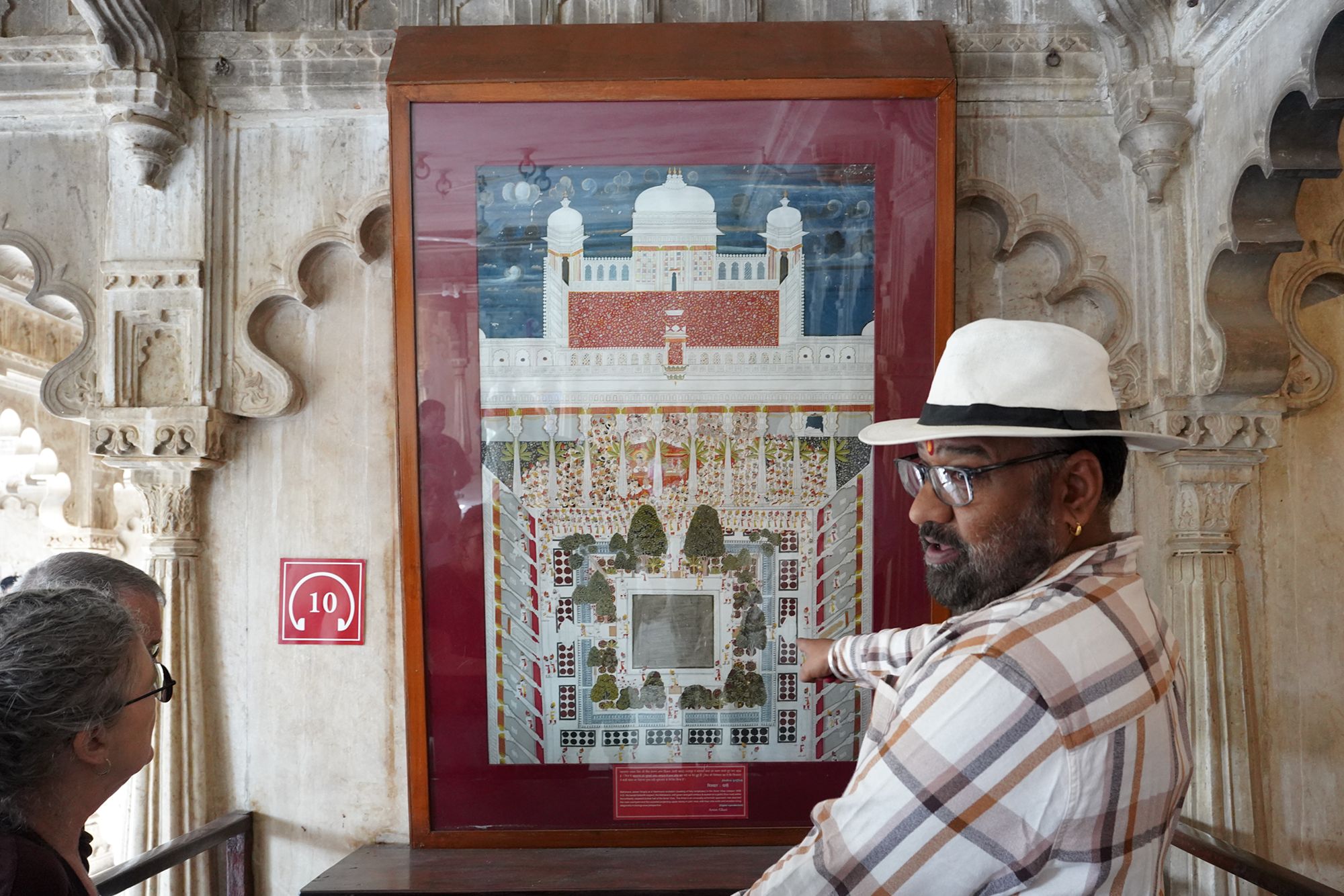
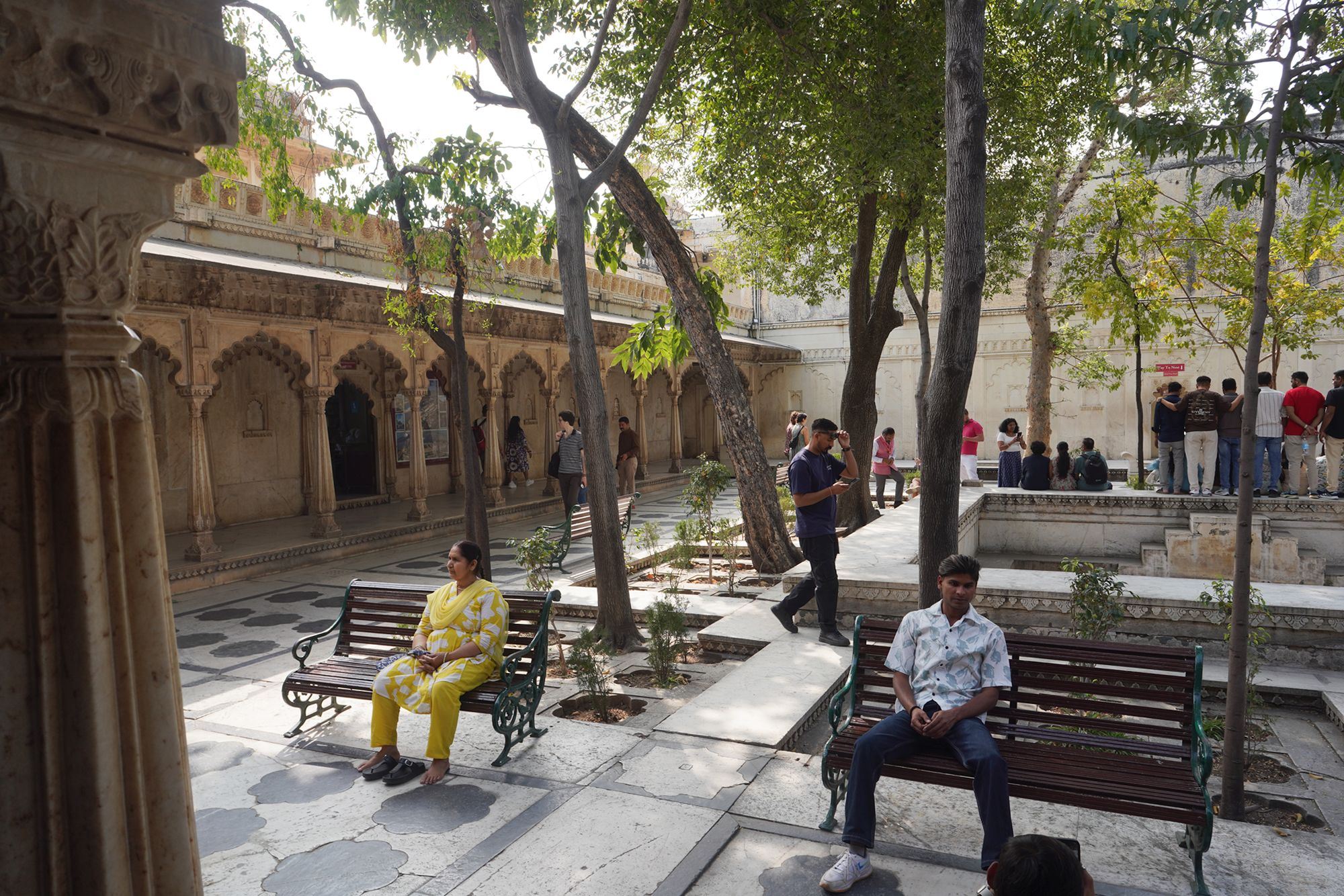
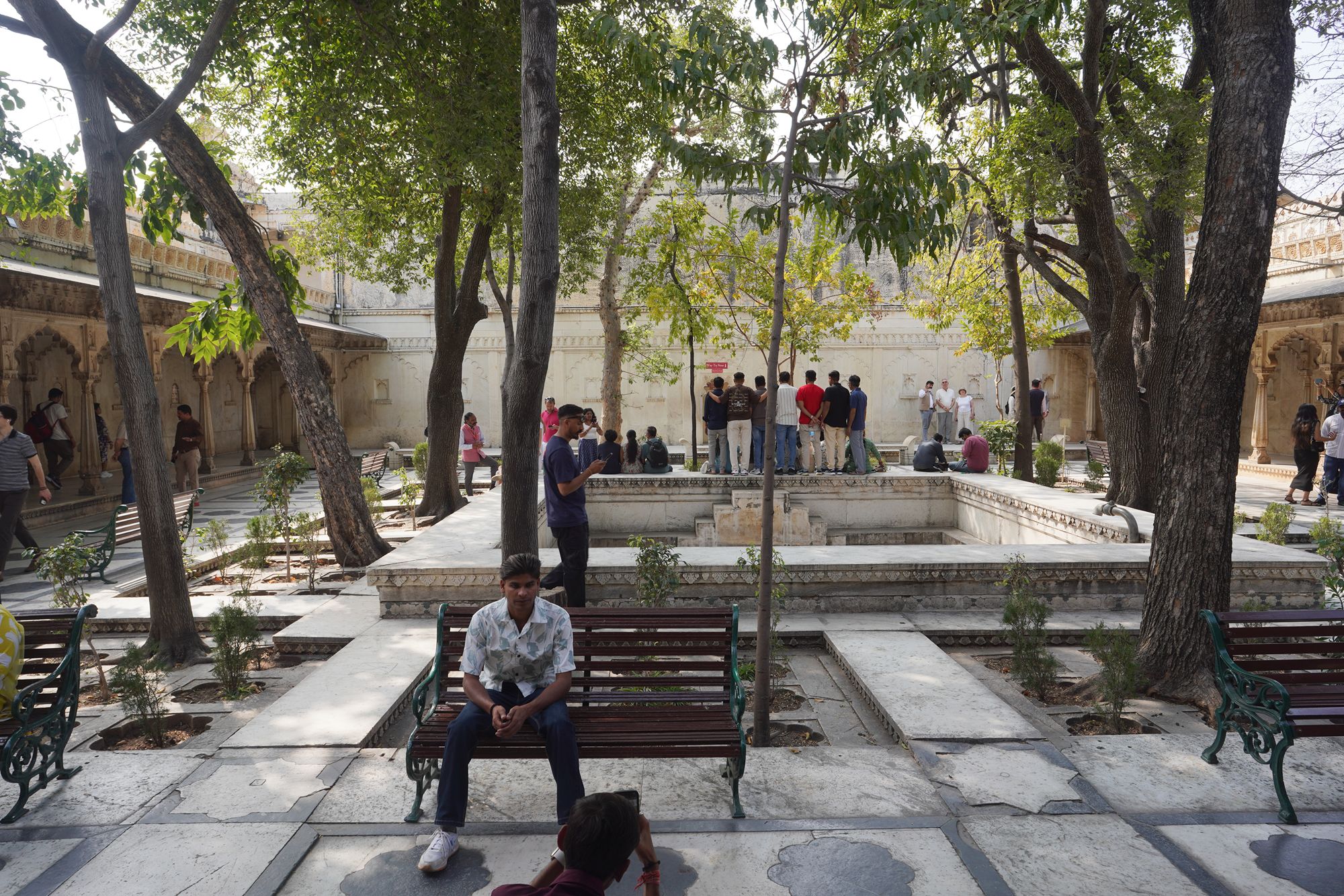
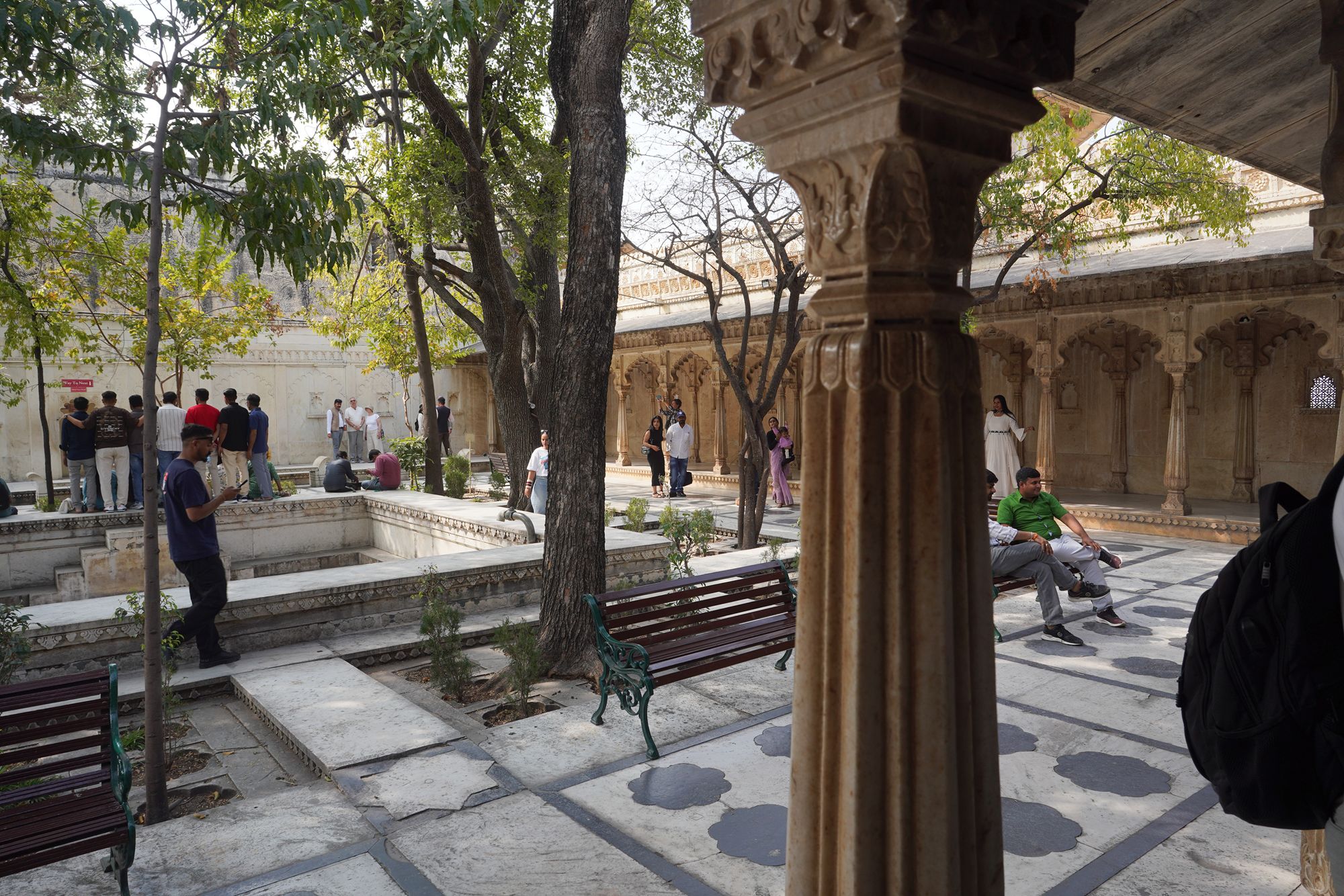
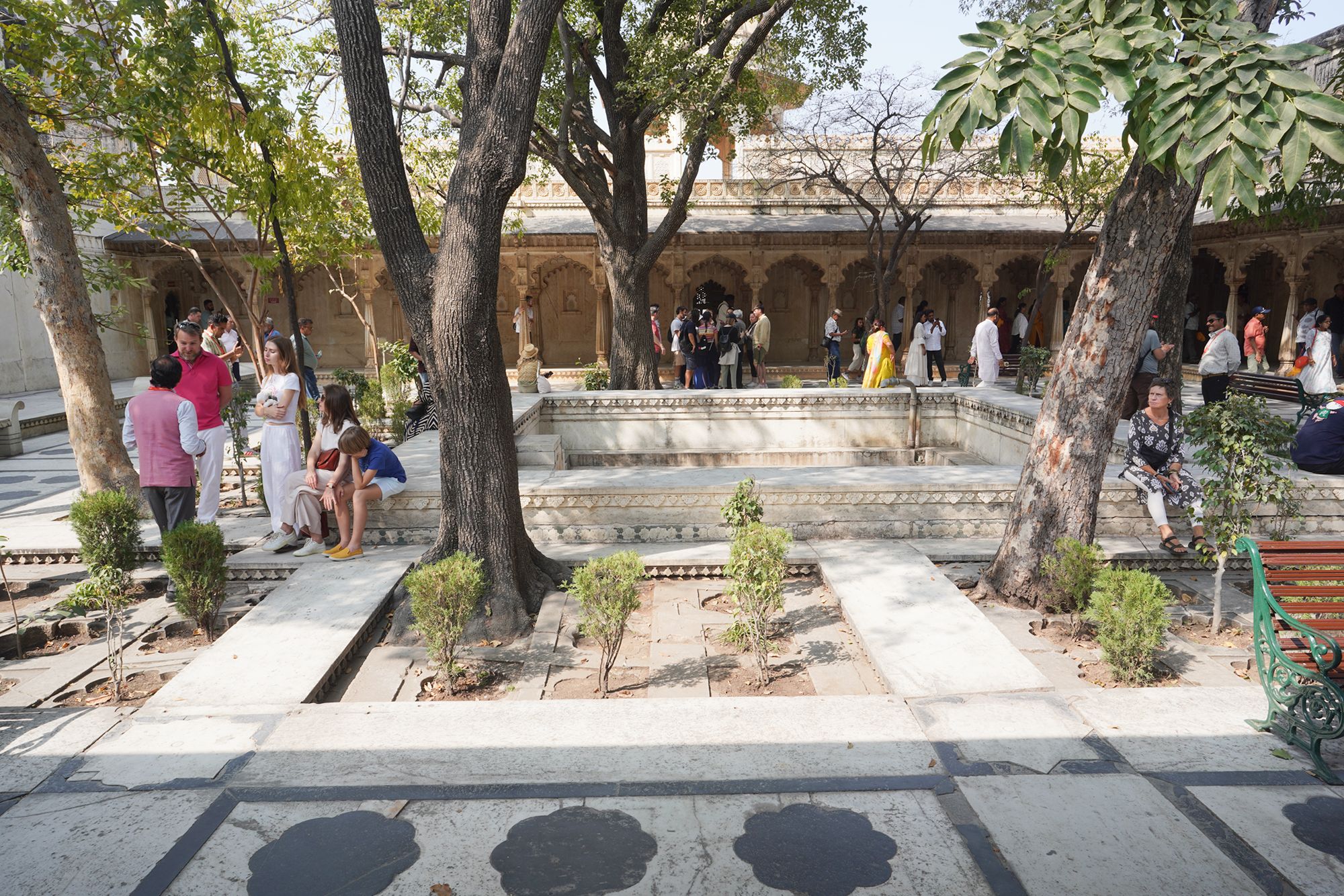
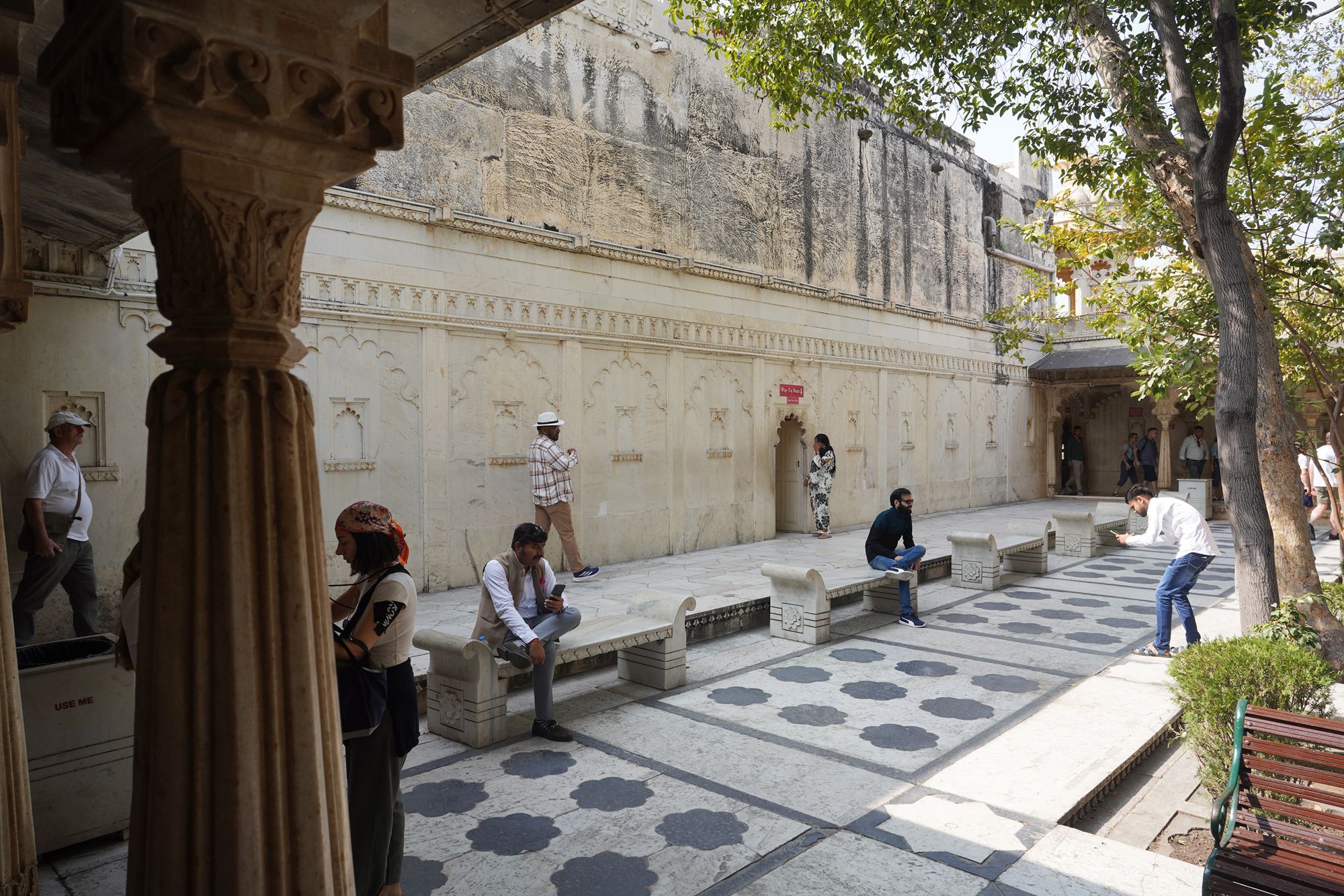
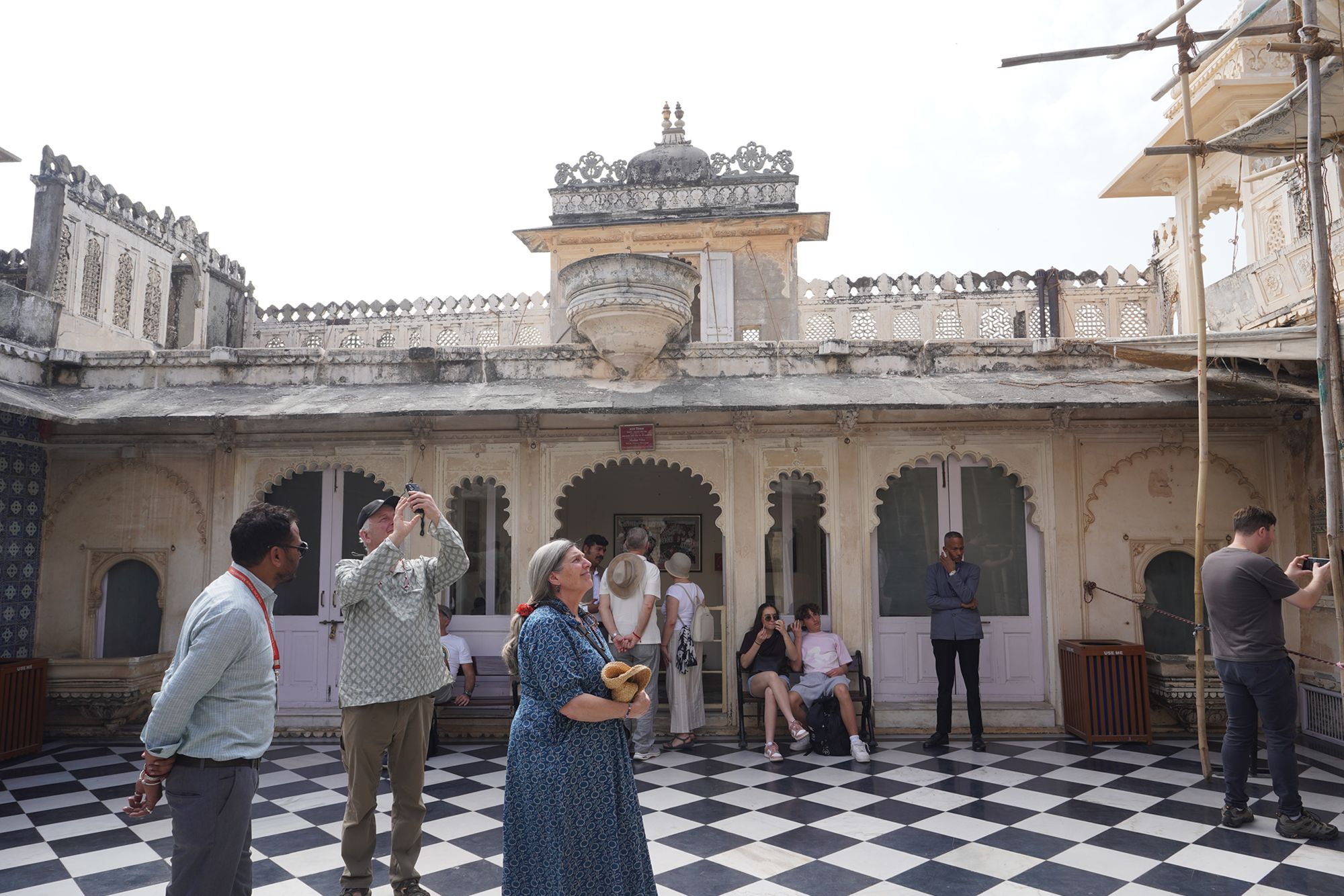
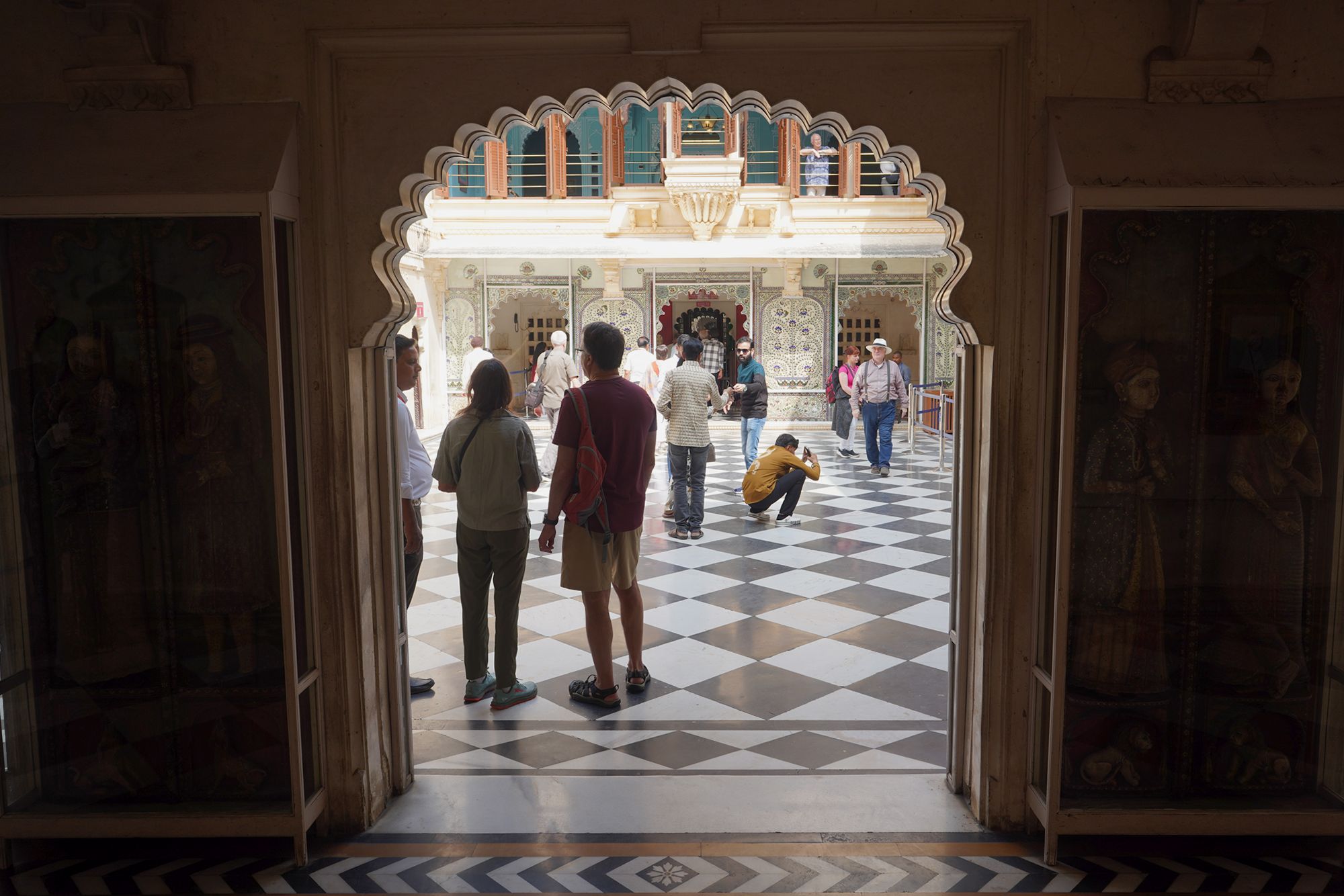
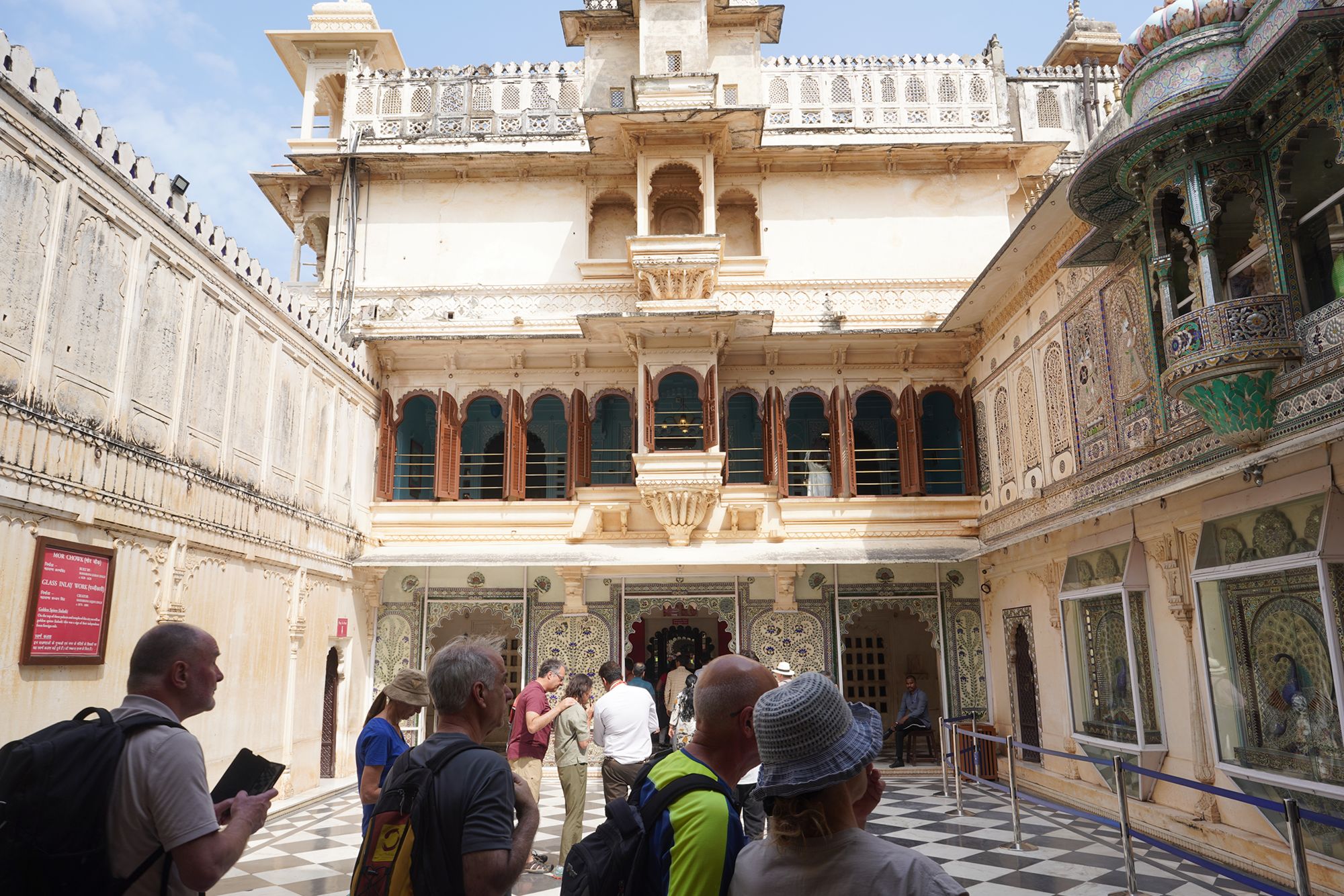
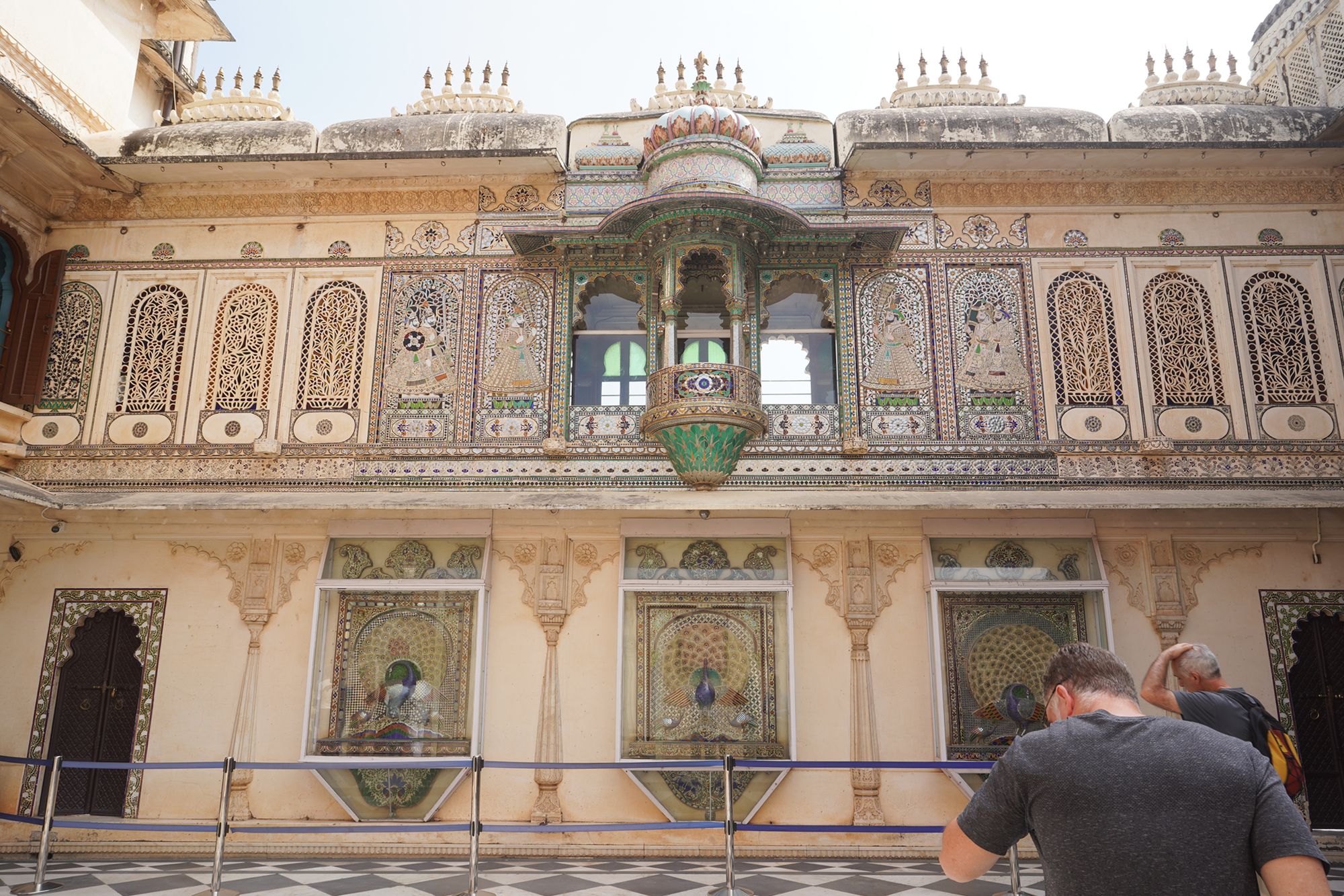
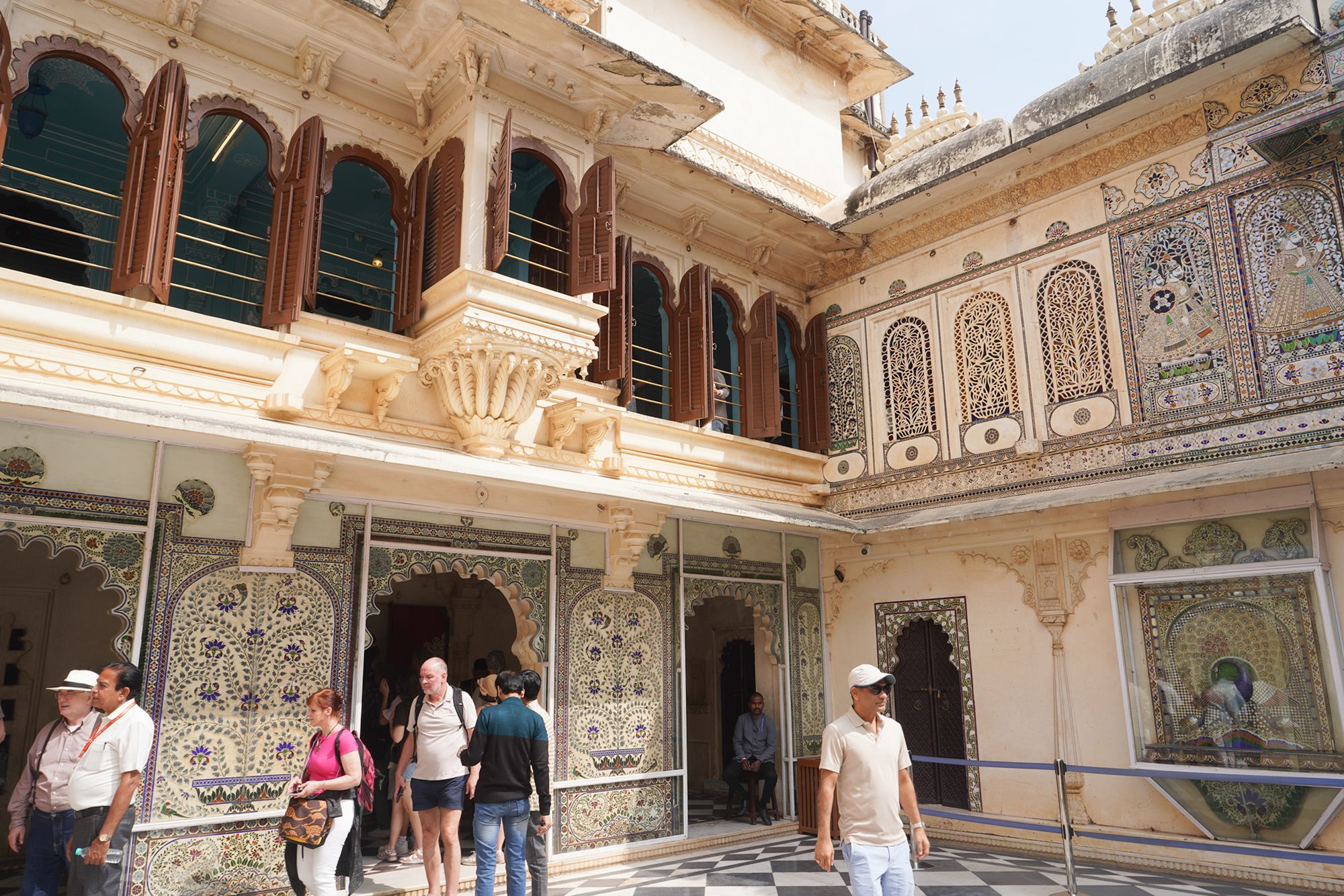
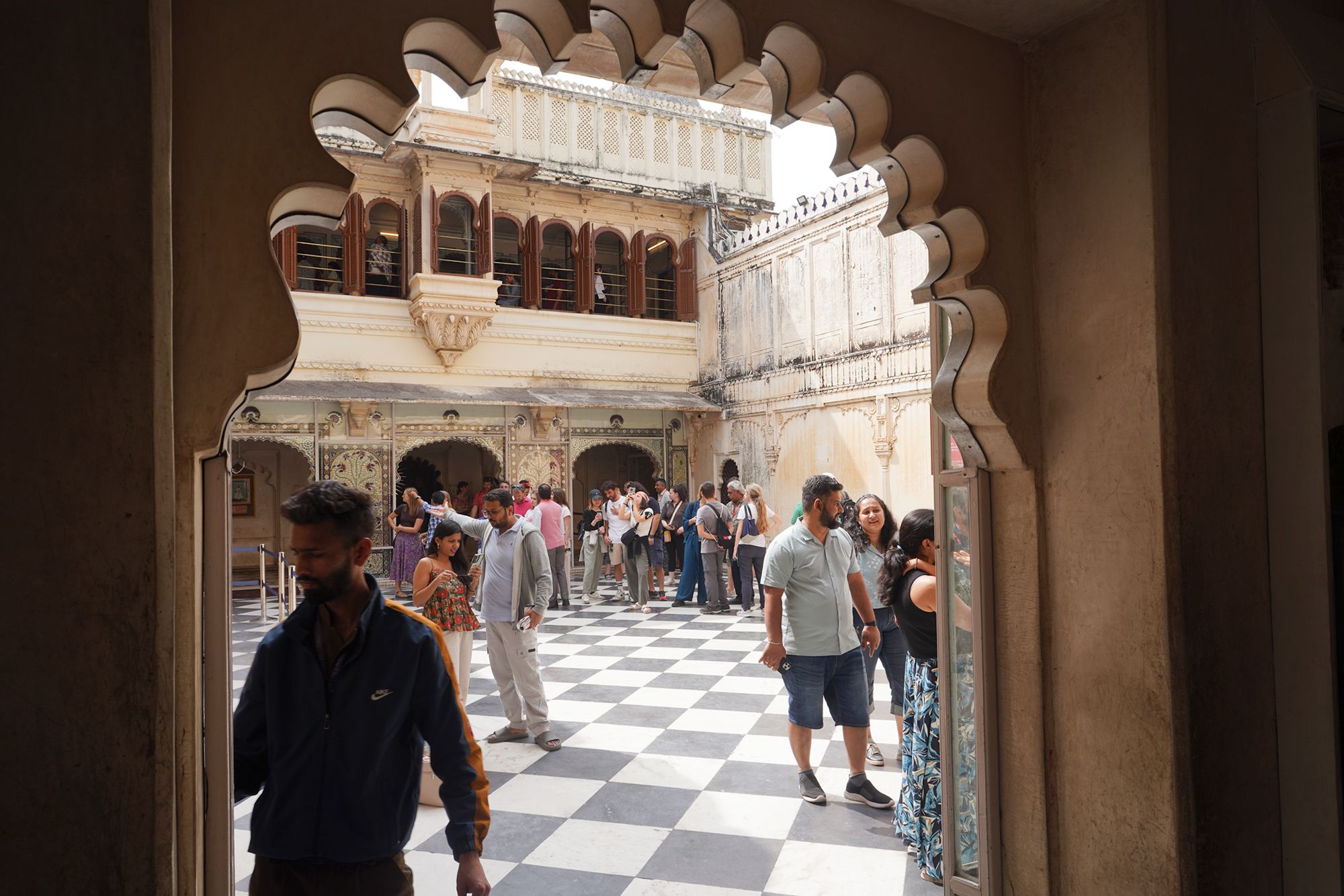
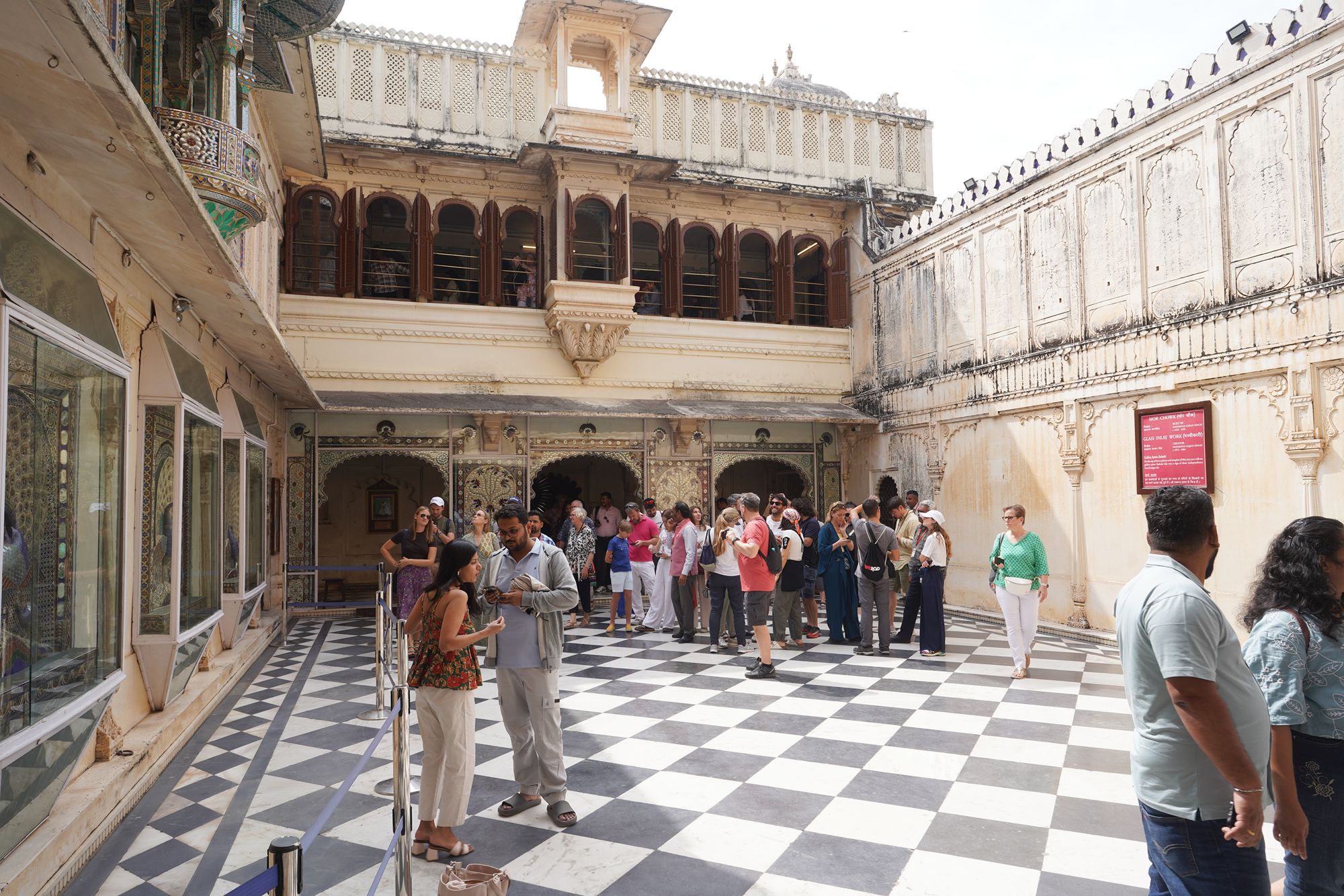
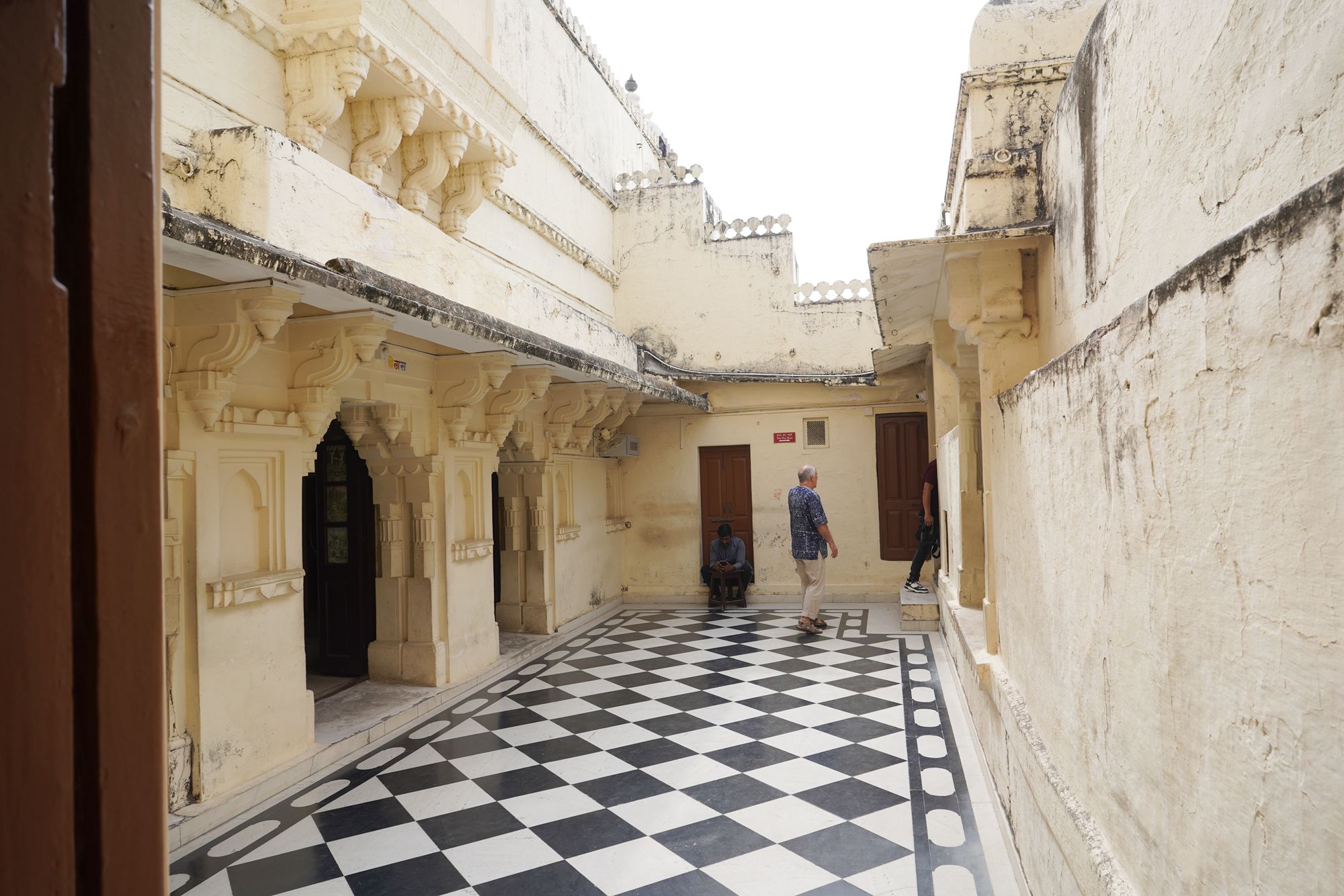
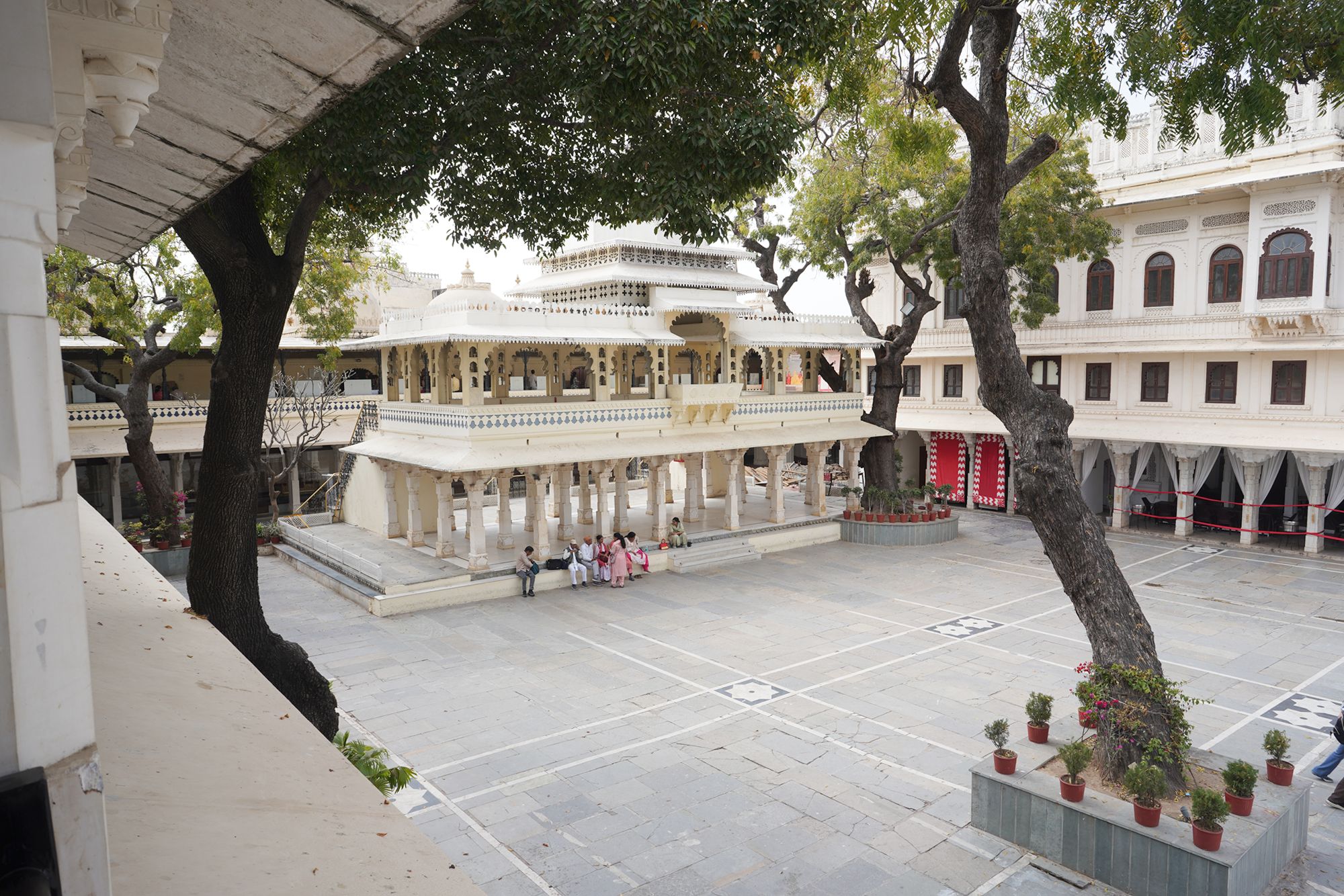
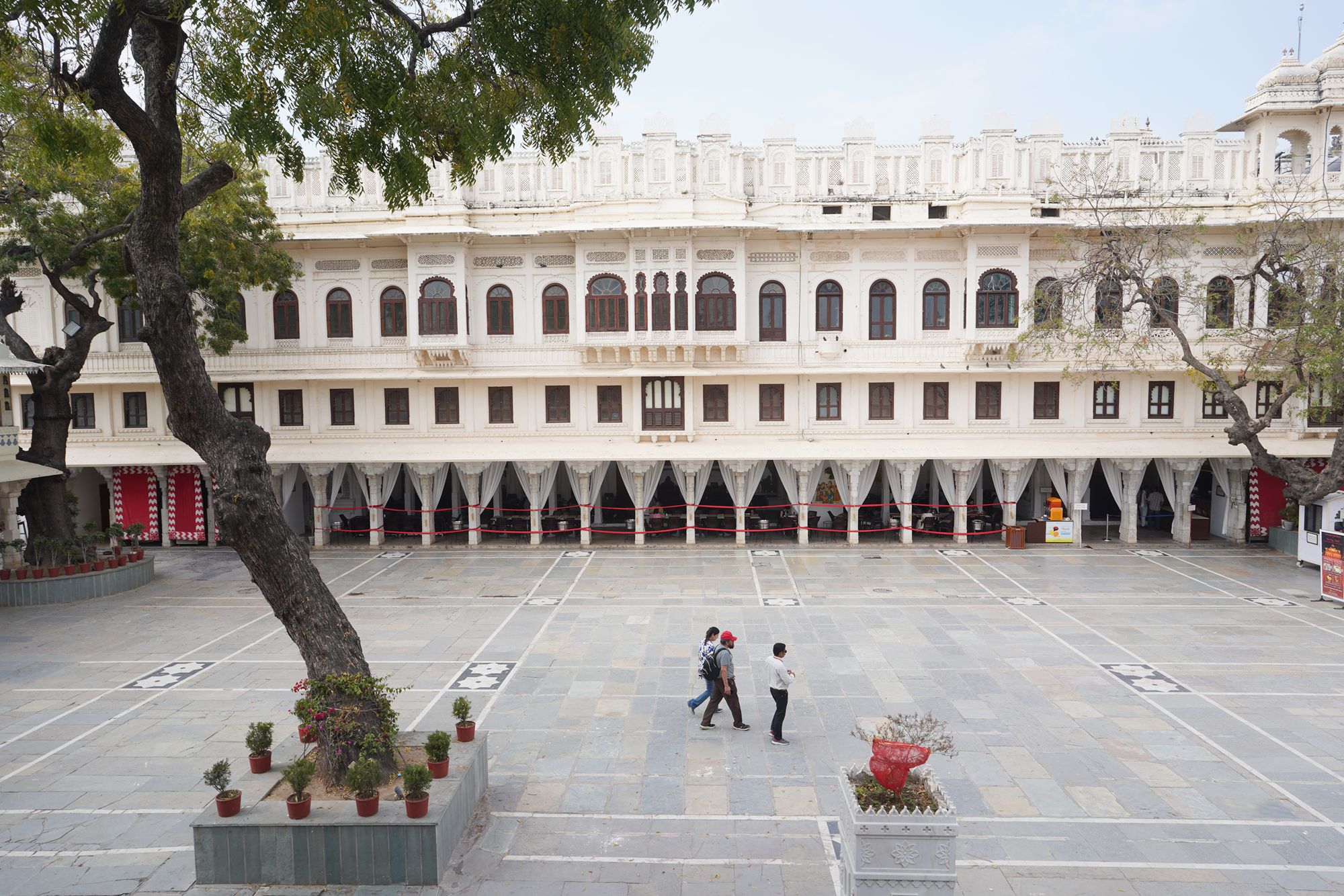
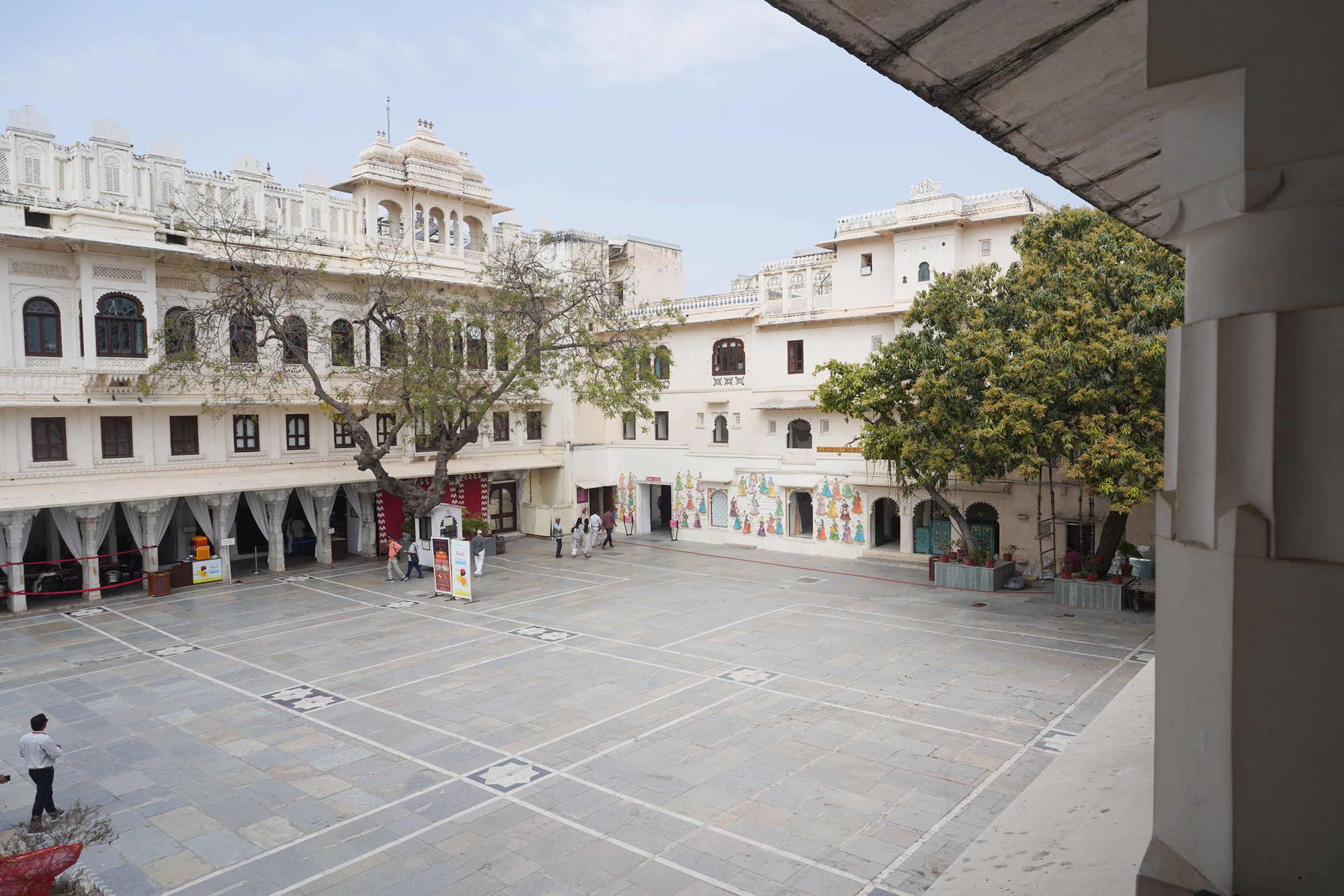
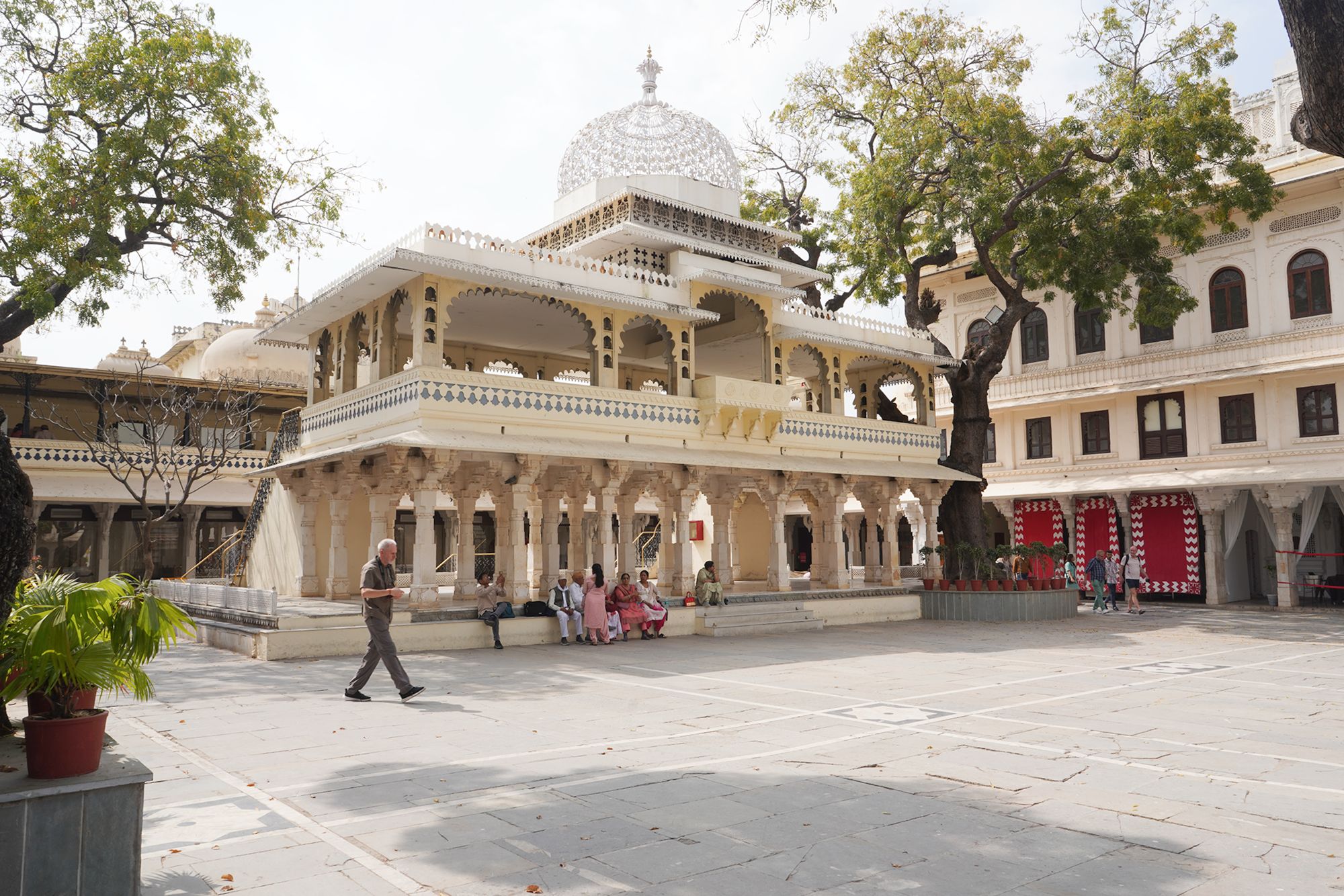
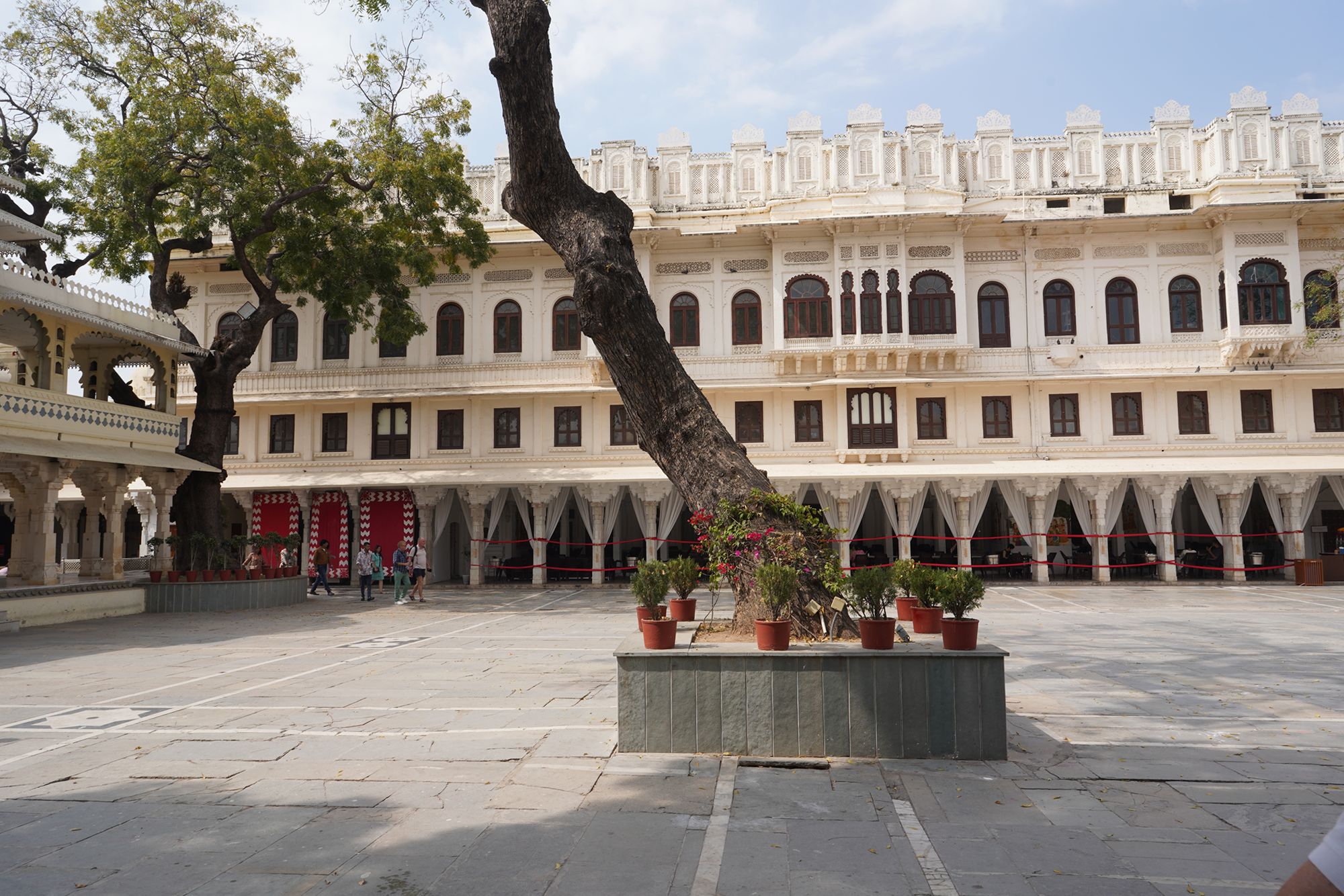
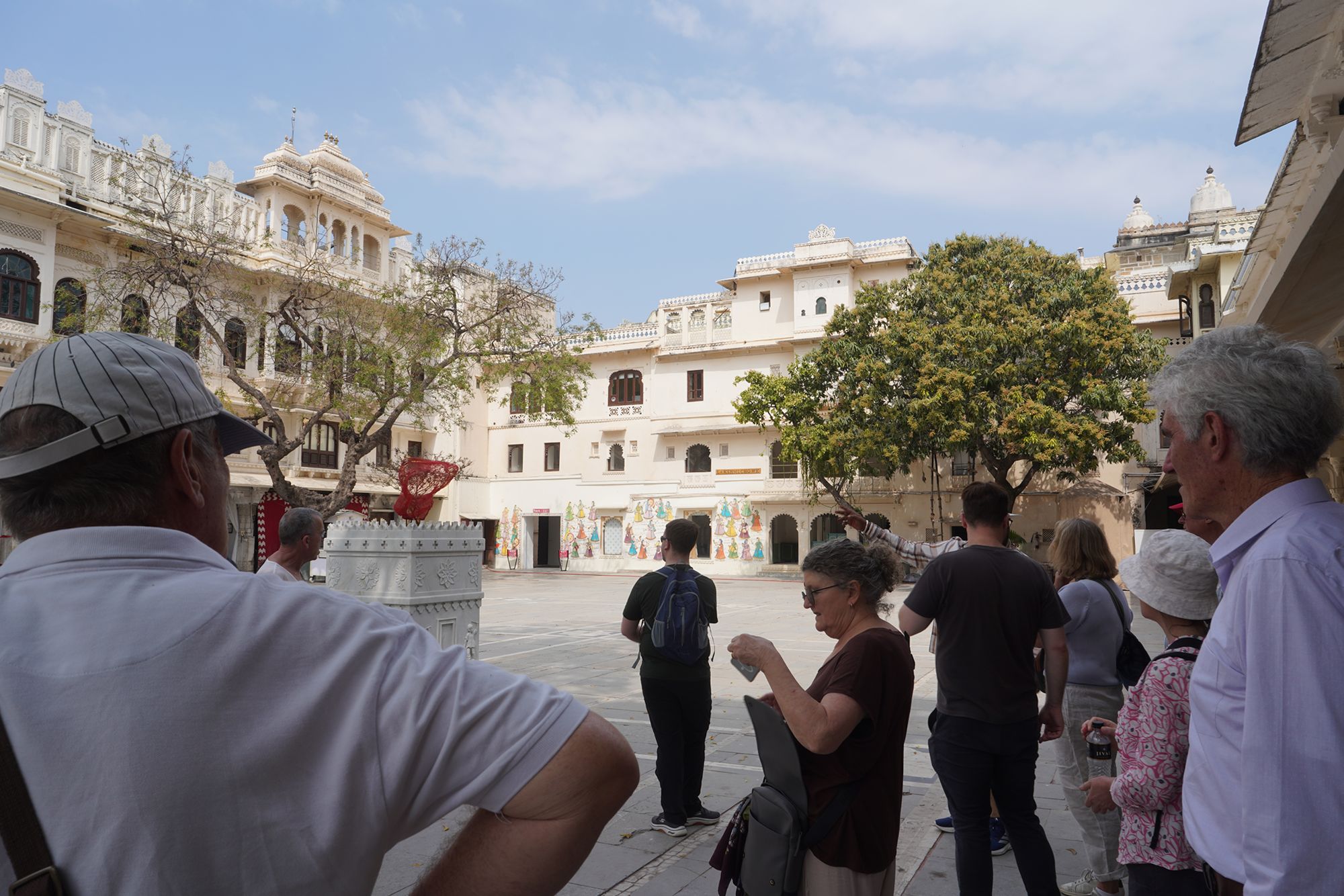
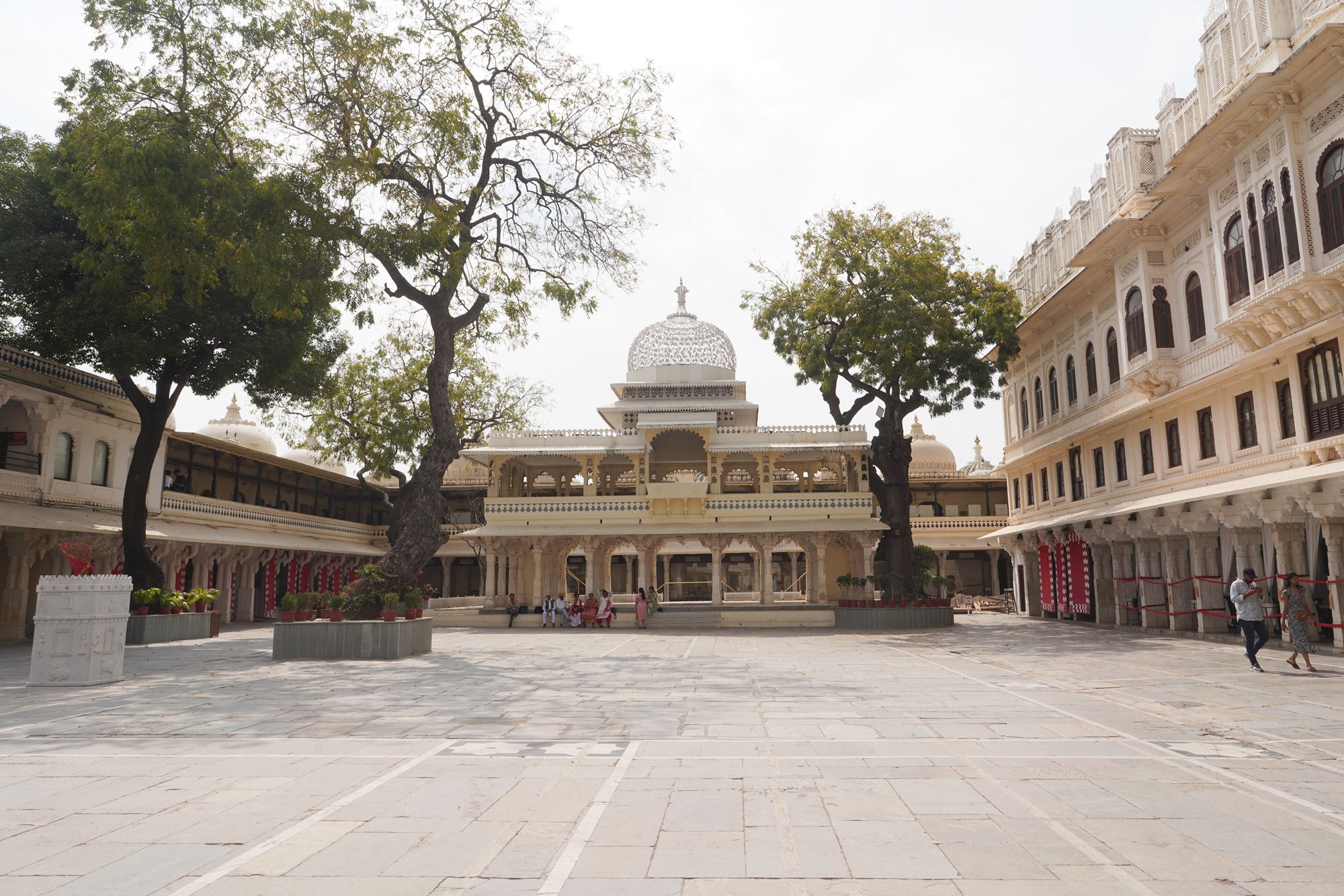
A beautiful inner courtyard
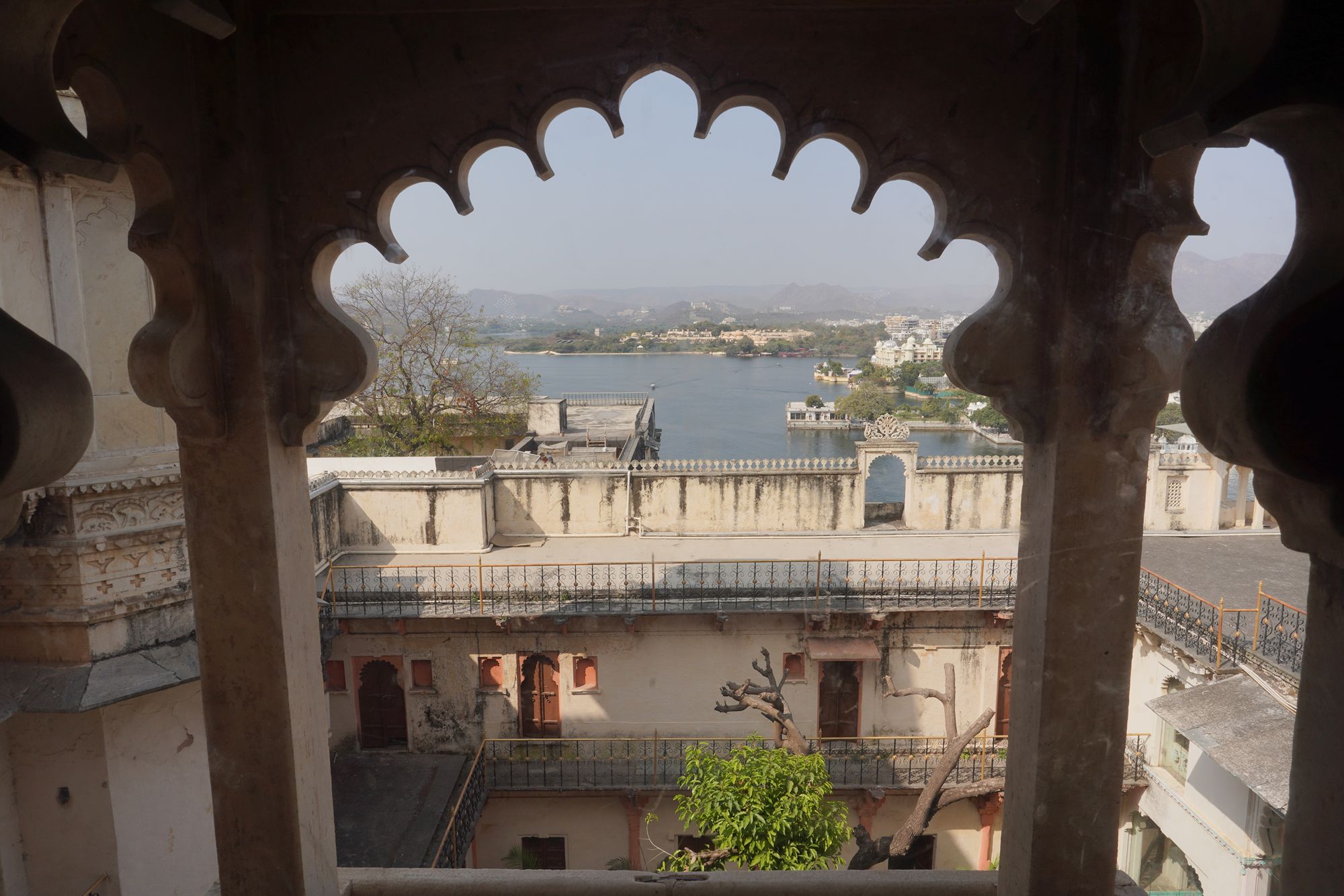
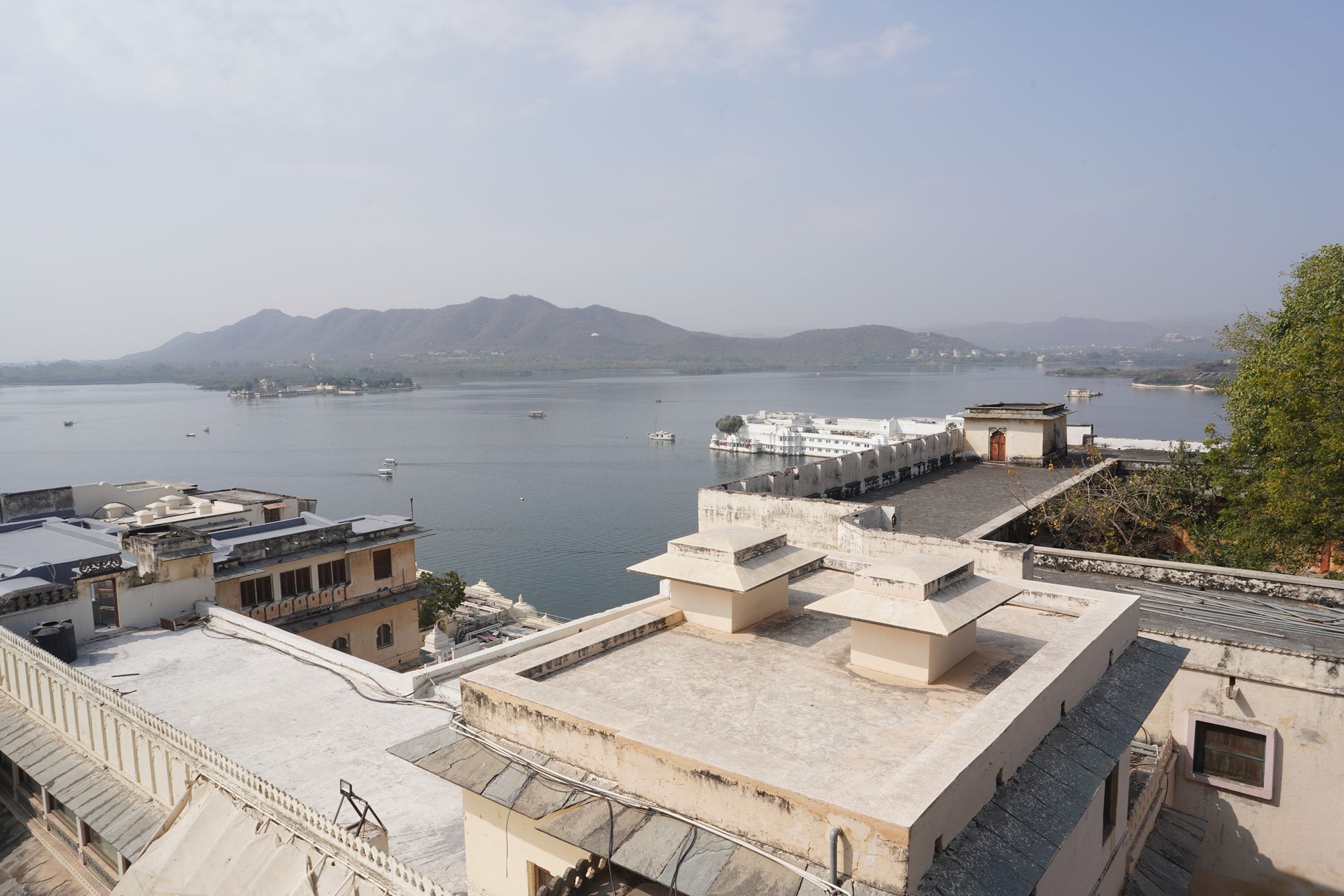
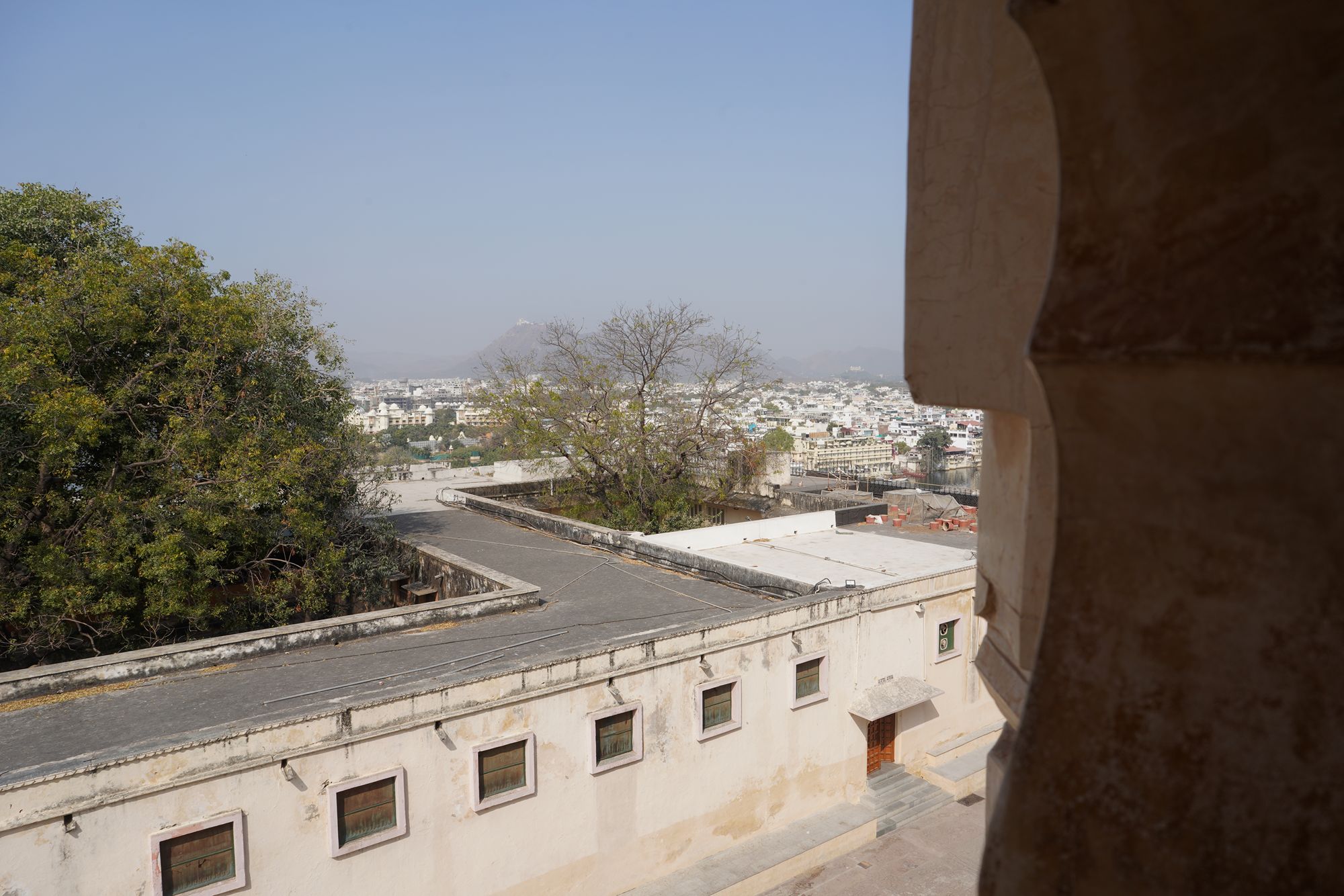
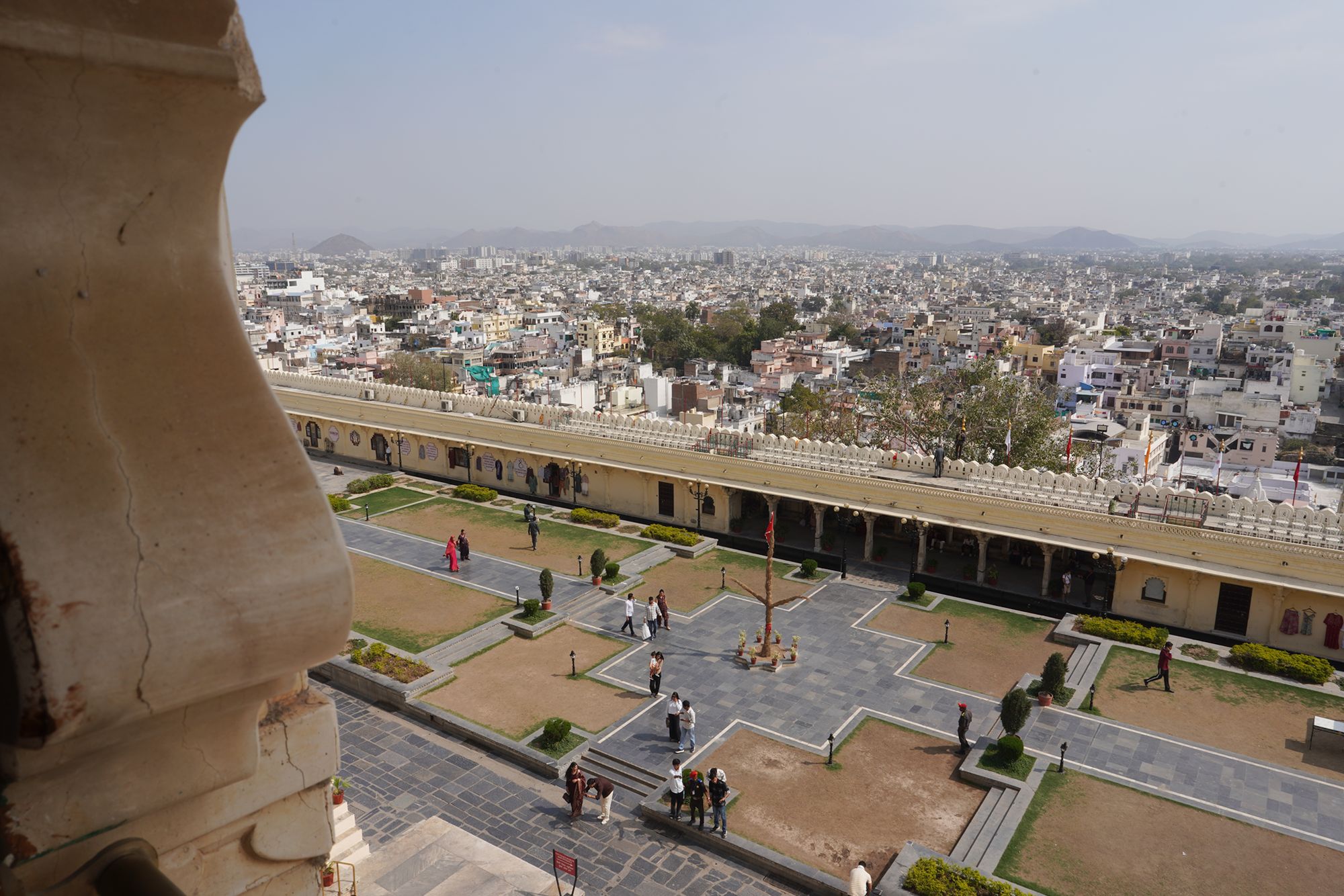
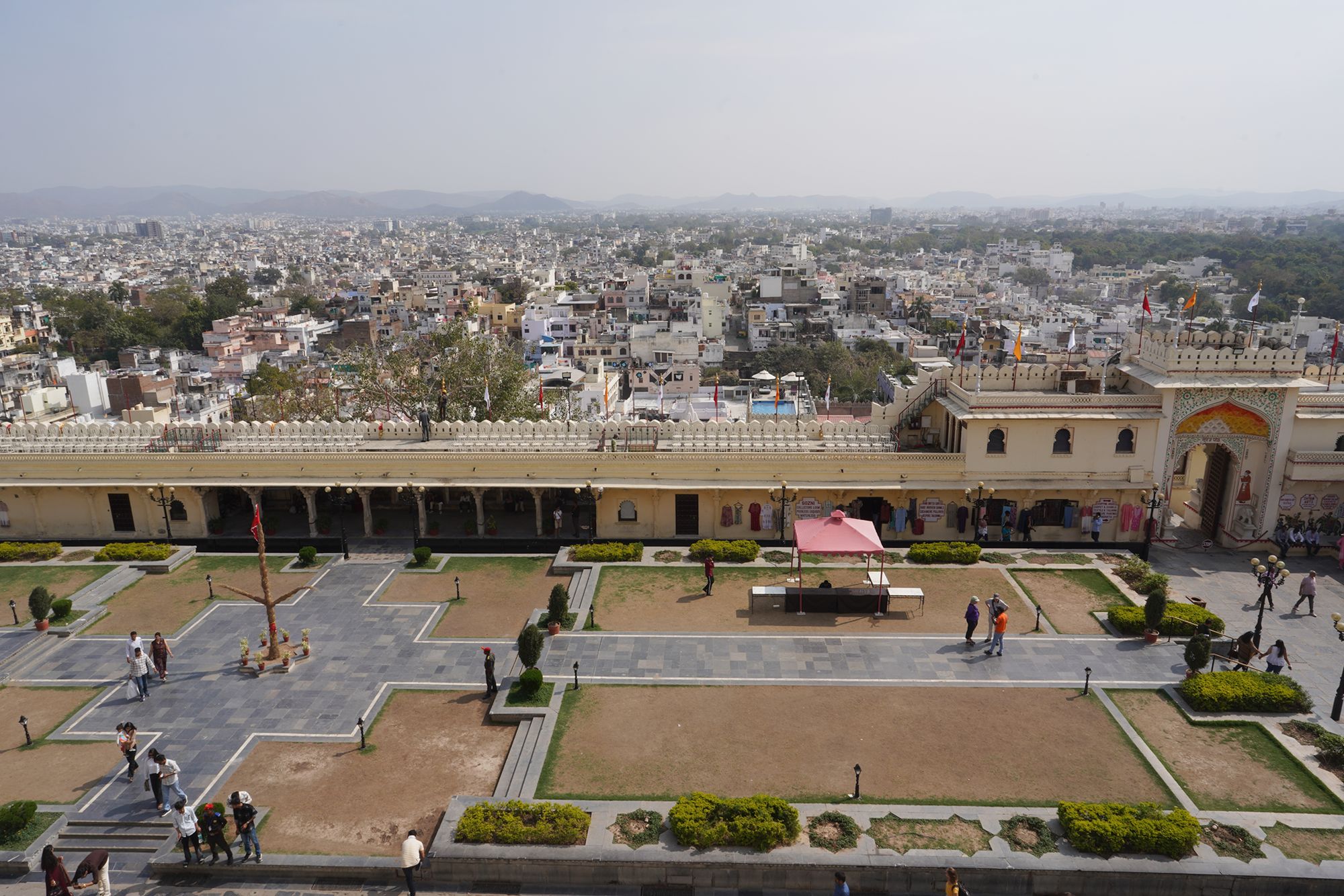
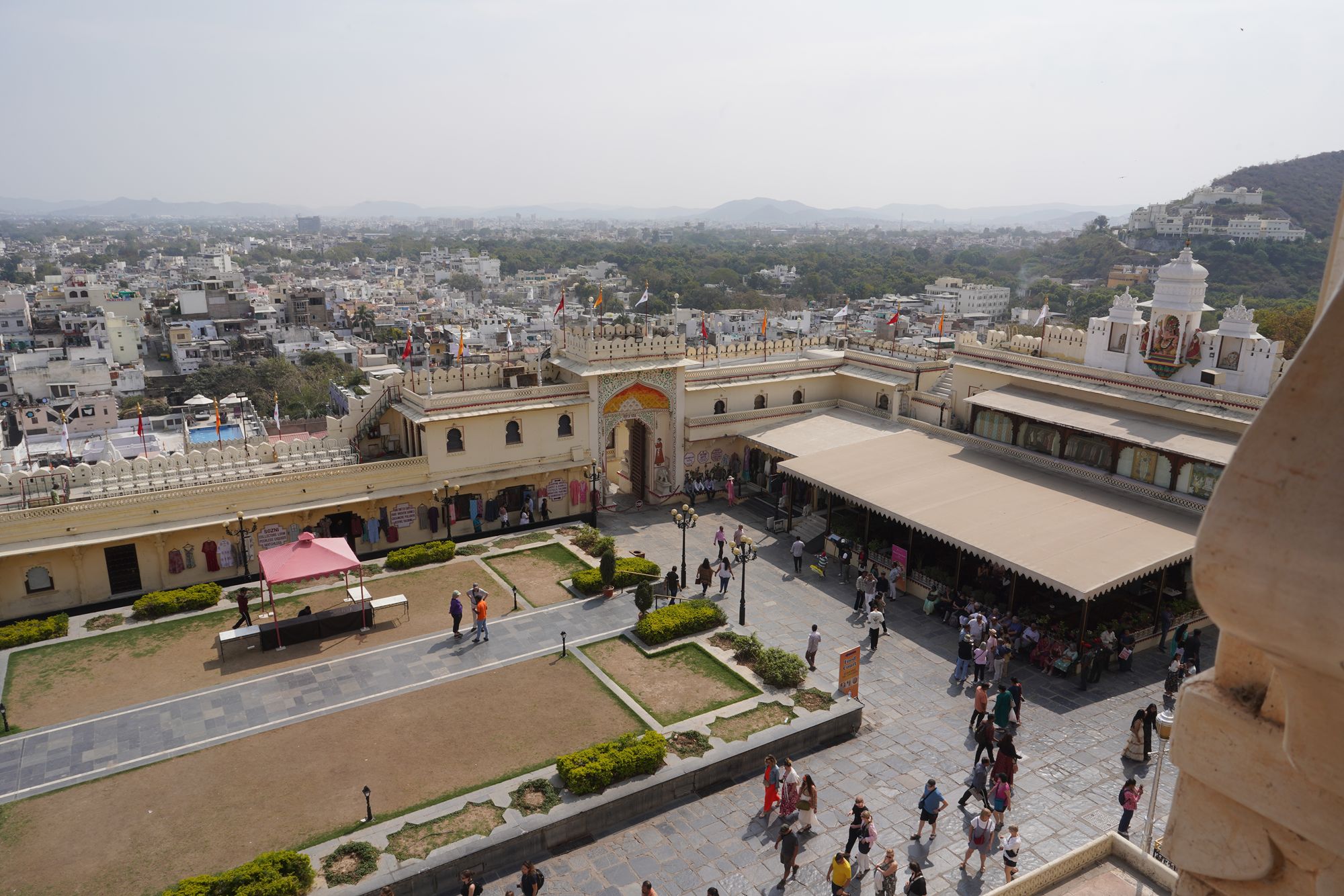
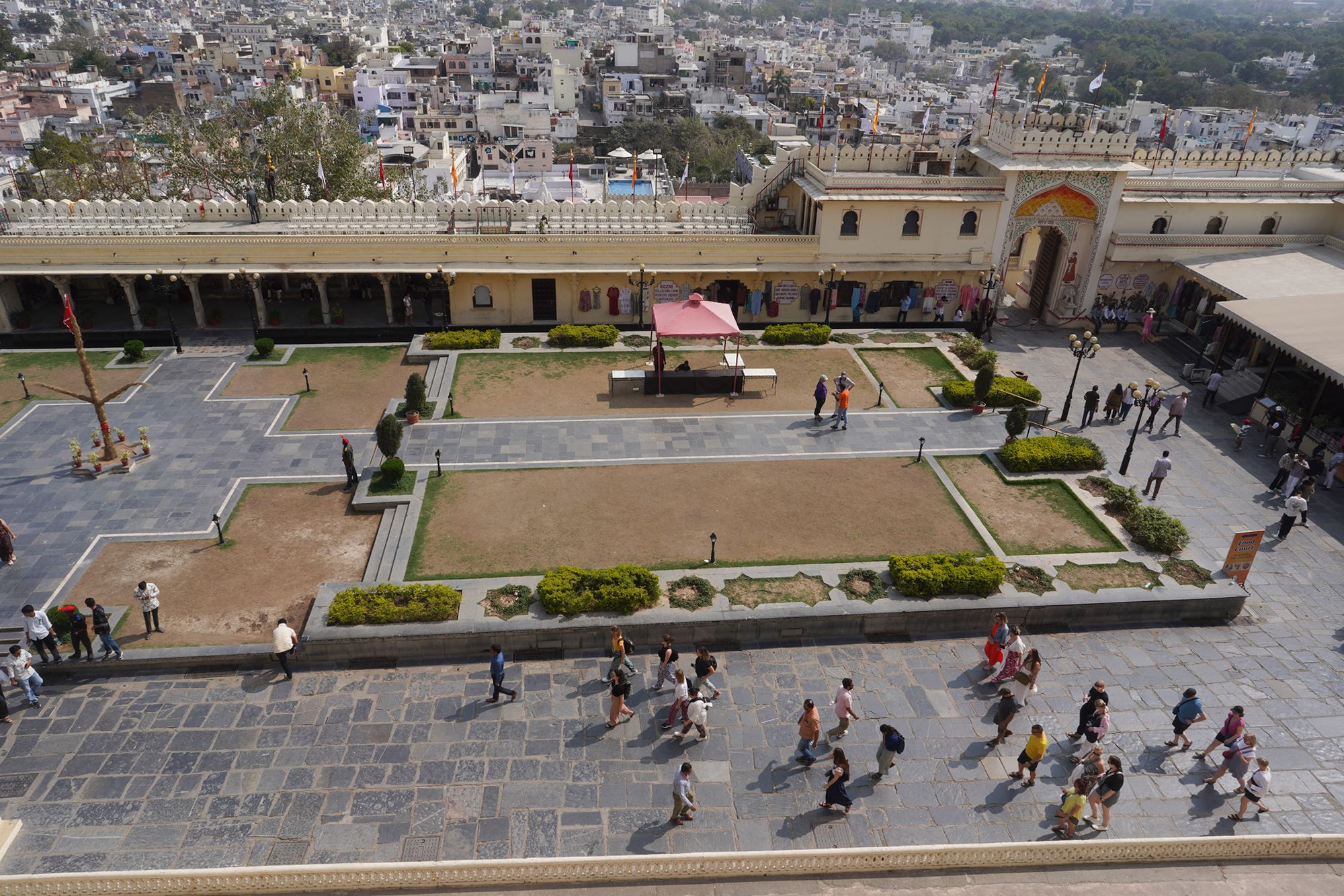
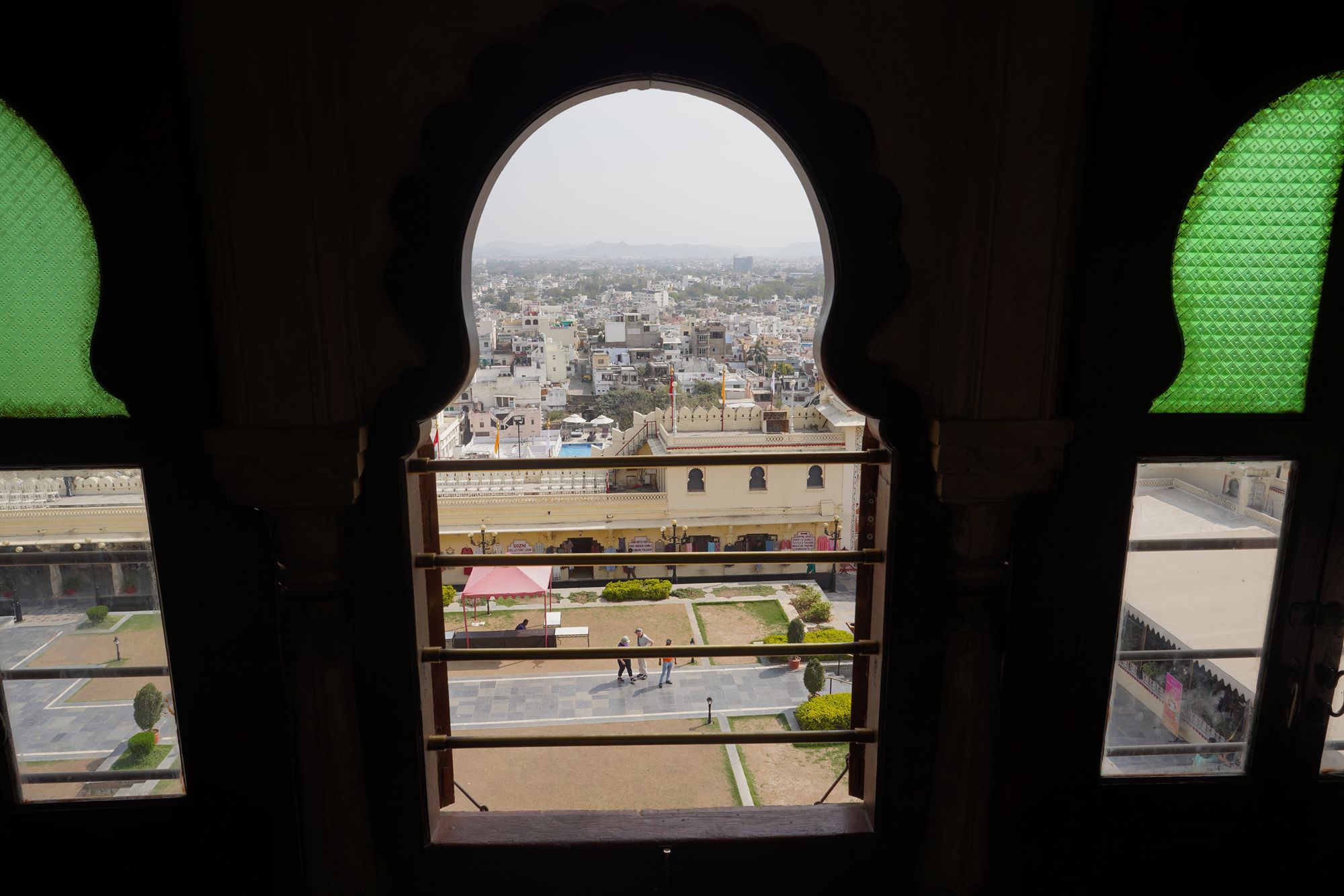
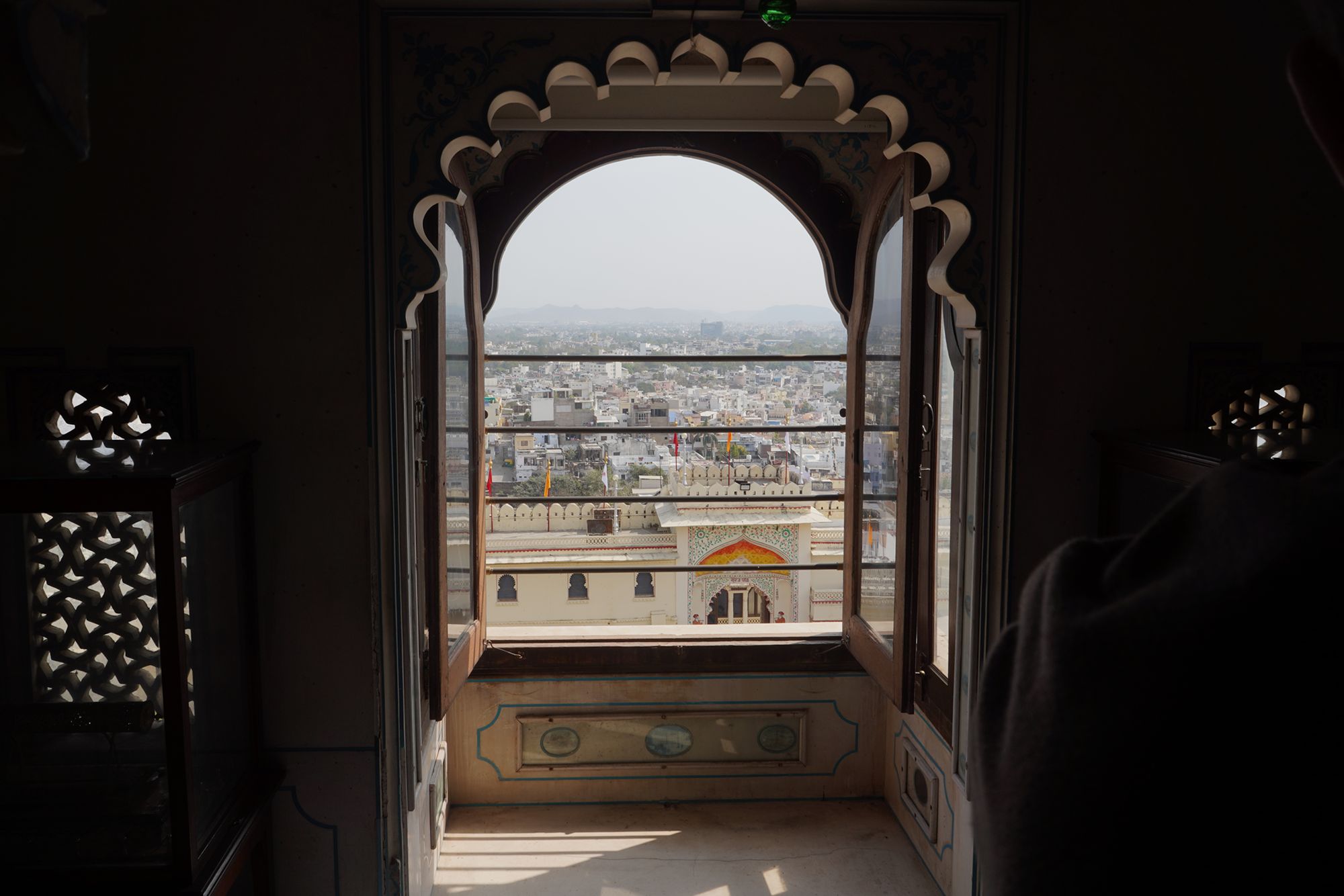
Near the top of the palace, we had a beautiful view over Udaipur and its white-colored buildings.
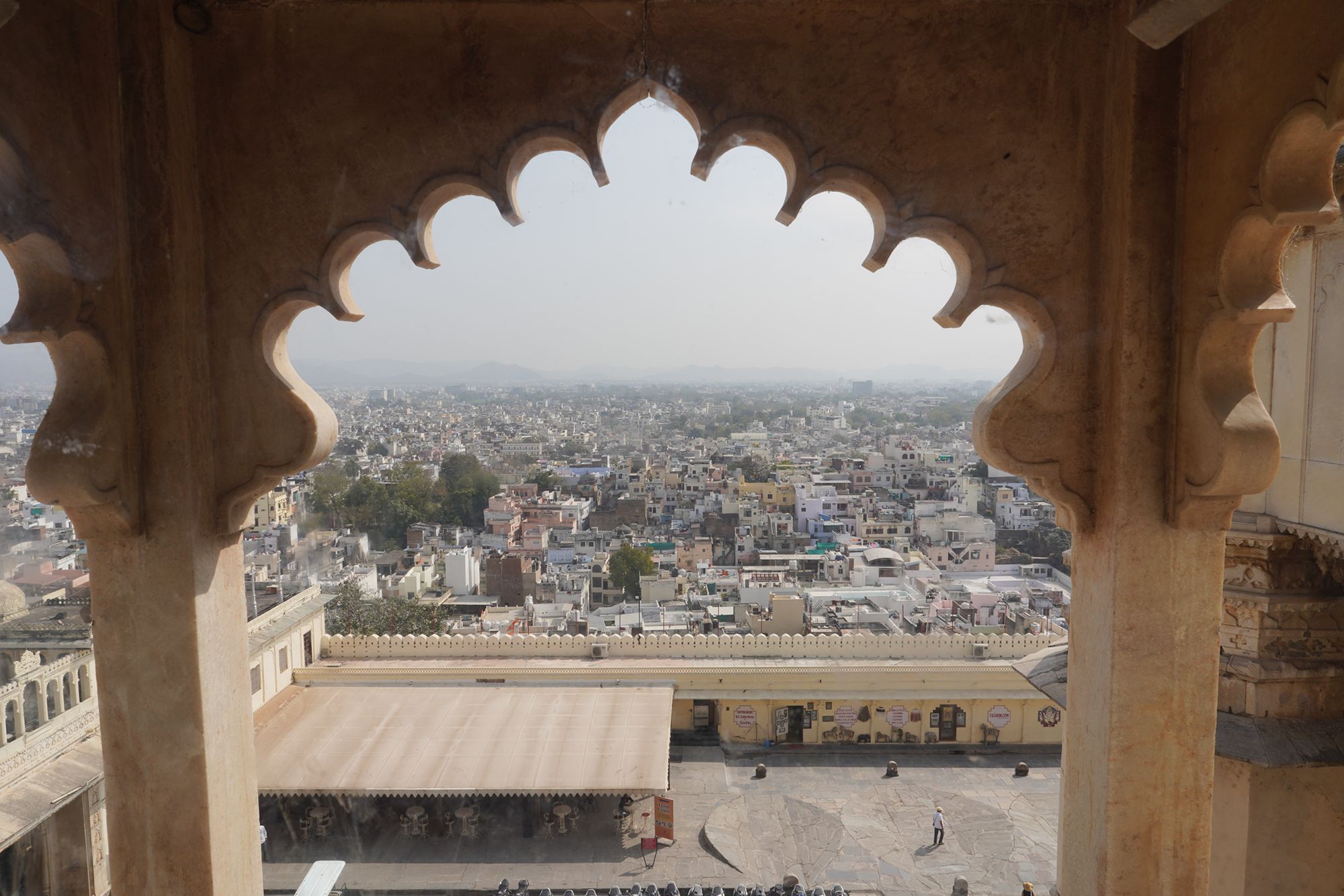
Udaipur is often known as the “White City” because of the many white and light-colored buildings that give the historic city its distinctive appearance.
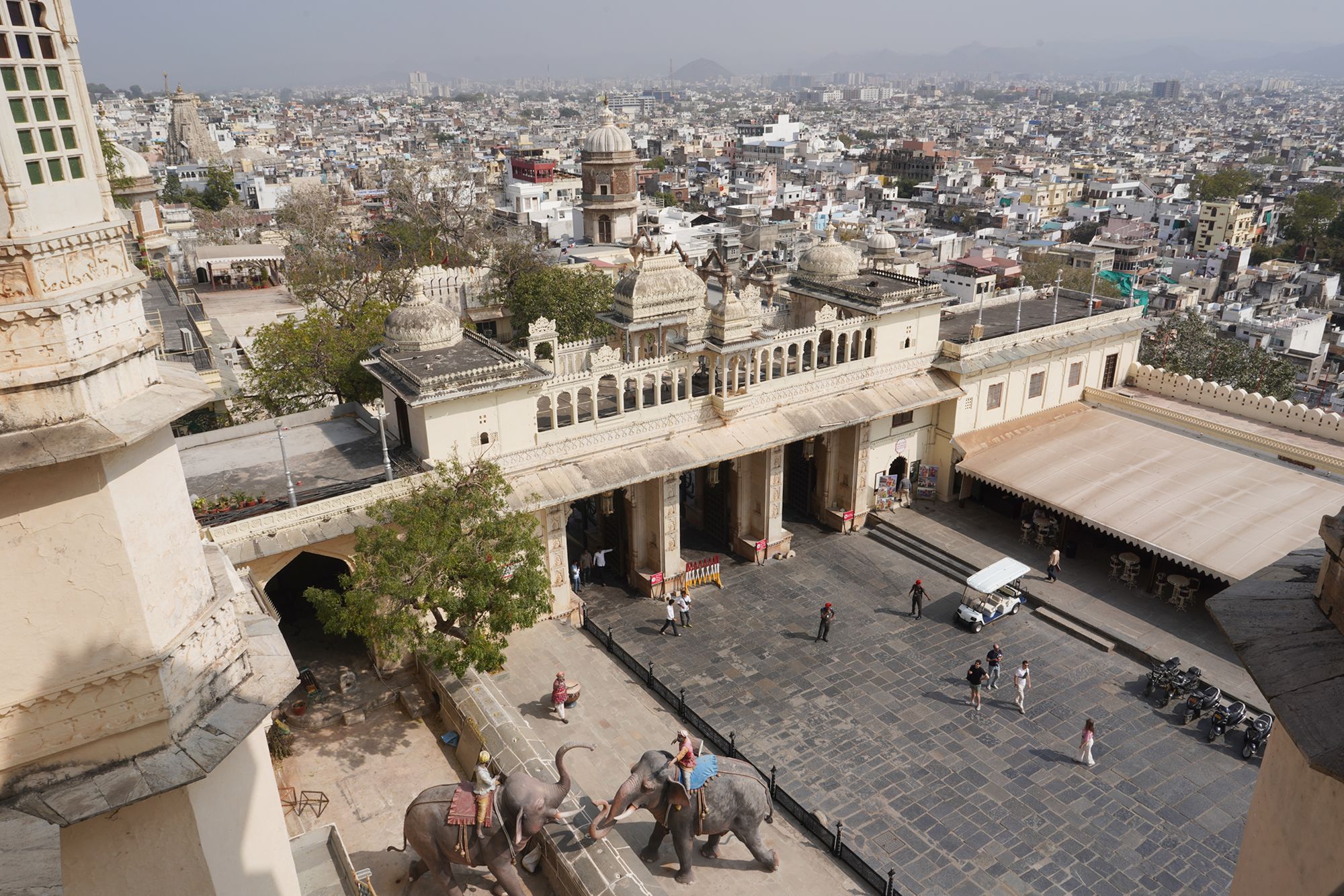
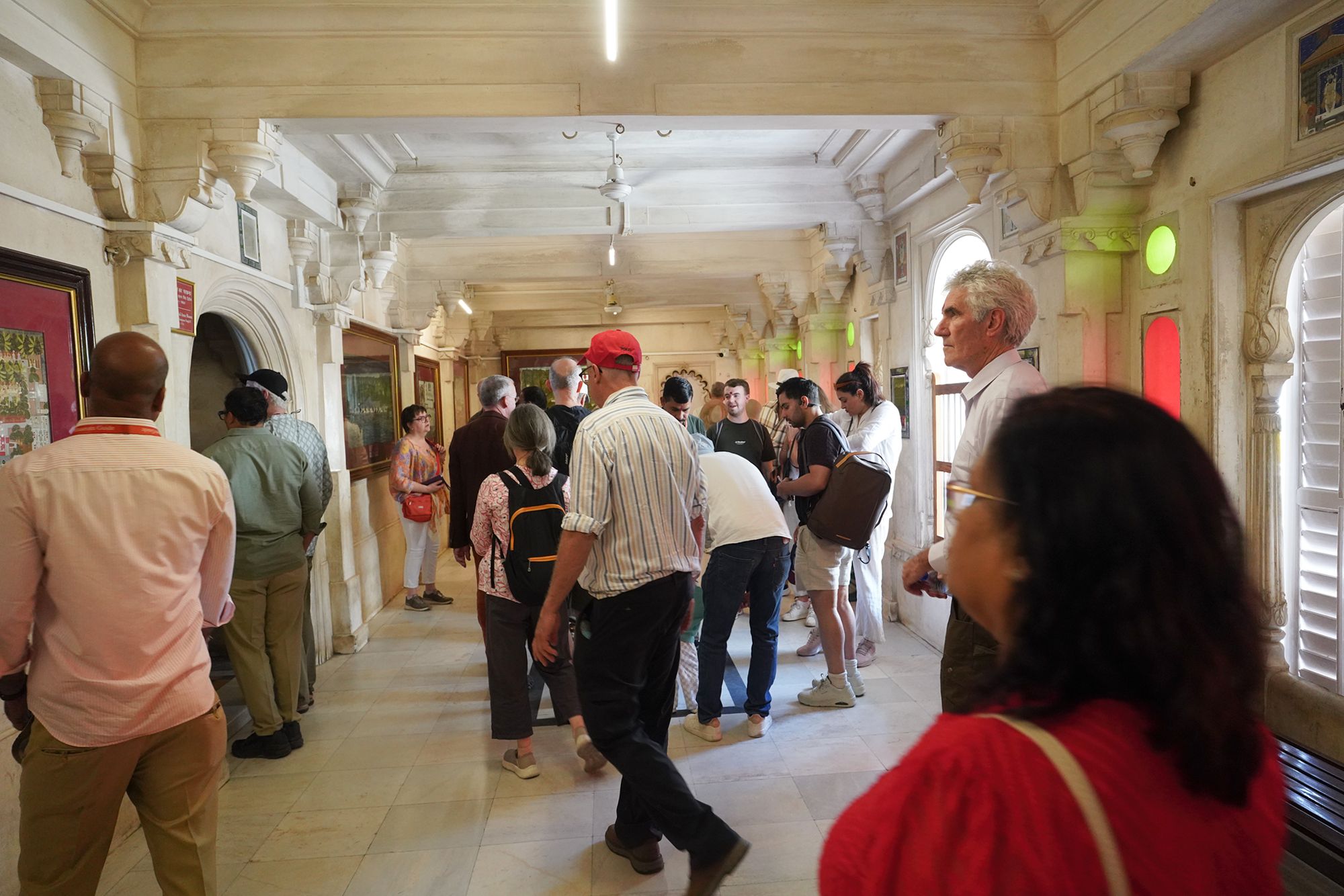
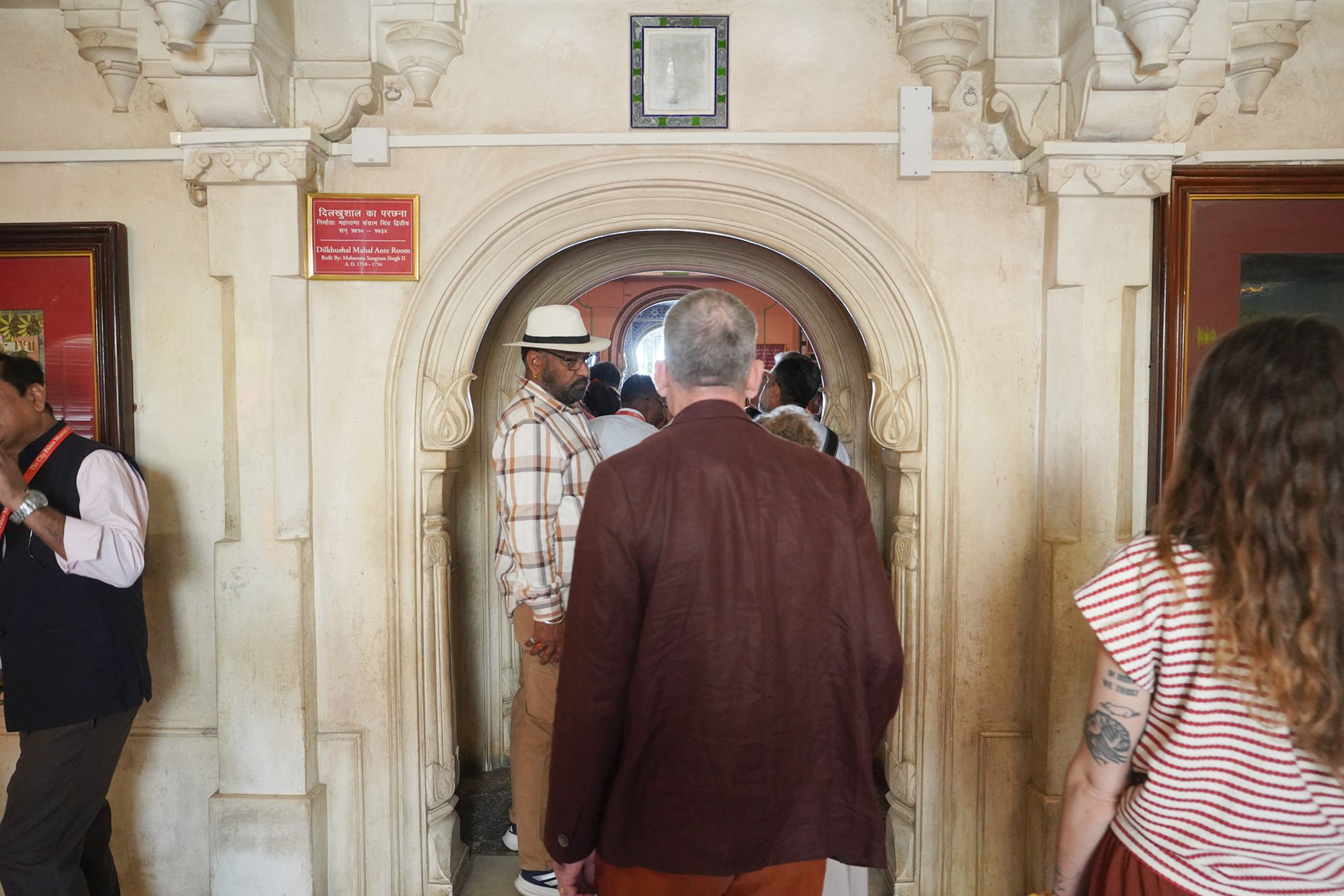
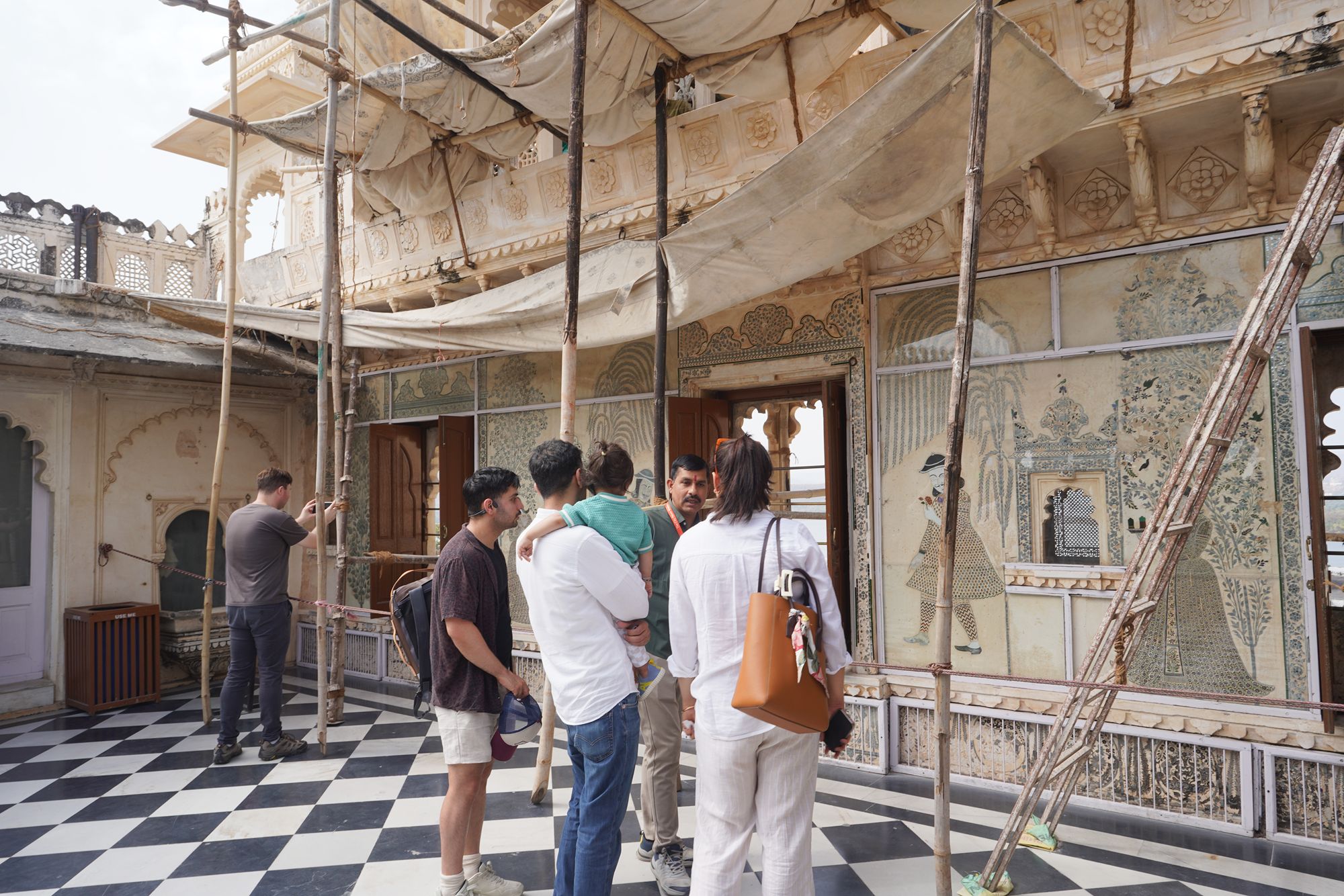
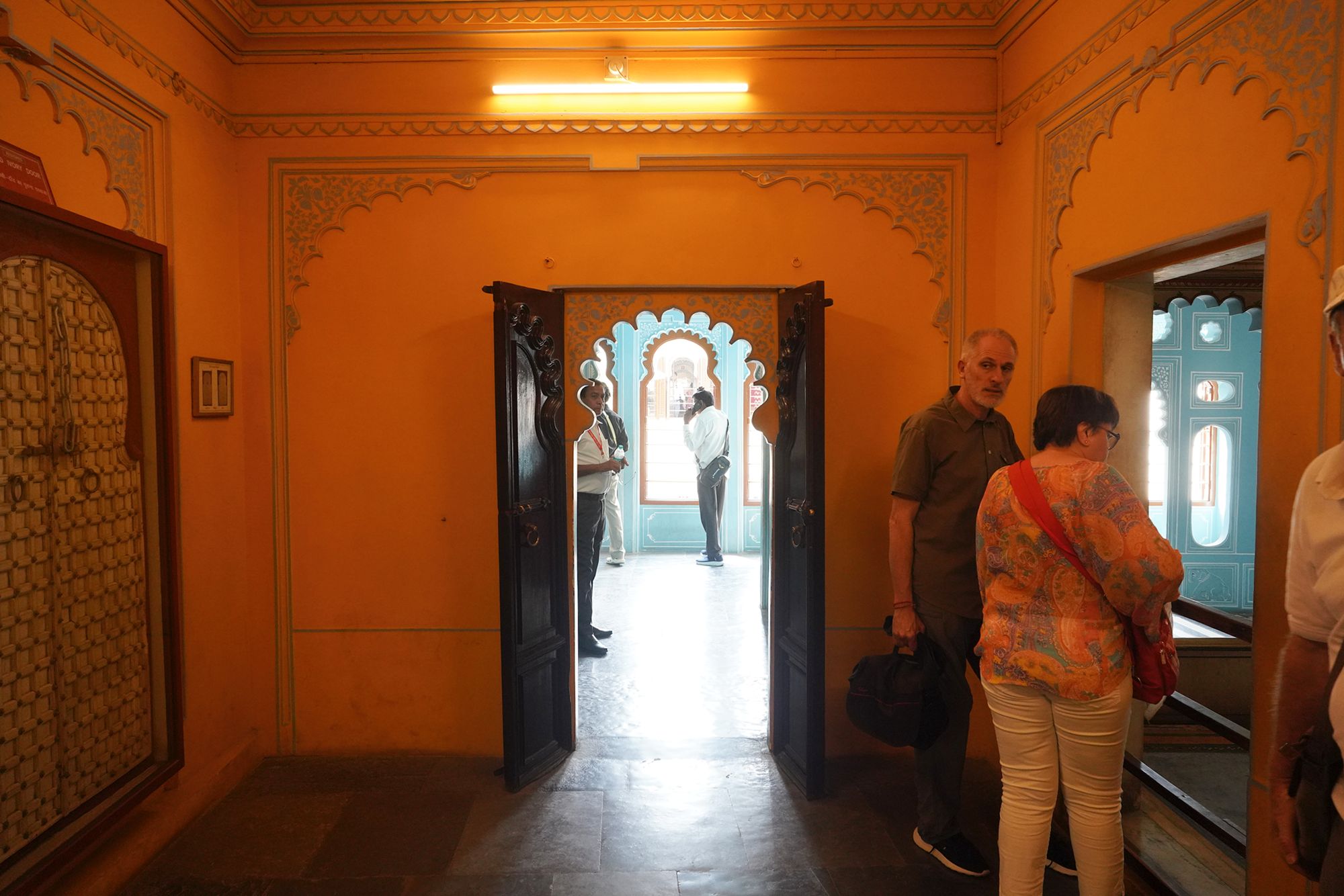
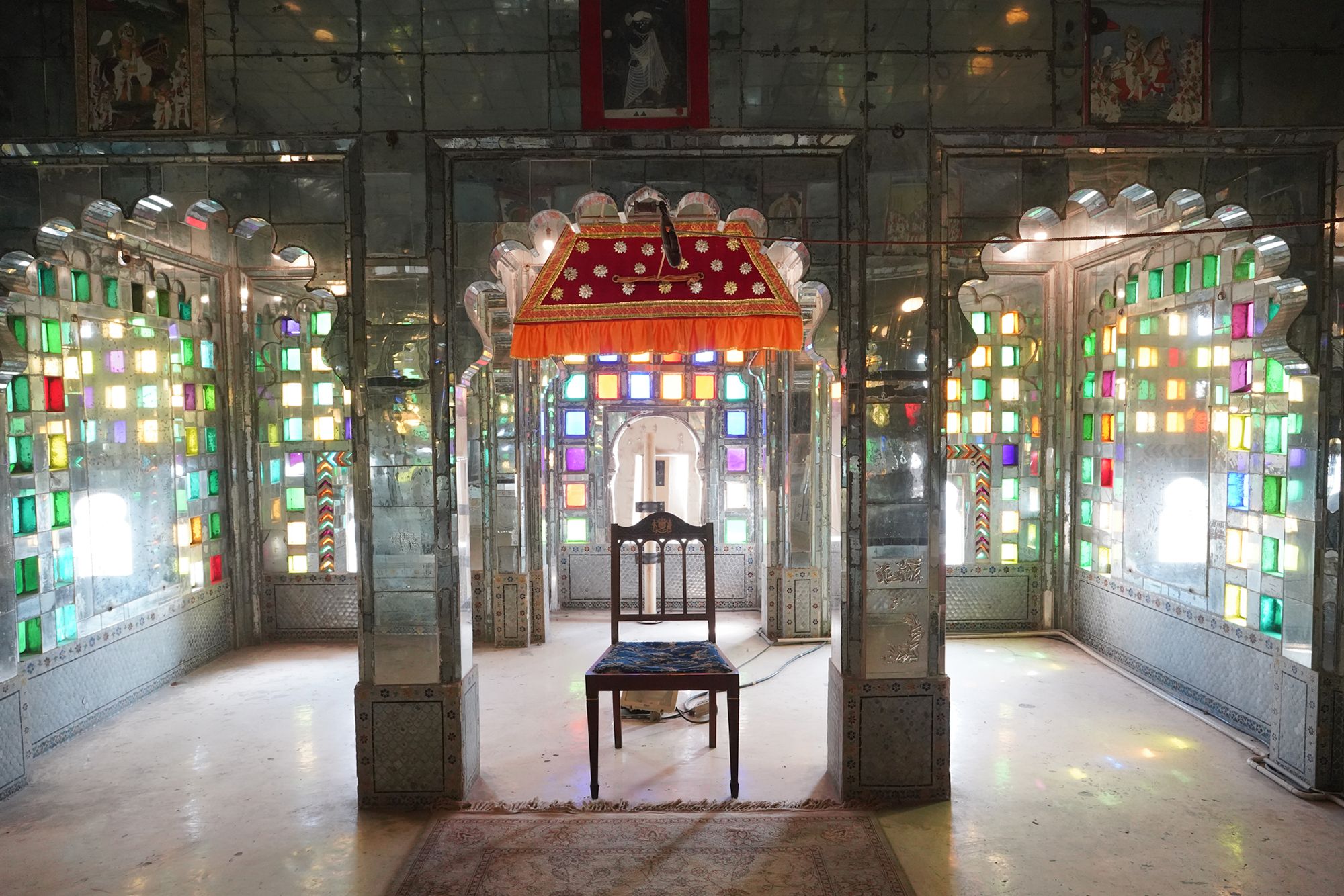
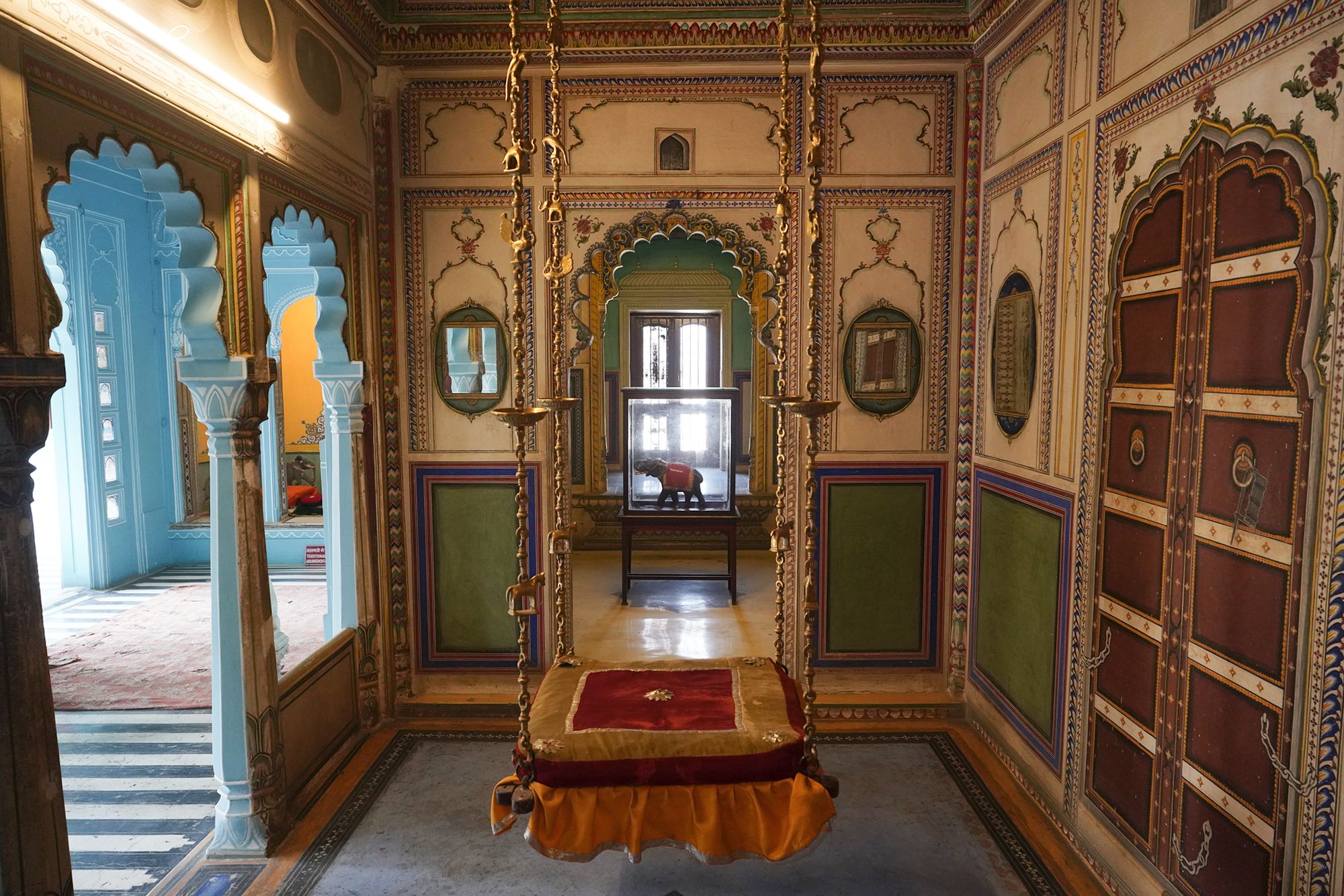
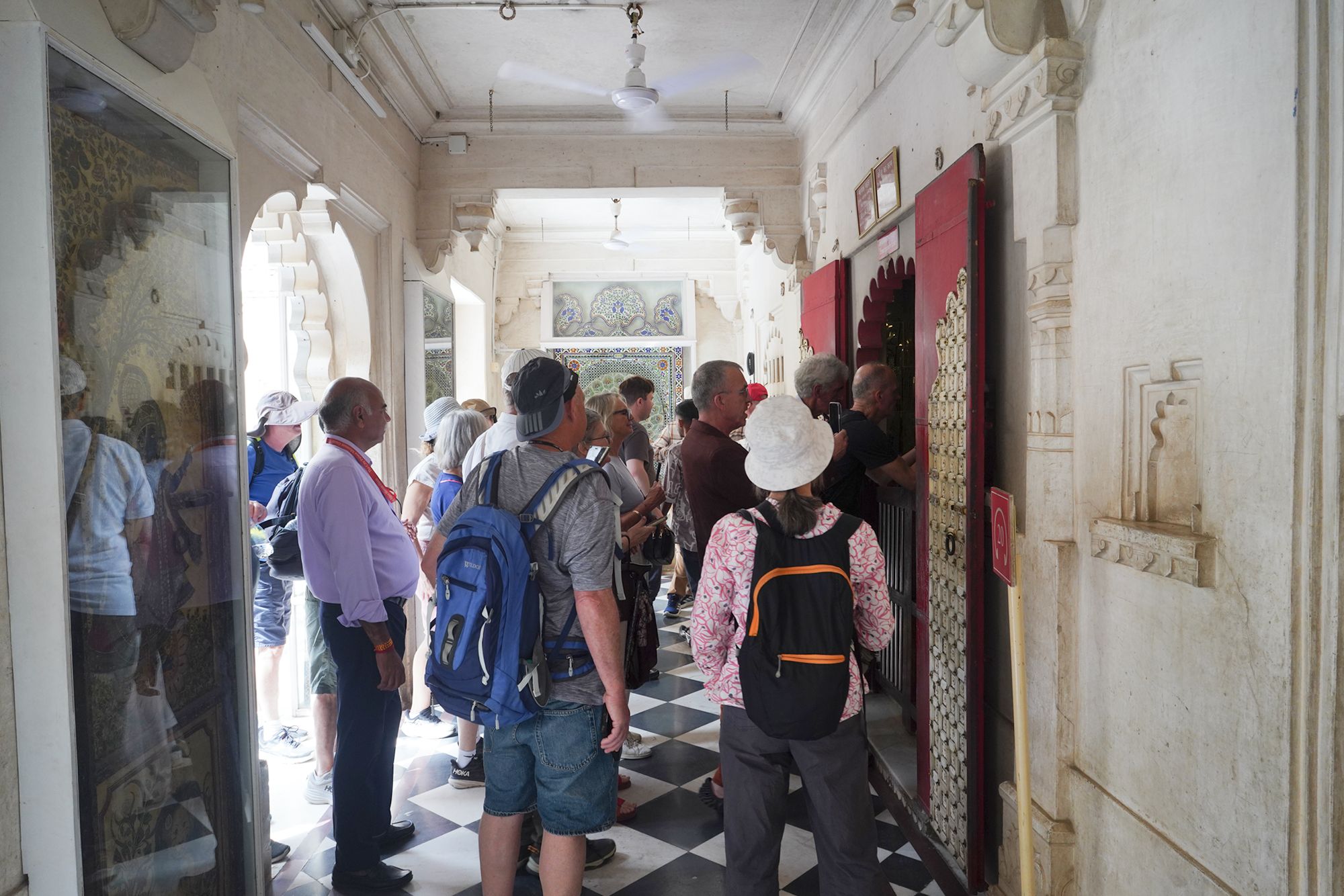
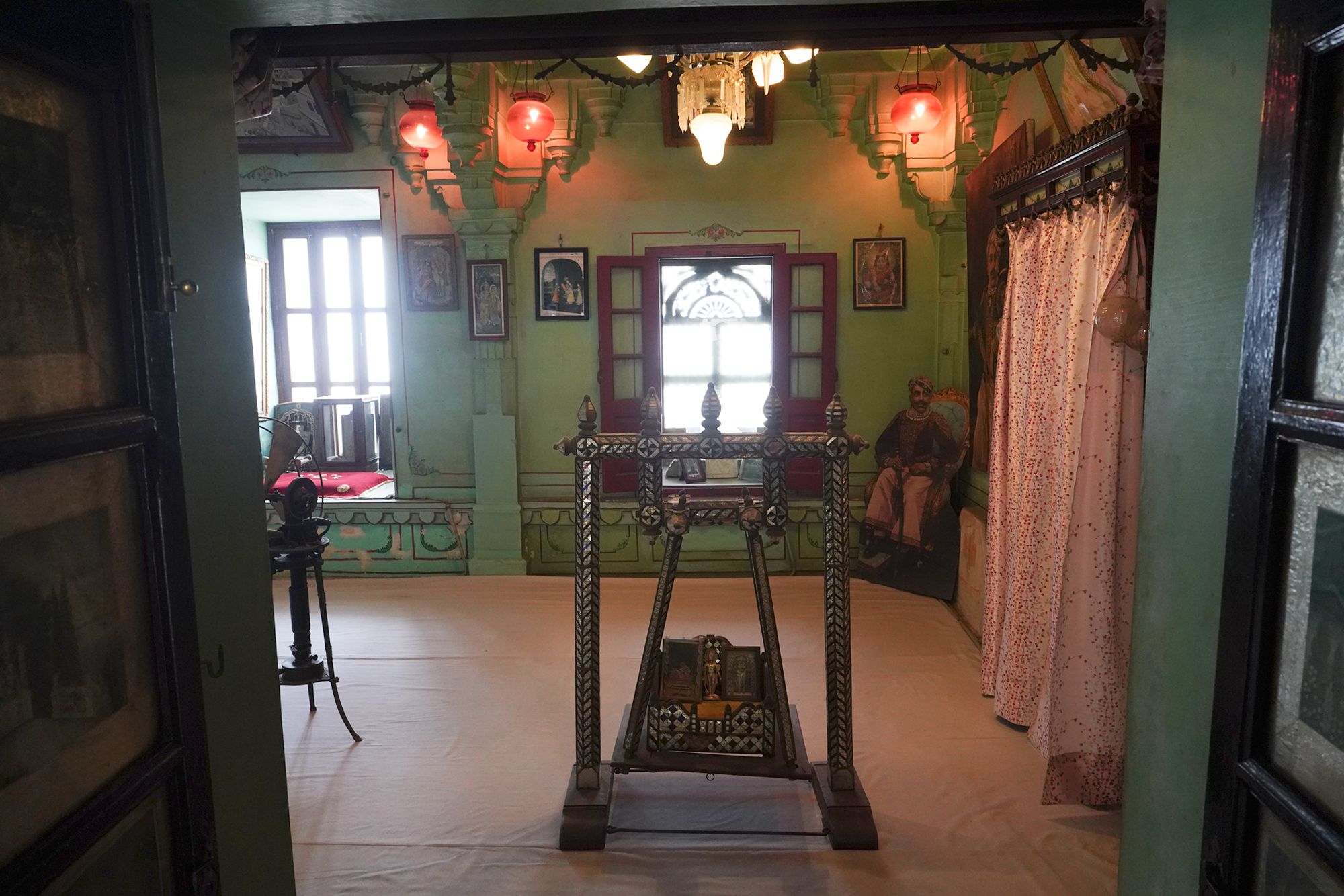
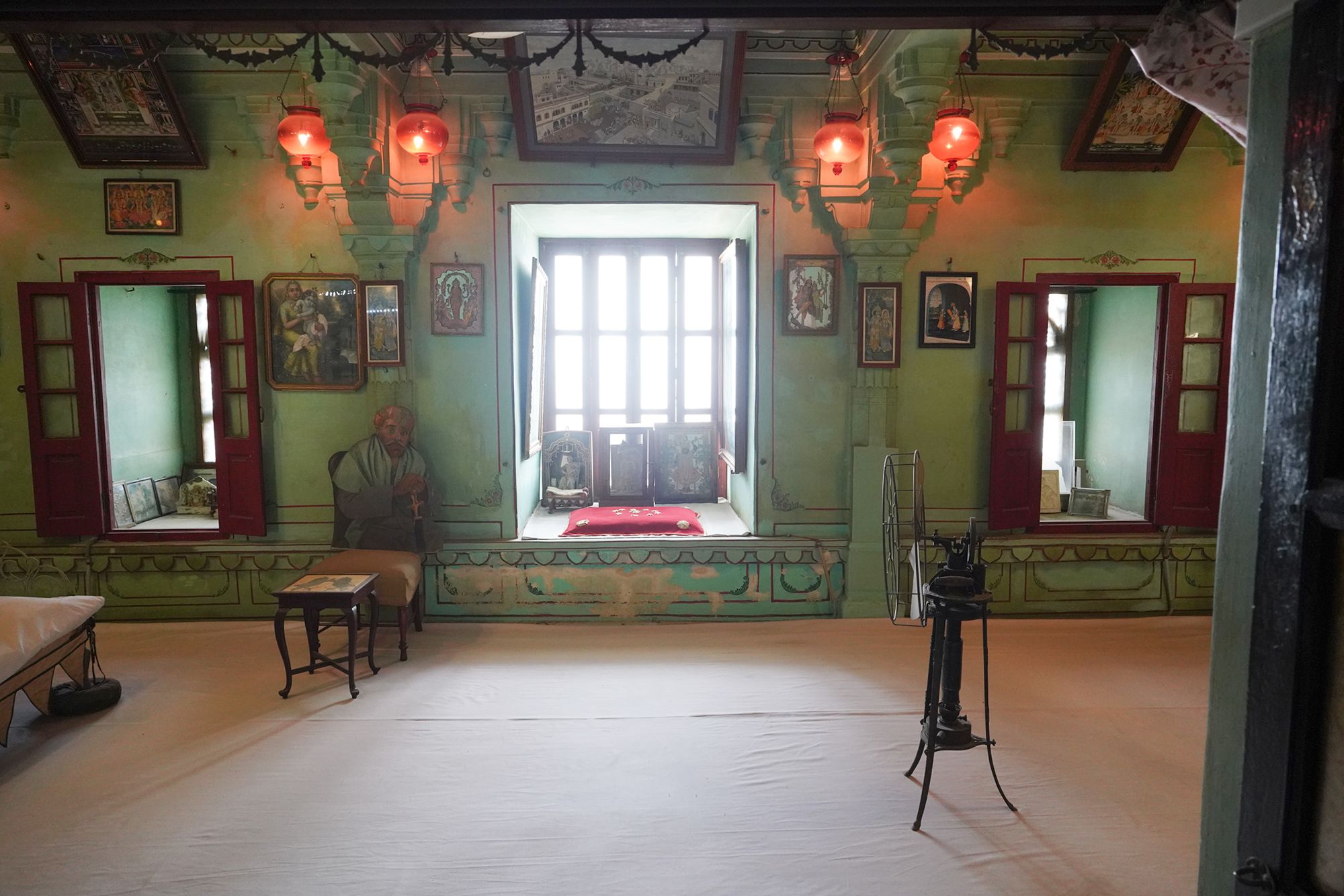
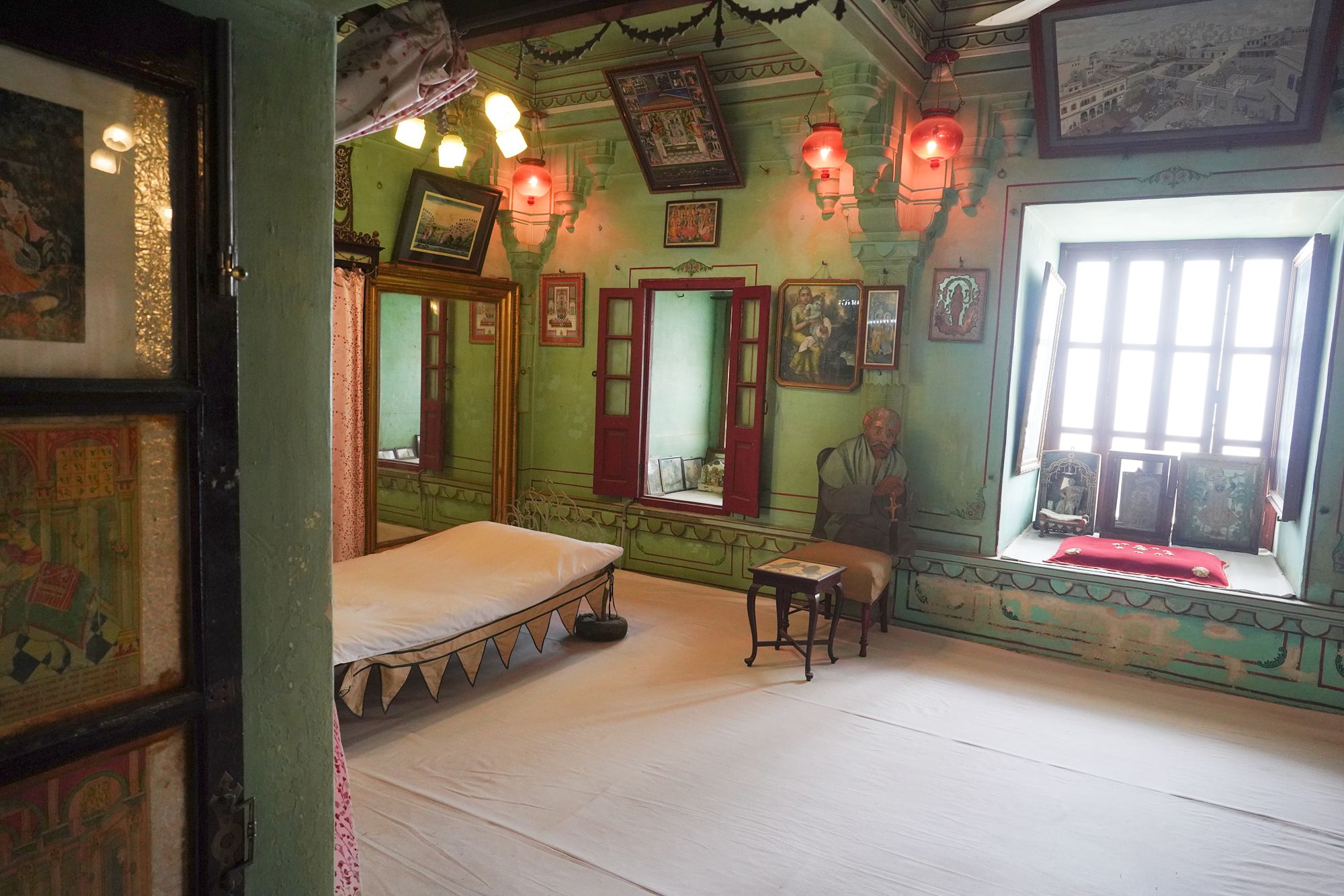
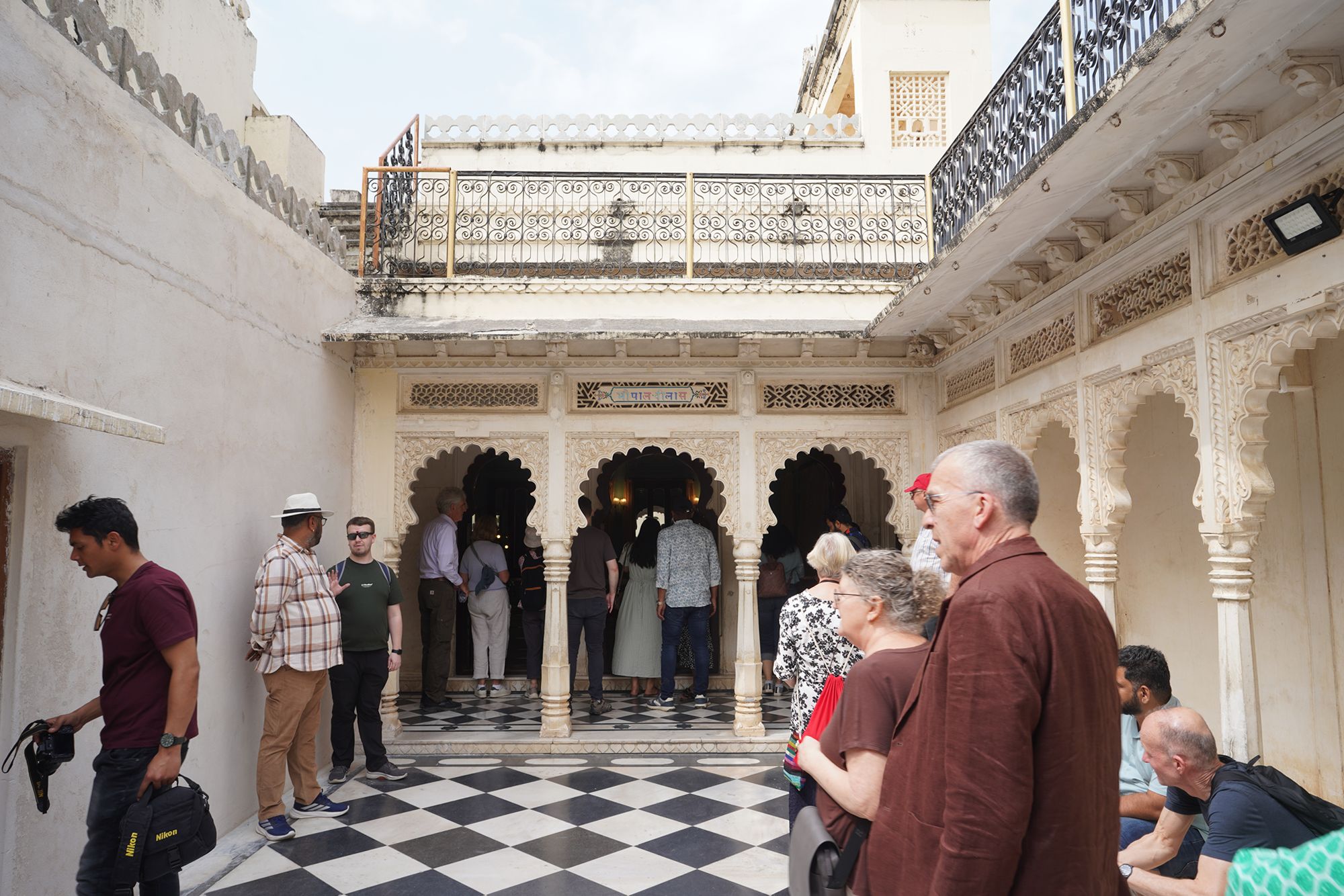
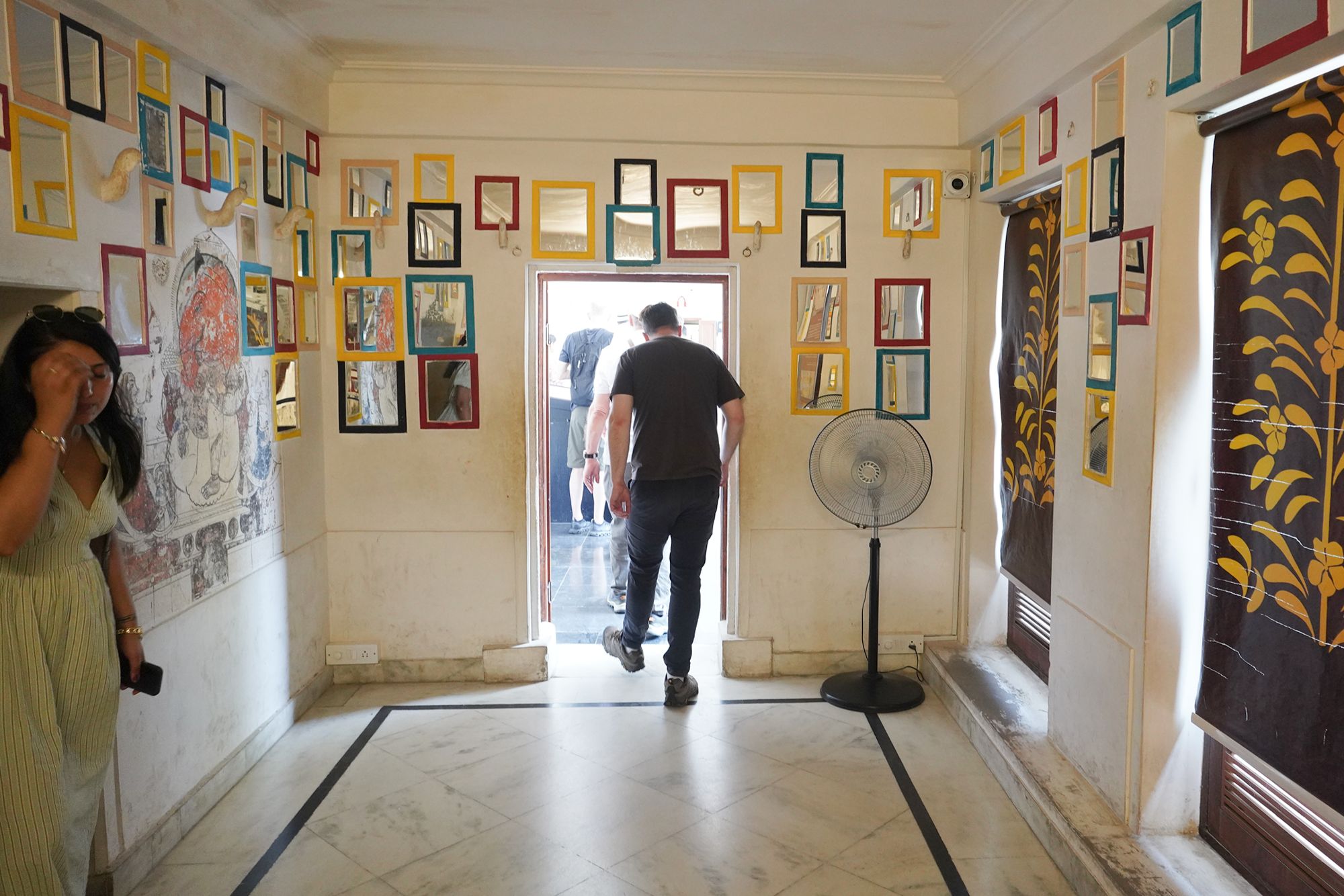
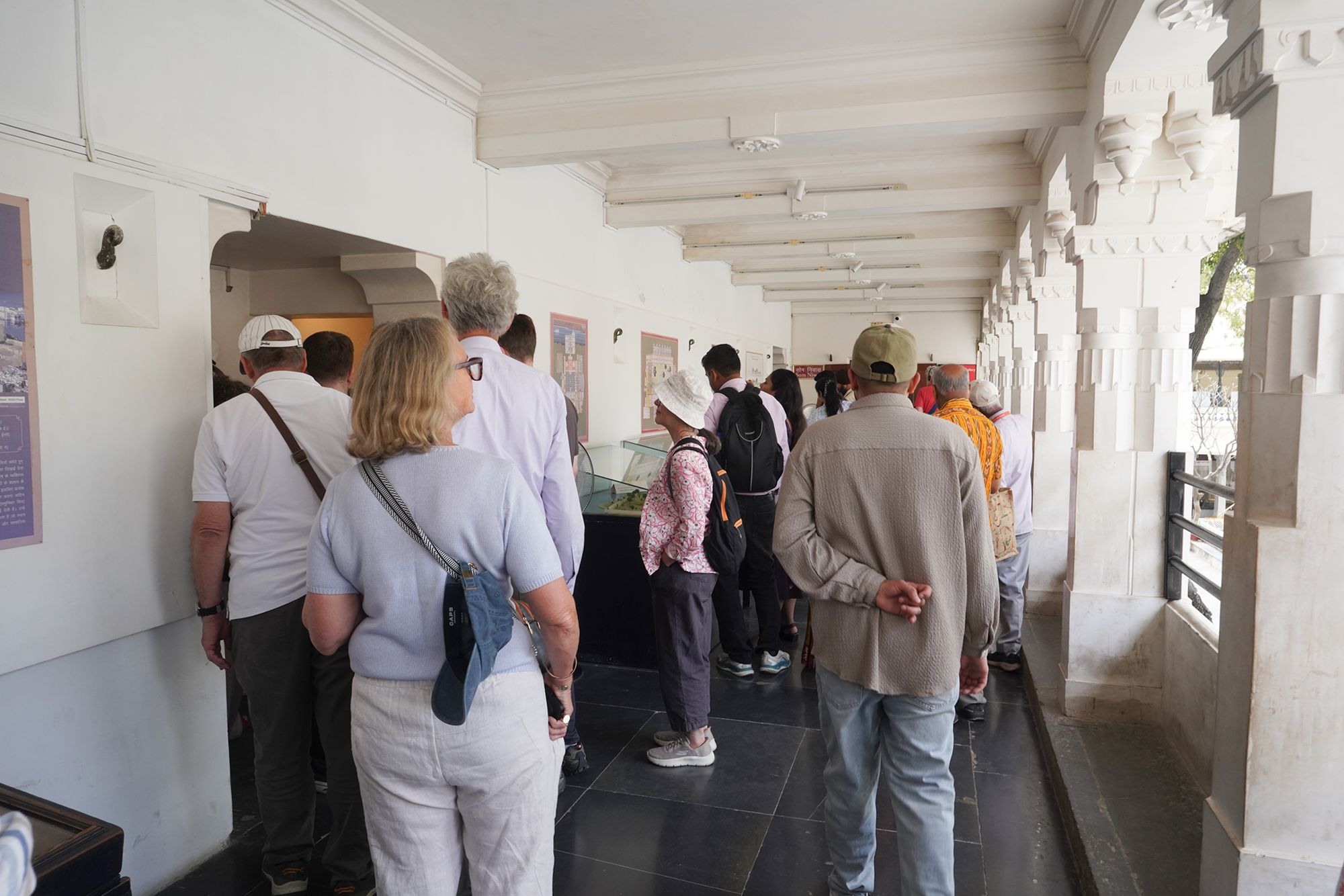
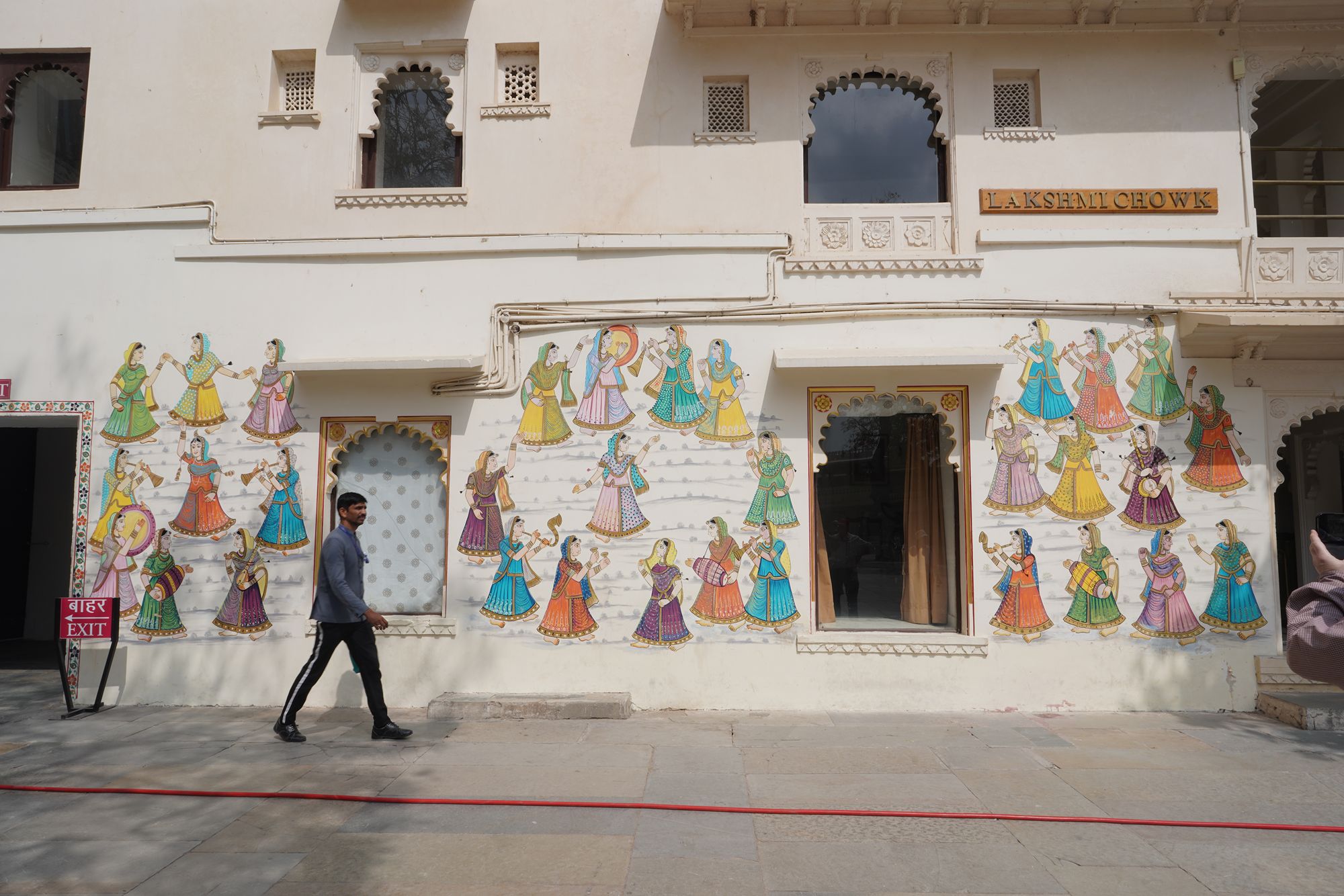
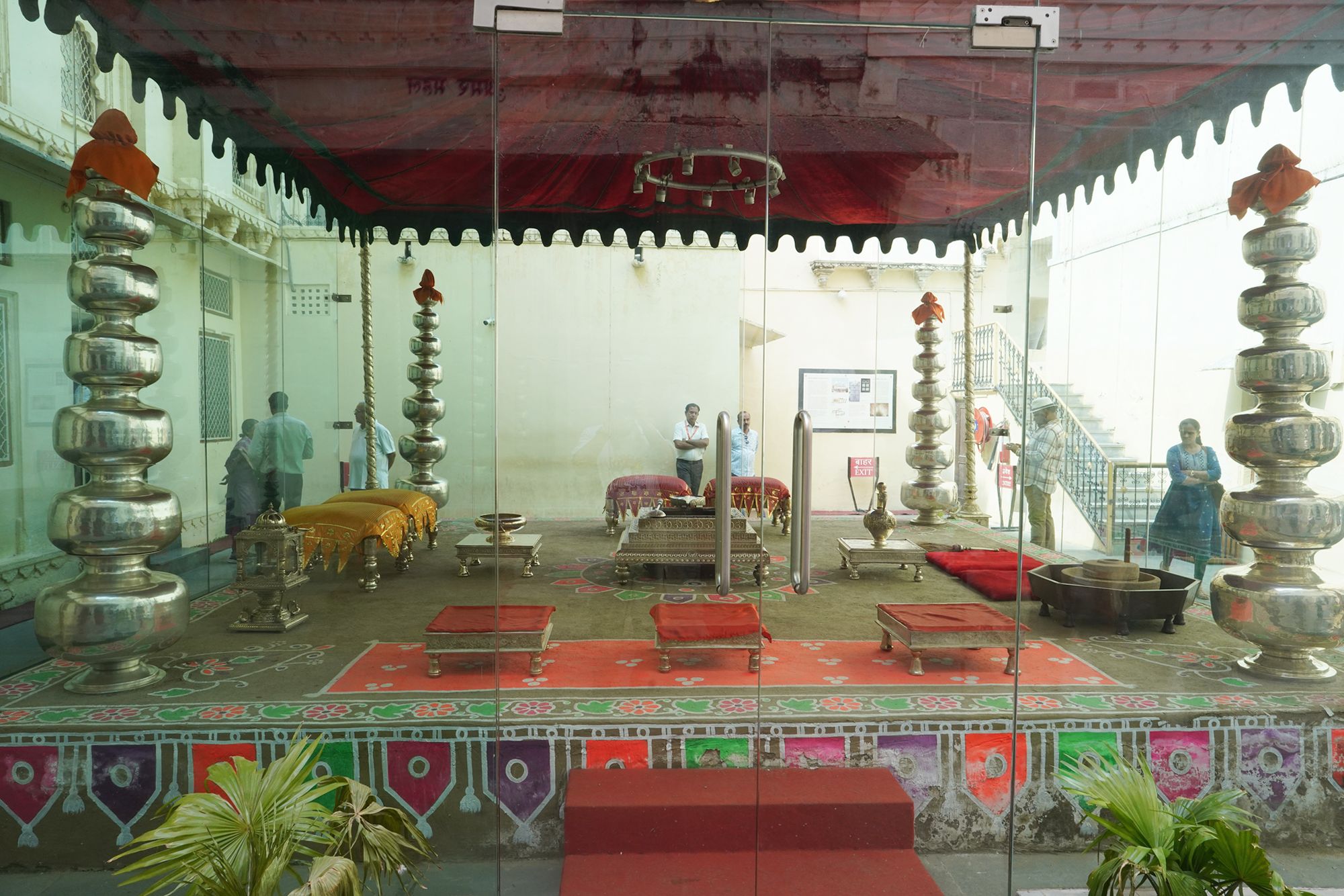
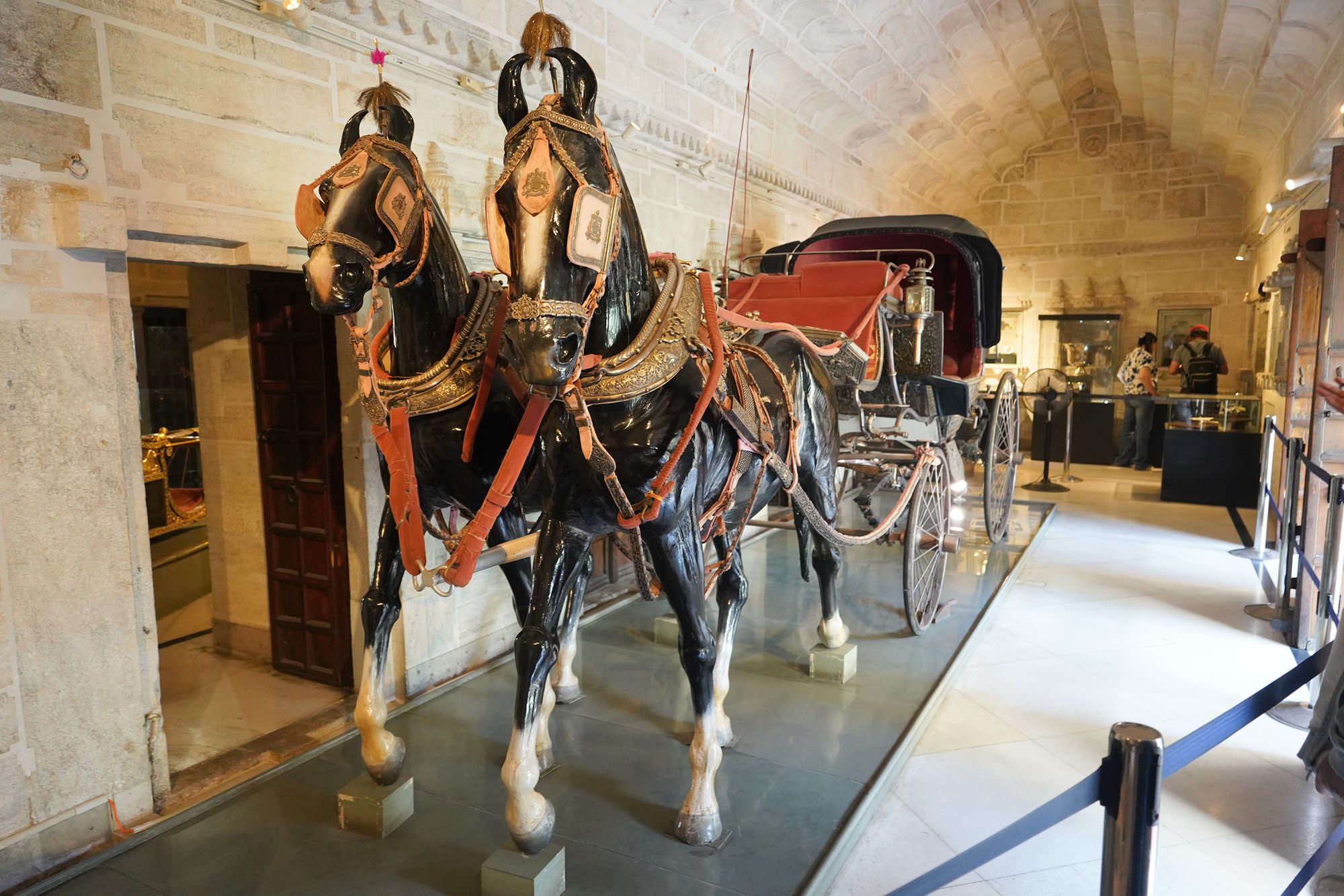
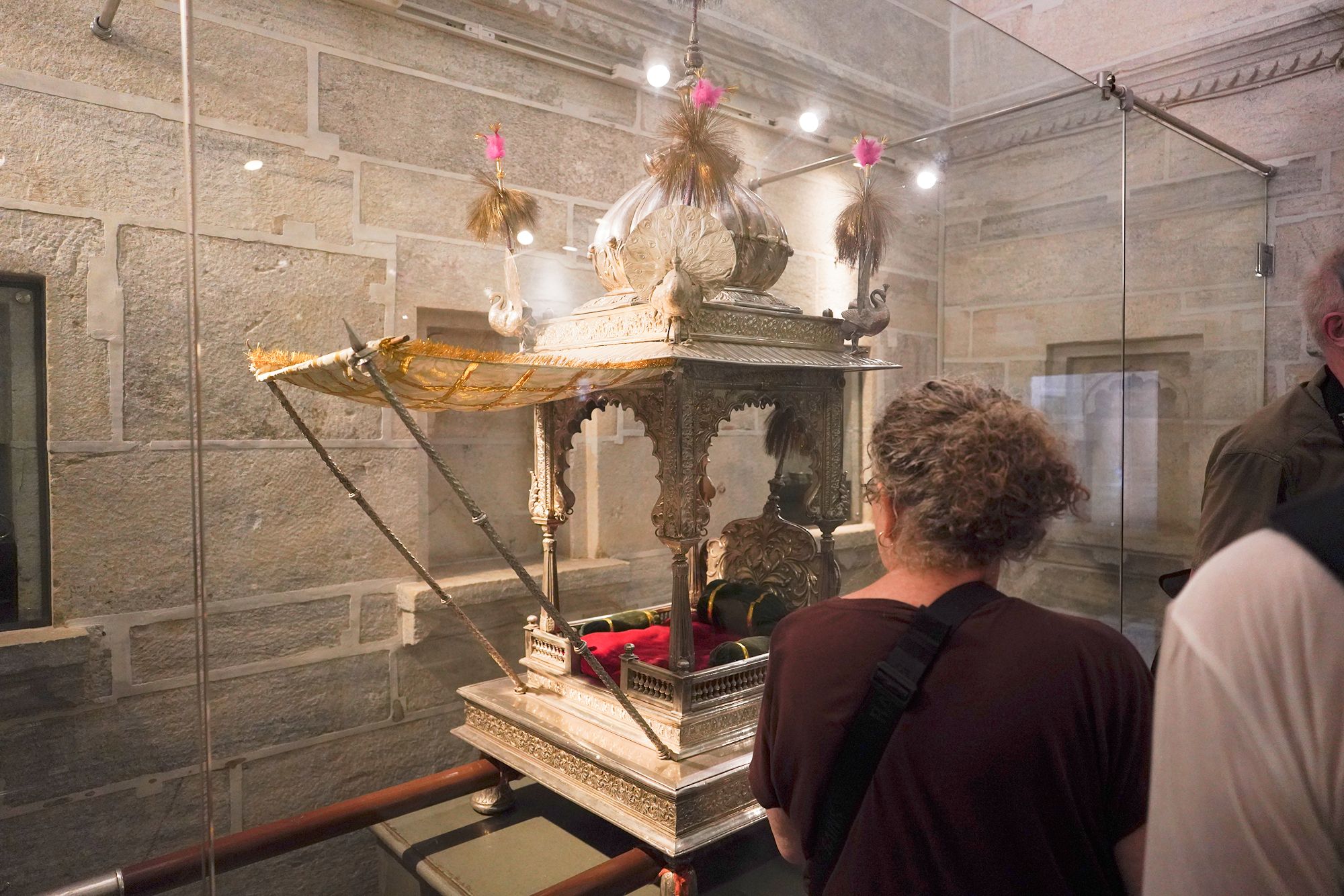
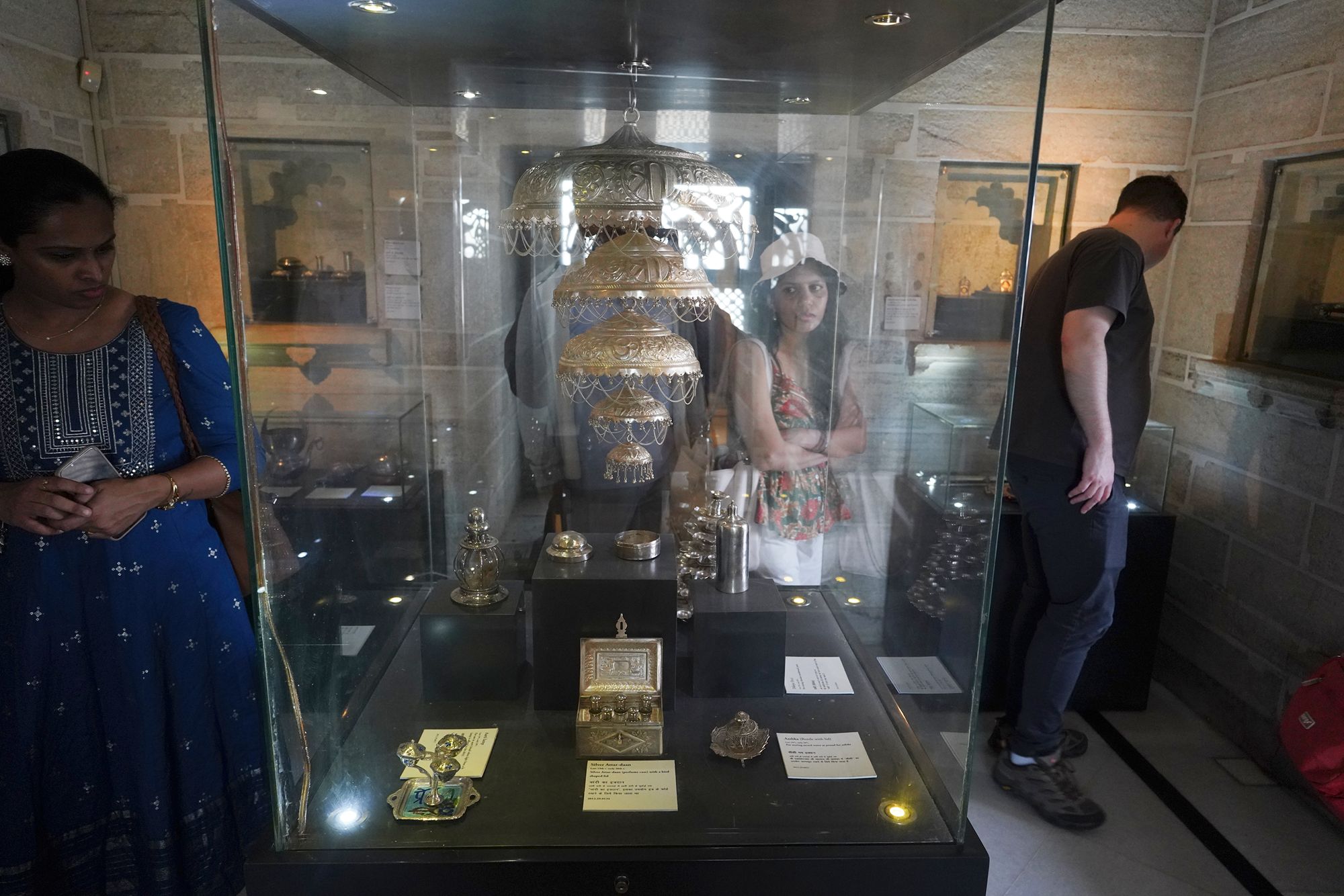
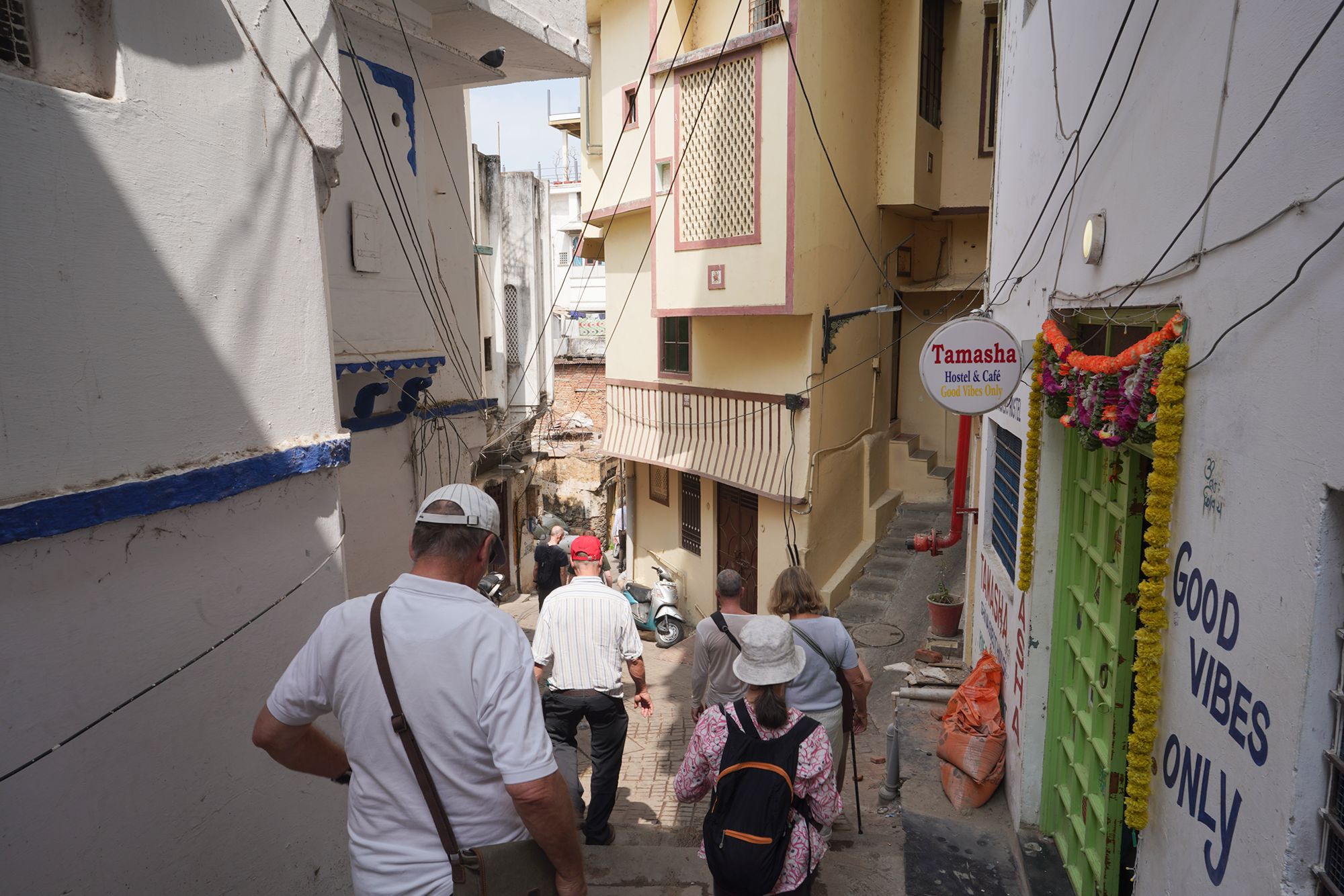
After exploring the City Palace, we made our way toward the exit.