Kentucky Churchill Downs Race Track and Museum, Louisville, Kentucky, USA
Churchill Downs in Kentucky hosts the Kentucky Derby and includes a museum showcasing horse racing history and traditions. 1081
Kentucky Churchill Downs Race Track: 700 Central Ave, Louisville, KY 40208
Date Picture Taken: June 2025
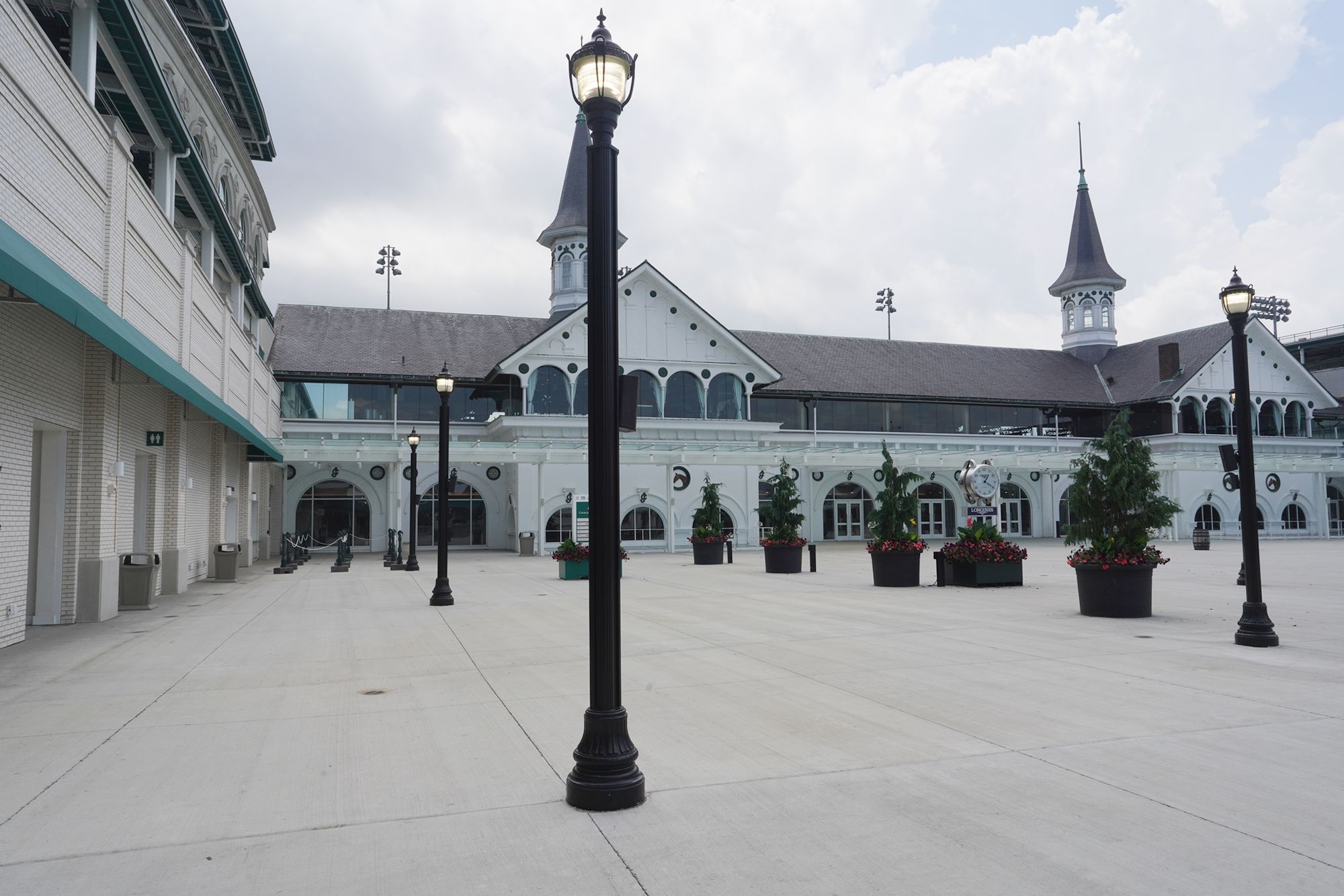
Churchill Downs in Louisville, Kentucky is one of the most famous horse-racing venues in the world, best known as the home of the Kentucky Derby since 1875. Its twin spires, overlooking the grandstand, have become an iconic symbol of American racing.
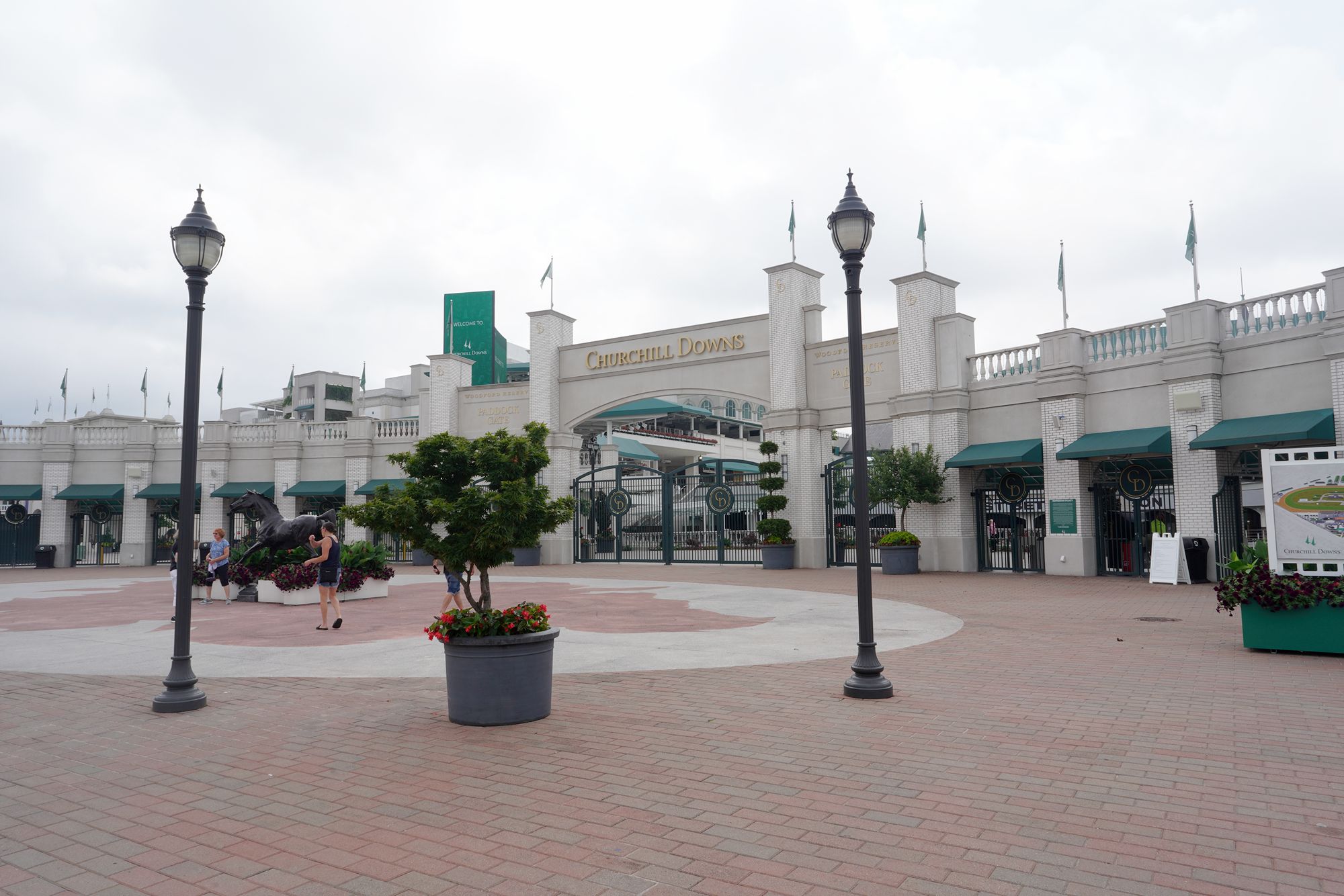
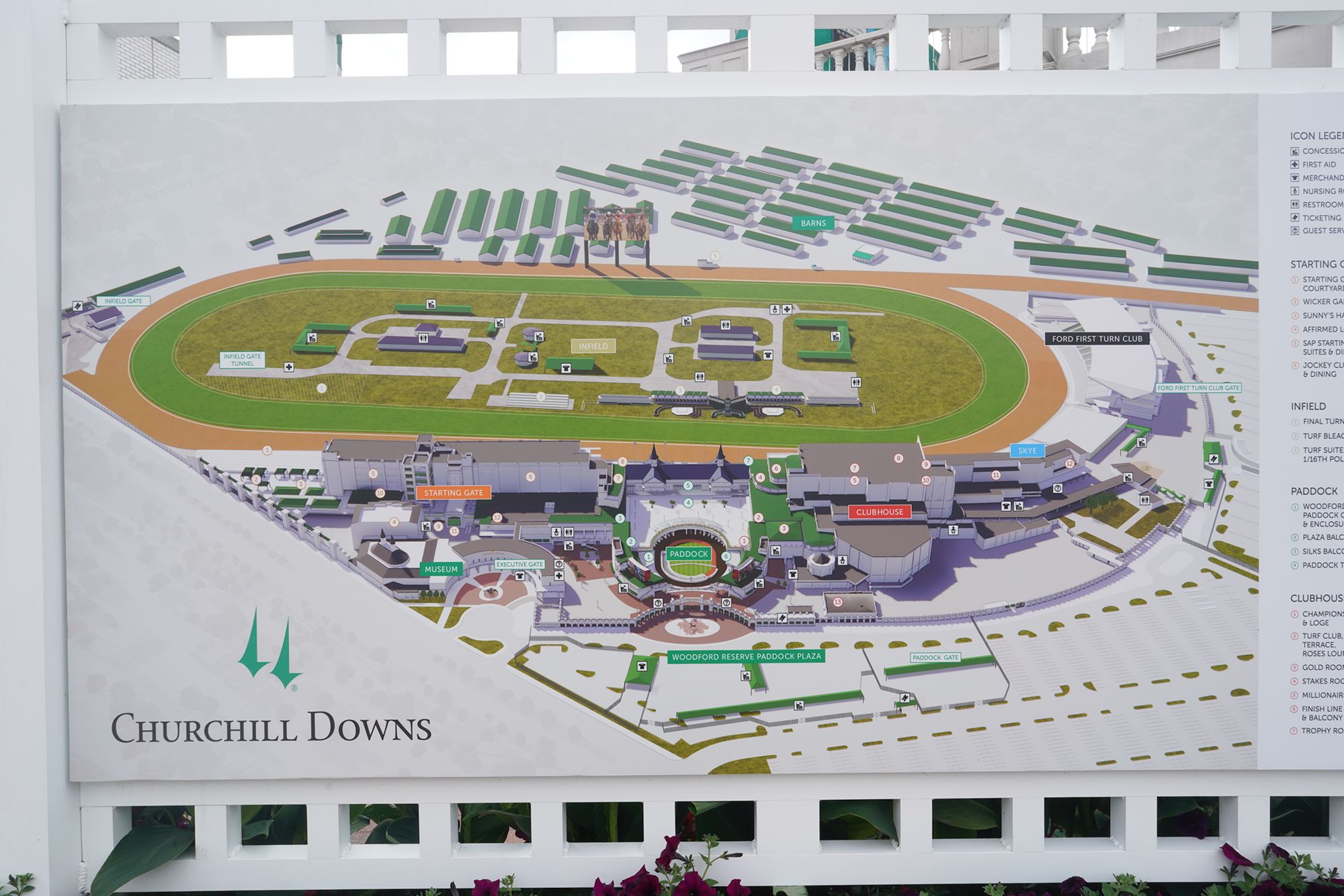
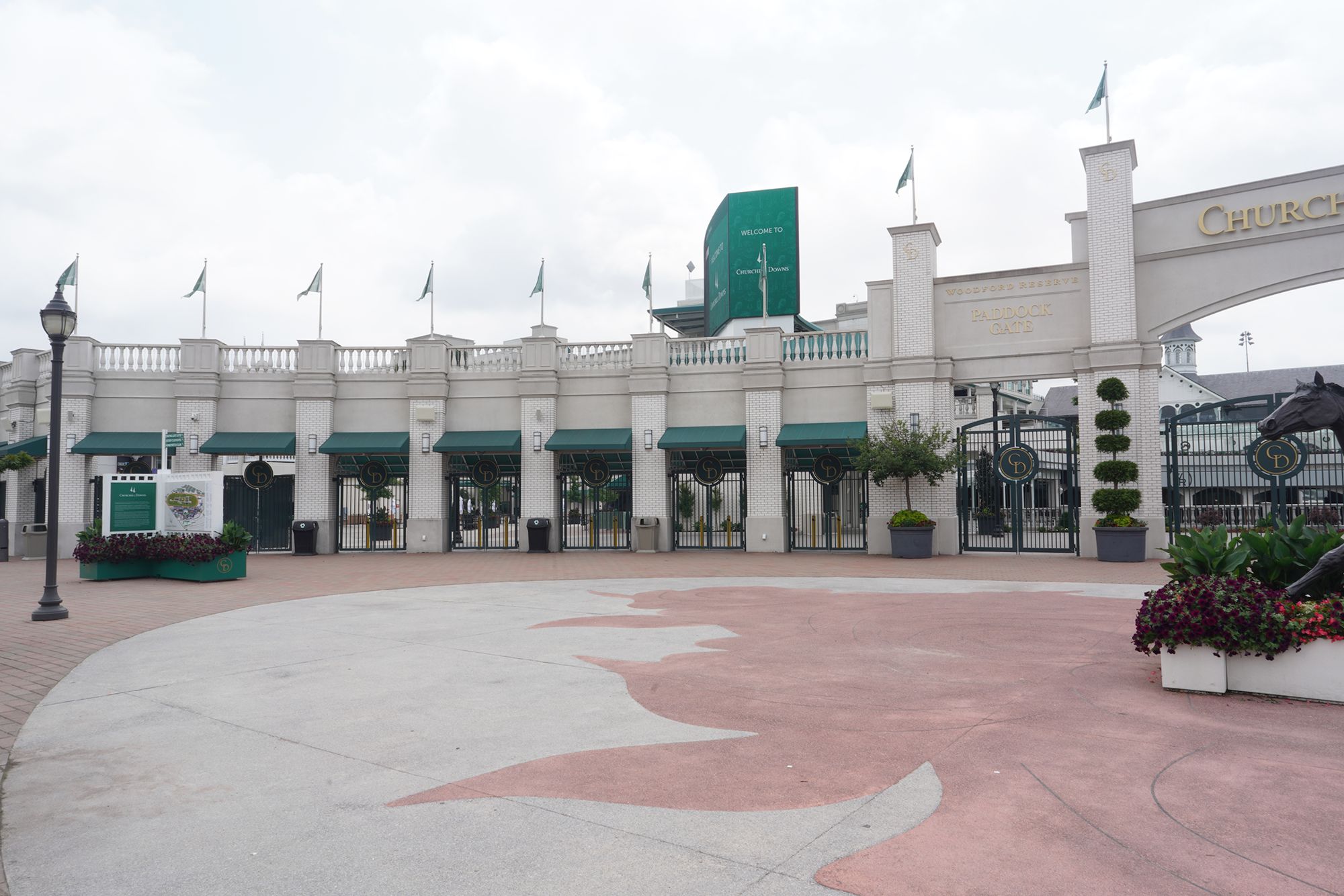
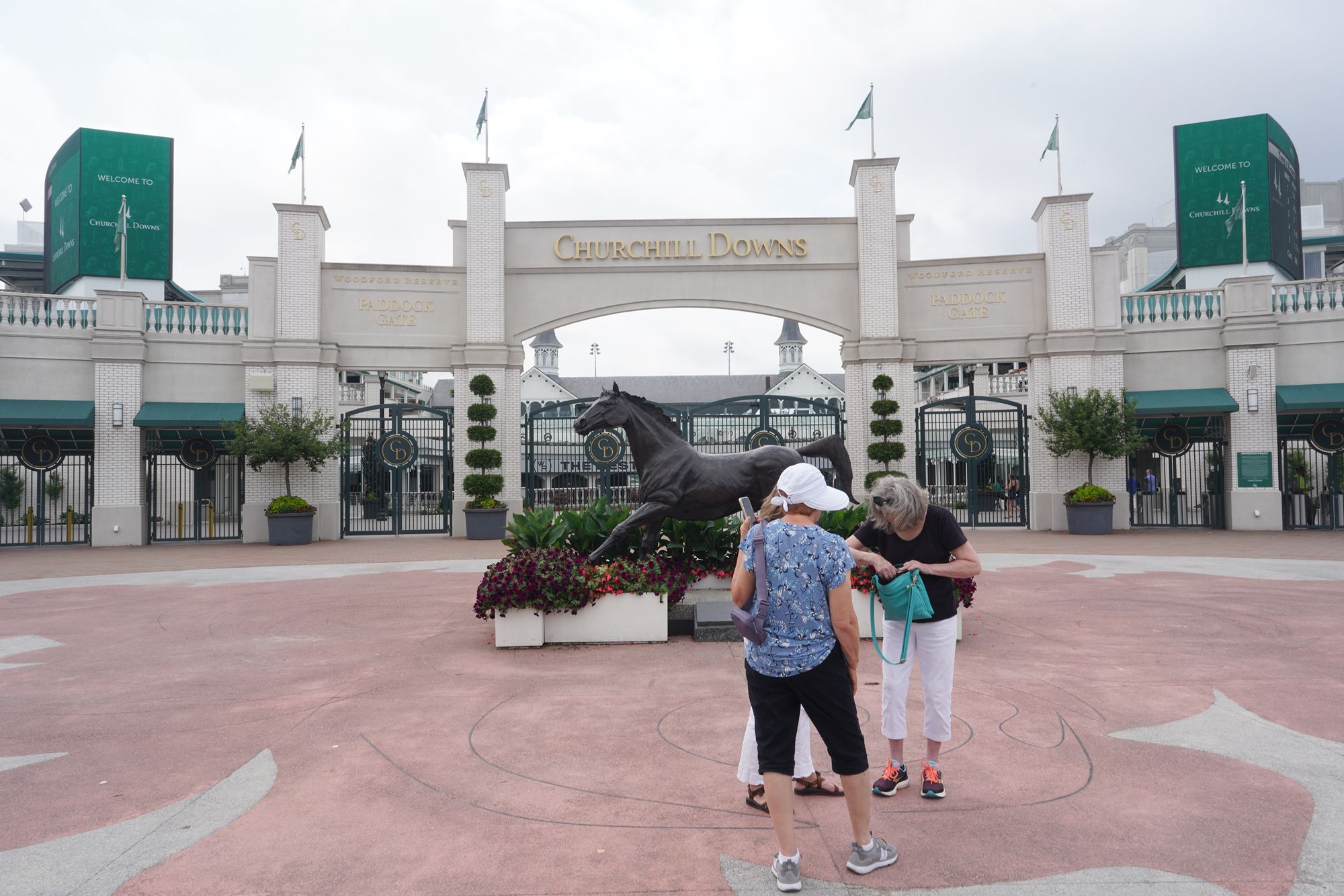
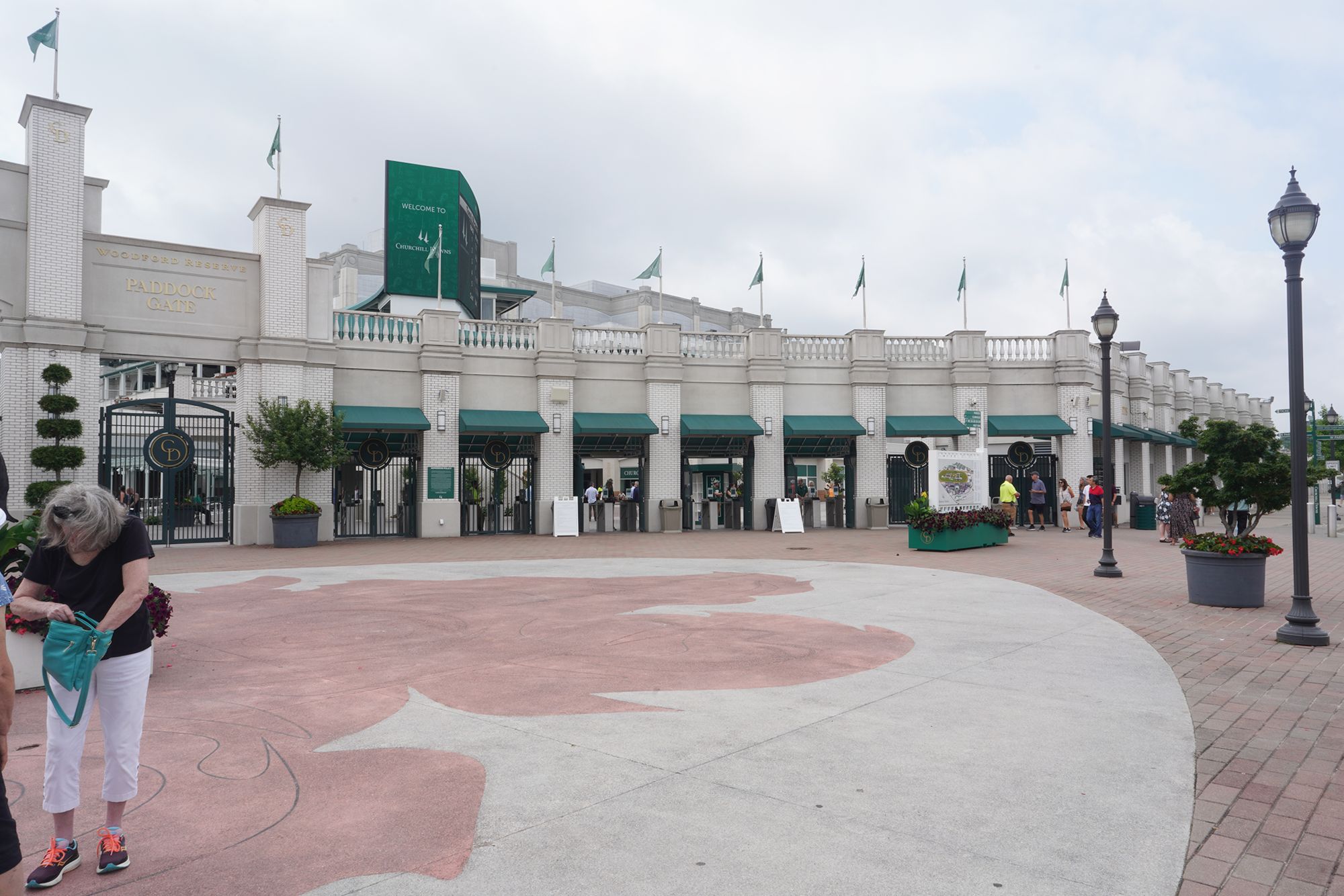
After the entrance
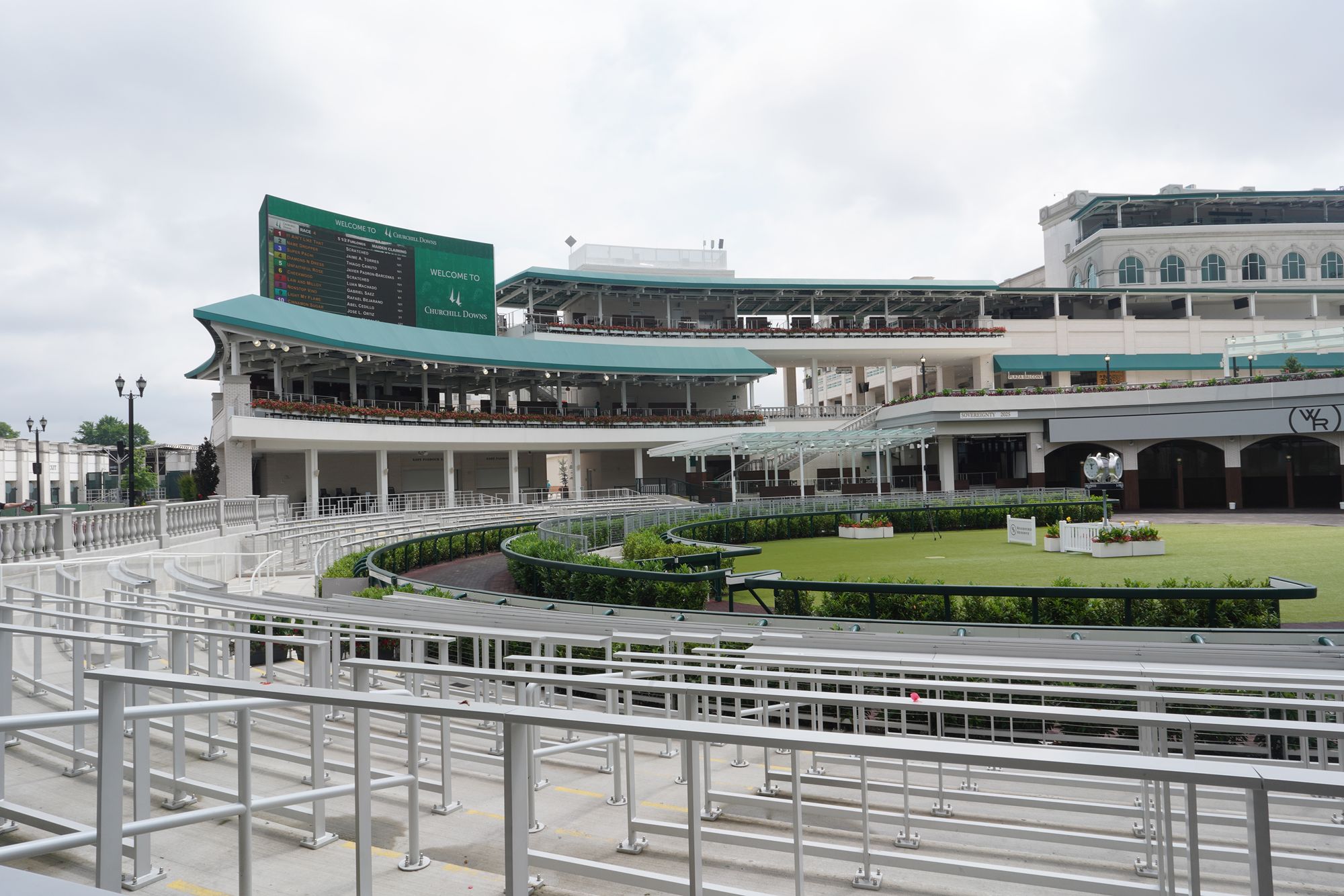
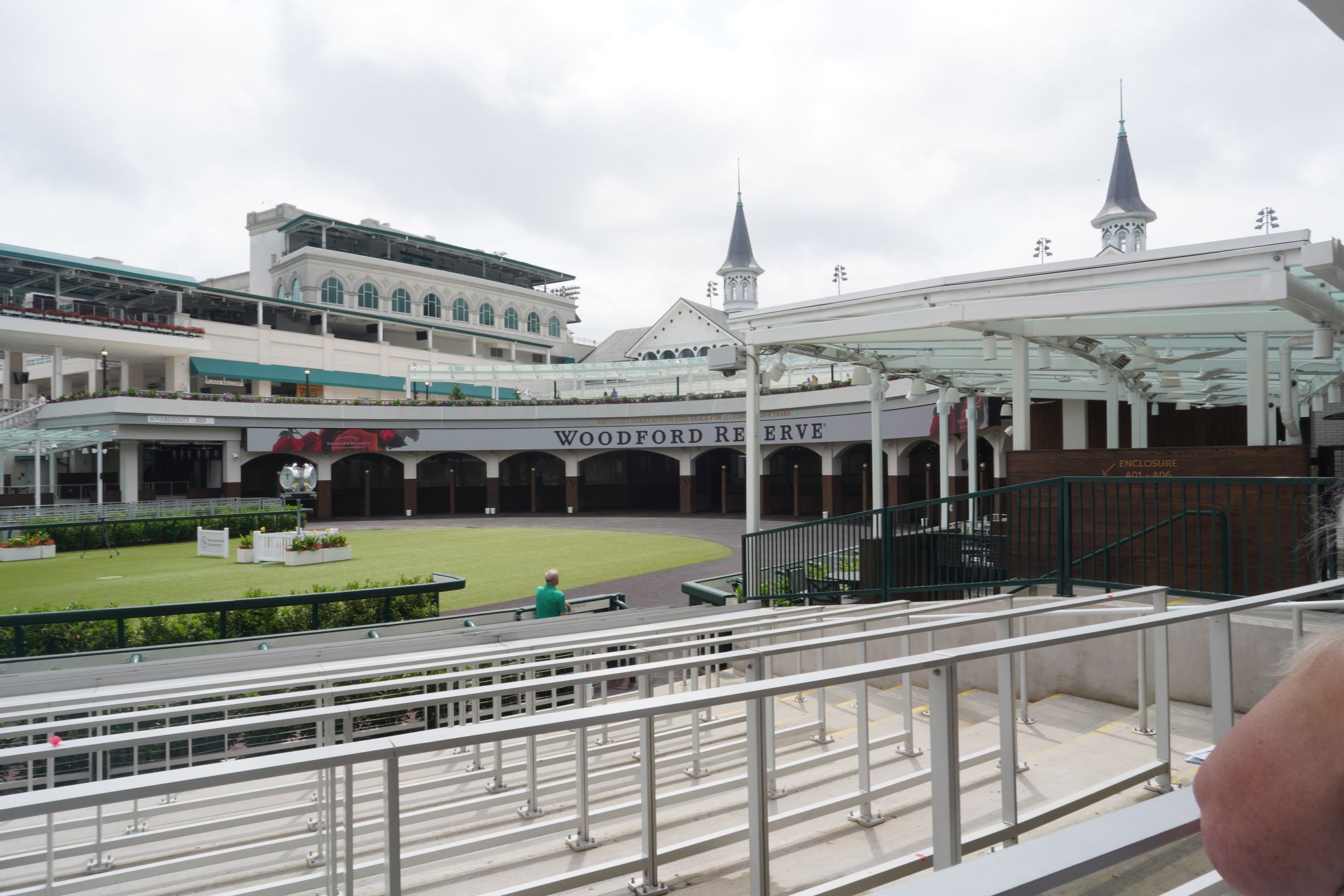
Inside the building


The seats around the racetrack stretch wide across the grandstands, yet they reach full capacity only once a year—on Kentucky Derby day—when thousands of spectators pack in to witness the historic race and its traditions.
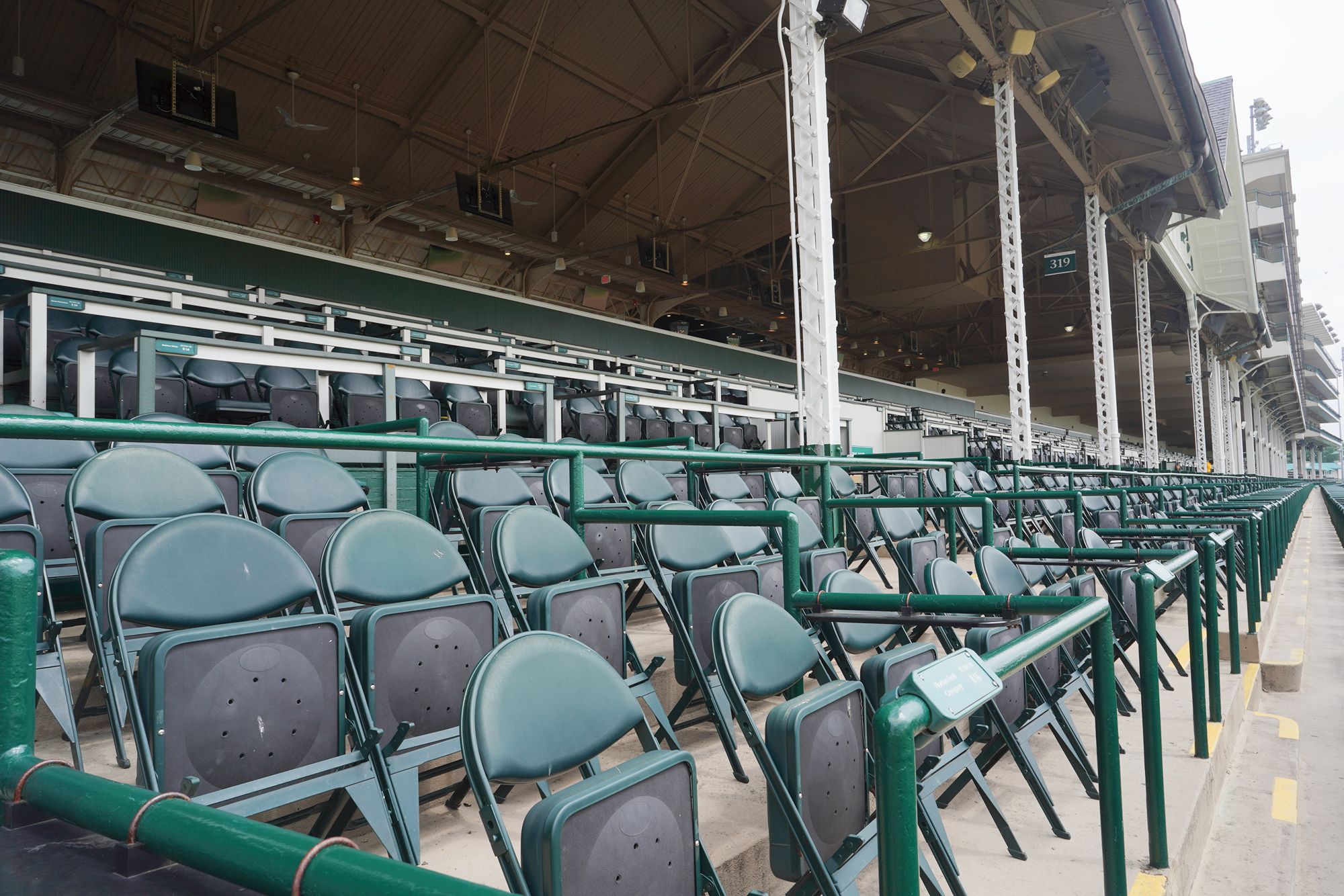
The Kentucky Derby is an annual thoroughbred horse race held on the first Saturday in May at Churchill Downs in Louisville, Kentucky, often called “the most exciting two minutes in sports.” It’s the first leg of the Triple Crown, drawing huge crowds dressed in extravagant hats and spring fashion. Fans celebrate with mint juleps, betting traditions, and the singing of “My Old Kentucky Home.” Founded in 1875, the Derby showcases three-year-old horses running 1¼ miles on a dirt track, blending elite competition, Southern pageantry, and a festival-like atmosphere that has become an enduring American cultural event.
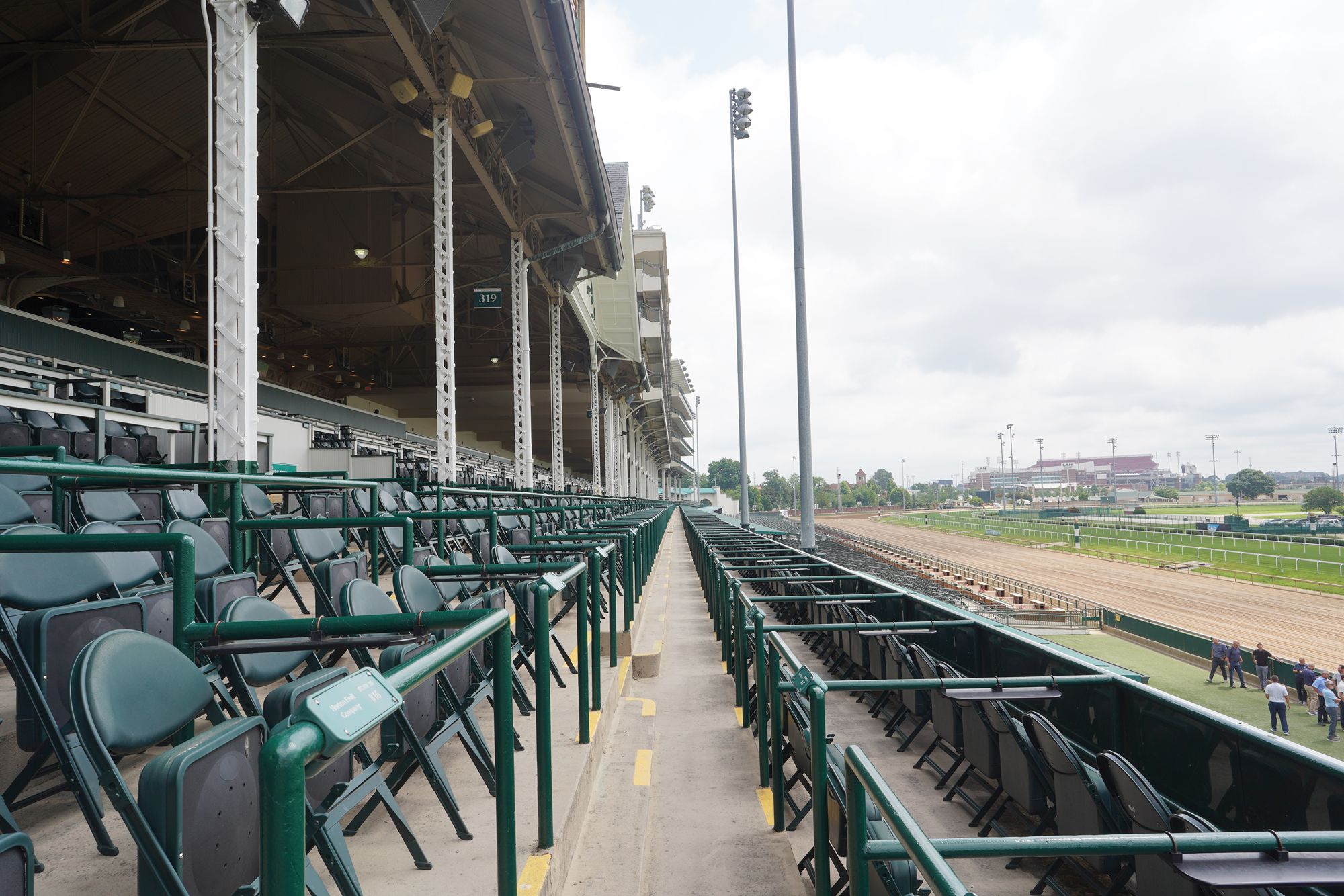
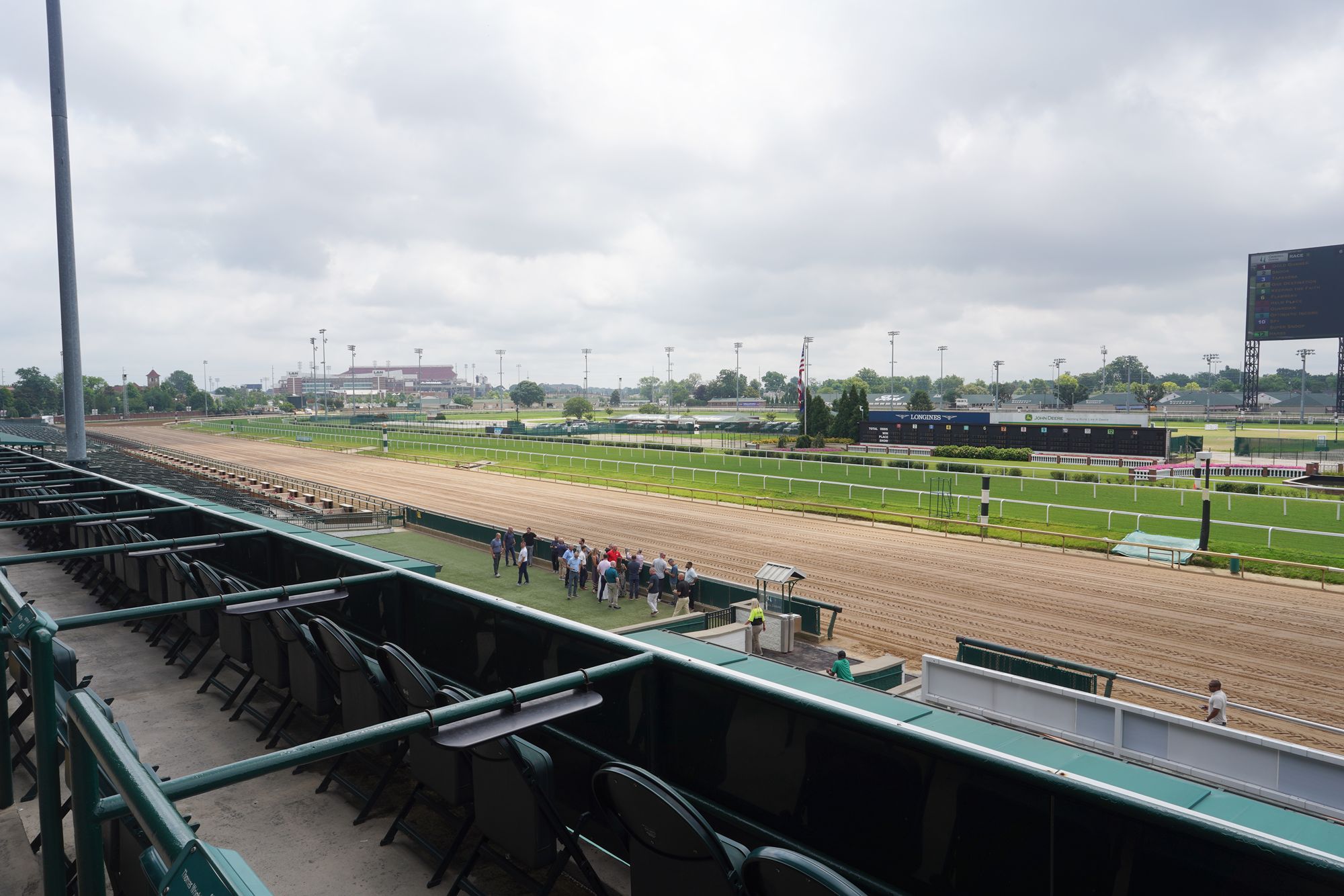
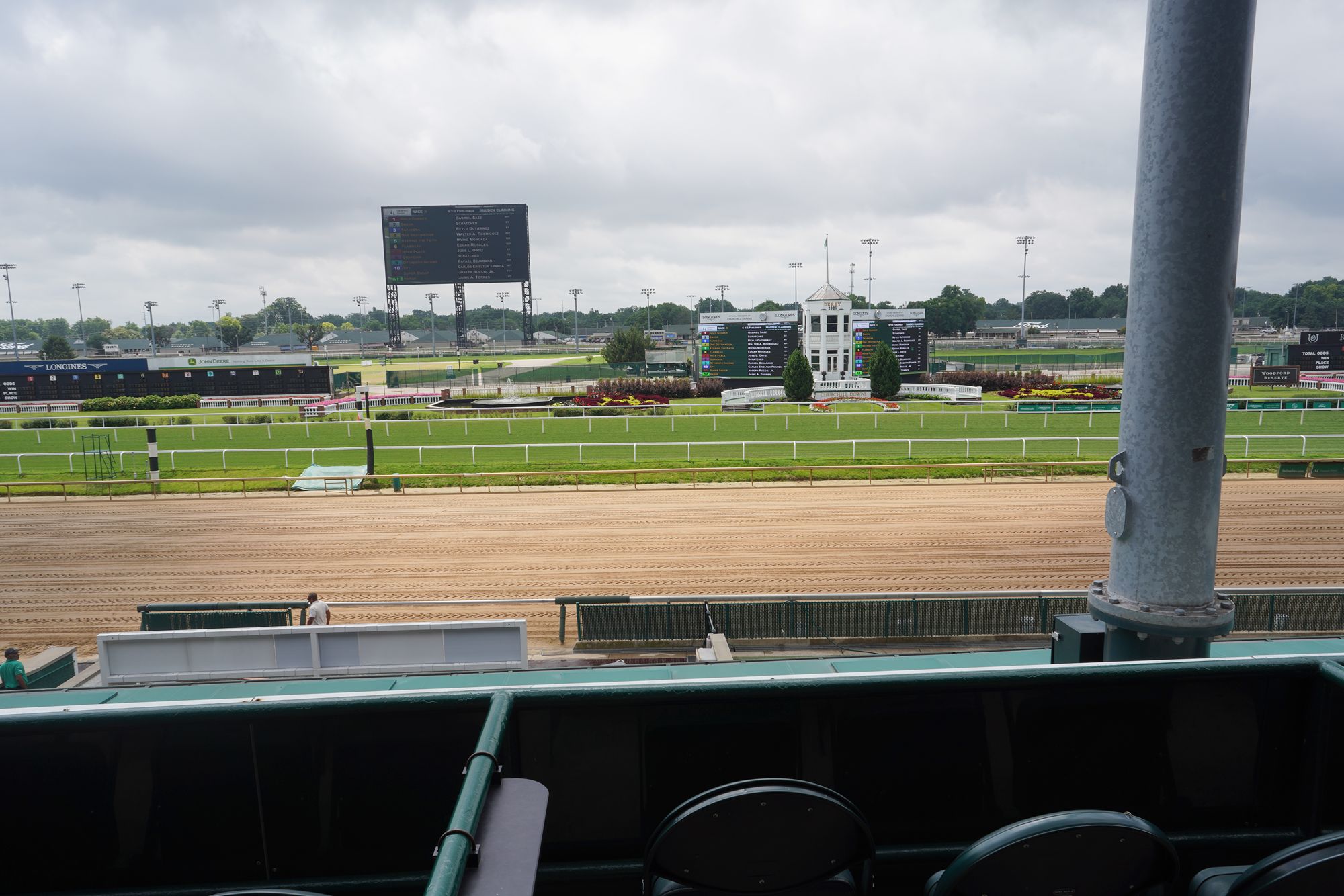
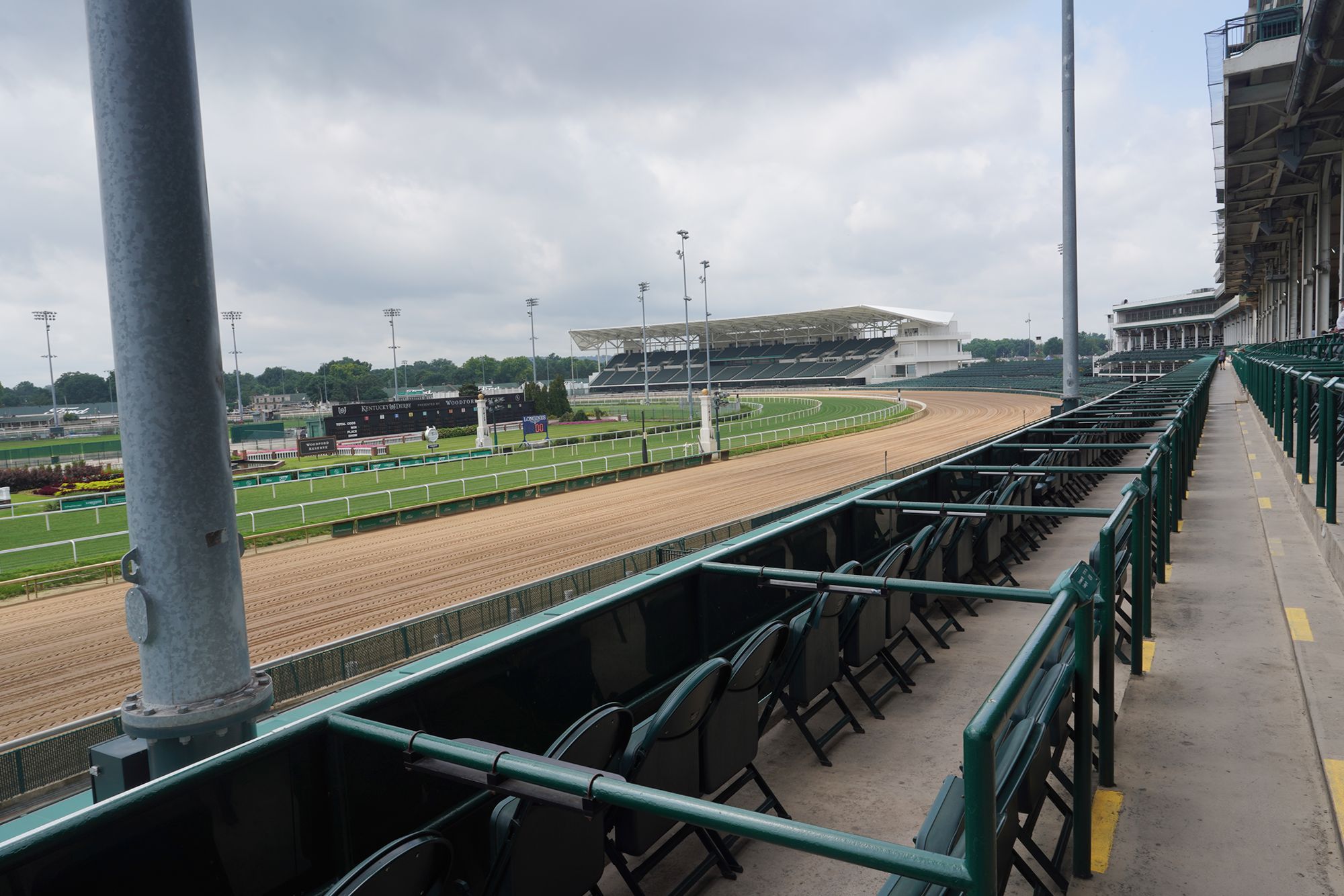
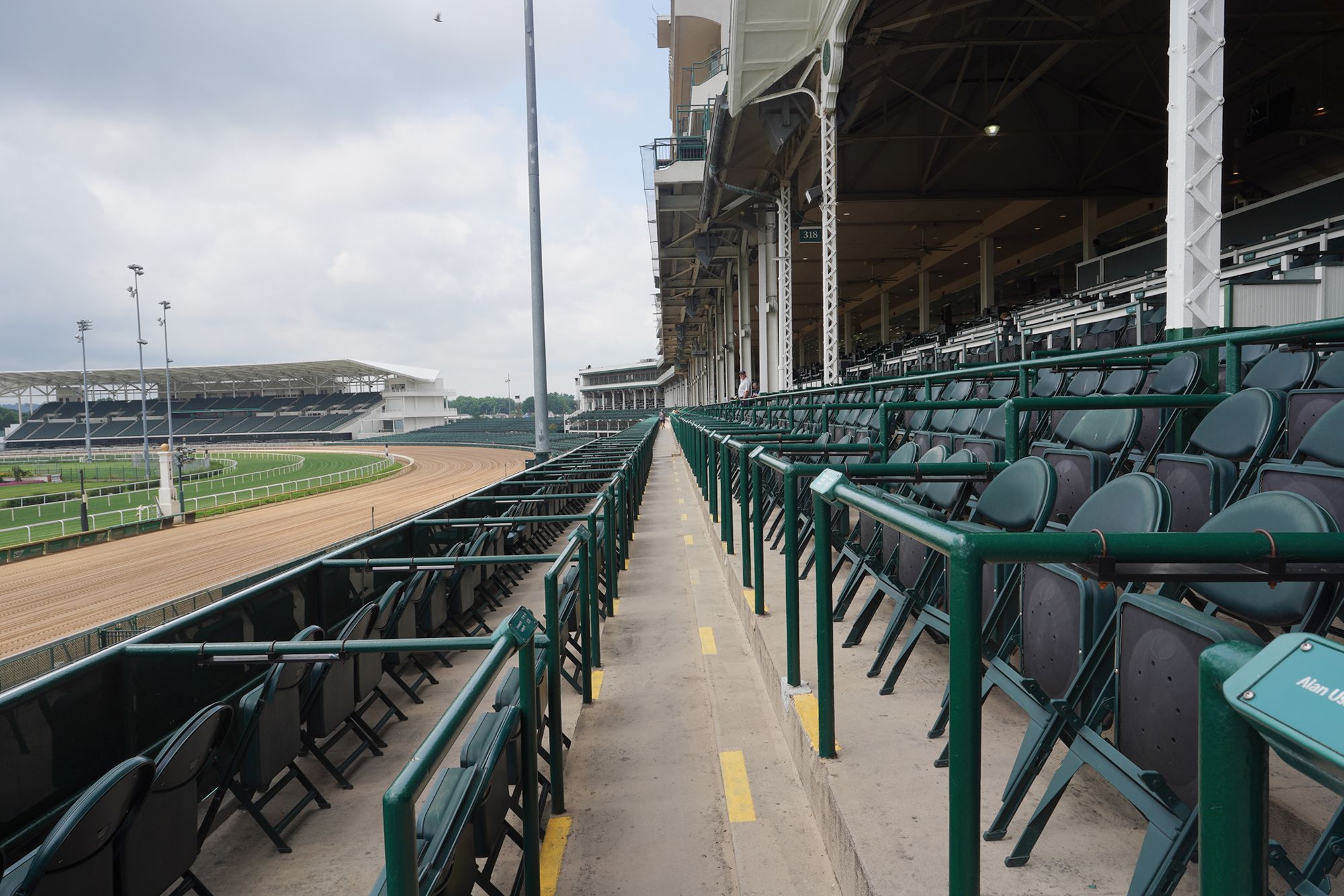
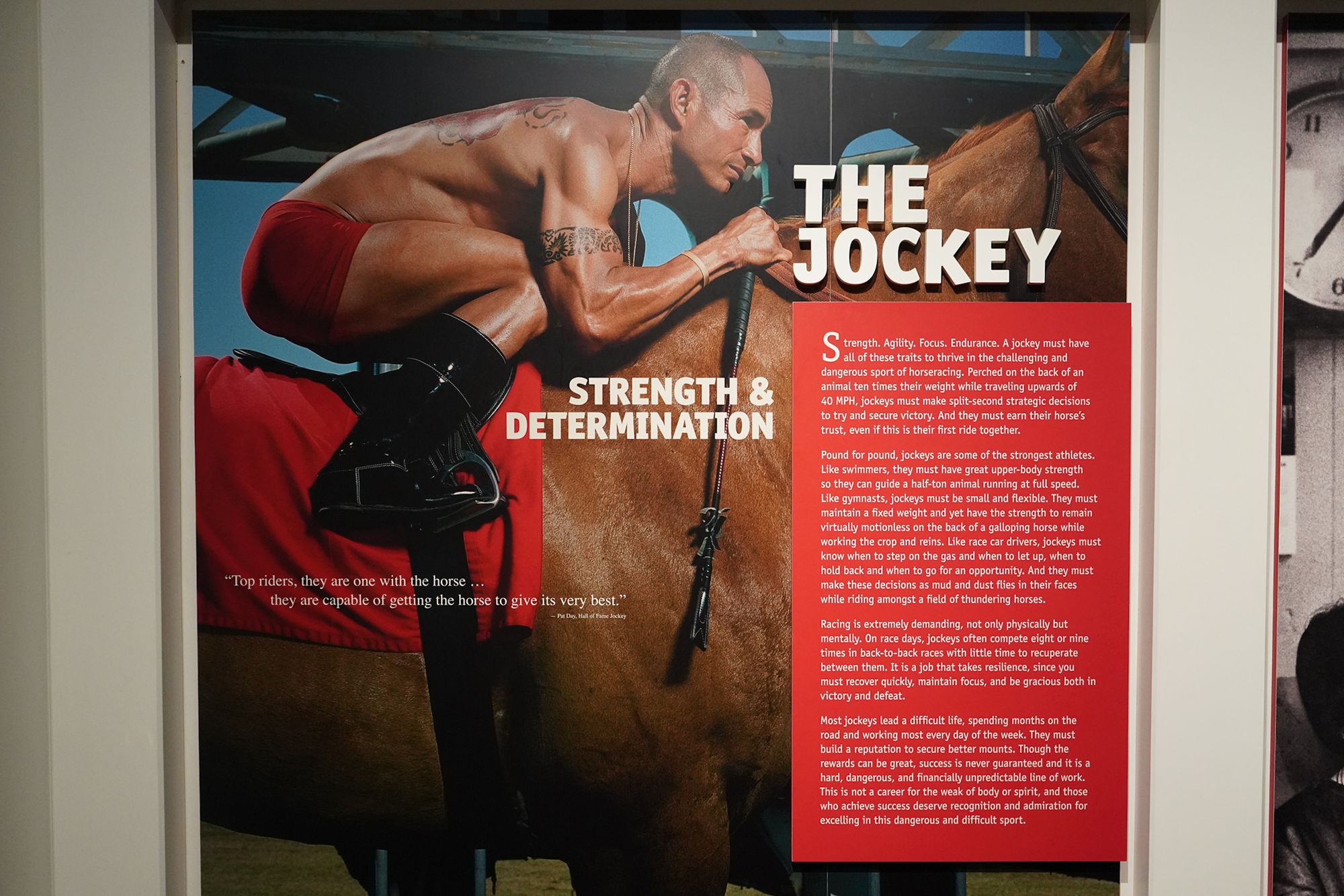
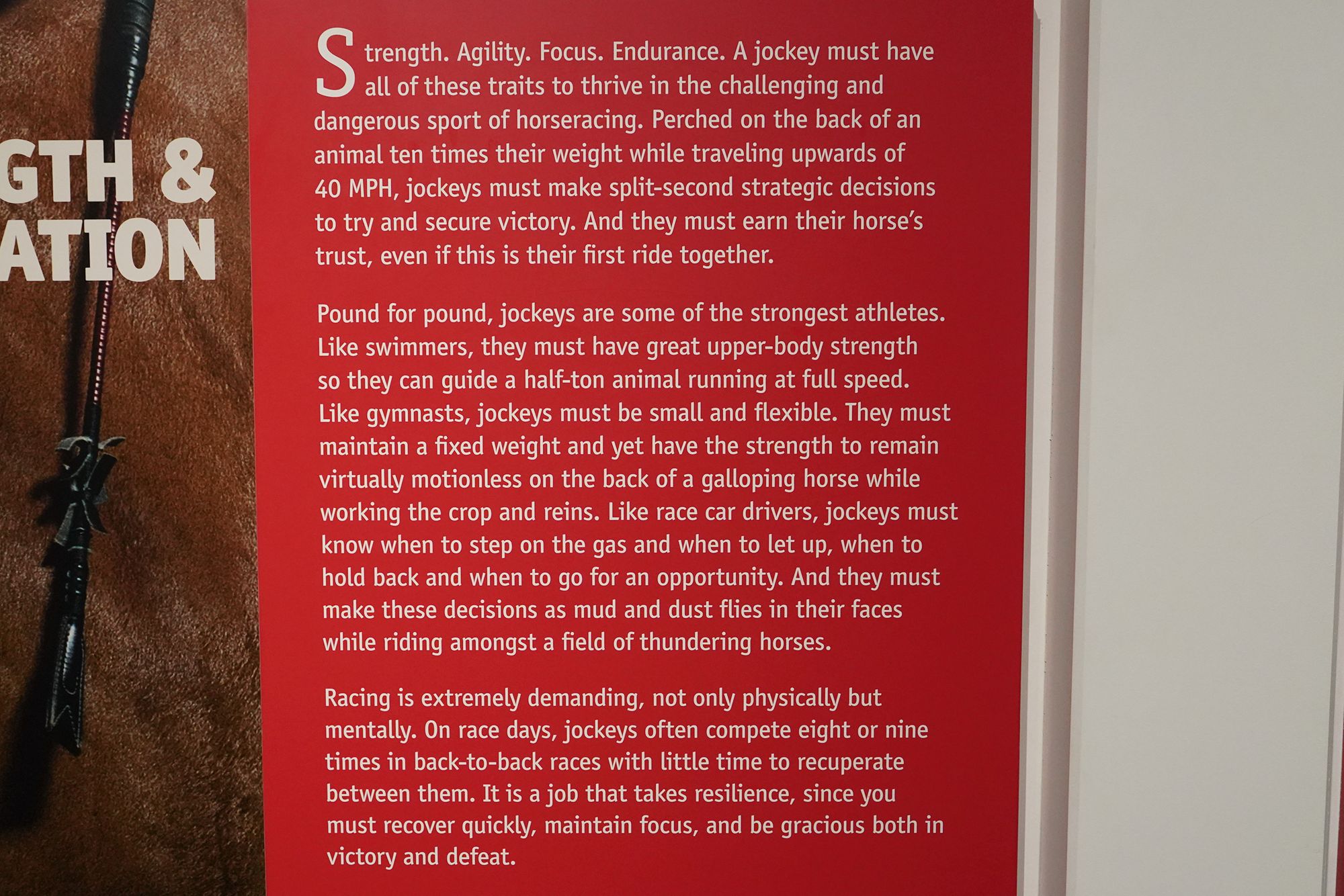
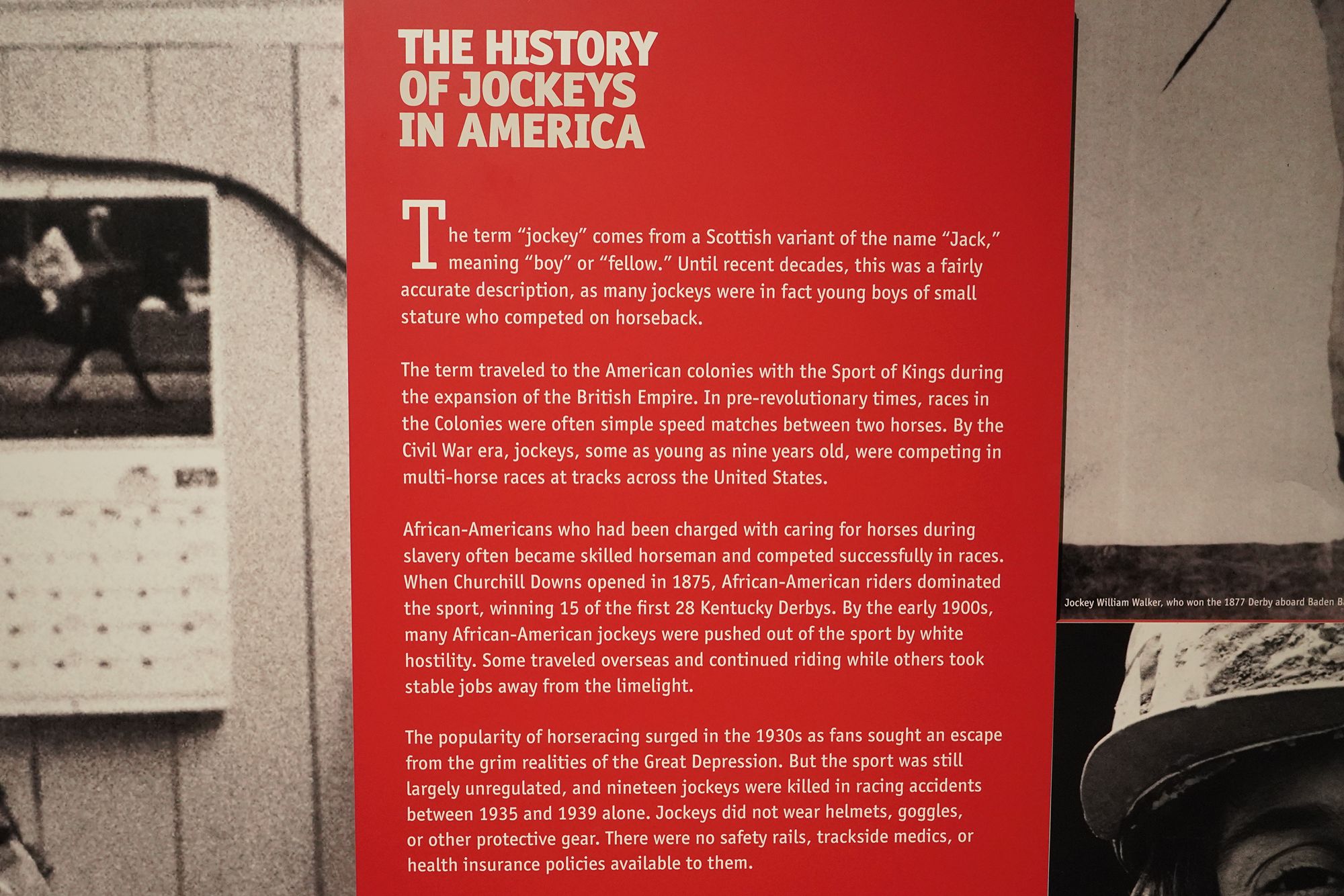
The track features a one-mile dirt oval, a turf course, and massive grandstands that swell with crowds each spring during Derby weekend. Beyond racing, the facility includes stables, training areas, and museum exhibits that highlight jockey legends, thoroughbred breeding, wagering culture, and the event’s colorful traditions—like extravagant hats and mint juleps.
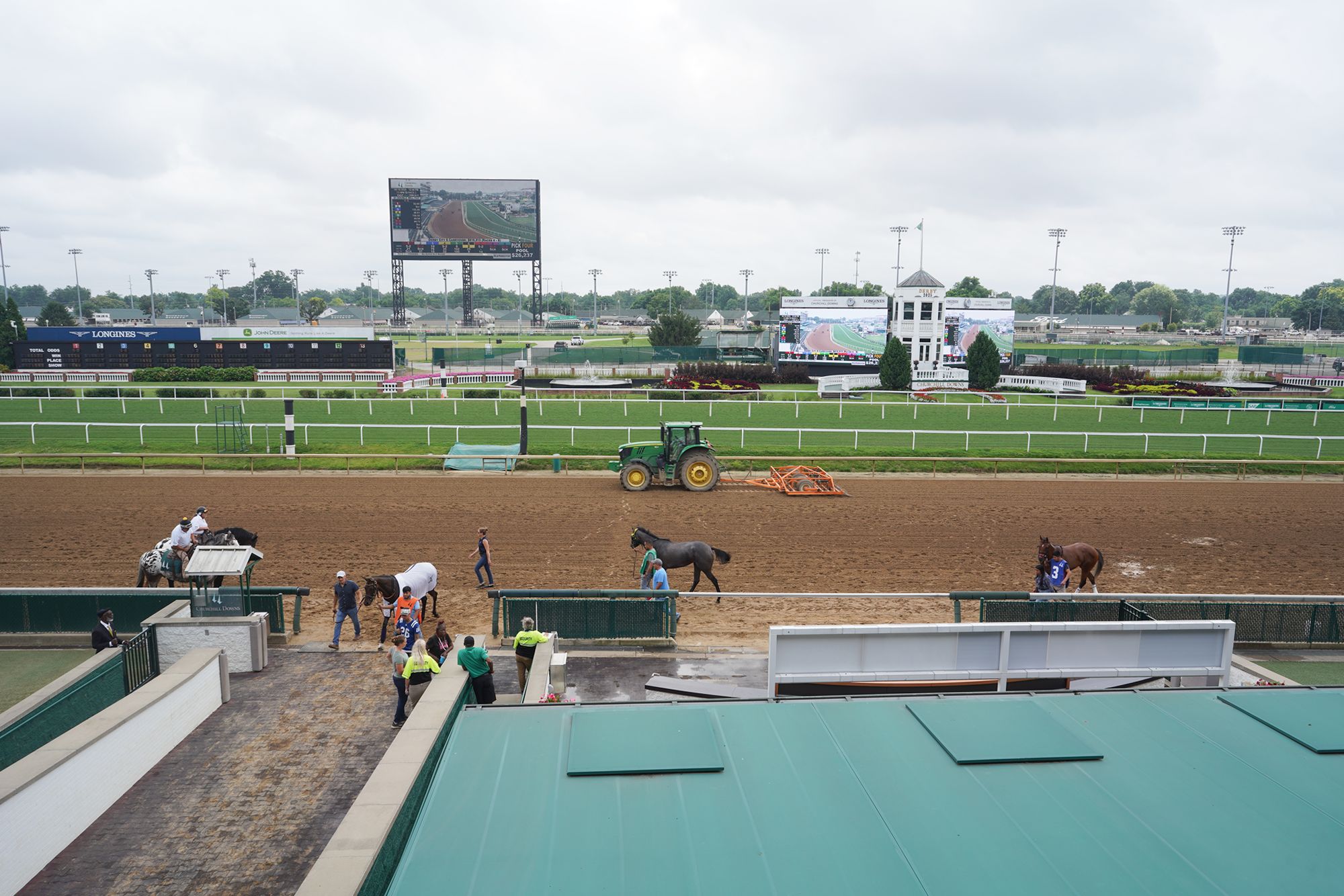
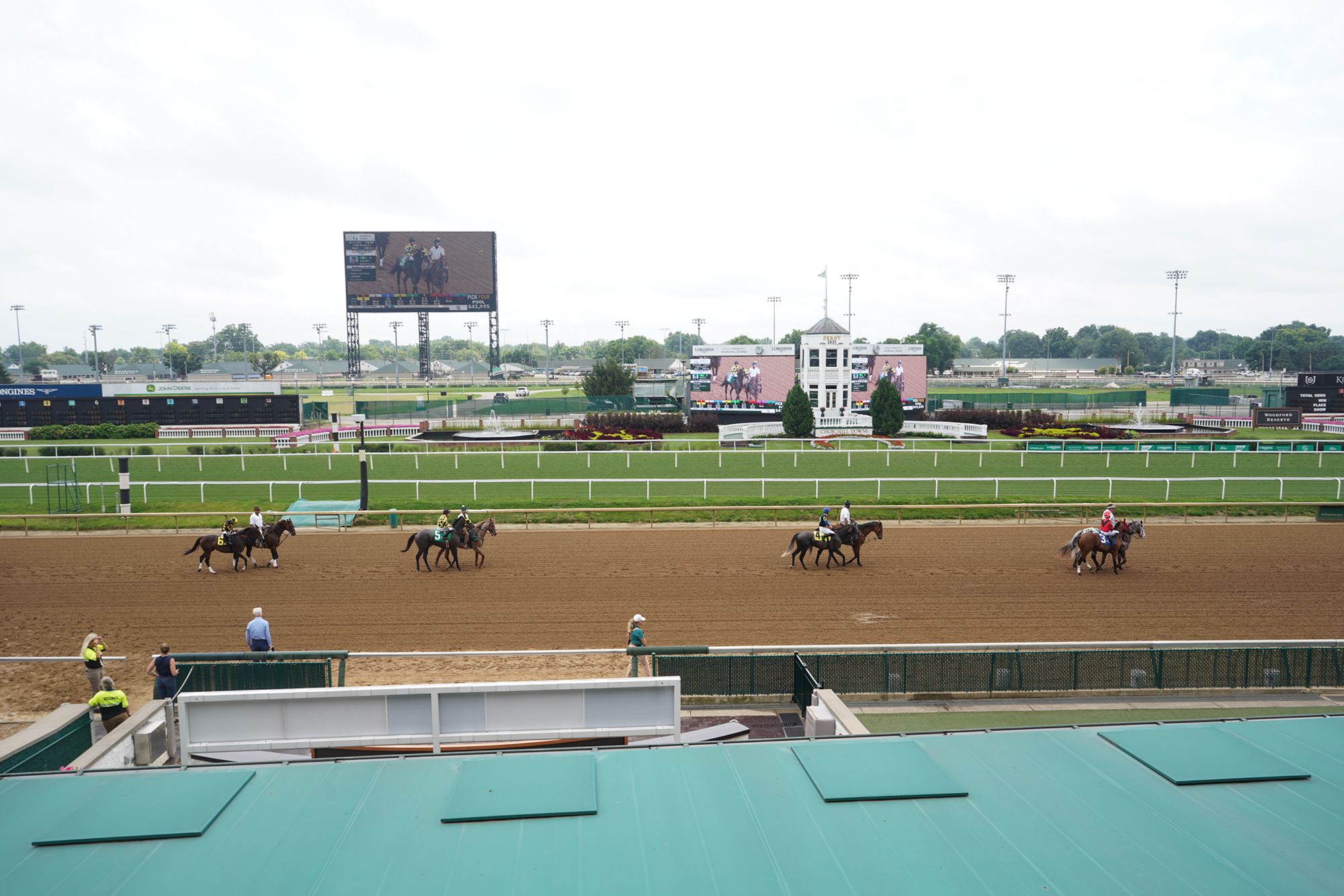
On non-Derby days, Churchill Downs continues to host regular thoroughbred races as part of its spring, summer, and fall racing meets. These events feature a mix of lower-stakes and mid-level races for developing horses, local trainers, and regional competitors, offering opportunities for wagering, training, and evaluating young talent.
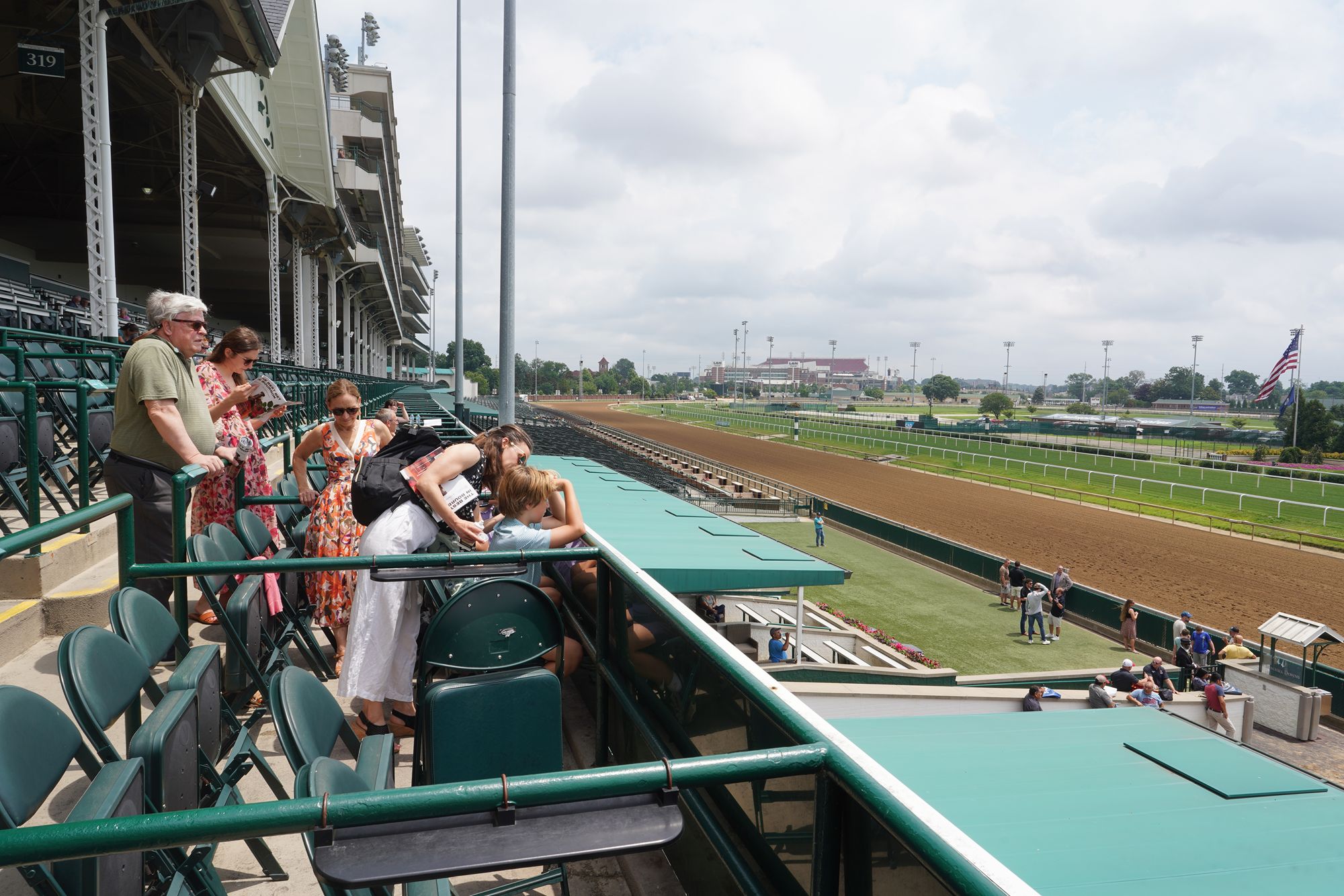
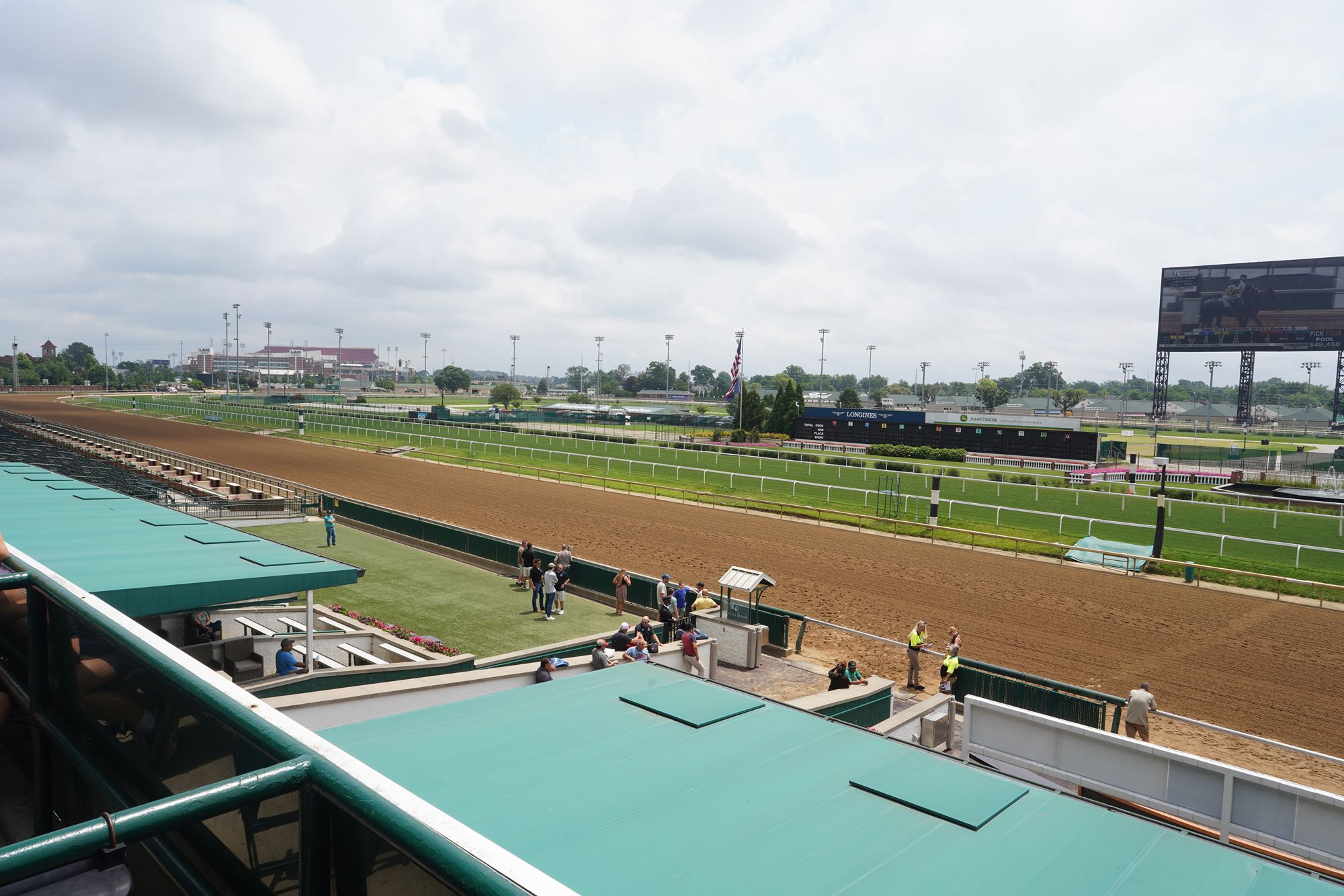
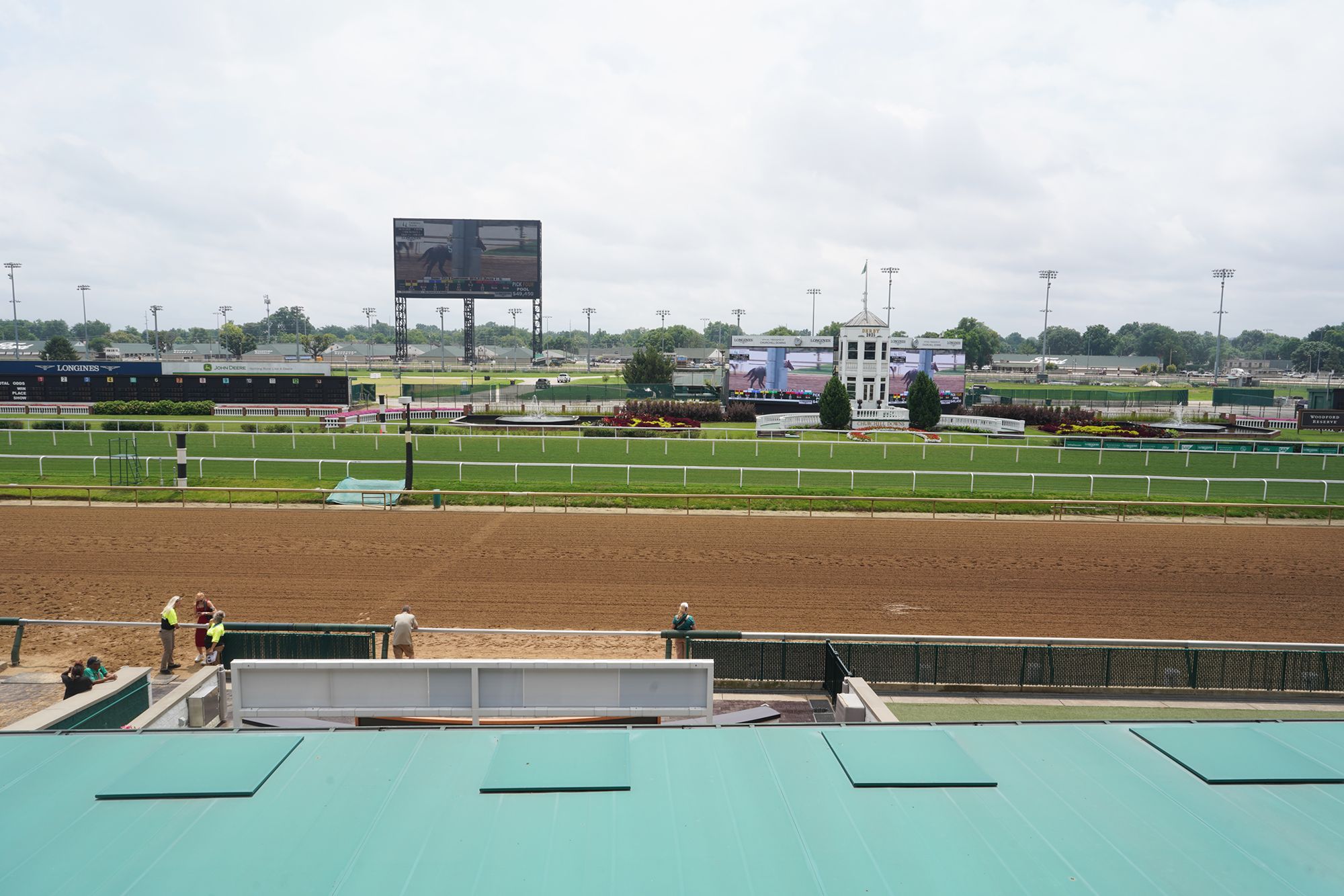
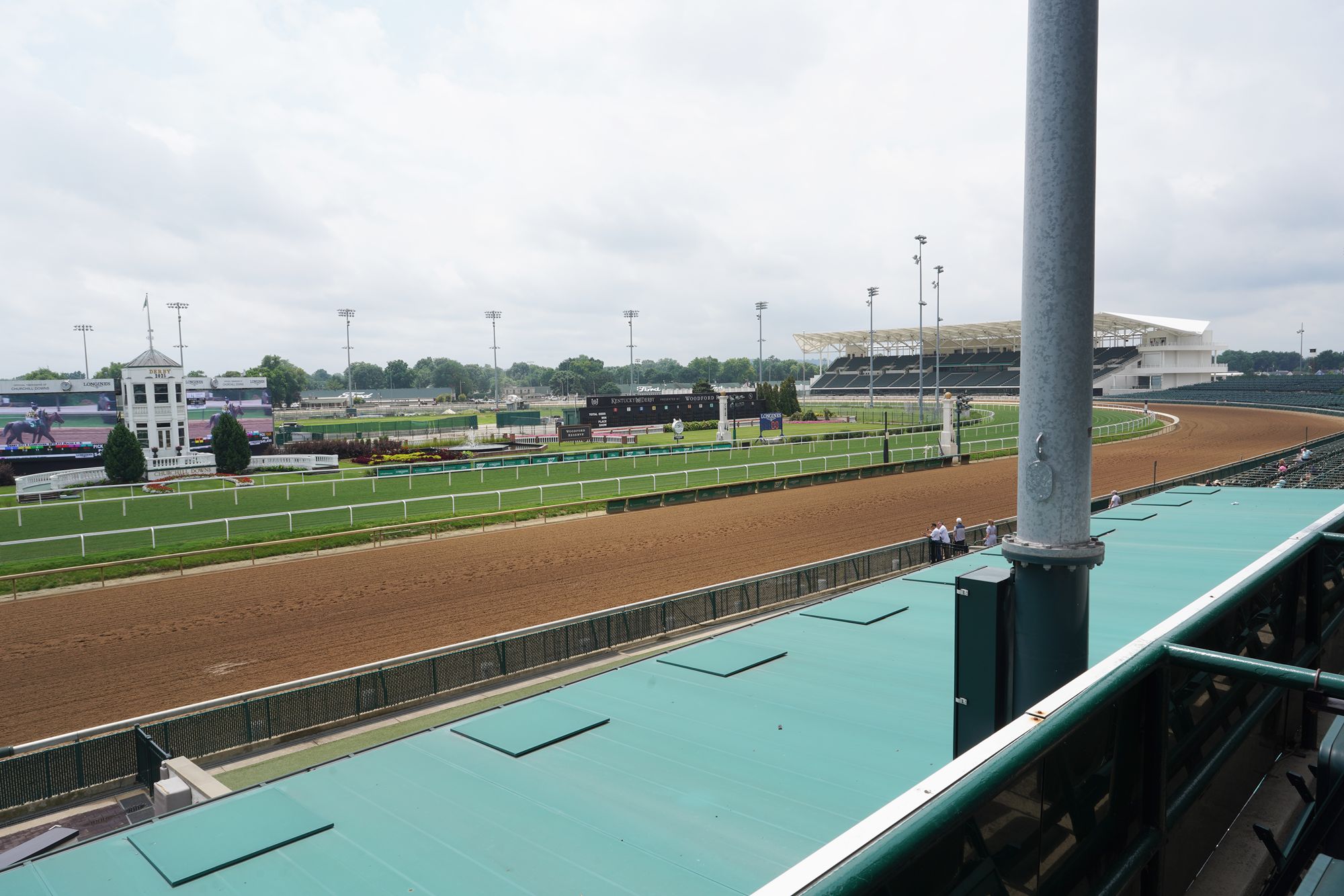
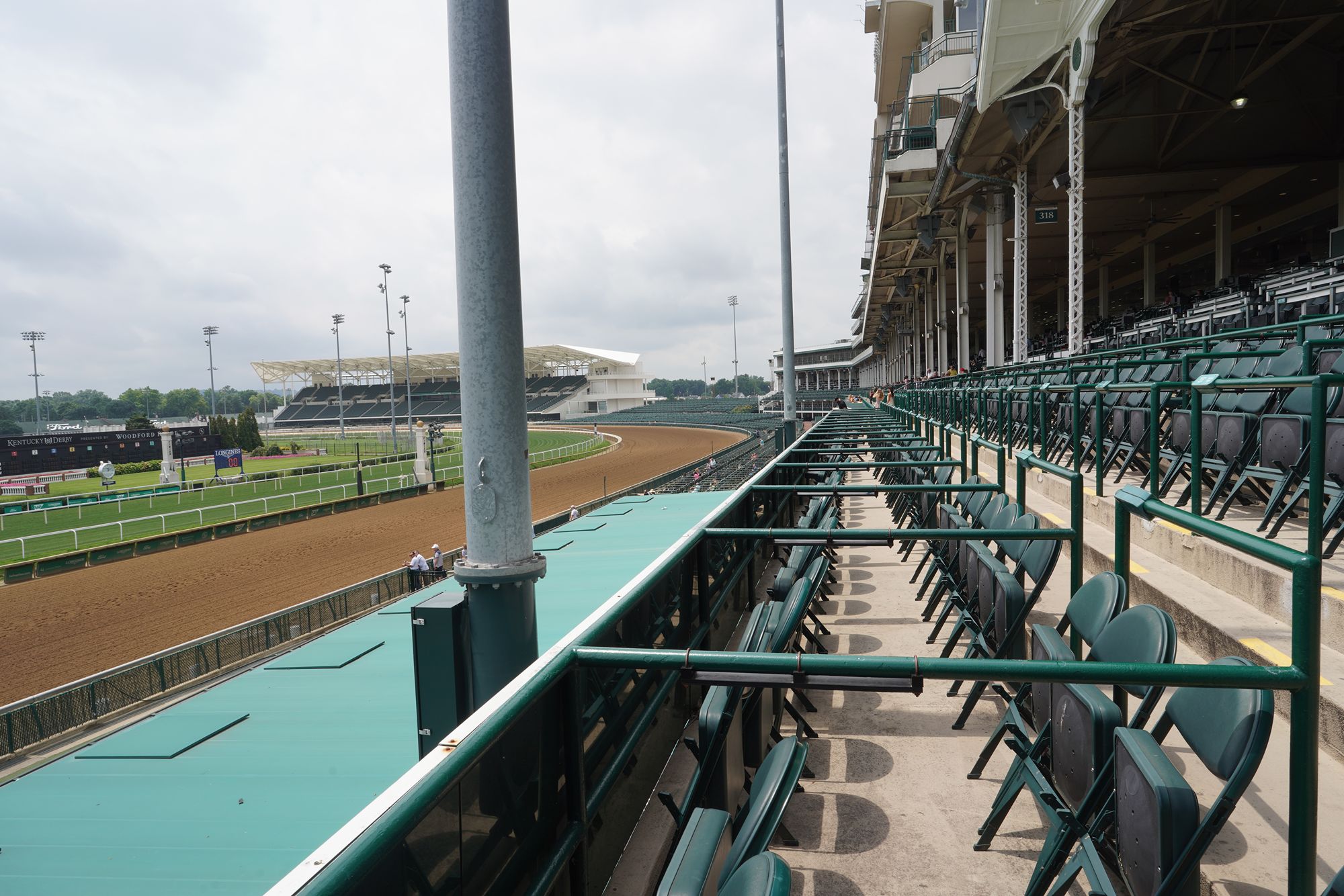
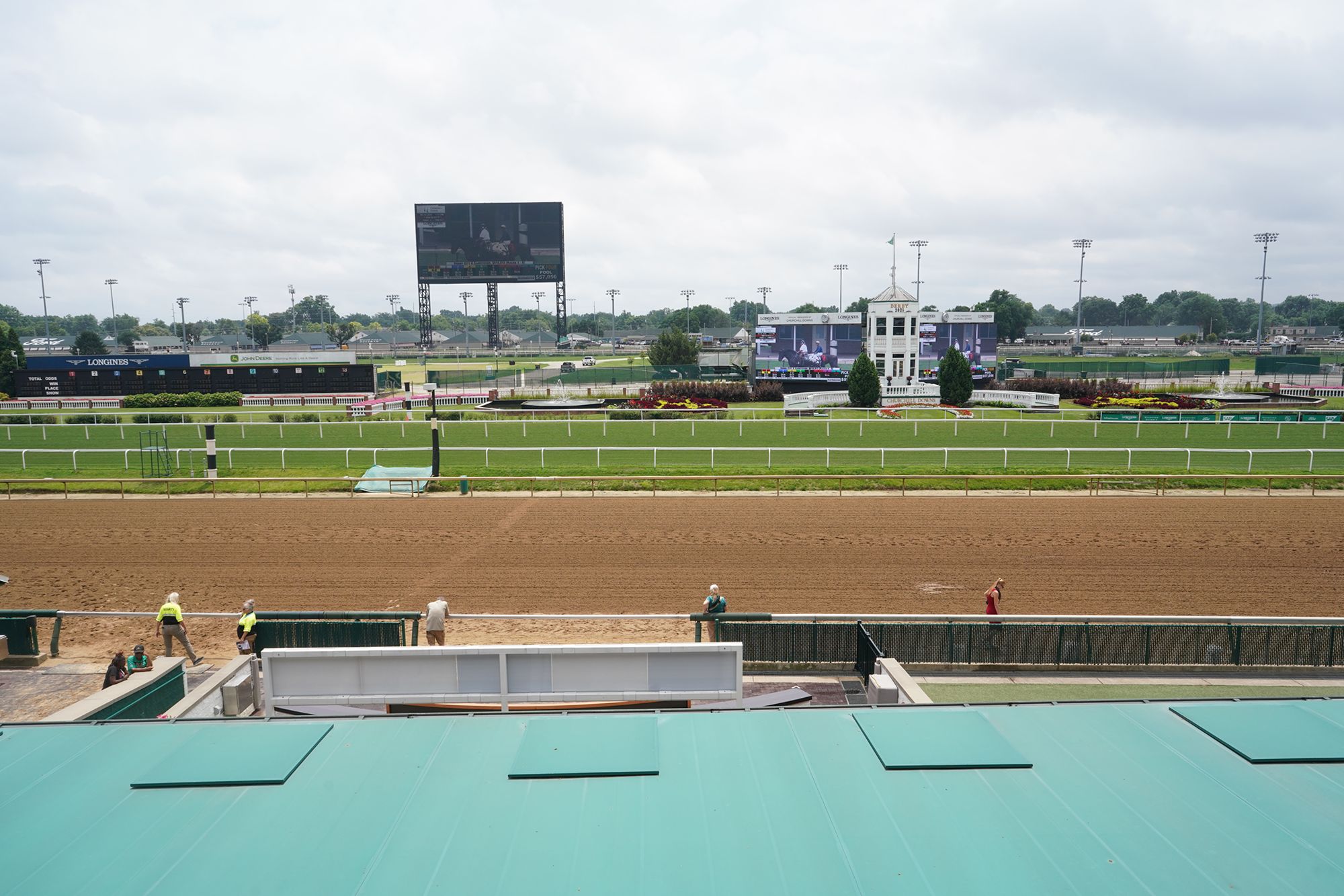
On the day I visited, there were horse races and gave me experience of it, though, not much speculators.
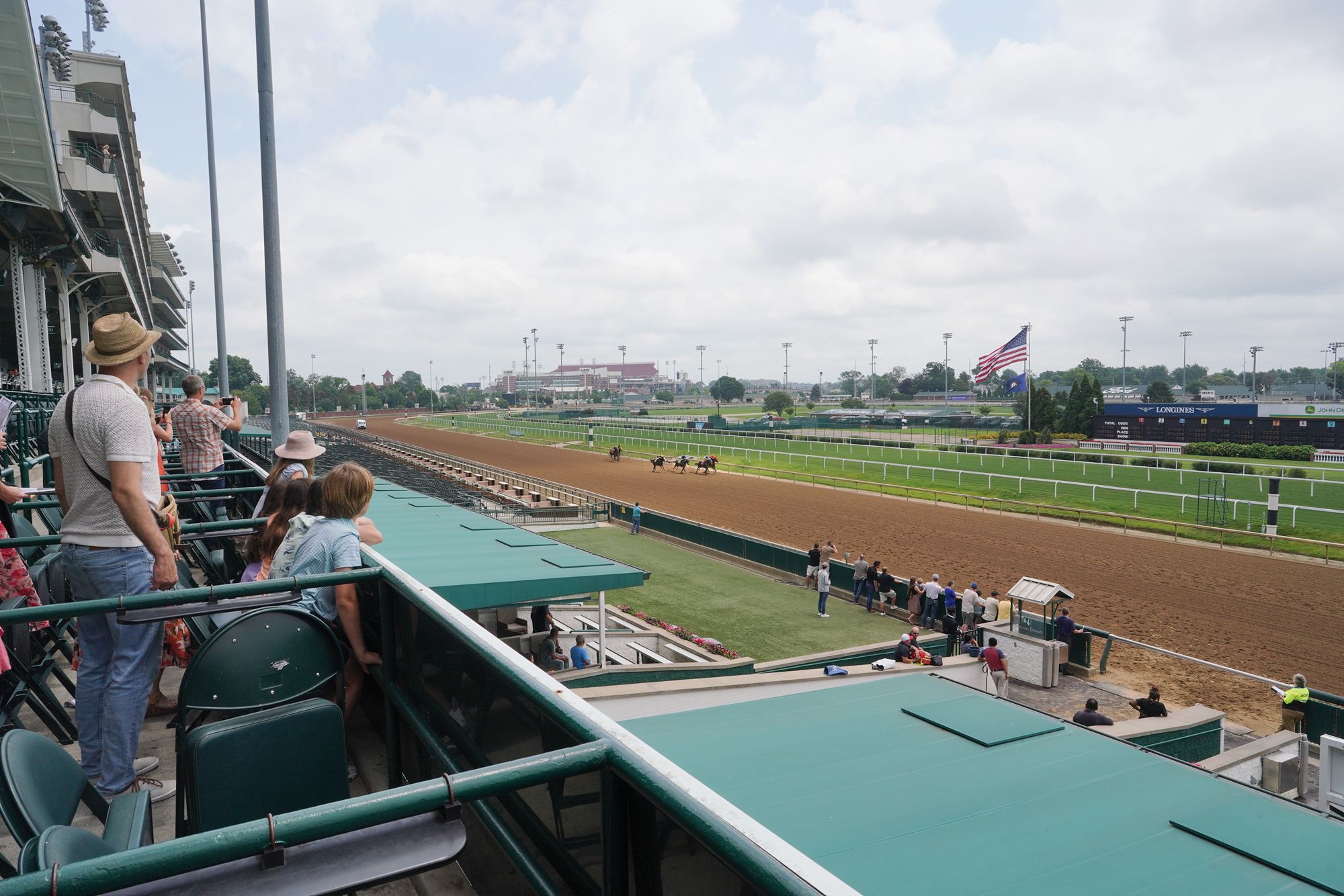
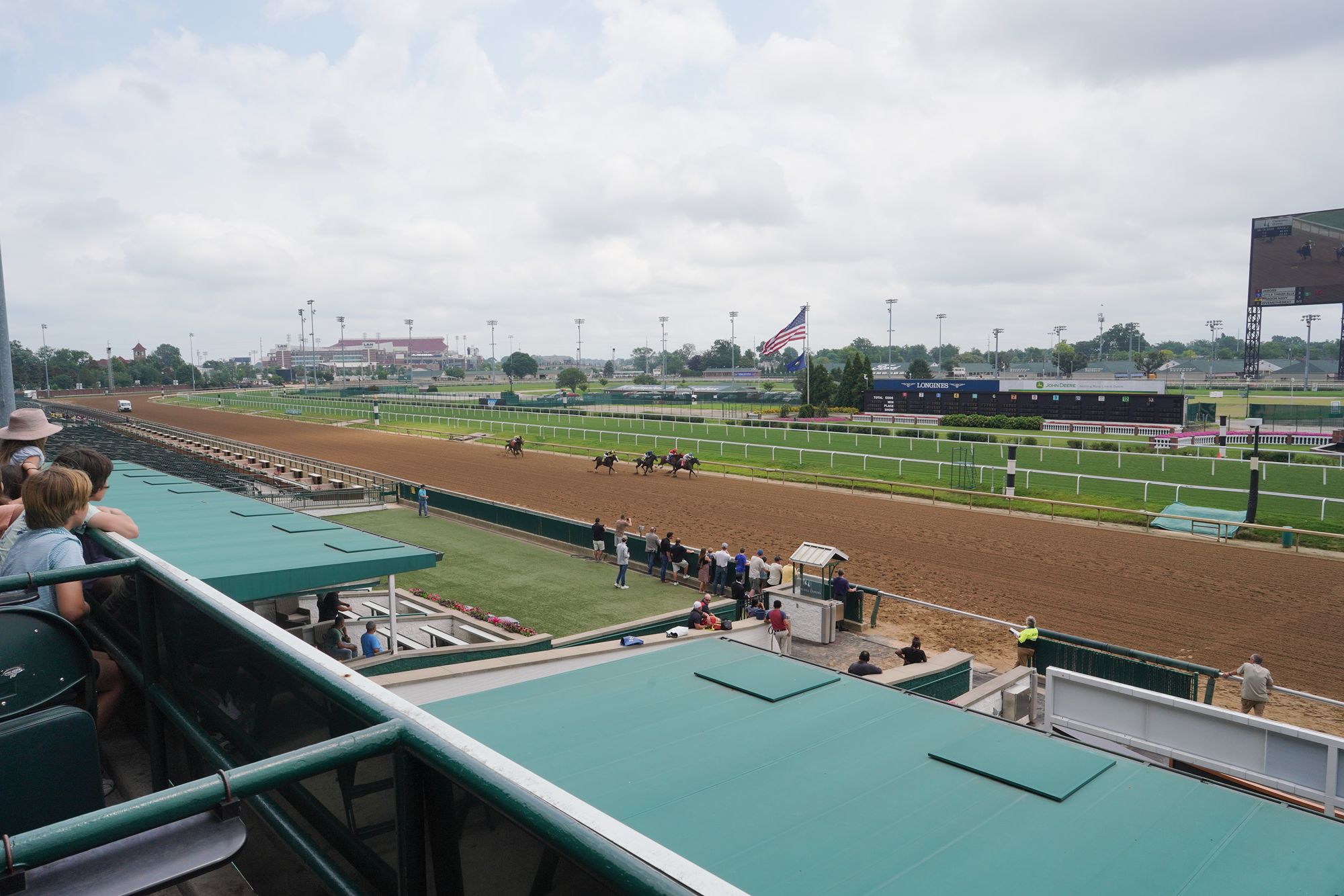
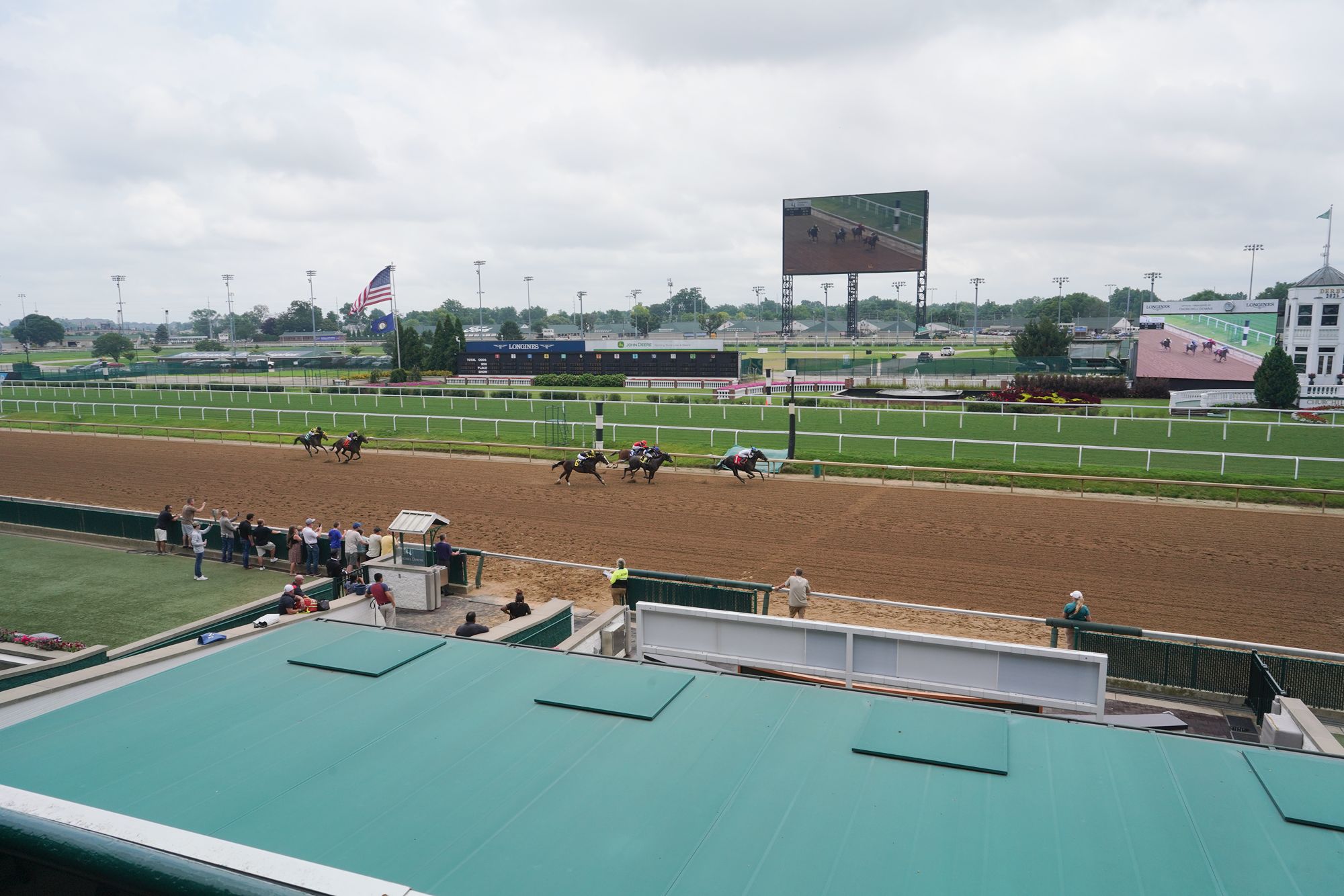
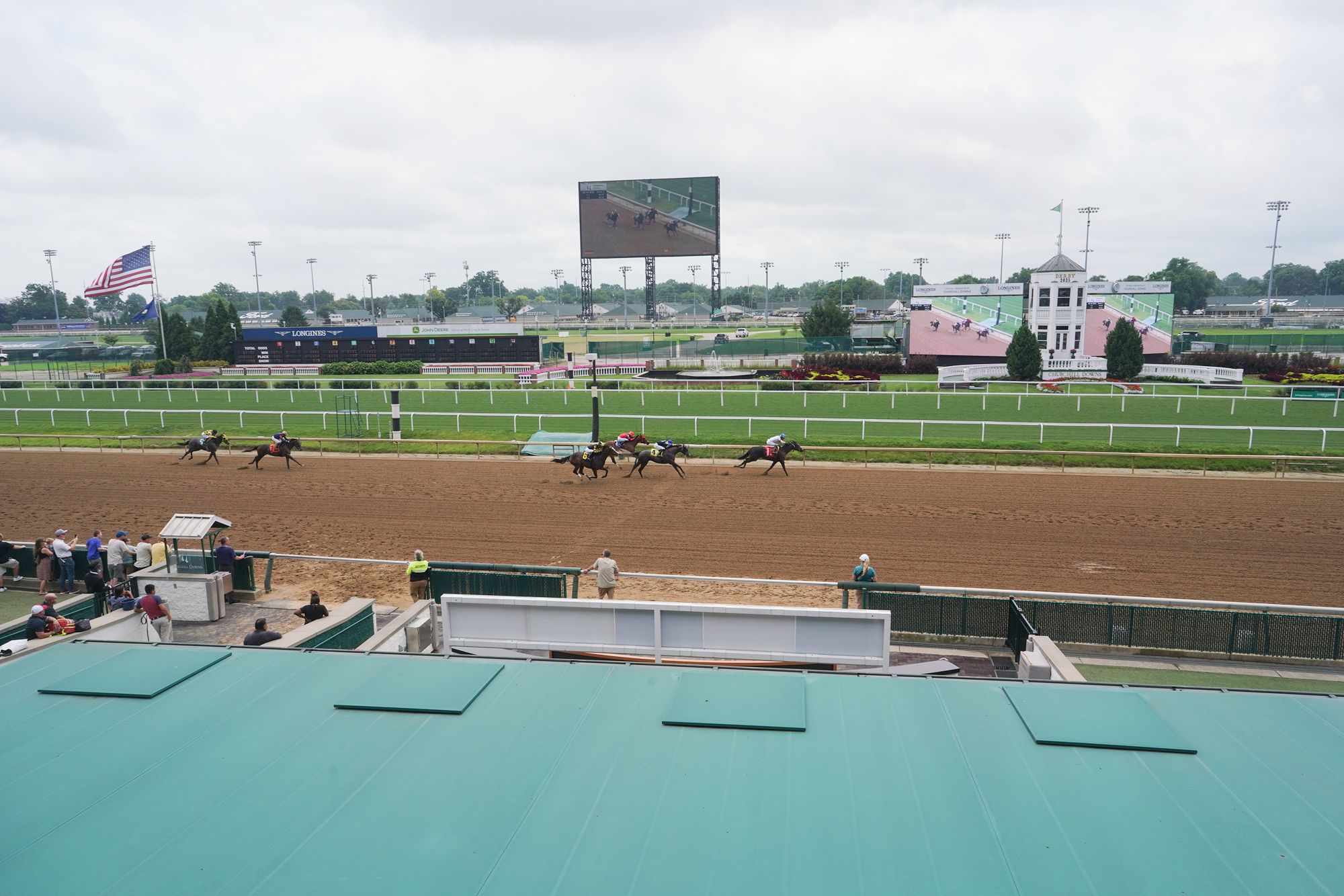
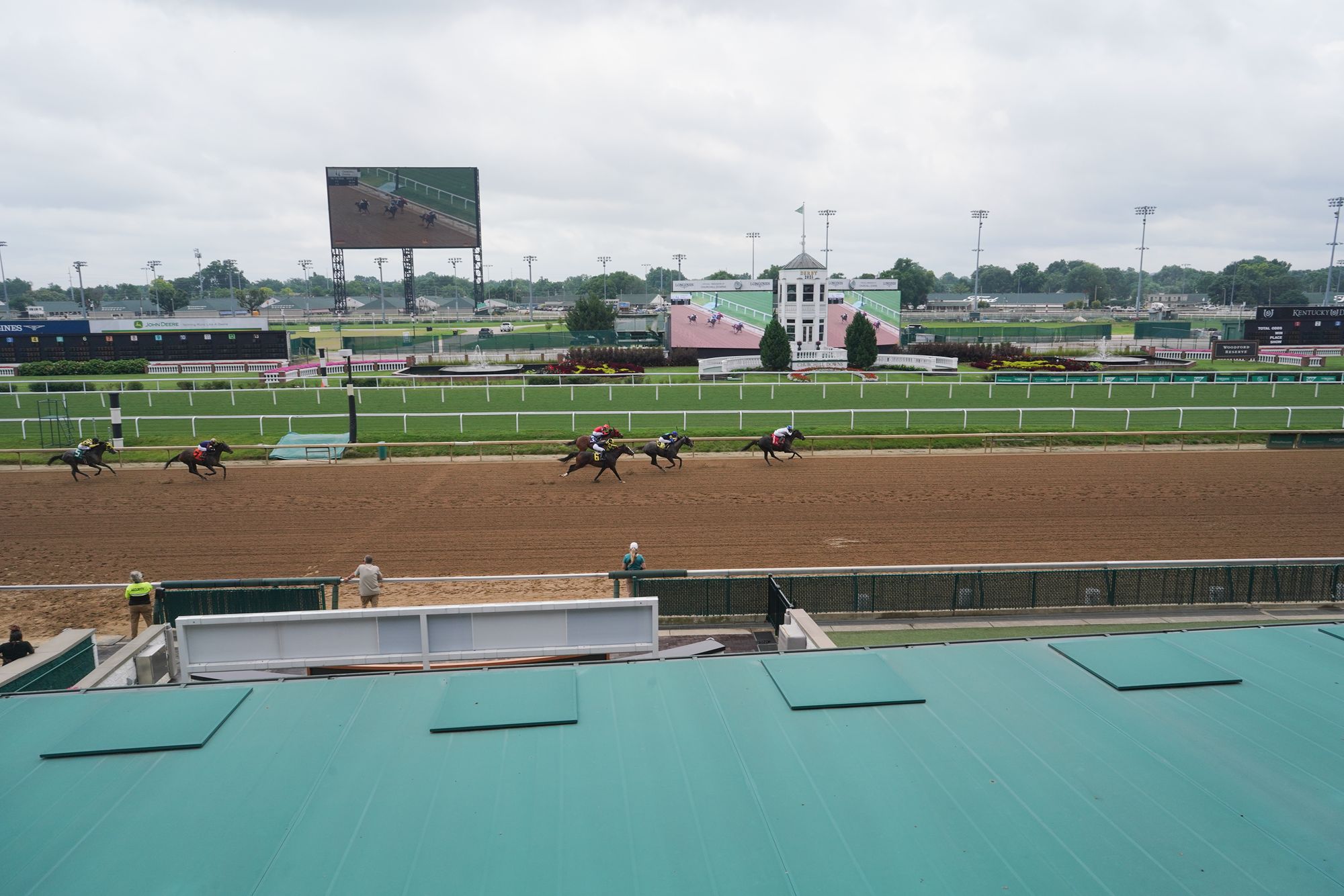
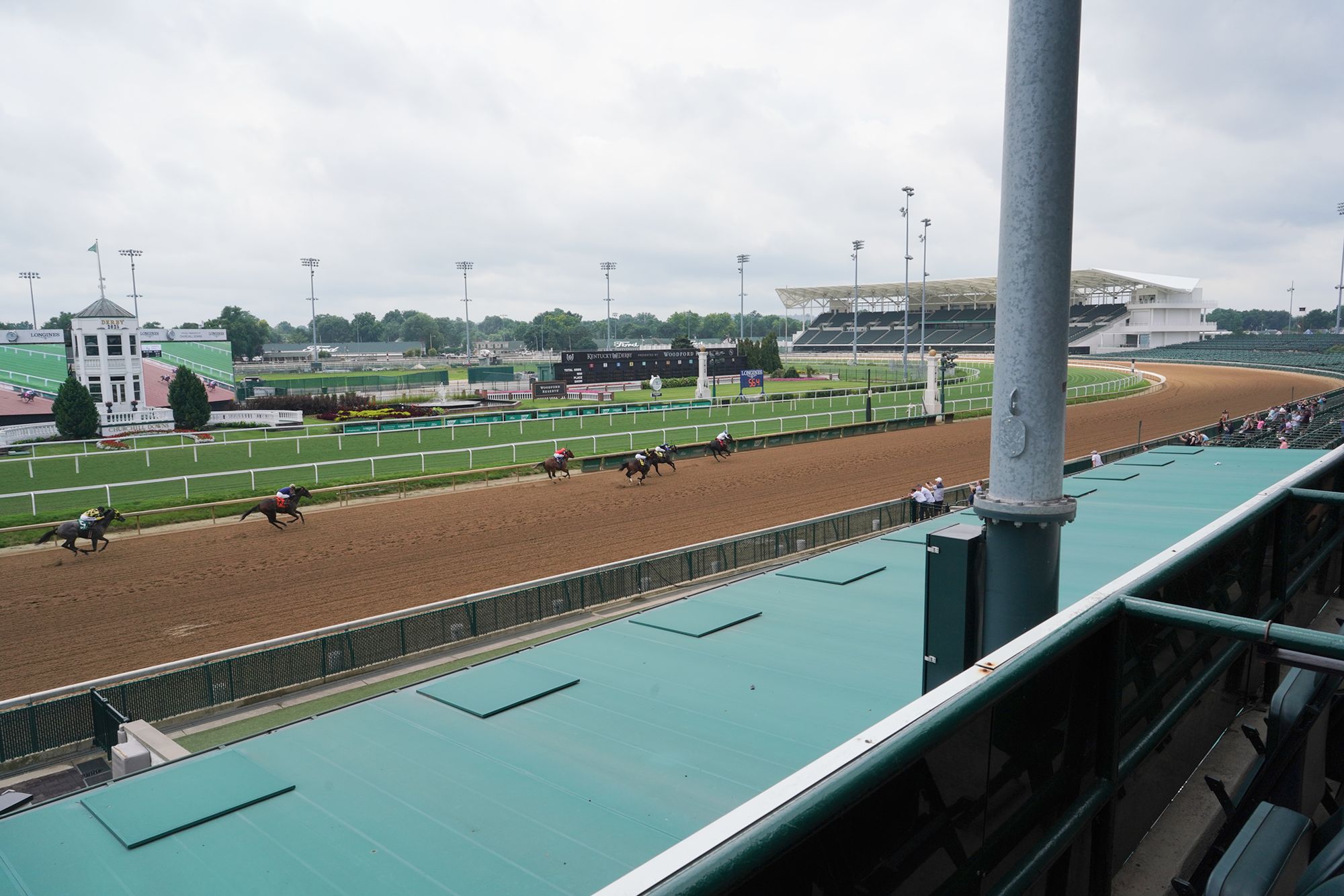
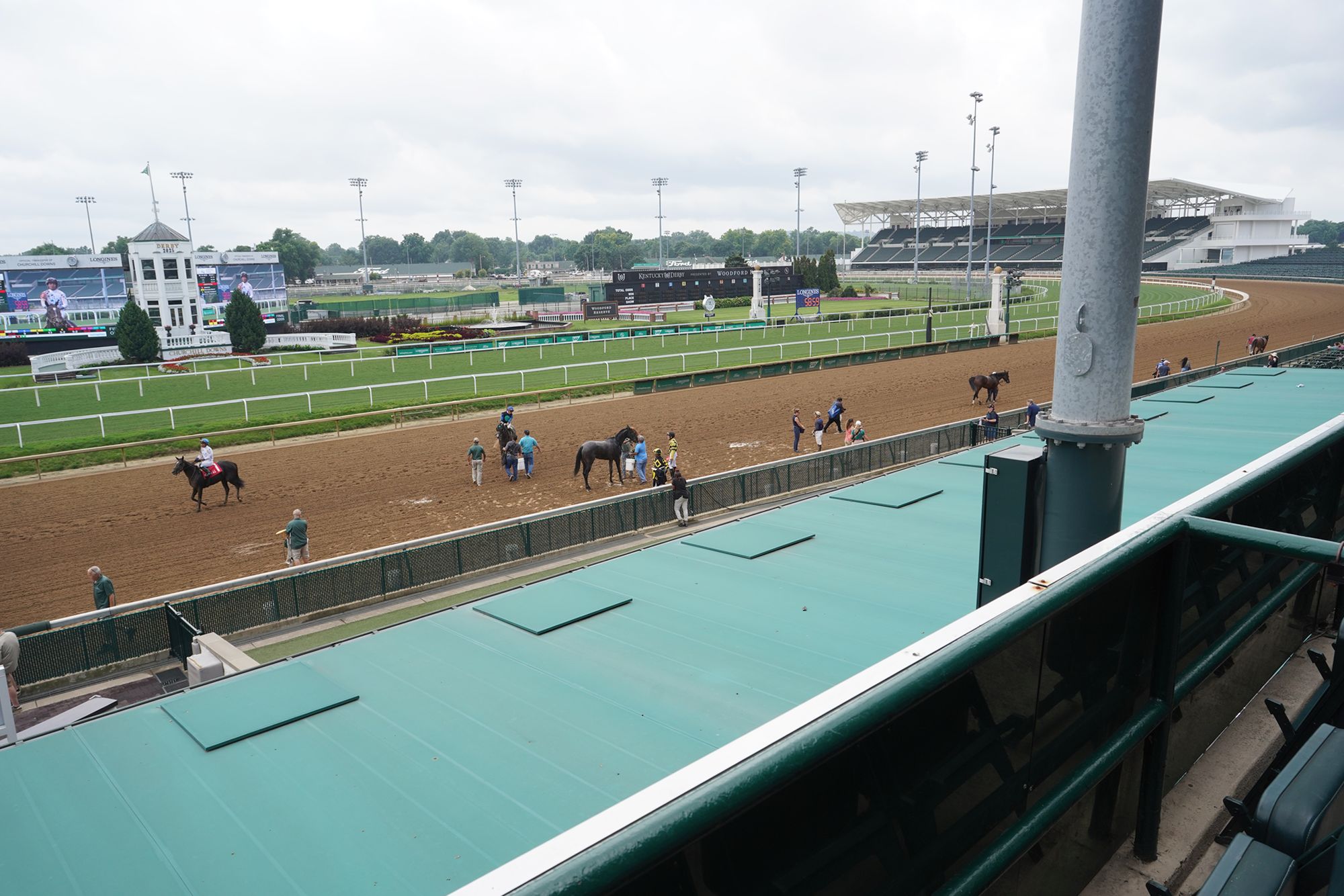
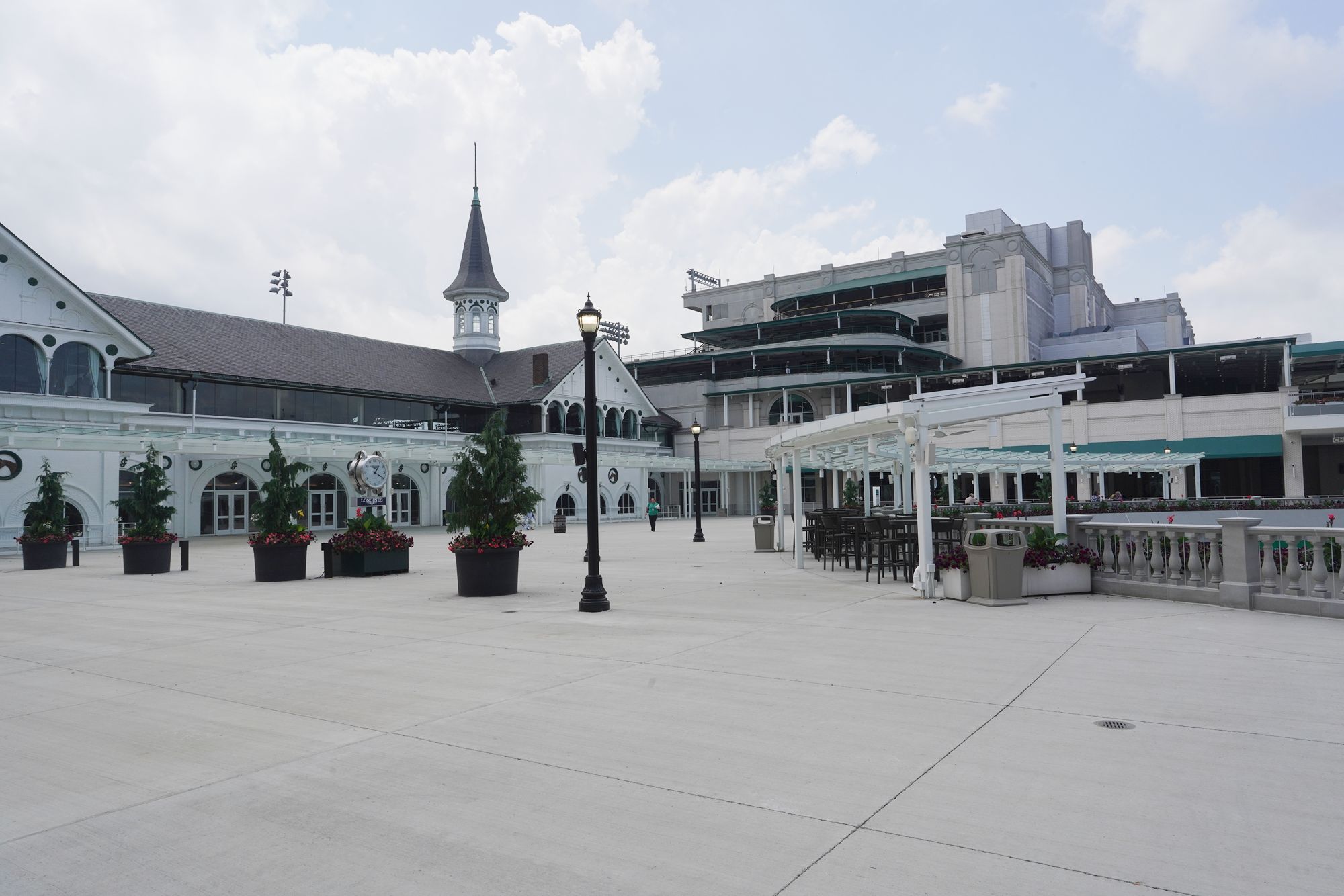
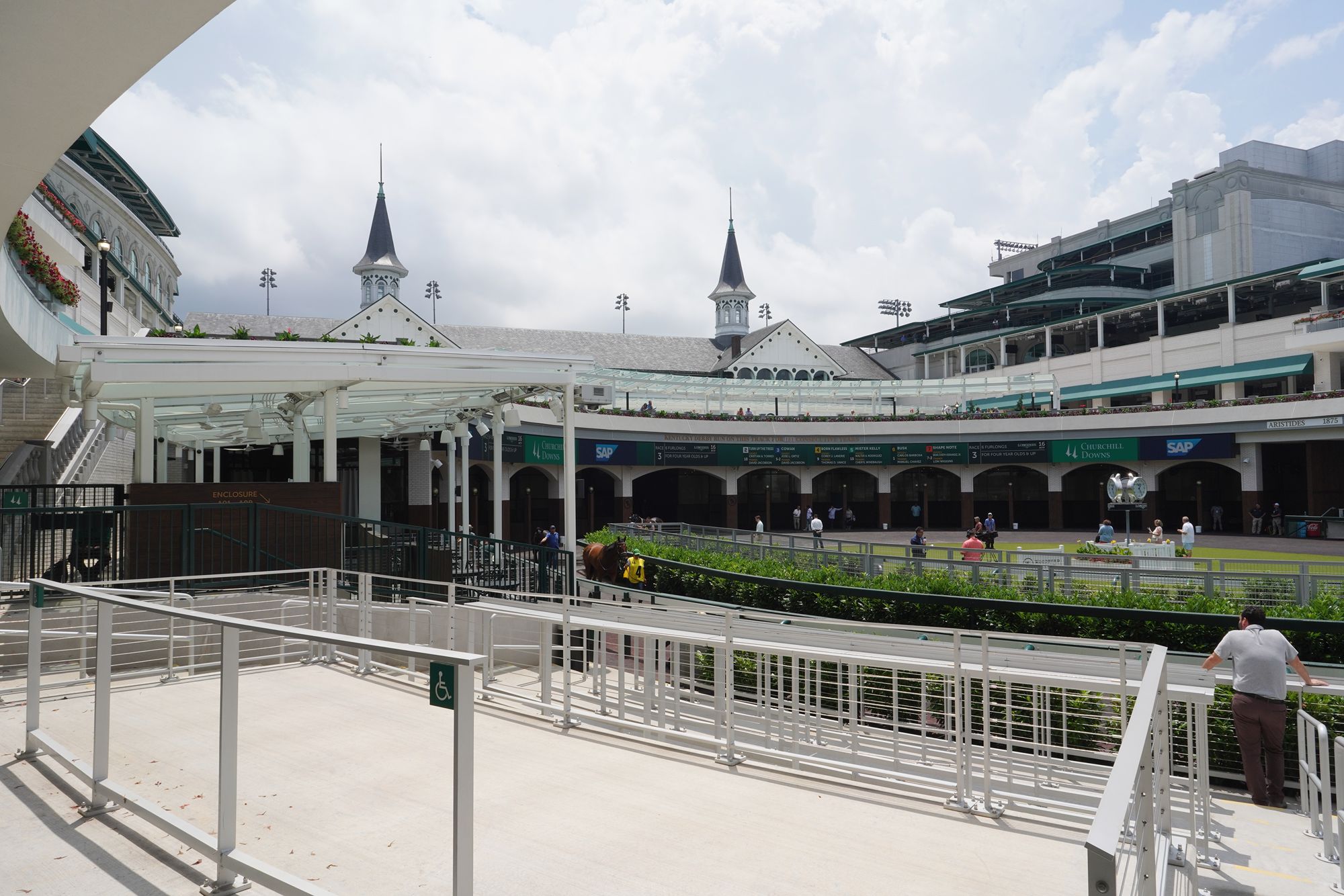
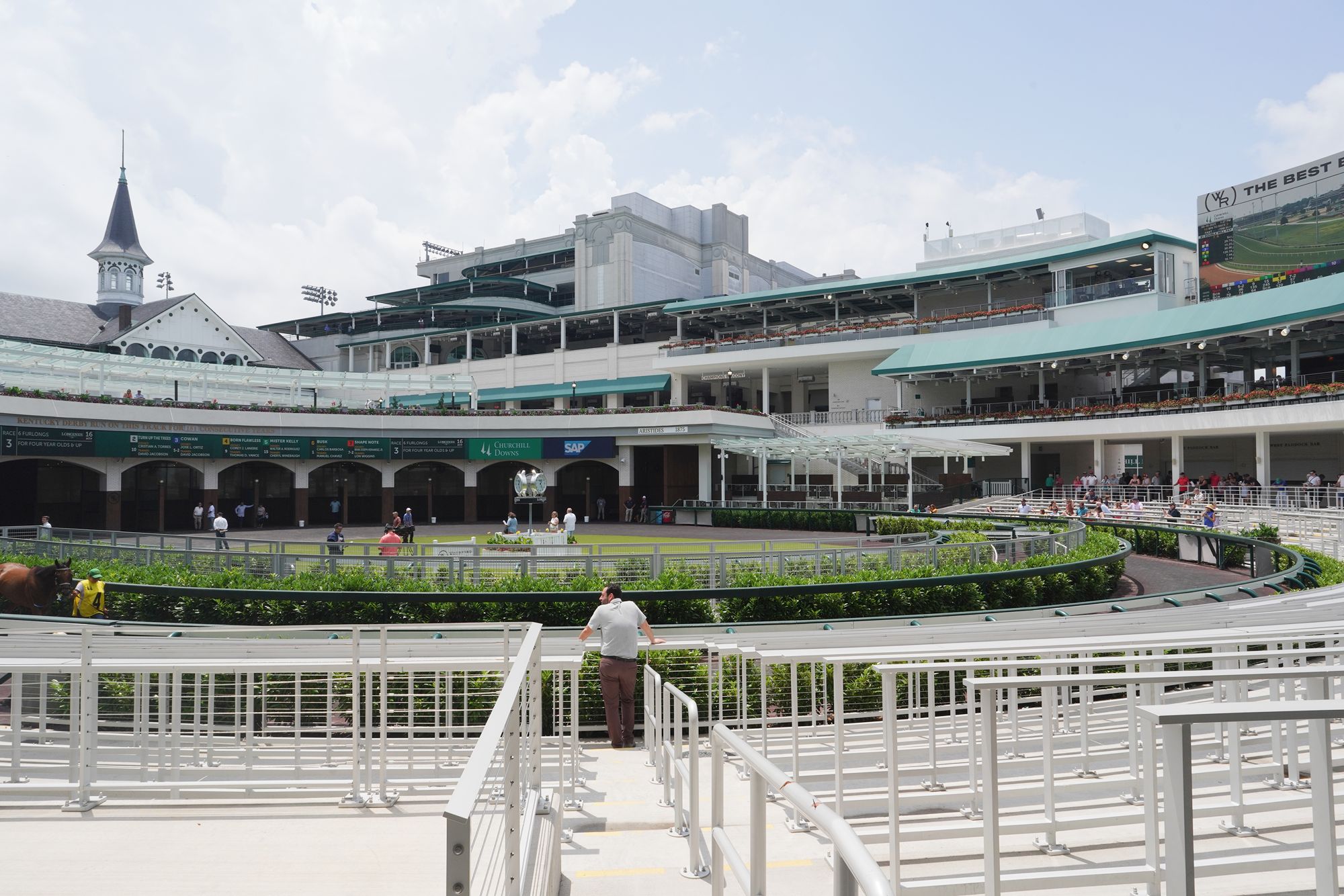
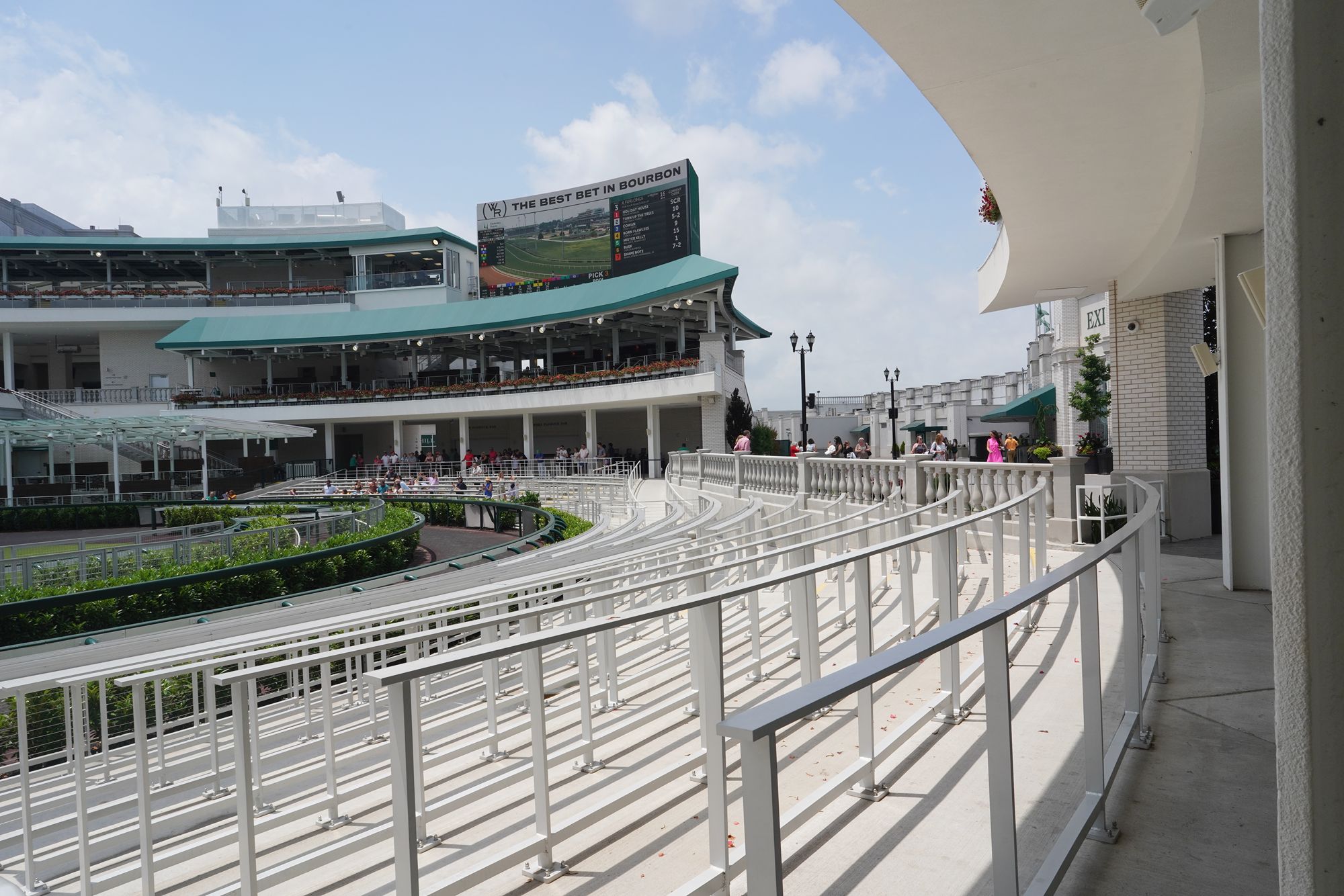
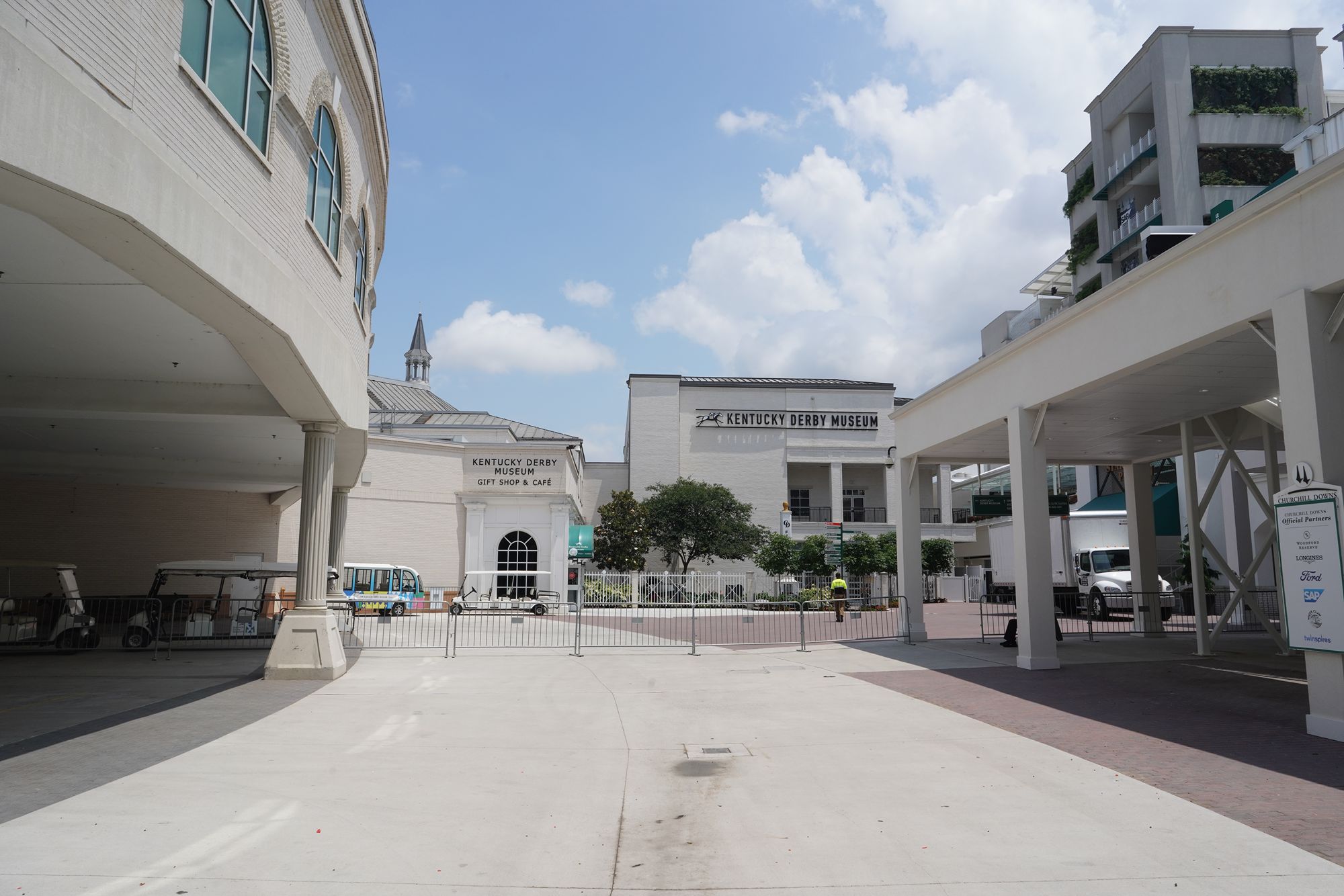
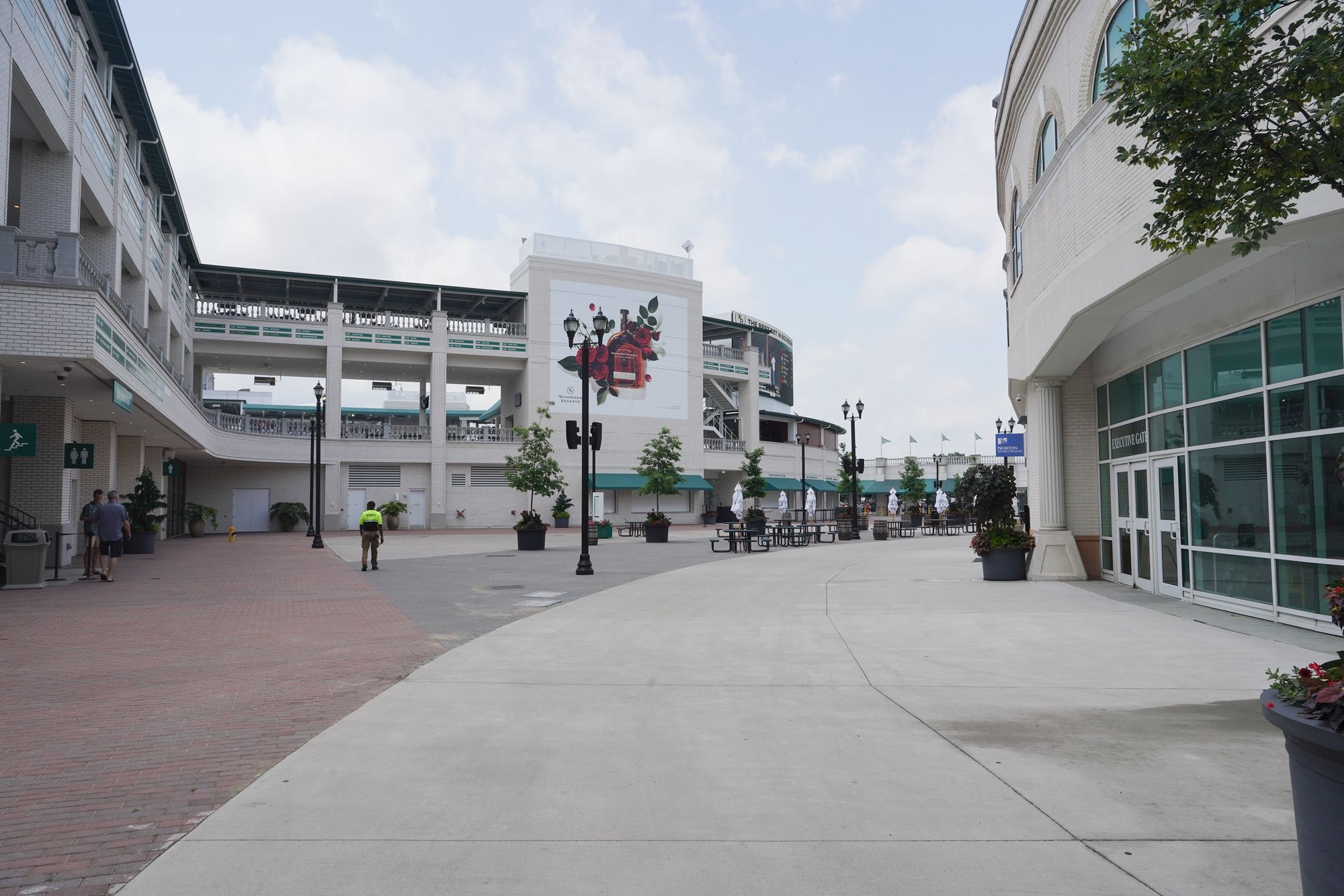
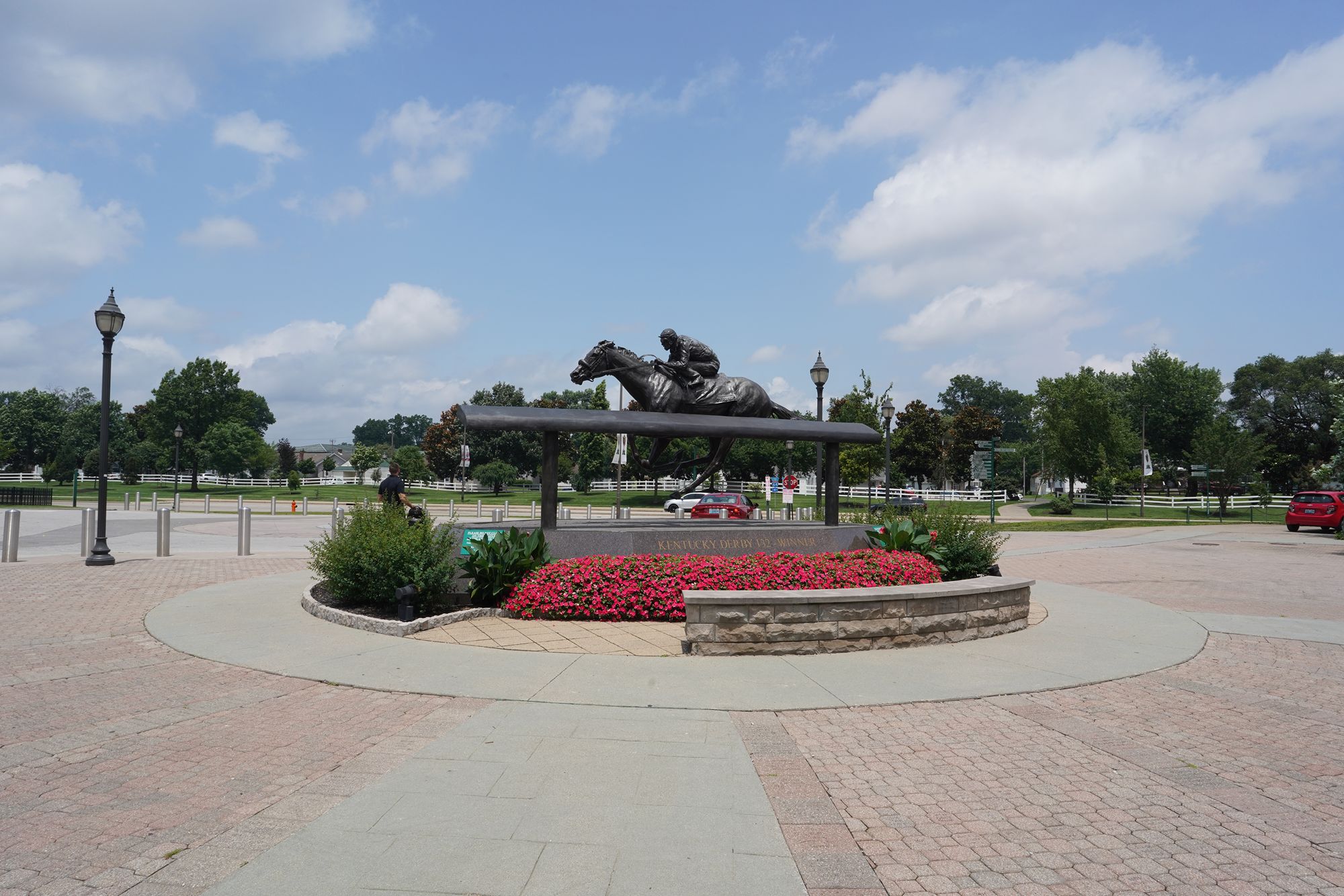
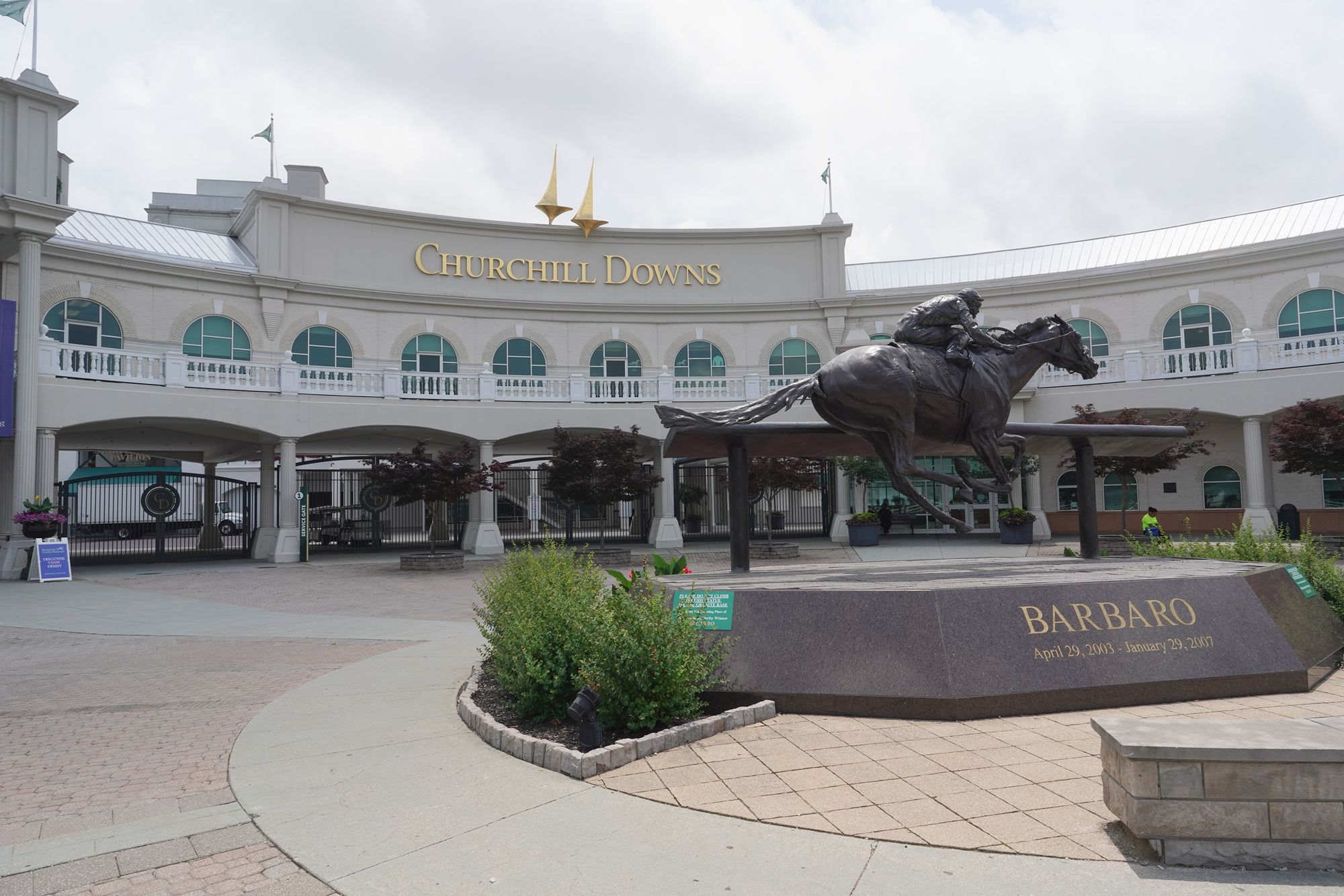
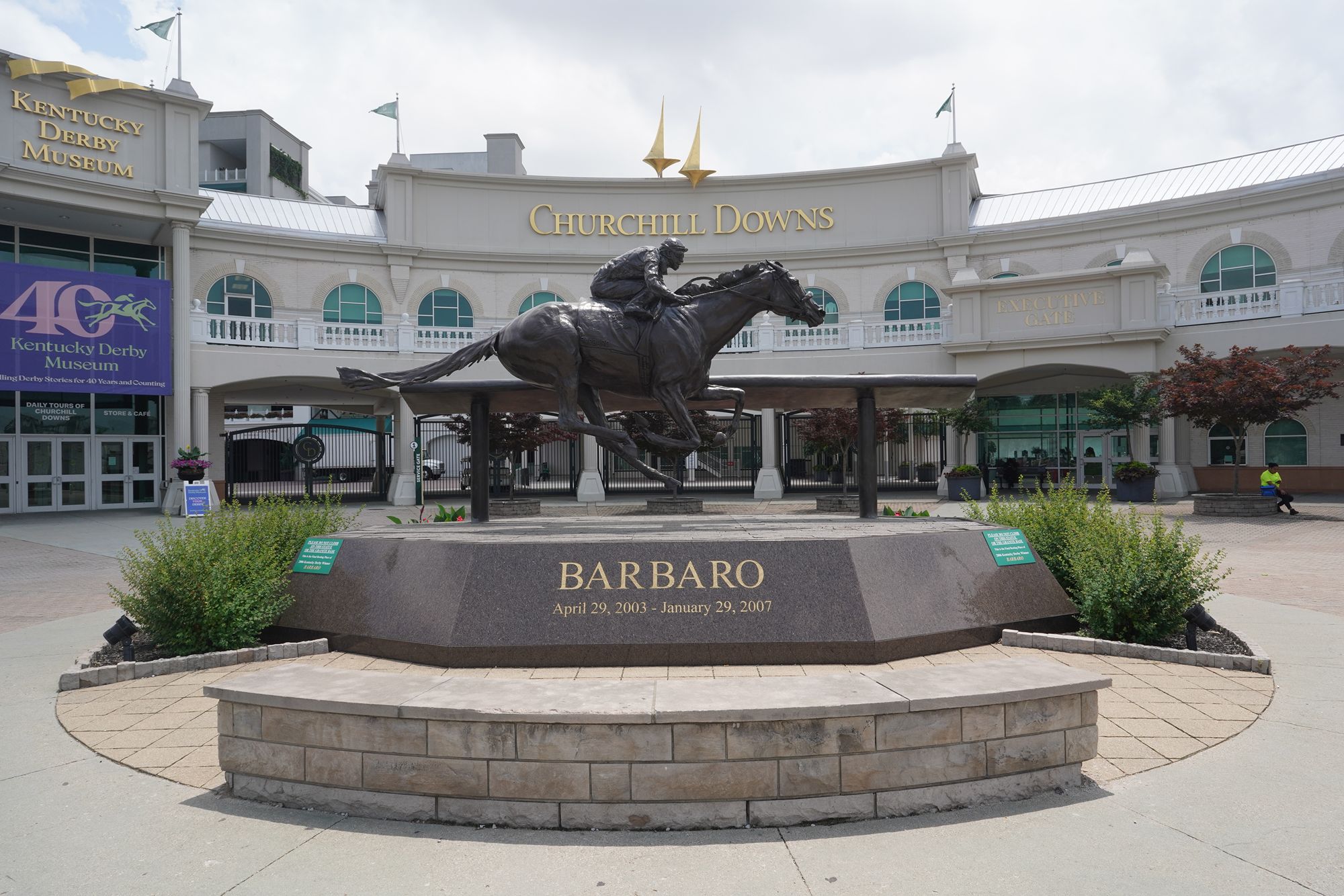
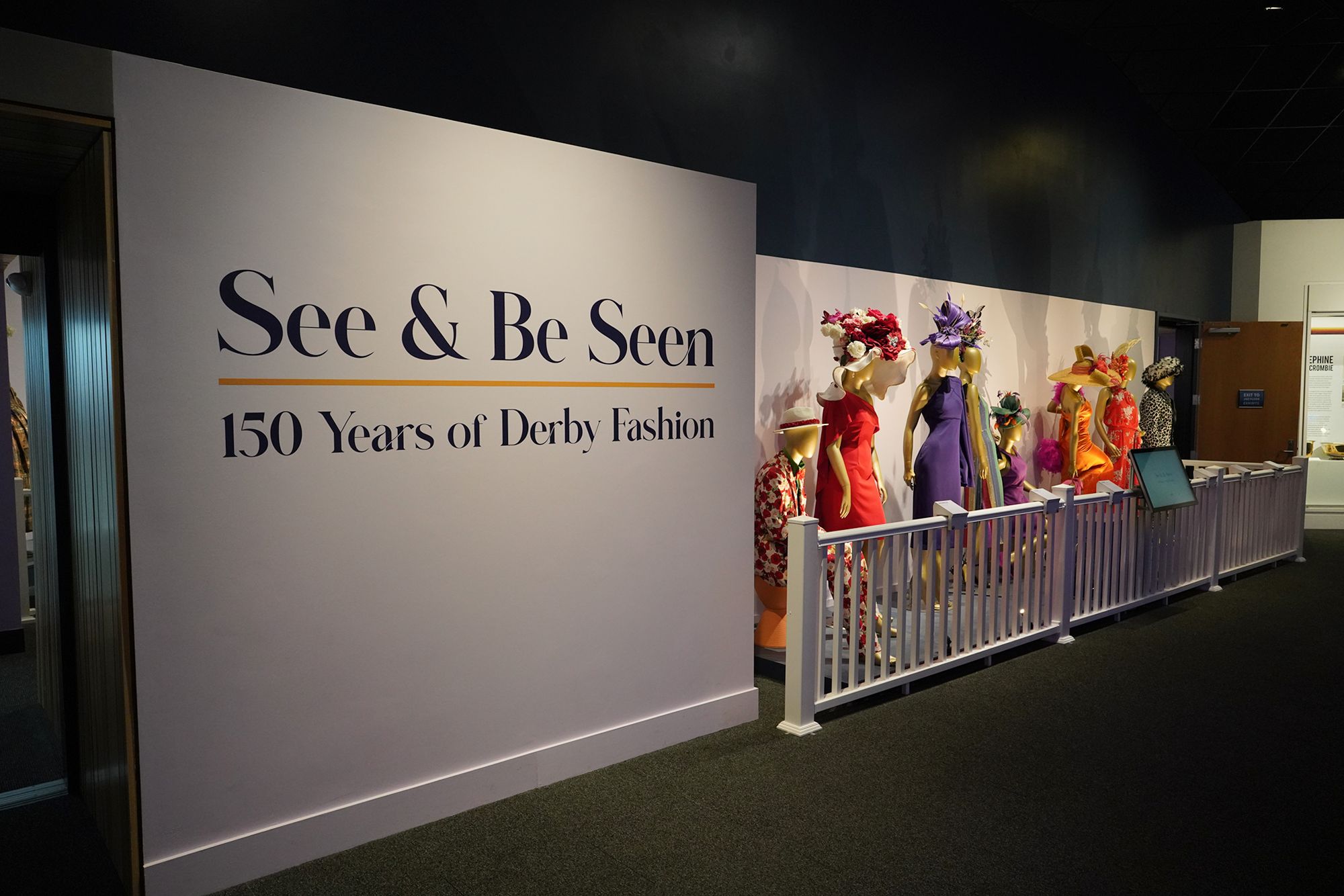
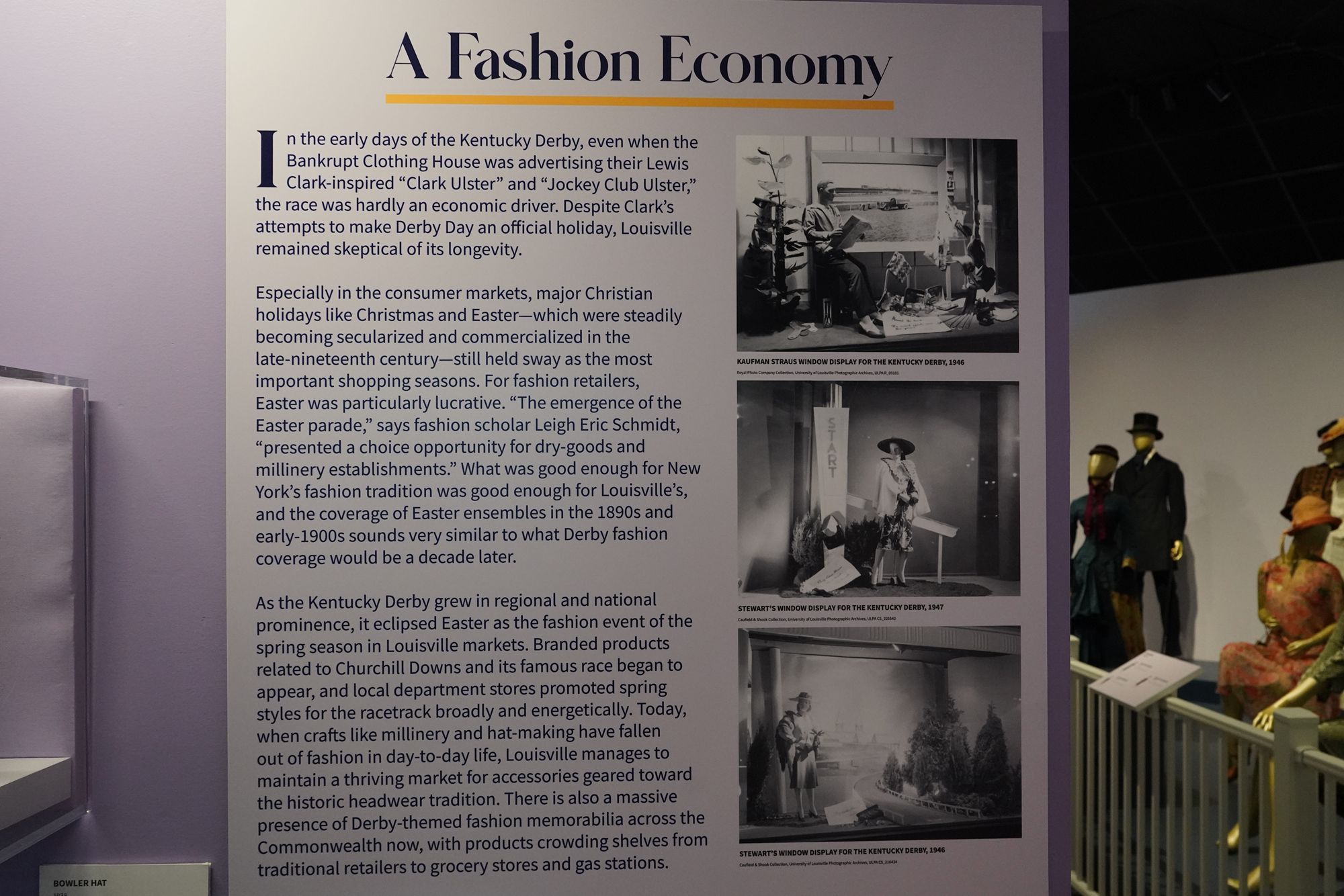
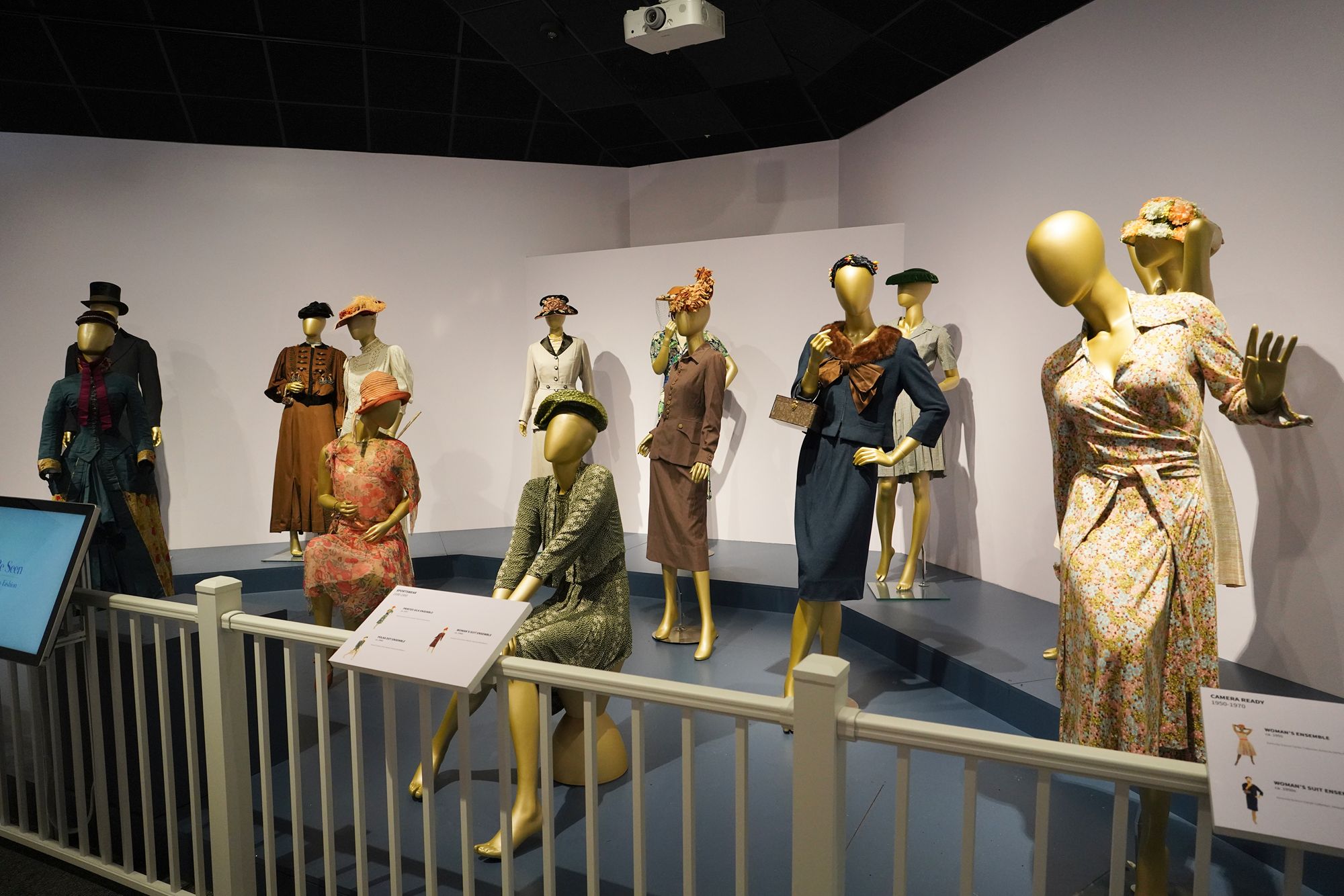
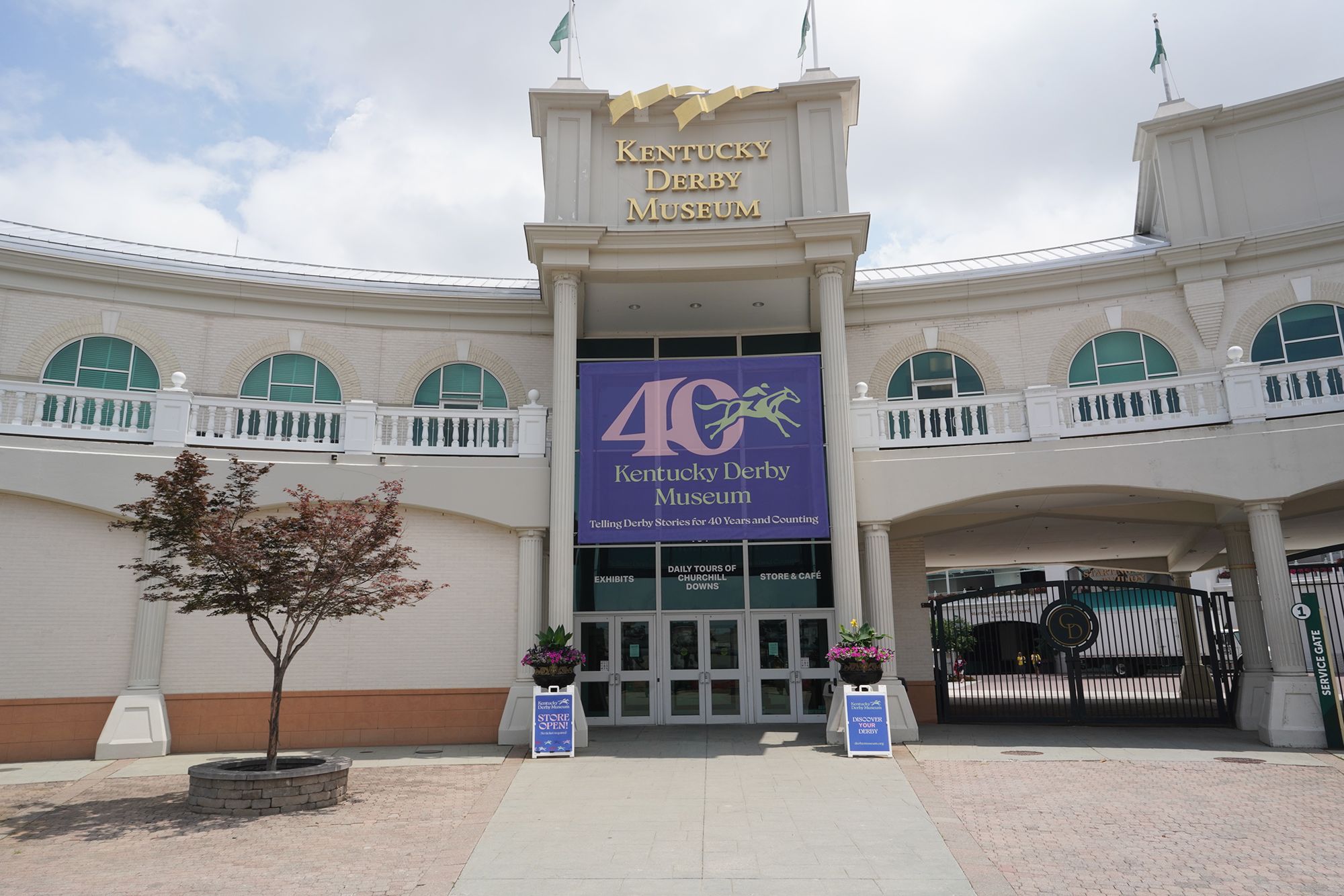
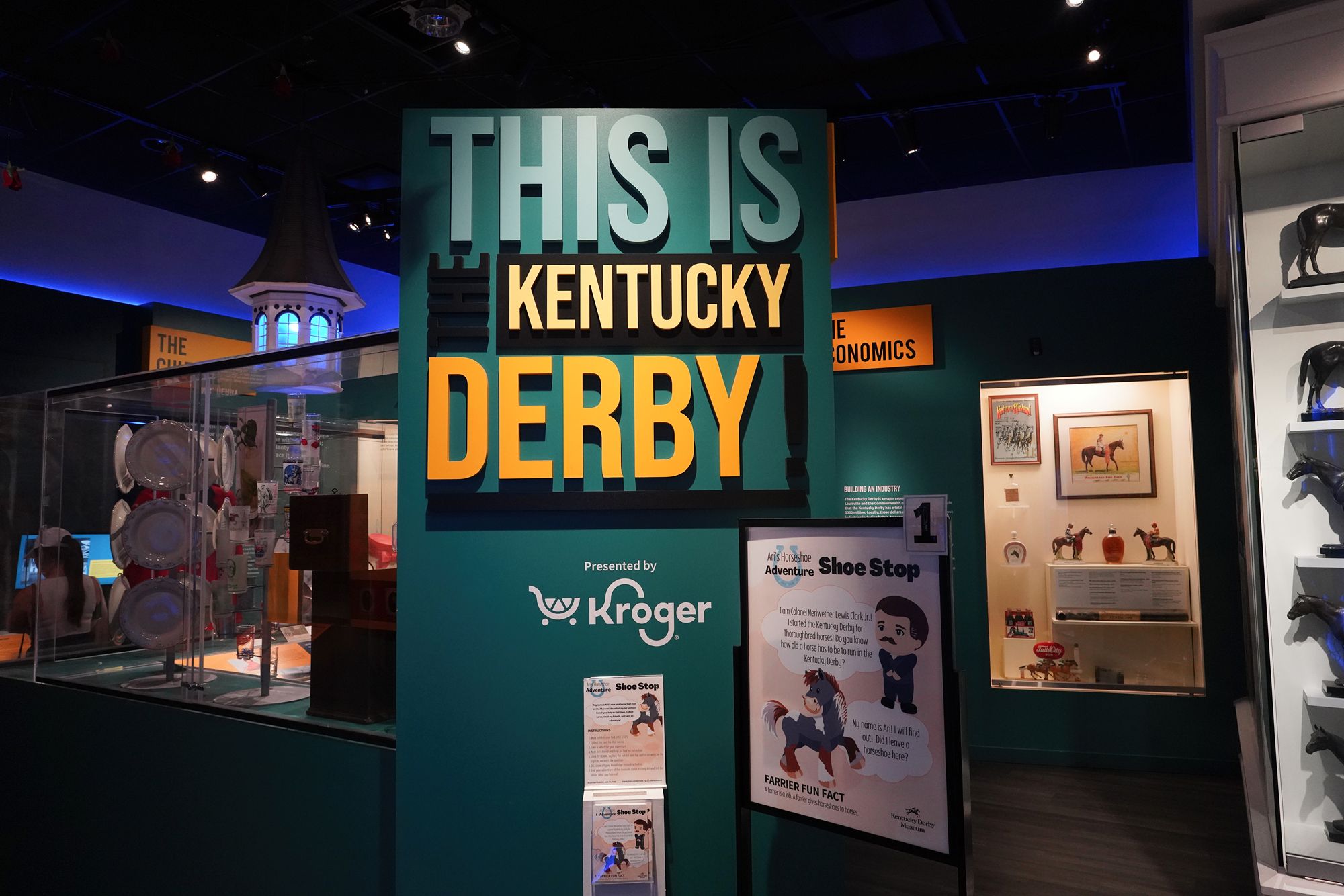
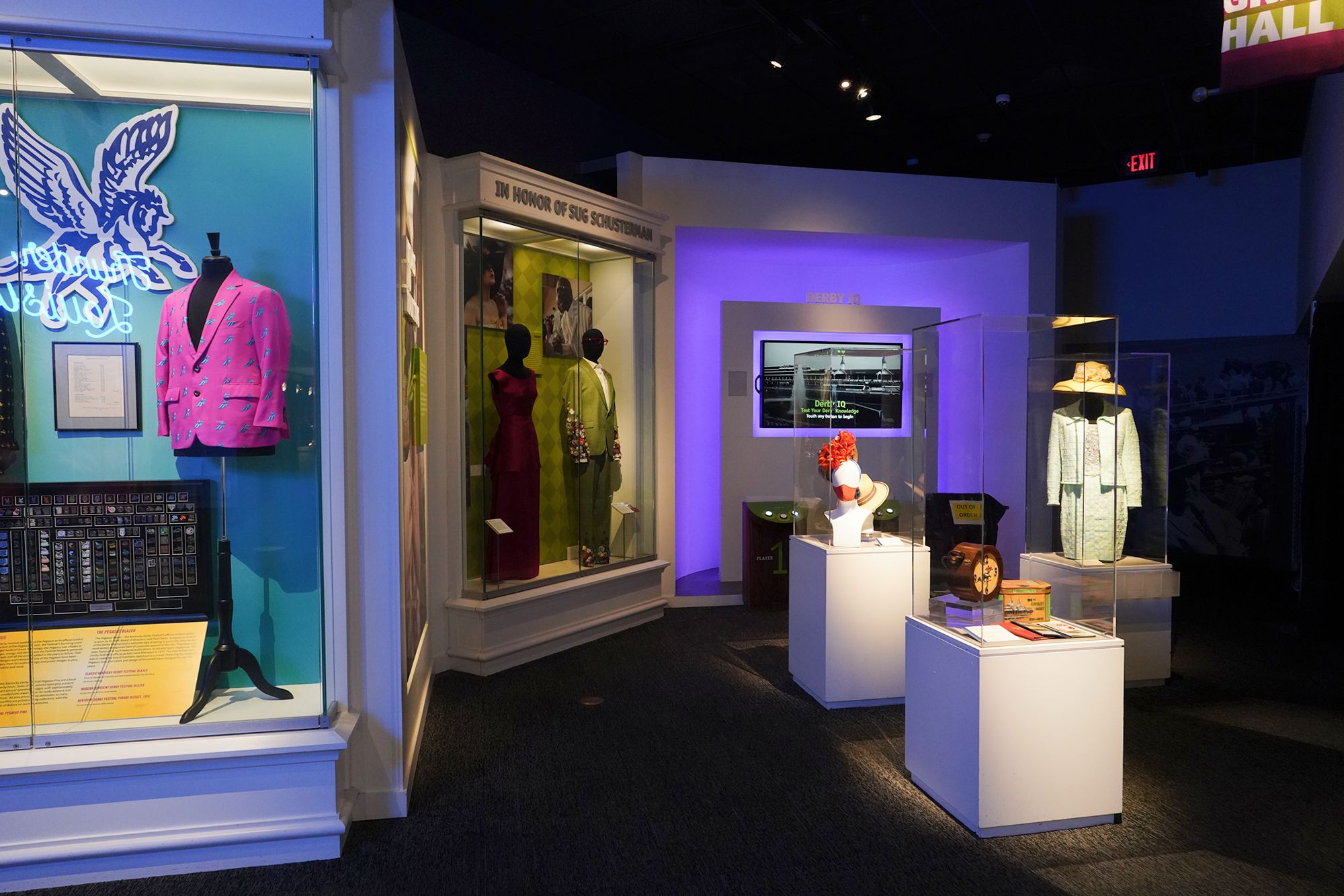
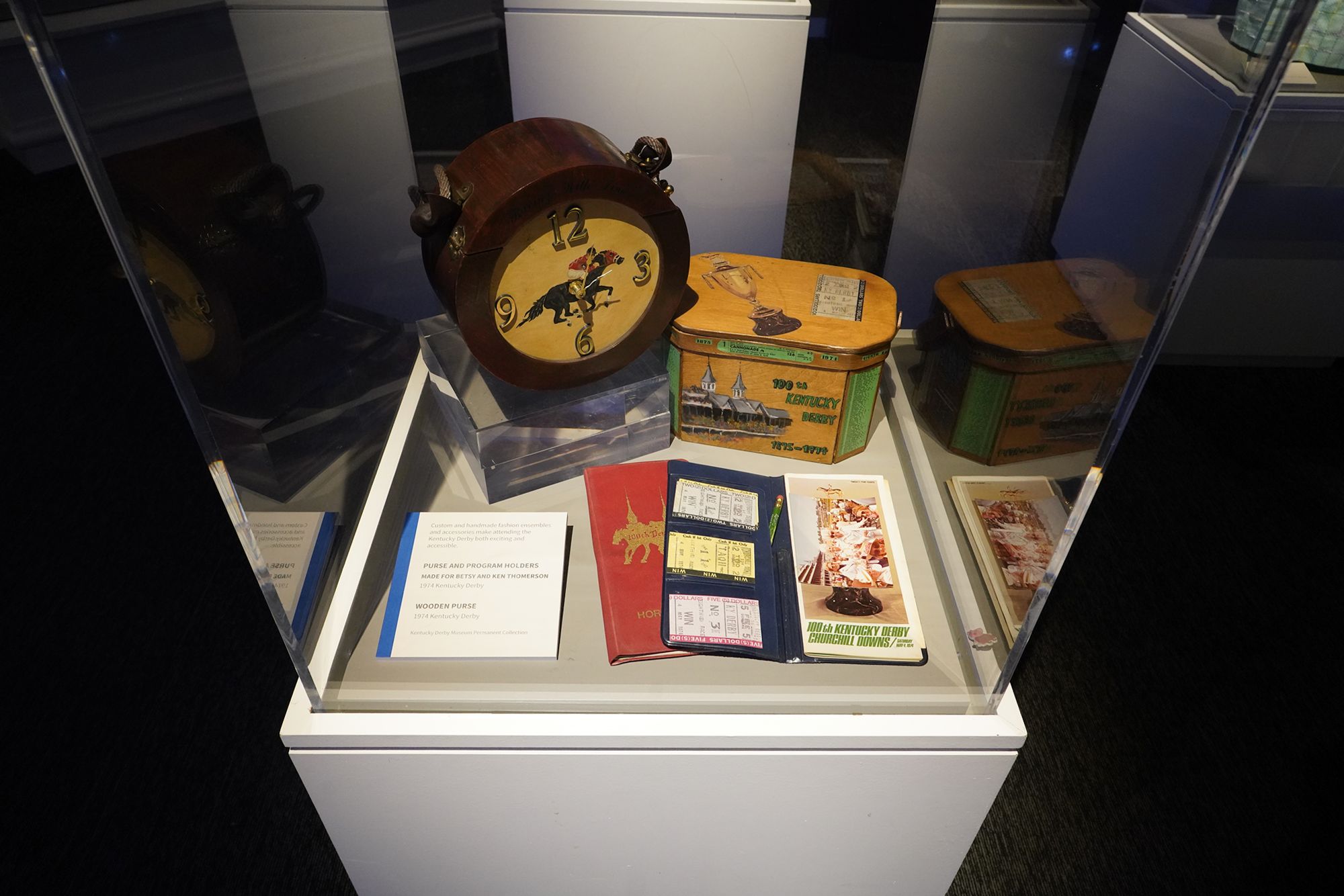
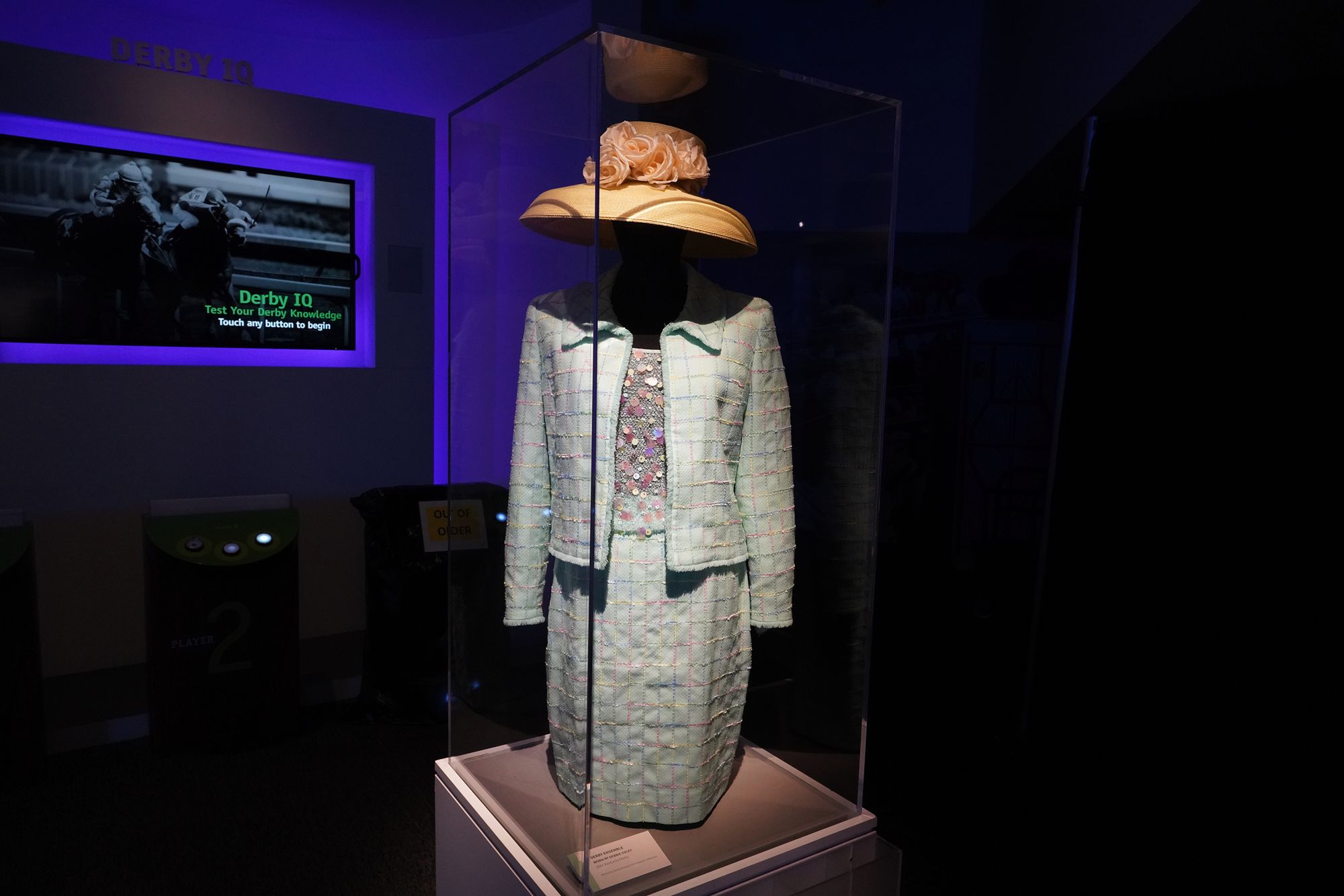
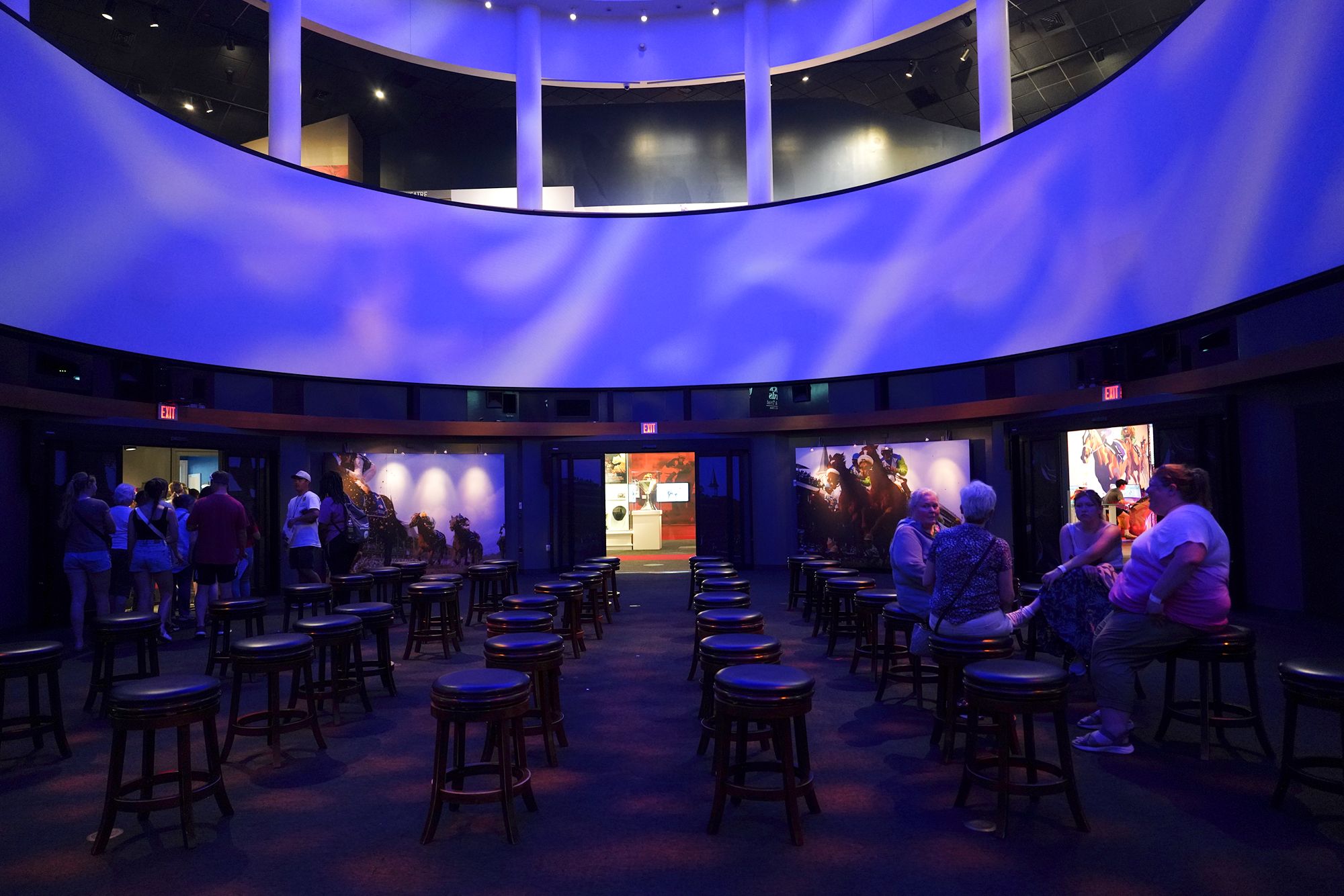
Next to the race track was the Kentucky Derby Museum.
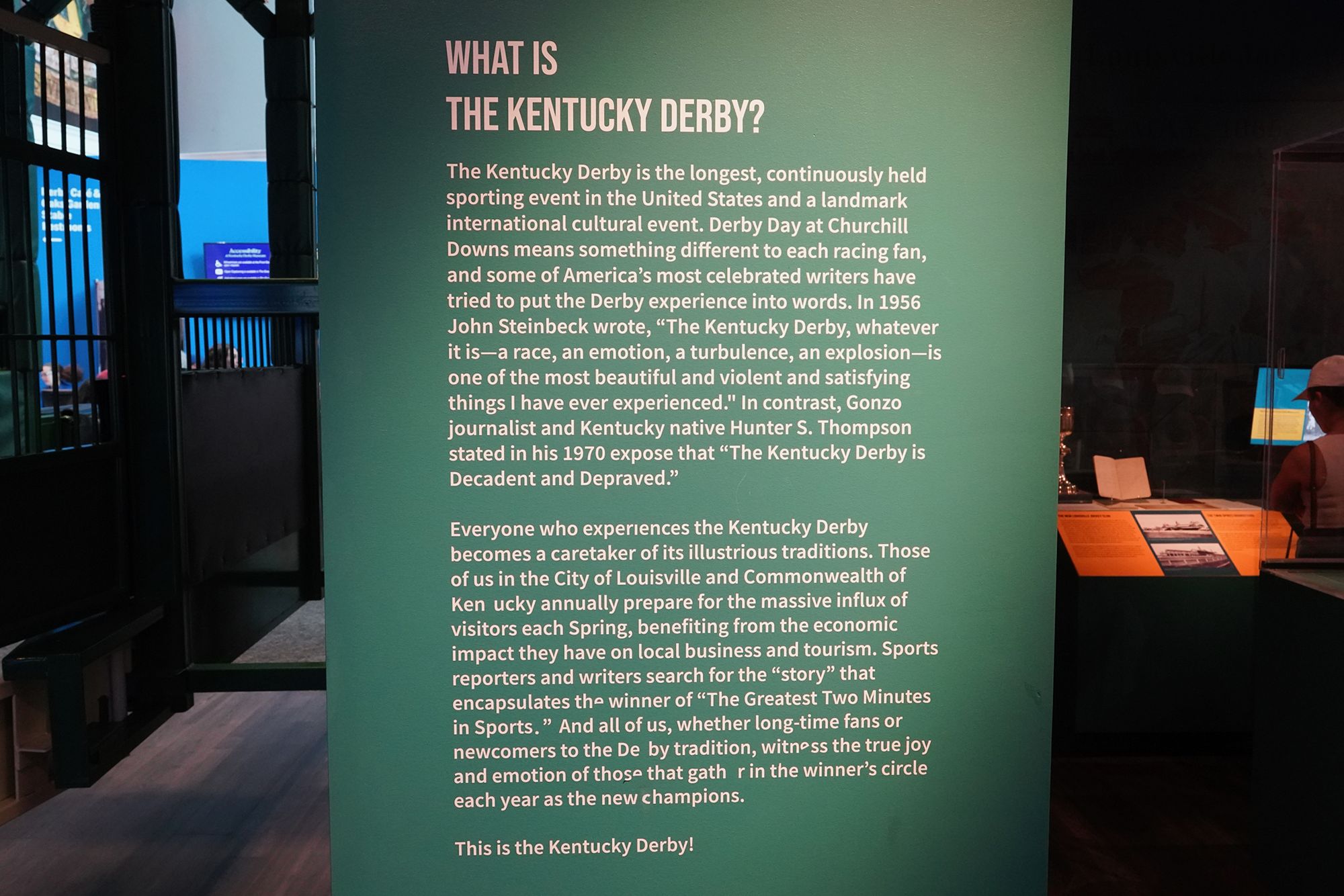
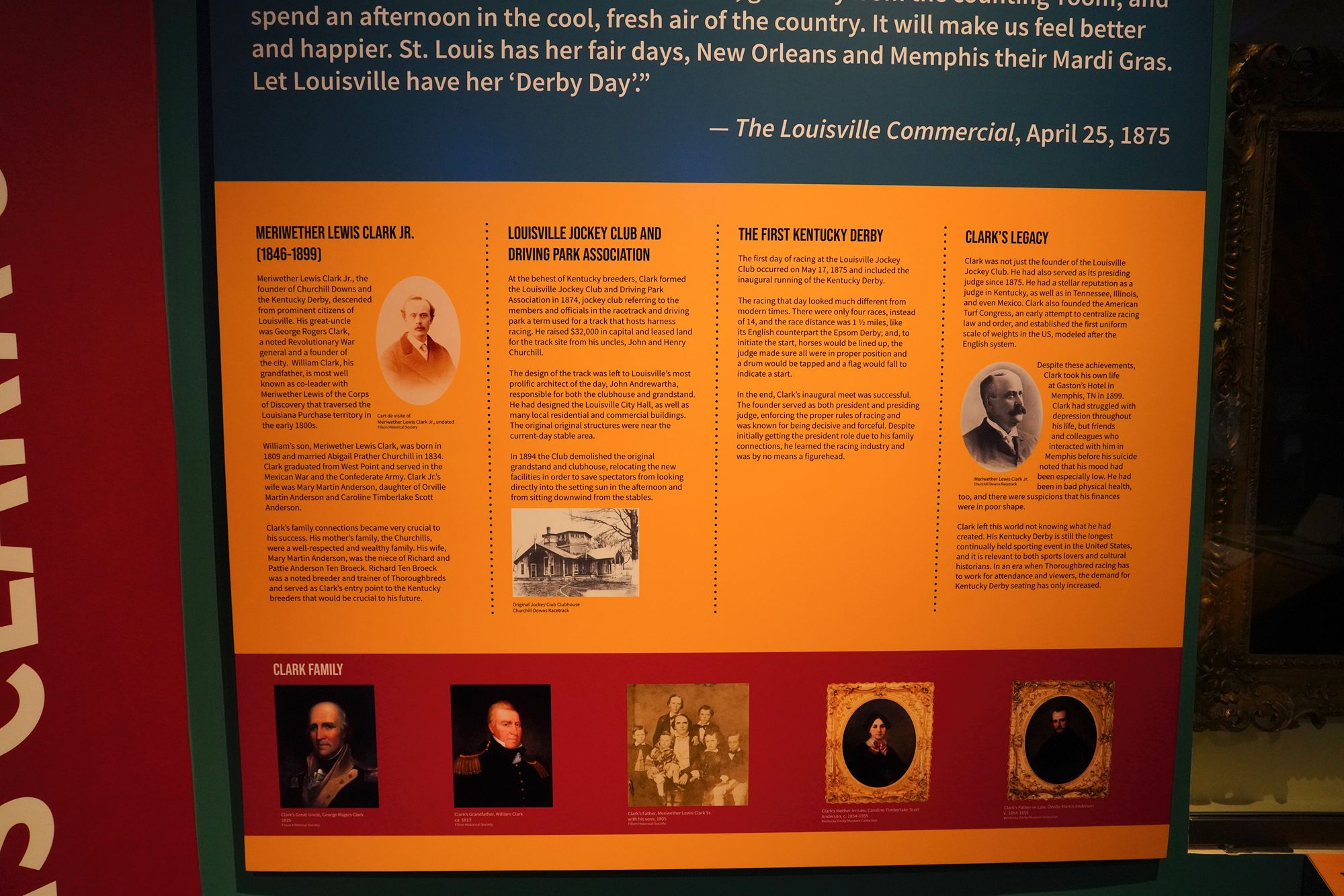
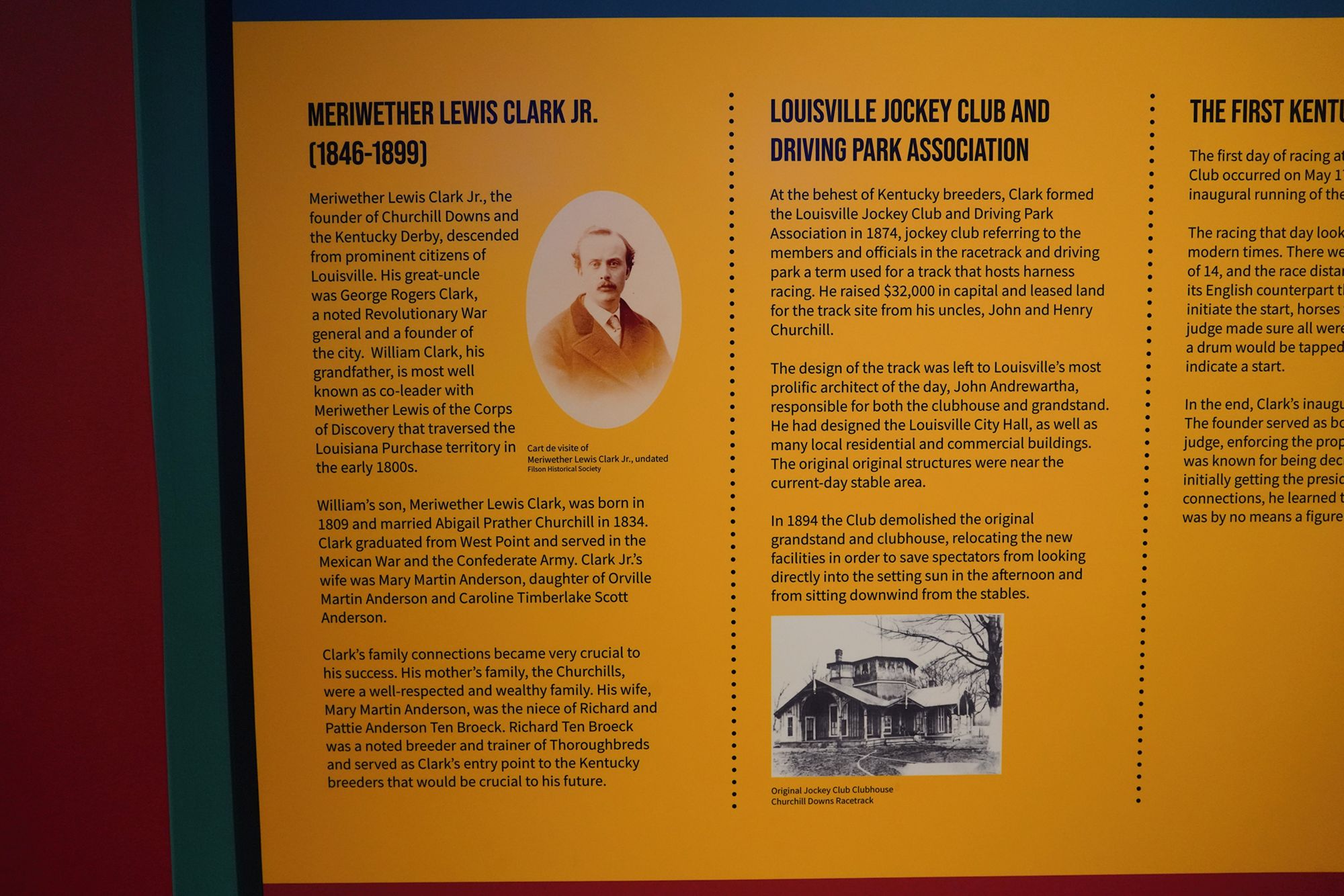
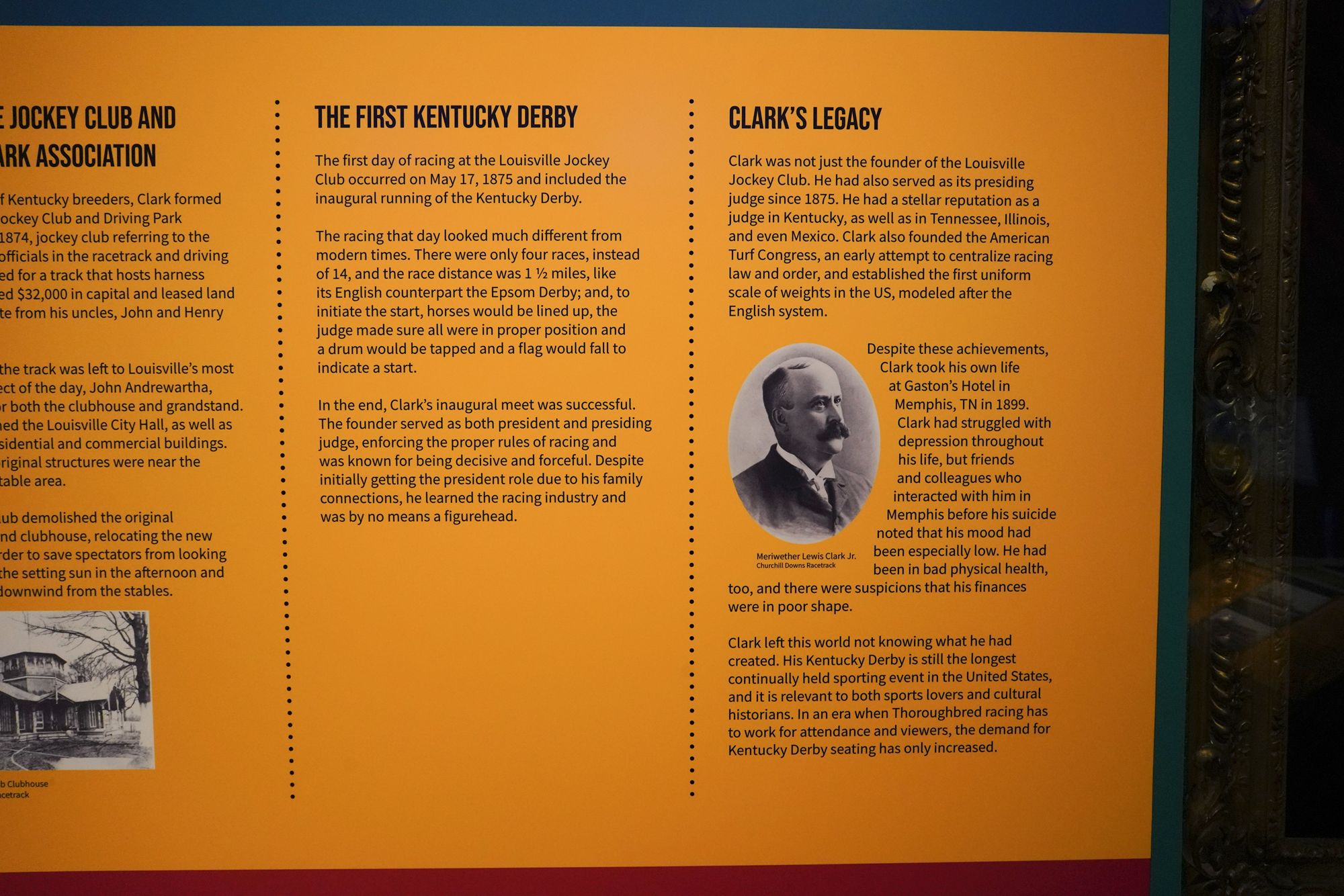
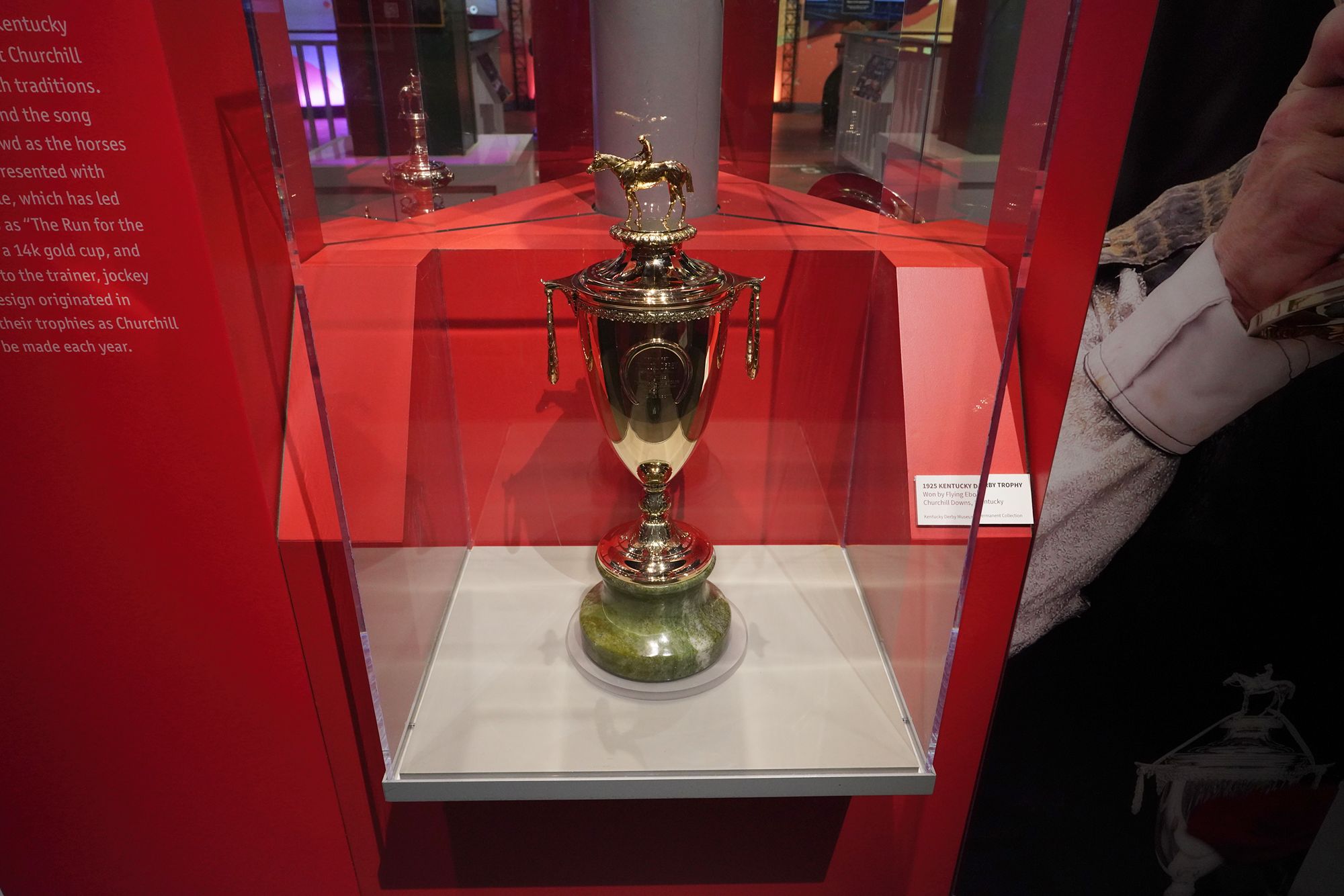
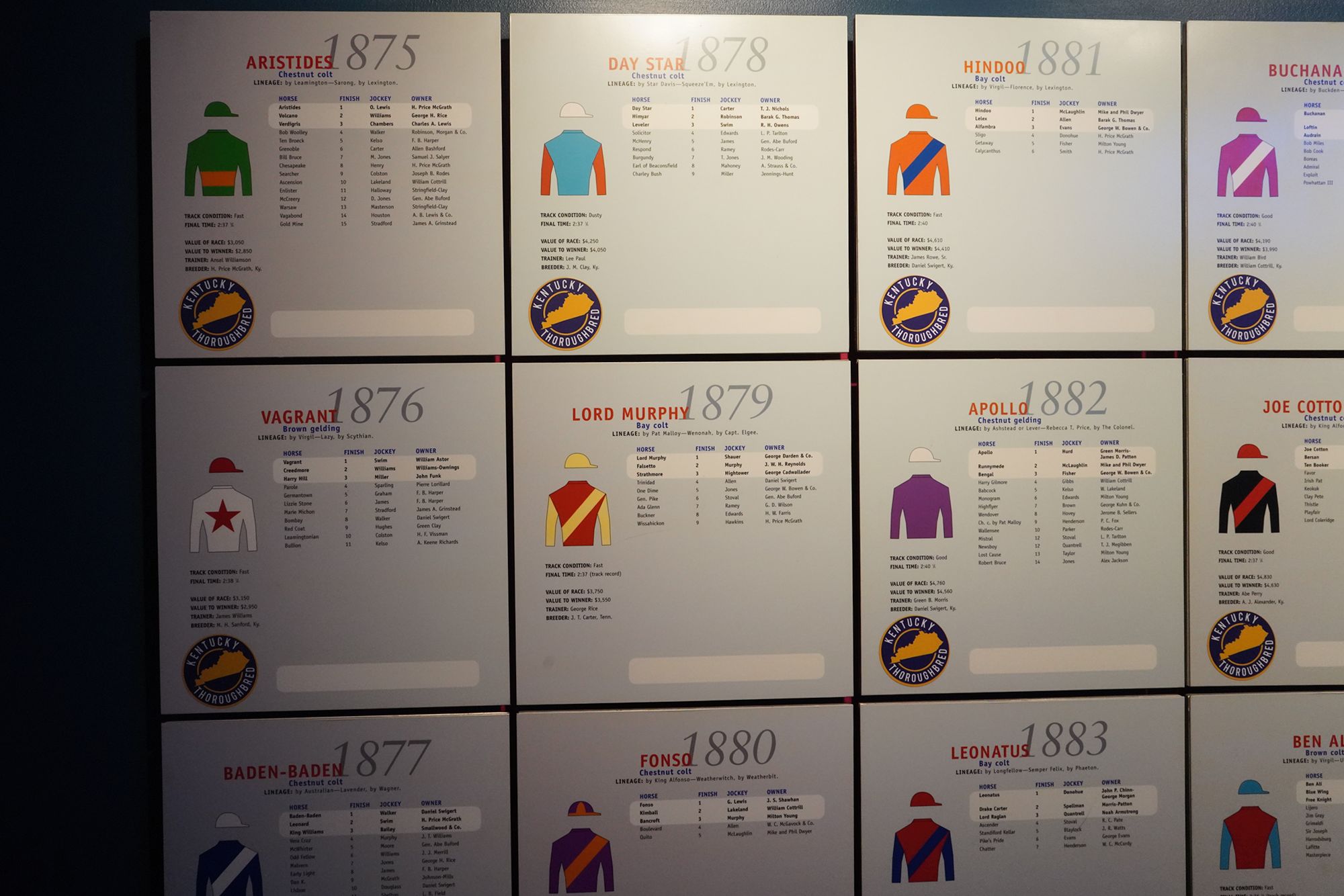
The Kentucky Derby was first run in 1875 at Churchill Downs, inspired by European horse races after Meriwether Lewis Clark Jr. visited England and France. Since then, it has been held every year without interruption, becoming the first leg of the Triple Crown and evolving into a nationally celebrated event known for its elite three-year-old thoroughbreds, large wagering crowds, and iconic traditions like mint juleps, fancy hats, and the singing of “My Old Kentucky Home.”
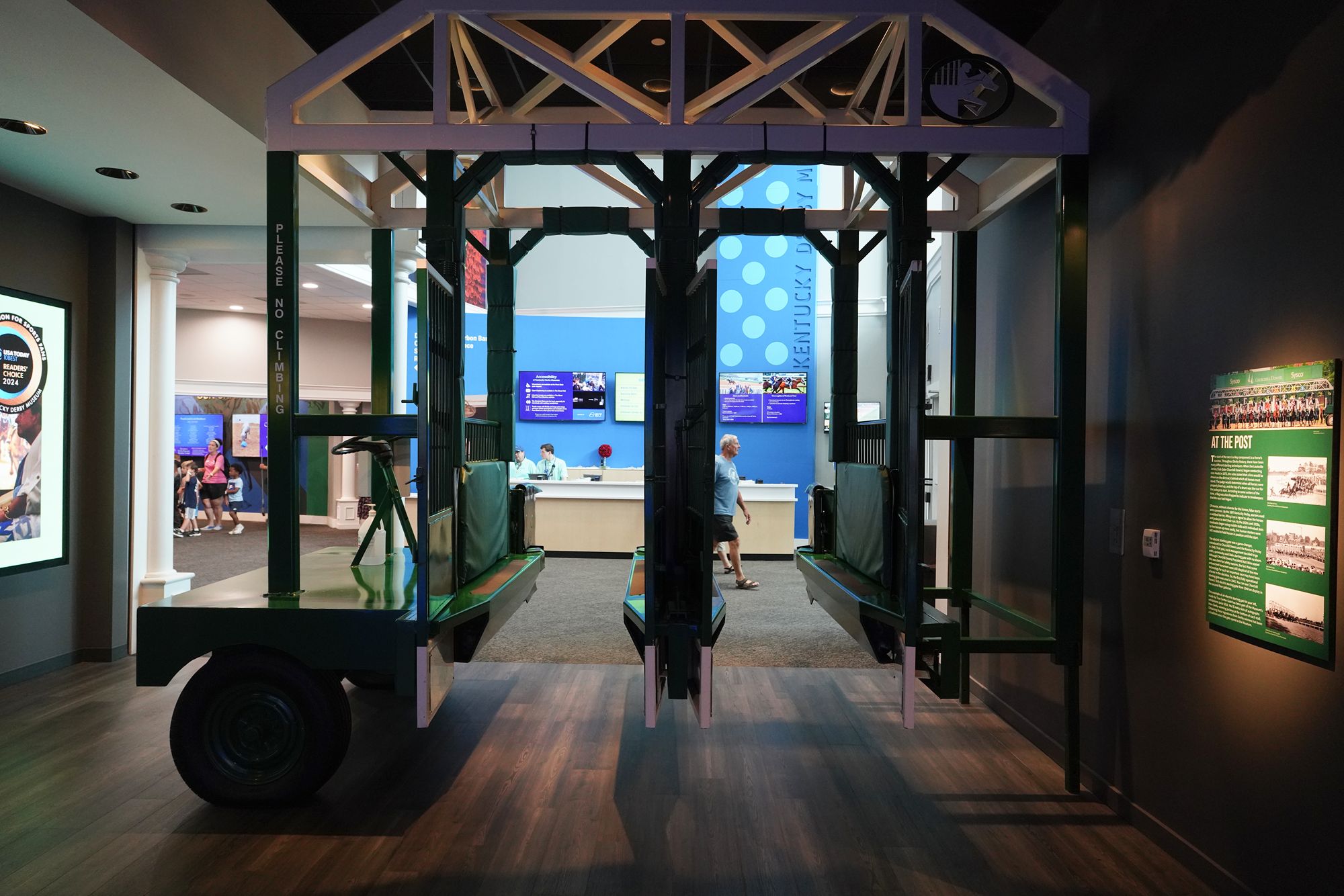
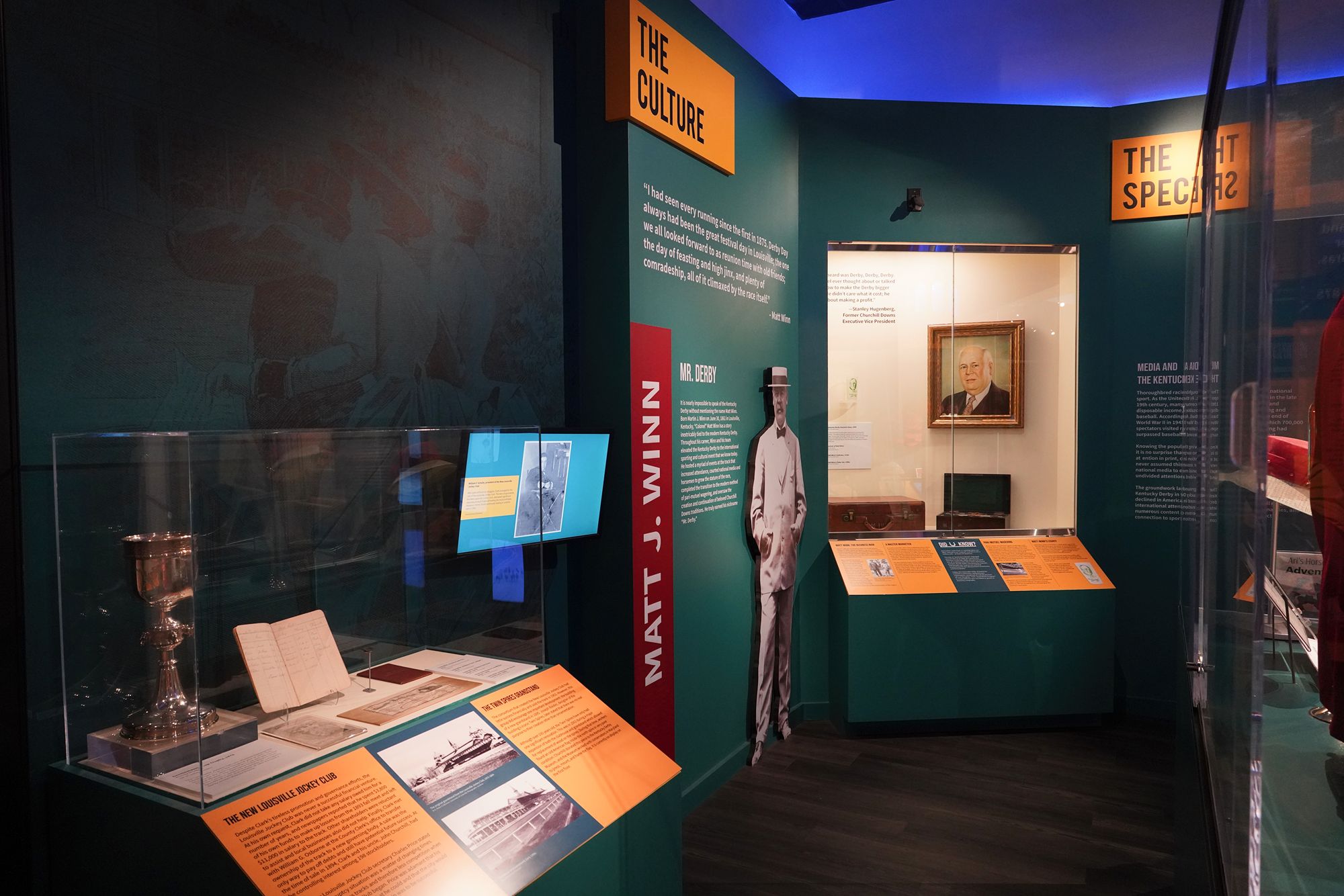
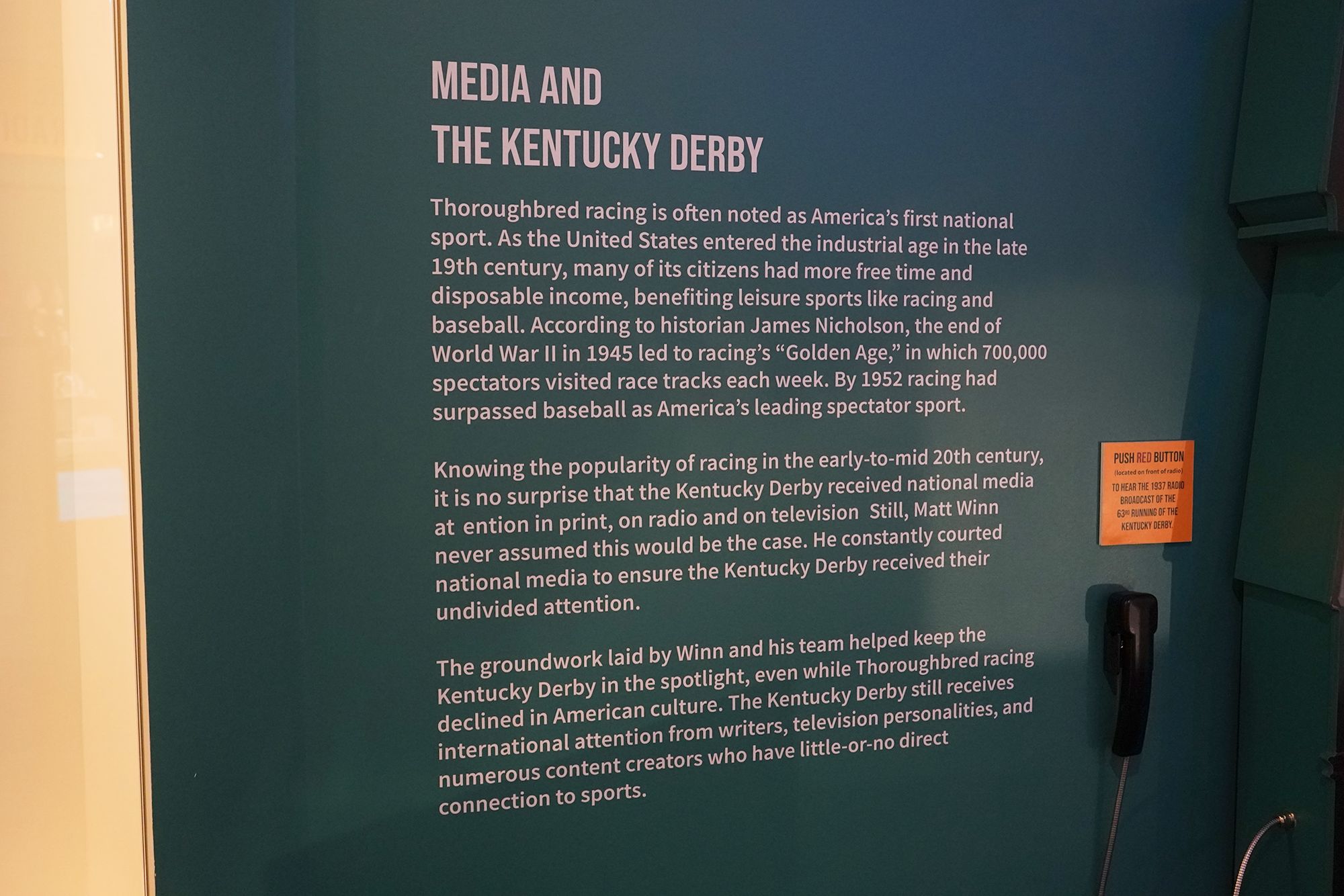
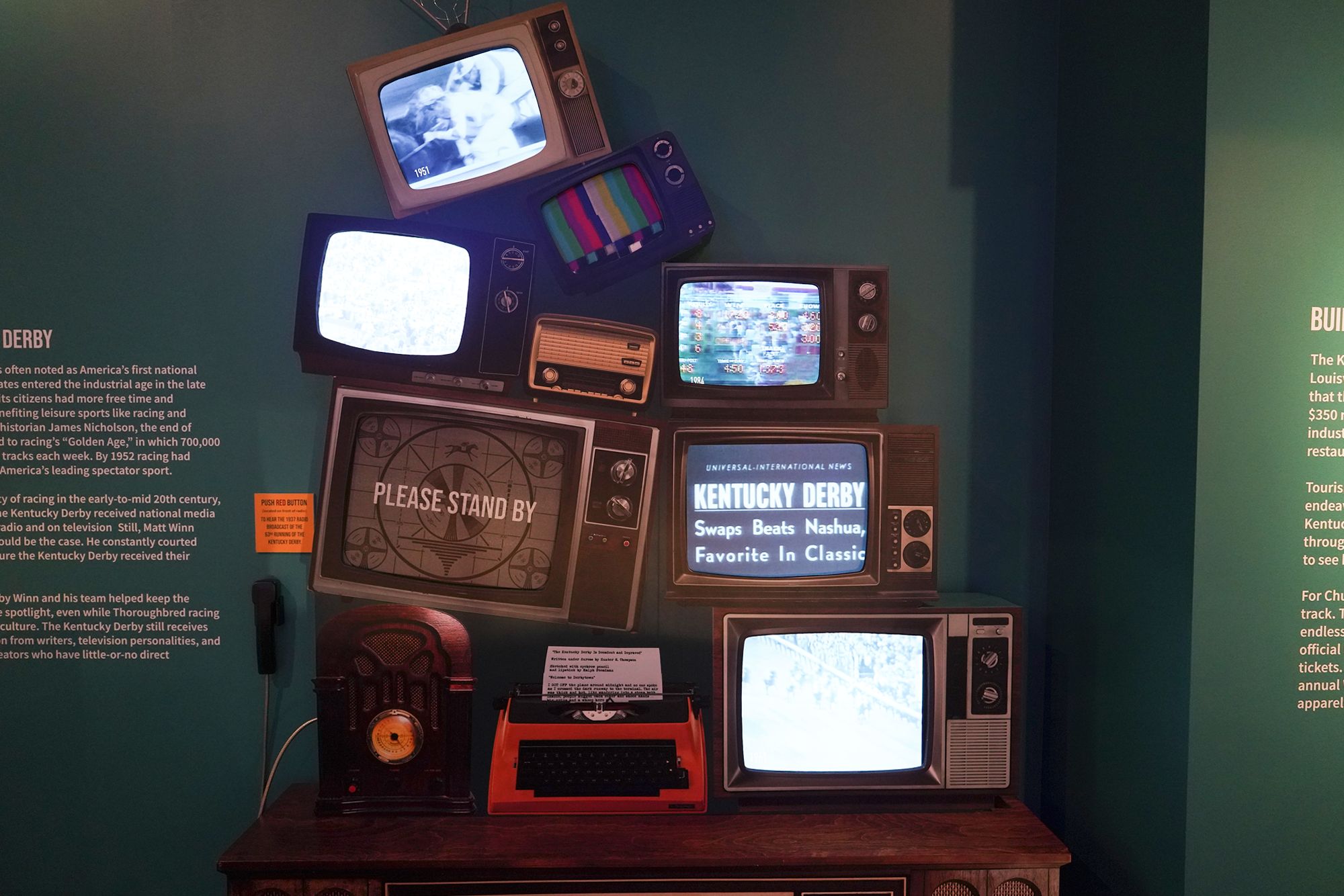
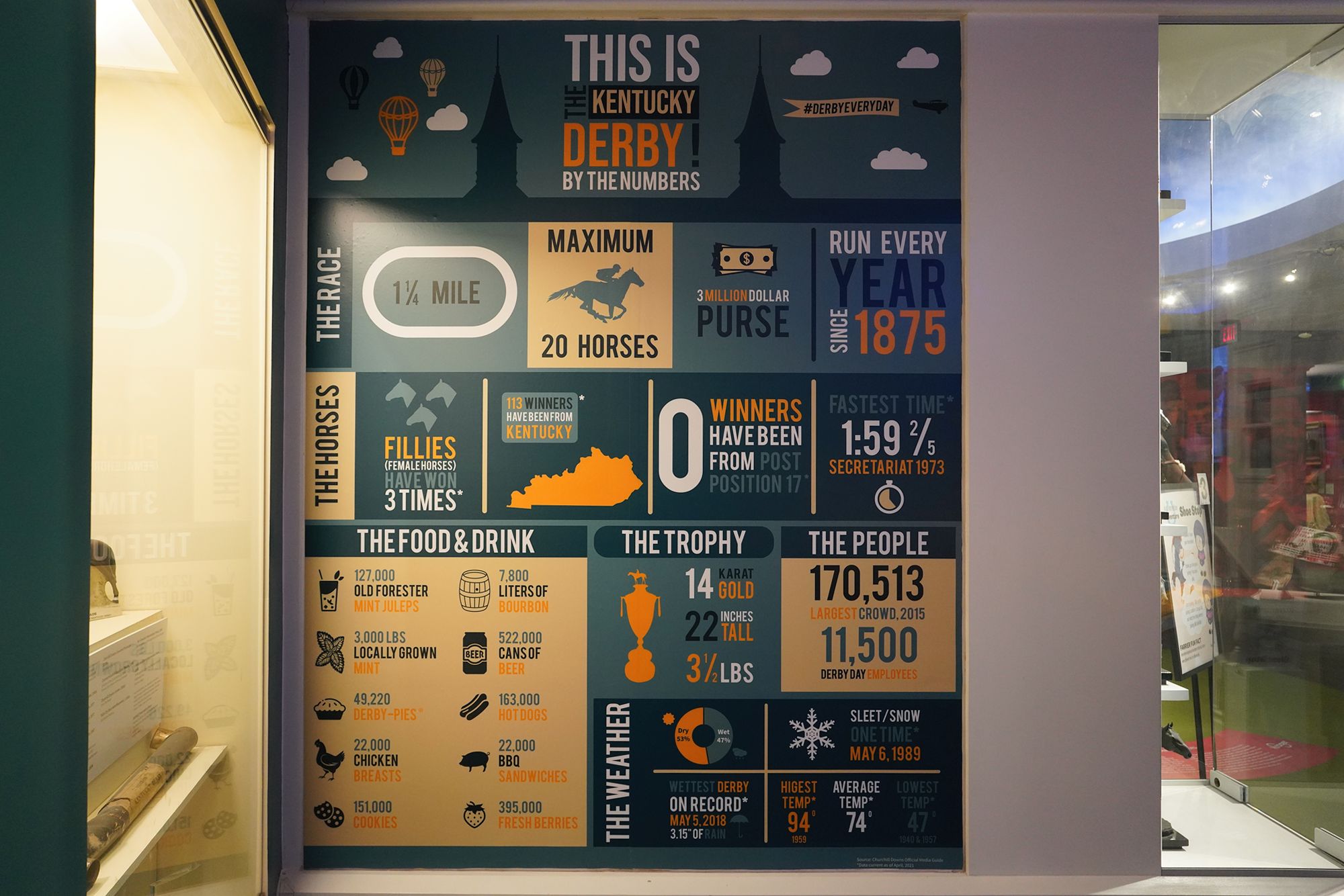
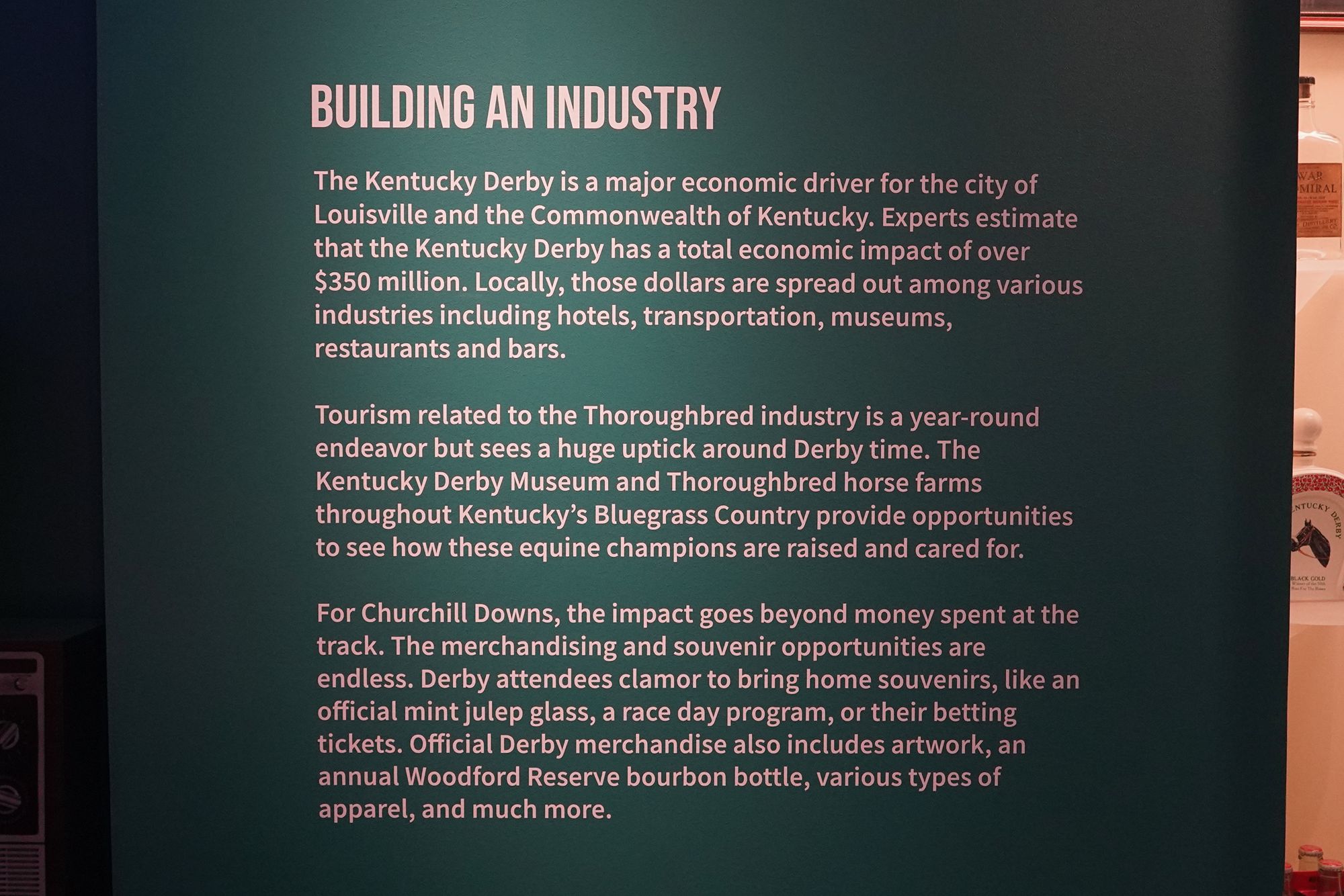
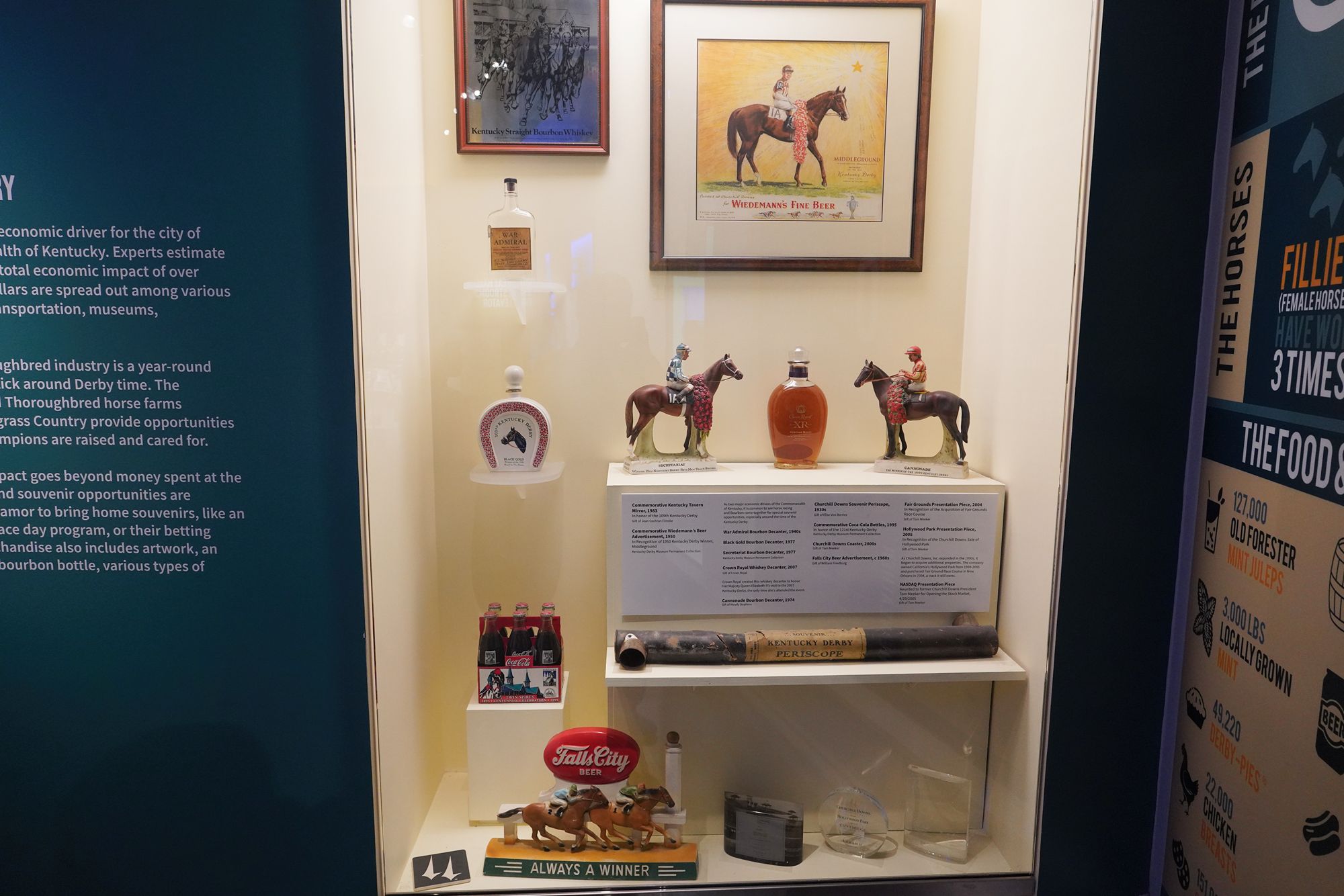
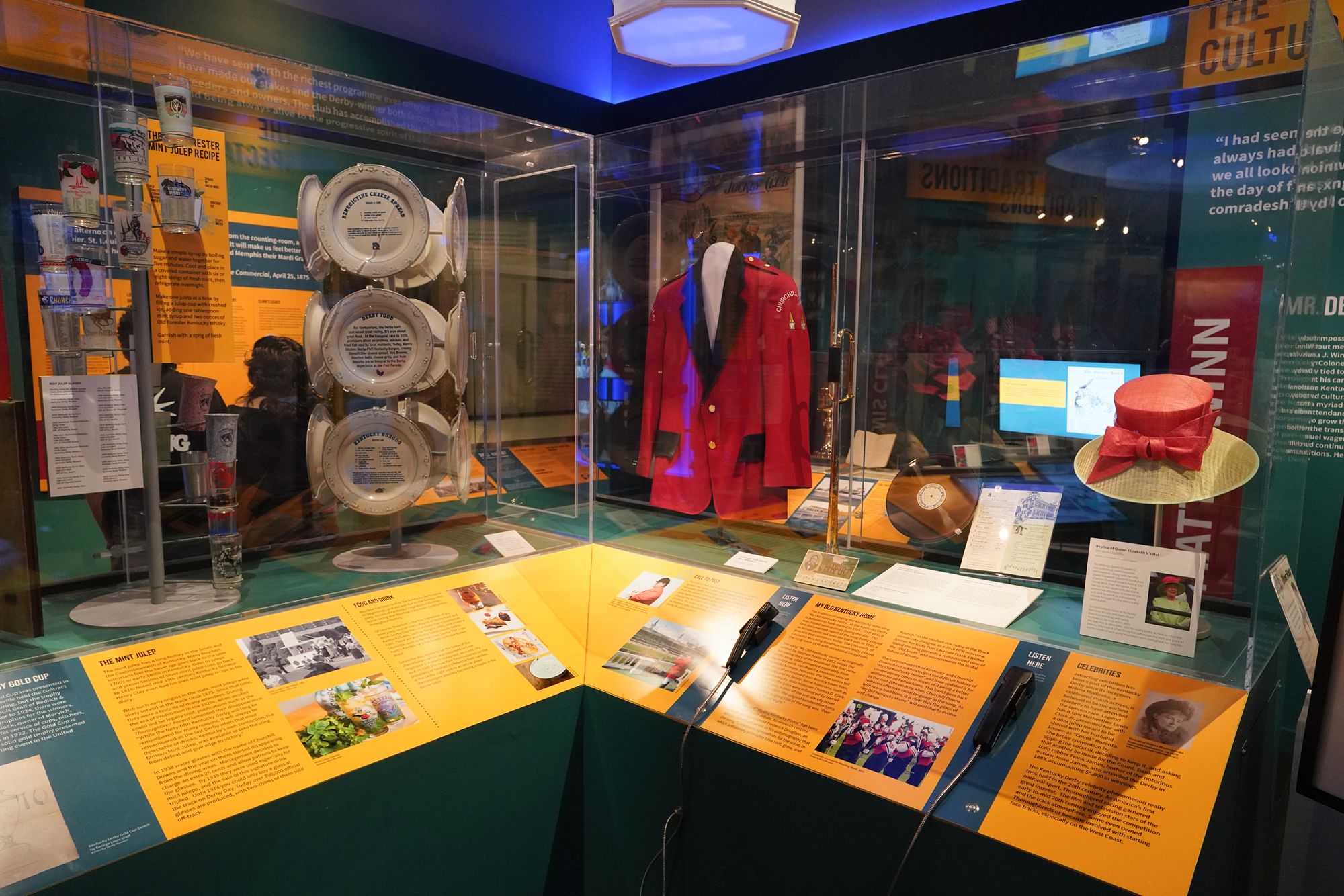
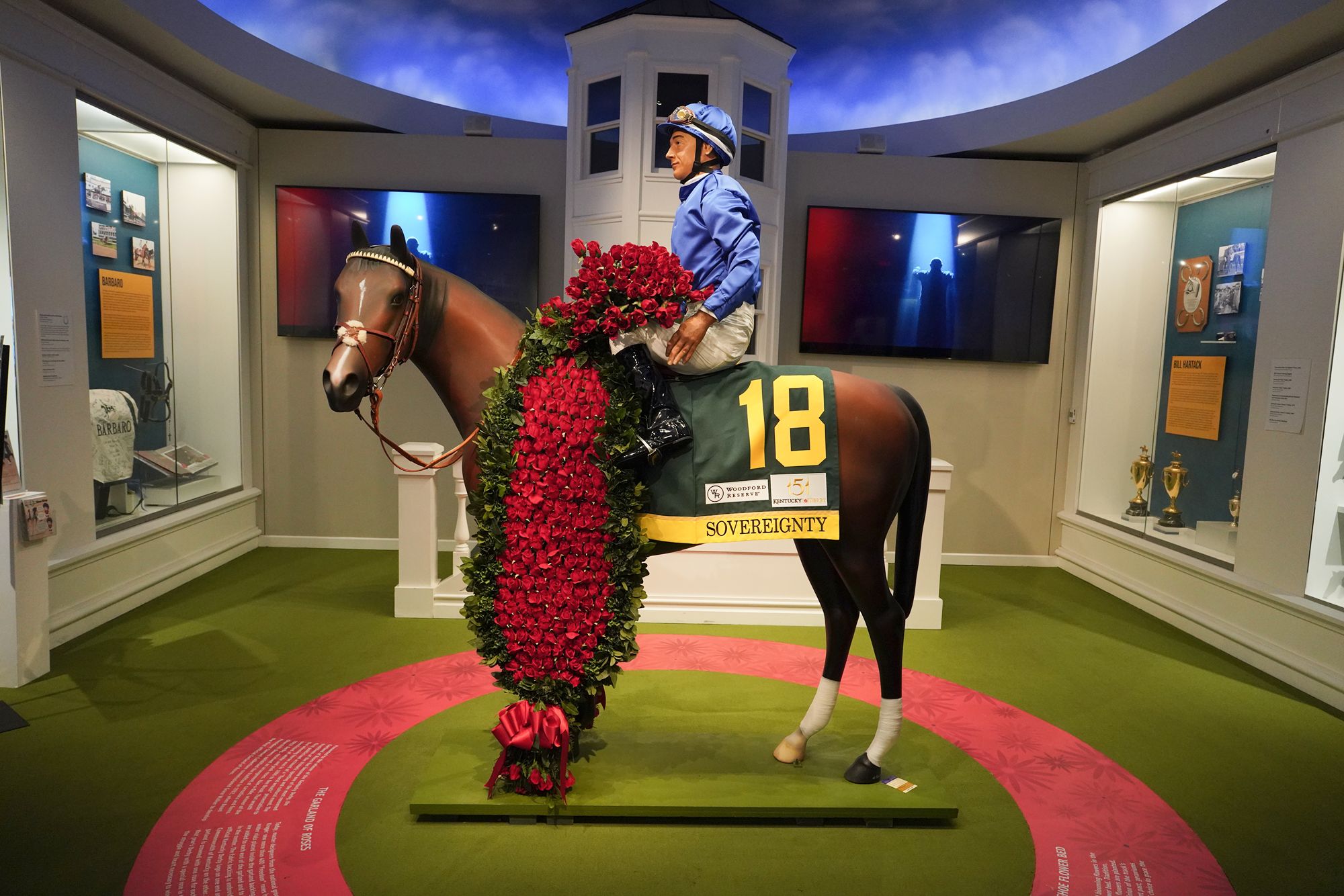
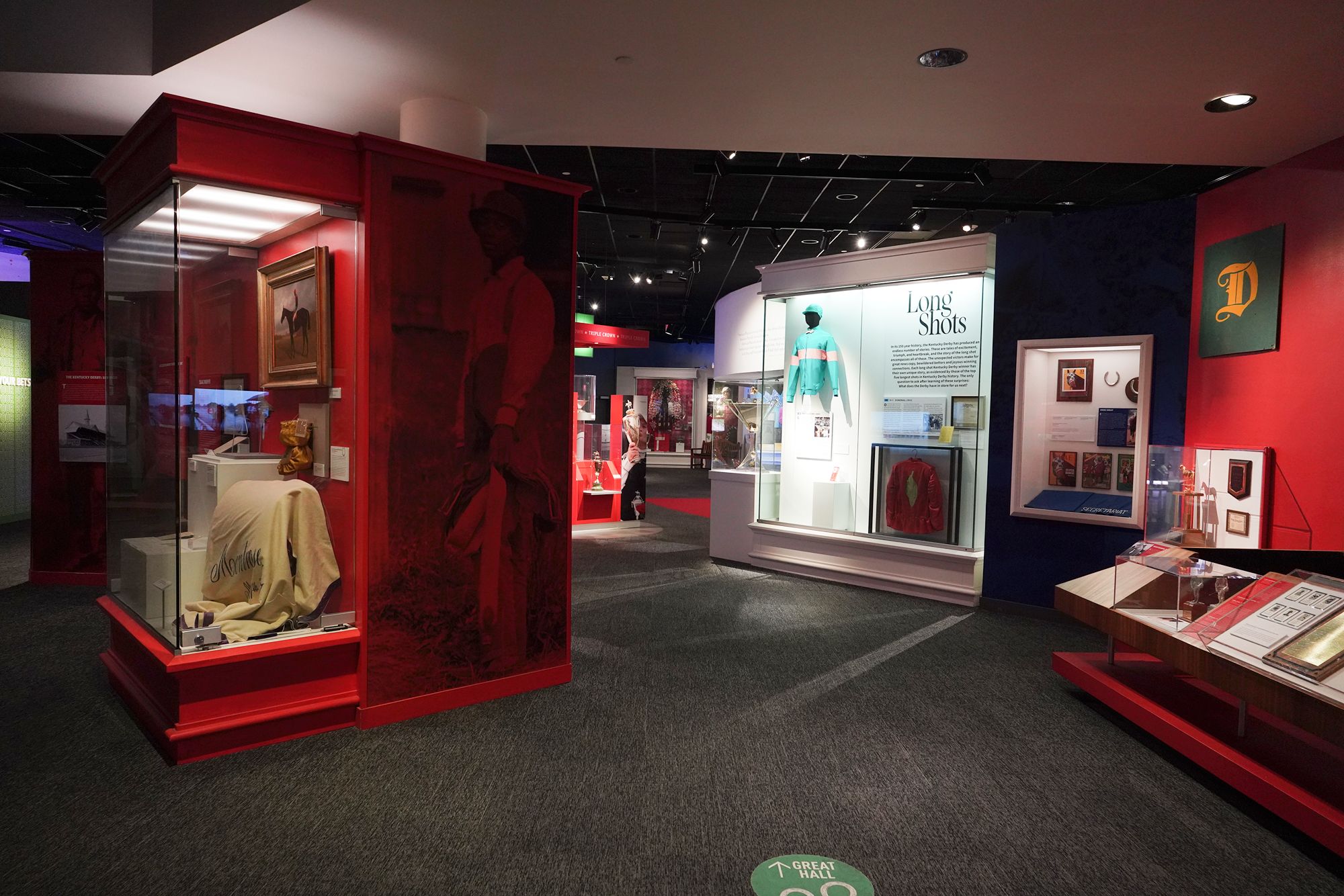
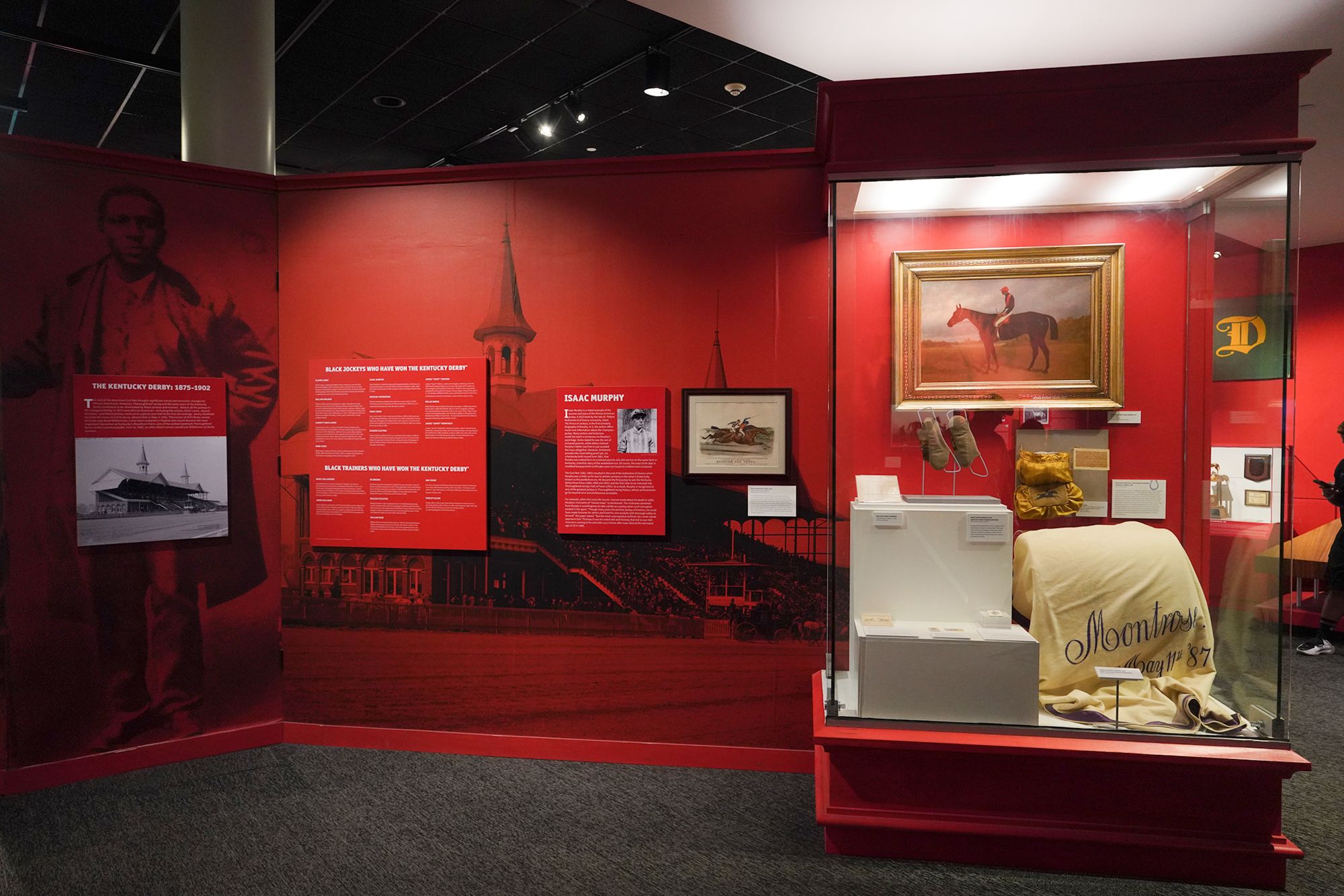
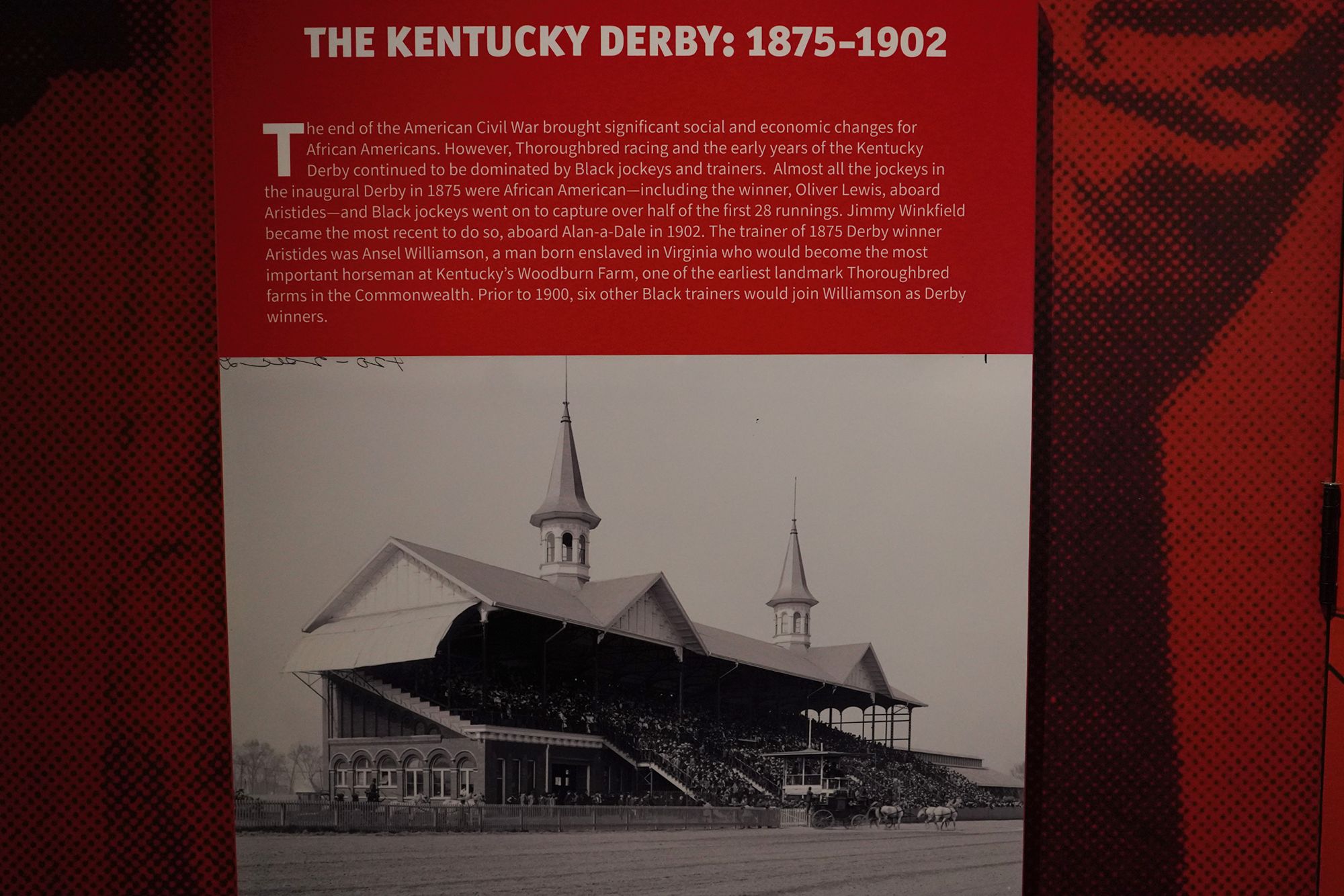
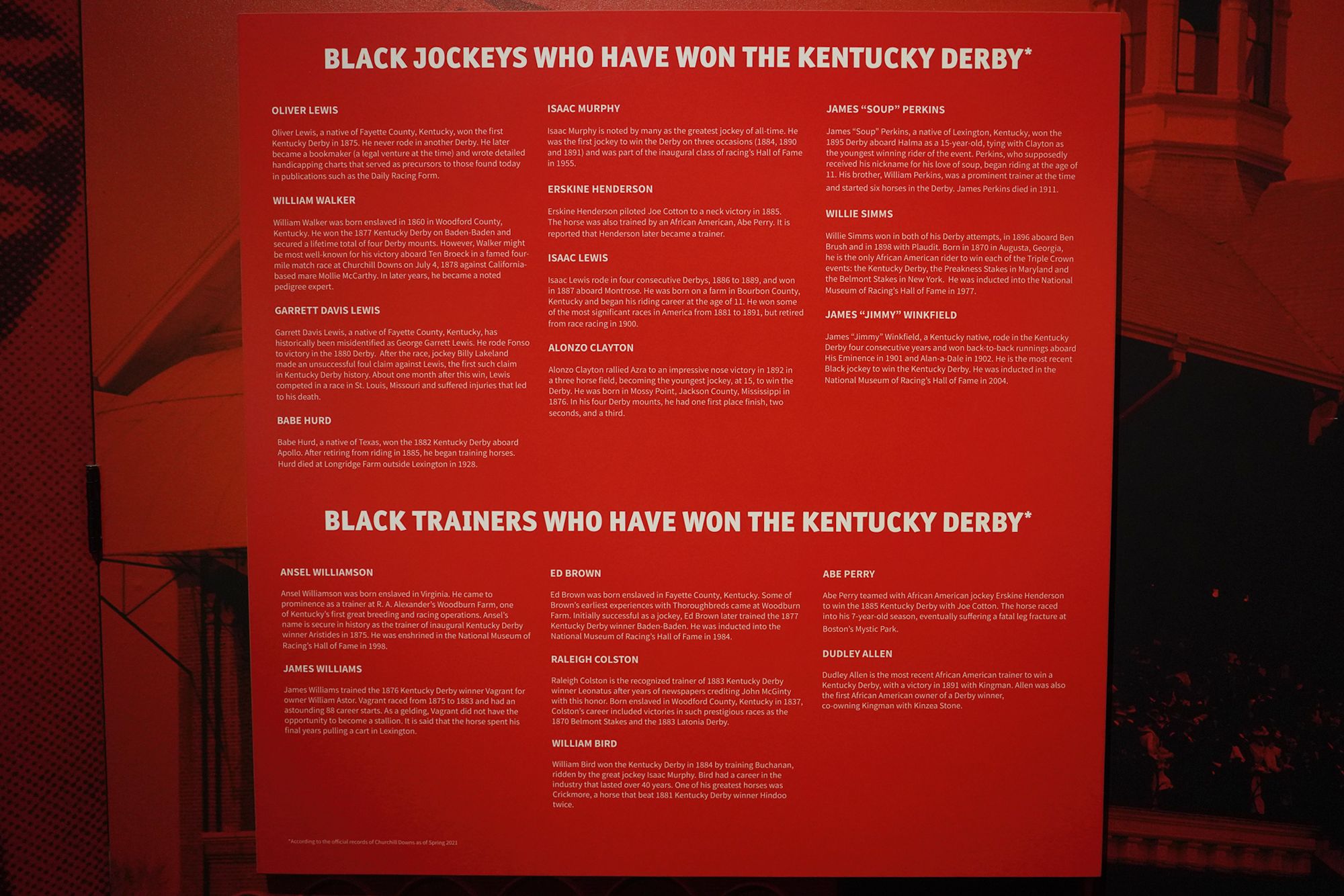
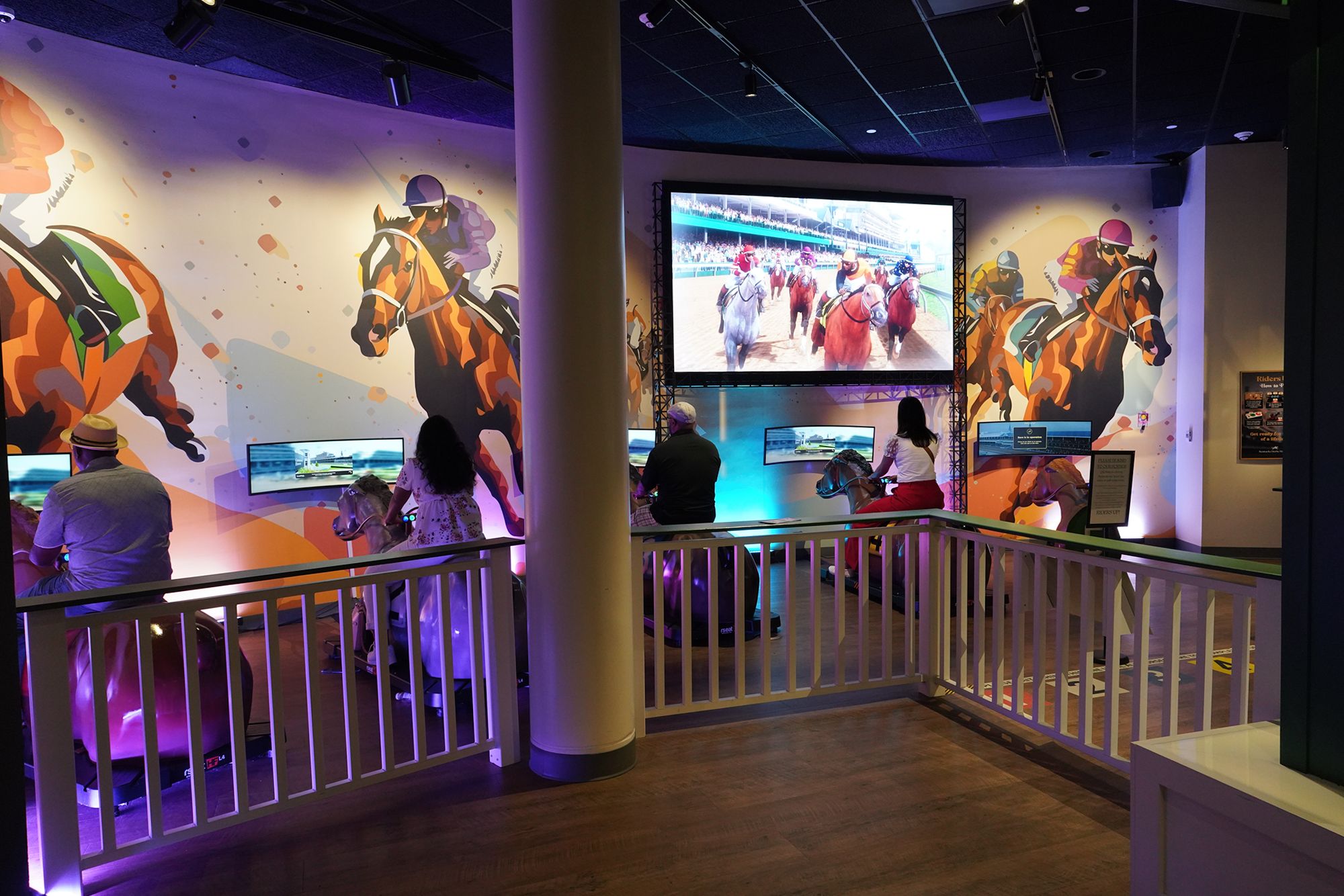
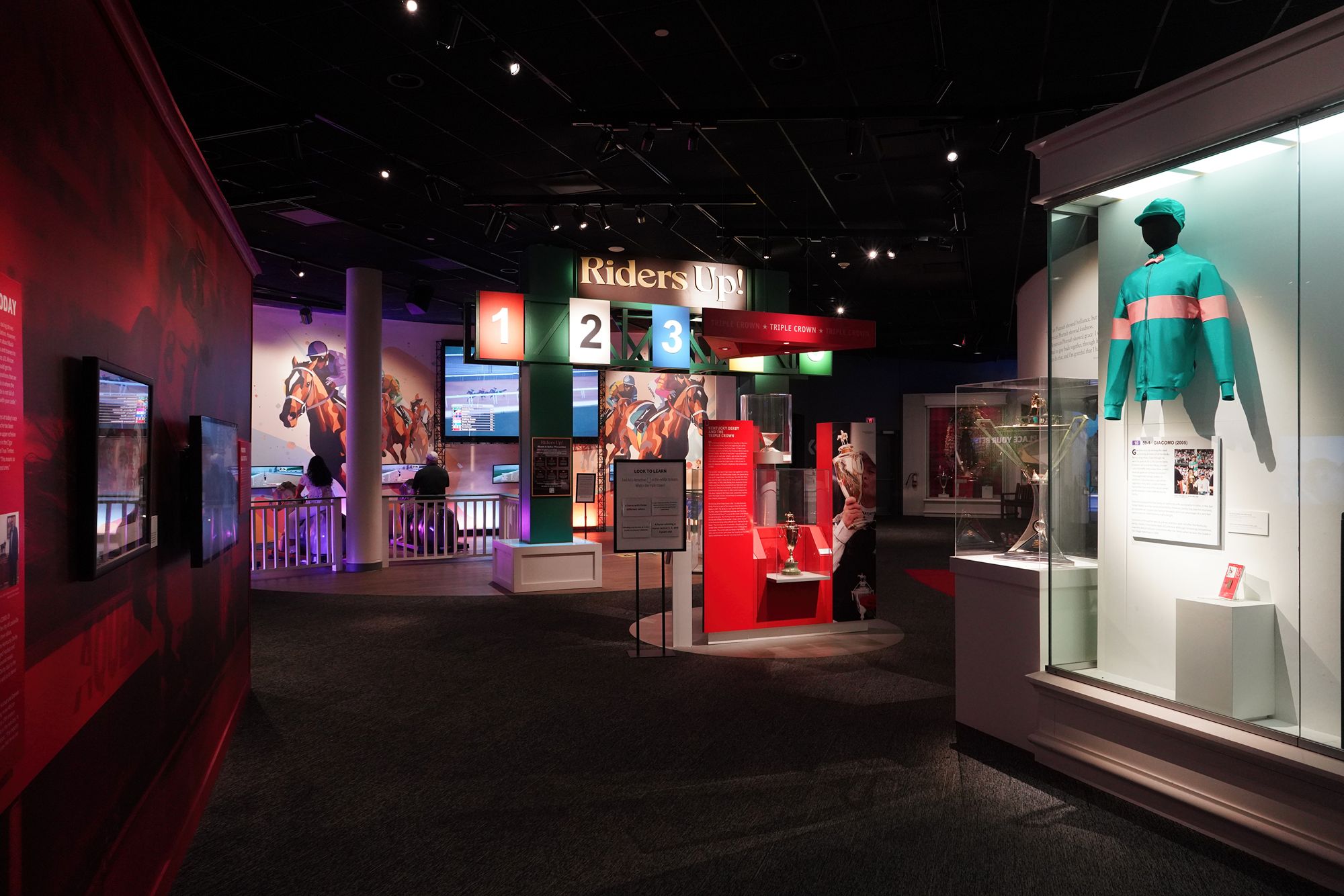
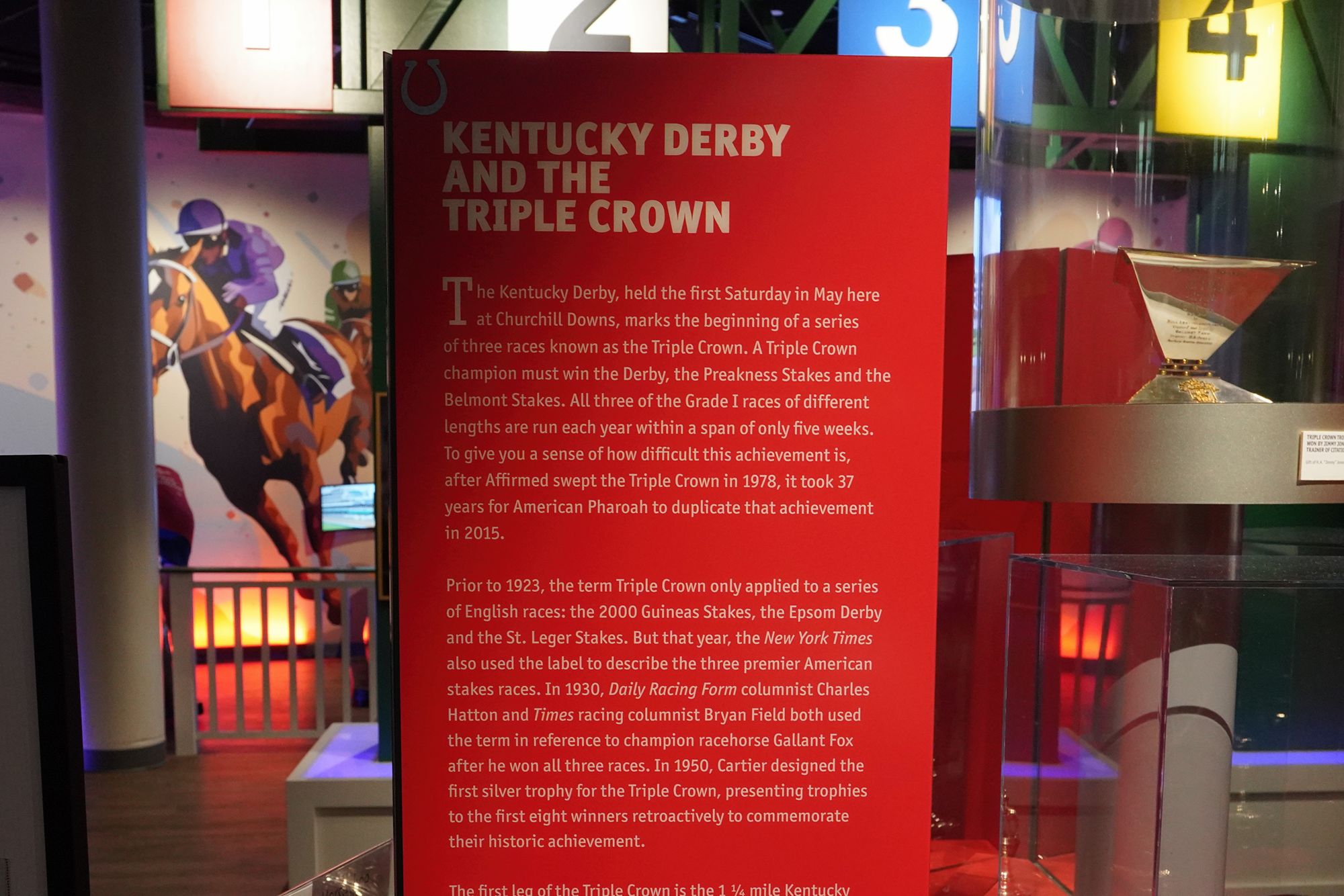
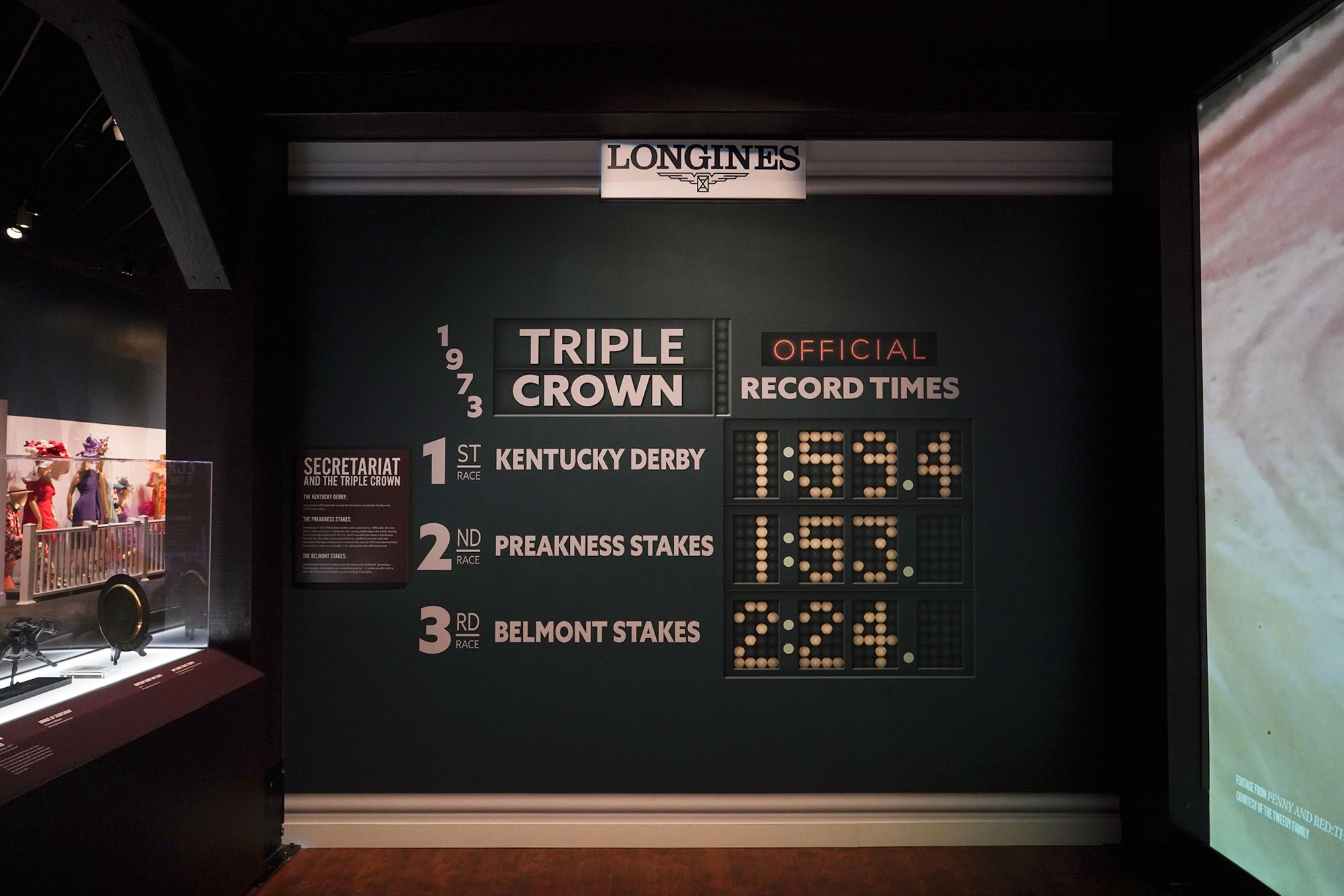
The Triple Crown is awarded to a three-year-old horse that wins the Kentucky Derby, the Preakness Stakes, and the Belmont Stakes in the same year, a rare and prestigious achievement in U.S. racing.
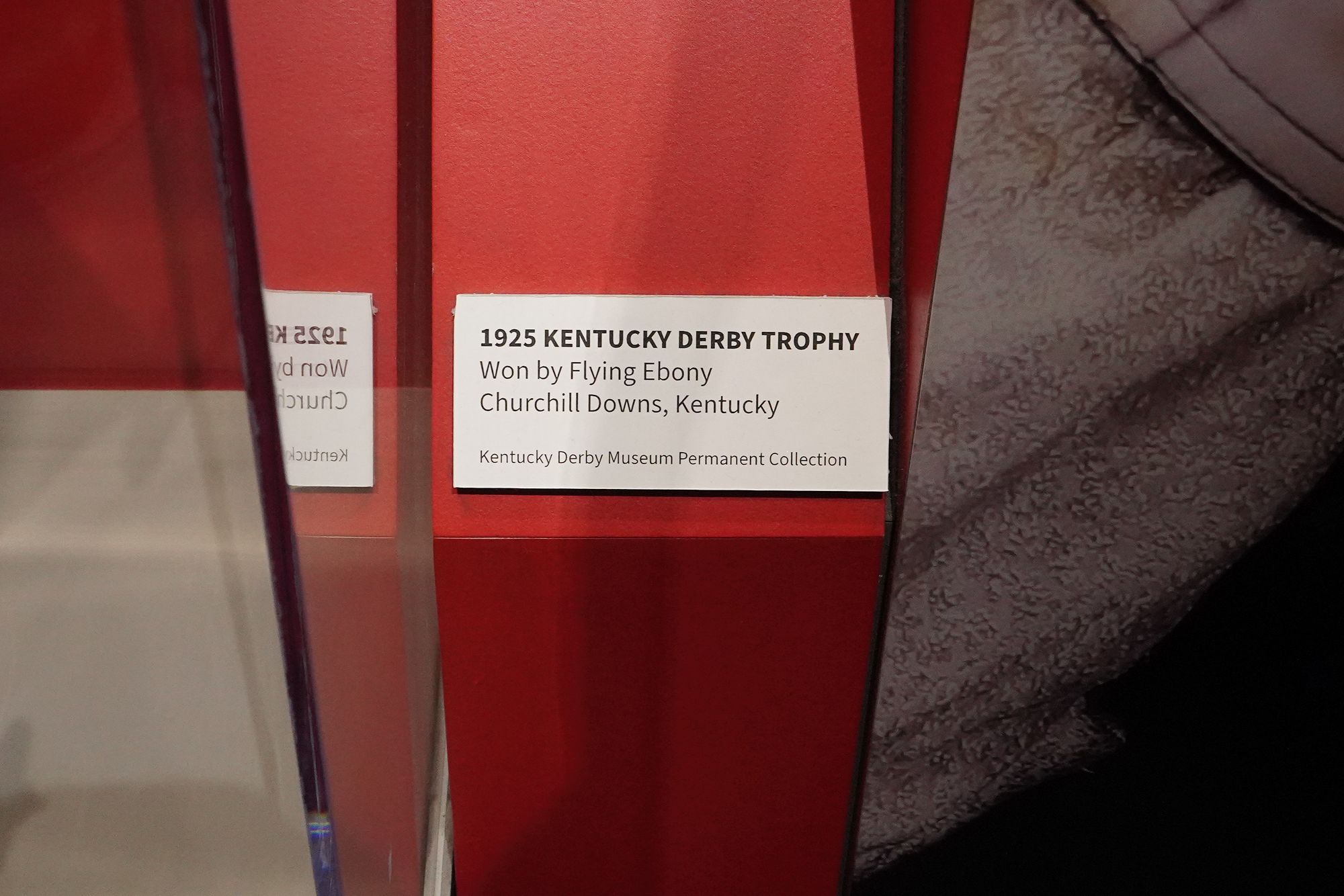
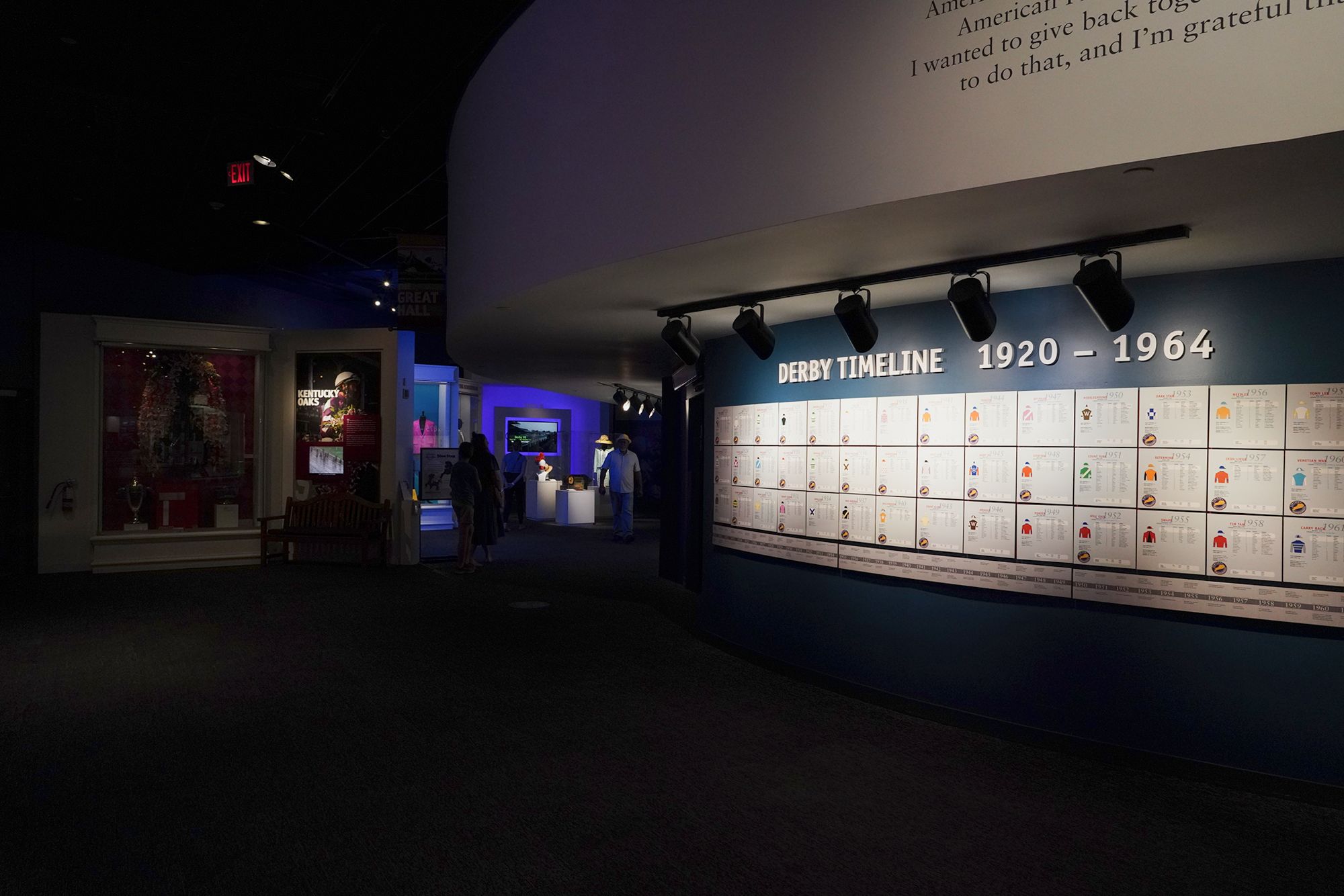
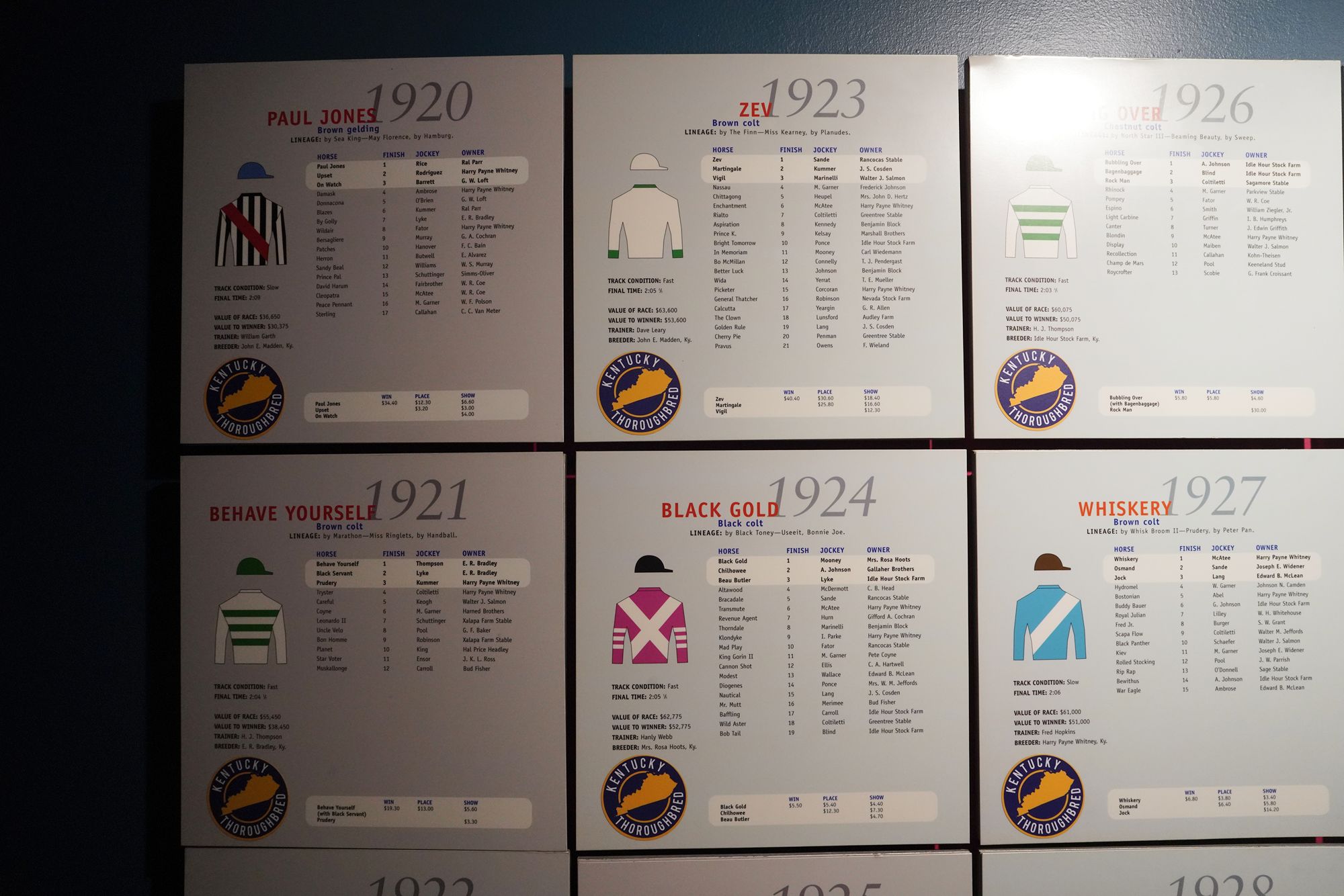
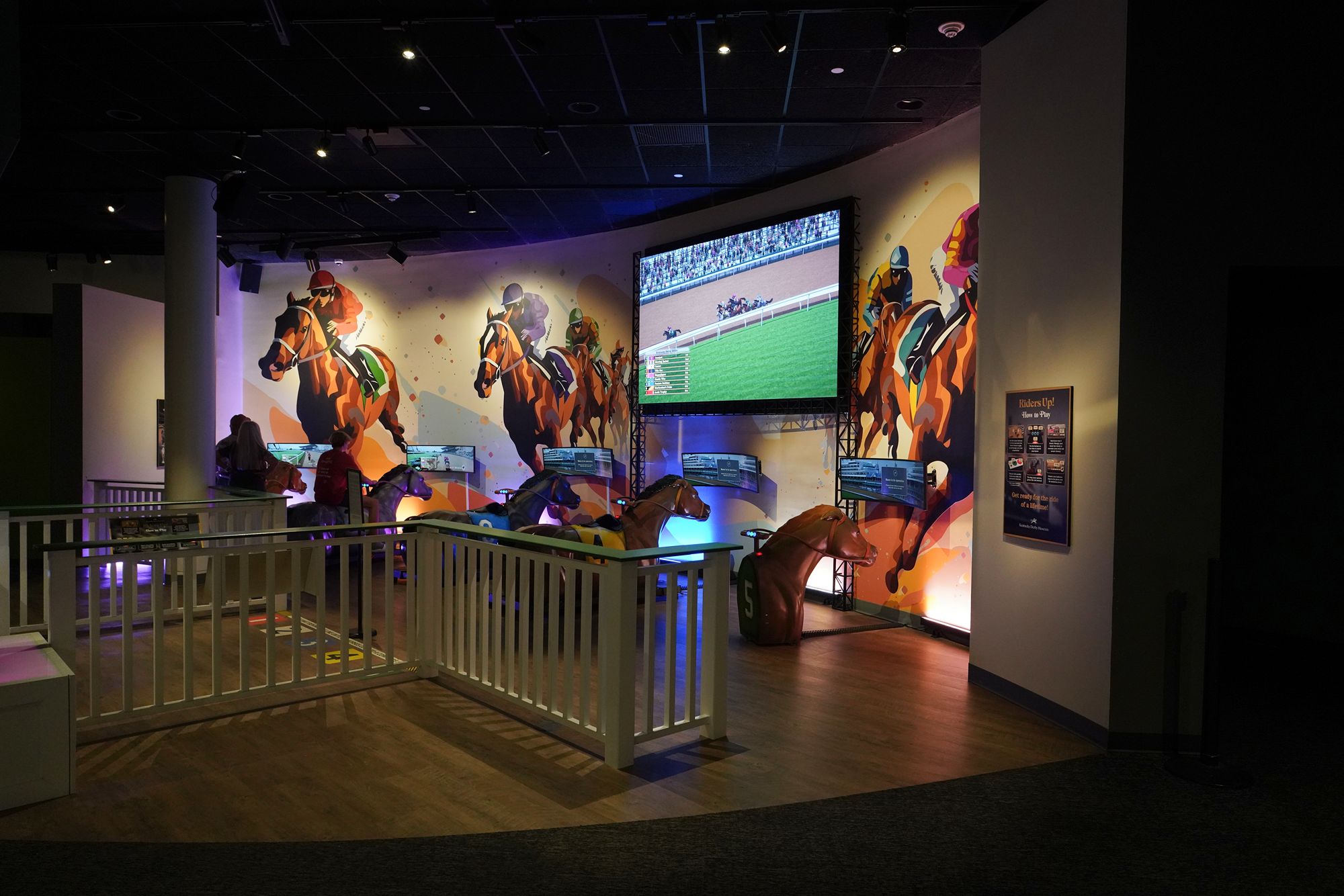
Secretariat was a legendary American thoroughbred who won the 1973 Triple Crown with record-breaking performances, including a stunning 31-length victory in the Belmont Stakes, and is widely regarded as one of the greatest racehorses in history for his extraordinary speed, stamina, and enduring legacy in the sport.
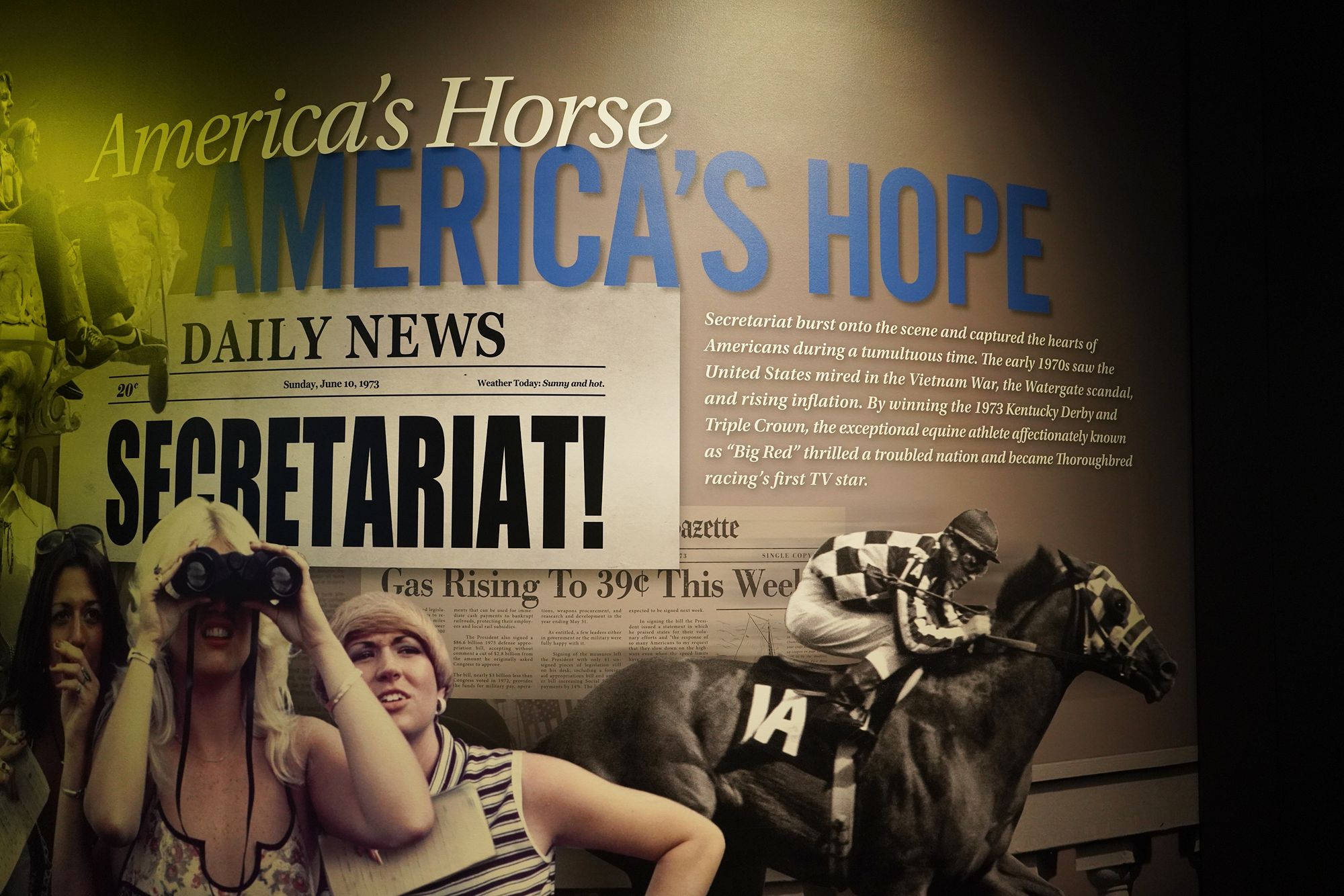
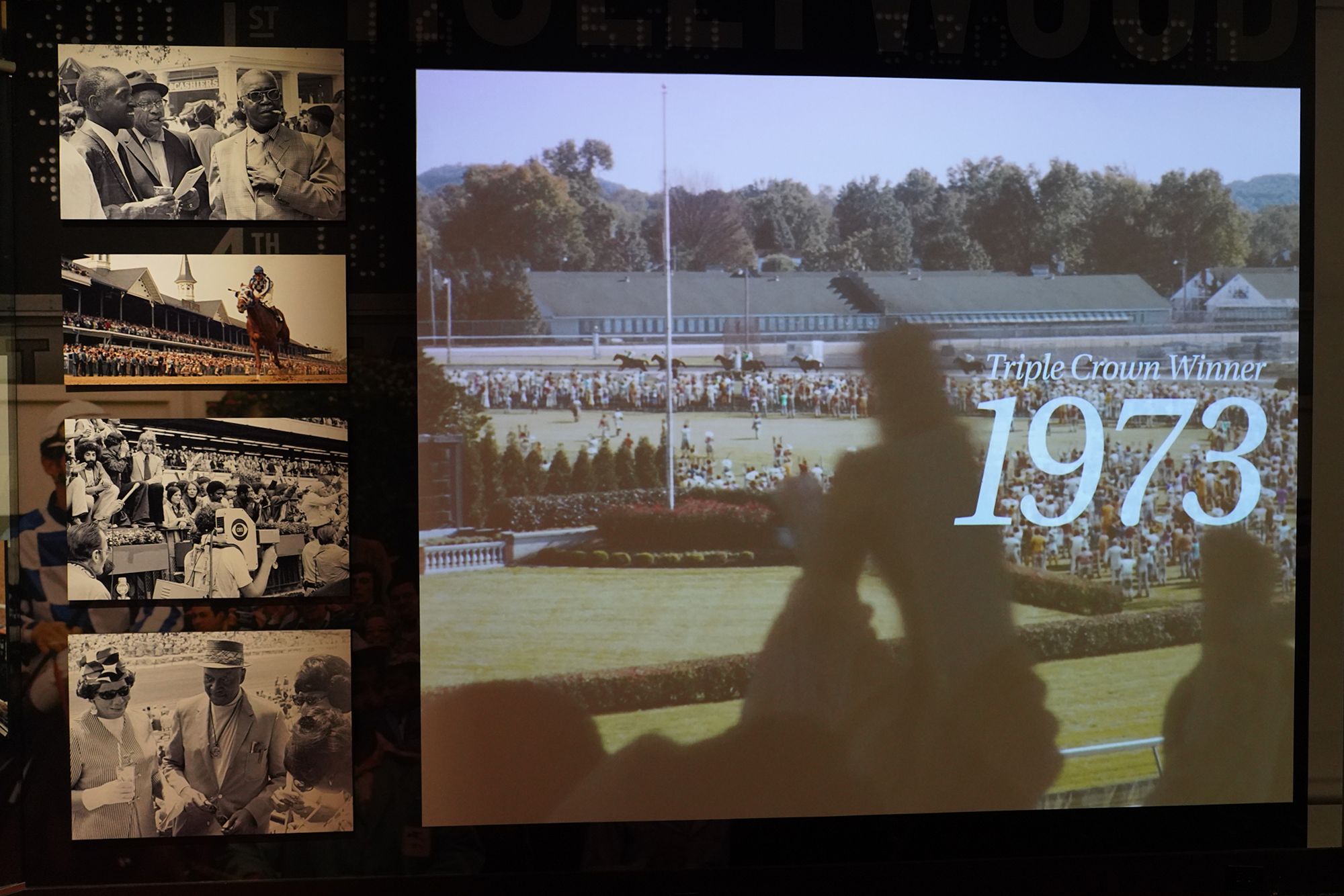
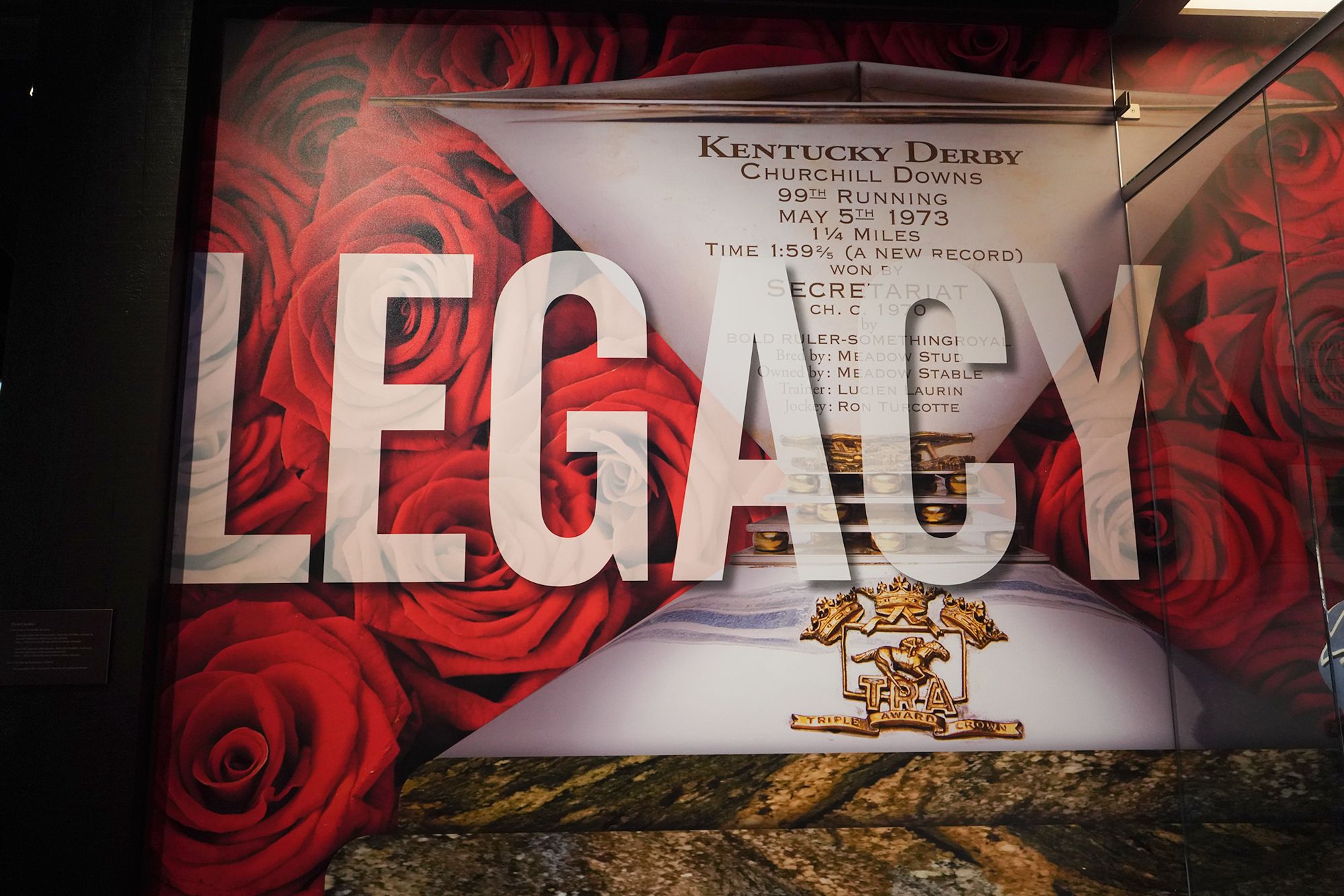
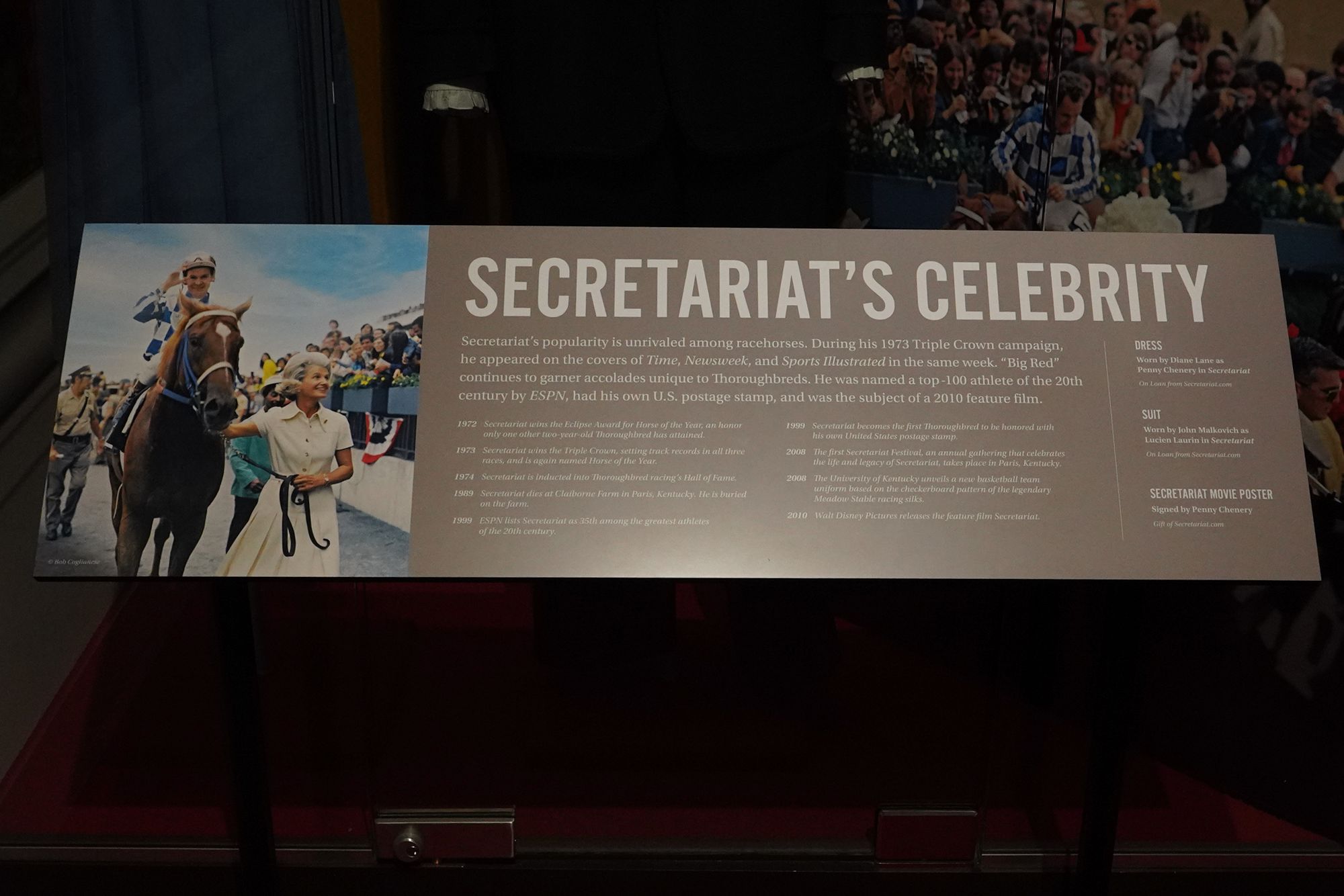
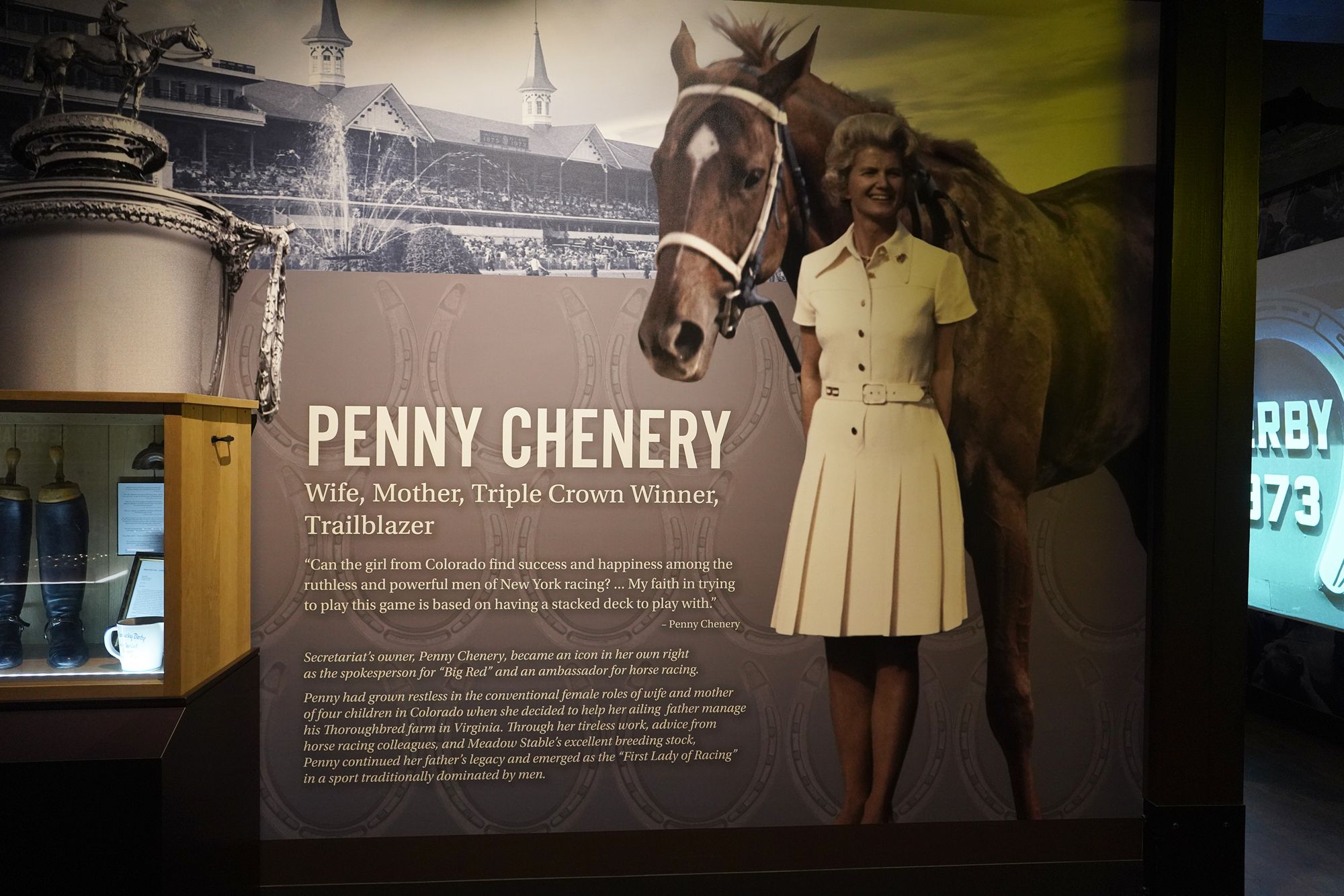
The owner of Secretariat
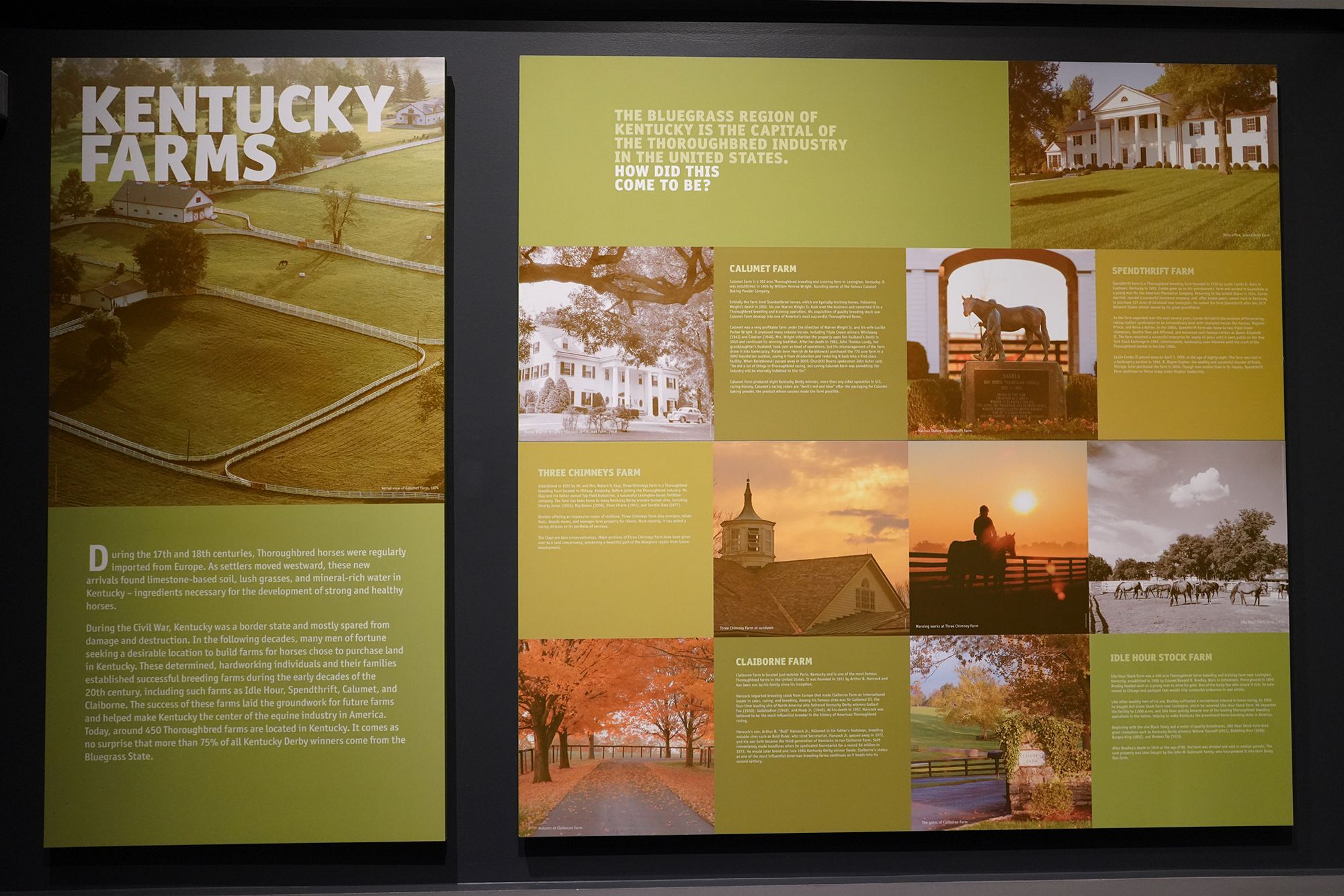
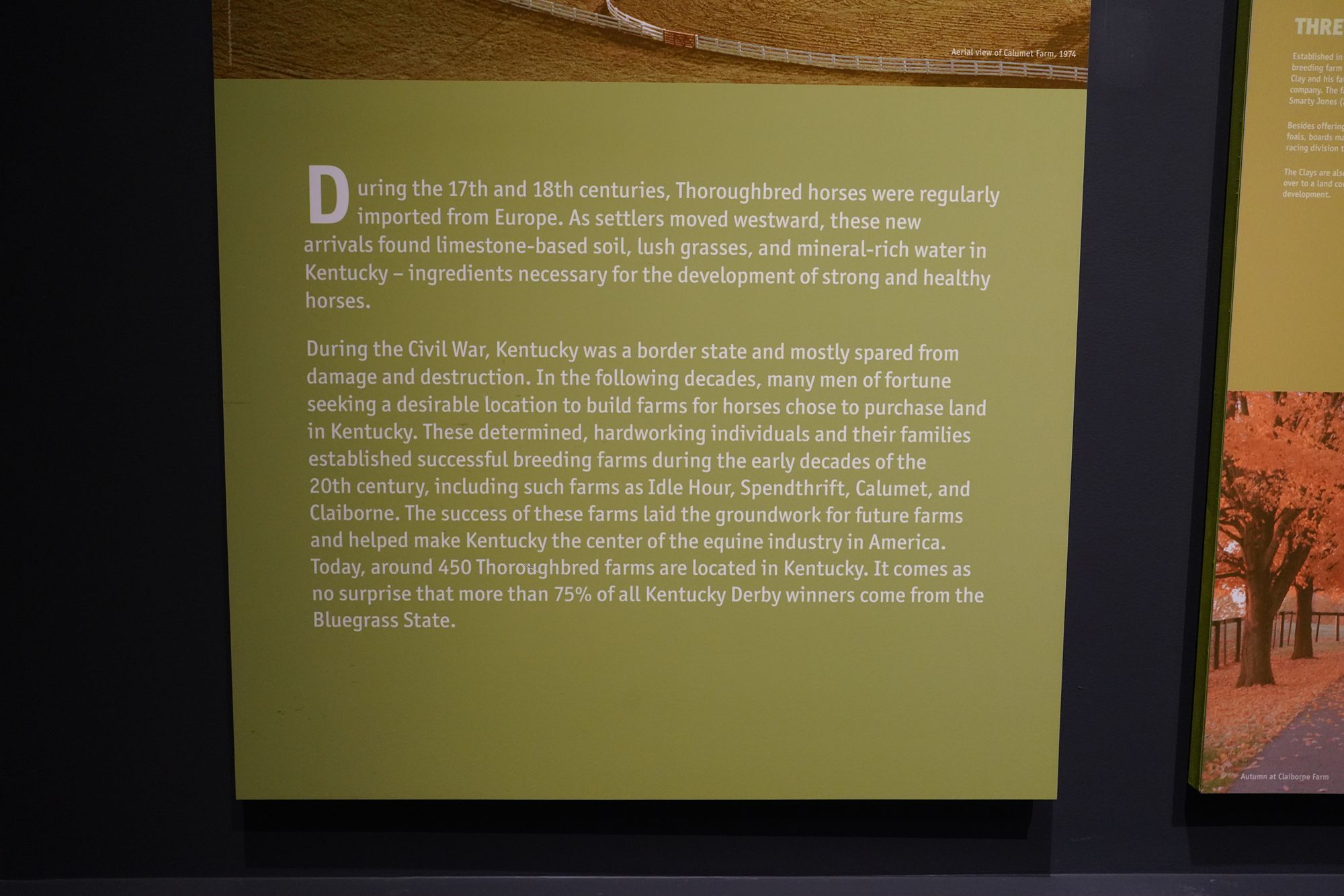
Kentucky is ideal for horse breeding because its fertile limestone-rich soil produces calcium-strong grasses that help develop healthy bones in young horses, its gently rolling pastures provide safe terrain for training, and its temperate climate, abundant water sources, and long-established breeding infrastructure create optimal conditions for raising high-quality thoroughbreds.
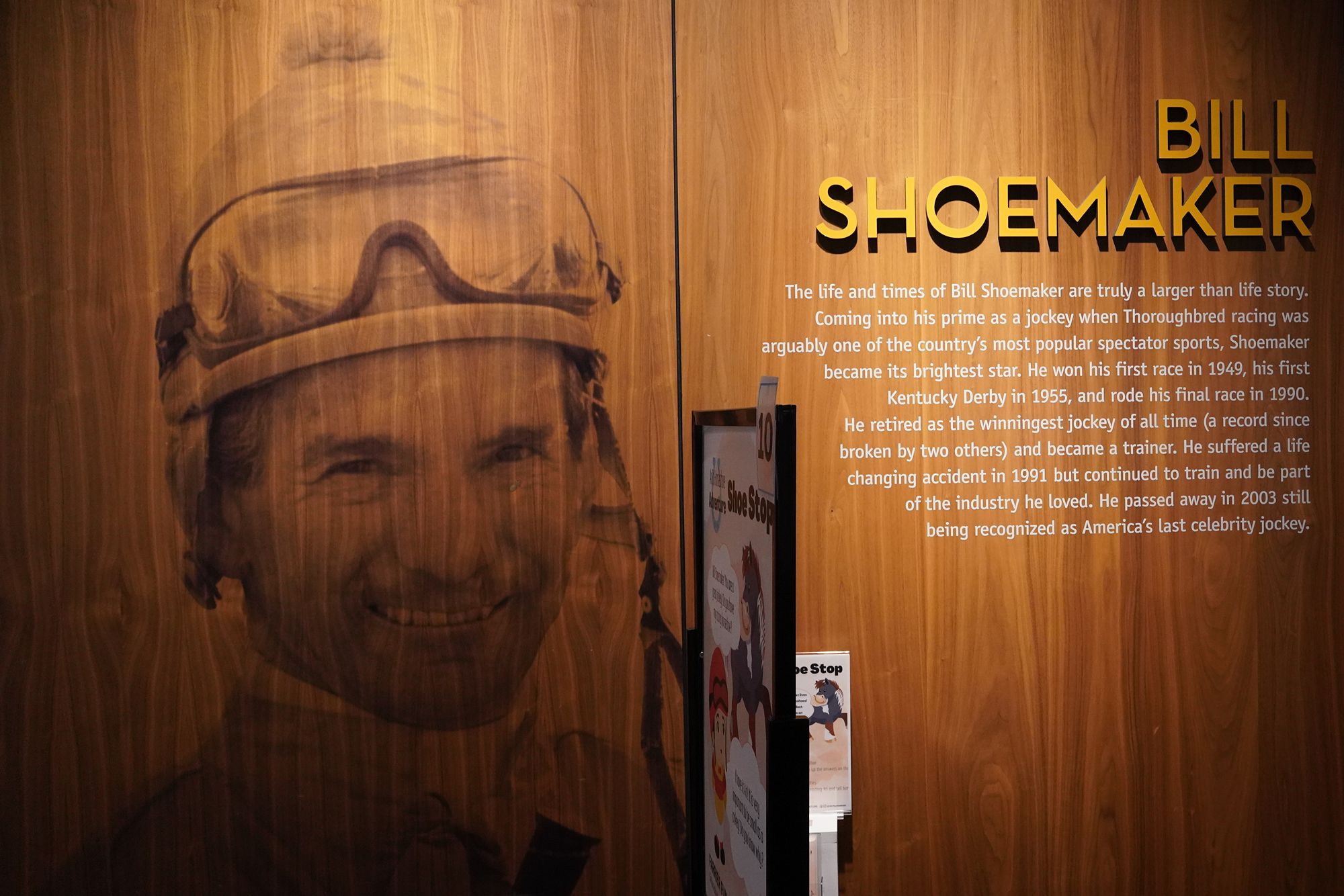
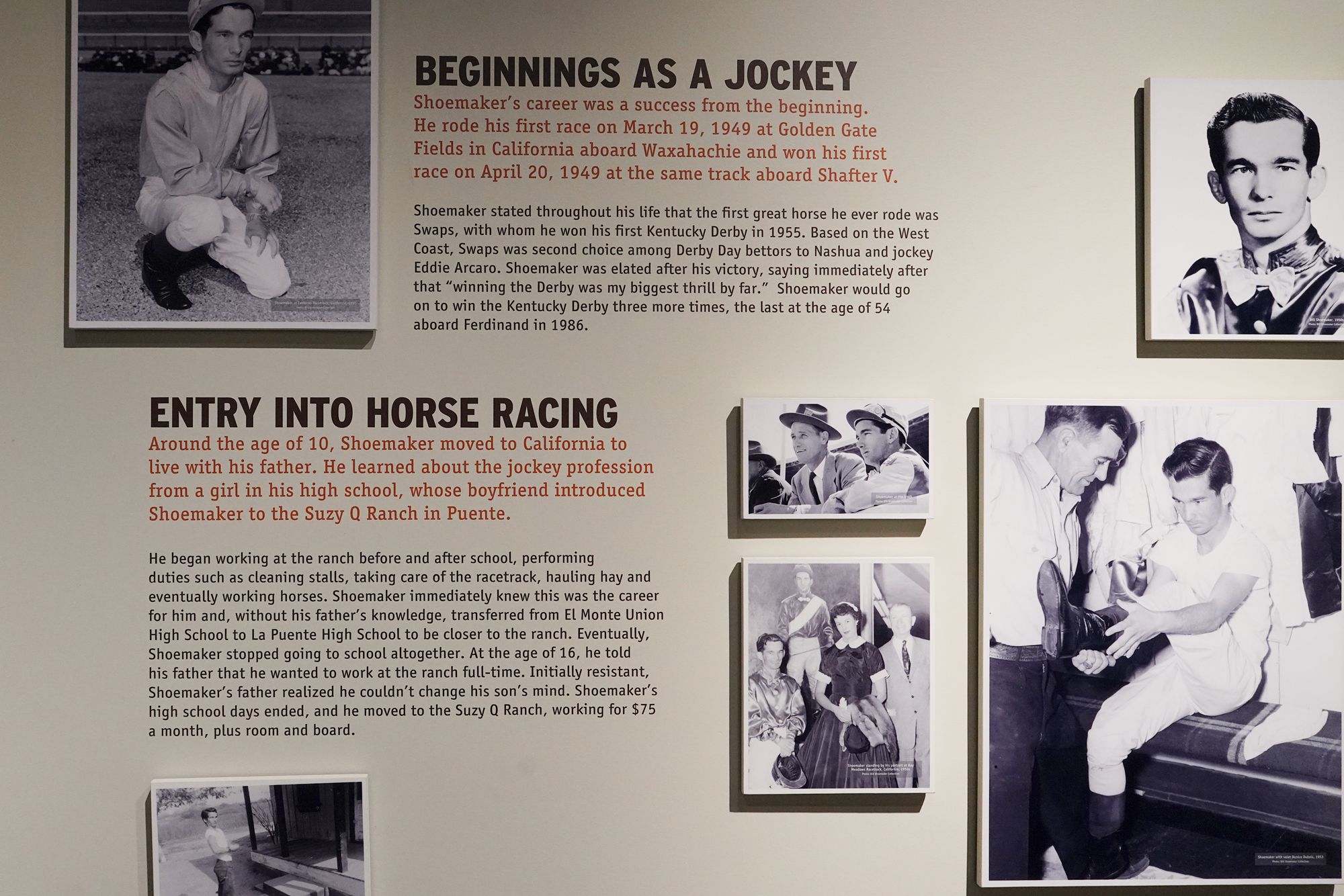
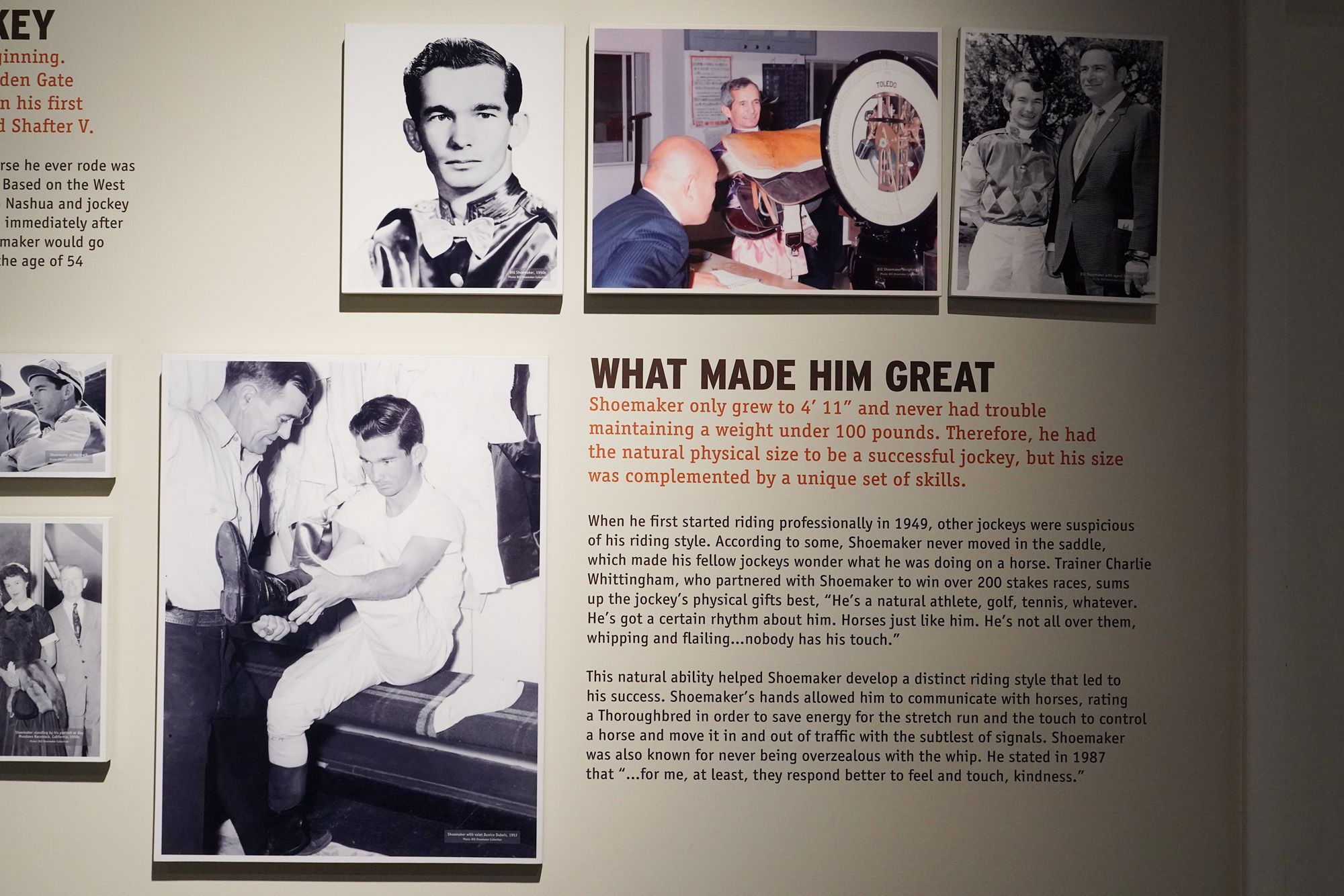
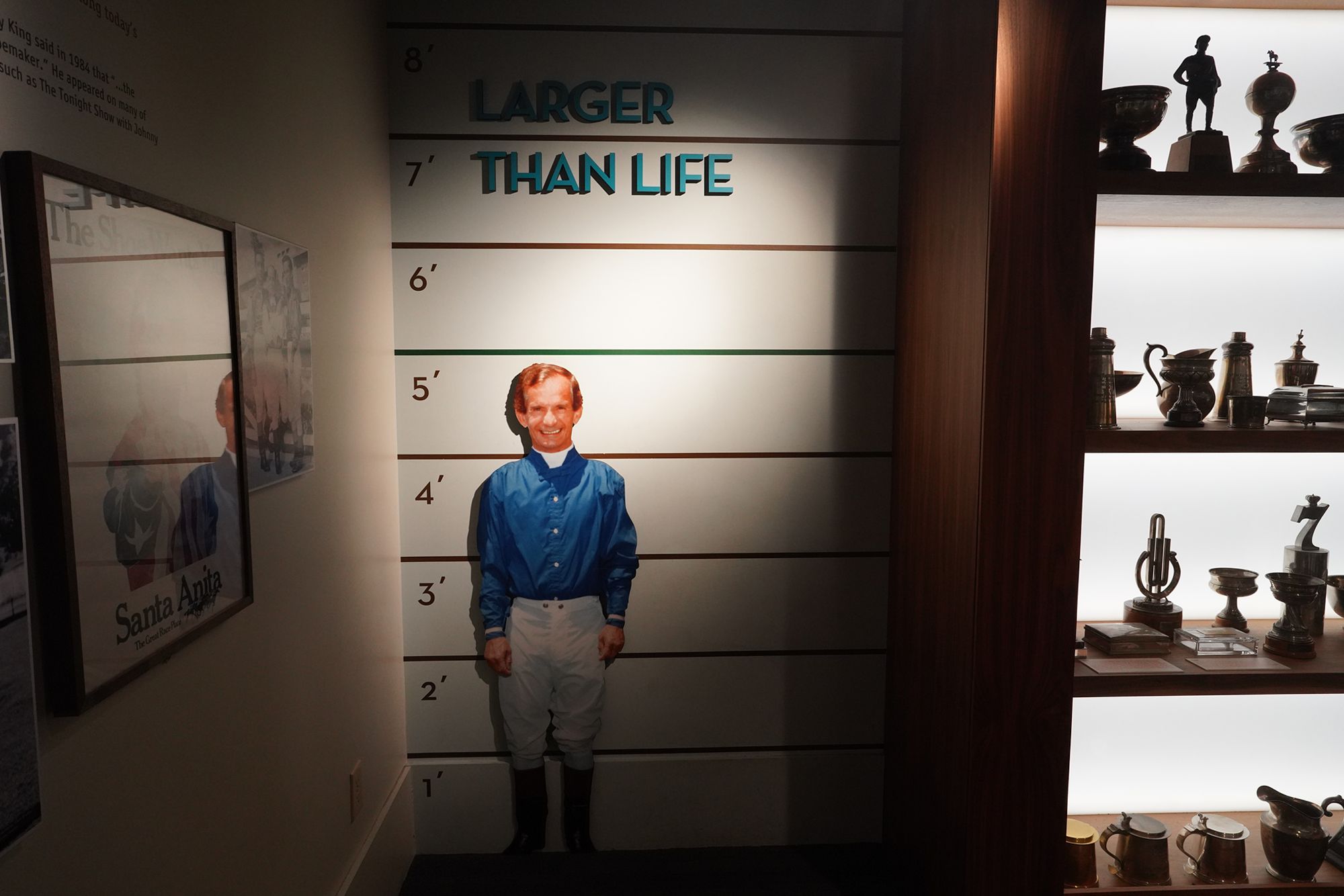
Bill Shoemaker was one of the most successful jockeys in American horse racing history, riding professionally from 1949 to 1990 and earning over 8,800 victories, including four Kentucky Derby wins. Known for his exceptional balance, tactical intelligence, and calm riding style, he became a respected figure in the sport and set numerous records throughout his long career. Despite his small stature, Shoemaker’s skill and longevity made him a racing legend.