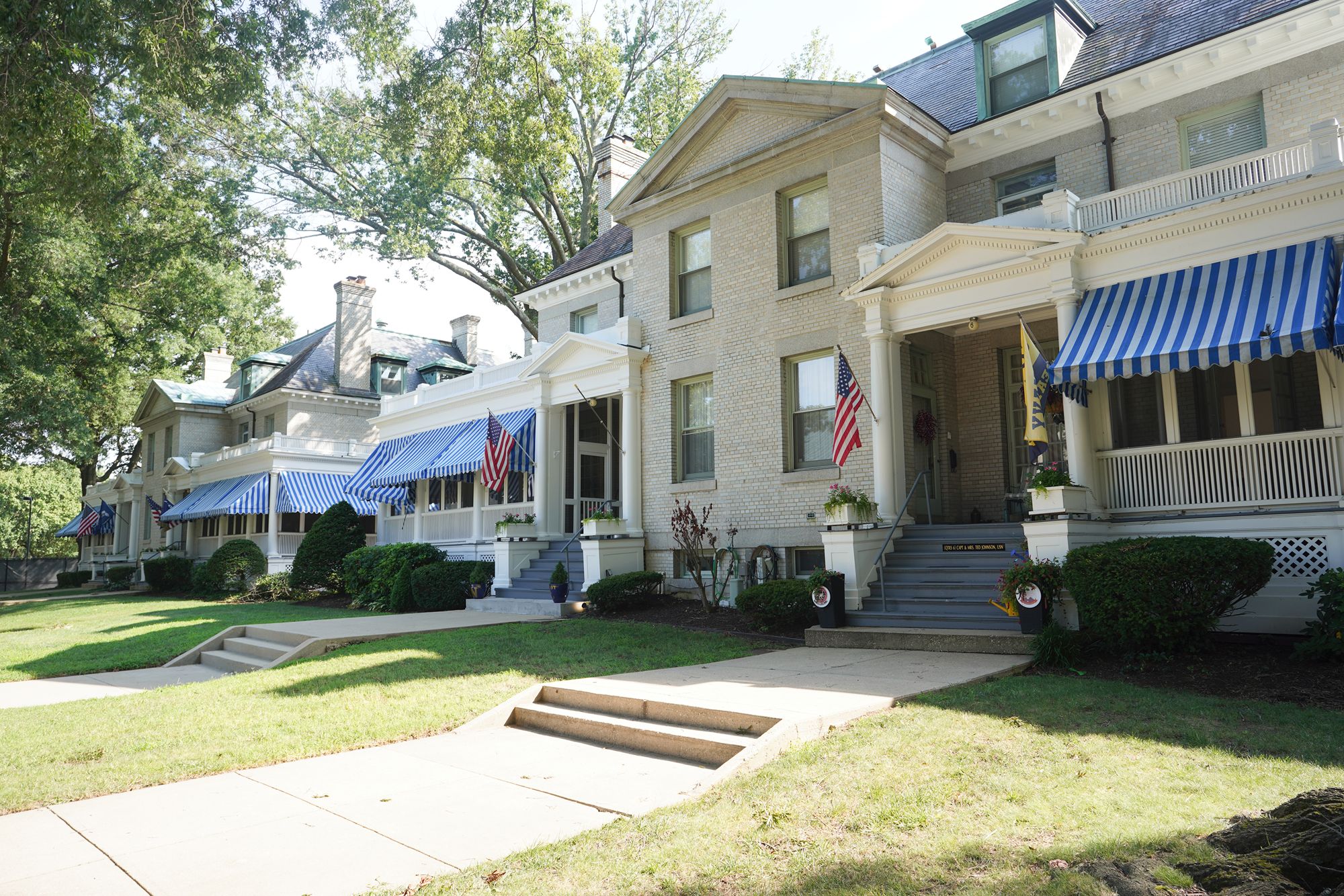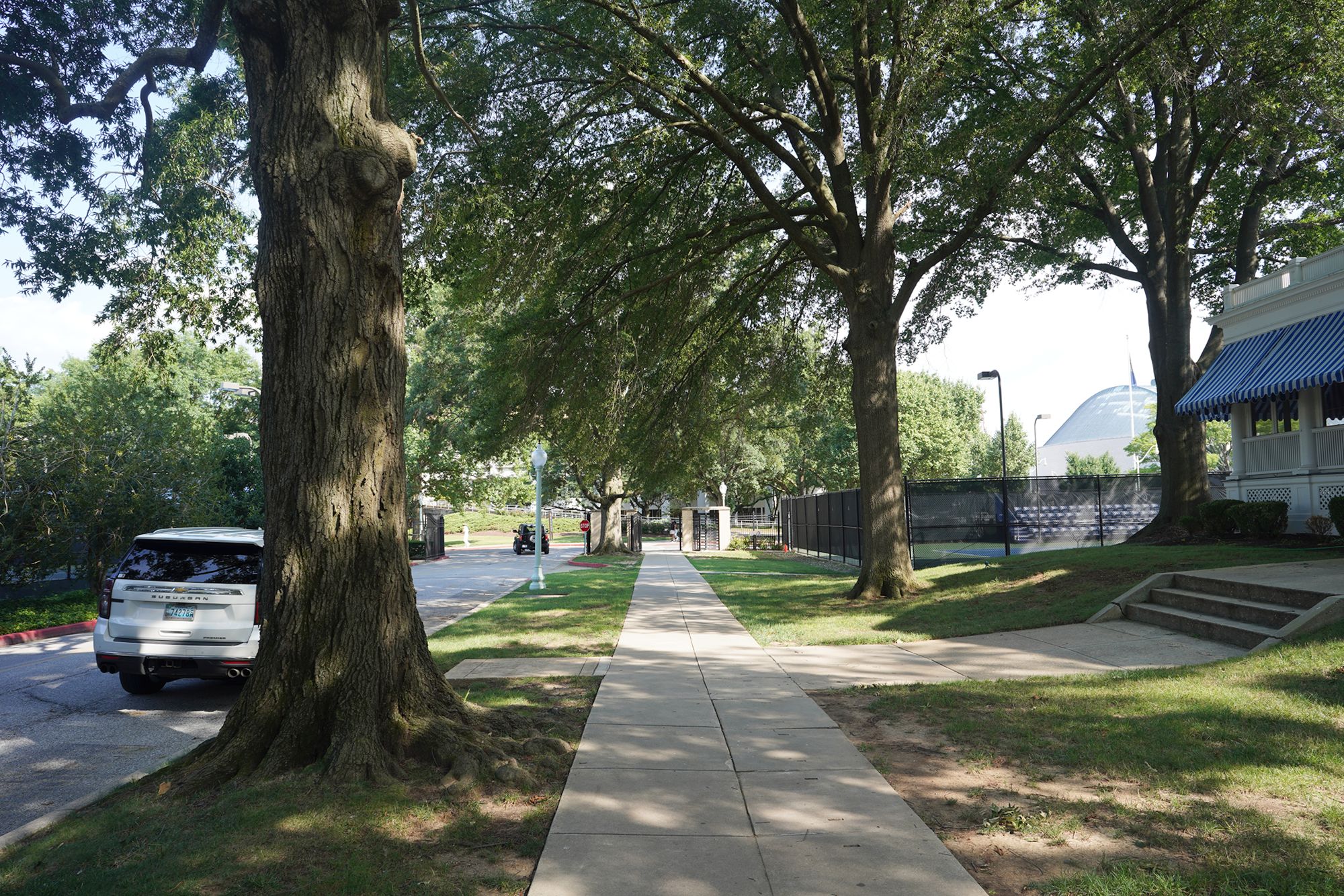
Annapolis, Maryland, USA
Annapolis, Maryland’s capital, is a historic waterfront city known for its 18th-century architecture and strong maritime heritage. 1146
Annapolis Old Town: 100 State Cir, Annapolis, MD 21401
Date Picture Taken: August 2025
Annapolis, the capital of Maryland, is a historic waterfront city on the Chesapeake Bay known for its well-preserved 18th-century architecture and maritime heritage.
Founded in the mid-1600s, it served briefly as the nation’s capital after the Revolutionary War and is home to the United States Naval Academy, whose campus and museum are major highlights.
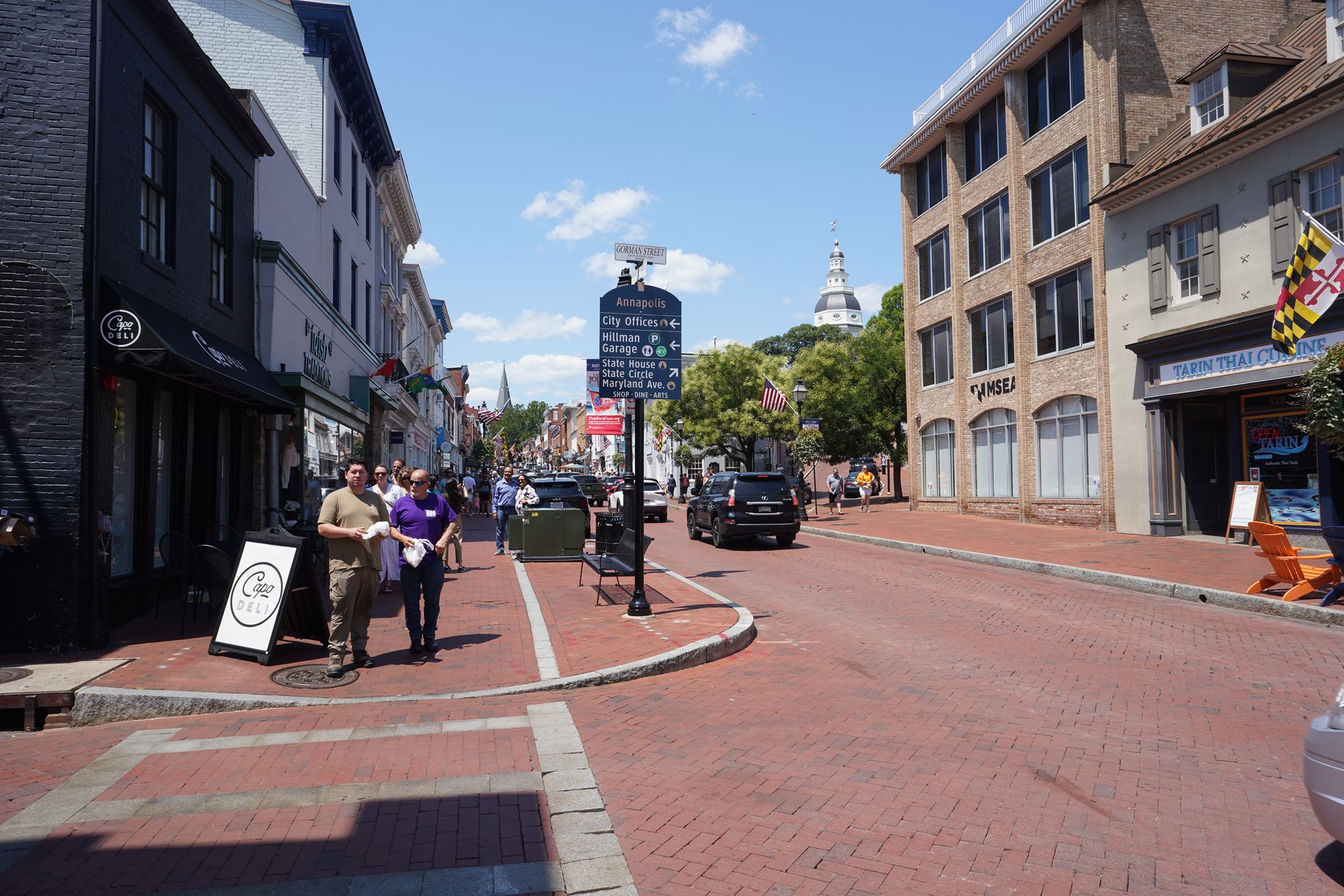
I was between the waterfront and the State House, and I decided to visit the Capitol first and the waterfront afterward.
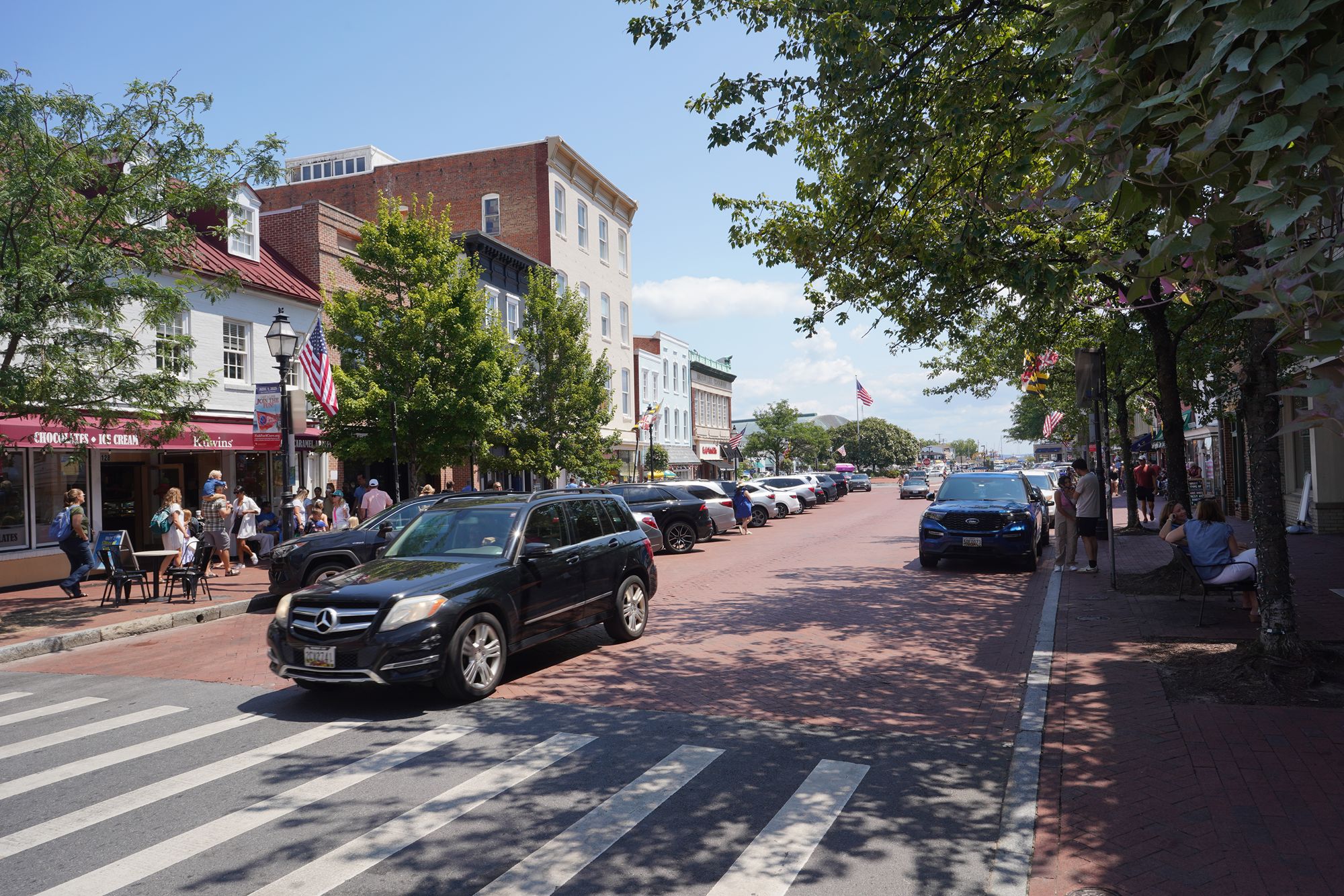
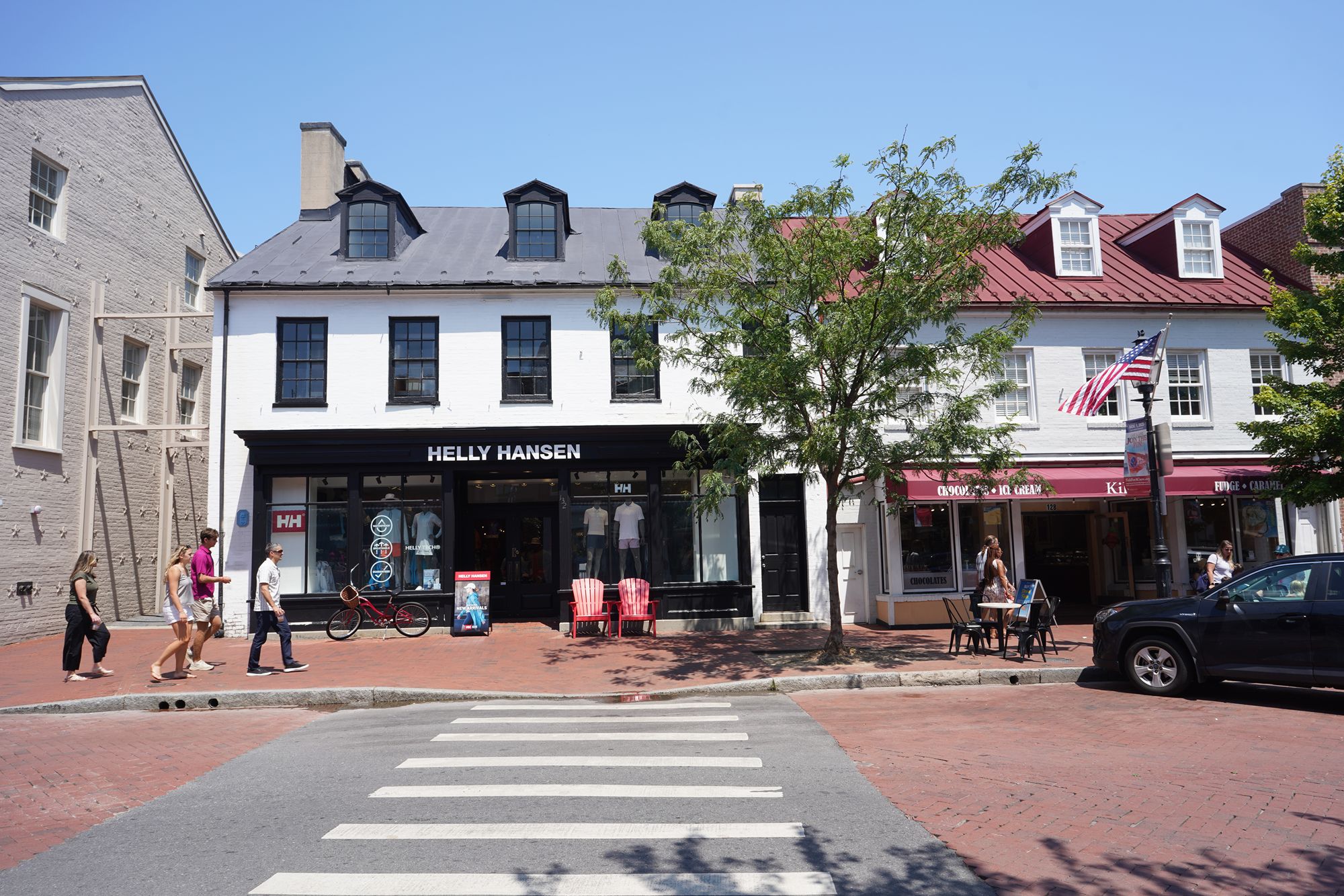
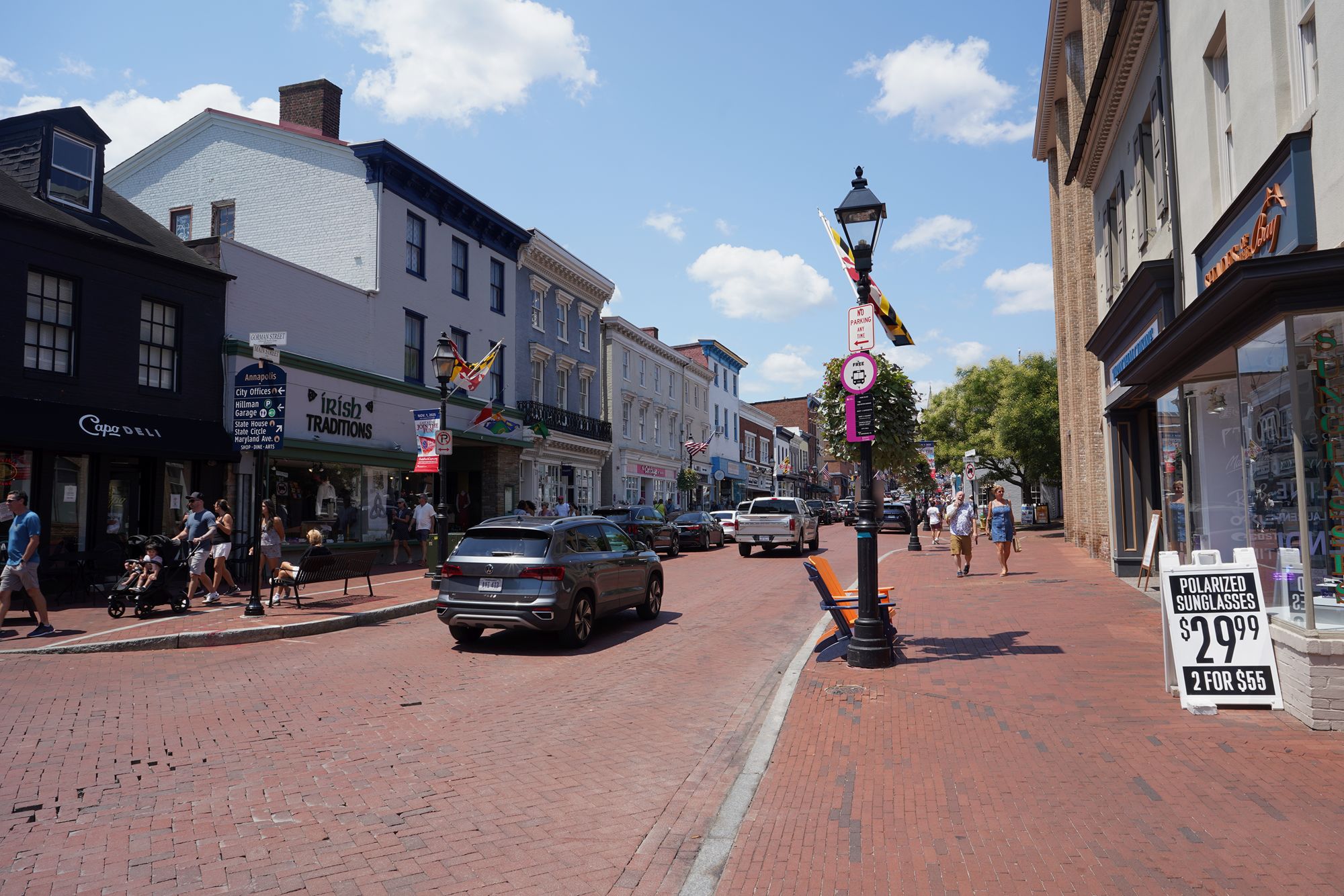
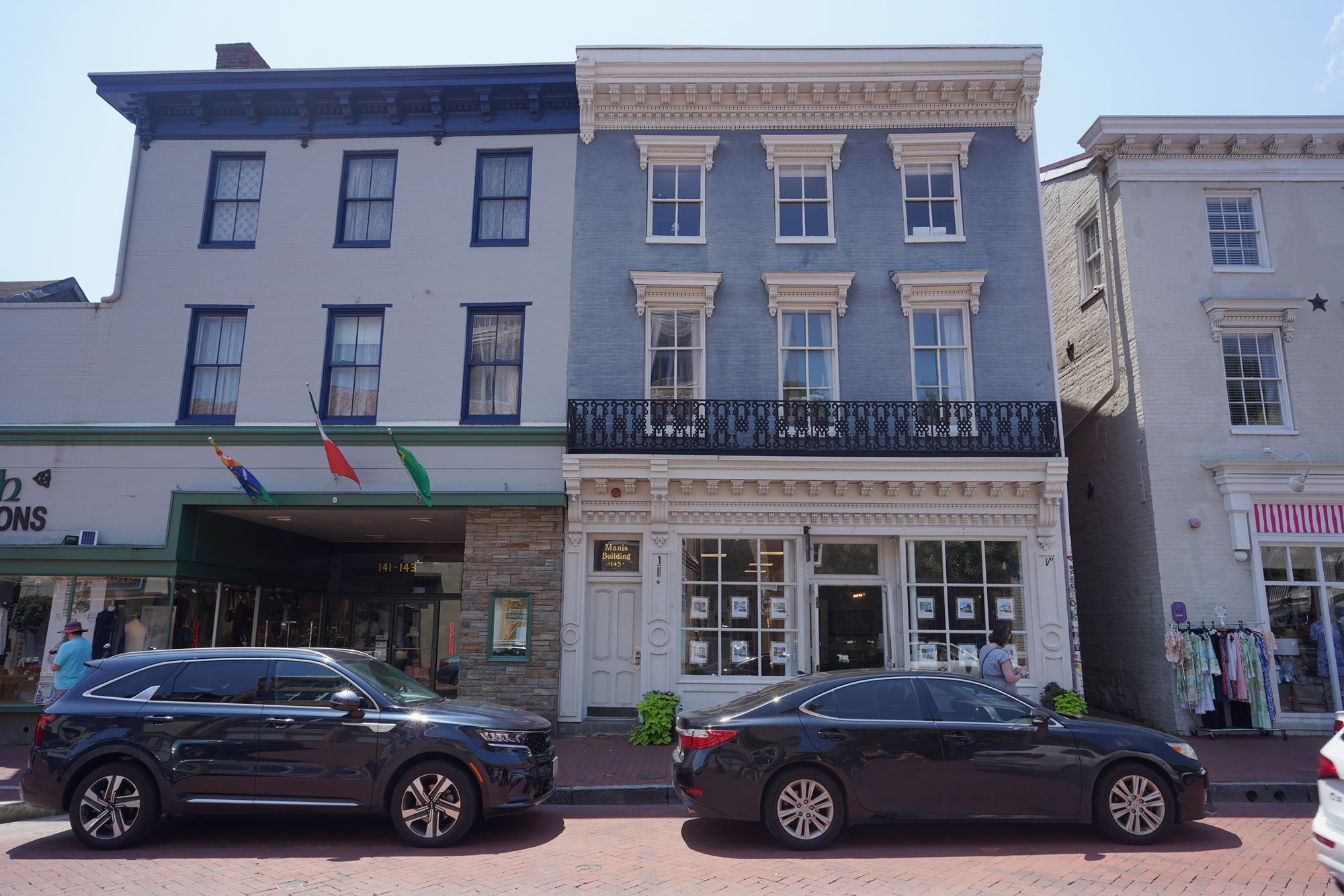
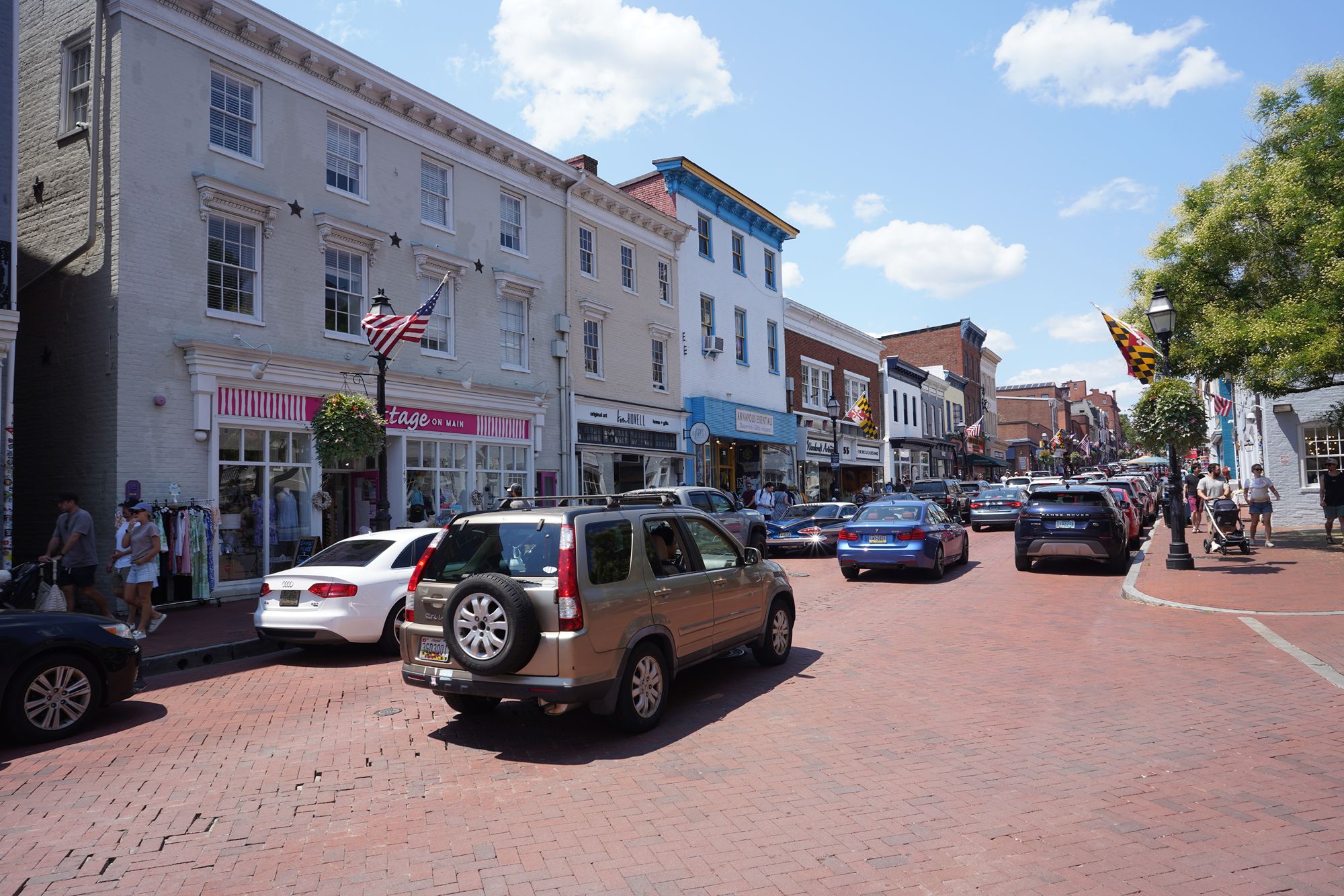
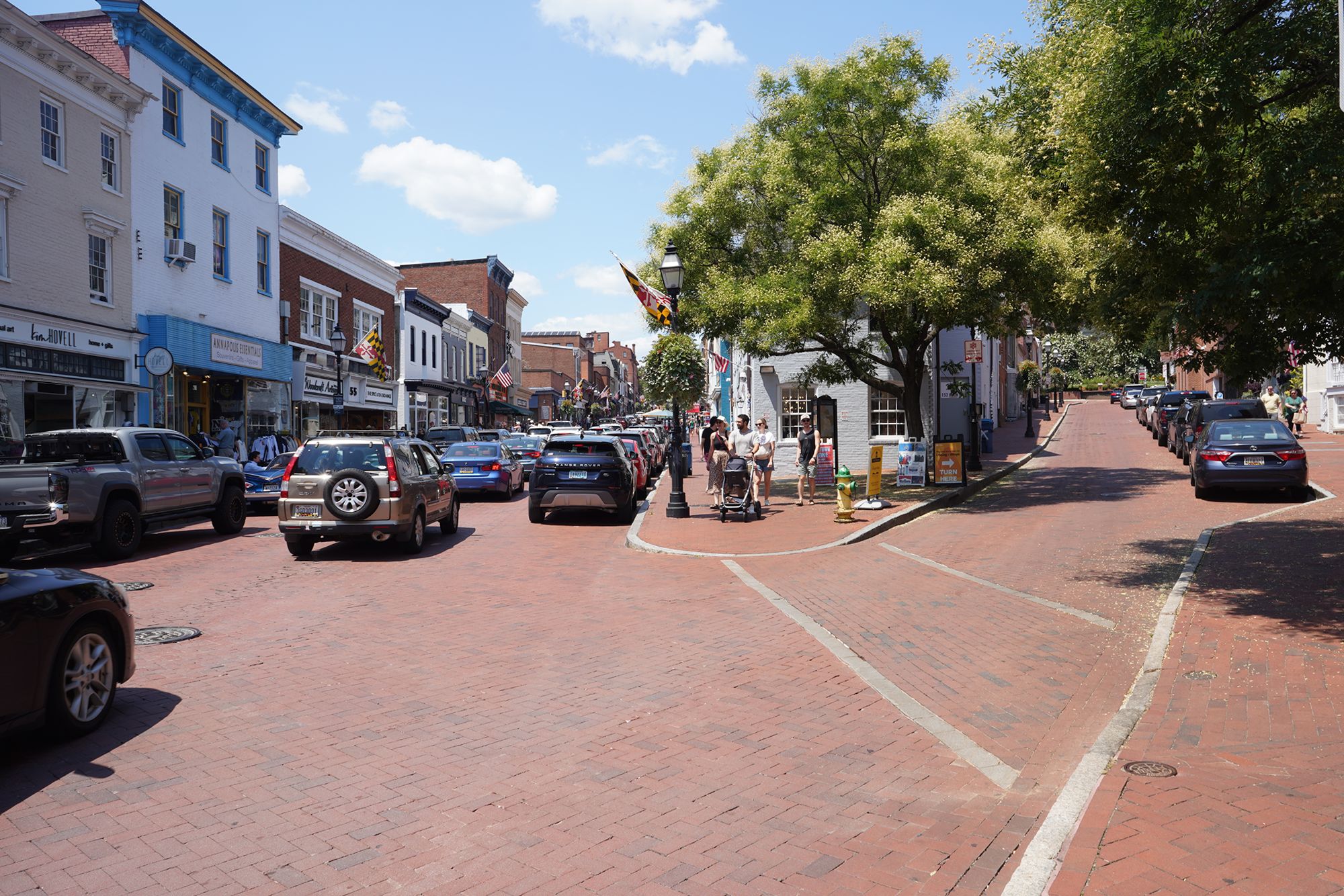
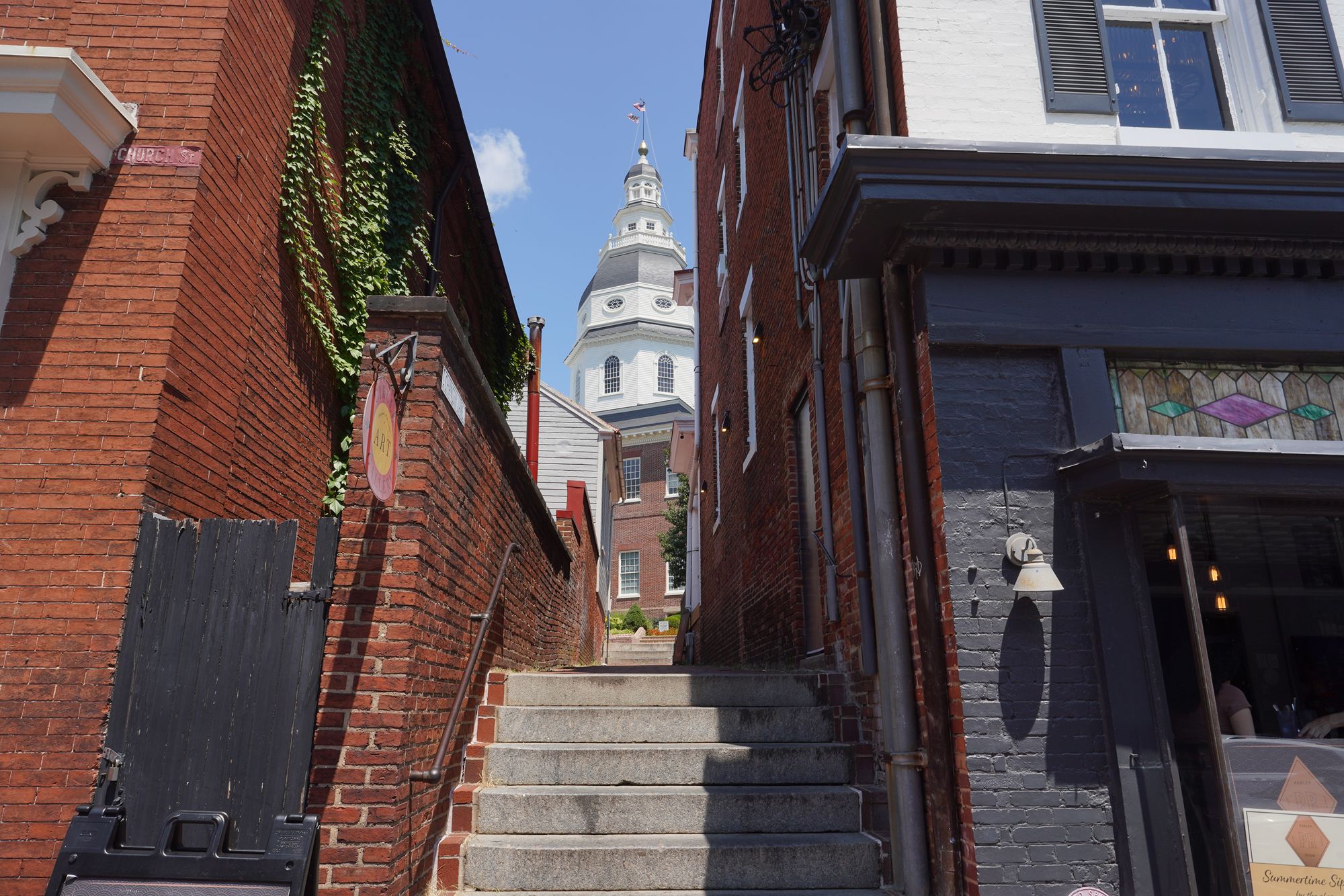
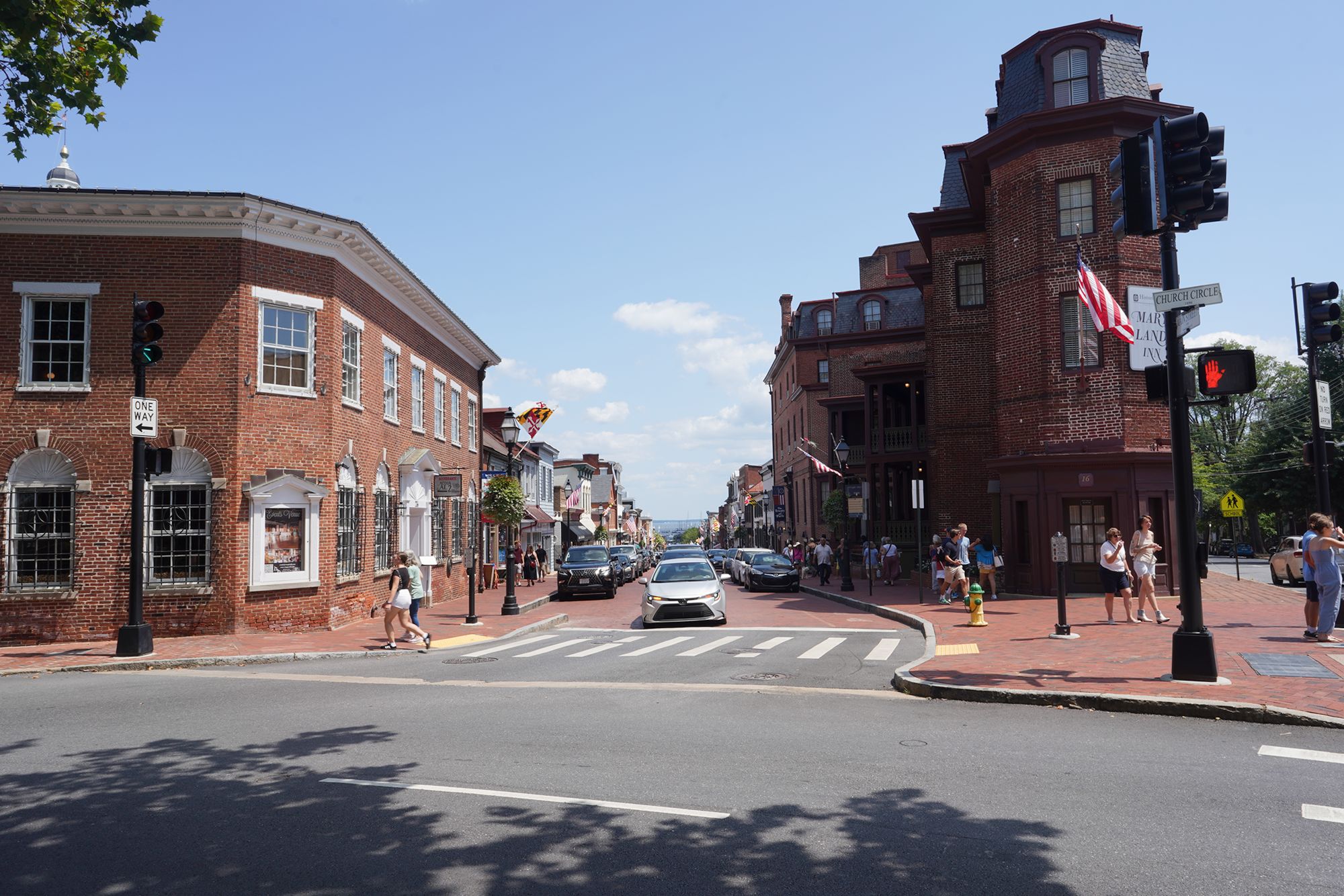
A glimpse of the Capitol was visible in the distance.
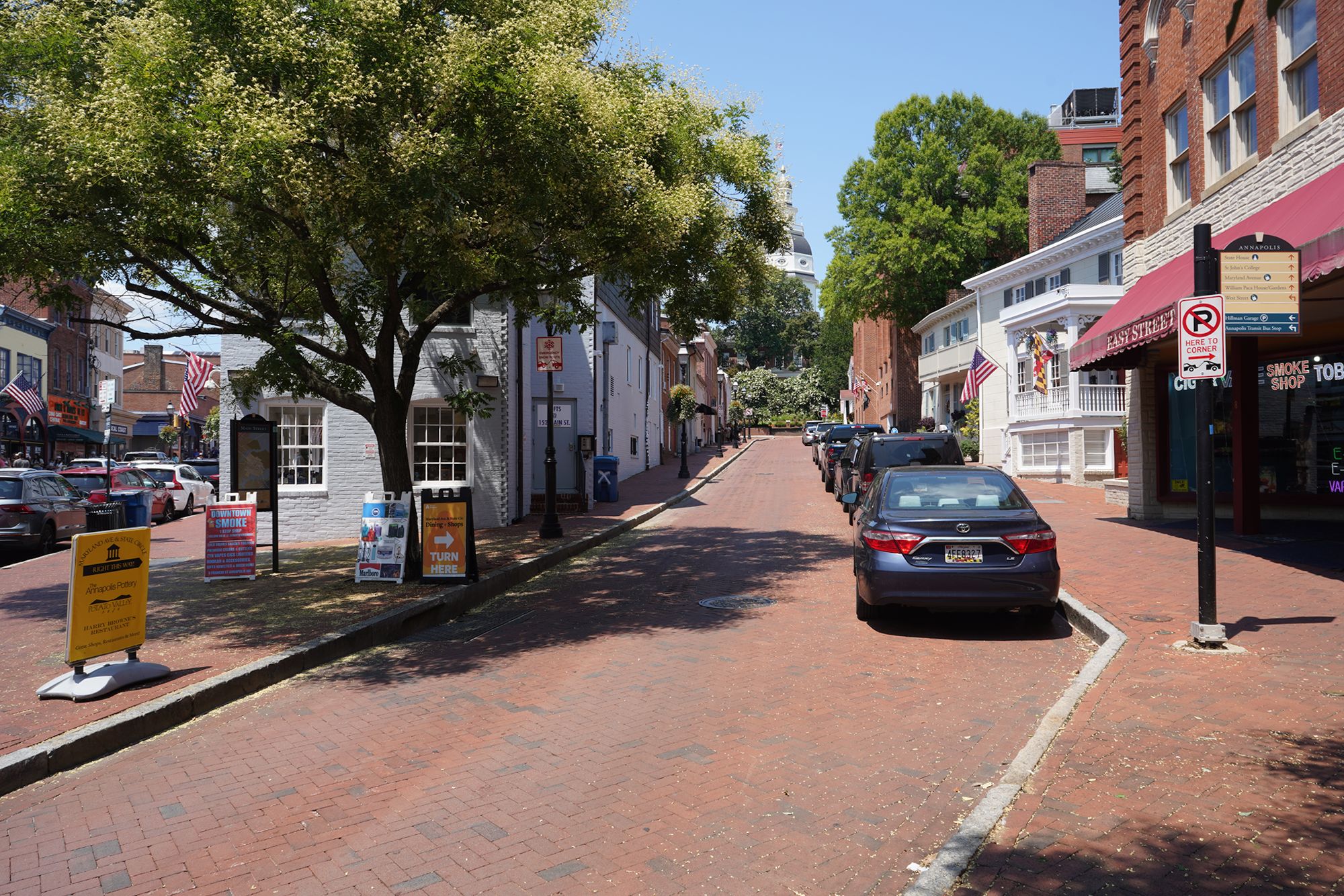
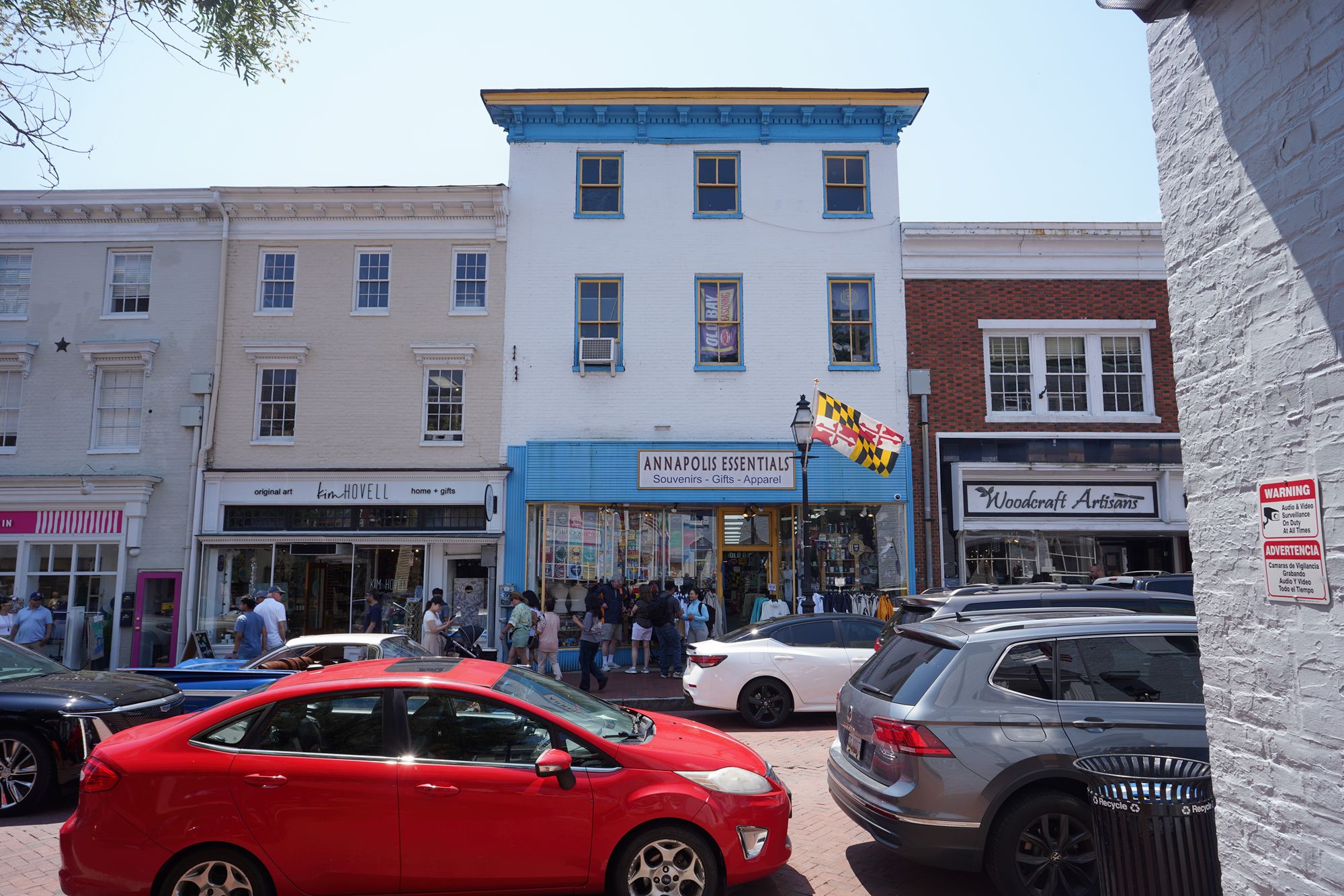
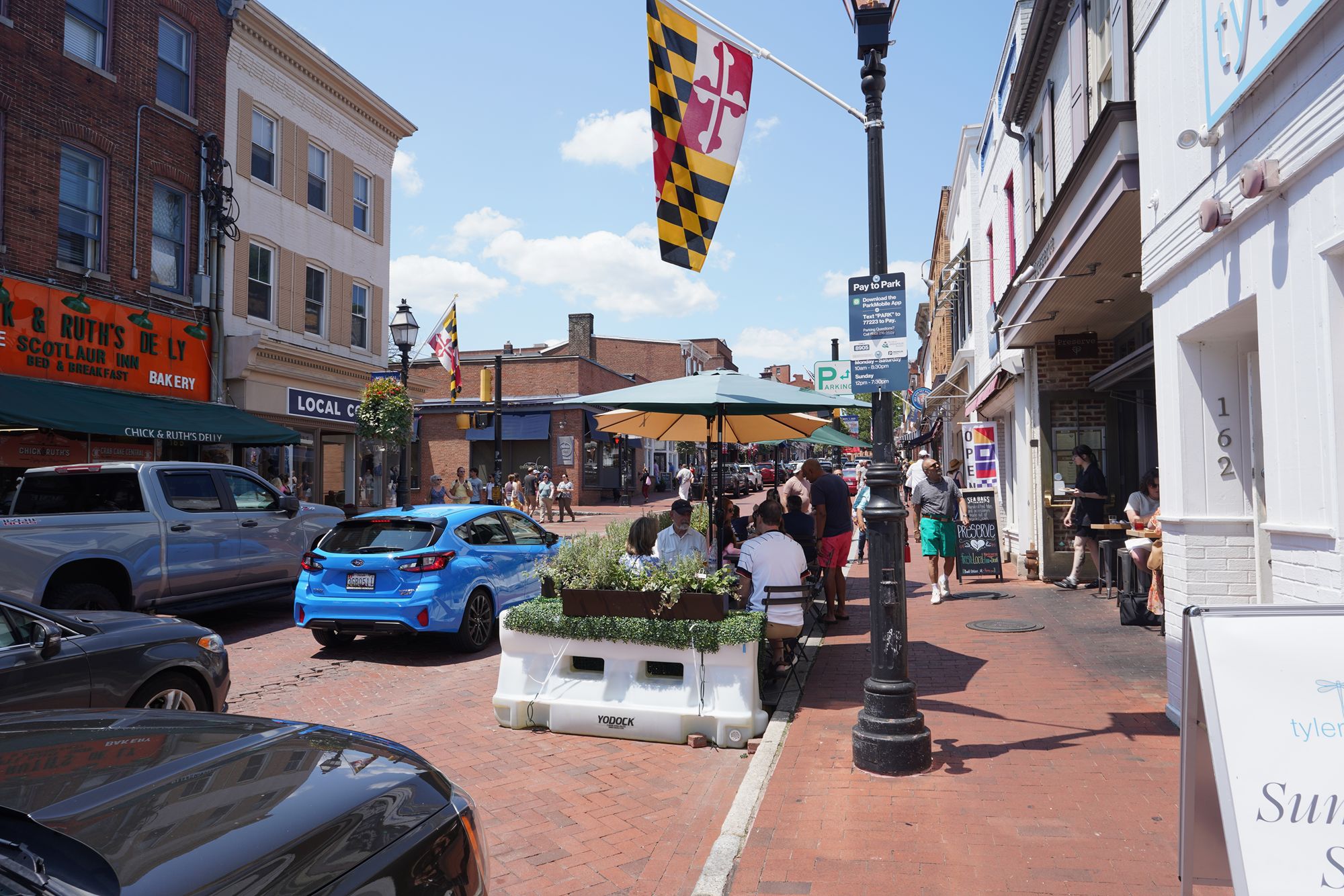

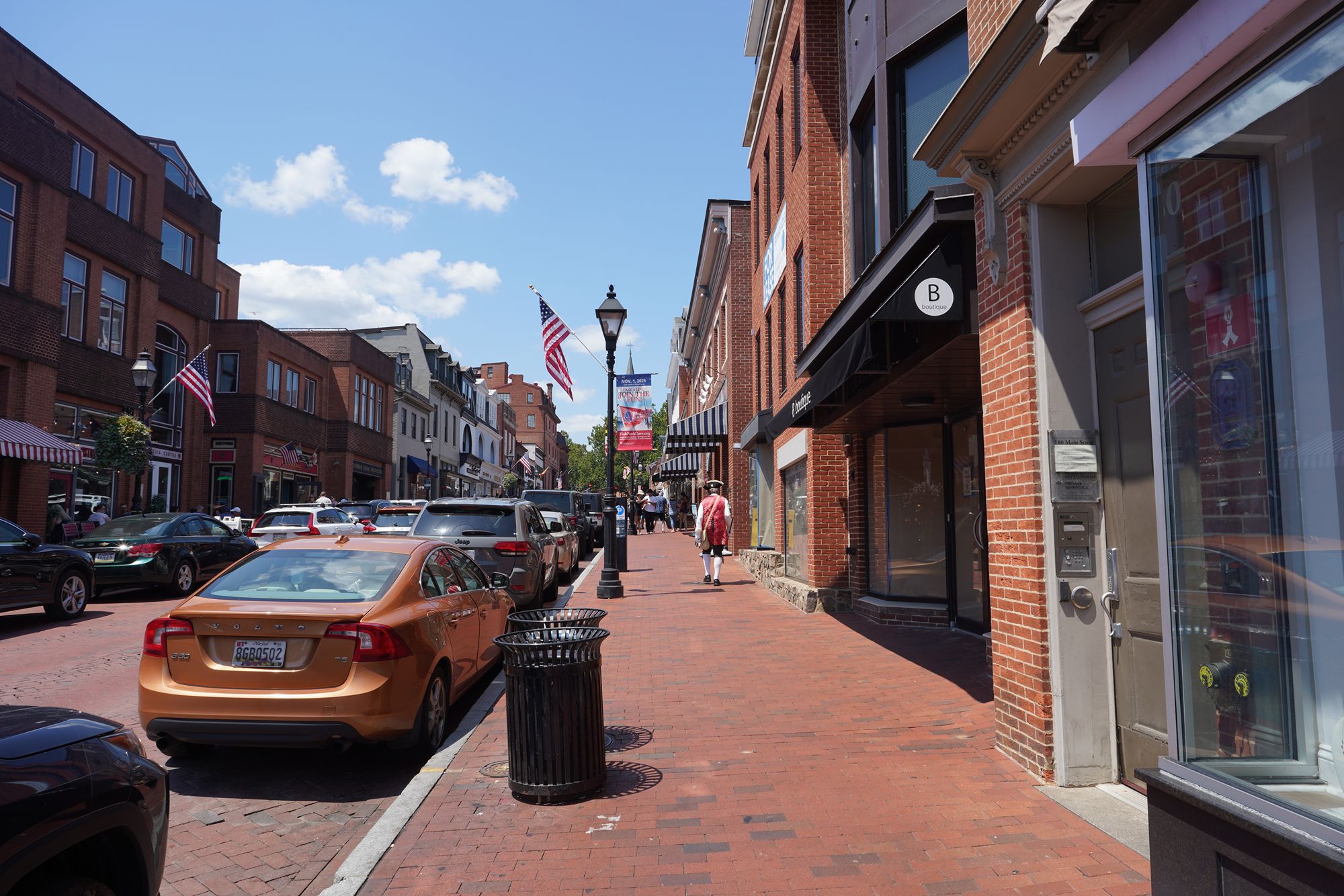
I took the main road next to the street that leads directly to the Capitol.
Alexandria, founded in 1749, grew quickly as one of the most important port cities in colonial America. Its location on the Potomac River made it a key center for tobacco trade, shipbuilding, and commerce. George Washington lived nearby at Mount Vernon and used Alexandria as his home port, leaving the city closely tied to early American leadership.
During the Civil War, Alexandria was occupied by Union forces from the very beginning because of its strategic position across the river from Washington, D.C. Many historic buildings became hospitals, headquarters, and supply depots.

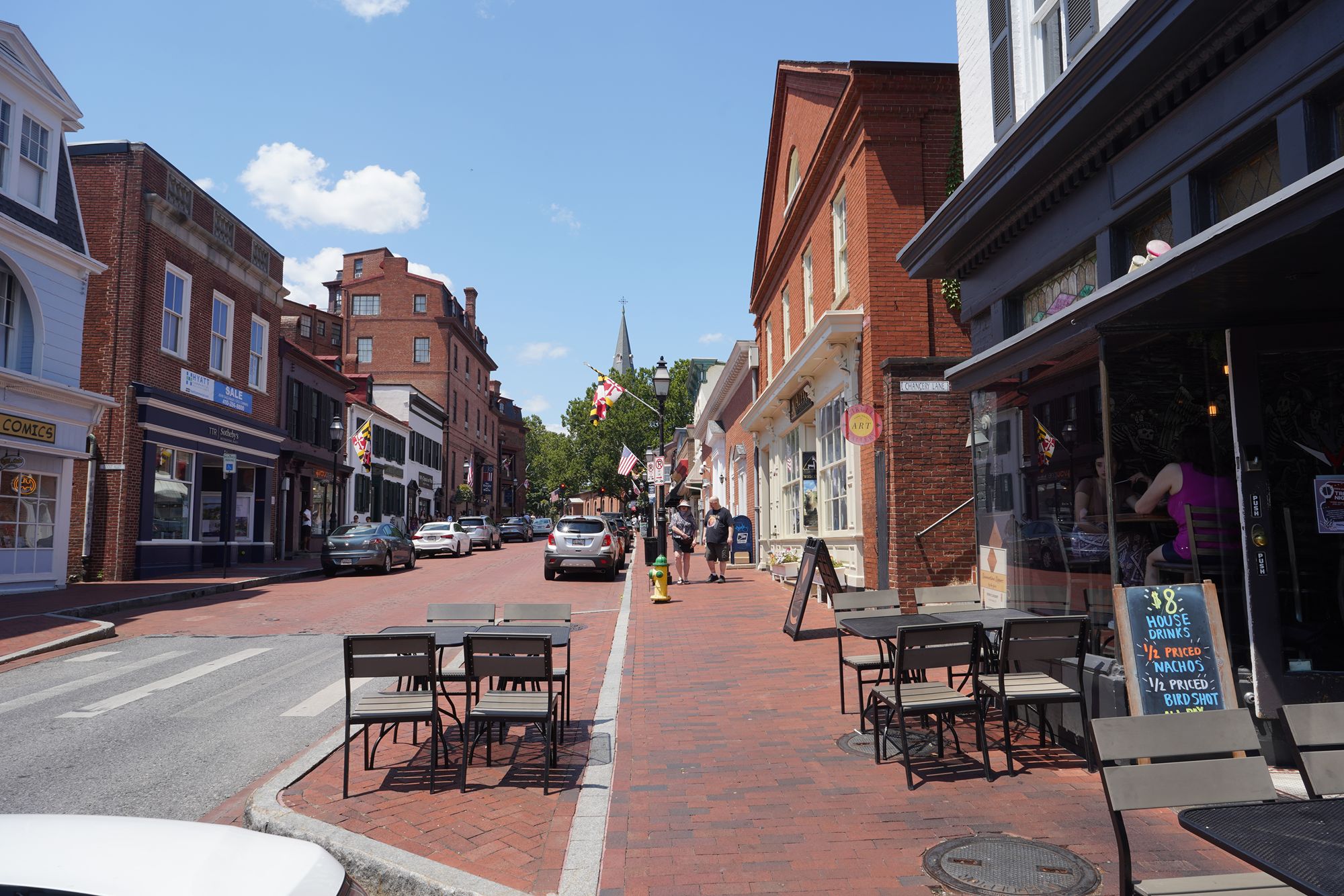
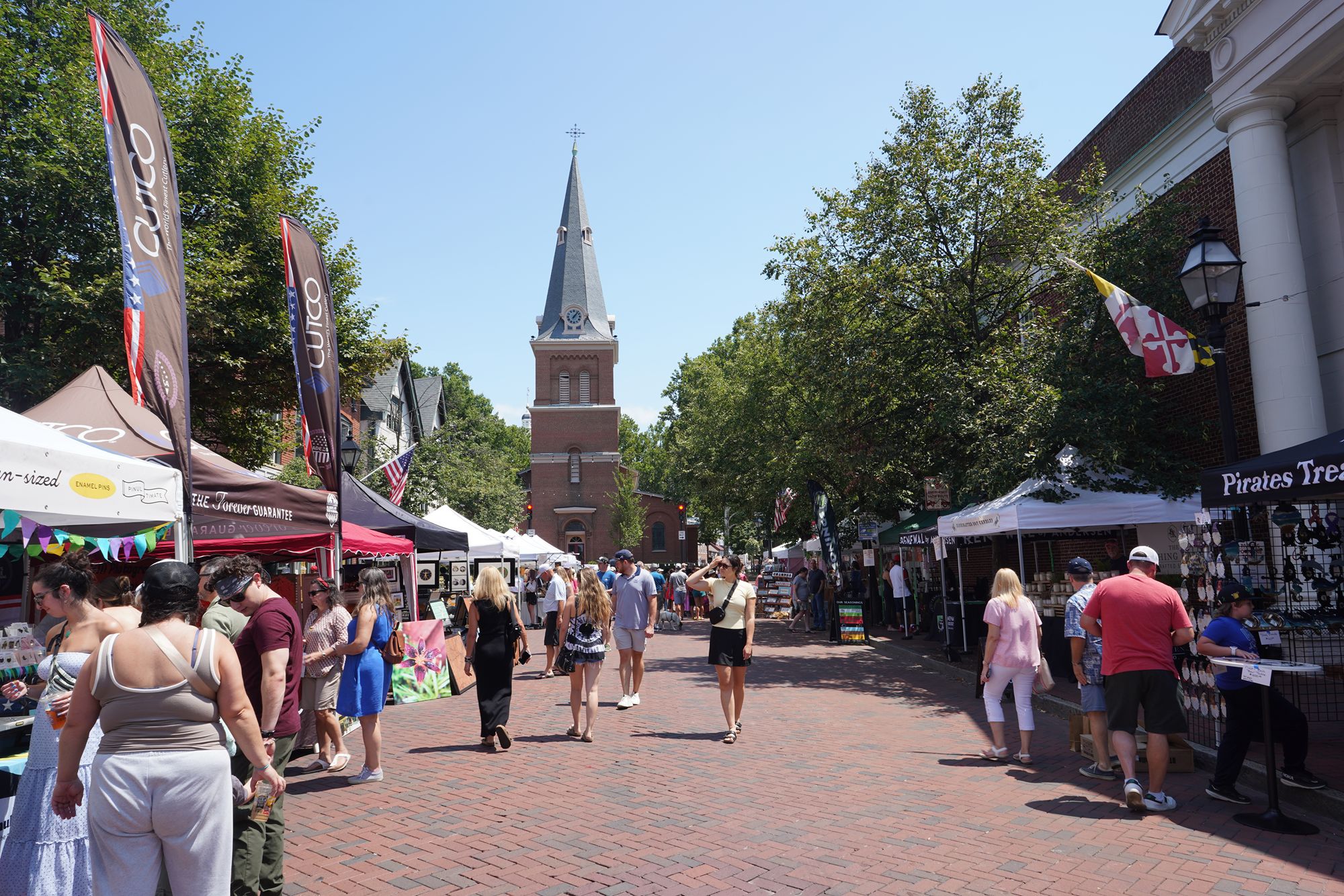
View of the State Capitol through a narrow street.
Over time, Alexandria preserved much of its 18th- and 19th-century architecture, especially in Old Town, making it one of the best-preserved historic districts in the United States. Today, it reflects more than 250 years of colonial, Revolutionary, and Civil War history.
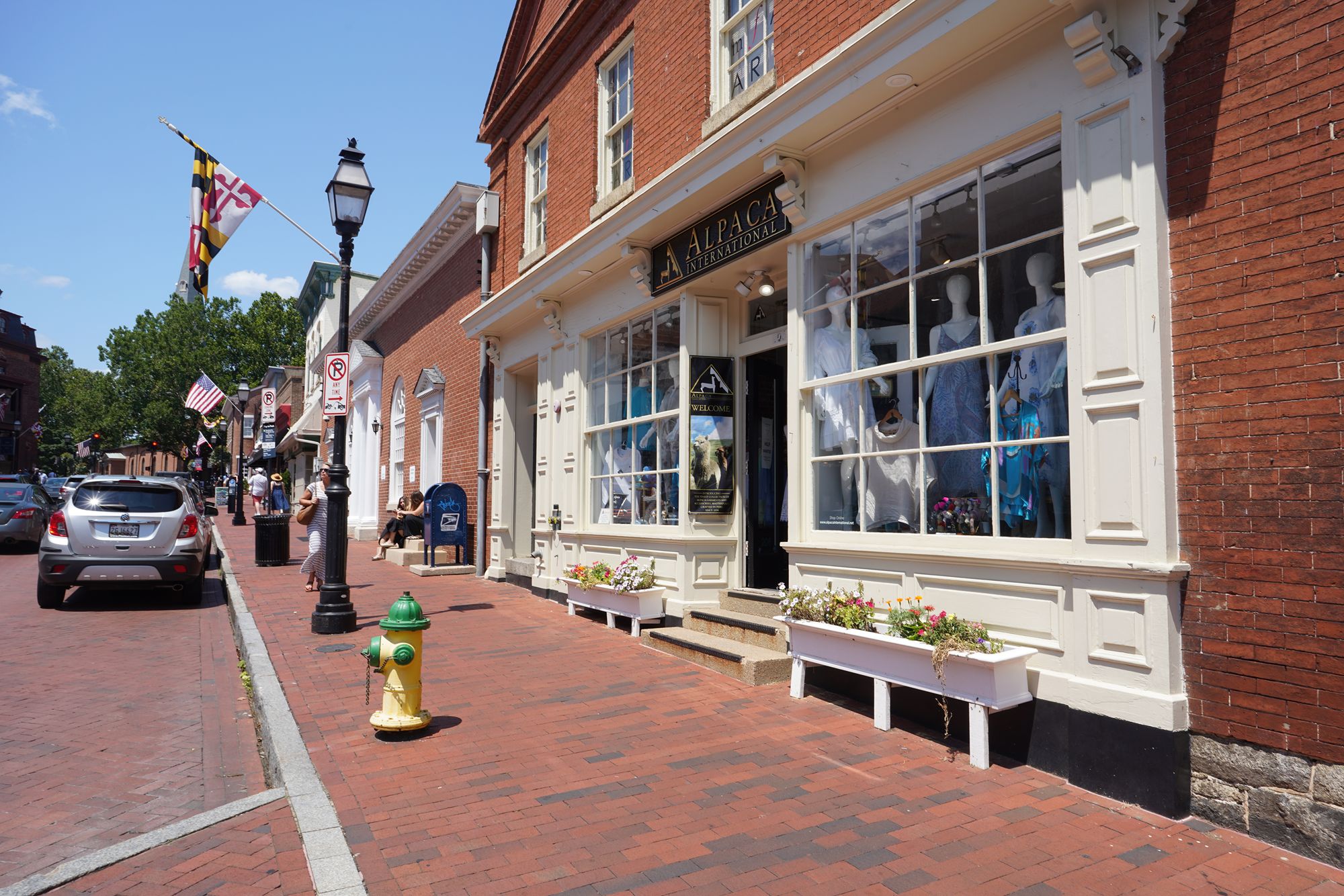
My back side
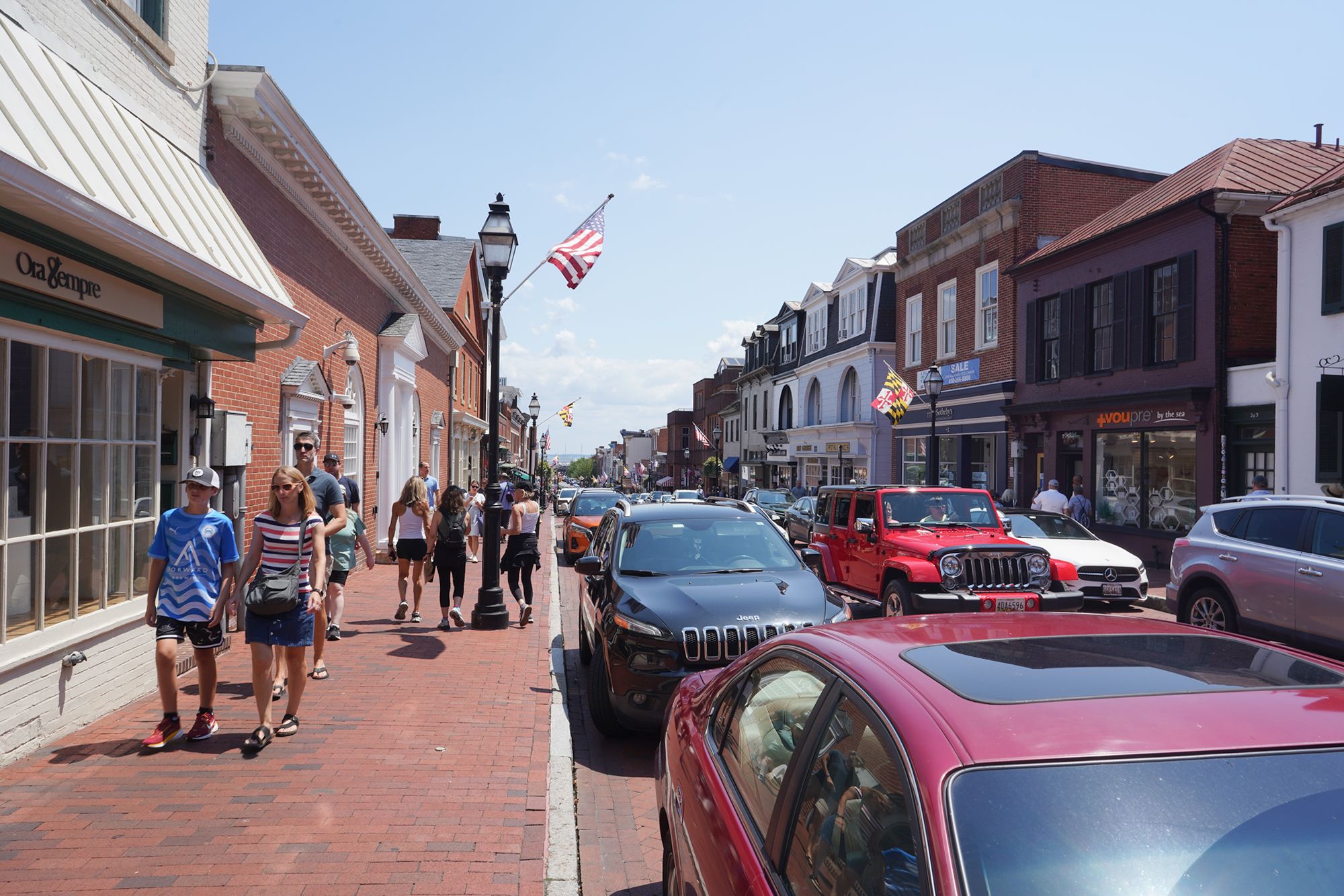
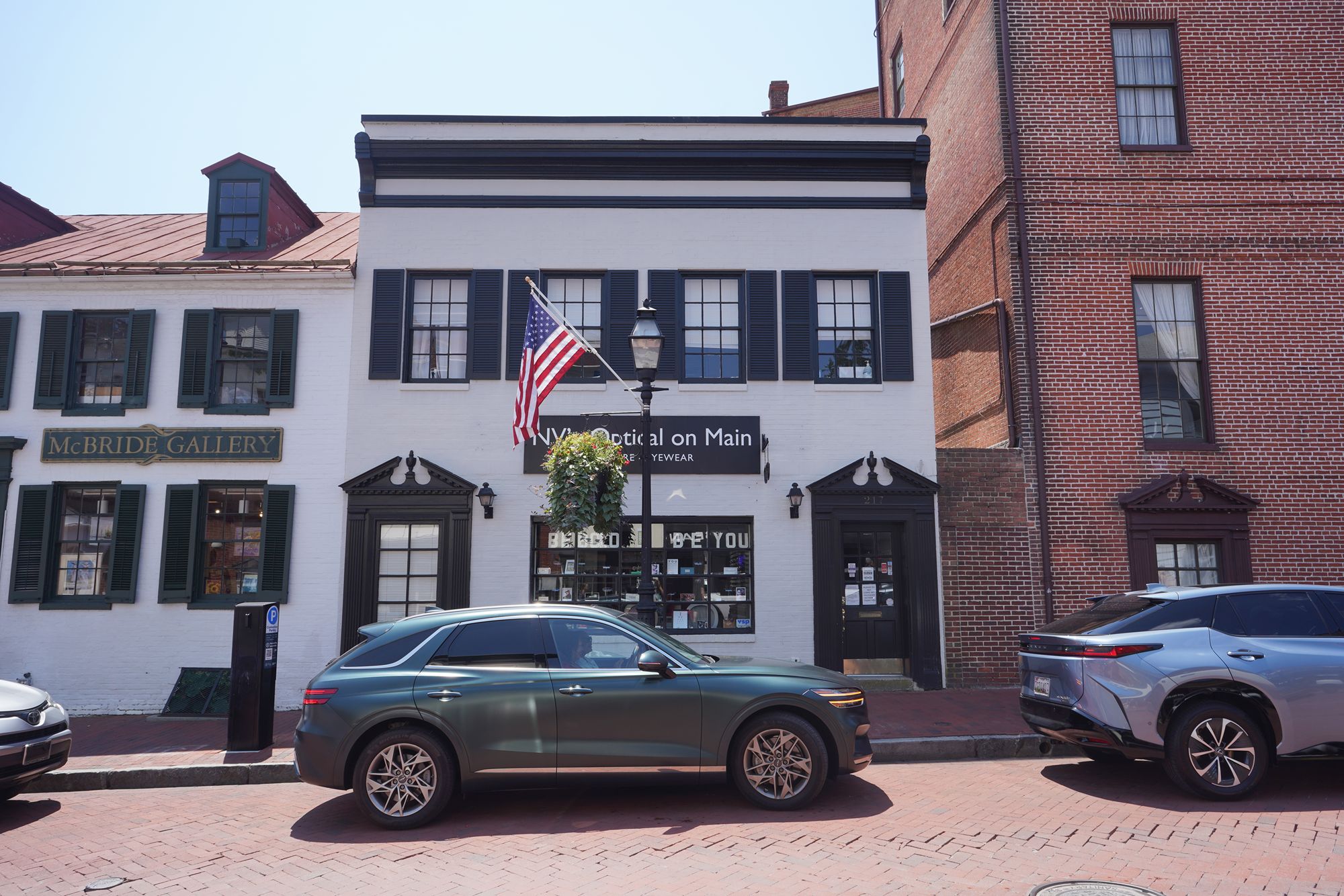
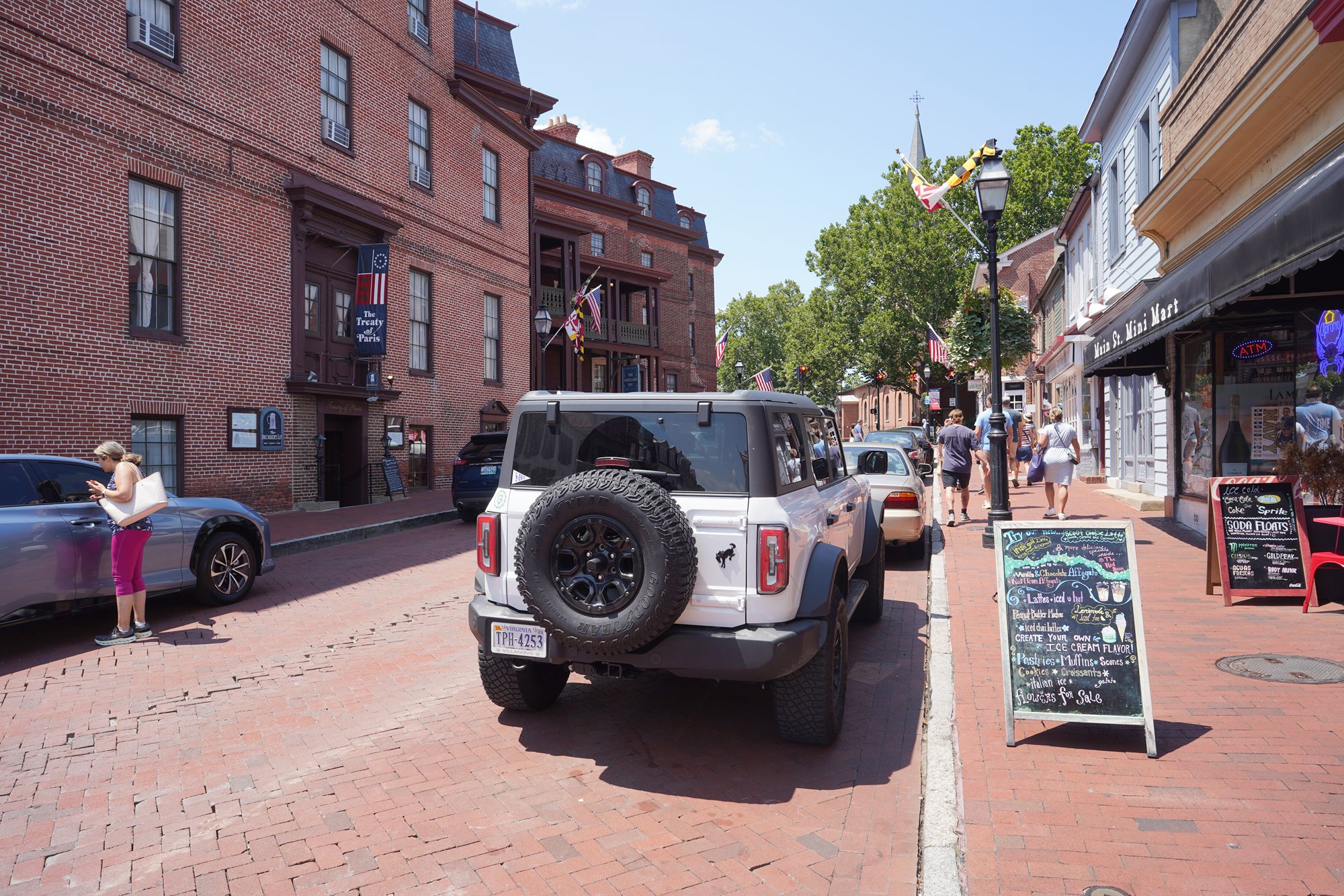
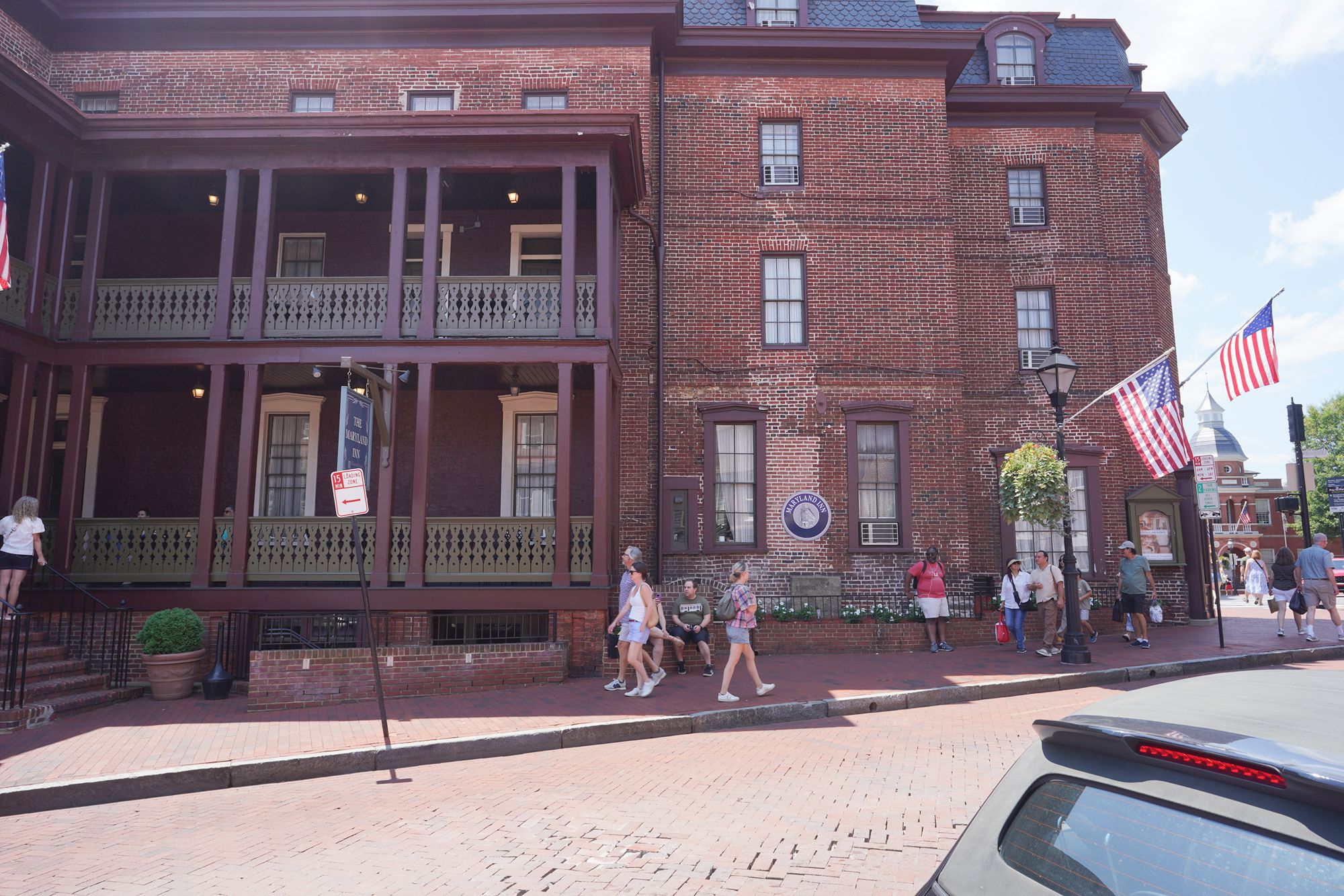
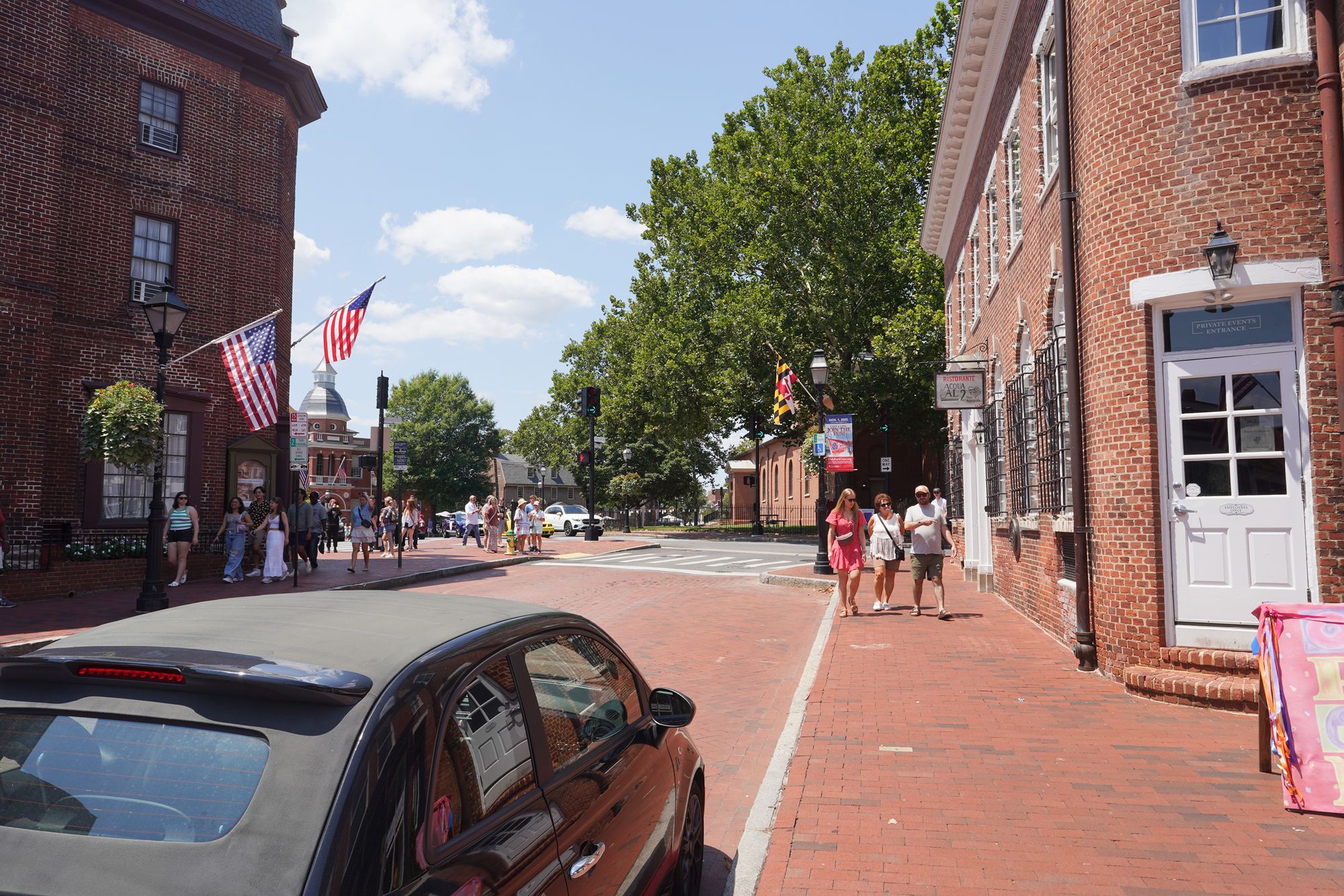
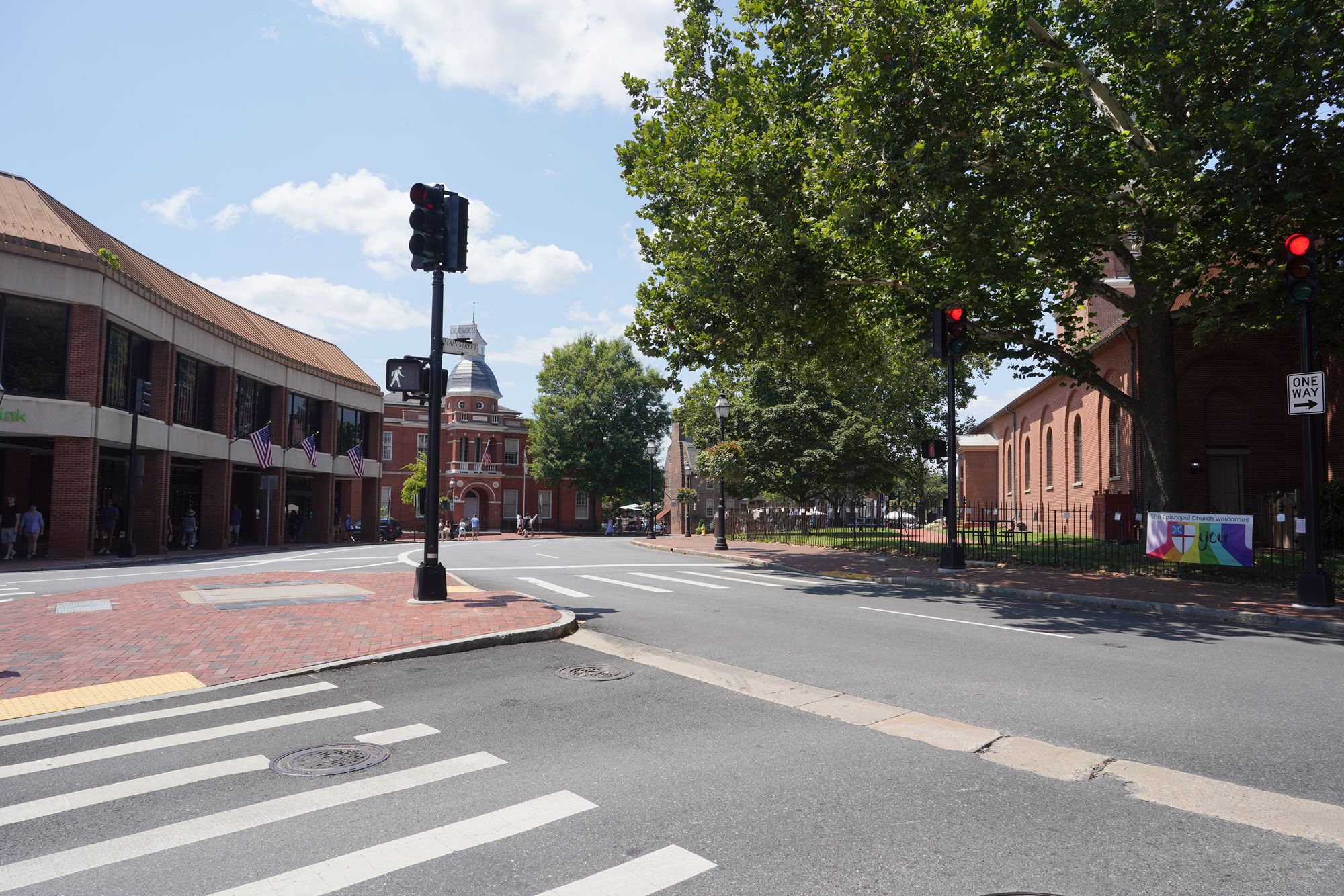
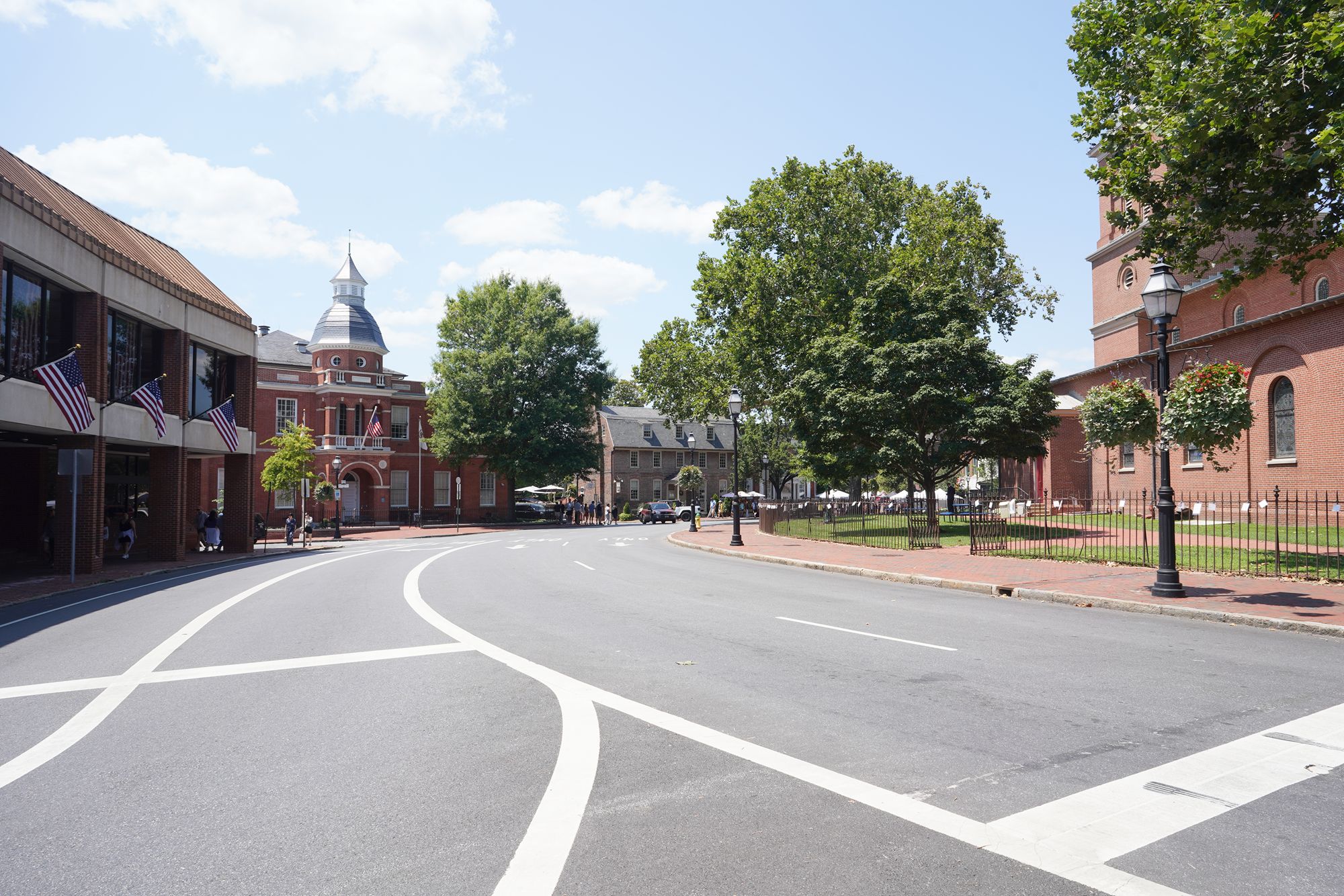
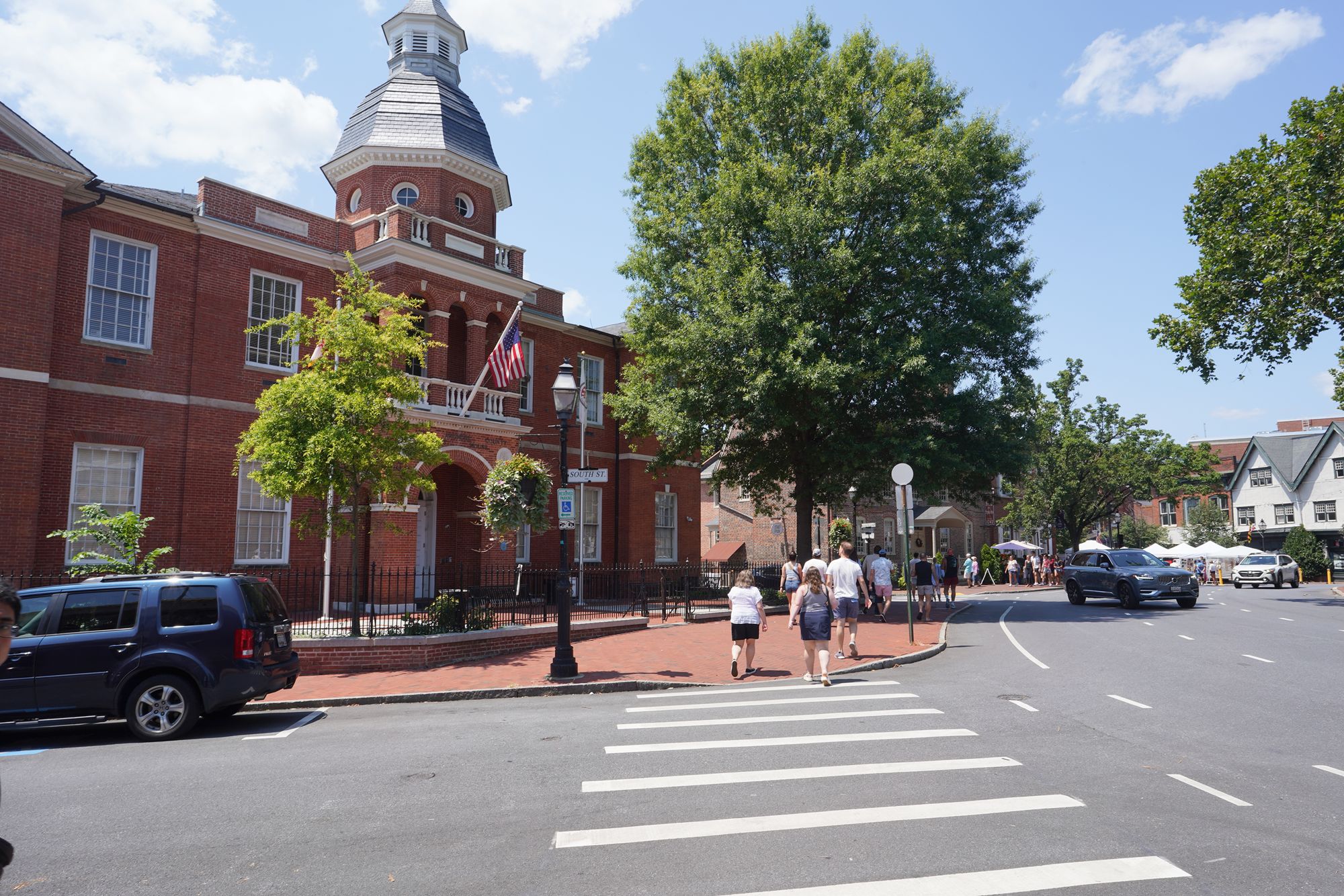
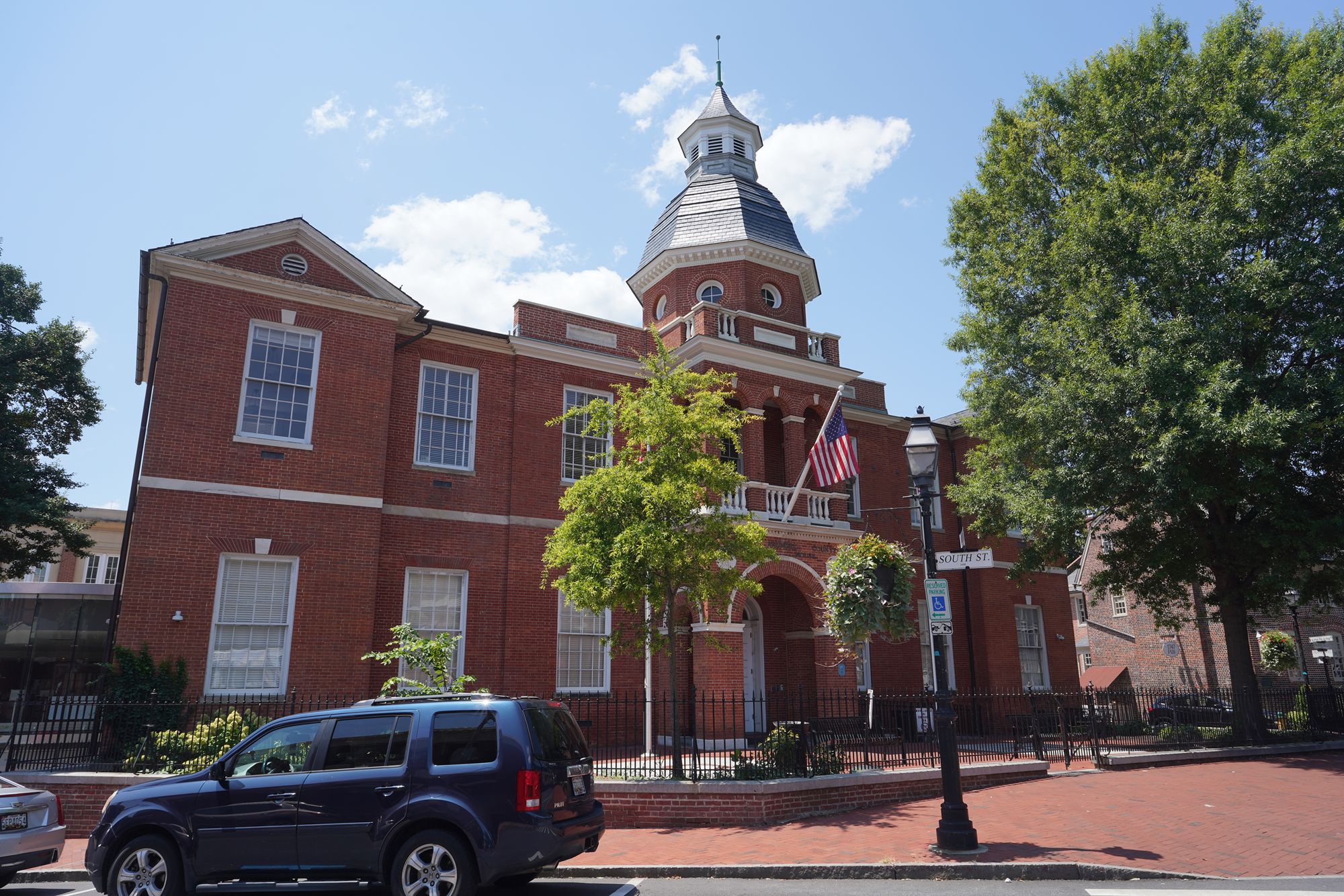
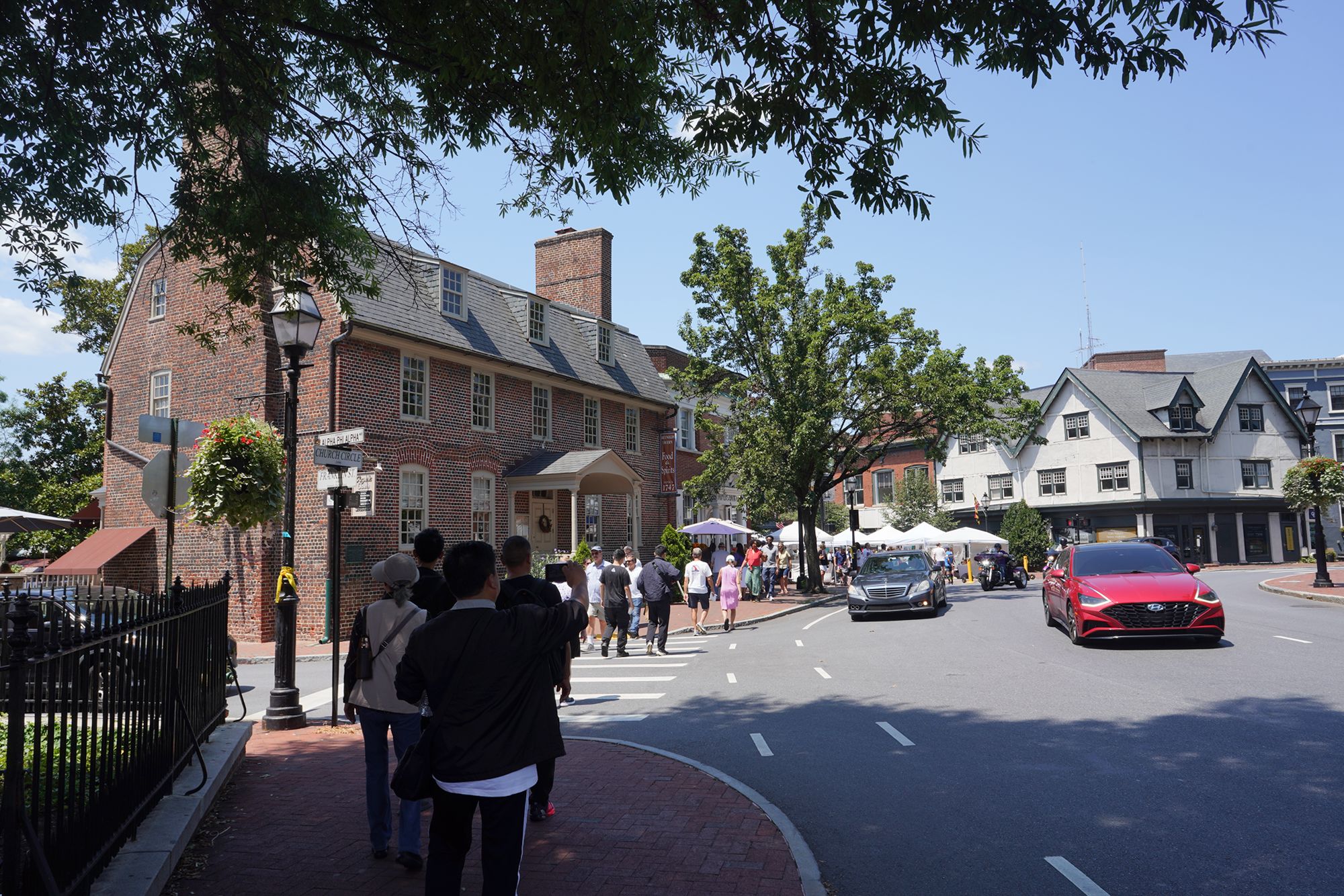
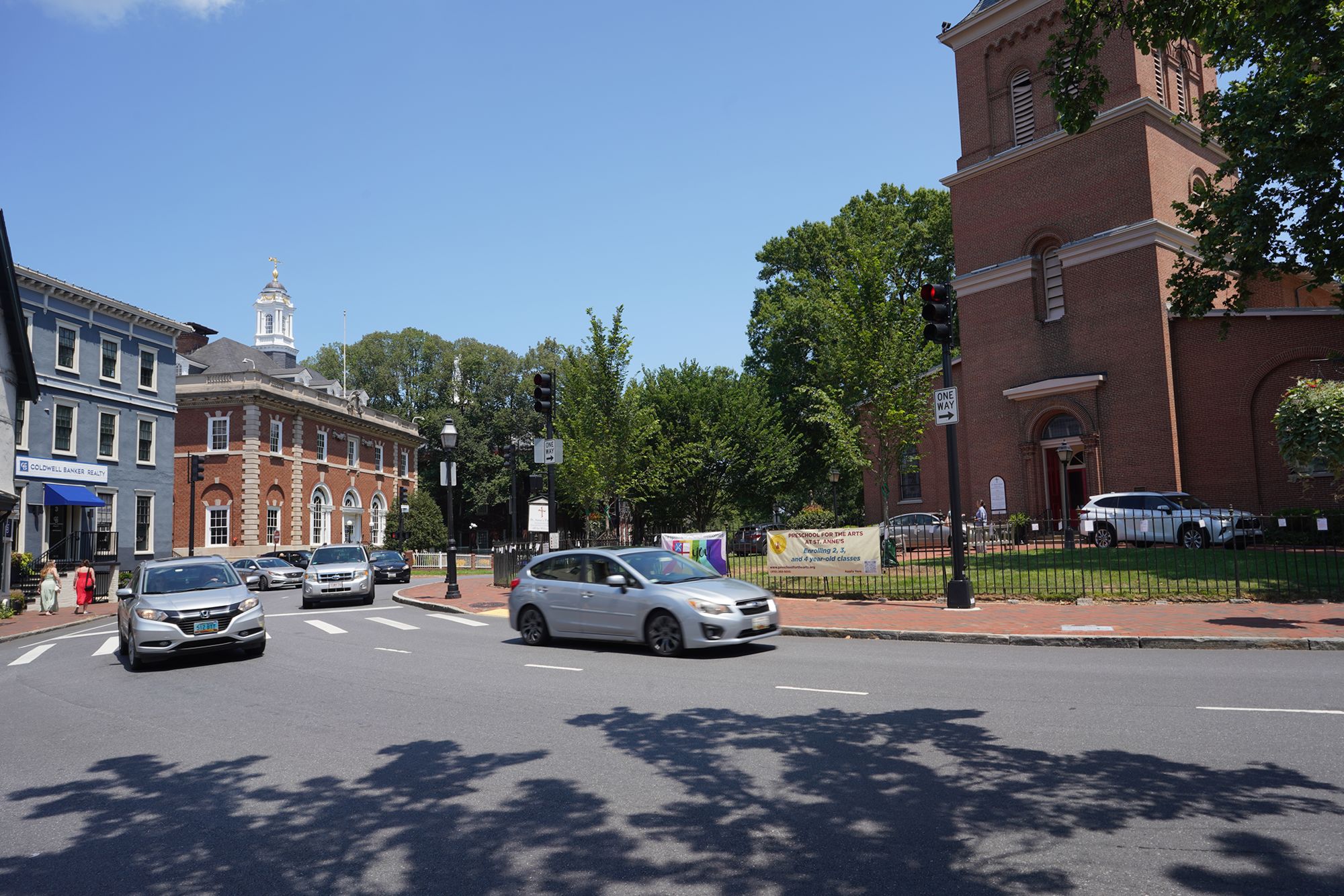
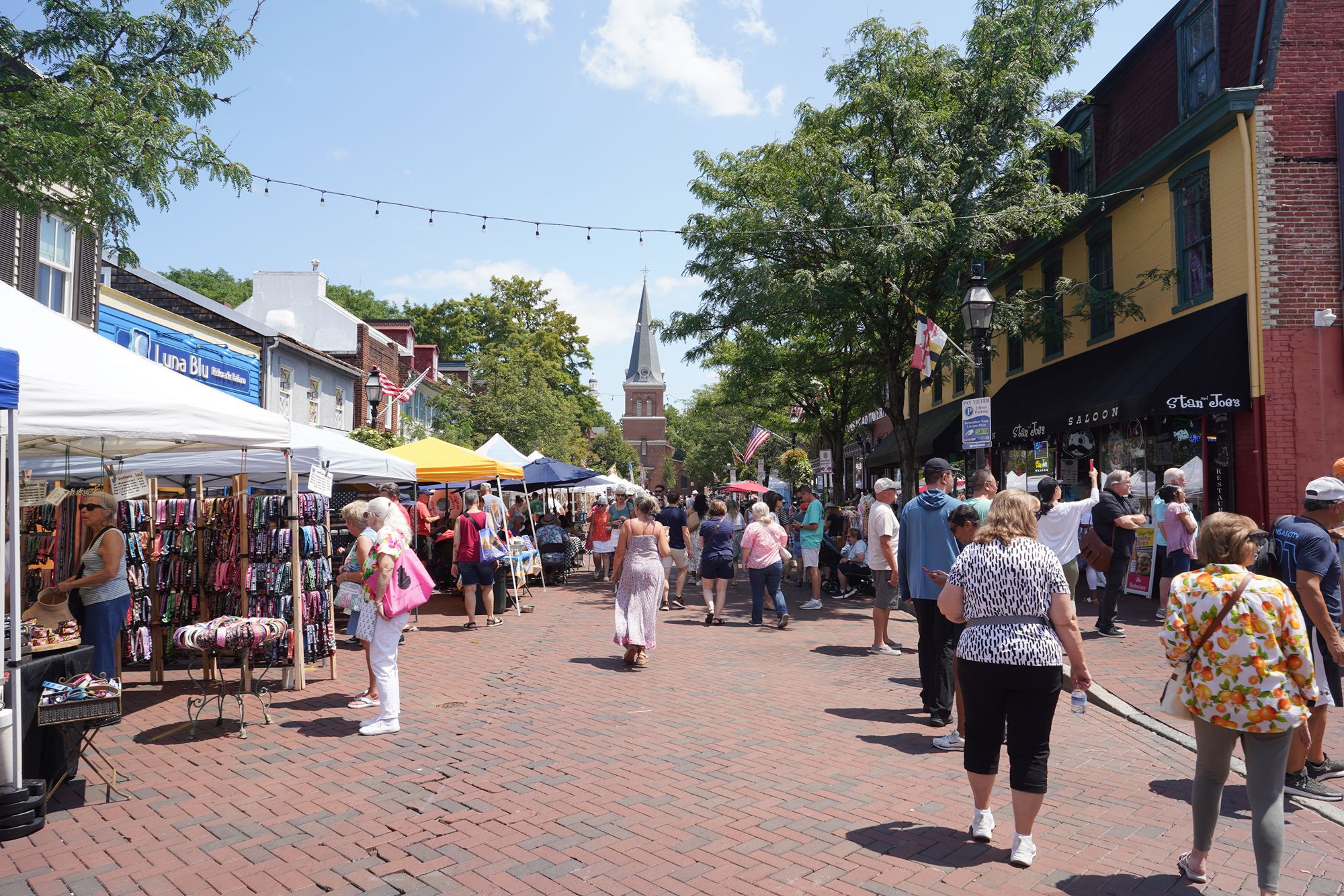
Street Vendor street
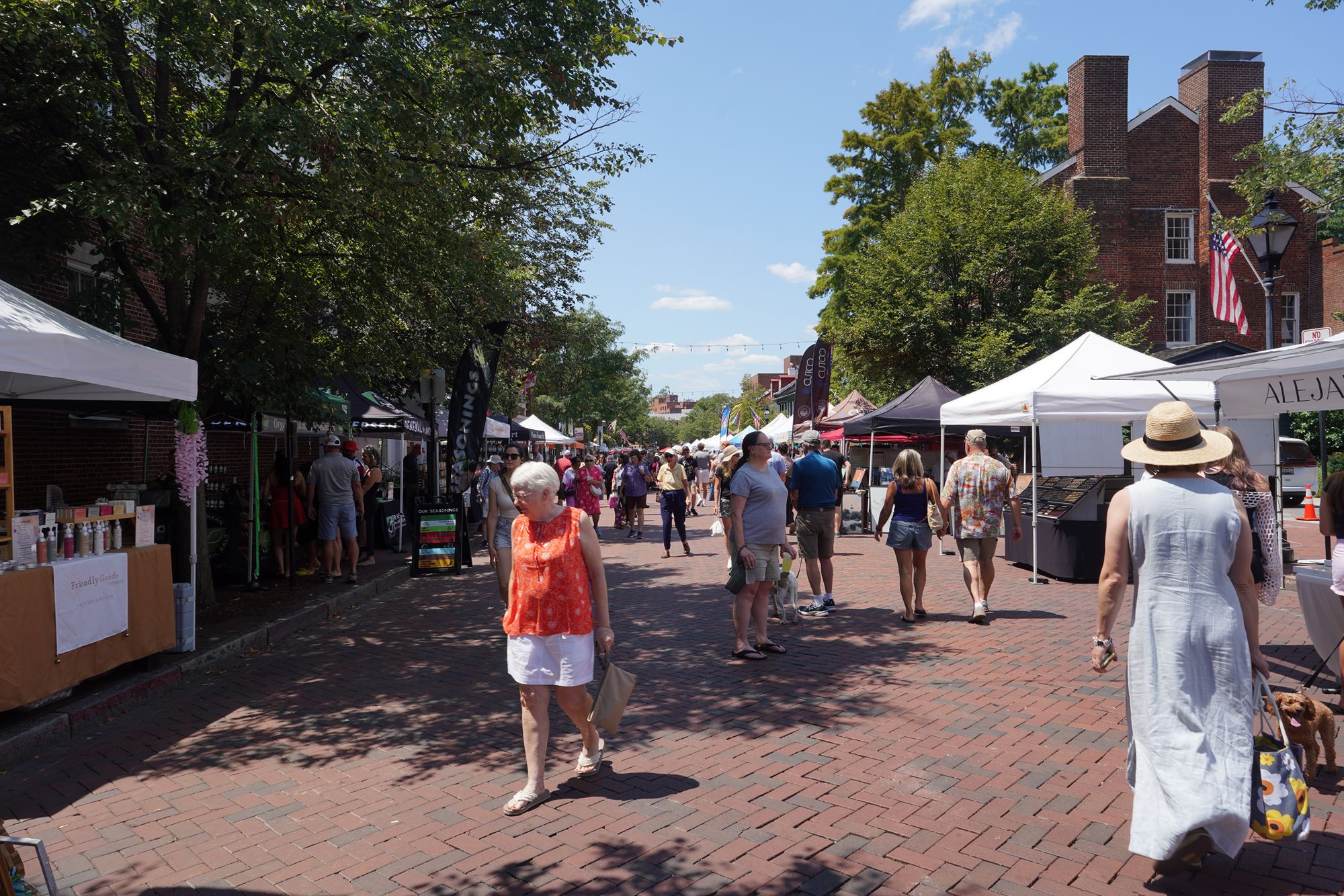

My back side


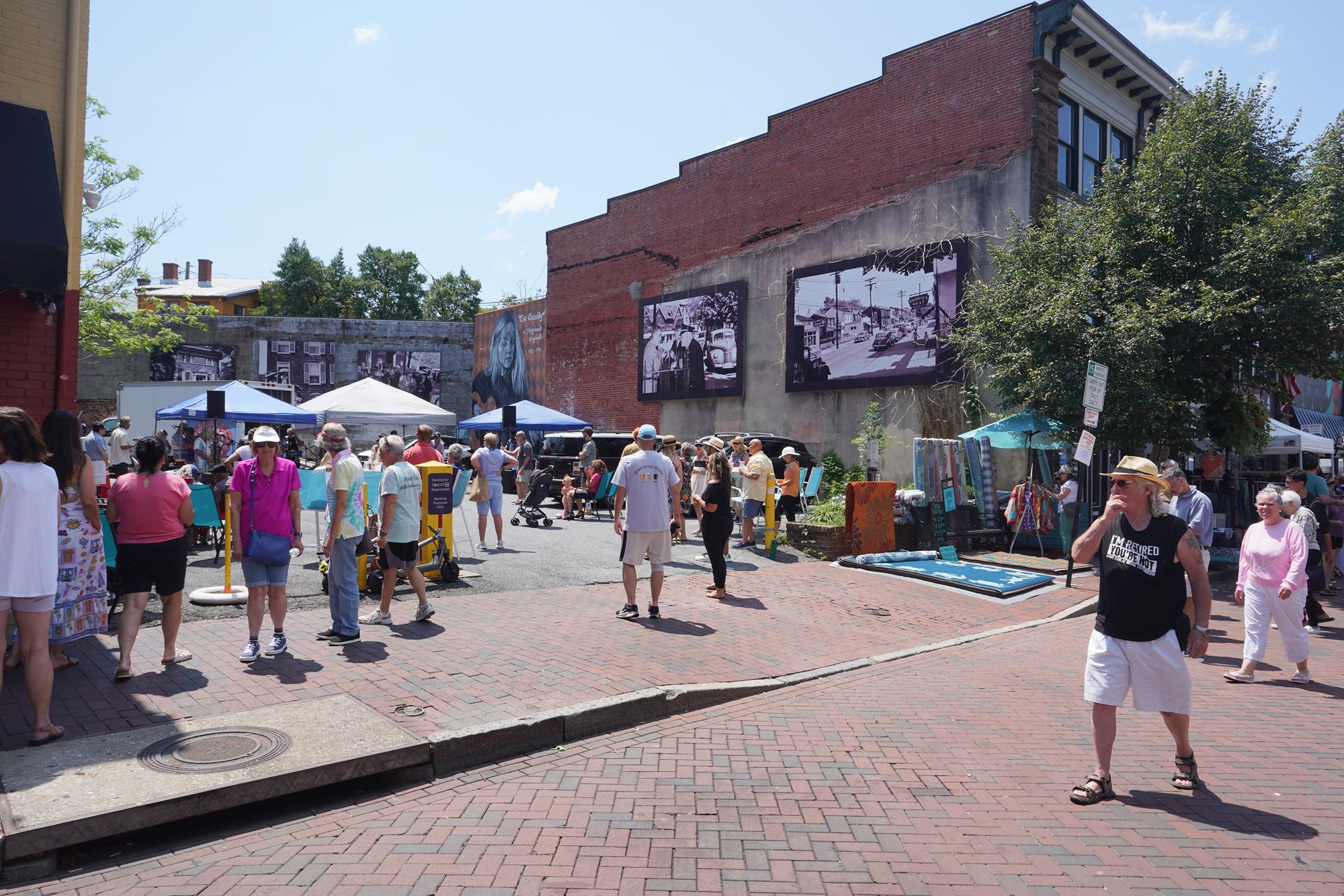
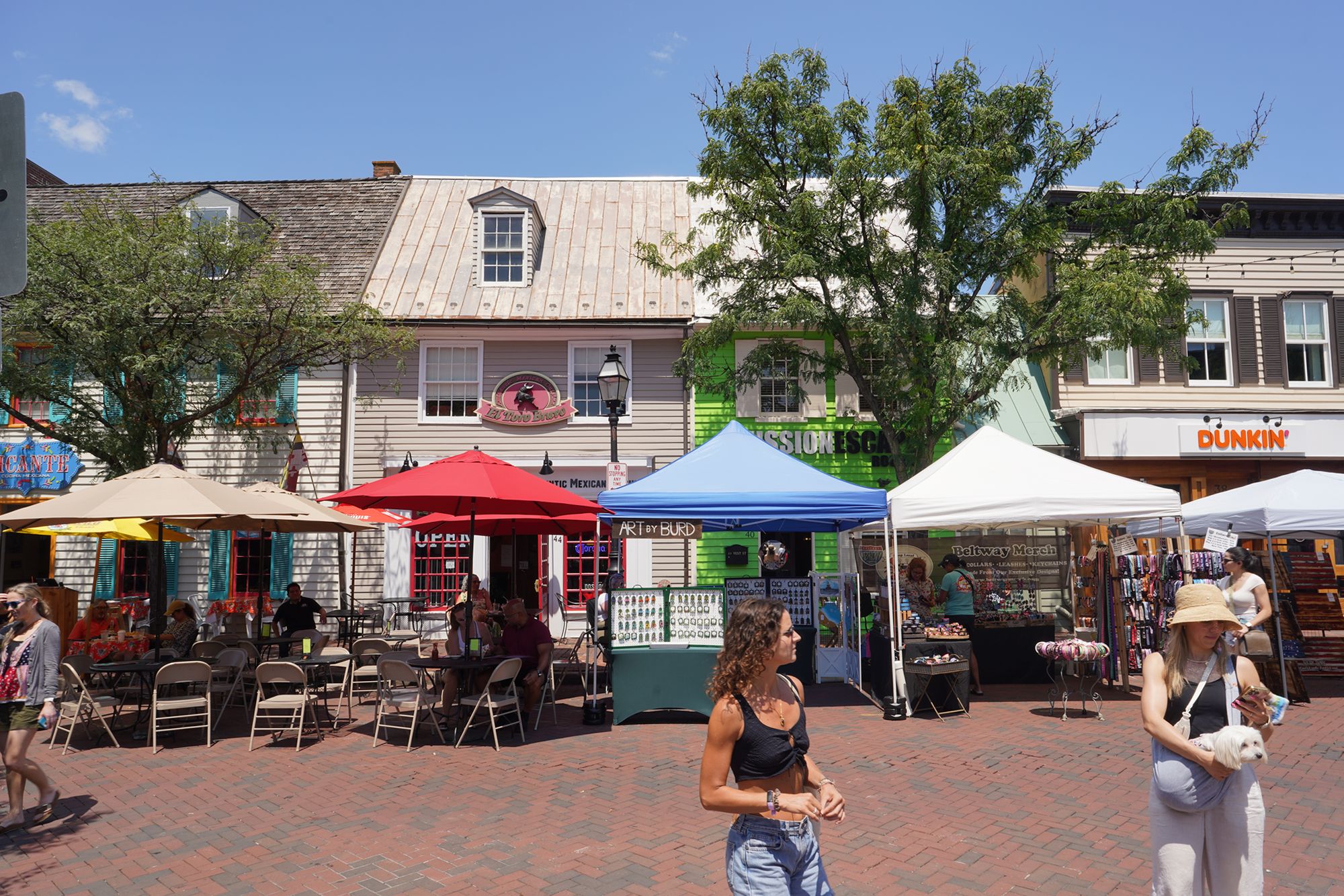




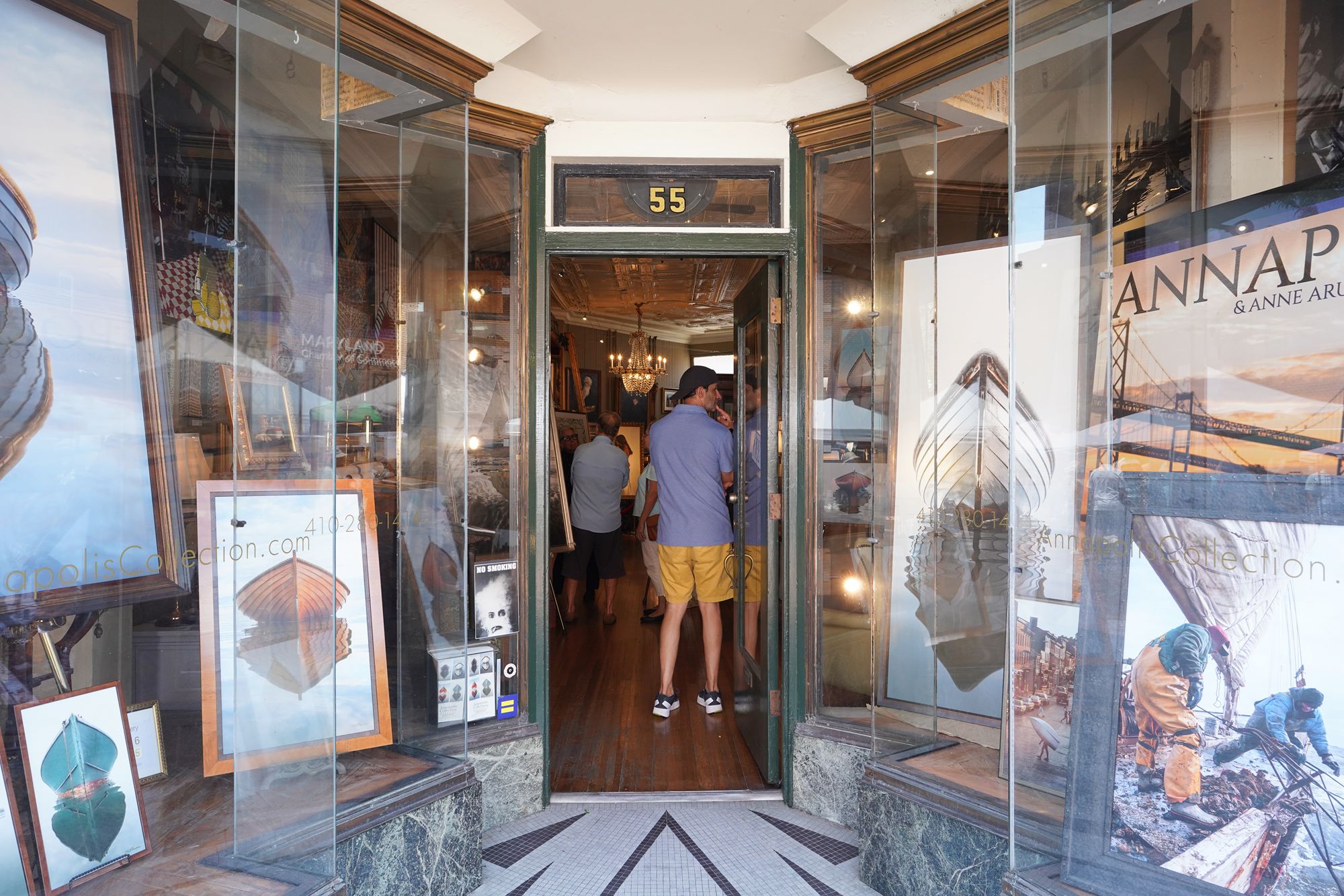
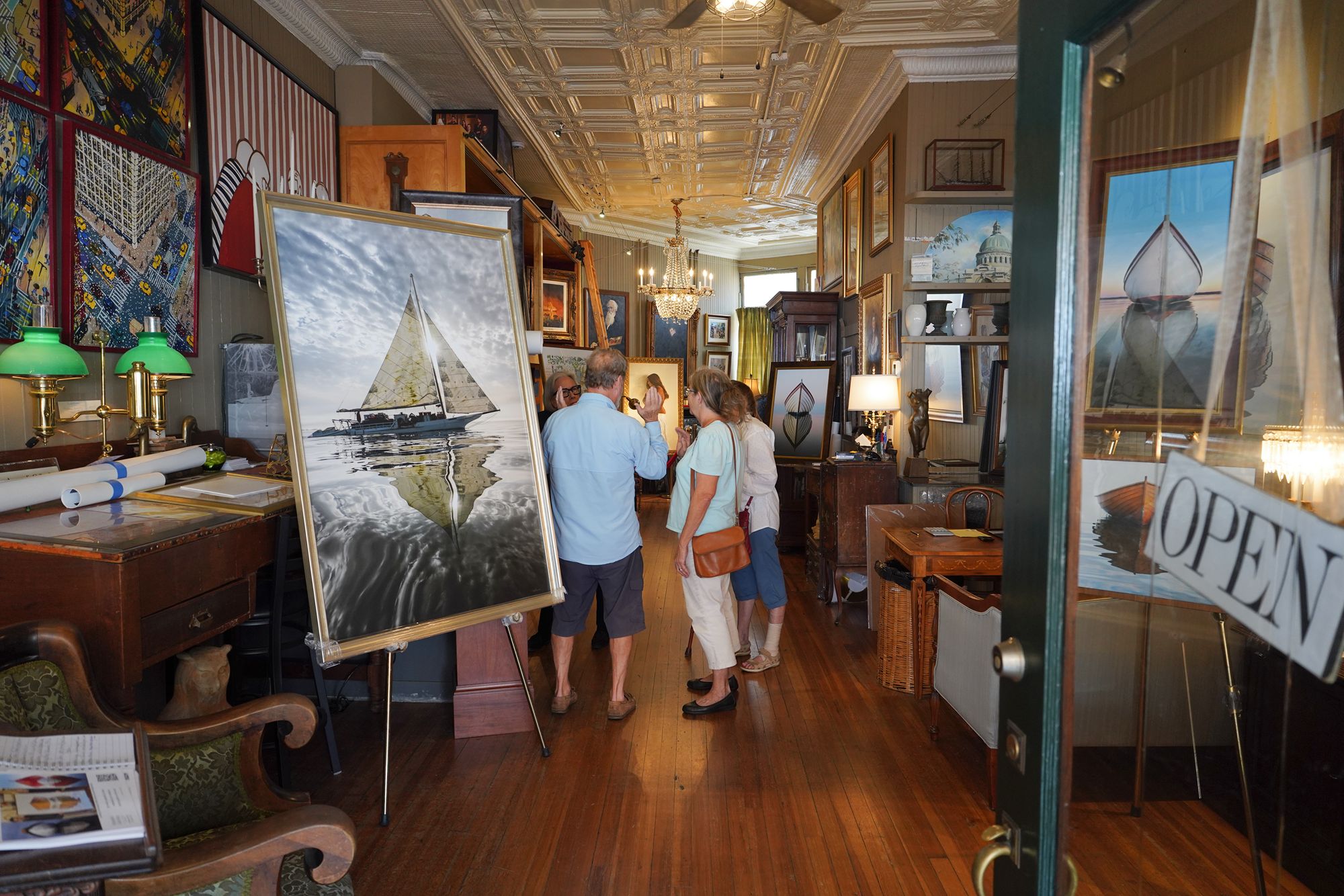
I changed direction here and walked toward the State Capitol.


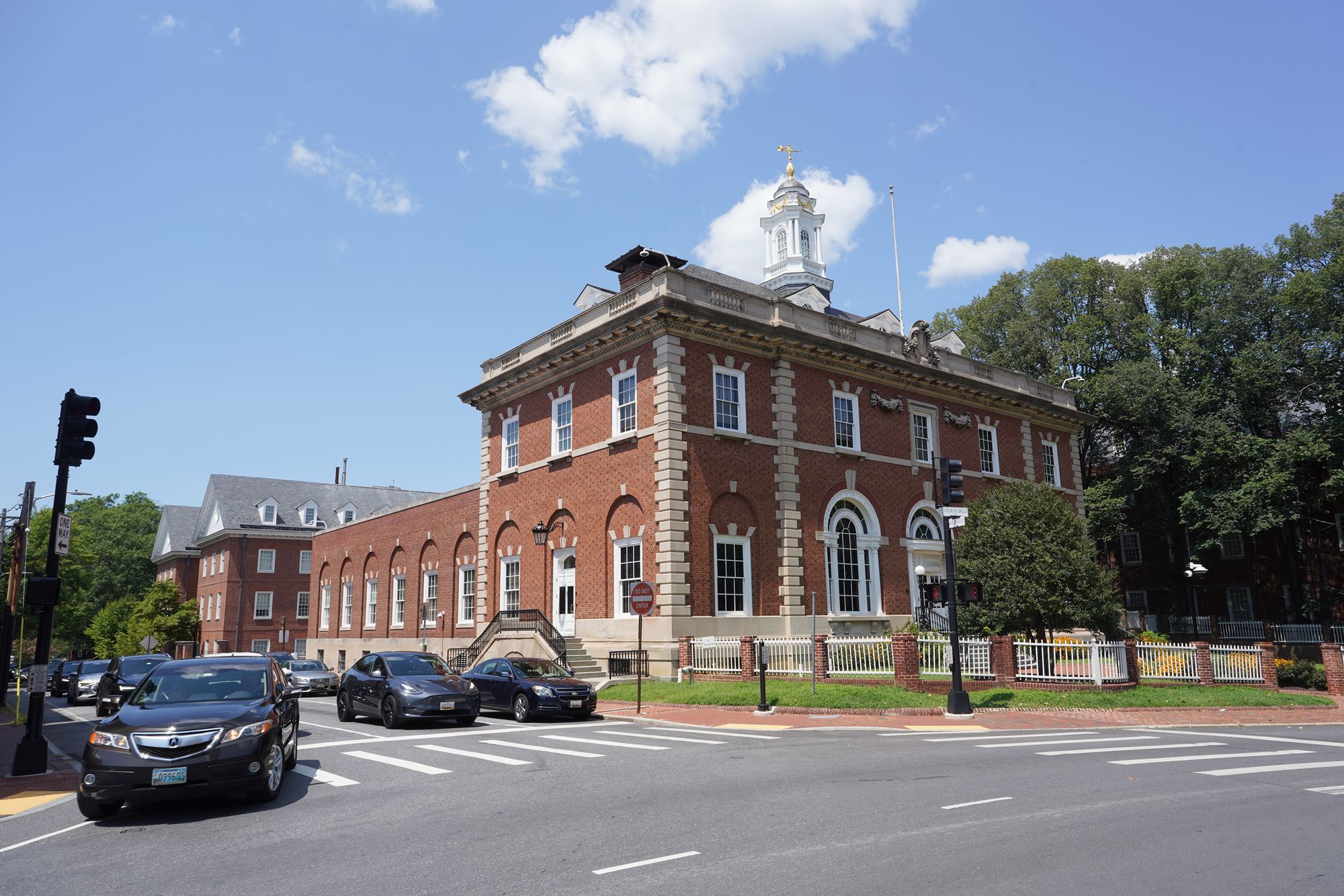
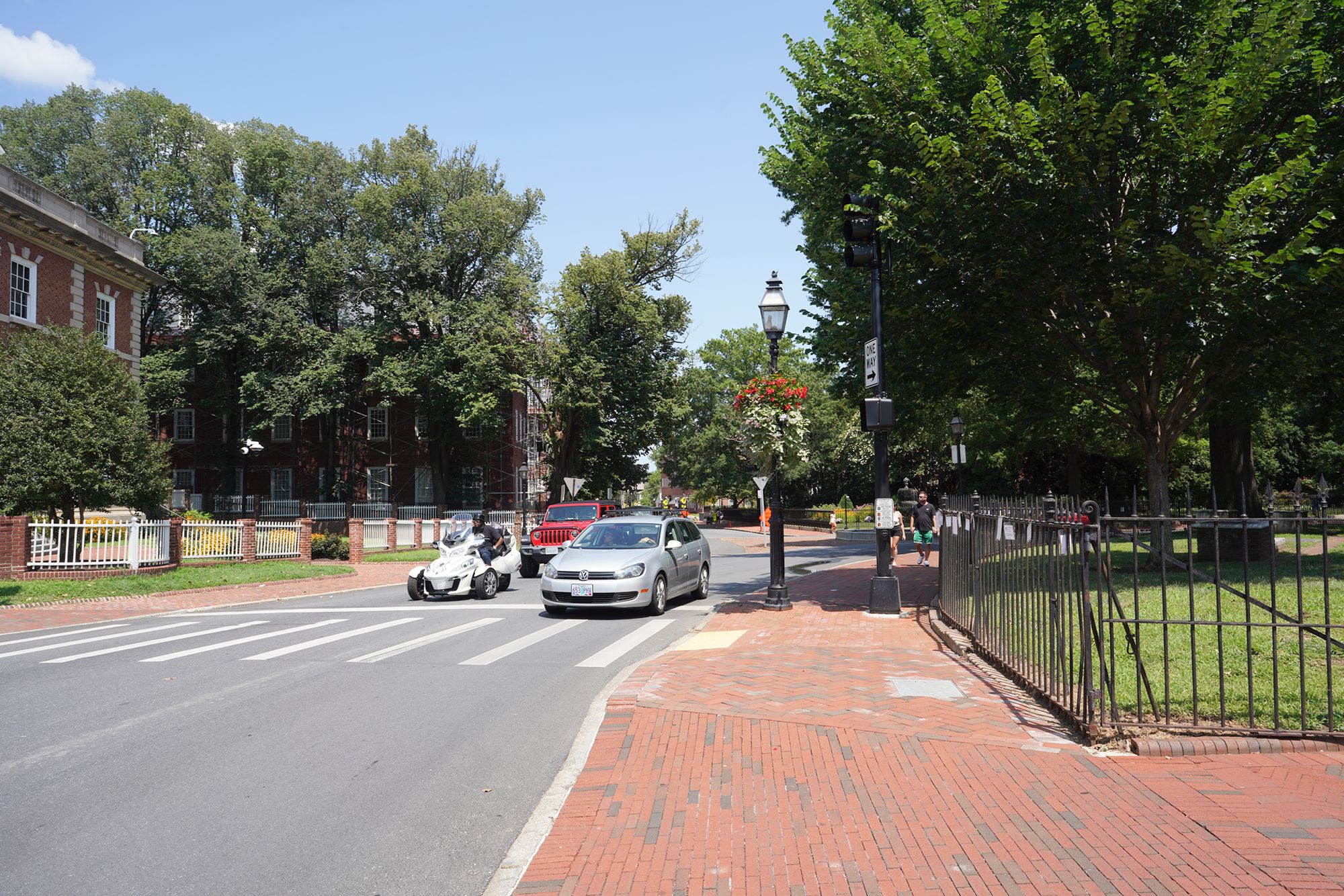
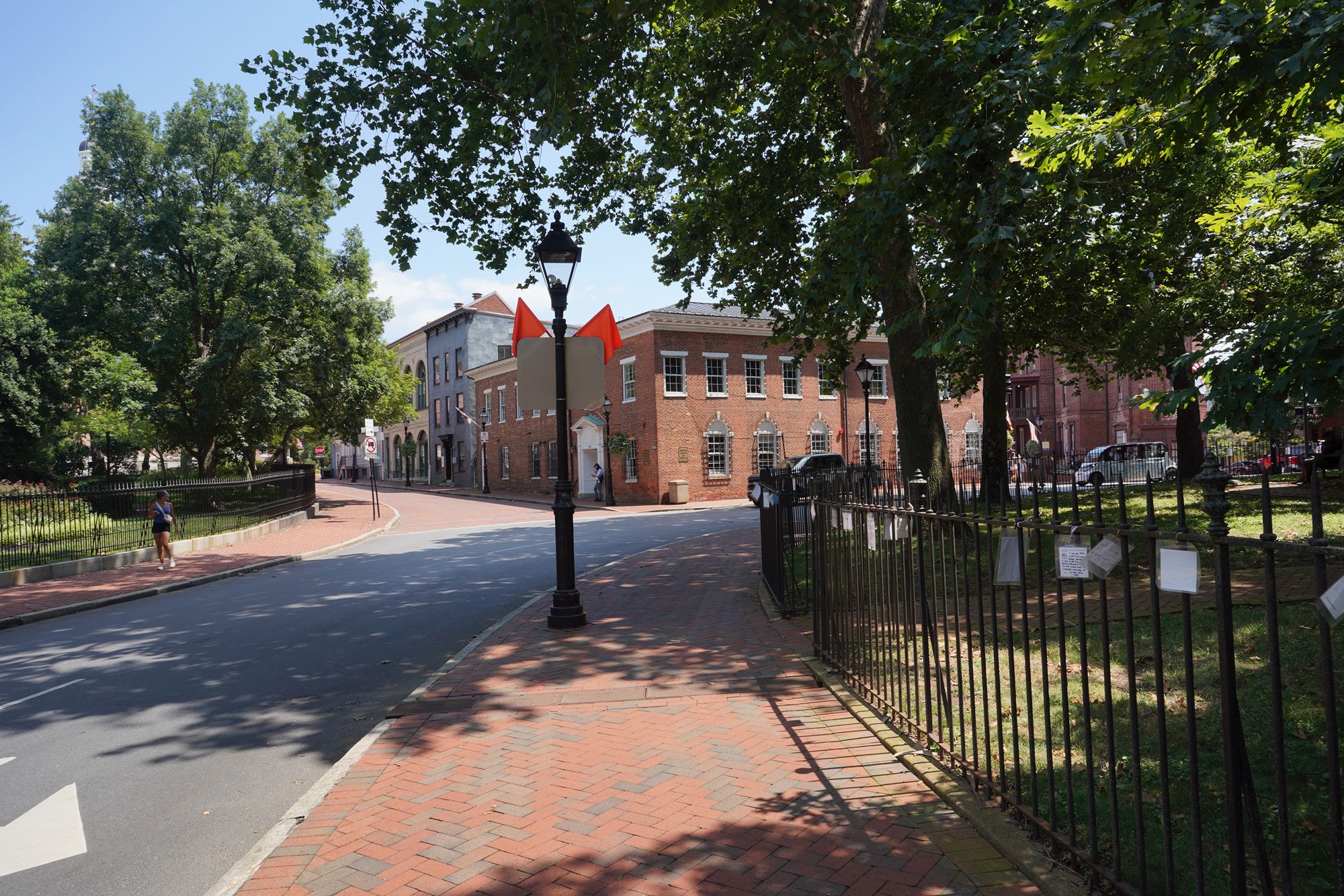
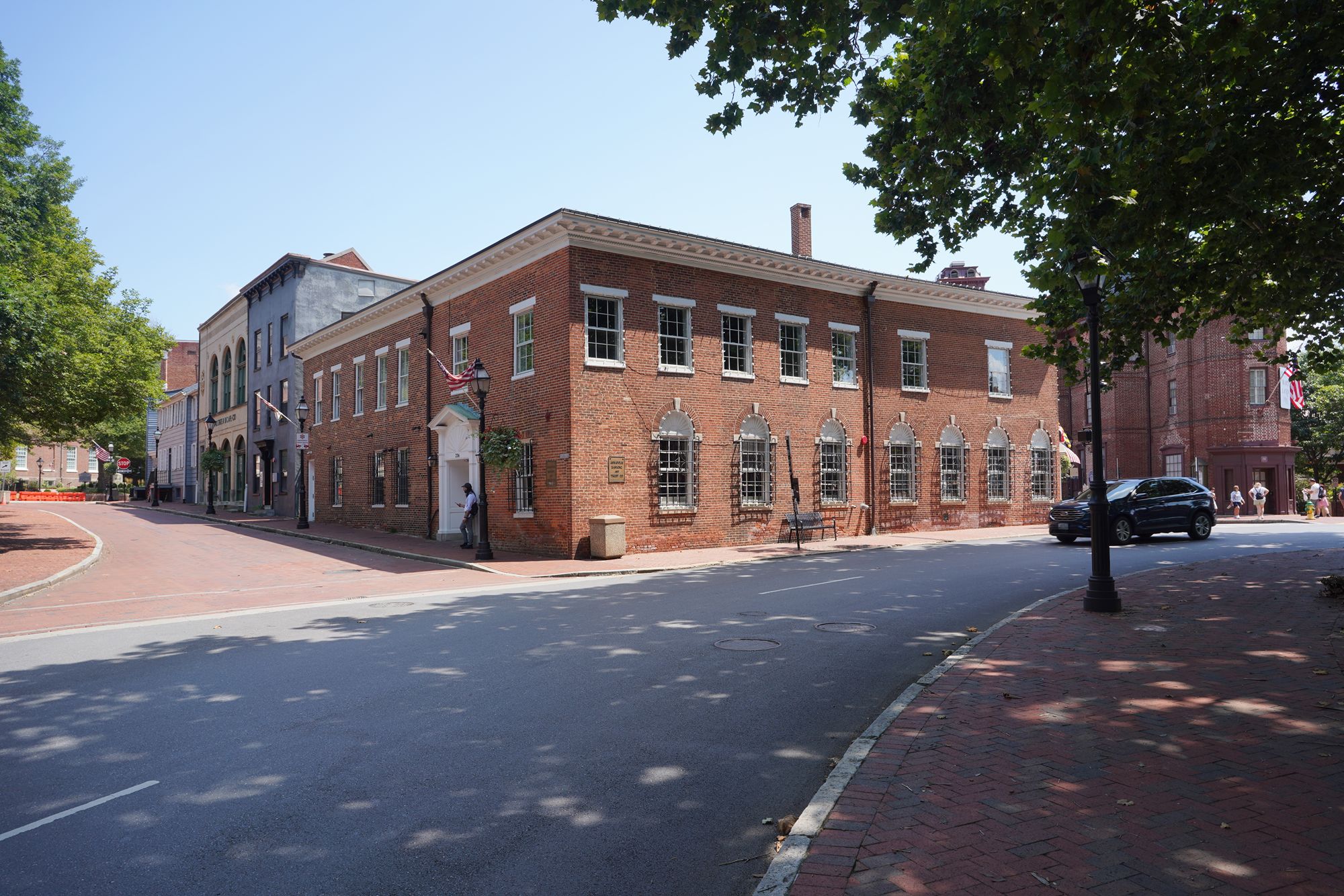
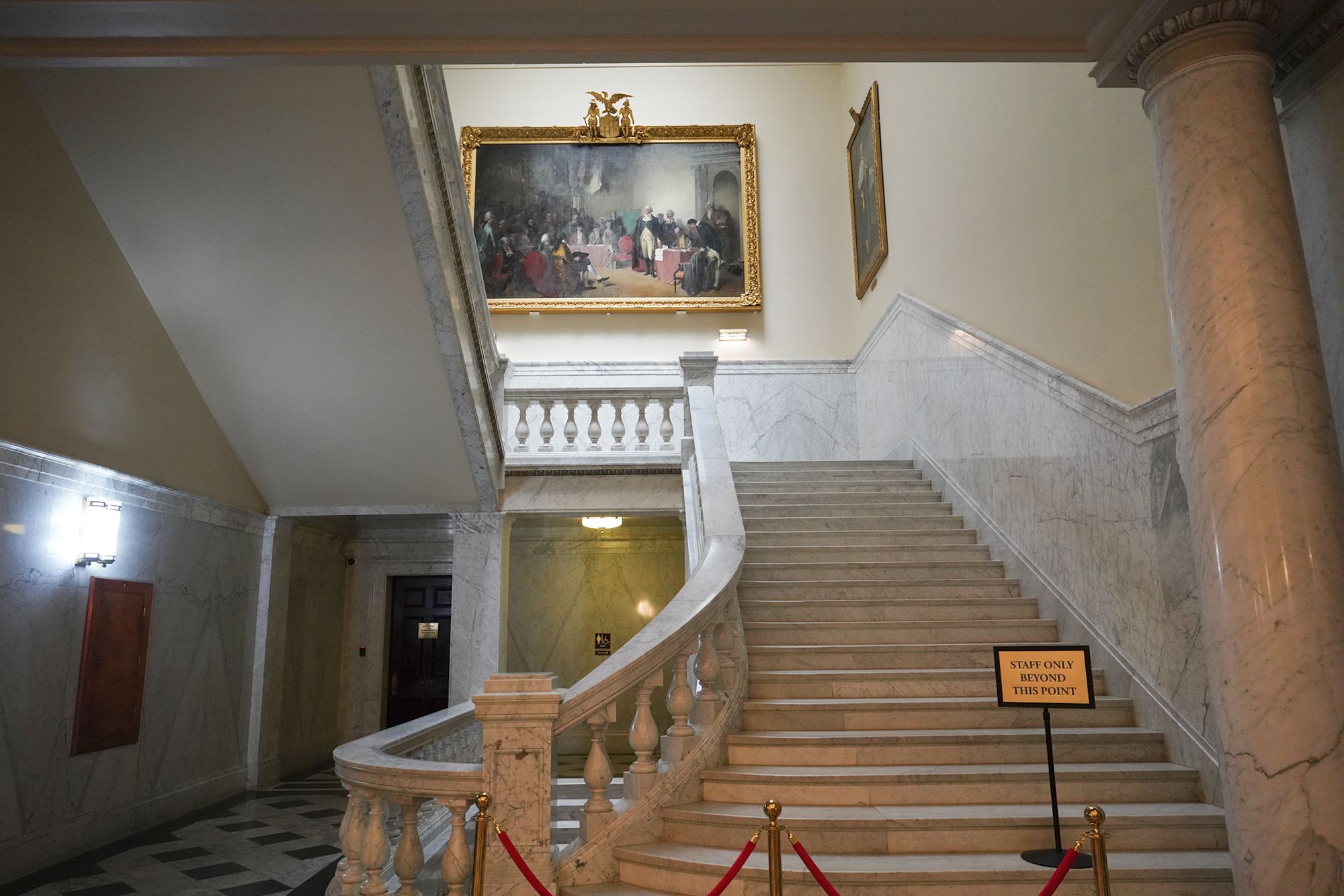
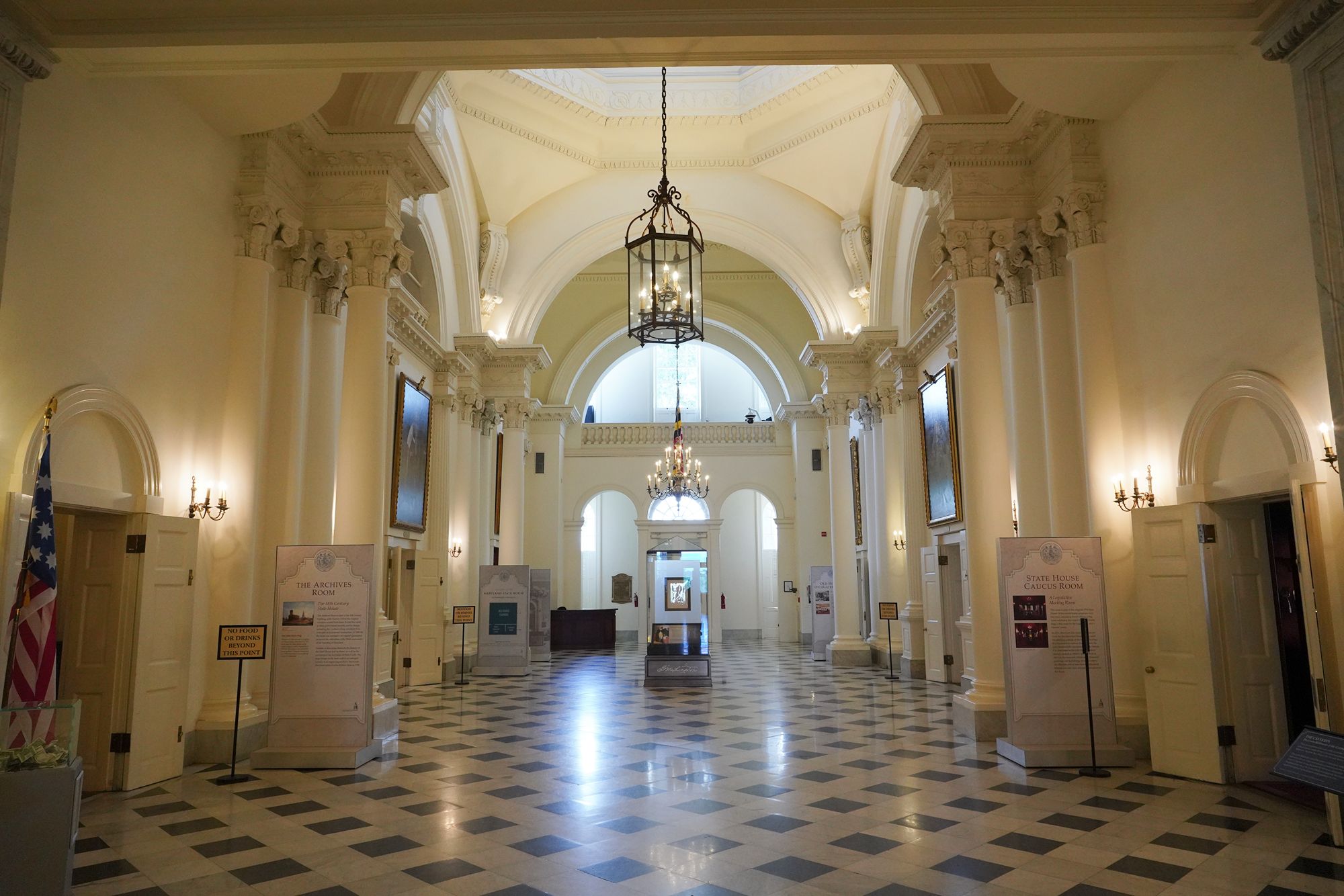
The state capitol
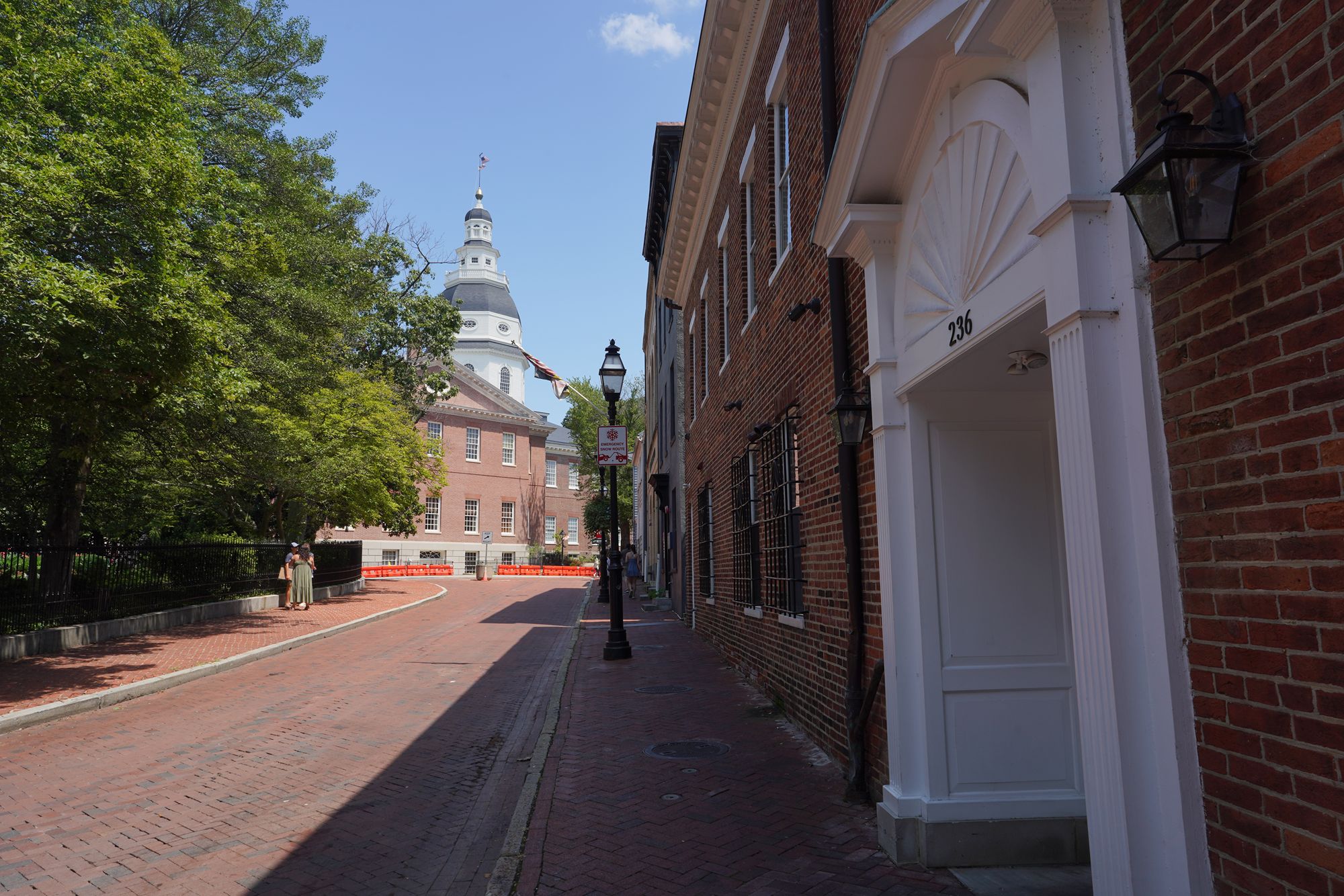
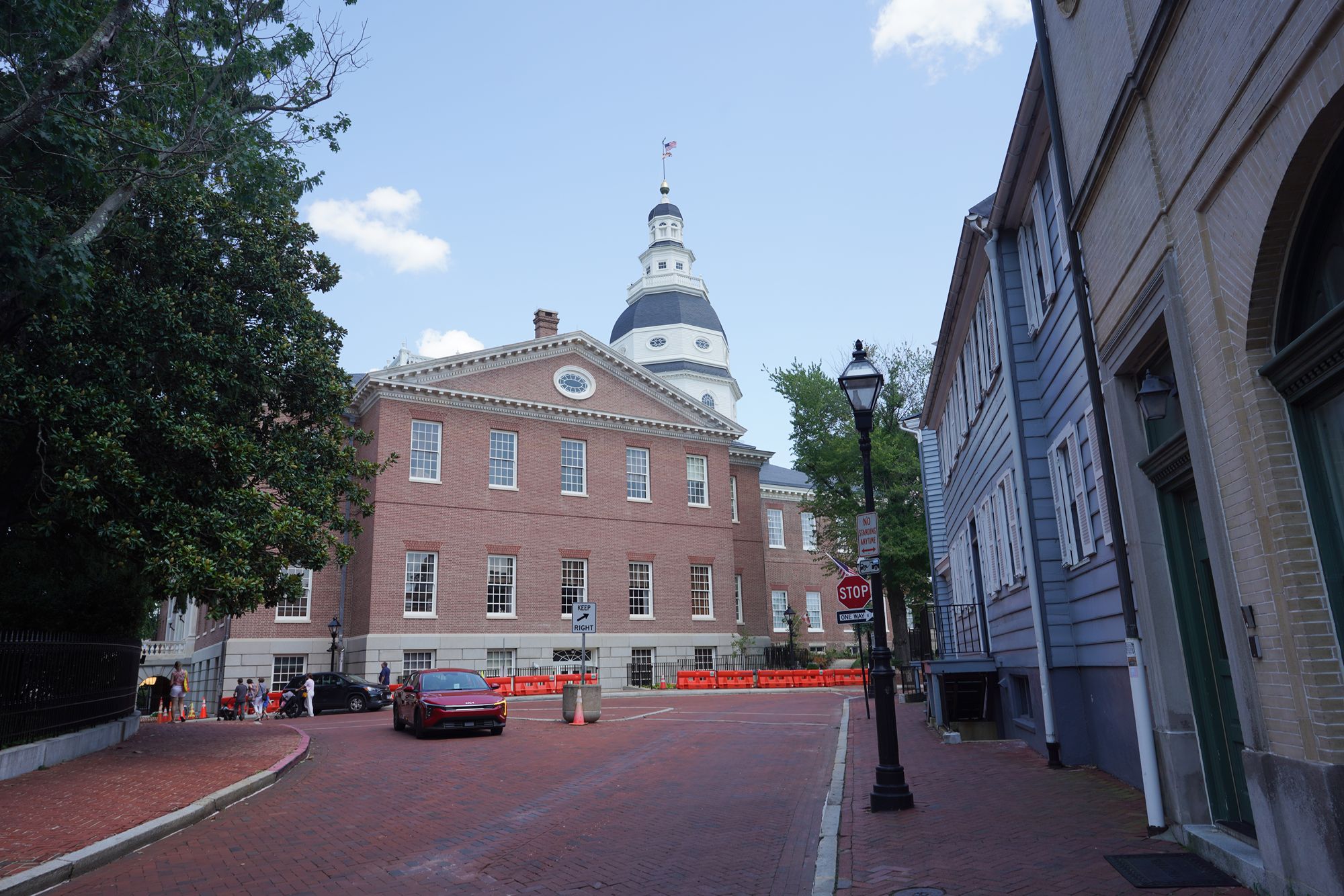
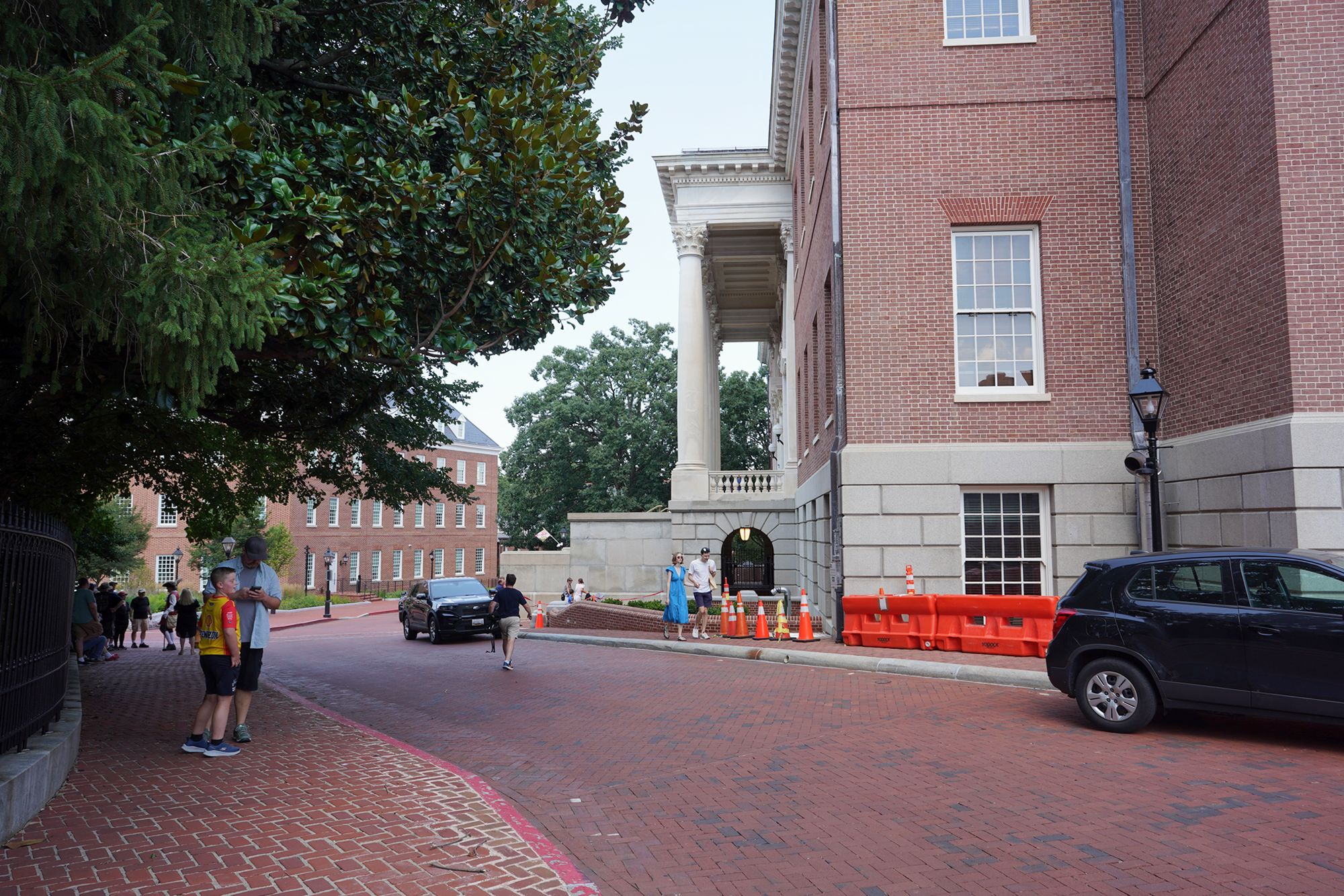
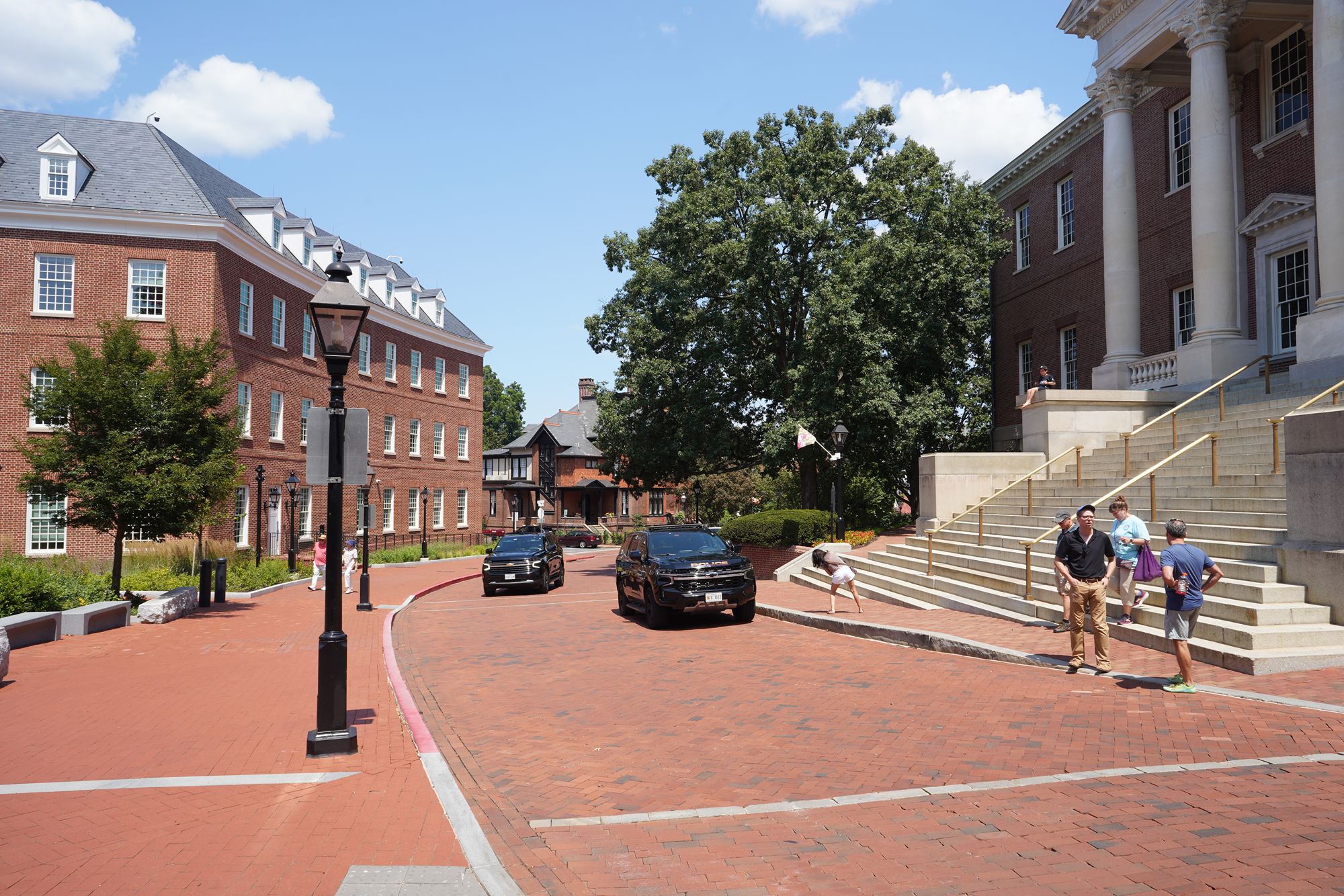
The Maryland State House in Annapolis is the oldest state capitol still in continuous legislative use, completed in 1779. It has a distinctive wooden dome—the largest of its kind in the United States—and played an important role in early American history.
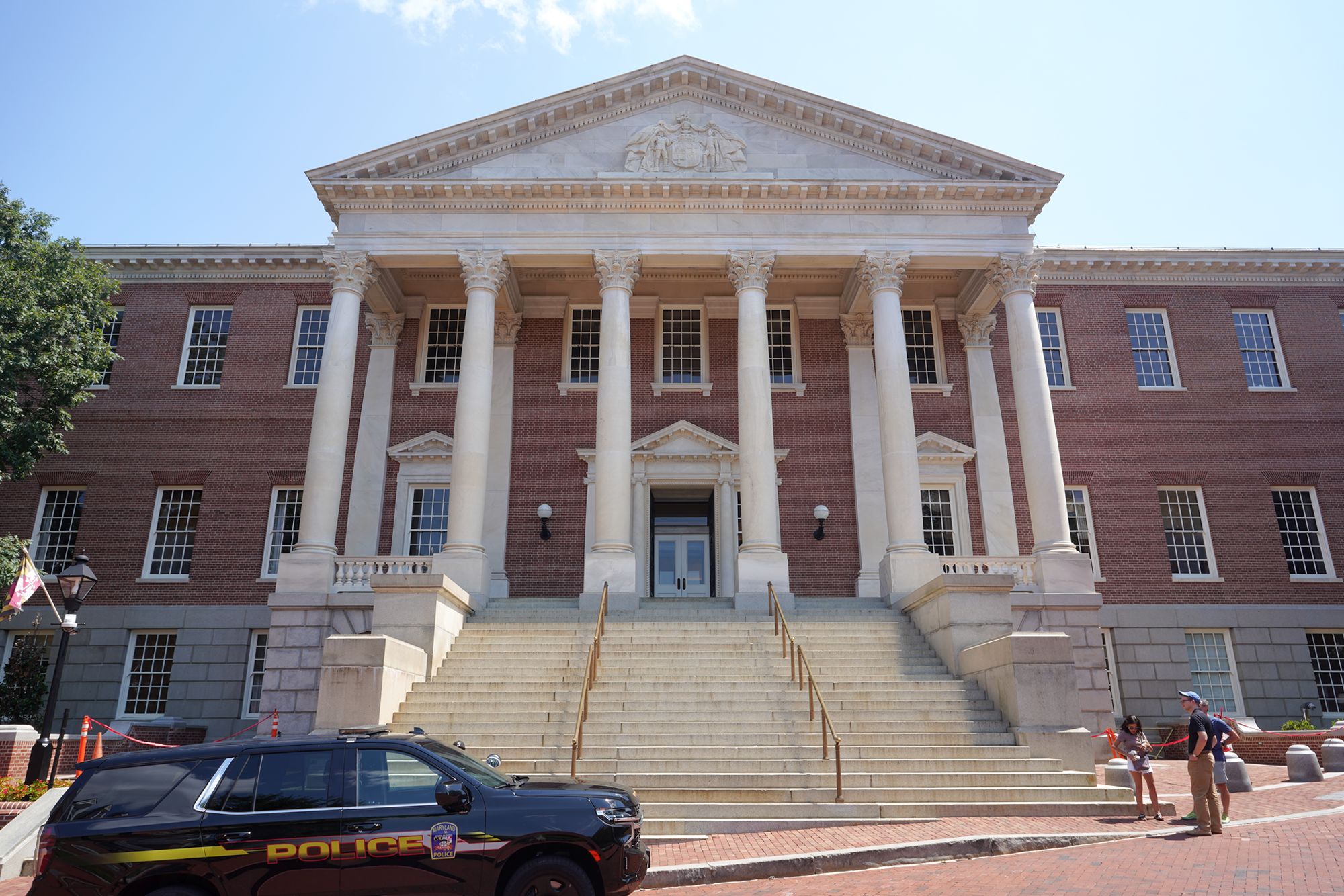
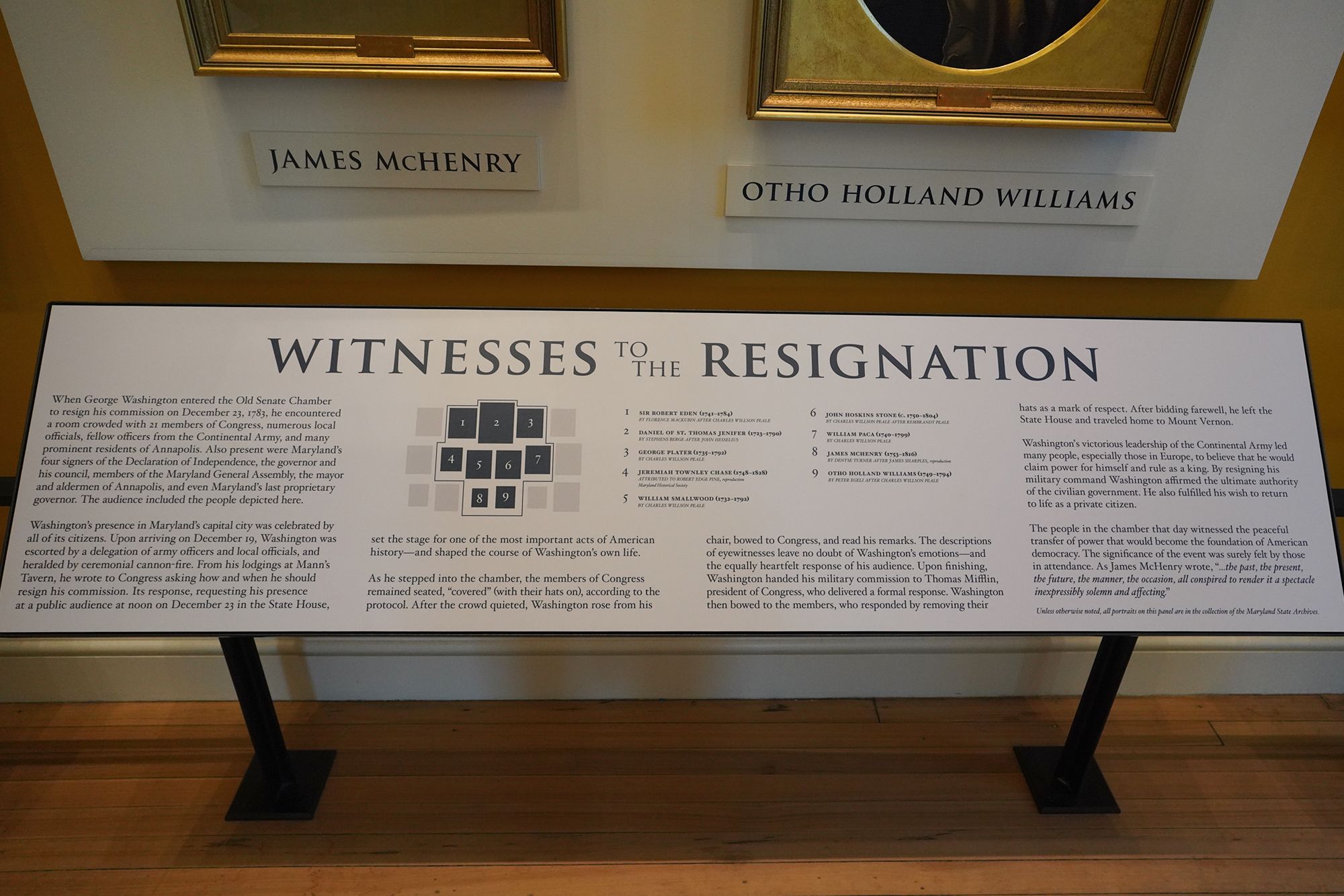
For a brief period after the Revolutionary War, it served as the nation’s capital, and it was here that George Washington resigned his commission in 1783 and the Treaty of Paris was ratified in 1784. Today, the building combines colonial architecture with modern legislative spaces, reflecting more than two centuries of Maryland’s political history.
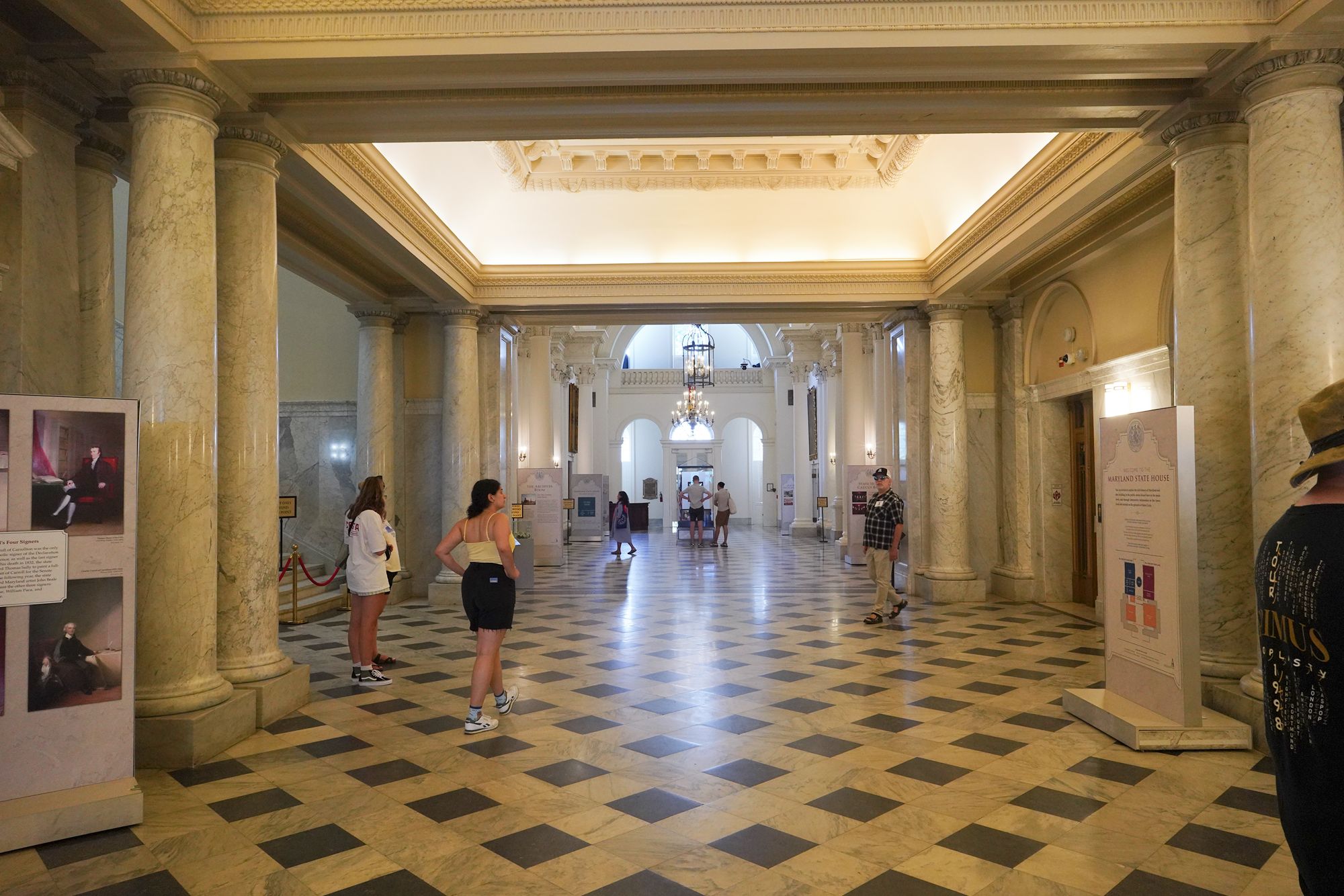
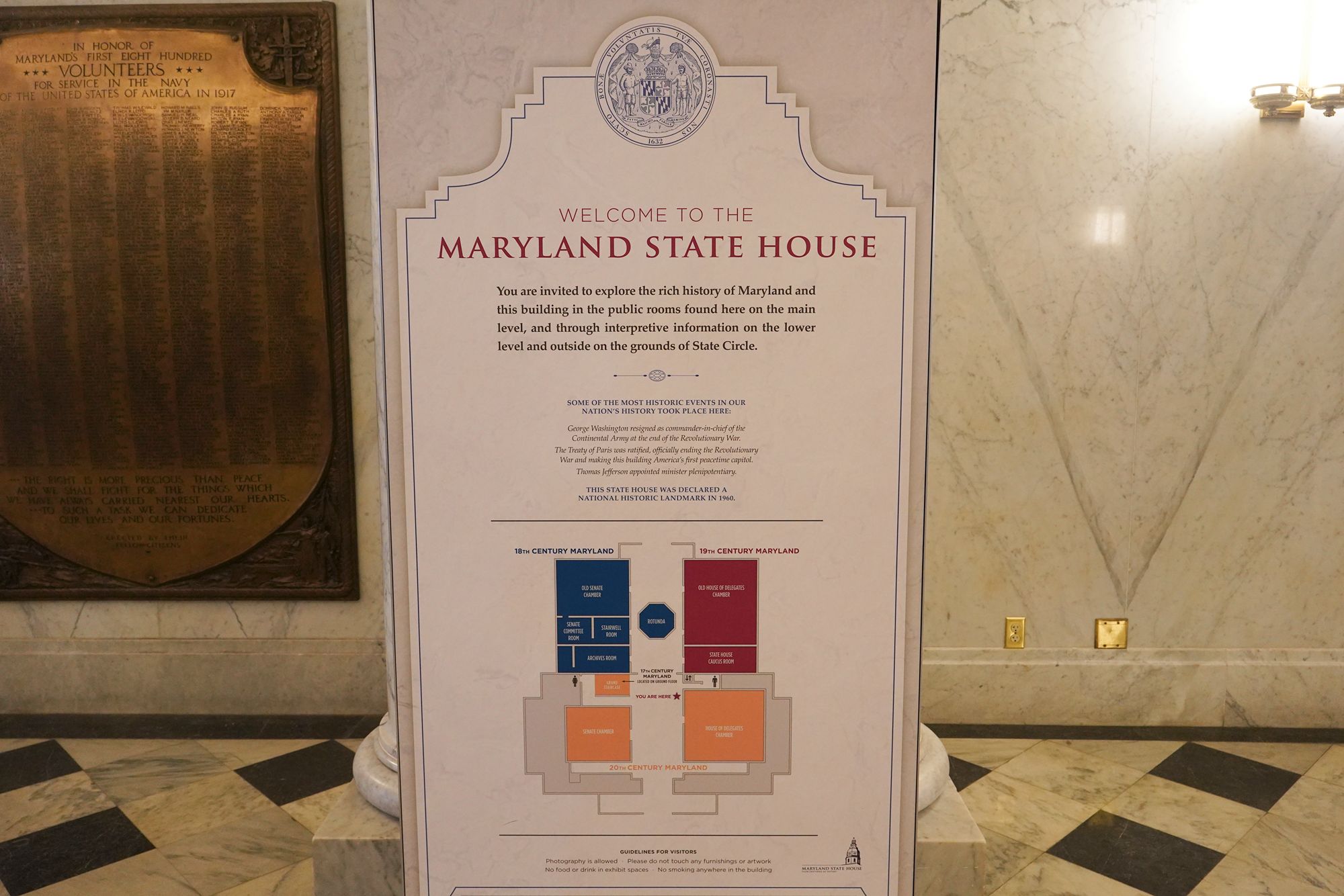
Room for State Senate
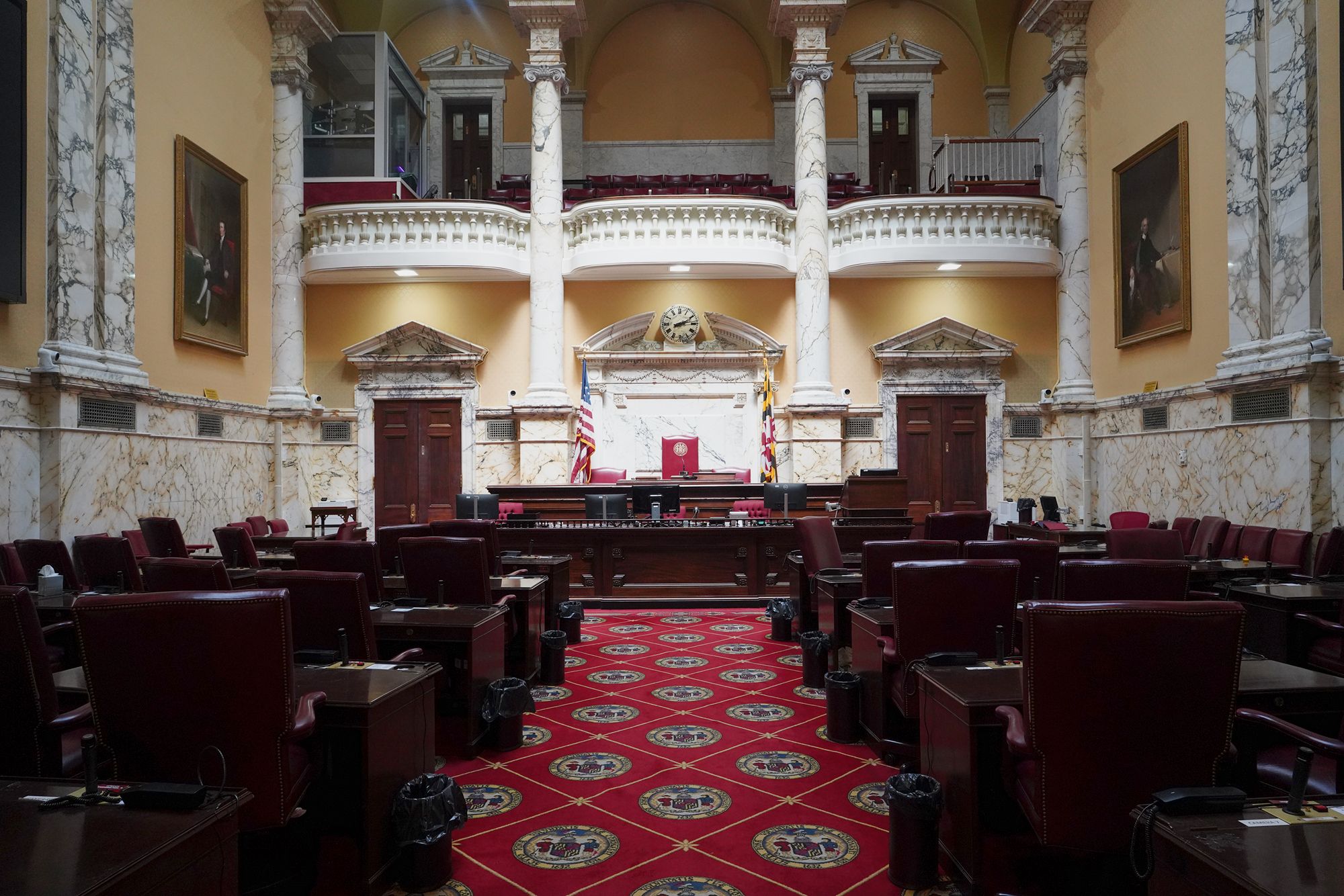
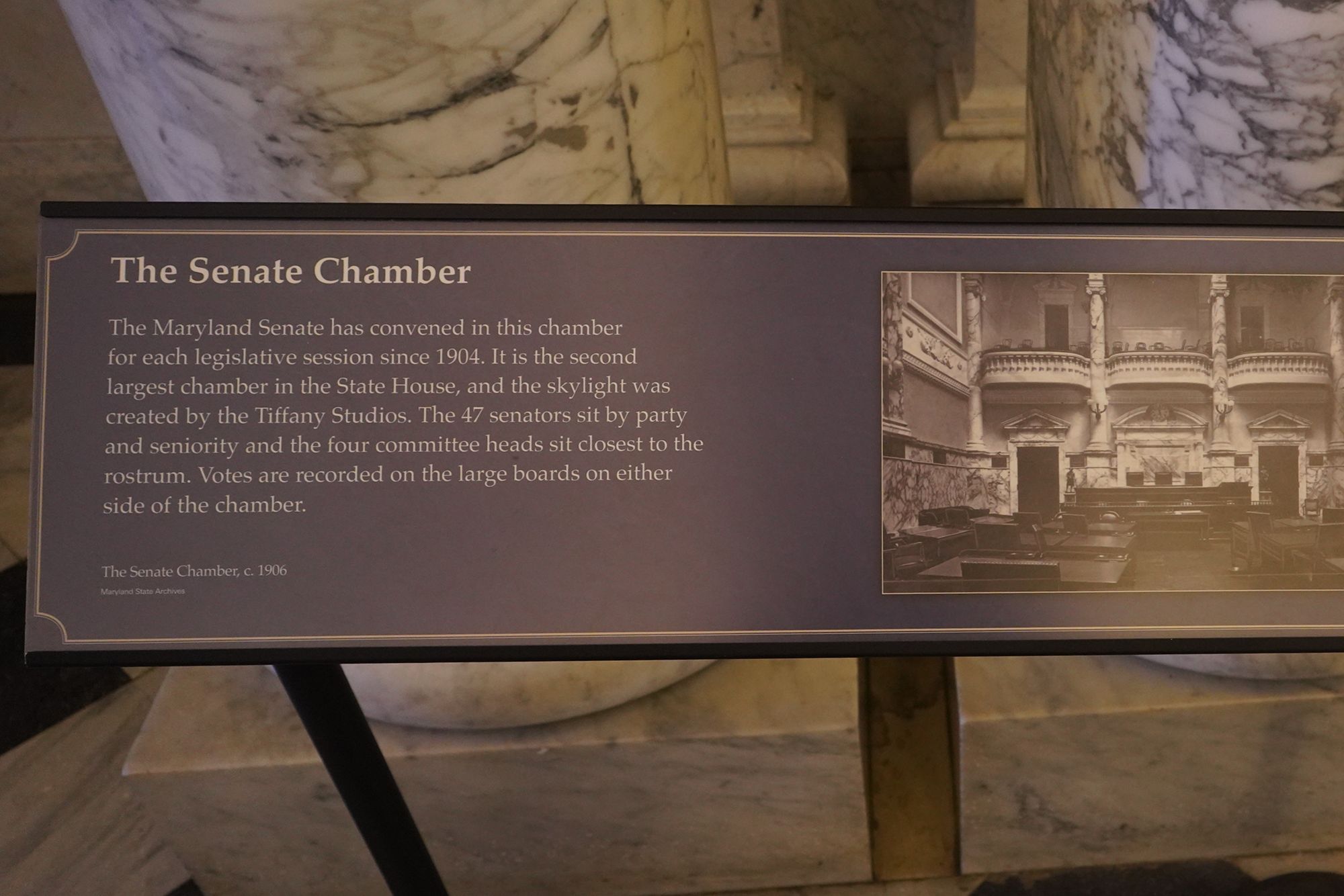
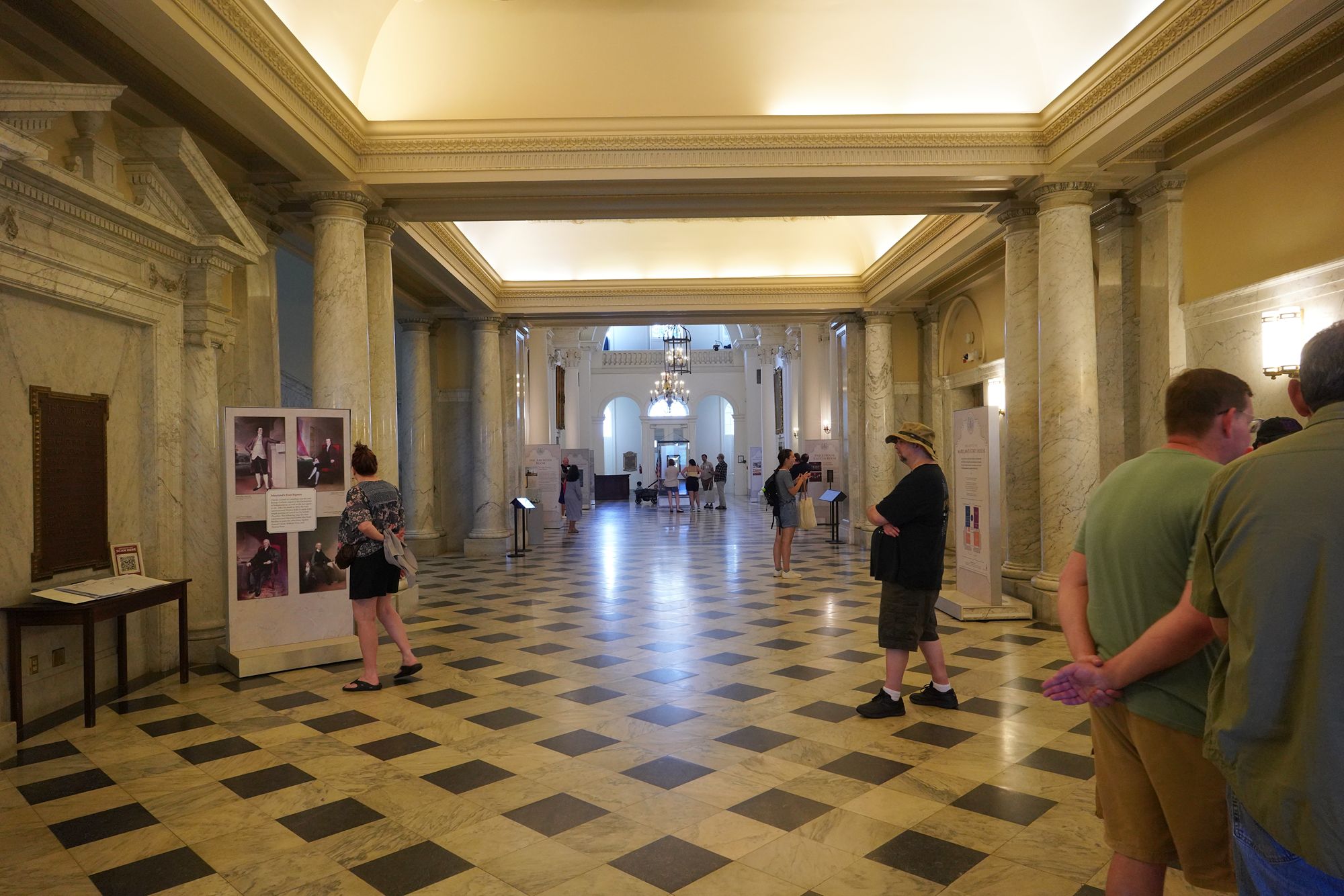
Room for State House of Representatives
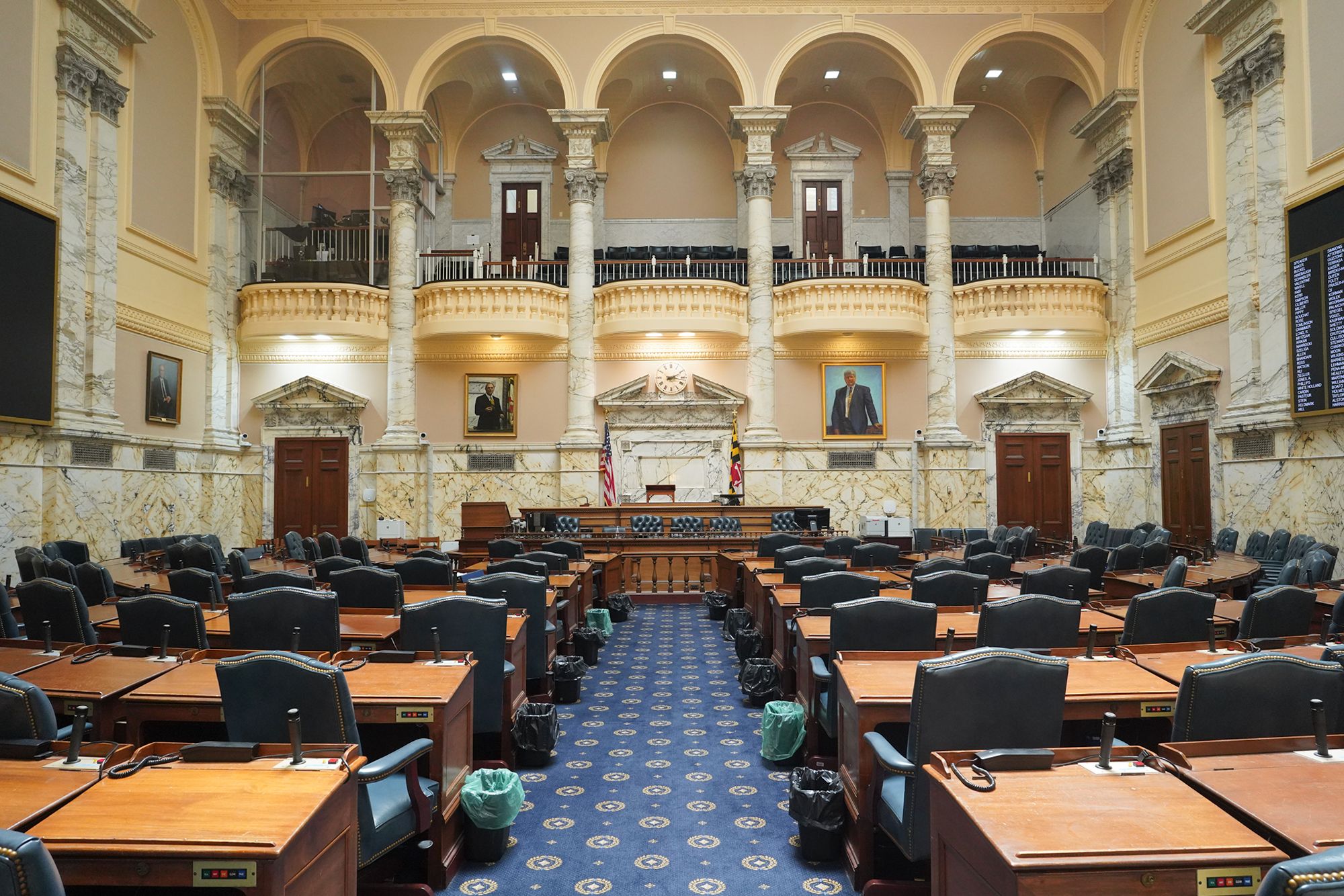
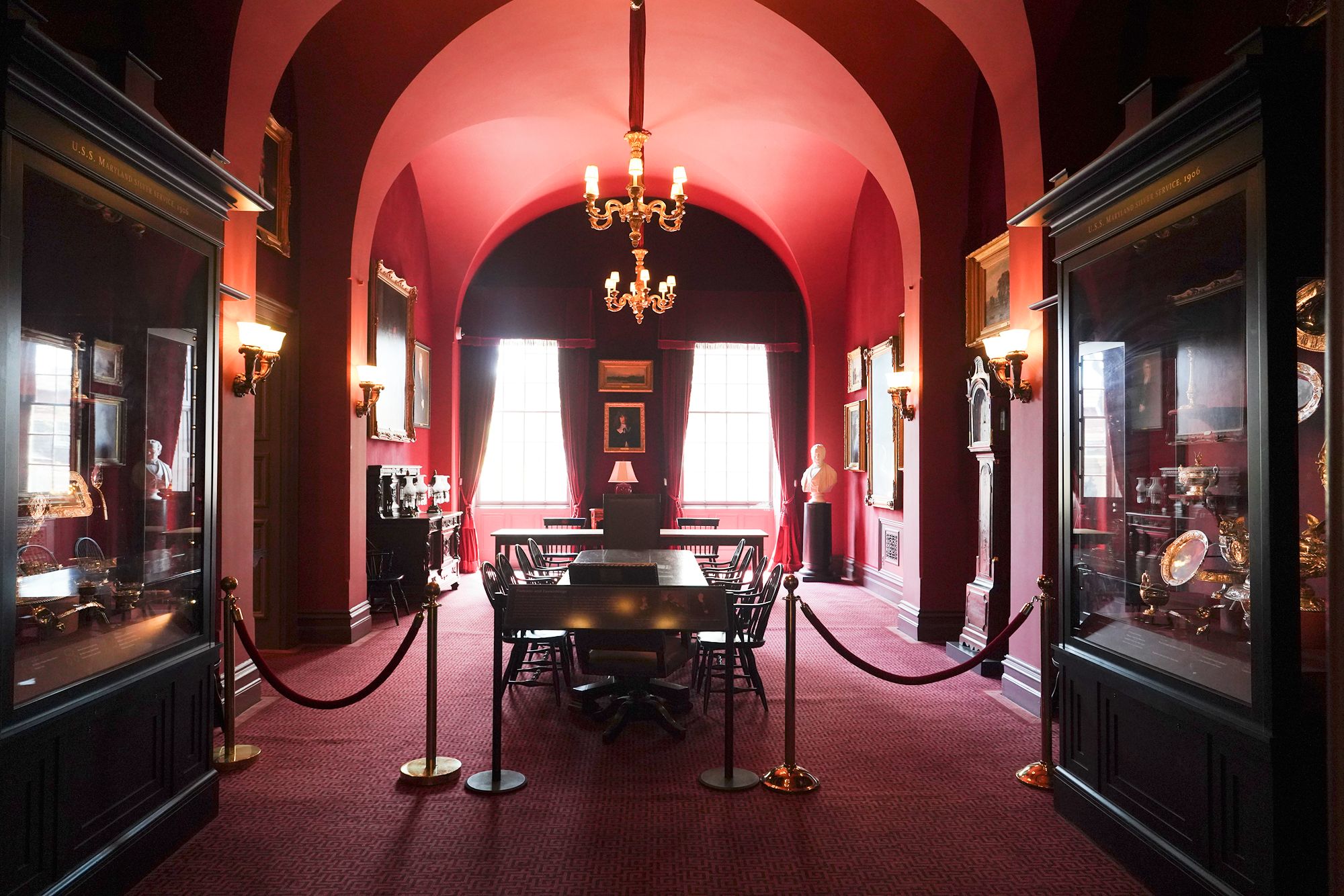
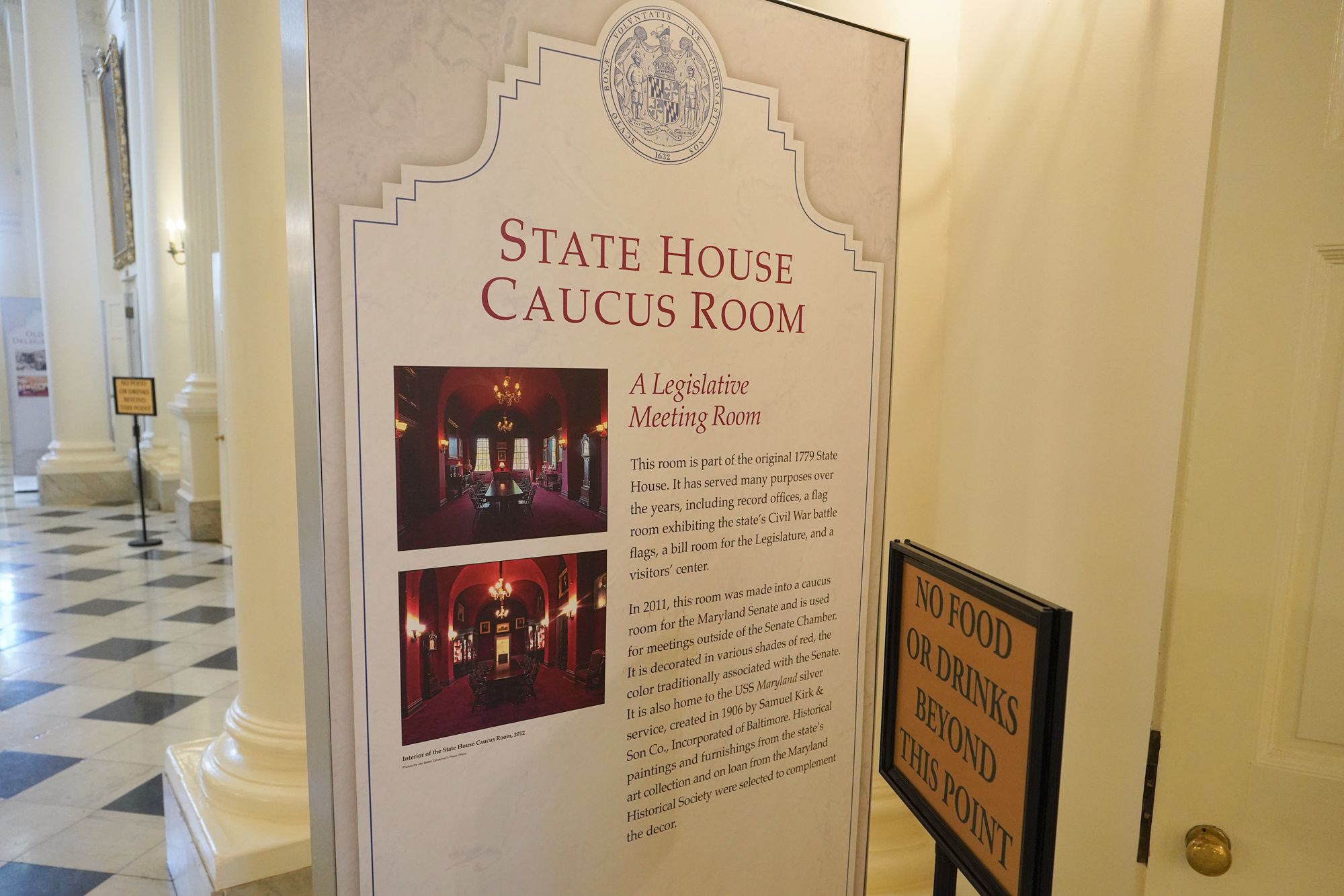
State House Caucus Room
The Archives Room
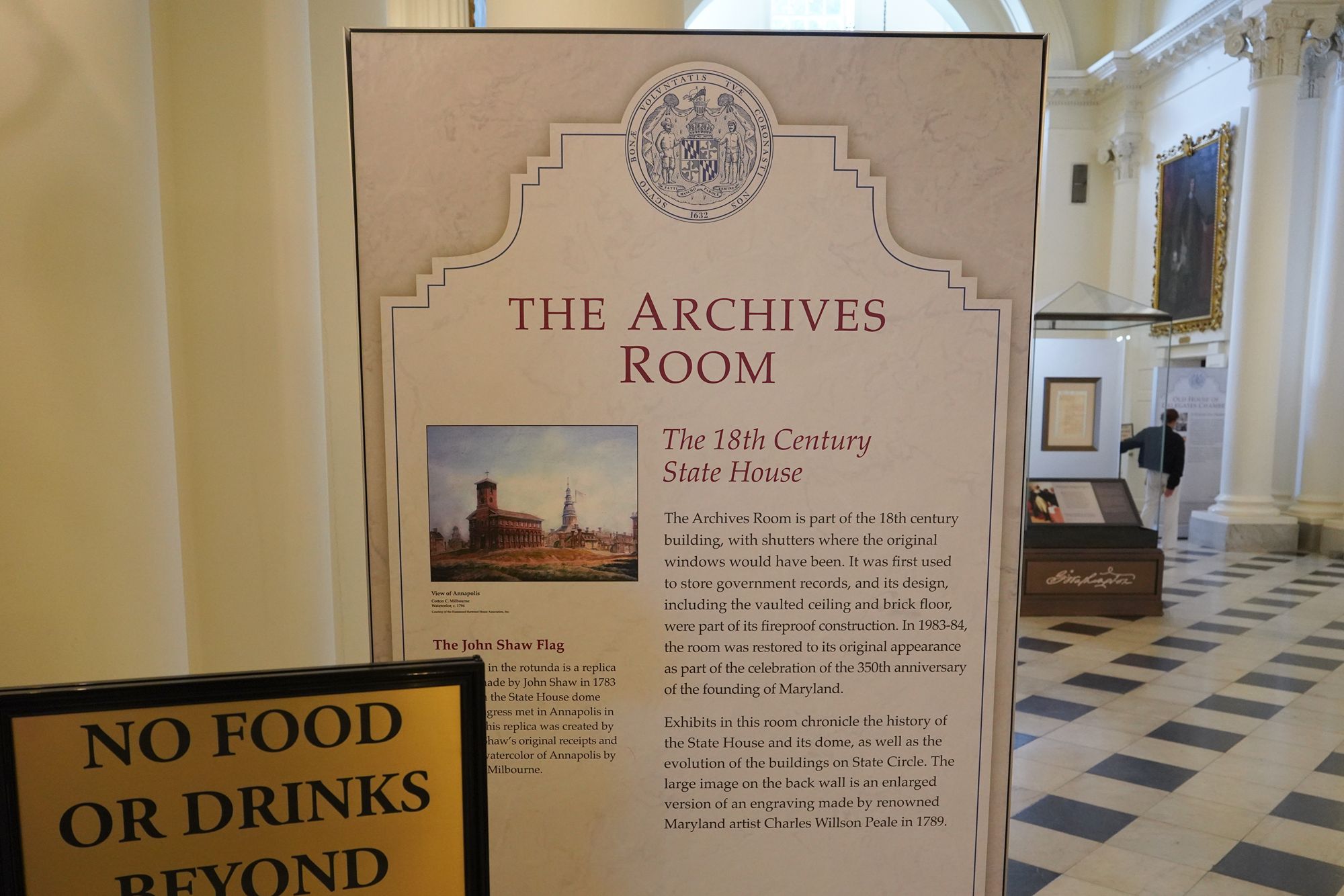
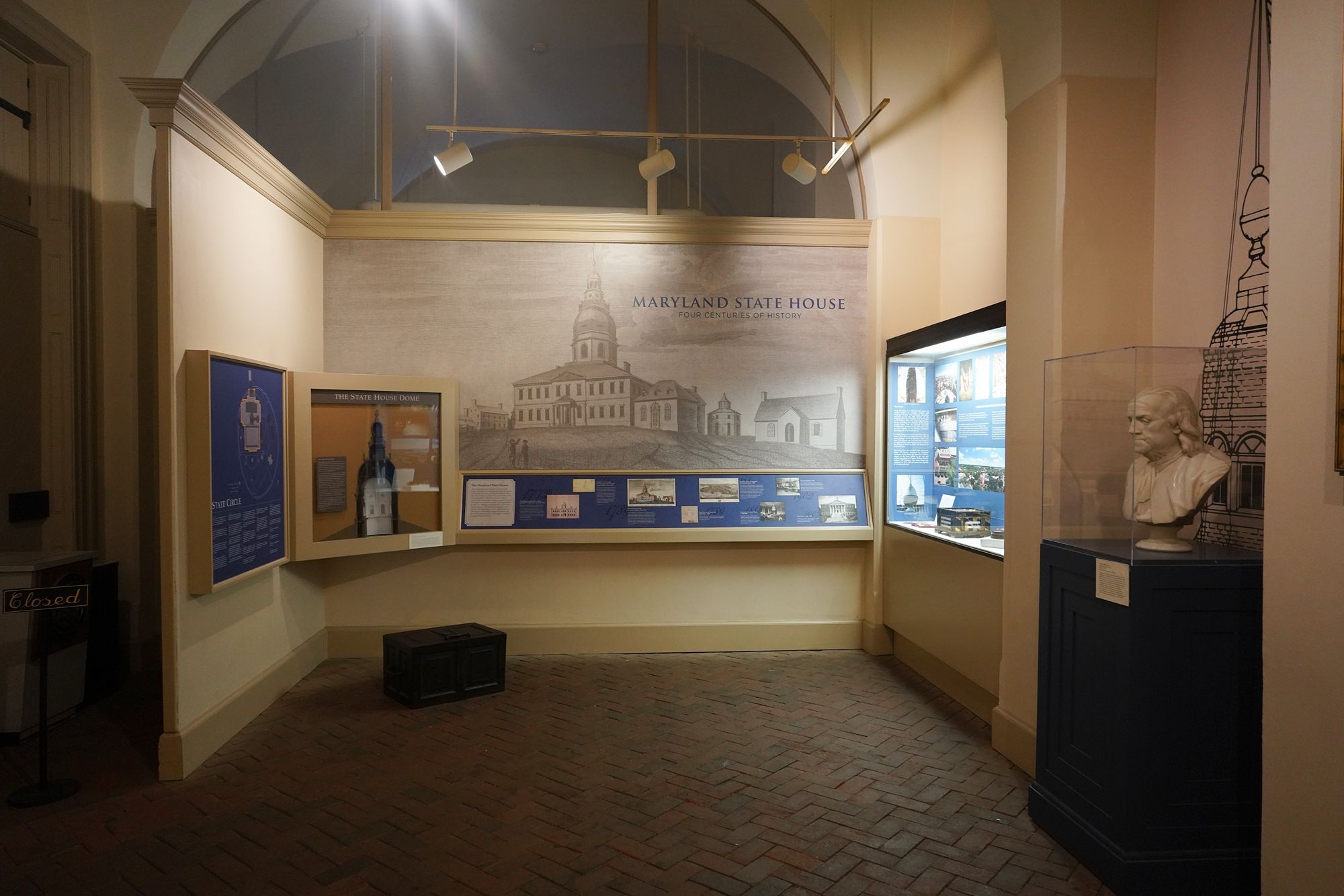
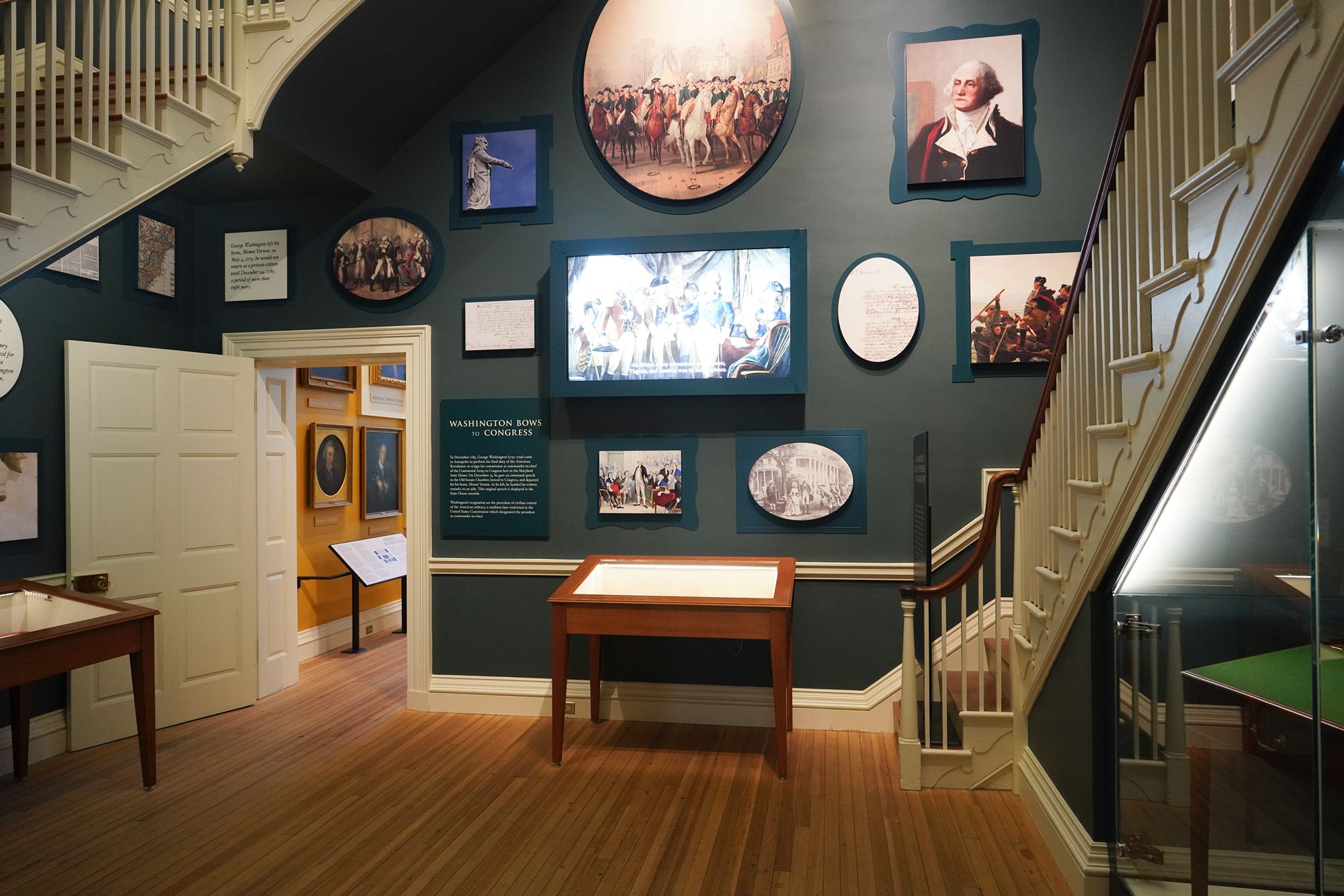
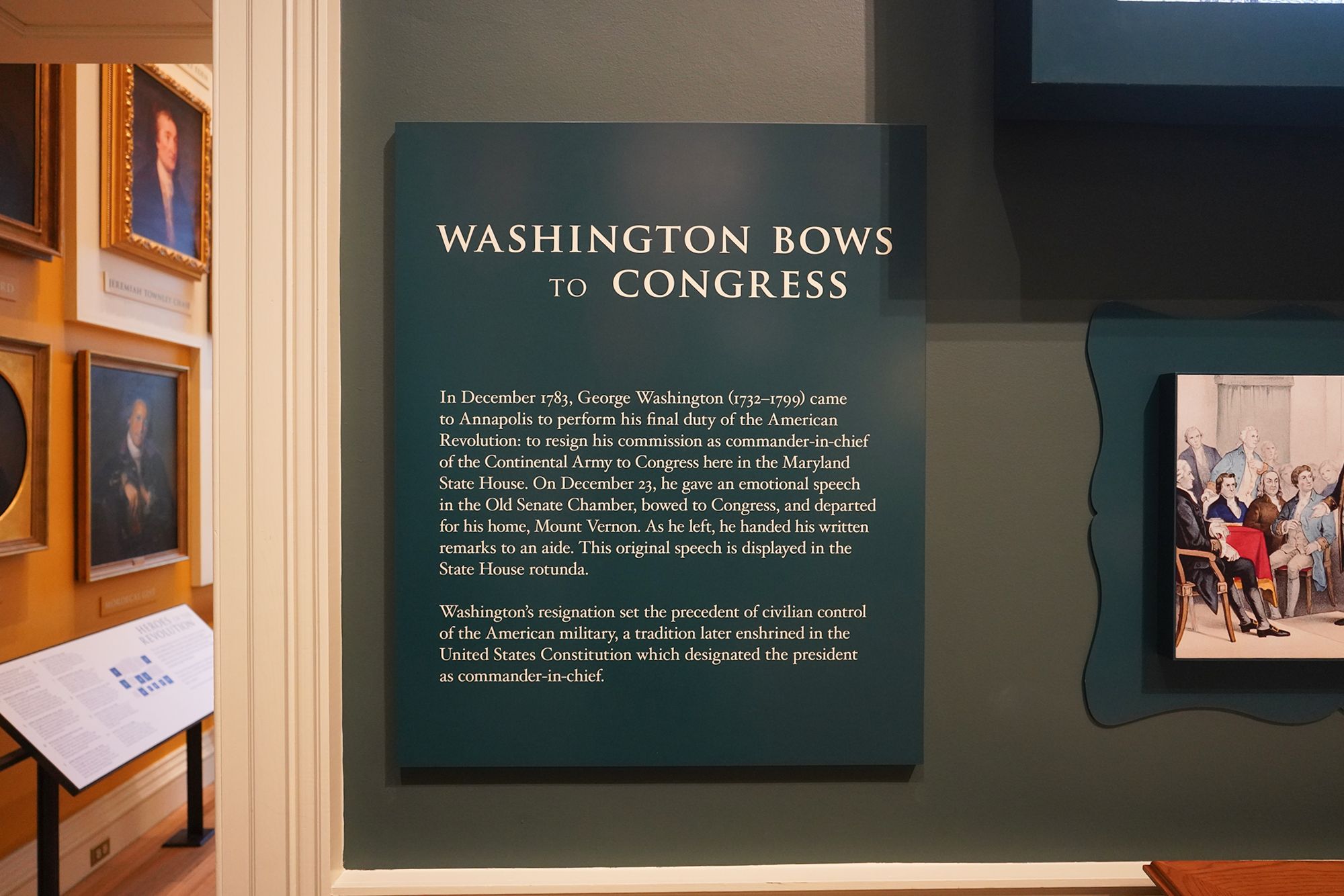
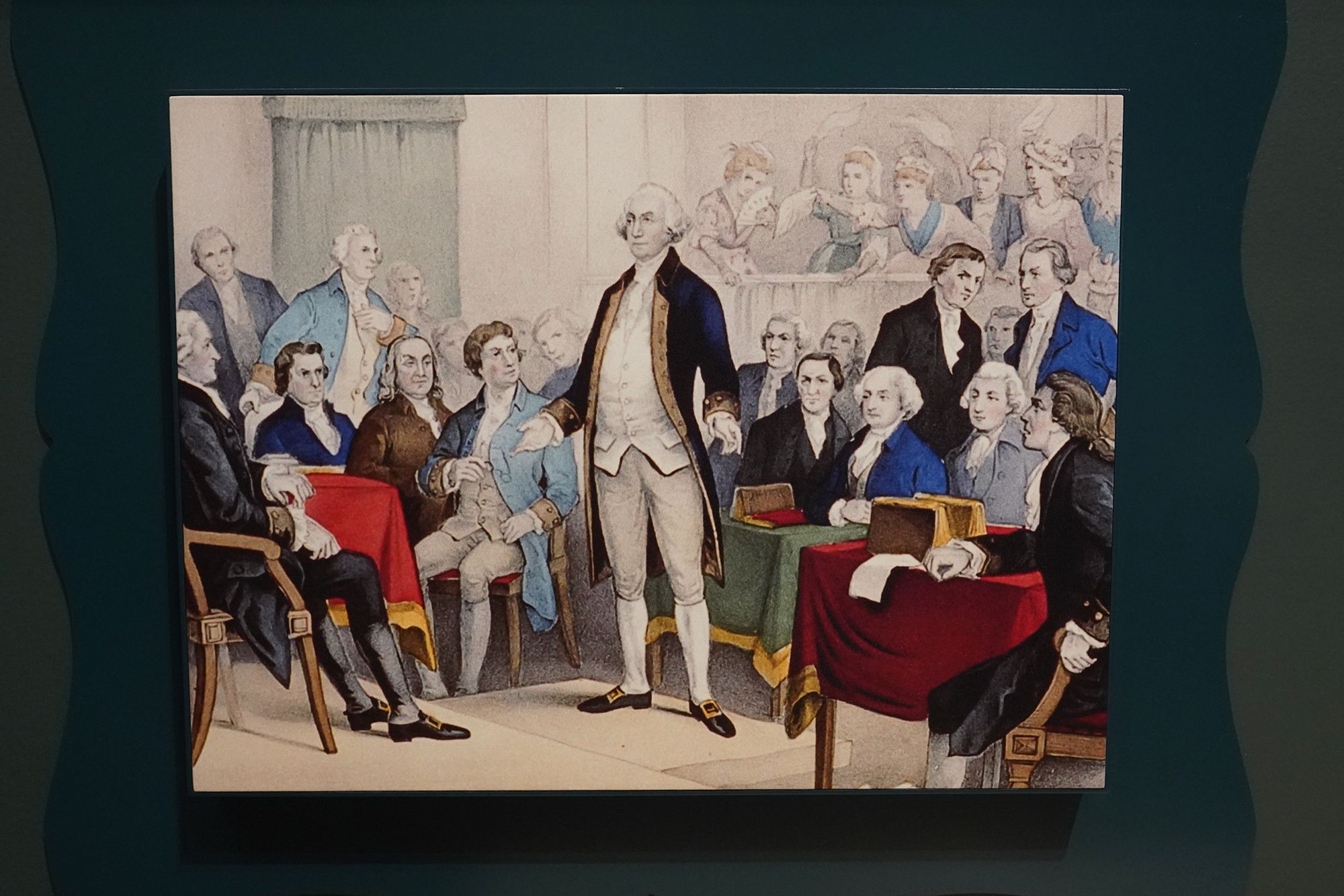
Inside this room, George Washington’s resignation from the Continental Army was witnessed.
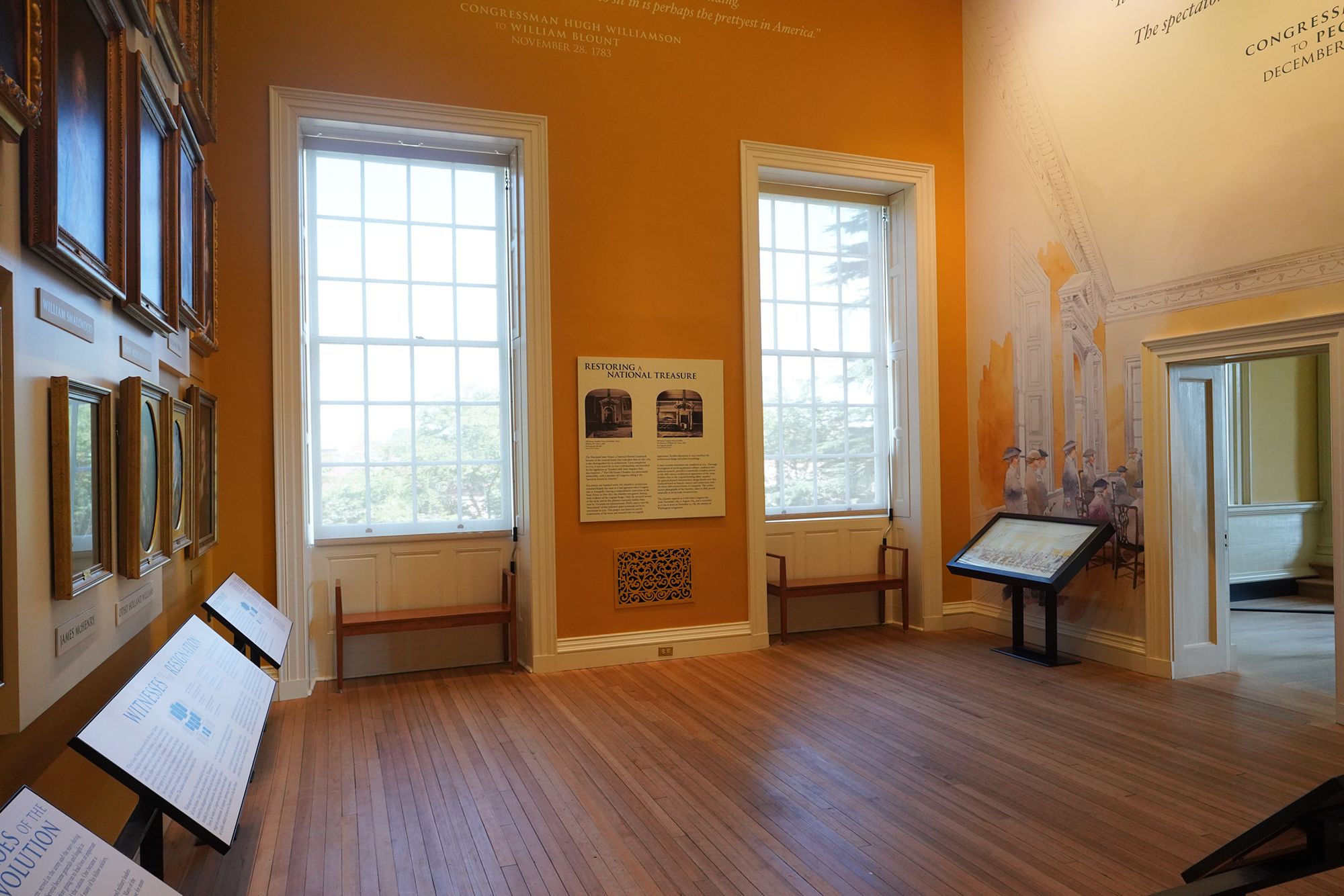
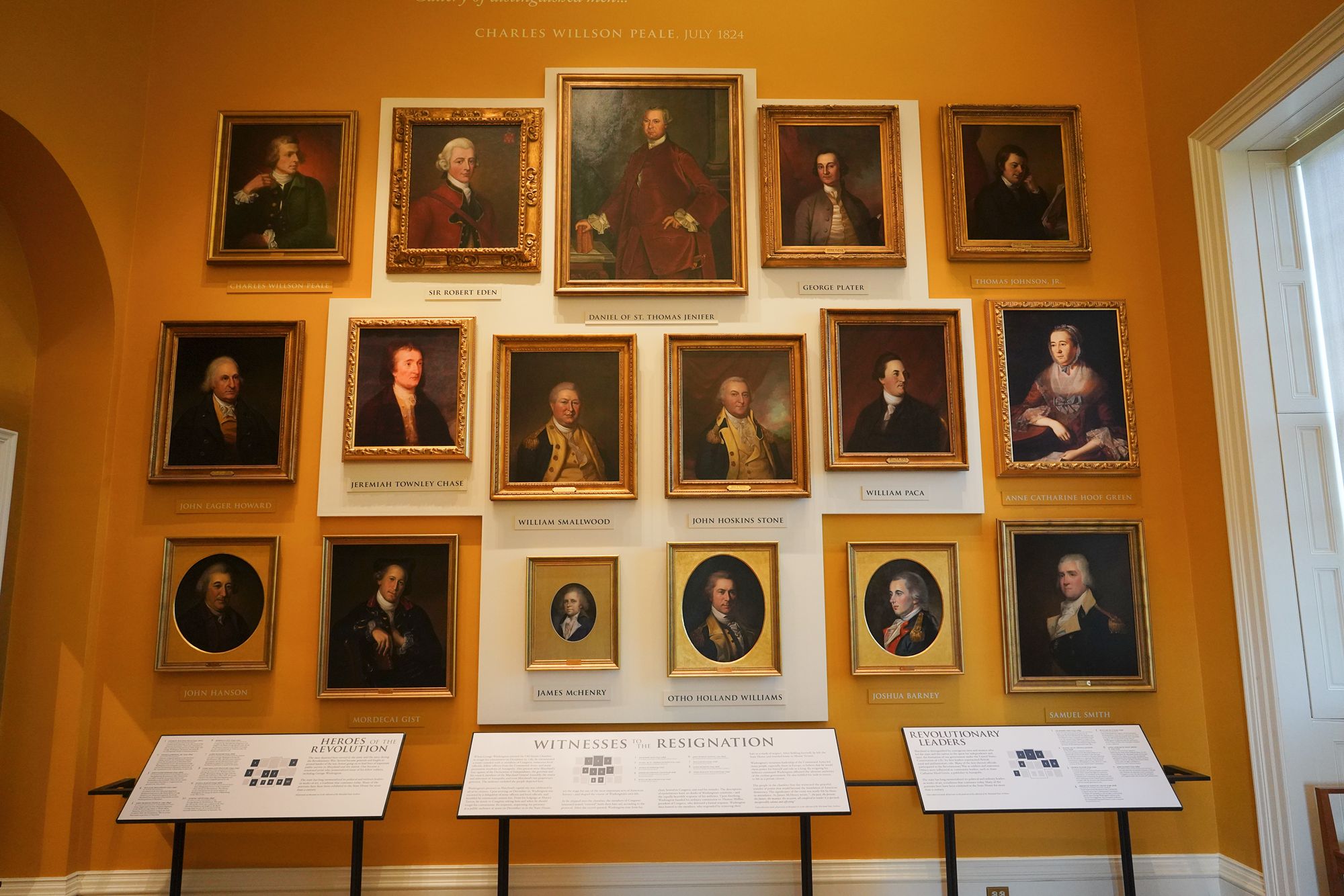
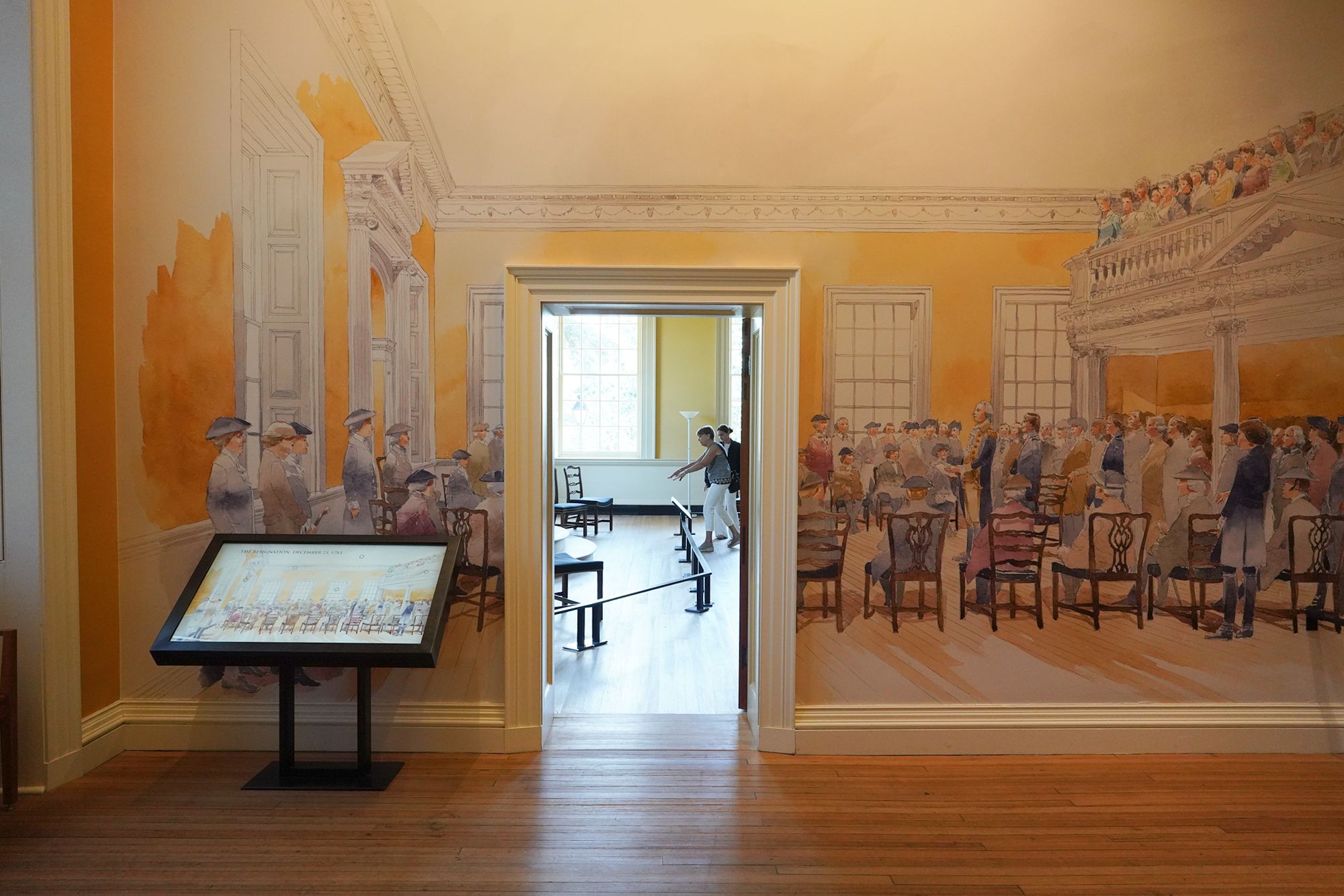
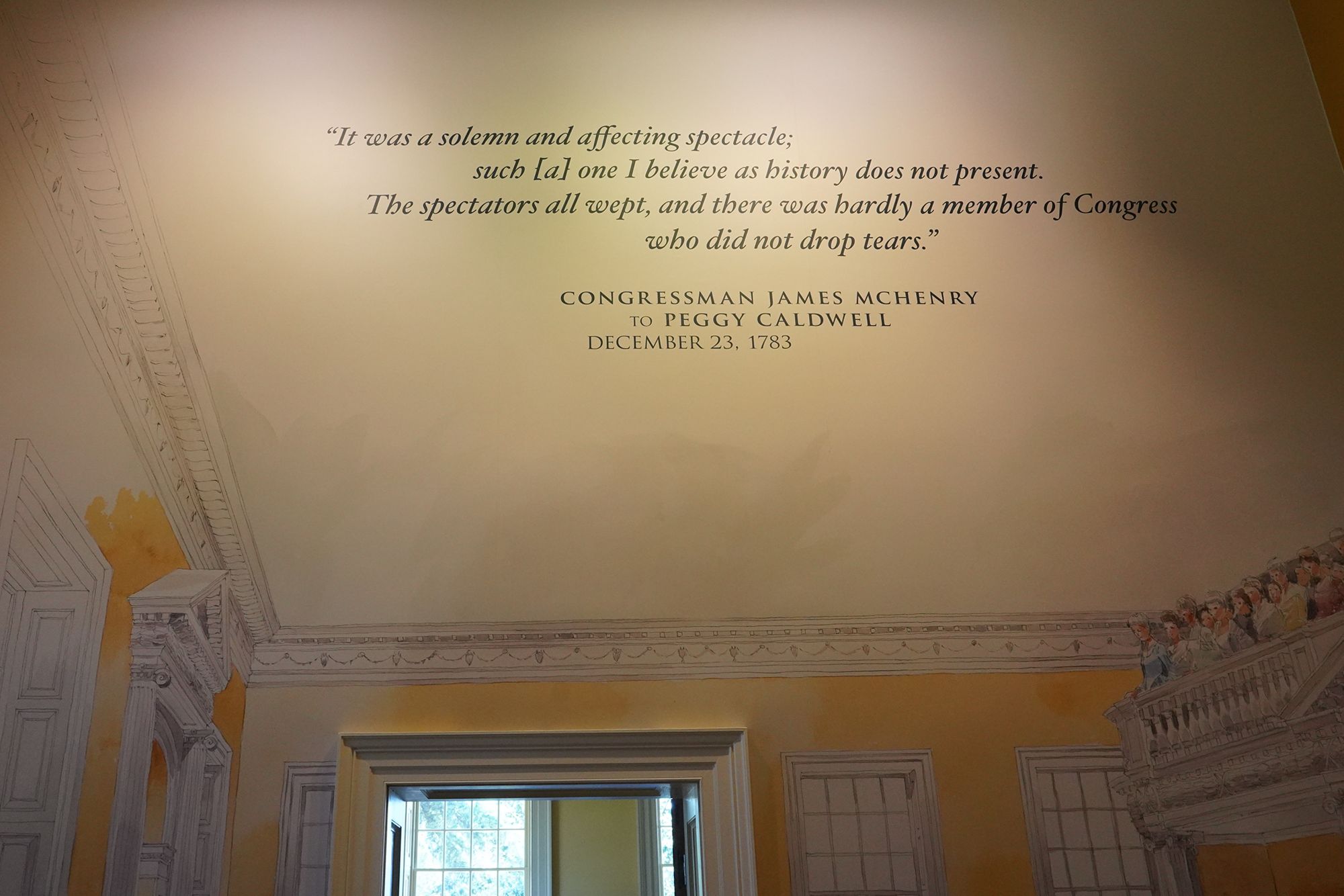
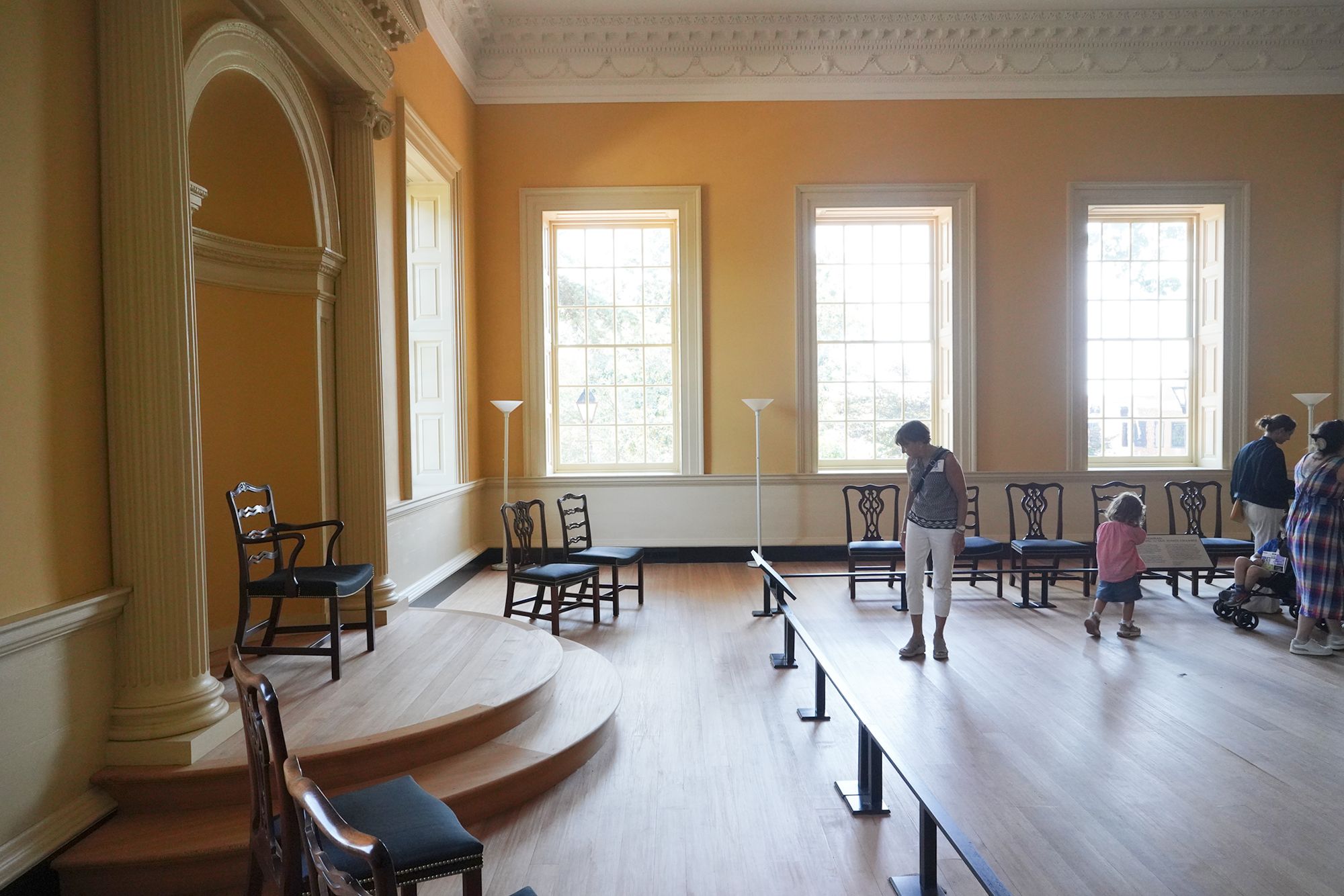
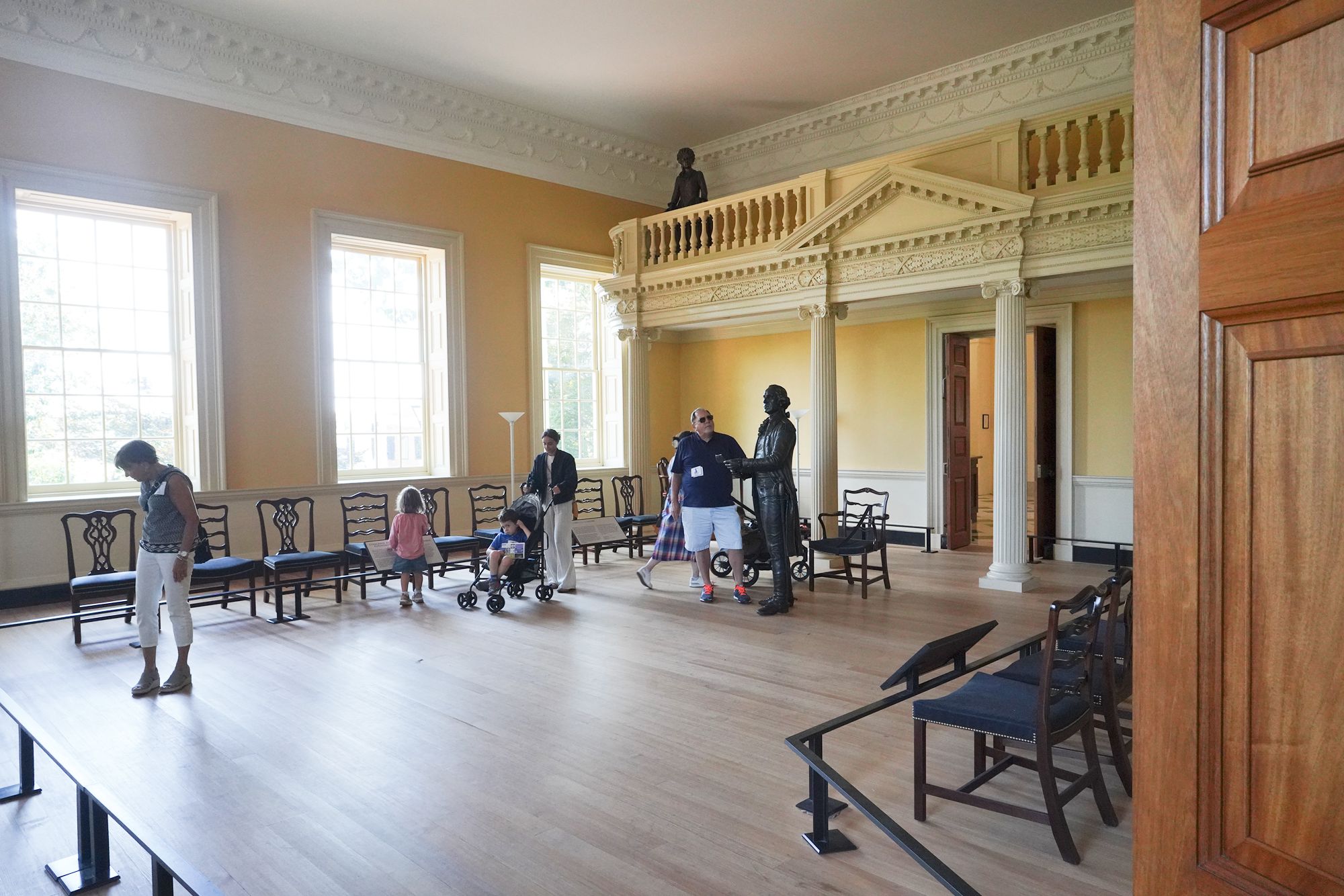
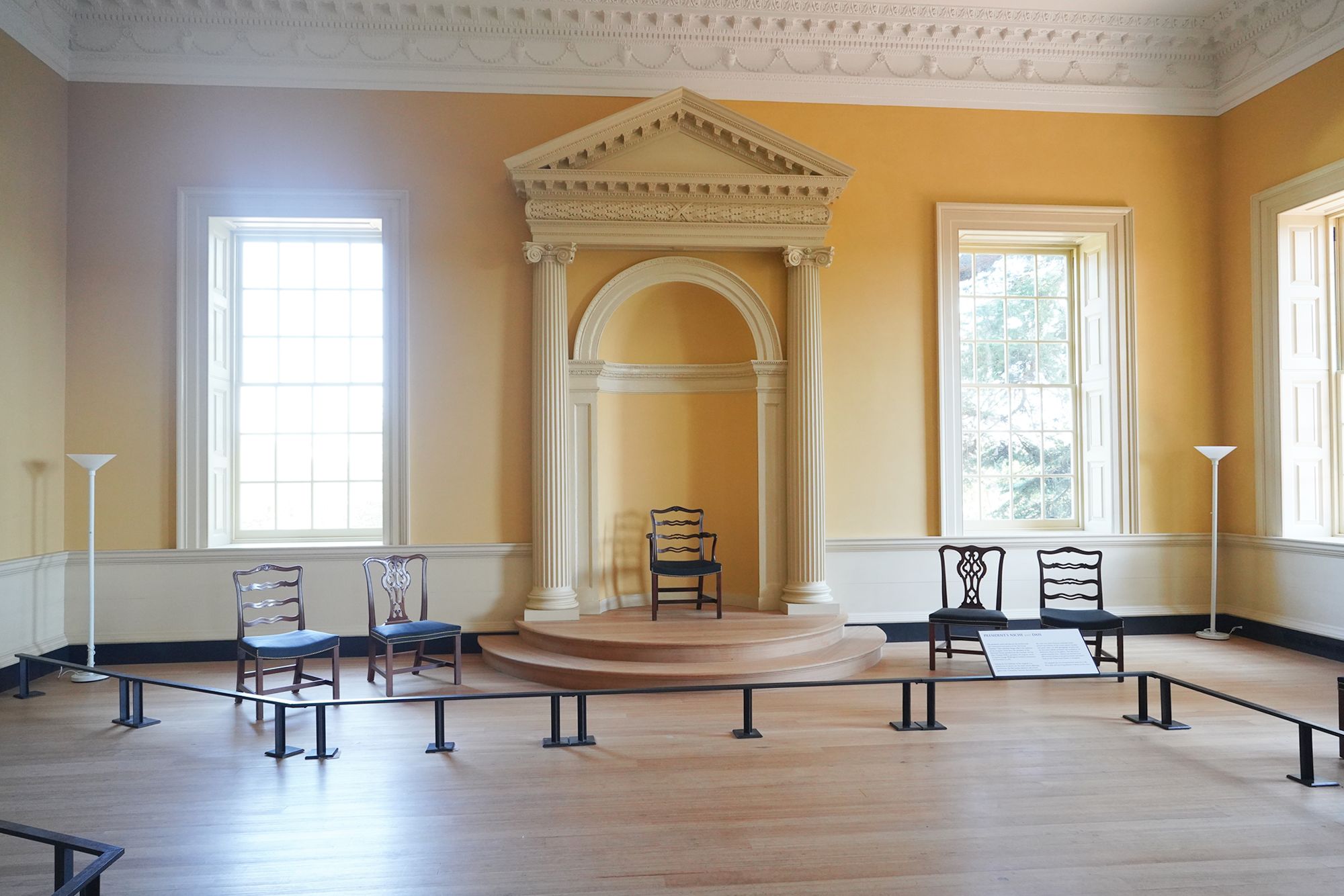
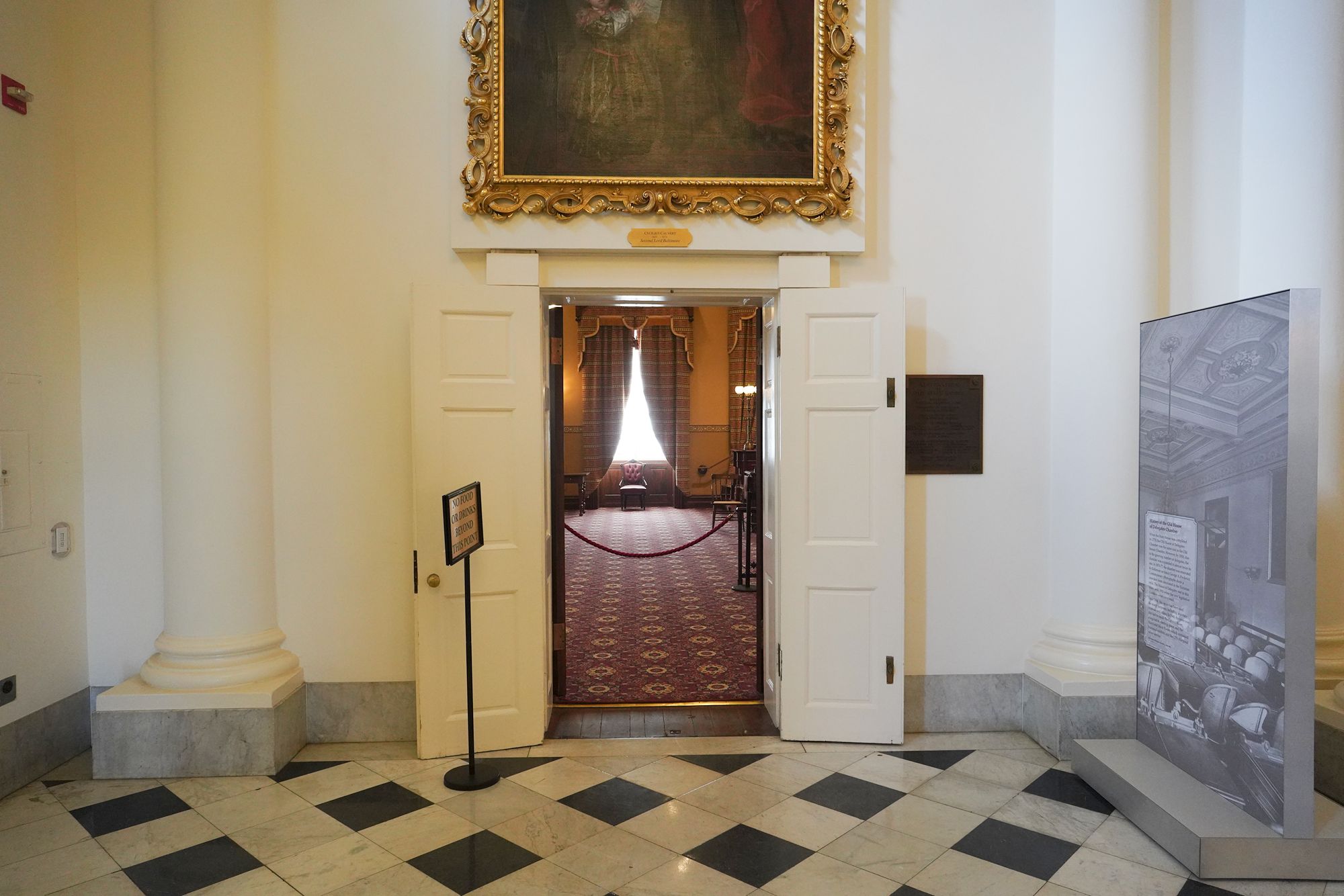
This room is preserved with 19th-century furnishings.
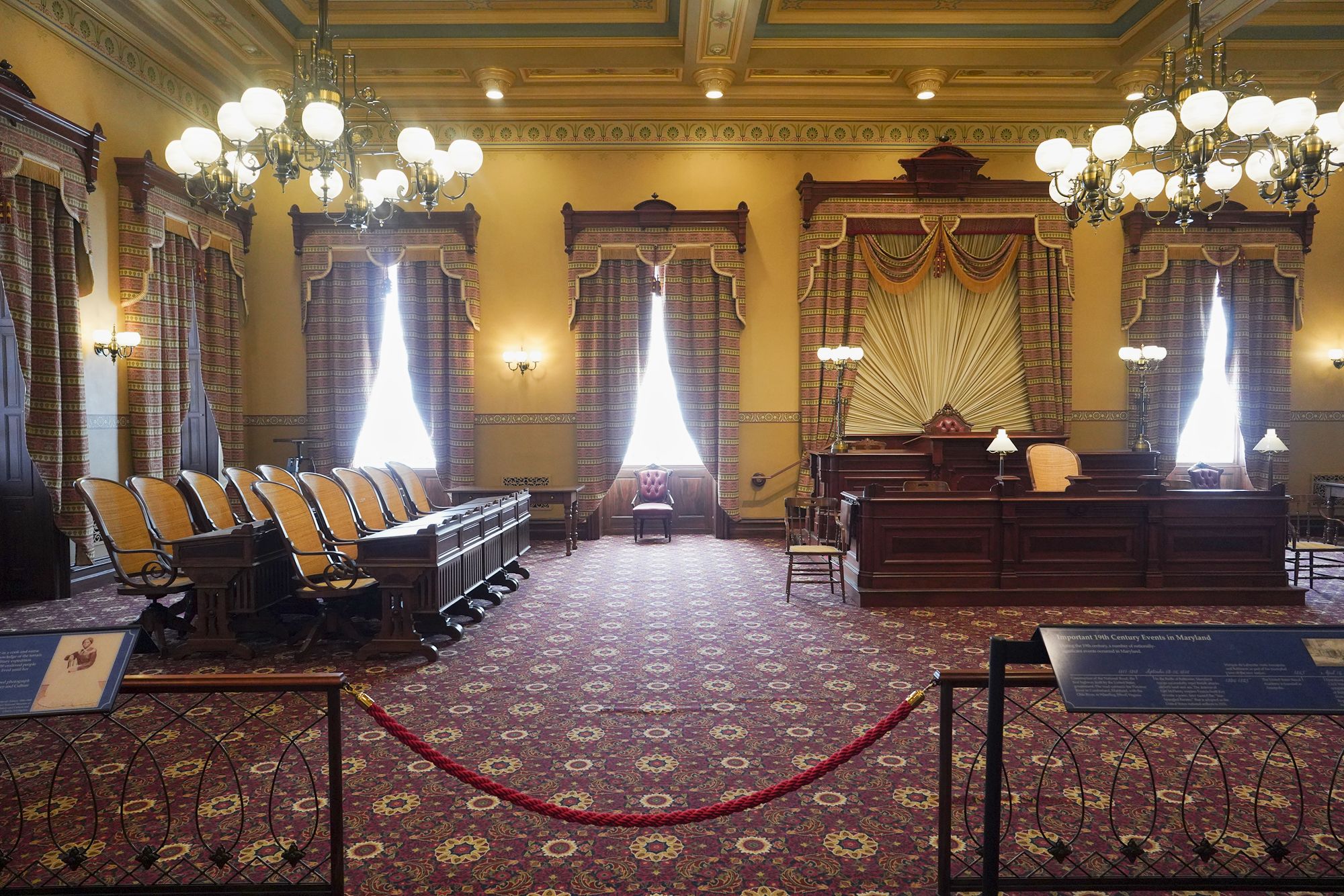
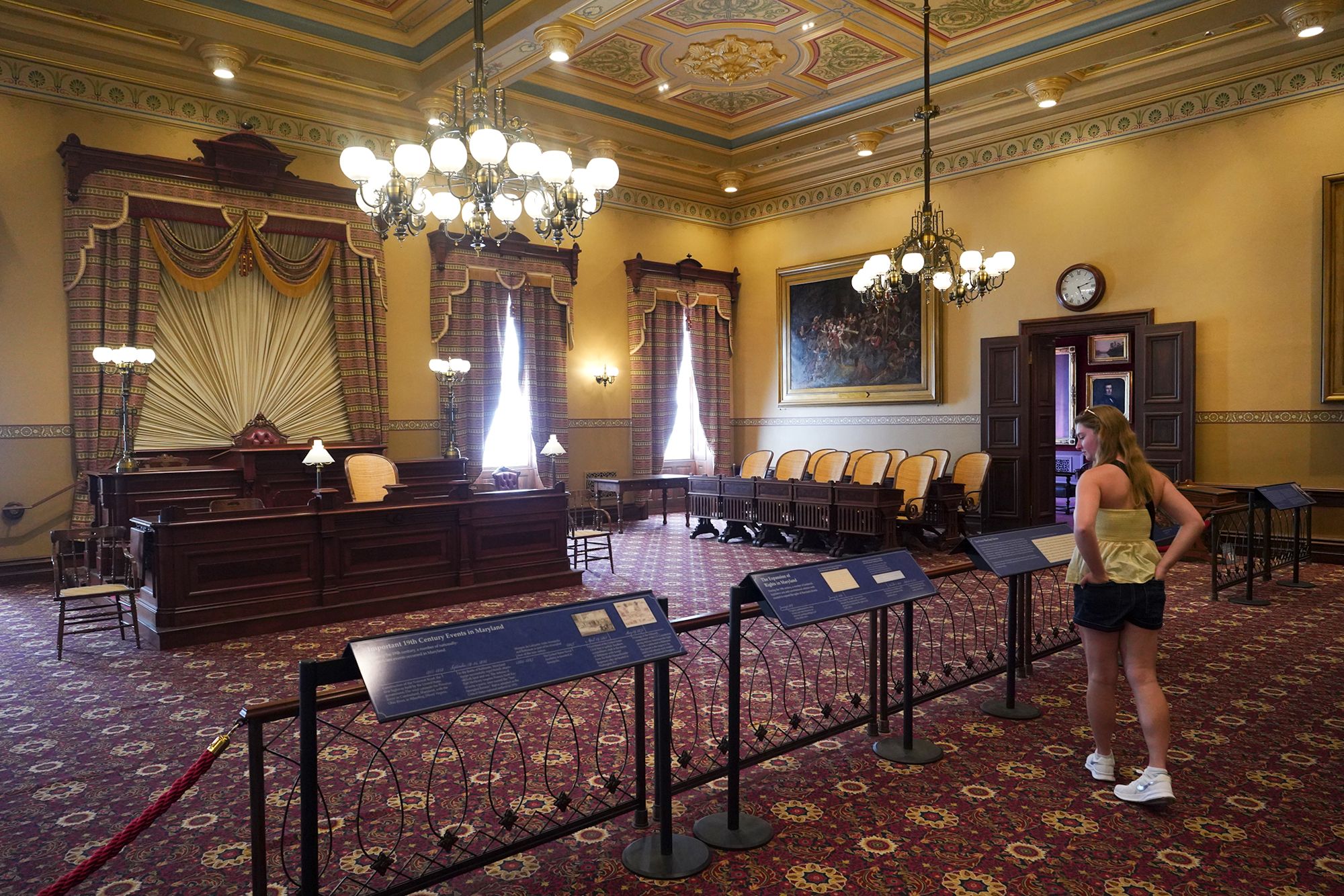
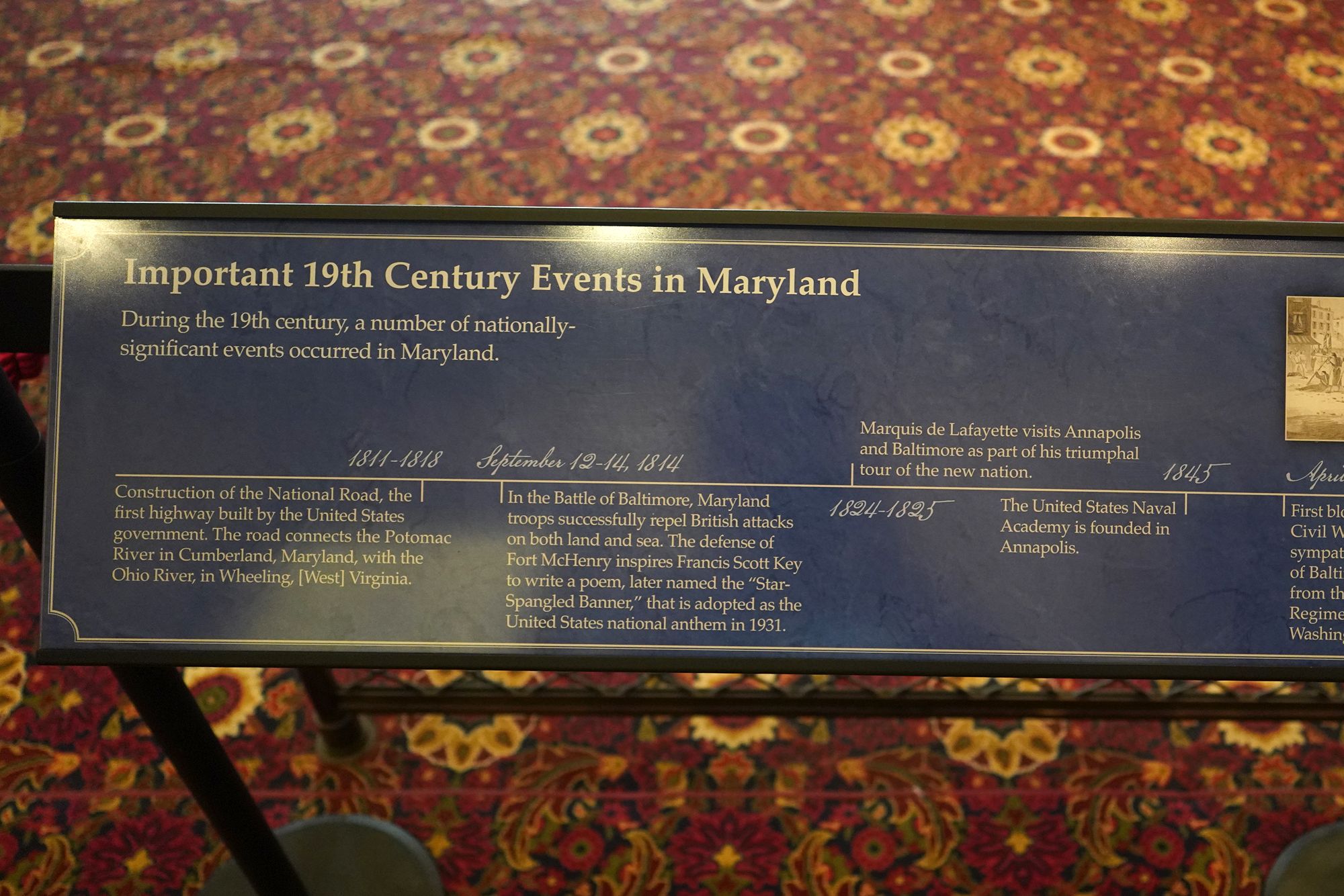
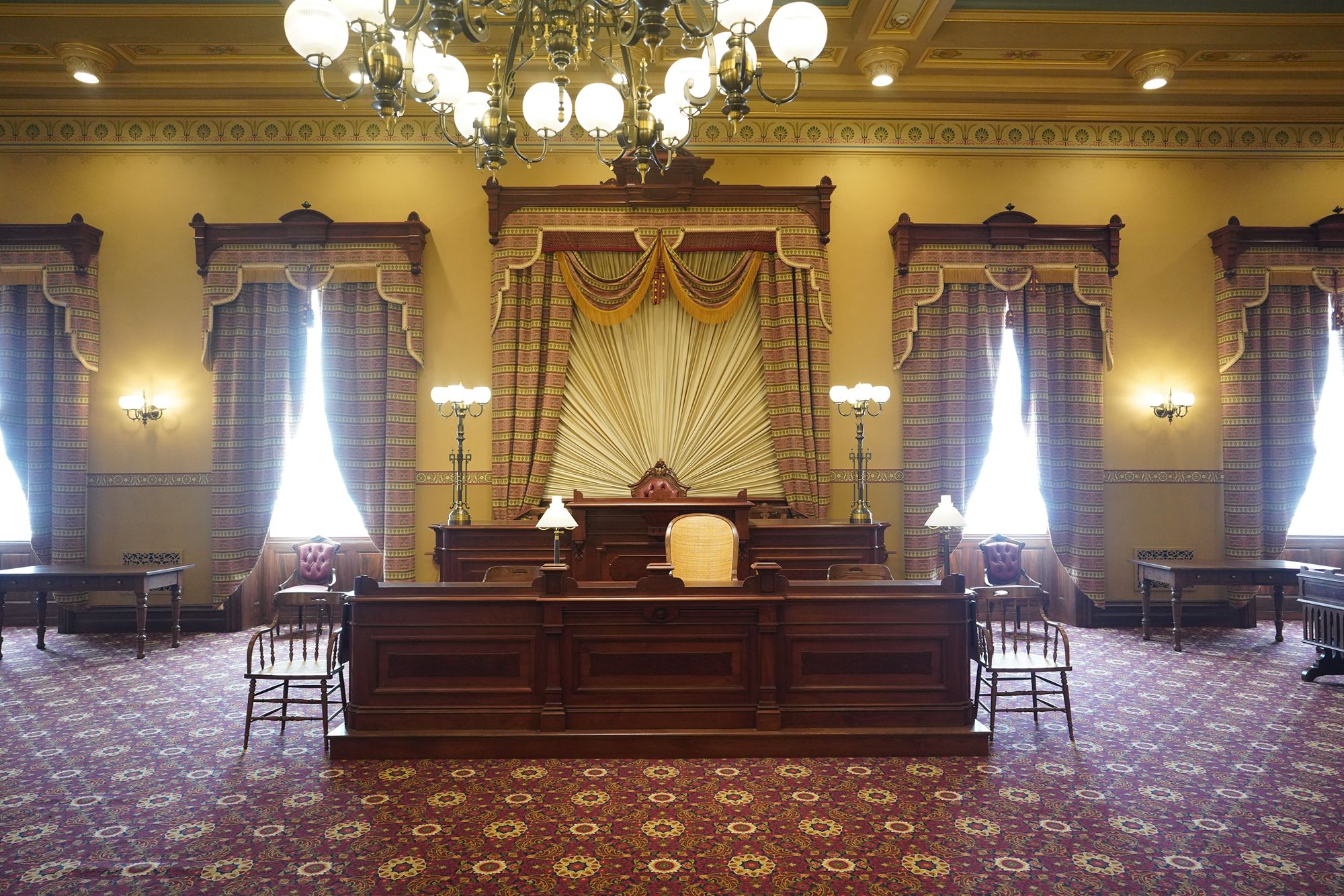
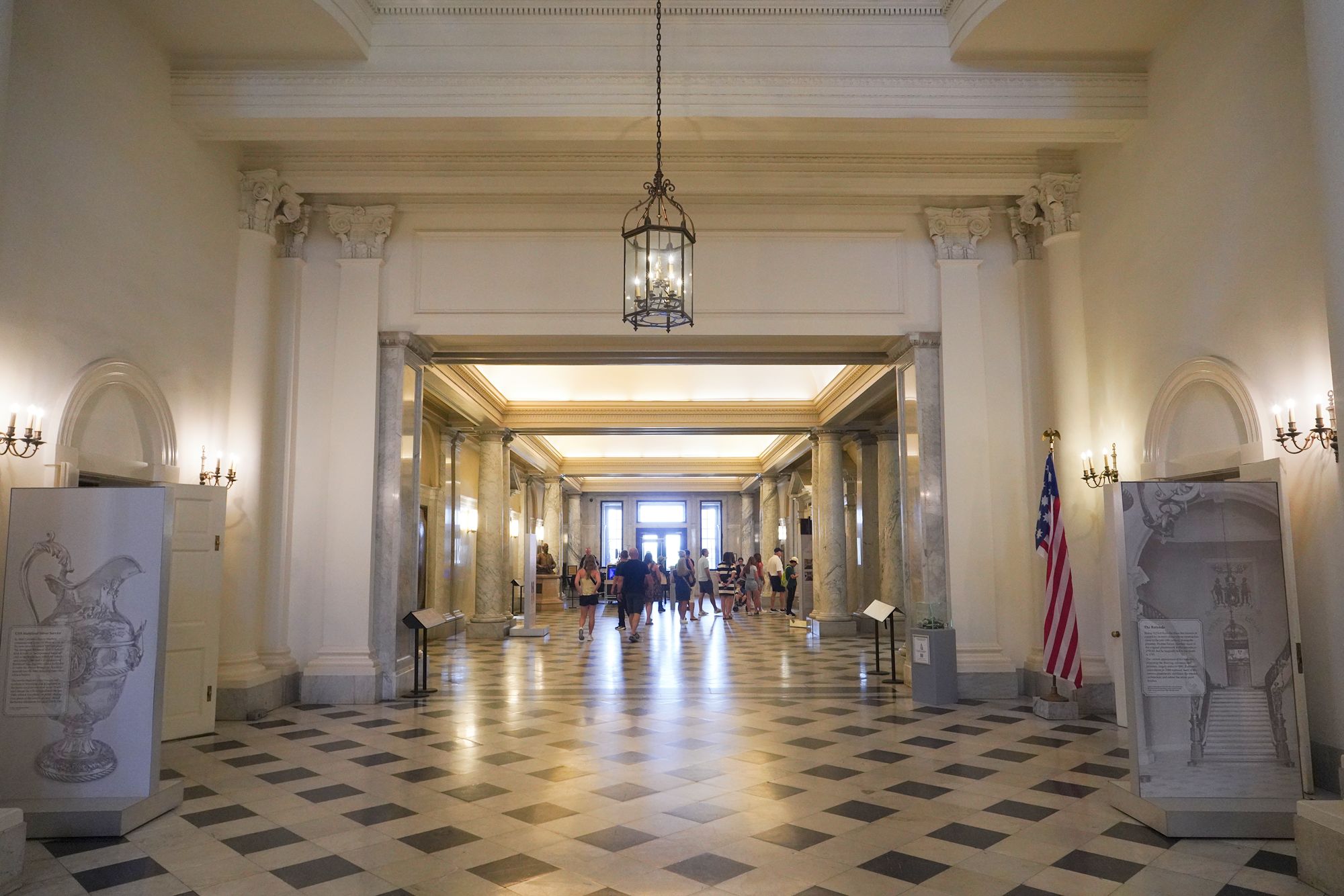
The view from the steps of the Capitol.
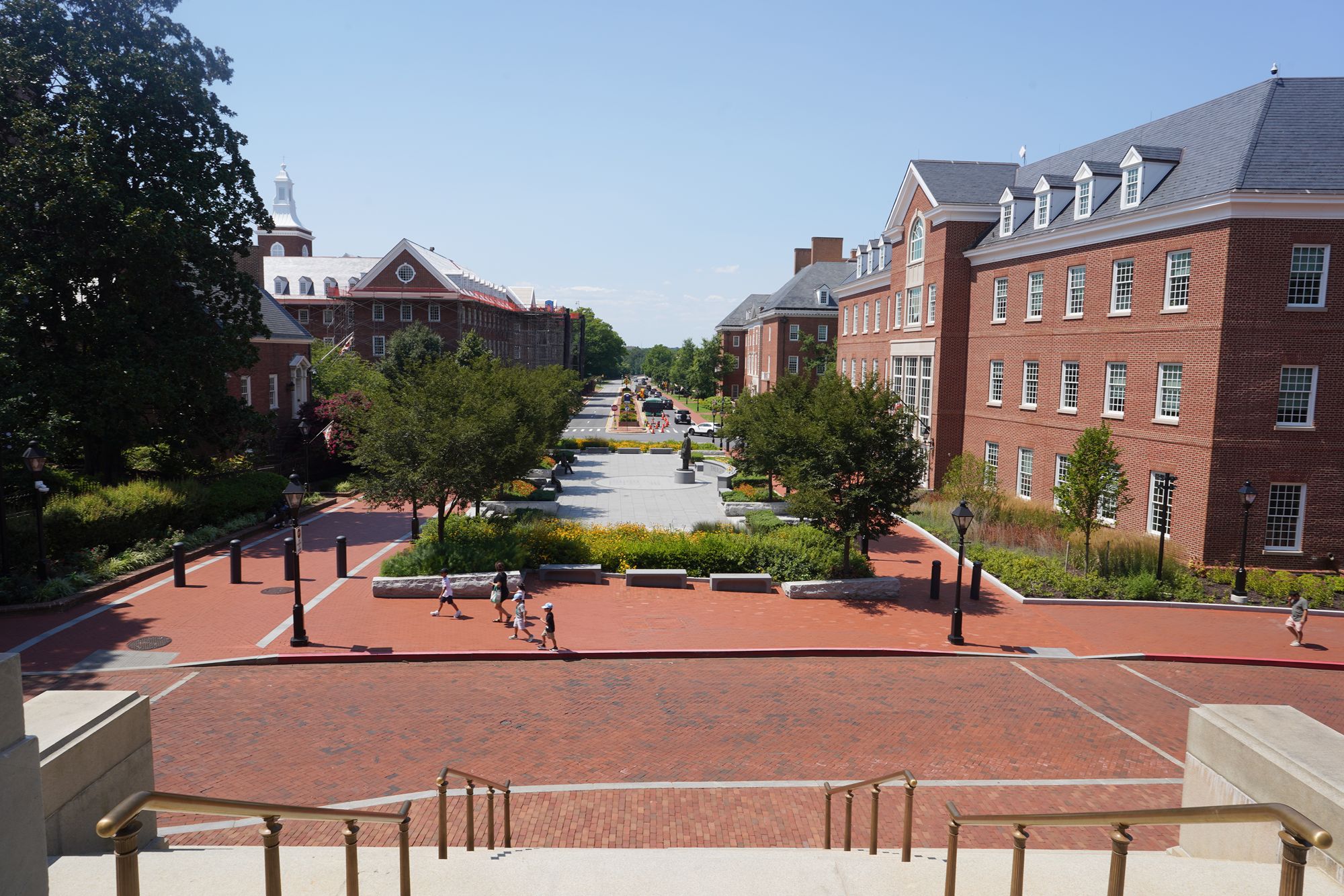
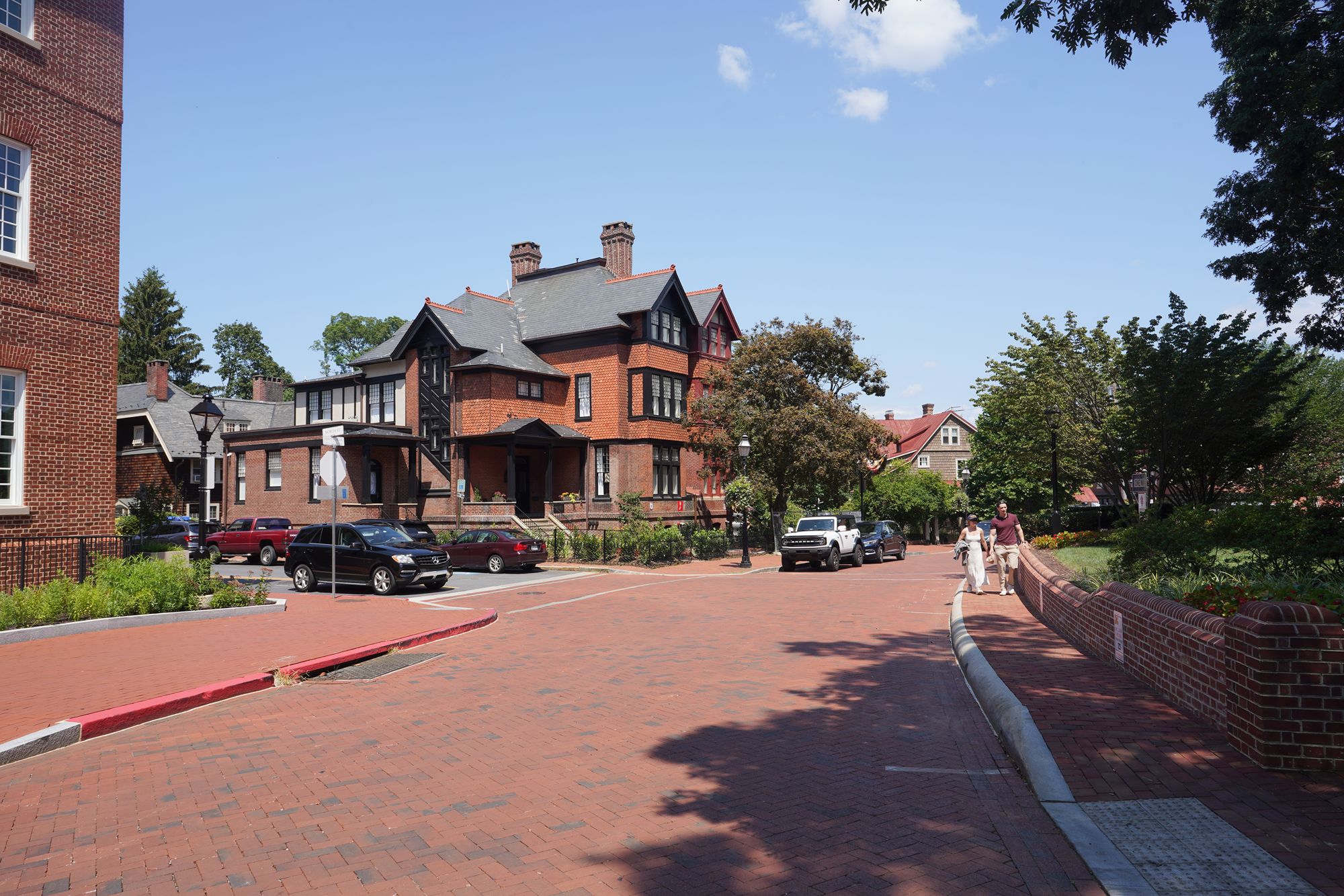
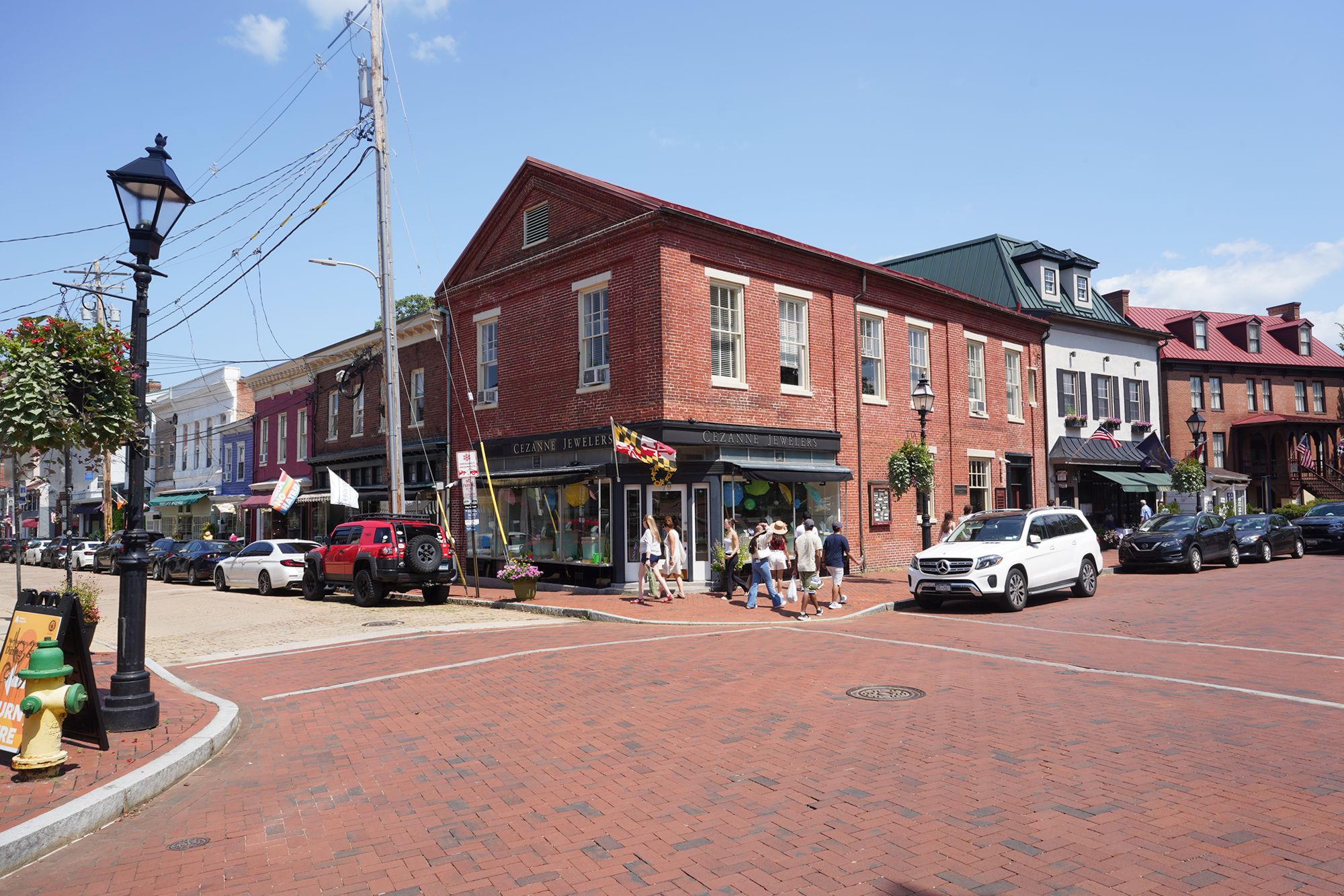
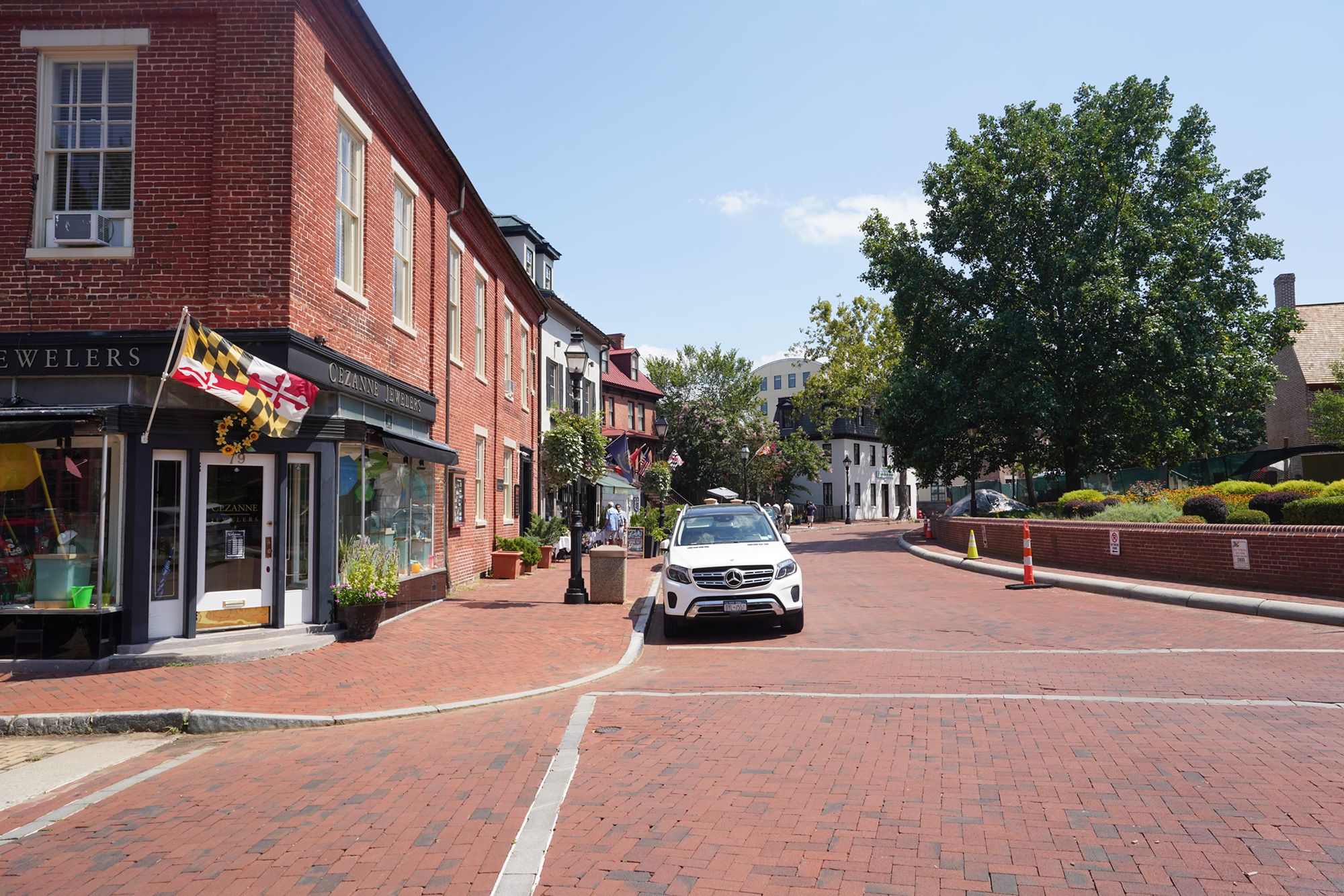
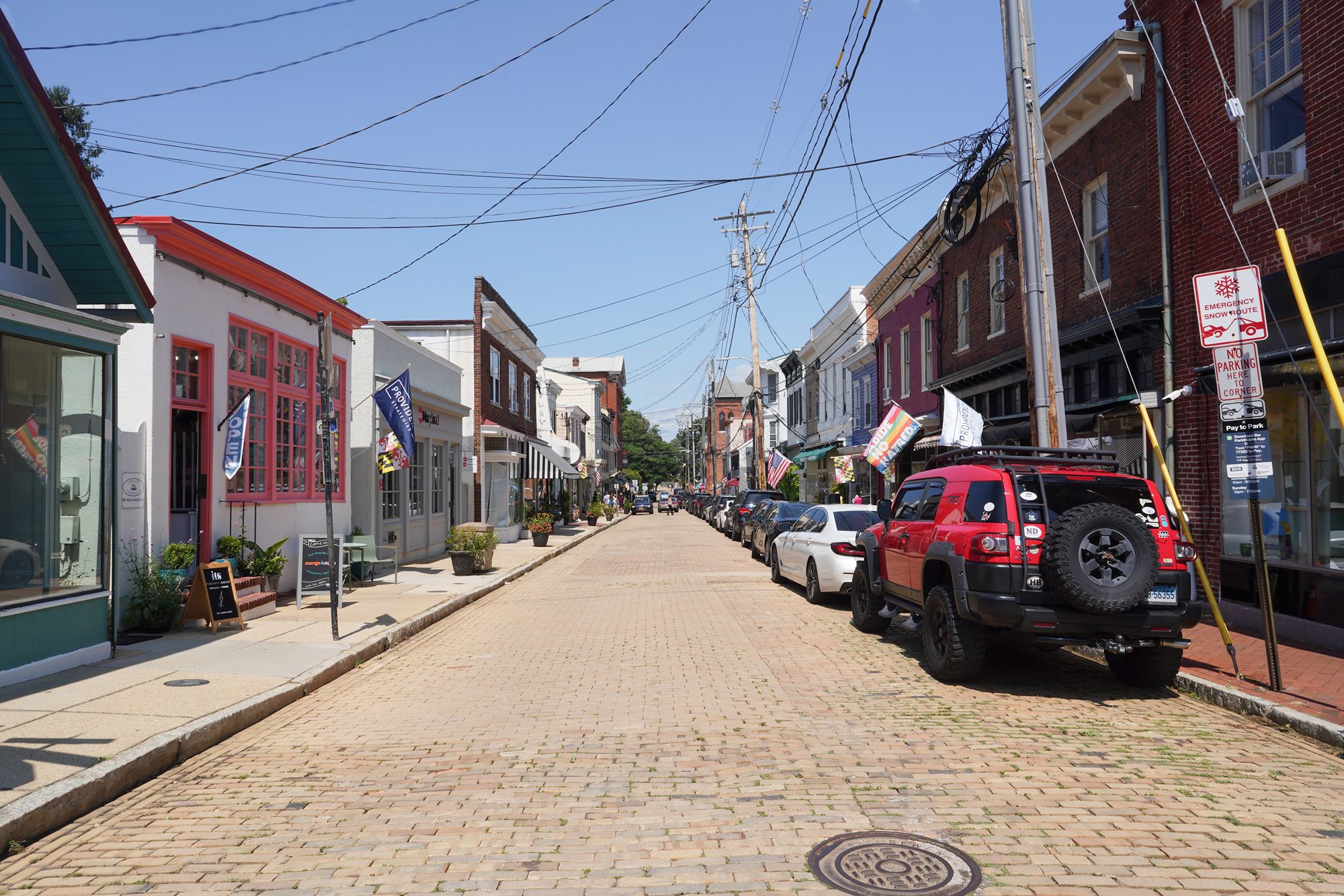
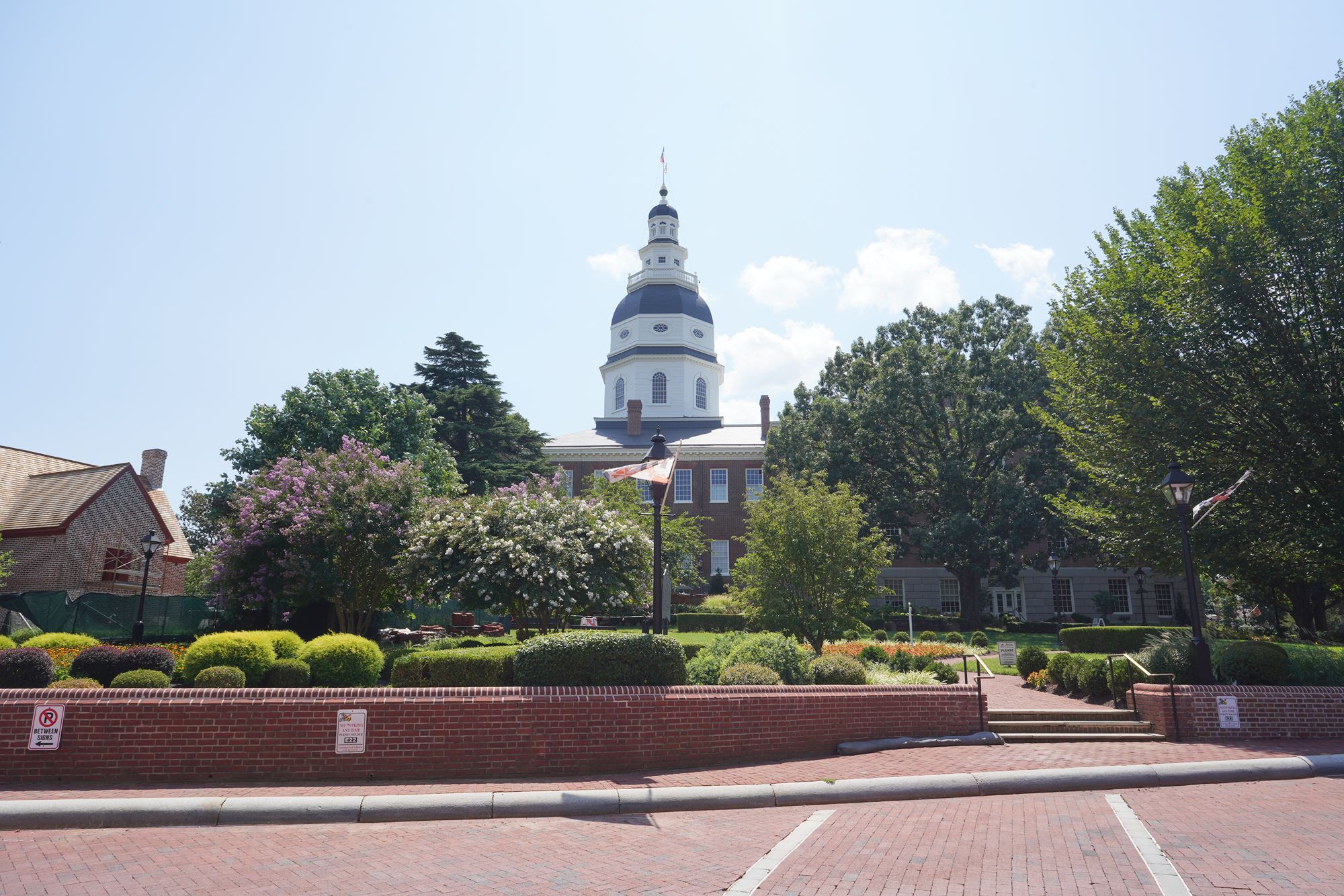
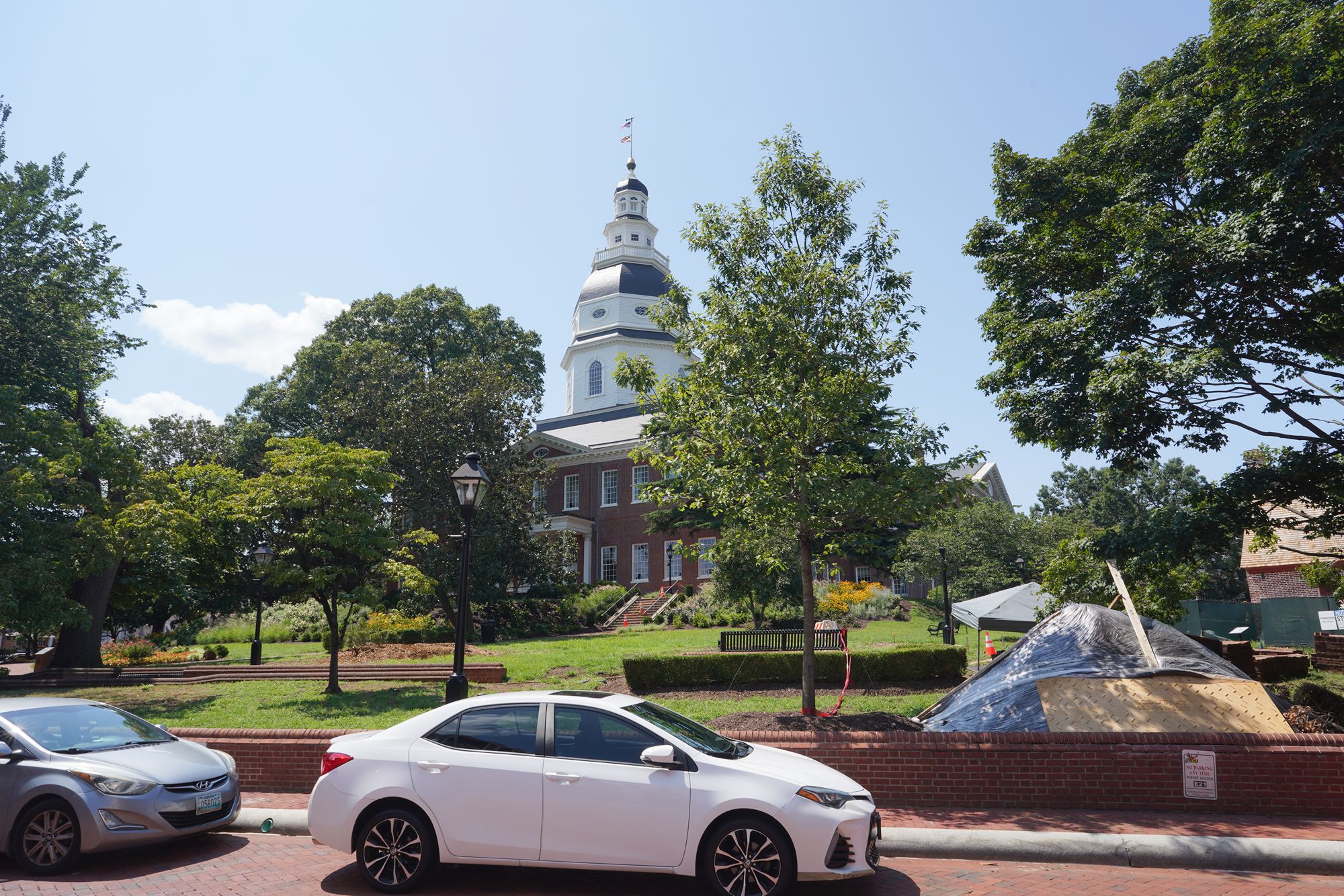
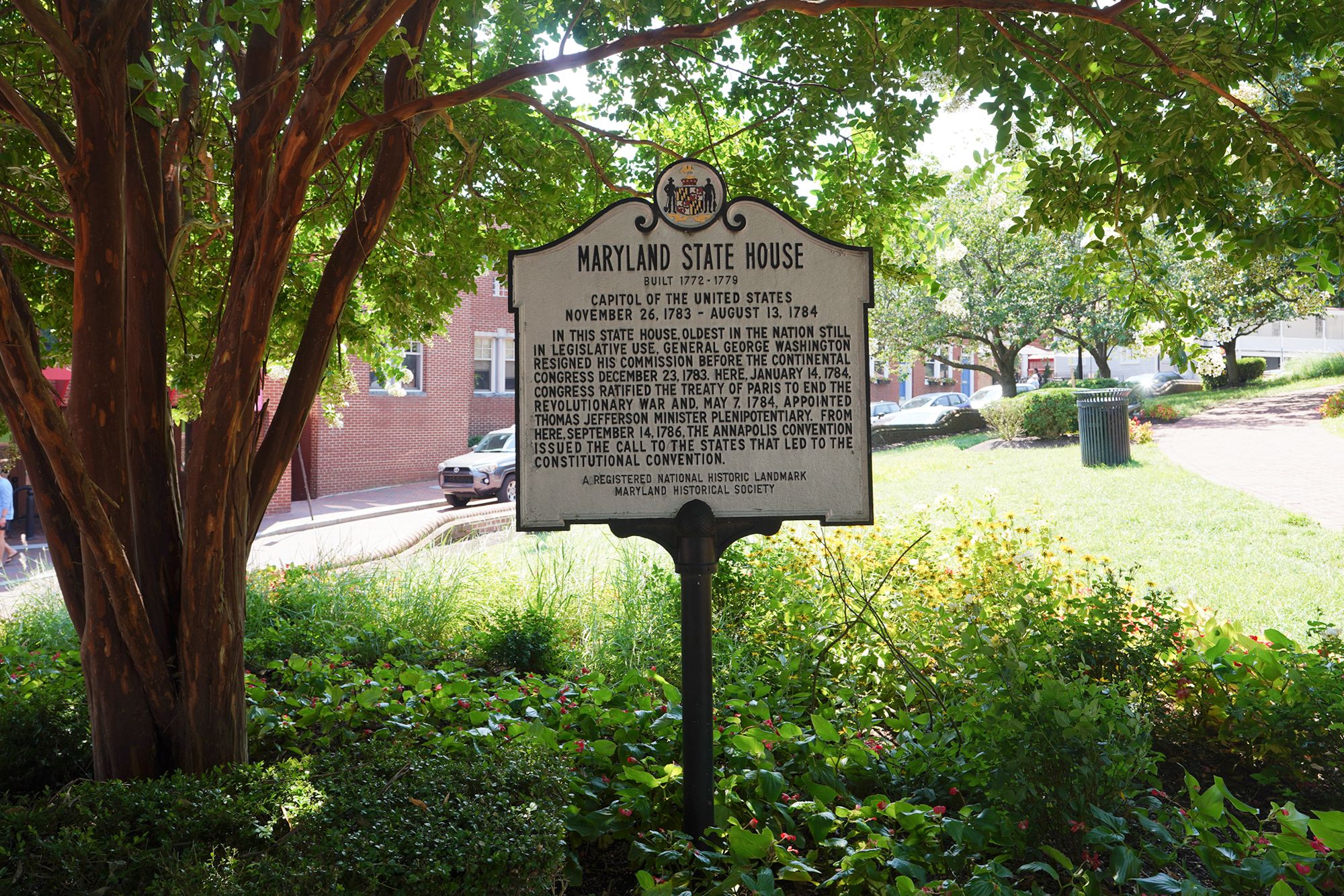
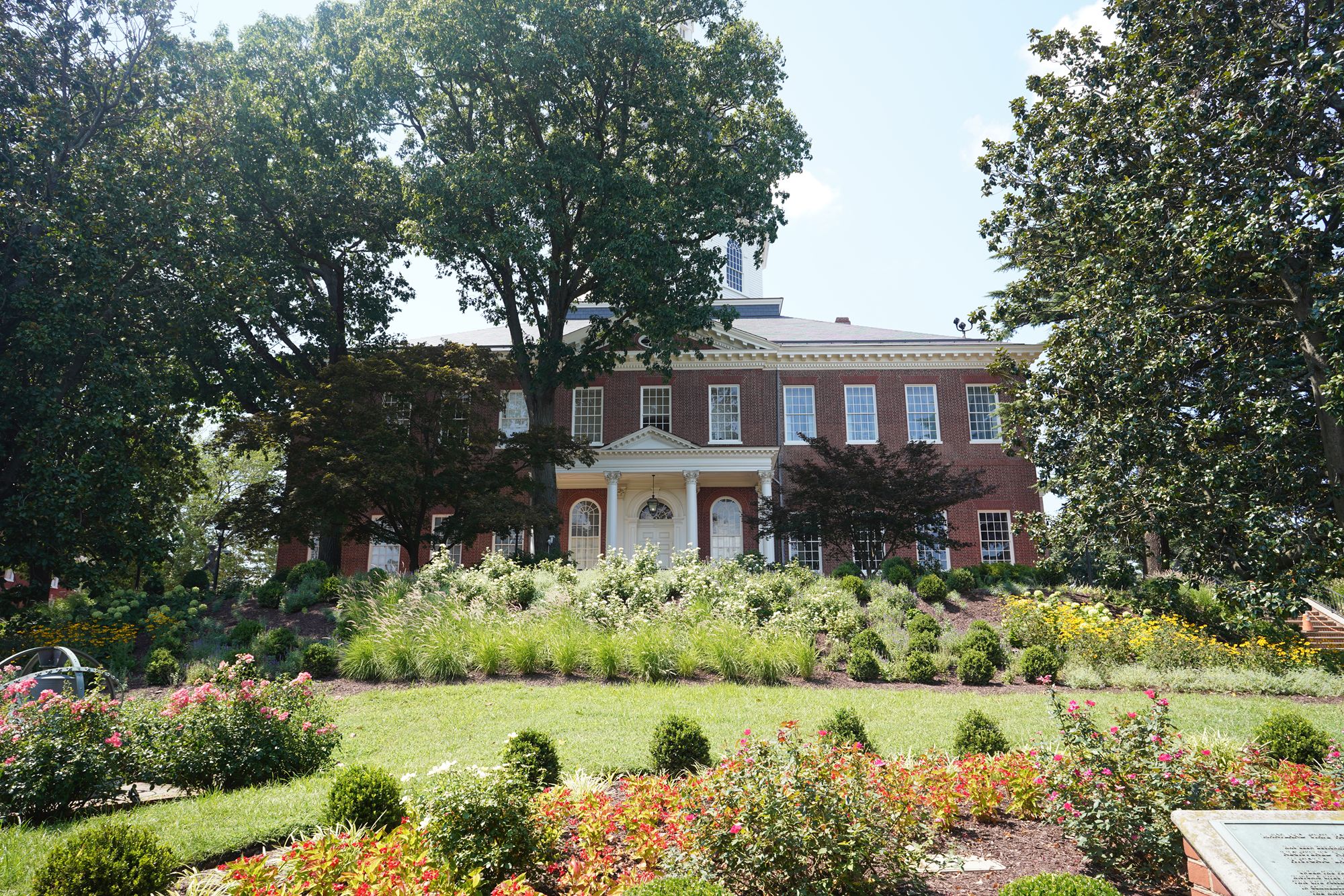
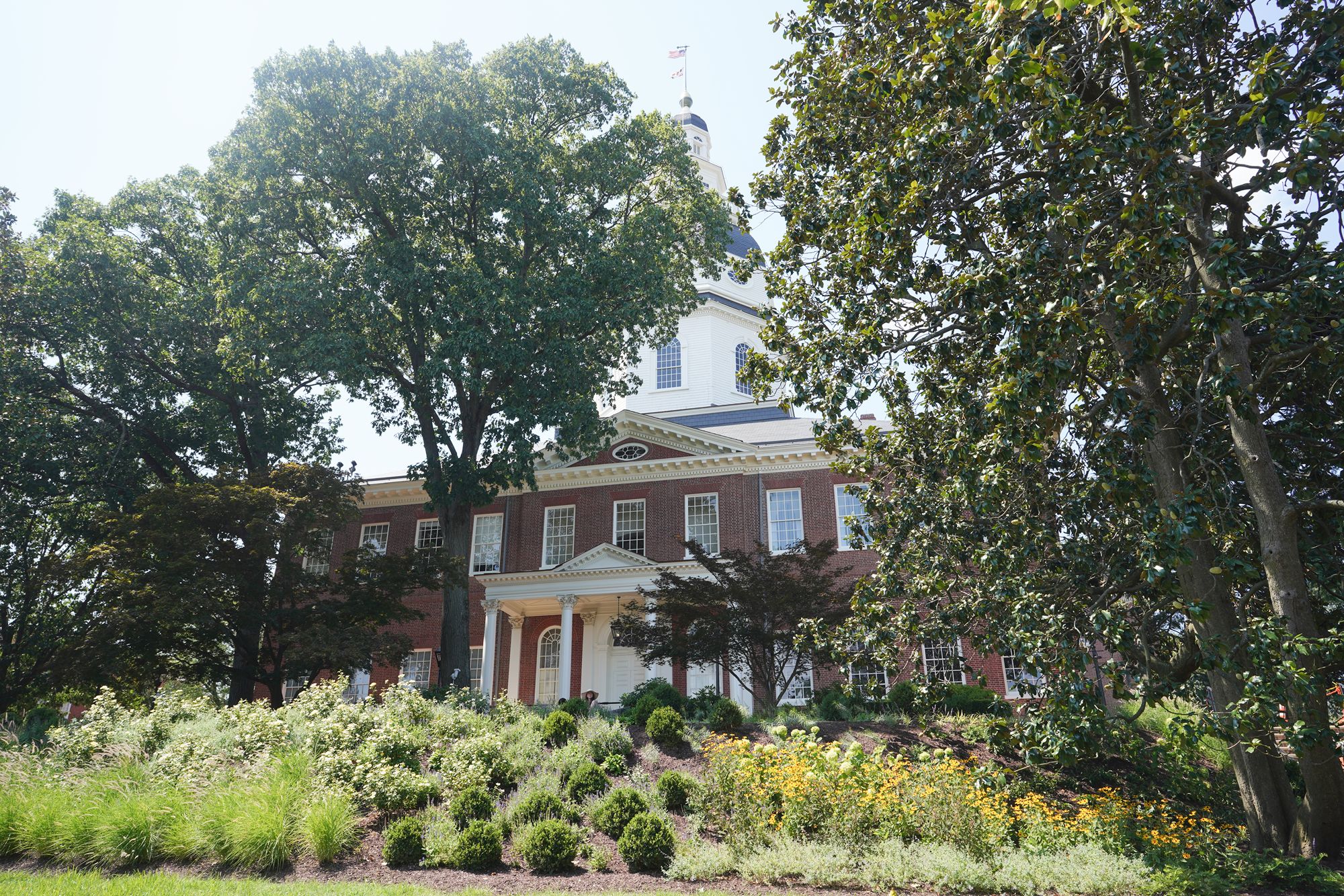
Then I continued walking toward the ocean side.
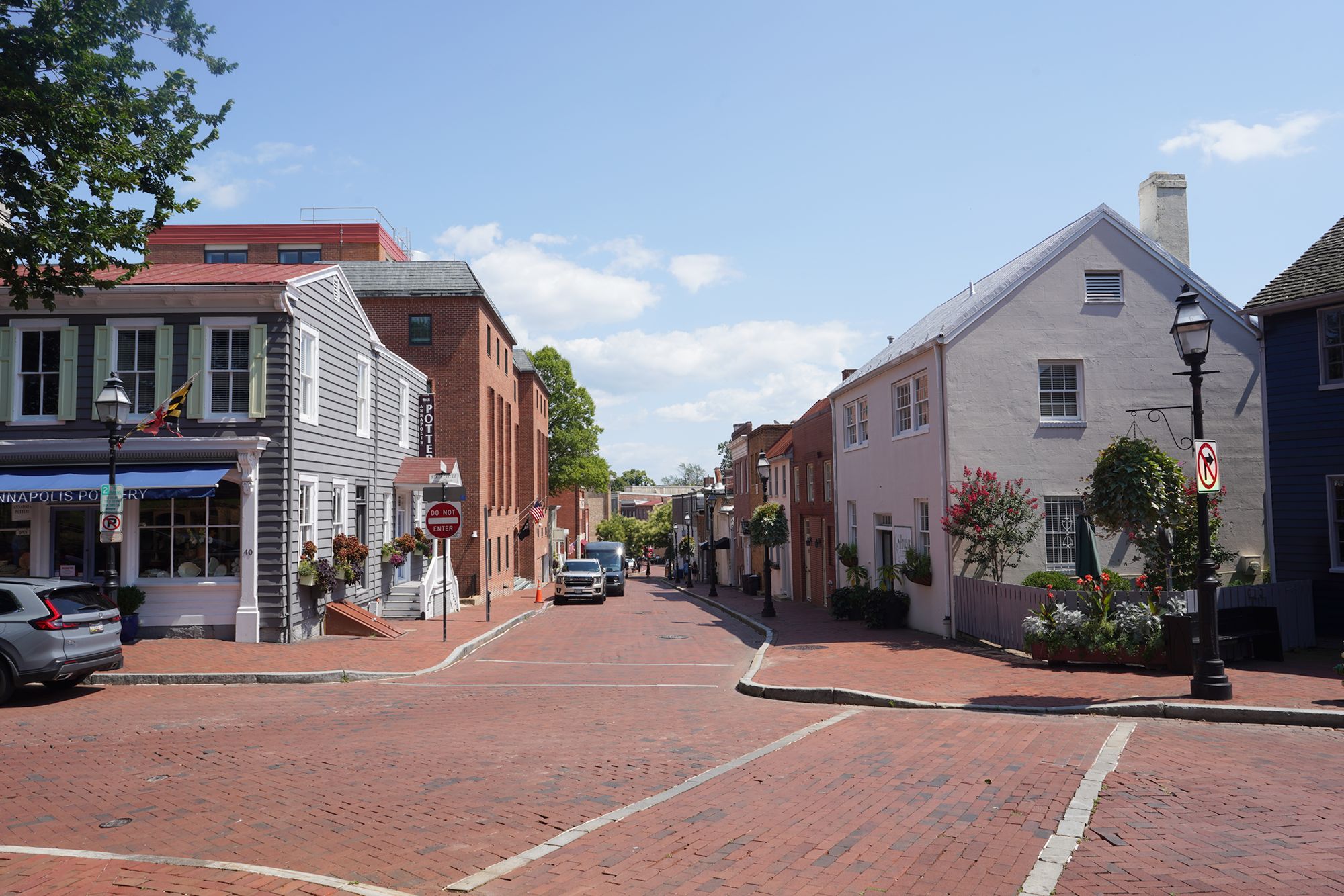
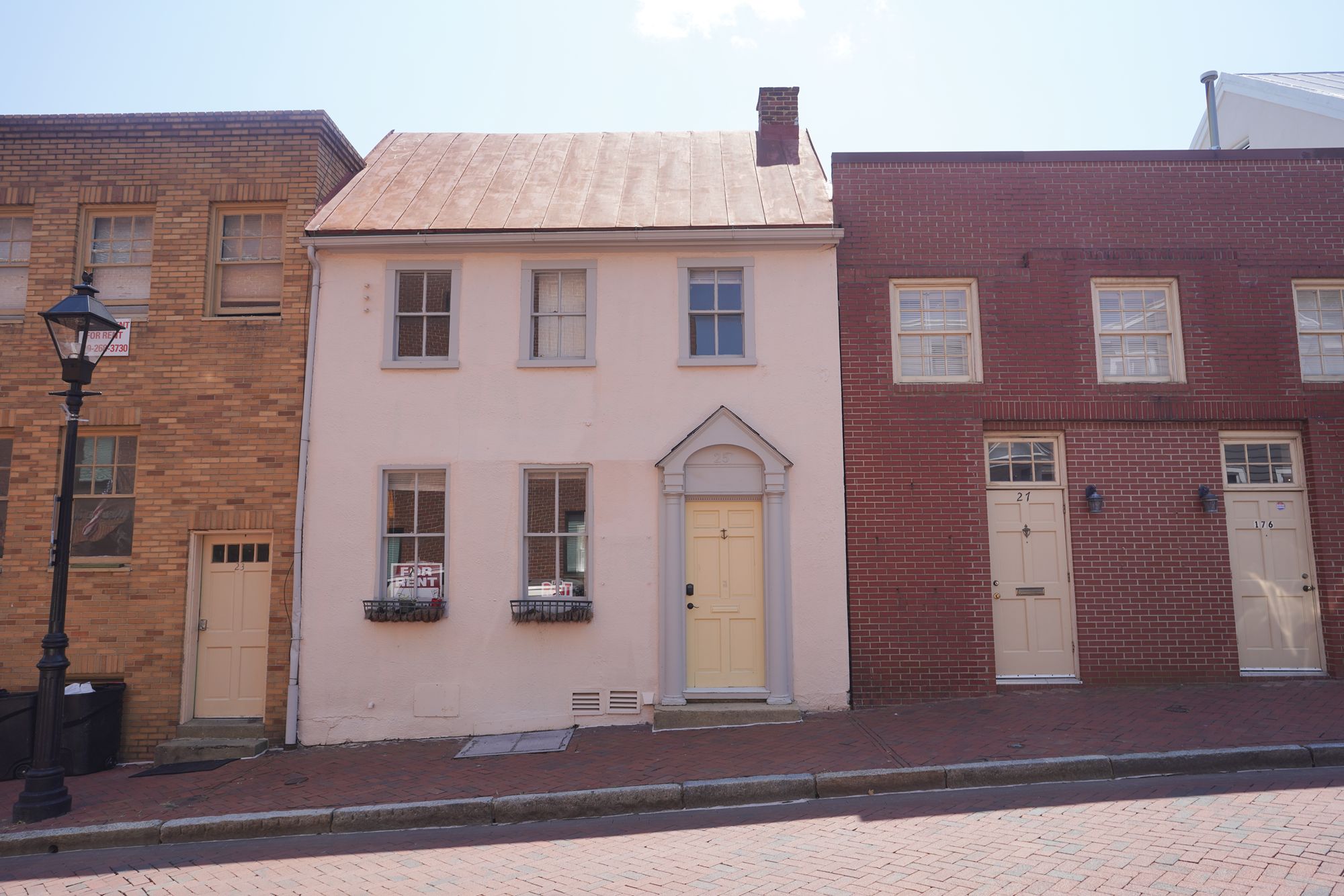
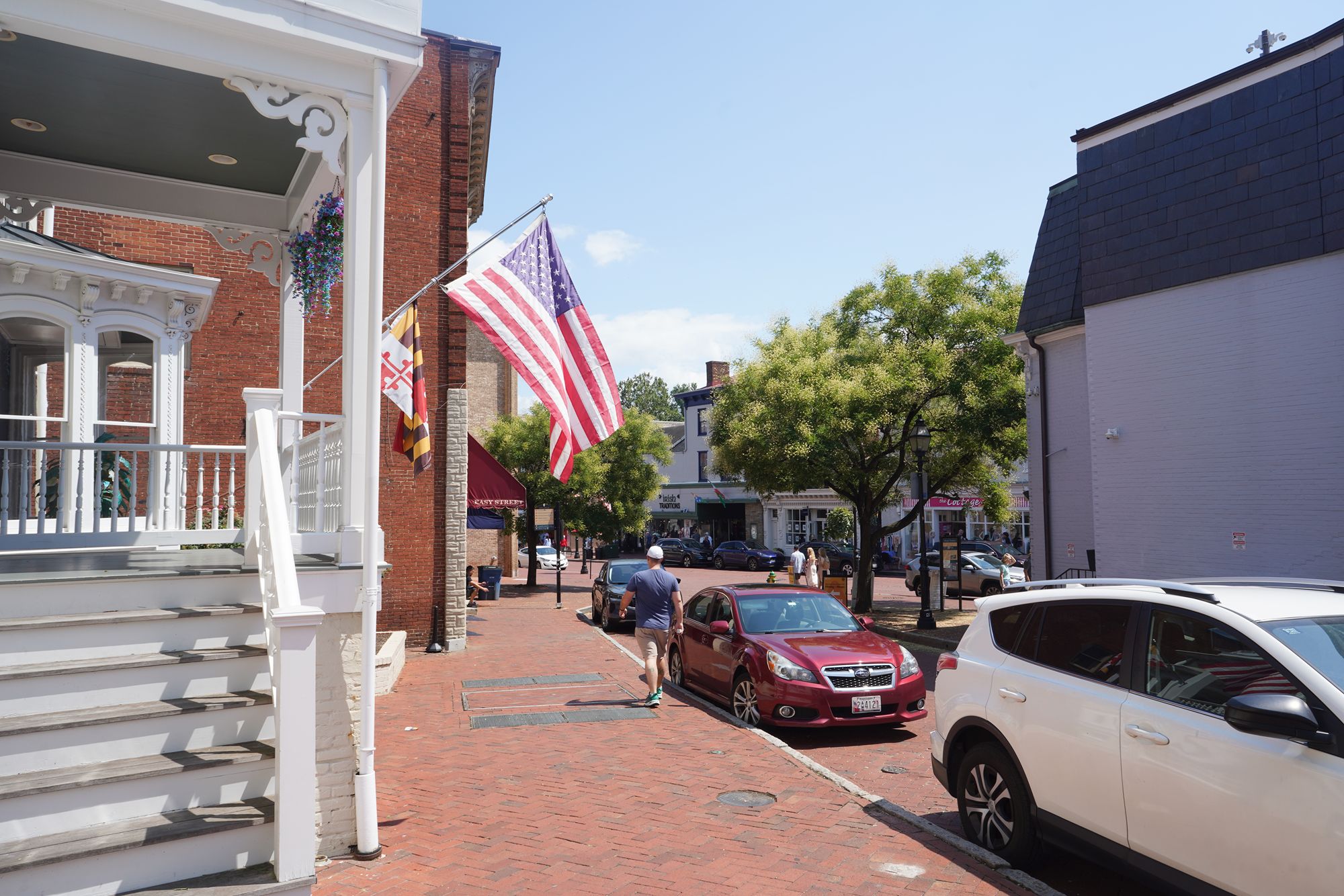
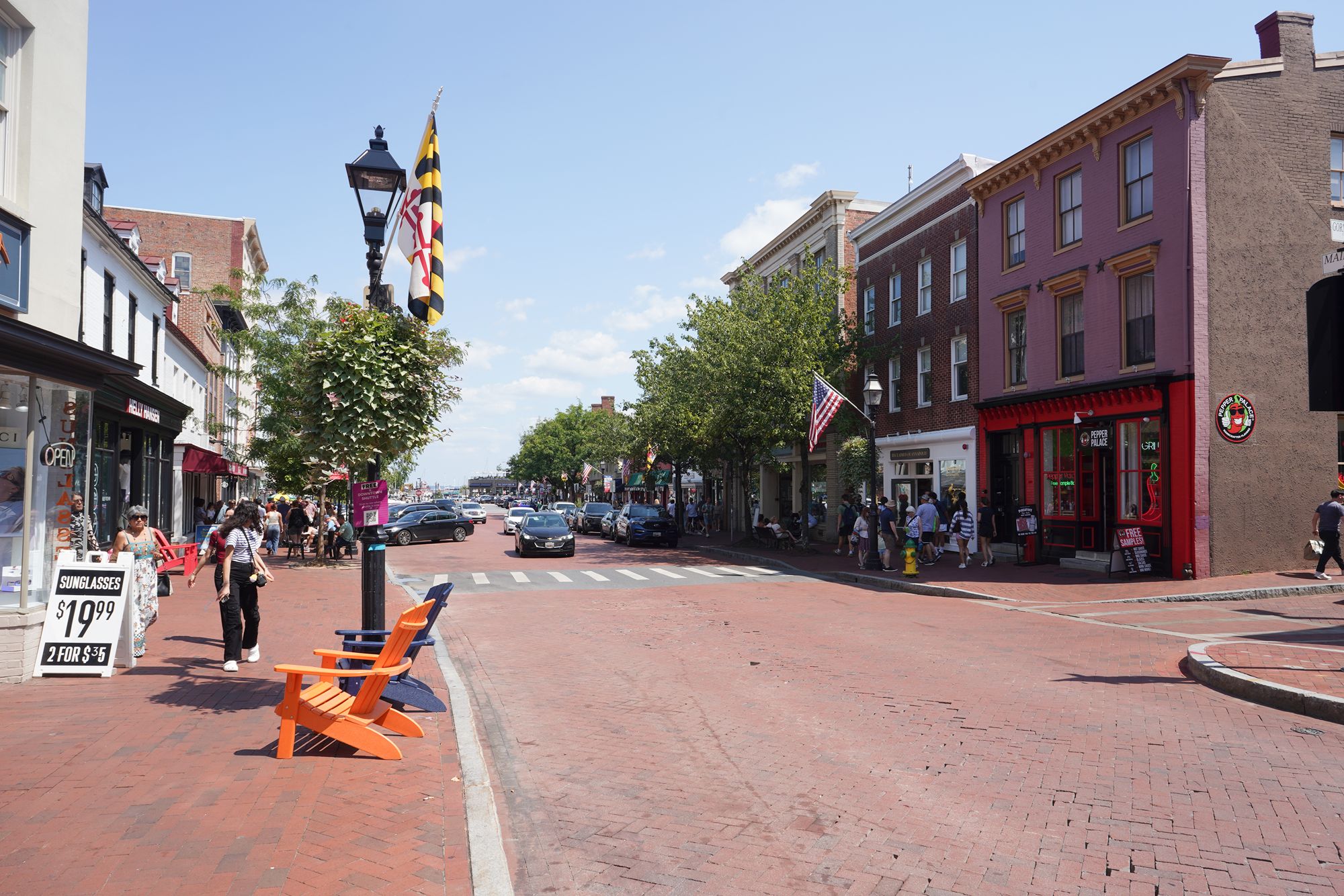
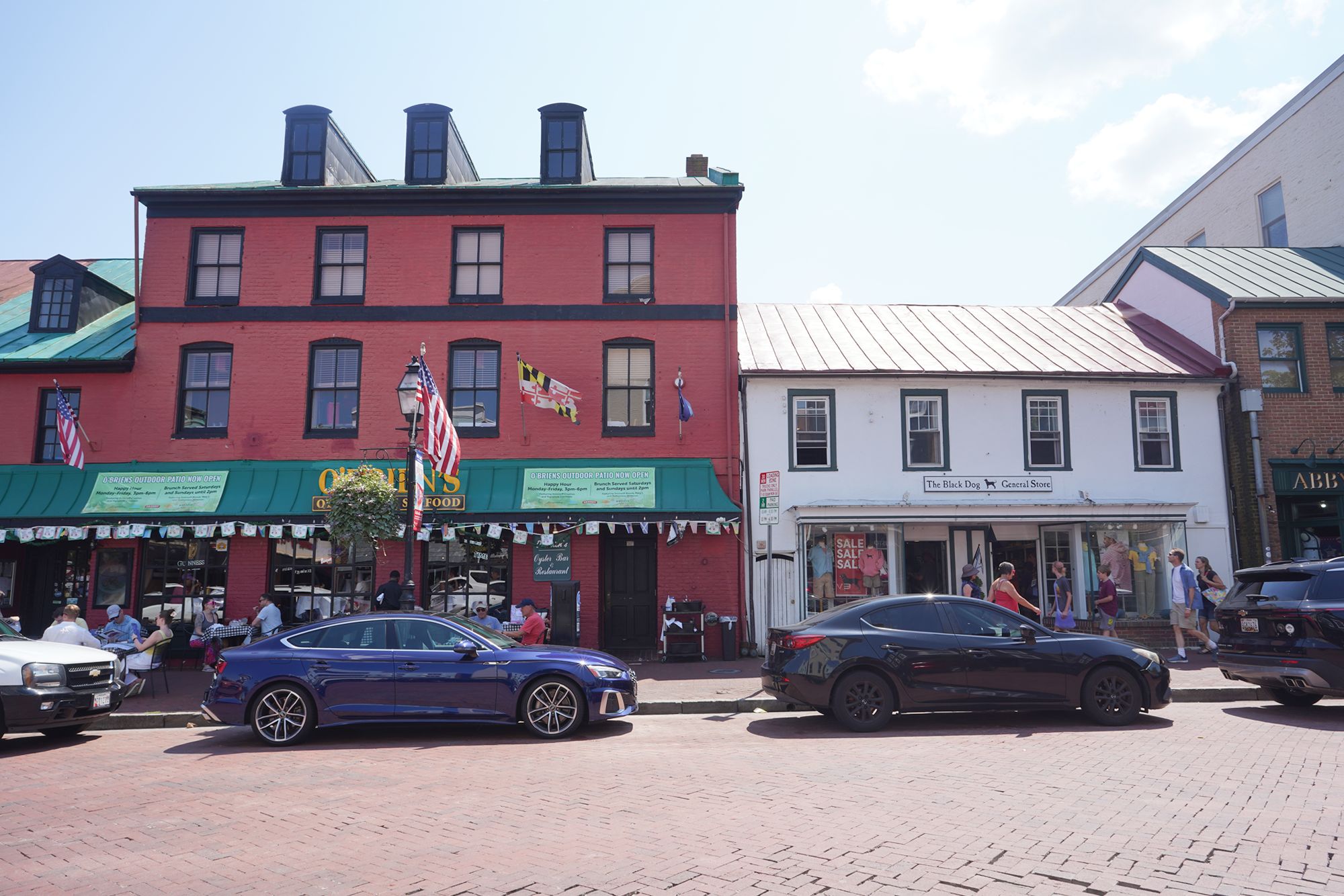
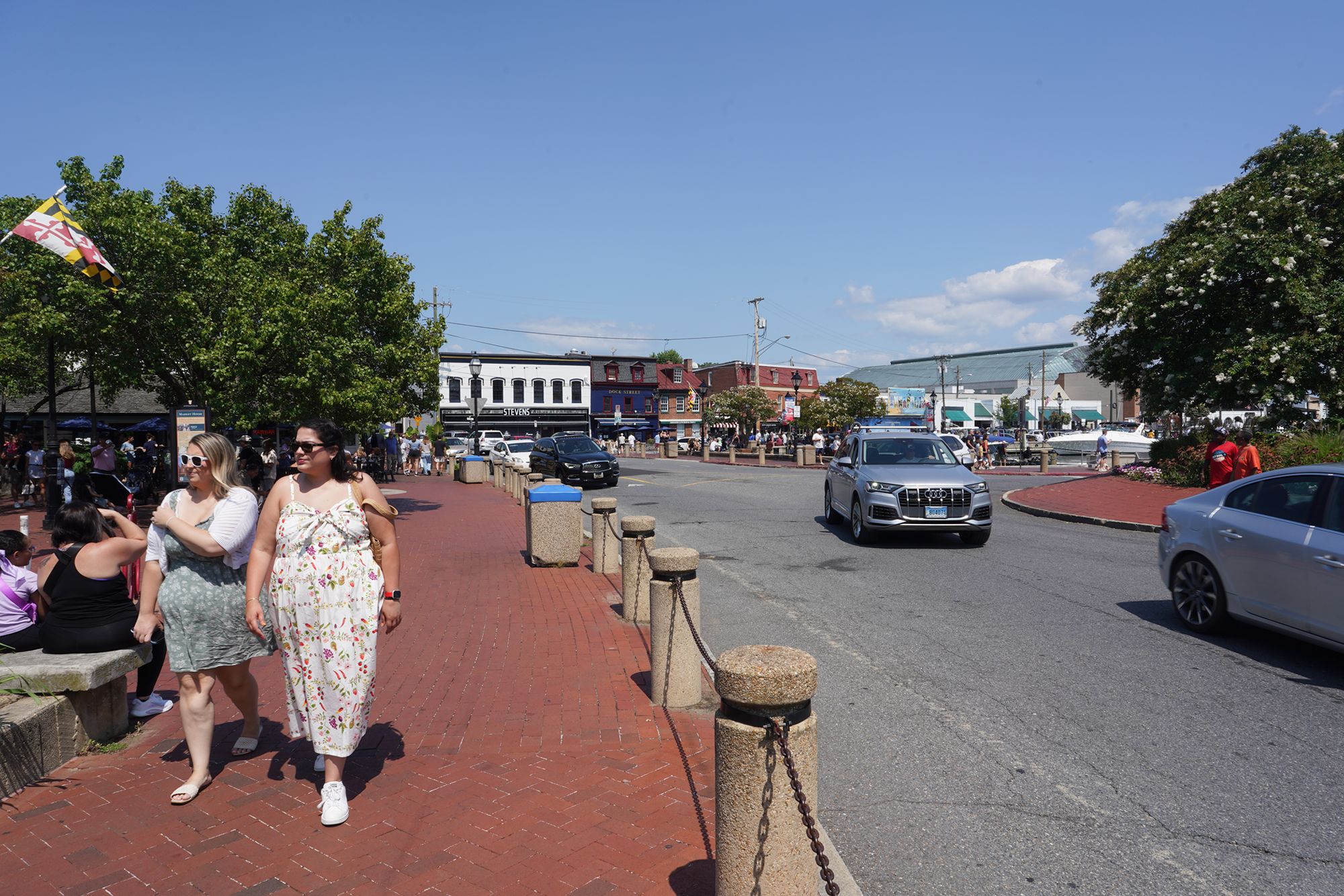
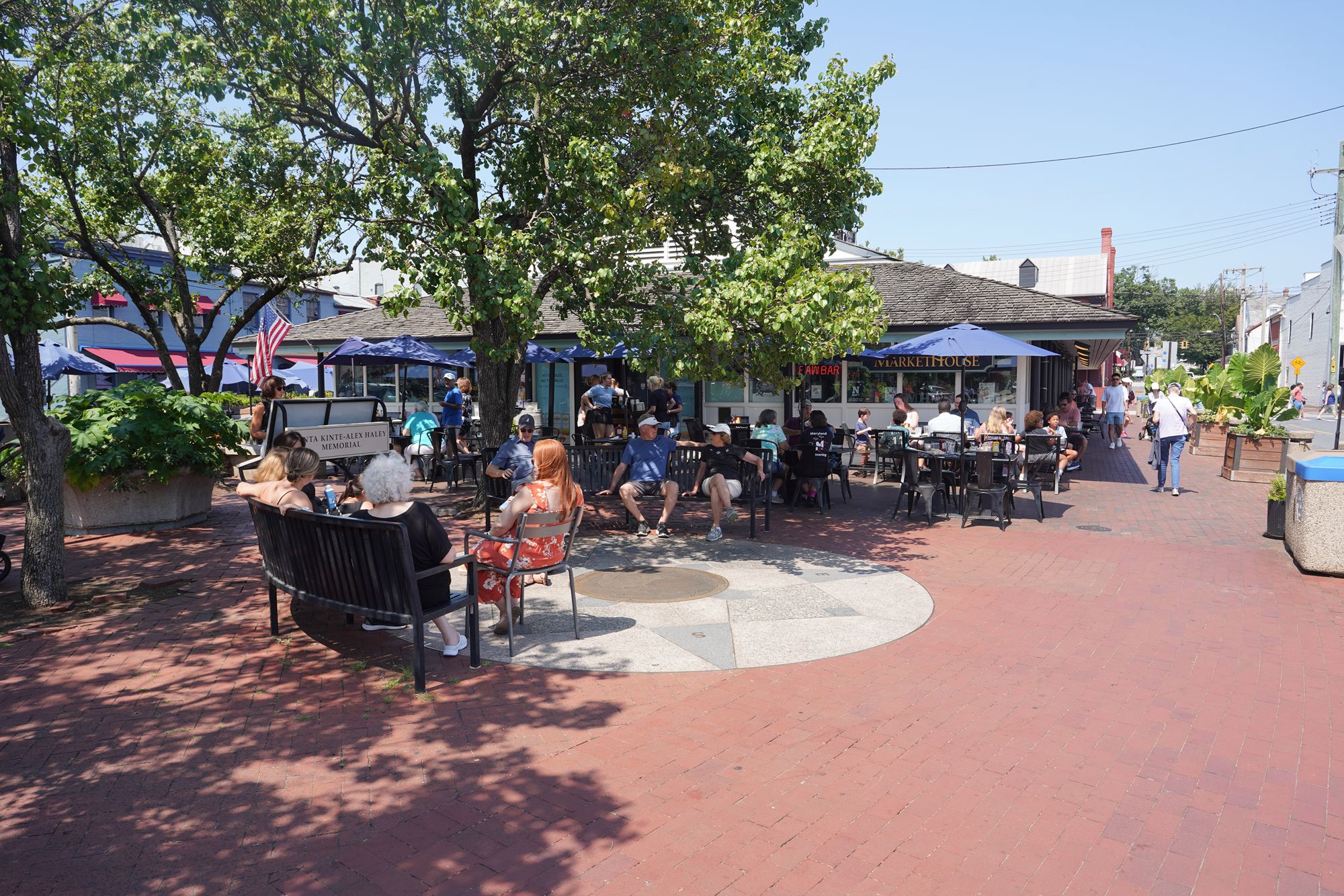
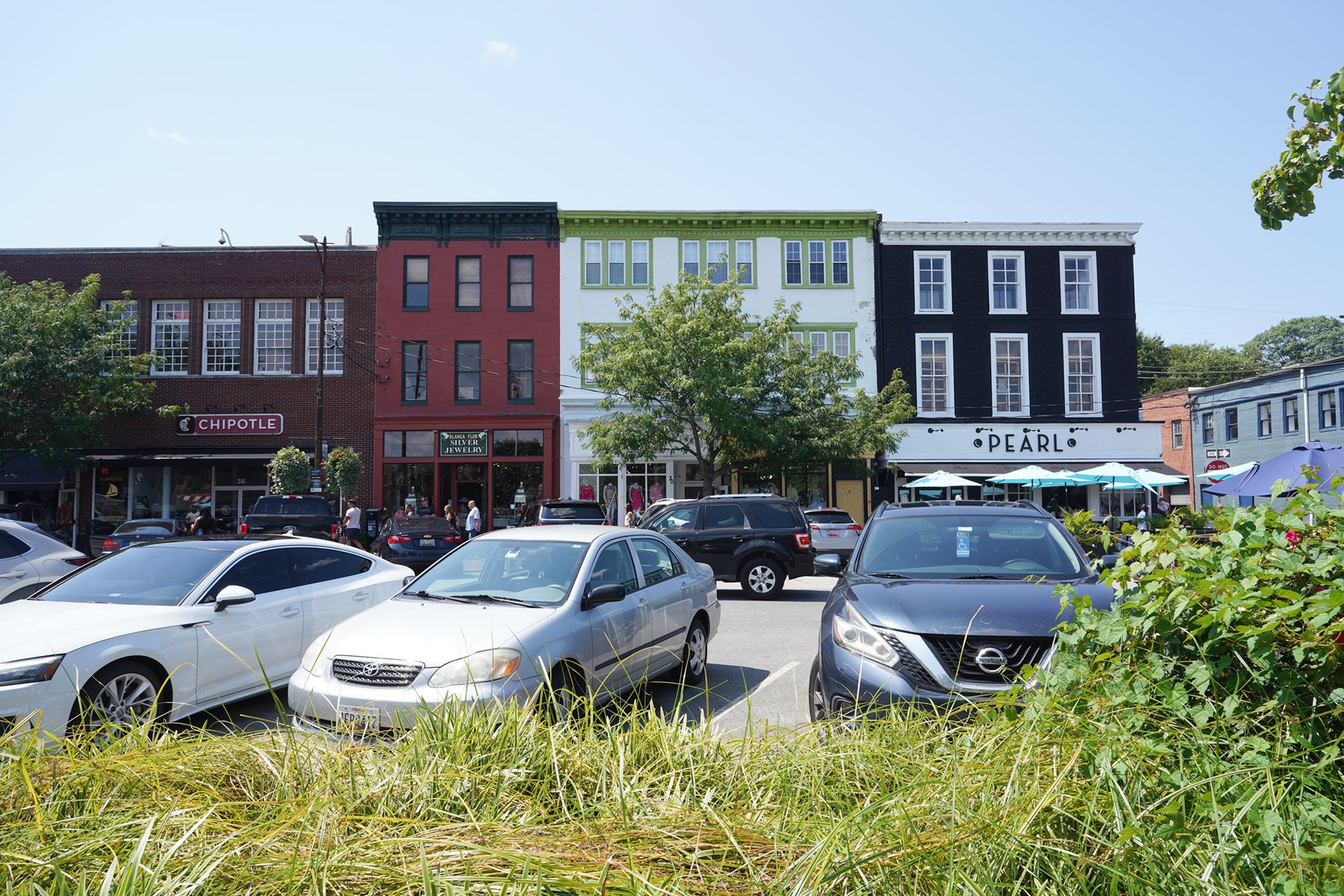
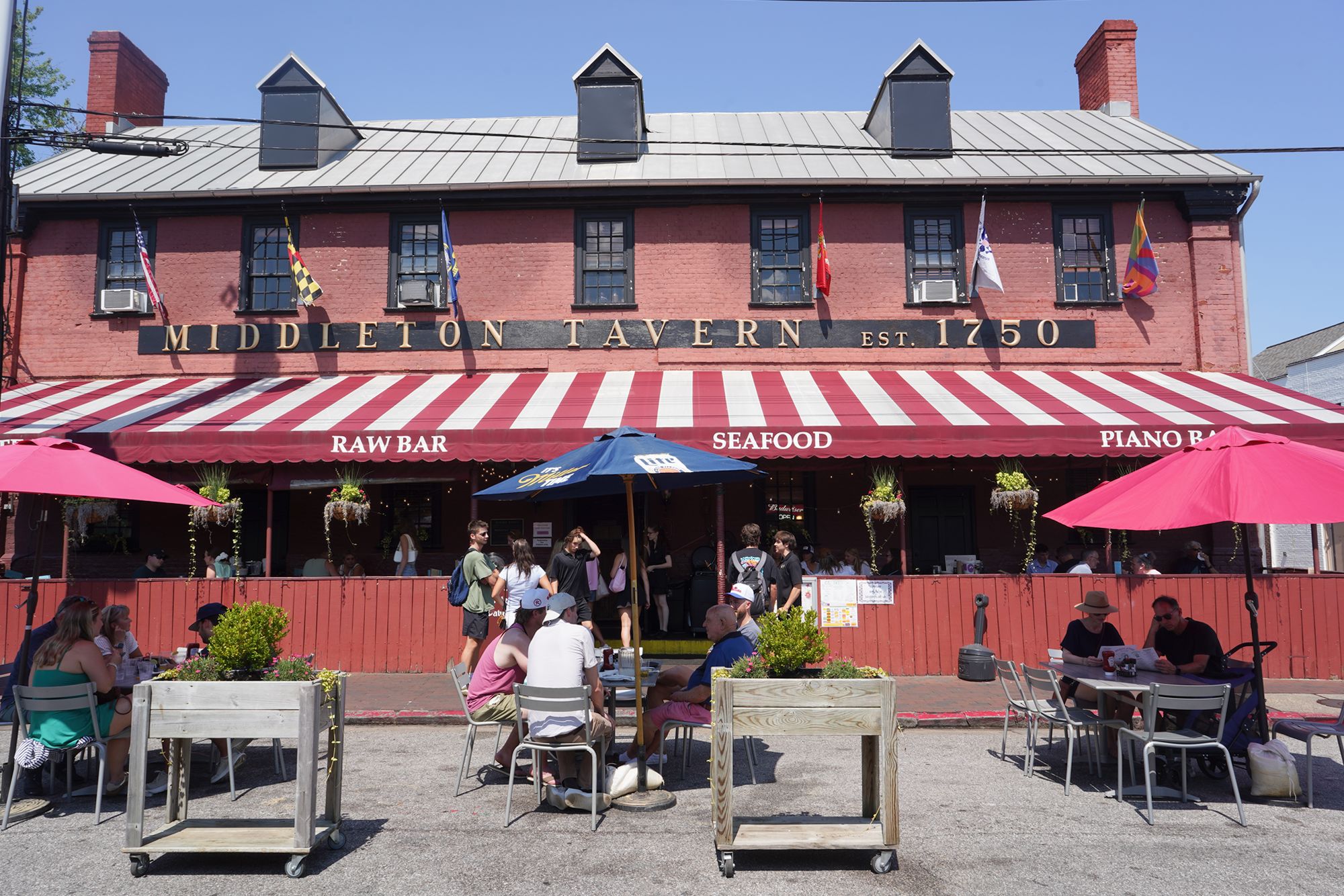
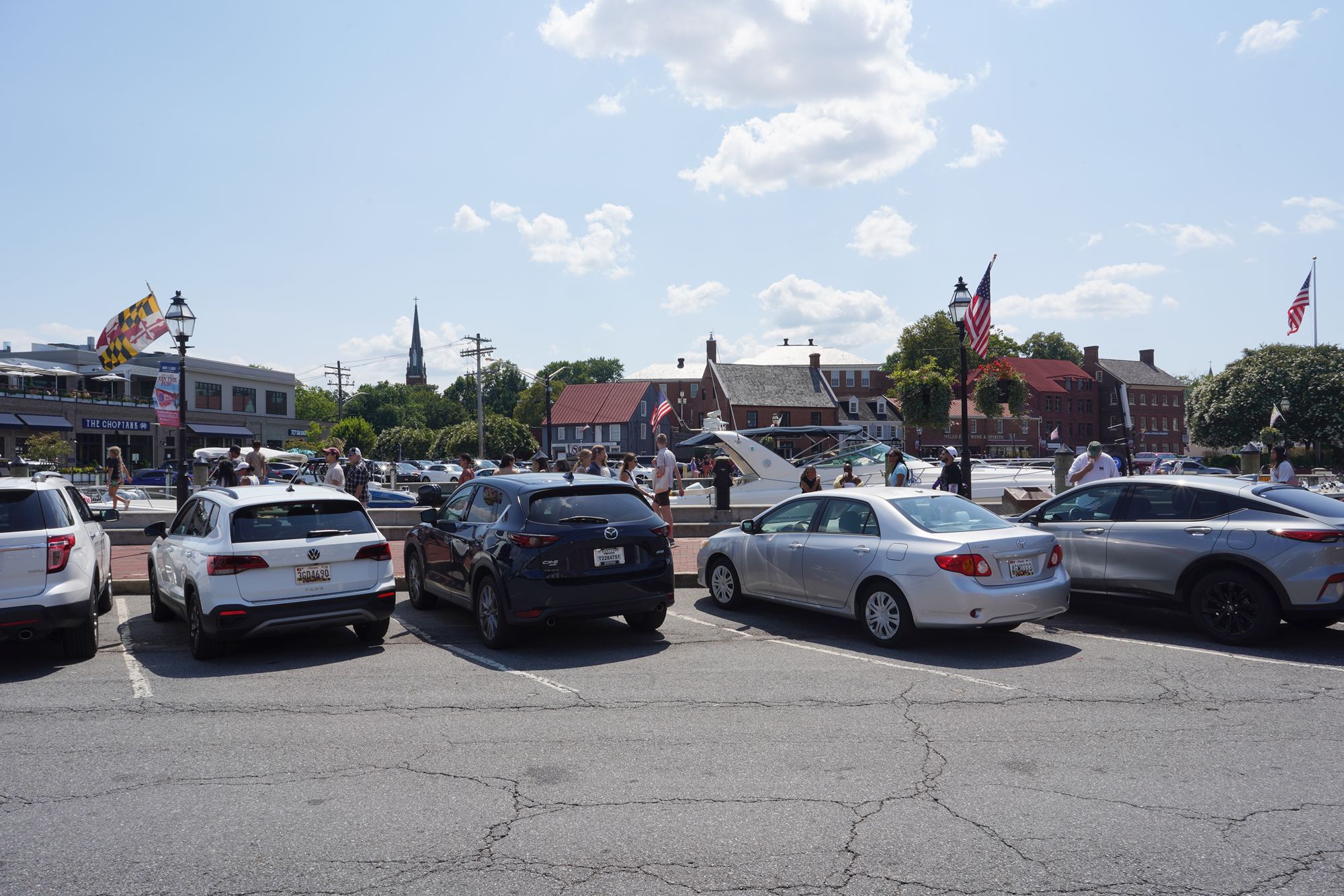
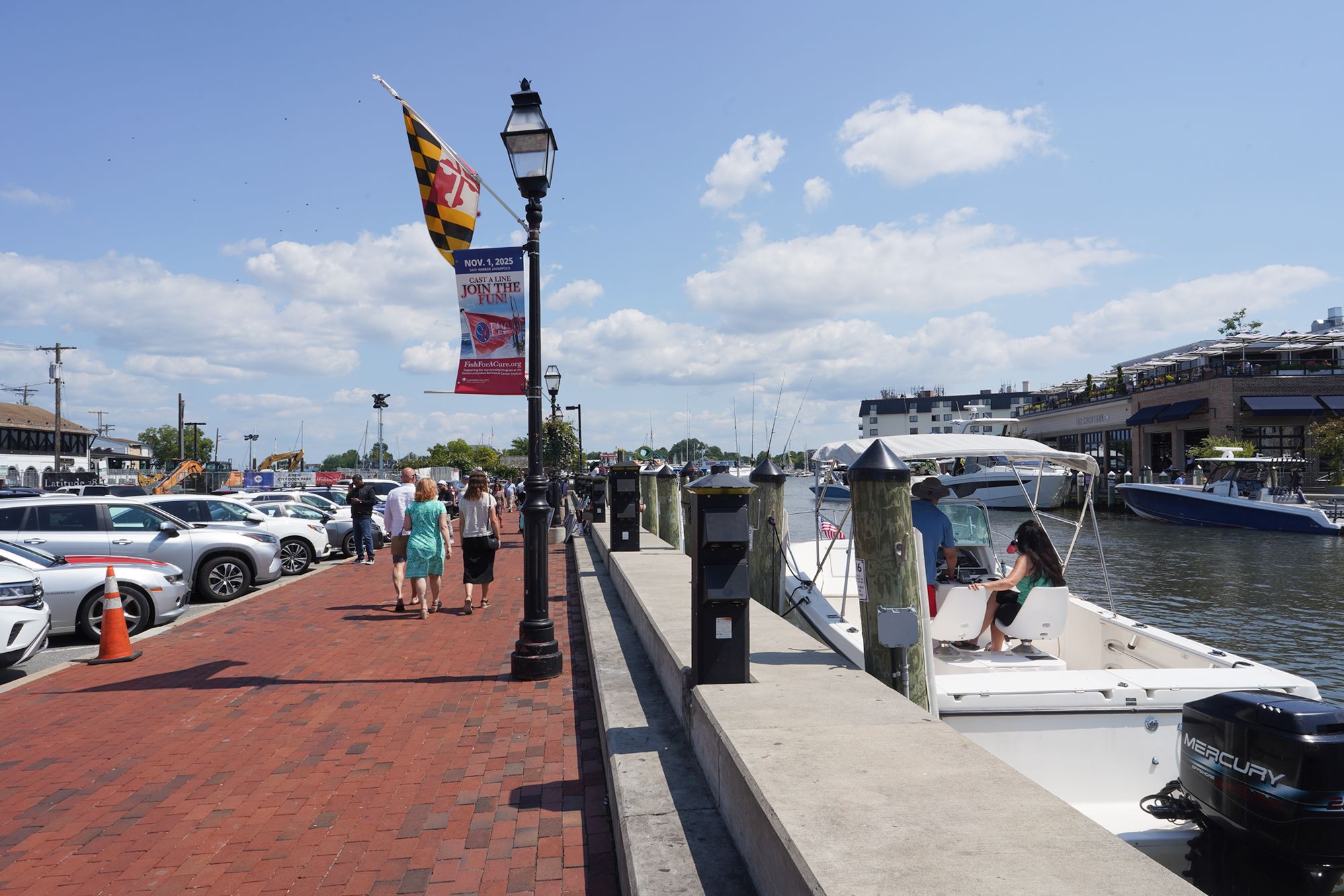
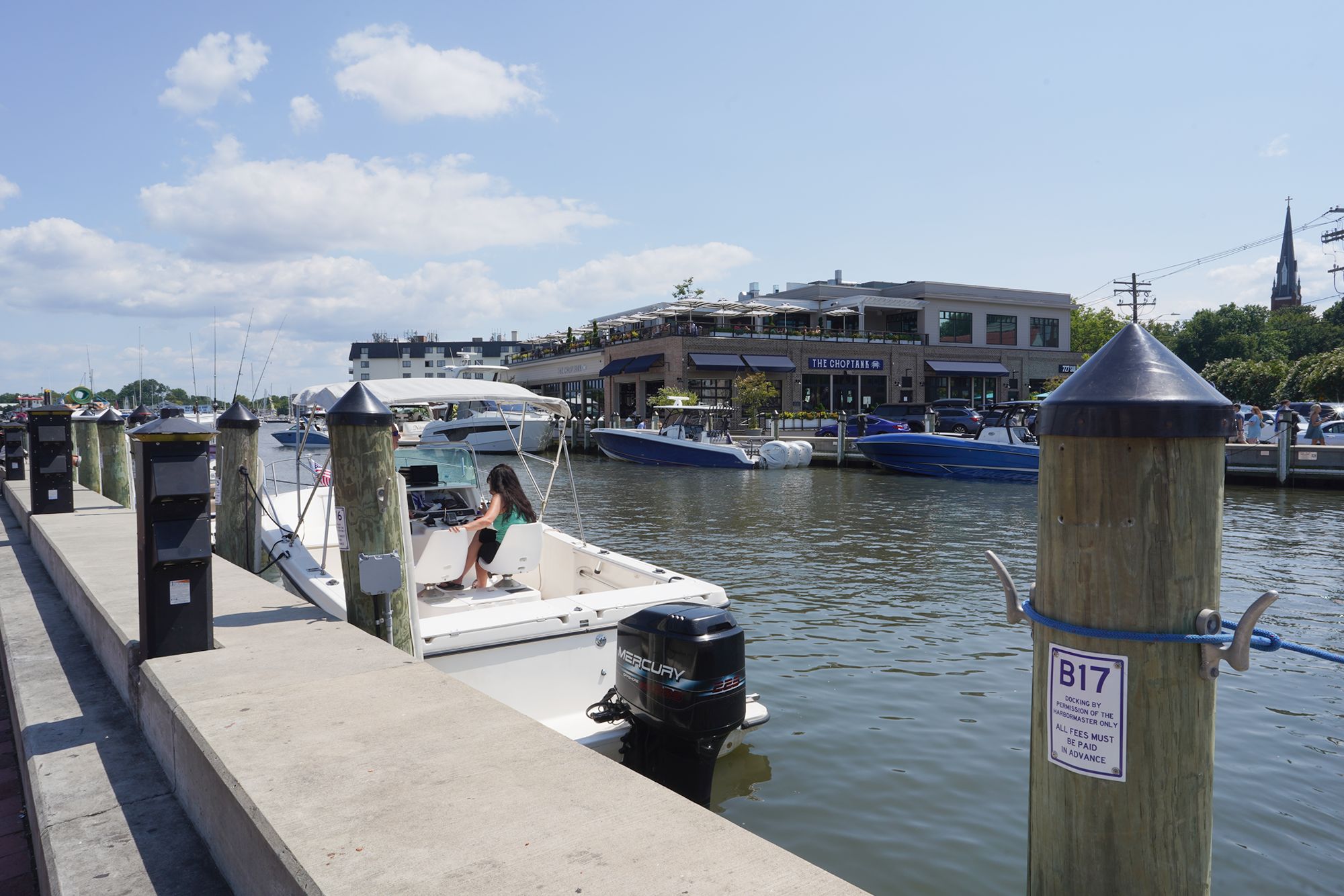
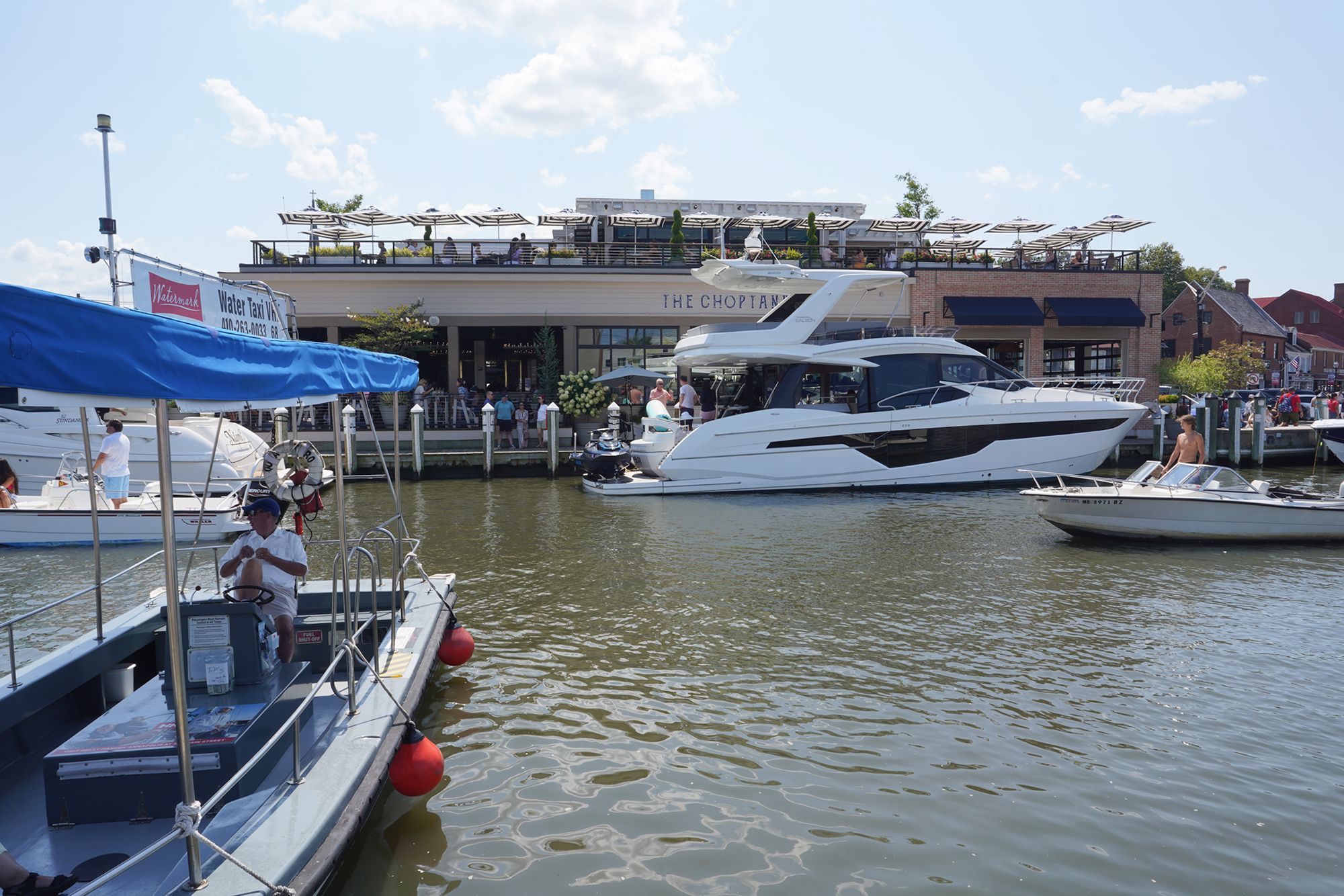
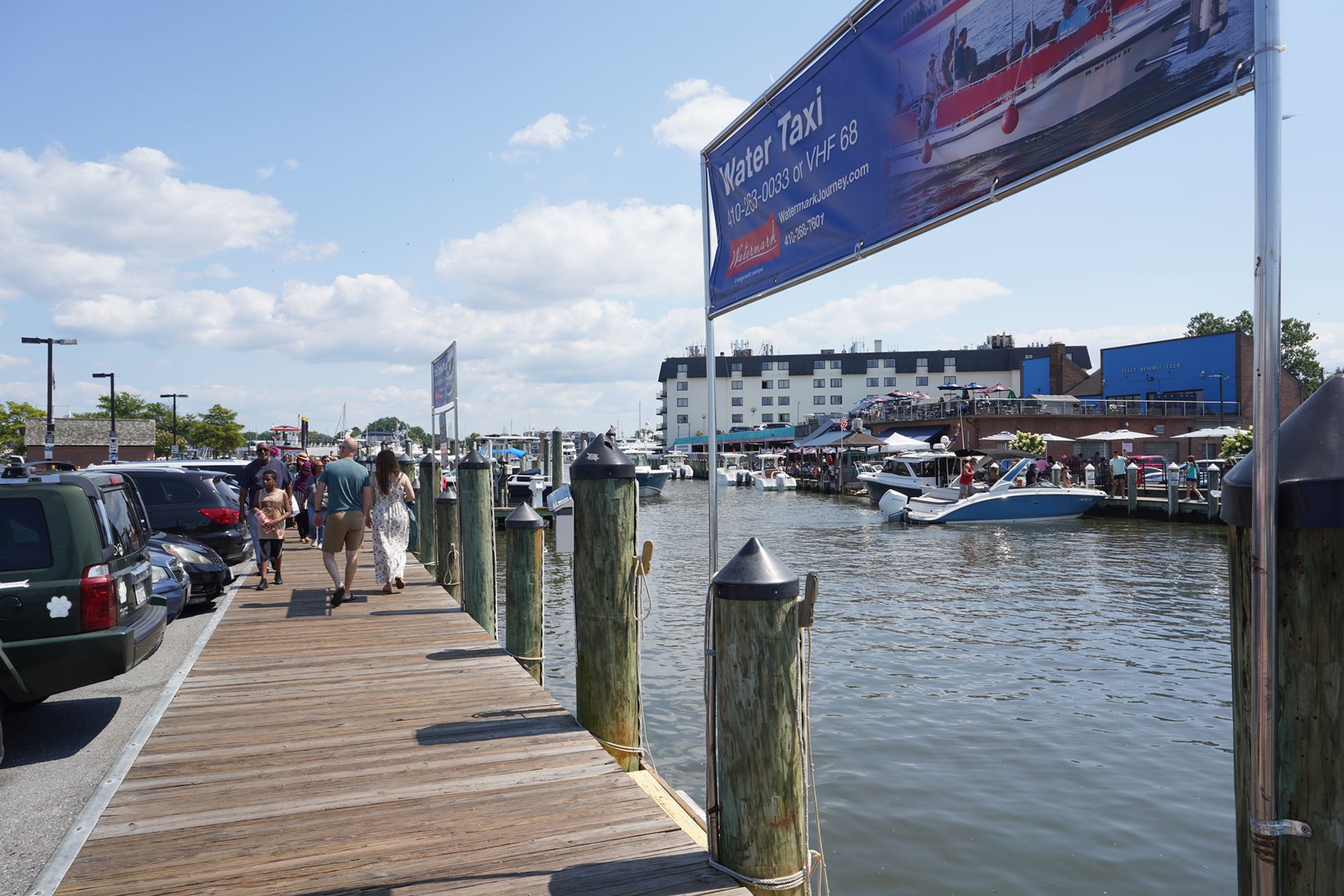
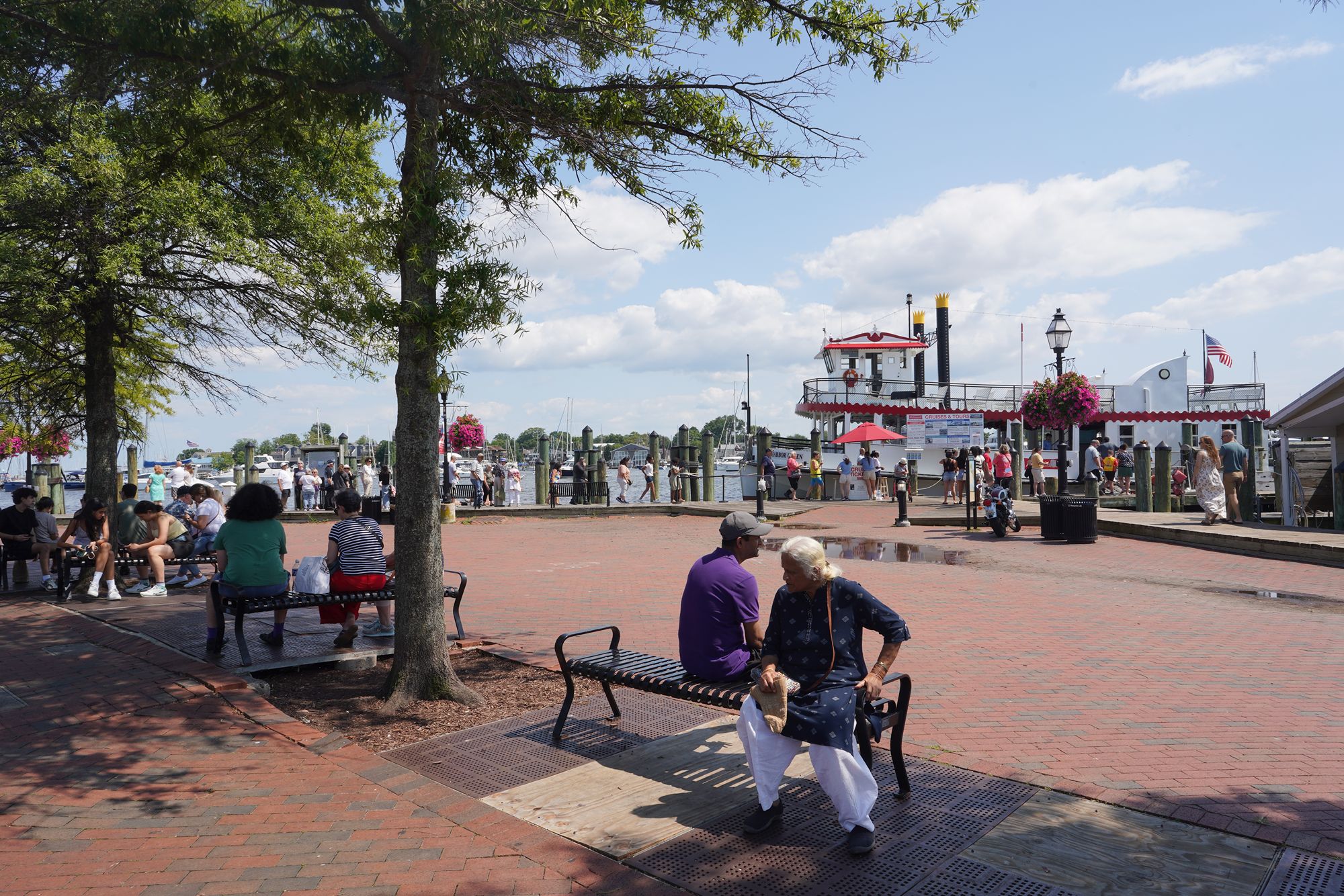
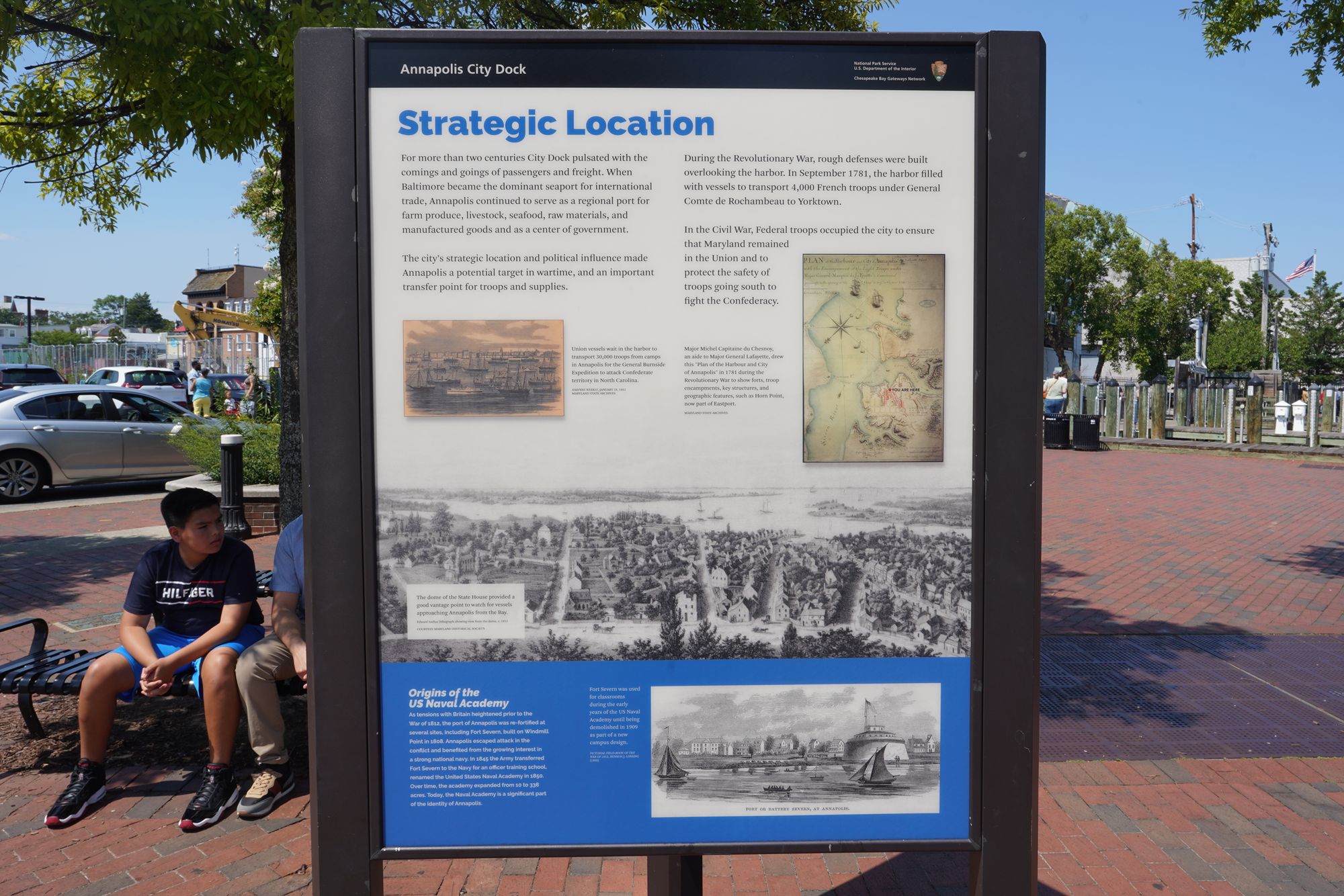
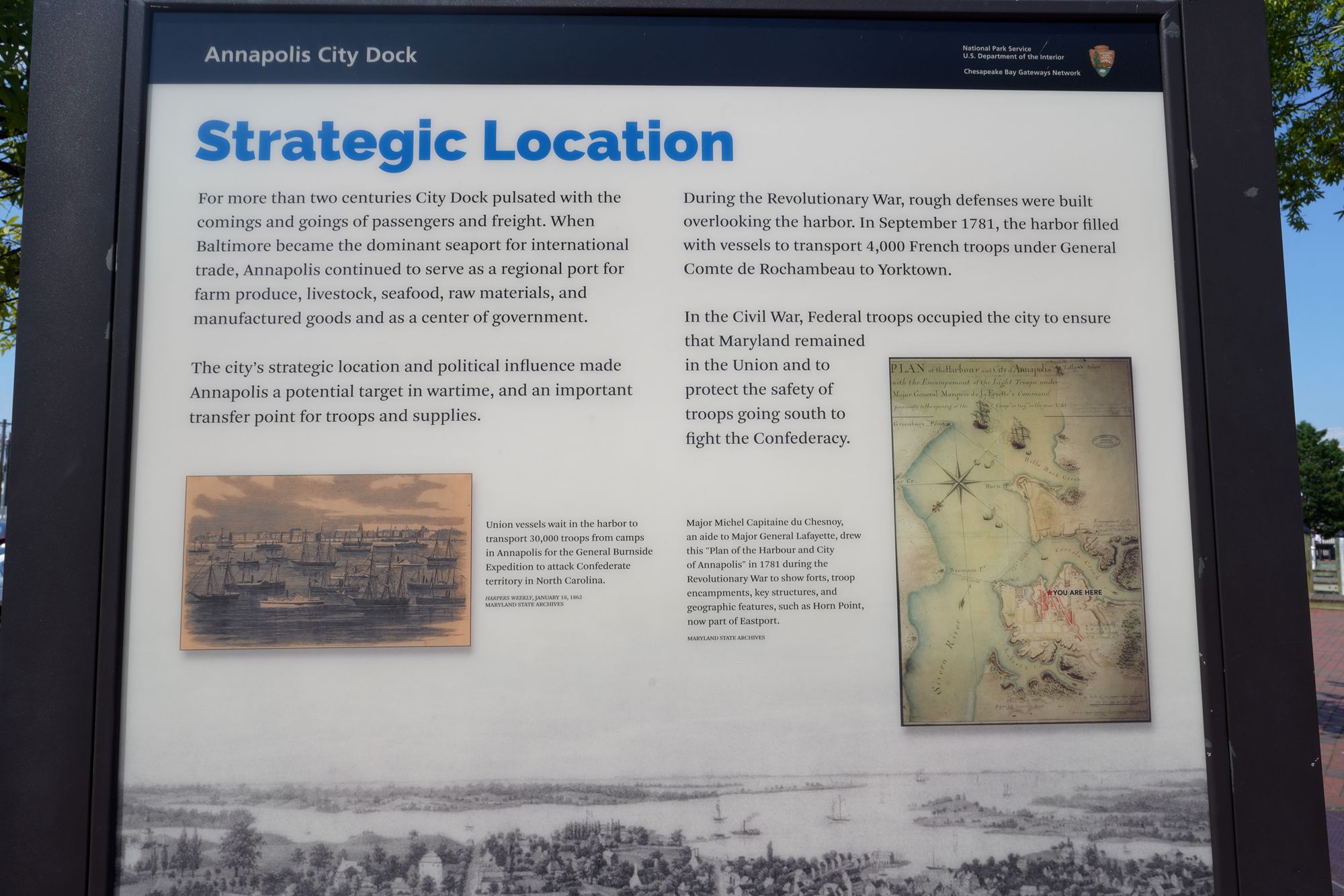
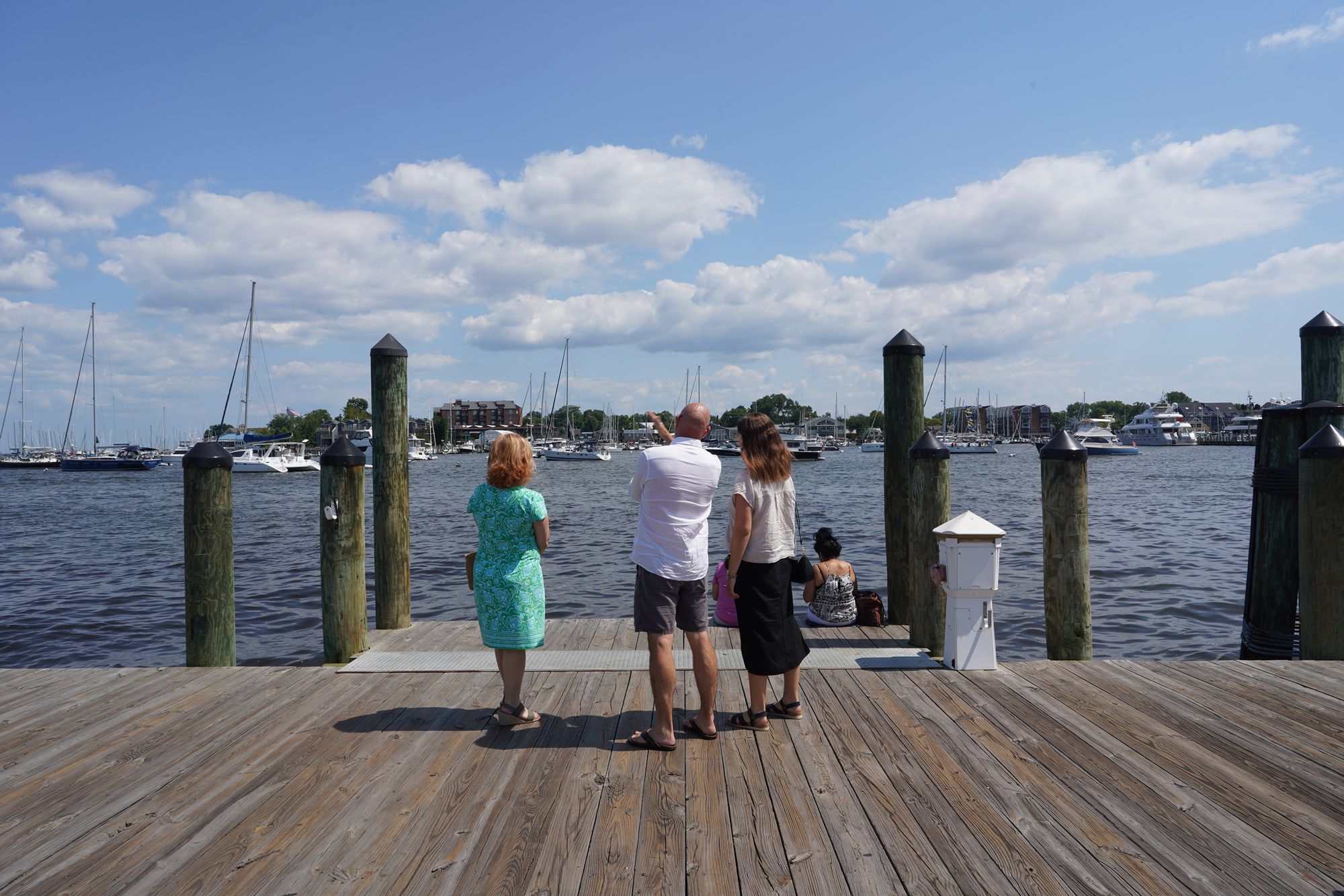
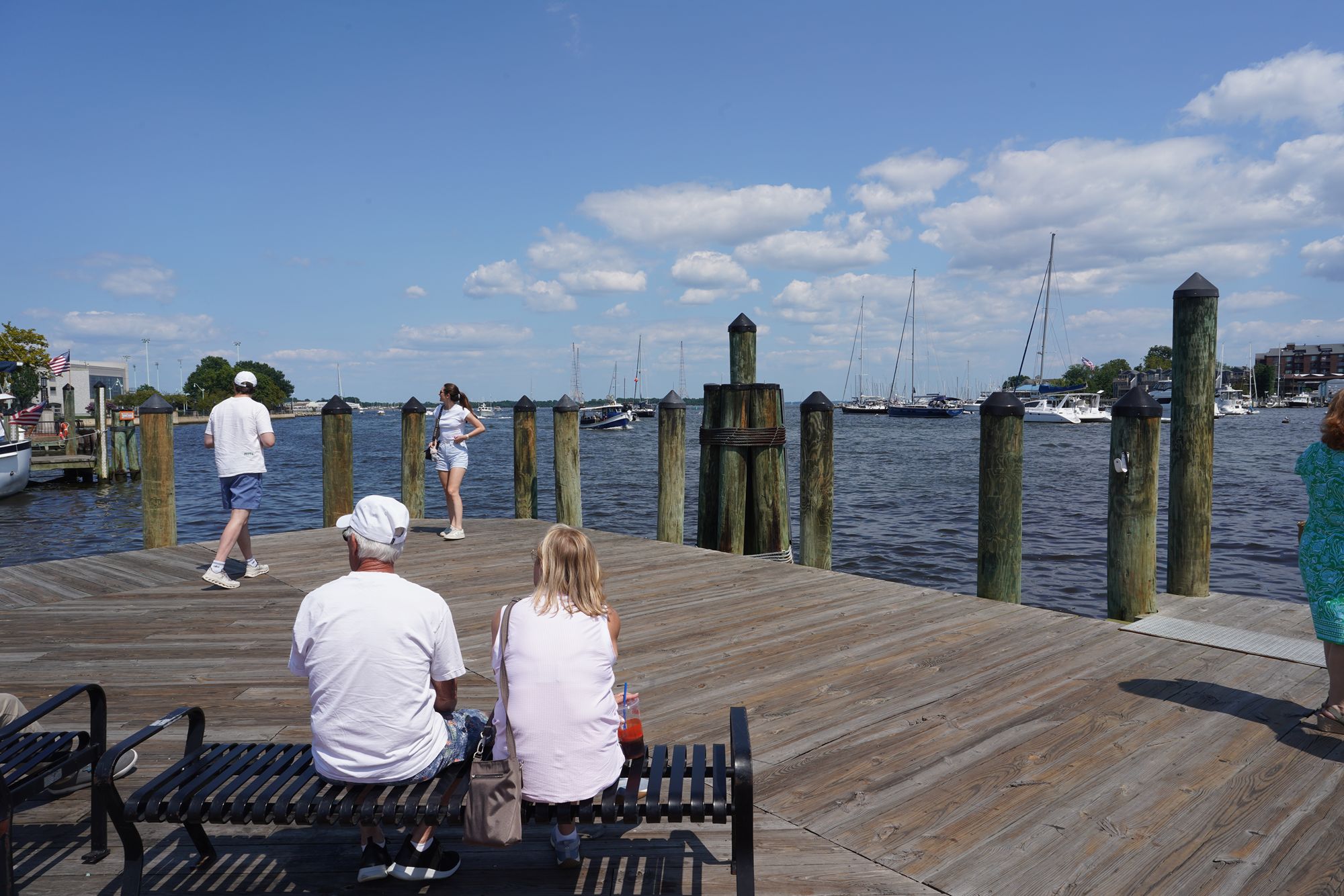
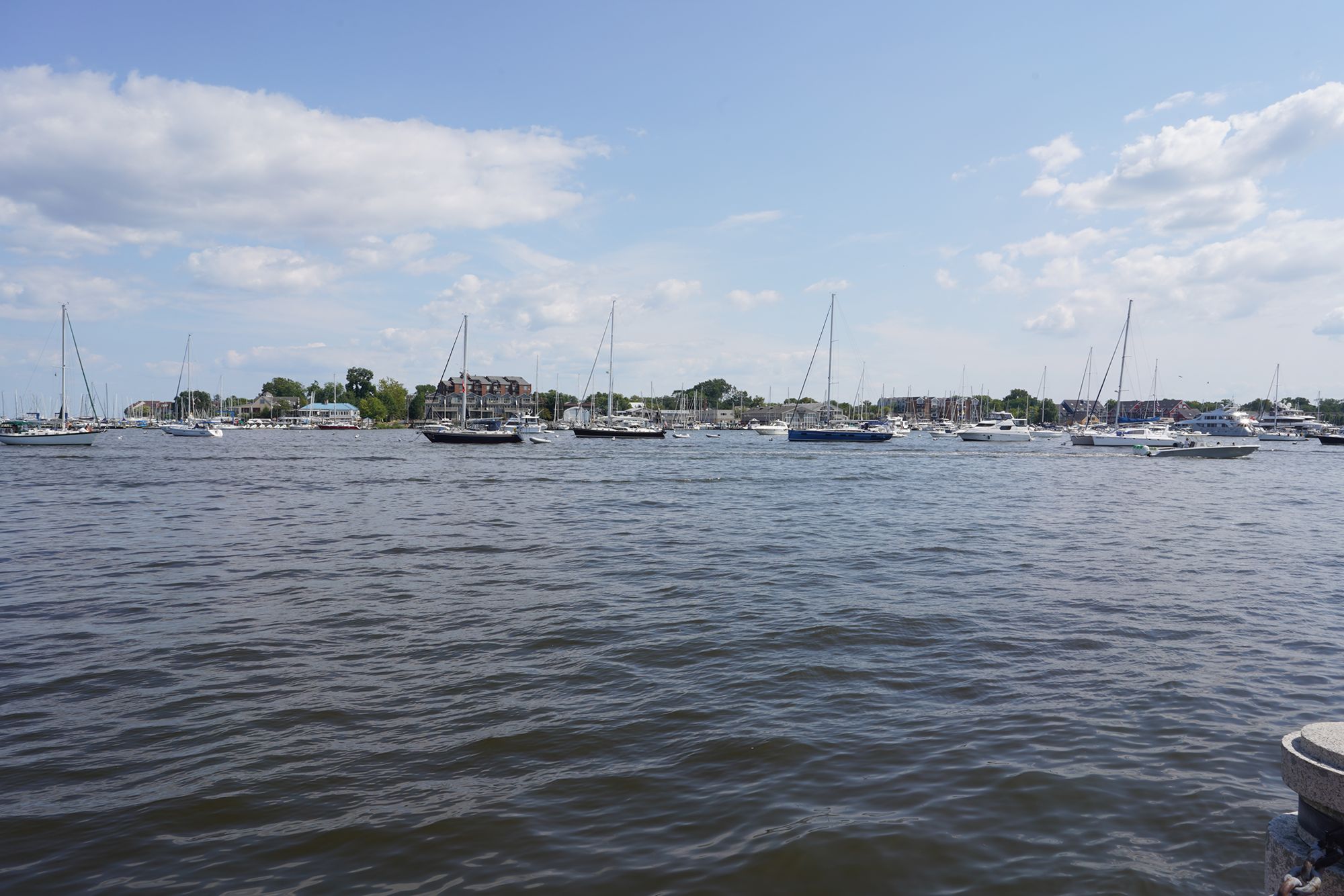
Annapolis’s oceanfront (more accurately, its Chesapeake Bay waterfront) was a strategic point because it allowed easy access to maritime trade routes, provided a protected harbor, and offered a vantage point to monitor ship traffic moving between the bay and inland settlements.
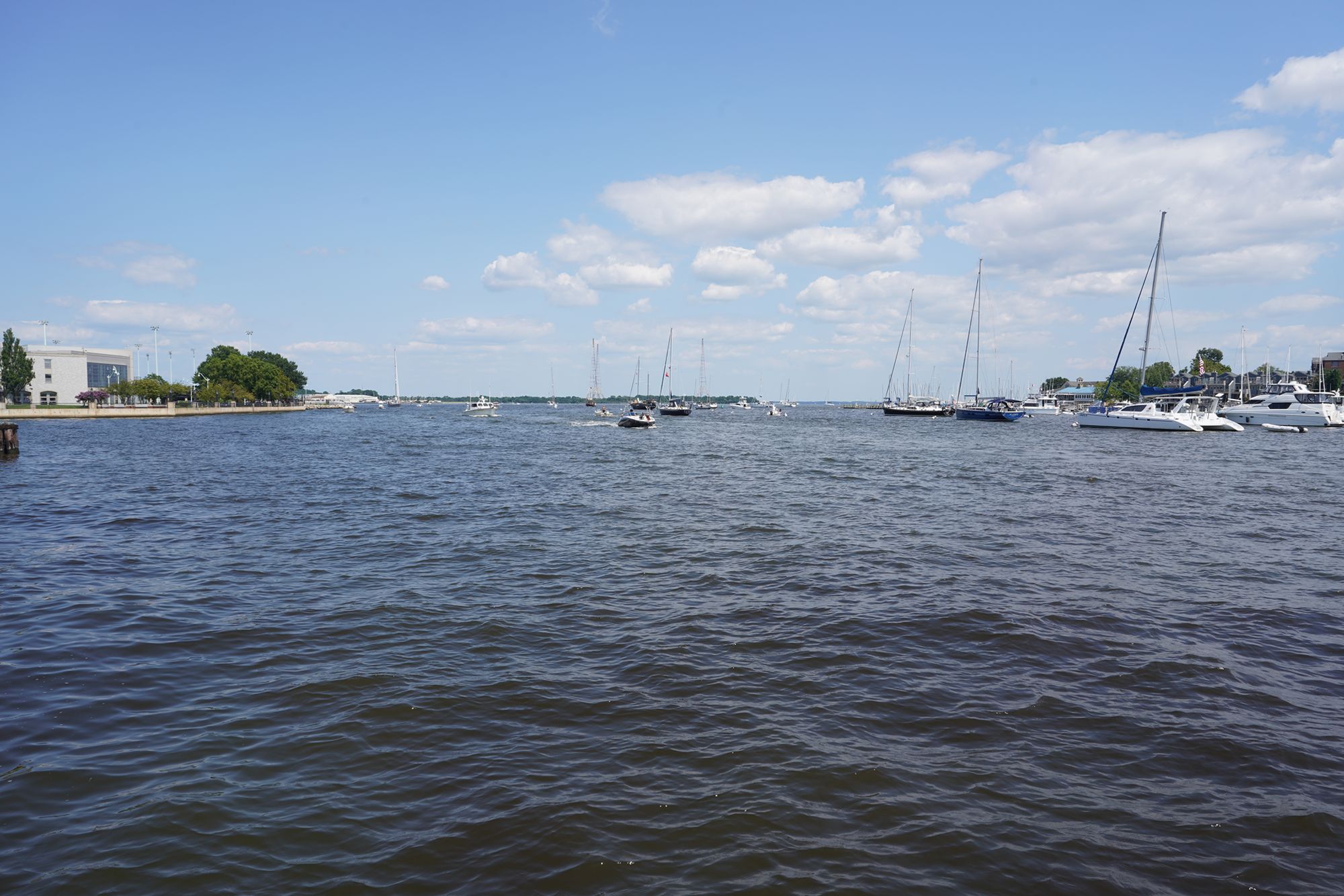
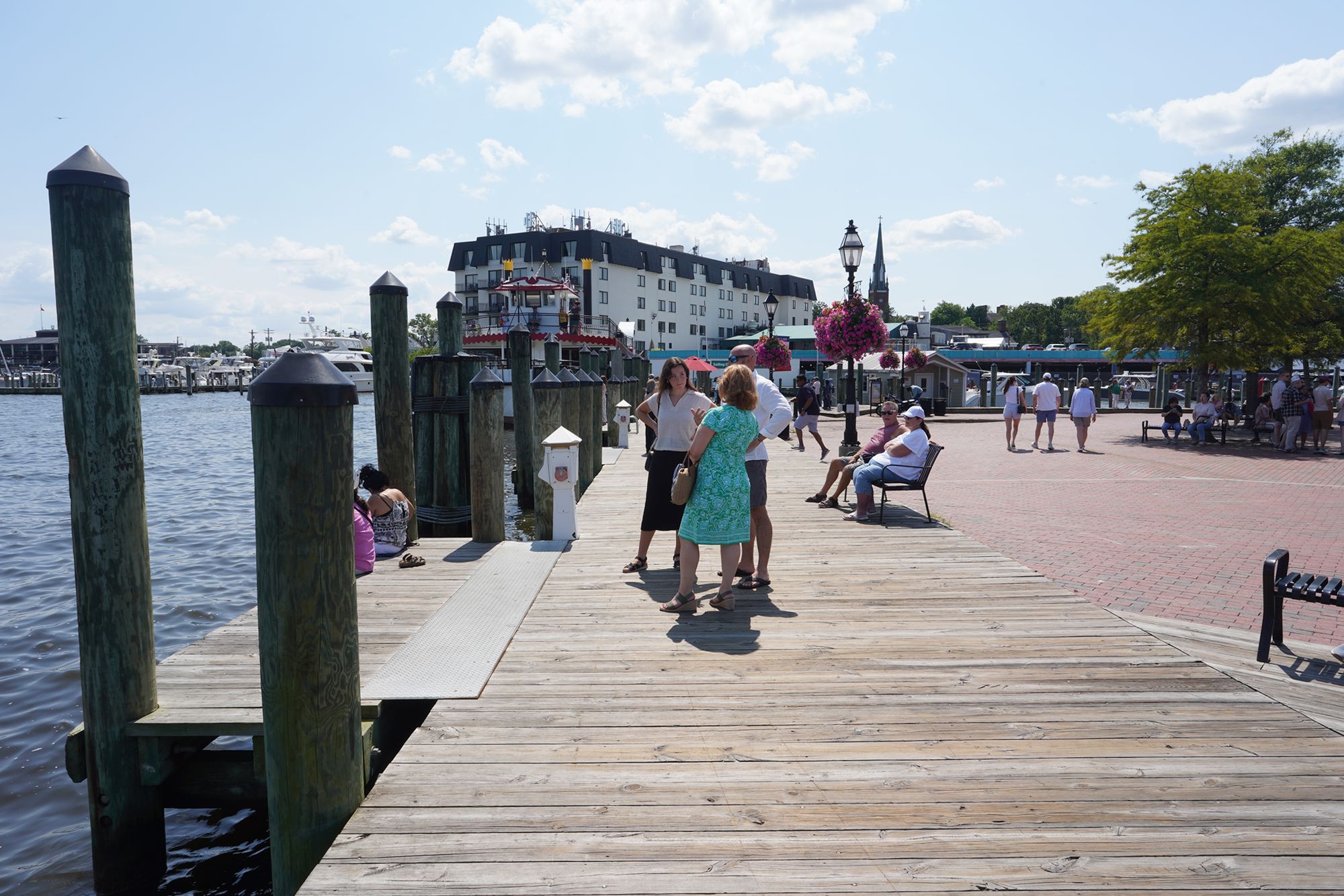
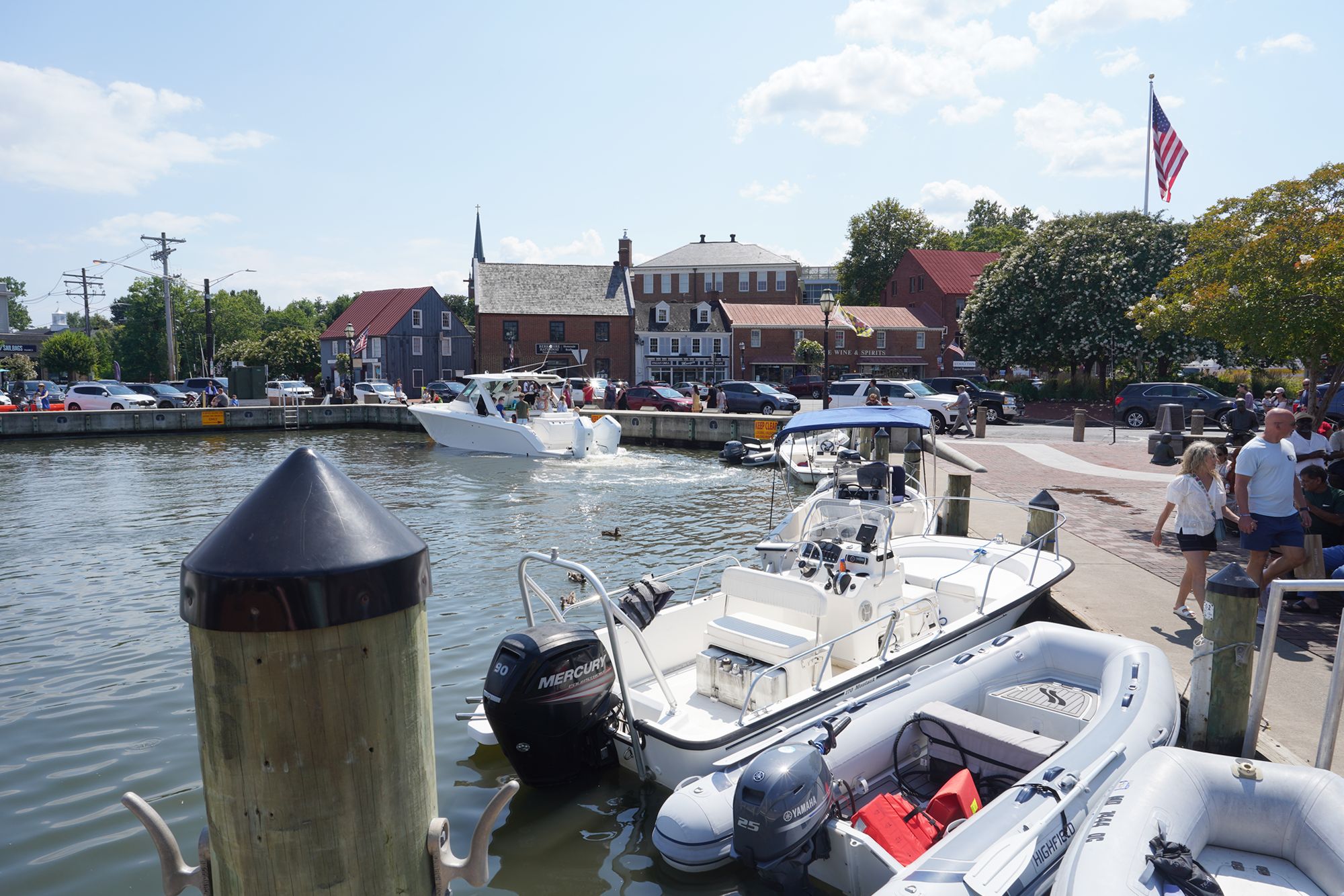
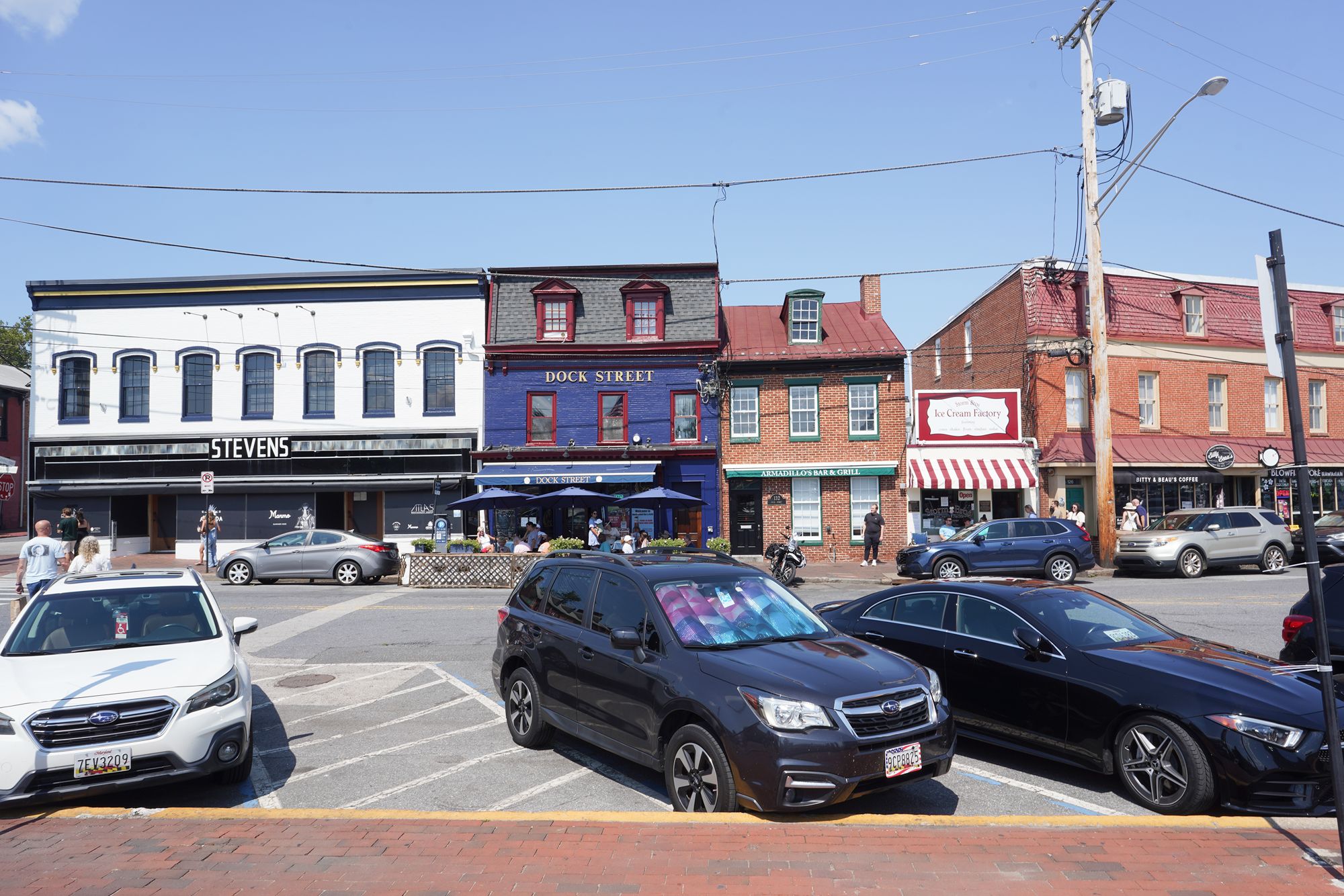
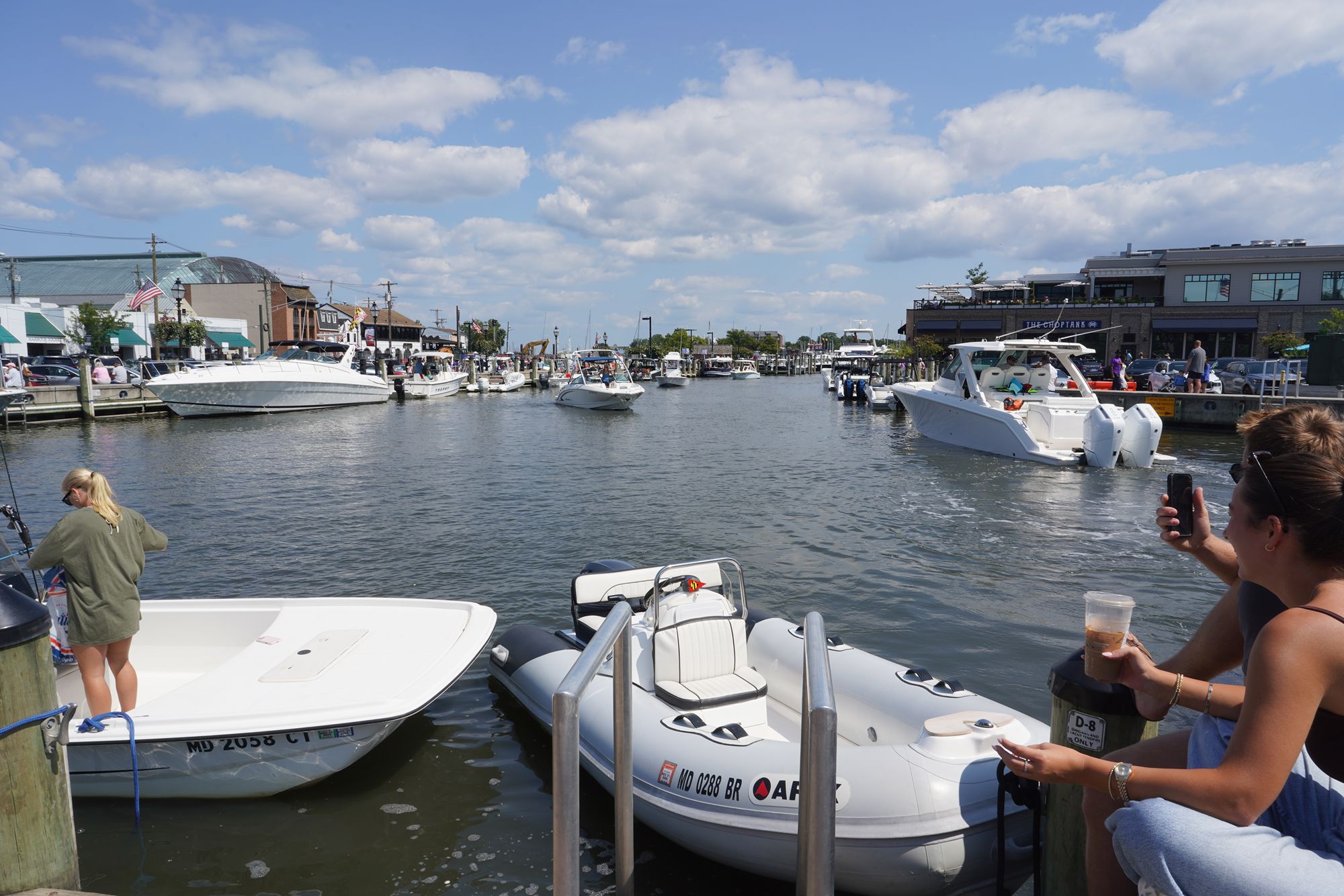
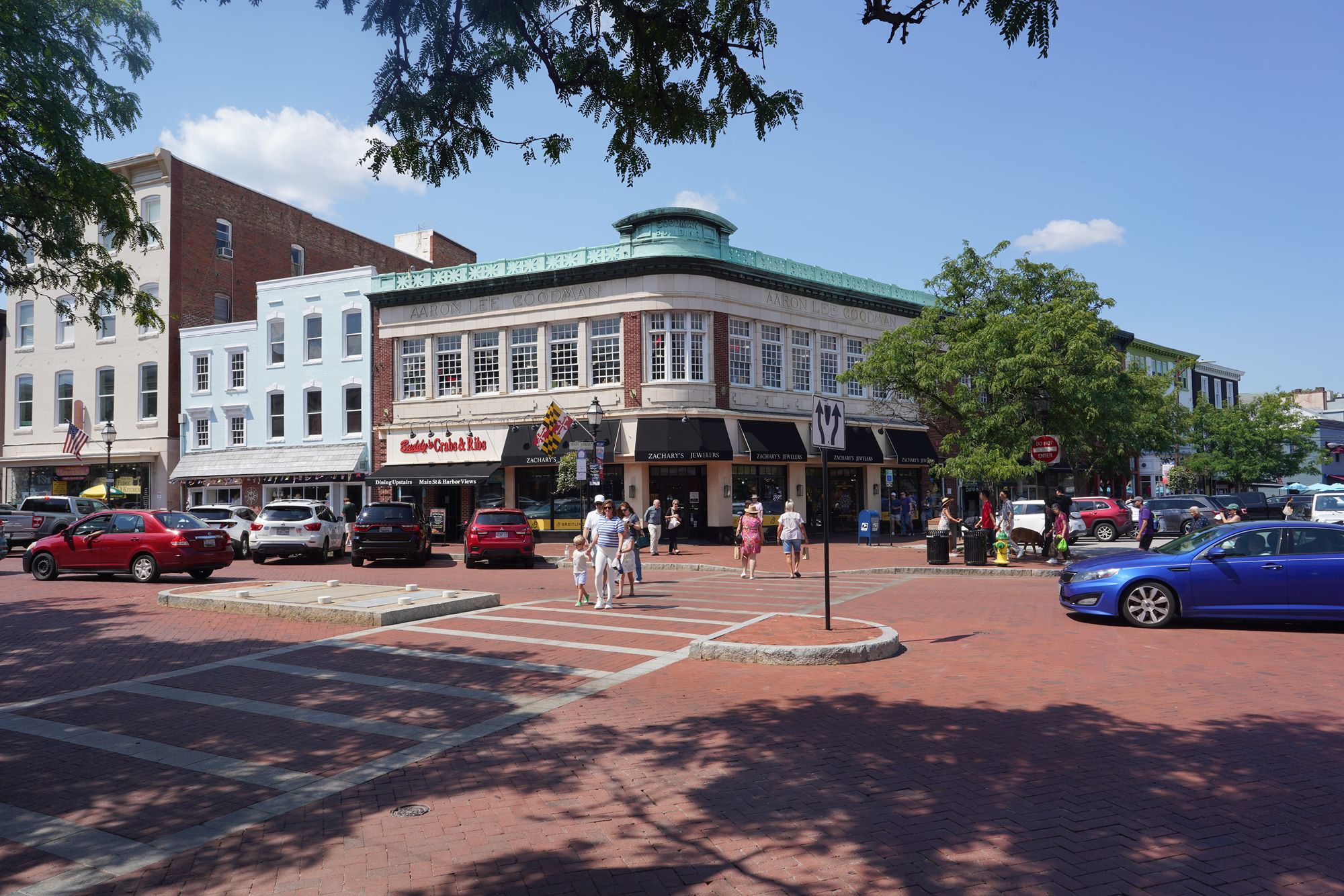
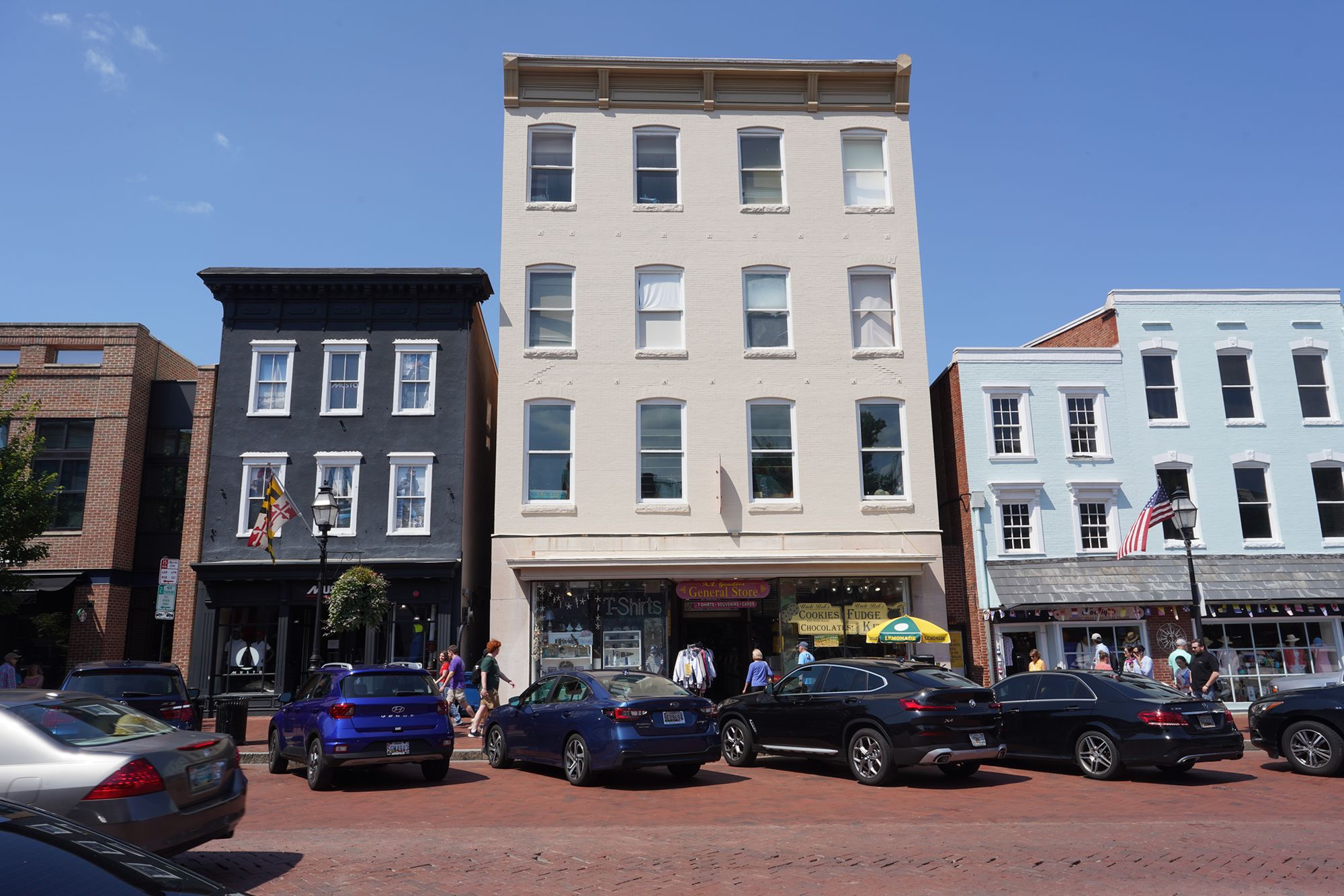
Walking back to my car
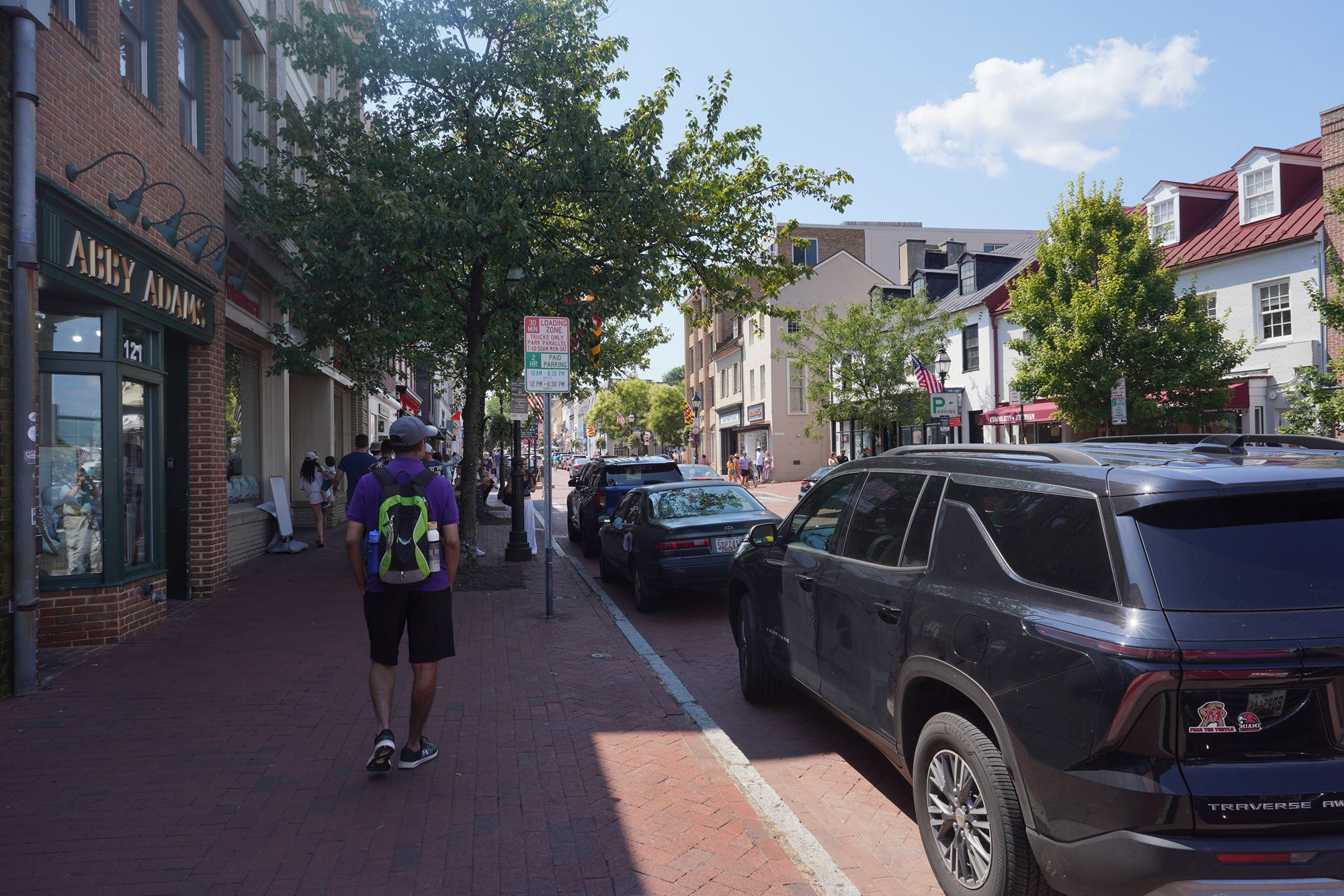
After exploring the old town, I went to visit the U.S. Naval Academy, which was located nearby.
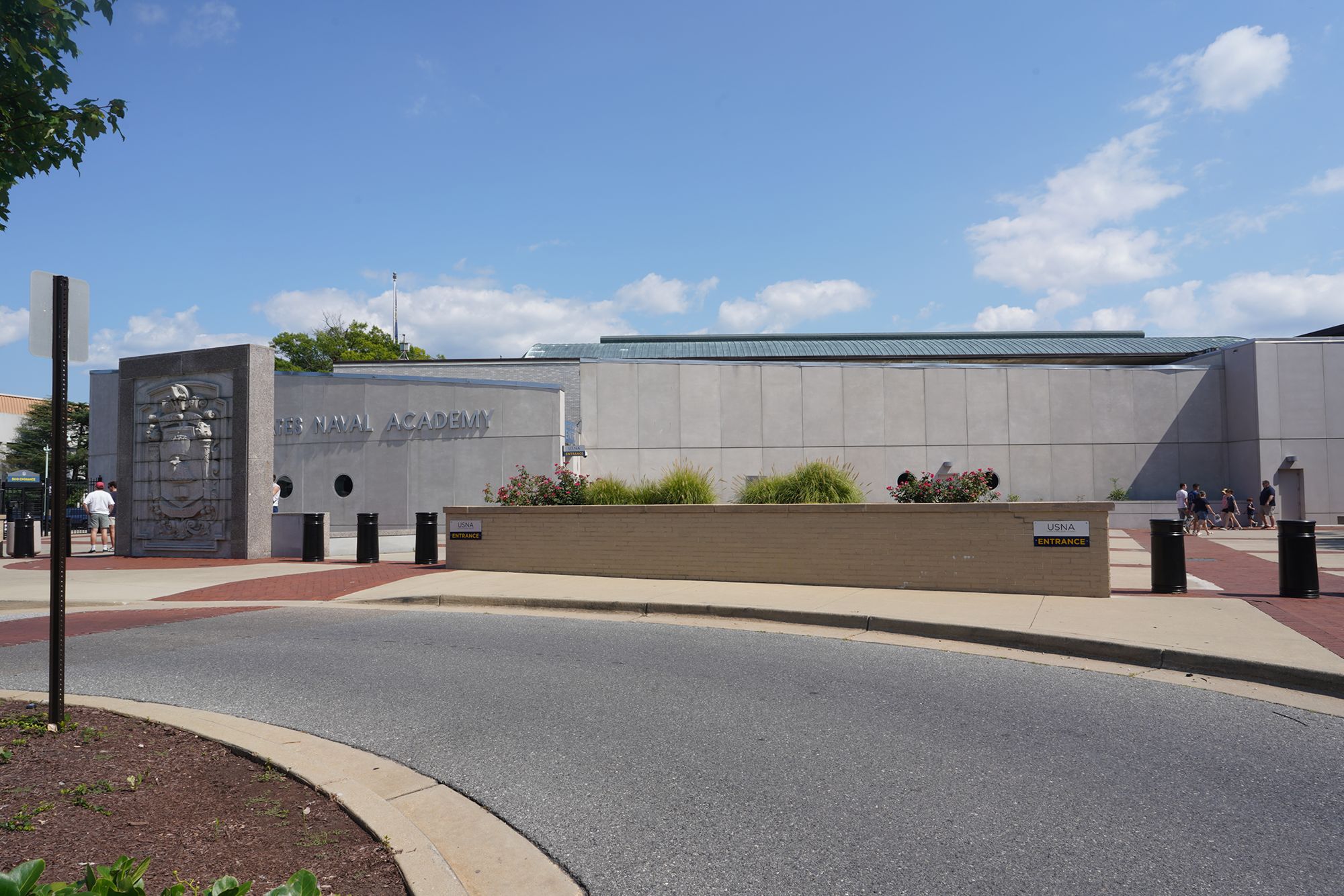
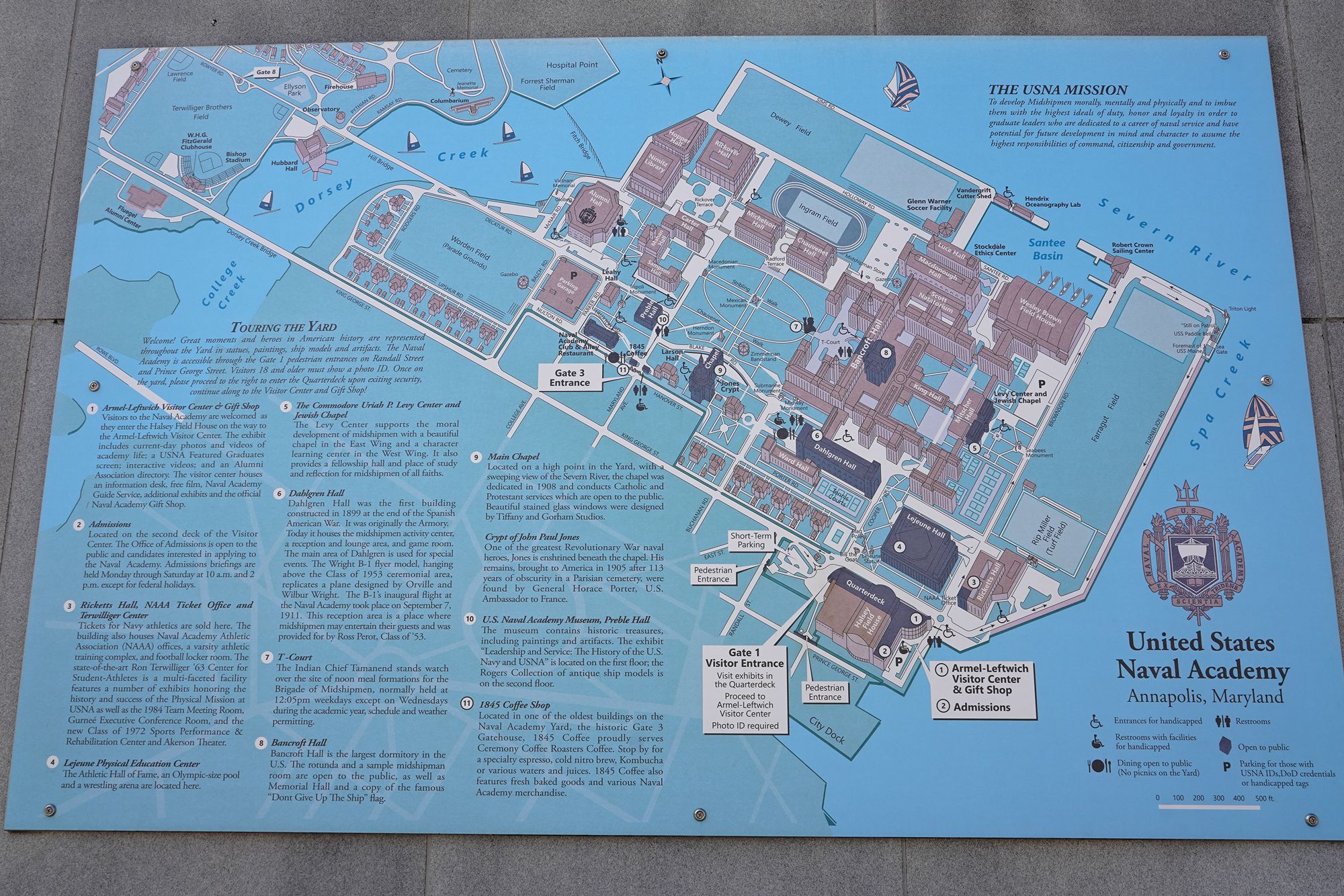
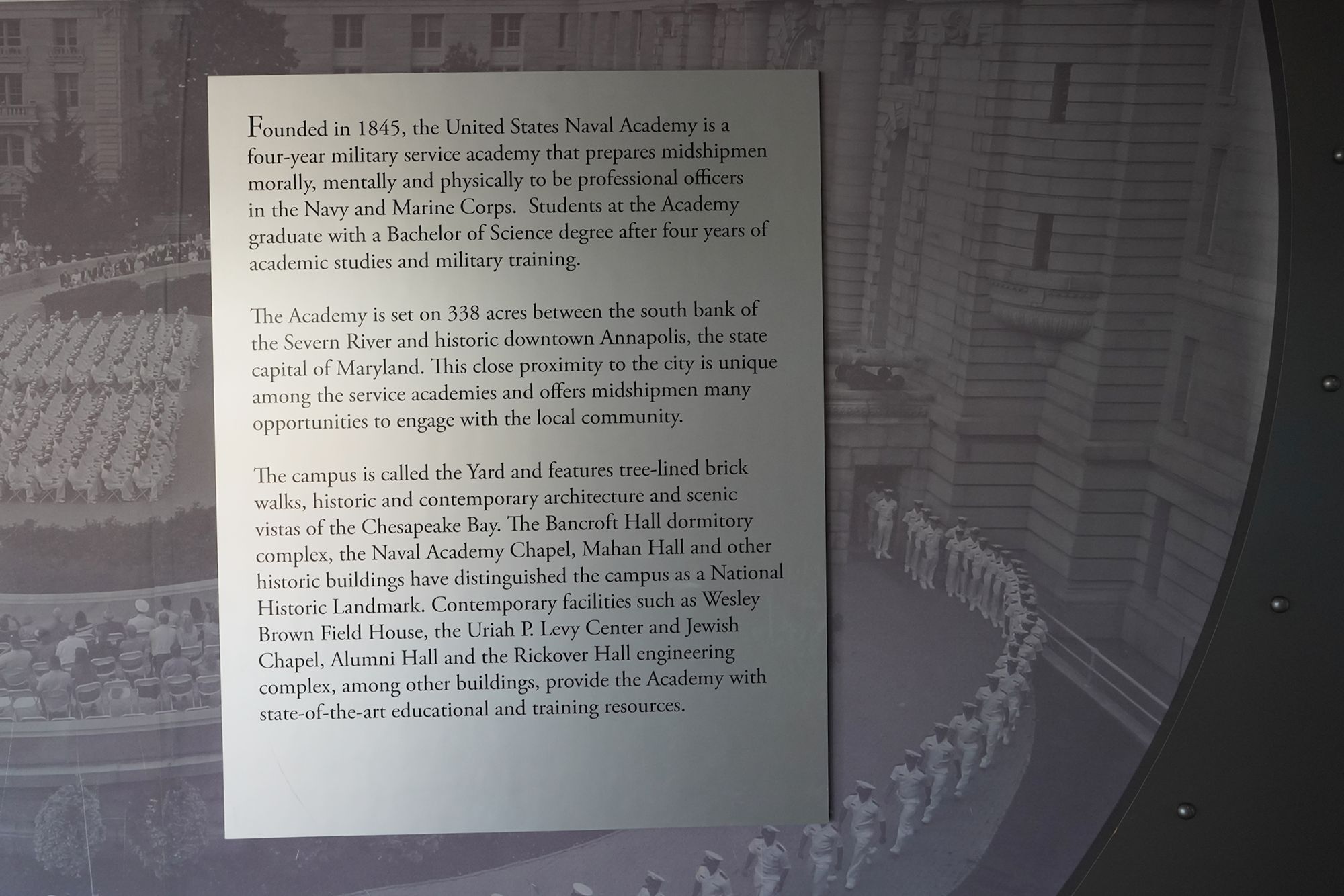
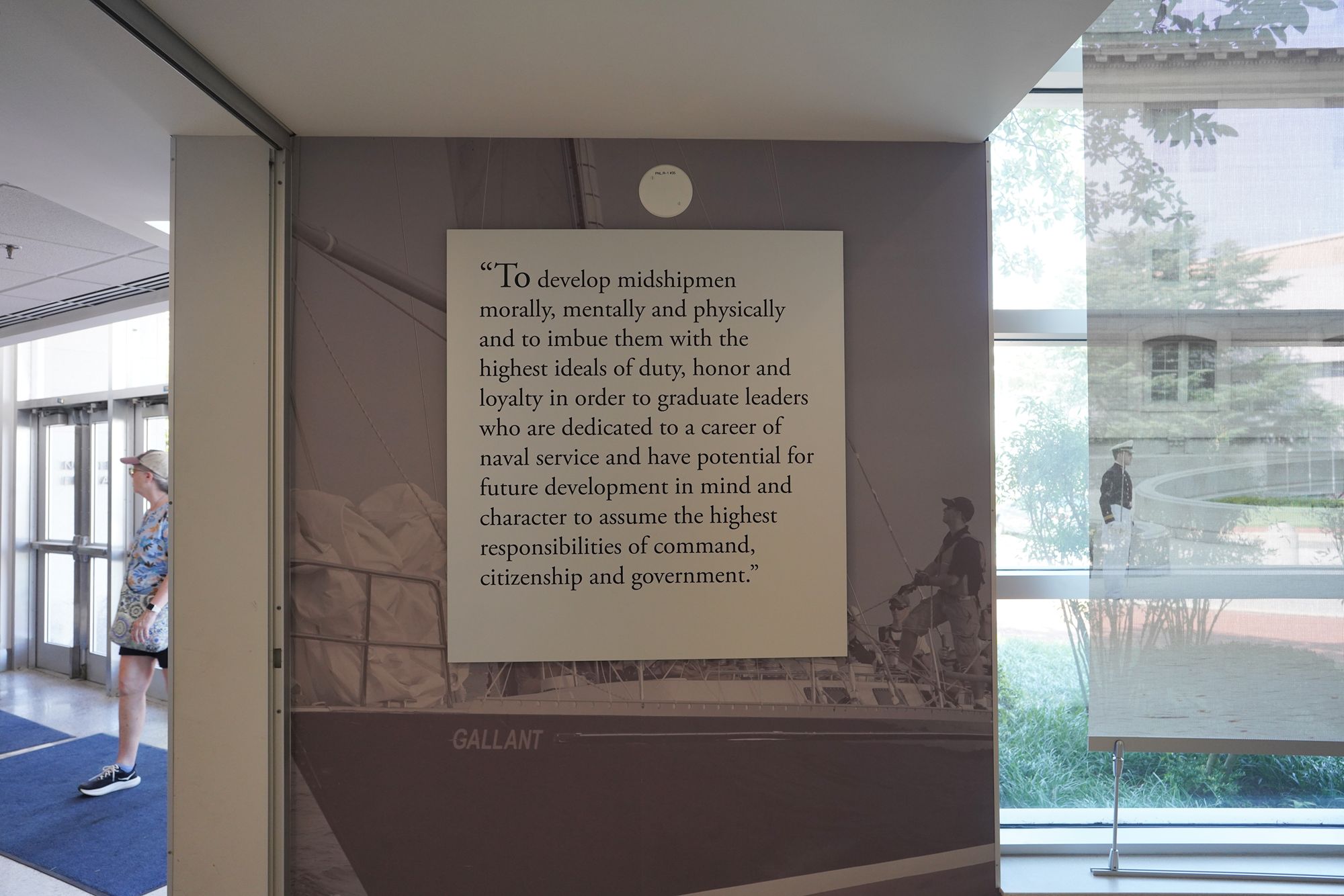
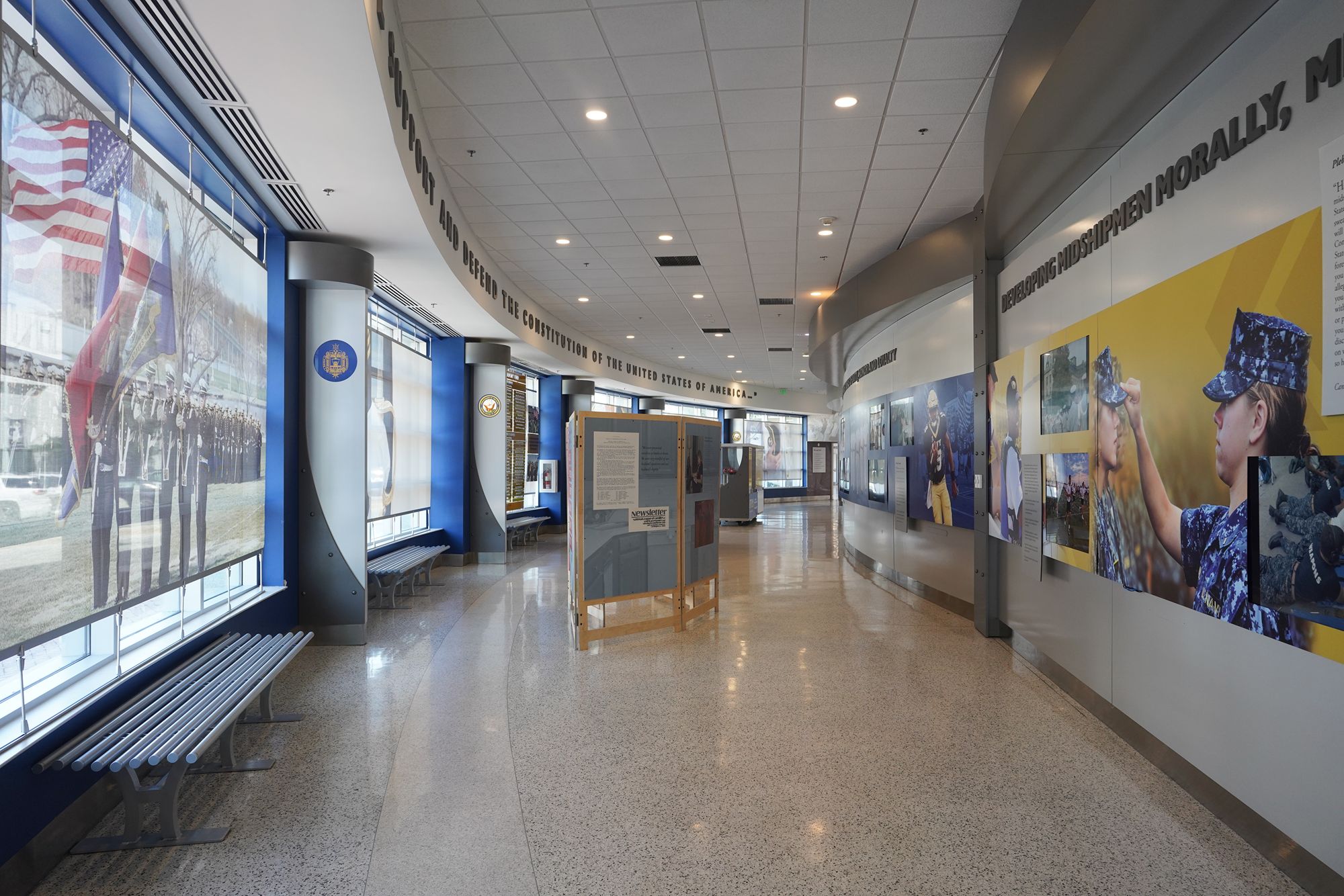
The U.S. Naval Academy in Annapolis is a prestigious military college that educates and trains future officers for the Navy and Marine Corps. Founded in 1845, the campus—called the Yard—includes historic halls, national memorials, and beautifully maintained grounds along the Severn River.
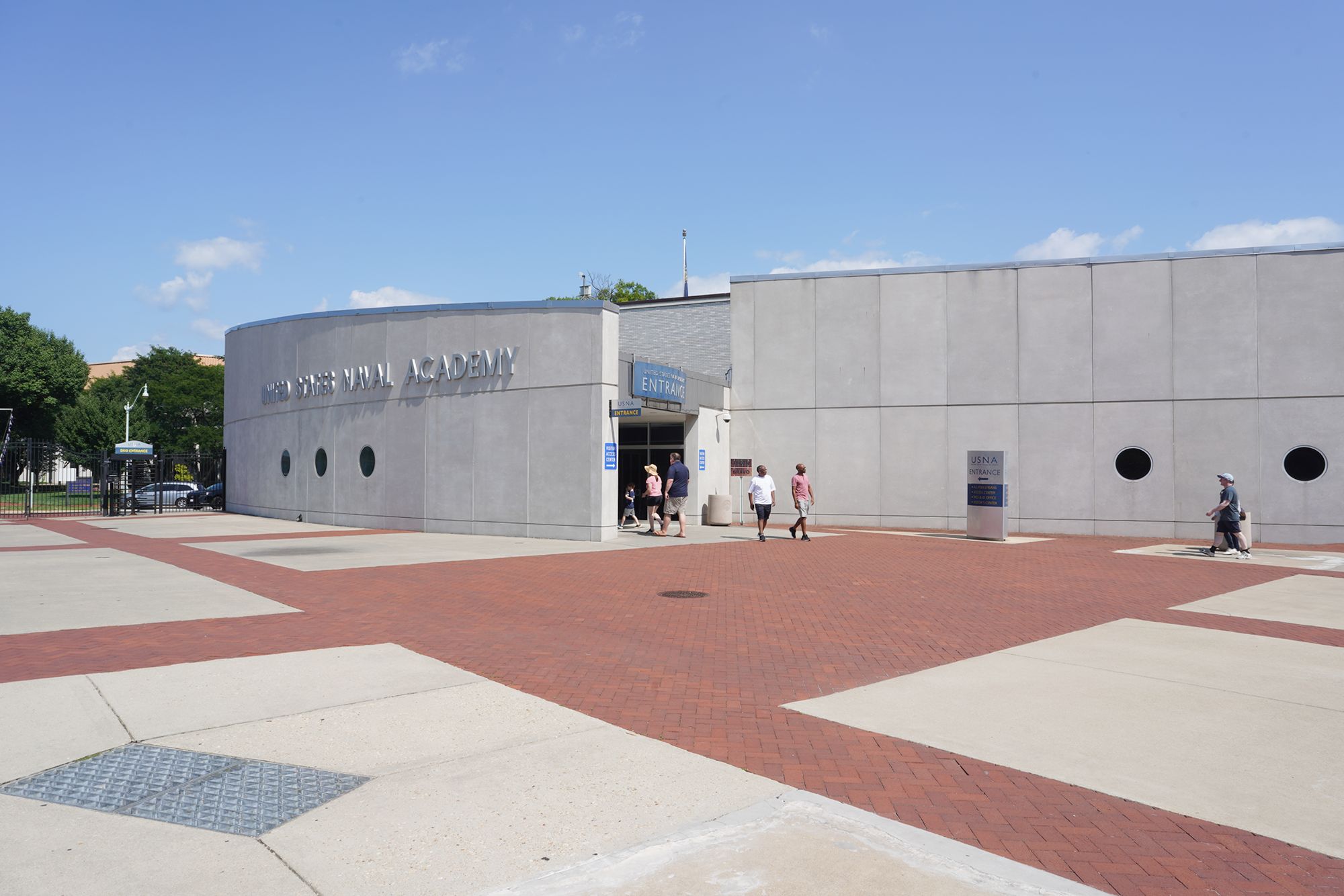
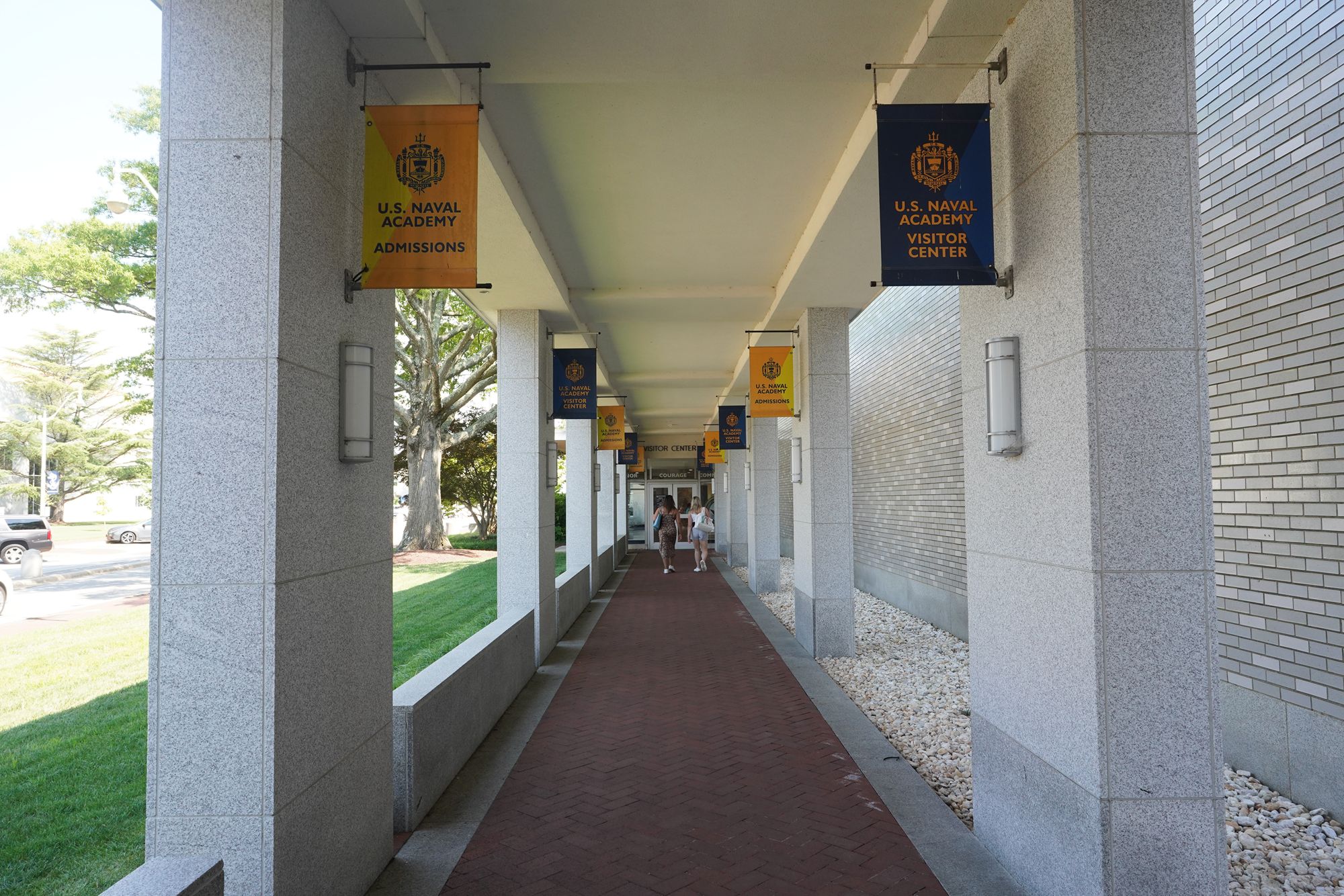
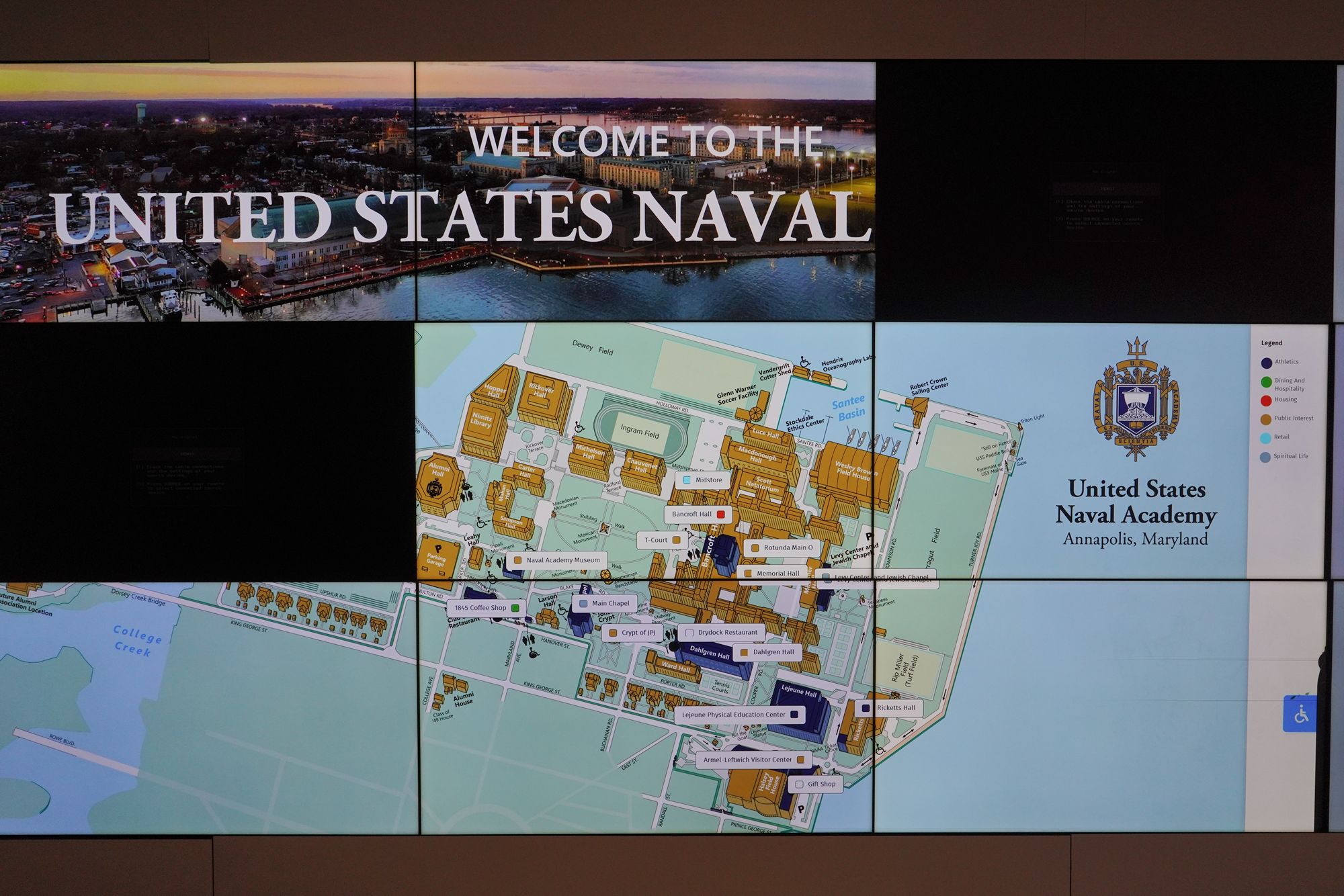
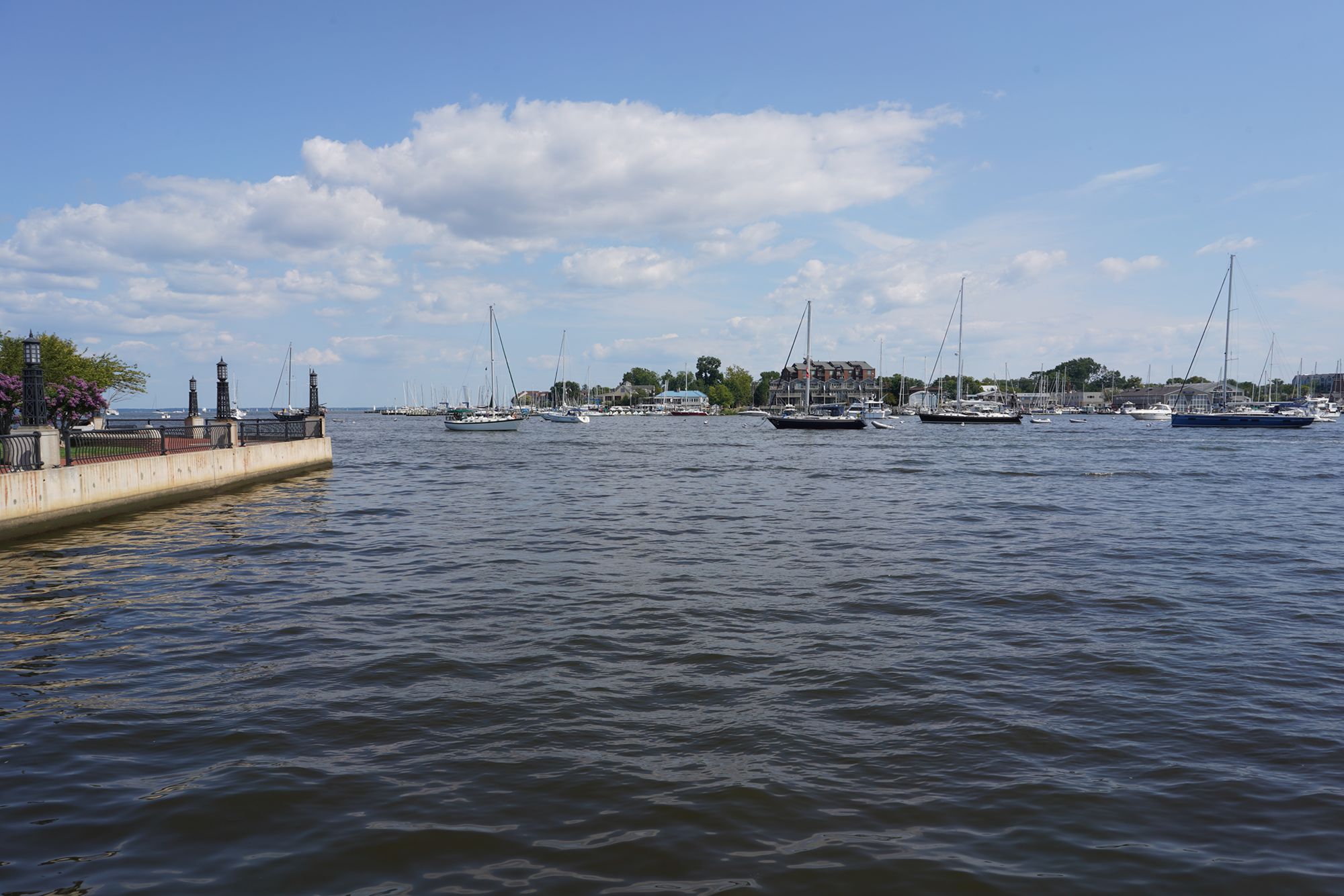
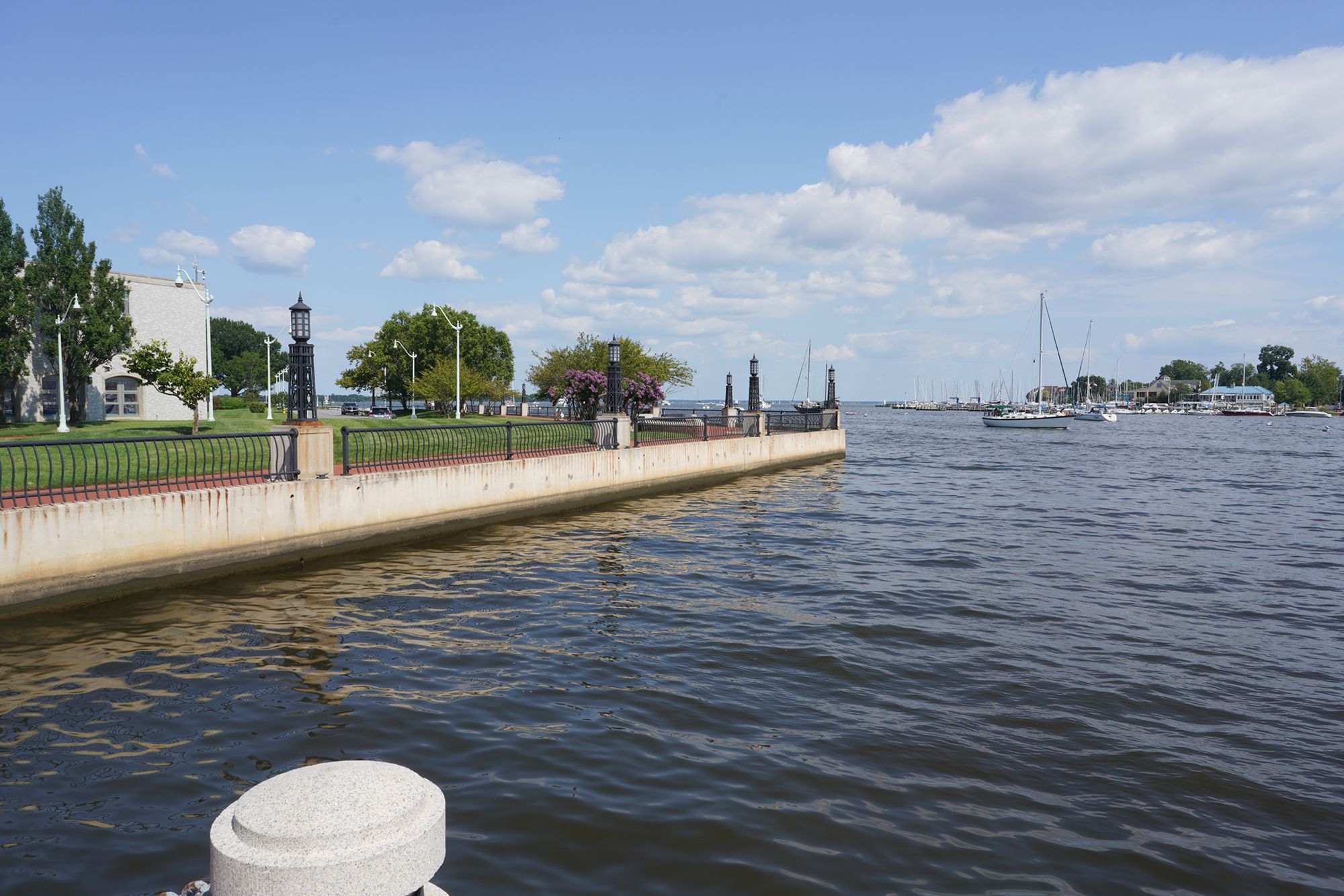
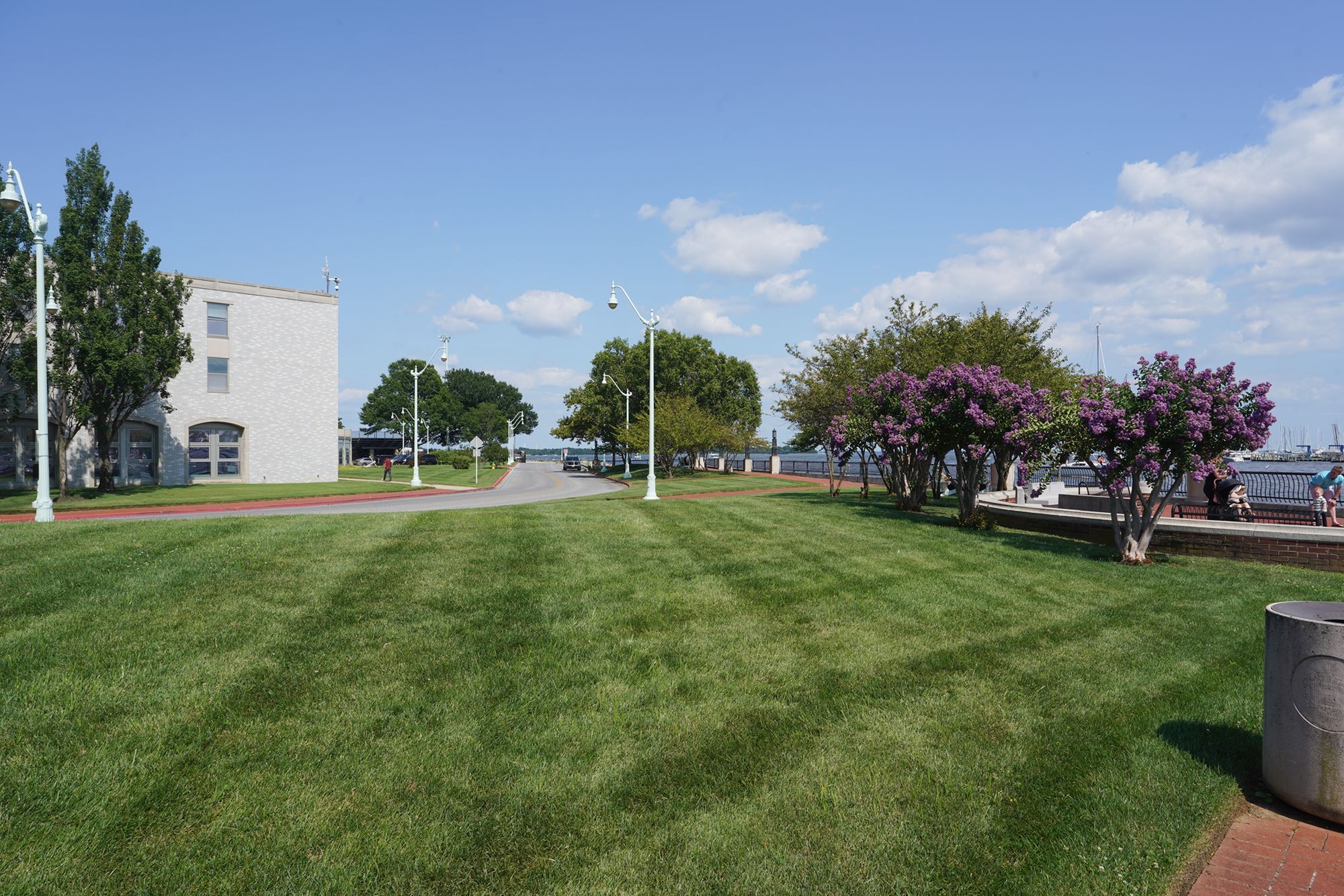
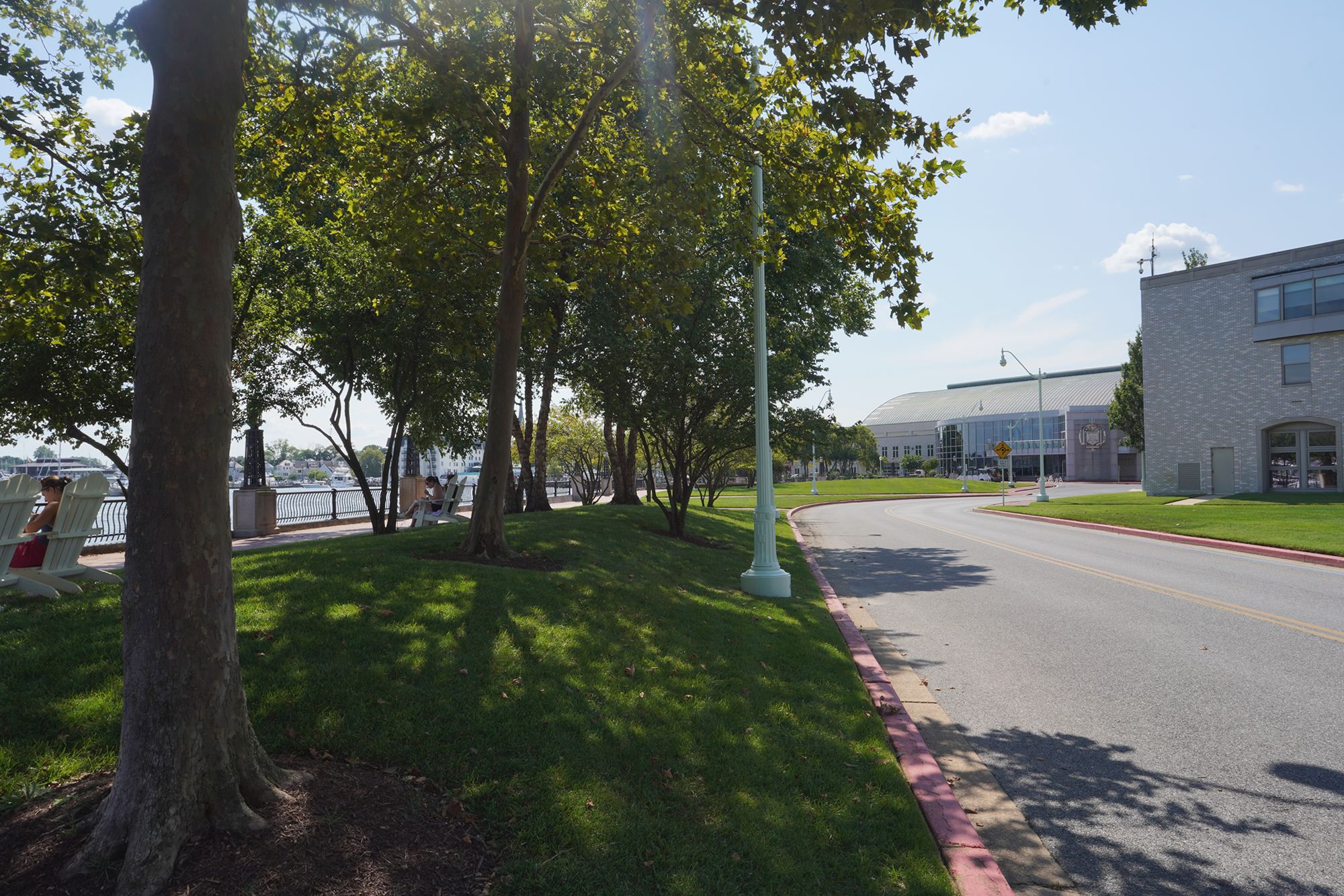
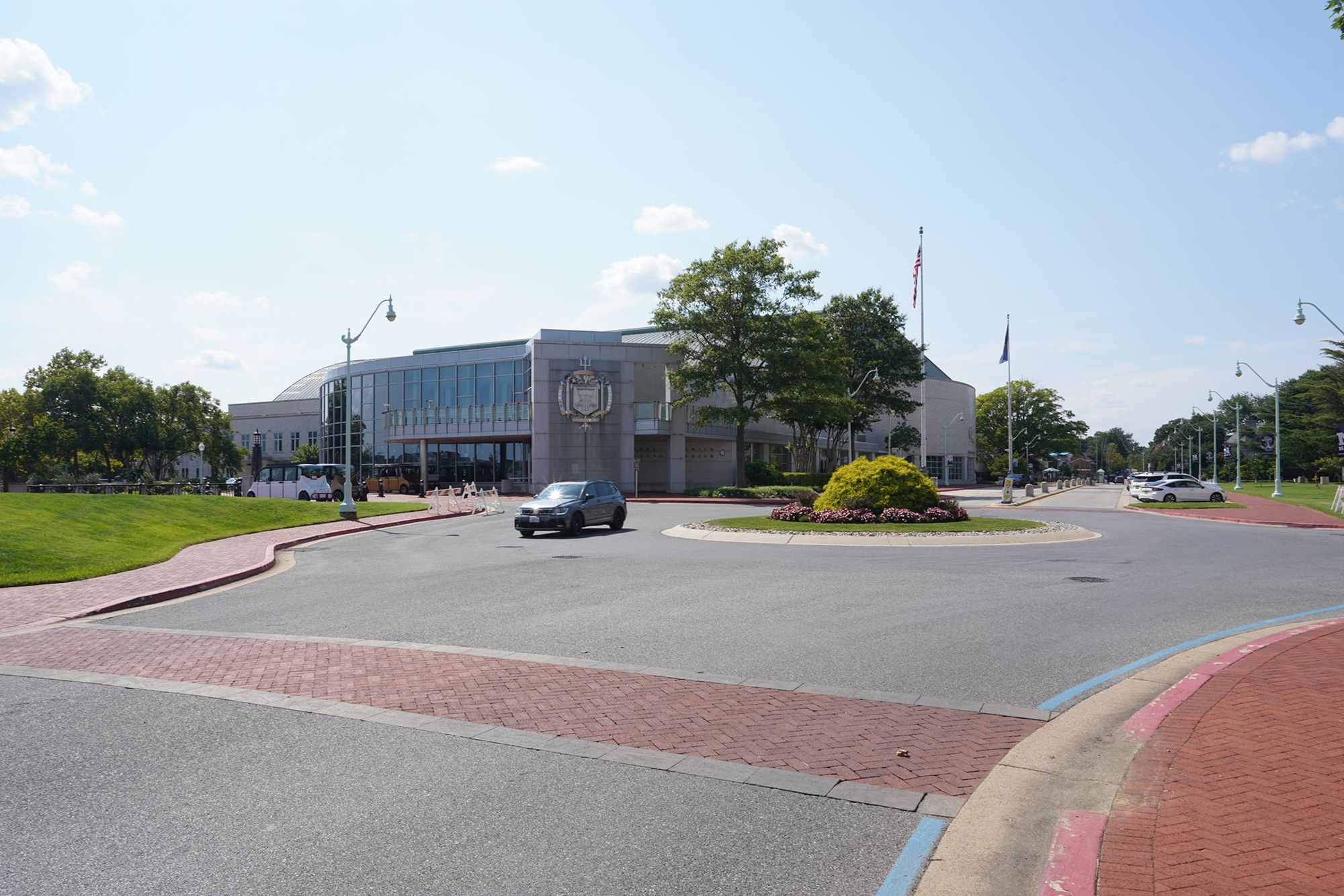
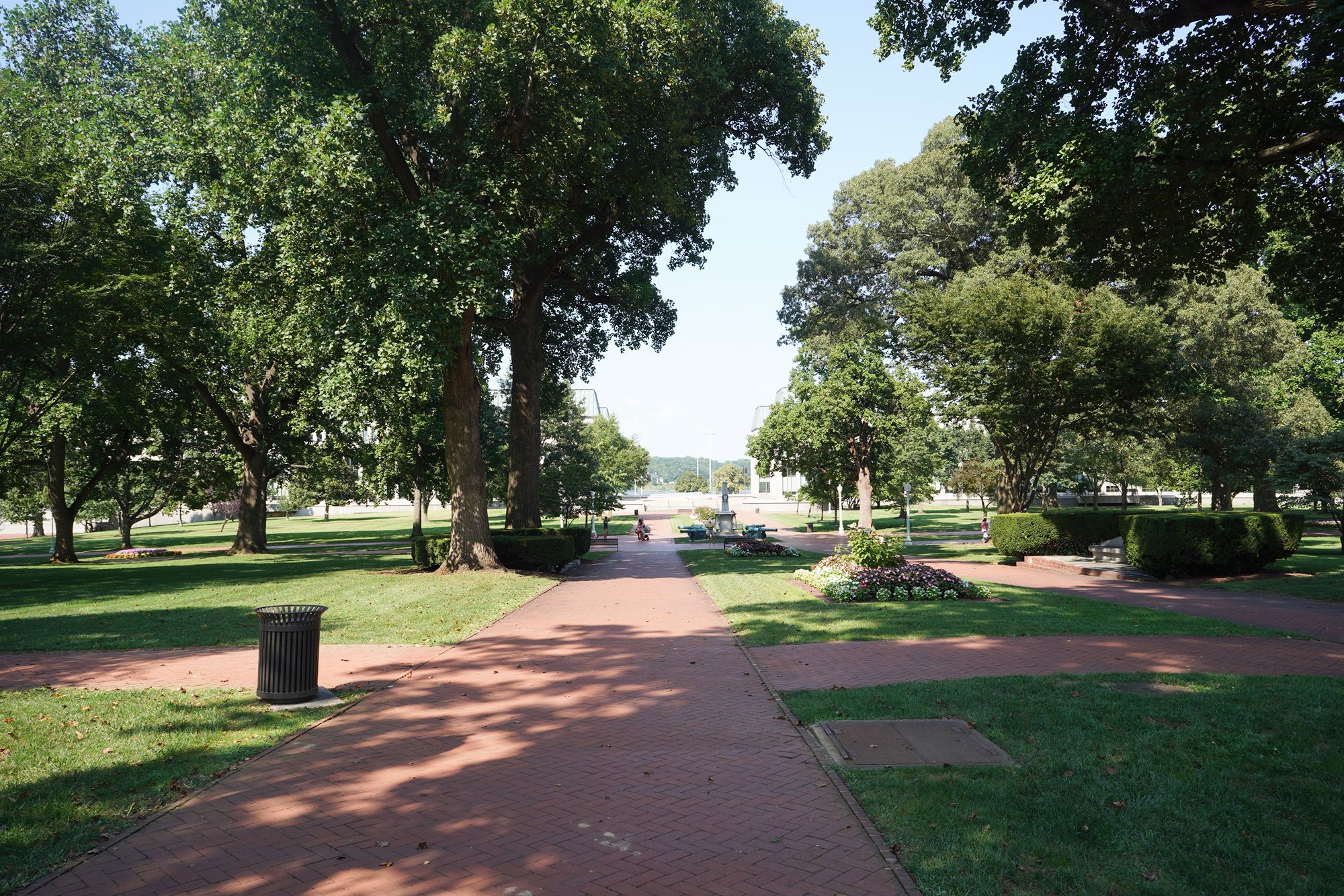
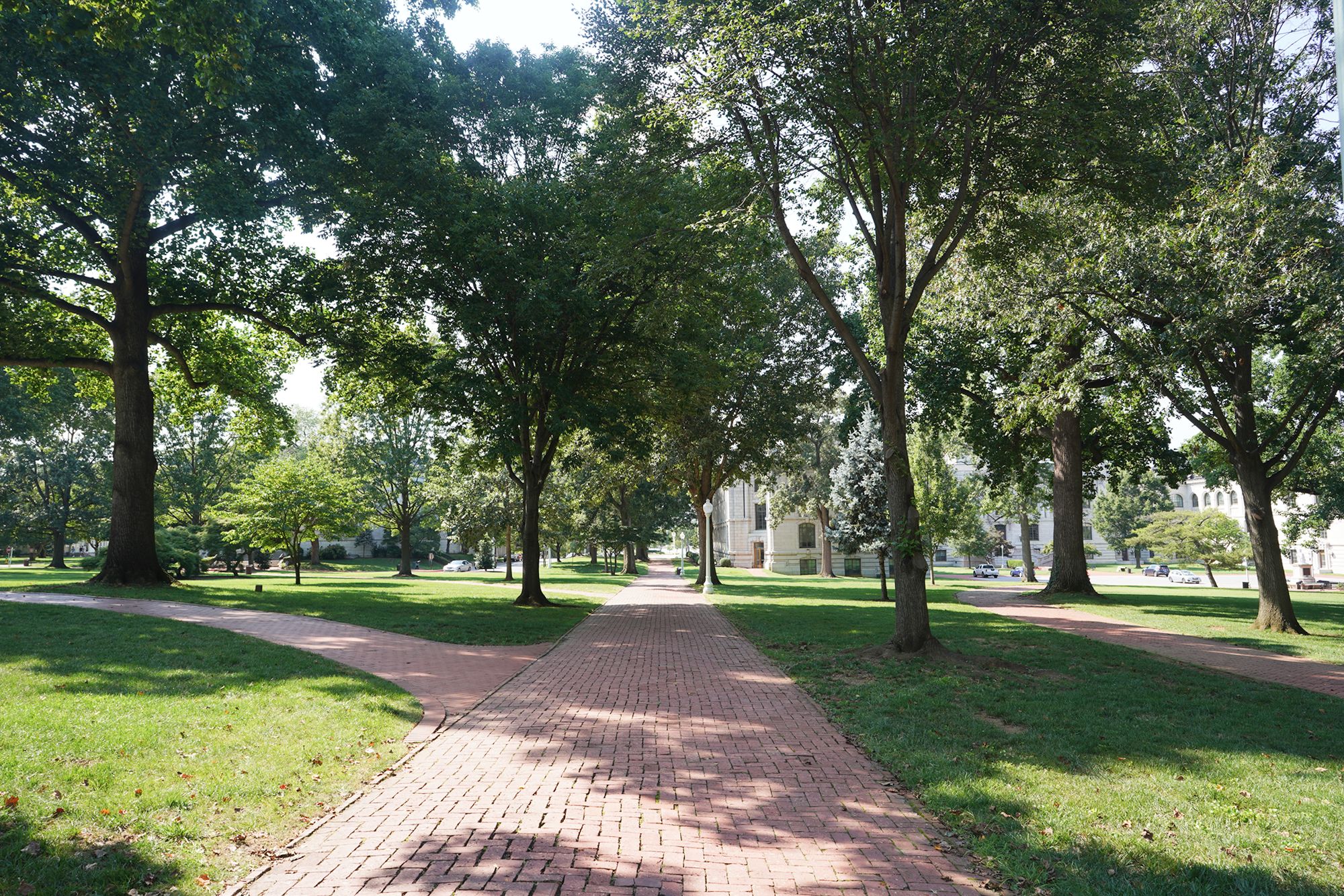
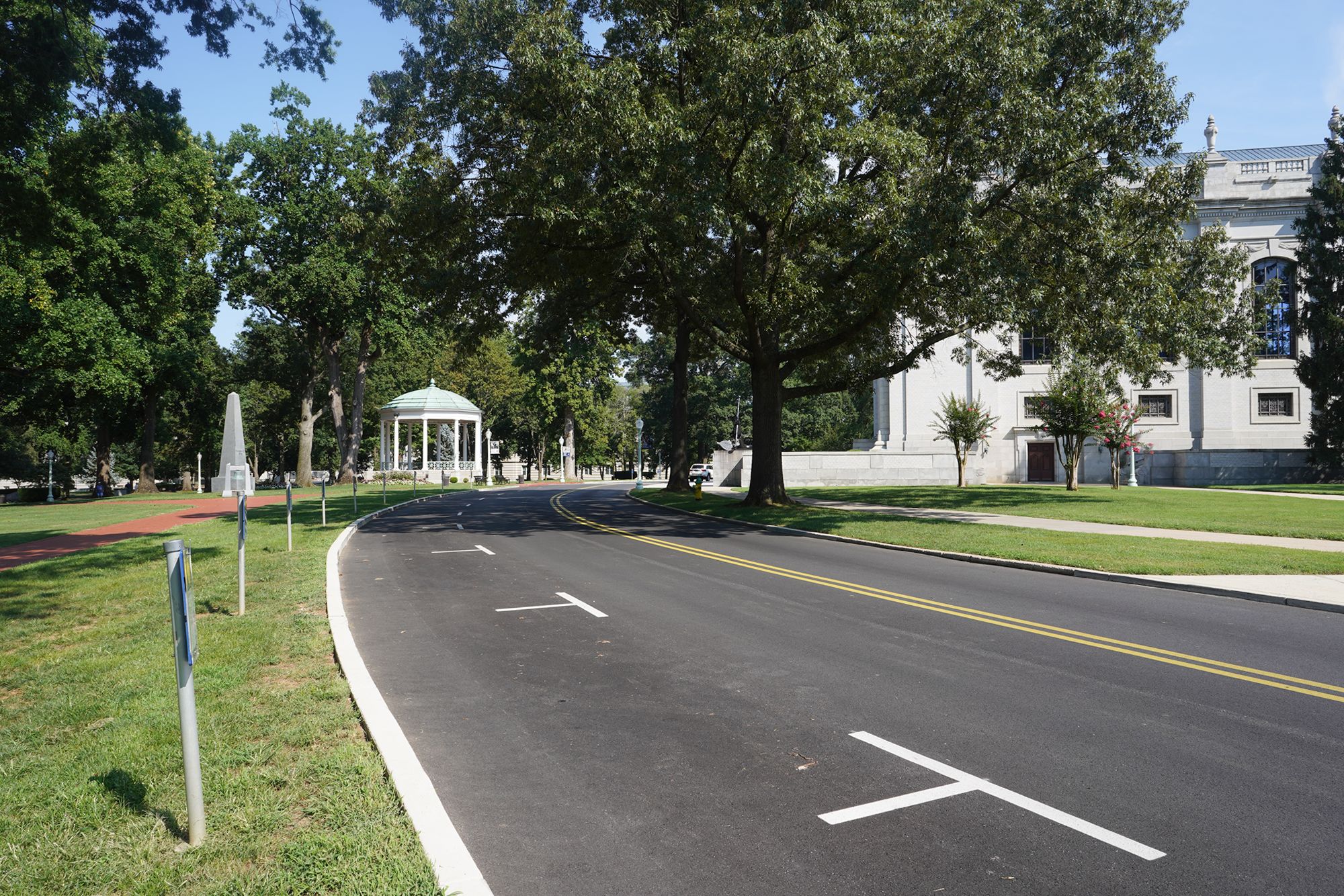
Walking to the center of the campus
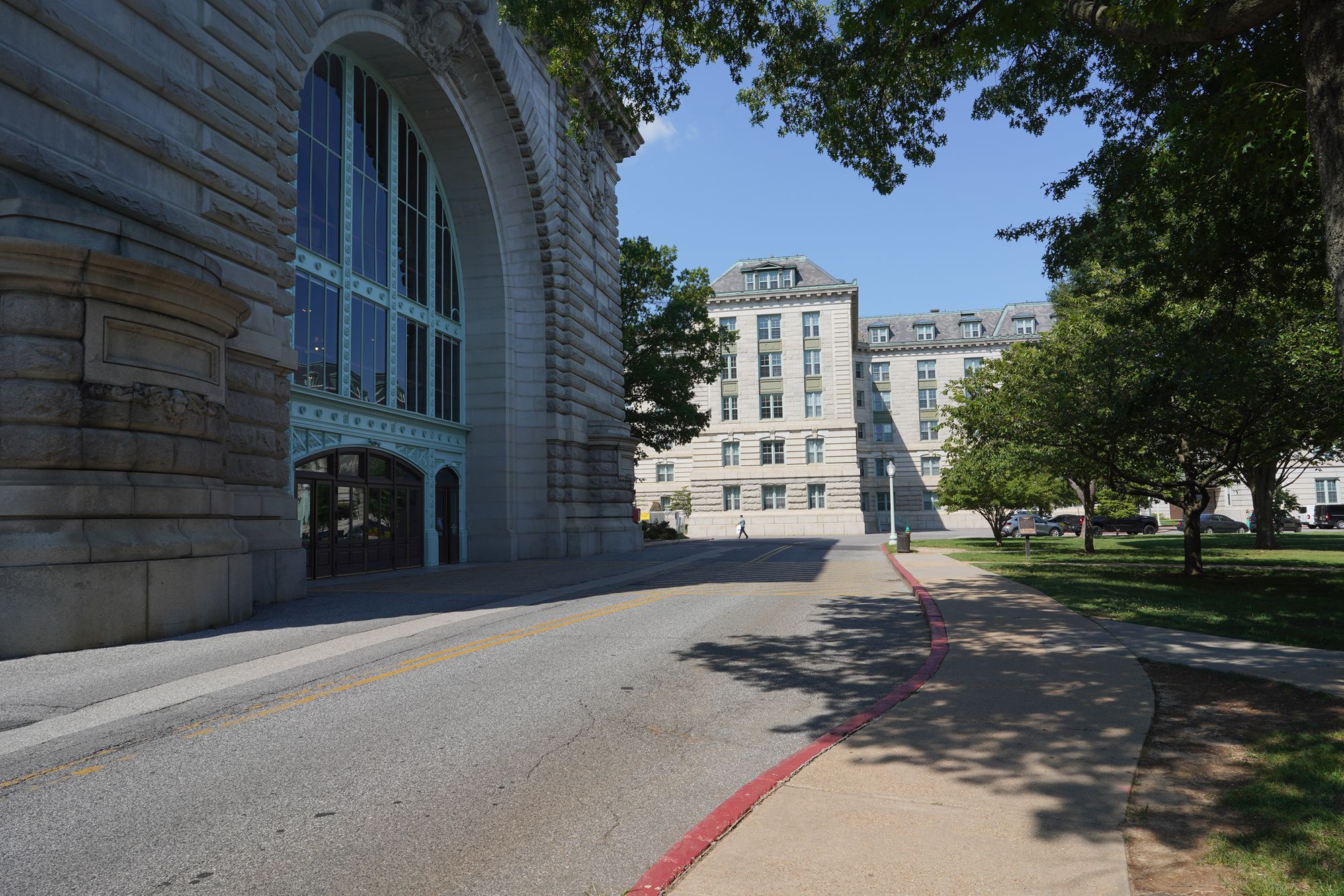
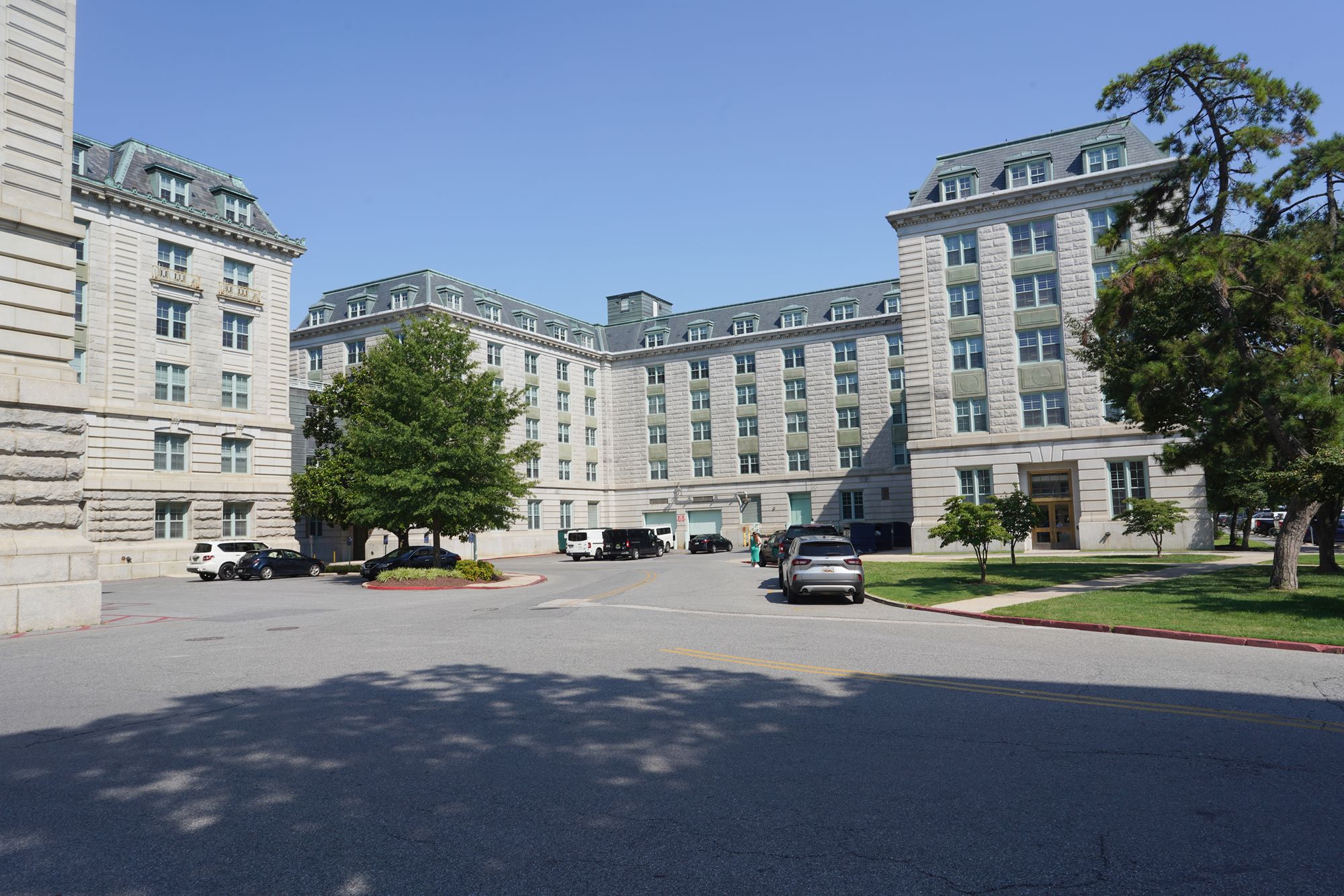
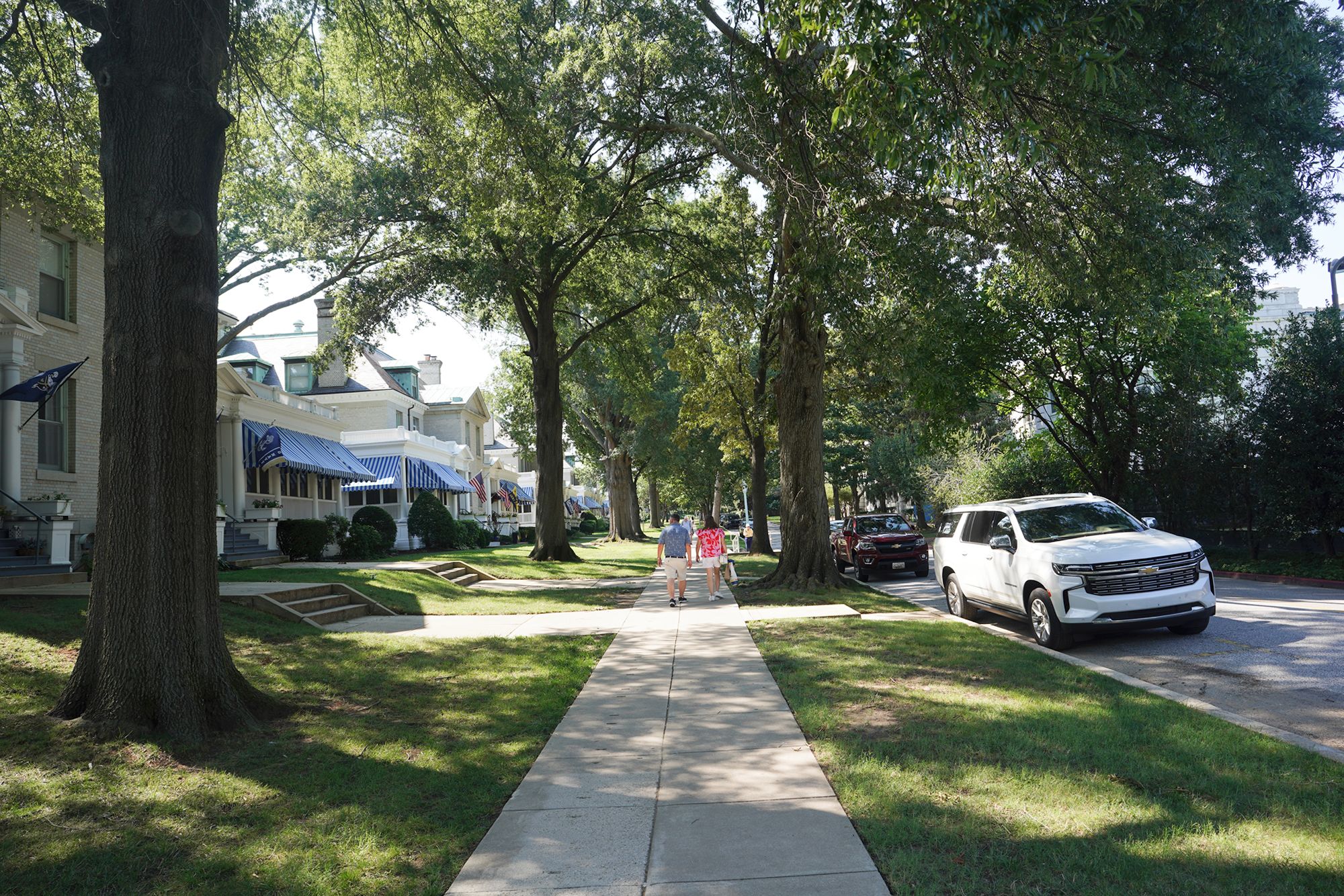
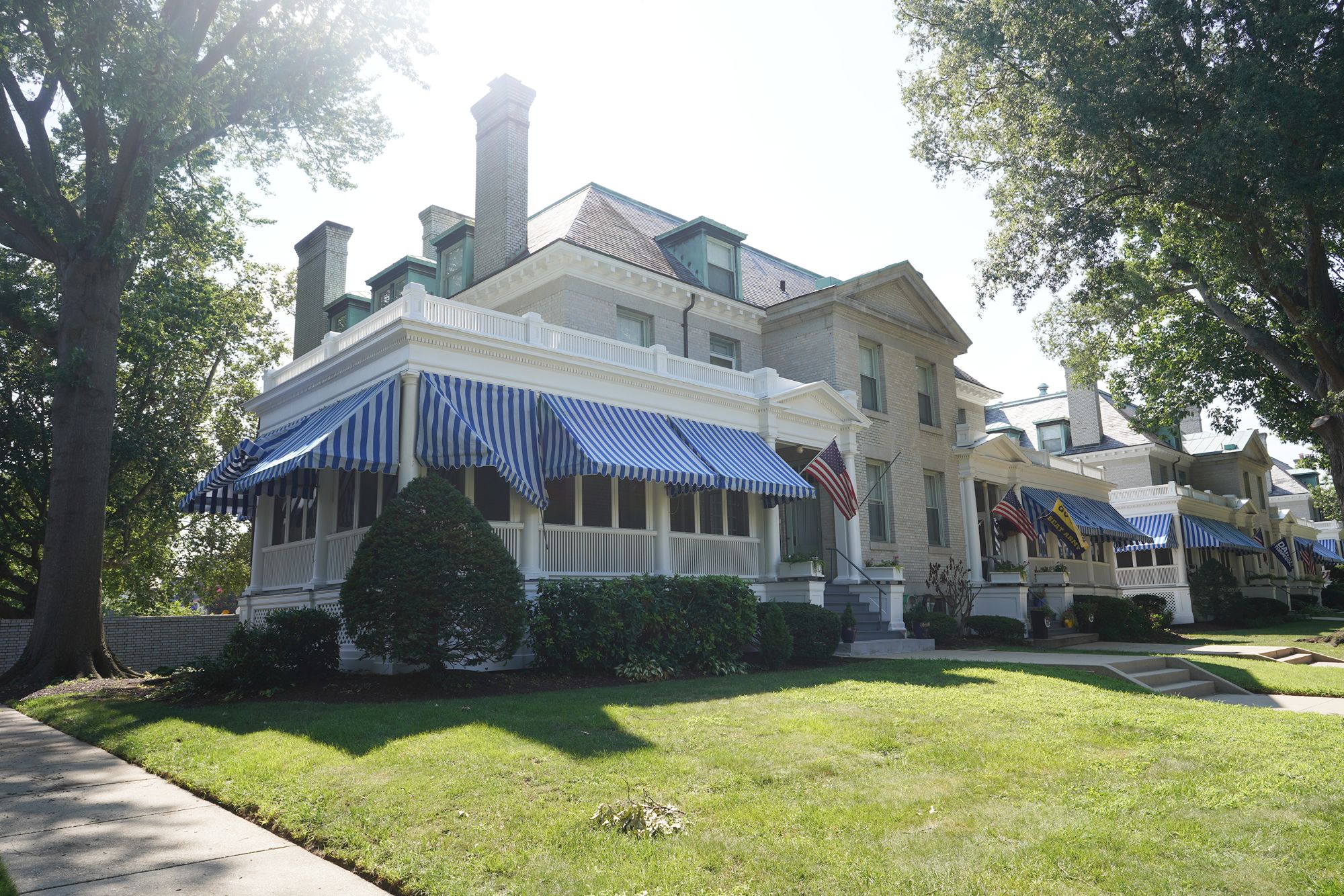
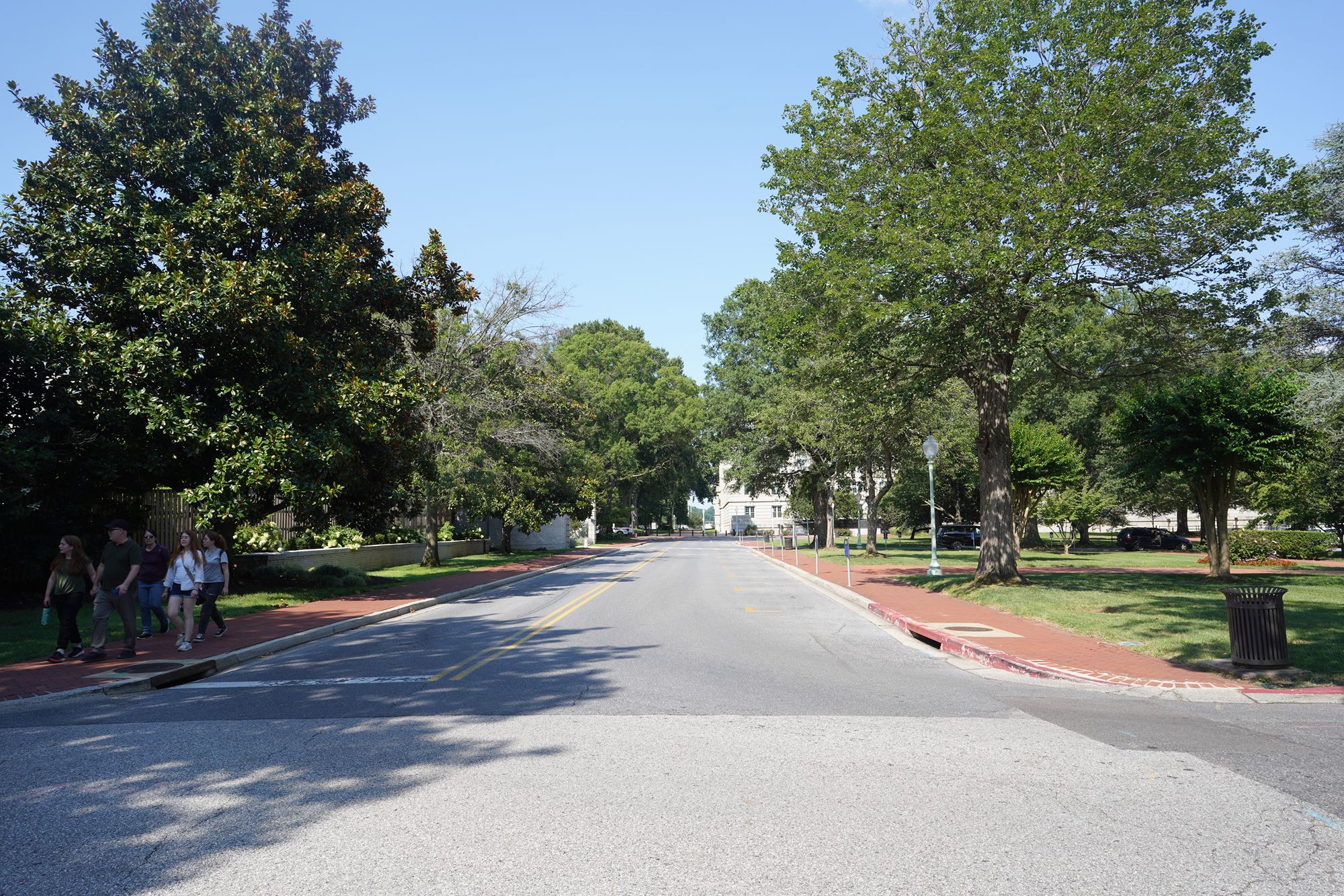
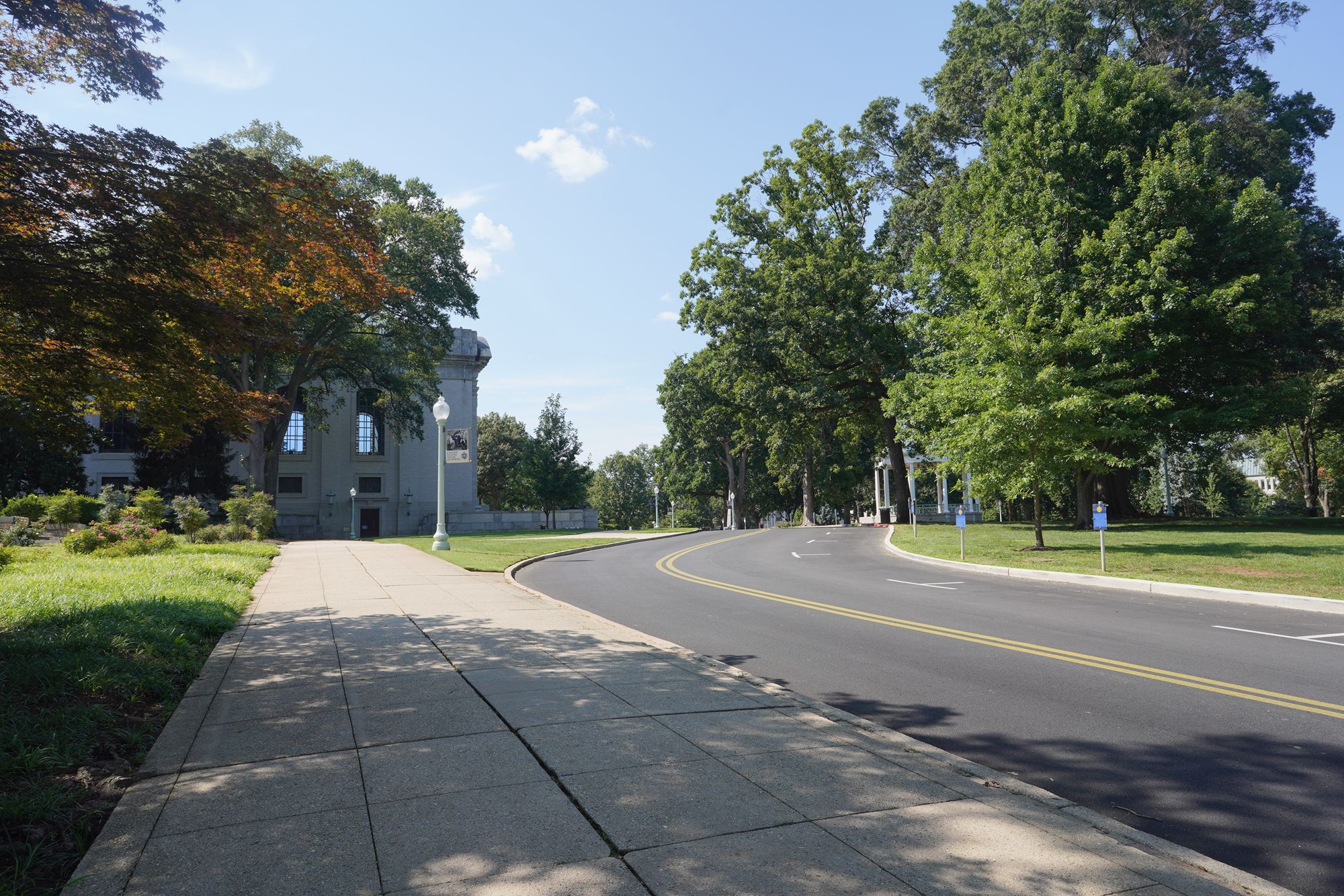
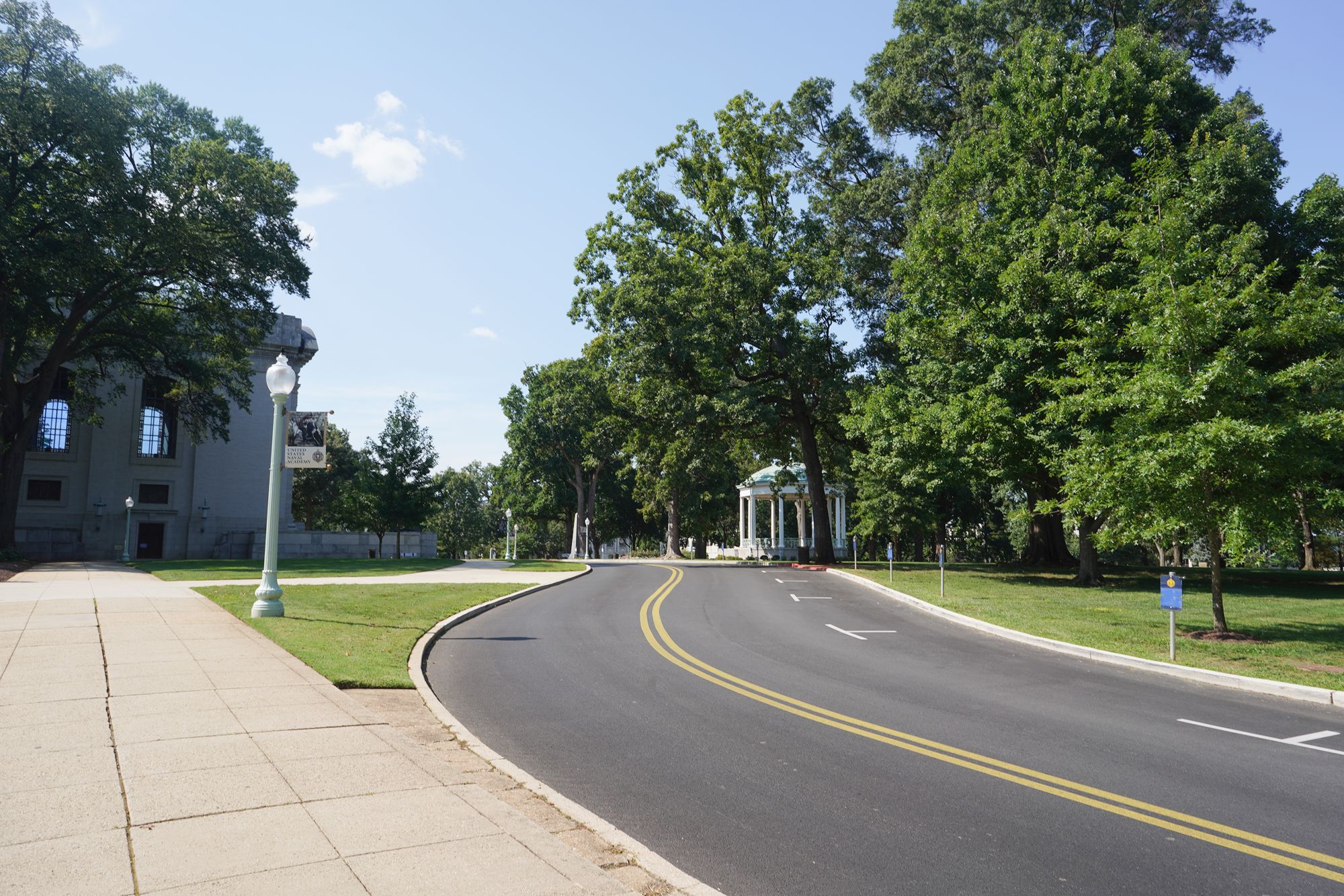
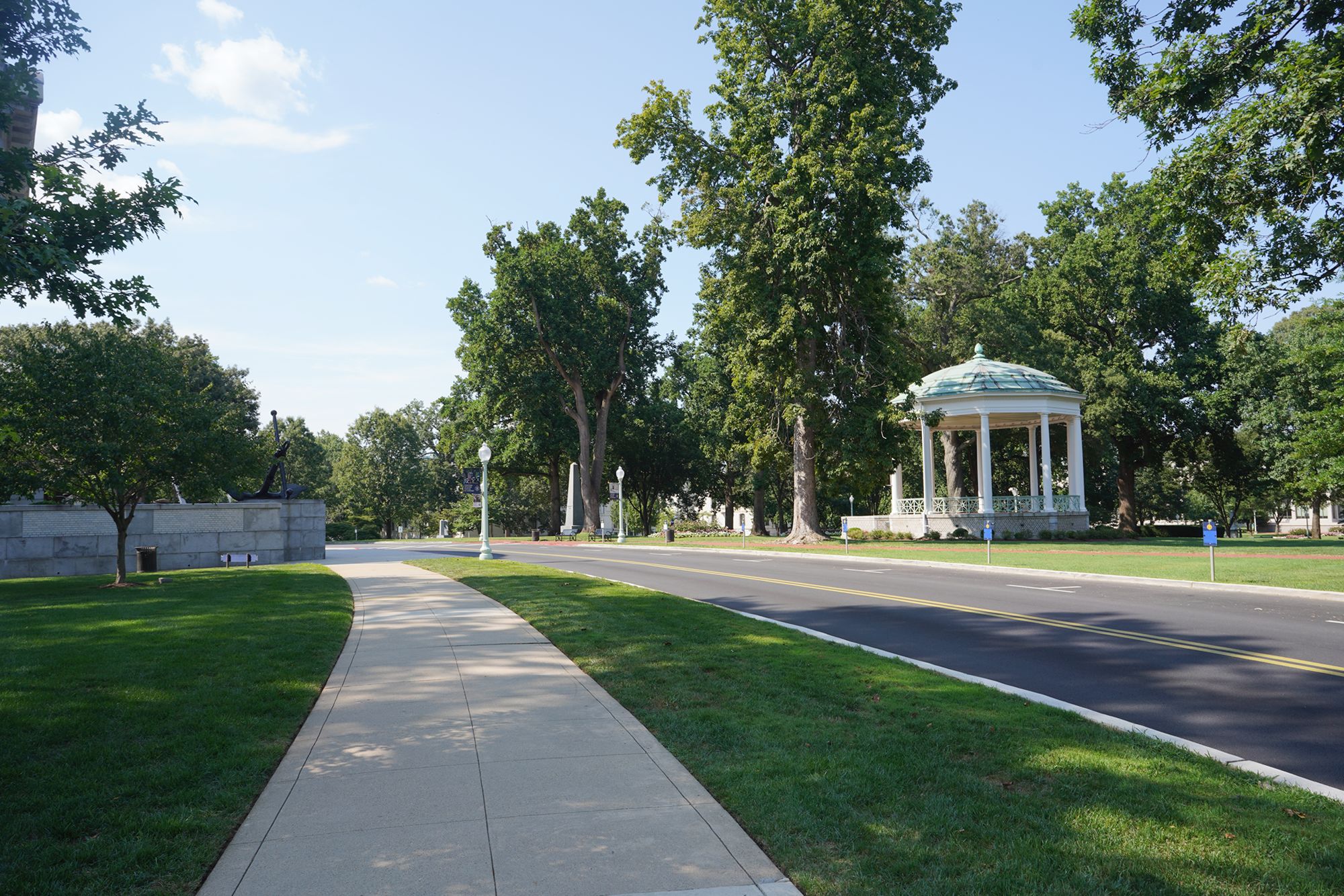
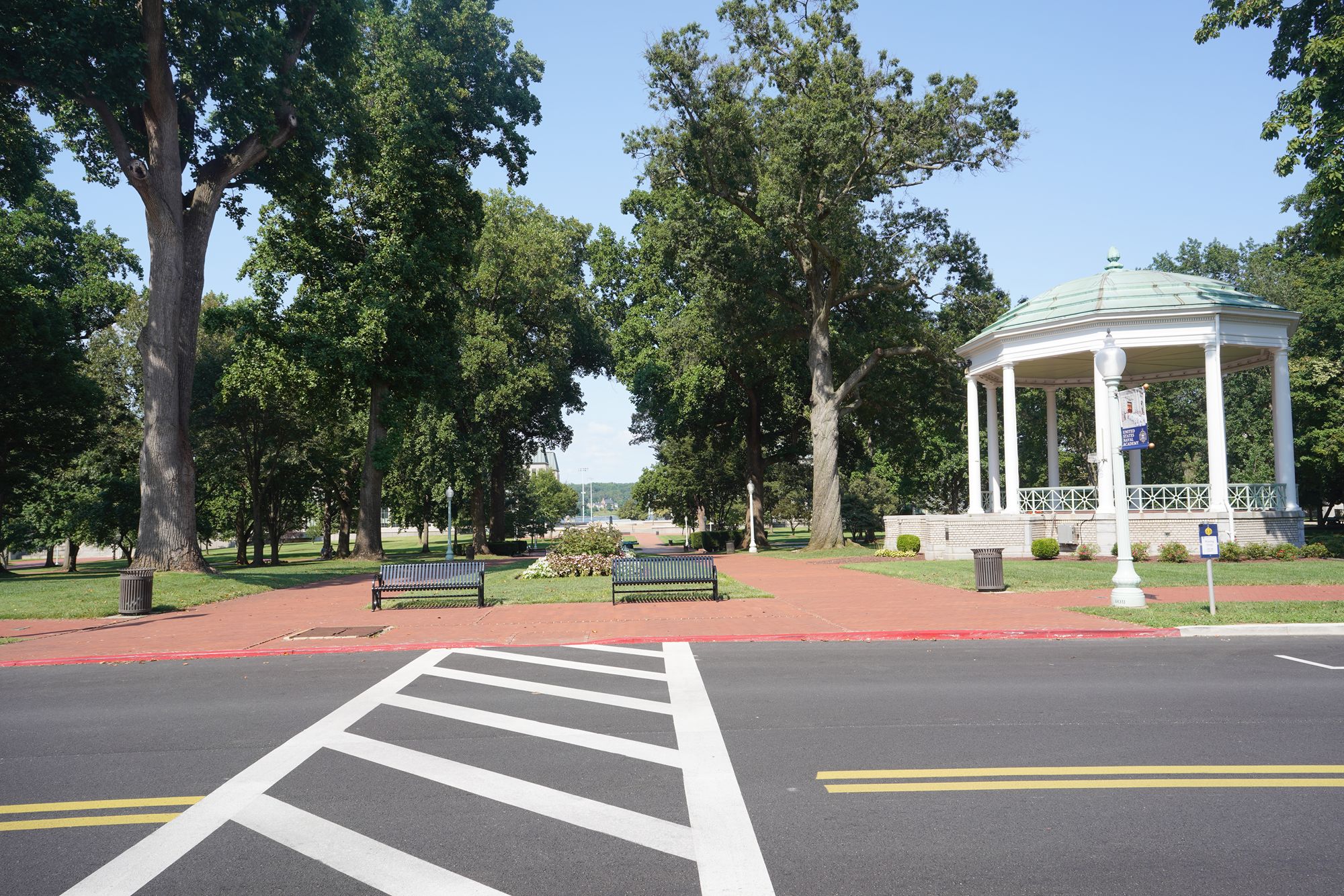
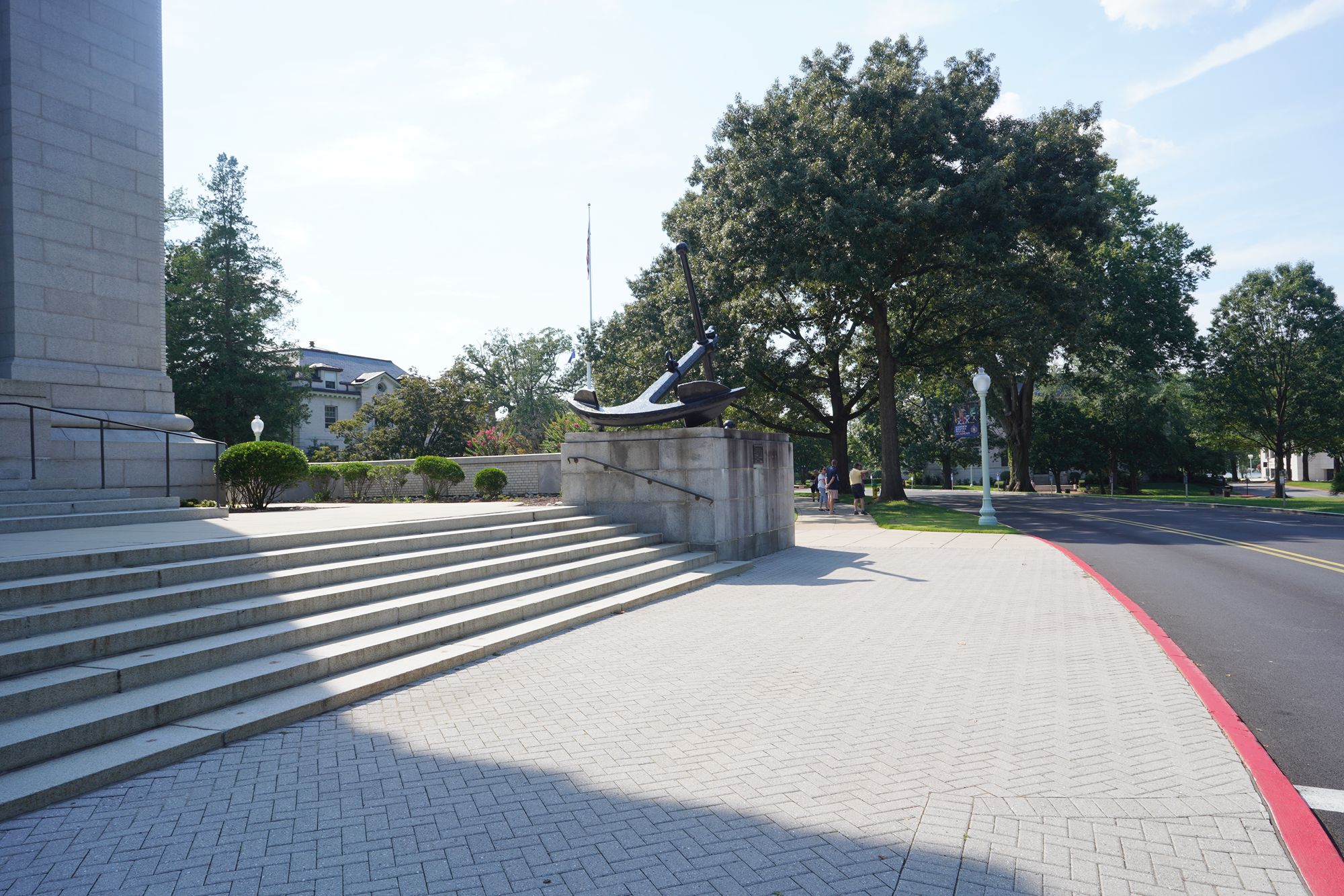
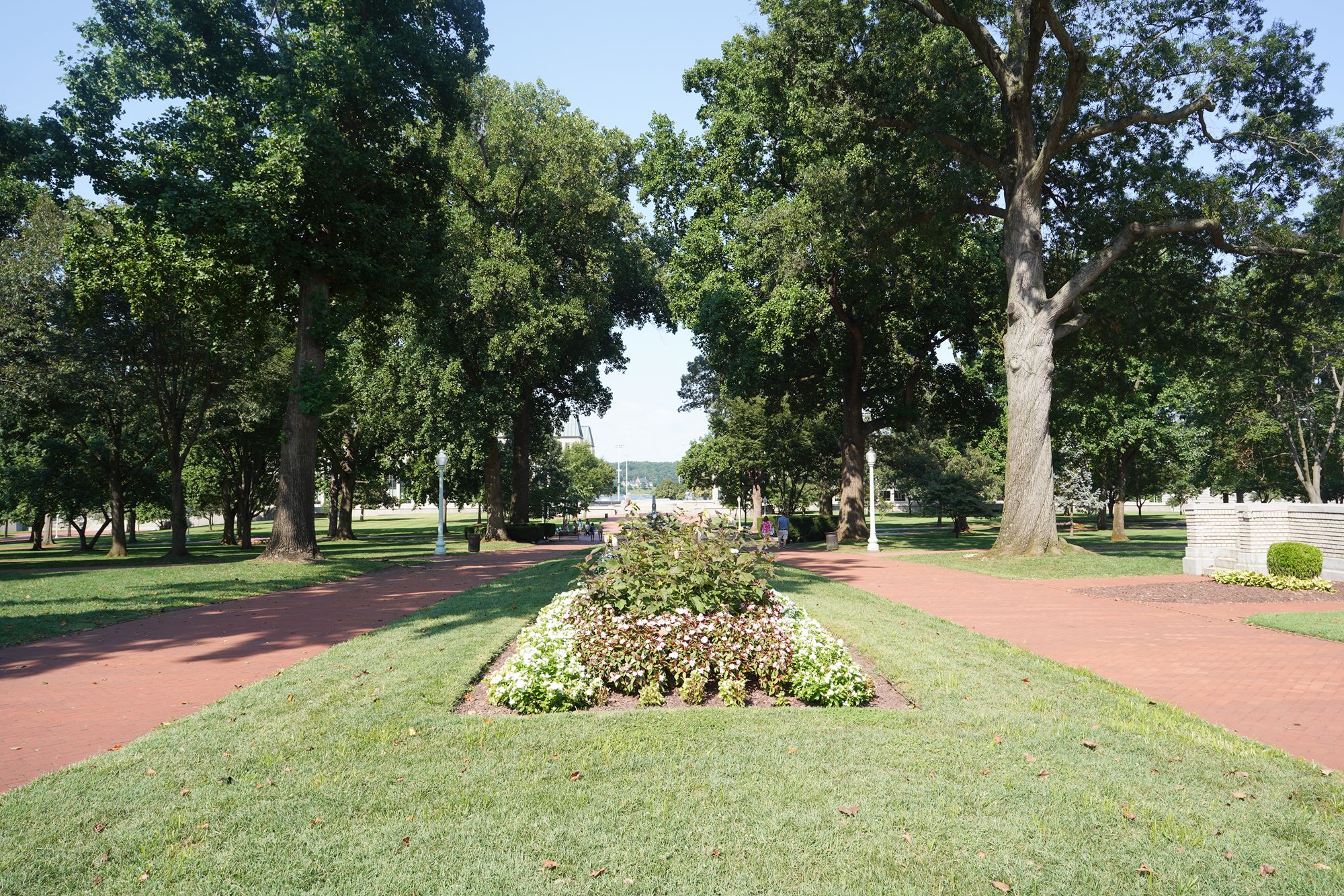
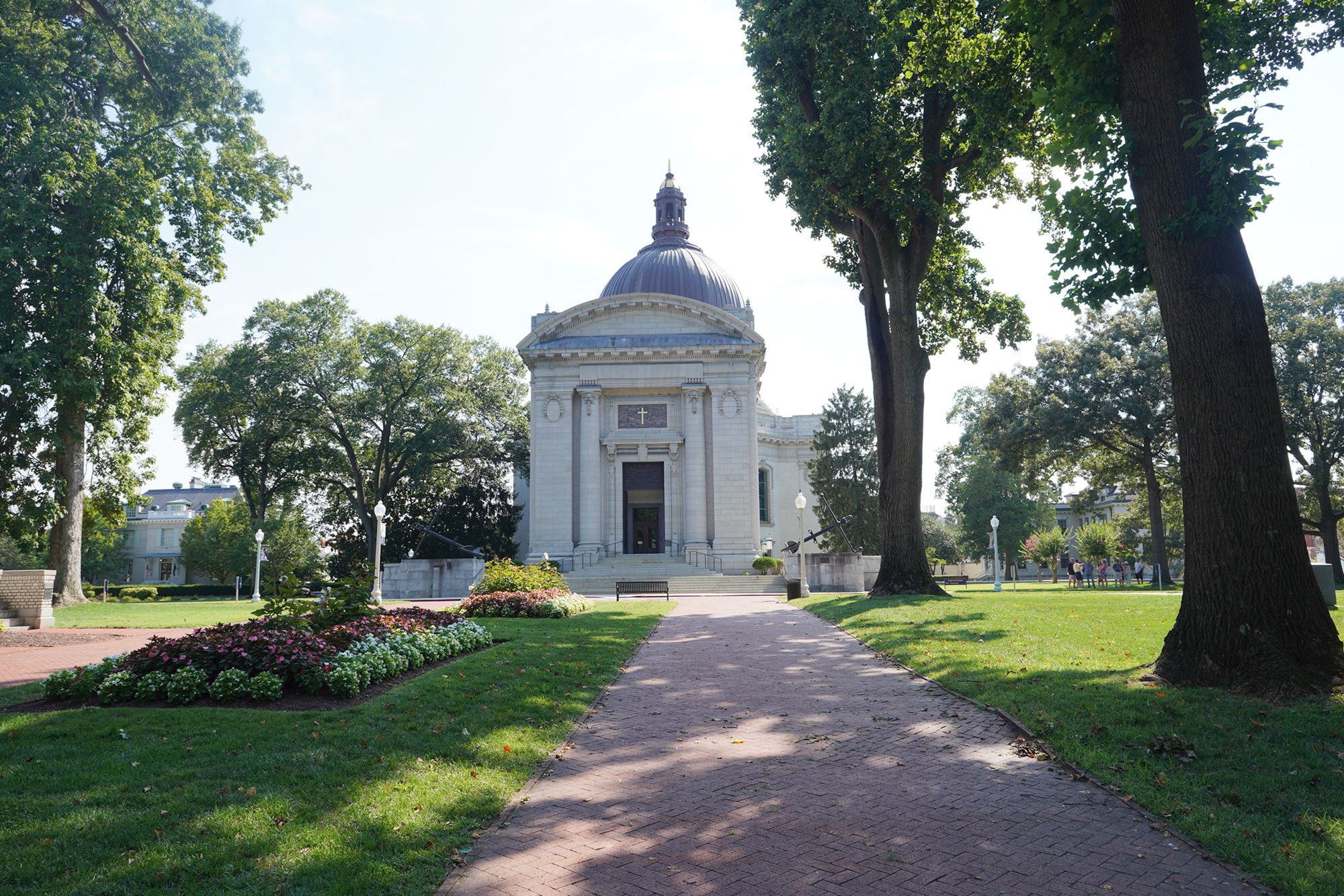
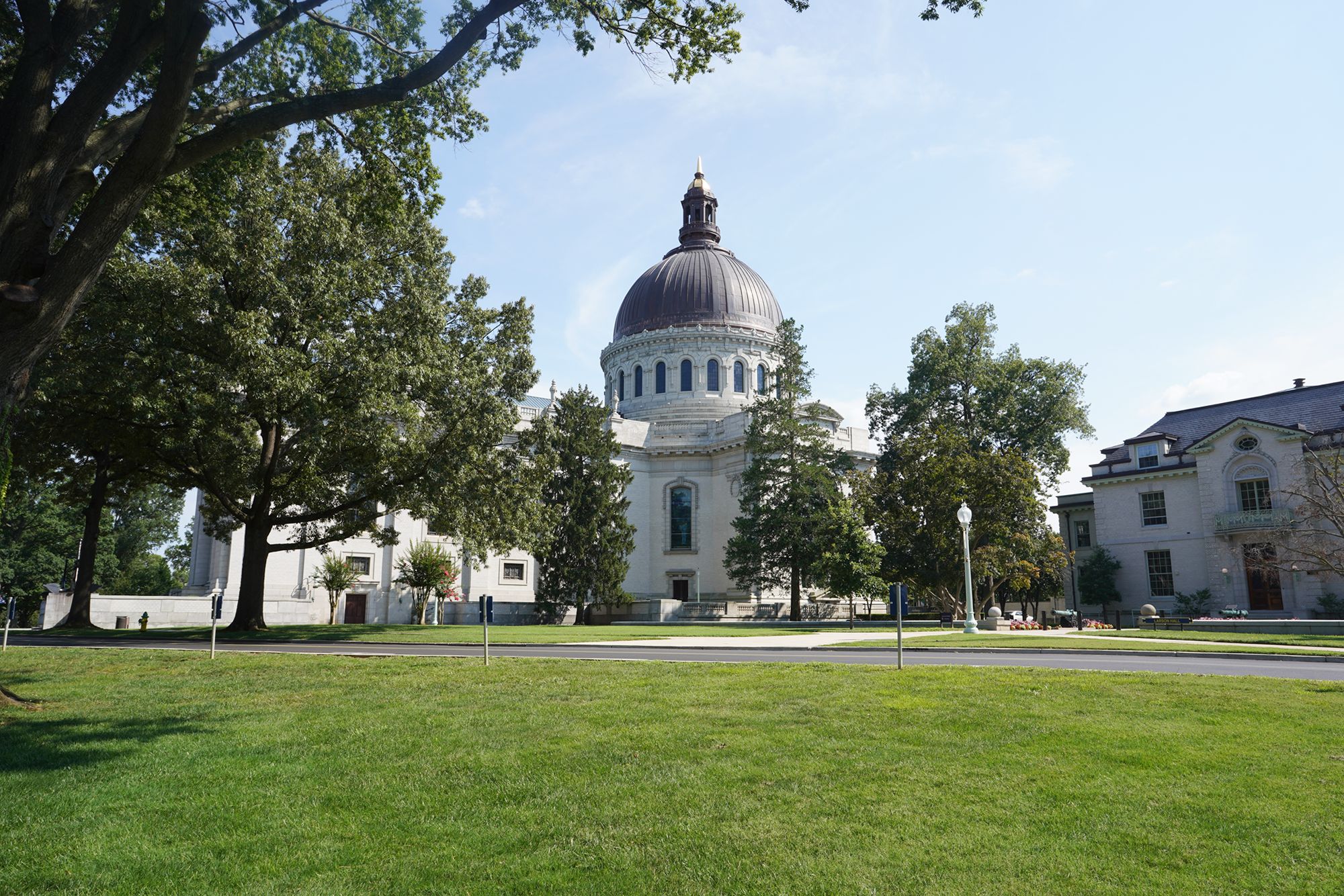
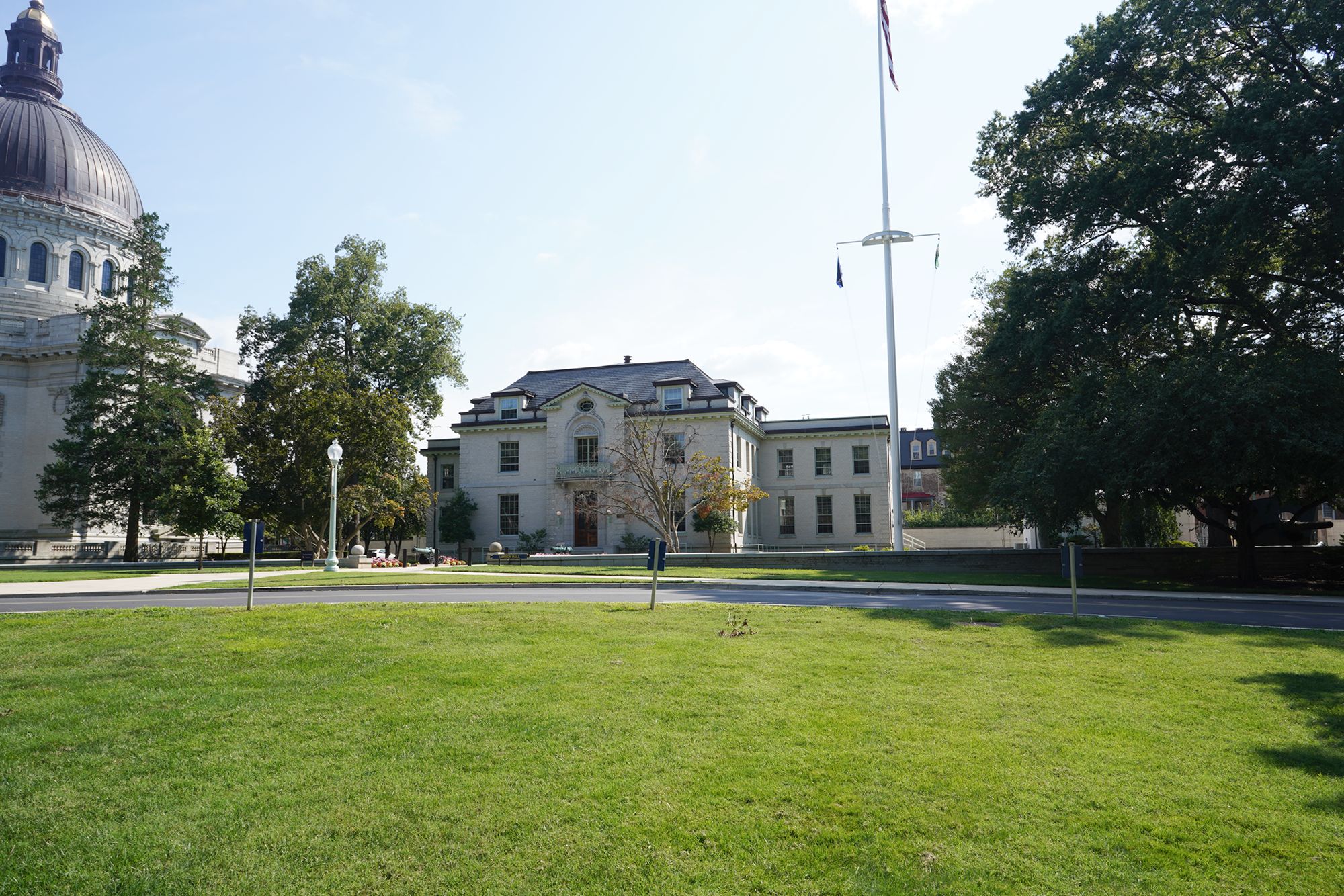
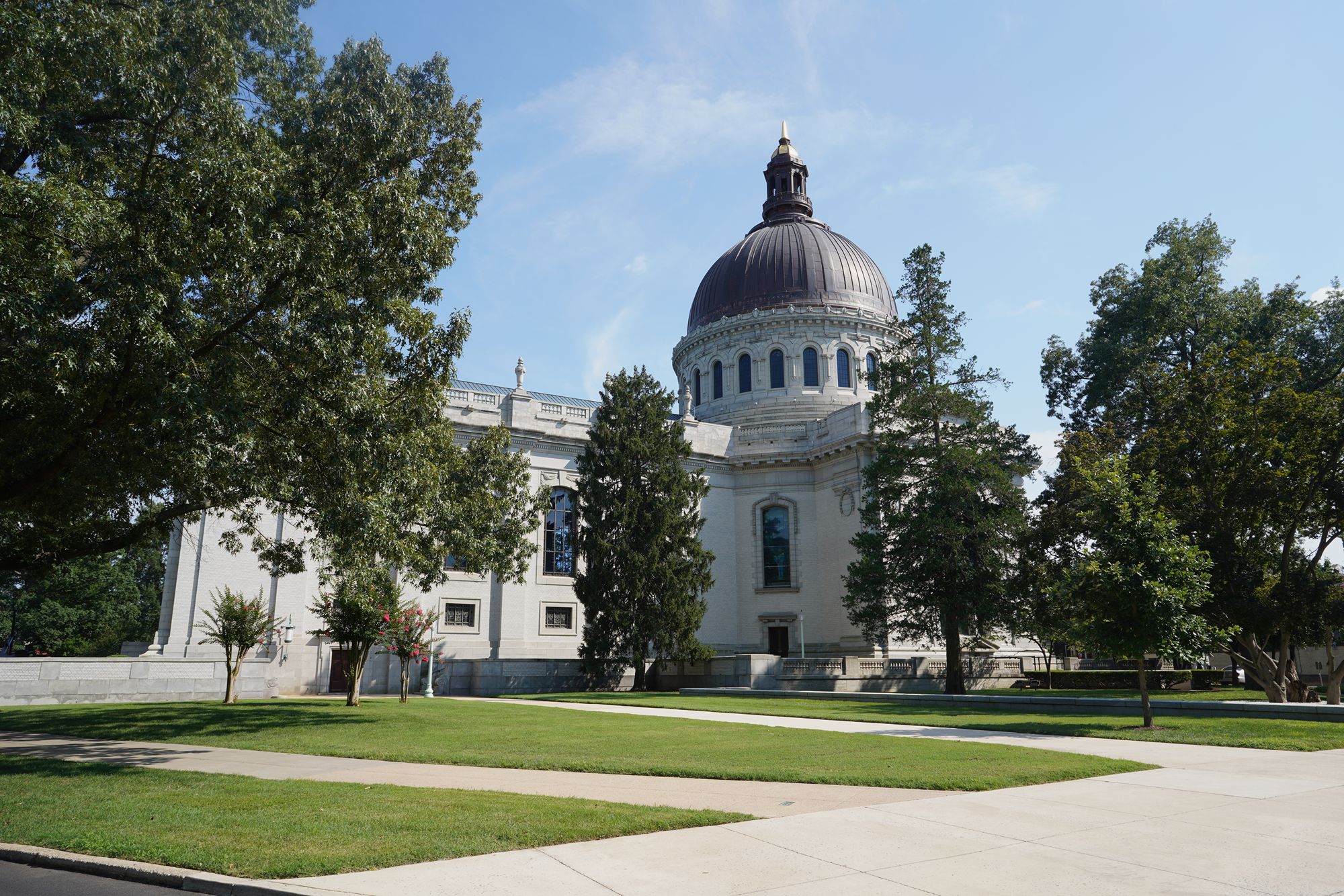
The Naval Academy Chapel
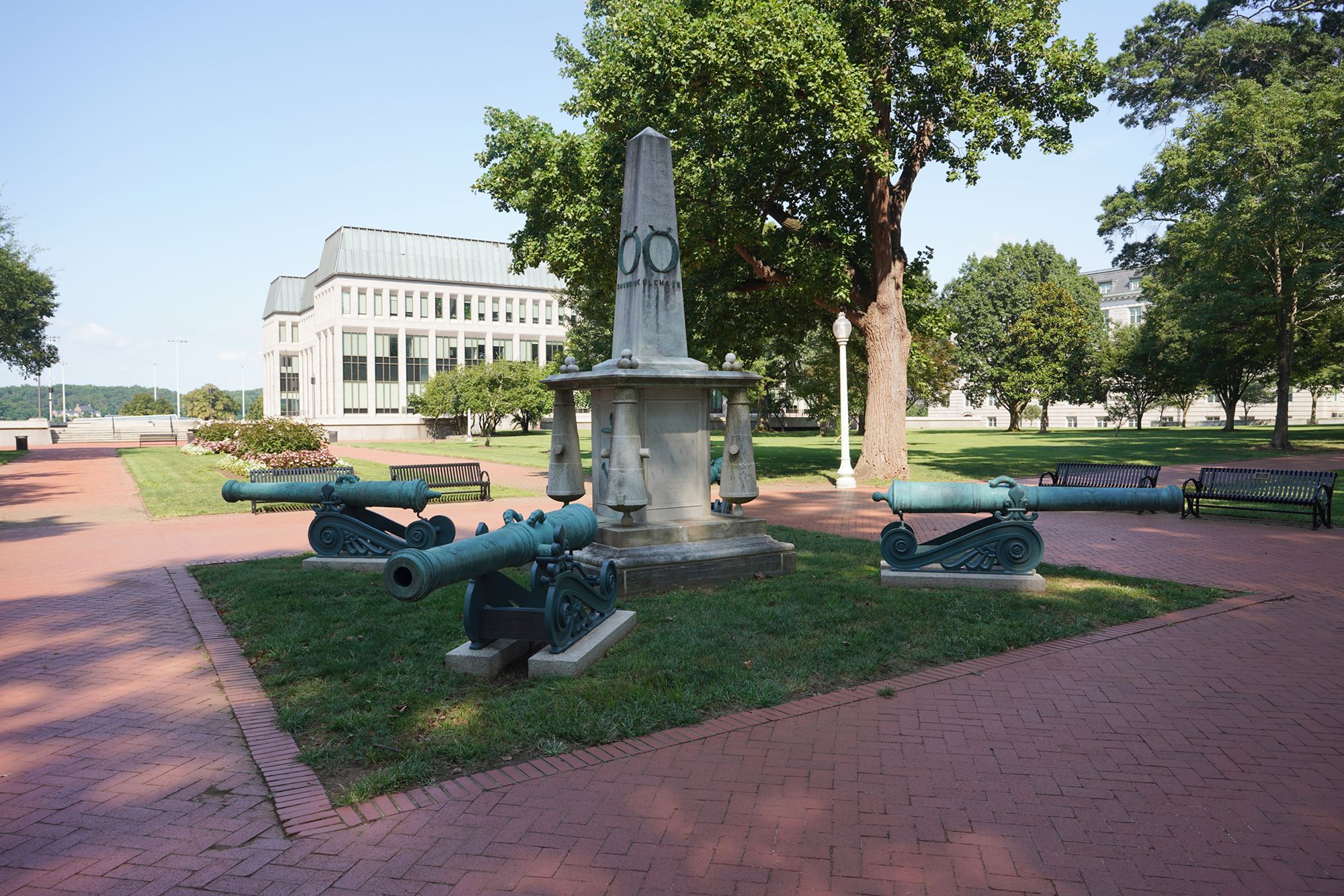
Mexican-American War Midshipmen’s Monument
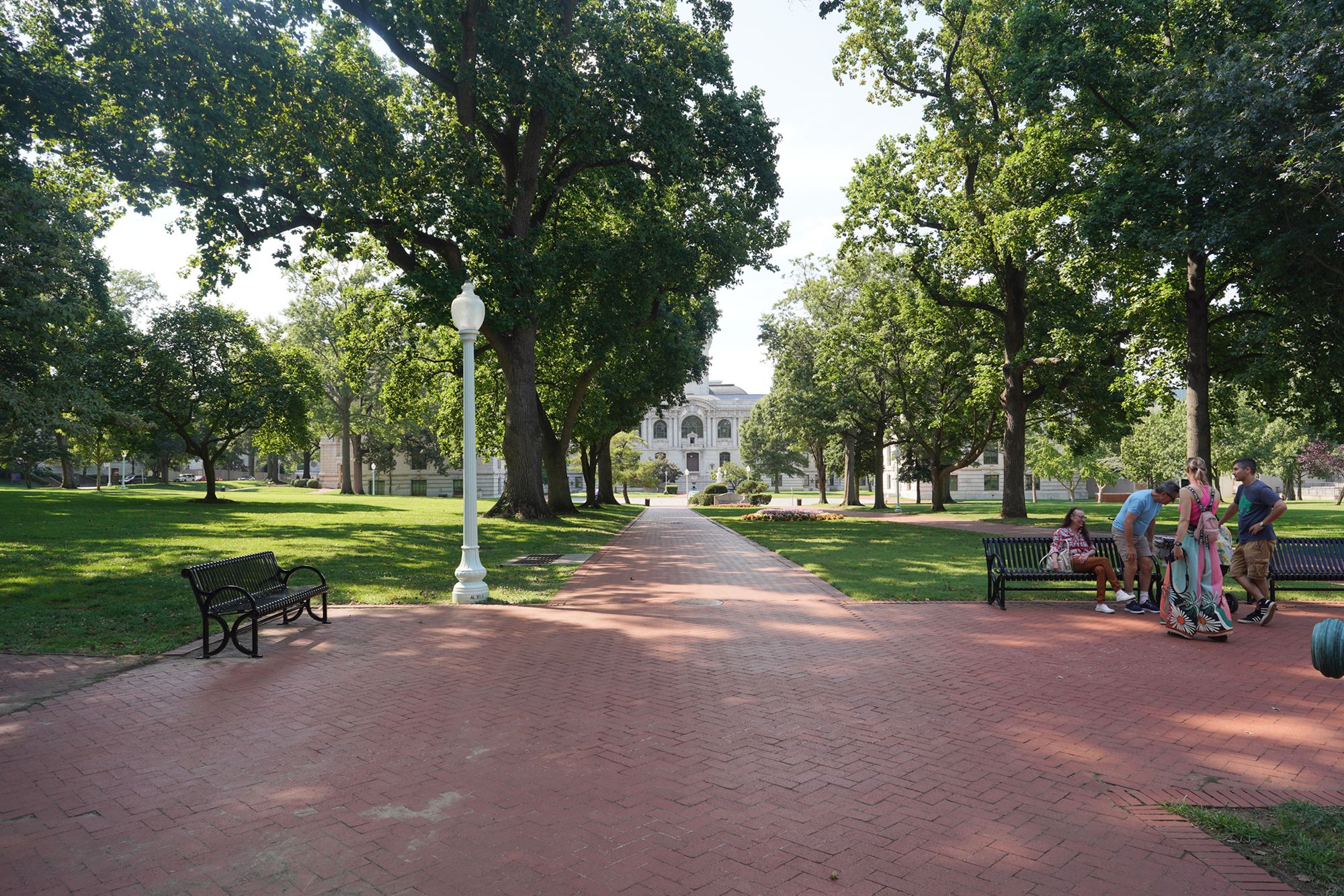
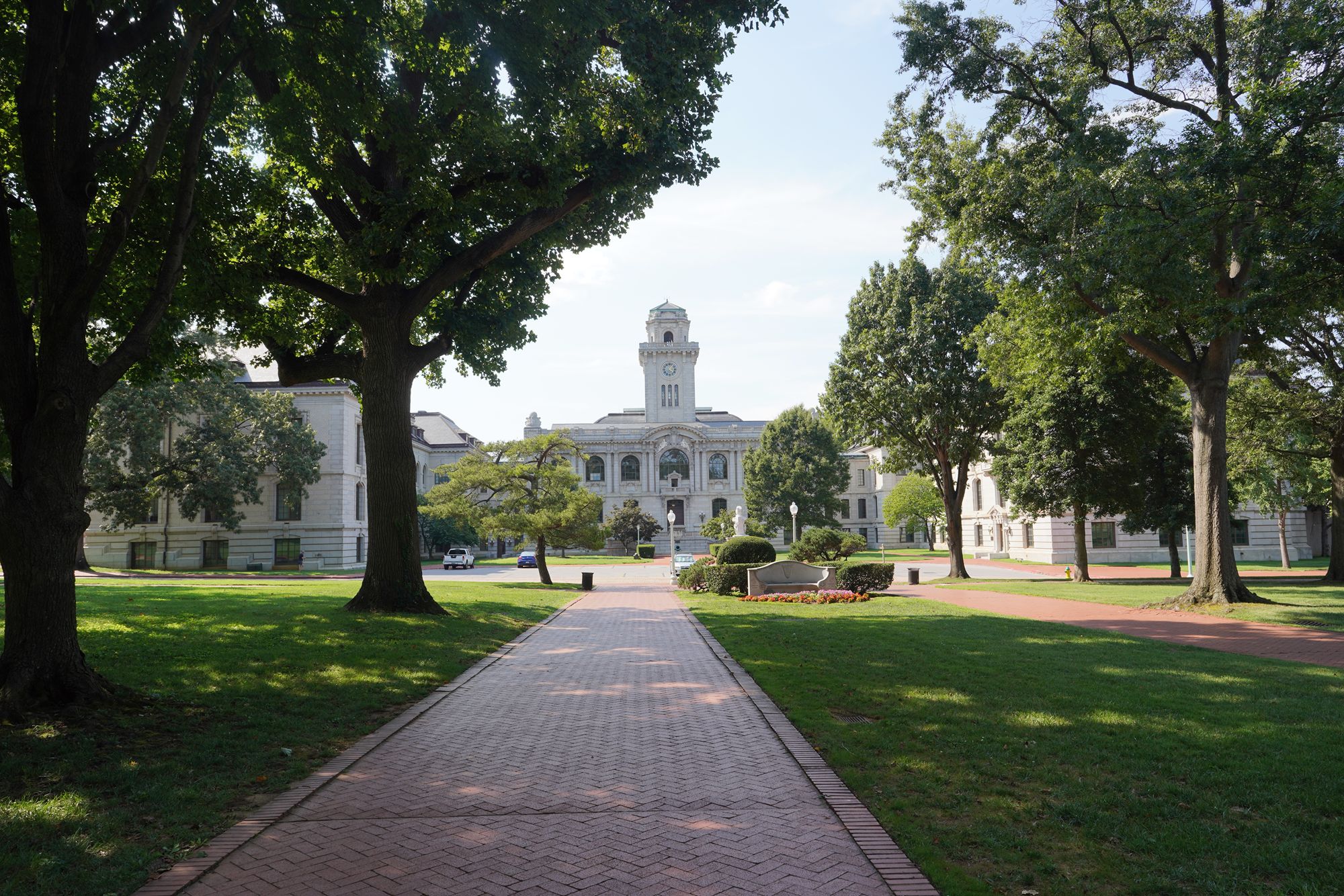
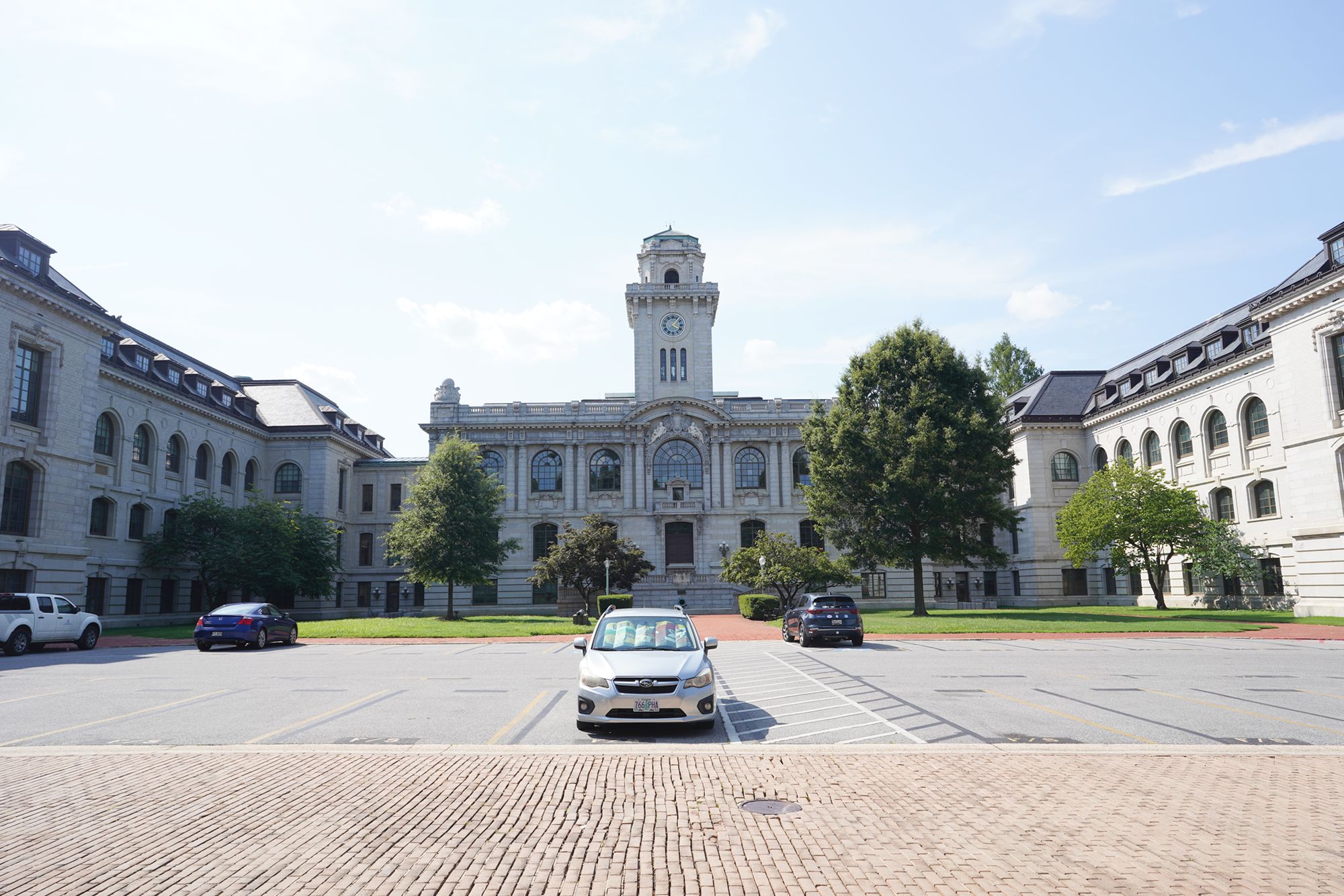
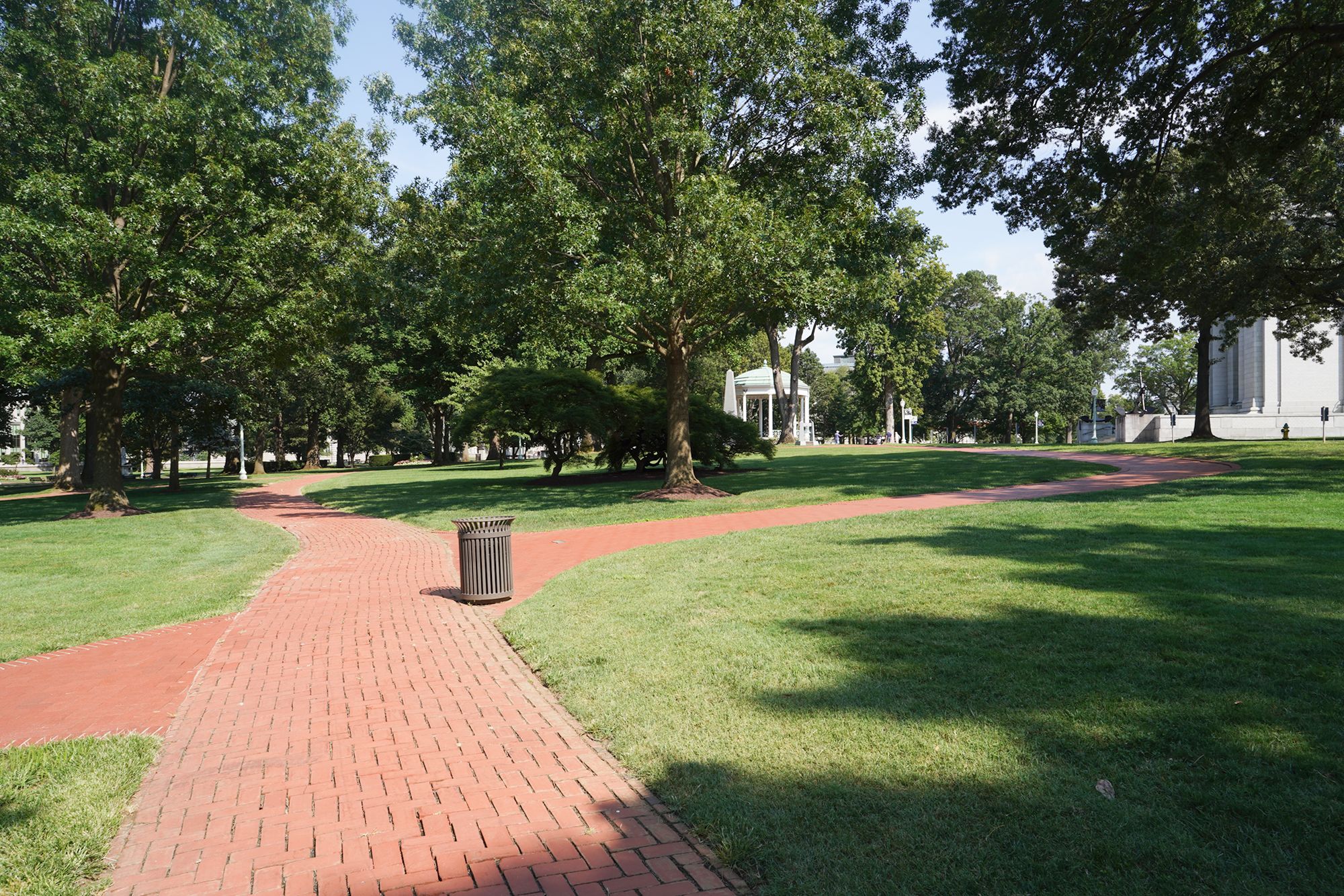
Mahan Hall, which houses the academy’s main theater and is used for lectures, performances, and special events.
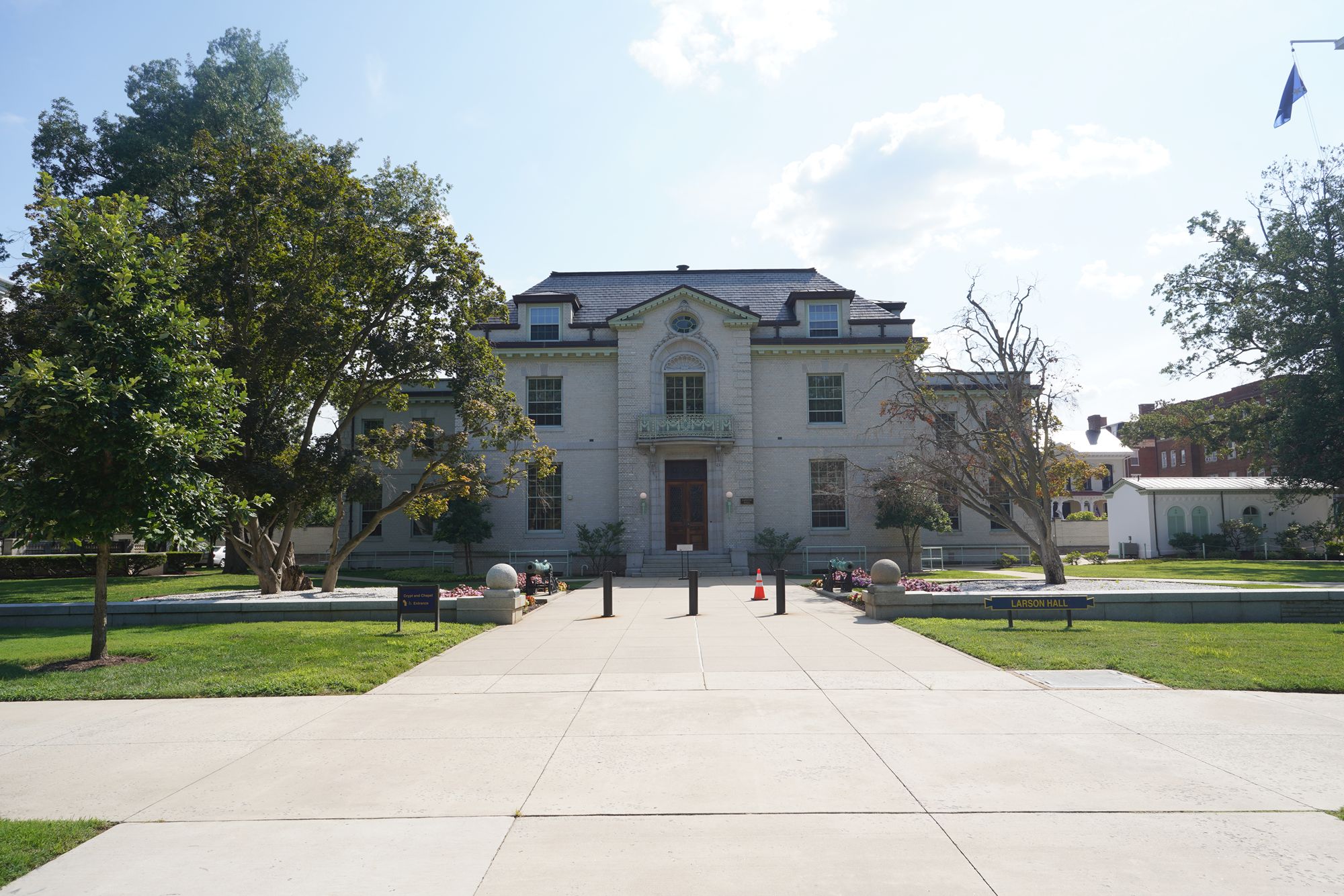
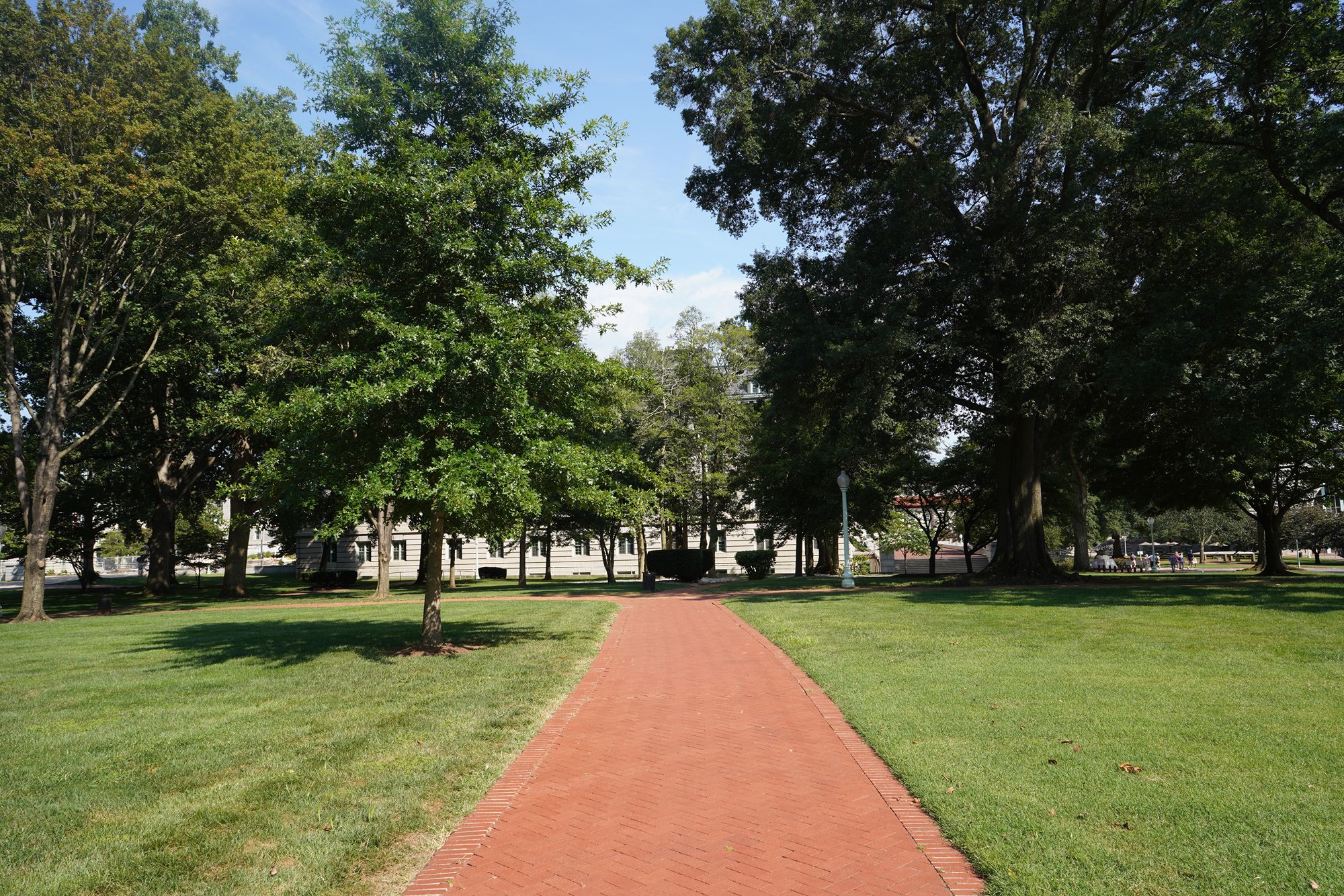
Bancroft Hall is the massive central dormitory where all midshipmen live during their time at the Naval Academy. It contains living quarters, study spaces, classrooms, and the iconic Memorial Hall, which honors fallen graduates. With its vast size and long corridors, it’s considered one of the largest single dormitory buildings in the world.
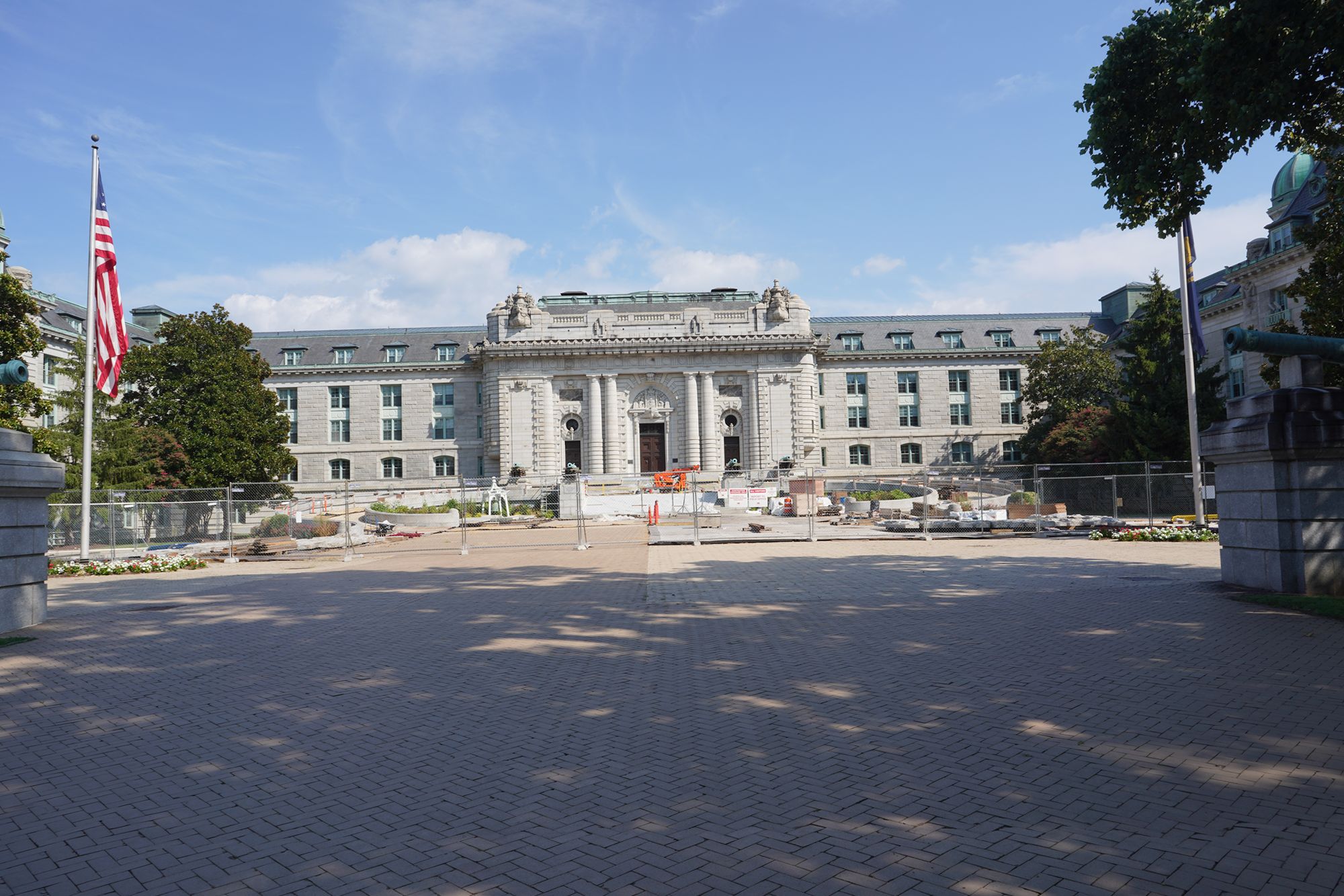
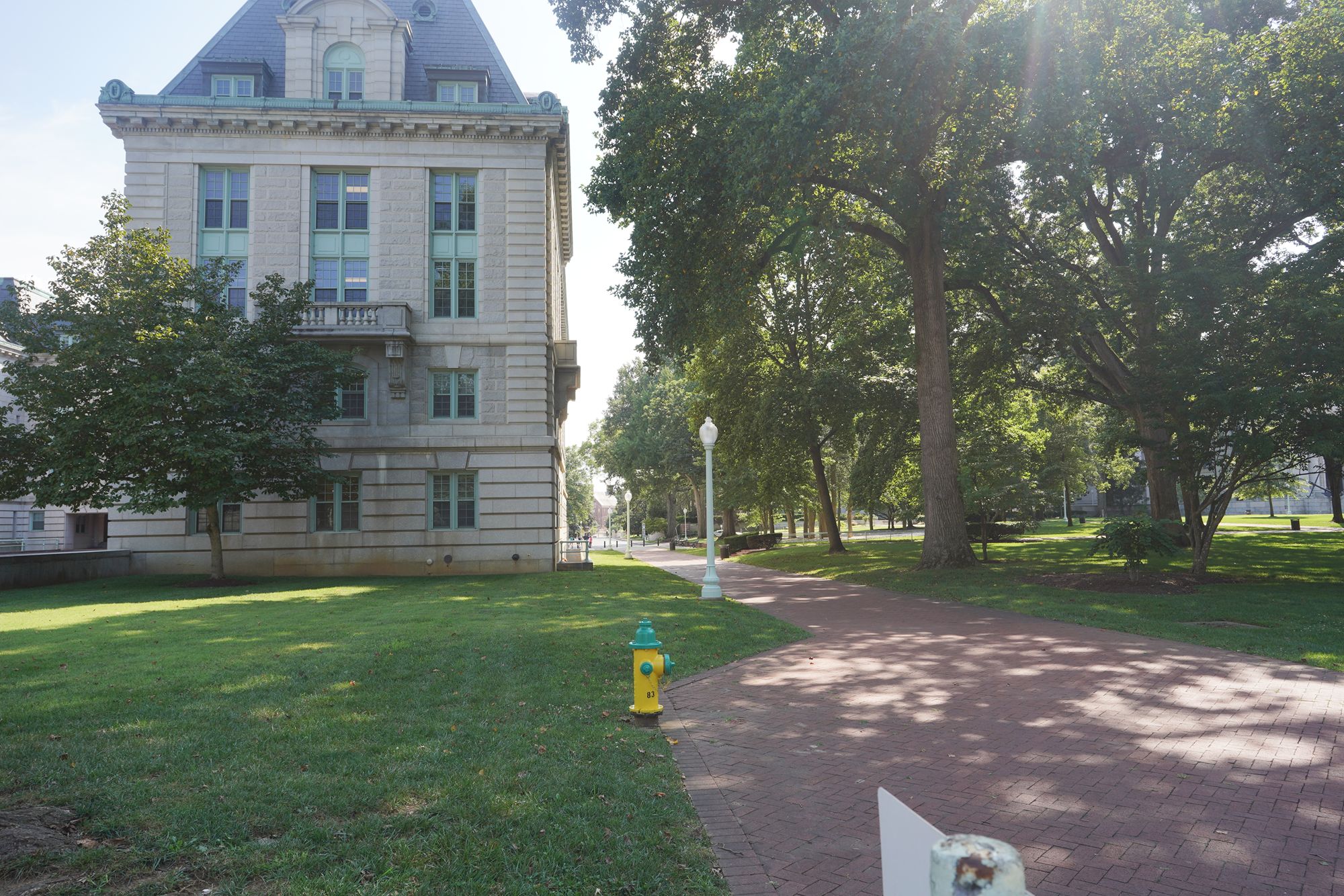
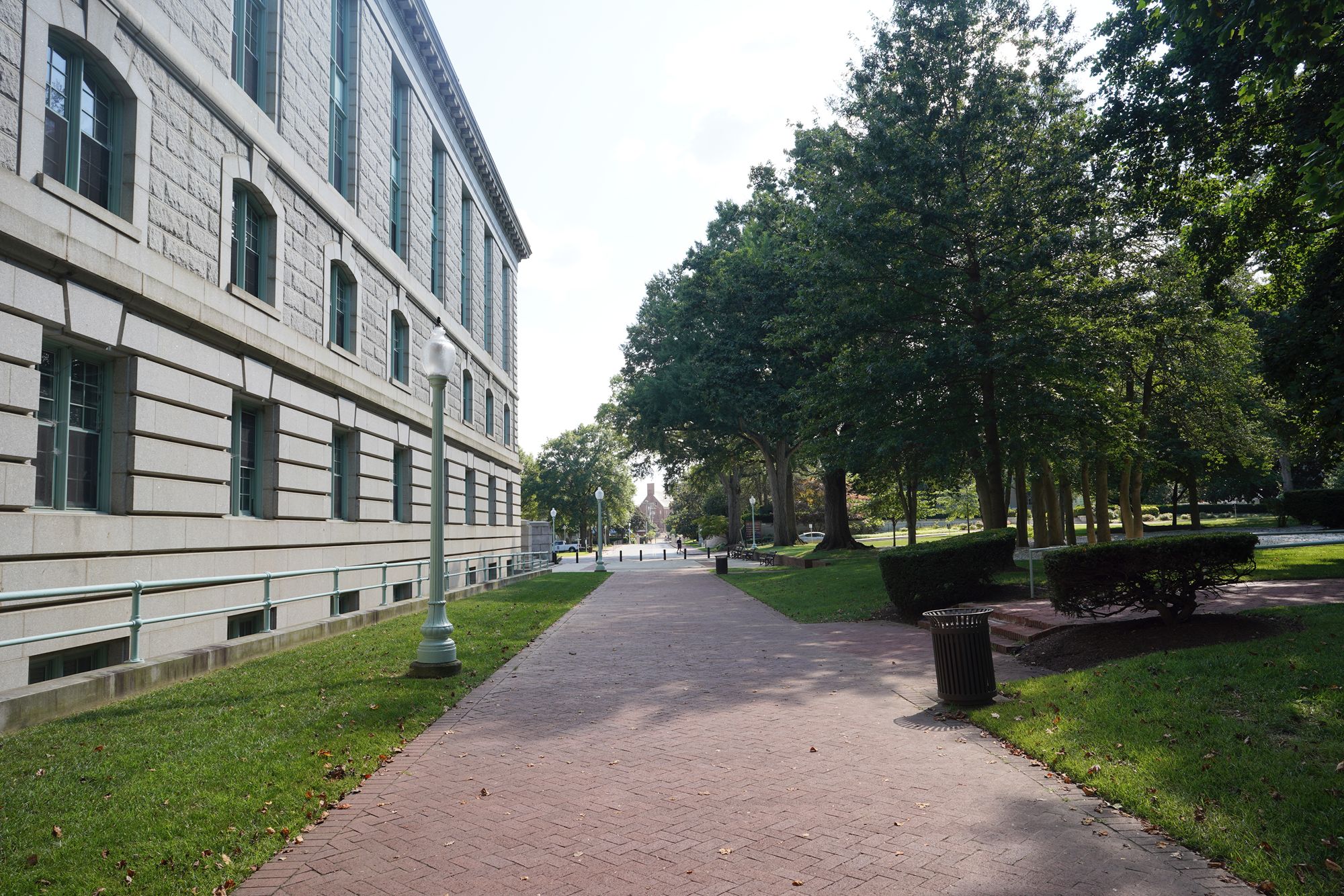
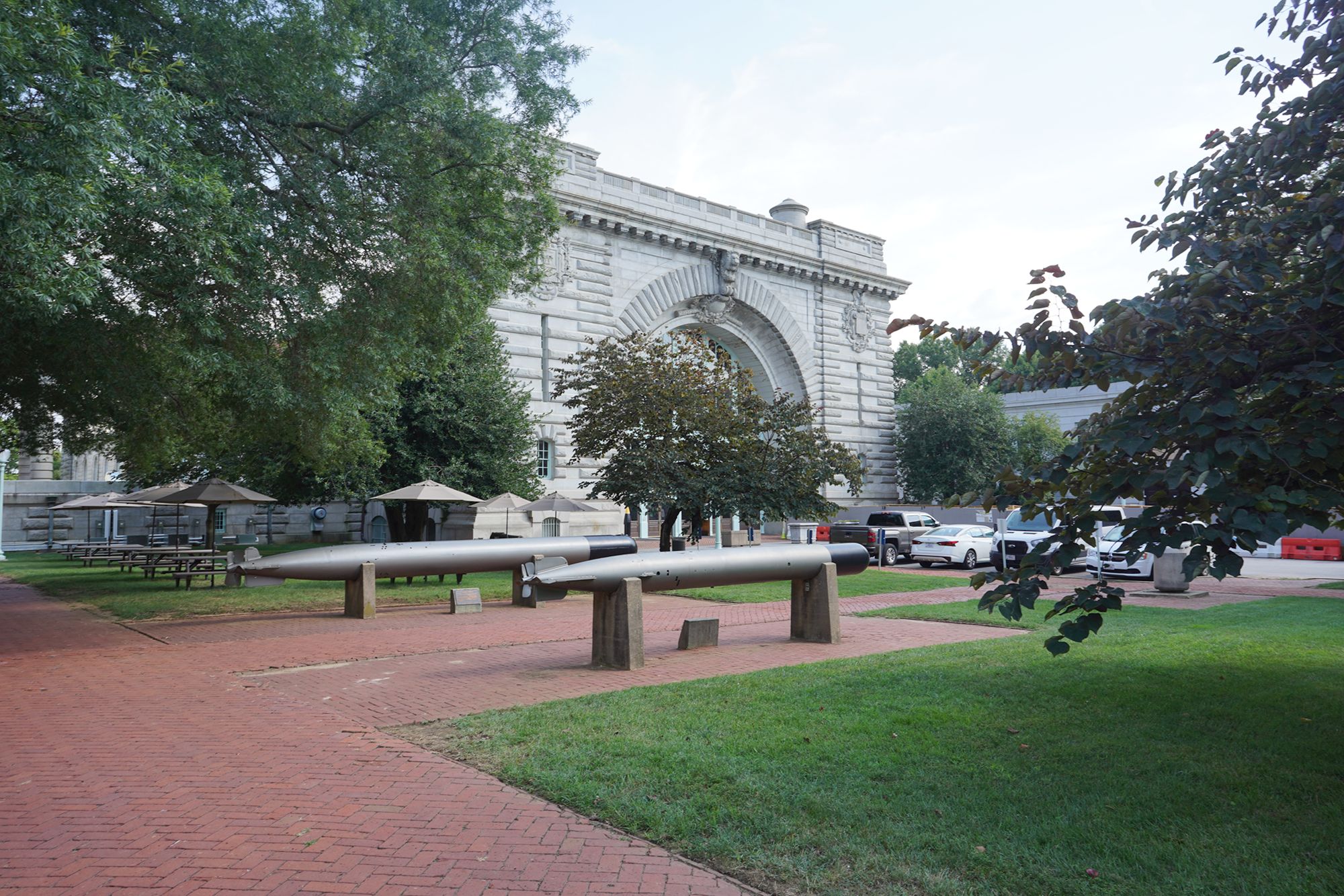
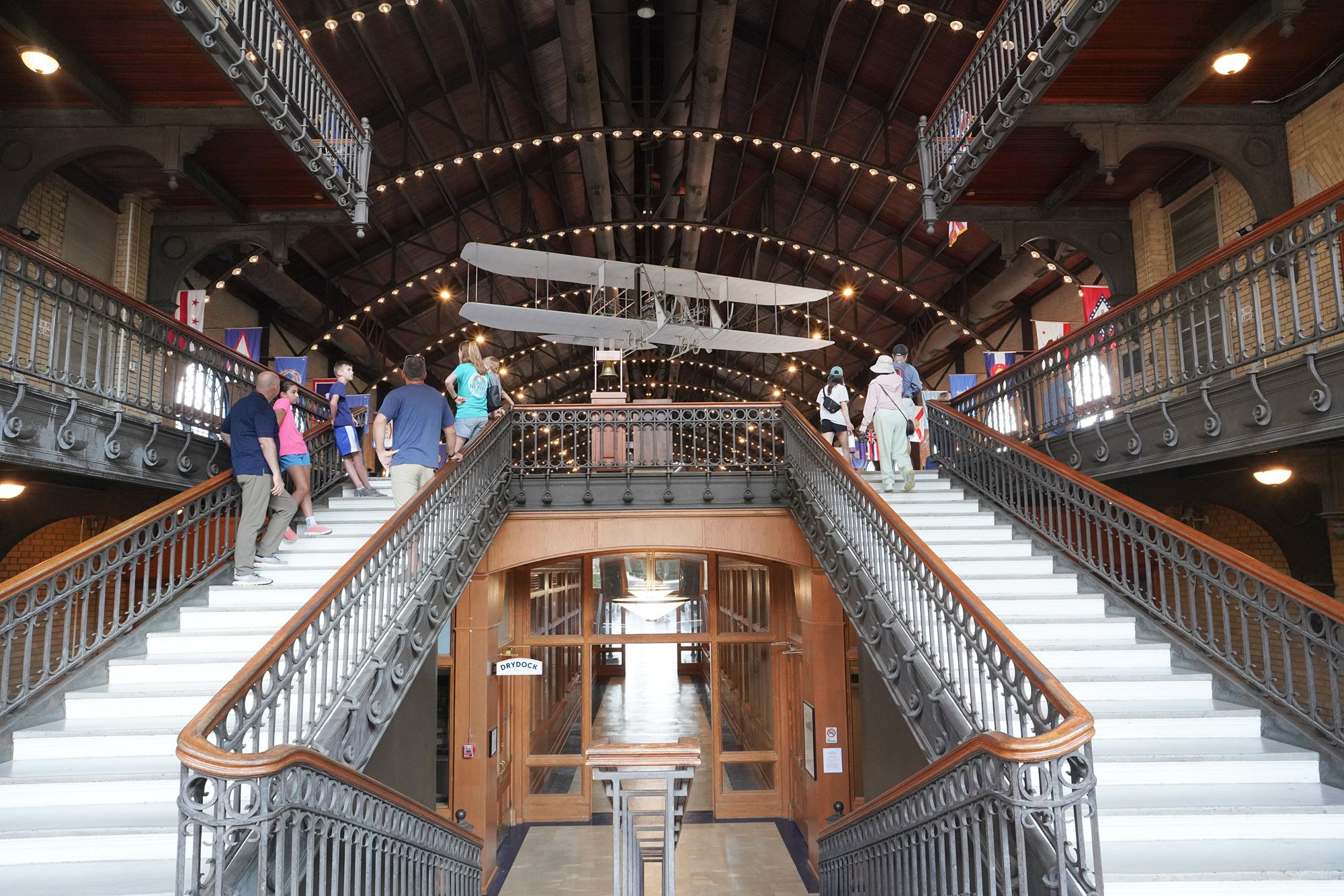
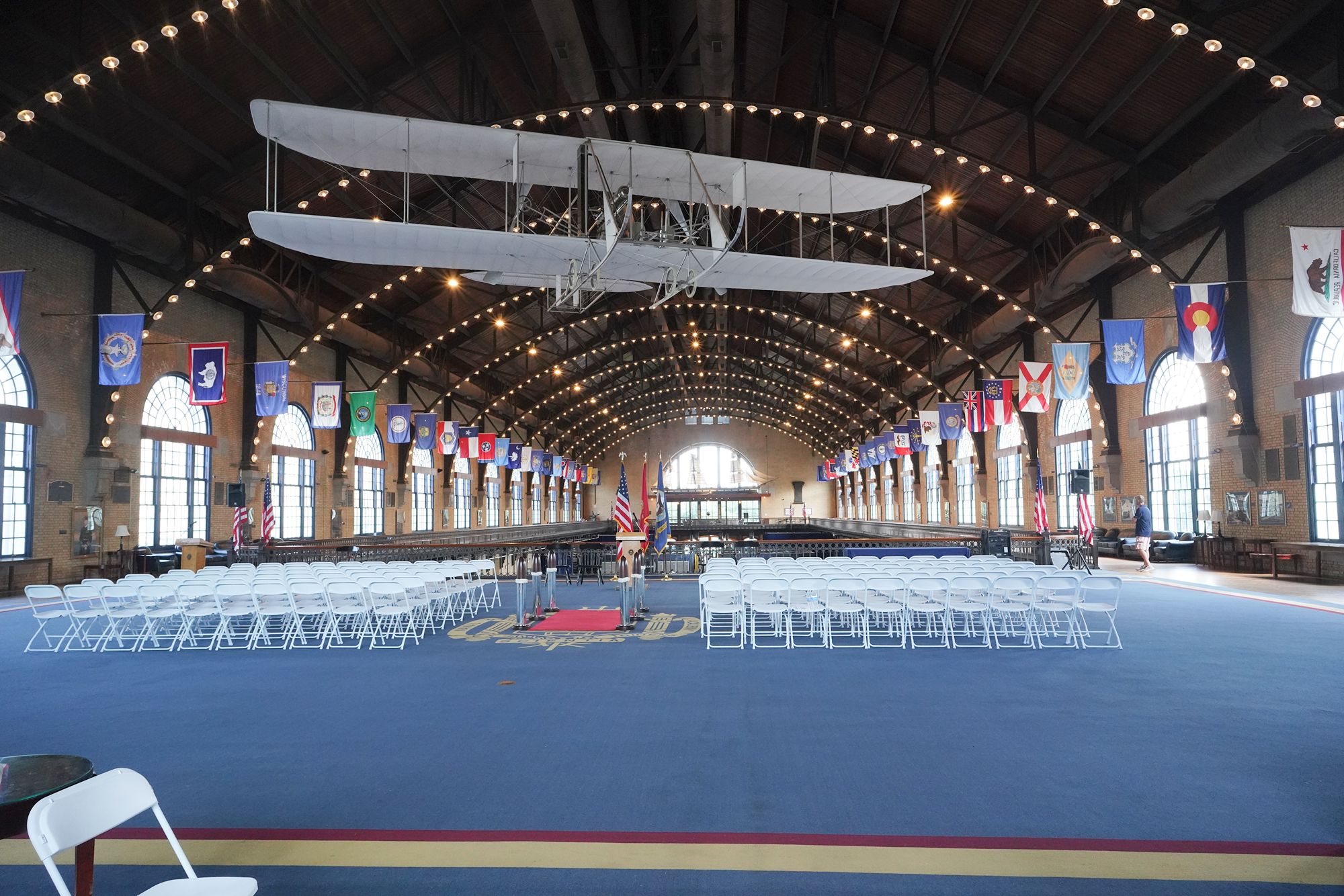
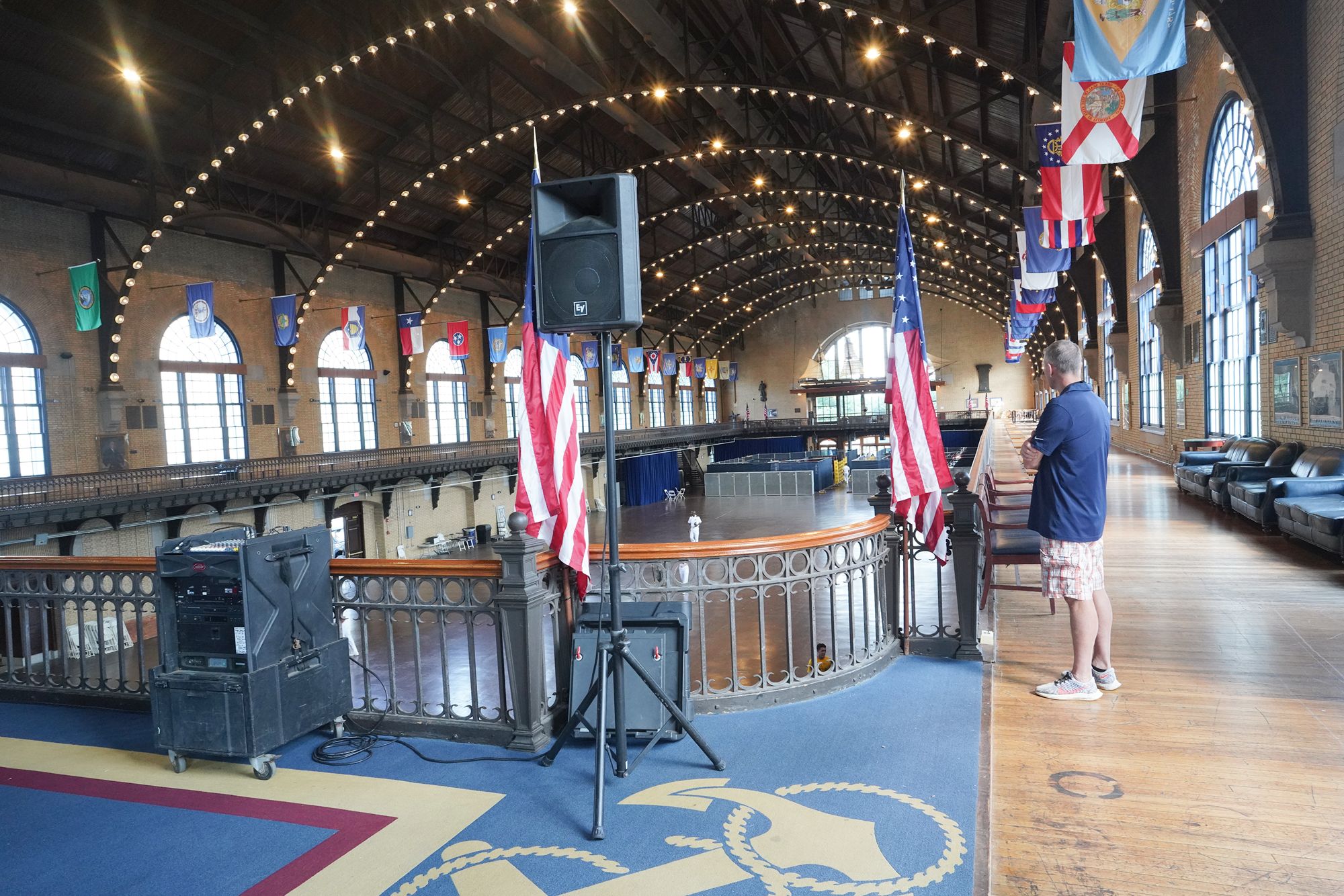
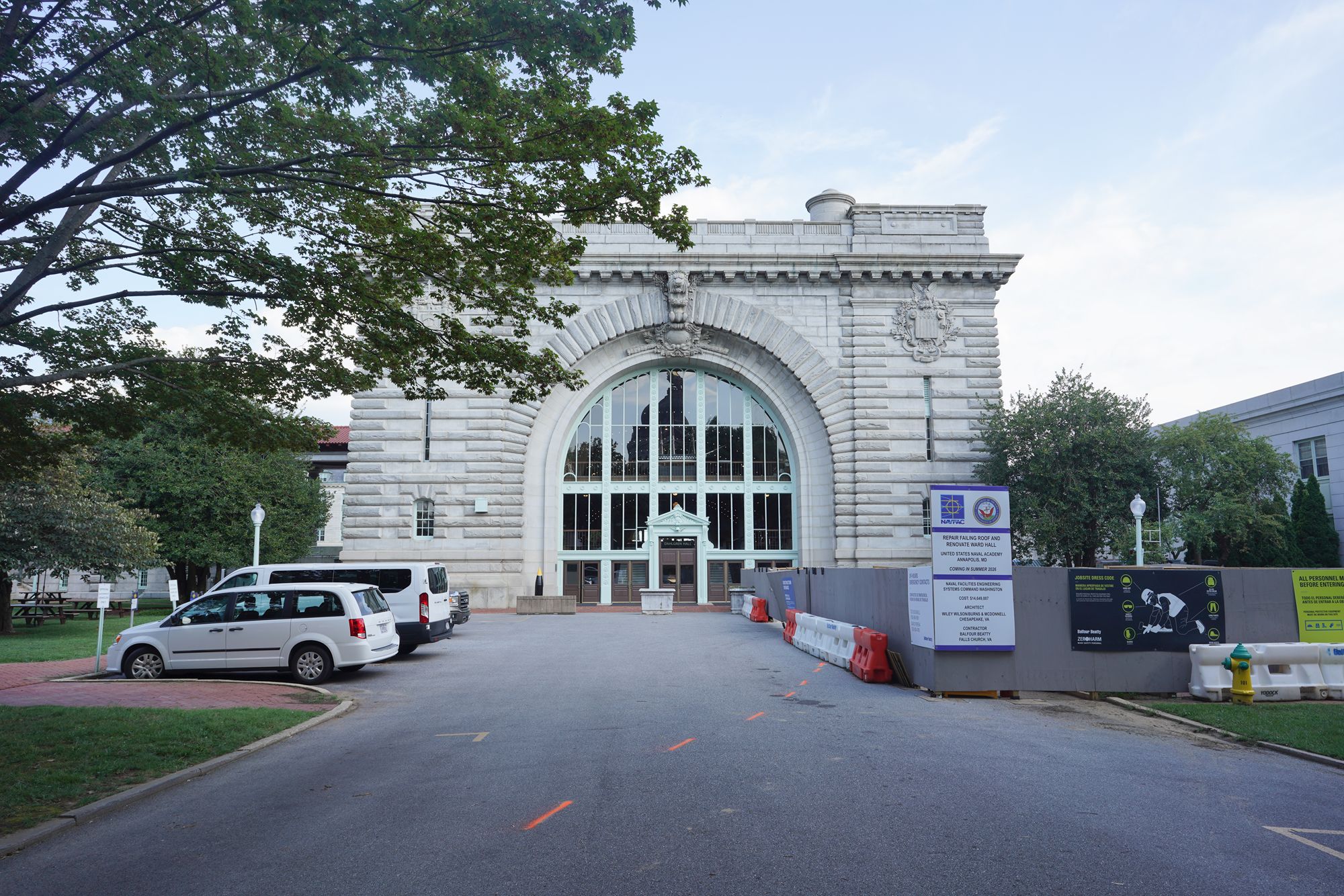
Dahlgren Hall, built in the early 1900s, was originally used as the academy’s armory and indoor drill space. Today it serves as a multipurpose hall for events, ceremonies, and social gatherings. Its large open interior and arched steel roof make it one of the standout historic structures on campus.
Walking out of the academy.