Amish Towns and Downtown Lancaster, Lancaster, Pennsylvania, USA
Amish communities in Lancaster are spread across quiet farmland, with small villages like Intercourse and Bird-in-Hand serving as local hubs surrounded by homes, farms, and buggies. 1164
Kitchen Kettle Village: 3529 Old Philadelphia Pike, Intercourse, PA 17534
Lancaster Downtown: 23 N Market St, Lancaster, PA 17603
Date Picture Taken: August 2025
Lancaster County is home to many Amish residents, who live not in large towns but across the countryside in small farming communities. Villages like Intercourse, Bird-in-Hand, Strasburg, and Paradise serve as hubs surrounded by homes, barns, and fields where daily life and work blend together.
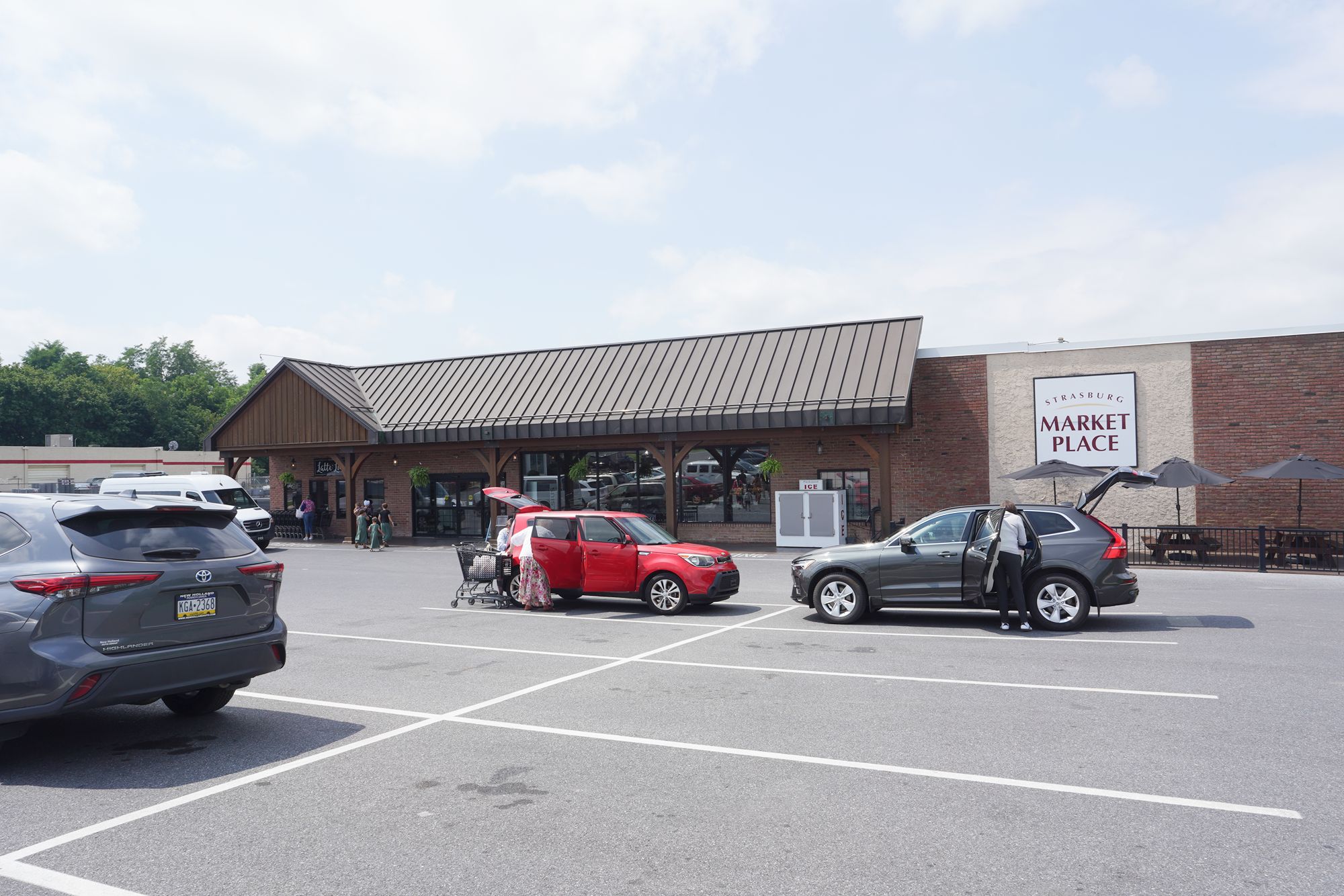
I began my Lancaster visit at the Strasburg marketplace.
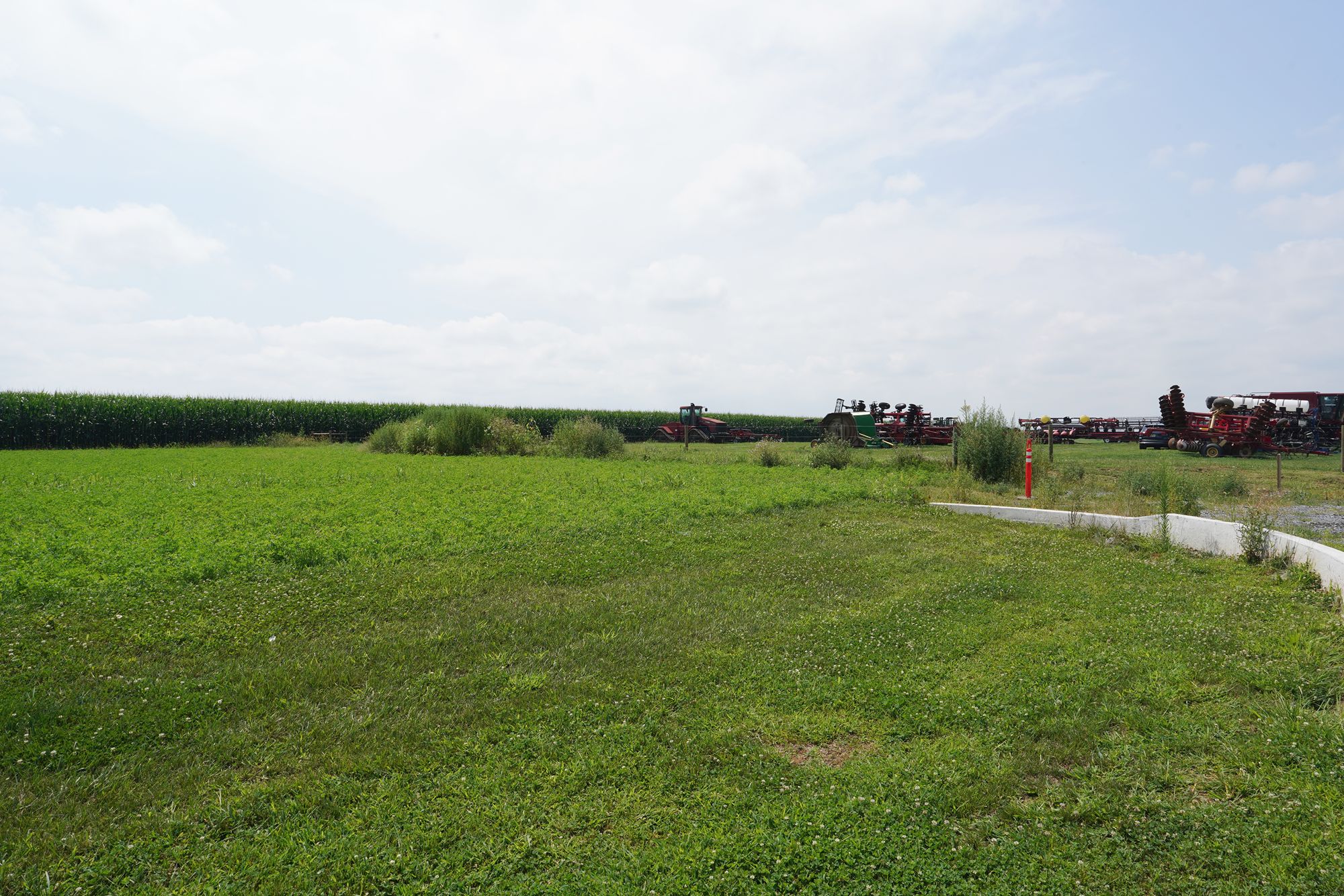
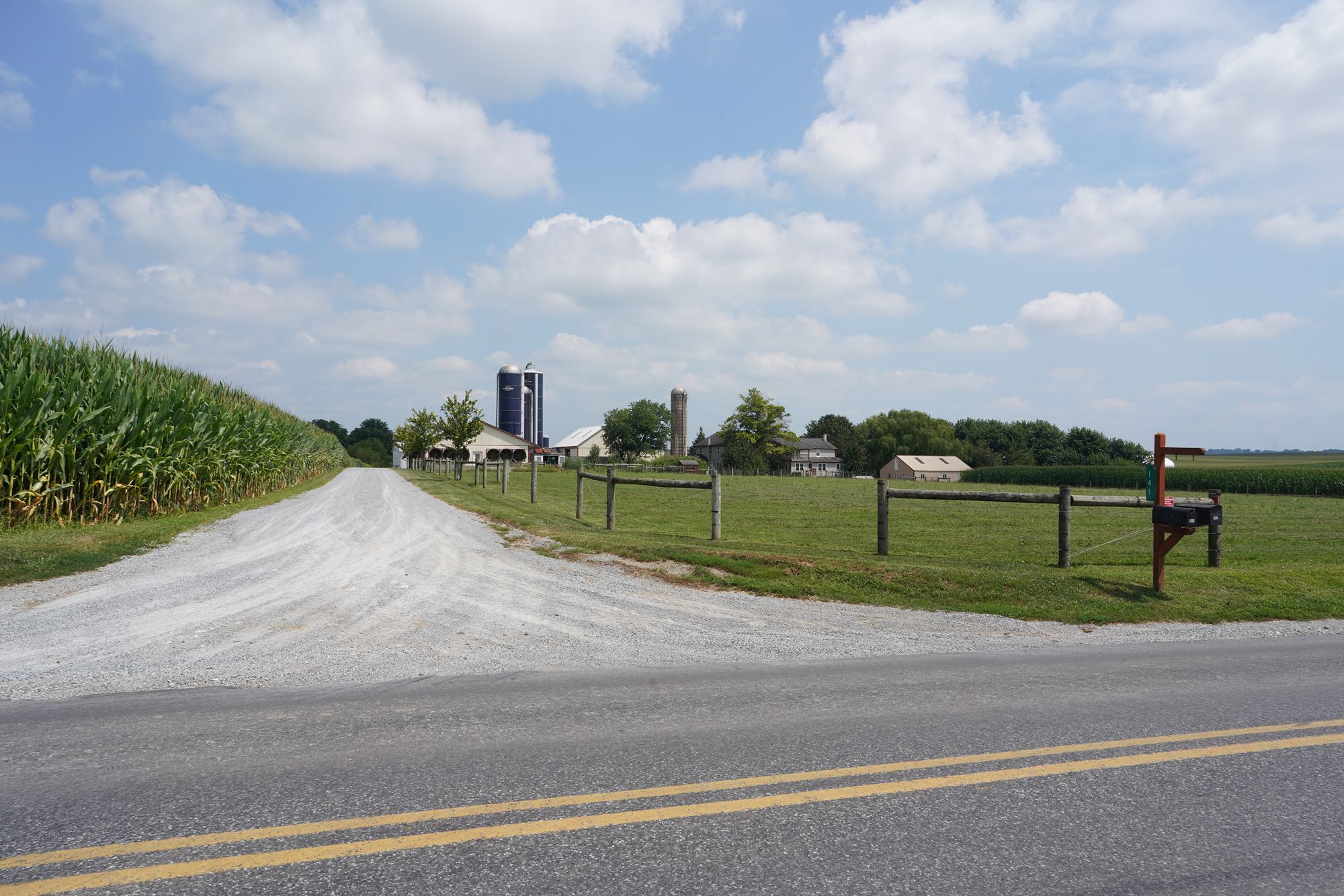
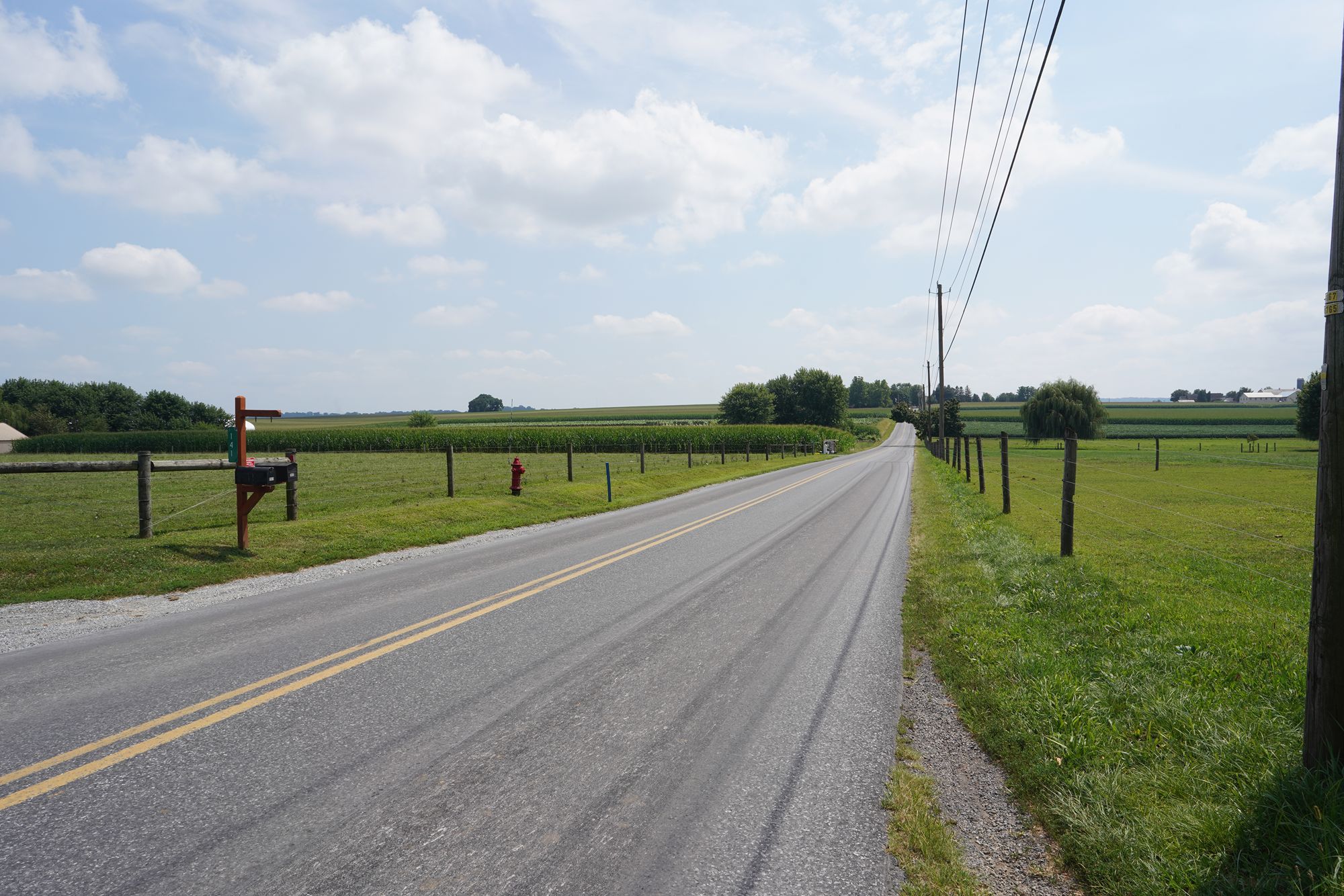
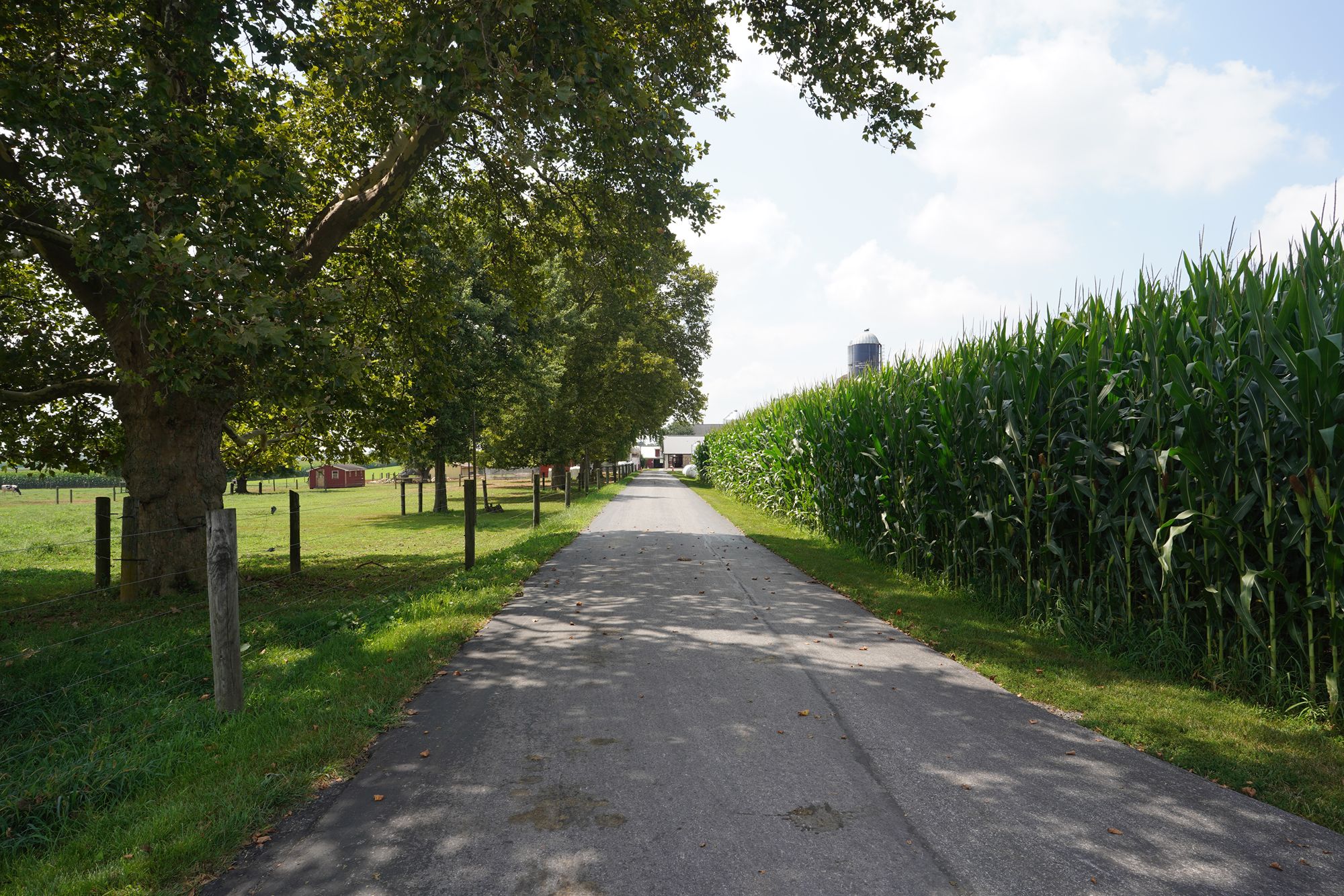
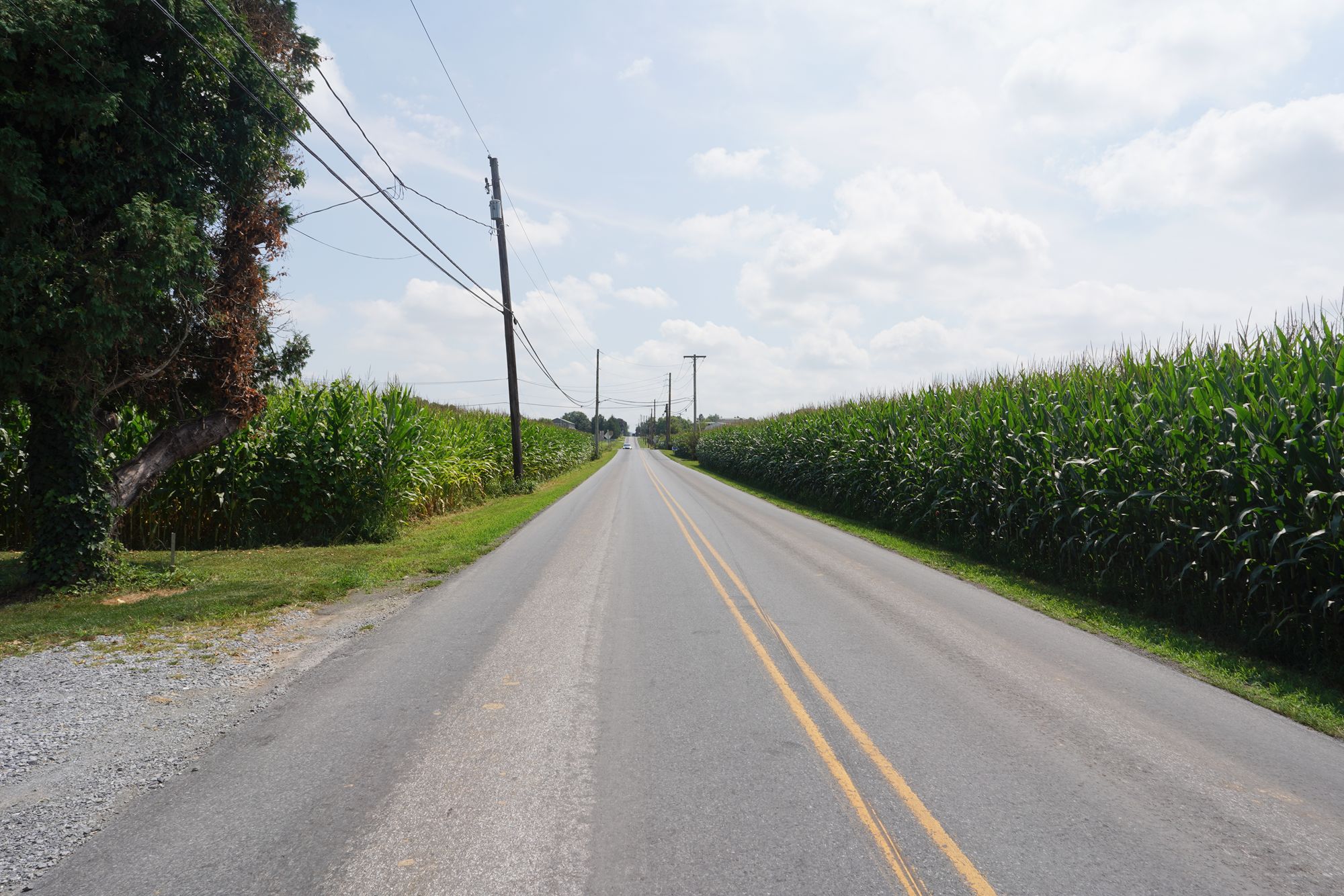
Nearly every open field is used for growing corn.
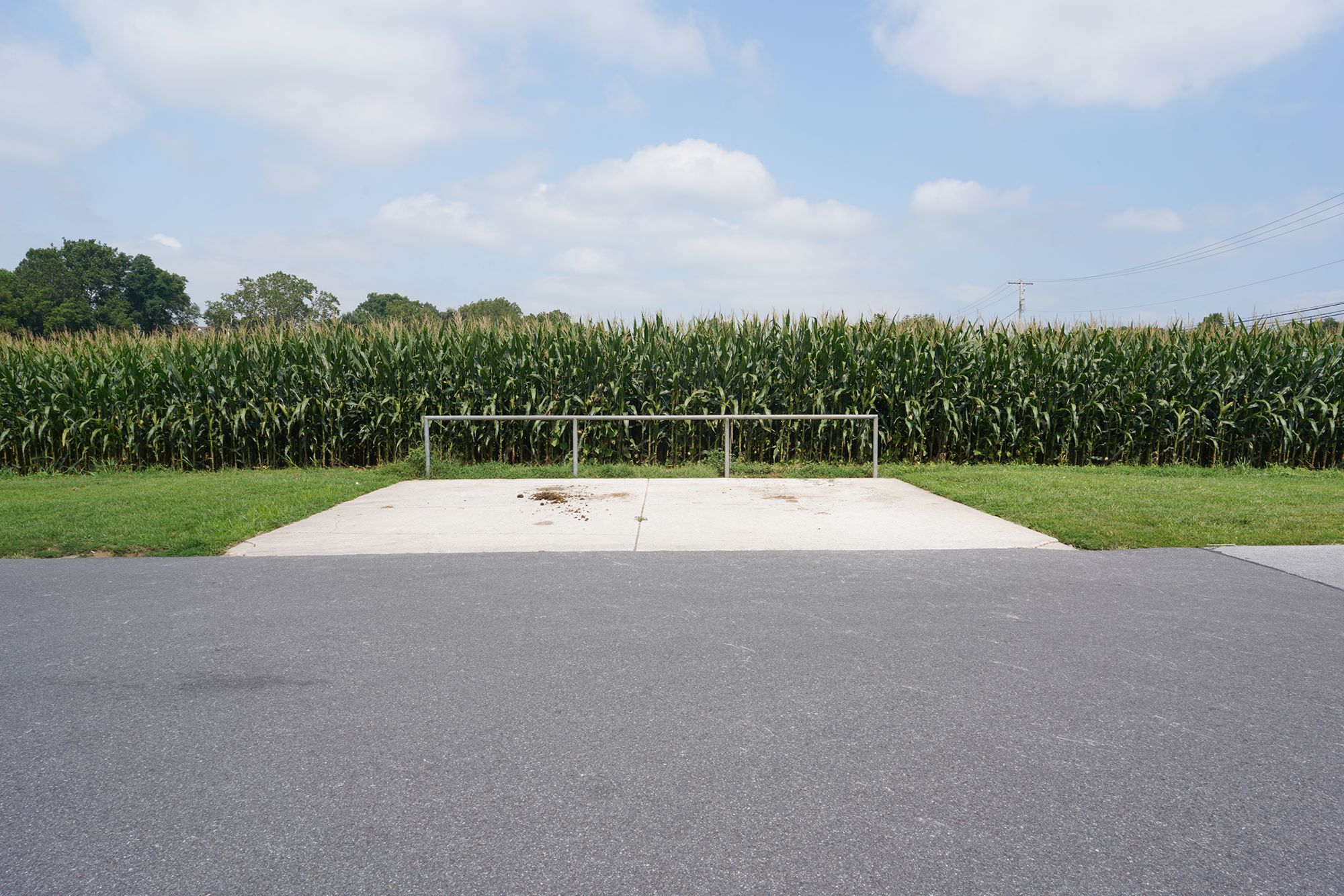
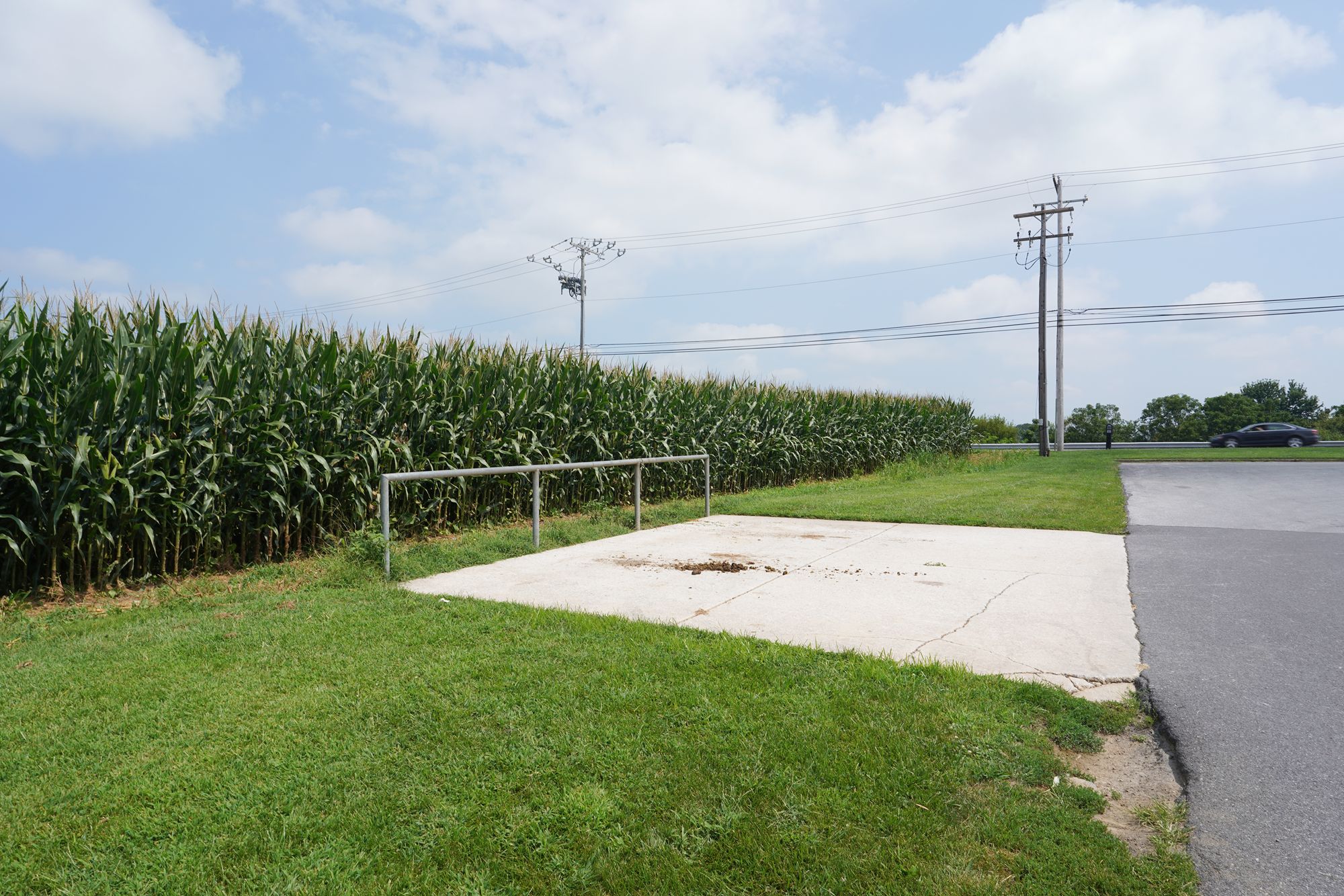
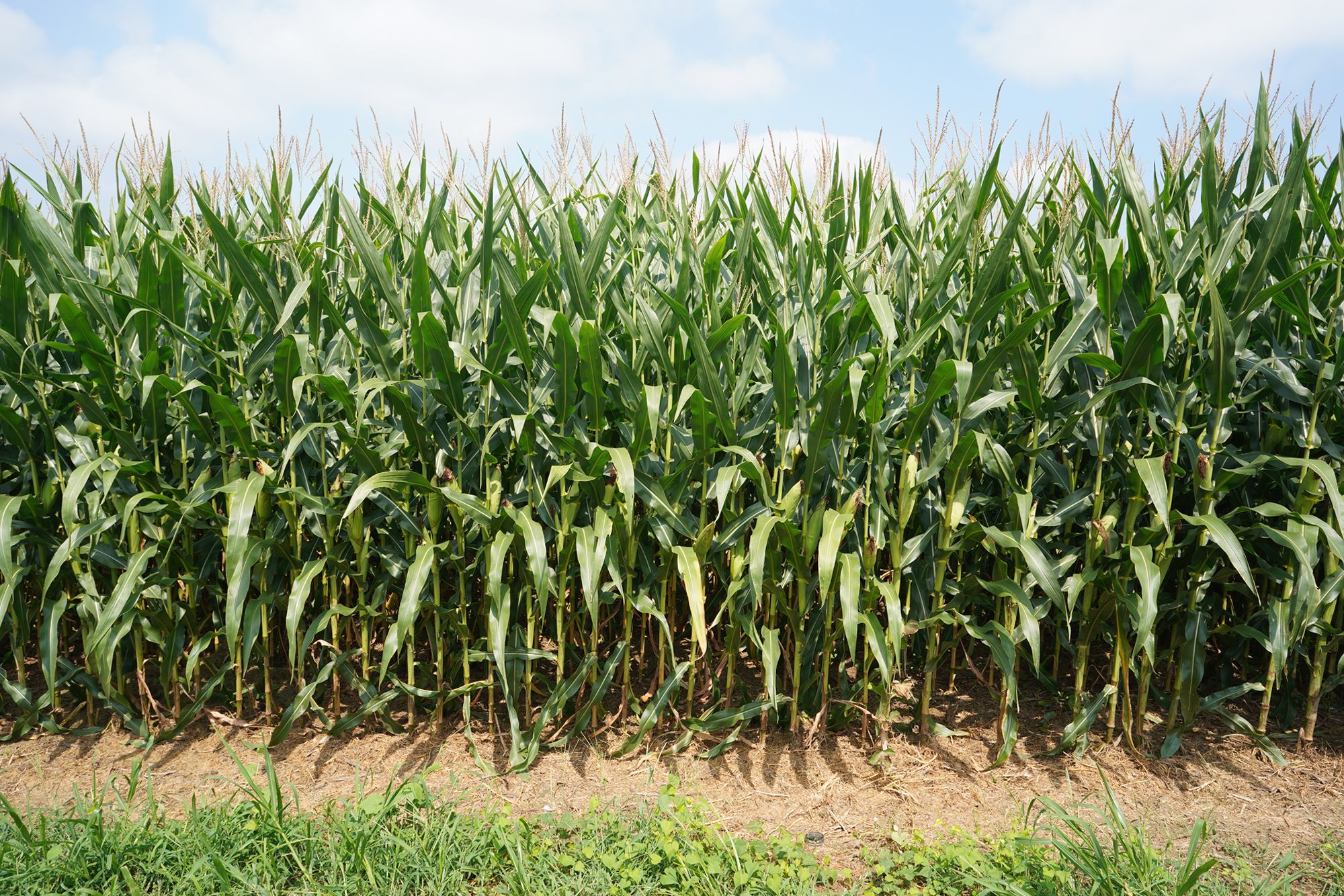
In Lancaster County, Amish people don’t gather in big towns or cities — instead, they live across rural farmland, where houses, barns, workshops, and fields spread out between small crossroads villages. Places such as Intercourse, Bird-in-Hand, Strasburg, Paradise, and Gordonville are well-known entry points into Amish country.
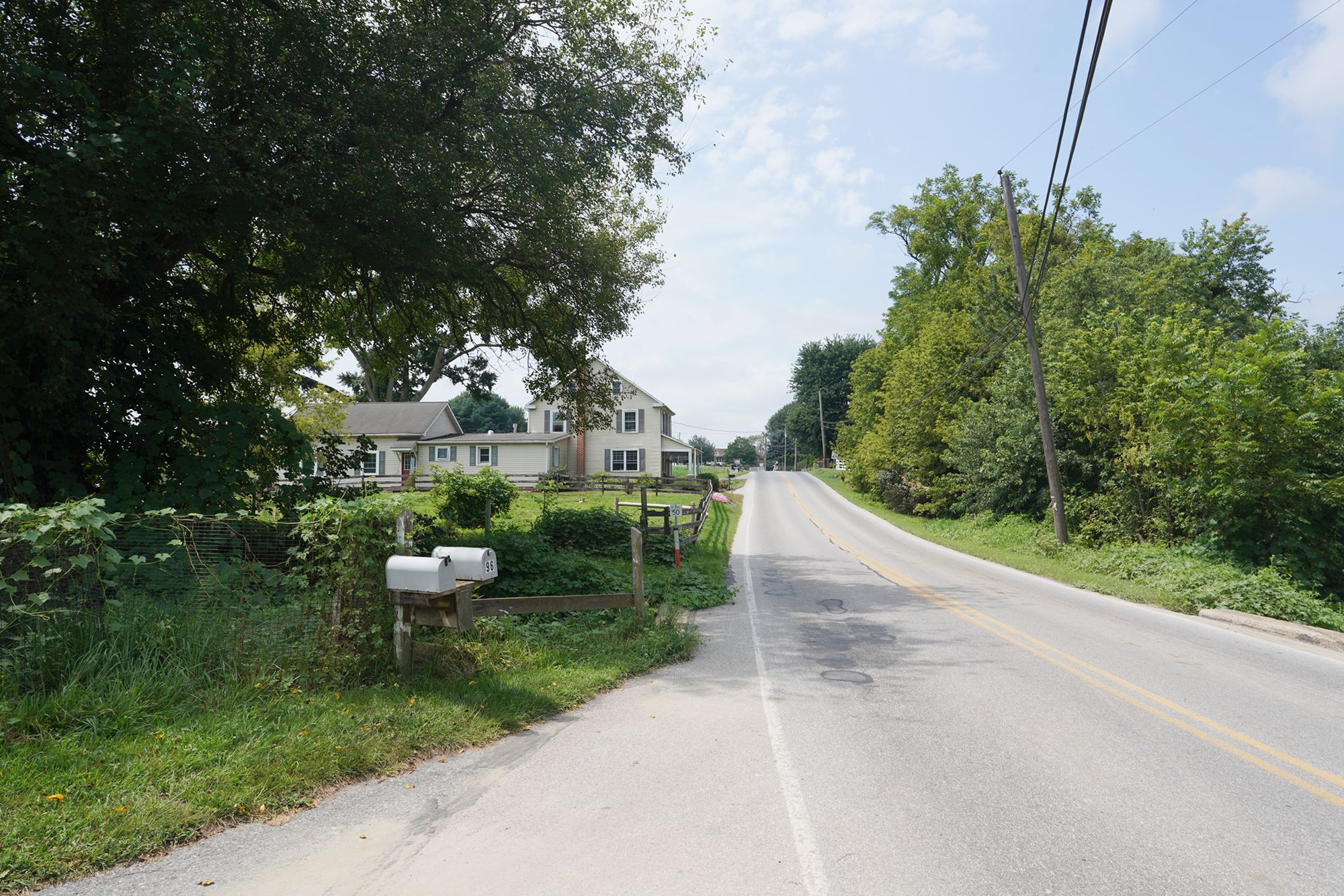
Around these quiet villages, you’ll find horse-drawn buggies on the road, rows of corn and tobacco fields, white-washed farmhouses, produce stands, handmade quilt shops, and family-run businesses. The towns themselves are modest, but they are surrounded by homes where the Amish live, work, farm, worship, and carry on traditions that have changed very little over generations.
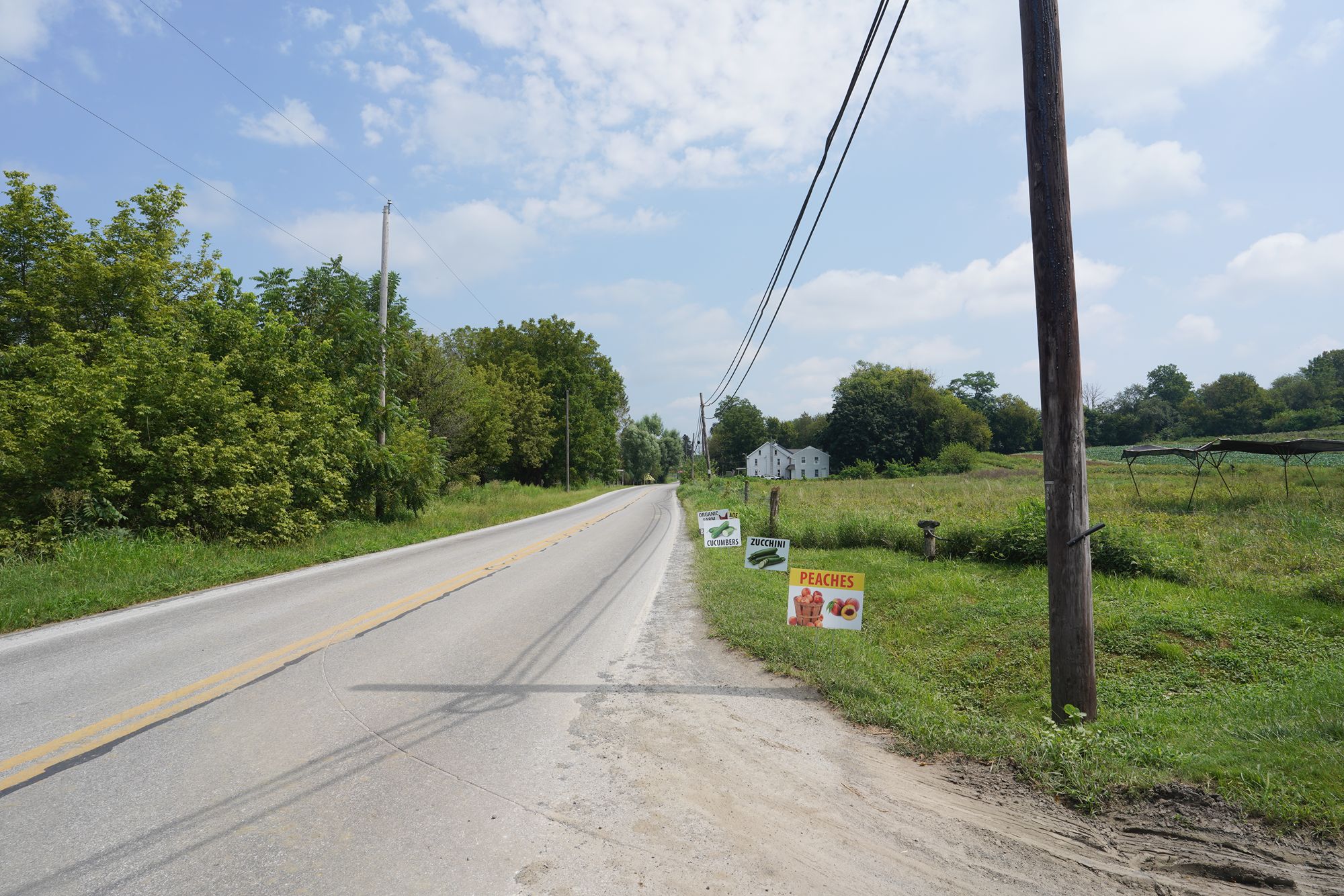
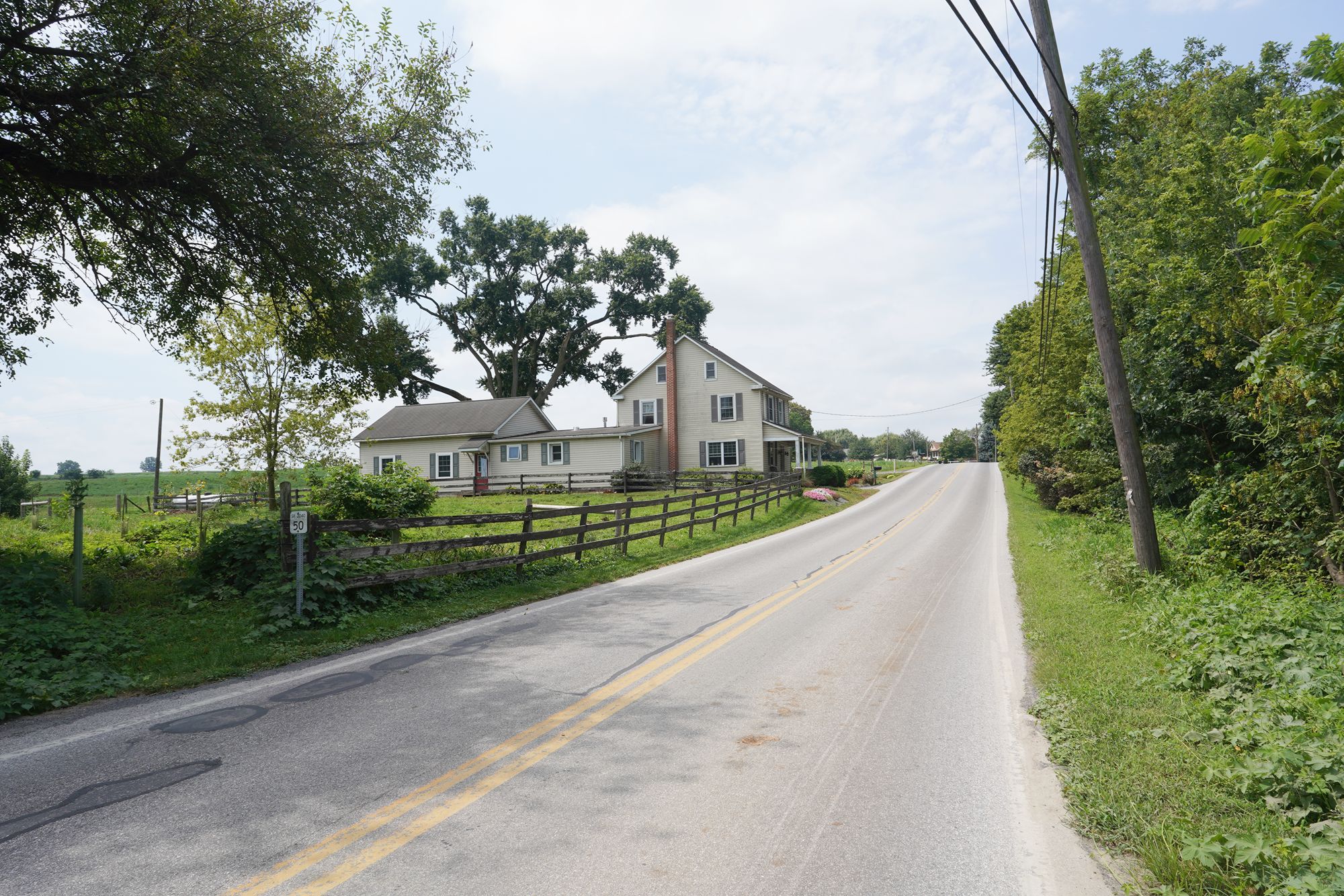
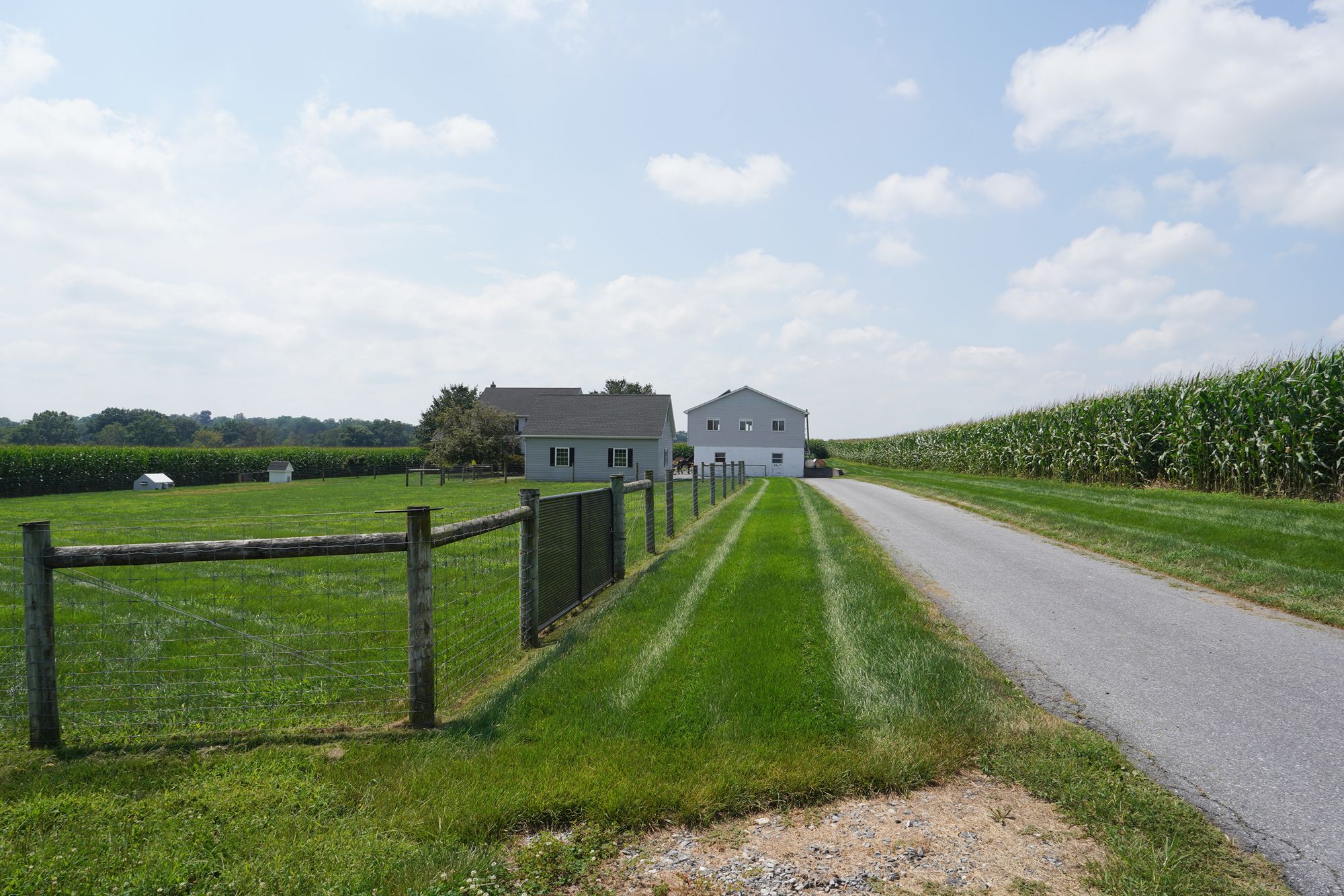
Amish houses look much like ordinary homes, but are generally larger in size.
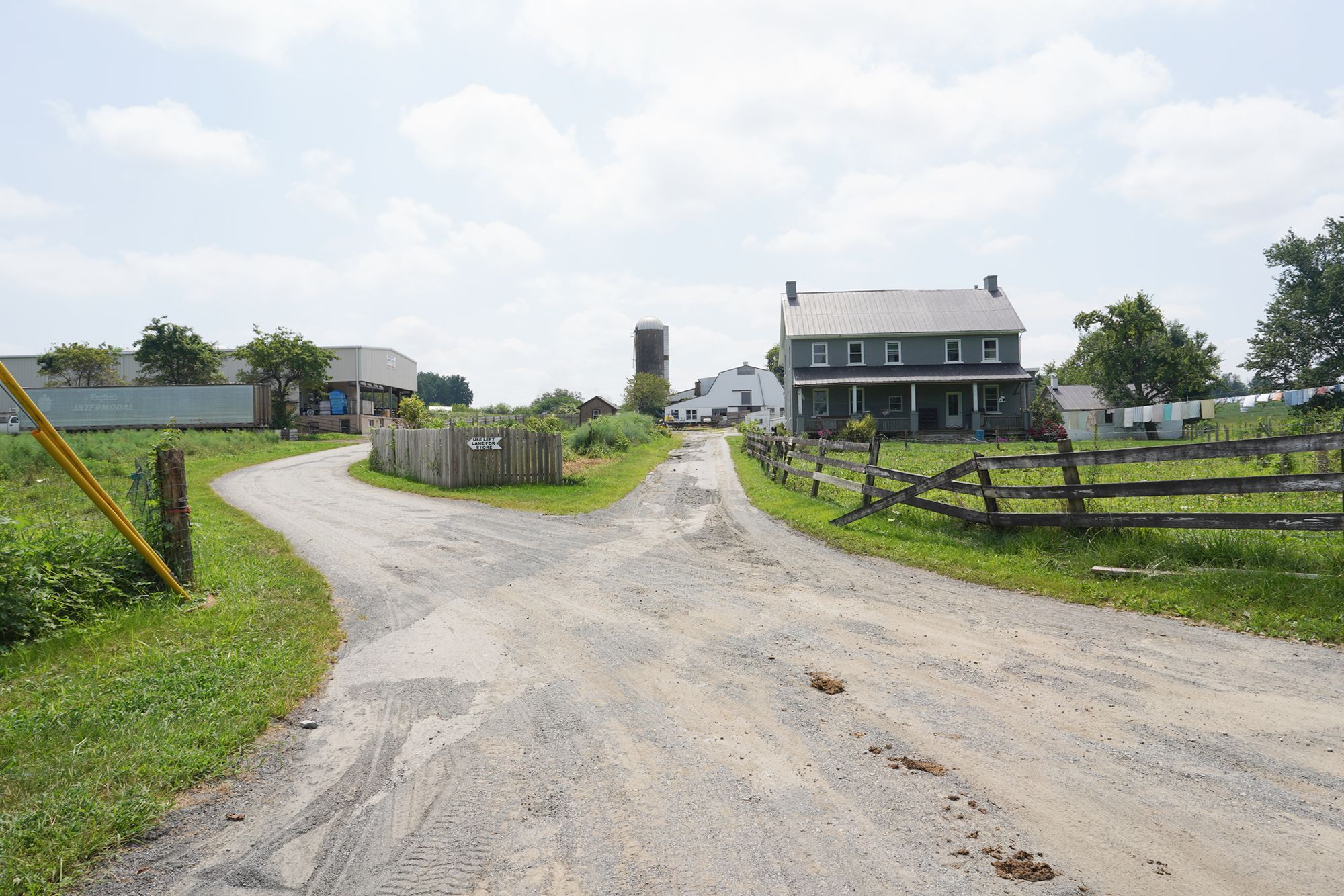
At the town of Intercourse. It is a small village at the heart of Amish country, surrounded by farmland, horse-and-buggies, and traditional craft shops.
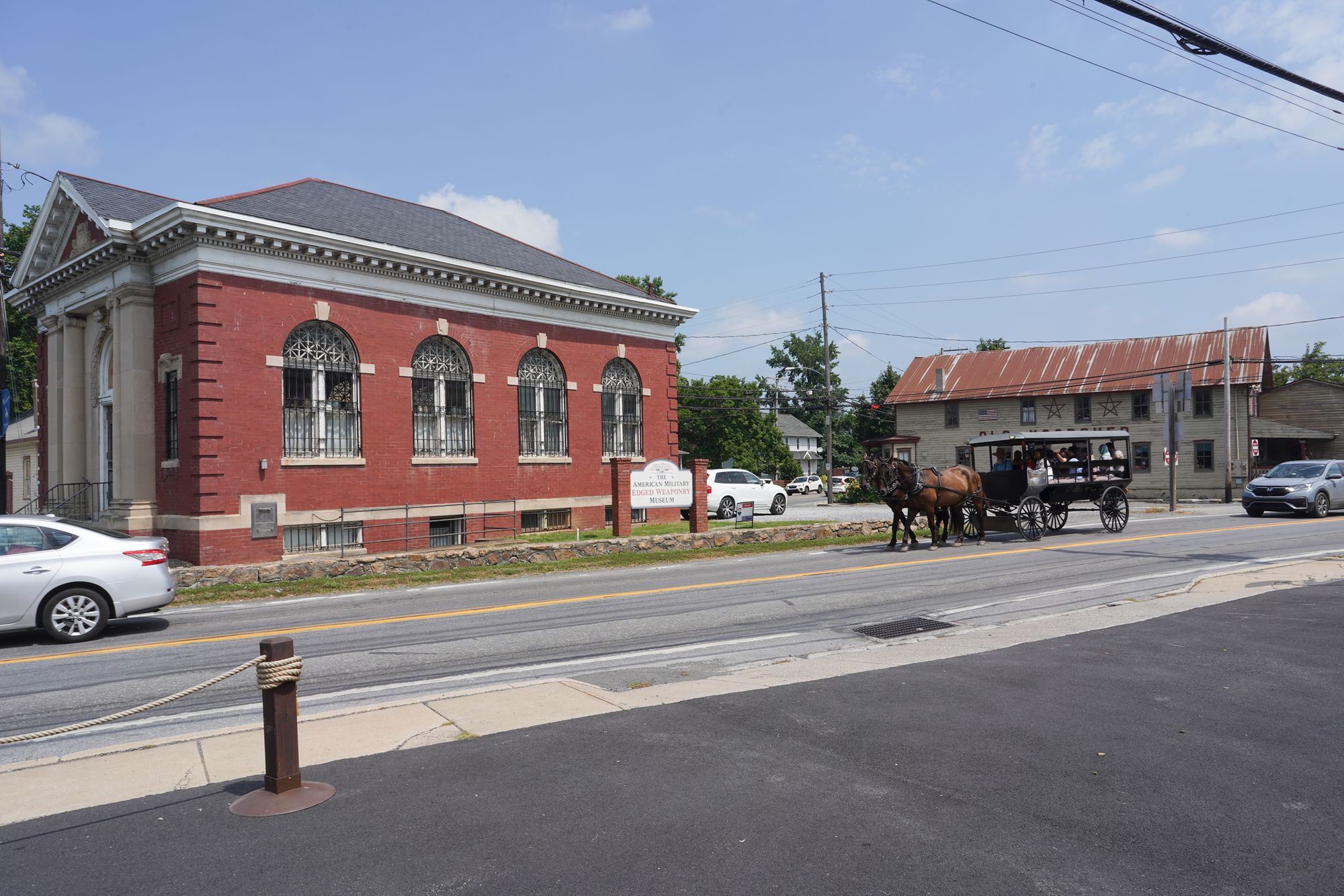
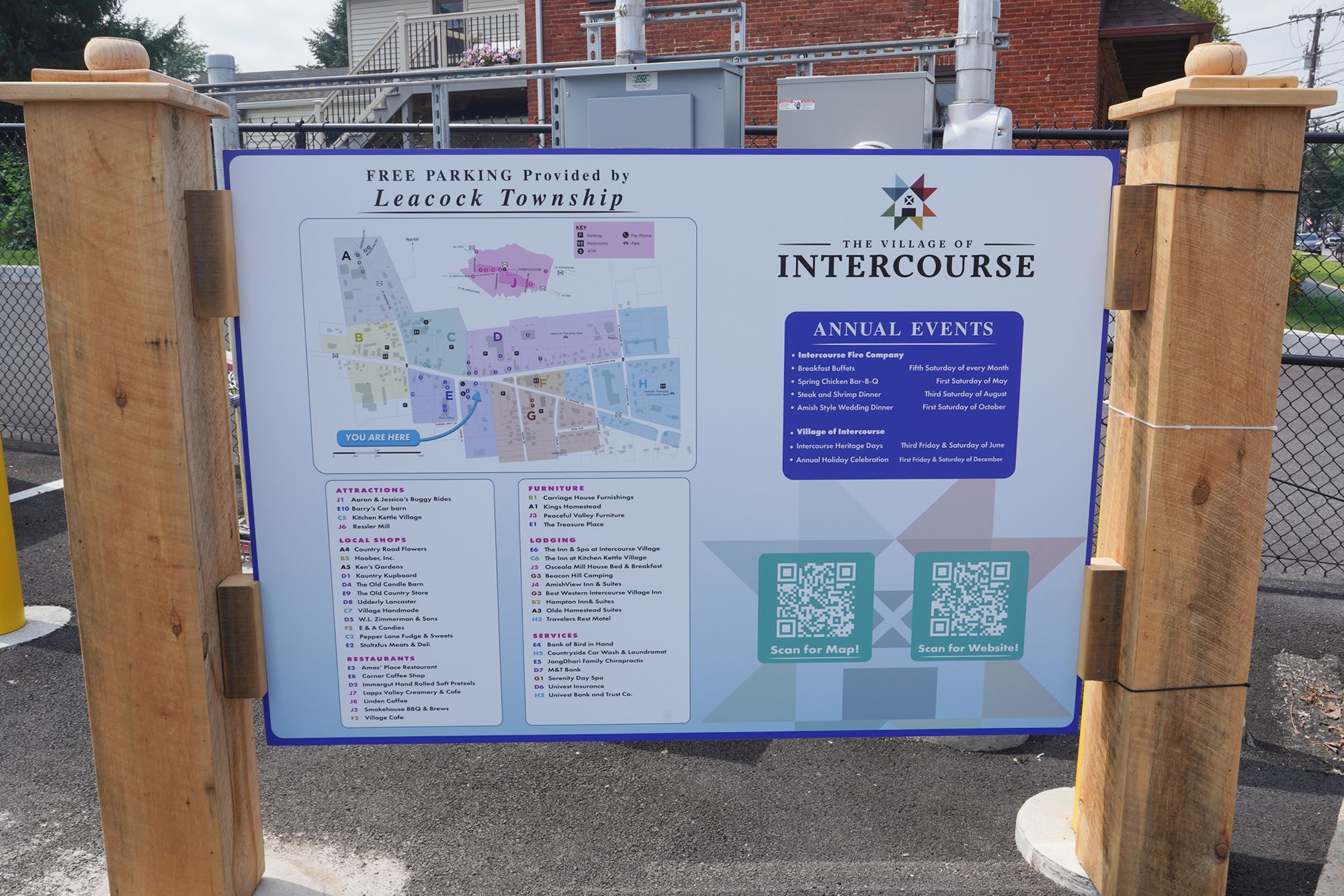
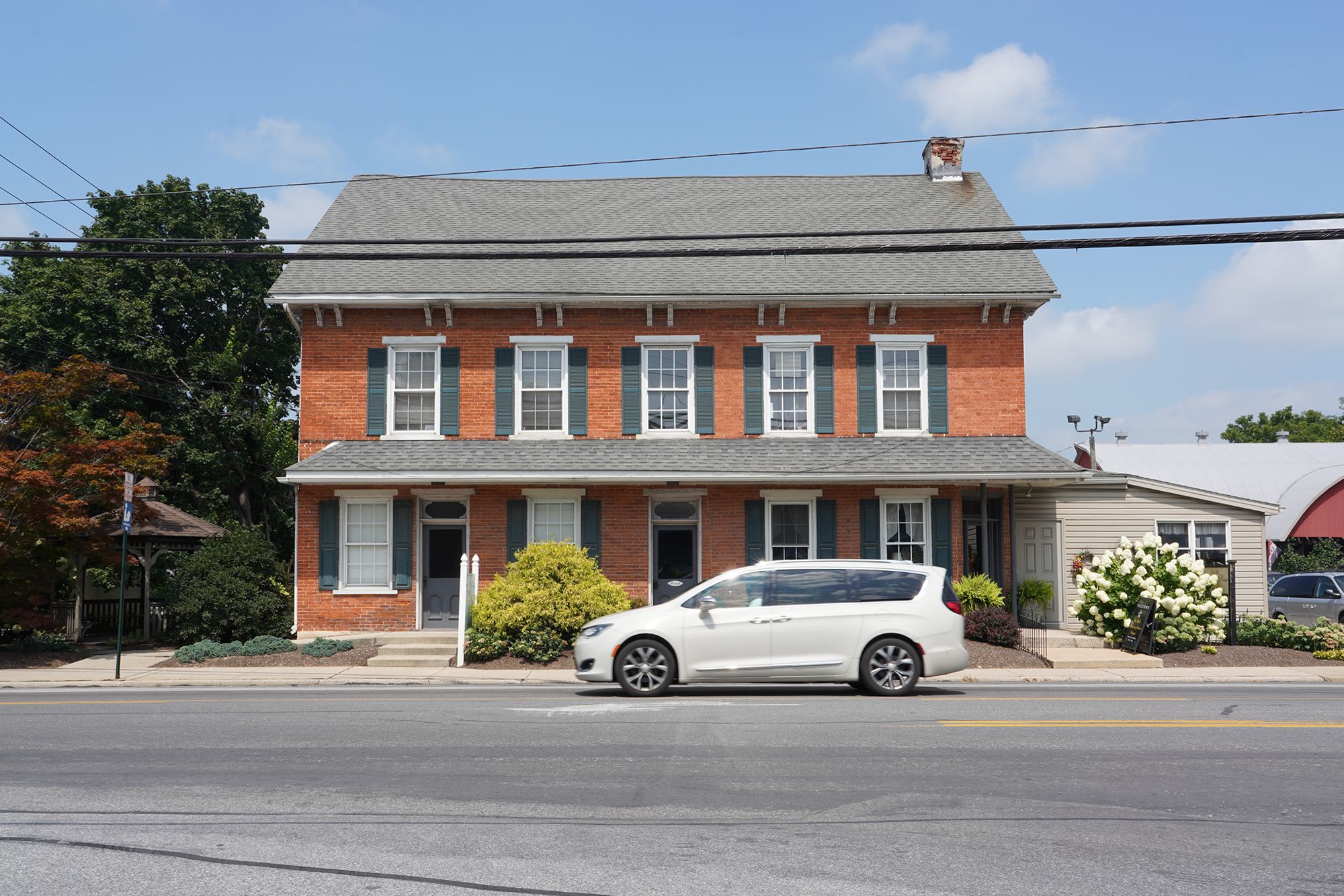
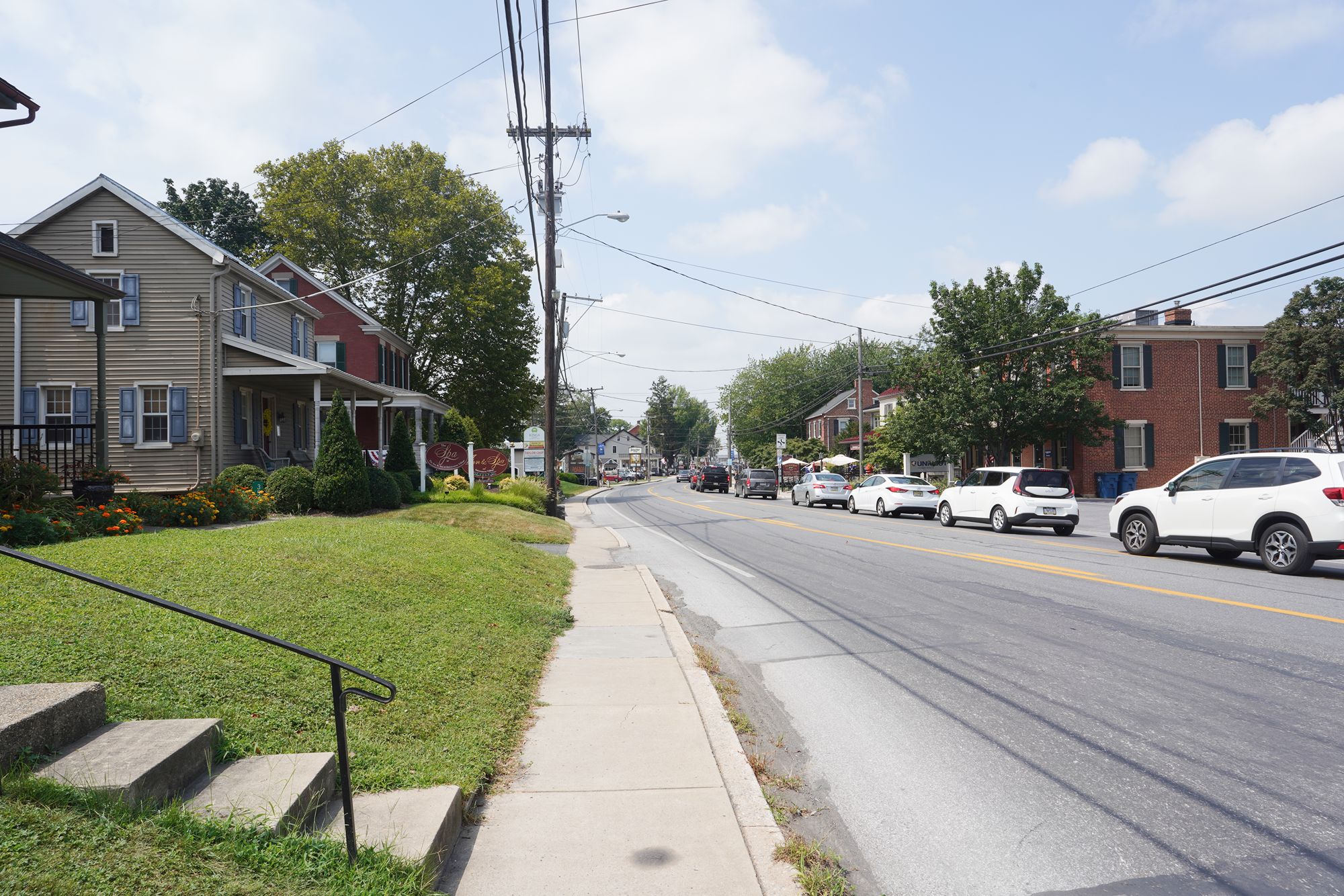
In the center of Amish country, it’s easy to spot horse-drawn carriages passing by.
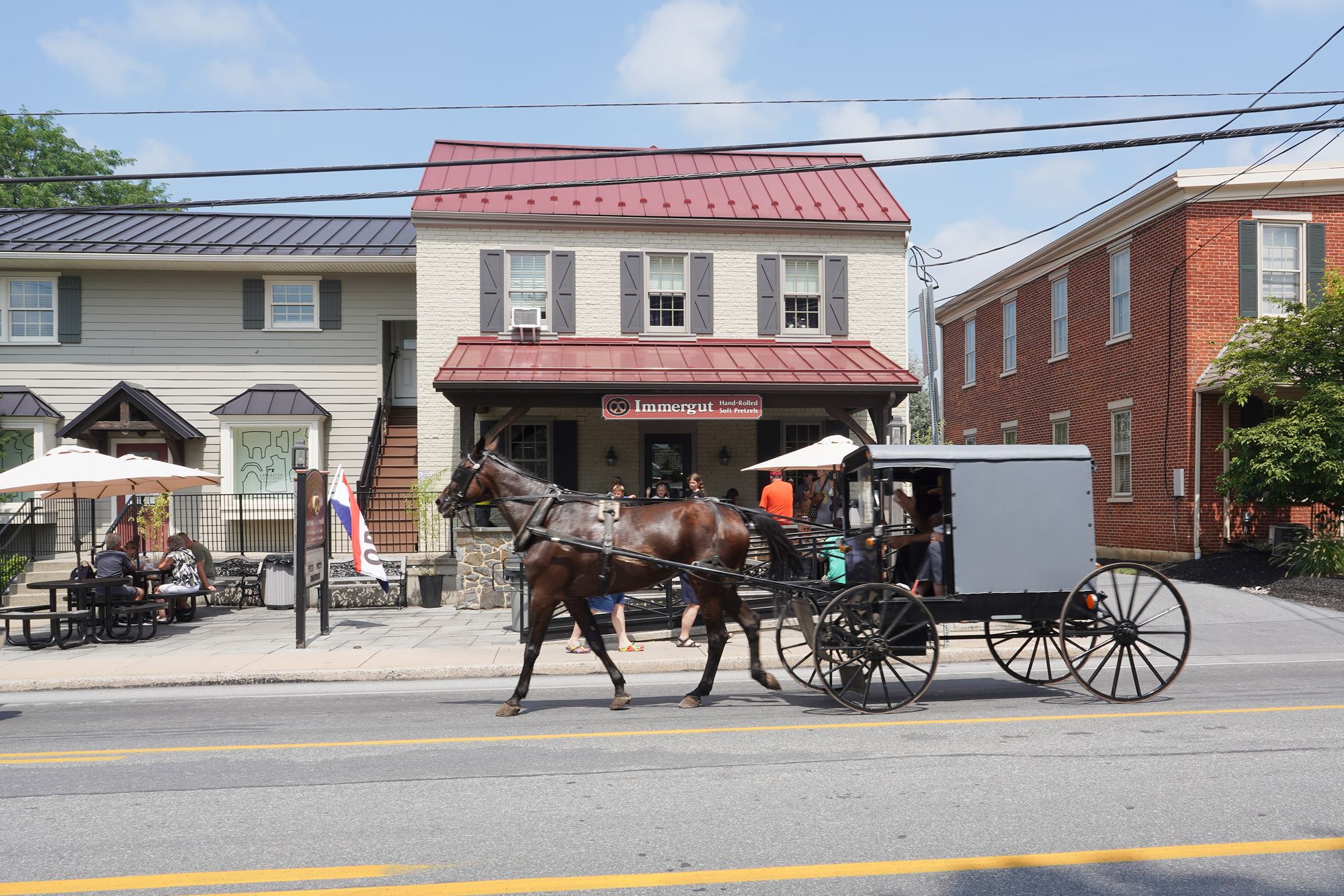
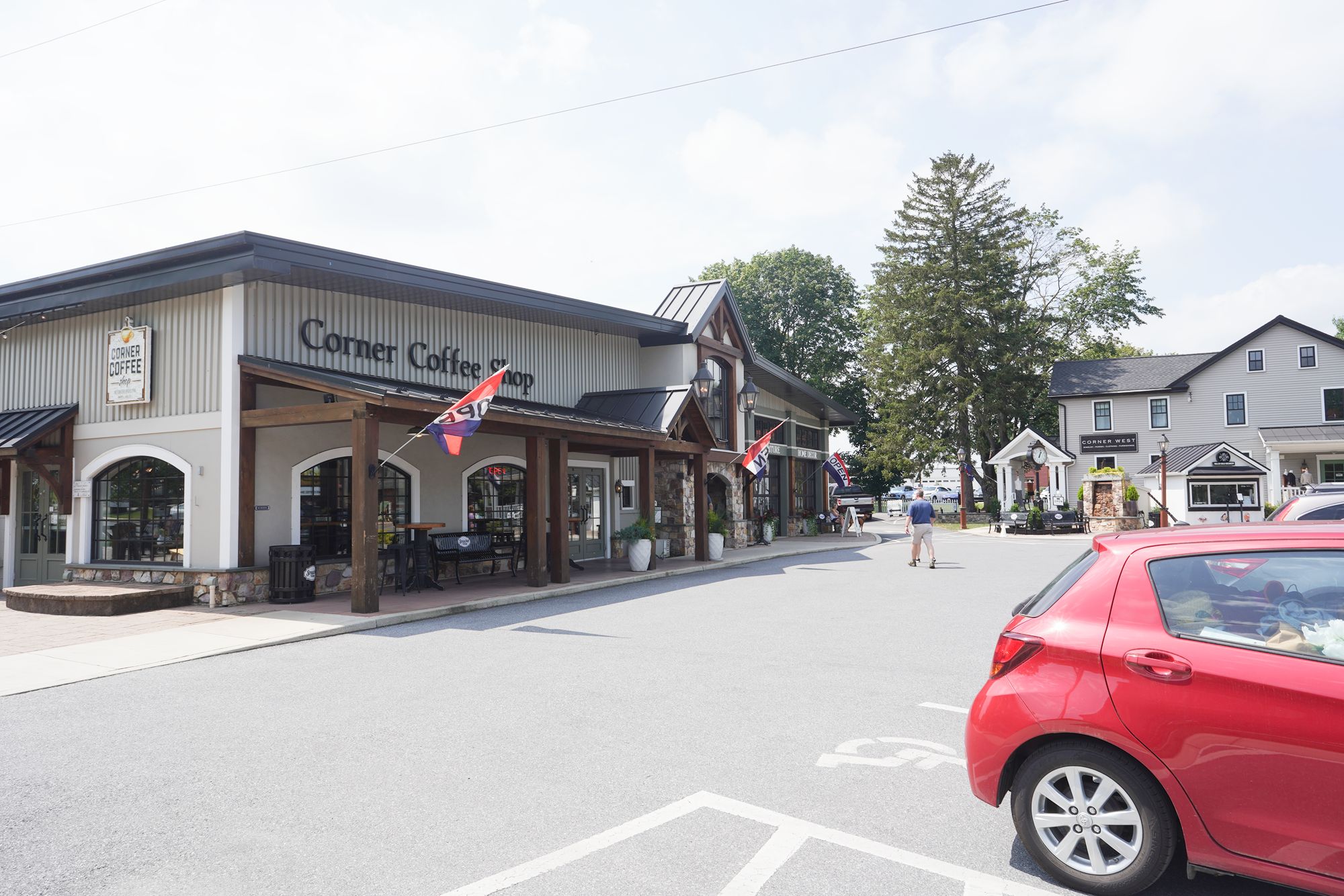
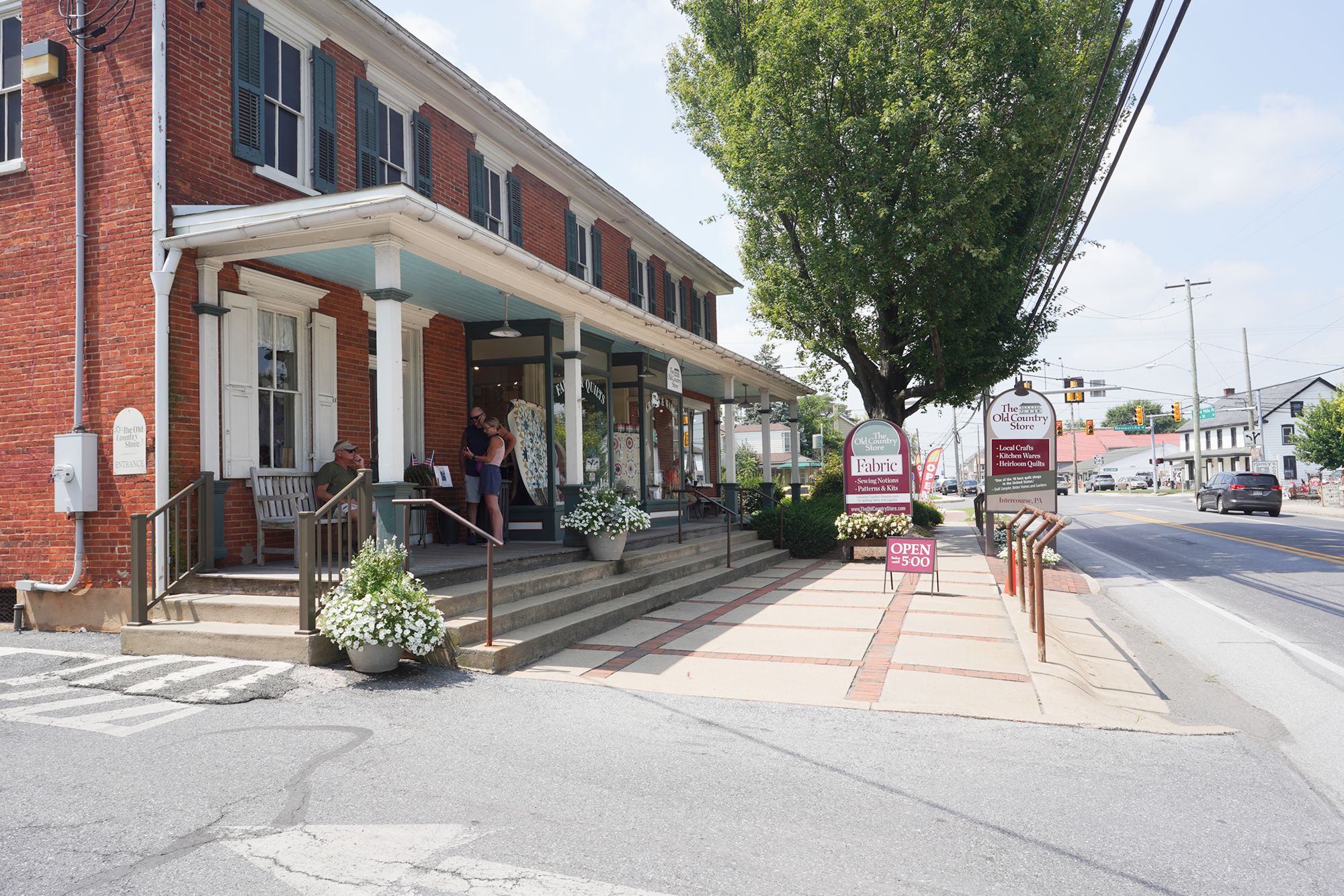
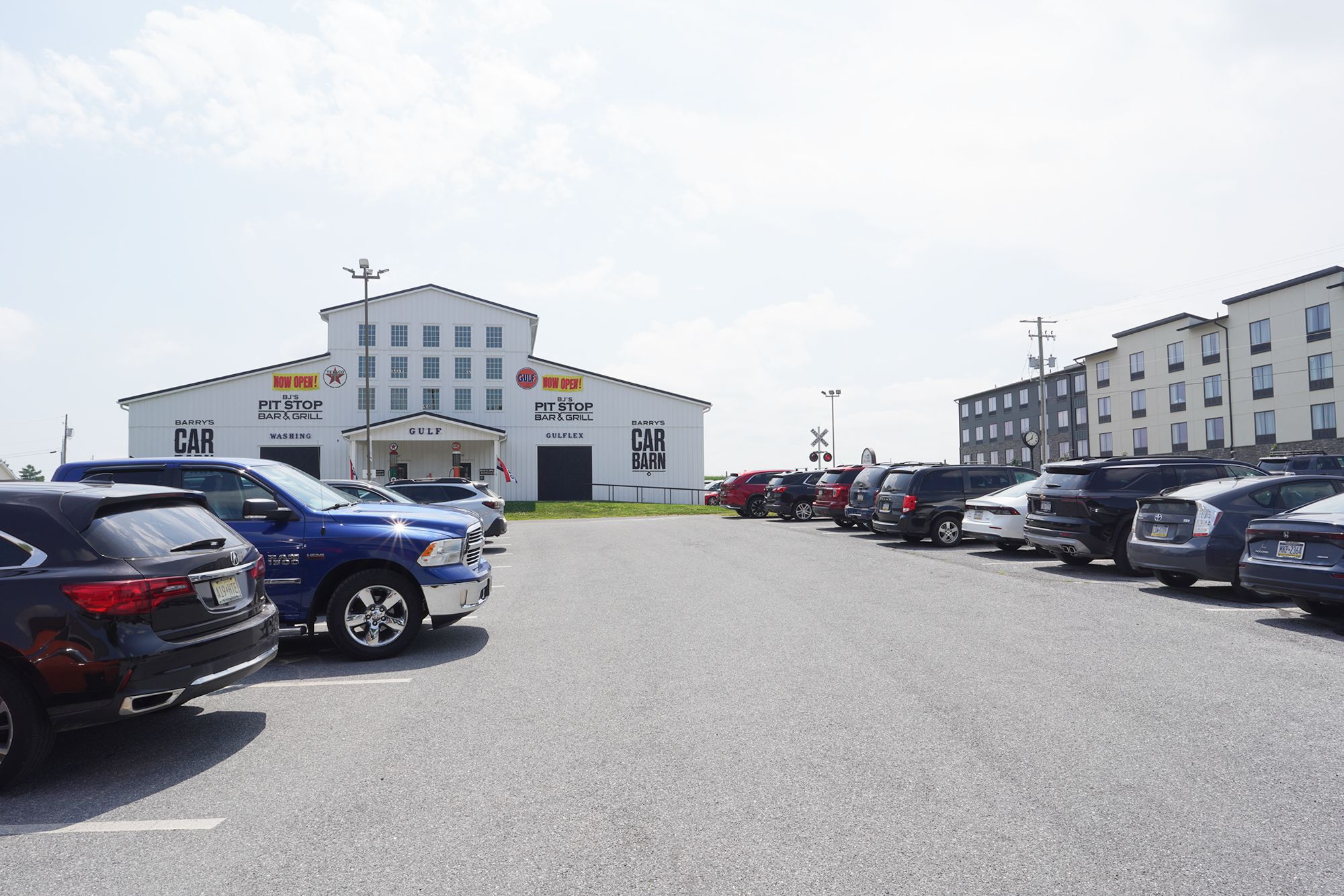
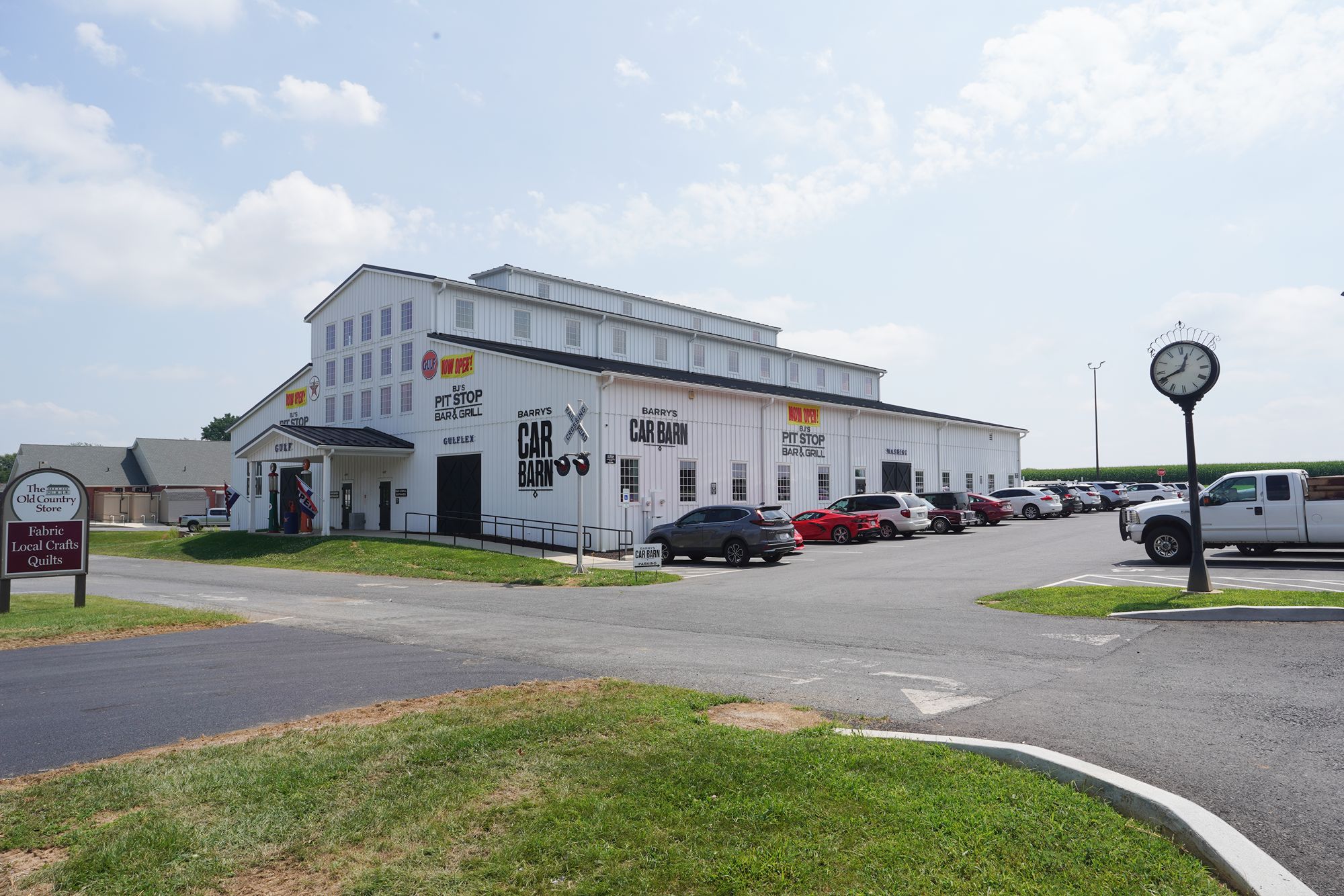
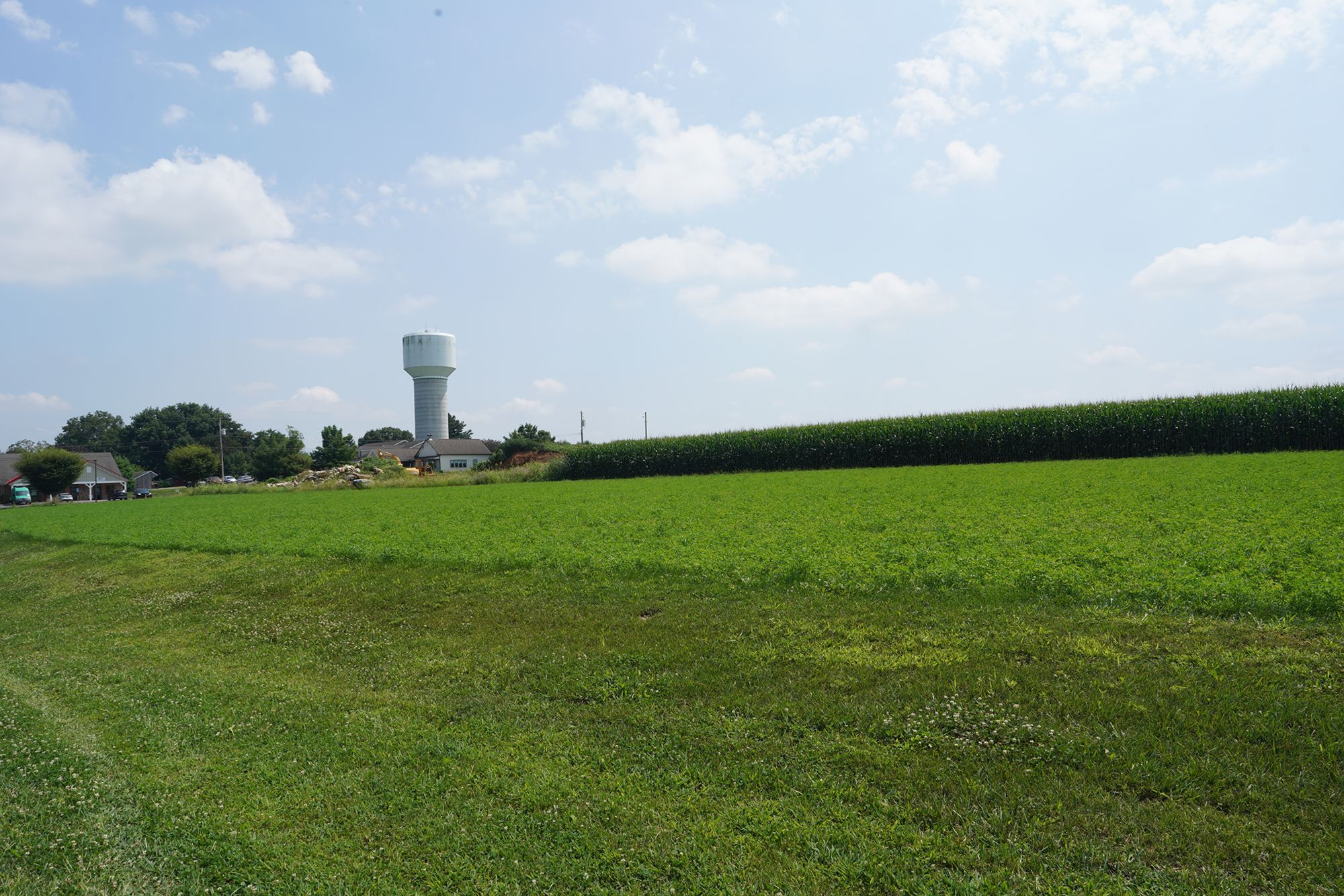
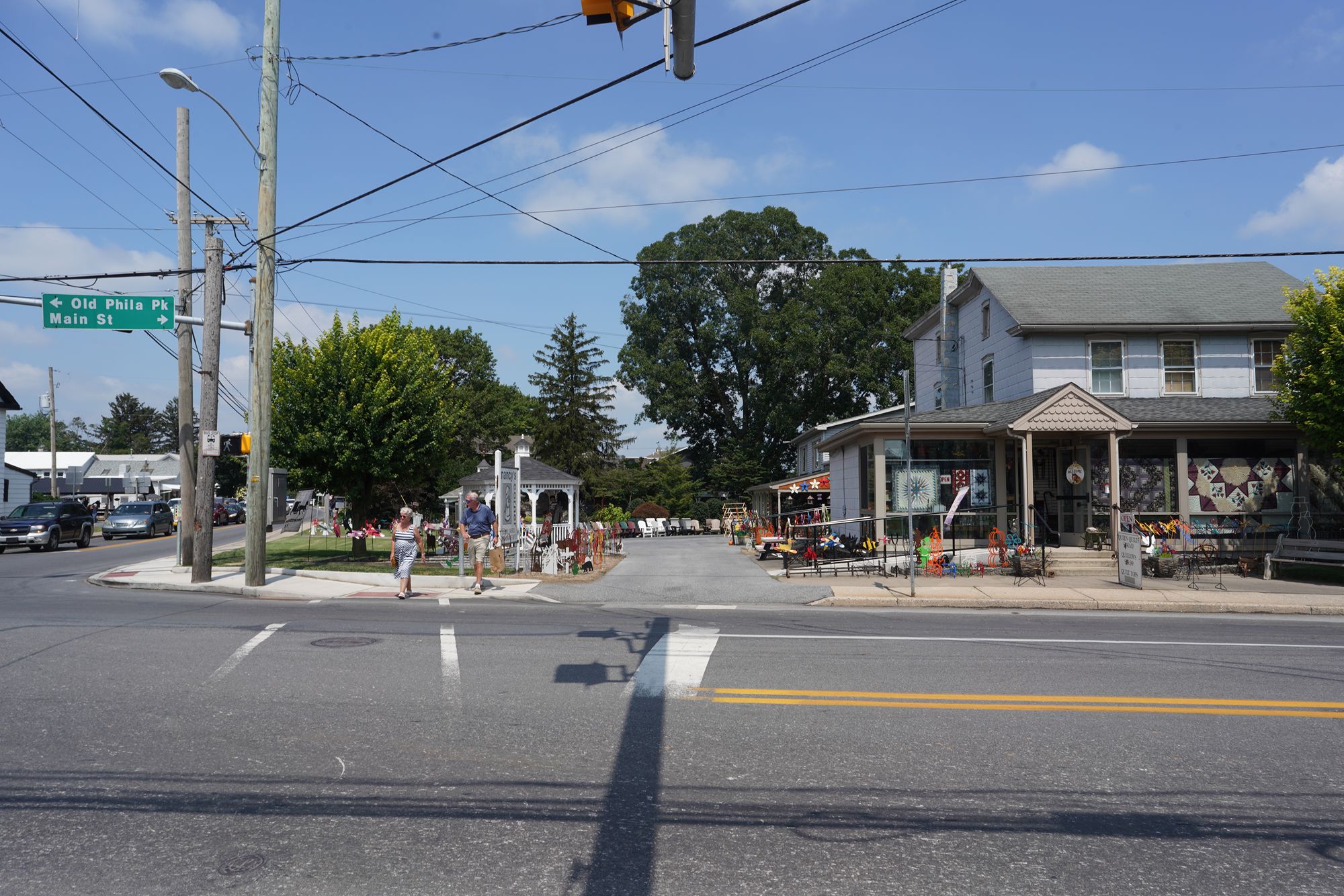
Kitchen Kettle Village is a small outdoor shopping village in Intercourse filled with local food, handmade crafts, and Amish-country charm.
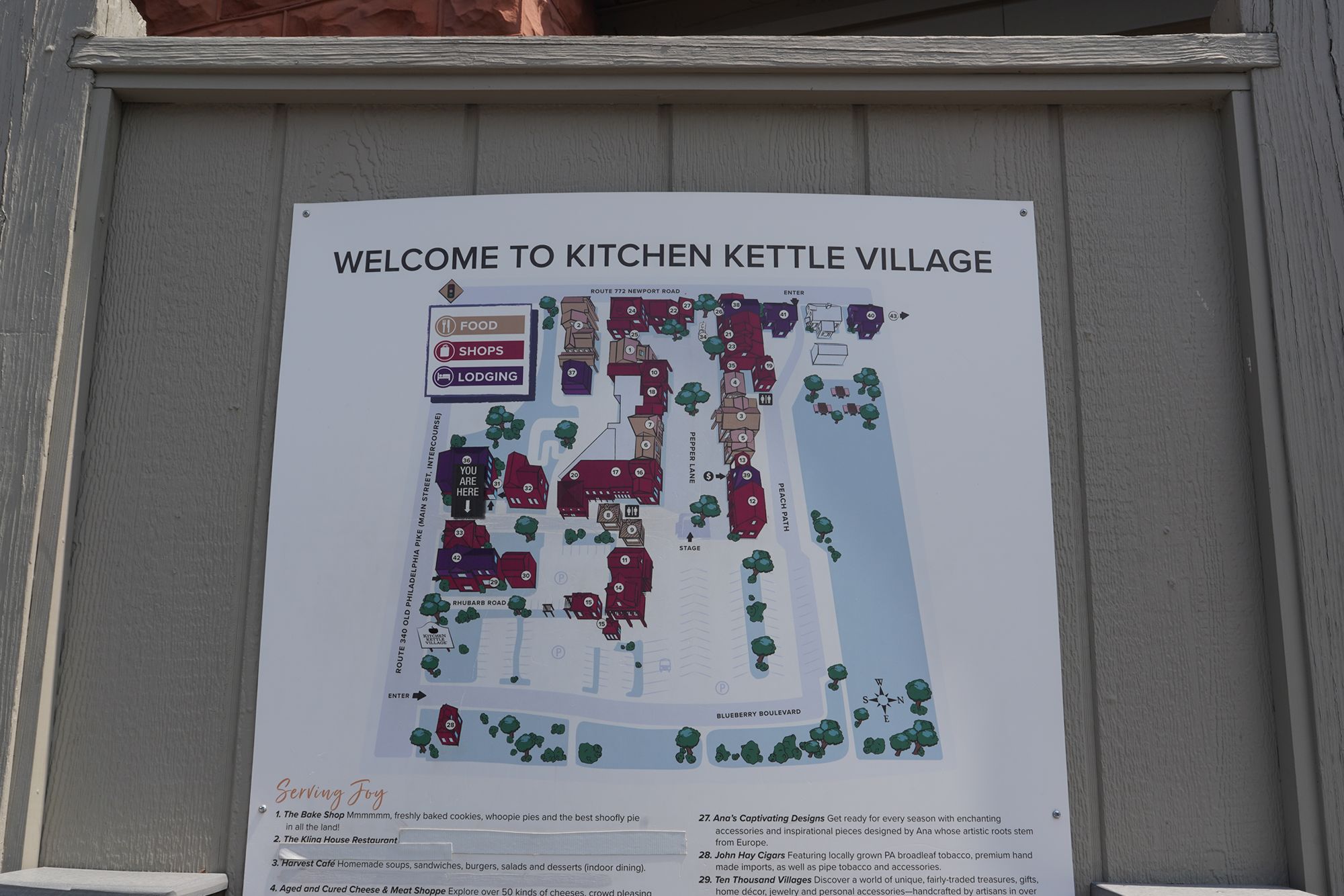
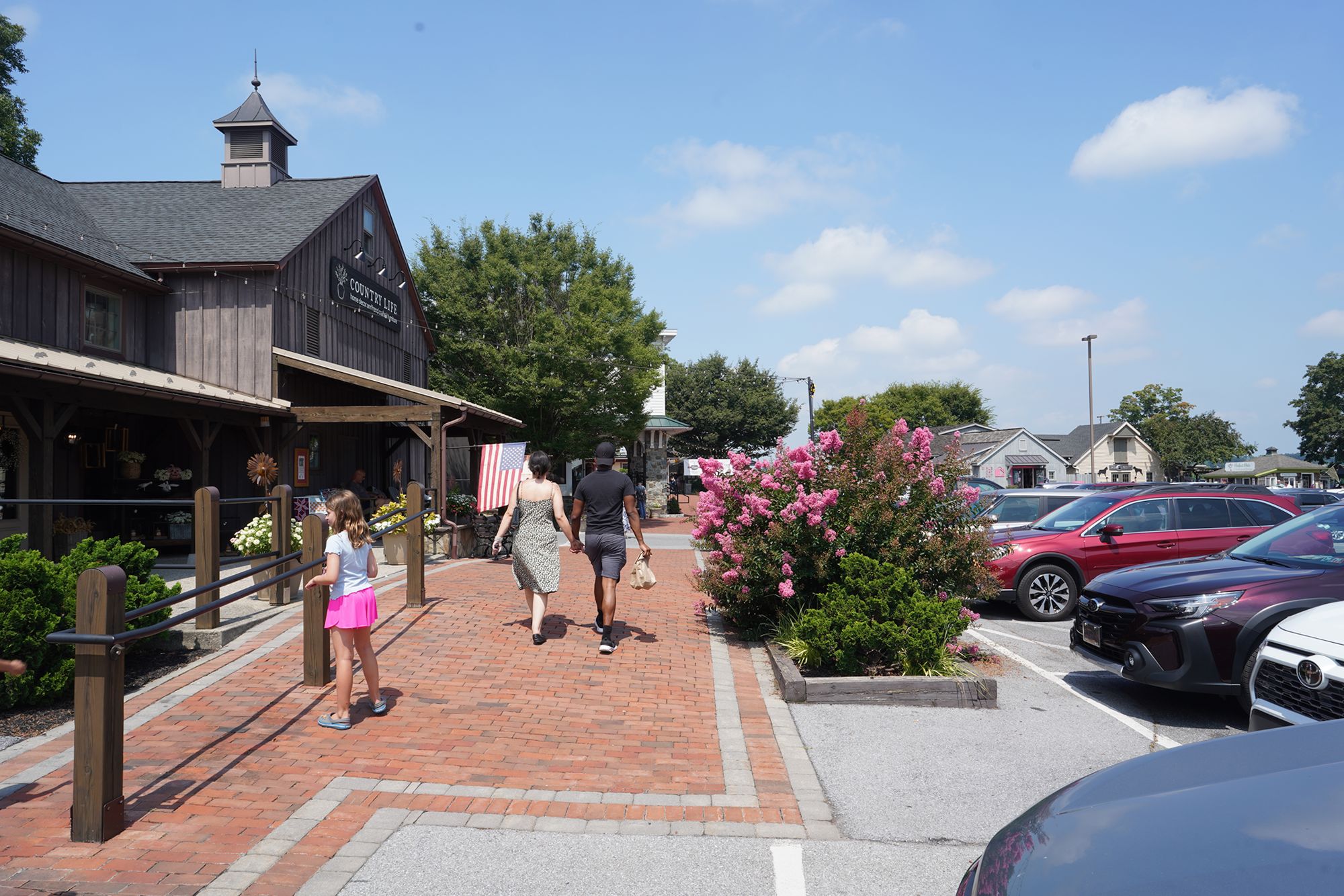
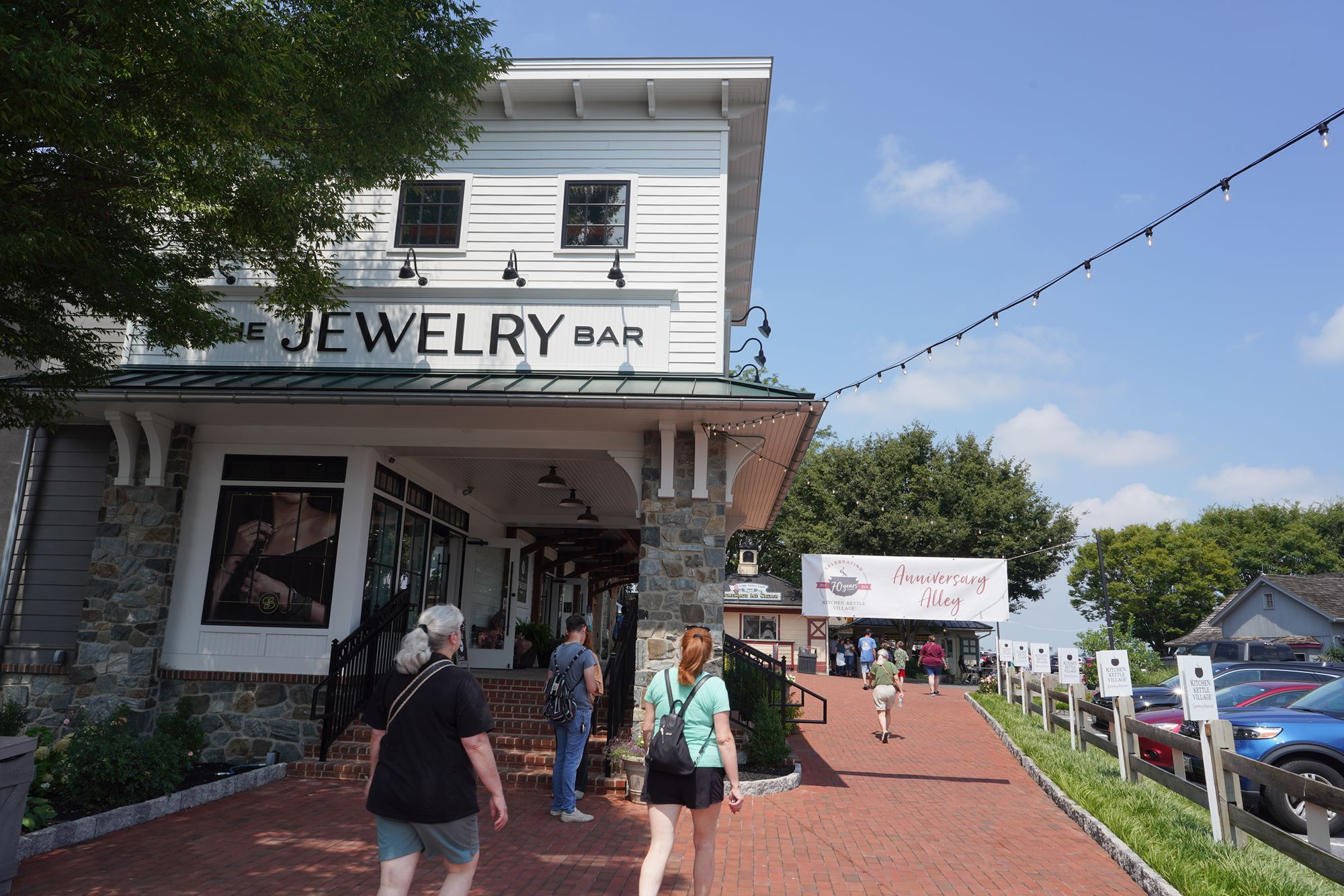
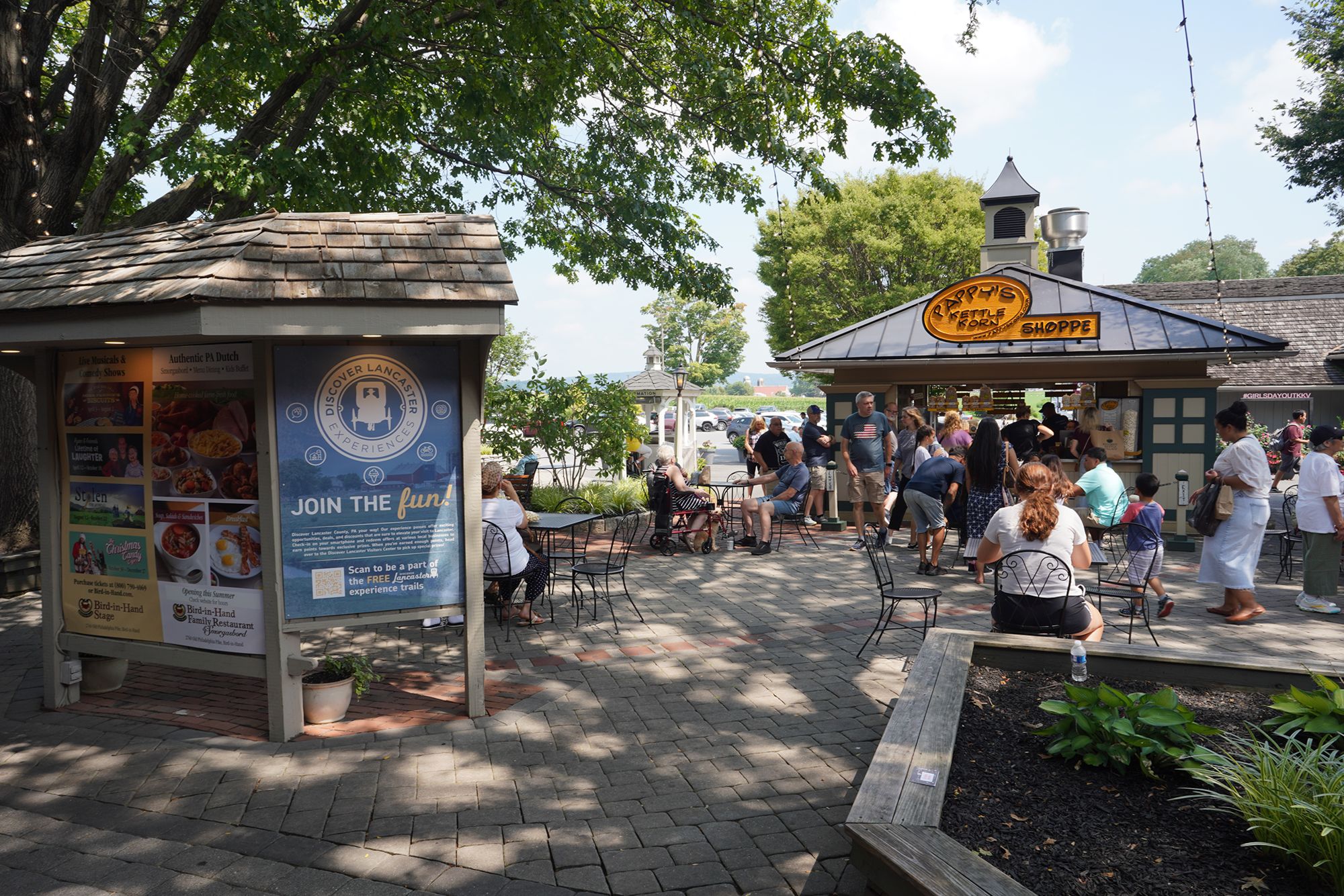
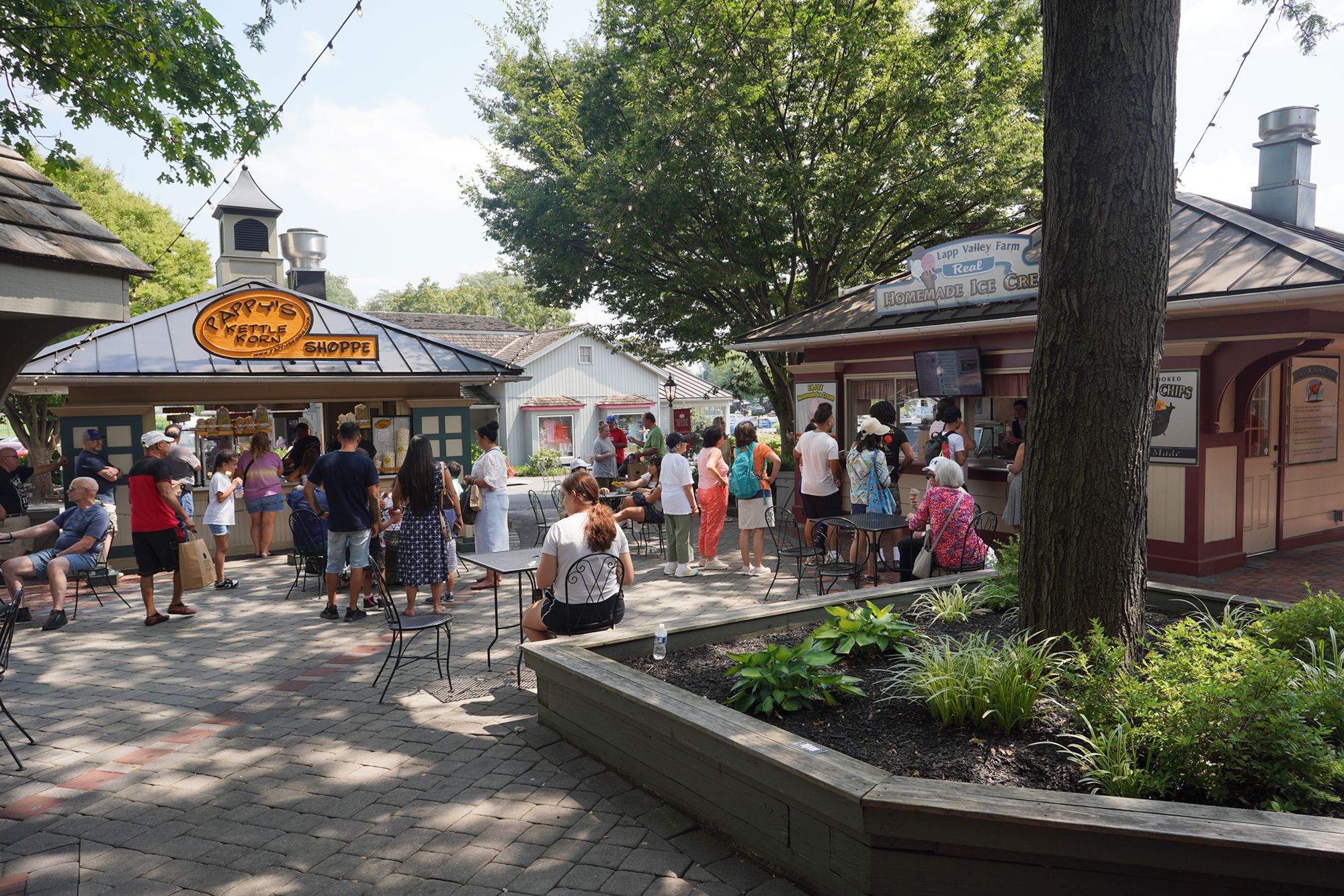
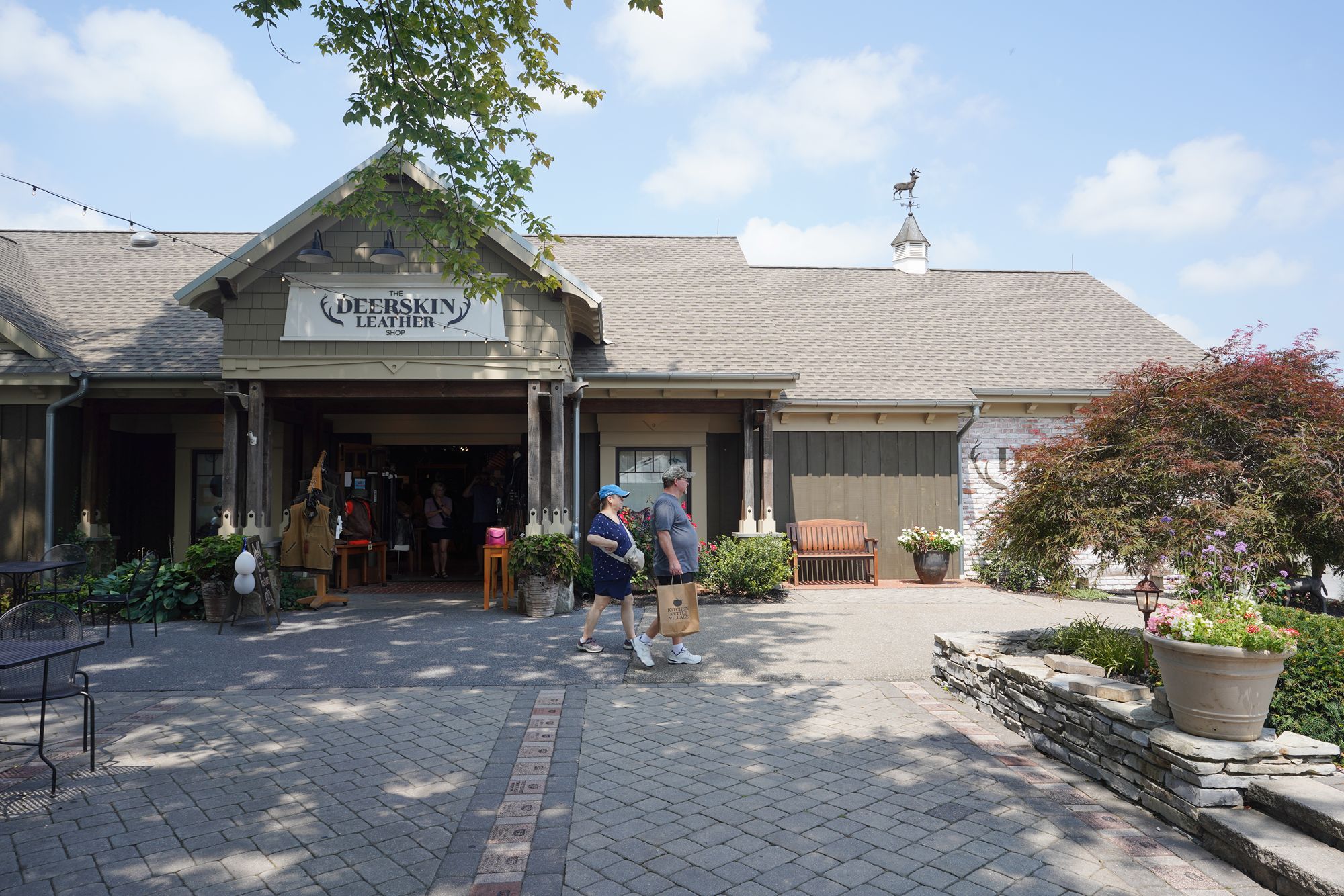
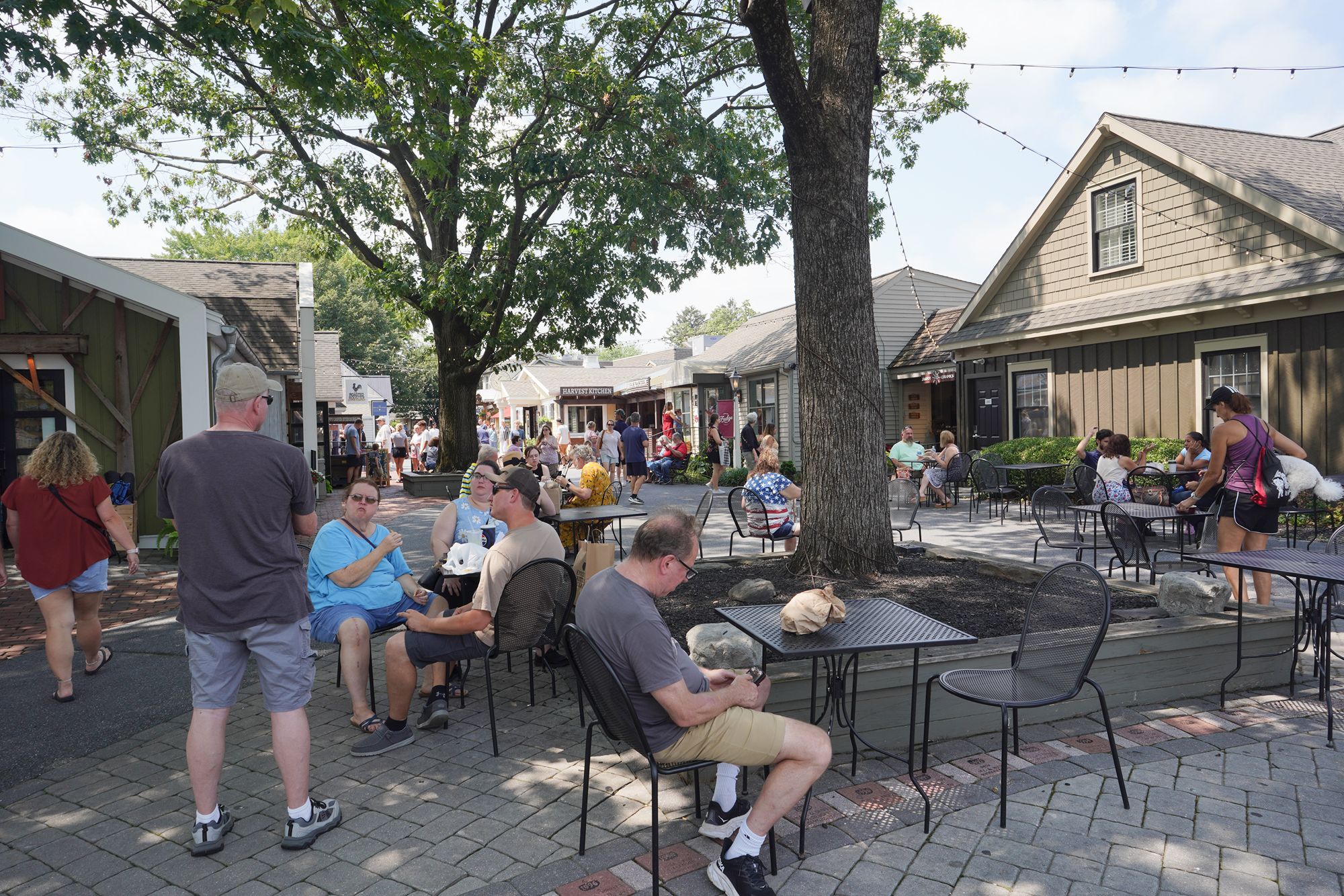
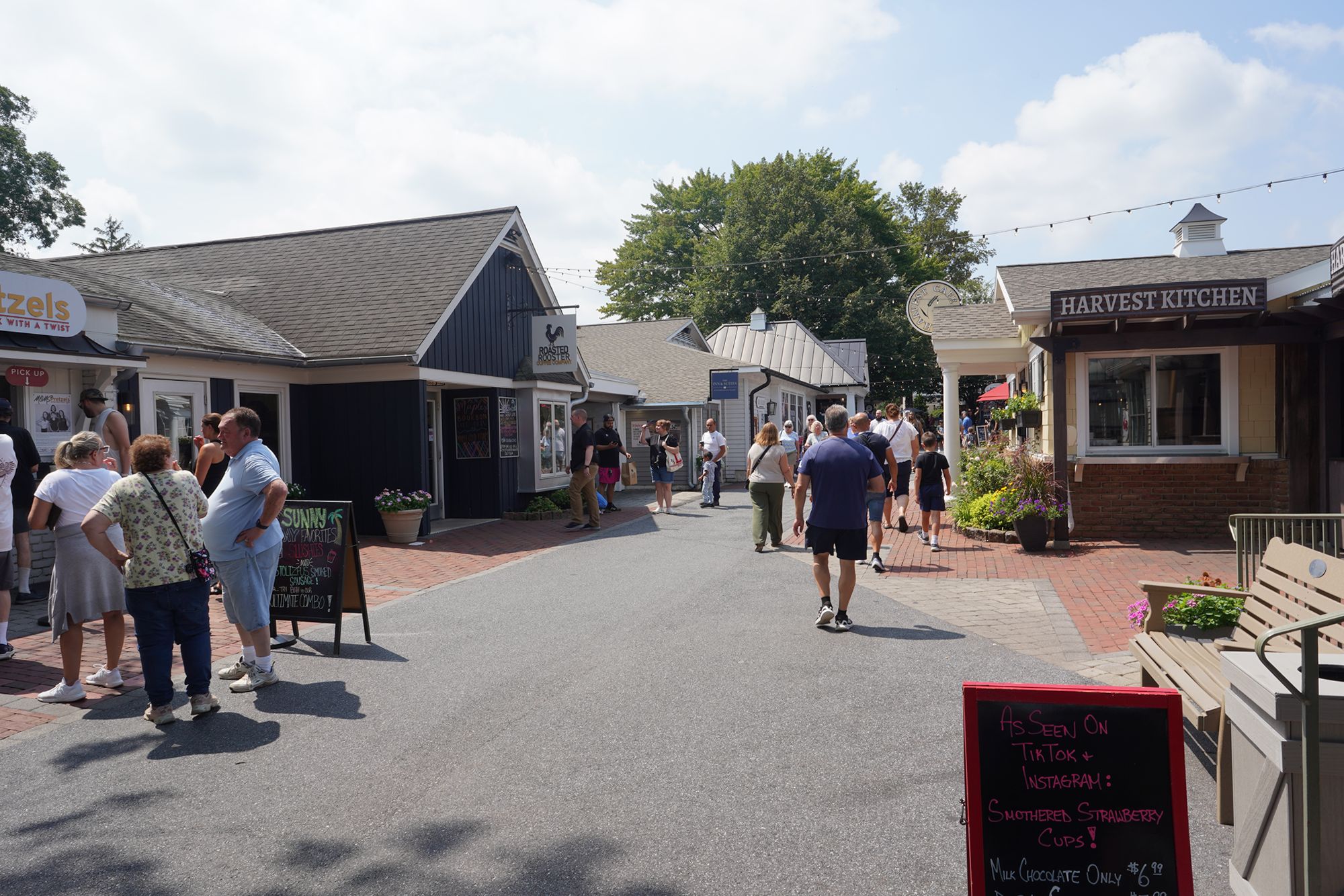
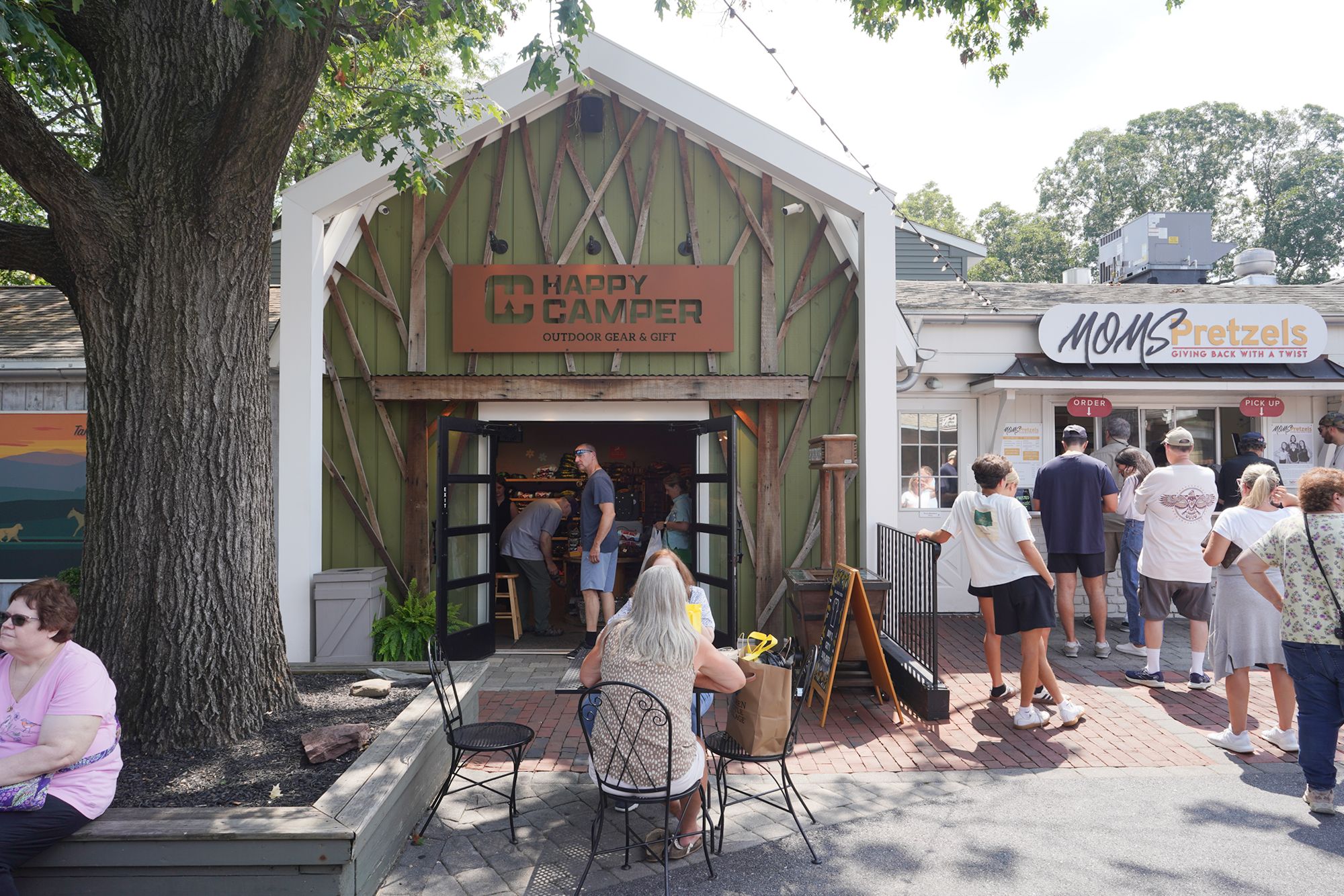
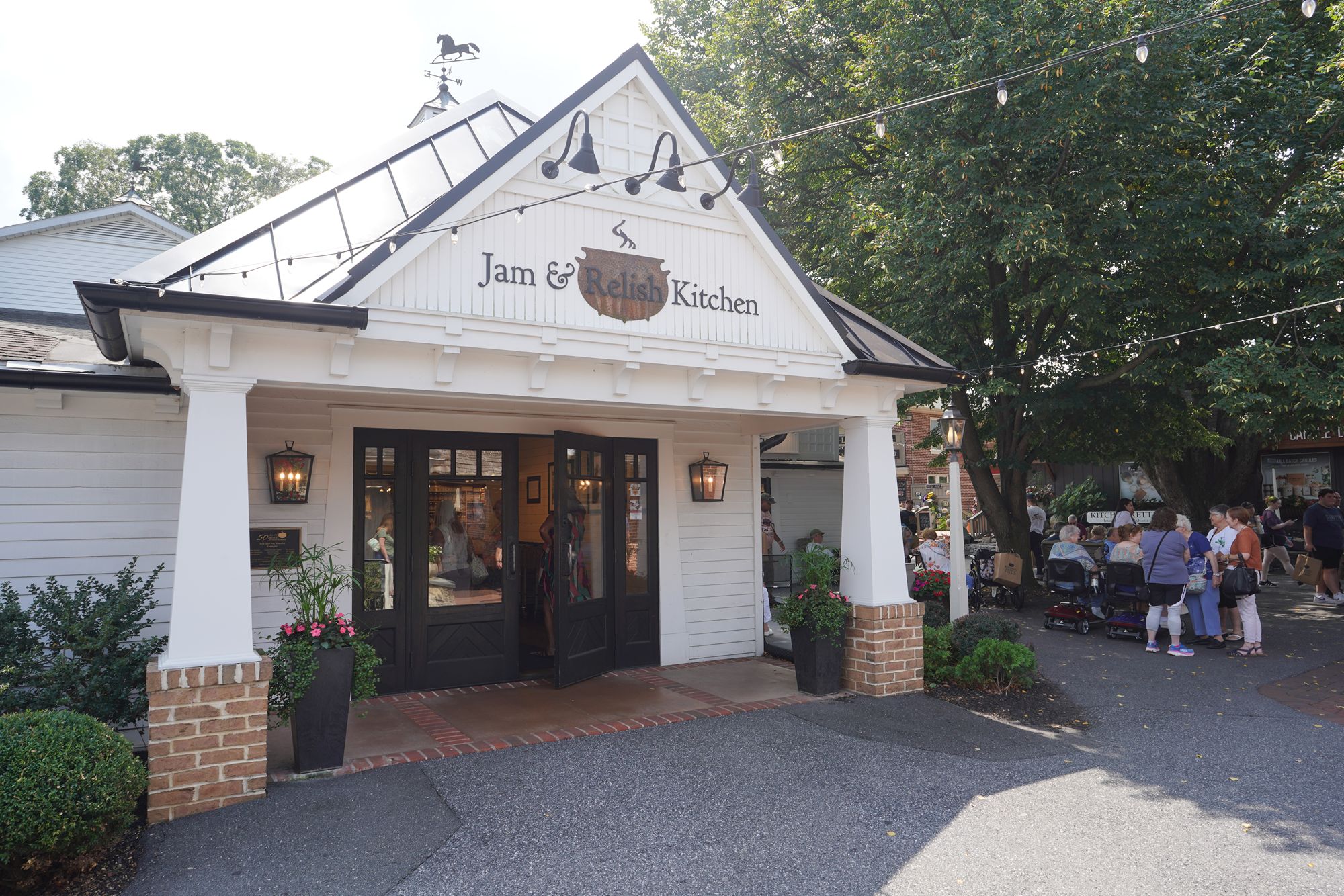
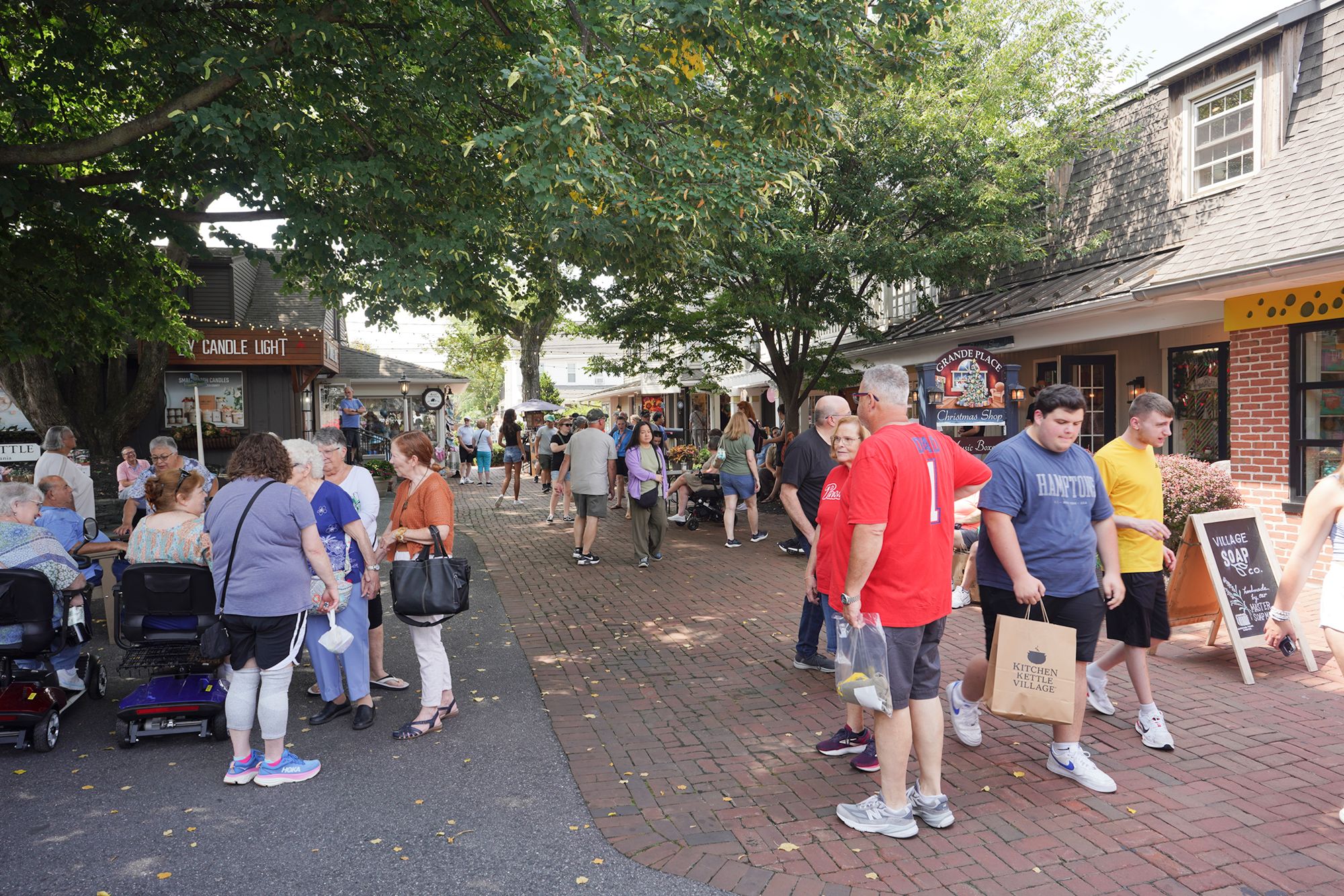
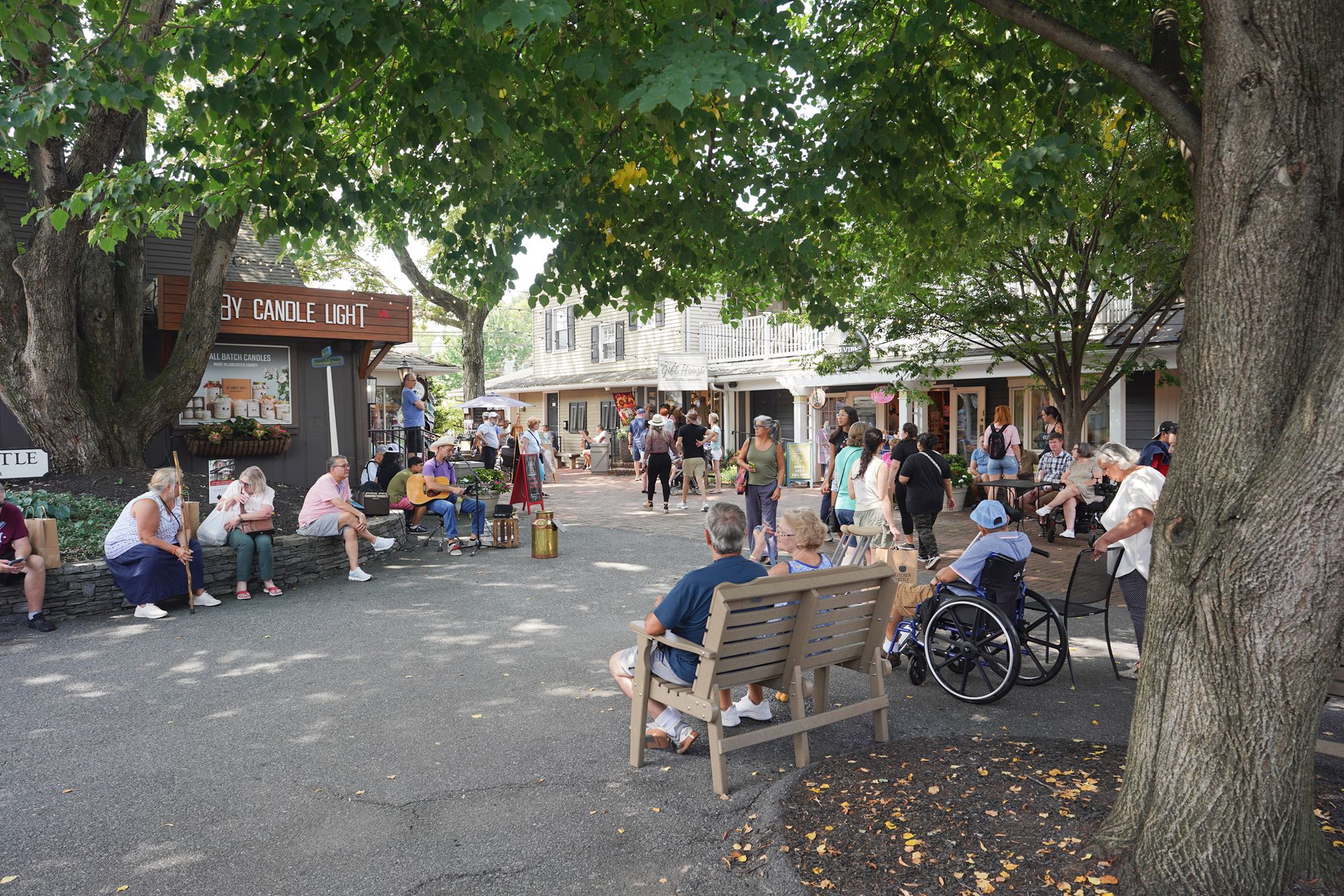
More corn field around the village
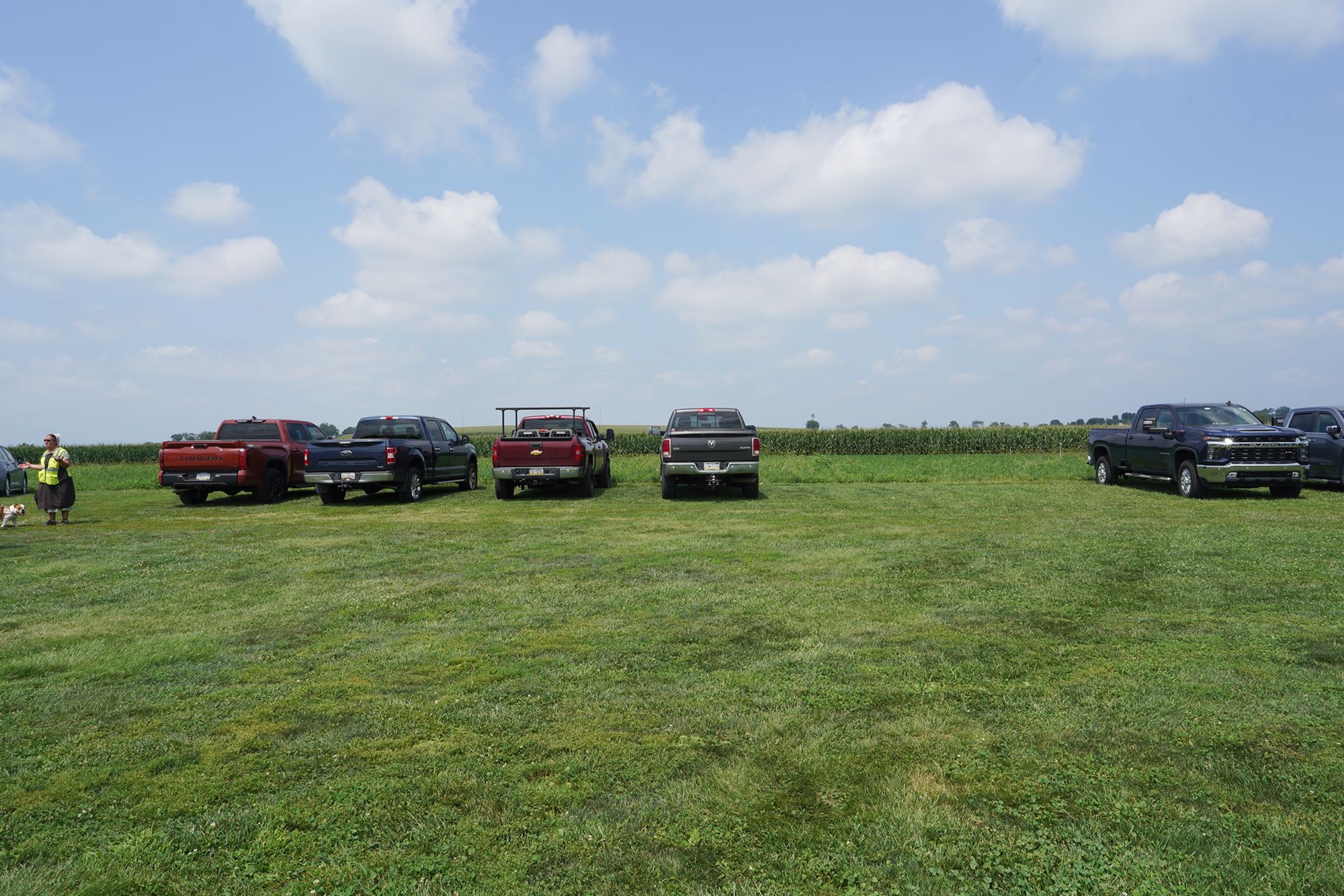
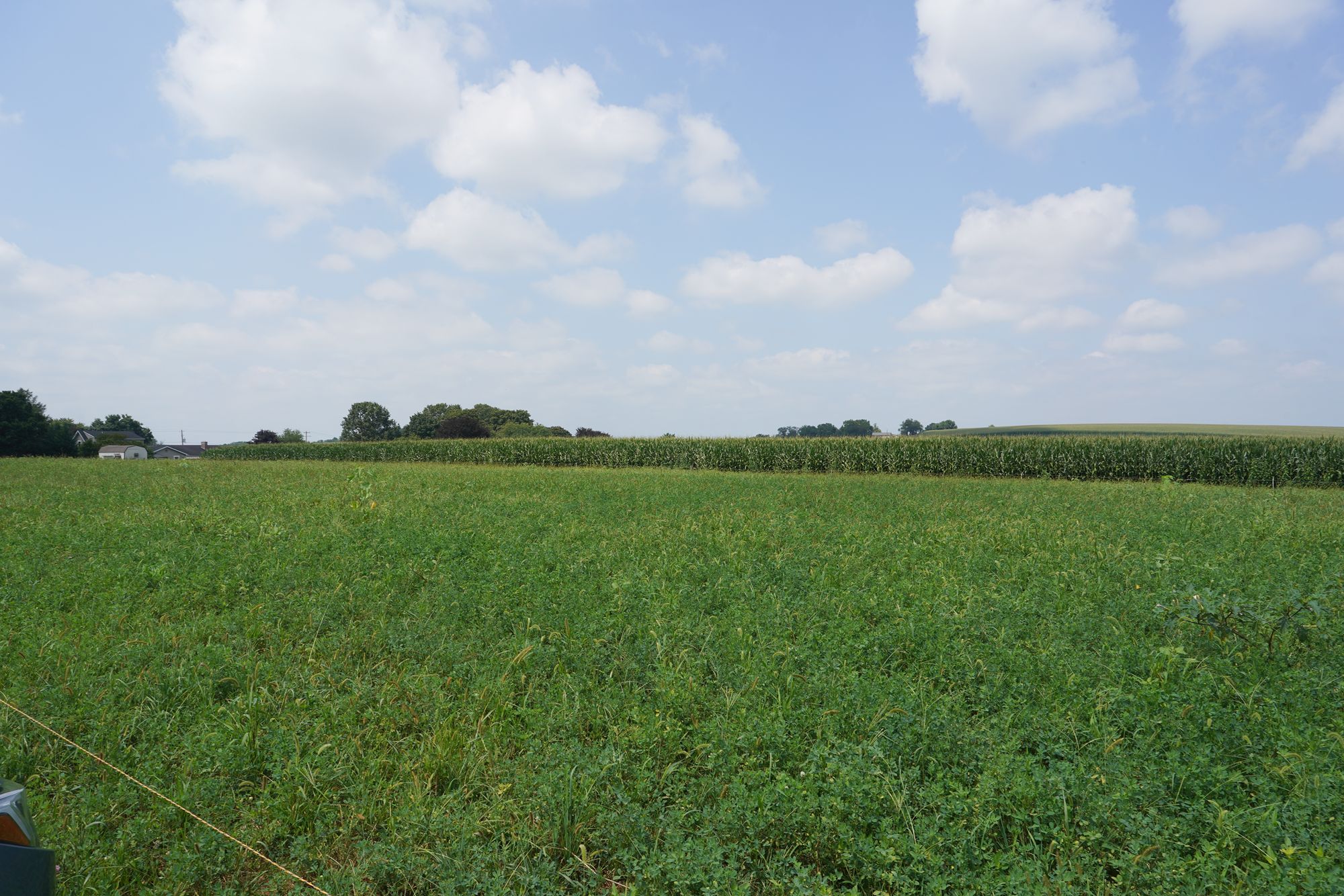
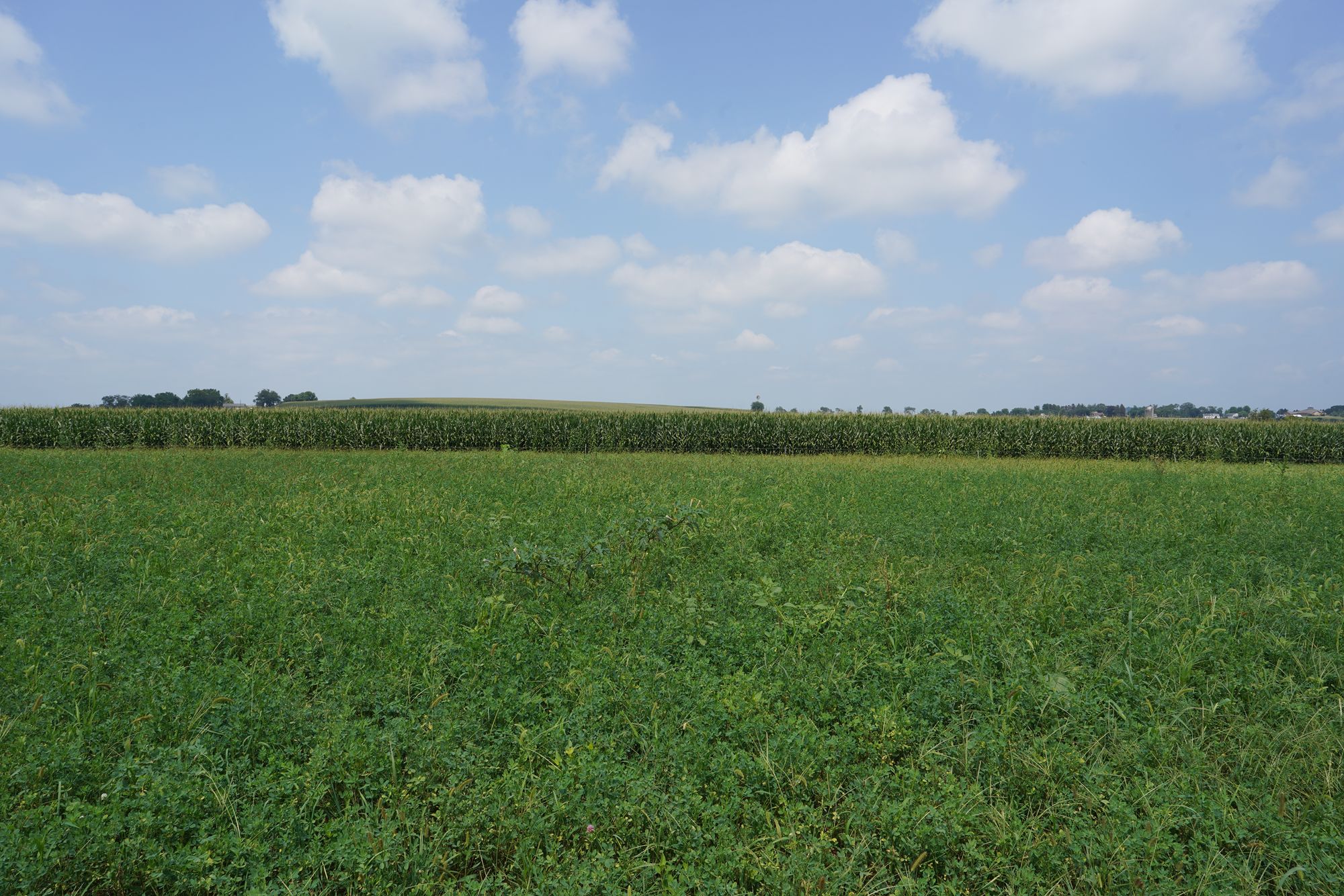
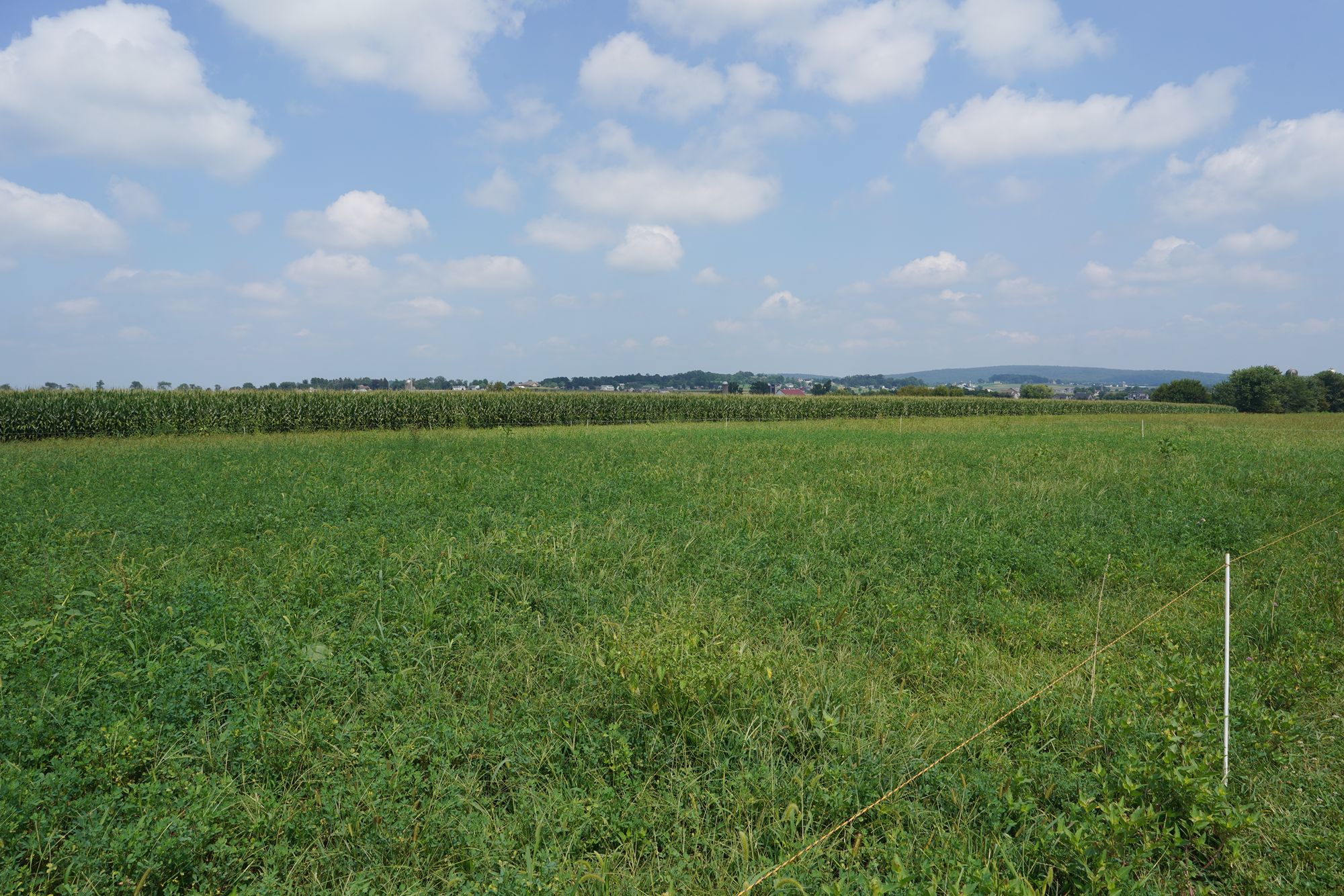
On the way back to my car
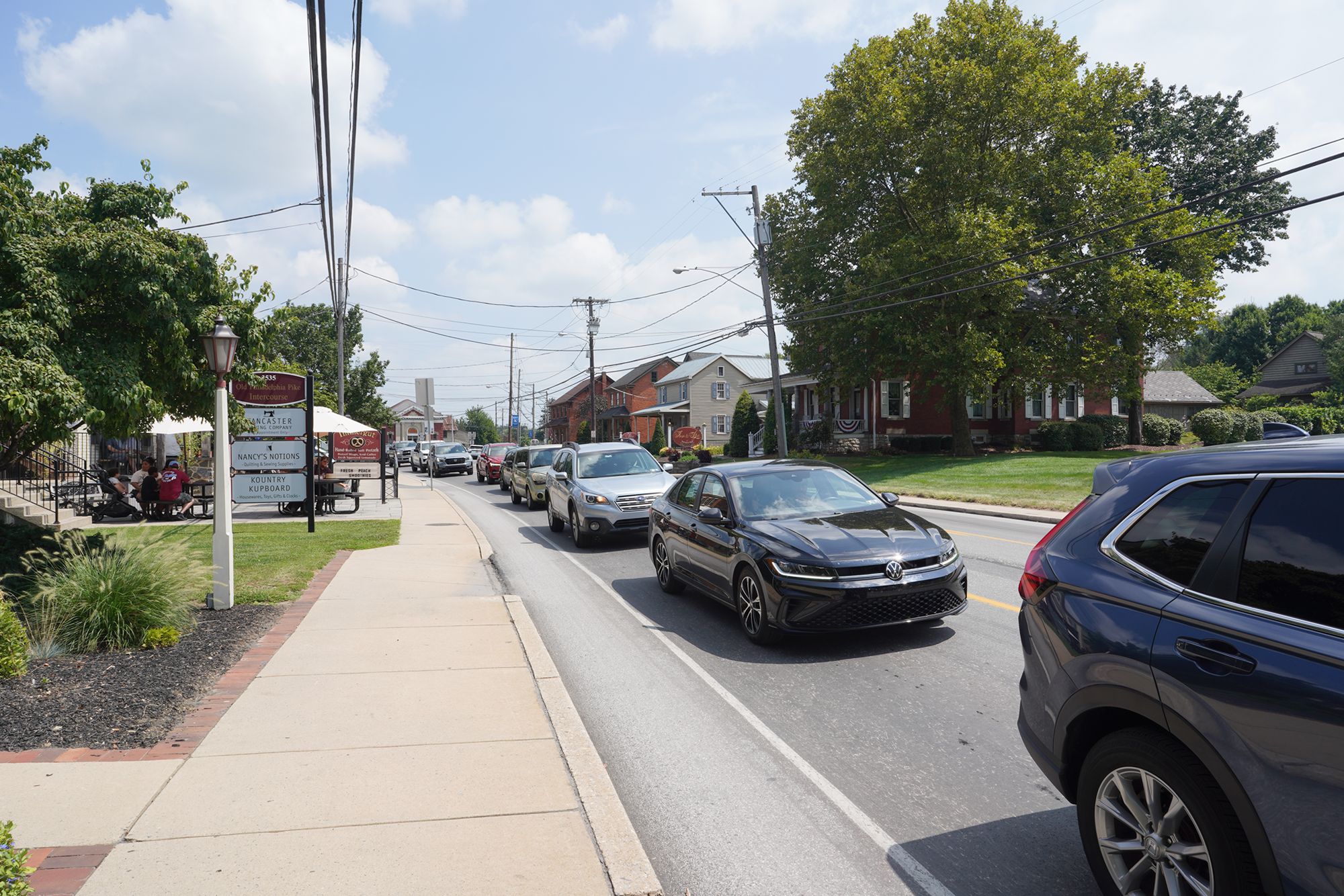
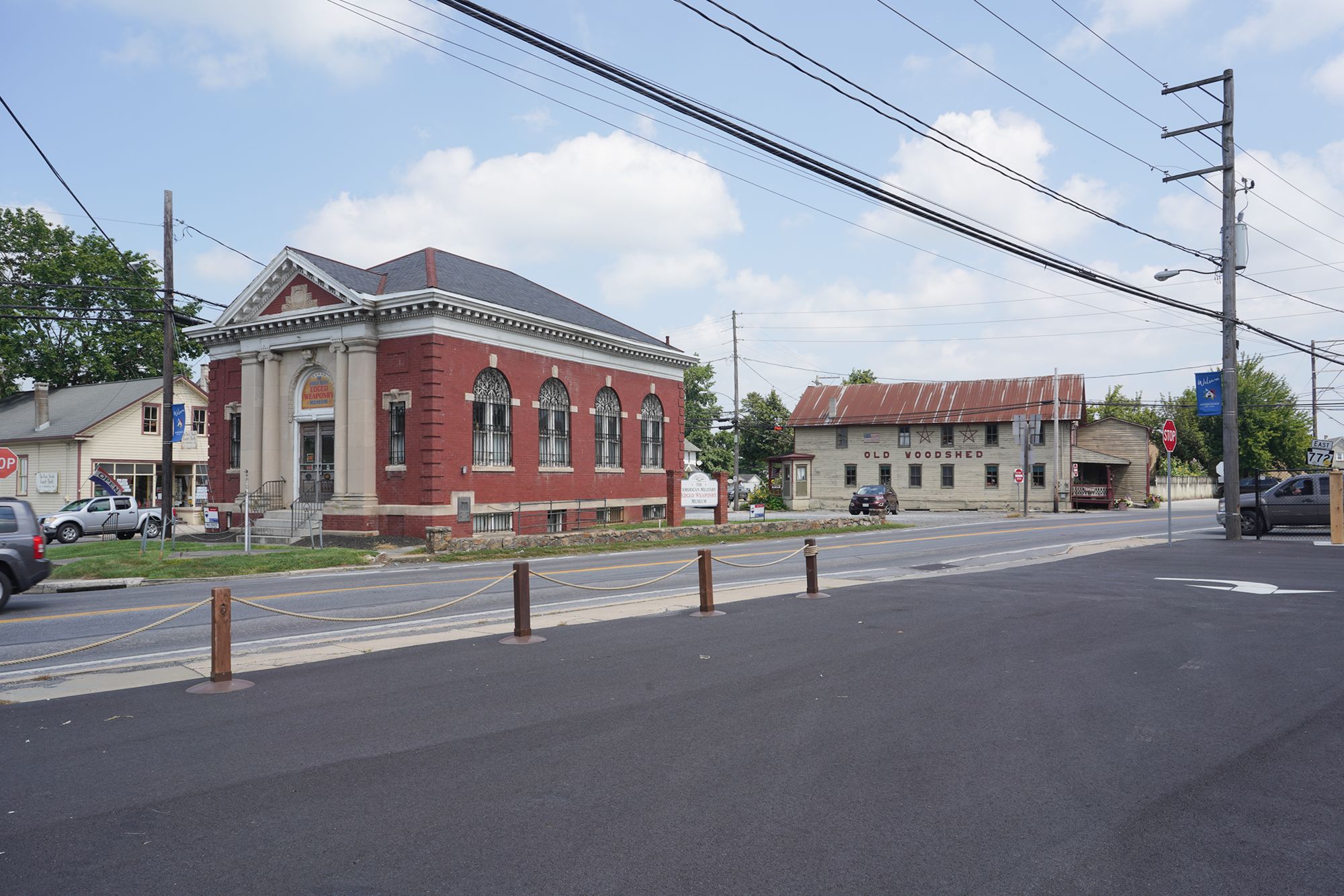
I continued driving and exploring Amish country.
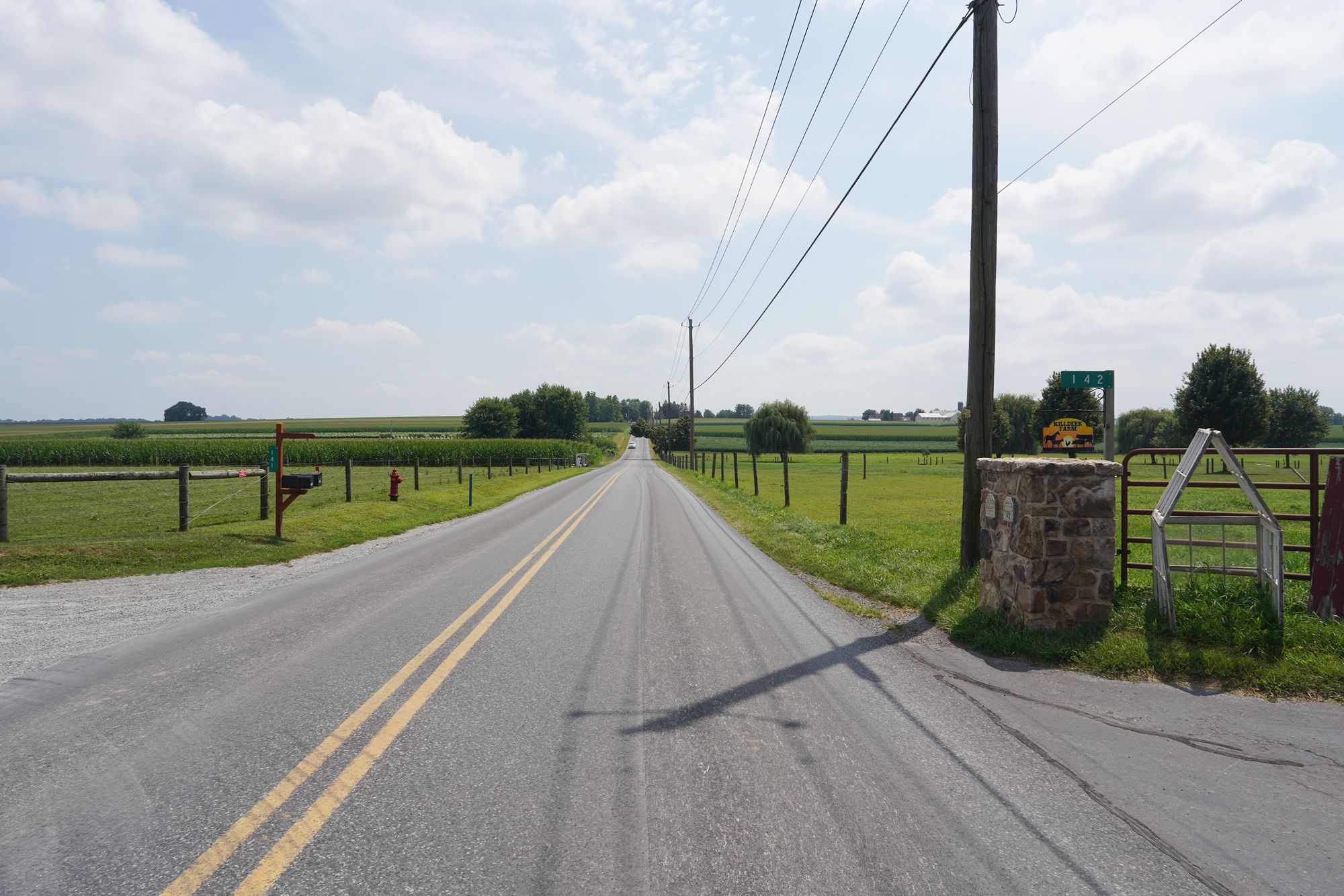
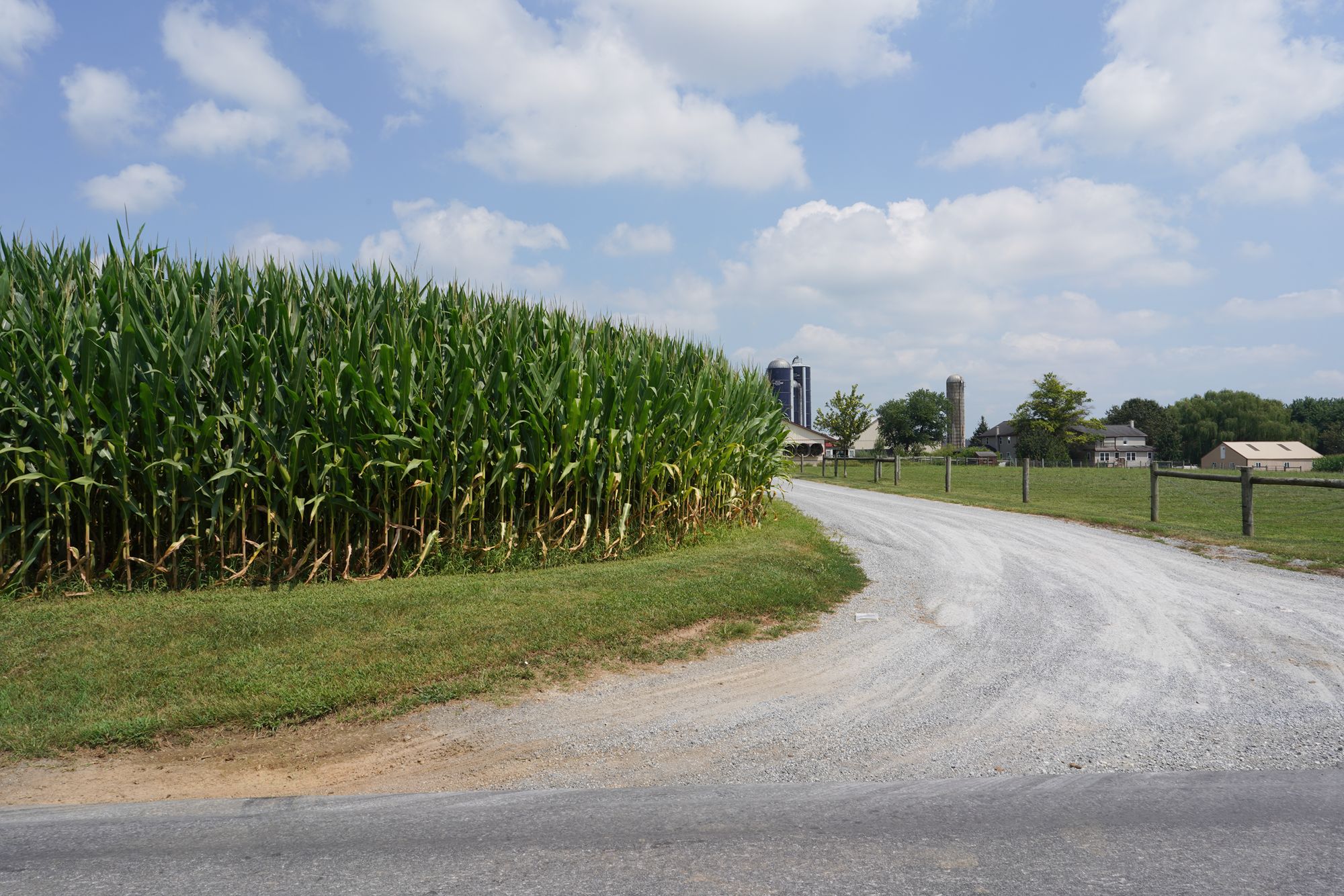
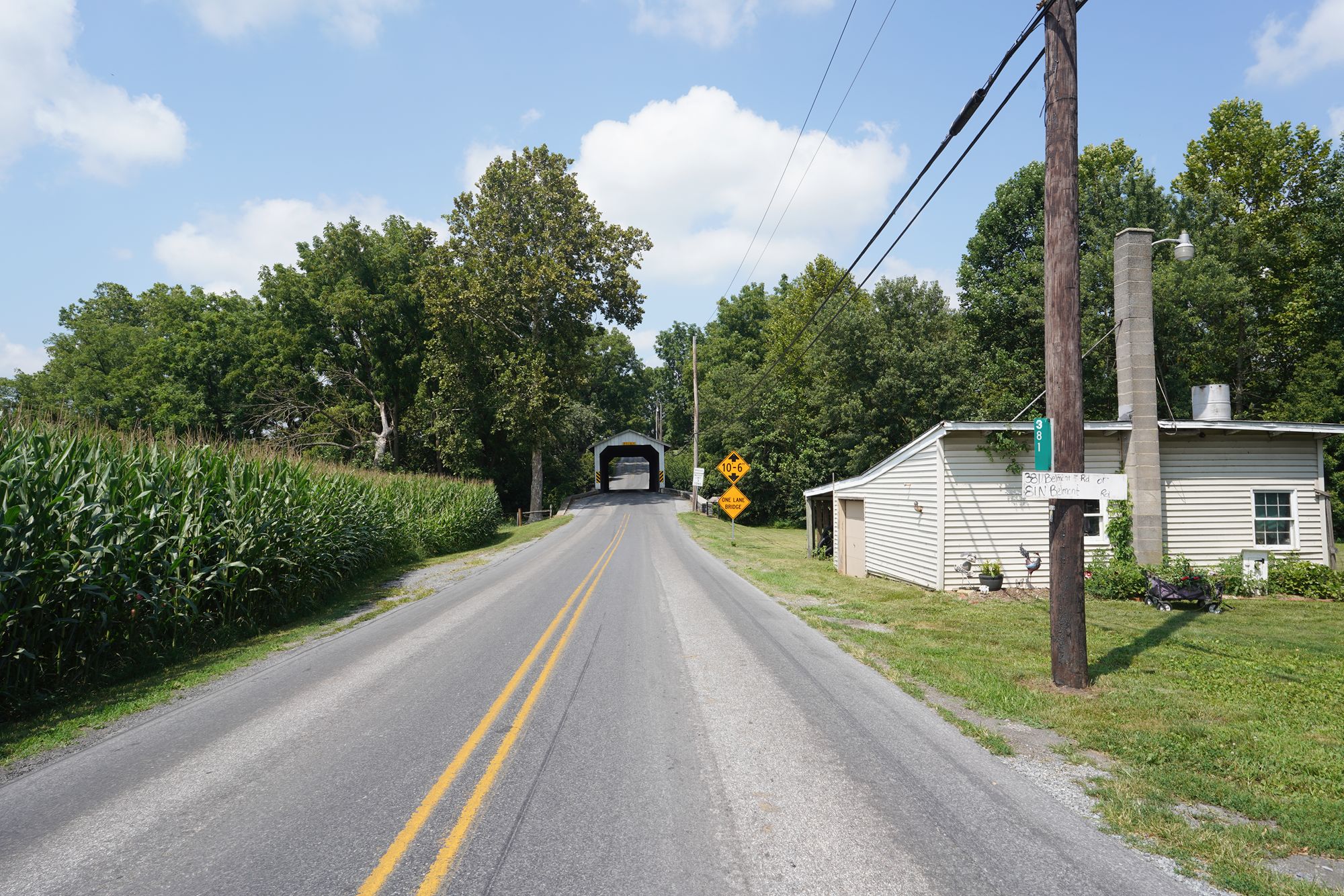
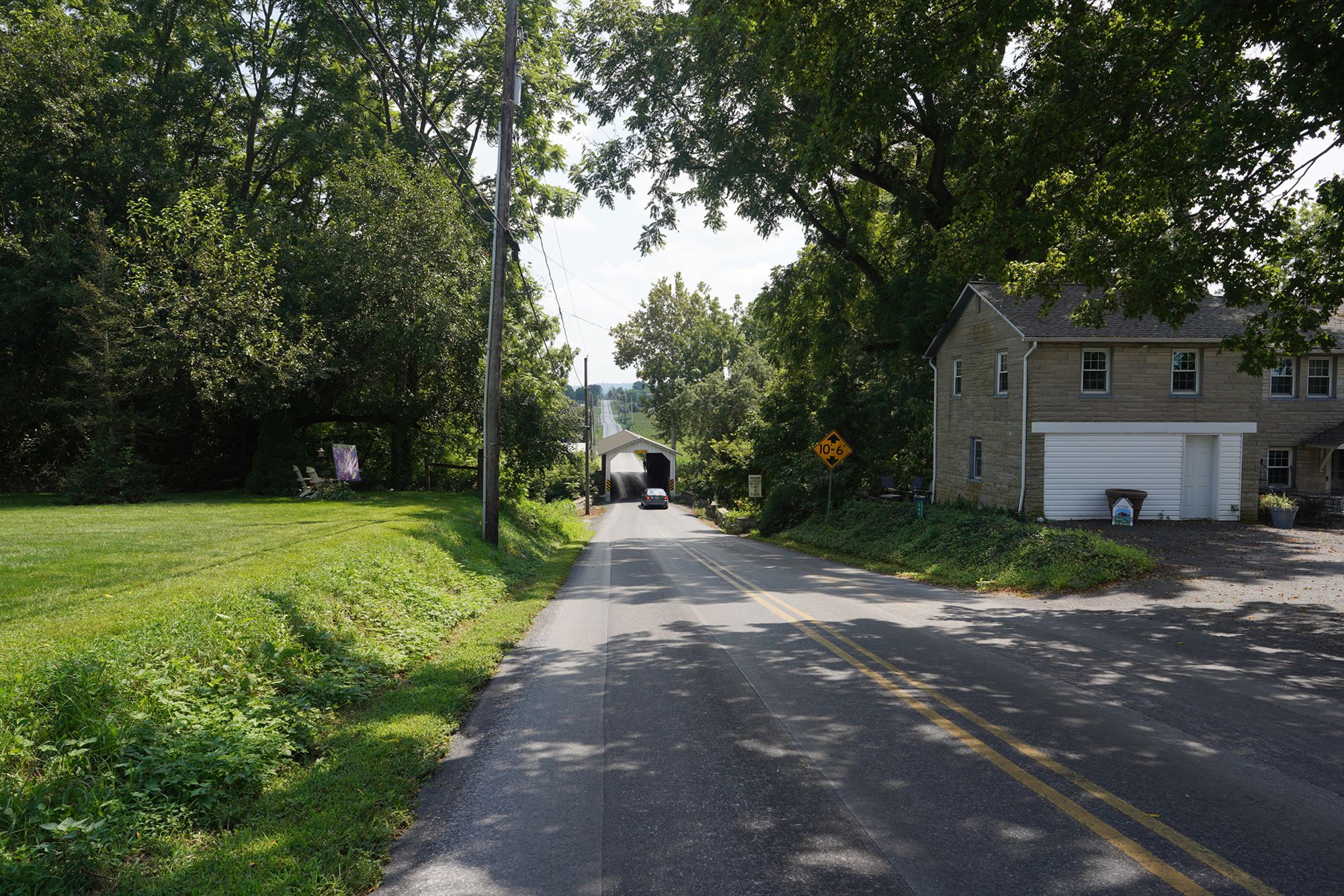
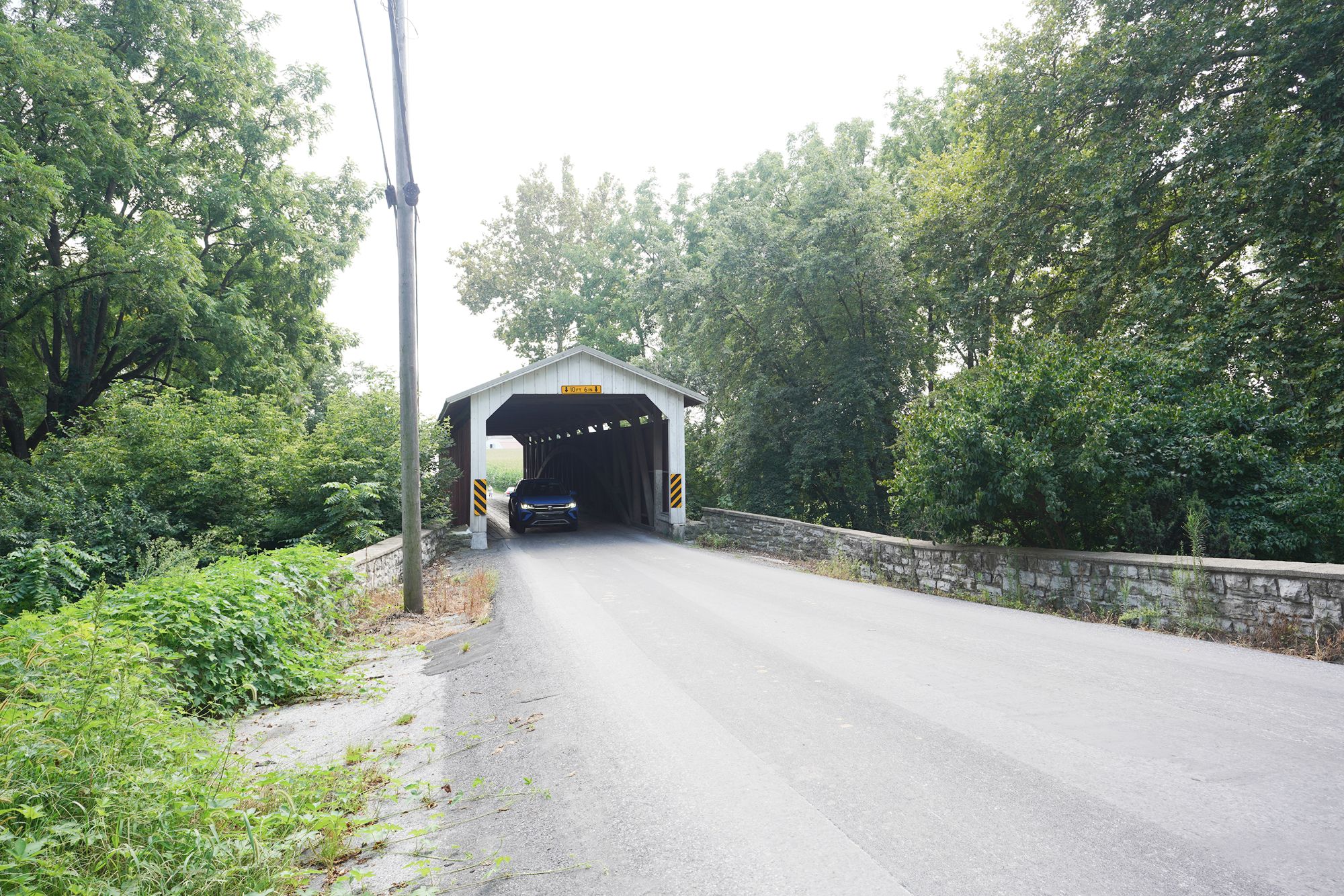
Historic Eshleman’s Mill Covered Bridge – Eshleman’s Mill Covered Bridge is historical because it’s an authentic 19th-century wooden covered bridge — built in 1845, rebuilt in 1893 — and one of the surviving examples from a time when such bridges were essential to rural life and travel.
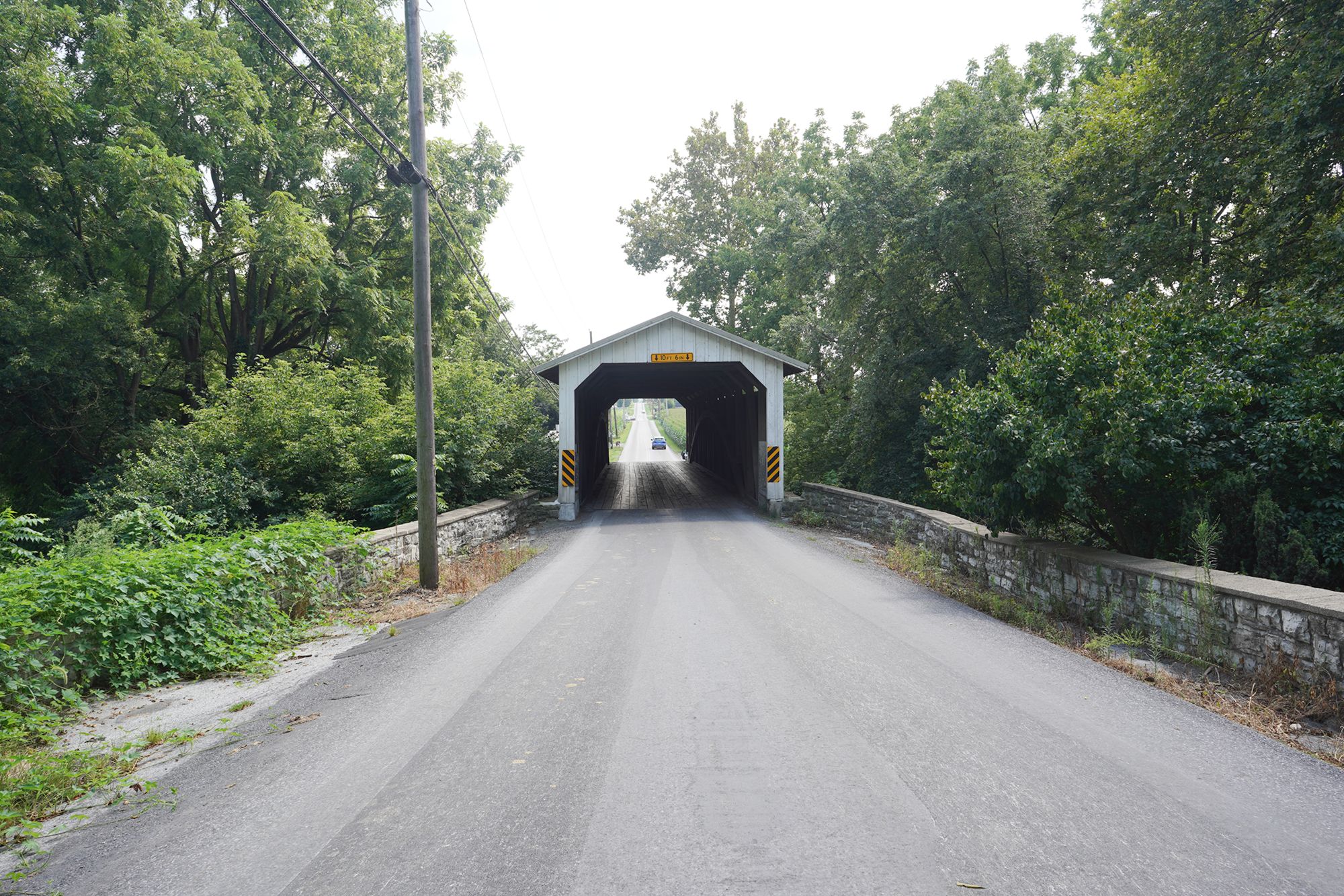
Covered bridges like this one were once vital infrastructure: they helped rural communities cross creeks and rivers safely, and the “cover” protected the wooden structure from weather, extending its lifespan compared with open-wood bridges.
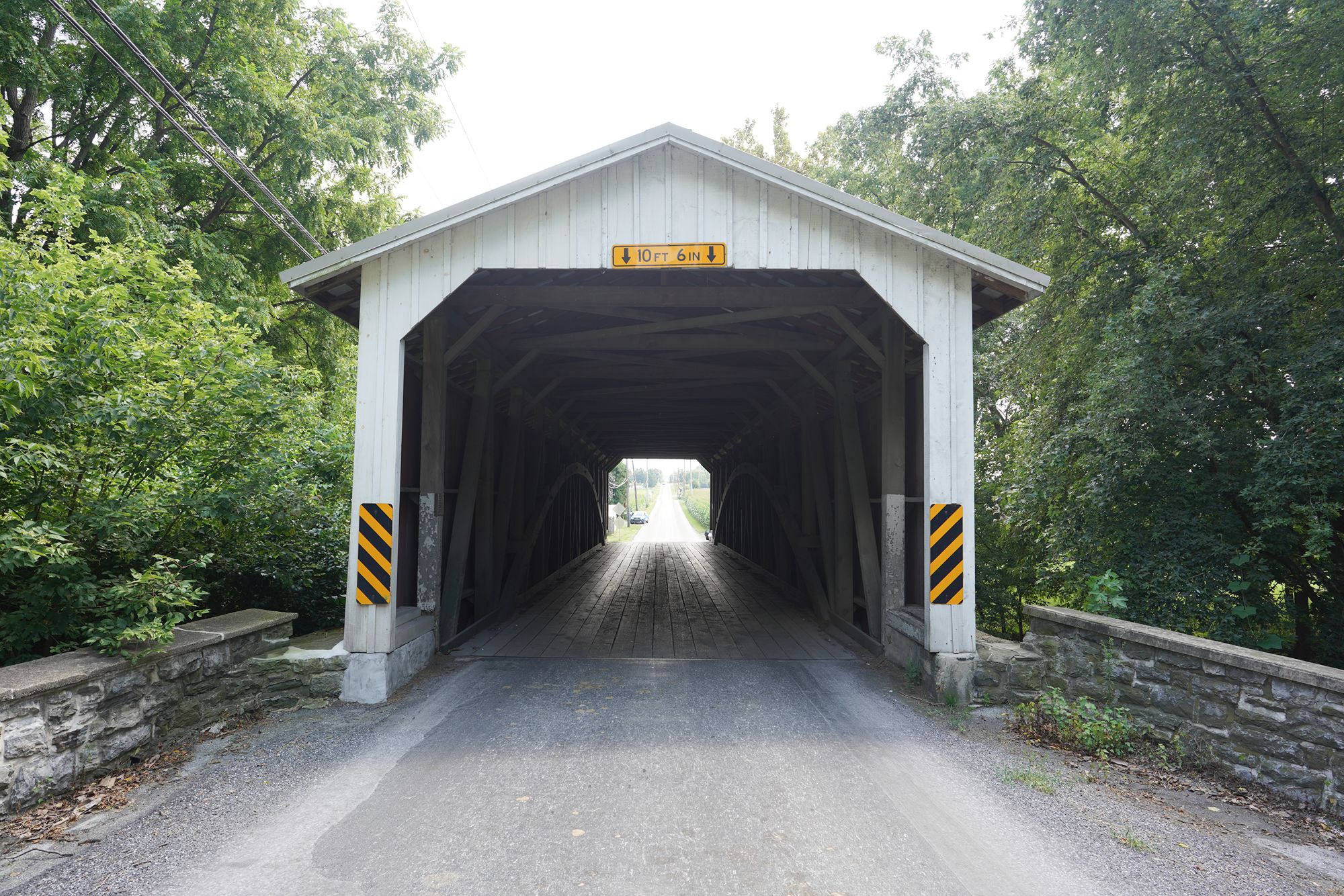
Over time many covered bridges in the region have disappeared — in the mid-1800s Lancaster County had over 100 covered bridges; now fewer remain.
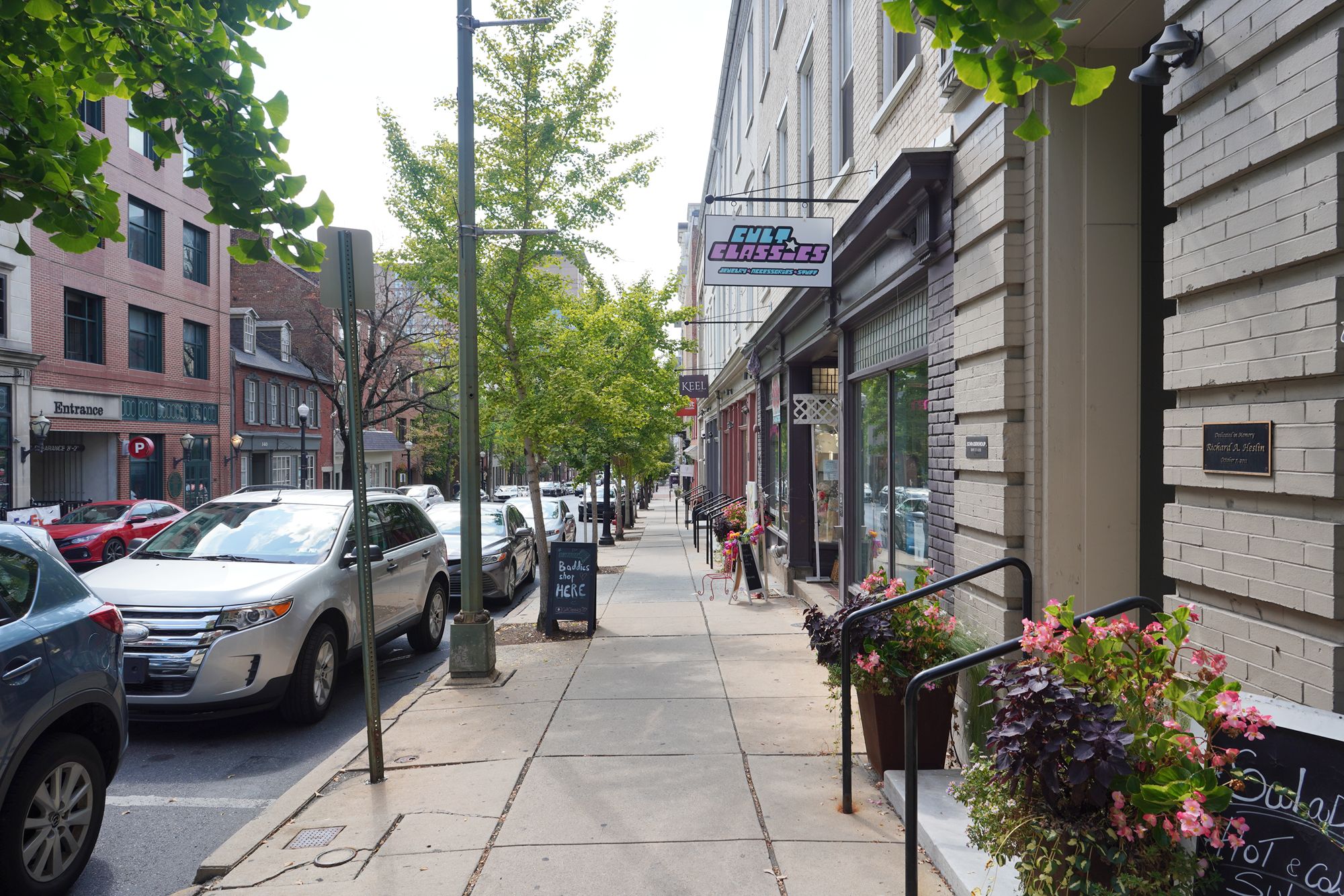
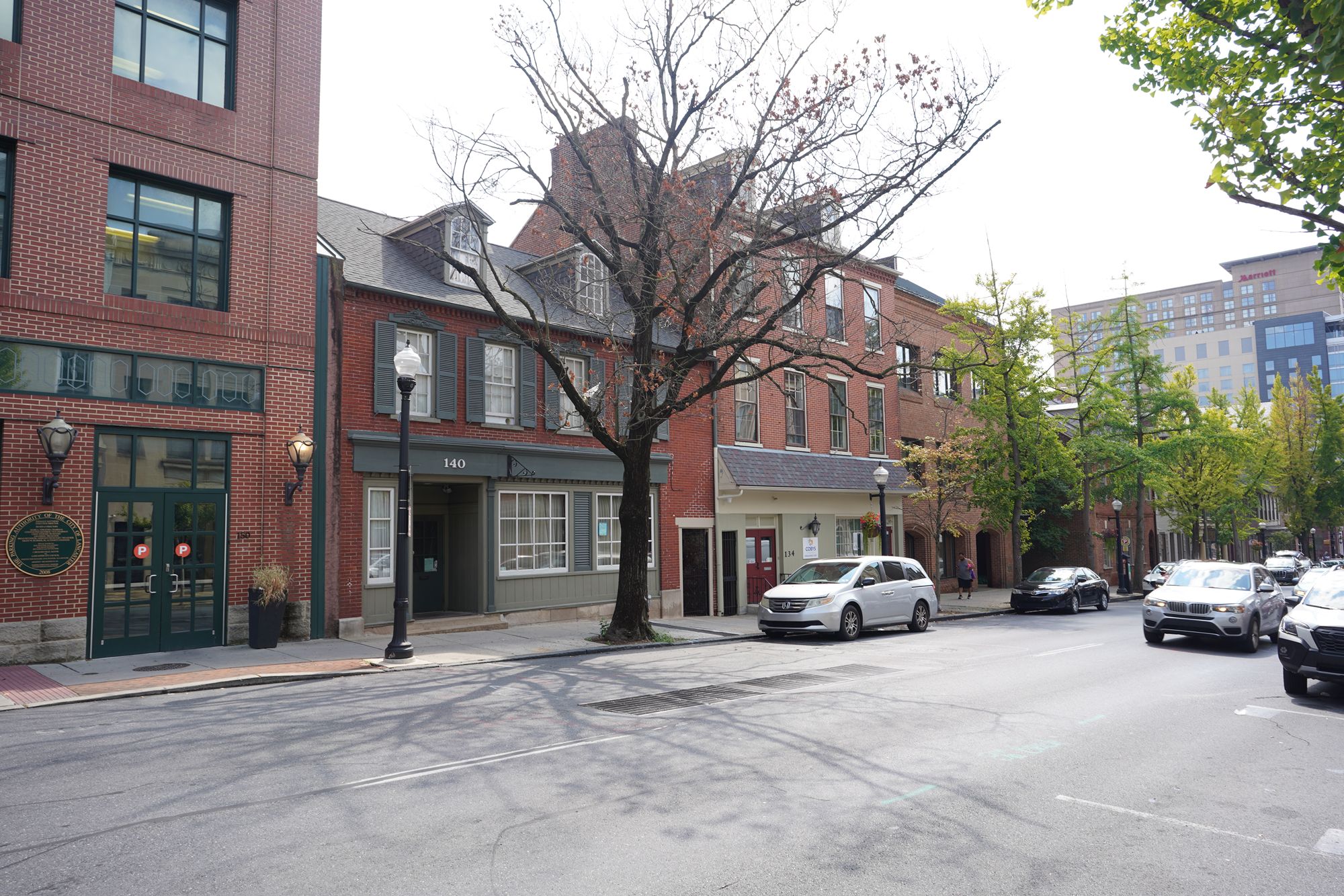
Downtown Lancaster
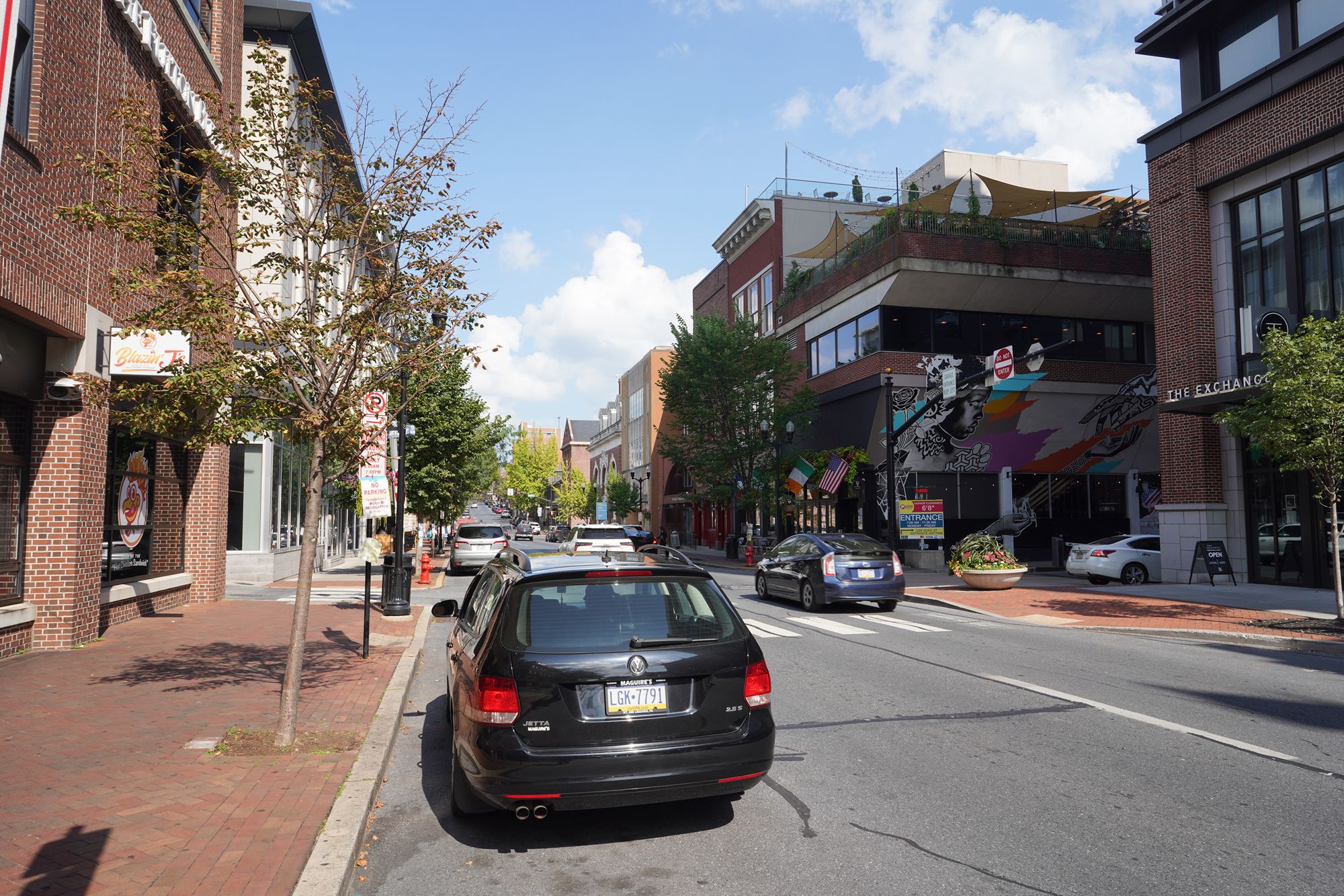
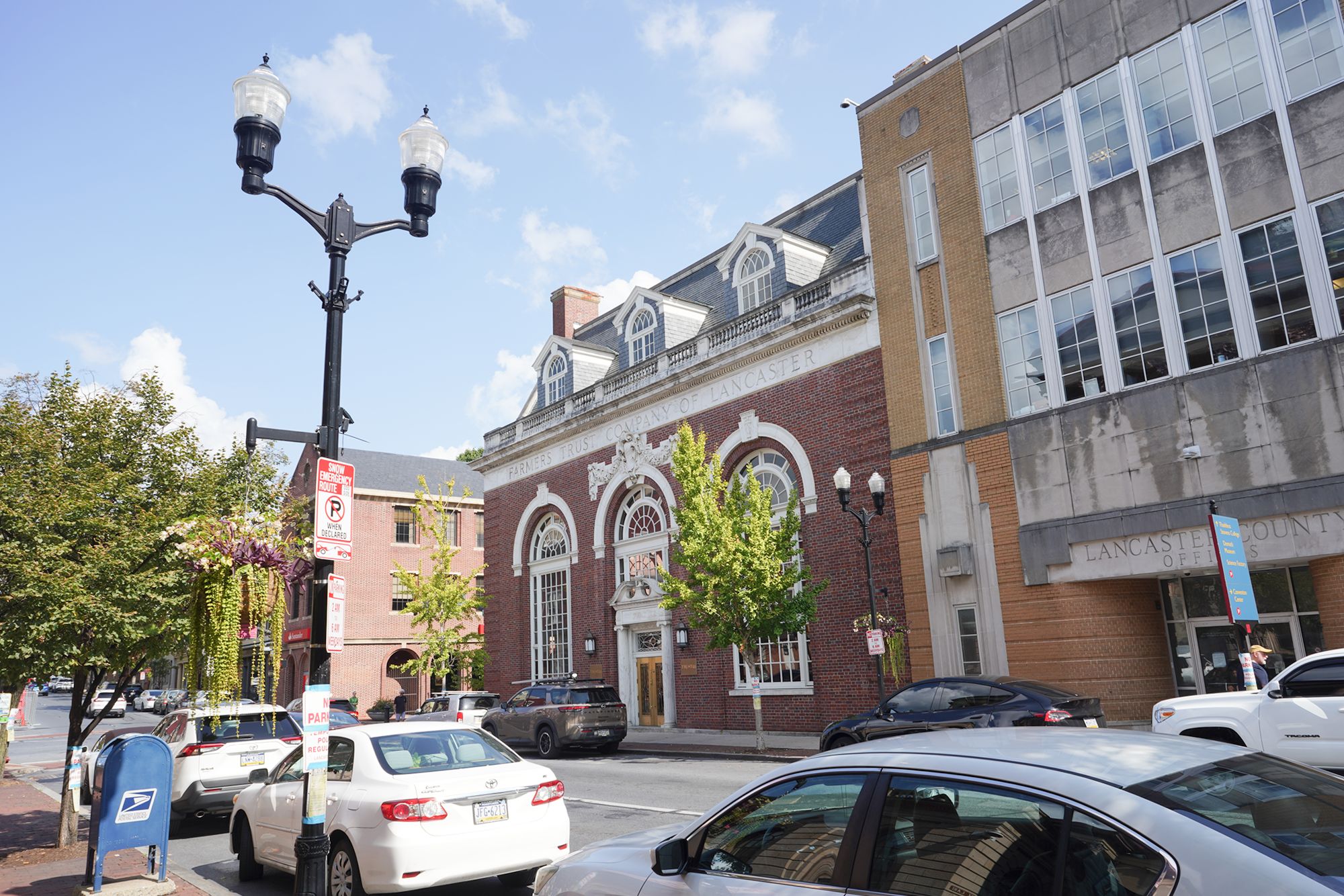
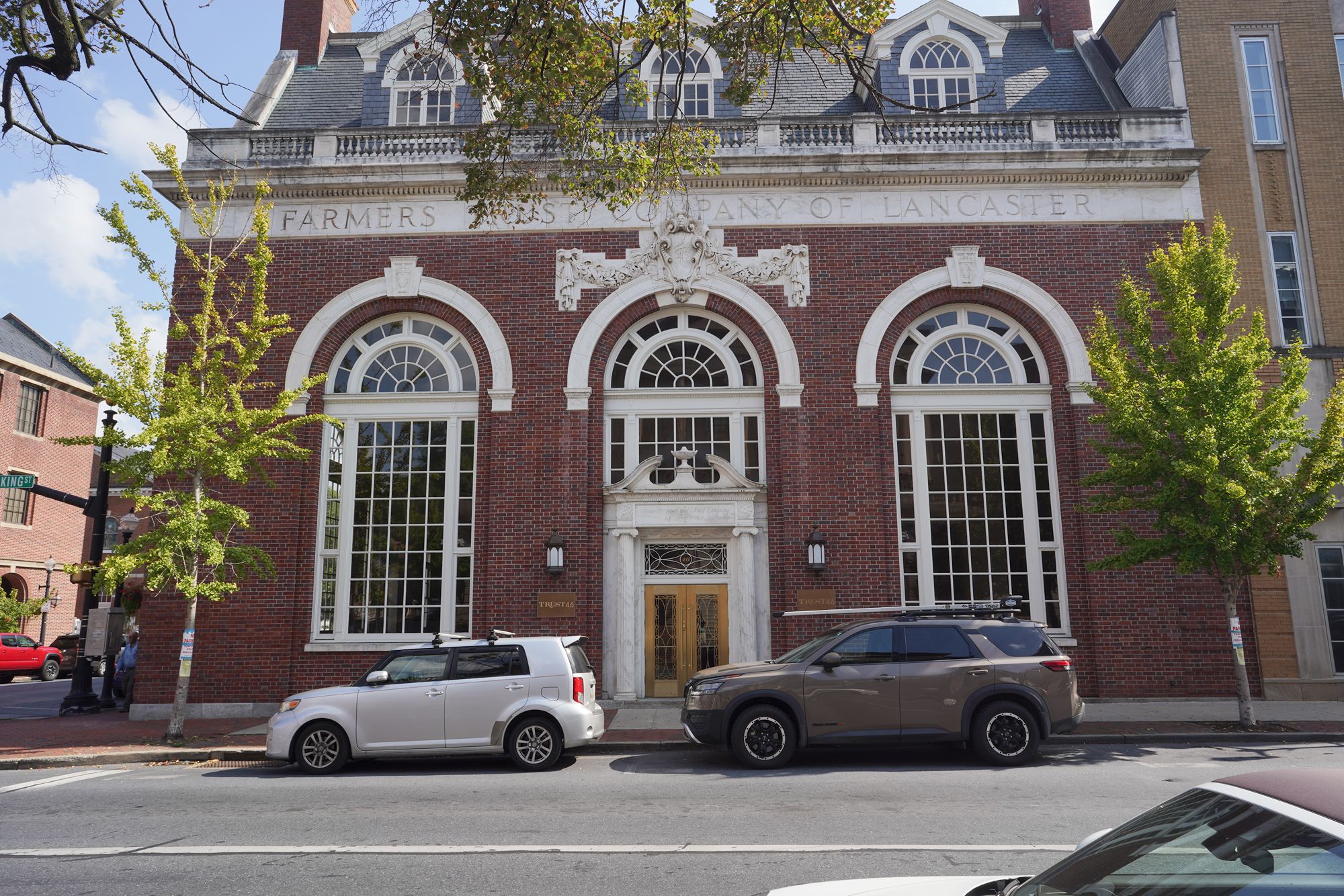
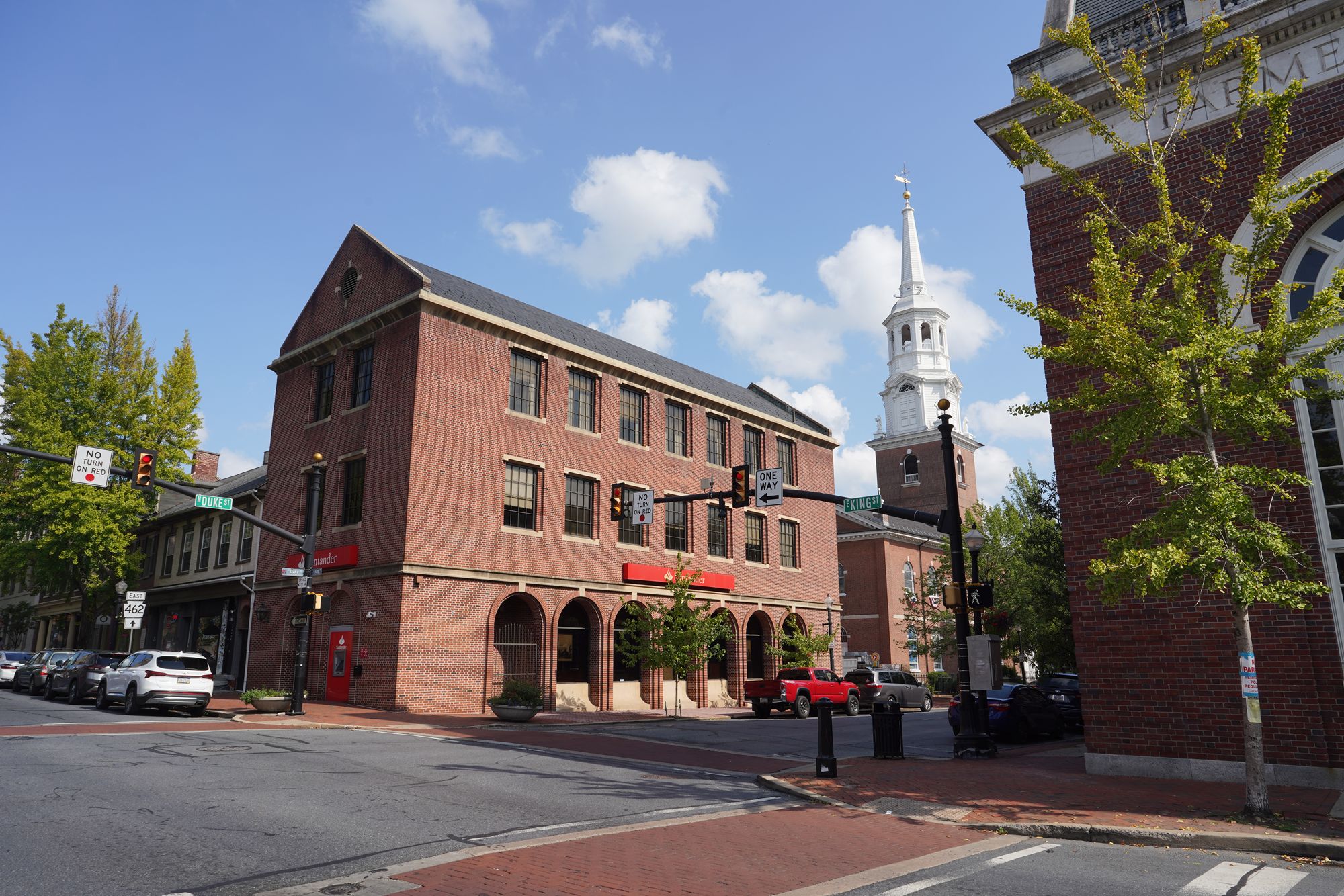
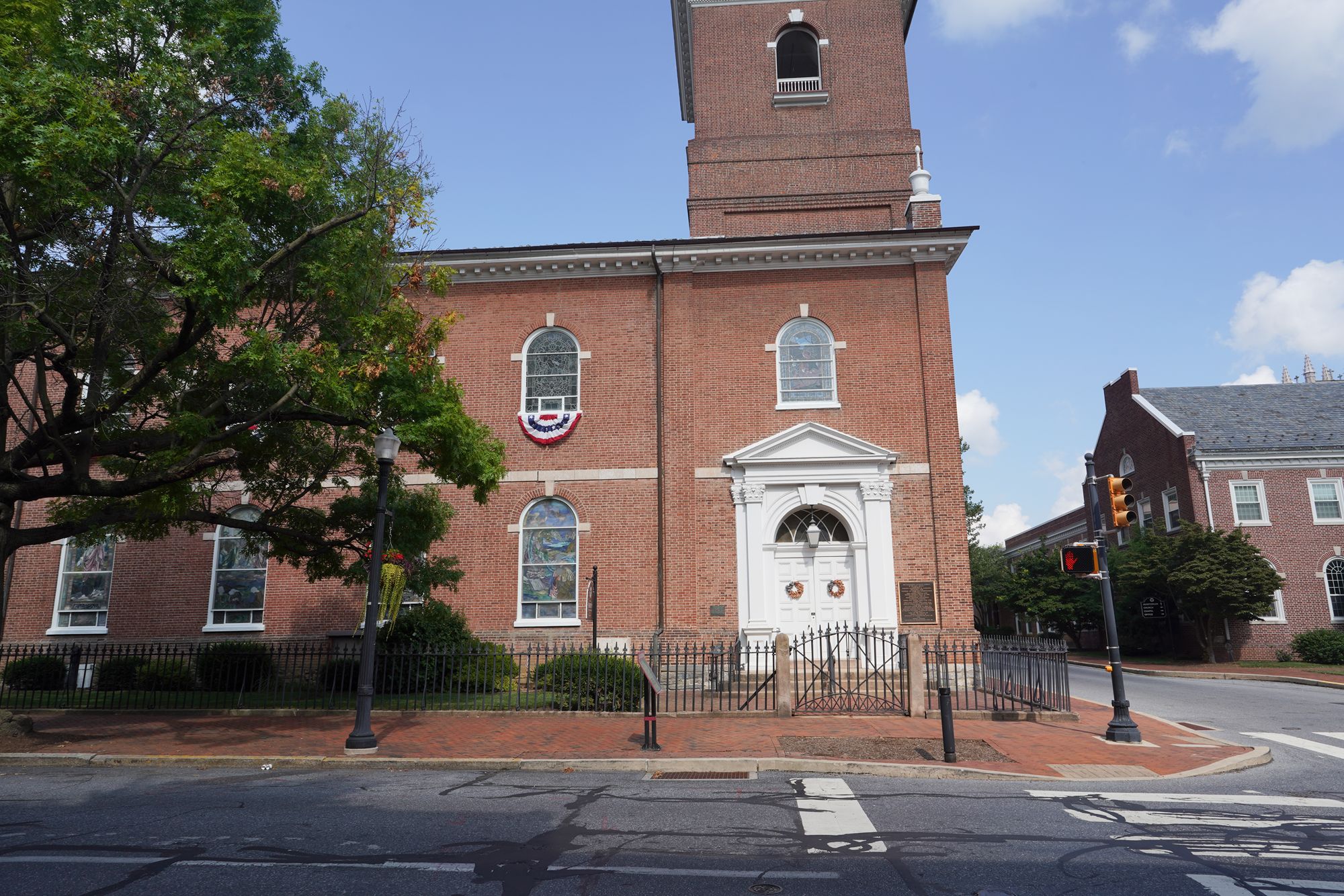
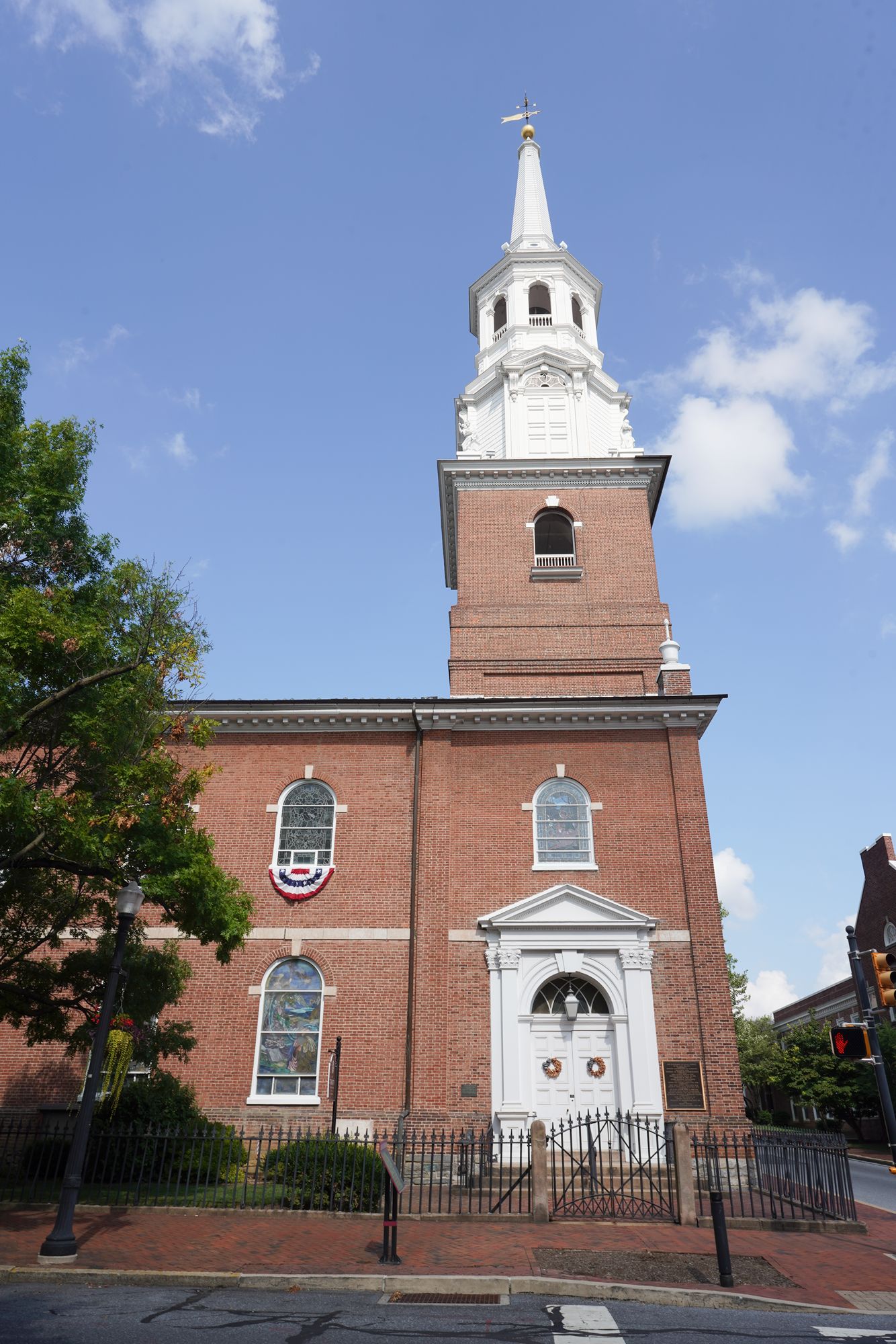
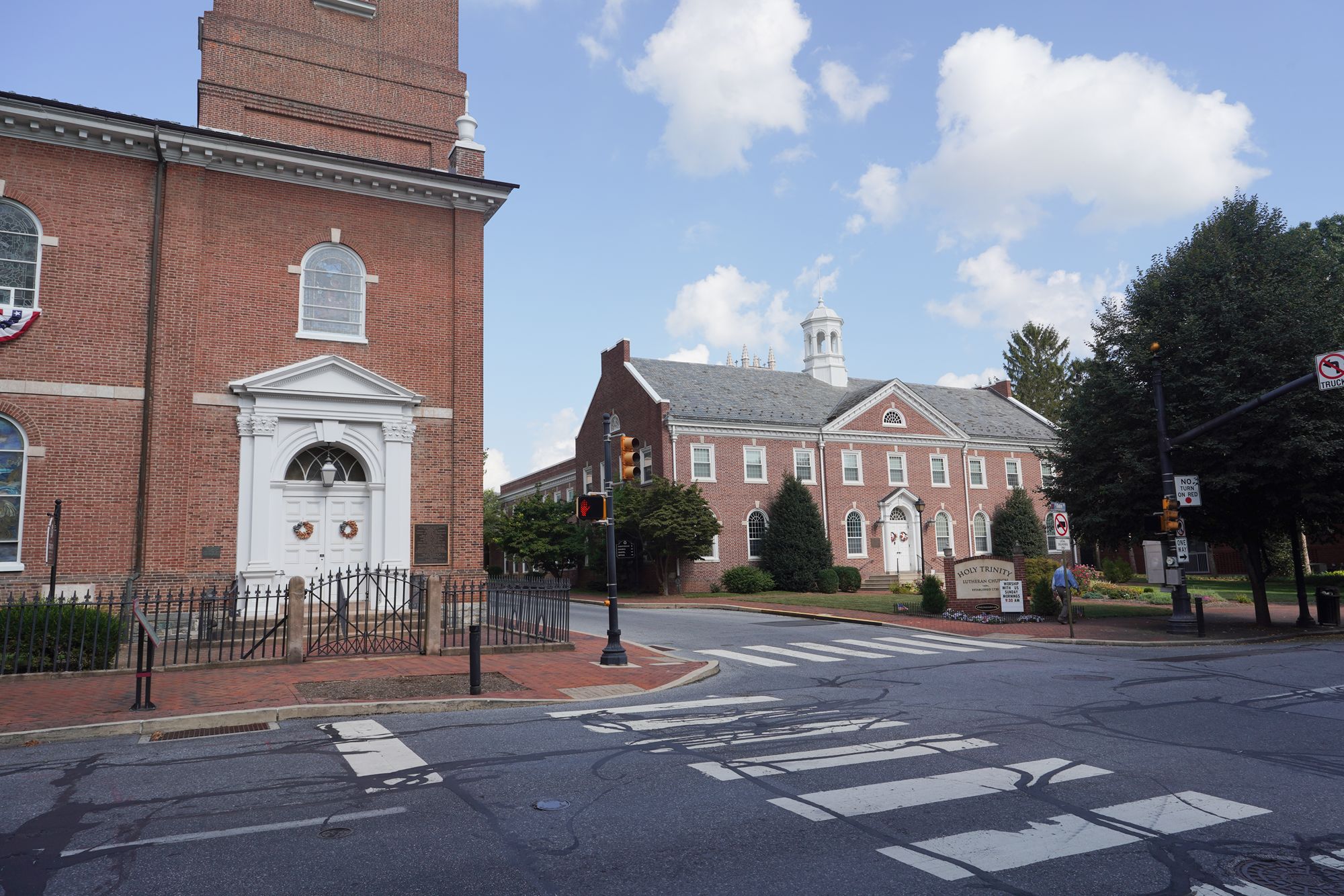
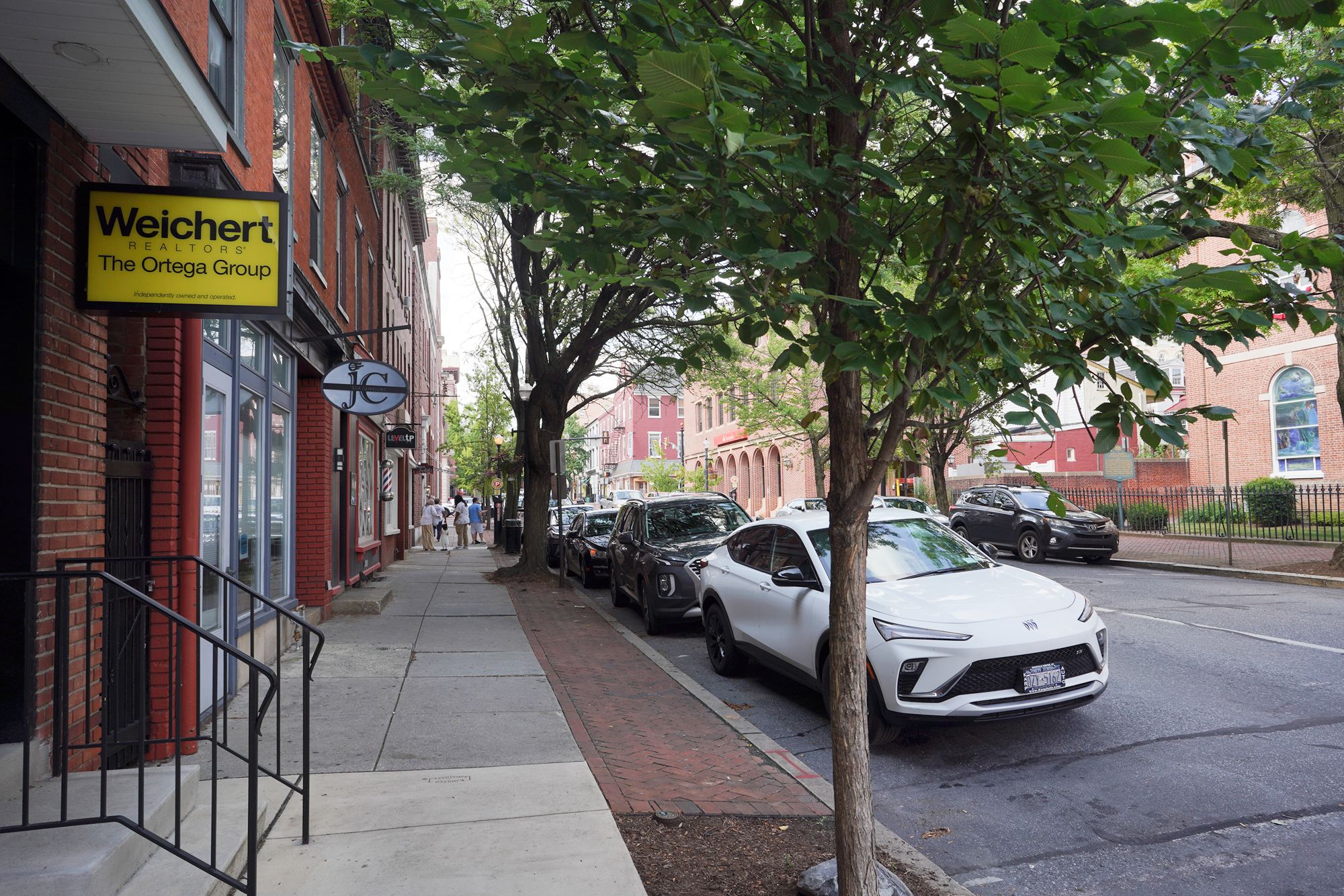
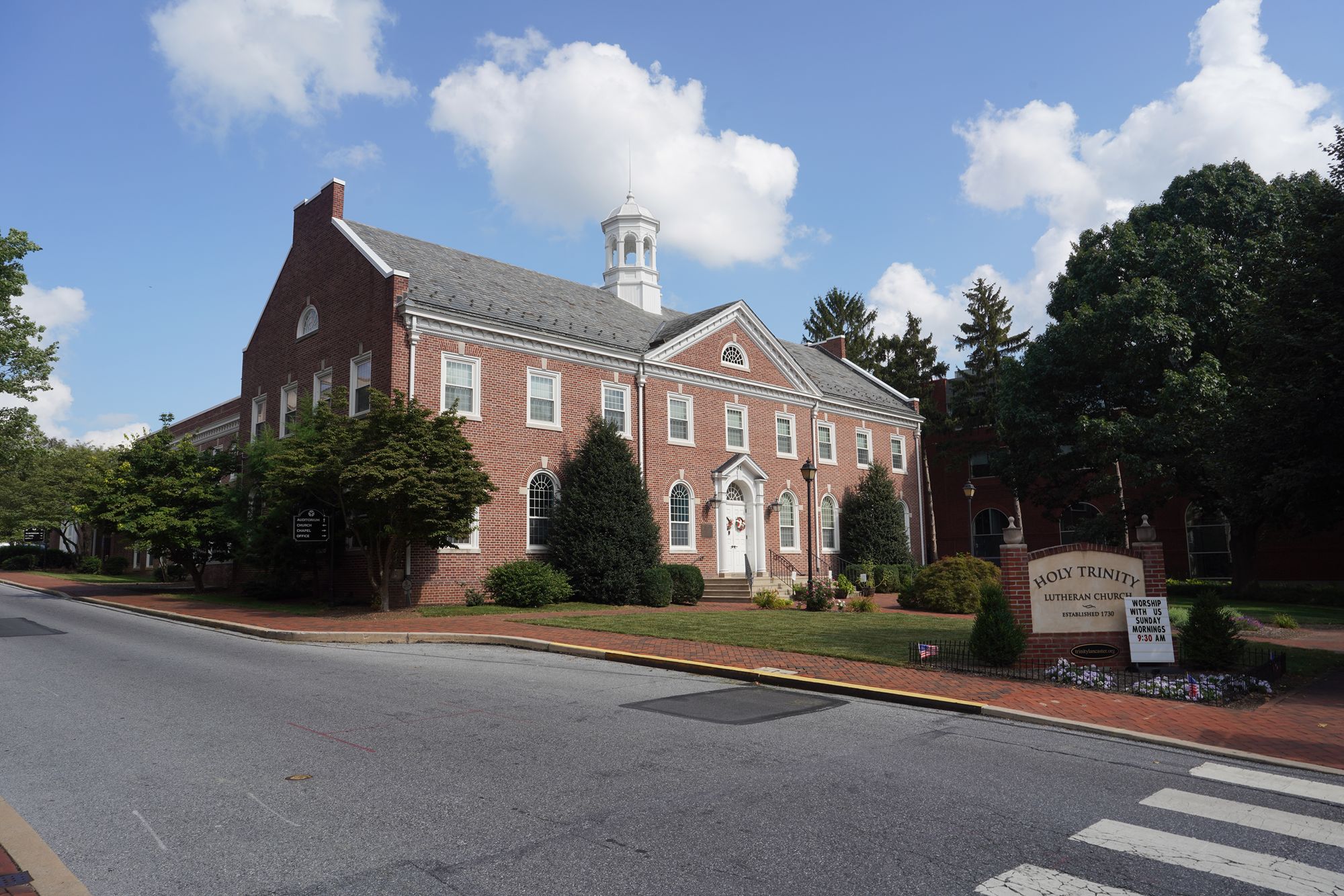
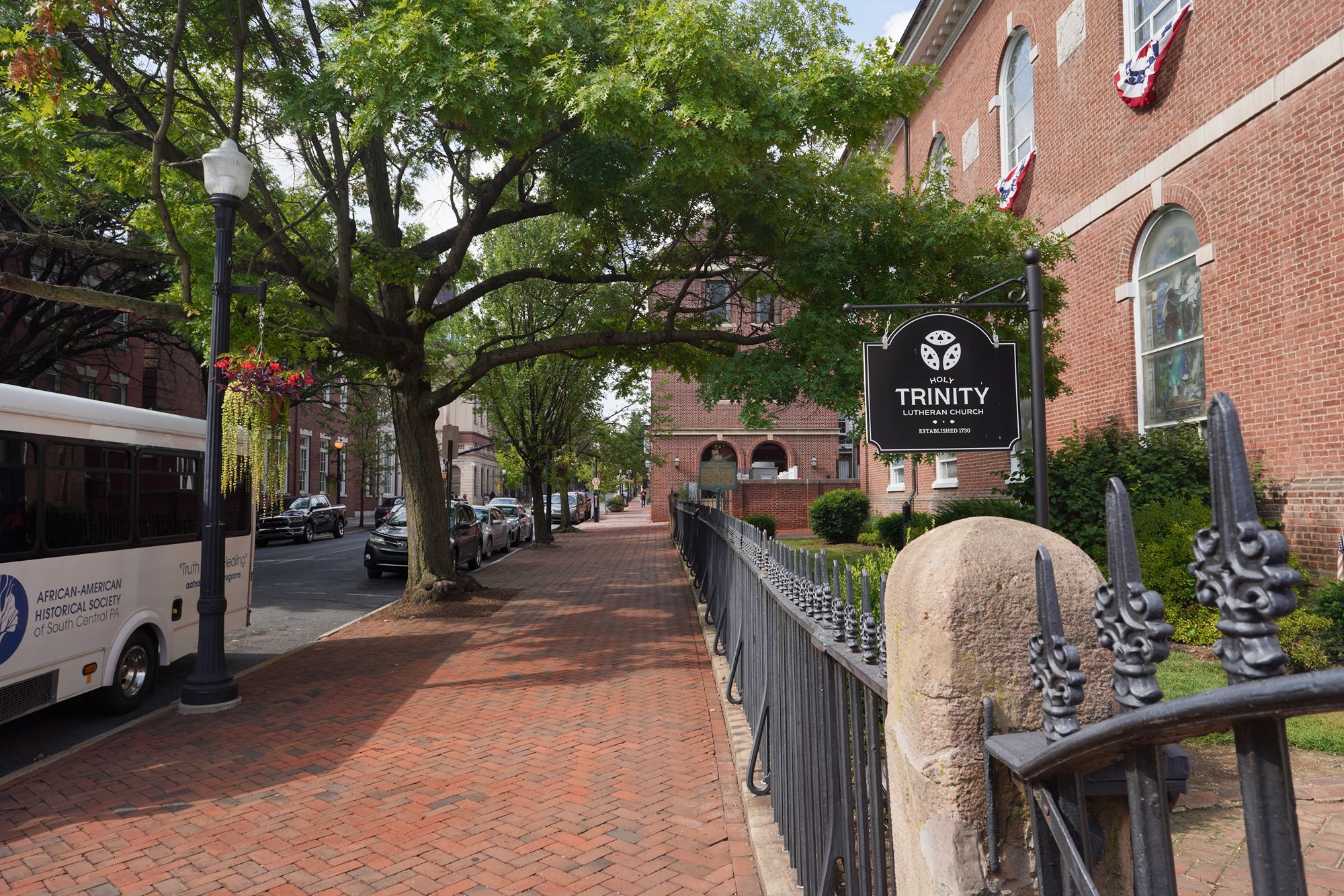
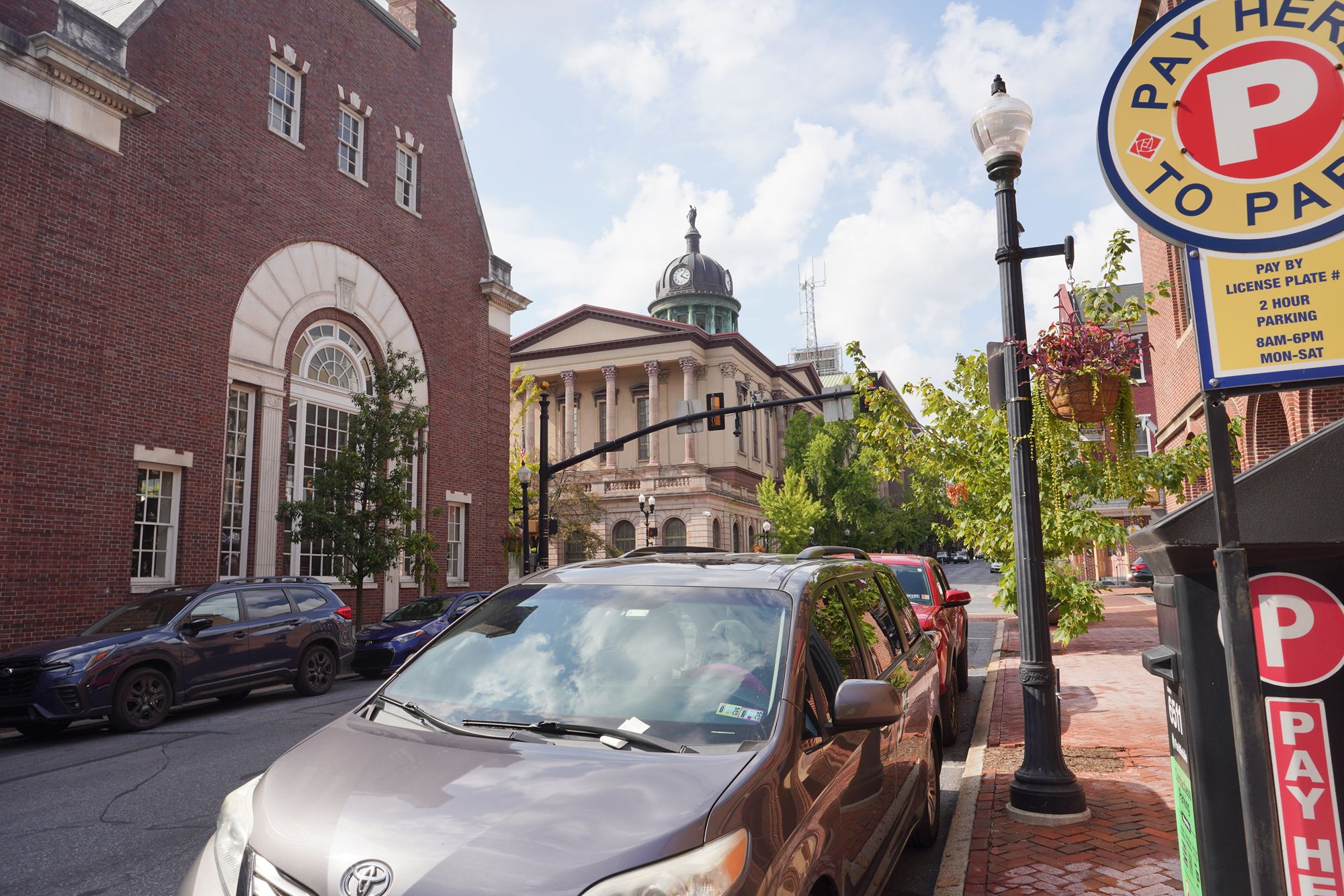
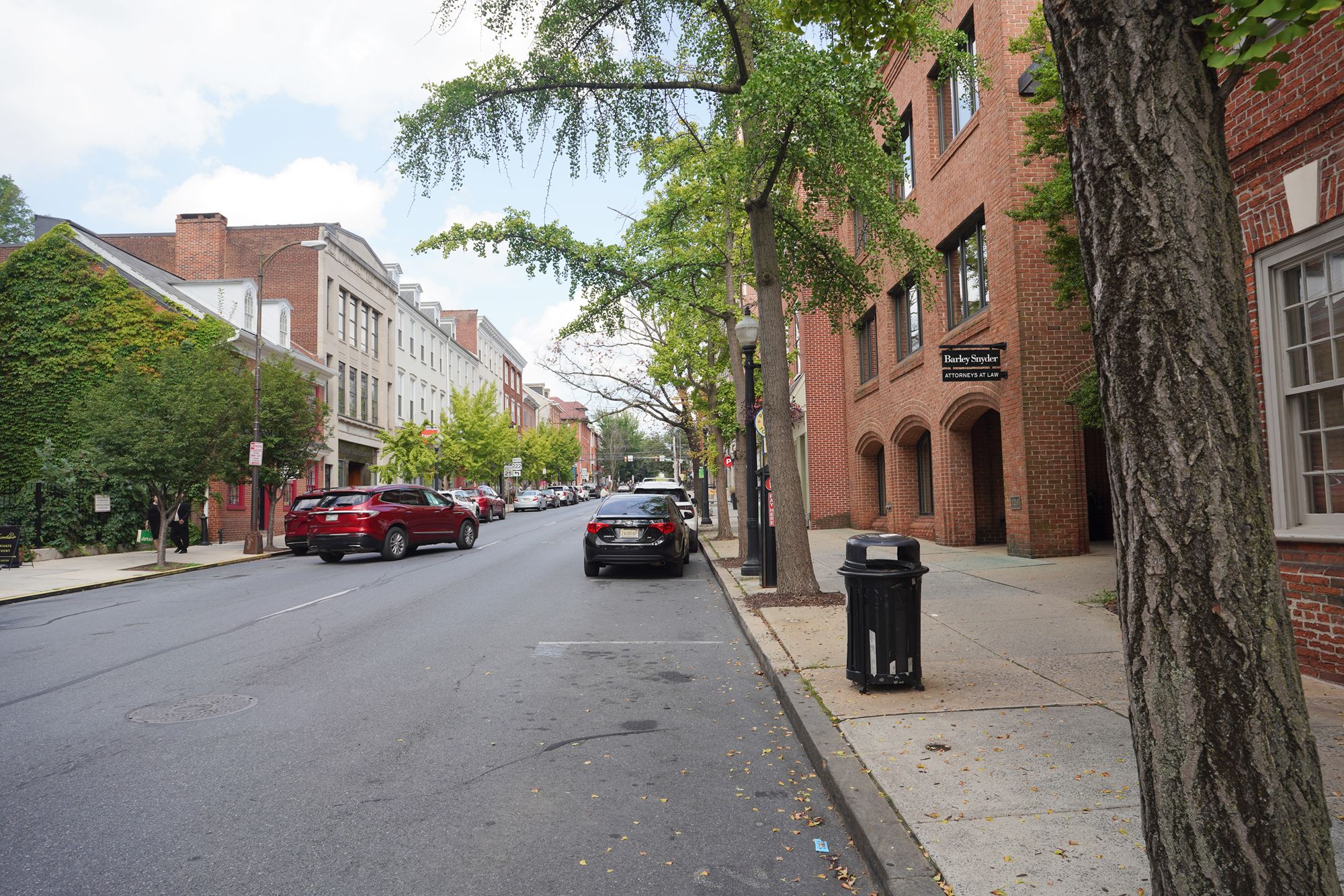
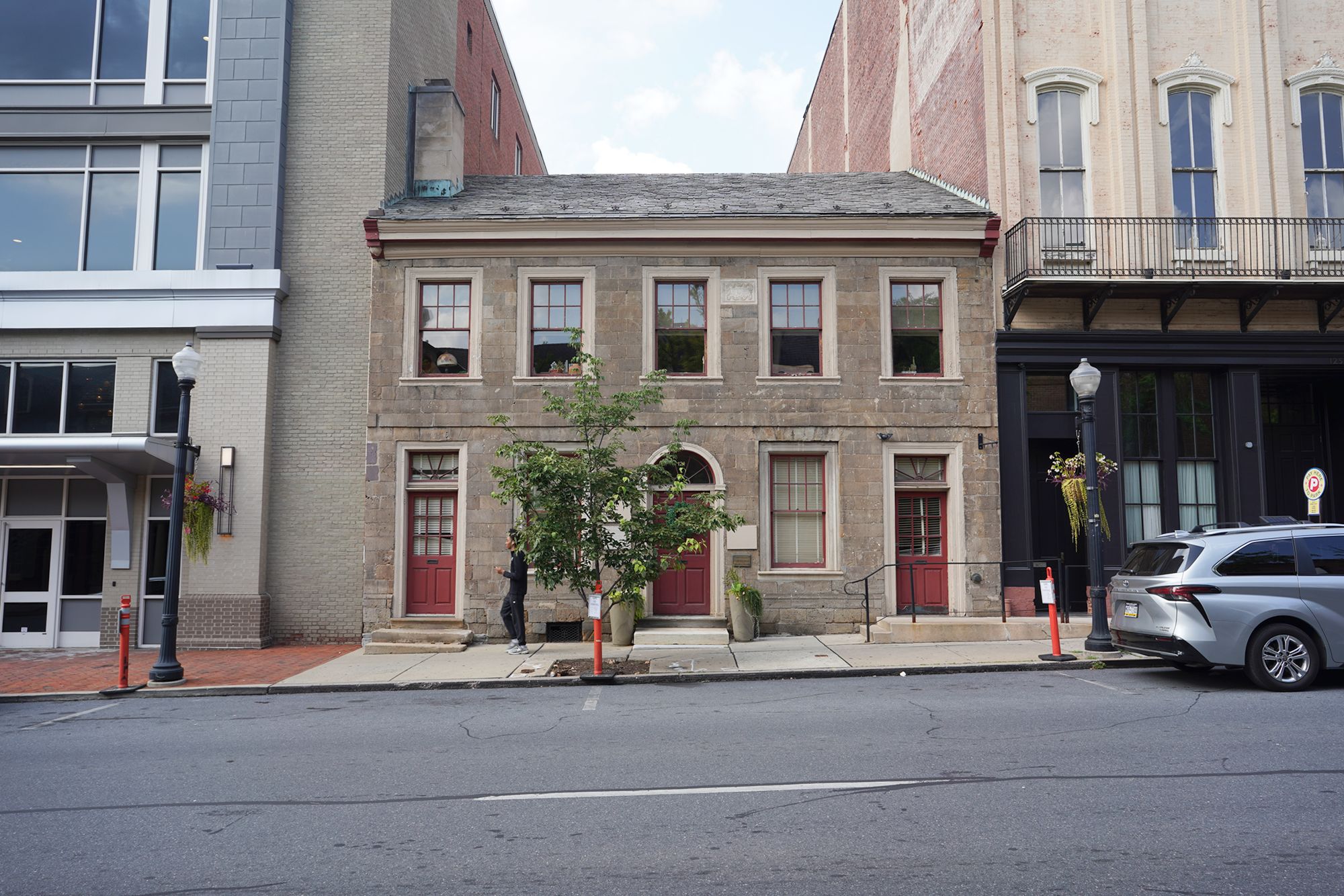
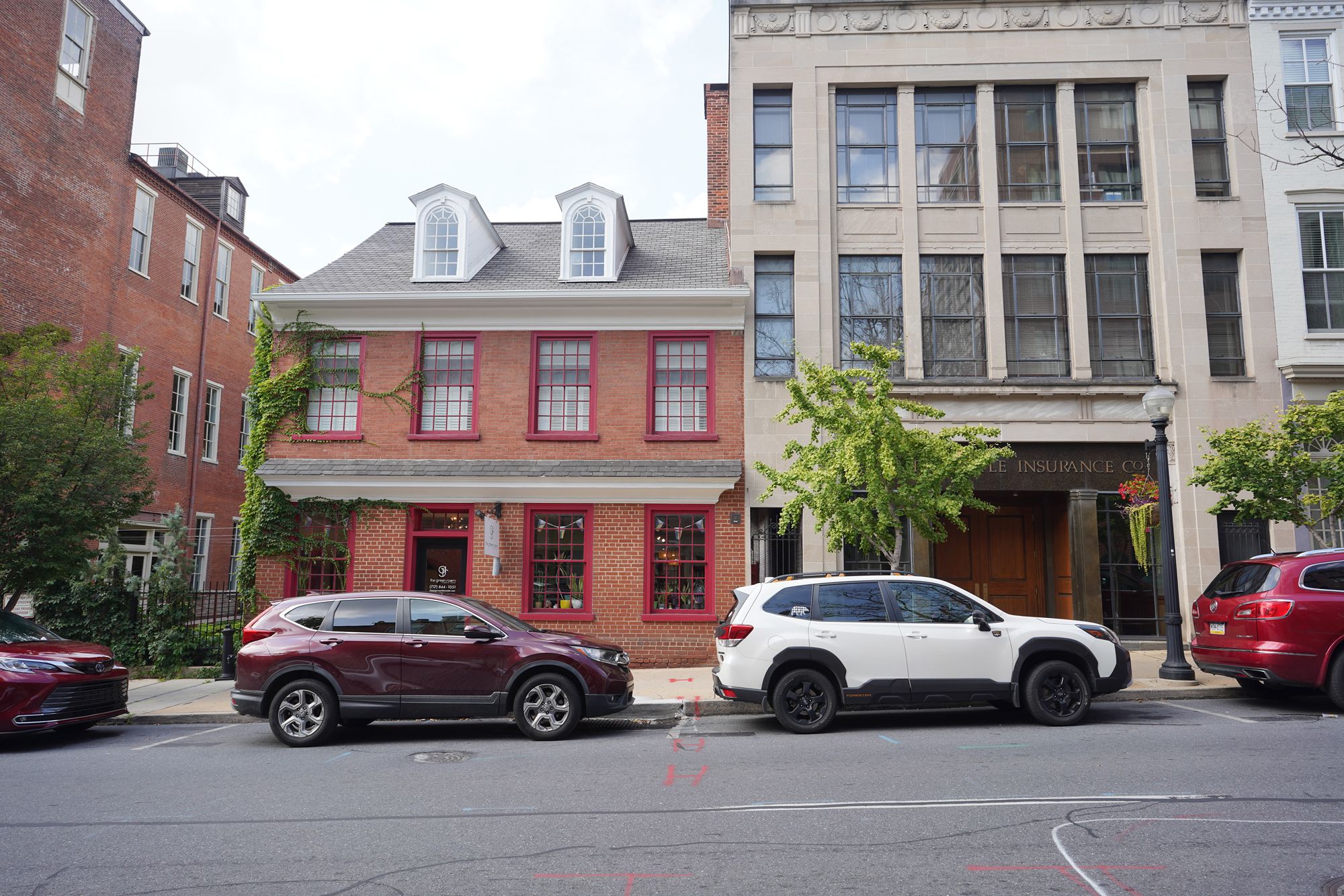
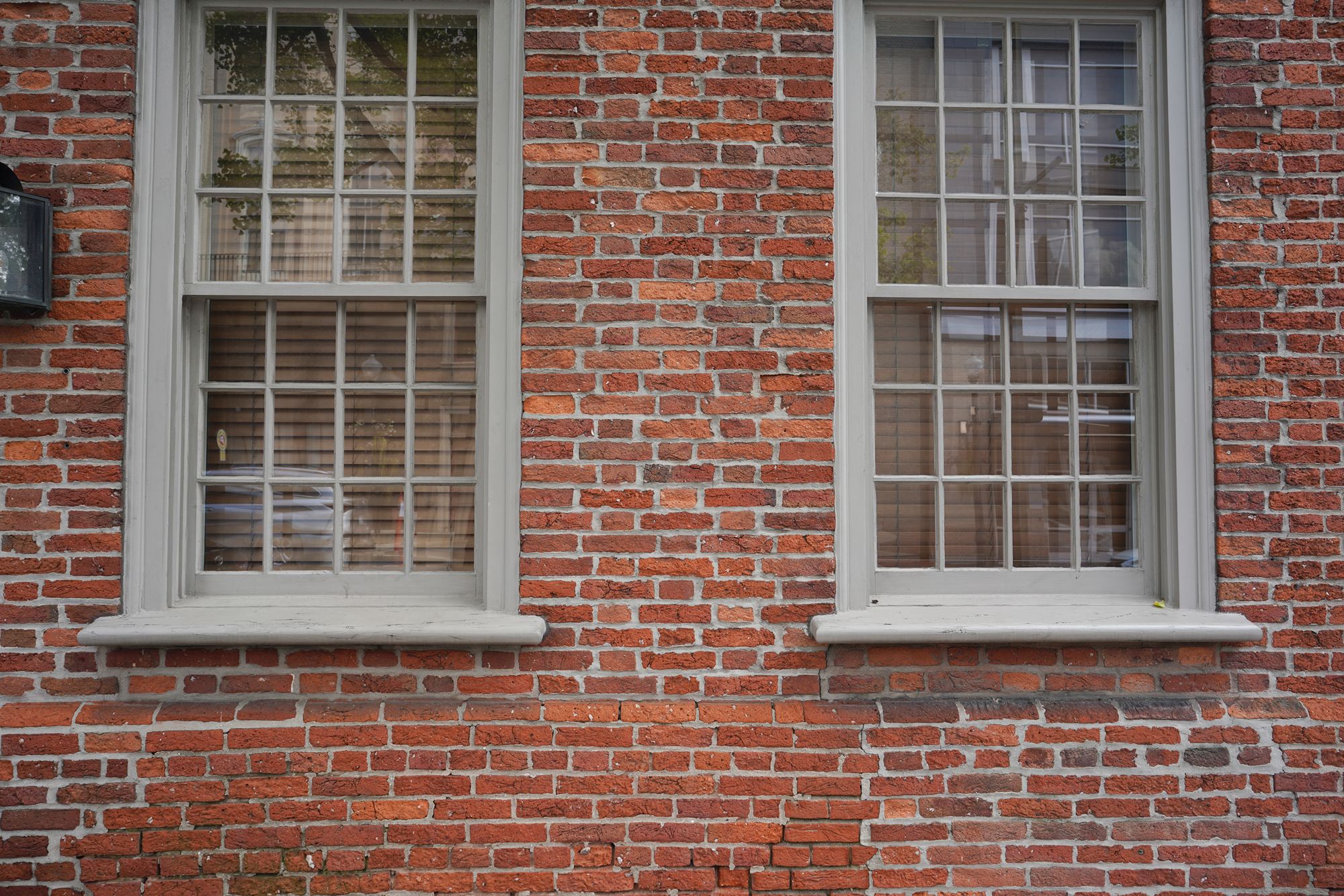
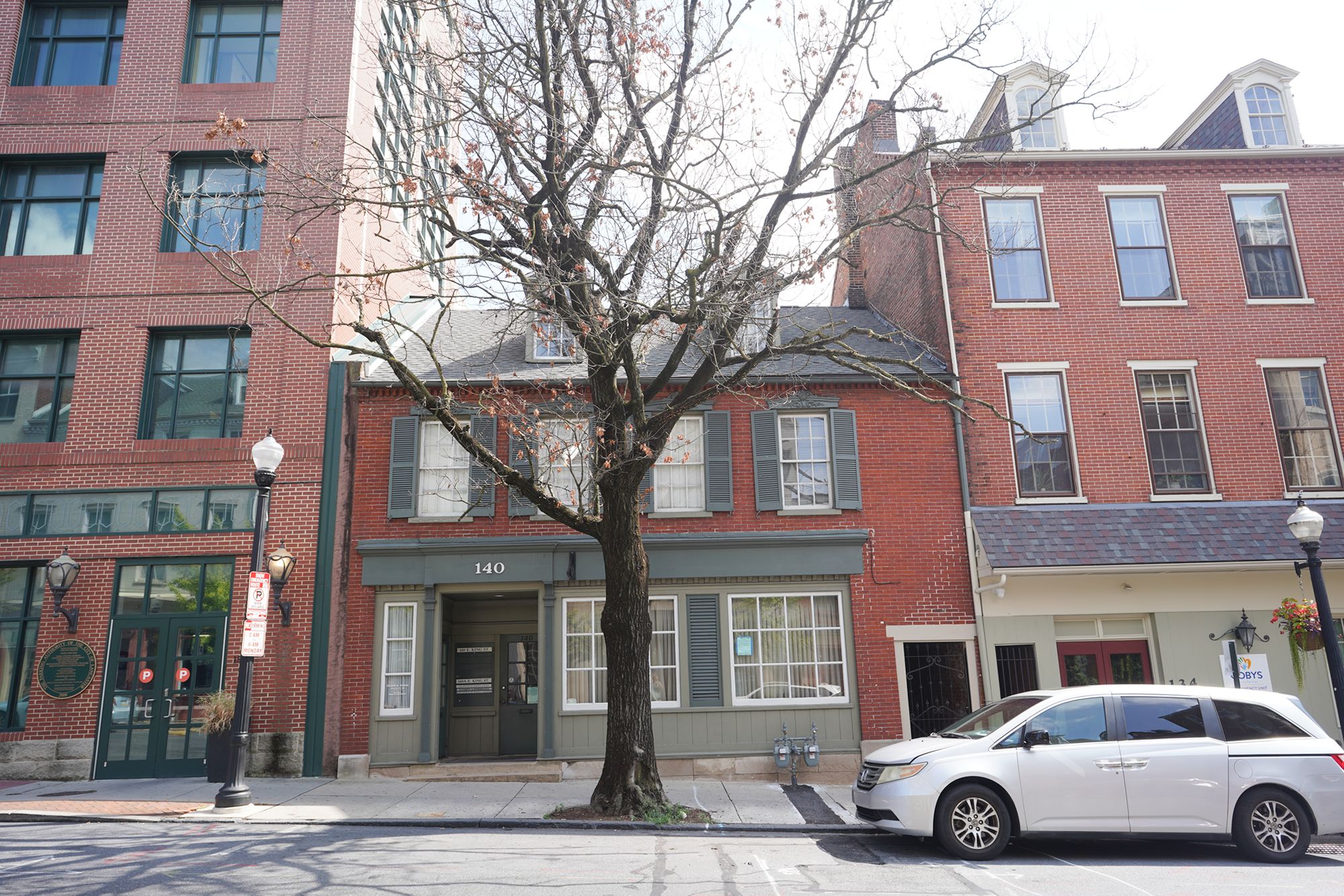
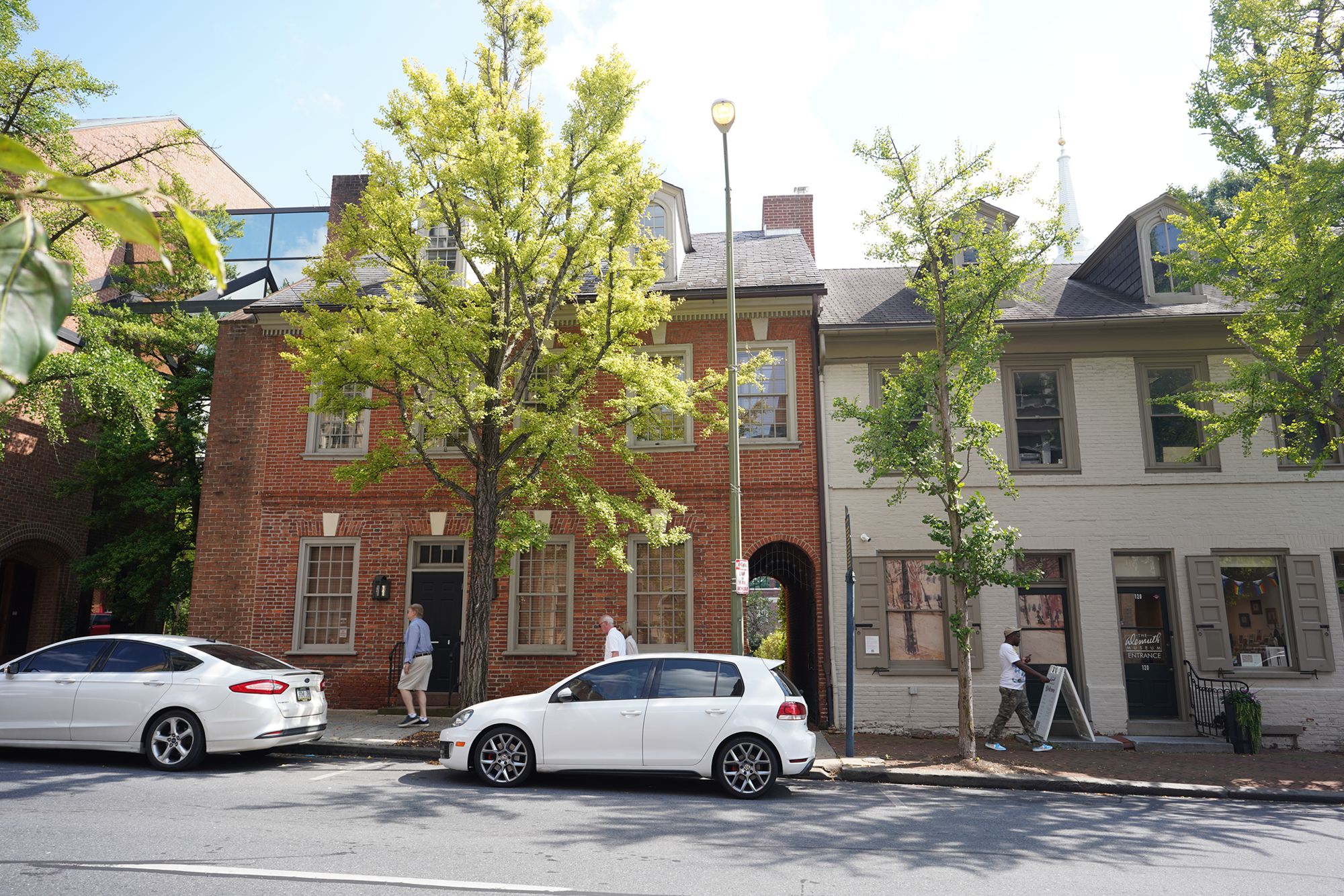
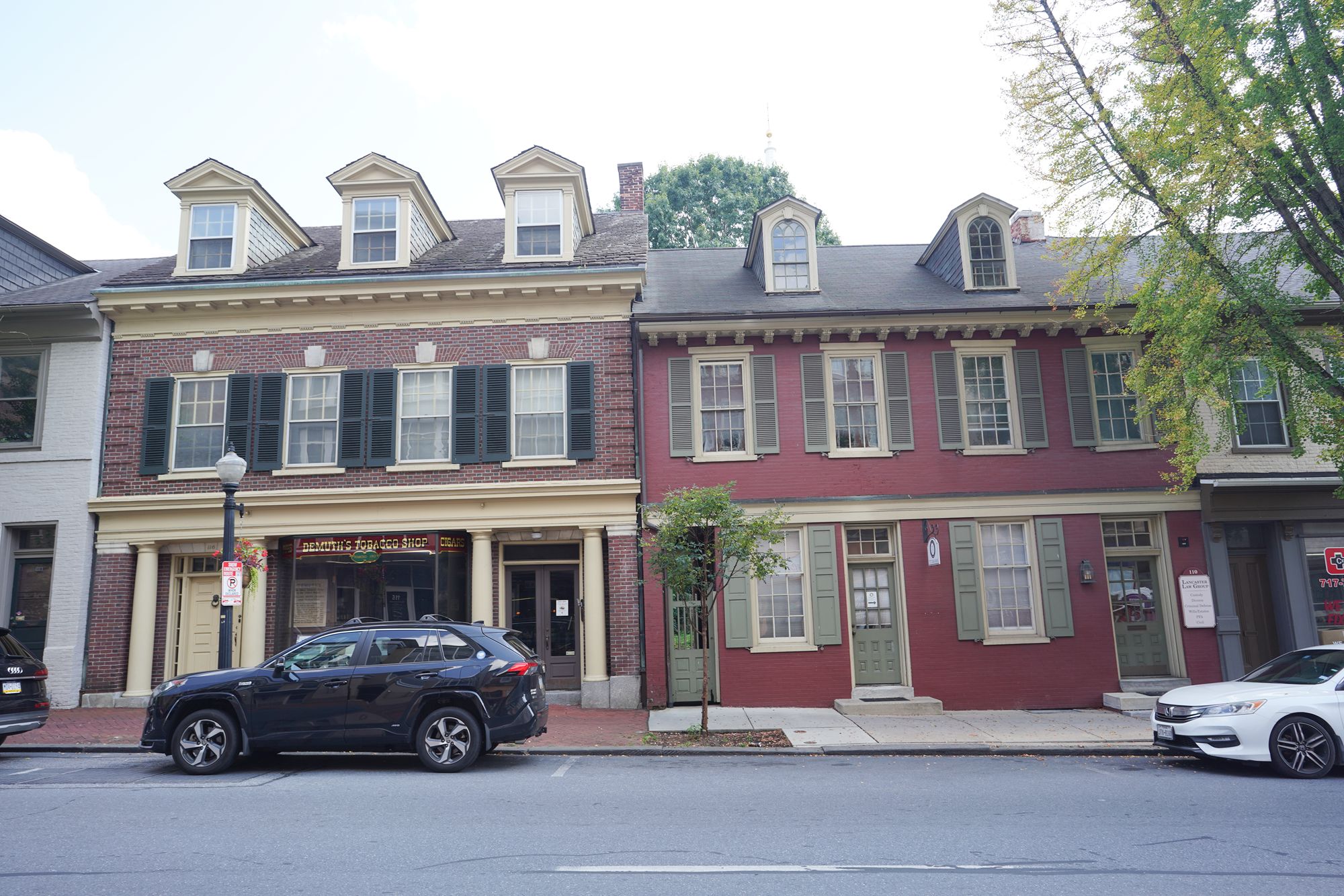
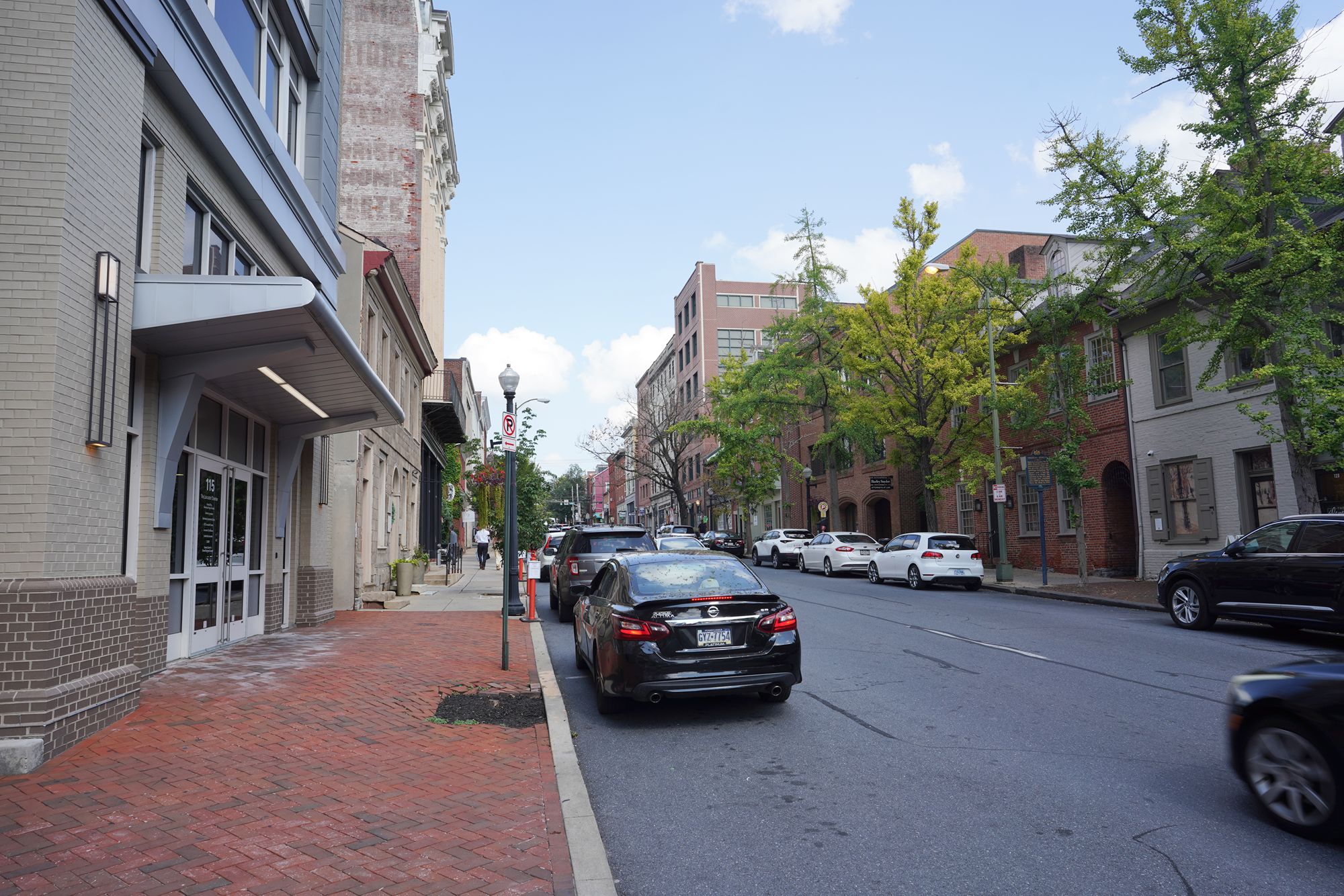
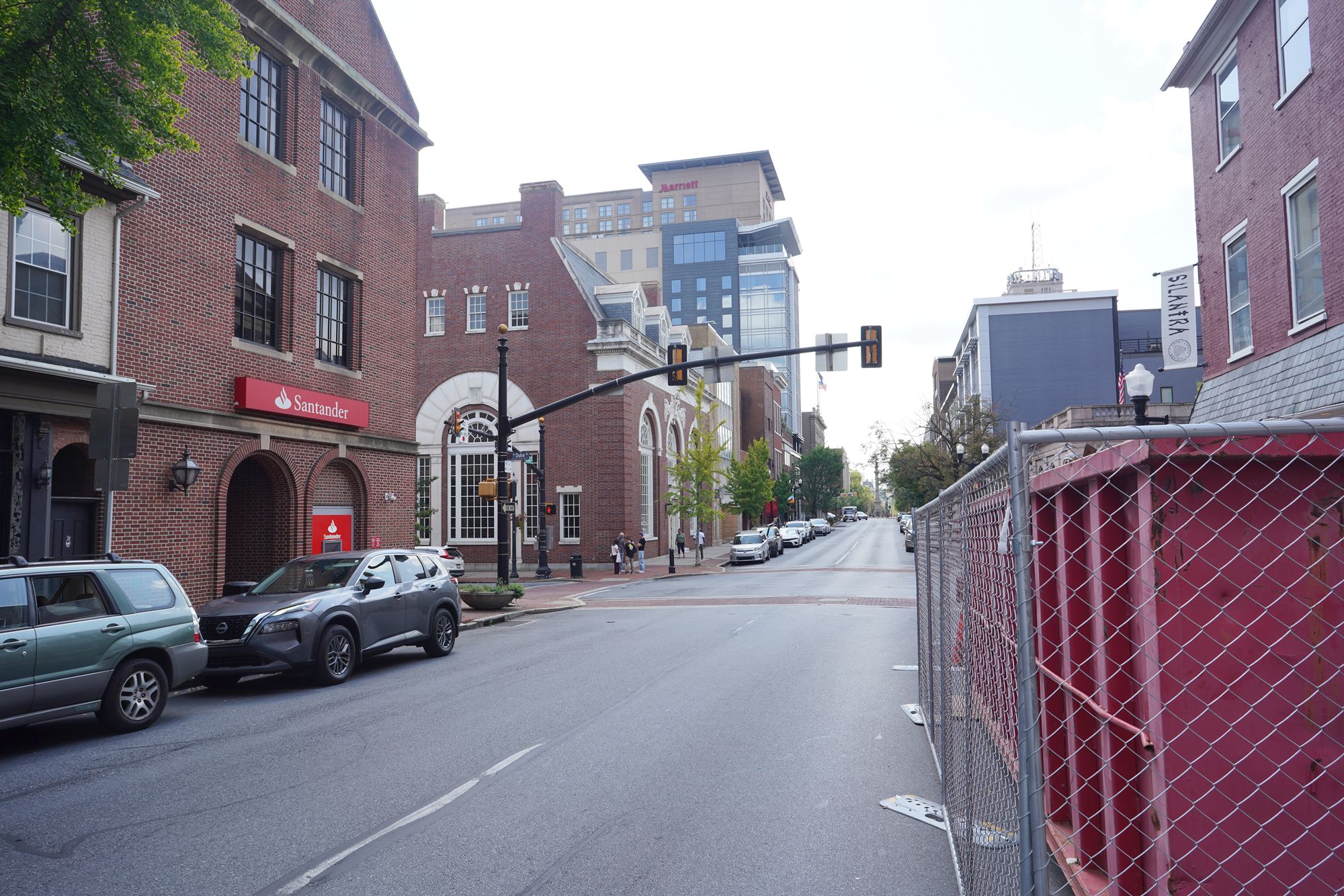
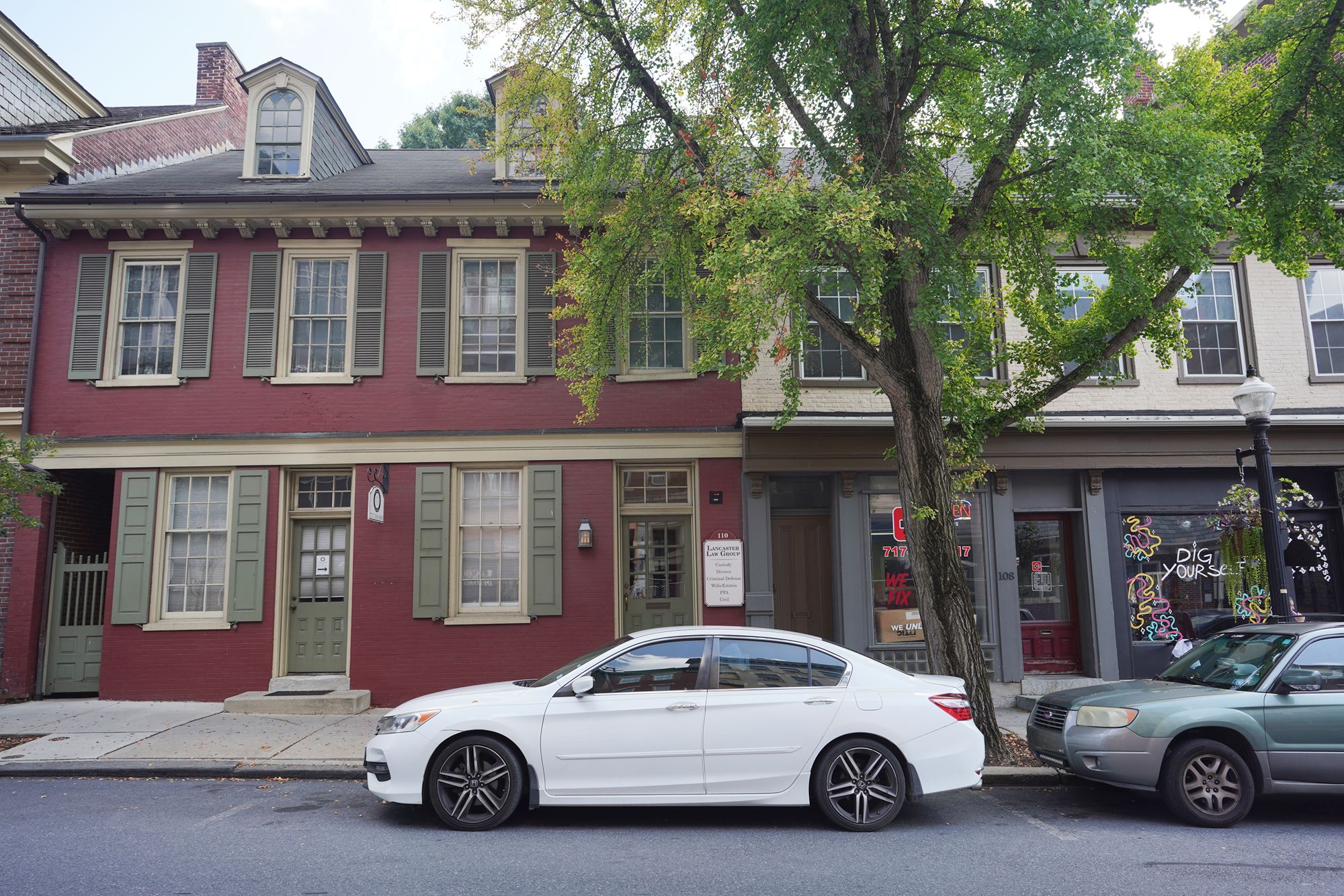
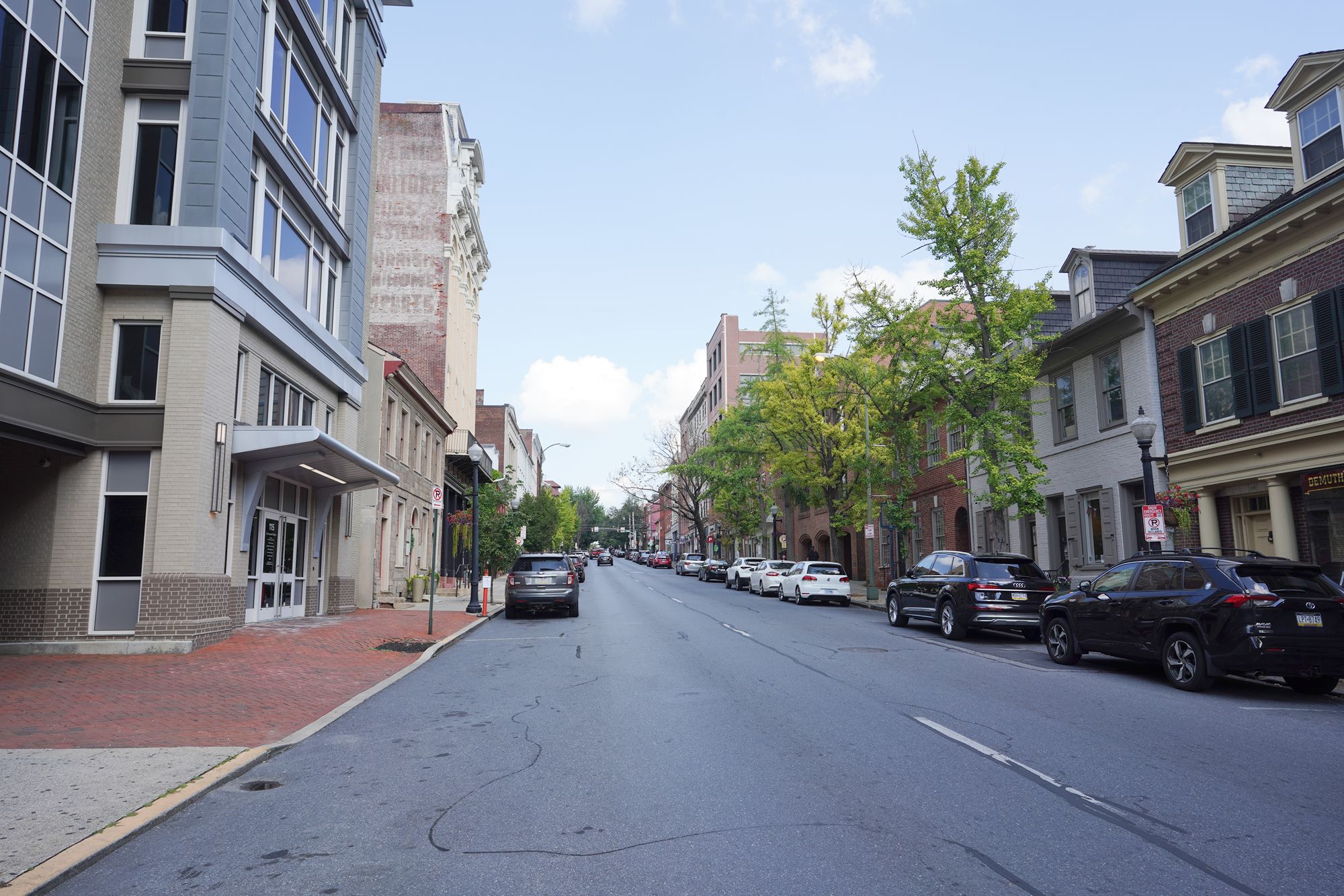
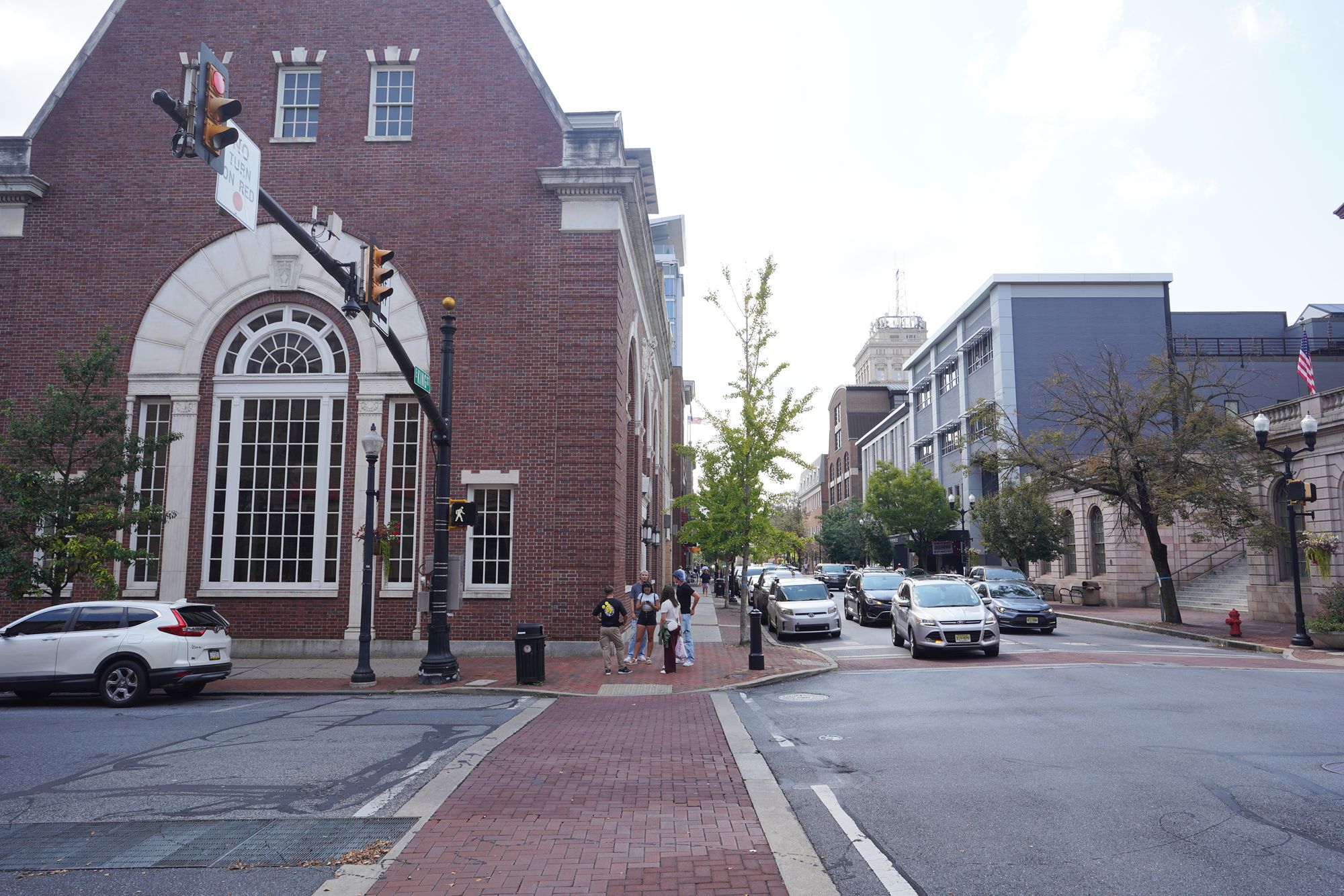
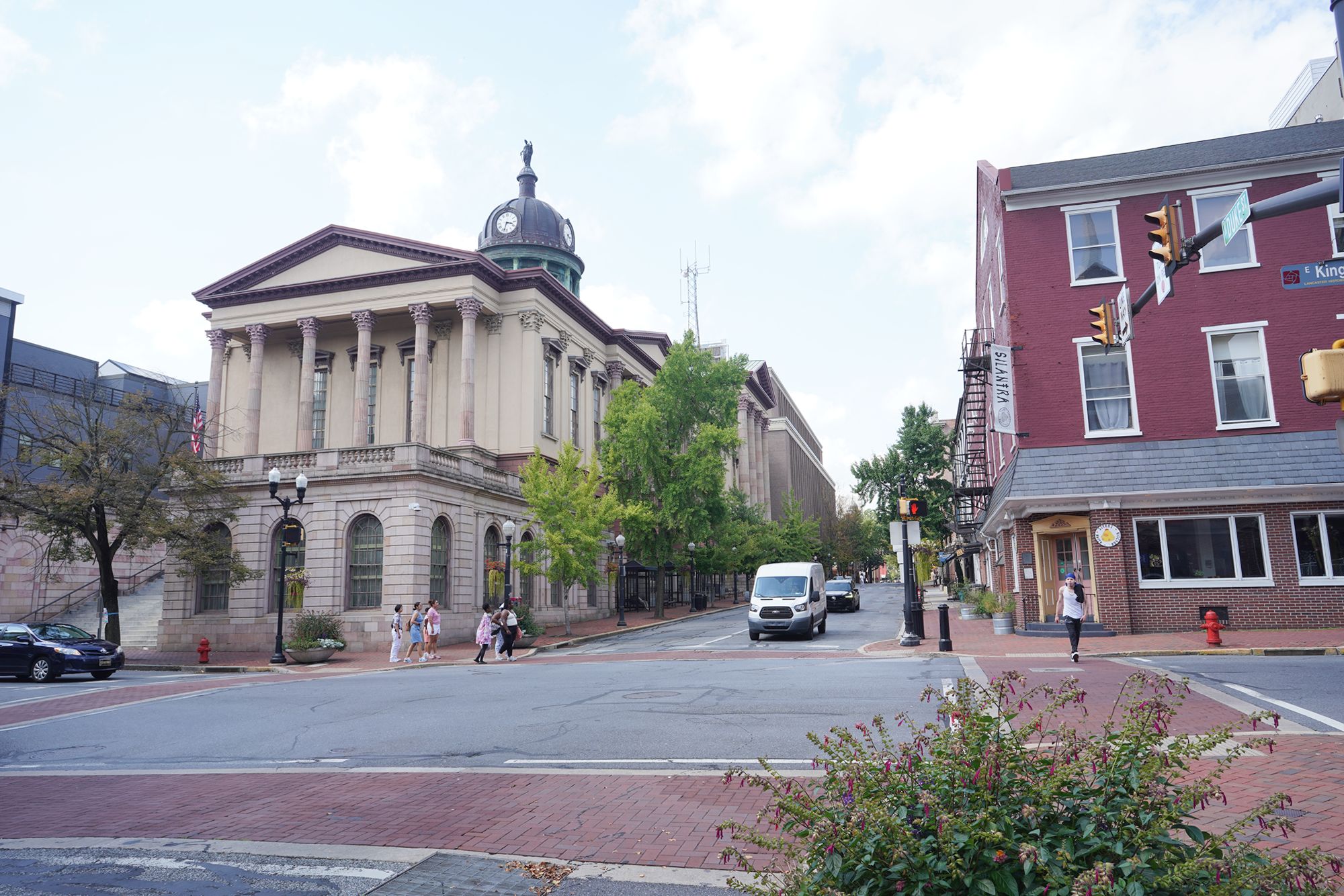
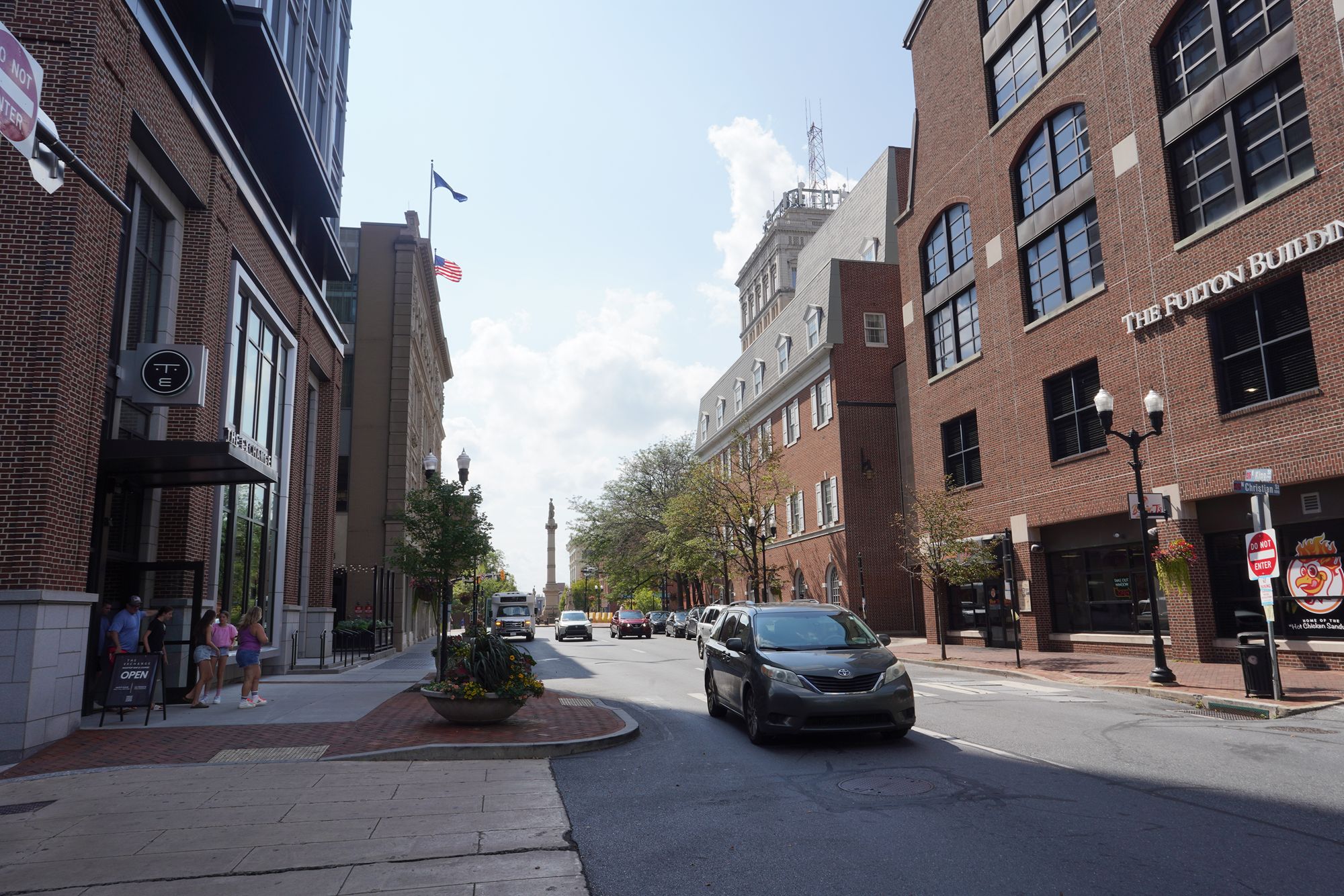
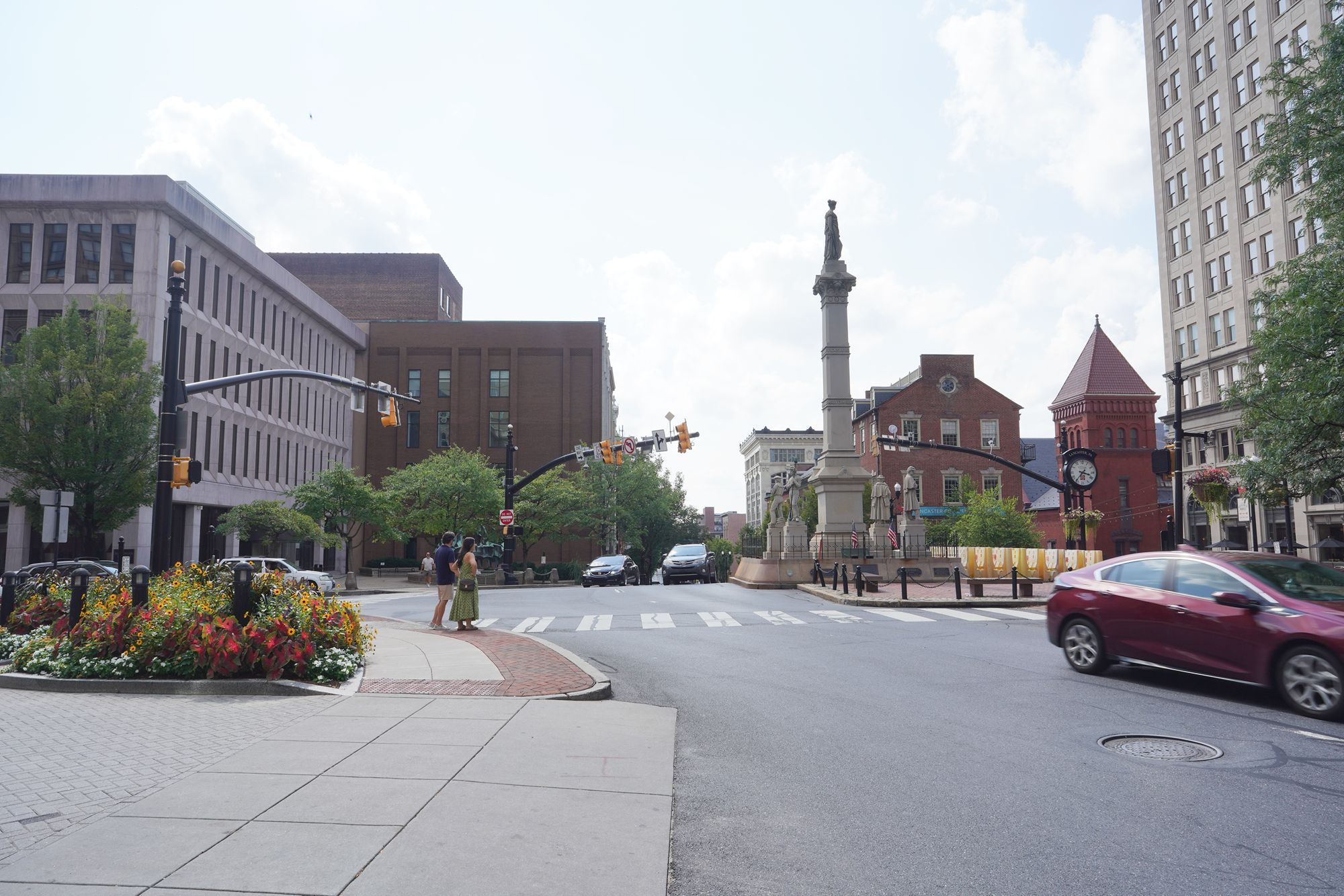
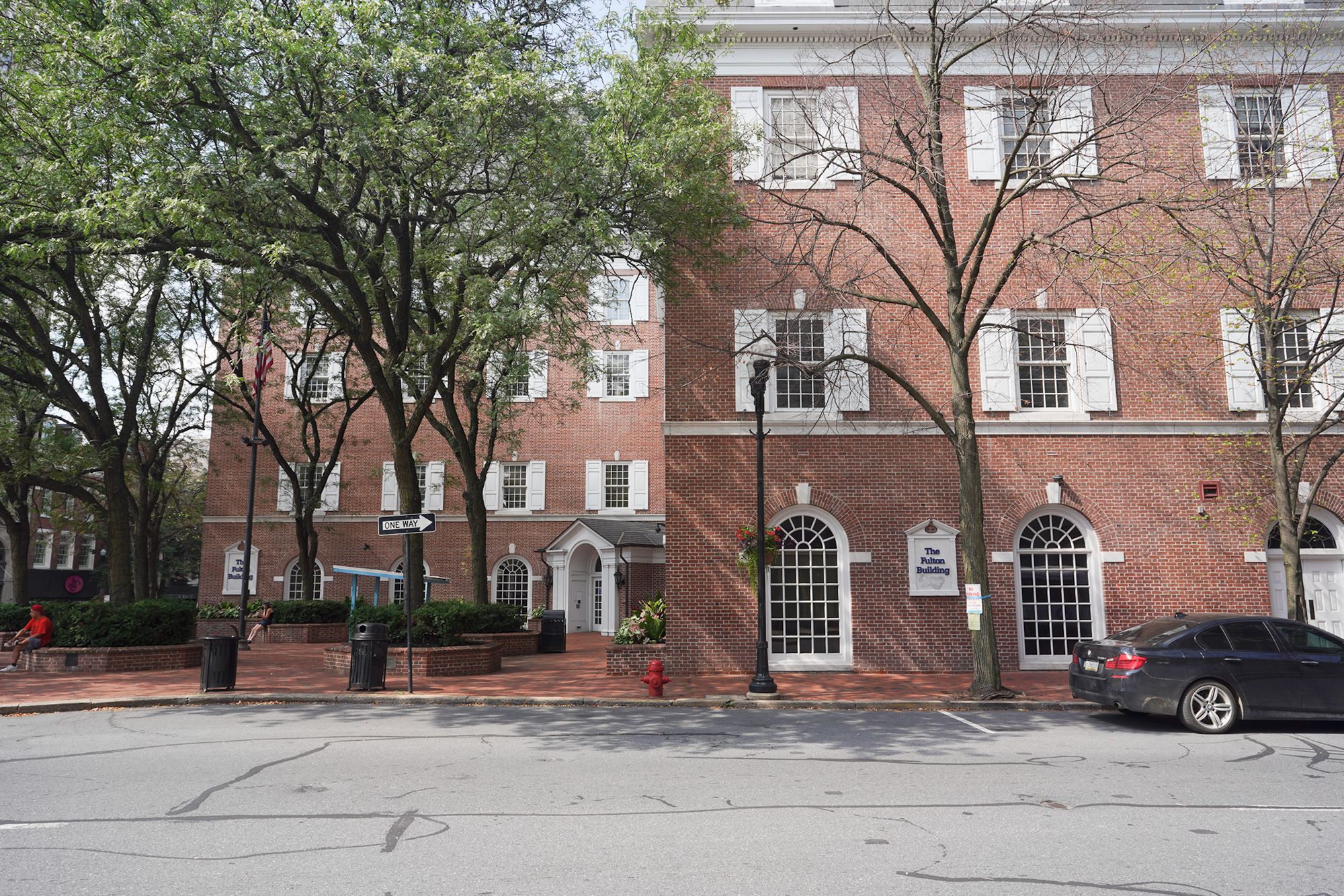
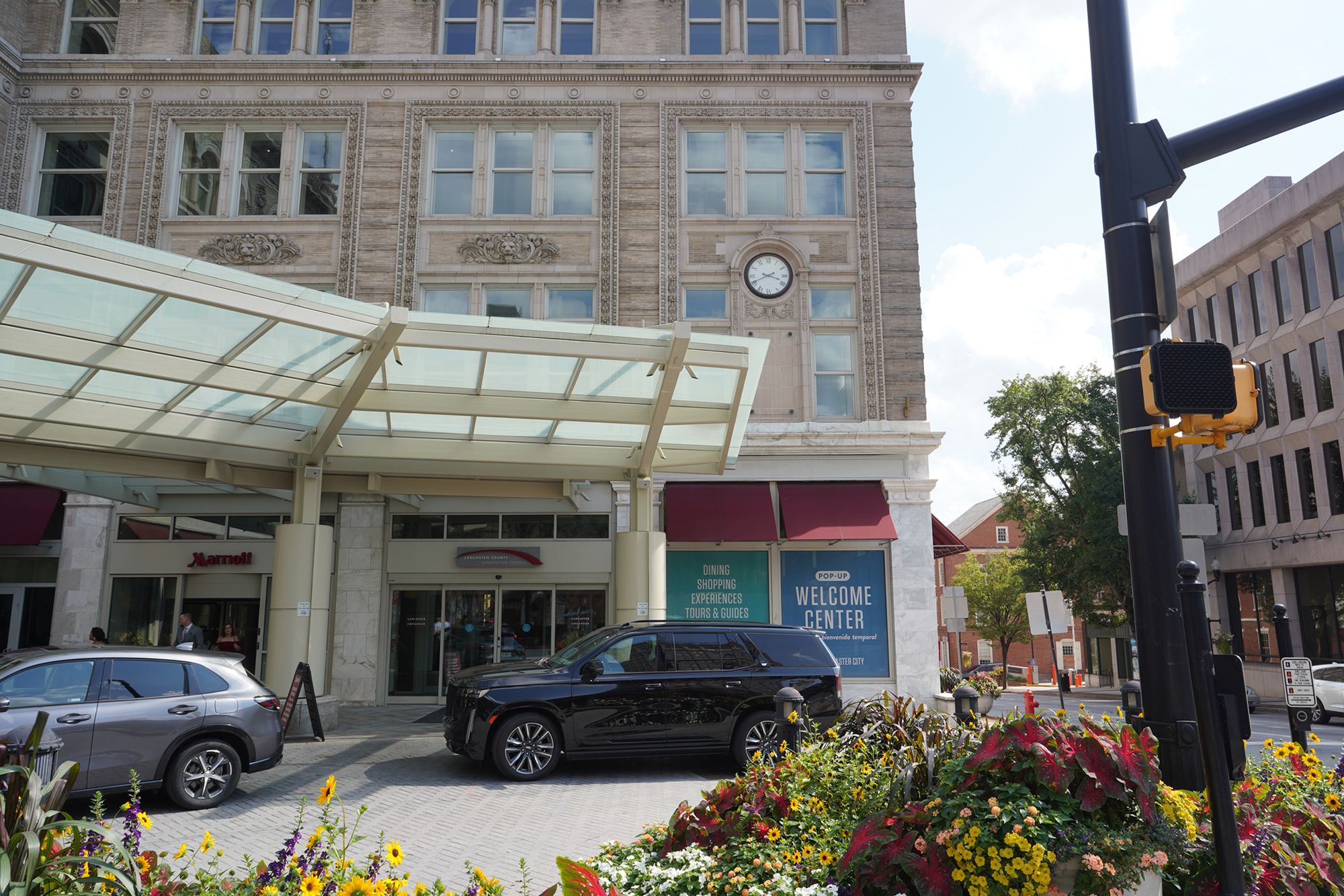
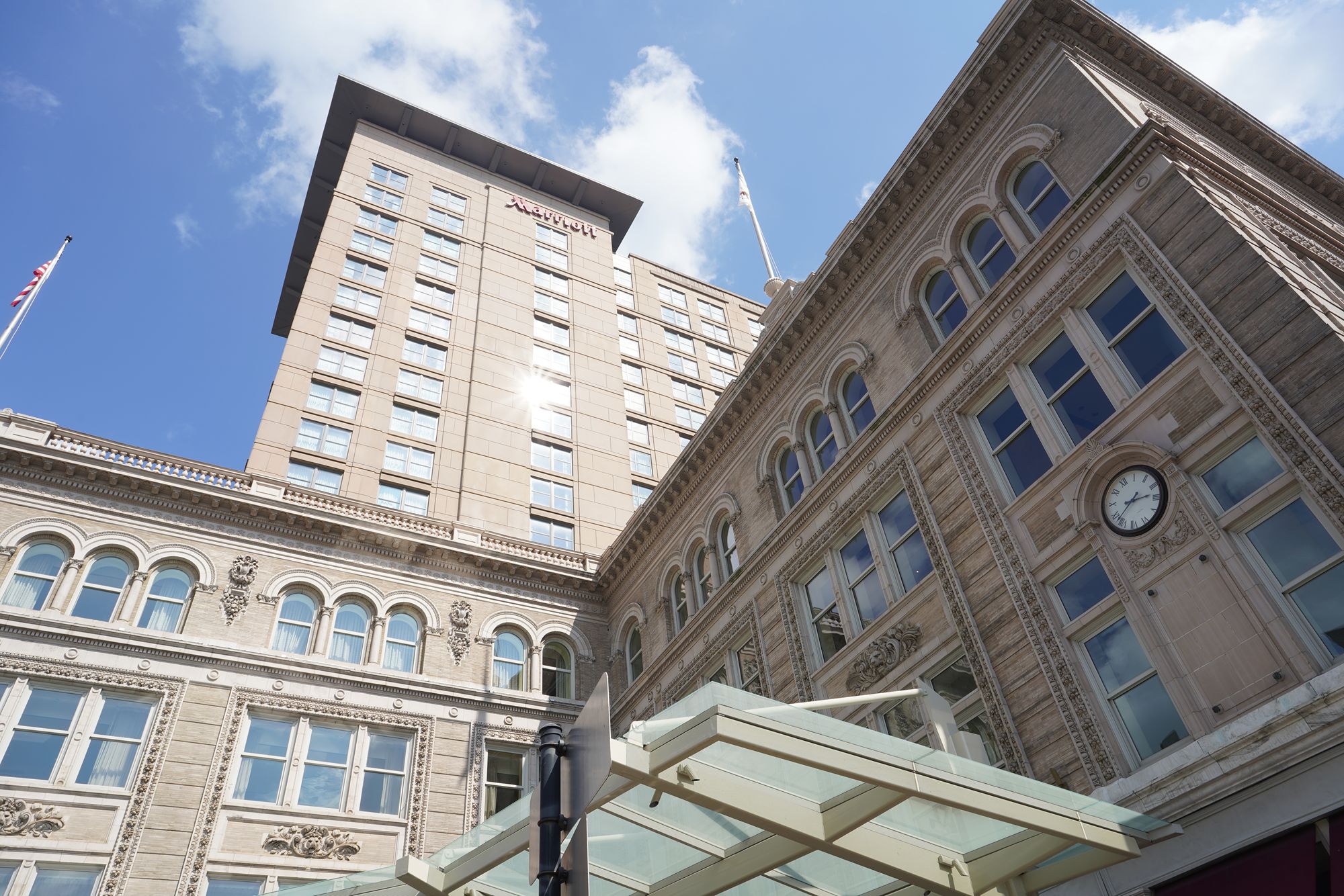
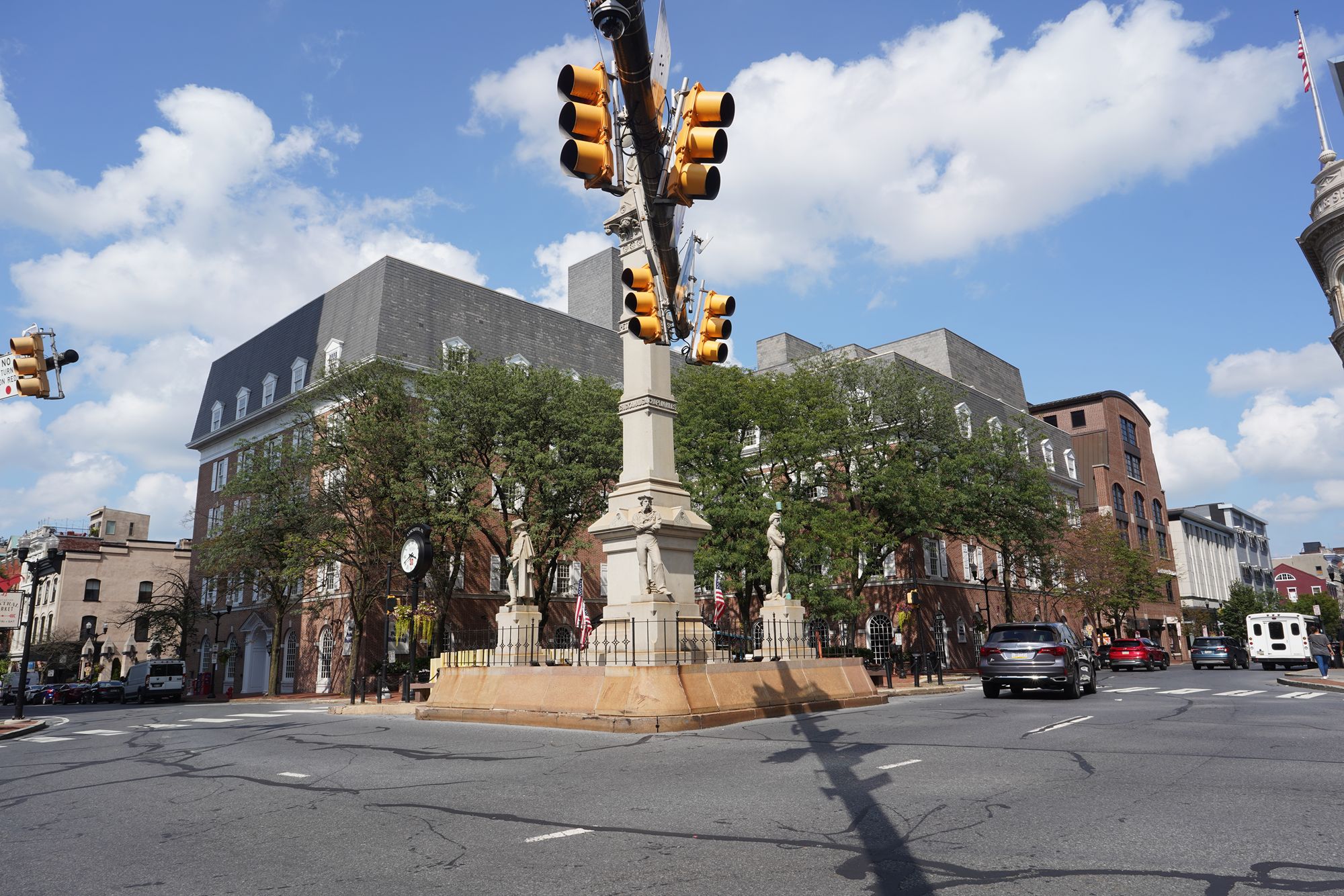
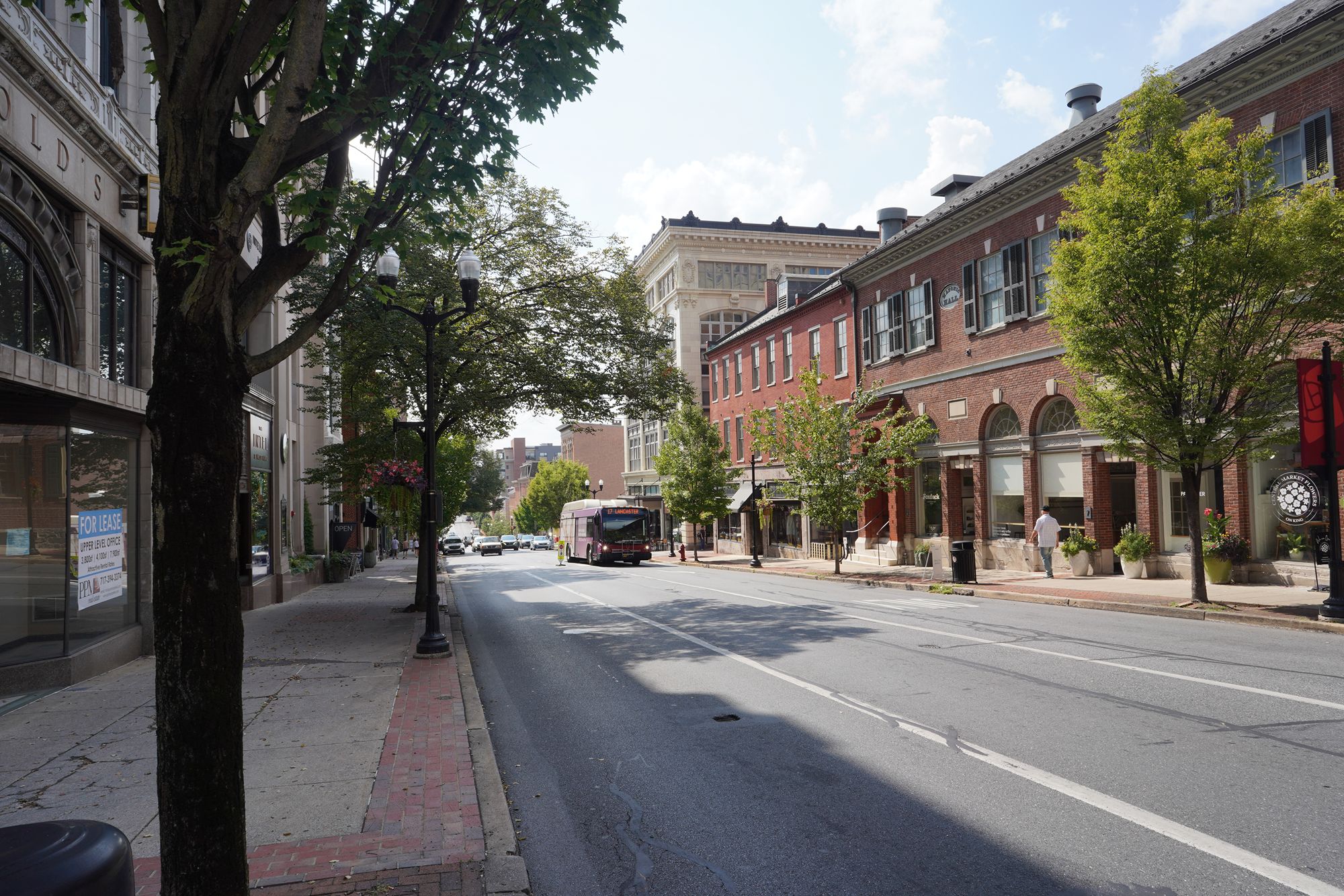
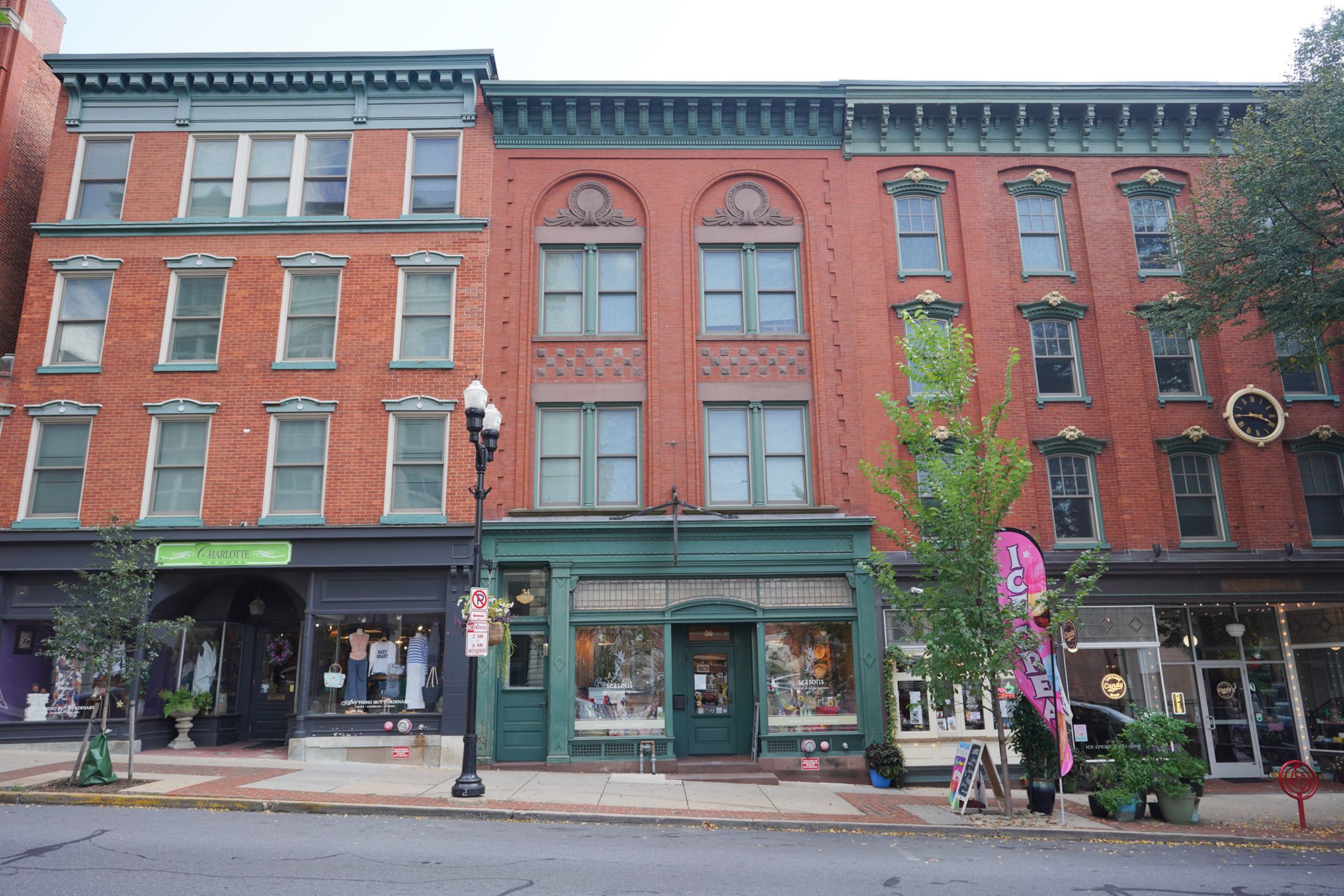
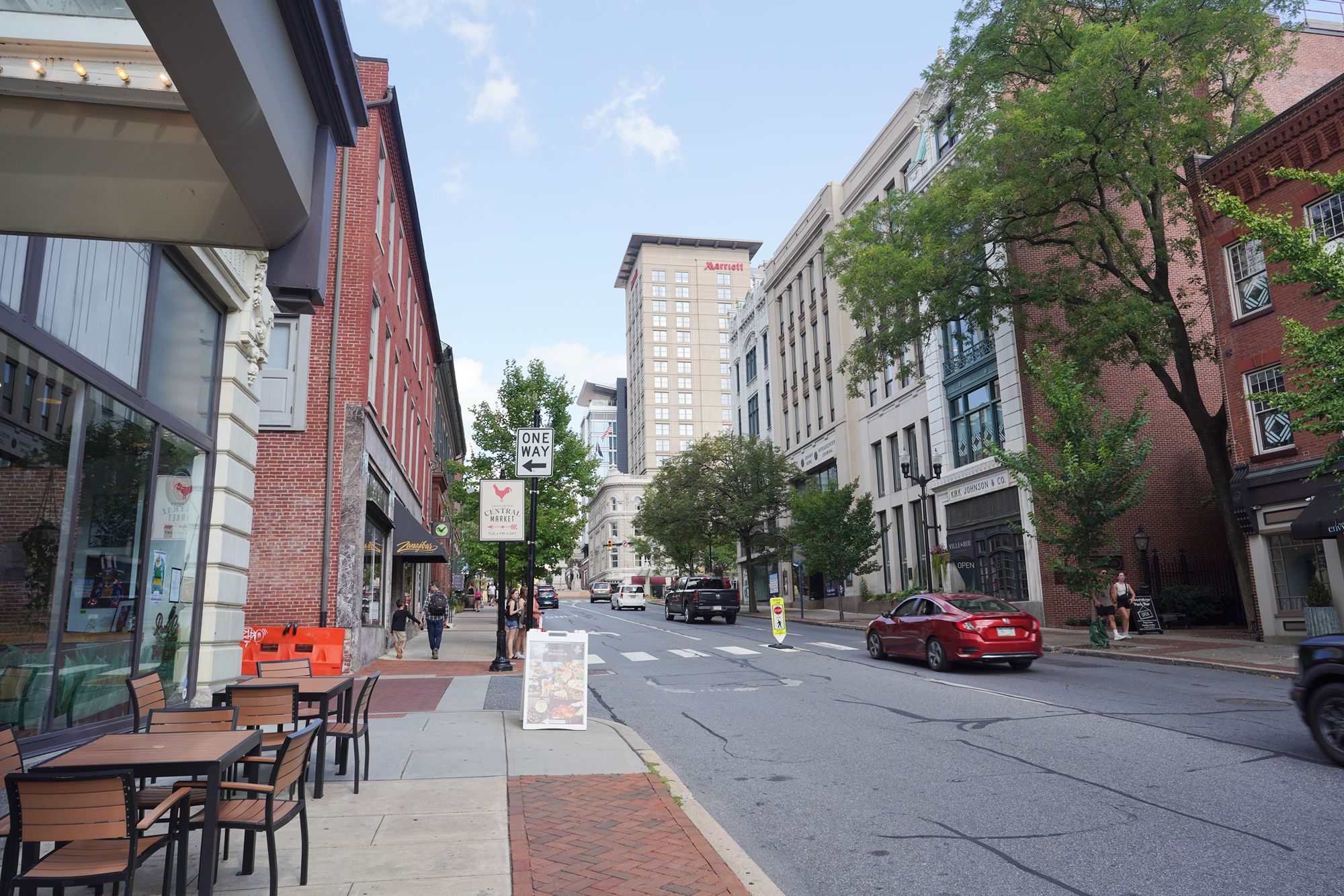
Downtown Lancaster is a small but lively city center with historic architecture, local shops, and the famous Central Market. It blends old-town charm with modern cafés and restaurants, and it’s easy to explore on foot. The mix of history and everyday energy makes it feel warm and inviting.
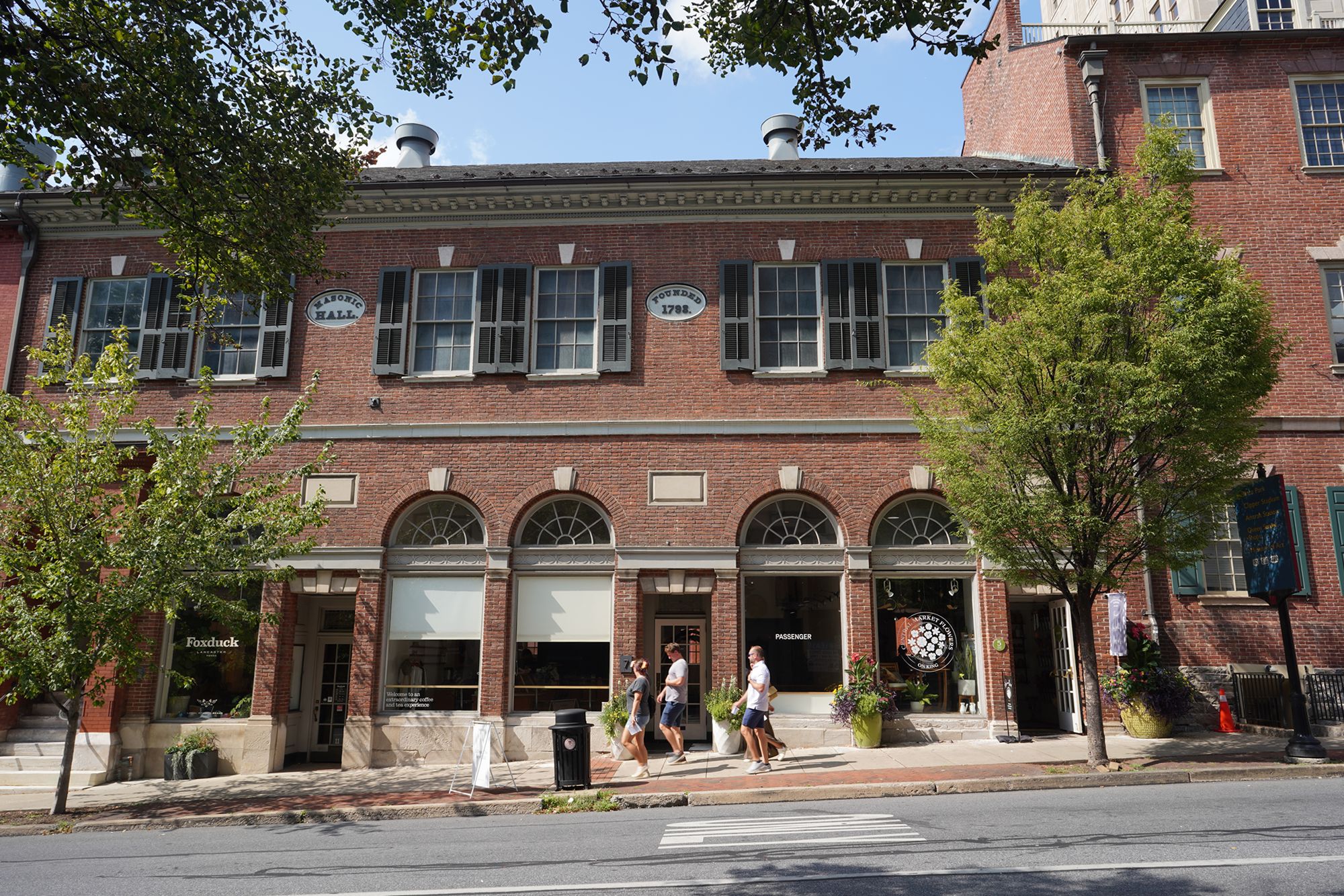
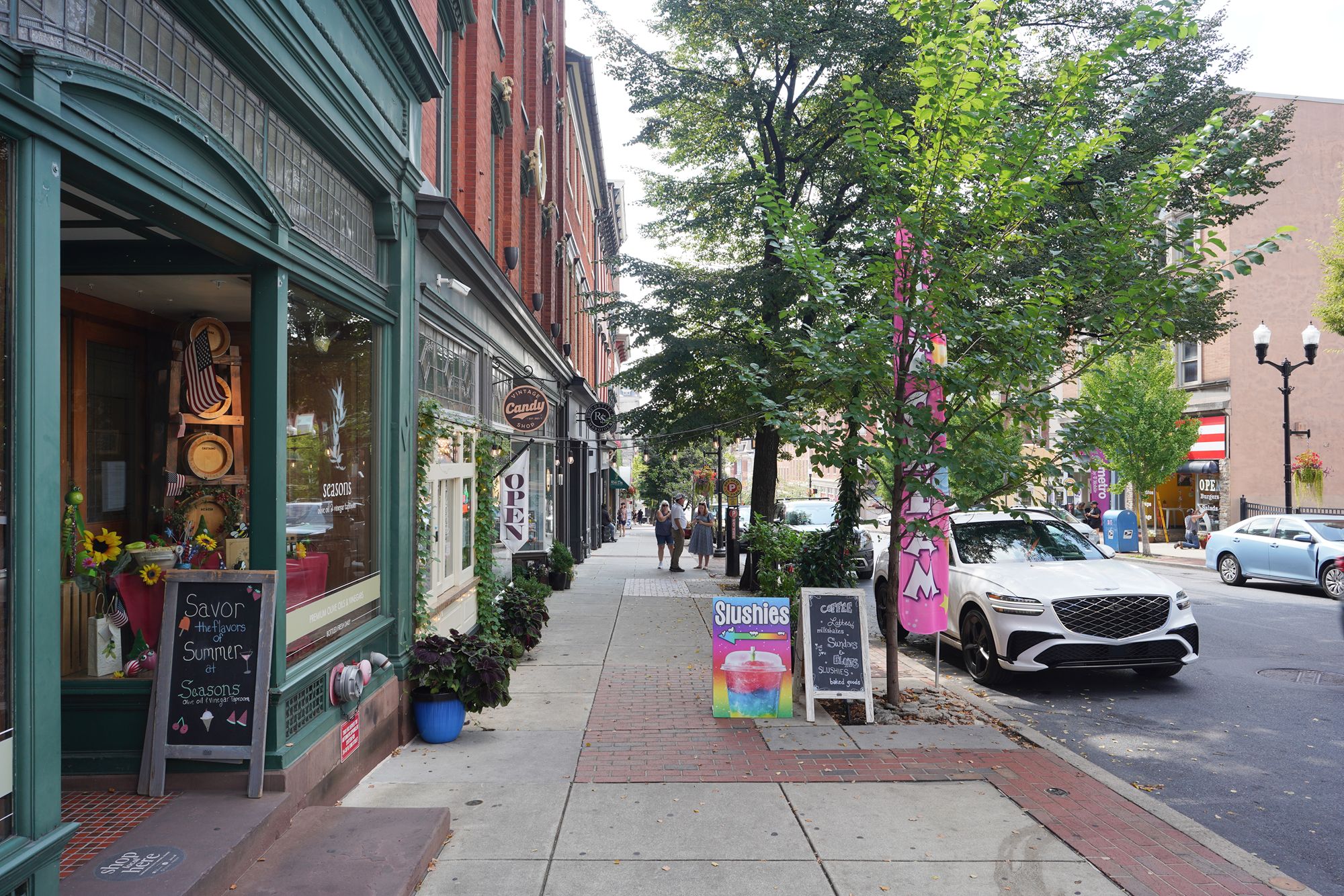
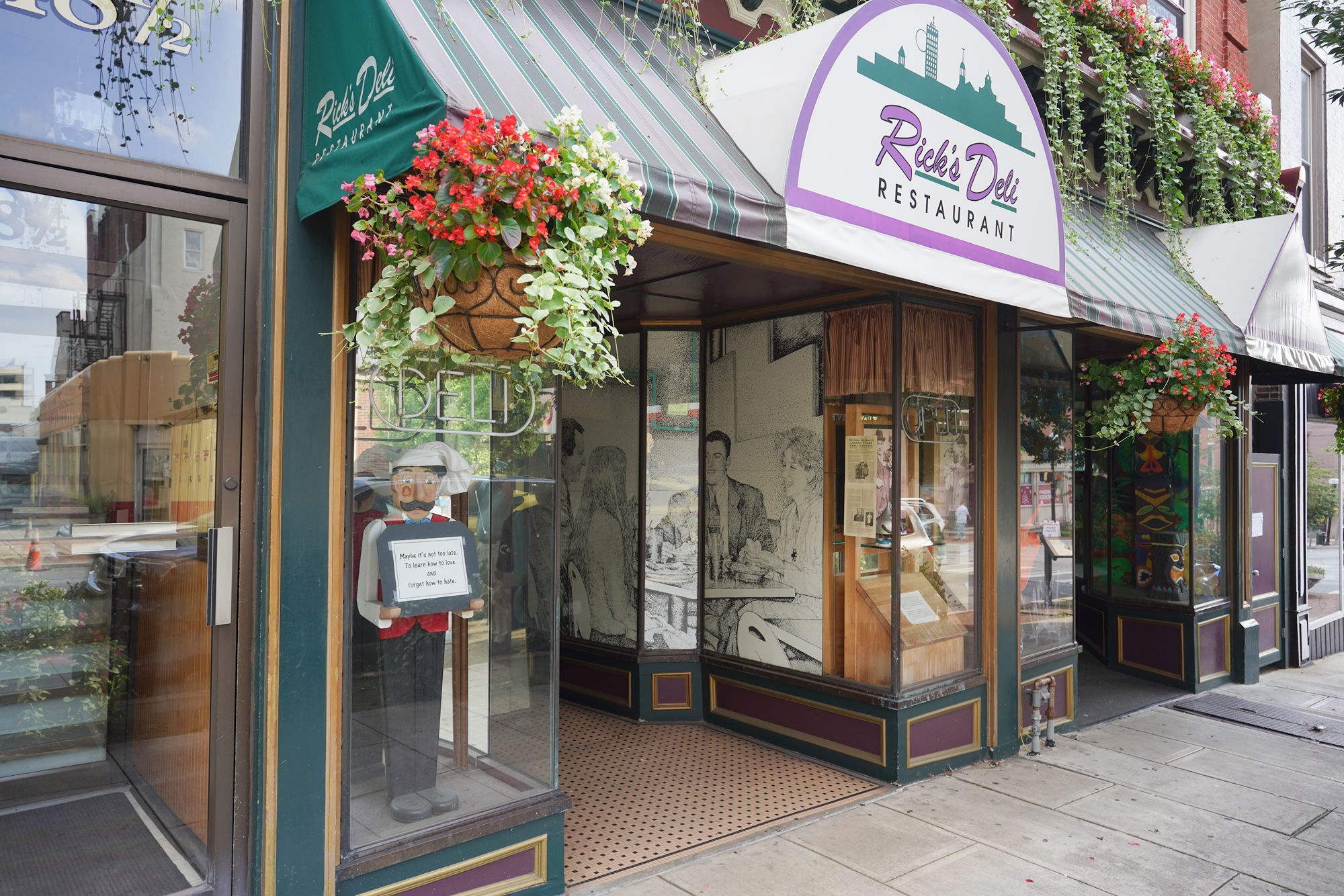
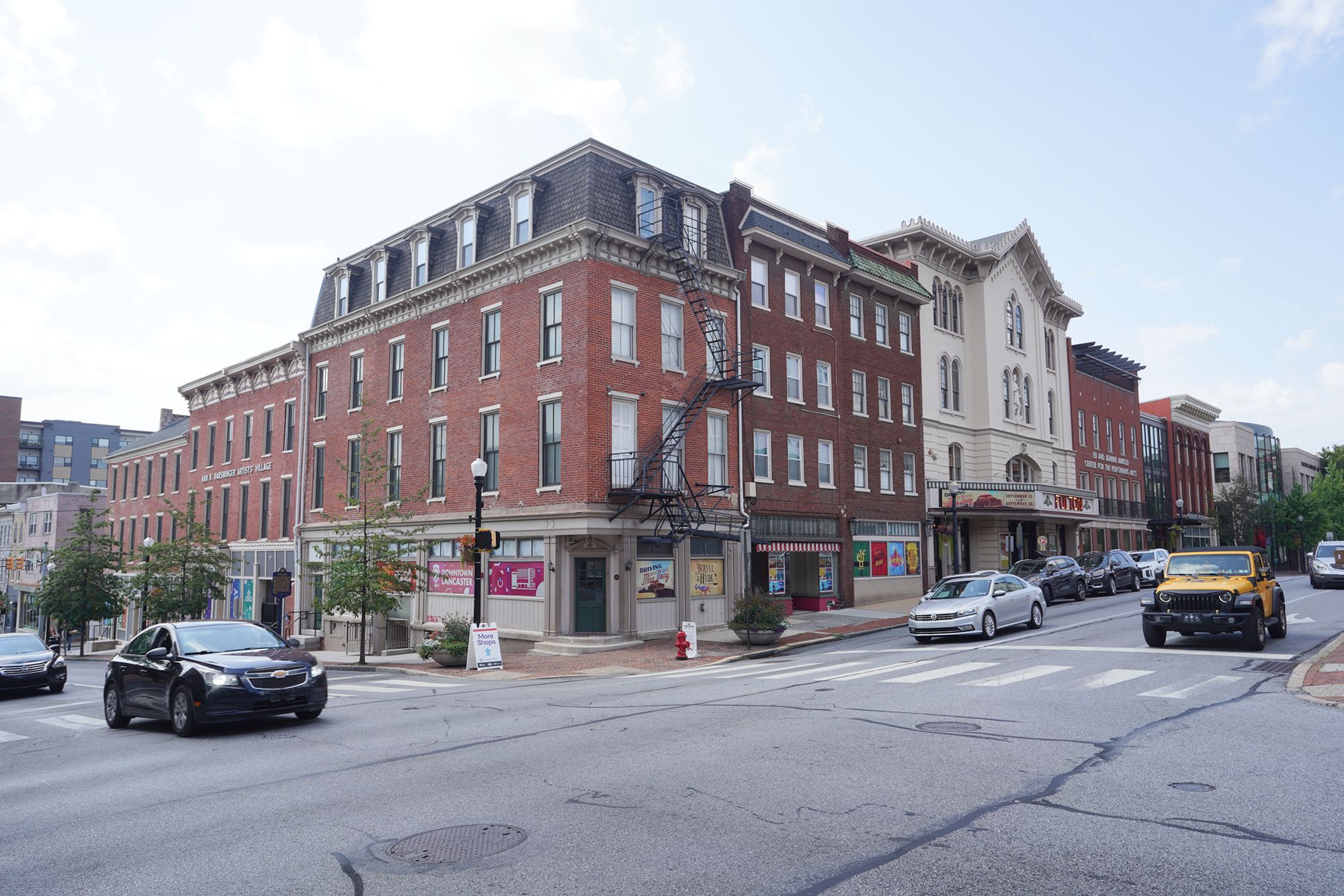
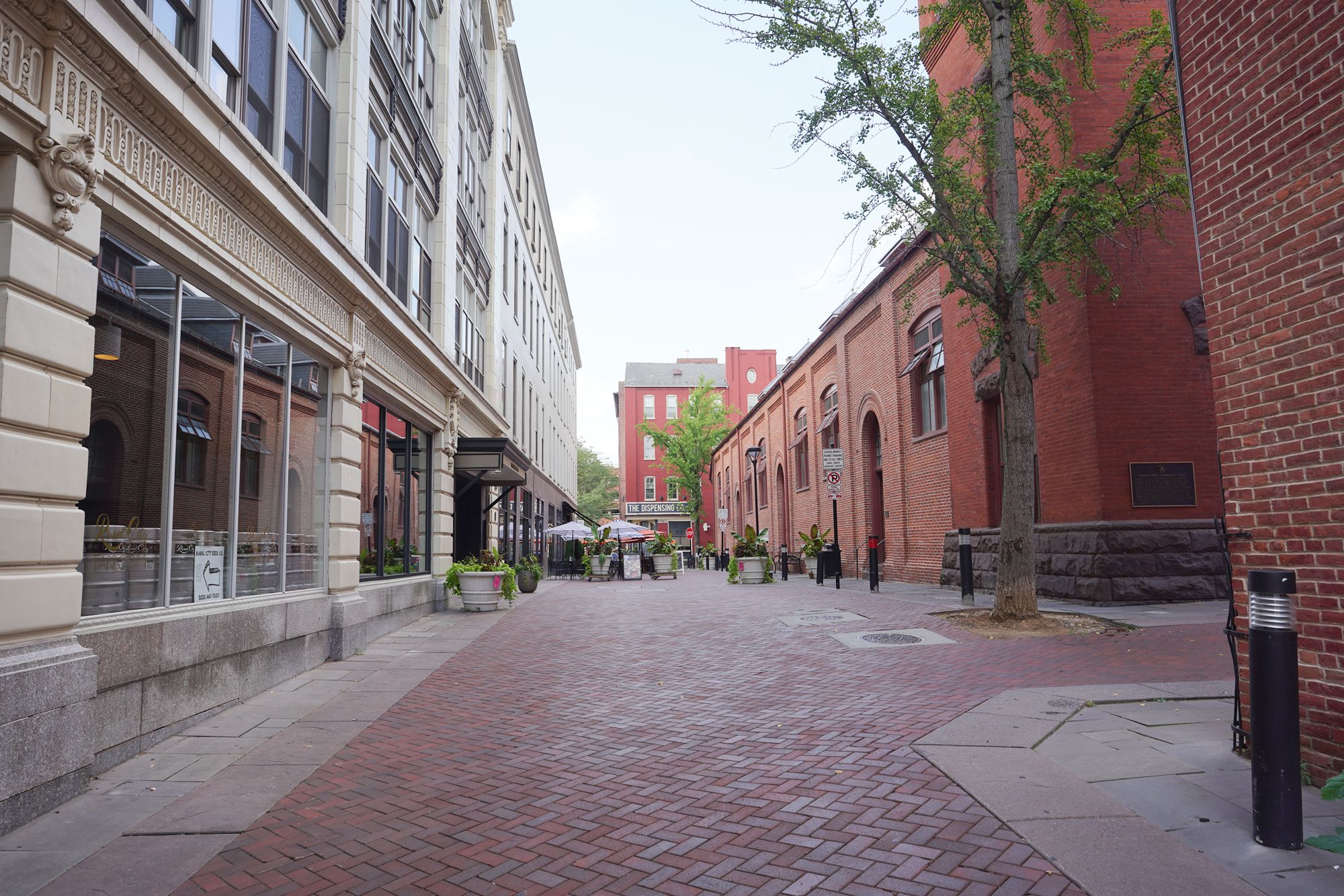
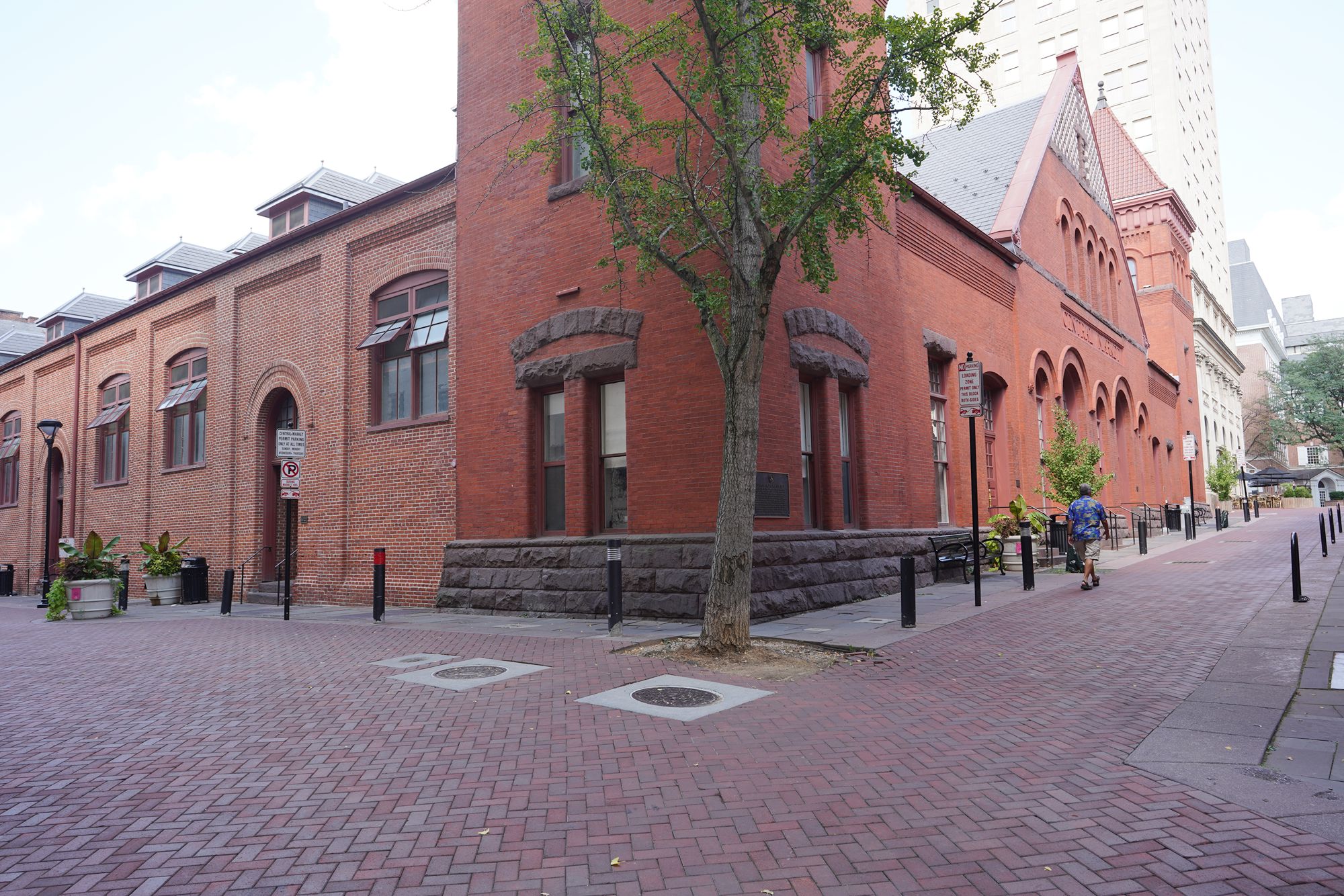
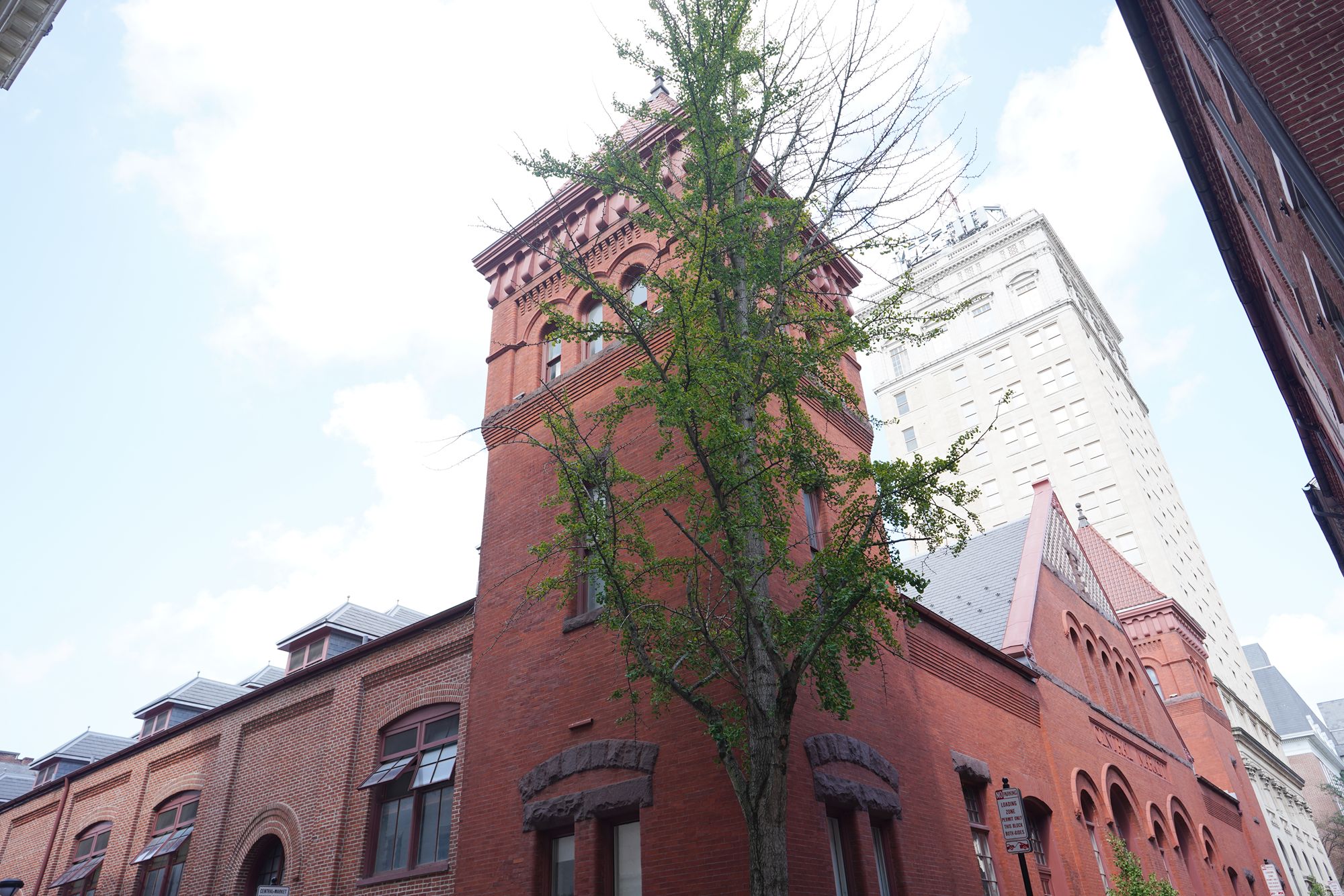
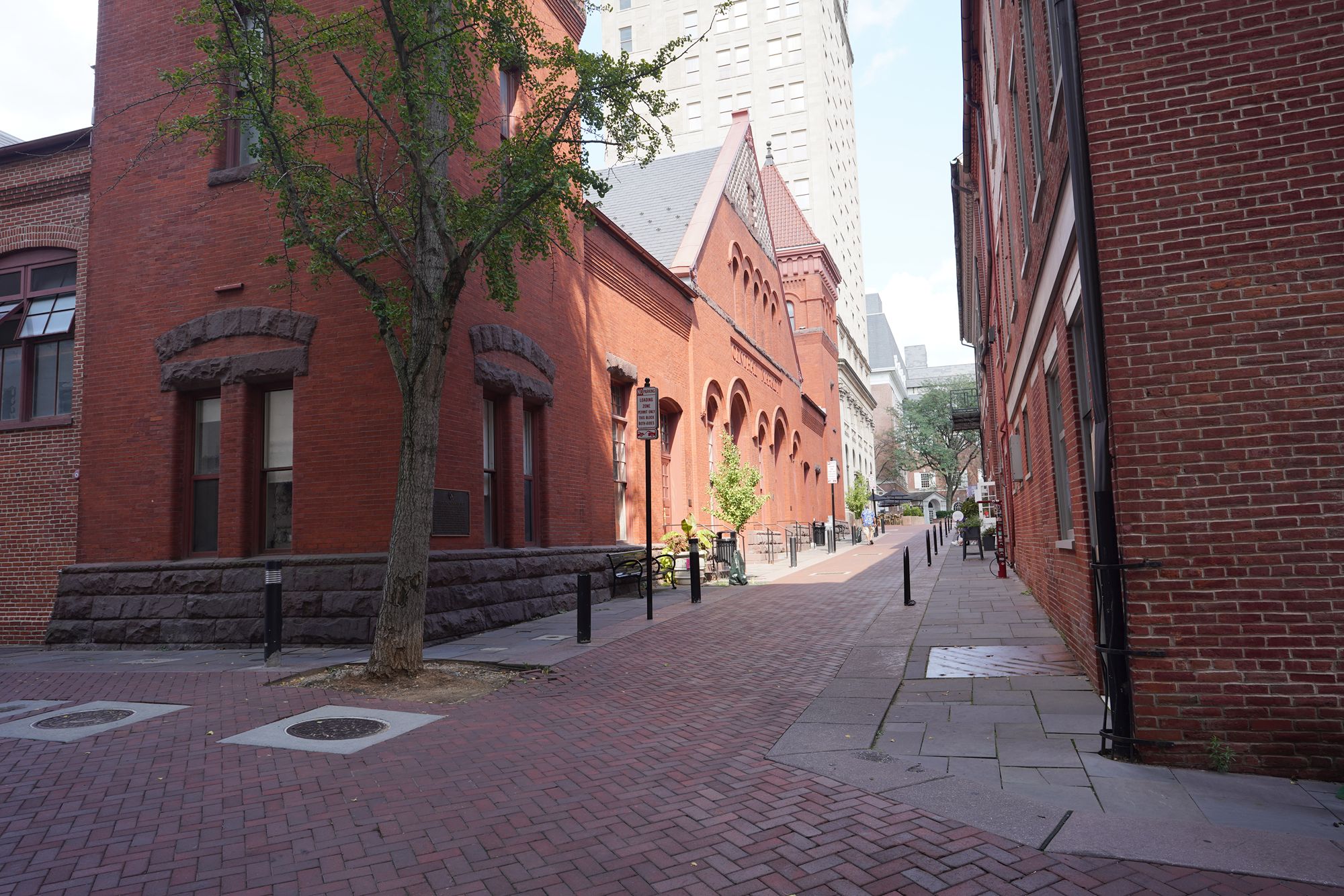
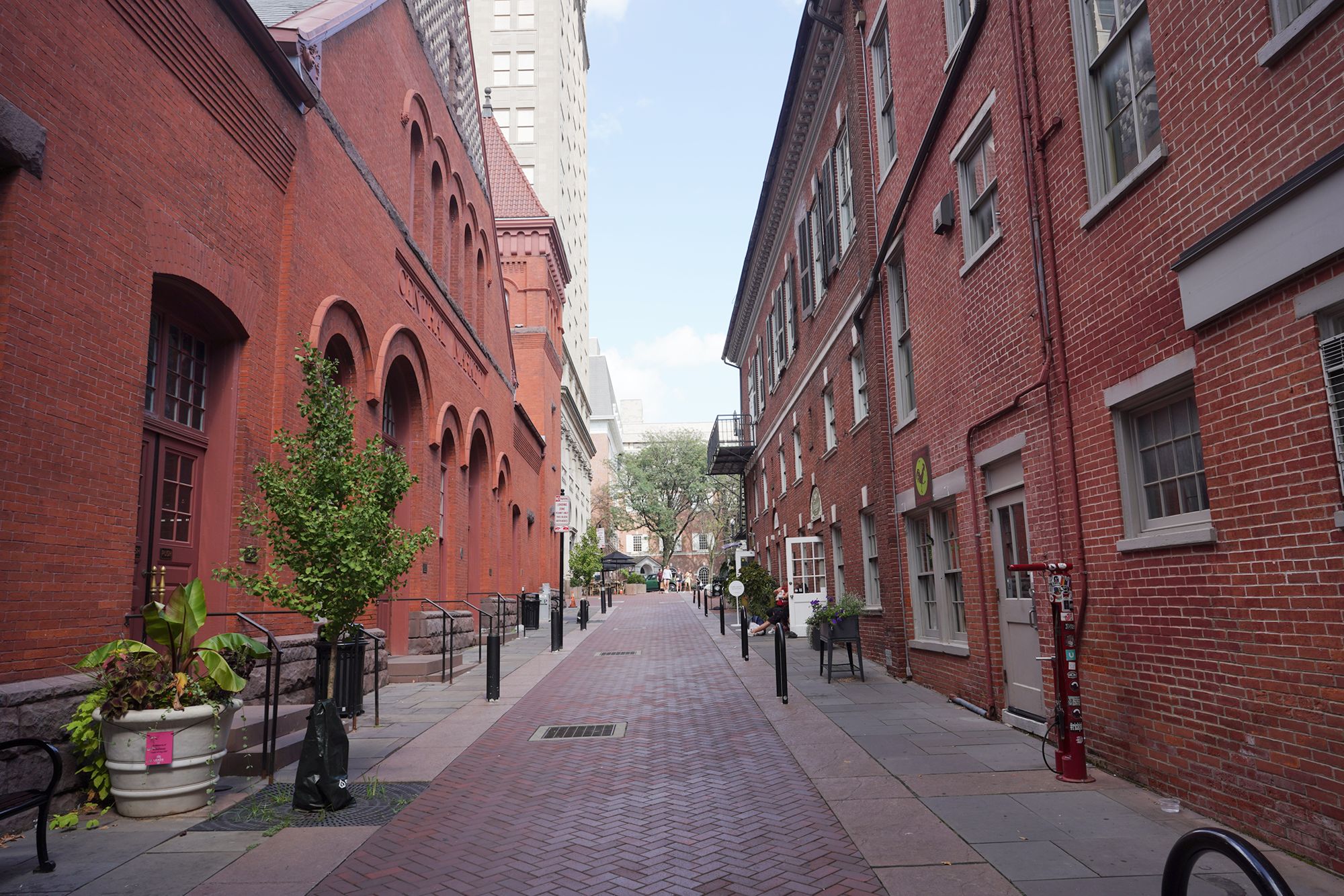
Lancaster Central Market is the oldest continuously operating public farmers’ market in the United States. It was first established in 1730 when a public marketplace was included in the original town plan.
It was closed when I arrived.
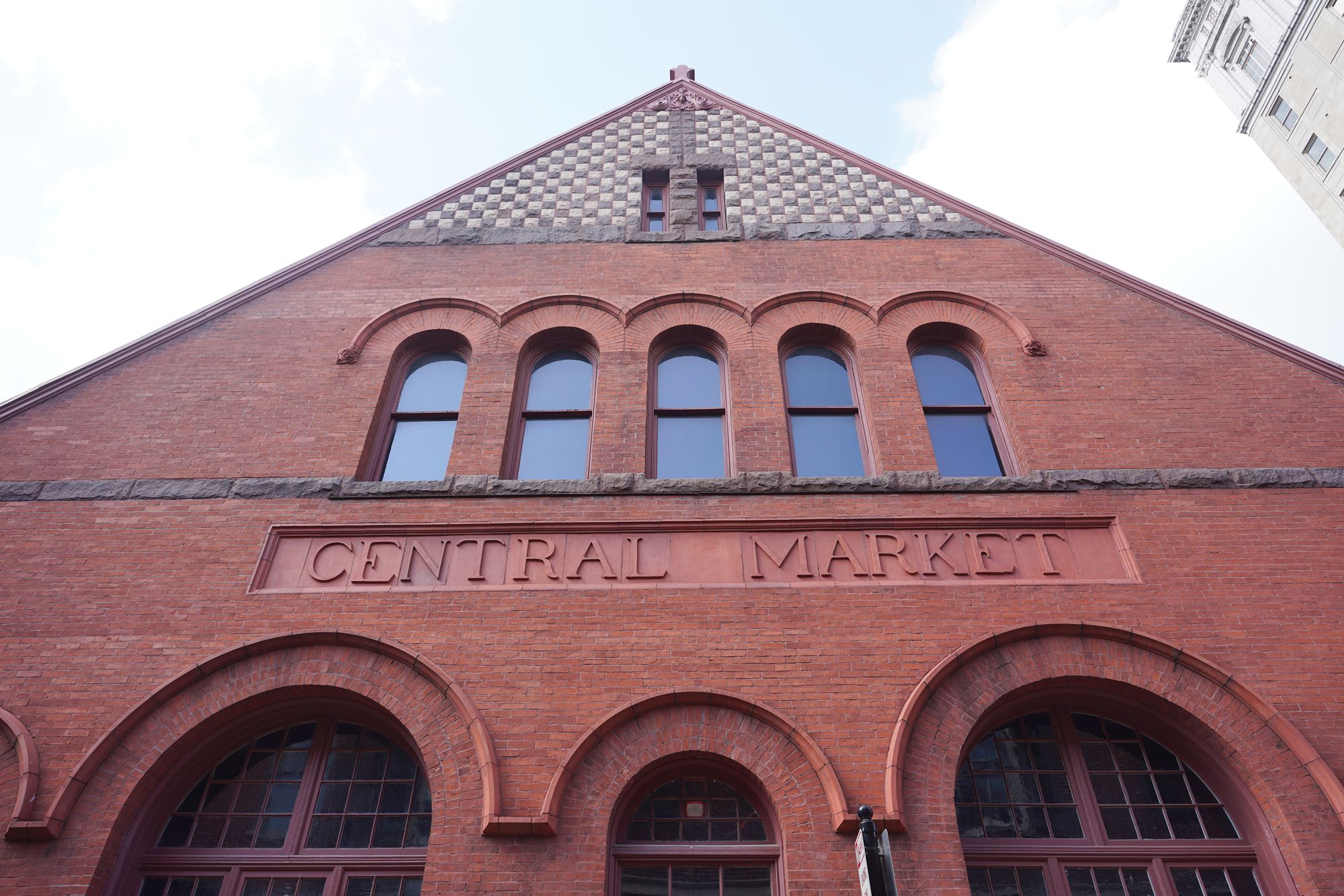
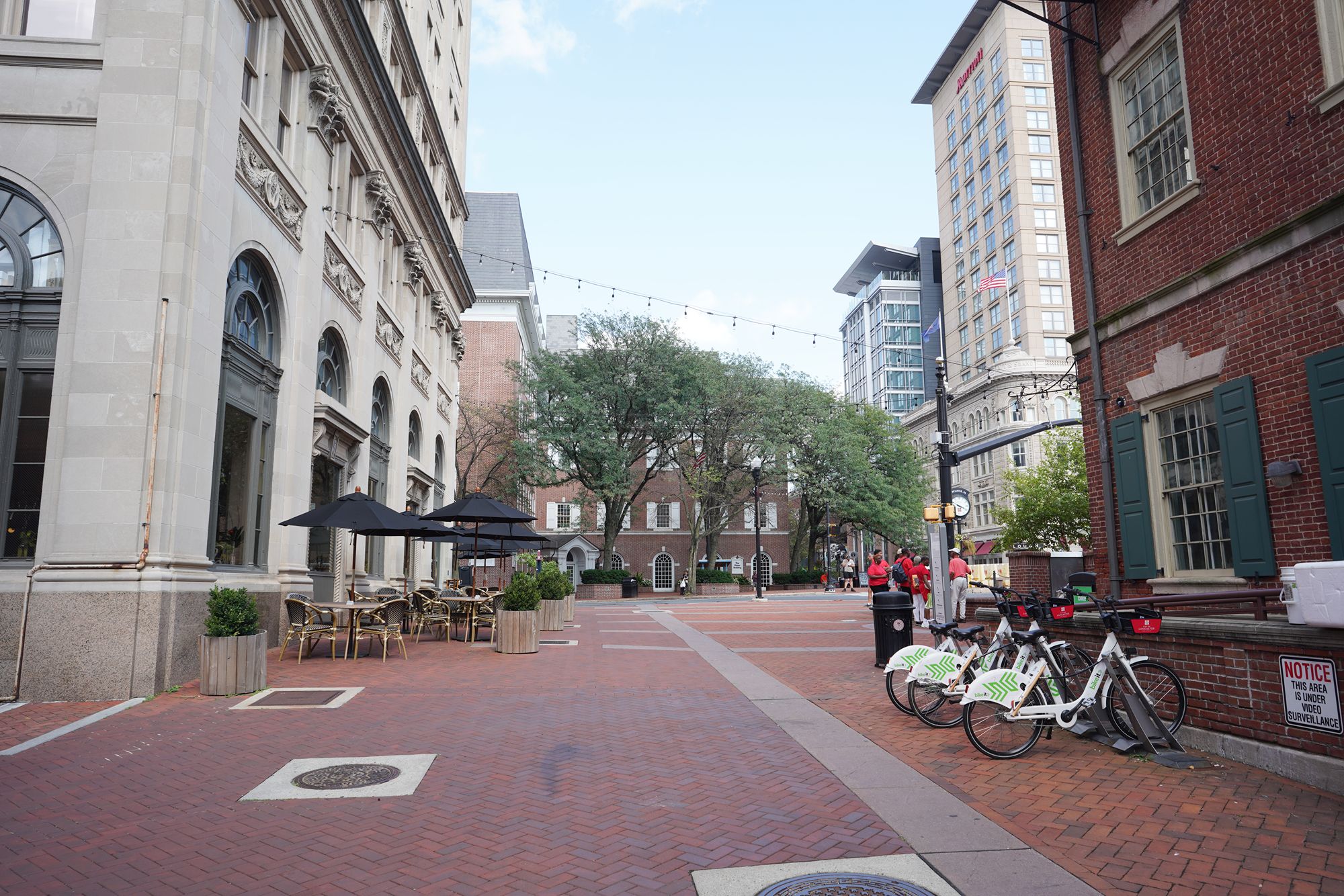
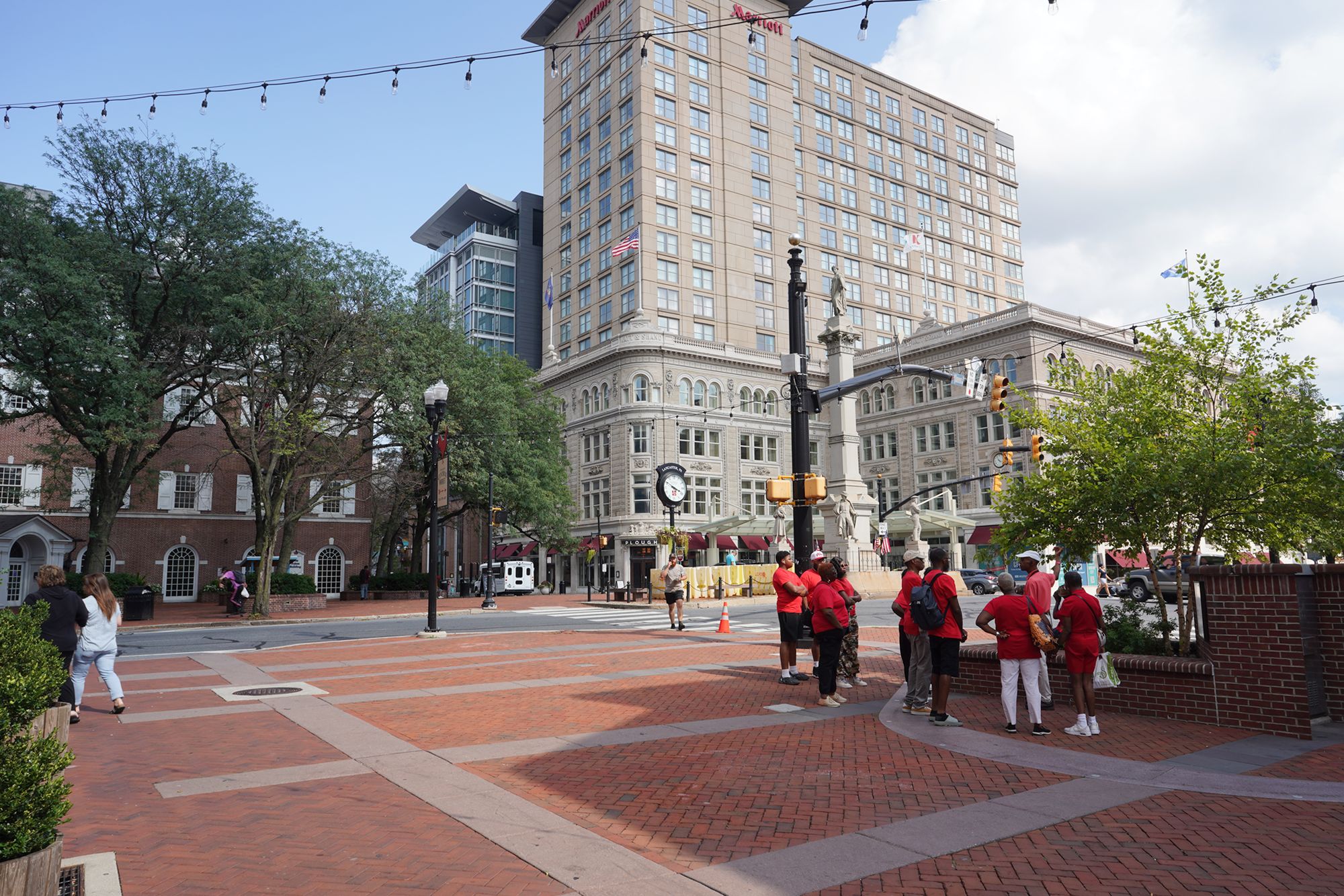
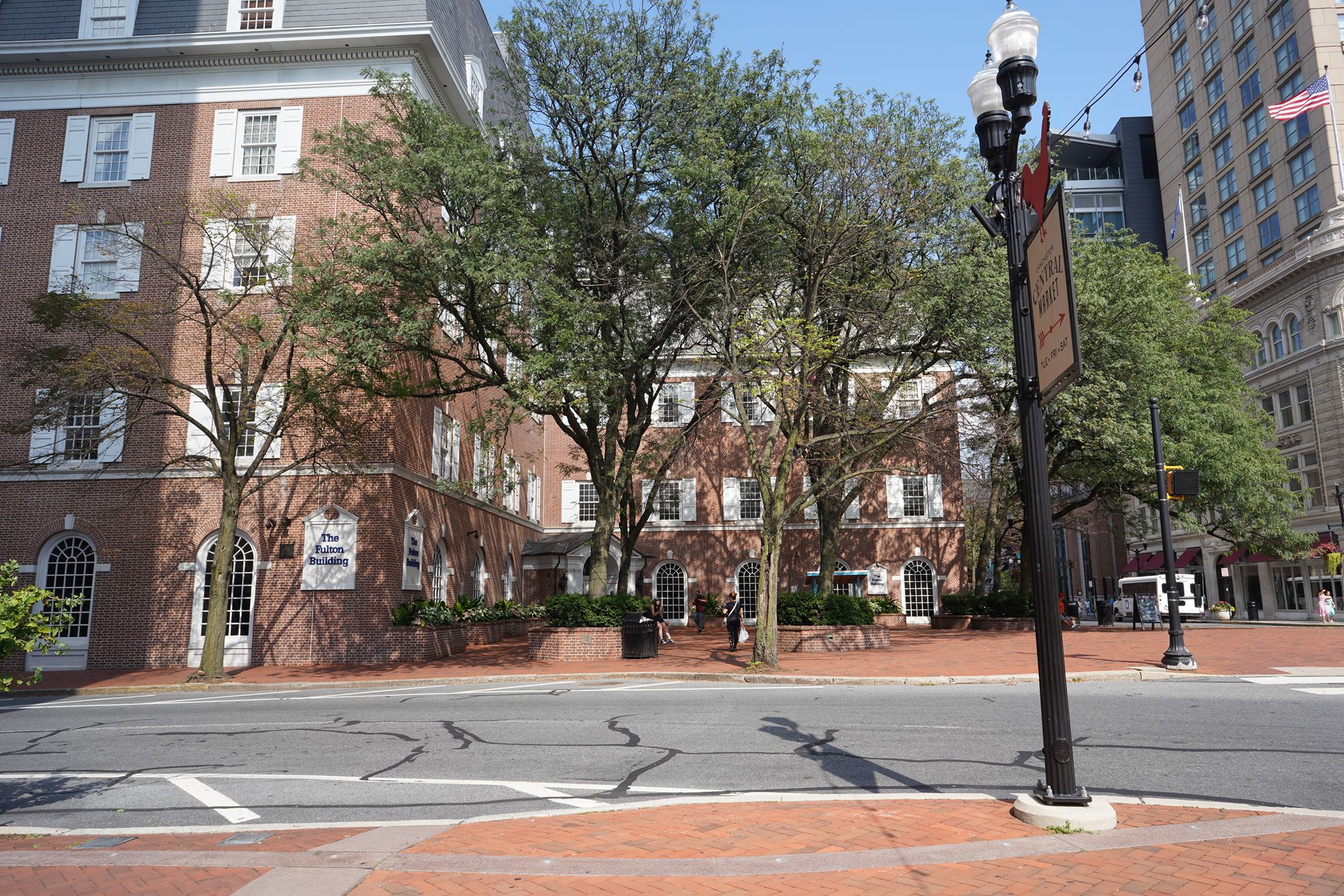
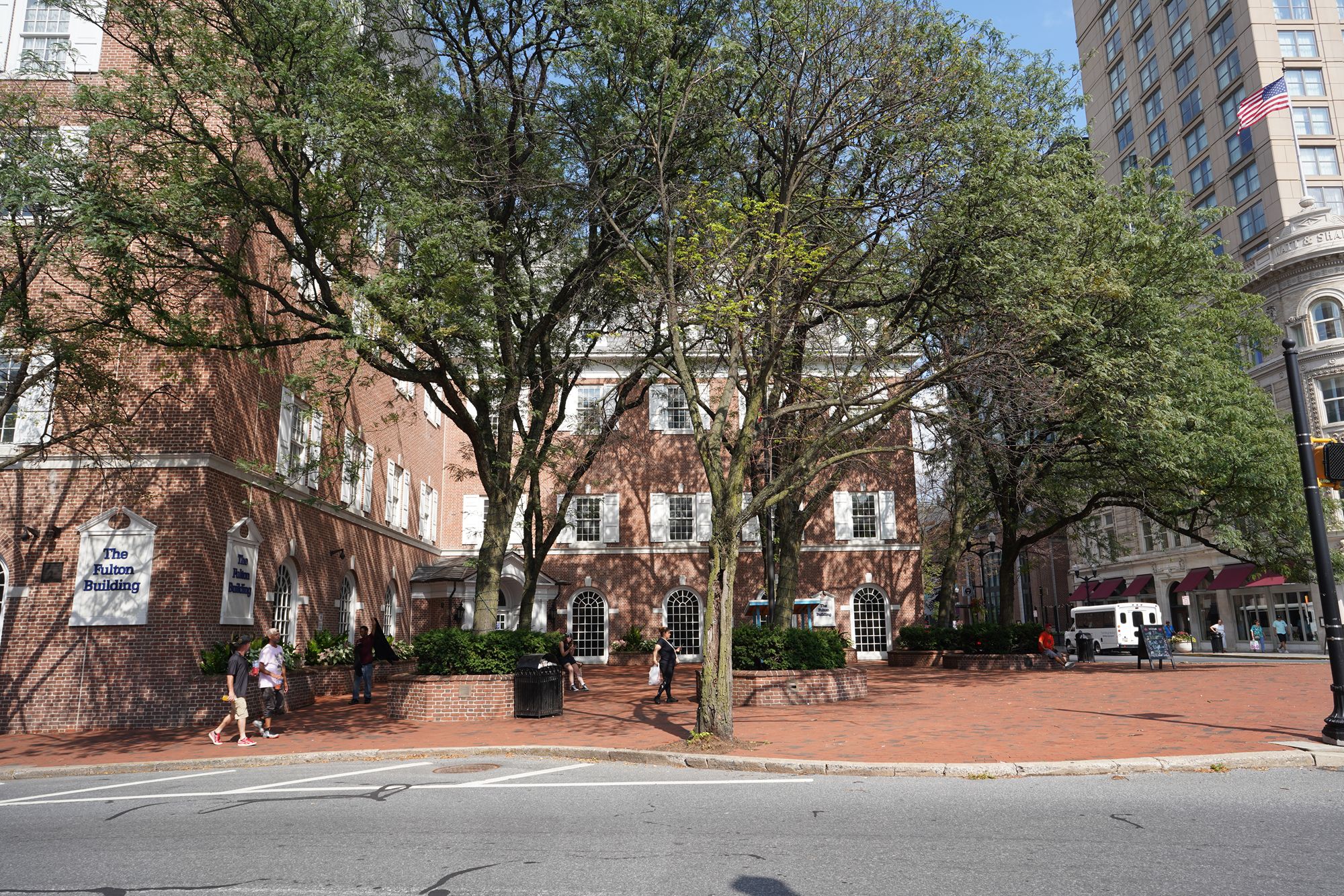
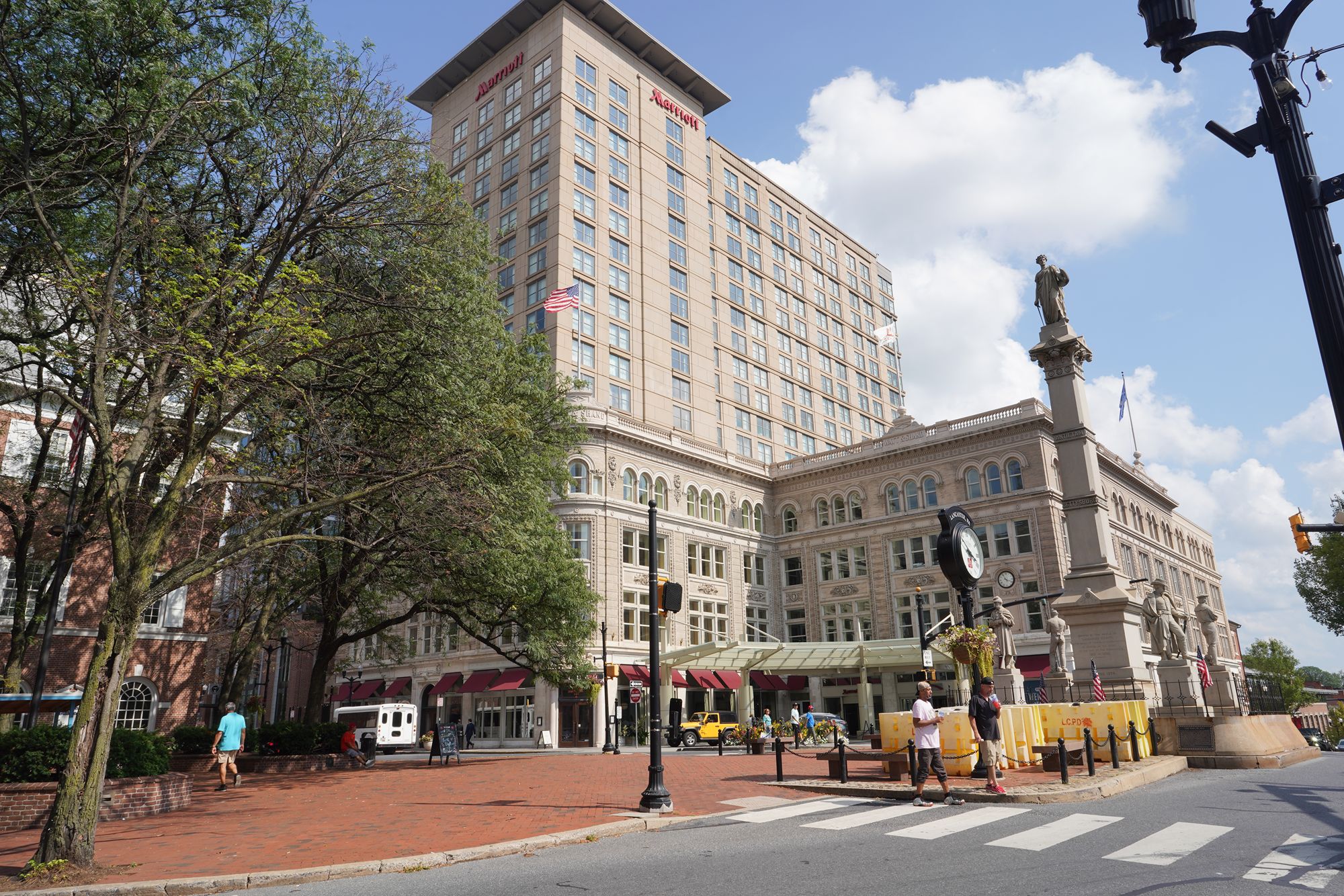
Walking around the Central Market building
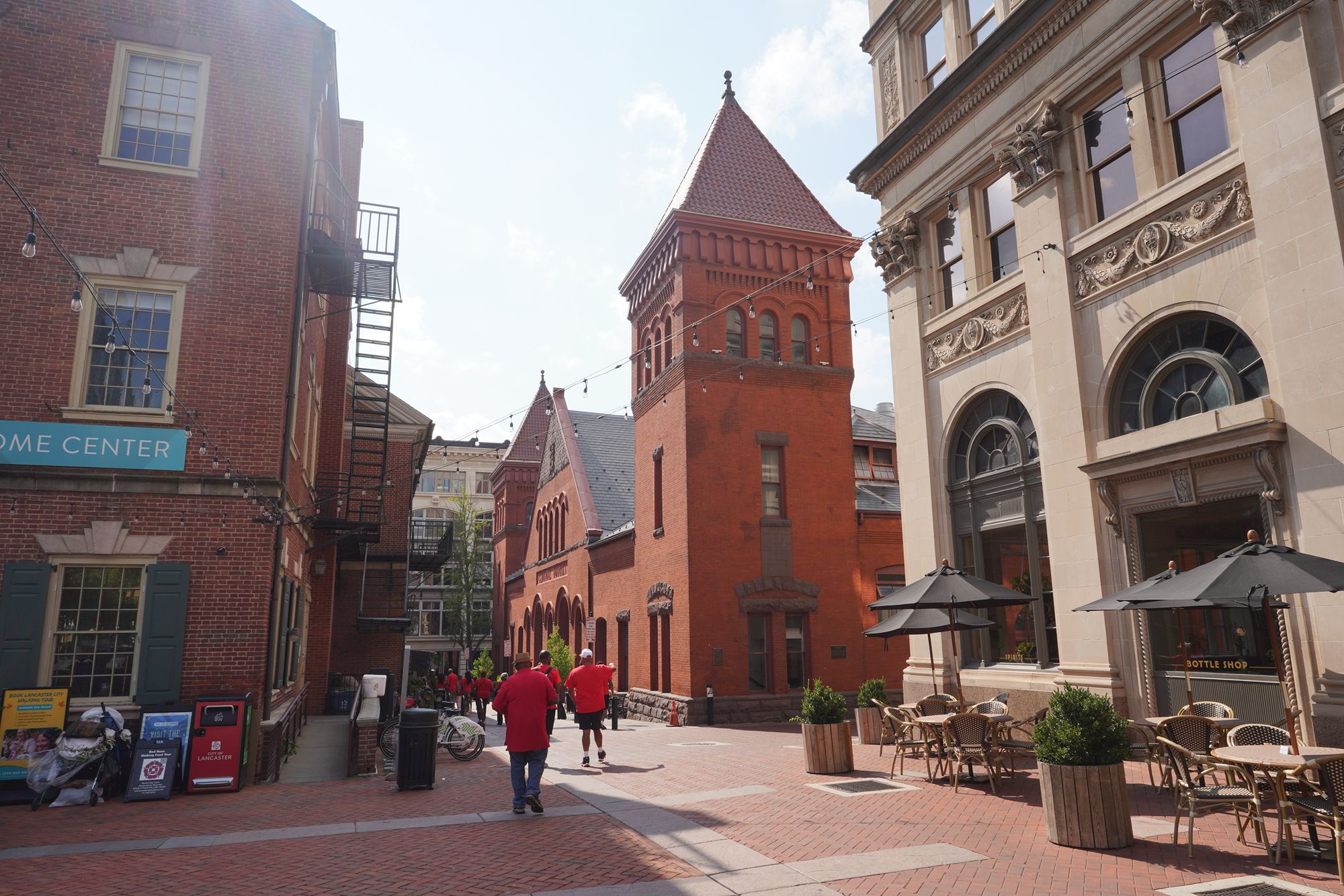
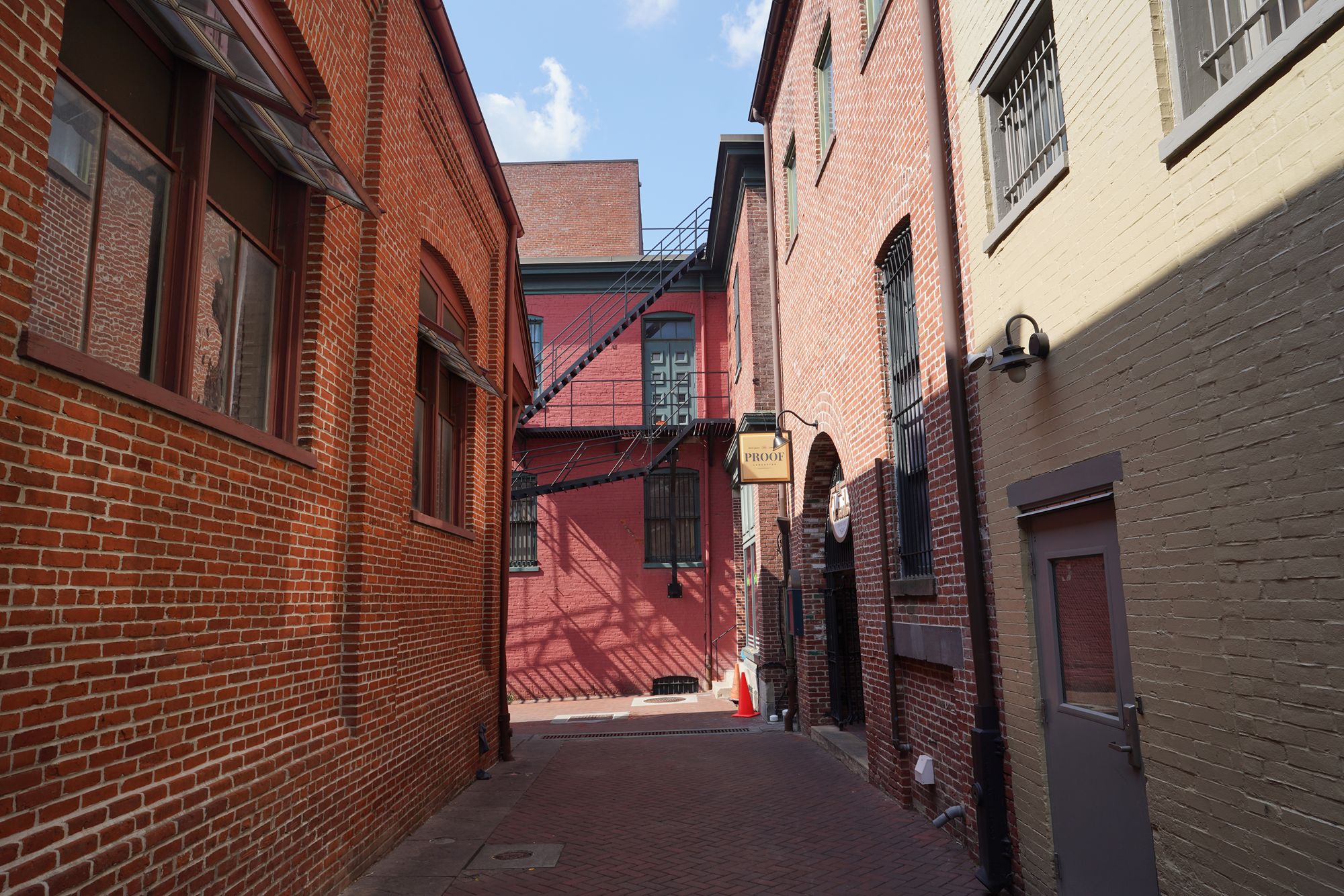
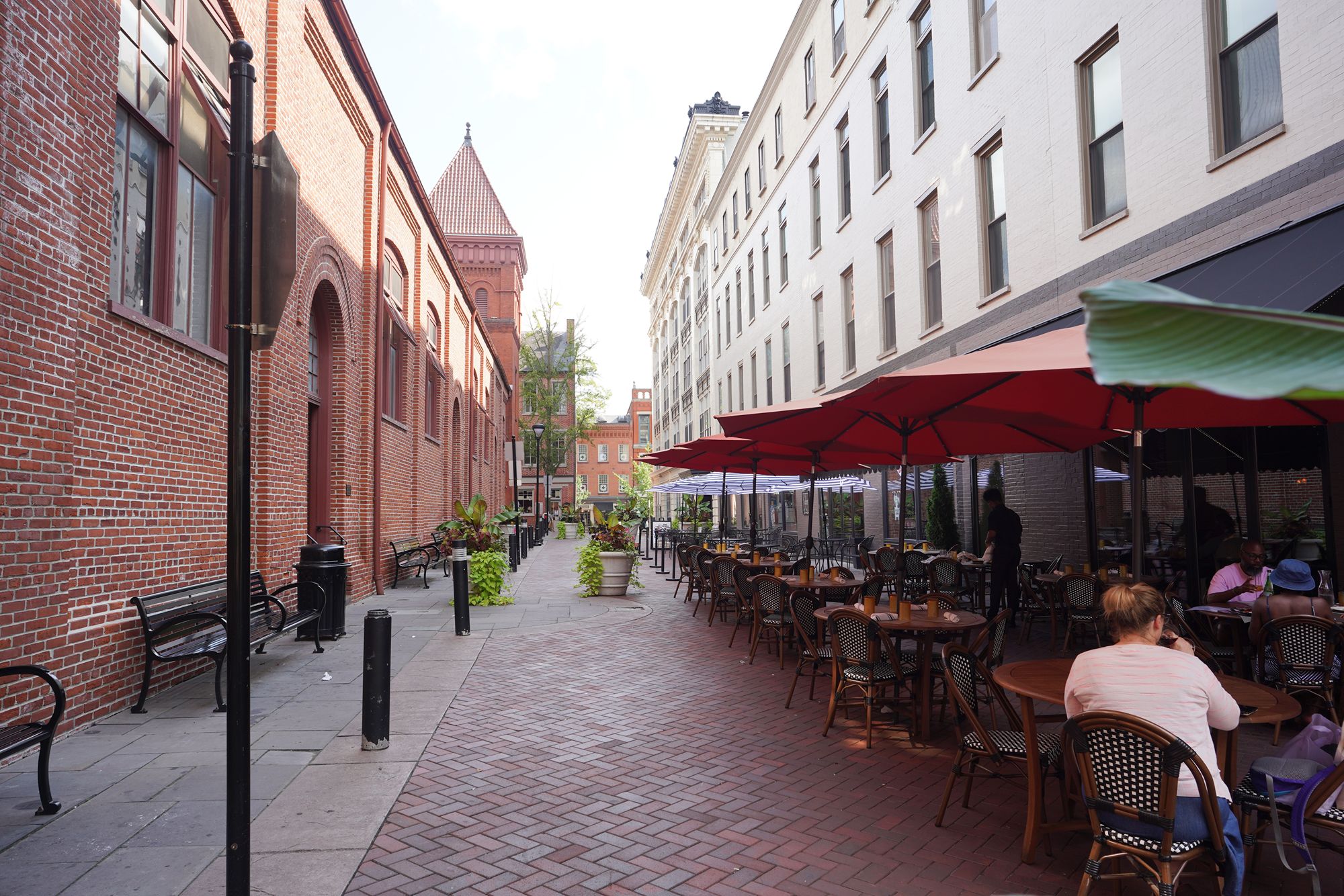
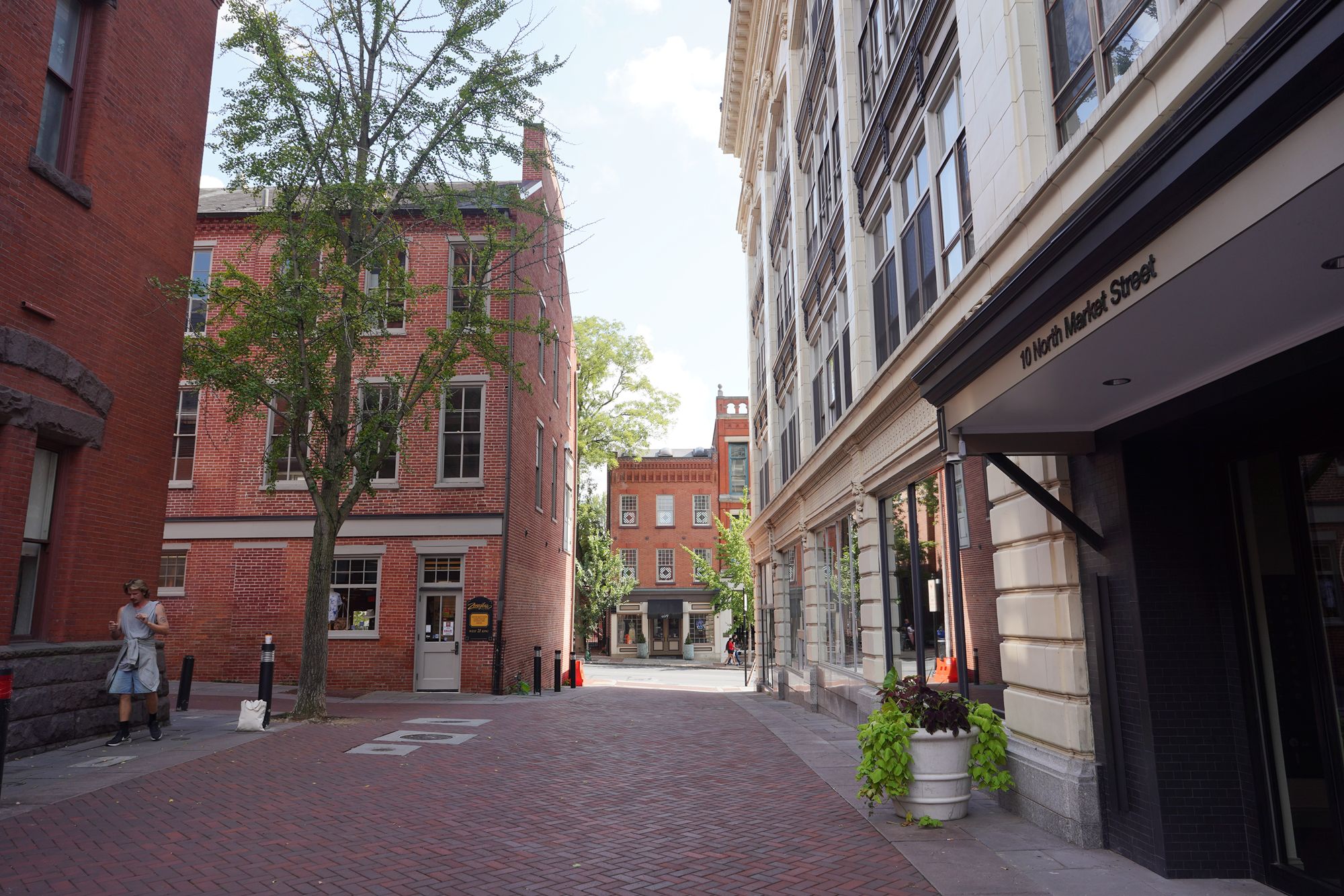
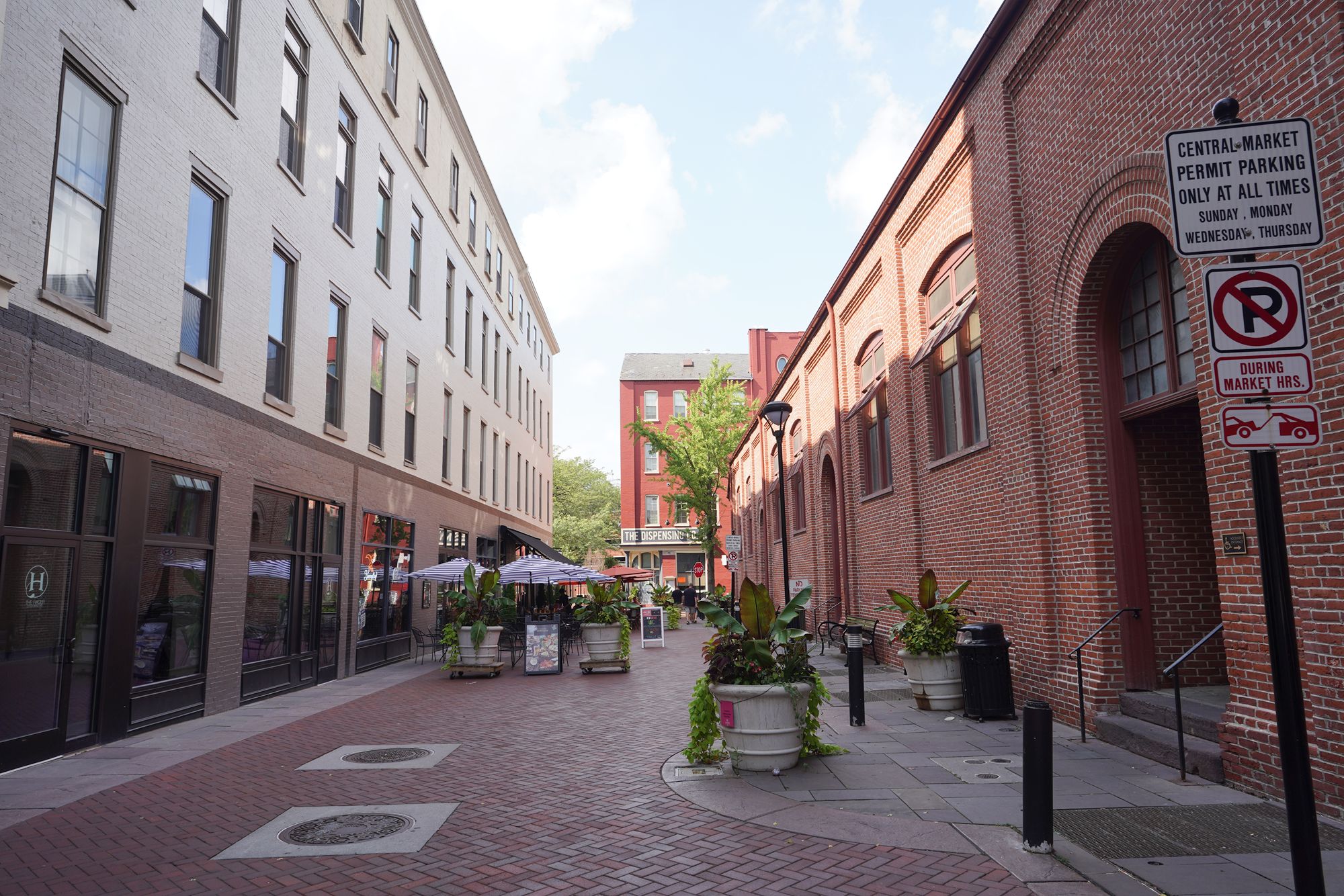
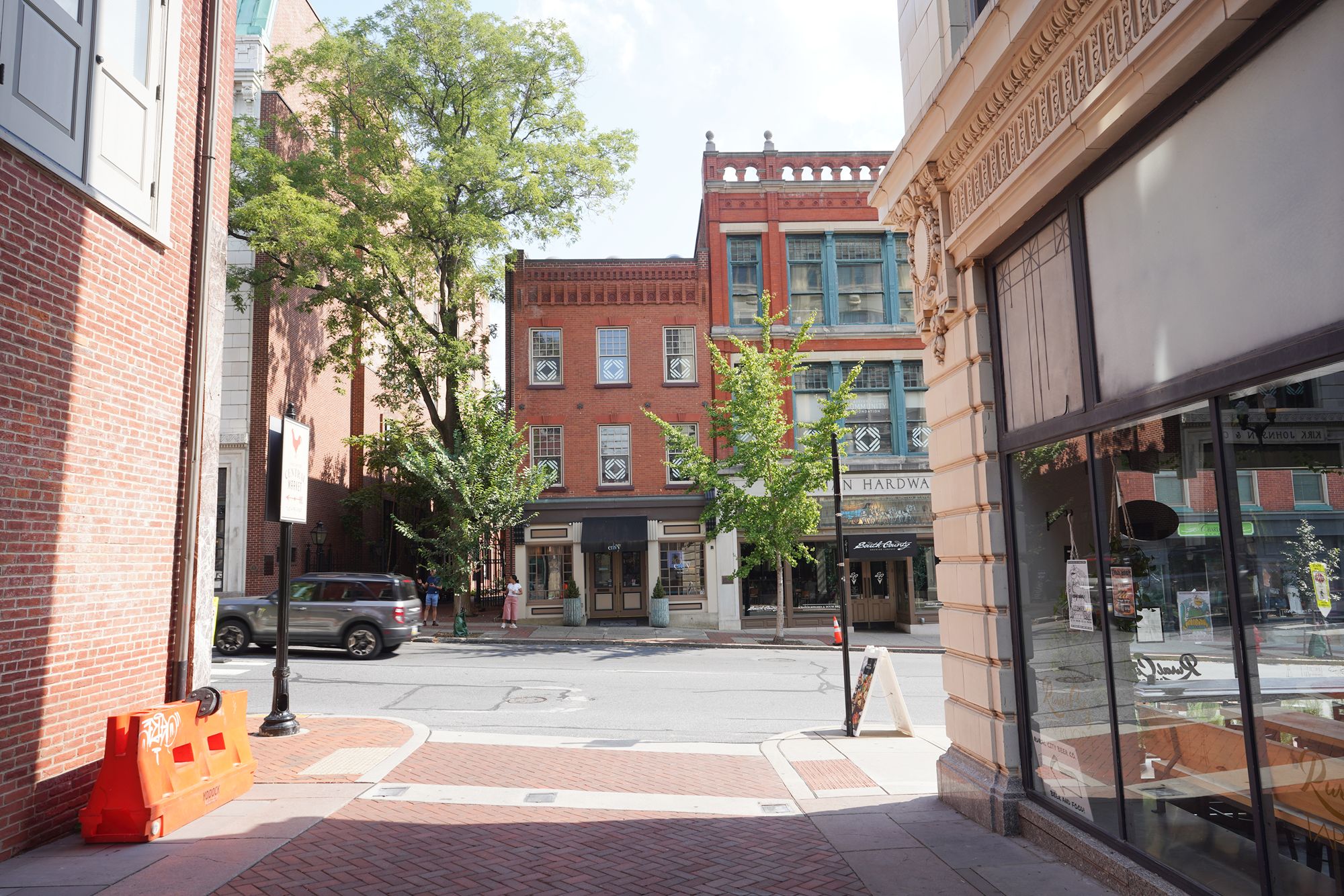
While I was walking back to my car.