Czartoryski Museum, Krakow, Poland
I visited Kraków’s Czartoryski Museum to see its art collection, including Leonardo da Vinci’s Lady with an Ermine. 1350
Czartoryski Museum: Pijarska 15, 31-015 Kraków, Poland
Date Picture Taken: Jun, 2026
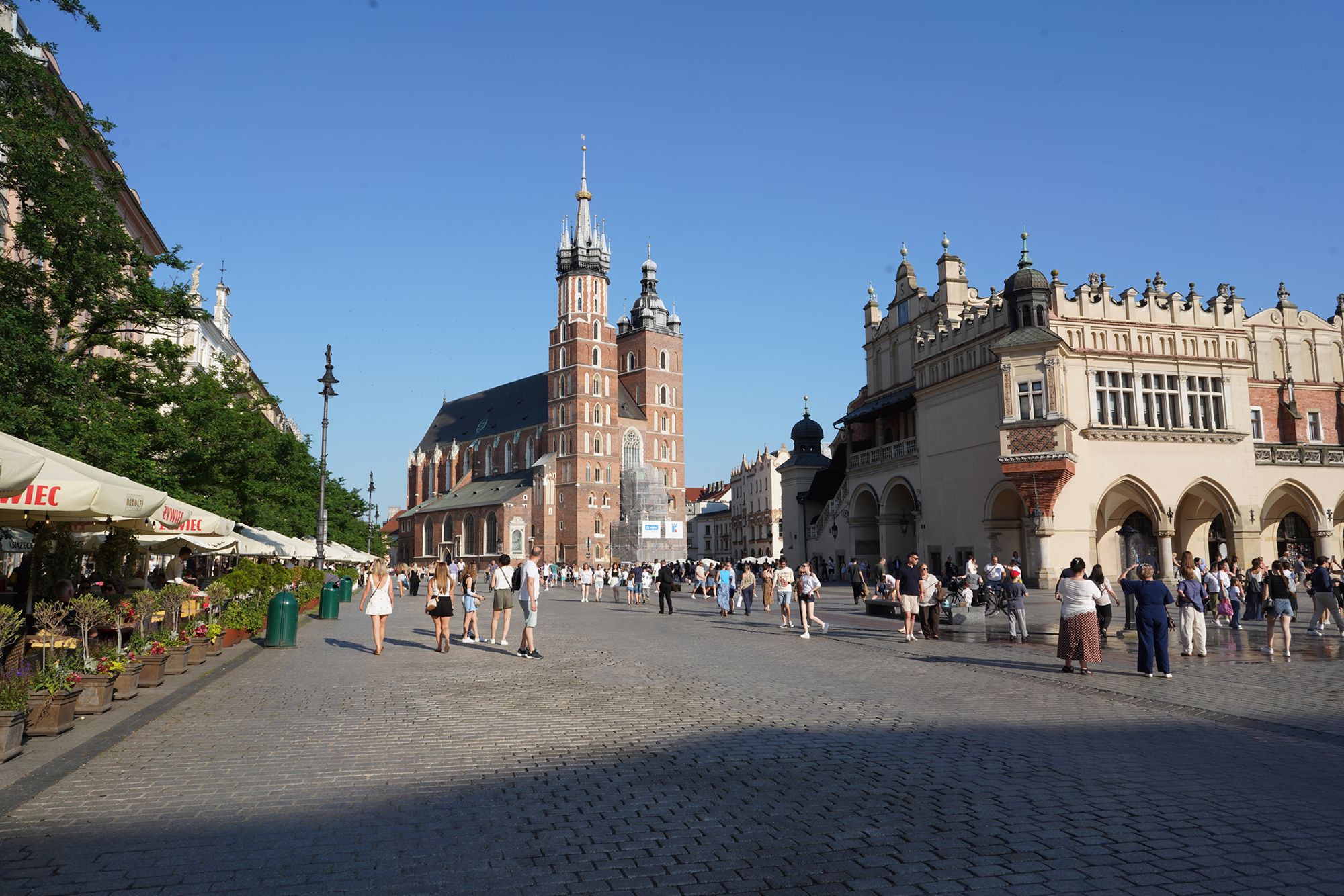
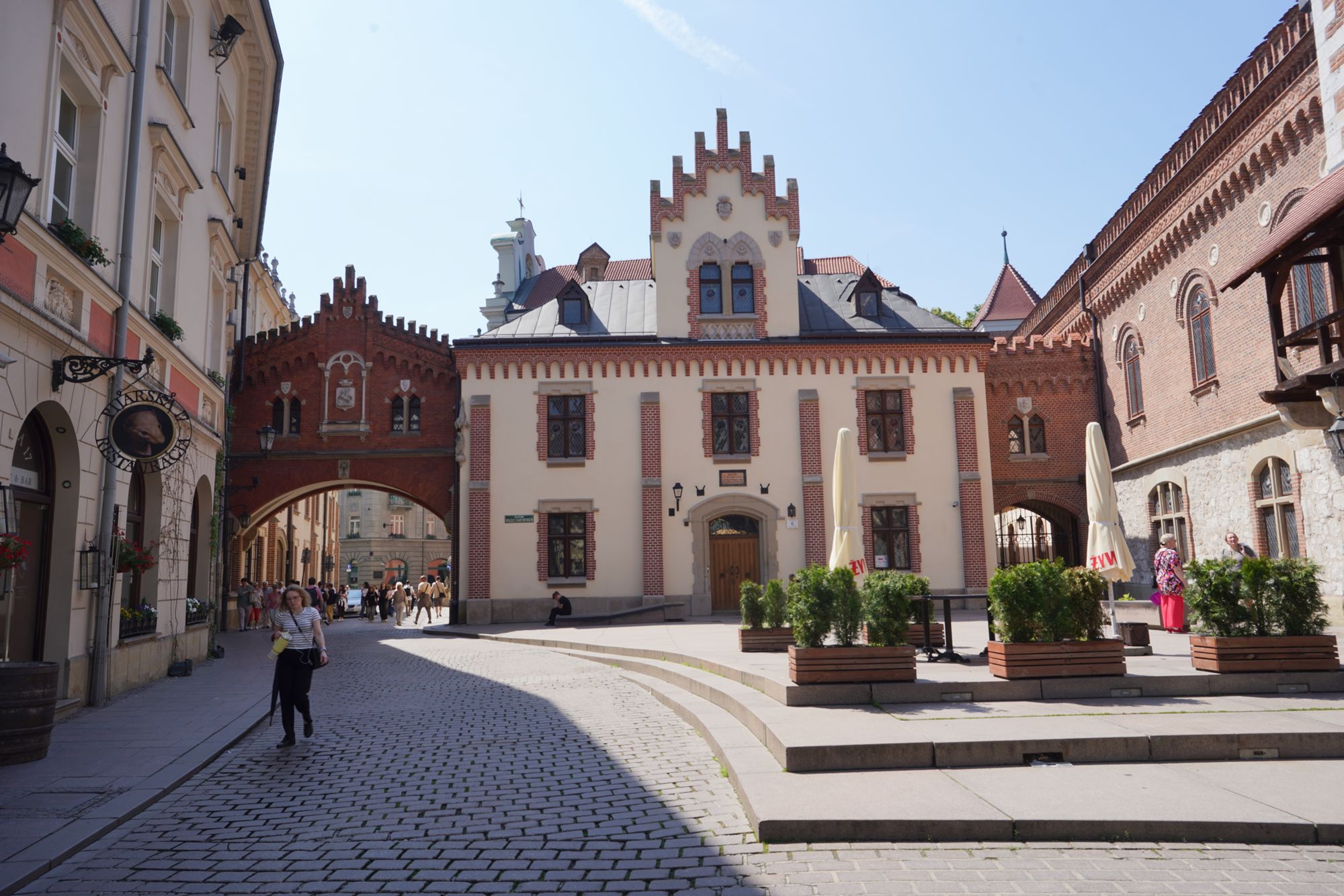
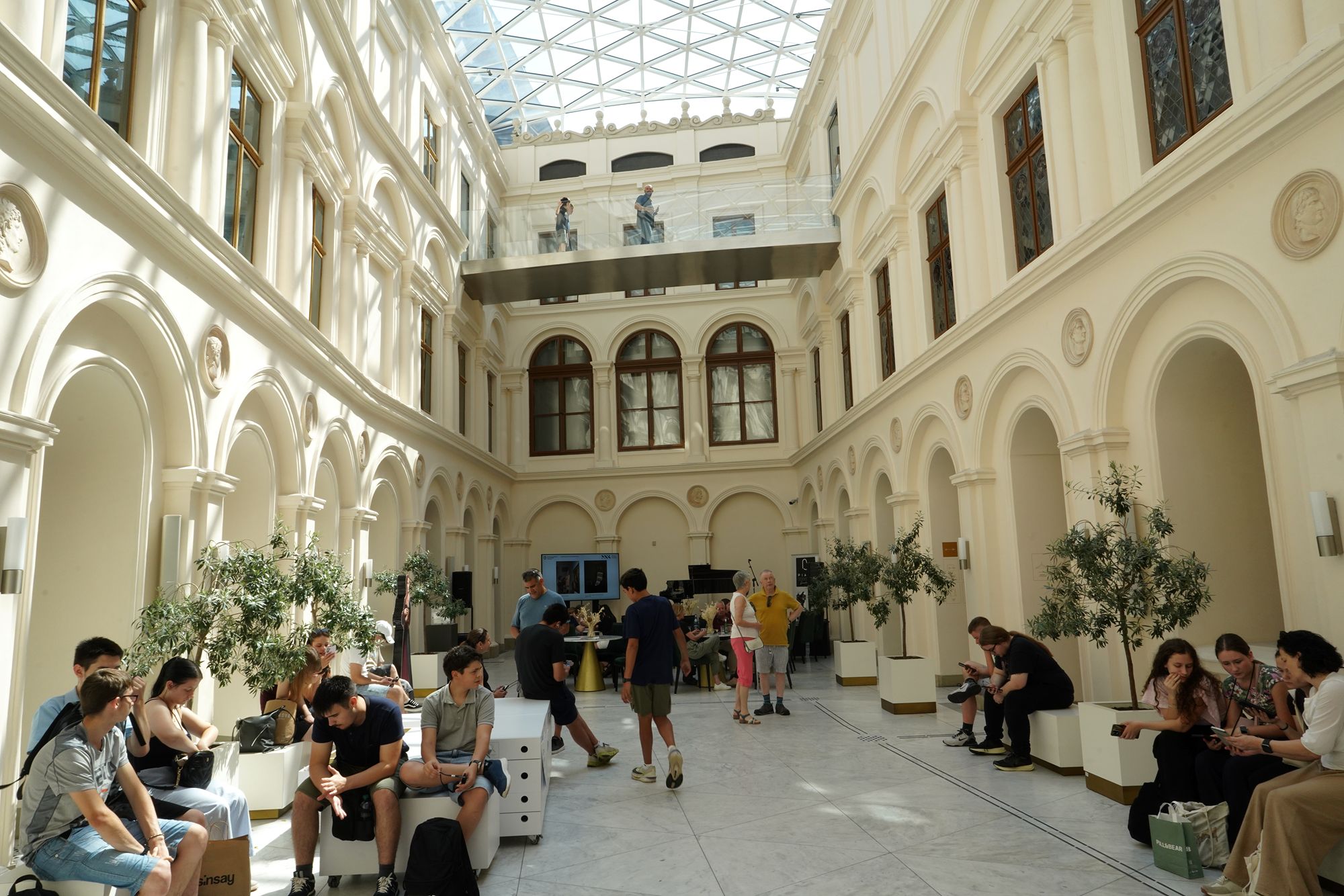
After my walk through Kraków’s Old Town, I returned to the Czartoryski Museum. The former family collection includes paintings, historical objects, and works of decorative art. Its best-known painting is Leonardo da Vinci’s Lady with an Ermine, but I also enjoyed exploring the rooms around it.
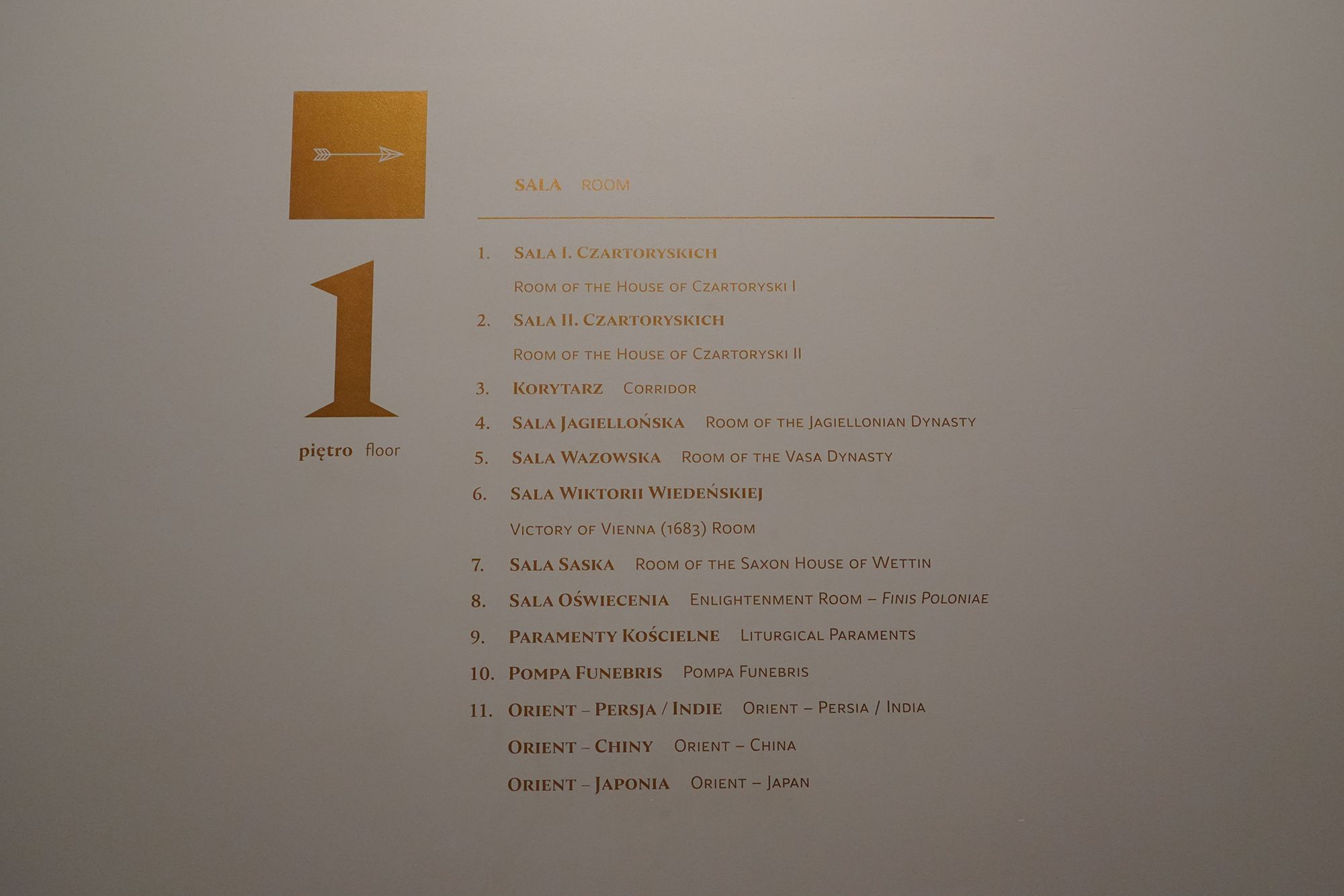
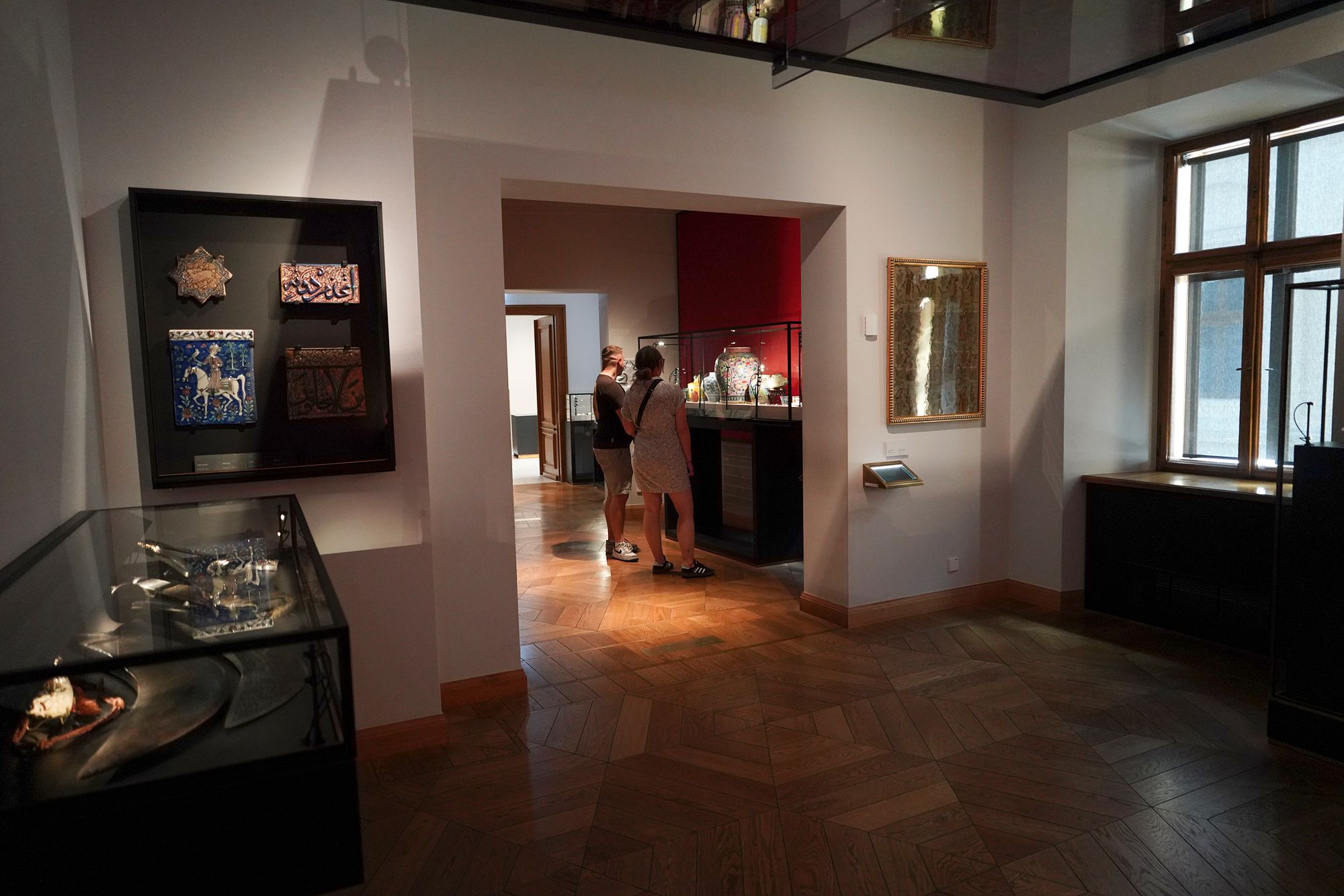
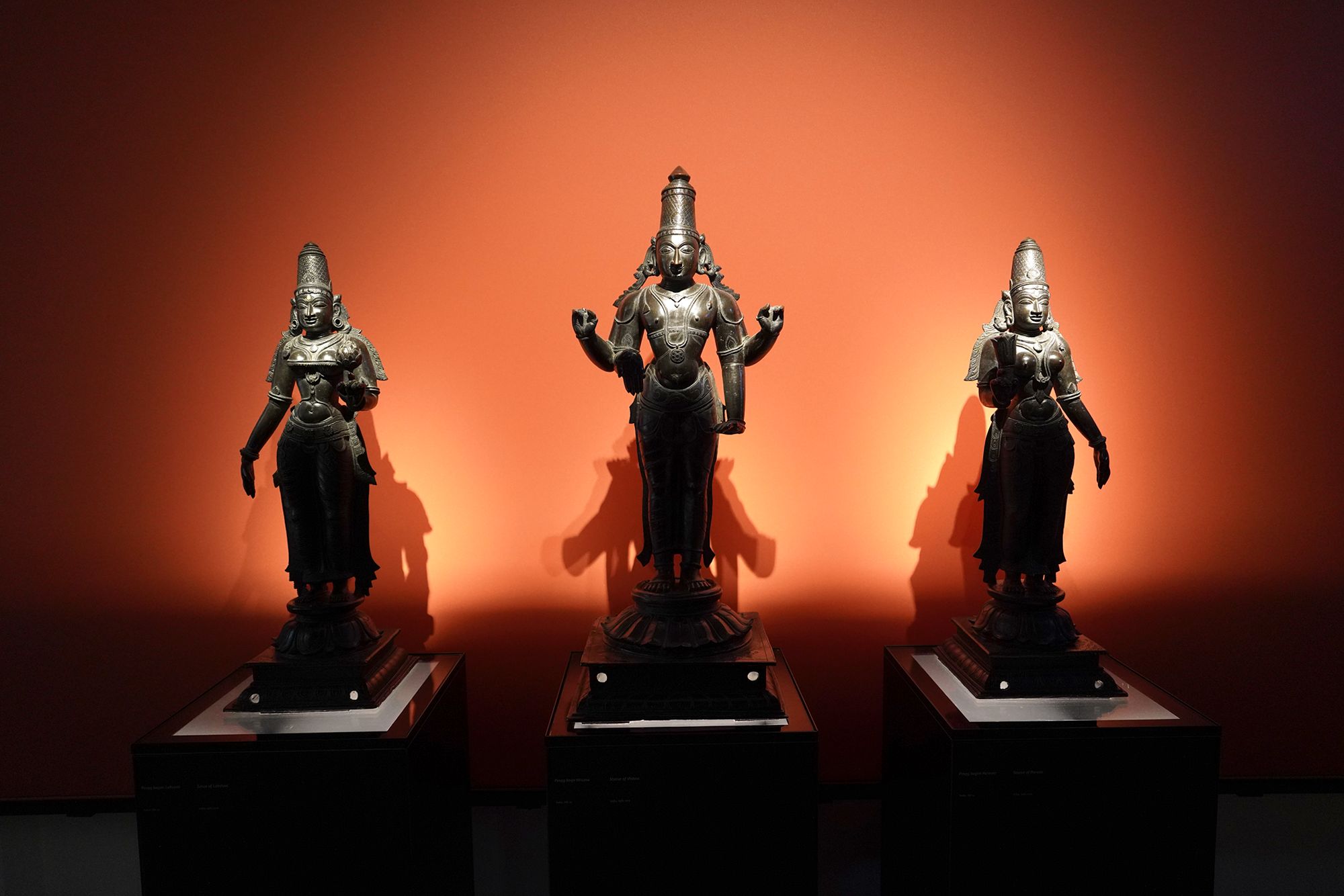
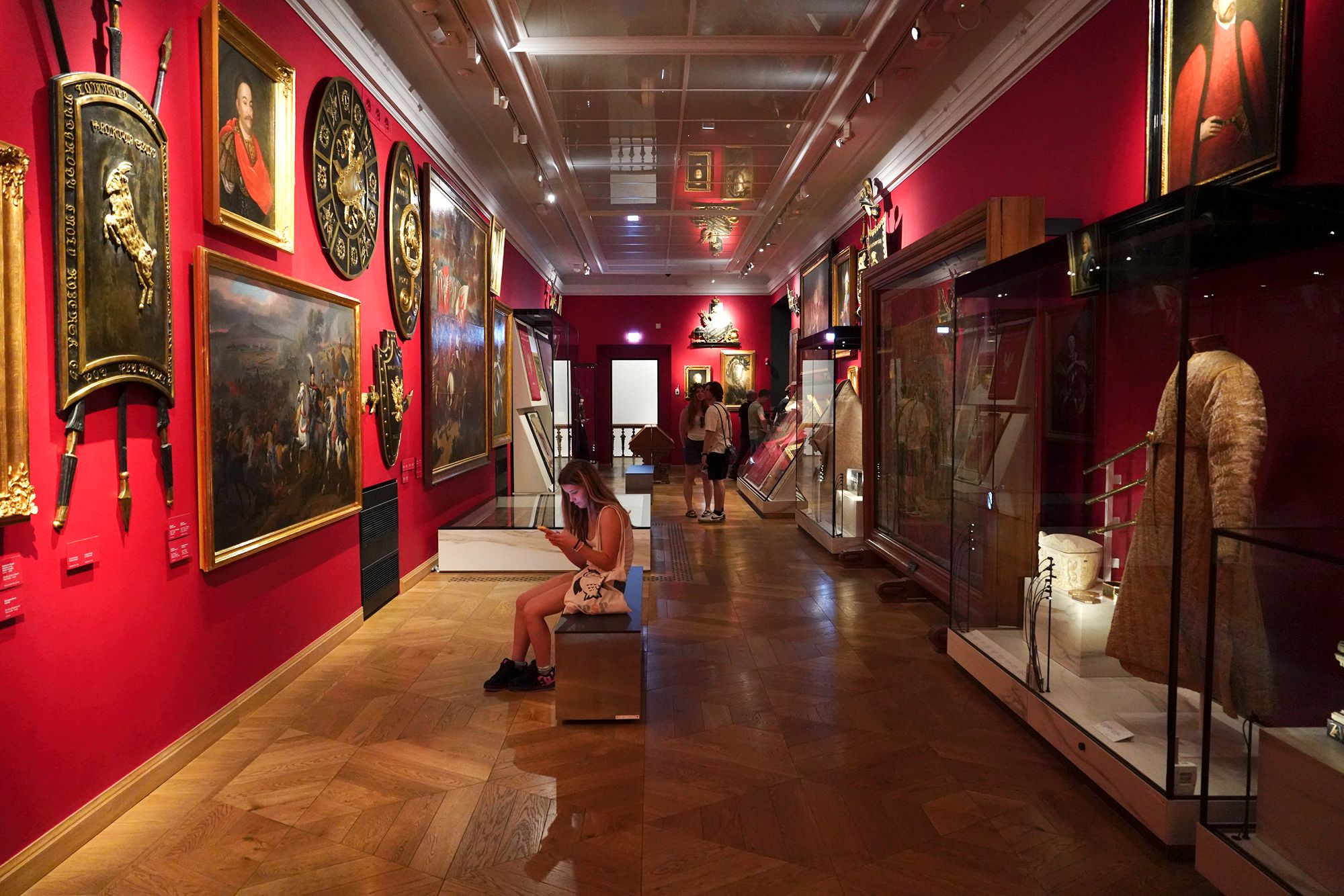
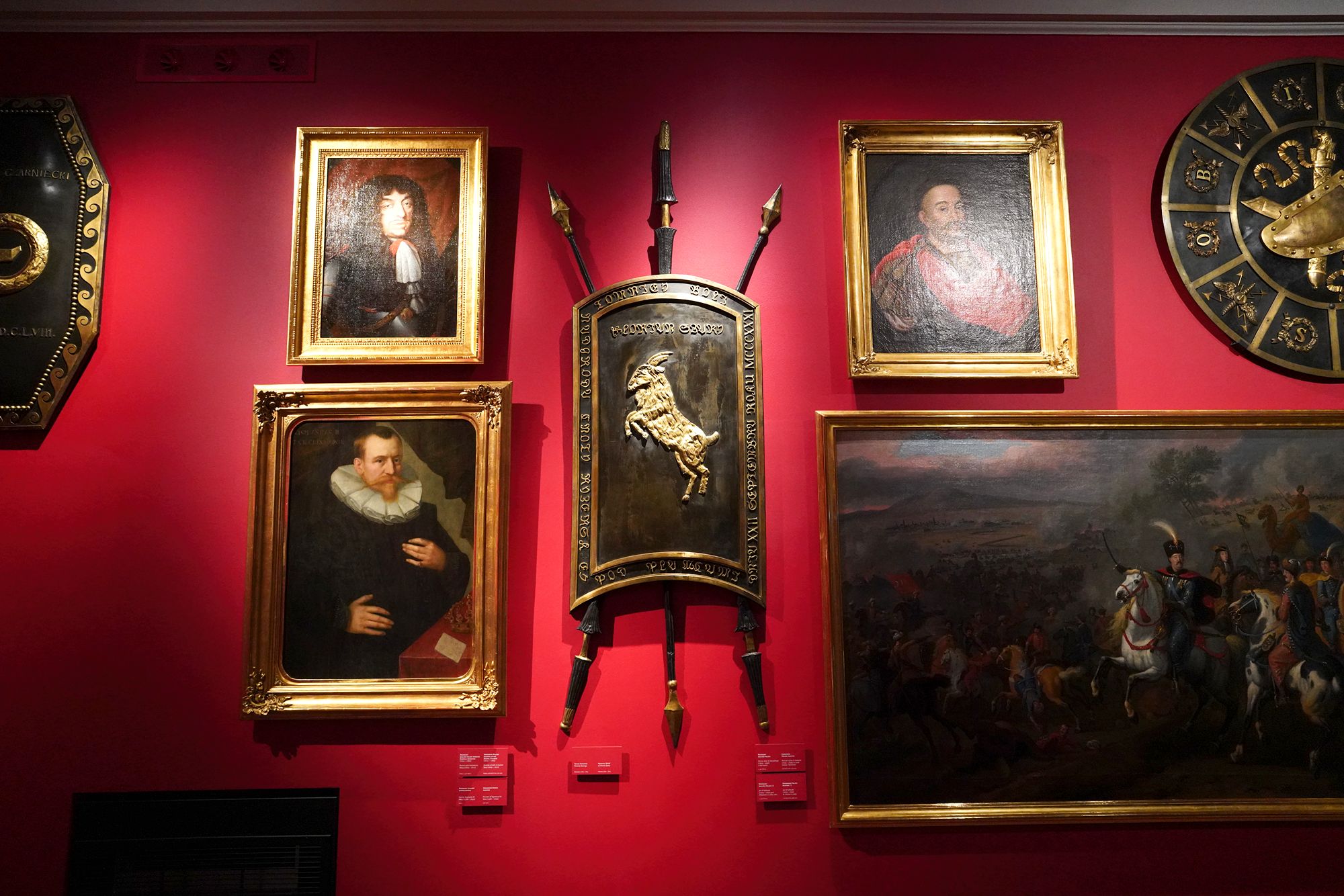
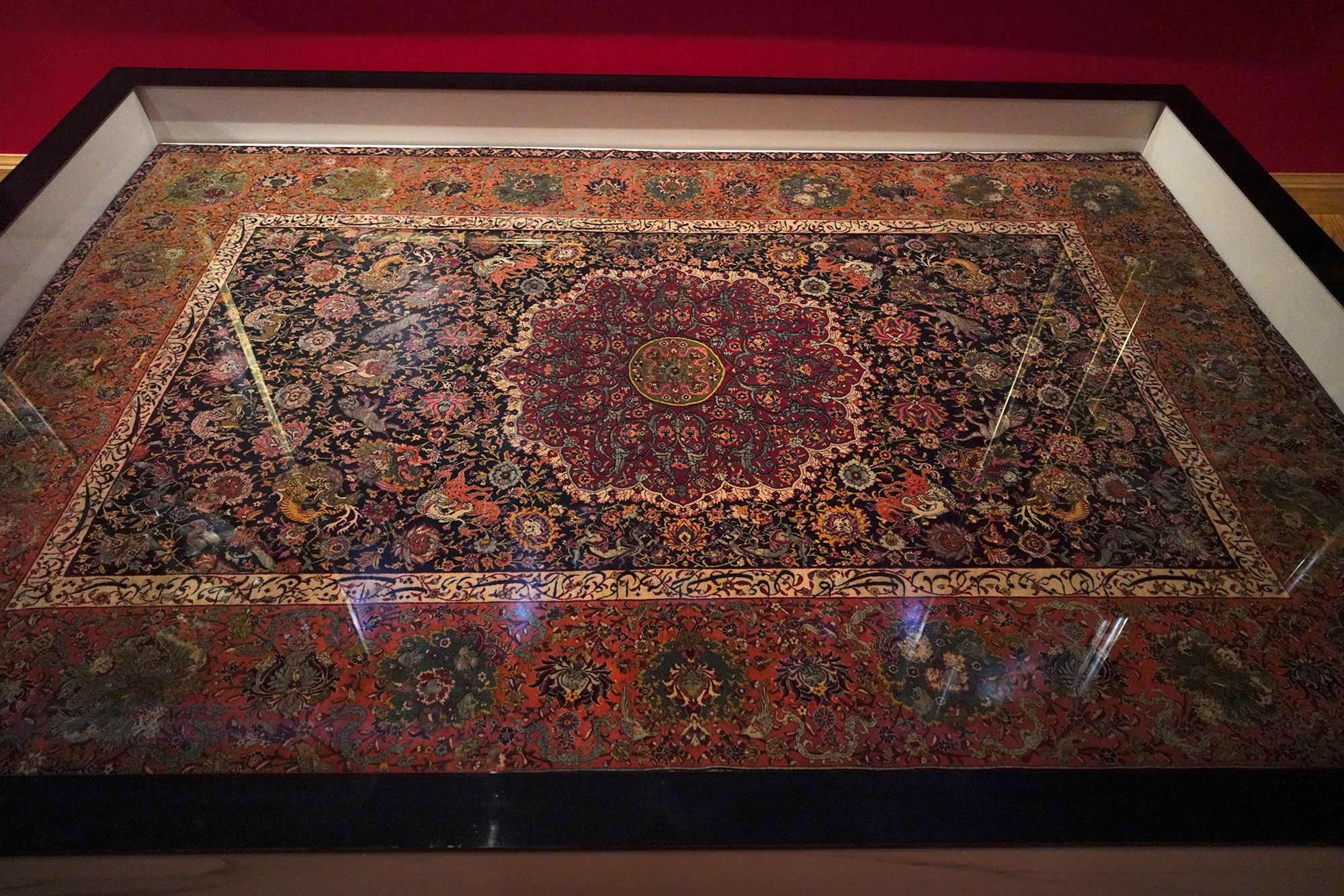
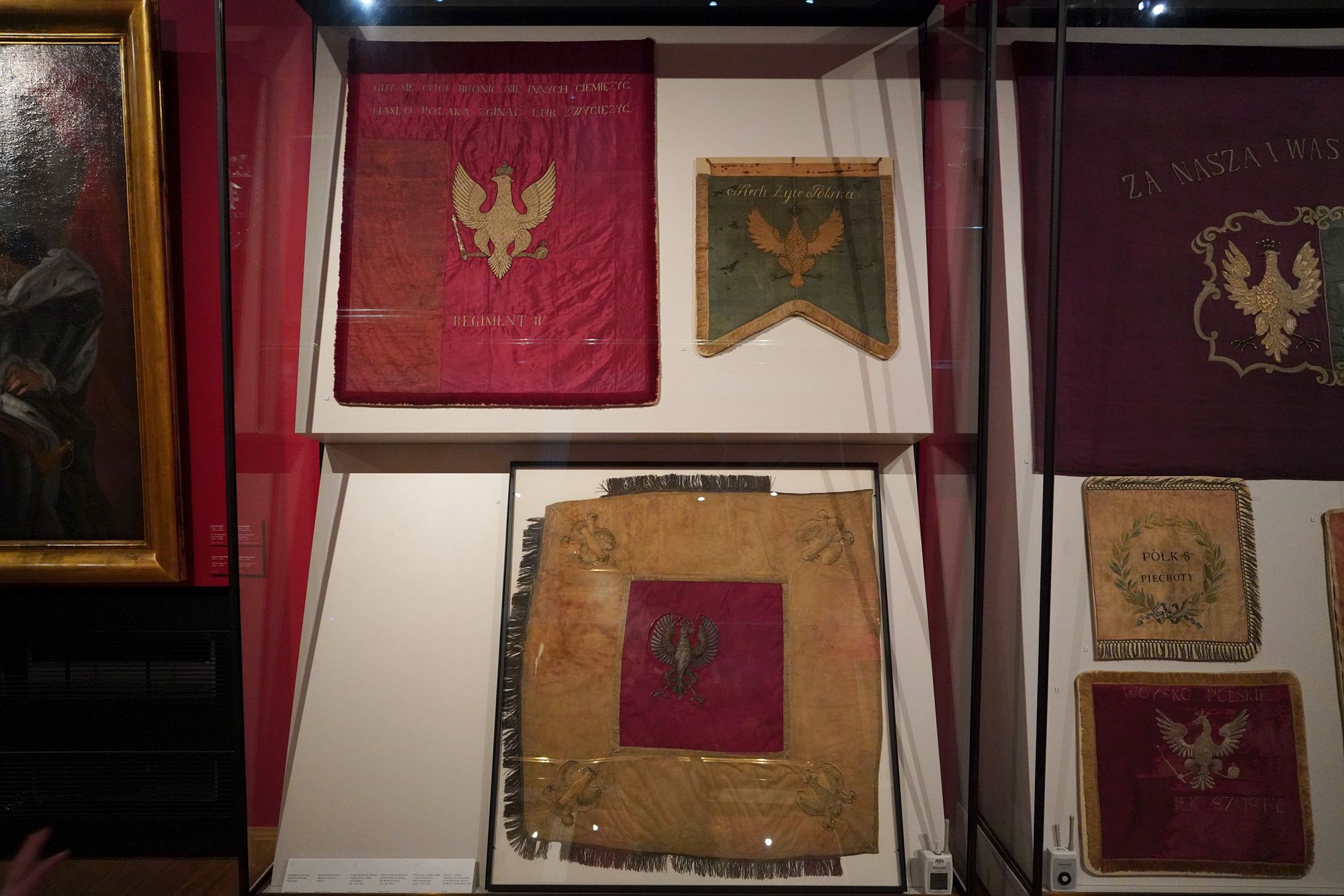
The sign suggests the first floor begins with Czartoryski family history, then moves through periods of Polish history: the Jagiellonian and Vasa dynasties, the 1683 Victory of Vienna, the Saxon era, and the Enlightenment. The later rooms contain church vestments, funeral objects, and items from Persia, India, China, and Japan.
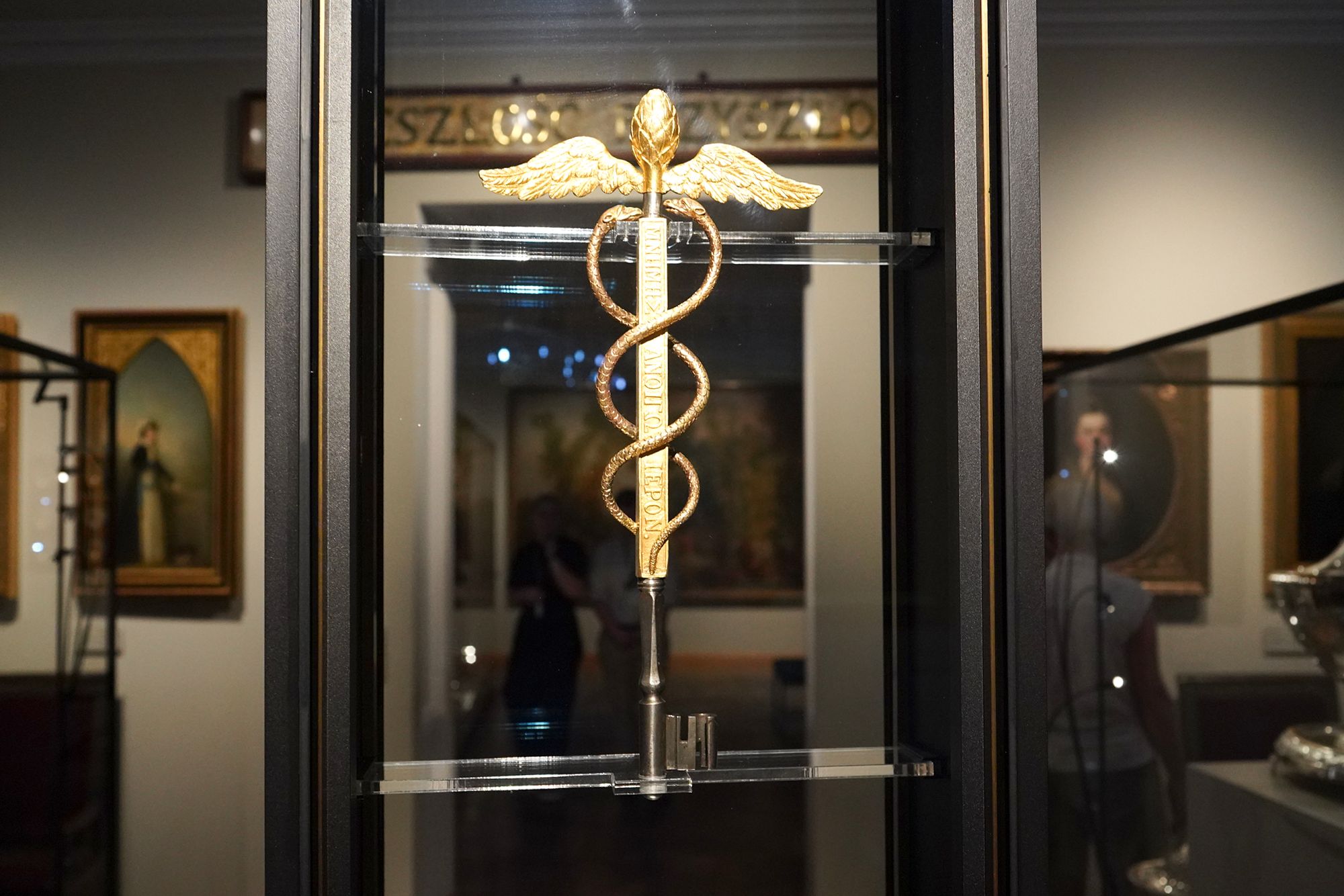
The Czartoryski Museum began in Puławy, where Princess Izabela Czartoryska opened her collection to the public in 1801. Poland had been partitioned, and she wanted to preserve reminders of its history for future generations. She collected portraits, historical objects, works of art, and curiosities.
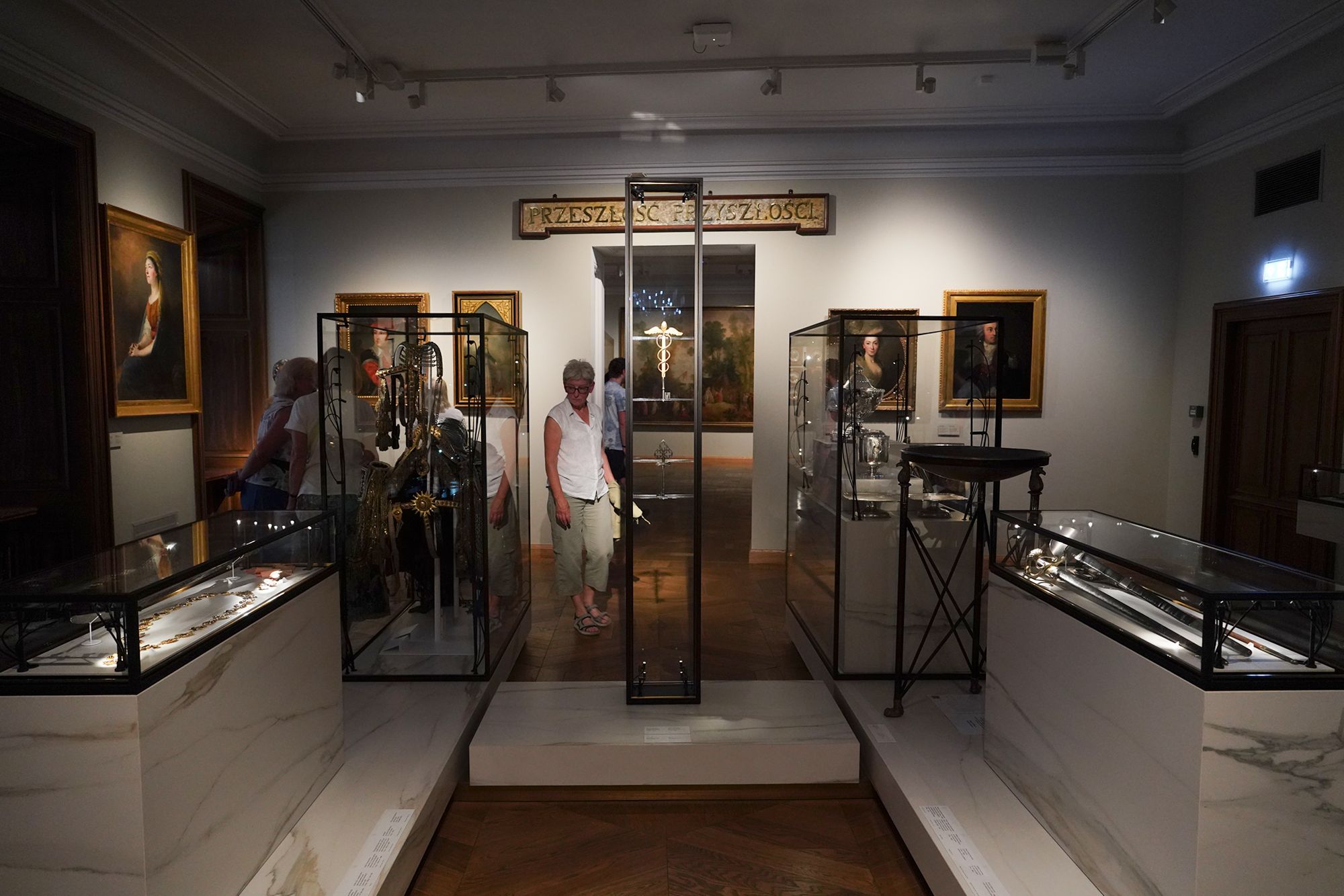
The collection moved several times during the political upheavals of the 19th century. Izabela’s grandson, Prince Władysław Czartoryski, brought it to Kraków, where the museum opened in its present complex in 1876. His additions included Egyptian, Greek, and Roman objects.
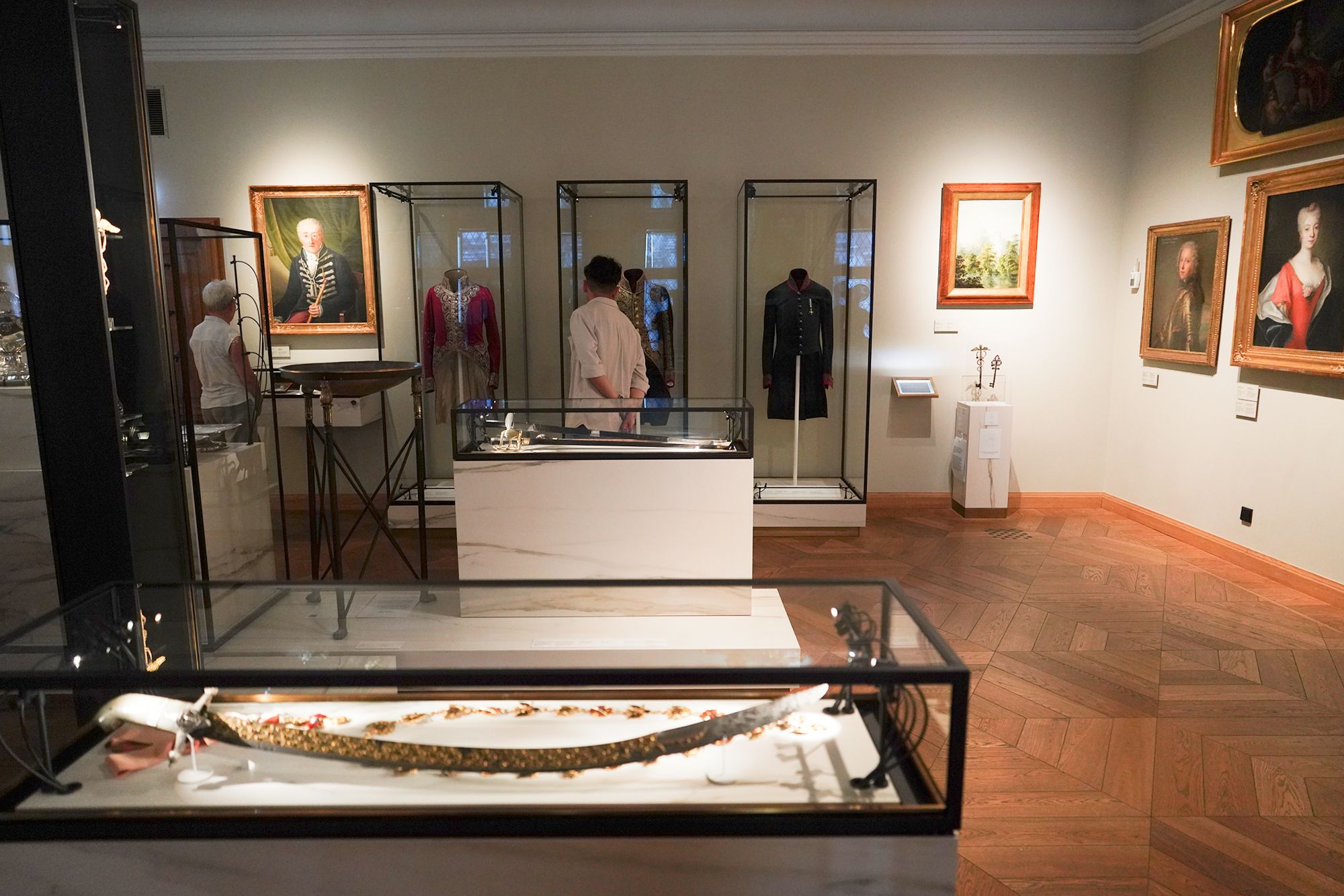
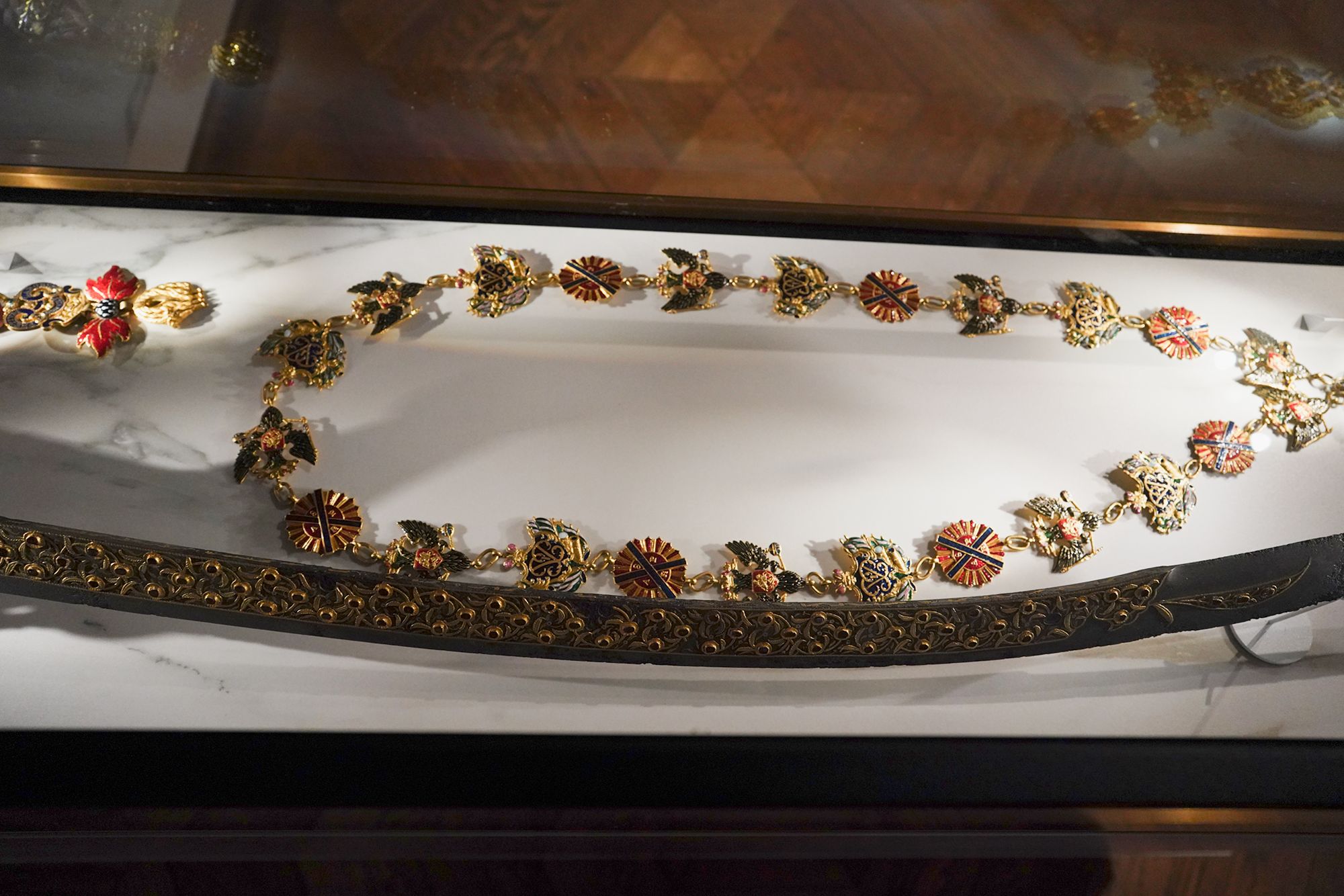
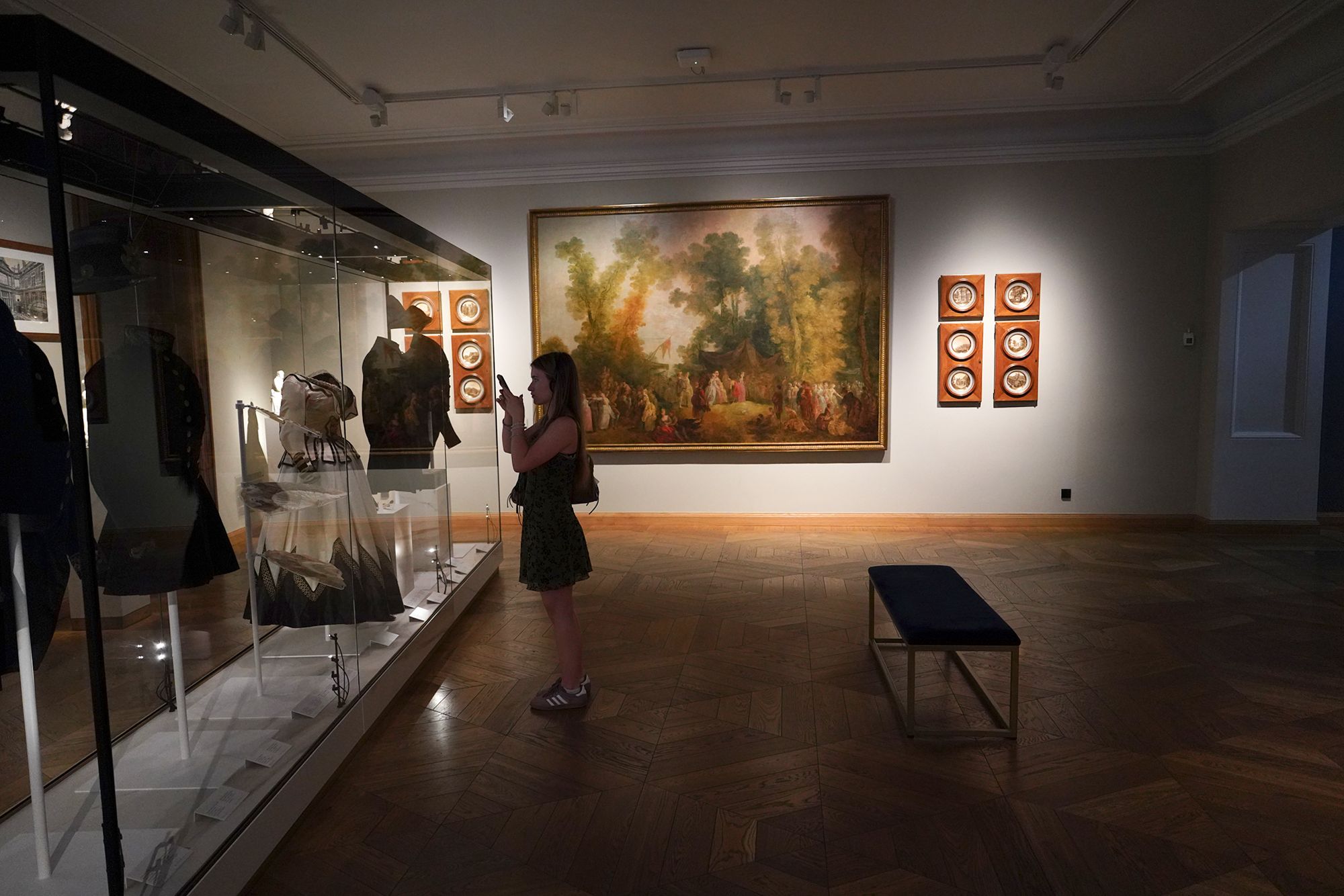
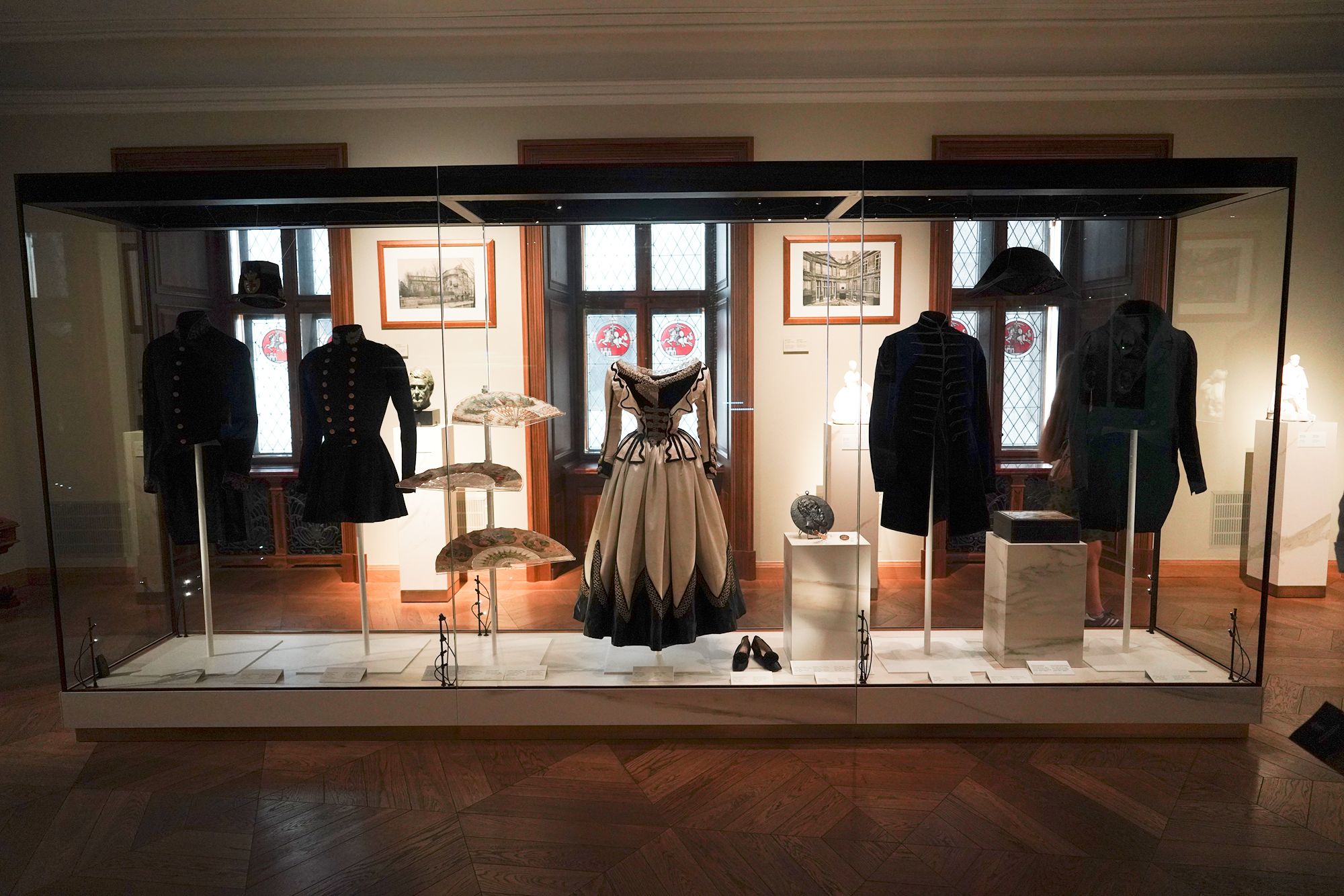
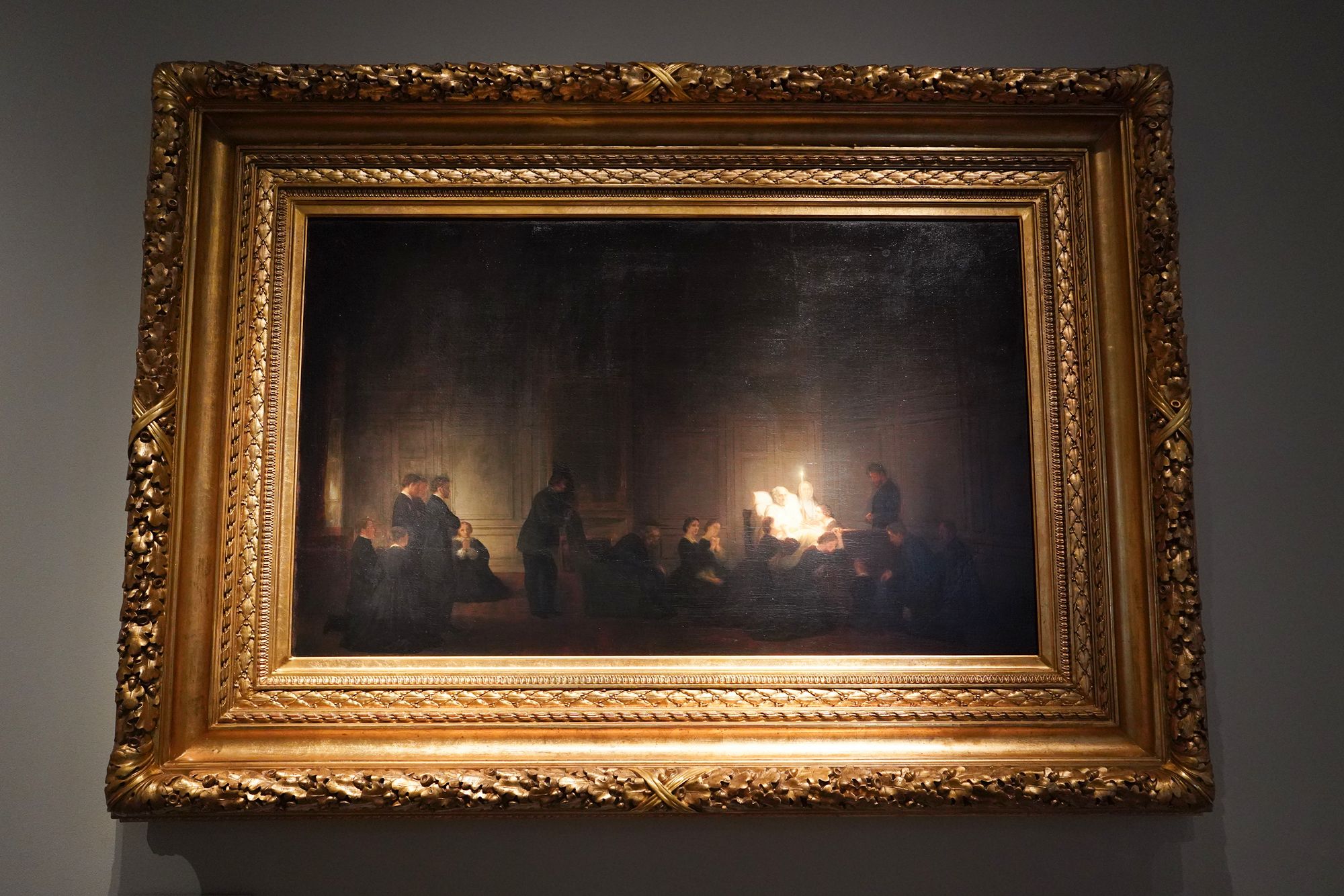
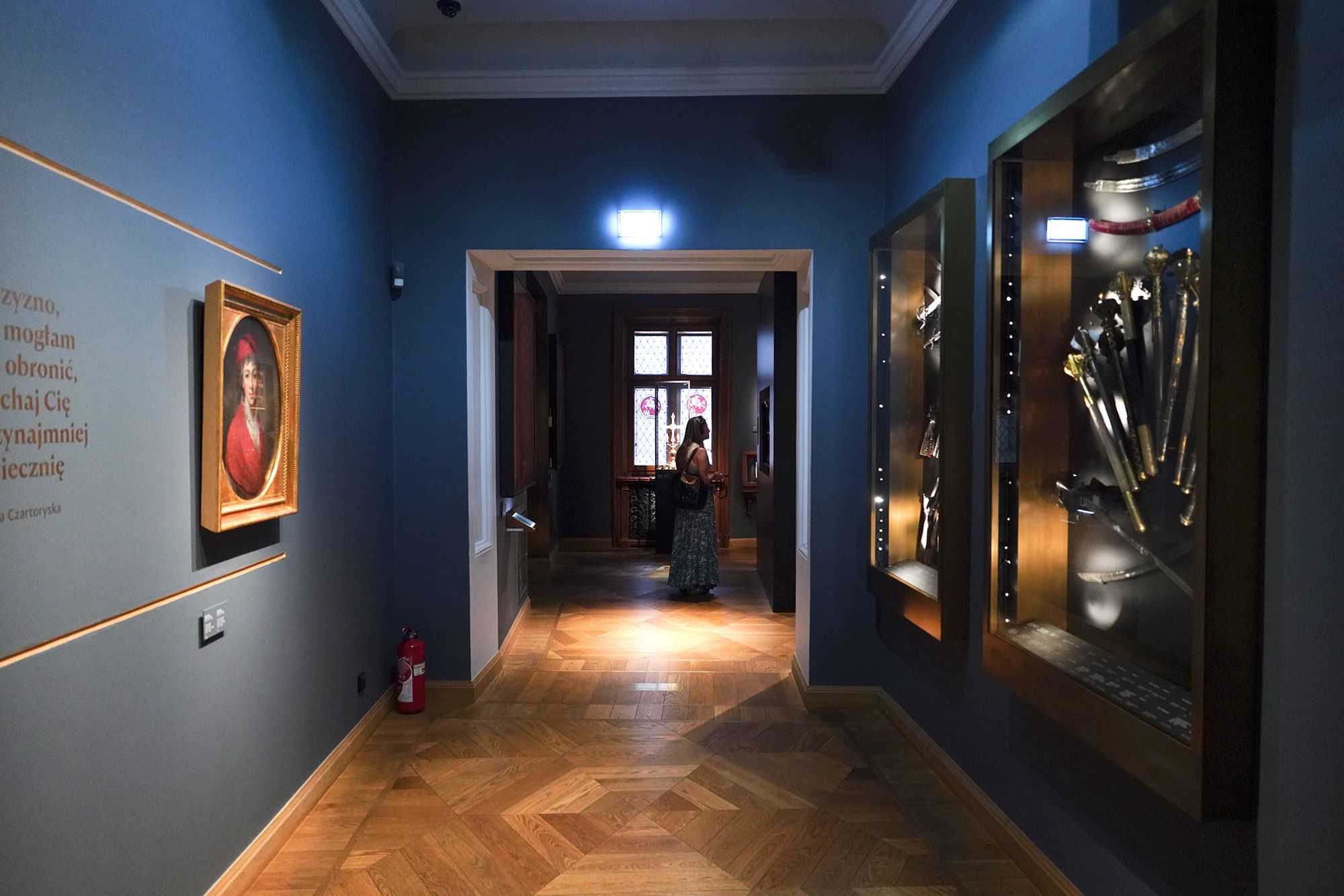
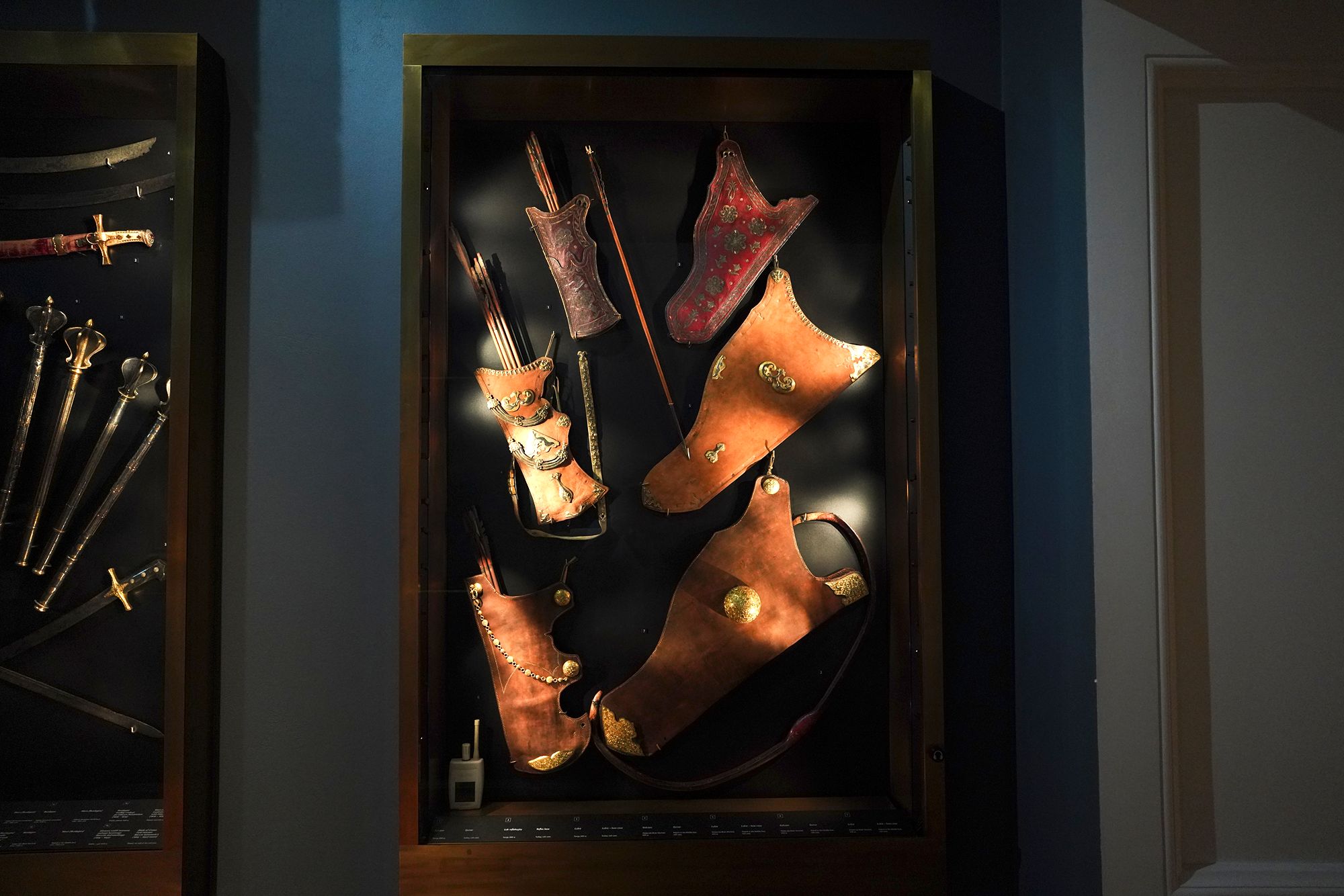
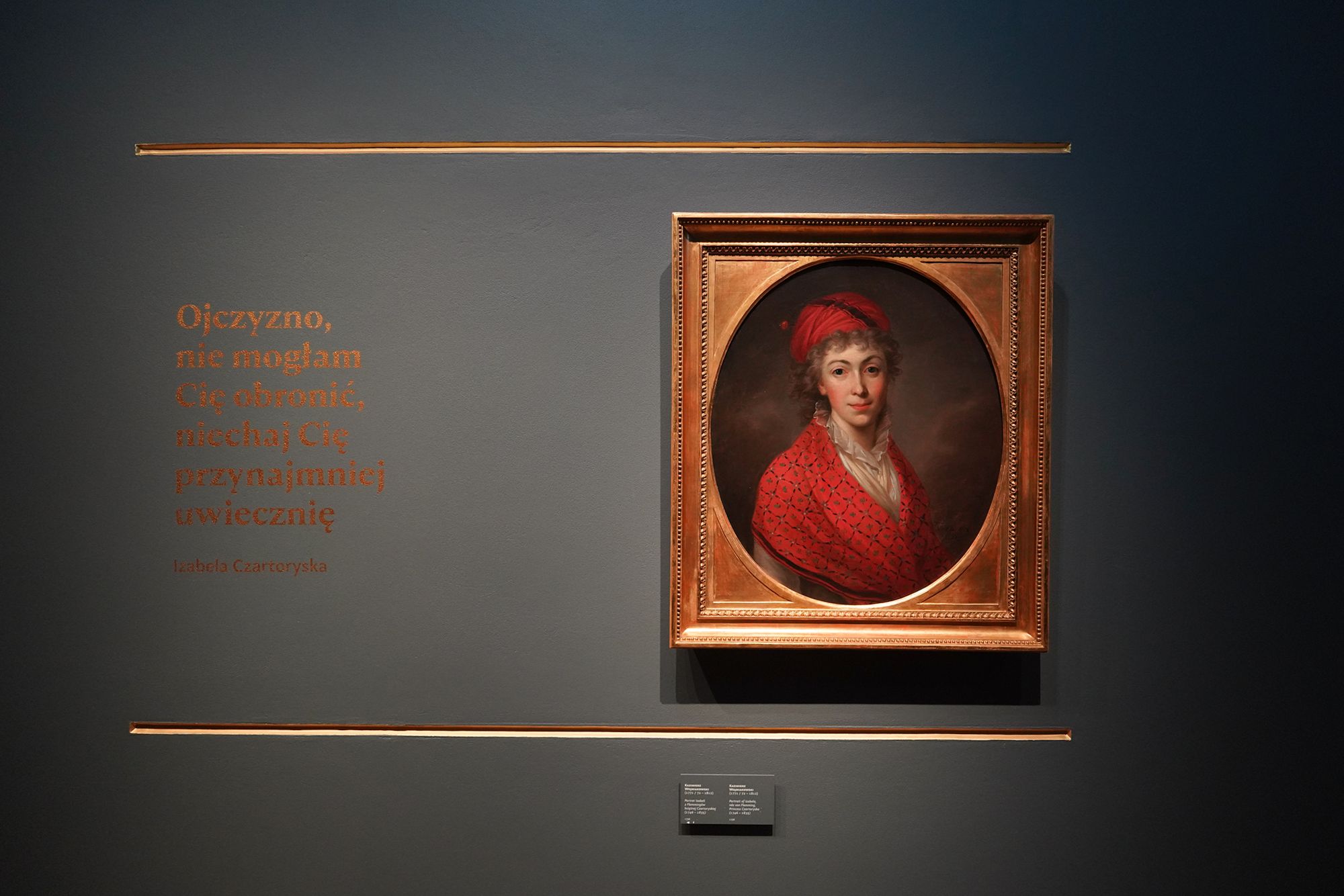
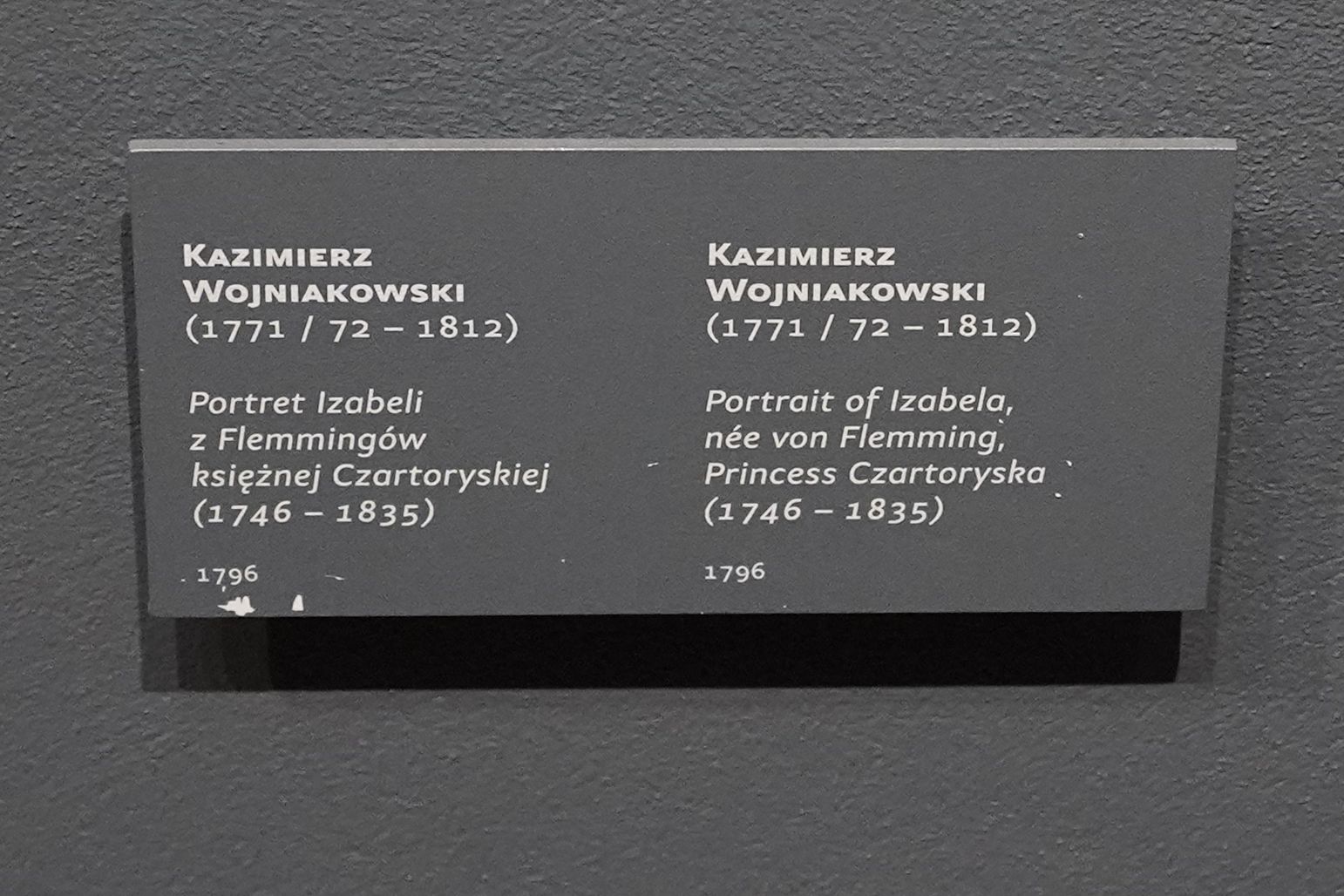
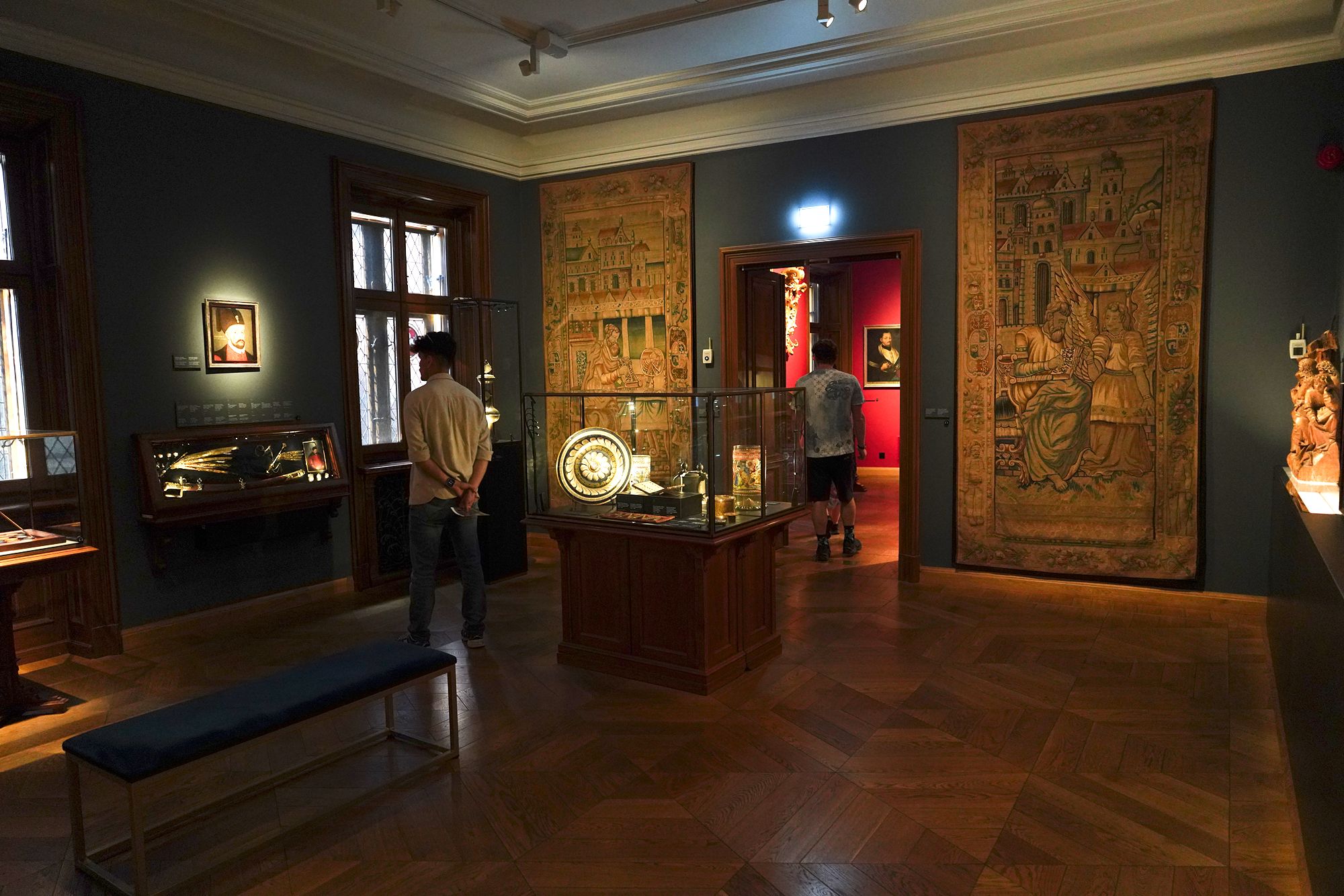
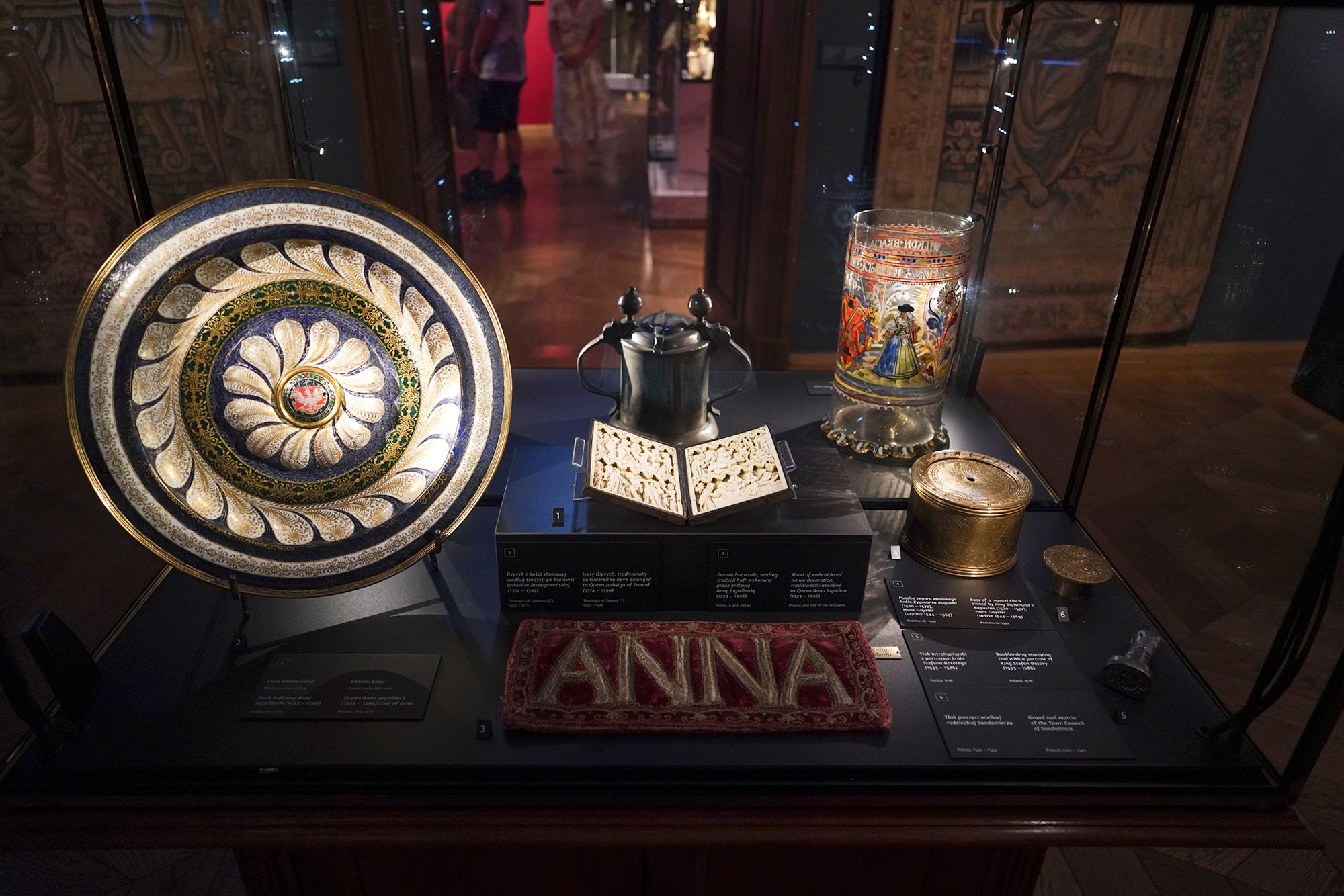
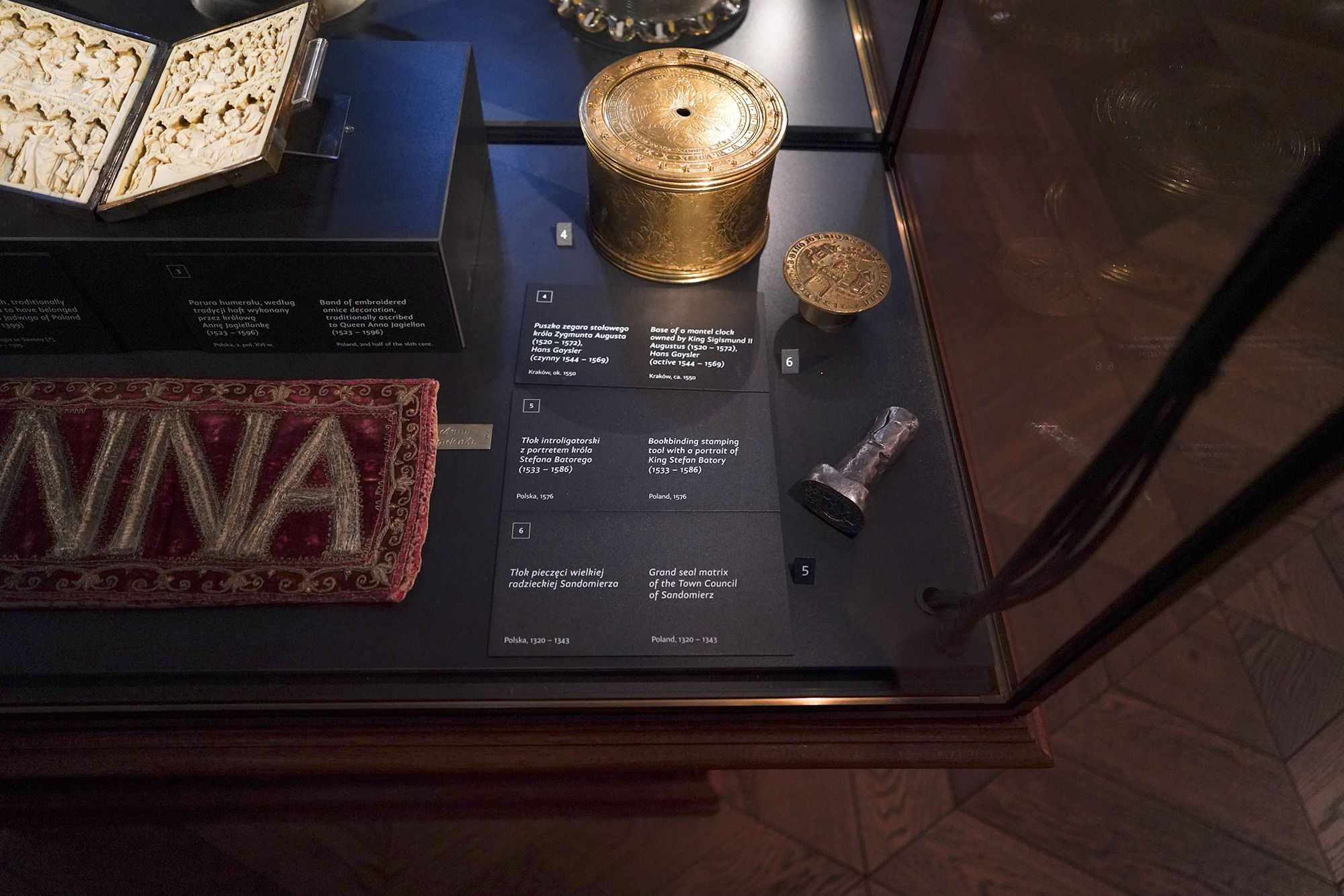
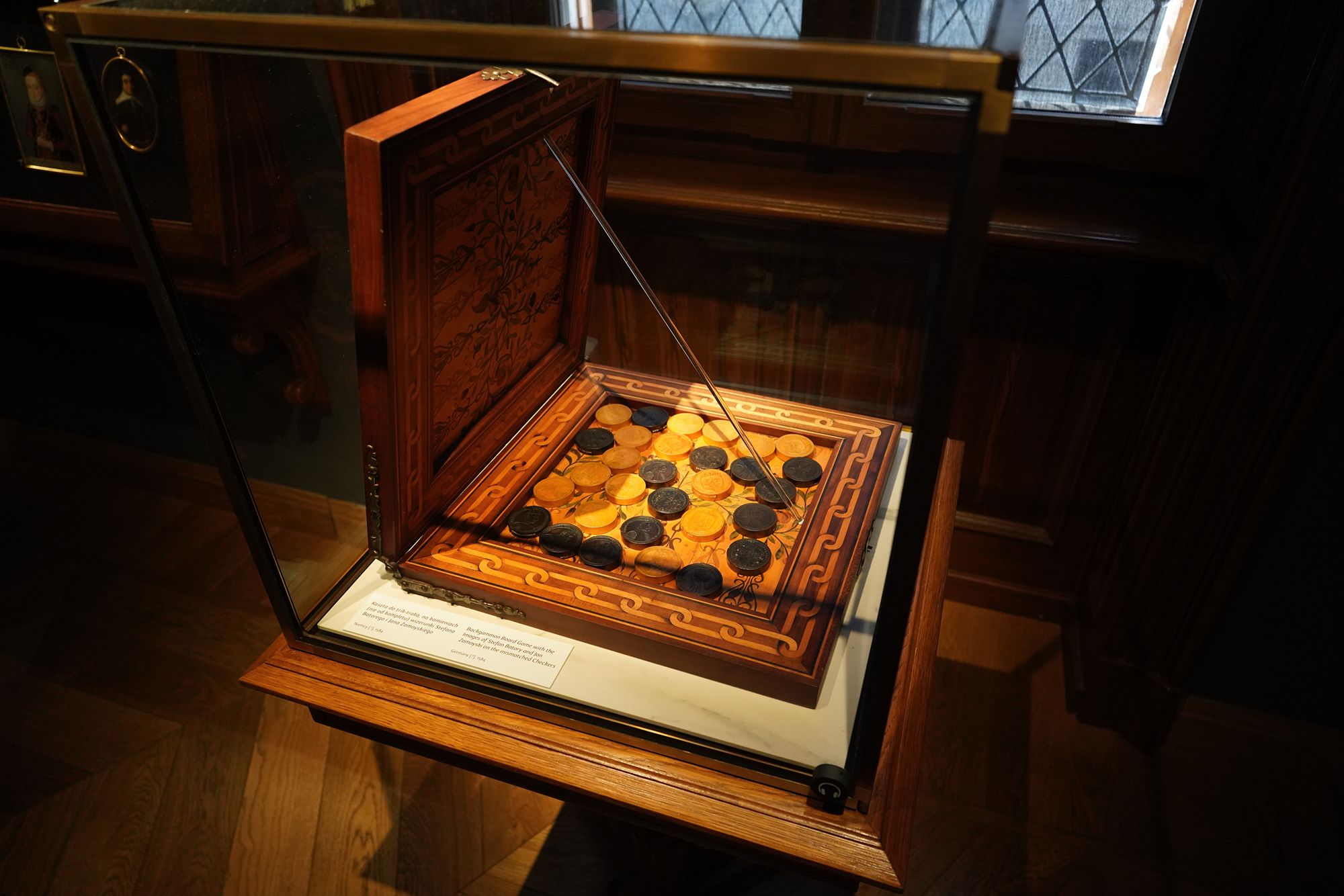
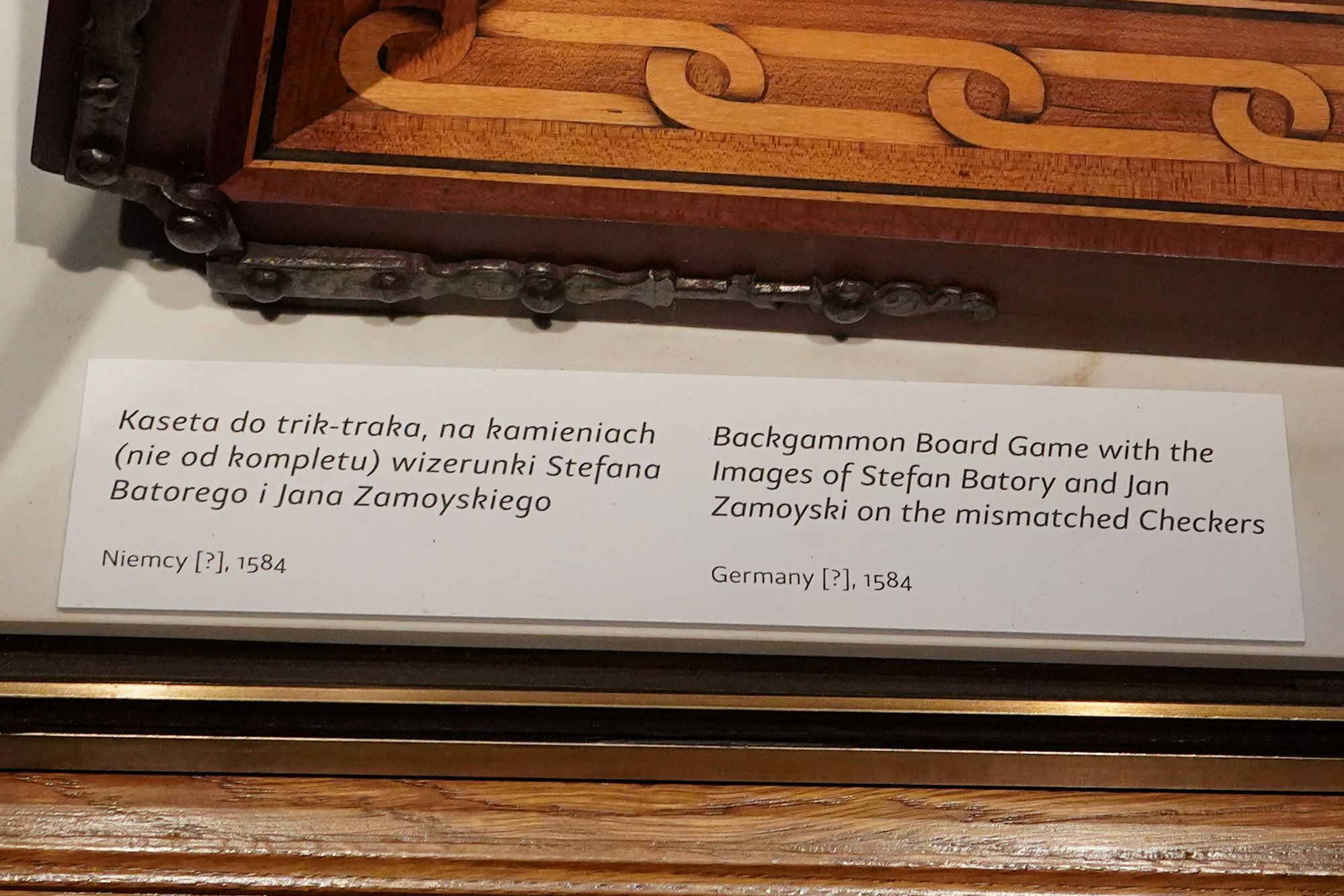
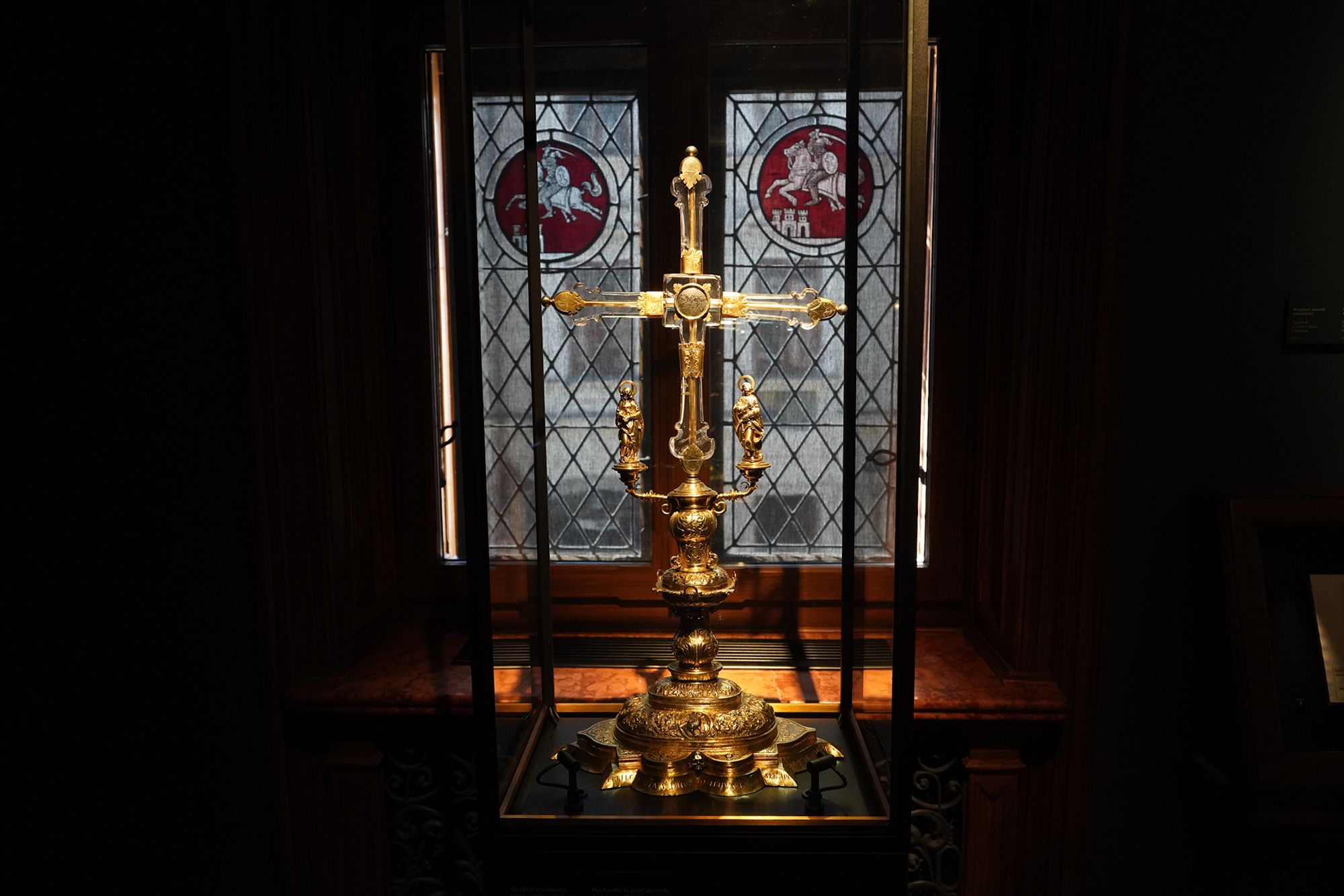
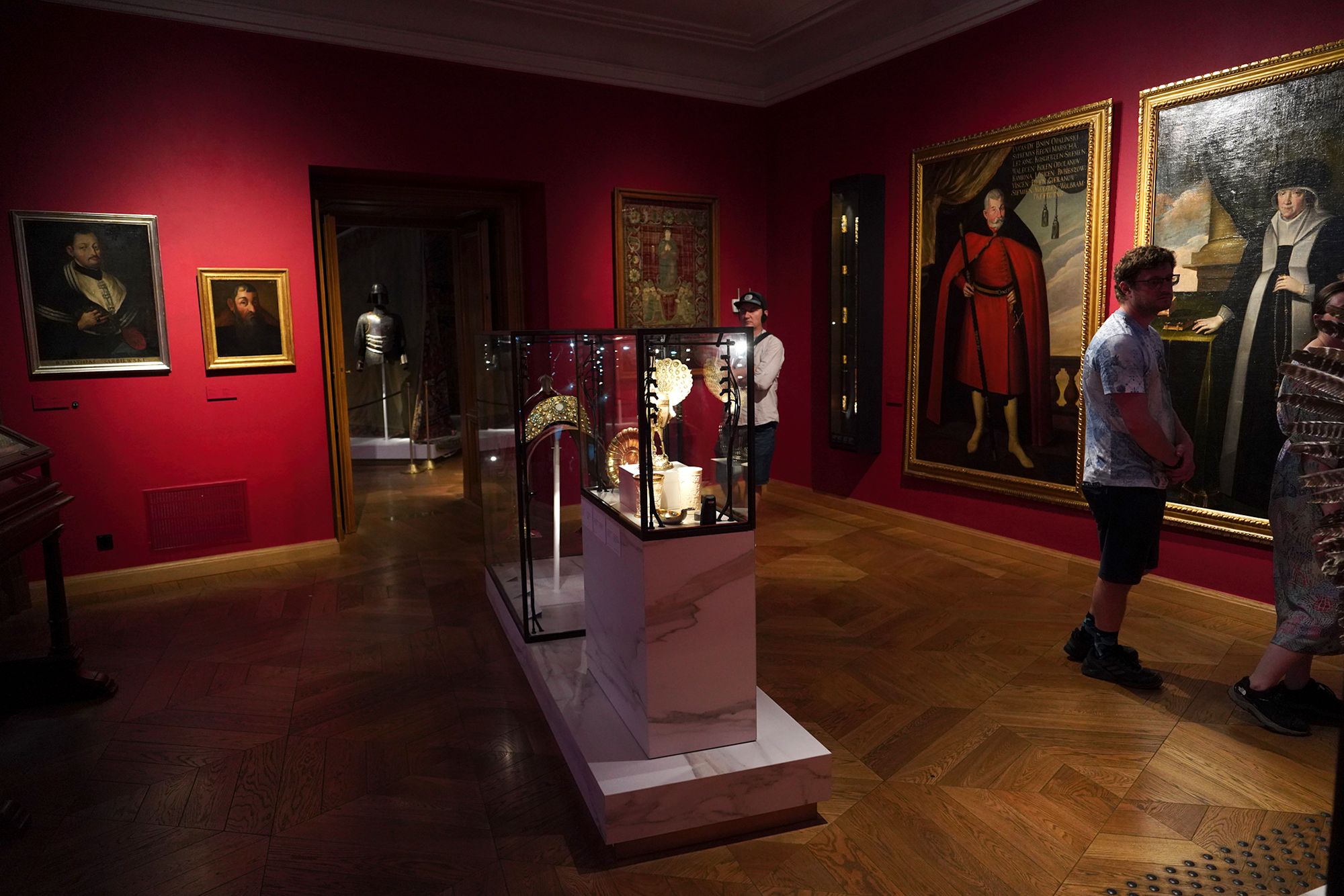
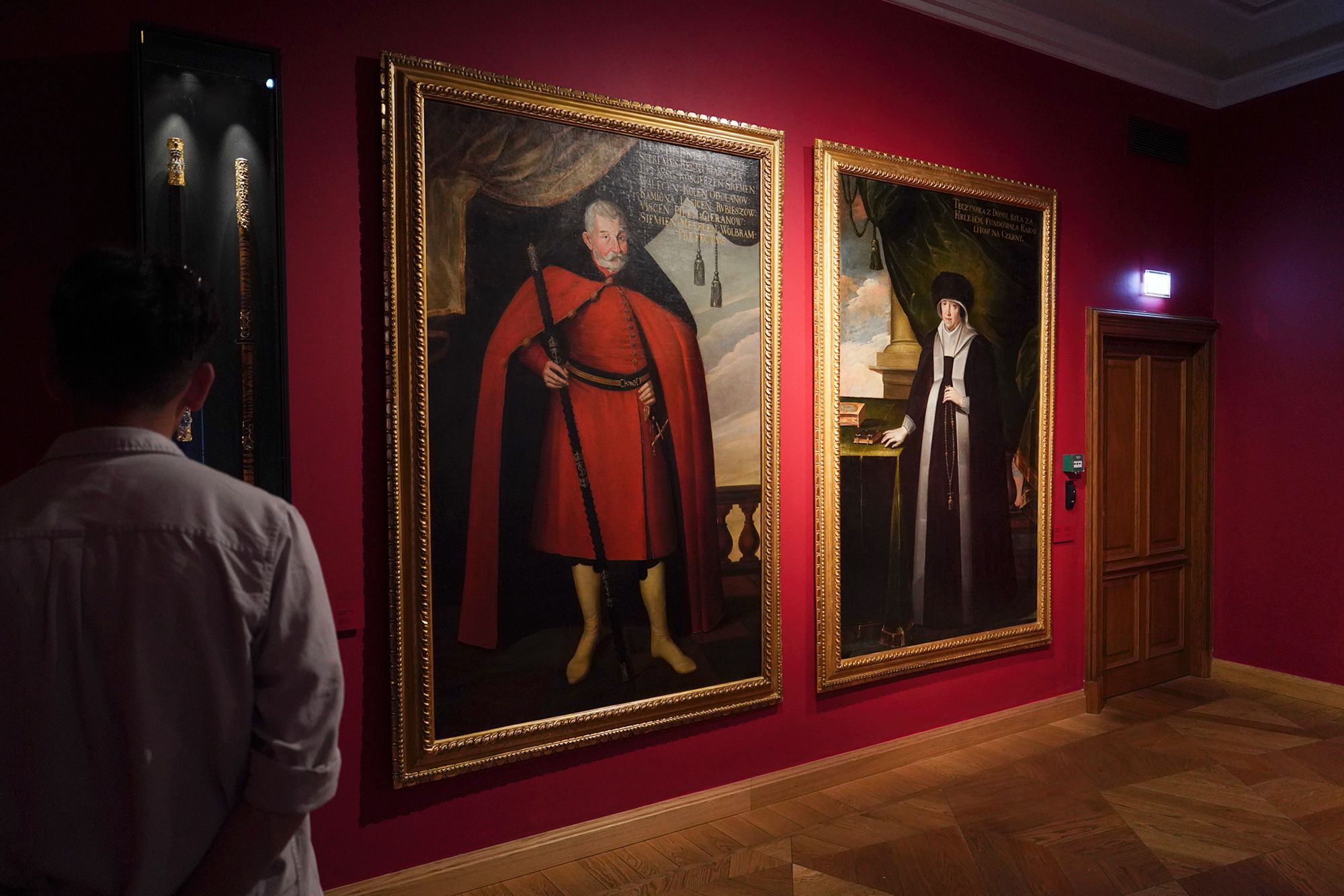
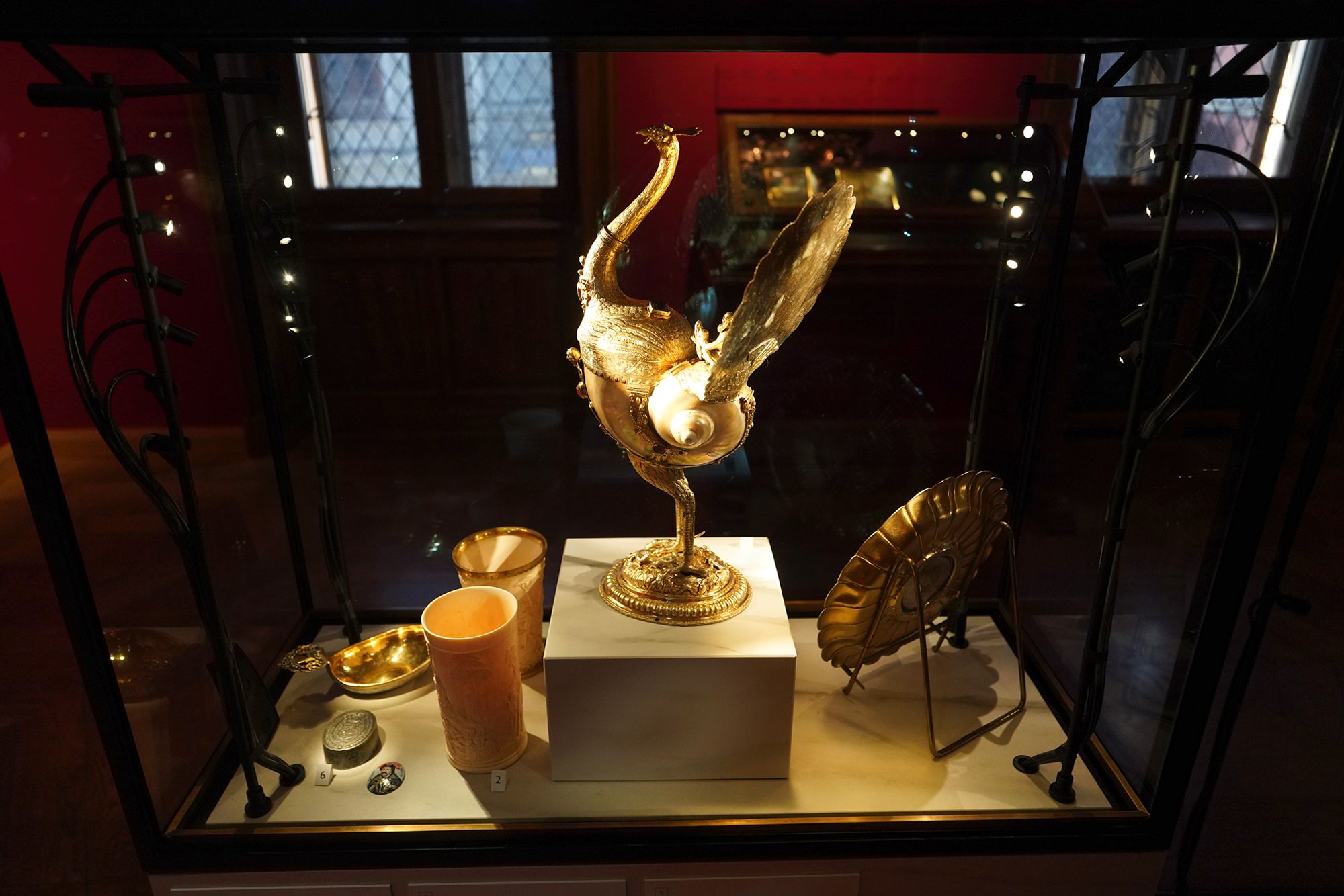
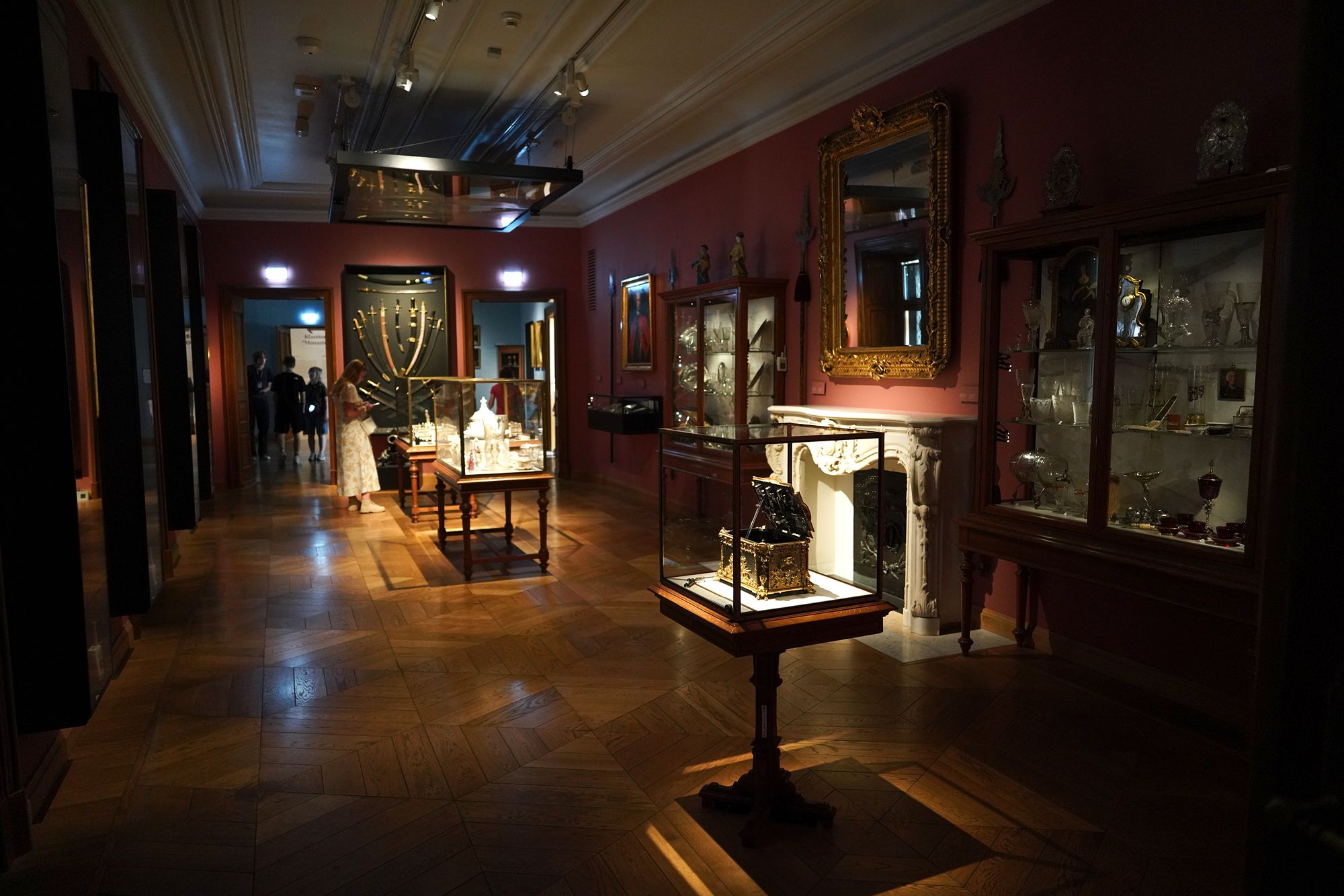
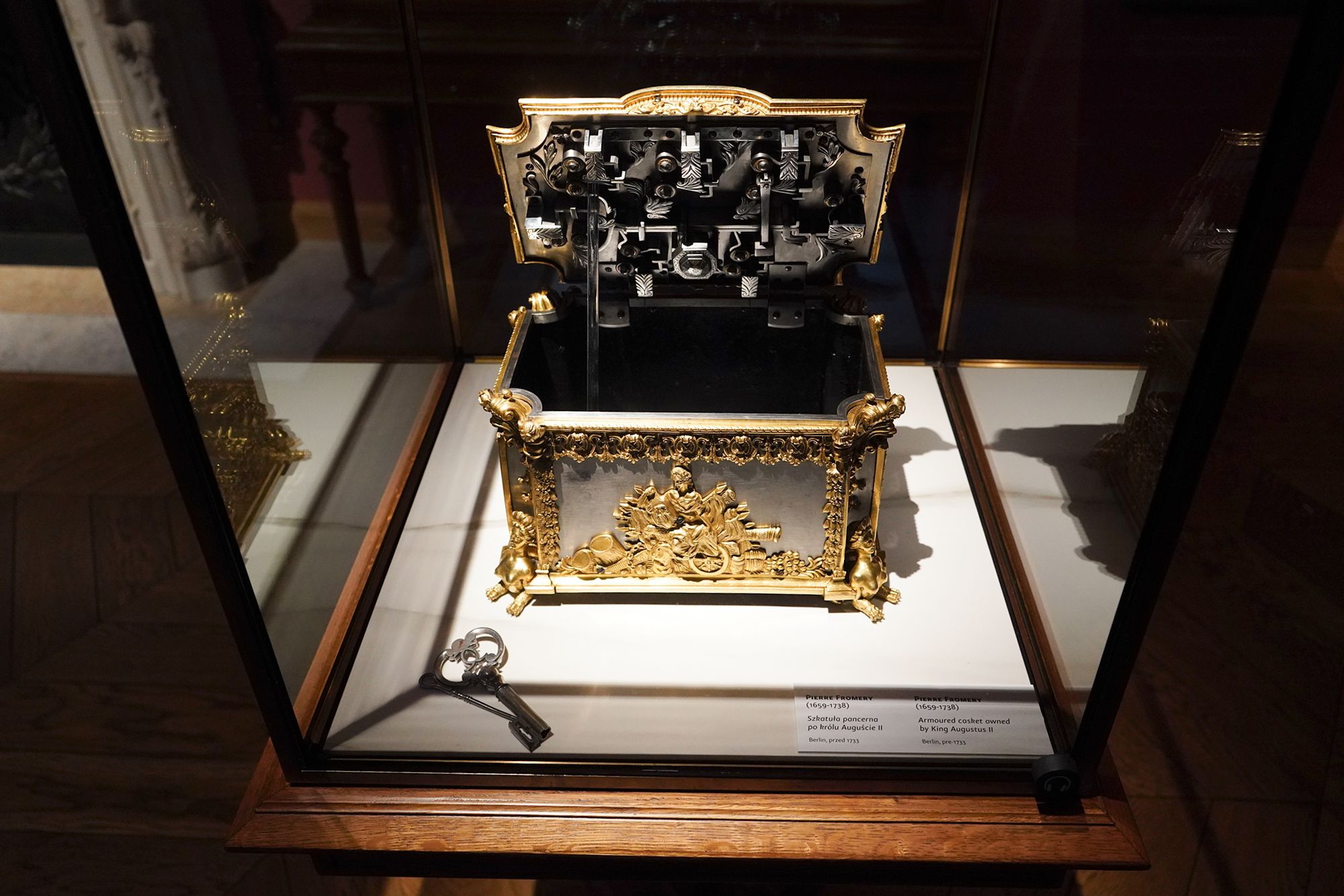
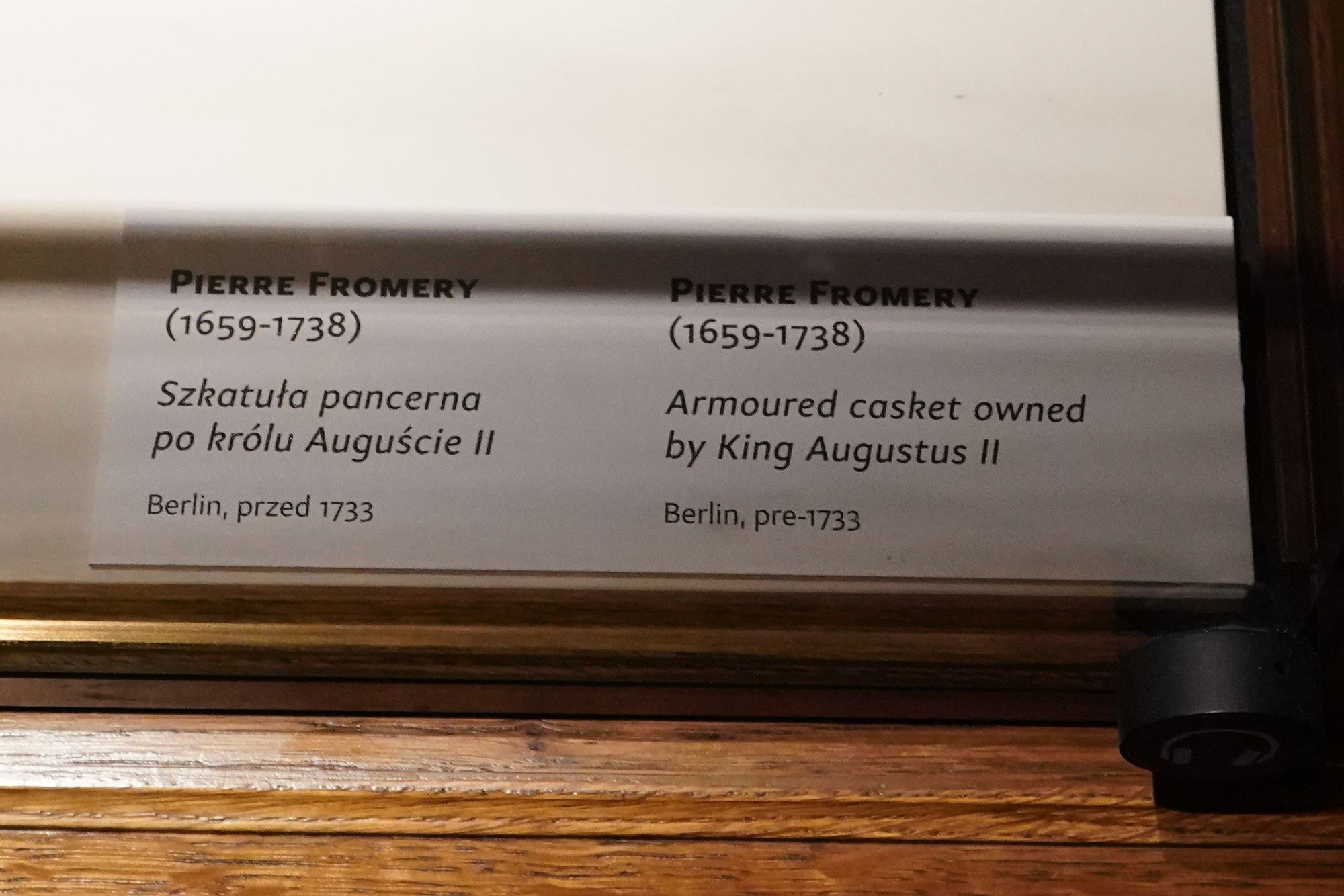
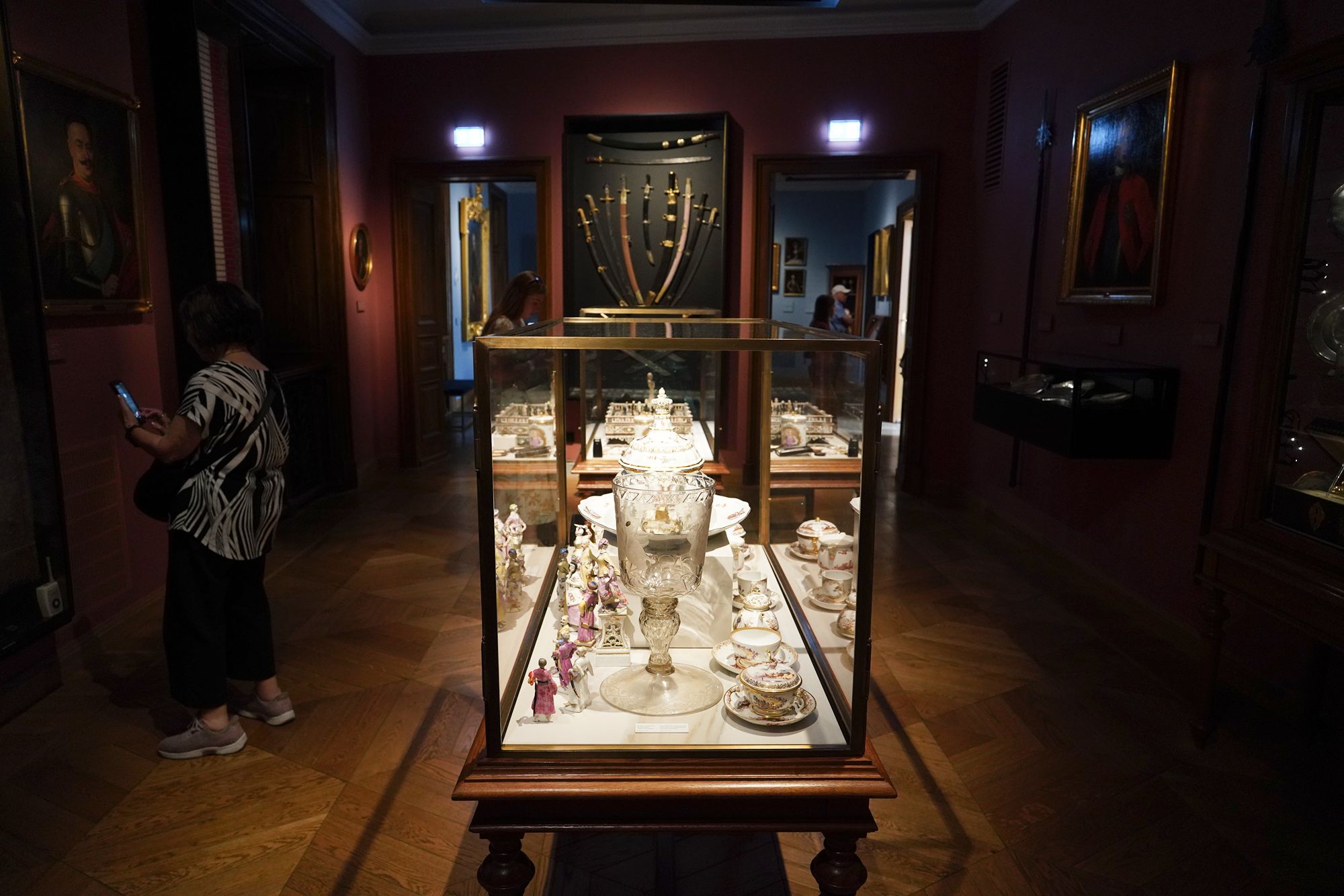
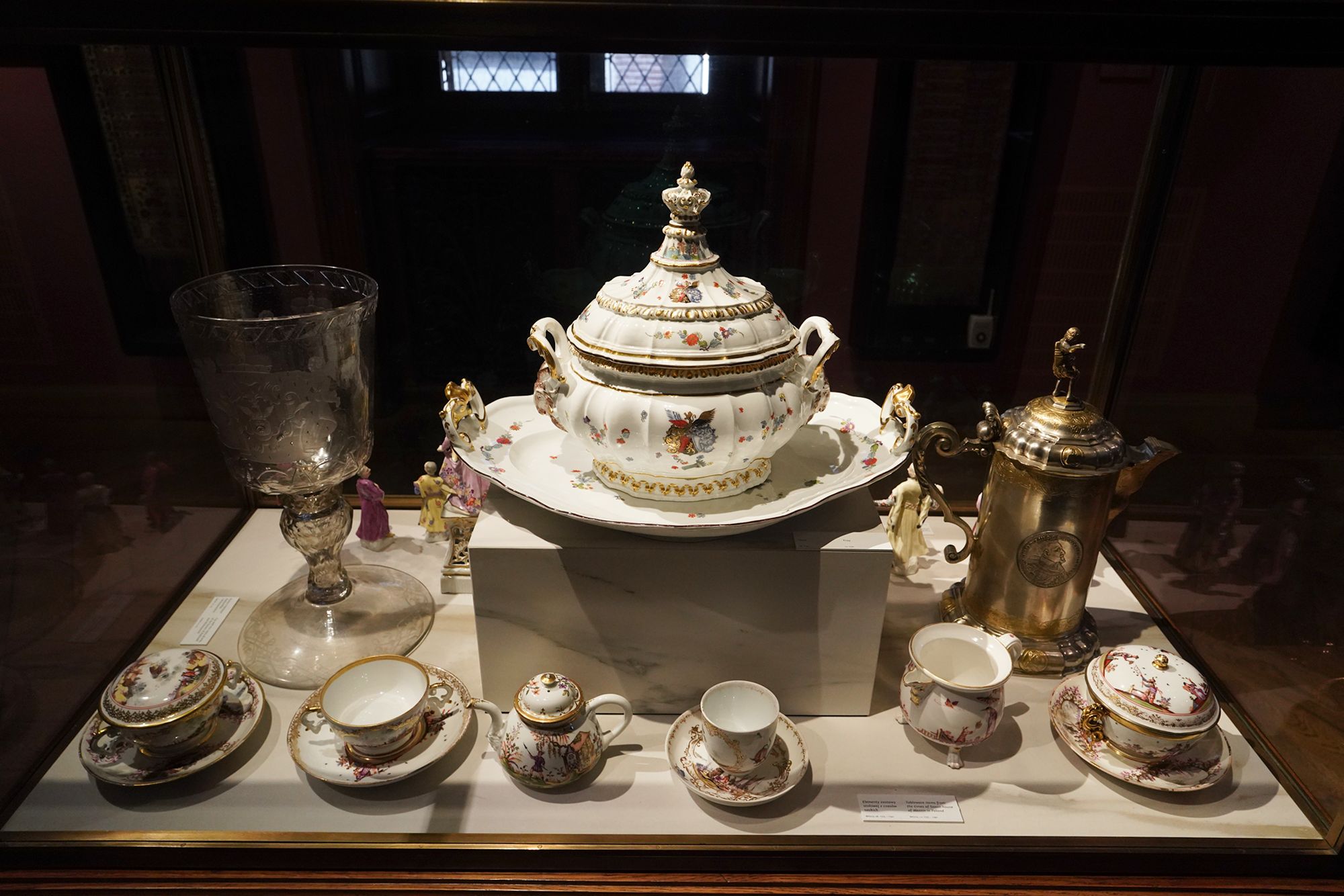
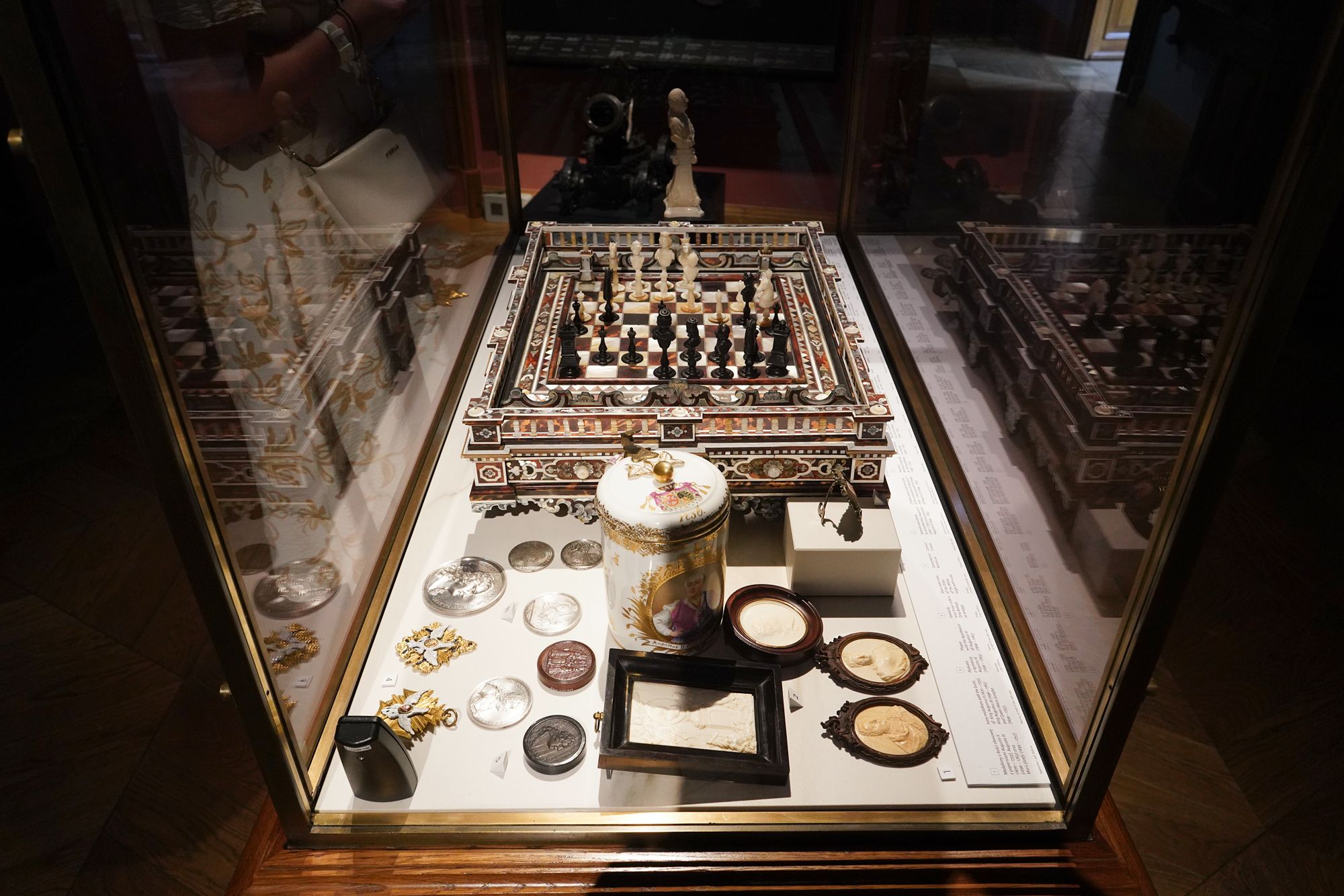
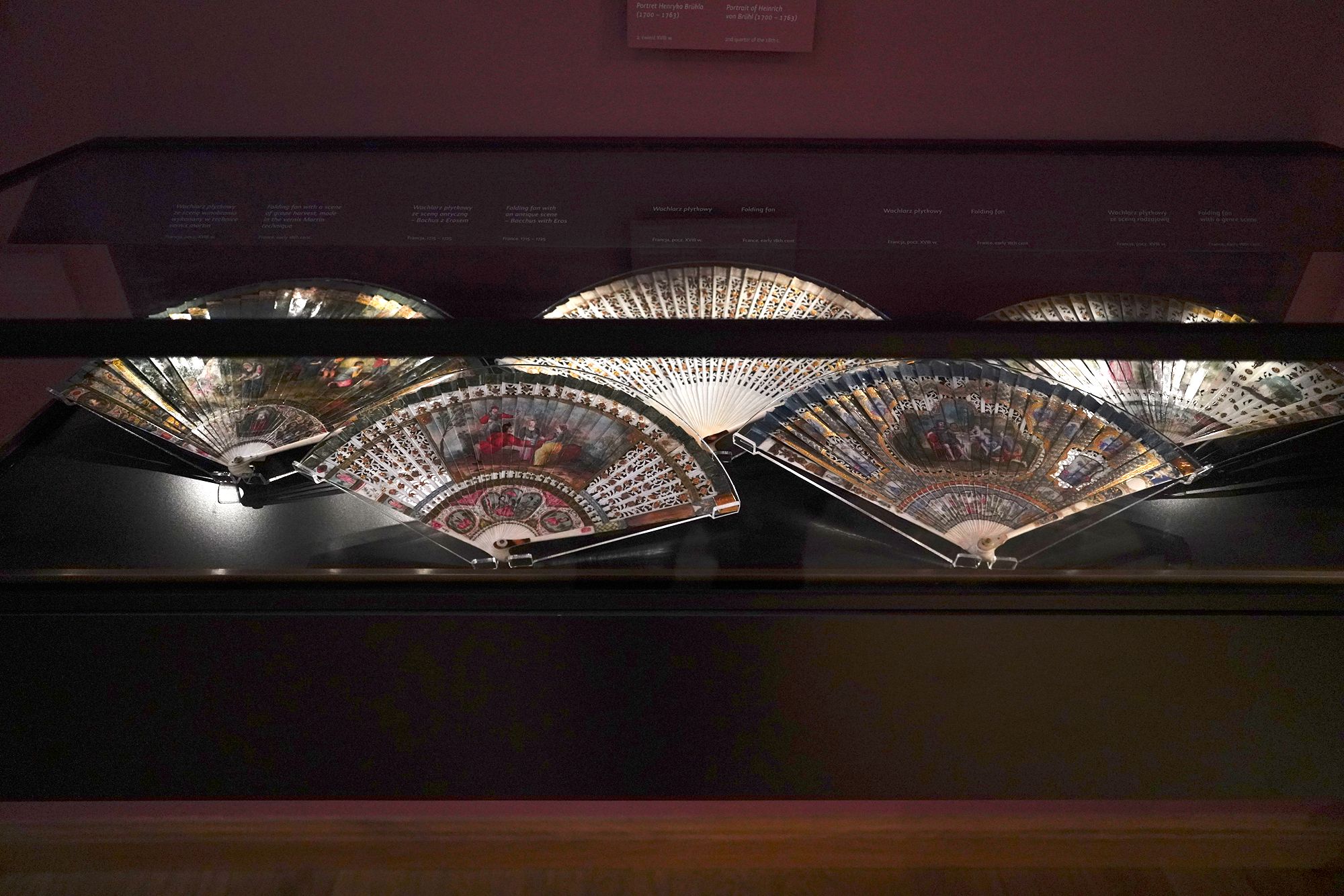
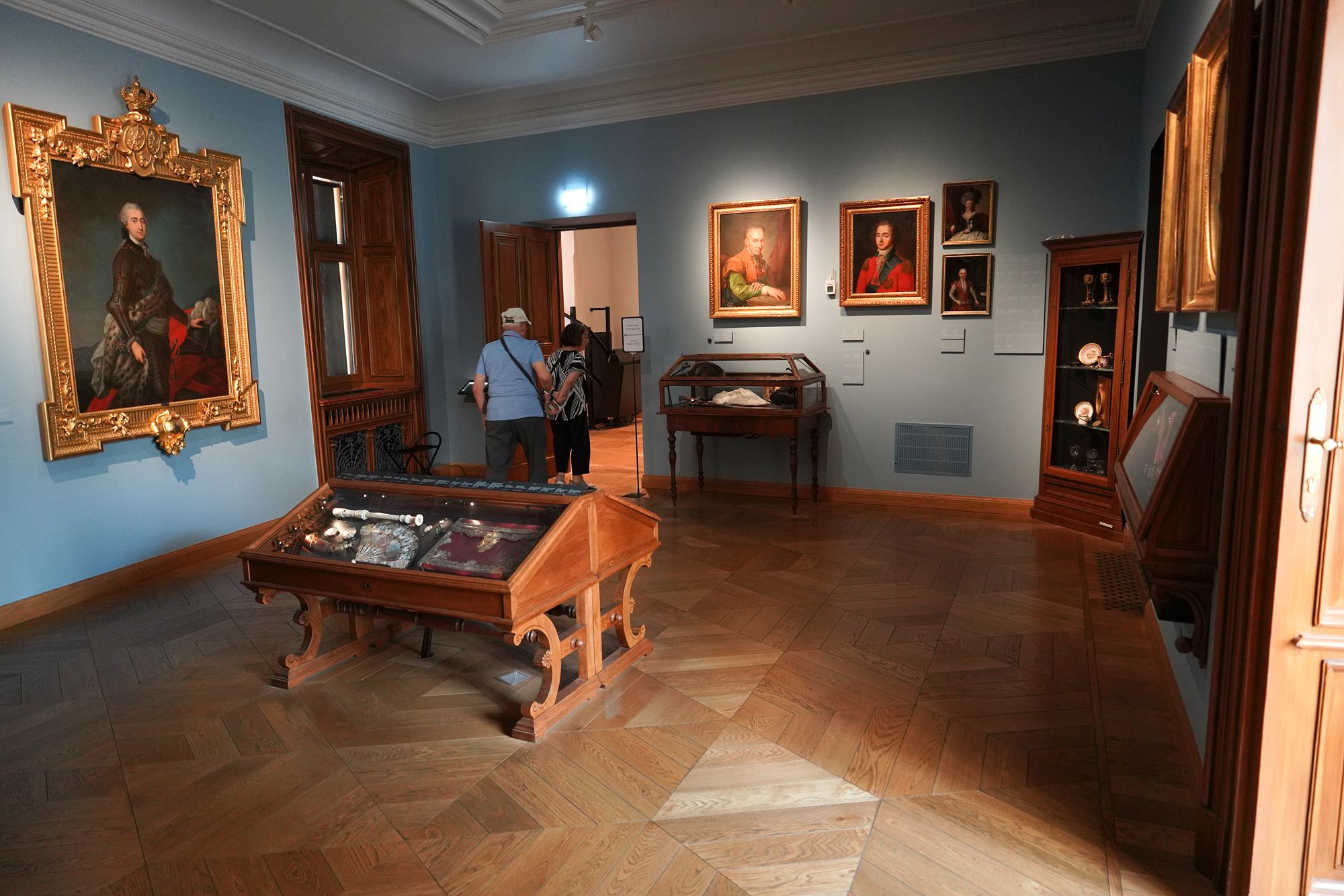
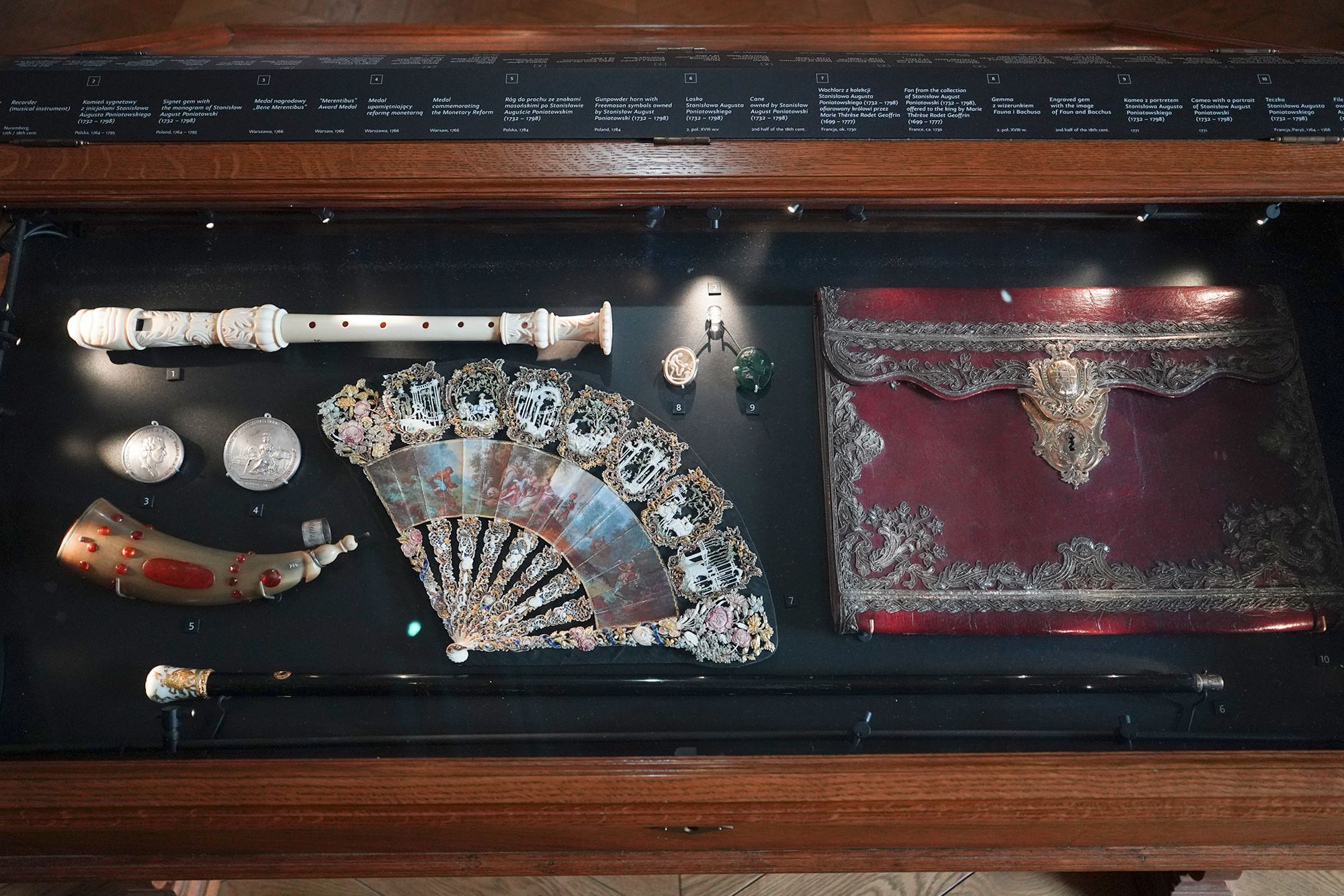
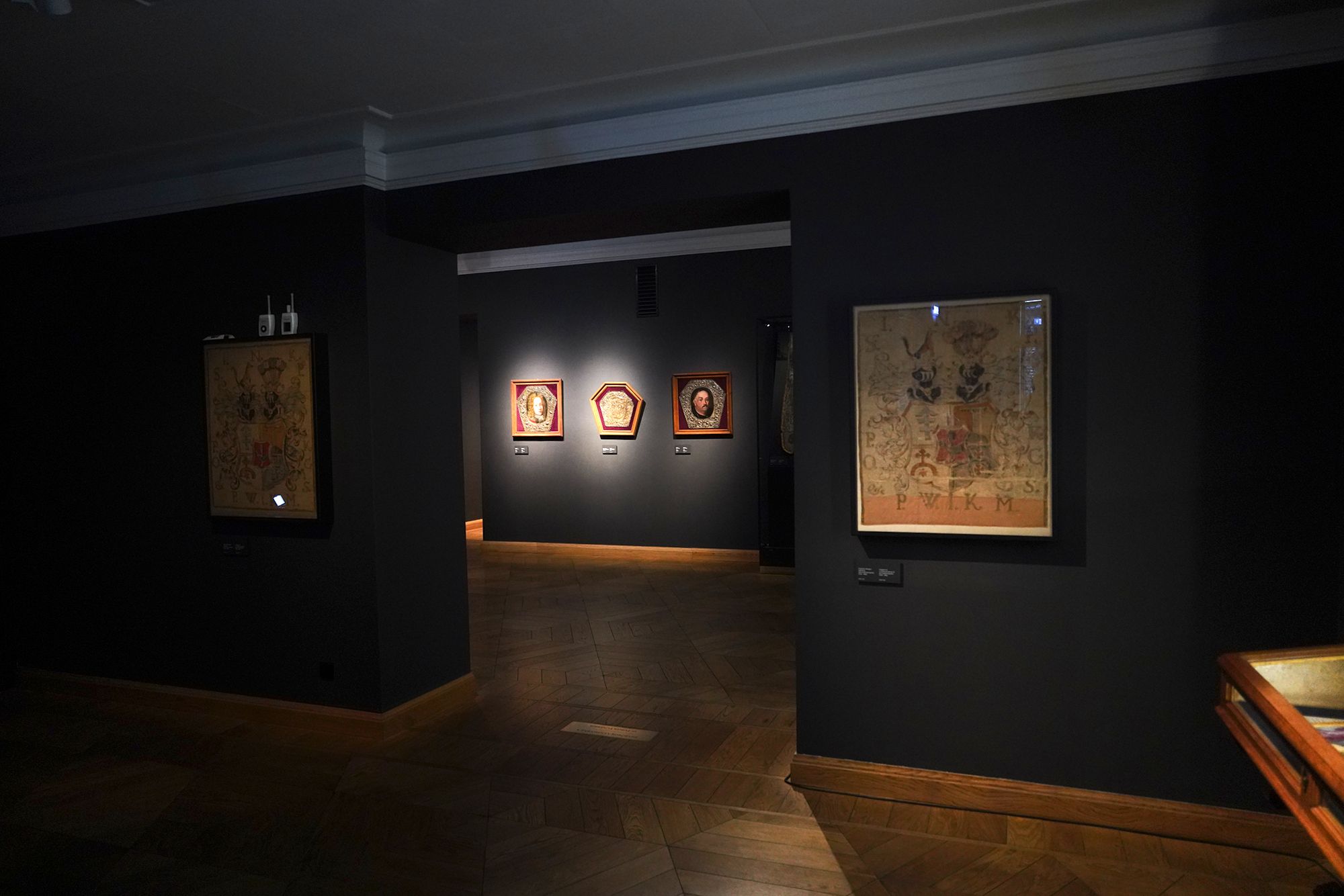
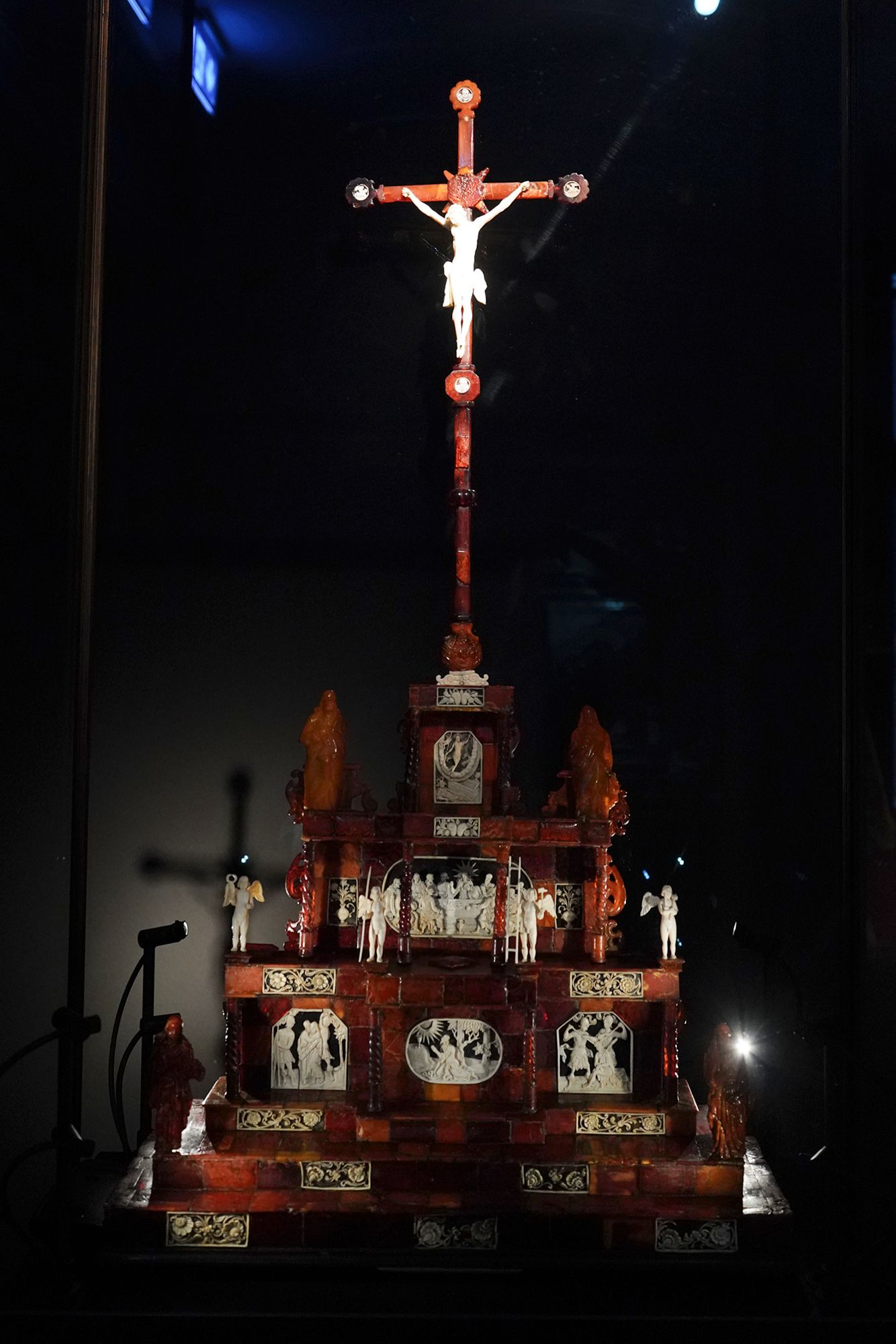
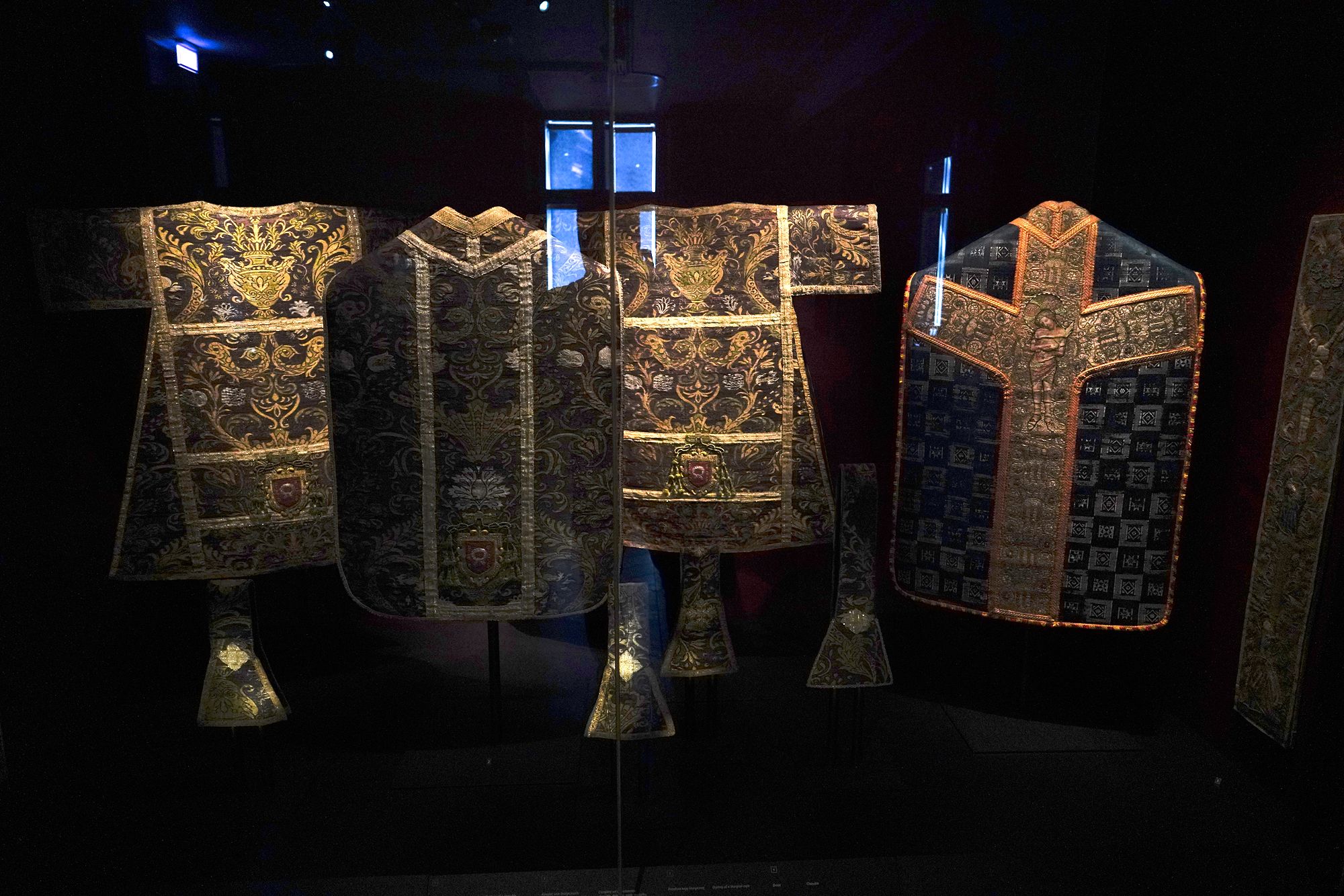
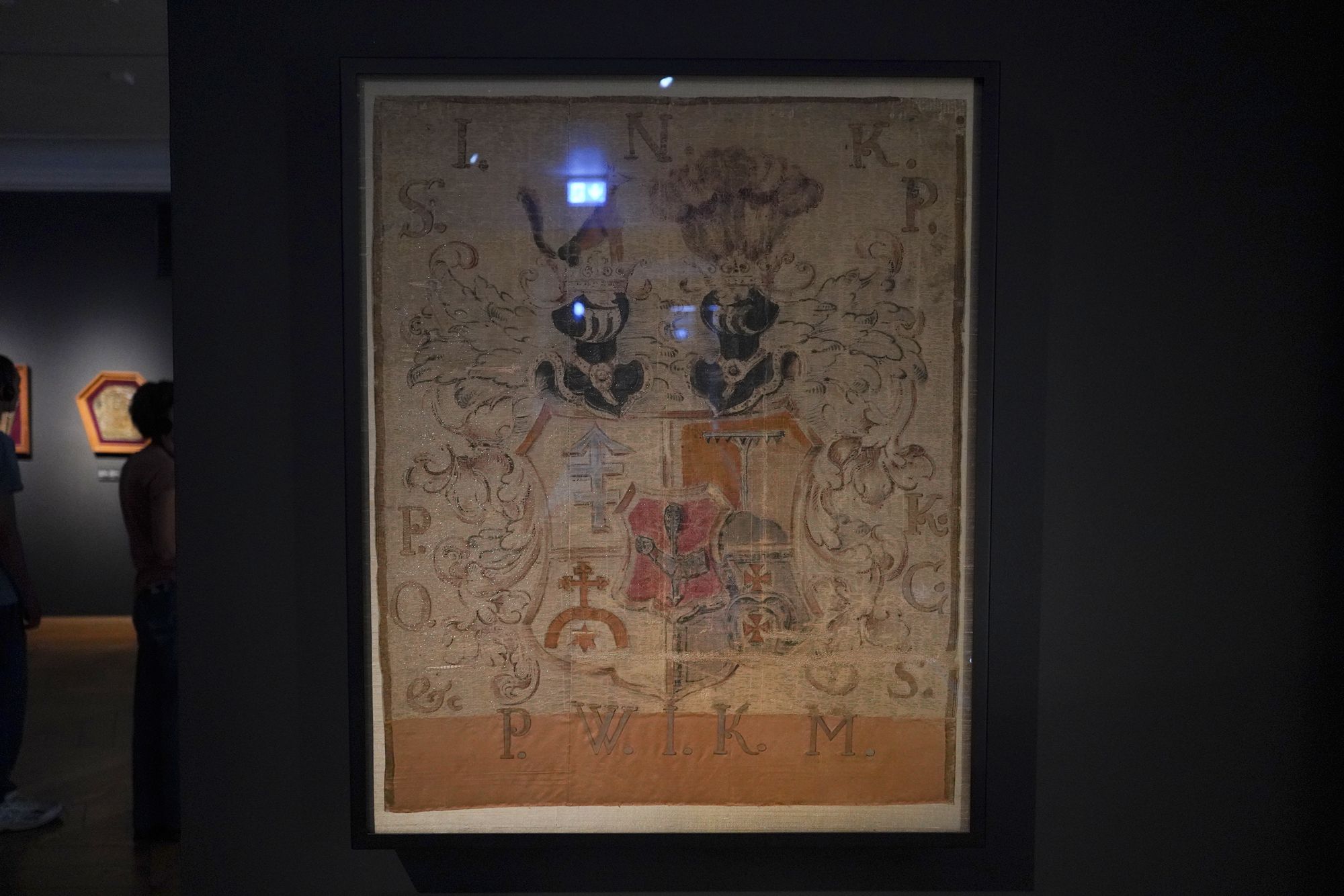
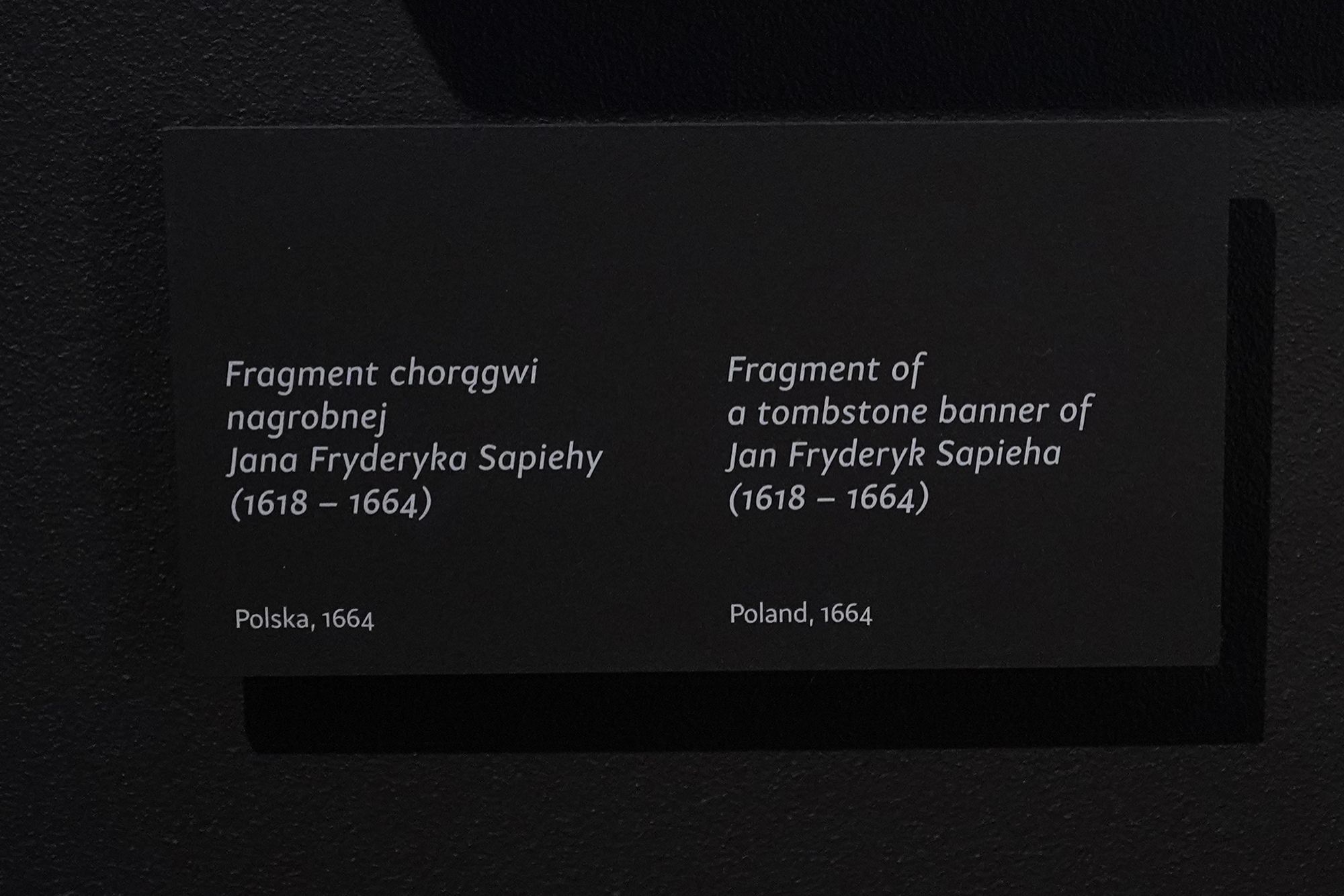
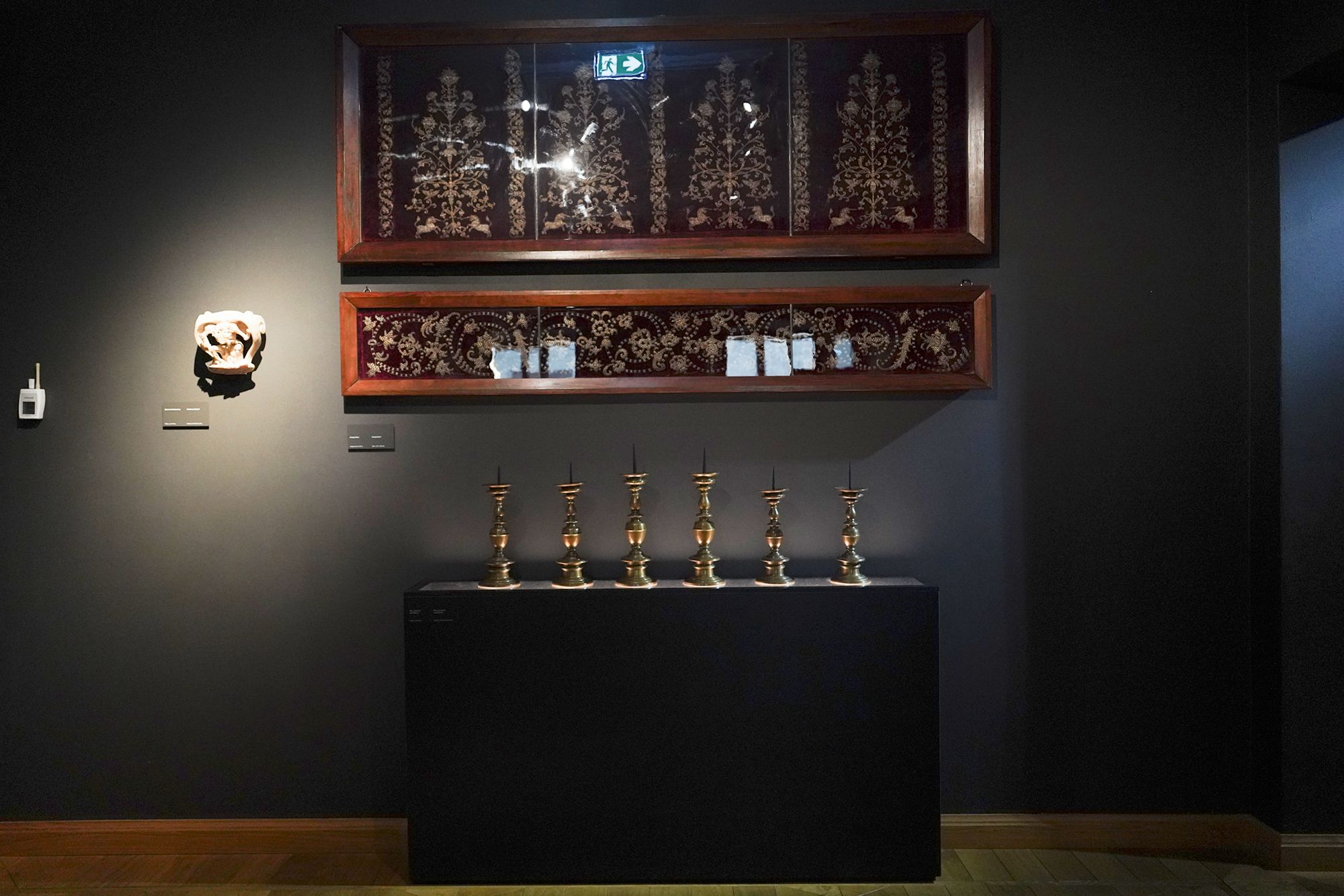
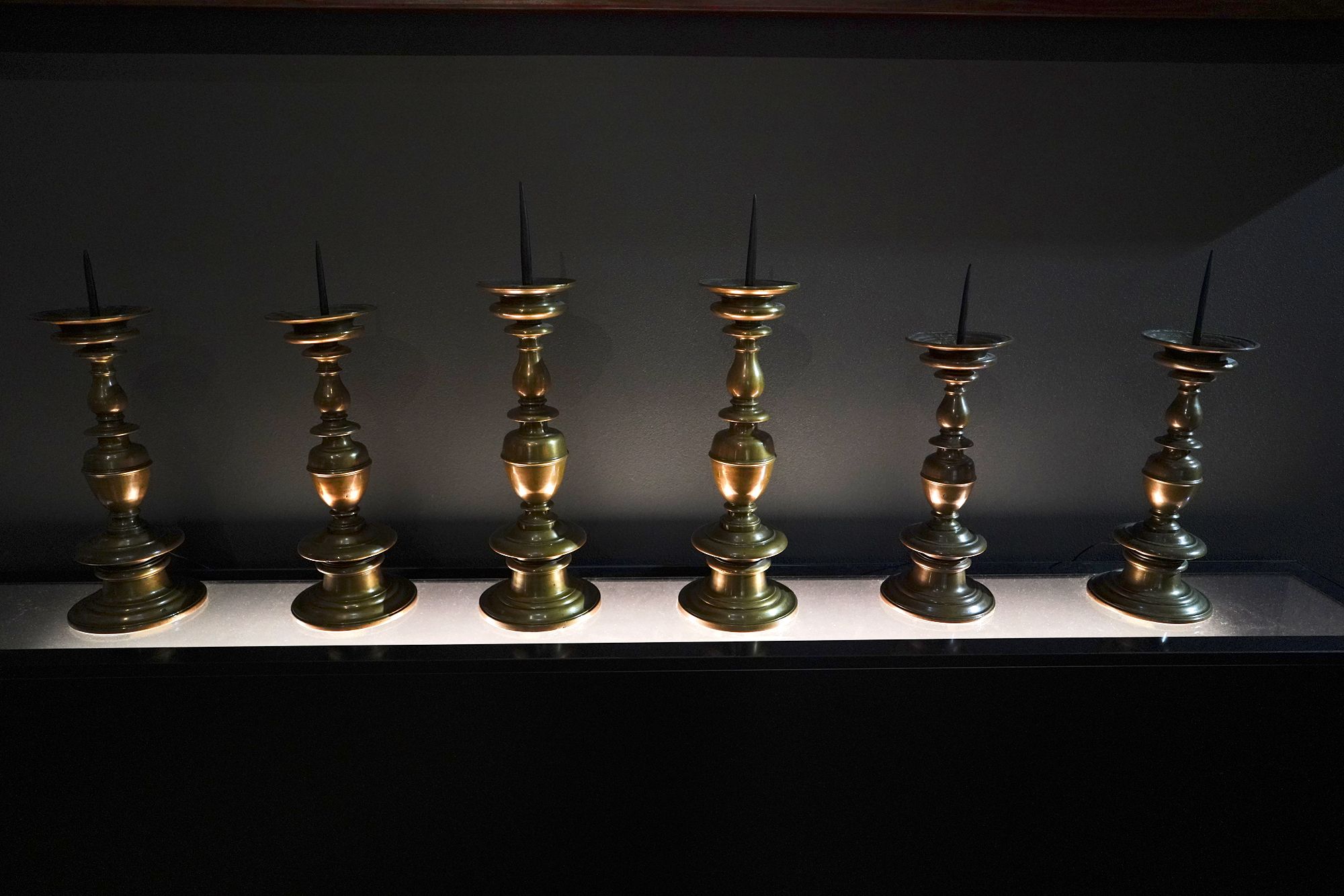
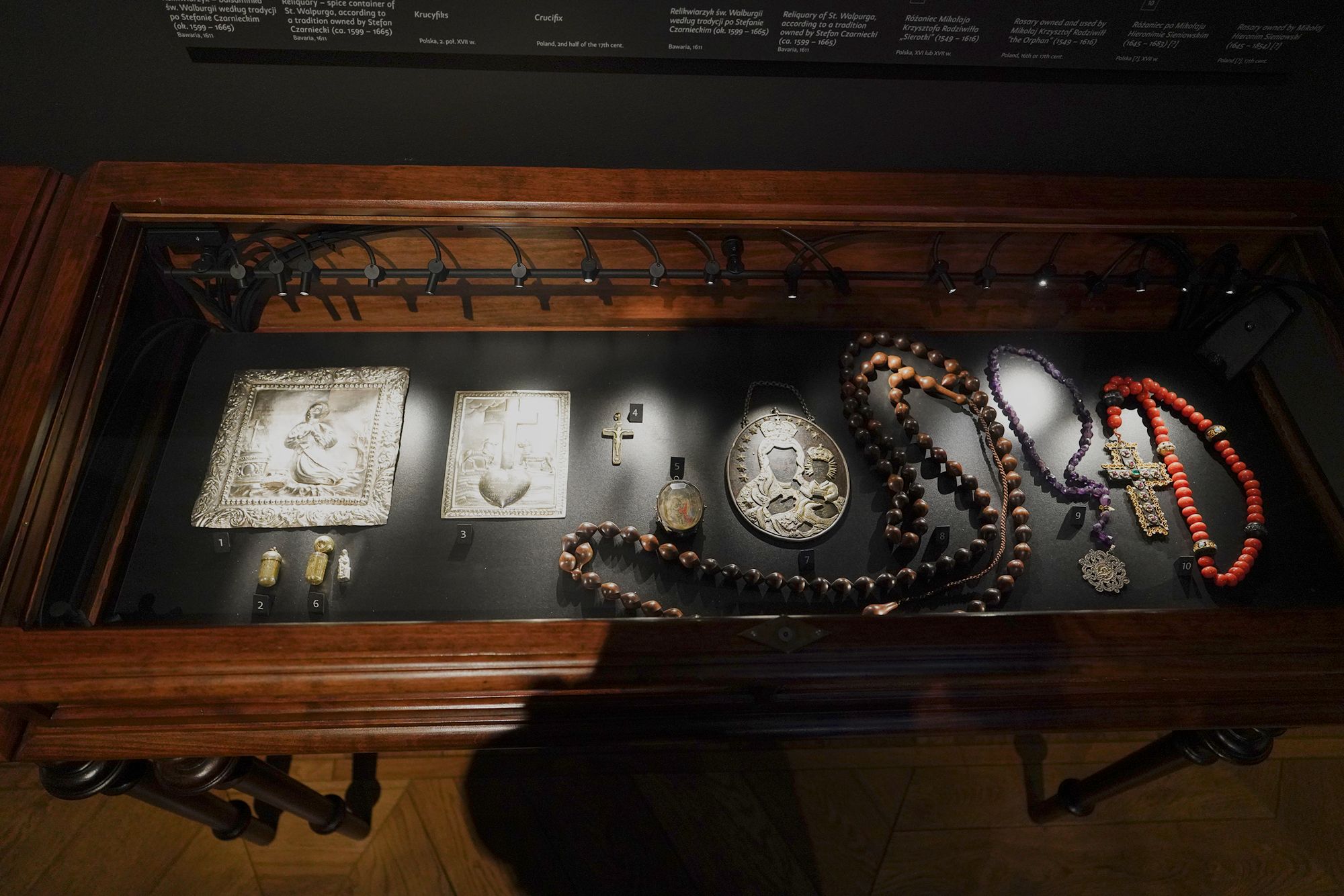
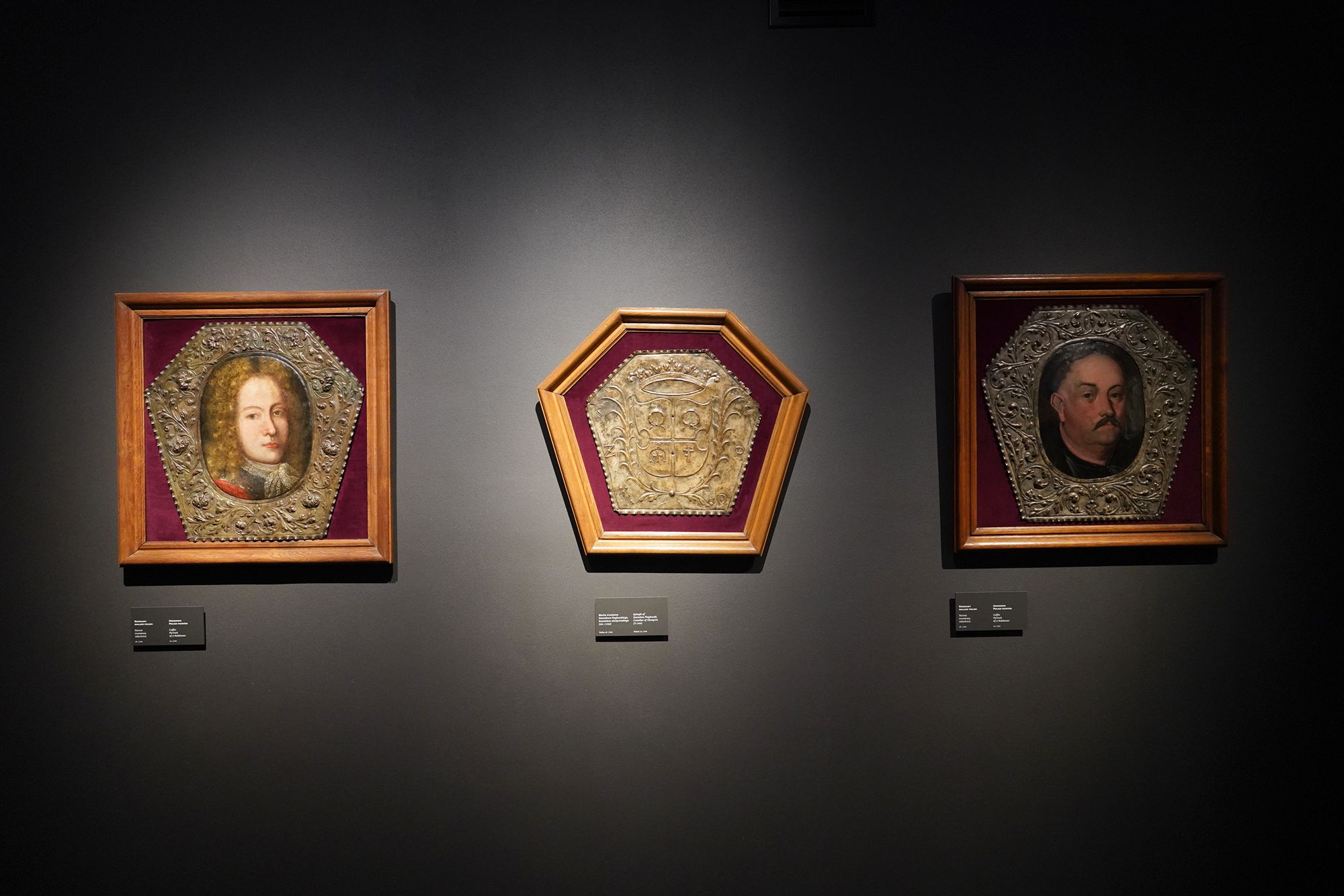
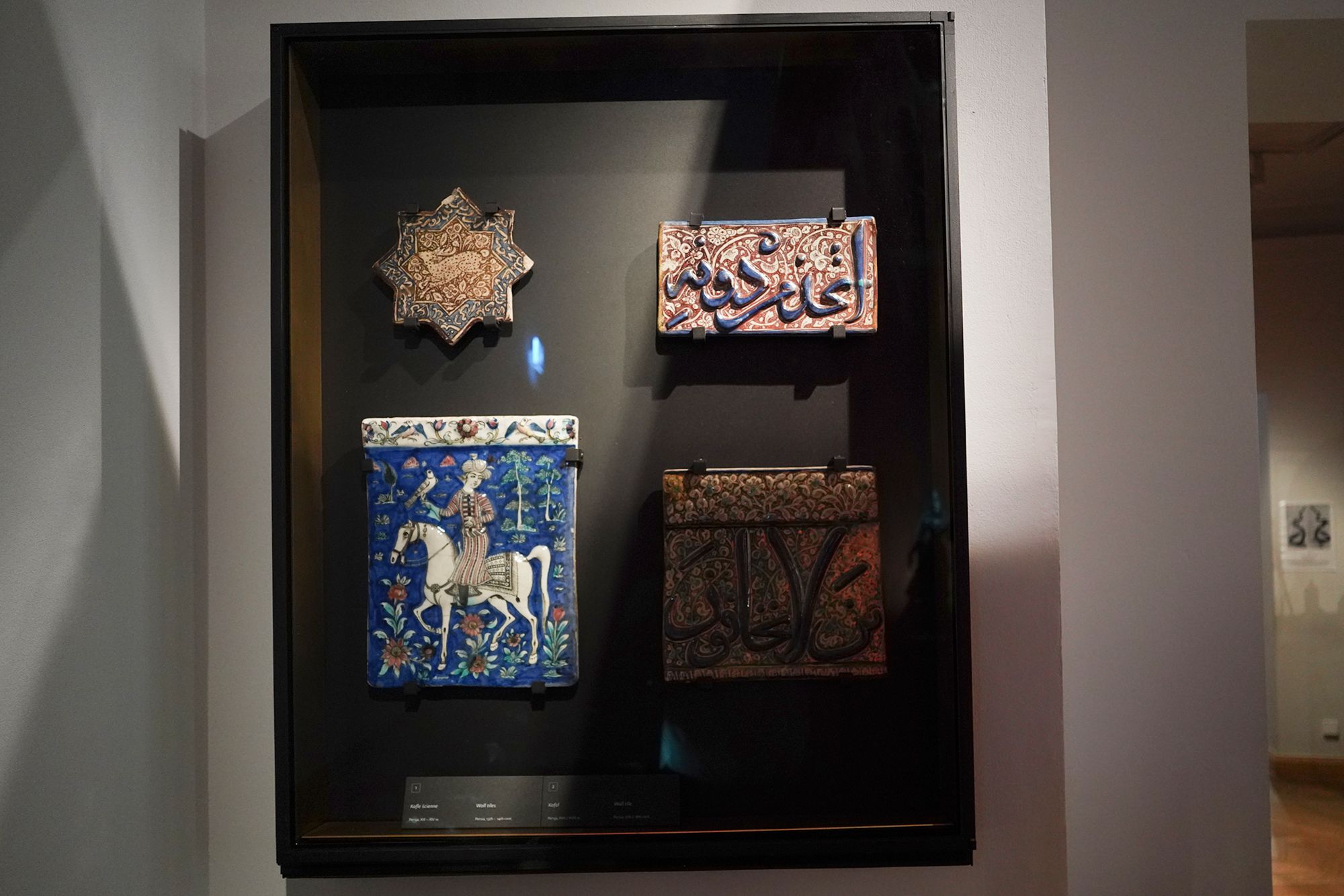
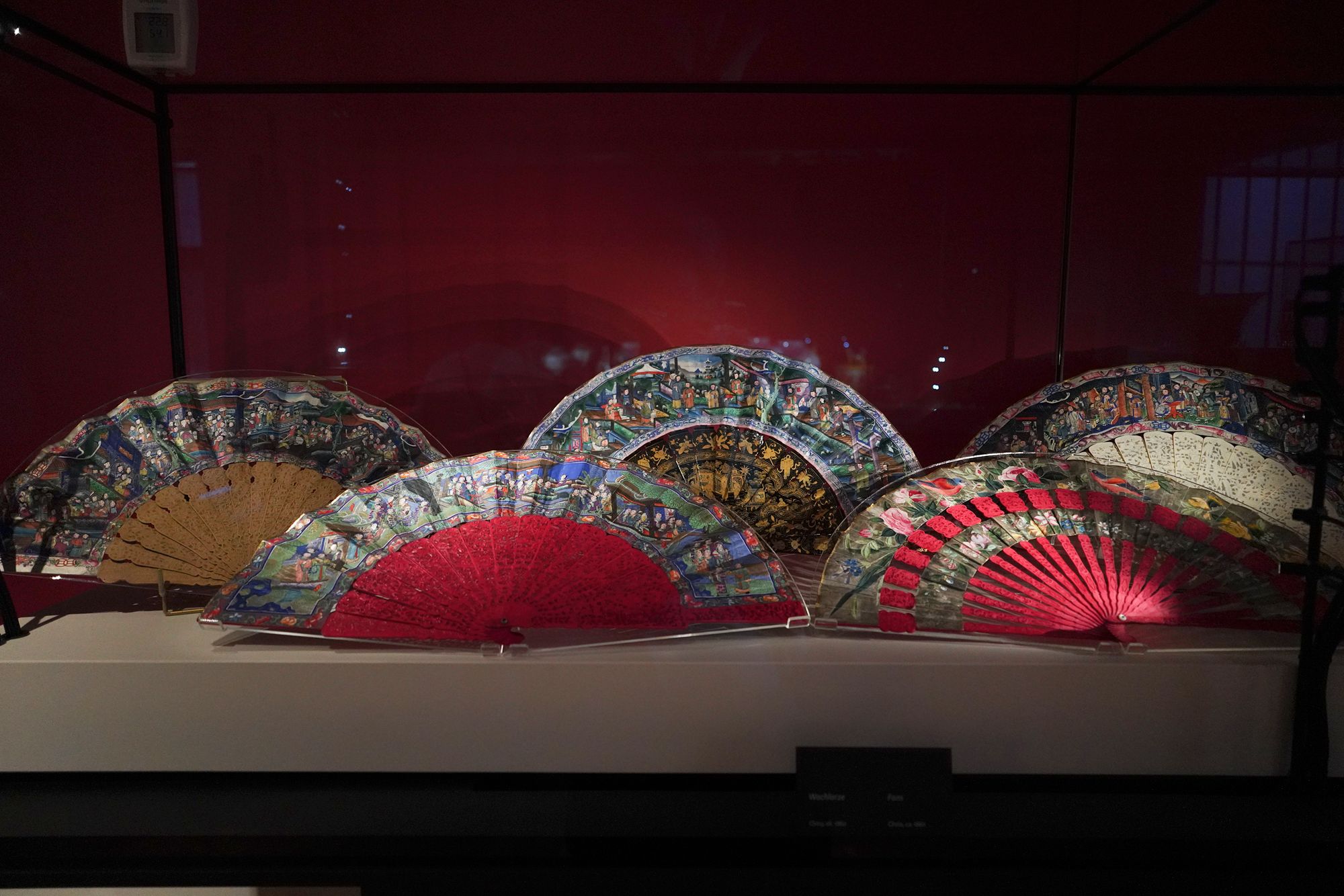

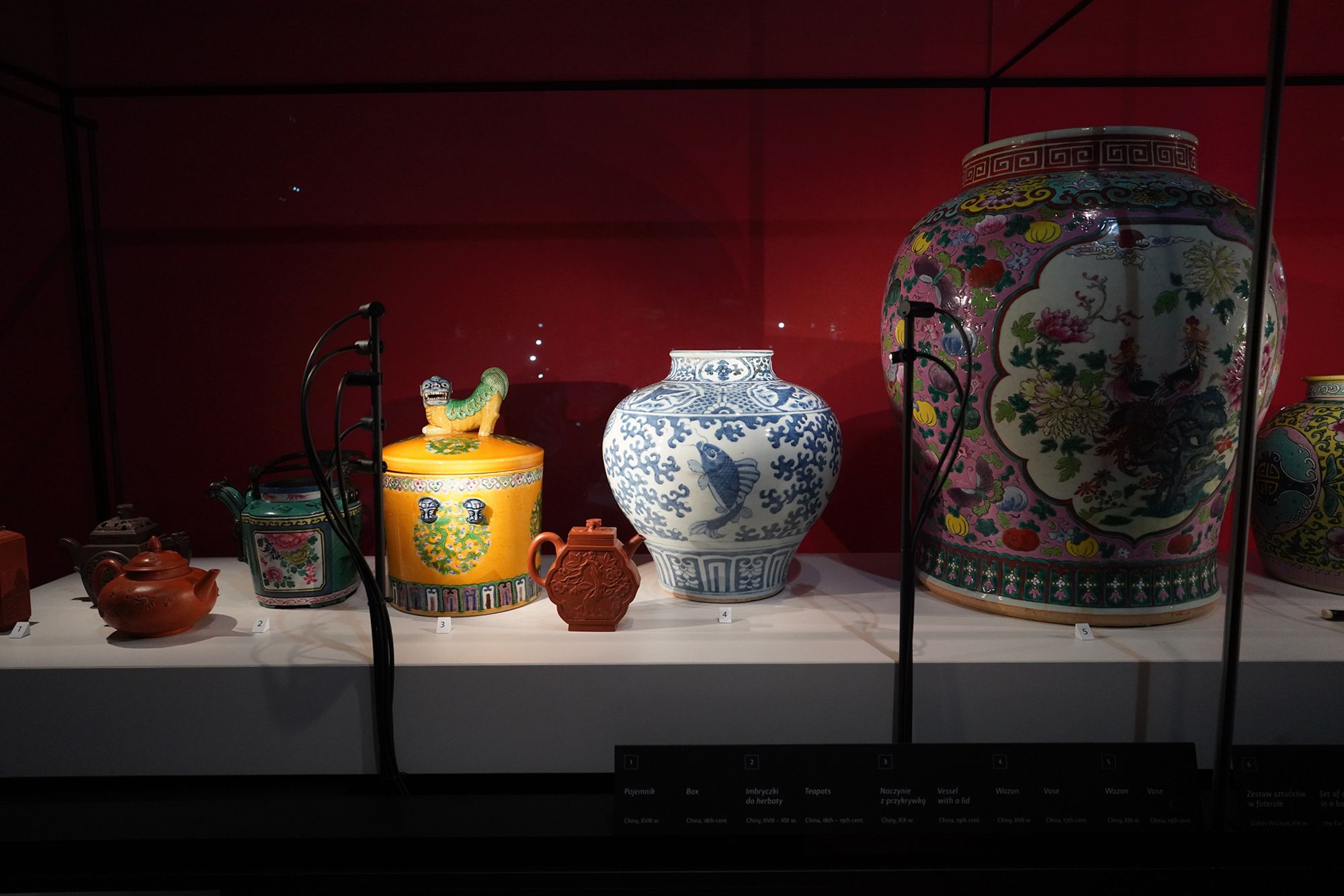

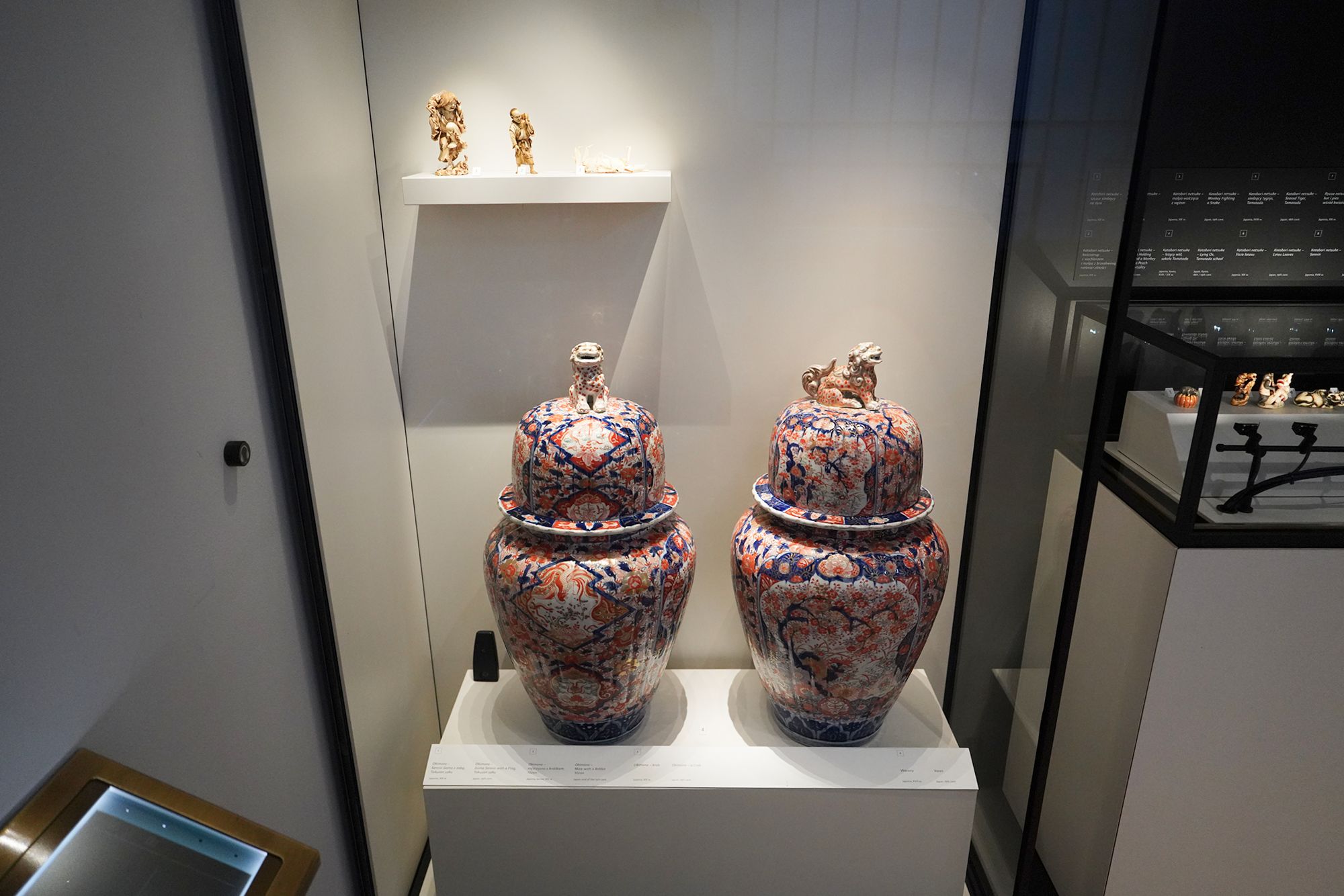
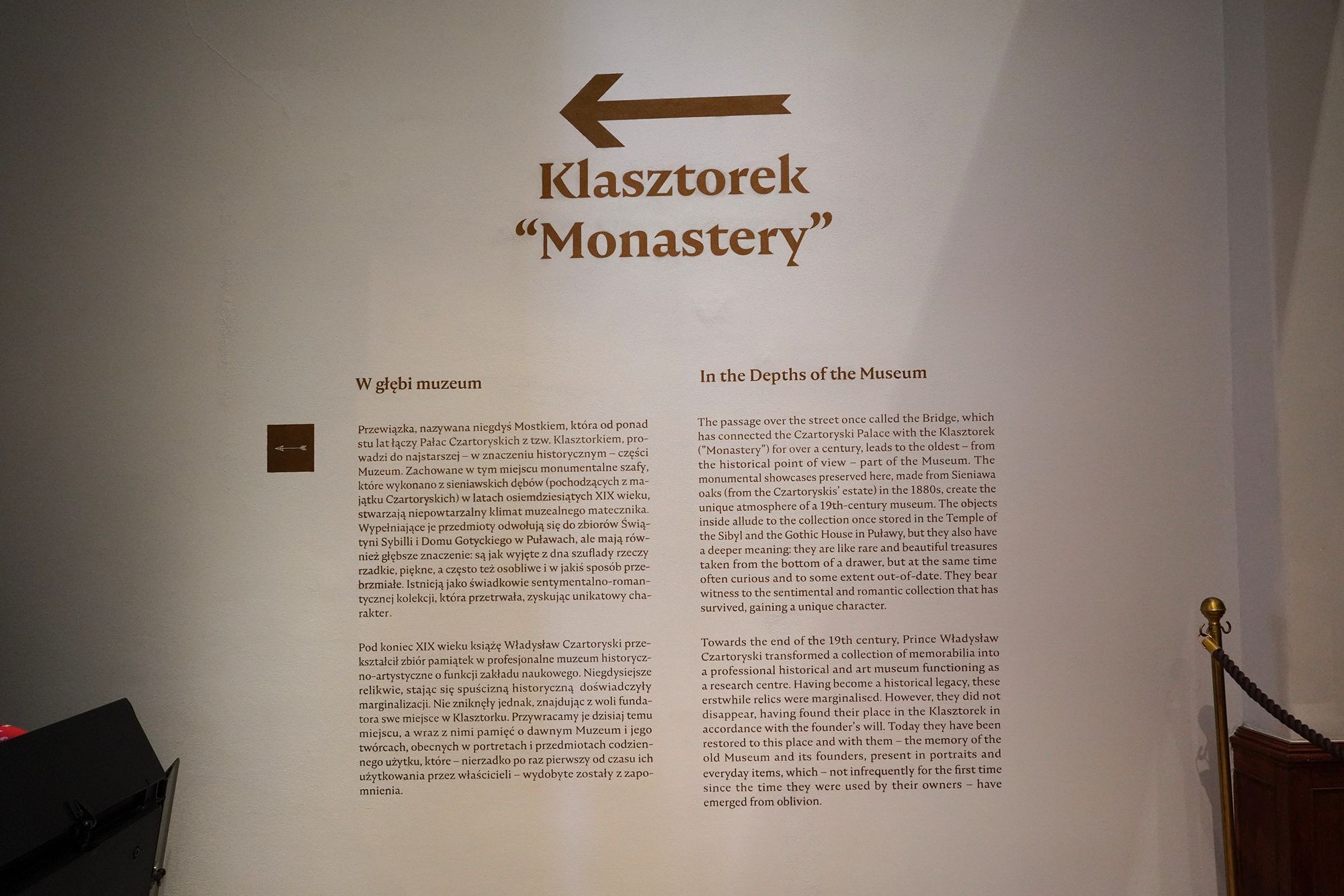
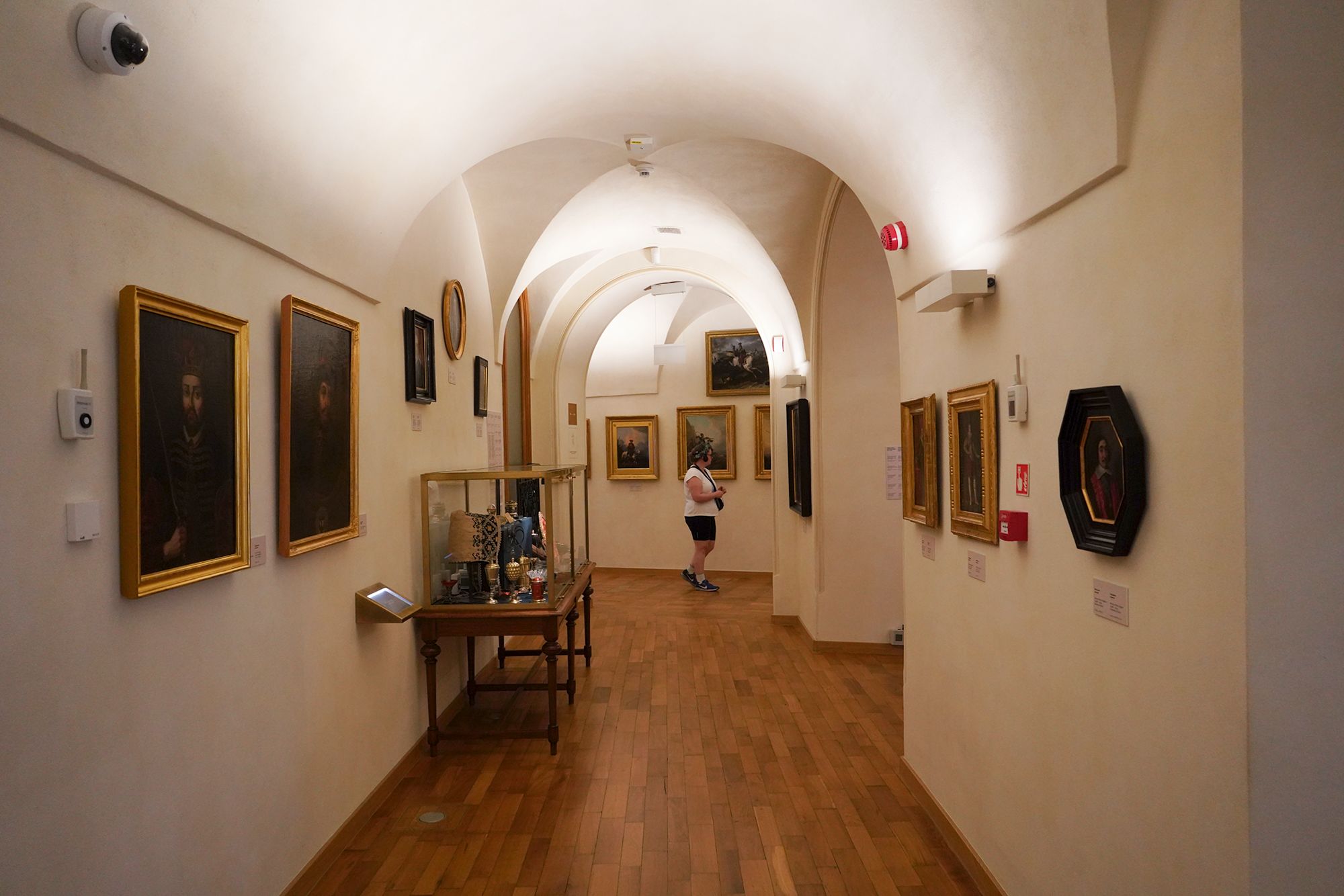
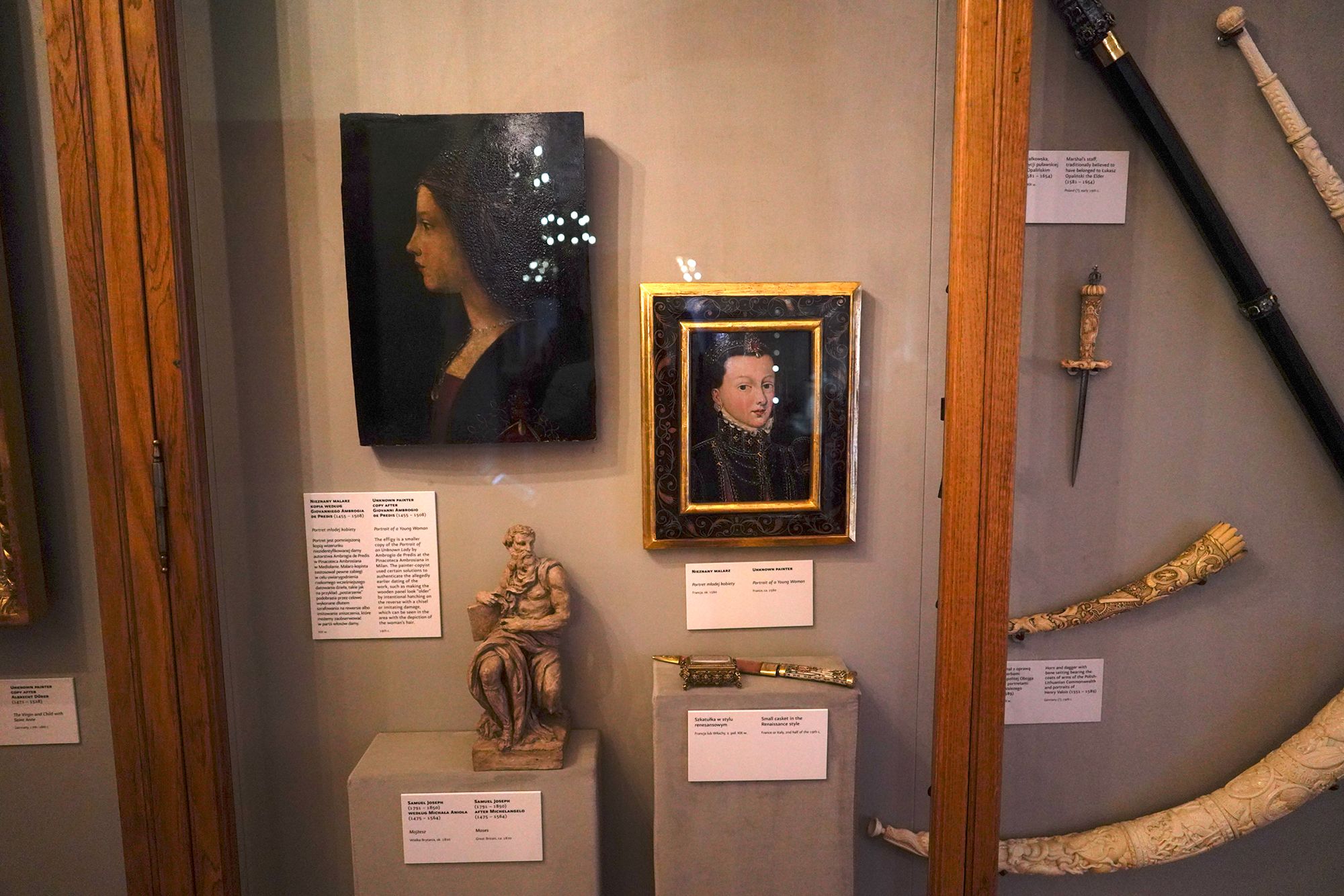
After the first-floor galleries, I followed the passage into the Klasztorek, or “Little Monastery.” The sign explains that this part of the museum displays family keepsakes and historical objects collected by the Czartoryskis.
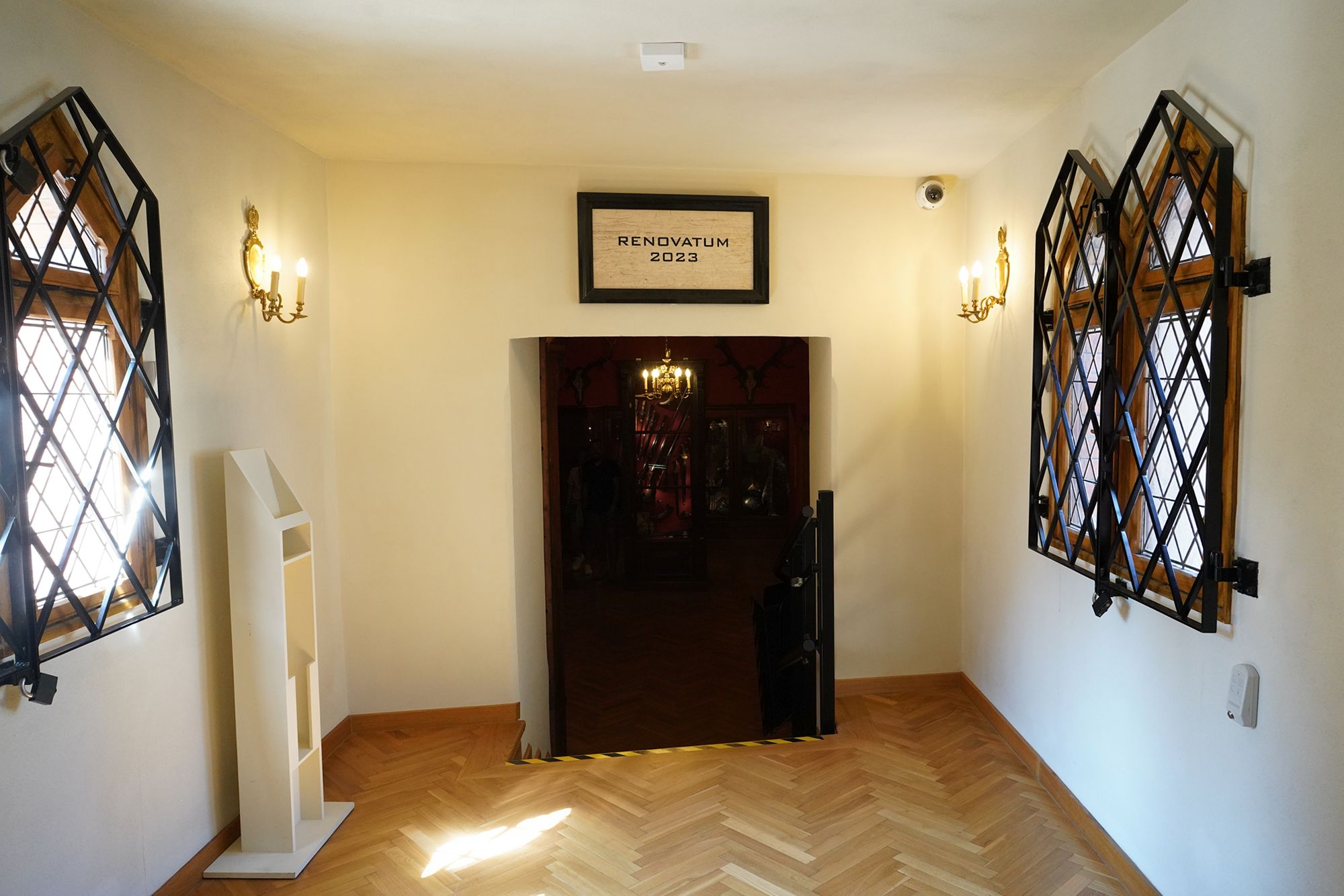
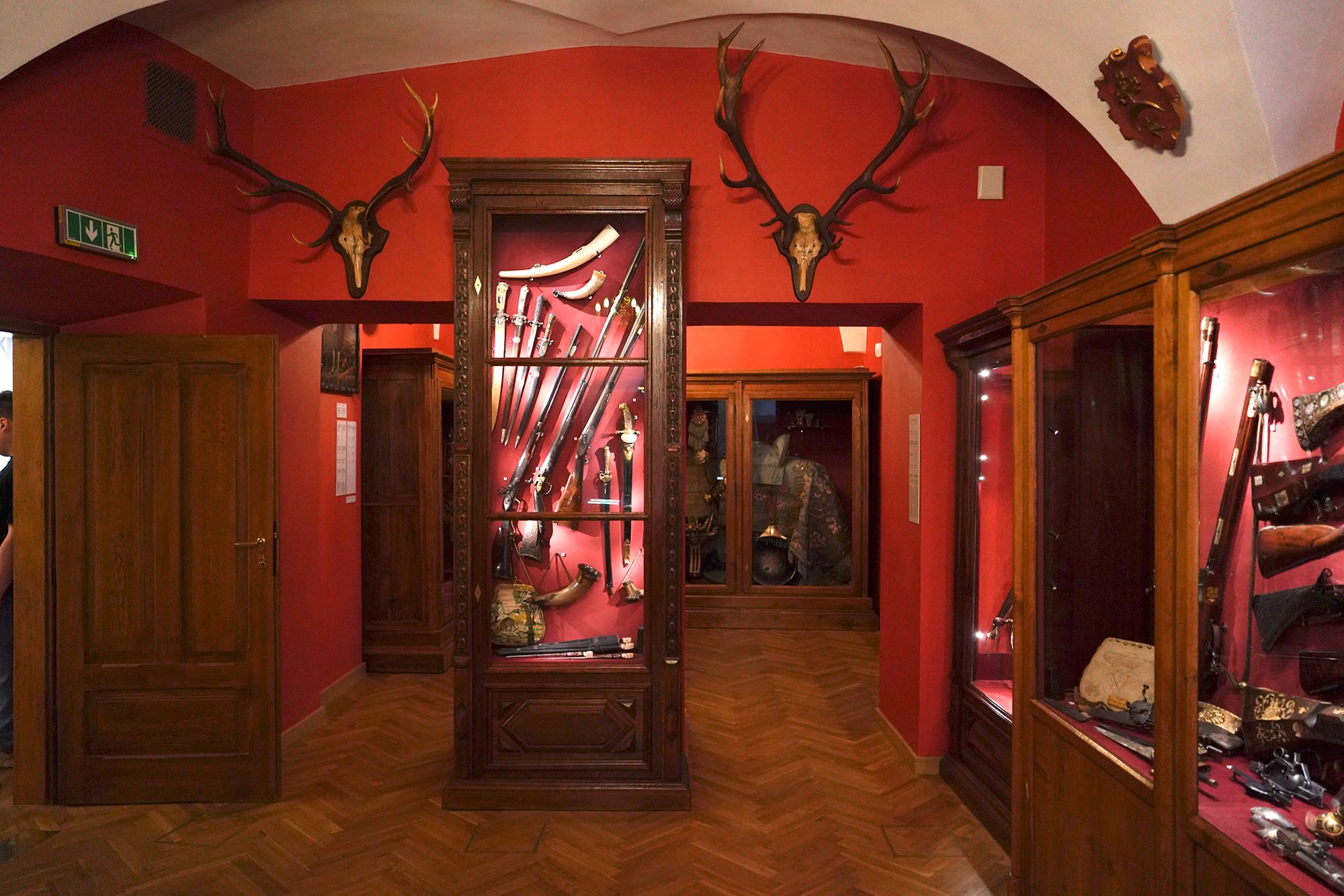
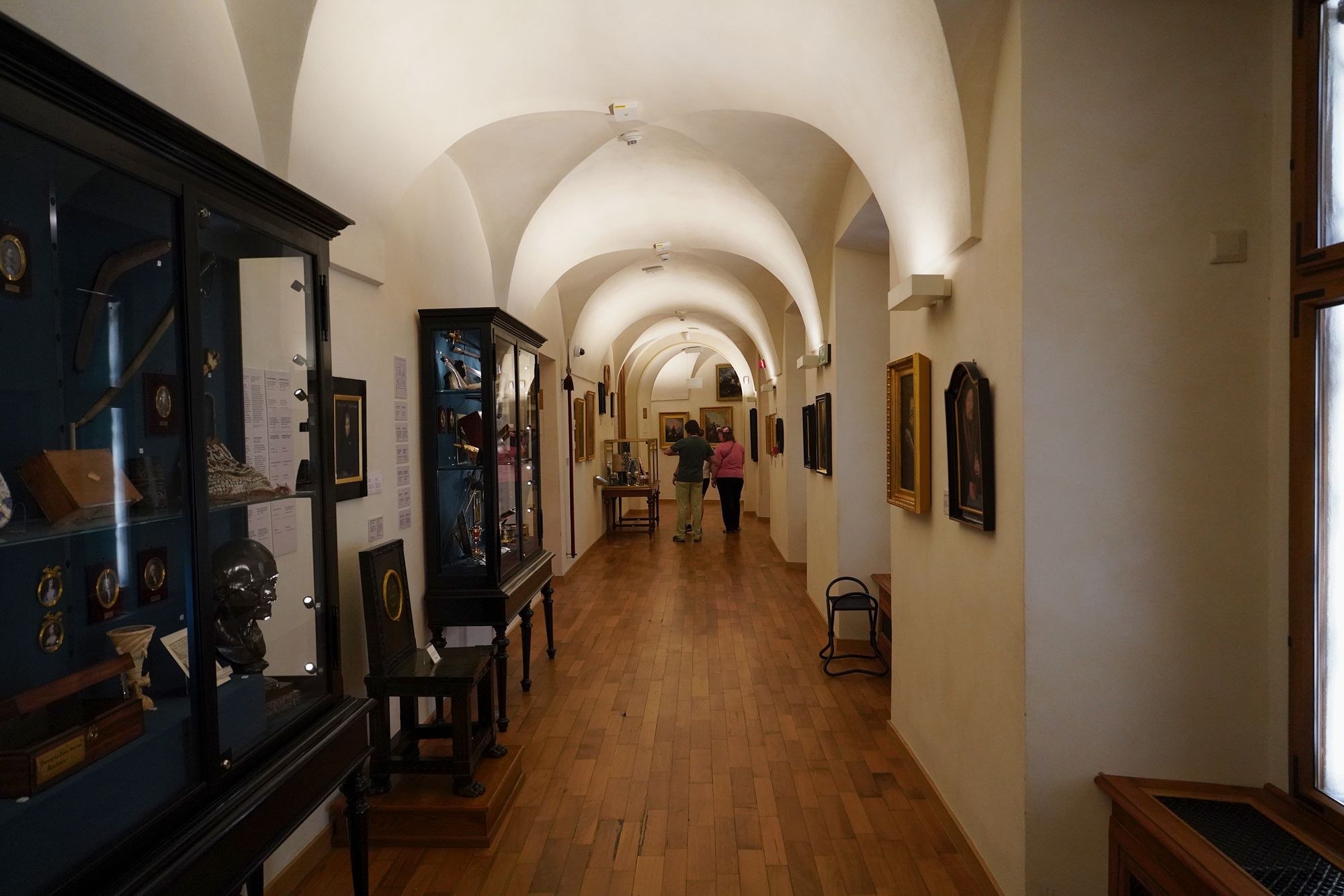
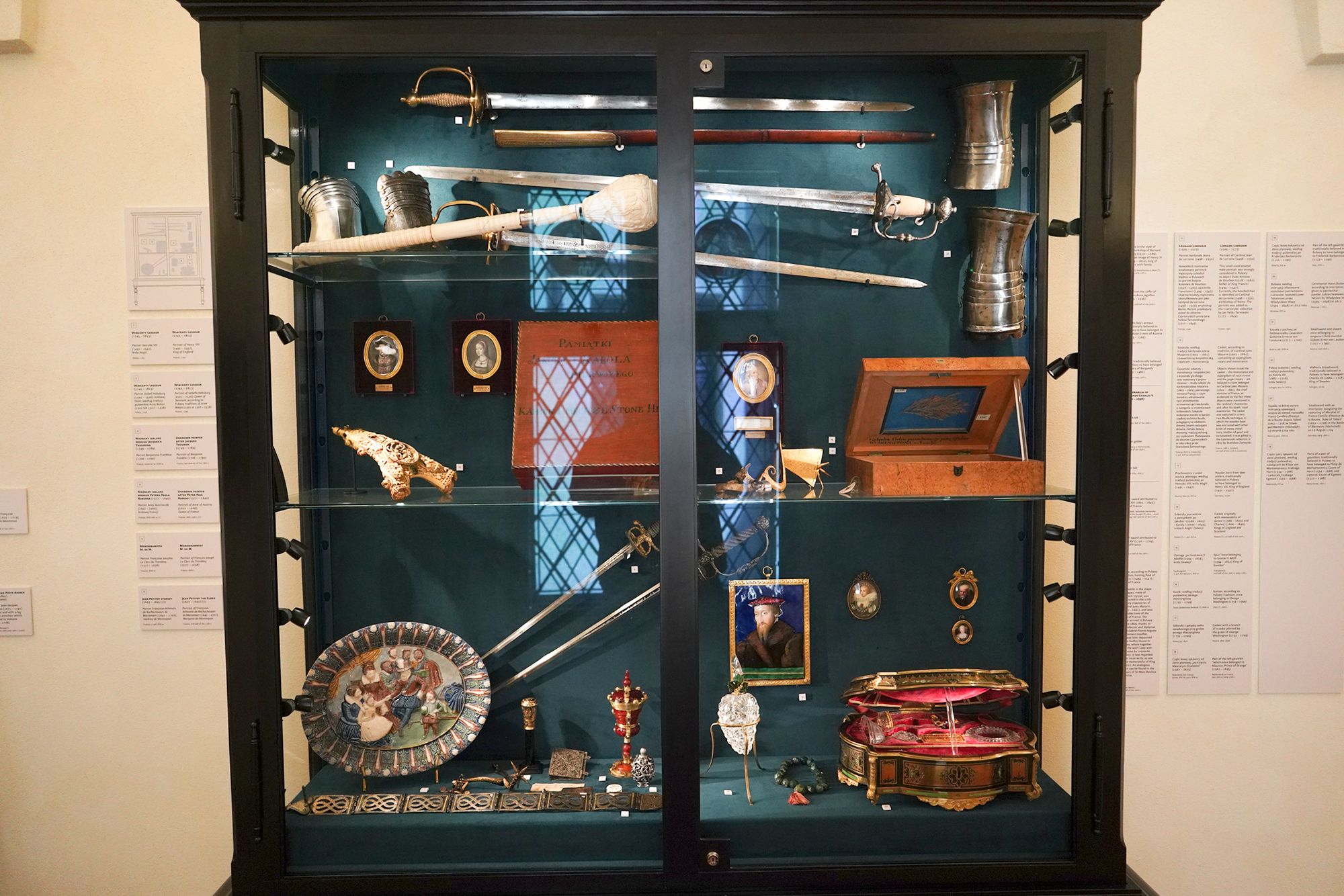
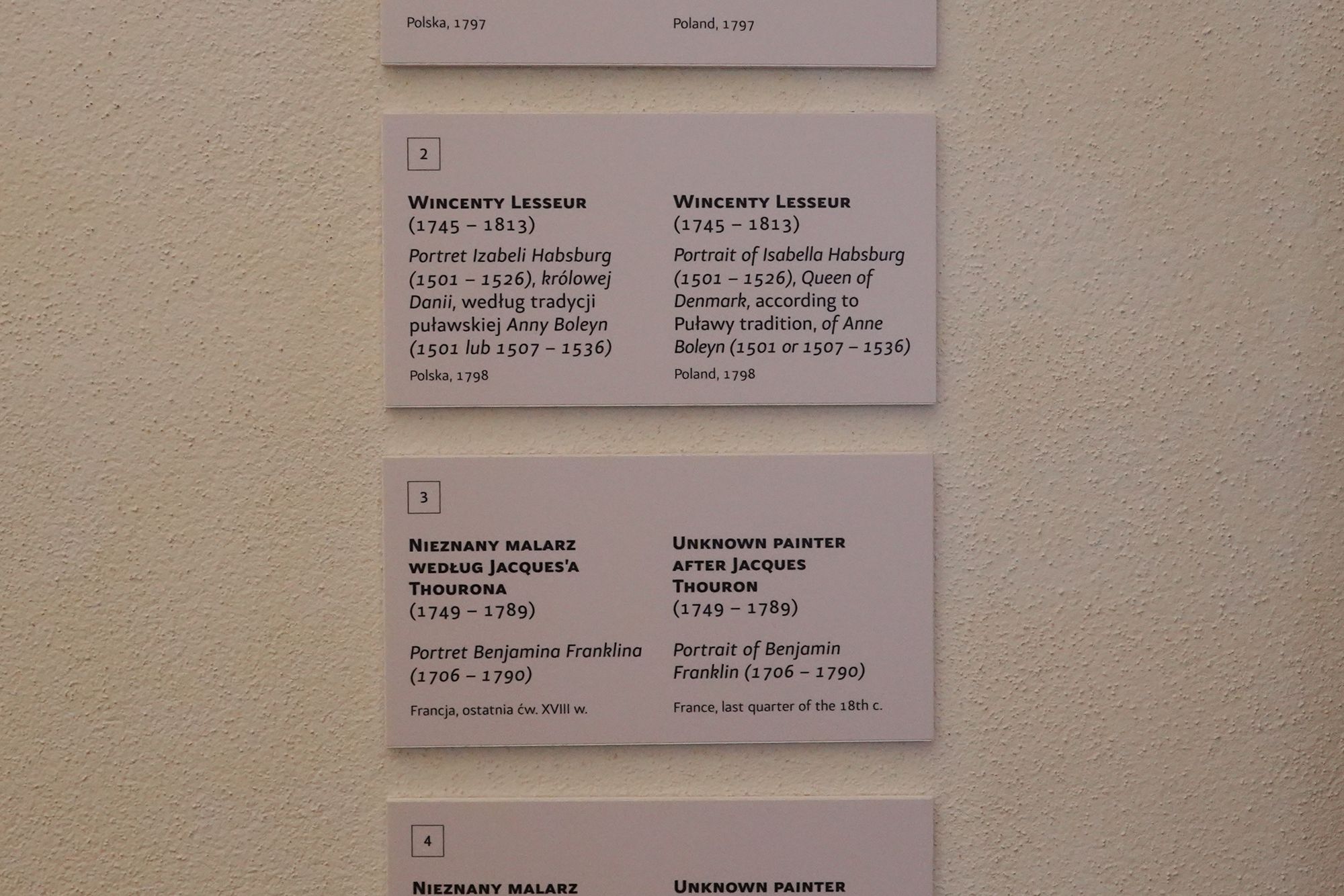
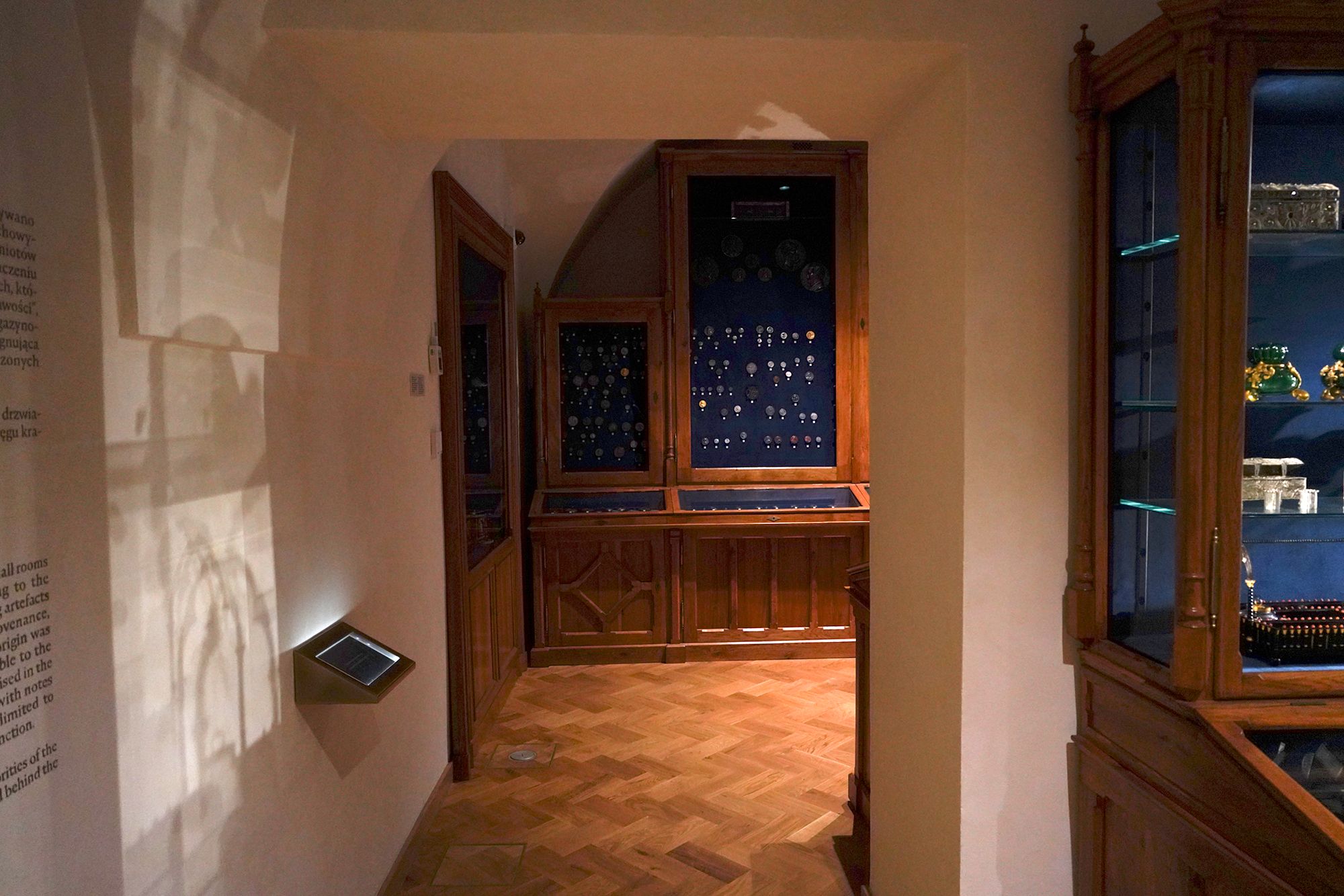
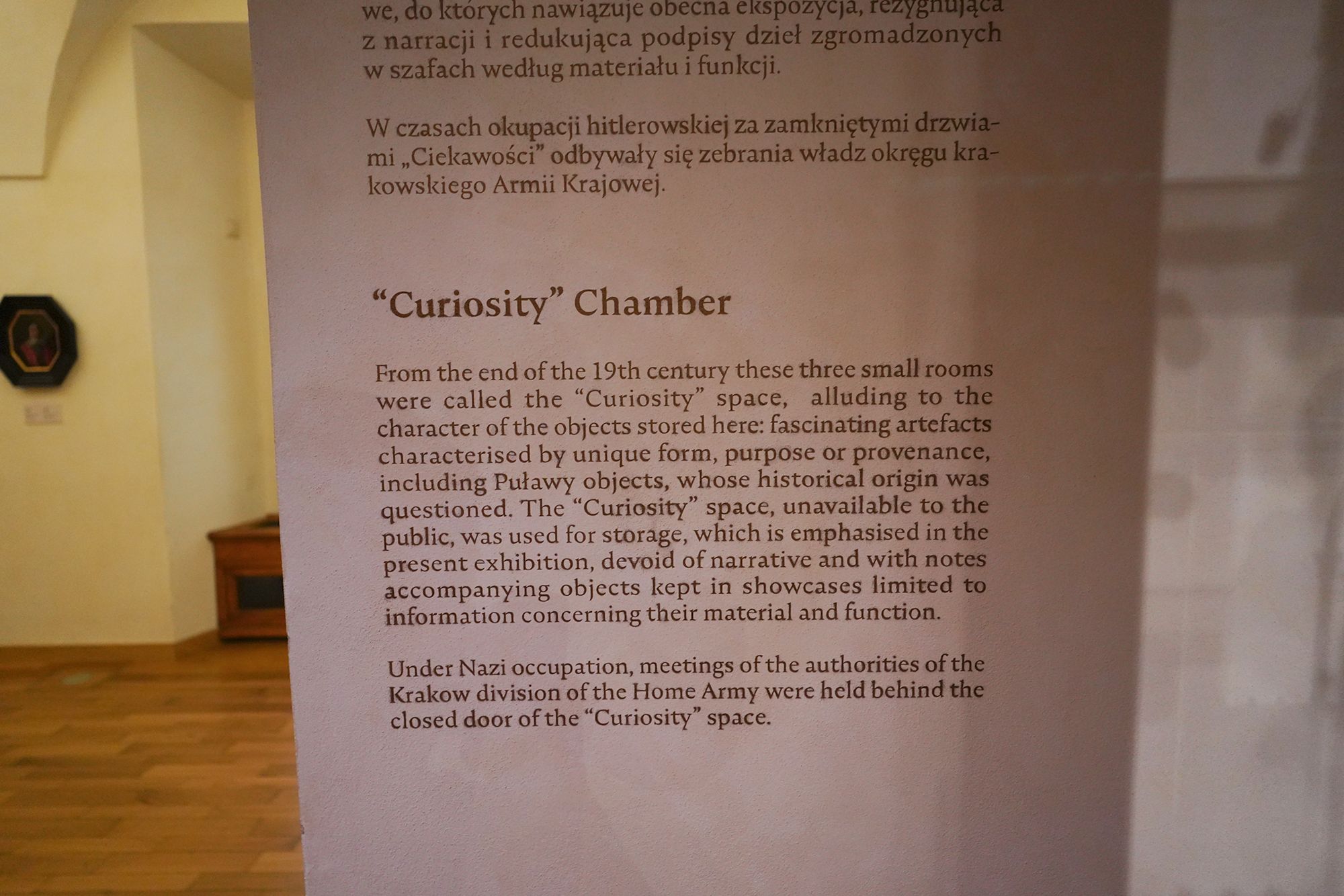
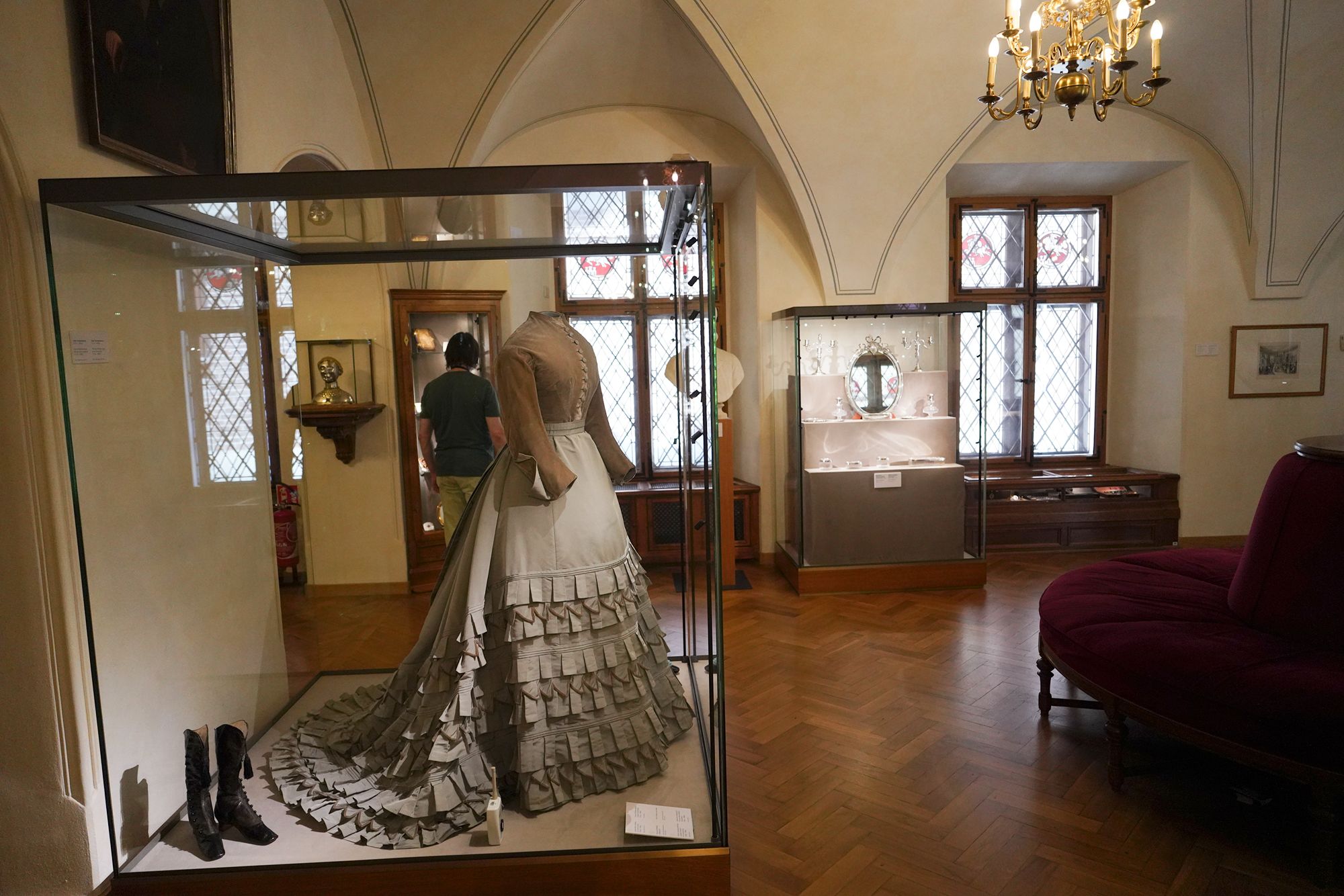
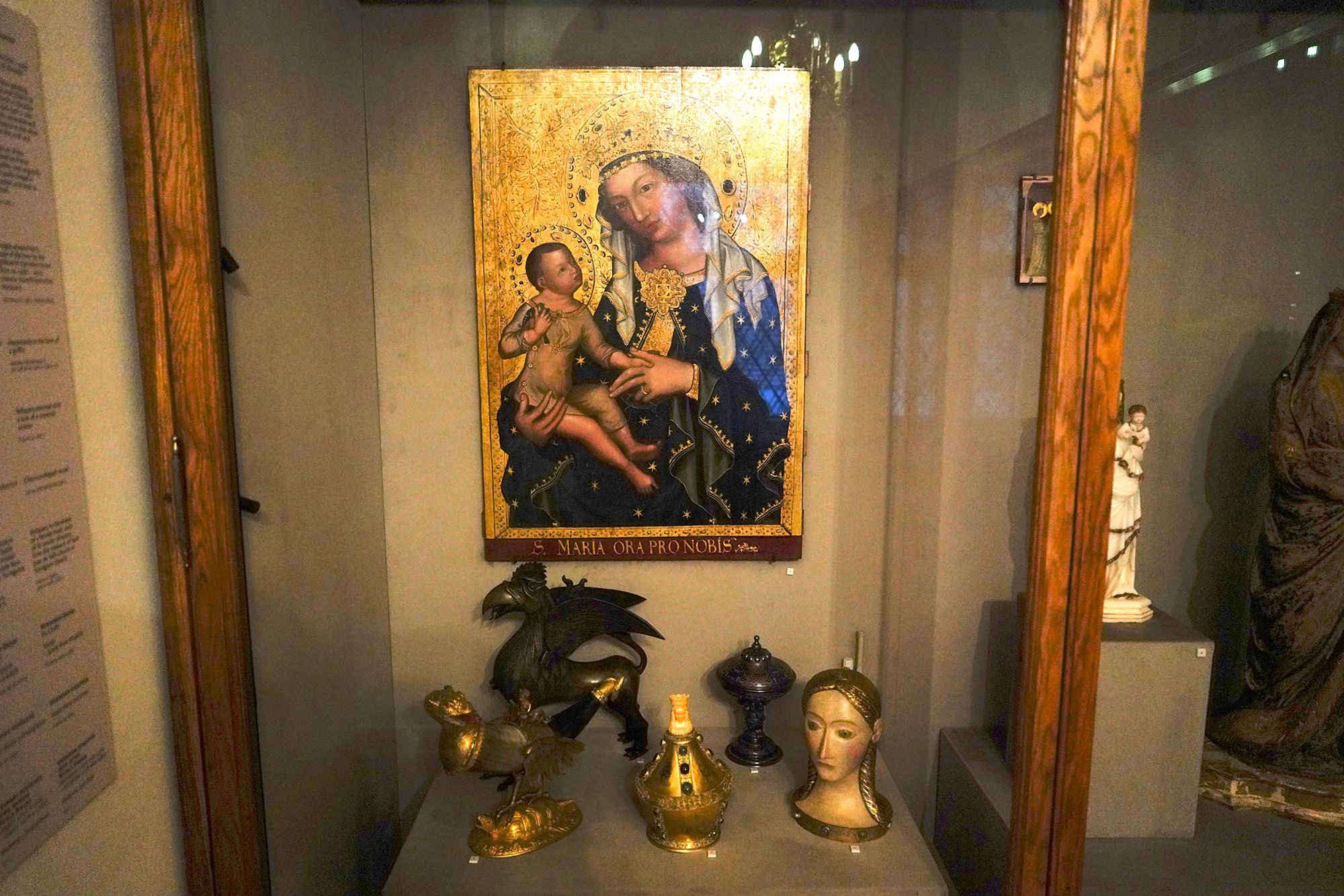
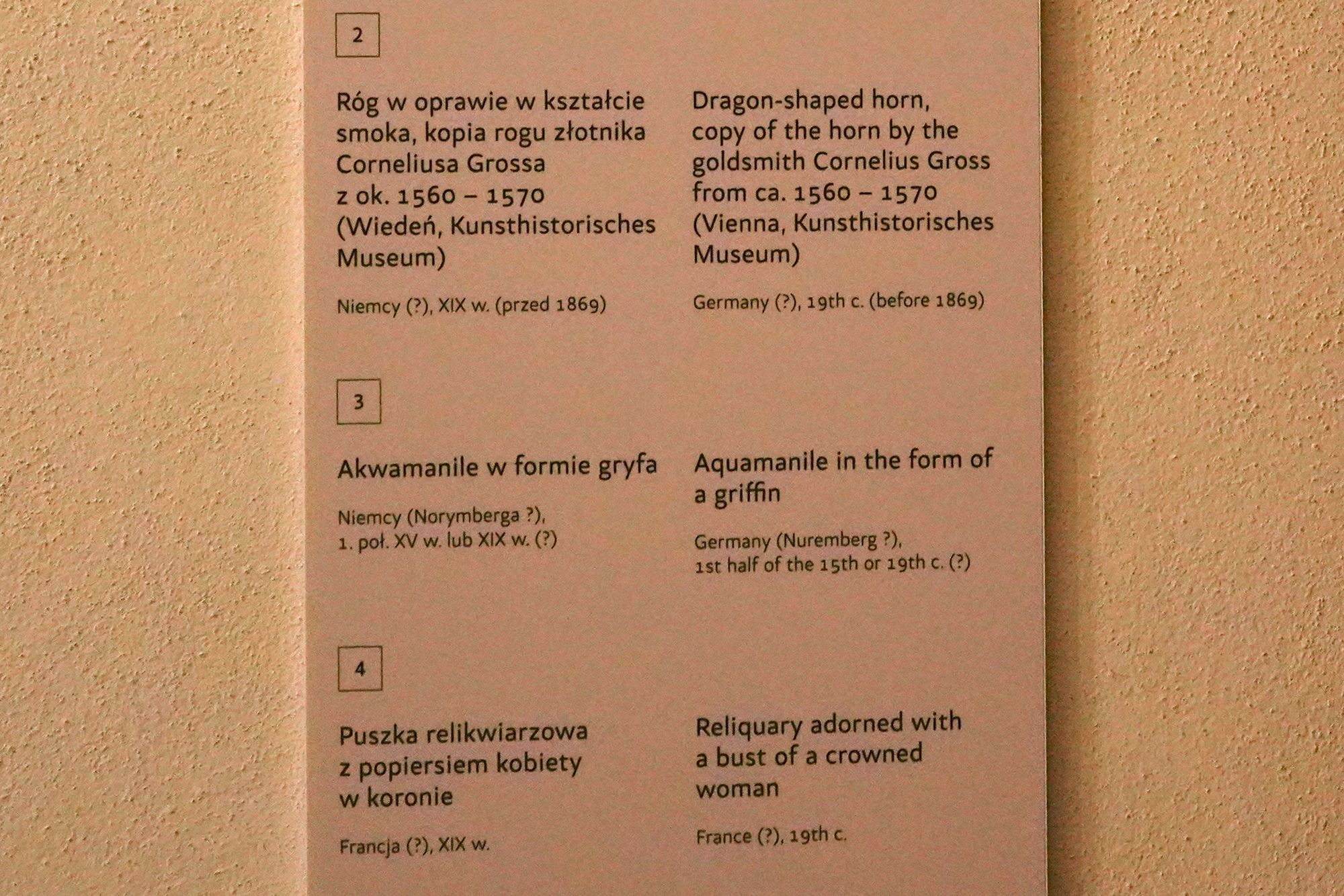
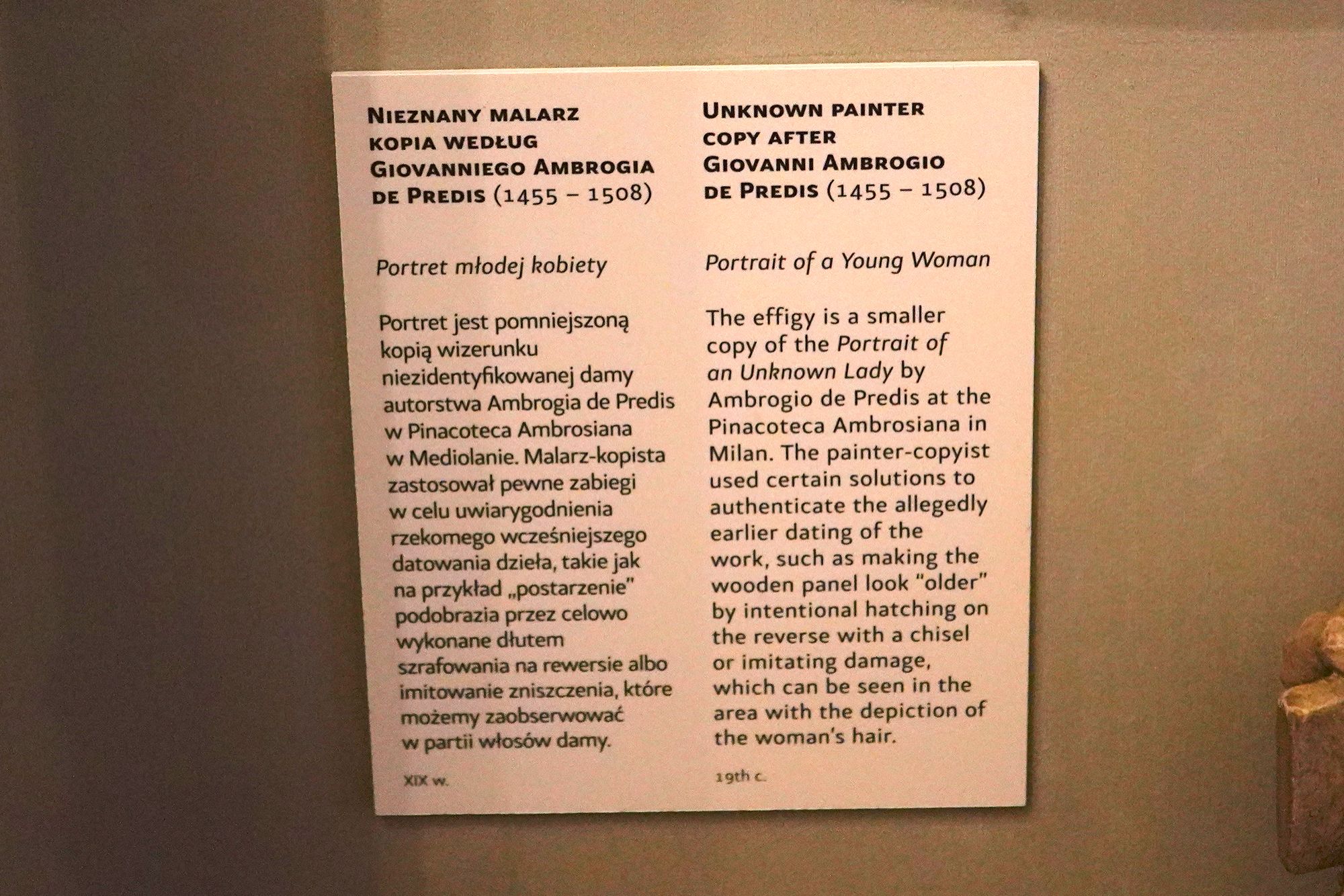
I entered the “Curiosity” Chamber, three small rooms once used to store unusual objects. The display preserves that storage-room feeling, with artifacts arranged in cases and only brief labels. During the Nazi occupation, members of the Polish Home Army also held secret meetings here.
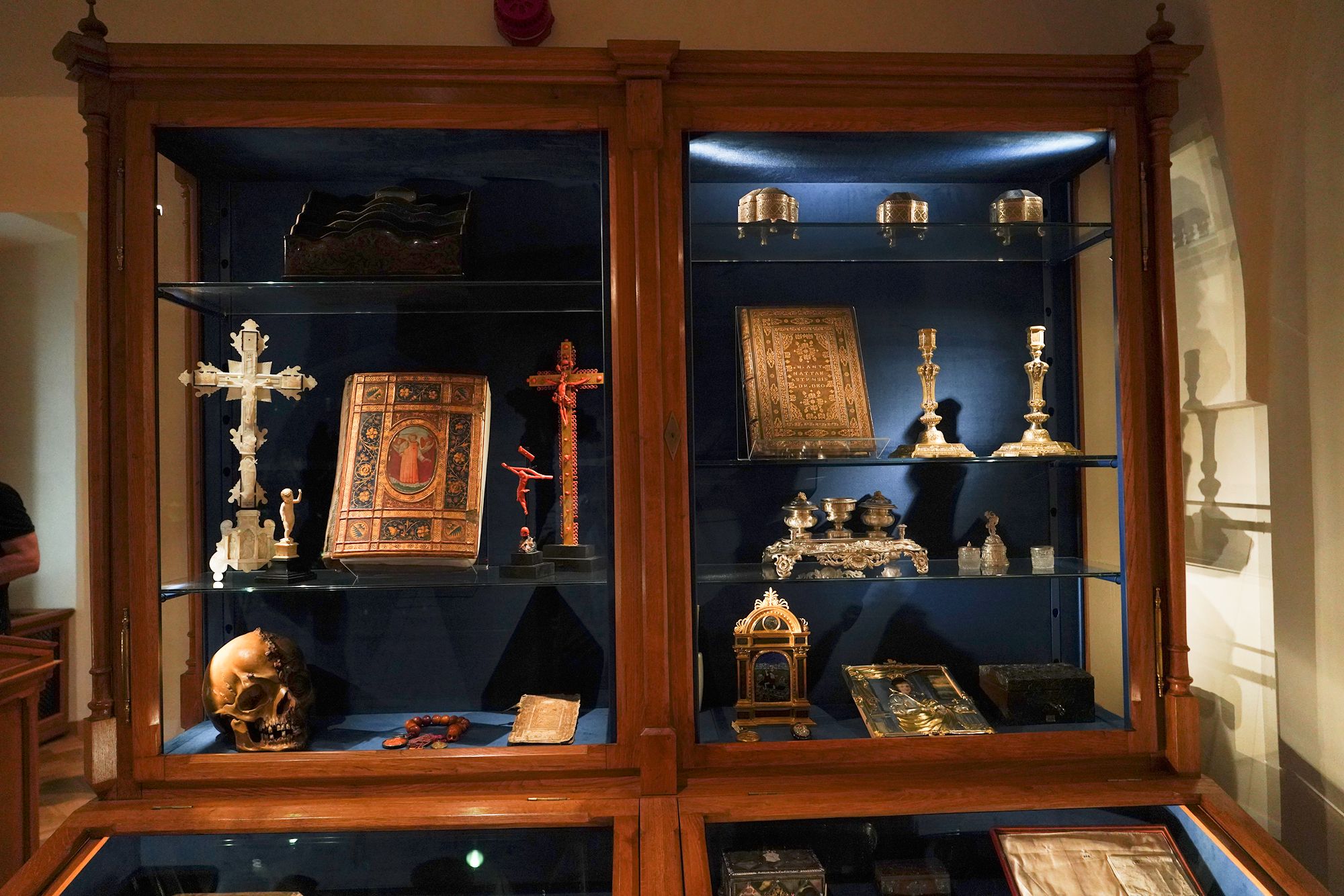
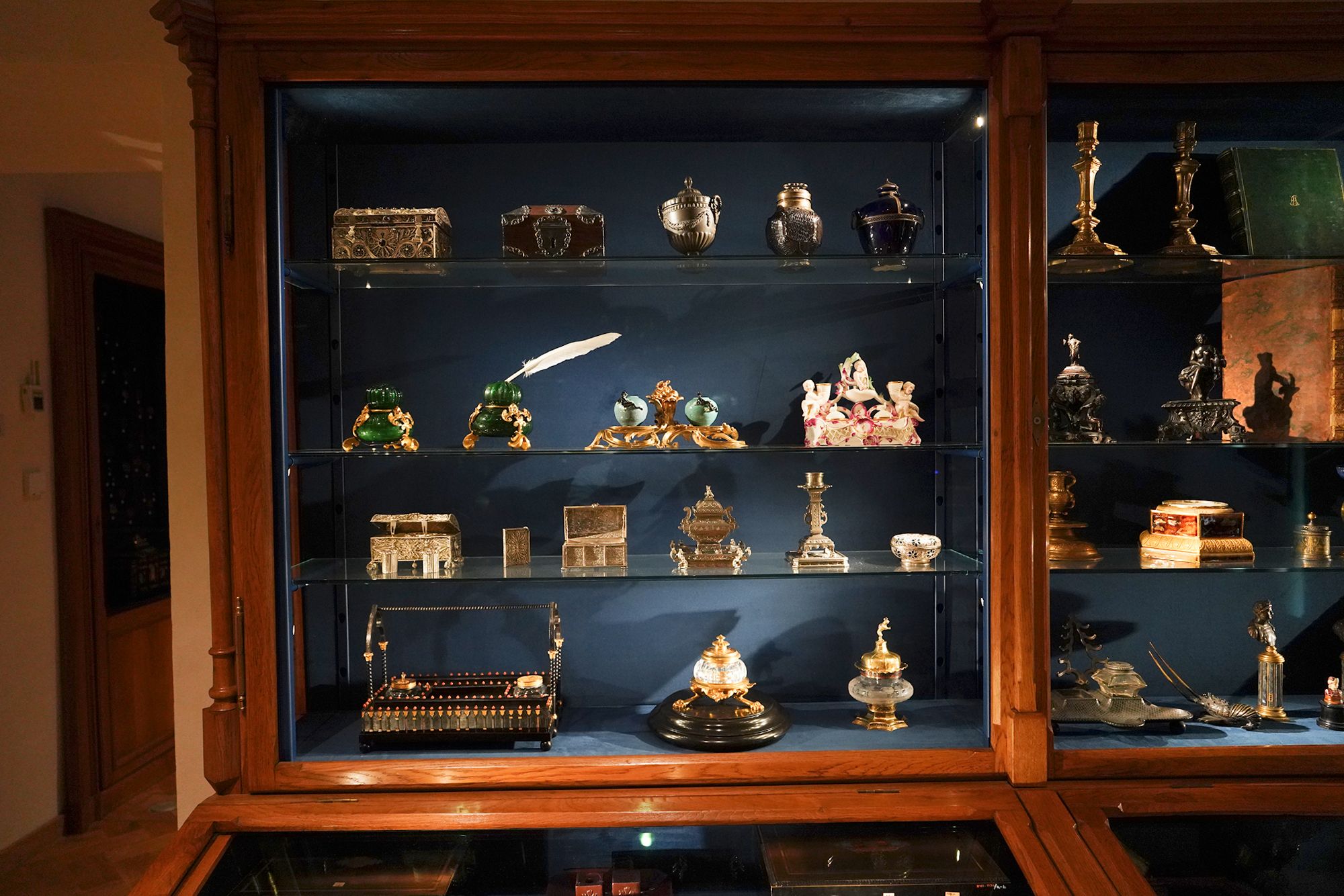
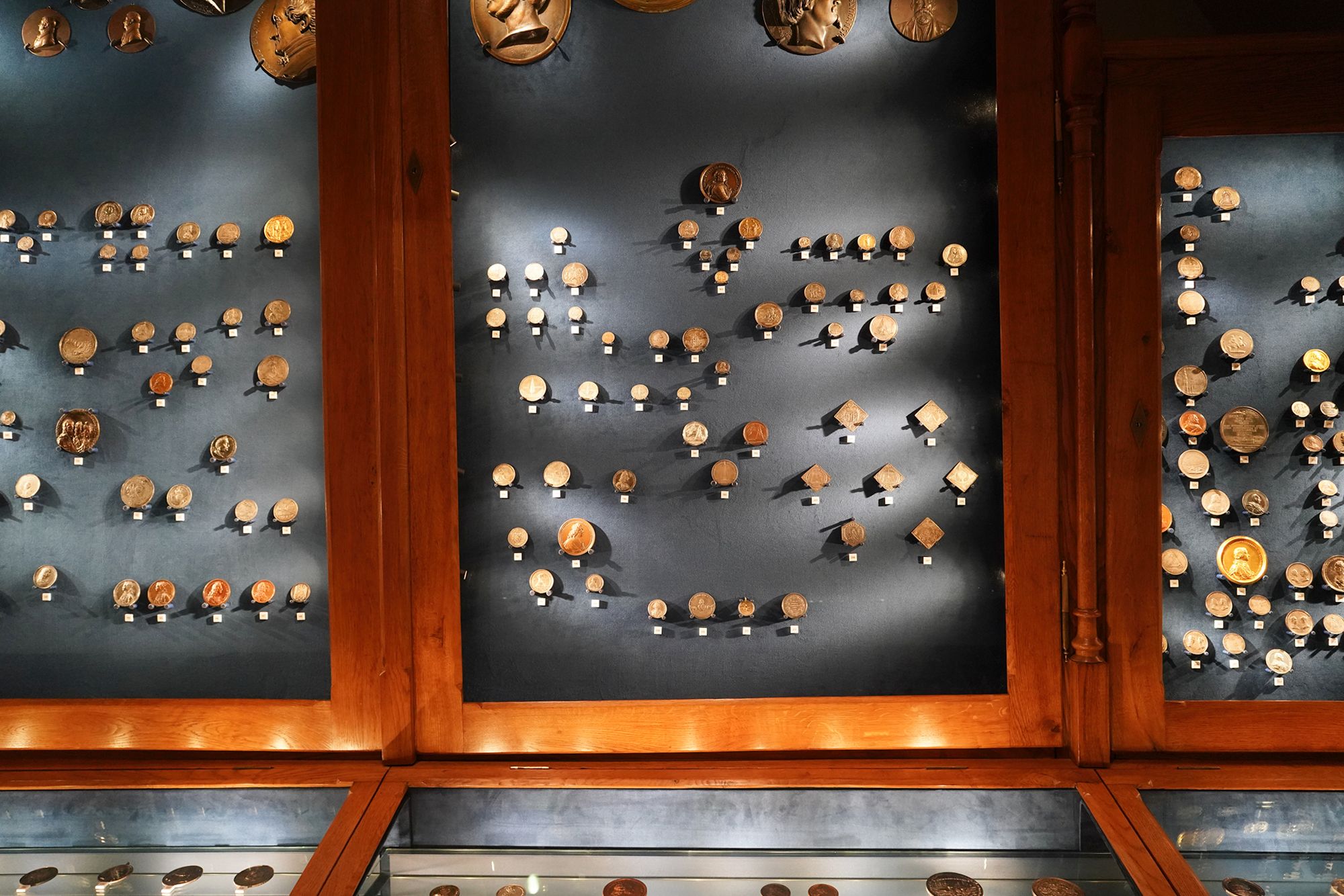
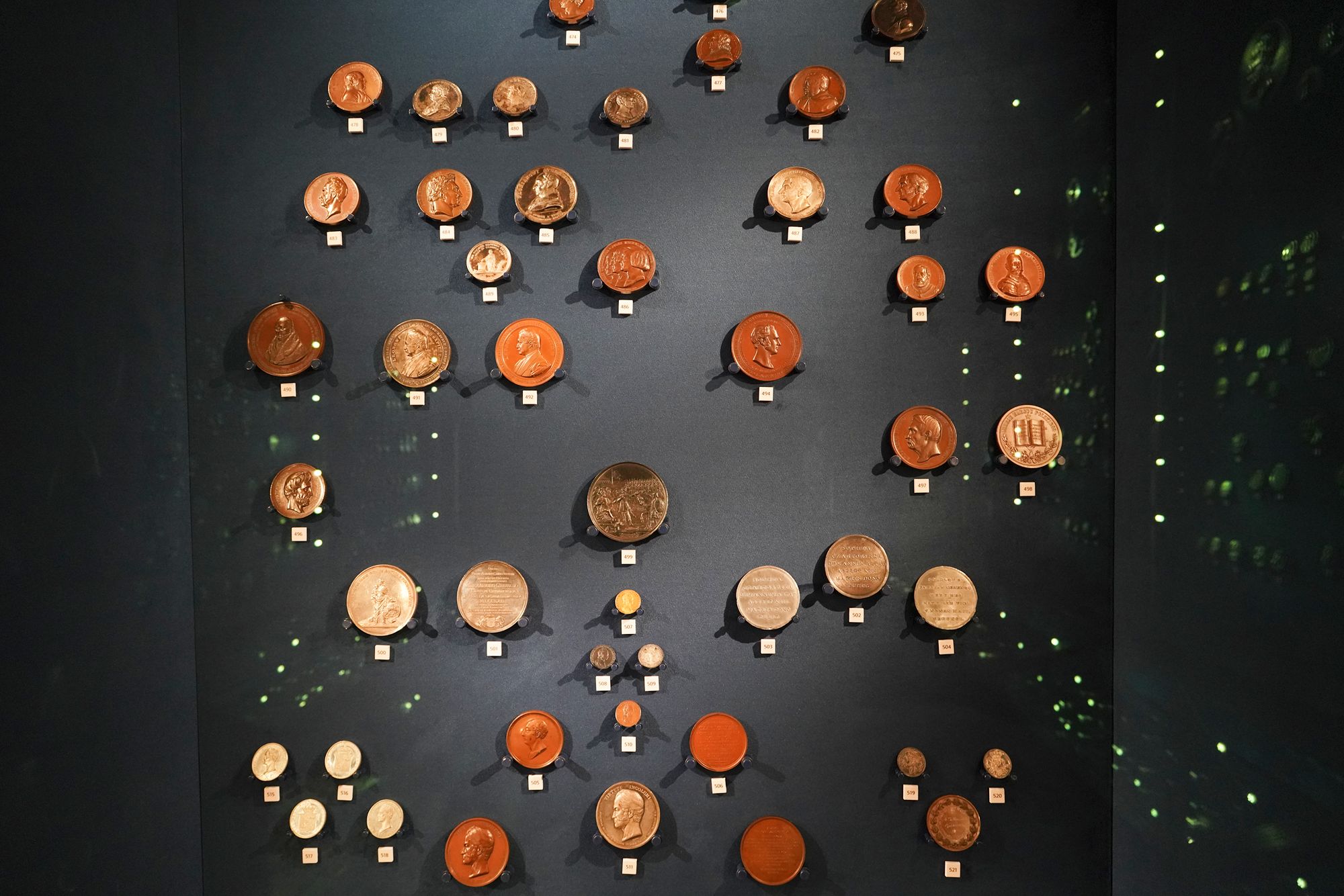
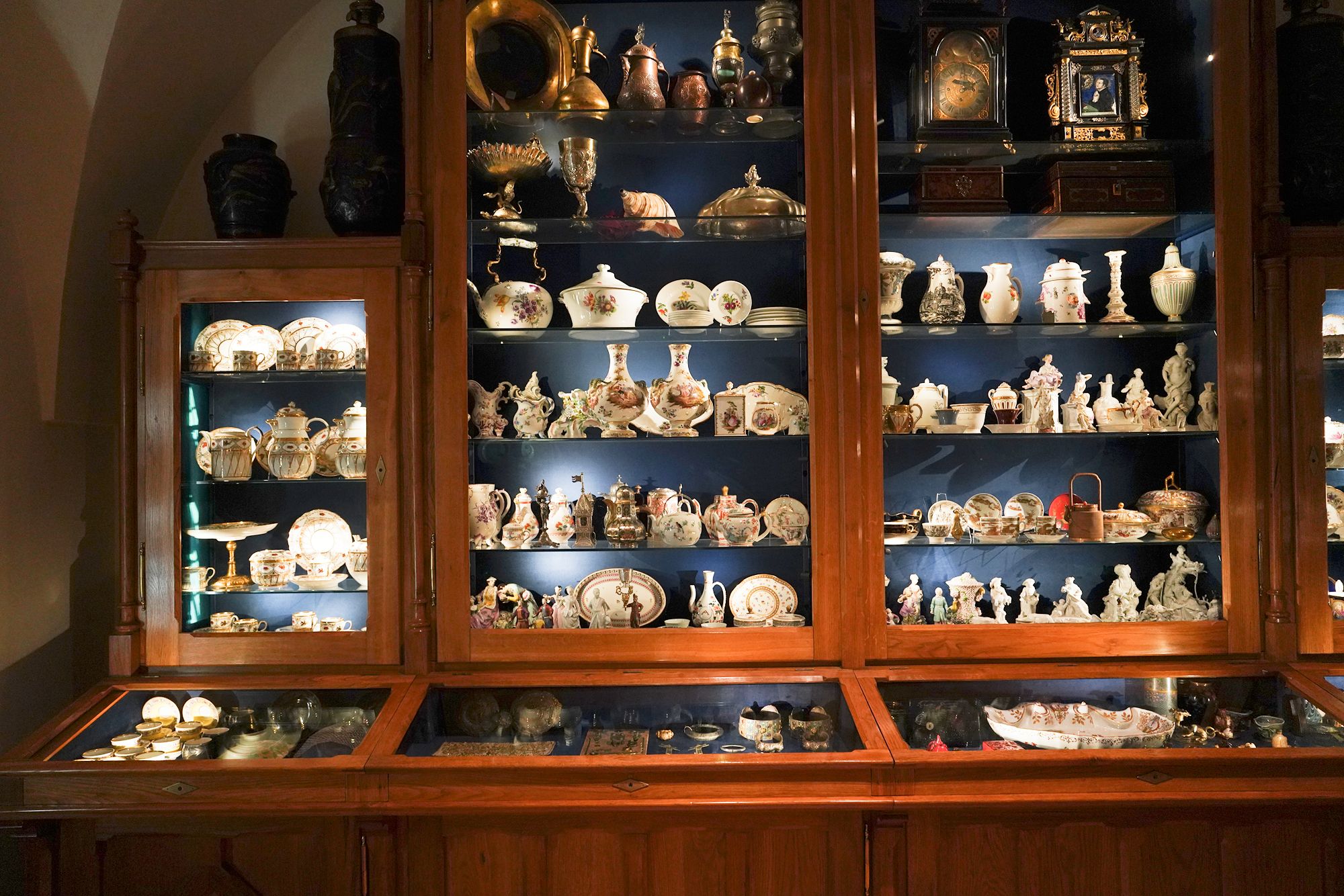
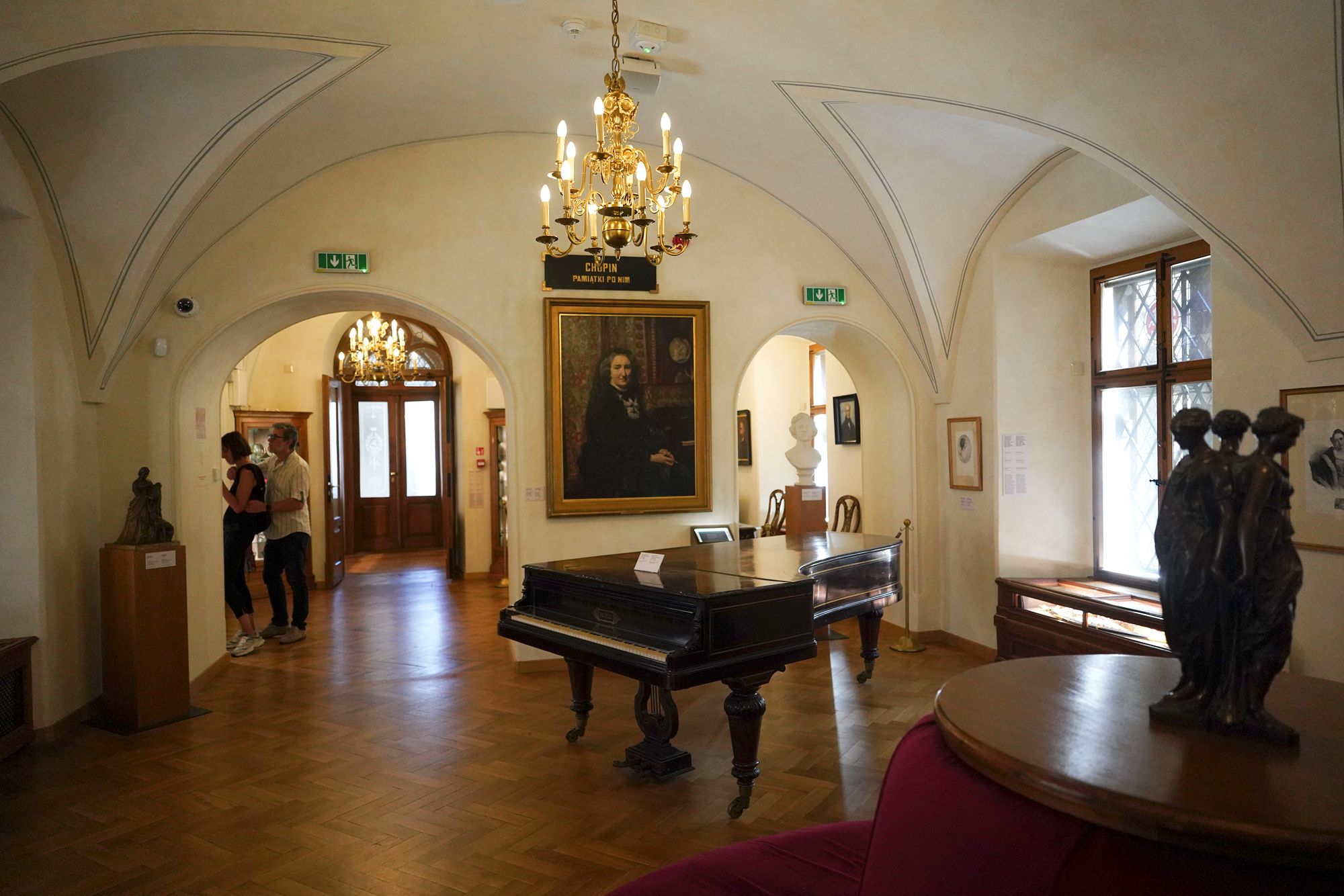
The next area with furnitures
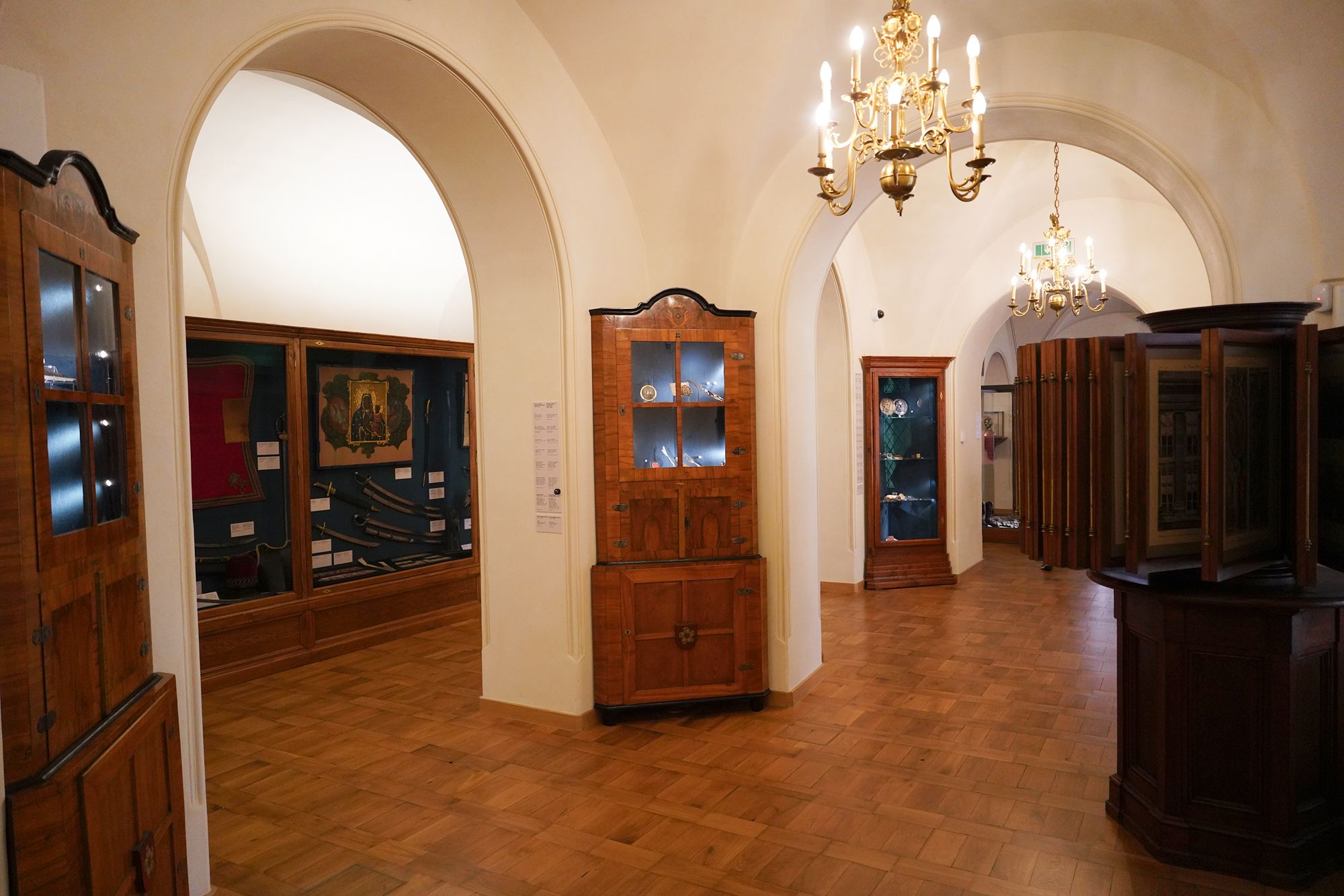
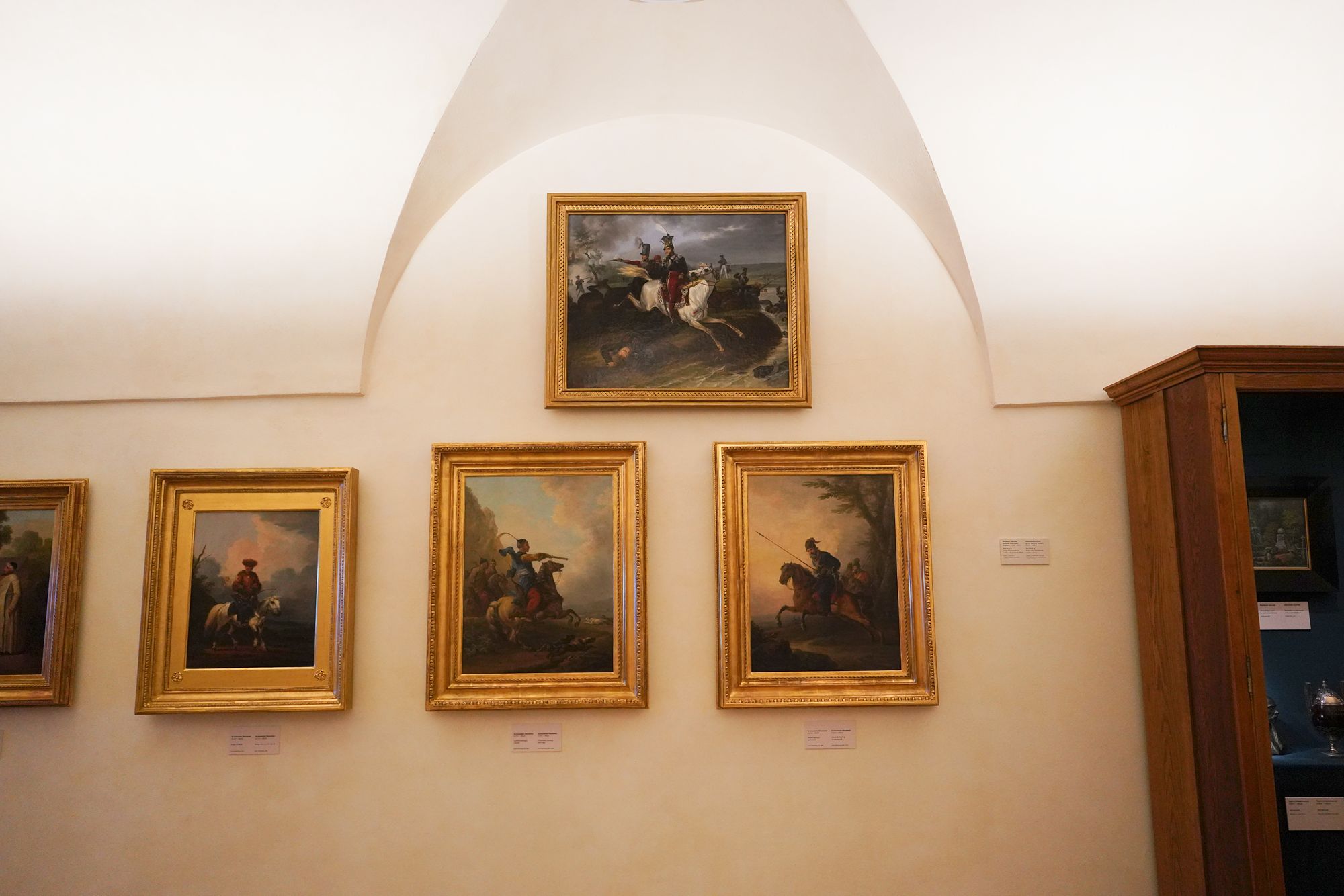
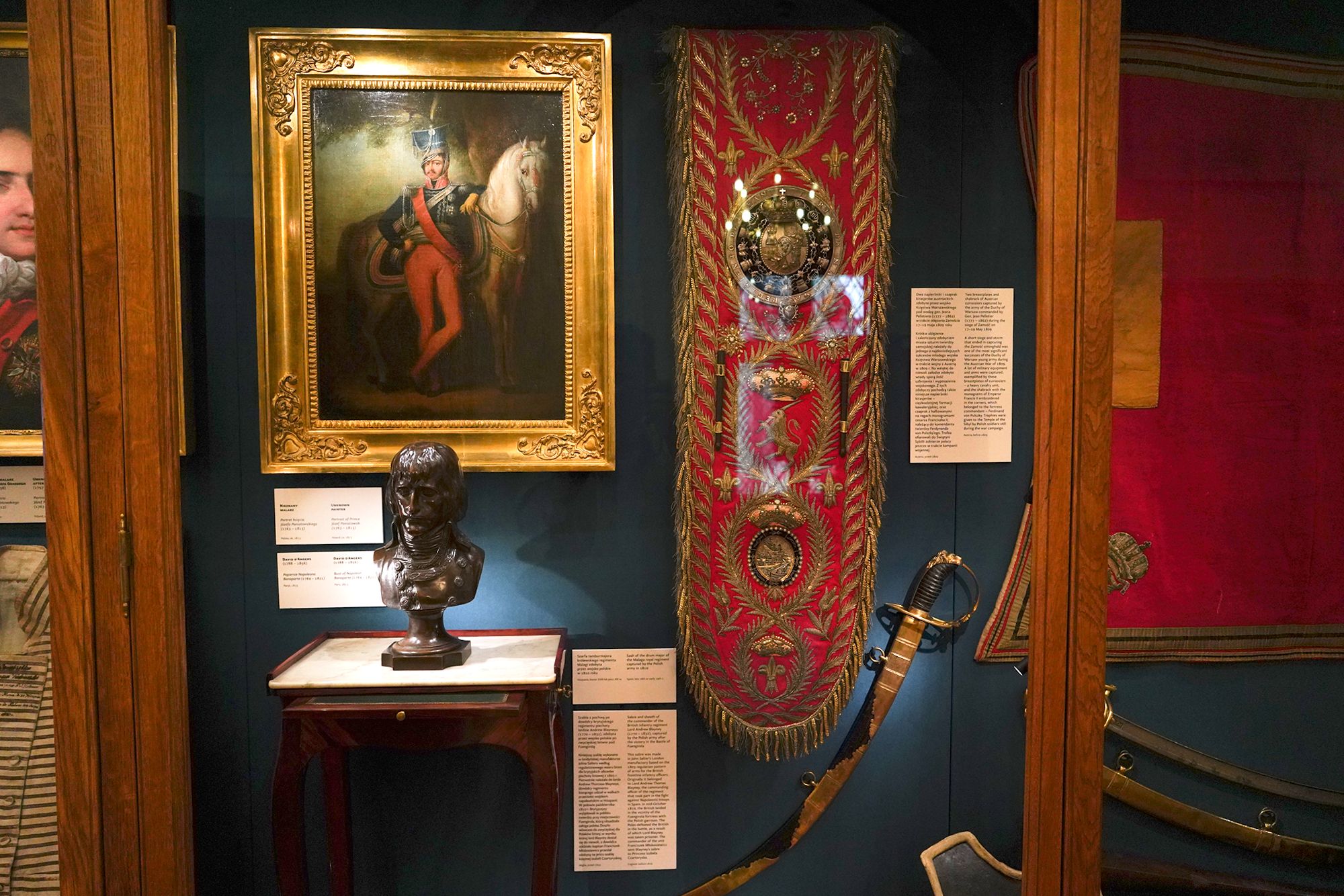
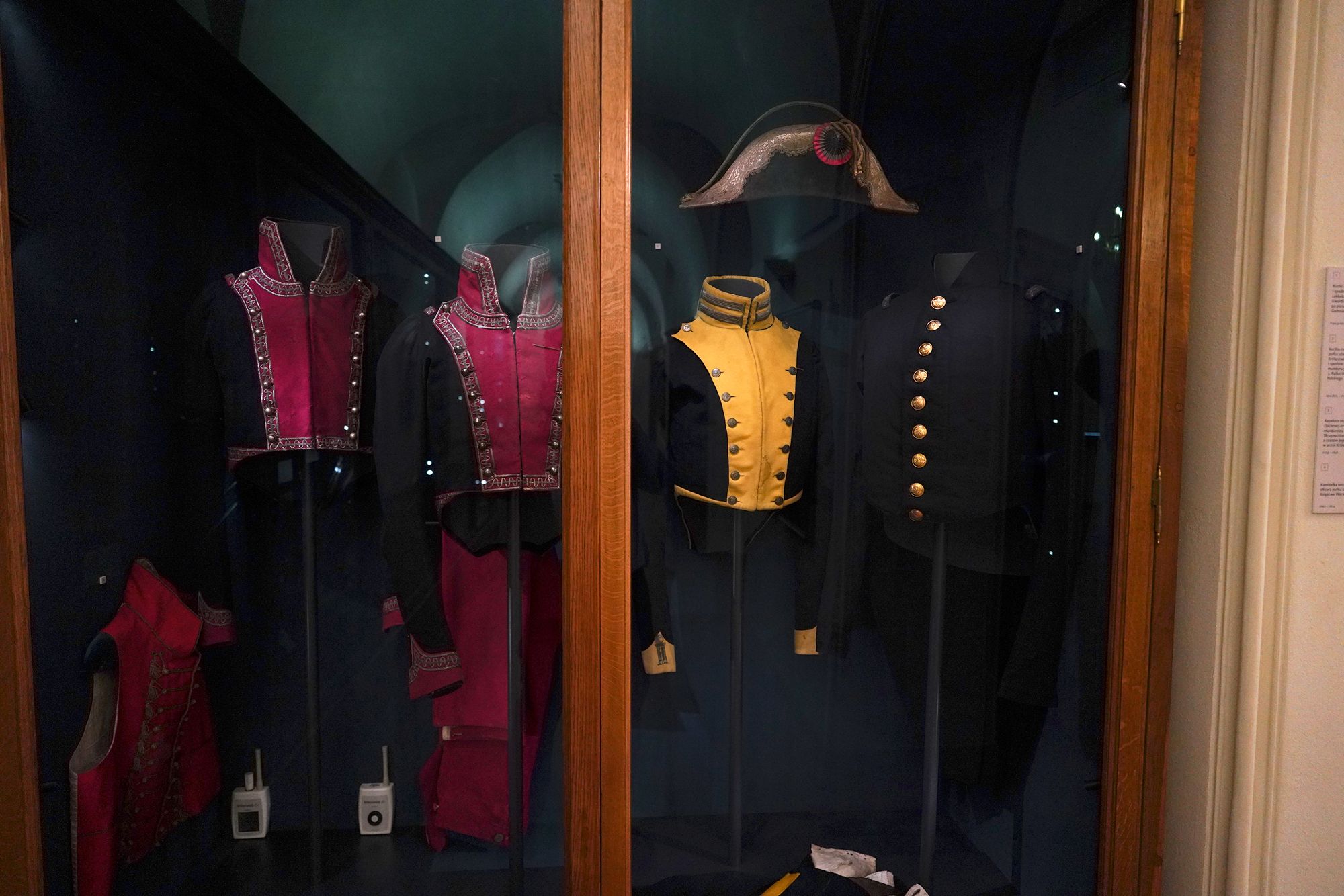
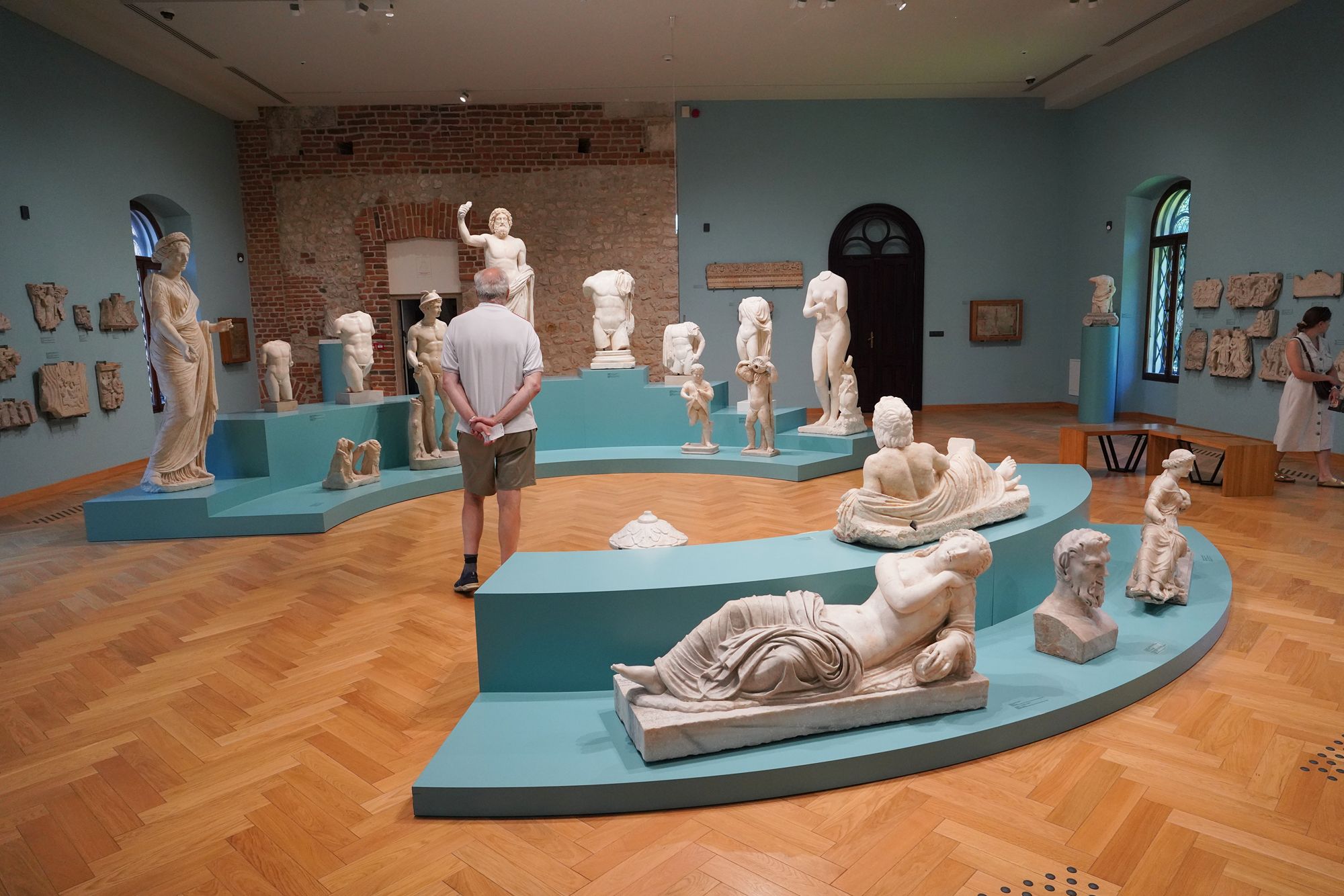
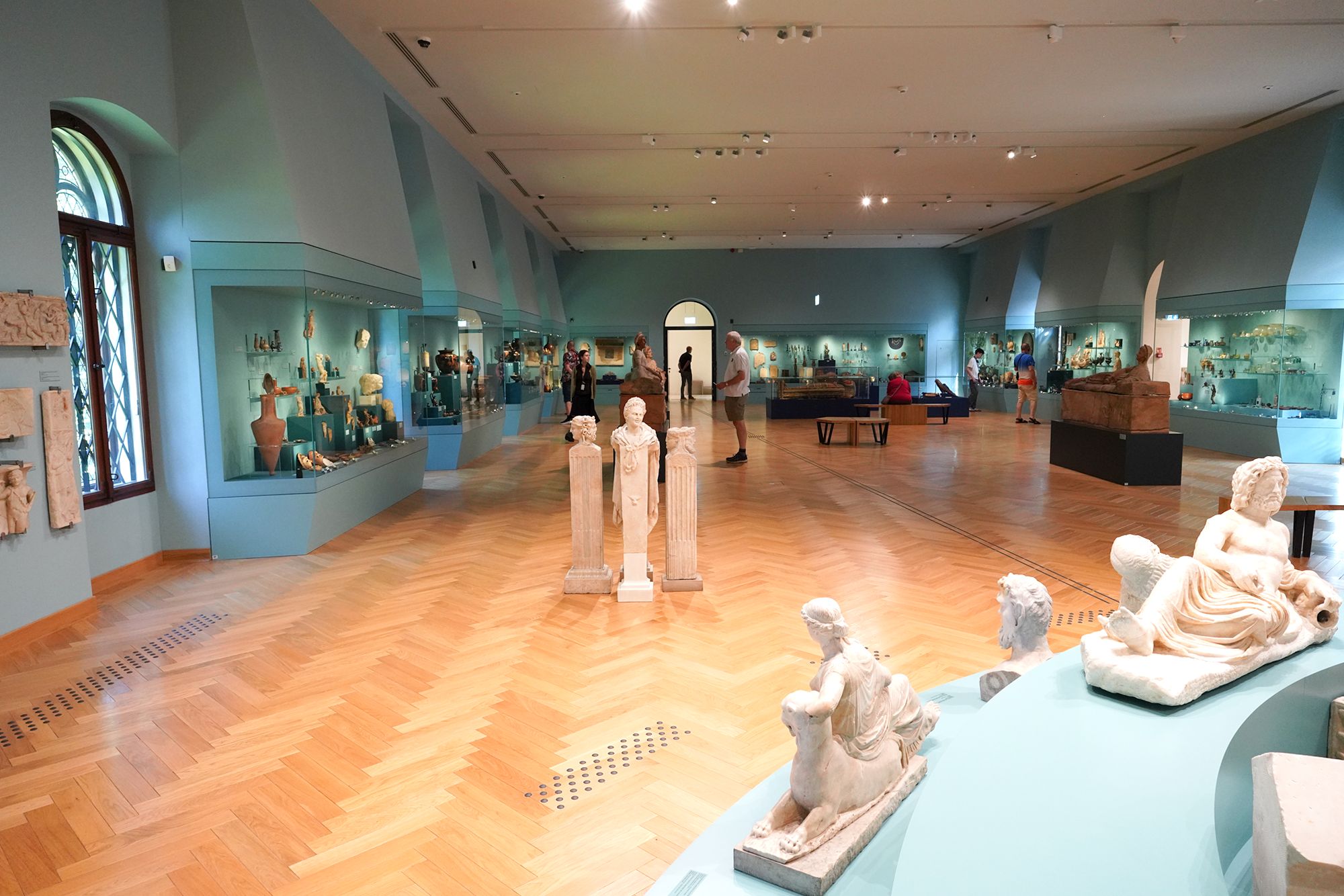
The next room displayed Roman statues and other ancient objects, adding another period of history to the museum’s collection.
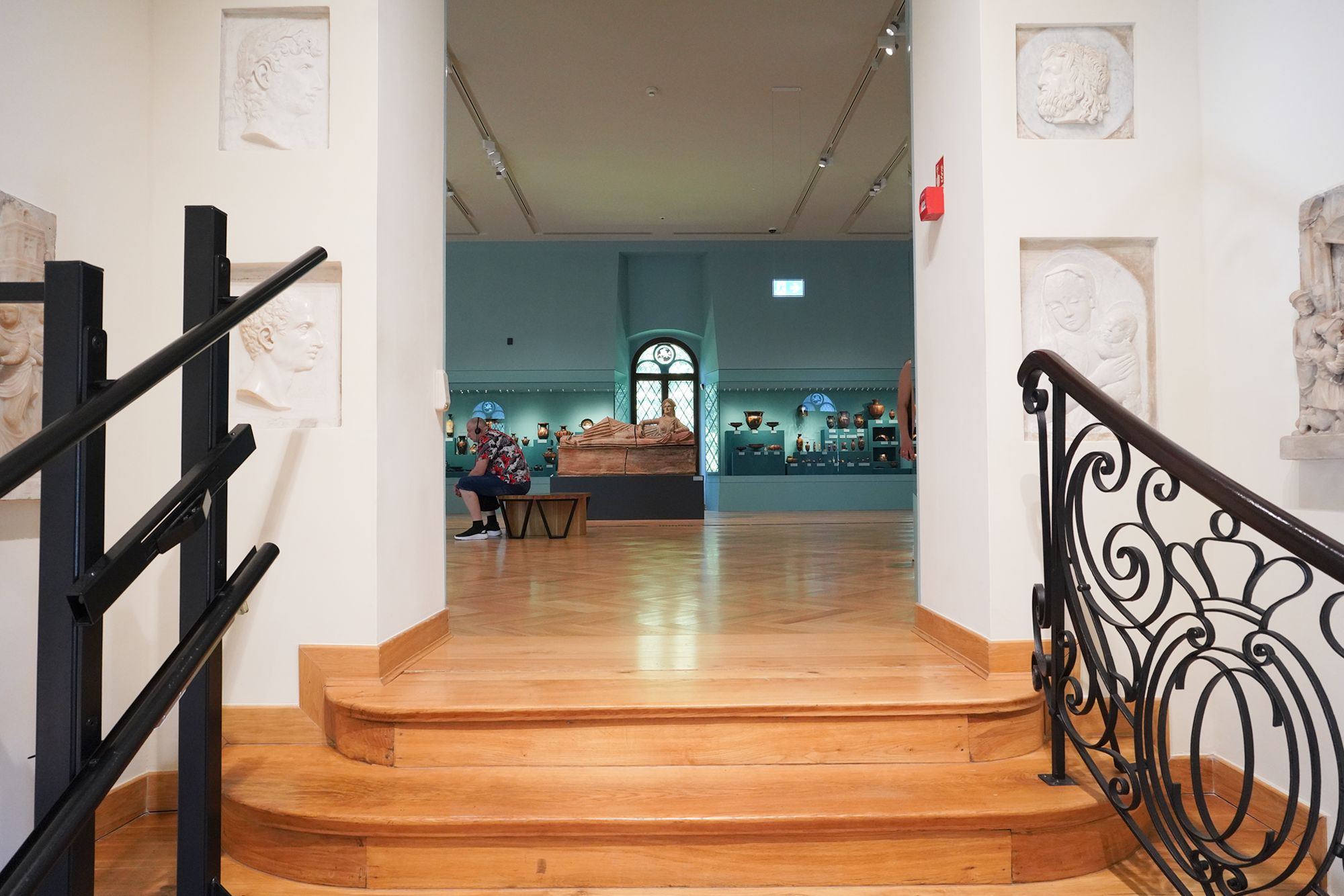
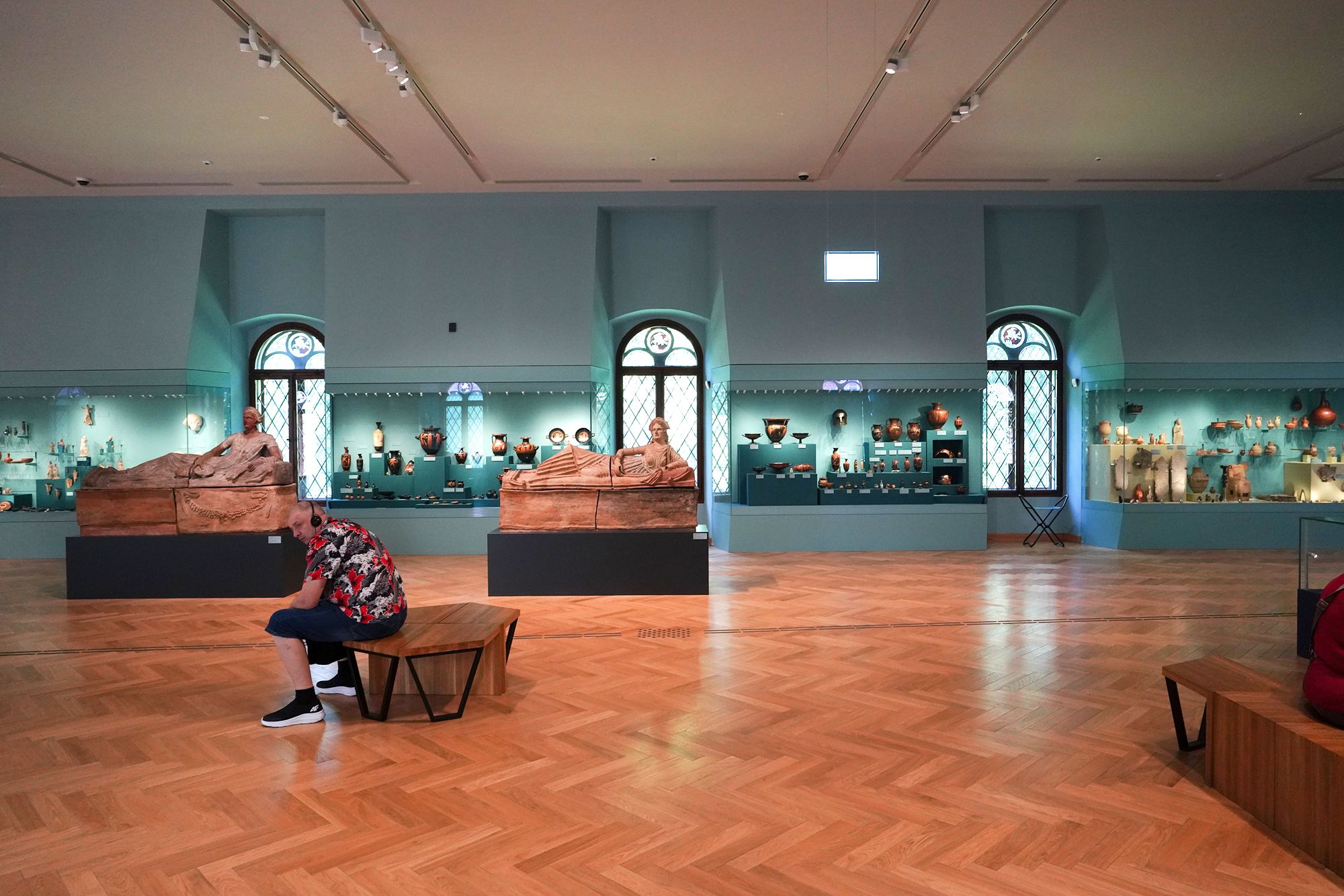
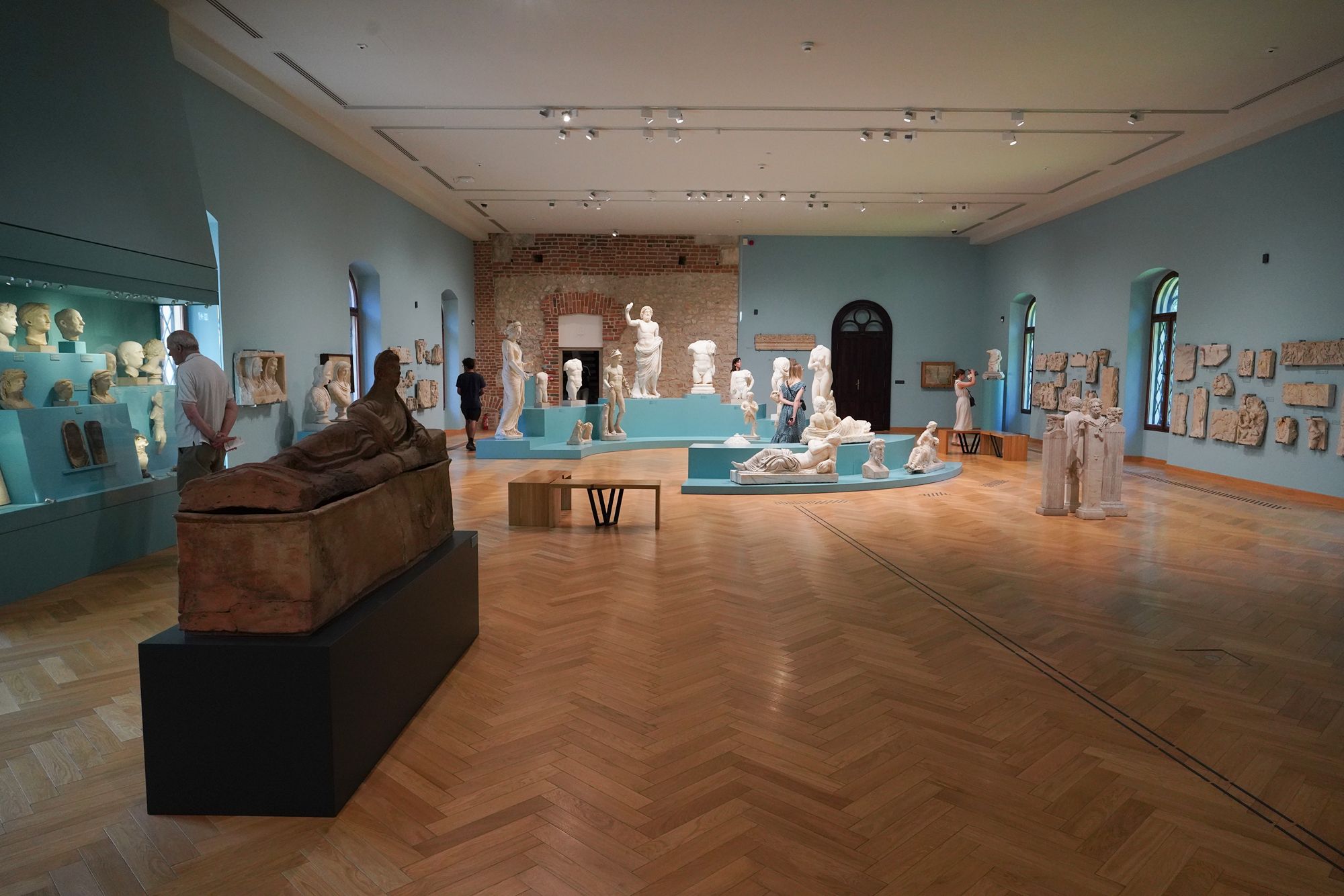
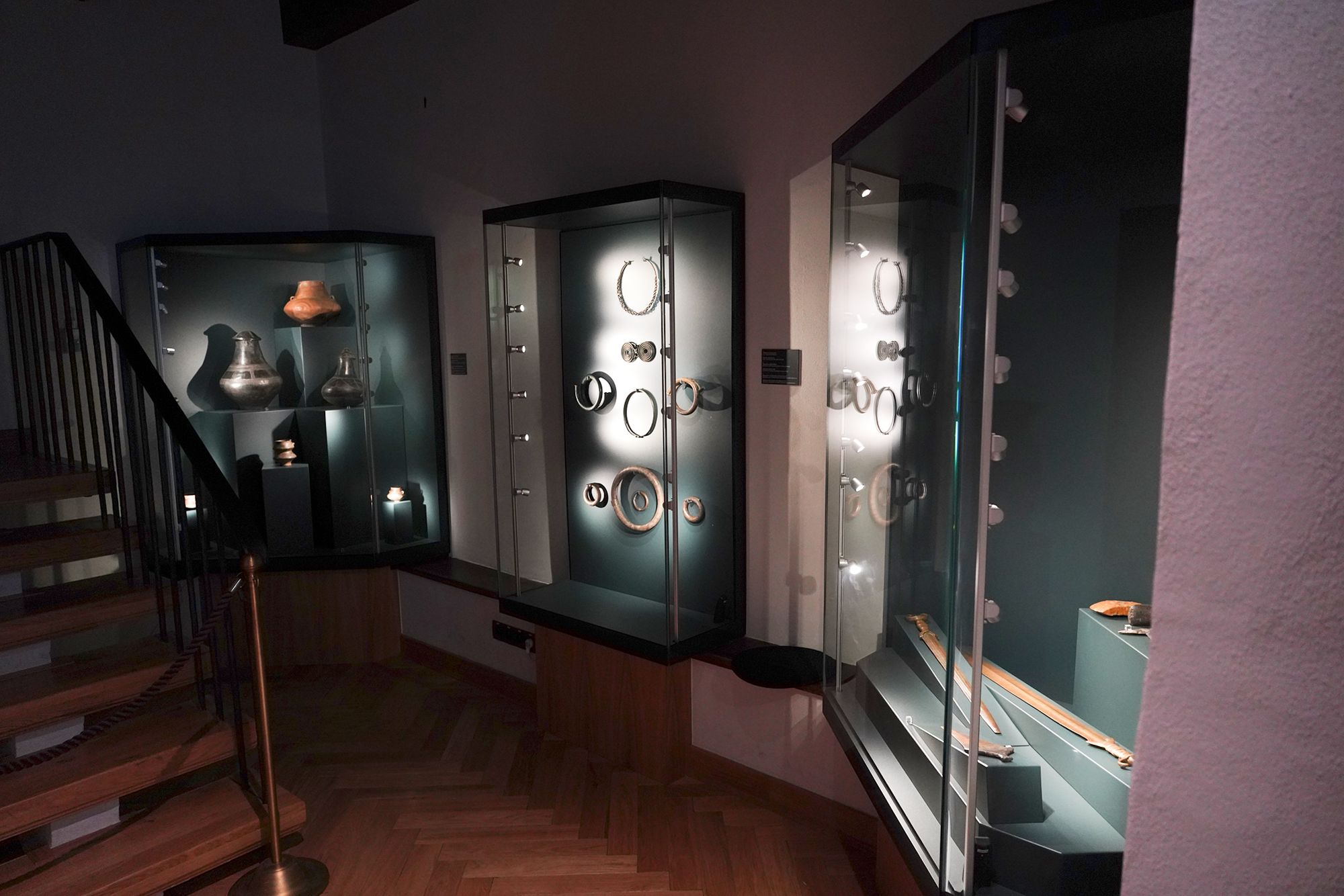
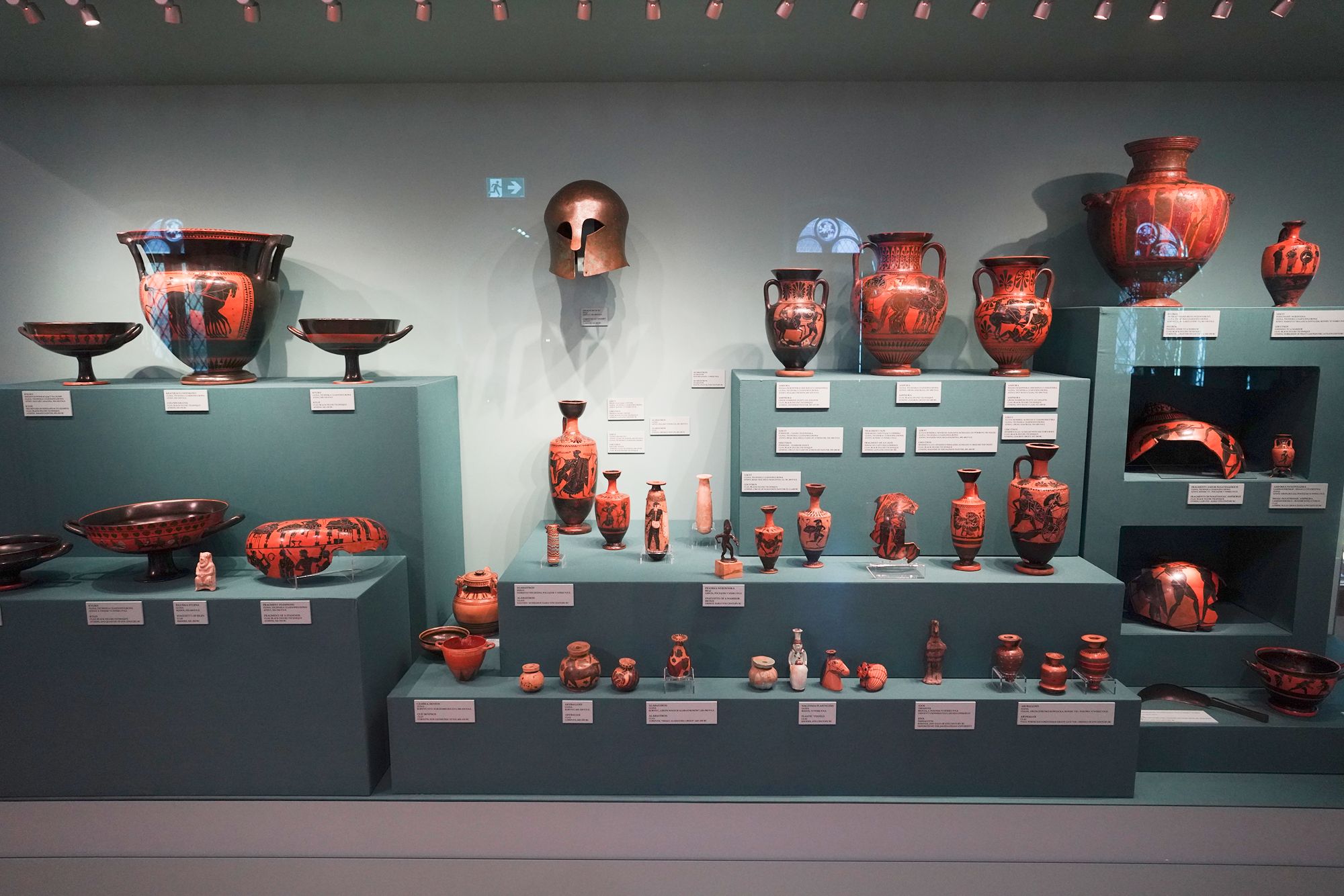
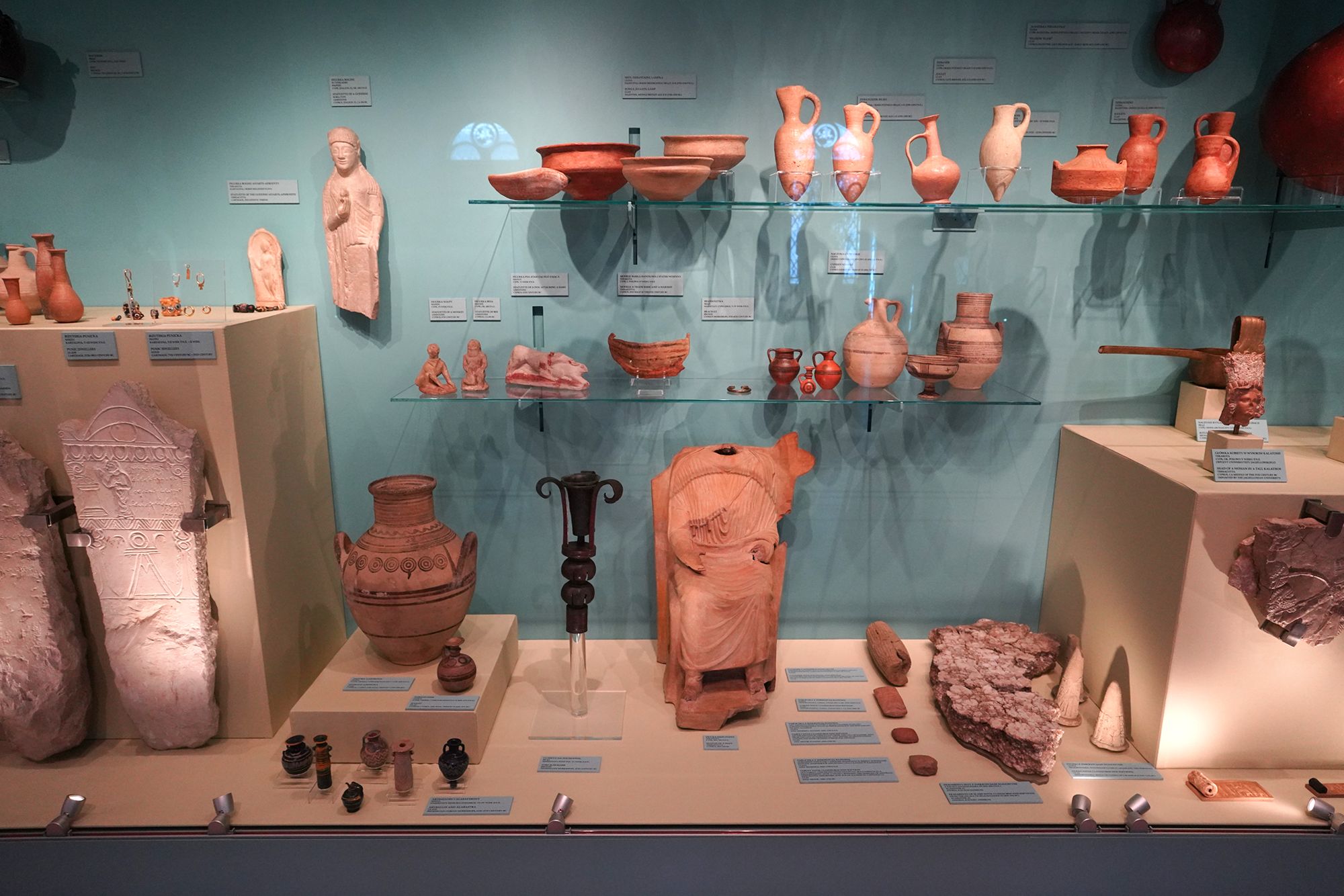
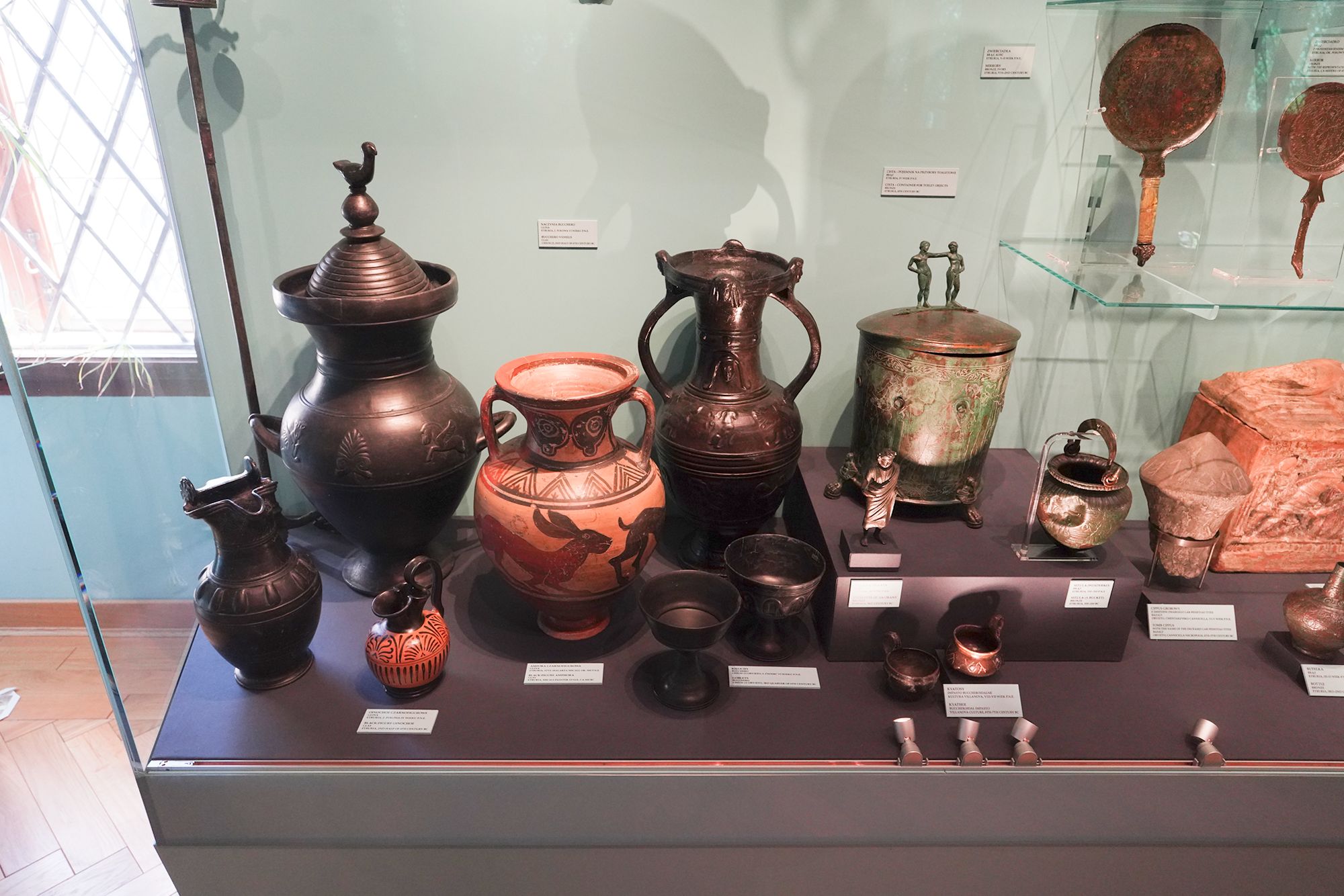
I also saw a display of ancient Greek pottery, including large decorated jars.
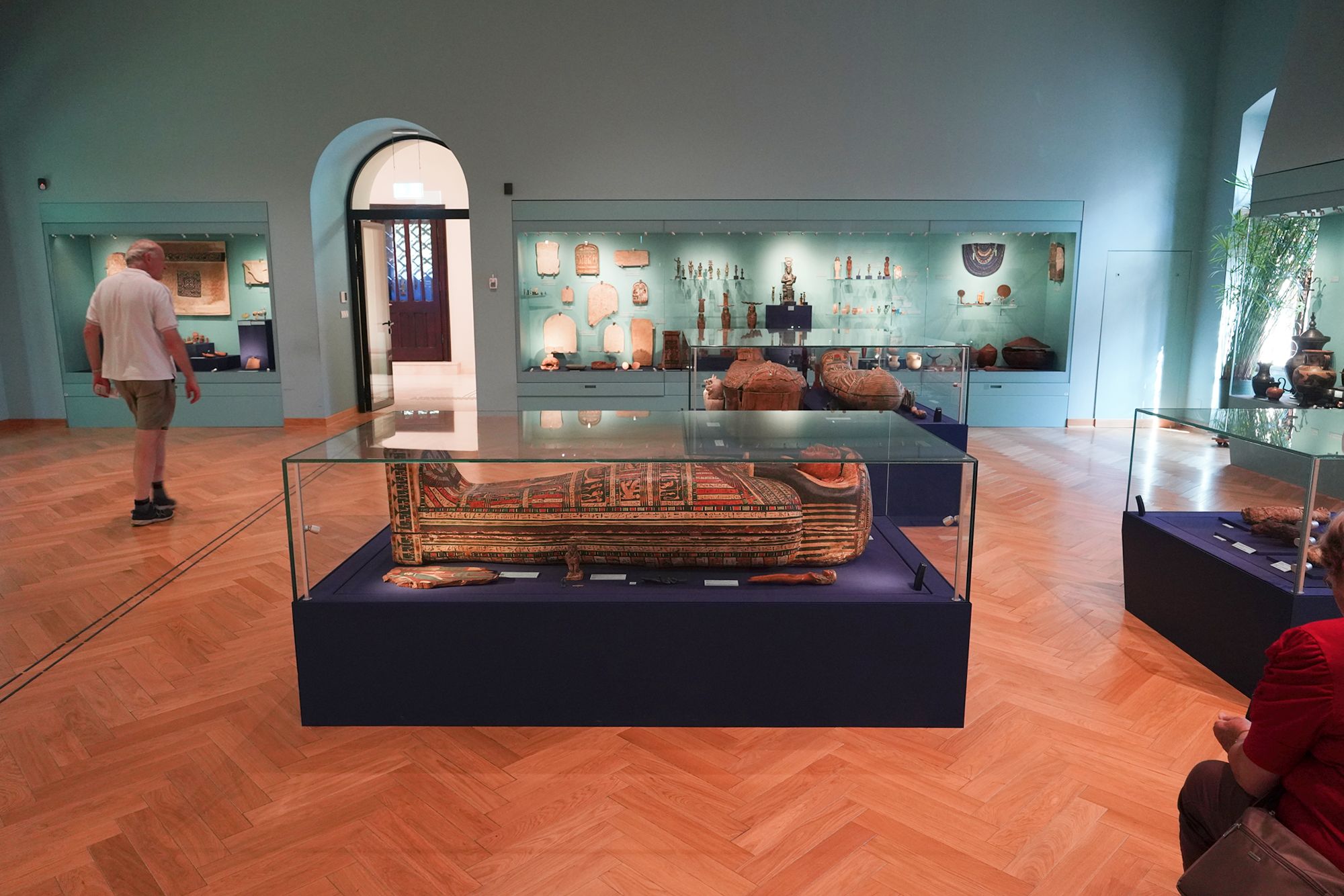
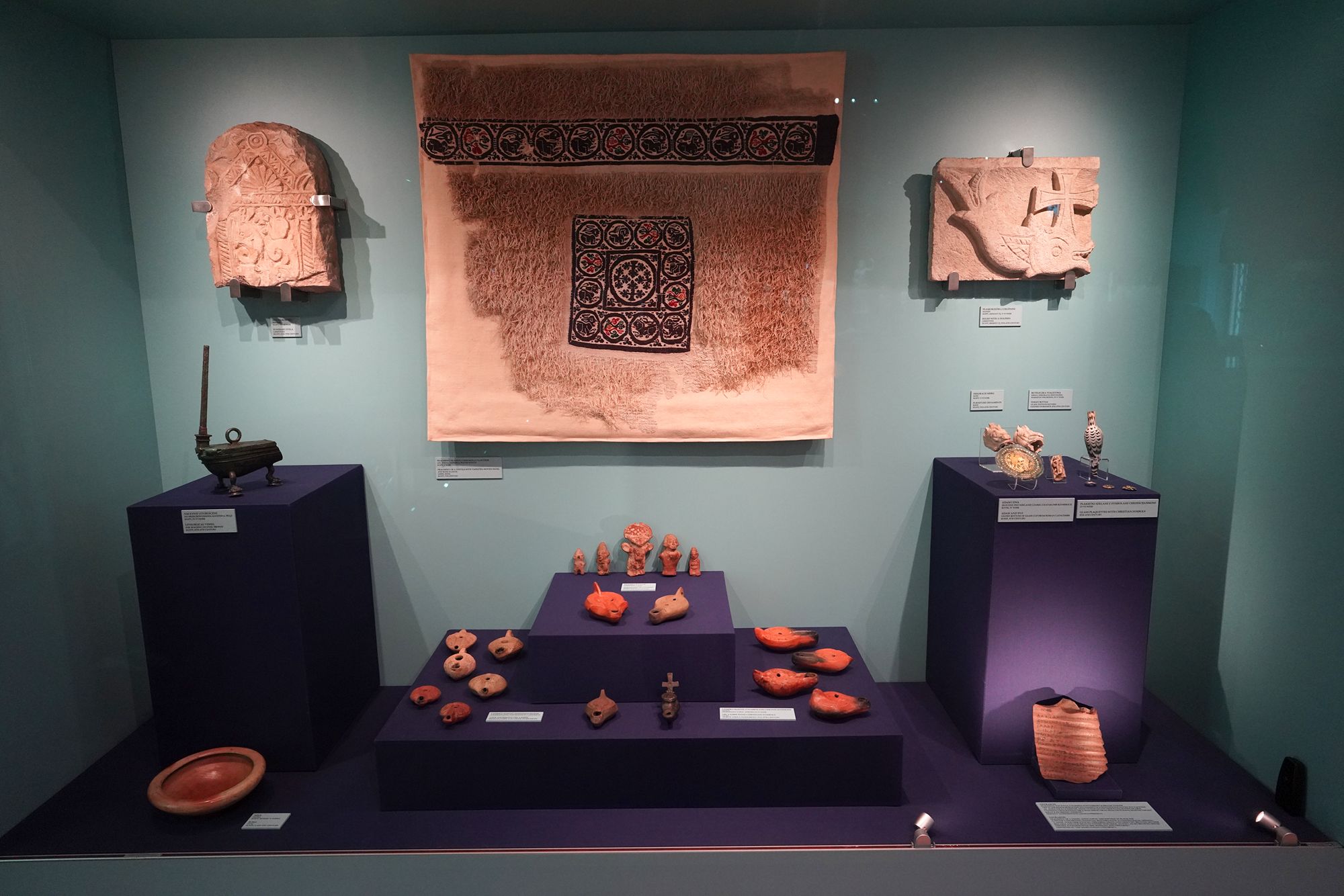
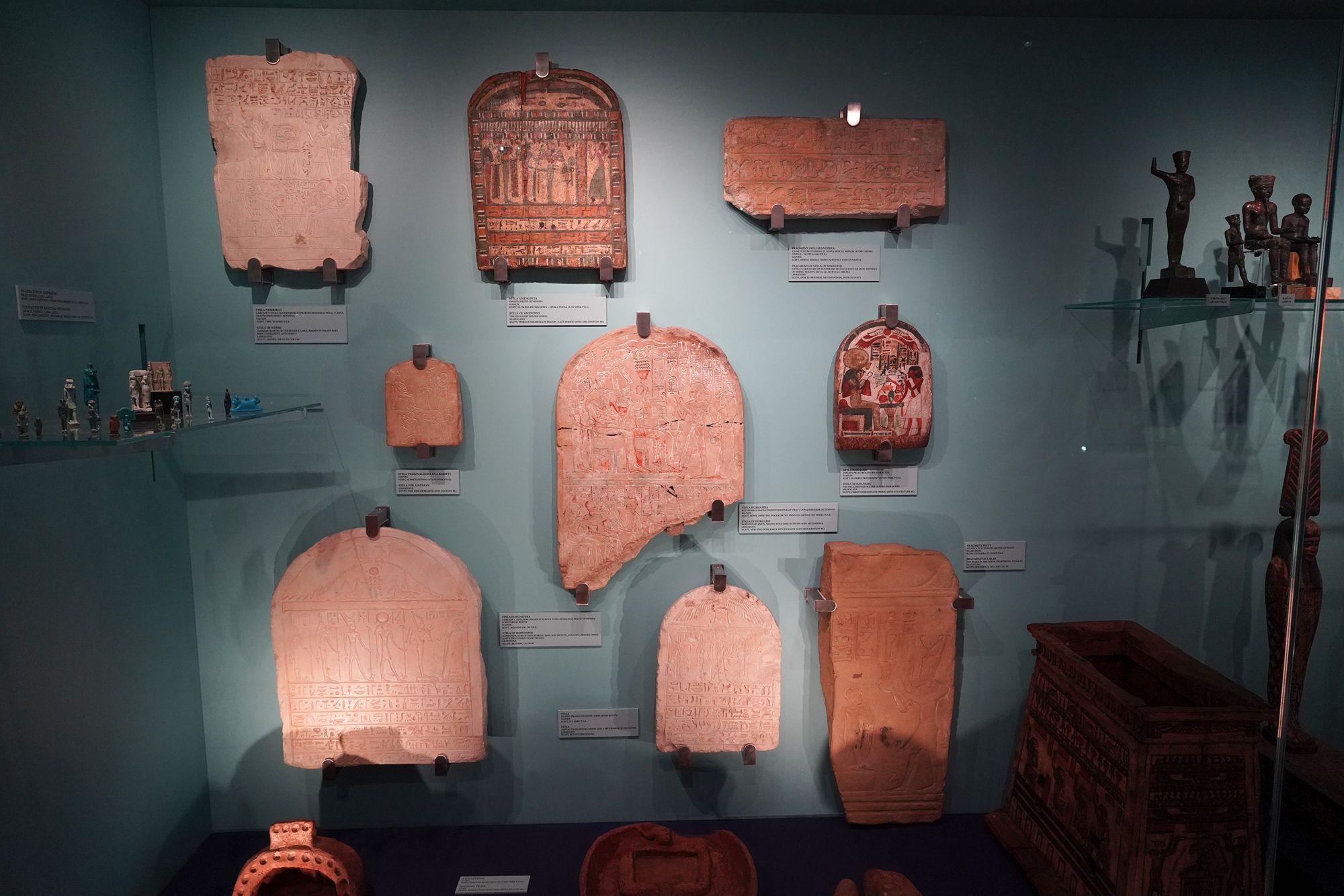
I continued through the Egyptian galleries, where coffins and smaller artifacts were displayed together.
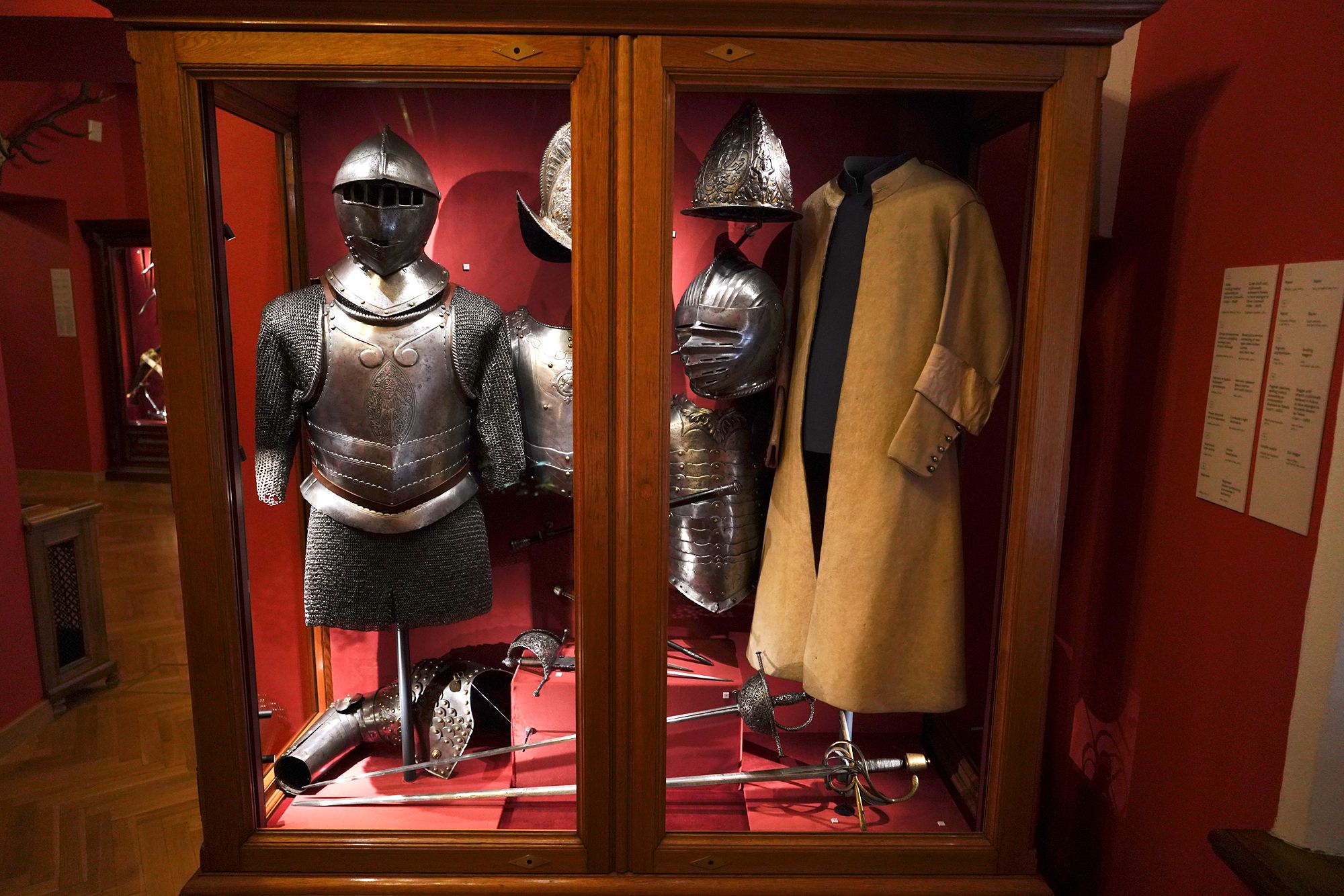
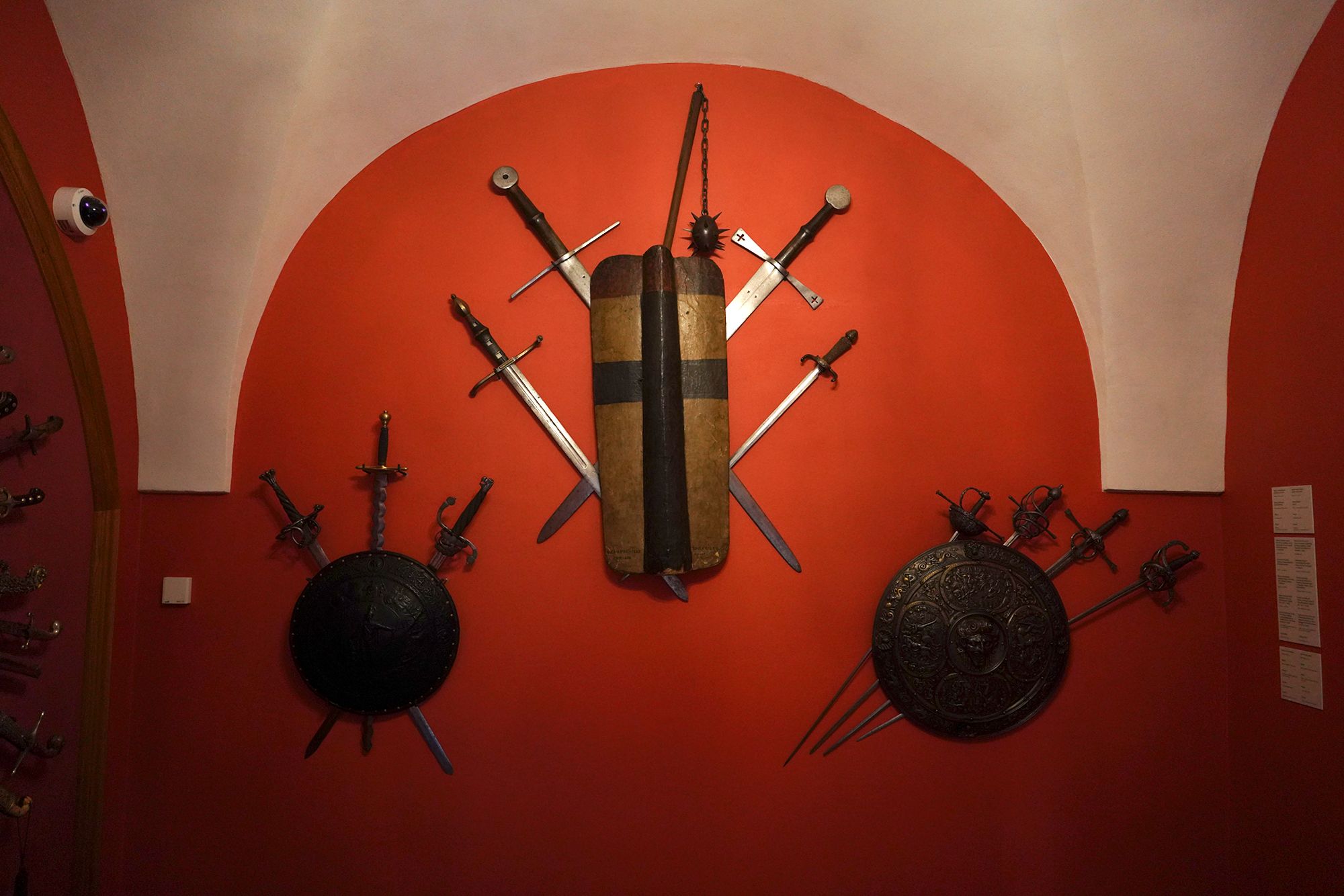
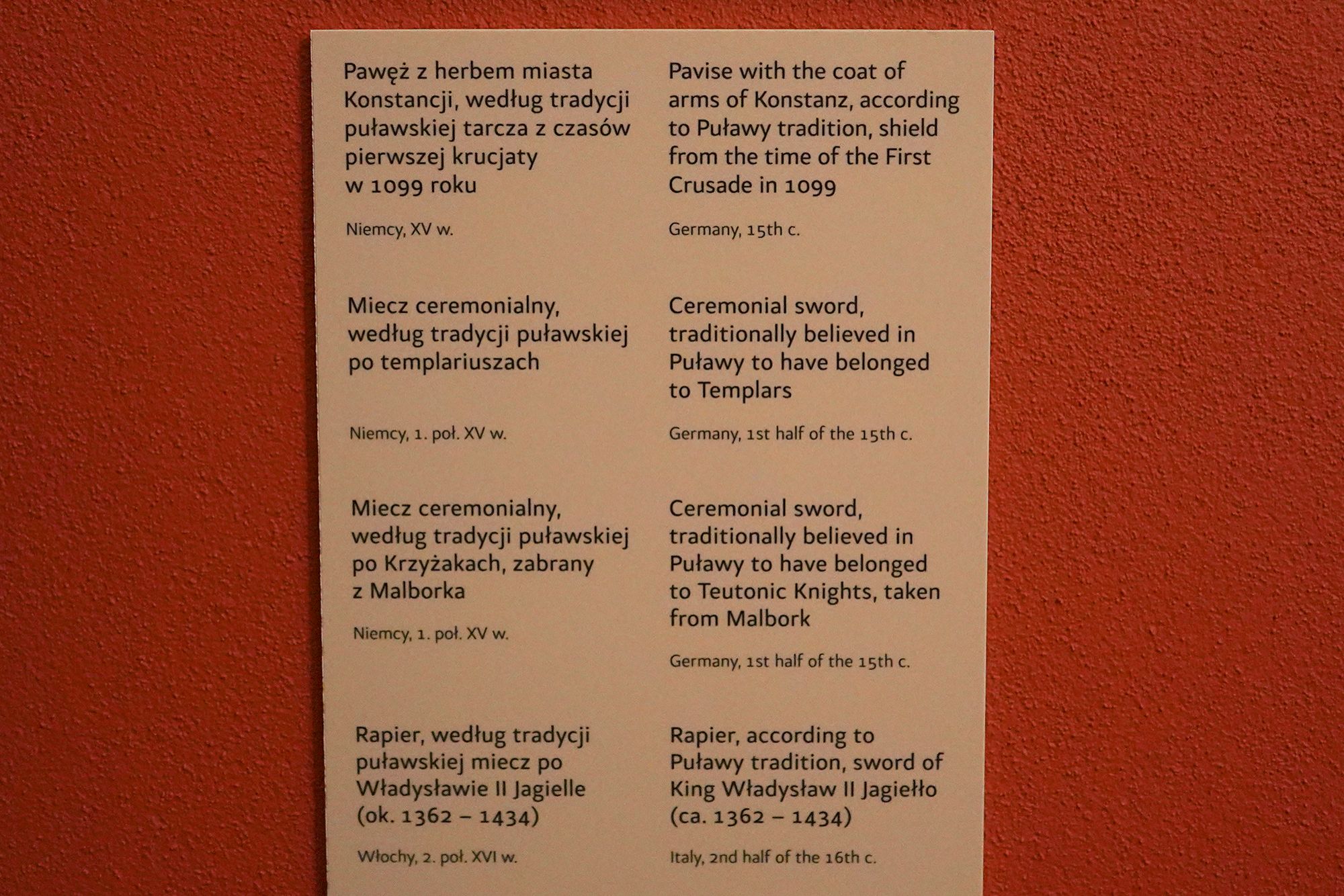
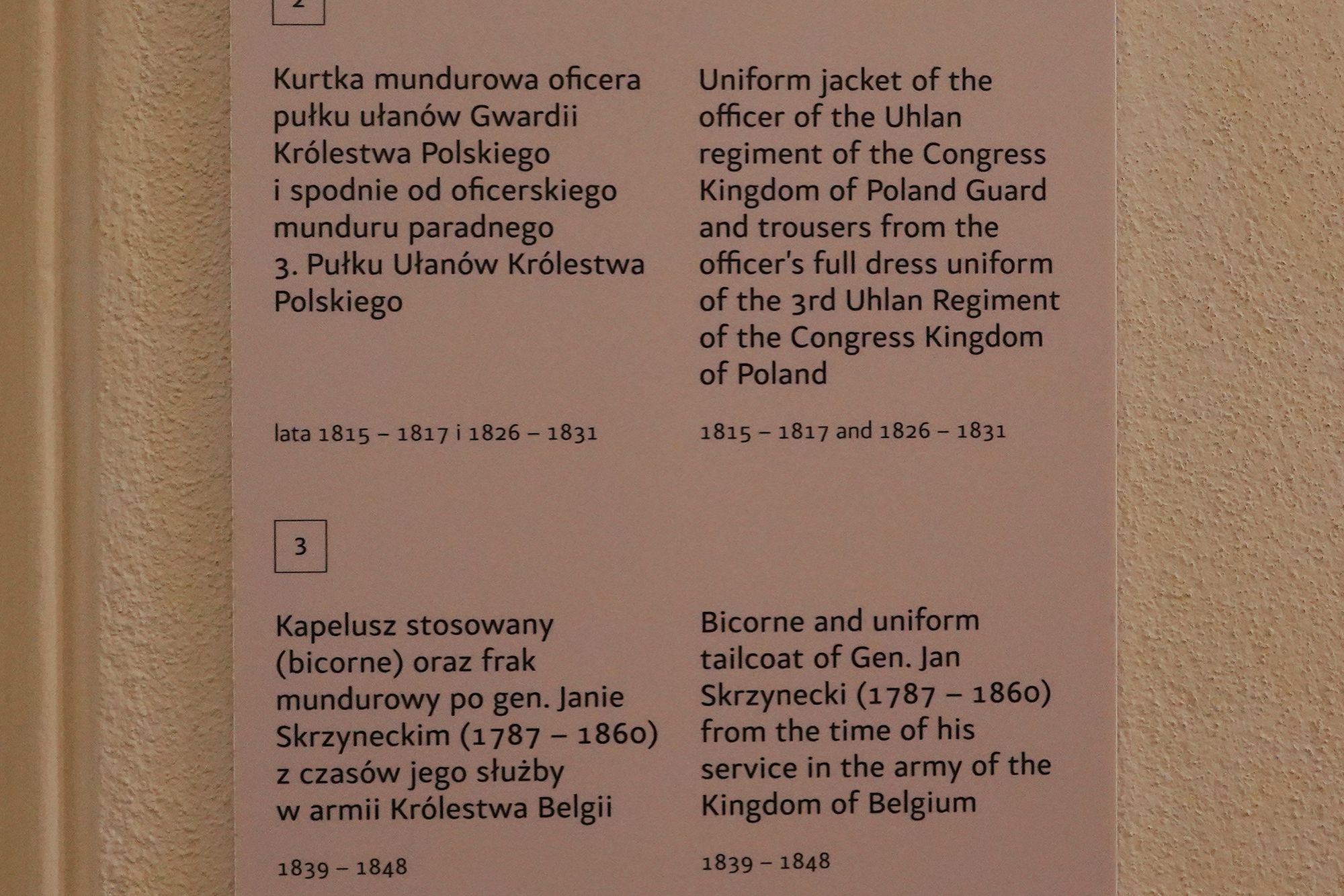
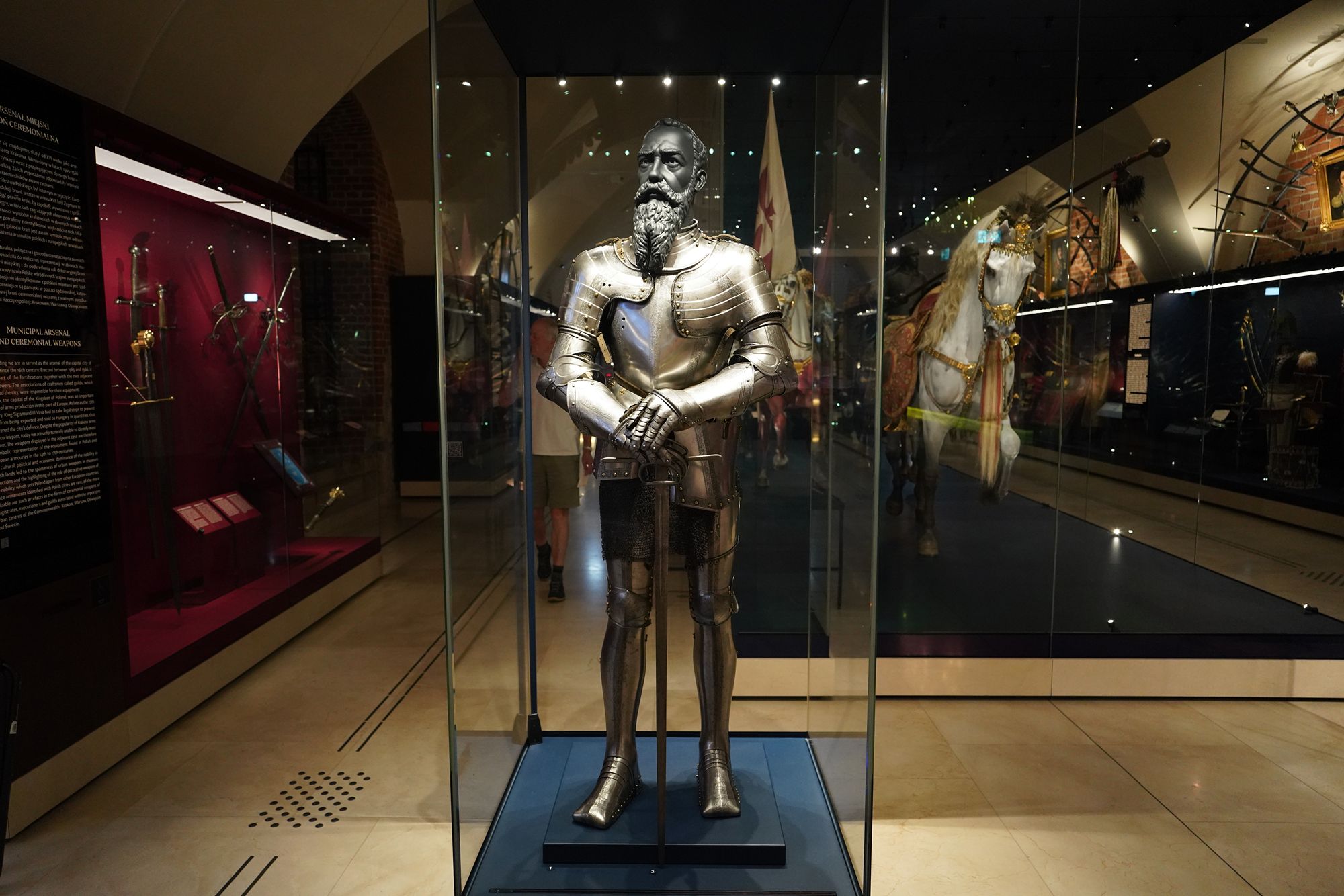
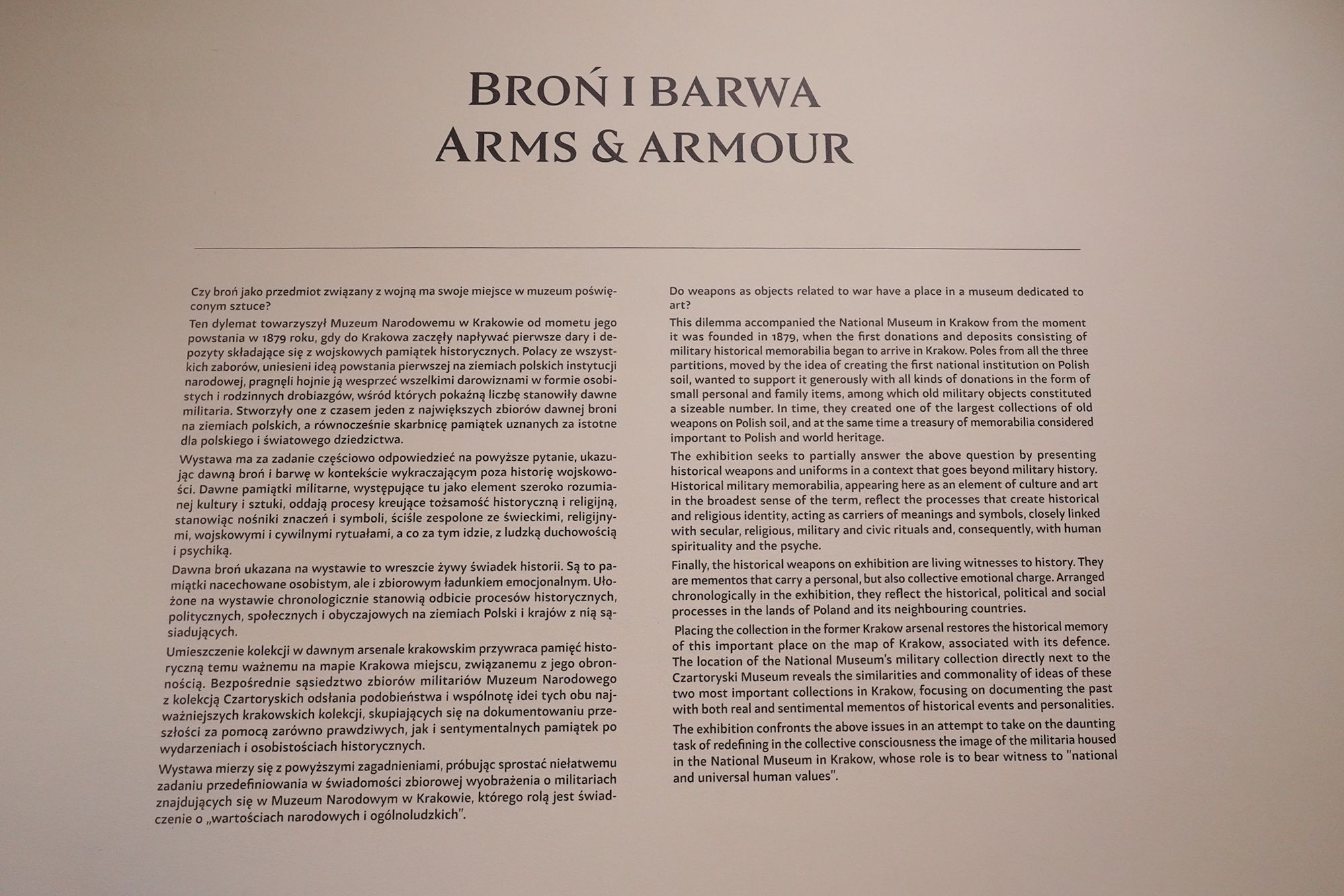
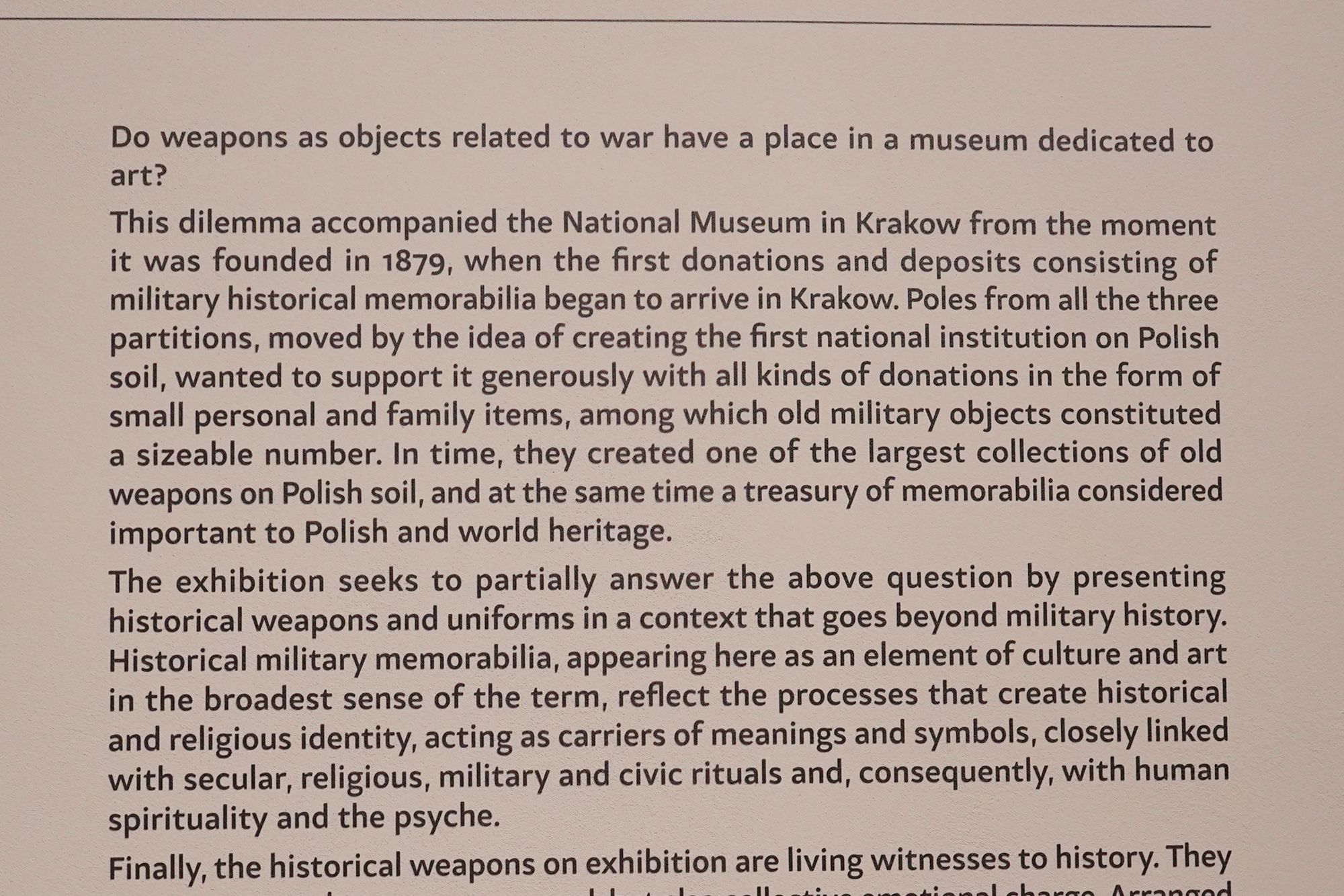
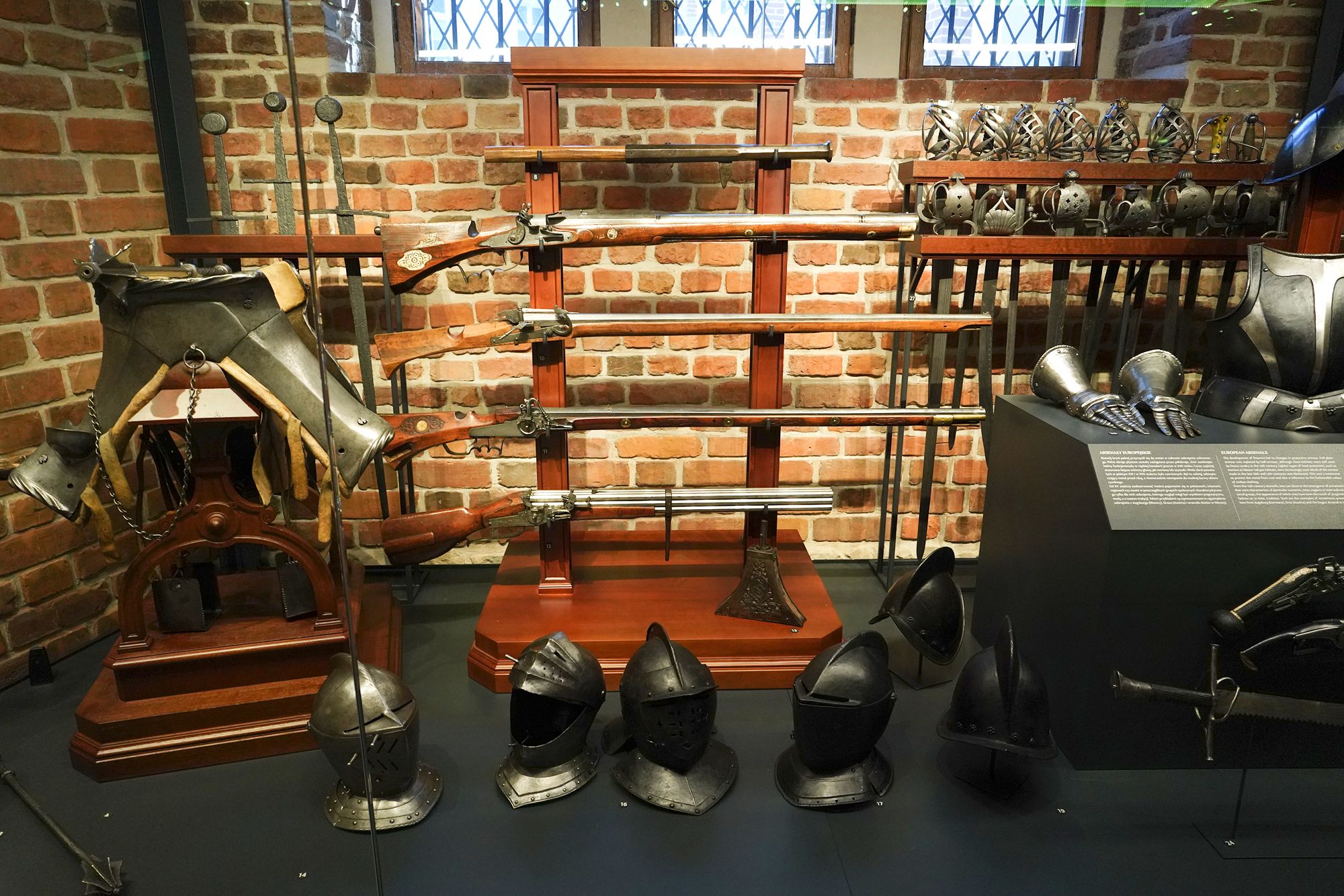
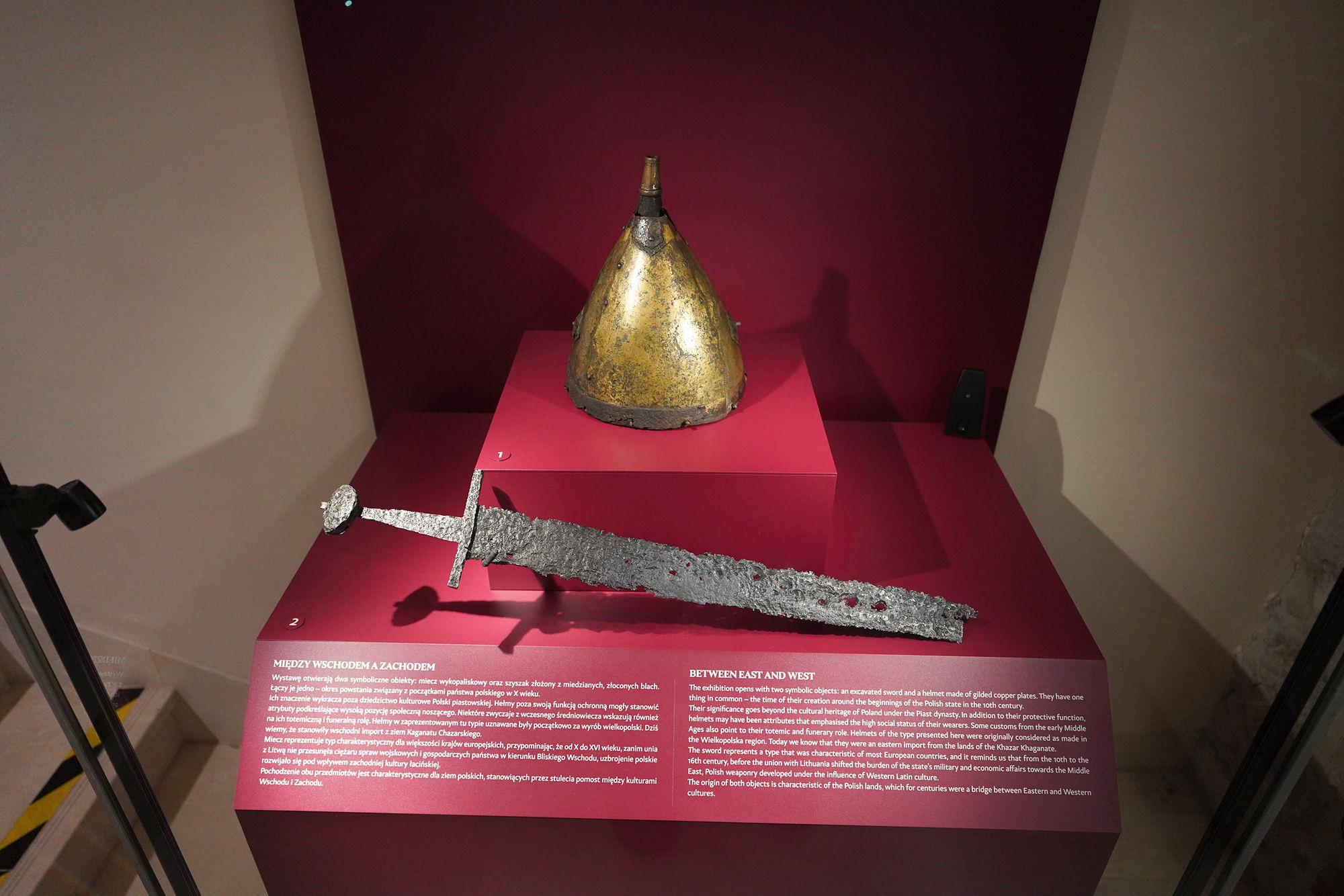
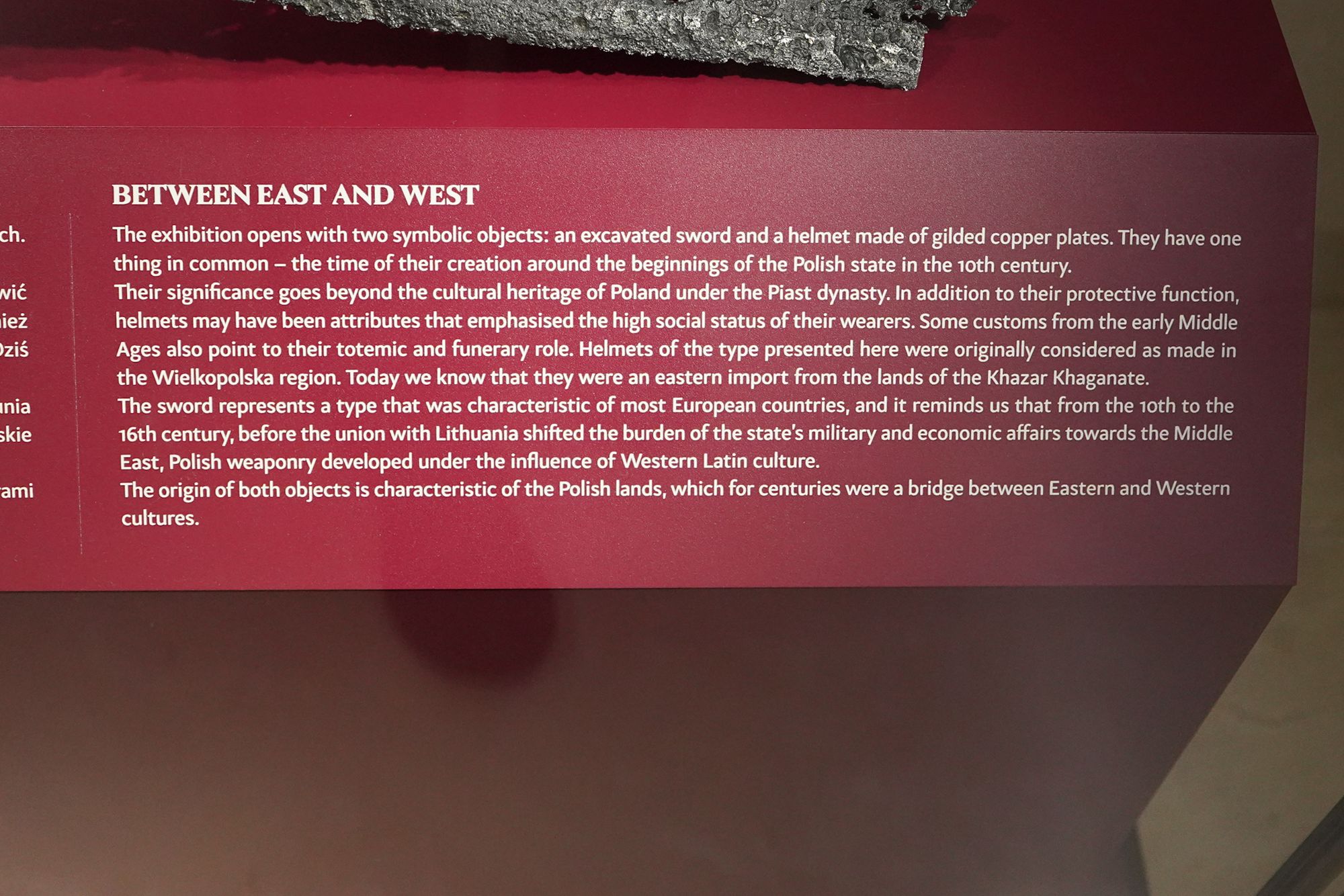
After the Egyptian exhibits, I came to the Arms & Armour gallery. It displays historical weapons and military uniforms collected as reminders of Poland’s past.
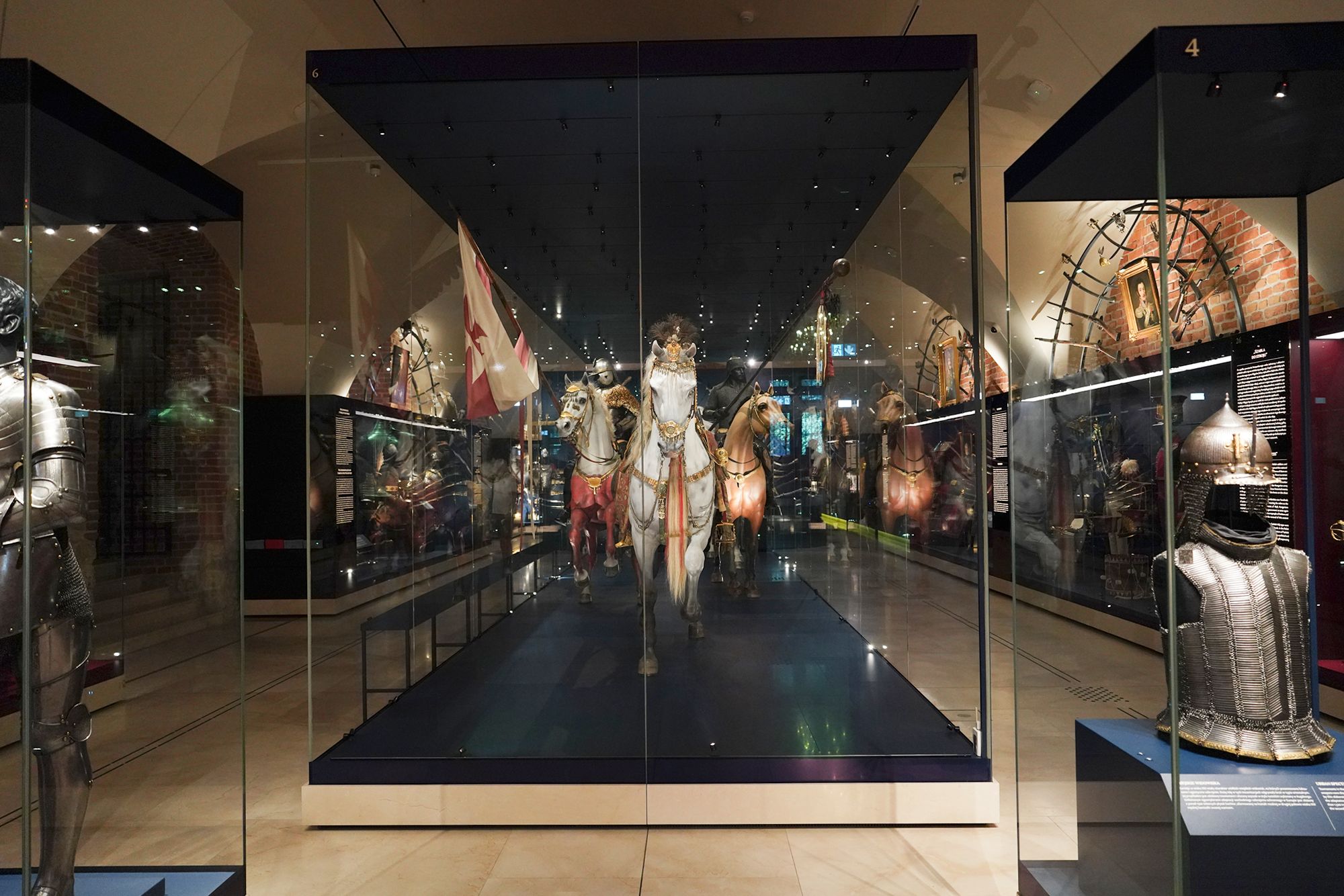
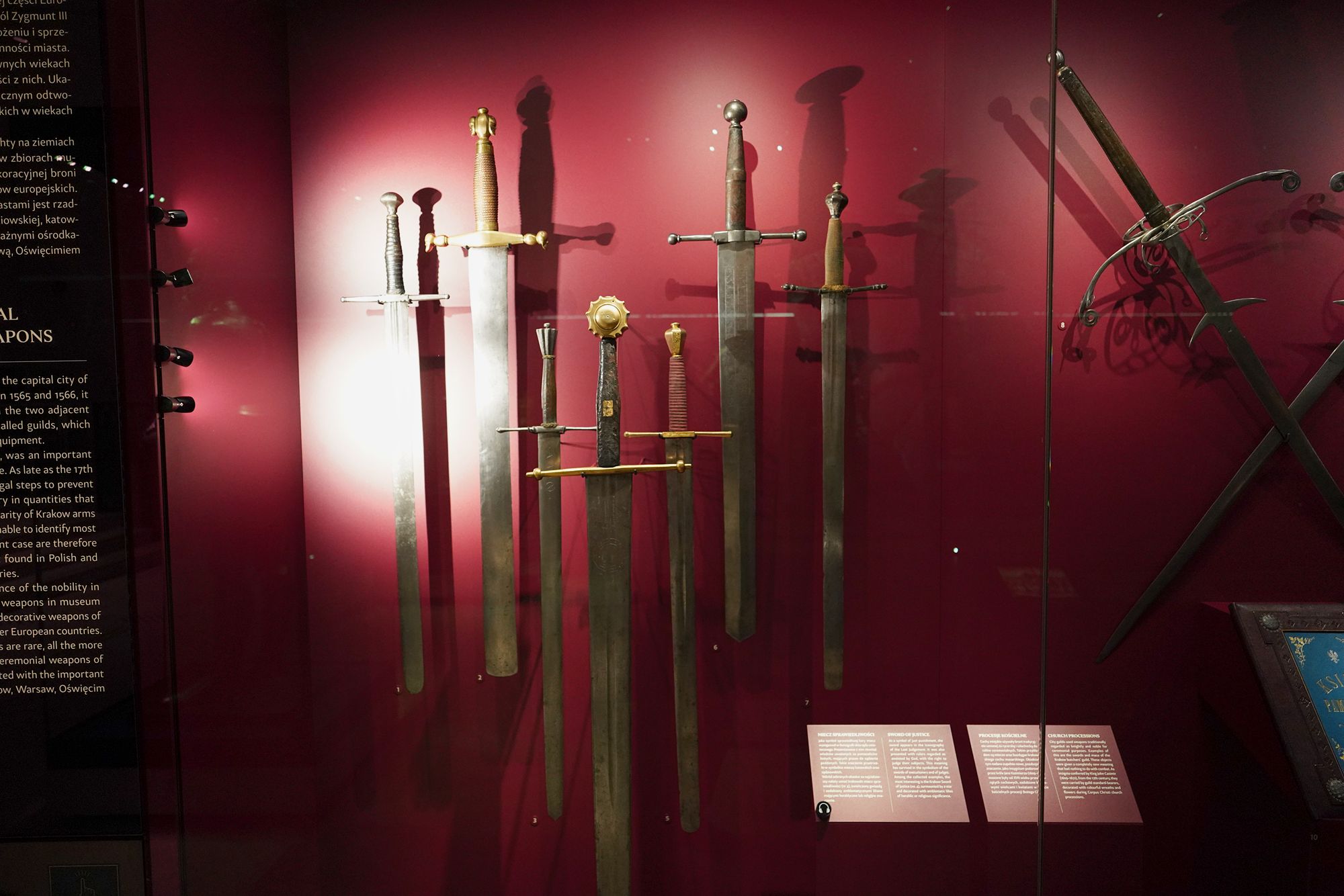
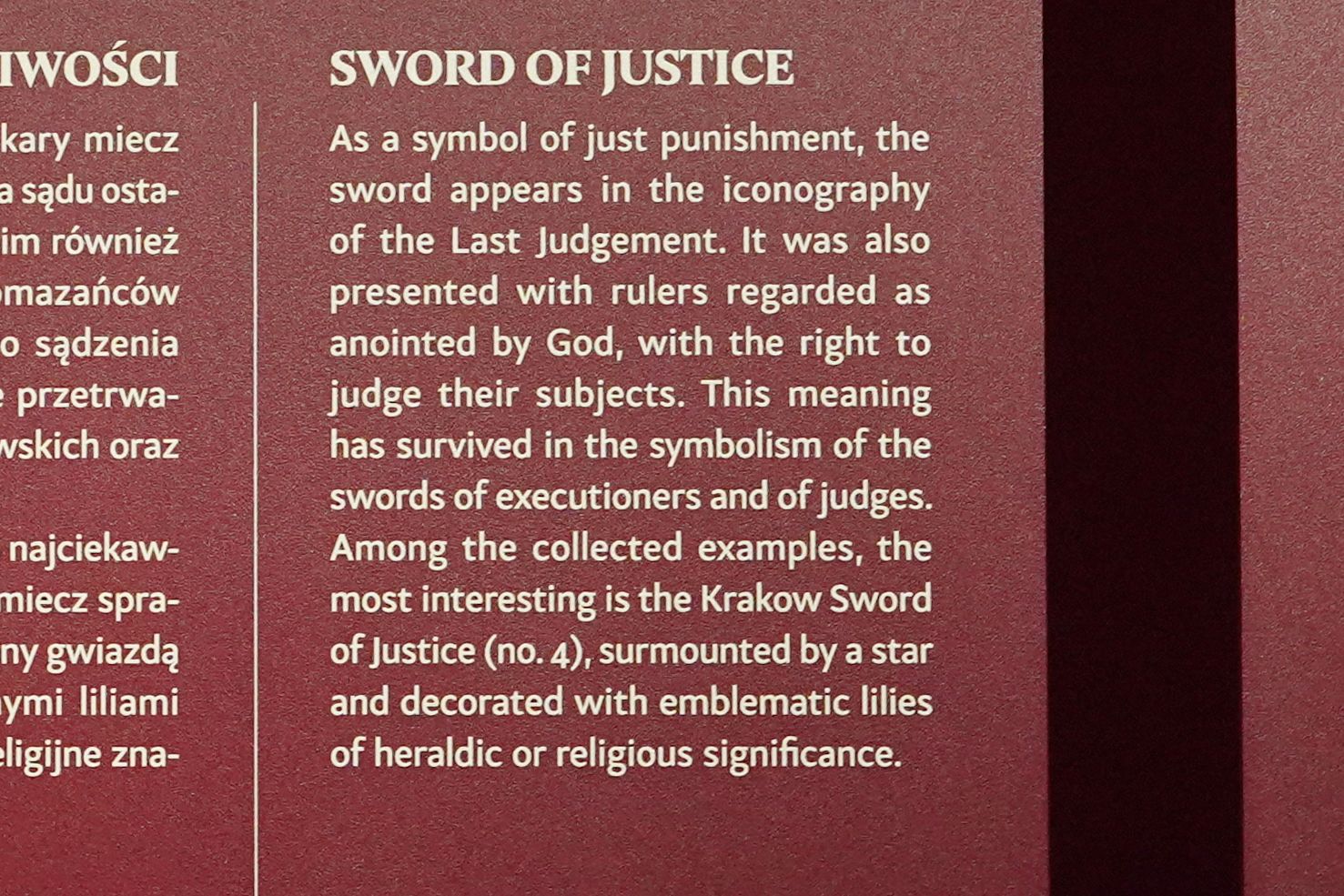
One display featured Swords of Justice. These swords symbolized a ruler’s authority to judge and punish. The label highlights Kraków’s Sword of Justice, decorated with a star and lilies.
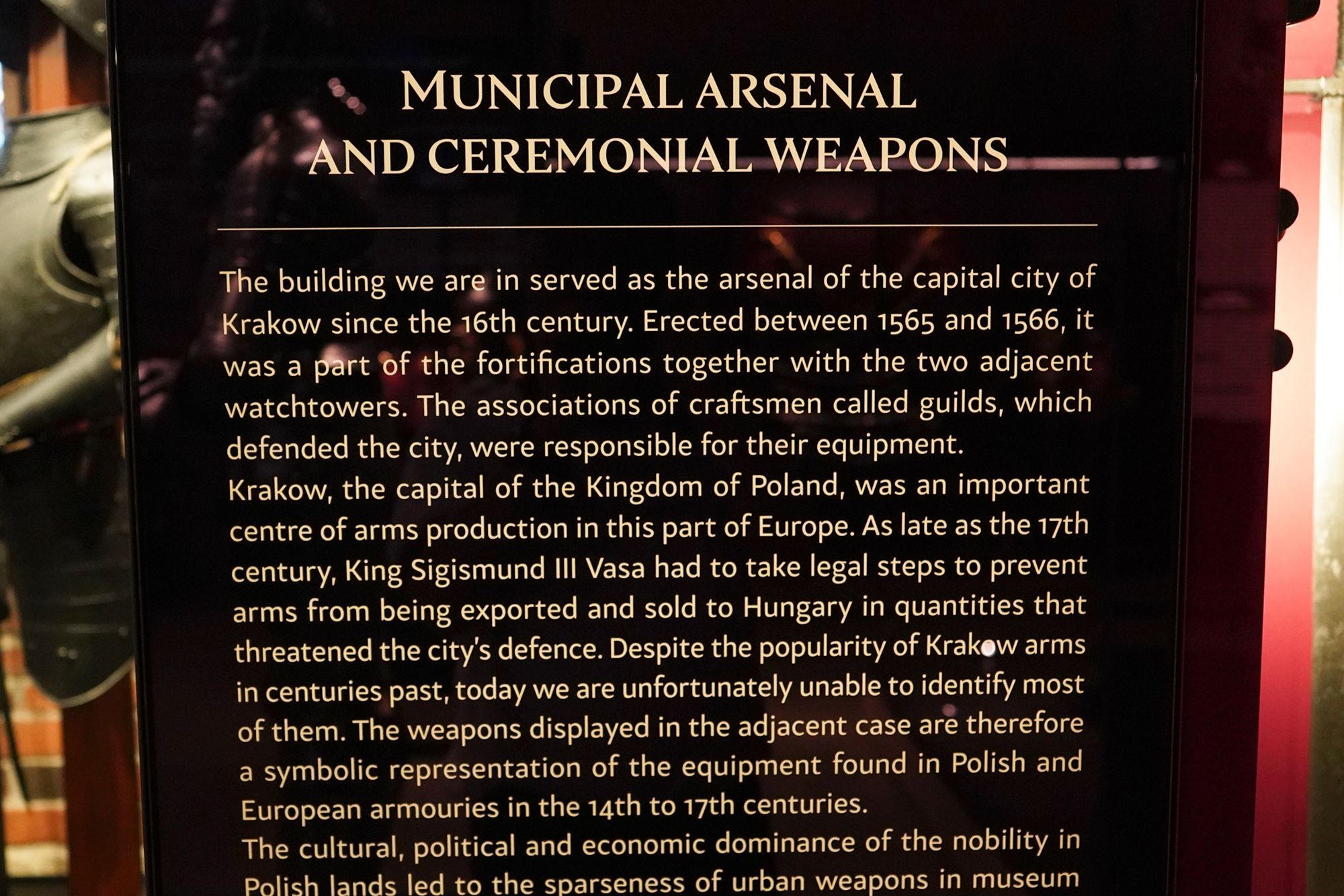
I continued into the Municipal Arsenal, built in 1565–1566 as part of Kraków’s defenses. It now displays weapons like those used in Polish and European armories from the 14th to 17th centuries.
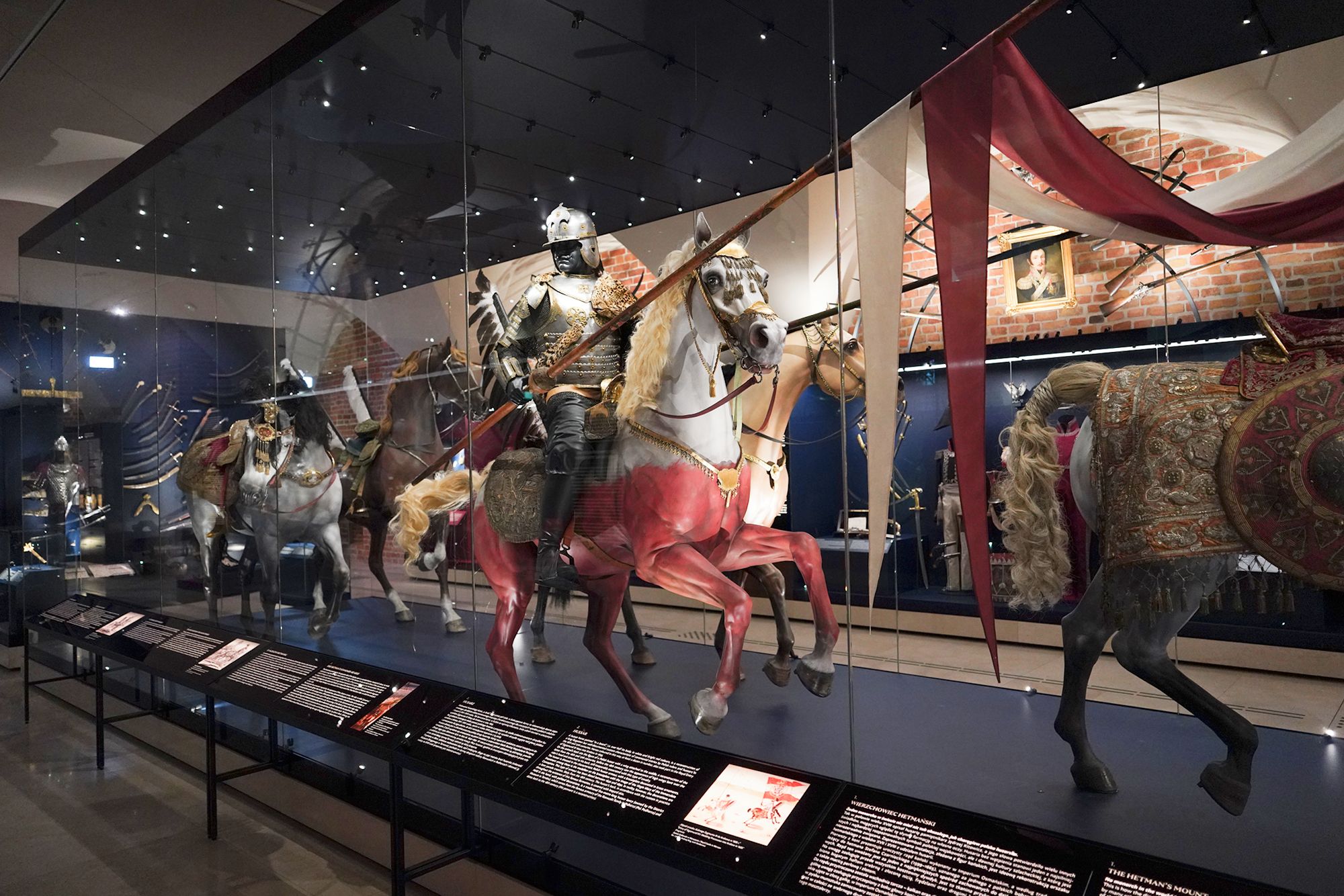
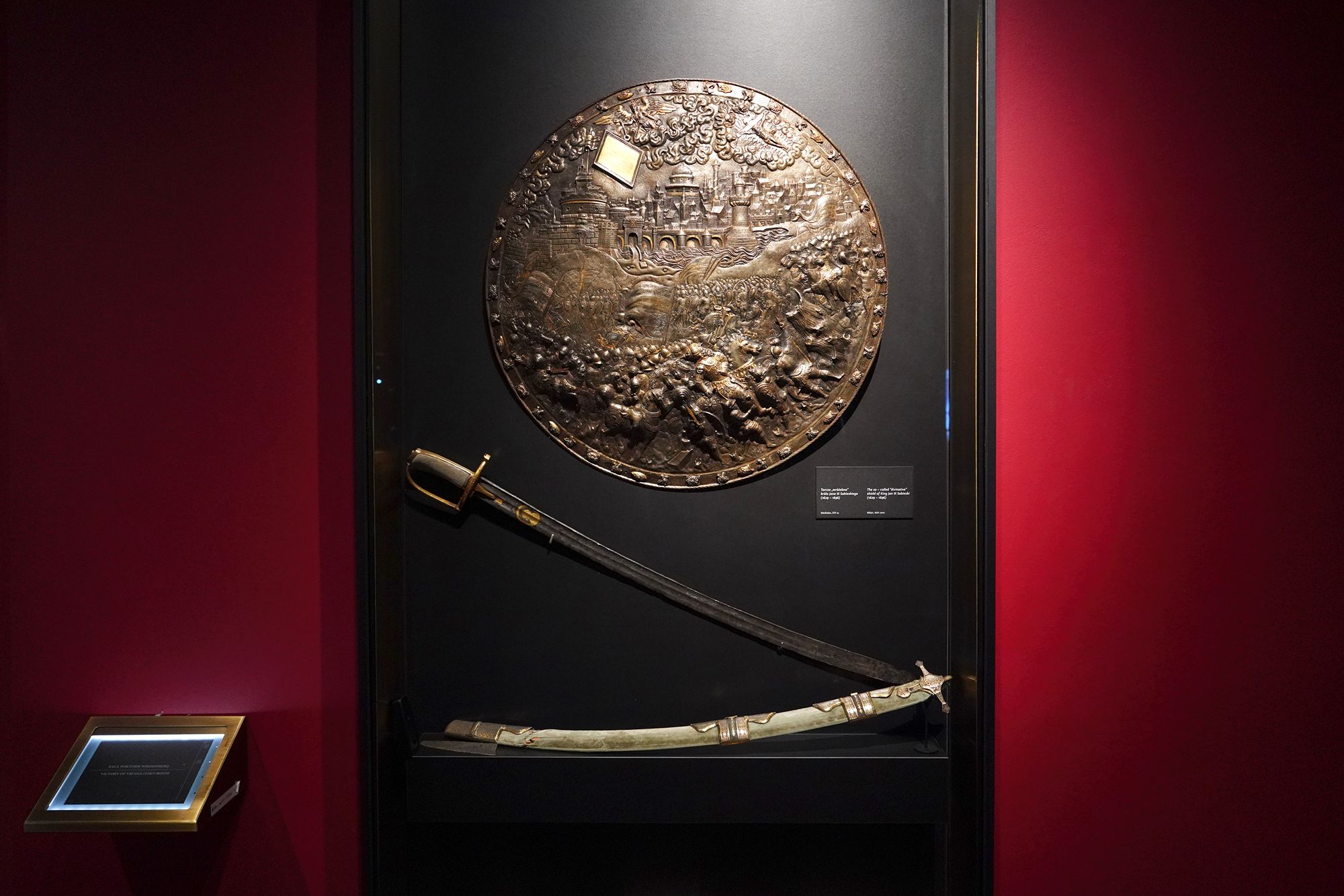
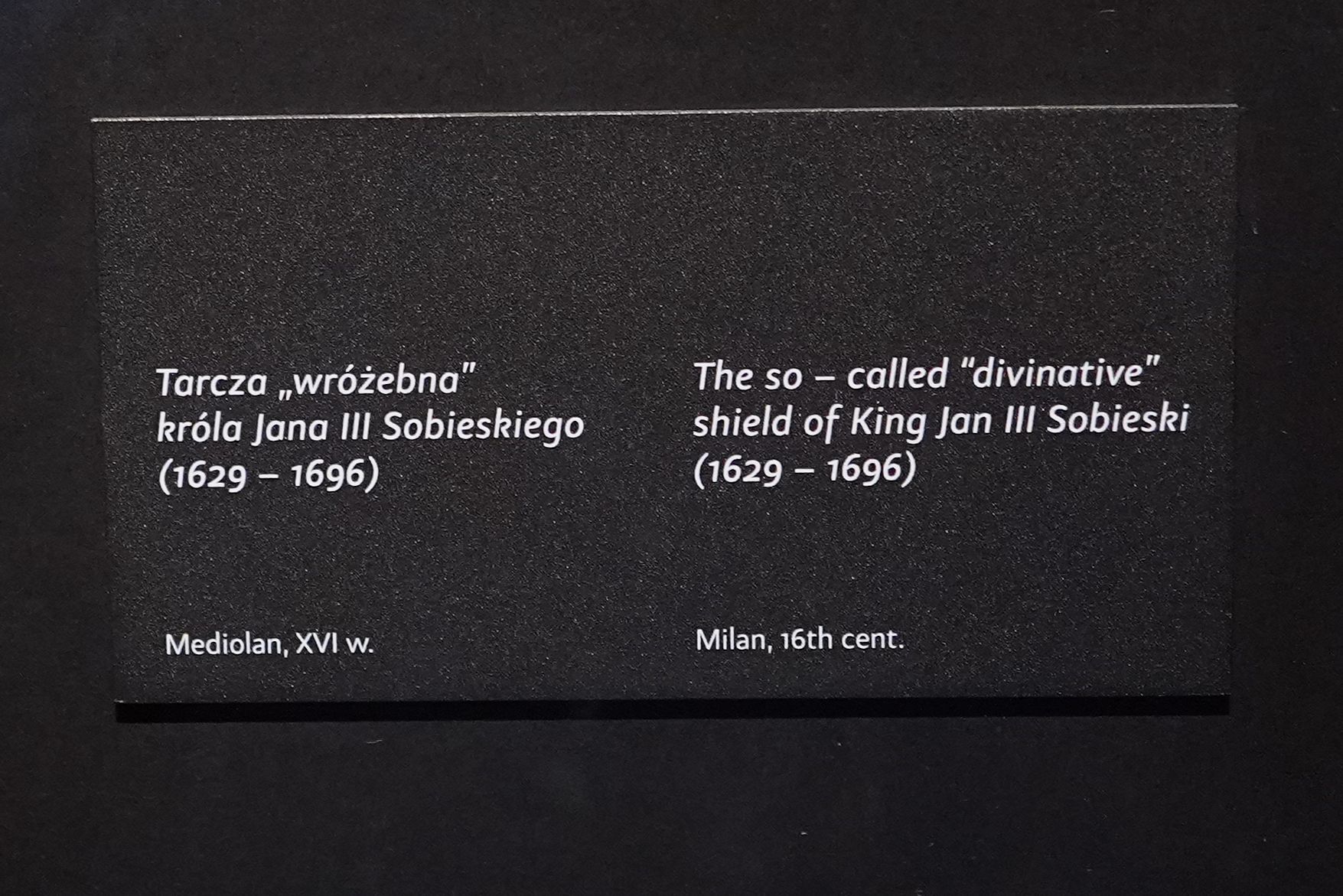
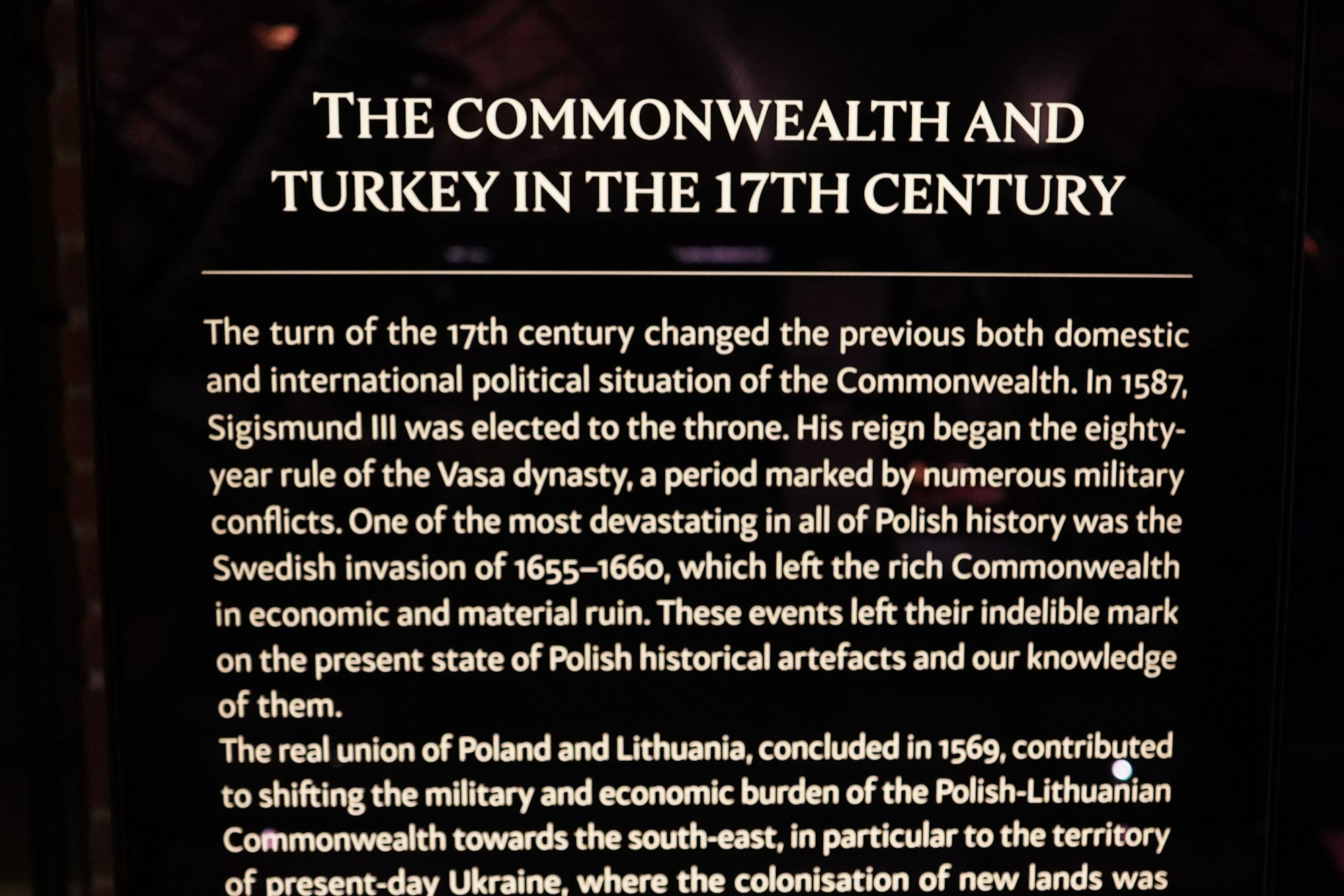
The next display covered the Polish–Lithuanian Commonwealth and the Ottoman Empire in the 17th century. Its introduction described a period of frequent wars, including the devastating Swedish invasion of 1655–1660.
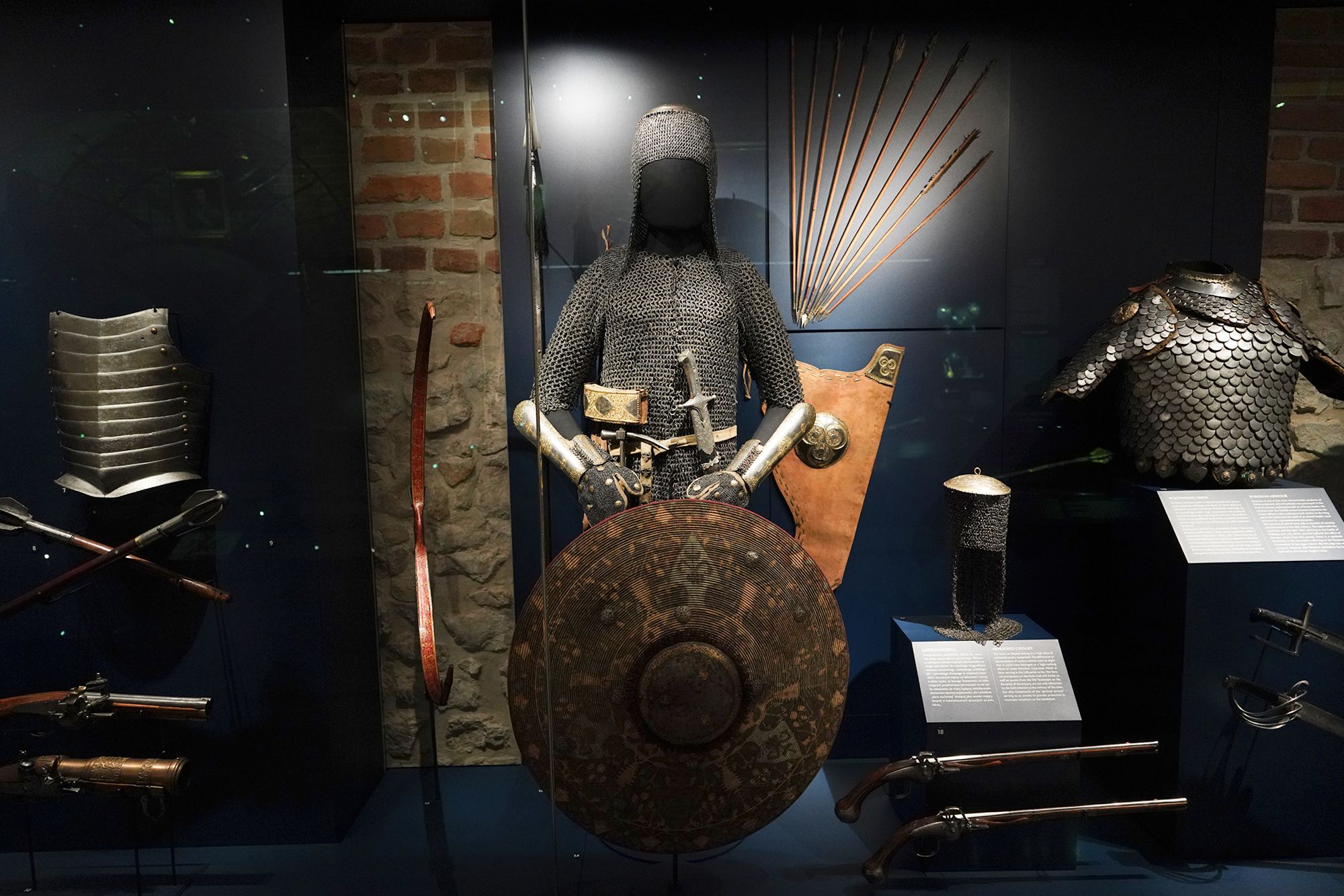
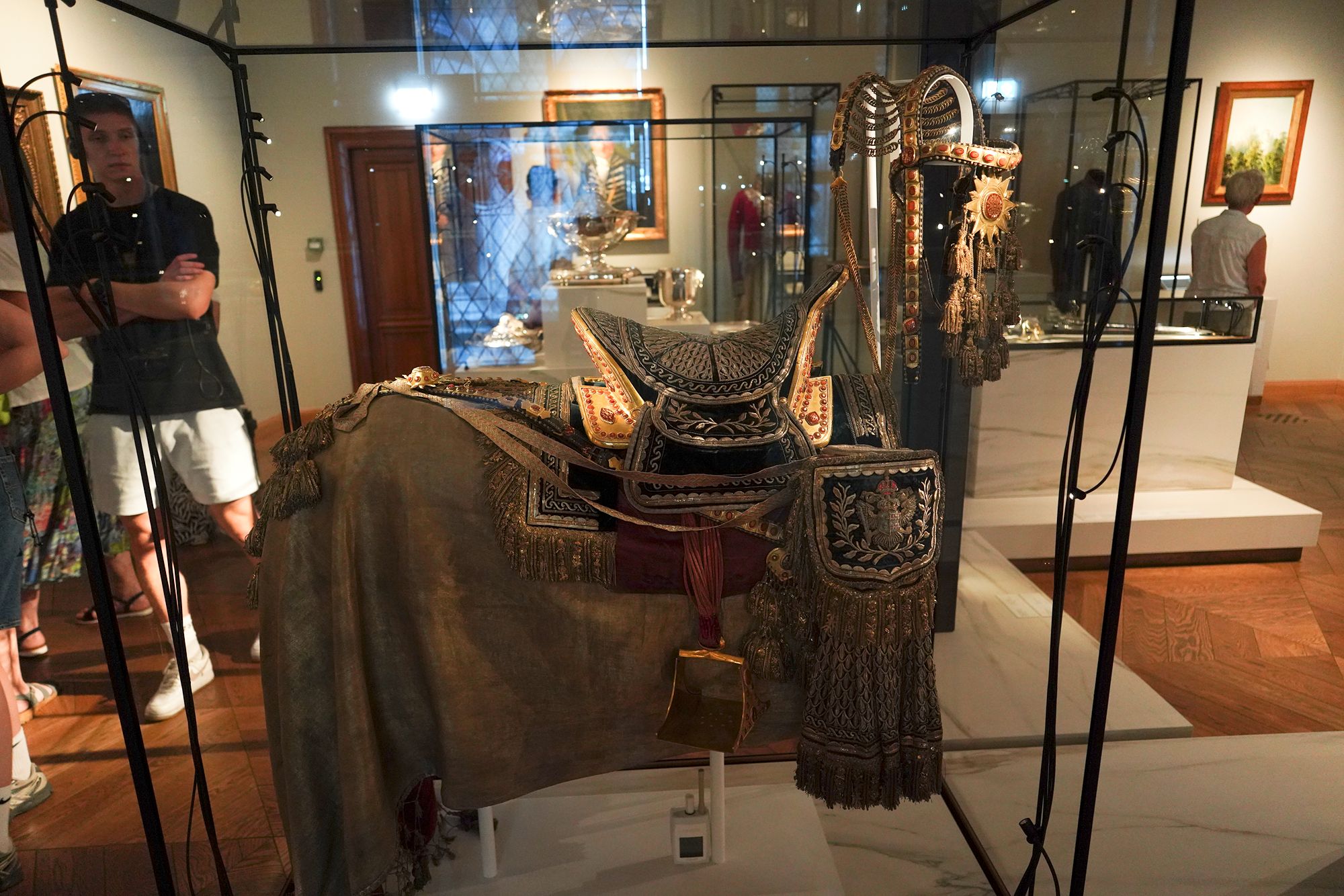
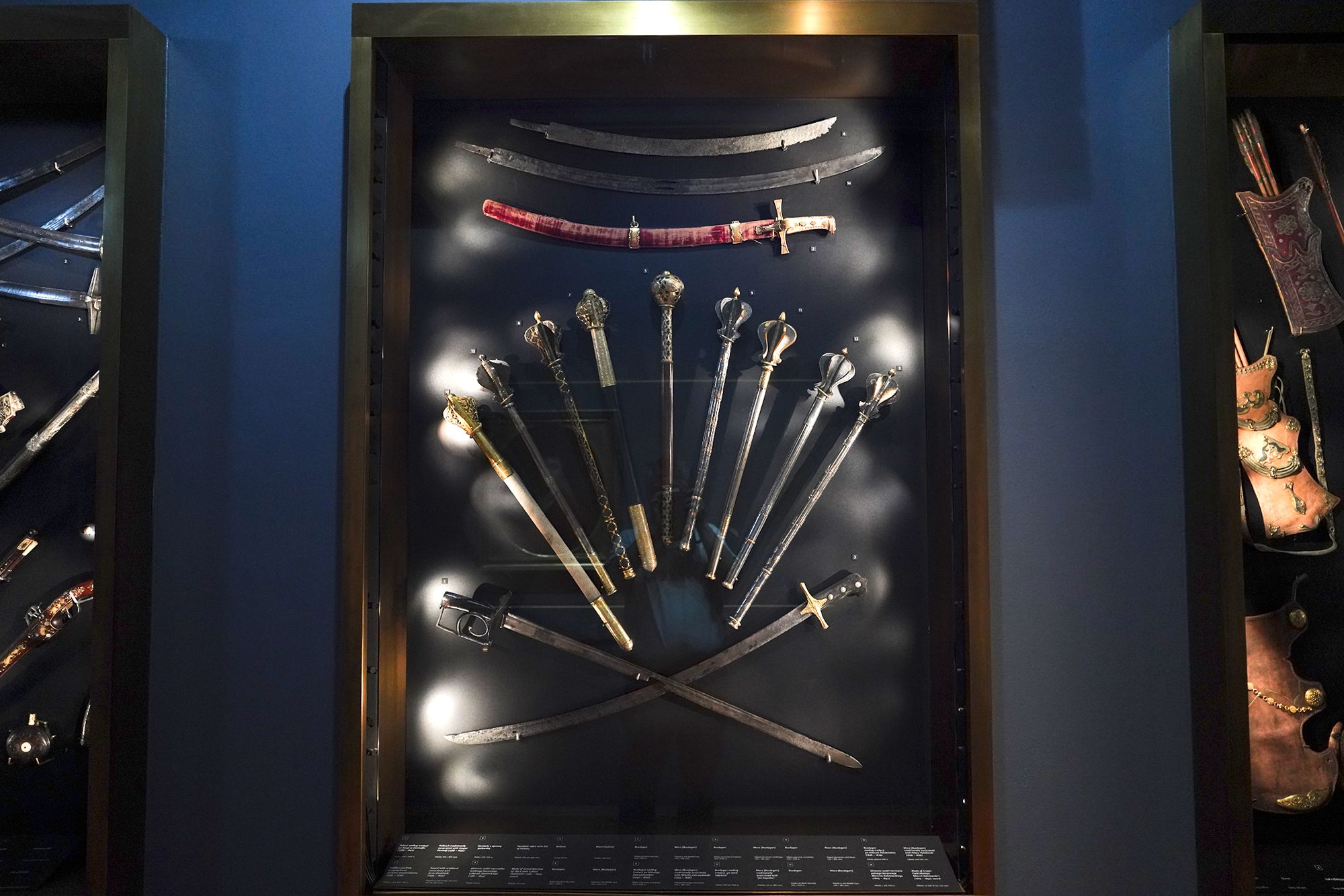
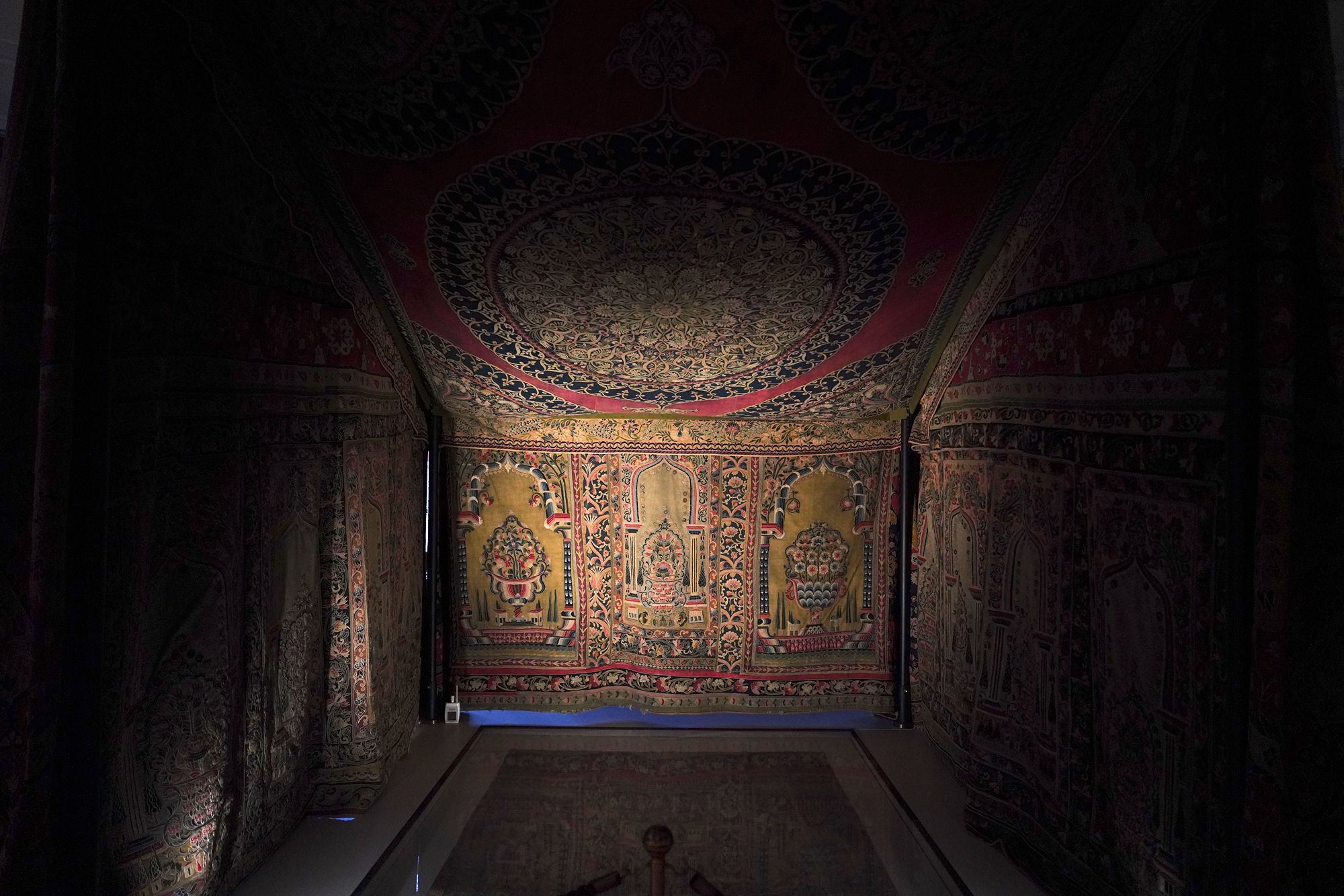
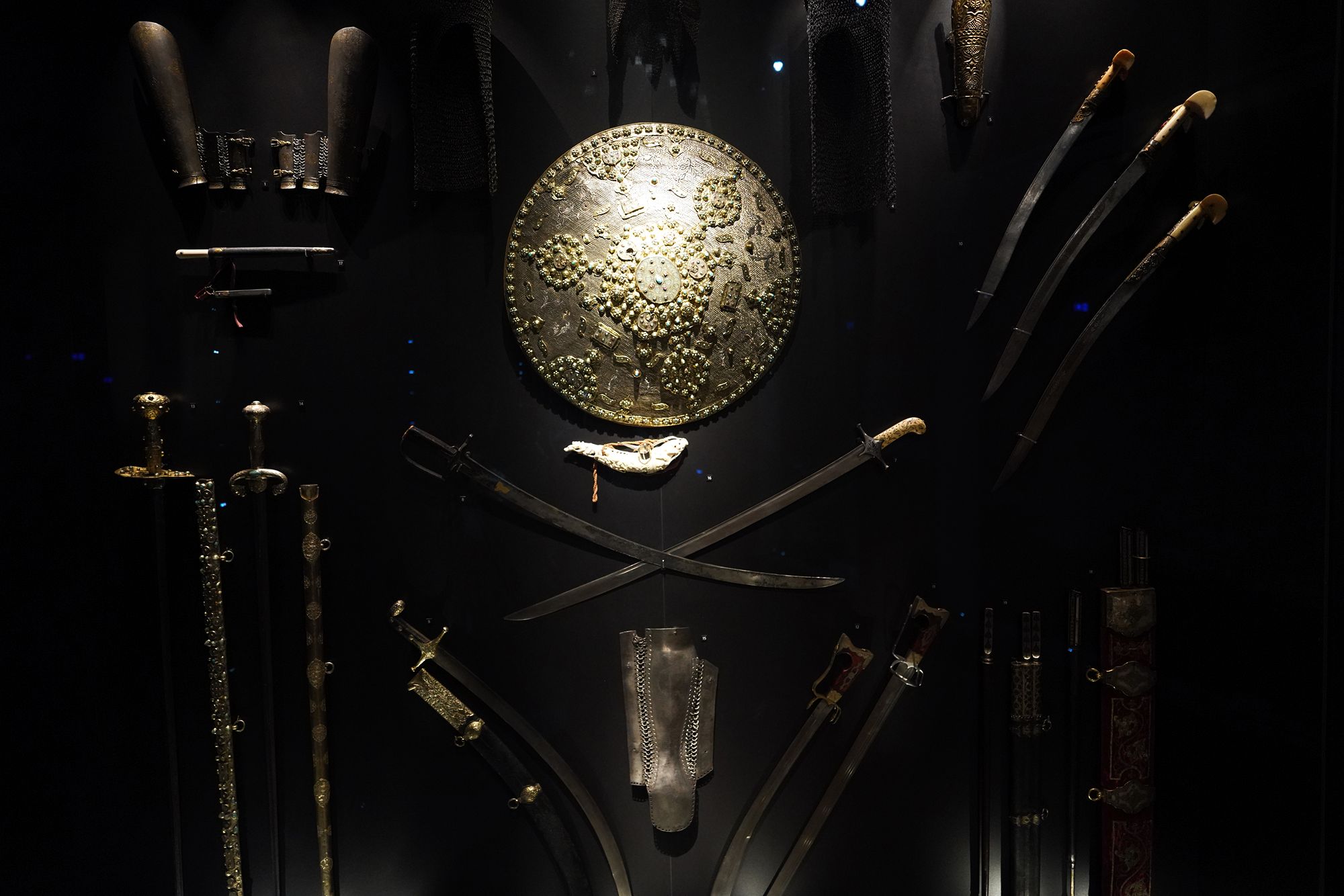
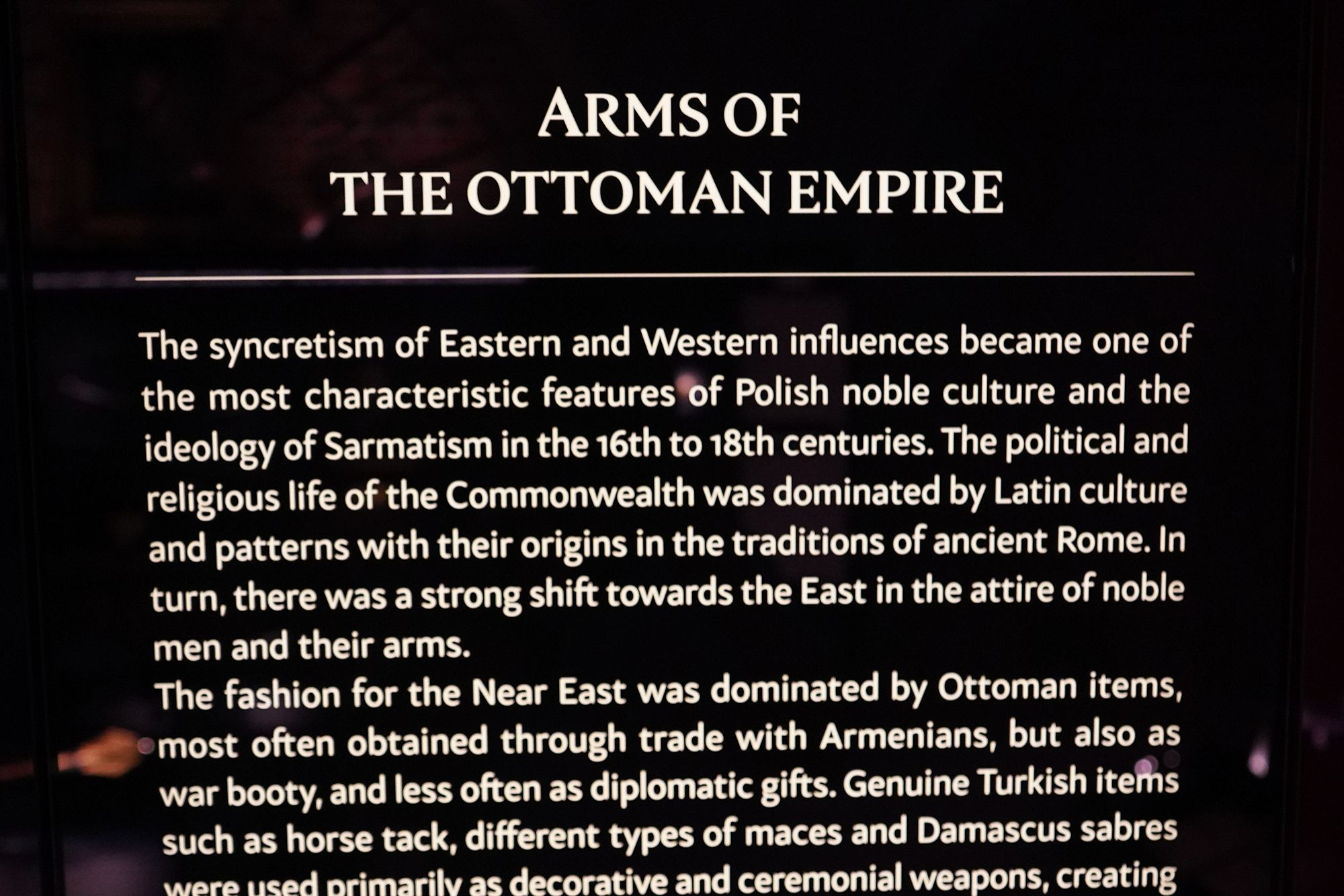
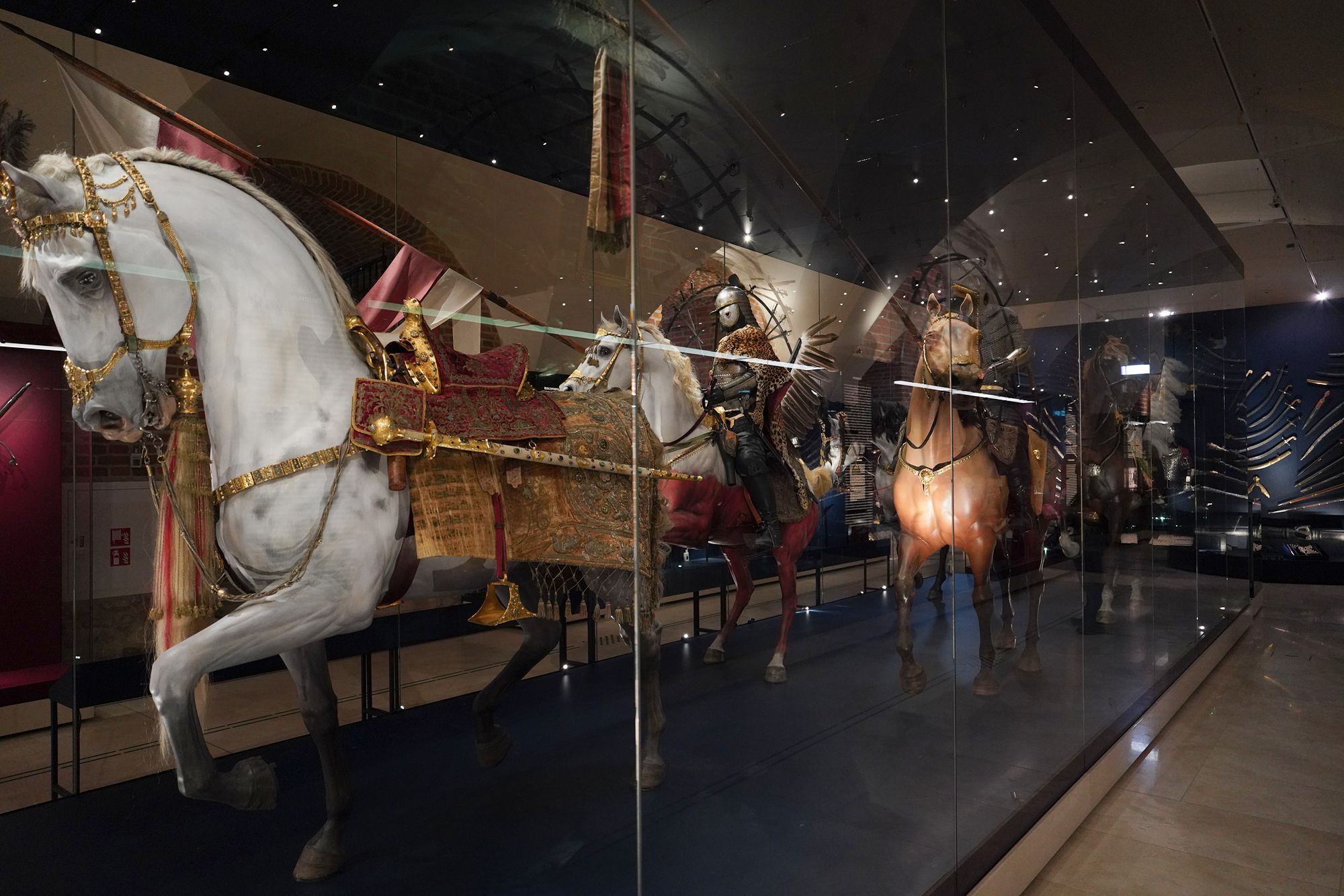
The next display showed Ottoman weapons and horse equipment. The label explains that Polish nobles adopted some Ottoman styles for their clothing and weapons, with items arriving through trade, war, and diplomatic gifts.
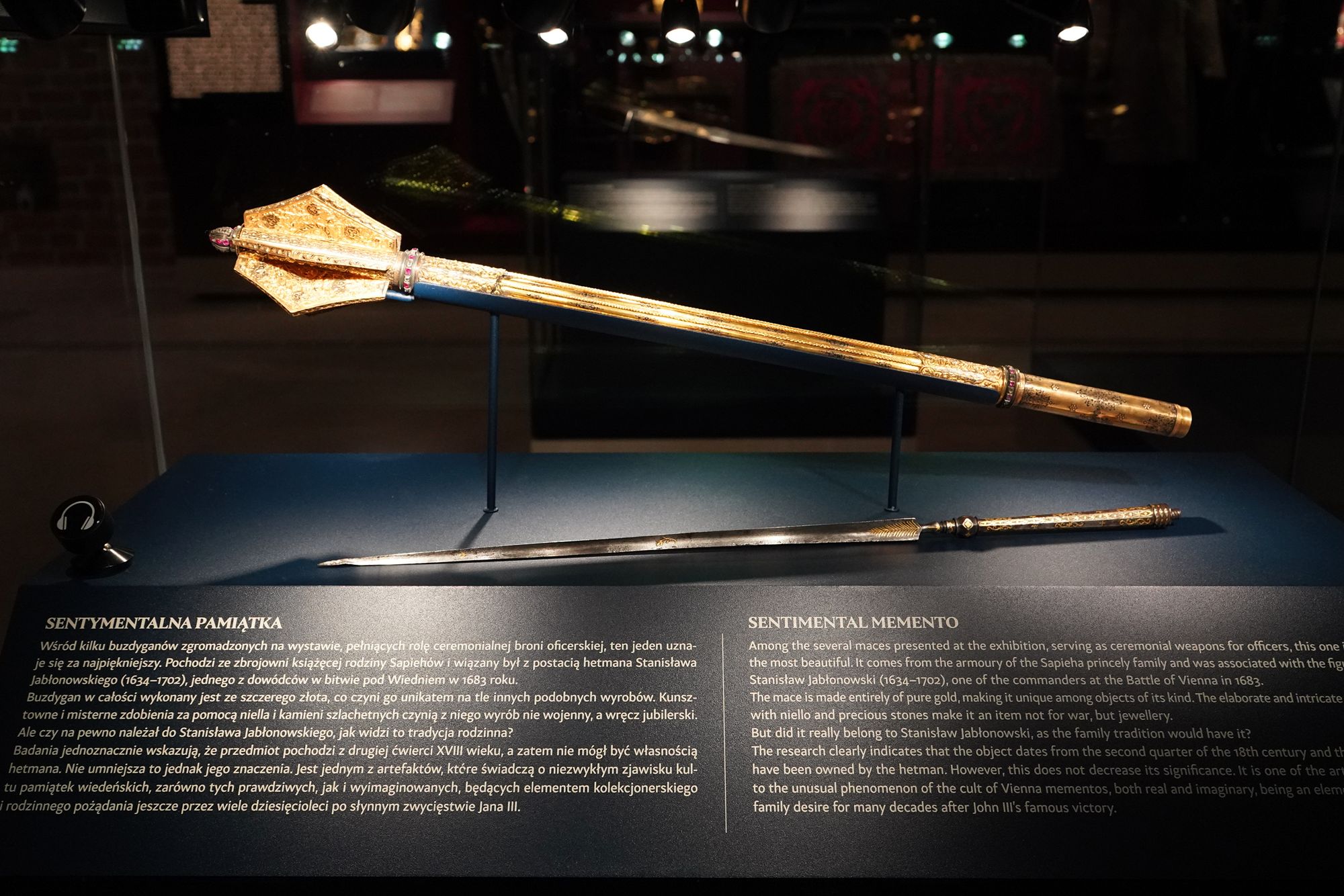
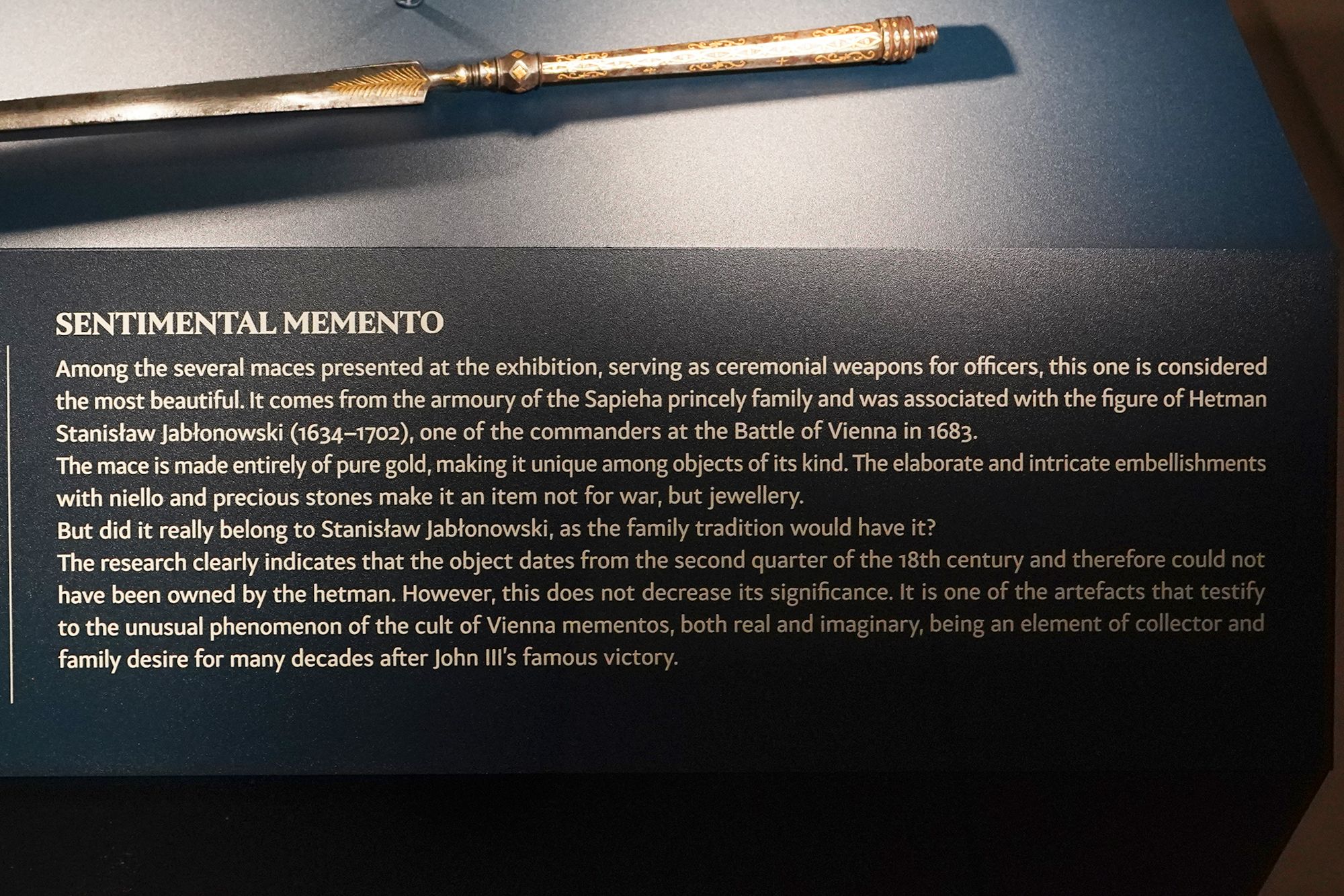
One ceremonial mace was made entirely of gold and decorated with precious stones. Family tradition linked it to a commander at the 1683 Battle of Vienna, but research dates it to after his death. I found that contrast between the family story and the object’s history interesting.
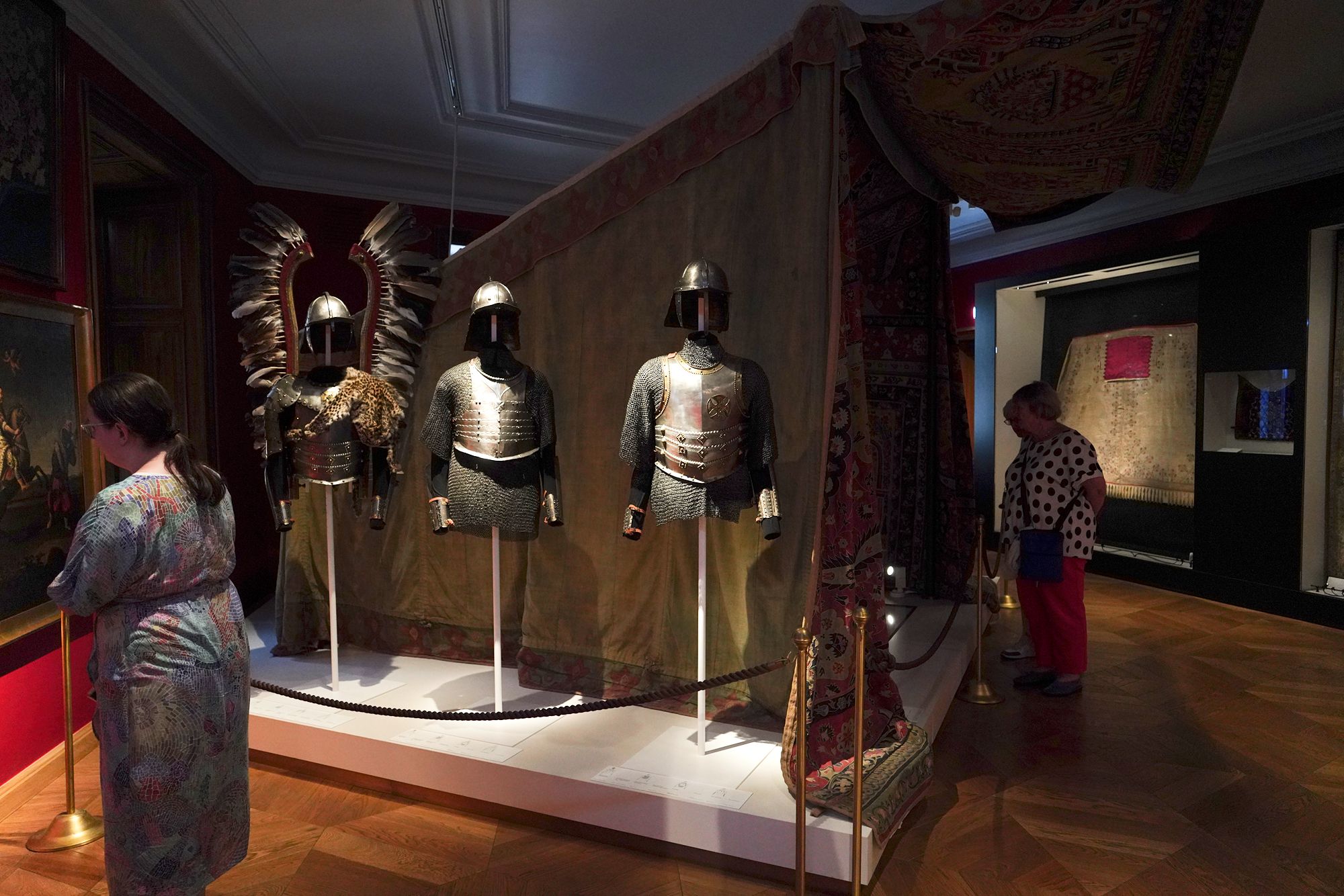
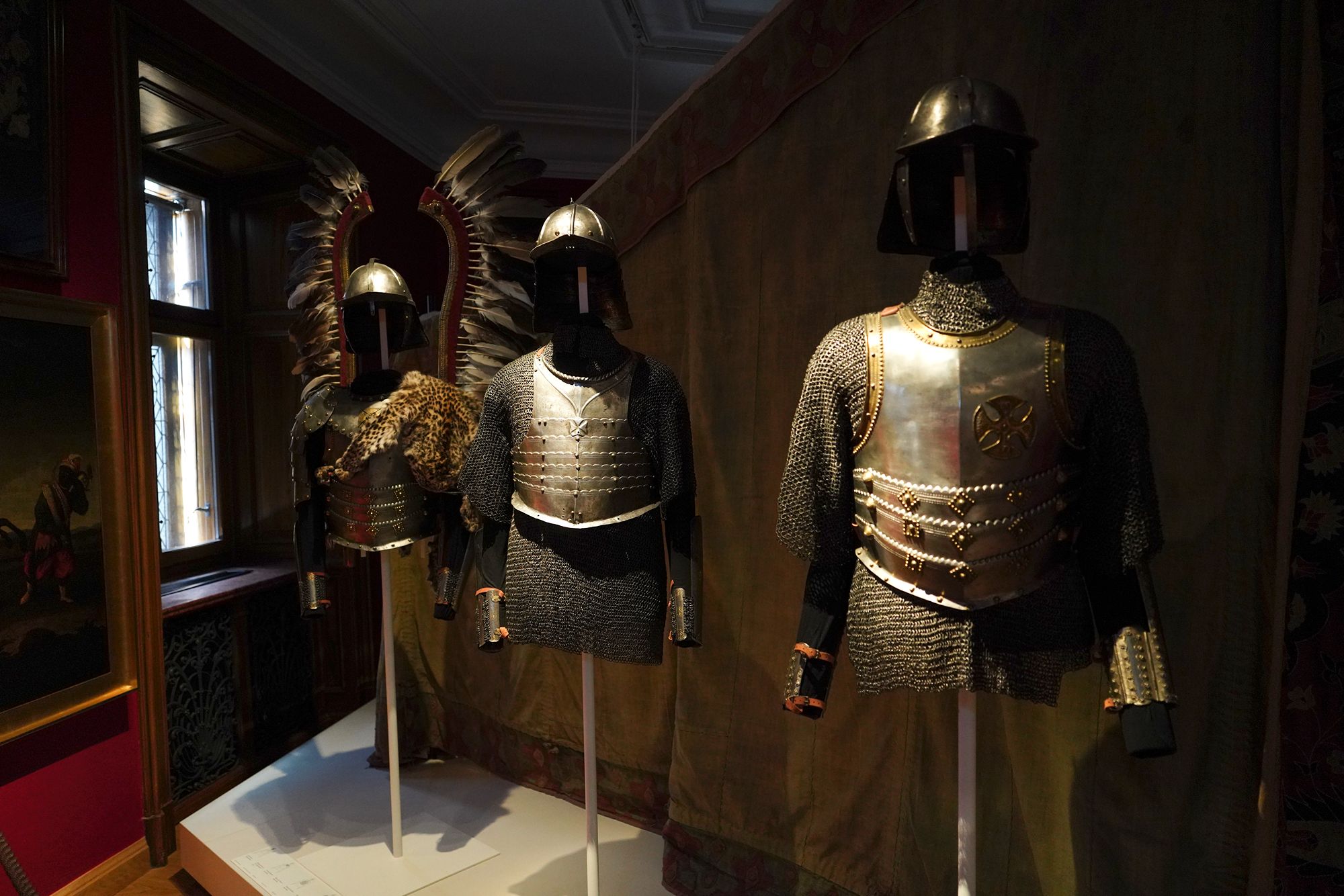
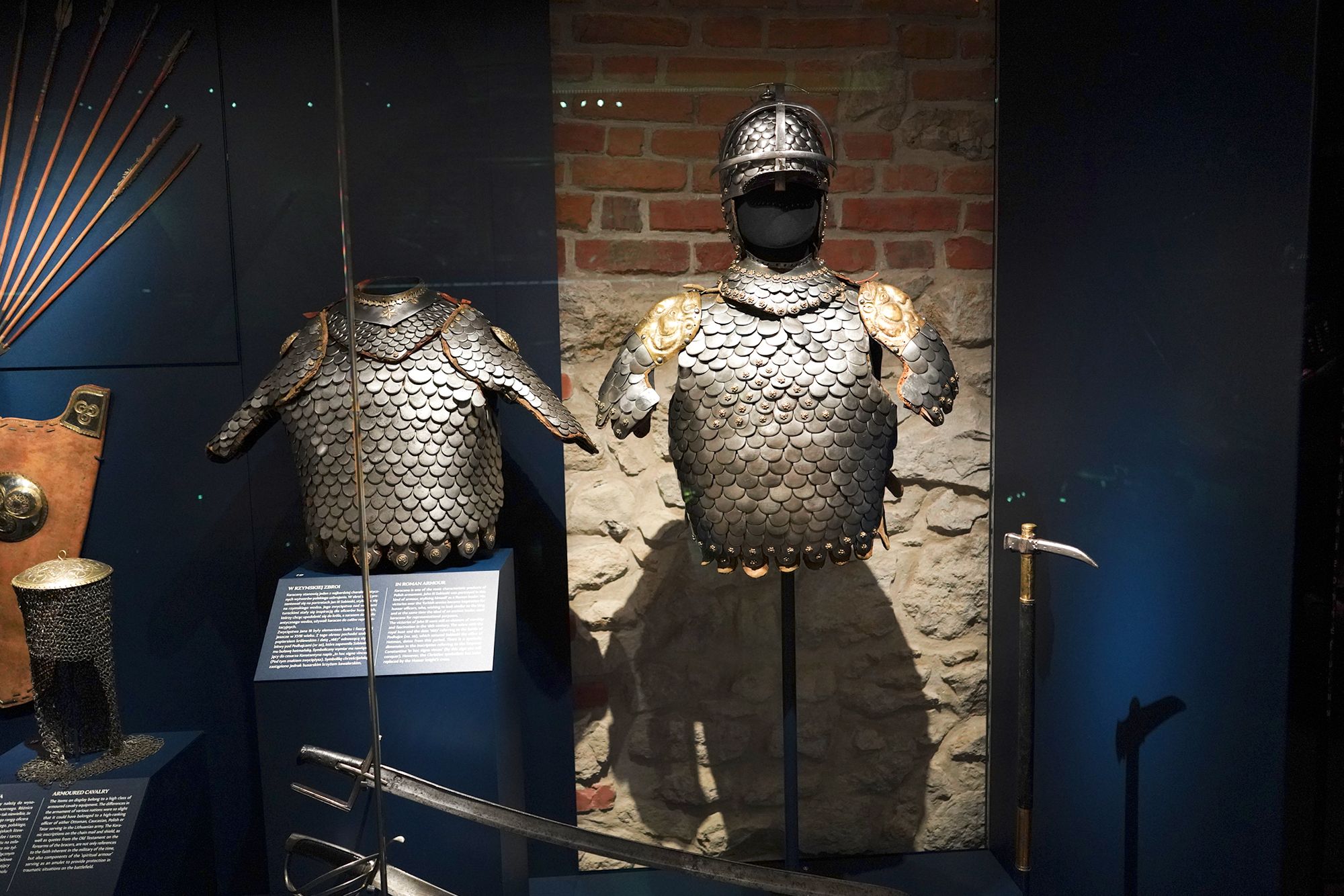
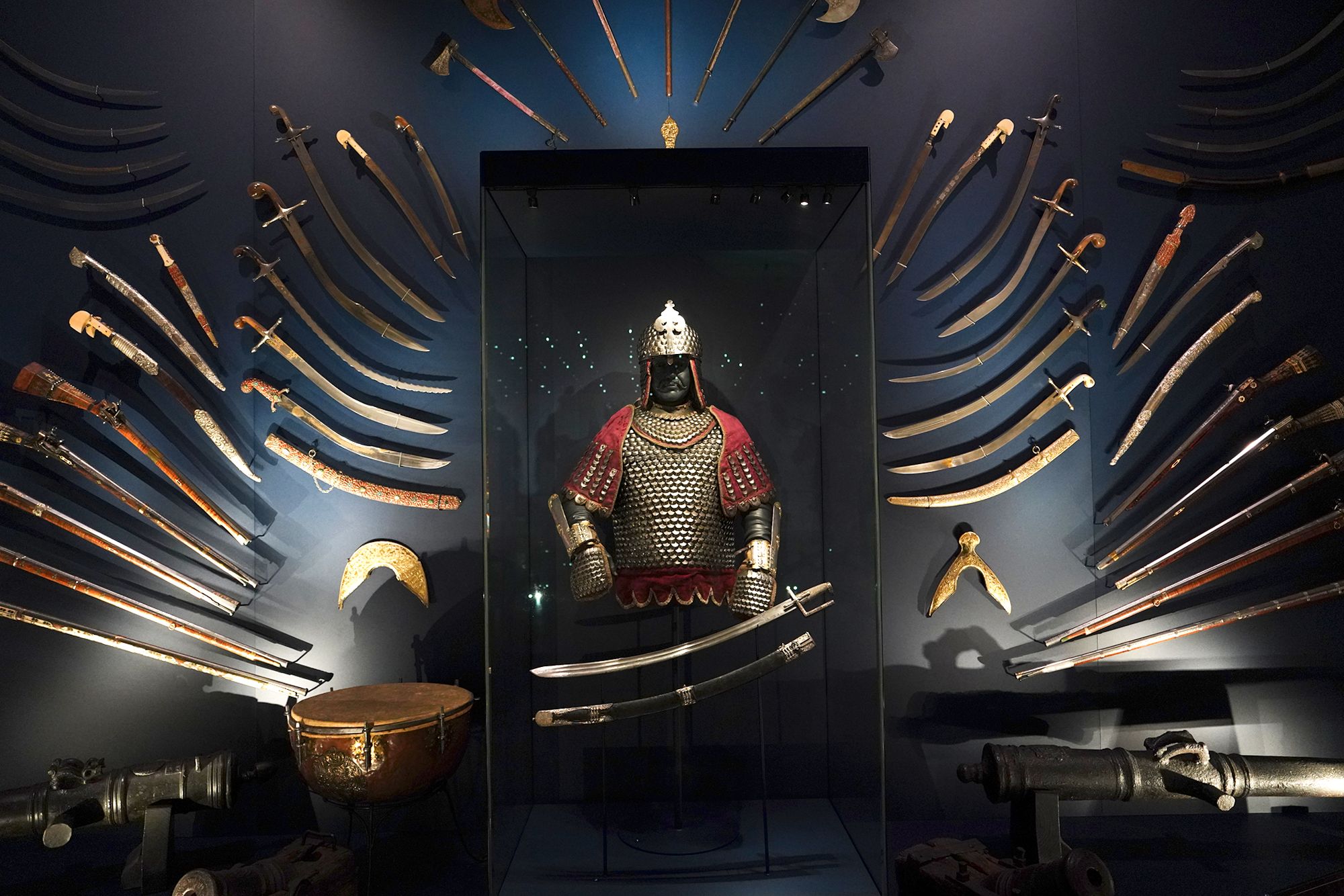
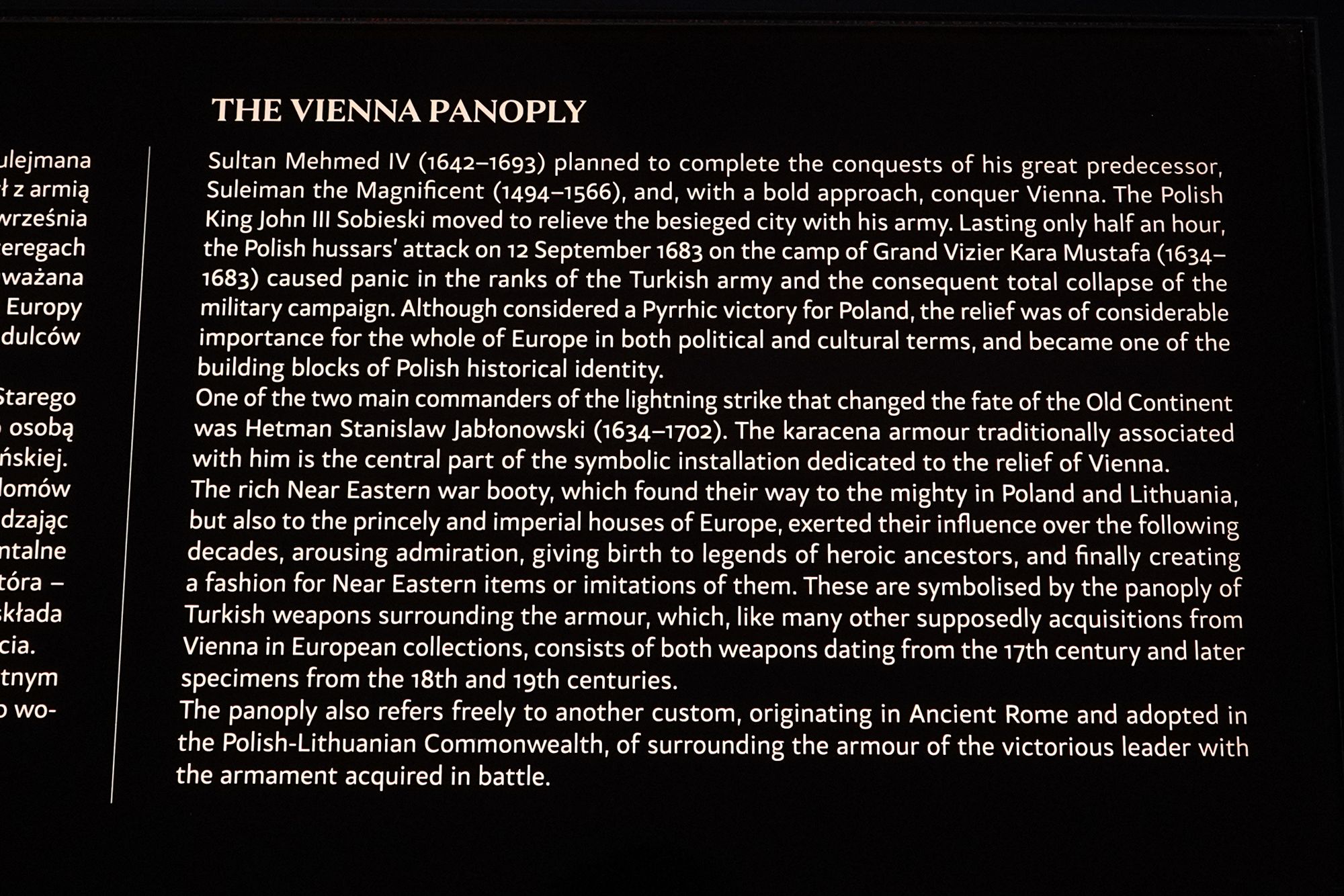
The Vienna Panoply commemorates the 1683 relief of Vienna. At its center is armor traditionally associated with Polish commander Stanisław Jabłonowski, surrounded by Turkish weapons. The display is symbolic: some weapons date from later centuries.
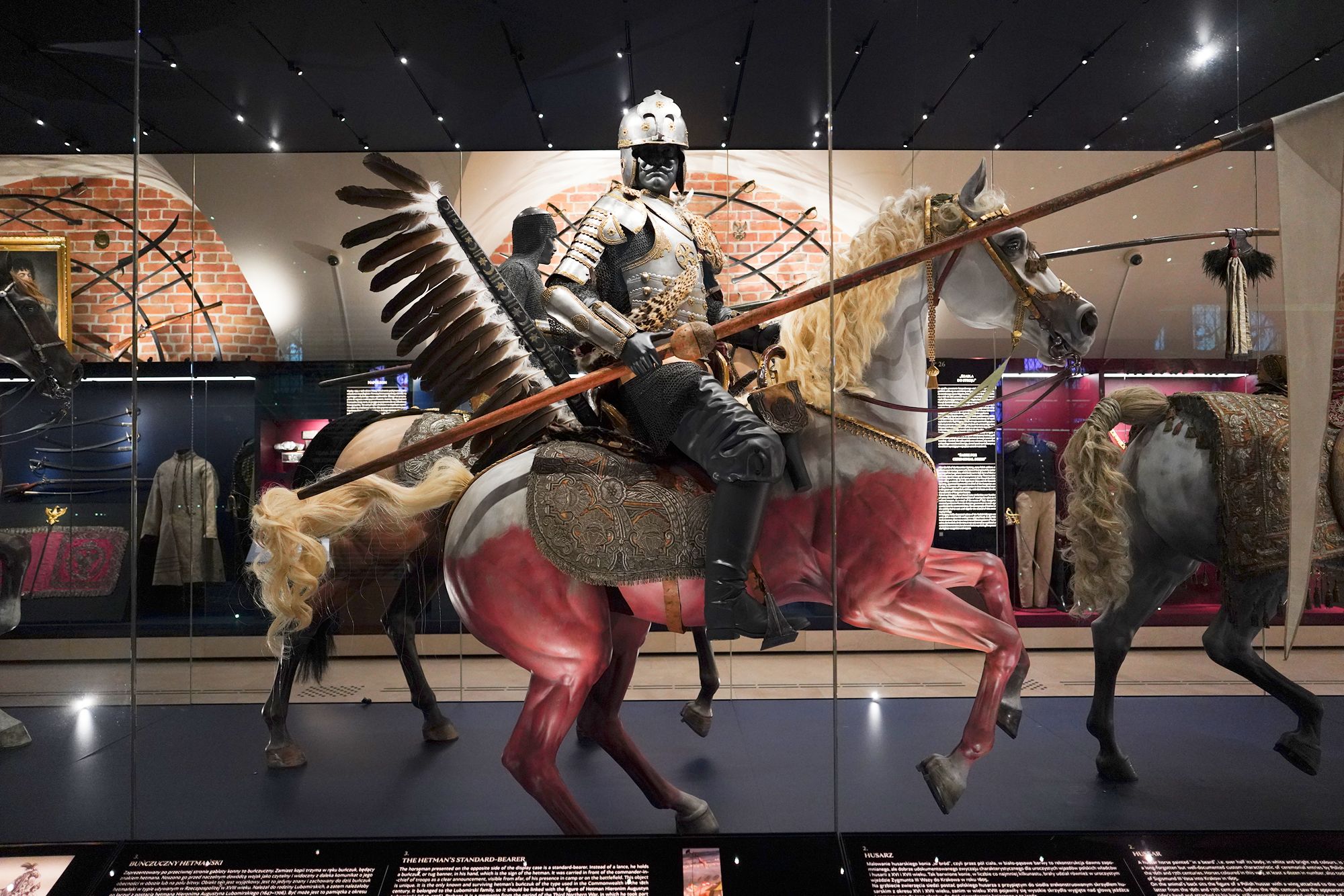
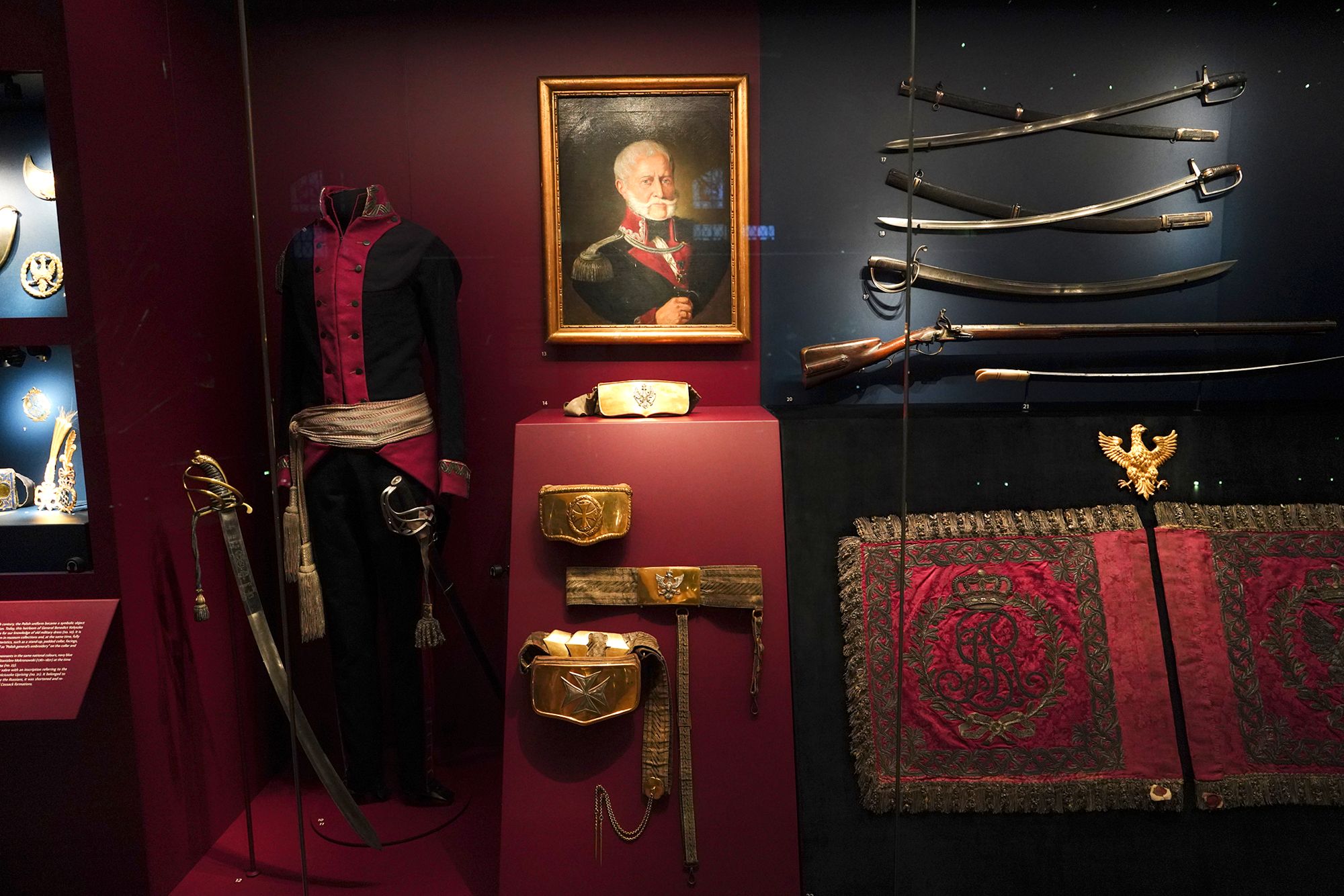
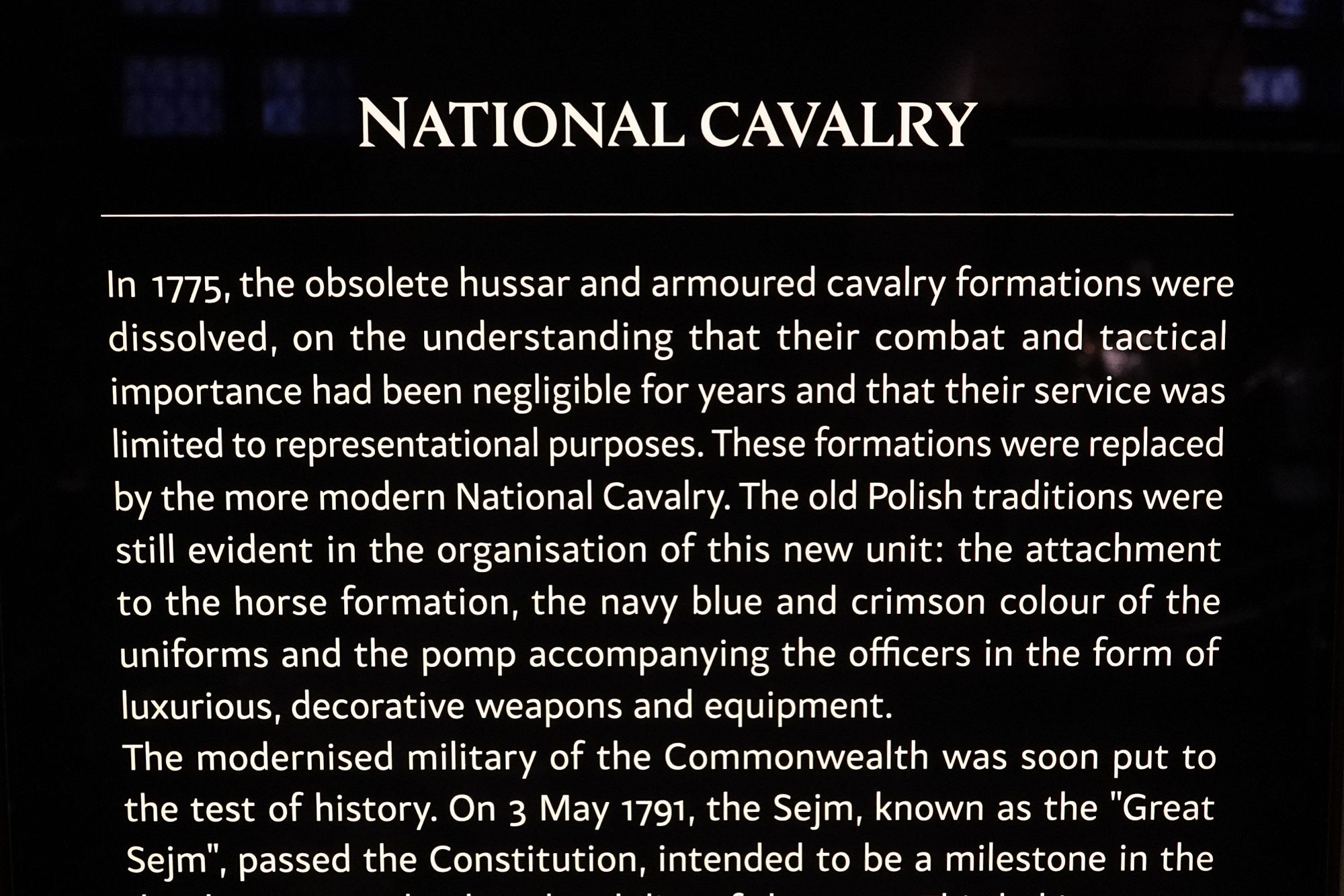
The National Cavalry display described a change in Poland’s army. In 1775, the older hussar and armored cavalry units were replaced by a more modern force, though its uniforms and ceremonial equipment kept some Polish traditions.
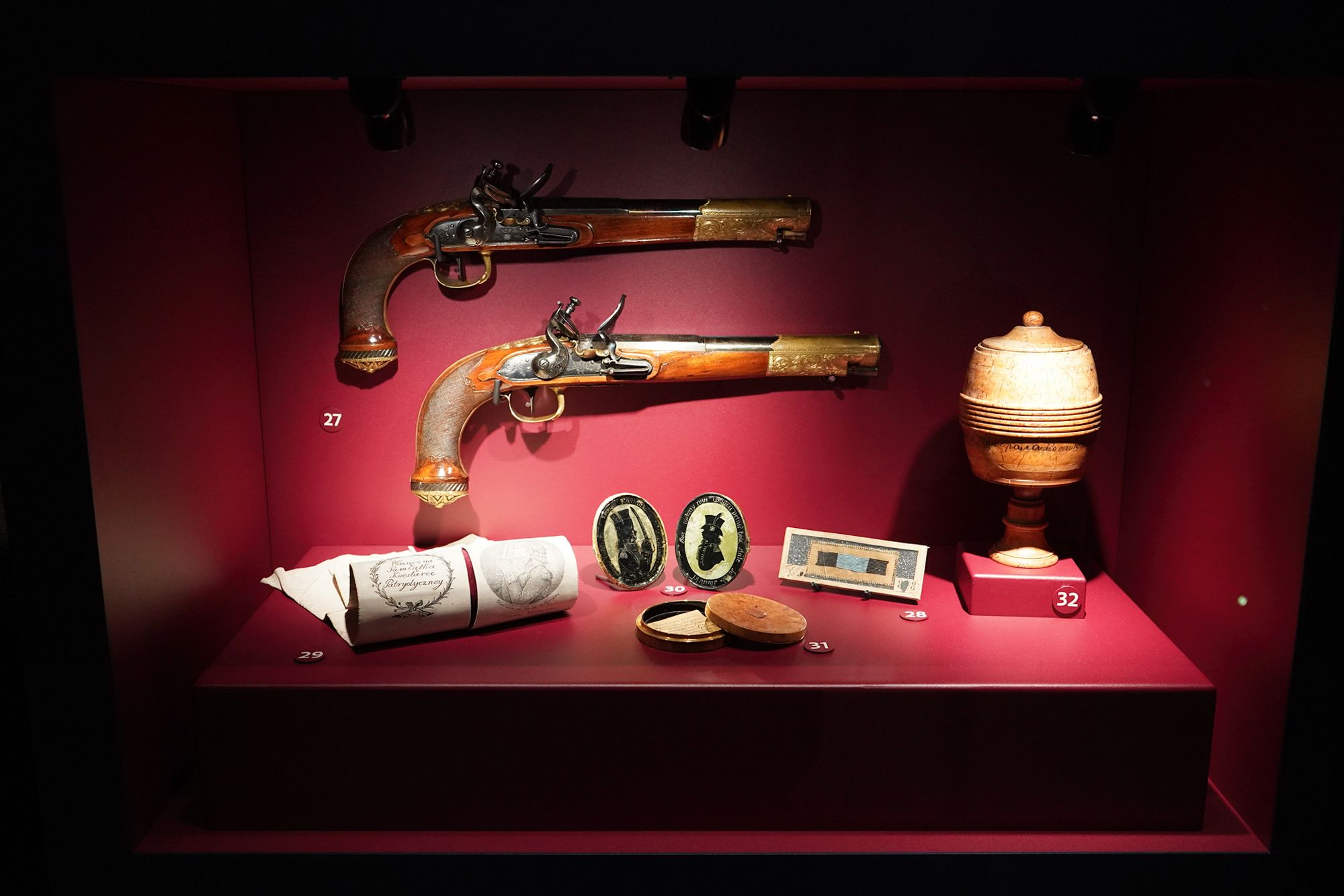
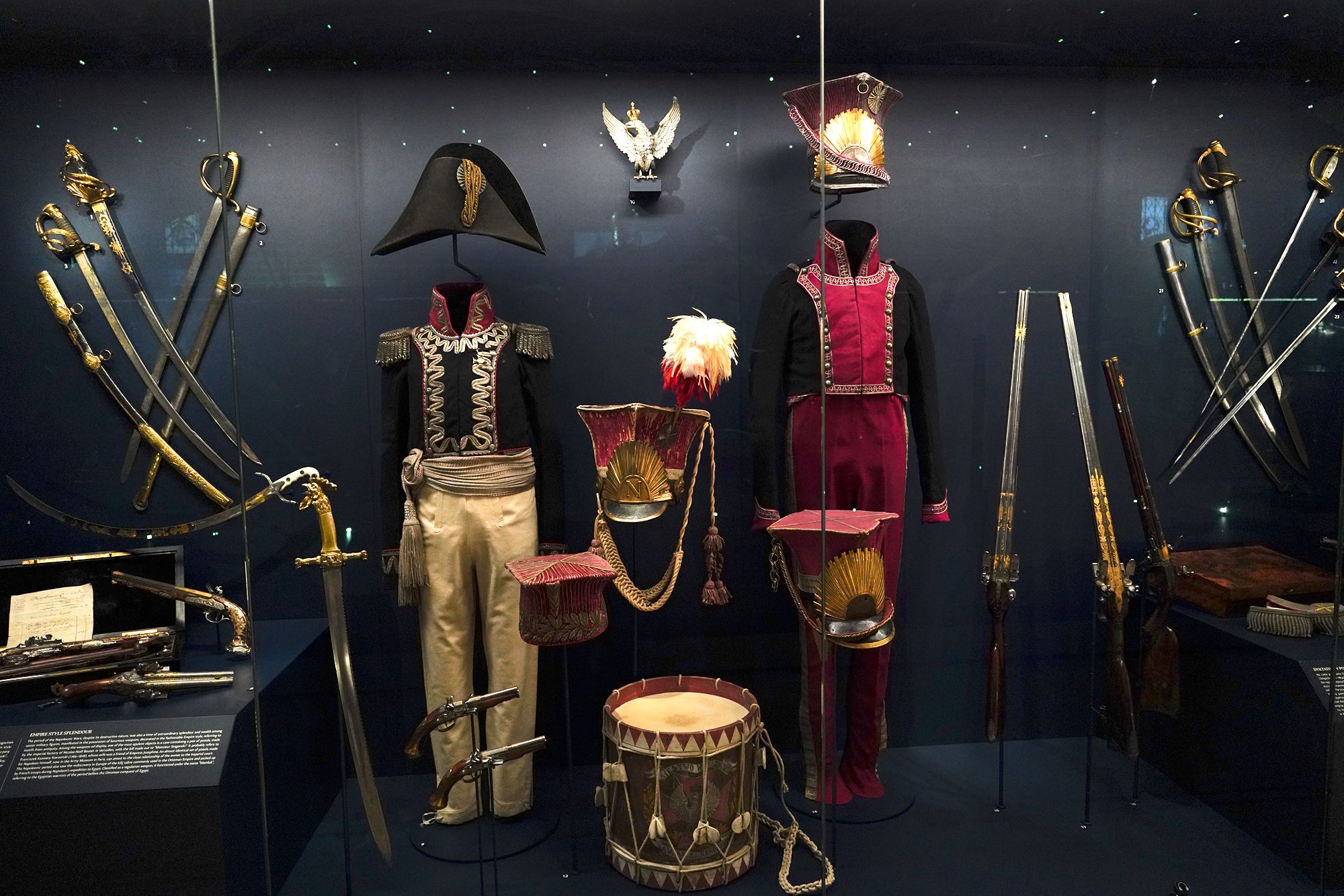
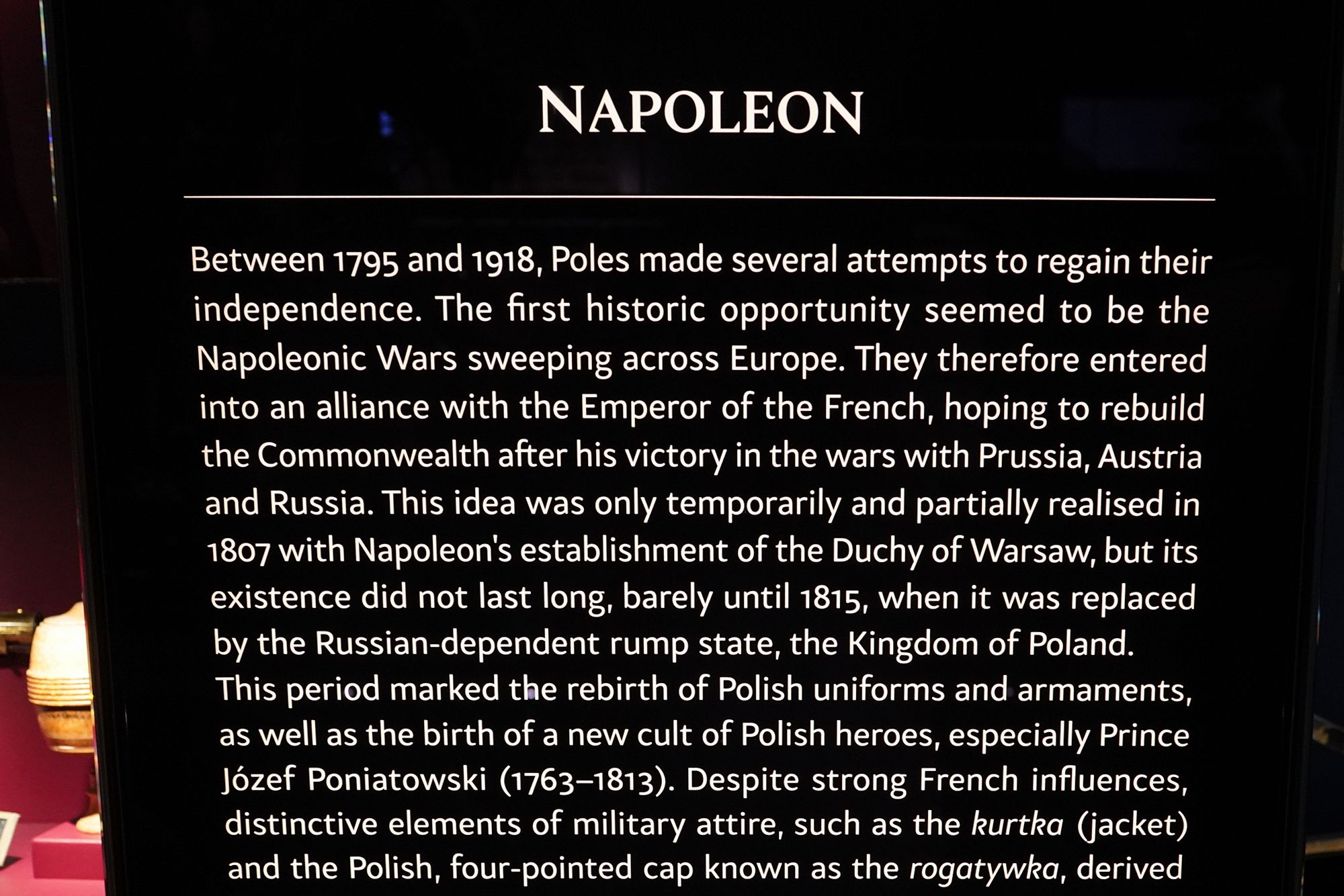
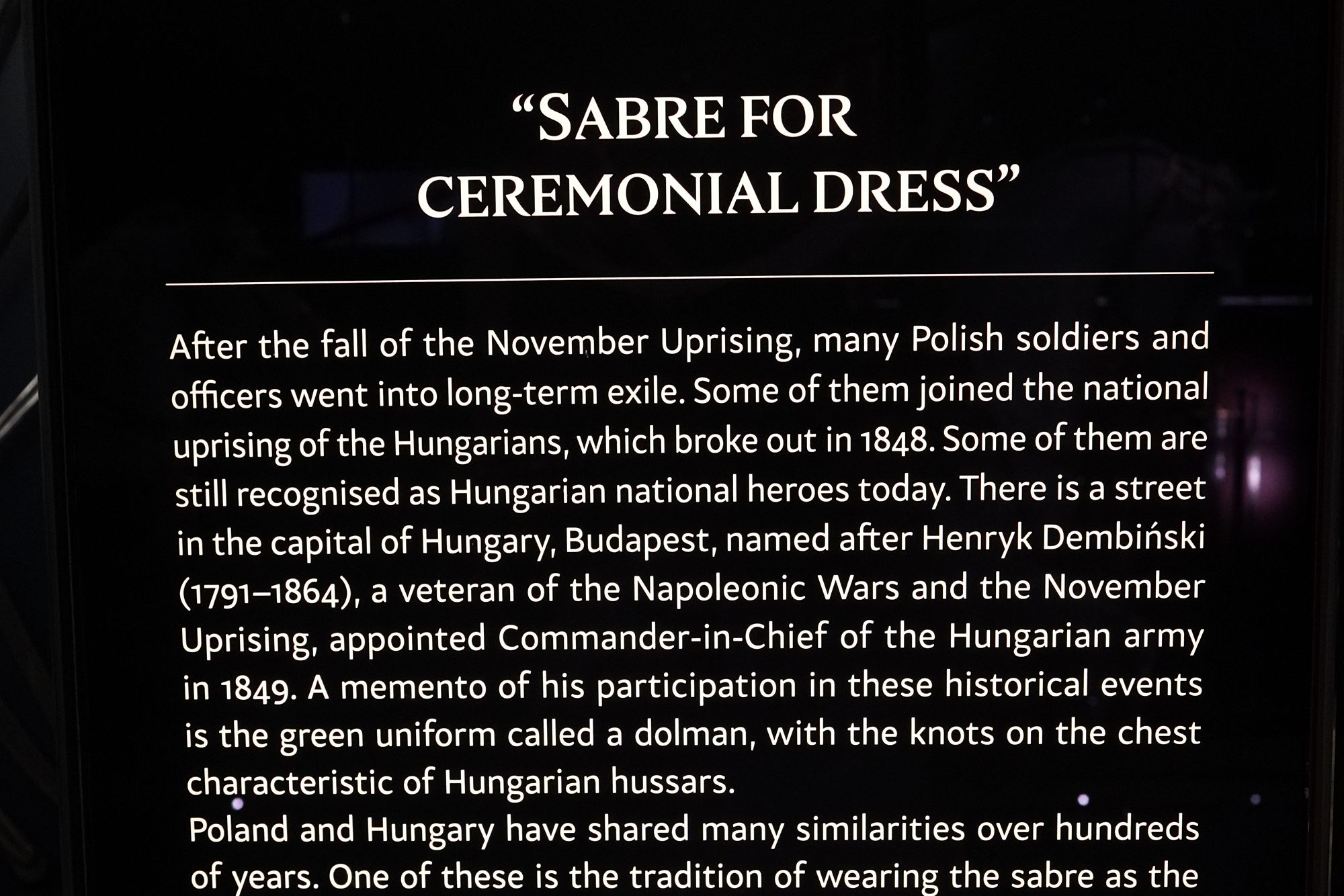
This display connected Polish and Hungarian history. After the failed November Uprising, some Polish officers went into exile and later joined Hungary’s 1848 uprising. Among them was Henryk Dembiński, whose green hussar-style uniform is shown here.
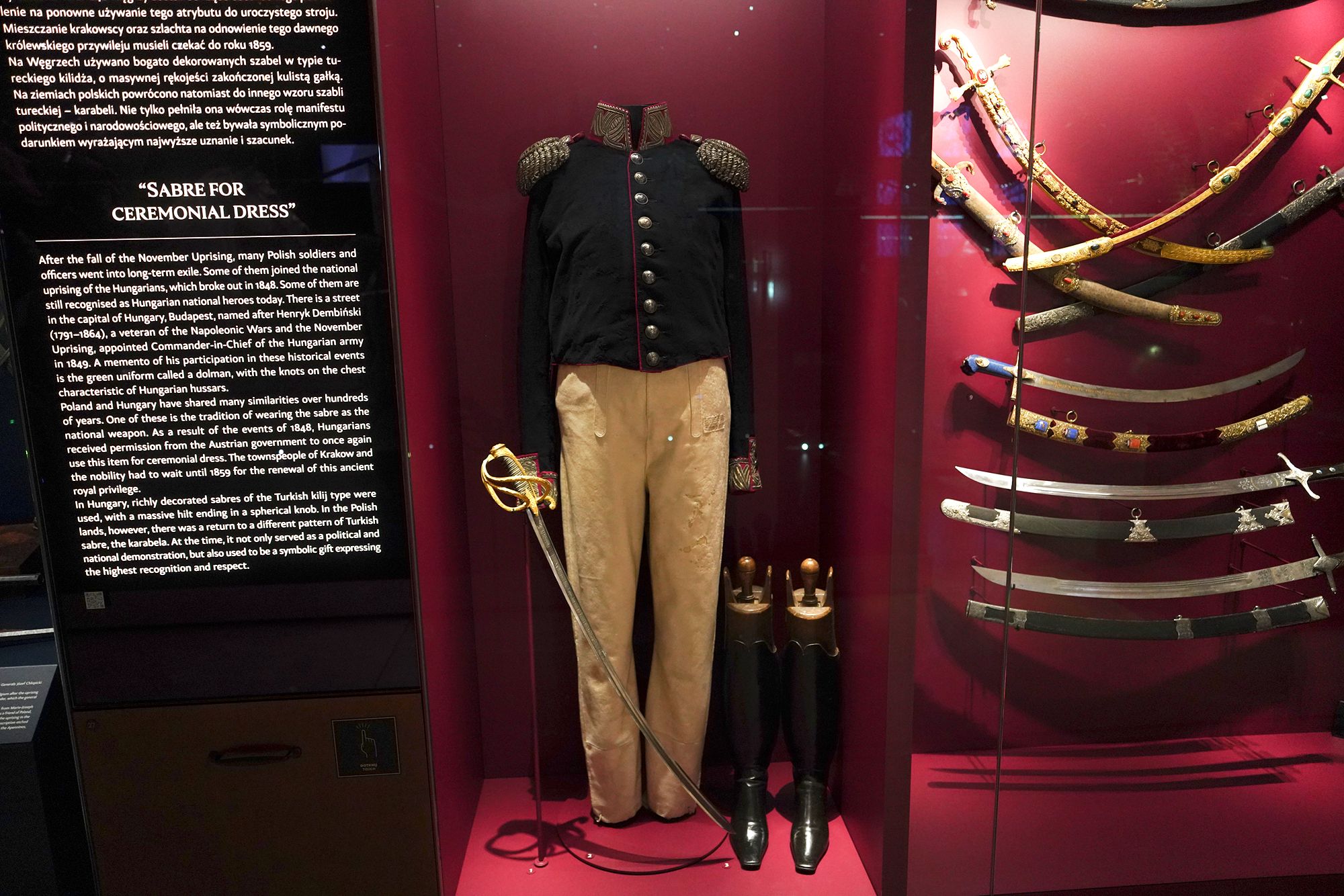
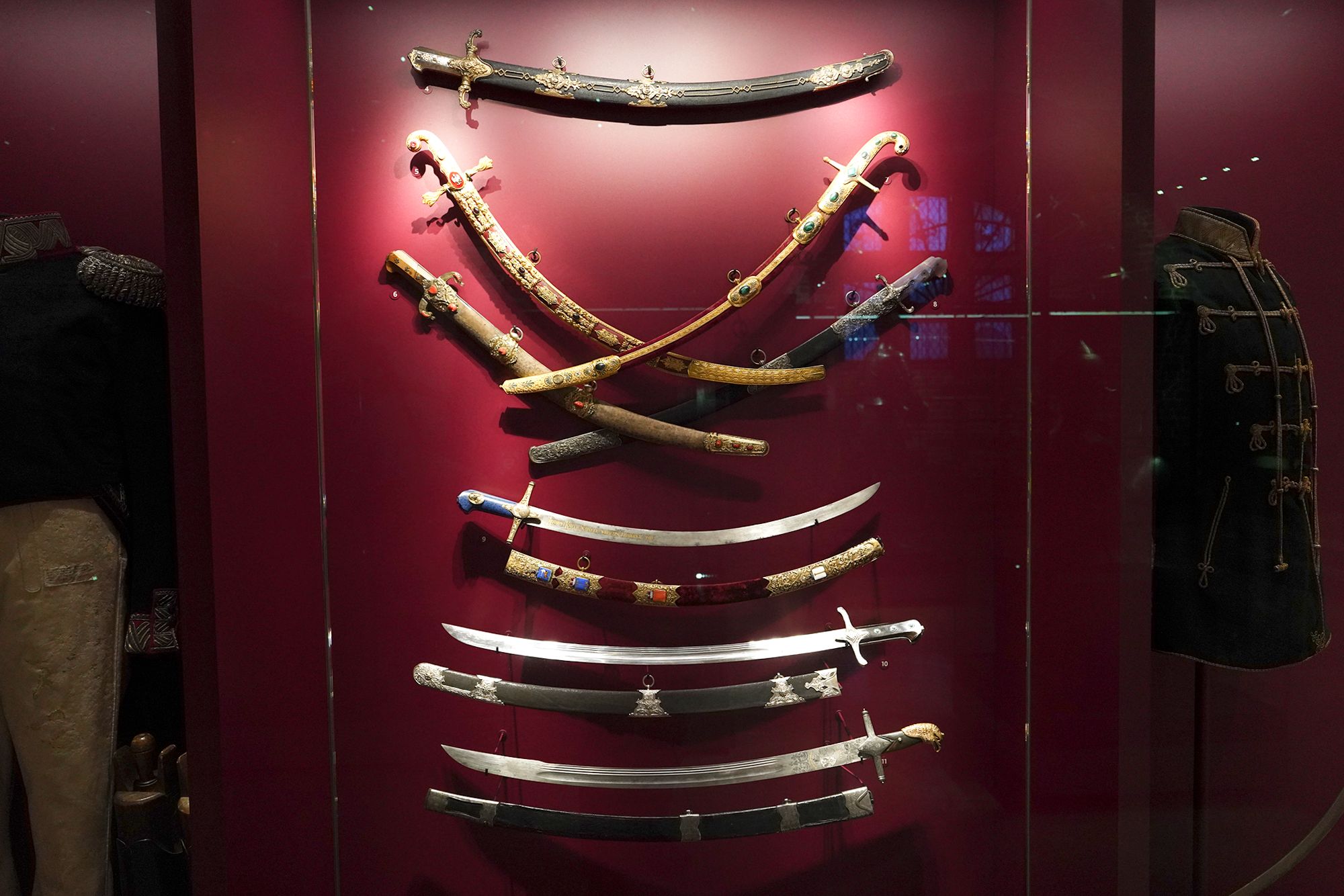
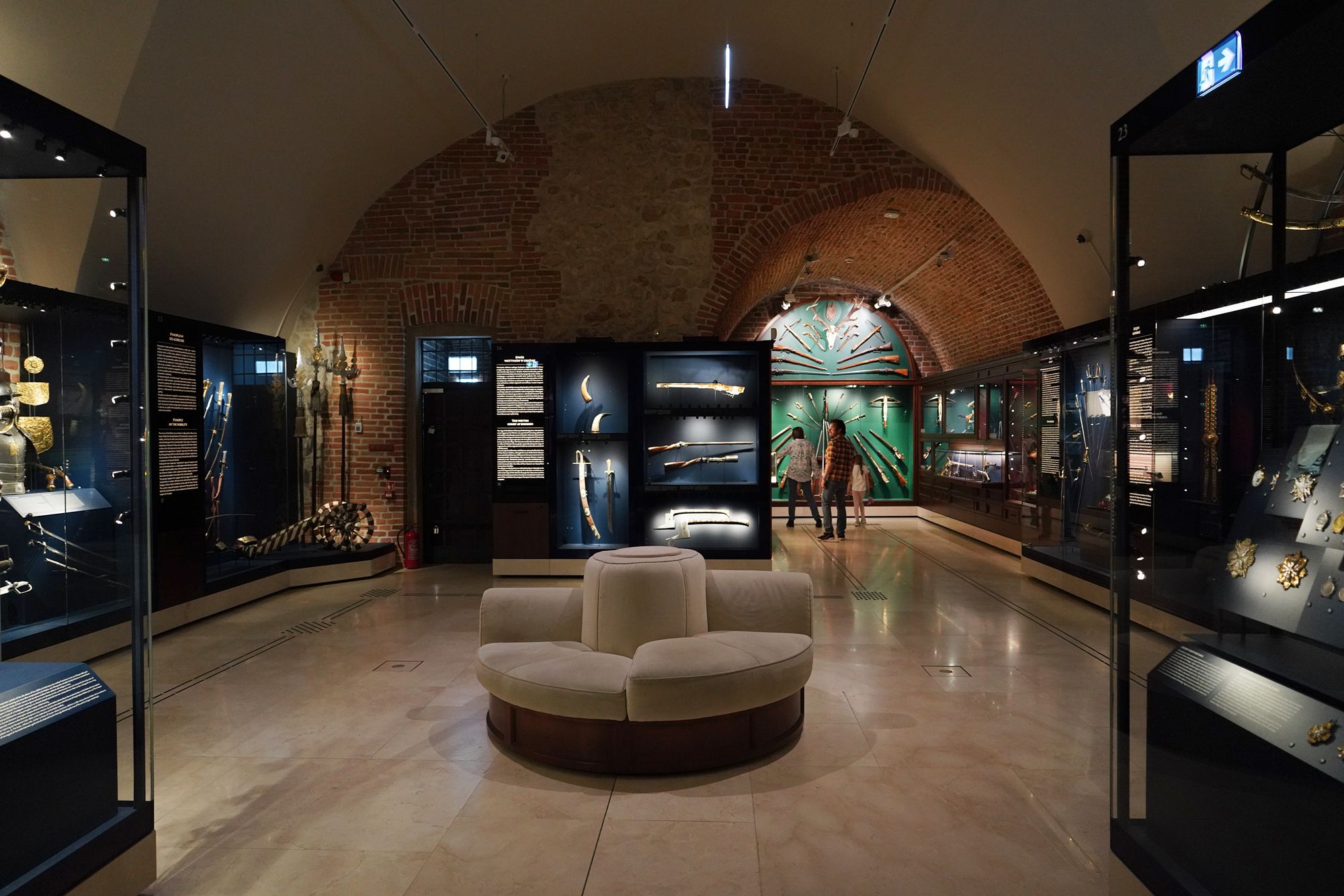
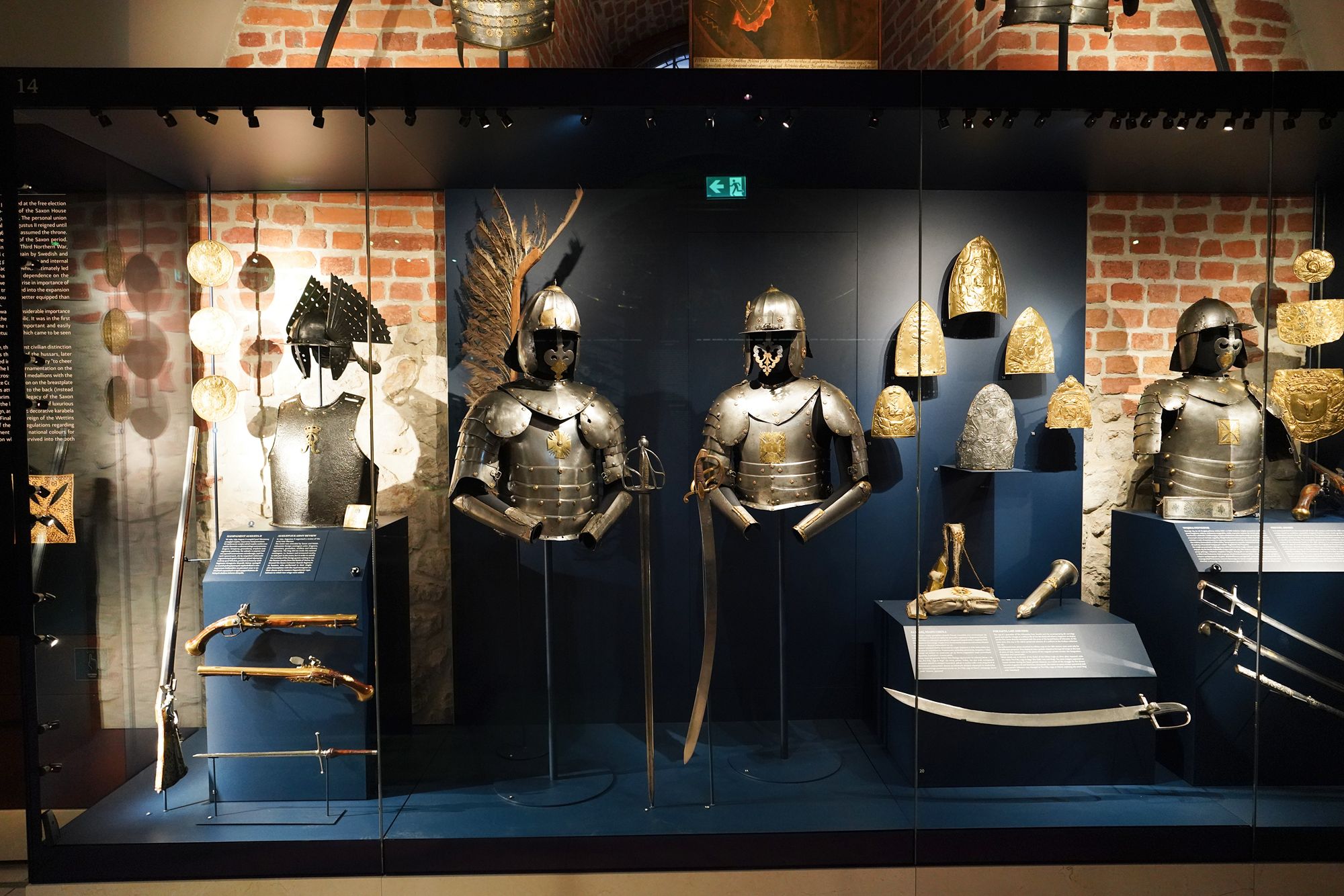
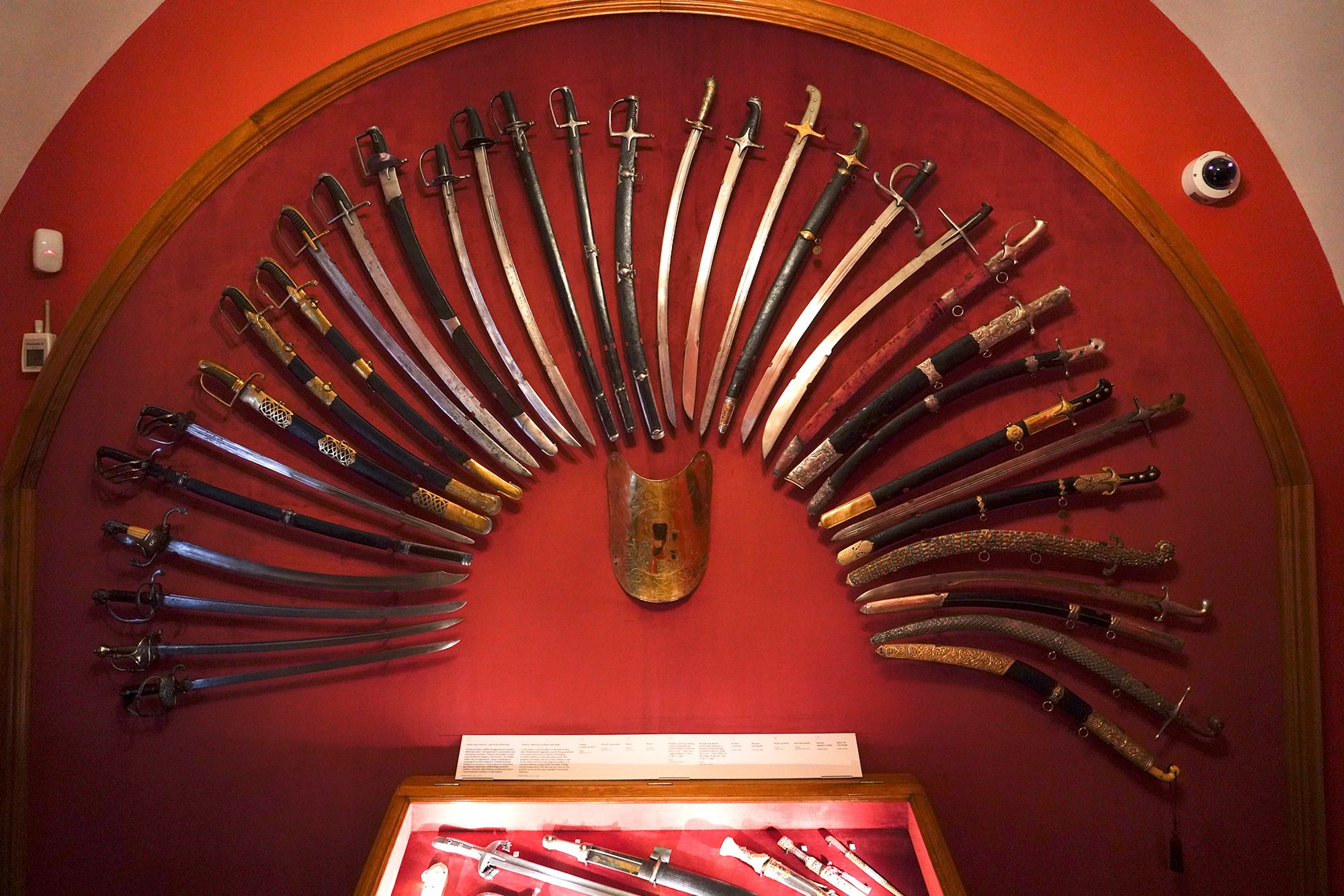
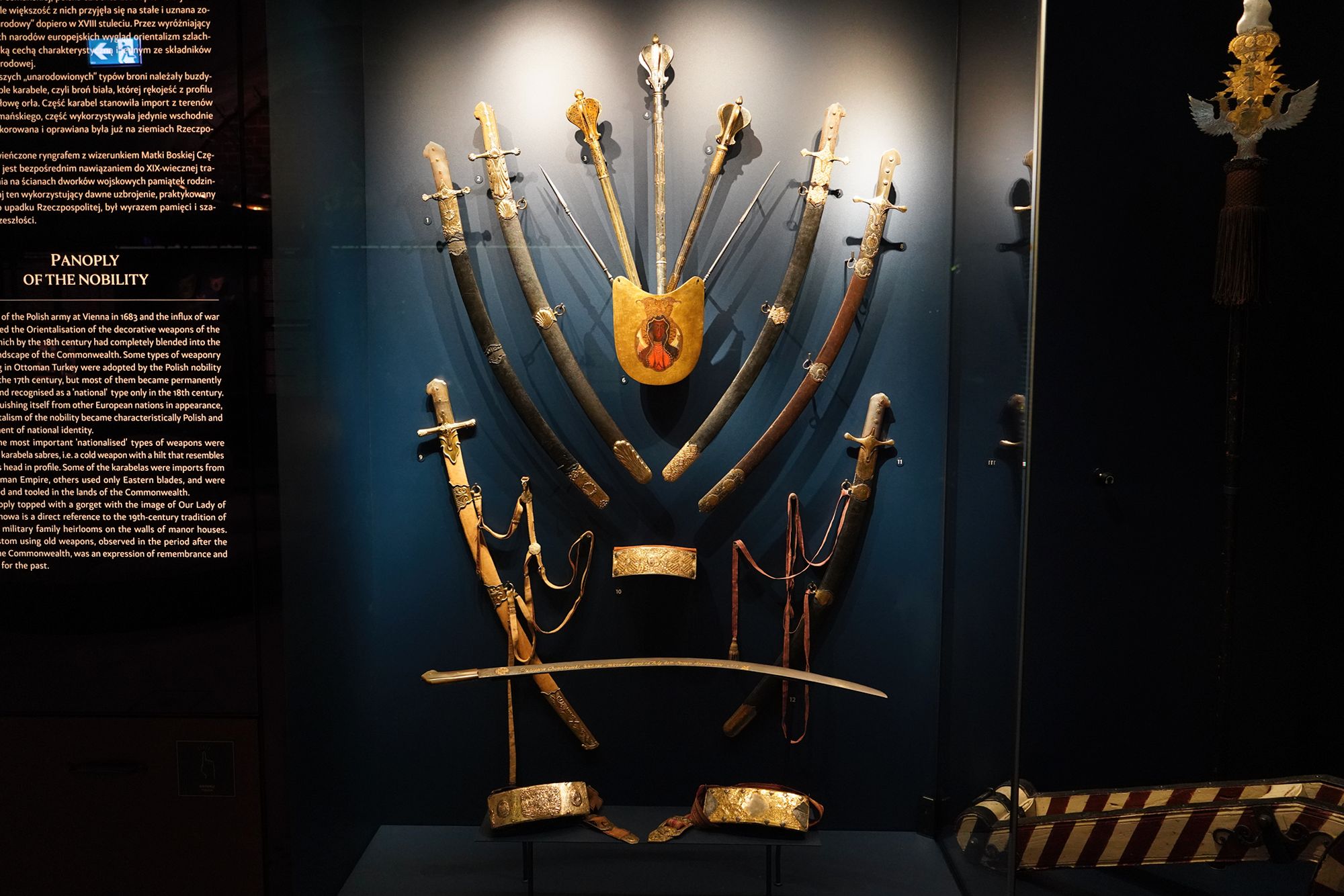
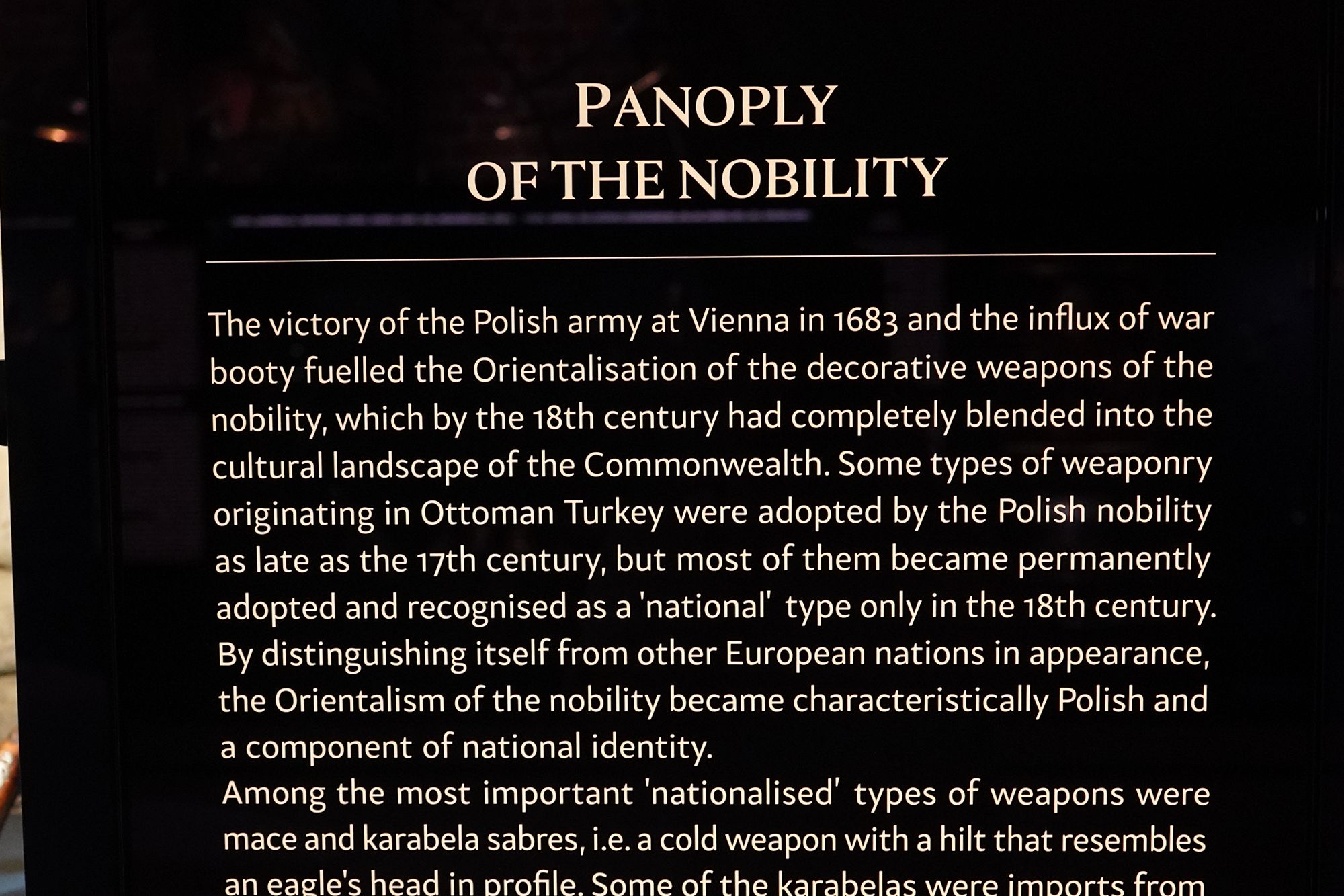
The Panoply of the Nobility showed how Polish nobles adopted Ottoman-inspired weapons. By the 18th century, decorated maces and karabela sabres had become familiar symbols of Polish noble identity.
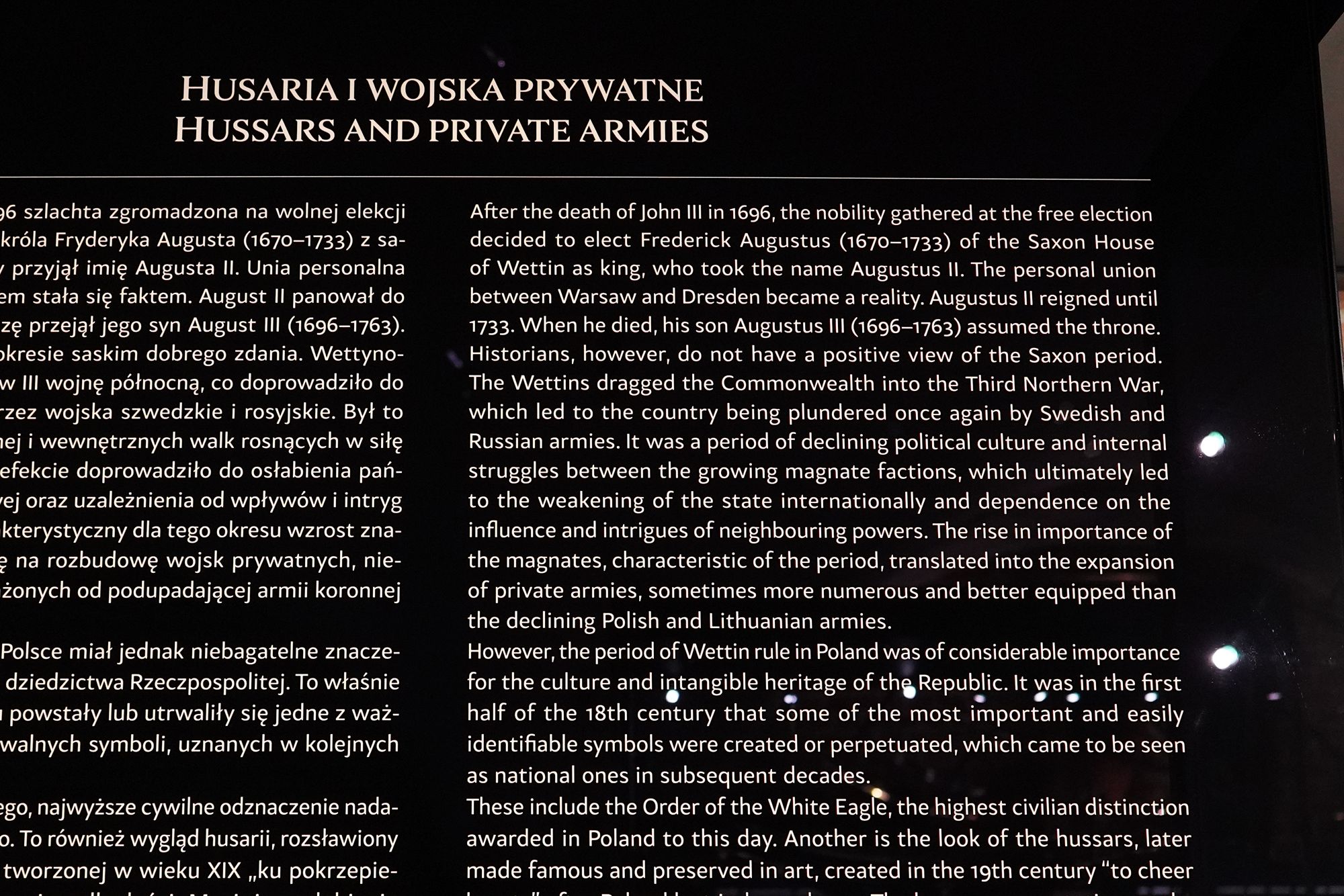
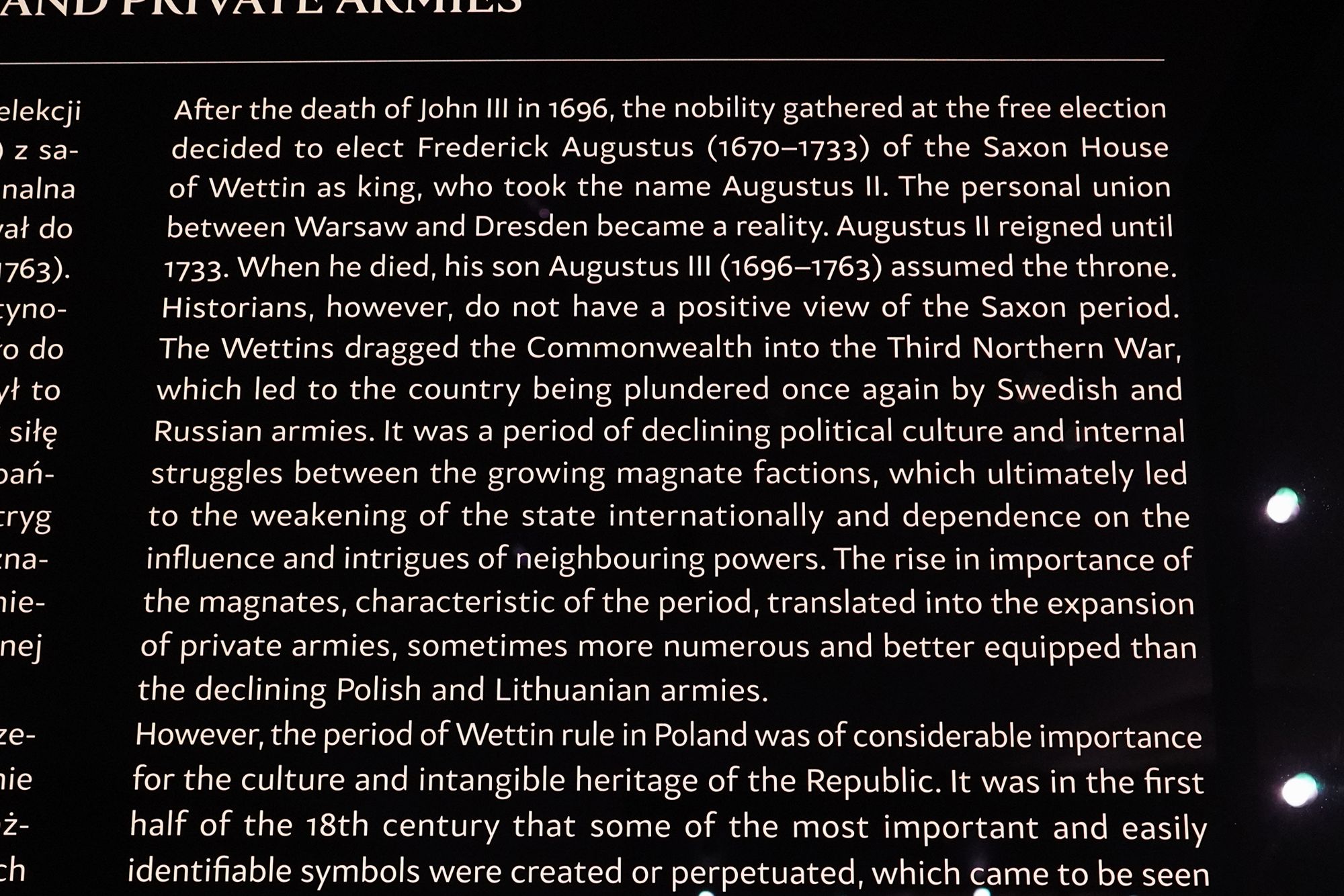
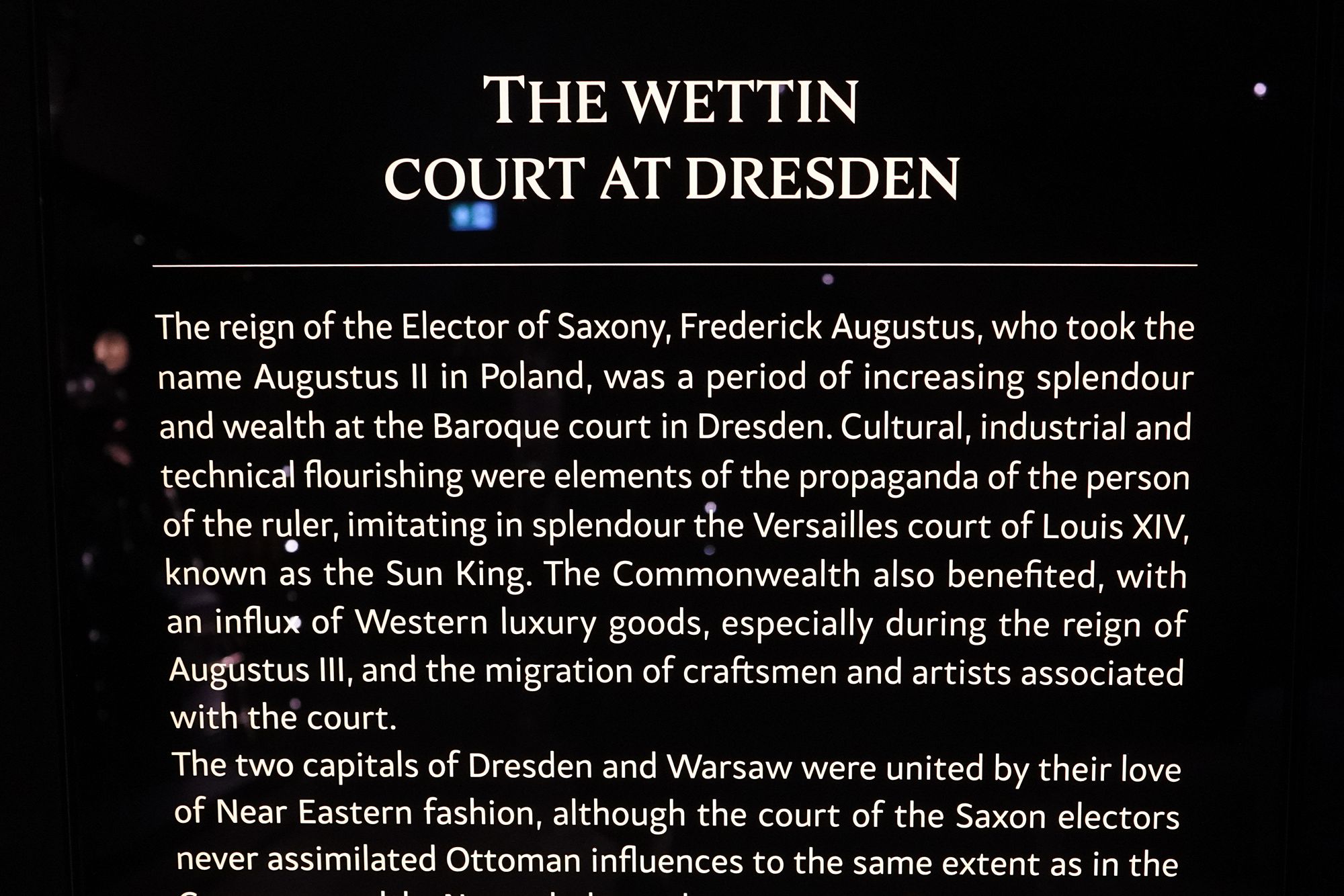
The Wettin court in Dresden grew wealthy under Augustus II. Its luxury goods and artists also influenced Warsaw during the Saxon period.
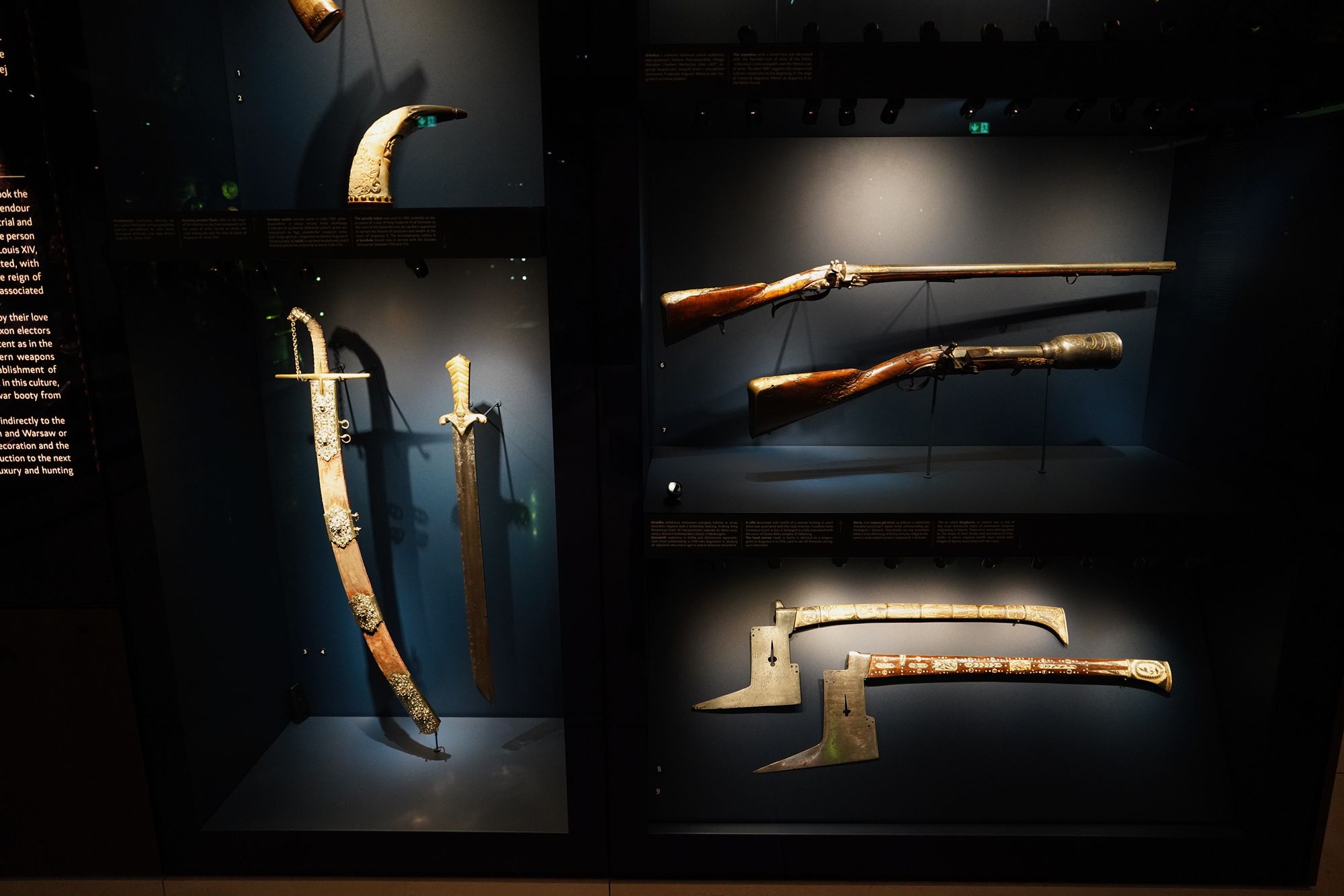
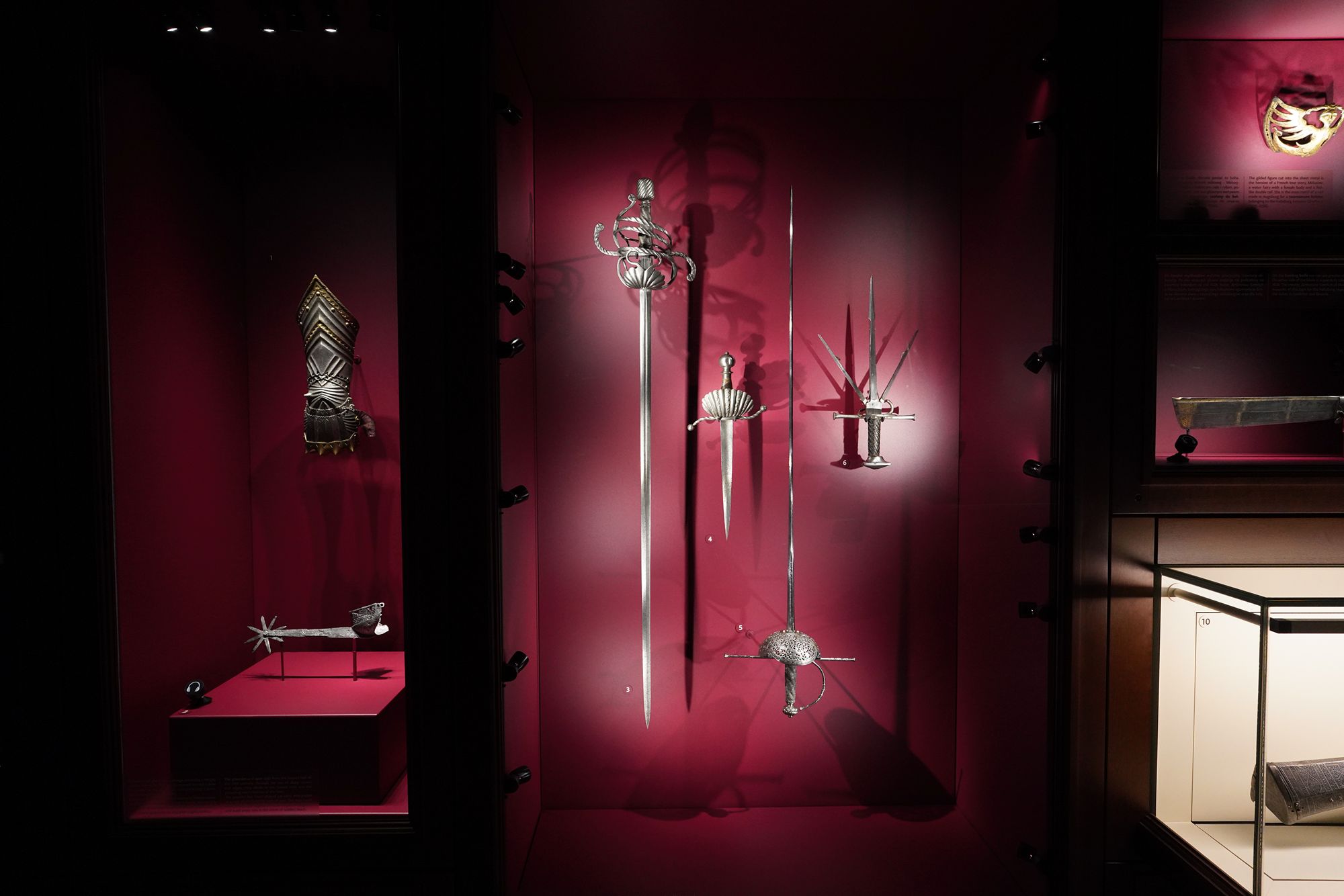
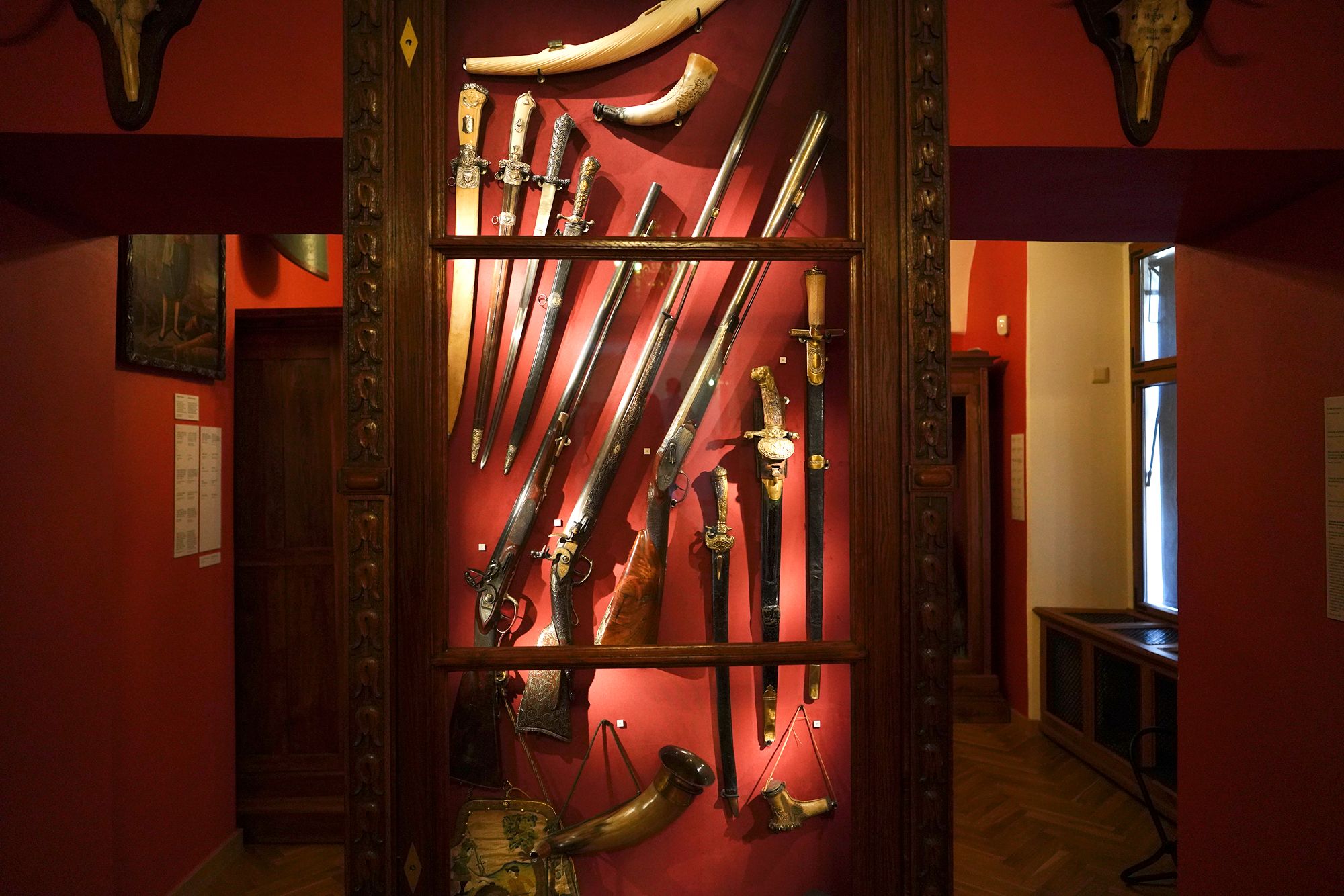
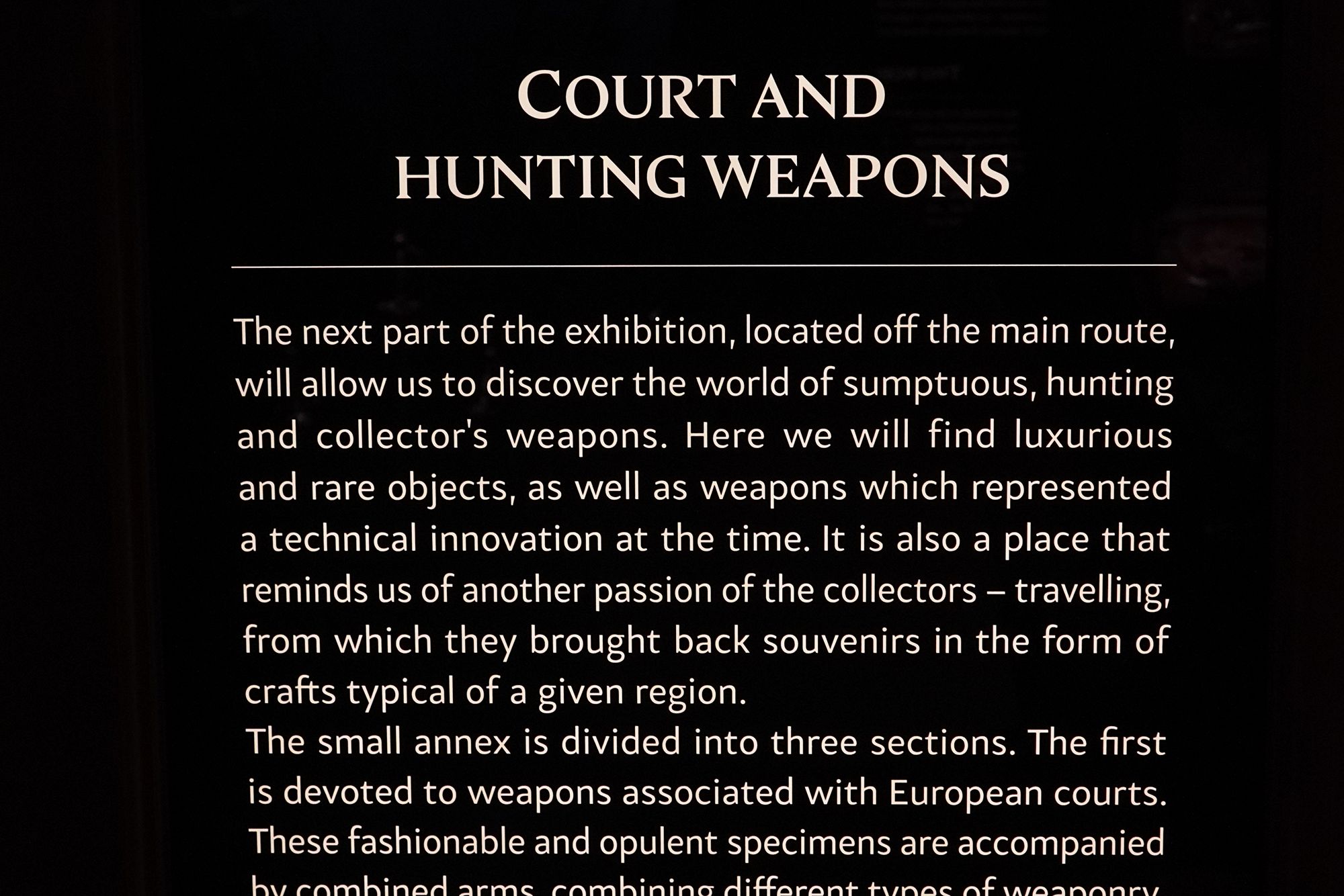
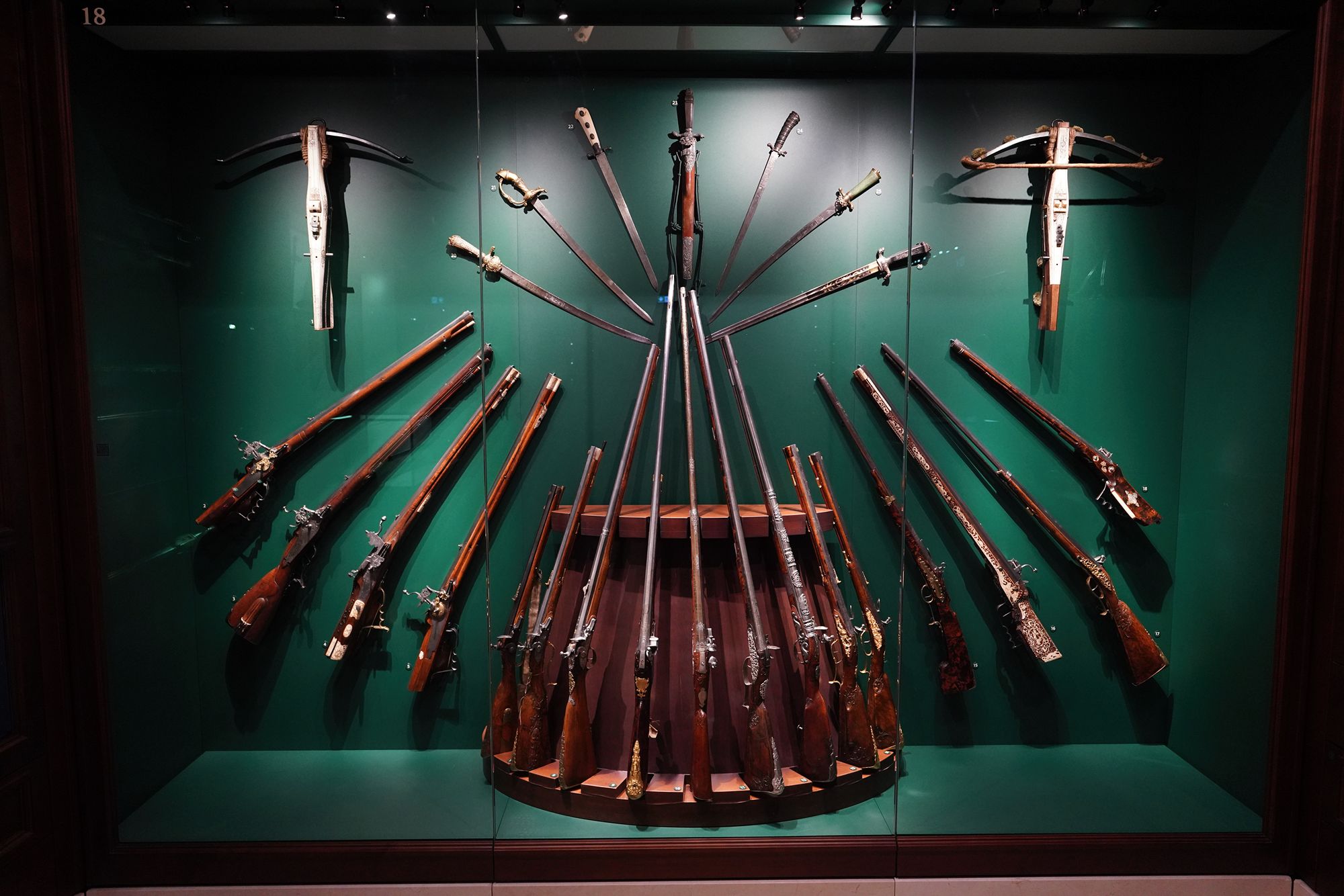
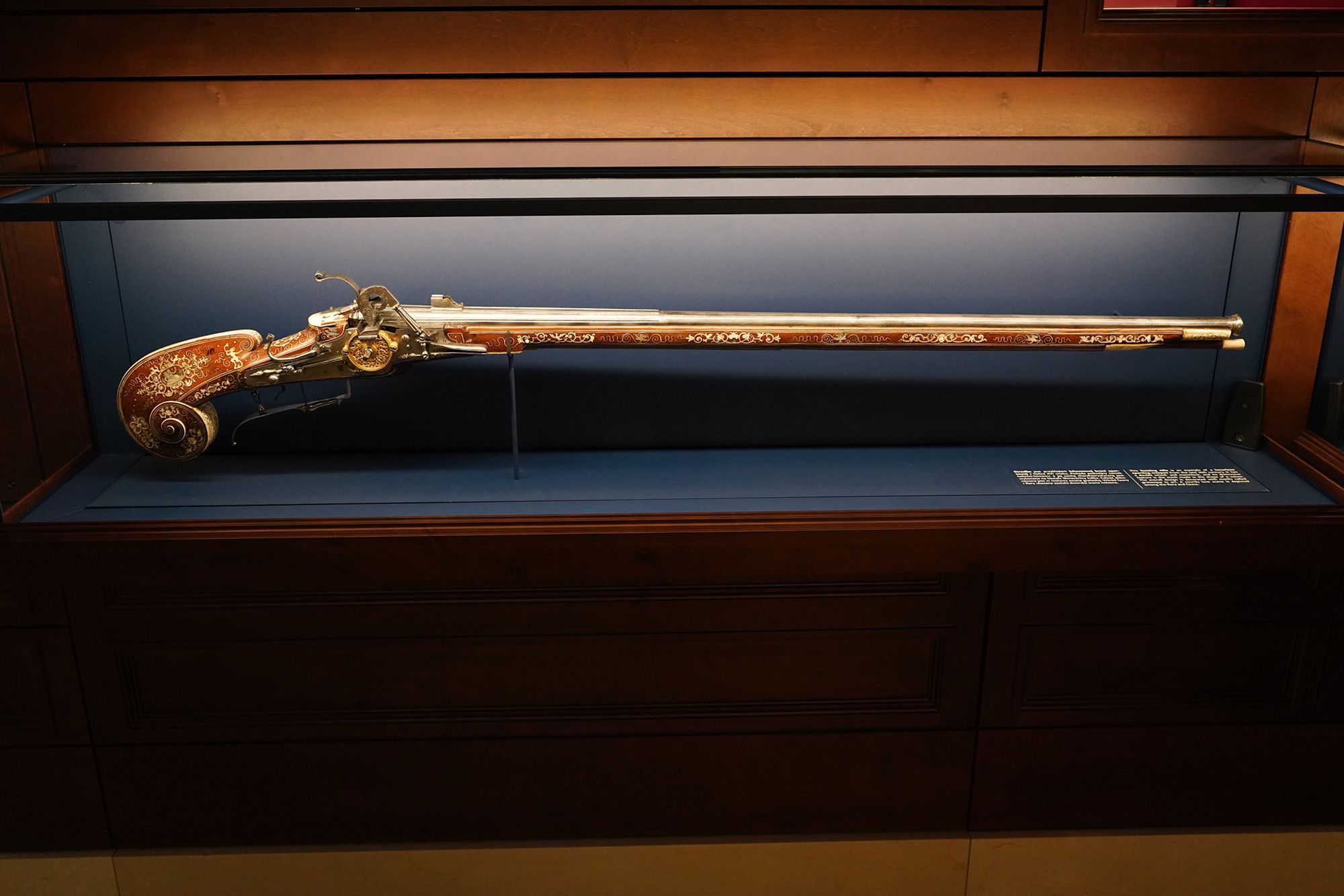
I took a short detour into the Court and Hunting Weapons annex. It displayed elaborate weapons made for European courts and hunting, along with rare objects collected during the owners’ travels.
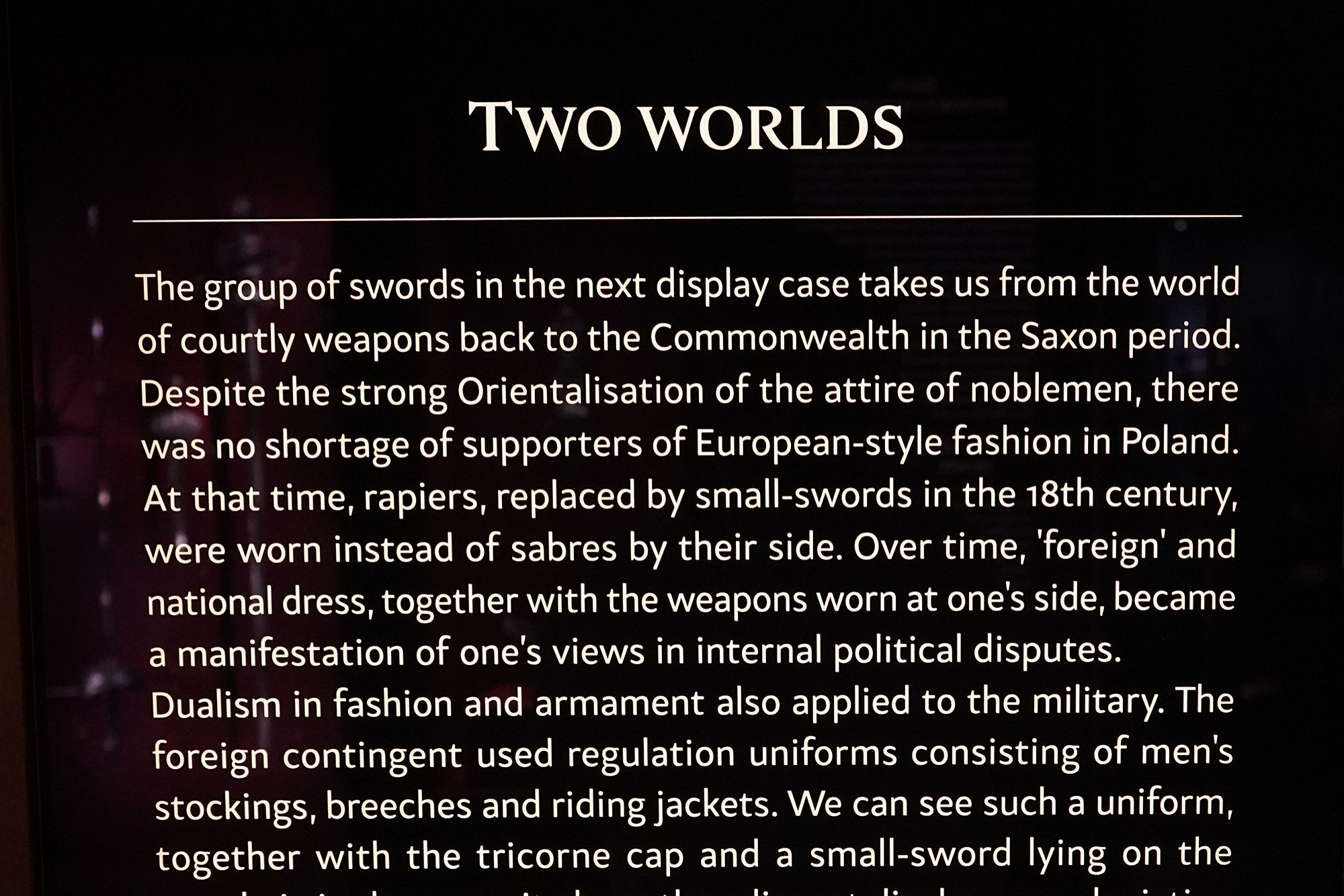
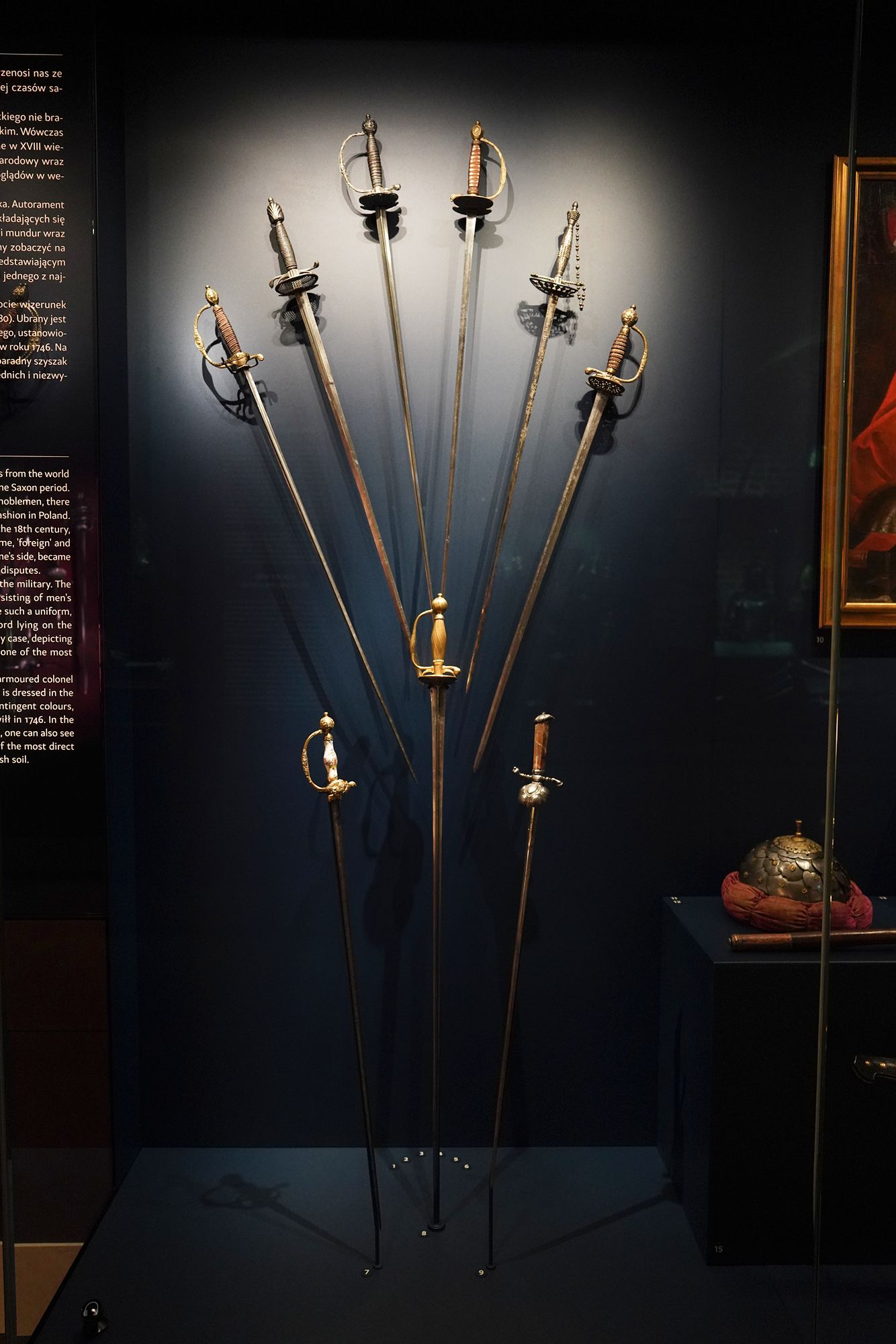
The “Two Worlds” display showed how some Polish nobles wore European-style swords instead of sabres. Their choice of dress and weapon could signal their political views.
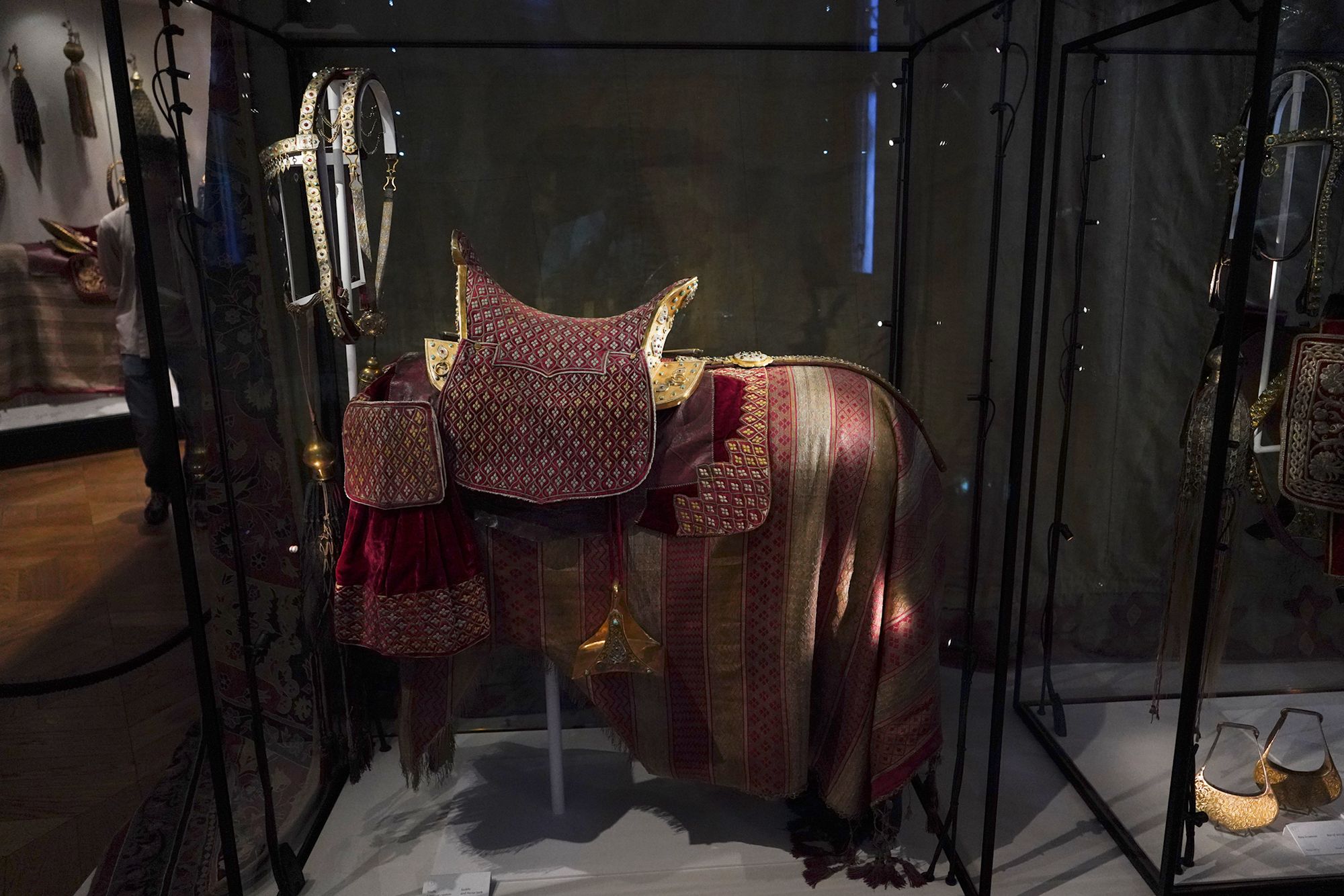
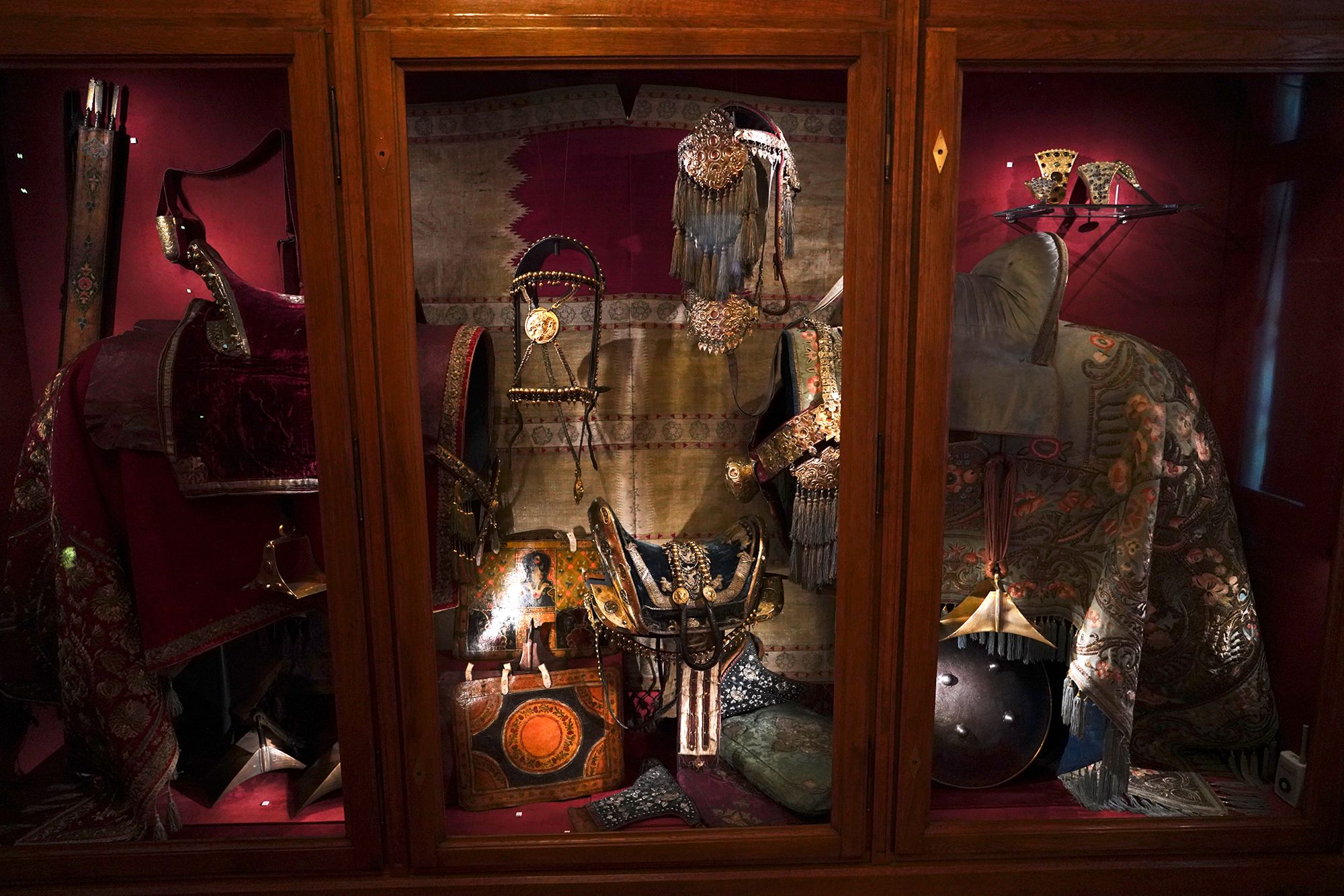
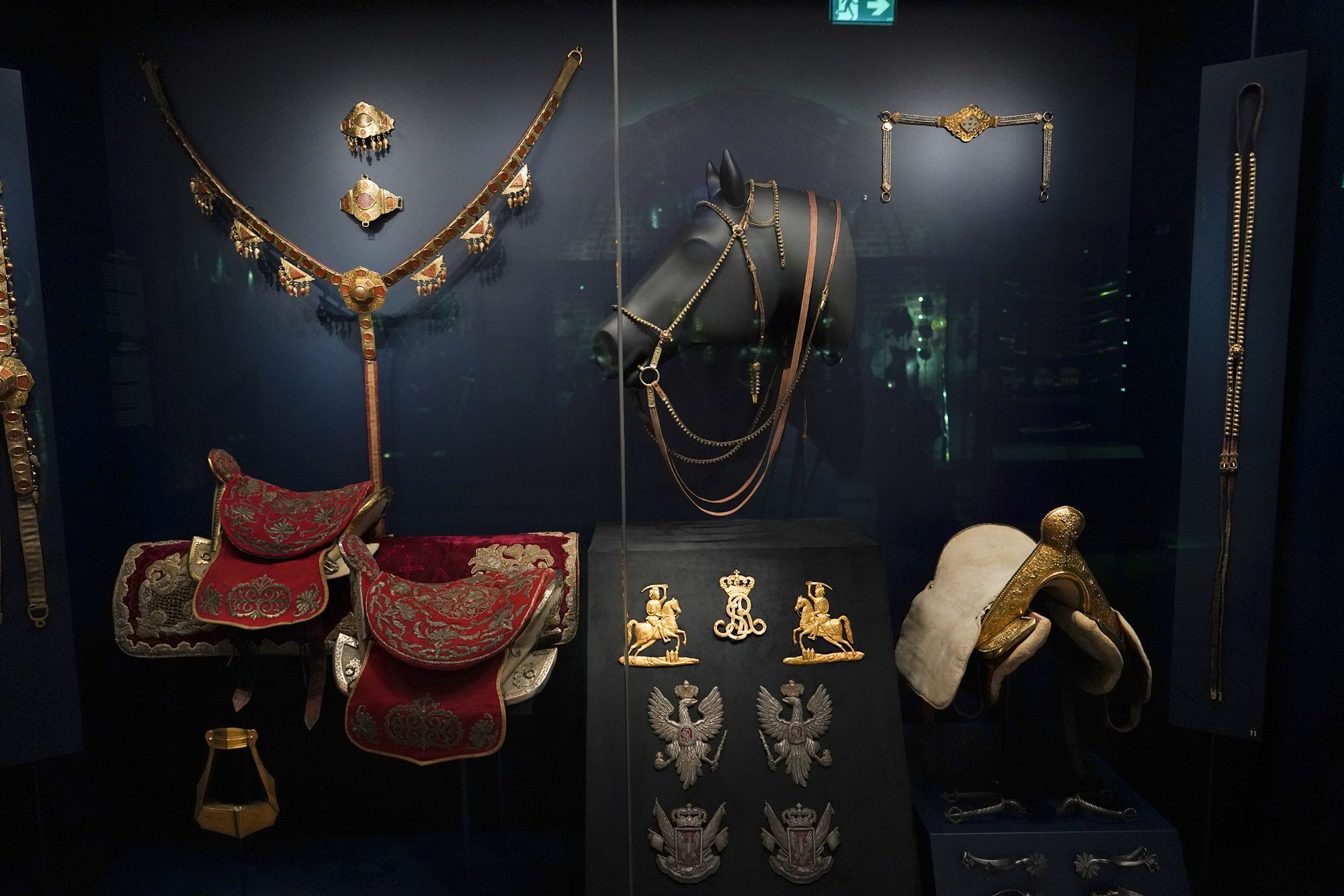
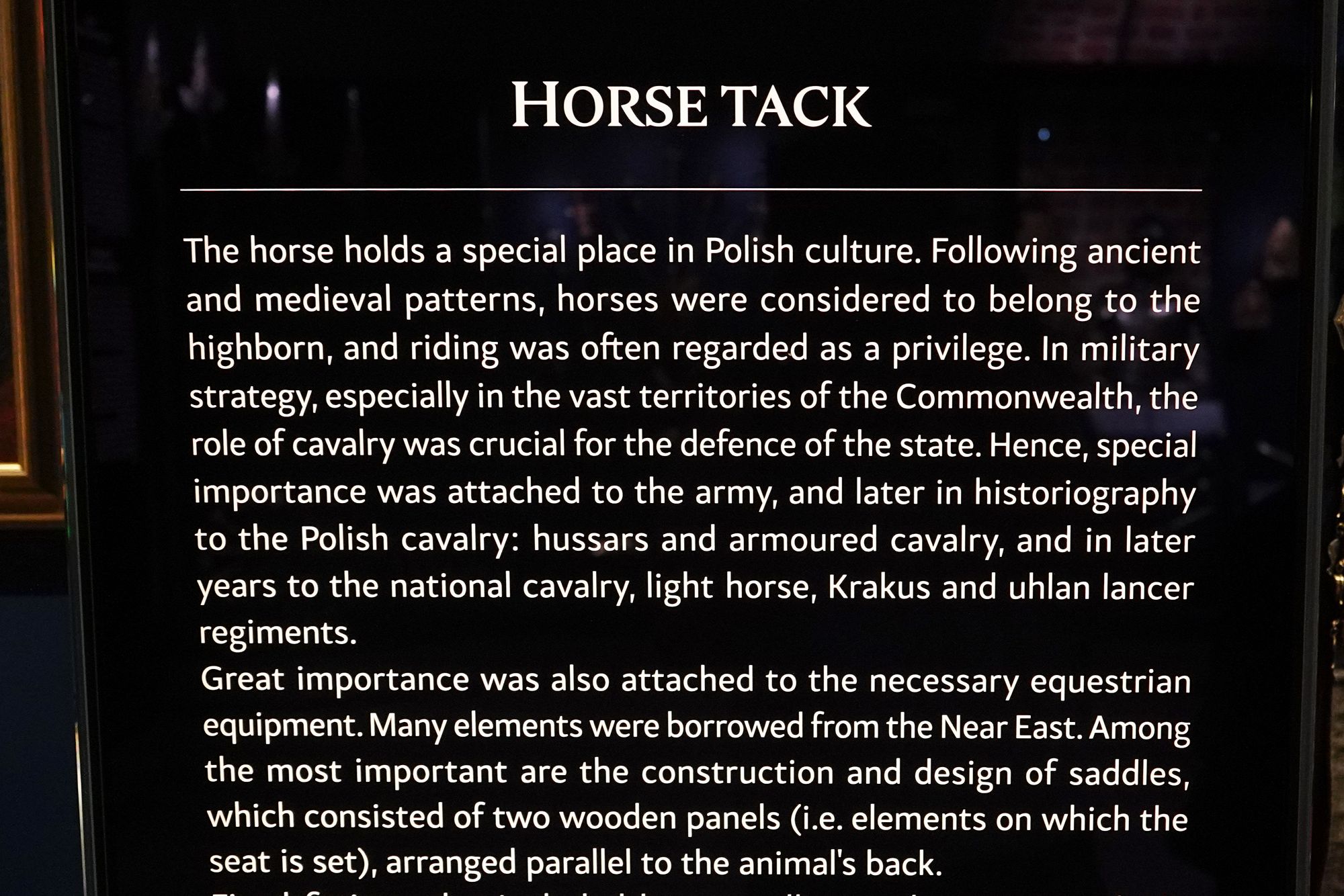
The horse tack display showed how important horses were to Polish cavalry. The saddles also reflected designs borrowed from the Near East.
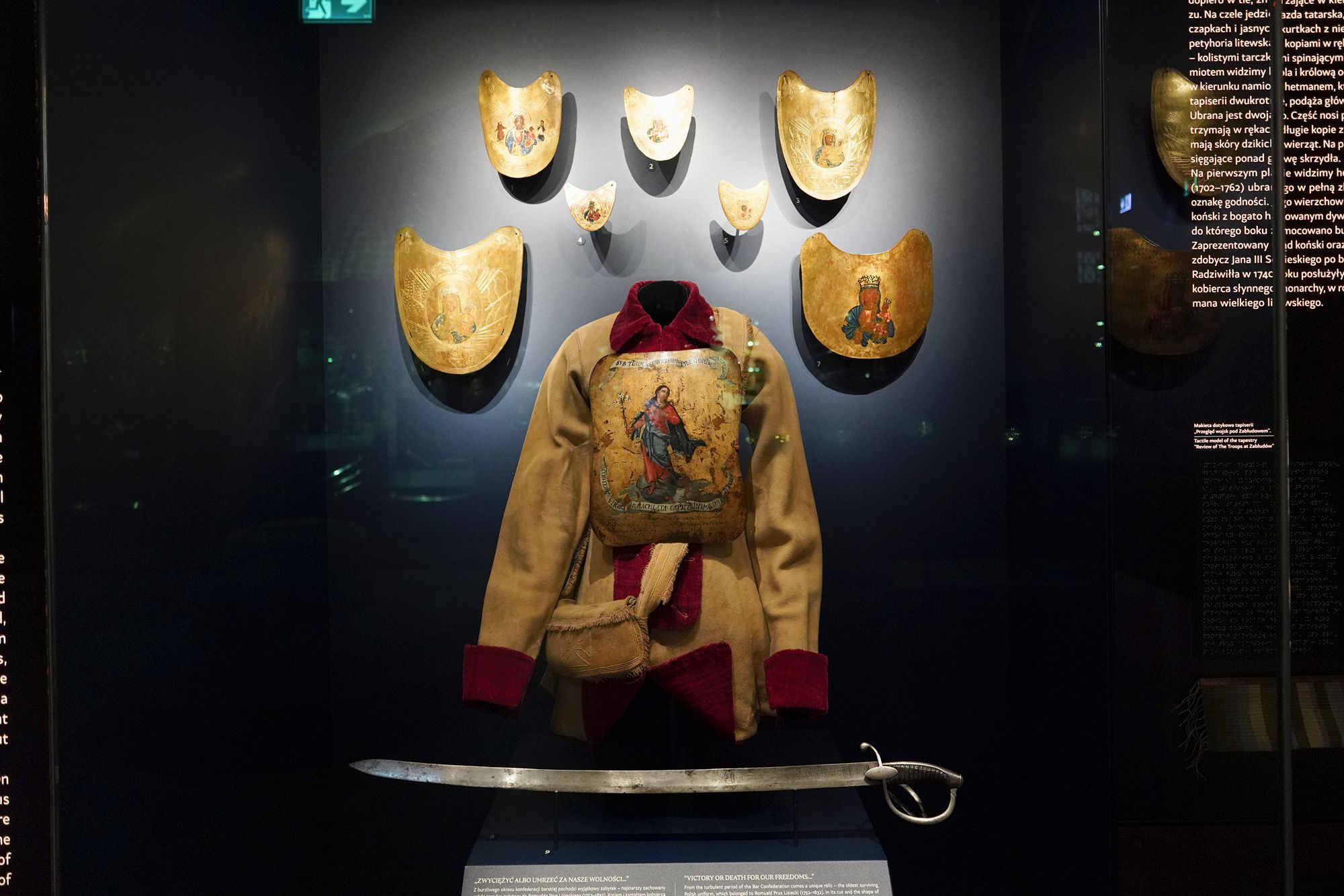
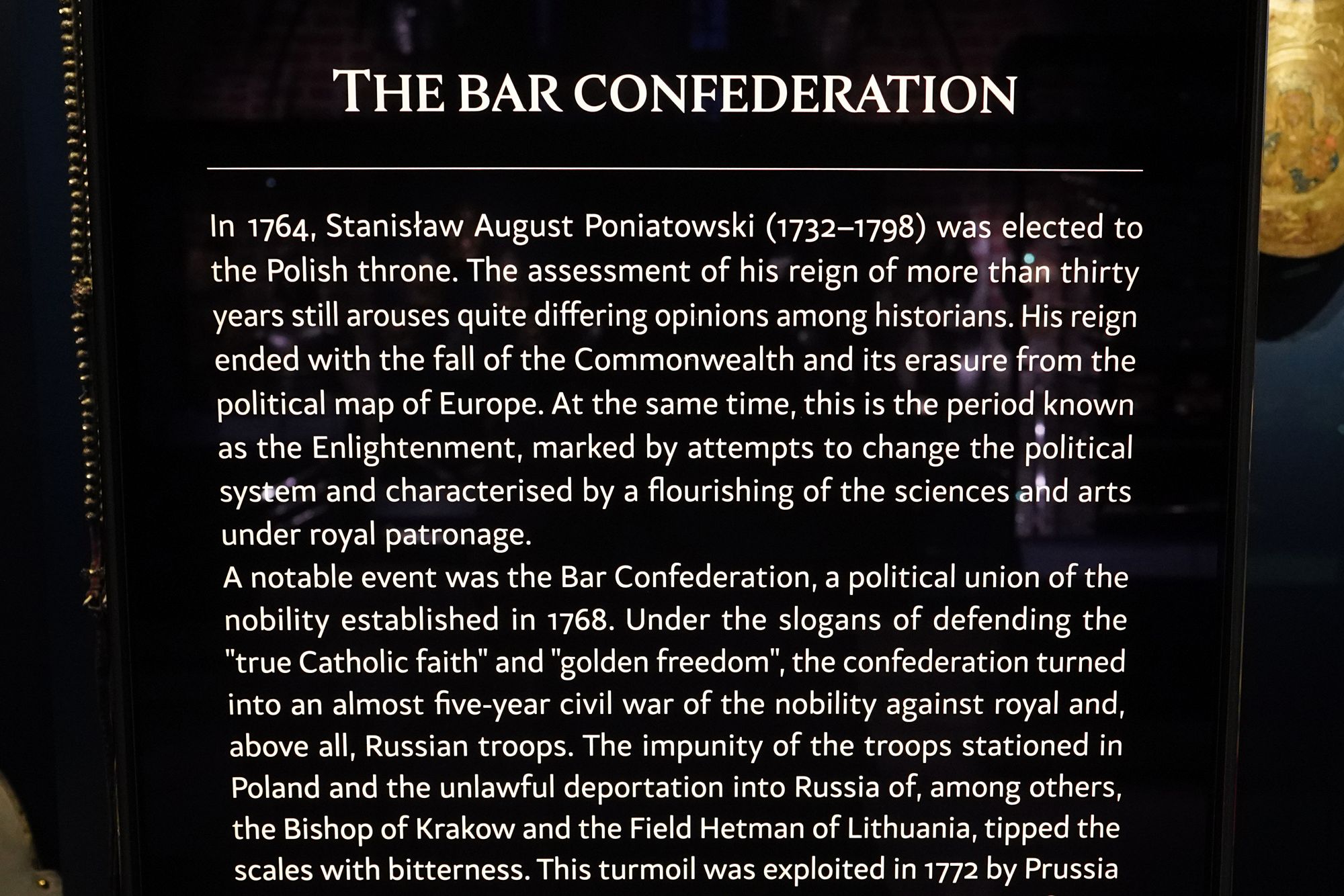
The Bar Confederation began in 1768, when Polish nobles opposed the king and Russian influence. The conflict grew into a civil war lasting nearly five years.
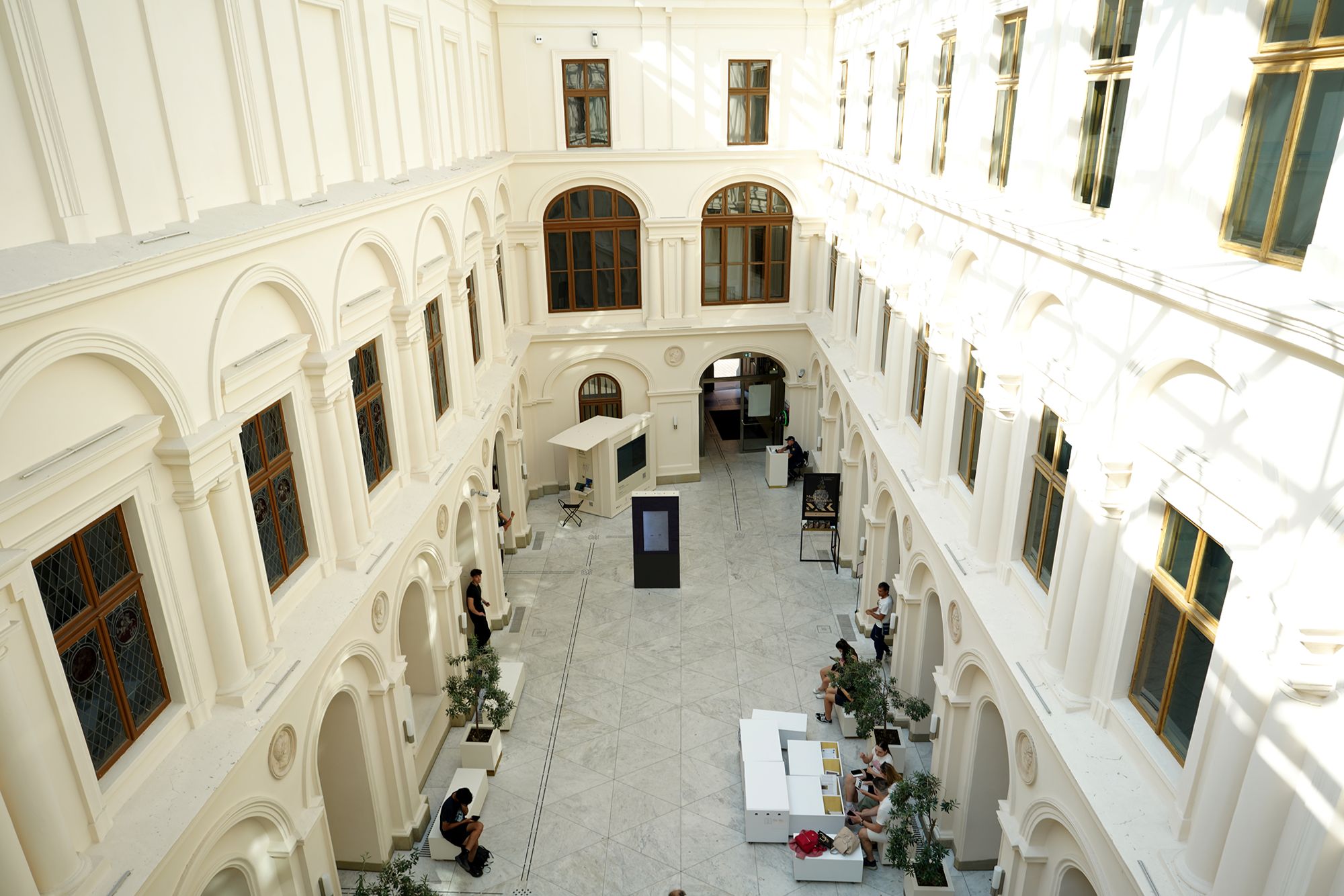
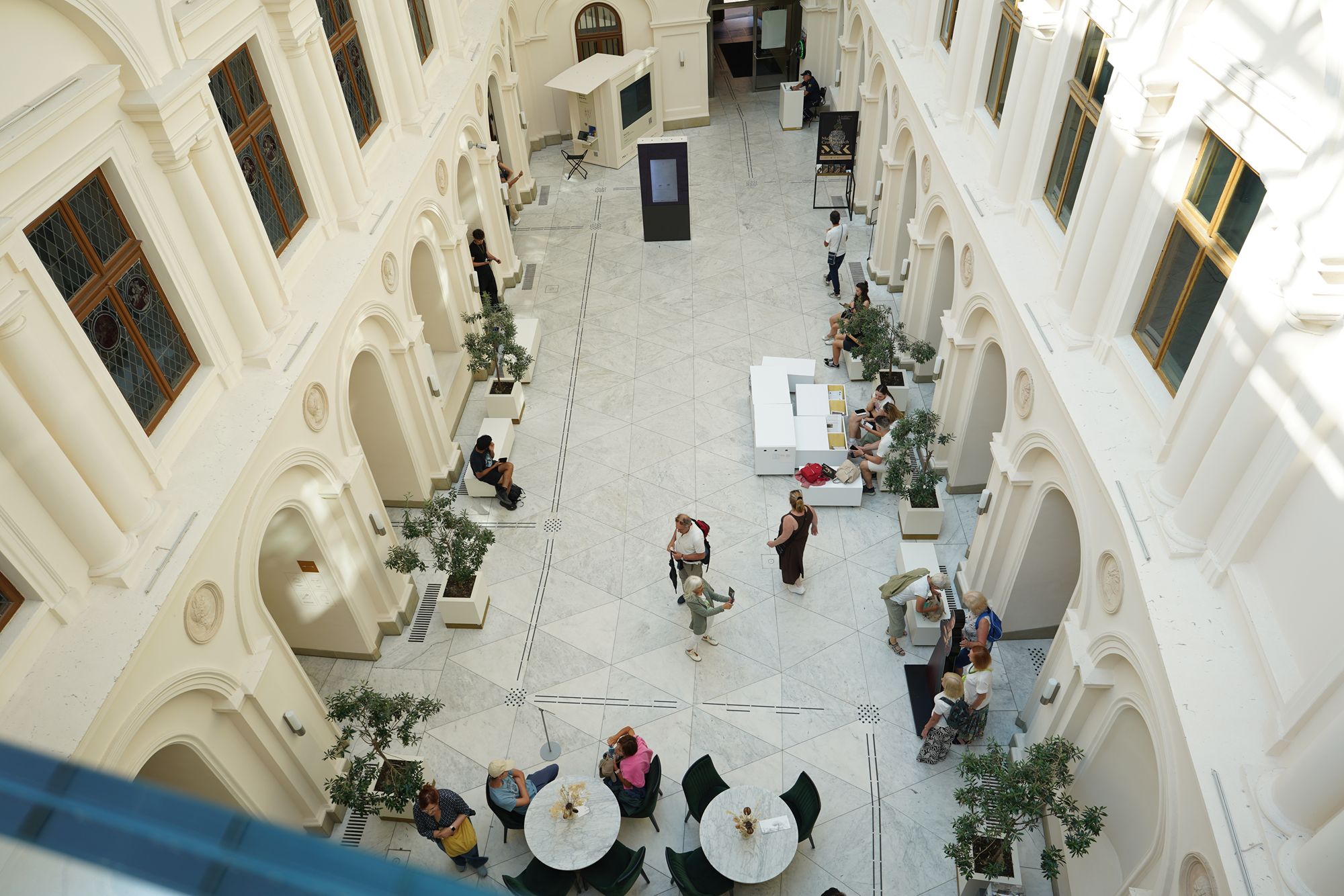
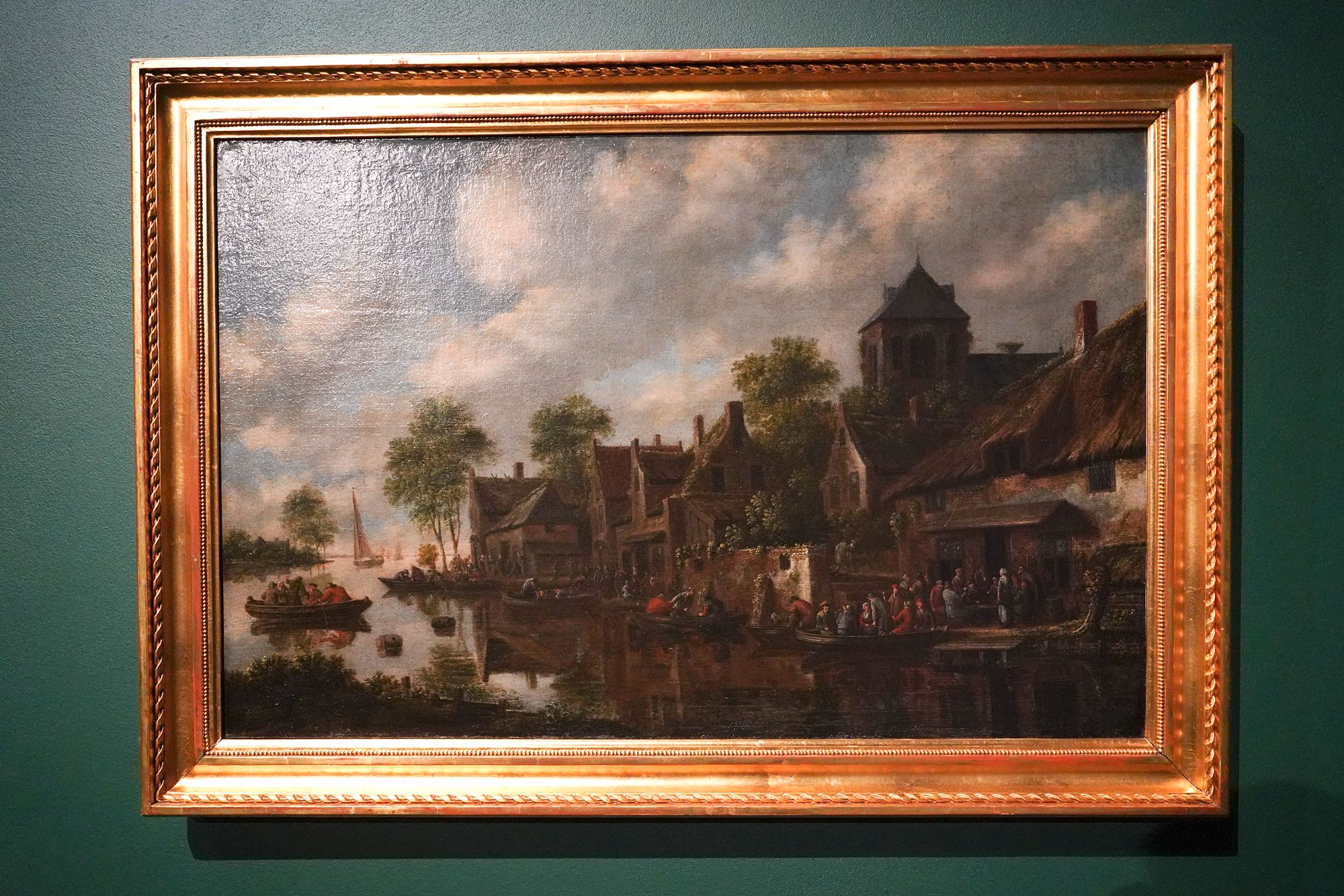
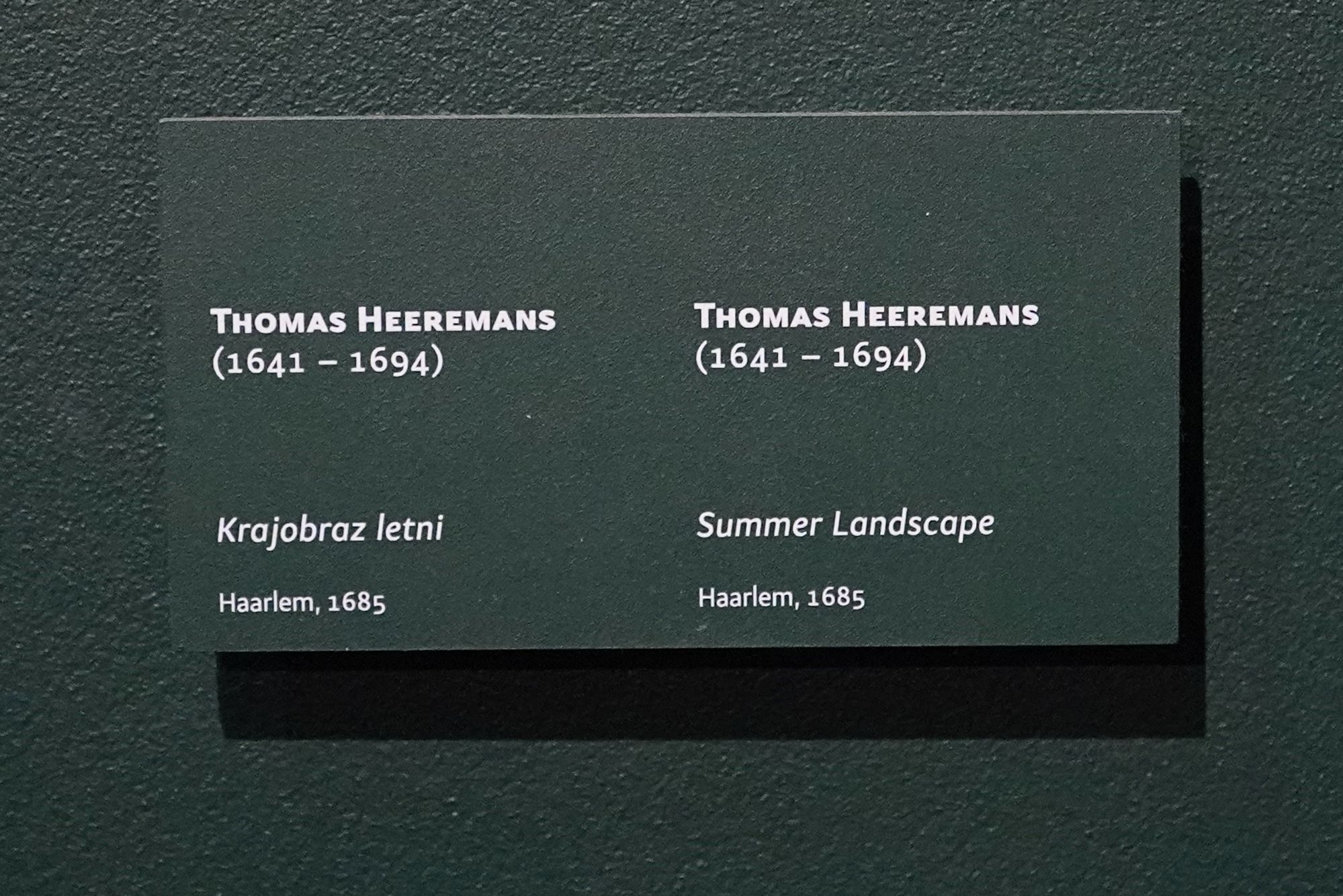
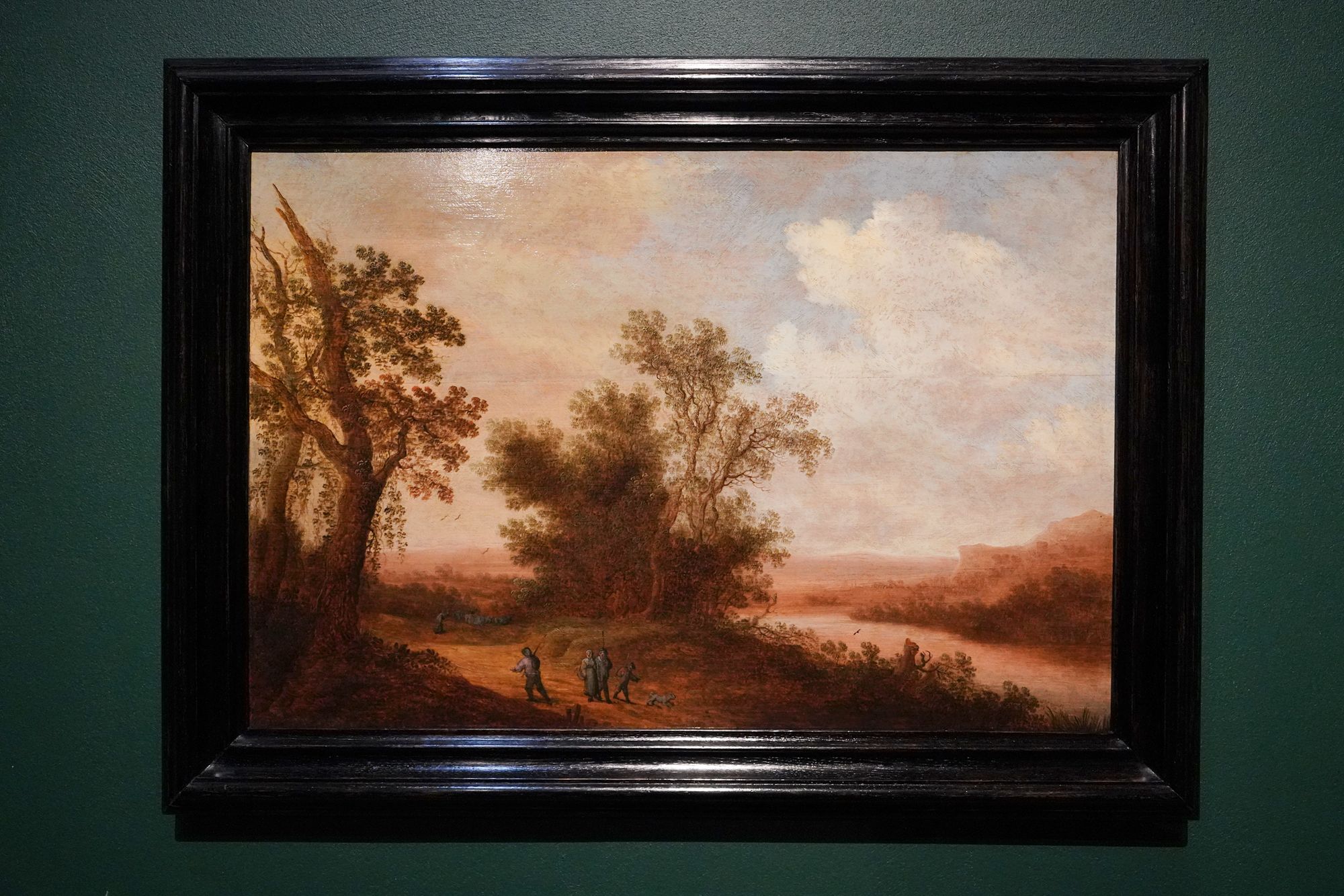
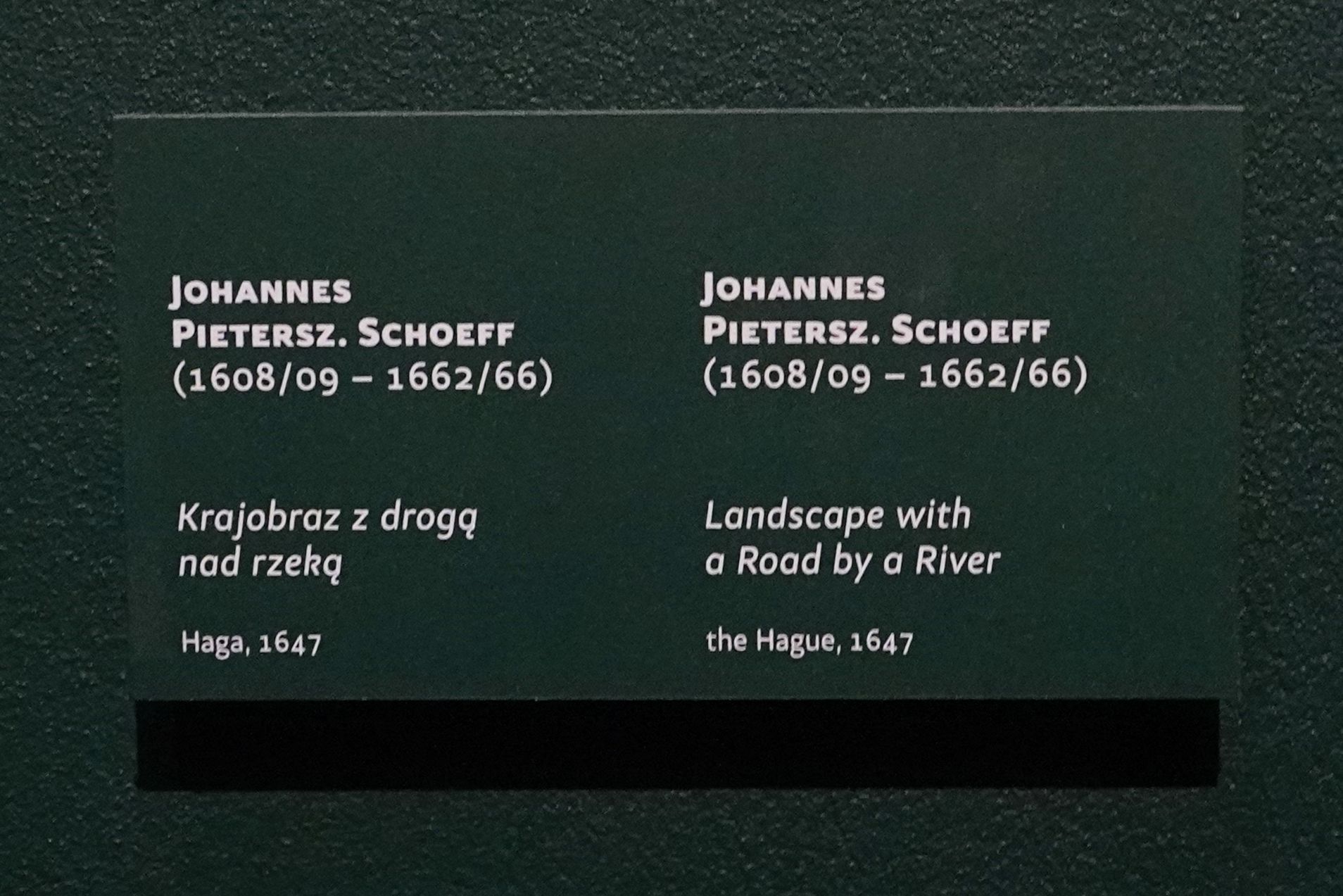
I then entered a section of the museum devoted to paintings, a change from the historical objects and weapons I had seen earlier.
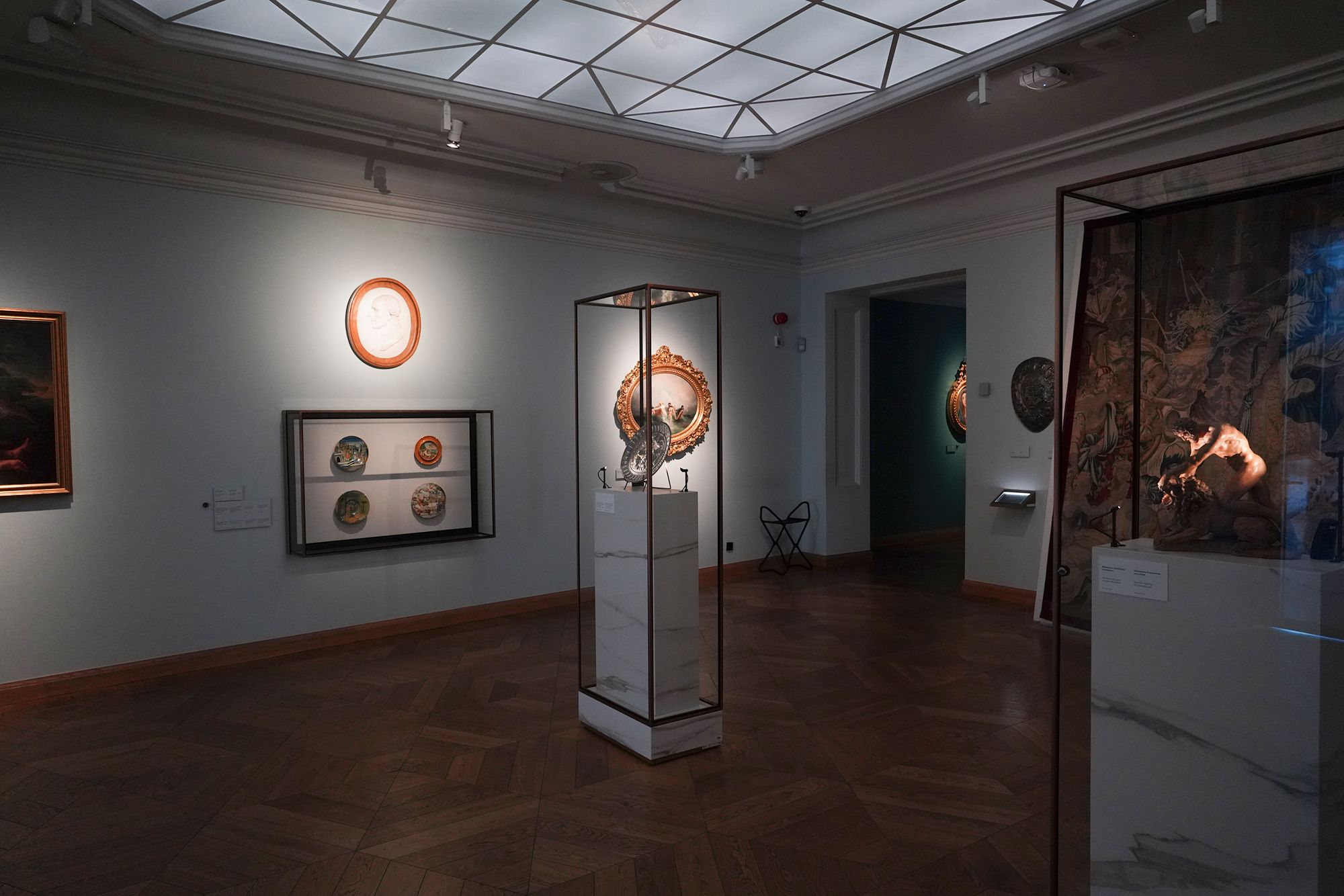
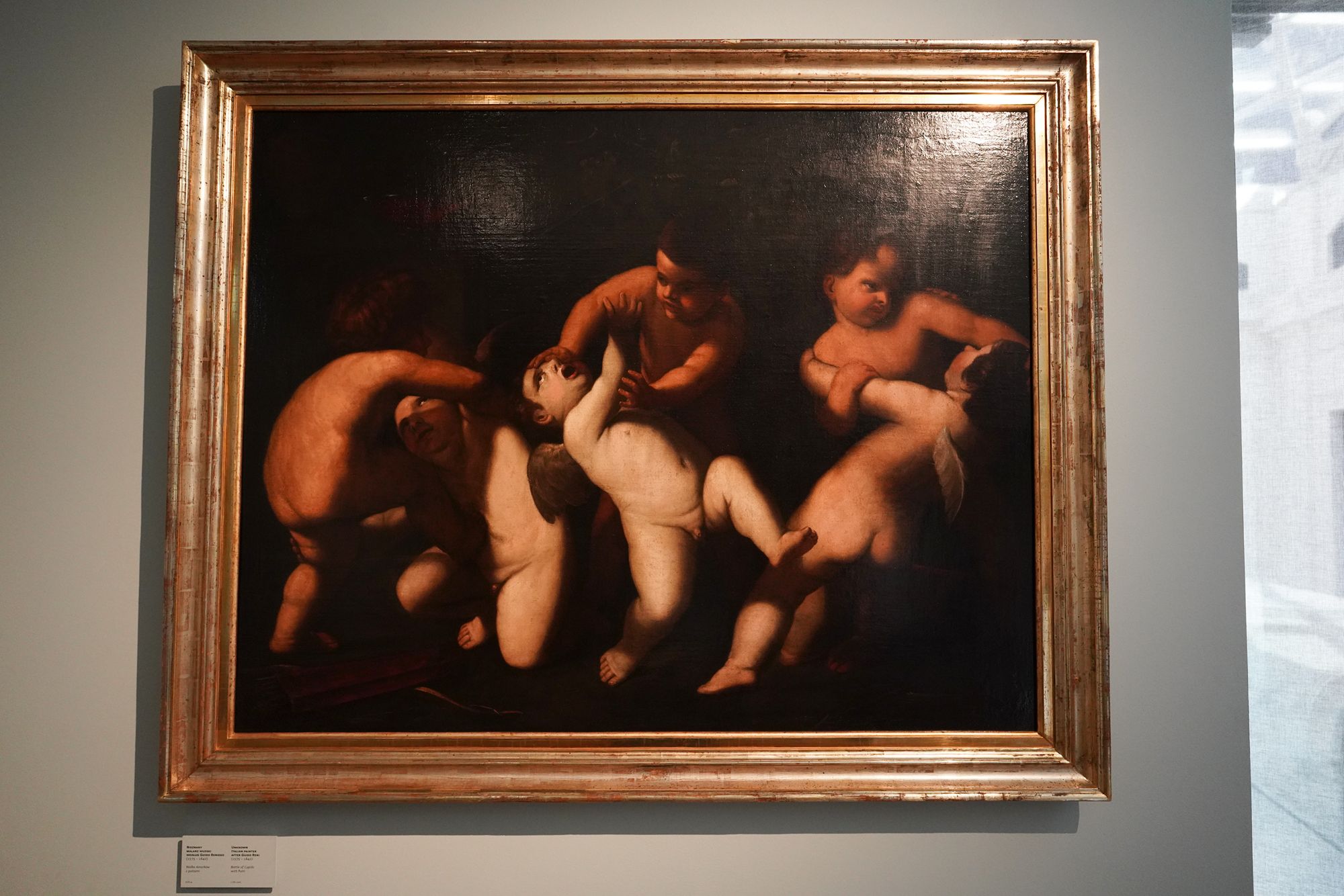
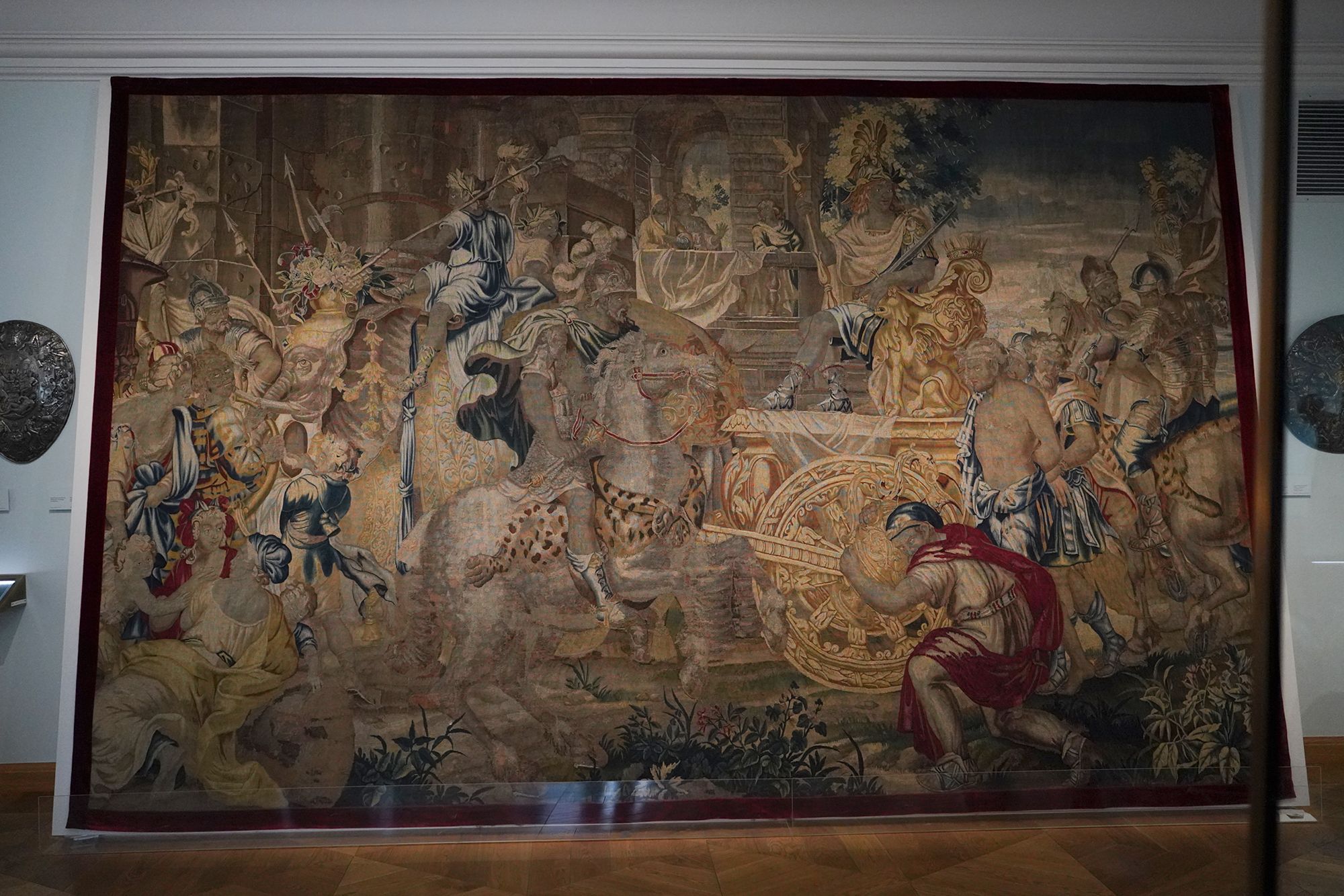
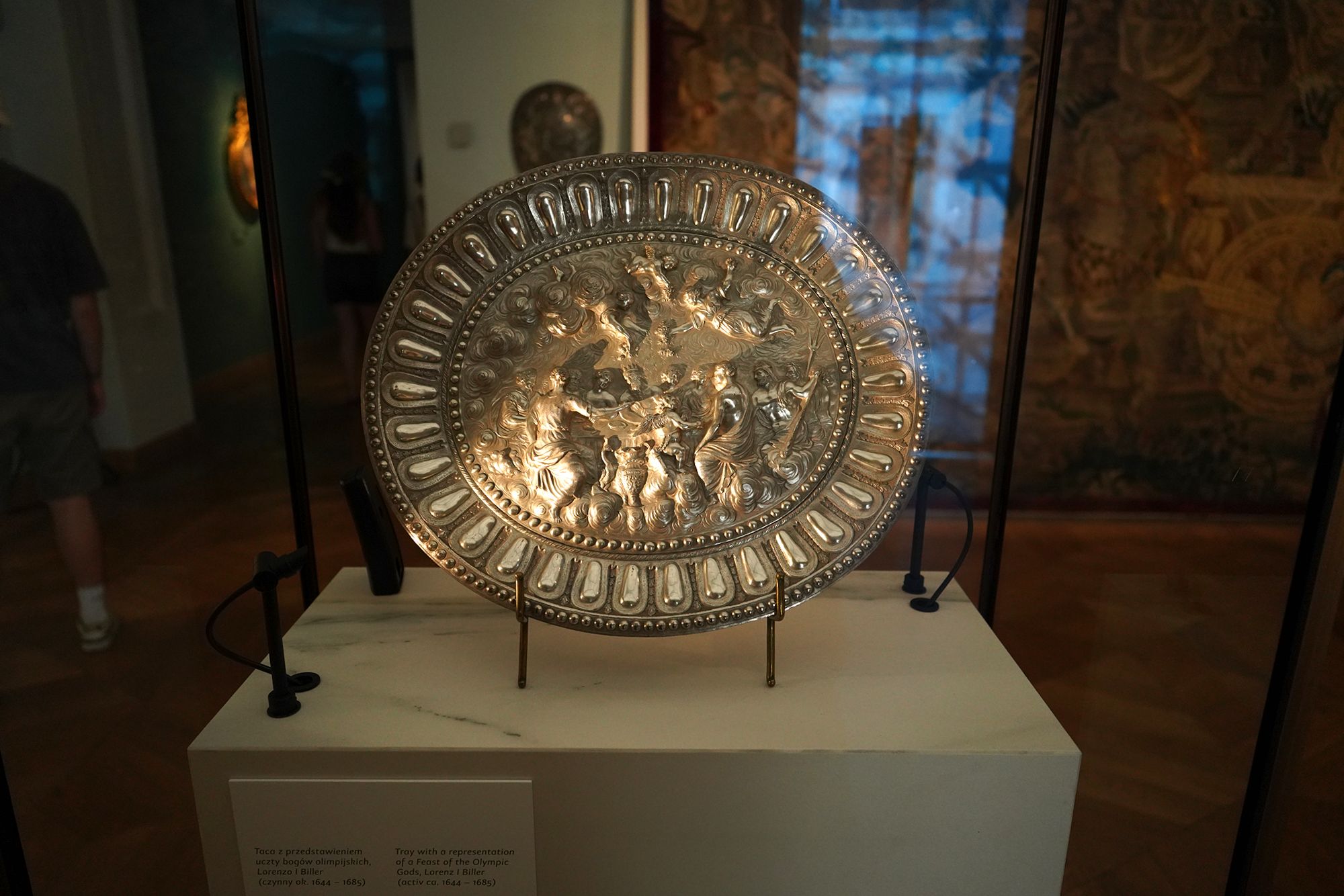
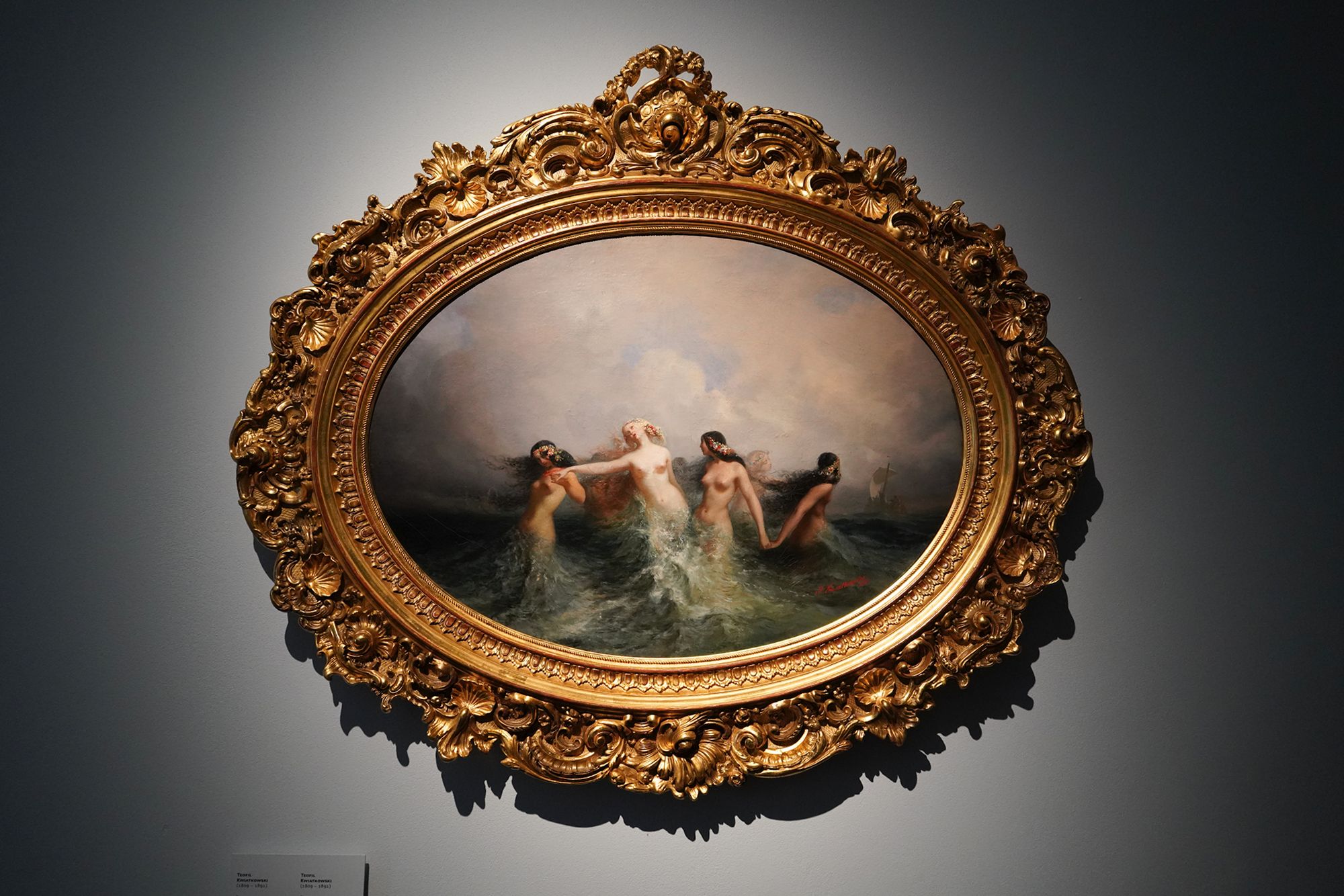
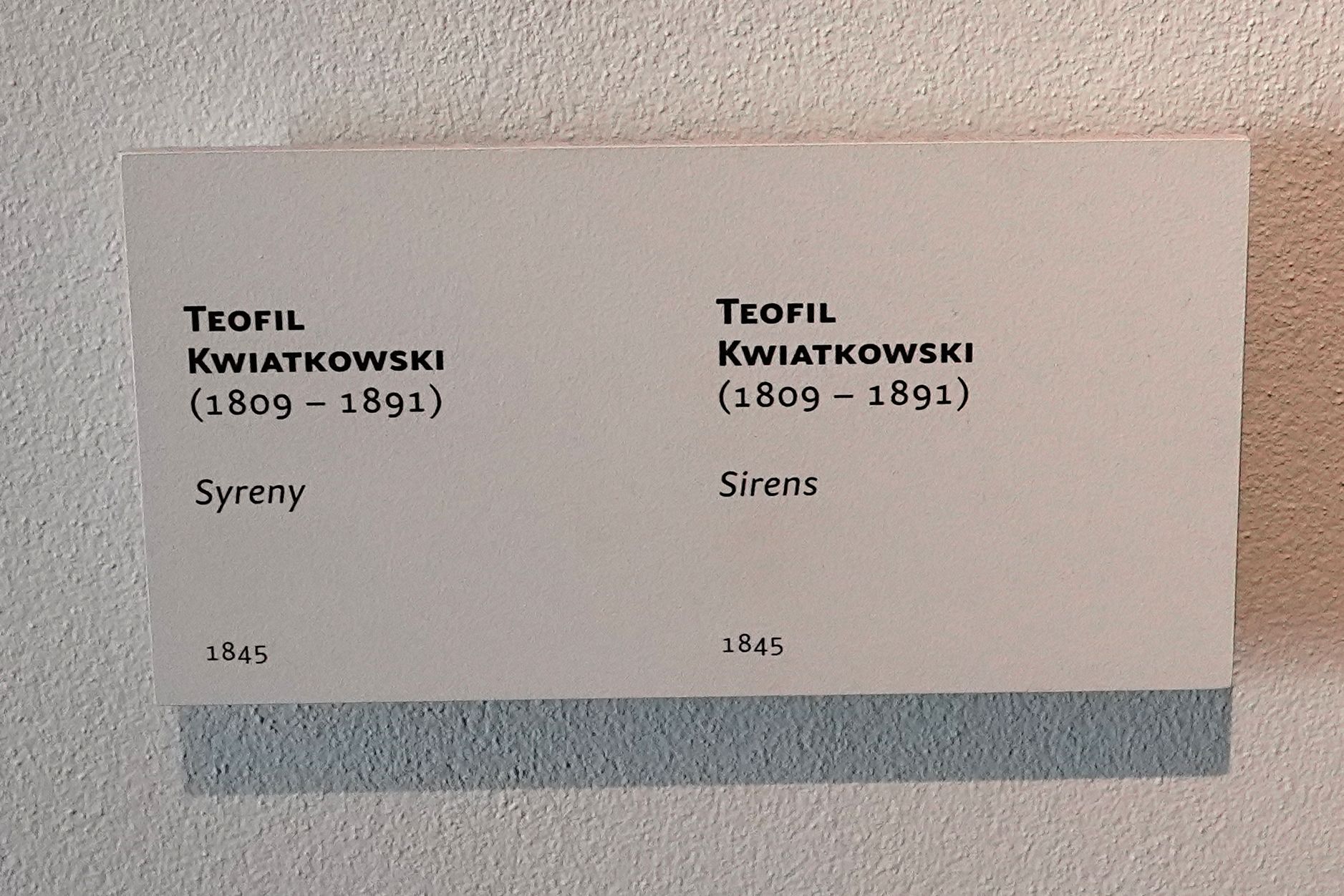
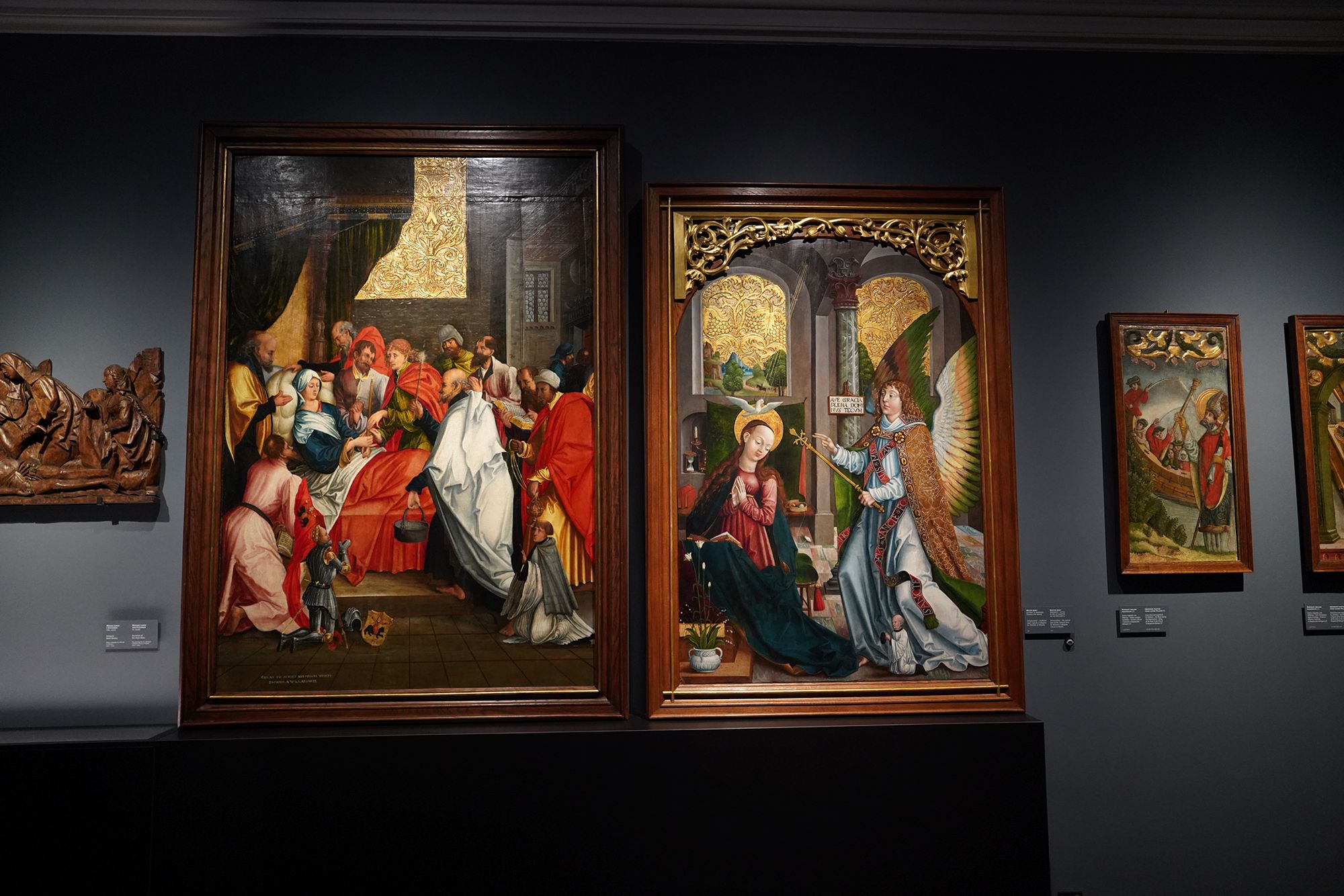
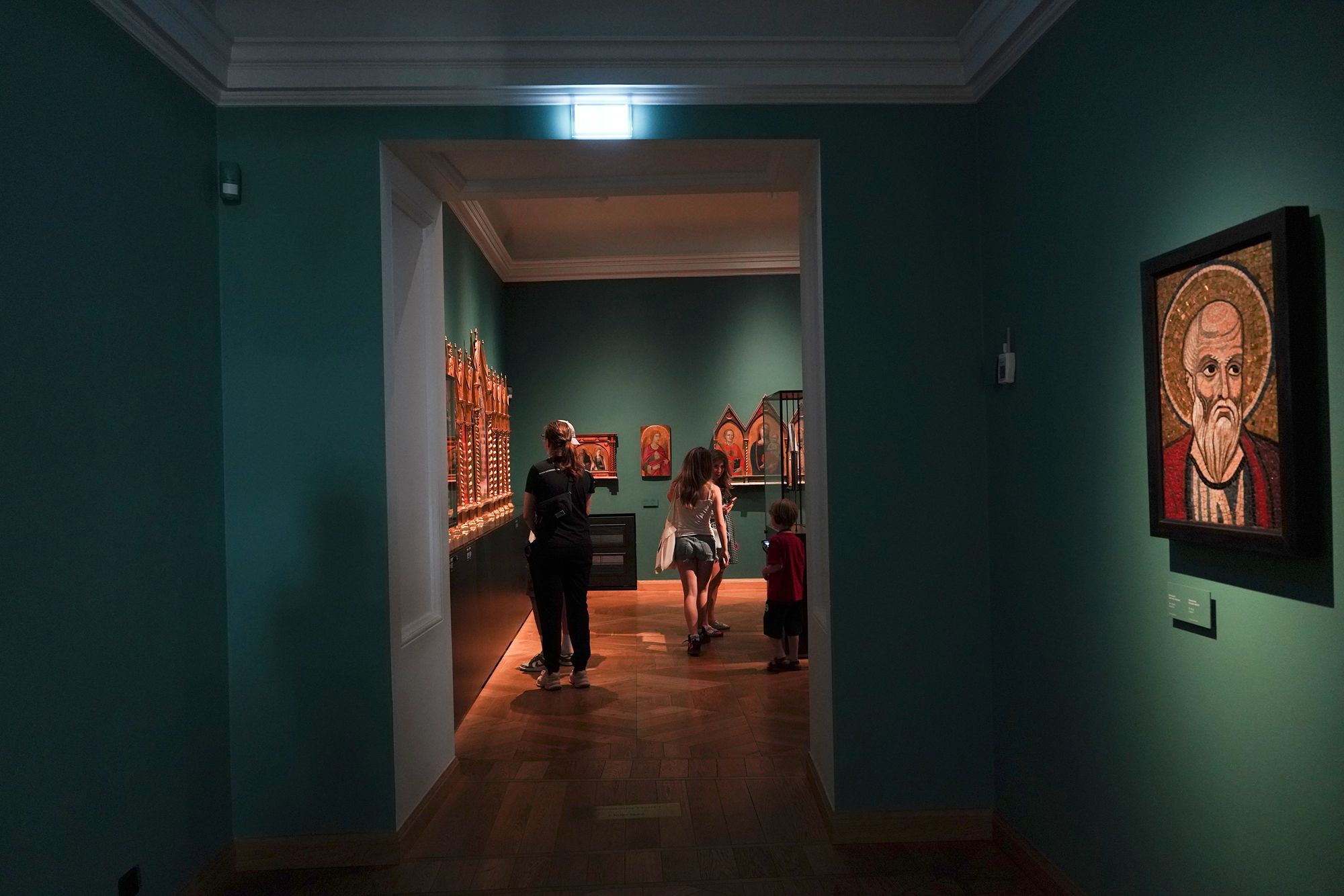
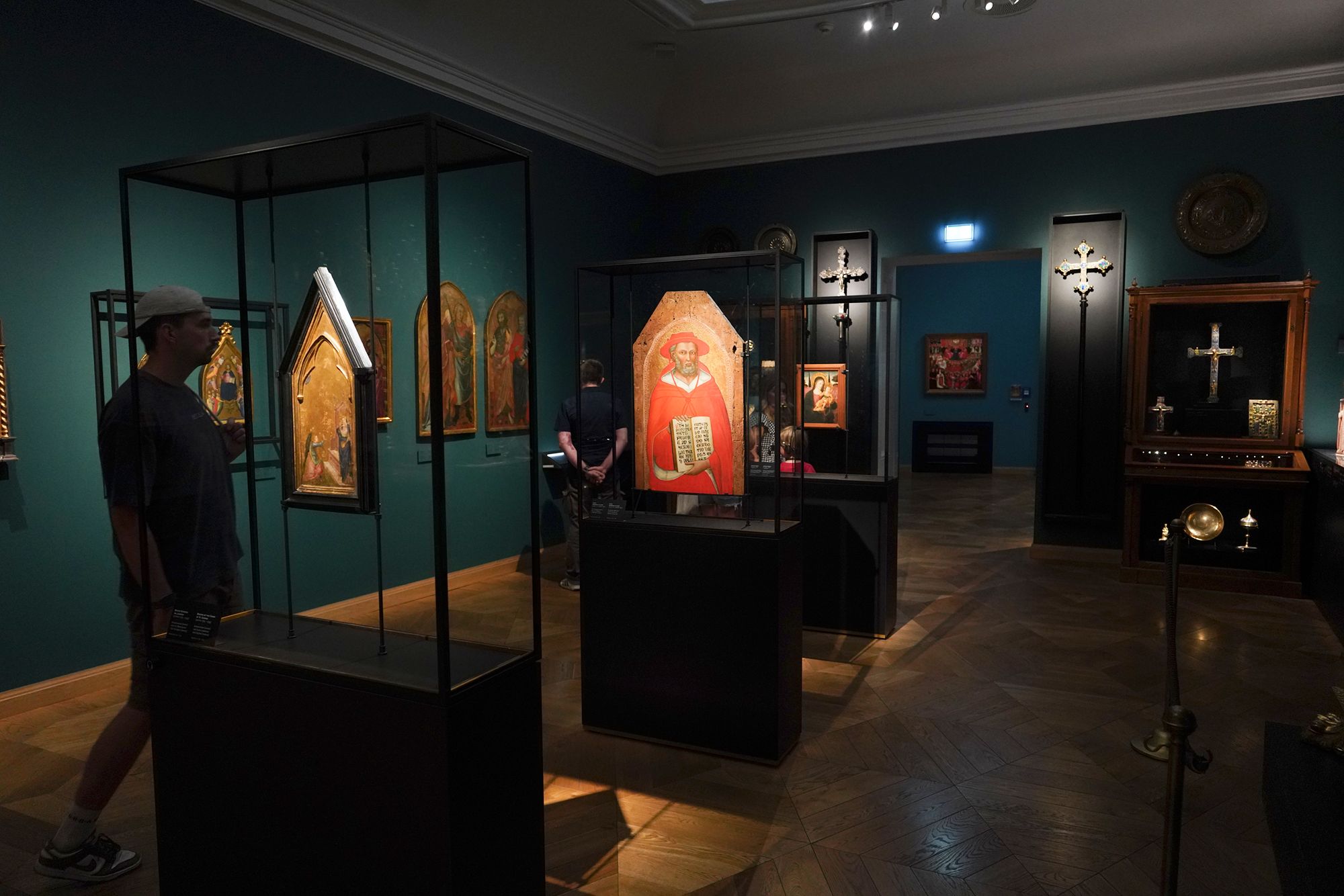
I came to a gallery of medieval religious paintings.
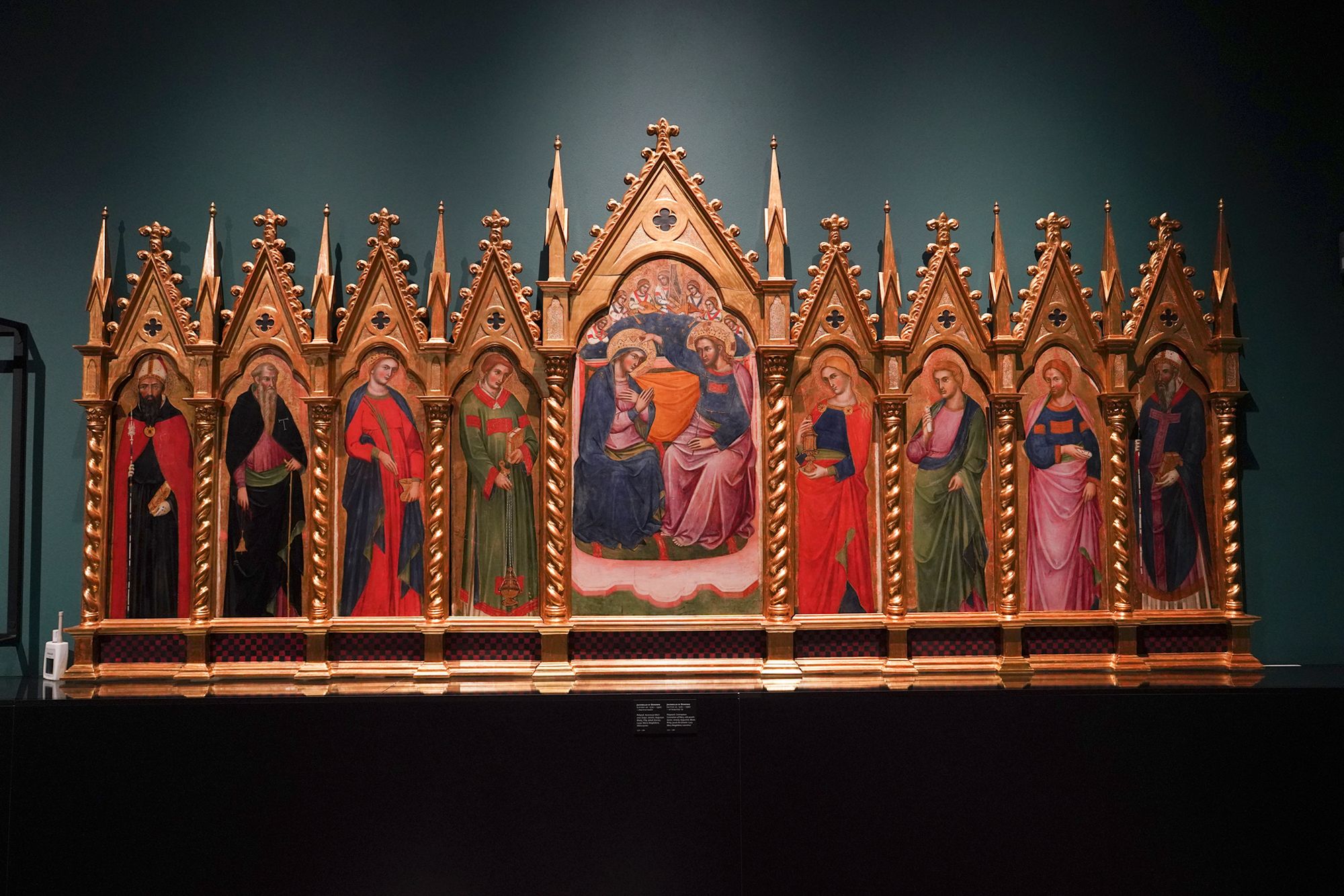
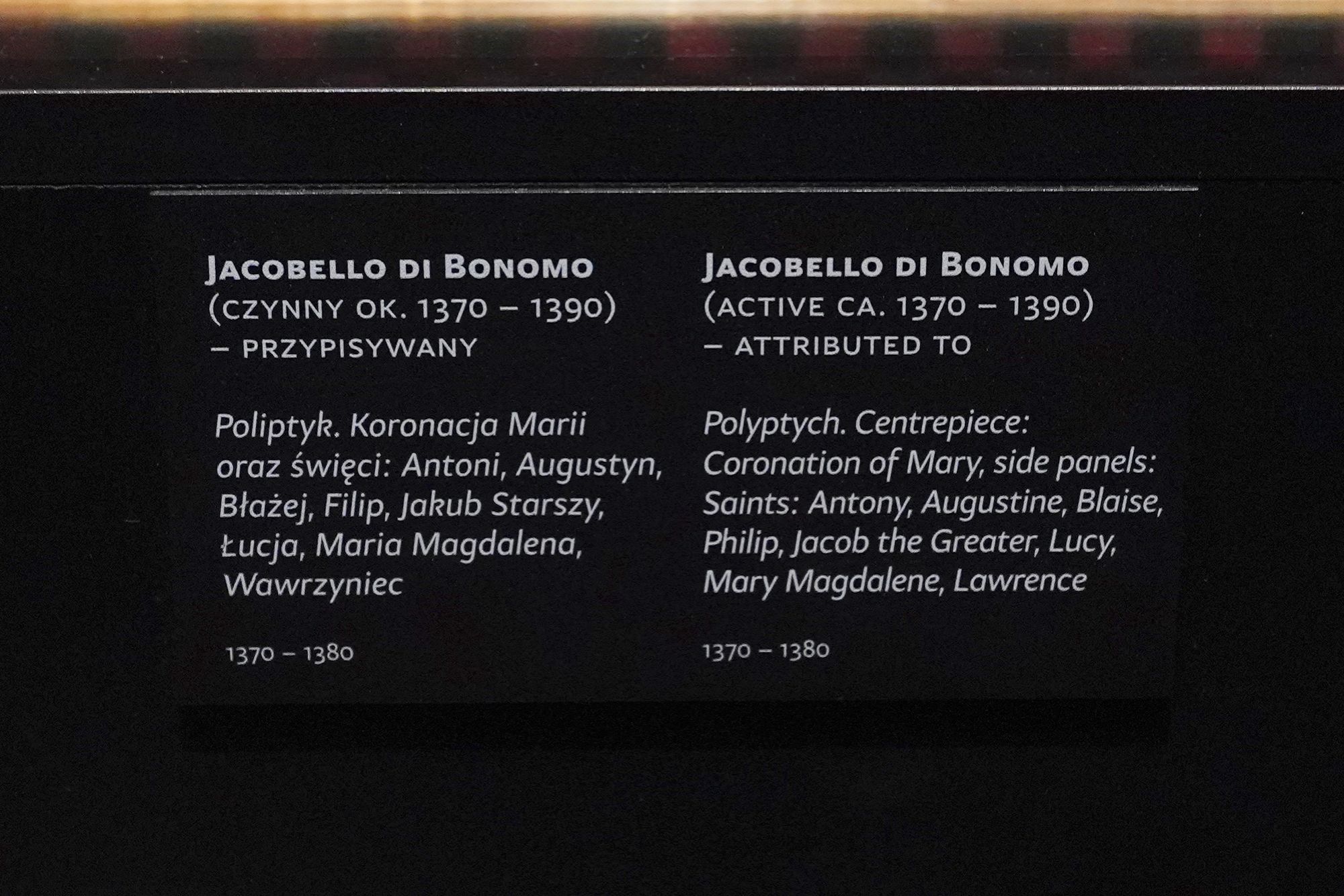
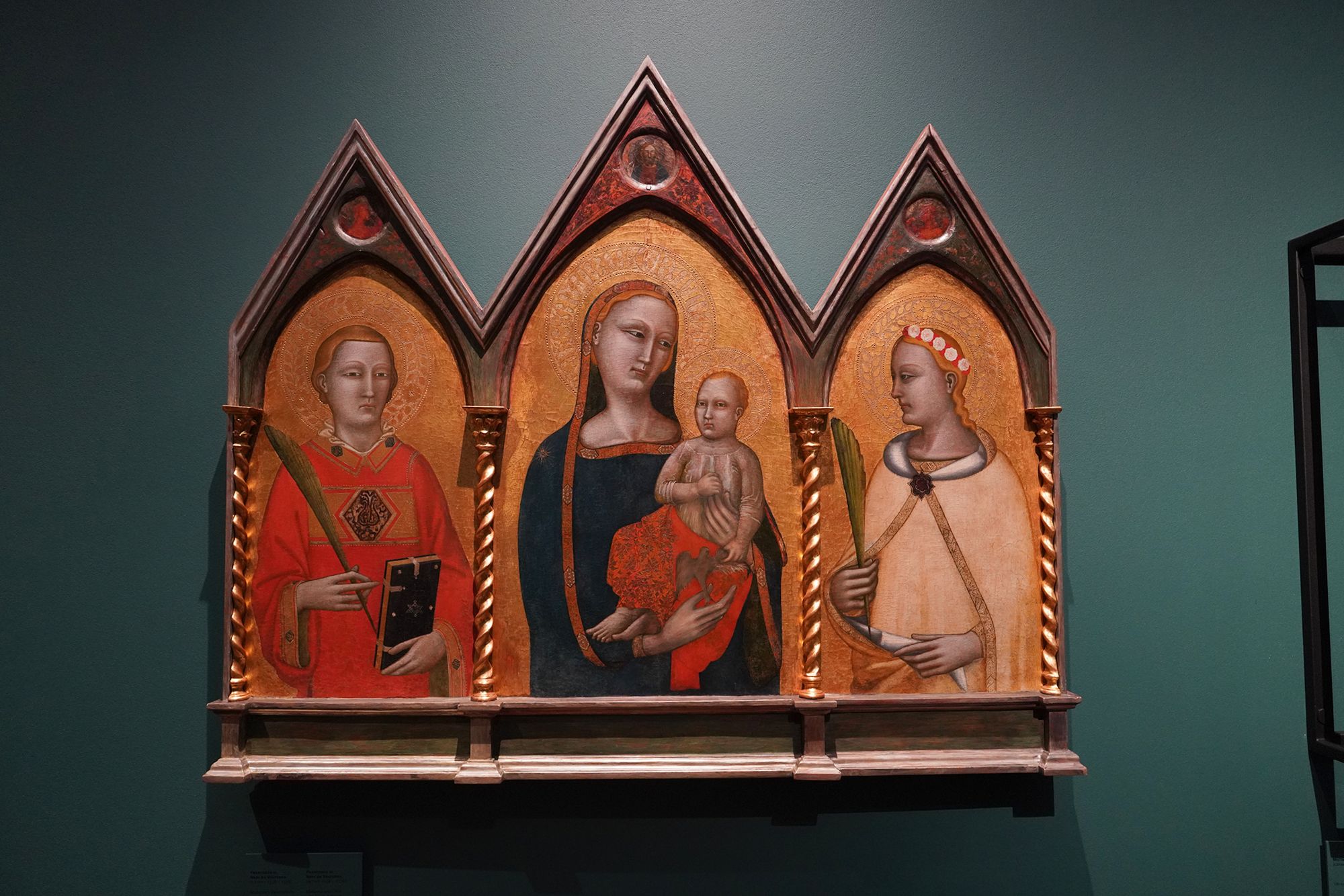
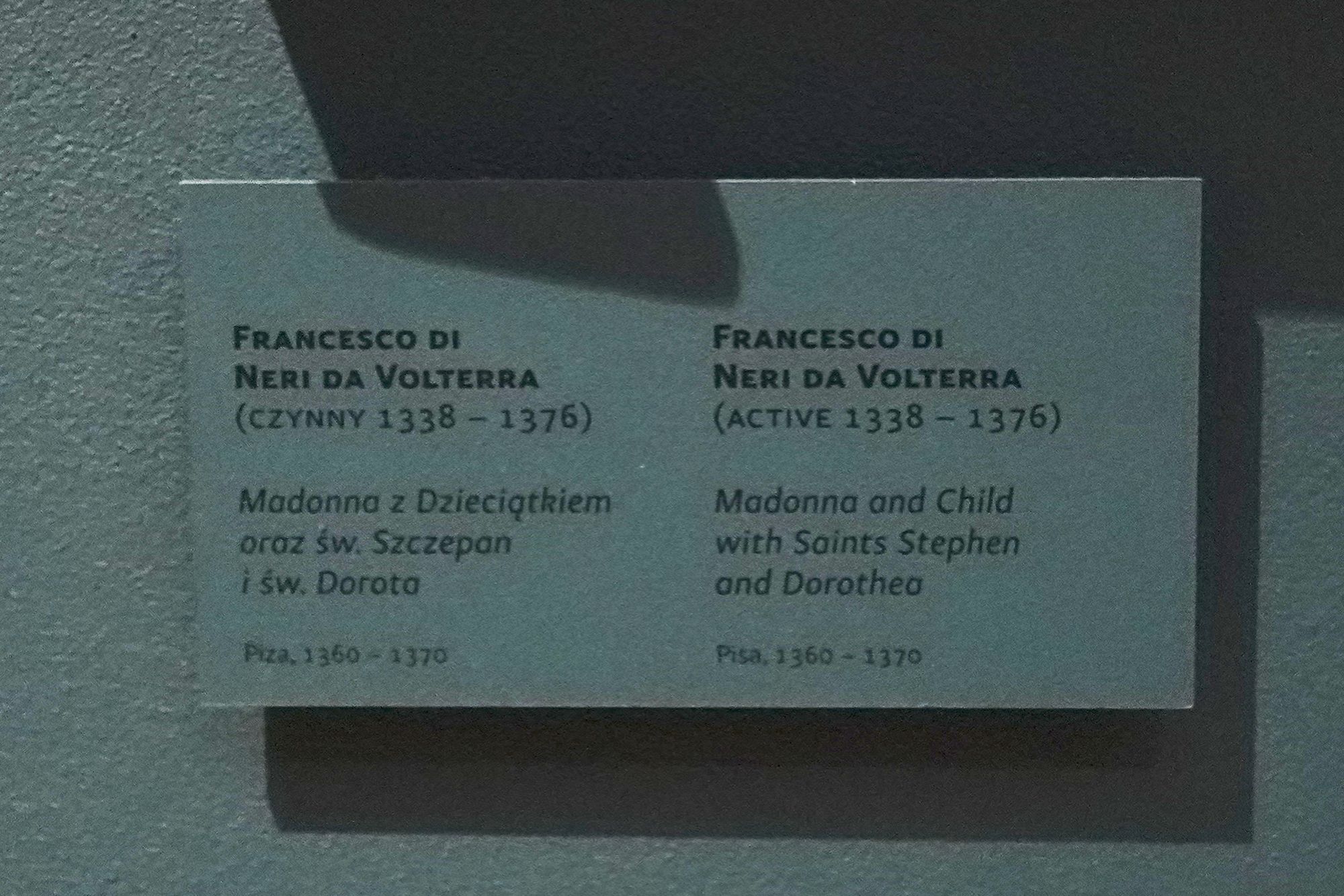
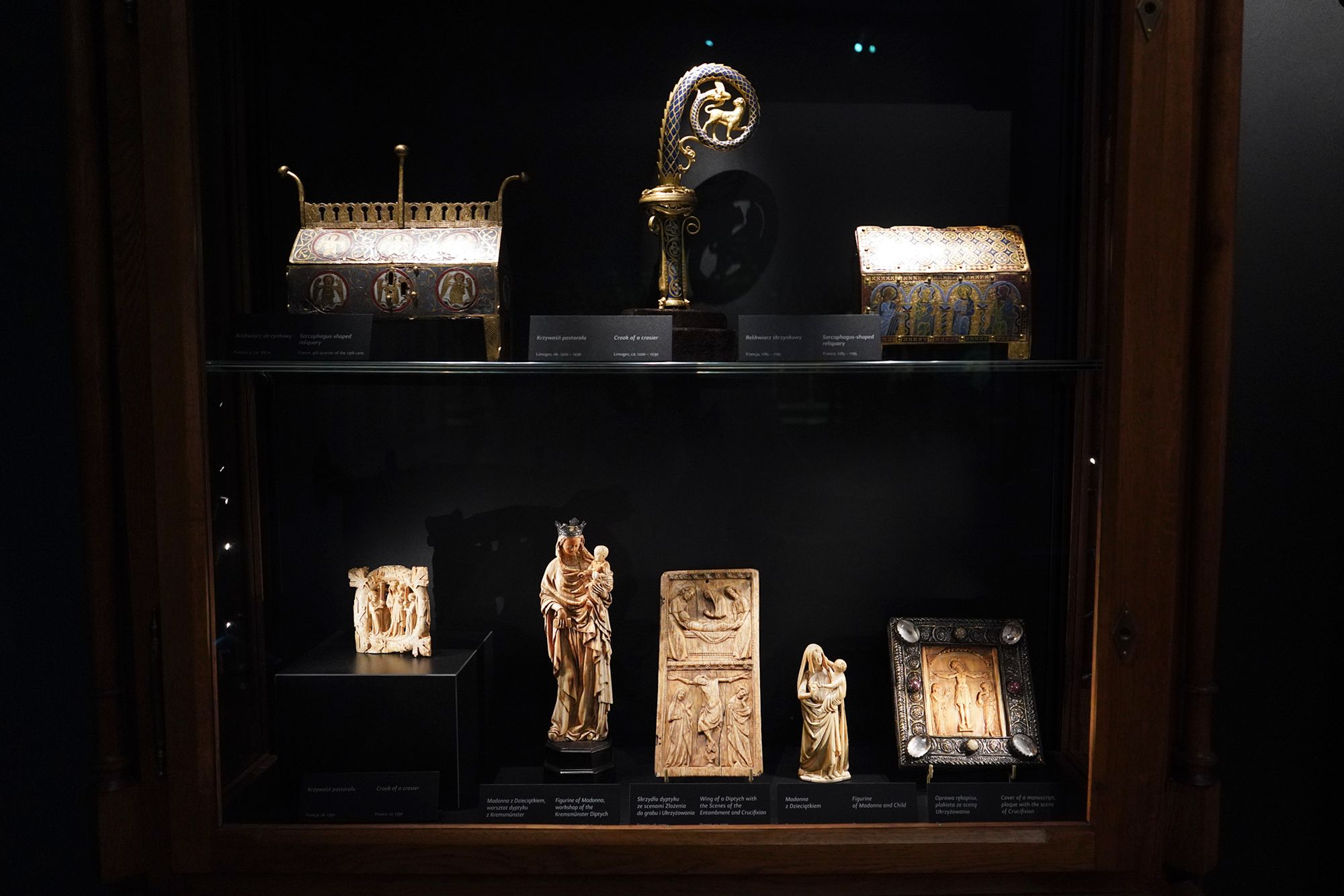
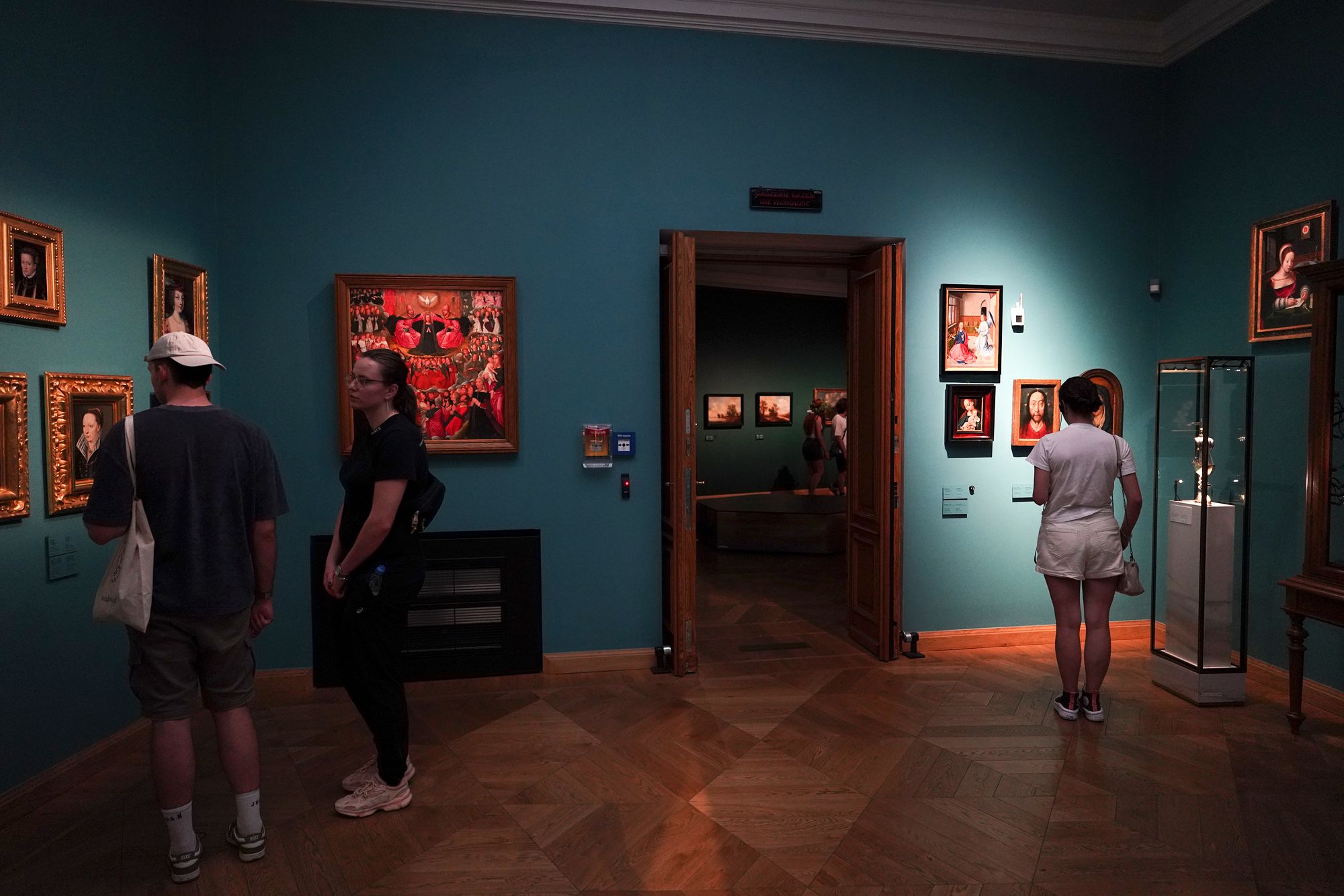
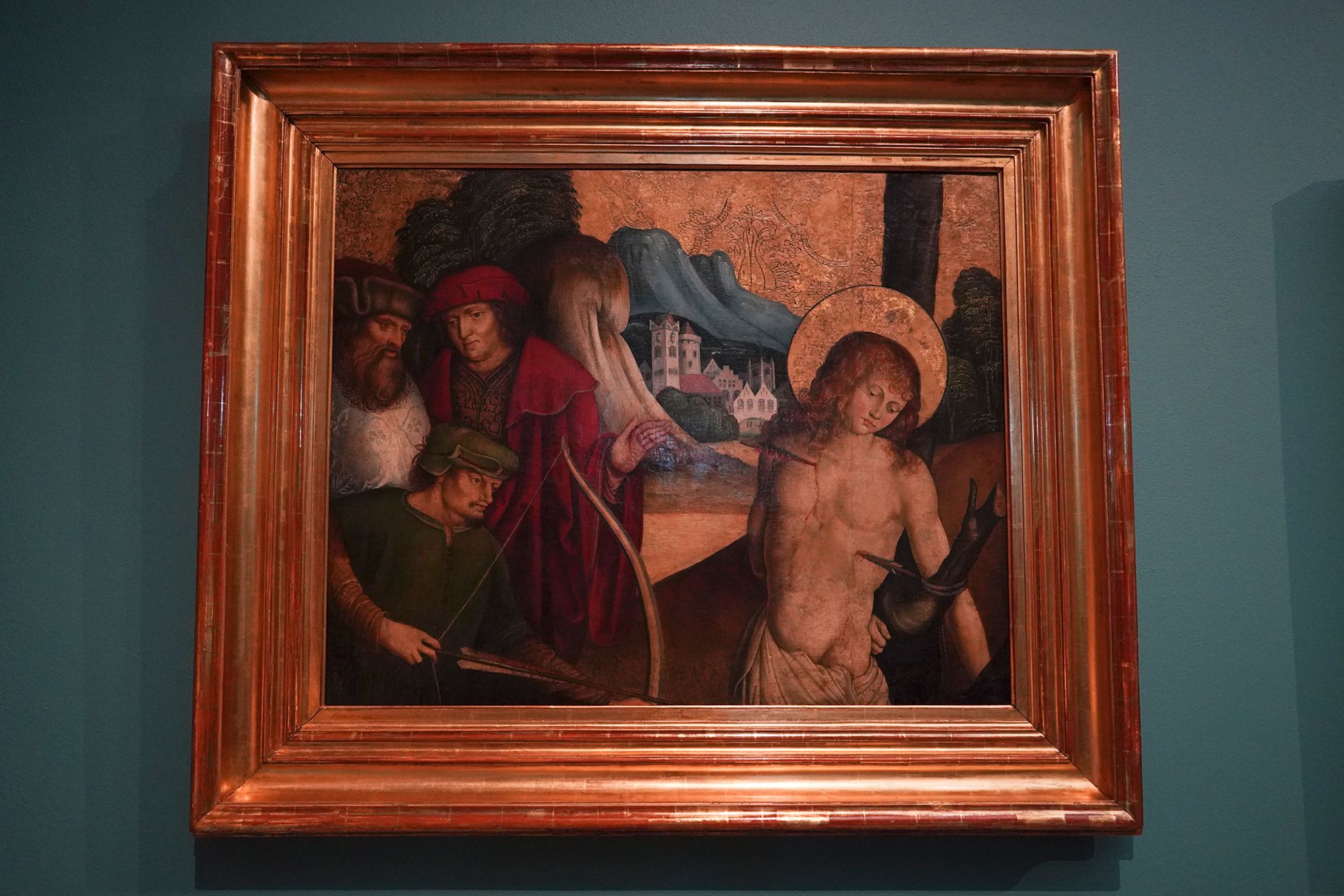
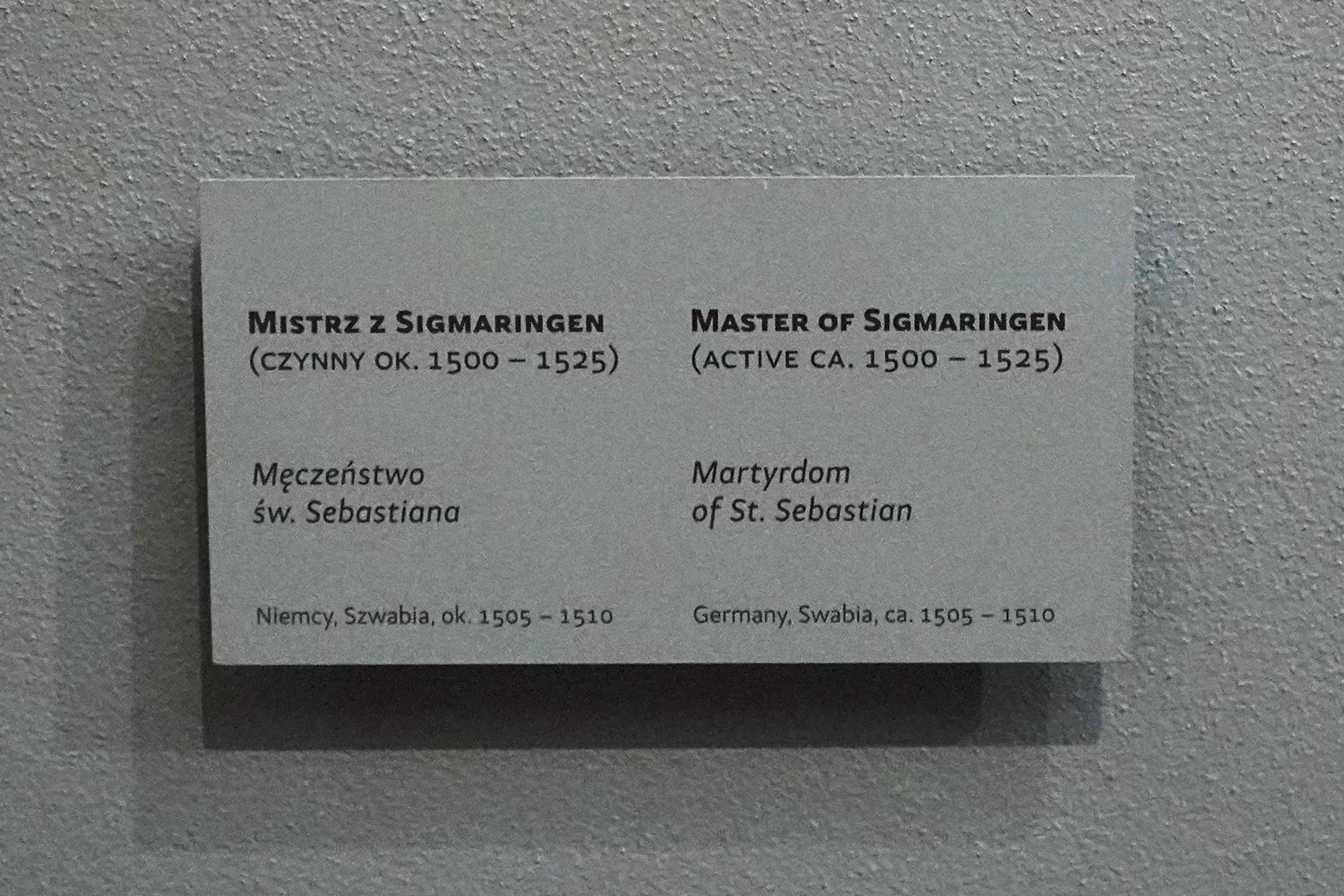
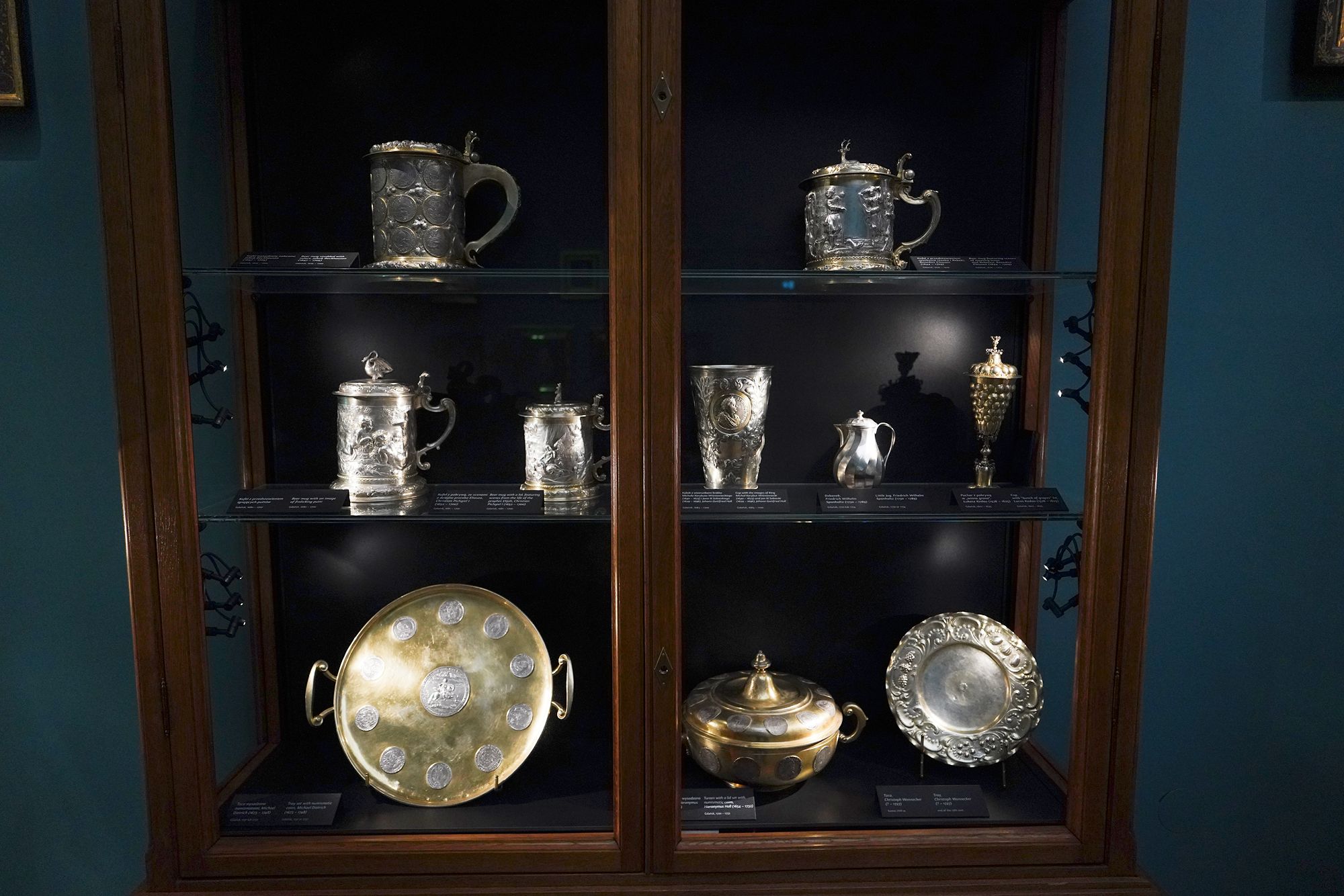
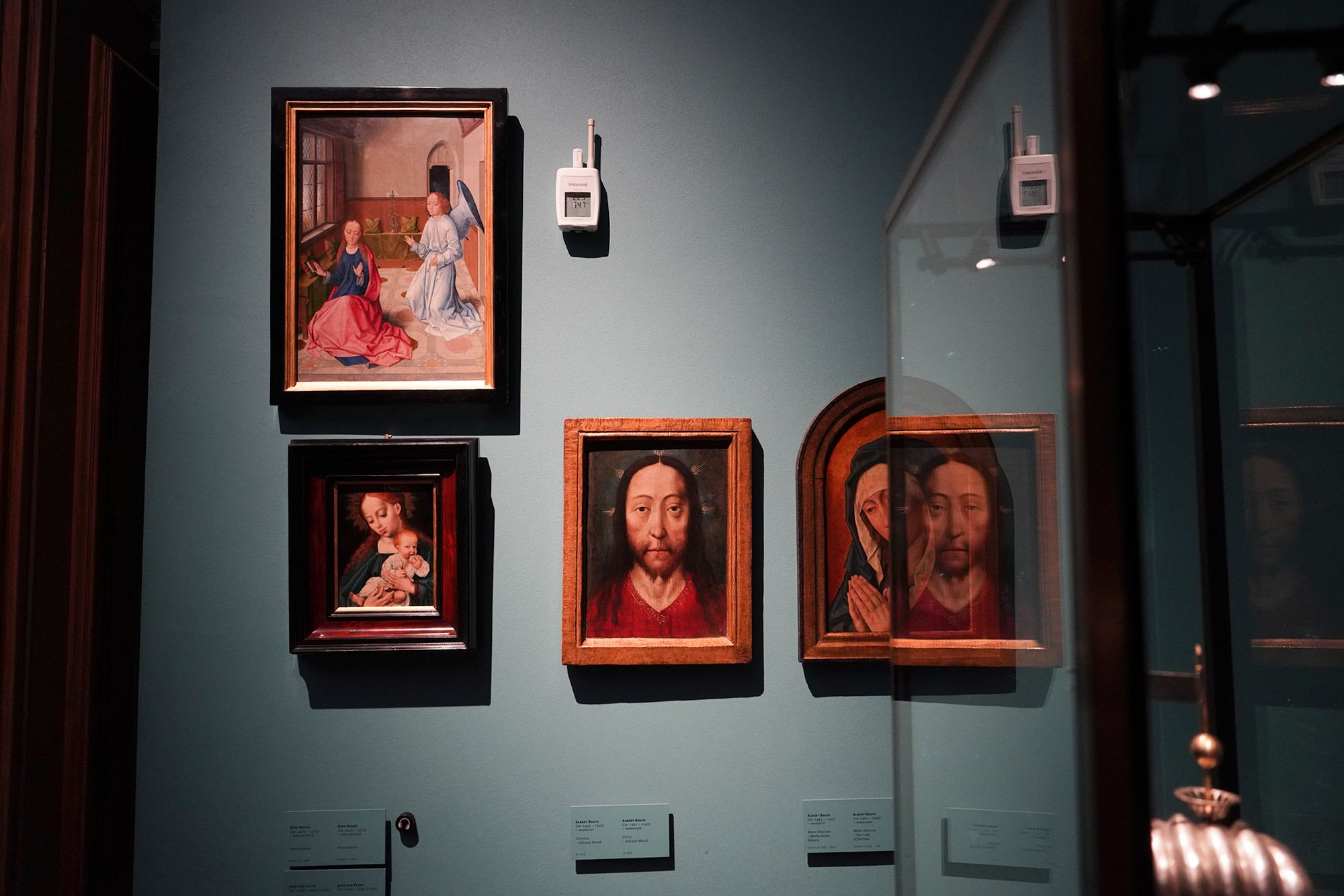
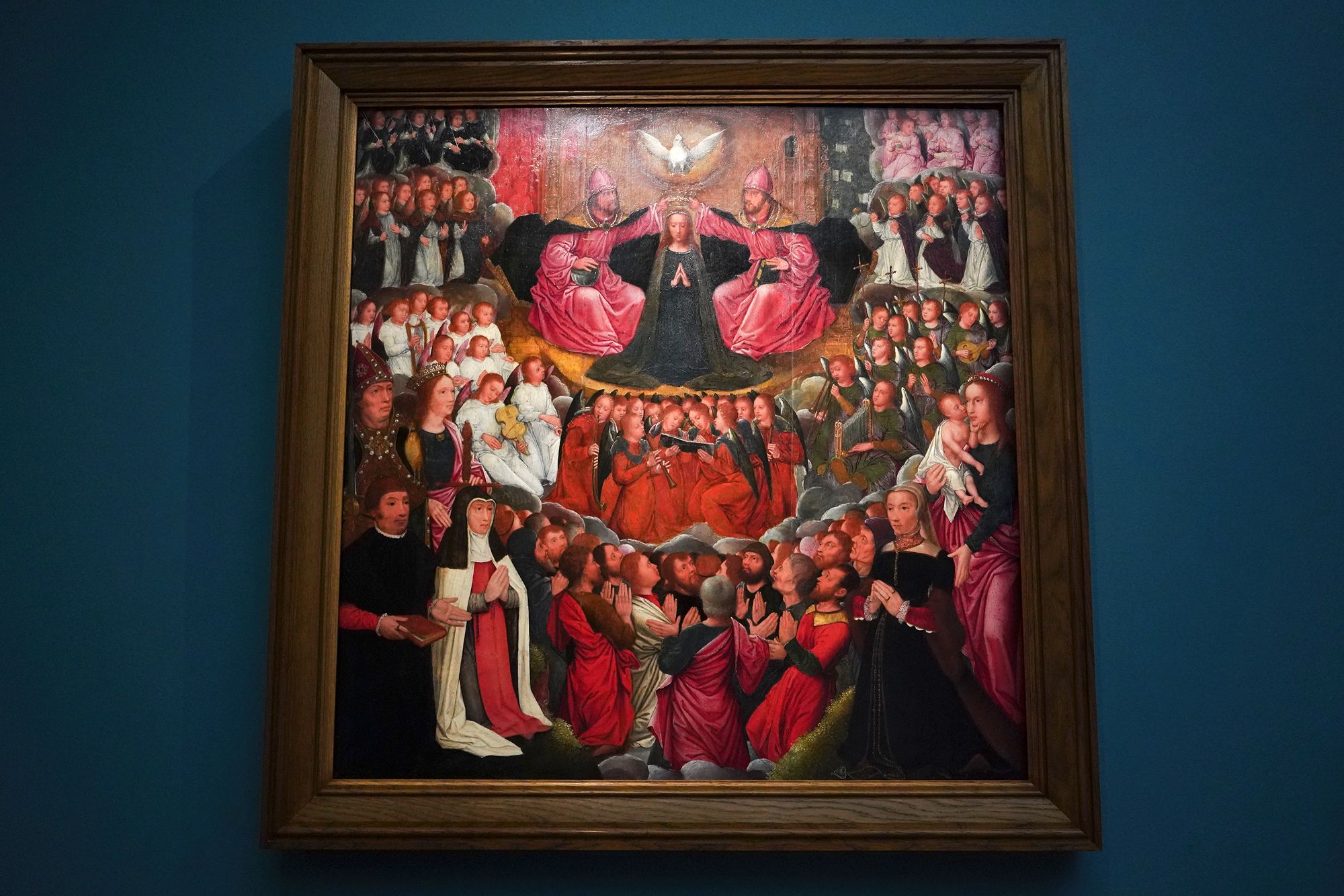
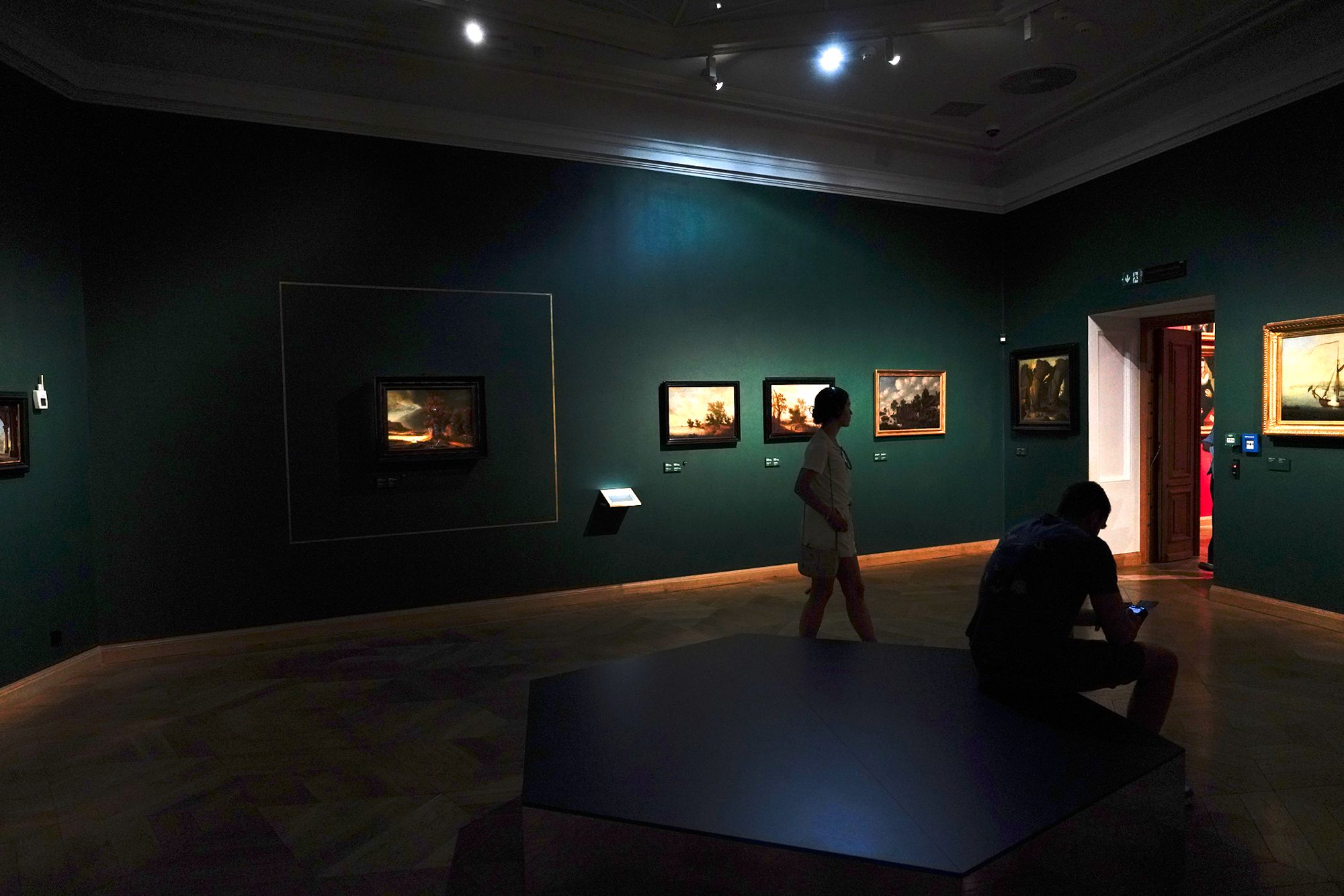
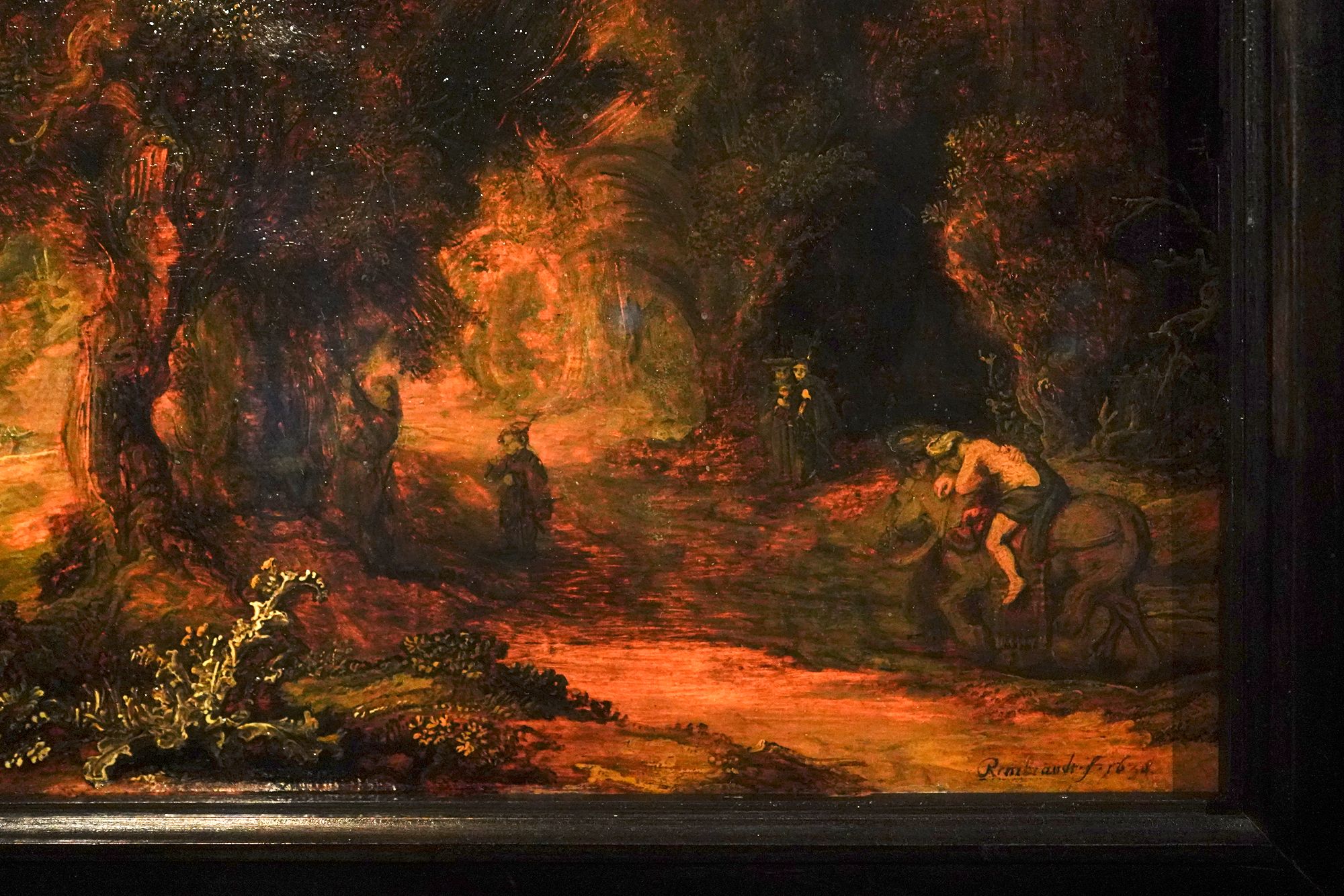
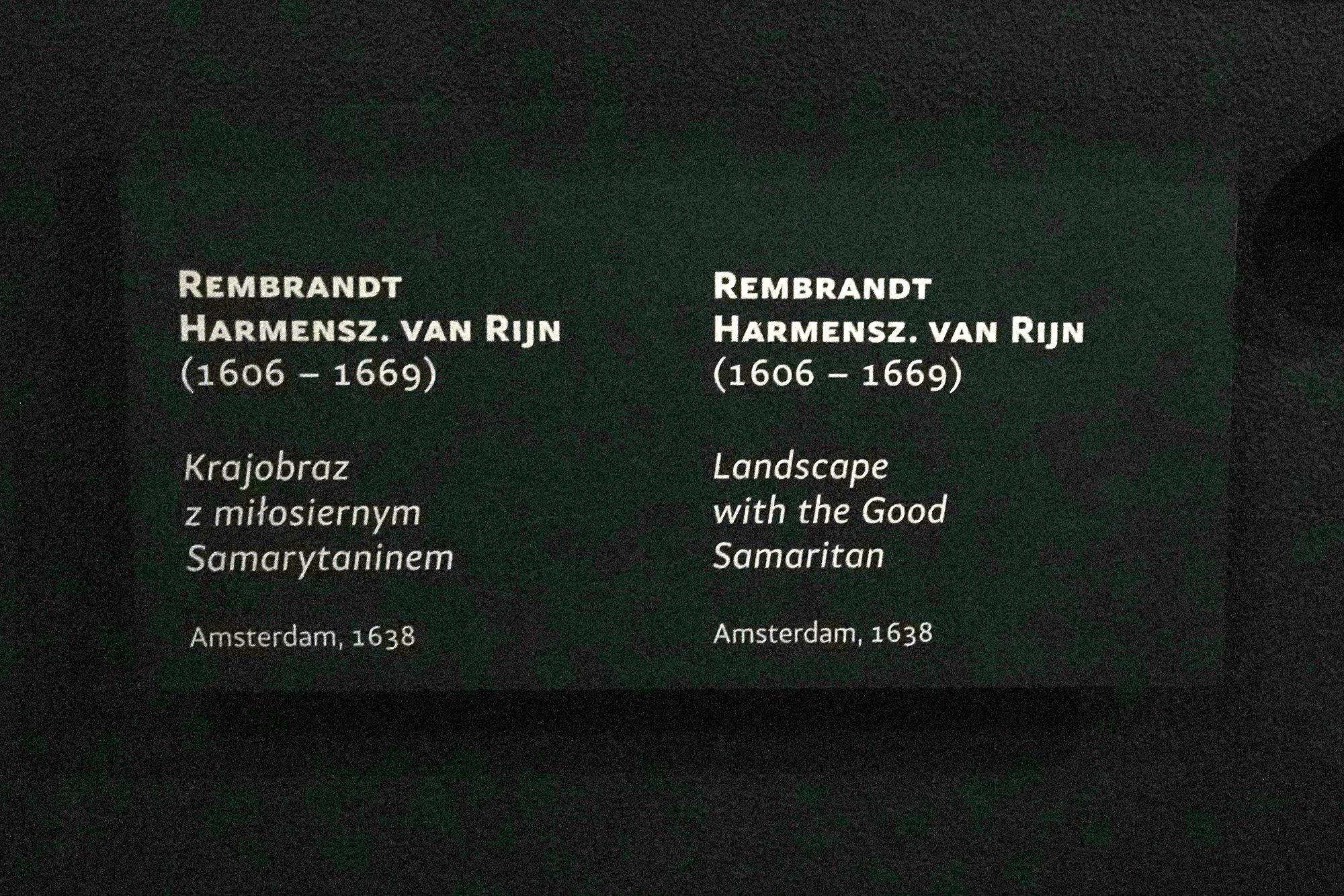
I also saw Rembrandt’s Landscape with the Good Samaritan, painted in Amsterdam in 1638.
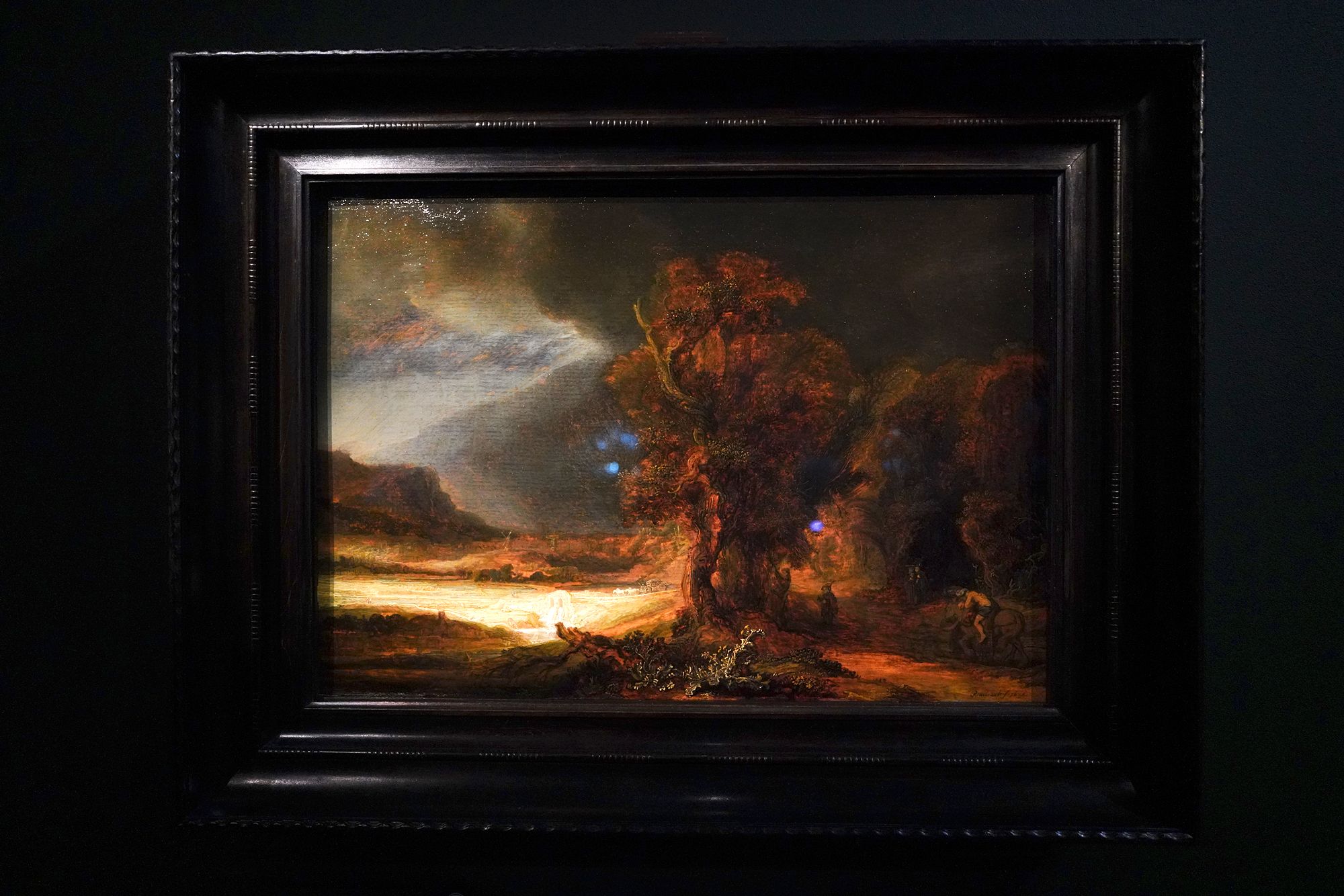
Rembrandt’s Landscape with the Good Samaritan (1638) tells a biblical story within a wide landscape. On the right, the Samaritan helps an injured traveler onto a horse; farther away, other travelers pass without helping. Dark storm clouds are giving way to sunlight, echoing the painting’s theme of compassion overcoming indifference. It is one of Rembrandt’s few surviving oil paintings of a landscape.
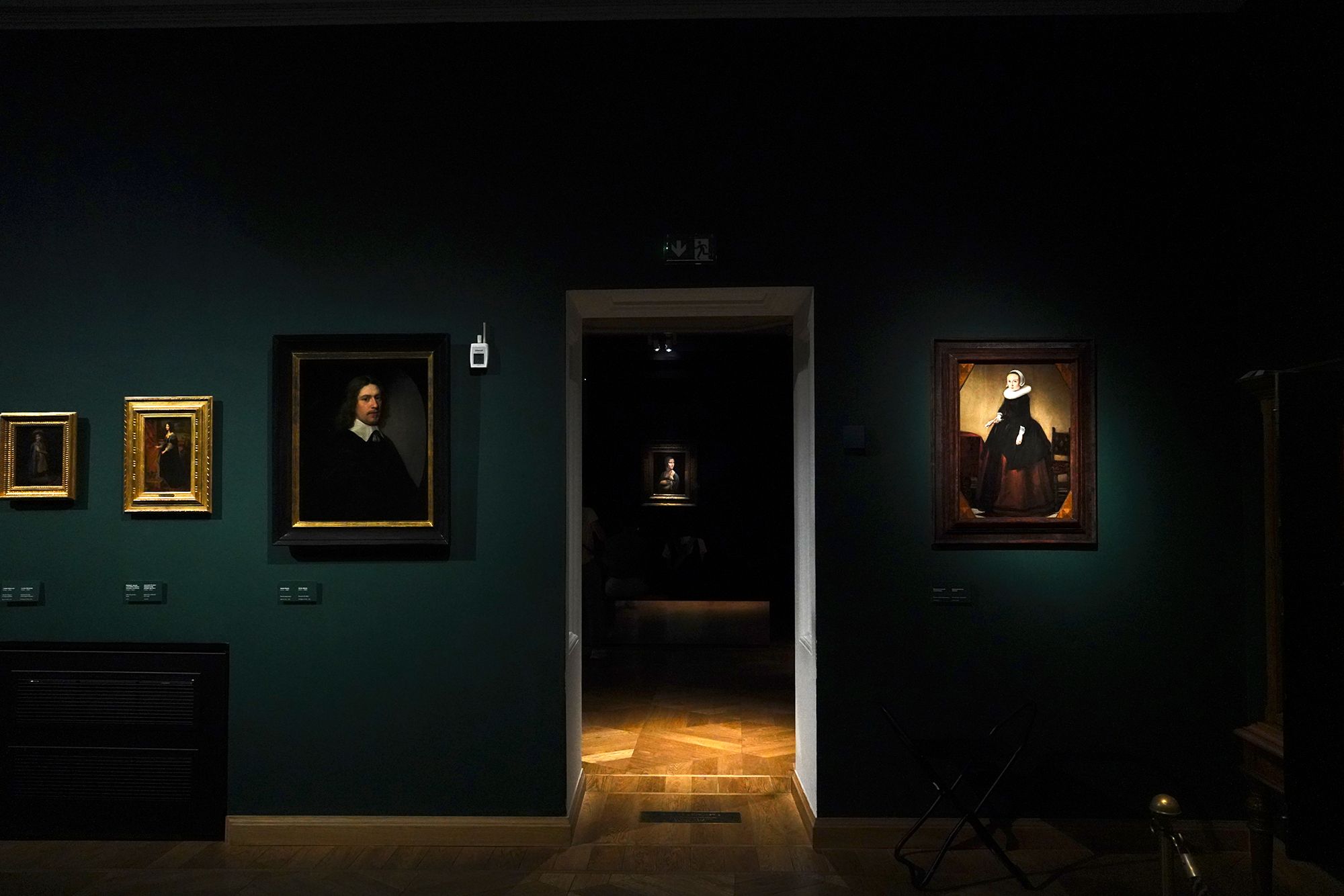
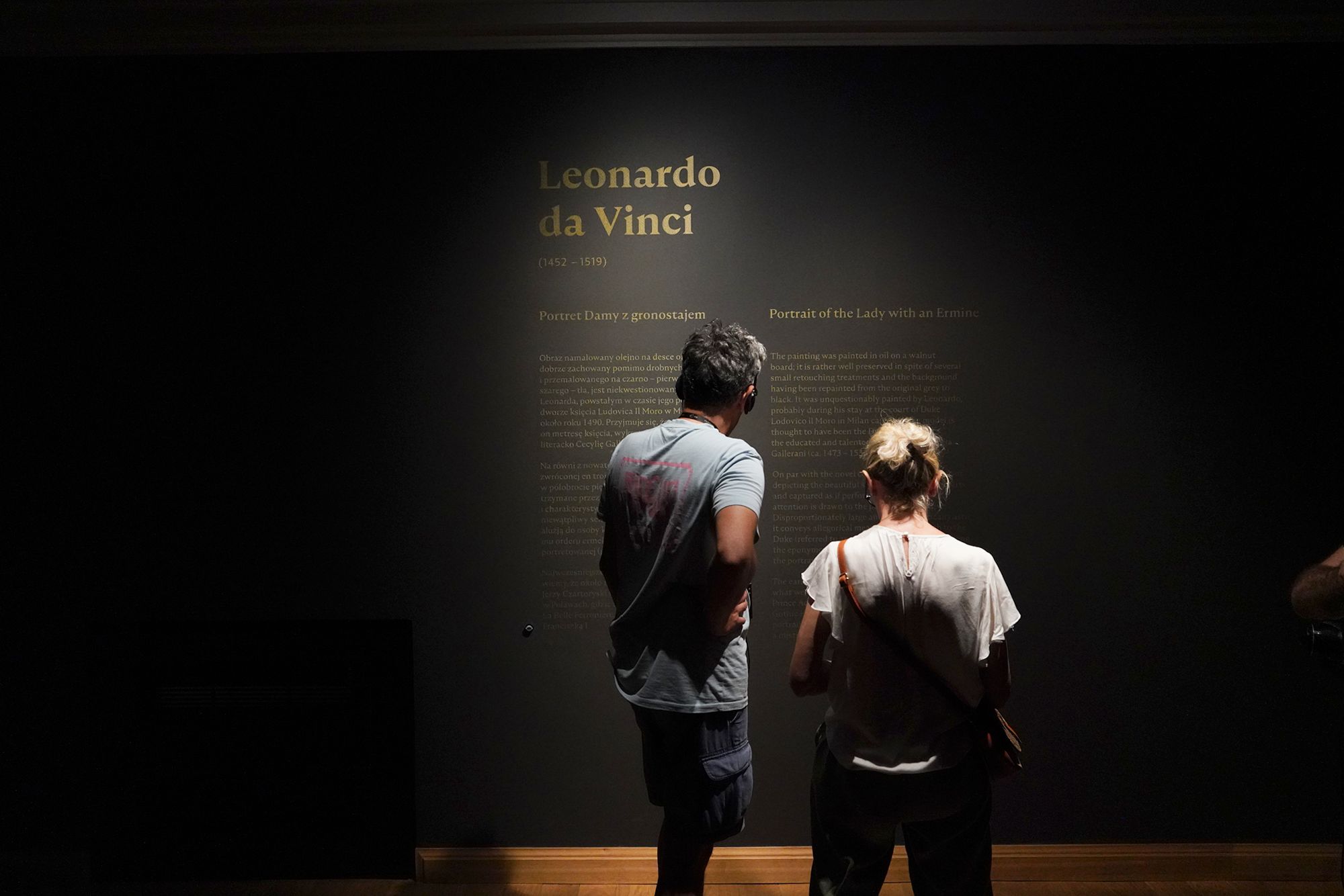
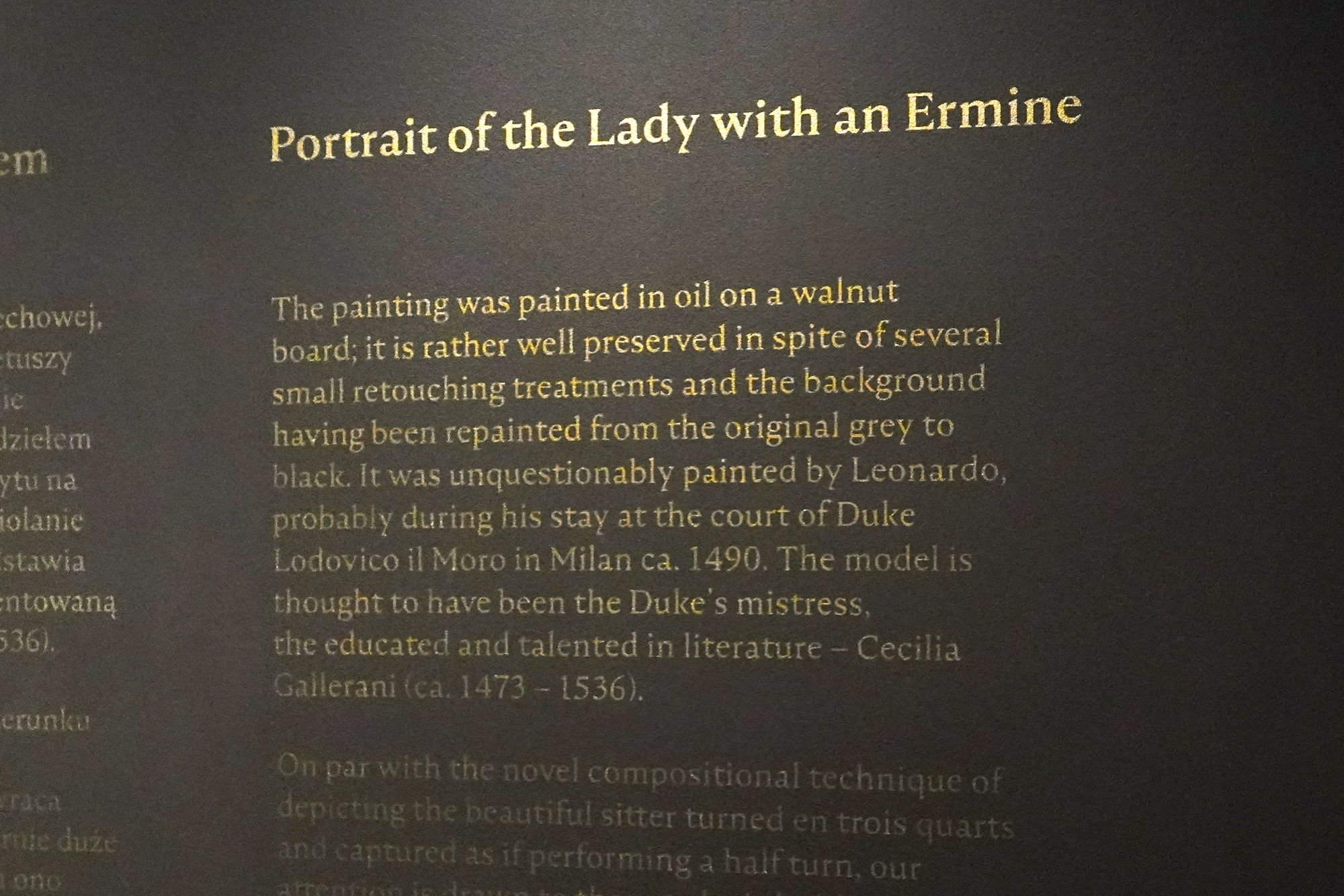
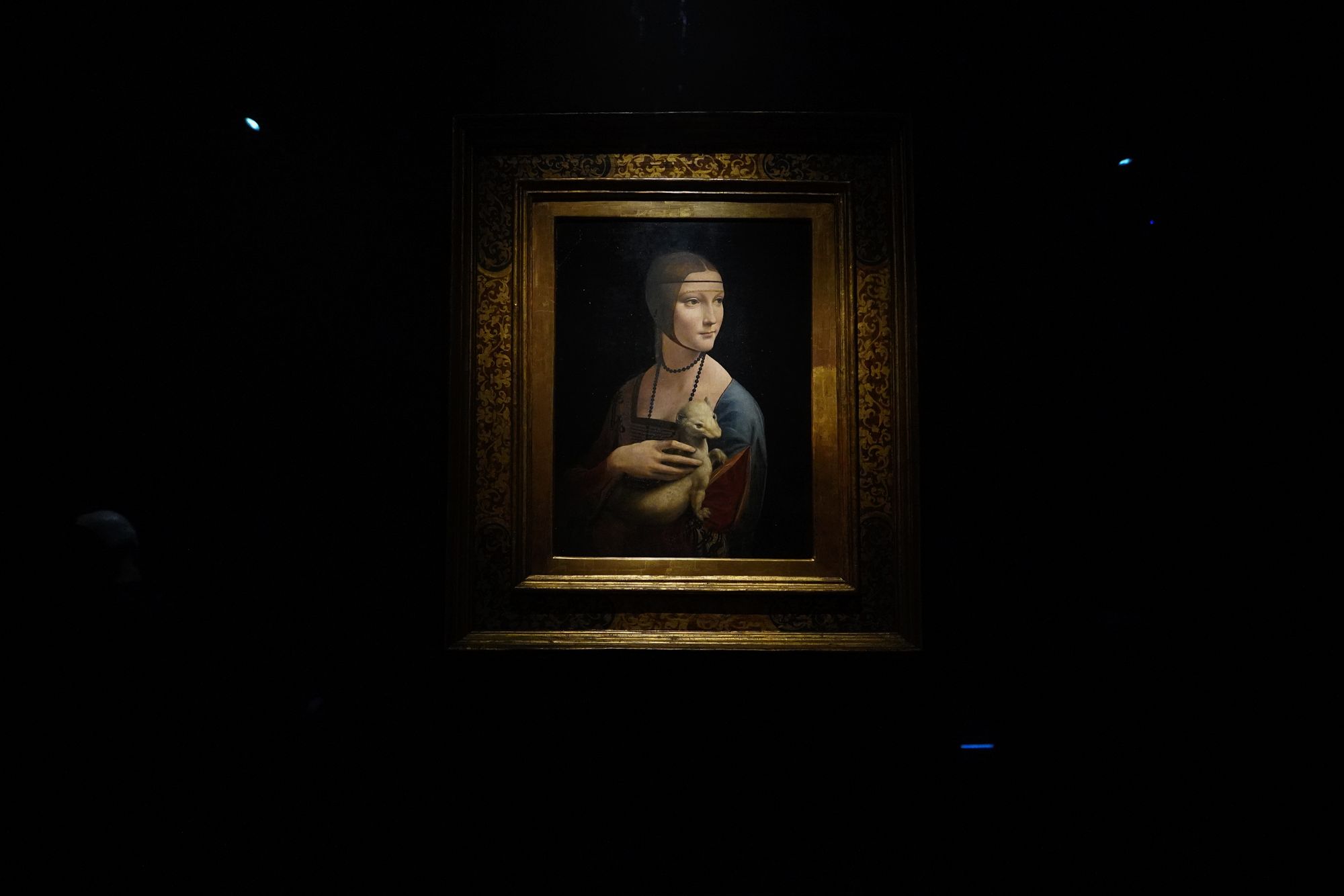
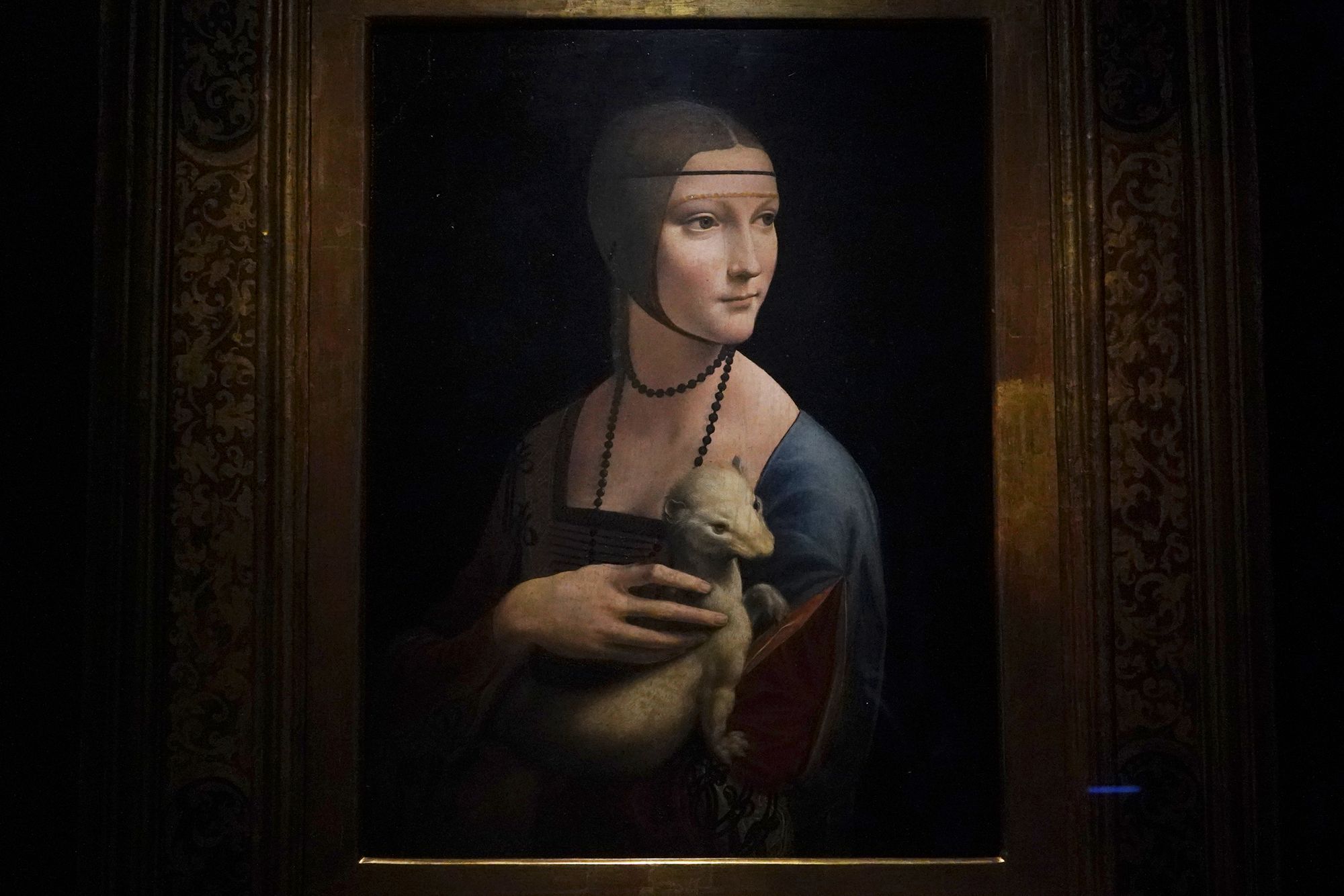
Next was Leonardo da Vinci’s Lady with an Ermine, painted around 1490. The woman is believed to be Cecilia Gallerani, a member of the Duke of Milan’s court. I was interested to learn that the painting’s black background was originally grey.
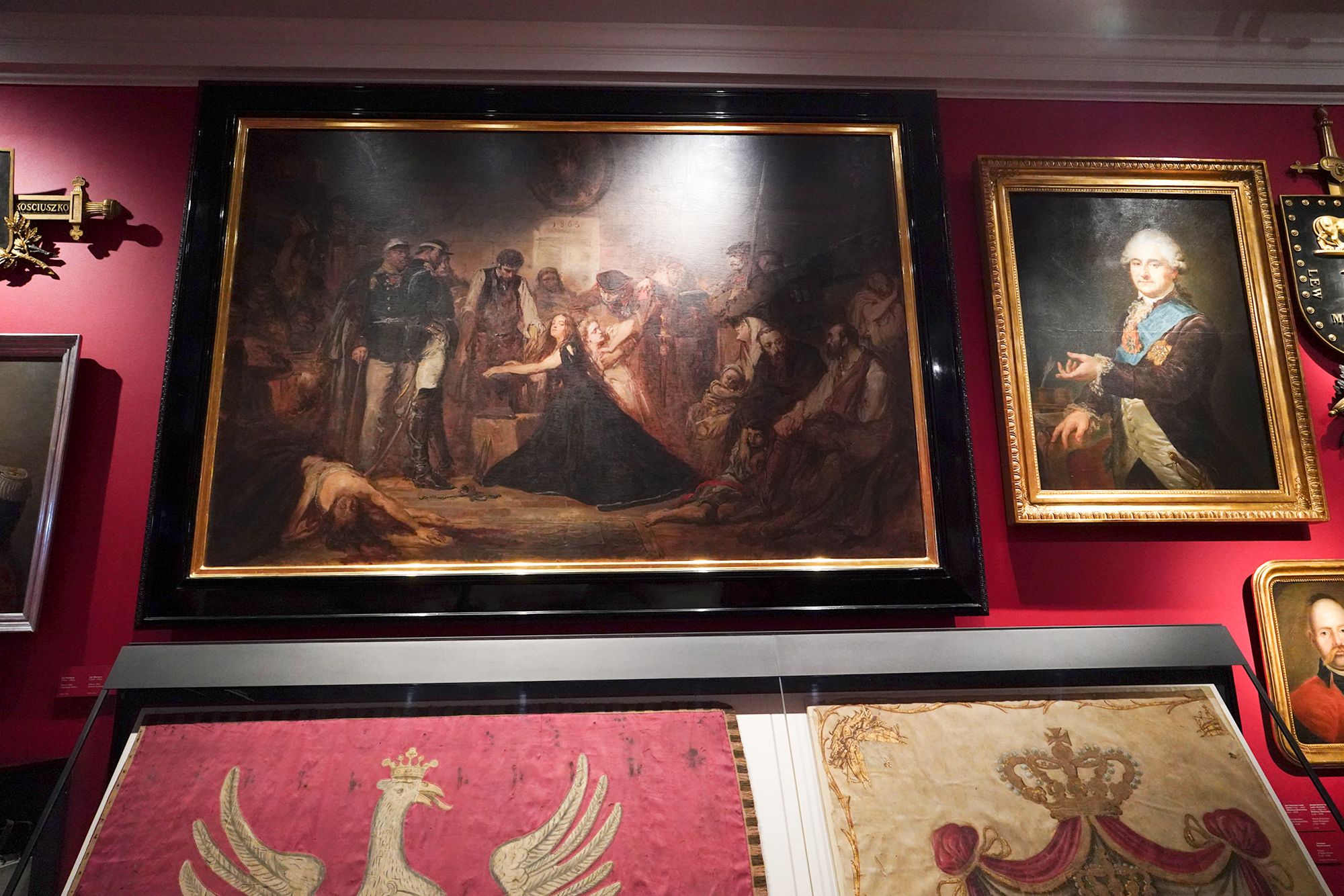
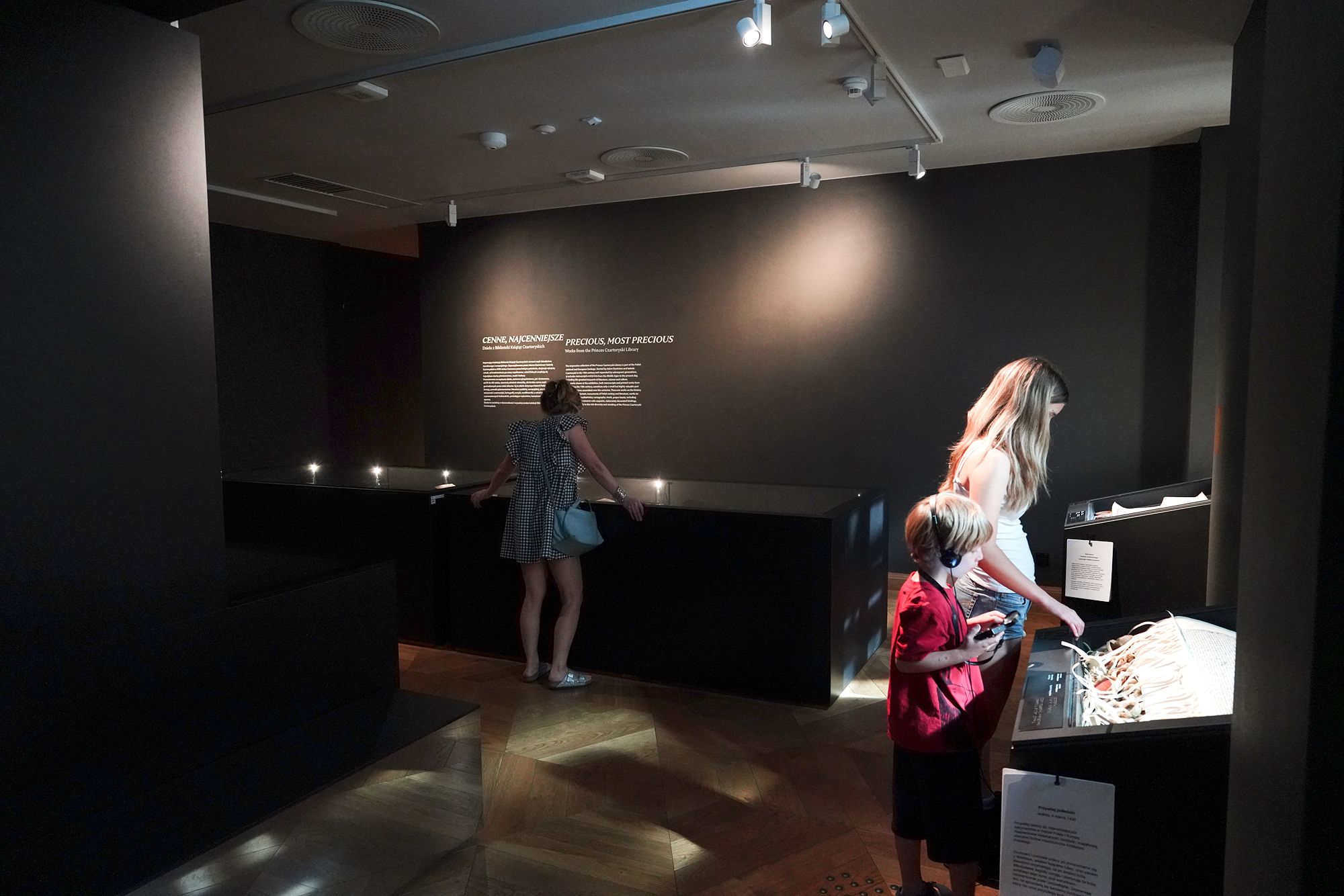
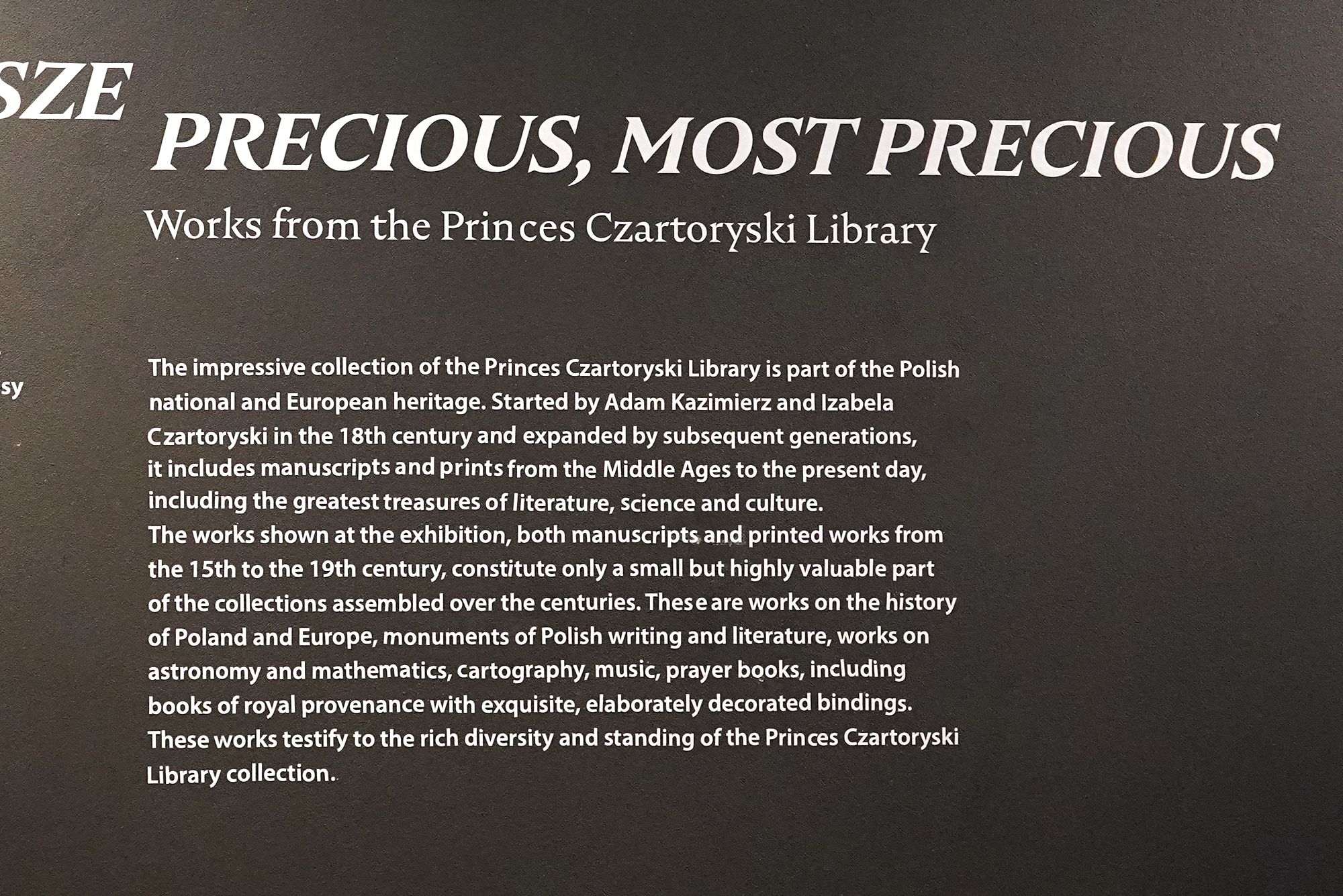
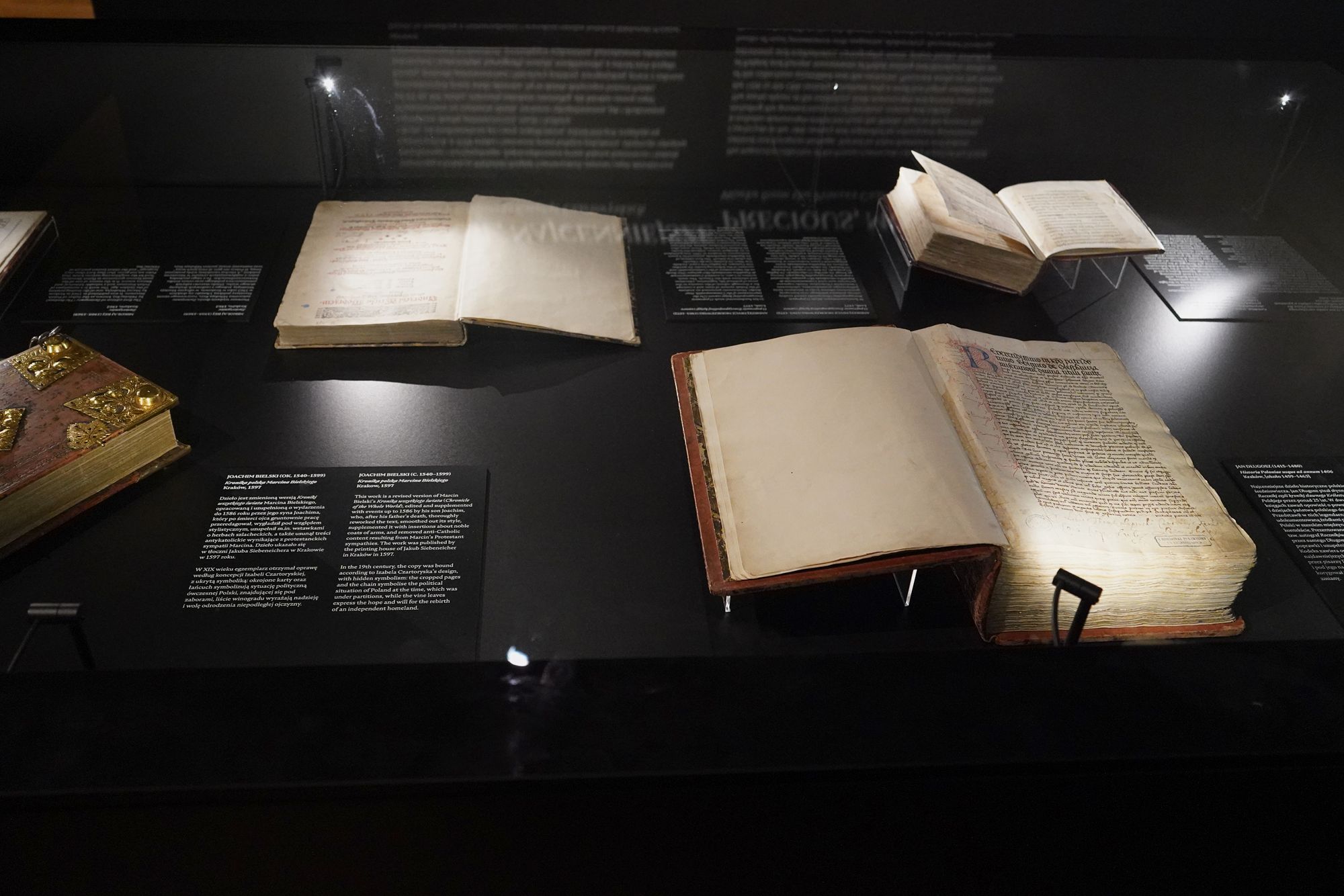
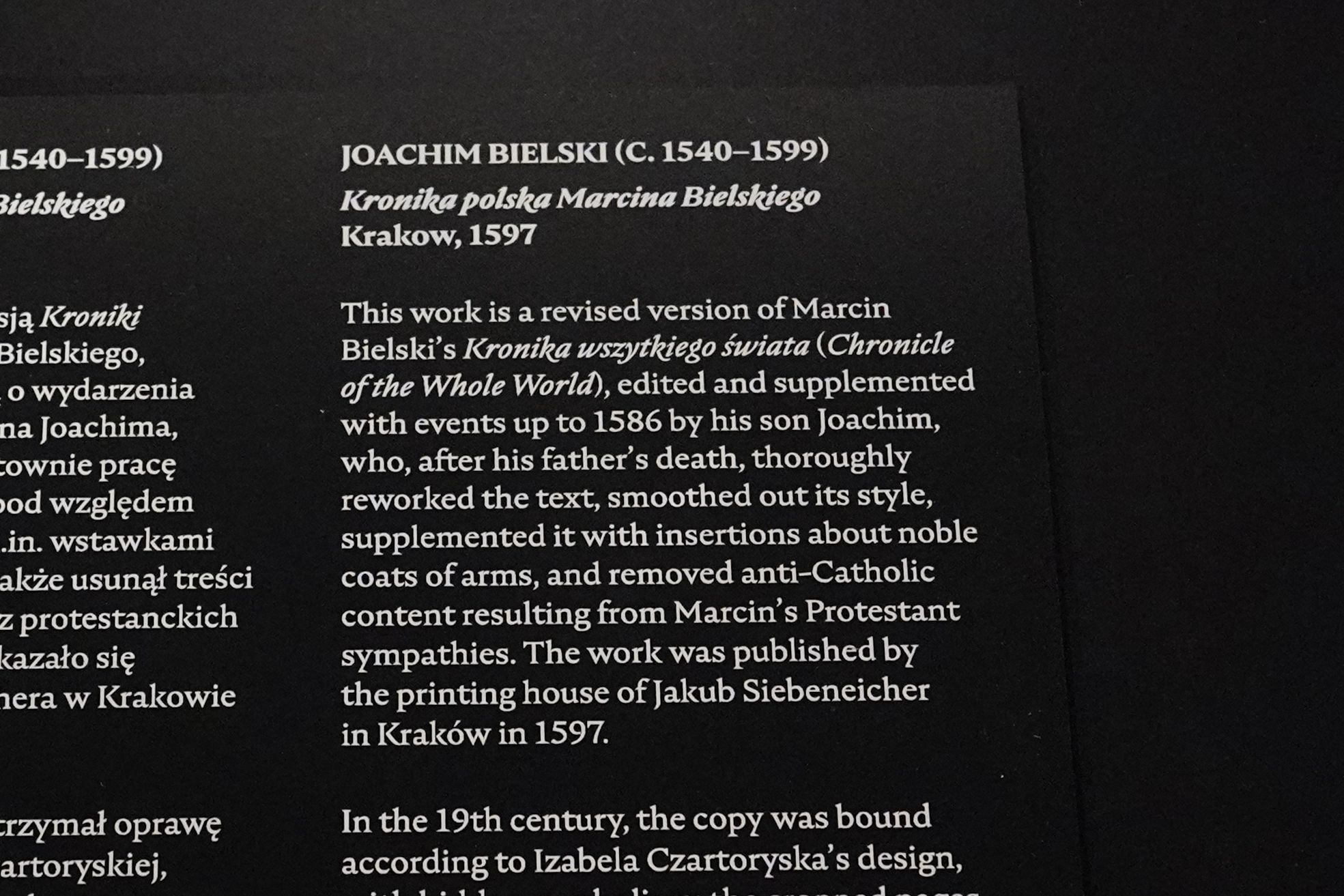
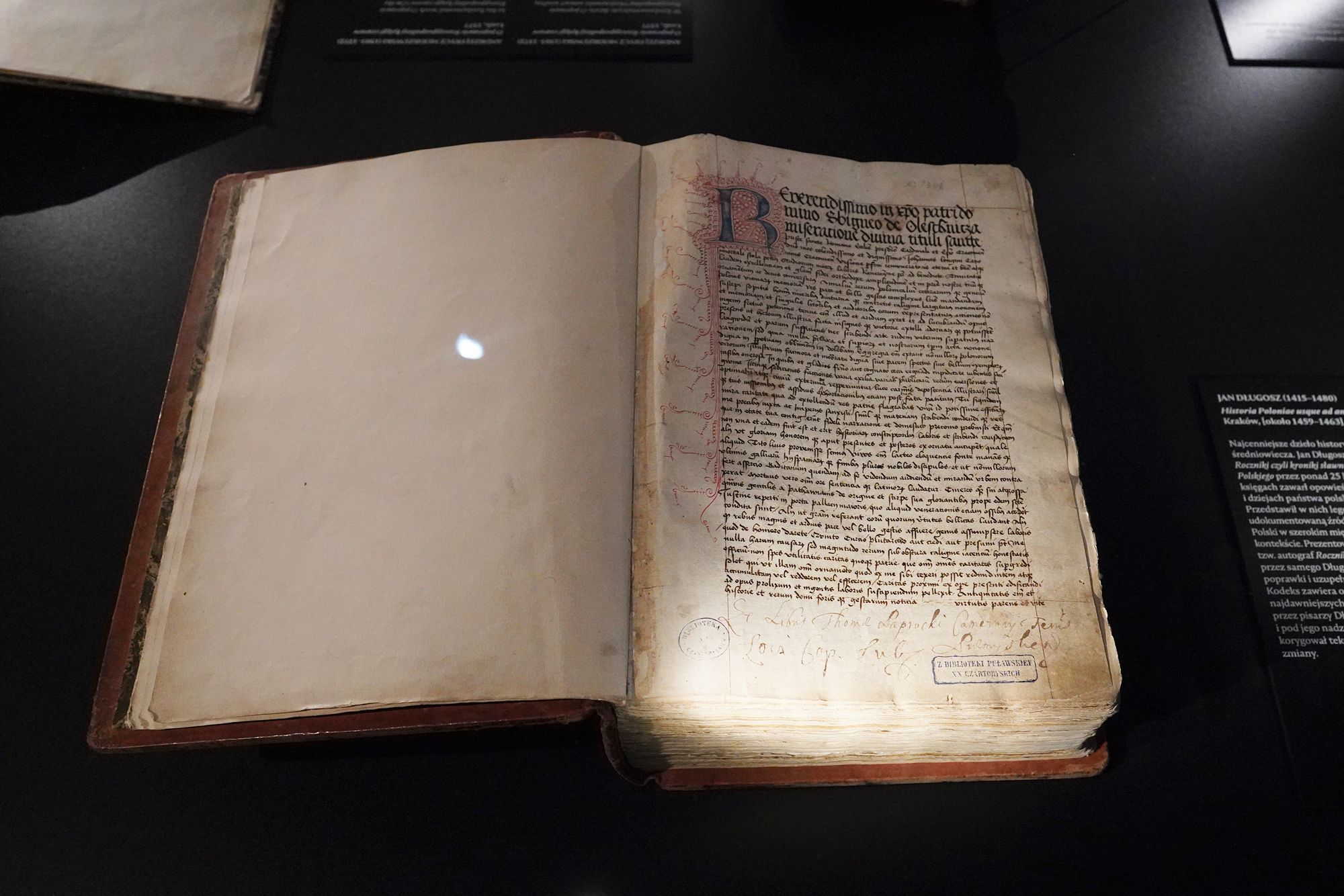
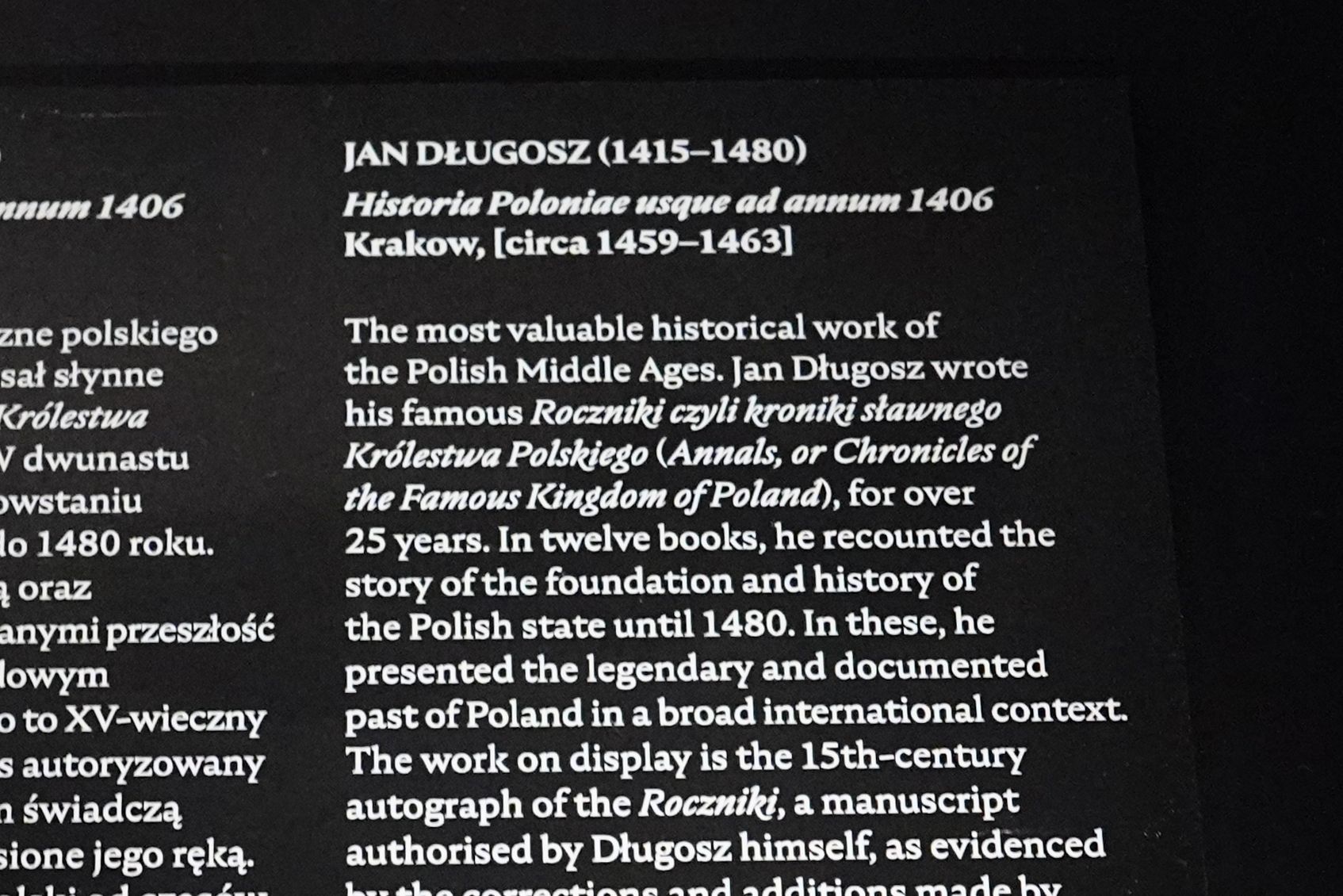
I then visited a display from the Princes Czartoryski Library. It included old manuscripts and printed books on Polish history, literature, science, and music, along with beautifully decorated prayer books.