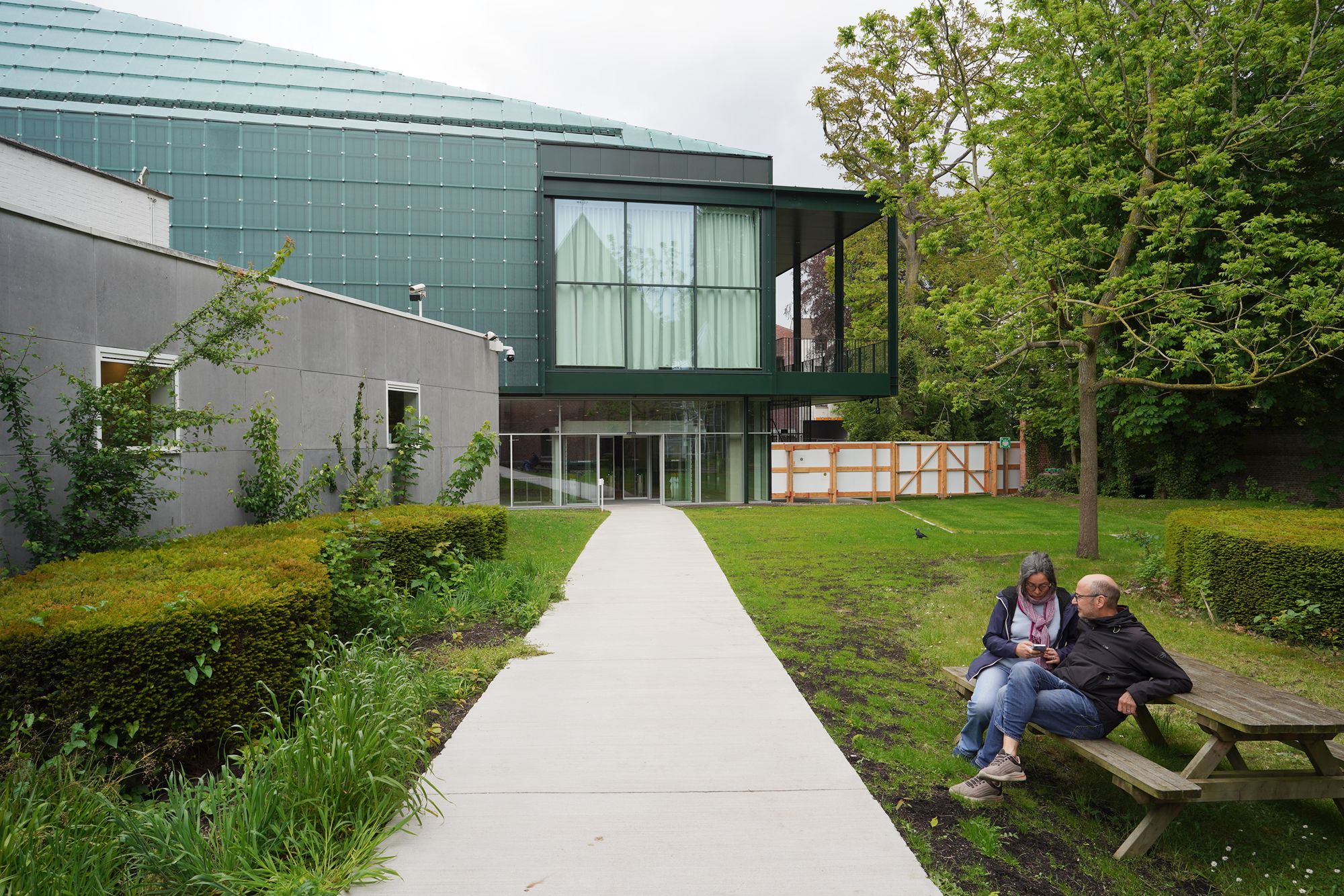
Groeninge Museum, Bruges, Belgium
The Groeninge Museum in Bruges showcases six centuries of Belgian art, especially masterpieces by the celebrated Flemish Primitives. 1311
Groeninge Museum: Dijver 12, 8000 Brugge, Belgium
Date Picture Taken: May, 2026
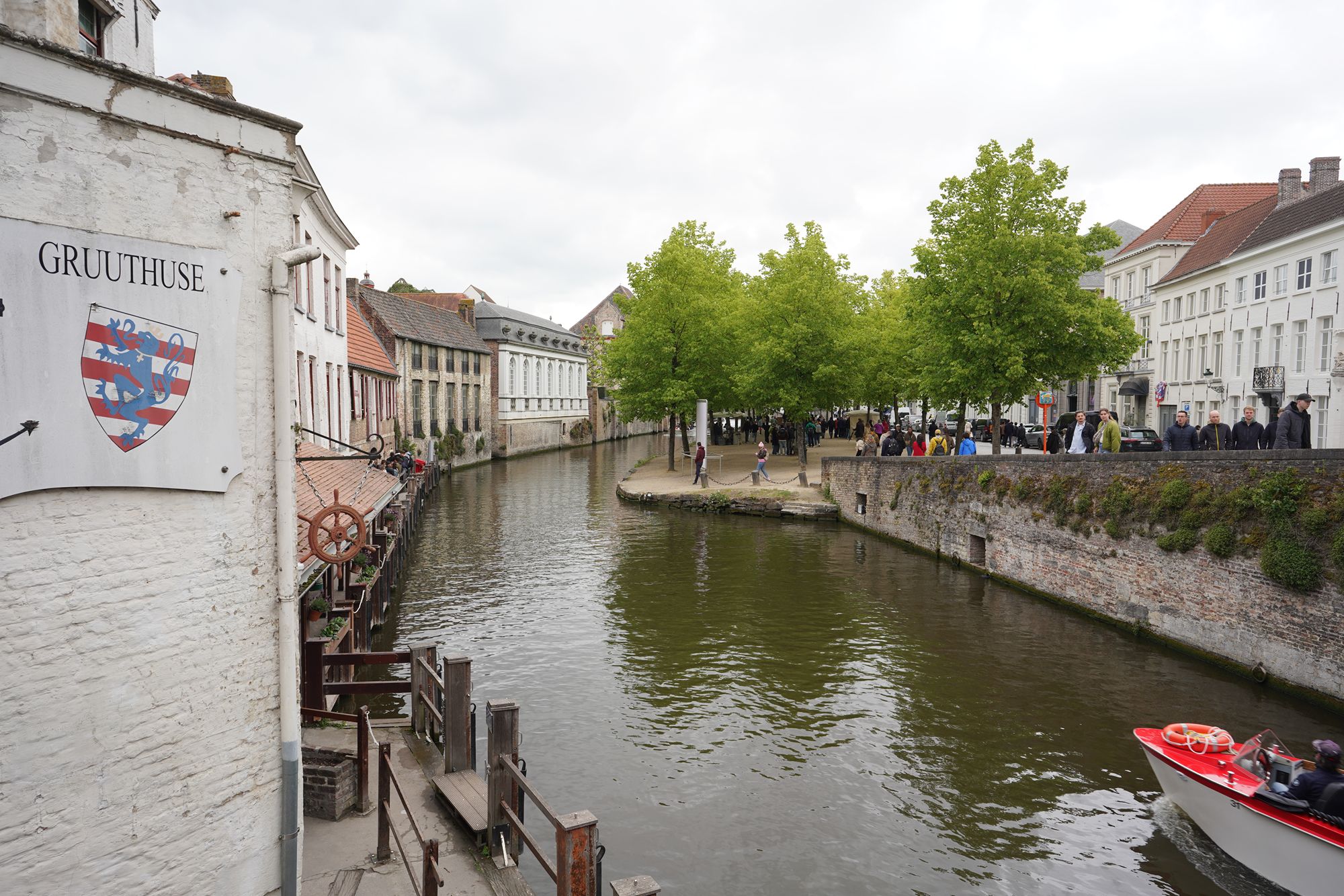
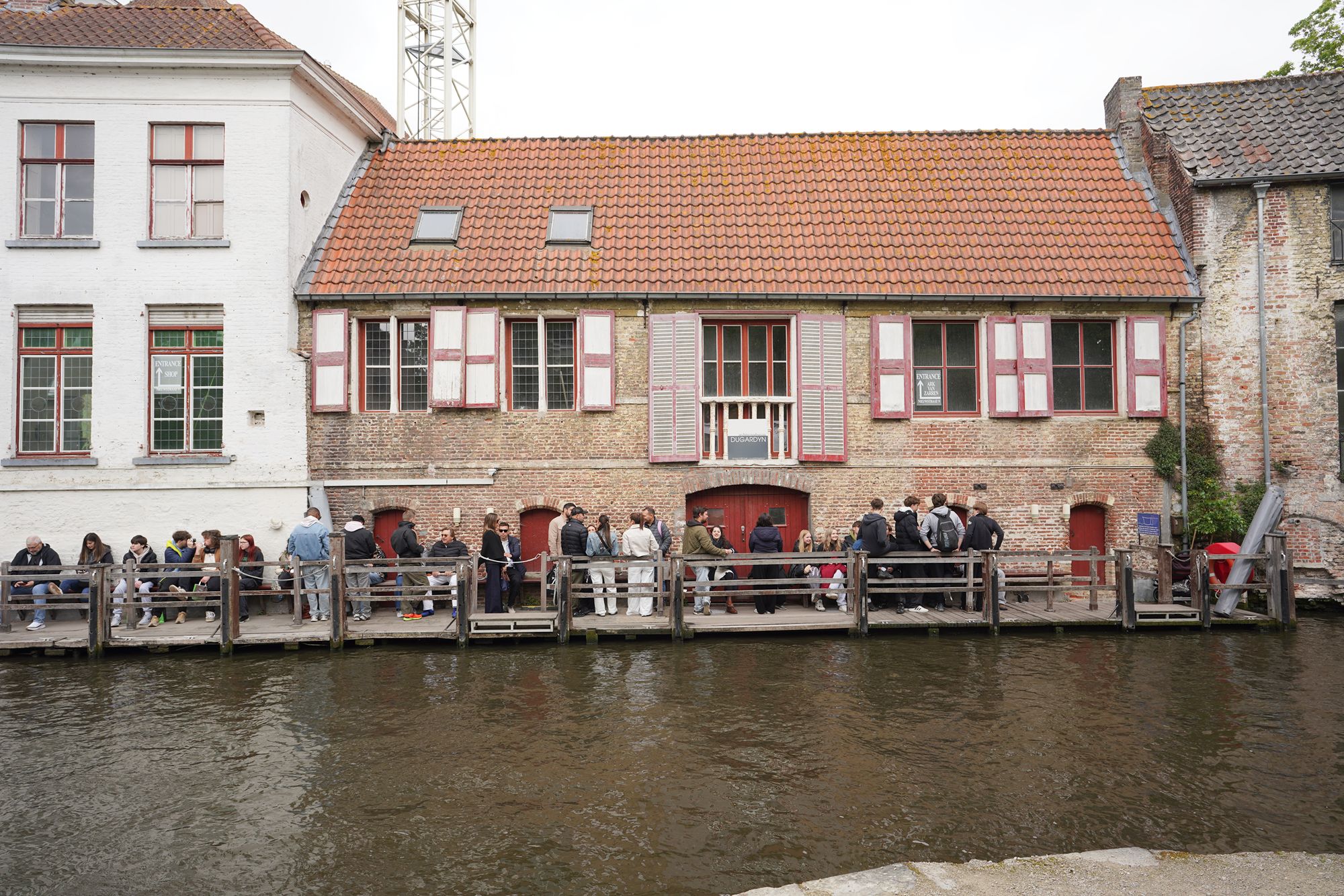
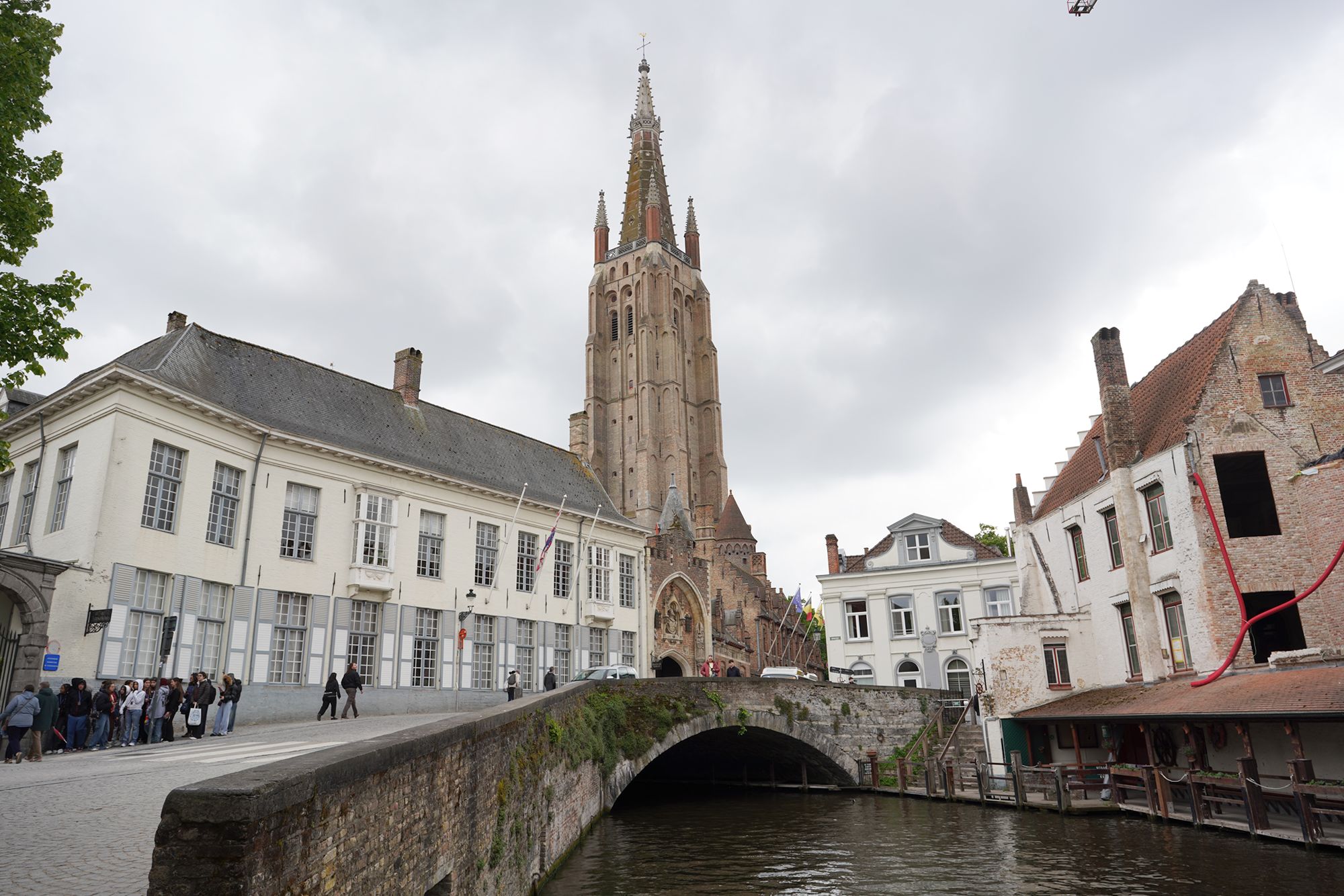
On my way to the Groeninge Museum from where I was staying in central Bruges, I took these pictures of the streets, canals, and historic buildings I passed along the way.
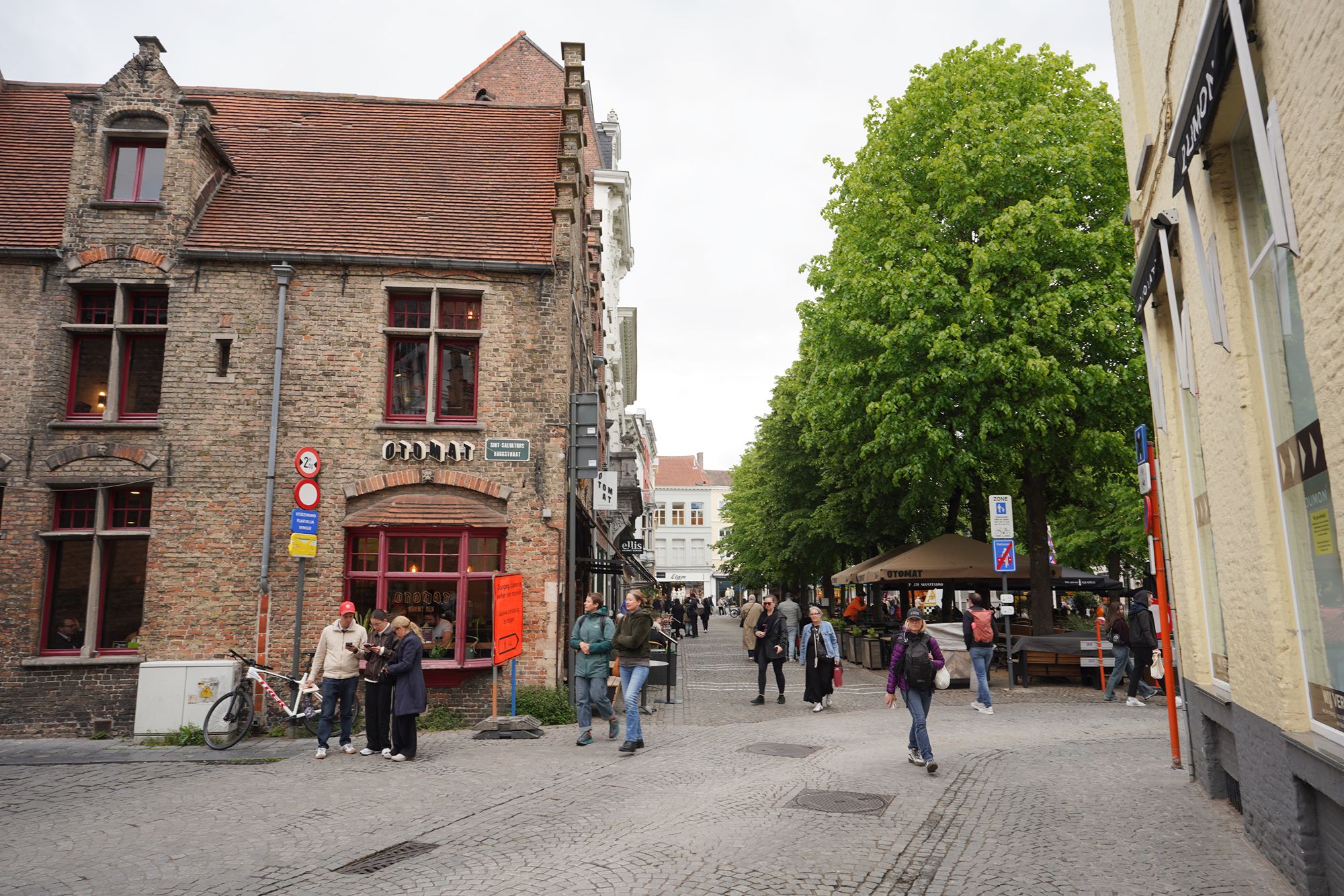
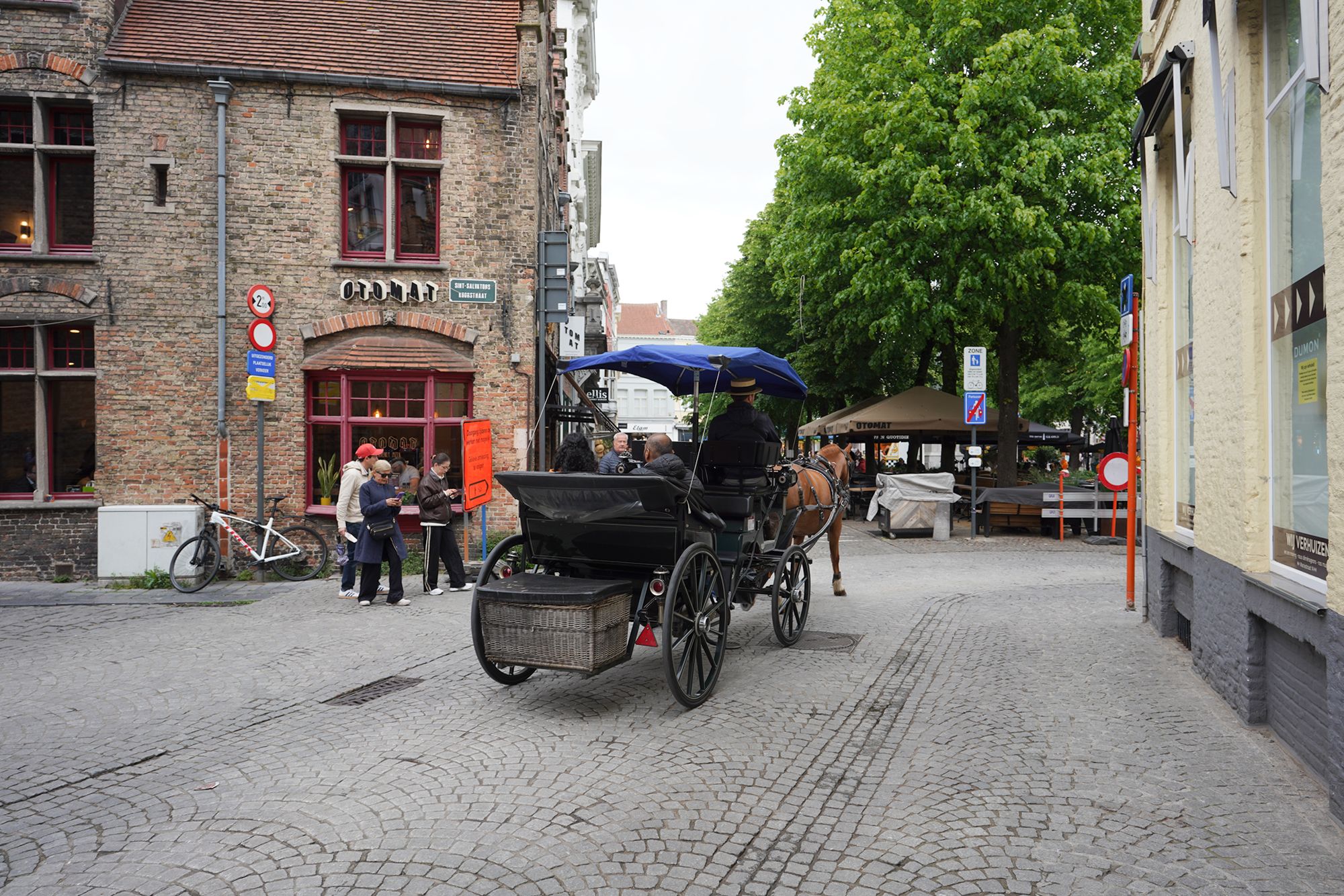
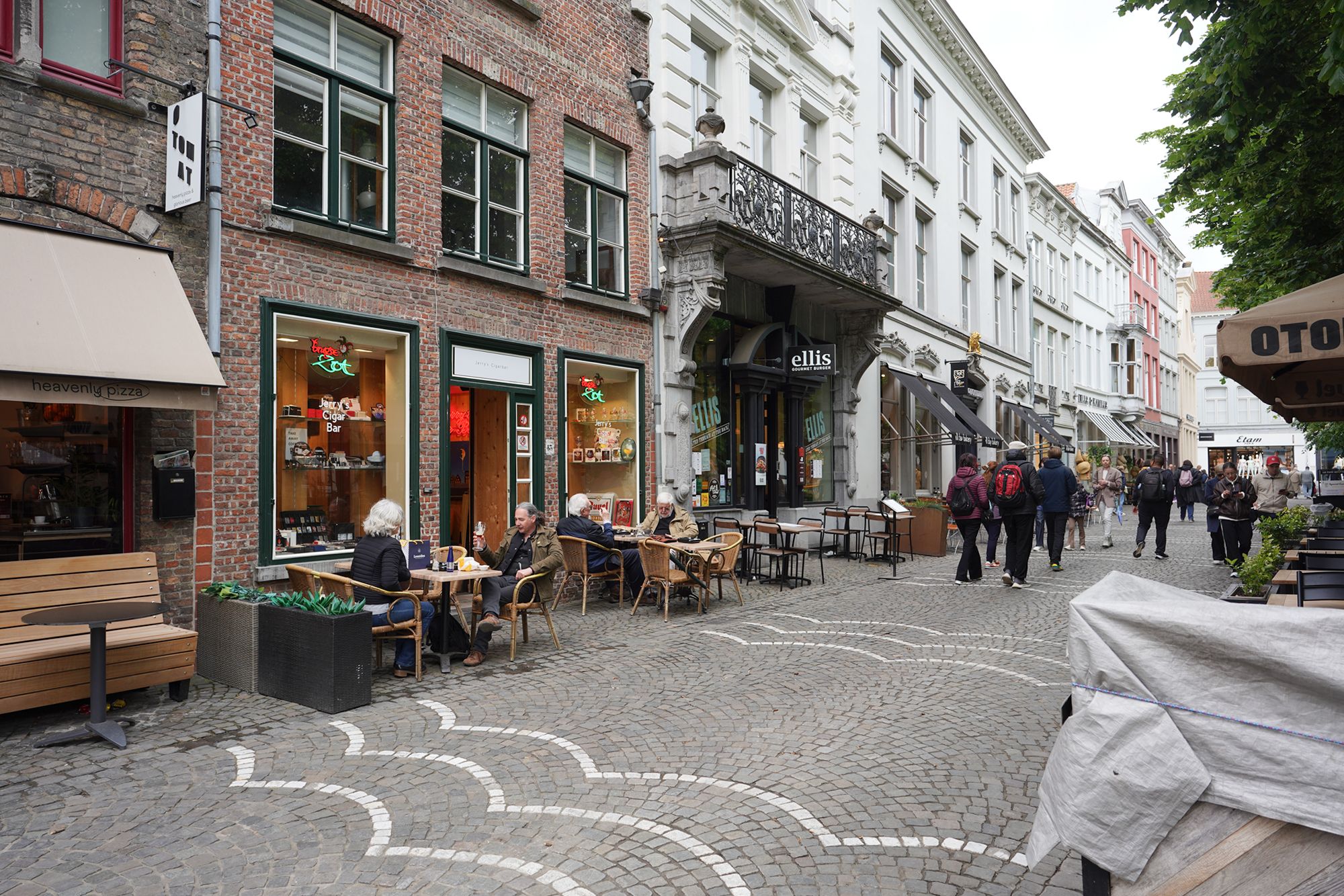
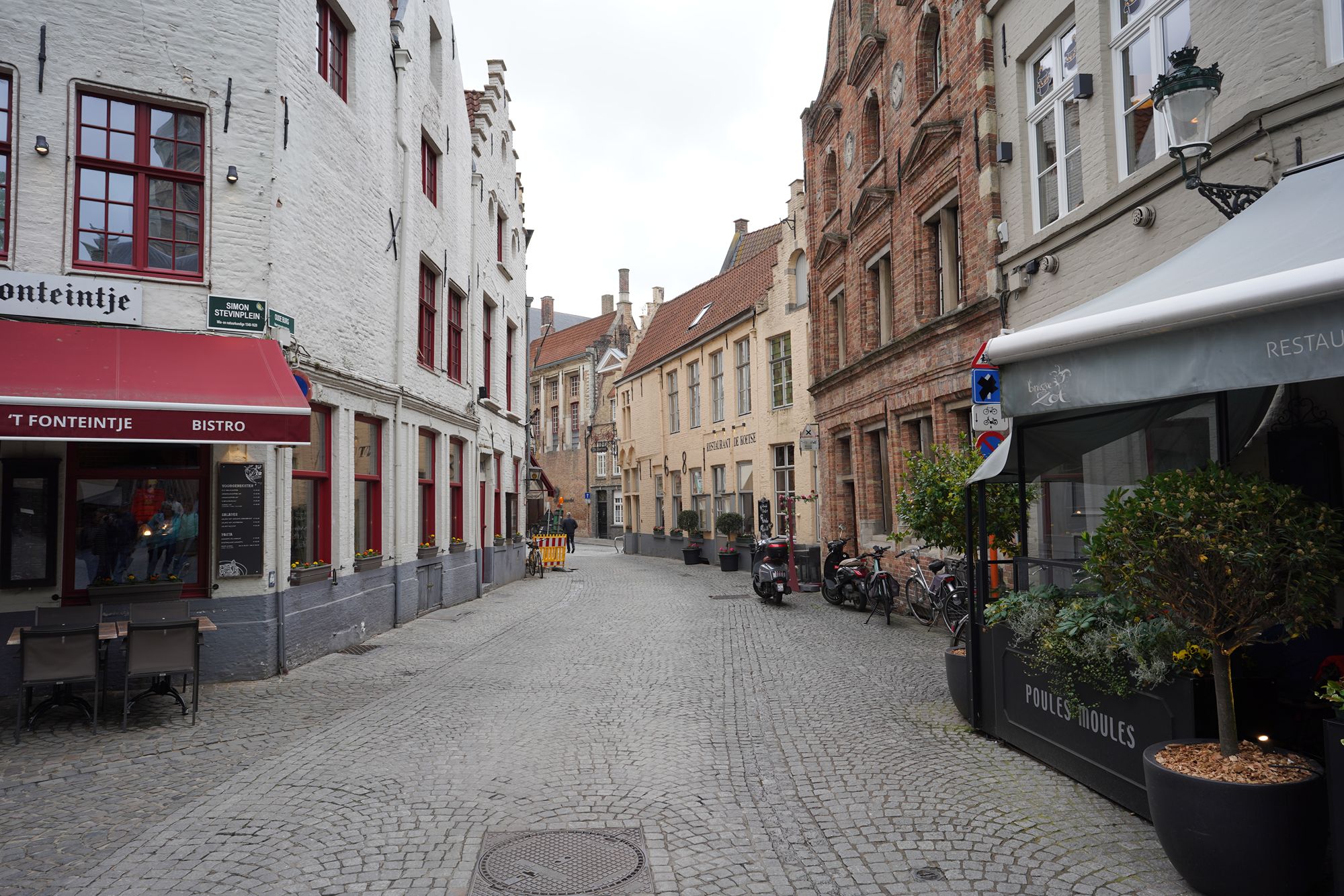
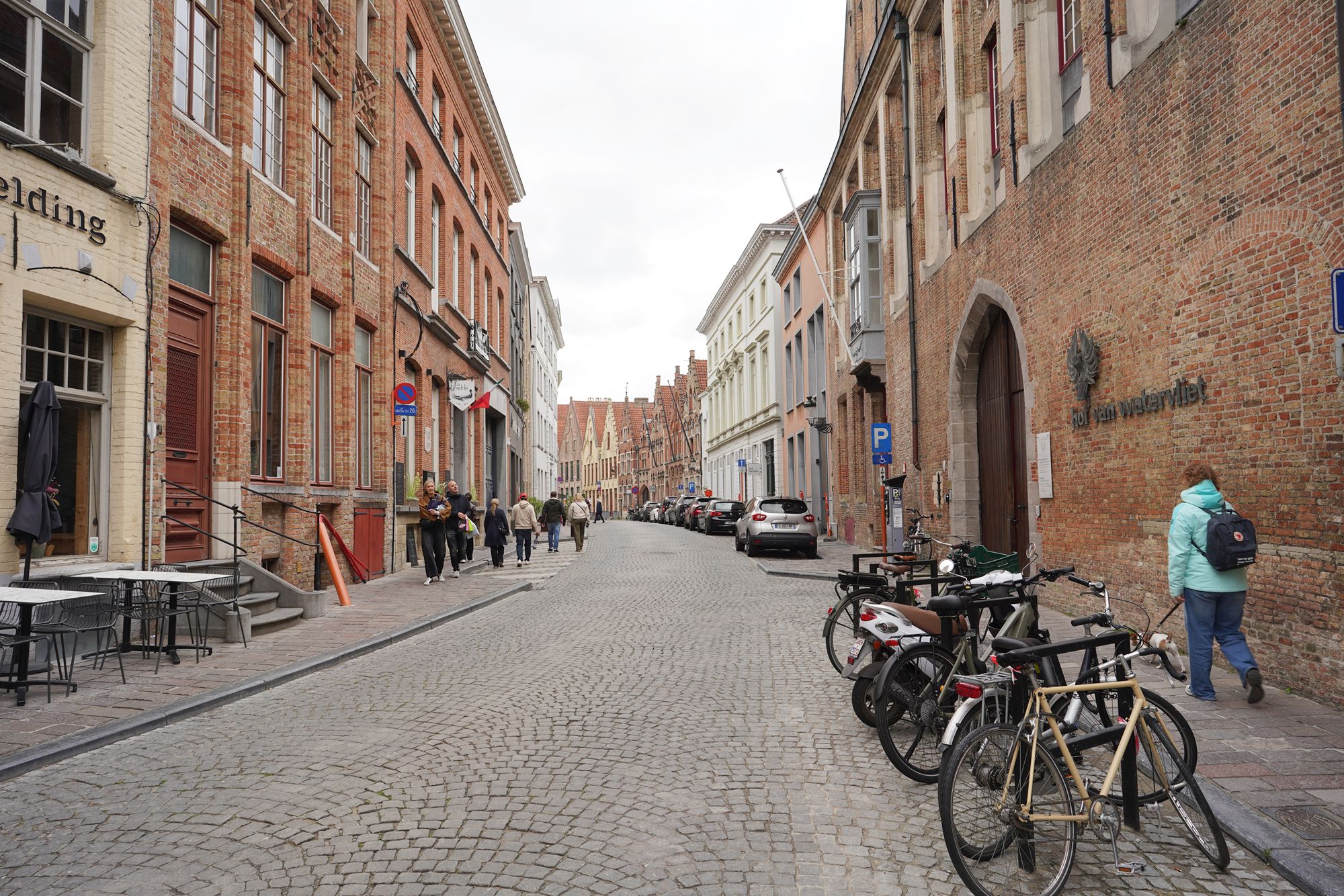
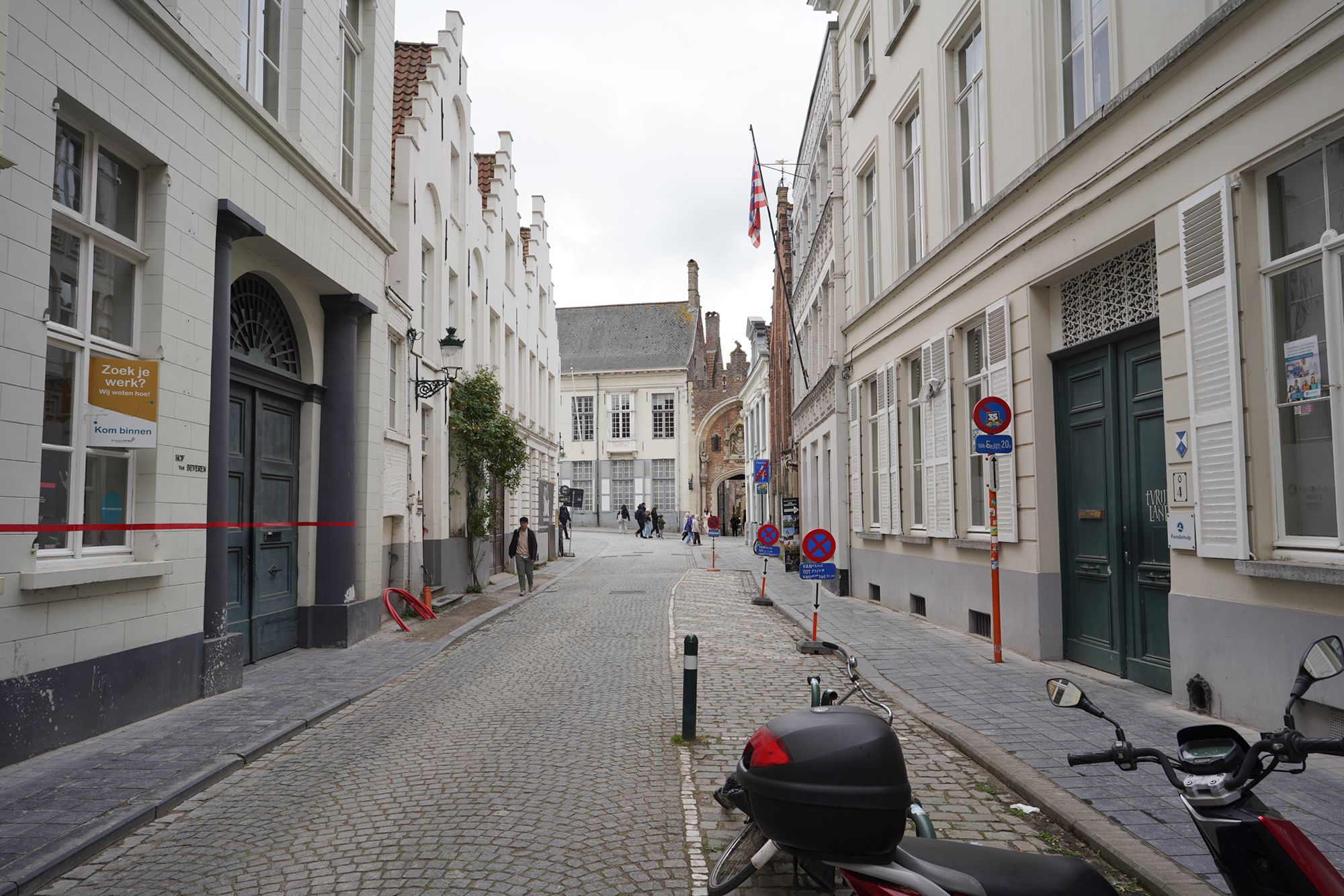
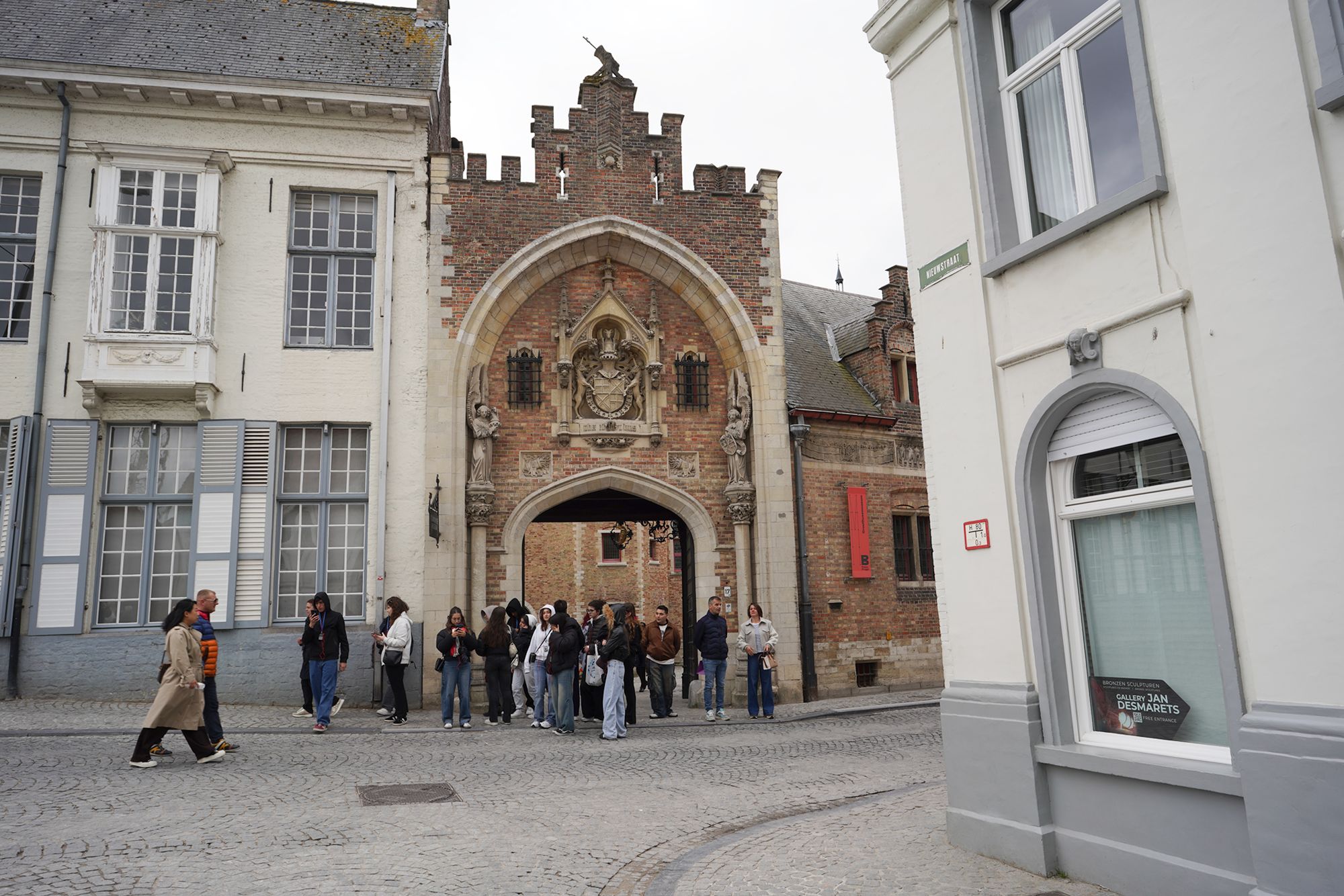
I passed through this stone archway, which serves as a passage from the street into the courtyard leading to the Groeninge Museum.
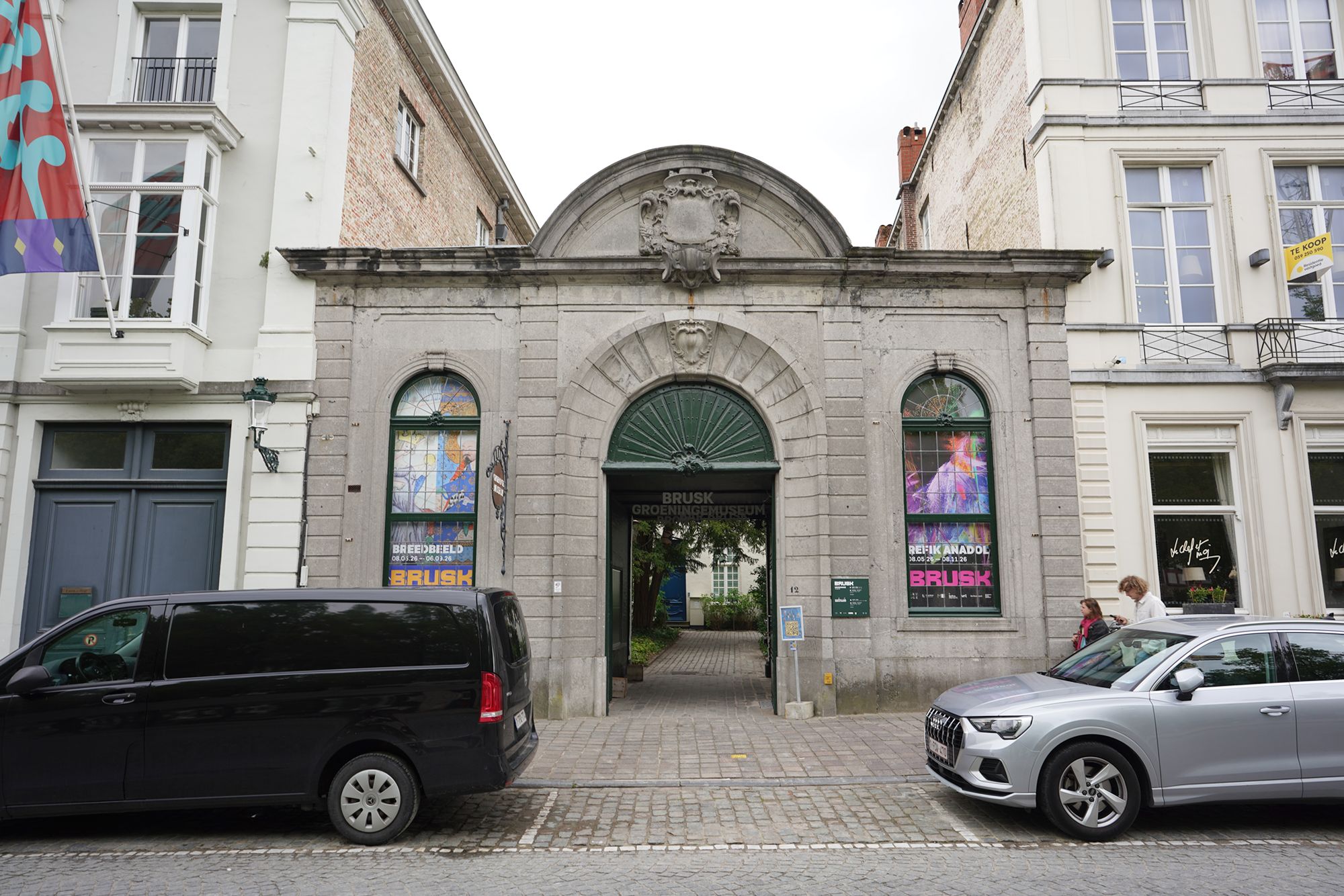
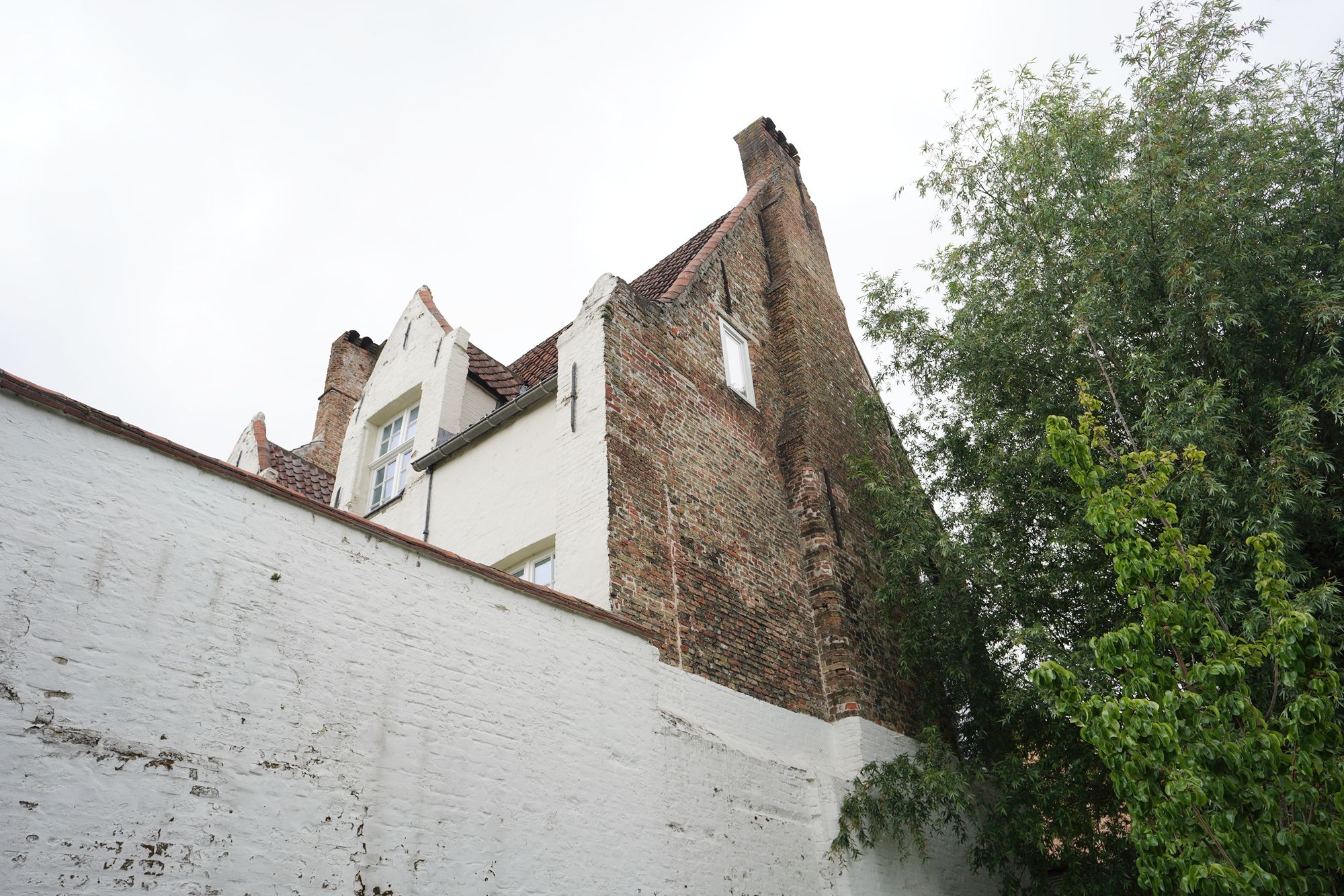
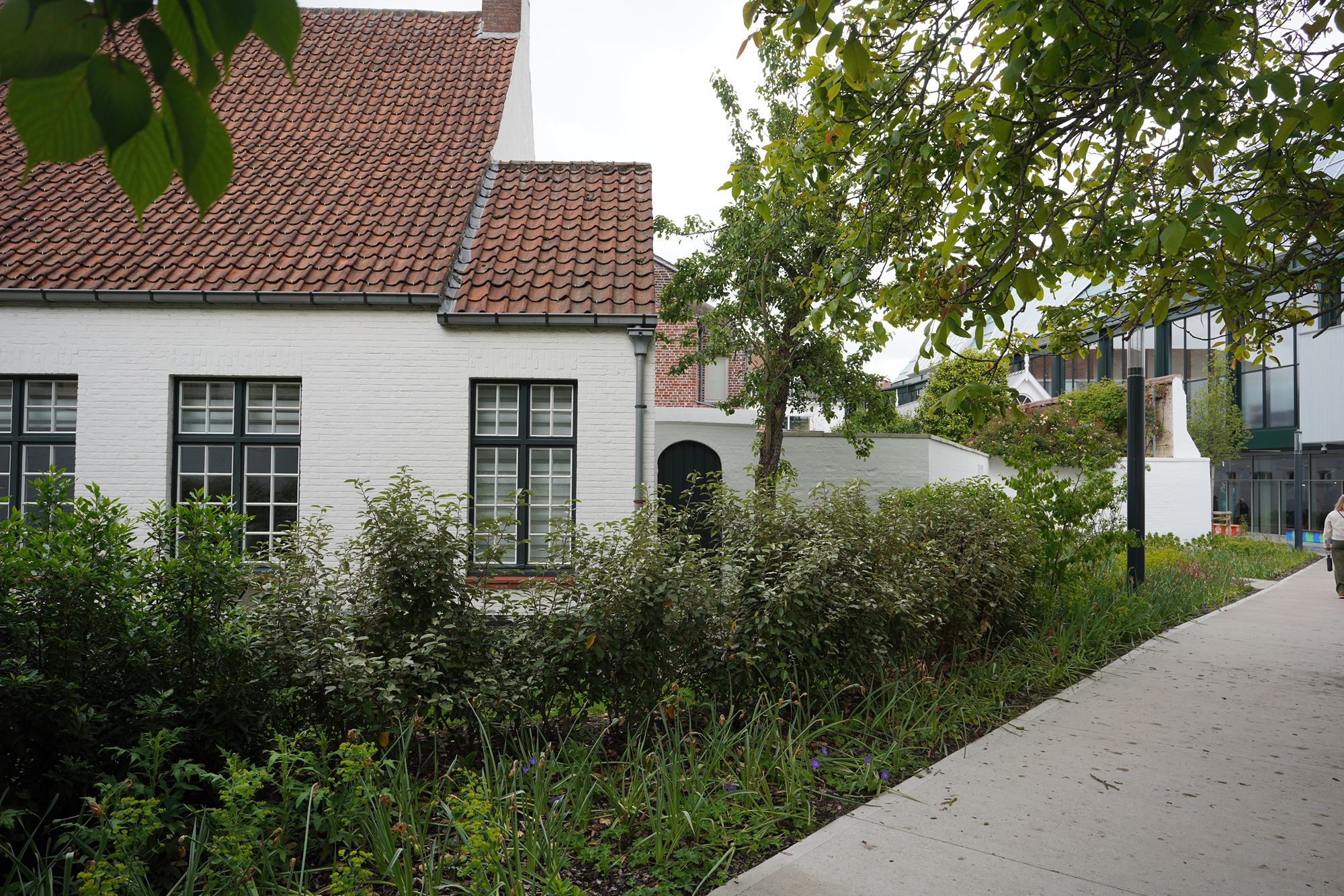
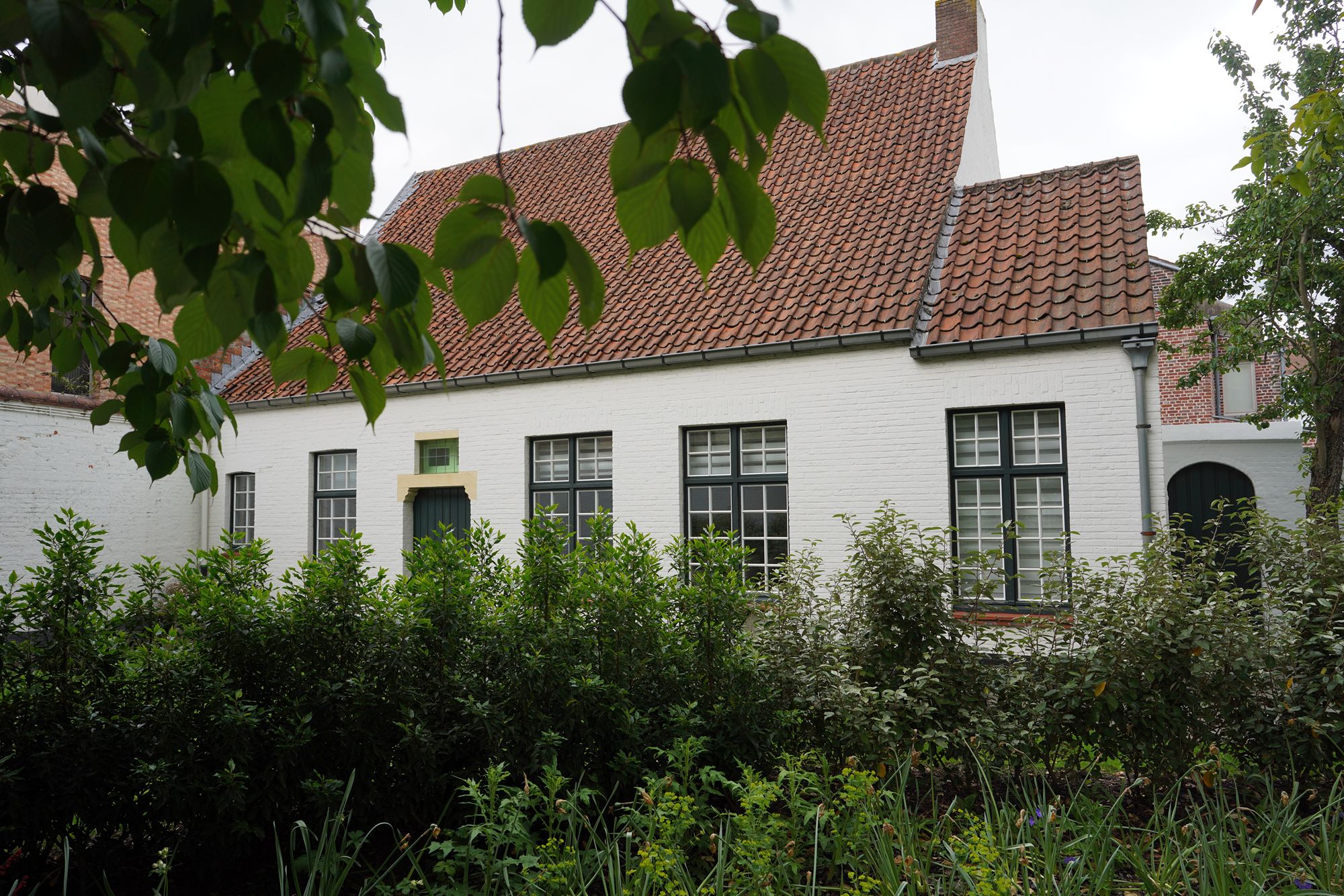
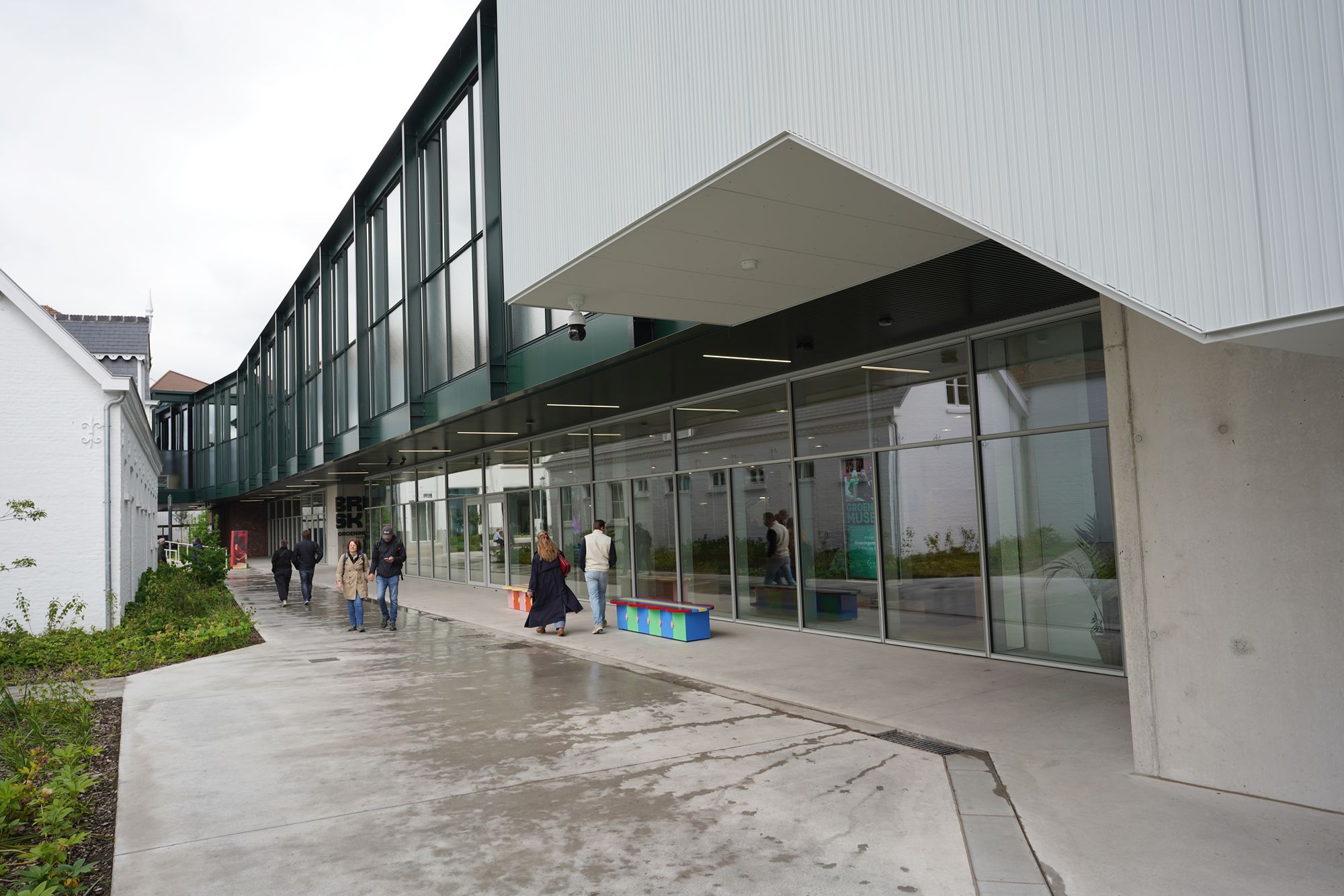
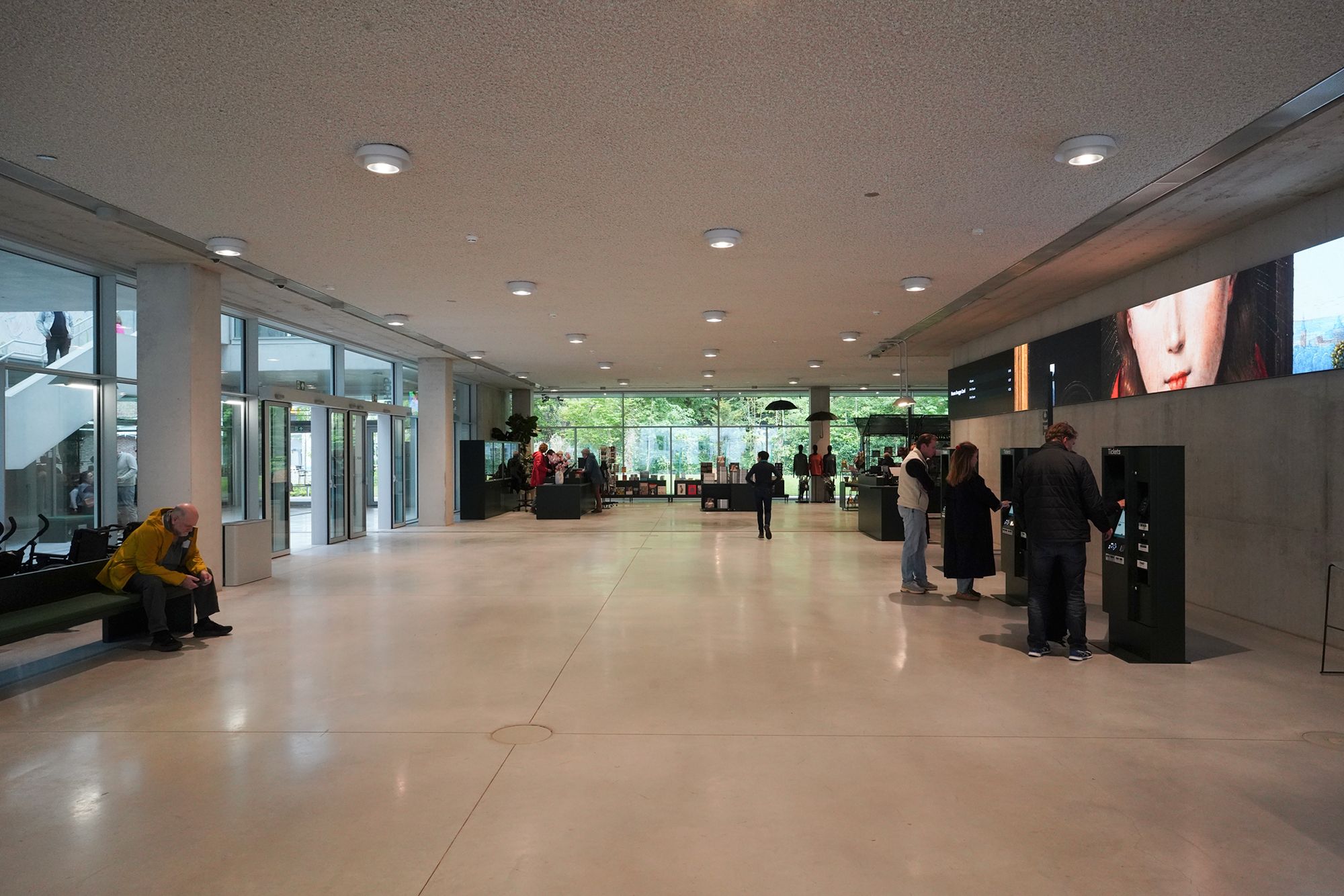
The museum entrance
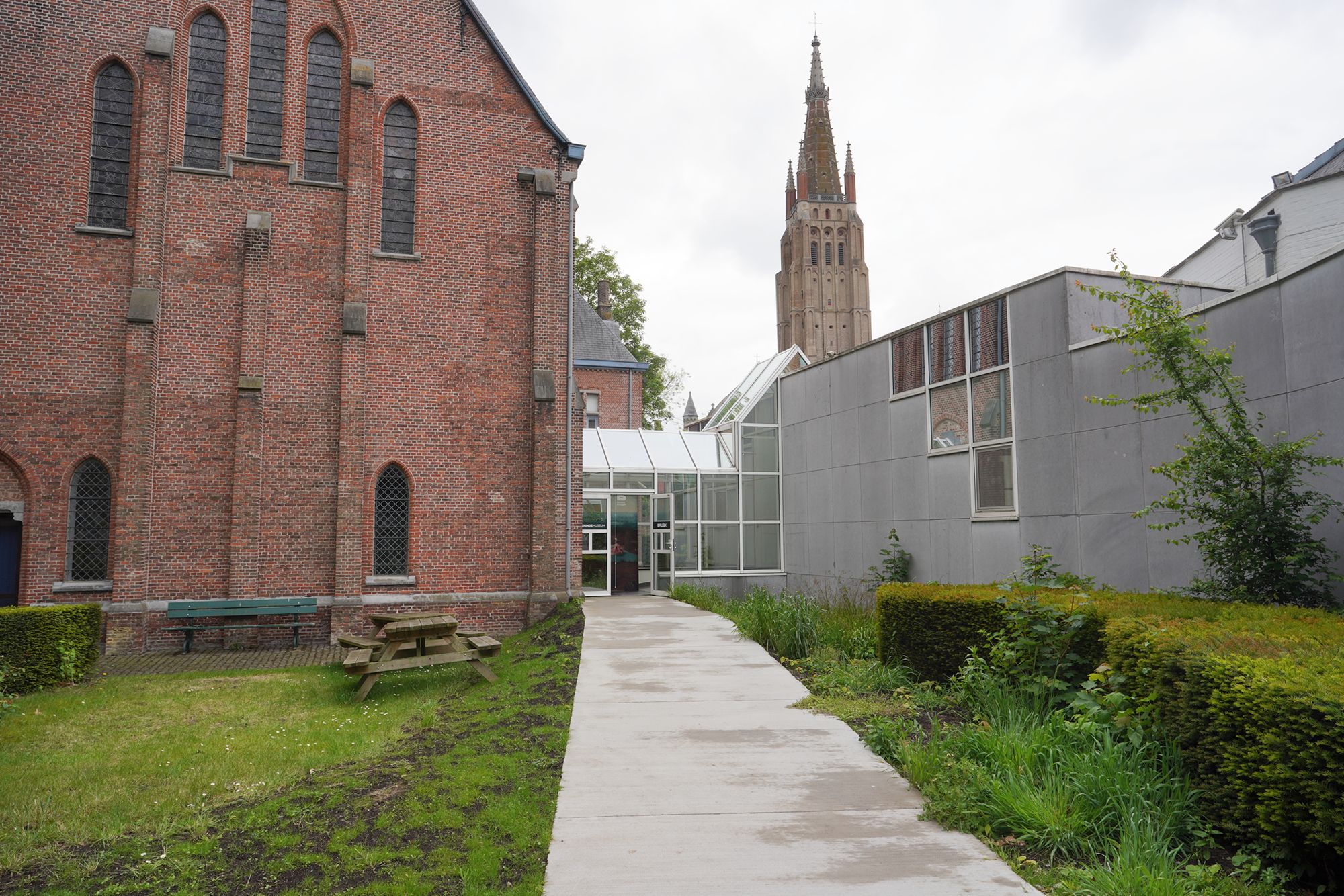
The Groeninge Museum is Bruges’ principal fine-arts museum and is especially important for its collection of Early Netherlandish painting, often called the Flemish Primitives. These artists flourished when Bruges was one of Europe’s wealthiest commercial and artistic centers during the 15th and early 16th centuries.
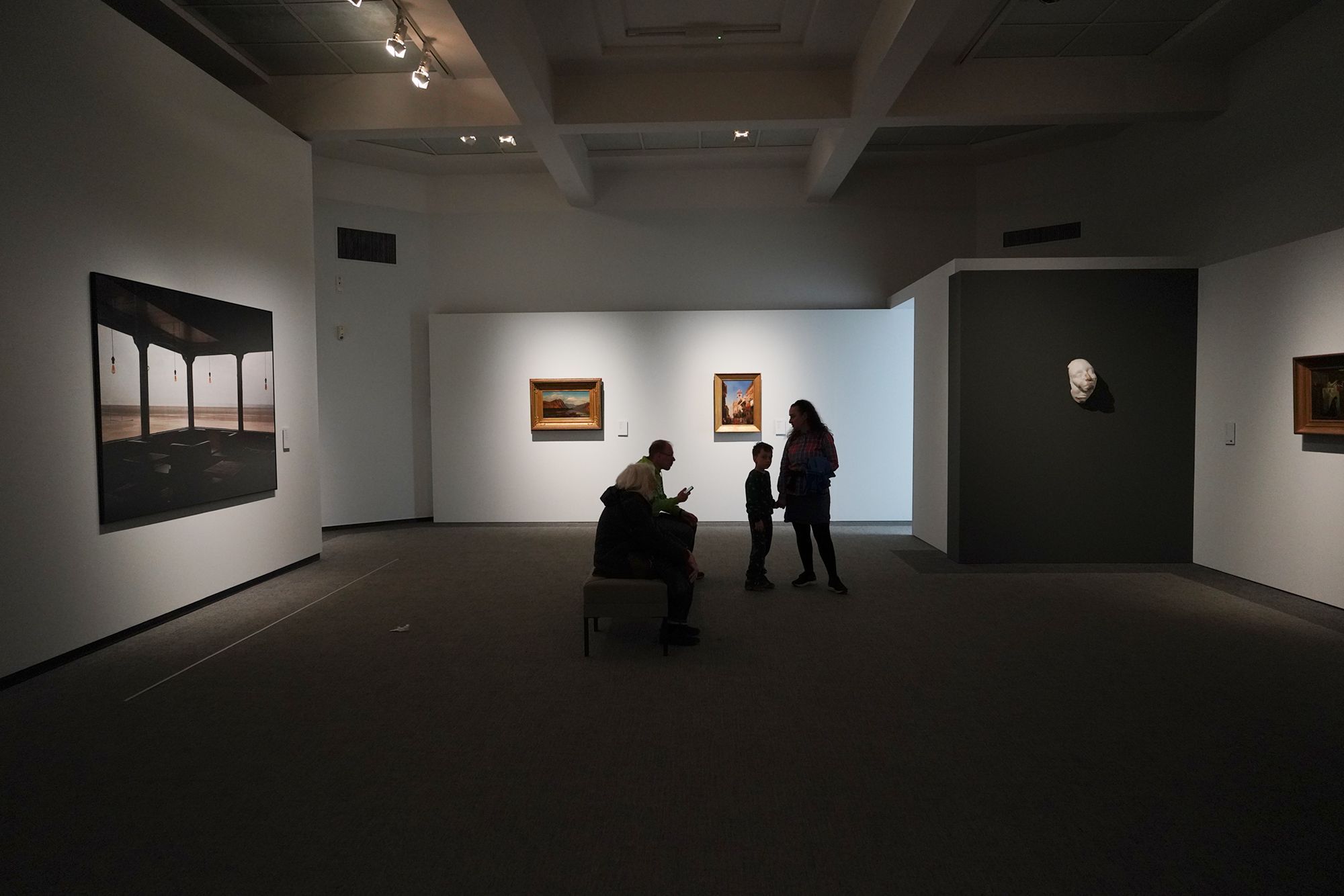
The museum itself is relatively small, which makes it quite different from enormous collections such as the Rijksmuseum. You can move through the development of Flemish and Belgian painting without spending an entire day there.
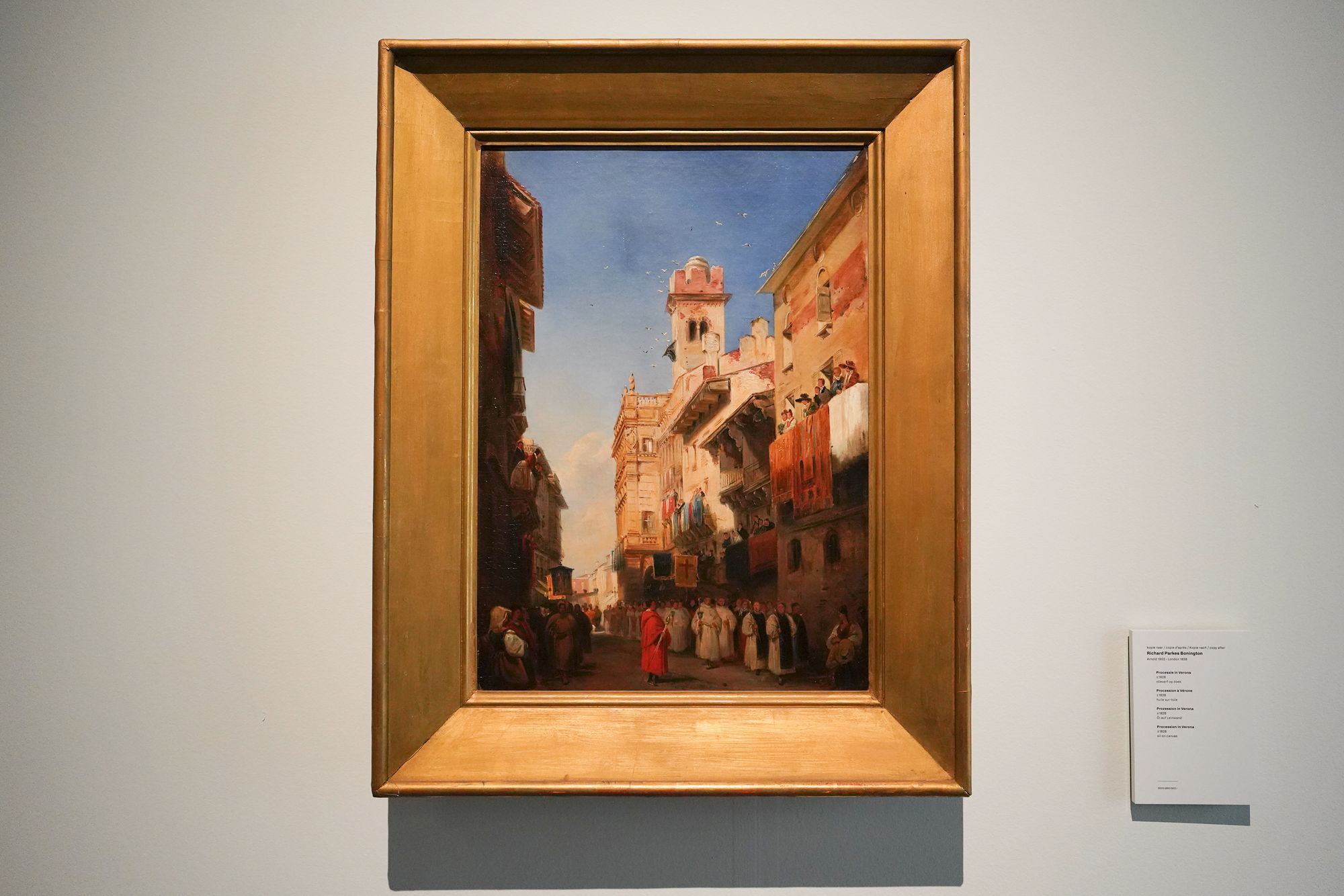
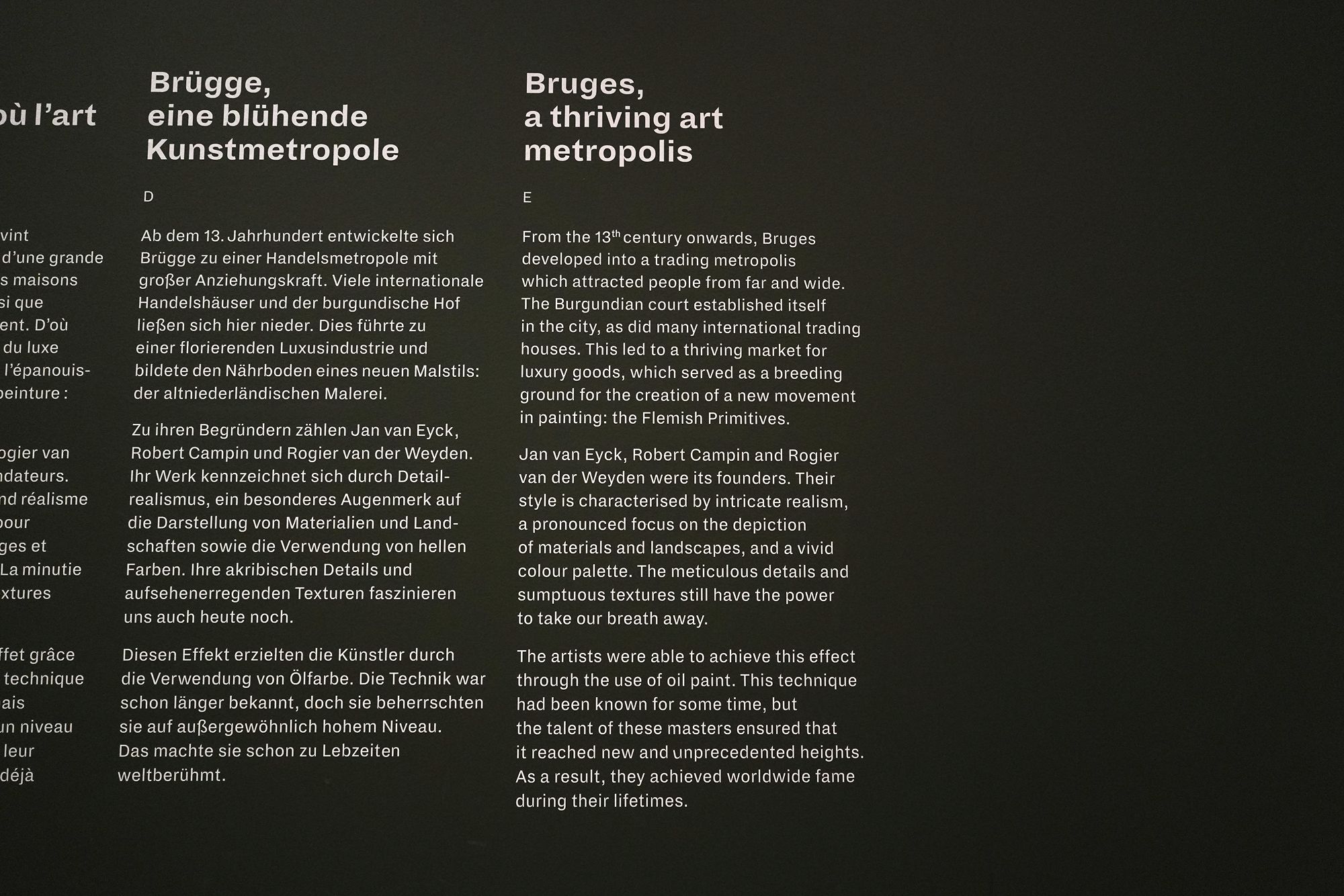
During its medieval golden age, Bruges became both a major trading center and an important center of art. Its wealth and international connections encouraged artists such as Jan van Eyck and helped the Flemish Primitives develop their remarkably detailed and realistic style.
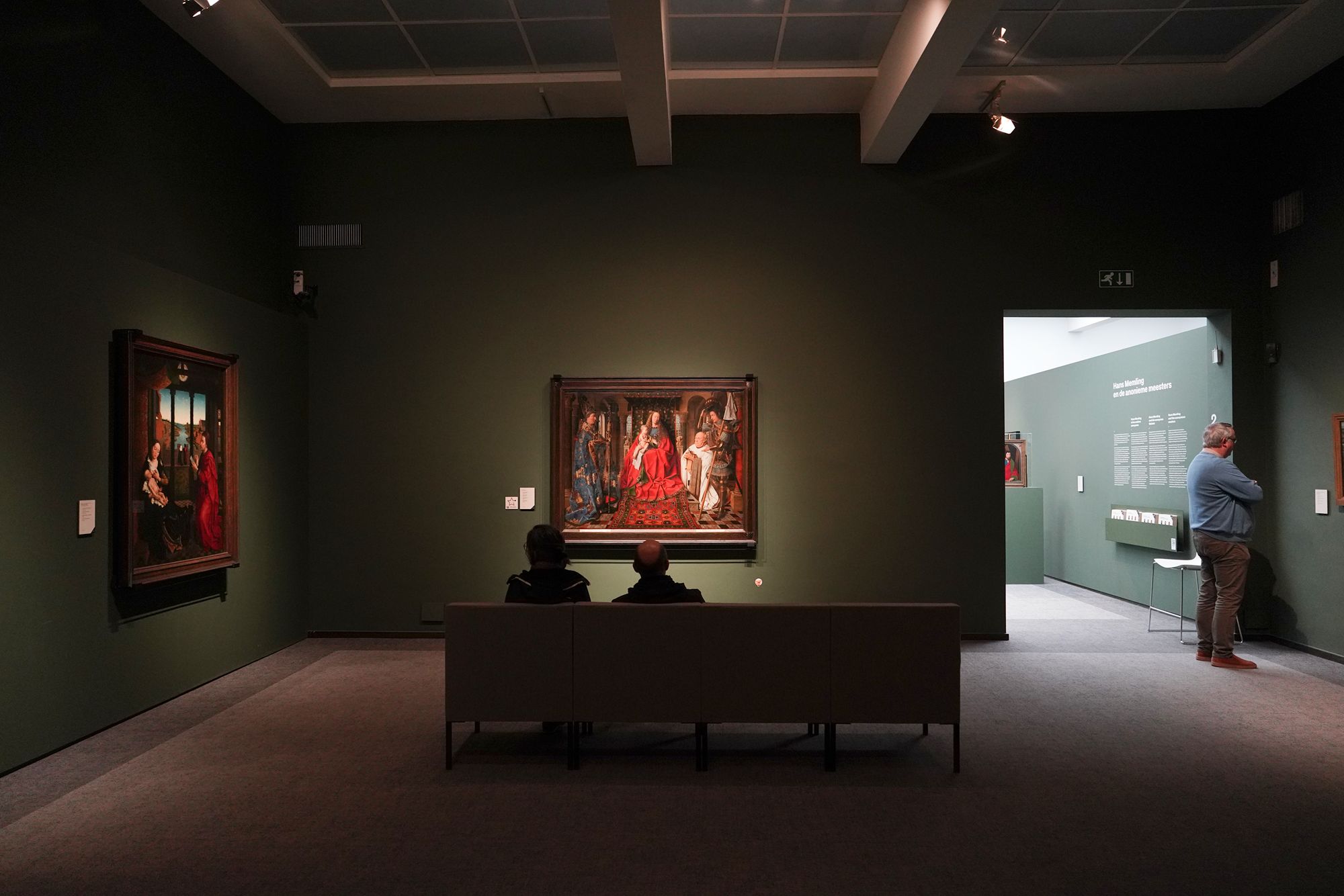
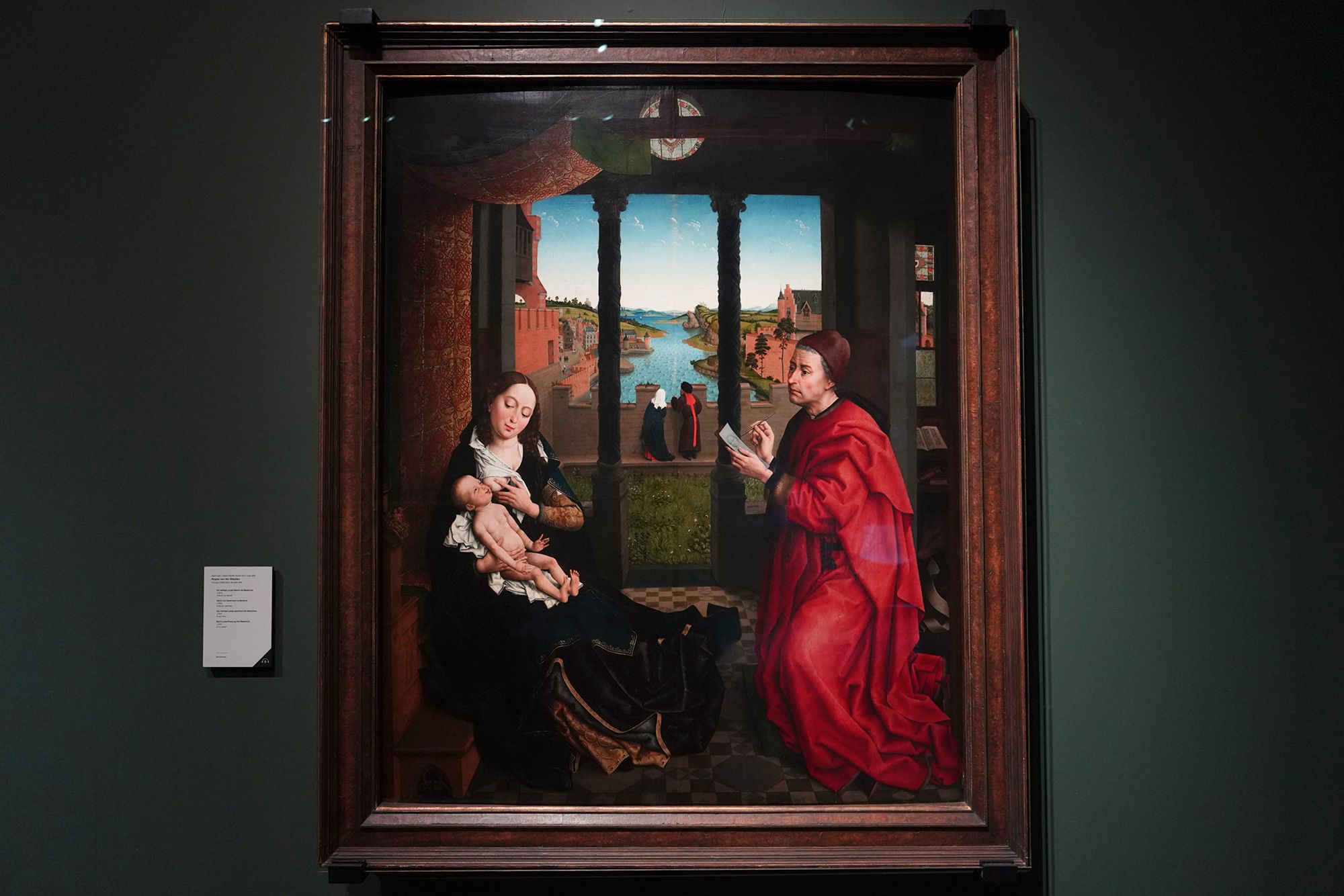
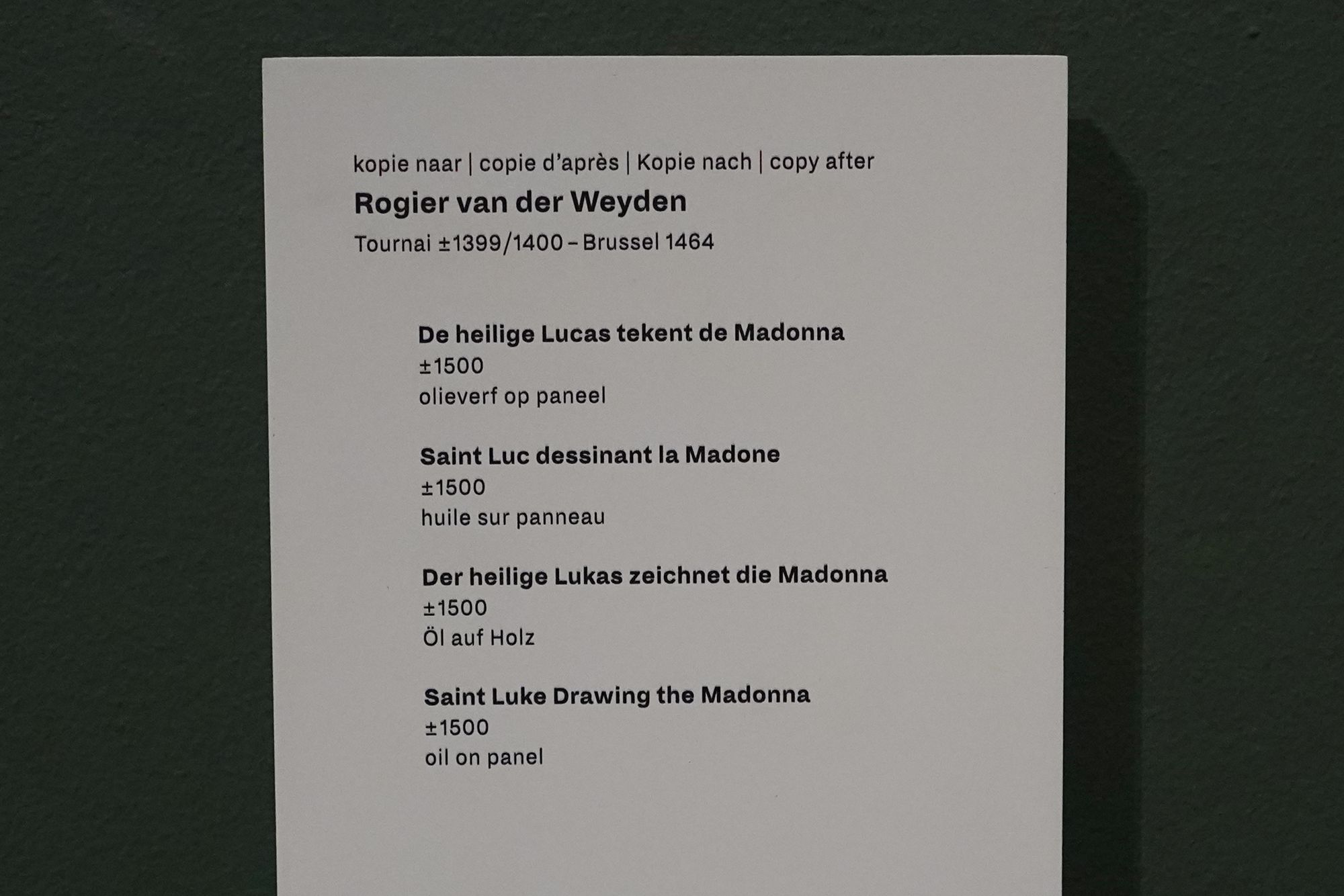
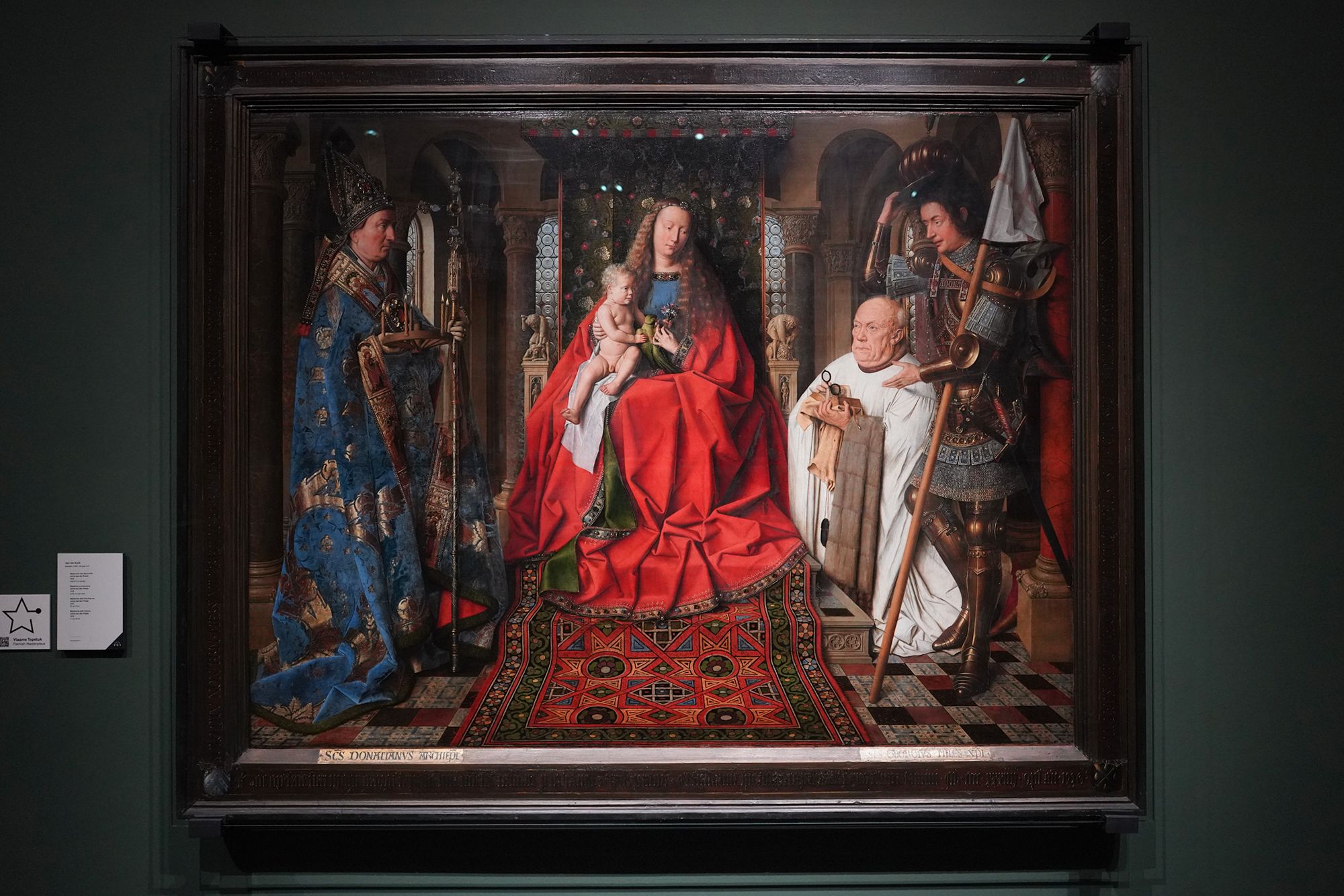
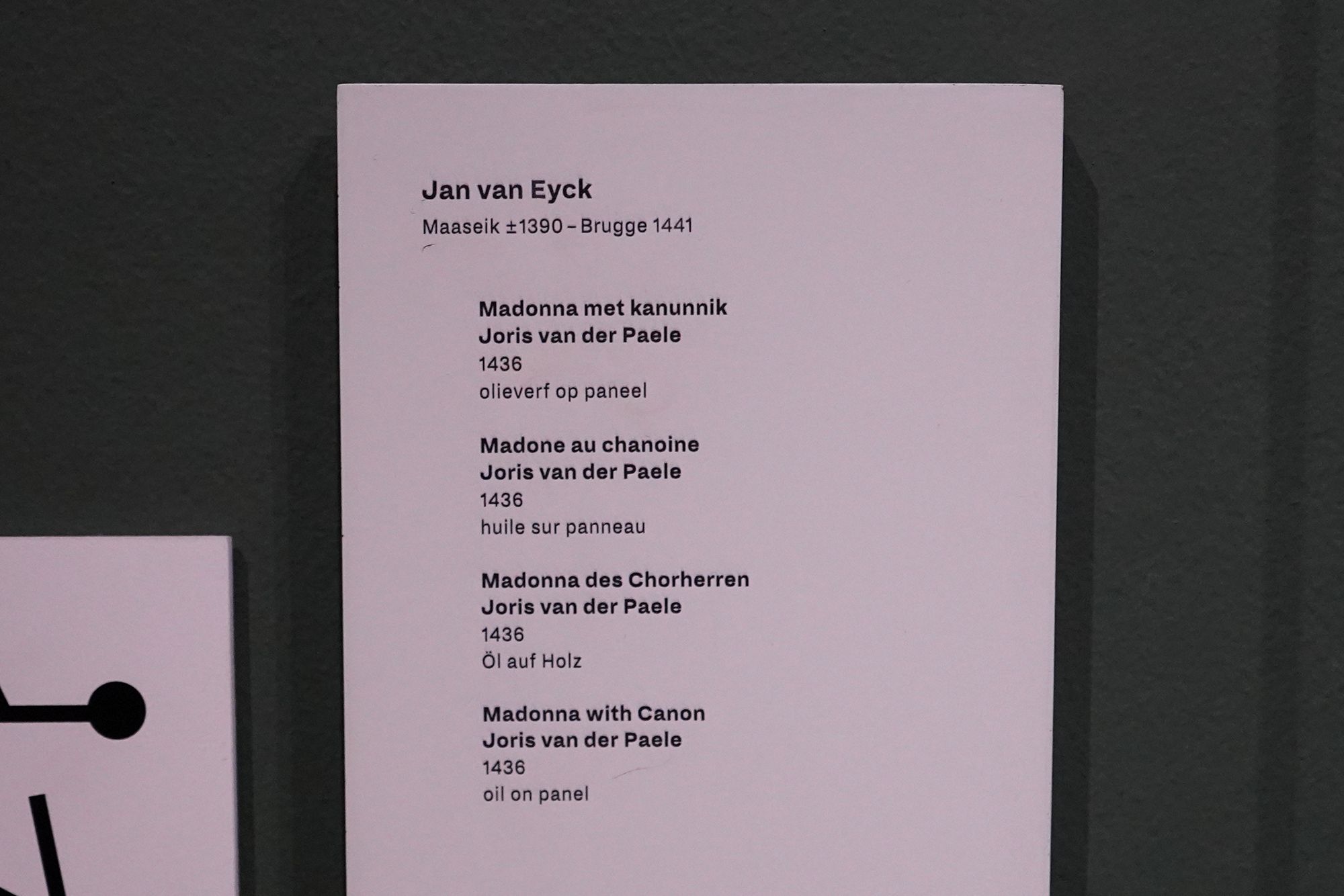
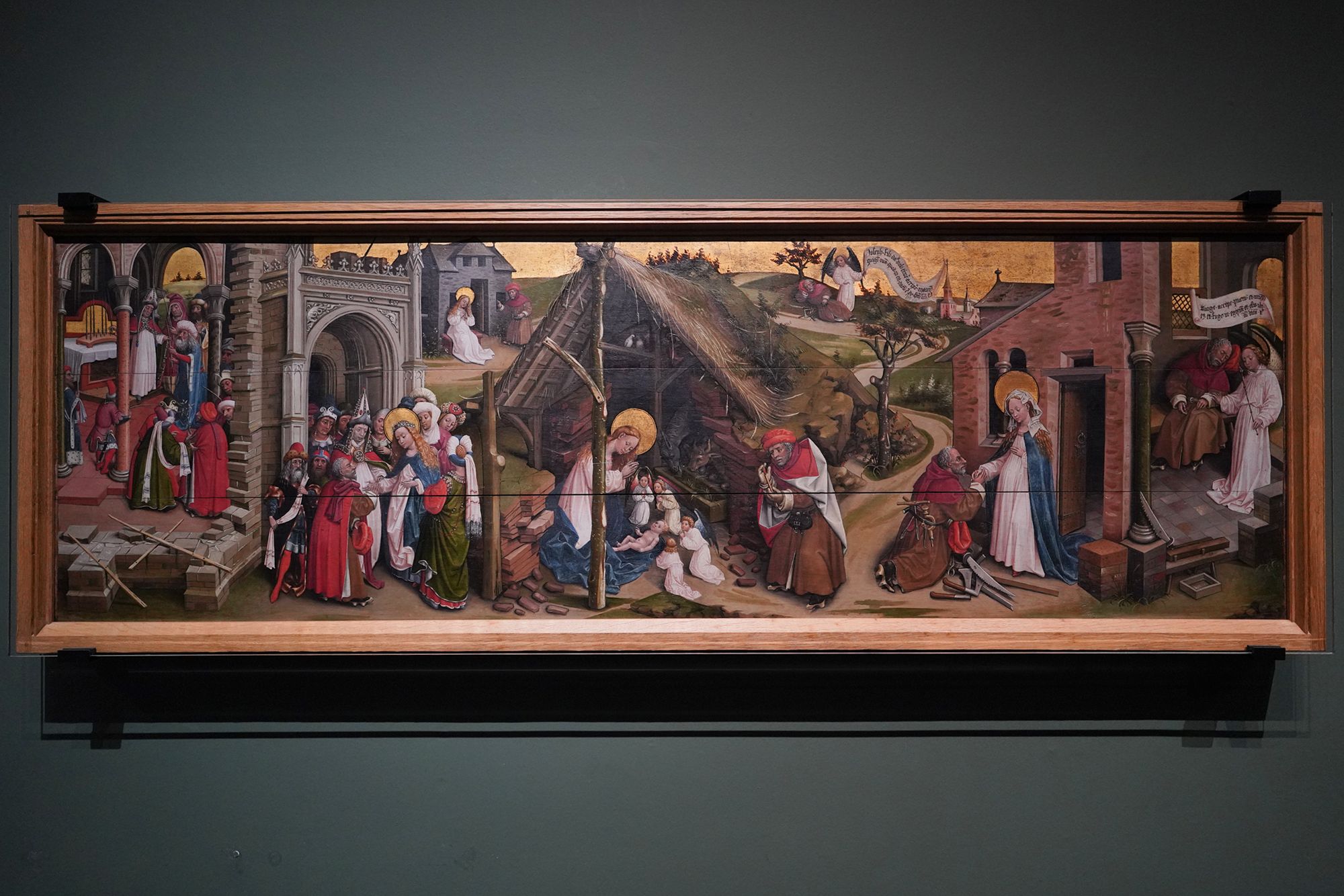
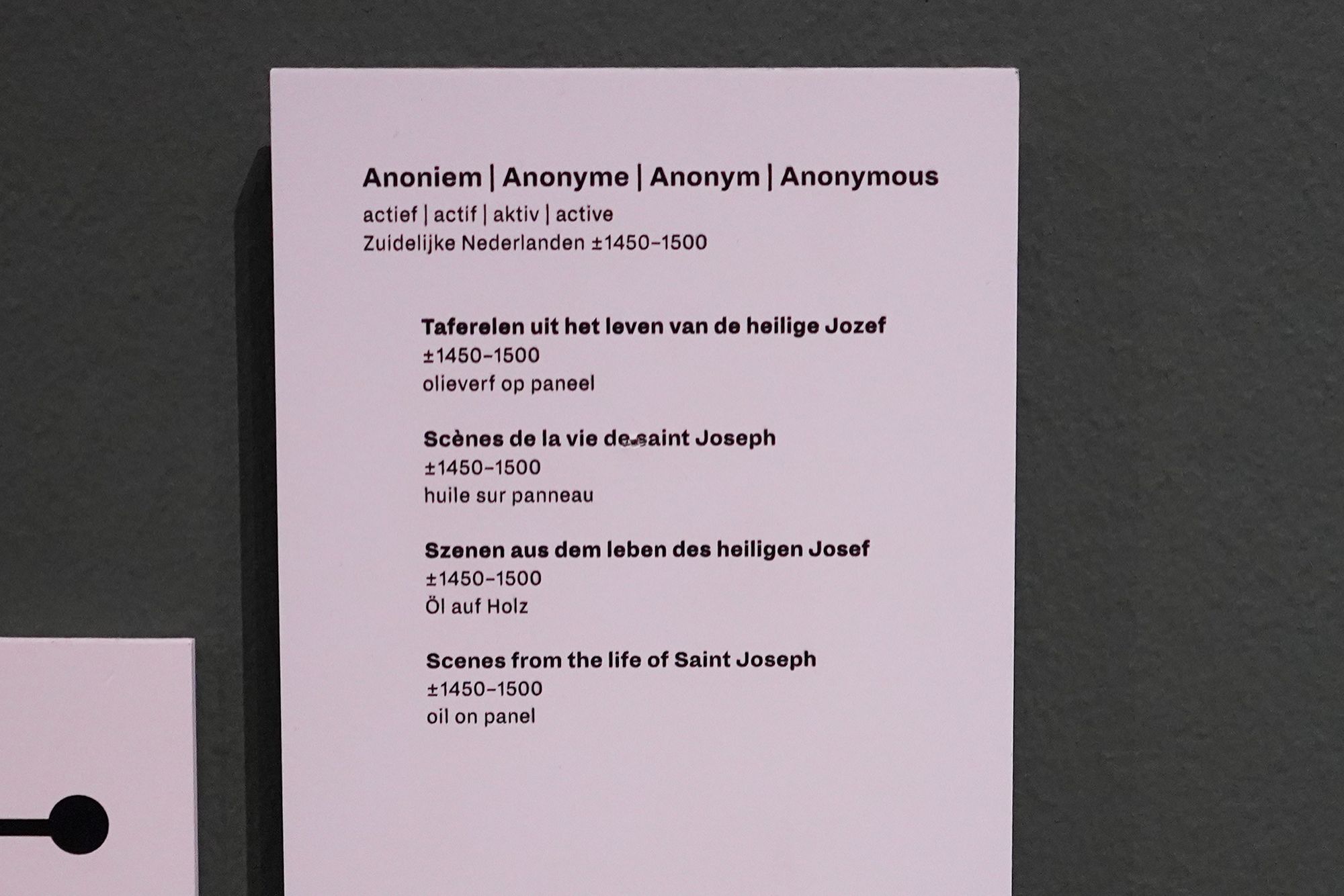
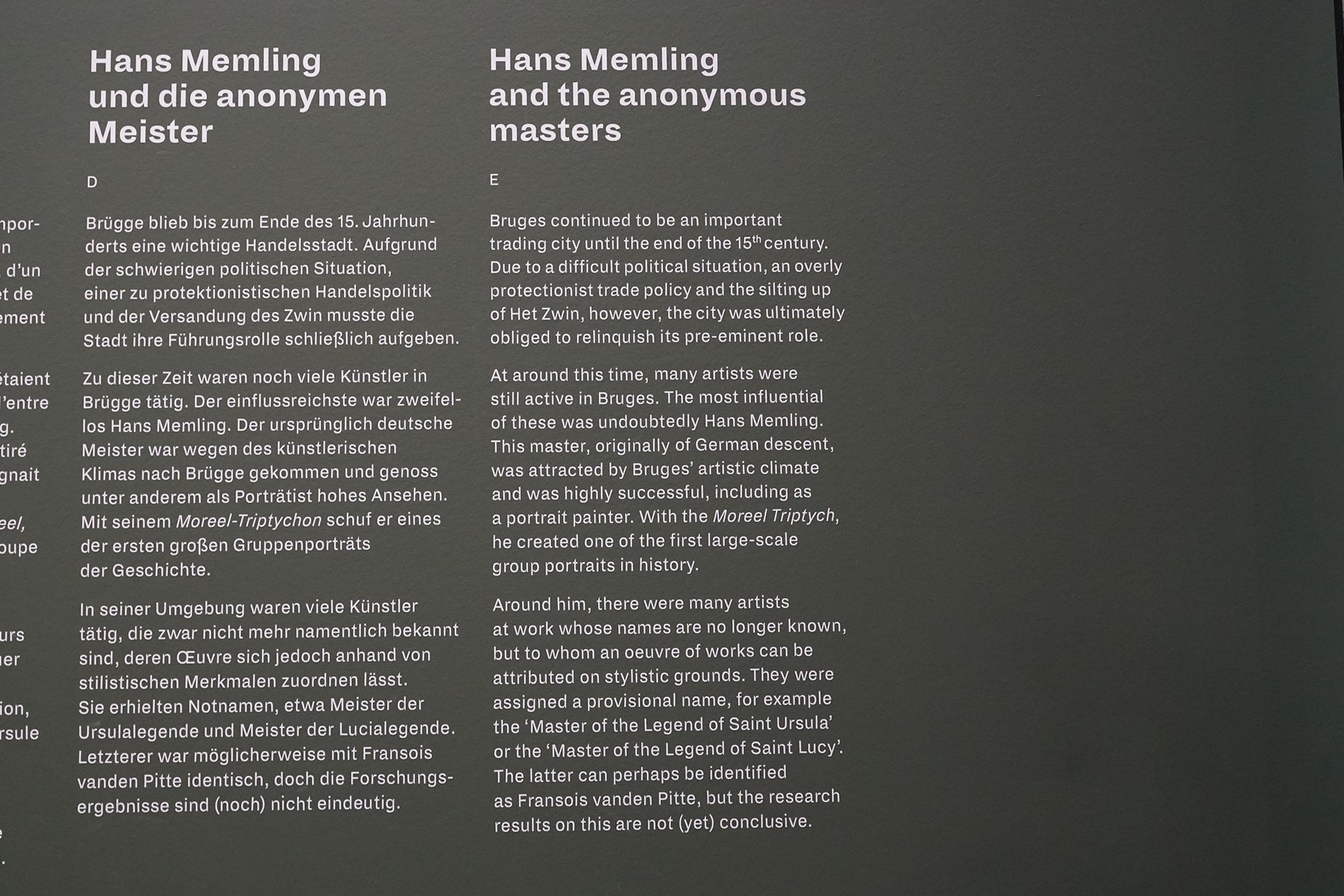
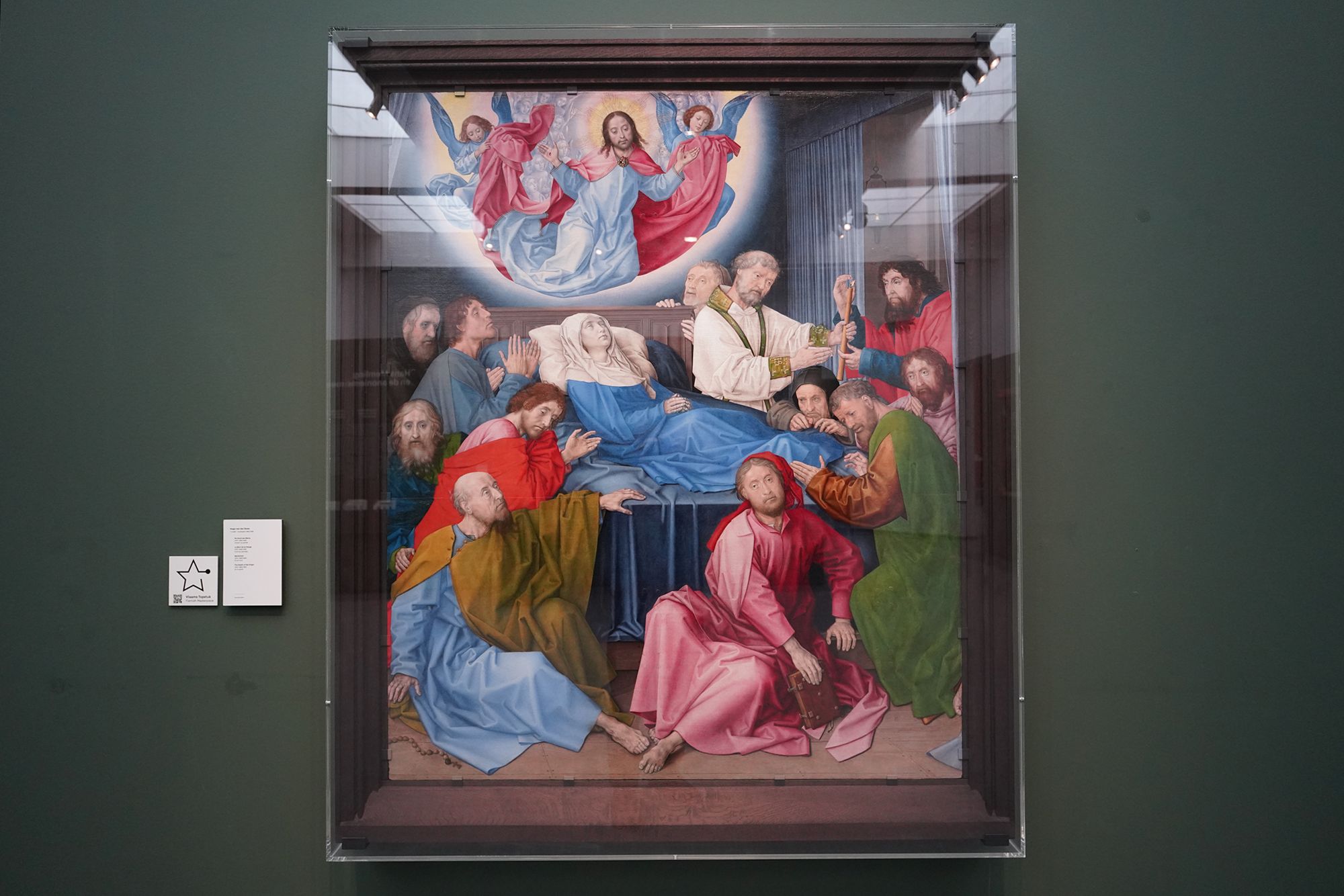
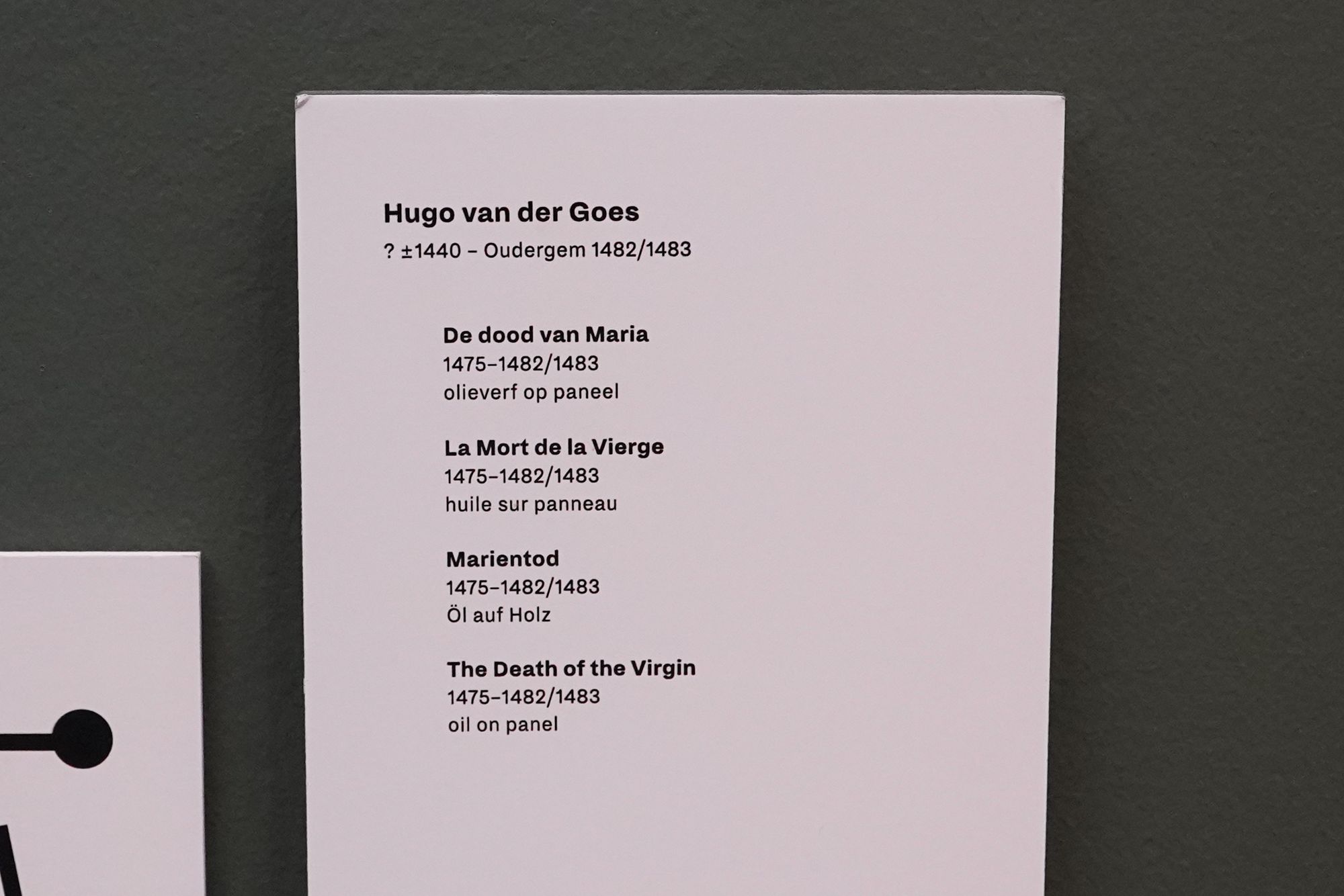
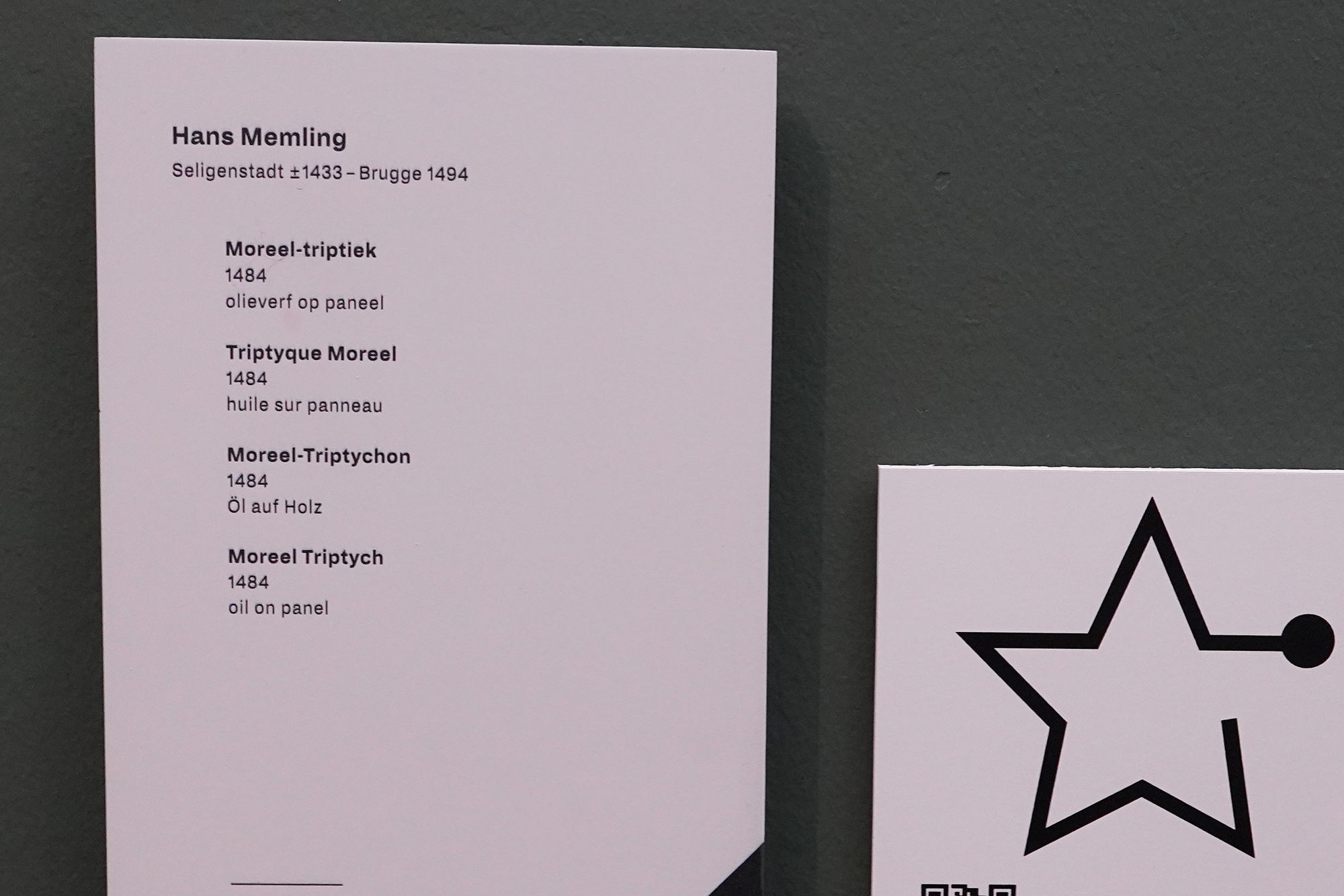
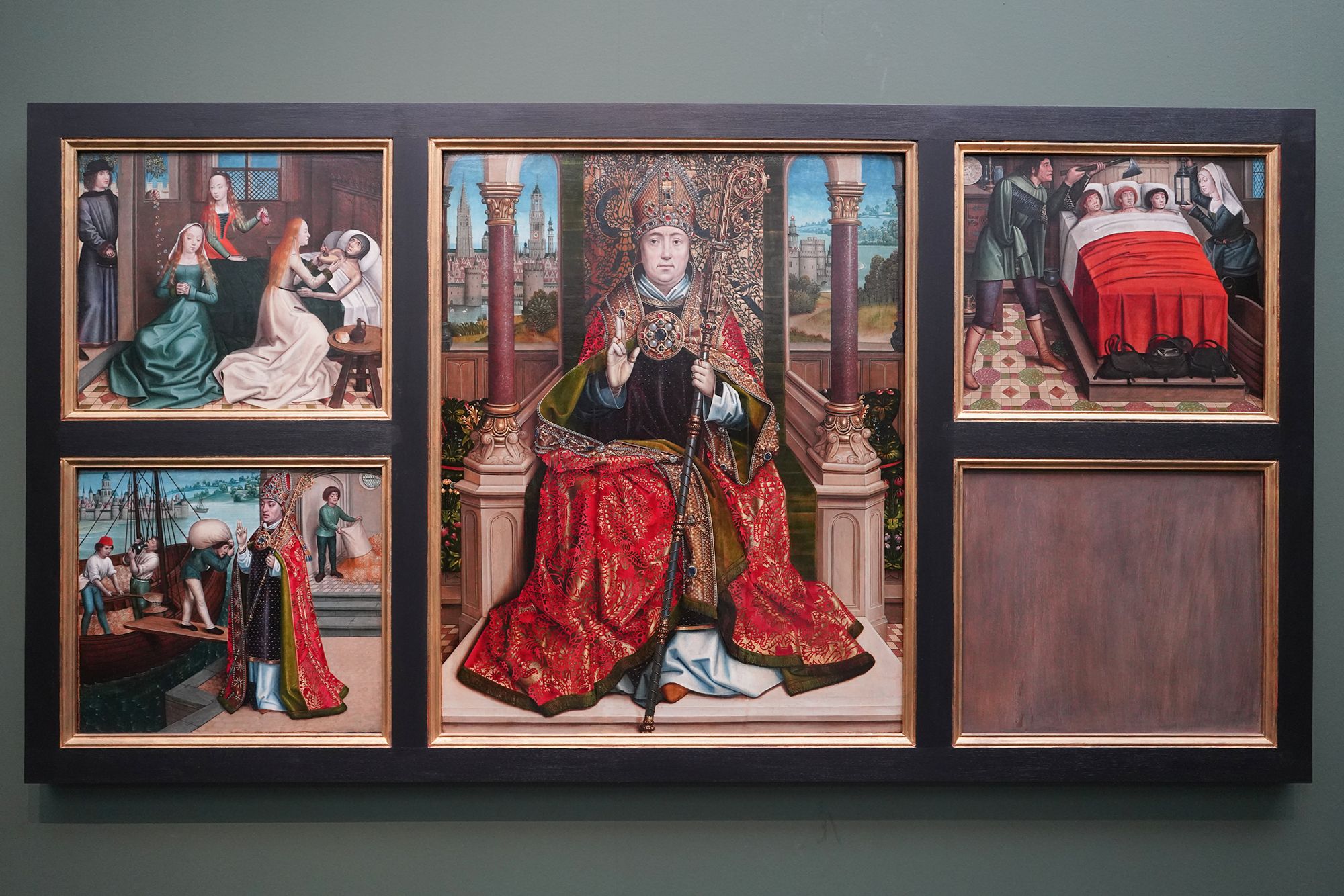
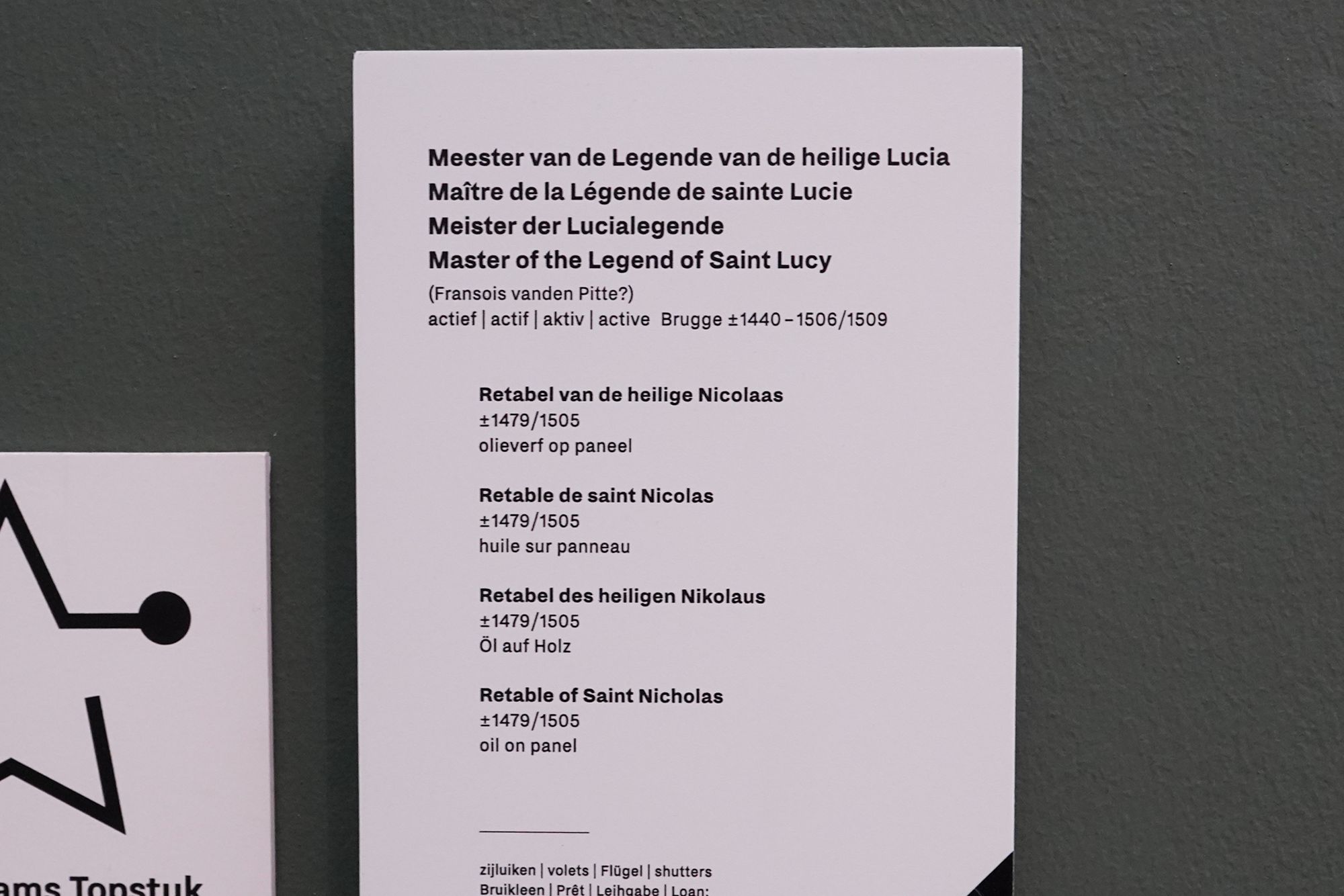
Even as Bruges began losing its importance as a trading center in the late 15th century, it remained an important center of art. Hans Memling became one of its leading painters, while many other talented artists remain anonymous and are known today only by names assigned by art historians.
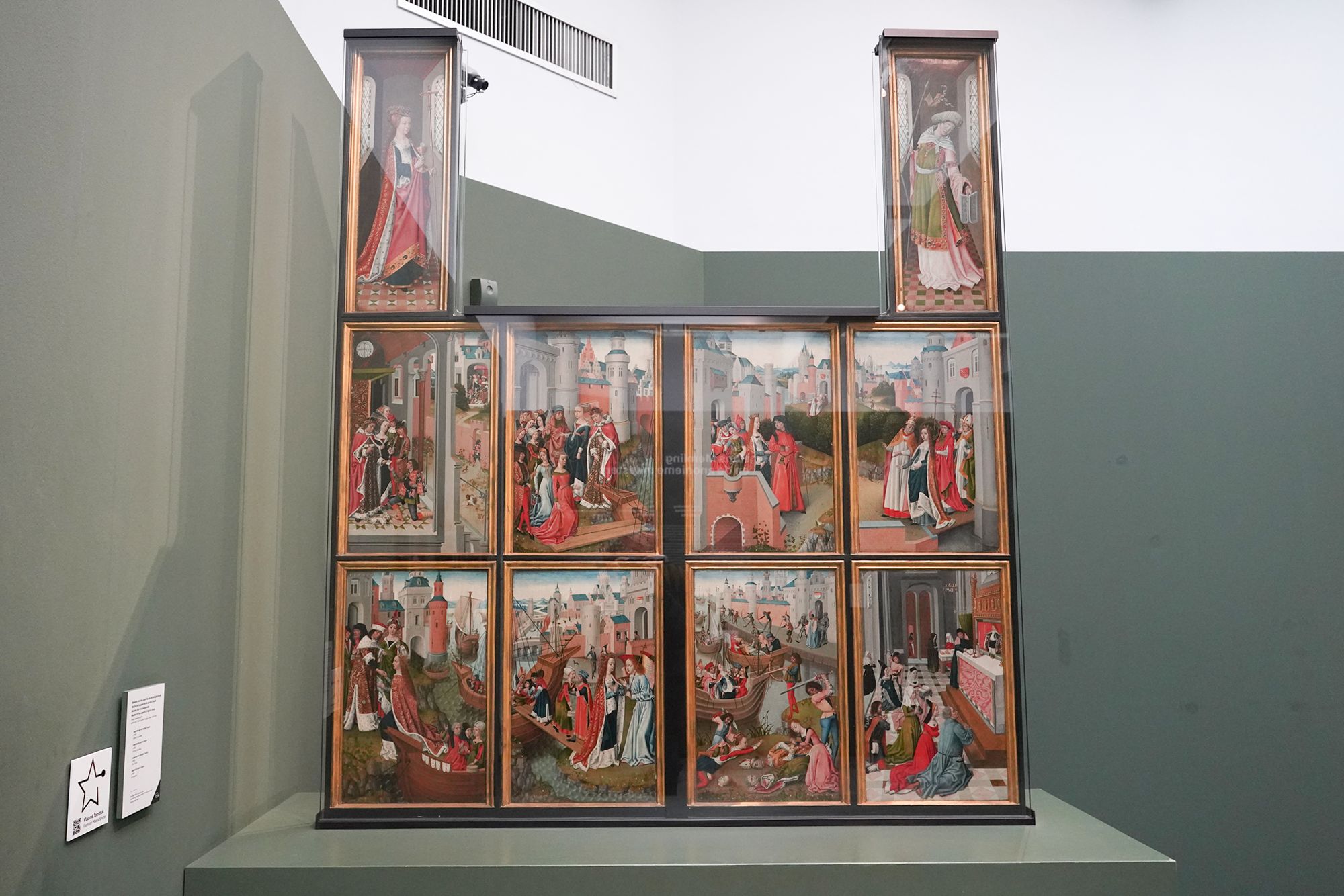
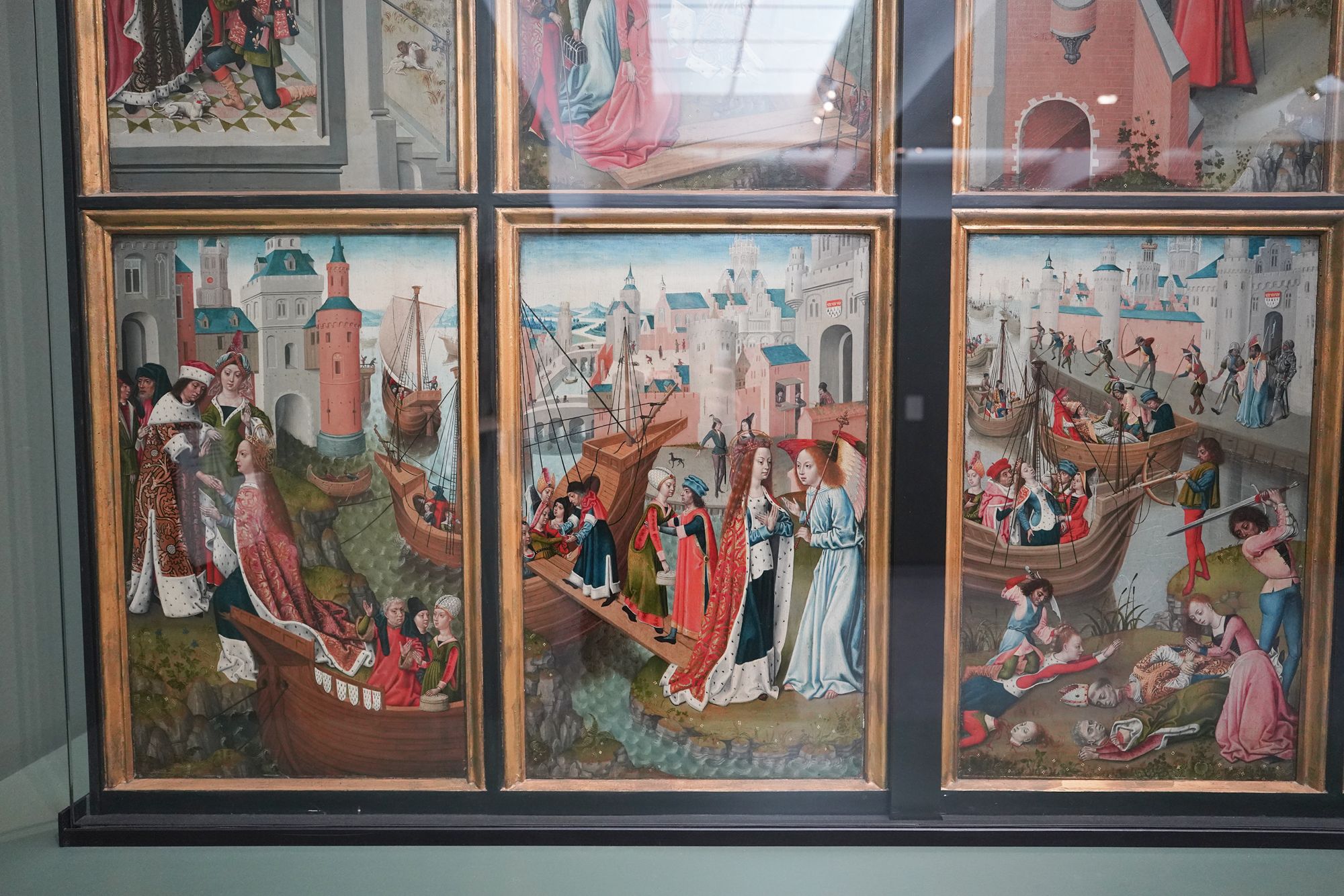
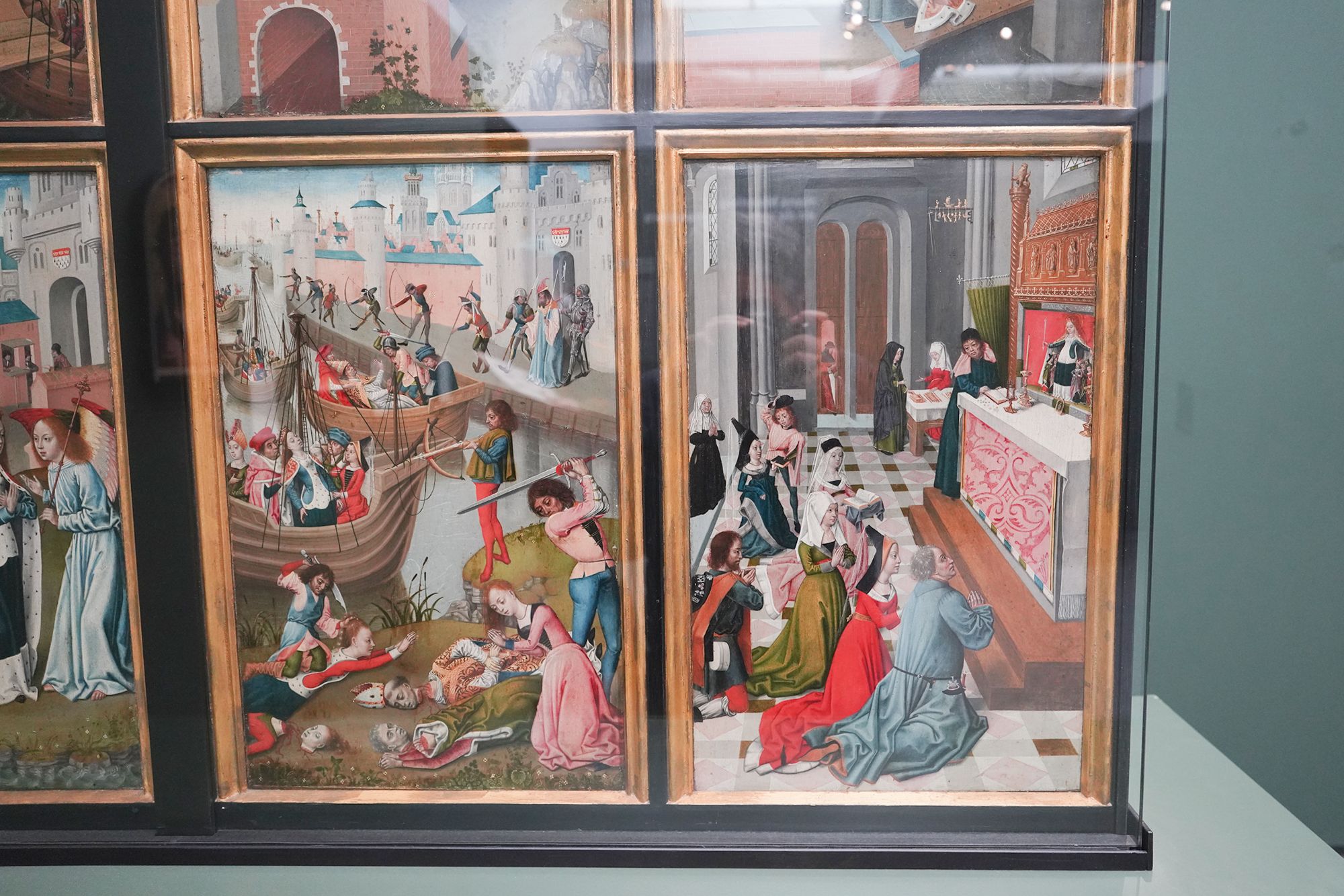
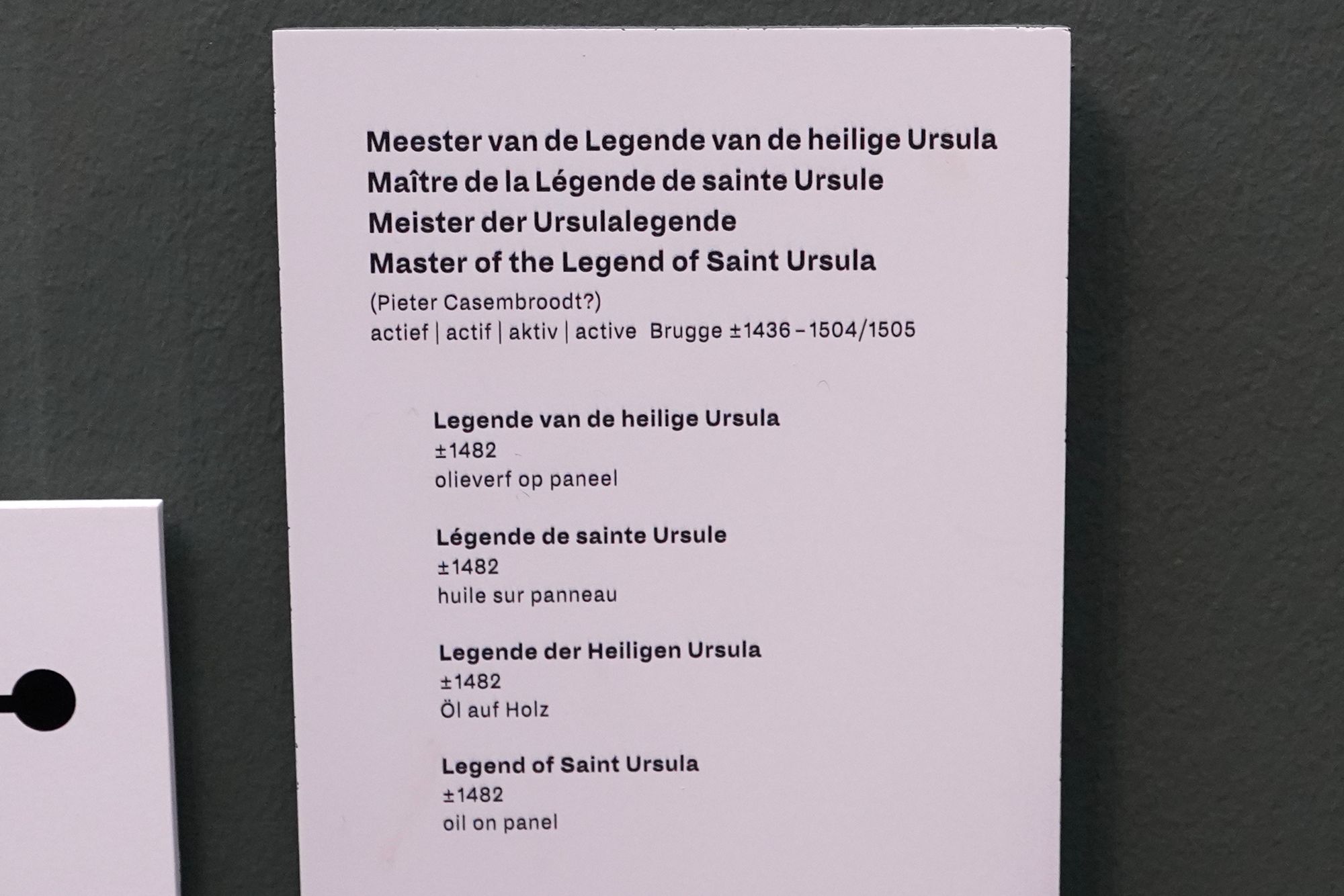
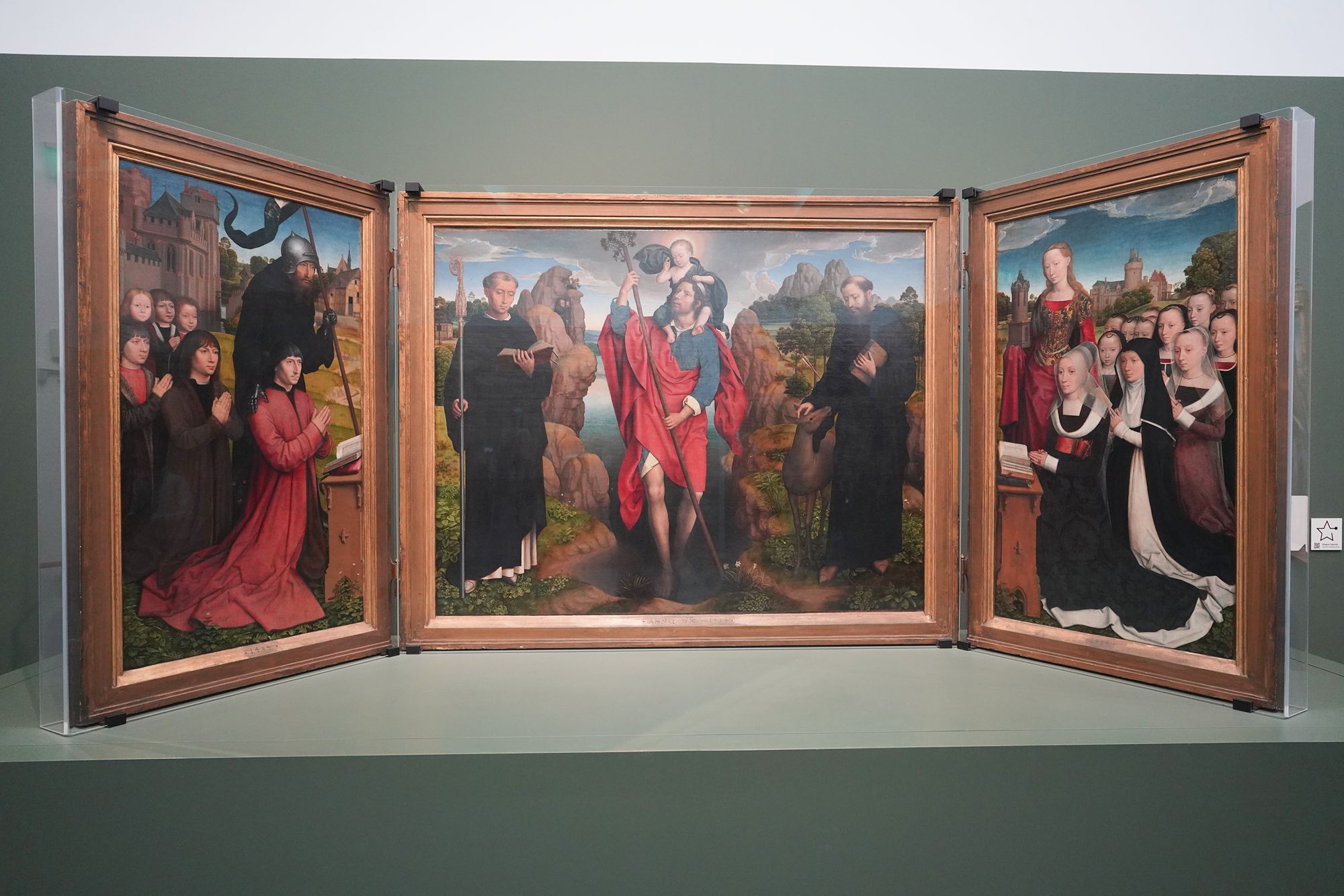
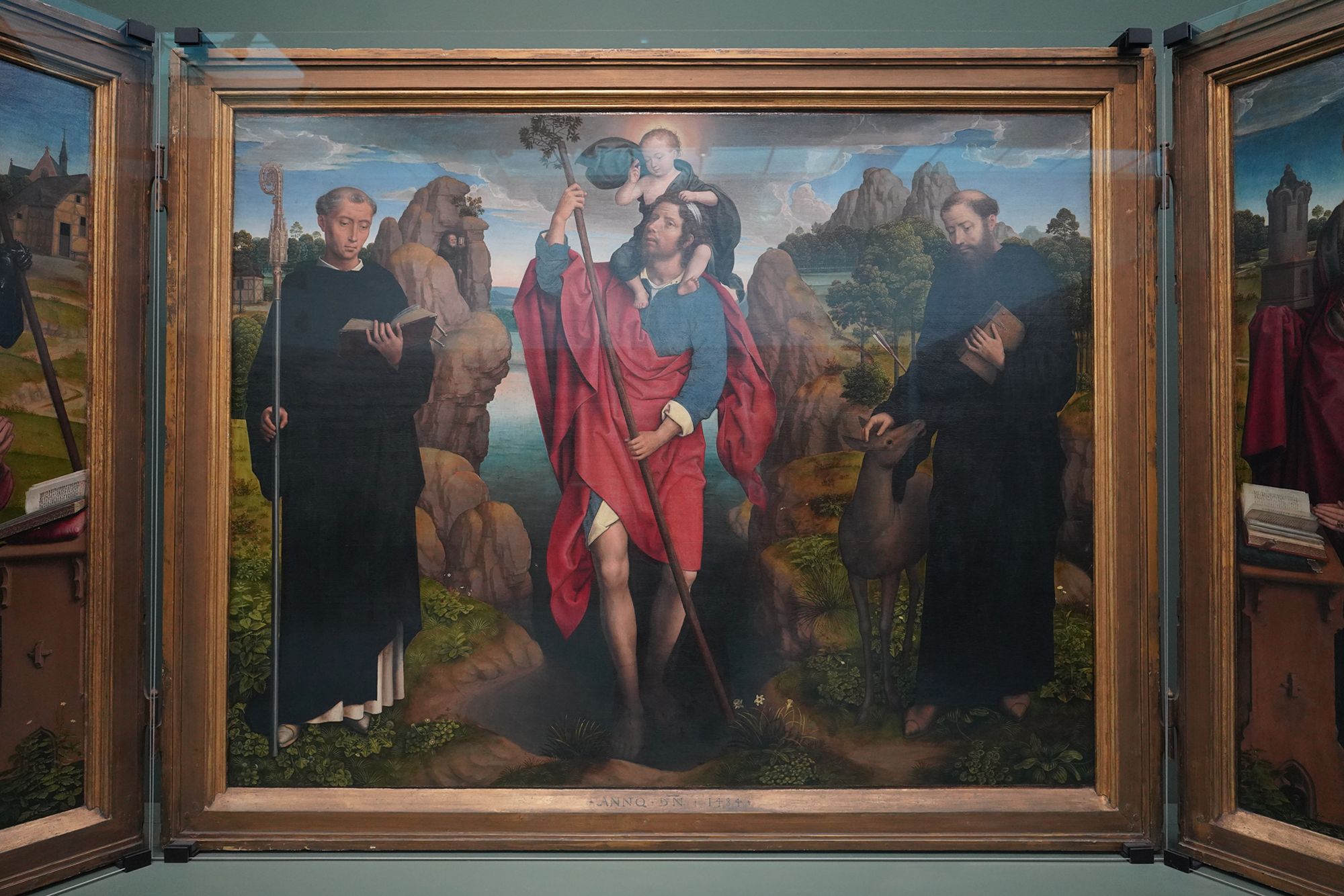
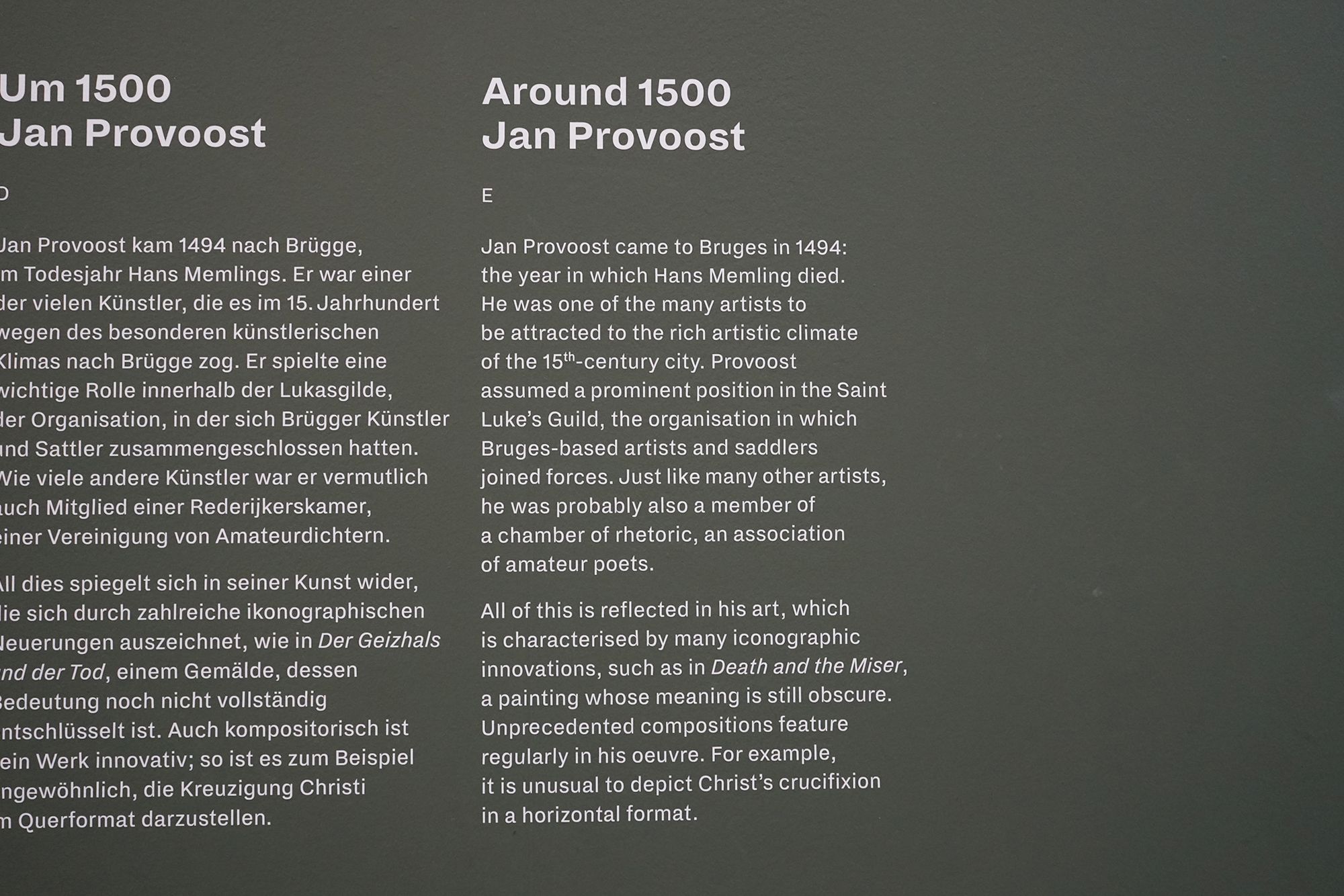
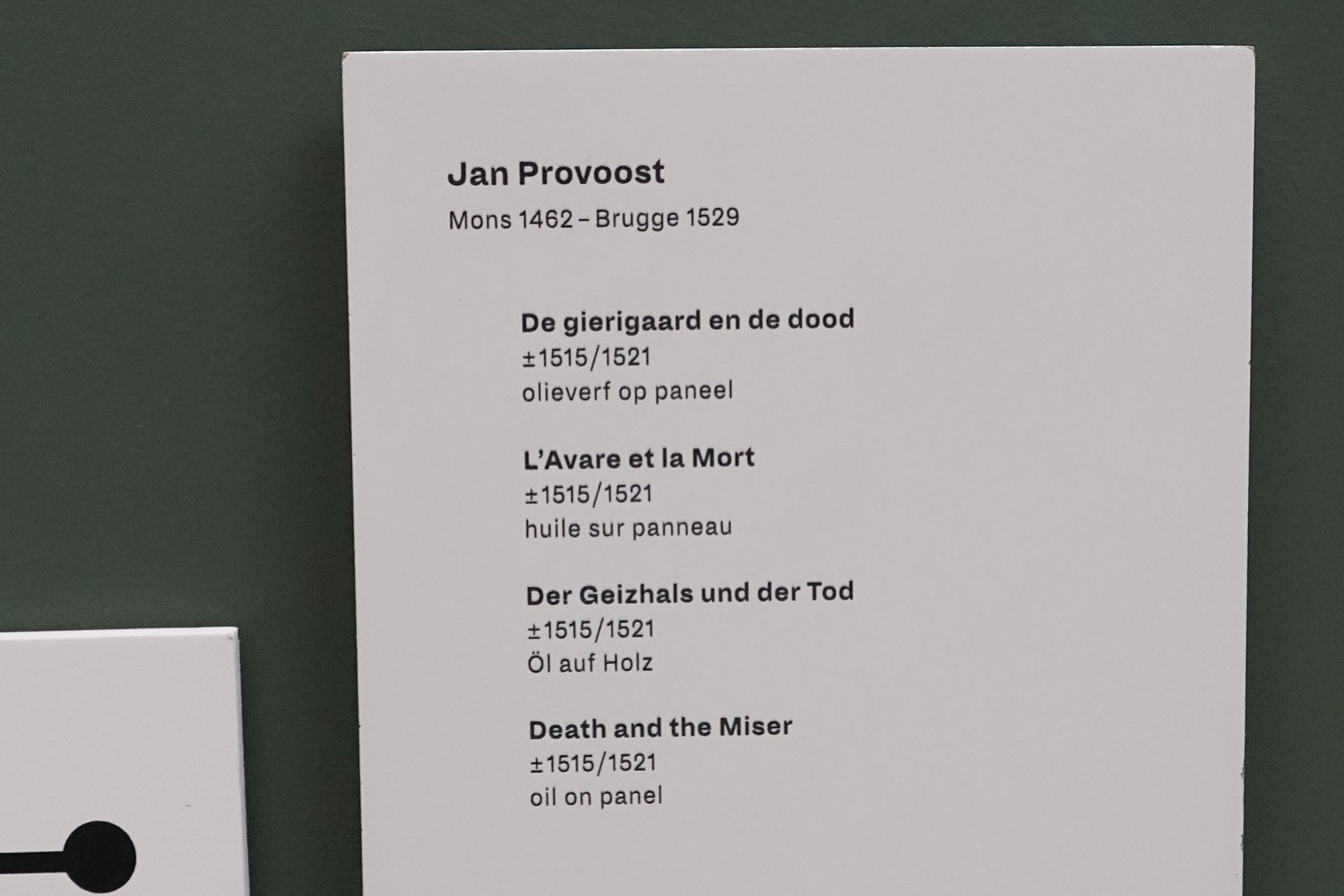
Around 1500, Jan Provoost emerged as an important painter in Bruges, continuing the city’s strong artistic tradition after Hans Memling. His paintings were known for their unusual compositions and innovative religious imagery, showing how Flemish art continued to evolve beyond the great masters of the 15th century.
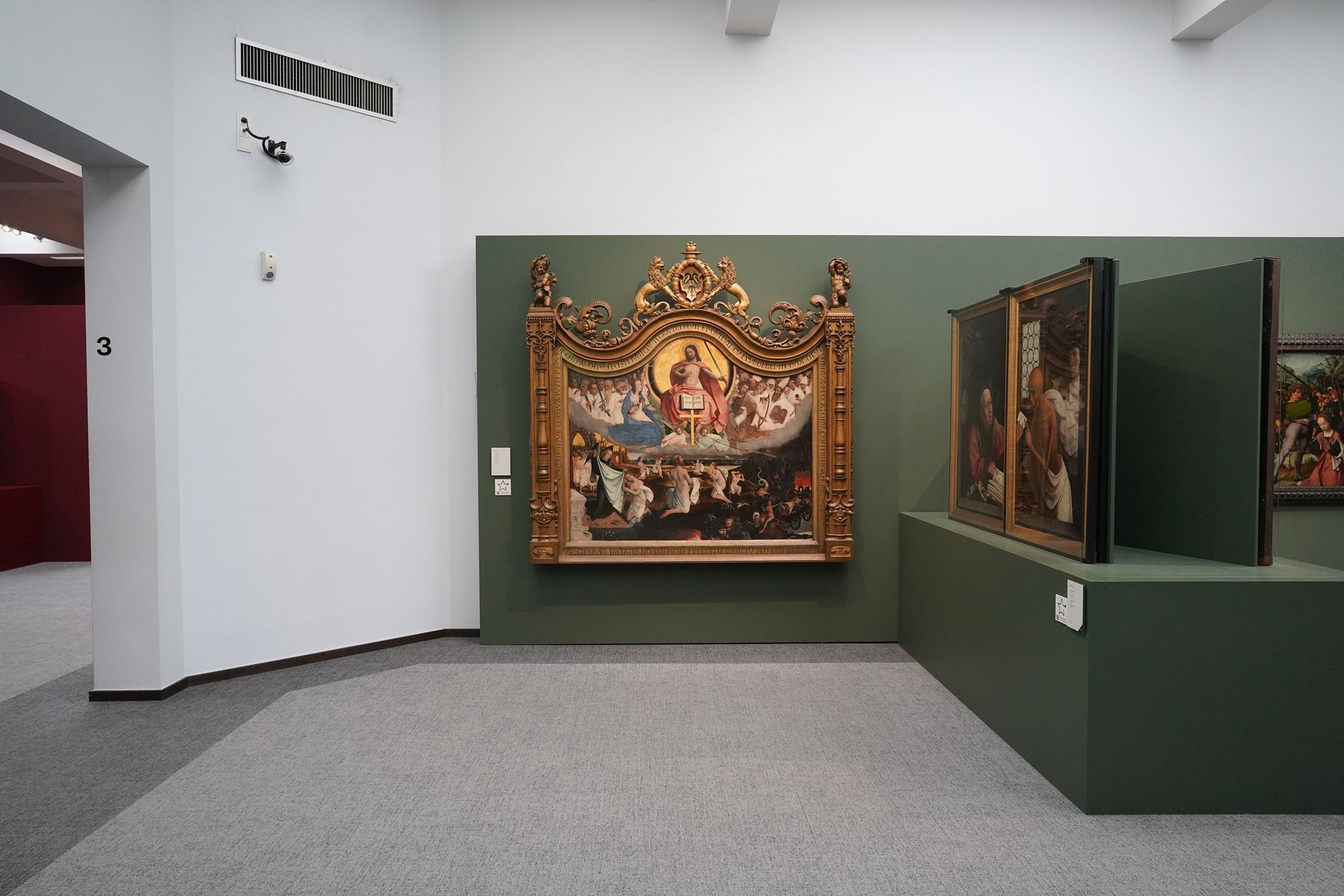
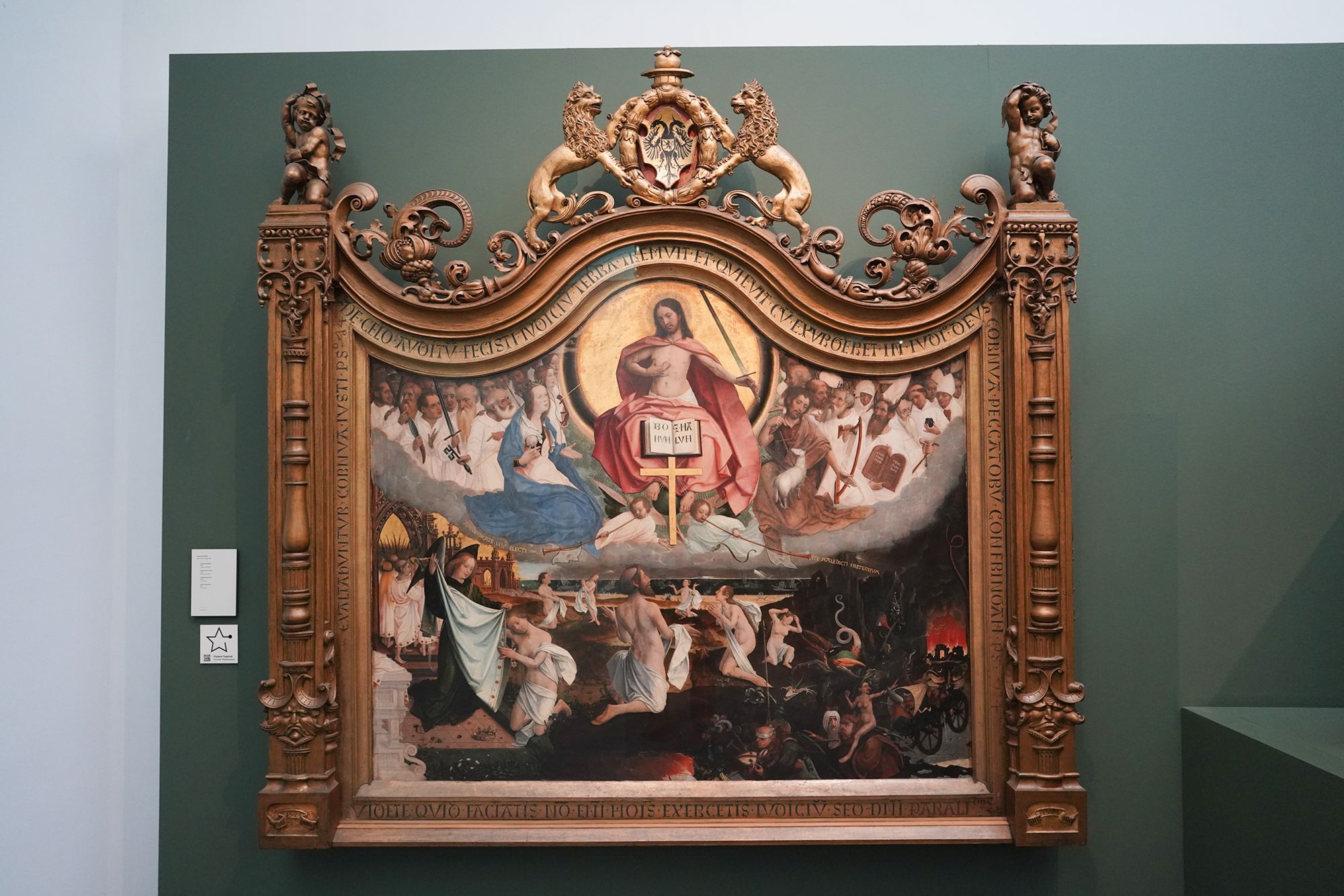
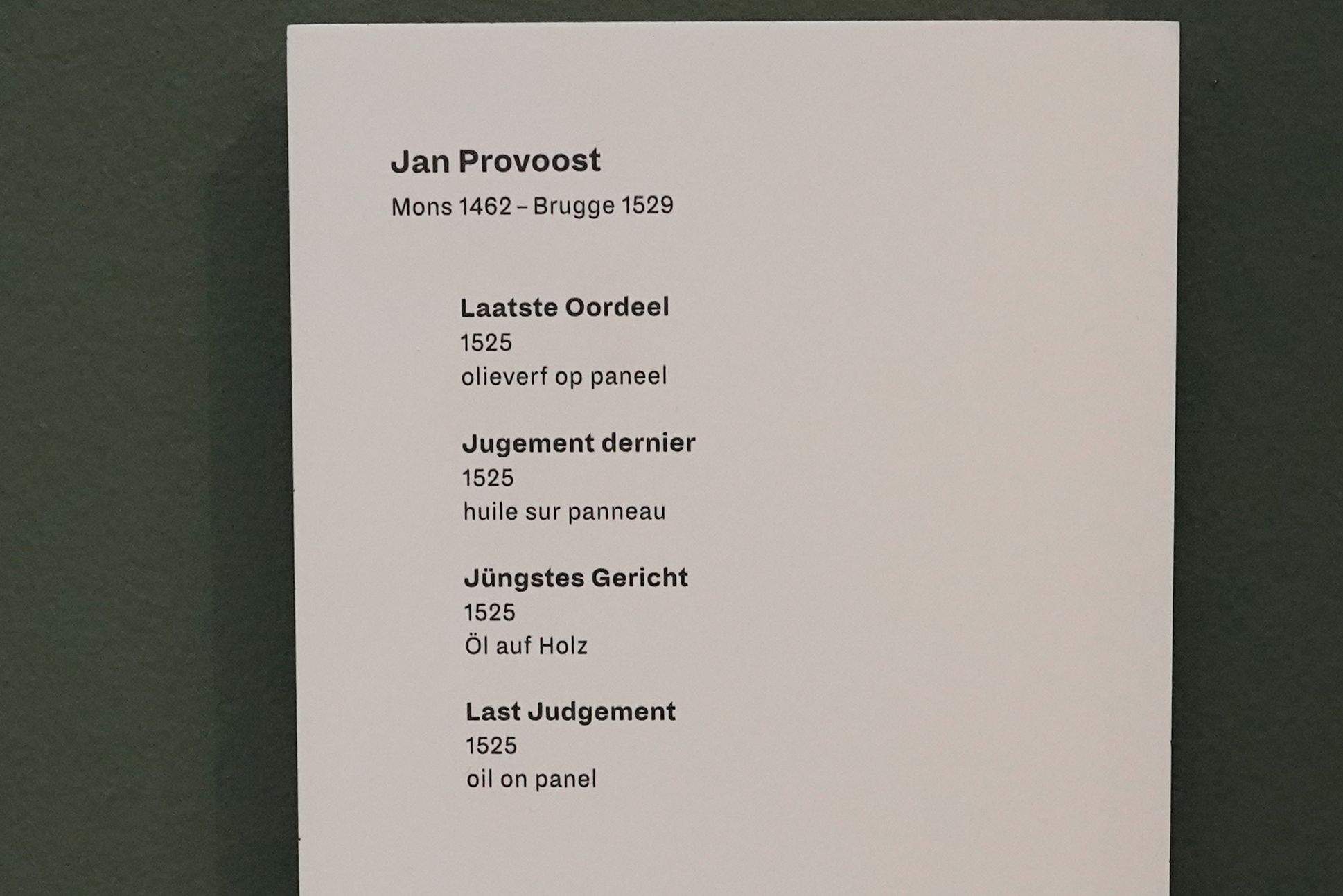
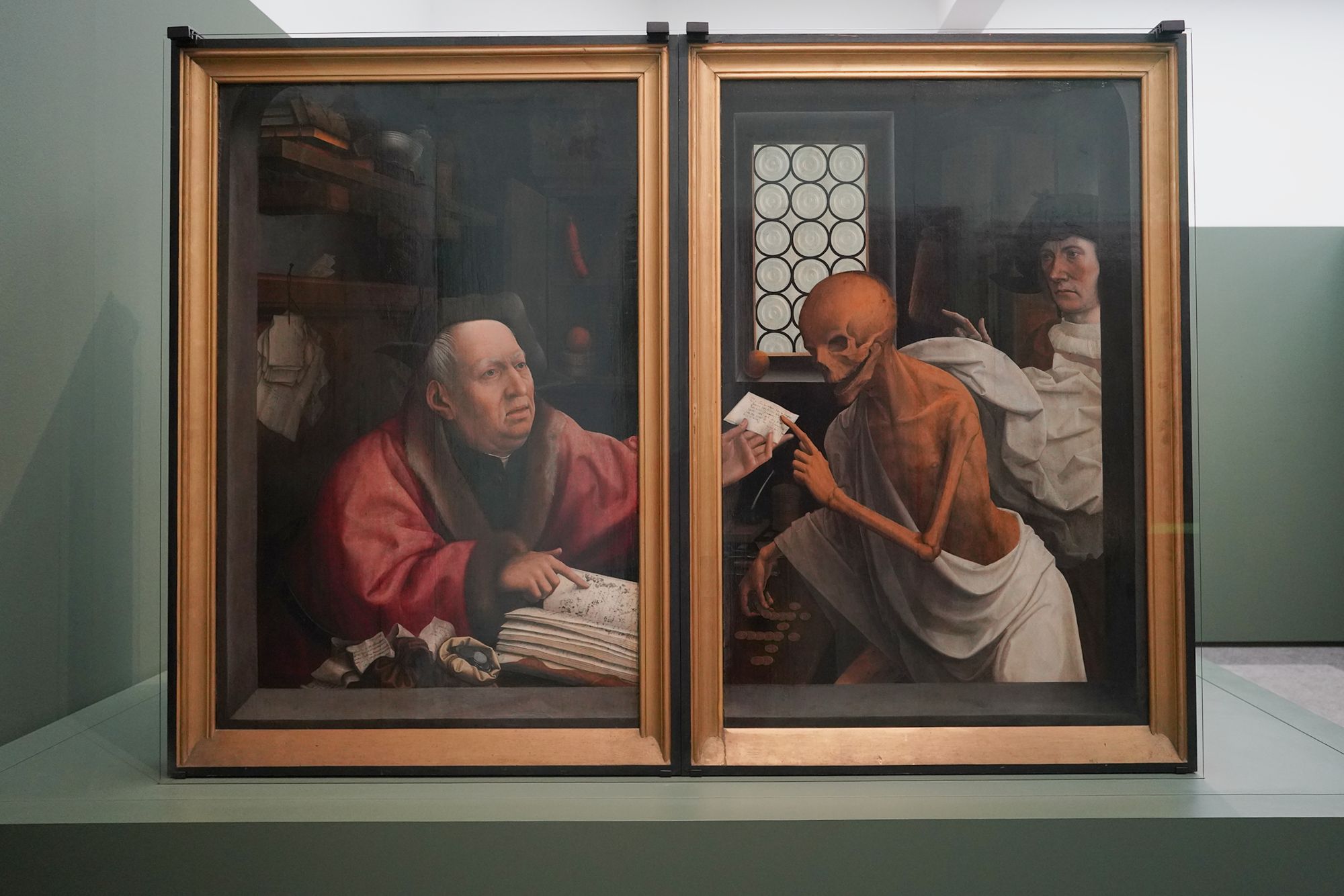
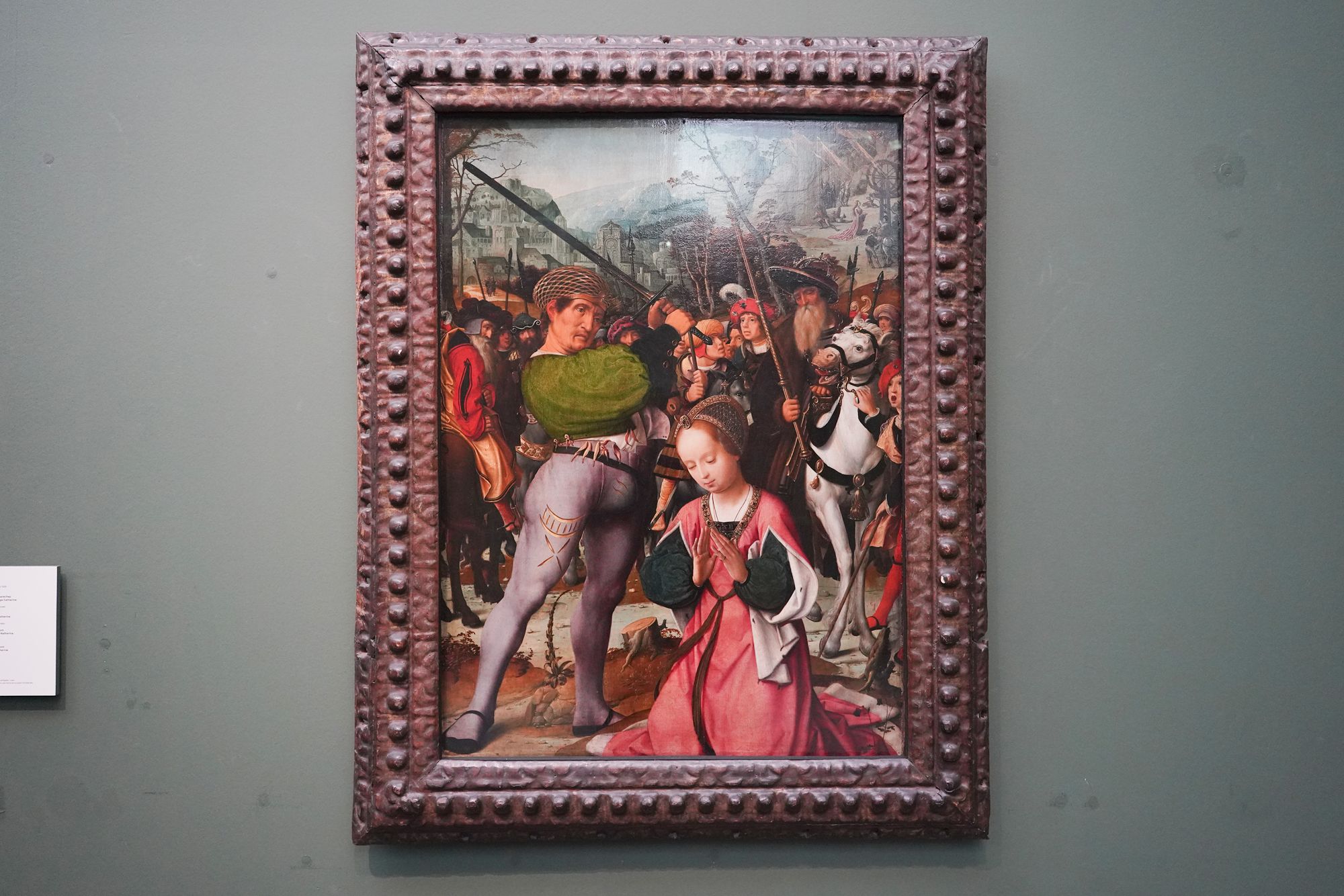
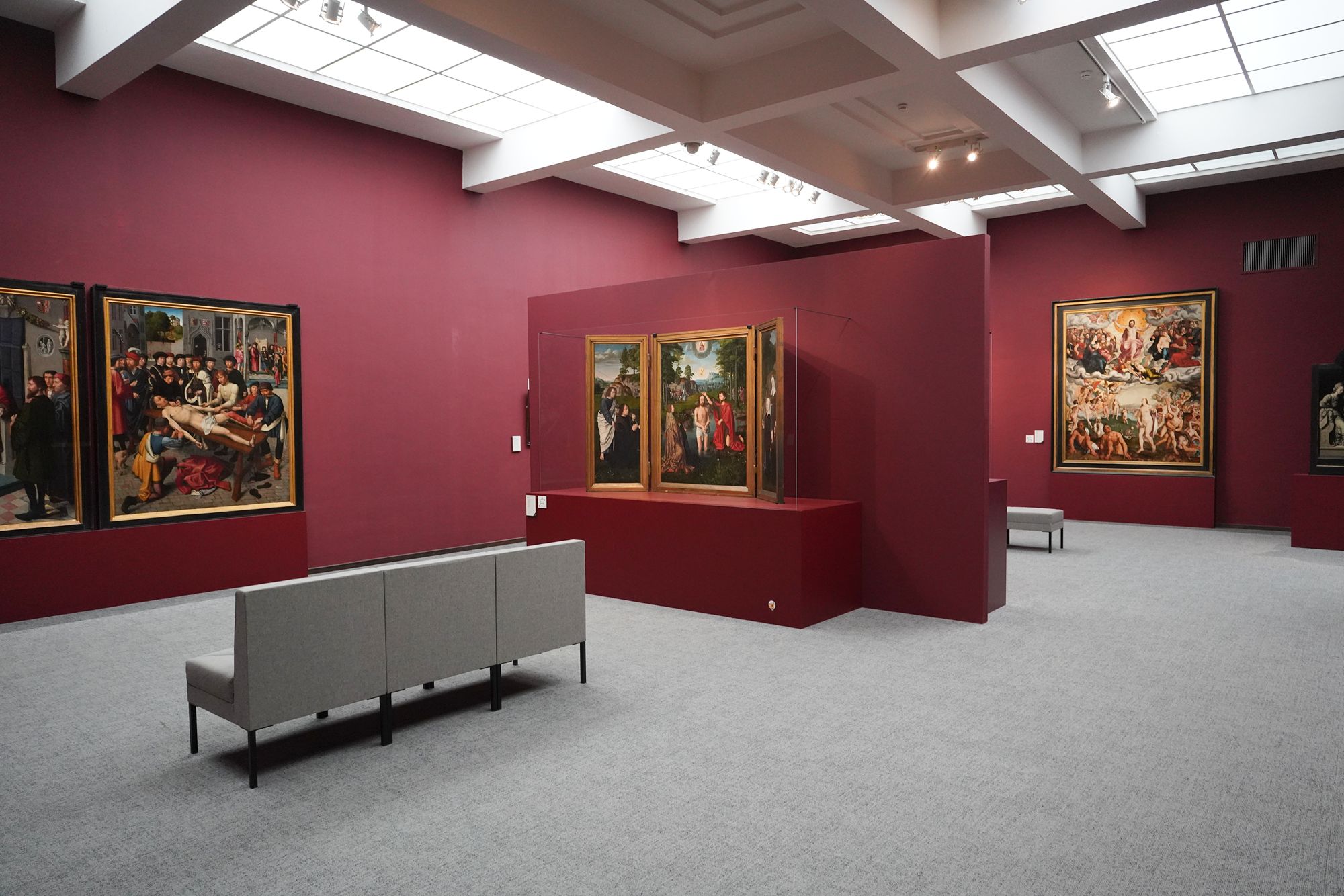
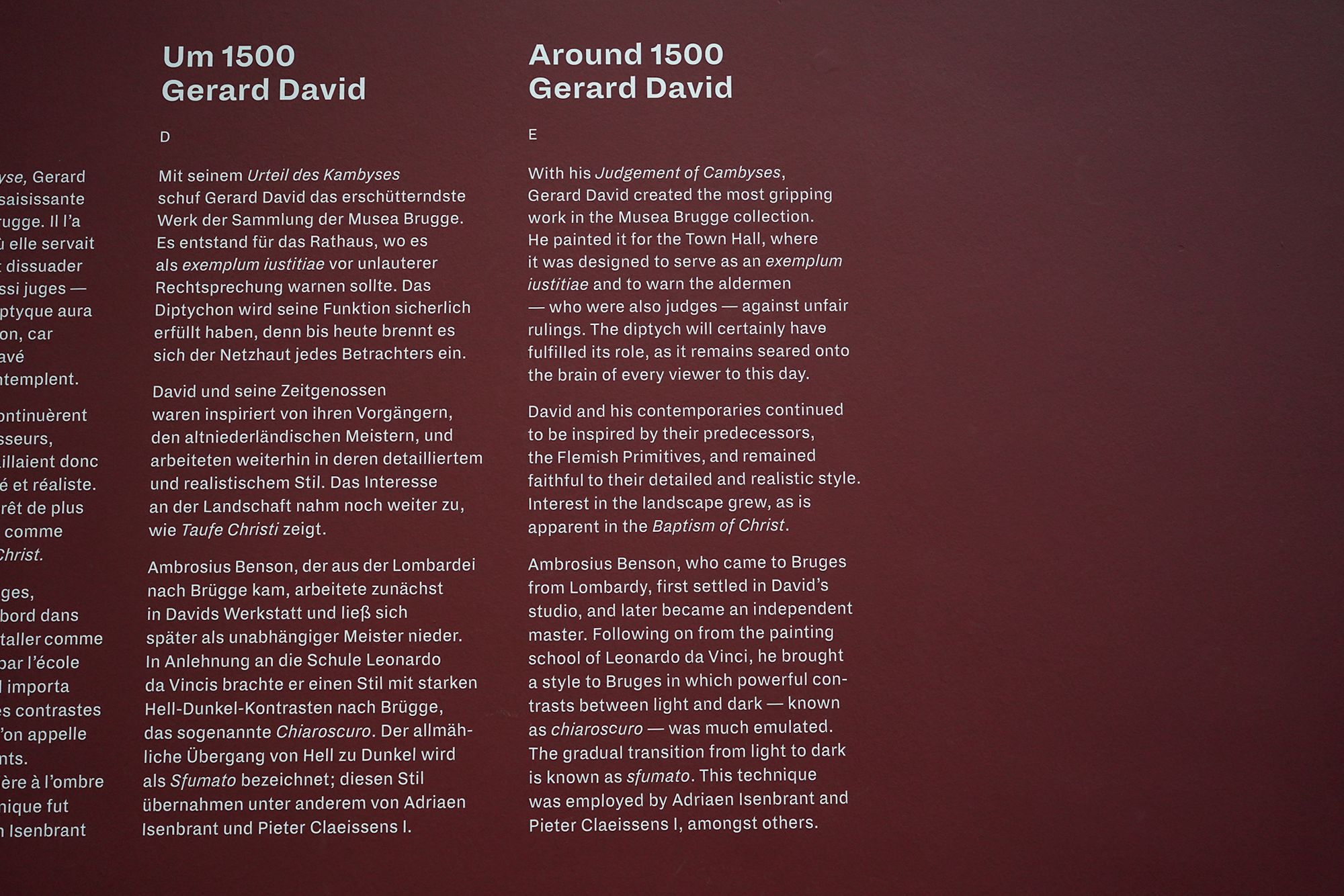
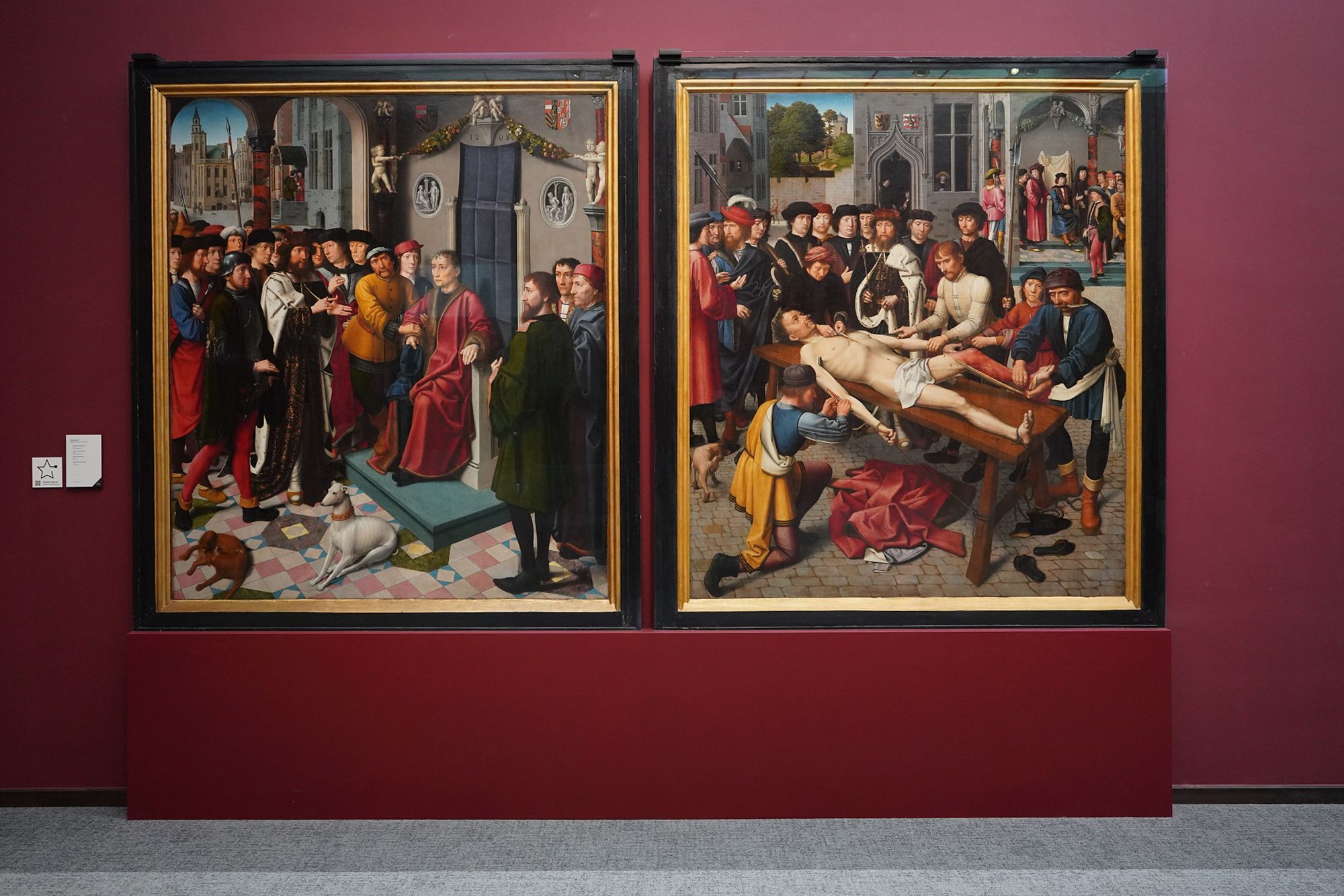
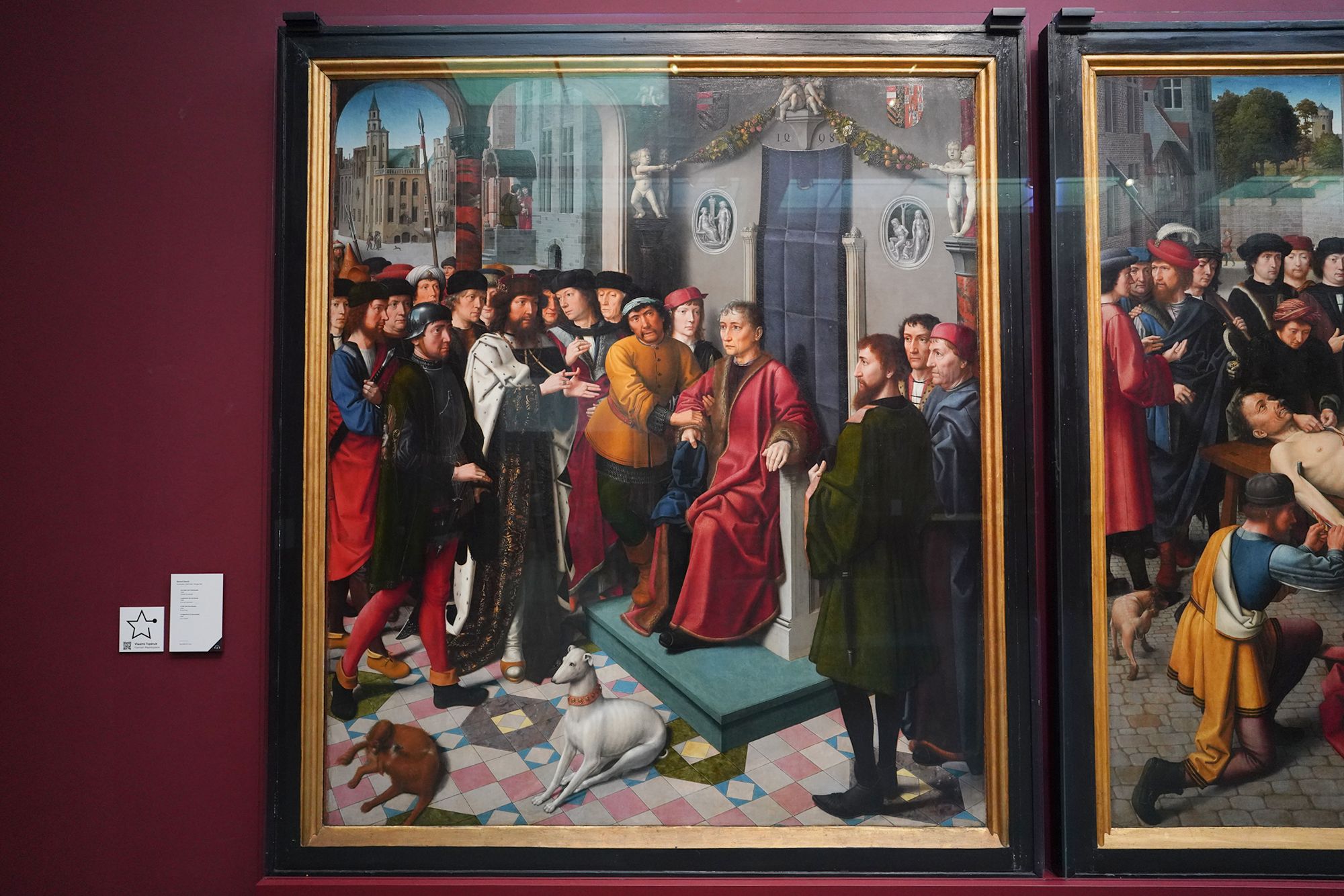
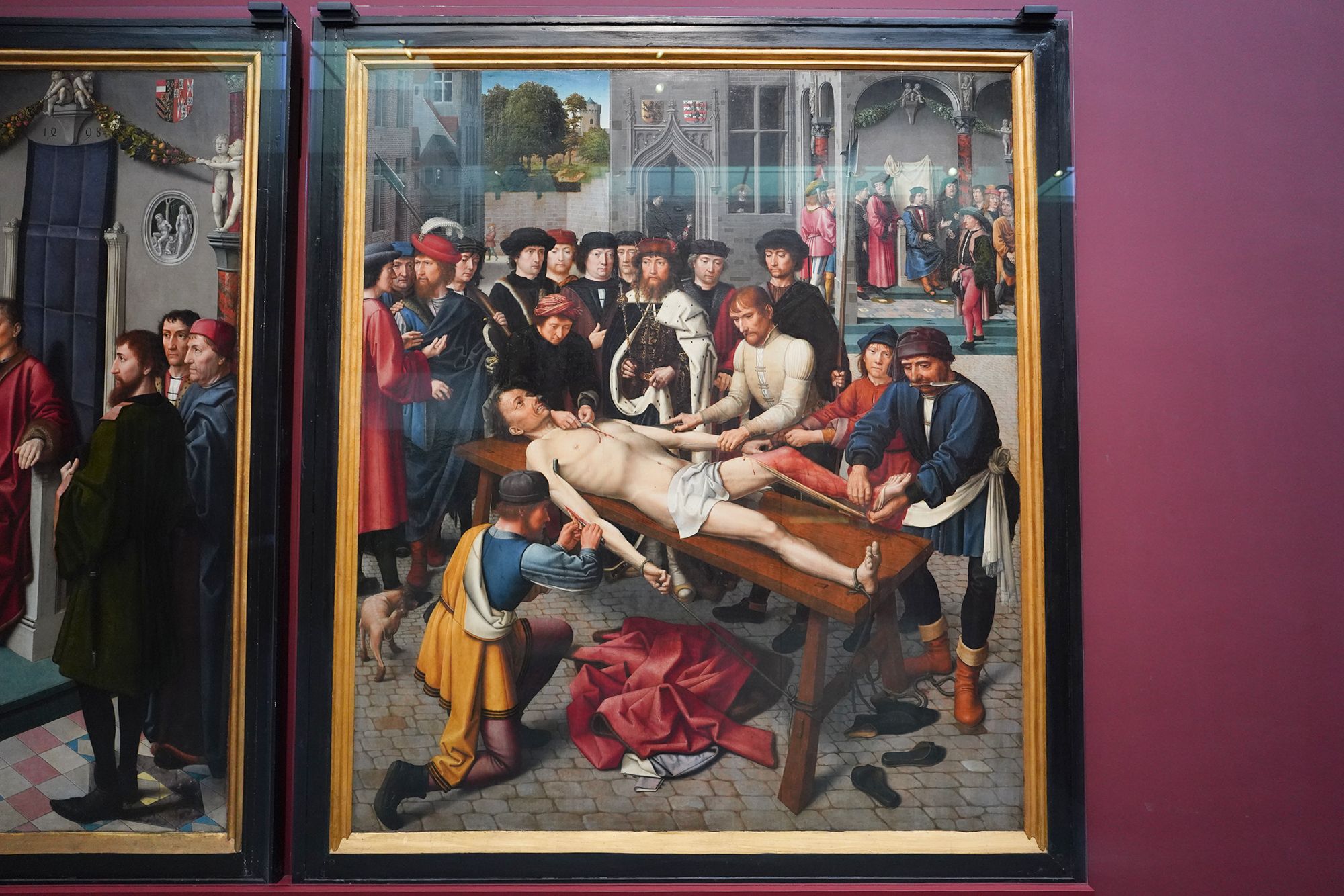
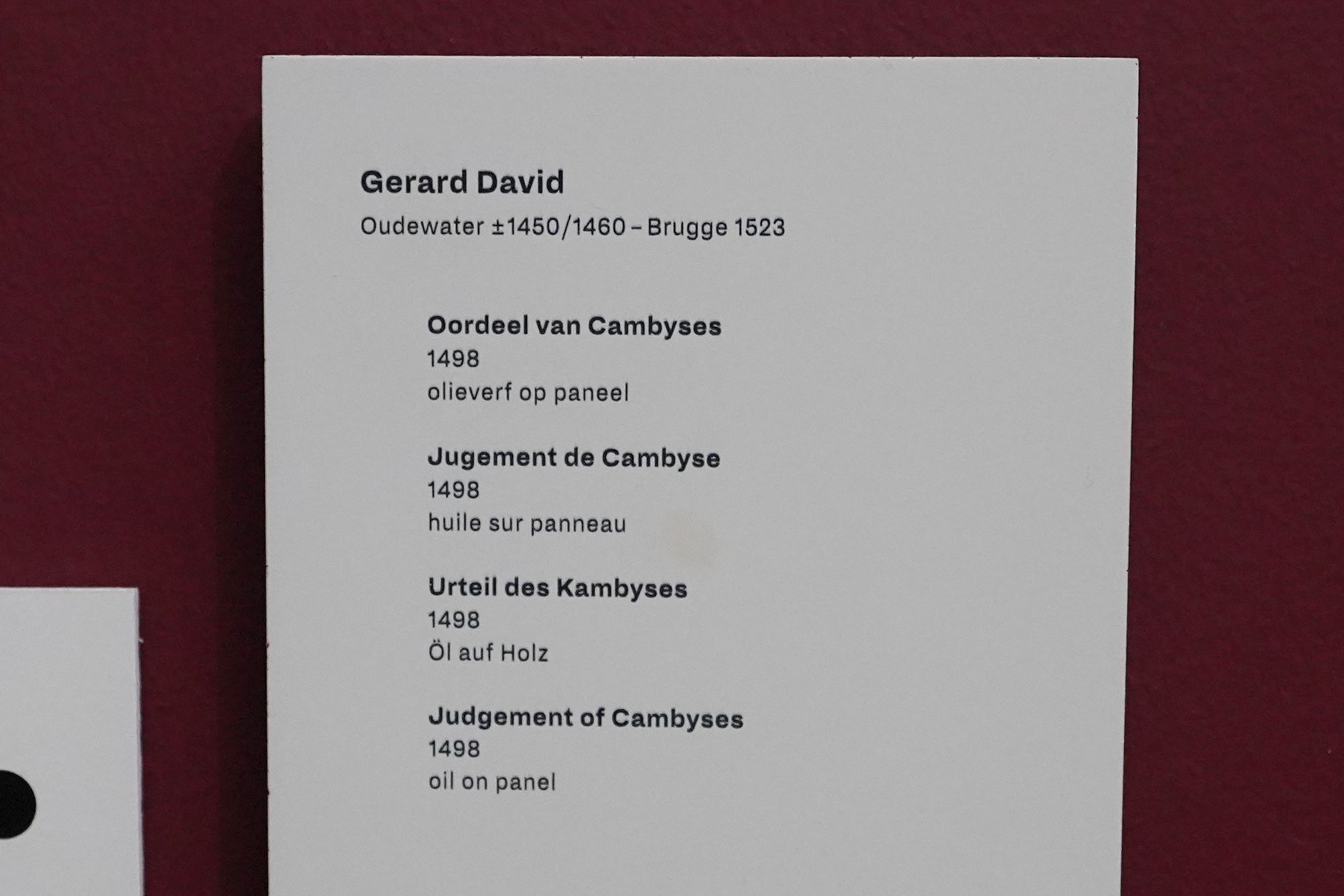
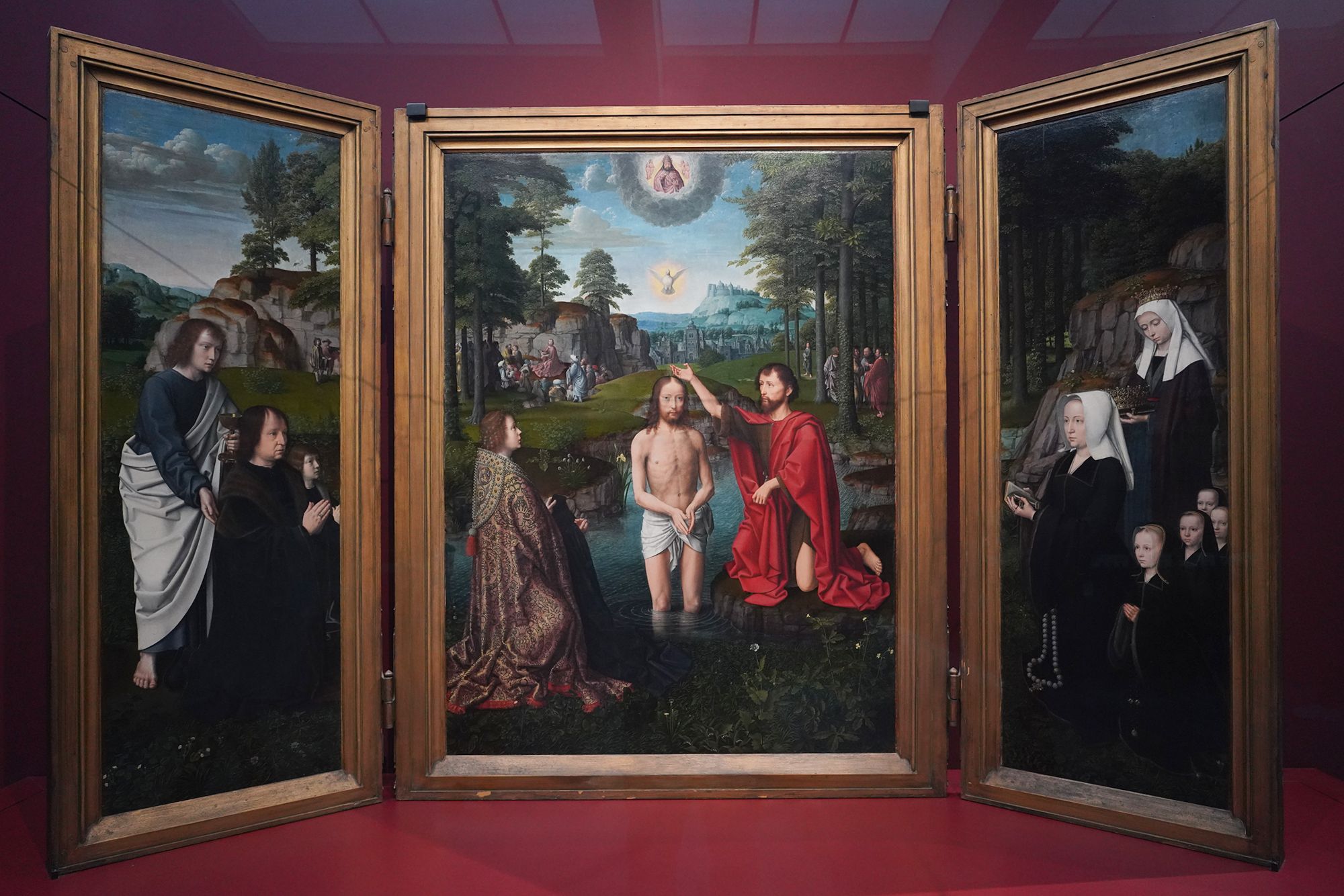
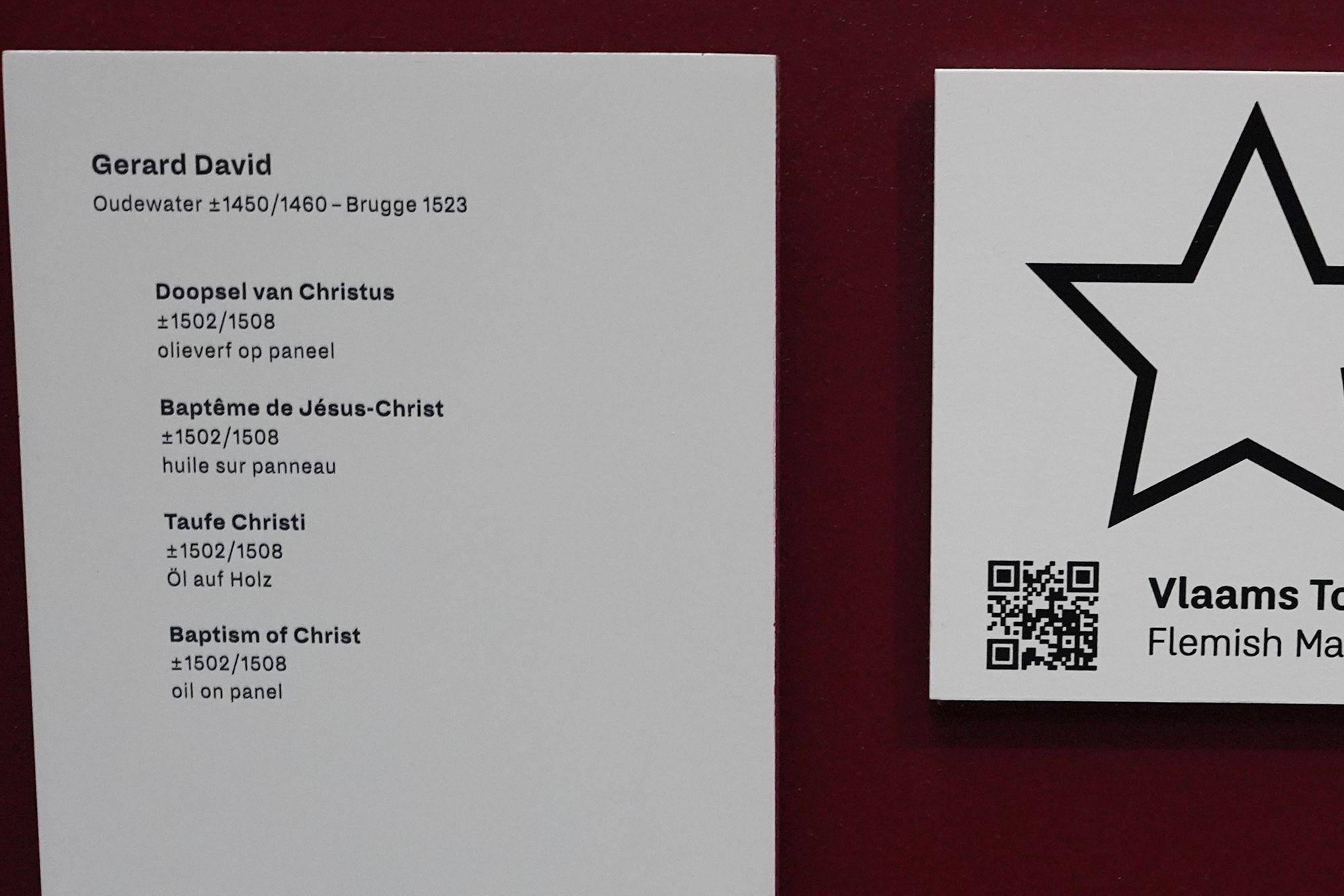
Around 1500, Gerard David continued the tradition of the Flemish Primitives in Bruges. His famous Judgement of Cambyses, painted for Bruges Town Hall, used the shocking punishment of a corrupt judge as a warning to the city’s officials to administer justice fairly.
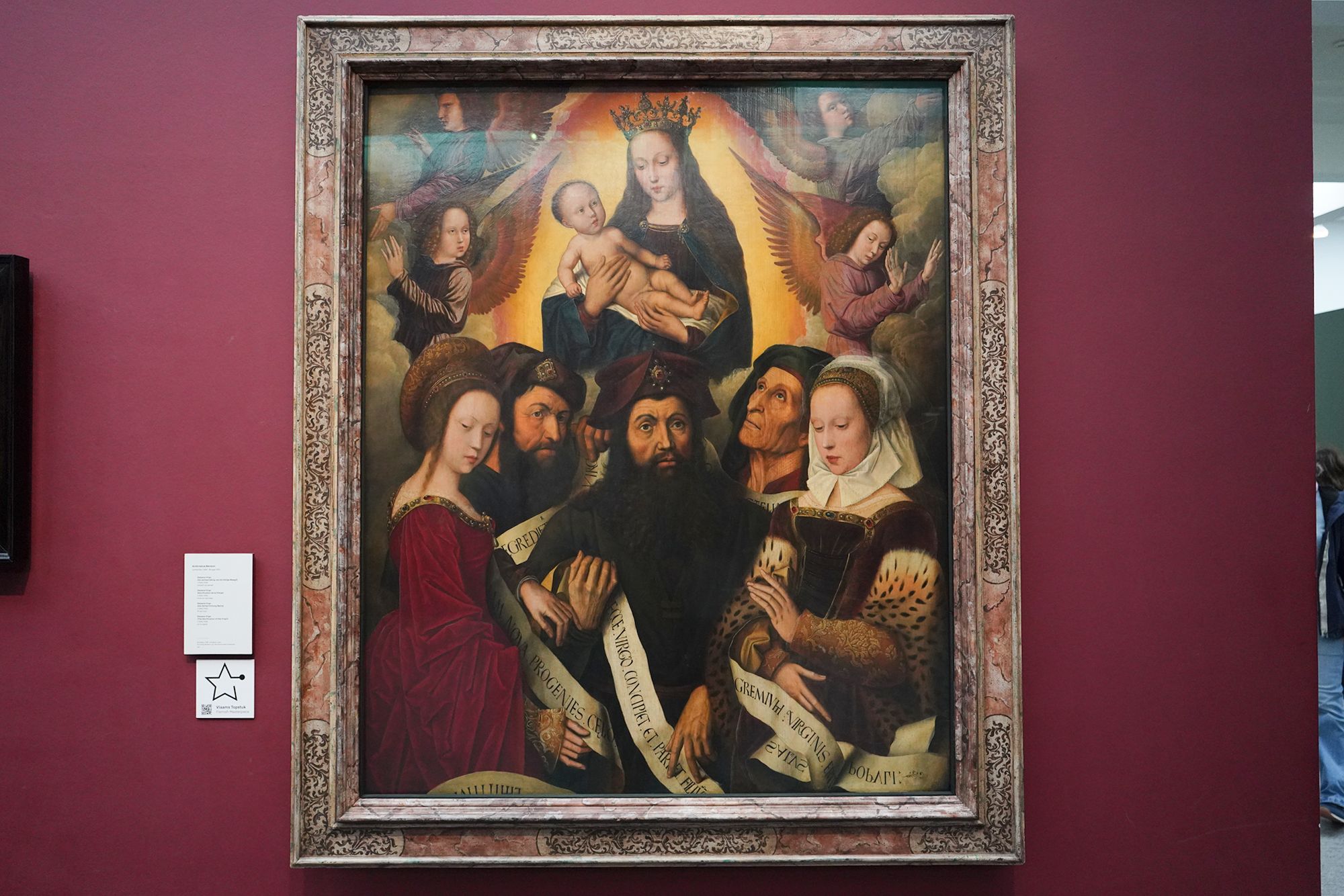
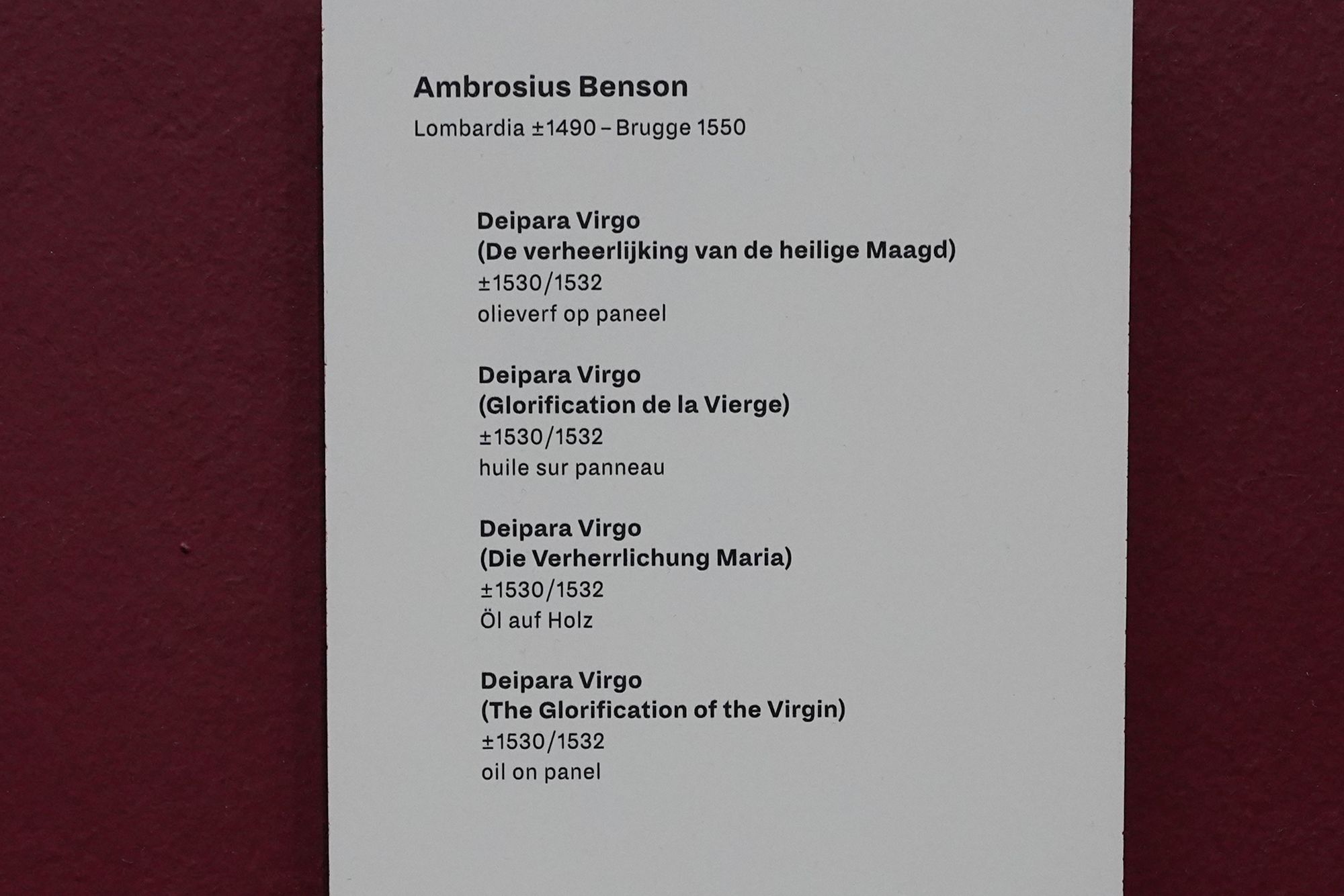
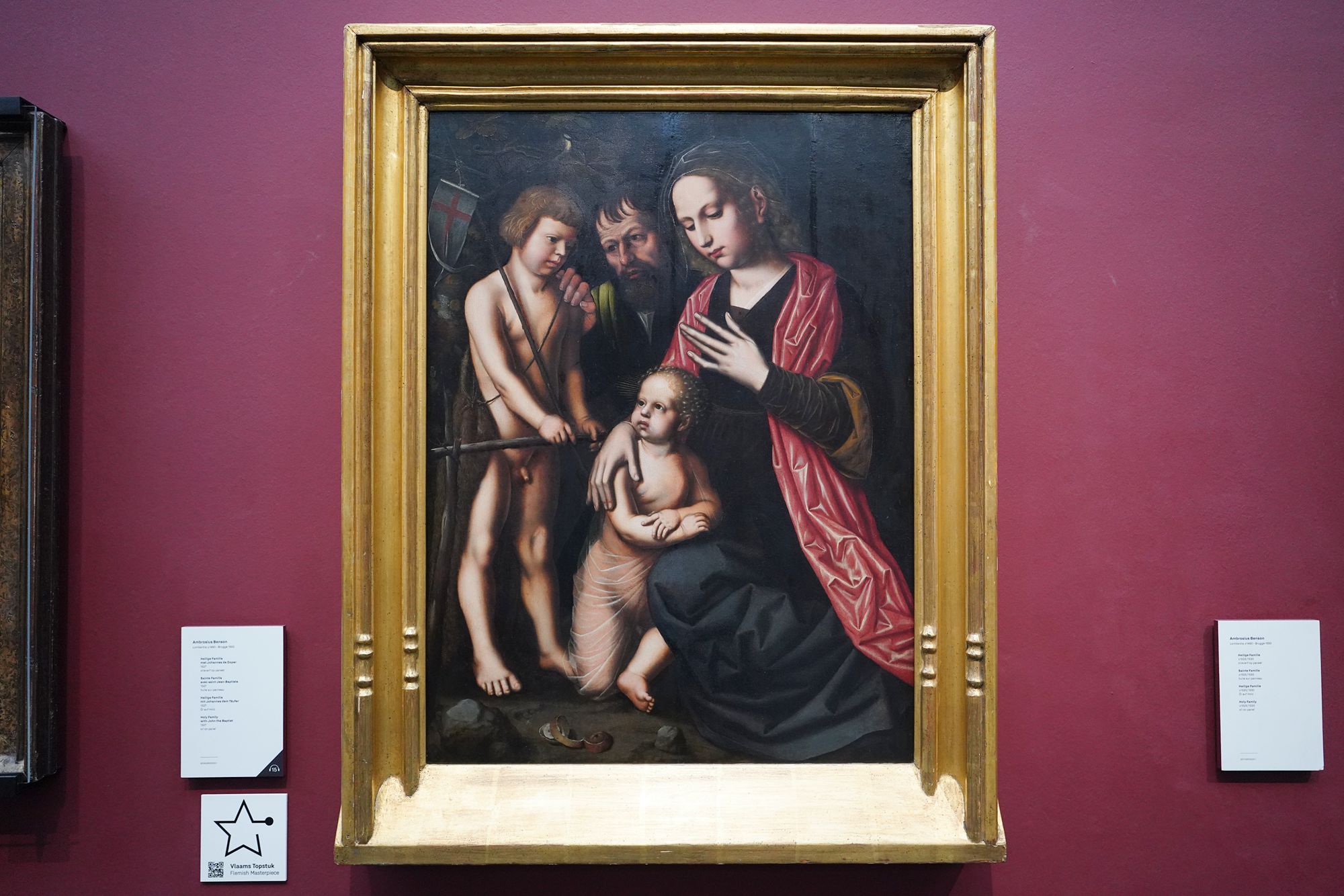
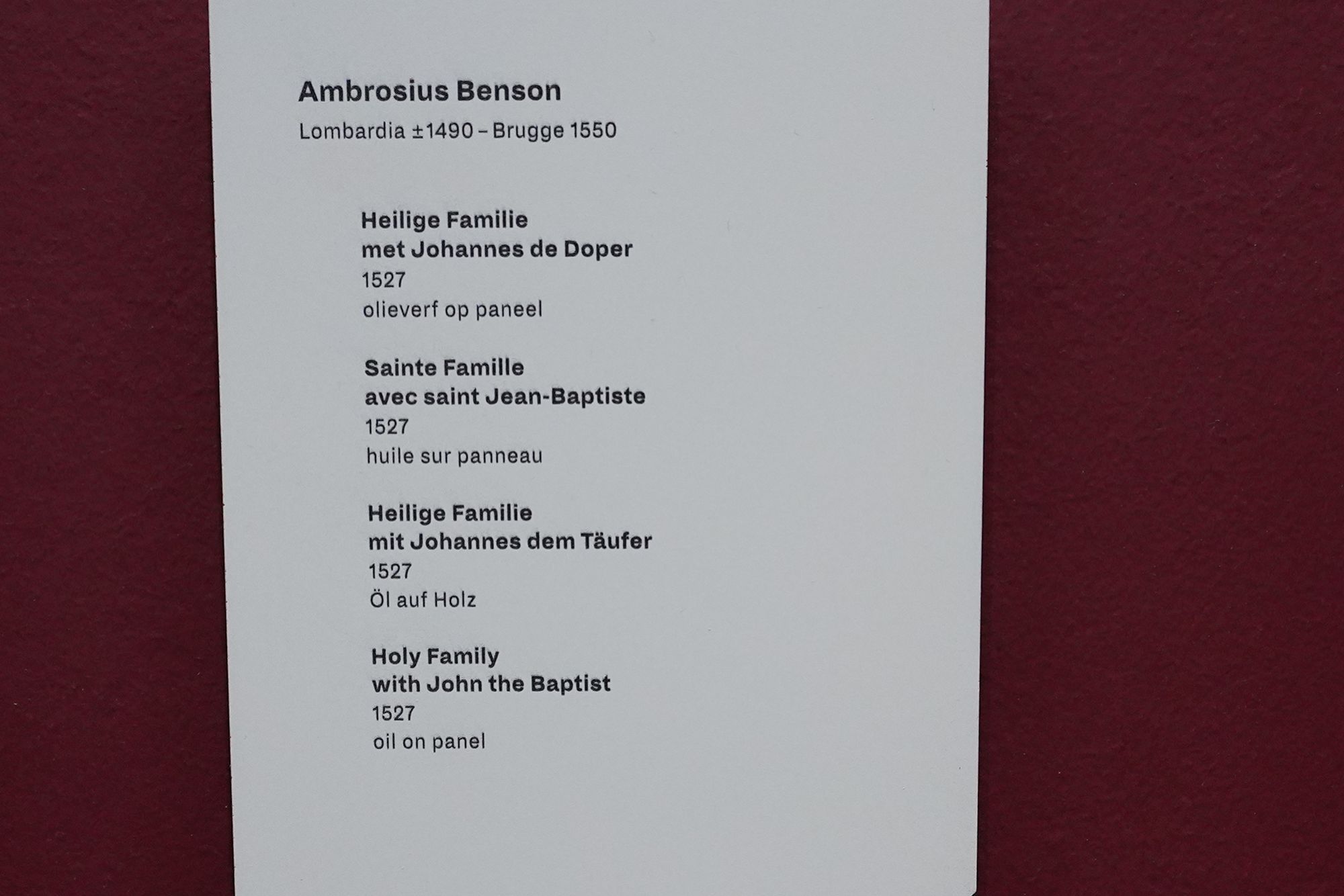
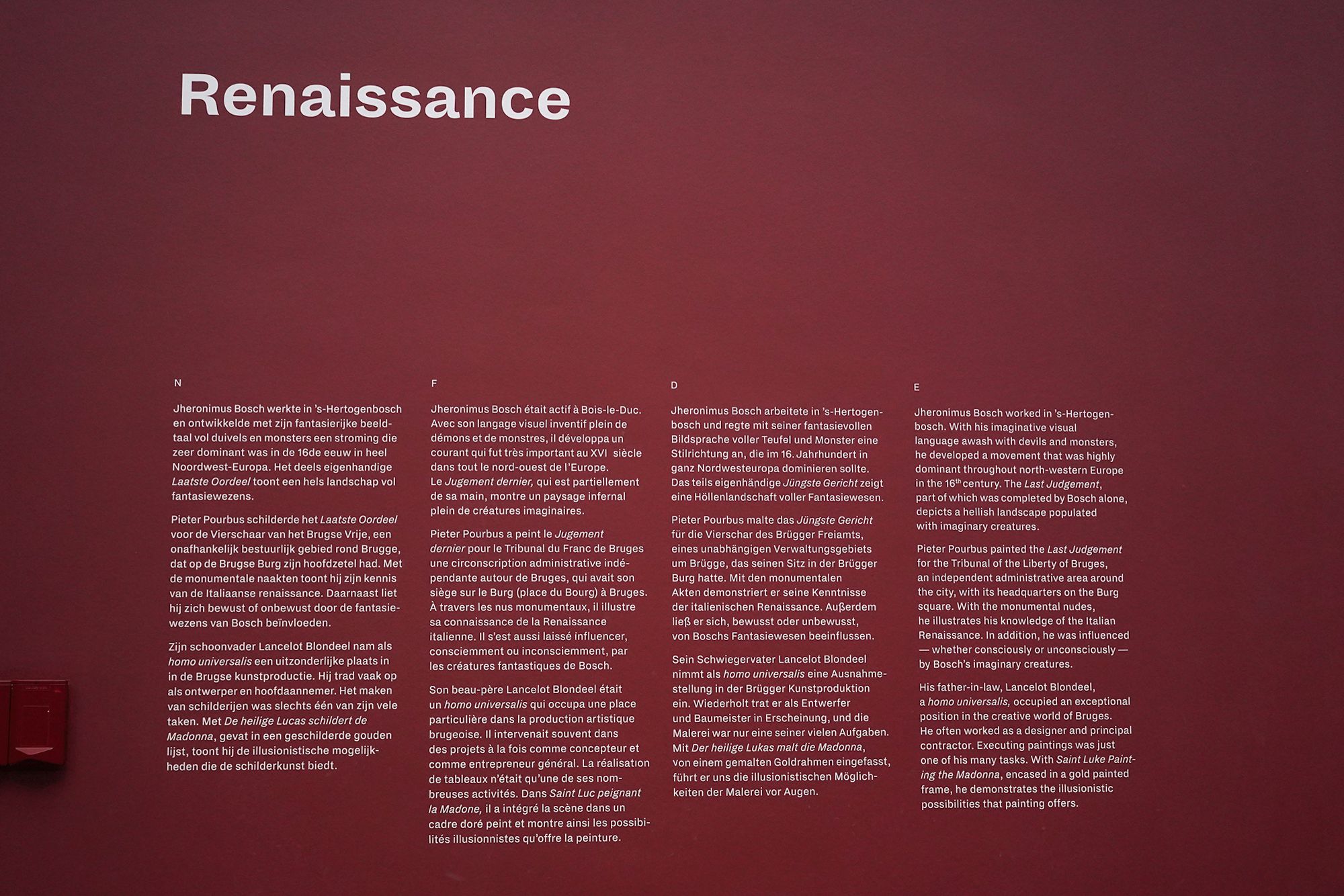
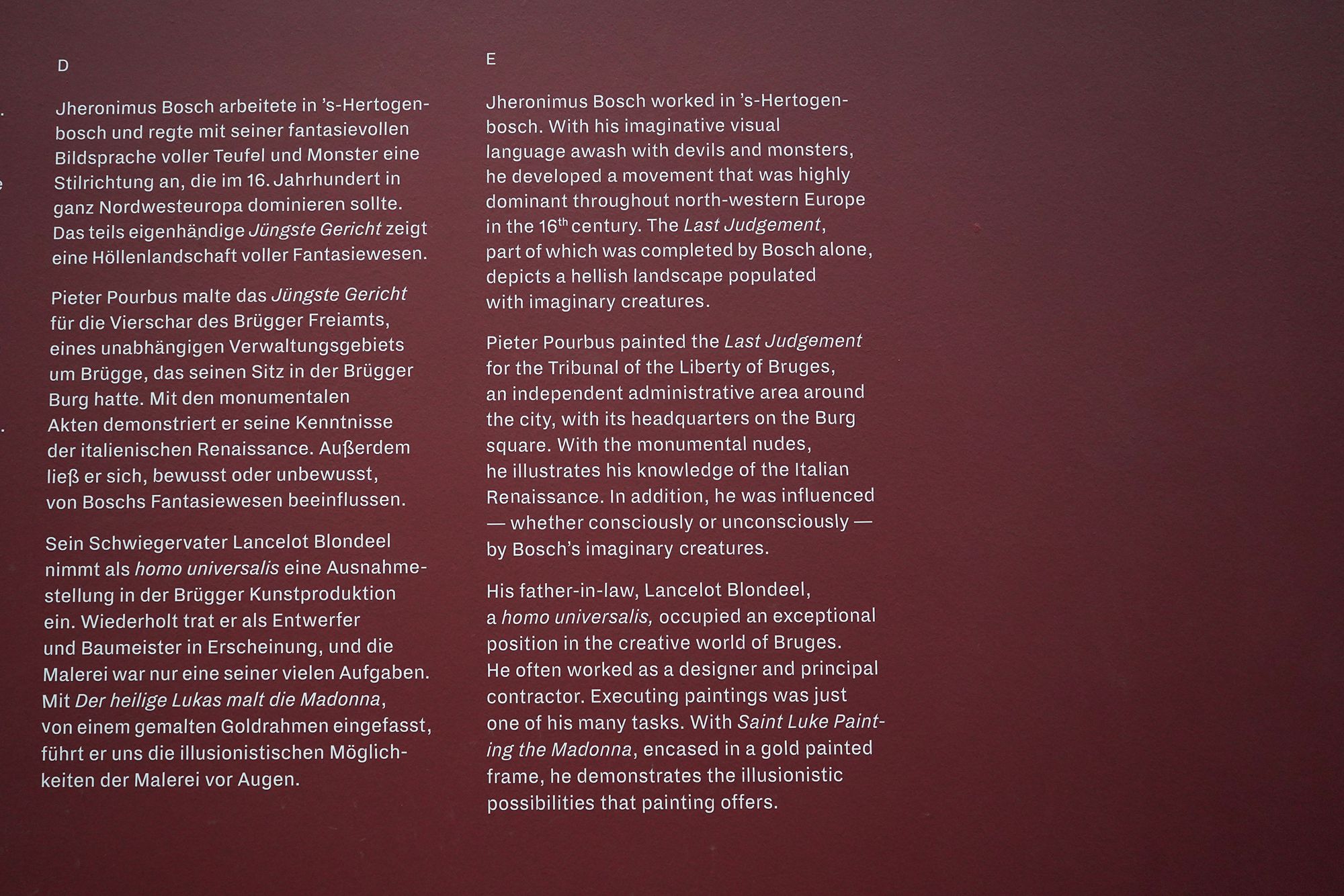
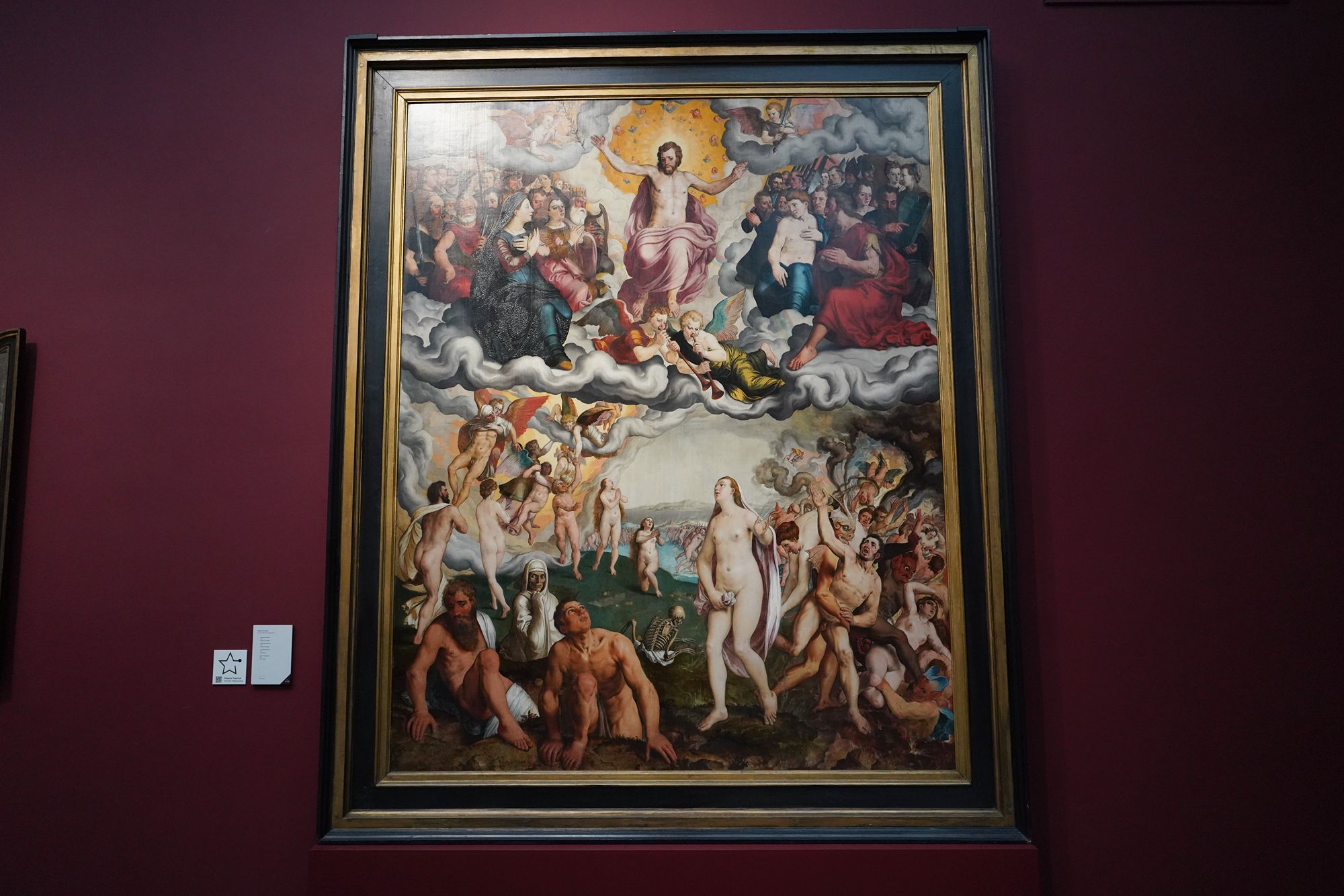
During the 16th century, Bruges artists increasingly combined their Flemish traditions with new influences. Pieter Pourbus drew inspiration from both the Italian Renaissance and the fantastic world of Hieronymus Bosch, while versatile artists such as Lancelot Blondeel worked across painting, design, and architecture.
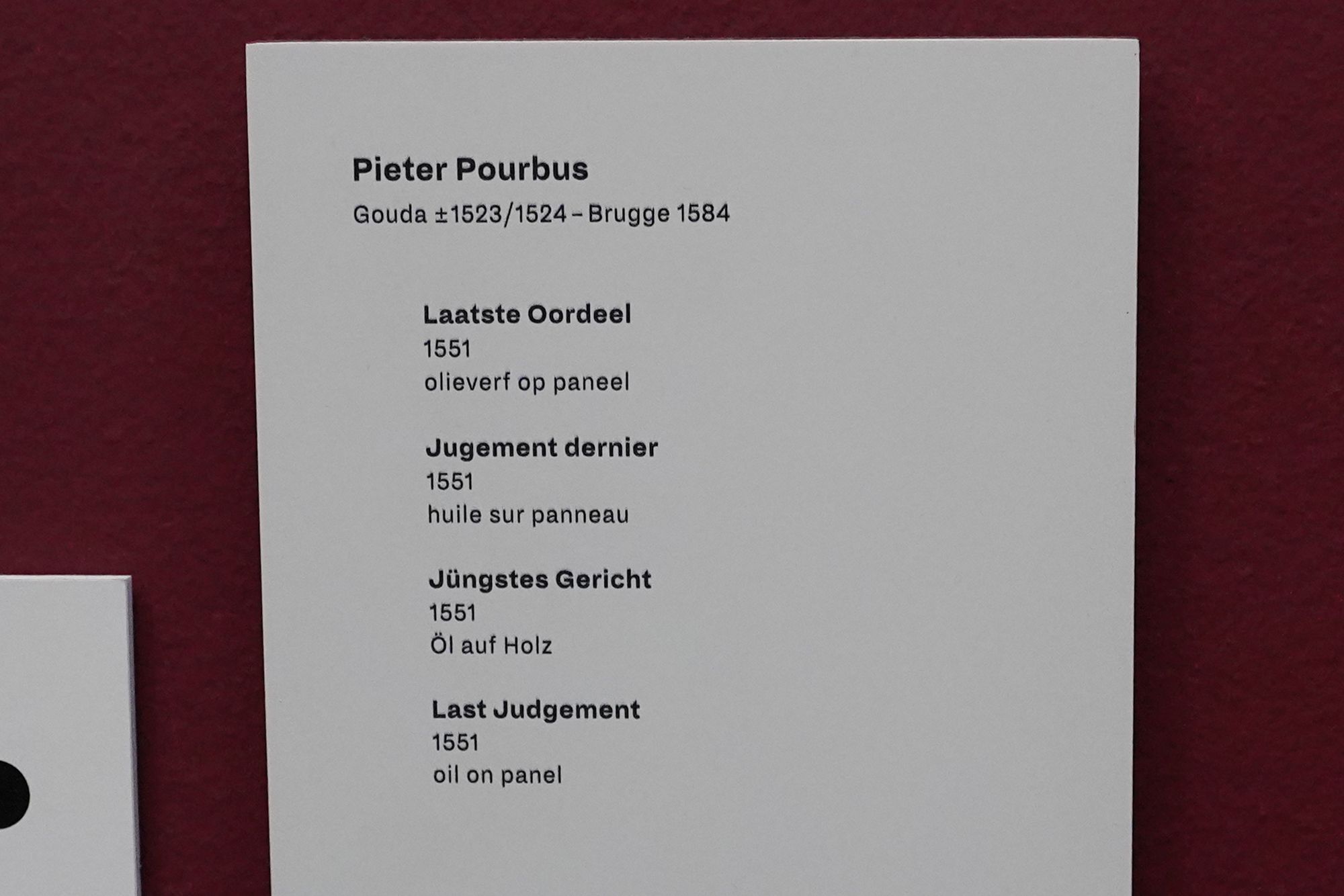
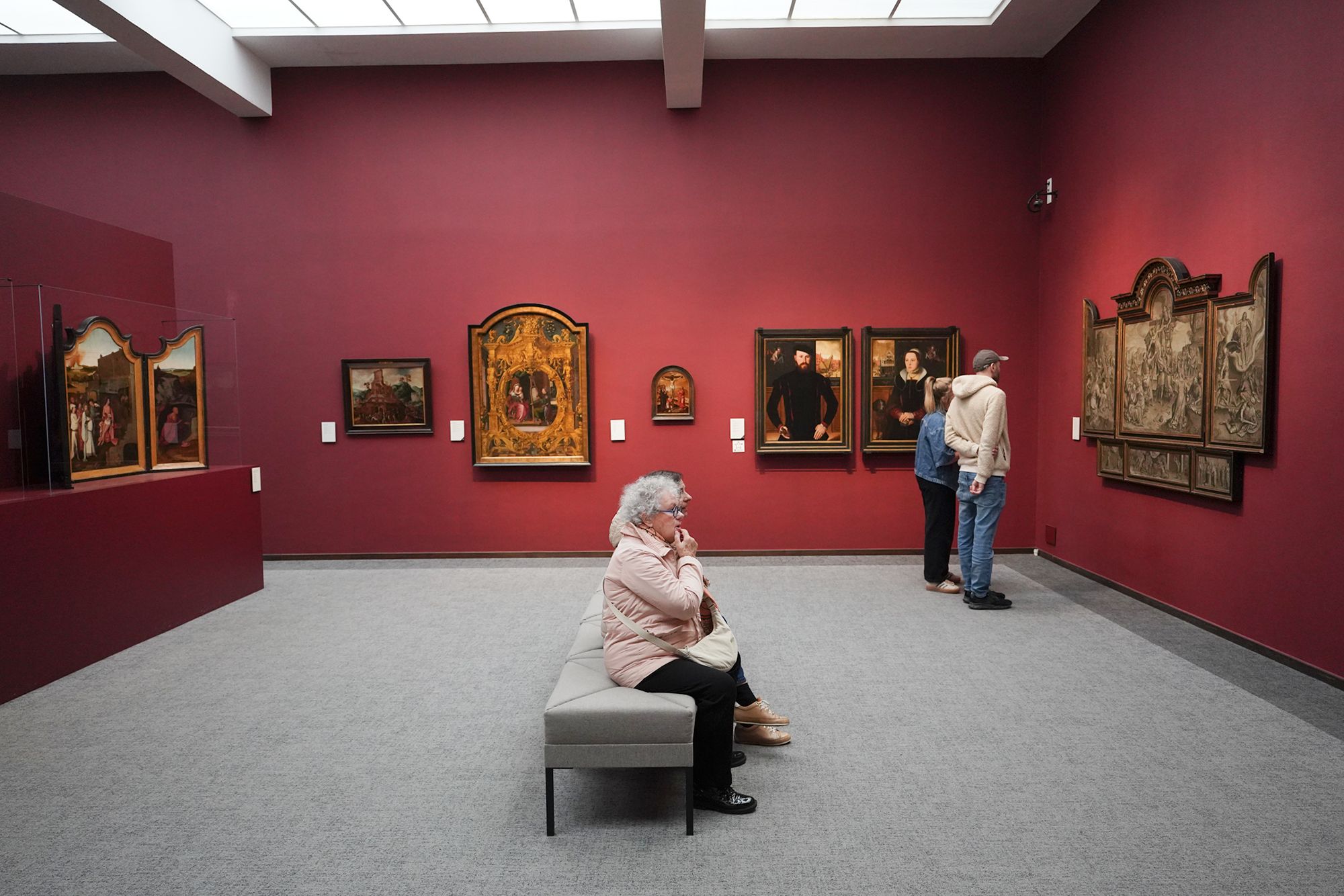
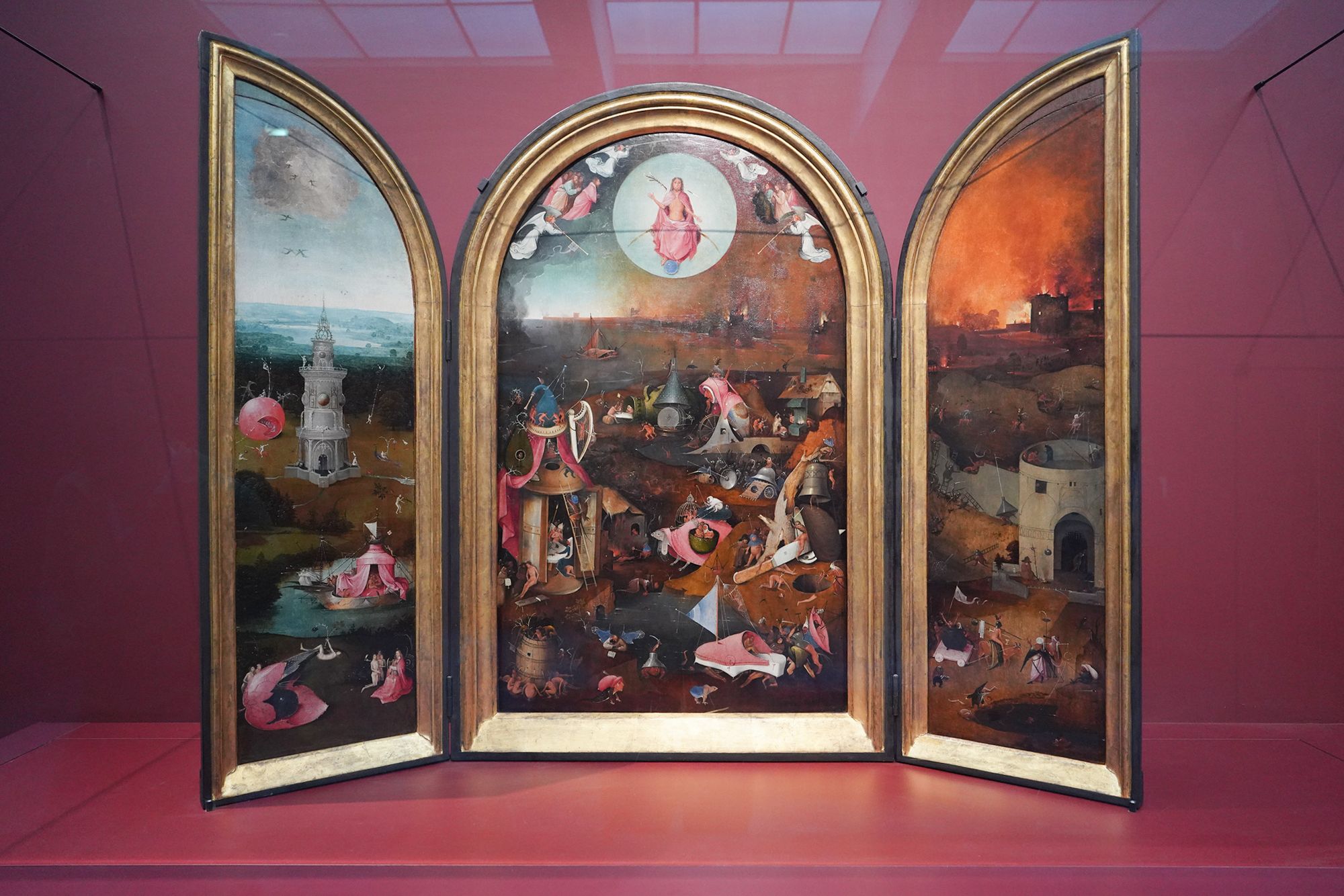
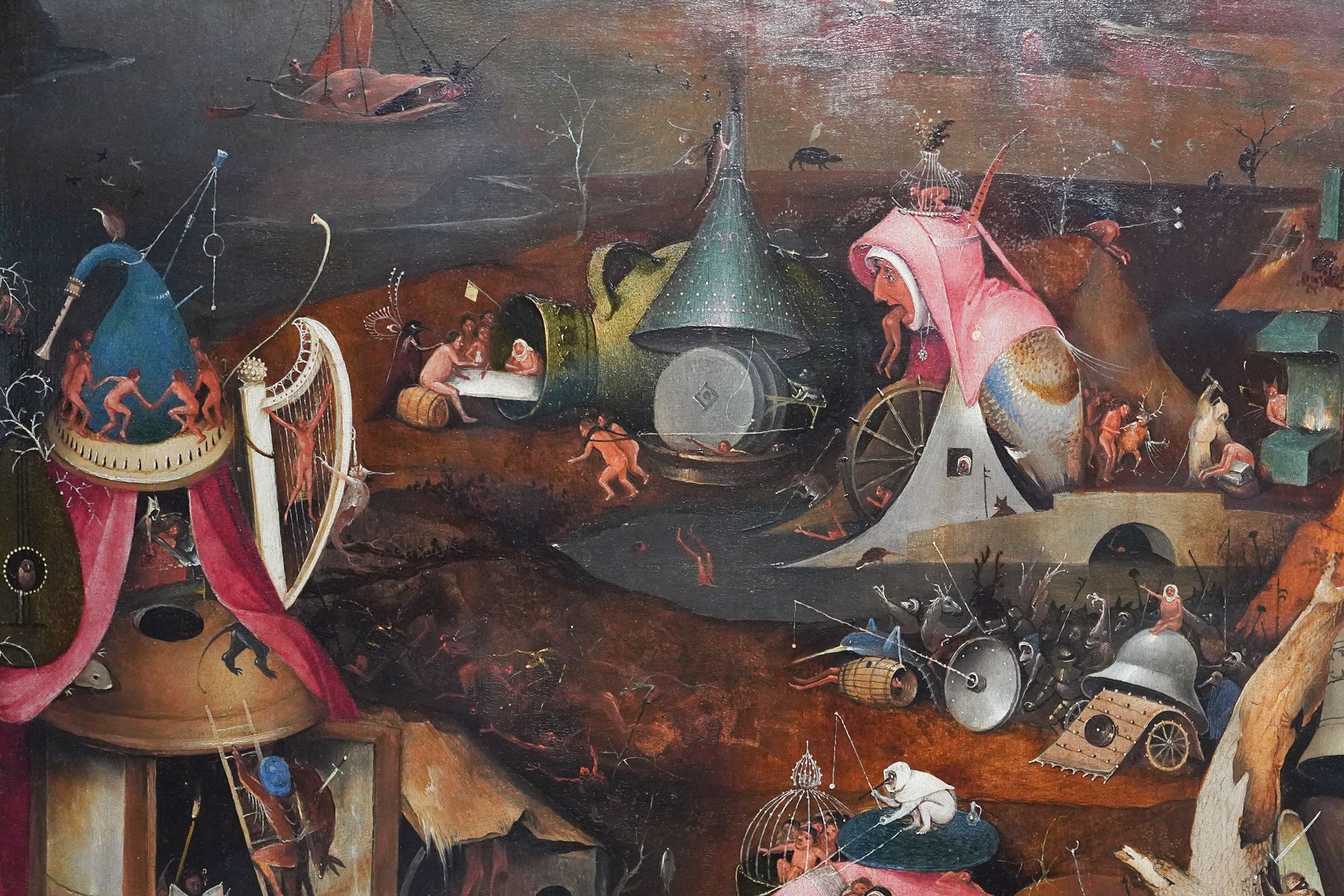
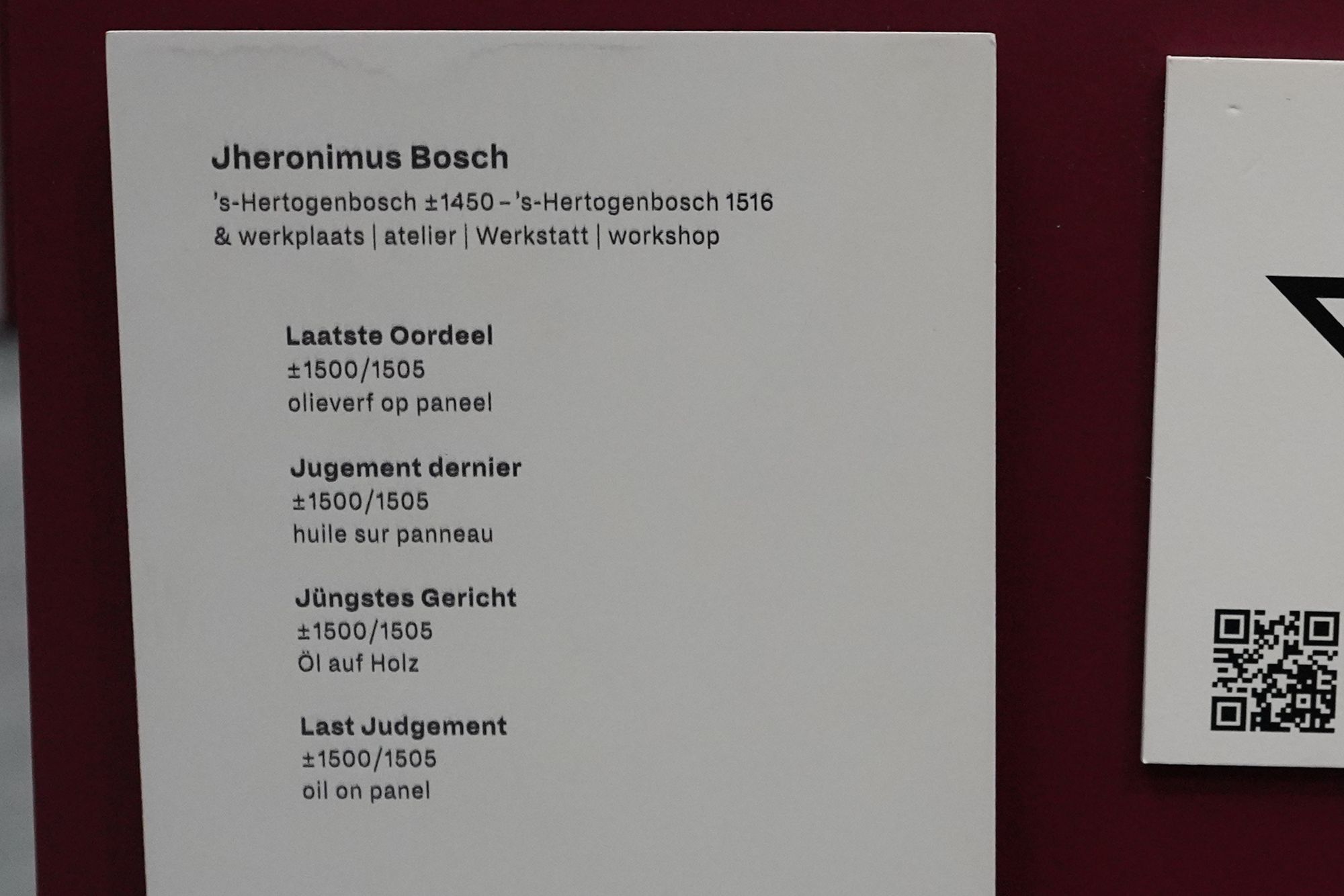
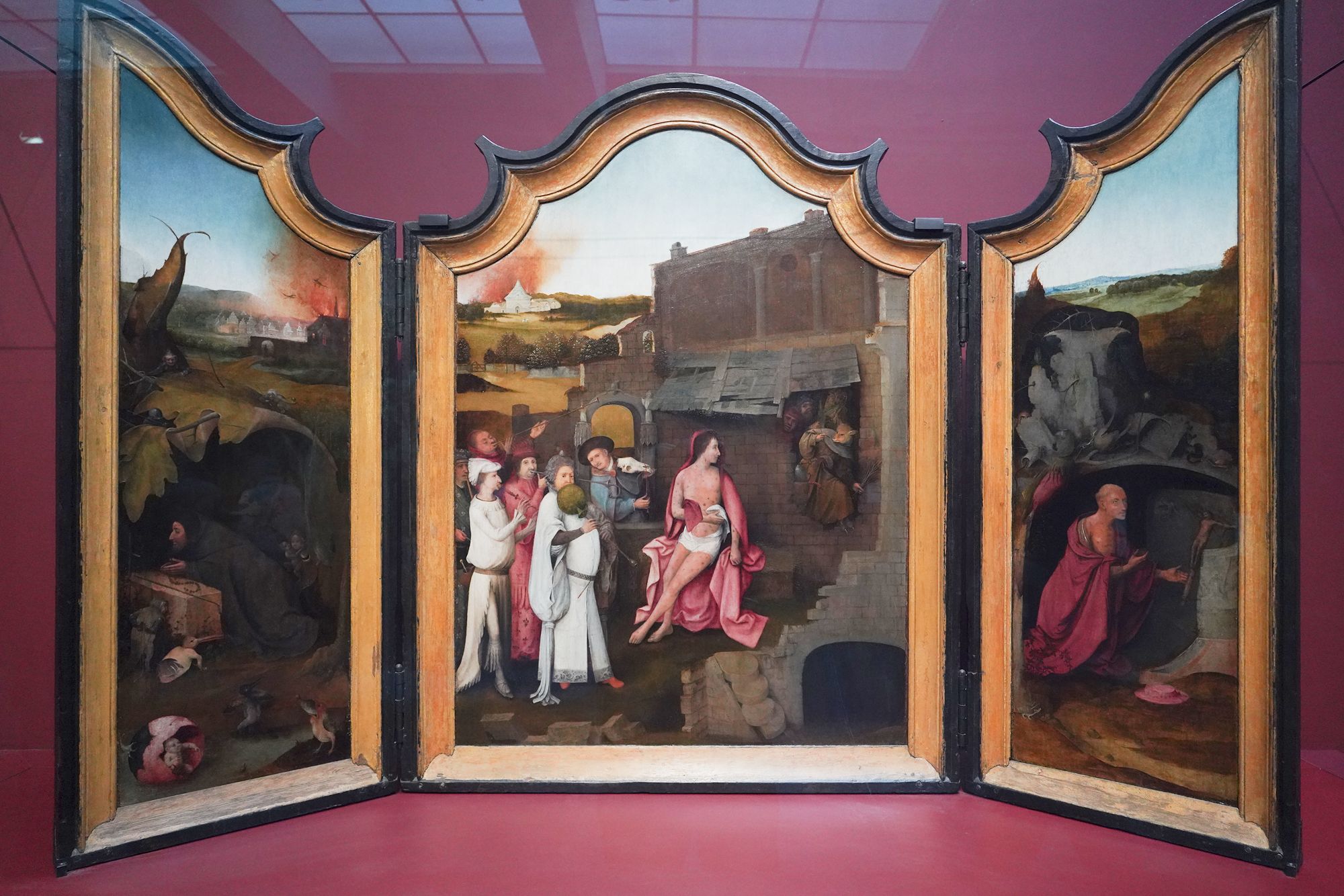
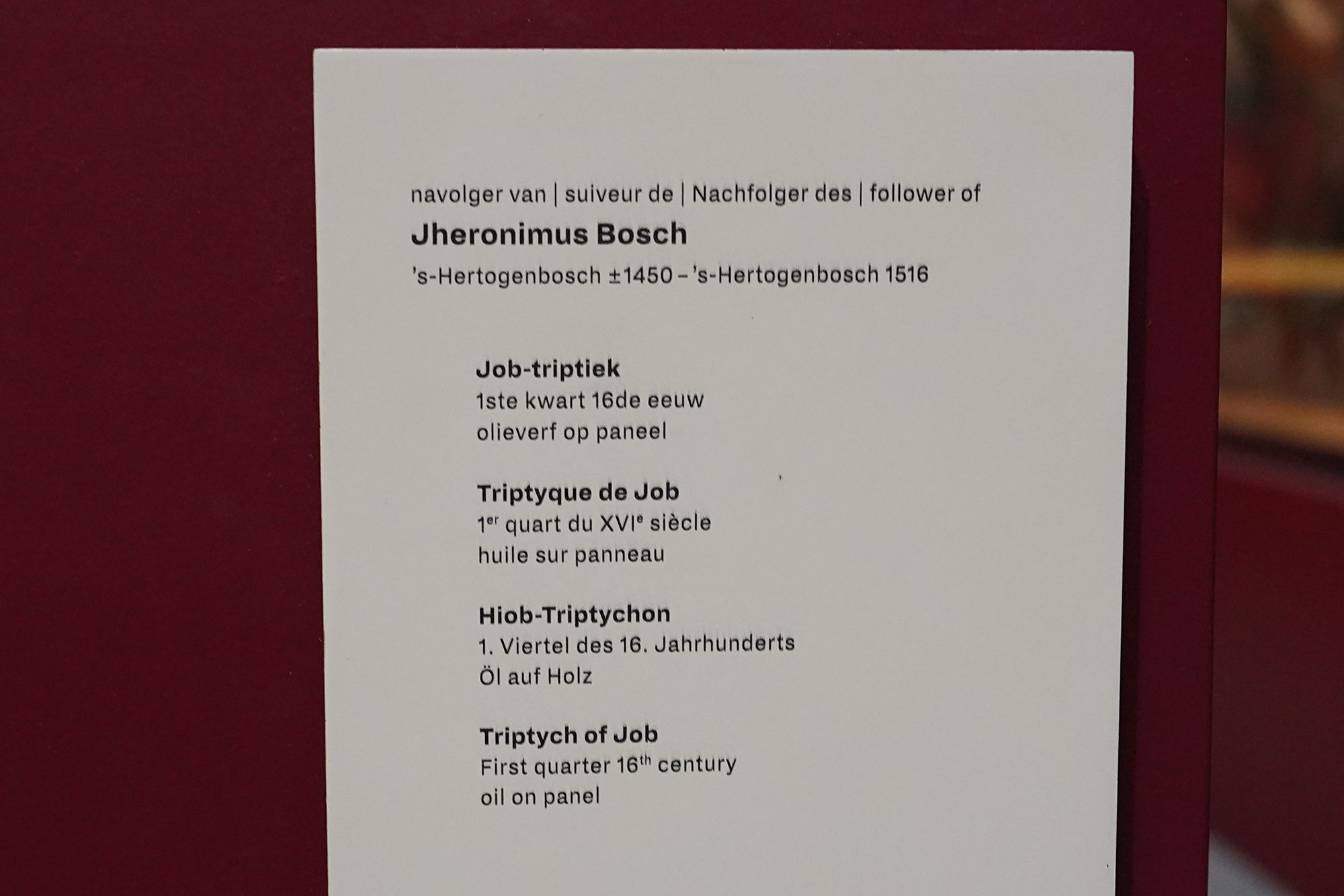
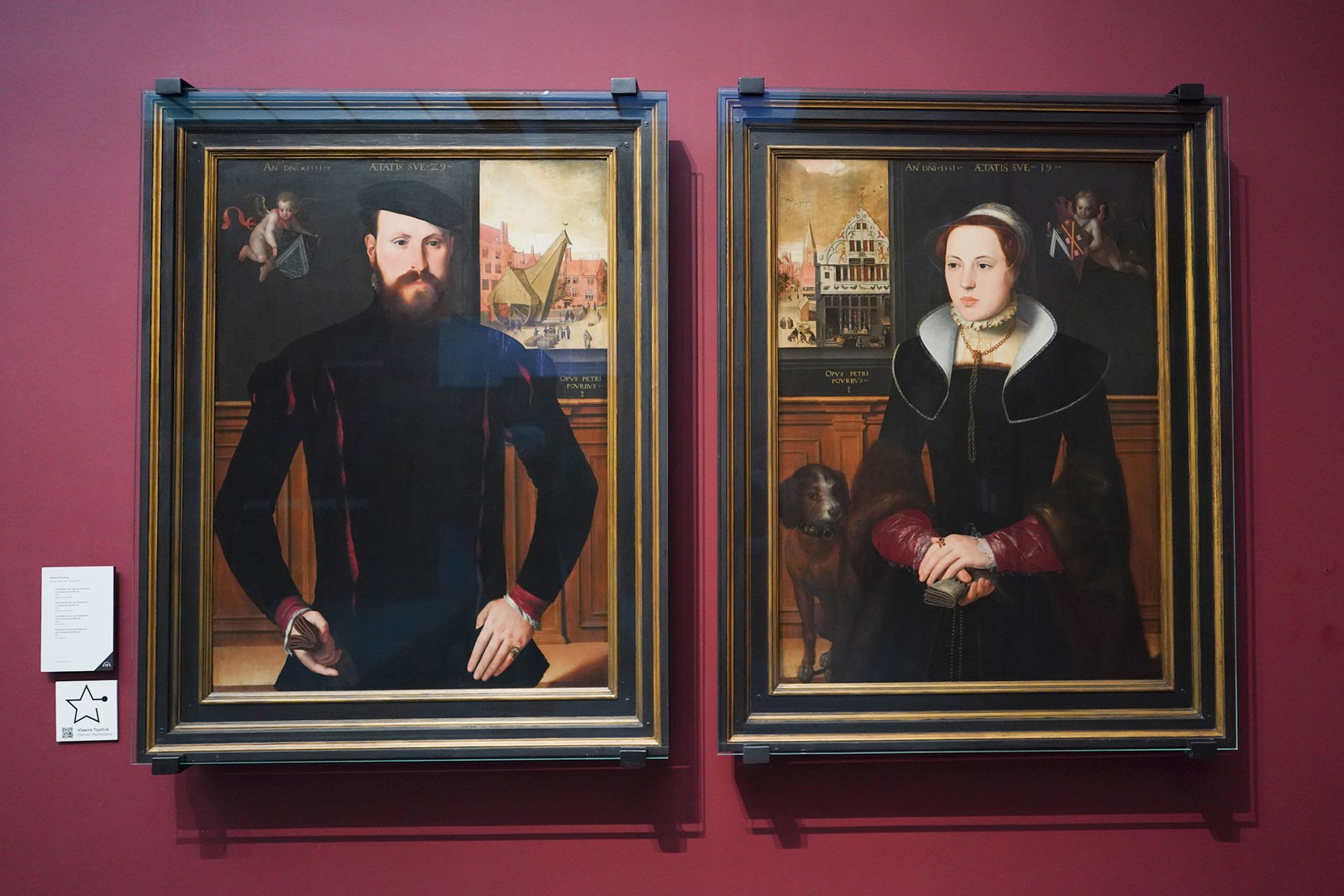
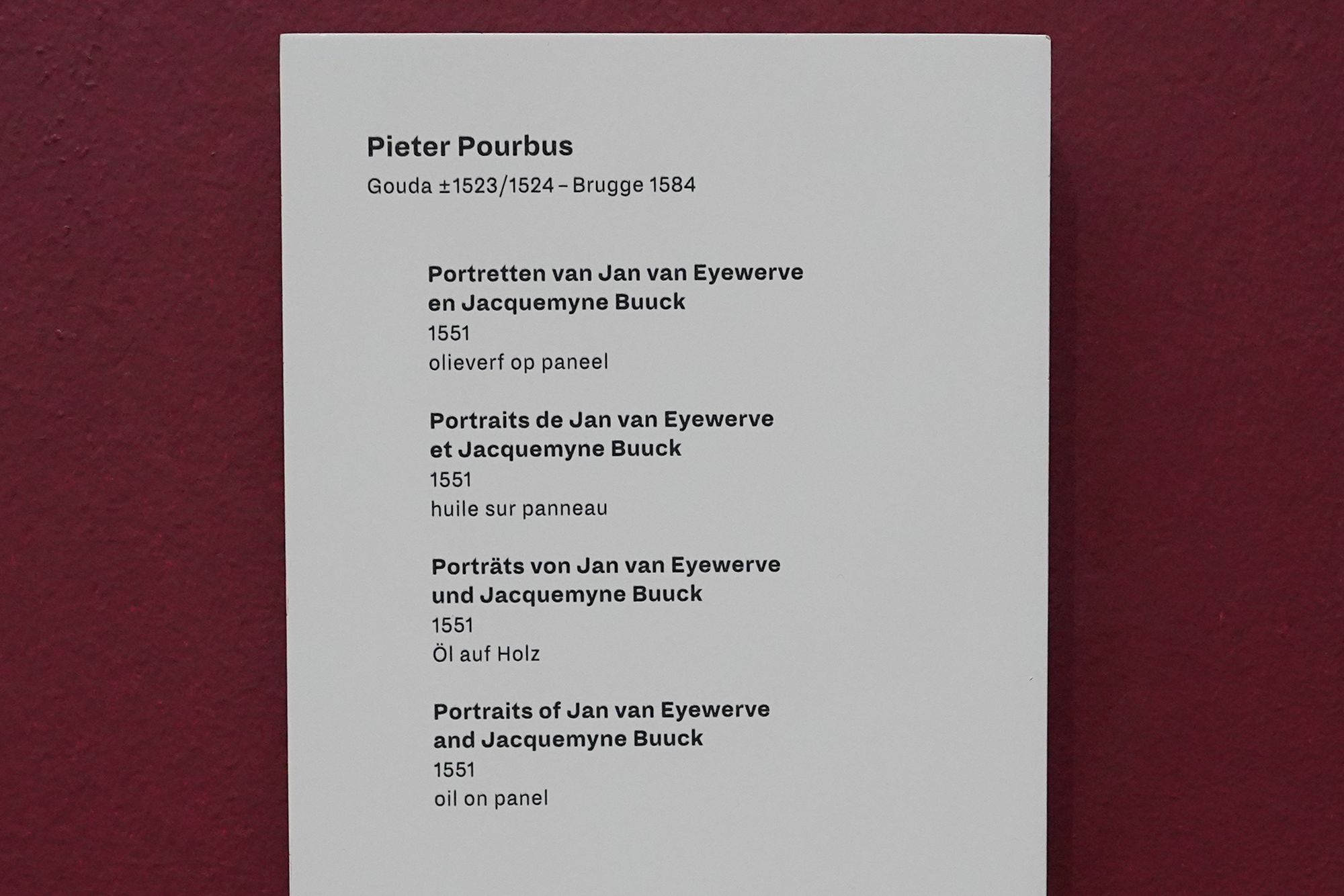
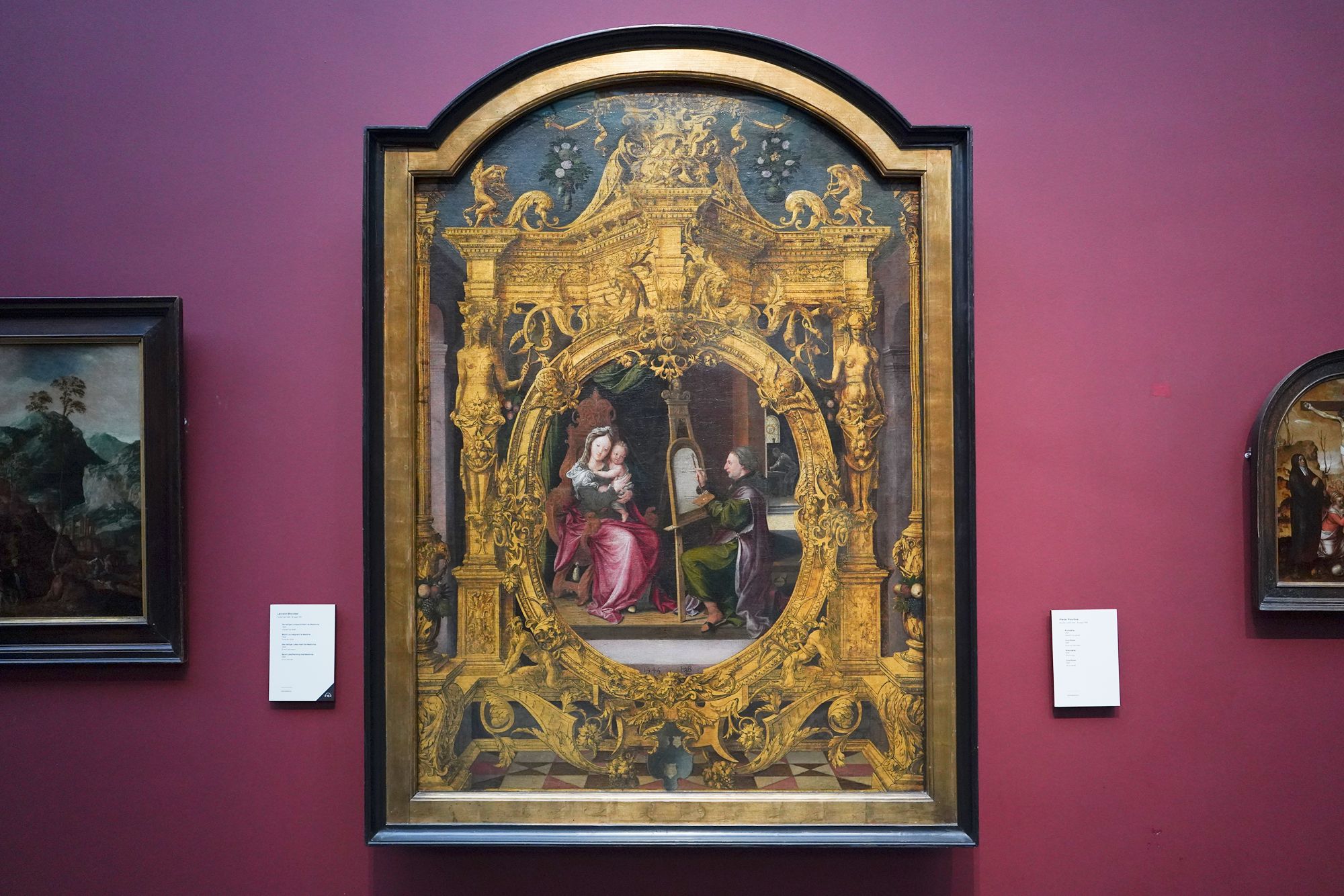
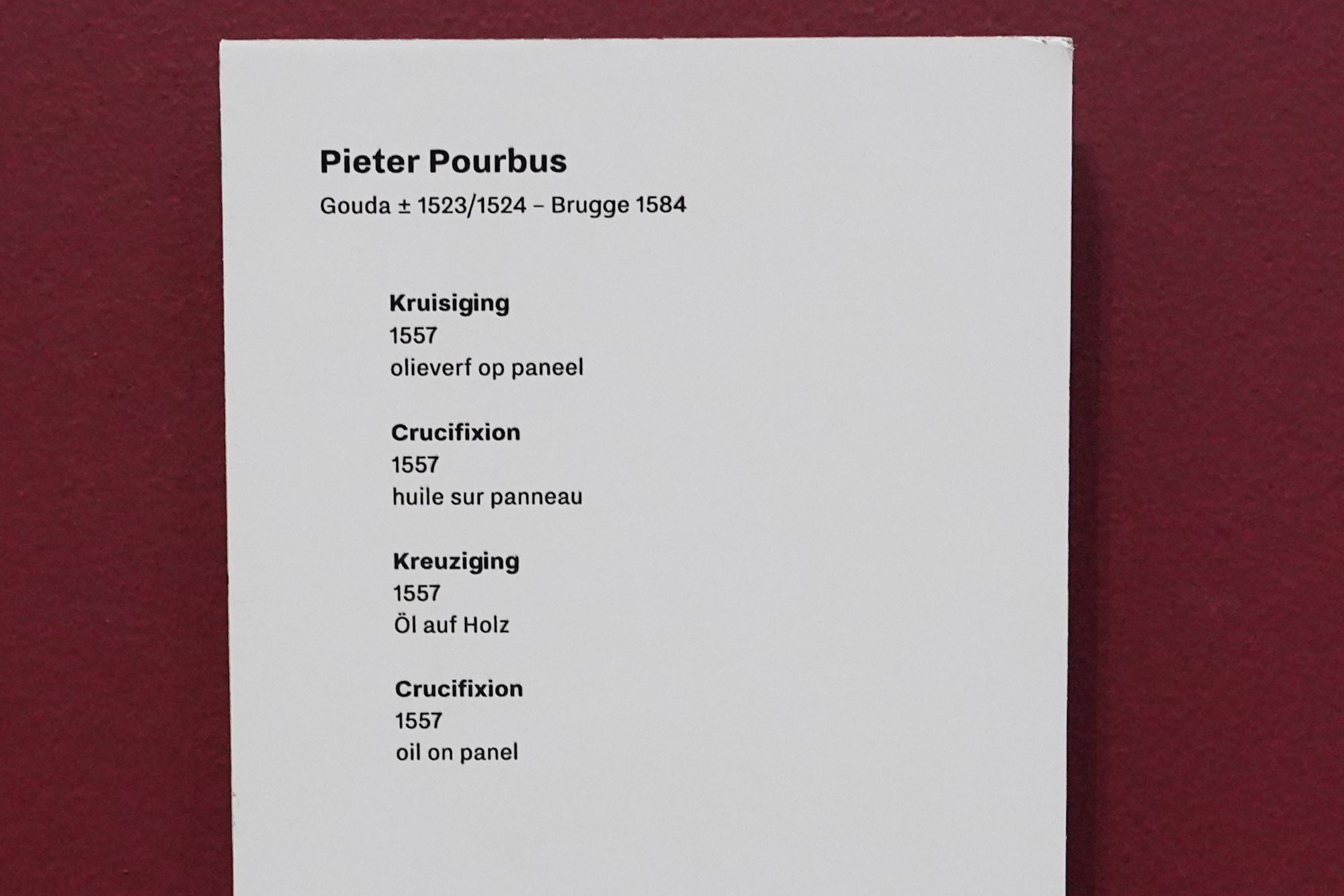
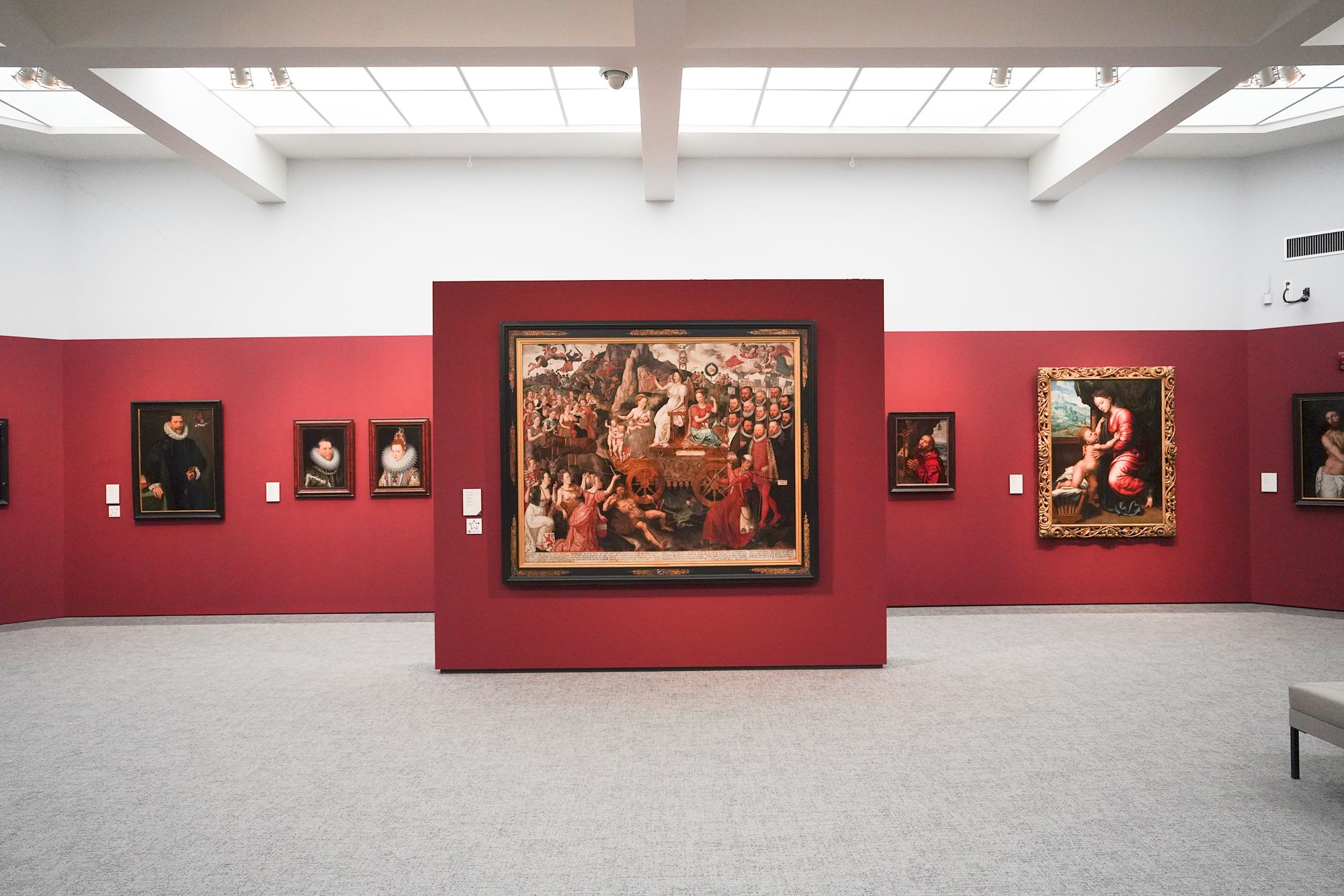
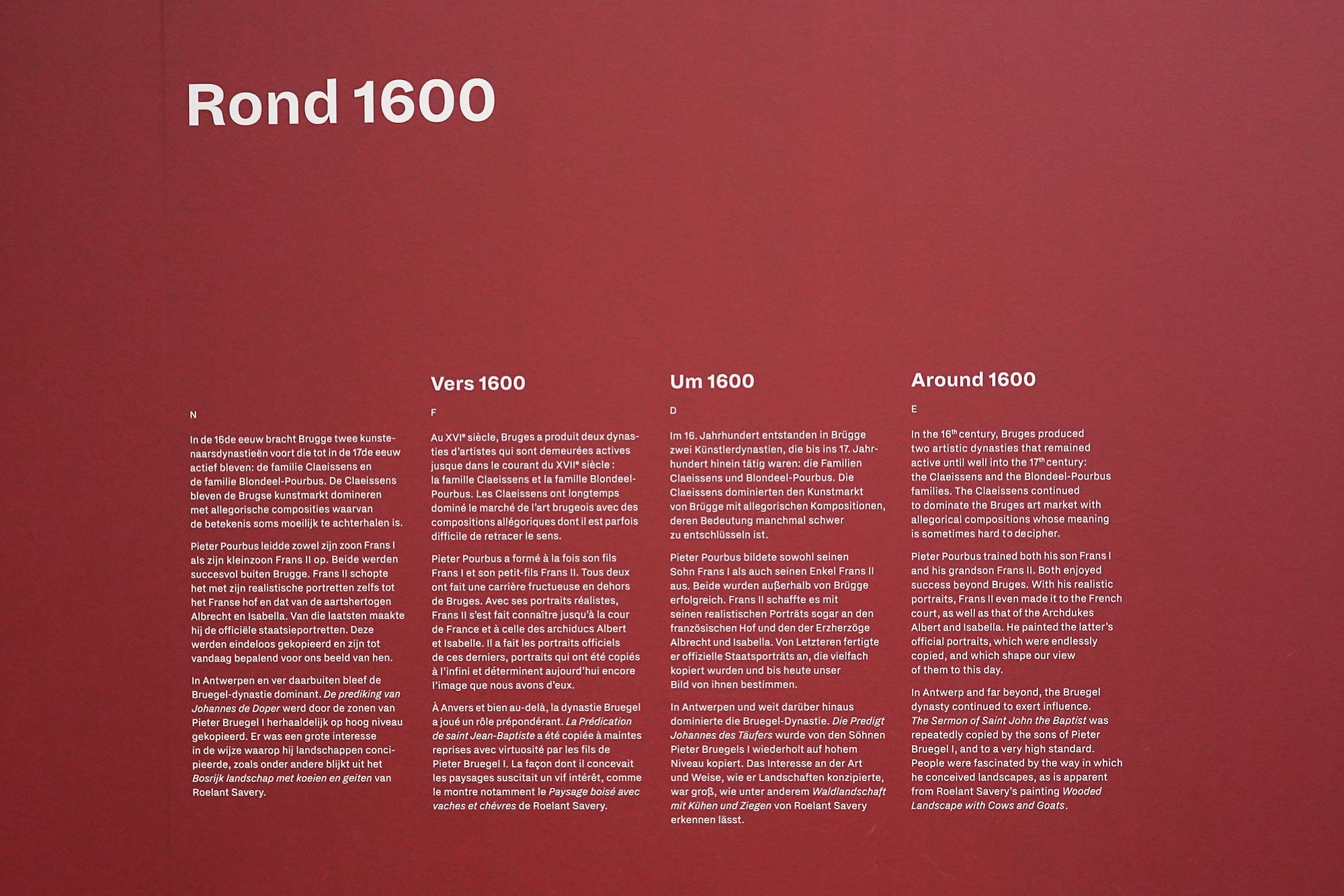
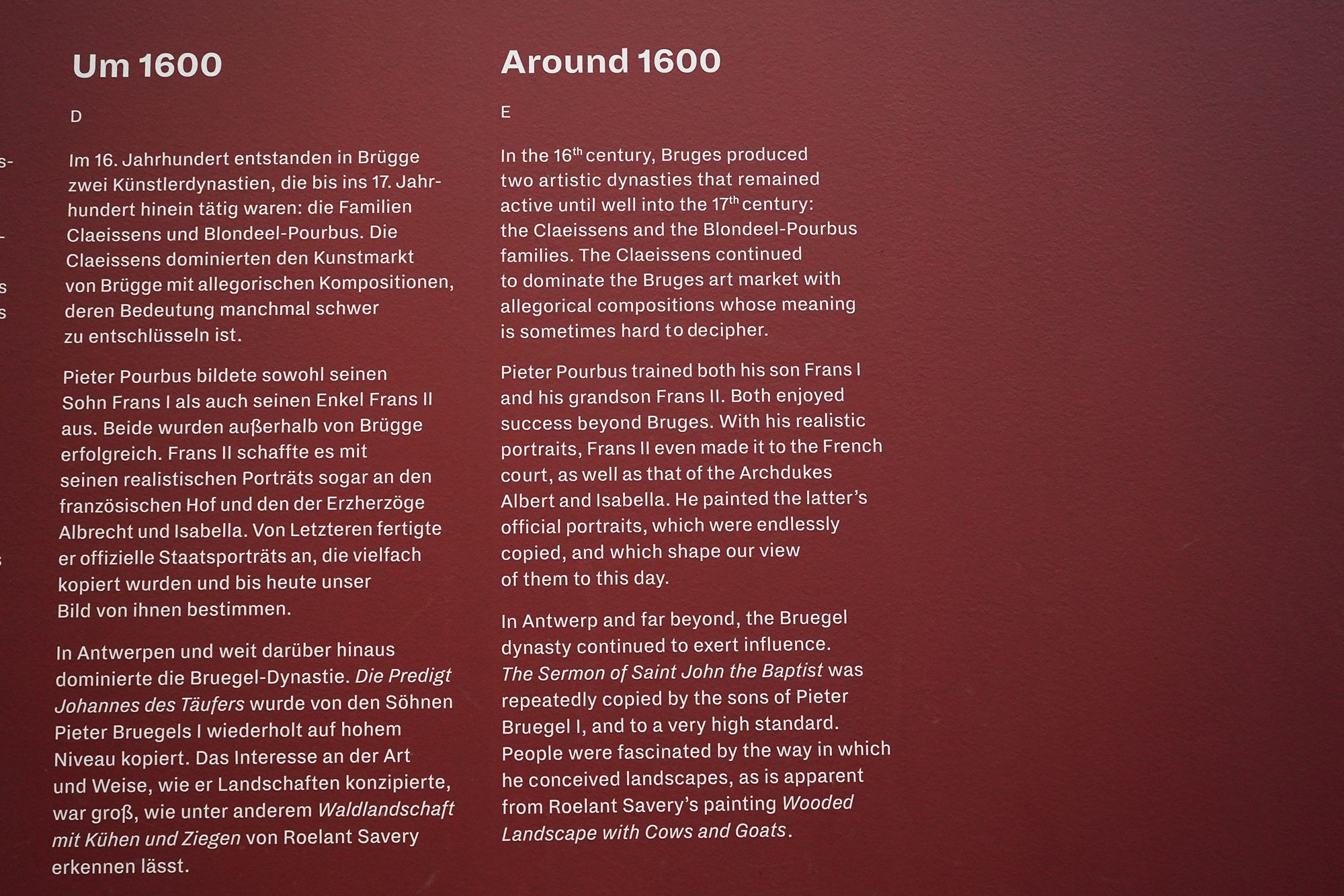
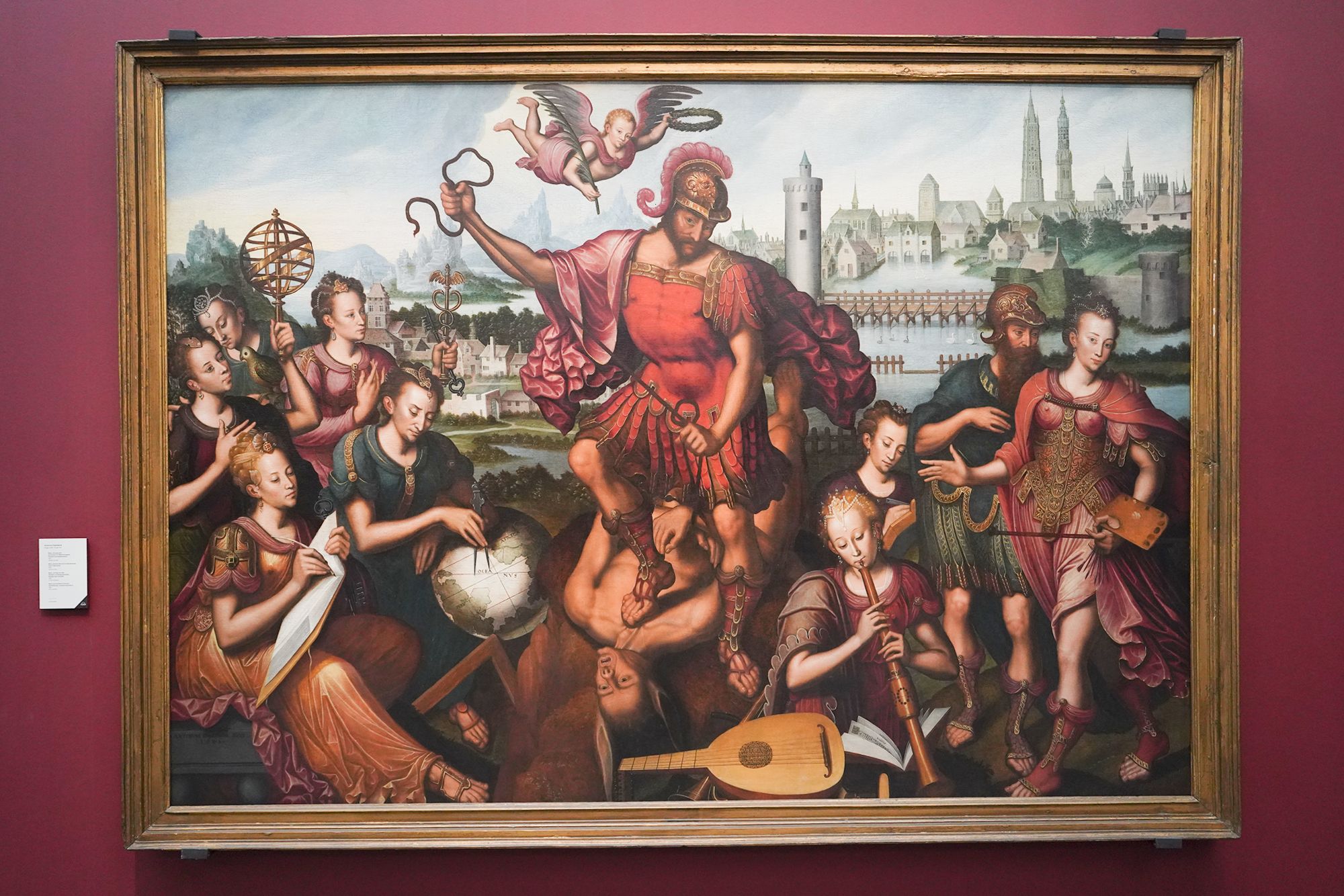
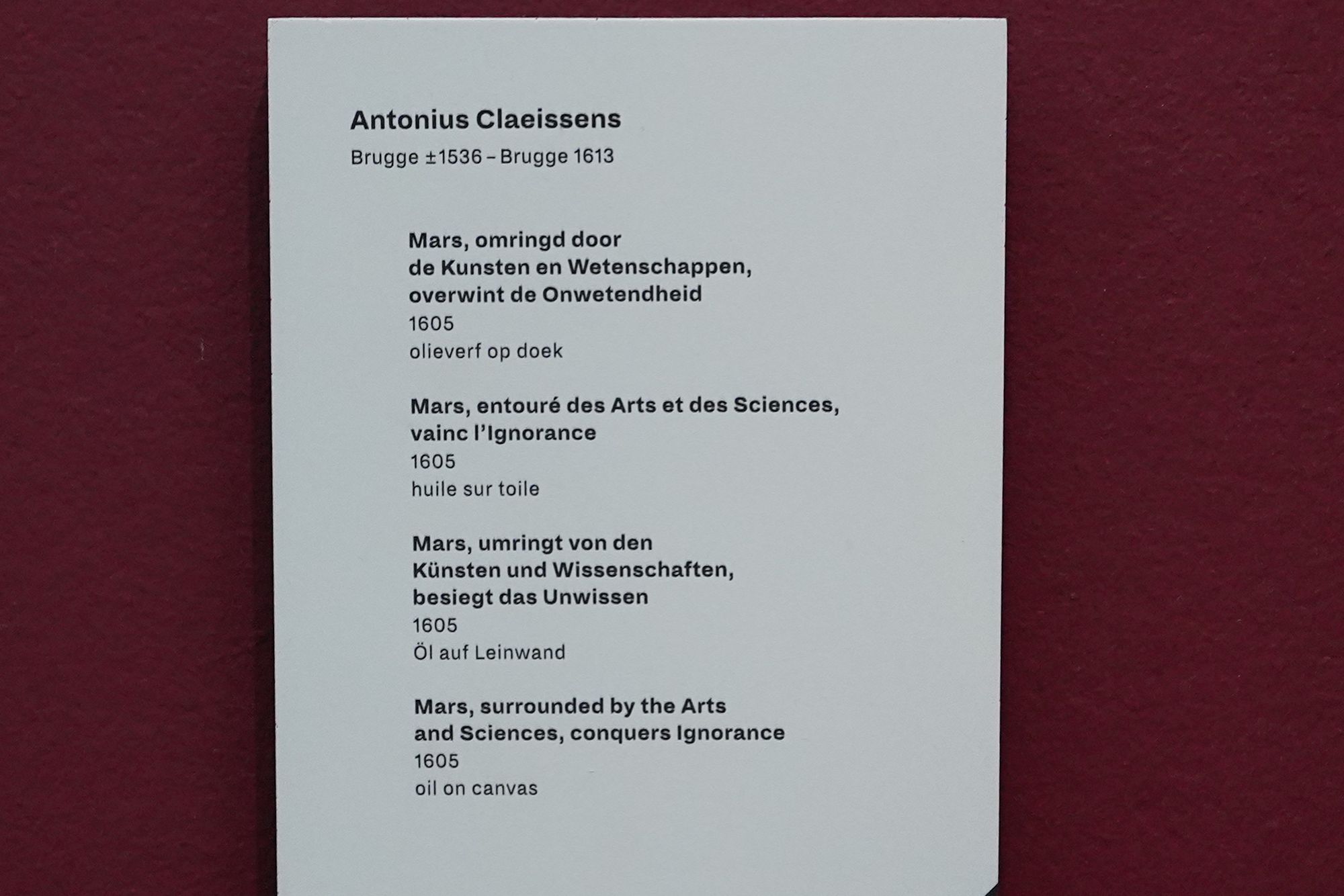
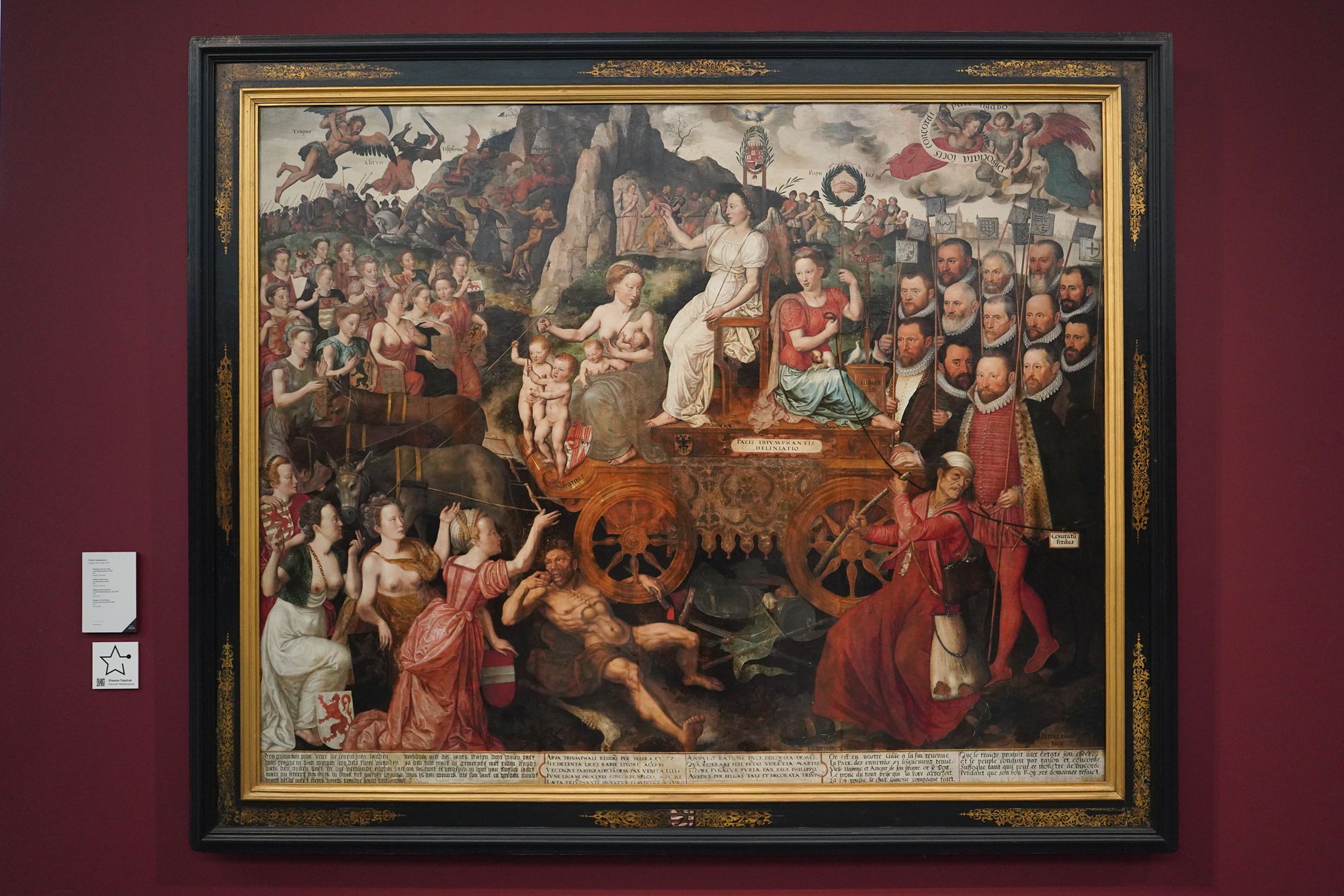
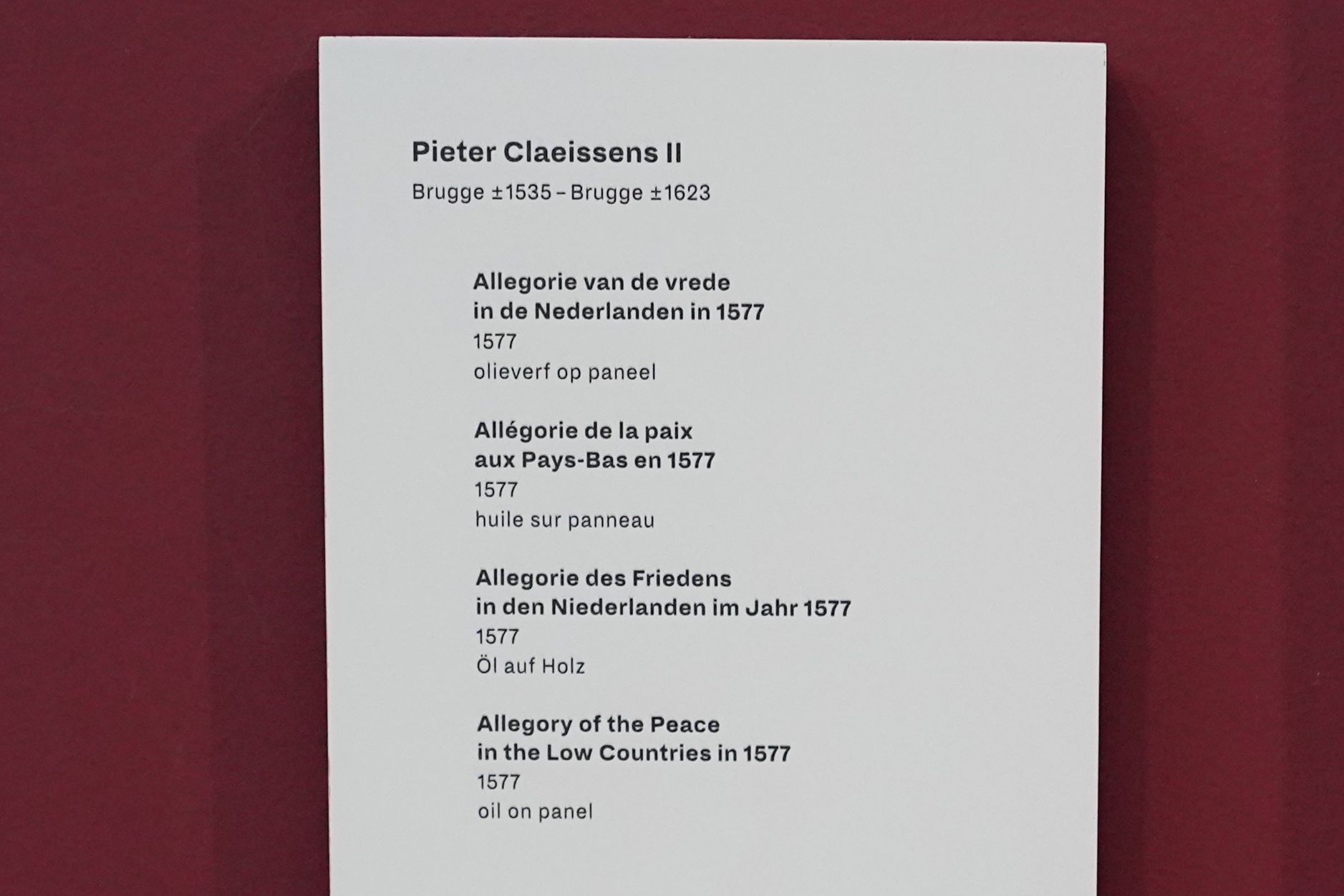
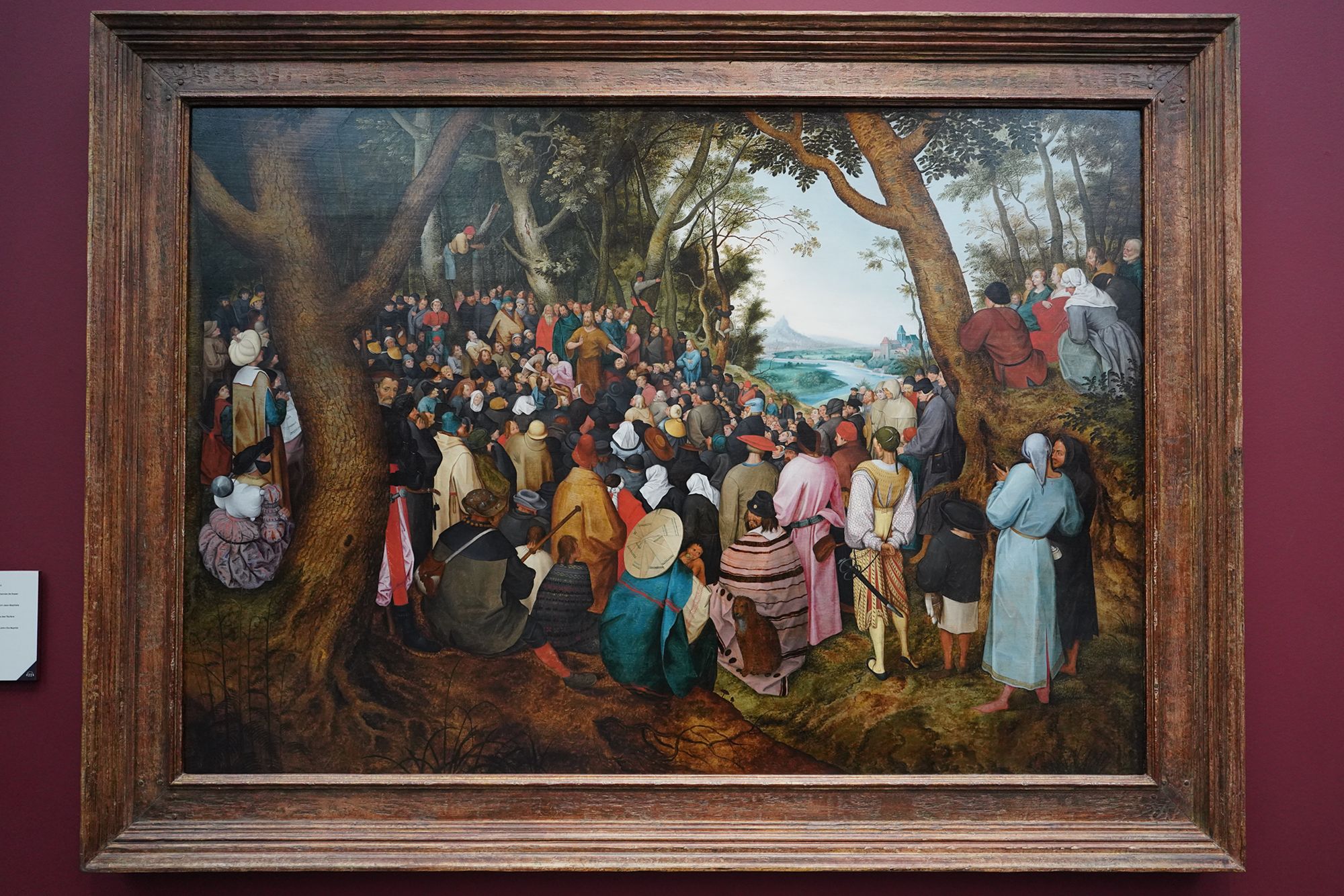
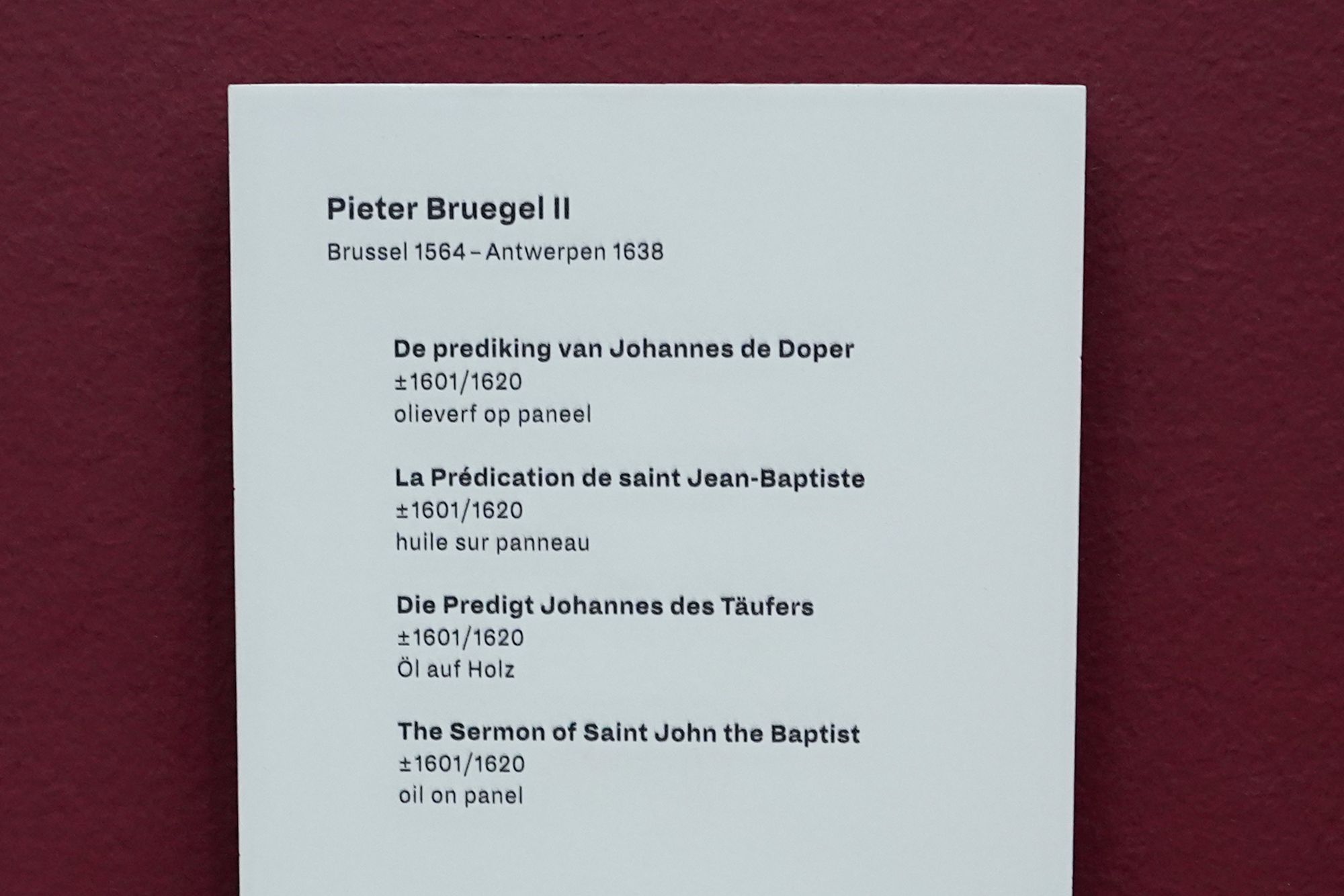
By around 1600, Bruges’ artistic tradition continued through families such as the Claeyssens and Pourbus dynasties. Some Bruges-trained painters achieved success far beyond the city, while new influences from Antwerp and the growing popularity of landscape painting reflected the changing direction of Flemish art.
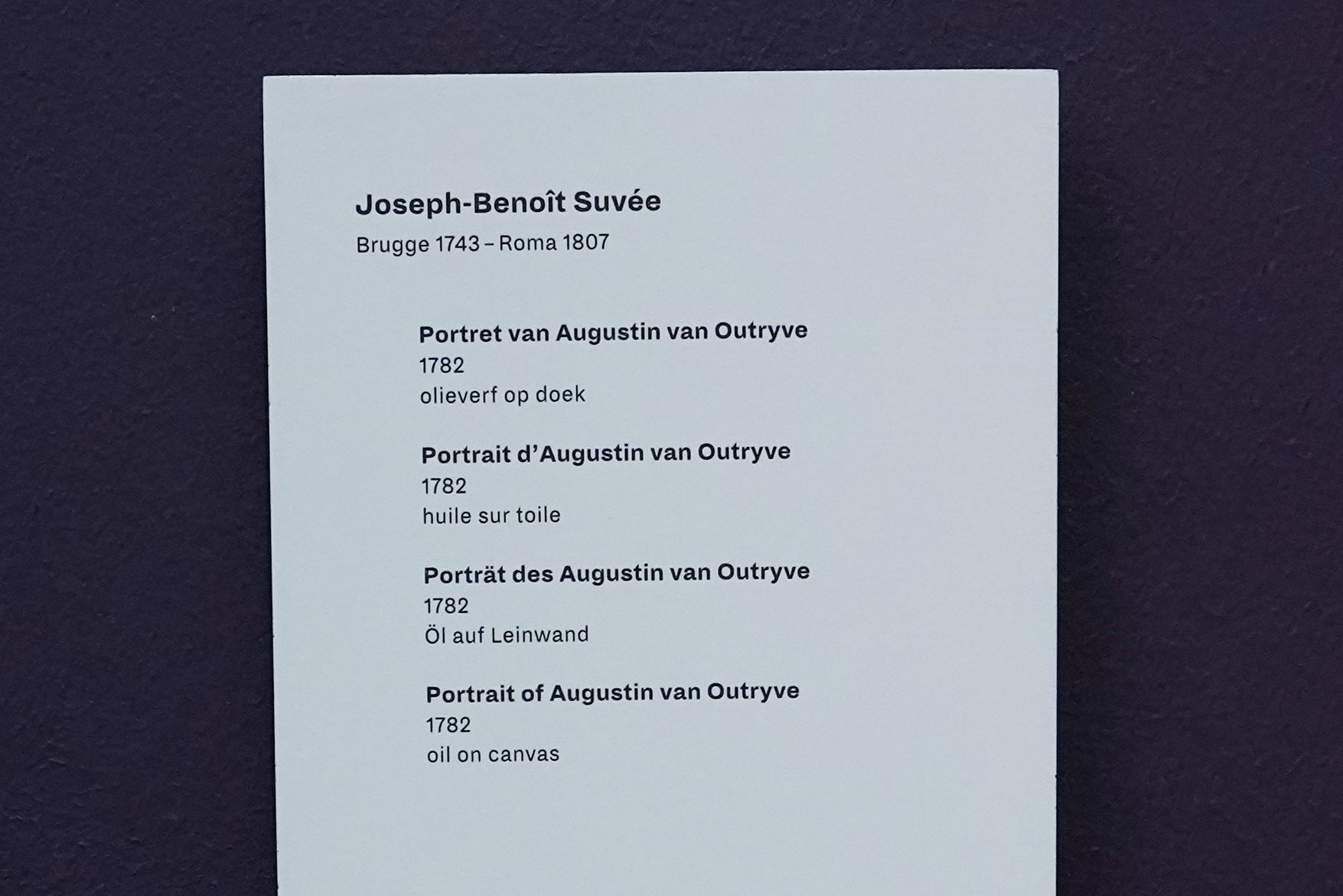
In the late 18th and early 19th centuries, Bruges experienced a new artistic revival through Neoclassicism. The Bruges Academy became an important art school, while Bruges-born Joseph-Benoît Suvée achieved international success in Paris and Rome and became one of the city’s most prominent artists.
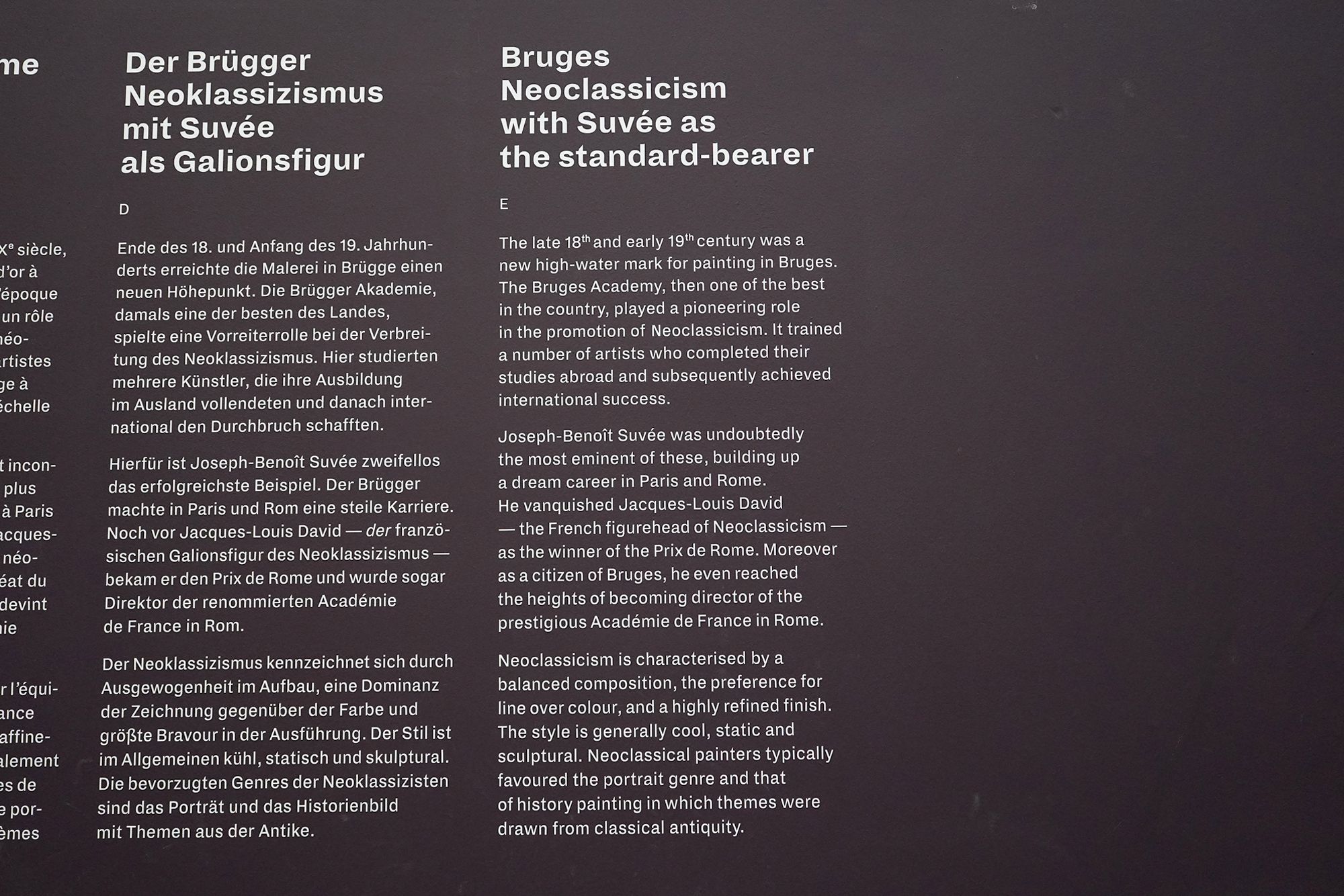
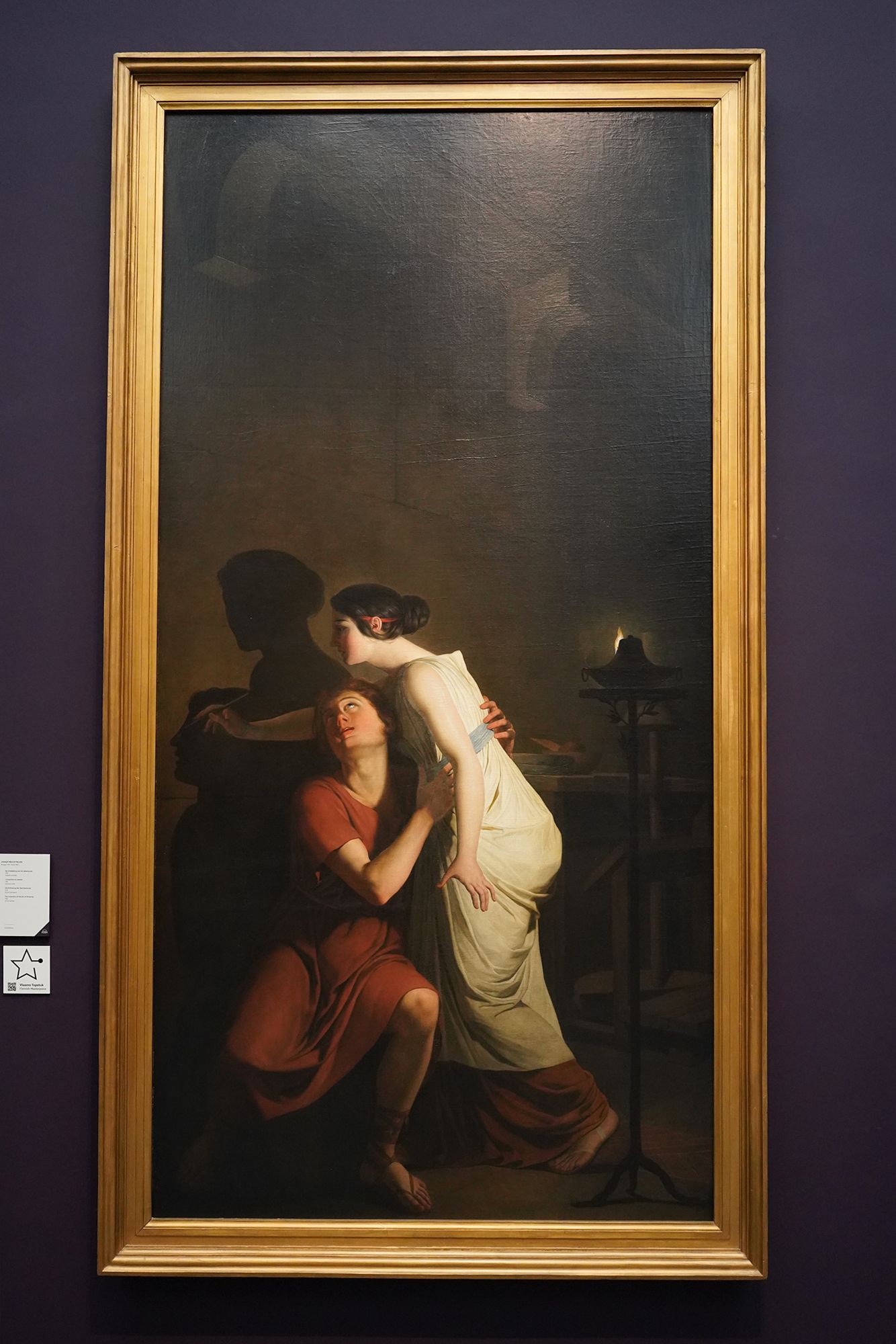
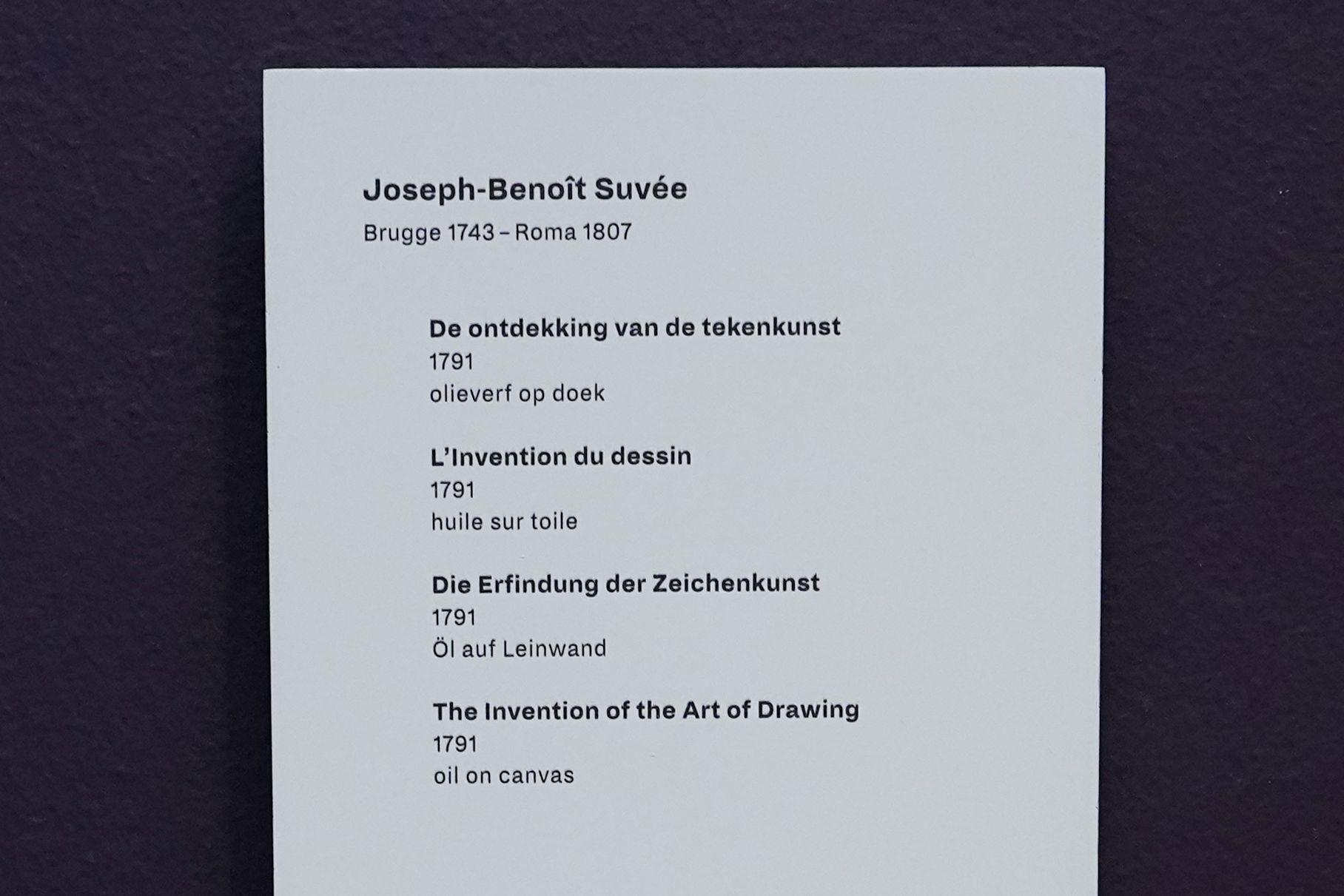
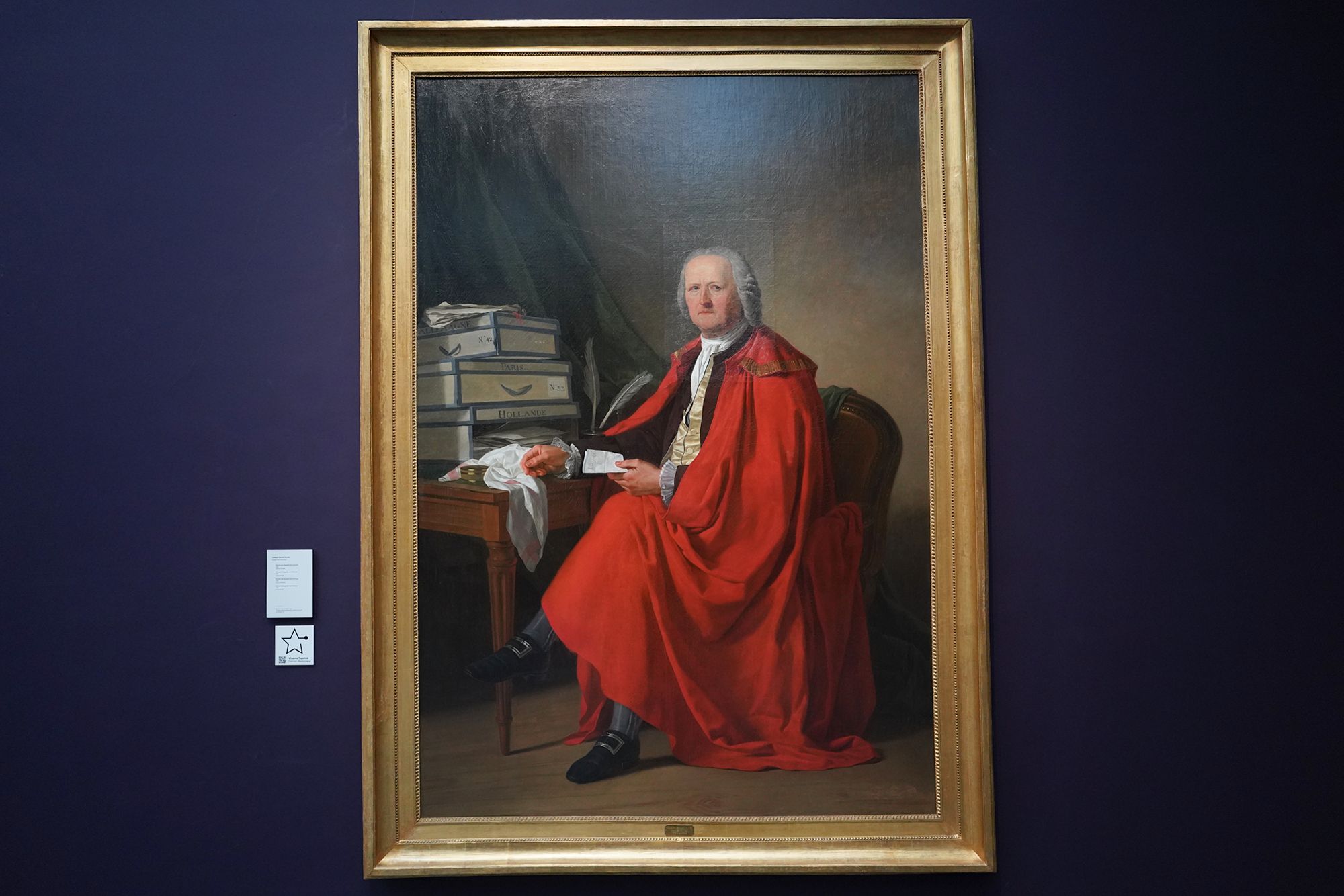
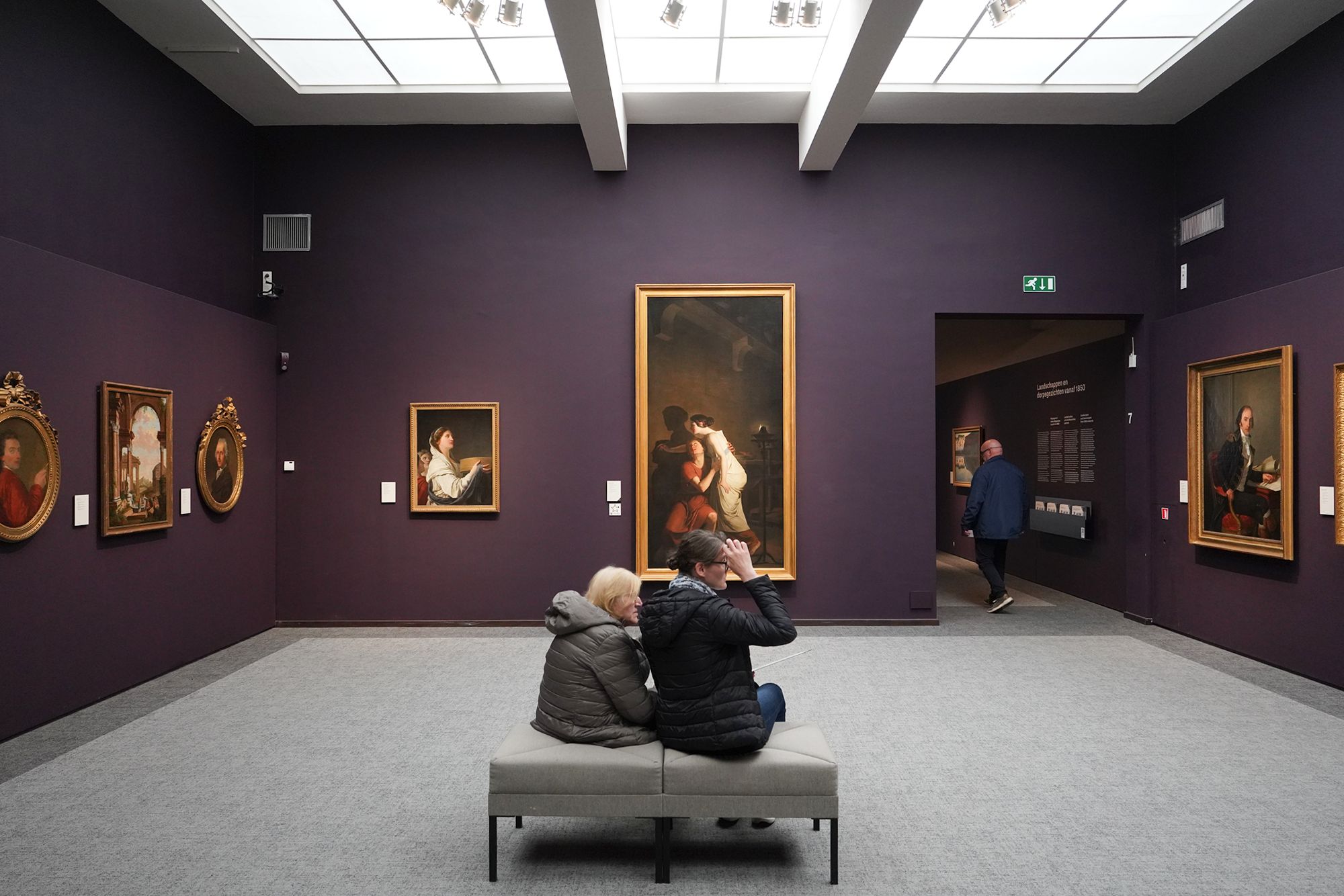
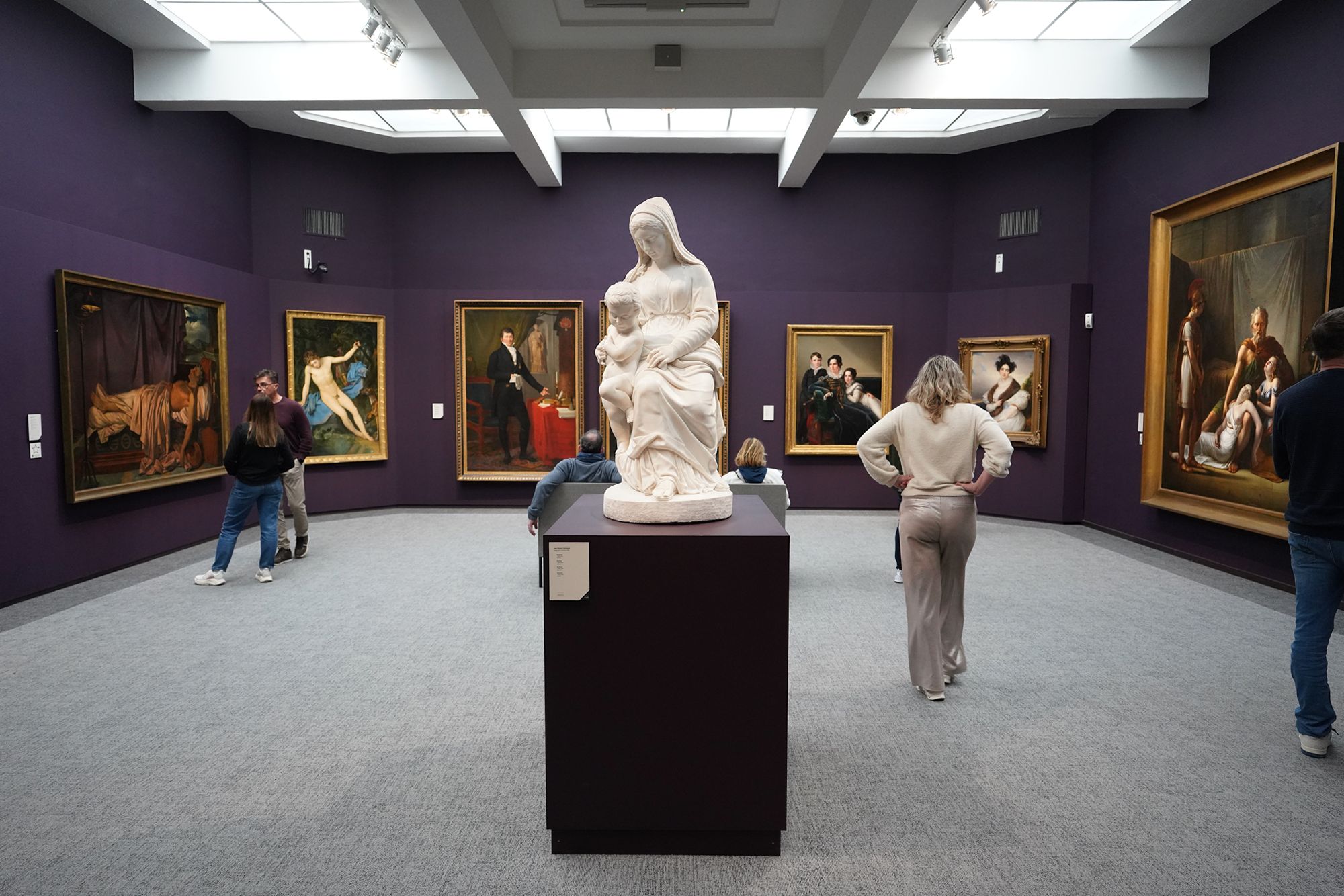
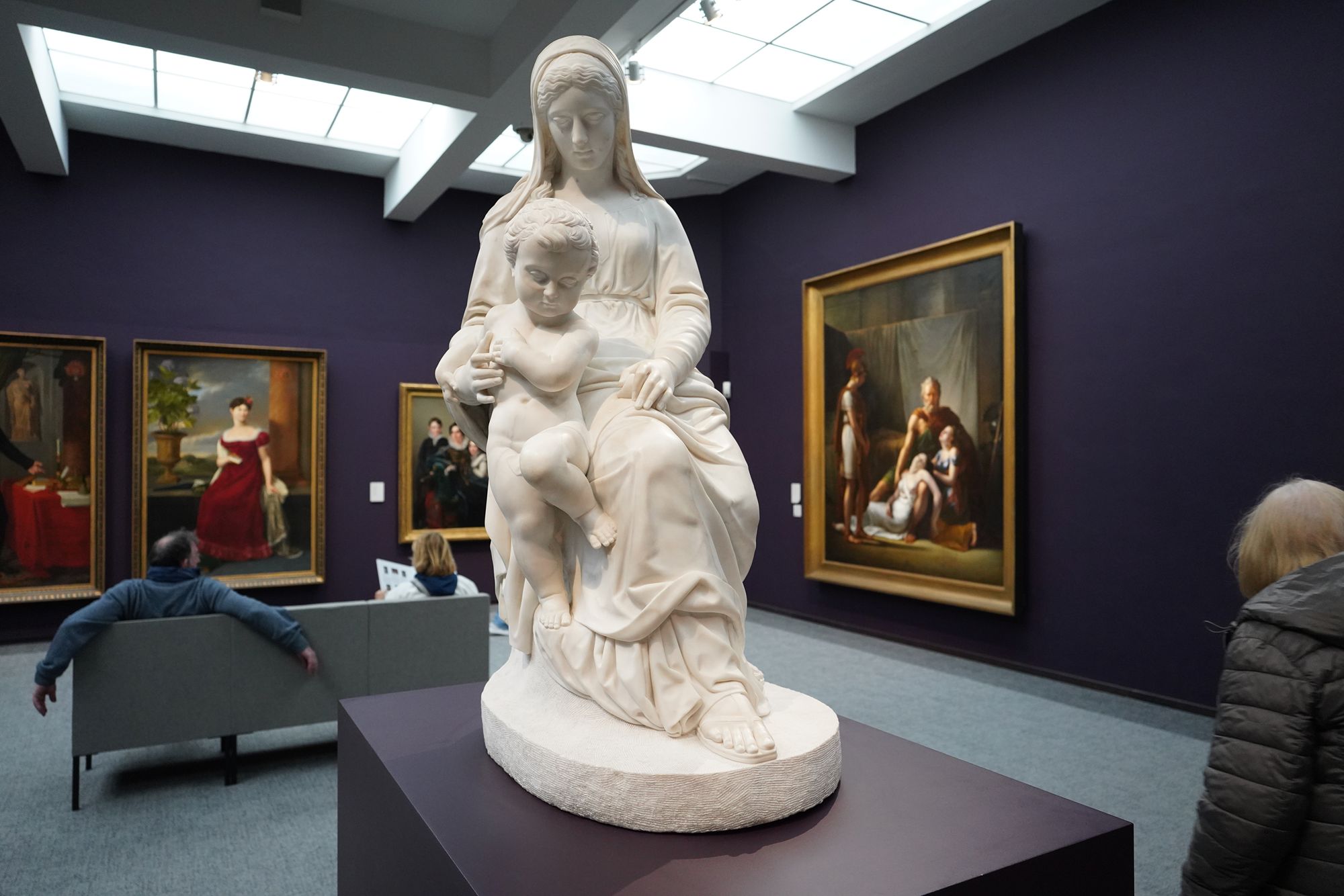
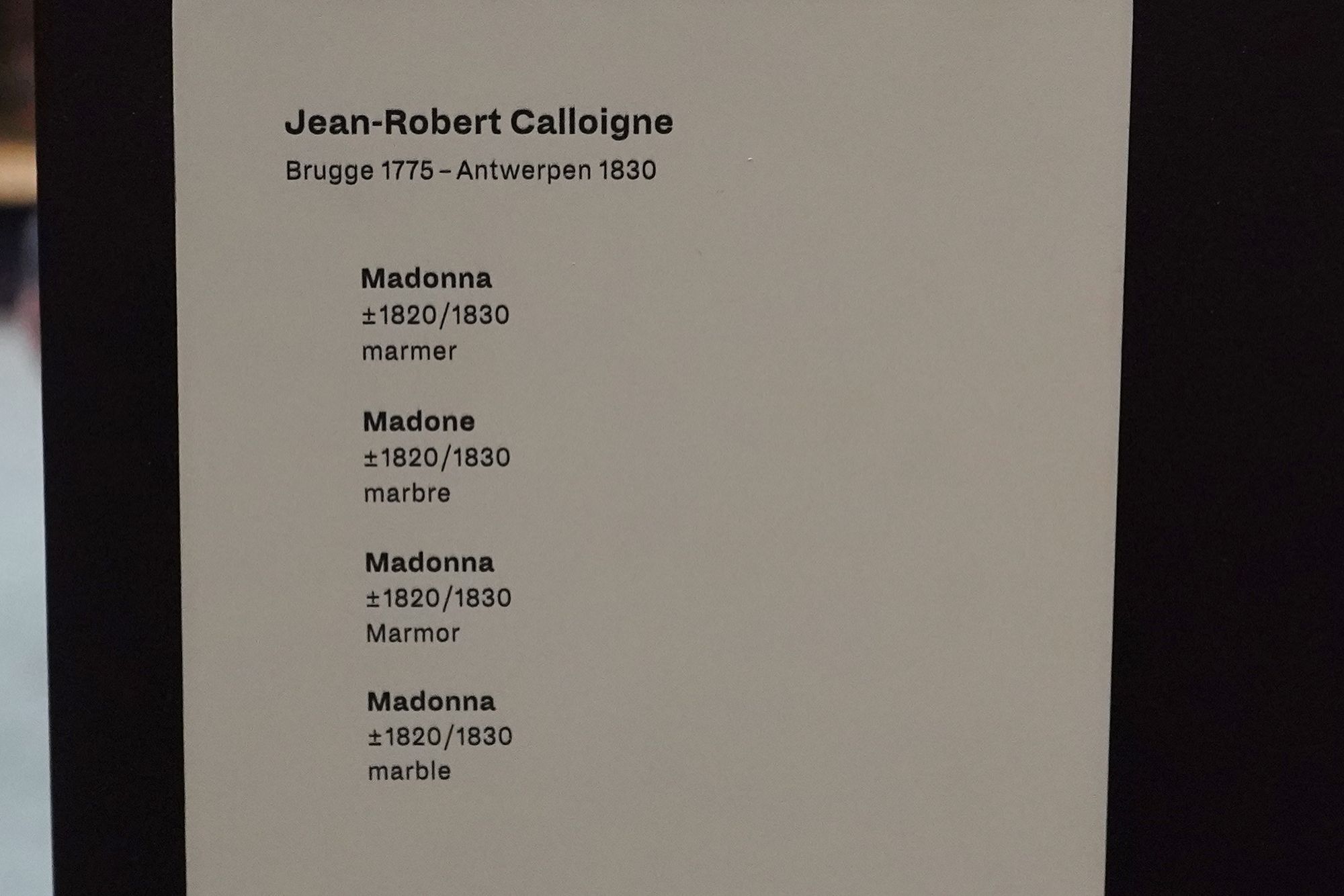
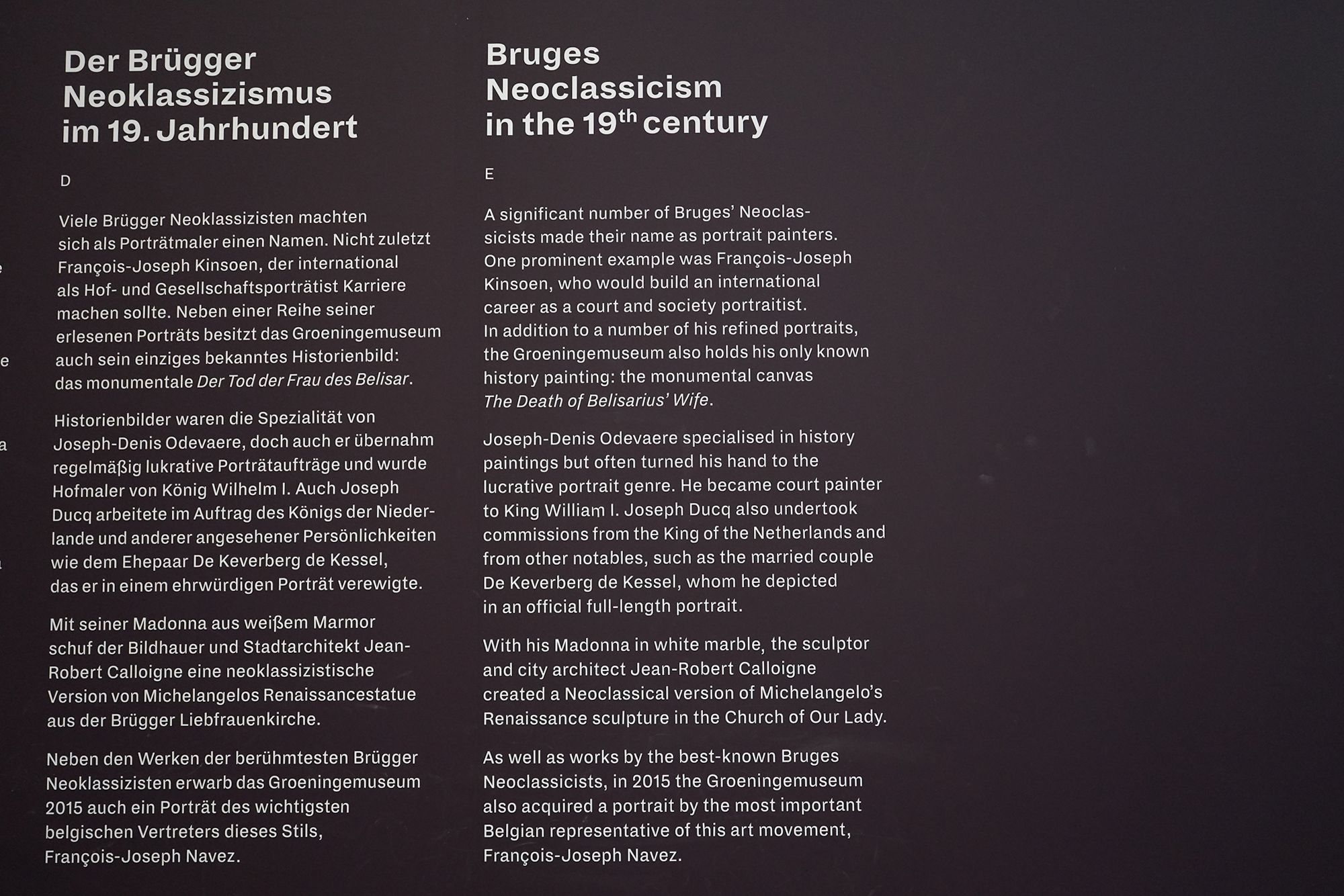
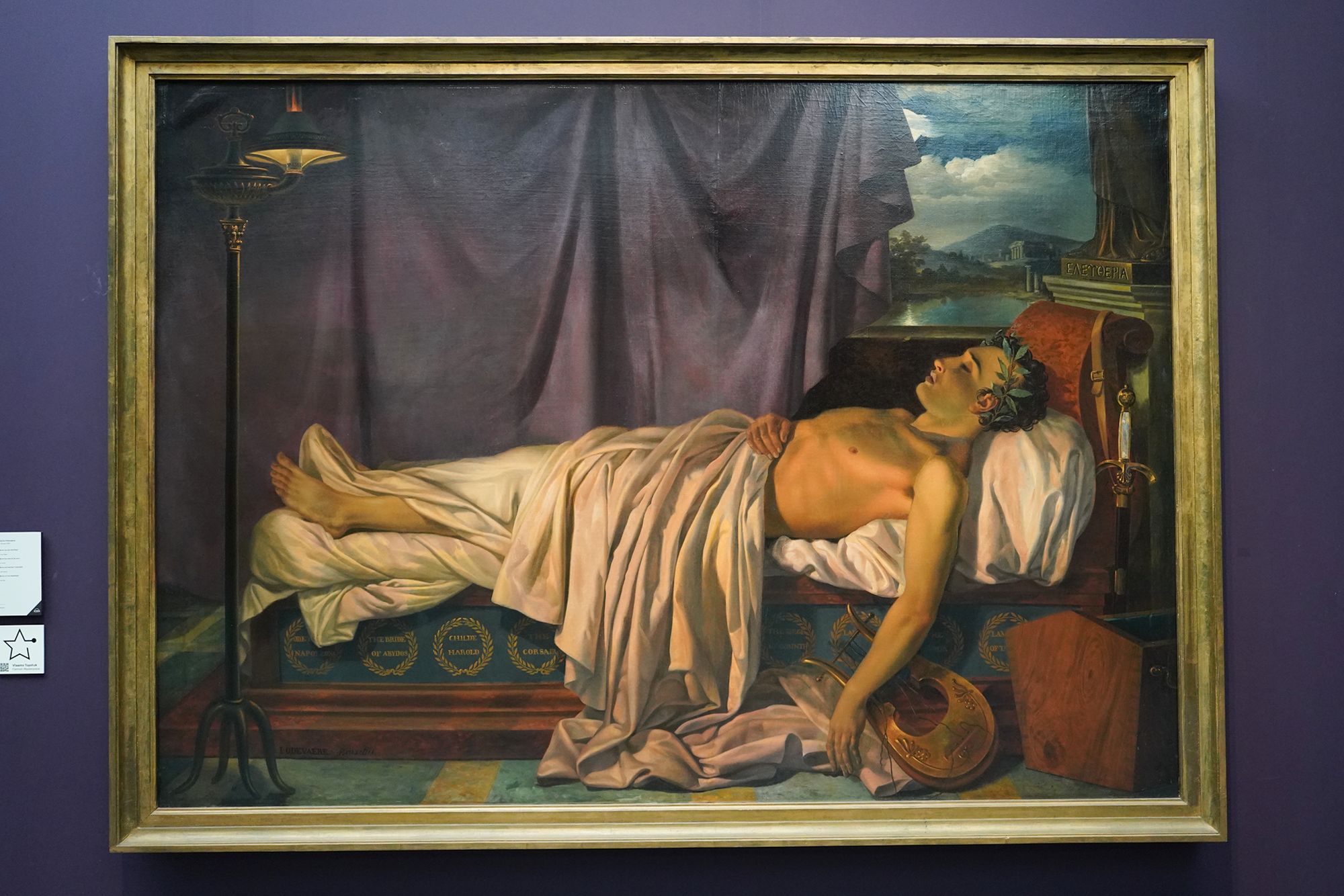
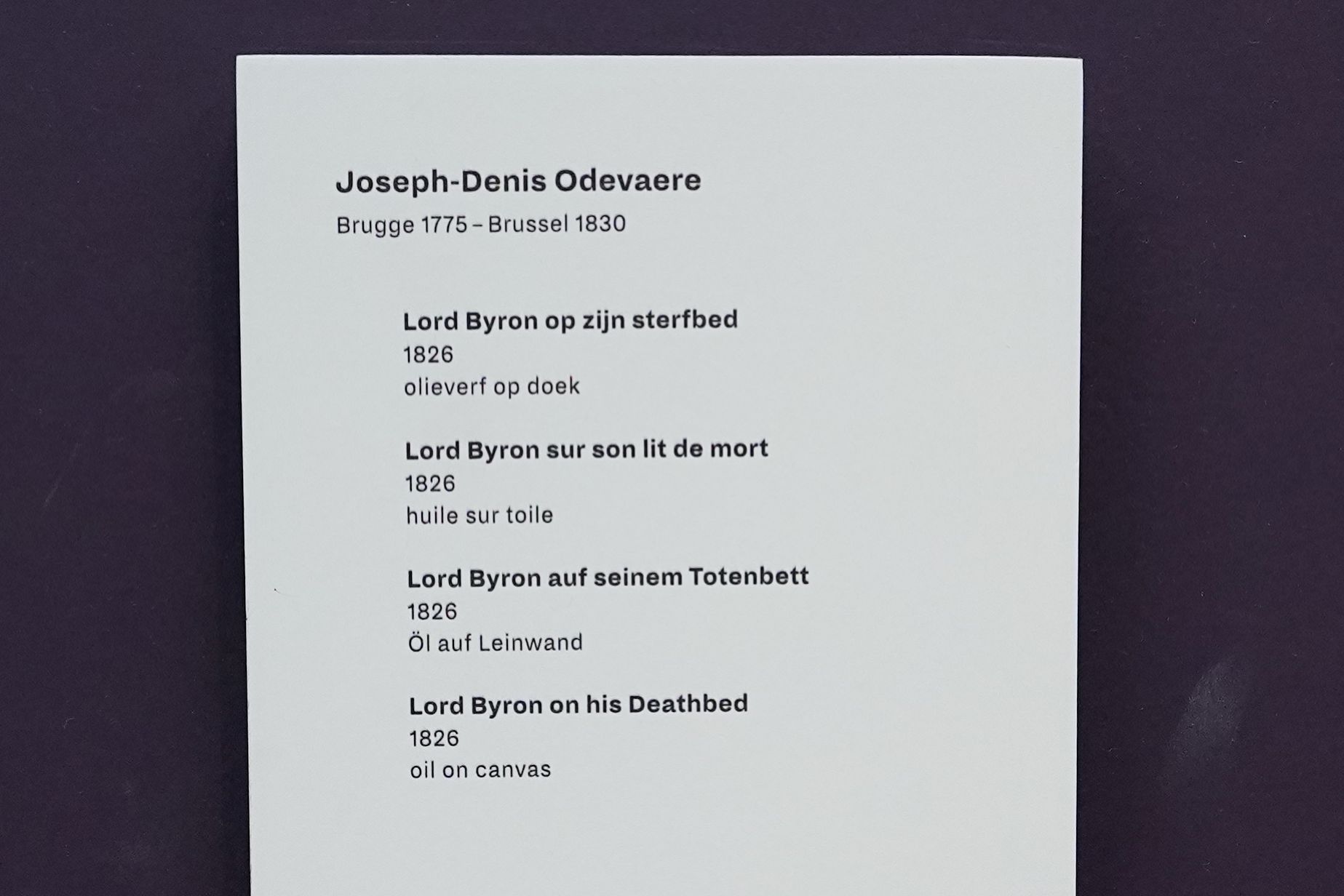
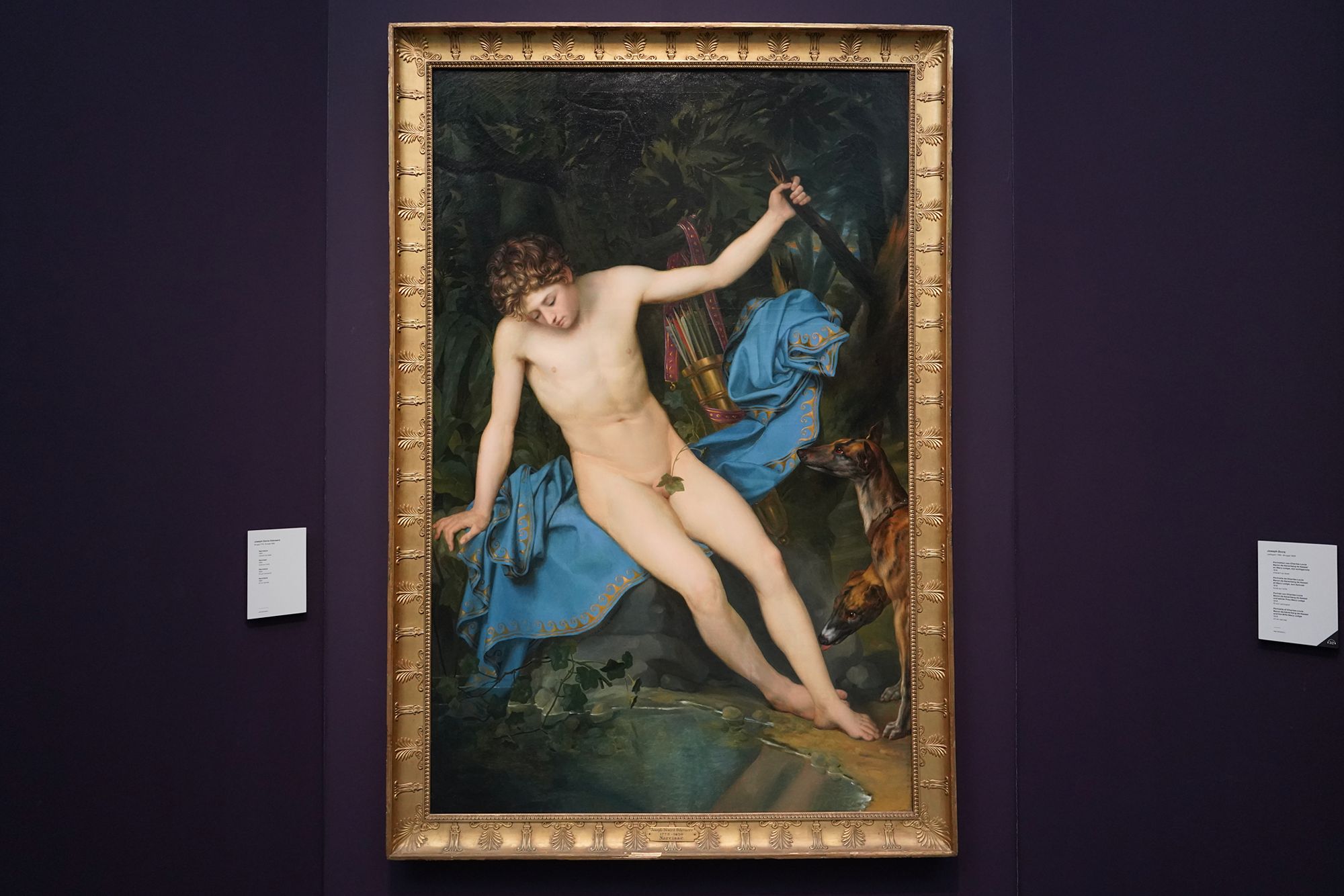
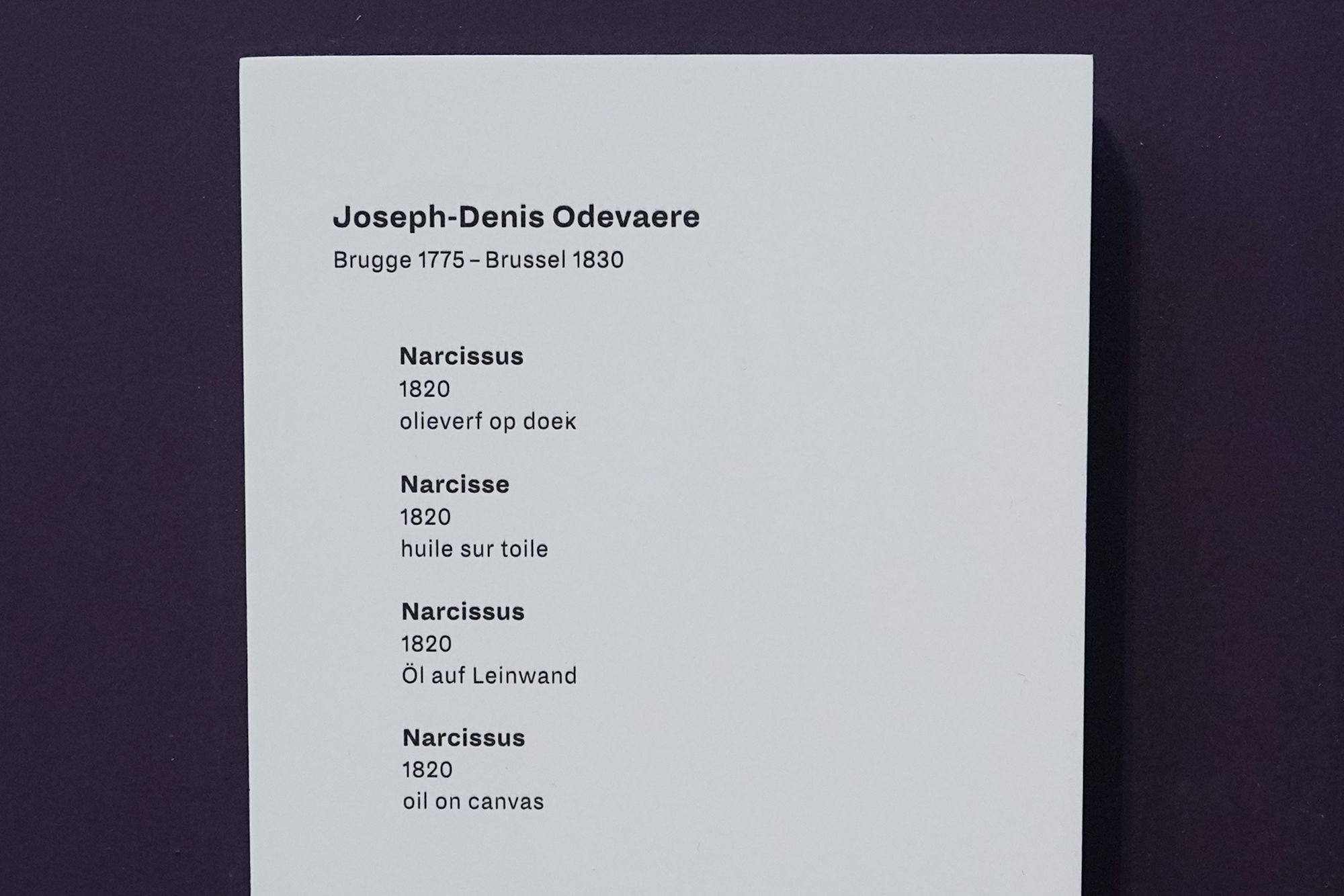
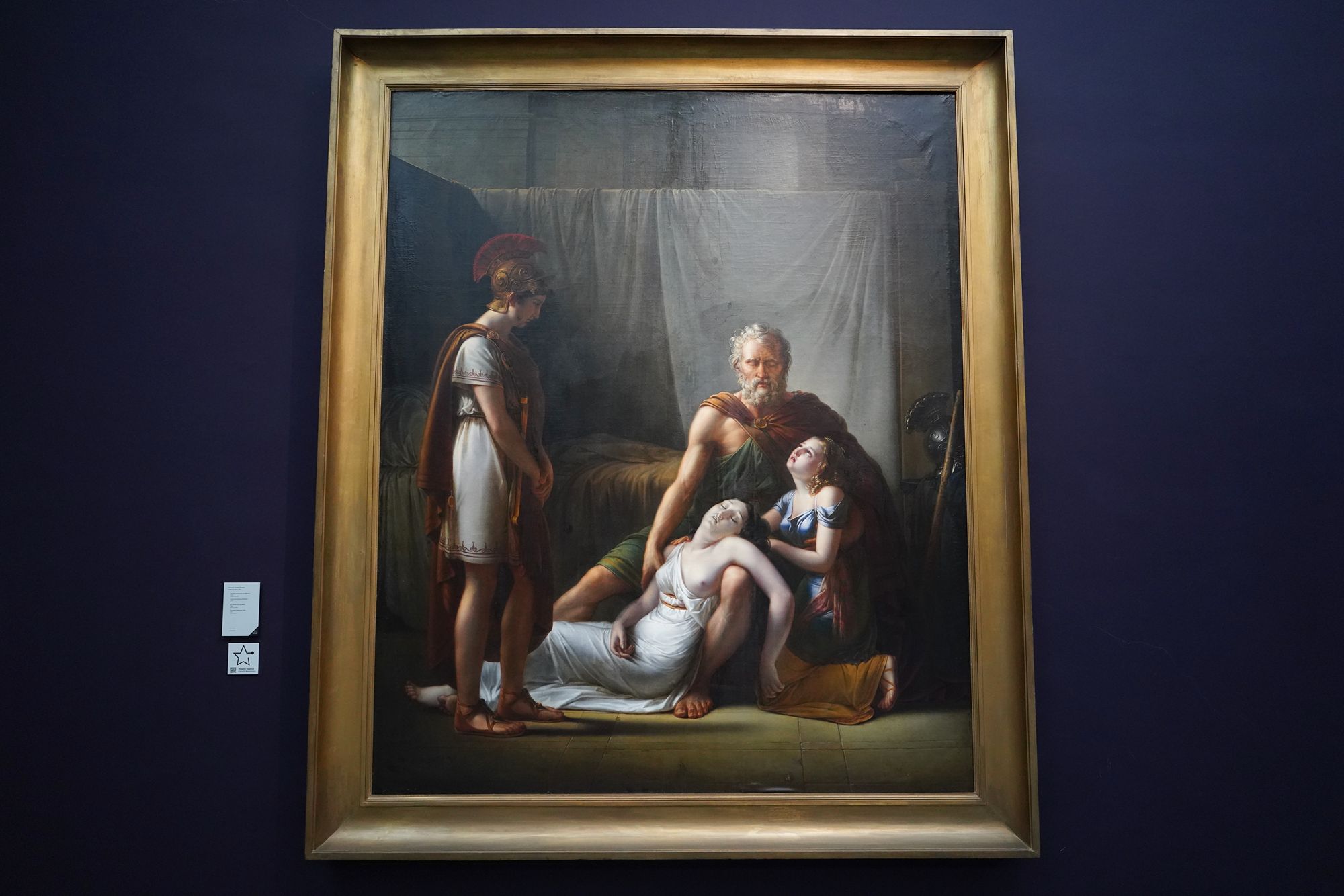
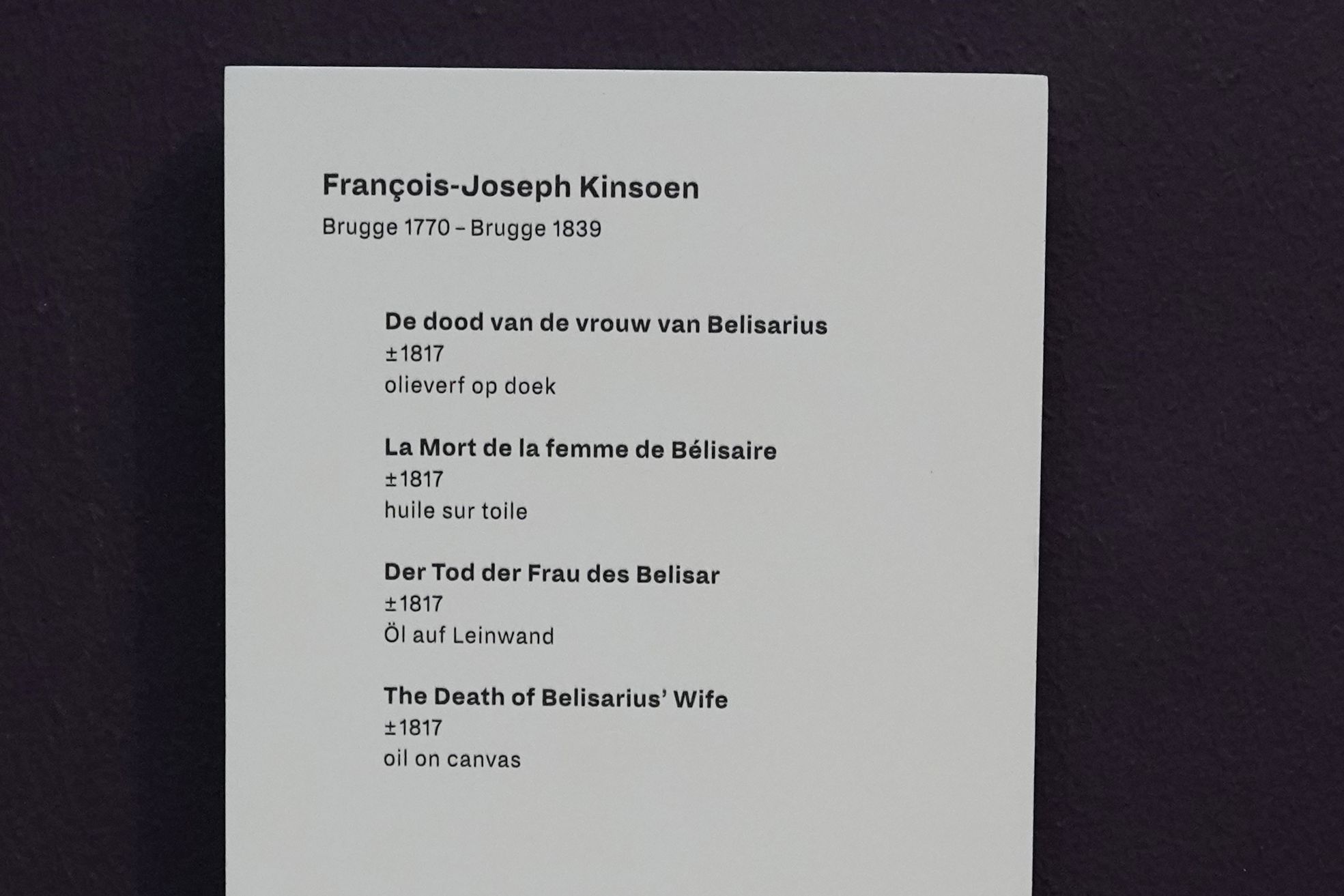
During the 19th century, Bruges continued its strong Neoclassical tradition, particularly in portraiture and history painting. Artists such as François-Joseph Kinsoen and Joseph-Denis Odevaere achieved international success, painting royalty and members of European high society.
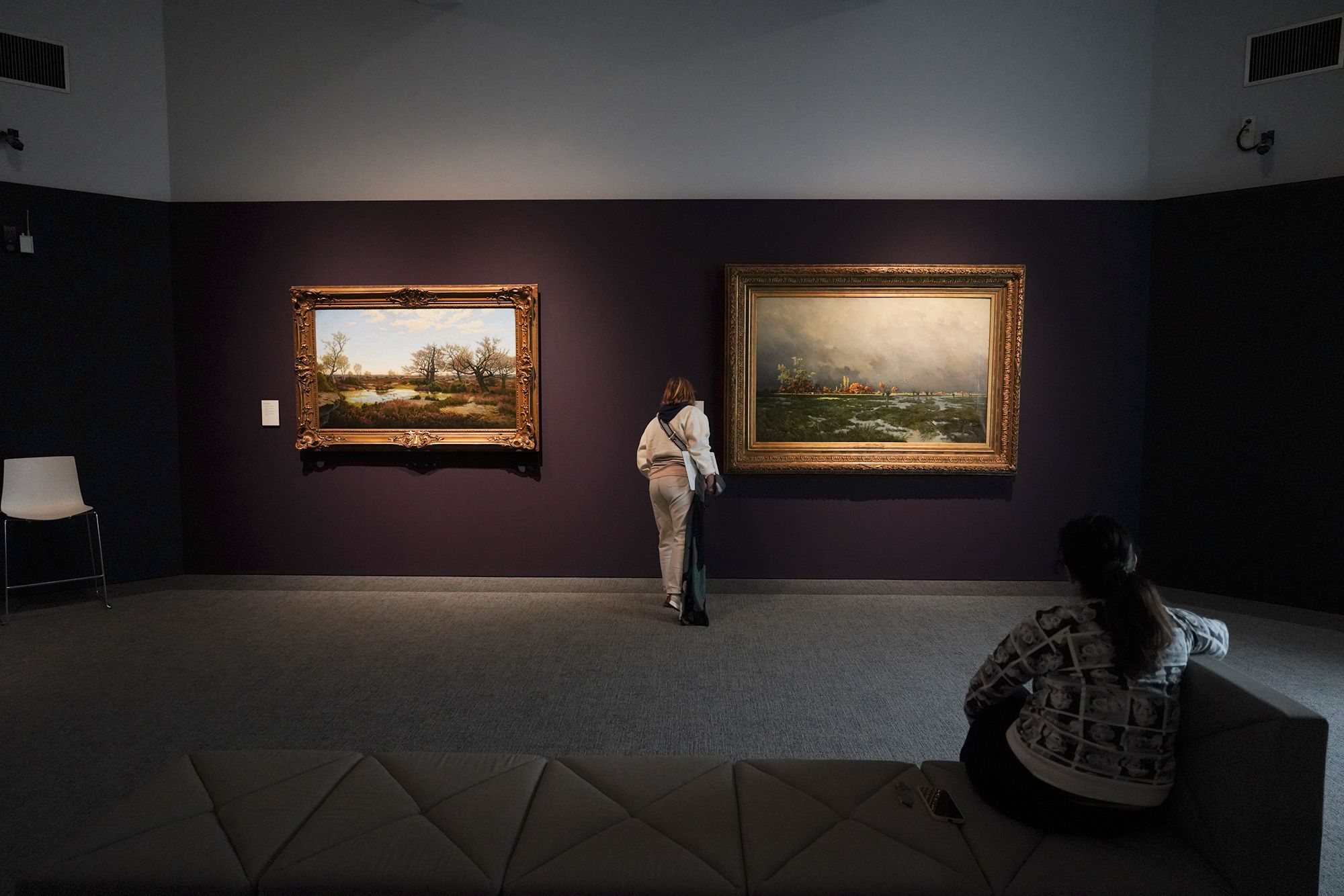
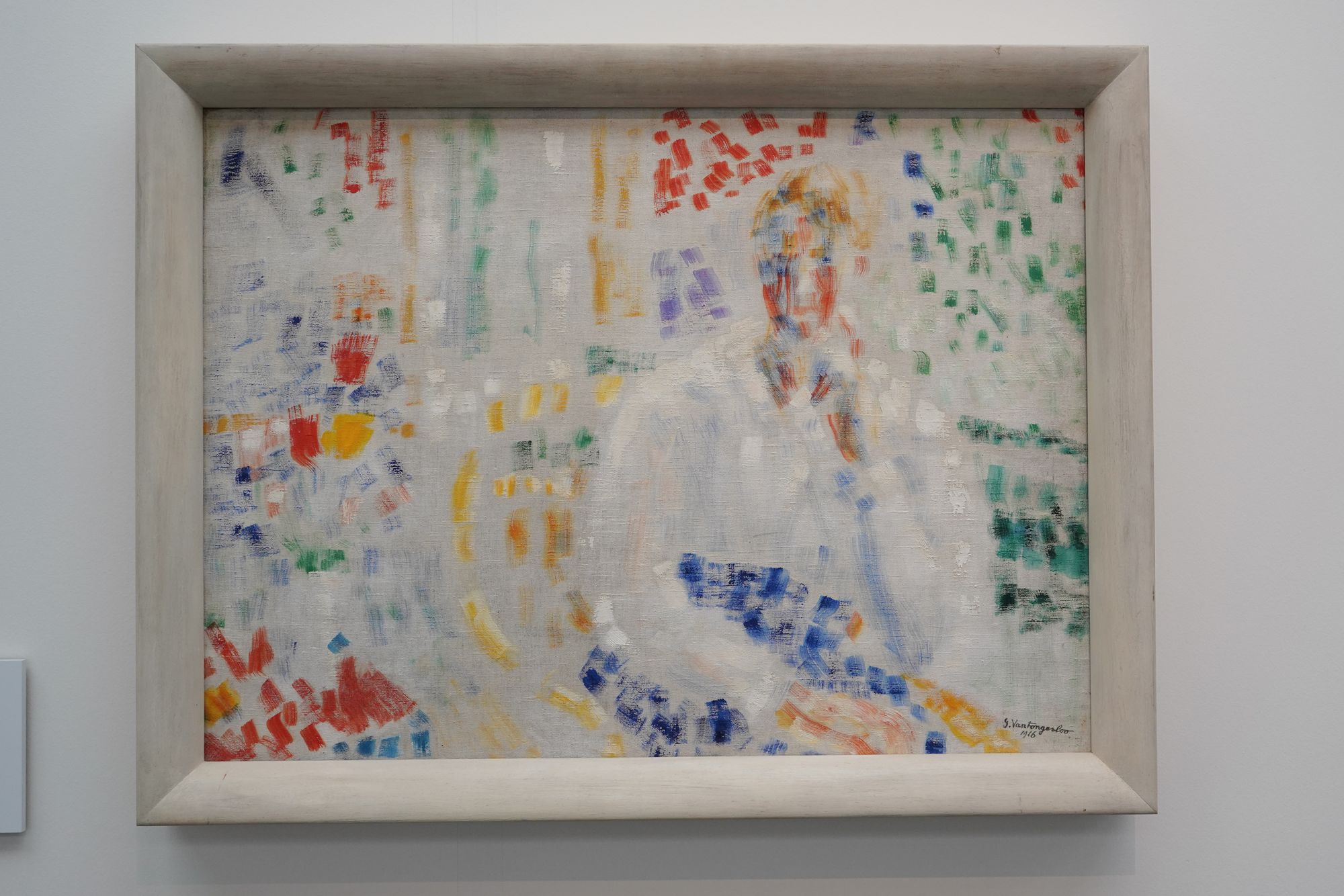
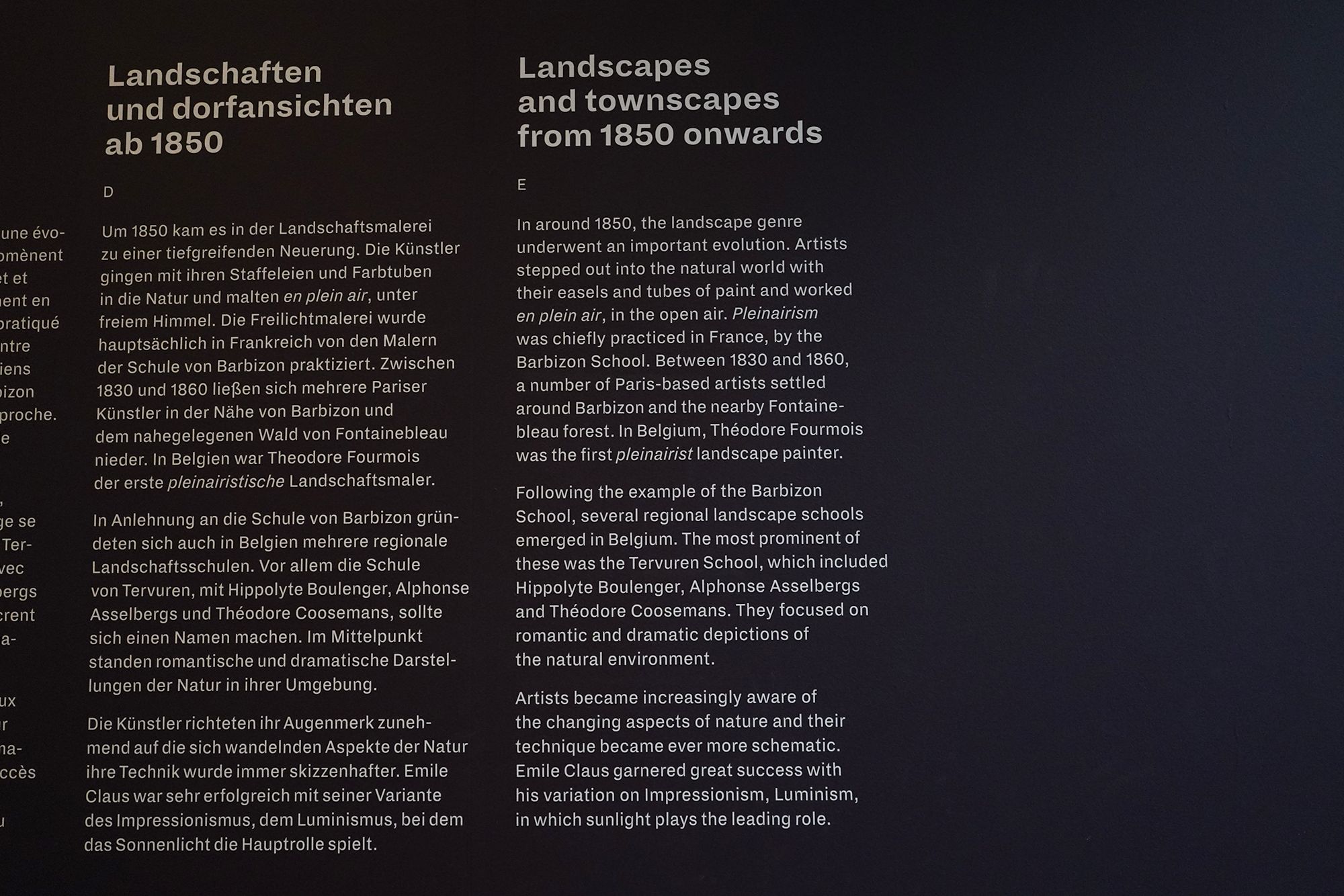
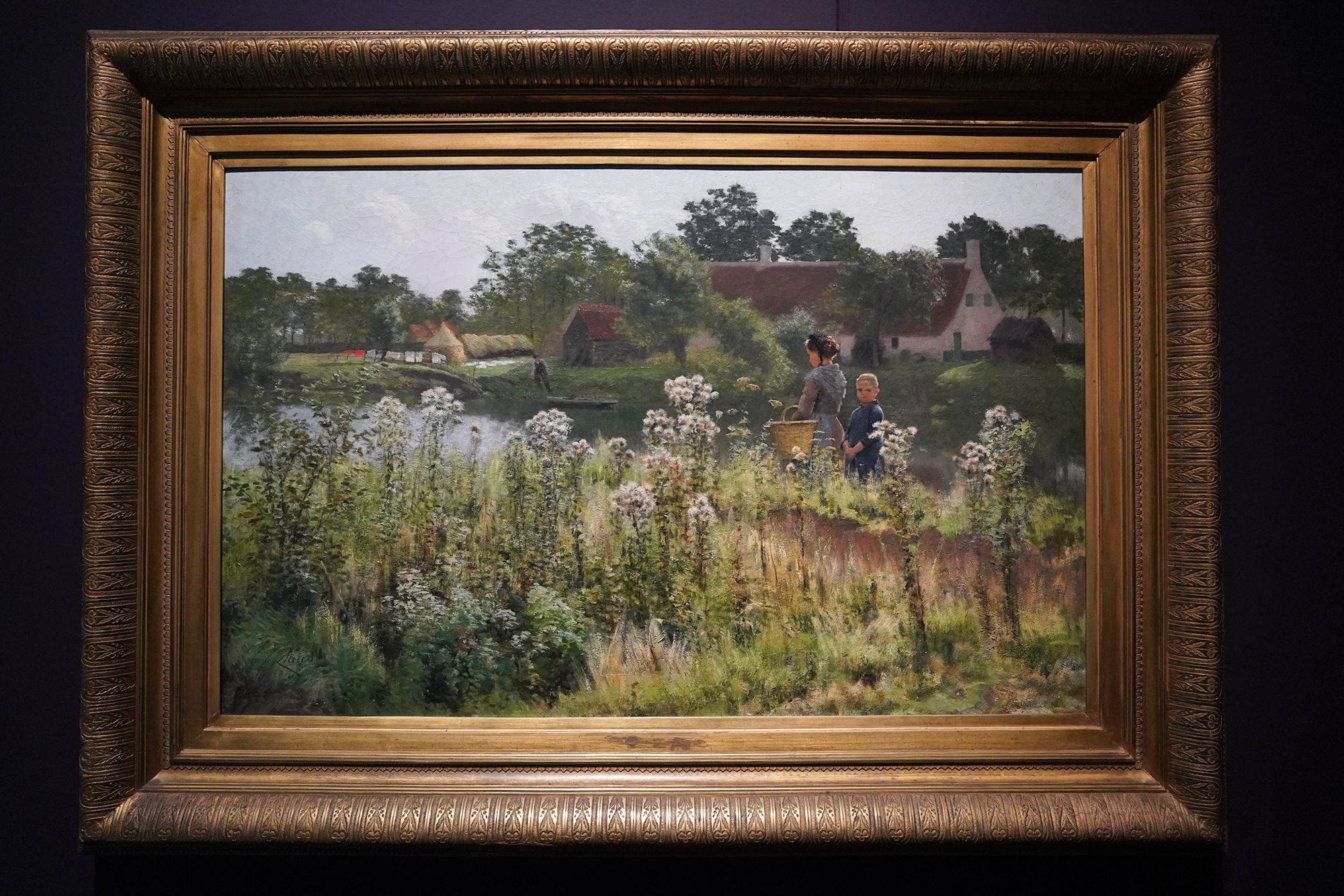
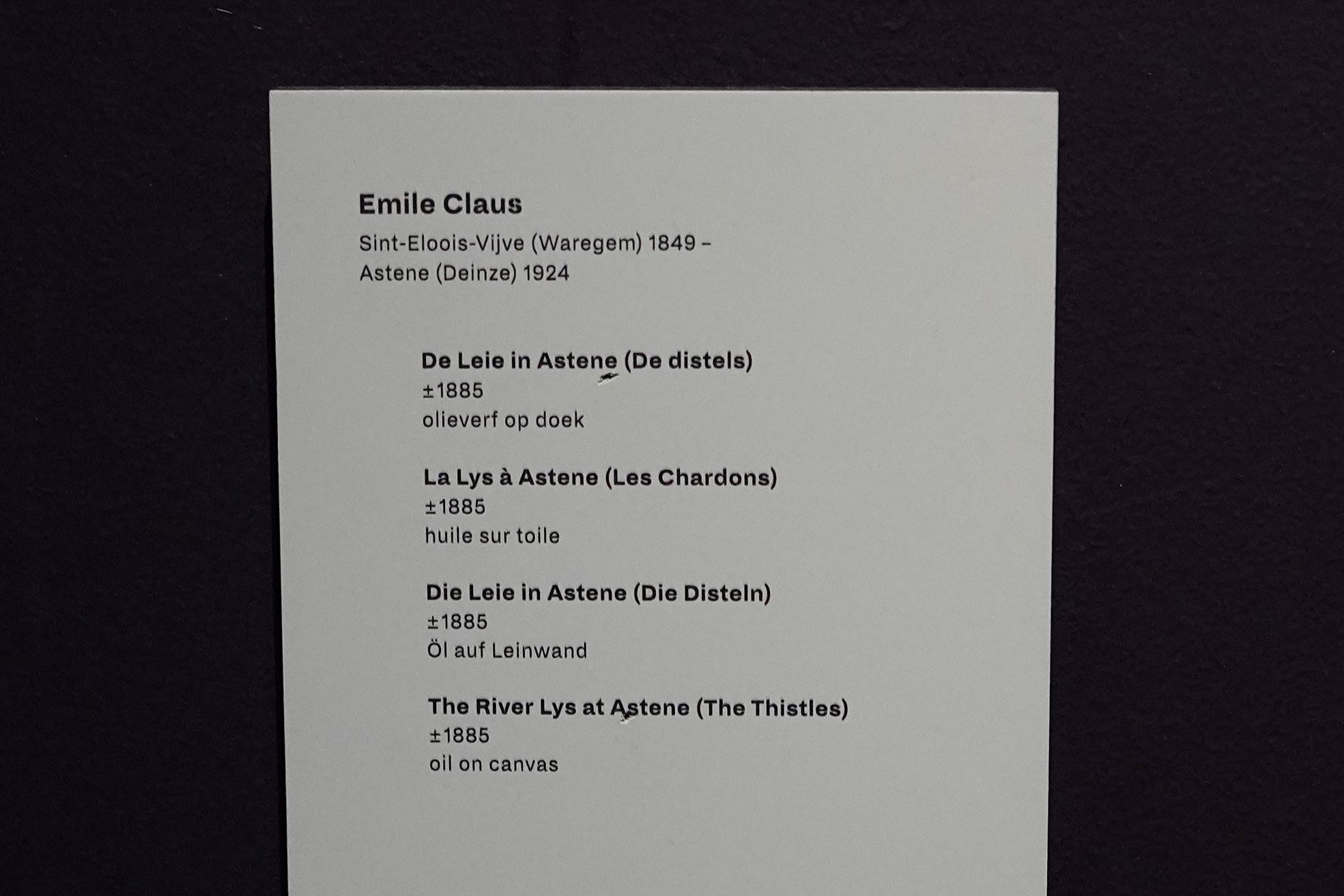
From around 1850, Belgian artists increasingly left their studios to paint landscapes directly outdoors. Influenced by the French Barbizon School, they became fascinated with natural light, atmosphere, and changing scenery, eventually helping pave the way for Impressionism and Belgian Luminism.
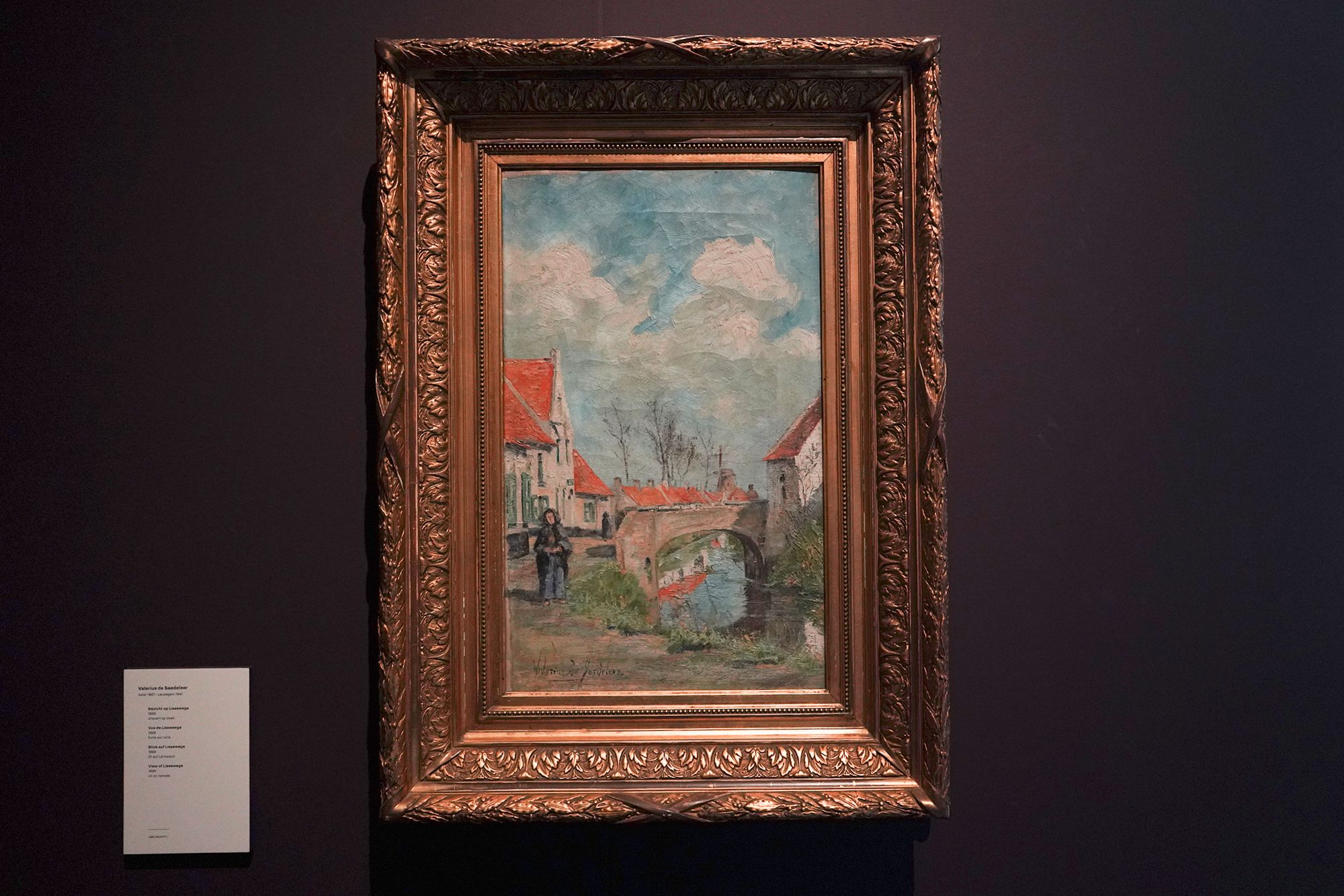
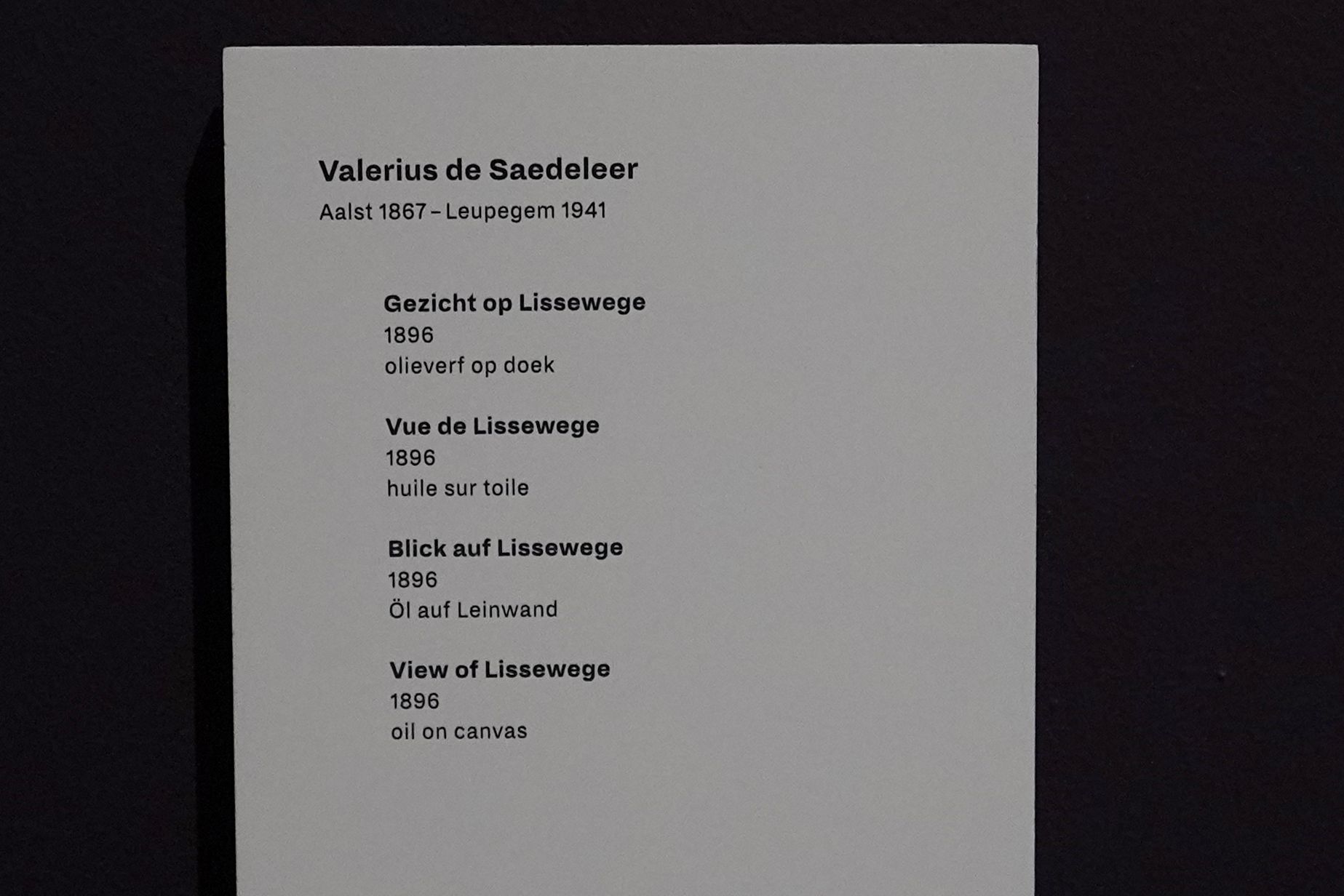
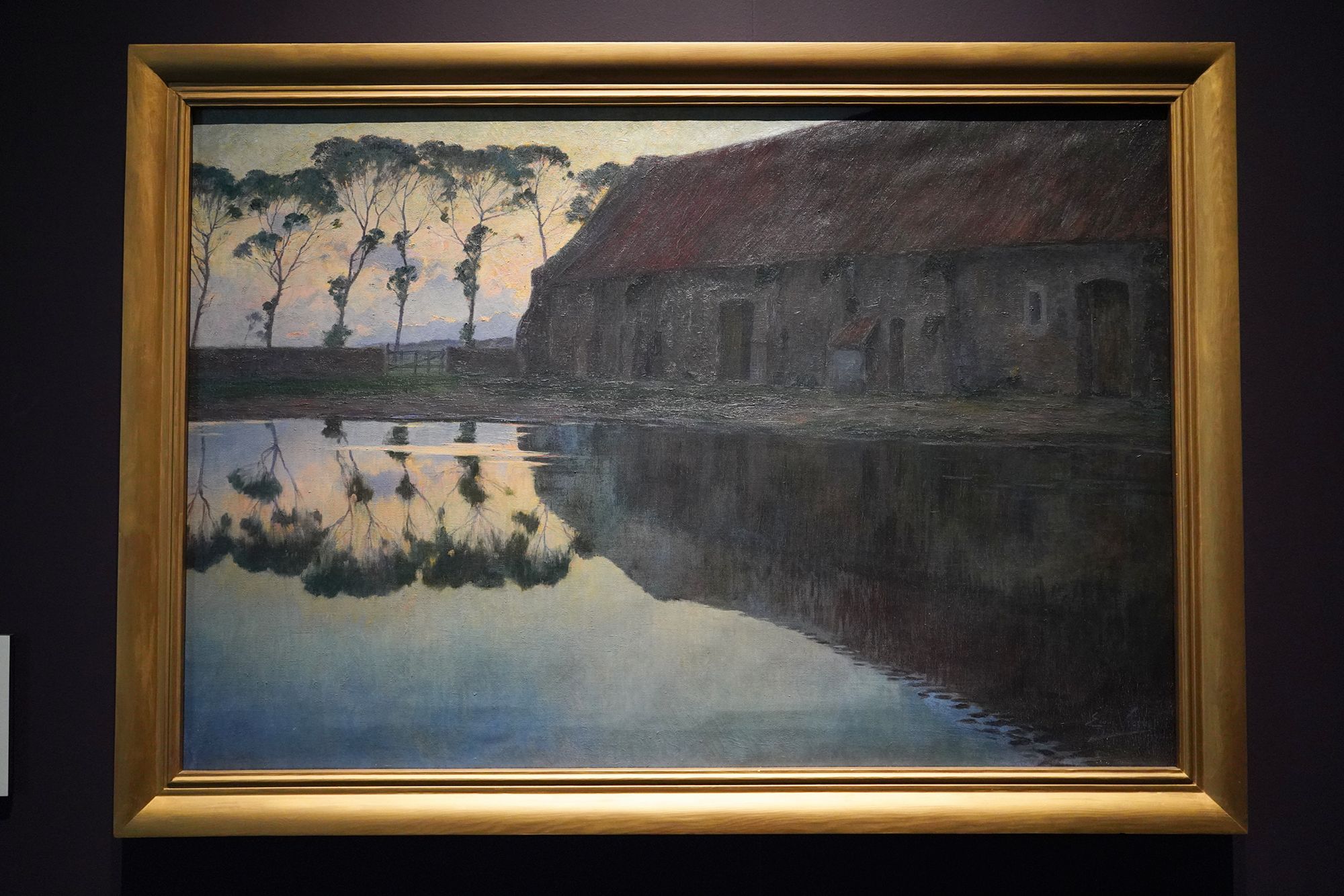
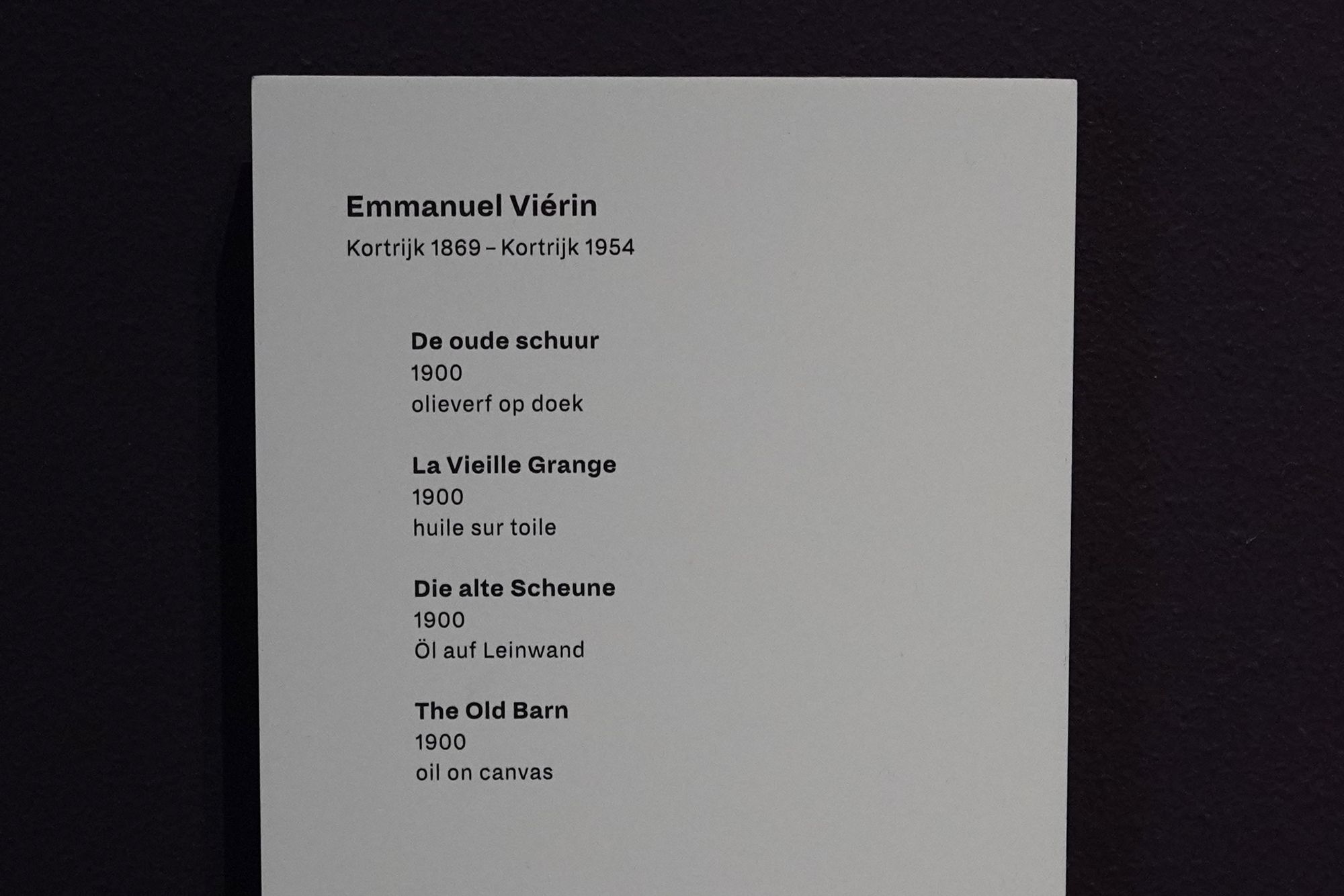
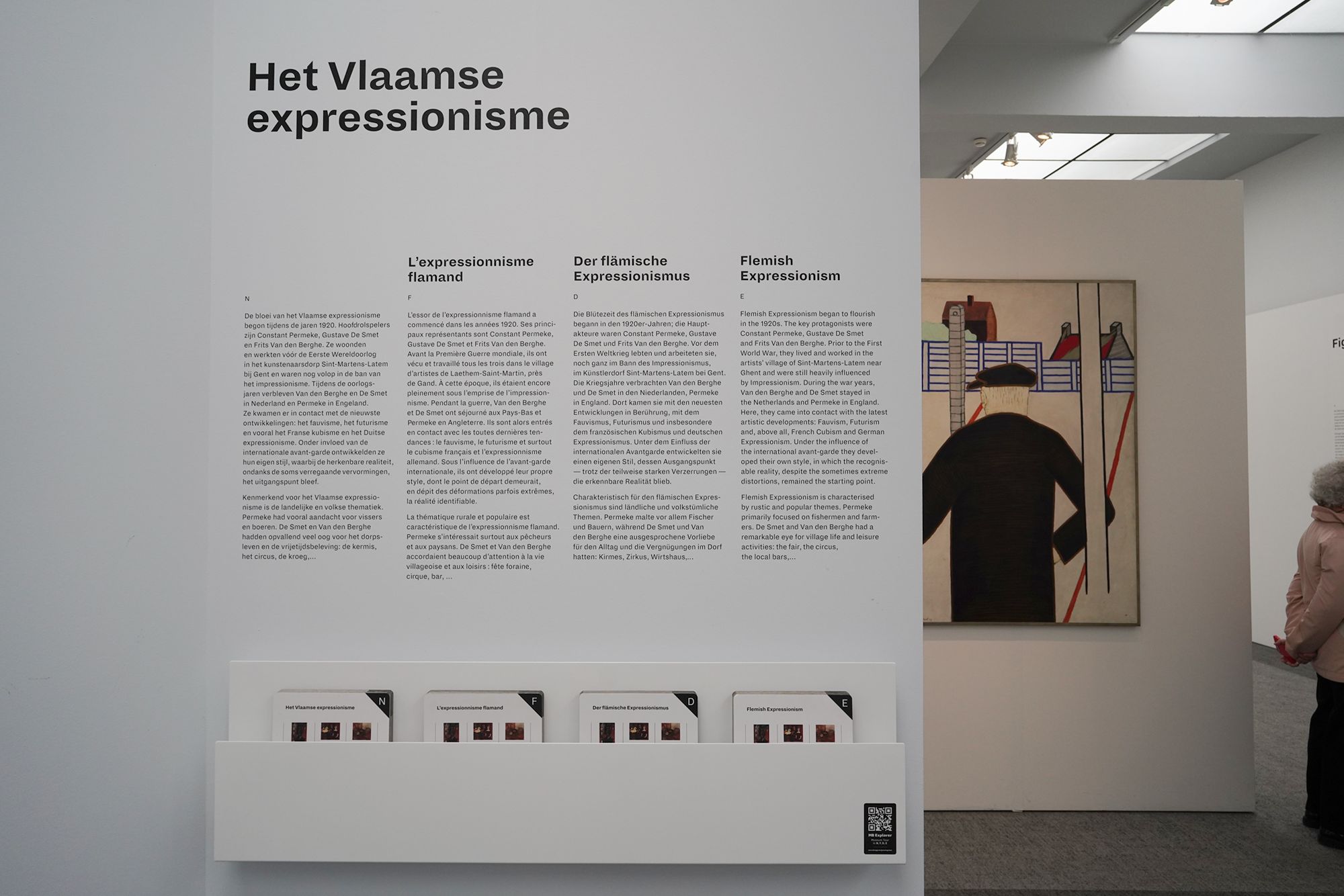
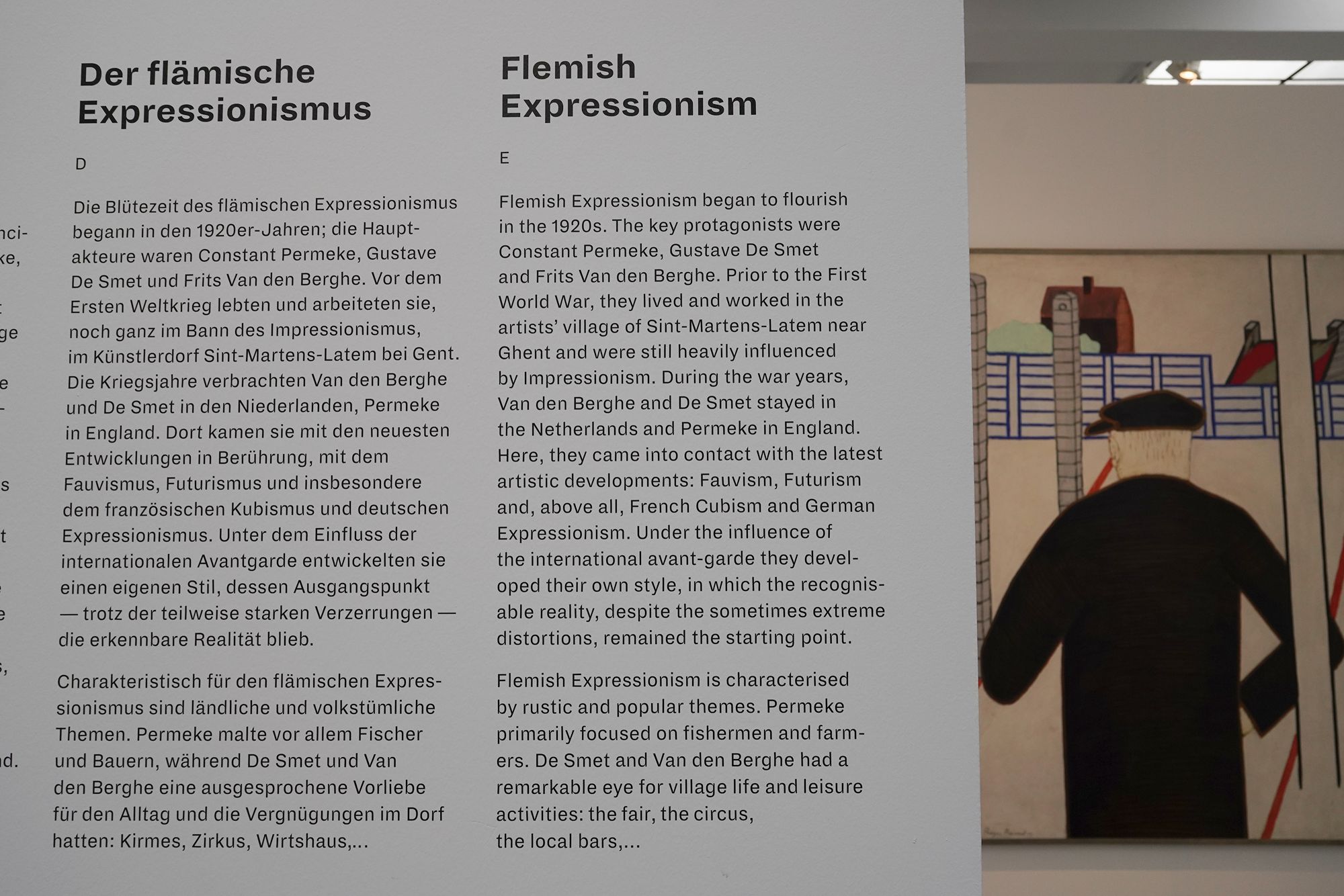
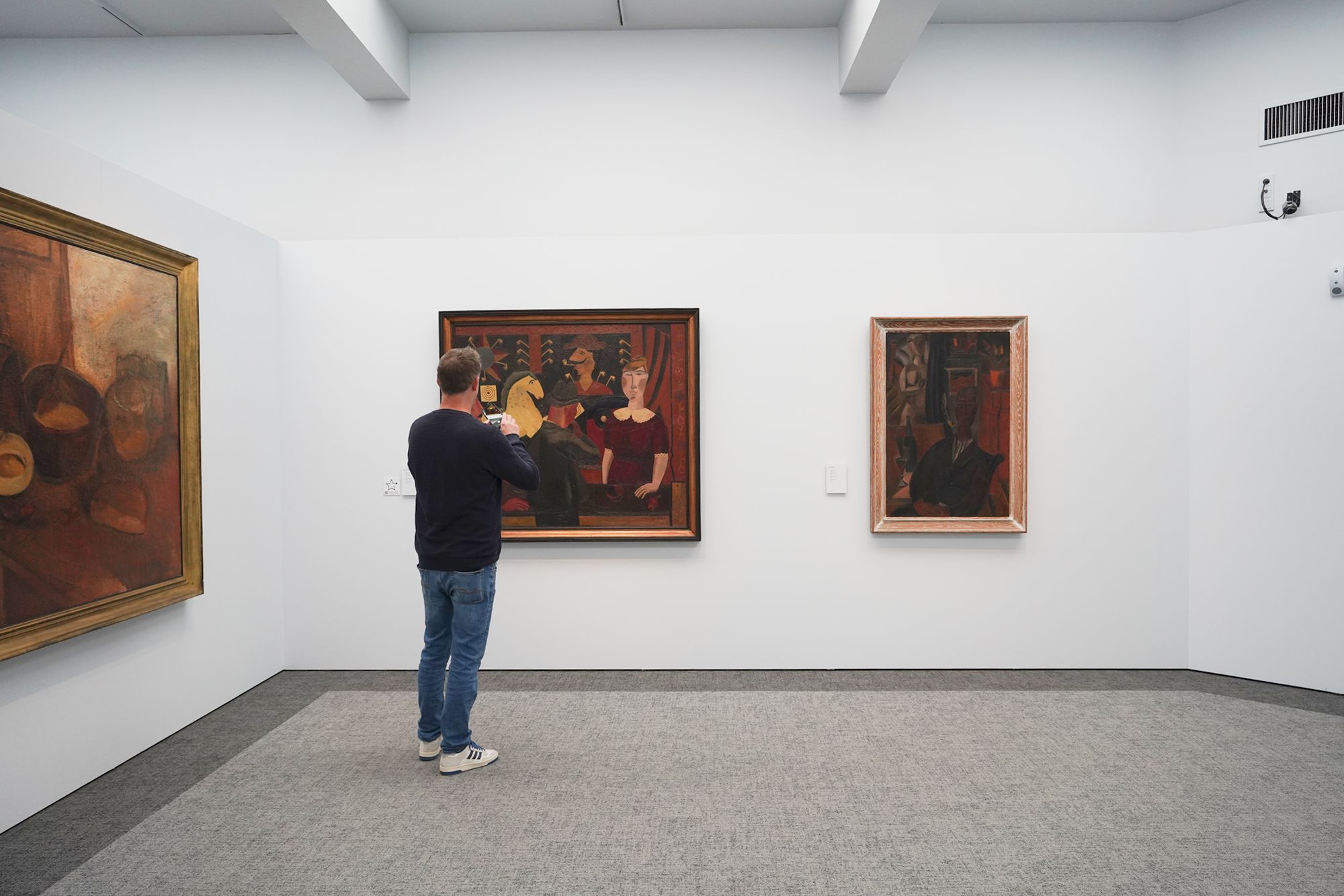
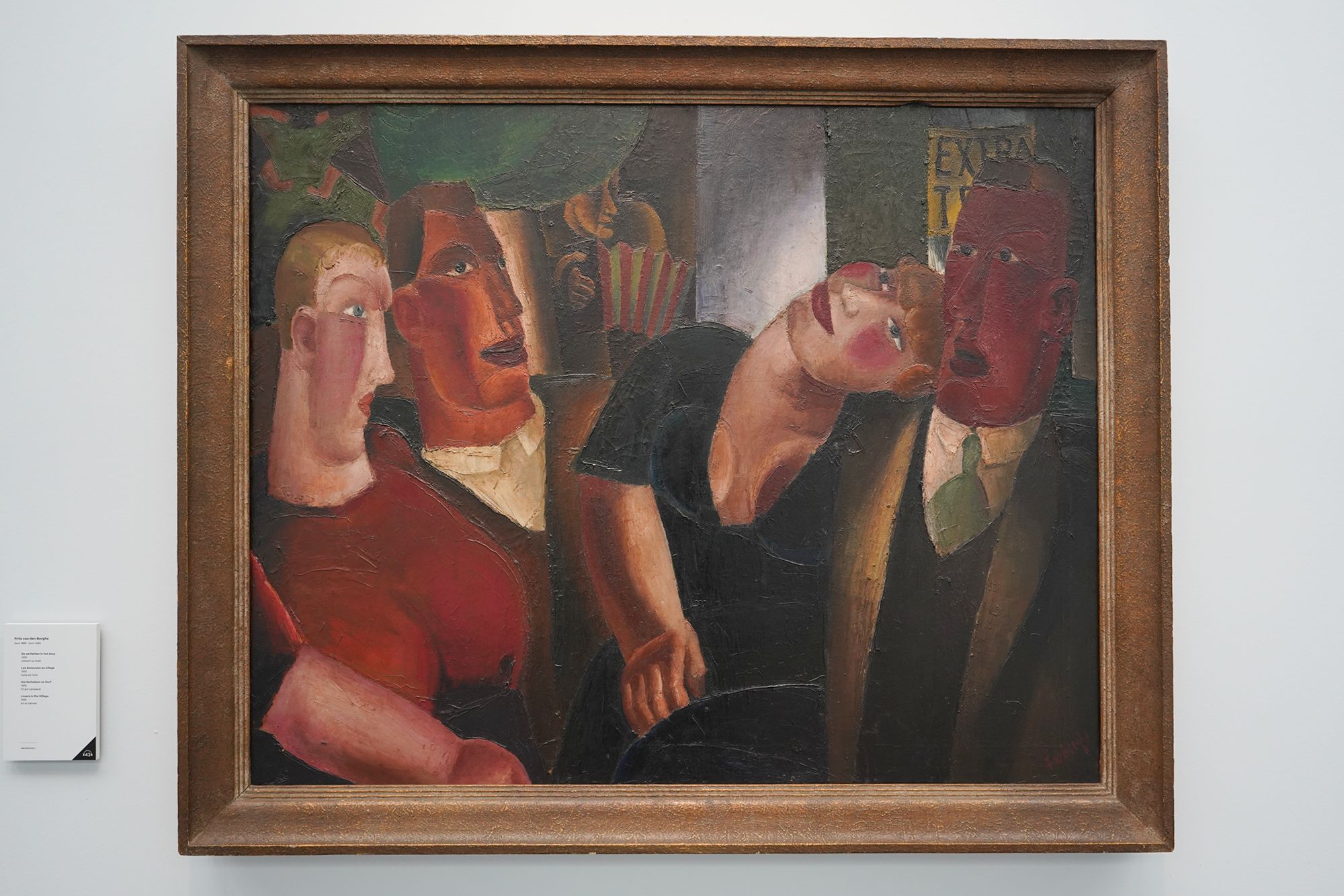
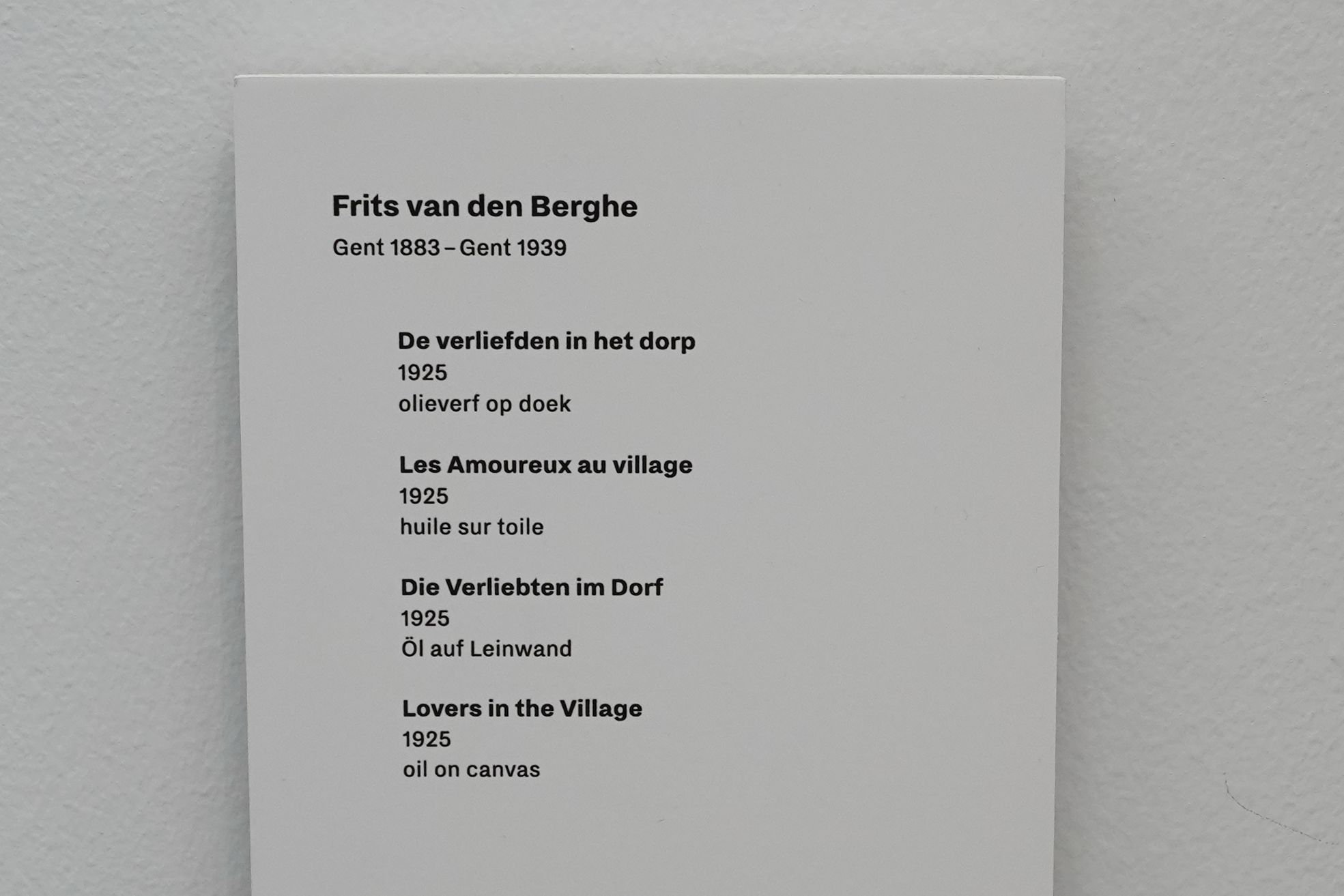
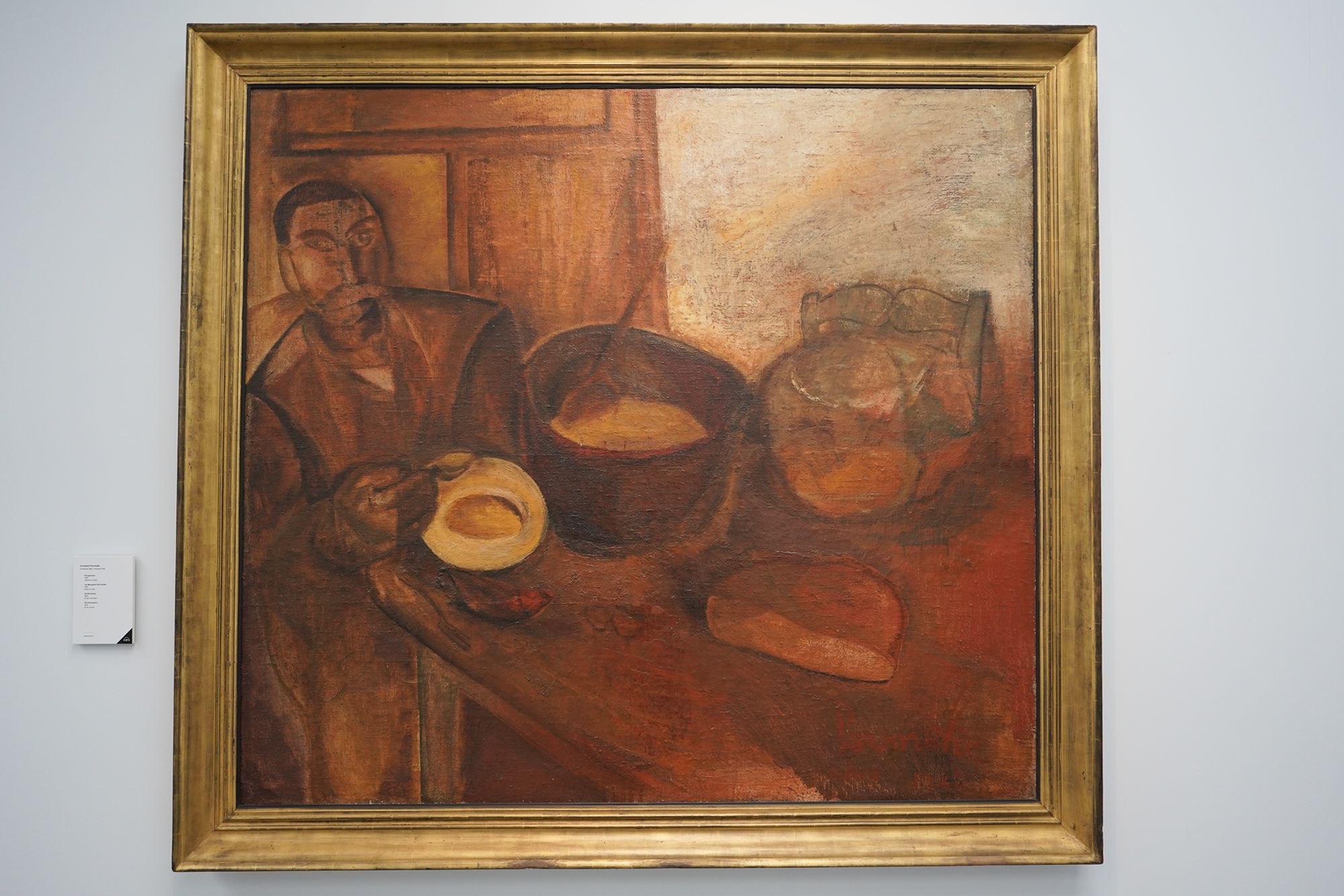
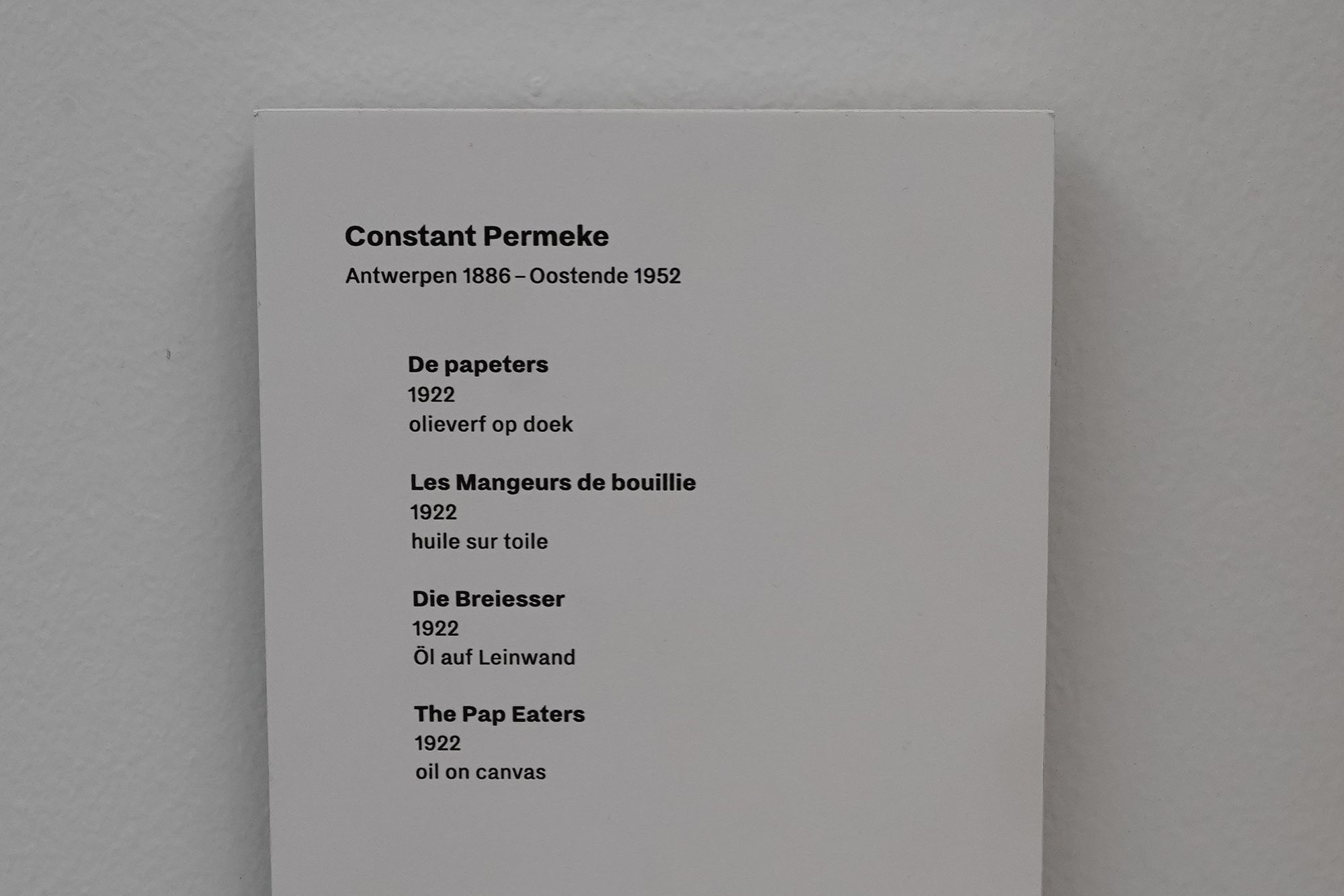
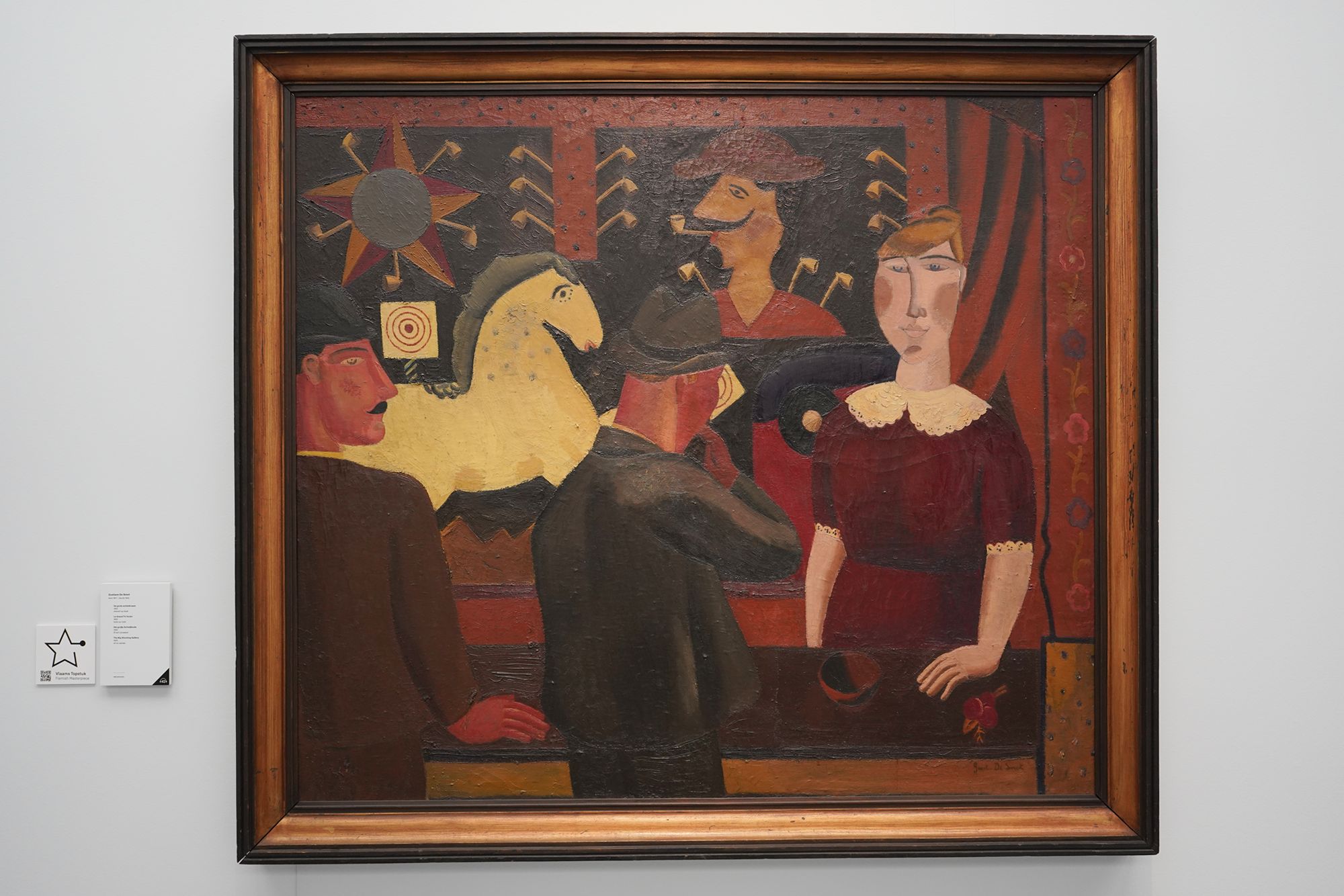
By the 1920s, Flemish Expressionism brought a dramatically different style to Belgian art. Artists such as Constant Permeke, Gustave De Smet, and Frits Van den Berghe used simplified and sometimes distorted forms to portray fishermen, farmers, village life, and other scenes from everyday Flemish society.
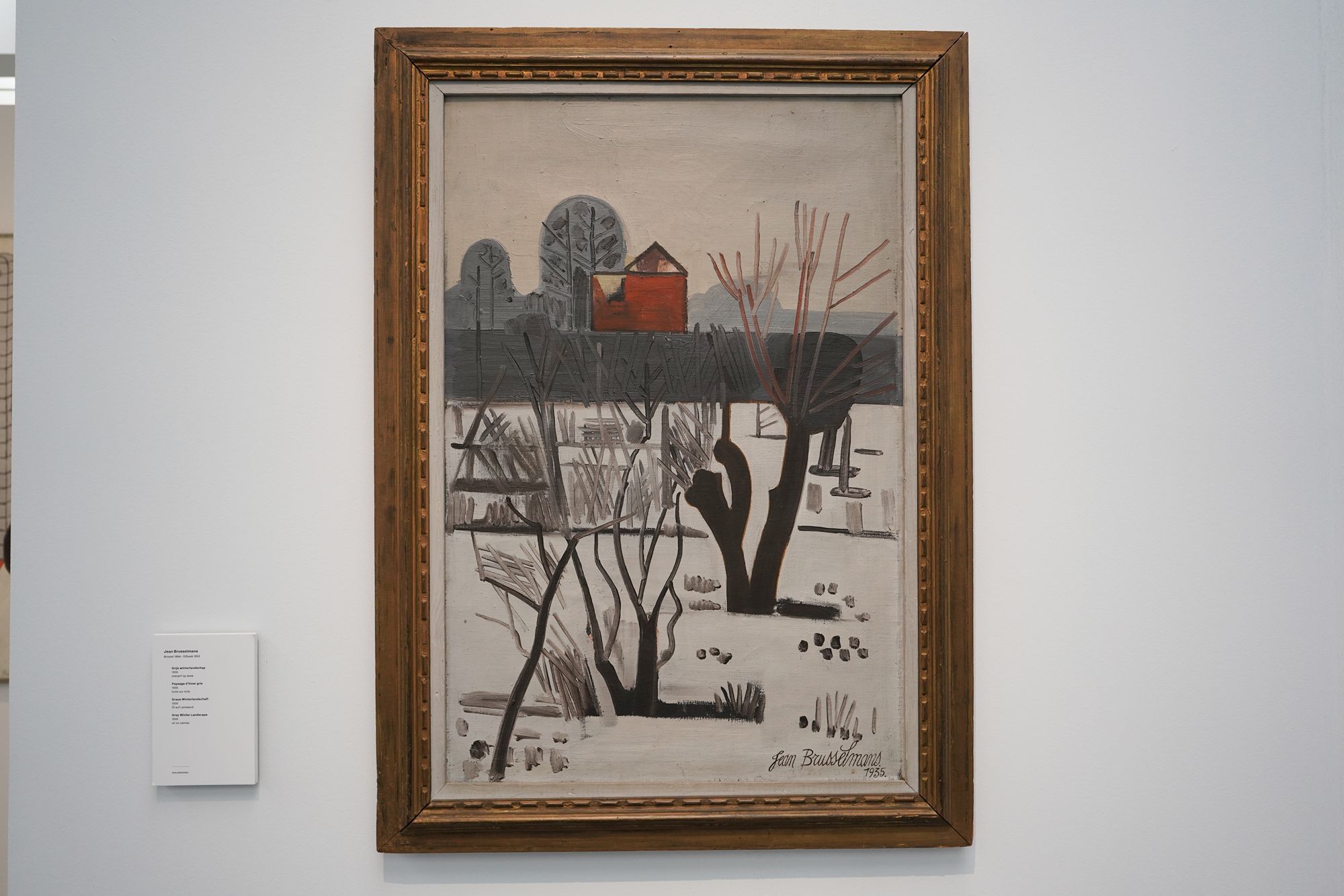
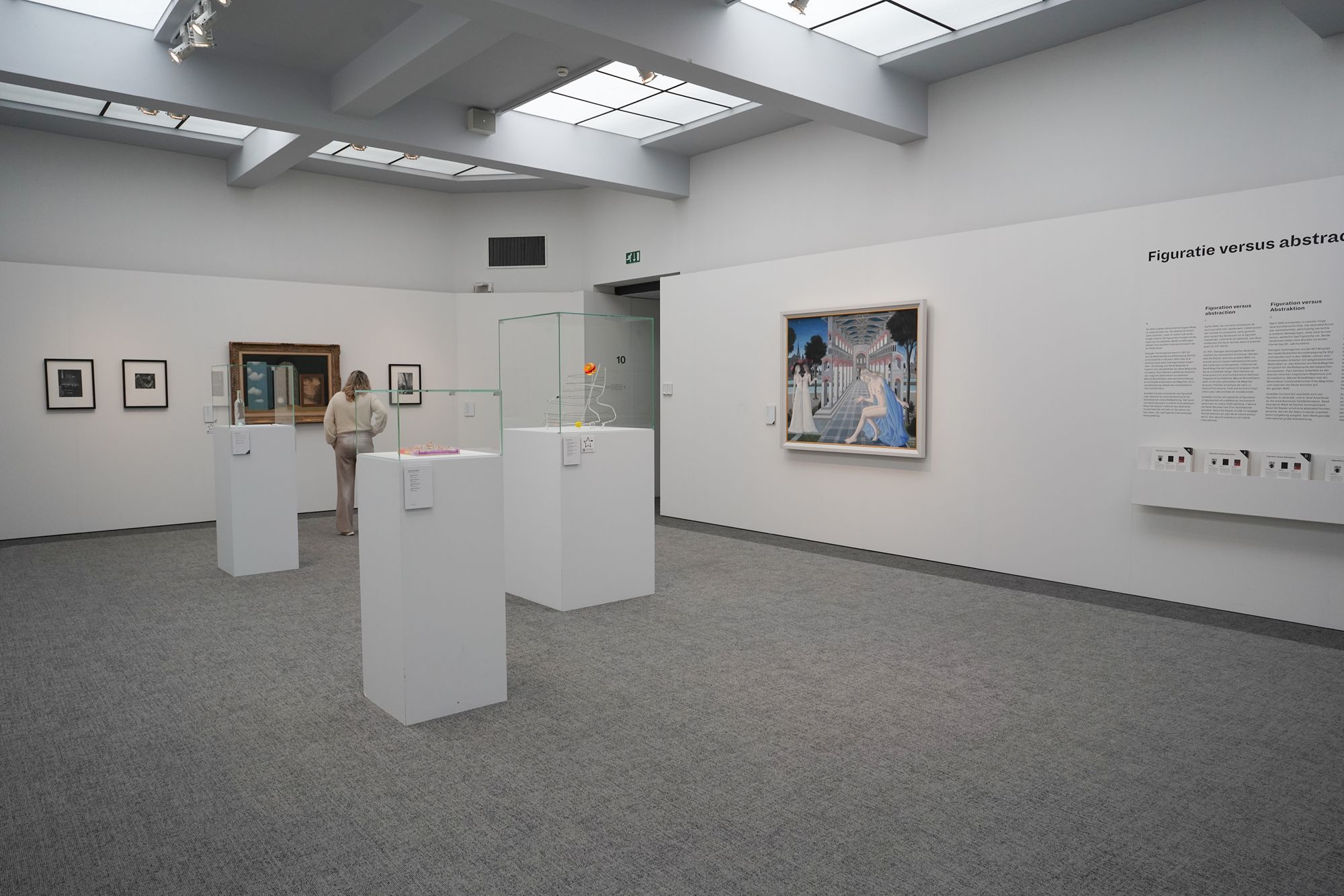
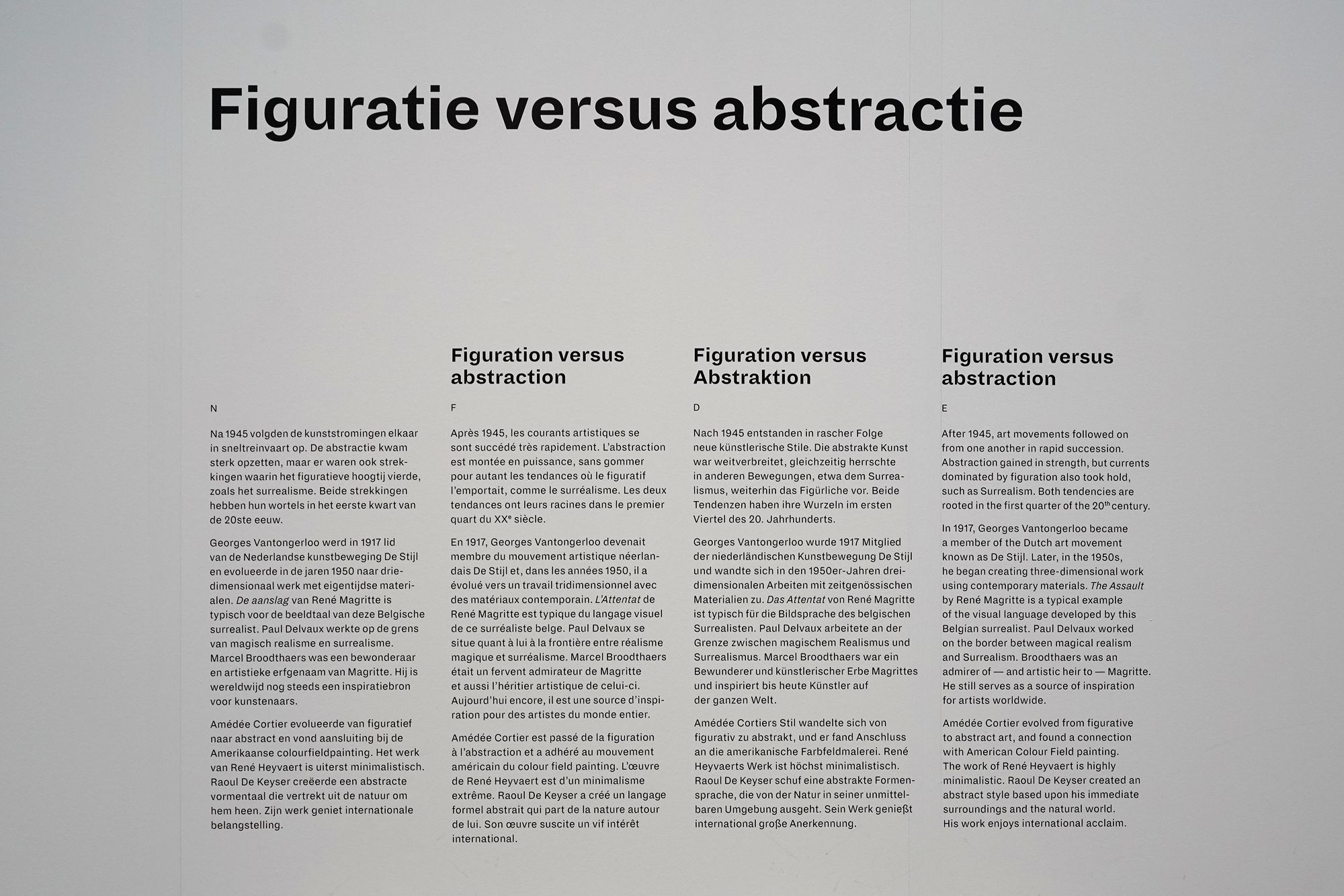
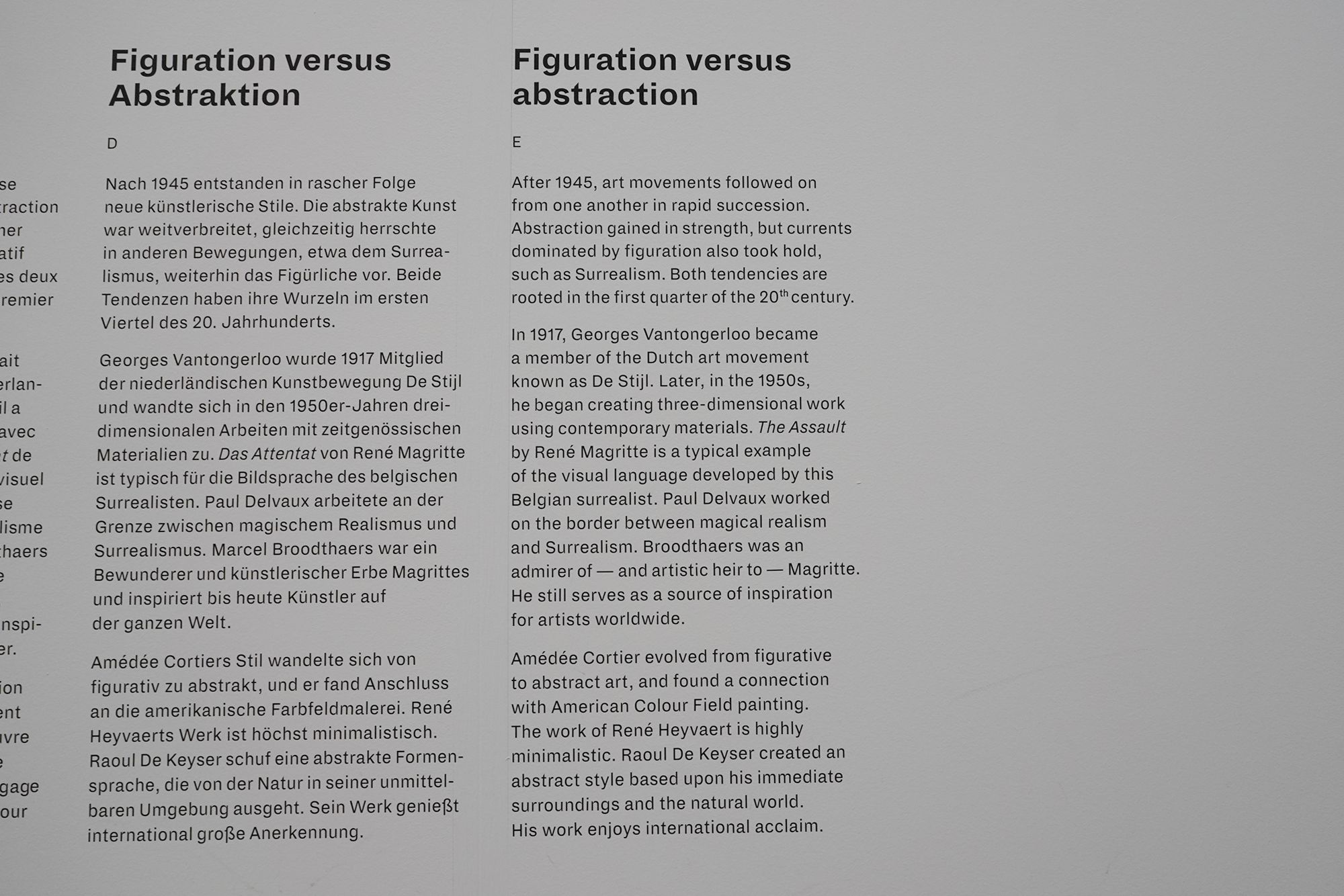
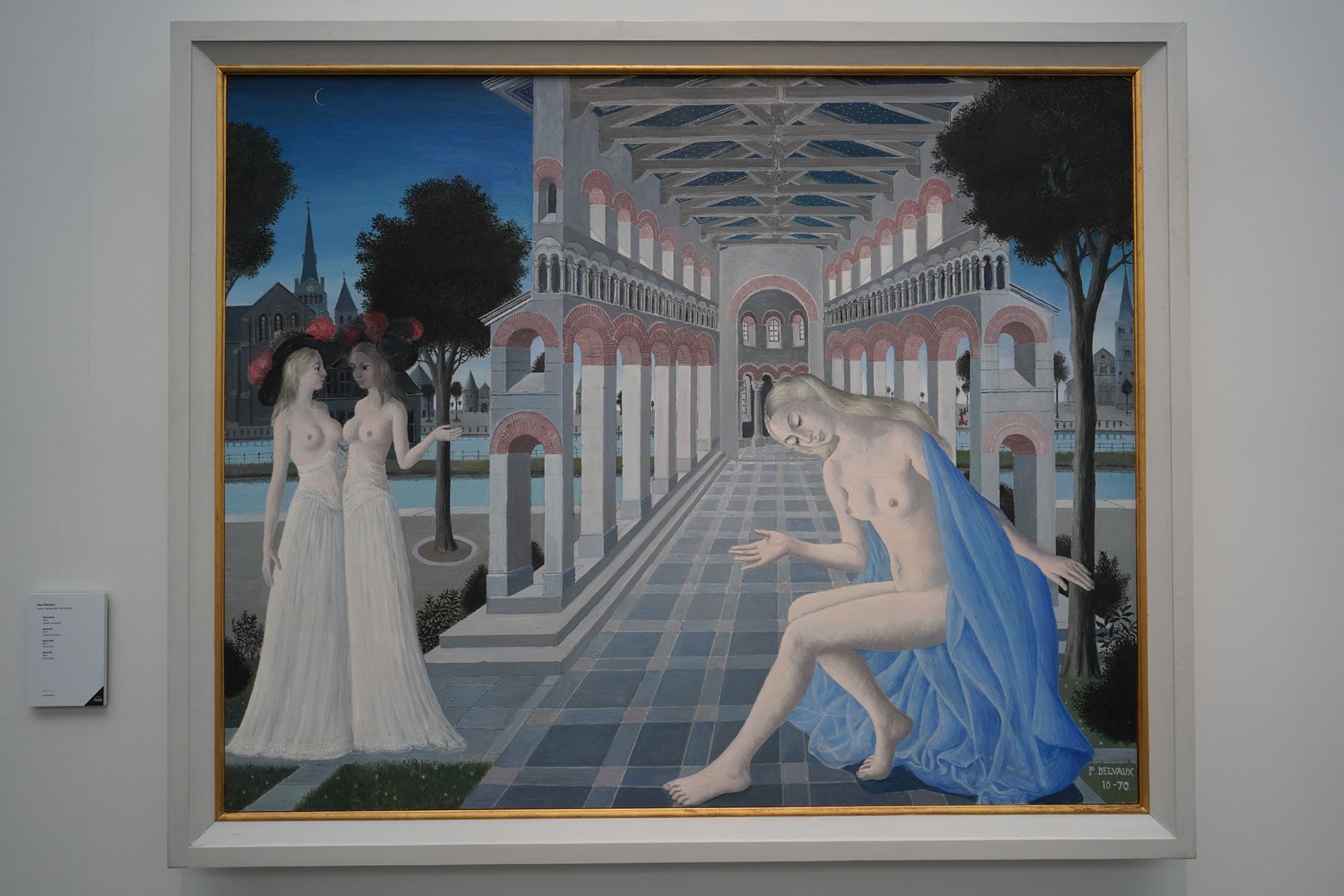
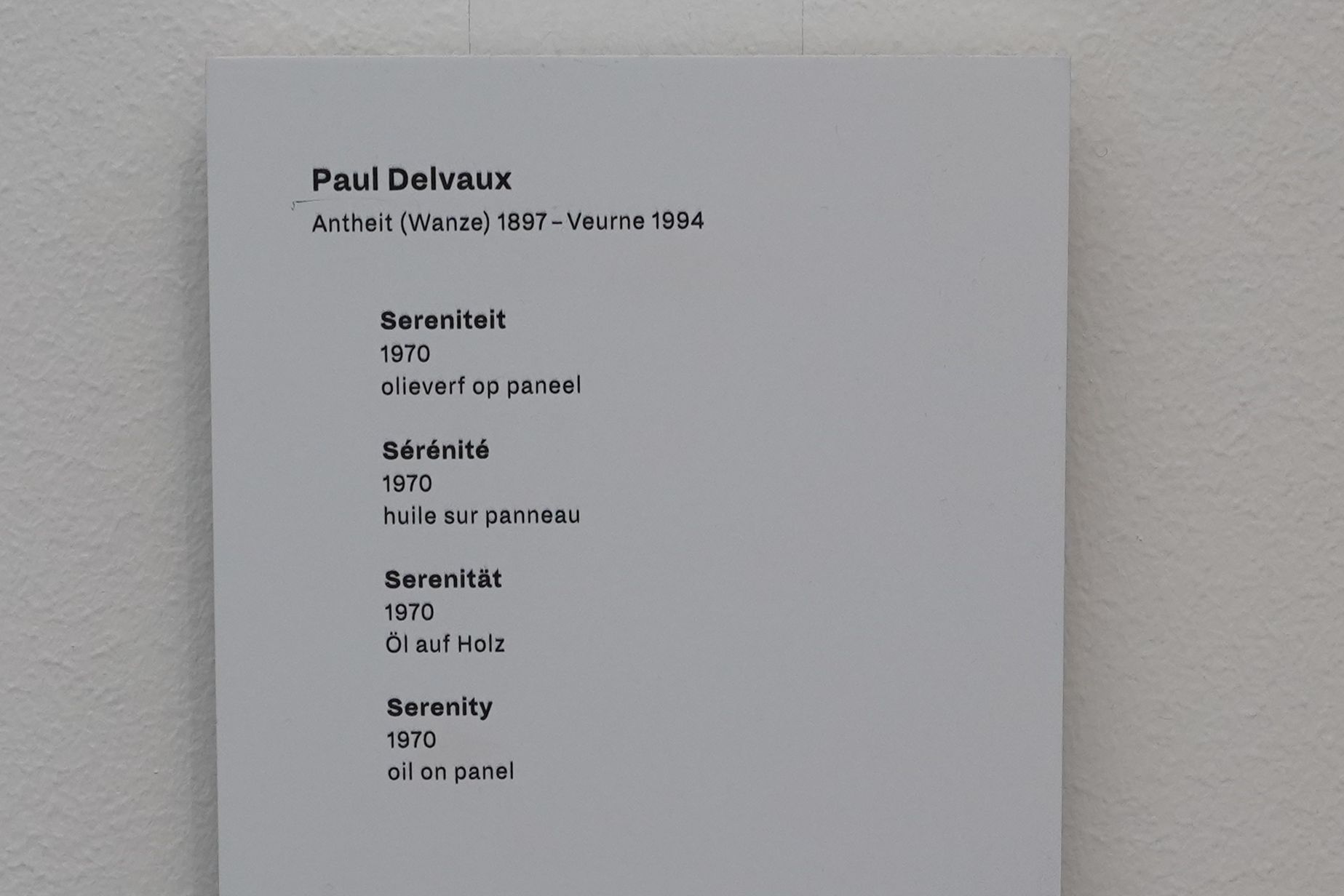
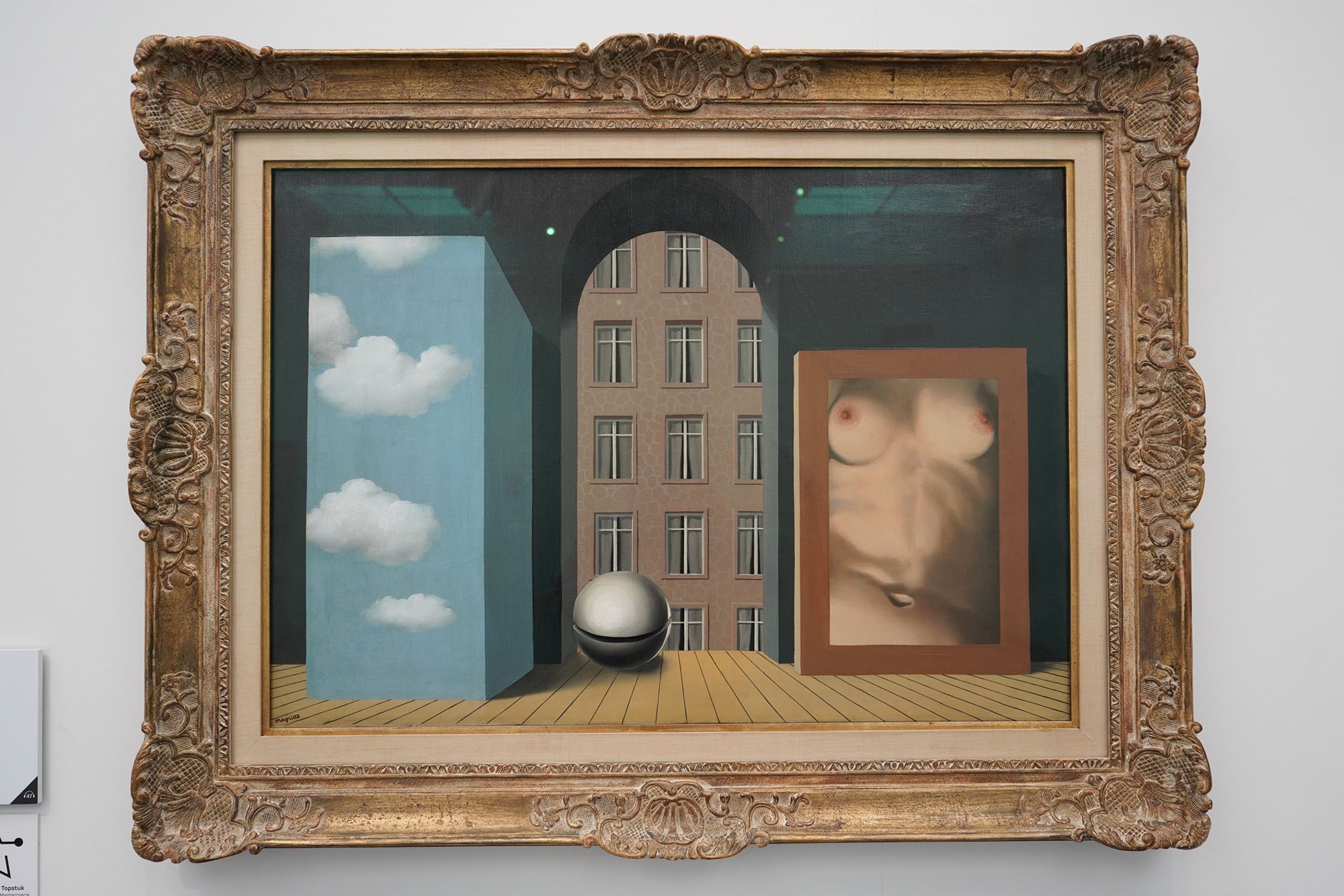
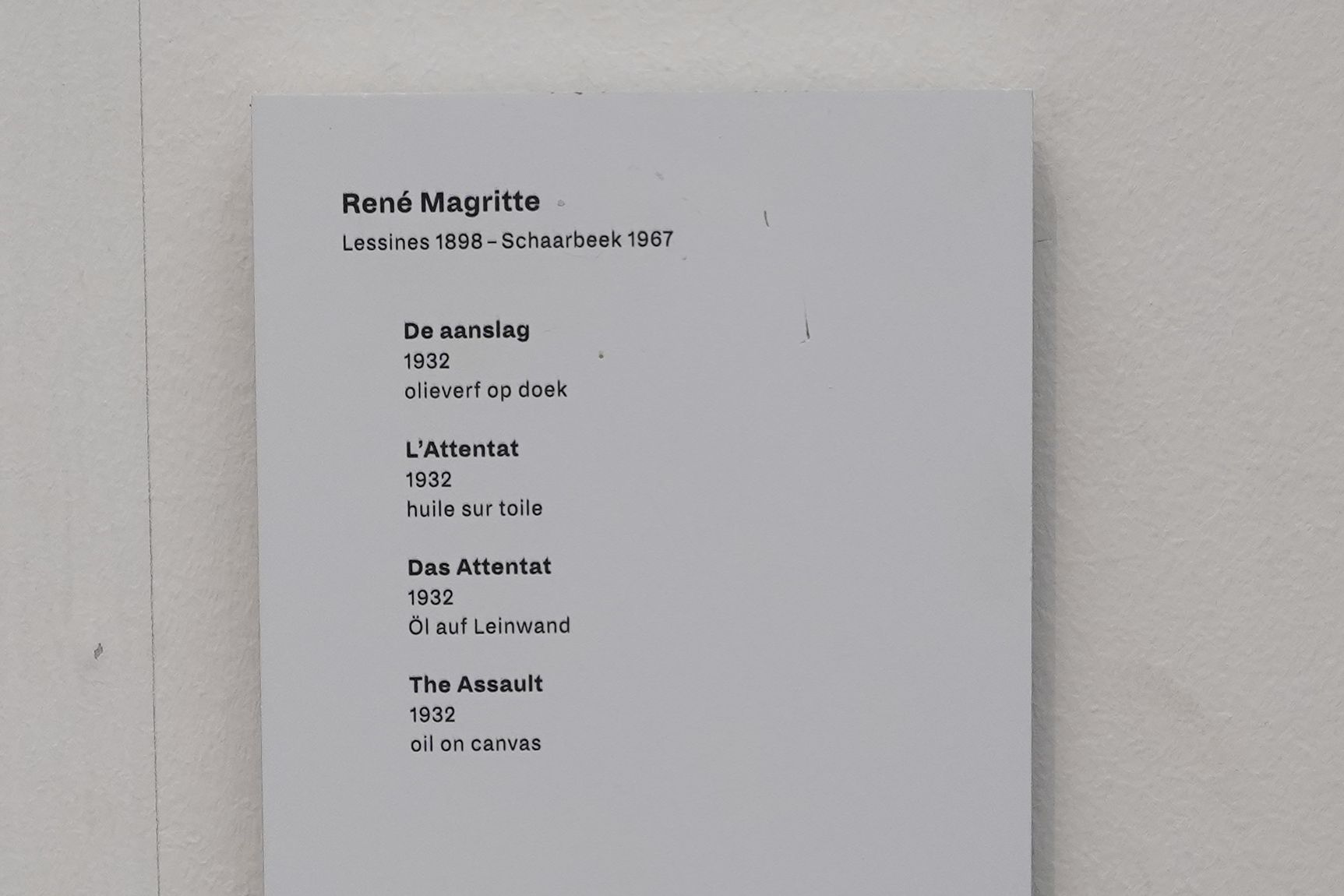
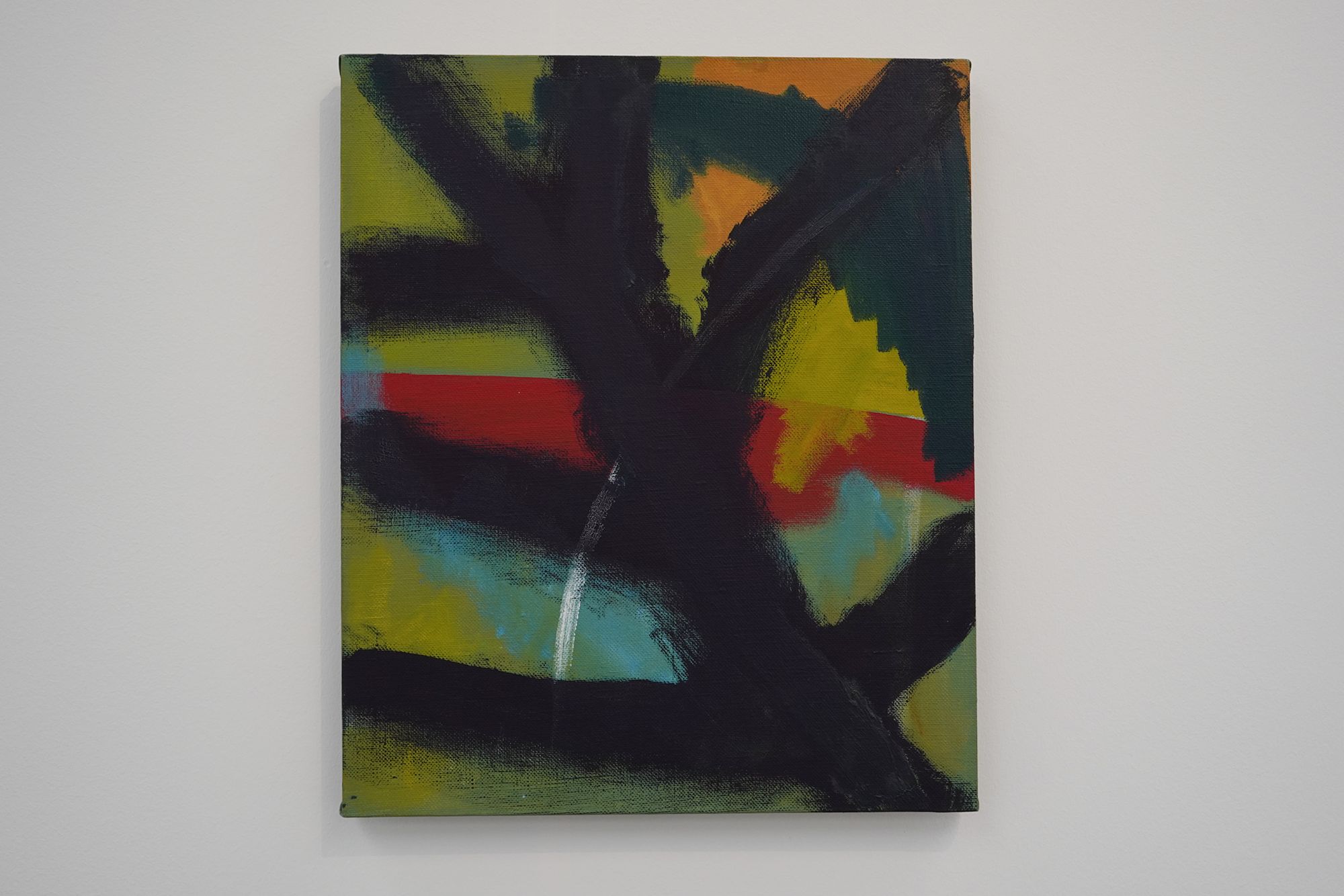
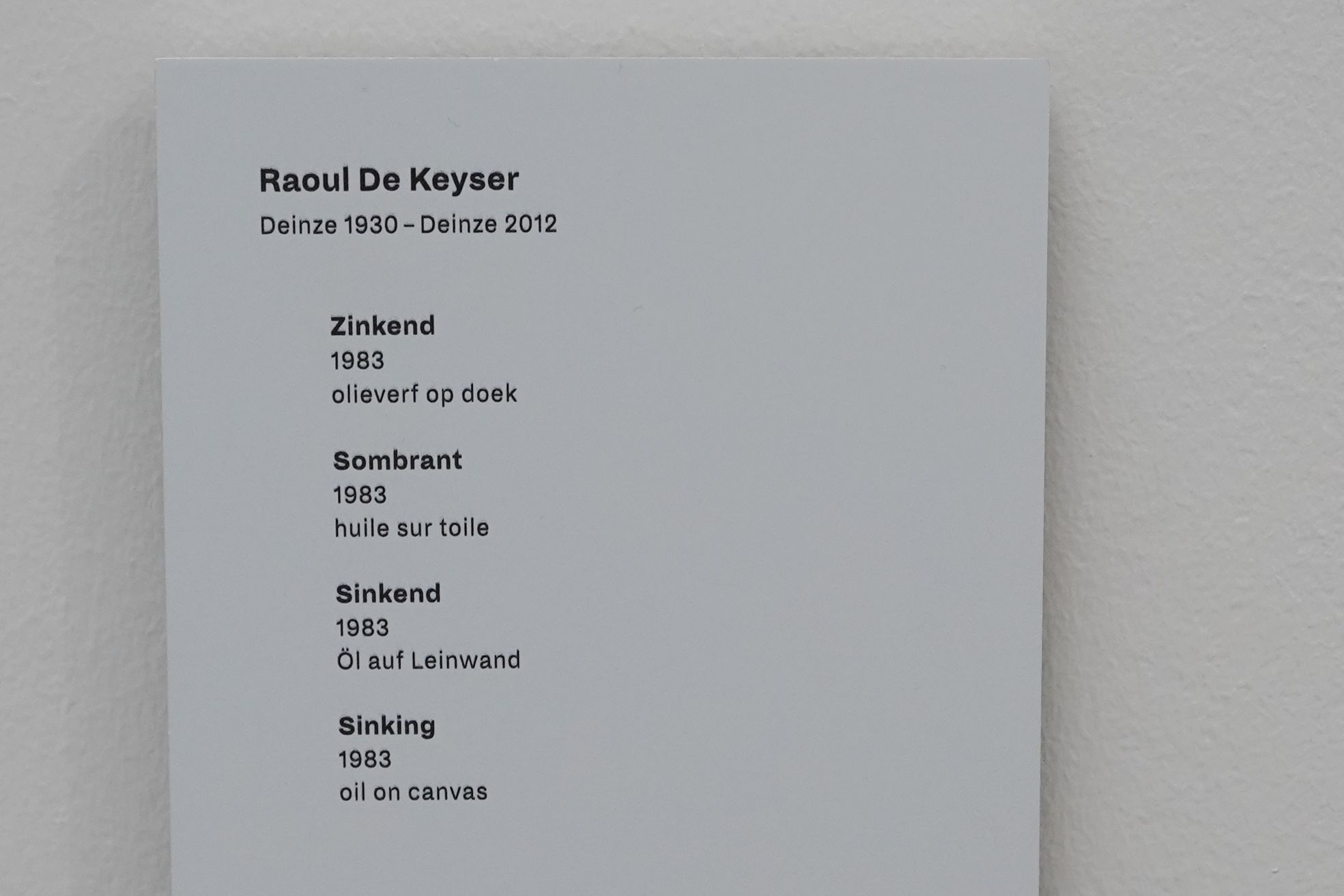
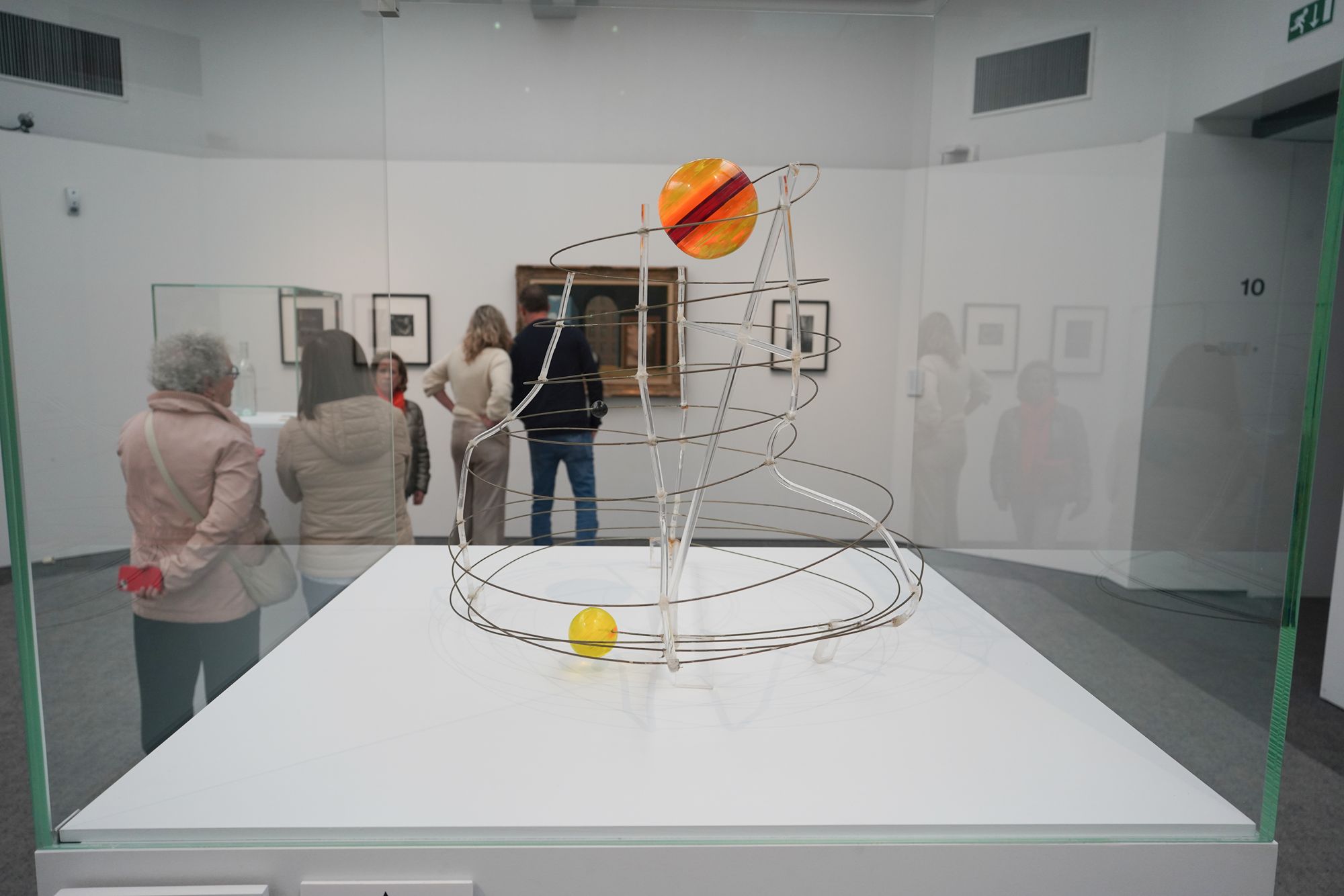
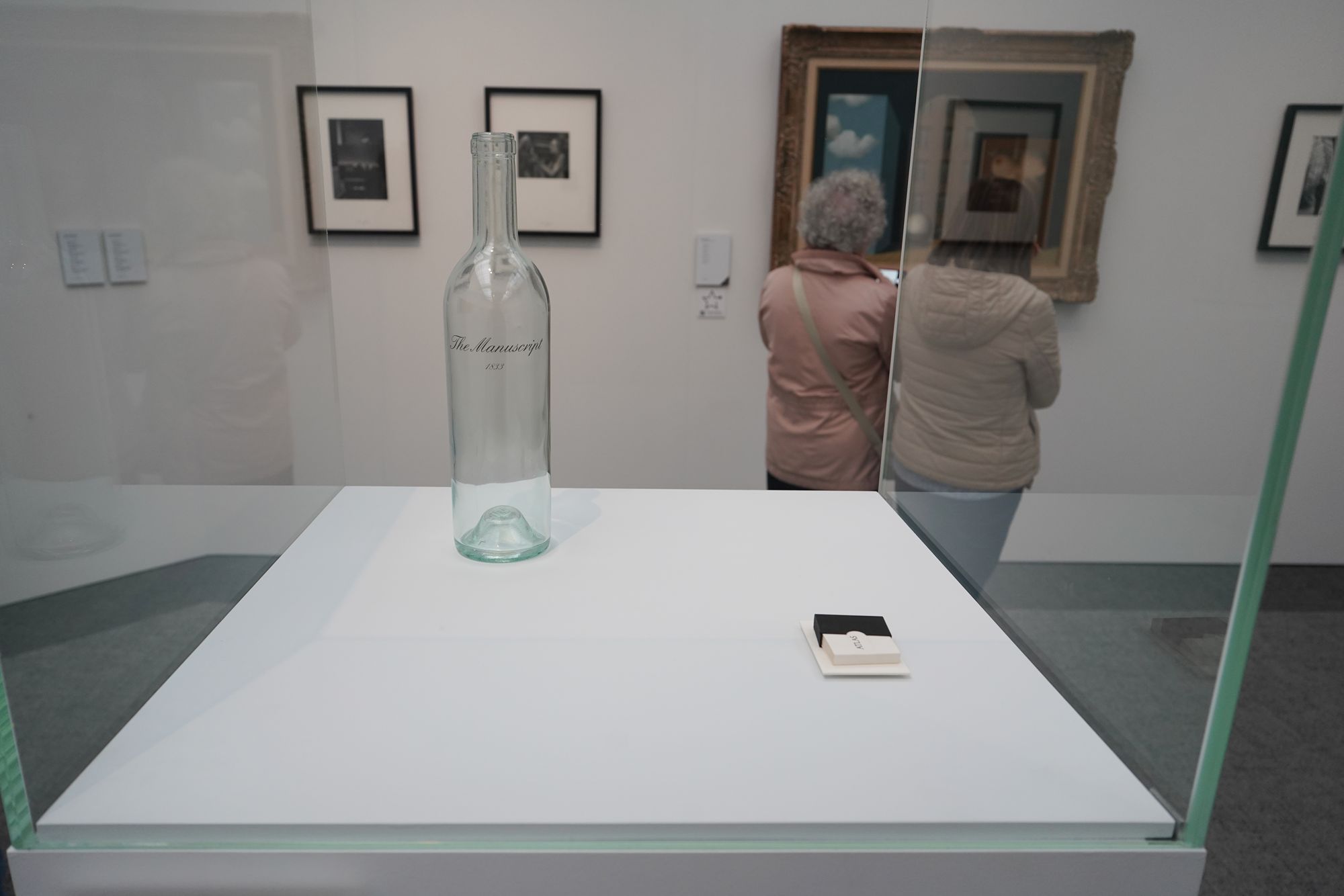
After 1945, Belgian art became increasingly diverse, ranging from the dreamlike Surrealism of René Magritte and Paul Delvaux to increasingly abstract and minimalist styles. The collection shows how Belgian artists continued experimenting with both recognizable subjects and abstraction throughout the 20th century.